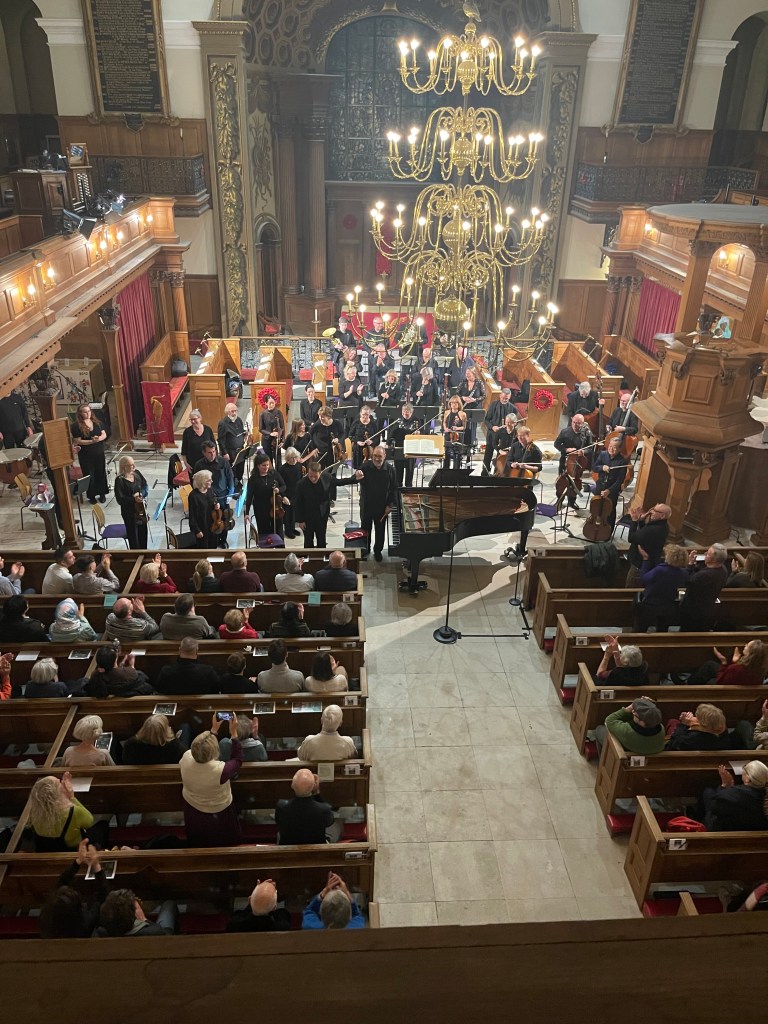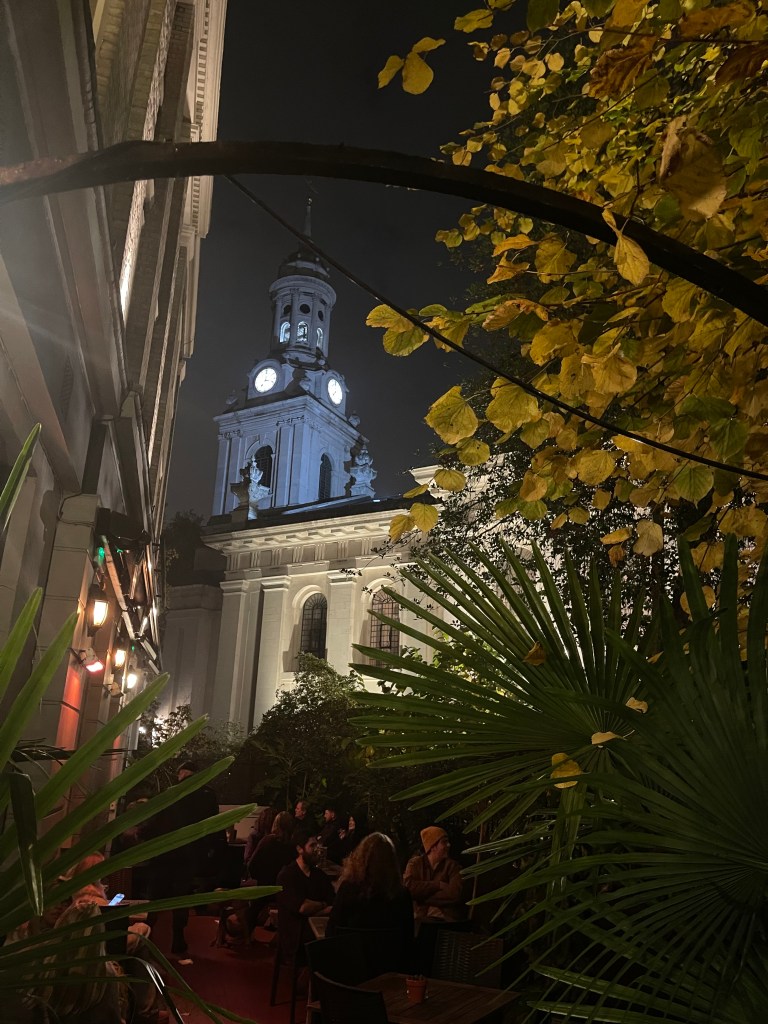
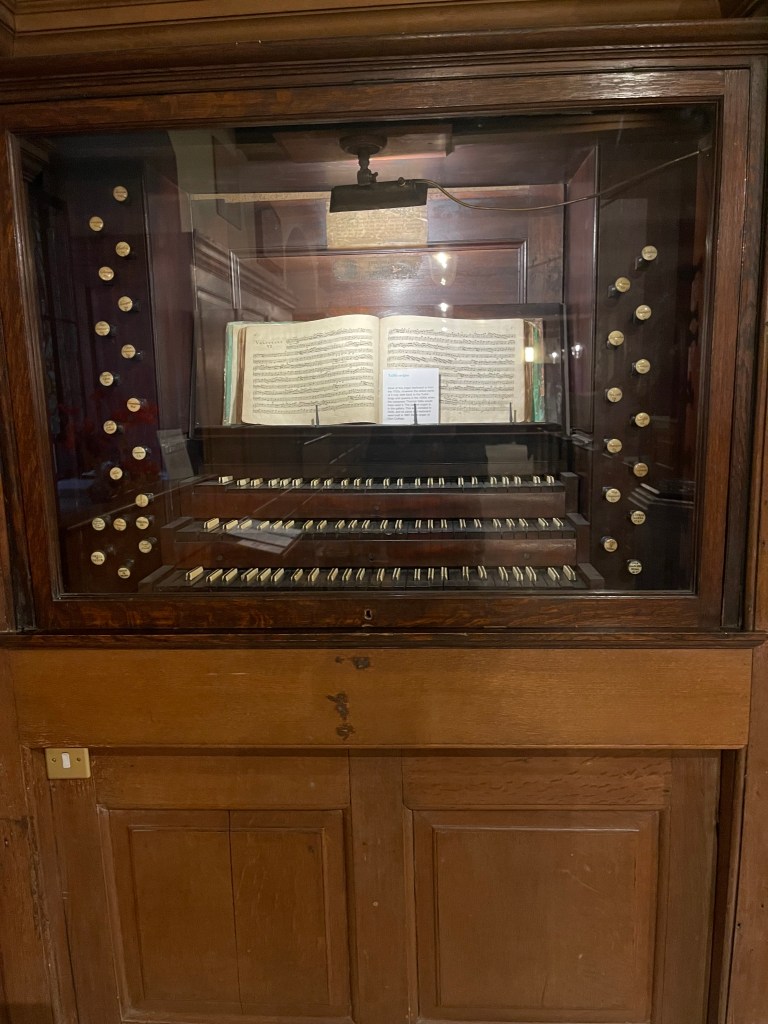
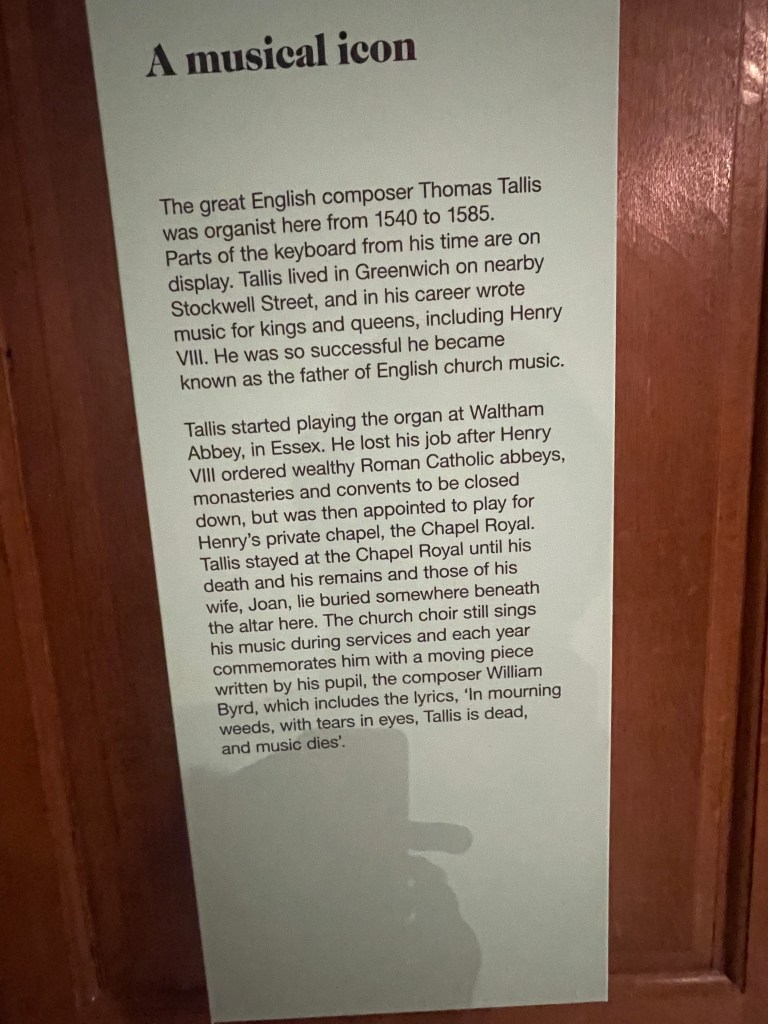
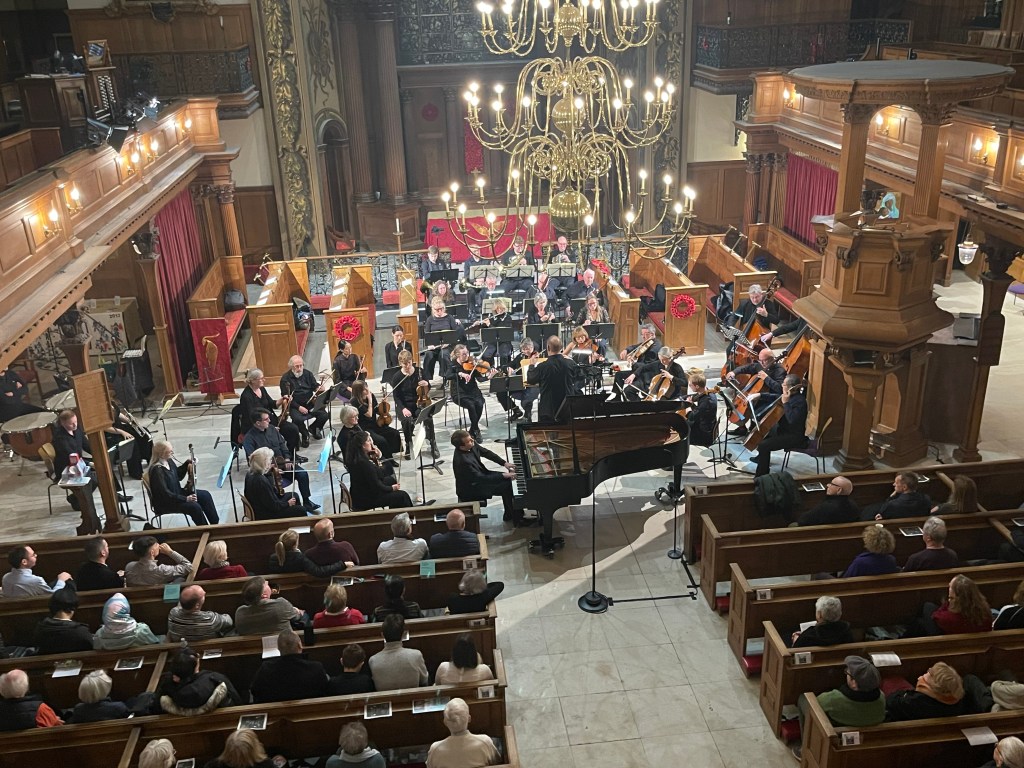
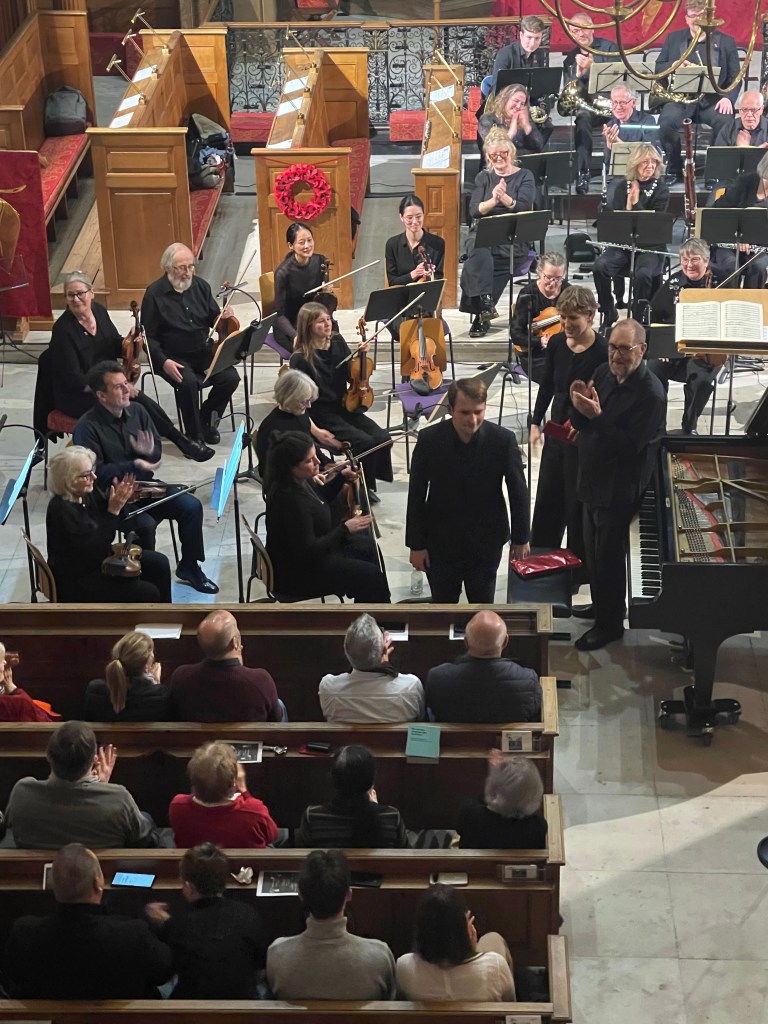
Misha Kaploukhii plays Brahms in the historic St Alfege in Greenwich where Thomas Tallis was organist and is buried.
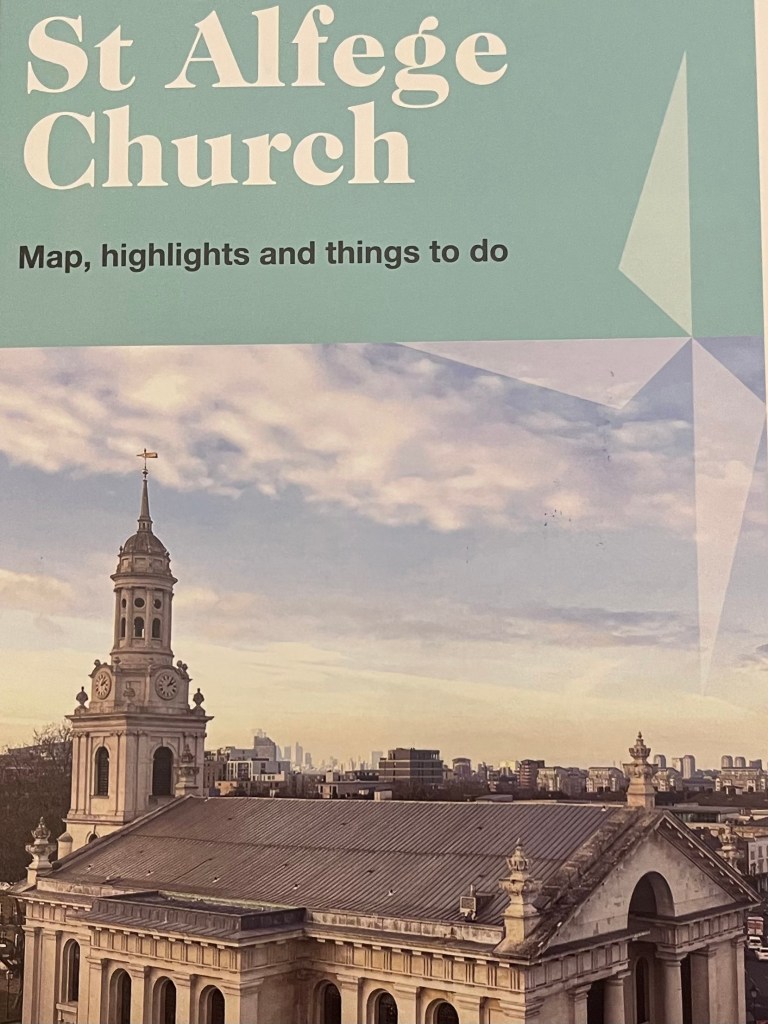
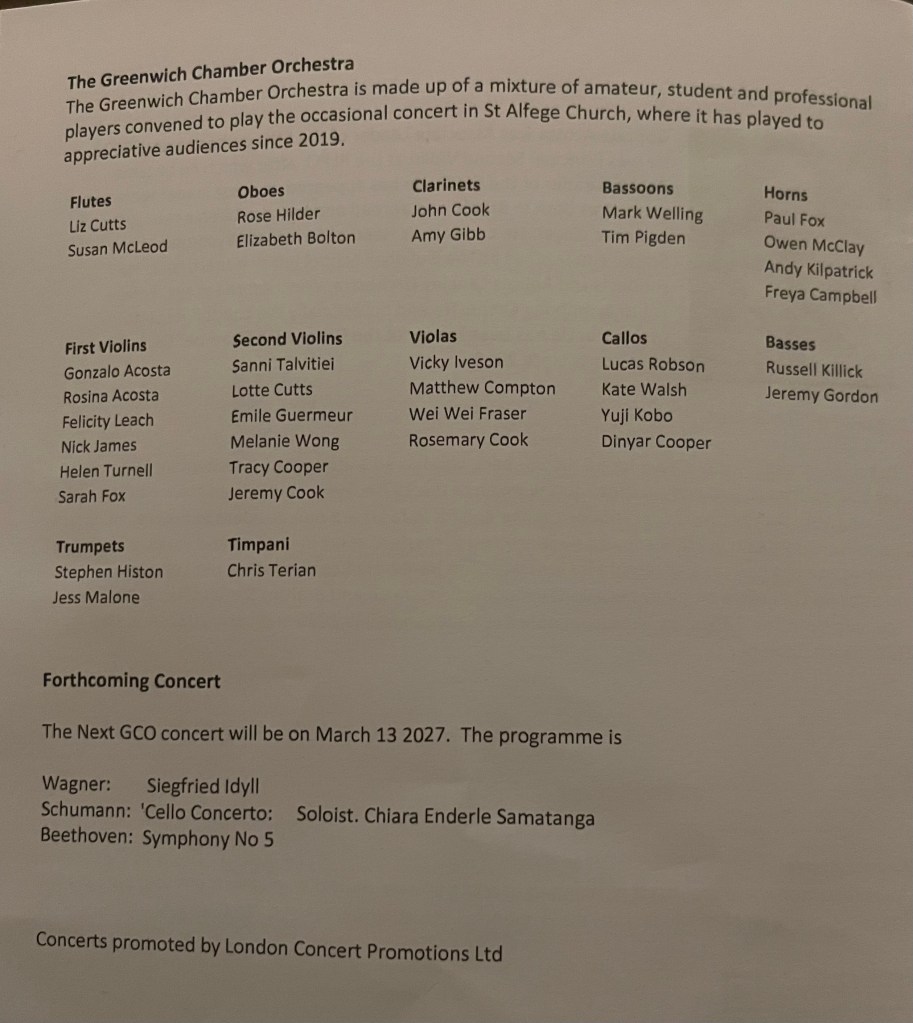
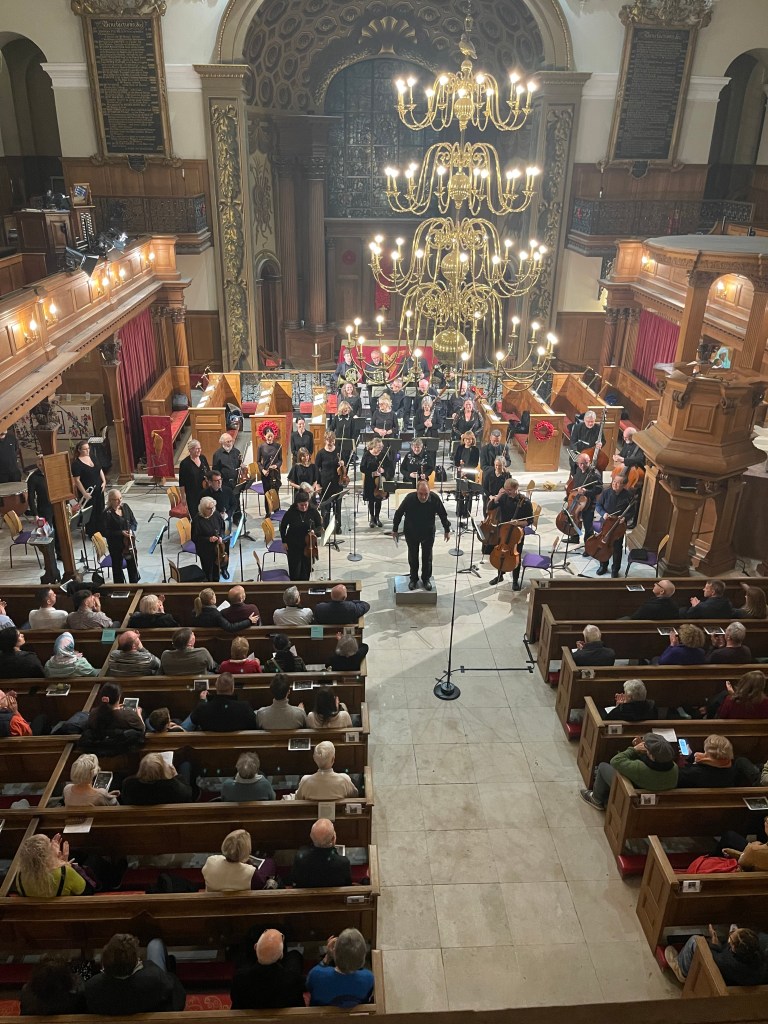
The Greenwich Chamber Orchestra founded and conducted by David Cutts has been presenting concerts in this noble edifice since 2019.
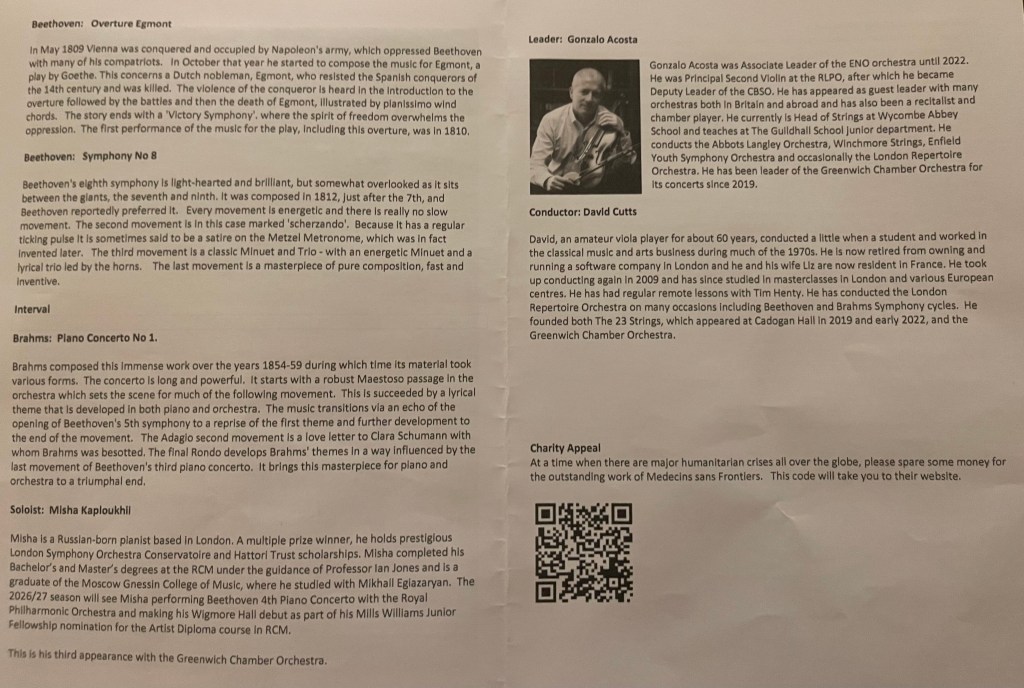
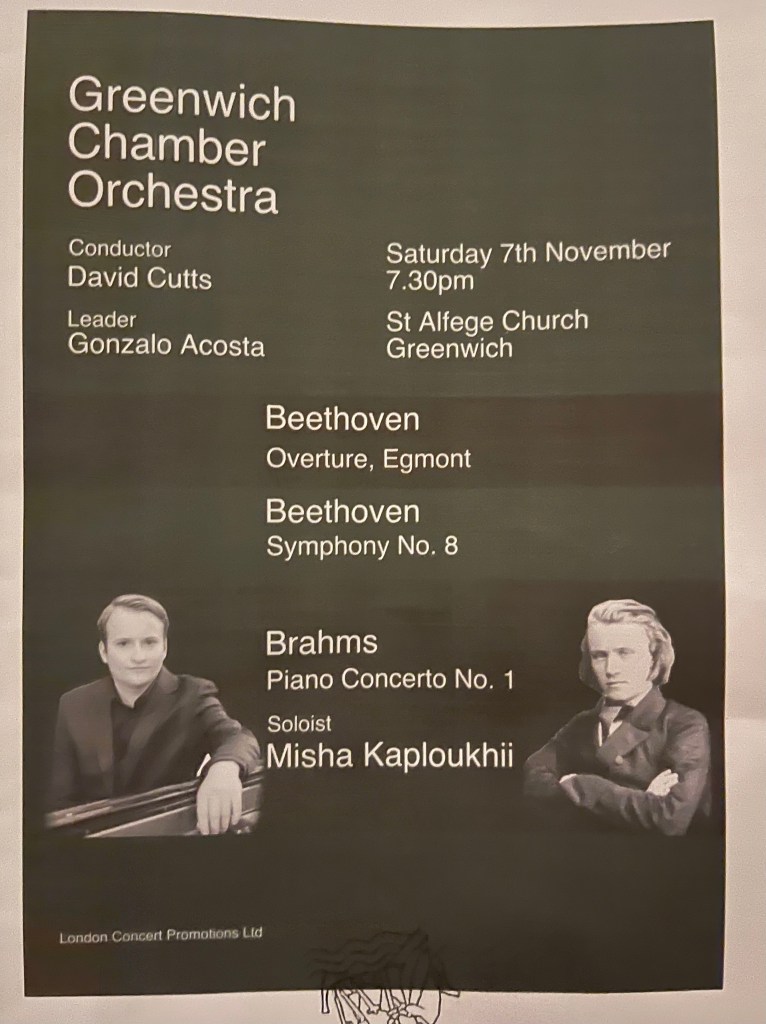
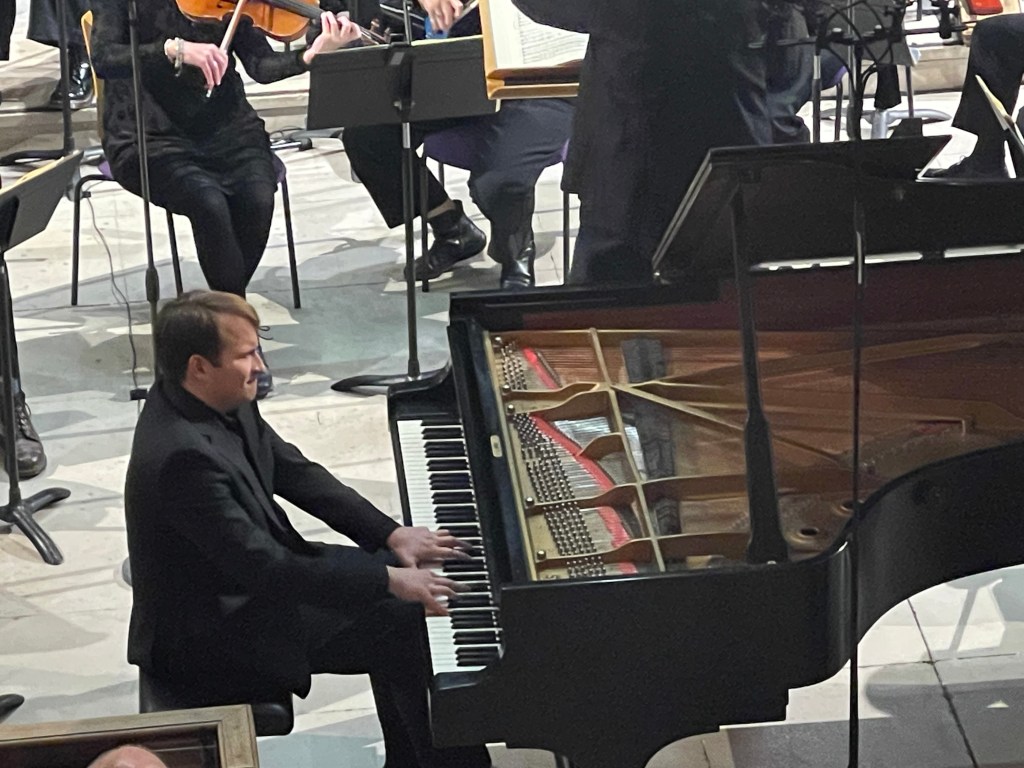
A young pianist on the crest of a wave, now in his final year of study with Ian Jones and Sofya Gulyak at the Royal College of Music, has played with this orchestra many times.Having already played Brahms ‘tiny’ Second Concerto with them he returned tonight to play the First. The Second Concerto is very much a concerto where the piano becomes part of the orchestra but the youthful first concerto is one where the piano and orchestra fight it out to the end. This, in many ways, is a piano struggling to dominate the orchestra.
There are many assertive passages where the piano battles to dominate the orchestra and lead the way, but there are many others where the piano plays with an eloquence and the sounds of the ‘lullabies of Brahms’s grief’ that are of poignant beauty. Nowhere more than in the etherial and noble ‘Adagio’ with its gradual elation and passionate outpouring etched in marble. It was here that Misha’s poetic understanding was able to create an atmosphere where piano, orchestra and audience became involved in one of those seances that only music can create. A magic cadenza unwound in Misha’s sensitive hands as it brought the final benediction from the orchestra with a whispered intensity of remarkable poignancy. Brahms and Misha ,the same age, were here united in a benediction of extraordinary poetic potency with the glistening sounds from the piano not struggling against the orchestra but in this movement united with a poetic fantasy of profundity. Misha had also brought the same poetic intensity to the two solo ‘cadenzas’ in the first movement. Here Brahms, like the central episode of Schubert’s B flat sonata, allows a chorale to bring a moment of calm and solemnity as it gradually takes wing with a melodic line floated on etherial sounds contained within its very being. There were moments too where Misha could outdo the orchestra as the mighty orchestral opening of the ‘wailing of hell’ is mirrored on the piano in a duel of intensity and overwhelming power.
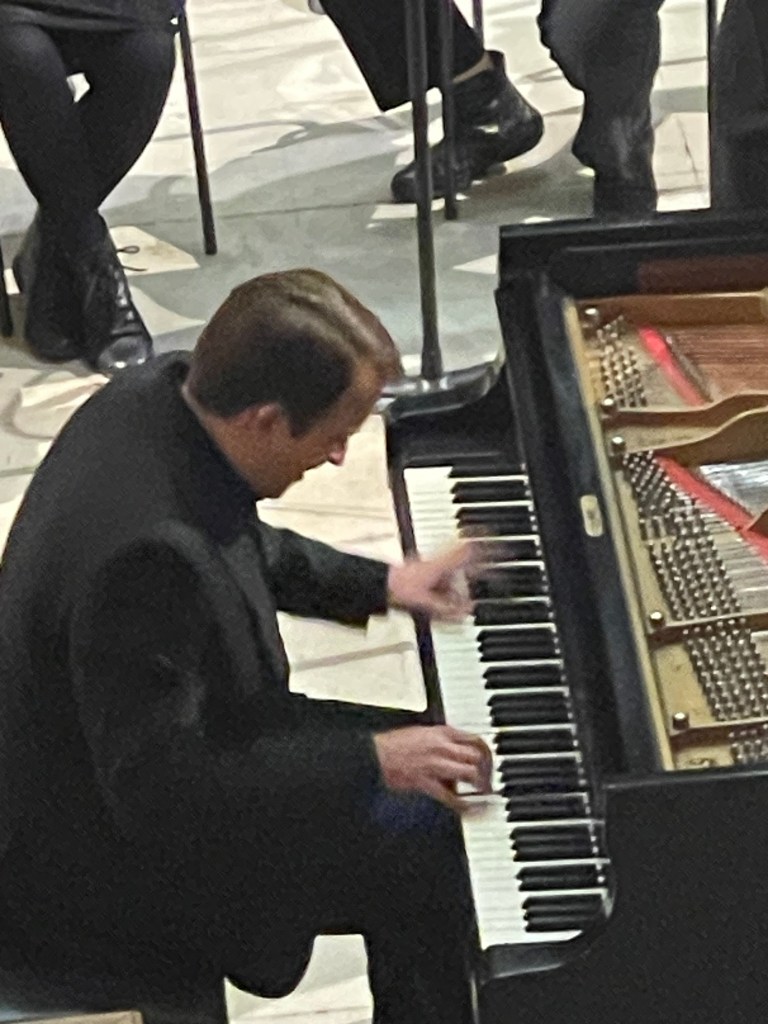
The last movement ‘Allegro non troppo’ just shot from Misha’s hands barely giving us time to wallow in the intense atmosphere created by the dying breath of the ‘Adagio’. Bursting with youthful energy it has been said that Beethoven’s third concert was Brahms’s model. This is, though, a movement of great originality and whereas Beethoven is full of youthful energy and ‘joie de vivre’ this is full of ominous clouds of turbulence and dynamic drive. A climax to this Rondo theme that explodes with scales across the keyboard as one of Brahms’s most noble of mellifluous outpourings opens with aristocratic poise and dignity. Exhilaration and youthful excitement are played out to the final cadenza where the piano, certainly in Misha’s hands, could outdo the orchestra for the full sumptuous sounds that brought this youthful but extraordinarily mature work to a glorious ending.
The concert had started with Beethoven’s ever green Egmont Overture and the much lesser known Eighth Symphony ,written in 1812, was his penultimate and shortest symphony that he fondly referred to it as “my little Symphony in F”.
The premiere took place on 27 February 1814, at a concert in the Redoutensaal, Vienna, at which the Seventh Symphony (which had been premiered two months earlier) was also played. The concert also included Wellington’s Victory and the premiere of Beethoven’s song “Tremate, empi, tremate.” Beethoven was growing increasingly deaf at the time, but nevertheless insisted on leading the premiere. Reportedly, “the orchestra largely ignored his ungainly gestures and followed the principal violinist instead.”
When asked by his pupil Carl Czerny why the Eighth was less popular than the Seventh, Beethoven is said to have replied, “because the Eighth is so much better.”
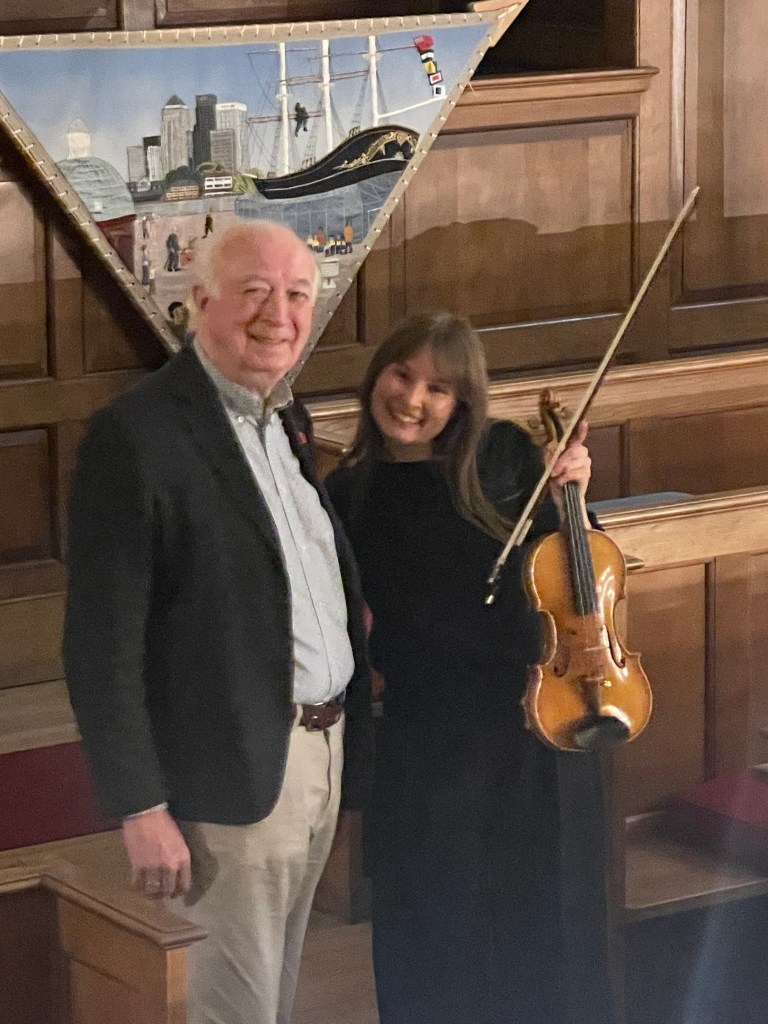
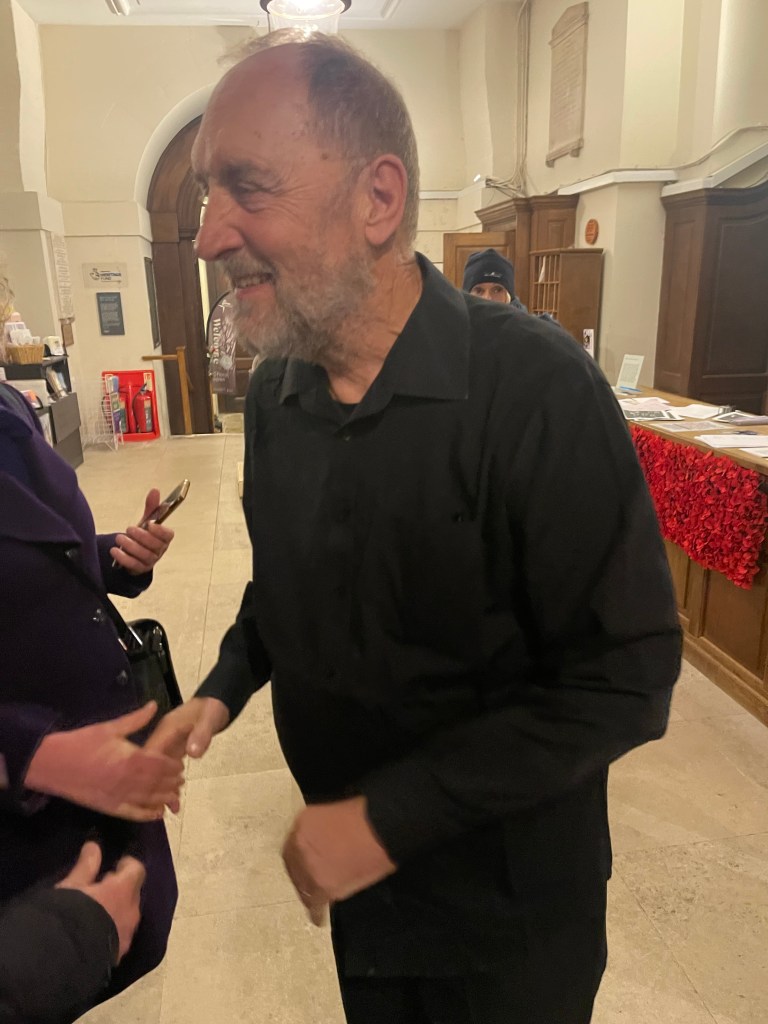
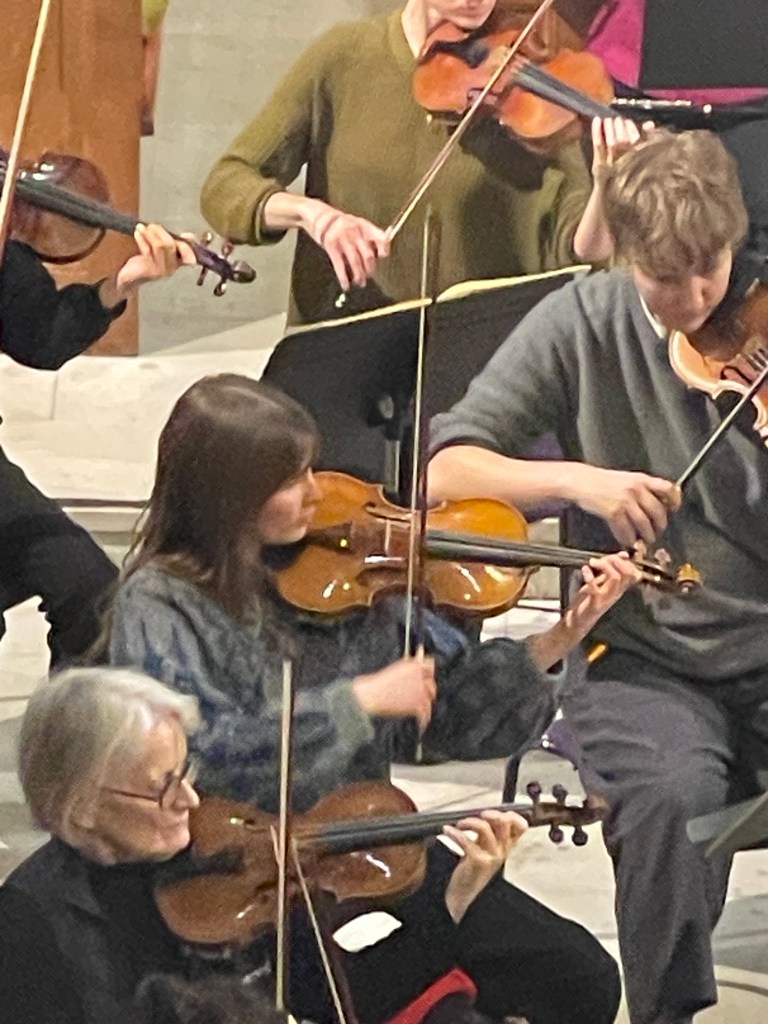
A valiant performance conducted by the orchestra’s founder David Cutts, in which his daughter and Misha’s girlfriend shared the lead second violin desk adding a personal note to a joyous occasion in this Grade 1a edifice, where Tallis’s shadow still reigns.