Nikita Burzanitsa
pianoforte
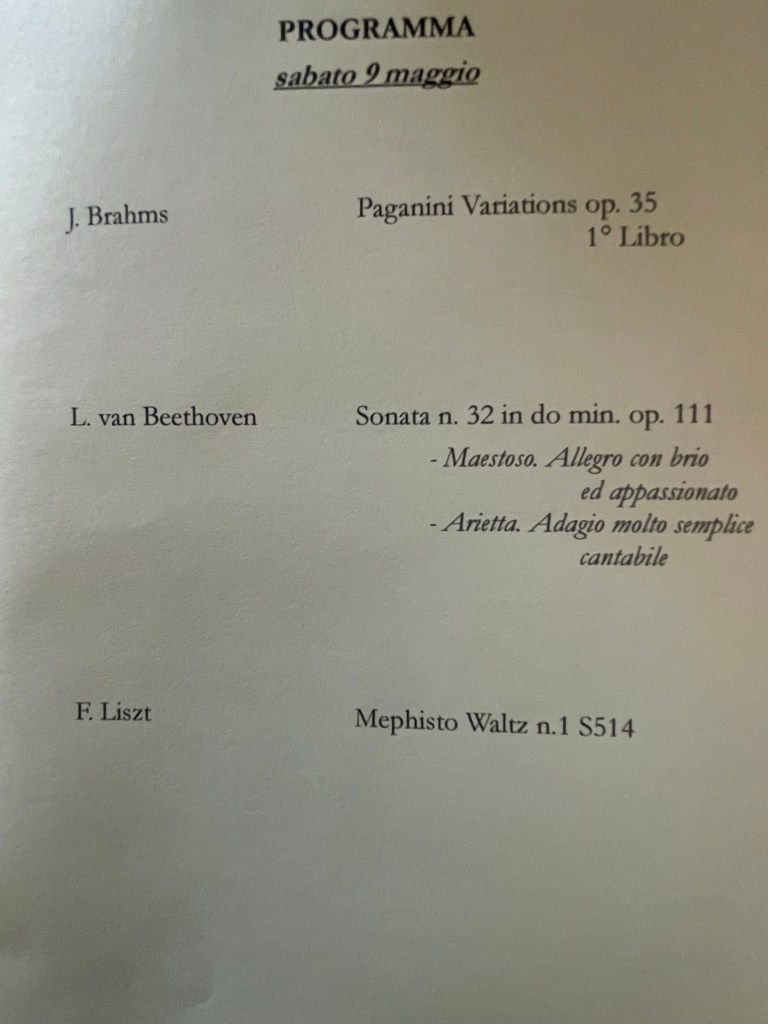
programme:
Sabato 9 maggio – ore 17:00
J. Brahms: Paganini Variations op. 35 – 1° libro
L. van Beethoven: Sonata n. 32 in do min. op.111
F. Liszt: Mephisto Waltz n.1 S514
Domenica 10 maggio – ore 17:00
J. Brahms: Paganini Variations op. 35 – 1° libro
M. Ravel: Gaspard de la nuit
I. Stravinsky: 3 movements from Petrushka
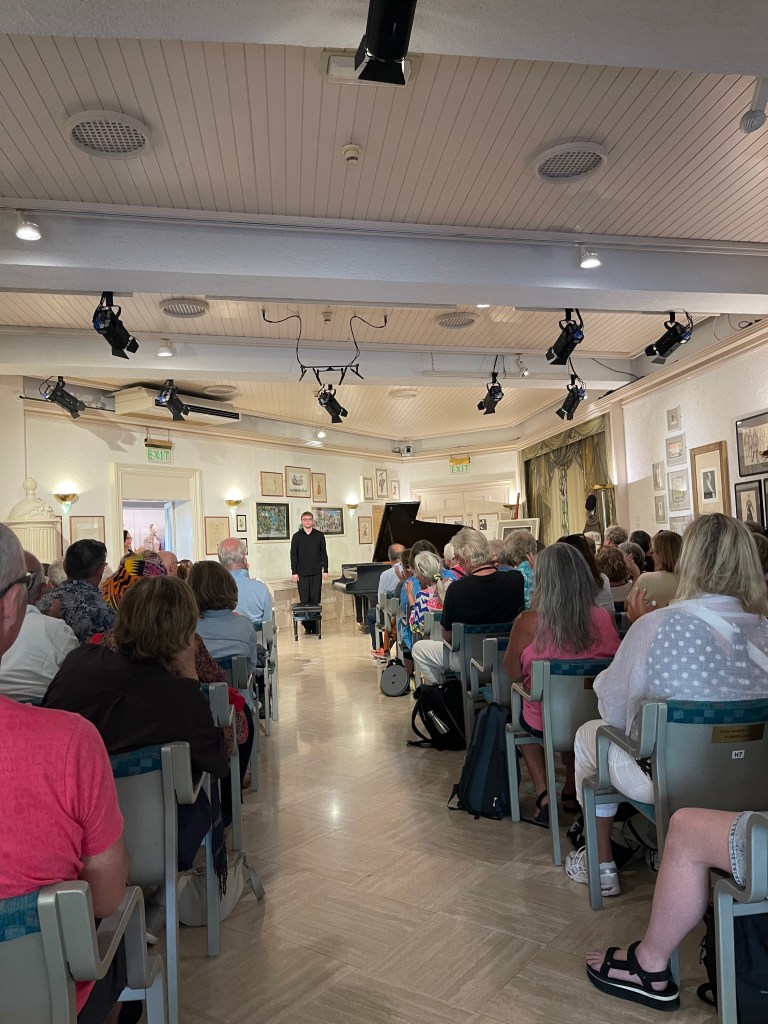
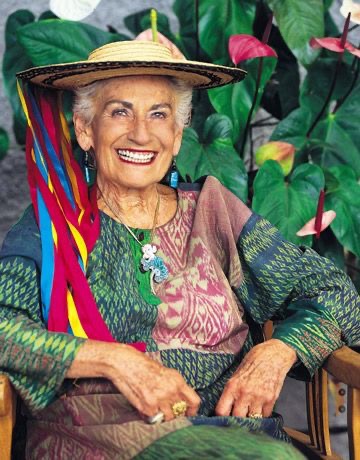
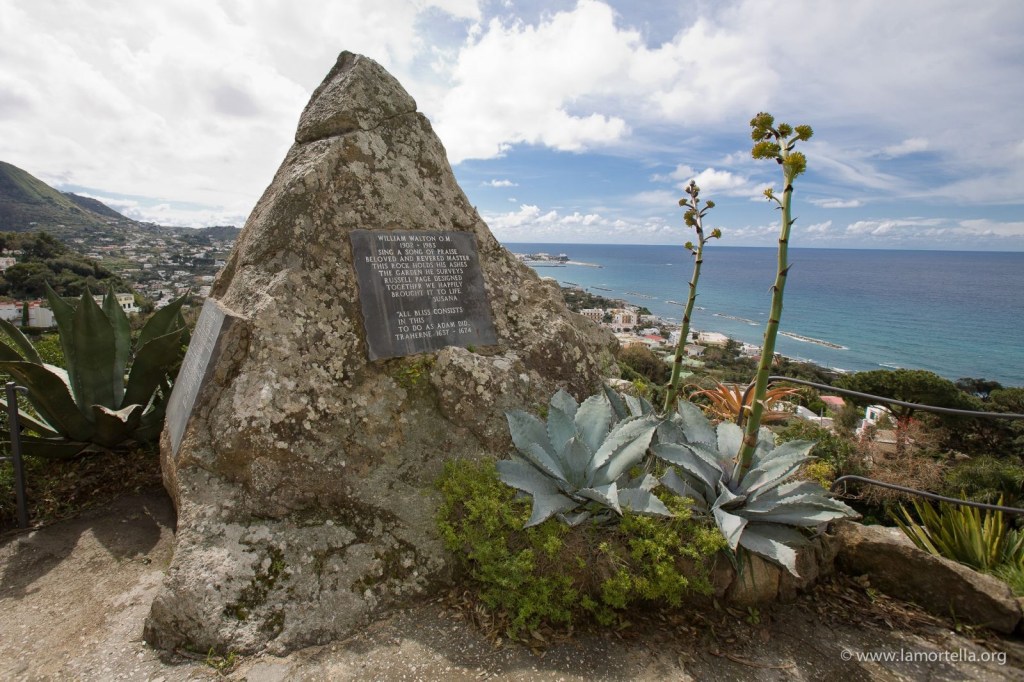
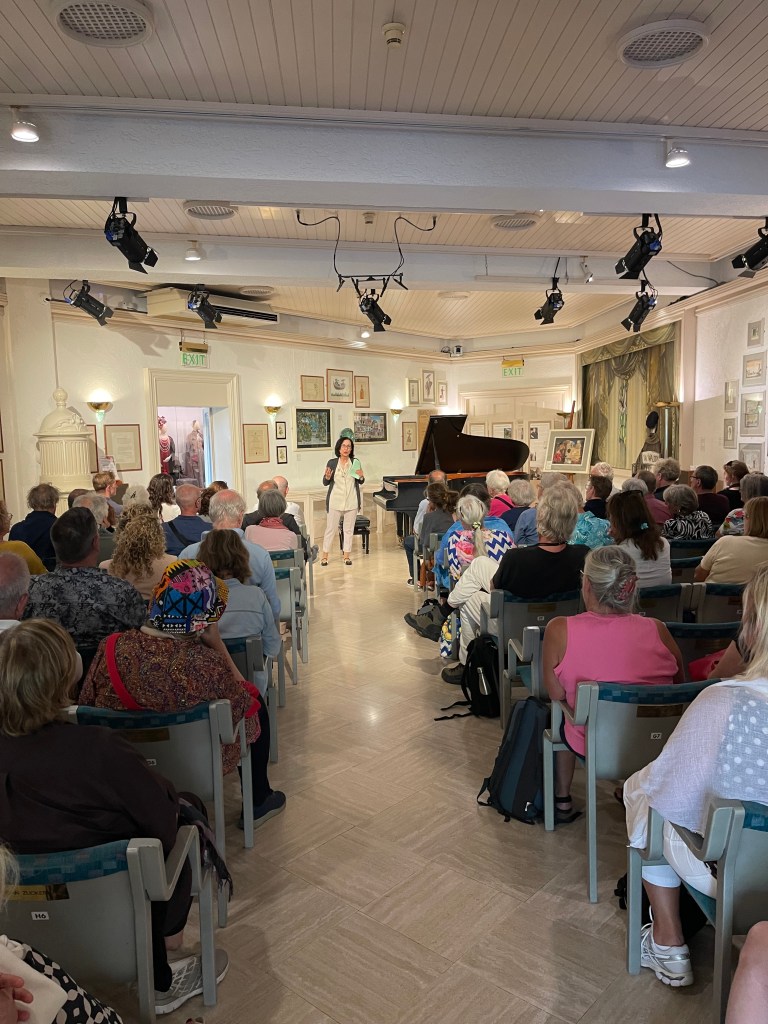
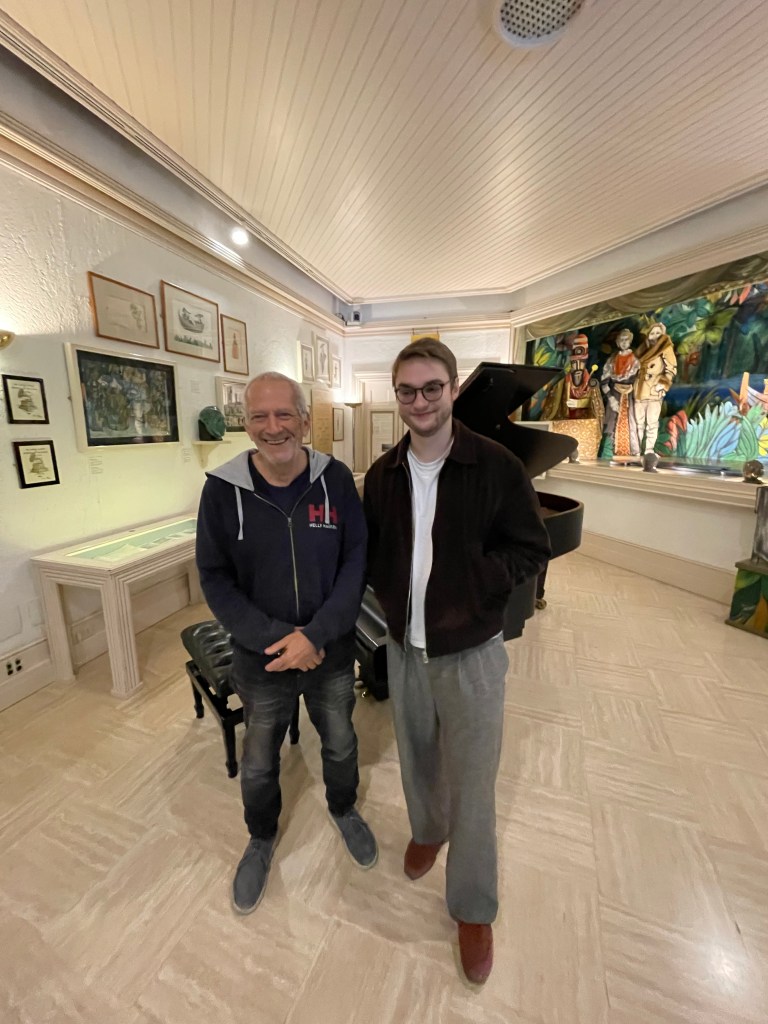
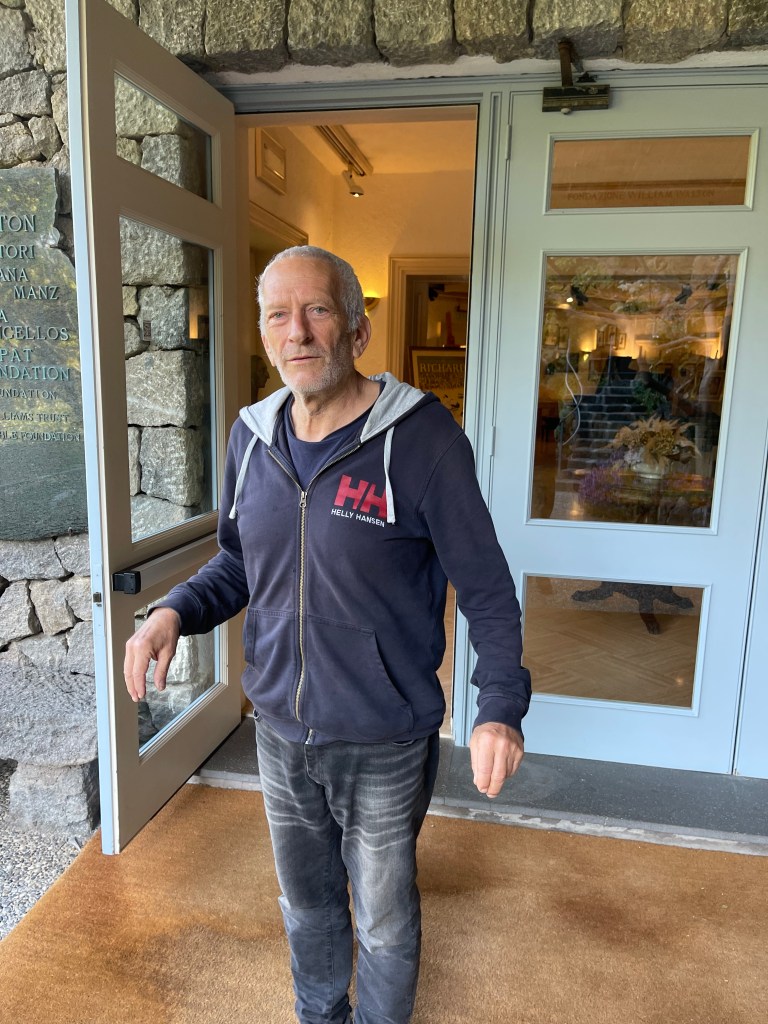
Nikita Burzanitsa with fearless playing of intelligence and style. Three master works by Brahms, Beethoven and Liszt that for his second recital at the Walton Foundation on Ischia wiould be followed by Ravel and Stravinsky . Any one of these works would strike fear and trepidation into the hearts of any pianist. Thanks to Lina Tufano, Nikita was invited to bring these five masterworks into the studio of Sir William Walton, created by the indomitable Lady Susana Walton whose 100th anniversary we are celebrating this year.
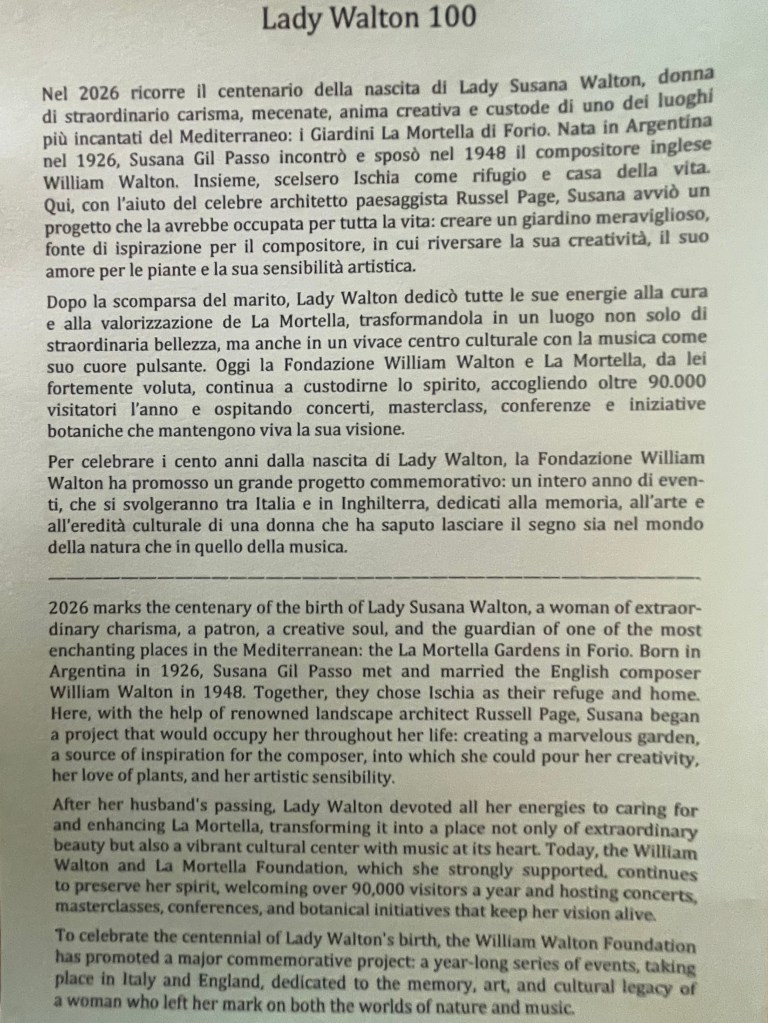
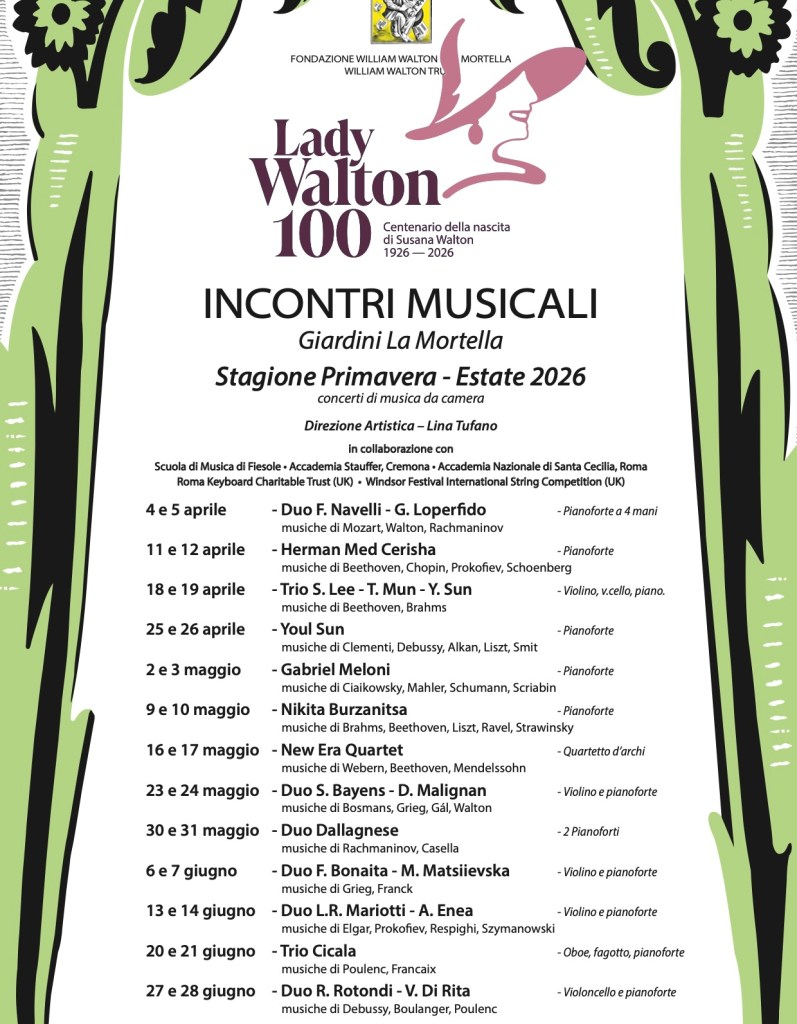
Collaborations with the major institutions of Europe allow the finest young musicians to perform in this paradise that the Waltons bequeathed to future generations in order nurture and encourage young musicians taking their first steps in a life dedicated to music .
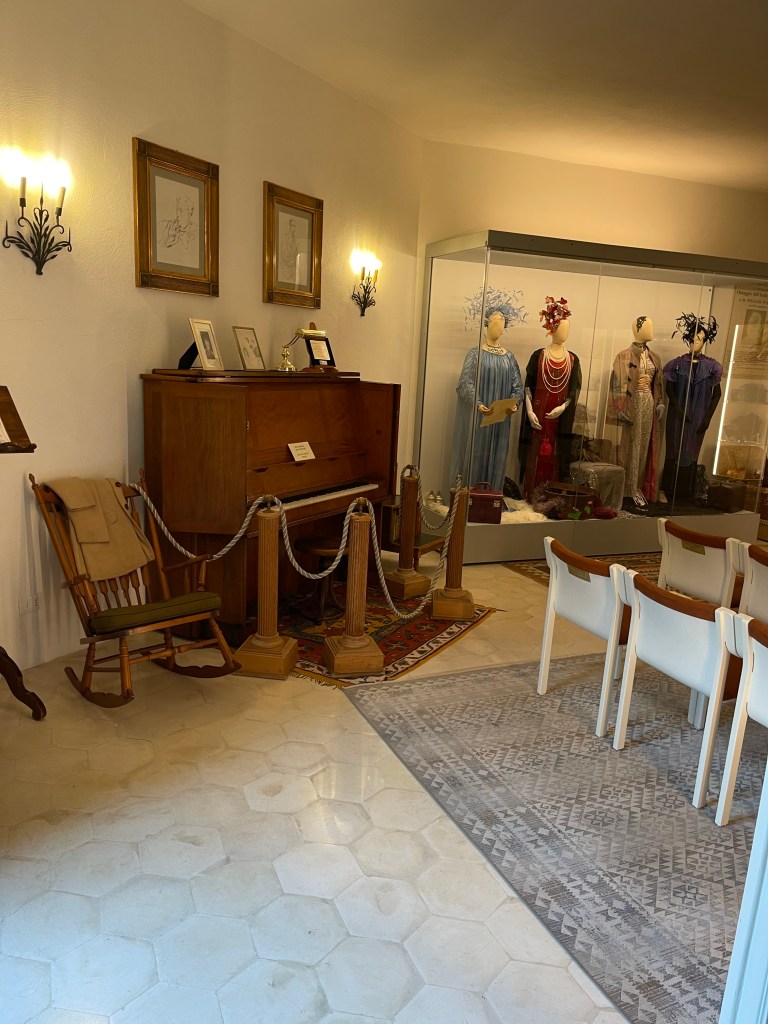
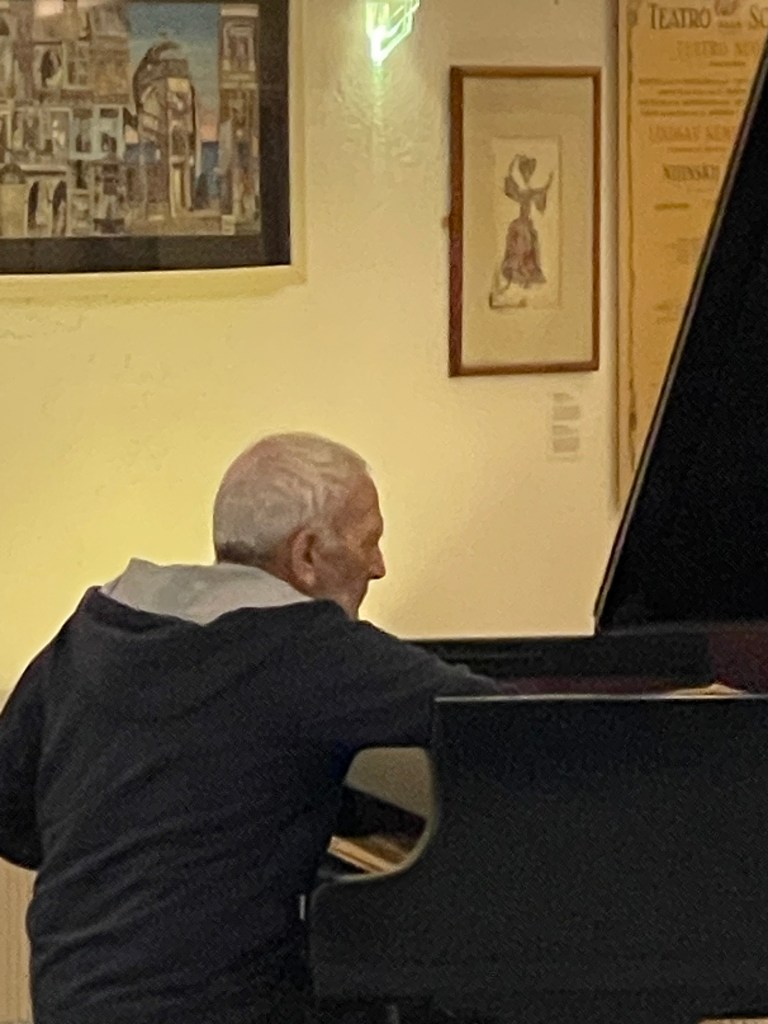
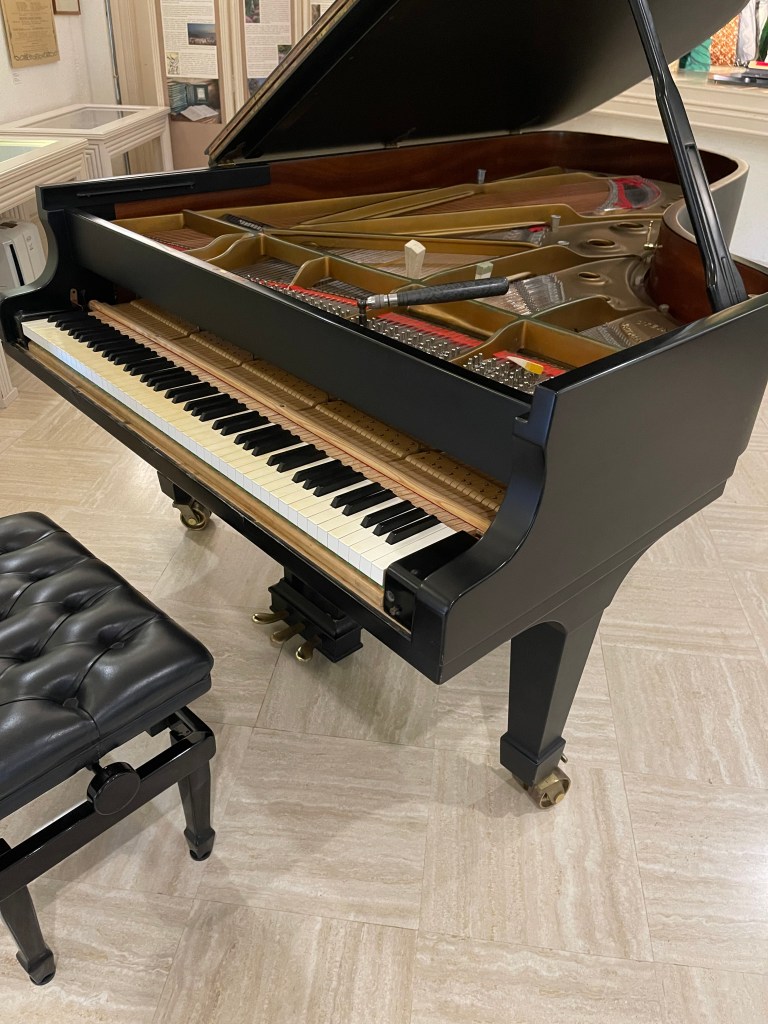
Today a collaboration between the Keyboard Trust and the Robert Turnbull Foundation has brought a young Ucrainian student of Dimitri Alexeev to this jewel lying in the bay of Naples.
Brahms Paganini book 1 was the opening work for an almost capacity audience who had chosen beauty and seduction to sun worship and boredom.
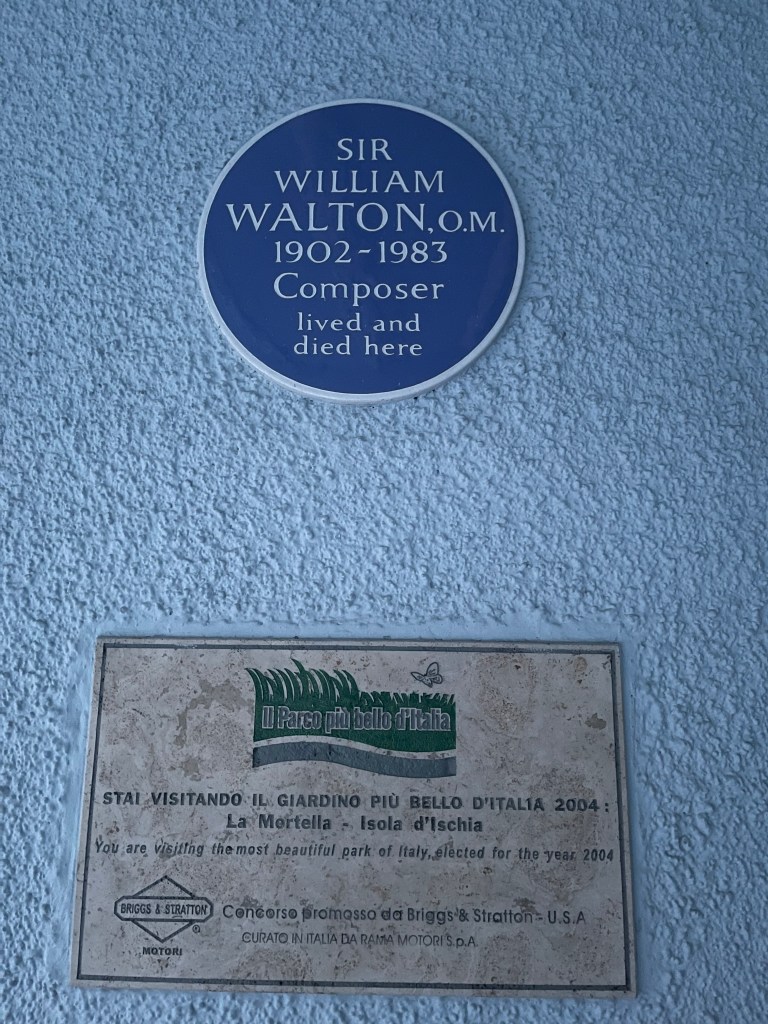
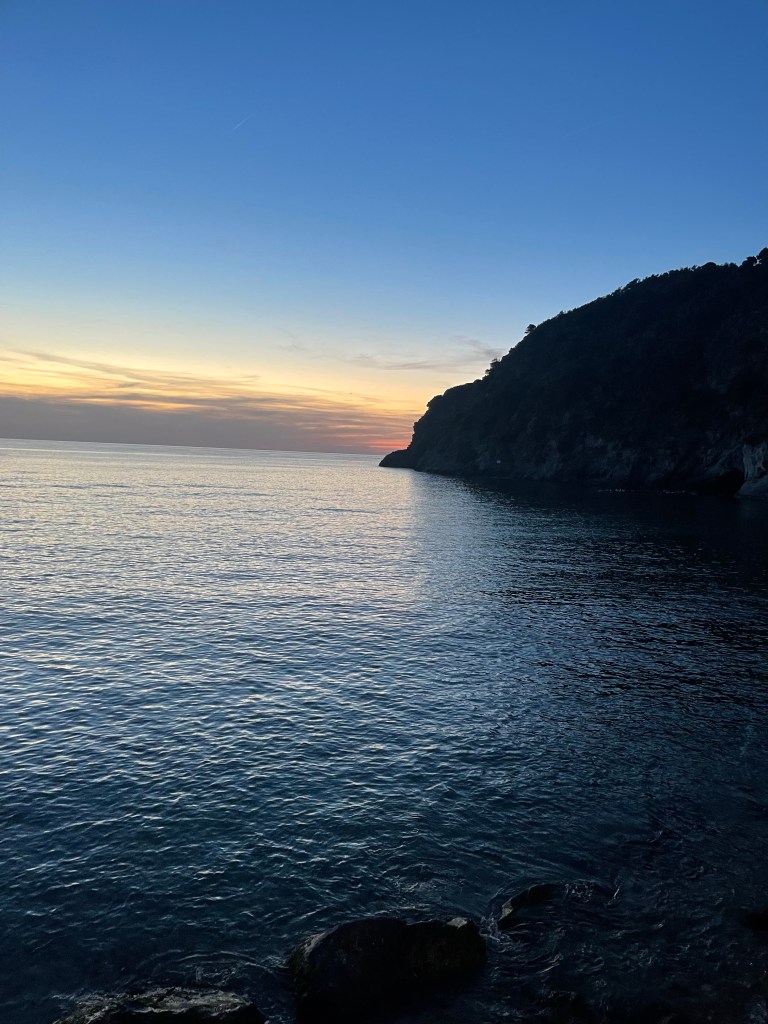
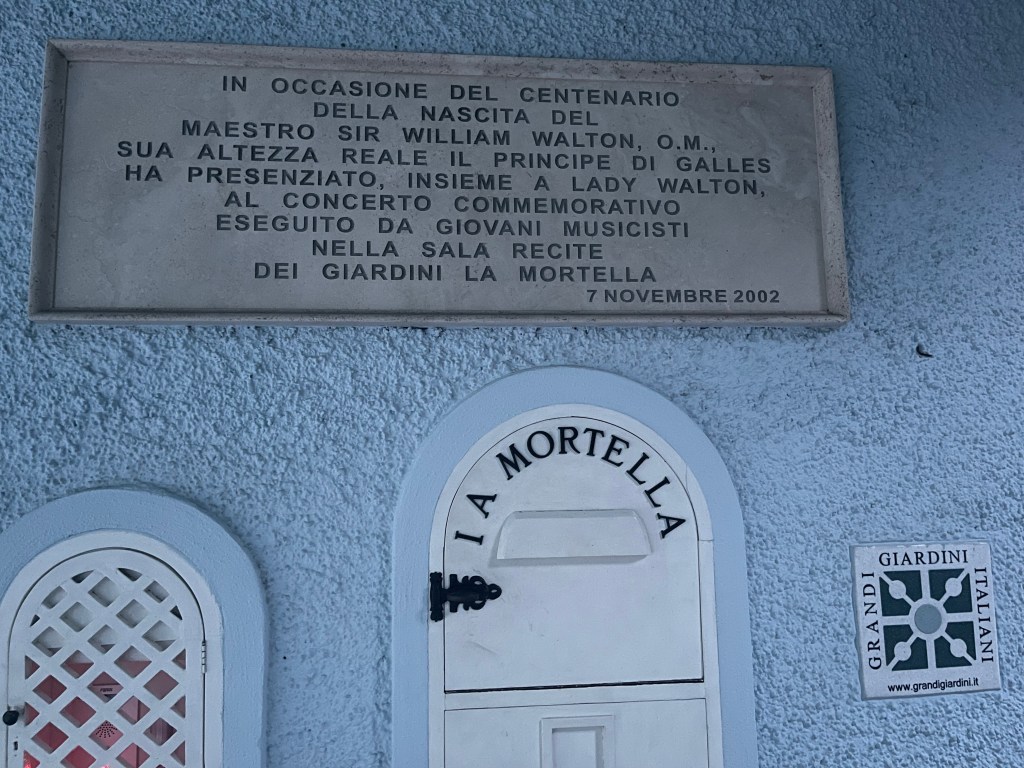
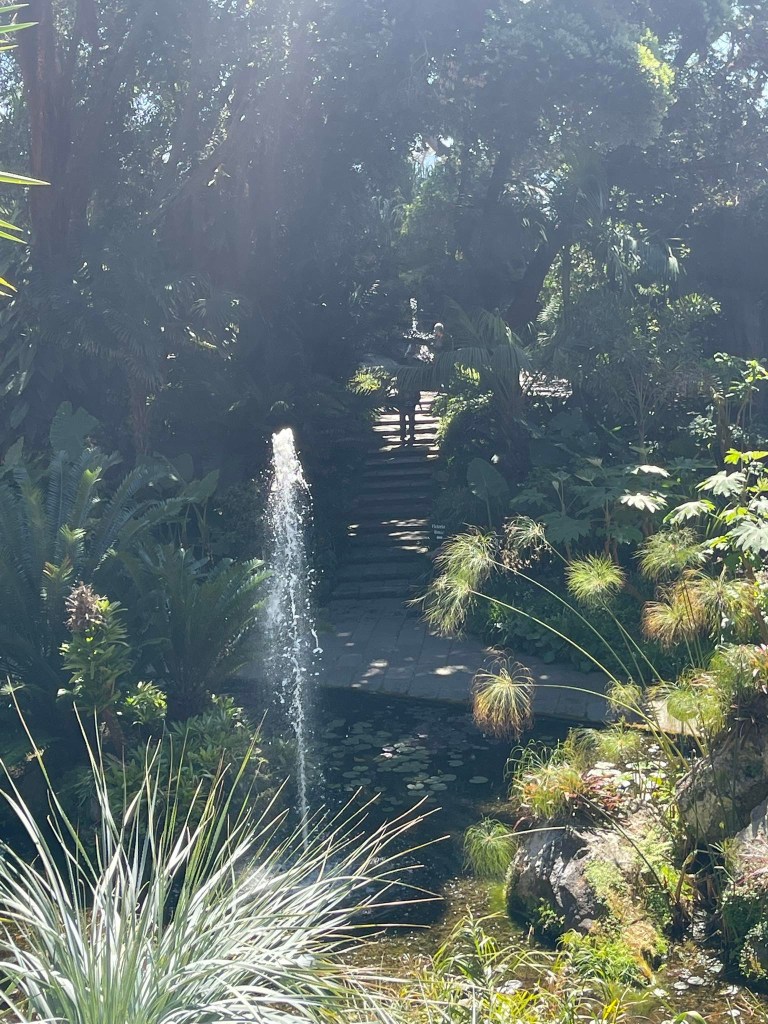
They were not disappointed as the impeccably appointed gardens greeted them, and was the ideal ‘hors d’oevre’ for the sumptuous feast of music that awaited them from the hands of this young man.
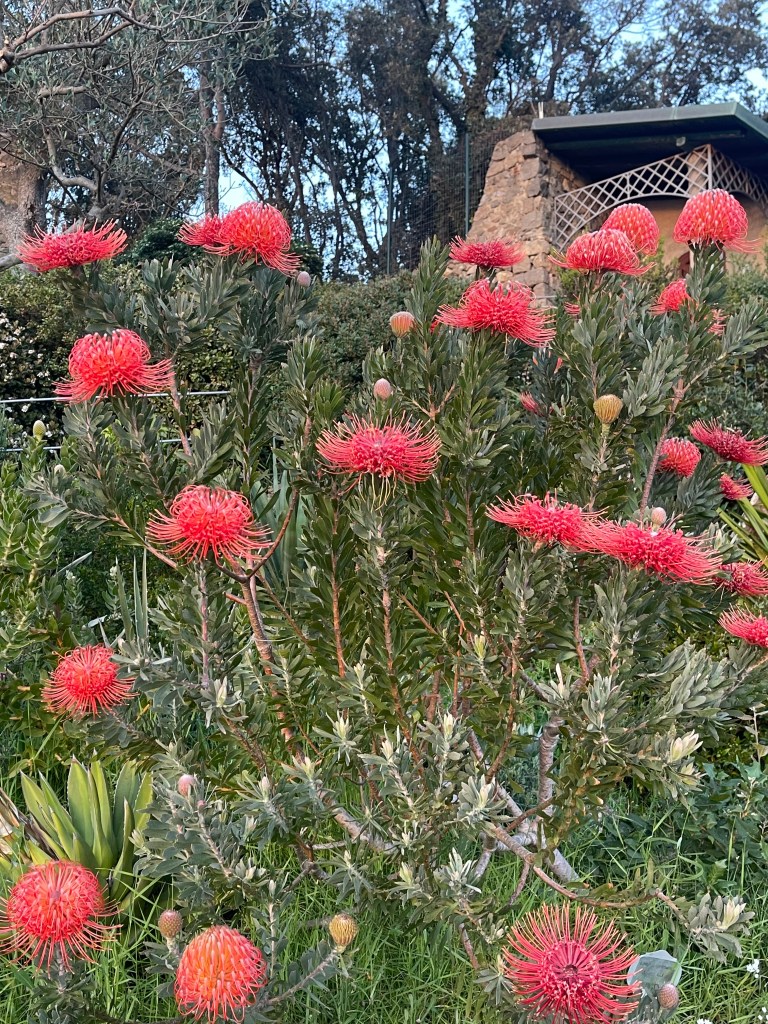
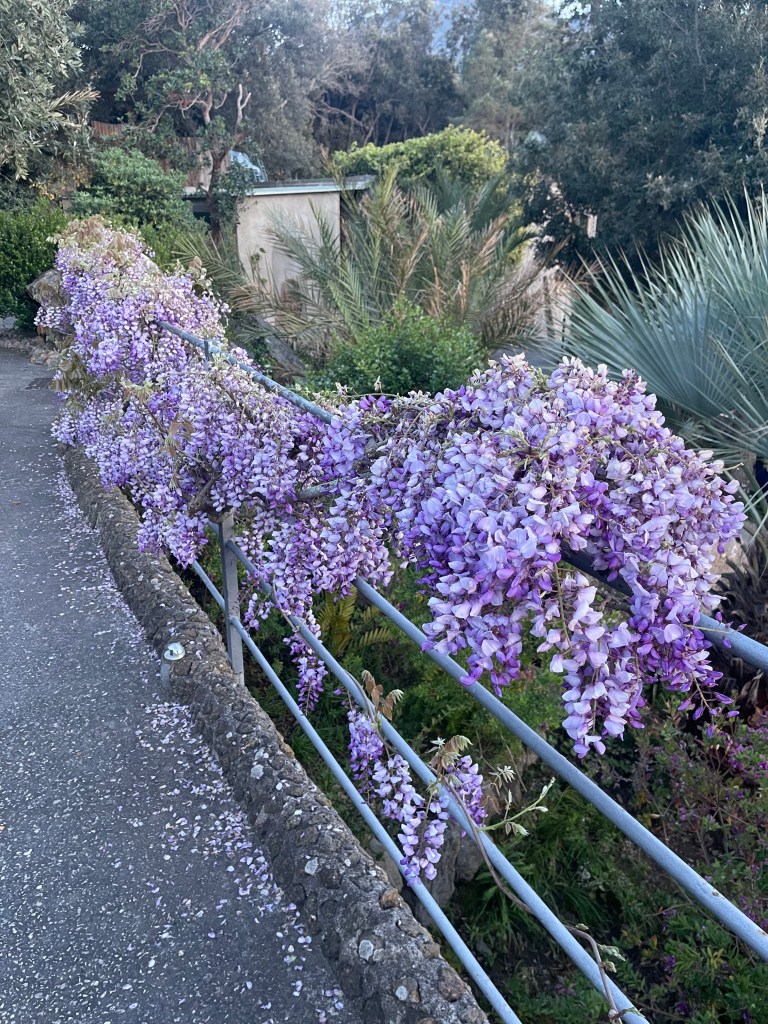
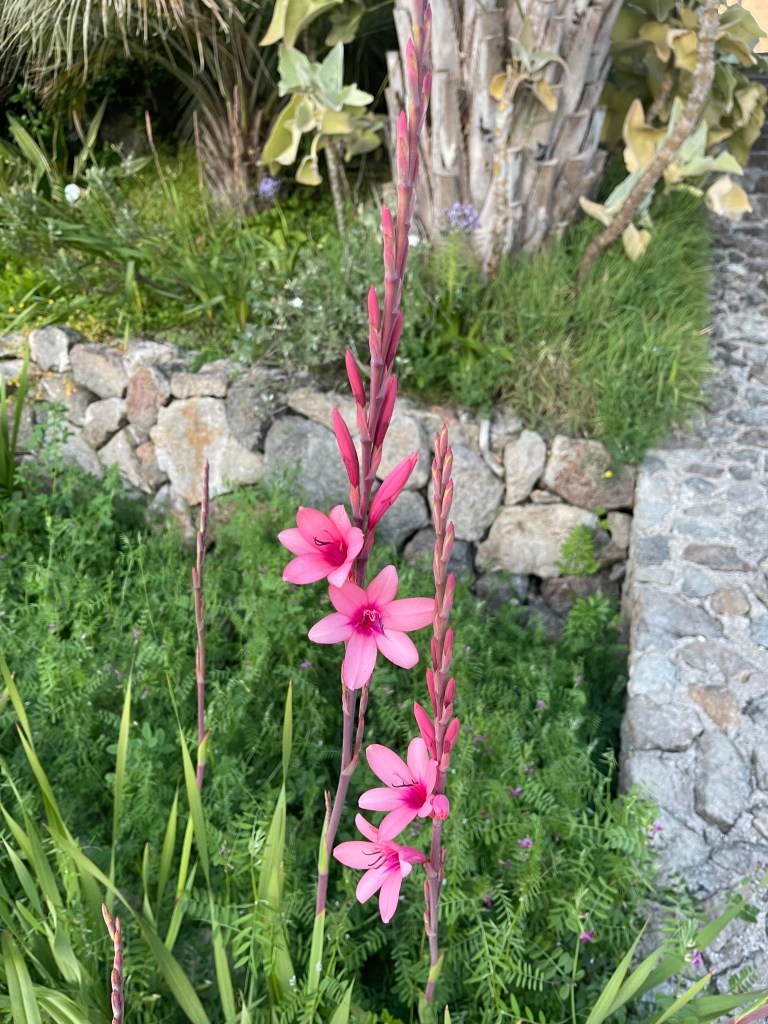
He was able to sculpture and mould the music with the same natural simplicity with which the flora and fauna burst from this rocky garden with such grateful glee .
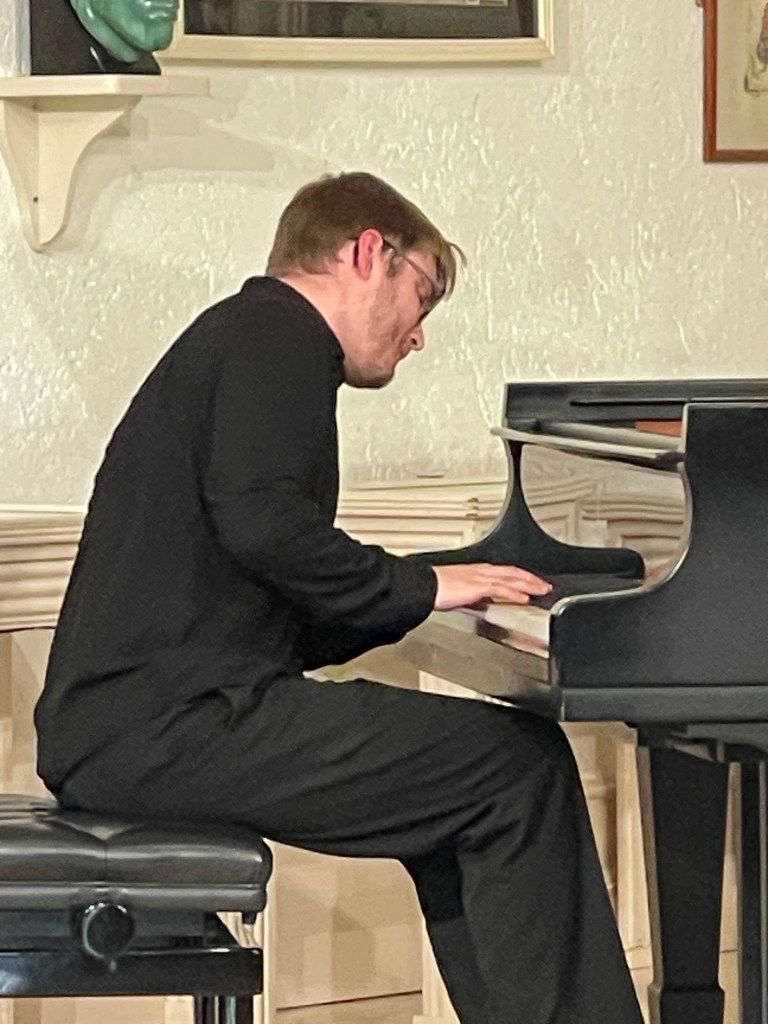
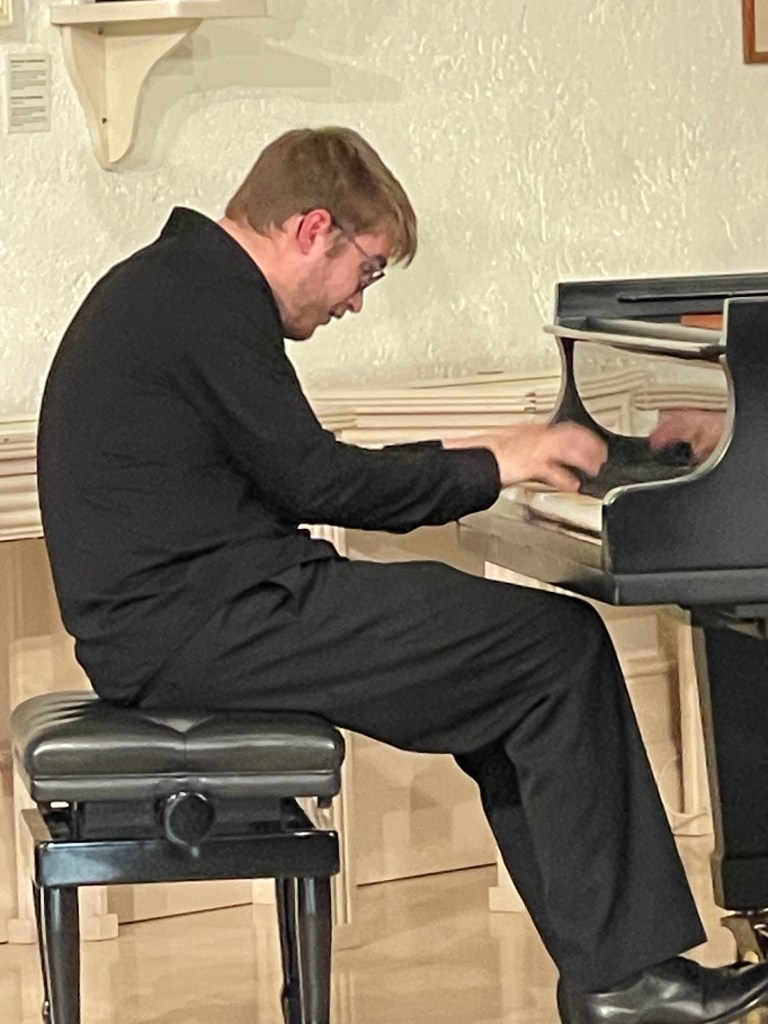
Brahms, and Beethoven’s final sonata are timeless masterpieces and were ideal companions at the teatime concerts that Lady Walton used to proudly present herself. No tea, as such, but inviting the audience to join her afterwards to try the famous aperitif made of Mirto, that is actually where the name Mortella was born. A plant that grows in abundance on the island as readily as magnificent music making.
Nikita playing Brahms with the solidity of a Katchen, but also with the youthful mastery of a young virtuoso about to ripen into a mature artist. Nobility, glowing brilliance and poetic beauty are just a few of the words that spring to mind as Brahms’s genial invention took established forms and transformed them into an architectural shape of startling originality.
Beethoven too had been intrigued by the traditional forms of variation and fugue as inherited from Bach via his mentor Haydn.
It was the variations of Beethoven’s ‘Arietta’ almost his last words at the keyboard, to be followed only by the mighty ‘Diabelli Variations’ op 120 before preferring to close with the mere six trifles of op 126 .
Trifles they might be but also more commercially viable for the publishers that tormented Beethoven all his life.
They, like the ‘Arietta’ we heard played with seemingly simple mastery today, are where so few notes can mean so much. After the ‘Sturm und Drang’ of the ‘Allegro con brio ed Appassionato’ that Nikita played with the same nobility and authority as the Brahms, Nikita could reveal Beethoven’s vision of the paradise that he could already see in the not too distant future .
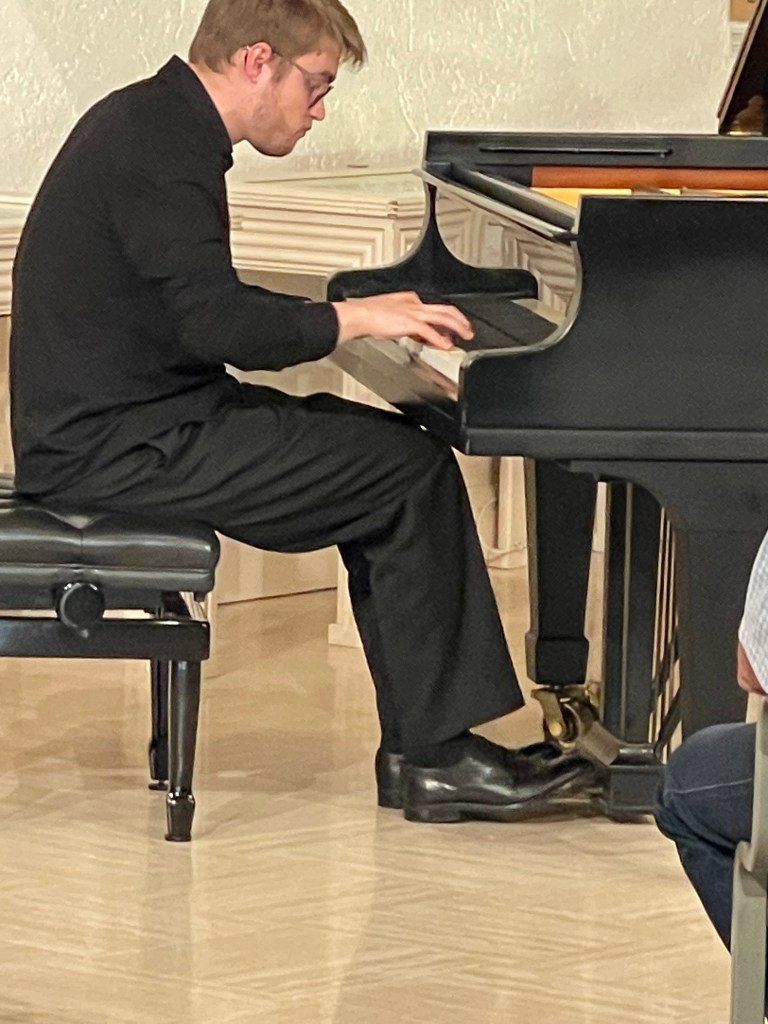
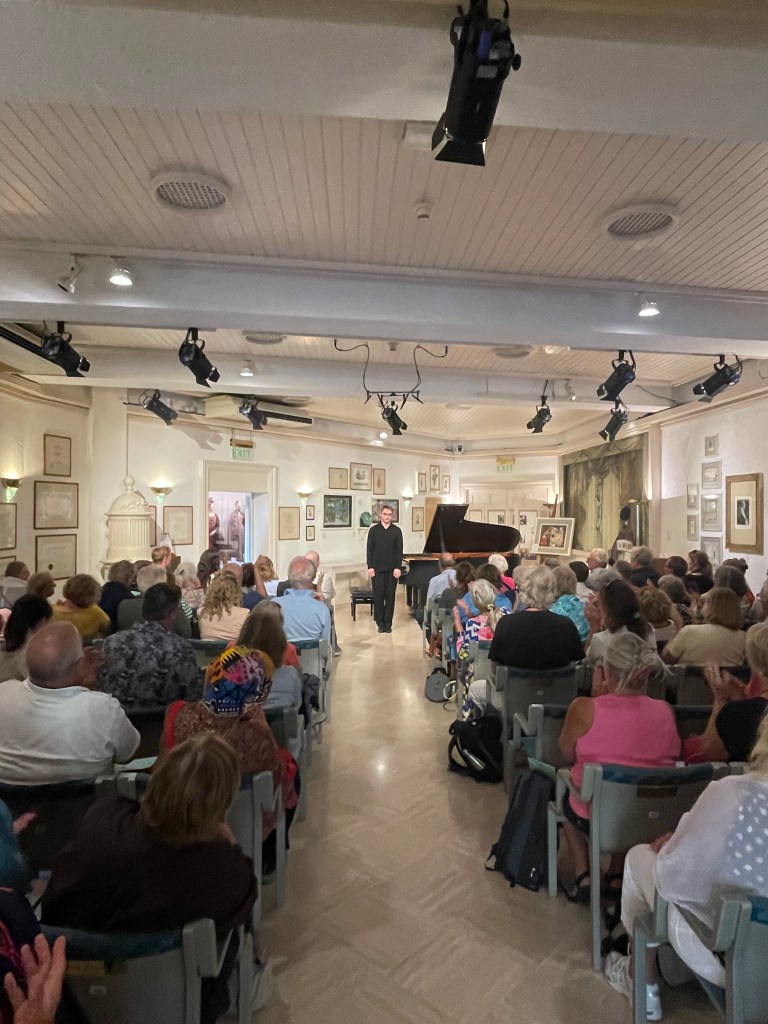
Performances of natural authority and solidity, but it was in Liszt’s demonic ‘Mephisto’ that this young man could reveal the youthful passion and brilliance that was in his soul. Like the young lion Liszt, who could astonish and seduce the refined ladies of the Parisian salons, turning well bred aristocrats into screaming animals grabbing at souvenirs to take back to their formal abodes.
The audiences are much more restrained these days but after Nikita’s seductively elusive performance of Liszt’s second Paganini study he did get a standing ovation as they could catch a glimpse of a young virtuoso about to burst into bloom like everything in this Paradise of natural untainted beauty.https://youtu.be/5kHxIKN2RUg?si=vLNstaiR1nA0UNUH
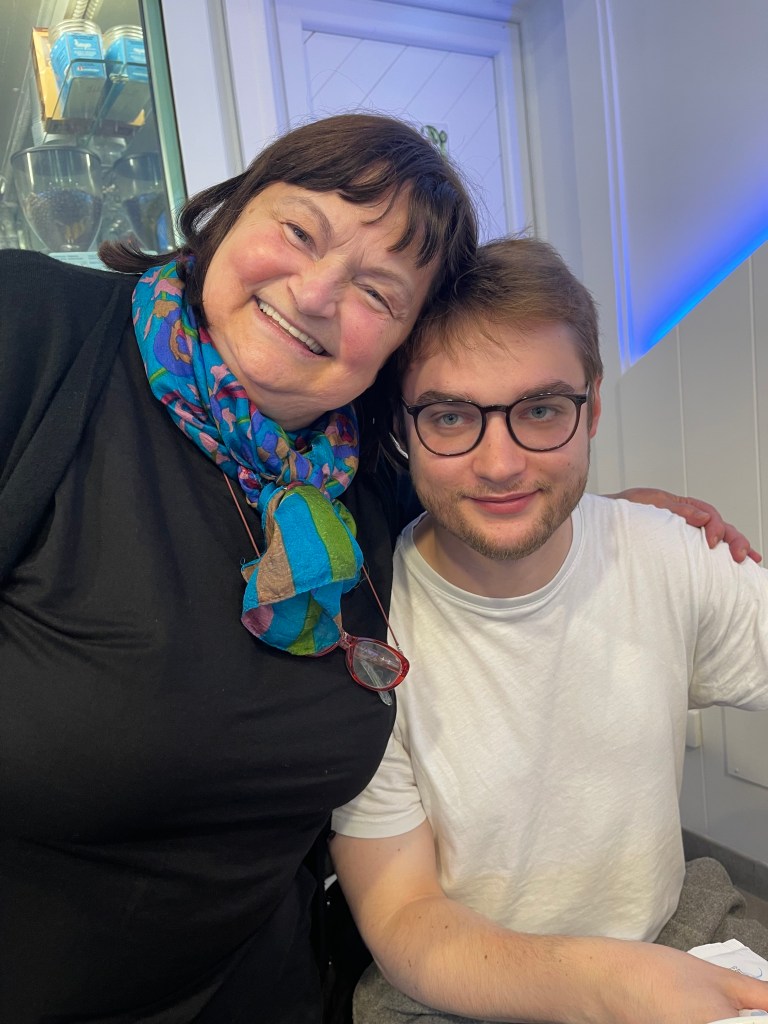
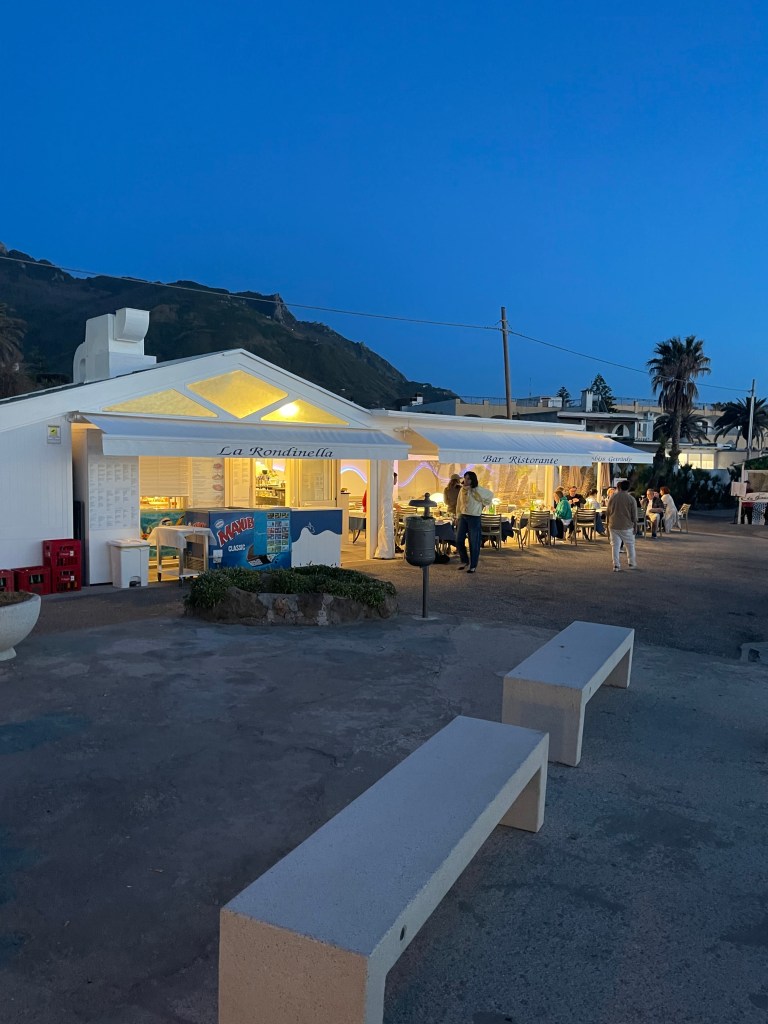
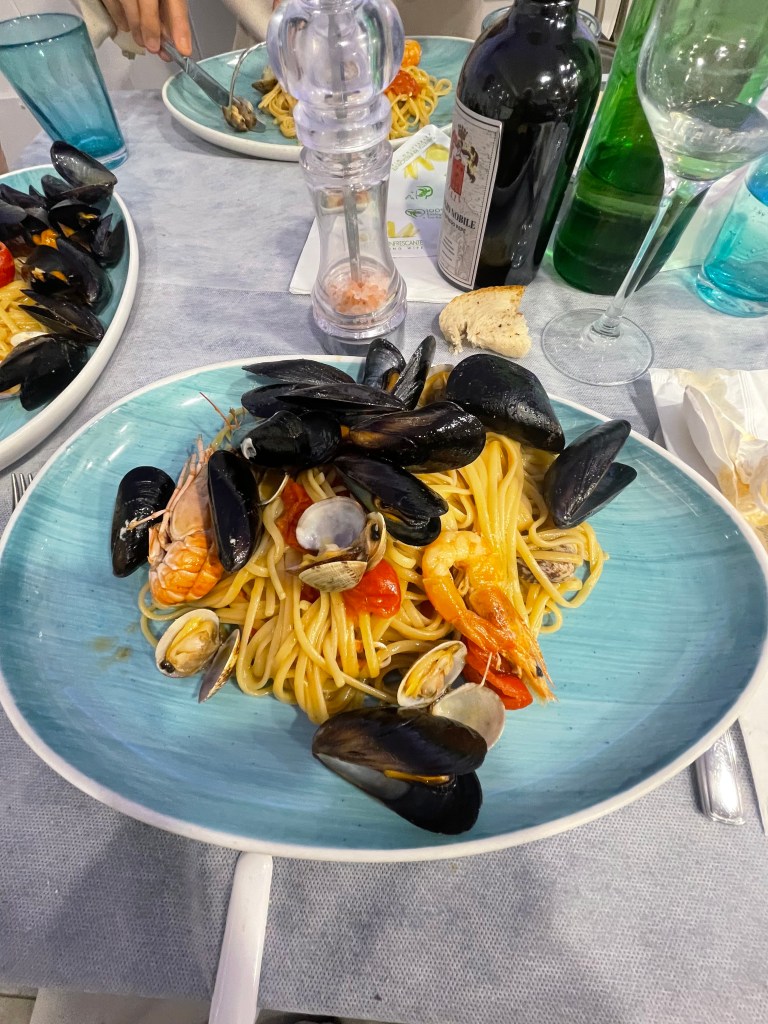
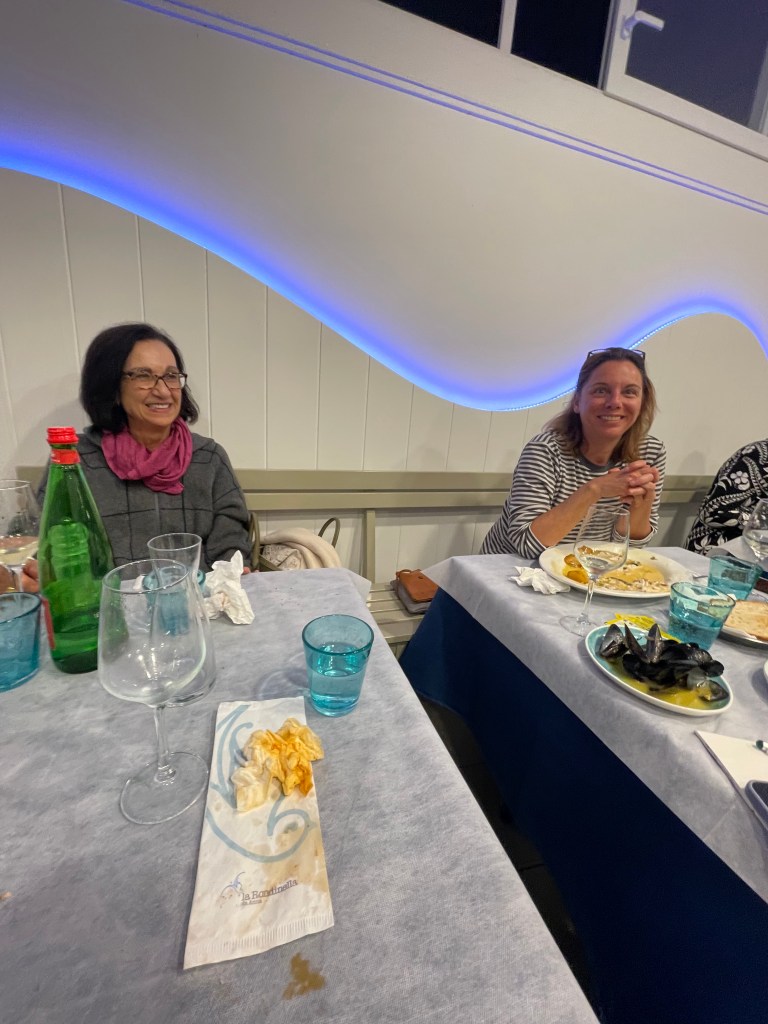
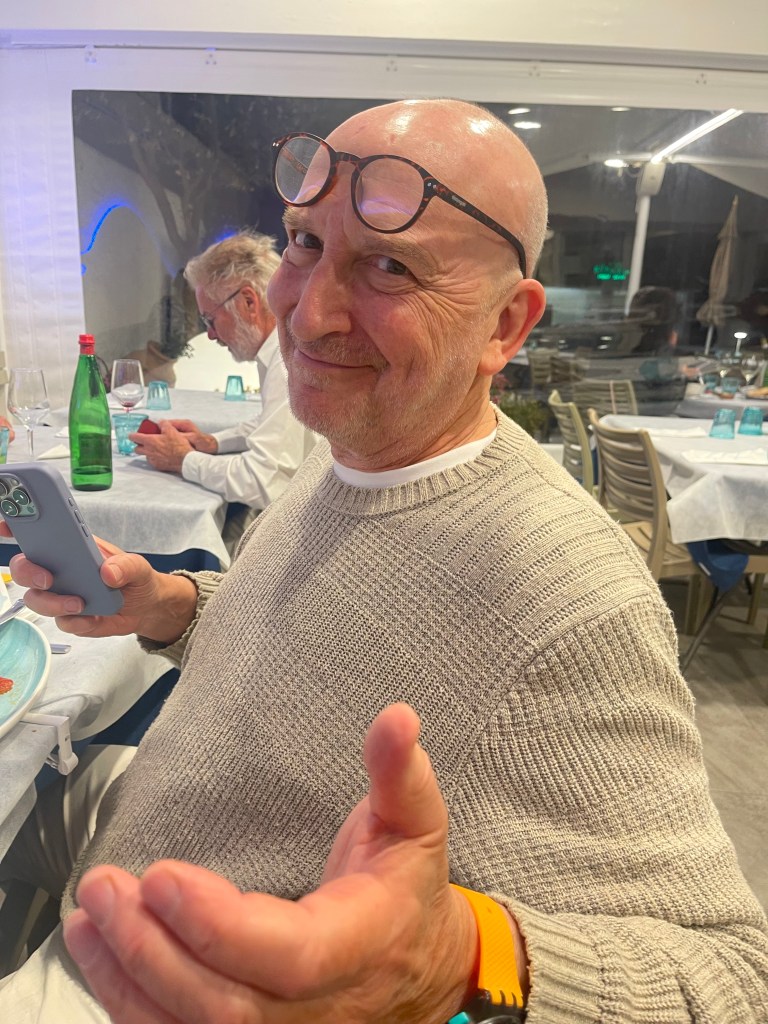
Nikita celebrating after the first concert, at signora Anna’s ‘La Rondinella’
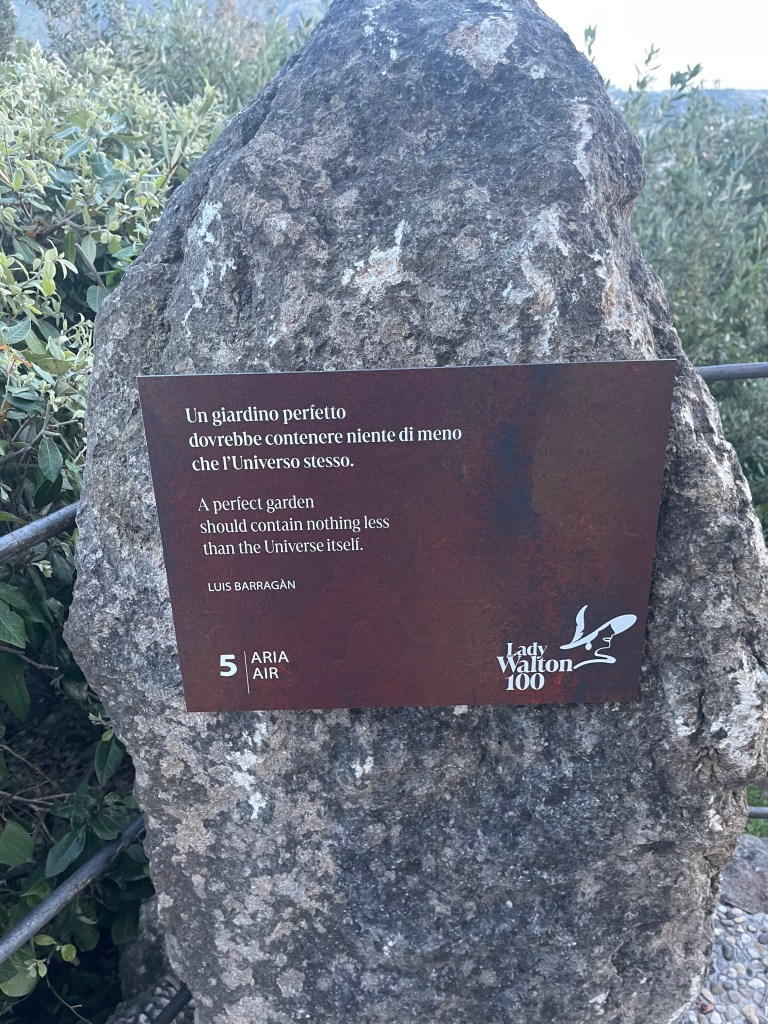
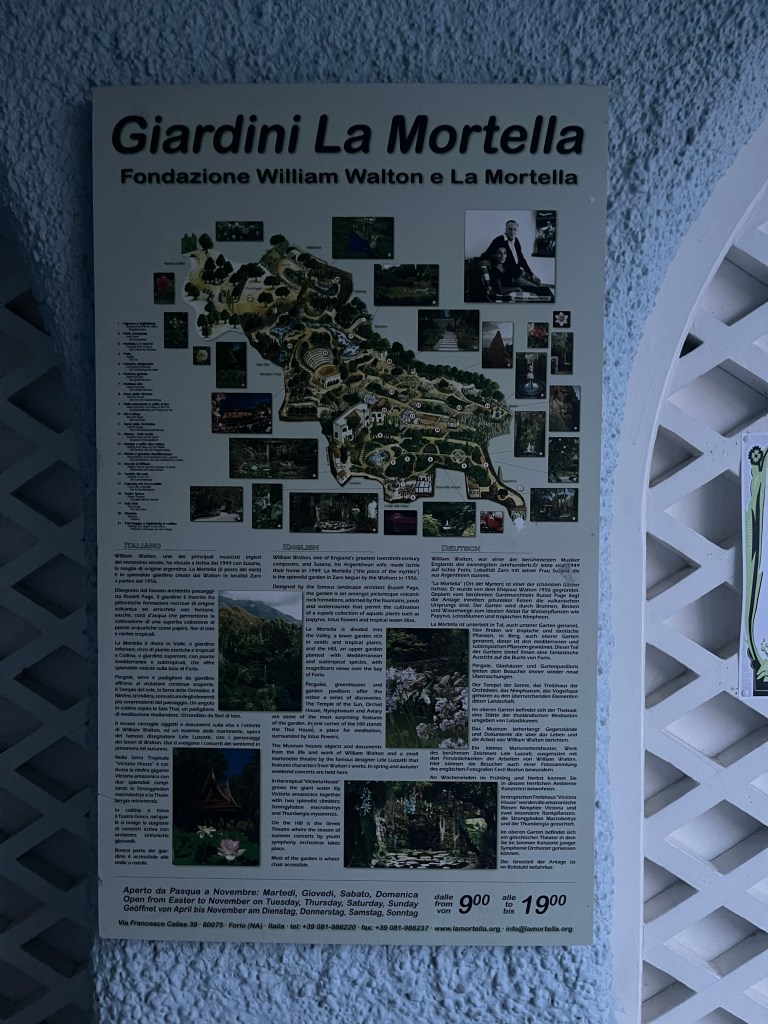
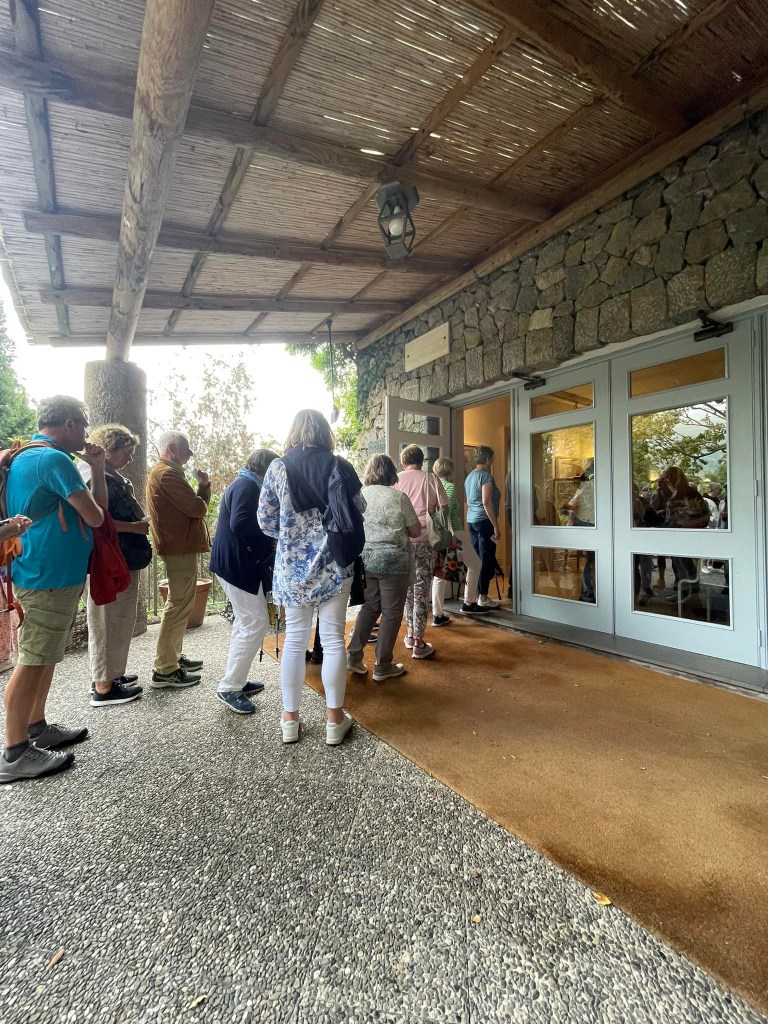
Today ‘Gaspard’ and ‘Petrushka’ were added to Brahms in a rather rainy garden that exudes the same passion for life that Susana was to exult in this Paradise of recreation. A hall rarely seen so full with a queue outside the concert hall and at the end of an exciting and exhilarating Petrushka, a standing ovation. Brahms played with more fluidity and freedom than yesterday from an artist who had breathed the magic air at La Mortella and was inspired to recreate something of the beauty of his surrounds. ‘Ondine’ just flitted around the keyboard with the same fluidity and glowing radiance as the fountain that adorns these magic gardens. A fluidity of sounds of ravishing colours on which the water nymph could ride with poetic ease. A climax of burning intensity and considerable technical mastery was soon defused as the little nymph slipped away almost unnoticed with whispered tones of delicacy and poignant nostalgia. ‘Le Gibet’ was allowed to swing with terrifying insistence as a desolate atmosphere was etched with a chameleonic sense of colour where the tolling bell was allowed to sound with extraordinary constancy. The devilish antics of ‘Scarbo’ were depicted by Ravel with diabolical technical feats of virtuosity in a movement where Ravel expressly trIed to technically out do Balakirev’s notorious Islamey. Exhilaration and excitement went hand in hand with otherworldly sounds of mystery and devilish insistence. A ‘ tour de force ‘ of piano playing that Nikita kept concealed within a framework of poetic fantasy and startling effects.
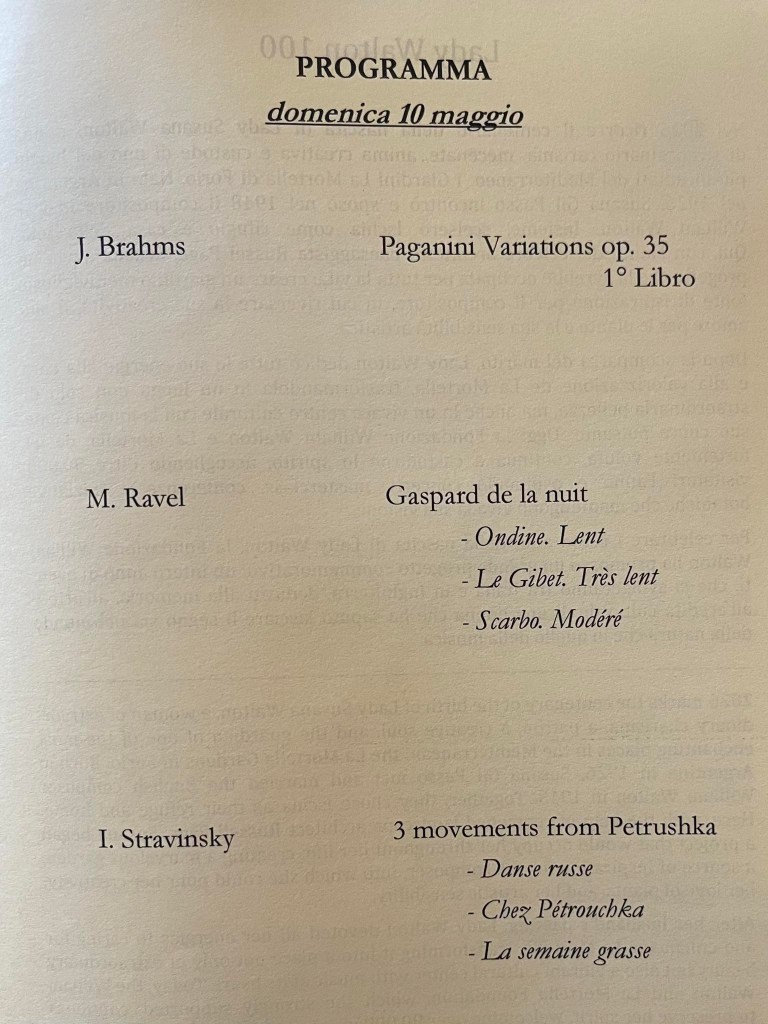
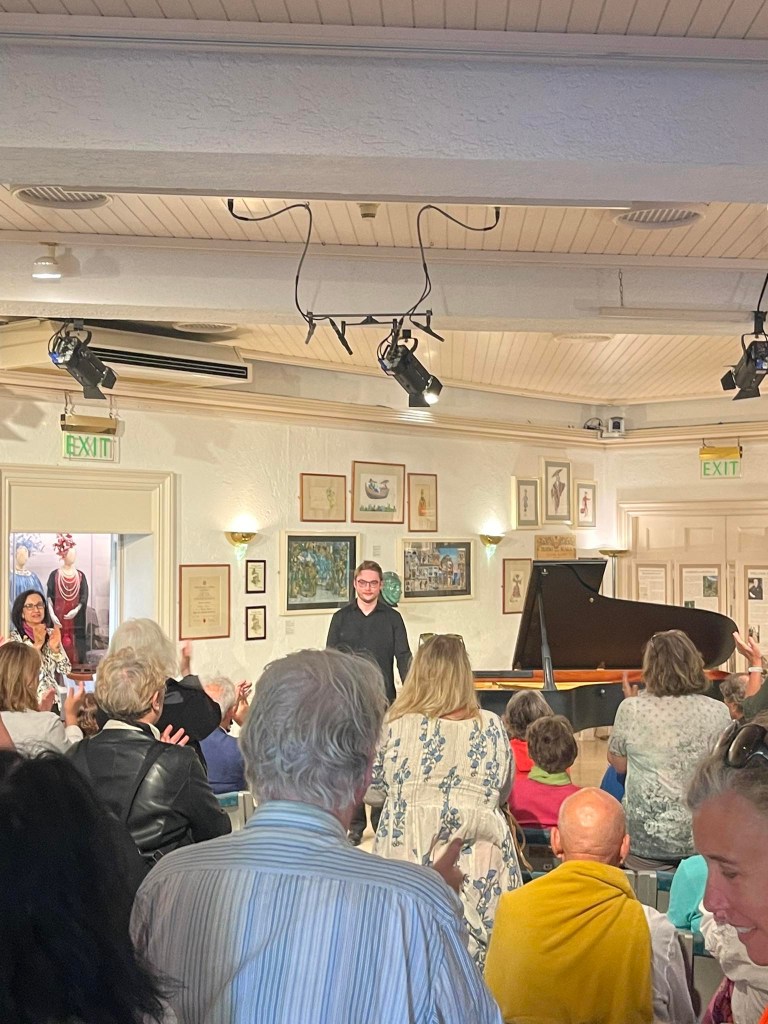
The three movements from Petrushka are new to Nikita’s repertoire and he brought a freshness and fantasy that is usually hidden behind a piece often used as a technical showpiece. Nikita brought a sense of dance to the opening ‘Danse russe’ where we could almost imagine the dancers on stage rather than it just being a showpiece for virtuosi pianists. ‘Chez Pétrouchka’ I have rarely heard such a characterful performance with a startling sense of colour and swift shifts in mood. ‘La semaine grasse’ was a ‘tour de force’ of dynamic drive and with a sense of balance that could make the piano seem like a whole orchestra rather than a battle ground for aspiring showmen.
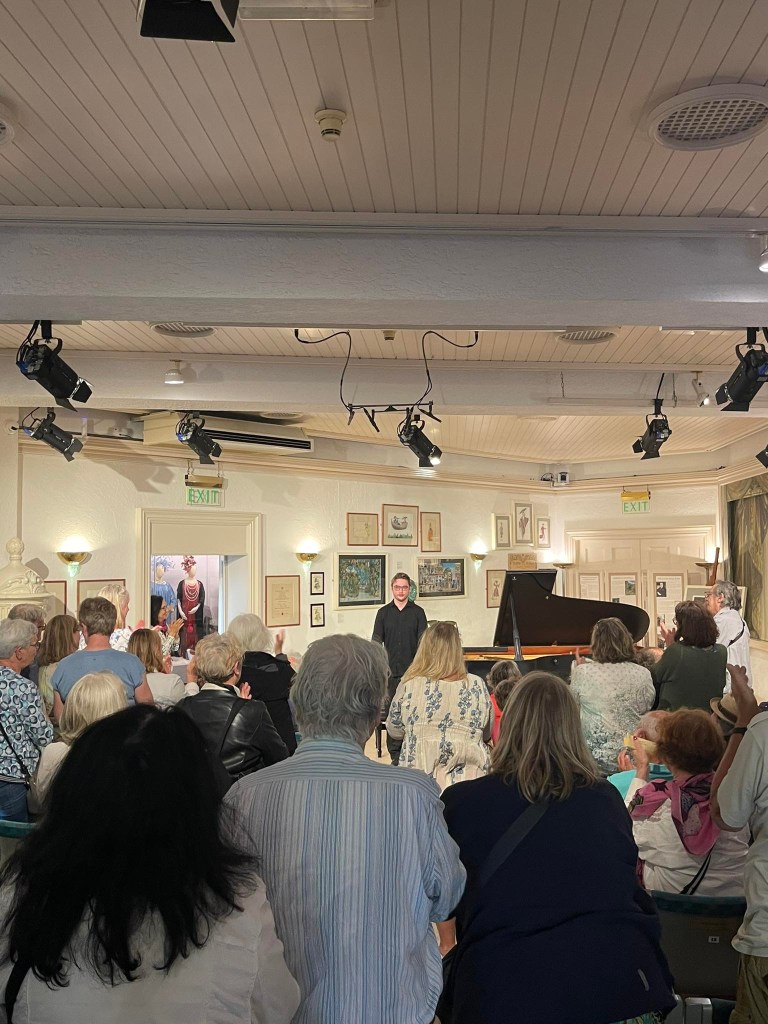
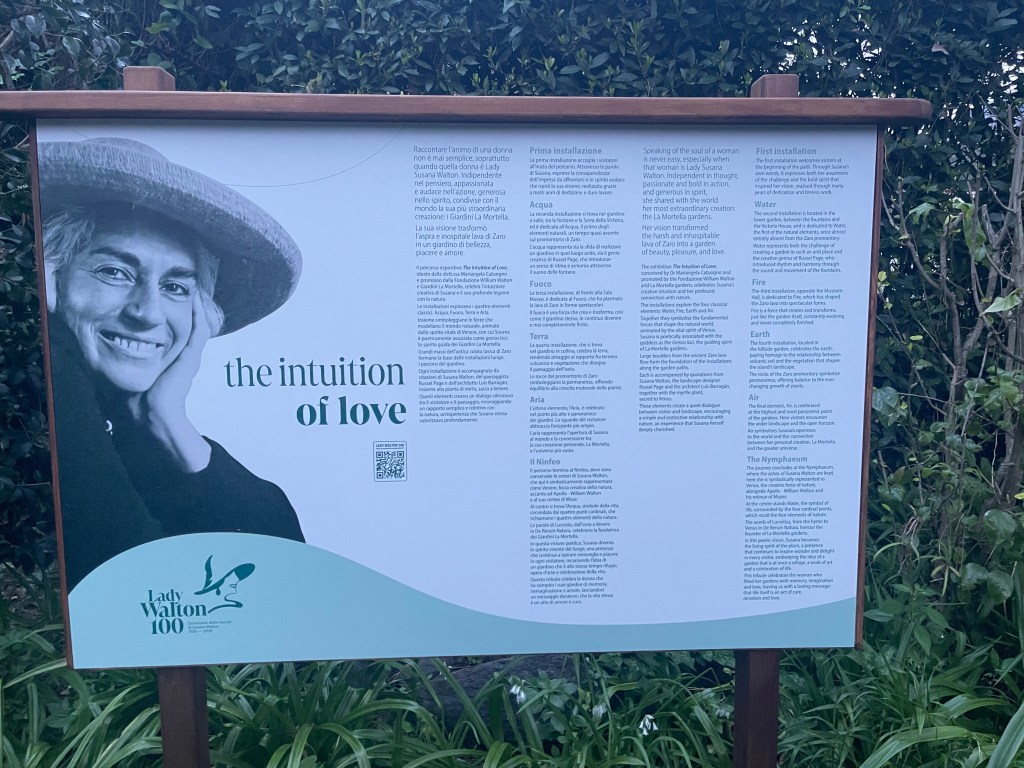
The concerts today were dedicated to Lady Walton as a tribute to a great lady on the 100th anniversary of her birth.
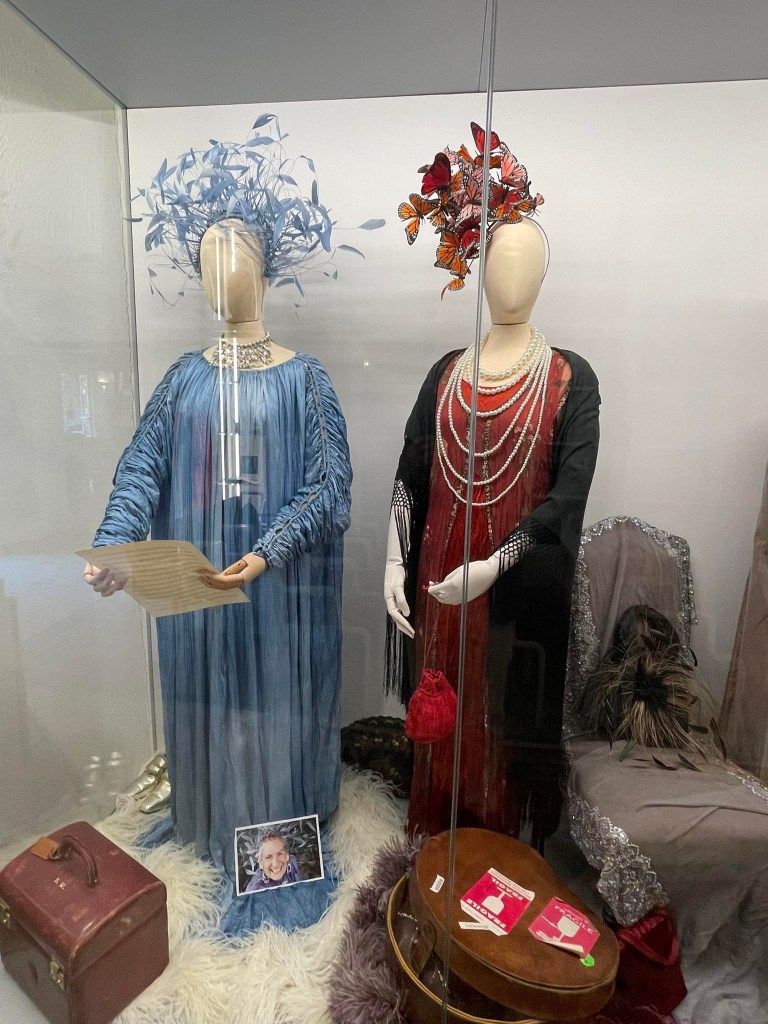
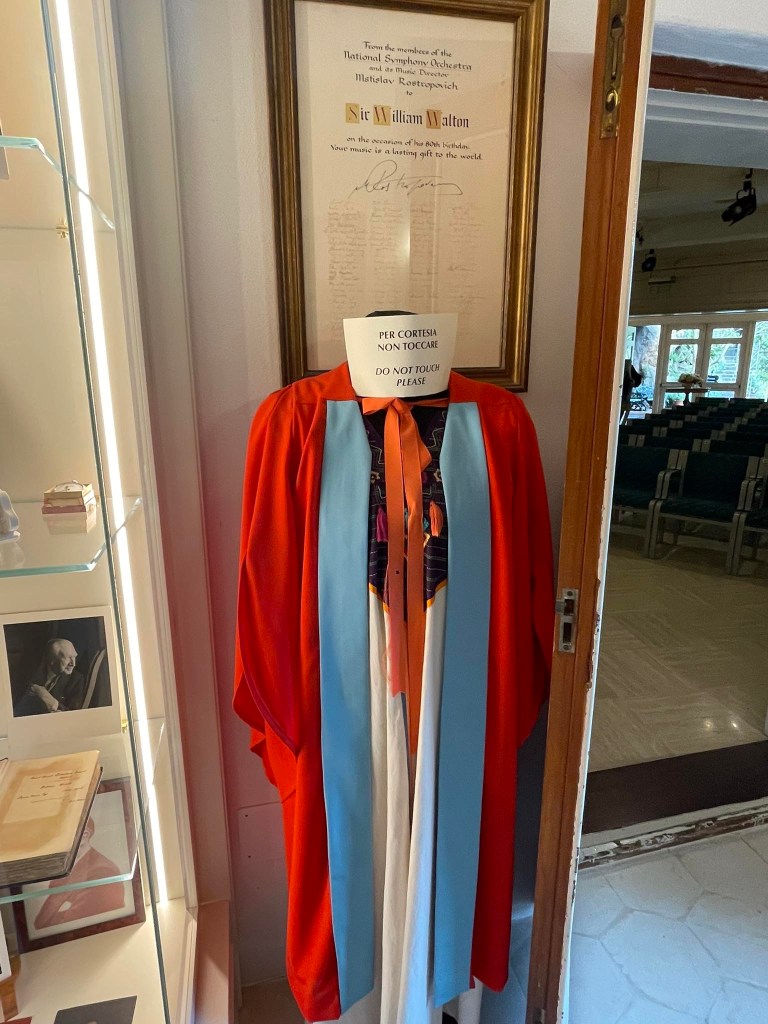
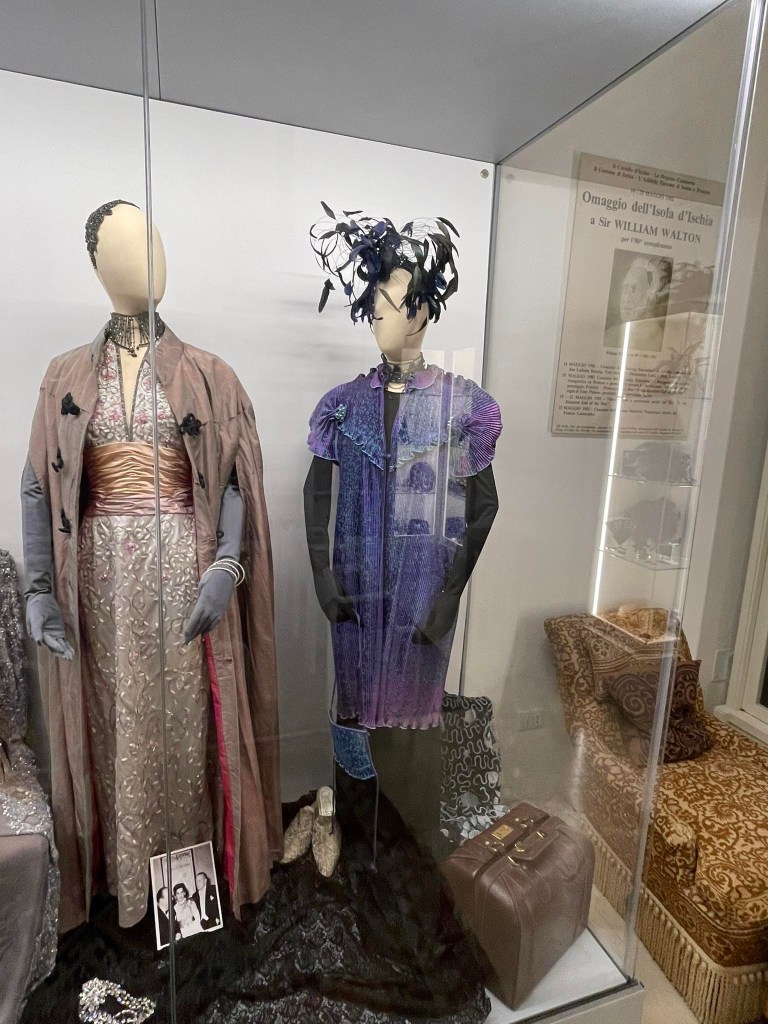

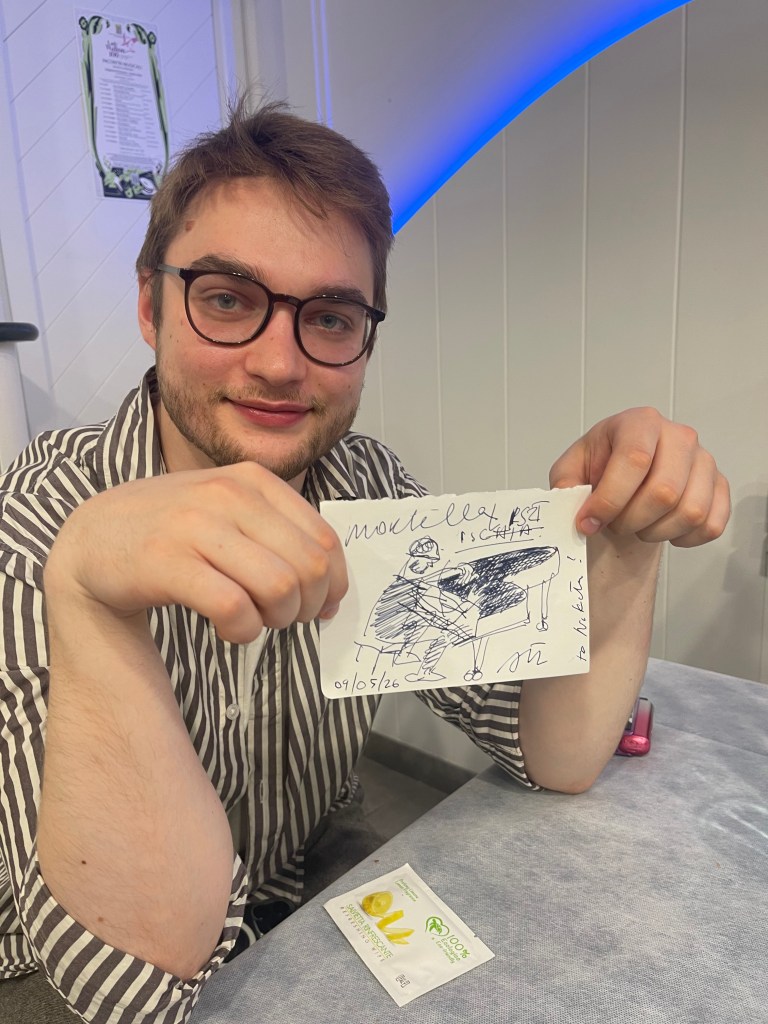

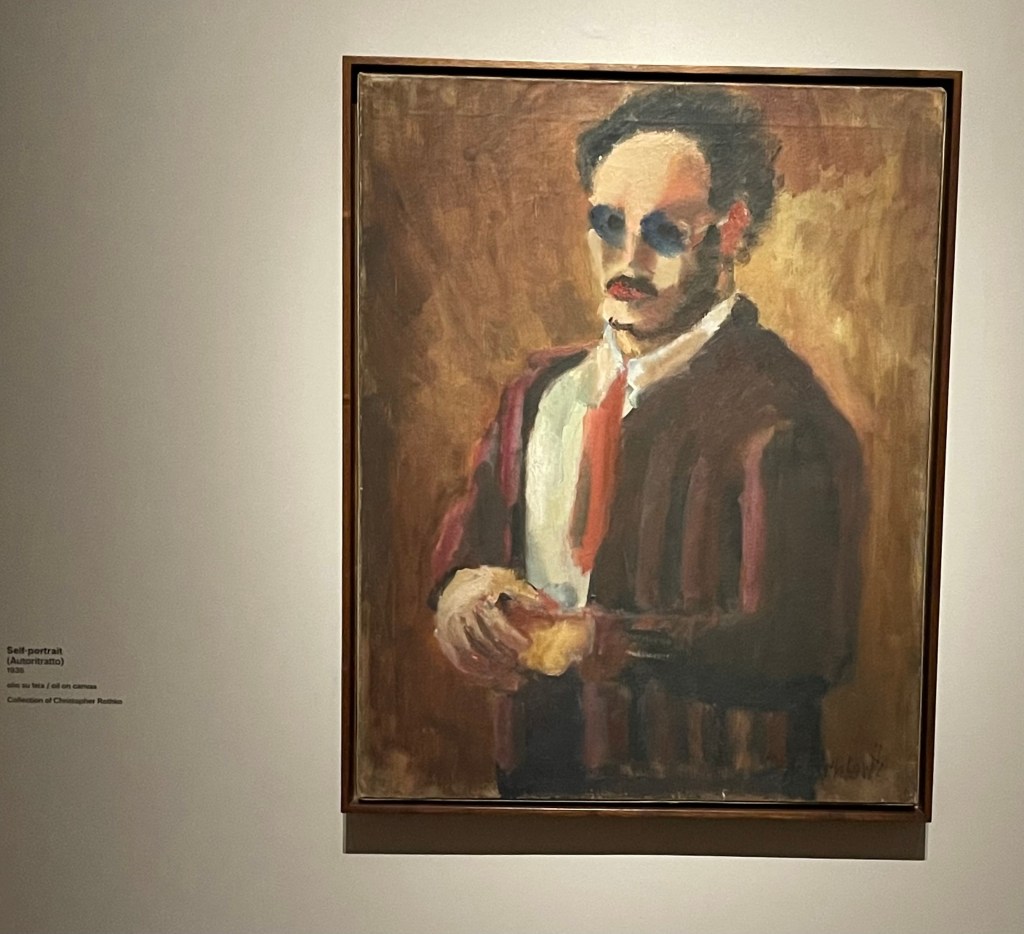
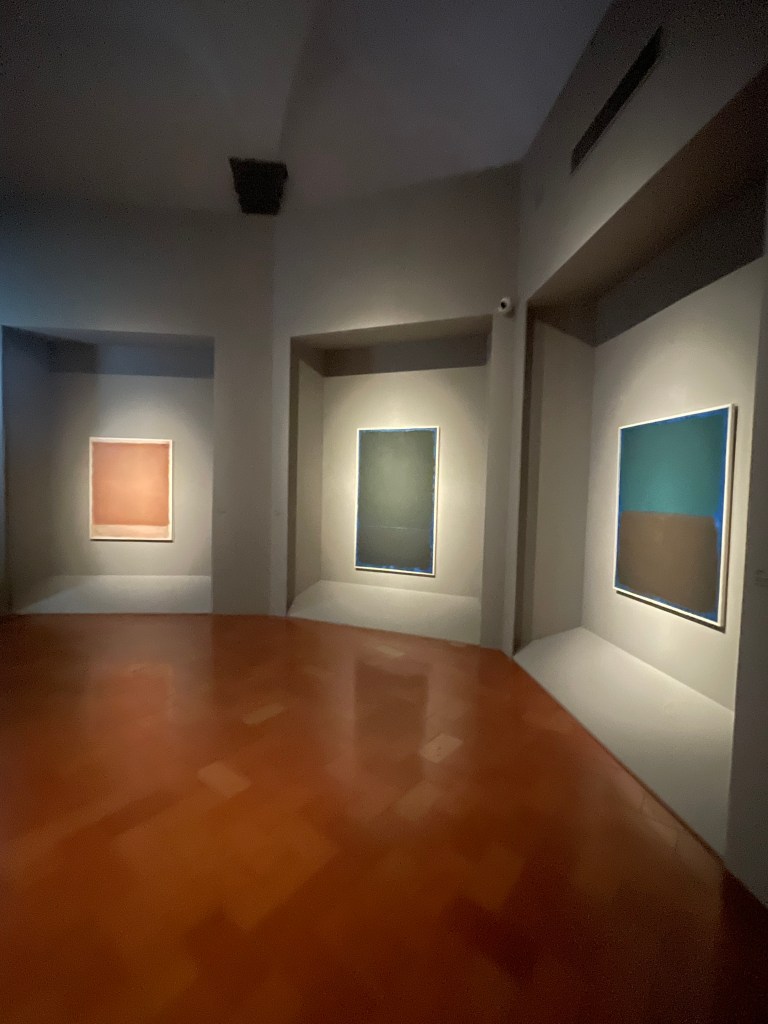
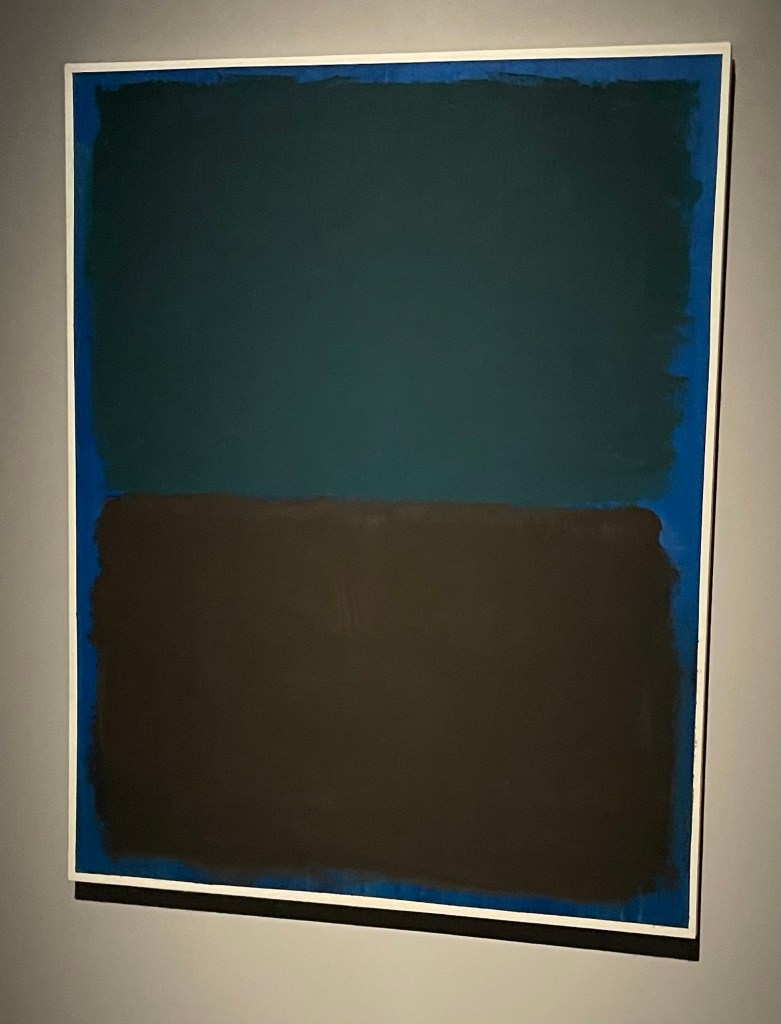
Surprise from our next door table Chez Anna – a sketch made during the recital by very enthusiastic art historians on holiday. Very interesting article about Rothko exhibition in Florence https://open.substack.com/pub/petertomaslang/p/in-1959-rothko-walked-into-michelangelos?r=5l1rj&utm_medium=ios