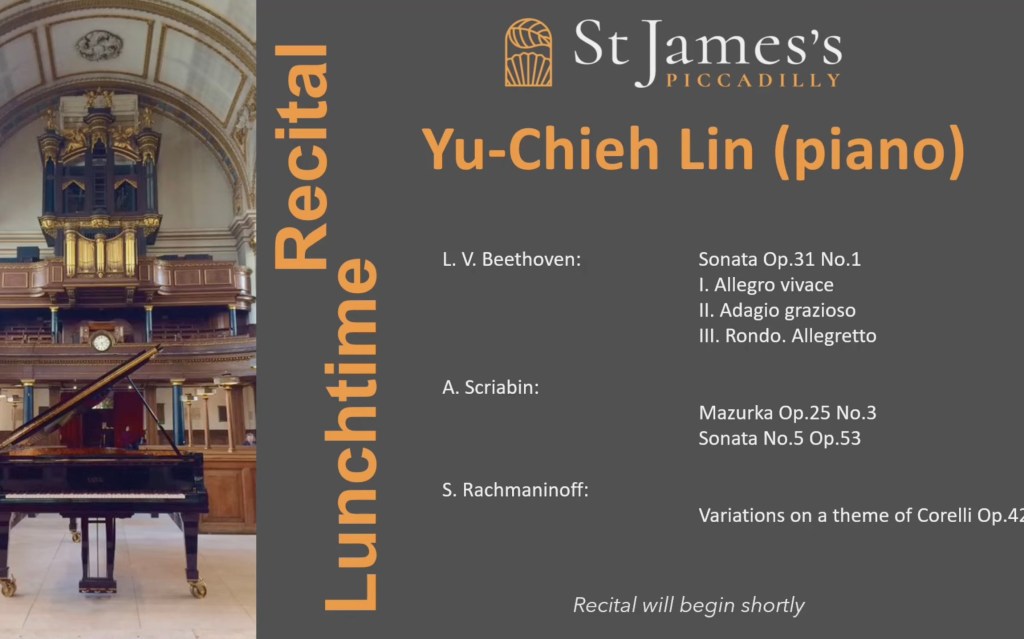
L. V. Beethoven: Sonata Op.31 No.1
I. Allegro vivace
II. Adagio grazioso
III. Rondo. Allegretto
A. Scriabin:
Mazurka Op.25 No.3
Sonata No.5 Op.53
S. Rachmaninoff: Variations on a theme of Corelli Op.42
The first of Beethoven’s set of three sonatas op 31 opened the recital today. Three Sonatas each of great character and pointing the way to the ‘Waldstein’ and ‘Appassionata’ that are to follow . The ‘Tempest’ and The ‘Hunt’ are the names given to last two, but the first does not fit into any set pattern. A slow movement that owes more to Bellini than Haydn and a first movement that in many ways anticipates the rhythmic impatience of the ‘Appassionata’.
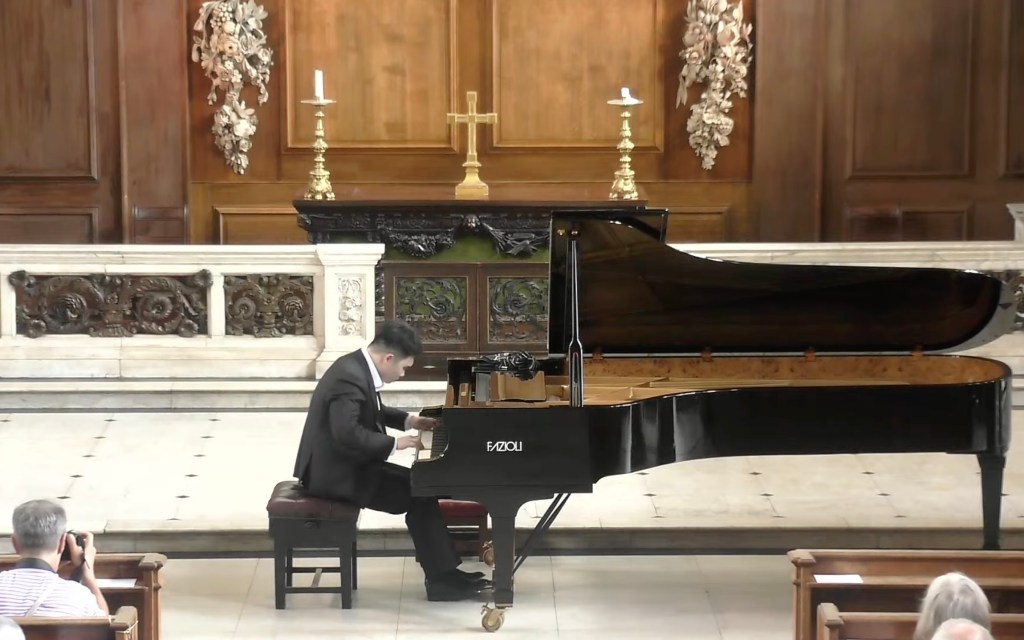
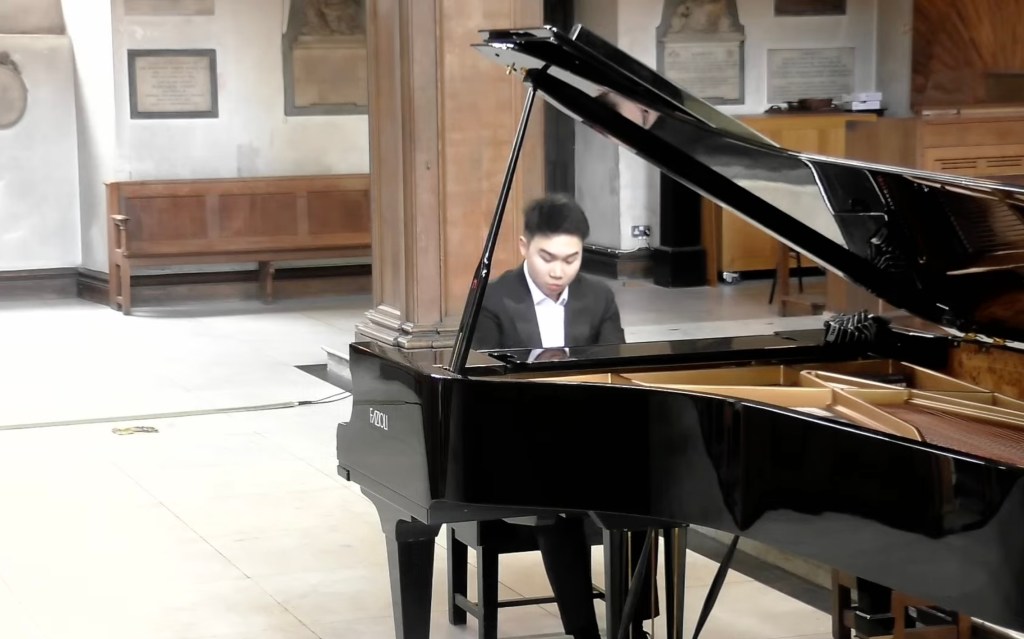
There is a great harmonic sense to all that Lin plays and it was noticeable from the first notes of this G major Sonata with Beethoven’s quixotic rhythmic character always anchored from the bass. A luminosity and brilliance but above all a scrupulous attention to Beethoven’s dynamic markings and a dynamic drive of intoxicating rhythmic elan. The second subject sprang to life with its pastoral freshness as it passed to the bass with more intensity. Remarkable playing of great clarity and a refined palette of colour as Beethoven prepares us for the surprise return of the opening, this time fortissimo. The coda too with its unexpected ending was just thrown off with ease.
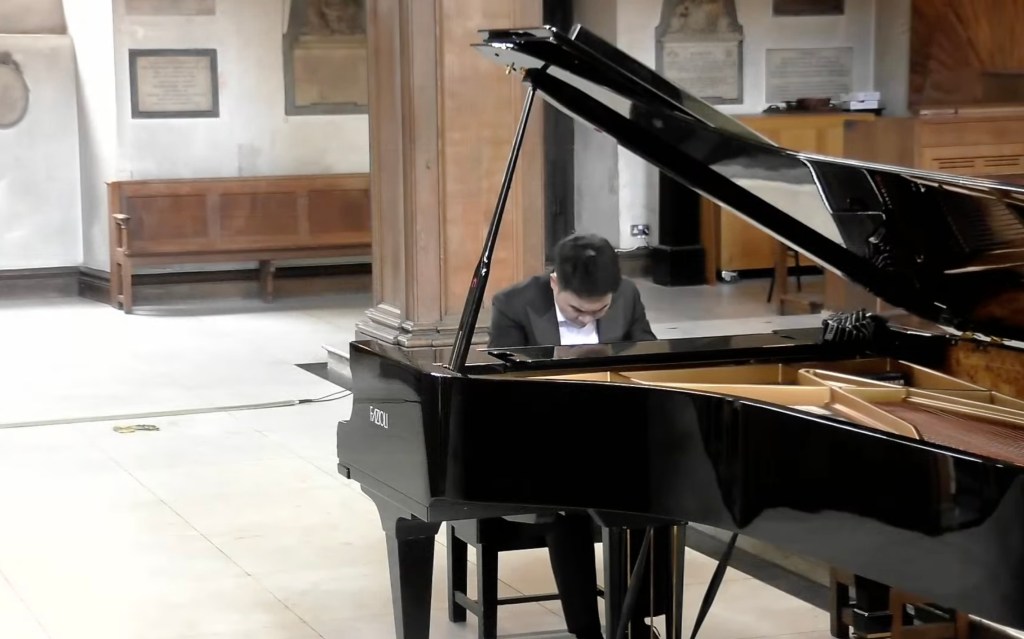
It was the ‘Adagio grazioso’ that showed Lin’s masterly control of sound and touch. I have never heard this movement played with such beauty and strength. A bel canto on a relentless staccato left hand accompaniment and a bass voice that enters with radiant beauty answered by the embellishments of the soprano in a true operatic duet, never allowing the tempo sag or drag. The music seemed to ride on waves of continual motion, on wings of song indeed! The Rondo was played with a sense of improvised fantasy of brilliance and exhilaration as the music unwound with grace and charm in a whirlwind of ebullience. The coda that took us by surprise as Lin went into fifth gear where Beethoven’s genial return to the opening quixotic rhythmic playfulness was matched by Lin’s precision and scrupulous attention to Beethoven’s capricious dynamics.
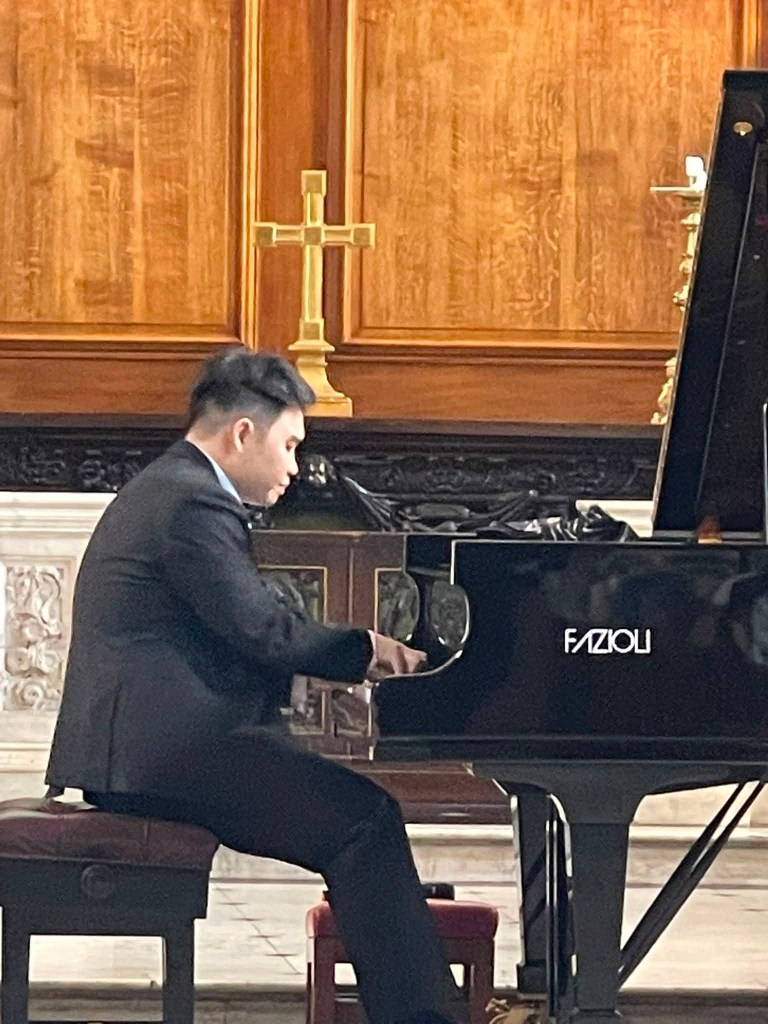
A complete change to the mysterious world of Scriabin with his kaleidoscope of colours and shapes as he reaches for the ‘star’. An early Mazurka op 25 obviously influenced by Chopin but already a unique world of sensual perfumed sounds of fluidity and radiance. Lin playing with magical sounds but always allowing the musical line to show us the way forward.
The Fifth Sonata is prefaced by the Poem of Ecstasy :’I summon you to life , secret yearnings!You who have been drowned in dark depths ,Of the creative spirit, you timorous ,Embryos of life , its is to you that I bring daring’ .A score filled with the markings of a composer on a mission : Impetuoso, con stravaganza, Accarezzevole, Allegro fantastico, giocoso, leggierissimo volando, and finally con luminosità, vertiginoso con furia and estatico! Lin played with masterly control with these continual changes of character from the furious wash of sound over the entire keyboard that opens and closes the Sonata to the radiant whispered beauty before regaining flight. A remarkable technical mastery with his playing always anchored in the bass allowed him to give an architectural shape to this sonata in one movement. Lasting barely twelve minutes but spanning a range of emotions with chameleonic changes of character that Lin was able to combine under one great roof.
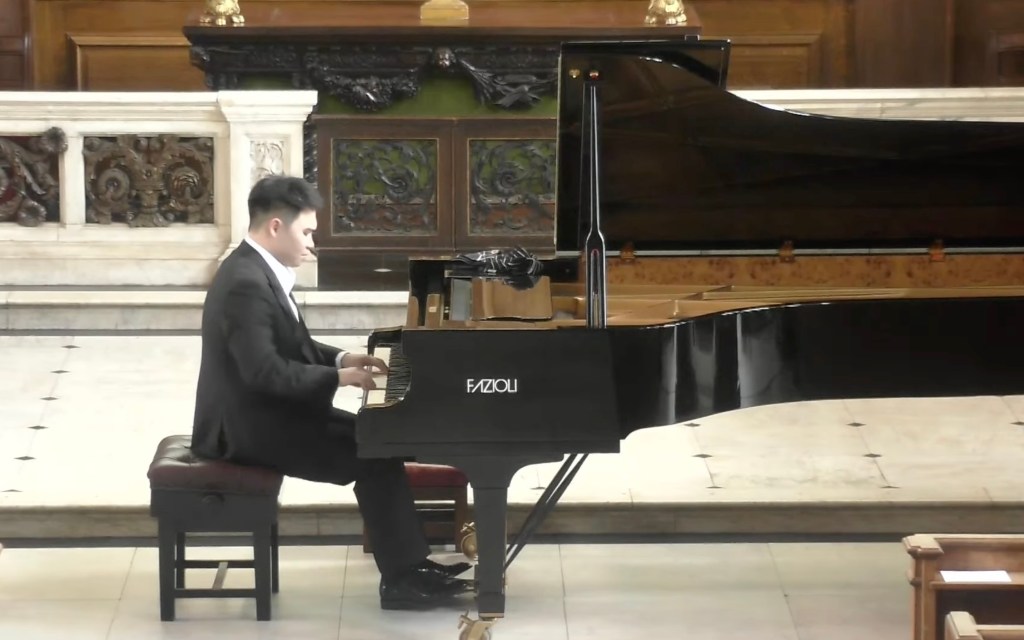
The final work on Lin’s programme was the Corelli Variations by Rachmaninov. Twenty variations on the theme ‘La Folia’ attributed mistakenly to Corelli. Rachmaninov dedicated the work to his friend the violinist Fritz Kreisler who was in fact renowned for discovering baroque pieces that were actually his own compositions! Writing to another friend, the composer Nikolai Medtner , on 21 December 1931,the year it was completed:
‘I’ve played the Variations about fifteen times, but of these fifteen performances only one was good. The others were sloppy. I can’t play my own compositions! And it’s so boring! Not once have I played these all in continuity. I was guided by the coughing of the audience. Whenever the coughing would increase, I would skip the next variation. Whenever there was no coughing, I would play them in proper order. In one concert, I don’t remember where – some small town – the coughing was so violent that I played only ten variations (out of 20). My best record was set in New York, where I played 18 variations. However, I hope that you will play all of them, and won’t “cough”.’
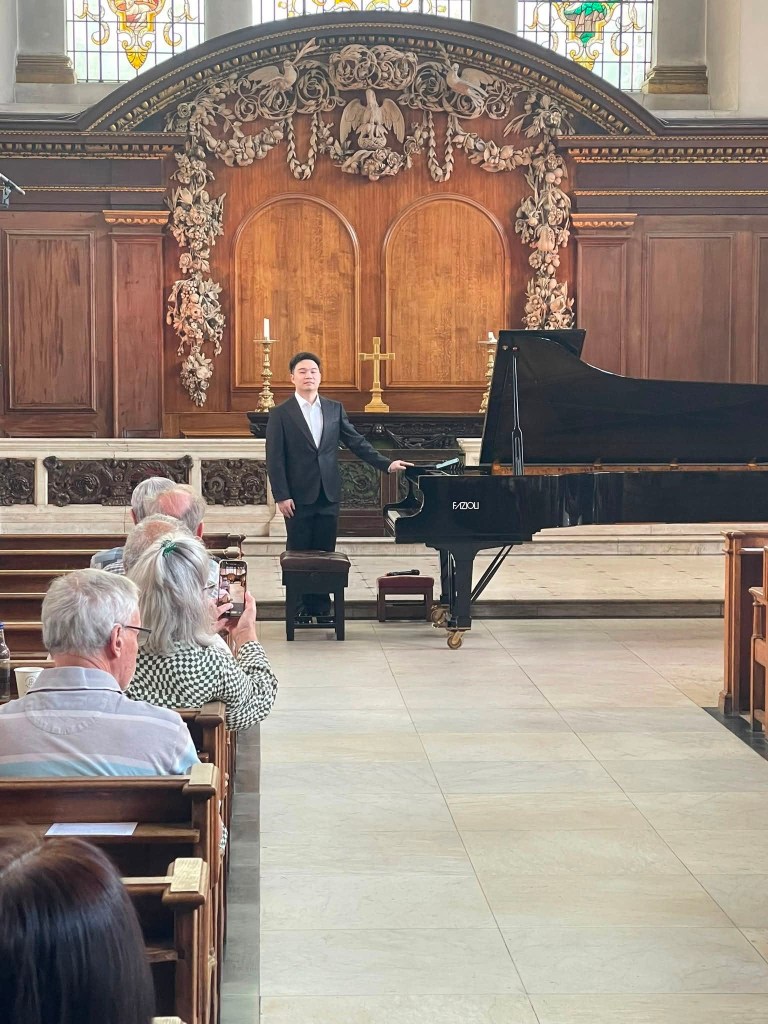
Lin played all of them today with crystalline beauty of purity and radiance. Sumptuous sounds helped by the deep bass anchor that marks all Lin’s playing for its masterly intelligent musicianship. The simplicity of the theme taken up by the flowing variations of knotty twine before the rather serious ‘Tempo di Menuetto’.It was played with capricious good humour before the sublime sounds of the ‘Andante’ where the theme is stated with etherial comments. A dynamic drive interrupting this moment of tranquility with playing of technical brilliance and sumptuous full sounds. I am not sure why Lin had to split the left hand chords in the ninth variation that distracted from the ponderous seriousness of the rich elaboration of the theme. Springing to life with the scintillating ‘Allegro Scherzando’ where a crescendo led up into the ‘Allegro vivace’, eleventh variation.This winding scale is marked piano in the score and the unasked for crescendo took away the surprise of the driving forte of the following variation. He brought great character to the twelfth ‘molto marcato’ that he played with pompous authority before the driving intensity of the thirteenth leading to the improvised character of the ‘Intermezzo’, Great beauty to the theme in D flat major was echoed by the glowing fantasy of the ‘dolcissimo’ fifteenth variation . Taking wing with the ‘Allegro vivace’, sixteenth variation (that always reminds me of an orchestra tuning up) and it led to the tumultuous build up to the mighty octave declamation of the twentieth.The pedal note deep in the bass creating the cloud of ‘D’ on which Lin could float the magical return of ‘La Folia.’
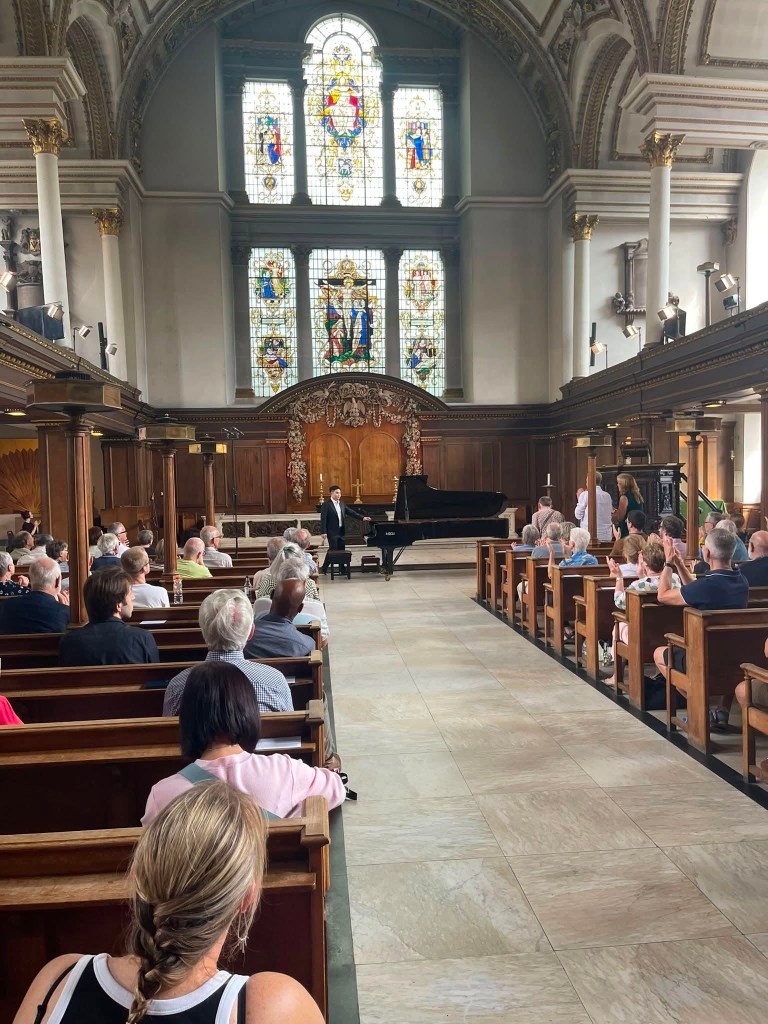
An audience on their feet at the end of this remarkable recital but they would have to get their skates on to hear more just down the road less than an hour later at Regent Hall!
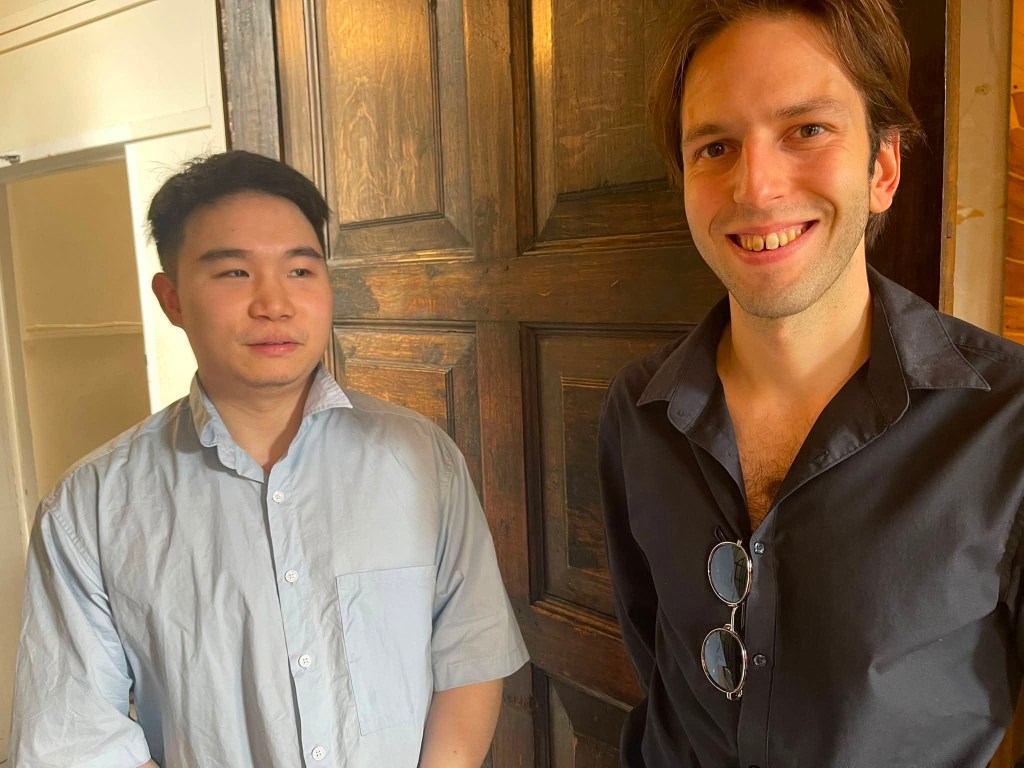
From Taiwan with love ……welcome back Joy.
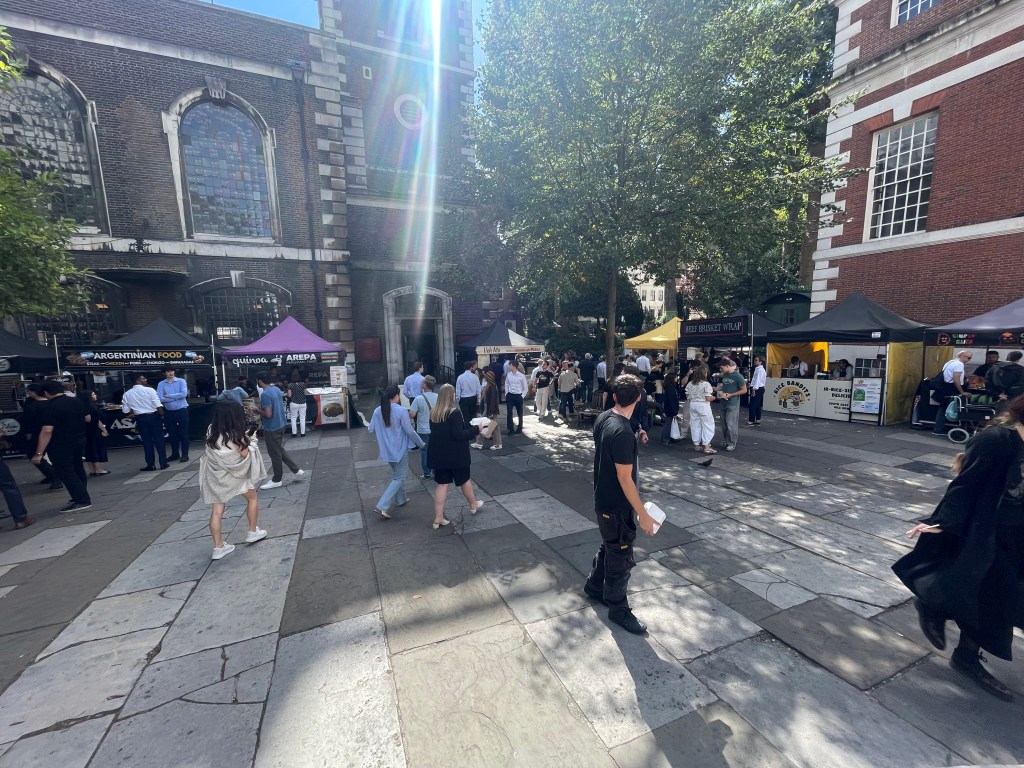
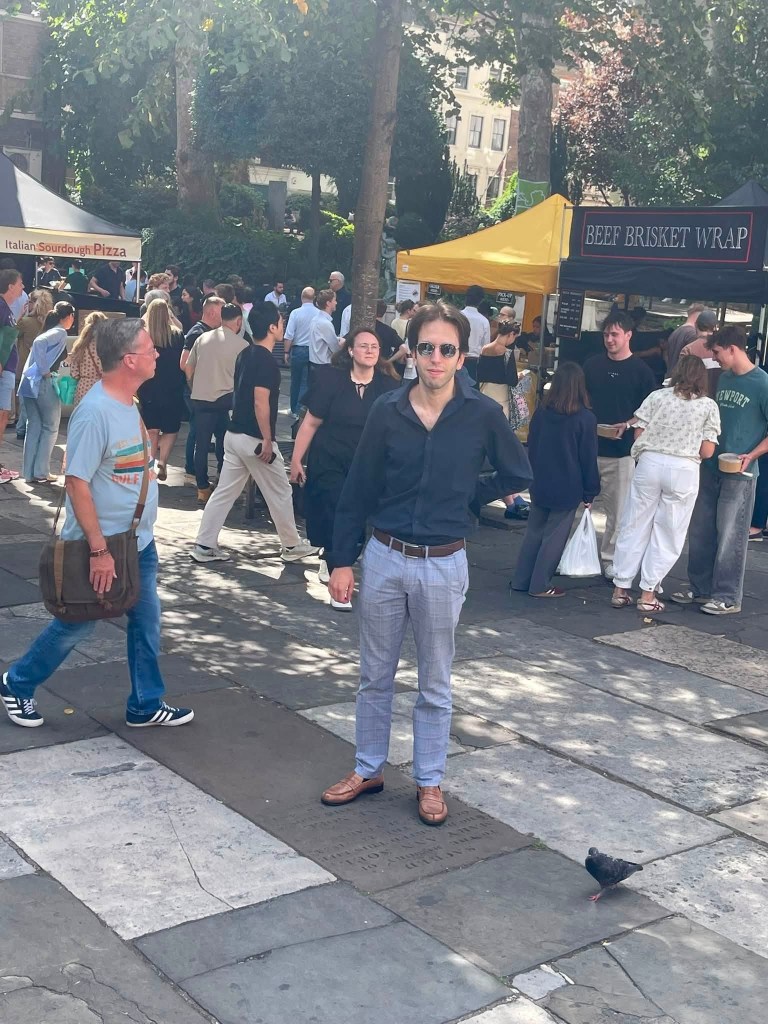
Artist Bio
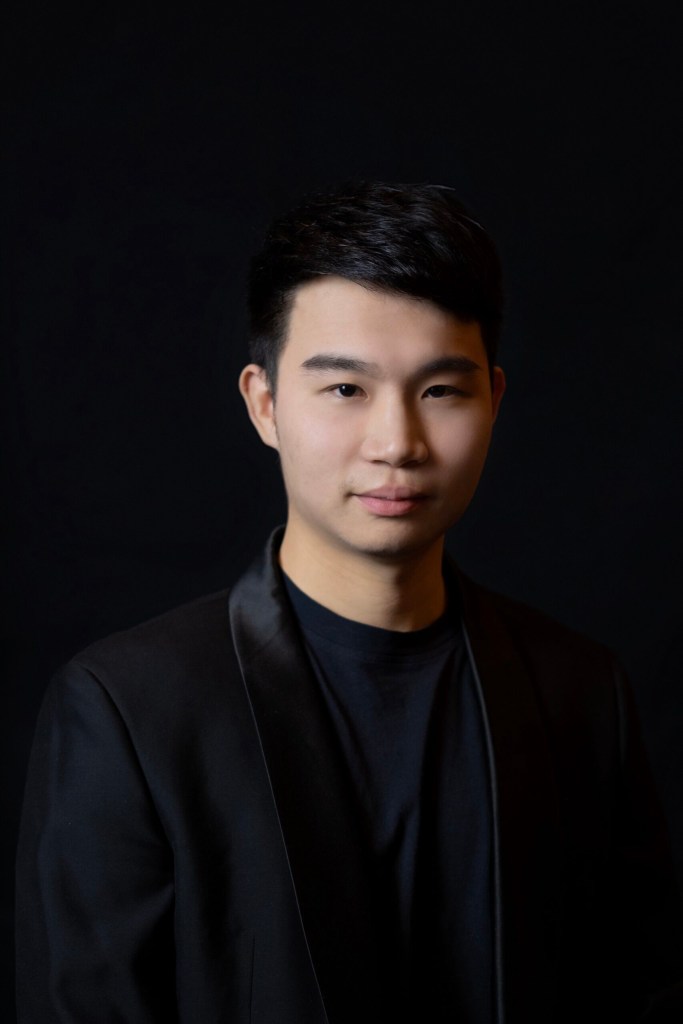
Taiwanese pianist Yu-Chieh Lin has won top prizes at numerous international competitions, including the 9th International Competition of Slavic Music (Moscow), the 5th Wanda Landowska International Harpsichord Competition (Italy), the Moscow Scriabin Scholar Competition (2016), and Third Prize at the 7th Riga International Piano Competition.
He has competed in several prestigious World Federation of International Music Competitions (WFIMC), including the Maria Canals International Piano Competition in Barcelona (2022 & 2023), the Jaén International Piano Competition in Spain (2024), the Las Rozas International Piano Competition in Madrid (2022), and the Viotti International Piano Competition in Italy (2023). He was also a semi-finalist in the Birmingham International Piano Competition (2024) and was awarded Second Prize at the Bromsgrove International Musicians Competition (UK, 2023).
At the age of ten, Yu-Chieh decided to pursue a professional musical career and moved to Russia to study with Mikhail Khokhlov at the Gnessin Special School of Music in Moscow, where he studied from 2009 to 2017.
He graduated from the Royal College of Music, London, with a Bachelor of Music degree in 2021, studying with Norma Fisher. He then completed a Master’s degree with Distinction at the Guildhall School of Music & Drama in 2023 and has since completed the Artist Diploma, studying with Ronan O’Hora, Noriko Ogawa, and Charles Owen.
Yu-Chieh is generously supported by the Franby Scholarship, the Guildhall School Trust, and The Longbao Co., Ltd. (Taiwan).
Since the age of twelve, he has performed extensively across Spain, Germany, Austria, Poland, Latvia, Italy, the United Kingdom, Taiwan, Russia, and China. His appearances have taken him to renowned venues including Palau de la Música Catalana (Barcelona), Rachmaninoff Hall at the Moscow Conservatory, Mozarteum Solitär Hall (Salzburg), Milton Court Concert Hall, Bechstein Hall, Steinway Hall (London), and Teatro Civico in Vercelli, Italy.
He has performed as a soloist with the Academy of Ancient Music (UK), Royal Tunbridge Wells Symphony Orchestra (UK), RCM Symphony Orchestra (UK), and the Gnessin School Symphony Orchestra (Russia), collaborating with conductors including Mikhail Khokhlov, Neil Thomson, Leo Duarte, Michael Rosewell, Jac van Steen, and Natalia Luis-Bassa.
In February 2026, Yu-Chieh was invited to perform with the Harbin Conservatory of Music China–Russia Symphony Orchestra in China, presenting both Rachmaninoff’s Piano Concerto No. 3 and Schumann’s Piano Concerto in the same evening.
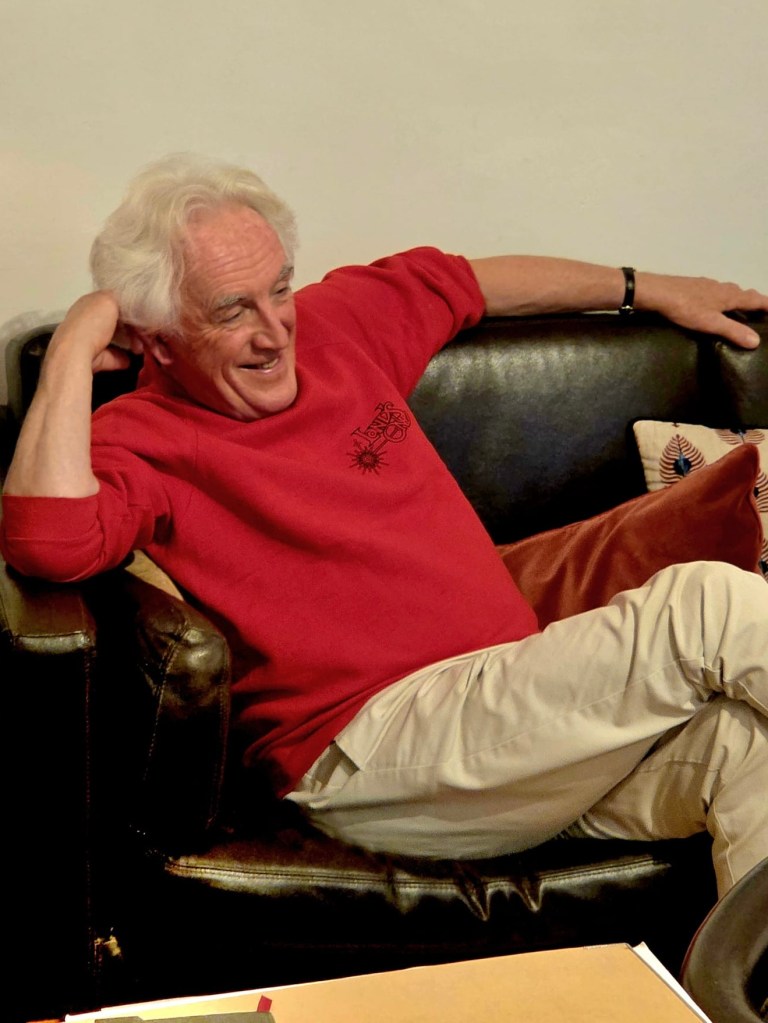
Following his recital at Milton Court Concert Hall in May 2025, British music critic Christopher Axworthy described him as “an artist with refined keyboard control and deeply cultivated musicianship.”
Yu-Chieh has received invaluable artistic guidance from distinguished pianists including Norma Fisher, Ronan O’Hora, Noriko Ogawa, Charles Owen, Mikhail Khokhlov, and Sofya Gulyak, and has worked with internationally renowned artists such as Dmitri Alexeev, Michel Béroff, Alexander Romanovsky, Vanessa Latarche, Milana Chernyavska, Dina Parakhina, Gabriel Kwok, and Kyoko Hashimoto.
He has also been invited to participate in leading international music festivals, including the London Masterclasses (2016 & 2017), the International Summer Academy of the Mozarteum University Salzburg (2018), the International Music Academy in Liechtenstein (2024), and the 15th International Chamber Music Festival of the Central Conservatory of Music in Beijing.
https://christopheraxworthymusiccommentary.com/2024/03/20/christopher-axworthy-dip-ram-aram/

