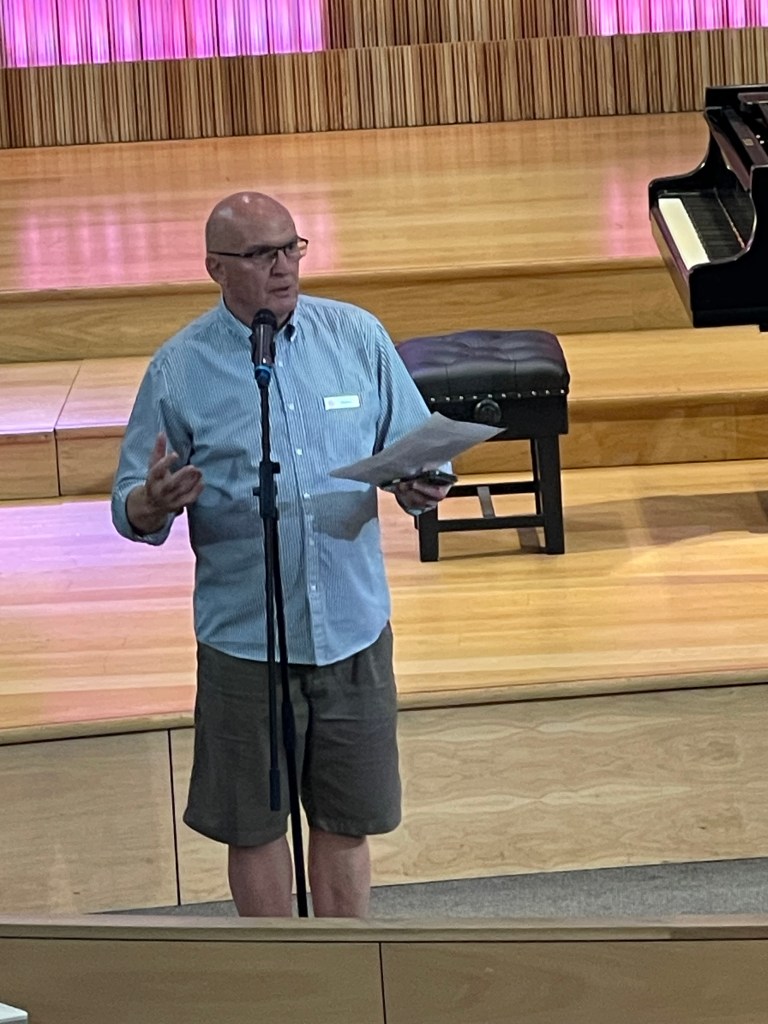
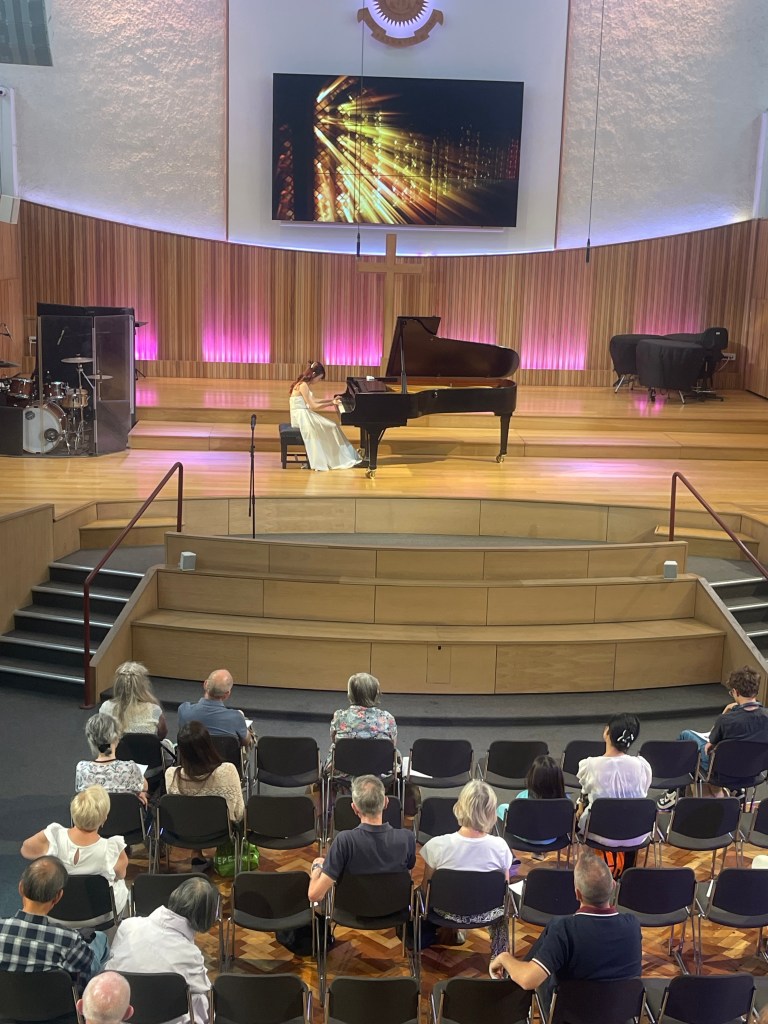
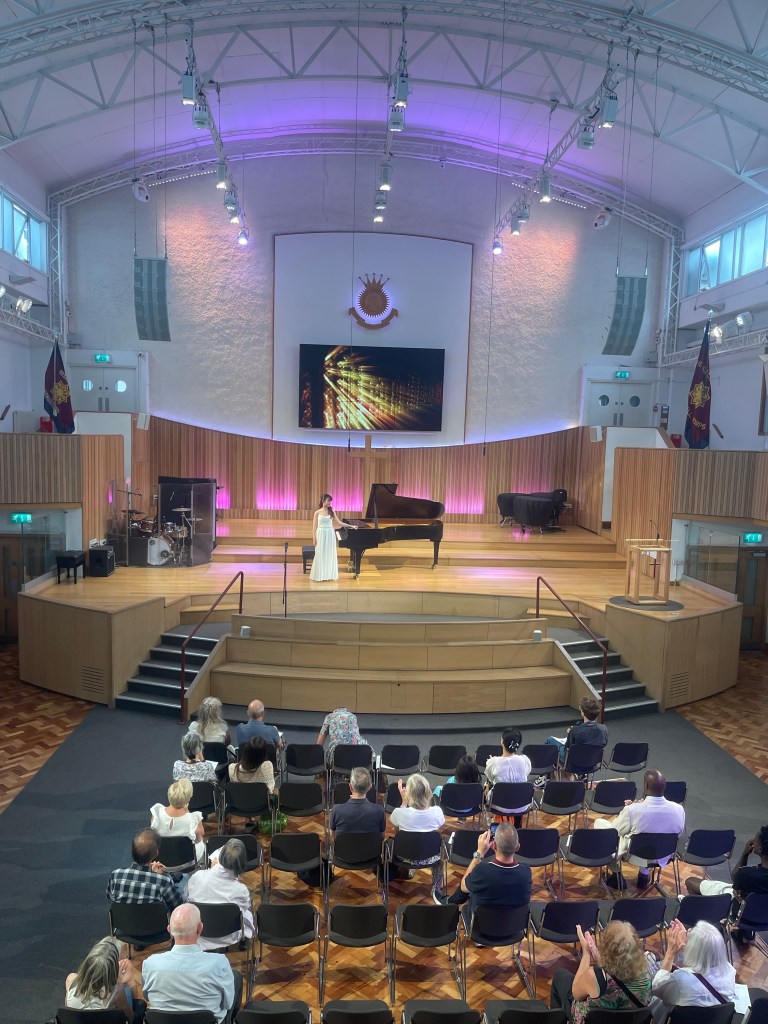
The fourth day of the Classical D International Piano Festival. In the splendid Regent Hall ,filled to the rafters by the indomitable Stephen Maw and his team saw on stage the Canadian- American pianist Victoria Wong hailed by Jed Distler of Gramophone , with ‘ pianistic refinement always getting to the heart of whatever repertoire she plays’

Today was the second of her all Chopin recitals having played a slightly different programme yesterday in St Marylebone Church
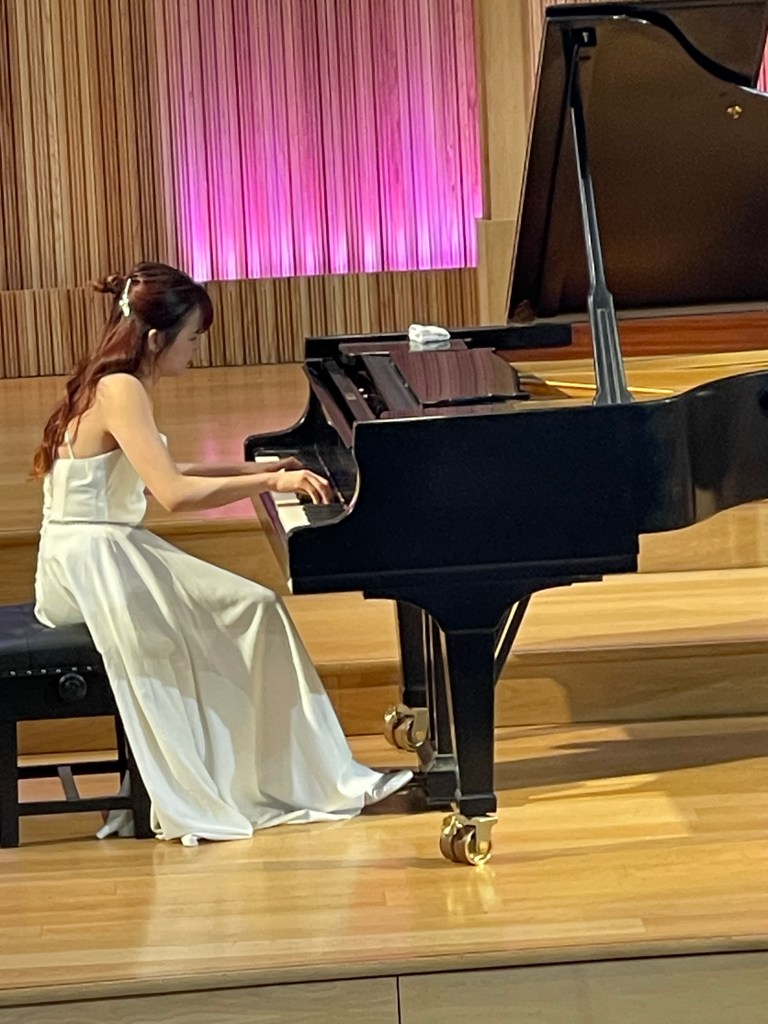
Opening with the mysterious Nocturne in C sharp minor op 27 n. 1 with a beautiful sense of colour and playing of remarkable sensibility and poignancy. I felt it was a little too earthbound, though, because even though written in four it feels as though it should flow more horizontally and naturally, as she was to show us later in the programme with her superb performance of the ‘Andante Spianato.’ However Chopin soon put her on the right path as she entered the atmosphere of the ‘più mosso’ with passionate intensity and vibrancy, even bursting into the spritely mazurka rhythm that pervades much of Chopin’s works. A left hand octave cadenza of searing nobility led to the return of the opening where Chopin’s beautiful counterpoints pushed the music forward with veiled poise and magical luminosity.
The Sonata in B flat minor op 35 is one of the great works of Chopin and of such originality that even Schumann described it as ‘four of Chopin’s maddest children under the same roof’ and found the title ‘Sonata’ capricious and slightly presumptuous. He also remarked that the ‘Marche funèbre’ has something repulsive about it, and that ‘an adagio in its place, perhaps in D-flat, would have had a far more beautiful effect’. The finale in particular caused a stir amongst Schumann and his contemporaries, exclaiming that it ‘seemed more like a mockery than any sort of music.’ and when Felix Mendelssohn was asked for an opinion, he dismissed it with : “Oh, I abhor it.’
It has since been recognised as a masterpiece and Victoria played it with masterly musicianship and extraordinary sensitivity. There has been a debate about the repeat in the first movement , as Chopin added it more for convention than for reason, and many great pianists including Victoria choose to ignore it and go straight into the development. A development built on the bass introduction ( hence the debate about the repeat) which Victoria played with nobility and architectural understanding with full rich chords of sumptuous sound. The ‘sostenuto’ of the second subject was played with aristocratic beauty and good taste allowing the tempo to relax, but not be changed. It allowed the very tight construction to be given a forward movement to the final majestic chords that close the movement. A ‘Scherzo’ that had something of the mysterious about it, but bursting into an energetic dance that had Victoria bouncing on the stool with rhythmic elan.The ‘più lento’ was played with a beautiful fluidity of great sensitivity of natural freedom.
A very sombre ‘Marche funèbre’ , almost too slow, was pregnant with solemn meaning. She created a beautiful arch shape to the long phrases, that in lesser hands can sound rather repetitive, but here were played with a poignancy where left hand trills were like a stab to the heart. The ‘Trio’ was played with a beautiful luminosity and flowed so naturally too. There was a mysterious entry to the last movement where streams of sound were ‘wailing above the graves’ and in Victoria’s hands were ethereal and unworldly of masterly poetic understanding.
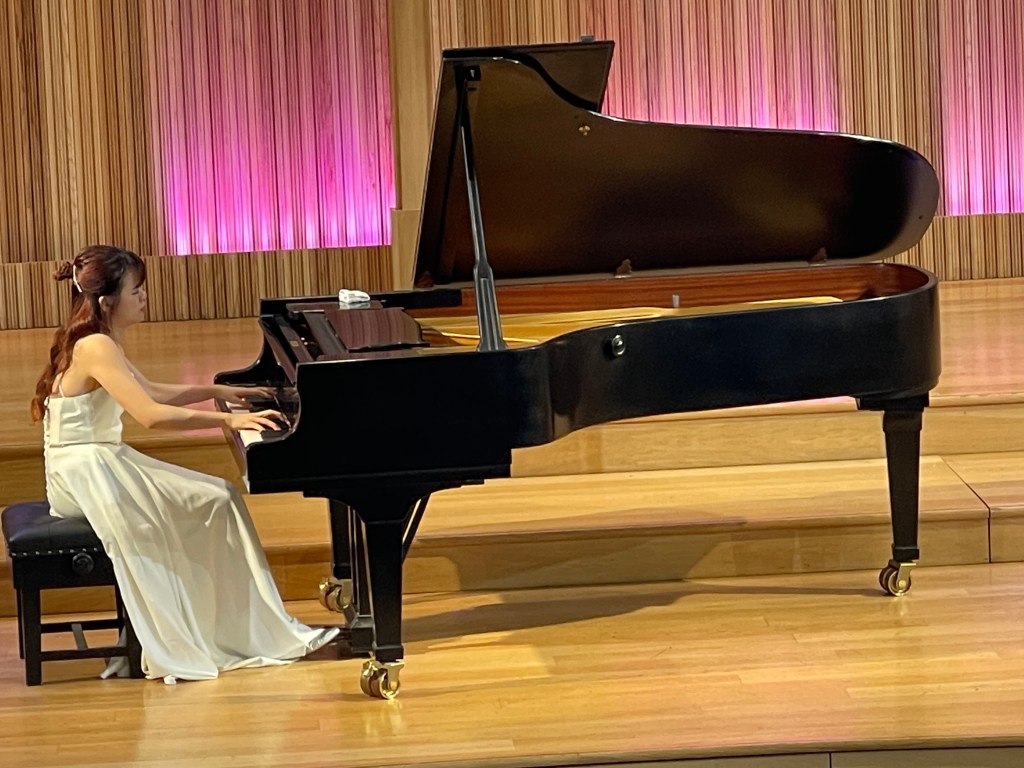
The last Five Preludes from the collection of Twenty-four op 28 began with the extraordinary Prelude in C minor,n 20, that has been used as the theme for variations by Busoni and Rachmaninov. A simple chordal progression played by Victoria with remarkable drama and imposing authority gradually disappearing to a whisper as her extraordinary control of sound could reveal the endless layers of diminishing sounds.
A beautiful flowing ‘cantabile’ was played with a sumptuous sense of balance with a gently flowing mellifluous outpouring.. The final B flat of this 21st Prelude becoming the opening note of the 22 nd where octaves became washes of sound, single notes disappeared in a continual flow of passionate intensity. She brought exquisite delicacy to the penultimate prelude that was like gentle washes of water lapping so generously in the radiance of a pastoral landscape. The final tumultuous Twenty fourth Prelude showed Victoria’s mastery of sound and balance. However passionate or intense, the melodic line was revealed rather than battling for its rightful place. A dynamic drive but also a masterly control ending at the bottom of the keyboard with three mighty ‘D’s that Victoria played with her fist.
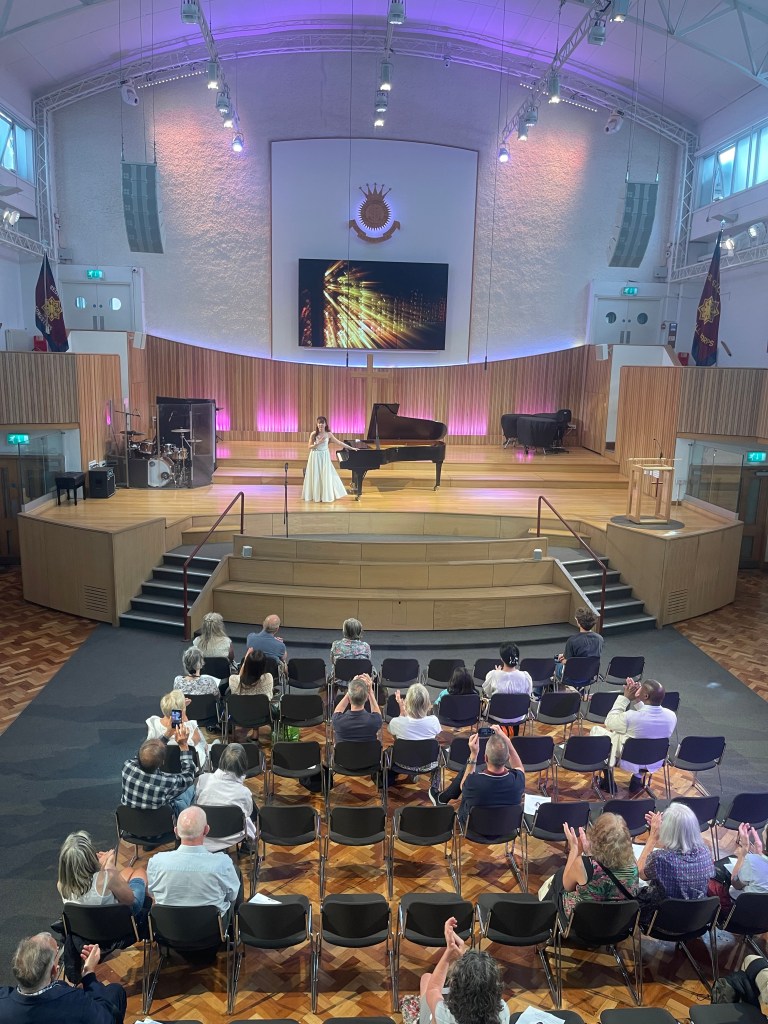
Xin Yuan Wang had done the same the other day in his Schumann recital !. Chopin marks slight accents but they are certainly not sforzandi as they are three resonating notes , each one different from the other , and of great poignant significance.
The last work in this short lunchtime concert was the ‘Andante Spianato and Grande Polonaise Brillante ‘. The ‘Andante’ was played with a fluidity and natural beauty as the Polonaise erupted with dynamic drive and glitter. Some ravishing playing not least for the style and jeu perlé brilliance that she brought to the Polonaise. Such refined playing of aristocratic brilliance and beauty just I am sure like that which Schumann declared ‘Hats off a Genius’ on the first appearance of Chopin in the west.
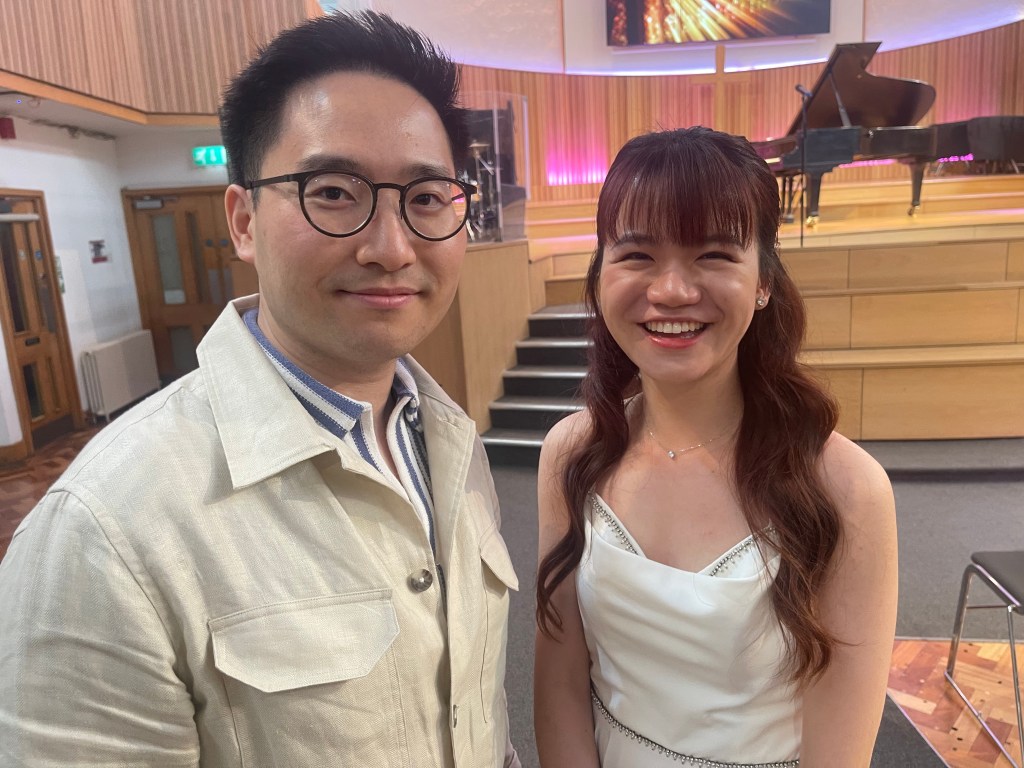
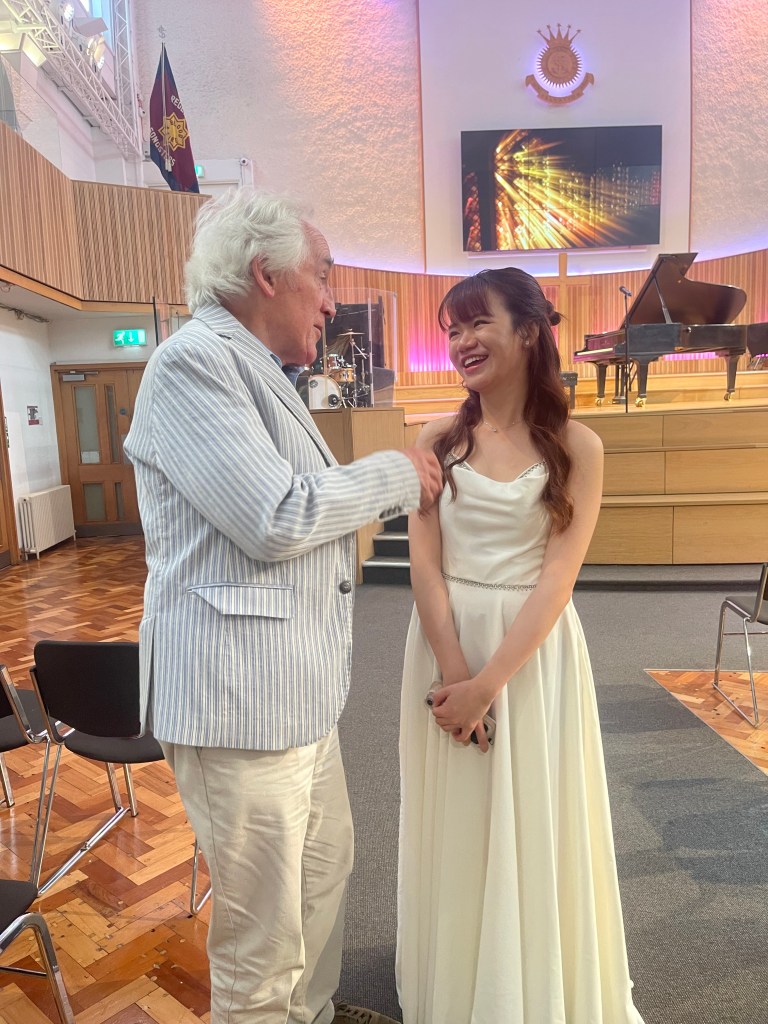
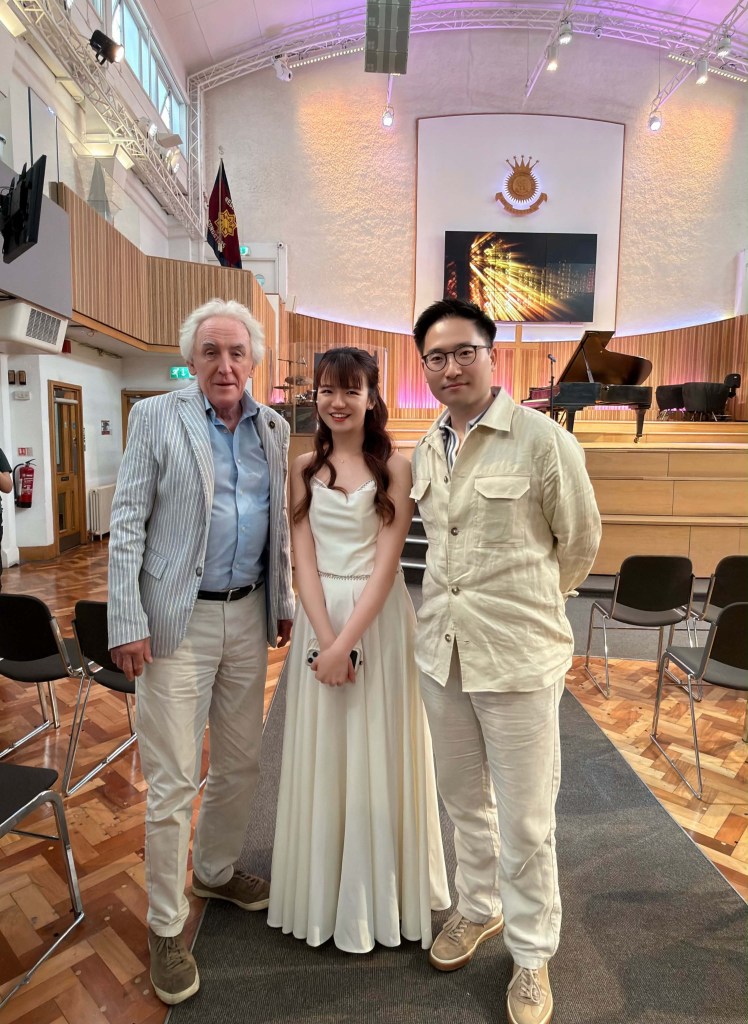
A single Mazurka played with style, good taste and fantasy closed this all too short recital as Jed Distler says :’ with playing of natural poise and communicative immediacy’.
This annual festival continues until the 15th August bringing a breath of Chinese fresh air to the tropical atmosphere of London.


