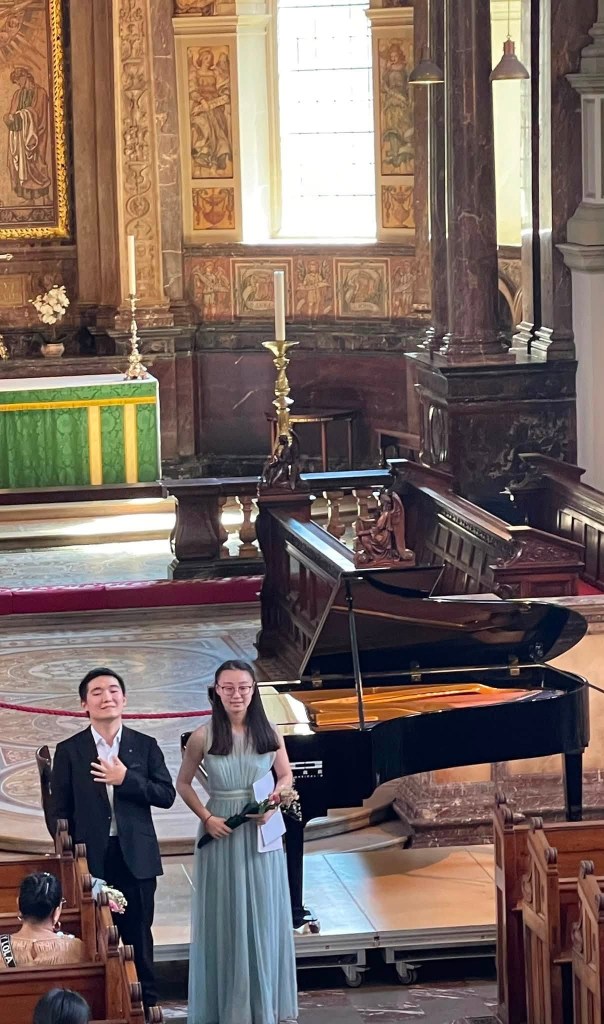
The Classical D International Piano festival has returned to London where it fills the city each year at the beginning of August with a showcase of superb young Chinese musicians.
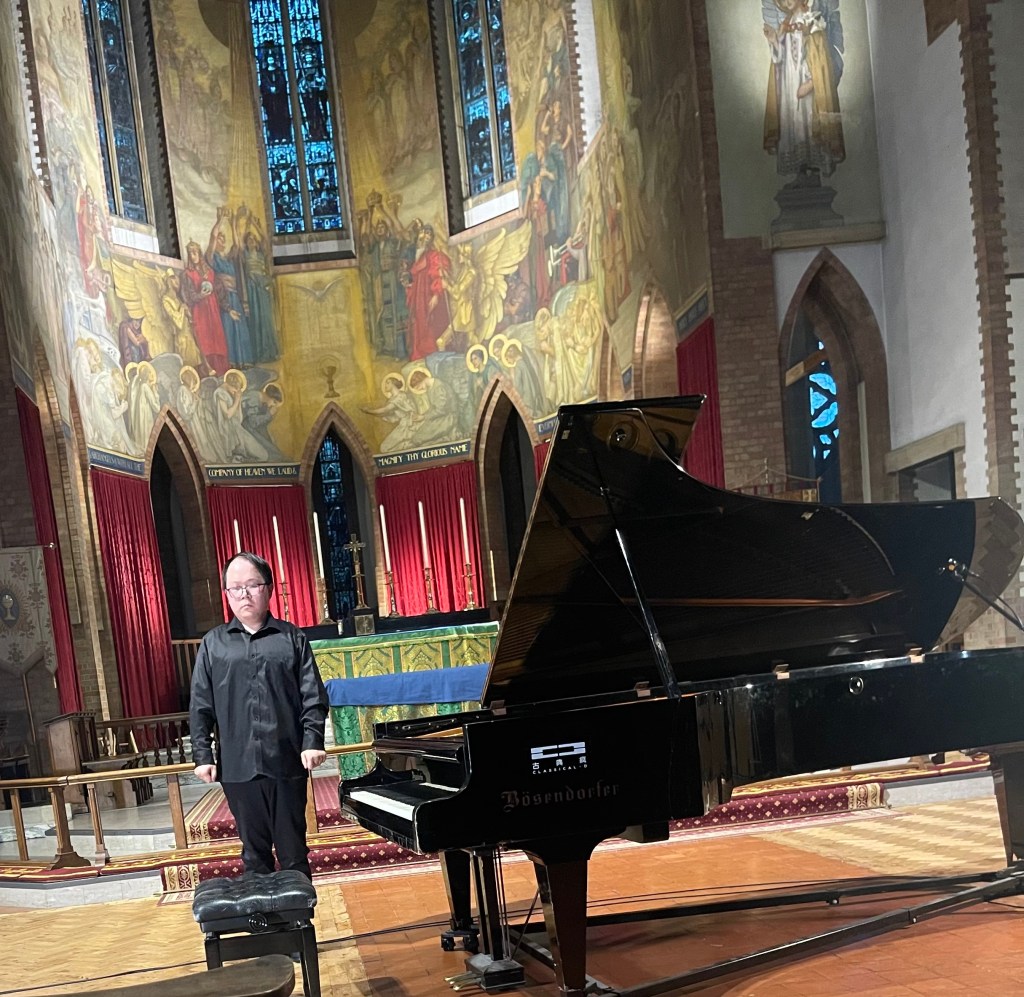
Today was the turn of Xin Yuan Wang, bronze prize winner in the 2018 Leeds Piano Competition. Now a recognised artist, feted in China , this is his second appearance for the festival where we could again appreciate his mastery and strong musical personality .
Three works by Schumann in a programme recorded live on the magnificent Bösendorfer piano that sits in the impressive edifice that is St Barnabas Church in Ealing .
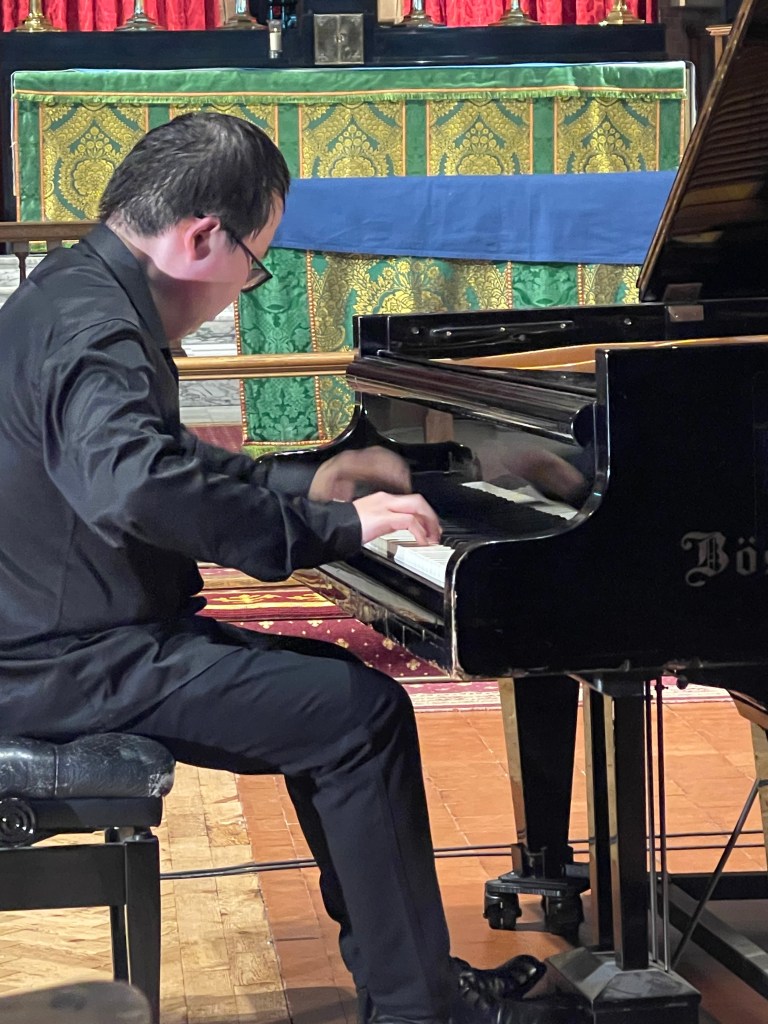
Three masterworks op 11, 15 and 20 from the golden years when Schumann produced one piano masterpiece after another from op 1 to op 26 before dedicating himself to song and coming to terms with his dual personality that was to influence his works from an early age .
It is exactly this dual personality the Xin Yuan understood so well, from the sublime opening of the Humoresque and its continuous outpouring of poetic beauty and romantic turbulence. Masterly playing not least for his sense of balance where in one part Schumann writes on three staves to show the musical line enveloped in poetic fantasy. A highly intelligent musicianship where Xin Yuan’s fantasy was always with respect for the score and the composer’s indications. An ‘Intermezzo’ taken at a controlled pace knowing that Schumann would turn the simple single scales into double octaves. But it was the final ‘Innig’ that was played with expansive generosity with flights of etherial fantasy alternating with passages of dynamic rhythmic drive of searing intensity. The most remarkable playing was to come from the ‘Mit einigen Pomp’ where Schumann turns the piano into an orchestra and it was here that Xin Yuan’s true mastery was revealed with an extraordinary use of pedal and finger legato. Creating the extraordinary effect of full orchestra out of which emerges a miraculous melody enveloped by its pompous surroundings. It is one of those moments of pure genius that Xin Yuan revealed with astonishing mastery of sound. An extraordinary moment in the final ‘Zum Beschluss’ where he played the bass B flat with his fist ( Richter comes to mind ). Just showing that there are no such thing as rules for a true artist but only that of musical integrity and total respect for the composer’s wishes.

The ‘Scenes of Childhood’ that followed were no less remarkable for their innocent originality. I am not sure that the opening theme should have been quite so serenely legato as to distort the rhythm but has a story ever been told with such ‘curiosity’ and fantasy with a left had counterpoint taking the reigns with such sumptuous subtle beauty. ‘A blind man’s buff’ all brilliance and lightness and how could one ever resist this ‘pleading child ‘ bathed in ravishing sounds and with tenor counterpoints glistening like jewels from within. Such a ‘joyous event’ was played with masterly sound almost disintegrating at the end as Xin Yuan created such a hesitant farewell. What ‘dreams’ this young man revealed with delicacy and improvised freedom proving that dreams should not be in a straight jacket but free to take the path straight to the composers heart. A very sedate ‘fireside seat’ as he dreamt of the ‘Hobby horse’ that was played as if in the distance gradually getting nearer and nearer. A cloud of beauty enveloped this vast edifice as Xin Yuan allowed his playing to become ‘almost too serious’ and too beautiful ! Whispered beauty of extraordinary poignancy before the shock of ‘frightening us’ as he encountered Schumann’s extraordinary duel personality before ‘falling asleep’ with a slumber of such magic that only a poet could speak from now on. And it was the final episode of the ‘Poet speaking’ that summed up a true dream performance of radiance, beauty and originality.
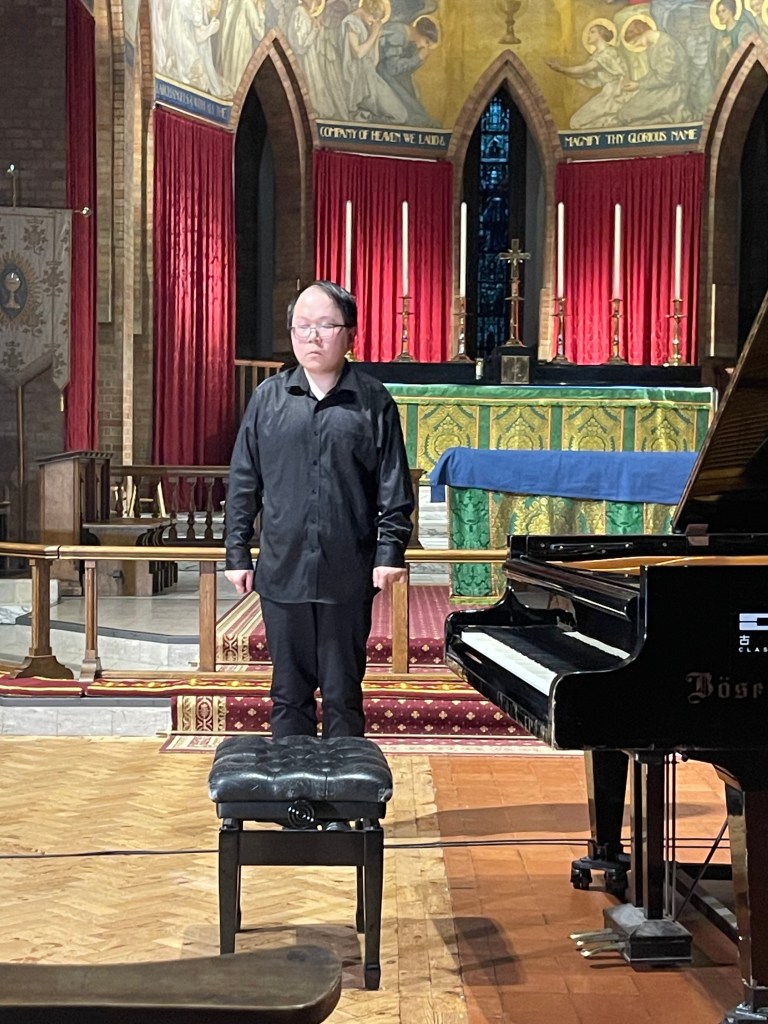
Schumann’s first sonata op 11 is where the composer’s duel personality is most apparent with a work imbued with nostalgia ,dynamic drive and passionate intensity within a fantasy world that Xin Yuan understood so well. A masterly performance with a superb sense of line and architectural shape allied to a poetic fantasy and kaleidoscopic sense of colour. The continual changes of character in the first movement were played with vibrant intensity and a remarkable controlled mastery of sound. An ‘Aria’ played with poignant beauty and disarming simplicity before the eruption of the ‘Scherzo and Intermezzo ‘ where Xin Yuan could enter so completely Schumann’s extraordinary schizophrenic world with such vibrant conviction. The Final was a triumphant march of submission in which the glorious sounds that Xin Yuan could draw from the piano were of such chameleonic changes that the final triumphant ending engulfed us all in one of those moments on joyous waves of all embracing intensity and beauty.
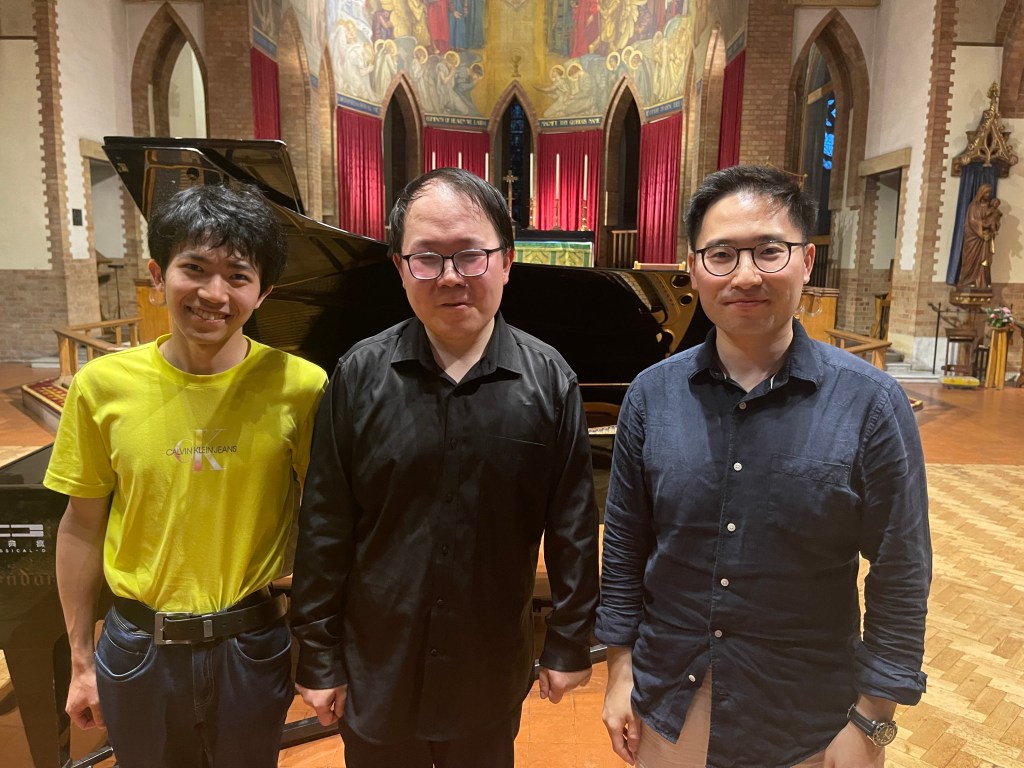
Today a lunchtime Chopin Recital in St Marylebone Church by Victoria Wong and in the evening the twenty three year old Yichen Yu will play Brahms Second Piano Concerto.
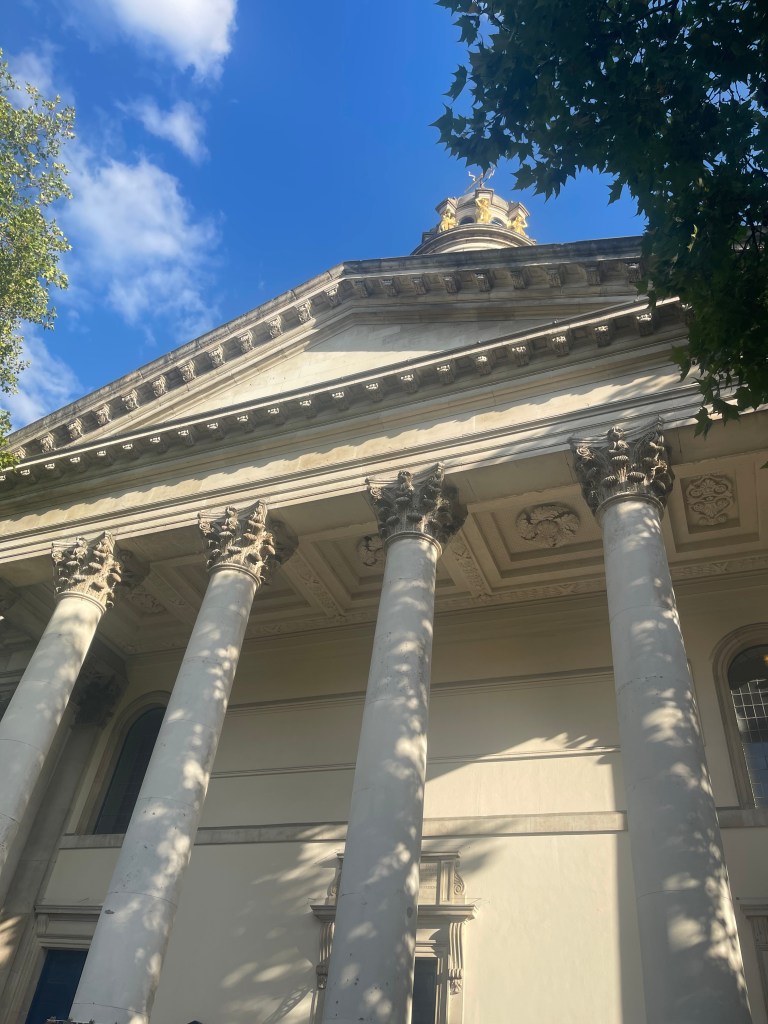

The third day of the Classical D International Piano Festival showcasing brilliant young Chinese musicians, saw the first of two Chopin recitals by Victoria Wong in the St Marylebone Church opposite the Royal Academy of Music and Madame Tussaud’s.

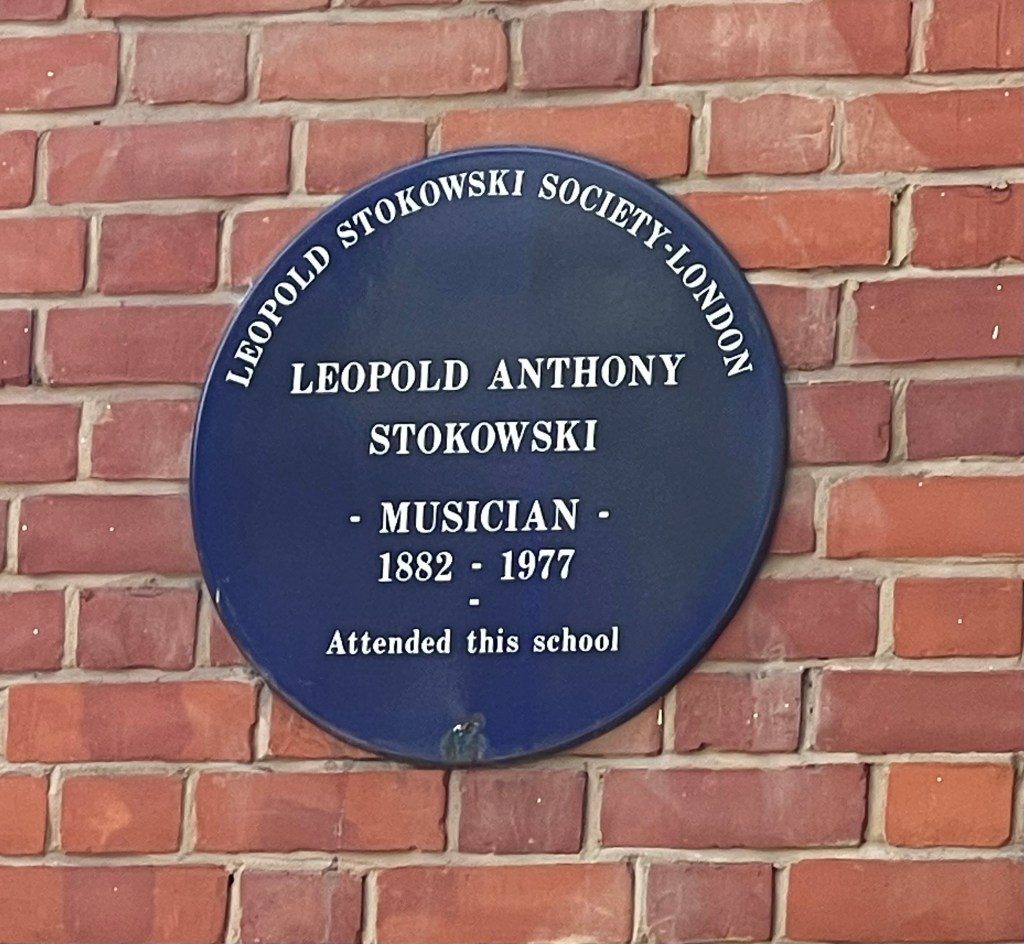

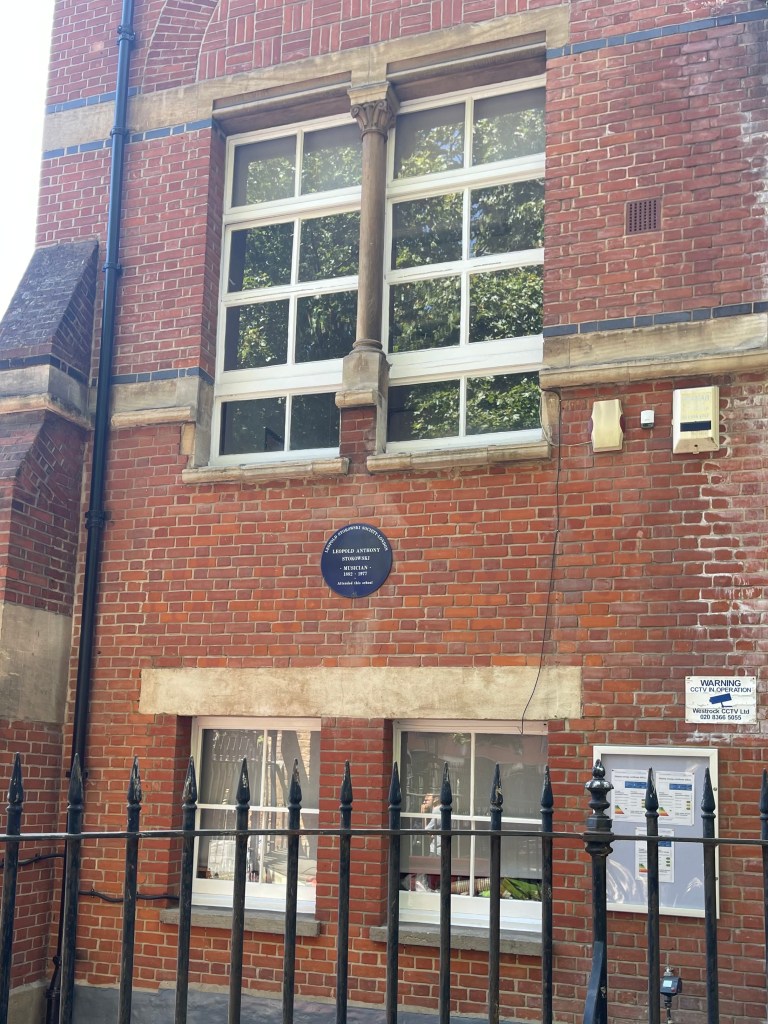
It was also next to the school which Leonard Stokes frequented before finding fame and many wives in Hollywood as Leopold Stokowski.
I am sure he would have played the mighty organ in this beautiful church and the idea that he is hovering in the shadows, the creator of the Philadelphia orchestra and star of Fantasia not least close friend and collaborator of Rachmaninov, created a presence and an atmosphere that inspired this fine orchestra and soloist to new heights

Tonight it was the turn of the twenty three year old Yichen Yu to play Brahms’s ‘tiny little concerto’ ( it is hard to believe that Brahms had a great sense of humour ).
Talking of which Leopold Stokowski ( Leonard Stokes) was married to Ava Gardner but before that to the pianist ( teacher of Rosalyn Tureck ) Hilda Hickenlooper alias Olga Samaroff!
The B flat concerto is one of the longest in the ‘classical’ repertoire and is really a ‘symphony with piano’.
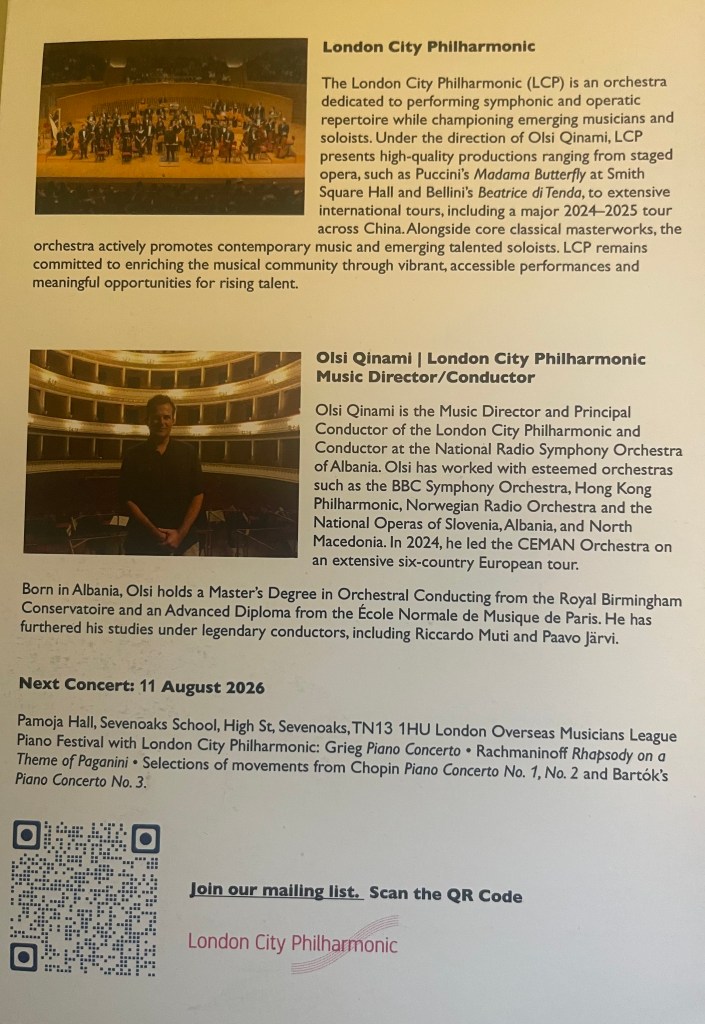
Yichen found the very fine London City Philharmonic spread eagled before him under the young Chinese conductor Jiayi Pang
The church is blessed with a marvellous acoustic but has some unenviable architectural features that cannot be removed to accommodate comfortably a full blown symphony orchestra .


However Jiayi Pang , with her fluid beautiful gestures, was able to amalgamate her players into one unified whole able to do justice to the drama of the Beethoven ’Corialanus’ overture and Mendelssohn’s atmospheric Hebrides of ‘Fingal’s cave ‘.
This was just a luxuriant warm up to the mighty Second of Brahms.
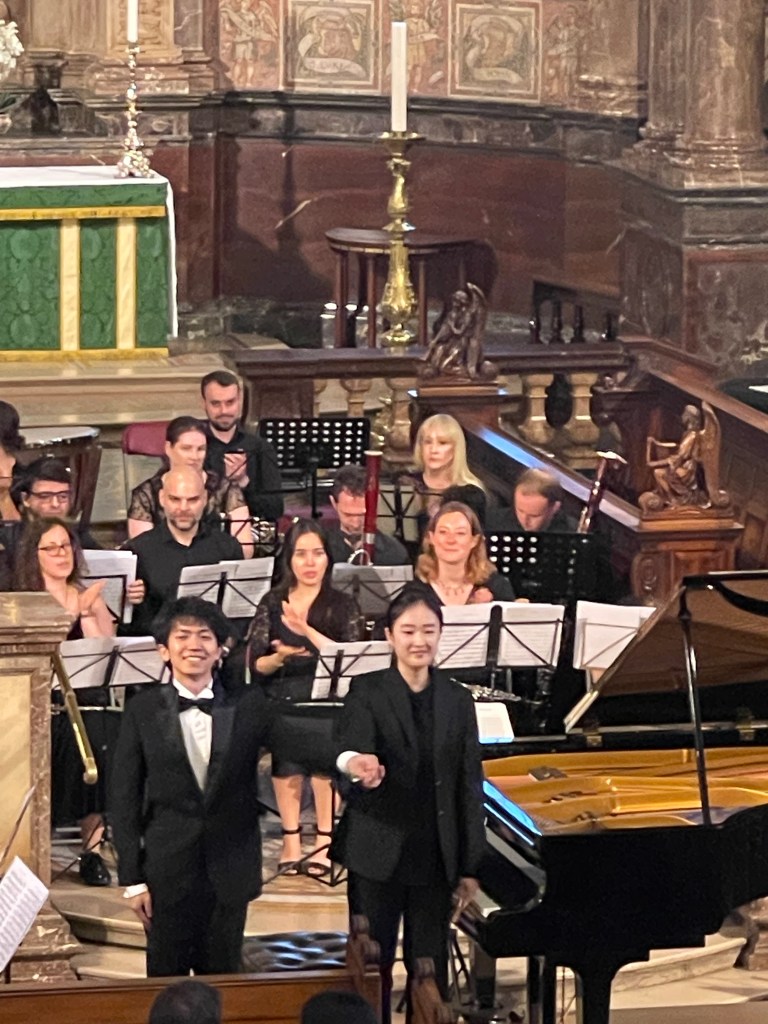
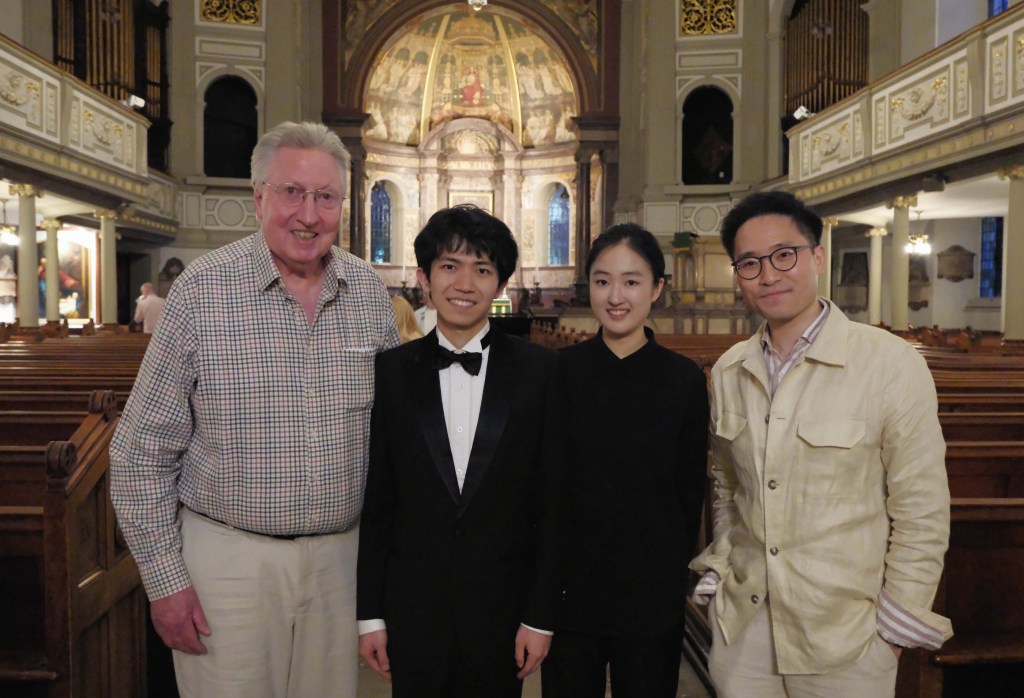
Yichen Yu, a wisp of a pianist in appearance, but before the keys he became a giant able to bring the necessary weight and strength to Brahms’s uncompromising solo score.
Brahms was a great pianist himself and had produced endless studies for the piano in which the pianist is brought to the very limit of technical perfection. His notorious Paganini studies and Handel variations are the stuff that all aspiring pianists must master and his transcription of the Bach Chaconne for the left alone is only for the very fearless.
But in later life he wrote a series of short pieces from op 116 to op 119 which were the introspective Brahms writing what he described to his close friend Clara Schumann as ‘lullabies of my grief.’
All this to say that there are technical challenges but of poetic significance to a concerto that Brahms himself described to Clara as: ‘ ….. a very small piano concerto with a very small and pretty scherzo.’

It is a massive work that Brahms completed in 1881, 22 years after his first concerto op 15 and it was he that gave the public premiere in Budapest on 9 November 1881, with the Budapest Philharmonic Orchestra. It was an immediate success and Brahms performed it in many cities across Europe shortly afterwards. I often wonder if Clara ( the First Lady piano virtuoso and mother to Schumann’s eight children) ever performed it in public?
An introduction of just a few opening bars of pastoral beauty with the horn answered by the piano before the eruption of a cadenza of marathon proportions for the piano before the actual start of the concerto and the entry of the full symphony orchestra.
Immediately demonstrating a concerto both introspective and aristocratic combined with piano playing of fearless bravura. Yichen Yu was able to combine these two worlds with beautiful luminosity and poetic commitment combined with athletic playing of weight that could compete with the full symphonic sounds creating a masterly combination that is in effect an overgrown chamber concerto.
Yichen throwing off the challenges with great bravura as the impossible amount of notes have to be crammed into such a small space whilst appearing to be part of an aristocratic outpouring of majesty and nobility. Even the treacherous double thirds in the last movement were played as streams of radiant sounds as were the whispered exposed octaves in the ‘Scherzo’.
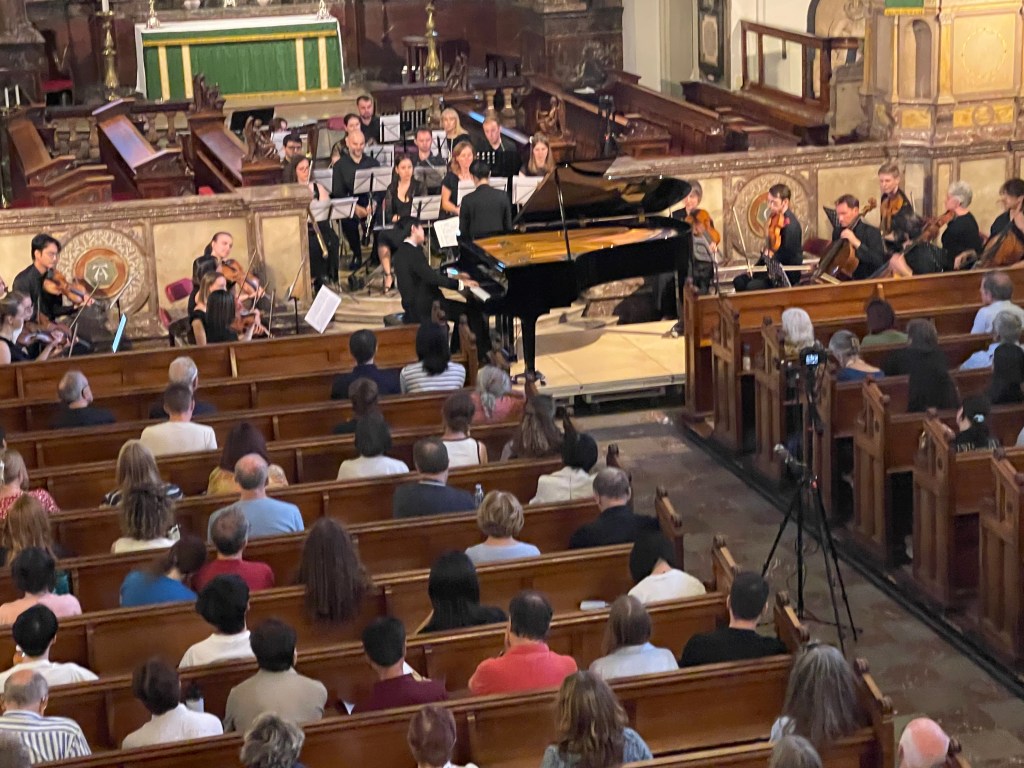
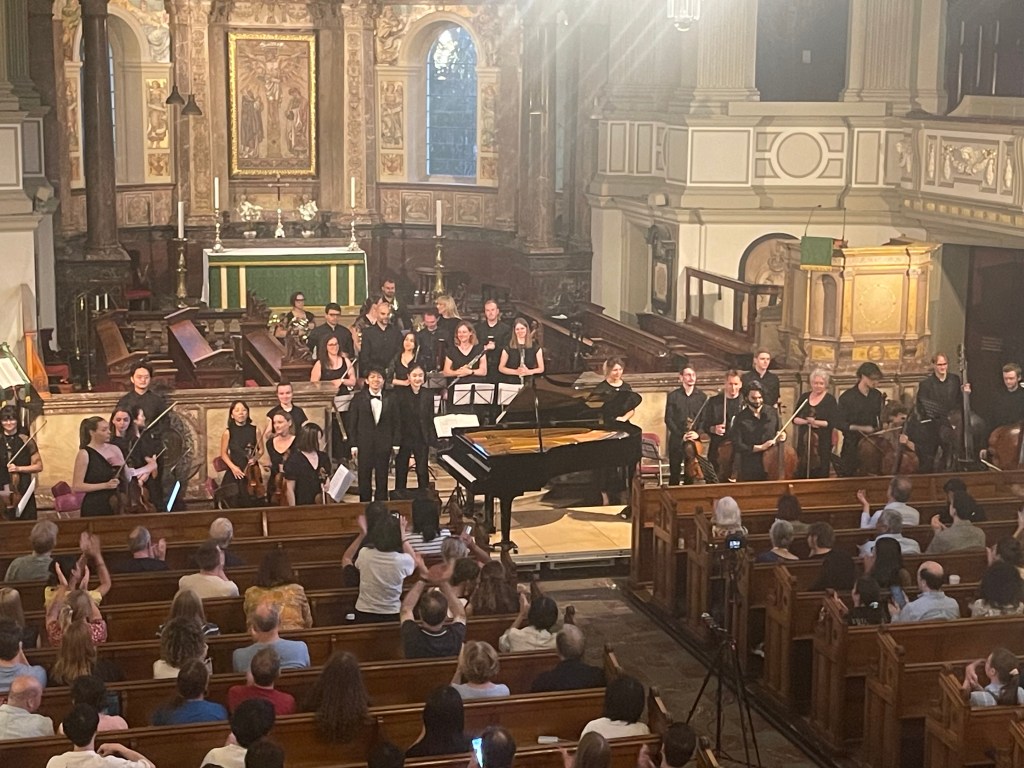
It was in the ‘Andante’ , despite problems of distance between the players, that Yichen showed his true poetic commitment and refined musicianship as he communed with the superb cello soloist ( not named in the programme, a rose is always a rose!) creating together with the valiant Jiayi Pang the very heart of a concerto written only 16 years before the composers death at the age of 63.

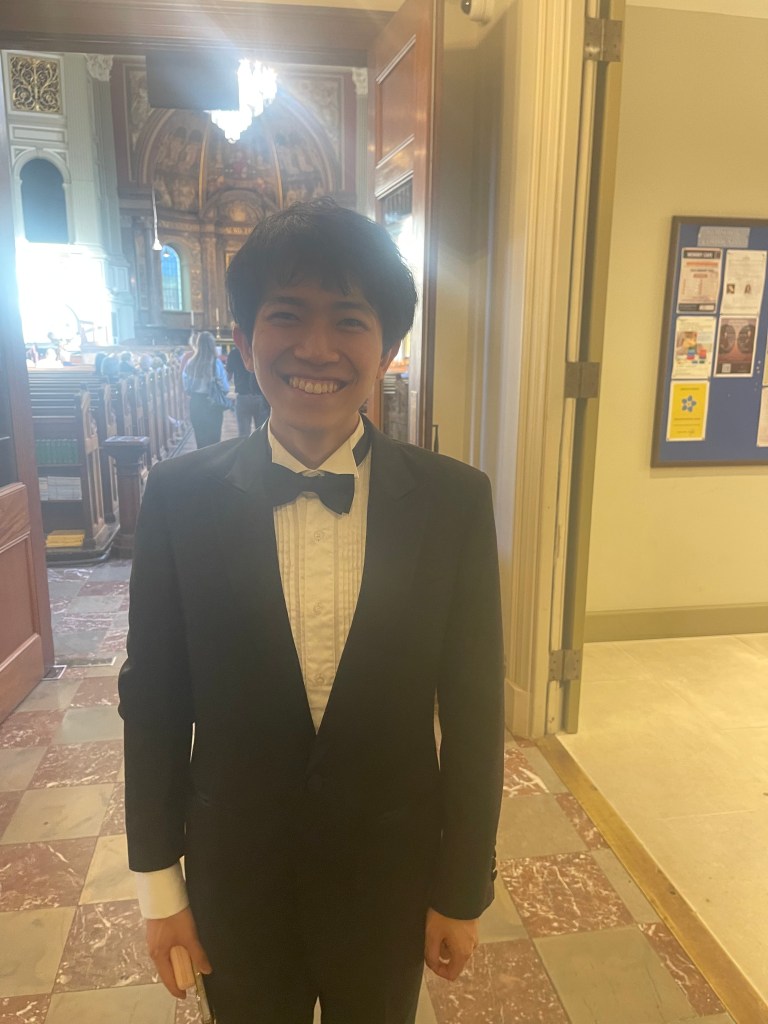
I well remember Yichen Yu’s magnificent recital in this very church last year and look forward to hearing his solo recital in Regent Hall on Monday at 13h. He will perform together with the co artistic director of Classical D Festival , the distinguished veteran pianist Leslie Howard playing solo piano and also joining forces with four hands on one piano.
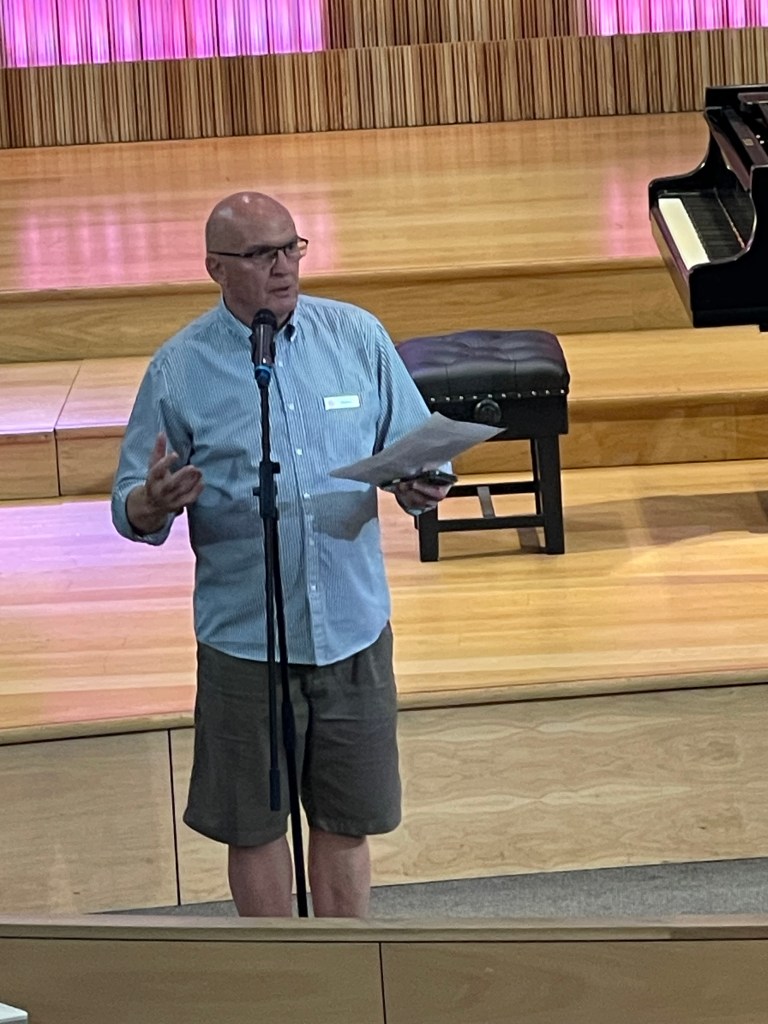
The fourth day of the Classical D International Piano Festival. In the splendid Regent Hall ,filled to the rafters by the indomitable Stephen Maw and his team saw on stage the Canadian- American pianist Victoria Wong hailed by Jed Distler of Gramophone , with ‘ pianistic refinement always getting to the heart of whatever repertoire she plays’

Today was the second of her all Chopin recitals having played a slightly different programme yesterday in St Marylebone Church
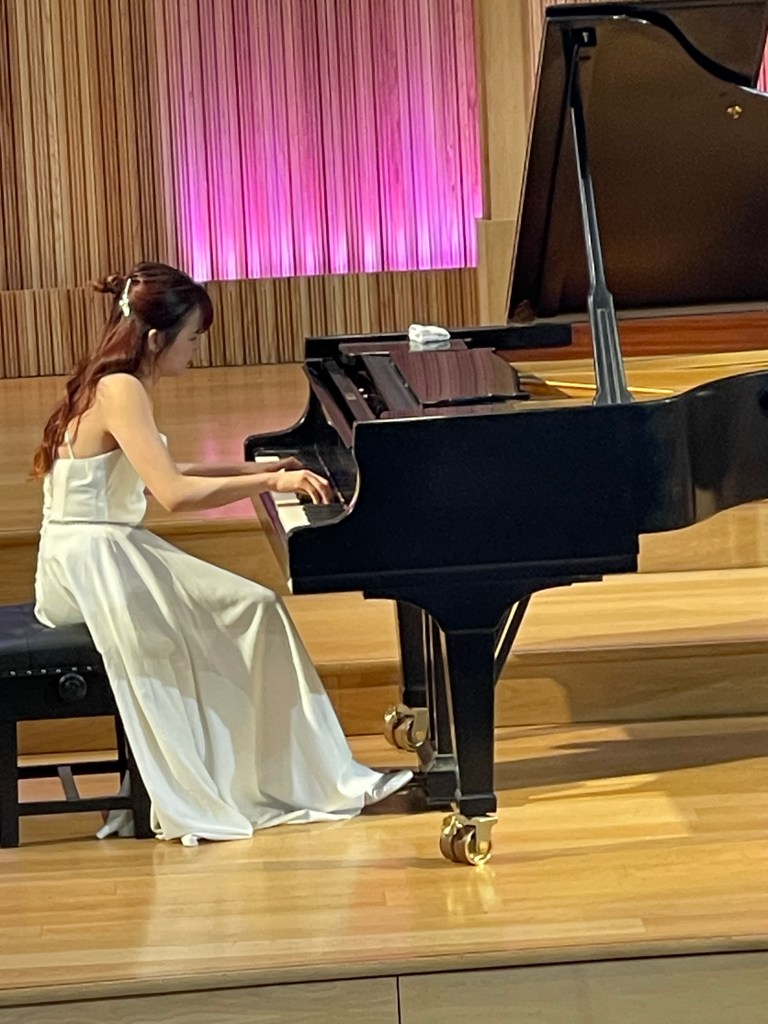
Opening with the mysterious Nocturne in C sharp minor op 27 n. 1 with a beautiful sense of colour and playing of remarkable sensibility and poignancy. I felt it was a little too earthbound, though, because even though written in four it feels as though it should flow more horizontally and naturally, as she was to show us later in the programme with her superb performance of the ‘Andante Spianato.’ However Chopin soon put her on the right path as she entered the atmosphere of the ‘più mosso’ with passionate intensity and vibrancy, even bursting into the spritely mazurka rhythm that pervades much of Chopin’s works. A left hand octave cadenza of searing nobility led to the return of the opening where Chopin’s beautiful counterpoints pushed the music forward with veiled poise and magical luminosity.
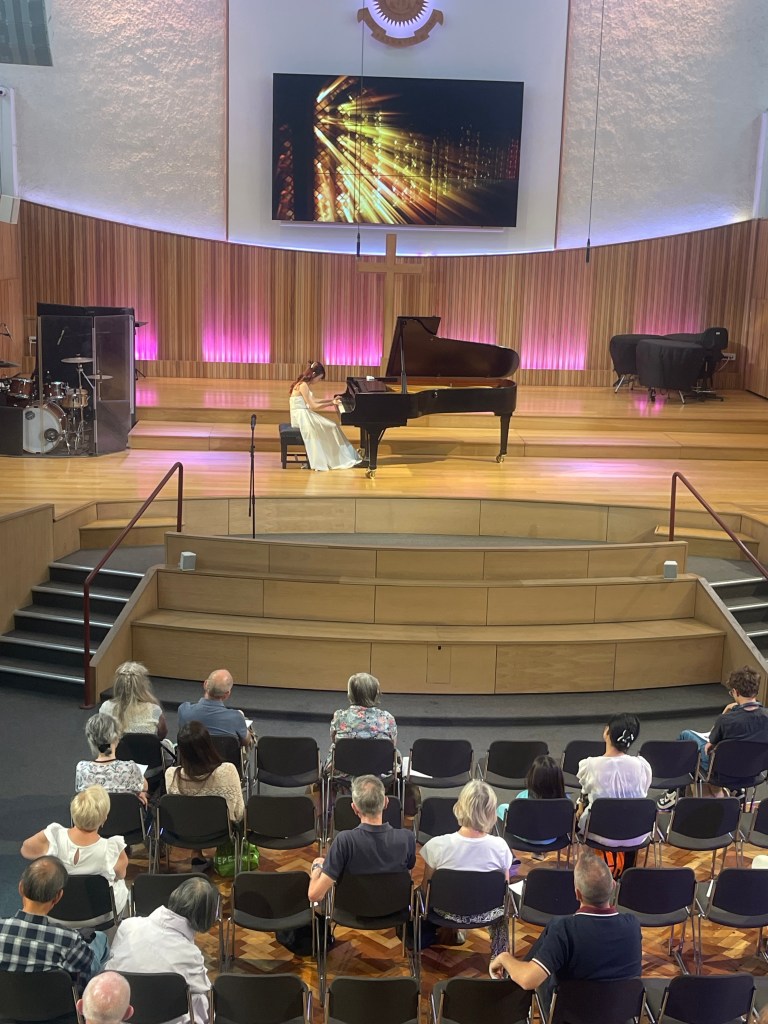
The Sonata in B flat minor op 35 is one of the great works of Chopin and of such originality that even Schumann described it as ‘four of Chopin’s maddest children under the same roof’ and found the title ‘Sonata’ capricious and slightly presumptuous. He also remarked that the ‘Marche funèbre’ has something repulsive about it, and that ‘an adagio in its place, perhaps in D-flat, would have had a far more beautiful effect’. The finale in particular caused a stir amongst Schumann and his contemporaries, exclaiming that it ‘seemed more like a mockery than any sort of music.’ and when Felix Mendelssohn was asked for an opinion, he dismissed it with : “Oh, I abhor it.’
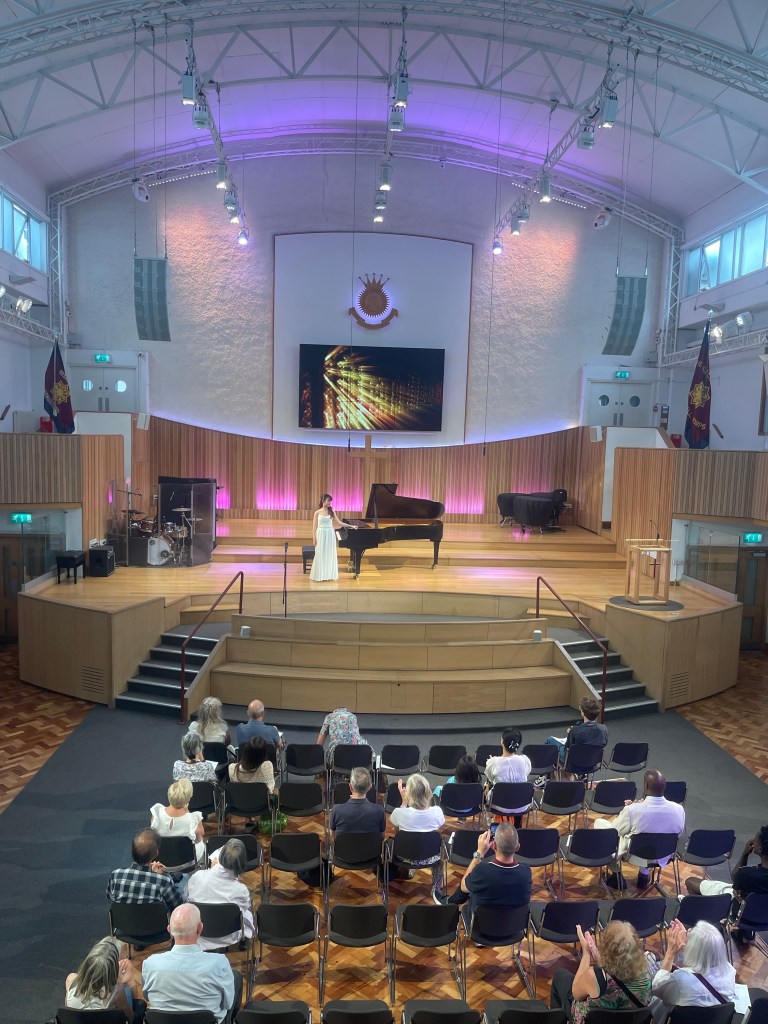
It has since been recognised as a masterpiece and Victoria played it with masterly musicianship and extraordinary sensitivity. There has been a debate about the repeat in the first movement , as Chopin added it more for convention than for reason, and many great pianists including Victoria choose to ignore it and go straight into the development. A development built on the bass introduction ( hence the debate about the repeat) which Victoria played with nobility and architectural understanding with full rich chords of sumptuous sound. The ‘sostenuto’ of the second subject was played with aristocratic beauty and good taste allowing the tempo to relax, but not be changed. It allowed the very tight construction to be given a forward movement to the final majestic chords that close the movement. A ‘Scherzo’ that had something of the mysterious about it, but bursting into an energetic dance that had Victoria bouncing on the stool with rhythmic elan.The ‘più lento’ was played with a beautiful fluidity of great sensitivity of natural freedom.
A very sombre ‘Marche funèbre’ , almost too slow, was pregnant with solemn meaning. She created a beautiful arch shape to the long phrases, that in lesser hands can sound rather repetitive, but here were played with a poignancy where left hand trills were like a stab to the heart. The ‘Trio’ was played with a beautiful luminosity and flowed so naturally too. There was a mysterious entry to the last movement where streams of sound were ‘wailing above the graves’ and in Victoria’s hands were ethereal and unworldly of masterly poetic understanding.
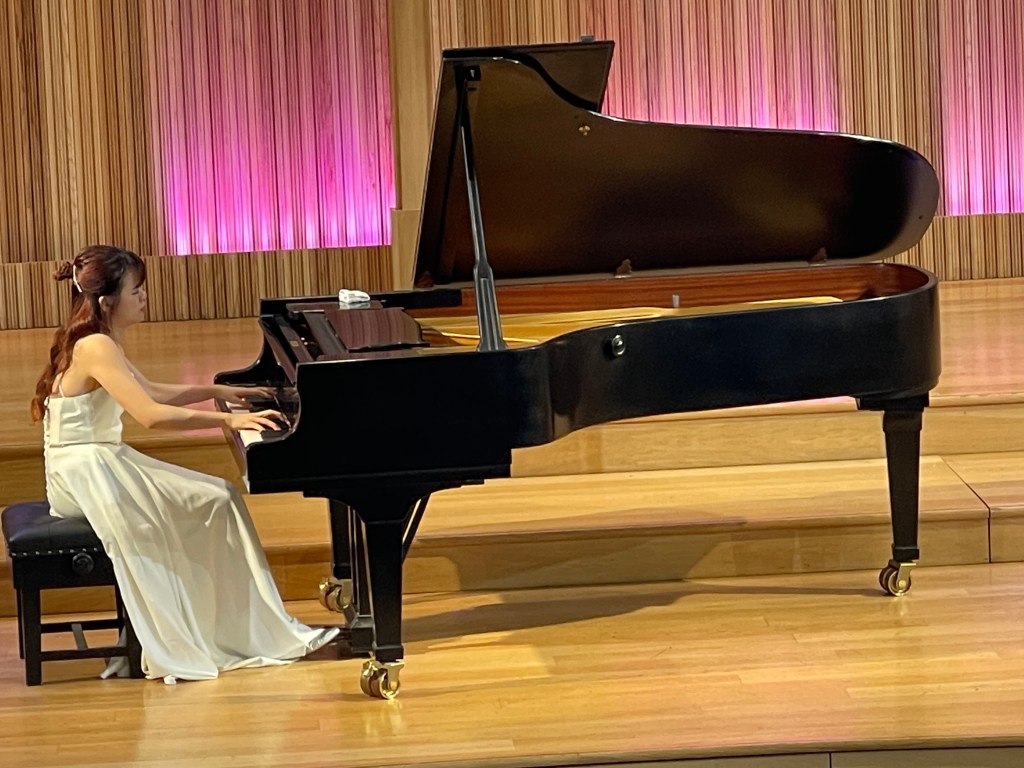
The last Five Preludes from the collection of Twenty-four op 28 began with the extraordinary Prelude in C minor,n 20, that has been used as the theme for variations by Busoni and Rachmaninov. A simple chordal progression played by Victoria with remarkable drama and imposing authority gradually disappearing to a whisper as her extraordinary control of sound could reveal the endless layers of diminishing sounds.
A beautiful flowing ‘cantabile’ was played with a sumptuous sense of balance with a gently flowing mellifluous outpouring.. The final B flat of this 21st Prelude becoming the opening note of the 22 nd where octaves became washes of sound, single notes disappeared in a continual flow of passionate intensity. She brought exquisite delicacy to the penultimate prelude that was like gentle washes of water lapping so generously in the radiance of a pastoral landscape. The final tumultuous Twenty fourth Prelude showed Victoria’s mastery of sound and balance. However passionate or intense, the melodic line was revealed rather than battling for its rightful place. A dynamic drive but also a masterly control ending at the bottom of the keyboard with three mighty ‘D’s that Victoria played with her fist.
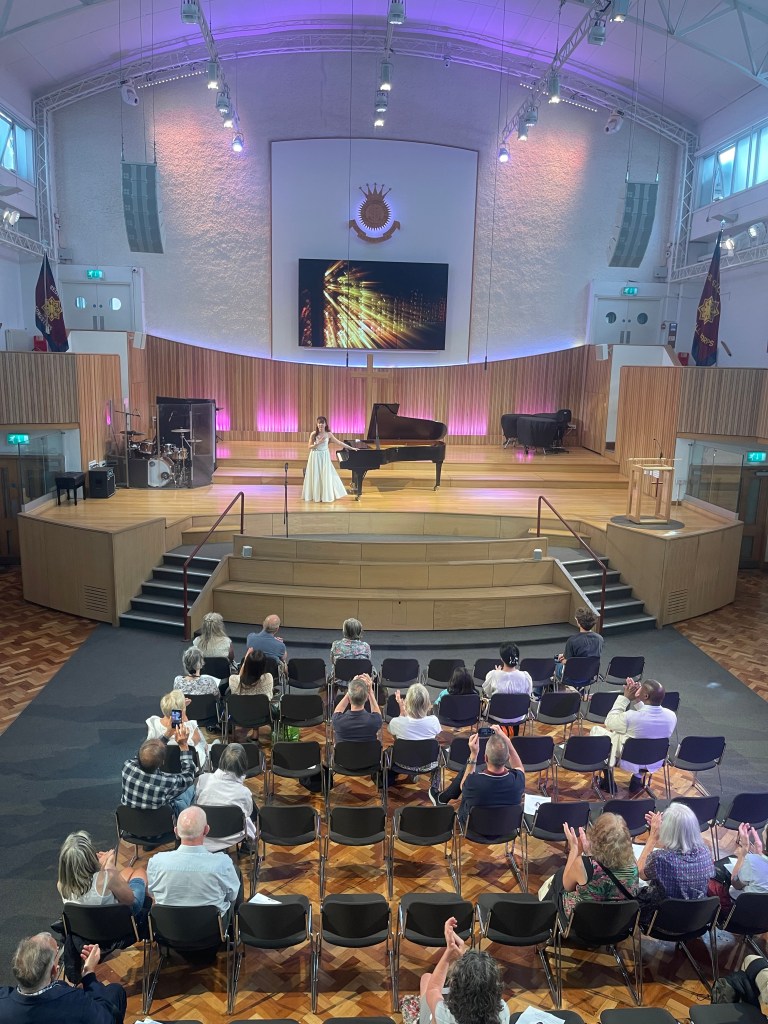
Xin Yuan Wang had done the same the other day in his Schumann recital !. Chopin marks slight accents but they are certainly not sforzandi as they are three resonating notes , each one different from the other , and of great poignant significance.
The last work in this short lunchtime concert was the ‘Andante Spianato and Grande Polonaise Brillante ‘. The ‘Andante’ was played with a fluidity and natural beauty as the Polonaise erupted with dynamic drive and glitter. Some ravishing playing not least for the style and jeu perlé brilliance that she brought to the Polonaise. Such refined playing of aristocratic brilliance and beauty just I am sure like that which Schumann declared ‘Hats off a Genius’ on the first appearance of Chopin in the west.
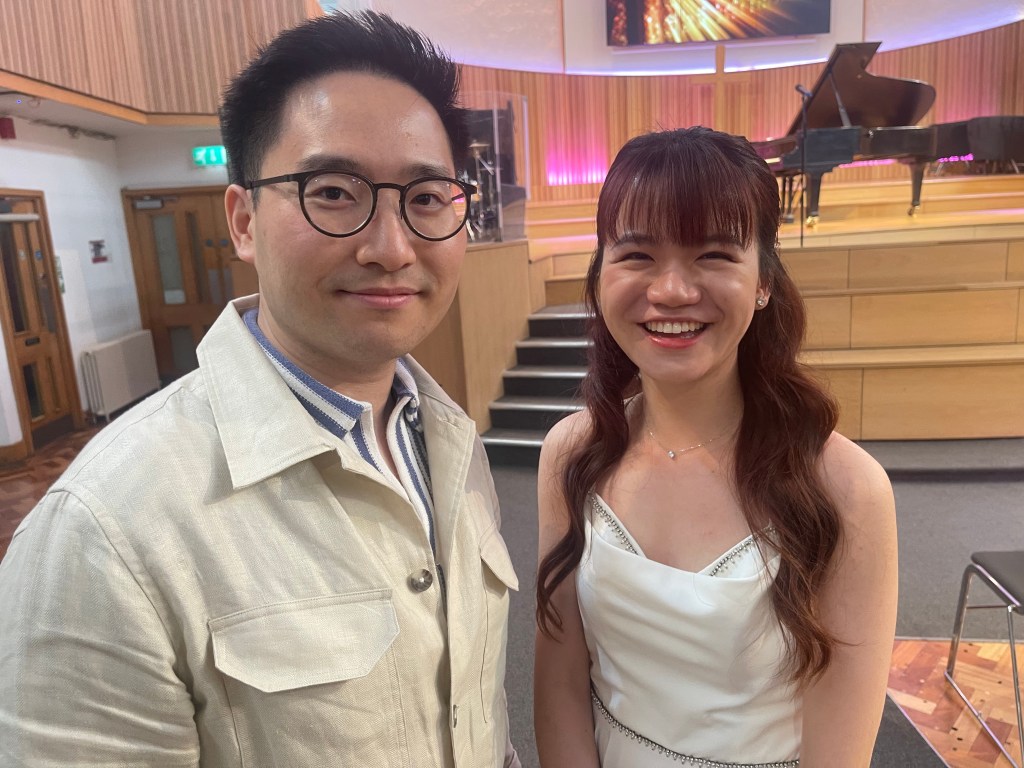
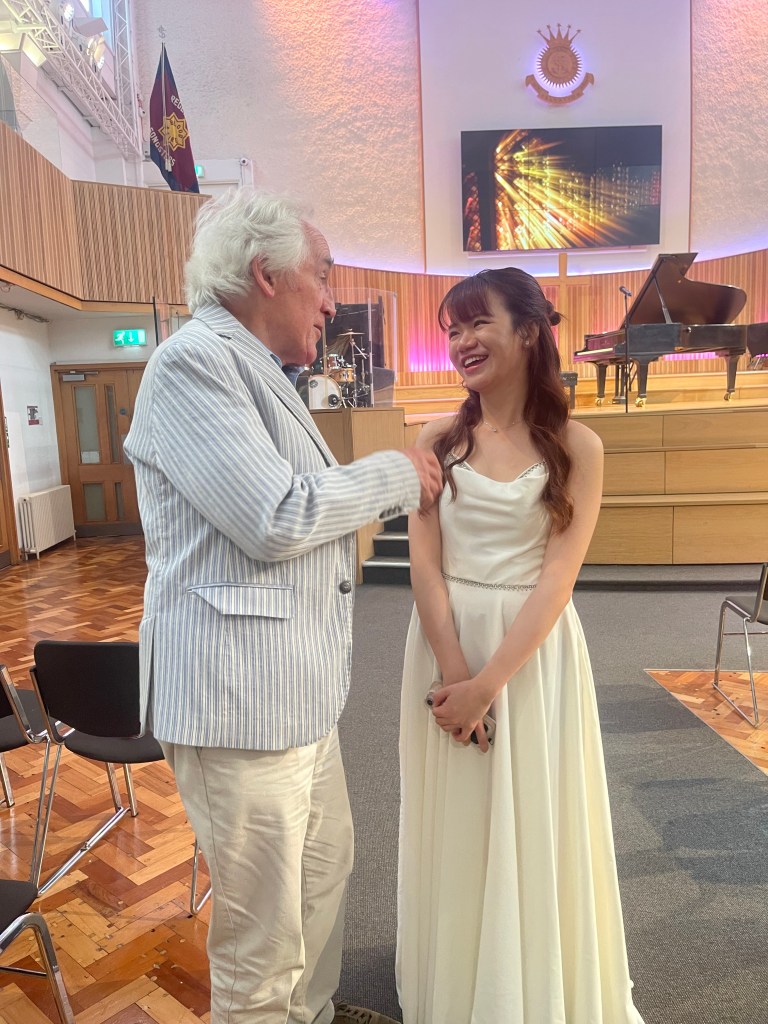
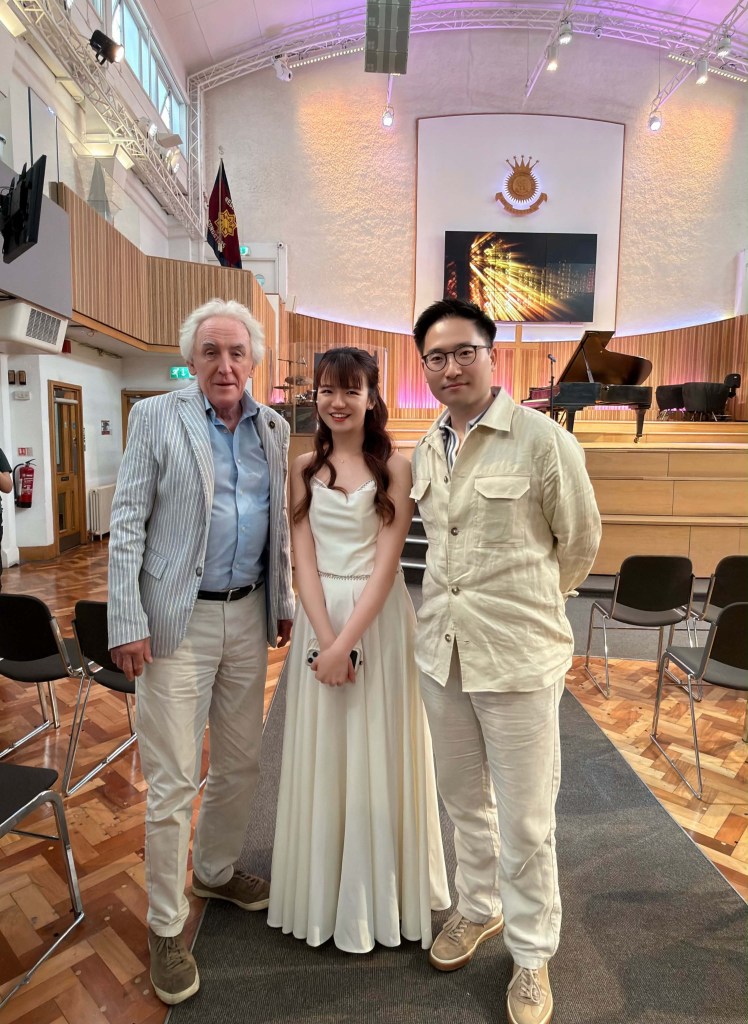
A single Mazurka played with style, good taste and fantasy closed this all too short recital as Jed Distler says :’ with playing of natural poise and communicative immediacy’.Young musicians concert on day five of Classical D International Piano Festival.
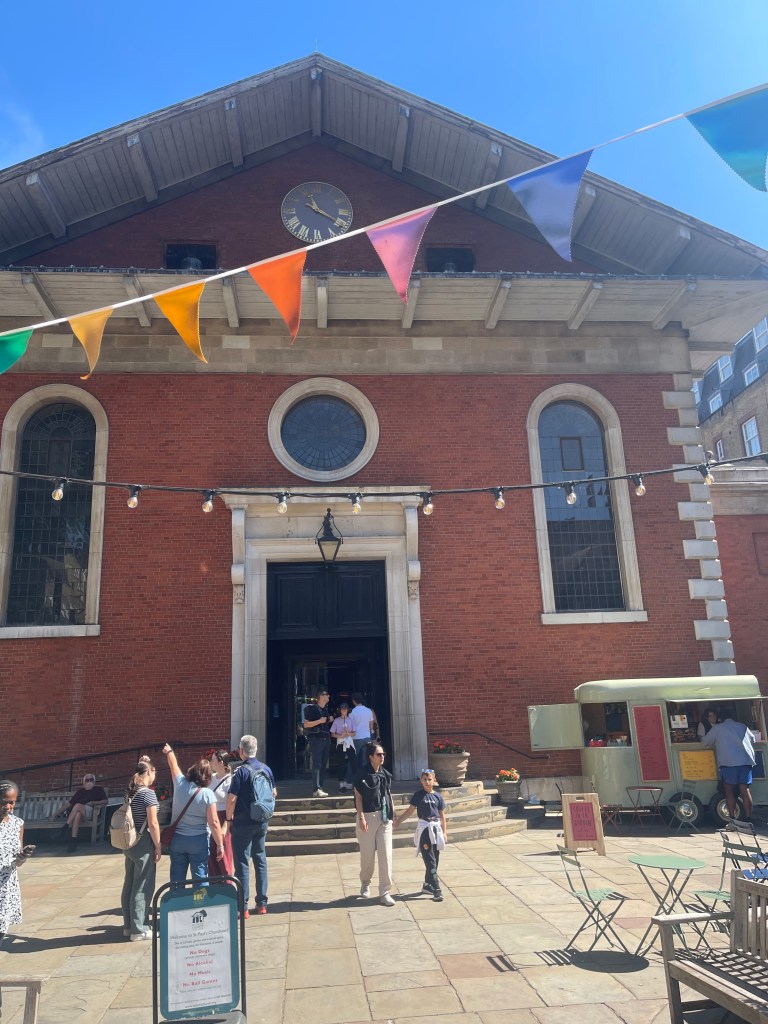
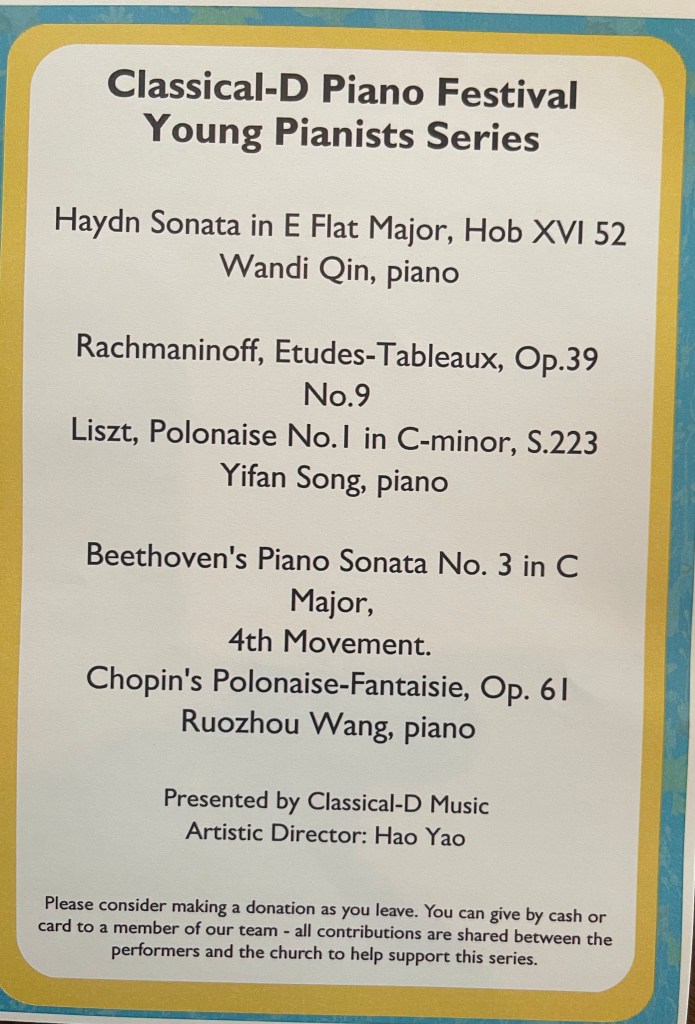
Young musicians concert on day five of Classical D International Piano Festival. The actor’s church of St Paul’s in Covent Garden is an oasis from the joyous confusion that abounds in these parts
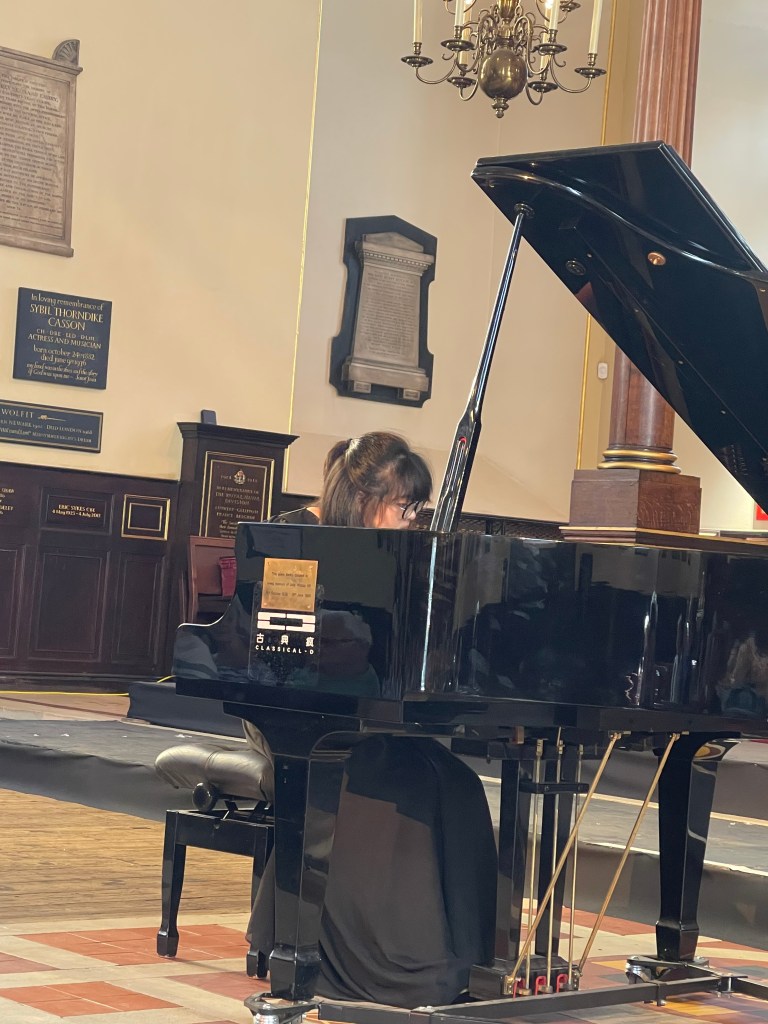
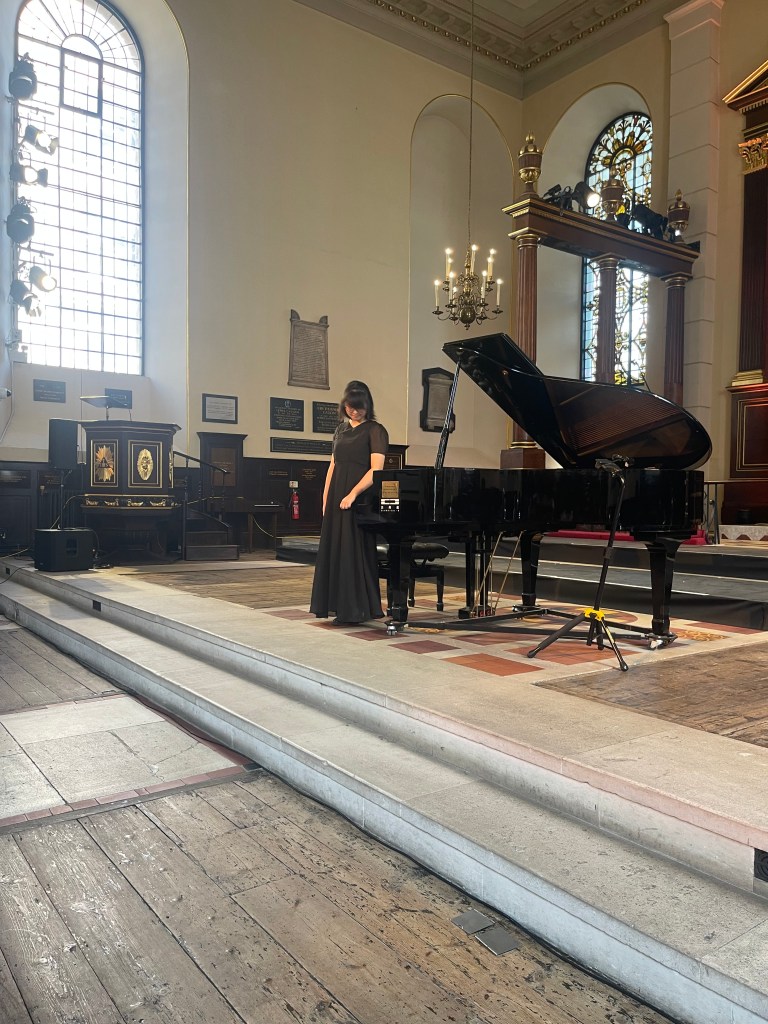
Wandi Qin gave a crystalline account of real poetic beauty and fantasy of Haydn’s E flat Sonata n 52
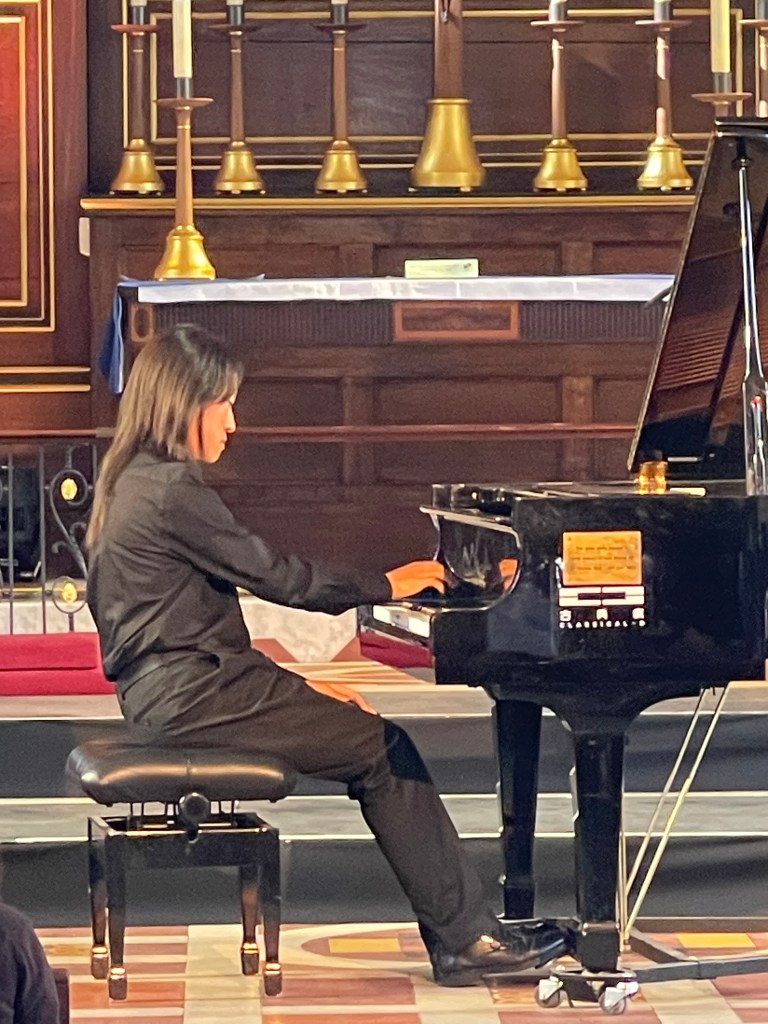
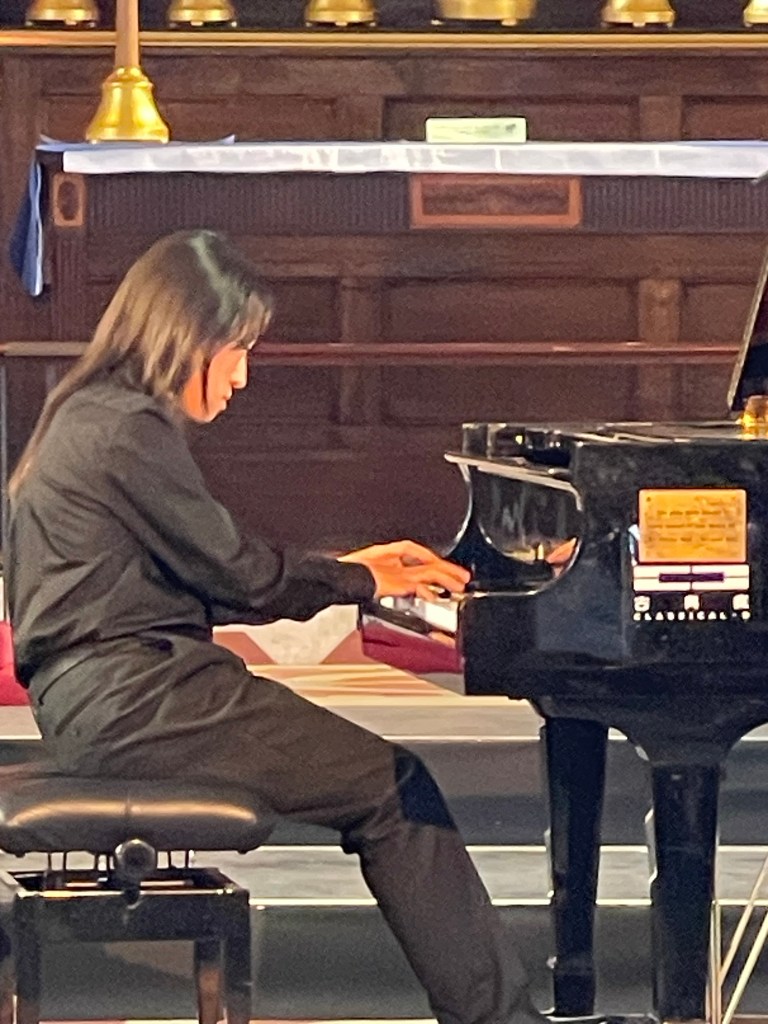
Yifan Song chose a rather obscure and meandering Polonaise by Liszt played with beautiful if rather over pedalled sounds but his Rachmaninov was all brilliance and light and was a reminder of how so few notes could mean so much more


Ruozhou Wang gave a scintillating account of the last movement of Beethoven’s op 2 n 3 Sonata and closed with an even more masterly account of Chopin’s Polonaise Fantaisie. This annual festival continues until the 15th August bringing a breath of Chinese fresh air to the tropical atmosphere of London.

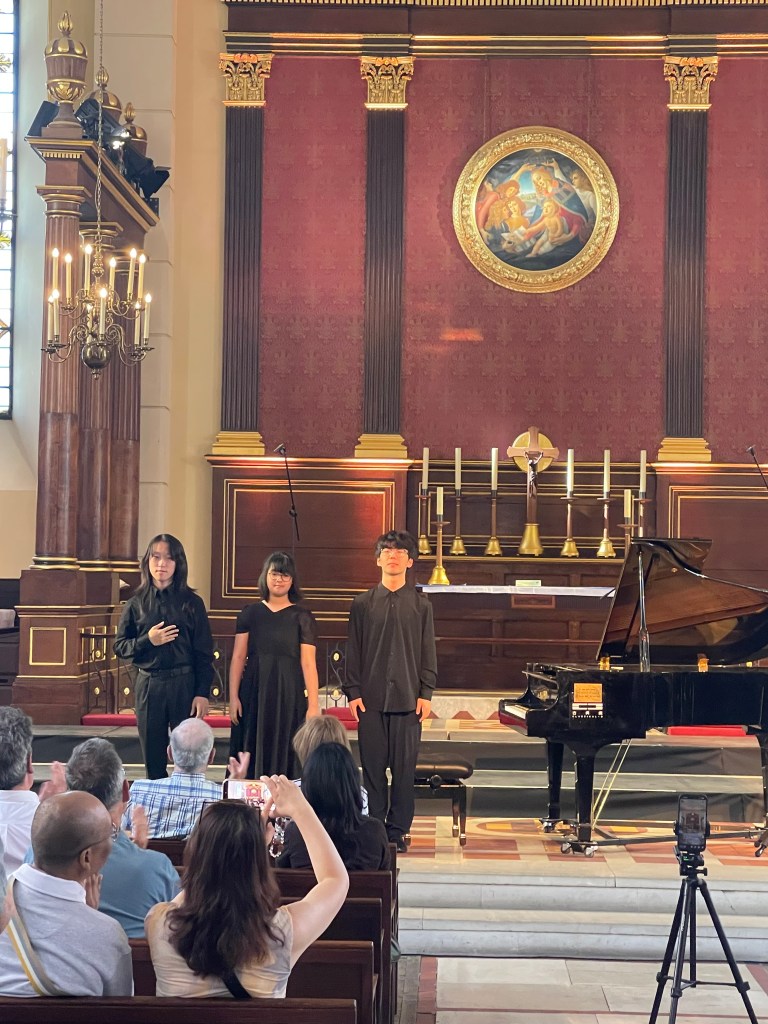
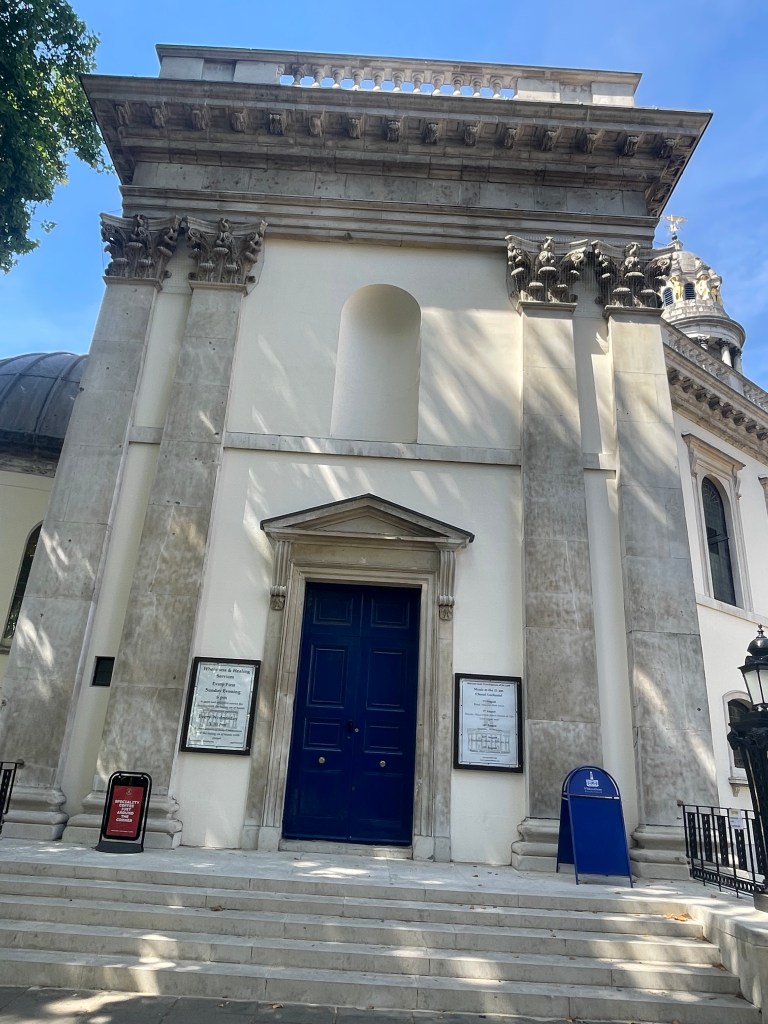
Day 6 of the Classical D International Festival with the pianist Jay Cheng playing three Beethoven Sonatas in St Marylebone Church.
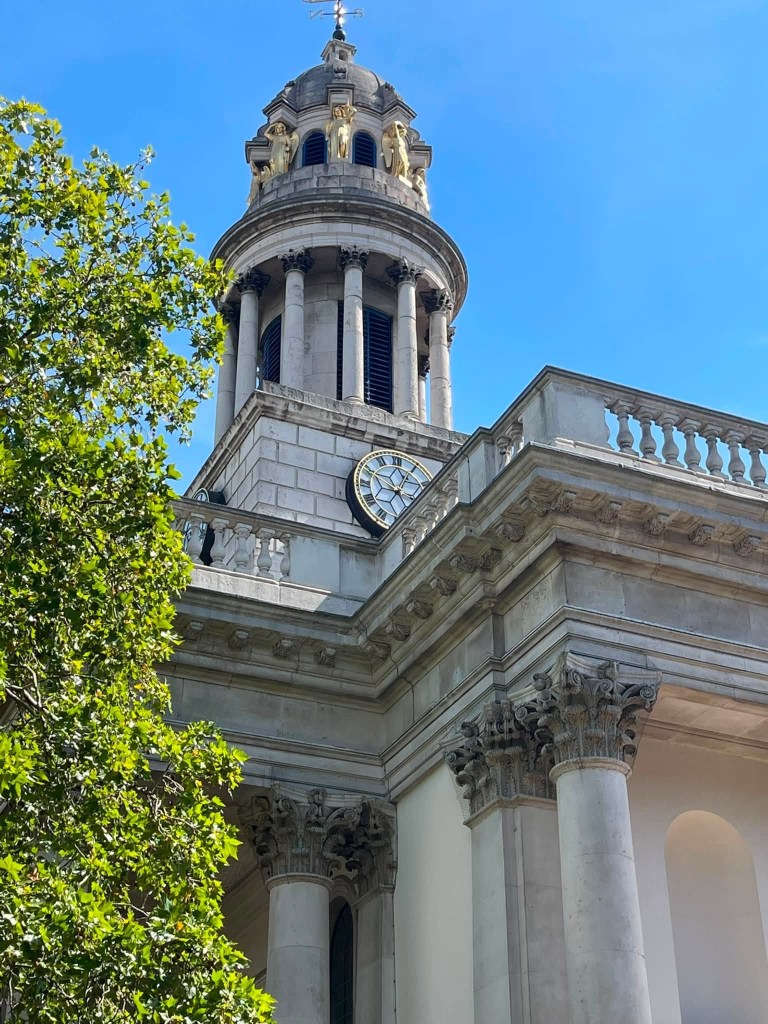
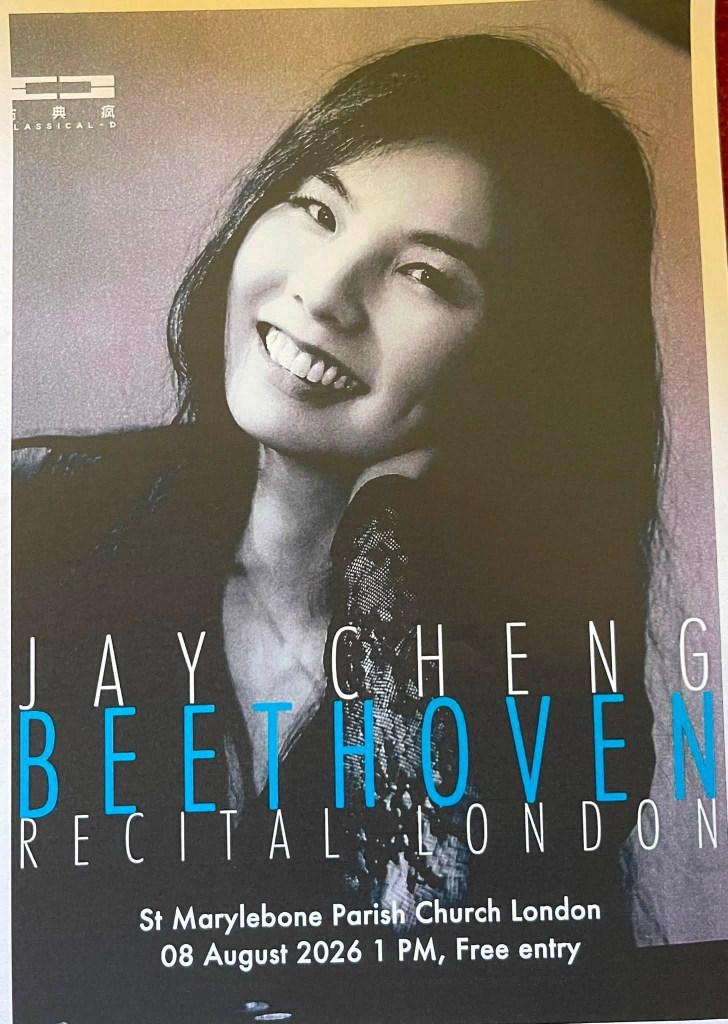
An auspicious start to the recording of the 32 Beethoven Sonatas that will be completed in the Beethoven Centenial year 2027.
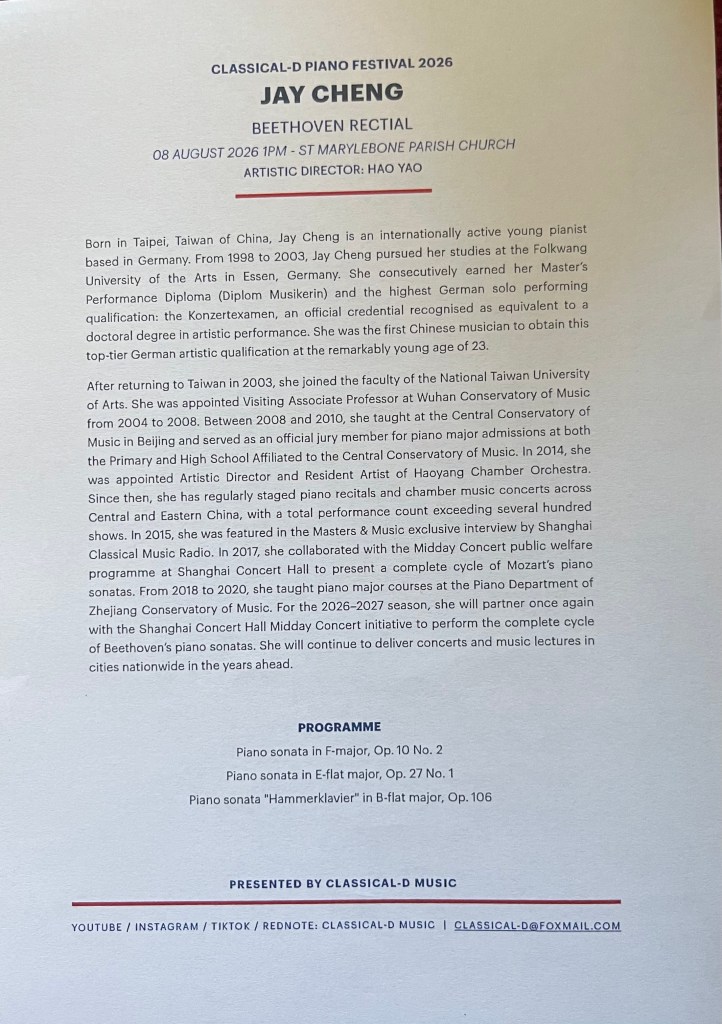
Jay Cheng chose two early Sonatas but combined them with the mighty ‘Hammerklavier’ Sonata op 106, when the composer over a lifetime brings the Sonata form as bequeathed to him by his teacher Haydn into a new dimension.The piano and the pianist taken to the limit and beyond what the newly evolved piano could do. Beethoven, completely deaf at this moment could imagine the piano doing feats that might have seemed beyond human possibility. Not only a slow movement the length of a regular sonata but a fugue of such knotty twine only the fearless dare to enter this futuristic world. It was in the ‘Adagio sostenuto’ that Jay revealed her musical pedigree and intellectual understanding as she created twenty minutes of magic with passionate intensity and ravishing beauty. The fugue that follows ‘ risoluto ‘ was an intellectual answer to such profound sentiments. Trills that appear all over the keyboard with athletic mastery and scales that are imbued with a terrifying and fearless rhythmic drive all played with great musicianship and technical mastery
The opening played with two hands demonstrated from the beginning that here was a pianist who is a remarkable musician but not willing to take the risks that Beethoven demands . This is not play safe music but a real unrelenting tornado that must never loose that knife edge urgency that was Serkin’s .
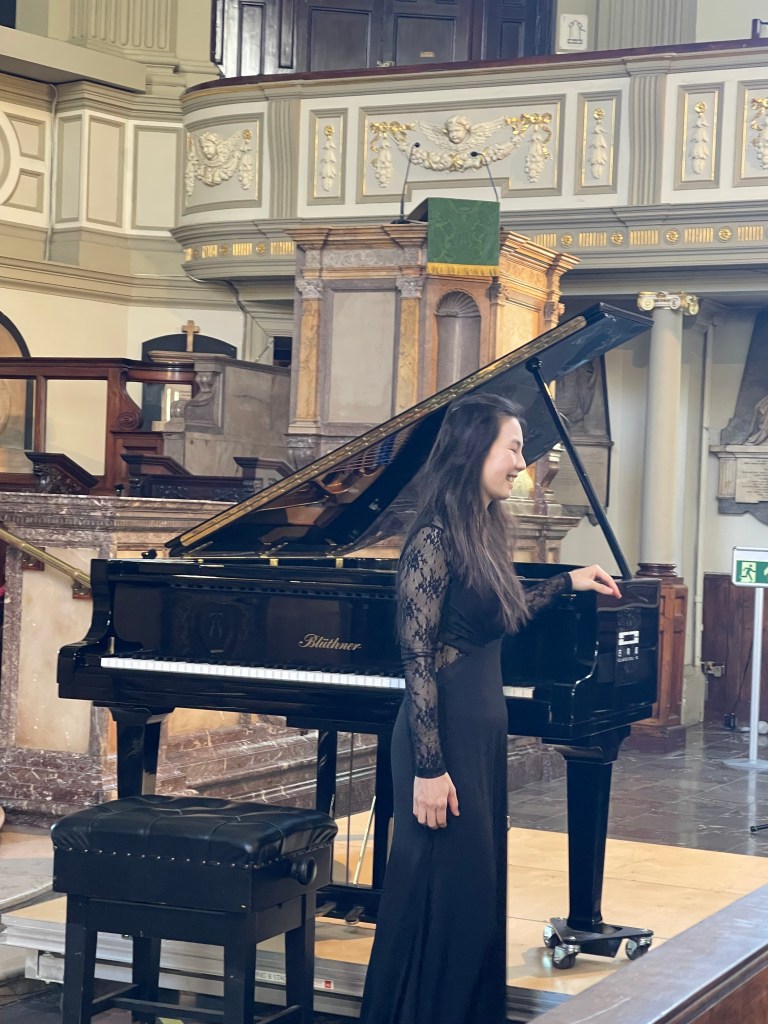

She did however reveal a sonata of great nobility and beauty where the bass note that she added ( Beethoven’s piano did not go down that far ) at the recapitulation showed that even she was caught up in this, the grandest of all sonatas . The ‘Scherzo’ too was played a little too sedately but Beethoven steps in with a driving force like a tornado passing right across the keys ending in a tremolando that sends terror down our spines before allowing the Scherzo to go it’s way once more. A remarkable performance, in many ways, that will grow in stature as she takes more risks and allows the music to engulf her rather than direct it with her scrupulous care and intellectual mastery that in this sonata is misplaced!

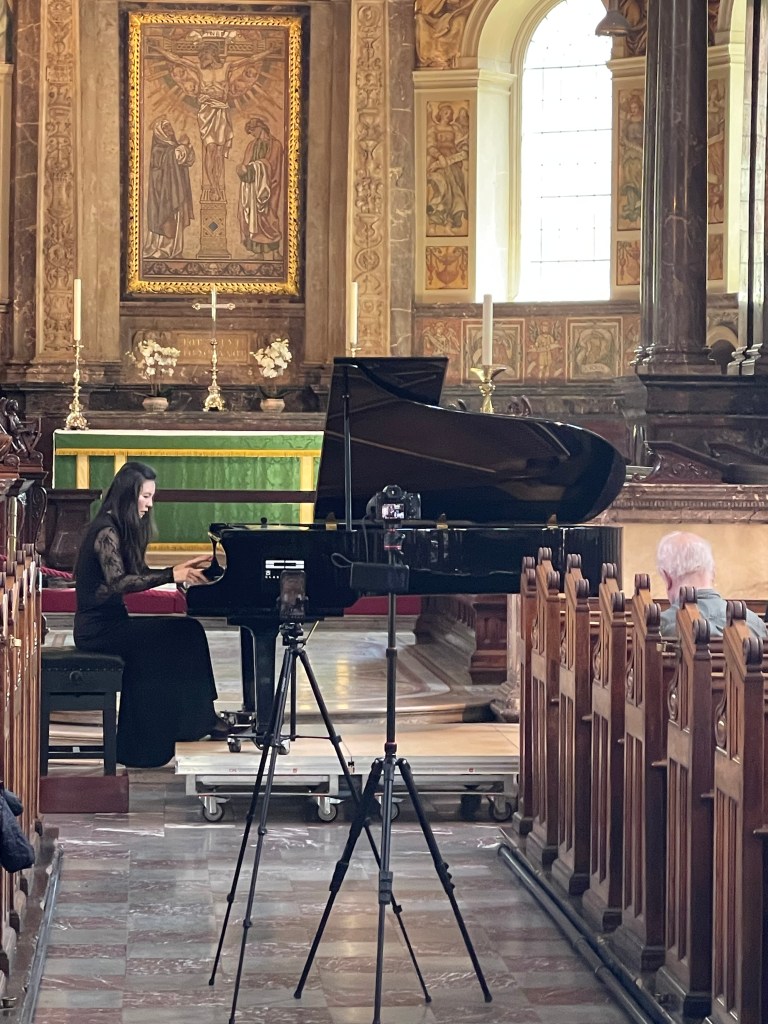

She had started with two early sonatas . Op 10 n 2 was a favourite of Glenn Gould and is in three tightly knit movements. And the second that she played is the first of his ‘fantasy’ sonatas op 27 where already the Genius of Beethoven is showing it’s head and taking a new direction for the conventional sonata form. op 10 n 2 was played with fluidity and energy combined with grace and style and a kaleidoscope of dynamic contrasts. The second movement I found rather too sedate for it’s ‘Allegretto’ marking, and felt as though it should flow more horizontally as did the second movement of the Sonata that followed op 27 n.1 that is infact marked ‘Allegro molto e vivace’ . A quasi Schubertian Trio was played with all Beethoven’s intrusive comments both serene and provocative . The final Presto was played with a dynamic relentless drive of quite extraordinary clarity and buoyancy .
She brought a serenity and beauty to the ‘fantasy sonata’ with a superb sense of balance allowing the melodic line to be revealed, over sustained vibrating chords. Washes of sound swept over the keys with poetic undulations leading to the return of the pulsating opening. There was a delicacy and precision to the continual undulations of the second movement that she allowed to flow so naturally and she brought the beauty of full rich sounds to the ‘Adagio’ with its poignant outpouring of desolation over a pulsating heart beating with such simple insistence. The last movement had an infectious forward movement that was played with masterly architectural shape where Beethoven’s genial idea of bringing back the Adagio before the scintillating final bars was played with poignant significance and masterly understanding.
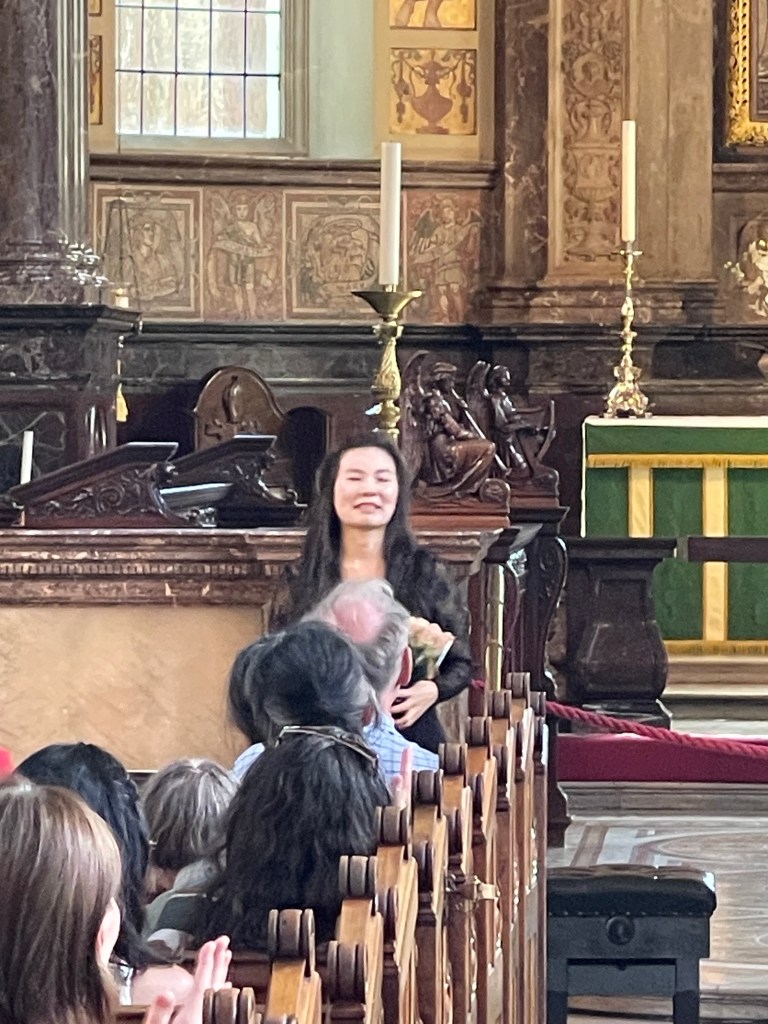
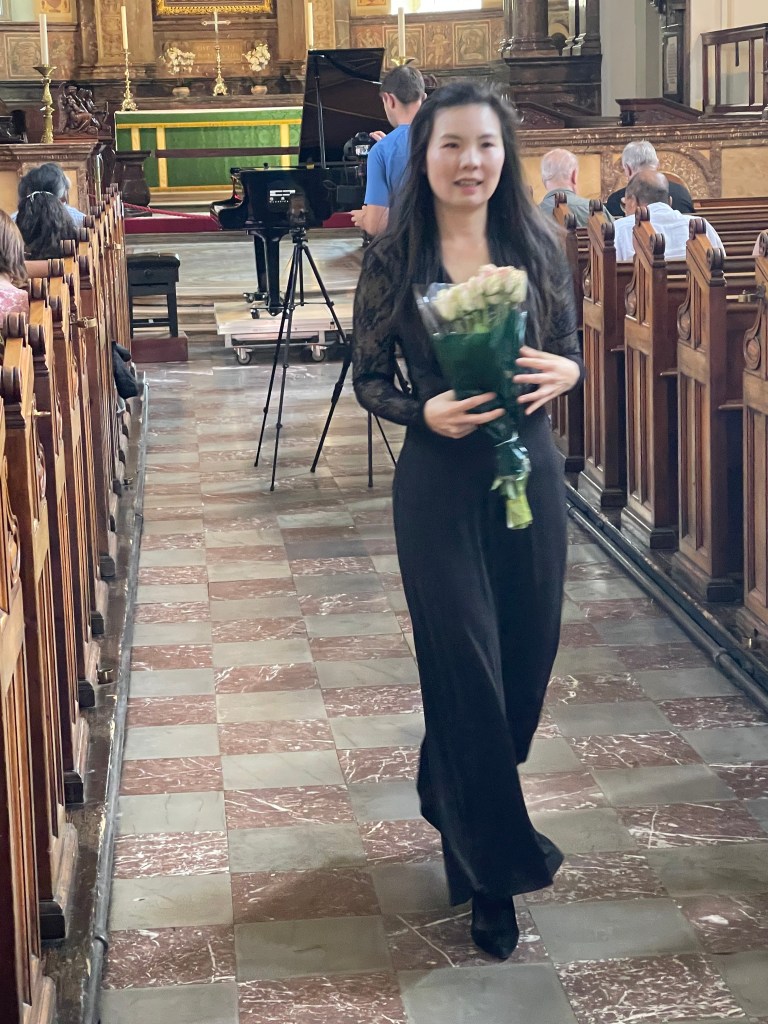

An auspicious beginning to project that will do honour to a universal genius.

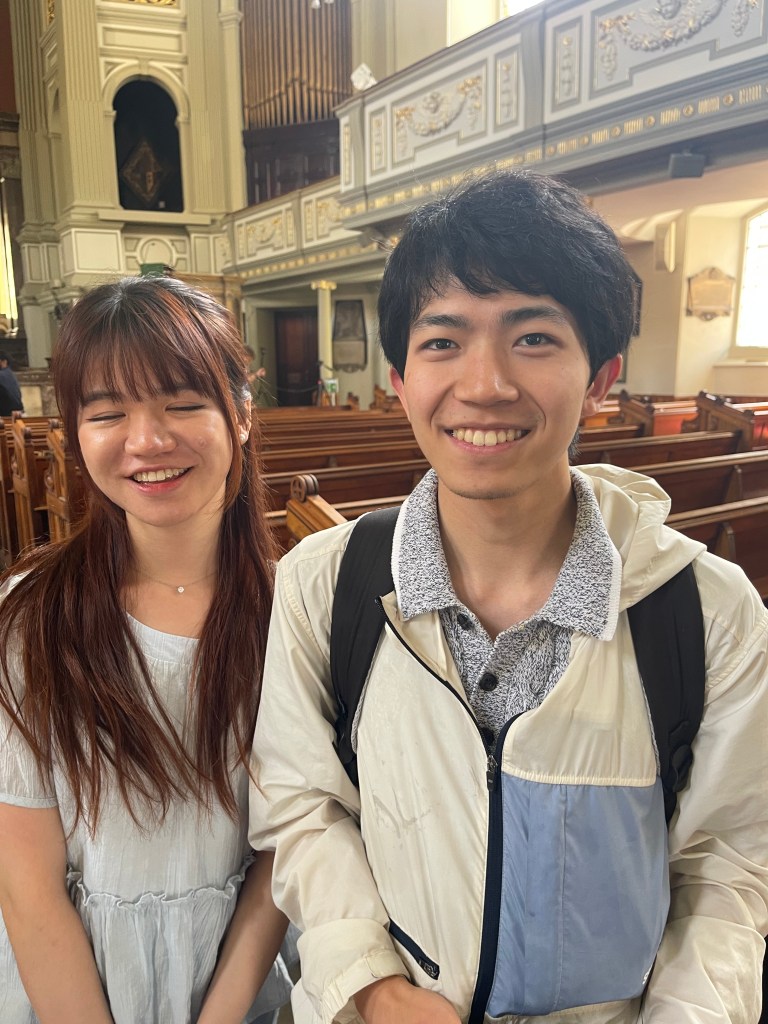
Welcome back Hao Yao with your Classical D showcase concerts
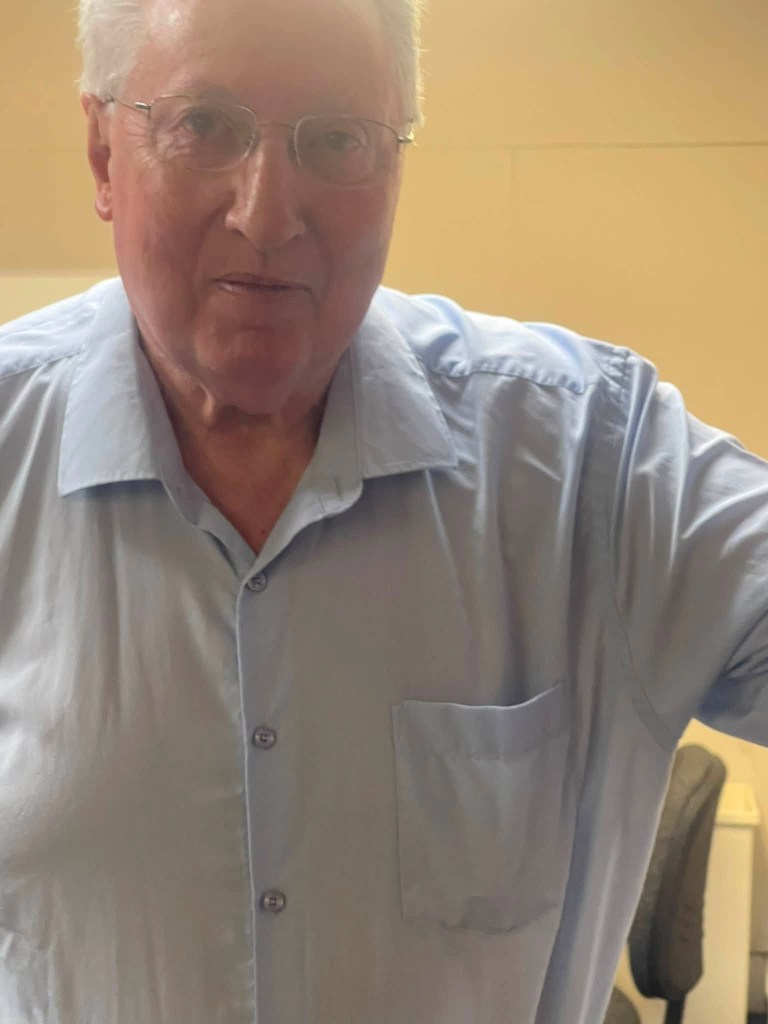
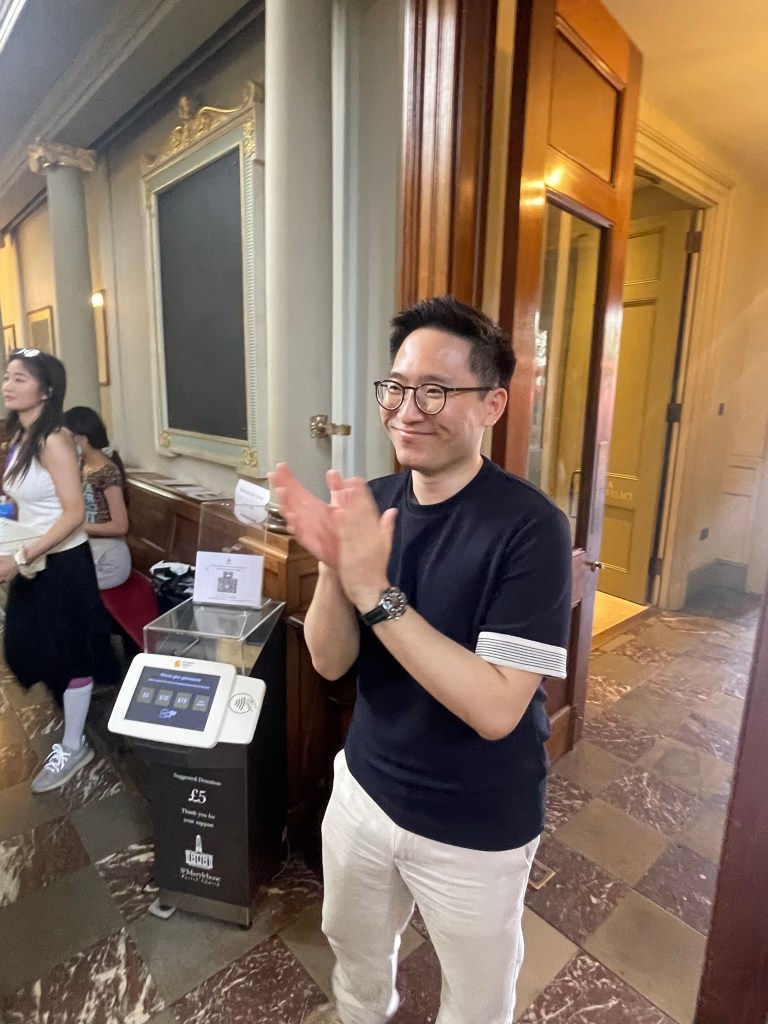
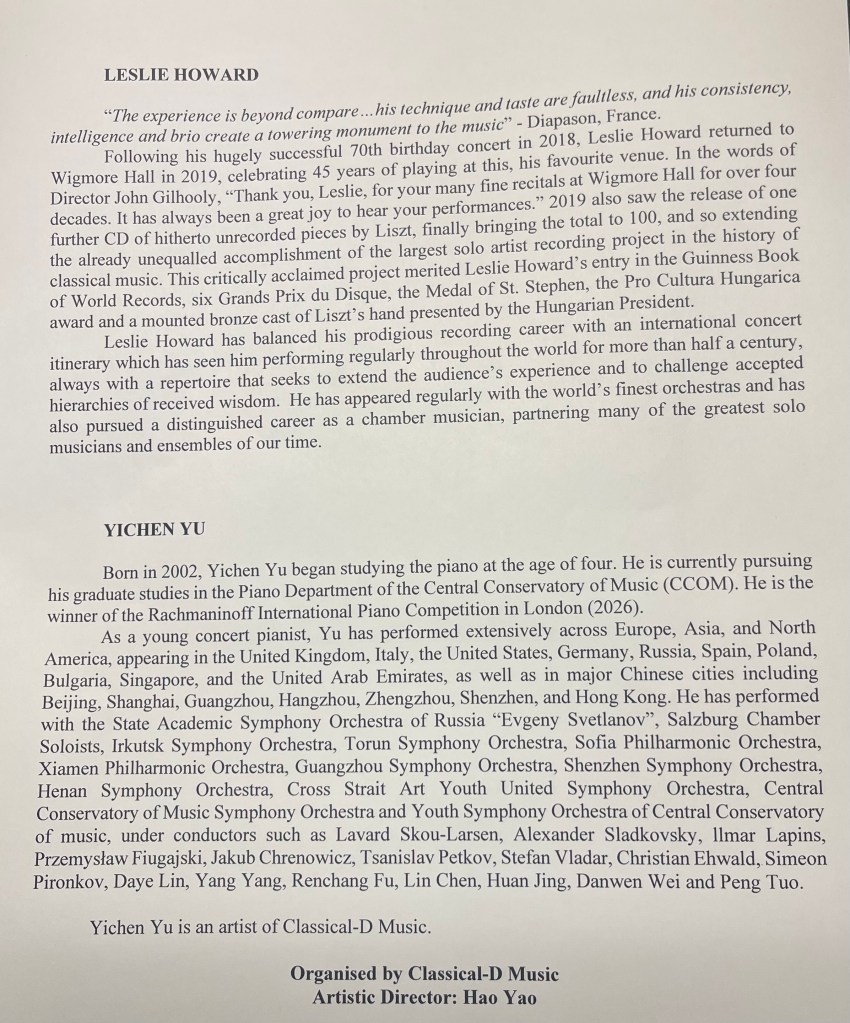
Day 7 Classical D International Piano Festival with Yichen Yu and co artistic director Leslie Howard
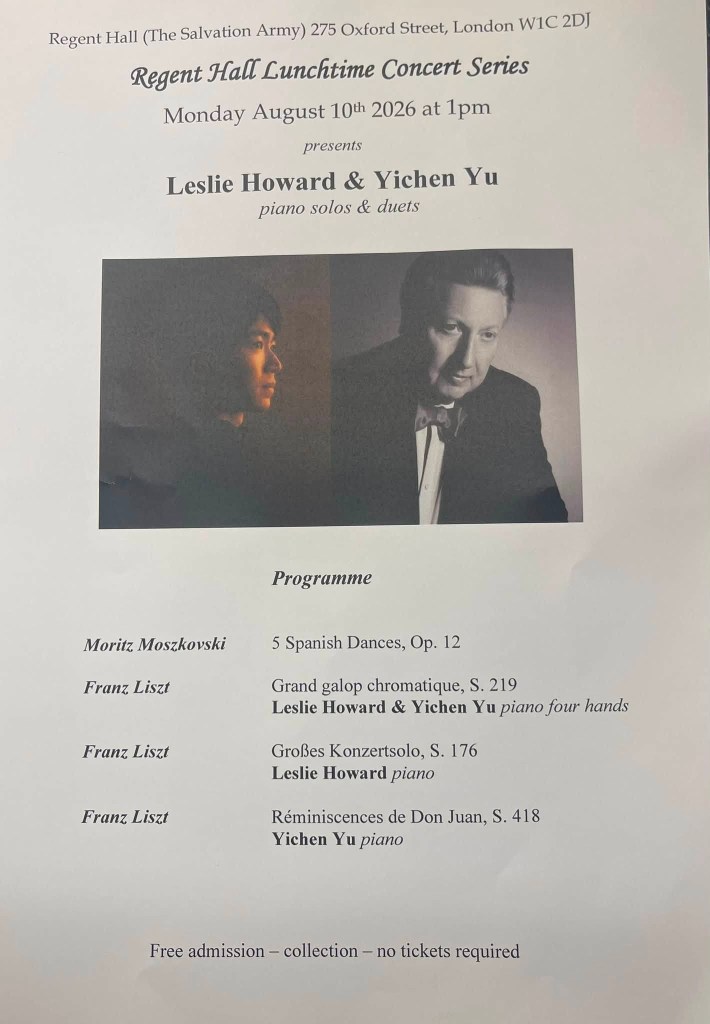
Two major works for piano solo sandwiched in between two much more frivolous encore pieces .

Leslie has long been an advocate of Liszt’s Grosses Konzertsolo, the precursor of the B minor Sonata , and he played it with great weight and the authority of a pianist who has recorded all Liszt‘s piano works on 100 cd’s which is the largest solo artist recording project in the history of classical music and has earned him a place in the Guinness Book of World Records as well as many other awards including from the Hungarian President. Leslie Howard writes :
‘ Liszt’s genius for beautiful titles deserted him only once—the Grosses Konzertsolo is a mere stab at a title for a long work which is not yet a sonata, but no longer a character piece. Forerunner of the B minor Sonata it certainly is, however, and the history of the composition shows that Liszt was much preoccupied with it. The piece was written between 1849 and 1850, and dedicated to Adolf Henselt who professed himself unable to play it, even though Liszt had intended it as a competition piece for the Paris Conservatoire. The original is a simple one-movement Allegro, and the piece also exists in an unpublished version for piano and orchestra (not to be confused with the recently discovered ‘third’ concerto). Some time before the publication in 1851, Liszt expanded the work by adding a slow central section whose material he also worked into the later stages of the piece. Later still Liszt arranged the piece for two pianos under the title Concerto Pathétique and at the end of his life supervised his student Eduard Reuss in the production of a new version for piano and orchestra, to which Liszt added several new passages. In any case, this is an extremely interesting work in its own right, and is unaccountably neglected, especially by students who might well benefit from consulting this piece before tackling the Sonata! ‘

Yichen Yu who had seduced us with his uncontaminated mastery in Brahms 2nd Piano Concerto now astonished with his crystalline purity and transcendental technical mastery in Liszt’s notorious paraphrase of Mozart’s Don Juan.
Leslie Howard writes : ‘Much has been written about the uncanny insight into Don Giovanni which Liszt shows by taking the seduction duet (with variations), the drinking song and the music of the statue of the dead commendatore and weaving a commentary upon the moral pith of the original. Even Bernard Shaw (who dismissed a masterpiece like the ‘Dante Symphony’) was obliged to rate the piece very highly, and indeed the Don has withstood the vicissitudes of public taste and has more or less remained in the repertoire. On this record the fullest possible version of the piece is presented, right down to a short cadenza in the first variation, which is to be found on a leaf in the Library of Congress but which was in fact published in the shorter two-piano version of the work, and actually postulated for inclusion in the solo version in the excellent critico-practical edition of Busoni.’
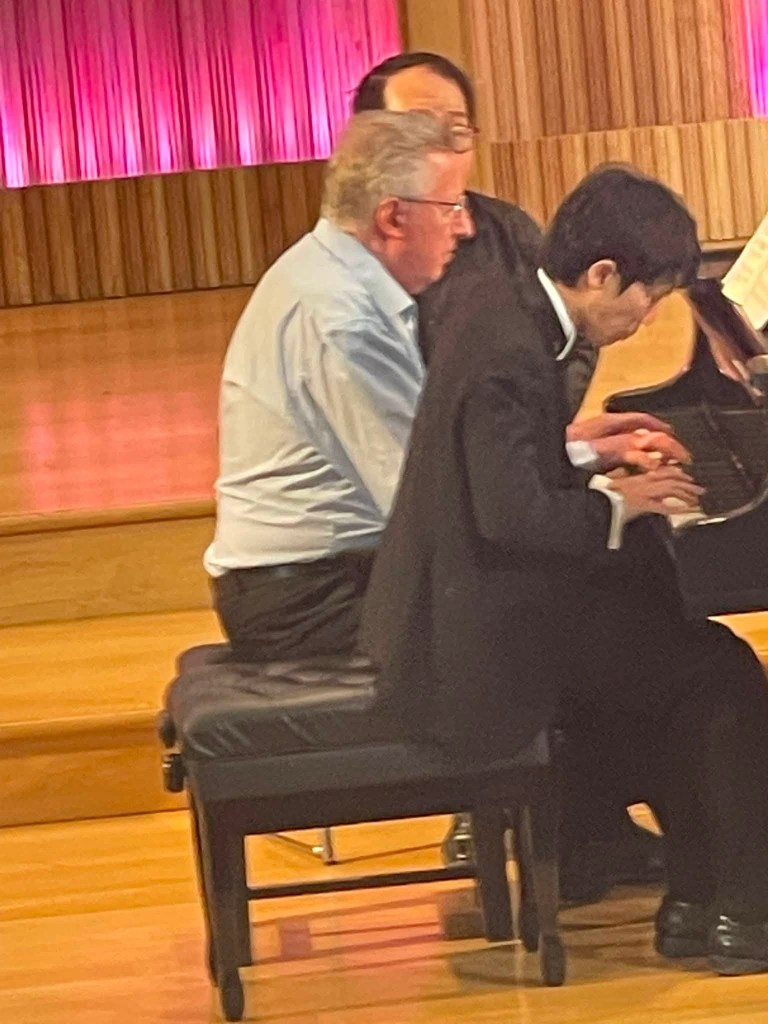
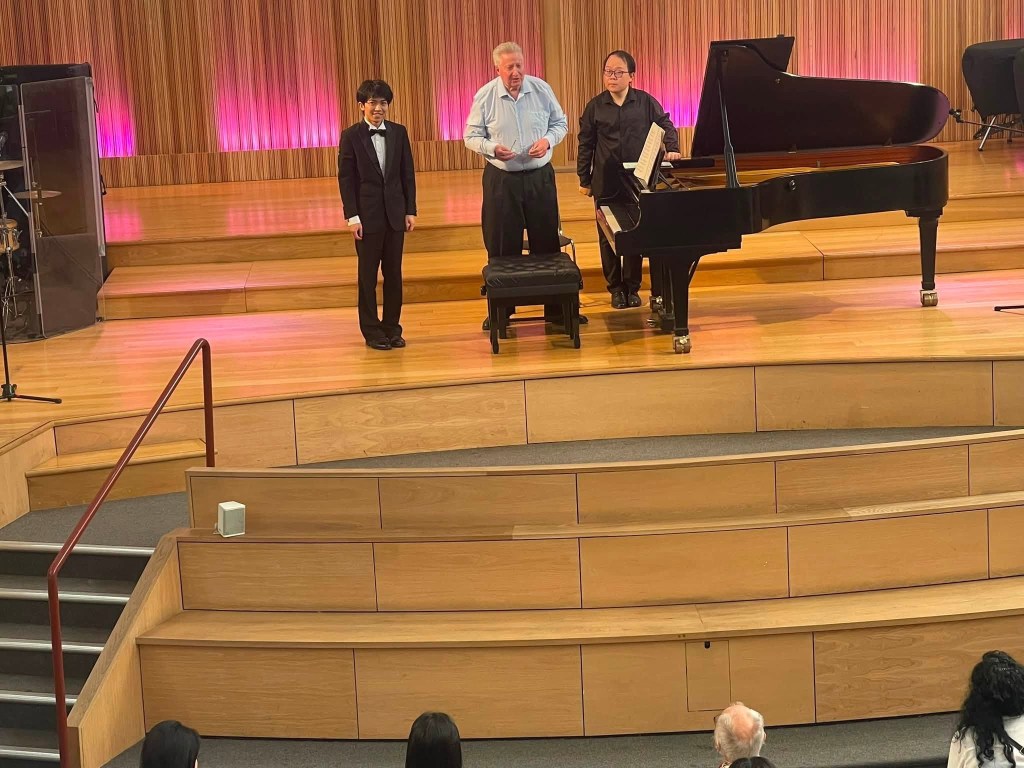
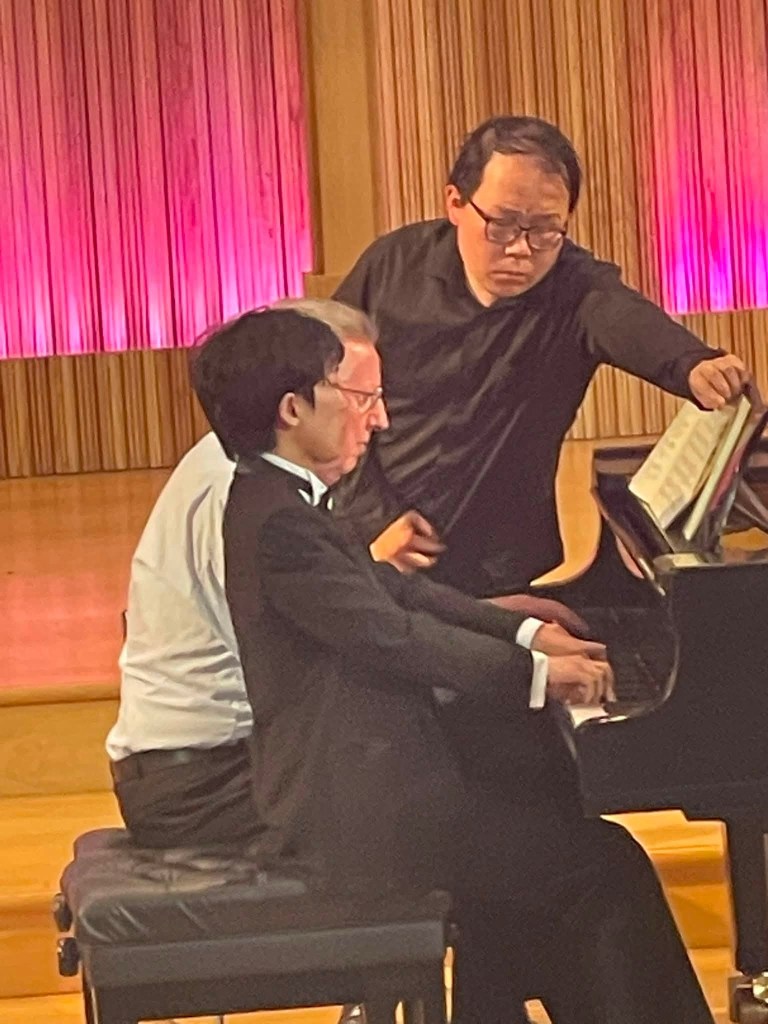
Joining forces at the beginning for Moskowski’s Spanish salon pieces one of them reminiscent in many ways of Schumann’s Bilder aus Osten op 66 n.4 and ending with a scintillating account of Liszt’s Grand gallop chromatique.
Leslie Howard writes :’ The Grand Galop chromatique figures prominently in Liszt’s own recital programmes, and its enormous popularity probably accounts for the quick publication of the simplified version and the version for piano duet. But Liszt returned to the concert version on several occasions over the years, adding ossia passages and extending the overall structure. The present version represents his fullest extension of the original. The obvious lightness of the work’s character made this piece an instant crowd-pleaser, but the imaginative undercurrent throws in a marvellous sequence of whole-tones and some wickedly unresolved chromatics at the coda.’
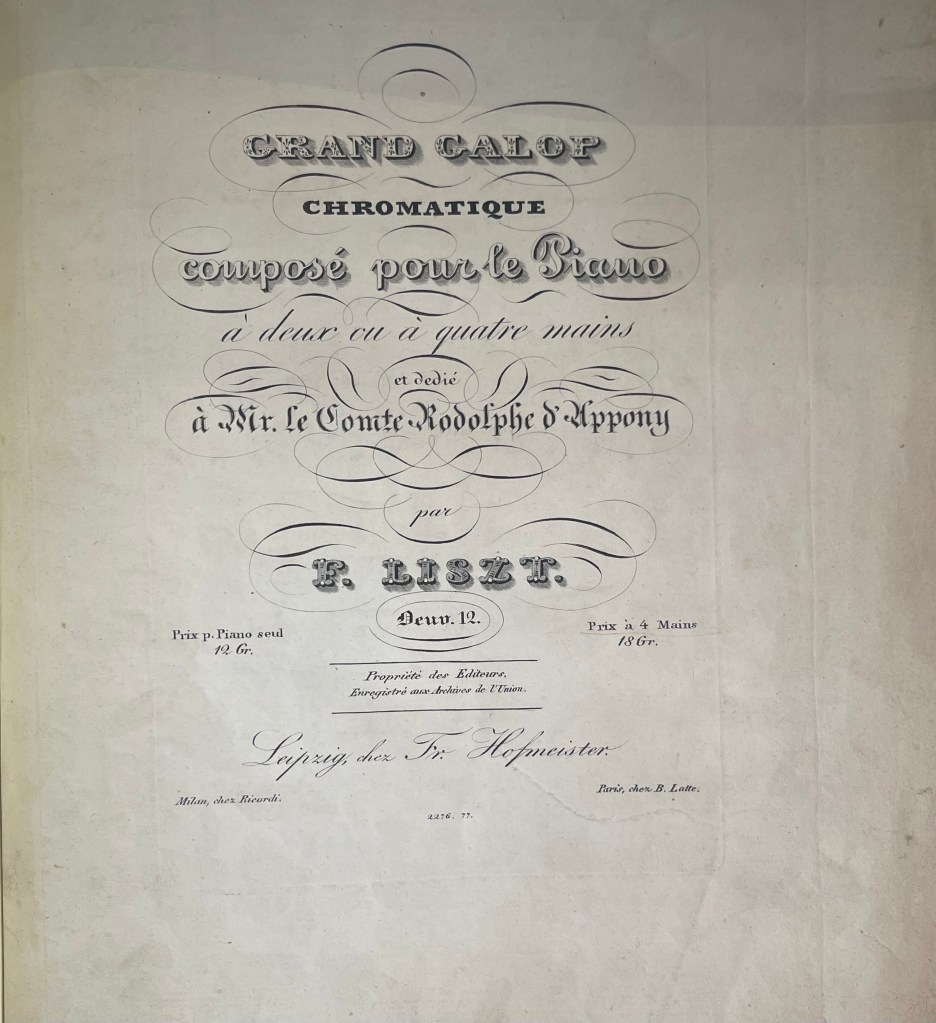
Playing from Leslie’s precious first edition they were a formidable team of youthful bravura and consummate artistry


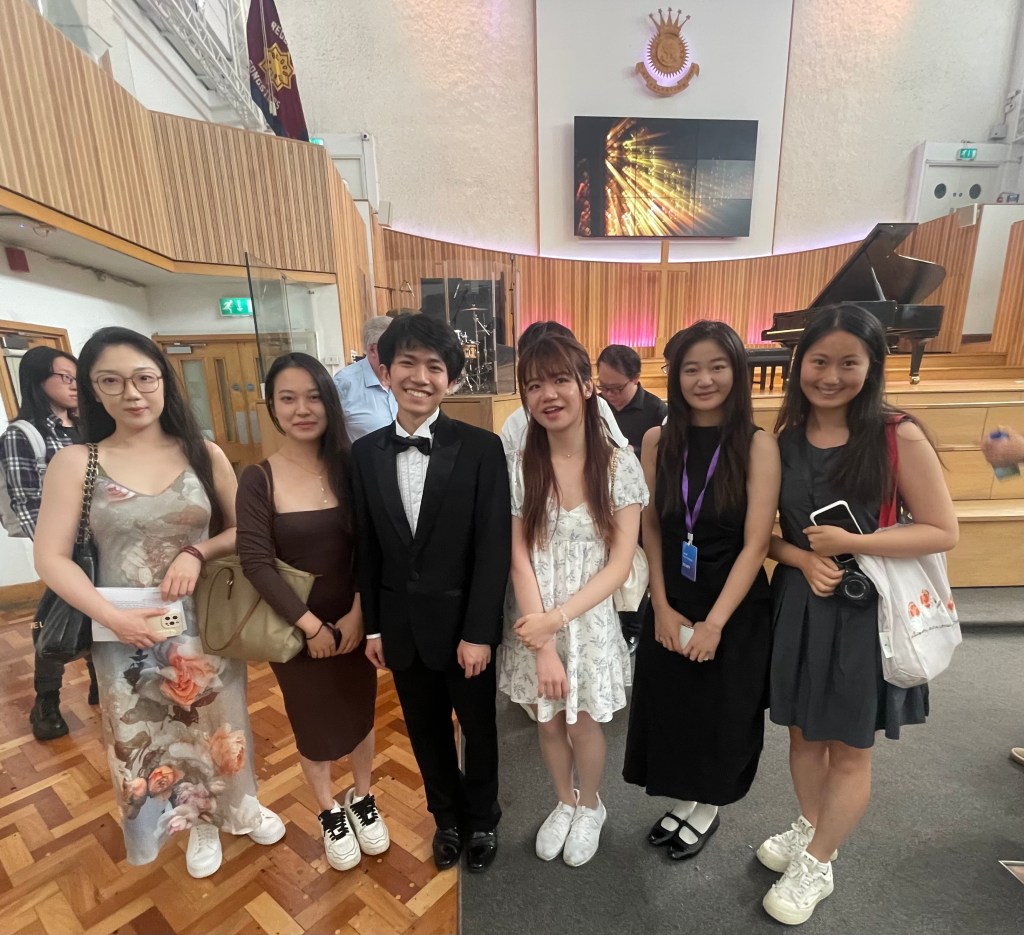
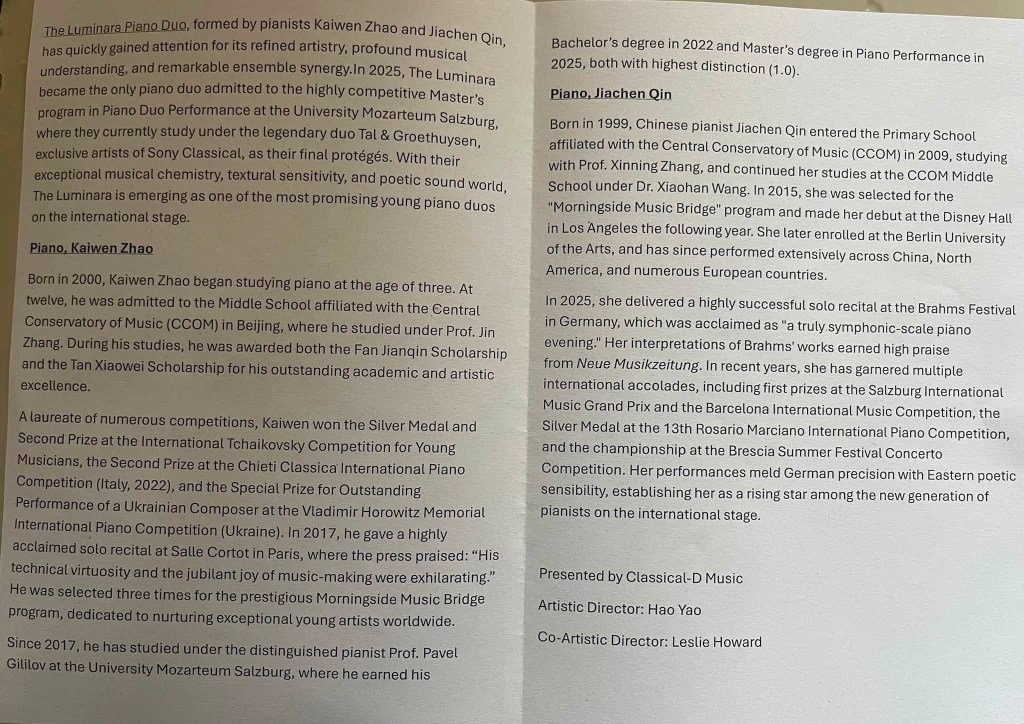
The last day of Classical D International Piano Festival . And what better way than with the Luminara duo joined in music as in life playing as one works by Mozart,Schubert and Ravel with refined musicianship and style
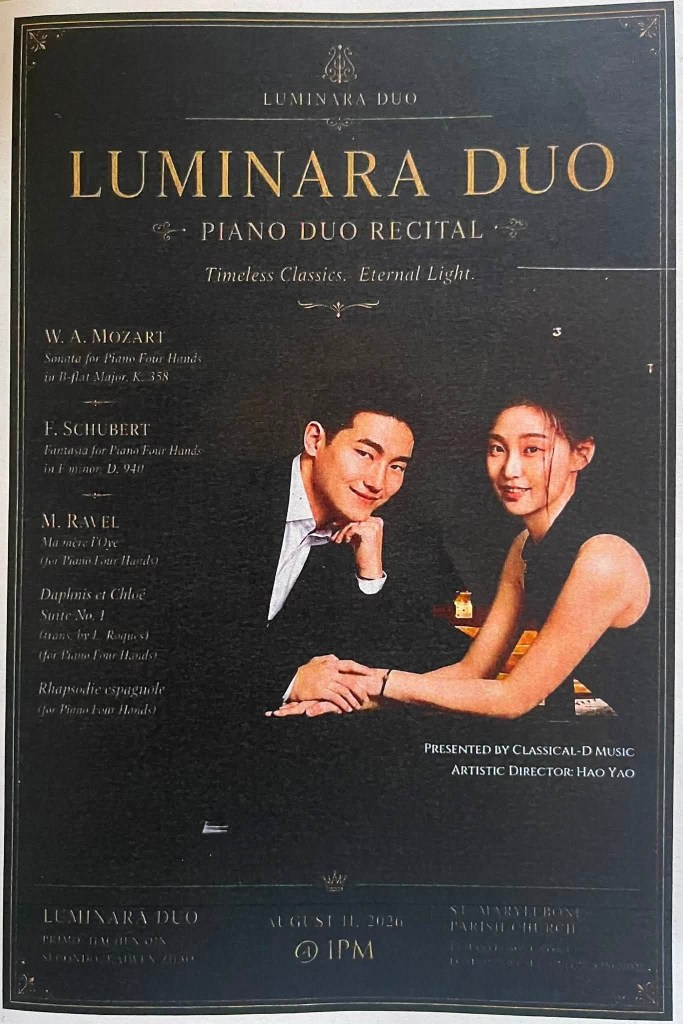

Mozart Sonata in B flat K 358 was played with delicacy and style and without the score because this was a performance that lived and breathed as one with charm and grace but above all a sense of balance that created a musical conversation of enticing radiance .
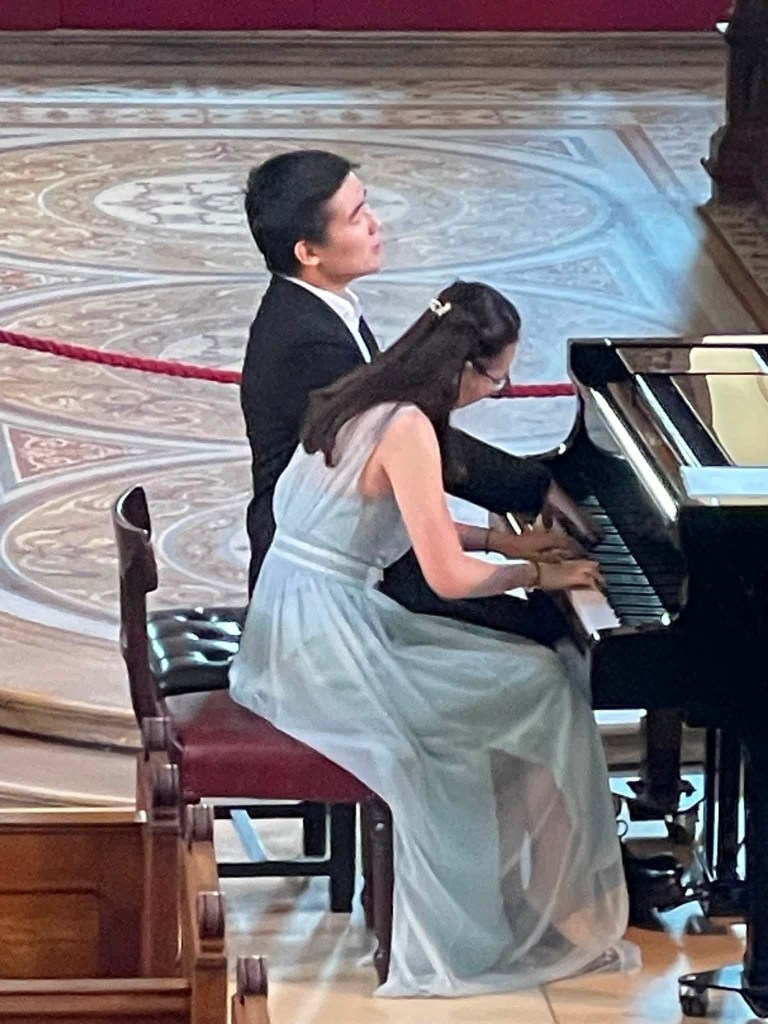
A beautifully flowing ‘Adagio’ with a glowing luminosity anchored on a bass of perfect equilibrium. A spirited ‘Molto presto ’ that revealed a subtle tone palette of extraordinary delicacy and mutual anticipation .
Strangely they chose to use the score for Schubert, maybe for the knotty twine of the fugato and the many twists and turns where Schubert could invent a single movement of intriguing originality and emotivity. Ethereal sounds that I have never heard from a piano duo before because they played with such supreme delicacy and listening and feeling the music as if on the same magical cloud. The minuet was played with great fluidity and the trio with fearless forward movement . A knotty twine of a fugue that they played with the knowing sense of line of real musicians .
Ravel’s ‘Ma mère l’Oye’ strangely played with the score because it was a performance of such radiance and imagination that bar line disappeared as they played in long horizontal lines with no accents but with meaningful leaning into notes with jewel like sounds of ravishment. A bass note in ‘Le jardin féerique’ that was to die for. They created magic that was truly memorable !
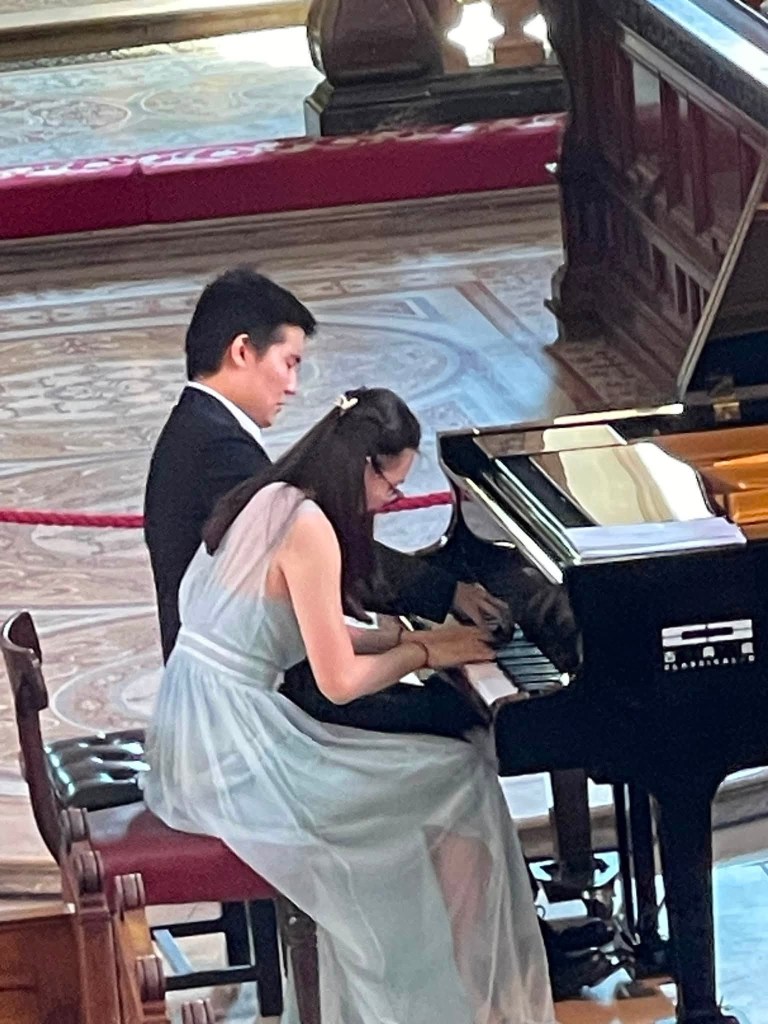

Daphnis et Chloé and the Rhapsodie espagnole was where they could truly let their hair down and produce a kaleidoscope of chameleonic sounds that I am sure this very fine Blüthner has rarely been aware of possessing. Sounds in the bass punched out and taken up by the soprano and tenor voice in a quite extraordinary recreation of Ravel’s masterly pianistic orchestration .