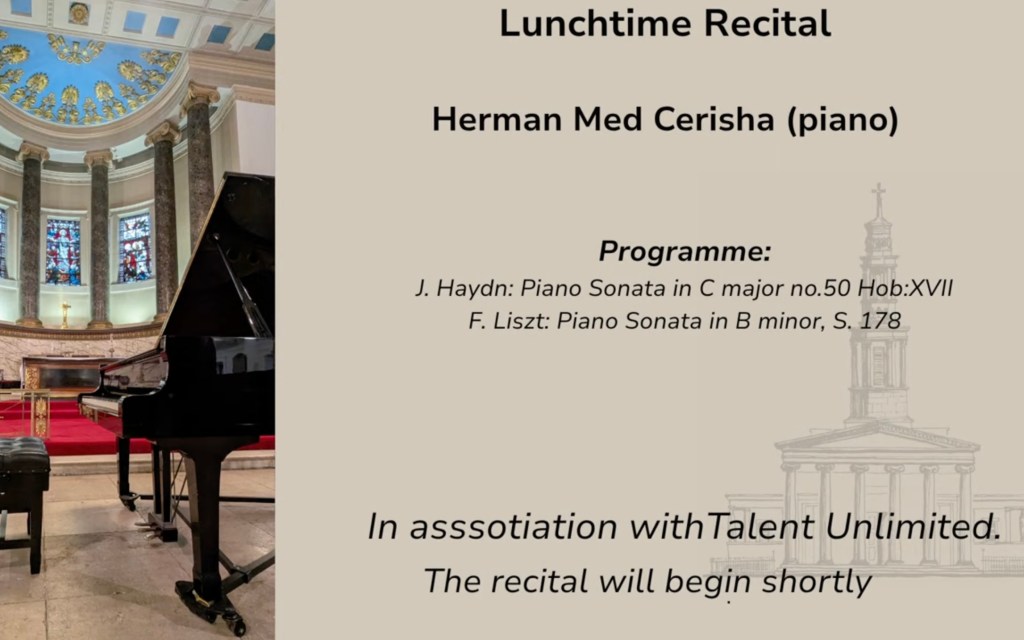
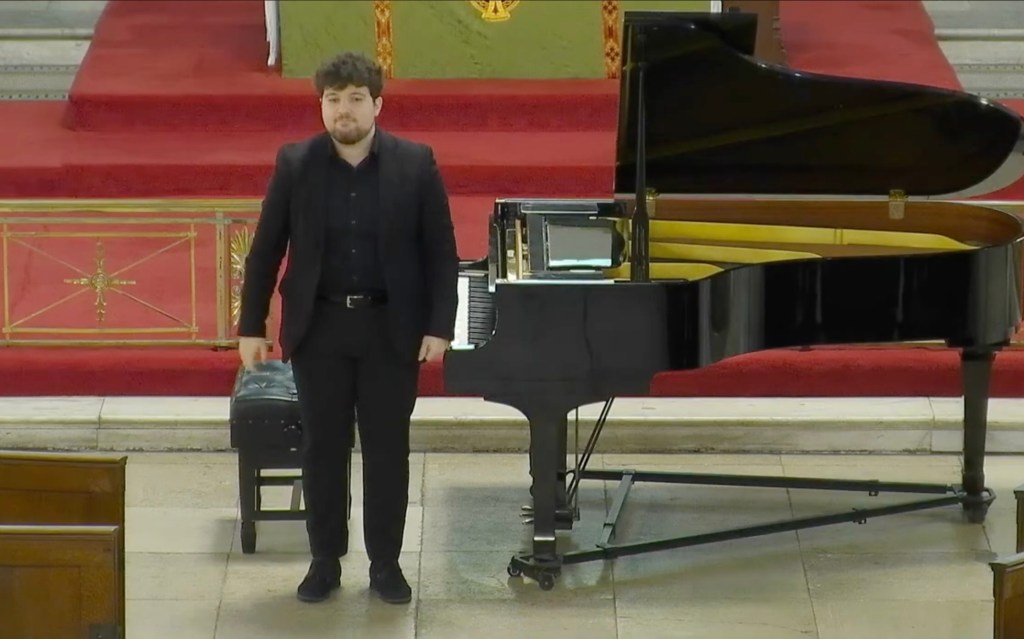
Herman opened his recital with Haydn’s C major Sonata ( English sonata ) probably the last of Haydn’s sonata which is a non plus ultra of thematic concentration, a brilliant, extrovert counterpart to the strenuous ‘Fifths’ Quartet, Op 76 No 2. It was written for and dedicated to Therese Jansen Bartolozzi in 1794, who subsequently published the sonata in 1800 with the title: “A Grand Sonata for the Piano Forte Composed Expressly for and dedicated to Mrs. Bartolozzi by Haydn … Op. 79 … London. Printed for, and to be had of the Proprietor 82 Wells Street and of the Publishers J. and H. Caulfield 36 Picadilly.” After a poetically embellished, quasi-improvisatory Adagio in F—a rhapsodic meditation such as we find in many of the late piano trios—the finale is a candidate for the most subversively comic piece that even Haydn ever wrote. A scherzo in all but name, it continually baffles with its lopsided phrases (the quirky main theme consists of five plus two bars), outrageous sudden silences and disorienting feints to absurdly remote keys that, unlike Haydn’s usual practice, remain arbitrary and unexplained to the end.
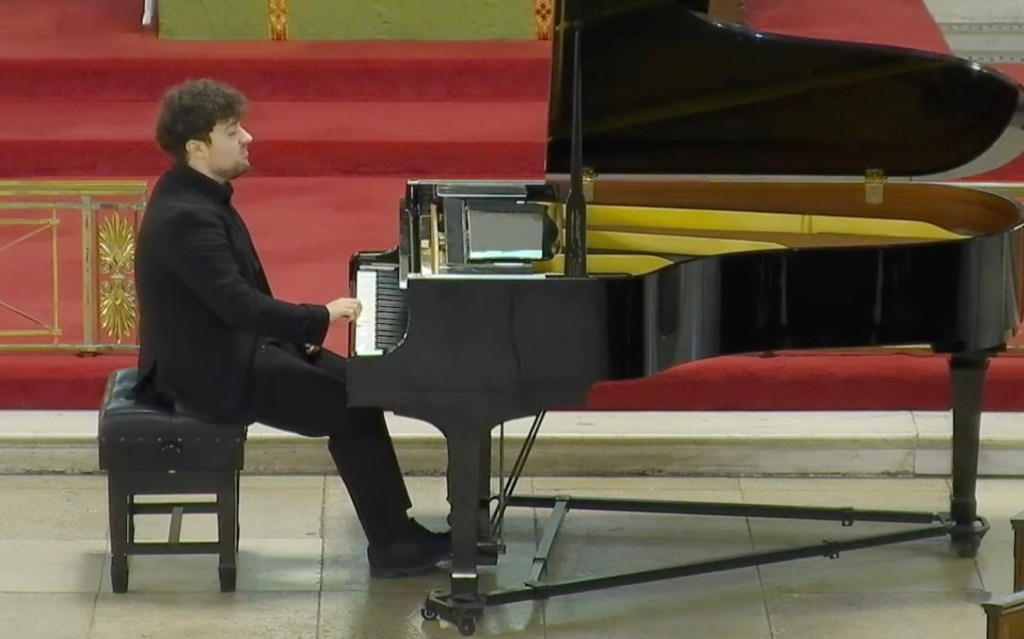
Herman playing with a clarity and refined phrasing of impish good humour and a rhythmic drive of irresistible charm. What fun he was having as he unravelled Haydn’s knotty twine with such spirit with the composer’s own poetic pedal effects realised so beautifully, following on afterwards with playing of crystalline clarity and scintillating jeux perlé. Adding a teasing embellishment to the slow unwinding cadenza before flying high again with the return of the opening. A grandiose opening to the ‘Adagio’ and the simple unadorned beauty of Haydn’s ‘bel canto’ that Herman played with grace and style adding a delicate unobtrusive rubato that allowed the music to speak with a human voice. Beautifully radiant sounds of delicacy and strength where the shadow that momentarily passes over the keys was played with poignant significance before the return of the ‘Adagio’ , embellished by the composer with just a little help from Herman! He brought delicacy and beauty to a coda of pleading, whispered poetic intensity. The Allegro molto just flew from his fingers with its continual questioning and joyous response with playing of a ‘joie de vivre’ of masterly poetic control and impish good humour .
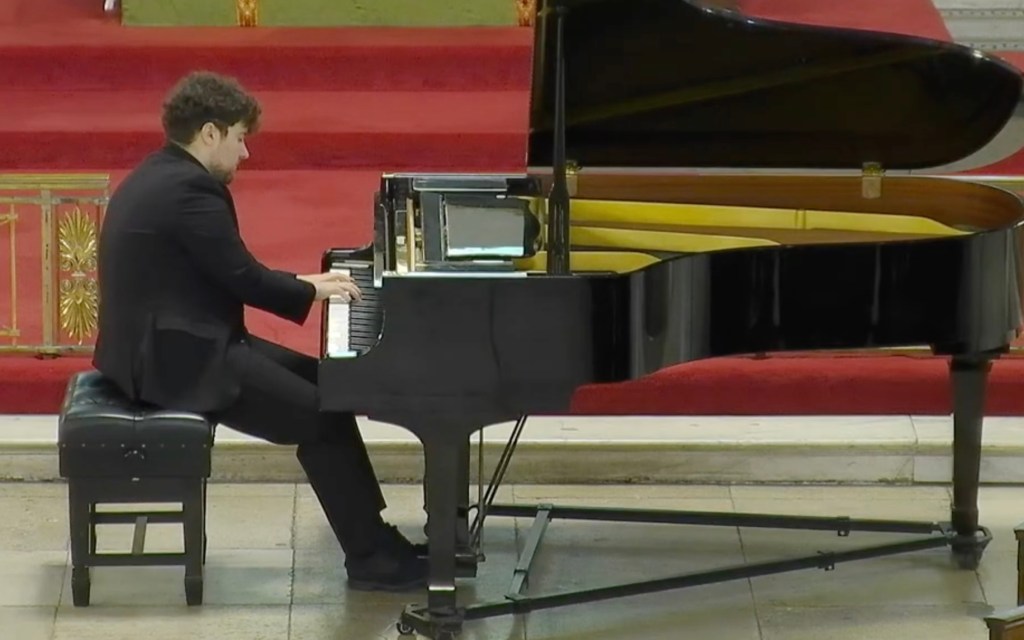
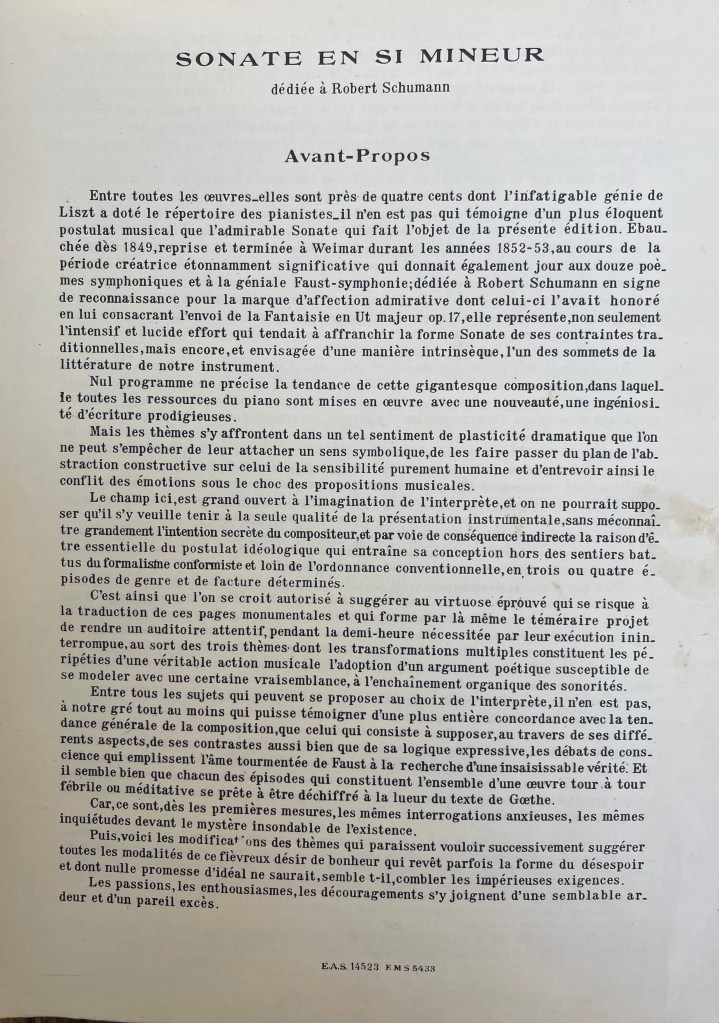
The Piano Sonata in B minor S.178 is in a a single-movement that Liszt completed during his time in Weimar, Germany in 1853, a year before it was published in 1854 and performed in 1857. It was dedicated to Robert Schumann in return for Schumann’s dedication to Liszt in his Fantaisie in C op 17. A copy arrived at Schumann’s house in May 1854, after he had entered Endenich sanatorium, but Clara Schumann did not perform the Sonata despite her marriage to Robert Schumann; as she found it ‘ merely a blind noise’.
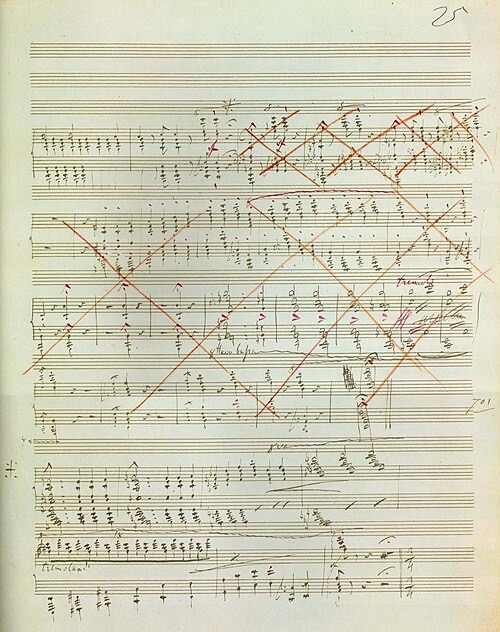
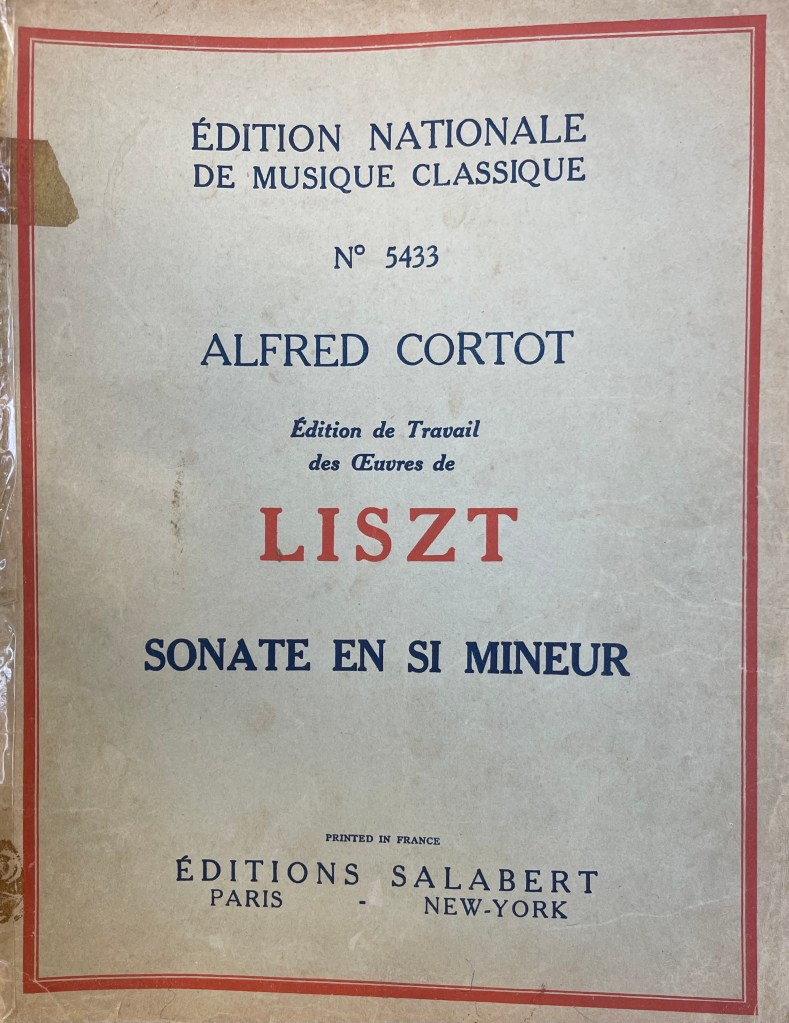
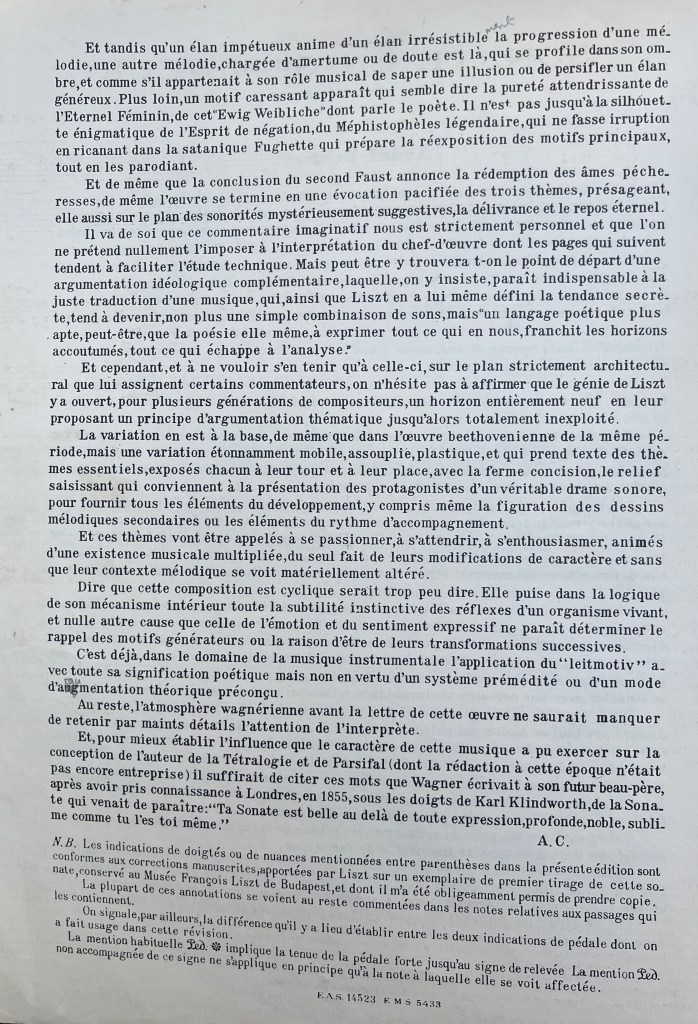
It was published by Breitkopf & Härtel in 1854 and first performed on 27 January 1857 in Berlin[ by Hans von Bülow. It was attacked by the critic Eduard Hanslick who said ‘anyone who has heard it and finds it beautiful is beyond help’. Brahms reputedly fell asleep when Liszt performed the work in 1853,and it was also criticized by the pianist and composer Anton Rubinstein. However, the Sonata drew enthusiasm from Wagner following a private performance of the piece by Karl Klindworth on April 5, 1855. Today it is considered the pinnacle of the romantic piano repertoire with the first commercial recording made by Alfred Cortot on March 13, 1929, at the Small Queen’s Hall in London.
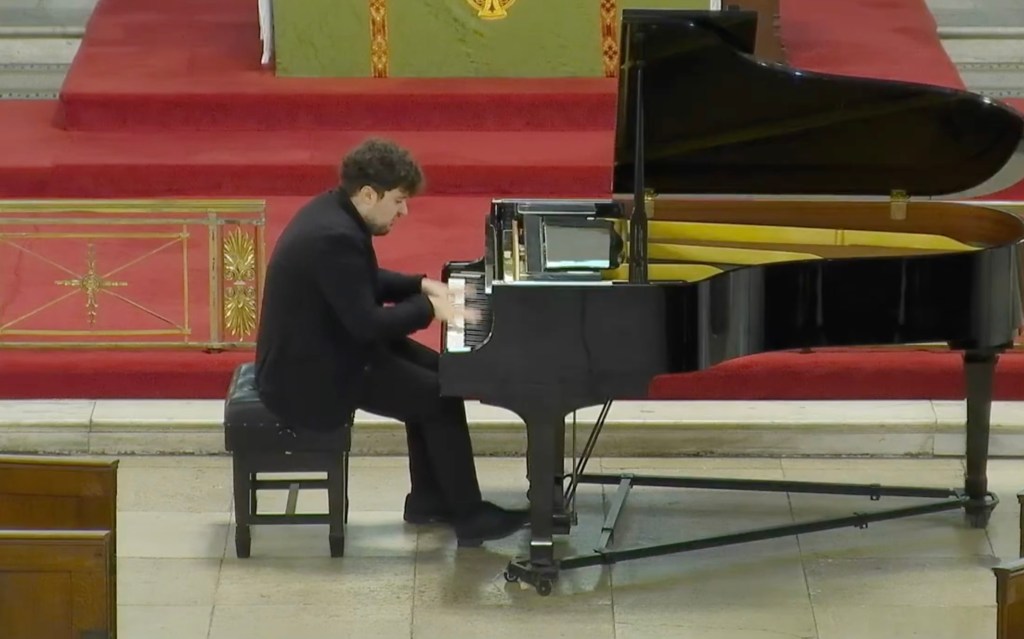
This was Herman’s first outing with the sonata that he has obviously pondered over for a long time because it was played with a maturity ,intelligence and masterly control. A scrupulous attention to Liszt’s very precise instructions and a look at the score without any rhetoric, but delving deep and finding many things that were for me a revelation. For example the fermata before the central ‘Andante sostenuto’ or the accent on the deep F sharp after the pianississimo scales. An astonishing clarity and precision that just added to the passion and intensity of the more energetic passages but also the poignancy to the ravishingly beauty of the slow parts that were never hurried or given unnecessary rhetorical rubatos. The opening was played ‘piano’ and ‘forte’ with ‘fortissimo’ only where the actual Sonata takes wing. I have only heard Curzon play the left hand semiquaver passages so precisely, where usually the last notes of the bar are clipped in an effort to make the music more exciting. The great octave outpouring of the second theme was played with astonishing accuracy and clarity leading to the first ‘Grandioso’ that was played with an extraordinary sense of balance and control, the burning palpitations merely sustaining the melody but not overpowering it. This young man is a thinking musician who reads the score and turns what he sees into music where he is free to add his own remarkable personality of refined good taste and intelligence. The ‘Margherita’ theme was played ‘cantando espressivo’ but not before the third theme was allowed to give its final gasps as it surrendered to the radiance and beauty that followed. Absolute rhythmic precision meant that the clockwork perfection of the build up to the first great climax allowed the actual point of arrival to be breathtaking in its audacity. Usually played at breakneck speed Herman kept it under control with the same aristocratic mastery of Arrau.
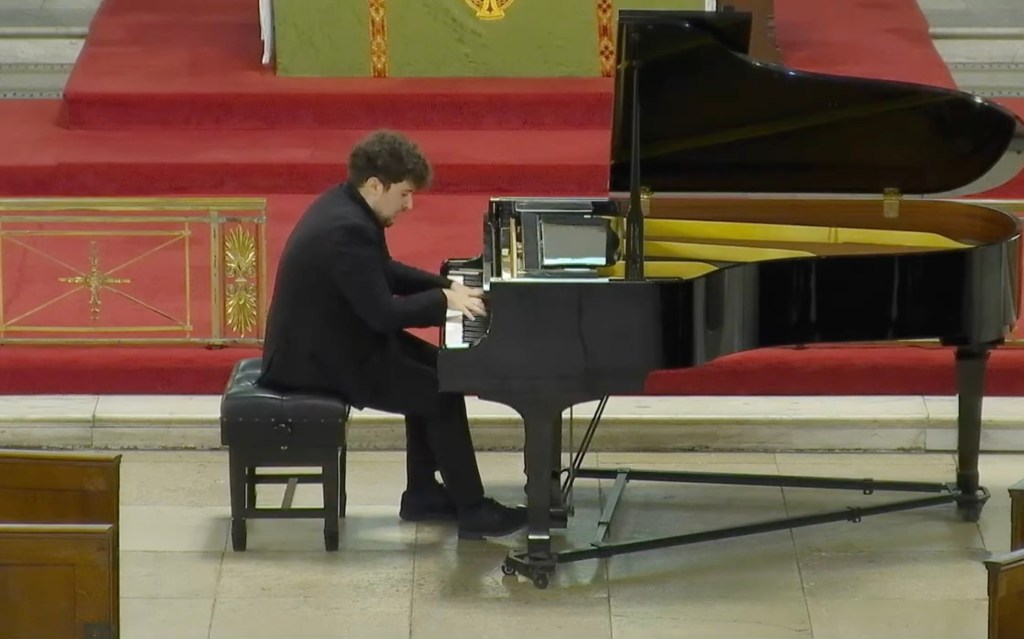
The great declamatory chords before the ‘Andante’ were even more astonishing for the burning intensity of the silences between them, making the ‘recitativi’ even more poignantly significant. The fugato after the central movement was played with a control of sound as it gradually grew in intensity leading to the eruption of the recapitulation. The ‘Grandioso’ theme now played as requested ‘accentuate il canto’ and it was a moment ‘avec un sentiment de regret’ of great significance and radiance .The final octaves were played with fearless abandon and extraordinary clarity with the final outburst now overwhelming in its intensity. A burning silence followed where Herman held the tension until he lowered his hand once more onto the keys to carve out with mastery and a musicianship of poetic vision, the final pages that Liszt had added as an afterthought, and that are the most remarkable two pages of his entire output. Prophetic, profound and with disarming simplicity pointing into the future.
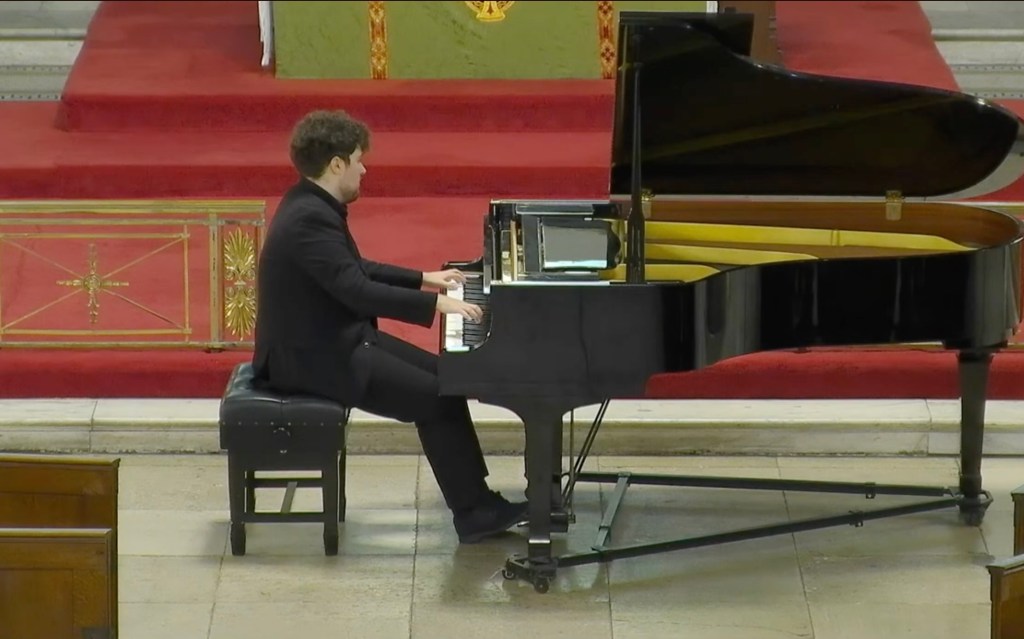
I look forward to Herman’s next performances of the sonata that will grow even more in significance as he delves deeper and deeper into the score on his masterly voyage of discovery
https://christopheraxworthymusiccommentary.com/2023/12/05/ileana-and-joan-3rd-december-2023/

