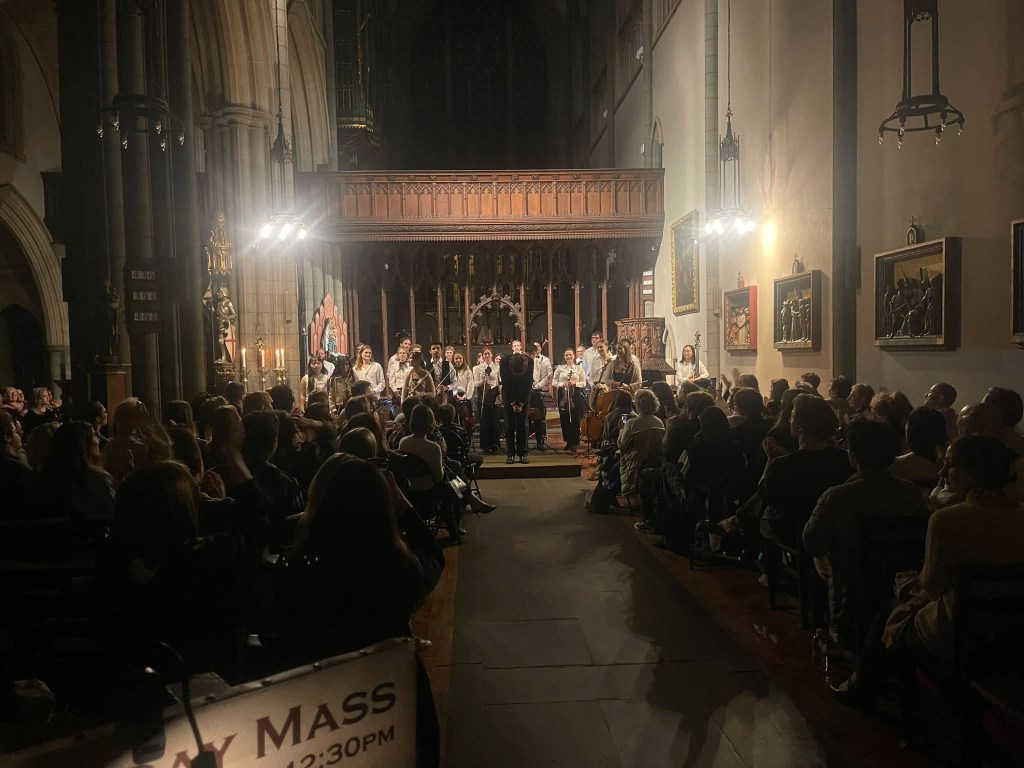
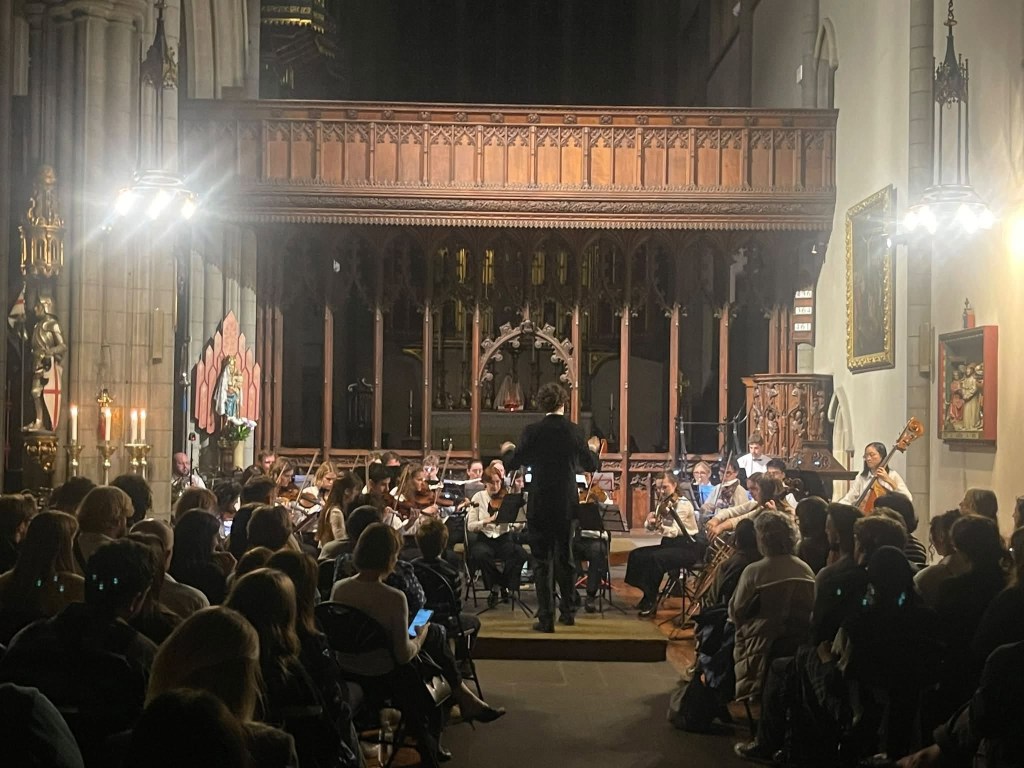
Some superb music making not least the infectious enthusiasm and professionalism of the conductor and founder Bogdan Skrypka .With a few well chosen words could give life to an orchestra created exactly for that. A ‘joie de vivre’ and a wish to express in music what words could never do. A memorable evening in which the spirit of Beethoven was the guiding light in this moment of darkness. A cavern of a church just a stone’s throw from Marble Arch, miraculously blessed with a superb acoustic. You see miracles can happen!
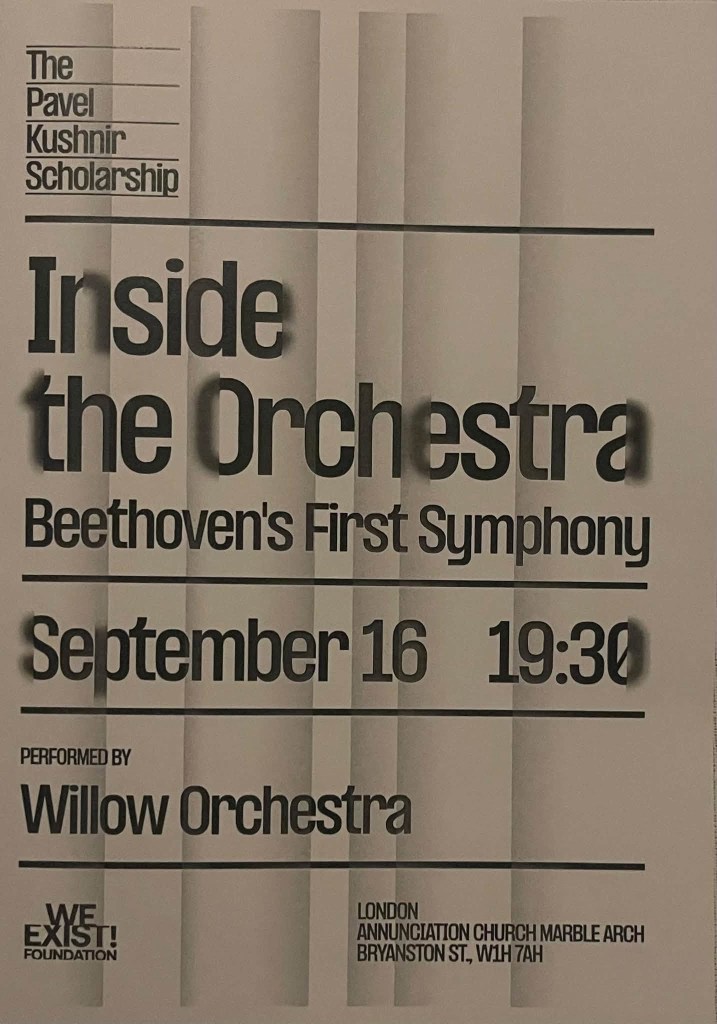
INSIDE THE ORCHESTRA: Beethoven’s First Symphony
Organised by the Pavel Kushnir Scholarship
‘The Pavel Kushnir Scholarship Programme was the ultimate subject of the event. Pavel Kushnir was a pianist, a graduate of the Moscow Conservatory, and a music educator. He worked in Kursk, Kurgan, and later Birobidzhan, where he performed and hosted a program titled “Mazurkas on Wednesdays.” In May 2024, he was detained over anti-war videos posted on YouTube; two months later, the 39-year-old musician died in a pre-trial detention center following a prolonged hunger strike.
Liberov did not know Kushnir personally. Yet, it was the story of this man—virtually unknown to the general public during his lifetime—that prompted him to consider how to transform the act of remembrance from a one-off memorial gesture into a long-term, active programme.
The scholarship now funds 25 young musicians who had to escape Russia’s war on Ukraine.’
Wednesday 16 September 2026, 7:30pm at Annunciation Church, Marble Arch
What does an orchestra sound like when you are sitting inside it?
On Wednesday 16 September, INSIDE THE ORCHESTRA will offer audiences an opportunity to experience Beethoven’s First Symphony from an entirely new perspective.
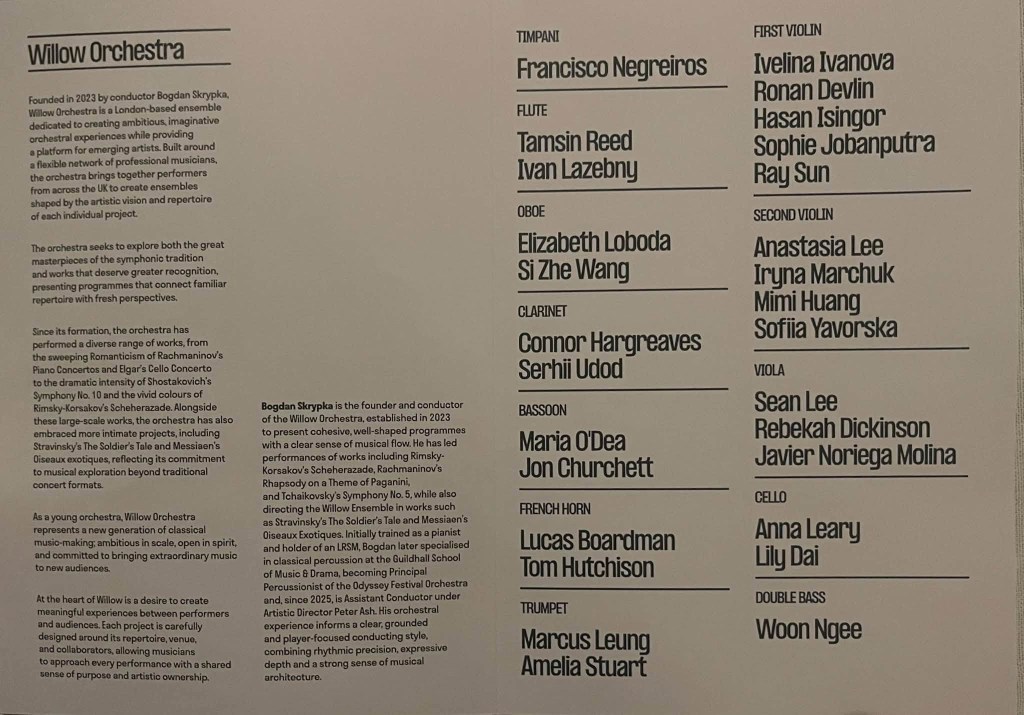
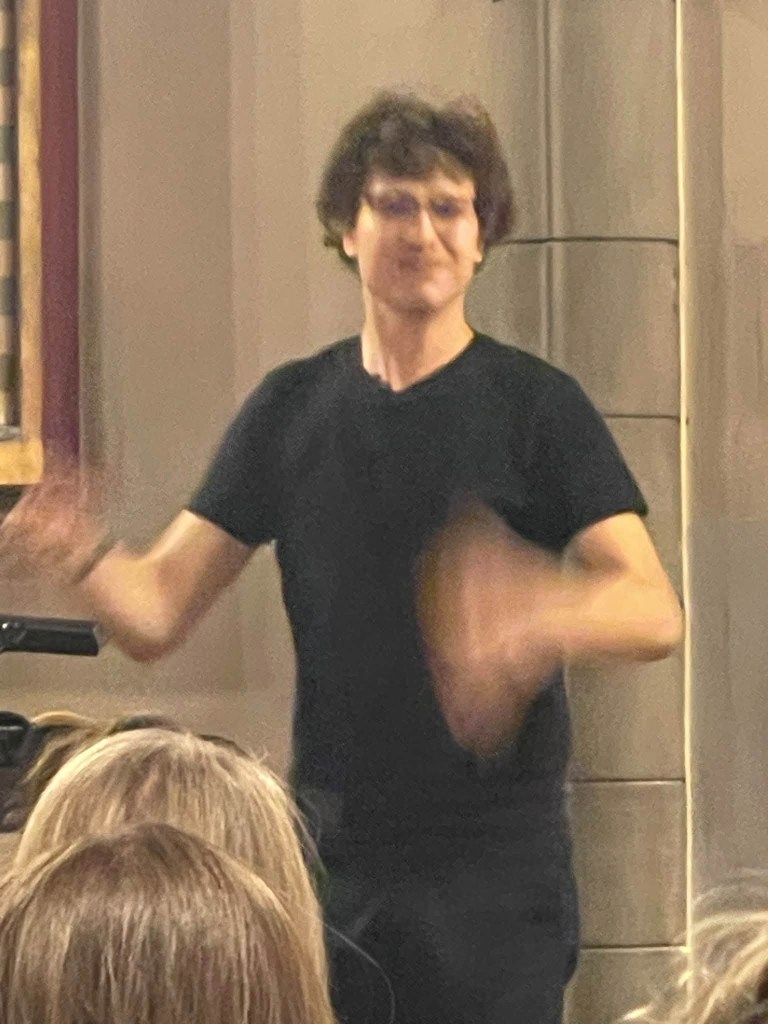
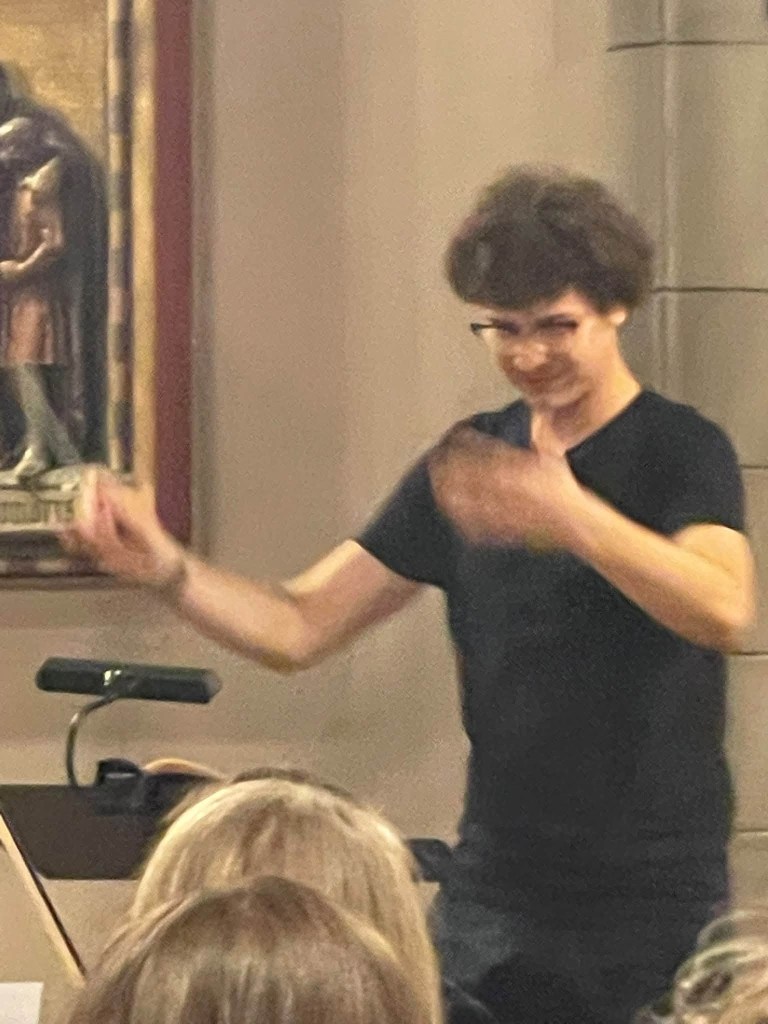
For the first part of the evening, audience members will be invited to sit inside the Willow Orchestra, among the musicians, as conductor Bogdan Skrypka leads a live rehearsal of Beethoven’s Symphony No. 1.
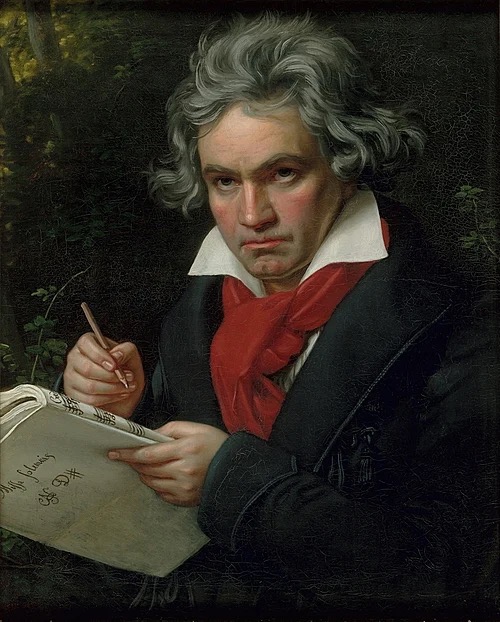
Beethoven originally intended to dedicate the symphony to Elector Maximilian Franz, who had been forced from Bonn by the armies of revolutionary France and was staying in Hetendorf, just outside Vienna at the time. Beethoven had left the Elector’s employ in somewhat acrimonious circumstances in March 1794 and the dedication may have been intended as a peace offering. However, Maximilian Franz died 26 July 1801 and the dedication subsequently went to Baron van Swieten .
The premiere took place on 2 April 1800 at the K.. Hoftheater nächst Der Burg in Vienna, conducted by Giacomo Conti (not by Beethoven himself). Most sources agree that the concert program also included Beethoven’s Septet as well as a symphony by Mozart, but there is some disagreement as to whether the remainder of the program included excerpts from Haydn’s oratorio The Creation or from The Seasons and whether Beethoven’s own Piano Concerto n. 1 or 2was performed.This concert effectively served to announce Beethoven’s talents to Vienna. Holy Roman Emperor Francis II is reported to have attended the premiere and reacted by saying, ”There is something revolutionary in that music!”
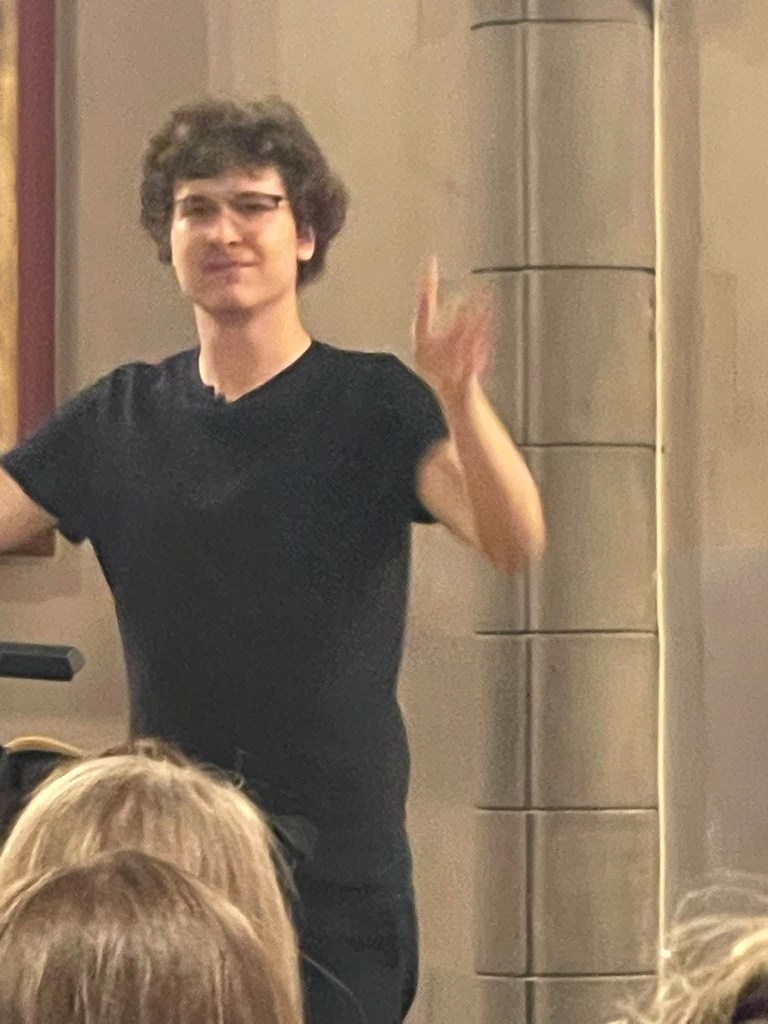
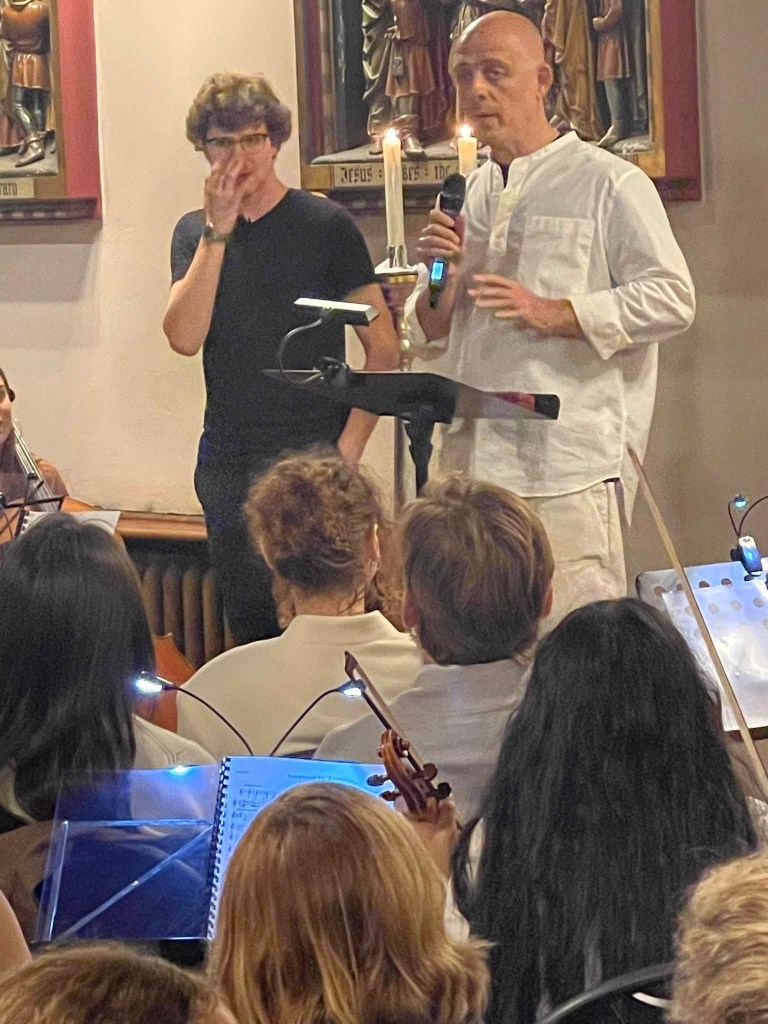
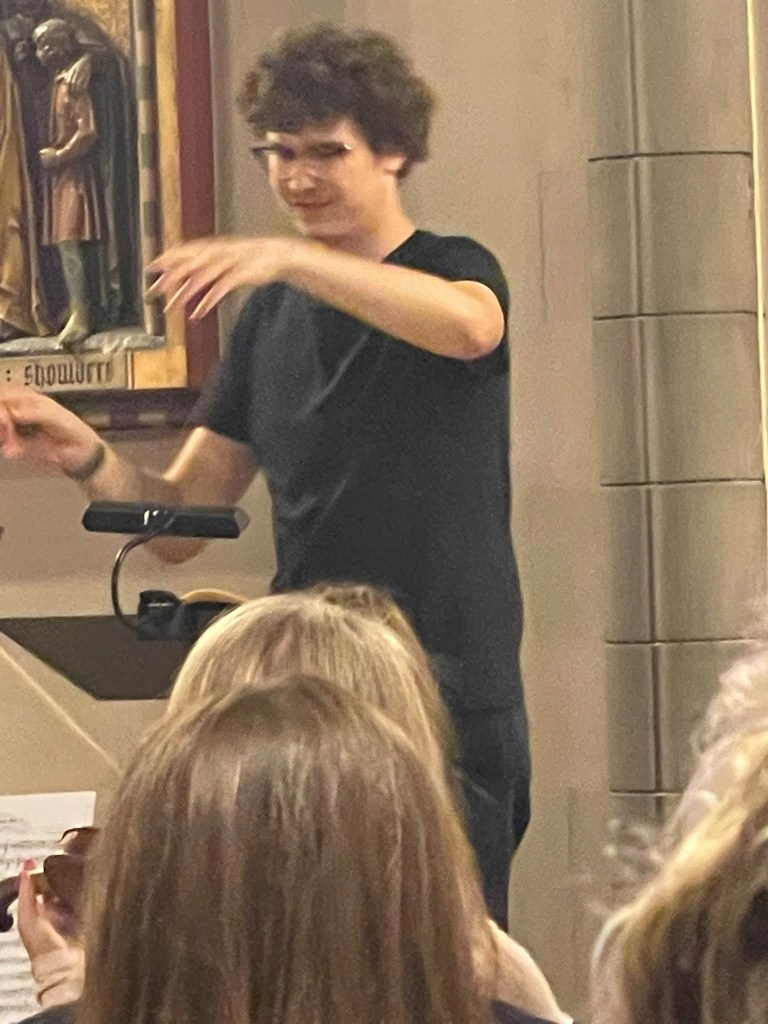
Rather than hearing the orchestra from the conventional distance of a concert hall seat, the audience will experience the rehearsal from within the ensemble – surrounded by strings, winds, brass and timpani, and able to observe at close range how an orchestral performance is created.
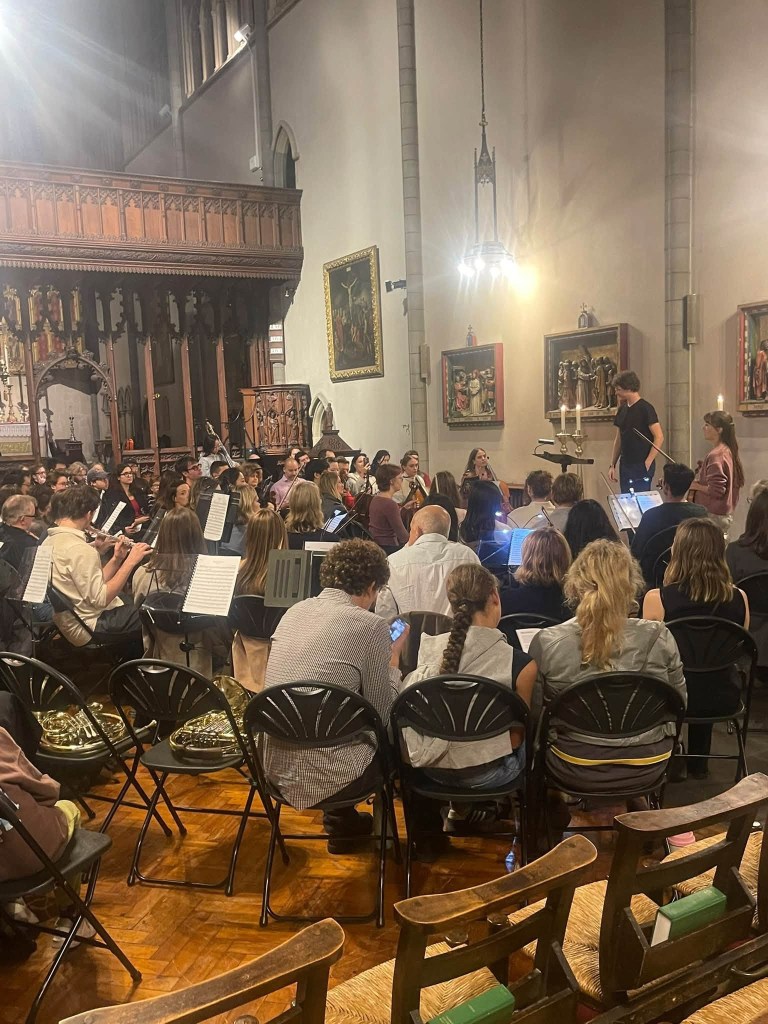
The rehearsal is deliberately presented as a working process rather than a polished performance. From inside the orchestra, the balance of sound may be unusual or imperfect, allowing the audience to experience what musicians themselves hear while rehearsing.
After the interval, the audience will return to traditional seating and hear the complete Beethoven’s Symphony No. 1, experiencing the finished performance from the outside after having witnessed its creation from within.
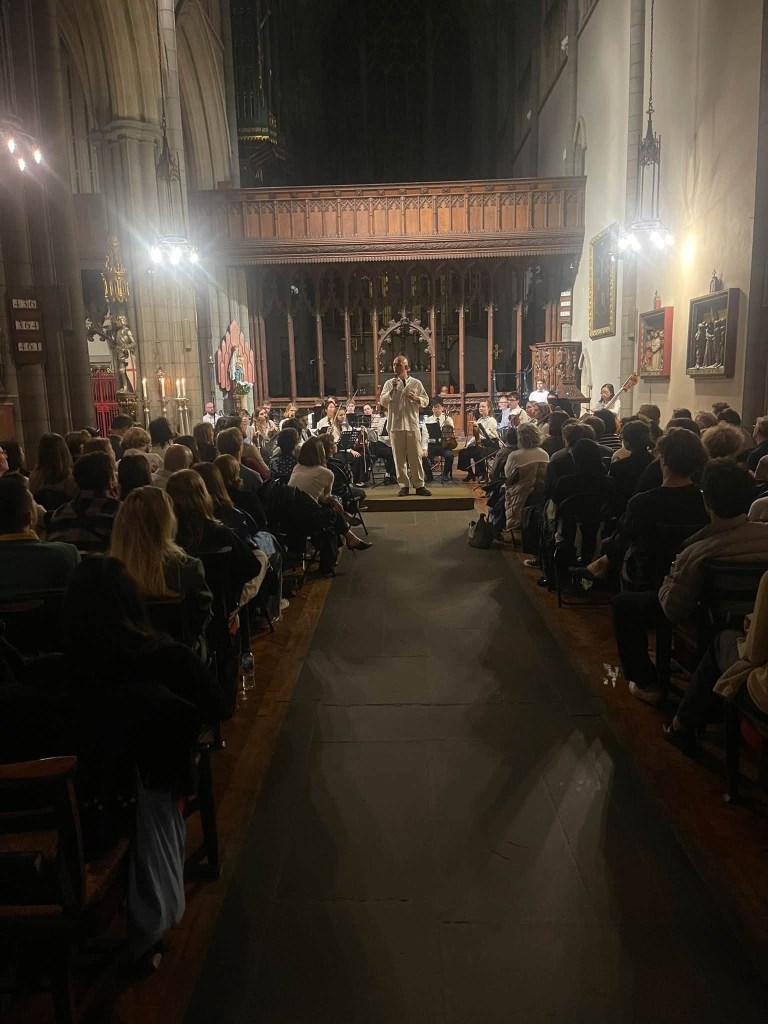
The project aims to bring audiences closer to the process of orchestral music-making and to offer an experience that goes beyond the traditional relationship between performer and listener.
For any additional materials, please contact info@pavelkushnirscholarship.org
On July 27, 2024, Pavel Kushnir — a pianist and educator — died in a detention center in Birobidzhan. By the age of thirty-nine, Pavel had graduated from the Tambov Music College and the Moscow Conservatory, performed as a soloist in the philharmonics of Yekaterinburg, Kursk, and Kurgan, and in 2023, he became a soloist at the Birobidzhan Regional Philharmonic. Pavel Kushnir authored the novels Russian Cut-up and Noël, analyzed all of Chopin’s mazurkas in the radio series Mazurkas on Wednesdays, recorded a cycle of Rachmaninoff’s preludes, and started a YouTube channel filled with despair, where he presented four literary videos condemning Russia’s invasion of Ukraine and Russian war crimes. For the statements on this channel with only five subscribers, Pavel Kushnir was arrested, tortured, and killed. This must not be forgotten — just as is impossible to accept such a death.
The Pavel Kushnir Scholarship was established in London in memory of a brilliant pianist and educator. Arrested for speaking out loud against the Russian invasion of Ukraine on his YouTube channel with only five subscribers, Pavel Kushnir died in a Russian detention centre.
The scholarship is aiming to help students from Ukraine, Russia and Belarus to begin or continue their music studies across the UK, Europe or the US.
More details at https://pavelkushnirscholarship.org/


Pavel Kushnir was a virtuoso pianist, a writer, and a courageous man whom the world discovered only too late. He died on July 27, 2024, in a Birobidzhan detention center following a dry hunger strike. The formal pretext for his arrest was a series of anti-war videos posted on a YouTube channel that had only 5 subscribers.
This film is an attempt to understand the man who played Rachmaninoff until his fingers bled, who dreamed of flying to Mars, who idolized Kurt Cobain, and who called the war by its true name while living in complete isolation.
We have gathered archival footage, previously unknown recordings of Pavel, fragments of his poignant cut-up novel, and memories from close friends and colleagues, including Clean Bandit soloist Grace Chatto, music expert Mikhail Kazinik, and publisher Dmitry Volchek. This is a story not just about a death in prison, but about an extraordinary life that became an act of art and resistance.
In this video:
Unique footage of Kushnir’s performances and artistic actions.
The story of an unmade avant-garde film and friendships with global stars.
The Birobidzhan Diary: a chronicle of loneliness and the fight against fascism.
Why a brilliant musician went unnoticed by the cultural establishment, but not by the prison system.