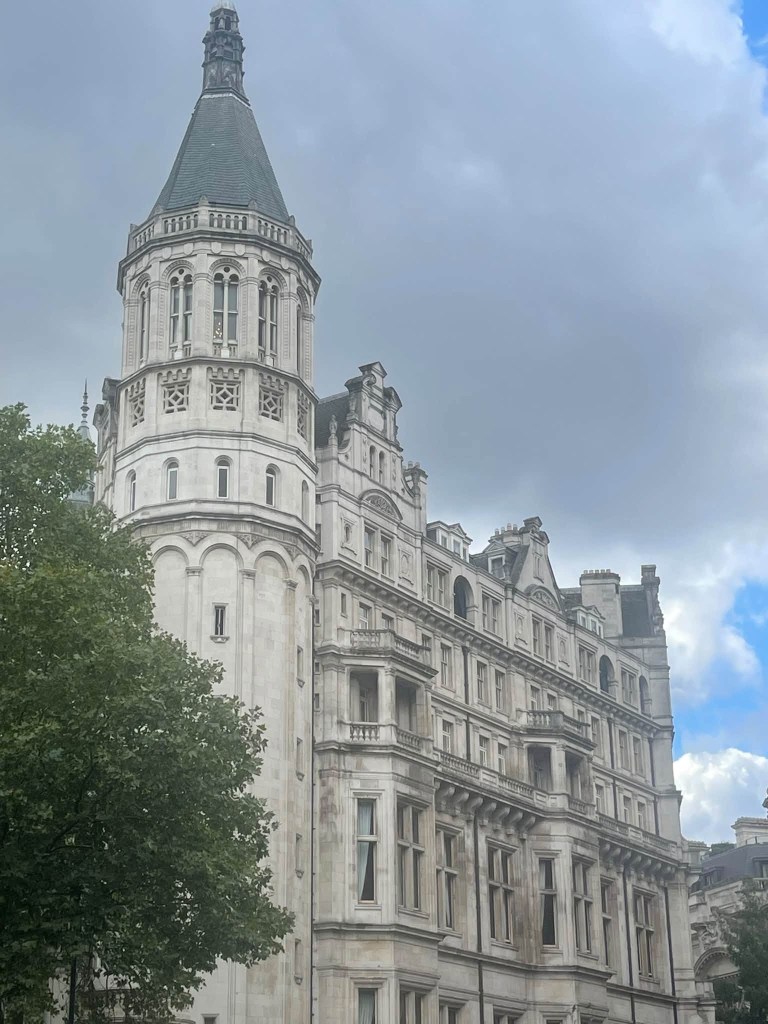
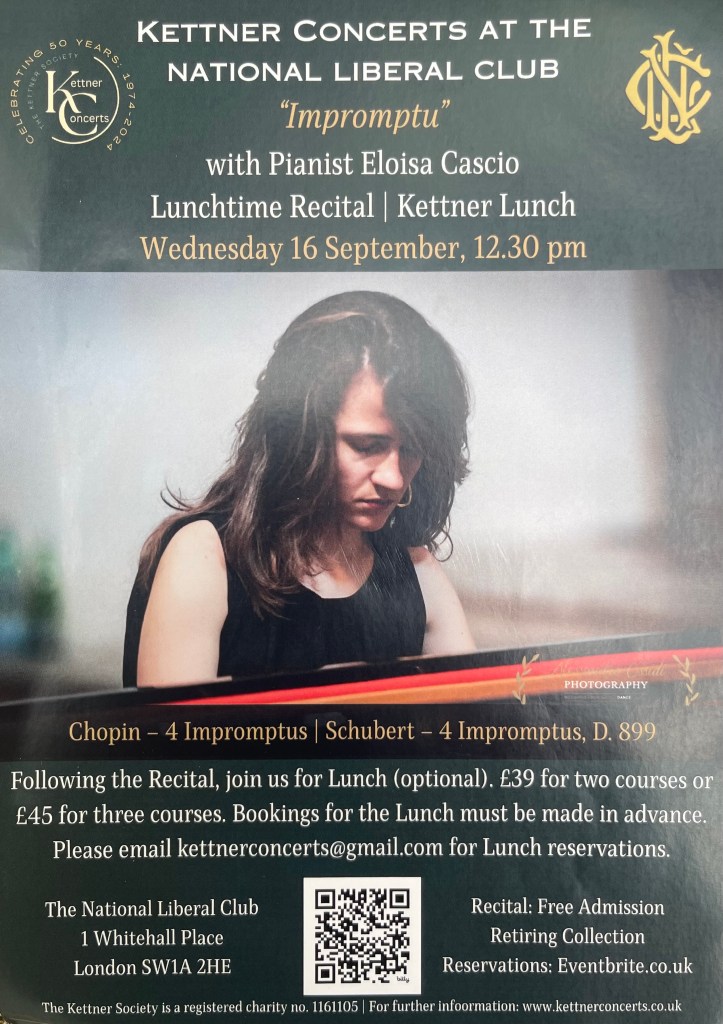
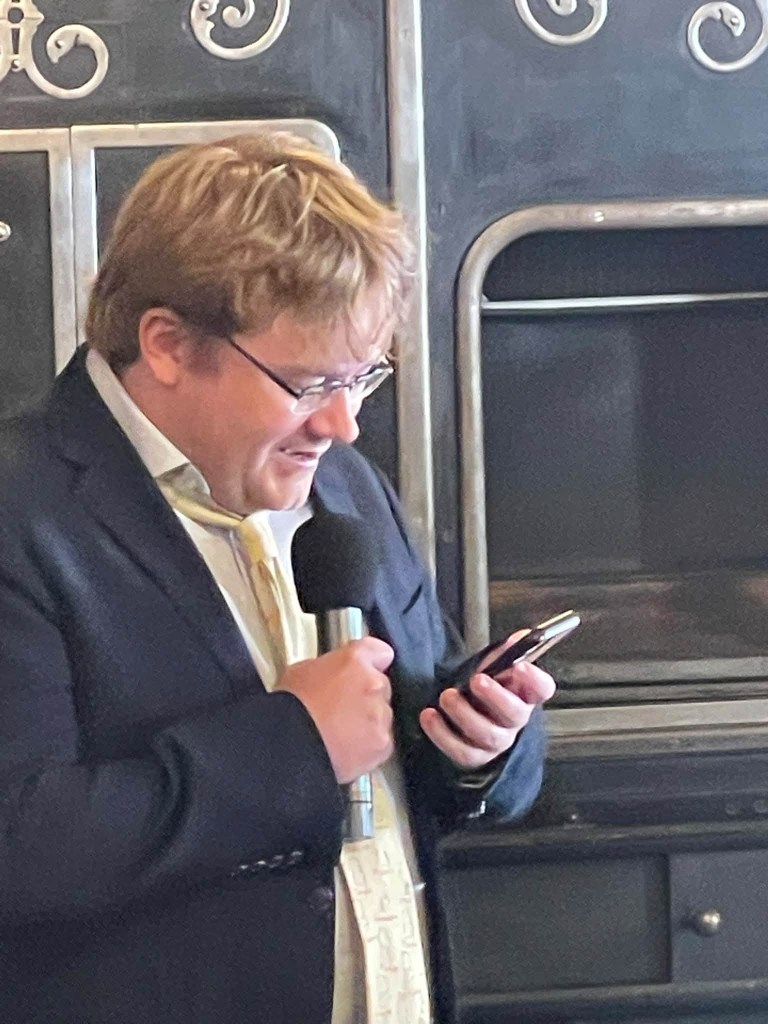
A concert yesterday in the Anthony Burgess Hall in Manchester and now in the National Liberal Club in London with the pianist Eloisa Cascio, as the Kettner under its enlighten artistic directors Cristian Sandrin and Ben Westlake is spreading it’s wings with sumptuous music being shared far and wide.
A programme that immediately showed the musicianly pedigree of an accomplished pianist and Professor at the Benevento Conservatory. A programme of Impromptus with the four by Chopin paired with the first set of four by Schubert.
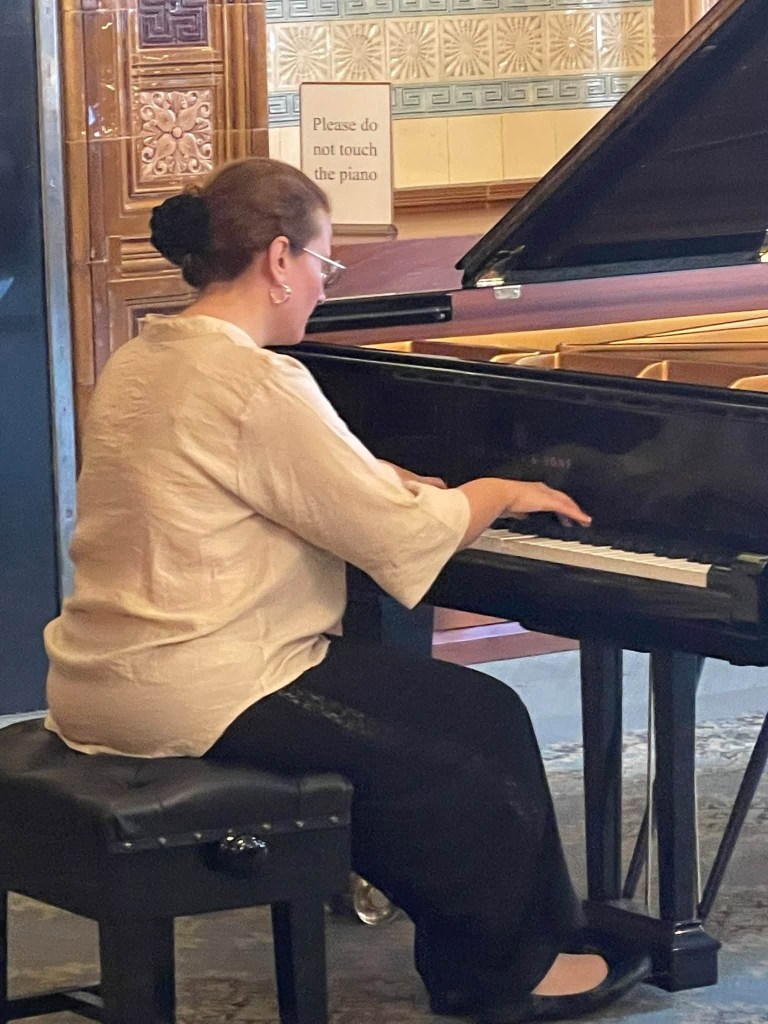
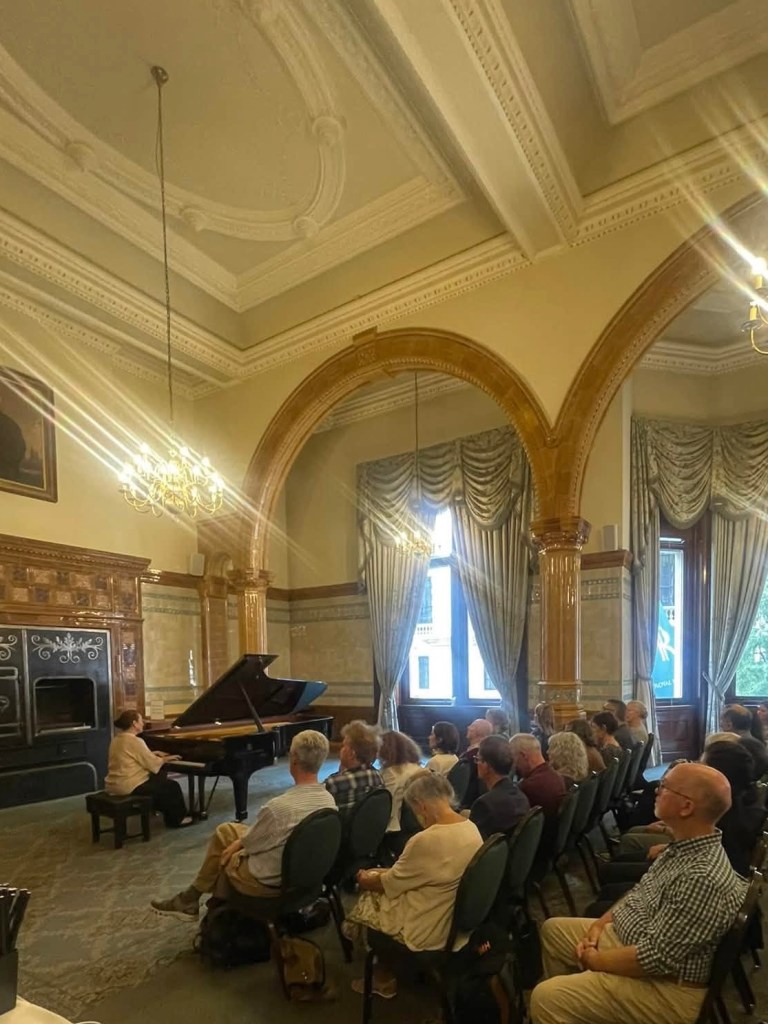
A pianist trained in the Neapolitan school where precision and clarity are to the fore, and where head rather than heart takes precedence over showmanship and sentimentality.
It was exactly this poise and aristocratic control that allowed Eloisa to shape the music with radiance and beauty where every note had an importance in an architectural design of intelligent musicianship.
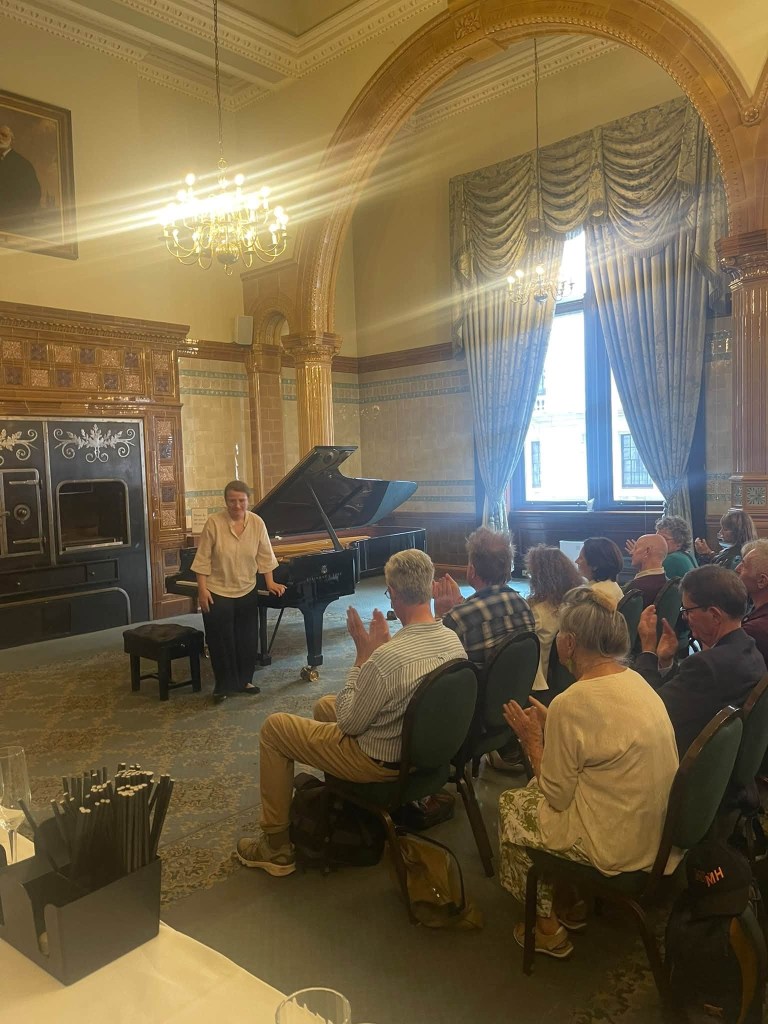
Chopin opened the programme with the first impromptu op 29 beautifully shaped. The usual nonchalant jeux perlé was transformed into a much more classical poise with every note shaped with beauty and radiance. Although the central episode is marked ‘sostenuto’ I would not have slowed the tempo as it risked becoming ponderous rather than a mellifluous outpouring contrasting with the fleeting charm and brilliance of the outer passages. The second Impromptu in F sharp major op 36 is a key that was rarely used by Chopin but was also that of the Barcarolle op 60, one of his finest most lyrical of works. This impromptu is a tone poem of beauty and brilliance where the opening was played with great poise but the central march like episode was rather laboured in the left hand but luckily soon dissolved into a stream of notes or jeux perlé lightness that just accompanied the dignity of the left hand melody played with aristocratic sensibility.The Impromptu in G flat op 51 is a work of charm and beauty that Eloisa played with classical poise but missed the improvised freedom and fluidity that gives the work its beguiling charm and grace. The beautiful central episode, though, was allowed to unfold in the tenor register with ravishing sumptuous beauty. The Fantaisie -Impromptu was the first to be written but the last to be published, which happened only after the composer’s death. Here was where Eloisa’s beautifully measured playing, almost Schubertian, gave great poise and beauty to a work so often thrown off as if a transcendental étude. She brought a ravishing beauty to the central episode that was allowed to sing with glowing fluidity. If she lacked the passionate intensity of the coda she did bring a refreshing nobility to a work that in the hands of a musician like Eloisa was revealed to be a tone poem of poetic beauty.
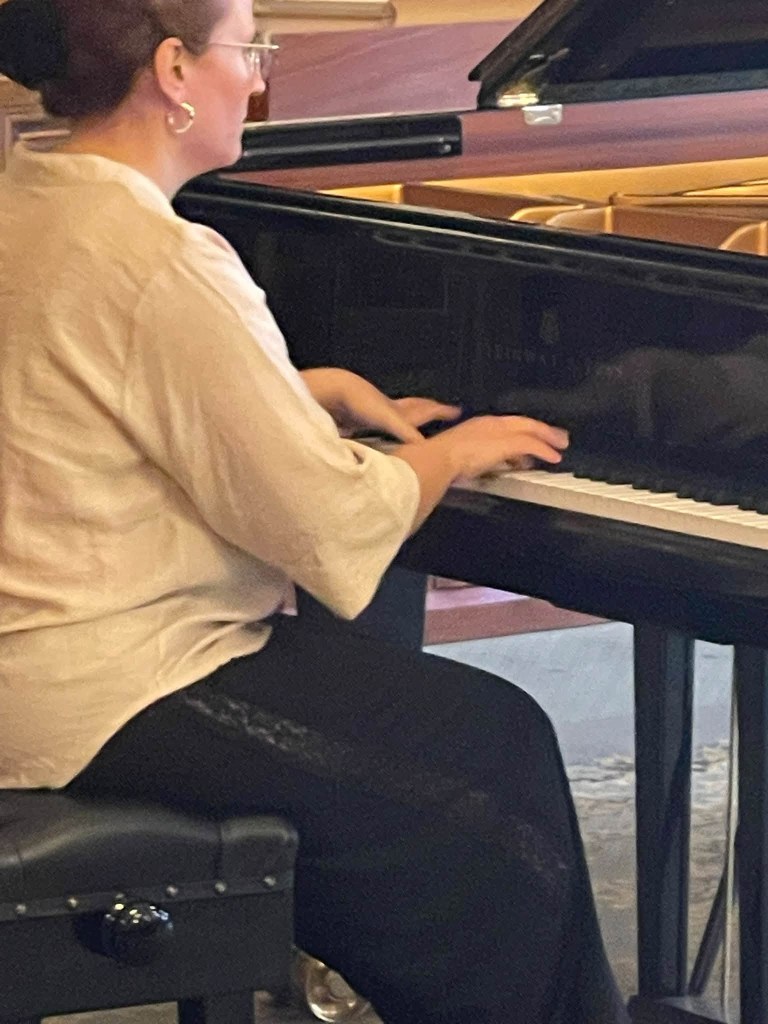
It was in the four Impromptus by Schubert that Eloisa’s restrained poise and refined musicianship came to the fore, allowing the impromptus to unfold with simplicity and beauty. The first Impromptu with a scrupulous attention to the composers very precise Indications illuminated a work of haunting beauty and mystery. If her left hand was rather heavy in the intense build up to the climax it was contrasted with the ethereal beauty of the opening. The second Impromptu was played with measured brilliance as the flowing wave of sounds was shaped with musicianly poetic beauty. Missing the ‘sturm und drang’ of the contrasting central episode she did give it a more refined shape of sumptuous beauty. The G flat impromptu was played with exquisite poise and poetic shape and was the highlight of the concert. Her aristocratic poise and control gave a great inner strength to one of Schubert’s most beautiful creations. The last Impromptu was played with great clarity and a sense of balance that allowed the central episode to sing without force but with an architectural shape of poignant beauty.
A recital of beauty, poise and poetic musicianship from a pianist who thinks more of the music than herself and it bodes well for a partnership born on wings of song.
Eloisa Cascio, after the classical studies completed the master and specialist degrees – with first class honours and special mention – in Piano, as a student of Tina Babuscio (Conservatory of Benevento) Harpsichord (Conservatory of Campobasso) Chamber Music and Choral Music and Choir Direction (Conservatory of Avellino) and Piano Chamber Music (Conservatory of Napoli). Afhter Eloisa studied with Pietro De Maria in the School of Music of Fiesole when in June 2014 obtained the Piano Interpretation Diploma: She study piano also with Massimo Bertucci in Napoli (private course) and classical praxis with Emilia Fadini in Milano. She took part in masterclass of piano with Bruno Canino, Peter Lang, Gottlieb Jracek von Armin, Johannes Kropfitsch, Oleg Marshev, Joseph Paratore, Henri Sigfridsson, Andreas Frohlich, Olivier Gardon, Dominique Merlet, Teppo Koivisto, Paolo Bordoni and other.A lunchtime concert that seals a partnership between the Kettner concerts and those of the Reggio di Caserta in Italy
On August 2012, She attended a master in piano with Gottlieb Jracek von Armin in the Wiener Musik Seminar and obtained the III prize in the Dichler Competition. On April 2016, she was the recipient of the “University of South Florida Steinway Piano Series special award”. The award is given annually to help an exceptional pianist at the beginning of their professional career.
Eloisa played as a pianist soloist and in chamber music in various festival in Italy, Austria, Belgium, France, Germany, Spain, Holland, Greece, Poland, Macedonia, Baltic Republic’s, Romania, Montenegro and United States of America, Croatian, Slovenian, Austria, Lithuania, Estonian, Latvia; She took part in concert – seasons in Rome, Turin, Bologna, Milan, Trieste, Verona, Venezia, Ancona, Paris, Salzburg, Frankfurt, Timisoara, Bitola, Beringen, Kotor, Tampa, Thessaloniki, Tallin, Riga, Palanga, Dubrovnik, Wien, Havik, Piran and many other’s. As harpsichordist Eloisa played recital, chamber music and Bach and De Falla concerts; as pianist recently played Mendelssohn concert in g minor with the Rumenian Philharmonic’s Orchestra’s Dinu Lipatti of Satu Mare e Mihai Jora of Bacau and the Dvorak Piano Quintet with Aron Quartet Wien and Apollon Quartet.
At the present Eloisa is a Piano teacher in Conservatory Nicola Sala in Benevento (Italy).
For years the Cascio family of musicians have been dedicated to organising concert and cultural events in and around Caserta and Capua ( the city of spires ) and are a very important presence in a part of Italy deprived of culture and much else.
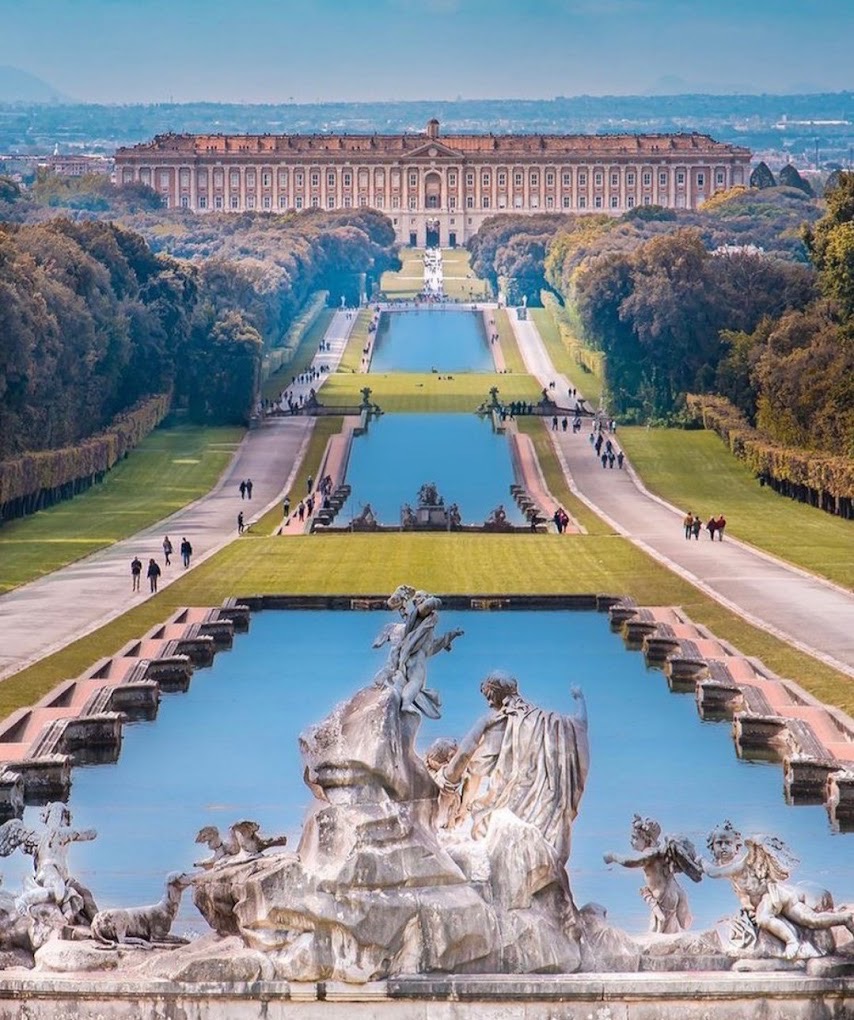
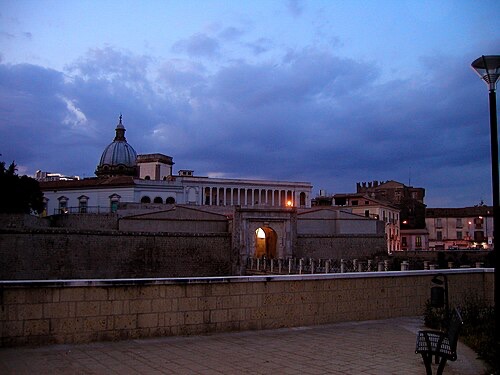
https://www.google.com/url?sa=t&source=web&rct=j&opi=89978449&url=https://reggiadicaserta.cultura.gov.it/en/discover-the-complex/the-archaeological-circuit-of-ancient-capua/&ved=2ahUKEwijsrytoPWWAxVHTEEAHSAxGxkQFnoECCUQAQ&usg=AOvVaw3w0Tsr_z7i8B2Ek6c9NRmY
Chopin Impromptus for Piano
Chopin’s four Impromptus have a strongly improvisatory character, while still overflowing with fleet-footed lightness, as well as with dignity and tastefulness. This applies above all to the first three pieces of this volume, opp. 29, 36 and 51.
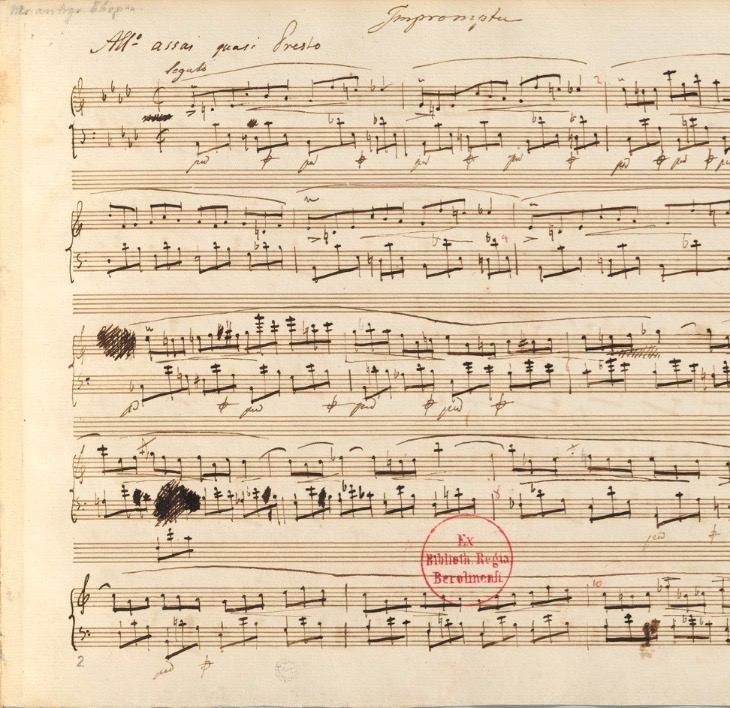
Whereas the first was written in 1837, the other two were composed during Chopin’s relationship with the authoress George Sand, at her country seat of Nohant: op. 36 in 1839, op. 51 three years later.
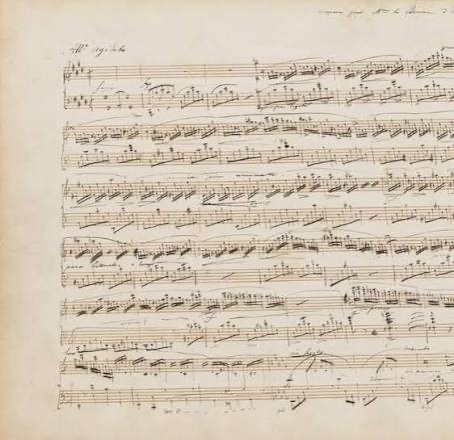
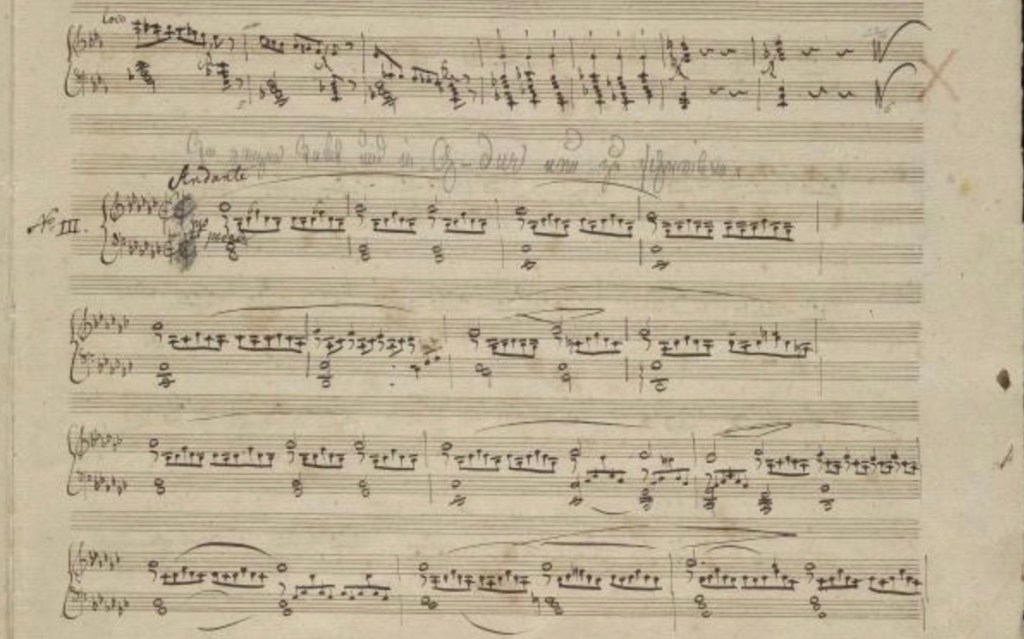
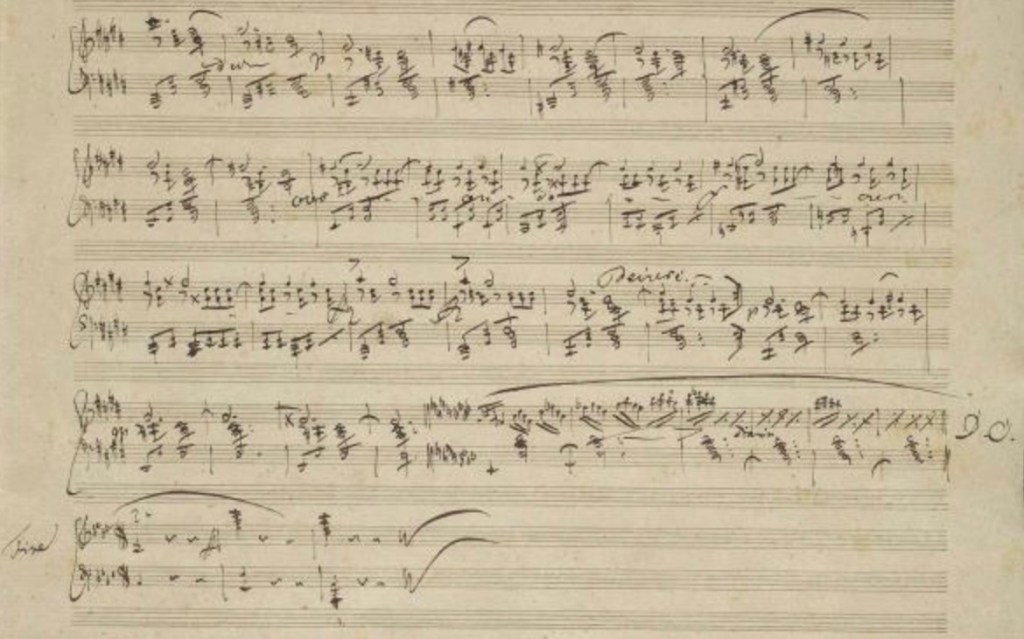
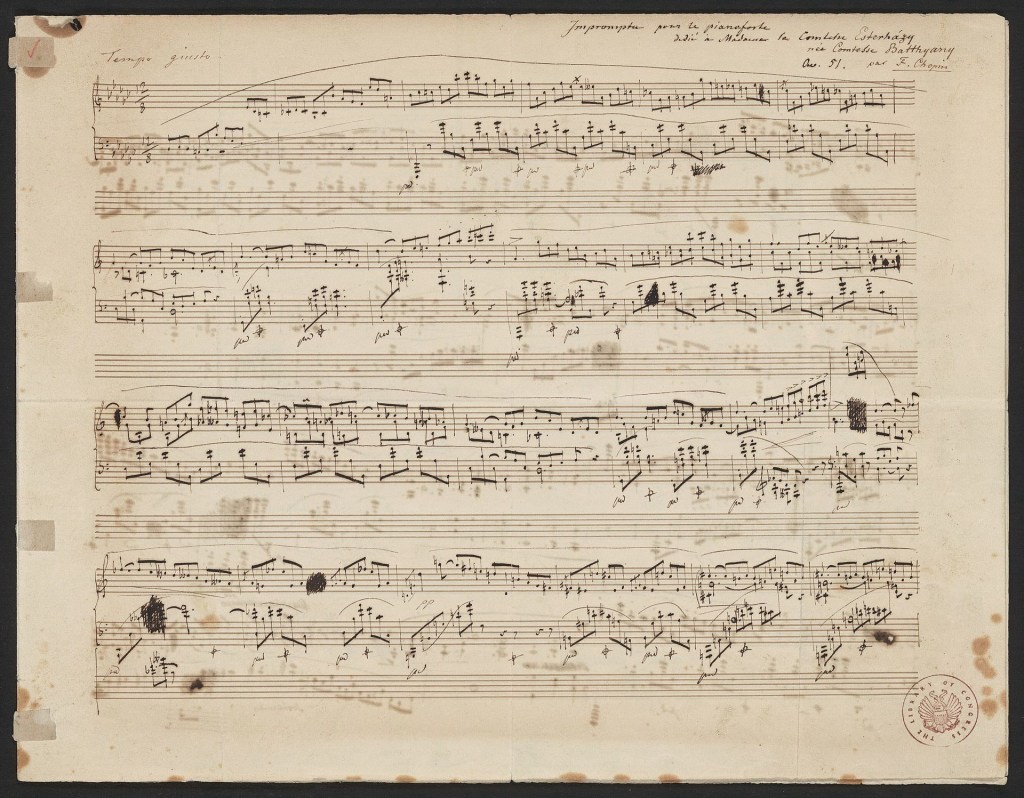
The opus number of the Fantaisie Impromptu, op. 66, is misleading, since the piece had already been written in 1834 as the first of the four works. Chopin had apparently notenvisioned its printing, and it was issued only after his death, thanks to the efforts of his friend Julian Fontana. The print diverges so strongly from the fortunately extant autograph,
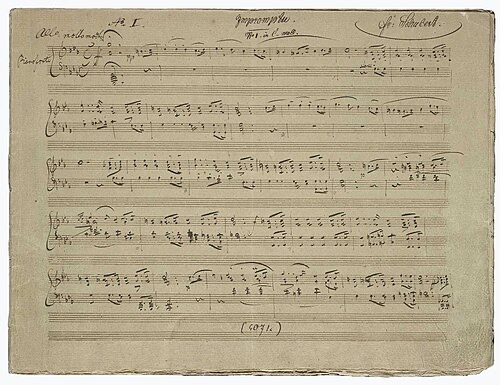
Schubert’s Impromptus are a series of eight pieces for solo piano composed in 1827. They were published in two sets of four impromptusi each: the first two pieces in the first set were published in the composer’s lifetime as Op. 90; the second set was published posthumously as Op. 142 in 1839 (with a dedication added by the publisher to Franz Liszt ). The third and fourth pieces in the first set were published in 1857 (although the third piece was printed by the publisher in G major, instead of G♭ as Schubert had written it, and remained available only in this key for many years). The two sets are now catalogued as D. 899 and D. 935 respectively. They are considered to be among the most important examples of this popular early 19th-century genre.
It has been said that Schubert was deeply influenced in writing these pieces by the Impromptus, Op. 7 (1822) of Jan Václav Vořišek and by the music of Voříšek’s teacher Václav Tomášek