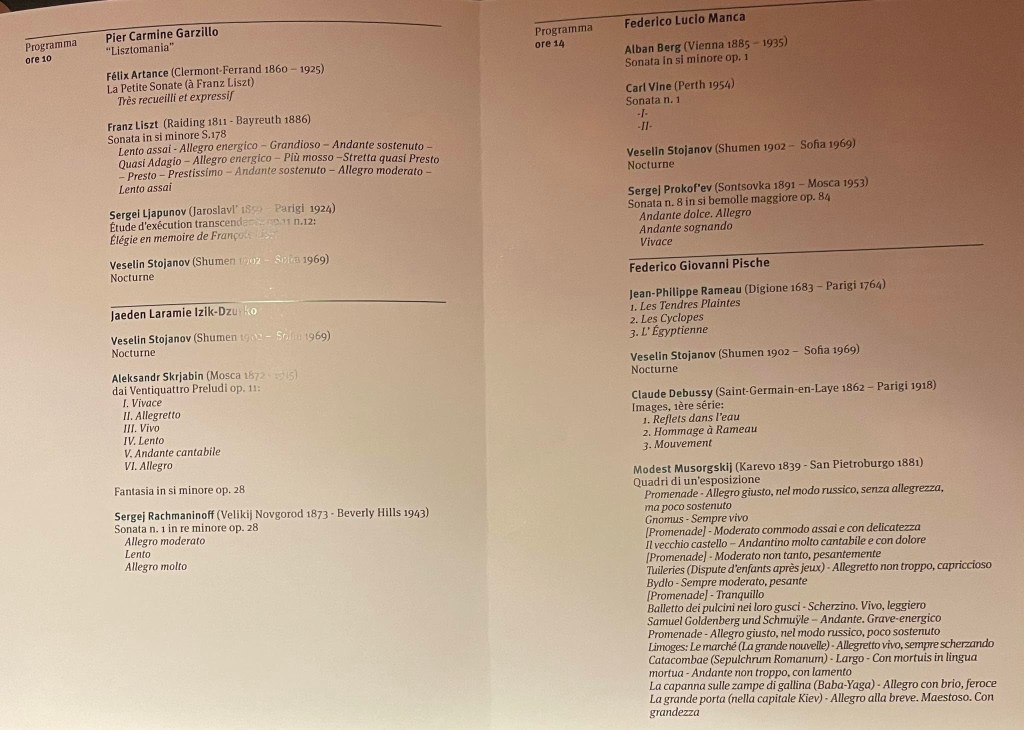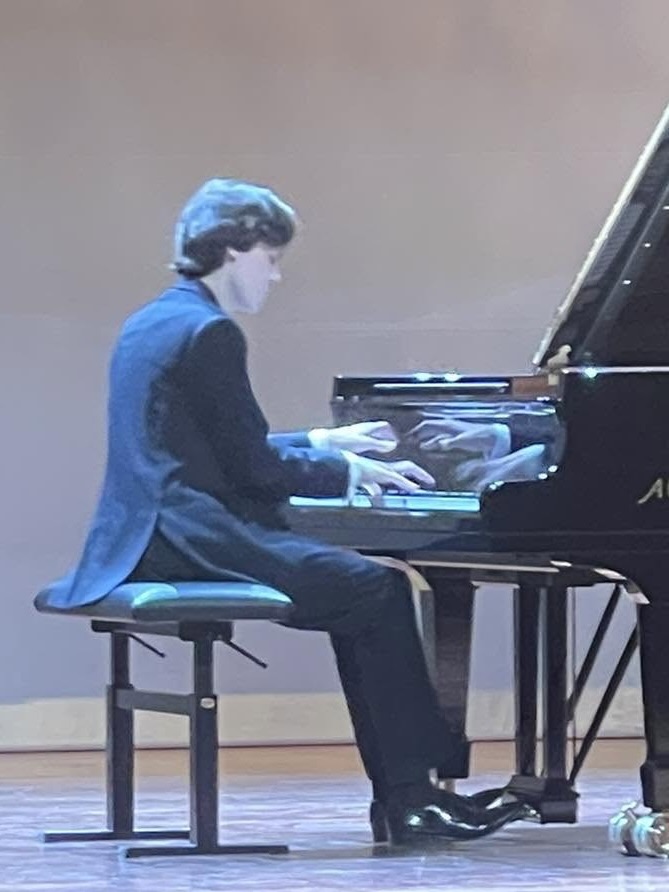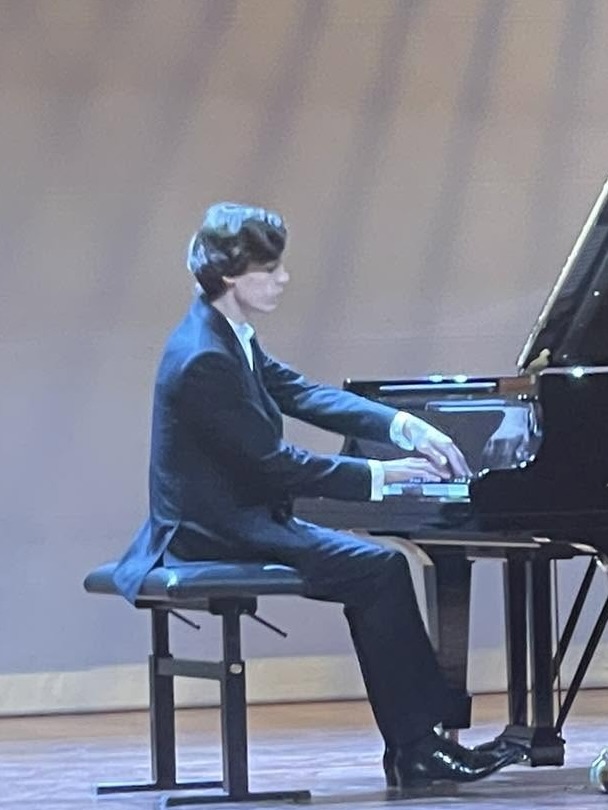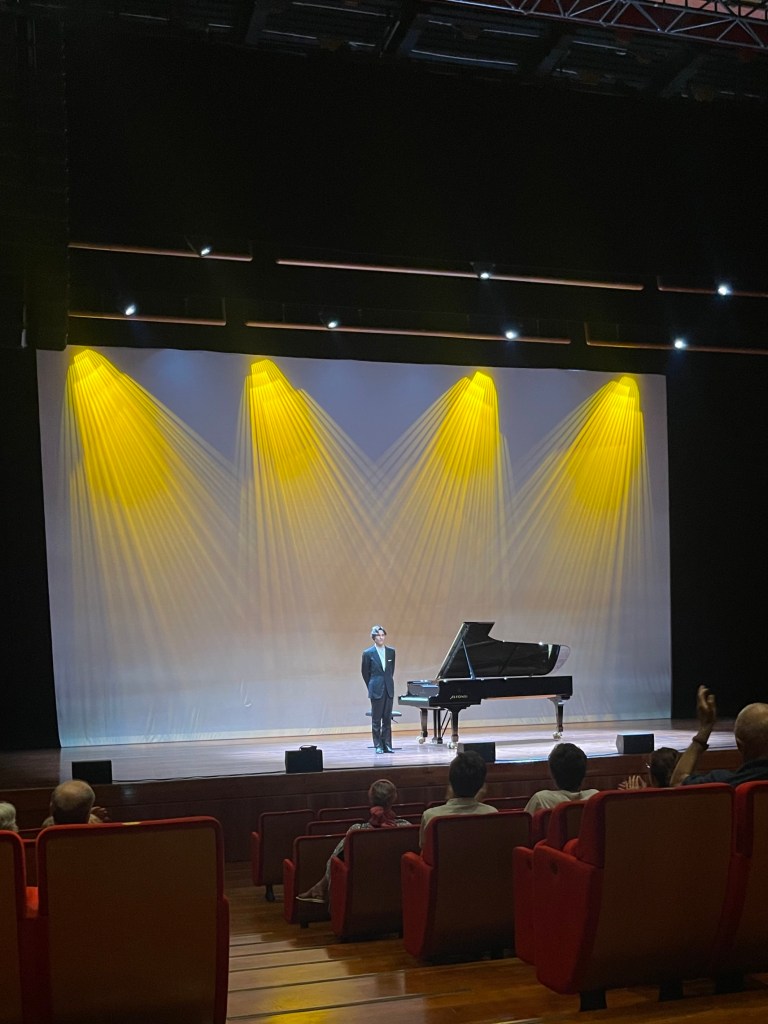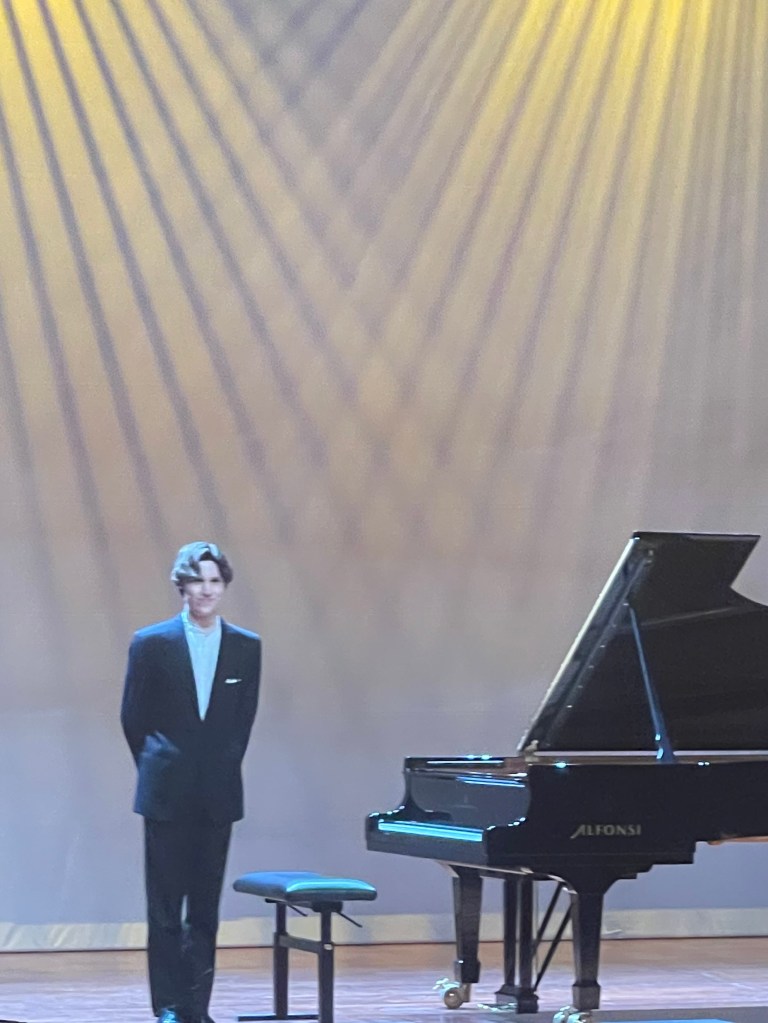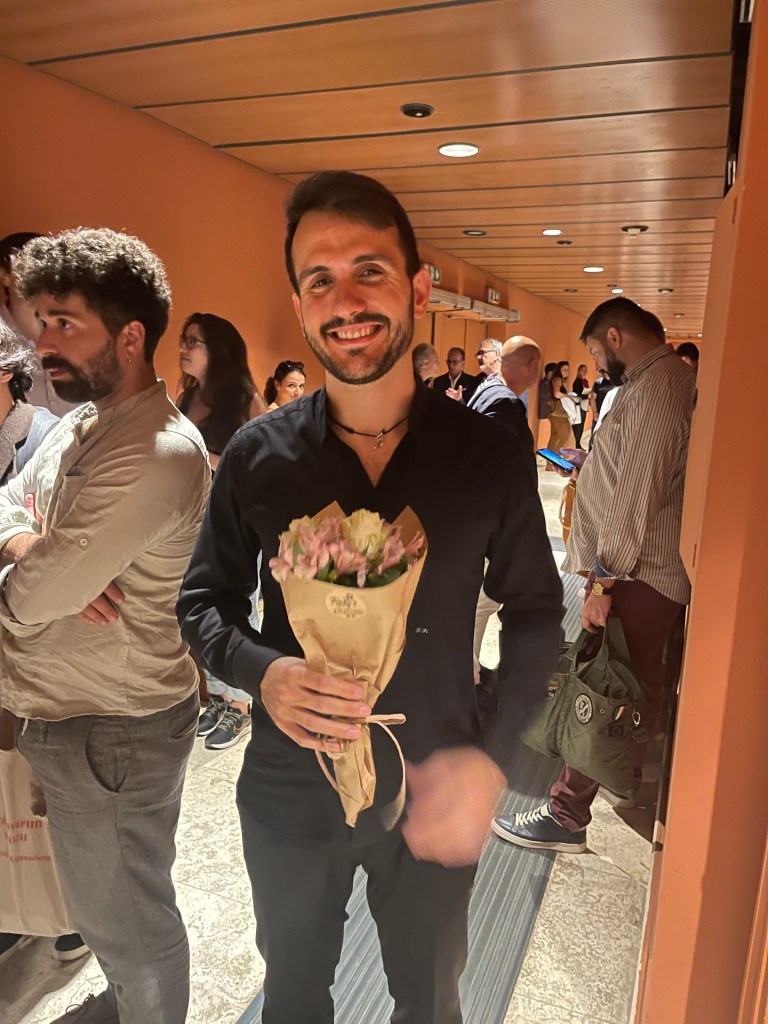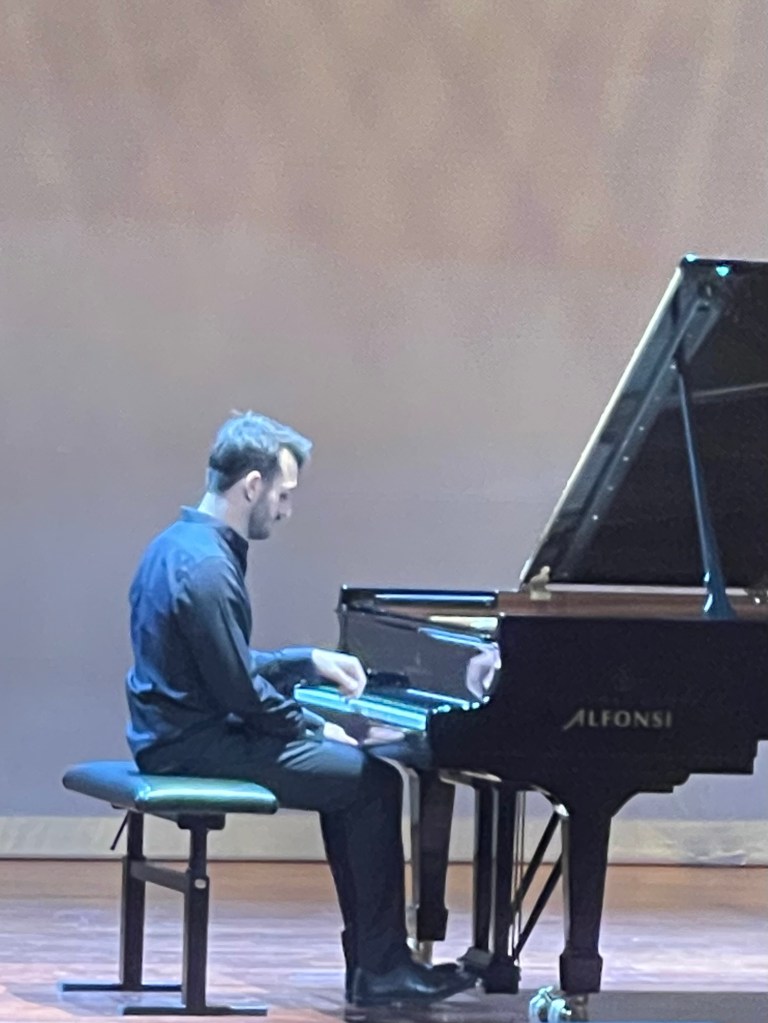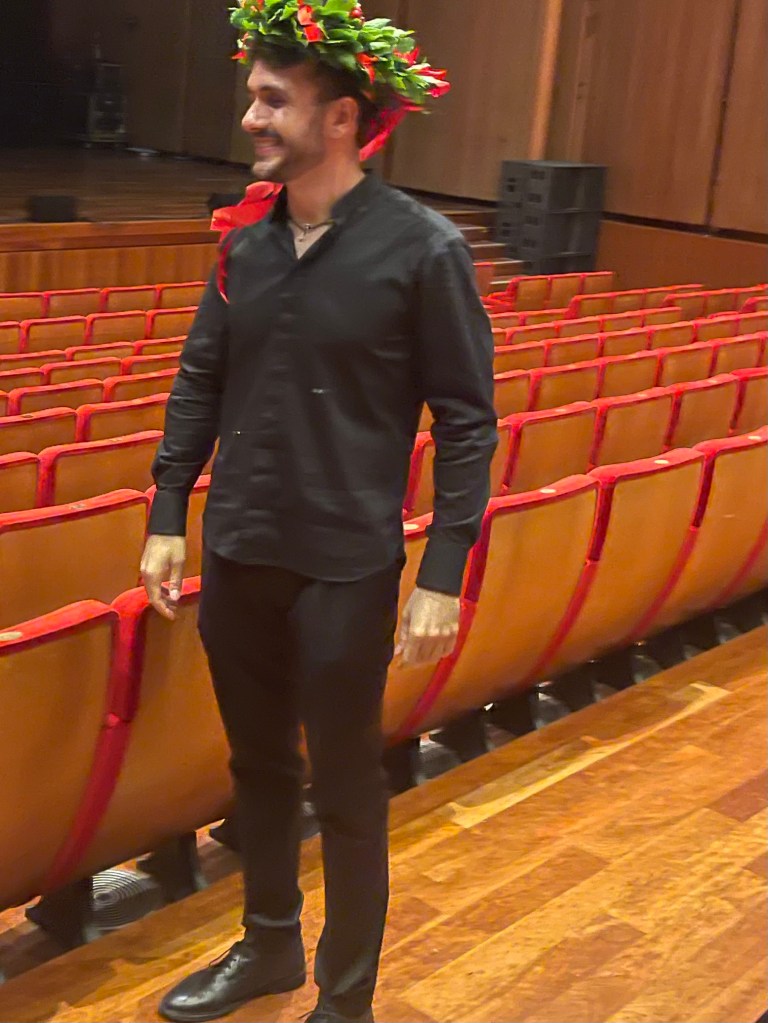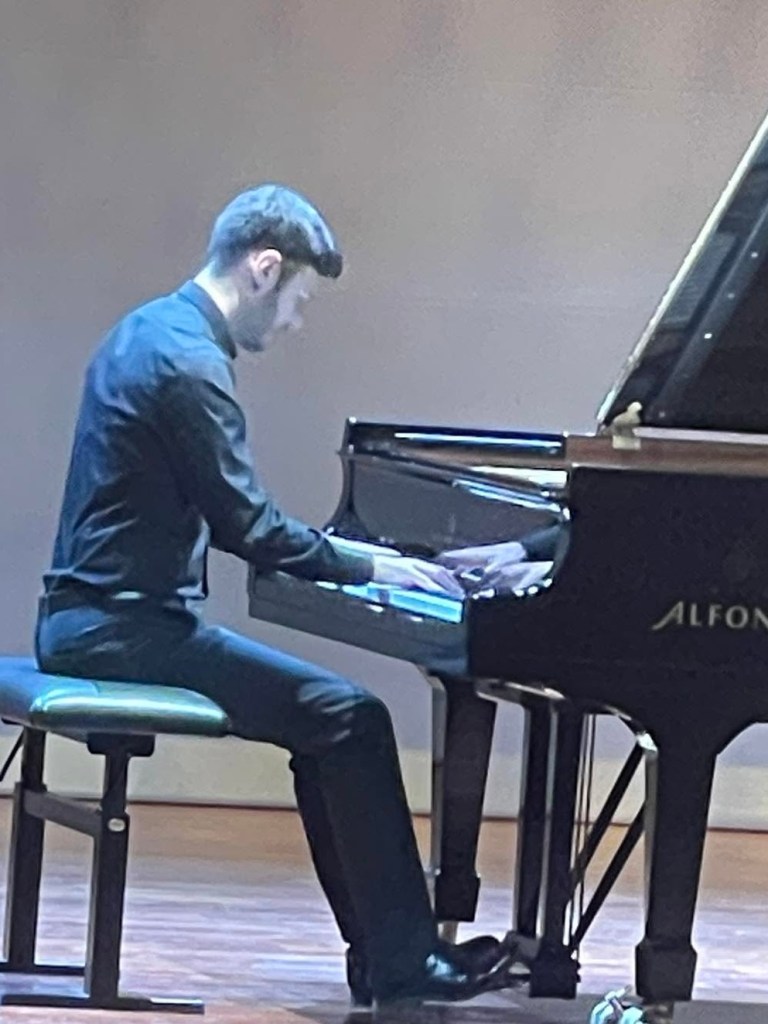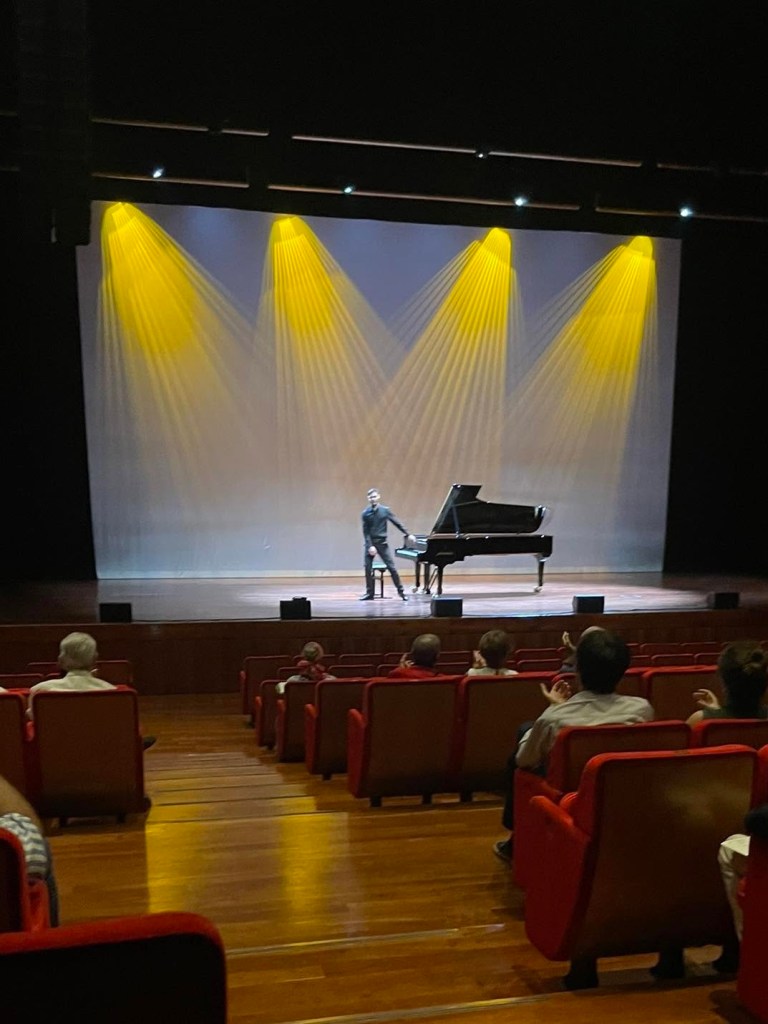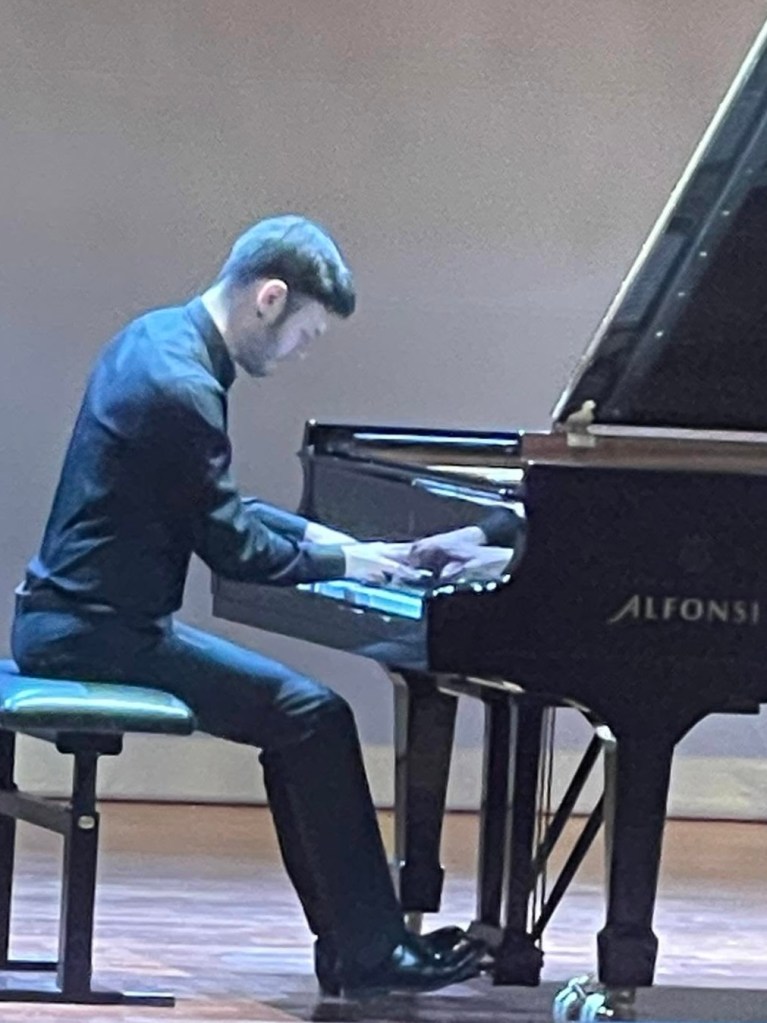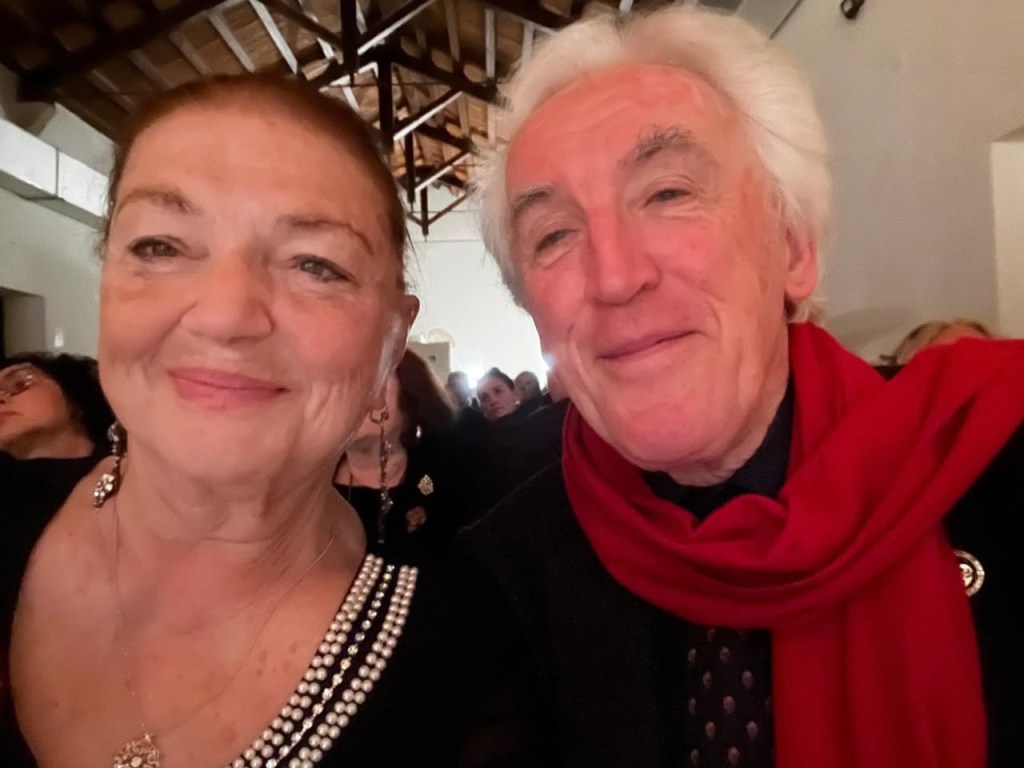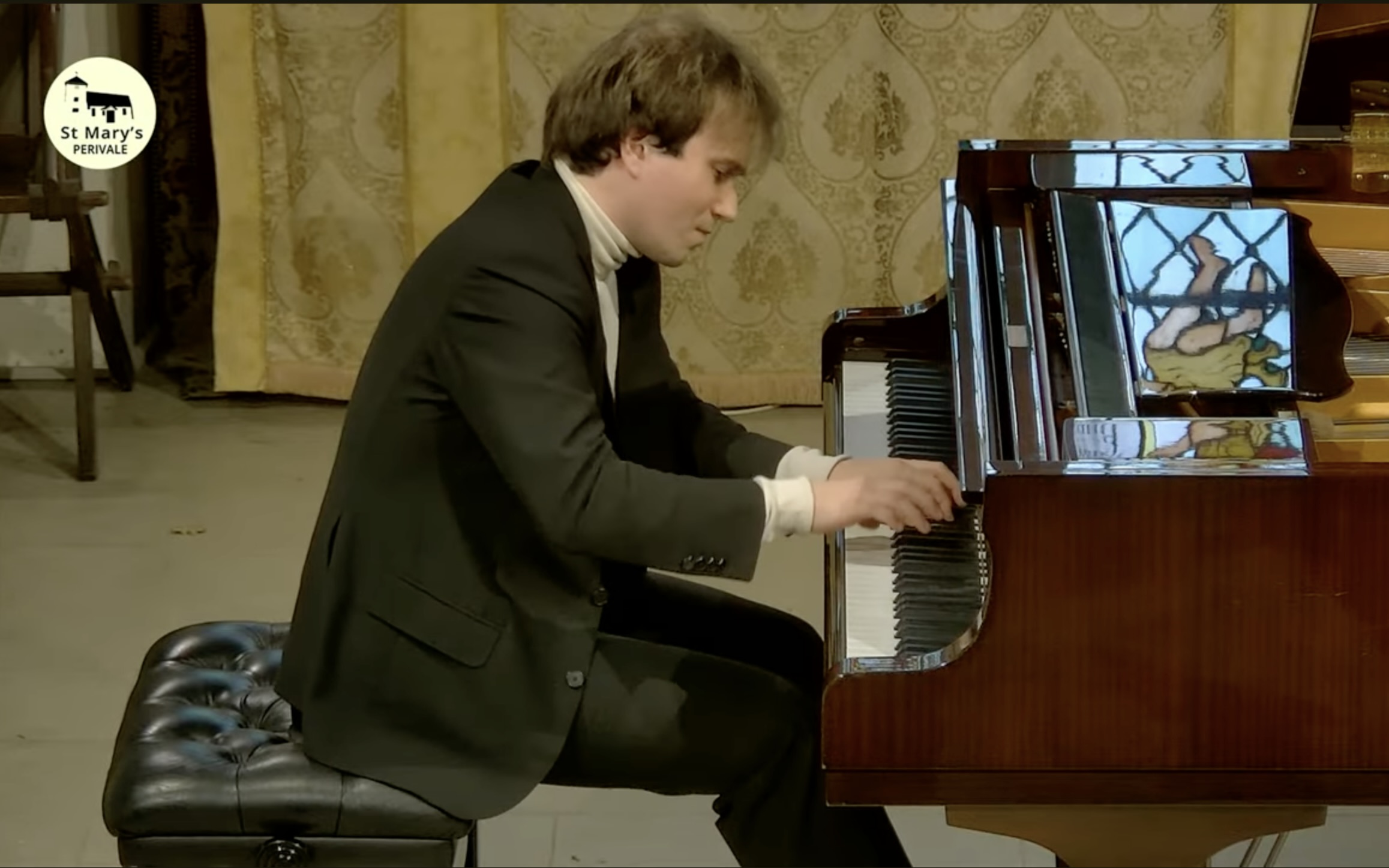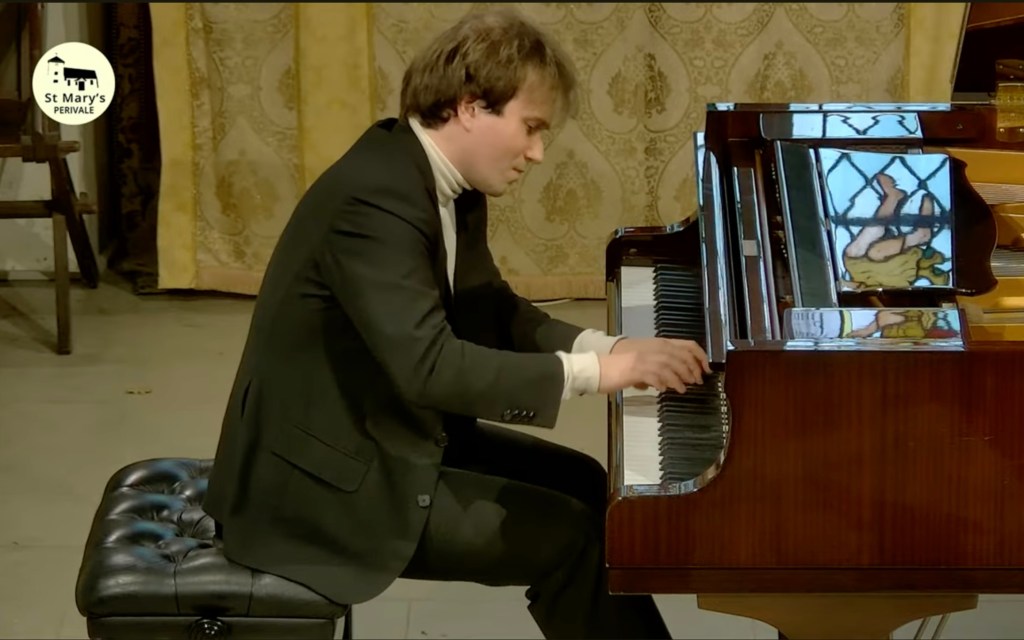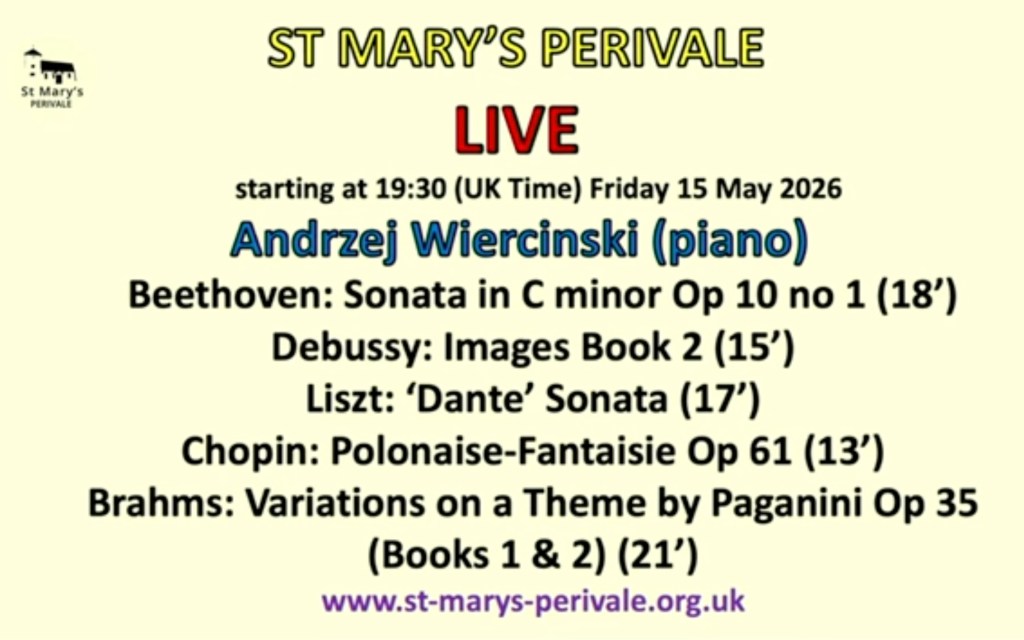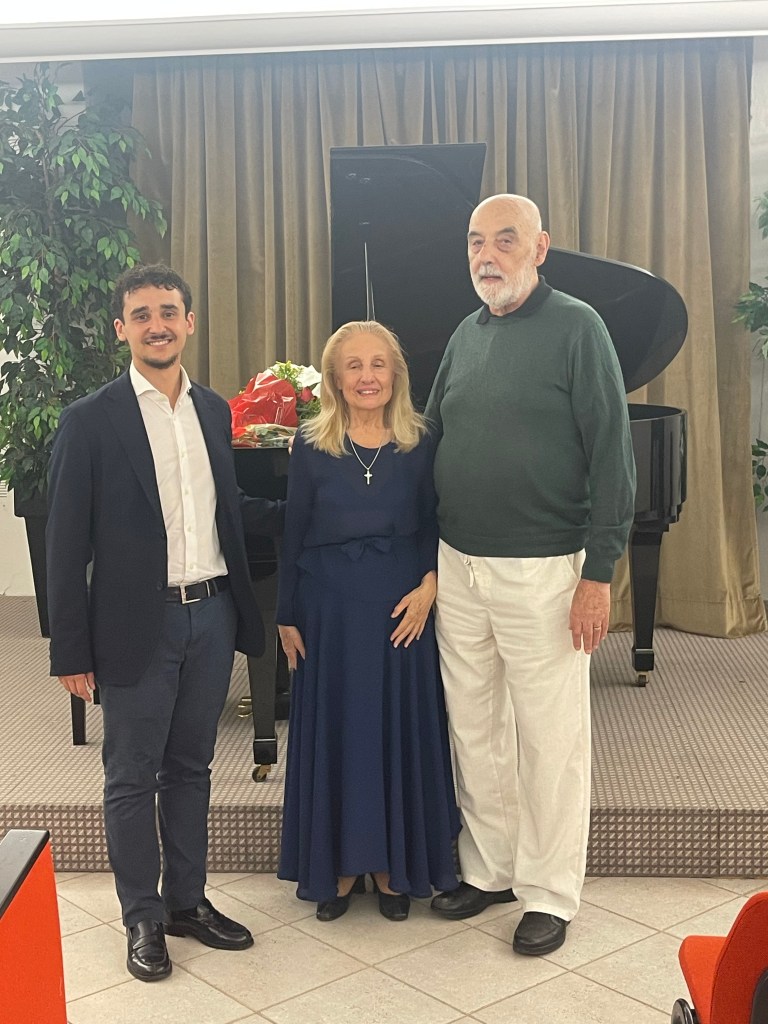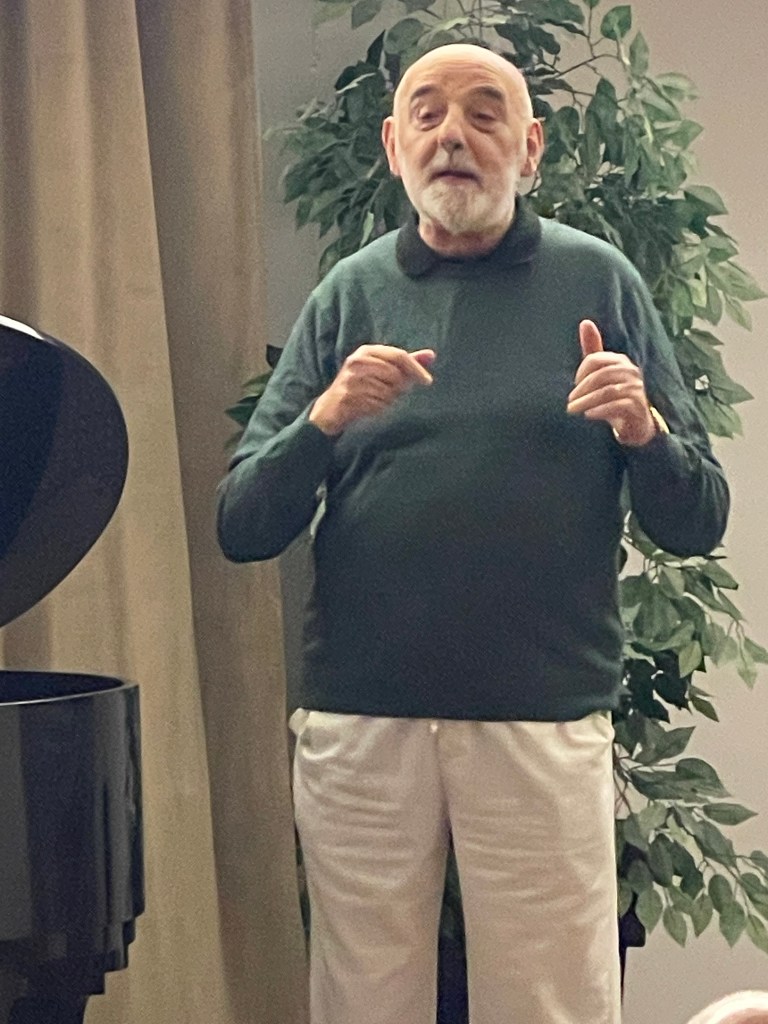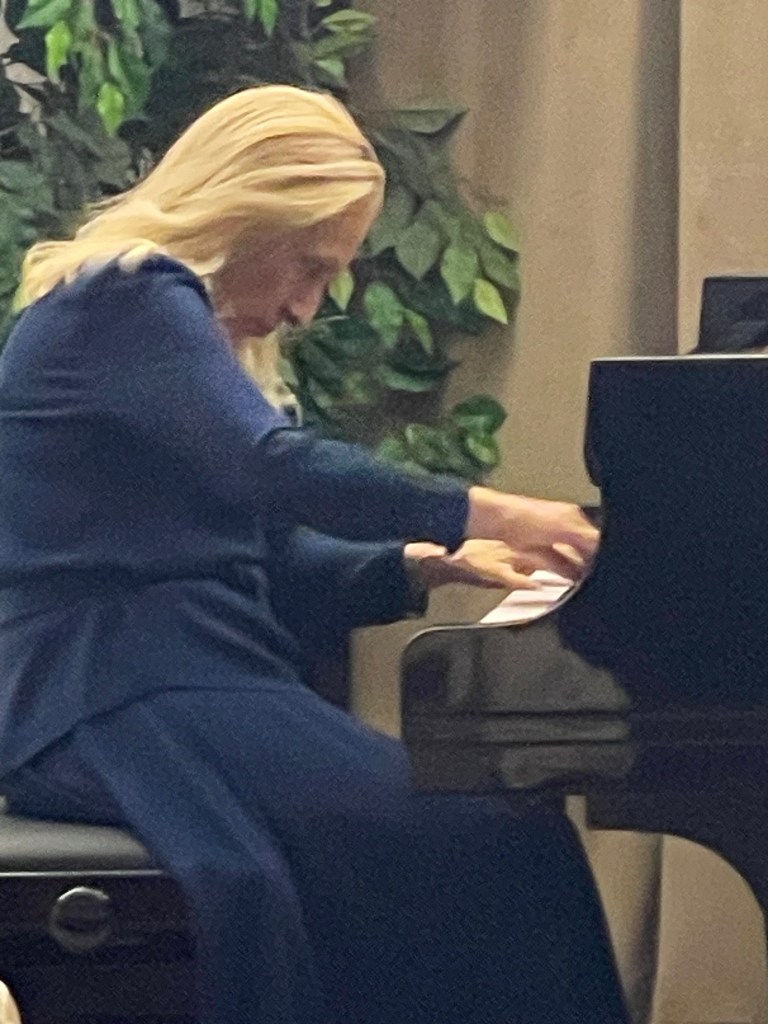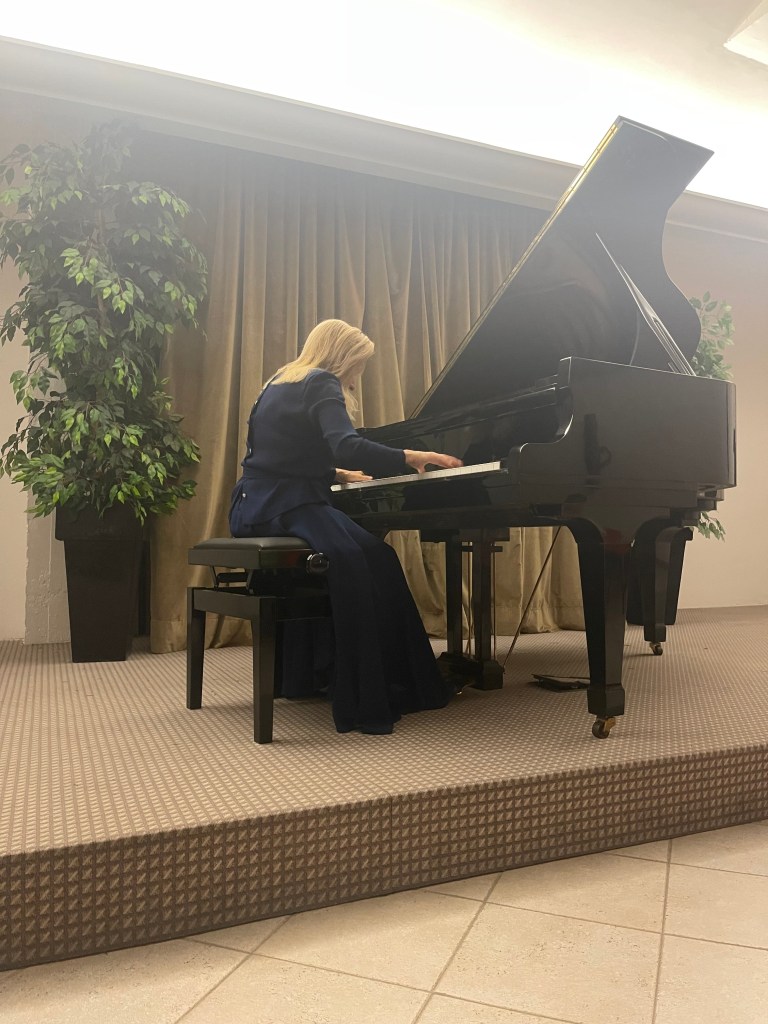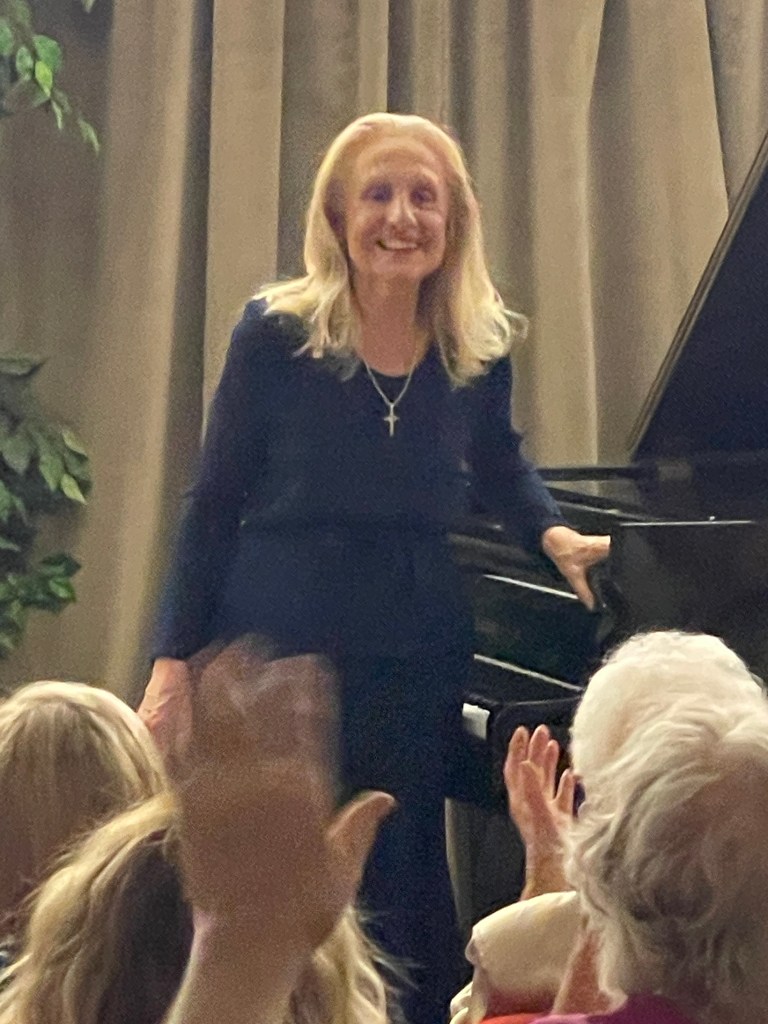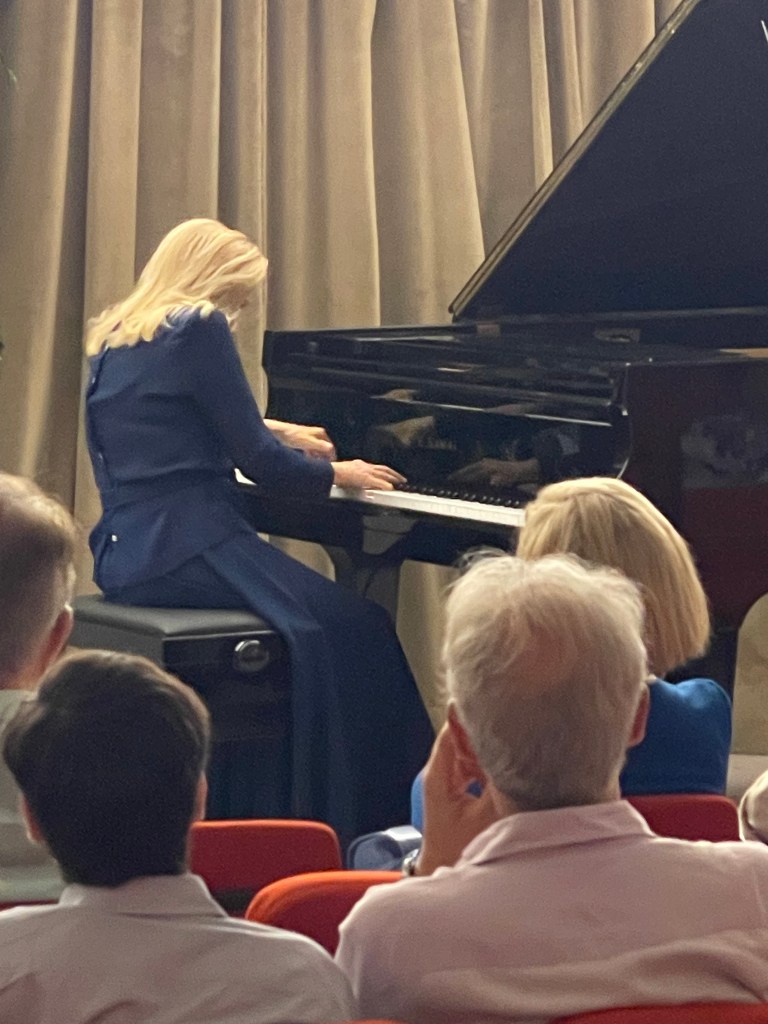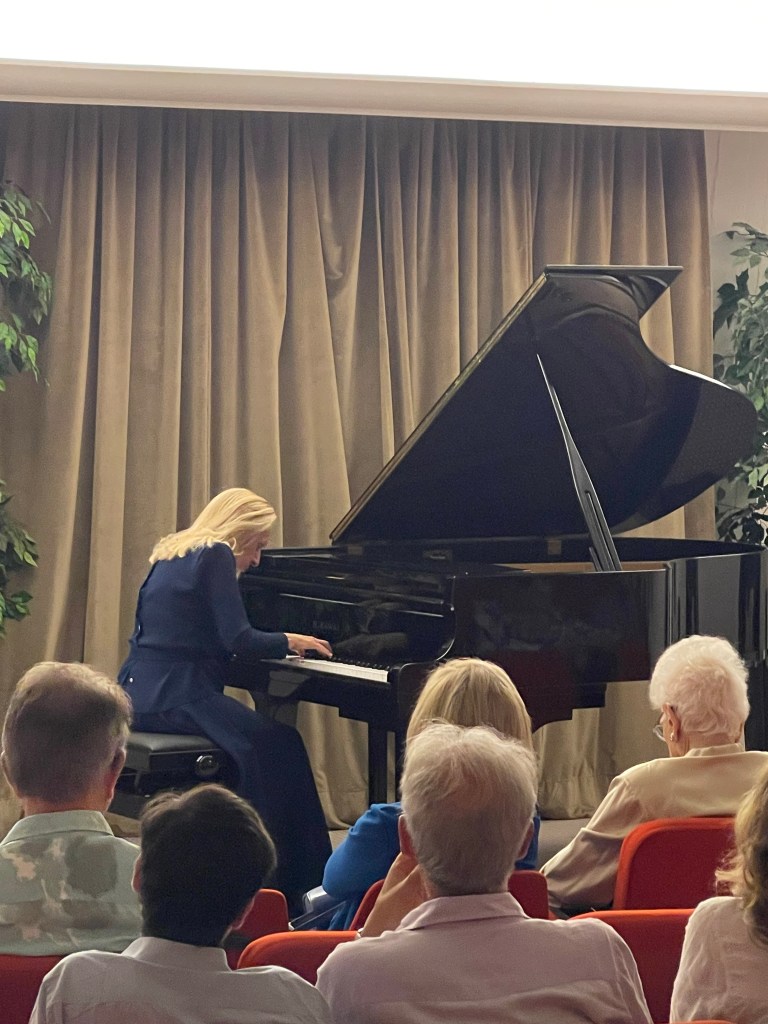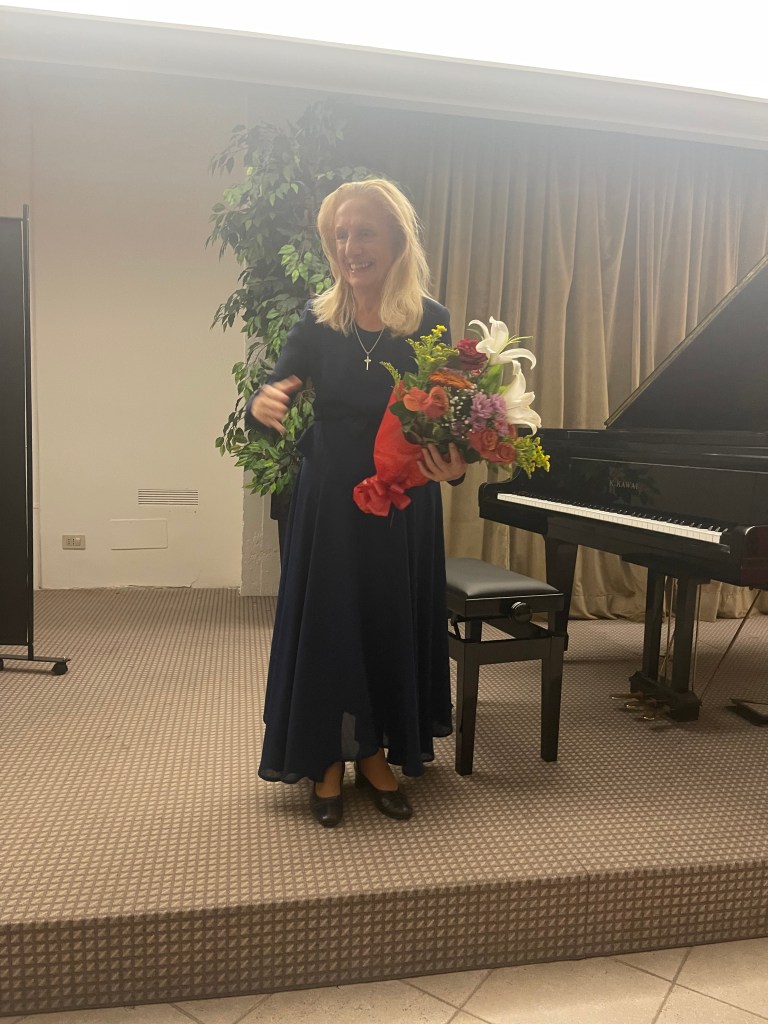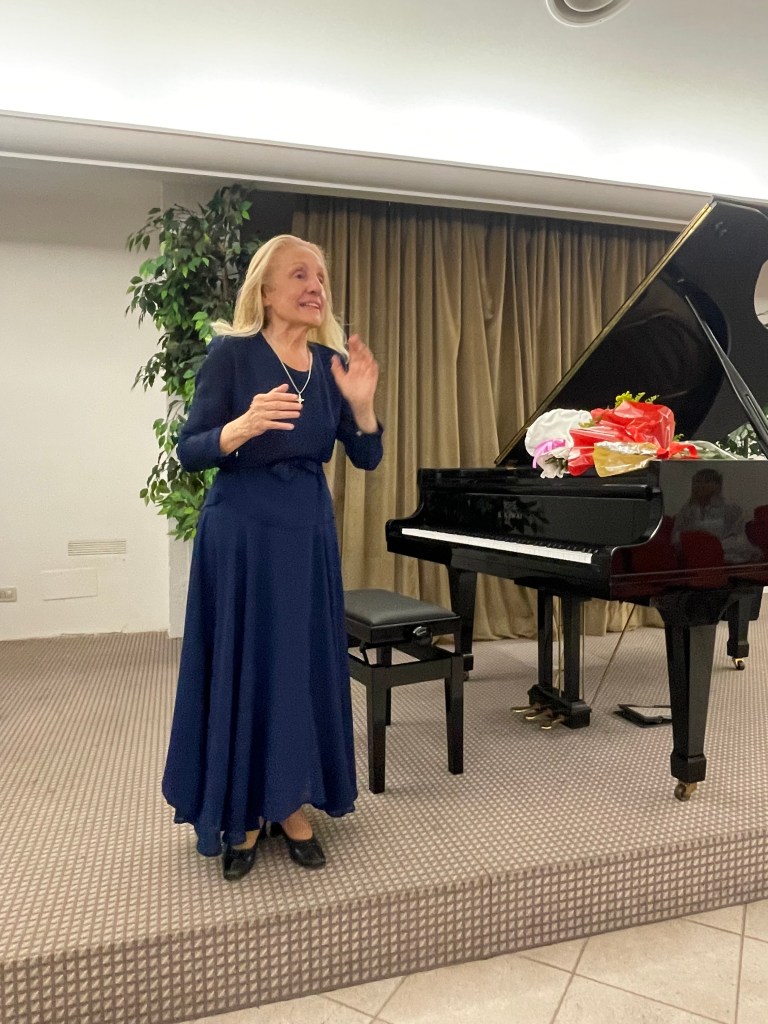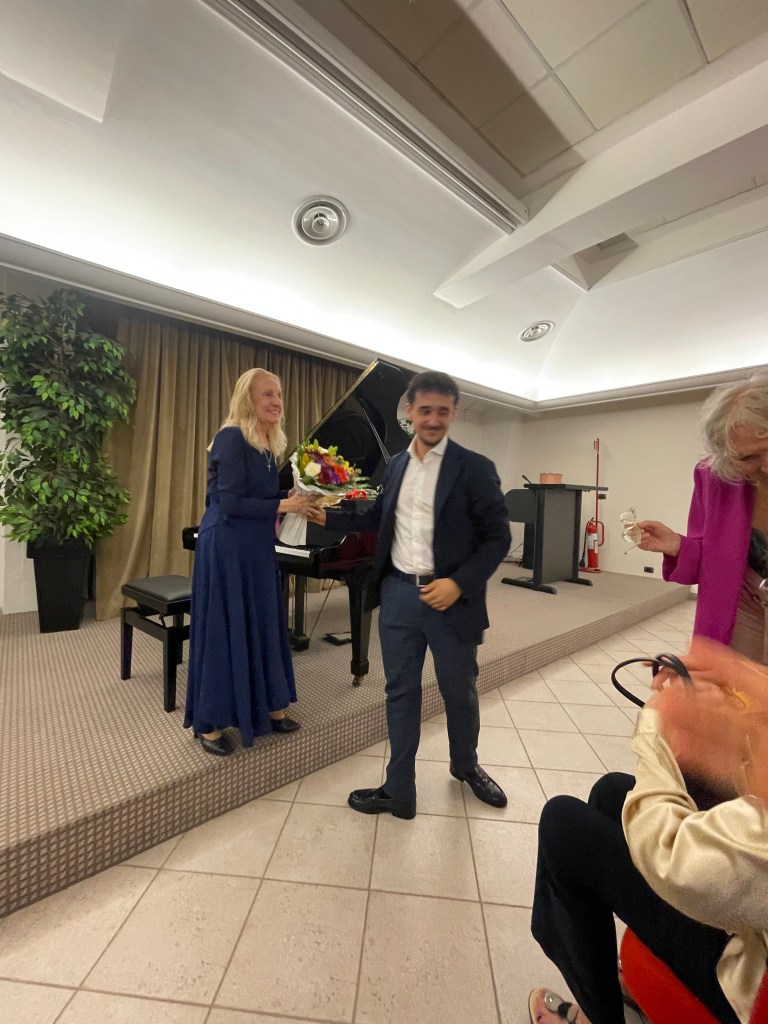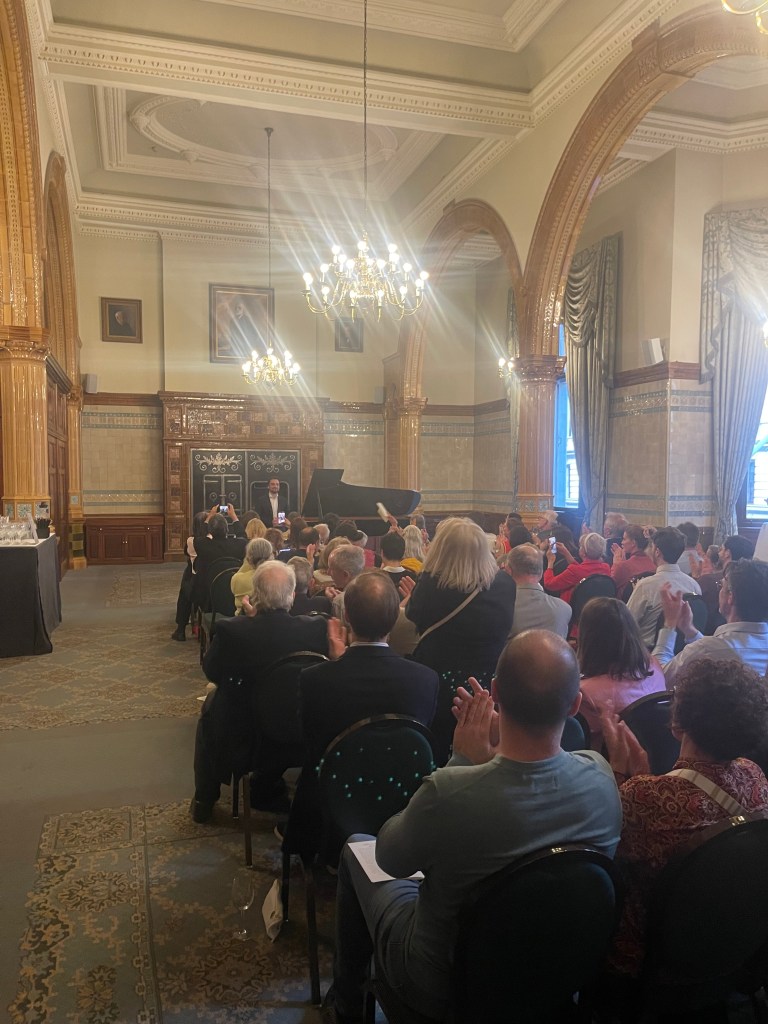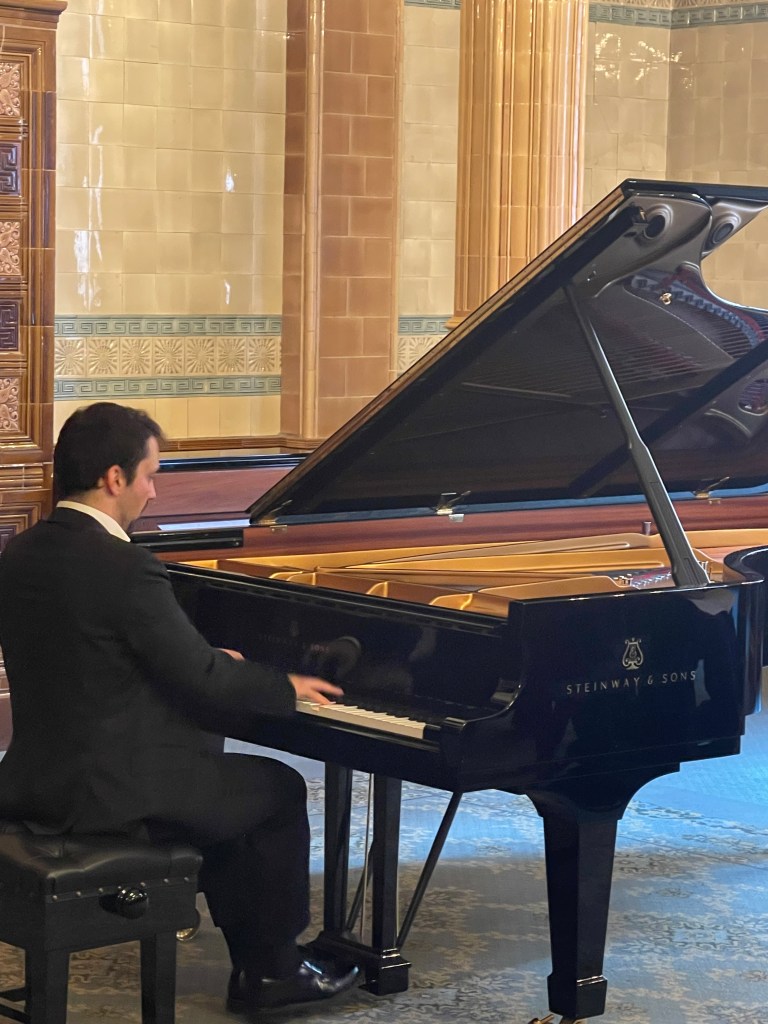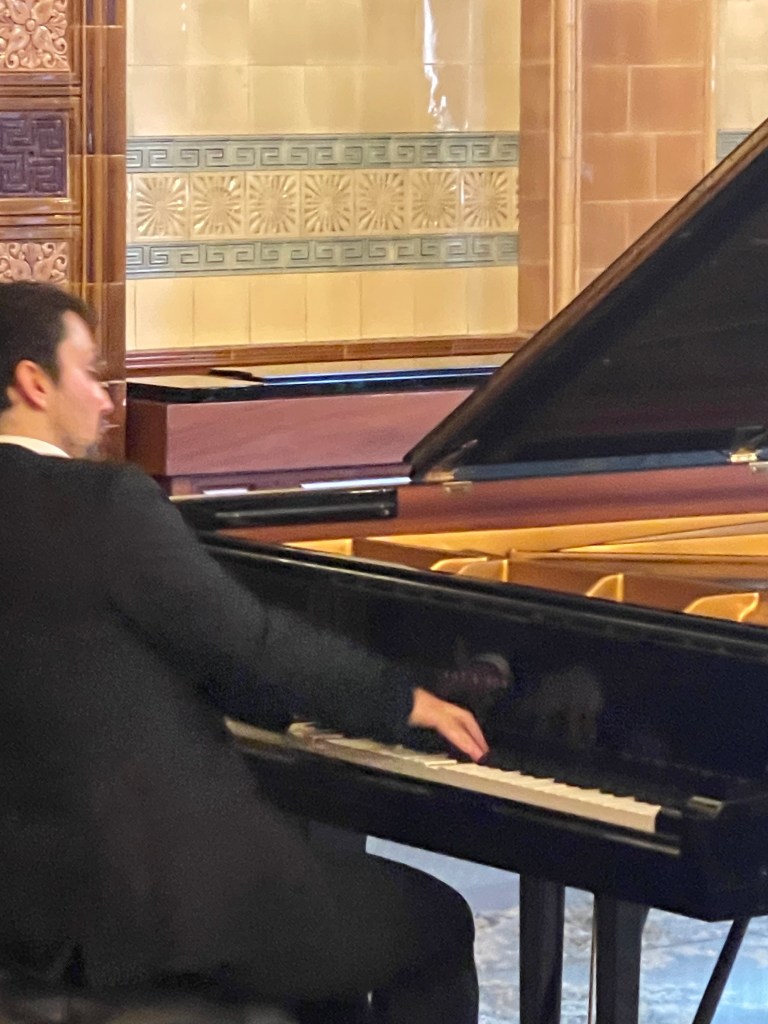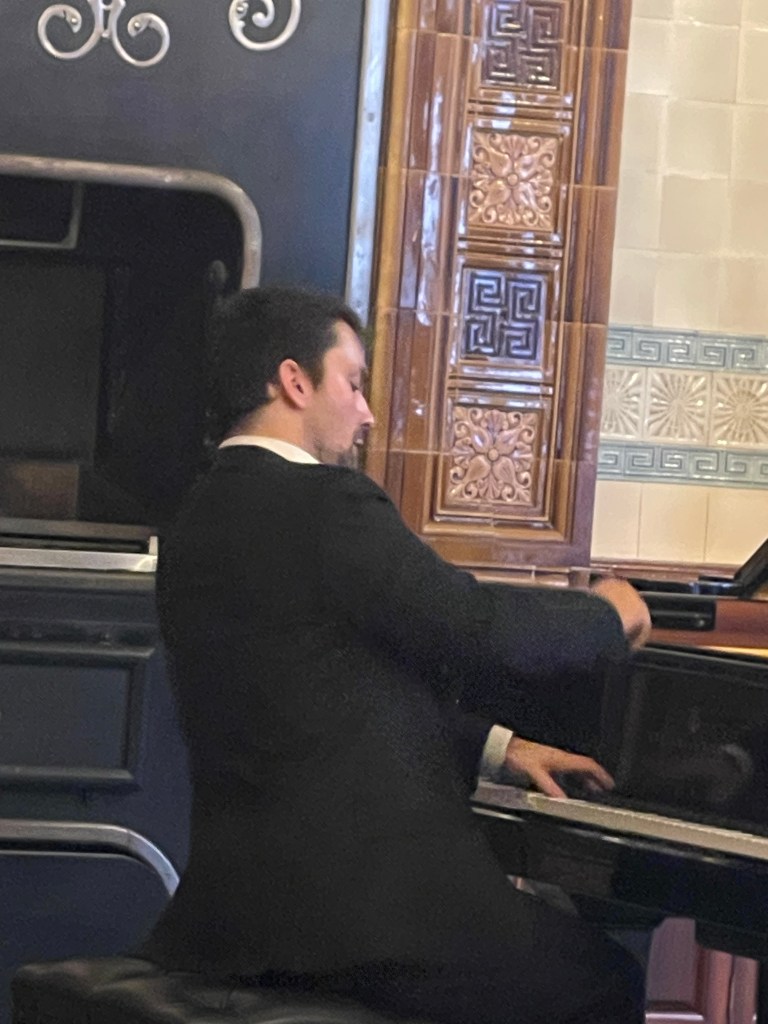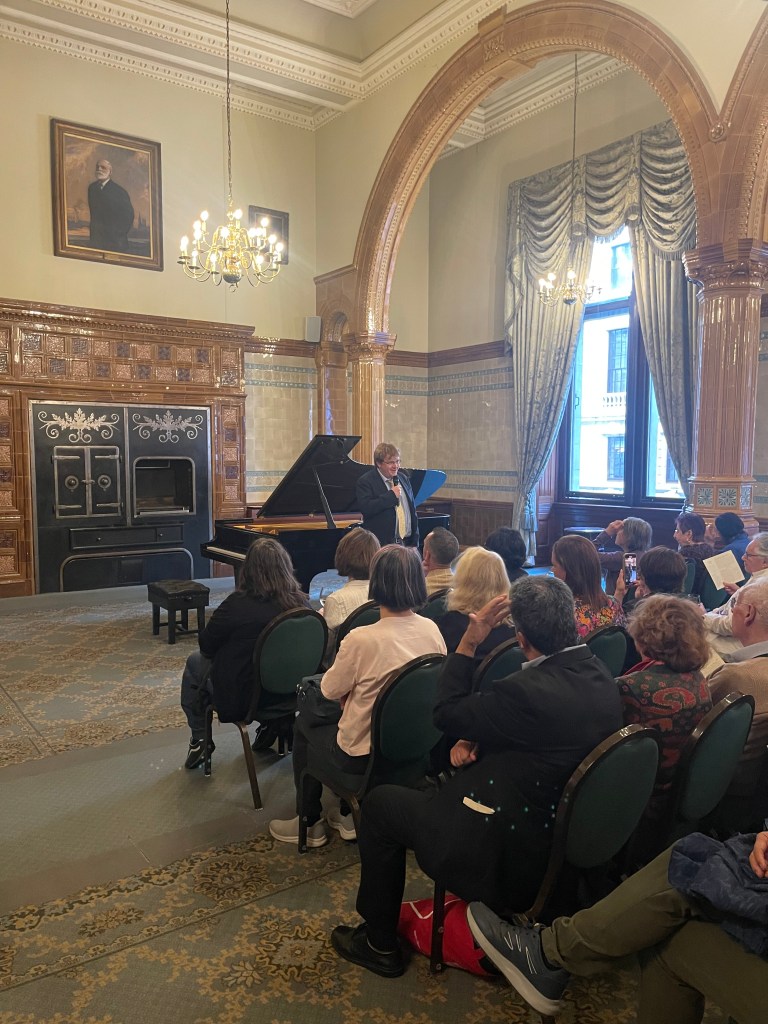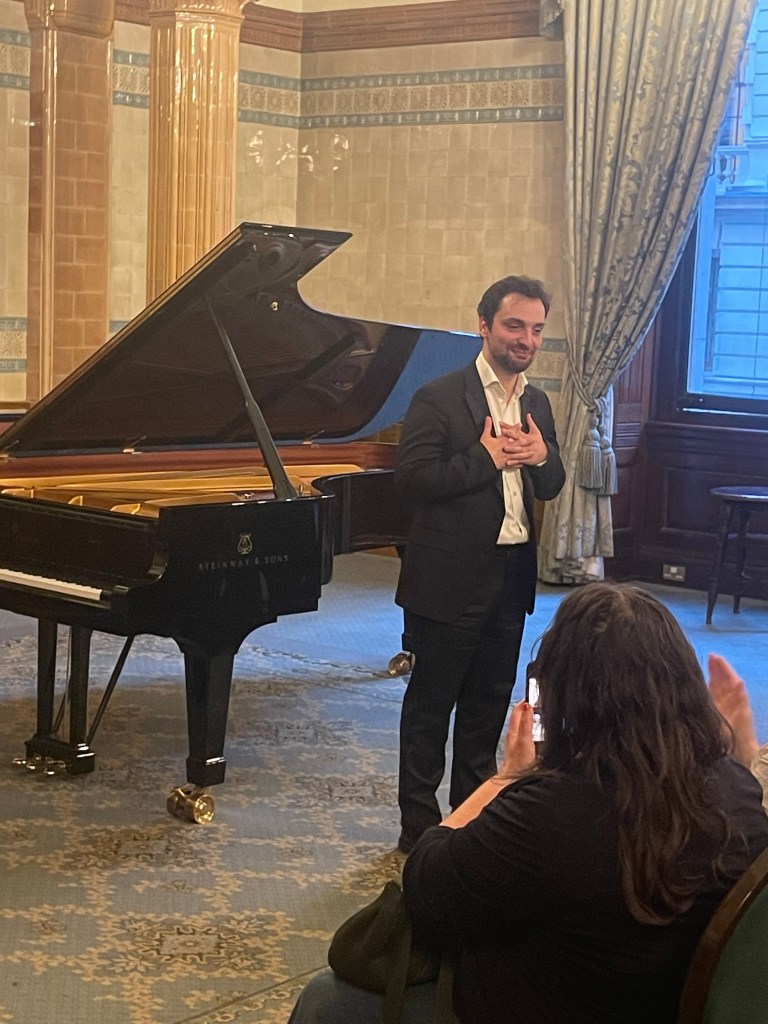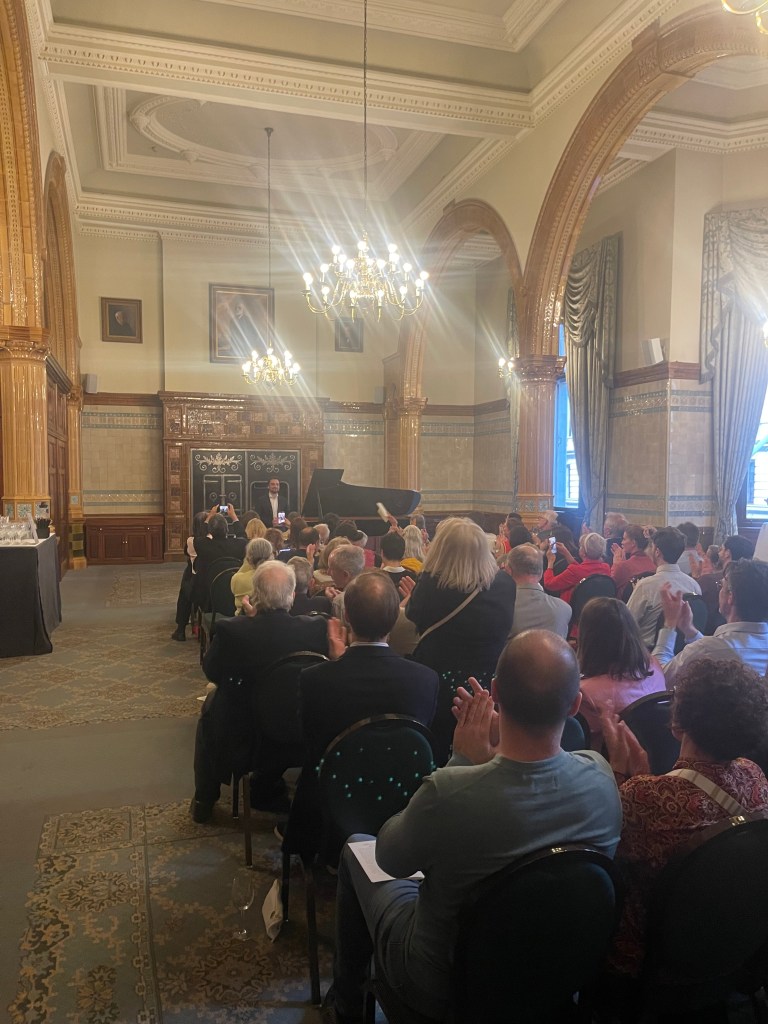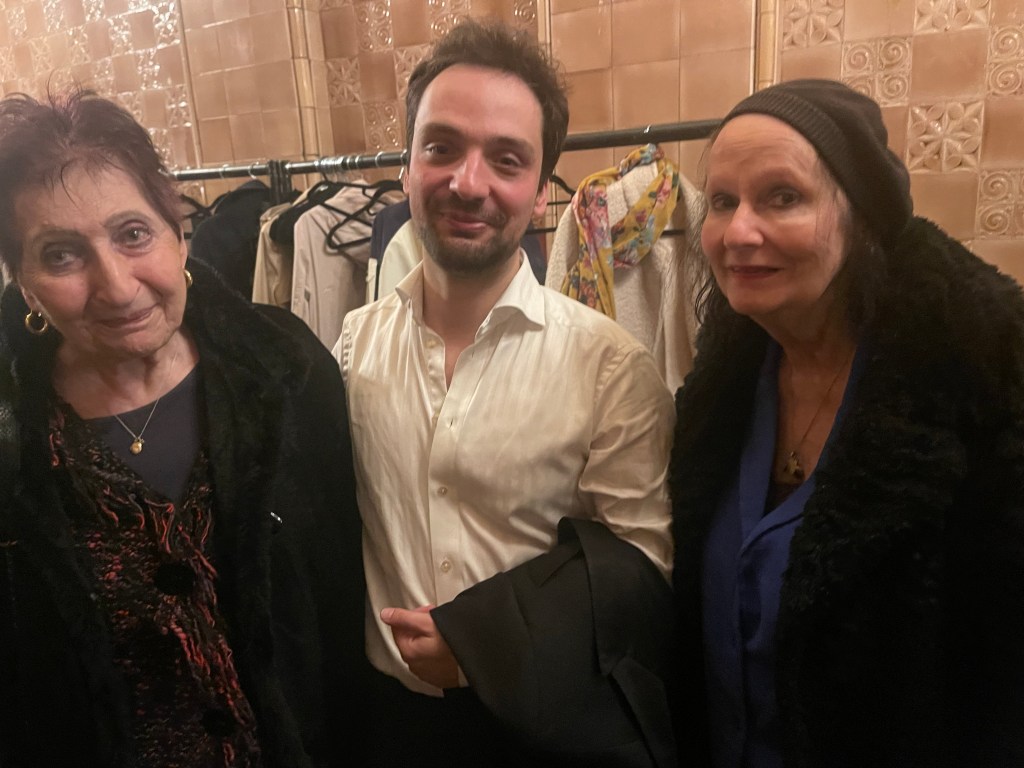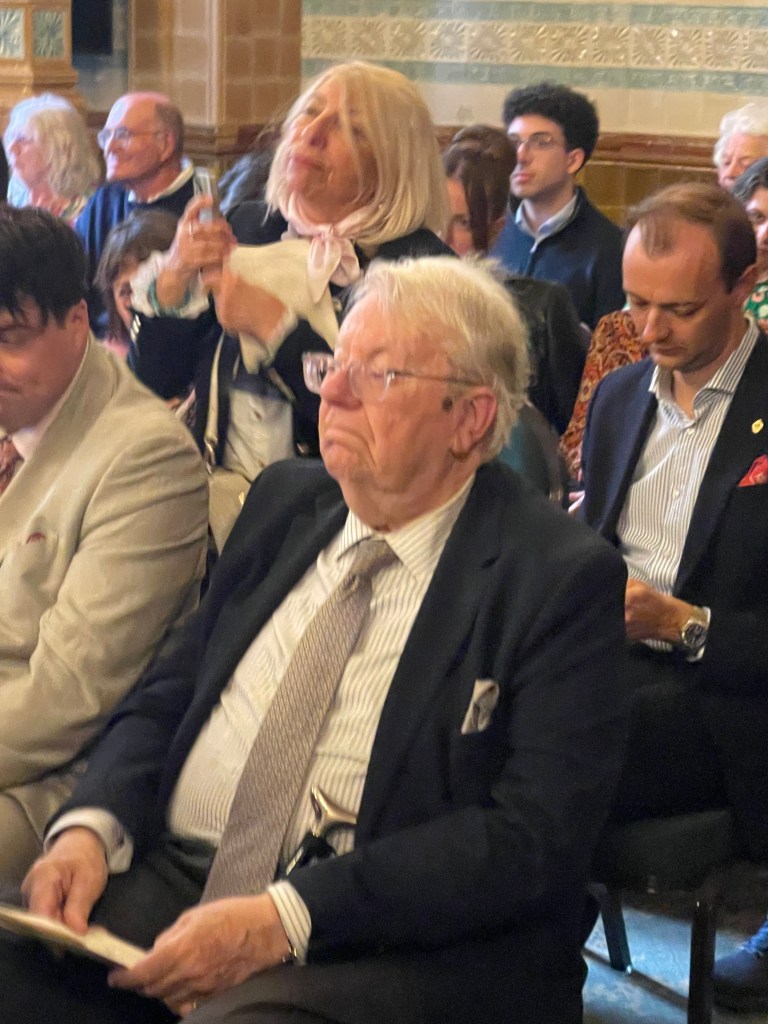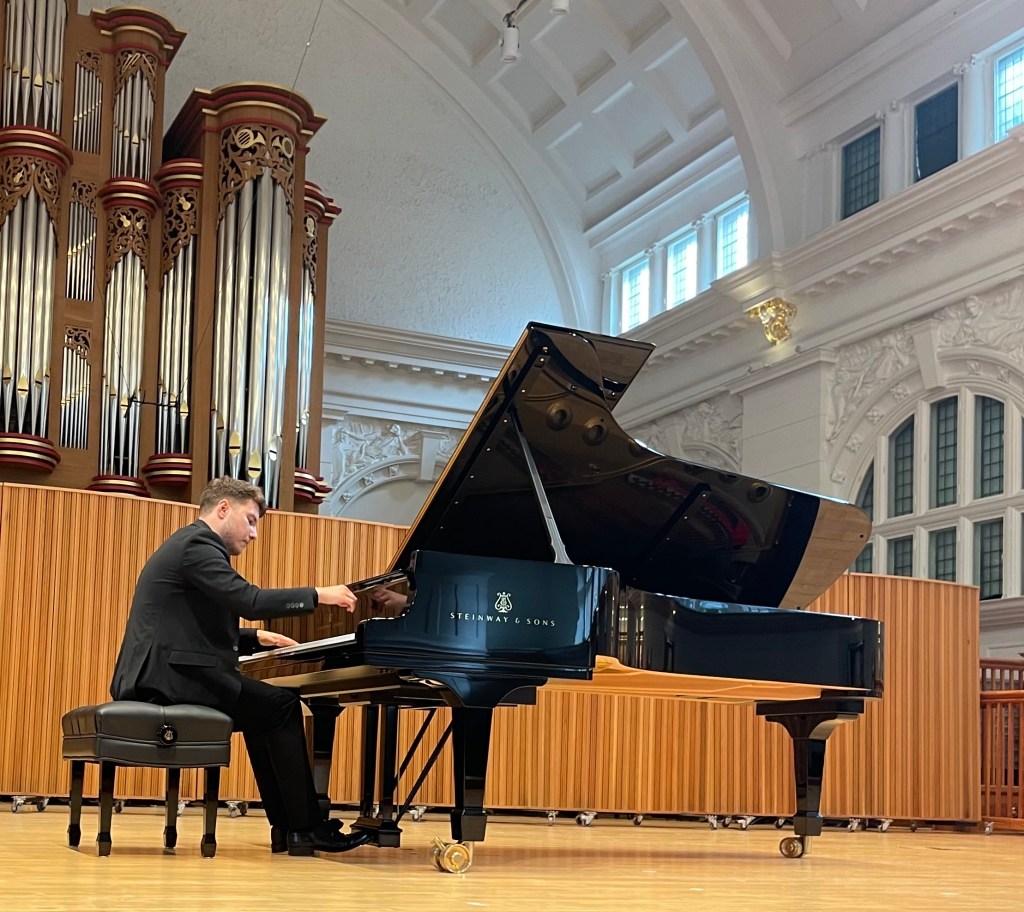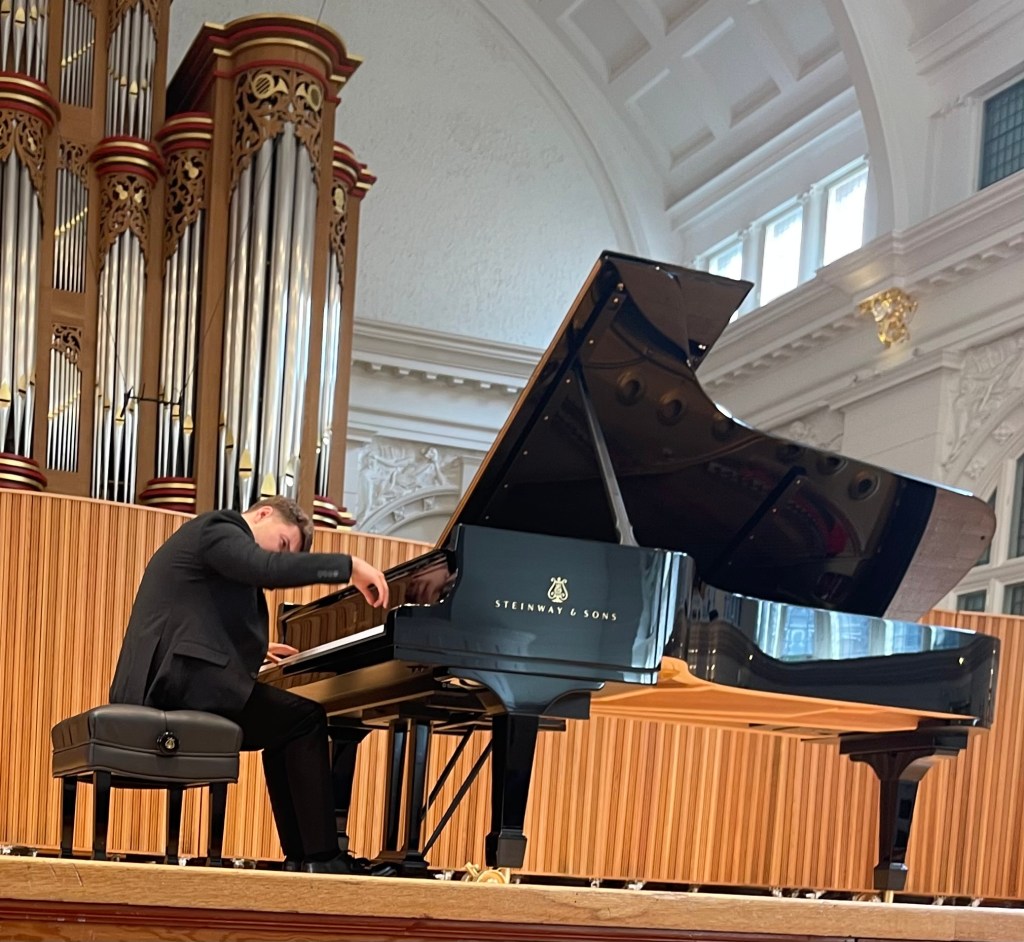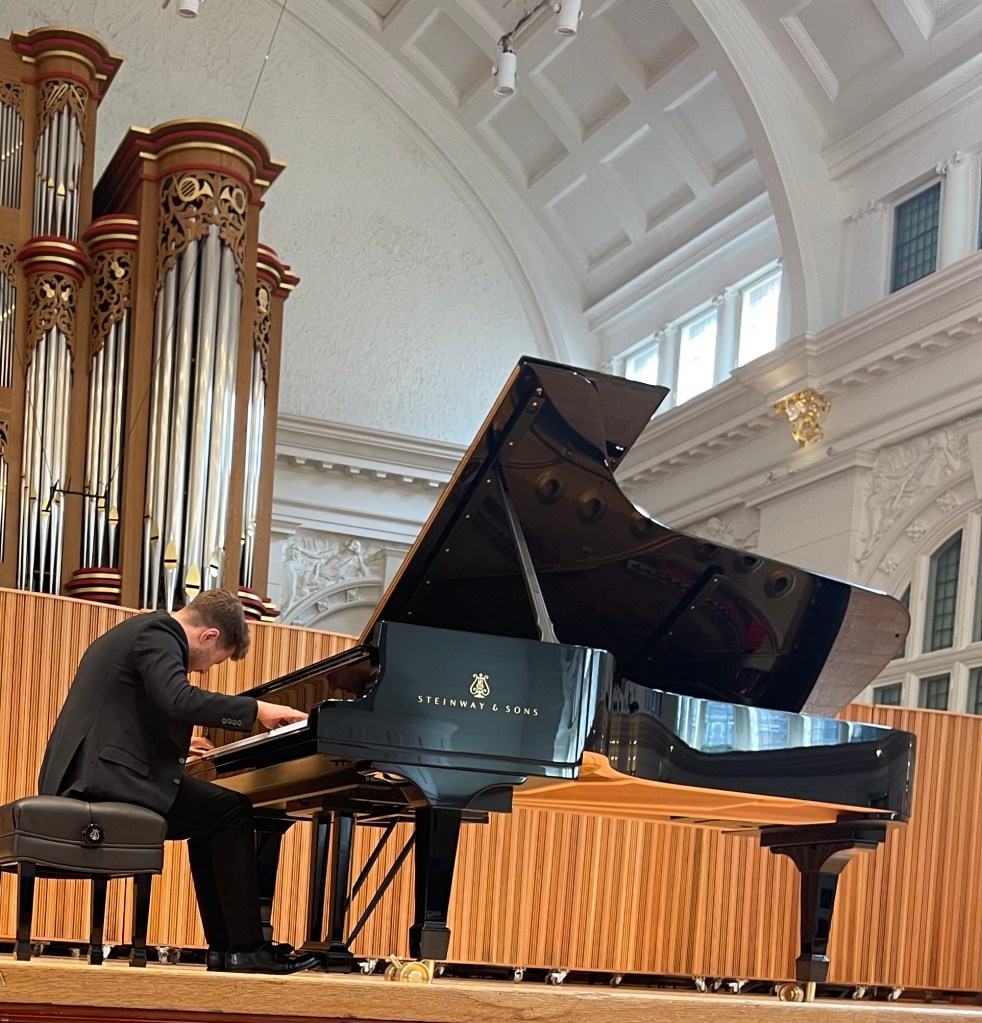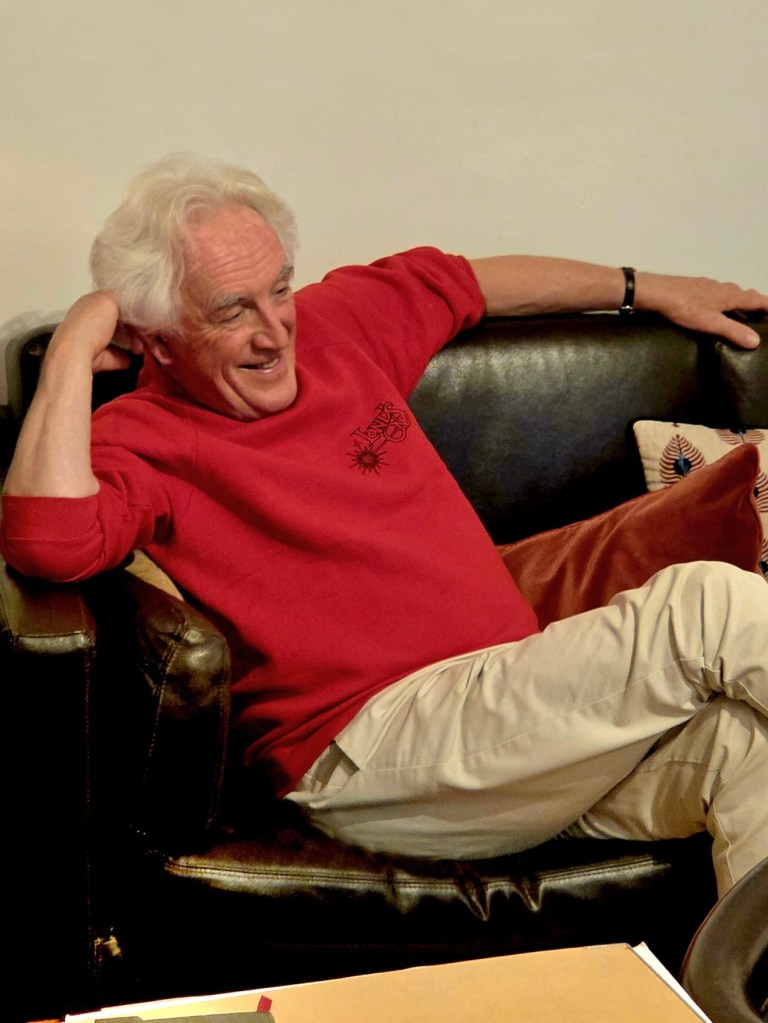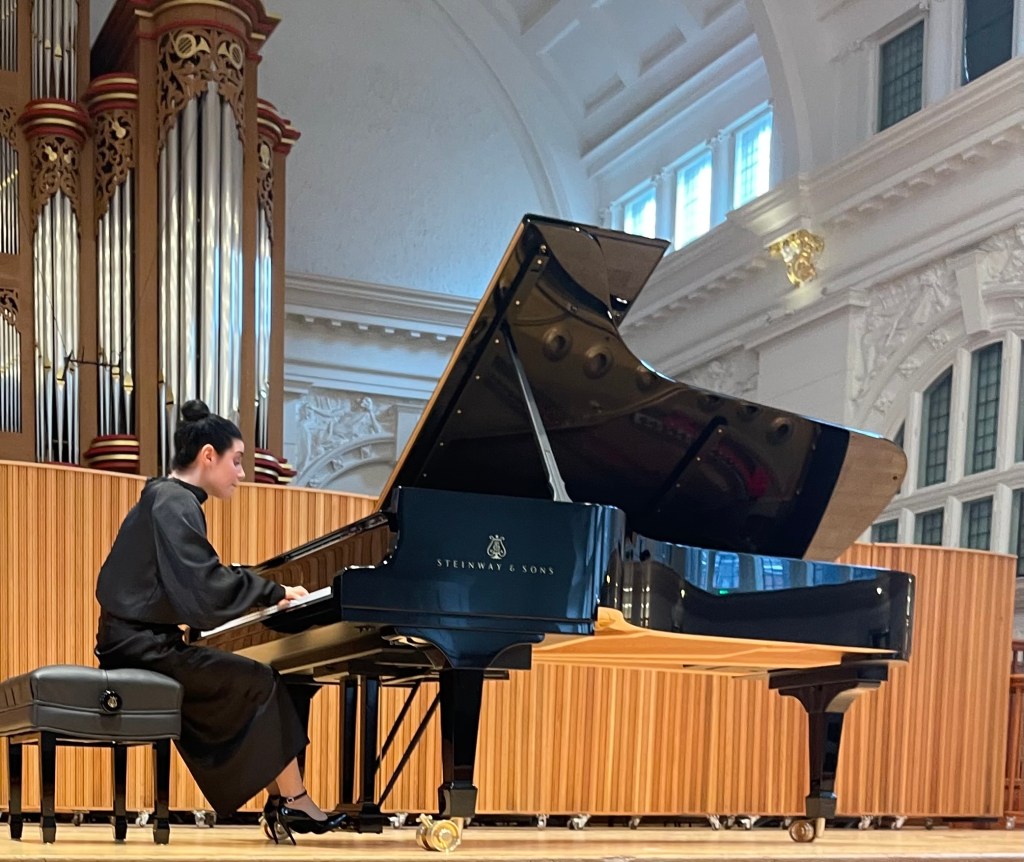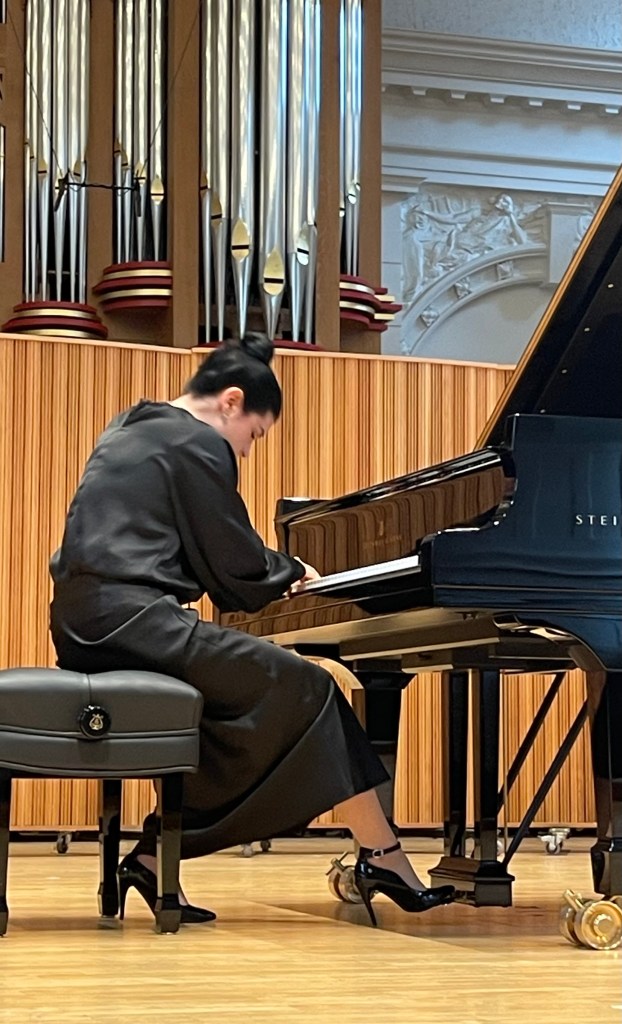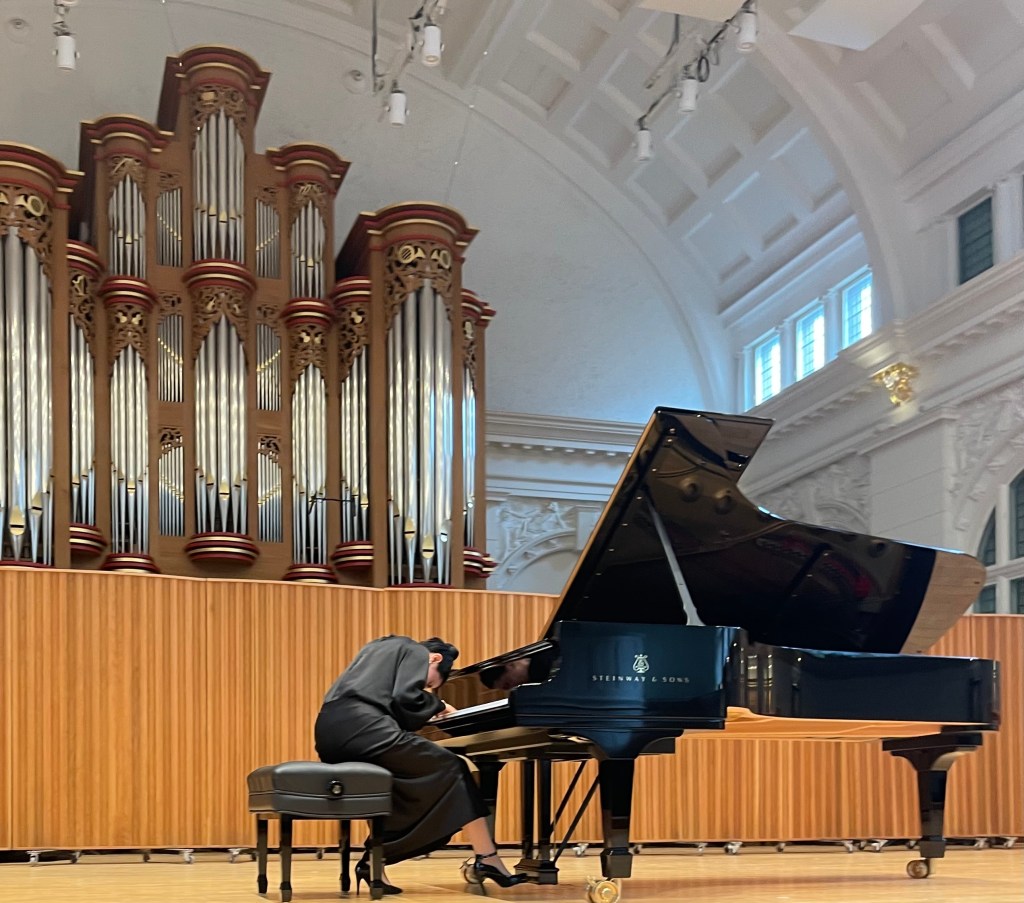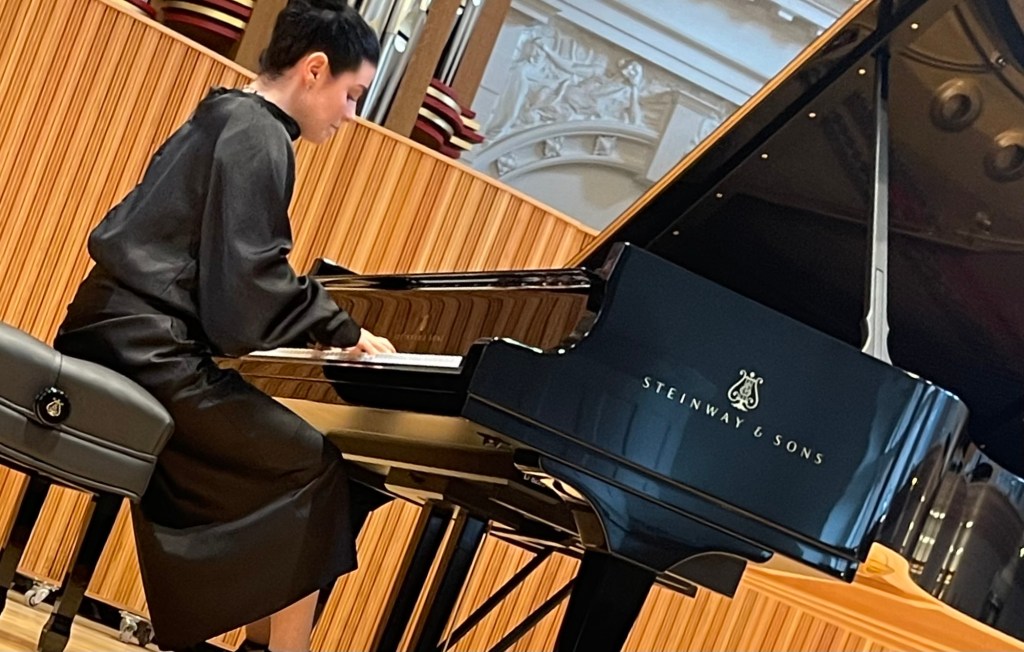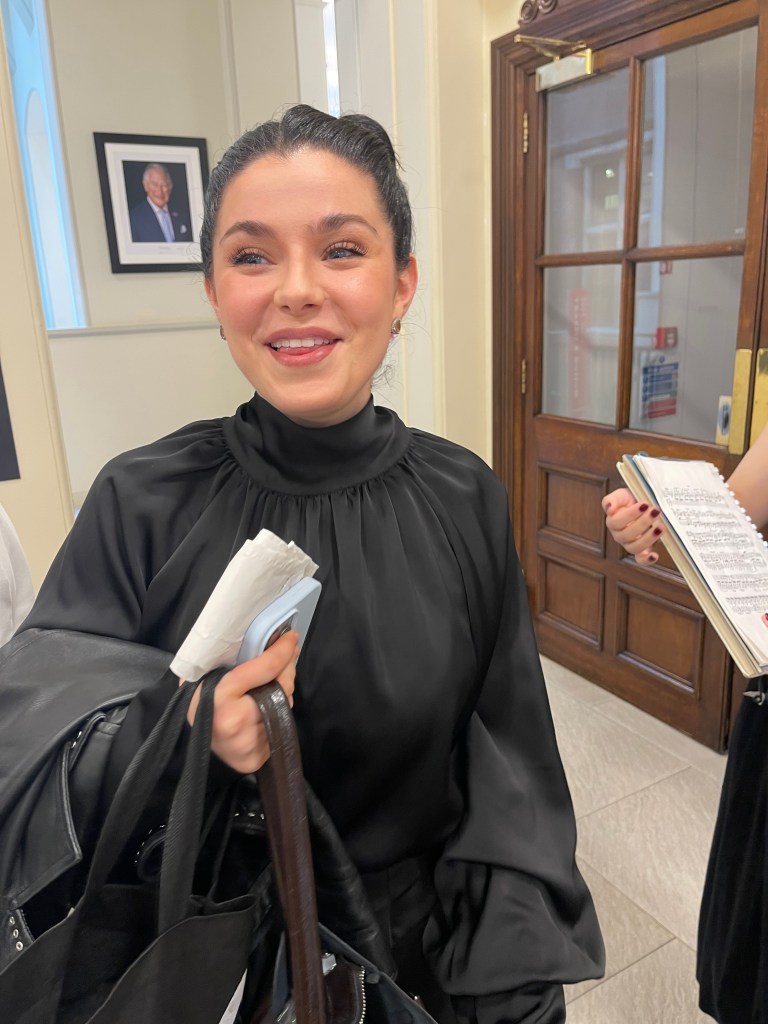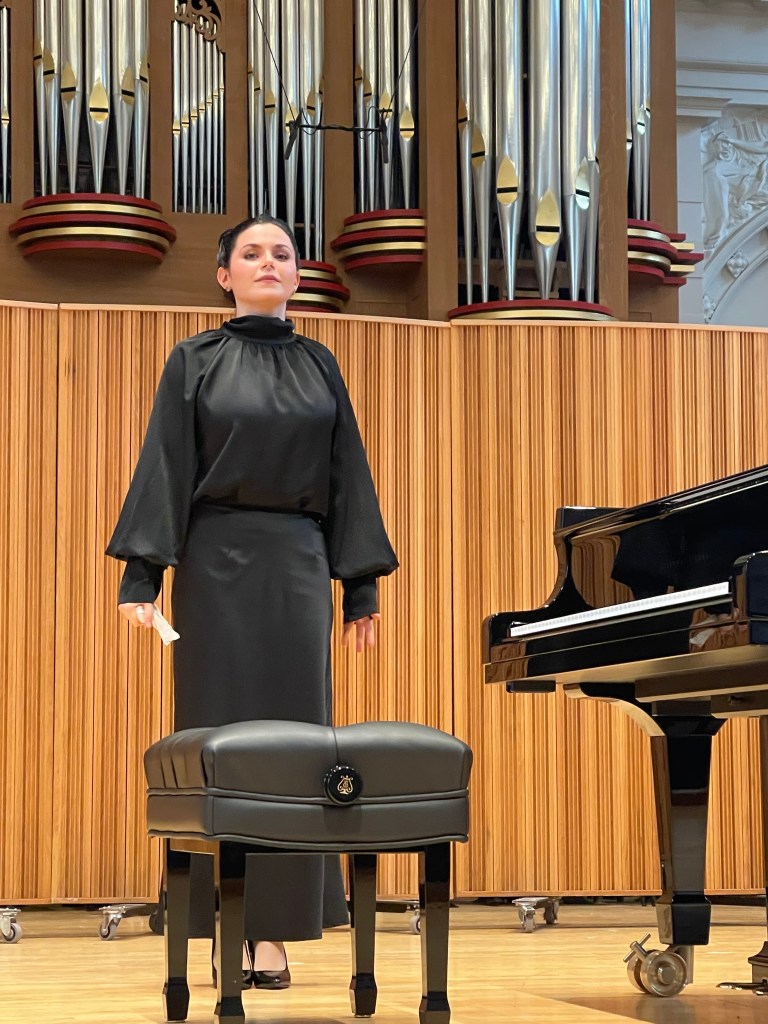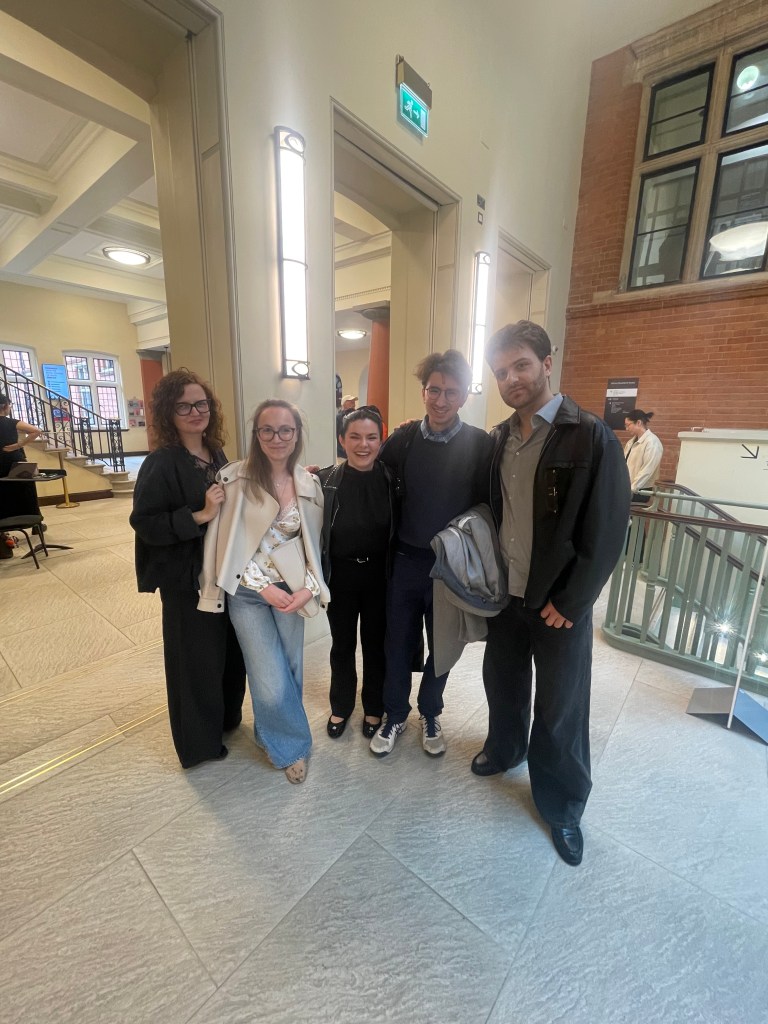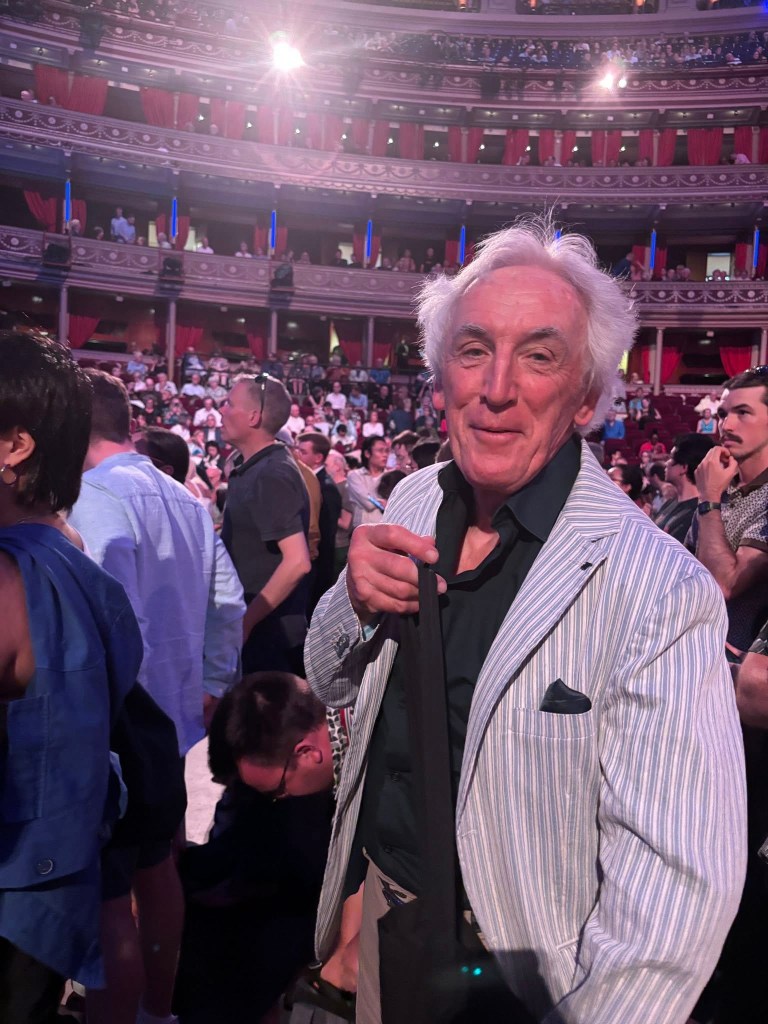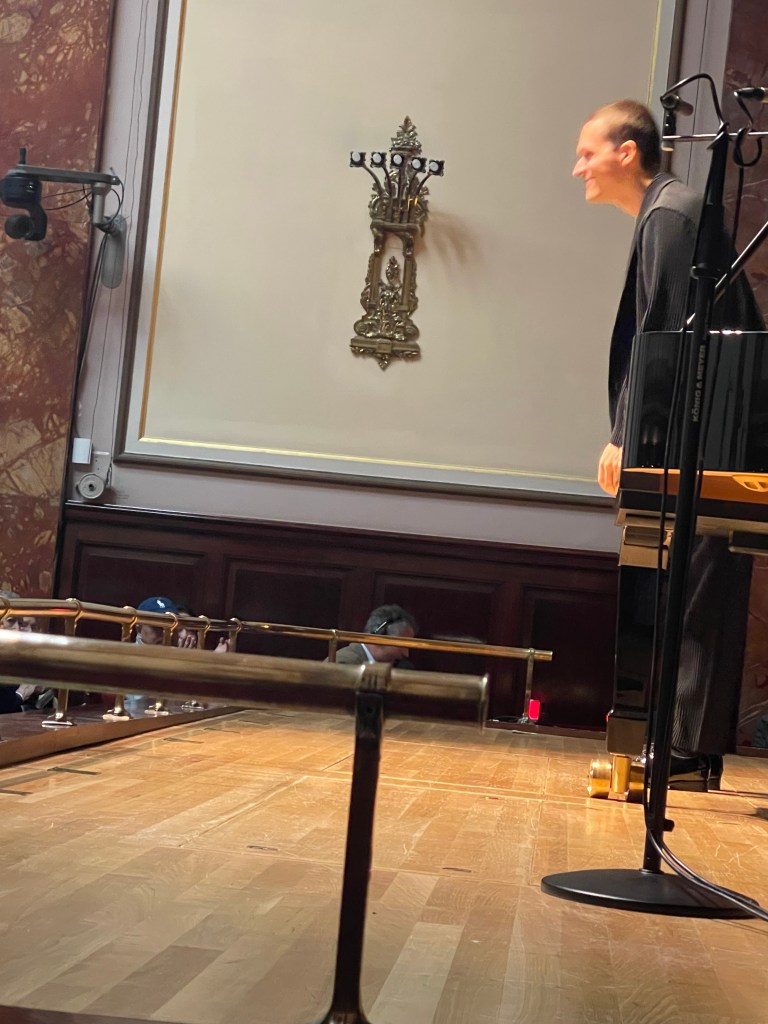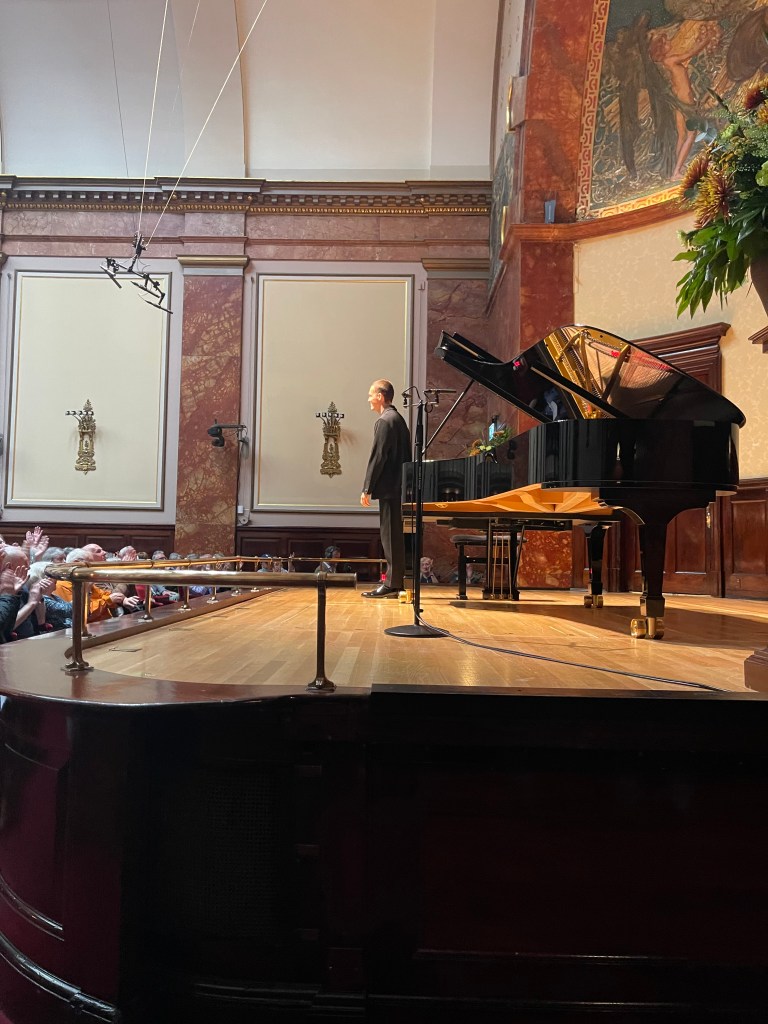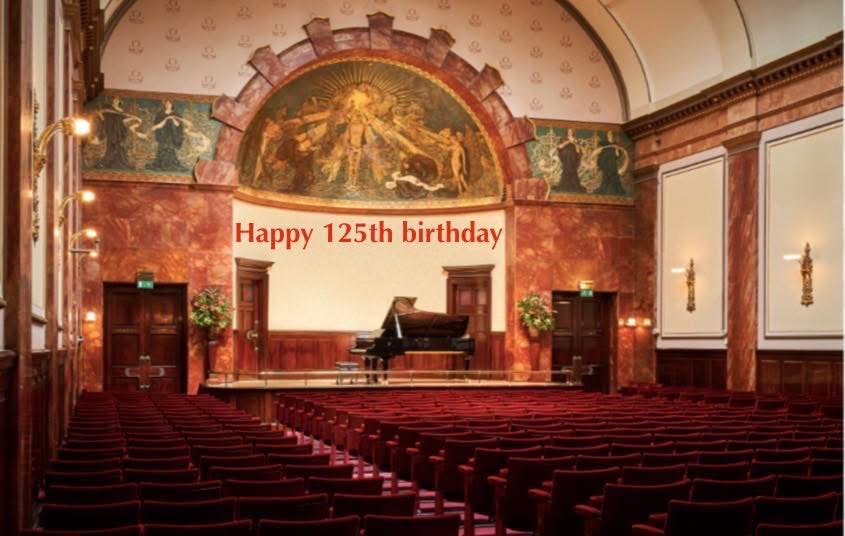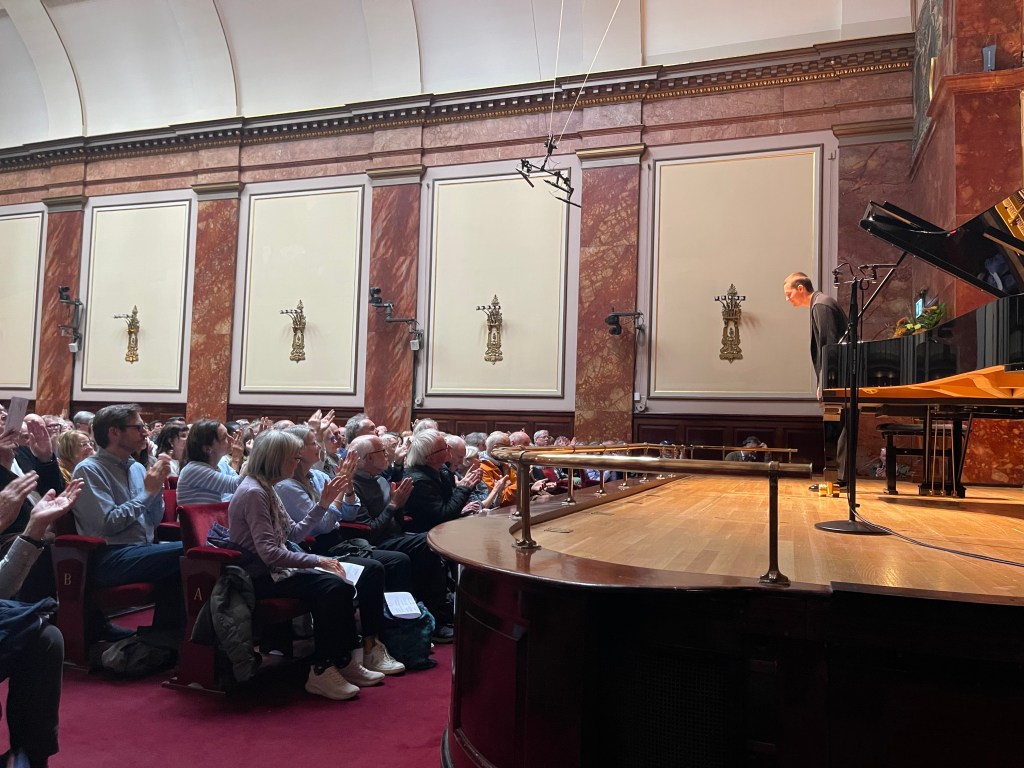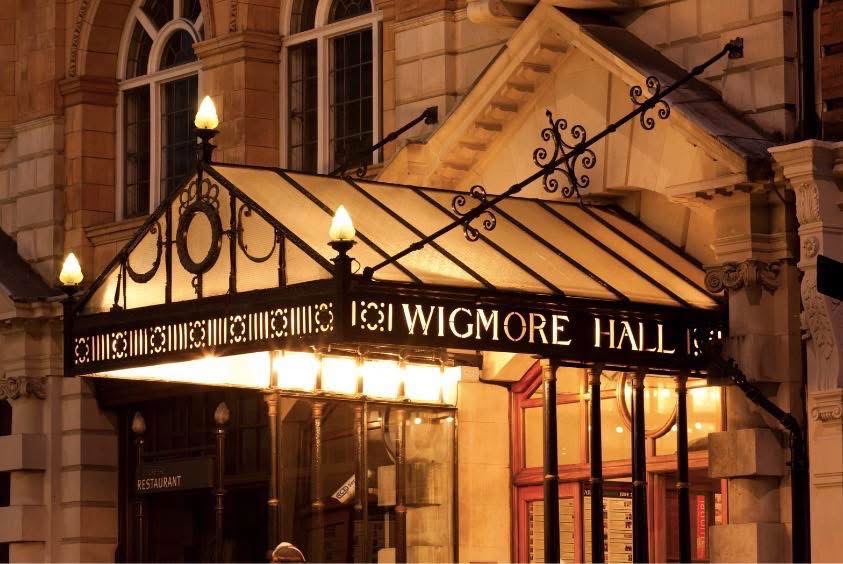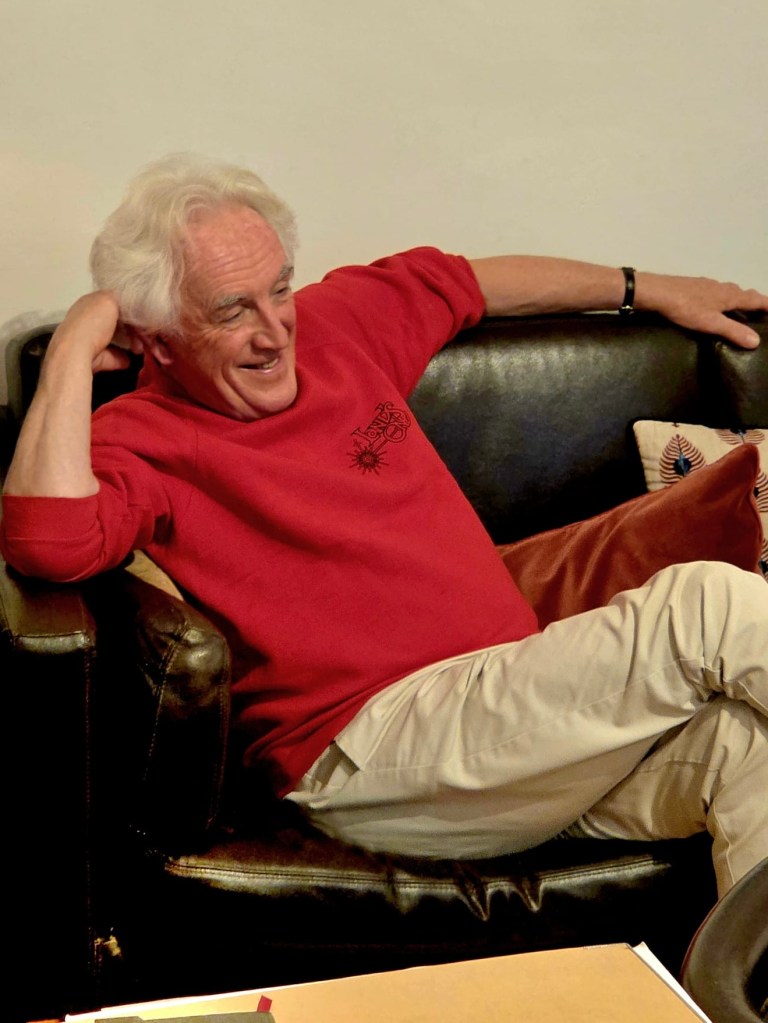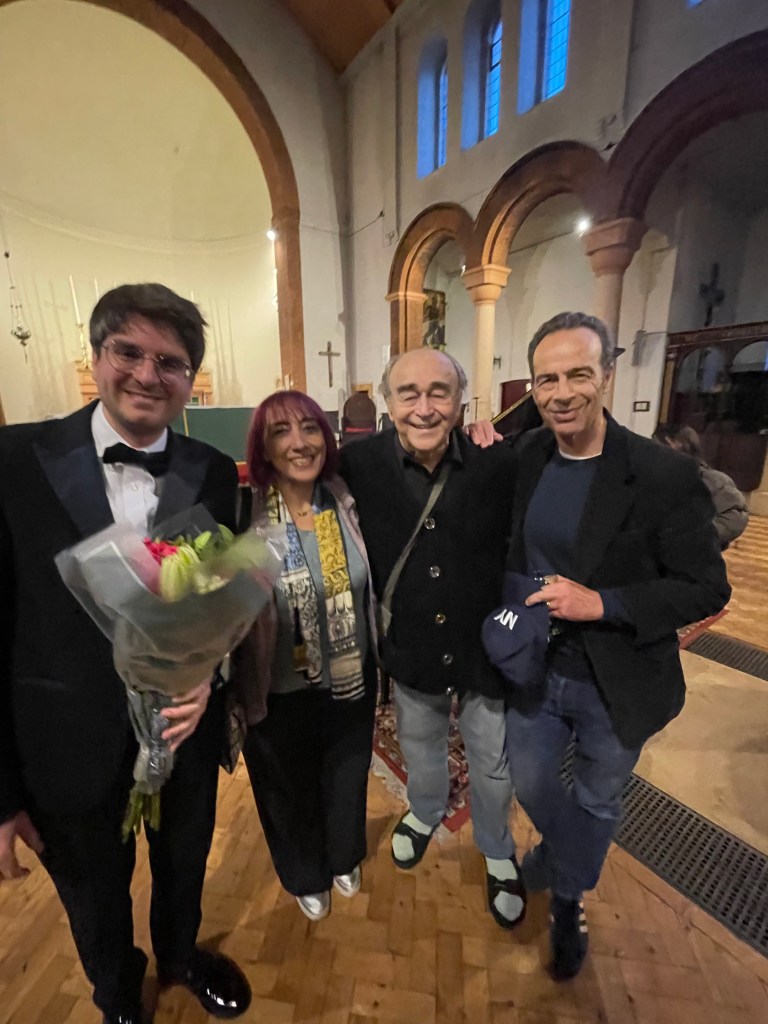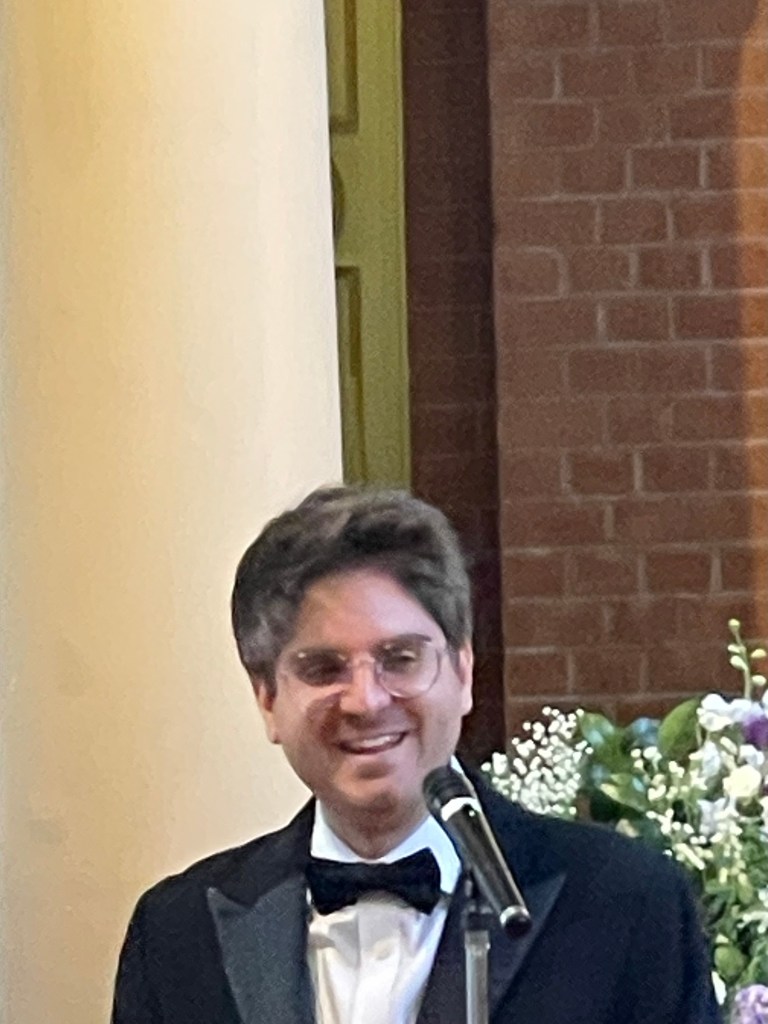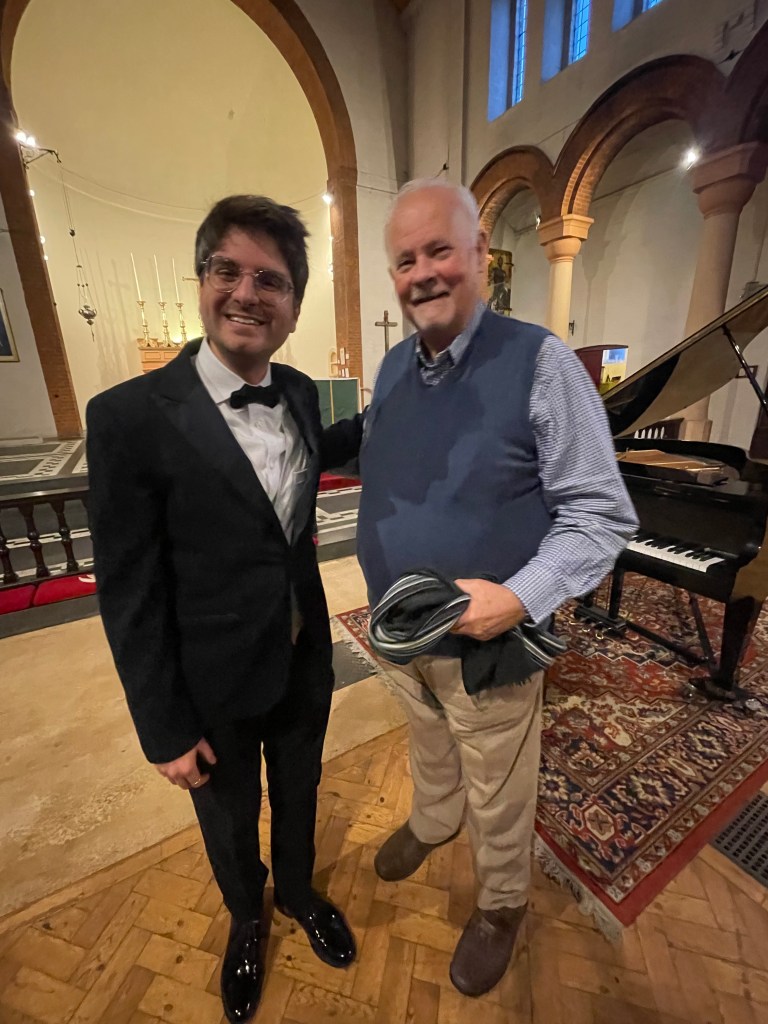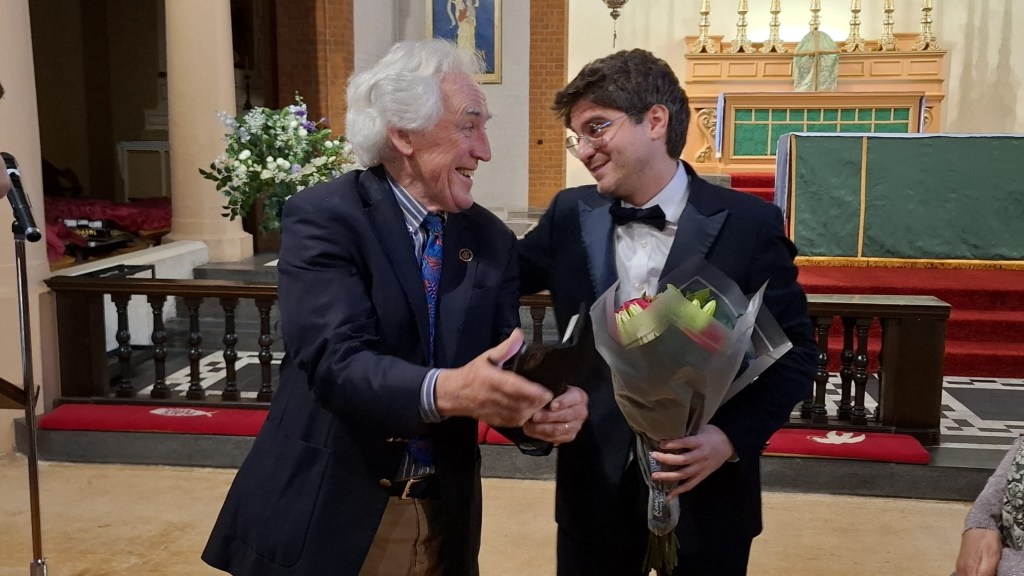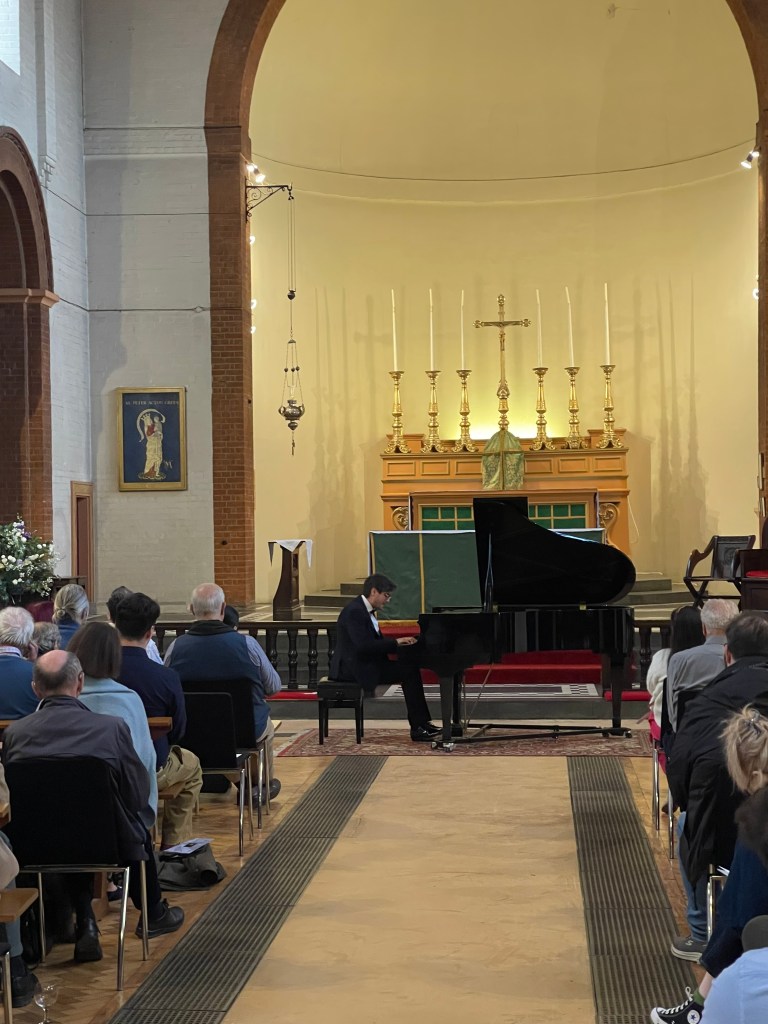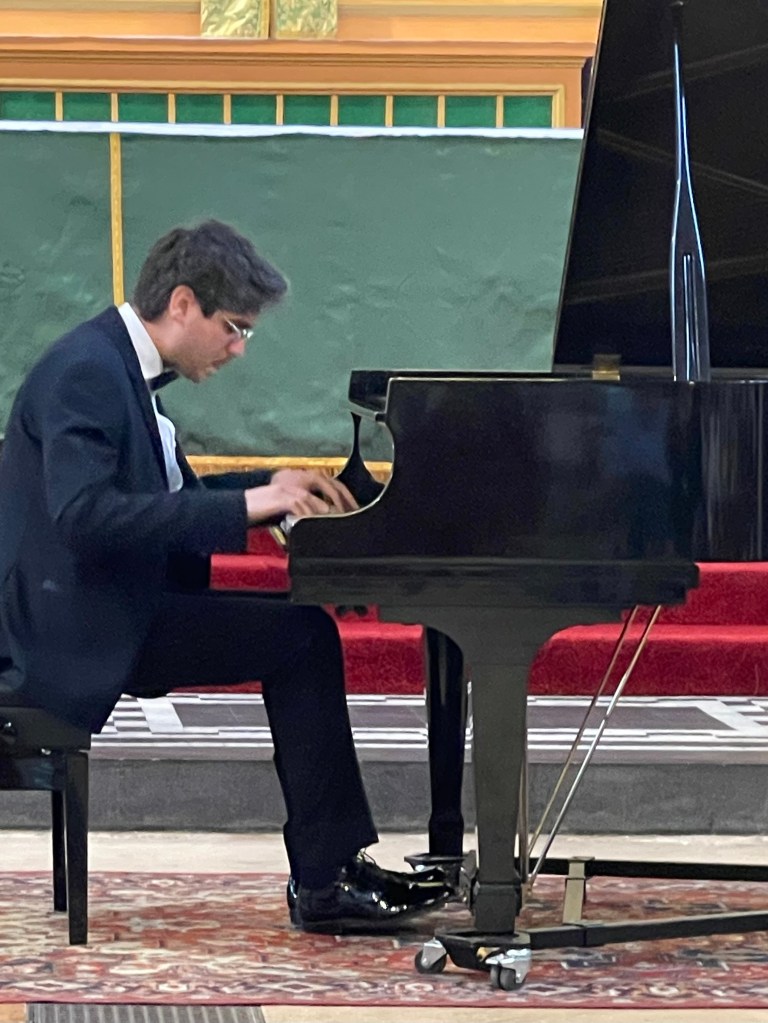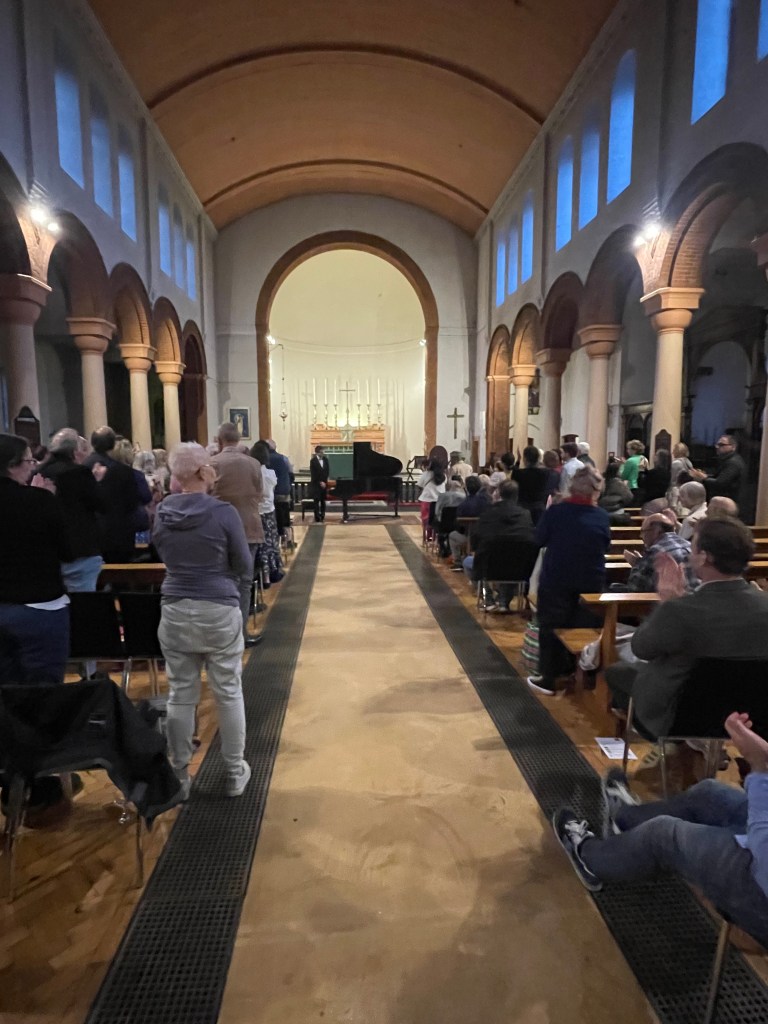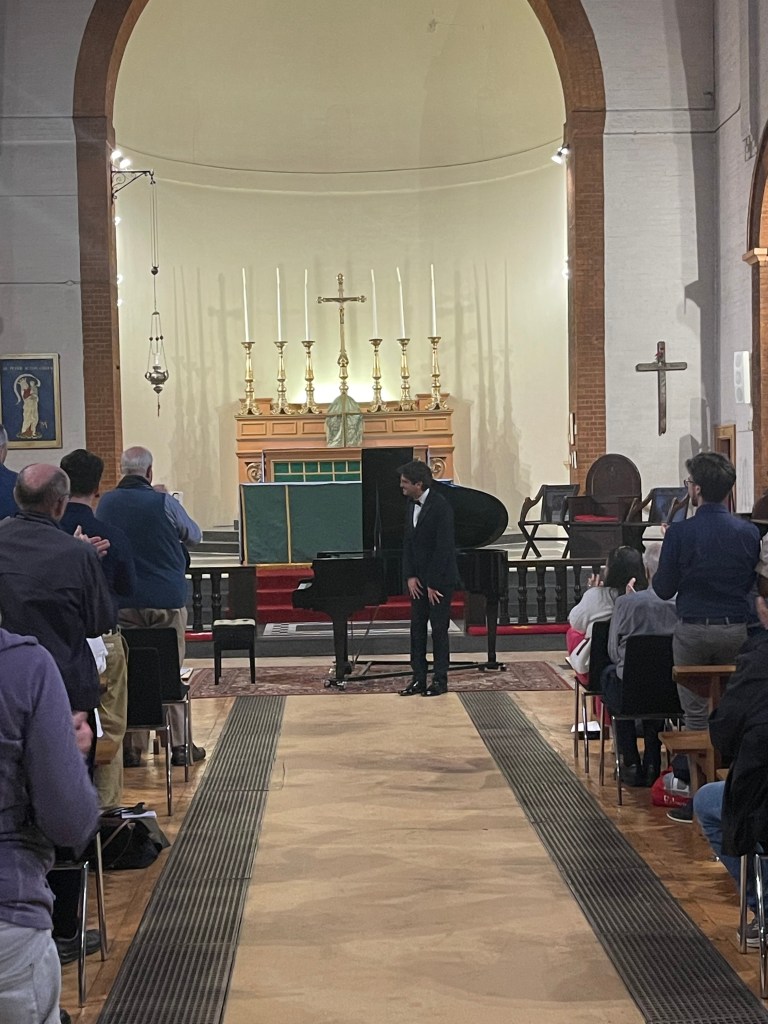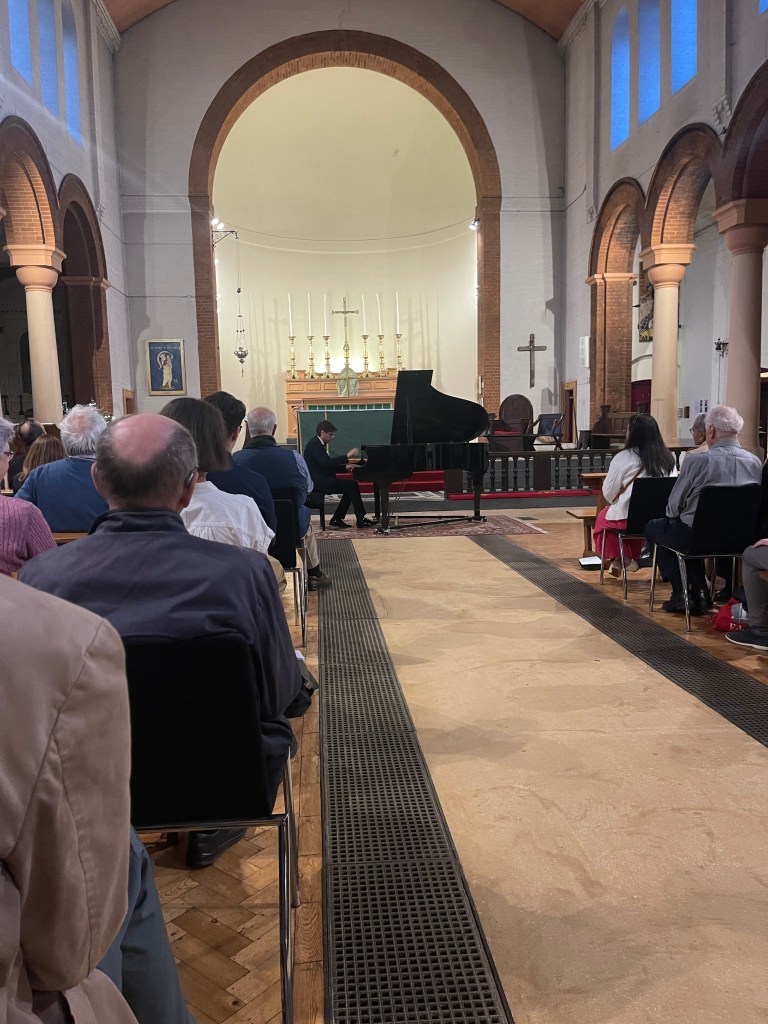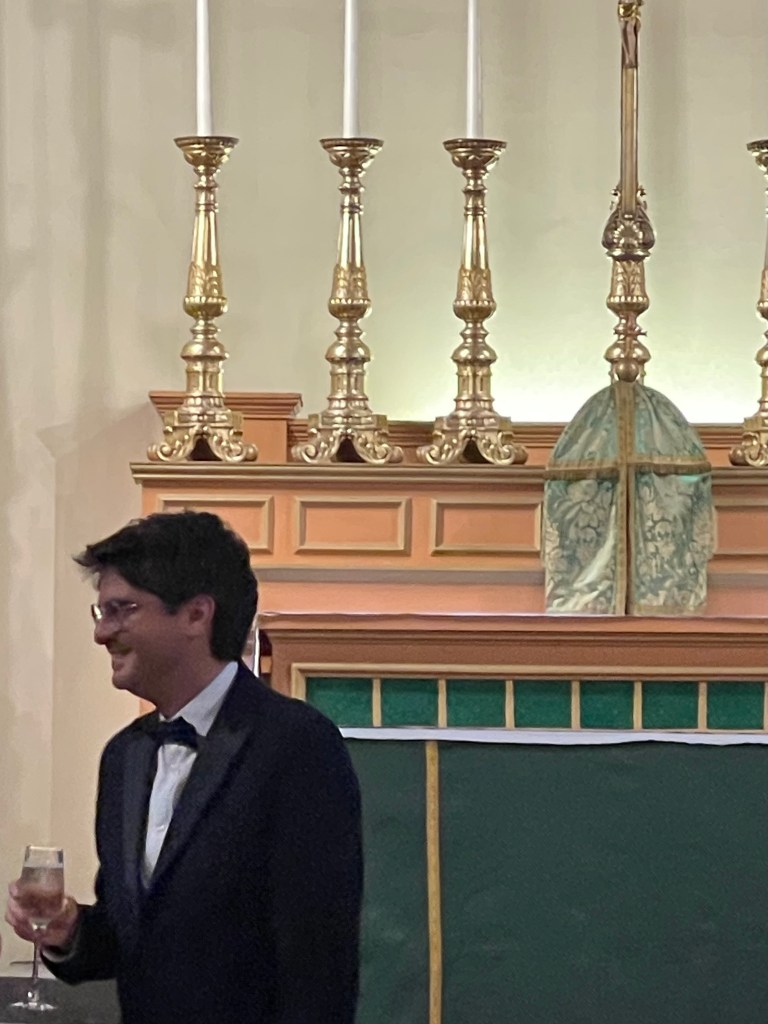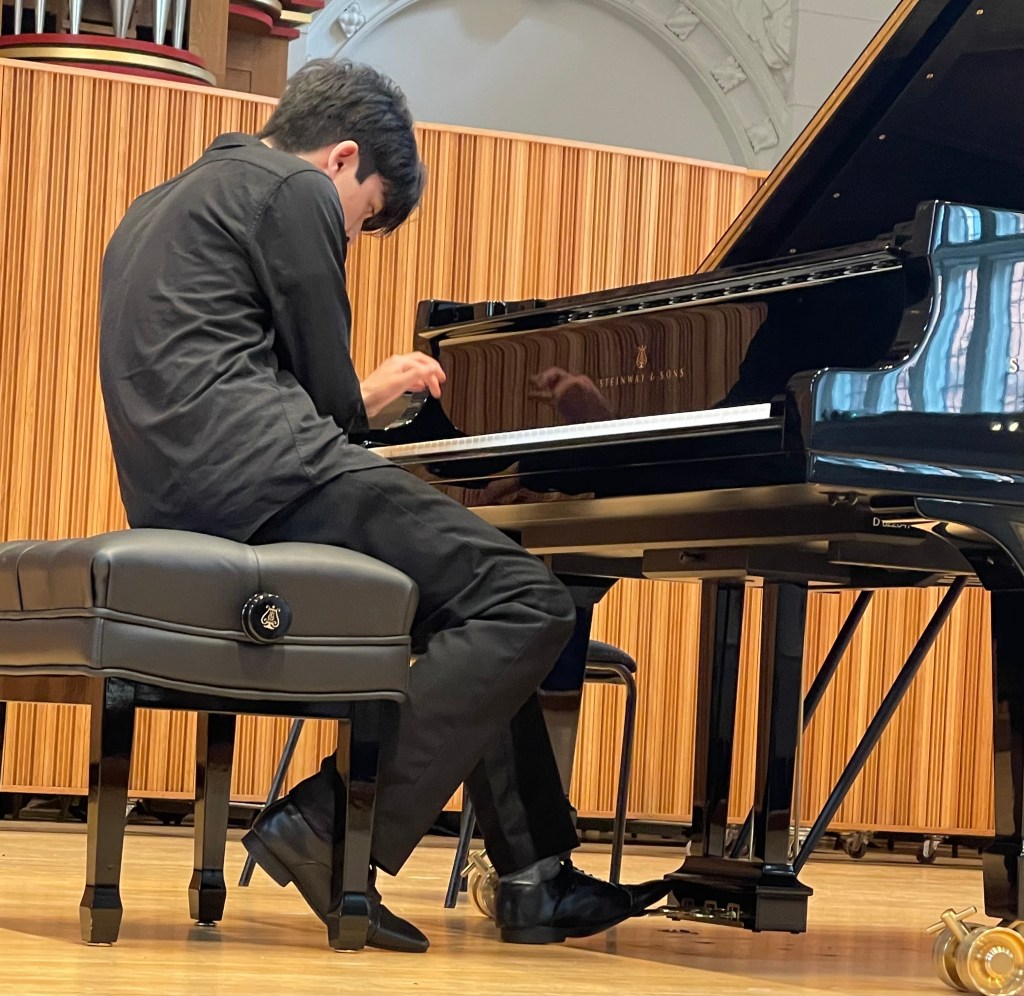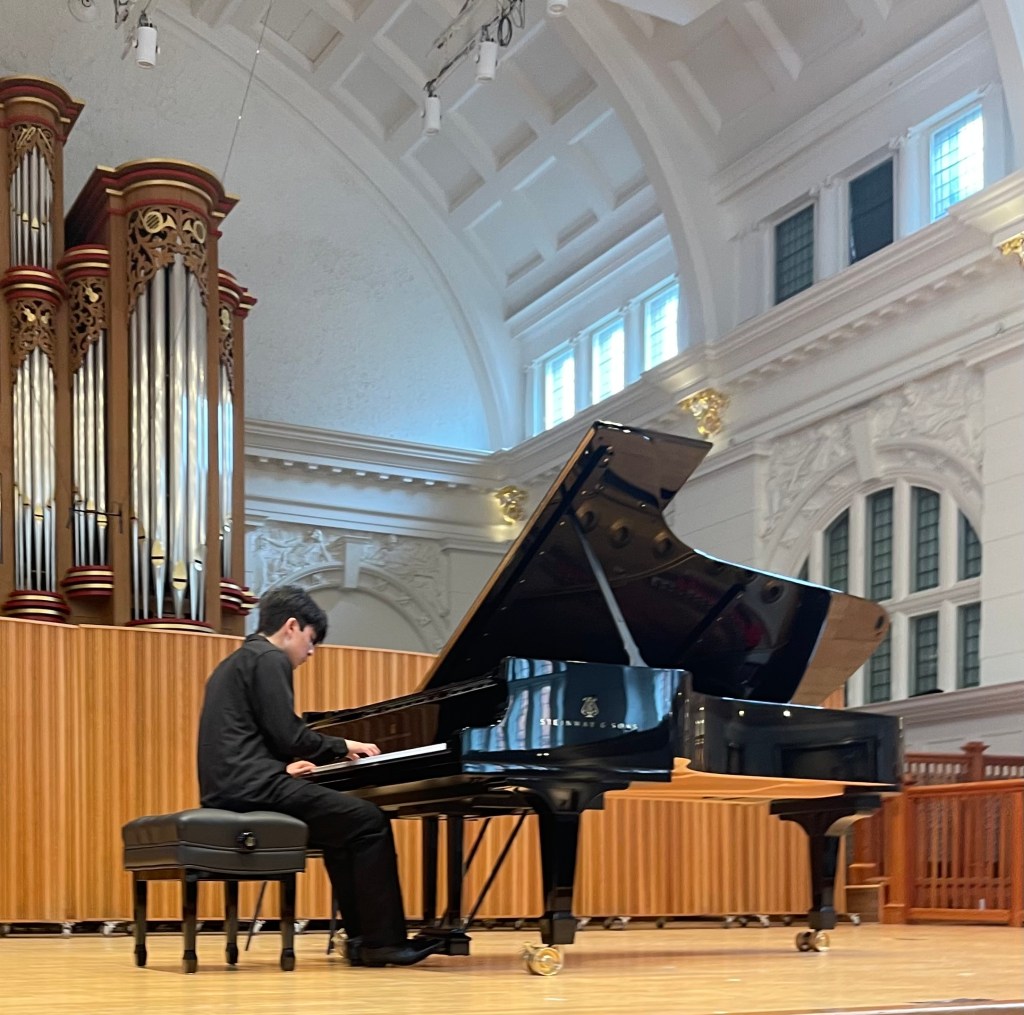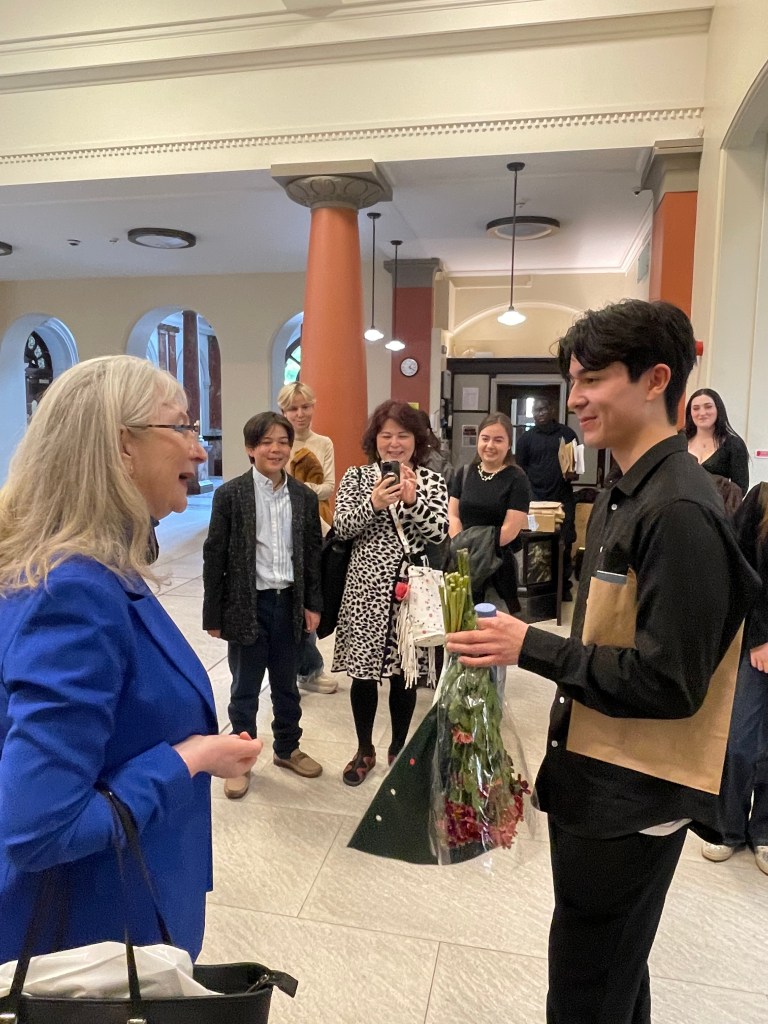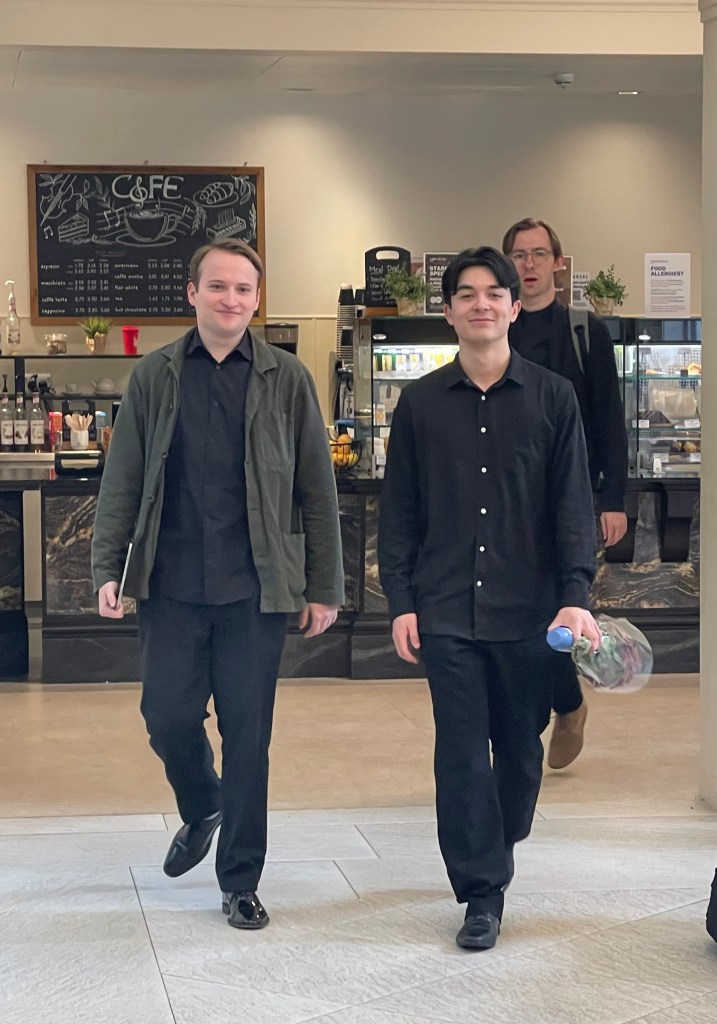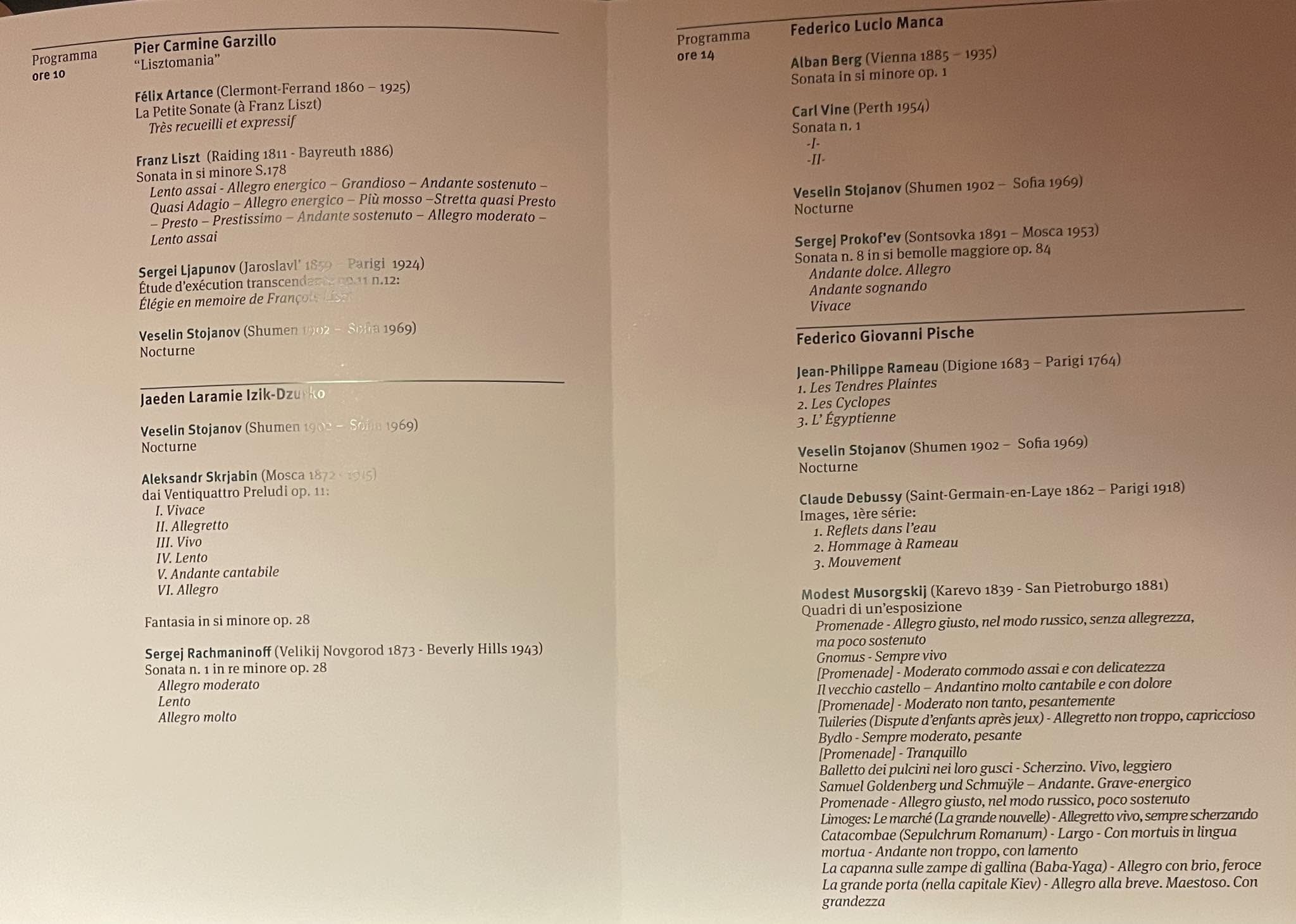
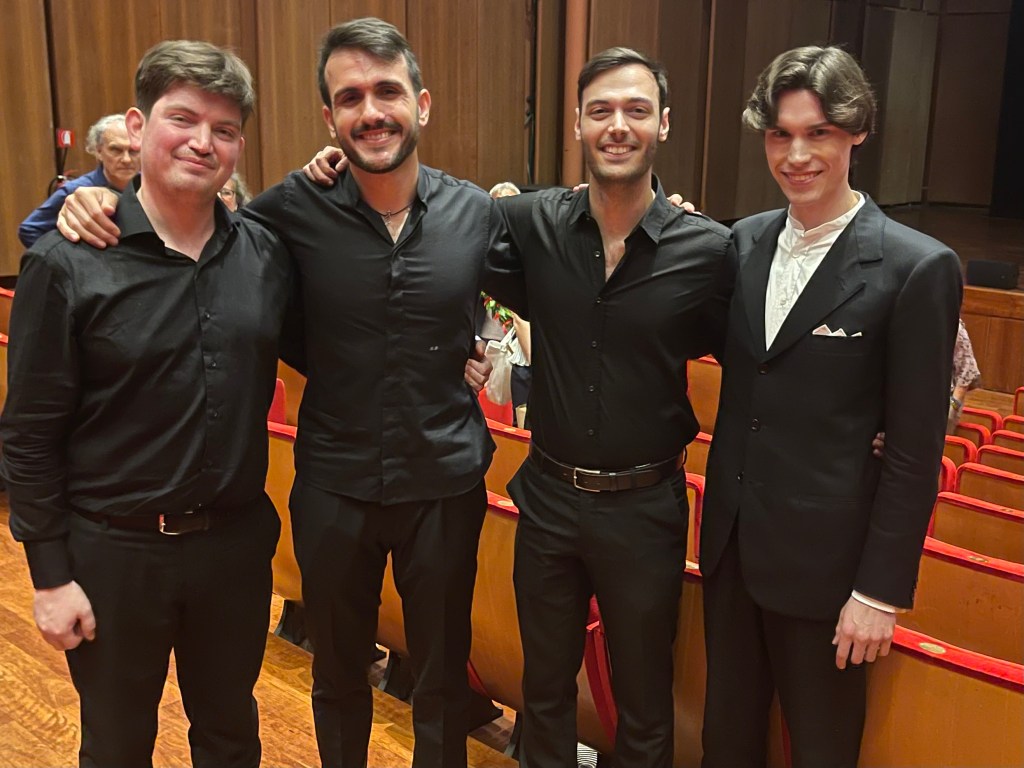
Lukas Sternath at the Wigmore Hall A star is born on Wings of Song

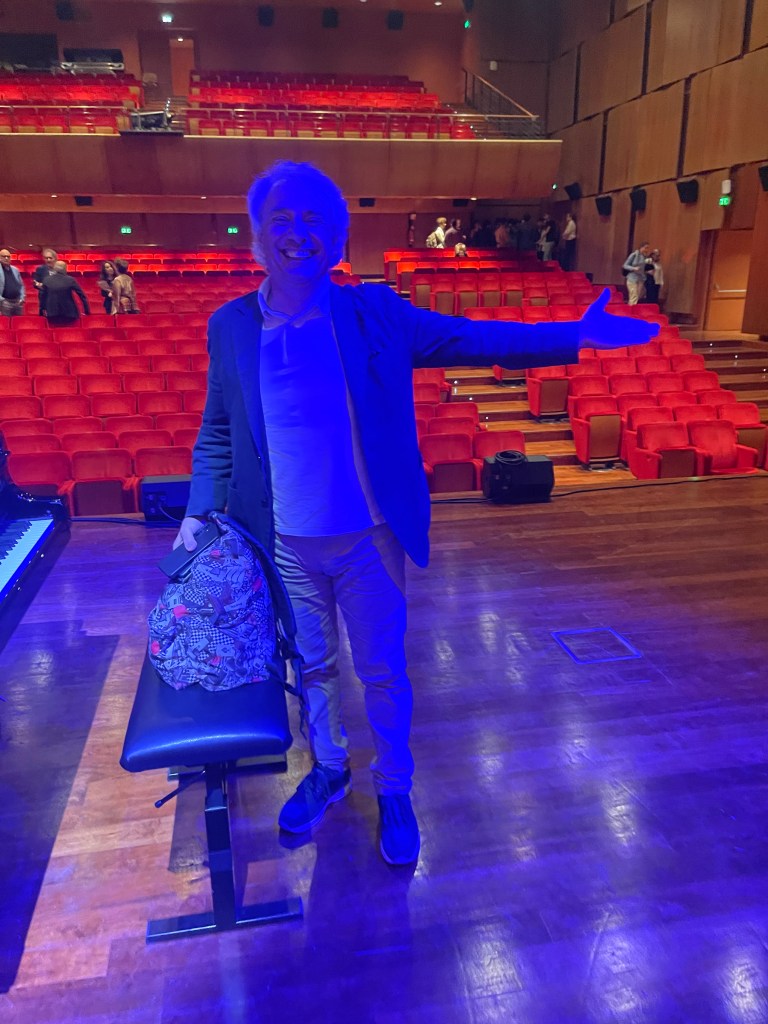
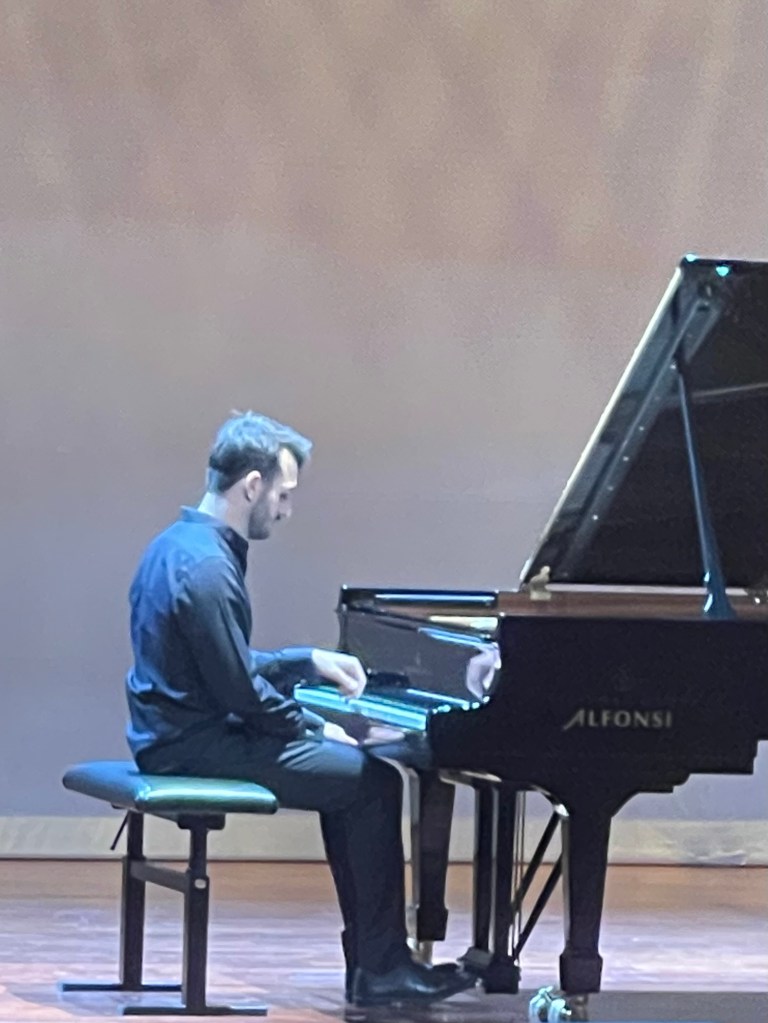
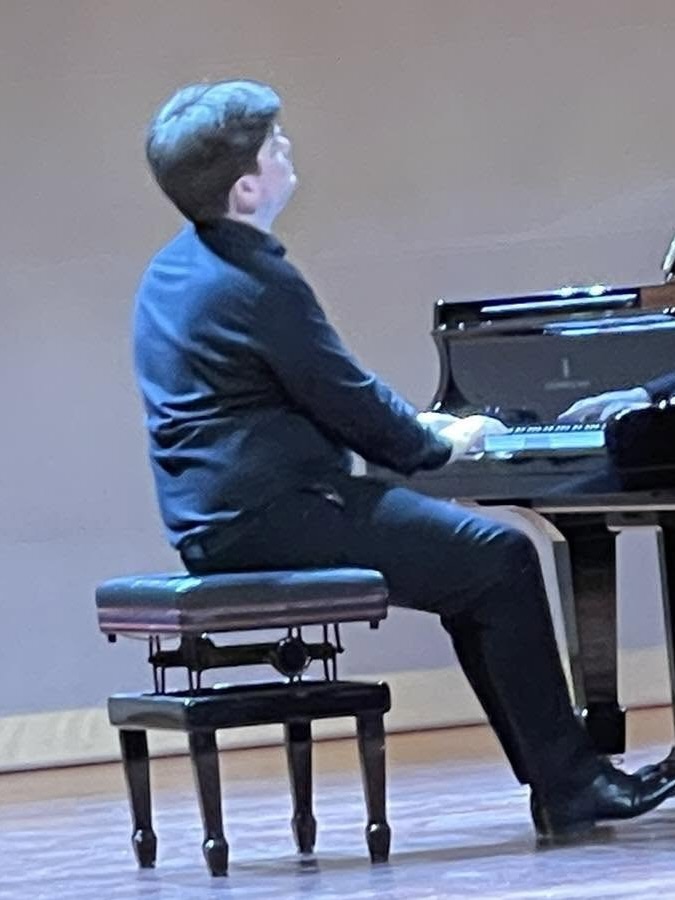
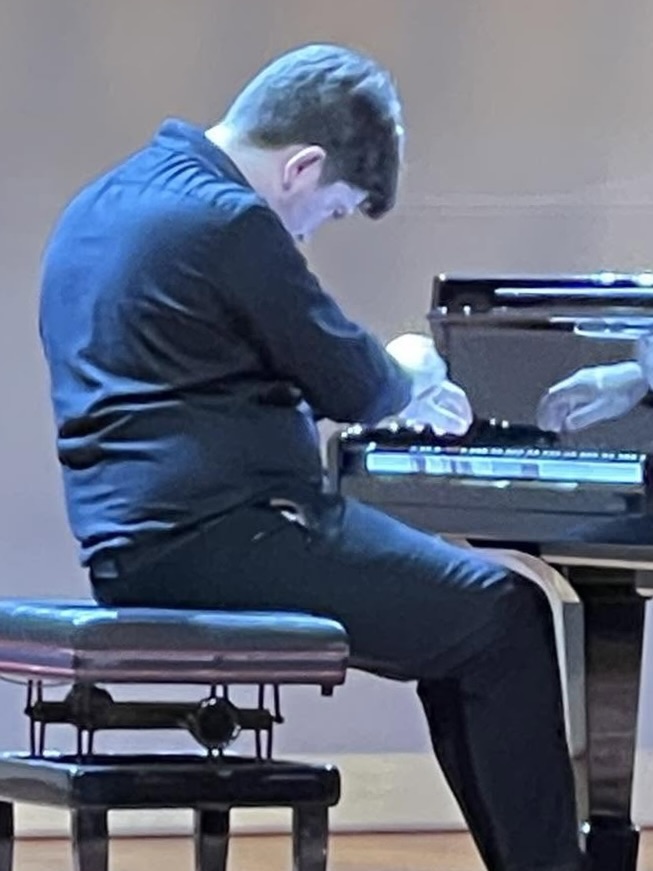
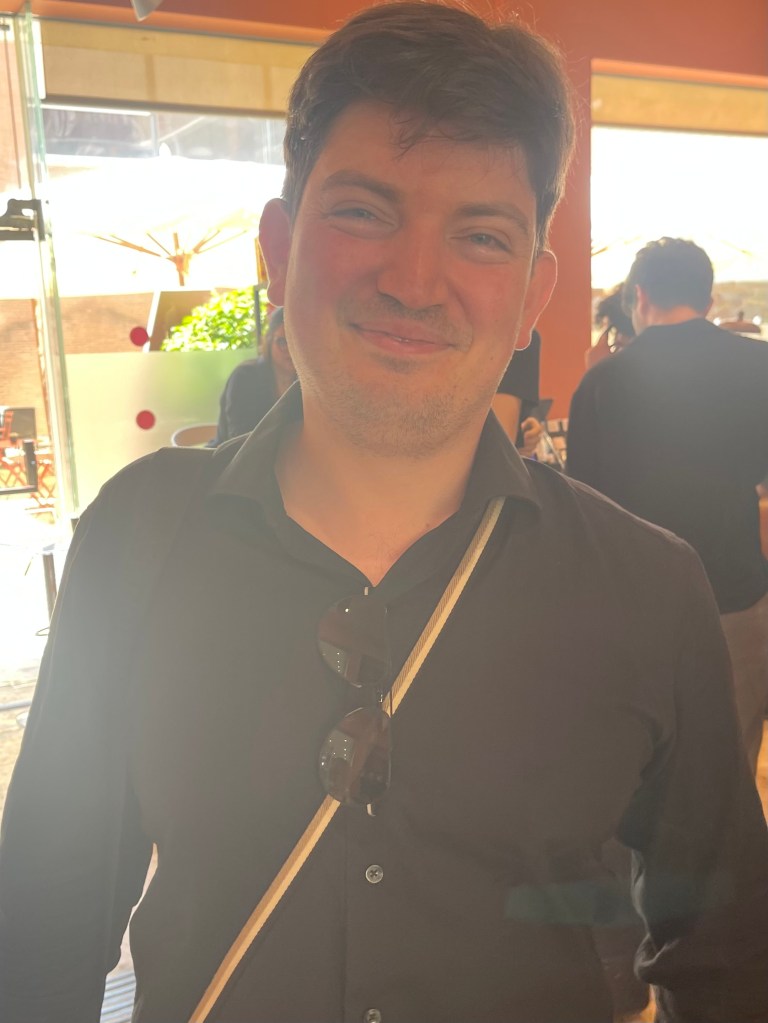
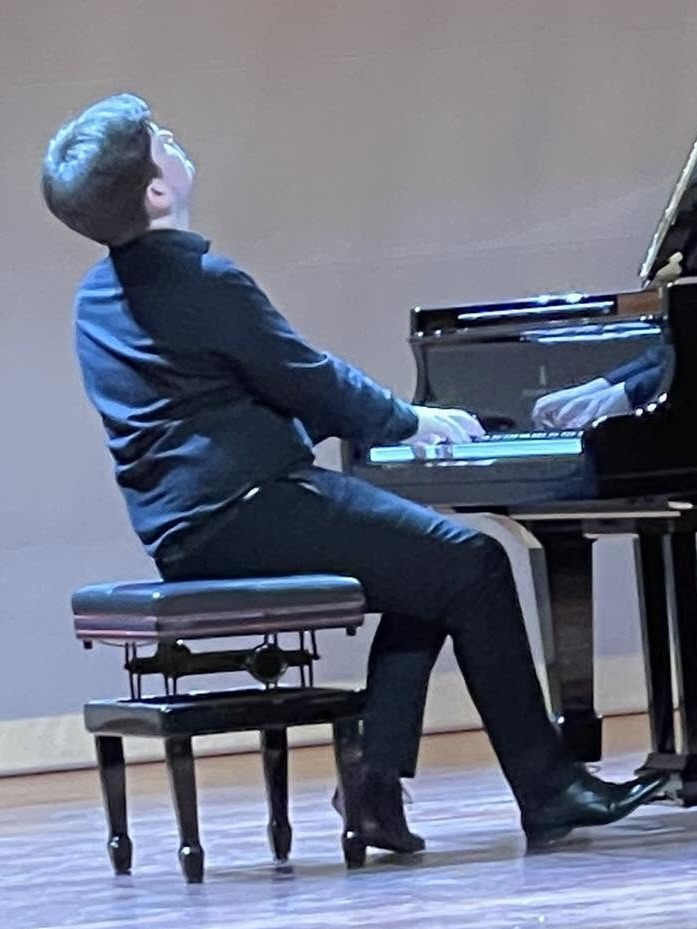
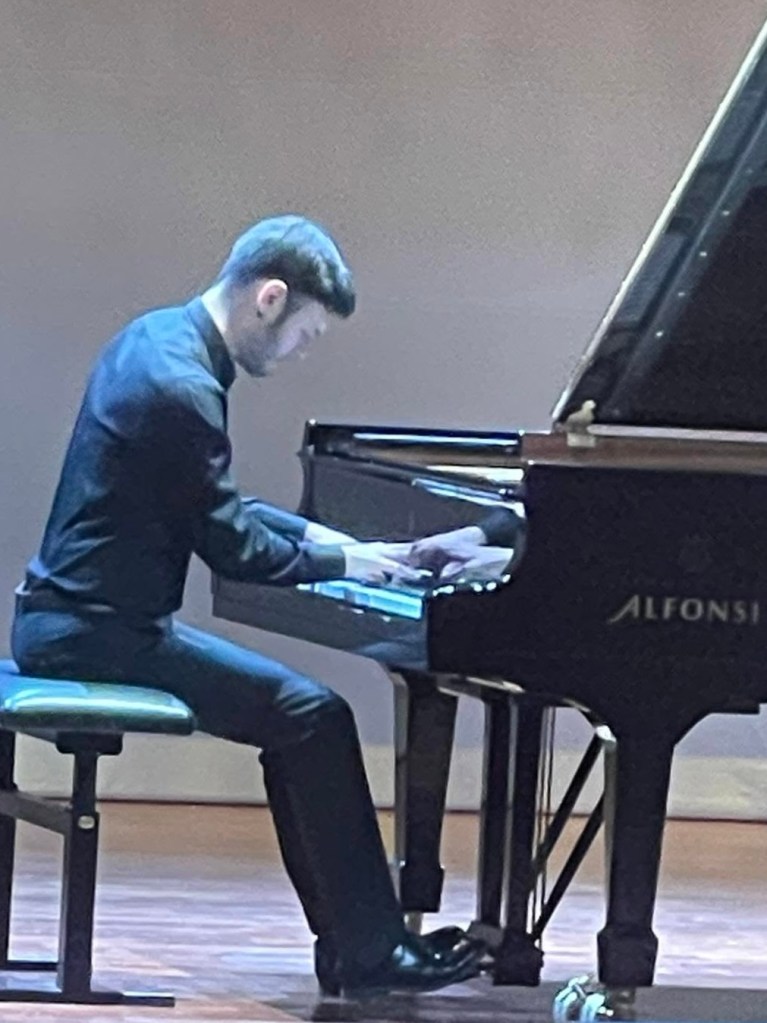
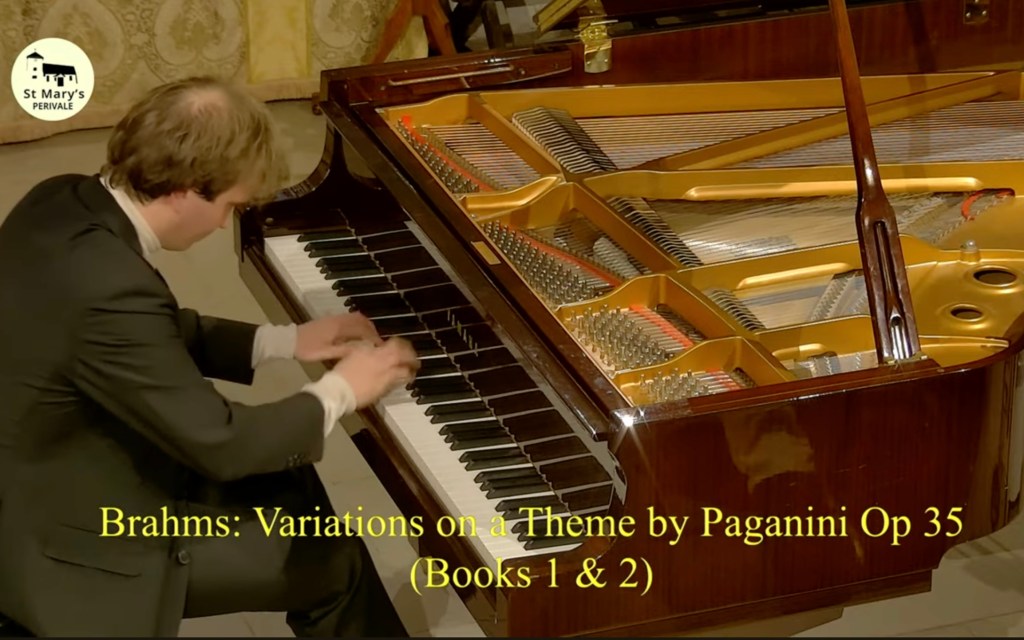
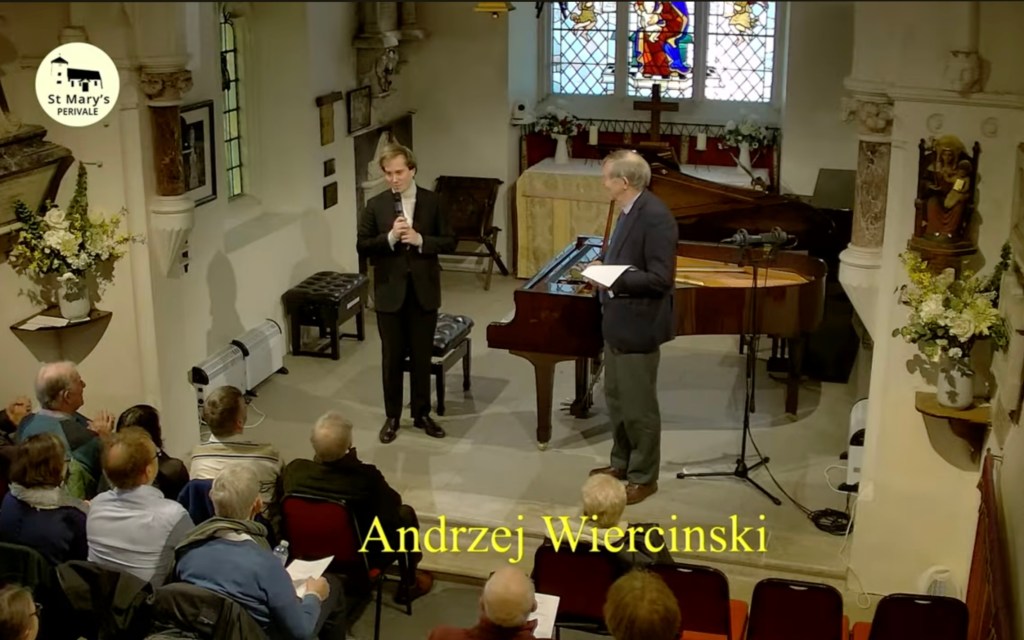
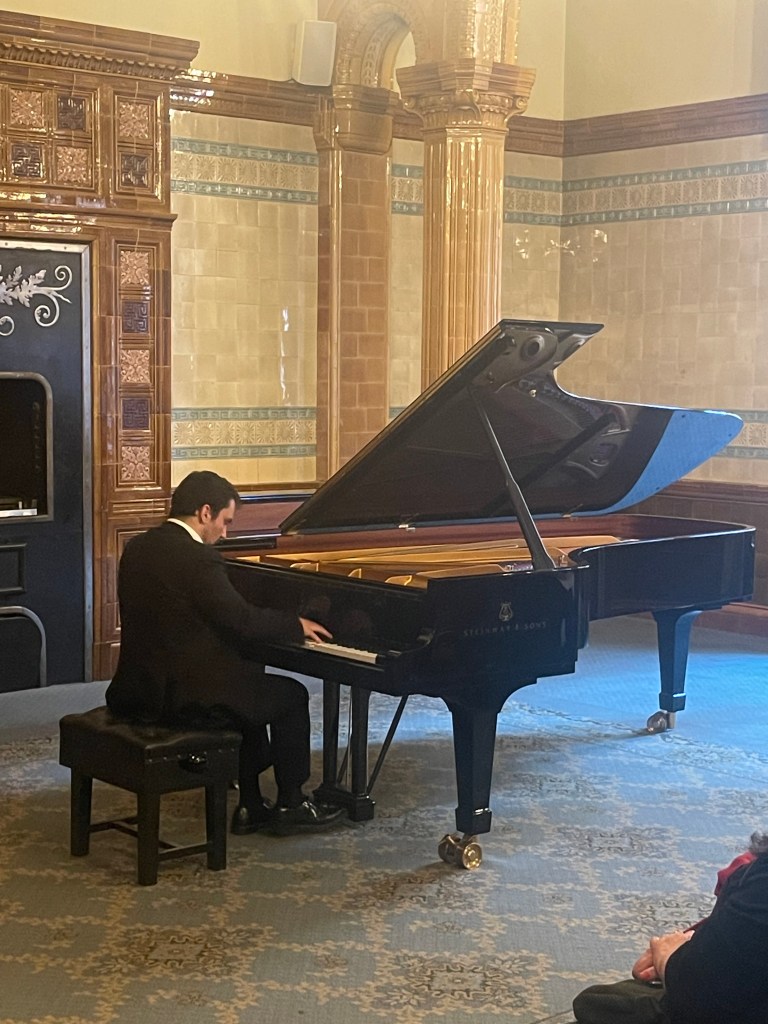
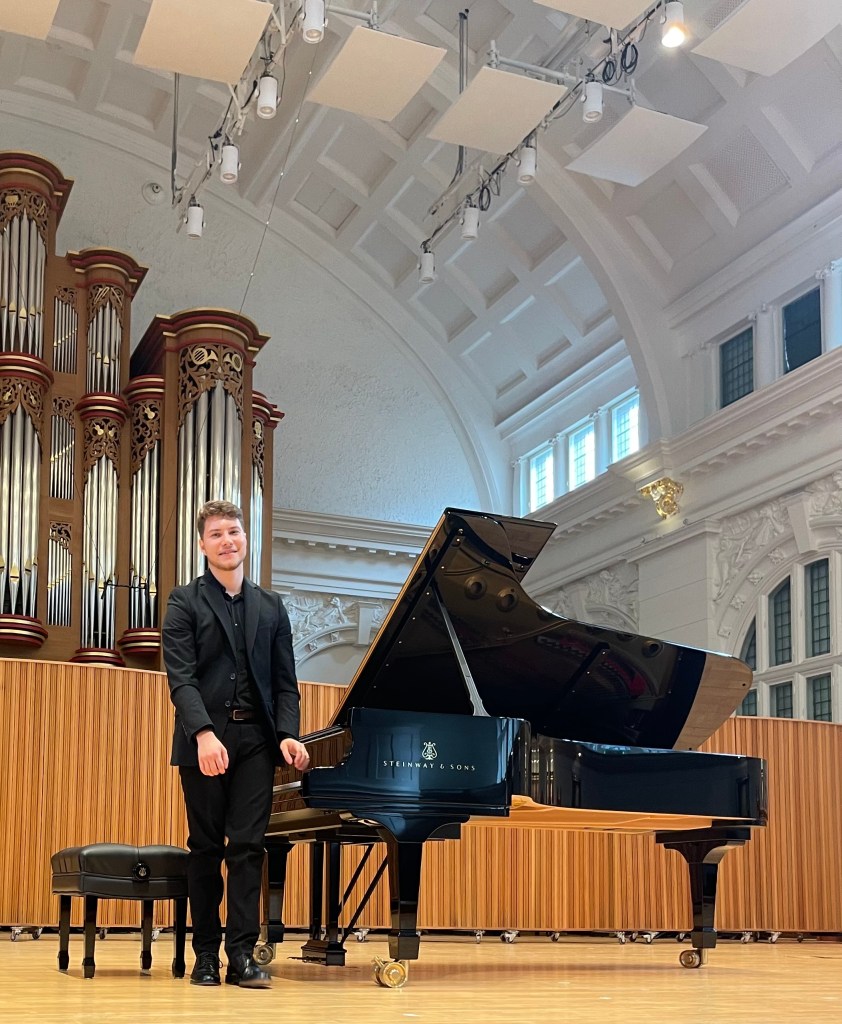
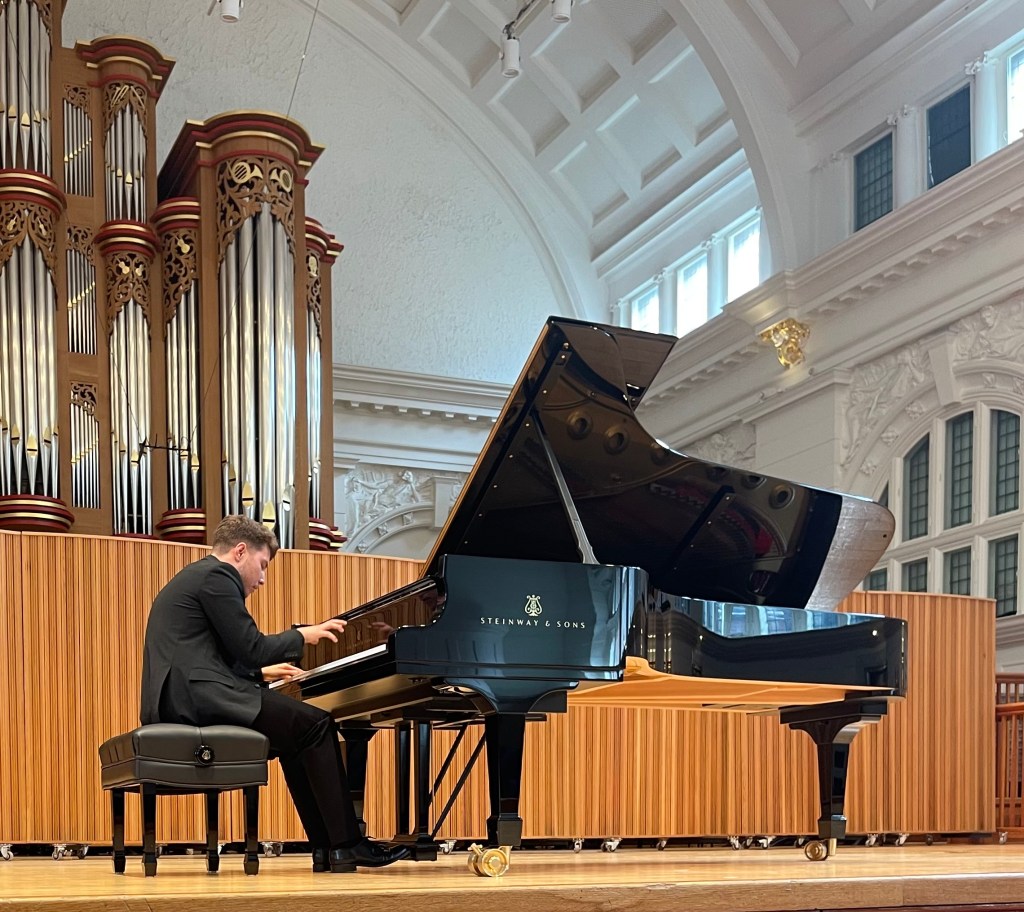
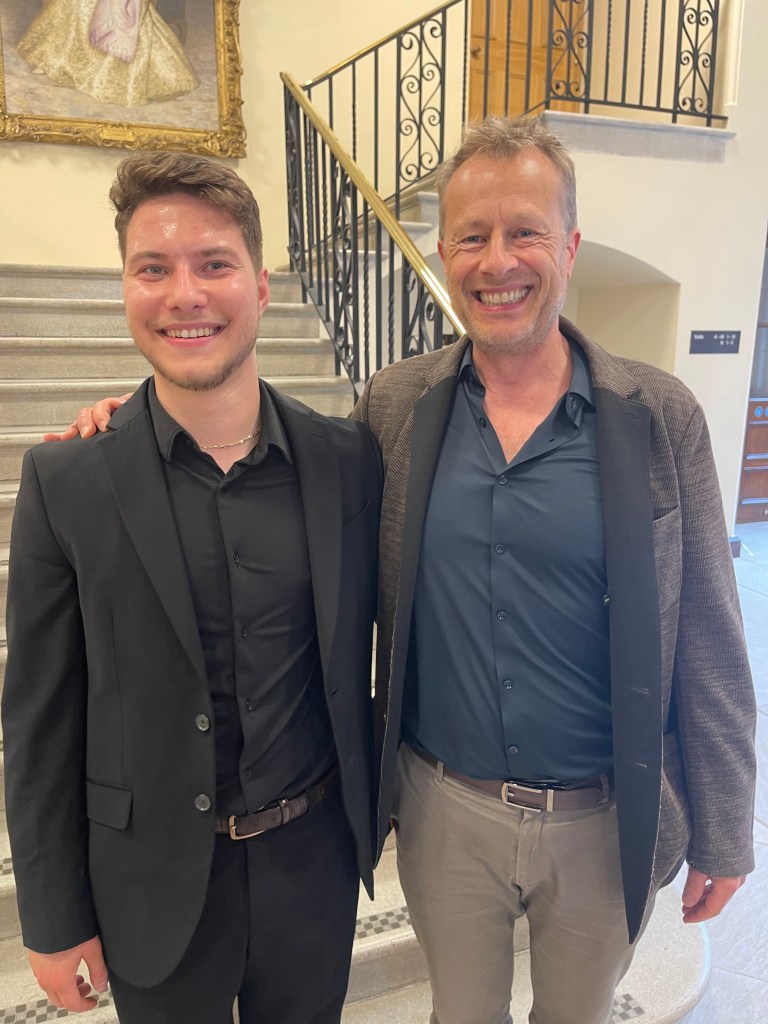
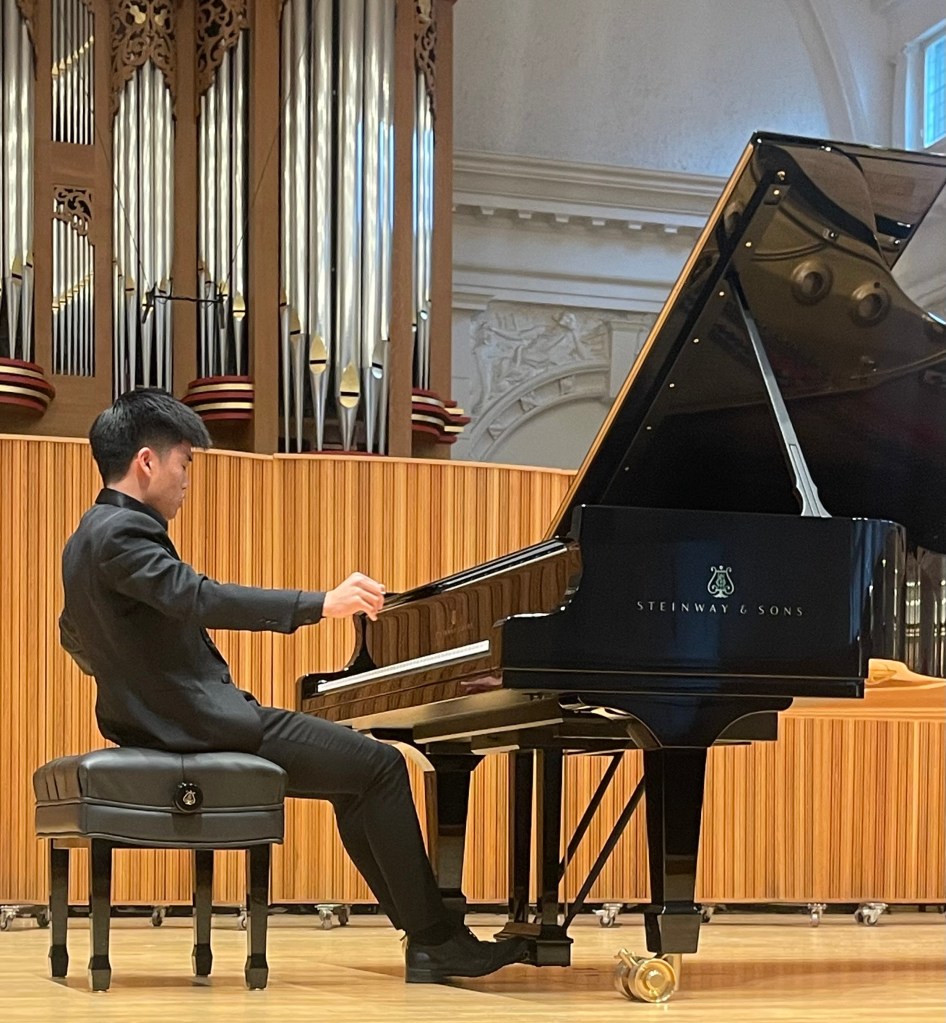
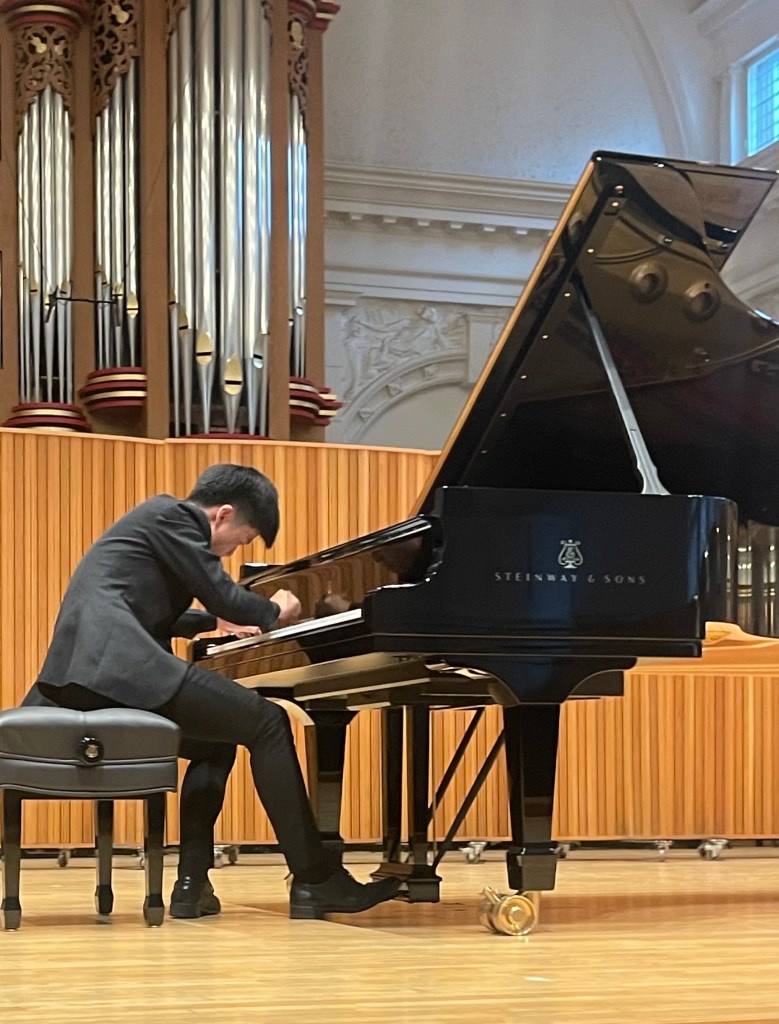
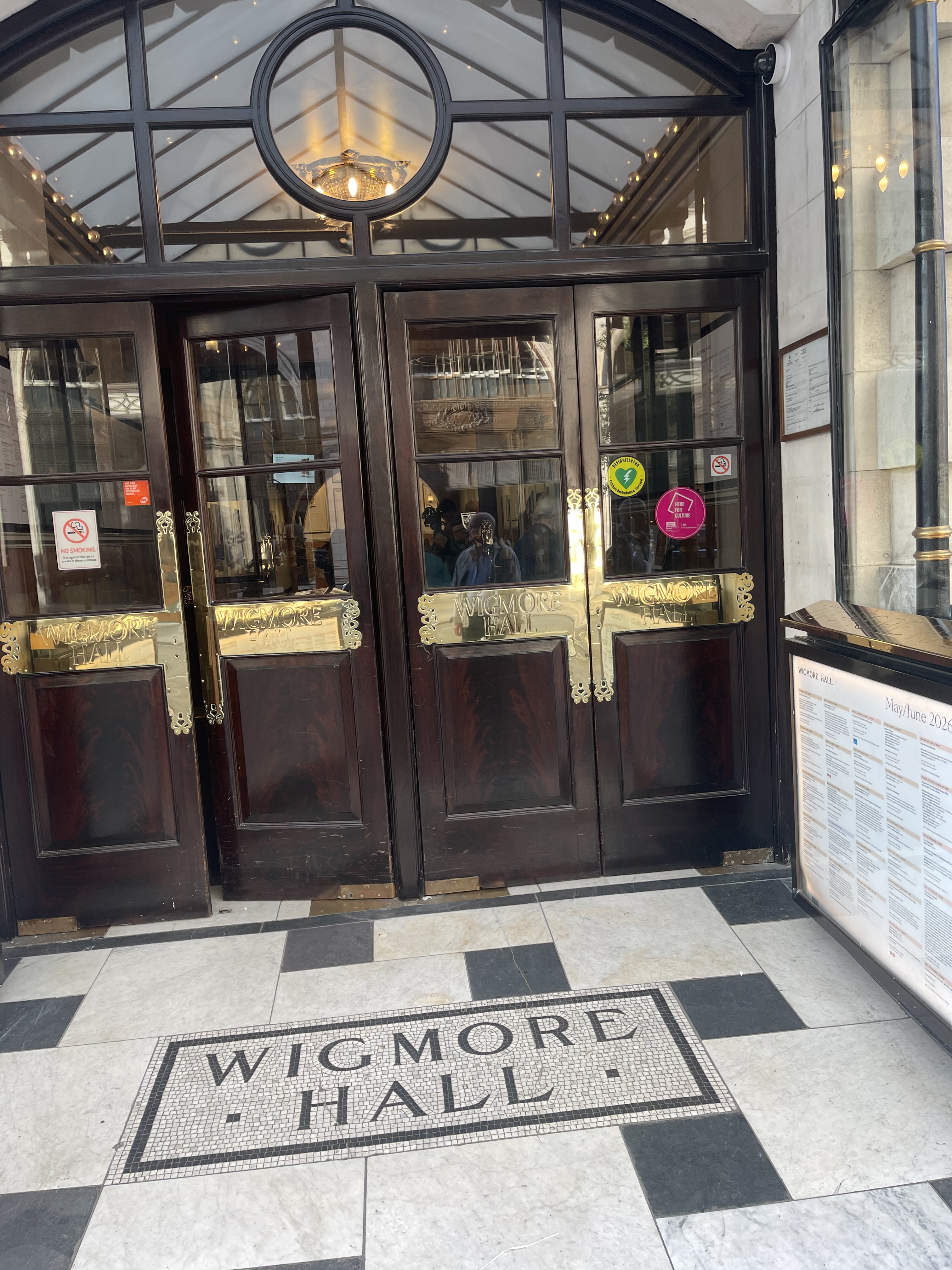
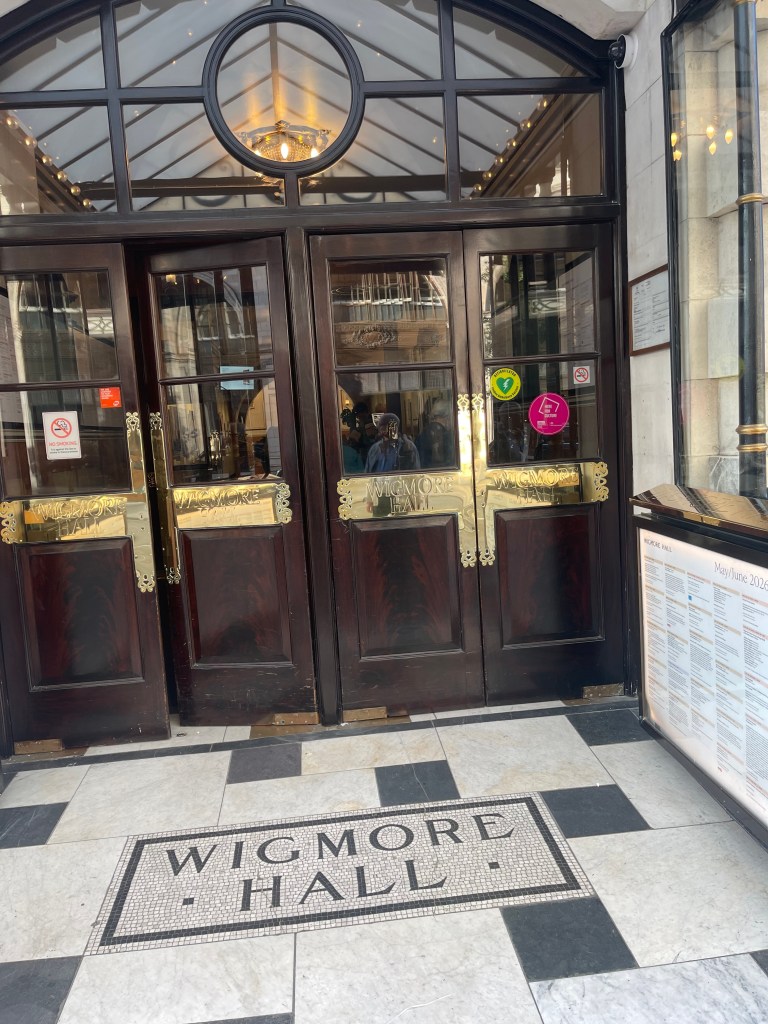
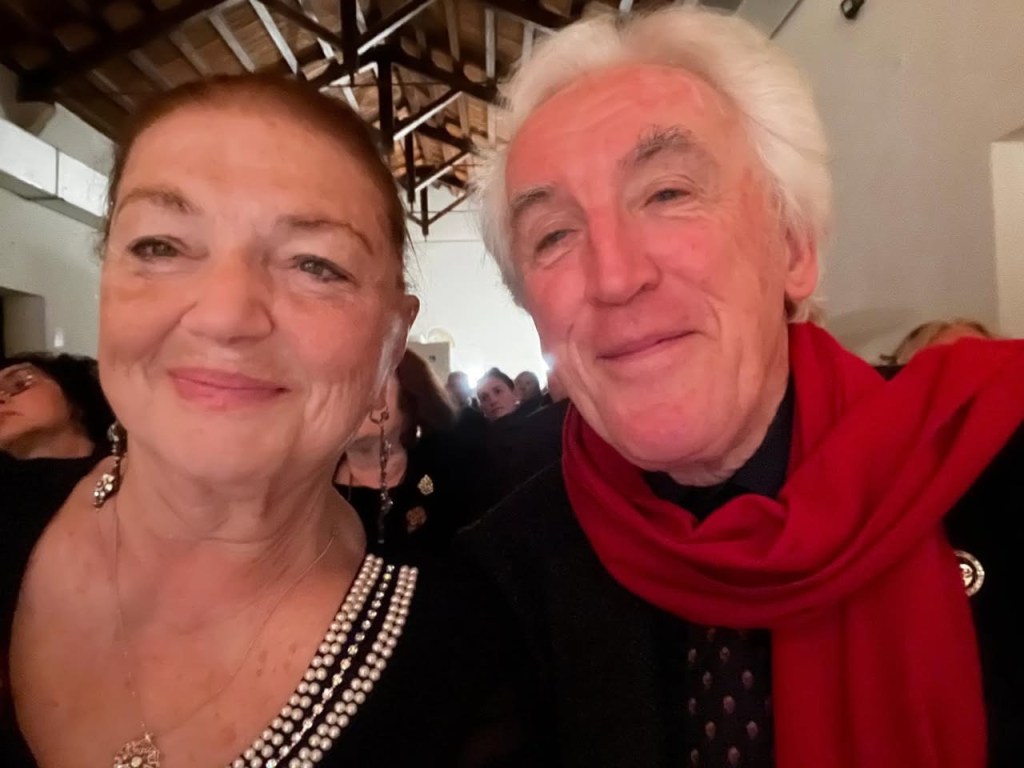
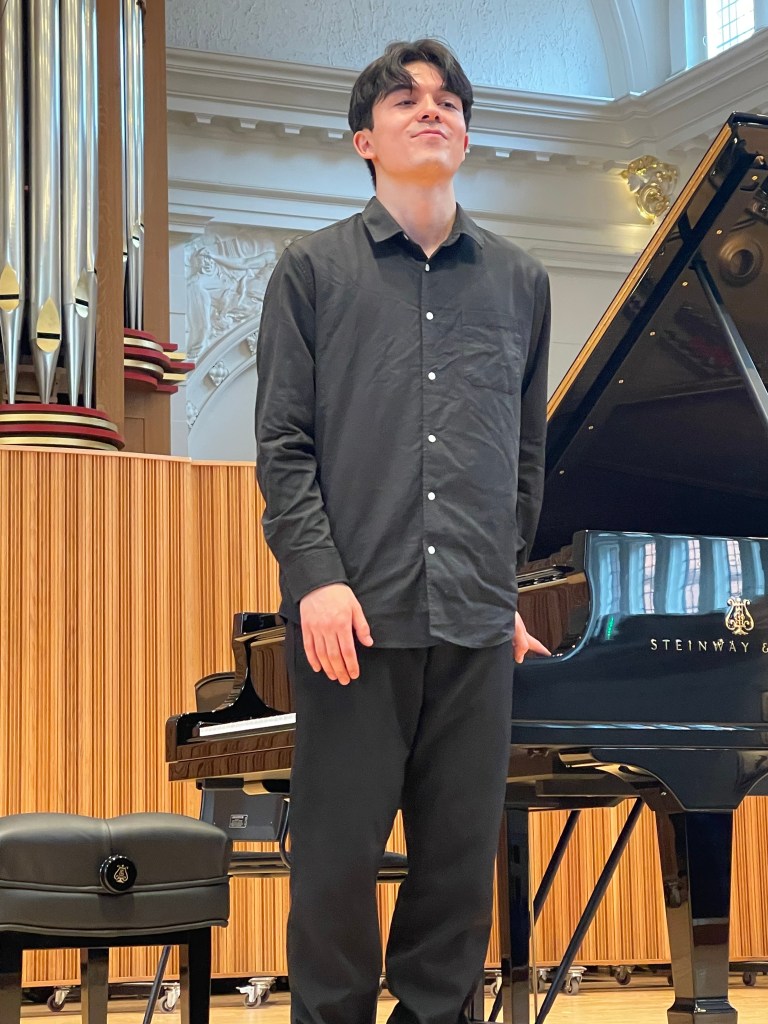
Lukas Sternath at the Wigmore Hall on the final day of the 125 Celebrations and a star is born.This is no ordinary star but one born on wings of song for which this hallowed much loved hall is famous. A pianist who is above all a musician where every note he plays is pregnant with meaning and with his searching musical intelligence can find the hidden secrets in the score that are there only for the very few. Living and brought up in Vienna where he was a member of the Vienna Boys Choir he has since been mentored by Igor Levit and Paul Lewis.

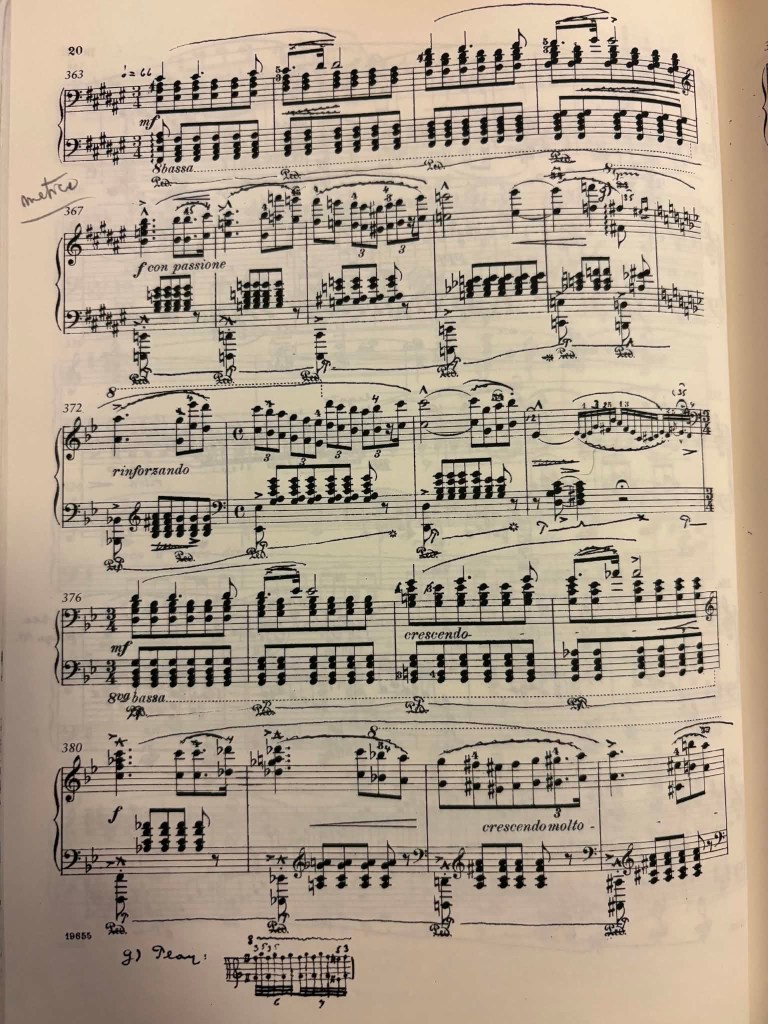
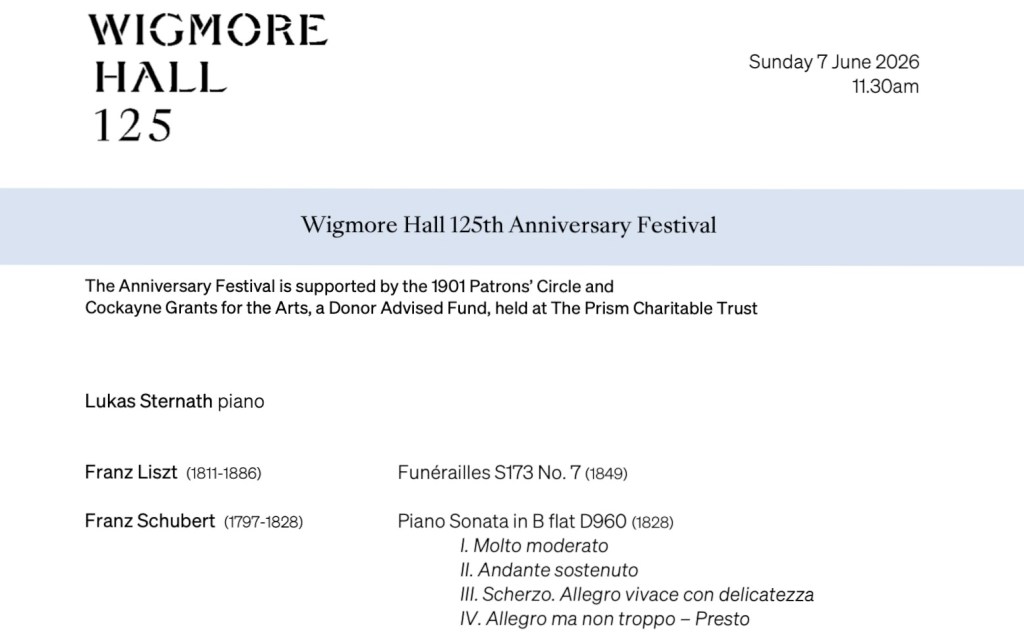
Just two works on his programme linked by the motif of death, with Liszt’s Funérailles transformed into Schubert’s last Sonata, written just months before his untimely death. There was no break between the two works which were linked by so many things, not least the rumble in the bass as Schubert announces the repeat of the opening of his B flat Sonata. This was no ordinary rumble but the death rattle before the reappearance of the heavenly opening of this last sonata.

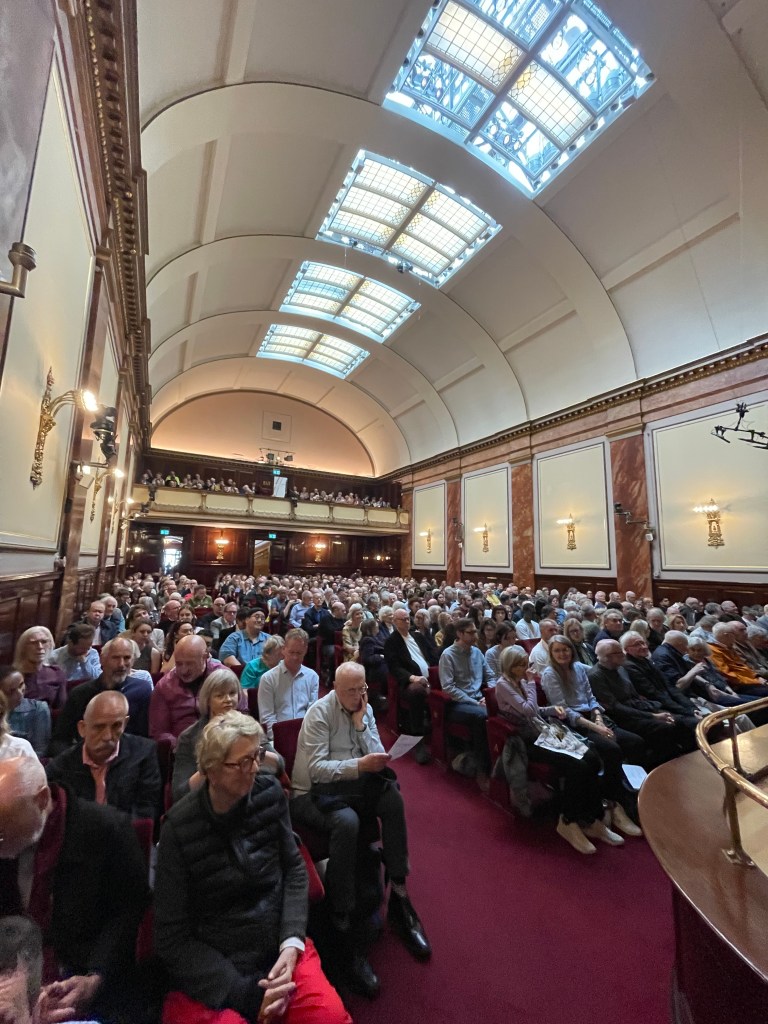
Cloudy mystery had opened the concert with the opening of Funérailles as if from afar as as it grew in imperative intensity. There was throughout, the death toll played with absolute neutrality like the forbidding thud of something ominous. The melody that opens in the bass was played with whispered luminosity whilst the death toll was menacing above. Opening to a melody of radiance and beauty played with a glowing luminosity and timelessness, disappearing to a whisper and then ……….’deathly’ silence. In fact all through the recital silence had been as eloquent as the actual sounds. The entrance of the military from afar was played almost without pedal with a clarity that allowed the call to arms above to speak with military precision and insistence. Building to a climax that was even more alarming for the build up of volume and sumptuous sound and then……. silence. A burning silence out of which a lone voice was heard of purity and beseeching innocence.The military are heard in the distance in a cloud of smoke before the final chords played with a whispered deathly precision .It was here that the lone voice of Schubert was allowed to stray with it’s calming balm of simplicity and radiant unearthly beauty. A quite remarkable achievement for a young artist on his Wigmore Hall debut to be able to capture the audience from the very first note. Not a sound was heard from the audience from the first to the last note, Silence in every sense was Golden like the beautiful fresco that has looked on from above for the past 125 years.

The Schubert Sonata was played with simplicity and beauty with marvels of accompaniment that were washes of sound on which Schubert’s seemingly endless mellifluous inspiration could float. Everything had been a haze of unearthly beauty until the menacing interruption of the ritornello and the explosion, completely unexpected and played with startling violence. It made the reappearance of the opening of the Sonata even more unearthly, just as it had been coming after Funérailles. Everything that Lukas played was without accents, singing with a natural fluidity and glowing beauty. Simple playful passages denied the ominous cloud that was to erupt with such passionate vehemence in the development. Schubert’s continual heart beat was interrupted only by wondrously played bass counterpoints of great clarity, but that took us to a different level of intensity each time. There was magic in the air as the ‘pianississimo’ that Schubert rarely marks in his works, was allowed to speak for itself with breathtaking beauty. Always projecting the sound but with a sense of balance and scrupulous attention to the score, in a strange way it drew us in even more to him, as the tension in the air was palpable with strangers united on wings of celestial beauty. Again unearthly silence after the beautifully placed final chords and the appearance of a new voice, that of a deep benediction of rapt contemplation. A control of sound that revealed a true mastery and sensitivity of touch where the melodic line could sing with a unique voice as the accompaniments were just wafts of stray sounds blowing in this torrid breeze. The return of the opening after a quasi religious outpouring of rapt chorale like intensity, was played with ever more mastery, where this box of hammers and strings was truly turned into a celestial harp of sounds wafted on wings of song. Suddenly the ‘Scherzo’ opened with a completely different sound that was of freshness and light with the question and answer of the phrases played with simple joyous enticement. A beautiful simple whispered legato to the ‘Trio’ was interspersed discretely with Schubert’s unsettling bass interjections. The ominous ‘G’ of the last movement was played with the terror that Schubert intended, as it interrupted the mellifluous flow of the simple länder. An interruption indeed just as that trill had been and as the following thunderous interruptions were to signify. Masterly playing from these Beethovenian irascible outbursts, but that Lukas immediately dissolved into a magic lilting dance that seemed to disappear into the distance with extraordinary sensitivity, allowing his hands to glide to the top of the keys barely able to reach that far . This was a performance that will long reverberate in this hall for the searching musicianship and simplicity allied to a technical mastery and beauty of sound where I could envisage the shadow of Alfred Brendel looking on with a knowing smile of recognition.

The Intermezzo in A major op 118 n.2 by Brahms was a fitting benediction for the experience we had received on this final Sunday morning of Wigmore celebrations. A performance of ravishing beauty but also of architectural strength as he allowed himself a moment of sumptuous orchestral richness which gave even more poignant meaning to the tender return of the opening. He had created in a few minutes a miraculous tone poem of searing beauty with many of the audience not wanting to rush out of the hall, wishing to wallow a little longer in the magic atmosphere of a rising star who has found a home for his extraordinary gifts.
It had no importance that we that lingered found the promised coffee pot and sherry glasses empty, because for us merry few Music is the Food of Love especially when served on Wings of Song as this morning.
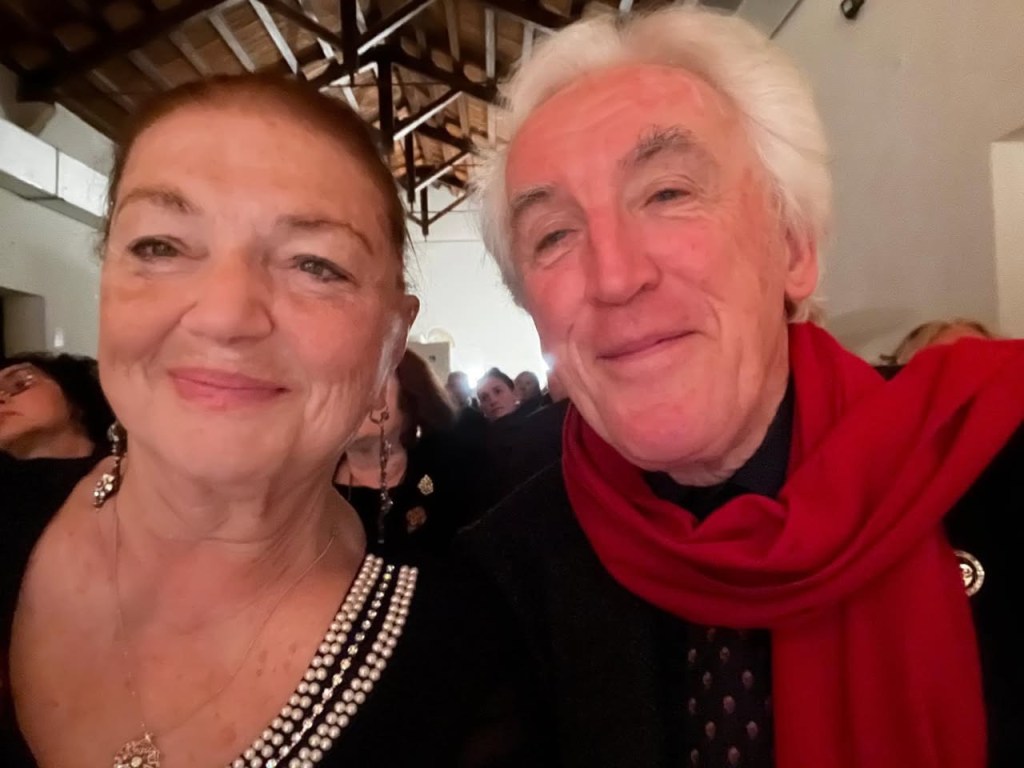
photo credit Davide Sagliocca
https://christopheraxworthymusiccommentary.com/2024/03/20/christopher-axworthy-dip-ram-aram/

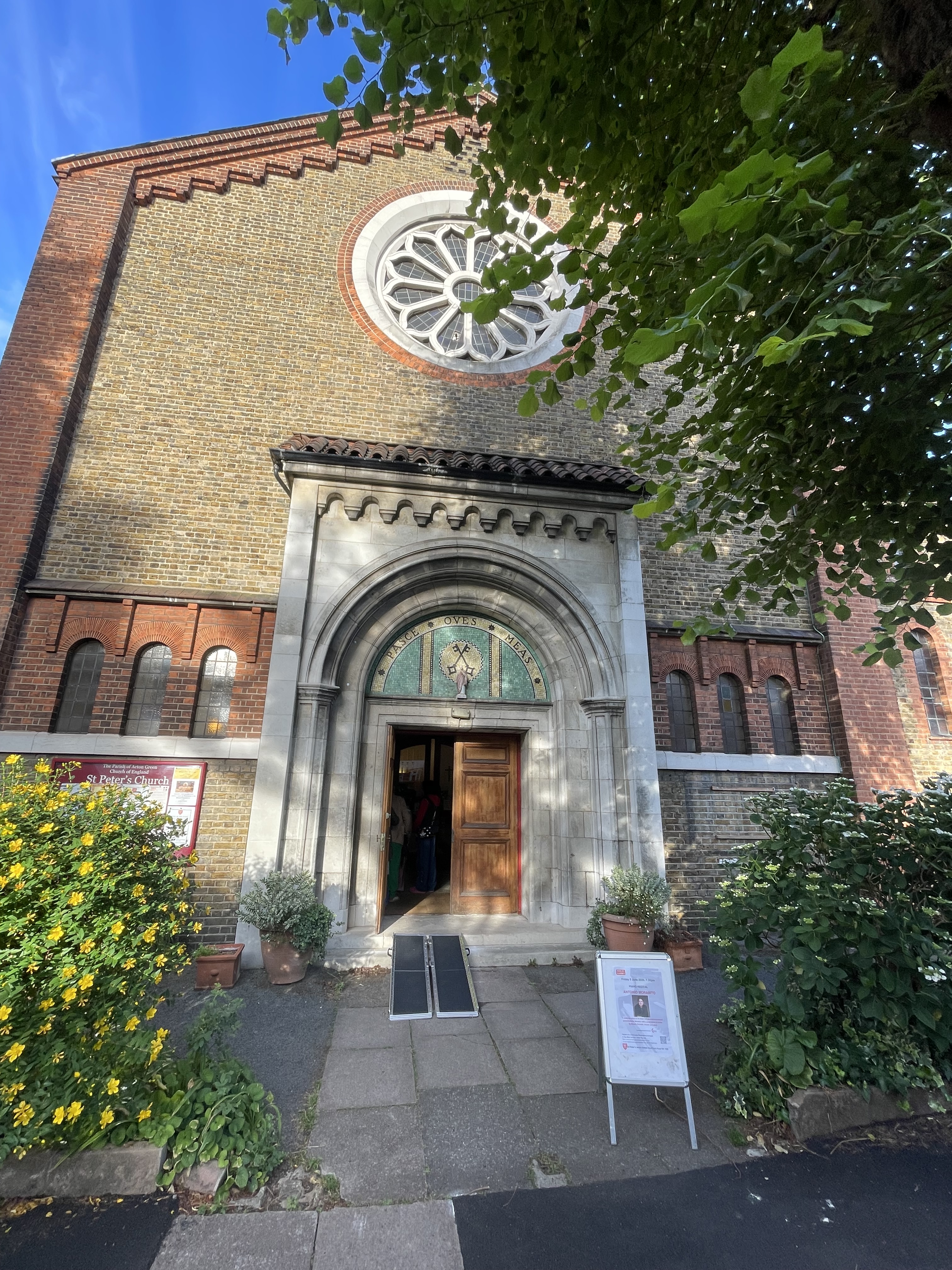
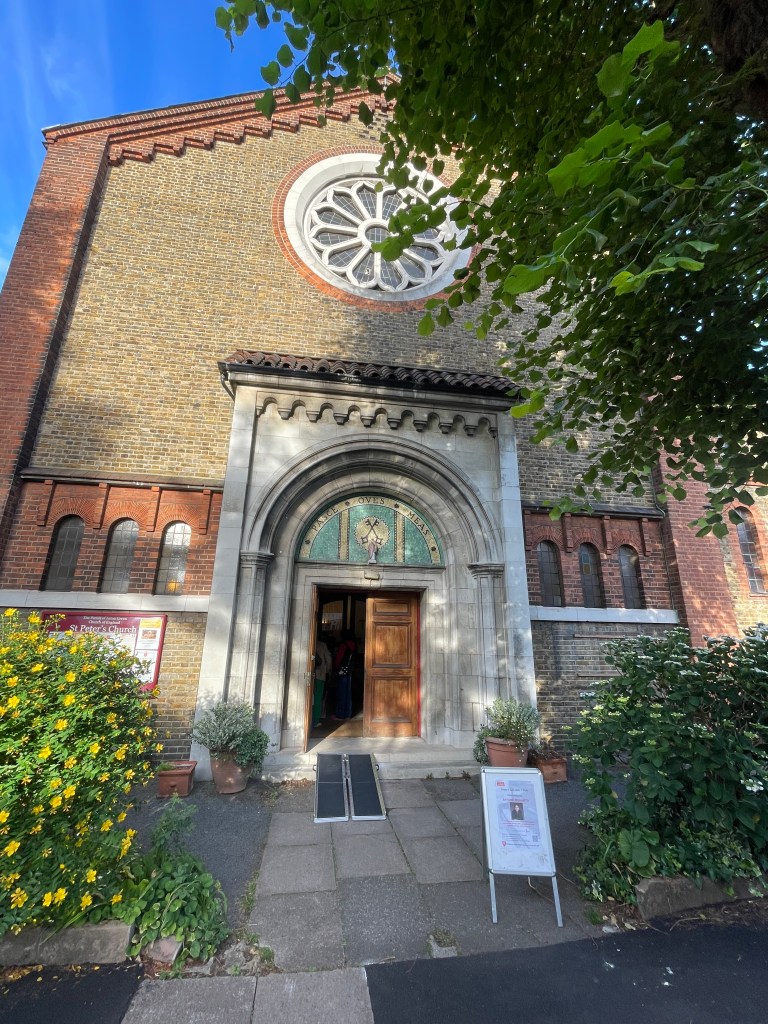
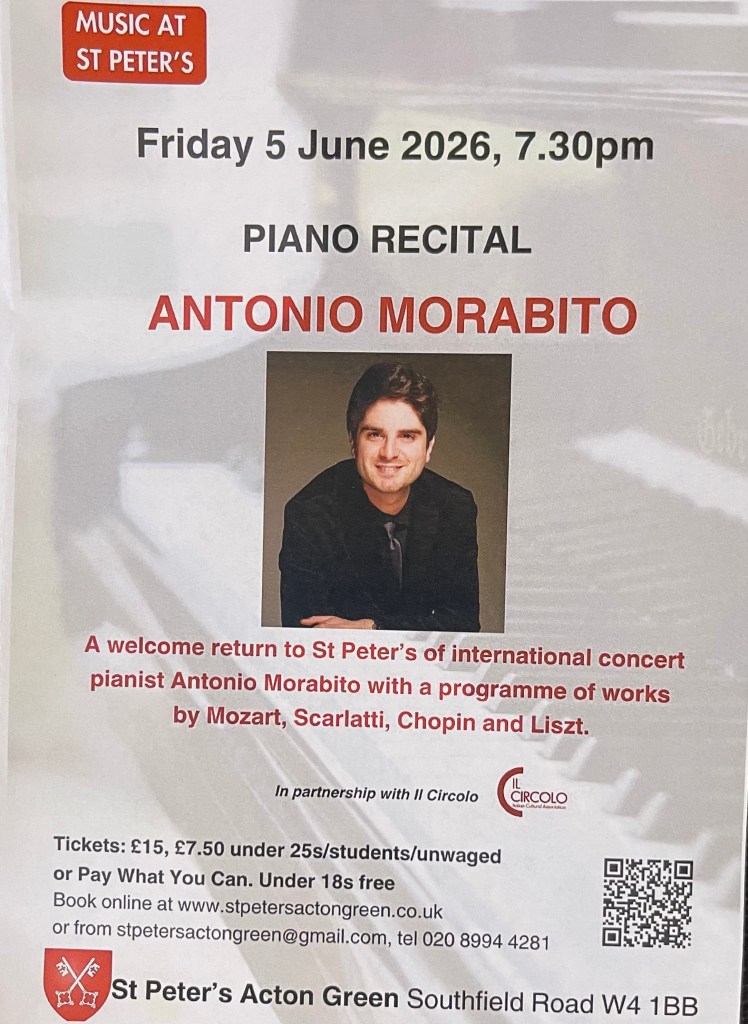
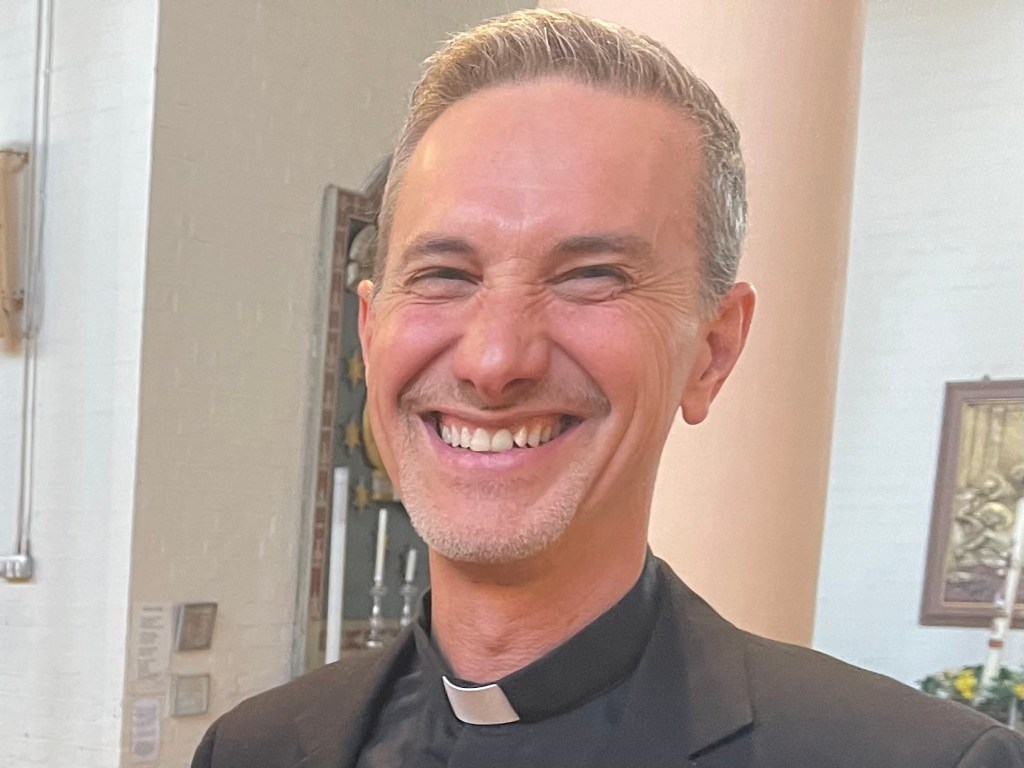
Antonio Morabito with stars shining brightly at St Peter’s Acton Green

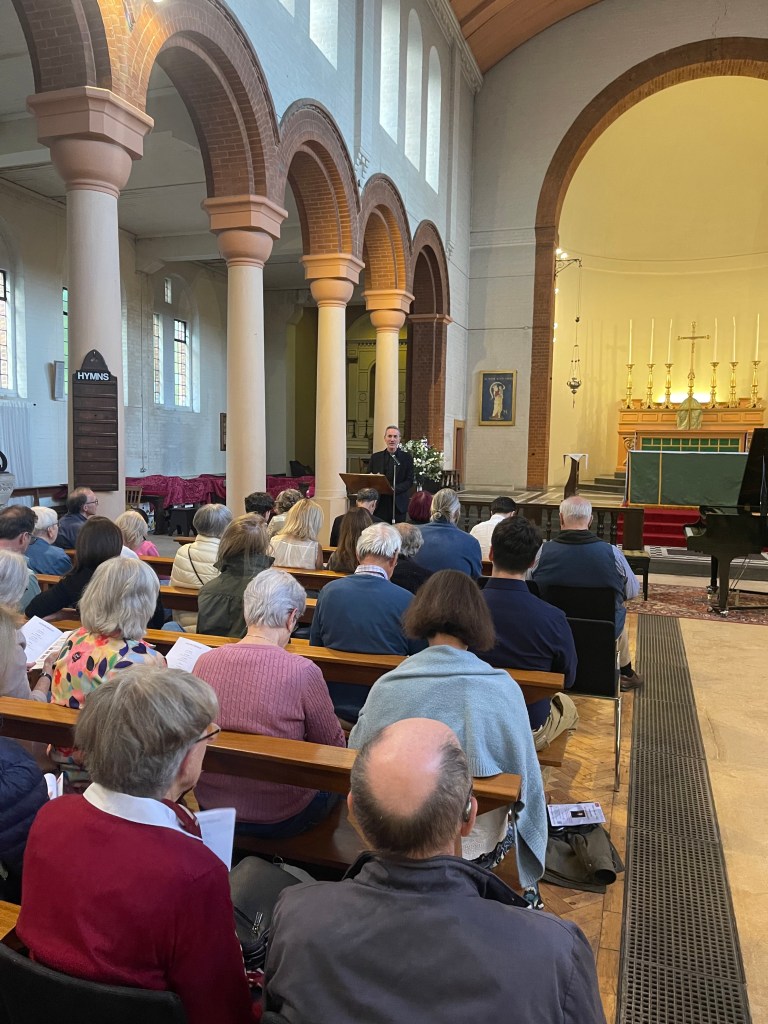
A night of stars at St Peter’s Acton Green where the new Parish priest has brought music and much else to a church I have known all my life but until last night had never crossed it’s hallowed threshold

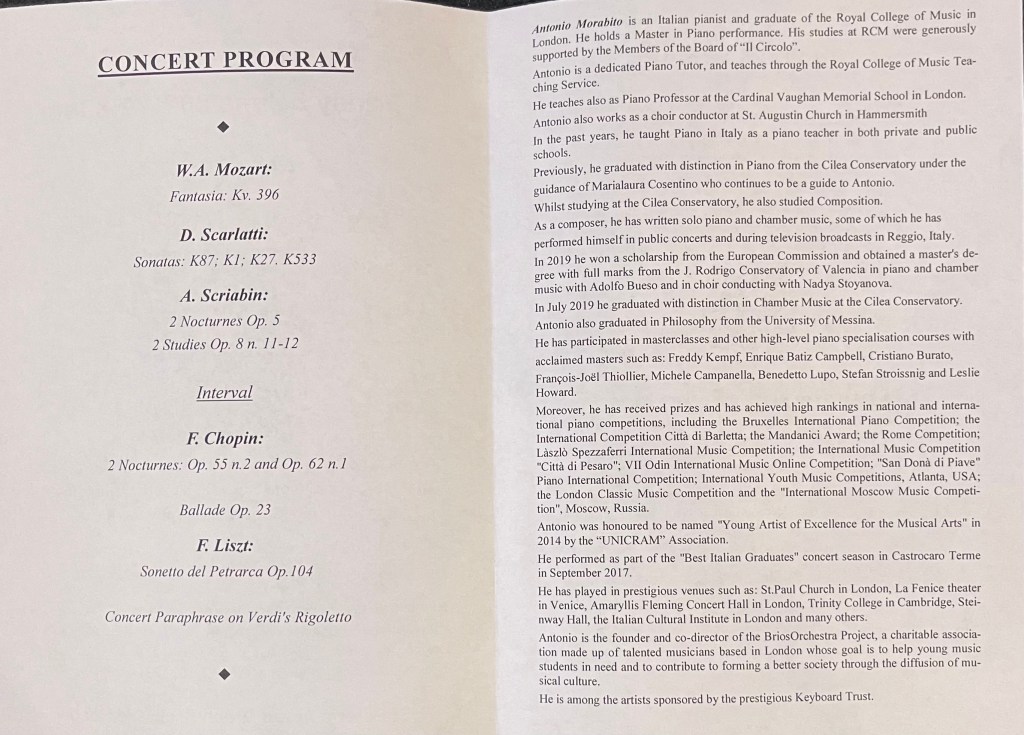
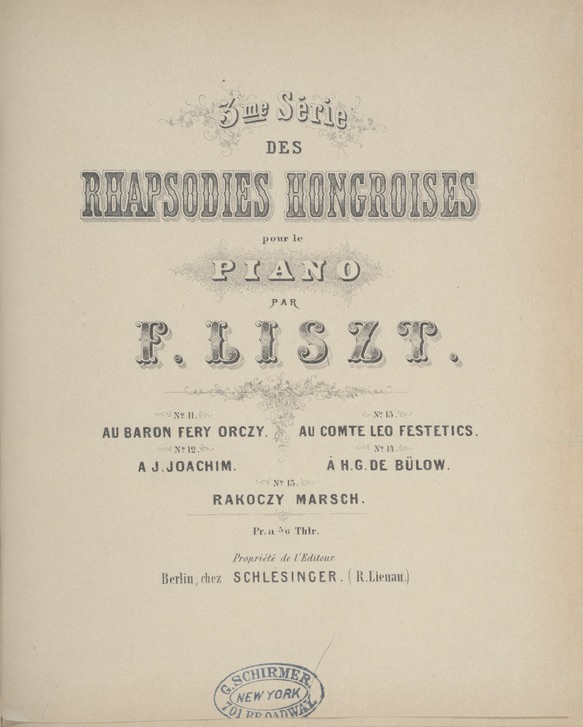
Antonio Morabito had gathered many of his illustrious colleagues to listen to a recital of music that started with Mozart and finished by much demand with the Rakoczy March .

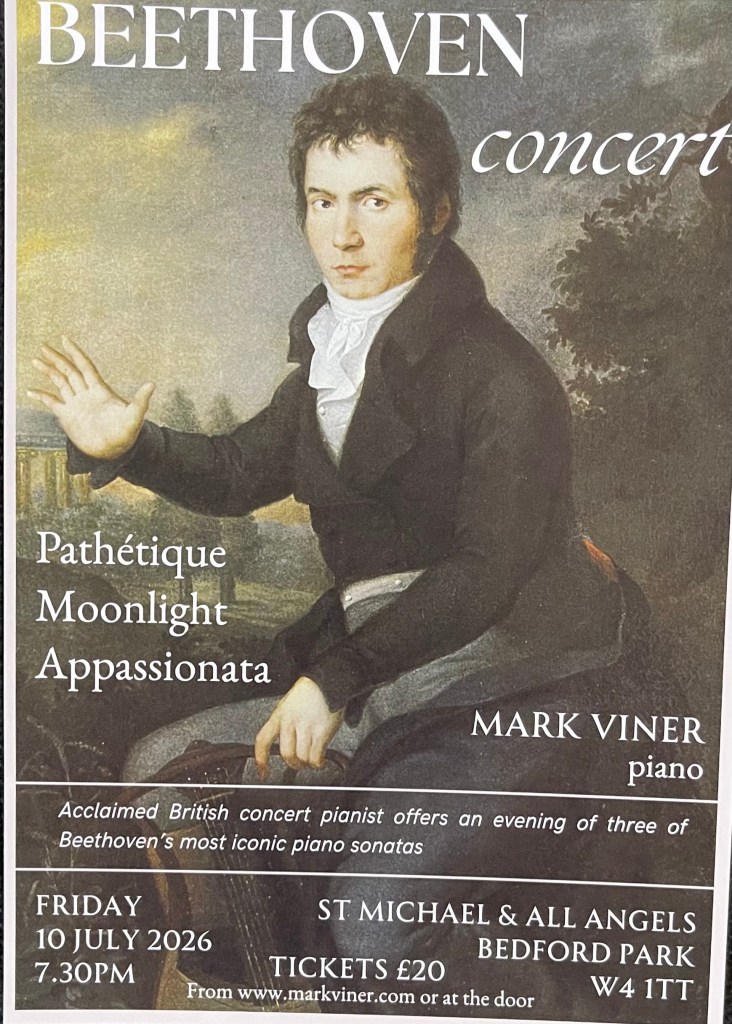
Mark Viner an International piano star living around the corner in Bedford Park, https://christopheraxworthymusiccommentary.com/2025/12/20/mark-viners-christmas-concert-2025-intelligence-scholarship-and-mastery-a-scintillating-cocktail-shaken-not-stirred/

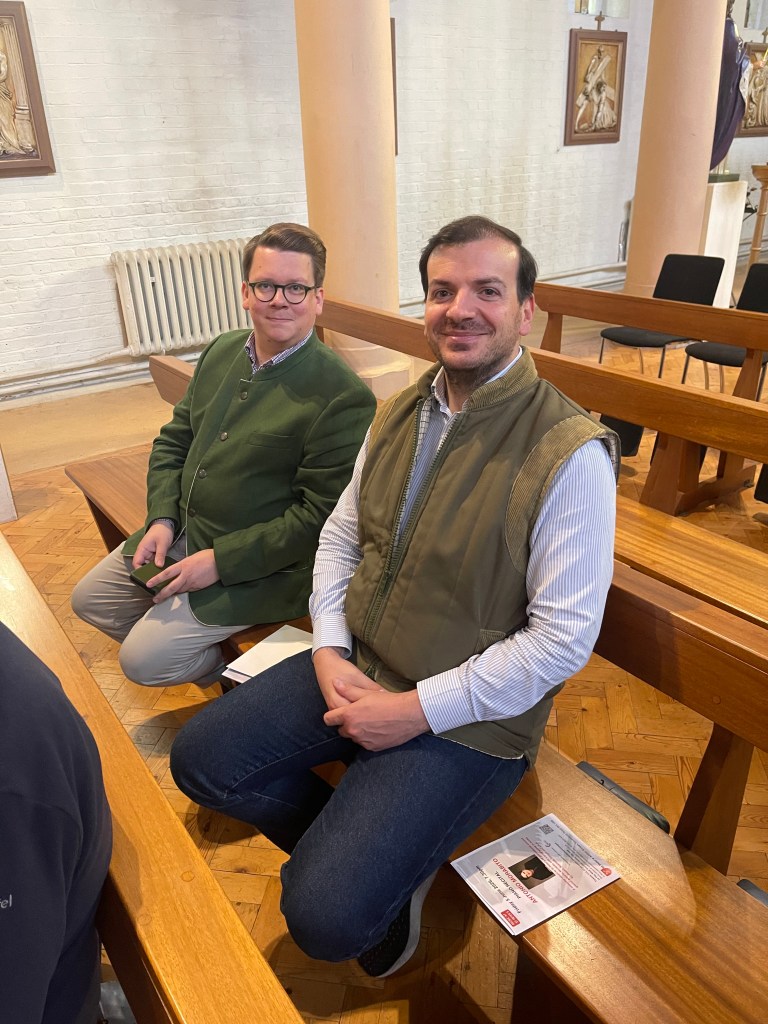
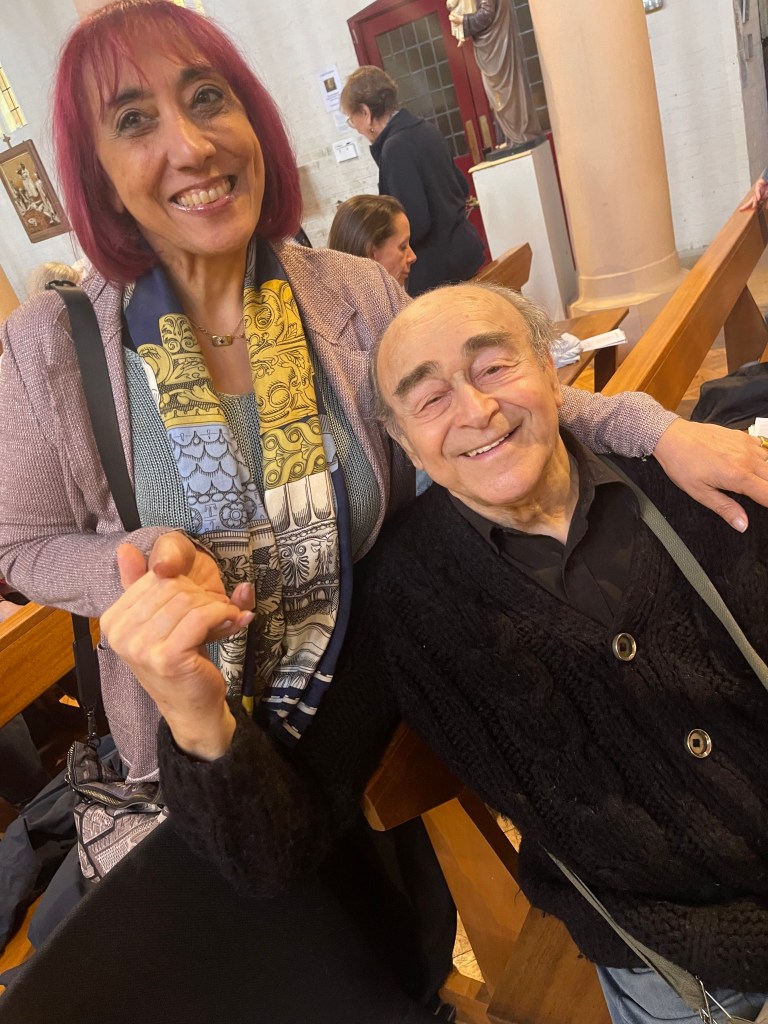
Alberto Portugheis the veteran concert pianist, close friend of Martha Argerich who celebrates her 85th year today. Simonetta Allder, ballet critic and PR for the newly born Spoleto Festival of Daniele Cipriani and Marco Gambino International stage and screen star who was with a fellow Palermitano, founder with her late husband of the Ian Bostridge fan club. And last but not least Roger Nellist of the historic St Mary’s Perivale live stream concerts for great young talents .

And what a feast of music Antonio served us with his charming Italian accent explaining with passionate commitment the dishes he had prepared for his Cordon Bleu feast of music.

Fourteen dishes each one with a different flavour and prepared to perfection .

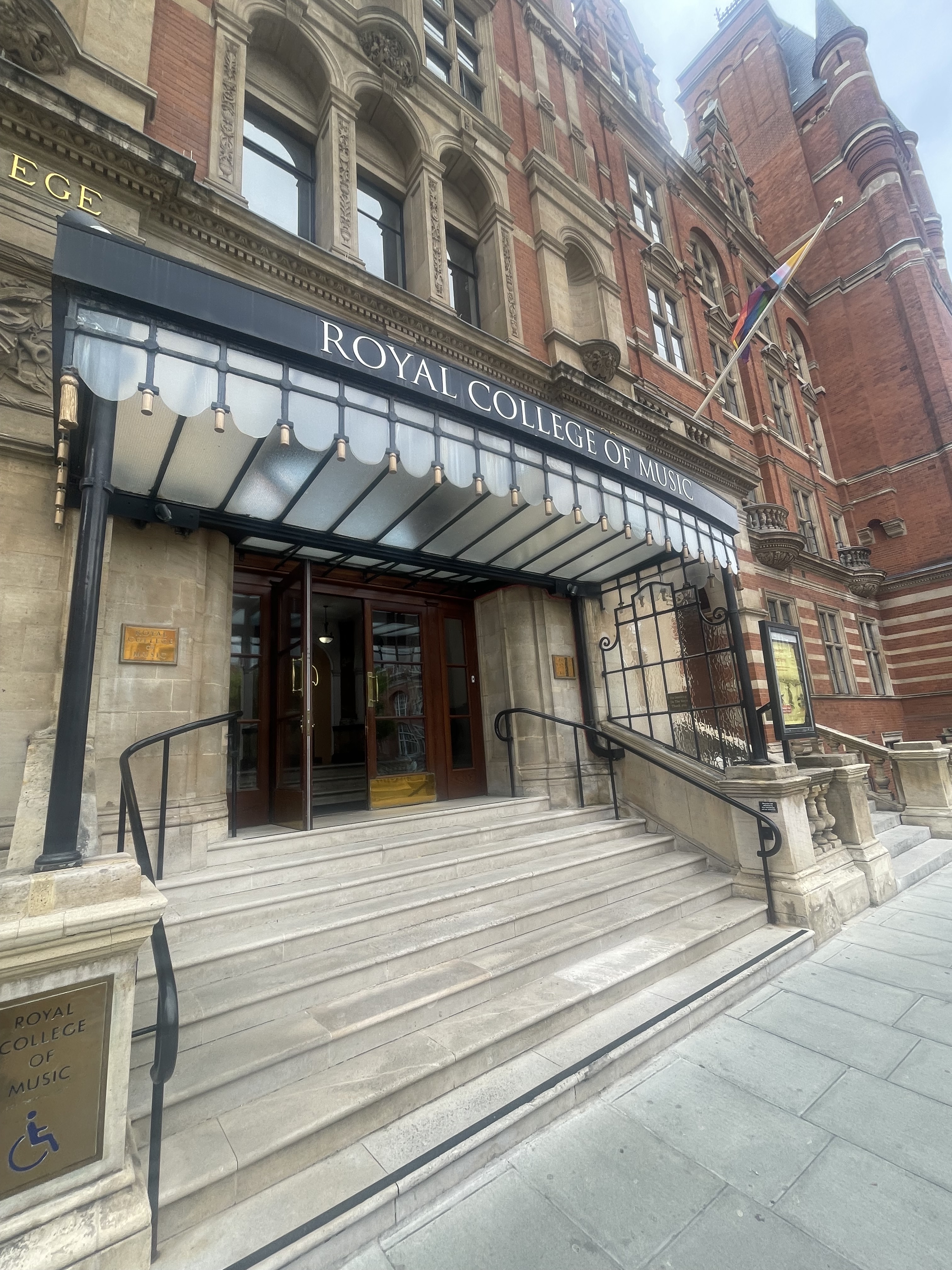
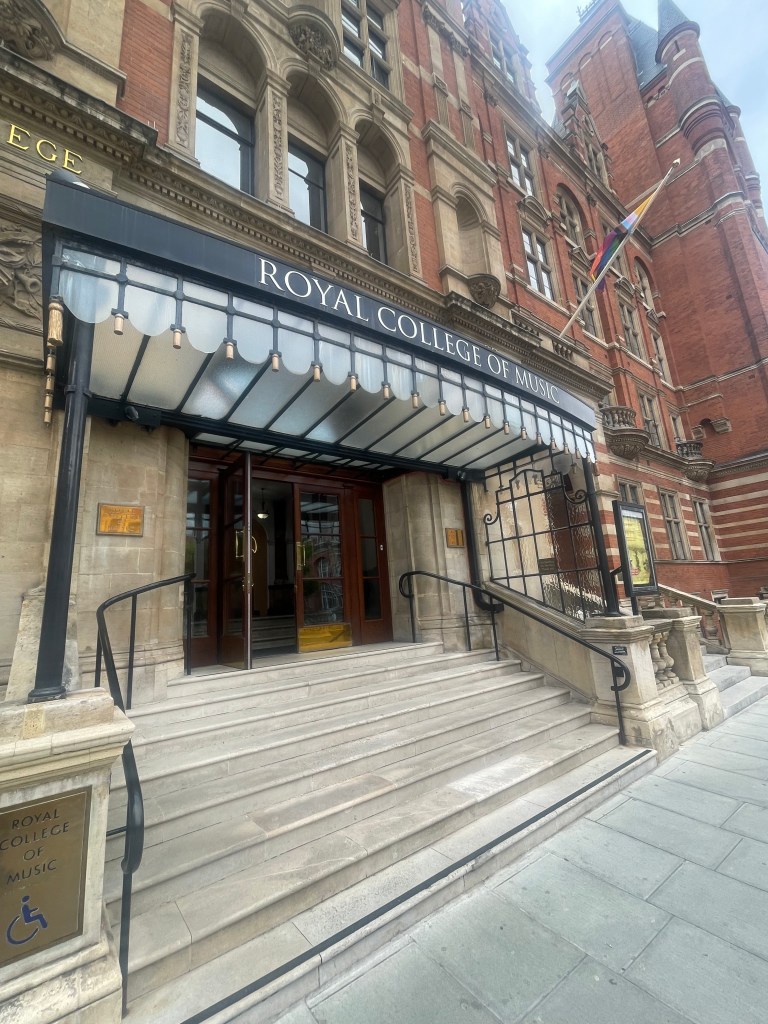
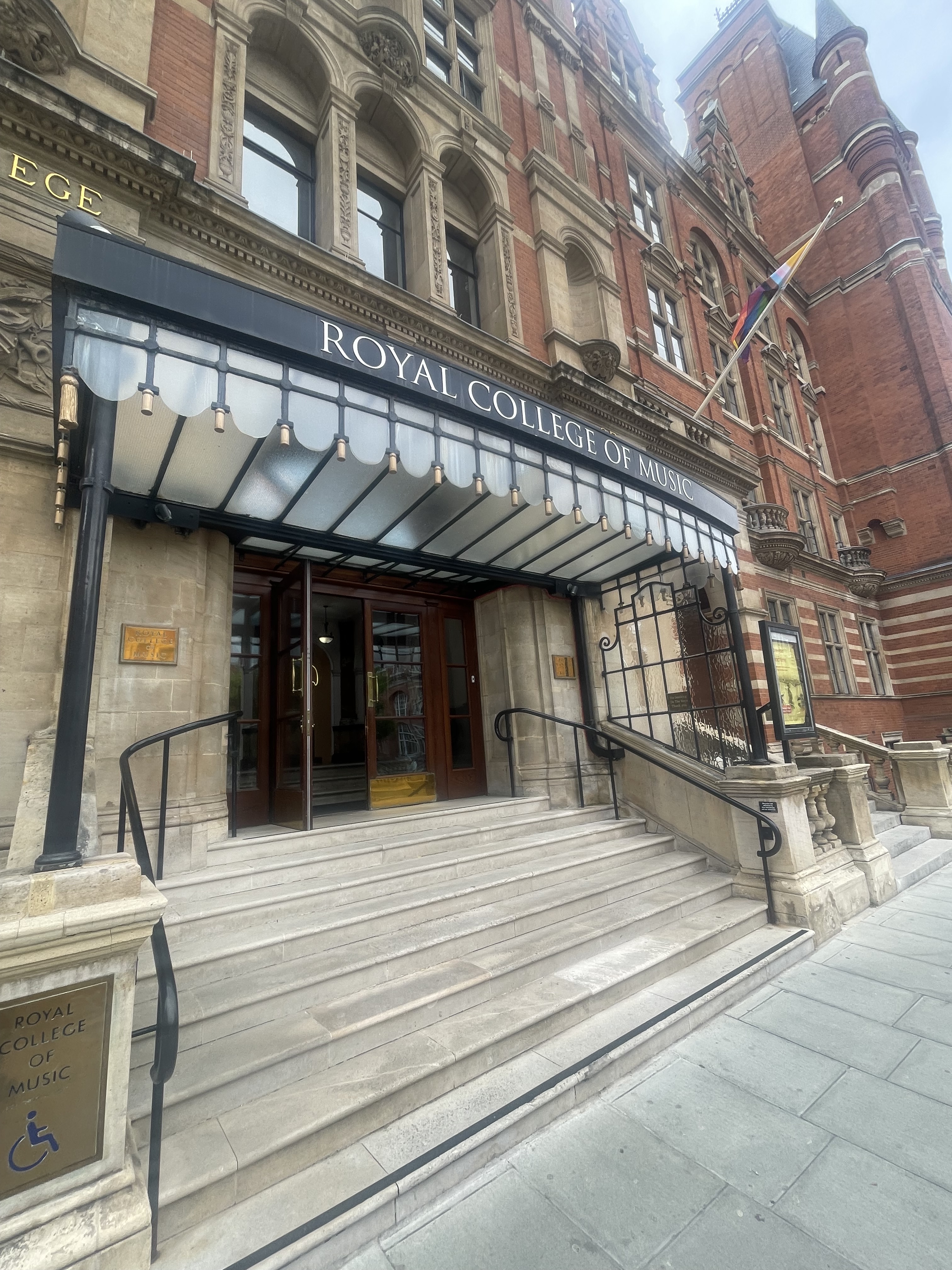
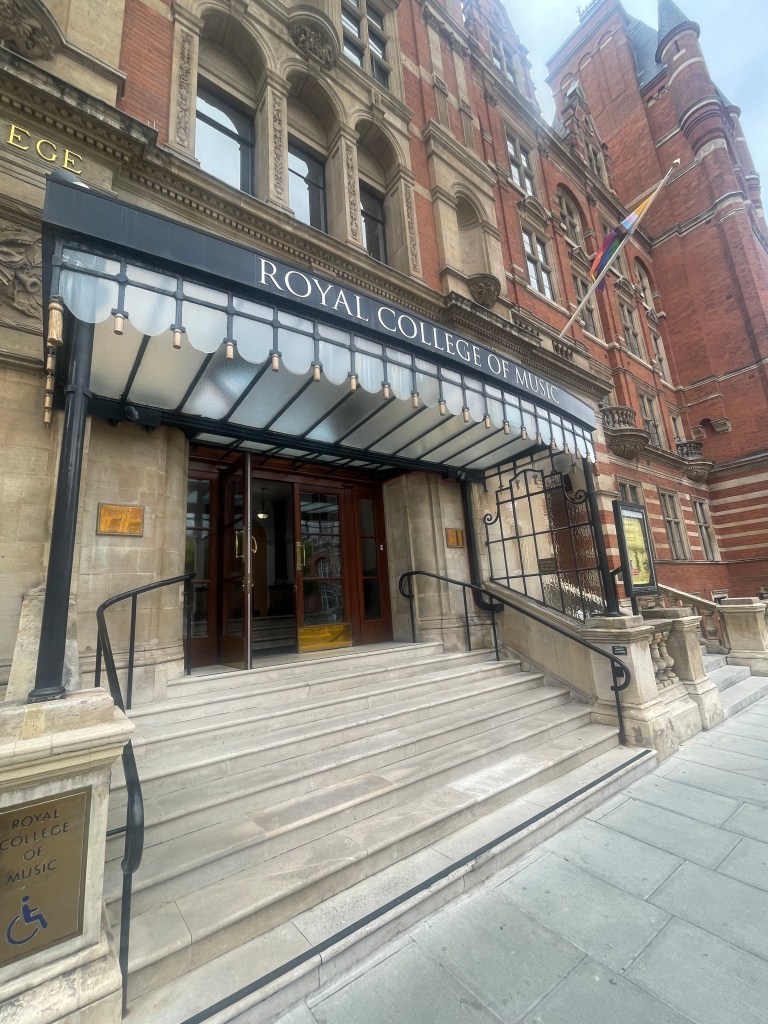
An imposing Fantasy by Mozart opened the concert and was an Hors d’oeuvres of refined brilliance, beautifully controlled with playing of intelligence that immediately showed Antonio’s pedigree from the hallowed temple of the Royal College of Music .The final work on the programme was Liszt’s concert paraphrase on Verdi’s Rigoletto, and it was here that Antonio’s Italian heritage was given full reign with a brilliant and scintillating performance of seductive beauty and style.

Four Scarlatti sonatas had shown Antonio’s chameleonic capacity to shape each one with beguiling beauty, turning these baubles into the gems in a crown containing over five hundred such marvels.

Four early works by Scriabin showed the influence that Chopin had on this eclectic composer whose ‘Mysterium’ theory later in life was aimed at transcending all earthly experience as he reached for the star.

Twinkle twinkle indeed but there was nothing vaguely twinkly with Antonio’s dramatic and virtuosistic rendition of his study in D sharp minor. It was on the palpitating tones of Scriabin’s ‘Revolutionary’ study that we were bade to adjourn for a ‘sorbet’ to whet our appetite for more.

After an extra long convivial, our genial host bade us take our places for a feast of Chopin and Liszt. In cockney slang it has a significance that would have been out of place in such wondrous company as this evening in Acton.

Two Nocturnes by Chopin and the Liszt Petrarch Sonnet 104 unfolded with radiance and beauty as Antonio’s innate love for music touched us all deeply.

No where more than in Chopin’s First Ballade op. 23 which is a tone poem that may have been inspired by the story line of a poem by Adam Mickiewicz .

‘Wretched am I amid the spiteful herd:

I weep—they jeer at me;

I speak—they cannot understand a word;

I see – they do not see!’

This poem by Adam Mickiewicz expresses intense and disturbing emotions—alienation, powerlessness, and morbid anxiety— that may be associated with the ideology of the Polish emigration in Paris in the 1830s. Only recently has this complex of ideas been linked to Chopin’s narrative works—by Karol Berger in “Chopin’s Ballade Op. 23 and the Revolution of the Intellectuals.”

Our host in thanking Antonio for his inspired performances, and the audience for turning out in such numbers on a Friday night. He asked timidly if Antonio might like to offer us a ‘limoncello ‘ after such a sumptuous feast.

Well it was like a red rag to a bull, as Antonio dashed to the piano and burst into a rousing performance of the Rakoczy March preparing us for our homeward journey in typical British summer climes .

photo credit Oxana Yablonskaya https://christopheraxworthymusiccommentary.com/2024/03/20/christopher-axworthy-dip-ram-aram/

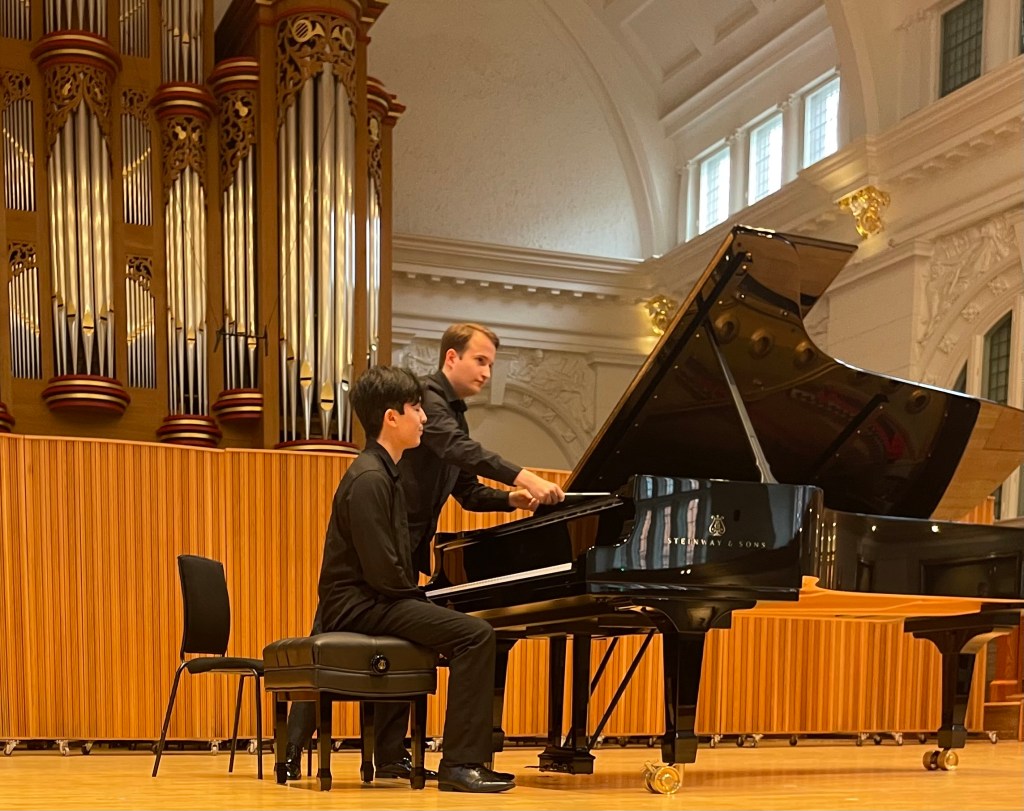
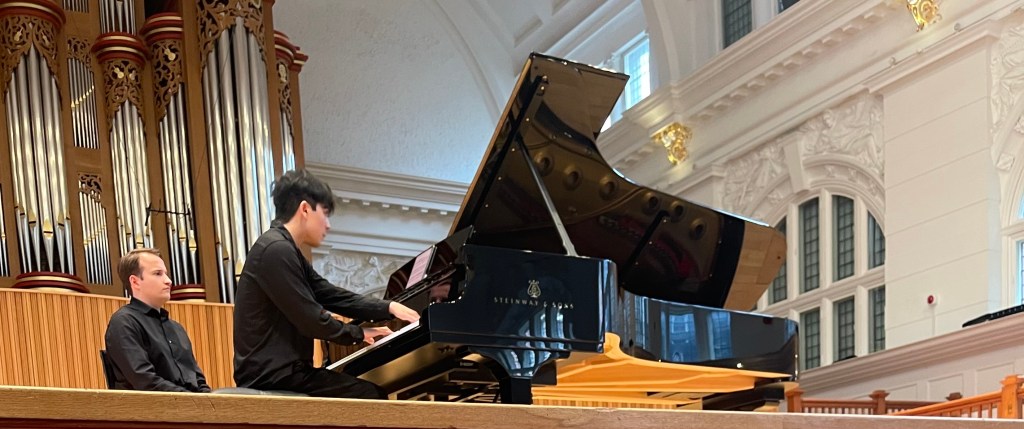
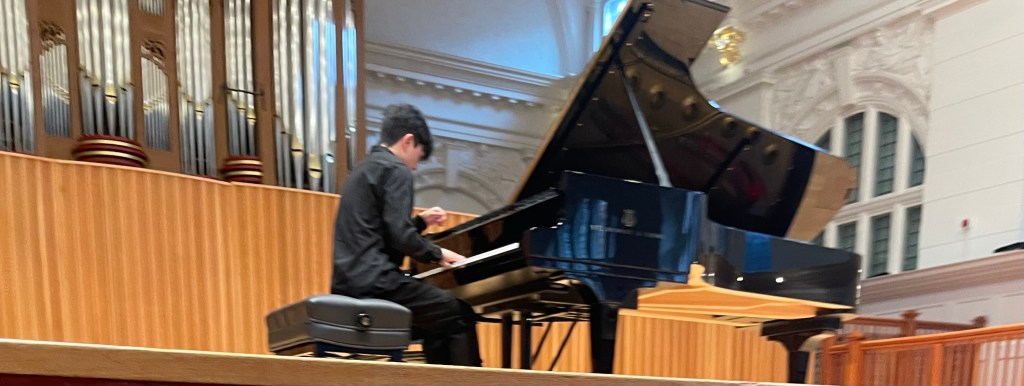
Tristan Vermeulen RCM Graduation Recital ‘The passion and intensity of a young artist’

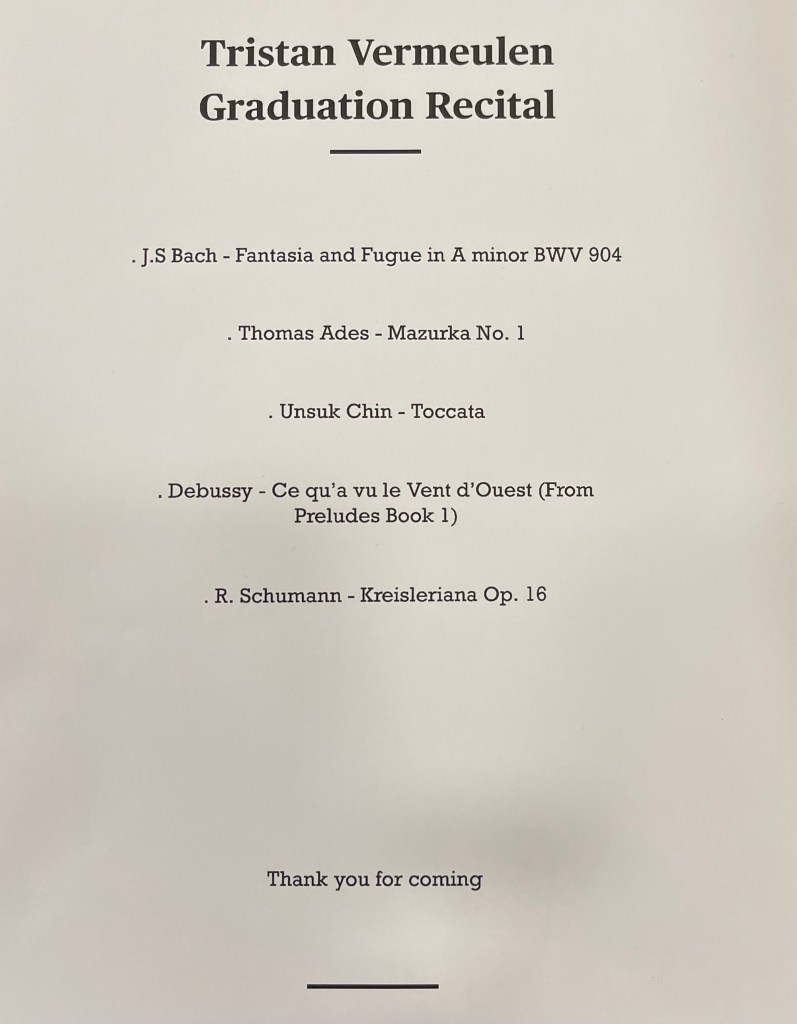
Wonderful to see Tristan Vermeulen surrounded by so many friends and family at his Graduation Recital today. I have known Tristan and his friends for sometime but had no idea he could play so beautifully until today. Bach’s mighty Fantasia and Fugue in A minor was played with authority and flowing beauty. There were magical sounds in the Mazurka by Ades and astonishing mastery in Unsuk Chin’s squabbling Toccata. Debussy’s West Wind was allowed to blow across the keys with terrifying brilliance. And if Tristan chose to bathe Kreisleriana in sumptuous sounds it was because his natural musicianship could see more the architectural shape than the intricacy of Schumann’s extraordinary fantasy world.

Opening with the Bach Fantasia with its series of descending notes in the bass, dominating the entire Fantasia that Tristan played with fluidity and an architectural shape of great authority . The Fugue building up with a four-part web of harmonies and a chromatically descending line with a second theme, which takes the idea of the descending bass of the Fantasia one step further. Tristan wove a continuous outpouring from which the voices emerged in a context of a great architectural shape of nobility and authority with Bach weaving both themes together to form a rich harmonic whole. A glowing beauty to the sound as Tristan was not afraid to use the pedal without blurring the lines but adding extra colour and shape to this extraordinary work.

There were magical sounds to the Ades Mazurka n. 1 in which Tristan found a kaleidoscope of sounds out of which emerged the unmistakeable Mazurka rhythm. It was indeed a canon covered in multicoloured blossoms played with a dynamic drive and searing conviction. The second contemporary work, also played with the score, was a Toccata by Unsuk Chin with its hesitant opening played with simple radiance. Bursting into a squabbling chatter of extraordinary technical complexity that Tristan played with remarkable clarity allowing this perpetuum mobile to be anchored by a lower line of pivotal importance.

Debussy’s ‘Ce qu’a vu le Vent d’Ouest’ was the link between the two contemporary works and the return to the main line repertoire. Tristan had a kaleidoscope of colour as he swept fearlessly across the keys creating sounds of extraordinary fantasy as thunder and lightening struck with such startling clarity above this haze of swirling sounds.

The main work on the programme was Schumann’s ‘Kreisleriana’ where he held the eight fantasy pieces together with a remarkable architectural shape but where an excessive use of the pedal did not always allow Schumann’s subtle poetic fantasy to be revealed with clarity and refined beauty. He maintained the tempo of the first fantasy not allowing the tempo to change for the beautiful central episode that he played with undulating beauty, but outer episodes could have been more clearly played as contrast. The second fantasy, the longest, was played with real poetic feeling ,with long bass notes helping the etherial beauty of the melodic line to float on this wave of sound. The first Intermezzo was played very beautifully but lacked the contrast that Schumann indicates with its spiky left hand intrusion.He brought clarity to the third fantasy and the ‘etwas langsamer’ floated on a cloud of pedal making a beautiful romantic contrast.The fourth was played with beauty and simplicity with its poignant outpouring of great poise and flowing beauty. He brought an impish whispered urgency to the fifth with great sweep to the central episode of romantic fervour.A beautiful sense of improvisation to sixth taking wing like a subtle reawakening with the ‘etwas bewegter’.The seventh was fearlessly played with no rearranging of the hands and if there was too much pedal for the ‘noch schneller’ it was played with a burning intensity before the beautiful coda of nostalgic reflection. The final fantasy was where he managed to maintain the same tempo throughout as the impish almost clumsy roaming around the keyboard was interrupted by two Intermezzi .Although he maintained the same tempo they lacked the contrast and intensity especially as Schumann writes specifically ‘Mit aller Kraft’ on the second. However hats off to a young man of only 21 who can shape these eight contrasting fantasies into one coherent whole with such maturity and artistry.

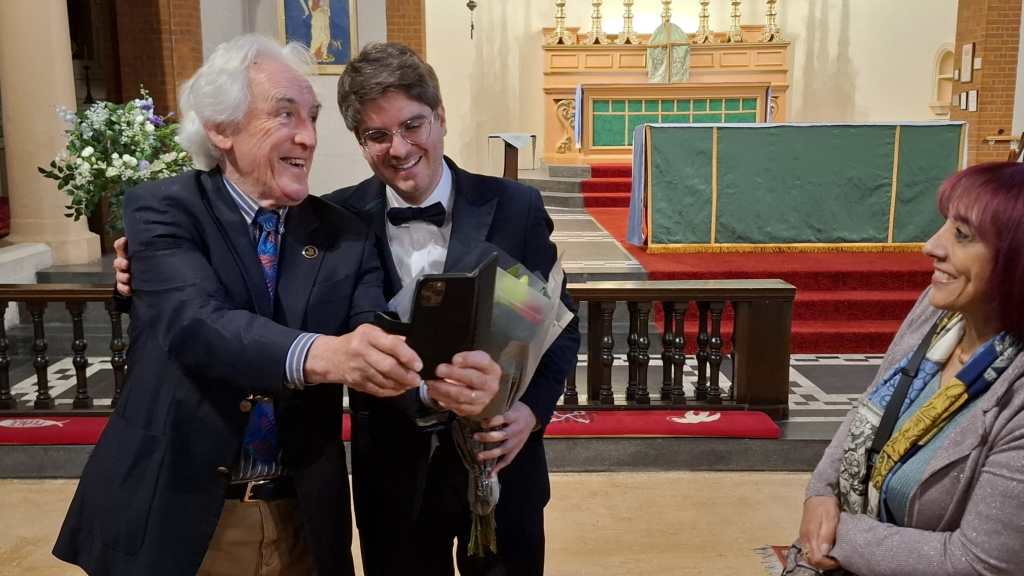
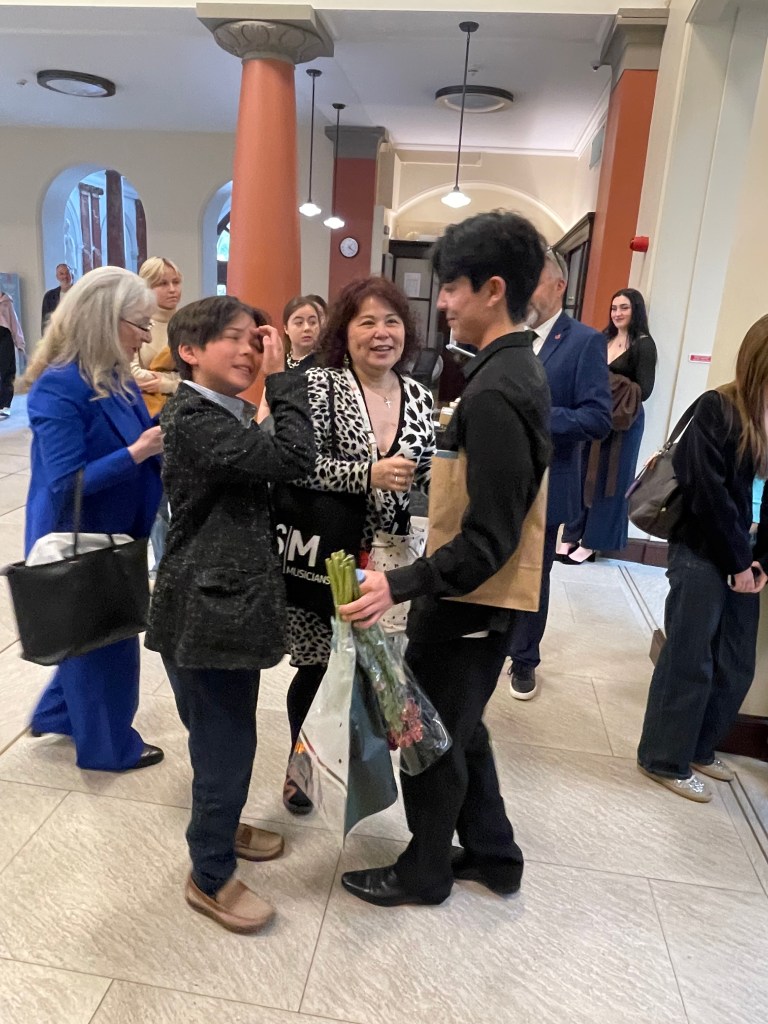
Flowers and cat calls from Tristan’s many friends and family gathered to celebrate this final concert of four long years of serious work with his dedicated teacher Dina Parakhina present in the hall to celebrate Tristan’s coming of age.

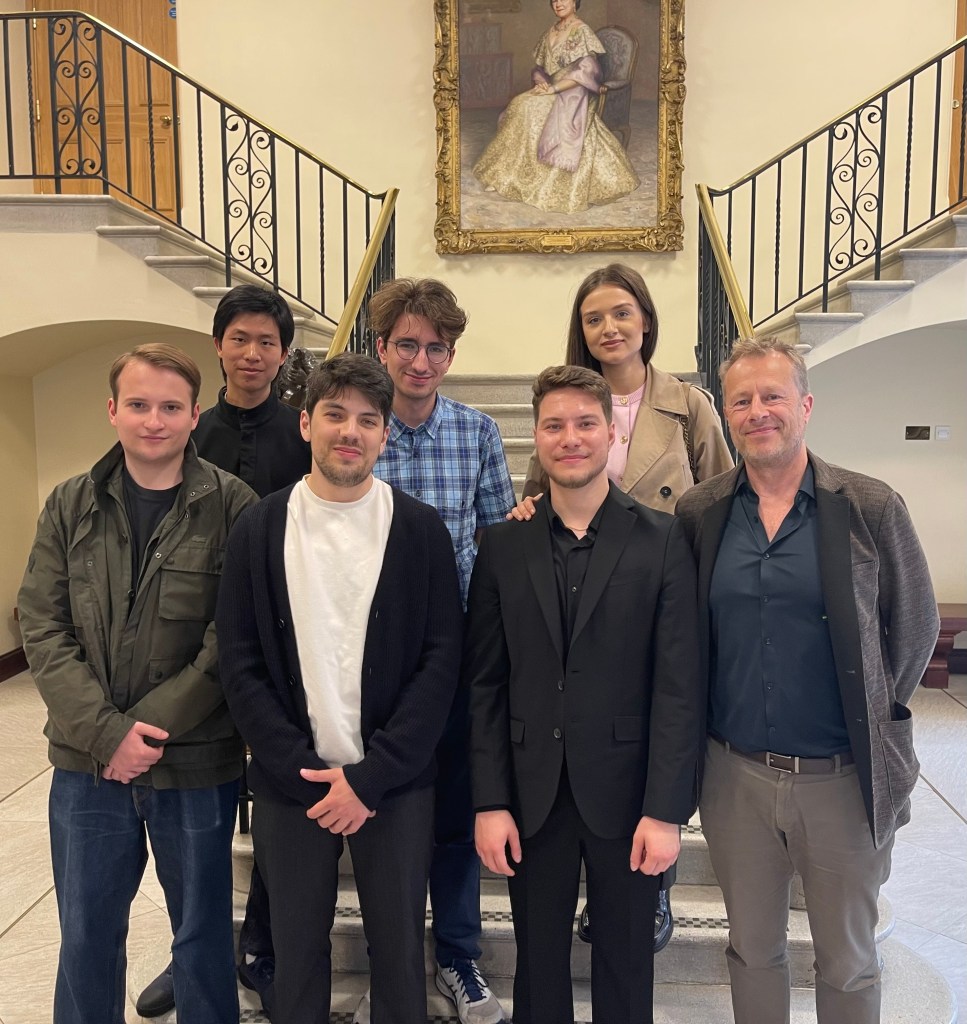
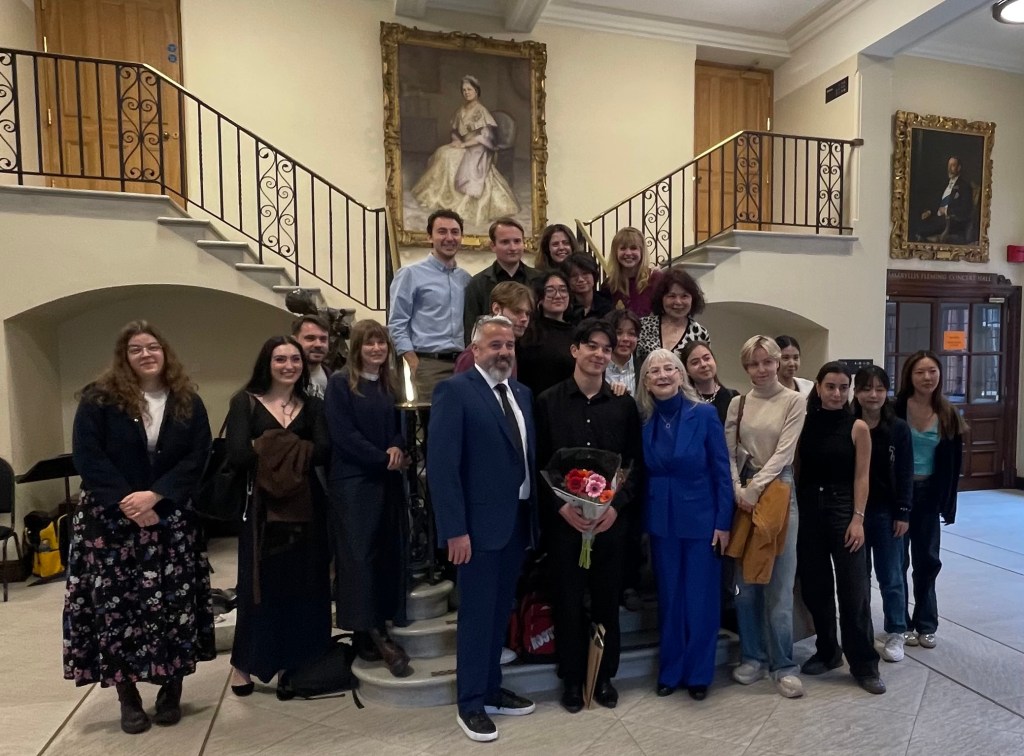
Tristan one of the most popular students at the RCM with some of the many friends and colleagues who came to cheer him on and share in his success.
photo credit Dinara Klinton https://christopheraxworthymusiccommentary.com/2024/03/20/christopher-axworthy-dip-ram-aram/

Anastasia Barabanova ‘Mastery and musicianship combine to exult the composer’

Anastasia Barabanova I had heard play in Trapani a few years ago and have heard her since play in London . A student of Ilya Kondratiev an emeritus Keyboard Trust artist and now distinguished Professor at the RCM .

It has alway astonished me that such a big talent could be hidden in such a small frame. Today coming to the end of her studies she has grown even more in stature as she gave masterly performances of all she played .

One of Mendelssohn’s all too rarely heard Preludes and Fugues was allowed to flow from her fingers with a fluidity not only of sound but with natural arm movements just like swimming in sound . A sense of balance to the Prelude that allowed the melodic line to inhabit a sumptuous wave of romantic fervour. Not melody and accompaniment but something that only a true musician could understand. A beautiful finger legato to the fugue was like a breath of fresh air as her sensitivity to sound allowed each note to have a voice of its own . Building in intensity with passion and dynamic drive before the beautiful resolution on high of a chorale allowed to sing with a detached accompaniment of whispered beauty.

Beethoven opened with the same refined beauty of fluidity and delicacy. It is one of Beethoven’s most pastoral outpourings that she allowed to blossom with a chameleonic tone palette . Extraordinary sensitivity and sense of balance allowed the music to flow with a beautiful interweaving of voices. By contrast a fullness to the chords of the Lebhaft ‘Scherzo’ was followed by a kaleidoscope of colour. Always following Beethoven’s very precise indications with scrupulous respect and that were incorporated and shaped in her overall vision. The ‘Langsam’ was played with a range of sounds and the natural beauty of a true musician who could allow one of Beethoven’s most poignant outpourings to grow with great meaning and poetic shape . The last movement erupted with a rhythmic drive and burning intensity, not the usual demonstrative technical proficiency, but this is a technique that does not draw attention to itself . It is a mastery of sound where her prolific proficiency is at the service of music .Her extraordinary range of dynamics produced a continuous movement of pulsating notes on which Beethoven floats his sometimes impish sense of humour. Bursting into flourishes too, that Anastasia played with great vigour in a performance where everything she played sang with a voice of glowing beauty and musical persuasion .

The work by G Connesson was new to me but with her technical mastery and musical persuasion she turned a bauble into a gem of clarity, technical mastery but above all of shape and colour .

Ravel’s ‘Le Tombeau’ are a series of pieces dedicated to friends of the composer who were killed in the first world war . Ravel as an ambulance driver in the field saw many horrors that strangely in these pieces are given a serenity and radiant glow as he obviously contemplates the very meaning of life. The ‘Prelude’ was played with washes of undulating sounds of subtle refined beauty. There was a purity and simplicity to the lone voice of the ‘Fugue’ with its pastoral feel of newly born freshness. The ‘Rigaudon’ was a controlled explosion of dynamic drive but with a ‘Trio’ of pointed beauty with quite extraordinarily eloquent phrasing written in the score, but rarely observed . A beautifully flowing ‘Menuet’ with left hand counterpoints adding a depth and sense of flowing beauty . The beautifully played final vibrating chord was indeed a technical feat where mastery was concealed with poetic significance . The ‘Toccata’ was played with a subtle whispered clarity of masterly control bursting into moments of glowing mellifluous beauty of ravishing radiance . All the time the pulsating of the toccata increased in intensity until bursting into breathtaking glorious effusions of triumph. Playing of such passionate intensity after a journey of refined mastery that any little slips were due to her driving passion and overwhelming conviction where true technical mastery was at the service of the music.

This is another rare pianist ( I am thinking of Firoze Madon yesterday )who listens to the music and thinks more of the composer than herself. She is but a humble servant endowed with a real technical mastery that can do justice to the music bequeathed to us by the composer.

https://christopheraxworthymusiccommentary.com/2026/06/04/firoze-madon-an-artist-who-thinks-more-of-the-music-than-himself-graduation-recital-at-the-royal-college-of-music/

photo credit Dinara Klinton https://christopheraxworthymusiccommentary.com/2024/03/20/christopher-axworthy-dip-ram-aram/

Arie Dakesian Final Recital at the Royal College of Music ‘an enticing cocktail from an eclectic musician.’

An eclectic programme from this young dedicated artist. Beginning with Bach and ending with Aznavour and taking in works from his Armenian background as well as Spanish,Argentinian and Finnish composers. Playing of intelligent musicianship allied to a sense of style and colour that could bring to life this multi faceted programme.

Even joined by a colleague violinist Polina Sharafyan for his own arrangement of folk songs for violin and guitar. His Bach was also tinged with his own very strong personality and given the teasingly enticing name of ‘Sebastia’ . It is a well known Prelude by J.S. Bach given a personal view by a musician who is also a great communicator and eclectic entertainer.

Rondeña was written in 1962 and was the only Spanish piece in his programme. Written by a composer and guitarist whose last concert was in Italy in 1979 aged 80. Here was all the traditional use of the guitar, from the land where it was really reborn, with playing of dynamic drive ,searing rhythmic intensity and strumming of the sound board . This was to give way to Arie’s own Mediterrations where I could hear influences of French chansonnier and much else in a piece of enticing and embraceable charm. A fascinating study by Sibelius transcribed in such a subtle way alla Tárrega seemed made for the subtle delicate intricacy of Arie’s agile fingers

We were to experience more French charm with the final piece in his programme that was a song by Charles Aznavour in Arie’s own arrangement. ‘Viens pleurer au creux de mon epaule’ which found a very sensitive interpreter with an insinuating outpouring of sentiment and charm. Of course Tango was never far away and Piazzolla’s Four Season of Buenos Aires and Azarashvili’s Sentimental Tango were grouped together in a sumptuous feast or red hot traditional Tango rhythms.

The surprise of this short recital was the appearance of the violinist Polina Sharafyan for duo arrangements of Traditional Armenian Miniatures. An almost improvised freedom as these two players intoned the traditional Armenian folk melodies with passionate intensity and extraordinary freedom .

Couple things to know about me: you might say I share many of my hobbies with a pensioner! I love reading, taking walks, cooking, and also very much into table tennis which I like to think I’m good at. I adore the simple pleasures in life, and enjoy being as much as I enjoy doing. The reason why I do what I do is simply because sharing my music is the best way I’ve found for me to be of service to others. I don’t particularly wish on playing in the biggest halls with the greatest musicians and orchestras; I focus on sharing my music with as many people as possible, and if that means playing in large venues alongside great artists, sounds great!
The most complicated question you can ask me is where I’m from. That’s because I’m ethnically Armenian although I was born and raised in Lebanon, so there is simply no right answer. It all started in the capital city of Beirut in a densely populated Armenian town called Bourj Hammoud; that’s also where I bought my first guitar and had my first ever guitar lesson at the local Parsegh Ganatchian Music School at the age of six. Time there went by very quickly, and before I knew it I was graduating in 2019 as the first ever guitarist to complete the 10-year programme in nearly two decades. During my teenage years, I used to perform quite a lot both as a solo artist and a chamber musician across Lebanon, which included a wide variety of classical repertoire, as well as an exploration of Armenian as well as Eastern folk music.

I then went on to pursue my higher eduction in Armenia, and was even enrolled at the Yerevan State Conservatory for a short period of time, having lessons with Hakob Jaghatspanyan for a little shy of a year. There, I had a wider access and to and really fell in love with the music of Komitas, who is considered the father of Armenian folk music. I naturally took a deeper interest in the world of Armenian folklore and the vast artistic wealth it had to offer.

With a strong desire to immerse myself into the music industry, I wanted to travel abroad to study. With the pandemic at its peak and the utter collapse of the Lebanese economy, this didn’t seem like a feasible decision. After long months of intense emails in search of support to fund my studies, I finally gathered enough funds with the help of the honorary Houston Family Scholarship from the Royal College of Music (RCM) in London, two weeks before the start of term in September 2020.

Having recently completed my undergraduate studies, I have now dived even deeper into everything performance-related as I pursue my Masters of Music in Performance at the Royal College of Music. Supporting my studies are the RCM Houston Family Scholarship, Ouzounian Trust, the Julian Bream Trust, the Kathleen Trust, and the St Marylebone Educational Trust. I have the joy of meeting with and learning from Gary Ryan and Christopher Stell on a weekly basis. Since moving to London, I’ve had the immense pleasure of working with the stars of the industry: among them are are Sergio Assad, Antigoni Goni, Gabriel Bianco, Judicael Perroy, Sean Shibe, Dušan Bogdanovic, Carlos Bonell, Mark Eden, Laura Snowden, Steve Goss, and Xuefei Yang.

You Tube Album

Recent notable performances include the Amaryllis Fleming Concert Hall, Kew Gardens, Kings Place, Royal Albert Hall, and Wigmore Hall.

With a busy concert schedule for the 2024/25 season, I’m currently preparing for concerts in collaboration with the Tillett Trust. I was fortunate enough to be selected for the highly prestigious Tillett Debut Scheme 2024, which allows a two-year collaboration and a wide range of performances; it gives me great joy to say this makes me the fifth guitarist to ever be awarded since the scheme emerged in 1995. With this comes great responsibility to be a good ambassador of the instrument, but more importantly the great honour of sharing my music with lots of new audiences. Debut for the Tillett Trust scheduled for November 2025 at Kings Place.

Regino Sainz de la Maza y Ruiz (7 September 1896 – 26 November 1981)

At 18, he performed at his first concert at the Teatro Arriaga  of Bilbao.

He later moved to Barcelona where he worked as a concert musician. There, he befriended Miguel Llobet and Andrés Segovia. In 1920, he played for the first time in Madrid. A year later, he toured South America, giving 90 concerts. On 20 May 1920, he was awarded a Golden Medal by the University of Buenos Aires , where he became friends with composer Antonio José Martinez Palacios, who dedicated some guitar compositions to Sainz de la Maza.

He toured Europe, giving concerts in France in 1926, in Germany in 1927 and Great Britain  in 1928. Five years later, he toured South America for the second time, with concerts in Uraguay,Argentina and Brazil.Sainz de la Maza performed for the last time at the Church of San Nicola di Bari in Italy, on 9 July 1979, aged 82. He died in Madrid two years later.

photo credit Dinara Klinton https://christopheraxworthymusiccommentary.com/2024/03/20/christopher-axworthy-dip-ram-aram/

Nikita Lukinov ‘The Prince of Pianists’ at St Mary’s Perivale

https://www.youtube.com/live/MaAXvYXpebE?si=3j7ixqon9xEJ9kKp

Hugh Mather said it all really at the end of a recital where once again this young Russian,Scottish based pianist proved himself to be a Prince of Pianists : ‘ A staggering performance of a largely Russian programme this dramatically thundery afternoon by Nikita Lukinov. An exceptional pianist, phenomenal technique, such a noble style of playing. An unforgettable recital of breathtaking proportions, well worth rewatching on our website. And such interesting, entertaining and eloquent introductions to each of his 7 pieces too.’
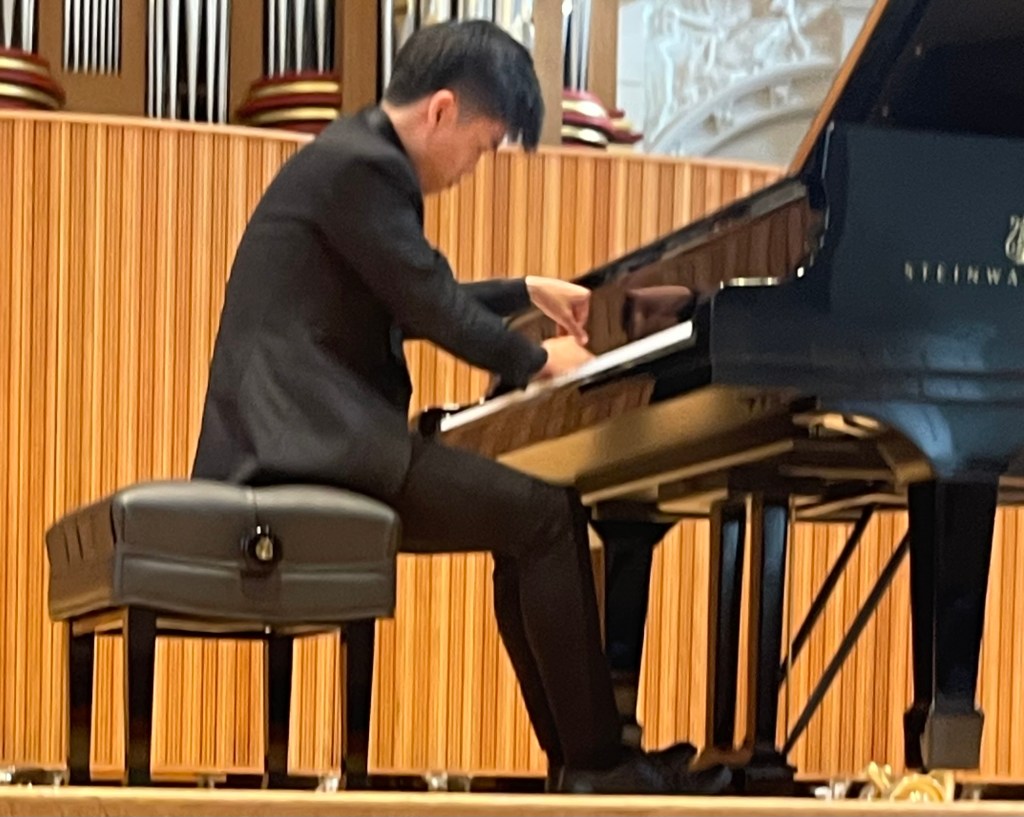
Beginning the recital with three pieces from Pletnev’s masterly transcriptions from Tchaikowsky Ballets , that had brought him victory in the Tchaikovsky Competition in Moscow in 1978 at the age of 21. The two opening pieces from Sleeping Beauty were played with a kaleidoscope of characterisation. From the impish delight and pianistic hi-jinx of ‘The Dance of the Pages’ to the ravishing beauty of the ‘Adagio’. Freedom and sumptuous beauty united as this young man could transform the piano into an orchestra of grandeur and create the exhilarating atmosphere of the theatre where Tchaikovsky is the undisputed master.The impish tip-toe of the ‘Sugar Plum Fairy’ from the ‘Nutcracker’ with the piccolo high in the piano that Nikita played with ice cool clockwork precision to ravishing effect. Nikita is not only a communicator in music but he has a charm and intelligence to inform with words precious information about the composers and the works he was about to play. Red socks and matching red handkerchief just add to an artist who can charm and seduce his audience like a dashing Russian Prince on horseback.

Stanchinsky is surely one of the few composers that have never been heard in Perivale or anywhere else, but Nikita had delved deeply into the archive and found a composer of ‘darkness, simplicity and honesty’ who was to take his life at only 26. A quite considerable amount of music remains and much more probably in the Russian archives, but Nikita had found three Songs without Words obviously of Mendelssohnian inspiration. The first was a hymn like piece of sombre meditation with Nikita’s beautiful sense of balance that could allow the tenor and soprano melody to duet with sumptuous beauty. The second was a ‘Barcarolle’ of radiance and beauty with its gently moving undulations accompanying its mellifluous partner. The third was a long outpouring of nostalgia and rhapsodic beauty. As Dr Mather said he would love to hear more of this enigmatic composer ……..and there is still much to discover.

https://r.search.yahoo.com/_ylt=AwrhcuK0WSFqZwIAzGFXNyoA;_ylu=Y29sbwNiZjEEcG9zAzEEdnRpZAMEc2VjA3Ny/RV=2/RE=1781780149/RO=10/RU=https%3a%2f%2fen.wikipedia.org%2fwiki%2fAlexei_Stanchinsky/RK=2/RS=83t.Ld.ArDKTsfDLhvyDeD3bn_A-

I have heard Nikita play the Scriabin Fantasy before but his enticing introduction allowed me to listen in a different light being reminded of his Mysterium theory and of creation being a means to resist the world we live in. These early works show the pianistic influence of Chopin and even Liszt as the Fantasy is a sumptuous outpouring of passionate intensity dissolving into moments of melting bel canto beauty. Notes spread over the entire keyboard with a control of the pedal that allows for a clarity of line no matter the amount of notes pouring from Nikita’s hands with such voluptuous virtuosity.

A gentle lullaby by Lyadov that Nikita confesses to be enamoured of, even if only momentarily! He demonstrated it with playing of great delicacy and glistening beauty with its beautifully atmospheric ending.
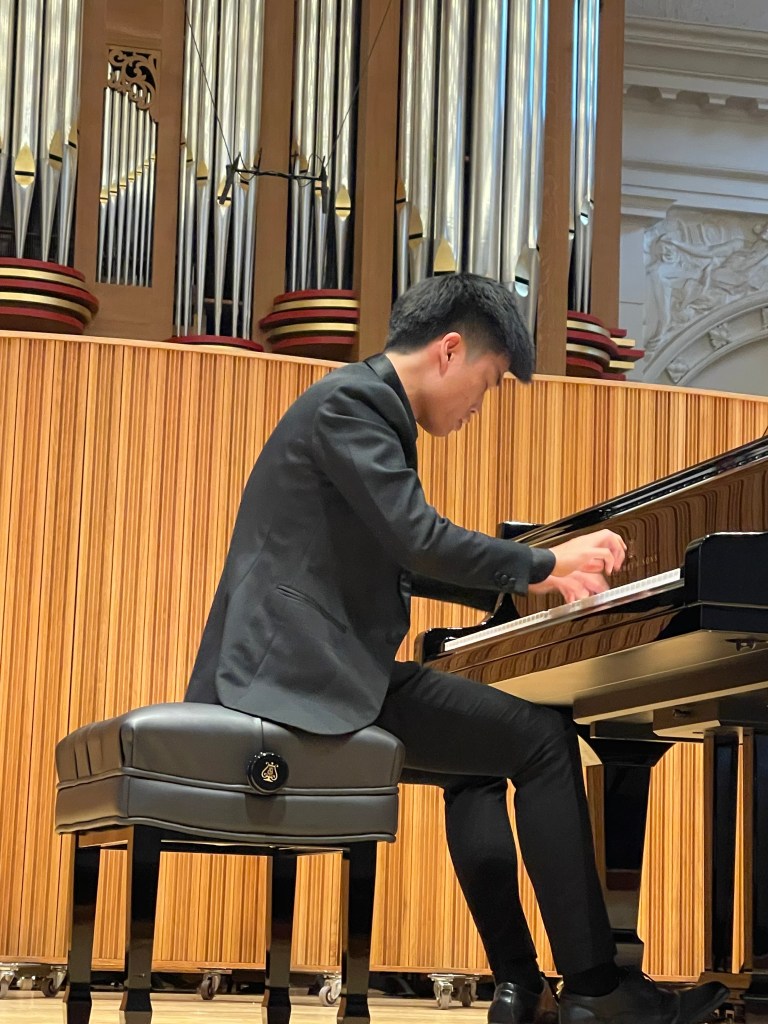
Mussorgsky I have heard Nikita play solo and on two pianos but his total conviction of frenzy and brilliance are so overwhelming that each time is a scintillating discovery of a work that Nikita told us is still in evolution, searching within the original score that the composer was destined never to hear performed.

Some beautiful playing of poetic beauty and fluidity with embellishments thrown off with audacious ease as the Sonetto was allowed to unfold with simplicity and mastery.

Liszt’s Transcendental study was played with breathtaking daring and masterly control as this was fearless playing of a daring young man not afraid to risk all, flying ever higher with nobility and grandeur.

After so many notes it was the choice of a real artist to treat us to the calming balm of Bach’s C sharp minor Prelude from Book One of the 48. Simplicity, respect and artistry combined to calm the atmosphere and allow us to contemplate the wonders that had befallen us and the rain that awaited a very full audience outside this beautiful redundant church that rings with the sound of music.

Nikita Lukinov is a Scotland-based concert pianist praised for his “extraordinary breadth and freedom of imagination” (Gramophone), described as a “ true master of storytelling through music” (The Pianist), and named a “ Rising Star” by BBC Music Magazine. He has performed as a soloist across the UK, Europe, Asia, and Russia, appearing at leading venues including Wigmore Hall, Southbank Centre in London; Usher Hall in Edinburgh; Palau de la Música in Barcelona; Guangzhou and Shanghai Opera Houses; and the Tchaikovsky Conservatoire in Moscow. His performances have been regularly broadcast on BBC Radio 3, BBC Radio Scotland, and Scala Radio. 

A recent milestone was his 2024/25 Scotland tour, comprising over 40 performances from the Borders to Orkney. Alongside major concert venues, the project included extensive outreach work in socially disadvantaged communities and special education settings, reflecting Nikita’s commitment to widening access to high-quality live music. In 2025, Nikita was awarded 3rd Prize at the Málaga International Piano Competition and undertook a major tour of China, combining recitals with masterclasses at institutions including Beijing University and leading concert halls in Beijing, Shanghai, Suzhou, Chengdu, and Guangzhou. 

Born in Russia, he studied at The Purcell School and the Royal Conservatoire of Scotland on full scholarships, completing Bachelor’s, Master’s, and Artist Diploma degrees. He has been a senior piano lecturer at RCS since 2021 and is among the youngest senior faculty members across the UK conservatoire sector. Nikita’s debut album   Kaleidoscope   (KNS Classical, 2023) features works by Tchaikovsky, Scriabin, and Prokofiev. He is also active in developing innovative performance formats, including chamber concerto arrangements and cross-genre collaborations. 

Alexei Vladimirovich Stanchinsky 21 March 1888 – 25 September (OS) / 6 October 1914

From a young age Stanchinsky was a gifted musician, composing and performing his first works at the age of six years. At the age of 16, he continued to develop his skills by taking lessons from music educators such as Josef Lhévine and Konstantin Eiges for piano and Nikolai Zhilyayev and Alexander Gretchaninovf or counterpoint, harmony, and composition. At the age of 19, Stanchinsky entered the Moscow Conservatory to continue his musical studies with Taneyev and Igumnov to assist his musical growth.] Stanchinsky had always shown great promise as a musician even at a young age, but was often viewed as “unstable” and a victim of his own nerves. This became very prominent when his father died in 1910, as Alexei became quite delusional and suffered from this state for many years.After a brief hiatus from music, Stanchinsky returned to his roots by gathering folk tunes for a personal collection and eventually returned to the conservatory life-style by studying with his colleagues again. However, his life would never again be what it was. In October 1914, he was found dead next to a stream near Logachyovo after wandering the countryside. His death is still a mystery, as details were never revealed about his last days.

photo credit Davide Sagliocca https://christopheraxworthymusiccommentary.com/2024/03/20/christopher-axworthy-dip-ram-aram/

Firoze Madon ‘An artist who thinks more of the music than himself ‘ Graduation Recital at the Royal College of Music

A performance of refined piano playing from a pianist who listens to himself with poetic intensity and an extraordinary palette of colour. A pianist who plays by persuasion rather than percussion with an extraordinary sensitivity to sound where passion and poetry were not shouted from the roof tops. He drew us in to a world of sounds that could allow the music to speak with an inner voice of rare beauty and poignant significance .

A ‘Bagatelle’ by Silvestrov was enough to create an atmosphere of someone who loves the piano and the beauty that can lie within this black box of hammers and strings.

The scene was set for the Brahms Rhapsodies op 79 that were played with remarkable clarity and sumptuous beauty . Combining a sense of freedom with an exhilarating freshness ,that does not deny power and passion, but always with a sense of balance that never substituted the beauty of sound for more orchestral thickness. The central episode of the first was played with a whispered radiance. A coda played in a poetic haze where his mastery of pedal could create a magic atmosphere without sacrificing the architectural clarity of visionary poetic effusions . The second rhapsody was a continuation of this world that he had created of ethereal beauty and mystery. A scrupulous attention to the composers very precise instructions meant that the final bars where Brahms’s very precise notation was incorporated into a performance of refined poetic intensity.

Chopin’s Mazurkas op 30 were played with an extraordinary sensitivity that reminded me of Jan Smeterlin, a disciple of Godowsky, who would show us every year in the Royal Festival Hall that music is made of a palette of sounds like a painter with his colours. Firoze covered these ‘canons’ with radiant blooms of natural fluidity and subtlety. It was Fou Ts’ong who surprised and shocked the world when he was awarded the Mazurka prize in one of the first editions of the Warsaw Chopin competition. How could a Chinese pianist understand the Mazurka better than the Poles? Ts’ong simply replied that the soul knows no frontiers and the same sentiments in Chopin are those found in Chinese poetry. The early studies of Firoze were with the wife of Fou Ts’ong and it was here that his early pedigree shone through these performances that have been nurtured by his present mentors of Dmitri Alexeev and Vitaly Pisarenko. Refined sensitivity with a fluidity and natural flexibility that cannot be taught. Dance too, played with aristocratic artistry, bass notes adding an anchor at crucial moments of its evolution. A final note of such golden beauty was the ending of the third Mazurka in D flat illuminating the piano with glowing radiance as it led the way to the extraordinary fourth in C sharp minor, that is a miniature tone poem of genial invention. It was interesting to note how Firoze played the trills from above allowing the fingers to vibrate freely just as the sounds that he produced .

Debussy’s ‘La plus que lente’ was played with the sleezy insinuating beauty in what seemed differing layers of sound that lead so naturally to the two early poems of Scriabin. The first played with an improvised freedom and wistful suavity that we are used to hearing from Horowitz . If he missed the demonic drive of the second he did bring a sumptuous richness finding a remarkable solution for the composers indications of con eleganza e con fiducia!

‘La leggierezza’ found in Firoze and ideal interpreter as anyone who has heard Leopold Godowsky would immediately realise. A technical perfection of jeu perlé that never draws attention to itself but creates a breathtaking magic of undulating sounds and scintillating embellishments of jewel like beauty, together with moments of romantic effusions of passionate intensity .

Three Preludes by Debussy demonstrated the remarkable kaleidoscope of sounds that this young man has in his fingers…….. and feet! A mastery of pedal that also never draws attention to itself but becomes an accomplice to his poetic fantasy . ‘Brouillards’ with its whispered layers of sounds contrasted with the simple beauty of ‘Bruyères’ , and his self identification with ‘Général Levine’ was a call to attention for a young man with poetry in his soul. Some very strident militaristic sounds but always covered in velvet, as I doubt this young man could ever admit that the piano is, according to Stravinsky, a percussion instrument .

Even the Prokofiev Study op 2 n 4 so often played with brutality and showmanship was here played with poetry and a remarkable technical mastery at the service not of himself but the composer of whom he is but a humble servant .

Alessandro Doronin ( left)Sabina Suciu ( right) friends supporting their colleague in his final hour
https://christopheraxworthymusiccommentary.com/2026/05/30/sabina-suciu-at-the-royal-college-of-music-bringing-technical-brilliance-and-passionate-intensity-to-her-end-of-year-recital-from-the-class-of-dmitri-alexeev-and-vitaly-pisarenko-2/
https://christopheraxworthymusiccommentary.com/2026/02/21/alexander-doronin-and-tin-lam-ng-take-regent-hall-unexpectedly-by-storm/

This programme can be heard live streamed from St Mary’s Perivale on Tuesday 9th at 2

Music at  ST MARY’S   Perivale
Tuesday 9 June 2 pm  
Firoze Madon (piano)
Haydn: Sonata in B minor Hob.XVI:32 (9′)
Allegro / Menuet / FinaleSilvestrov: Bagatelle Op 1 no 3 (4′) Chopin: Four Mazurkas Op 30 (9′)
1 in C minor / 2 in B minor / 3 in D flat / 4 in C sharp minor
Brahms: Two Rhapsodies Op 79 (15′) 
no 1 in B minor
no 2 in G minor 
Scriabin: Deux Poèmes Op 32 (4′) 
no 1 in F sharp major 
no 2 in D major
Liszt: ‘La leggierezza’ S144 no 2 (5′)Debussy – La plus que lente, L.121 (4′) Debussy: Preludes Book II, No. 1,5,6 (8′)
Brouillards
Bruyères
Général Lavine – excentric
Prokofiev: Etude Op 2 no 4 (2′)
Come along to St Mary’s Perivale 
or watch LIVE on 
YouTube or Facebook
or watch the recording on YouTube

Firoze is an award-winning British concert pianist, performing solo recitals, concerti and chamber music across the UK and Europe. He has appeared at prestigious venues including Wigmore Hall, Cadogan Hall, Southbank Centre, Saffron Hall and Philharmonie de Paris.

Firoze has received numerous prizes, most recently winning First Prize at the Globe International Piano Competition 2026 in the Netherlands and First Prize at the Eastbourne Symphony Orchestra’s Young Soloist Competition 2025. He also took Second Prize at the César Franck International Piano Competition in Belgium and gained notable recognition at both the Clara Haskil and Piano Campus International Piano Competitions. Firoze first came to national attention as a Keyboard Category Finalist in BBC Young Musician 2022, with his performance broadcast on BBC Four and BBC Radio 3.

Firoze has also enjoyed success as a song pianist, having been awarded the Pianist’s Prize at the prestigious Kathleen Ferrier Awards and the Alasdair Graham Pianist’s Prize in the RCM Lieder Competition in 2024. The following year, Firoze collaborated with British mezzo-soprano Angelina Dorlin-Barlow on Moments of Freedom by Joanna Borrett, released on streaming platforms and broadcast on radio. He was also invited to be a Waverley Young Artist at the Ryedale Festival.

Firoze’s early musical development was at the Purcell School, where he studied piano with Patsy Toh and took lessons in violin and composition. He is currently studying at the Royal College of Music in London, under the tutelage of Professors Dmitri Alexeev and Vitaly Pisarenko and is generously supported by the Kendall Taylor Scholarship. 

photo credit Oxana Yablonskaya https://christopheraxworthymusiccommentary.com/2024/03/20/christopher-axworthy-dip-ram-aram/

Magdalene Ho comes of age Sensational Graduation Recital at the Royal College of Music

As Rubinstein says ‘you cannot teach talent ‘ although you can nurture it and allow it to grow which has happened in these past few years under the careful guidance of Dmitri Alexeev.

https://youtu.be/gex0sOR7XZ0?si=eUD5Zpet_fdB2j3v

Since I heard Magdalene play Schumann’s 8th Novelette on this very stage I immediately wrote to Patsy Toh, her original mentor, in a state of disbelief that no-one seemed to realise what a talent had landed in our midst . In Jed Distler’s words she is the real thing as he said awarding her the Chappell Gold Medal a few years later. https://christopheraxworthymusiccommentary.com/2024/02/17/hats-off-the-chappell-gold-medal-has-uncovered-a-genius/

I was not surprised when Patsy rang me during the night just six months after that first encounter to say Magdalene had won the Clara Haskil International Competition, known for its eclectic choice based on talent and musicianship not muscle and showmanship.

Opening with Bach’s 6th Partita with a grandeur that was immediately an arresting statement of intent . Followed by a mellifluous outpouring both profound and poignant as the music was allowed to undulate with a natural freedom almost without pedal, as her control of legato and sound was in her fingers and soul . A Courante that was gracious with ethereal washes of sound as the architectural shape was as natural to her as breathing. A rhythmic drive to Bach’s ragged edged Gigue with voices that appeared like those of voices in the B minor mass just appearing without any unnatural pointing but arising out of the overall cloud of a Universal Genius. I remember Shura Cherkassky playing it to me in his hotel suite in Florence and listening to Magdalene today brought back a poignant memory of the total dedication and simplicity of a great artist.
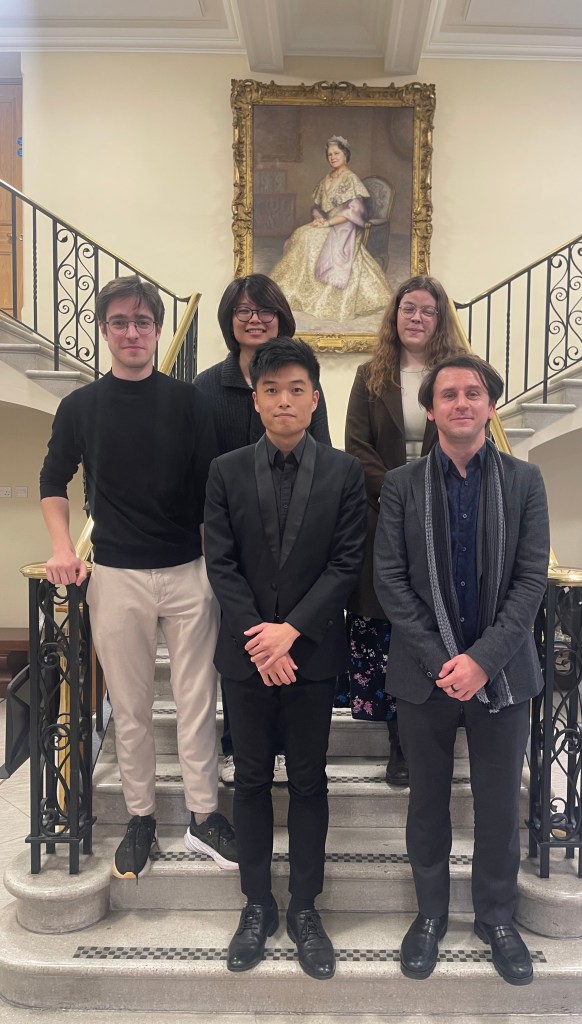
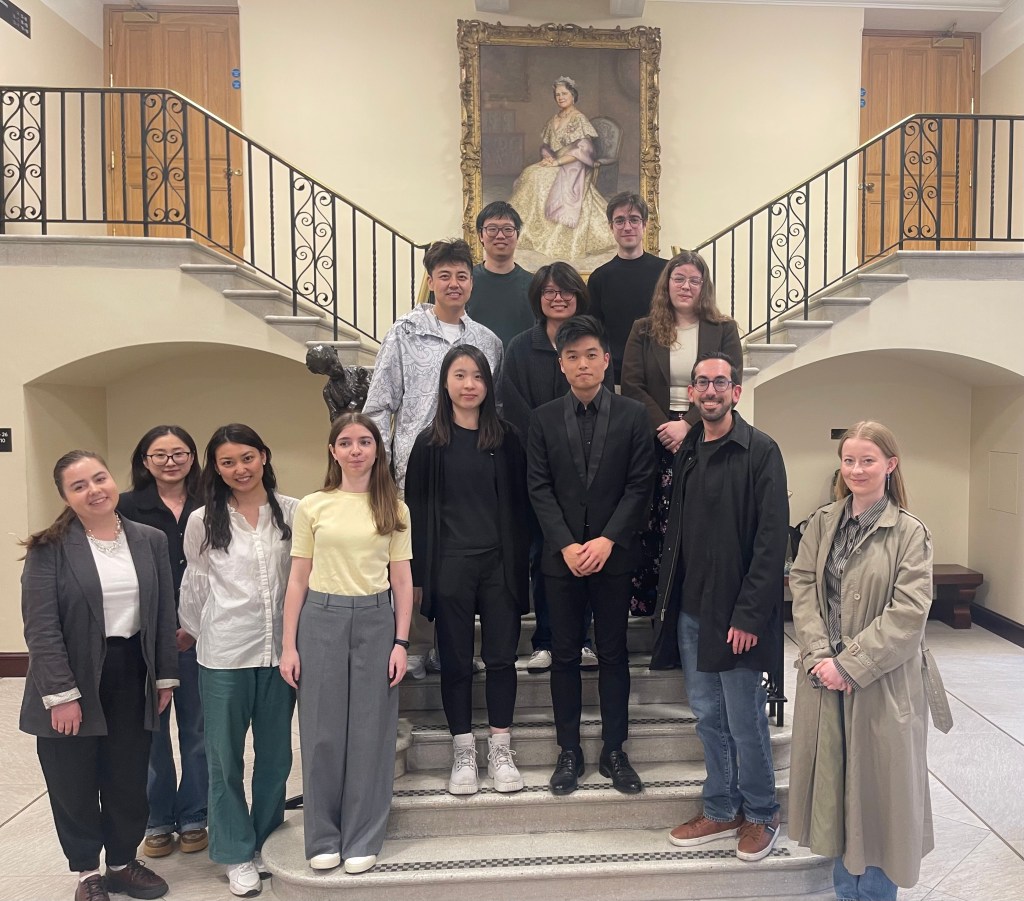
A little Impromptu by Clara Wieck that in Magdalene’s hands had all the charm and grace of Chaminade. Sumptuous sounds of radiance and beauty with a jeu perlé of the fluidity of pianism of a past age. Fauré’s 11th Nocturne op 104 emerged out of the Impromptu with secret whispered sounds of glorious beauty in a unique harmonic language played with the extraordinary subtlety of a world of past things remembered.

A surprise was the appearance of a clarinettist colleague,Anna Lepki, to play together Brahms Sonata n 2 in a duo where her palpable enjoyment of sharing the stage for such music making reminded me of another illustrious lady pianist now in her Indian Summer. Magdalene twisted and contorted her face as she tried to match the sounds of the clarinet. It was the same joy at making music together that had so enthralled the distinguished cellist Daniel Müller-Schott at St John’s just a month ago.

https://christopheraxworthymusiccommentary.com/2026/04/24/daniel-muller-schott-and-magdalene-ho-with-mindful-music-making-of-prophetic-beauty/

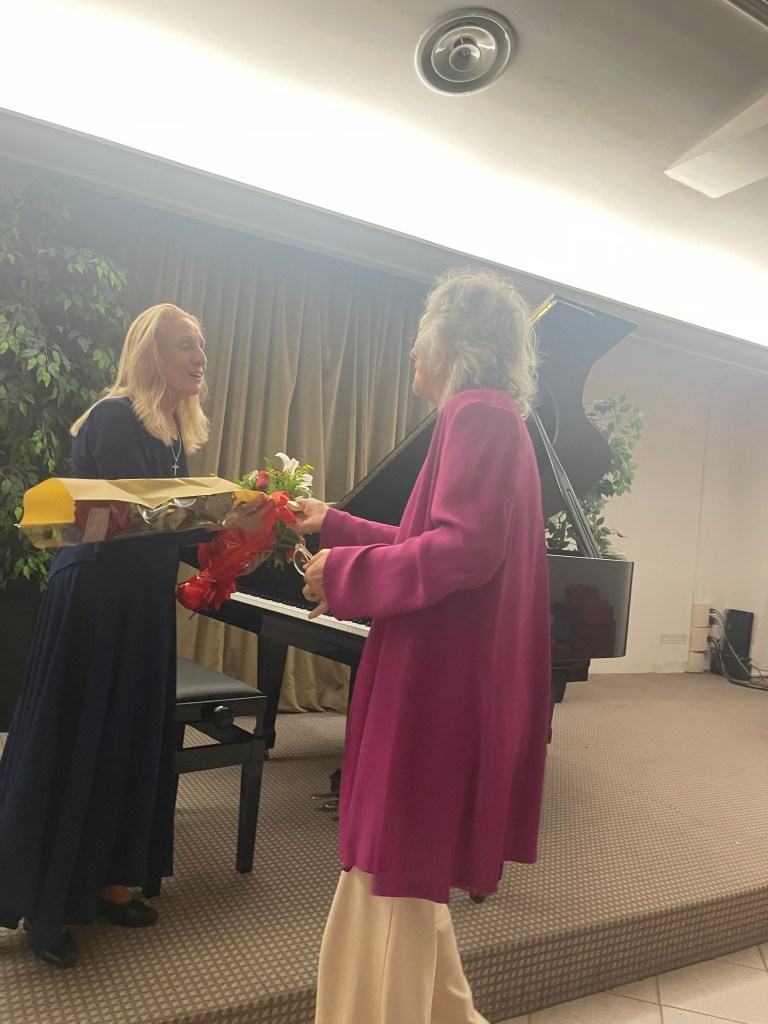
I was happy to pluck a rose from Magdalene’s graduation bouquet and be able to offer it to her clarinettist colleague,Anna Lepki, as an appreciation for such fine music making together

photo credit Davide Sagliocca https://christopheraxworthymusiccommentary.com/2024/03/20/christopher-axworthy-dip-ram-aram/
https://youtu.be/lhmQ5oFEzKM?si=koYSzn9klajcoHy6
Gabriel Fauré 12 May 1845 – 4 November 1924

Nocturne No. 11 in F♯ minor, Op. 104/1 (1913) Gabriel Fauré

The eleventh nocturne was written in memory of Noémi Lalo; her widower, Pierre Lalo was a music critic and a friend and supporter of Fauré.] Morrison suggests that its funereal effect of tolling bells may also reflect the composer’s own state of anguish, with deafness encroaching. The melodic line is simple and restrained, and except for a passionate section near the end is generally quiet and elegiac.