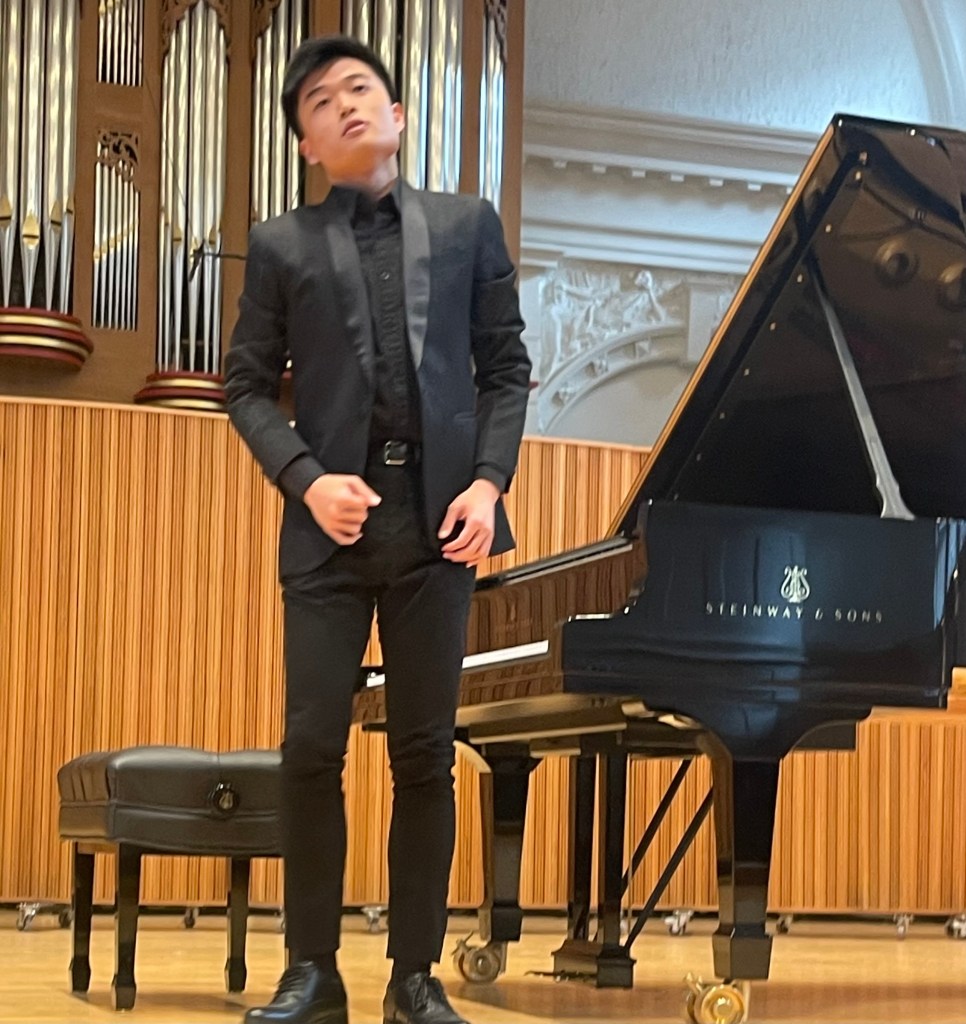
Refined playing of an artist who is not afraid to shout but chooses not to, and prefers to inhabit a world that only the most sensitive of artists can enter, as they think more of the music than they do of themselves. A tone palette of sounds that could make the music speak with a voice and sense of communication that is rare indeed. A programme of music that rarely reached above forte and mostly stayed between pianissimo e mezzo piano.
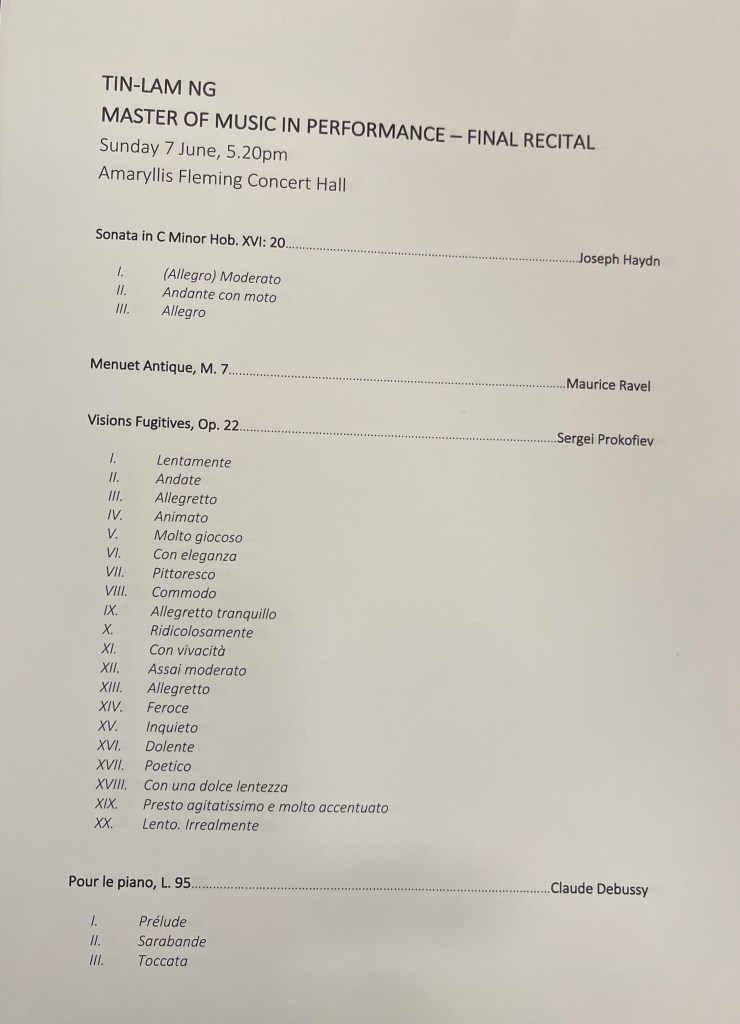
But this shy young man has the means to play with astonishing virtuosity as he showed us with Debussy’s ‘Toccata.’ But even here, notes just disappeared as streams of sounds swept across the keyboard just as the glissandi in the Debussy ‘Prelude’ also from ‘Pour Le Piano’ was not empty showmanship but dedicated musicianship.
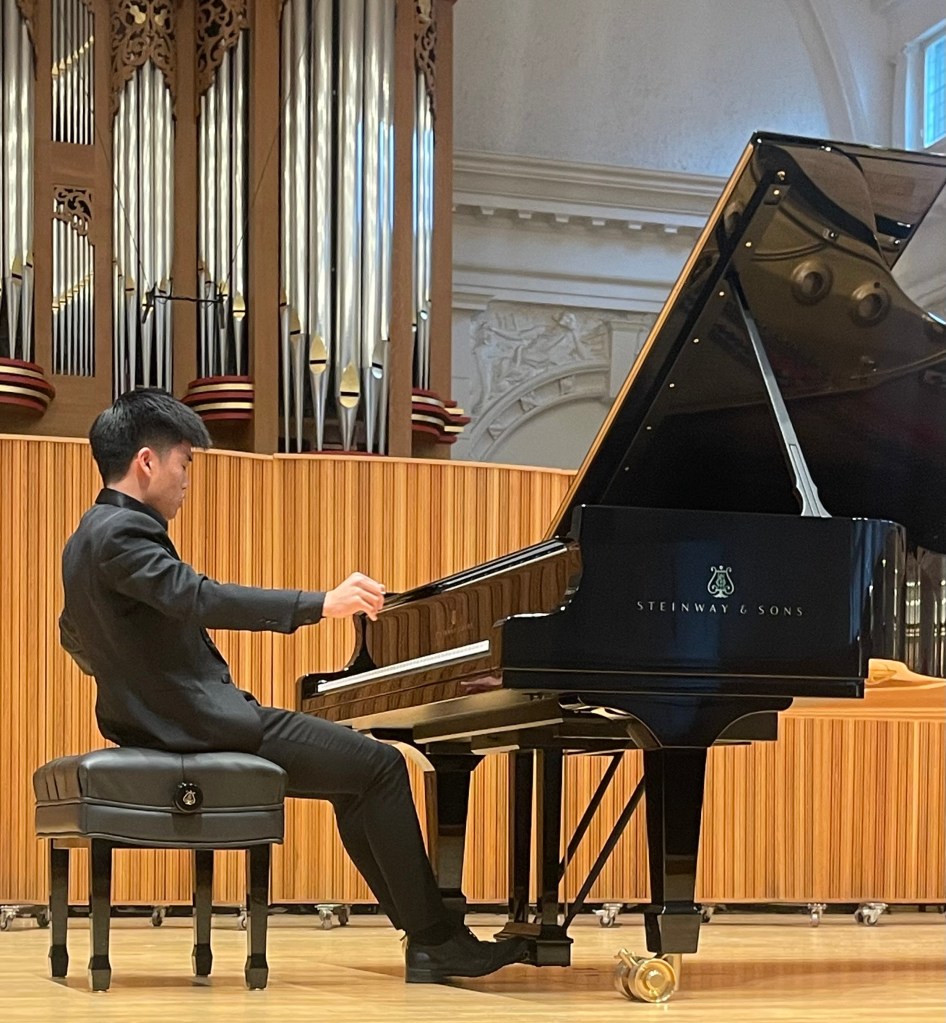
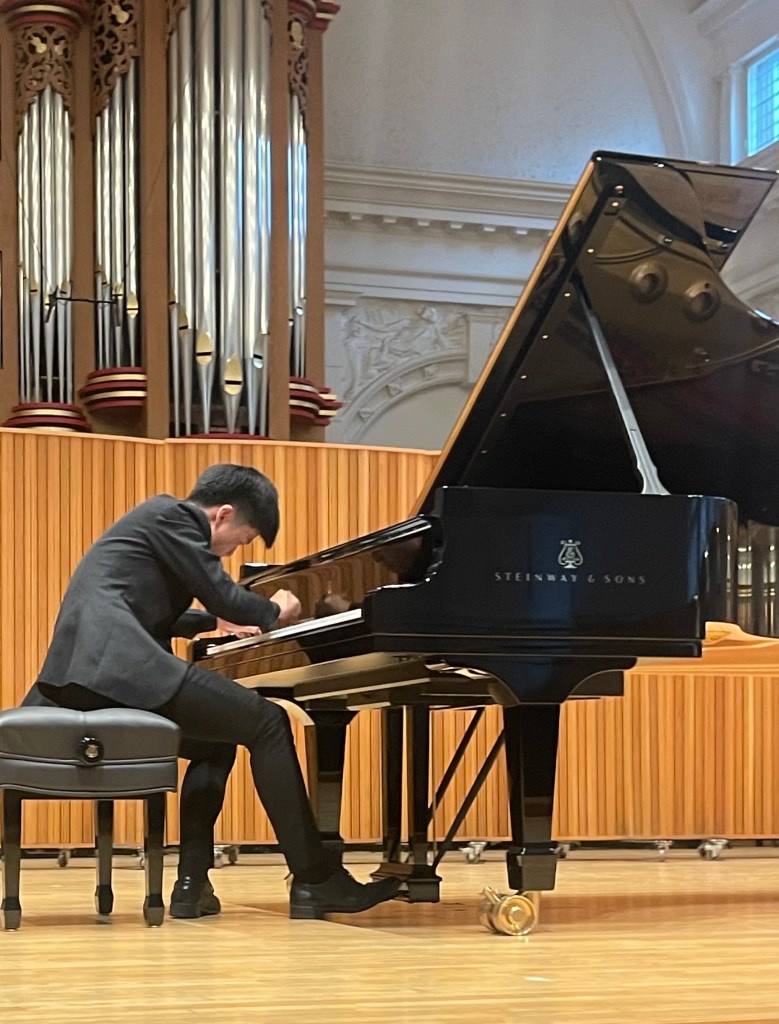
Prokofiev’s Twenty Visions Fugitives op.22 may have been difficult to take in all together but it was probably the only occasion that I have seen them played together as a suite. Like Chopin mazurkas they are miniature tone poems of remarkable subtlety and differing character and require a special concentration from an audience in the concert hall. Rubinstein chose just ten of varying character in his memorable performance from his ten historic Carnegie Hall recitals. Richter and Gilels would choose just a few. However Tin-Lam played them all with incredible concentration and a refined palette of sounds that one could listen over and over again and find subtle different things each time.
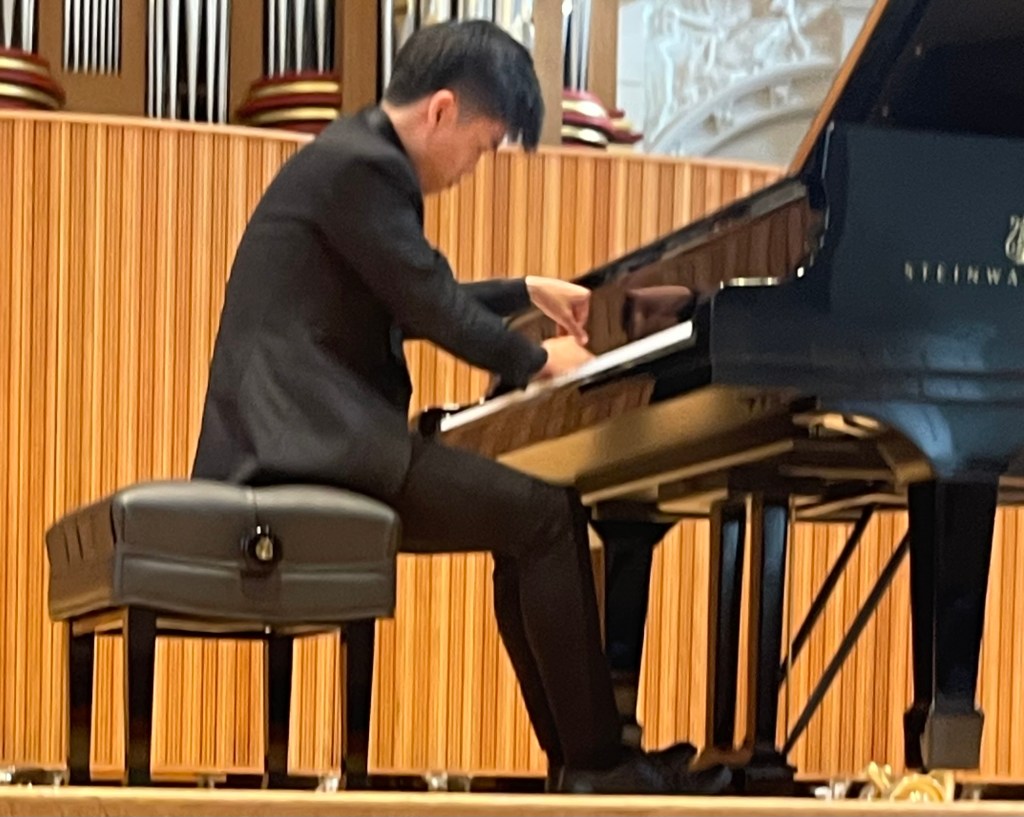
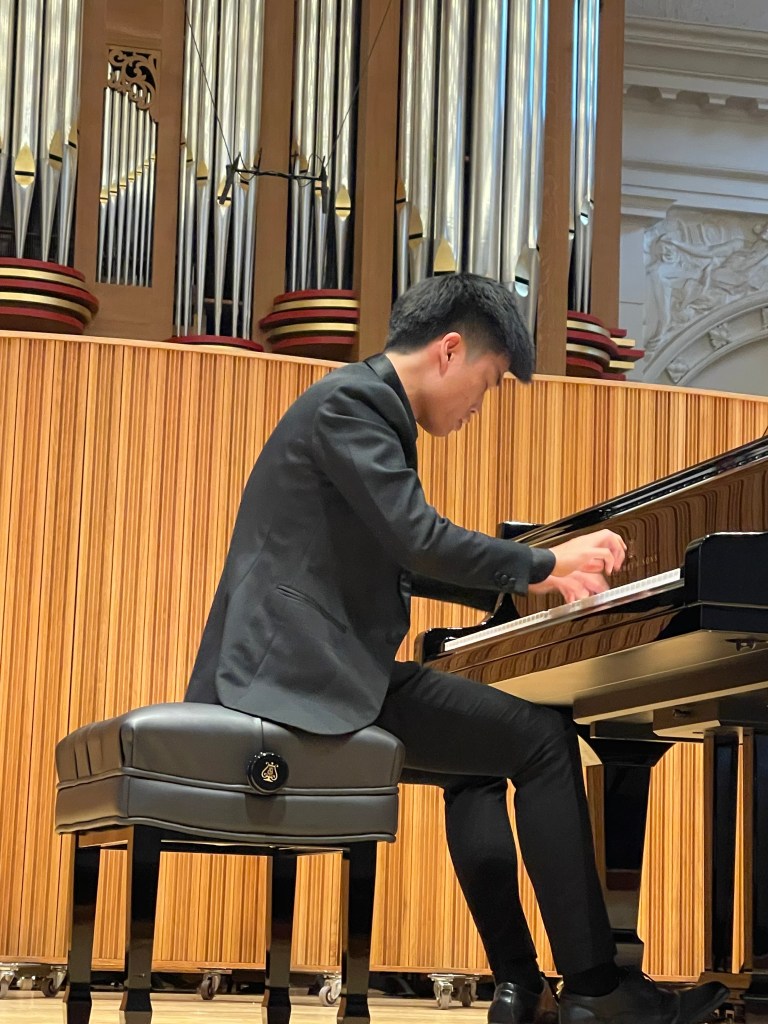
Haydn’s C minor Sonata is one of the most beautiful of over sixty from a genial composer where there are still many works to discover, such was the prolific output of Papà Haydn, the mentor of Beethoven. Tin – Lam played it with refined musicianship with a kaleidoscope of colours of rare delicacy not denying its rhythmic intensity . An exquisite ‘Andante con moto’ was followed by an ‘Allegro’ of great character played with refined artistry of a continuous natural fluidity.
Ravel’s ‘Minuet Antique’ is another rarity in the concert hall and the colours and clashing harmonies were played with a remarkable control of the pedal where clarity and luminosity could live happily together.
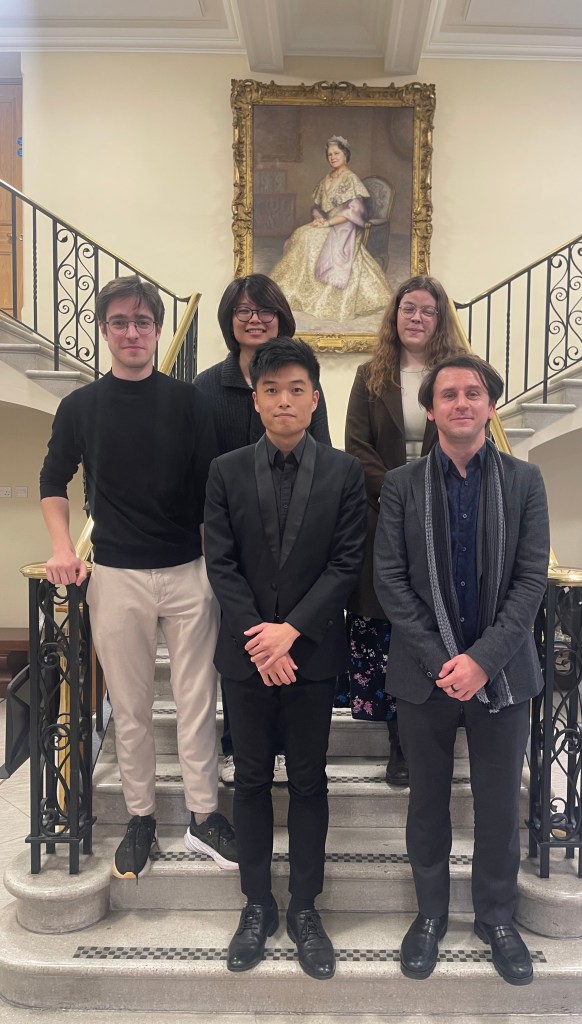
Ending with Debussy ‘Pour Le Piano’ where Tin- Lam could show us his remarkable technical mastery and control, but also a passionate intensity when needed, with playing that does not call attention to itself but is a true mastery of sound that is at the service of the composer.