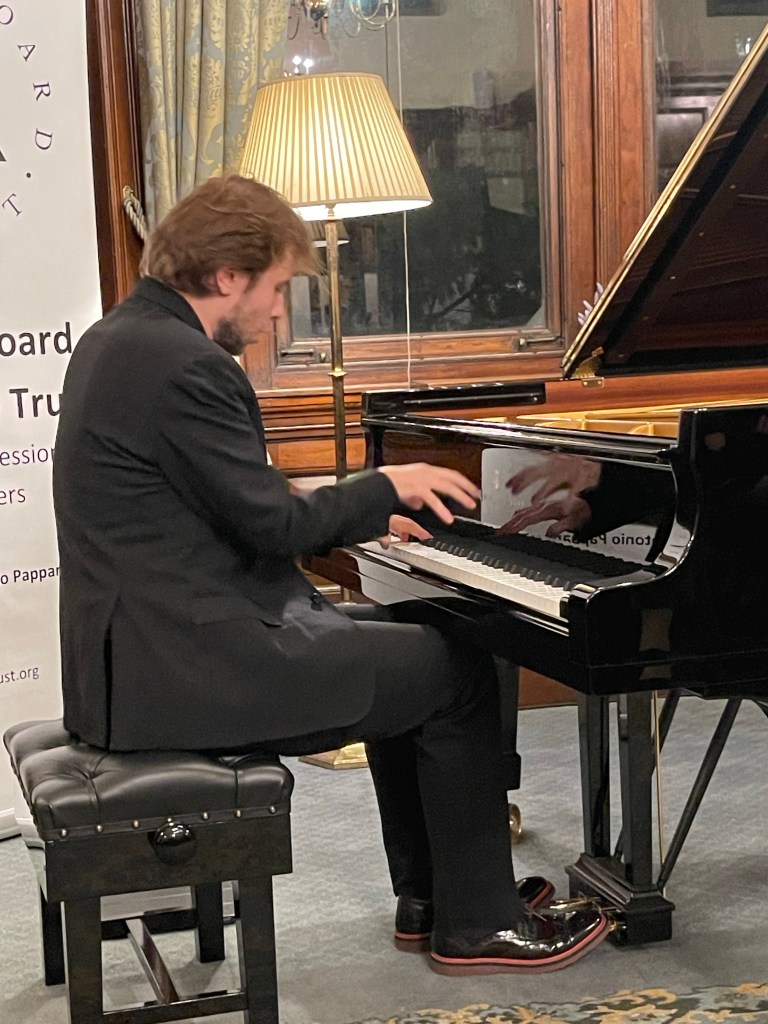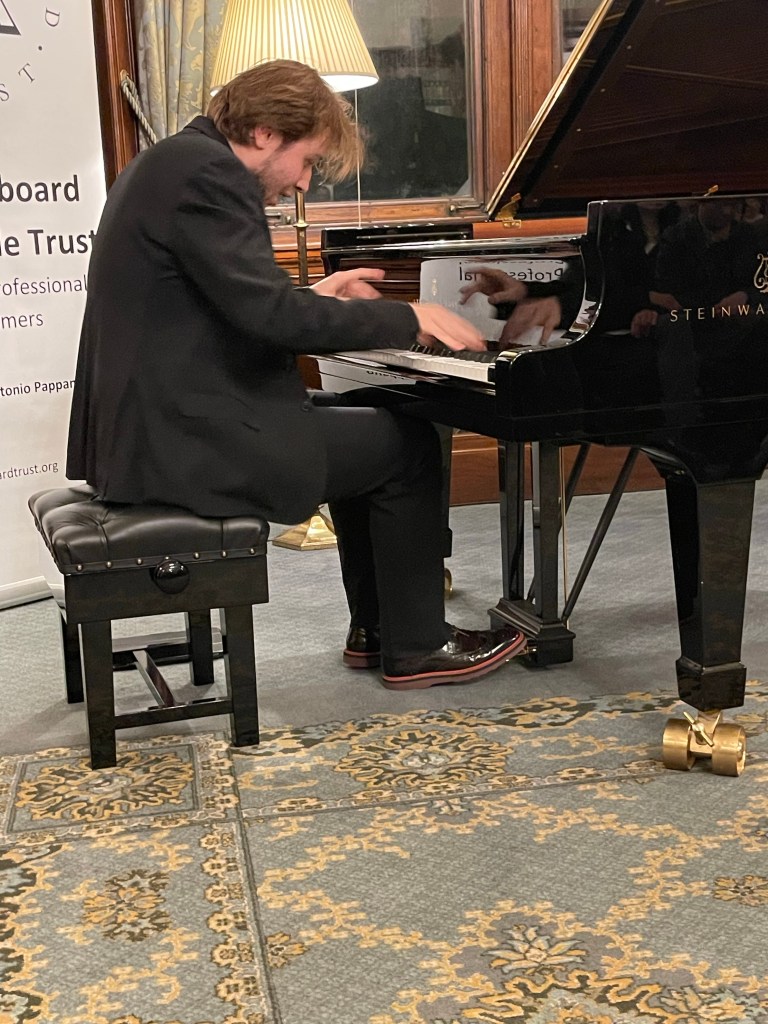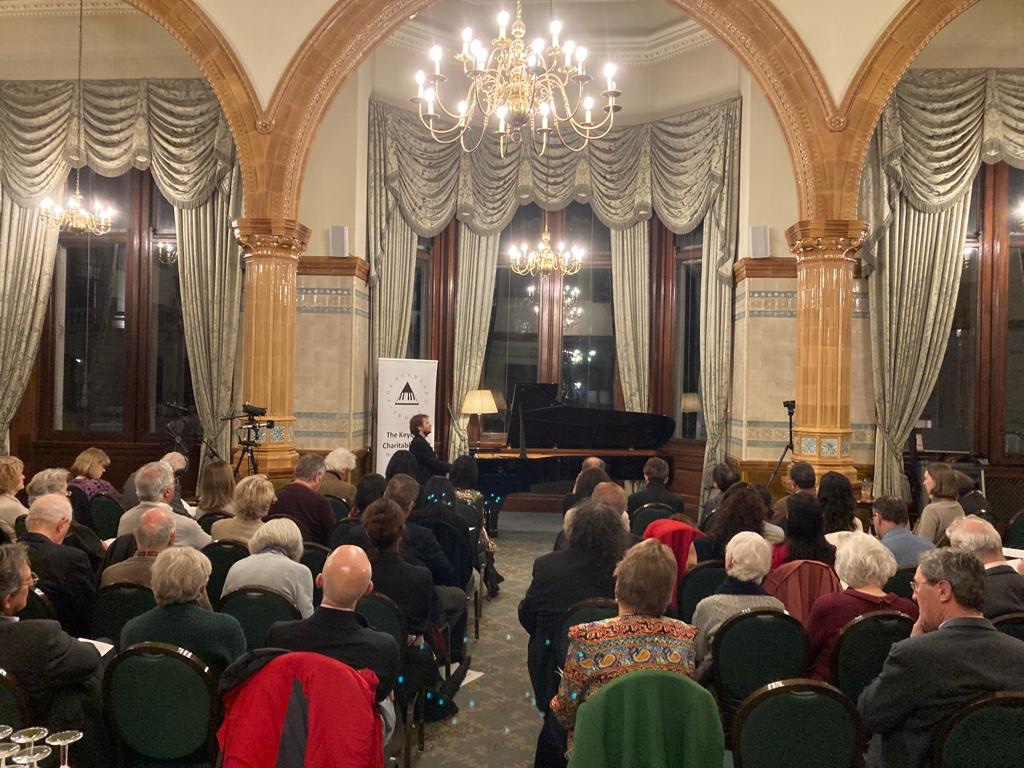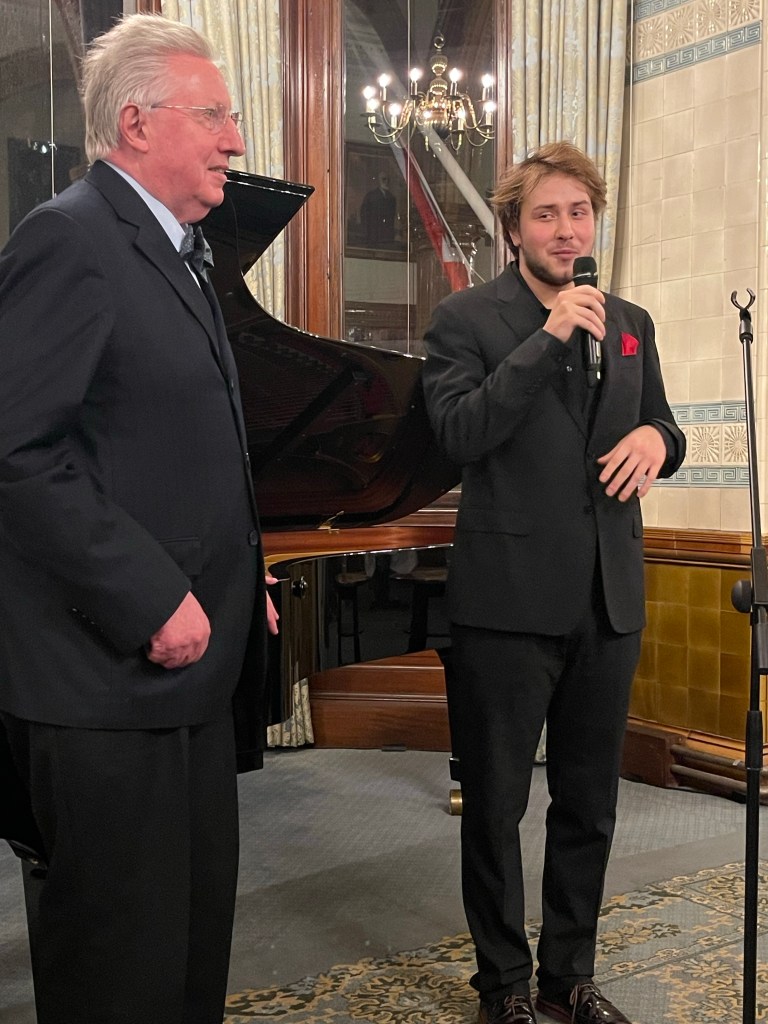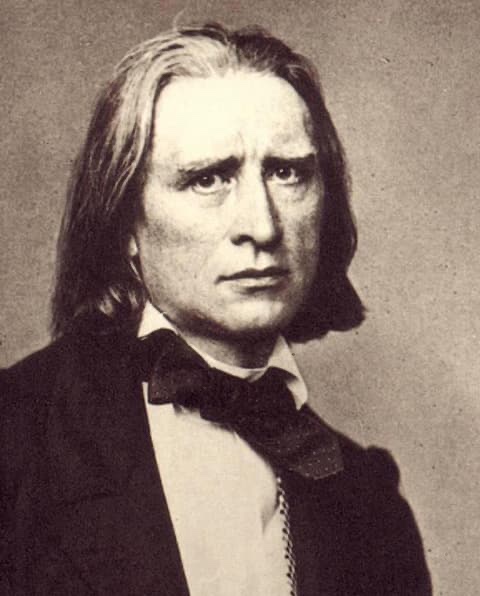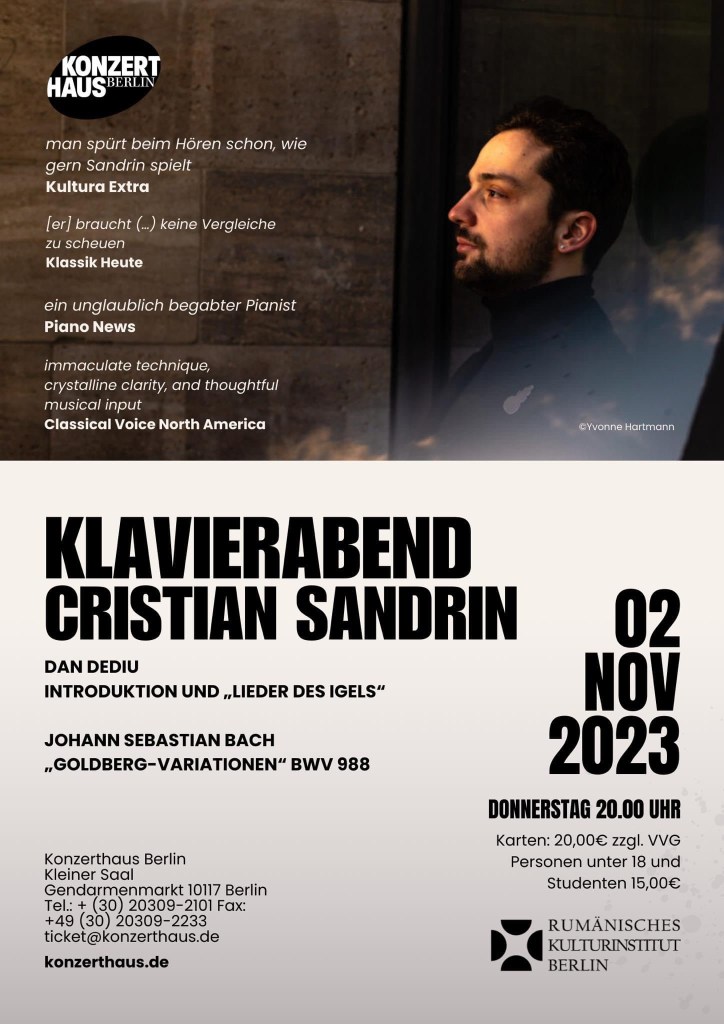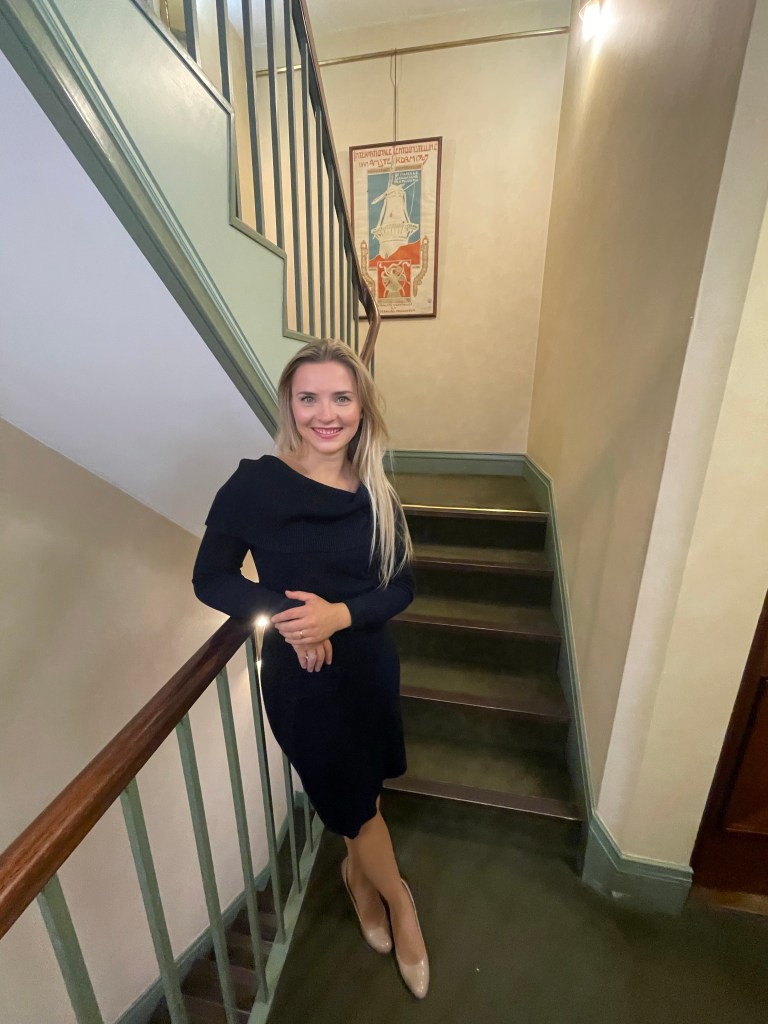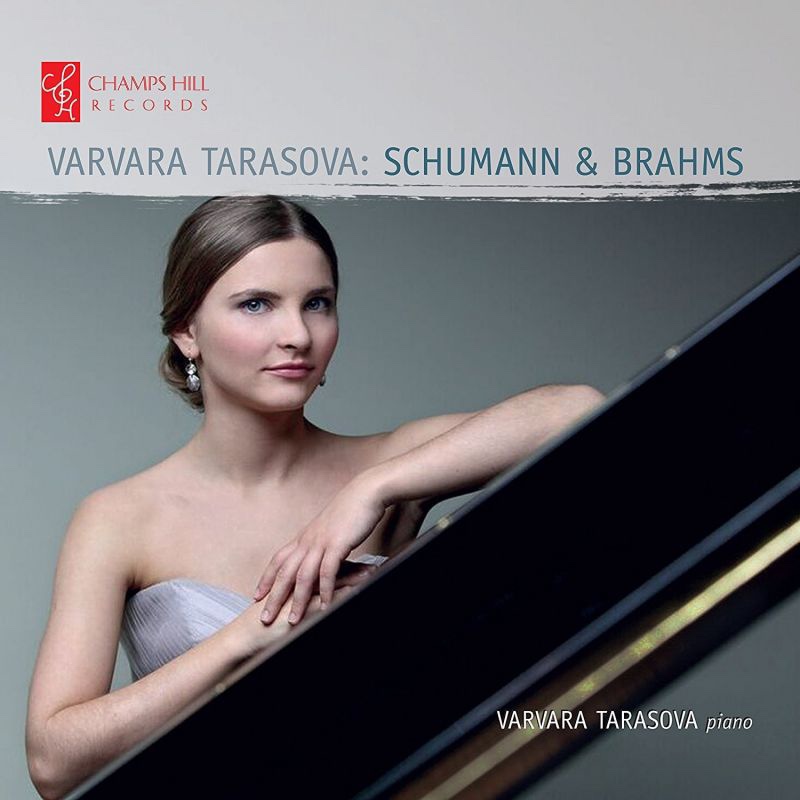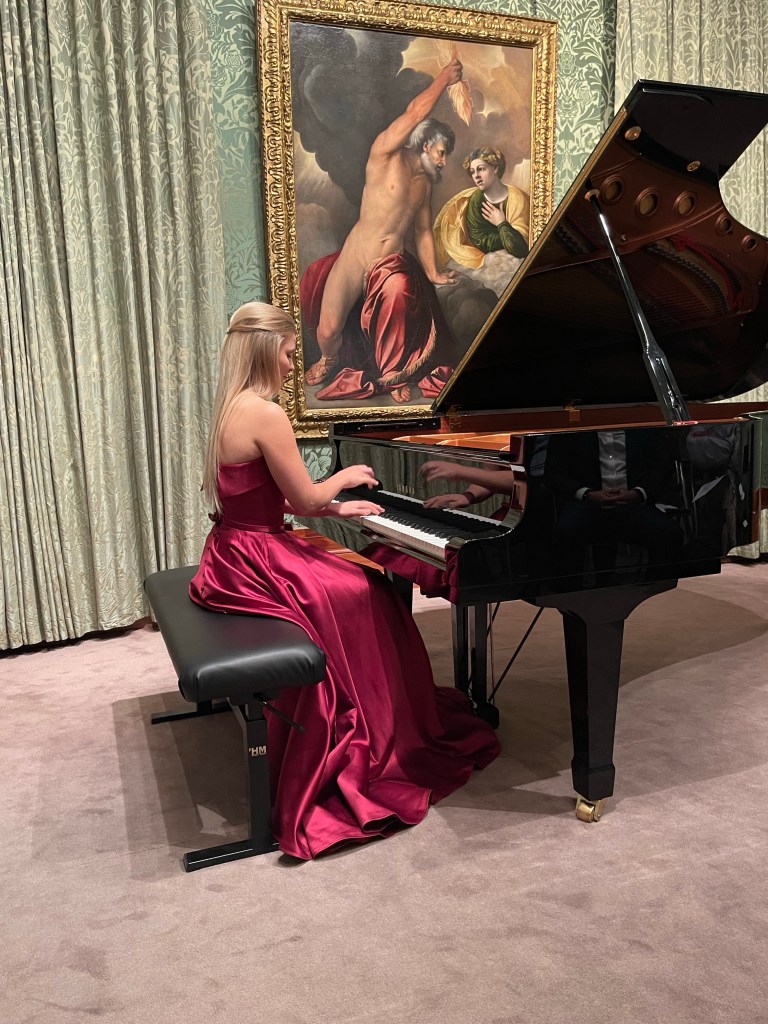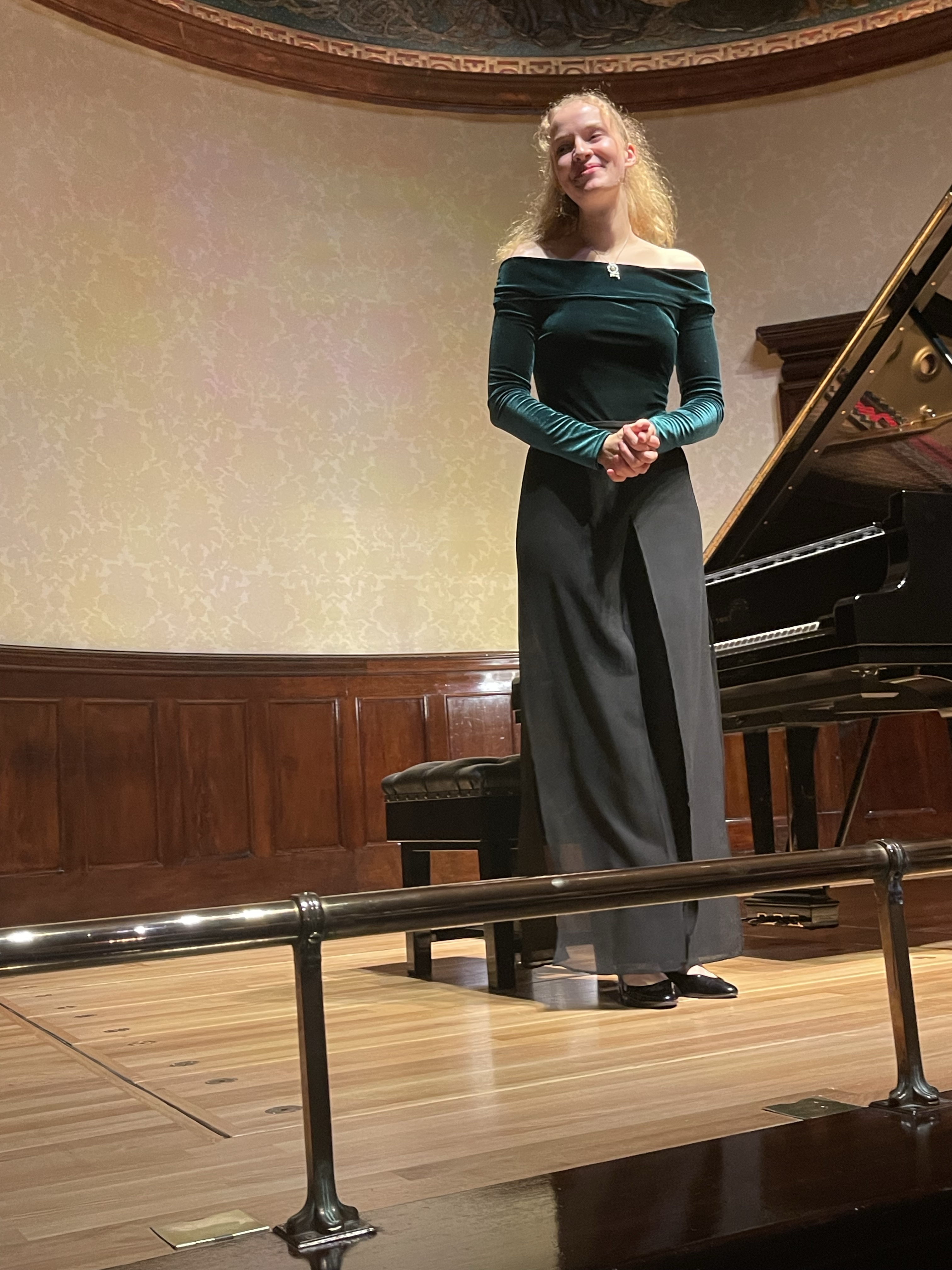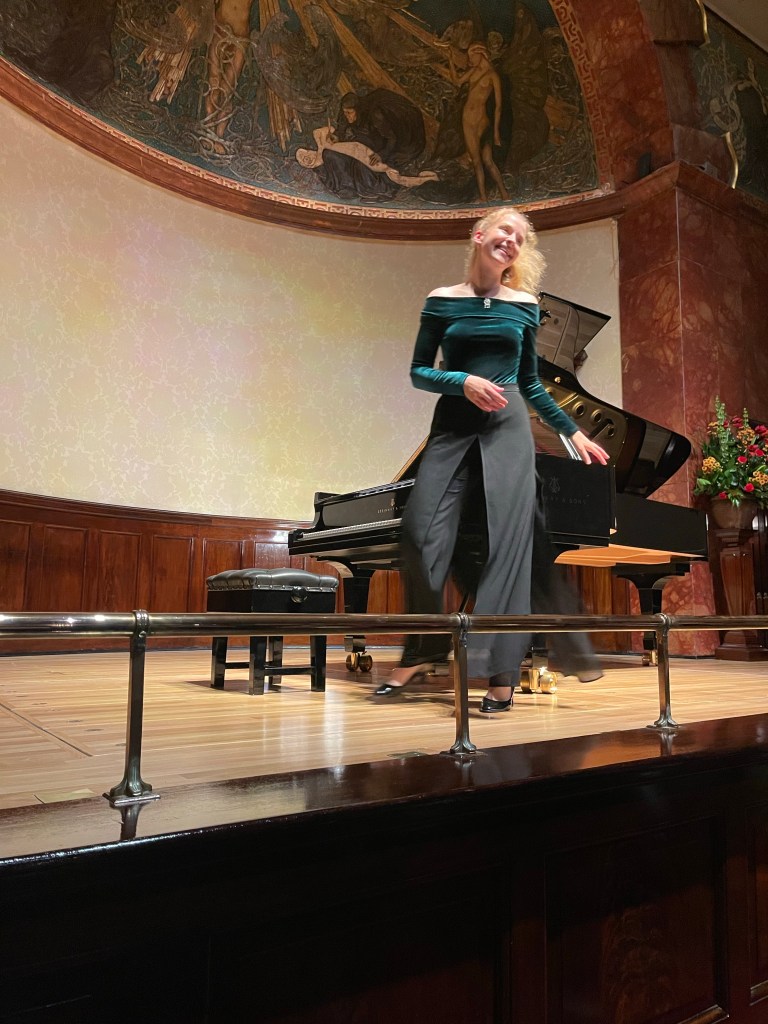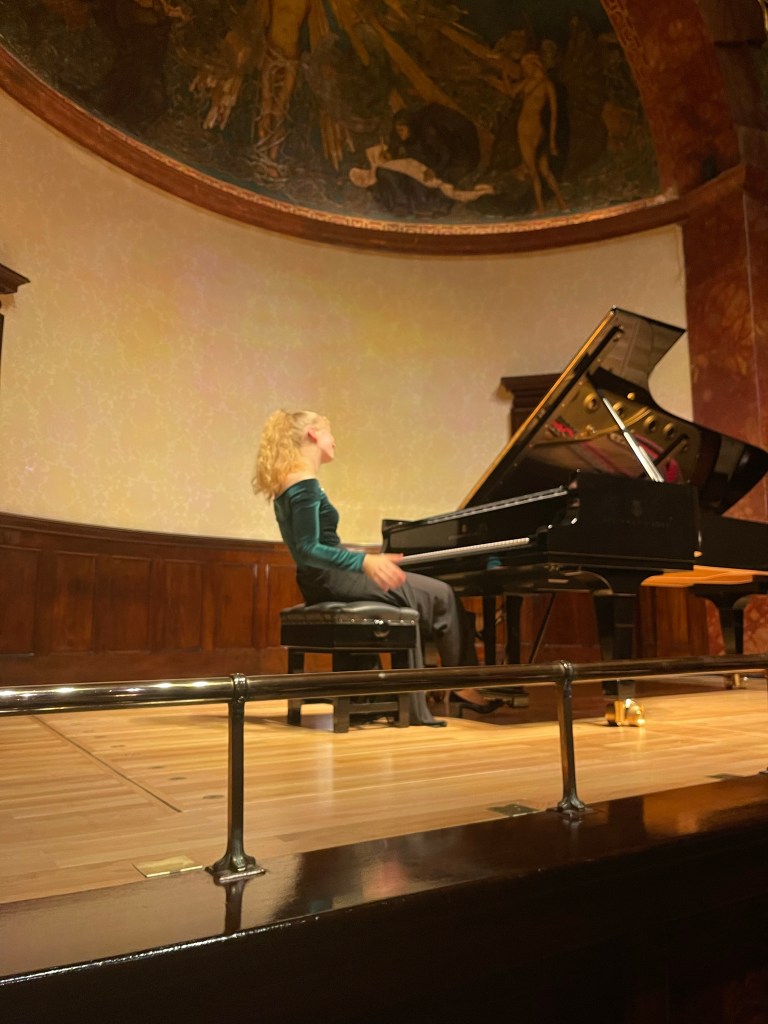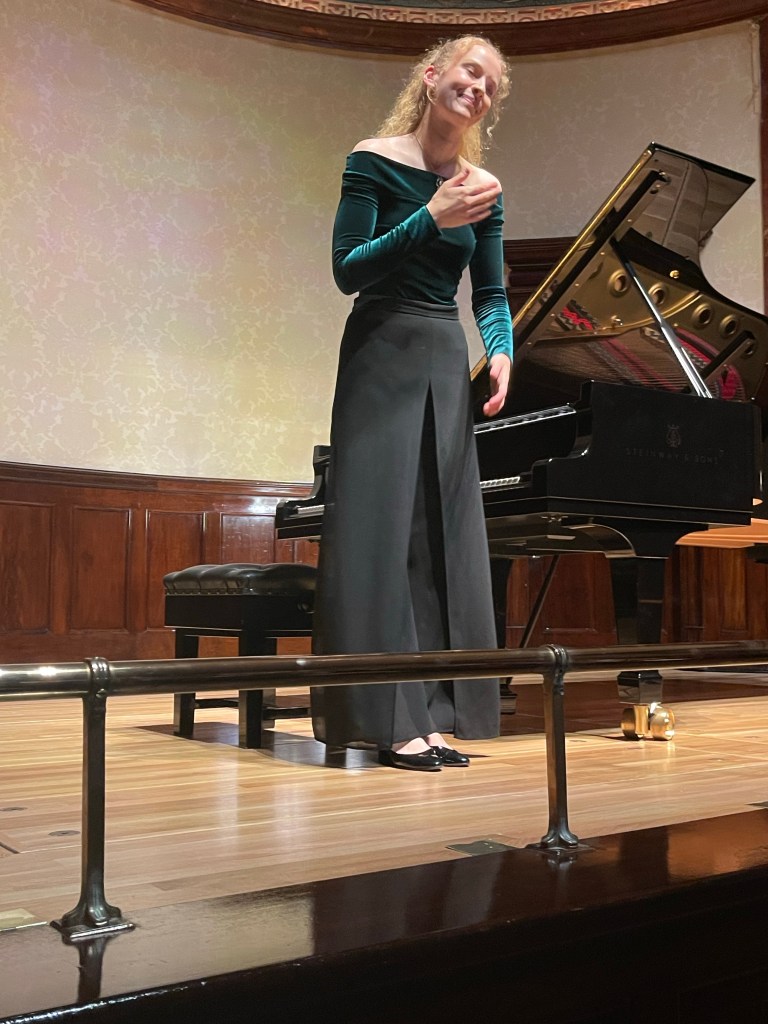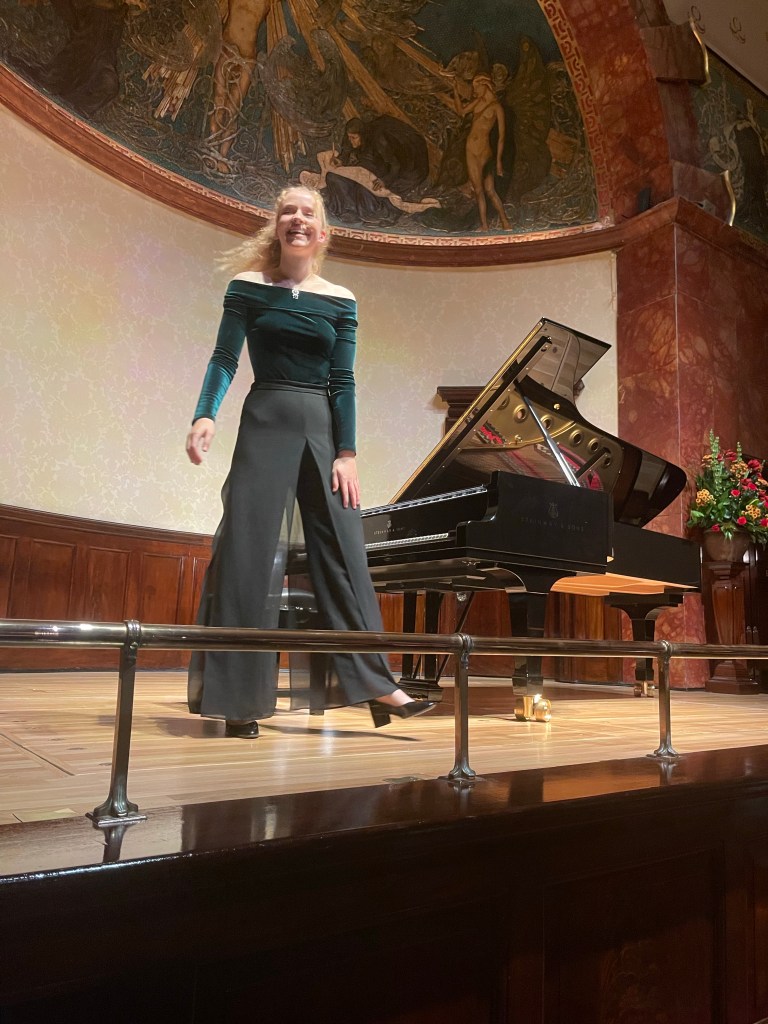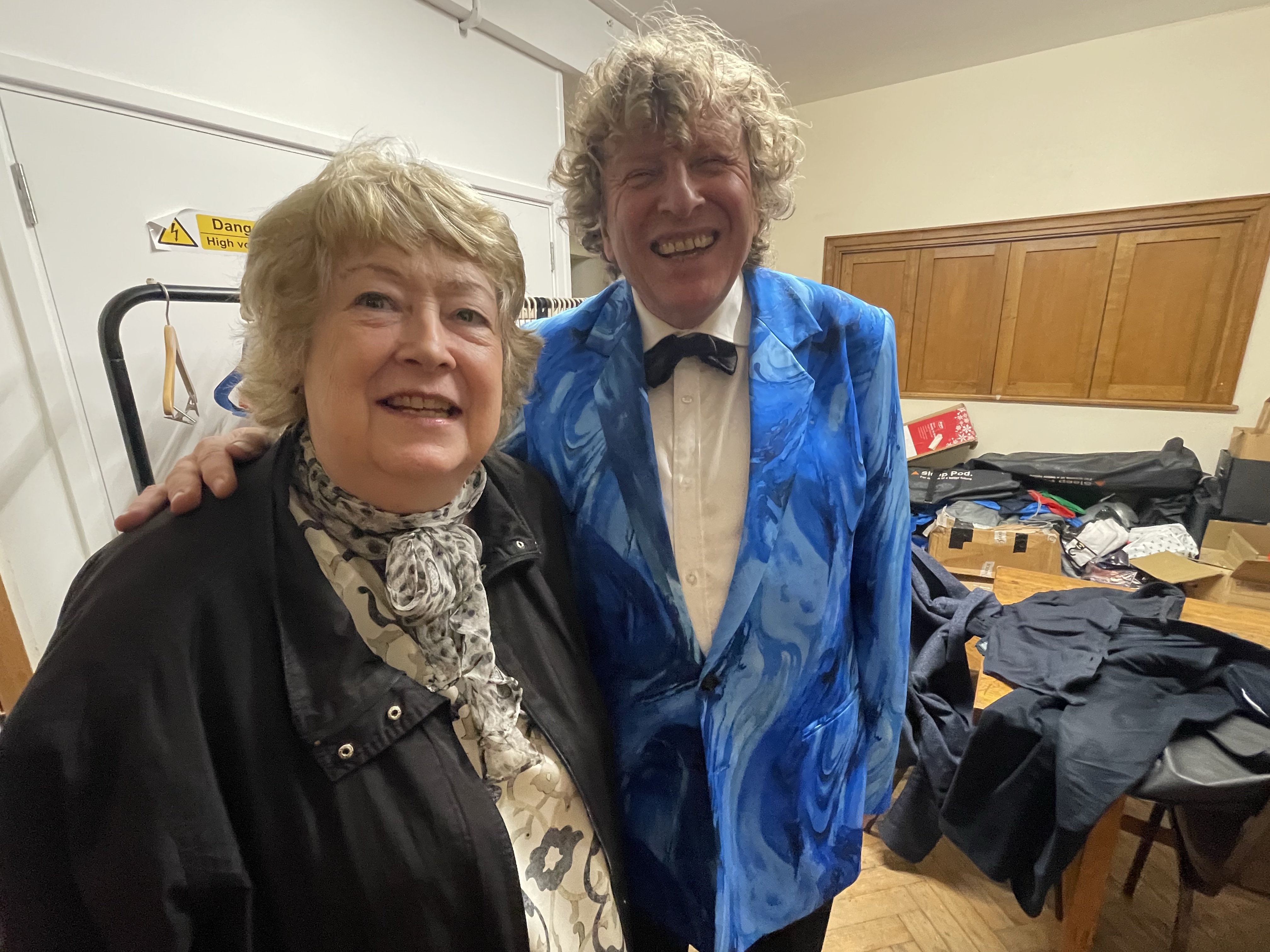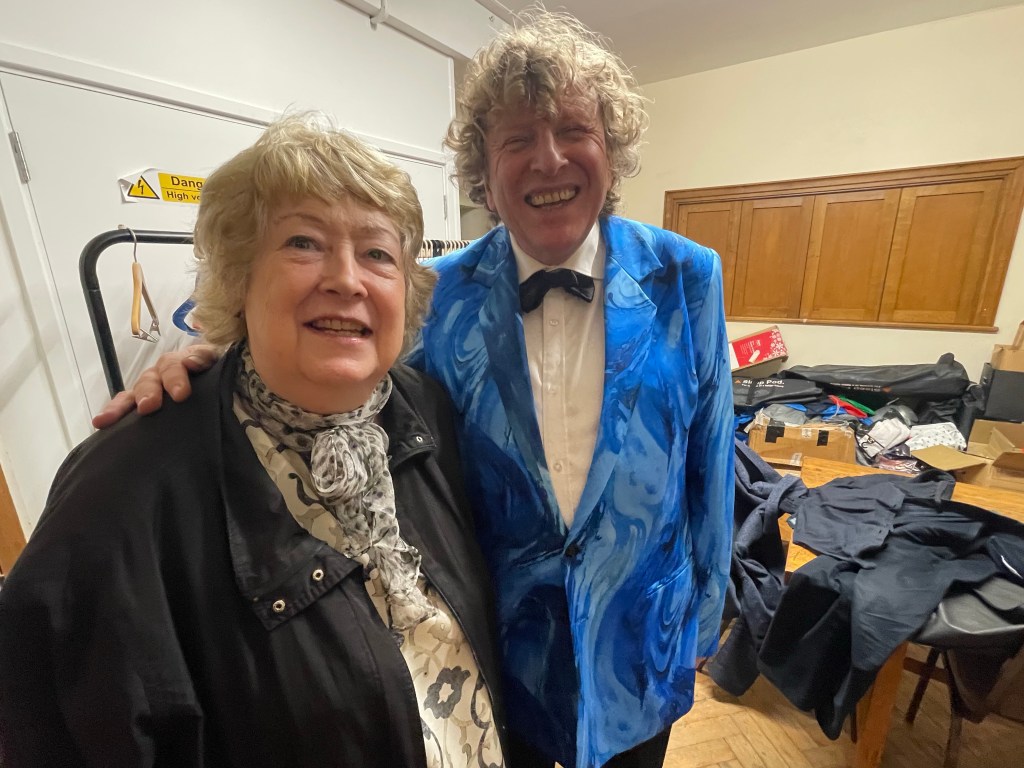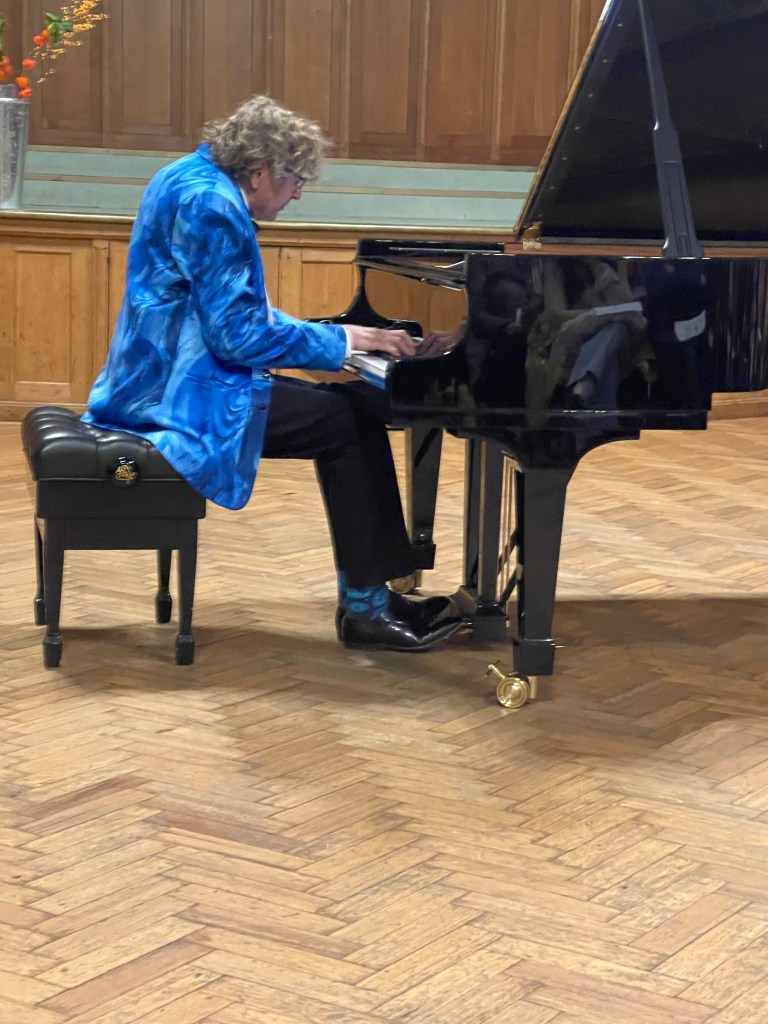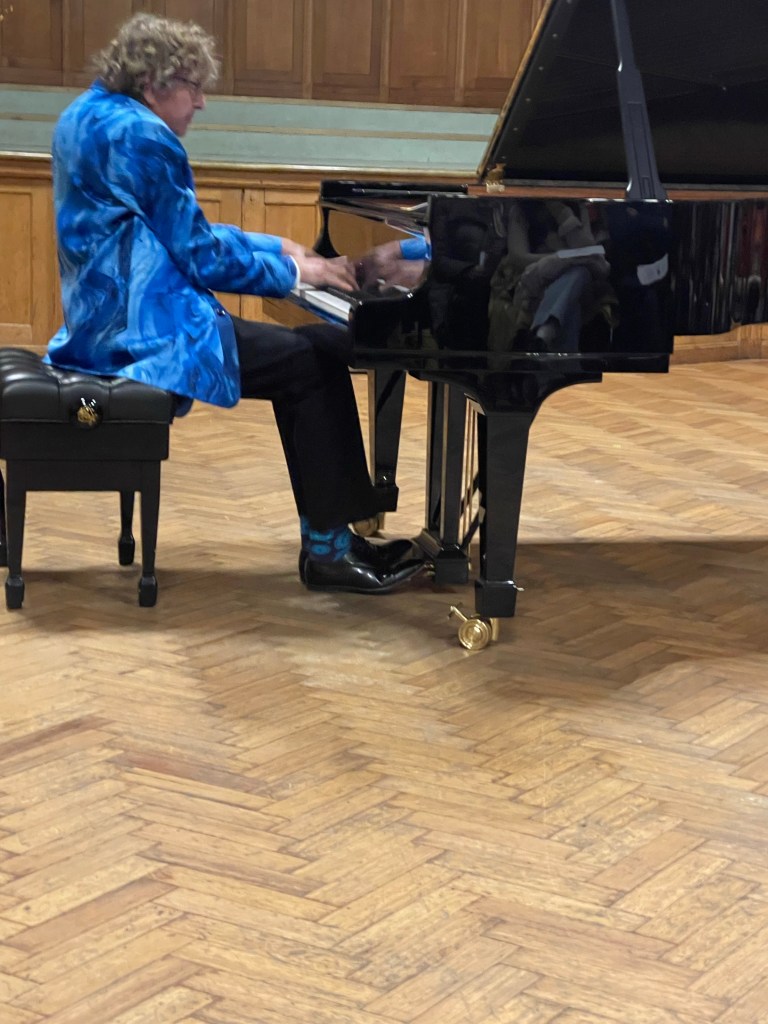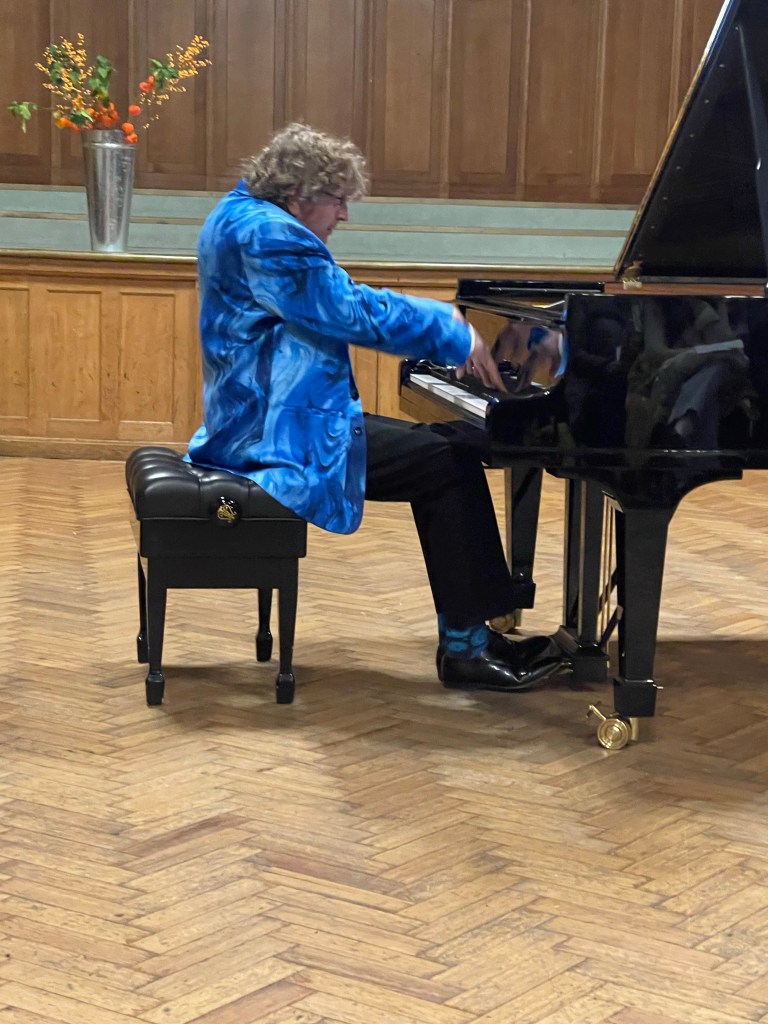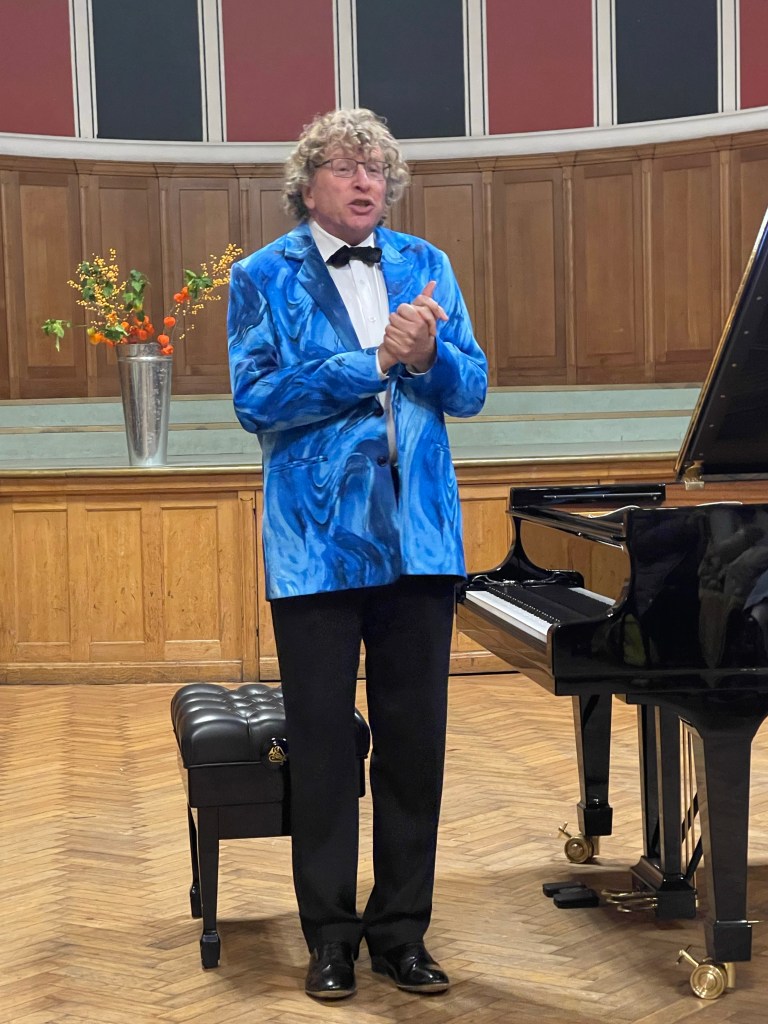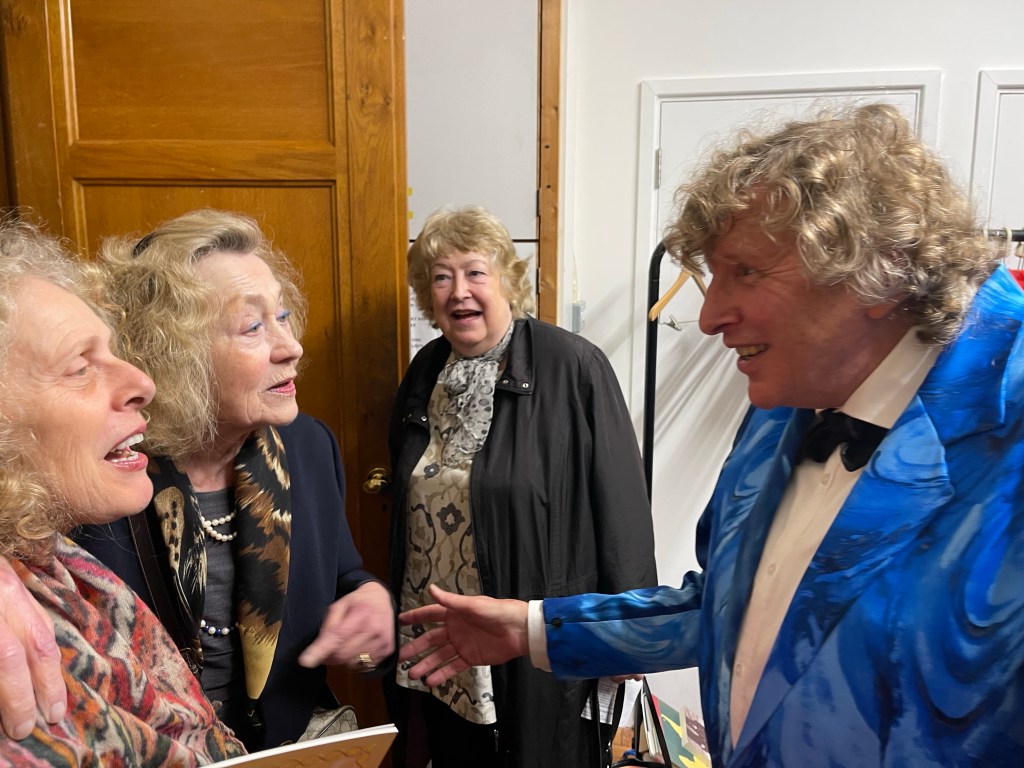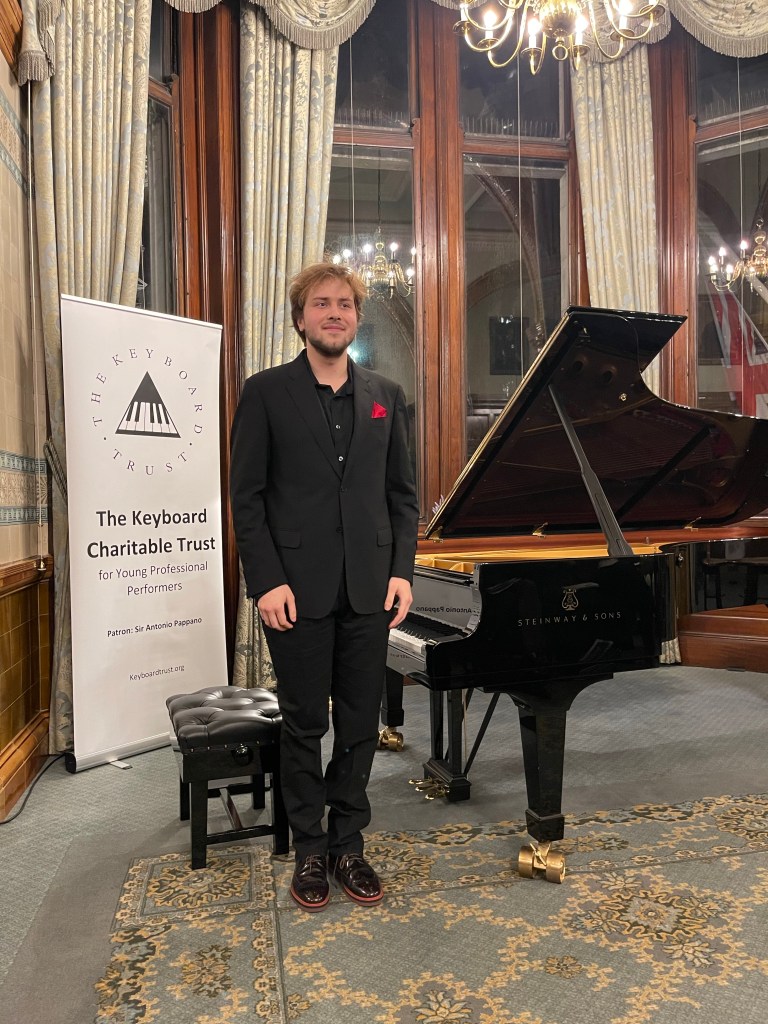
Jose Navarro Silberstein – masterly performances of red hot intensity

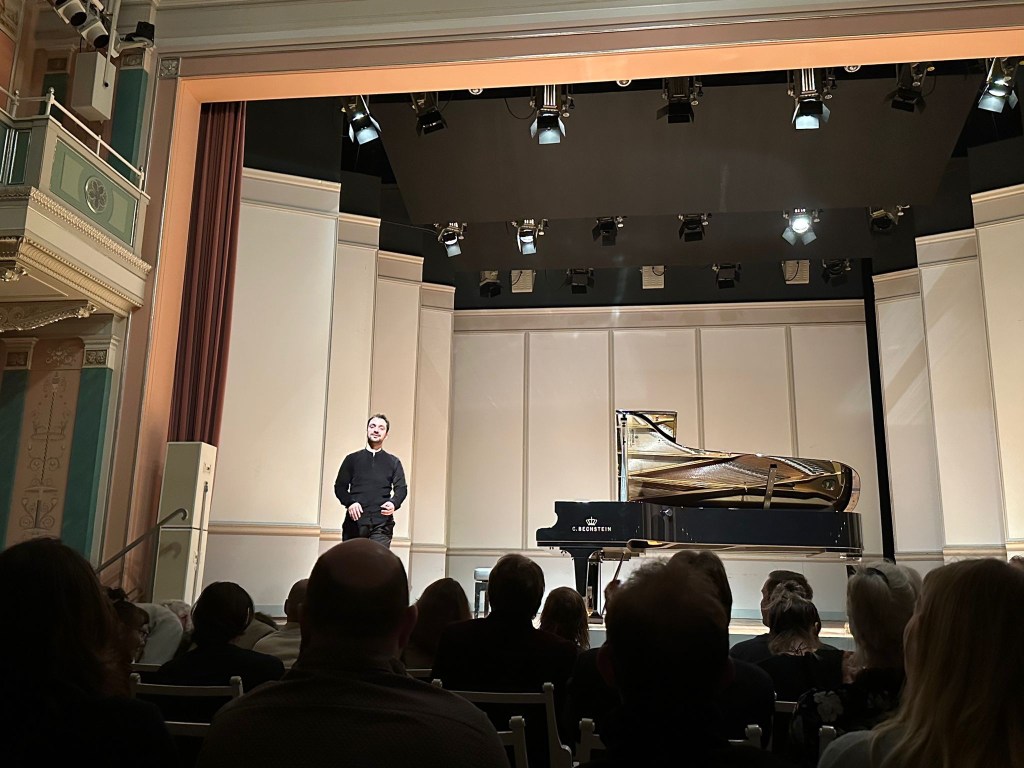
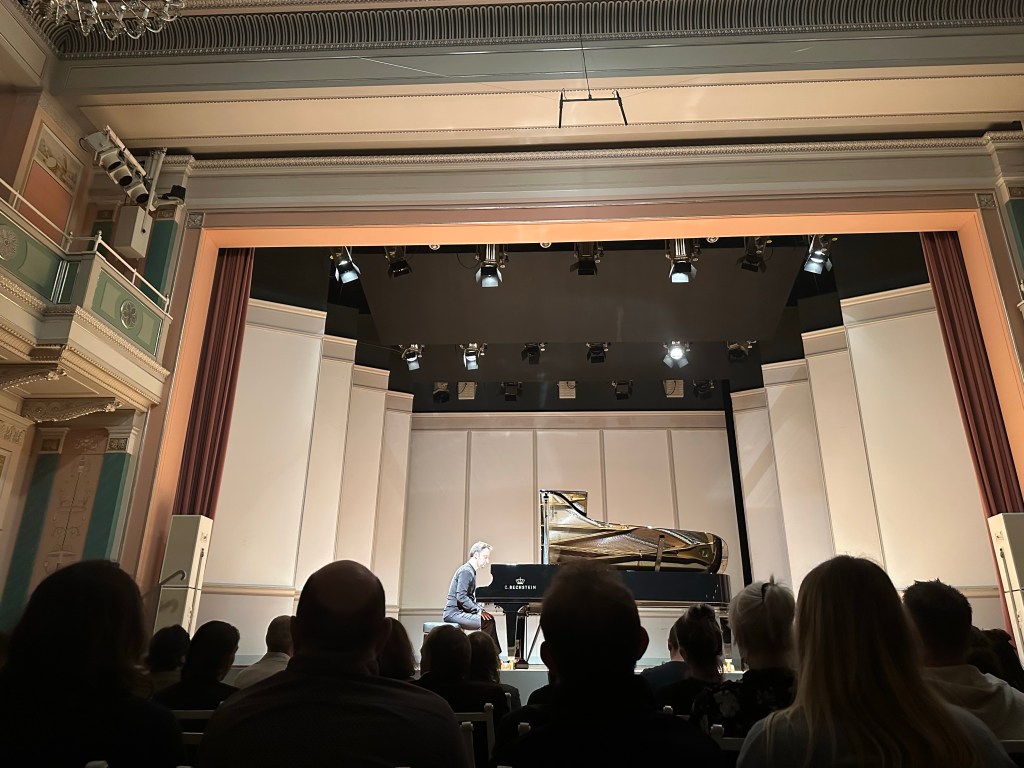
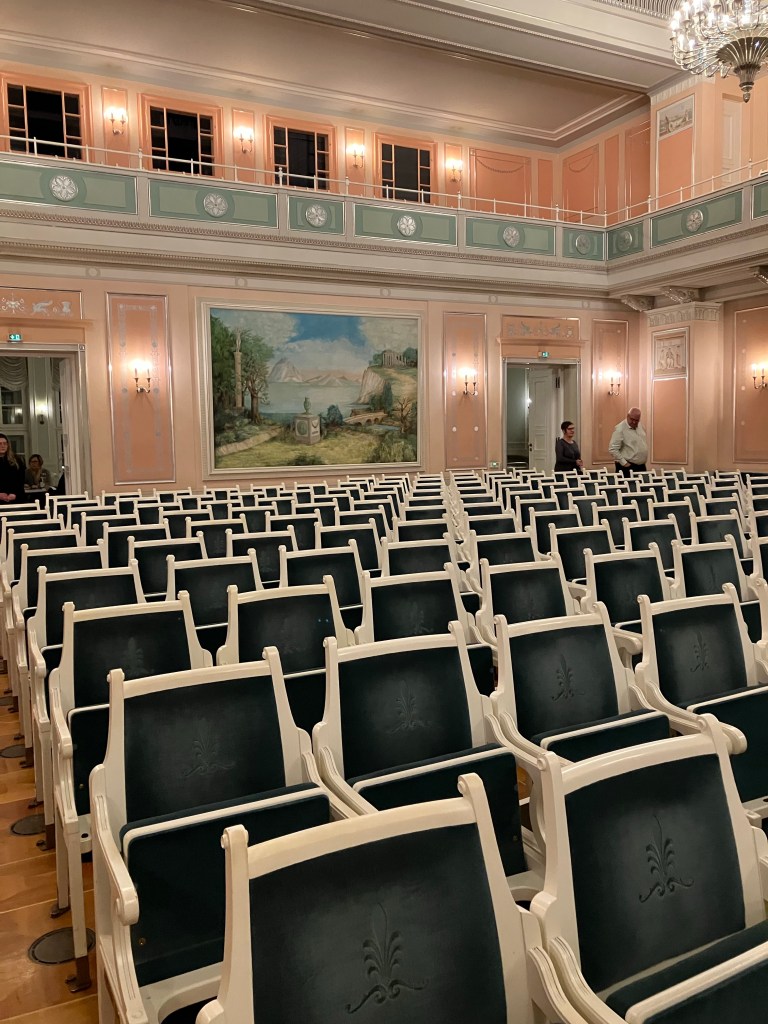
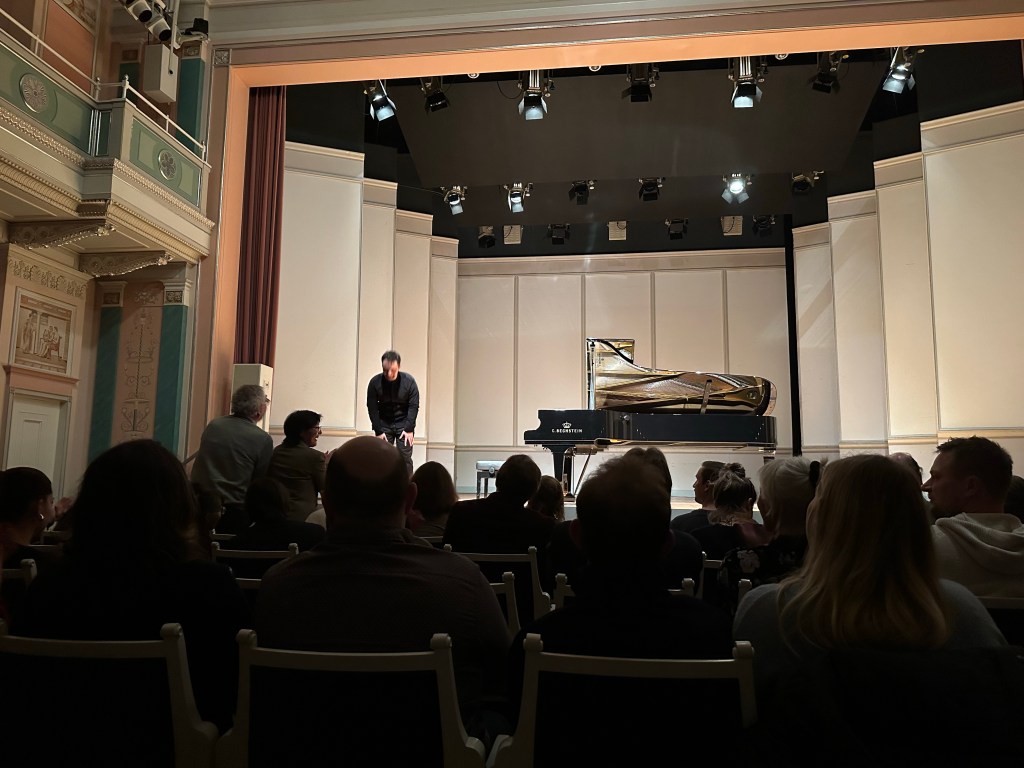
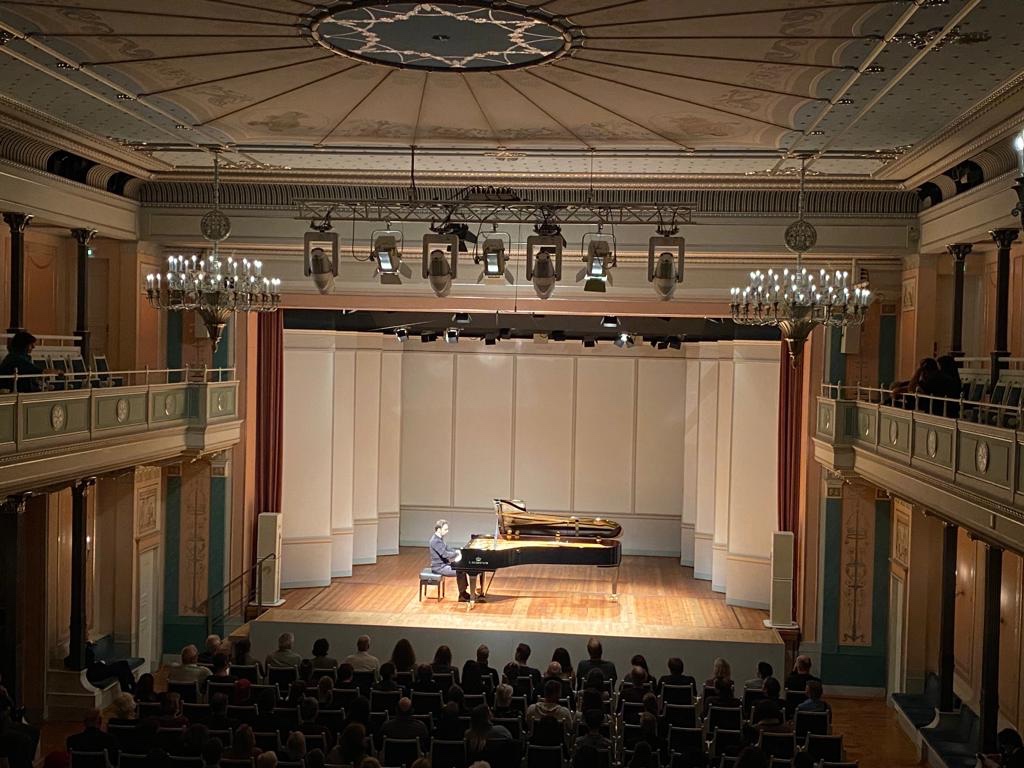
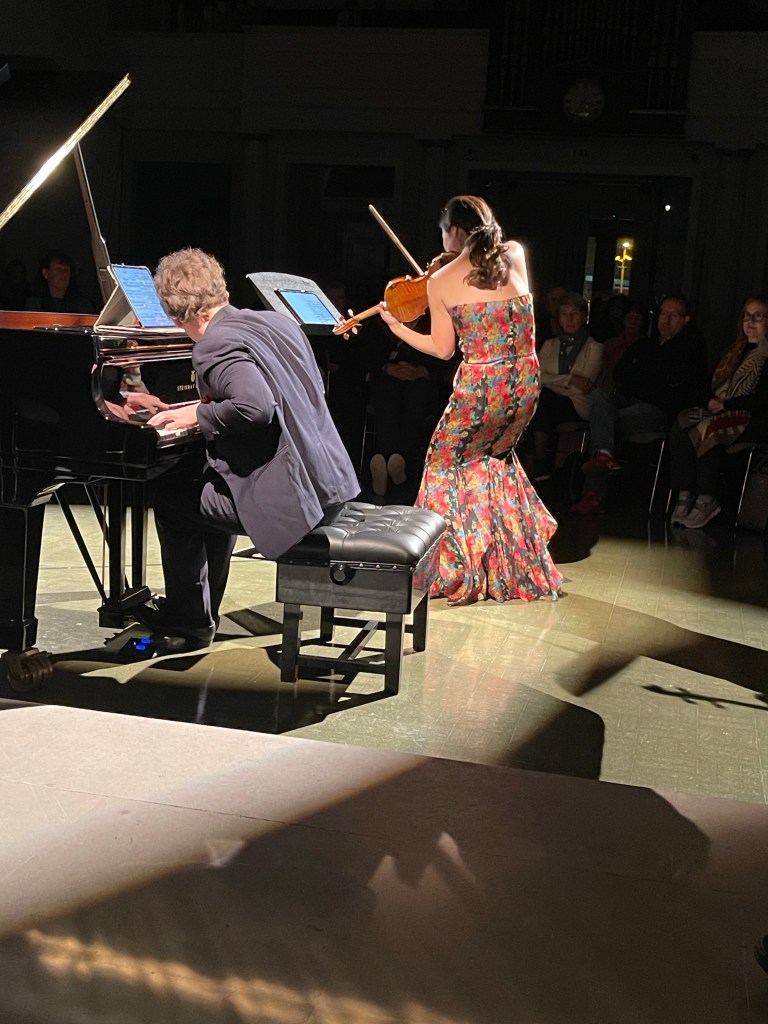
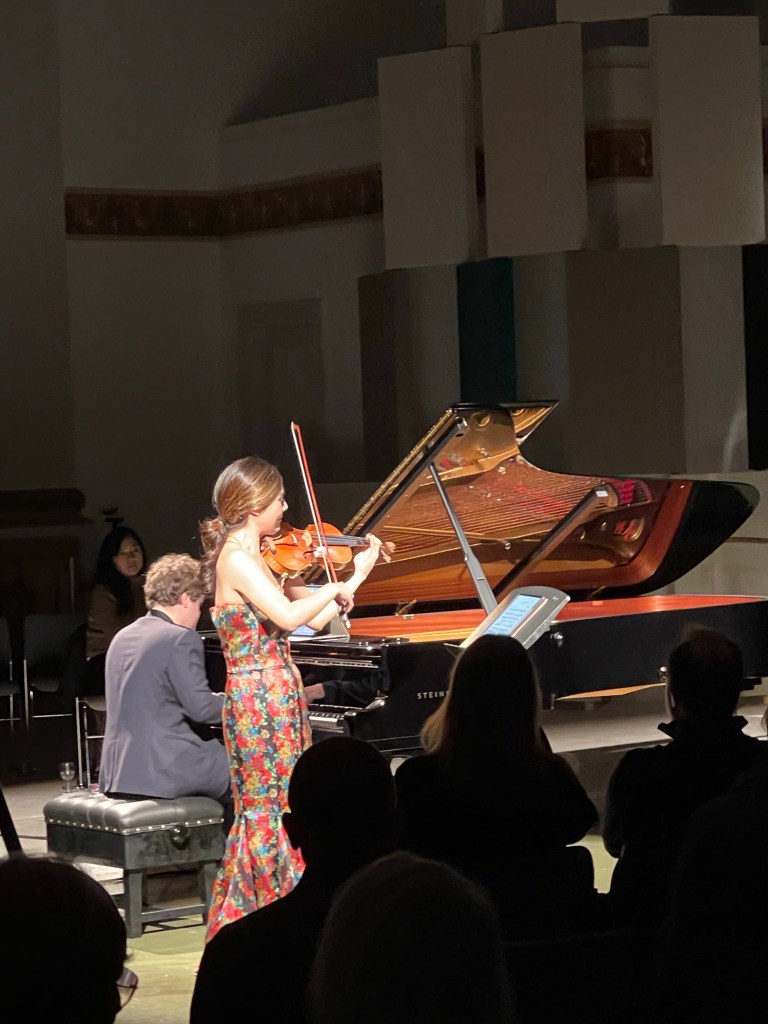
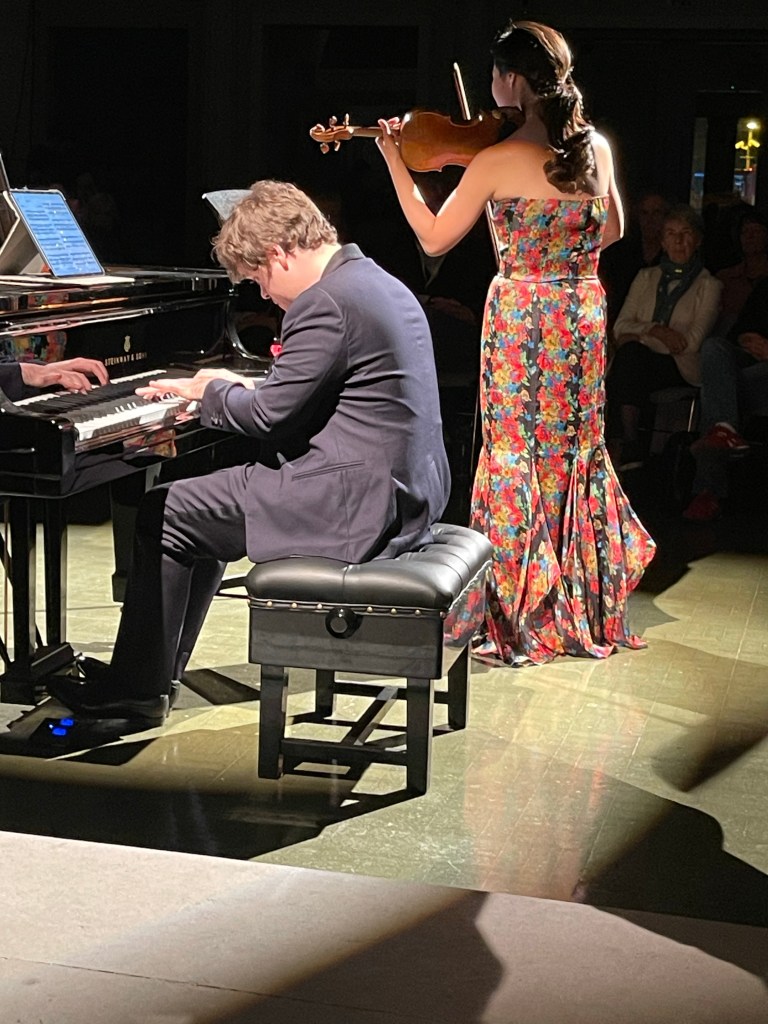
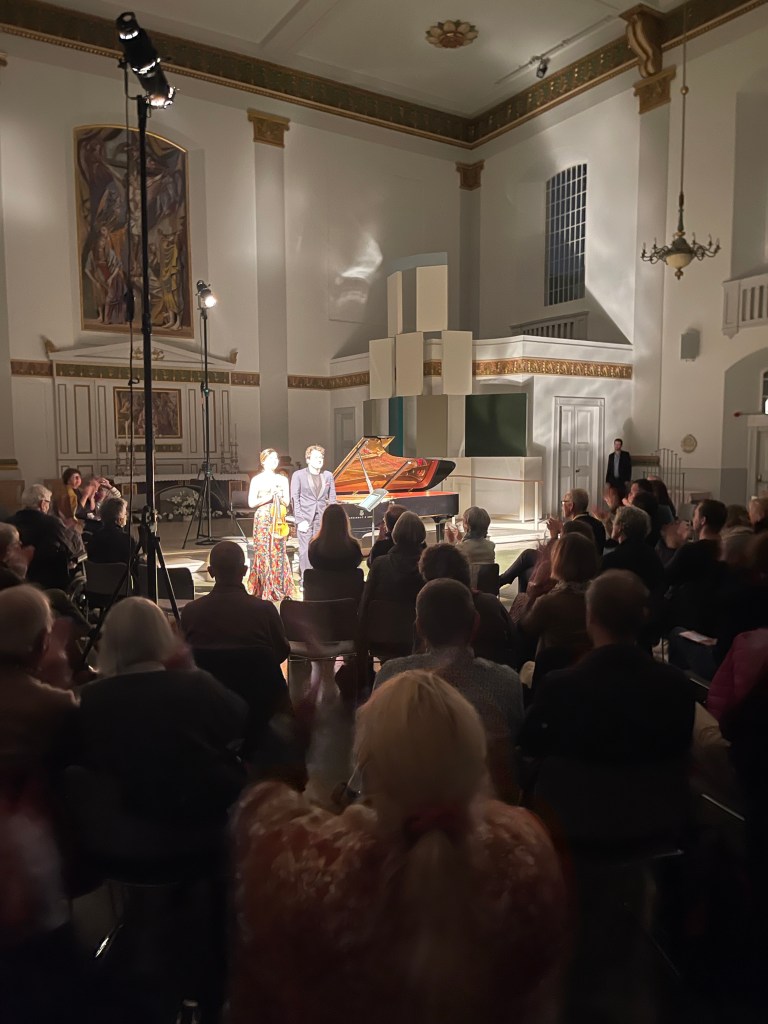
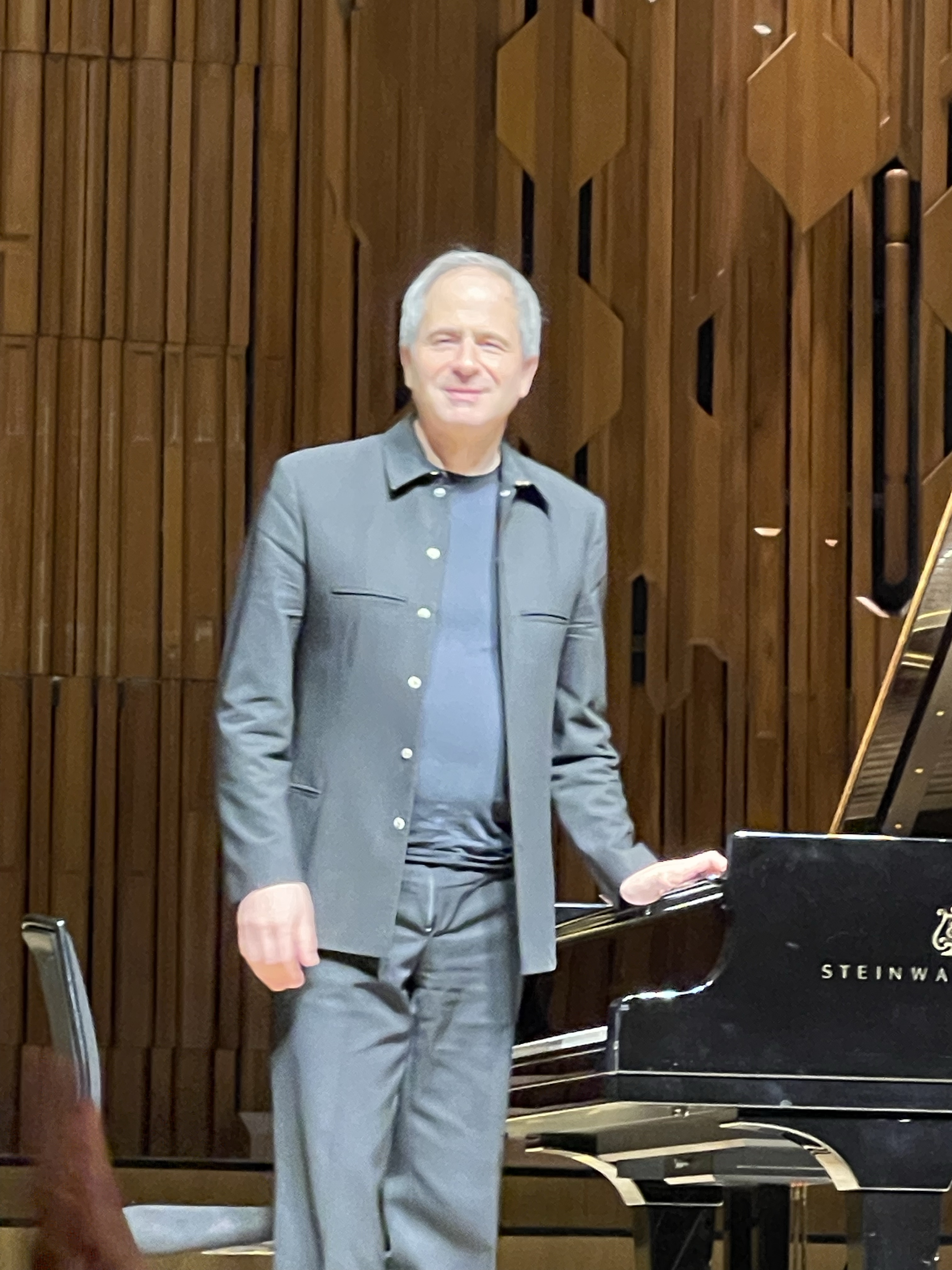
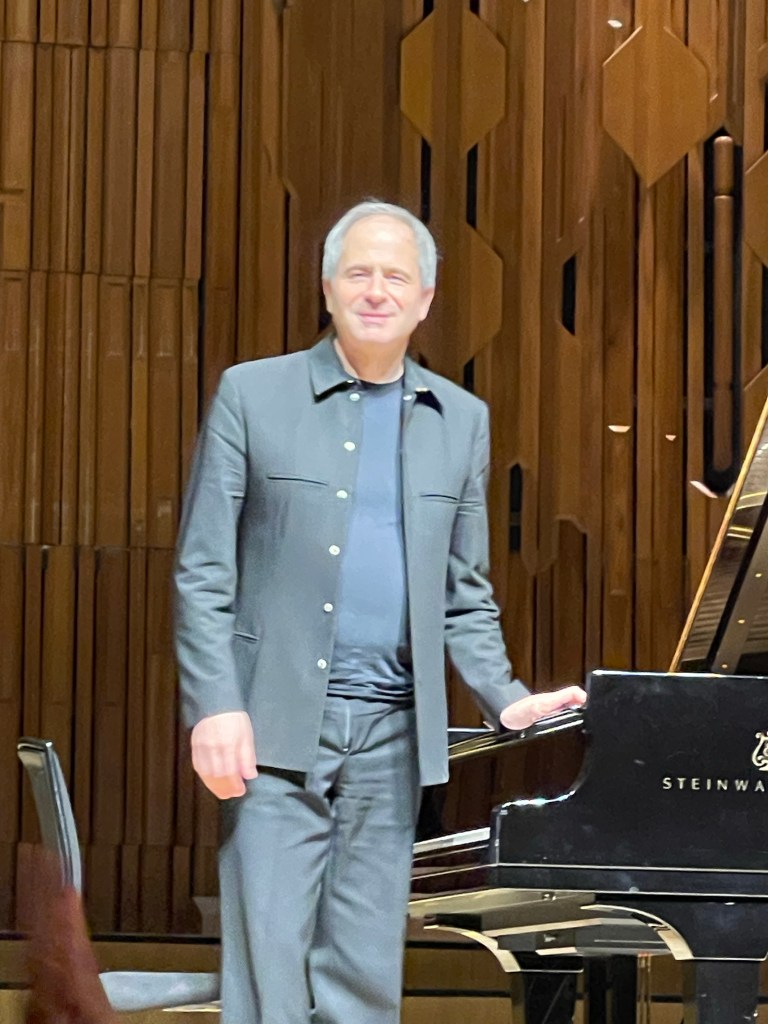
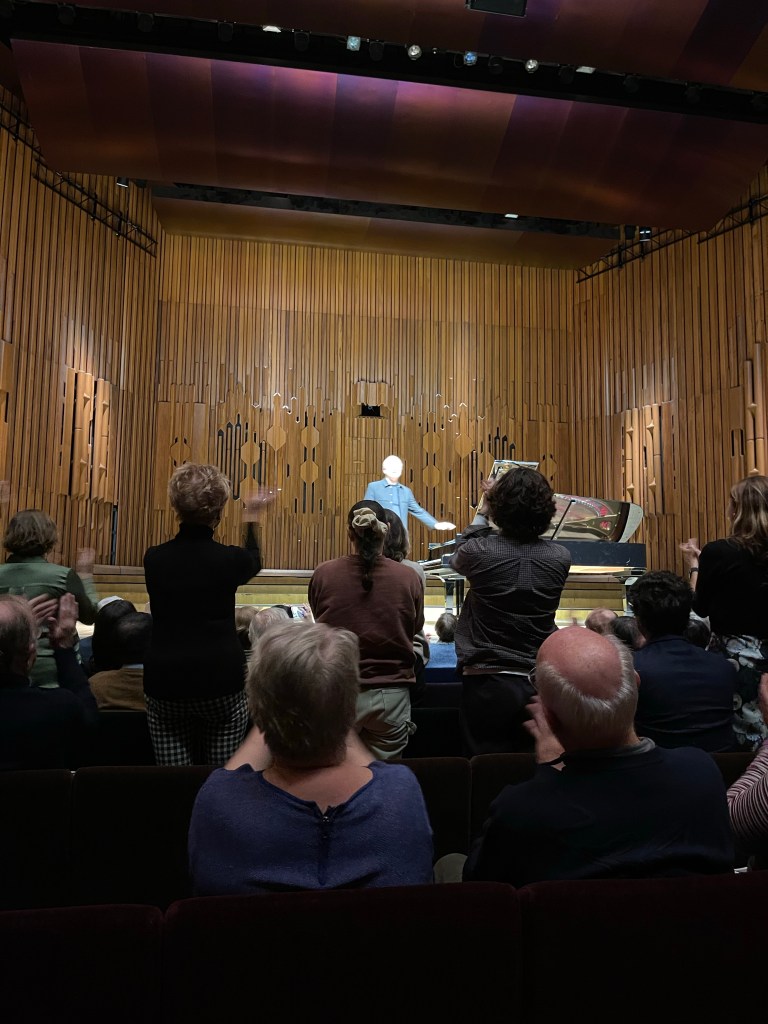
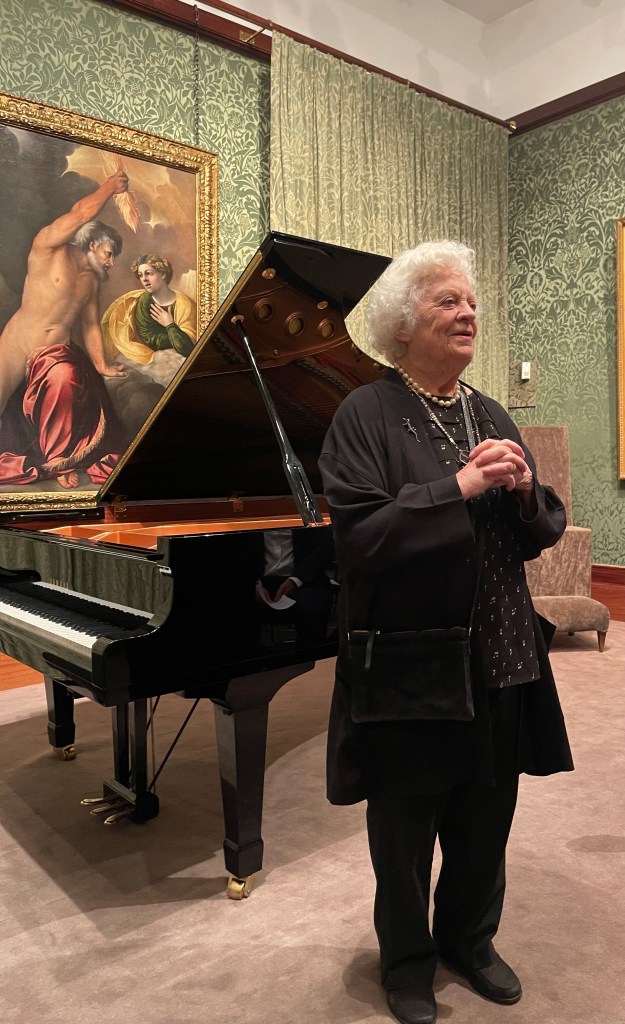
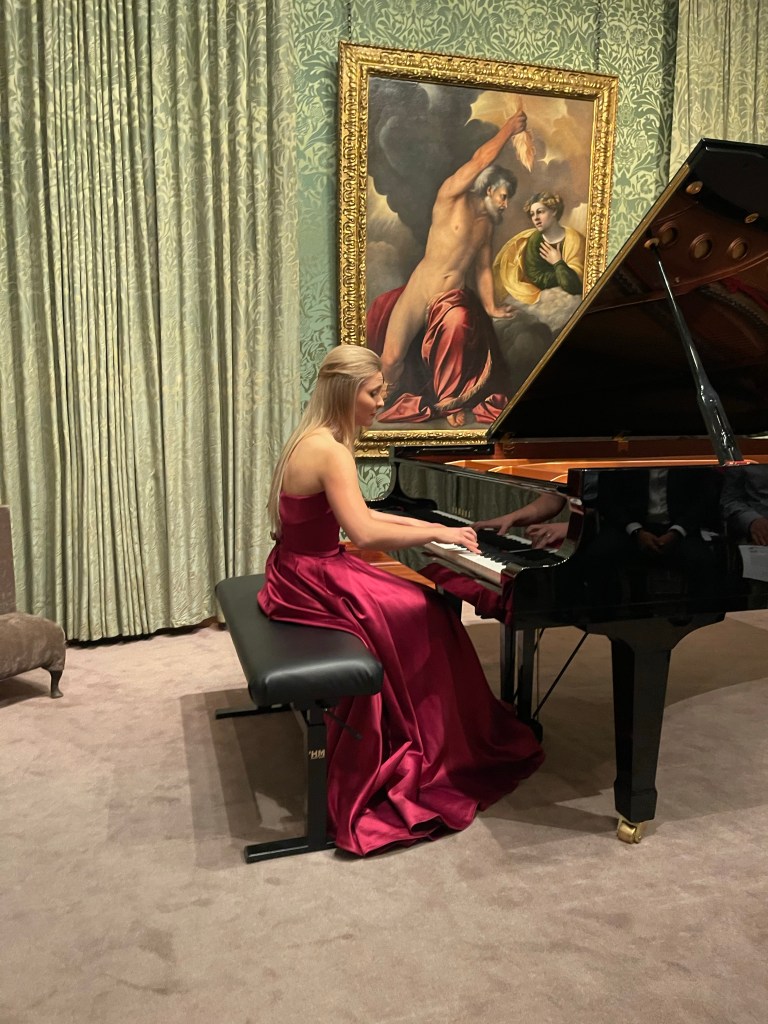
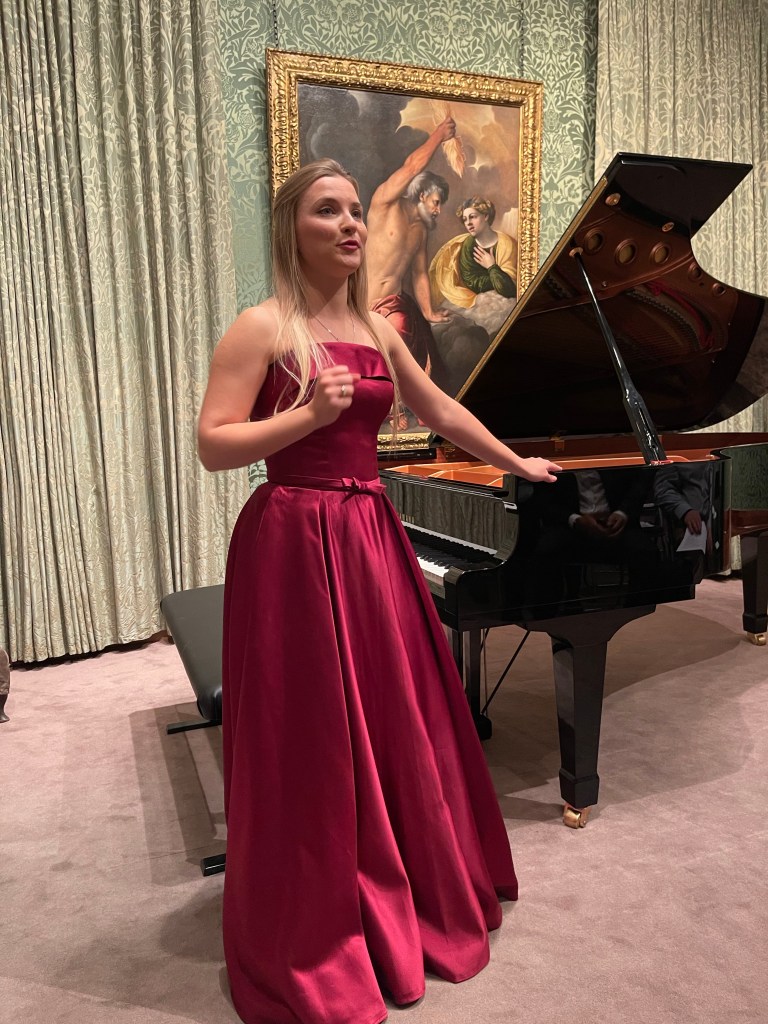
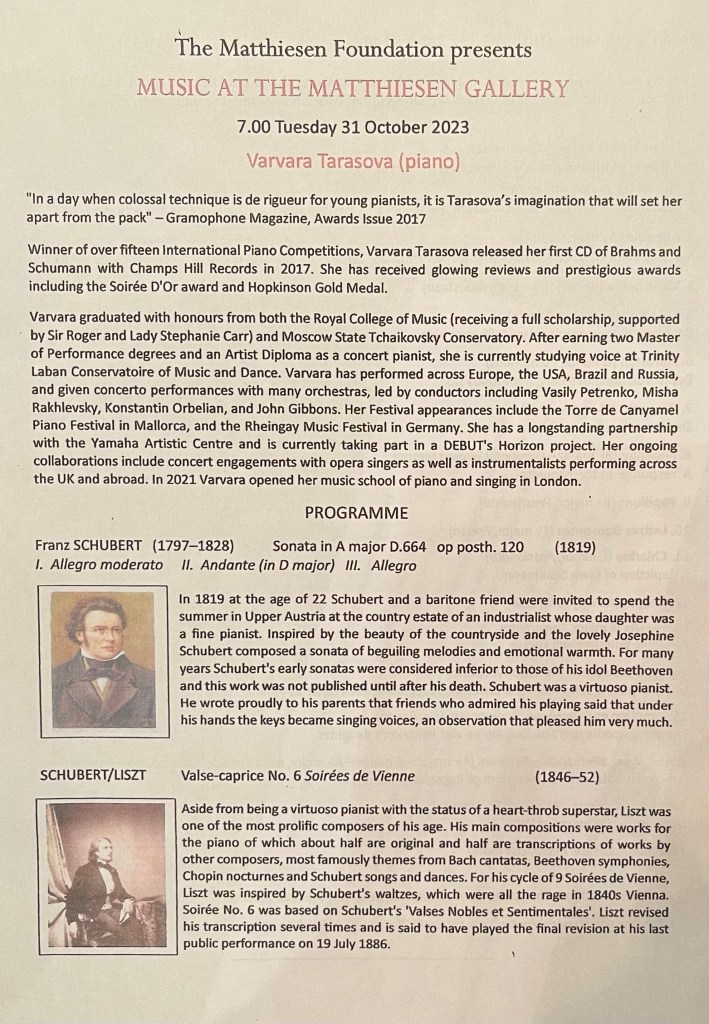
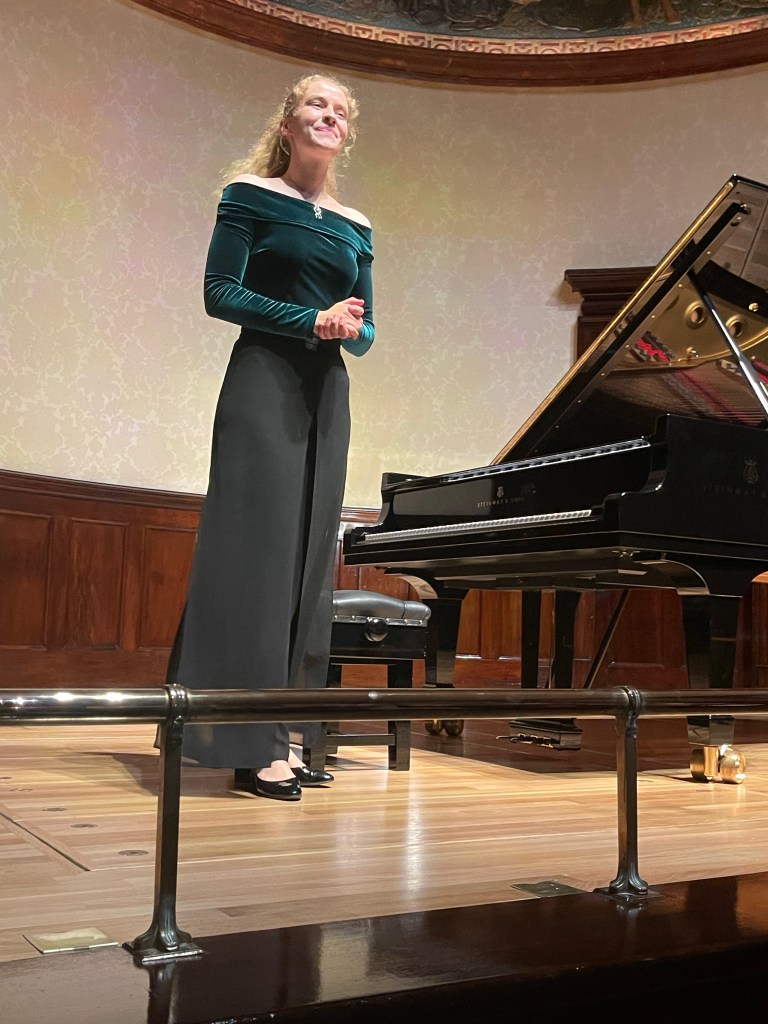
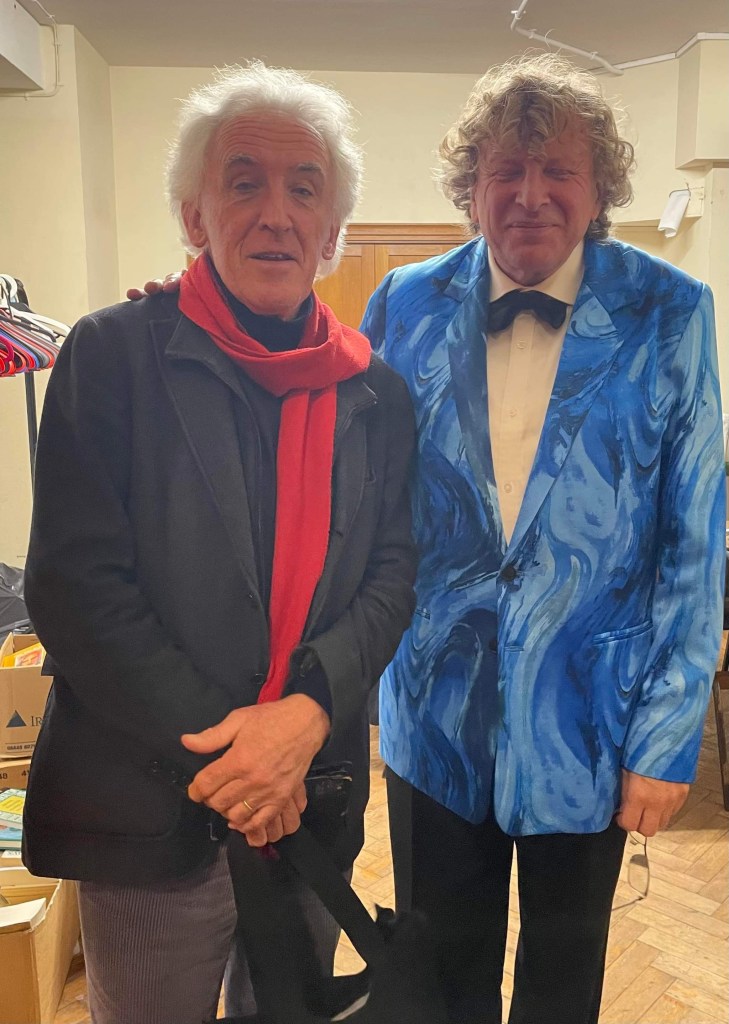
Masterly playing at the RCM today with Jose Navarro Silberstein’s Artist Diploma Final Recital
Astonishing range of colours and invention in CPE Bach’s extraordinary Fantasy in F sharp minor .
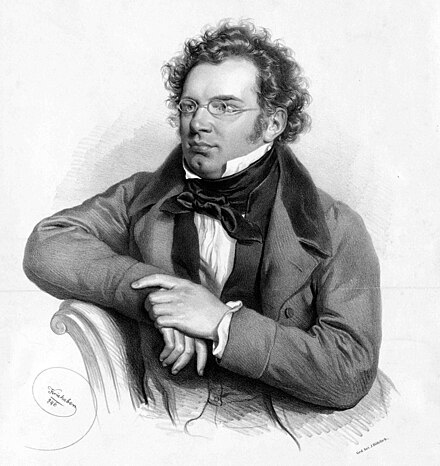
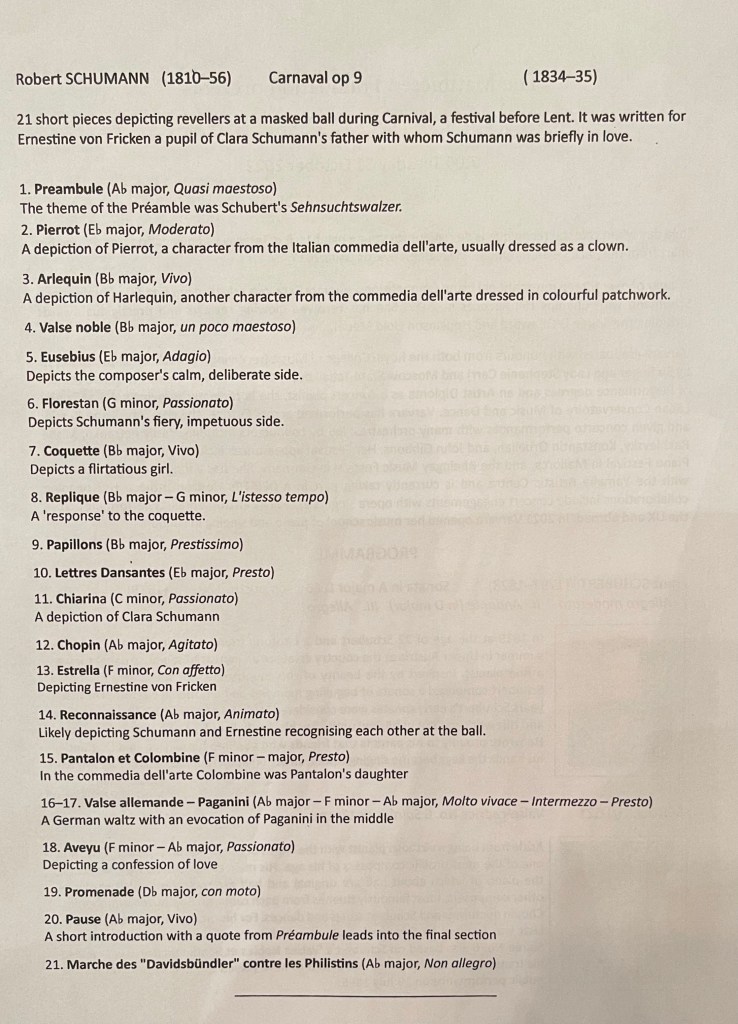
A truly masterly performance of Schumann’s Davidsbundler,what it missed in charm and grace it gained in Beethovenian drive and searing intensity .
But it was the Ciclo Brasileiro that was truly mesmerising as he seduced and ravished the senses with the red hot intensity of the barbaric dance rhythms. I have not experienced the like since Rubinstein would turn ‘baubles into gems’ of his friend and prodigy Villa Lobos .
These were more that just gems but jewels in a crown to cherish for a lifetime.

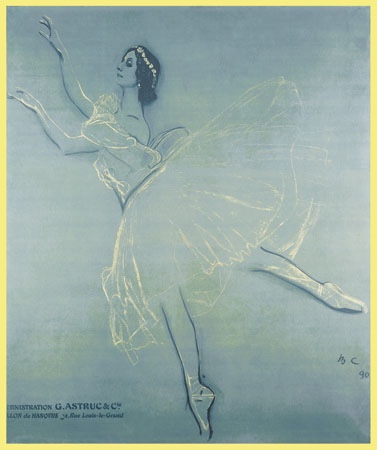
Jessie Harrington
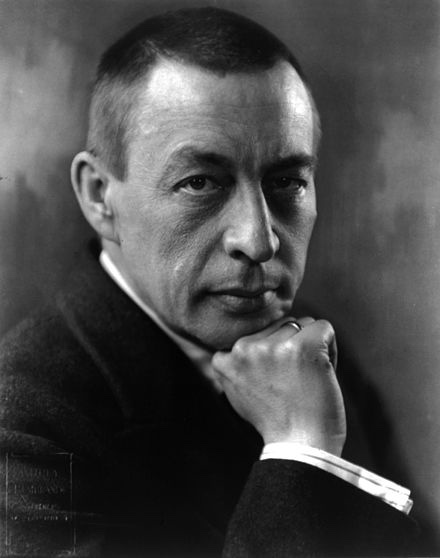
Petar Dimov

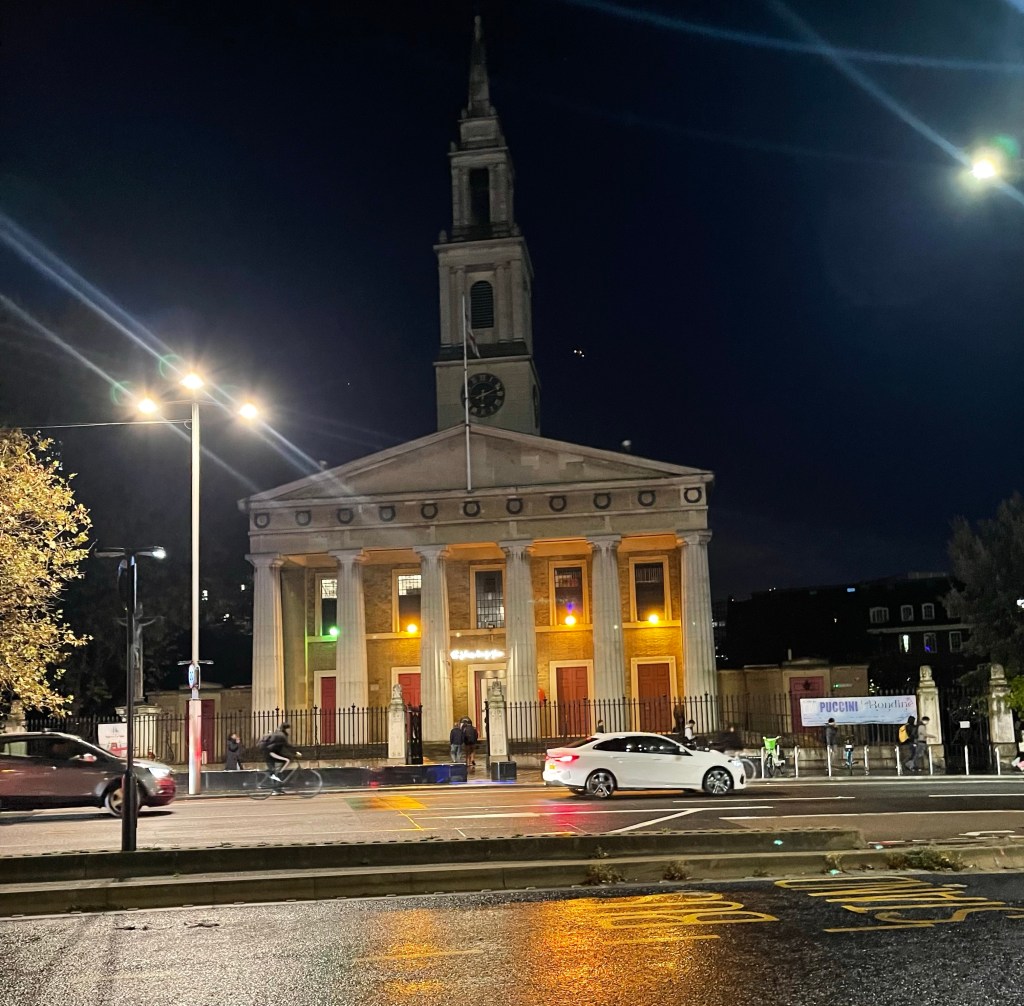
Jose Andres Navarro at St James’s Piccadilly

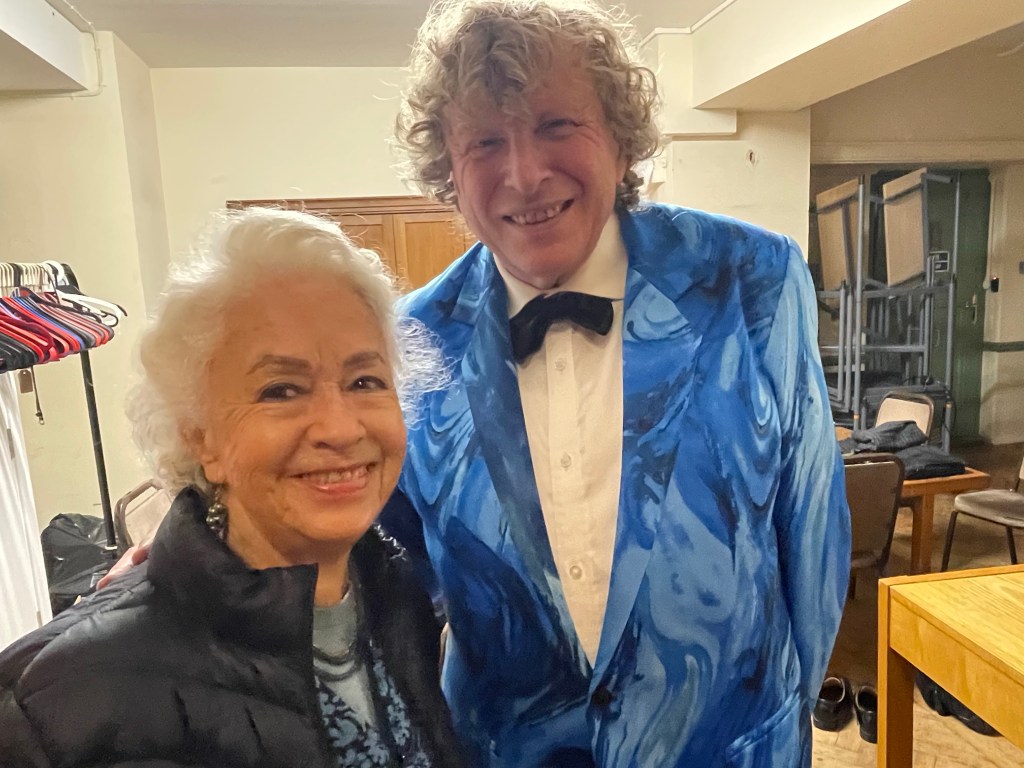
Norma Fisher with Jose Navarro

https://christopheraxworthymusiccommentary.com/2022/05/12/norma-fisher-at-steinway-hall-the-bbc-recordings-on-wings-of-song-the-story-continues/

Chloe Jiyeong Mun in Florence-A musical feast of whispered secrets of ravishing beauty

Magnificent Schubertiade from Chloe Jiyeong Mun in the Harold Acton Library in the British Institute in Florence.
The eight Impromptus played with such rapt concentration and subtle ravishing beauty that you could have heard a pin drop such was the atmosphere created.
Winner, like Martha Argerich,of both Geneva and Busoni competitions when only a teenager.Just twenty four hours before the recital she was still working with Andras Schiff in Berlin extracting the secrets together that are hidden deep in the music and that only very few can find the key to.
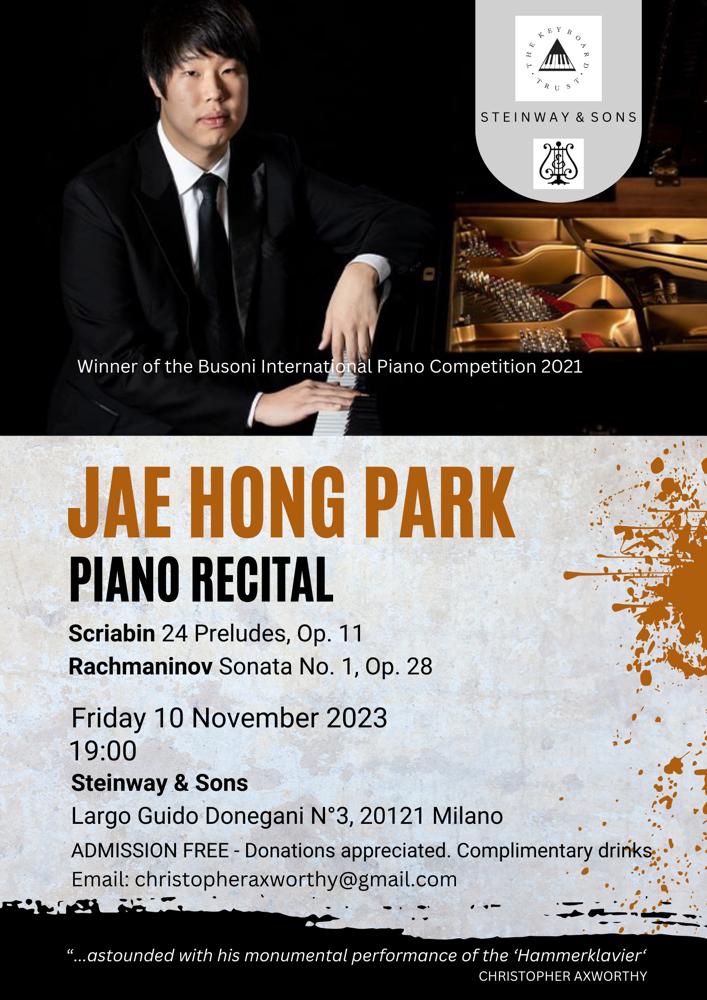
A musical feast was guaranteed for this last recital of the season with three past winners of Busoni presented in collaboration with the Keyboard Trust.
An old Bechstein that she adored and gave her the means to transmit the magic world of Schubert with freedom and beauty.
Whispered secrets drew the audience in to her with the intimate confessions of a composer who was to have such a short life on this earth but who lives on forever in his seemingly endless outpouring of poetry of poignant beauty.
The magic carpet that had brought her to Florence at the last minute from Berlin was waiting to whisk her off to Korea during the night.A vision of beauty that descended on Florence for only a few hours but for which all those present will always be eternally grateful.


A sumptuous feast of music and not only, thanks to the Gammell’s who had also prepared a culinary feast.
If Music be the food of love ……perchance to dream ….please play on …..the world is in such need of poetry and beauty.

https://christopheraxworthymusiccommentary.com/2023/03/31/emanuil-ivanov-premio-busoni-2019-al-british-in-the-harold-acton-library-a-room-with-a-view-of-ravishing-beauty-and-seduction/

https://christopheraxworthymusiccommentary.com/2023/03/01/ivan-krpan-busoni-2017-in-florence-mastery-and-simplicity-at-the-service-of-music/
Time stood still as Chloe intoned the first imperious note of the Impromptus op 90.Holding the note for what seemed an eternity as out of it’s midst we could hear in the distance a whispered dance of poignancy and sensitivity.One of the most difficult of all the impromptus for it’s improvised freedom allied to very detailed instructions from the composer.
It played her as the physical side of playing just disappeared where the delicacy and superhuman control of subtle sounds seemed to come directly from within the instrument without any trace of personal percussive gymnastics.There were seemless streams of golden sounds in the second Impromptu so rudely interrupted by the animal like excitement of the central episode.The melodic line in the G flat impromptu was barely audible but her control of sound allowed the flowing accompaniment to be so quiet that it miraculously sustained but never overpowered this sublime melodic outpouring in it’s midst.The duet between the deep bass and the soprano lines was a refined opening to an almost operatic world soon dispelled with the magical return of the opening melody.The shimmering beauty of the fourth was contrasted with the passion of the central episode played with red hot temperament that swept all before it.

Schubert Impromptus are a series of eight pieces for solo piano composed in 1827. They were published in two sets of four each: the first two pieces in the first set were published in the composer’s lifetime as Op. 90; the second set was published posthumously as Op. 142 in 1839 (with a dedication added by the publisher to Franz Liszt ).The third and fourth pieces in the first set were published in 1857 (although the third piece was printed by the publisher in G major, instead of G♭ as Schubert had written it, and remained available only in this key for many years). The two sets are now catalogued as D. 899 and D. 935 respectively. They are considered to be among the most important examples of this popular early 19th-century genre.

The second set of Impromptus comes also from the final year of Schubert’s short life but were never published in his lifetime.The editor in recognition of Liszt’s pioneering championing of Schubert dedicated this set to him.
This second set is on a larger scale than the previous ones and I well remember Annie Fischer and Rudolf Serkin playing them as a whole like a complete sonata.
The first opens with an imperious declaration leading to a subtle playful dance that dissolves into a heartrending duet over a florid unruffled accompaniment.
Ravishing beauty flowed from Chloe’s sensitive hands that brought something of the sublime to this seemingly simple outpouring of mellifluous fragments.
There was a stillness to the second Impromptu as Chloe barely touched the keys.Even the more imperious replying phrases were played with a subtle sense of shading always moulded into the overall shape of this most sweet of all Impromptus.The flowing central section seemed to grow naturally out of the opening melodic line awaiting the whispered return of the beautiful opening phrases.
The theme and variations of the third were played with a delicacy and jeux perlé of such natural simplicity which just gave a golden glow to the streams of sound that floated from the keys.
The seemingly simple dance of the last Impromptu suddenly got caught in a whirlwind of excitement and dynamism leading to the final plunge to the bottom of the keyboard.
A tour de force of piano playing where a superhuman control of sound allied to a refined musicianship was truly Art that conceals Art .
The music just flowed through her directly to an audience that was truly mesmerised by the simple whispered beauty that she shared with us.
The little ‘Moment musicaux n 3 in F minor of such beguiling charm and simplicity was the ideal ending to a magical Schubertiade from a great artist.
https://christopheraxworthymusiccommentary.com/2023/06/02/the-gift-of-music-the-keyboard-trust-at-30/

Chloe Mun at the Duszniki Chopin Festival Refined perfection and aristocratic simplicity

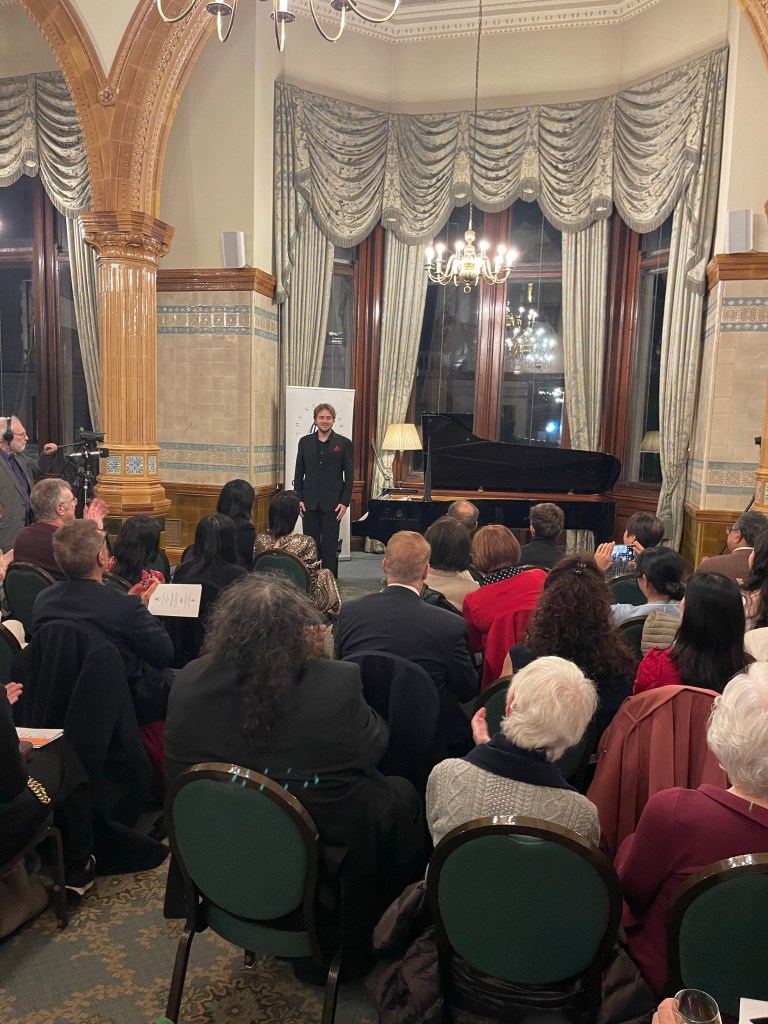
Giovanni Bertolazzi Liberal Club ‘En Blanc et Noir’ 5th June 2023 ‘A star is born!’

https://youtu.be/mYSgL2O-ocQ


https://christopheraxworthymusiccommentary.com/2022/02/15/giovanni-bertolazzi-in-london/
https://youtu.be/tLUZKoNb0eY.
https://christopheraxworthymusiccommentary.com/2020/02/22/giovanni-bertolazzi-a-giant-amongst-the-giants/
https://youtu.be/5_vBHlBN56c. https://youtu.be/dc6fXV48Qaw
https://youtu.be/p9bWezr2foY
The sumptuous entrance to the concert hall in the National Liberal Club
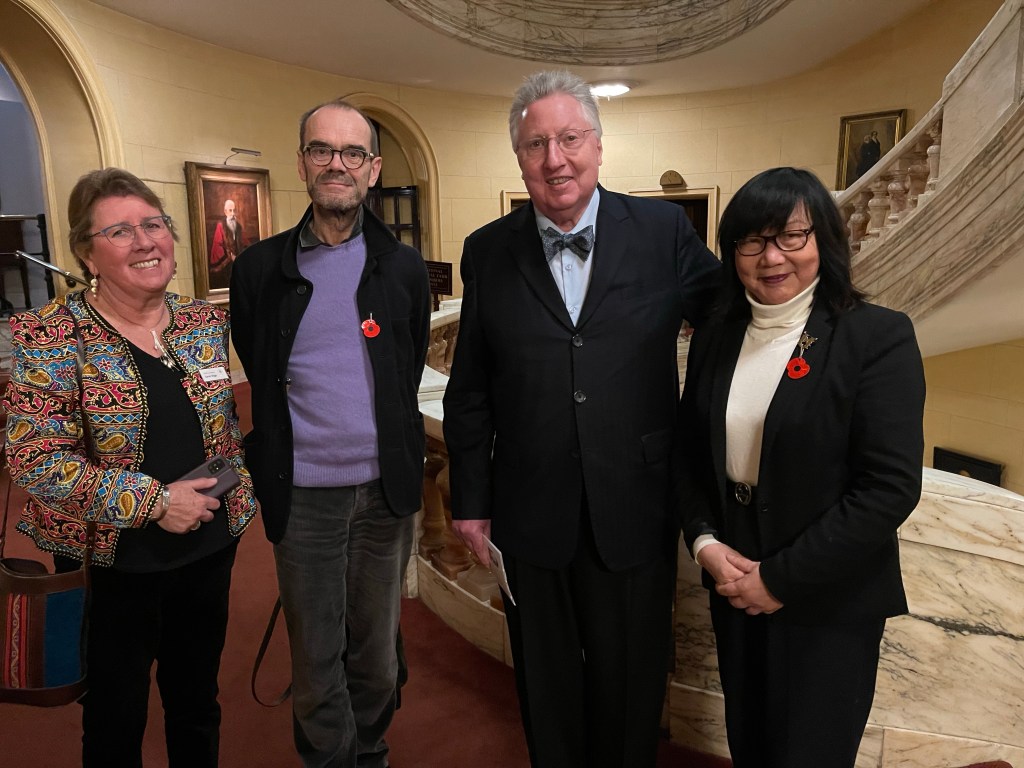
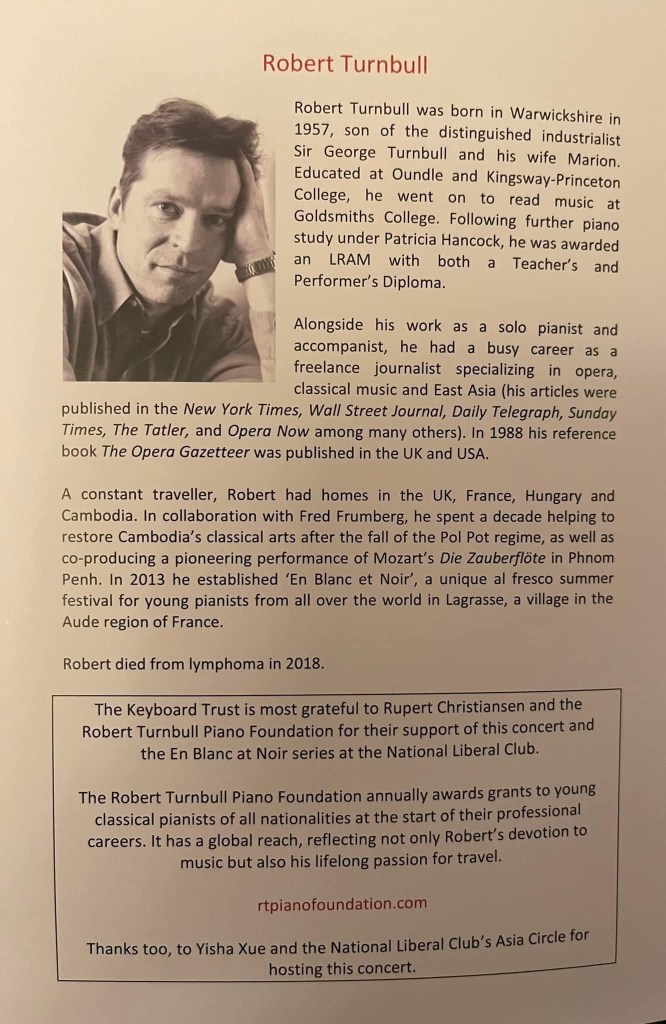
Rupert Christiansen of the Robert Turnbull Piano Foundation and Yisha Xue from the Liberal Club introducing the concert

A triumph at the National Liberal Club for the Robert Turnbull piano foundation and the Keyboard Trust under the guidance of Yisha Xue but above all for Giovanni Bertolazzi who proved to us all why he is considered the finest pianist of his generation
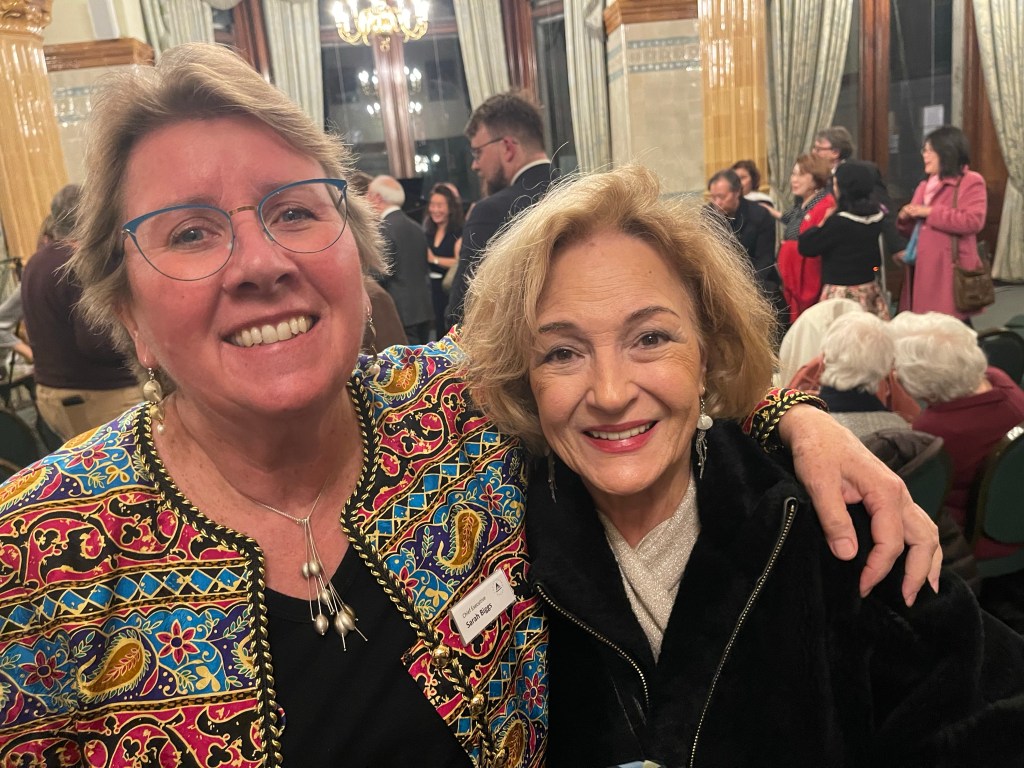
Sarah Biggs,Chief Executive Officer and Richard Thomas,Senior Executive of the Keyboard Trust waiting to greet the guests
Beethoven’s Sonata op 7 is one of the great sonatas from Beethoven’s early period preceded by that other great early sonata op 2 n. 3 .But in this sonata that was championed by the great Italian pianist Michelangeli ,Beethoven is breaking away from the Haydn – Mozart influence and forging a new world of his own.A world full of dramatic contrasts and dynamic drive but with moments of the peace that he was only to truly find in his last great trilogy at the end of a tumultuous struggle with life.
It was exactly this struggle and the sudden contrasts that were so much part of Giovanni’s performance.Electric shocks of sudden eruptions that took us all by surprise.A kaleidoscope of sounds that allowed Giovanni to change in an instant from fortissimo to pianissimo but without ever loosing the driving undercurrent of visceral energy and above all the sense of architectural line.
Already from the first page with it’s seemingly innocent pastoral opening there was a sudden eruption of ‘fortissimo’ -a full orchestra- to be answered by the beseeching innocent reply of the woodwinds that turned into the bucolic playful entrance of the serenely chorale like second subject.
One of those Beethovenian moments when the sun appears on the horizon with such strength and beauty.
In Giovanni’s hands the piano was an orchestra with all the colours and heroic sounds of the Eroica Symphony that was to come just six years later.
His attention to the bass chords in the Largo,con gran espressione made of the opening a profound declaration of emotional weight.The refined beauty of the melodic line over a pizzicato bass showed a transcendental control of sound but above all a reaching into the very soul of this deeply moving Beethovenian outpouring of aristocratic emotion.Noble chords answered on high by barely audible bird like sounds were quite remarkable and although I have heard this Sonata many times,today it was as though for the first time.Such was the clarity and searing intensity of this young man’s vision of the composers emotional turmoil at the moment of creation.
There was simplicity and innocence in the Scherzo and of course an undercurrent of turmoil in the Trio with it’s sudden ‘fortissimi /piano’ interruptions.
Giovanni brought sublime Schubertian beauty to the Rondo.Beethoven indicates ‘grazioso’and Giovanni played with a sense of balance that allowed the simple melody to sing with iridescent fluidity.Soon to erupt into a tumultuous central episode of dynamic drive and insistence.The gentle return of the Rondo melody Giovanni played each time with ever more tenderness and sense of surprise .The Coda was played with beauty and nostalgia as the two conflicting sides to Beethoven’s character were momentarily conciled in a pastoral beauty worthy of the sublime heights that he was to find later in his sixth symphony.
Amazingly Giovanni told us that this was the first time he had played this work in public and that he too had been astonished by the extraordinary contrasts that were of course the hallmark of the Genius of Beethoven.
An overwhelming performance of Totentanz where even my camera could not keep up with the funabulistic gymnastics of Giovanni.I remember hearing Arrau play this with orchestra in the vast Royal Albert Hall and being blown away by the volume of sound that he could produce.It is rare to hear this version for piano solo but Giovanni brought an amazing sense of line pointing out the Dies Irae no matter what technical feats were being performed all around.Giovanni had an entire orchestra in his hands as he astonished and amazed us.He also found the tranquility and innocence of a saint with the simplicity he brought to the plain chant in between the enormous volumes of sumptuous sounds he produced that would have put any orchestra to shame .
There was a subtle beauty that he brought to the ‘Recueillement’ which was Liszt’s tribute in old age to Bellini who was born in Catania where Giovanni had completed five years study with Epifanio Comis.
Giovanni has played many times in the beautiful Teatro Bellini in the Sicilian city of Catania, and it was this beauty and sense of ravishing colour that gave such an oasis and vision of simple beauty in between the ‘showman’ Liszt of ‘Totentanz’ and the ‘12th Hungarian Rhapsody’.
Both full of funabulistic gymnastics outdoing anything that Paganini had attempted on the violin!
I remember one of my Professors at the Royal Academy,Frederick Jackson,telling me how he,as a student,had jumped onto the chairs at the end of Rubinstein’s performance of this piece where the driving rhythmic energy had driven the students into a delirium of enthusiasm.
I had later heard Rubinstein play it many times in his wonderful Indian Summer that was to last almost twenty years.
I was reminded of that today listening to this young man who so evidently loves the piano as much as Rubinstein.
It was the sumptuous sounds,never hard or ungrateful,that were produced by a sense of balance and of subtle shading and colouring.A holding back and then of rebuilding the sound that all led to the one great climax at the end.
An ecstatic outpouring of heroism – the conquering hero!
But not before there had been a scintillating display of jeux perlé of breathtaking brilliance and drive combined with the most voluptuous melodic outpouring deep on the G string of a Gypsy violin.Washes of colour thrown off with the ease and a style of the Golden era when a true virtuoso was a magician of sound not only of velocity.
Tumultuous applause at the discovery in London of this young star.
What better encore than a transcription by Cziffra in his hundredth anniversary year.Cziffra who many thought the reincarnation of Liszt when he was discovered playing in a bar in Hungary and became a star overnight.
‘Valse Triste’ by Ferenc Vecsey was full of the nostalgia of Hungary as Cziffra’s transcription wrapped this beautiful melody in a cape of scintillating jewels that sparkled and ravished with astonishingly refined bravura and passion.
A second encore brought us the Ritual Fire Dance by De Falla that Rubinstein regularly used to thrill us with at the end of his recitals.
And thrill it certainly did in Giovanni’s own arrangement inspired above all by Alicia De Larrocha whose 100th anniversary is also this year.
https://christopheraxworthymusiccommentary.com/2023/04/15/giovanni-bertolazzi-at-the-quirinale-a-kaleidoscope-of-ravishing-sounds-that-astonish-and-seduce-for-the-genius-of-liszt/
https://christopheraxworthymusiccommentary.com/2022/10/19/milda-daunoraite-youthful-purity-and-musicianship-triumph-in-florence/
https://christopheraxworthymusiccommentary.com/2023/02/12/hhh-concerts-and-the-keyboard-trust-a-winning-combination-of-youthful-dedication-to-art/
https://christopheraxworthymusiccommentary.com/2022/07/15/two-young-giants-cross-swords-in-verbier-giovanni-bertolazzi-and-nikita-lukinov/

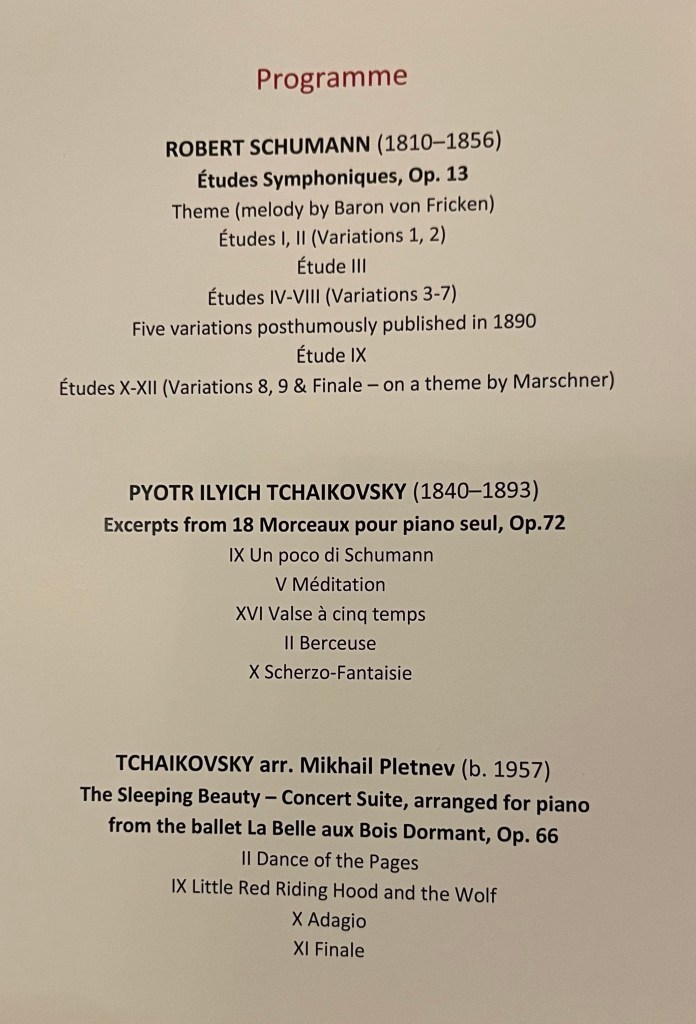
Ludwig van Beethoven

Sonata no. 4 in E-flat major, Op. 7

I. Allegro molto e con brio

II. Largo, con gran espressione

III. Allegro

IV. Rondo: Poco allegretto e grazioso


Ferenc Liszt

Totentanz: Paraphrase on Dies Irae, S. 525

Recueillement. Vincenzo Bellini in memoriam, S. 204

Hungarian Rhapsody no. 12 in C-sharp minor, S: 244/12

Sonata no. 4 in E flat major, opus 7: Beethoven himself named this pianoforte sonata Grande Sonate because it was published by itself in 1797 – unusual for the time. It remains his second-longest sonata, behind the Hammerklavier Sonata op 106. Beethoven’s pupil (and Liszt’s teacher) Carl Czerny wrote: “The epithet appassionata would fit much better to the Sonata in E flat op. 7, which he wrote in a very impassioned mood”. It may be that the reason behind such passionate music was the composer’s attraction for his dedicatee, the then 16-year-old pupil Anna Luise Barbara Countess von Keglevich, and it is possible be that her father had commissioned Beethoven to write the work for her.

Painting of Ludwig Van Beethoven by Joseph Karl Stieler made in the year 1820

Totentanz (Dance of the Dead): Paraphrase on the ‘Dies irae’, S126 for pianoforte and orchestra is notable for being based on the Gregorian hymn Dies irae as well as for its many stylistic innovations. The piece was completed and published in 1849, and later revised twice (1853-9 and early 1880s. All these versions were also prepared for two pianos). In the late 1860s, Liszt published a version for pianoforte solo, S525. Some of the titles of Liszt’s pieces, such as Totentanz, Funérailles, La lugubre gondola and Pensée des morts show the composer’s obsession with mortality, as well as his profound Christian faith, these things being apparent from Liszt as a teenager right up until his last days – more than 50 years later.

The Dance of Death (Totentanz) from Liber Chronicarum [Nuremberg Chronicle], 1493, attr. to Michael Wolgemut

In the last movement of the Symphonie fantastique by Berlioz the medieval (Gregorian) Dies Irae is quoted in a shockingly modernistic manner. In 1830 Liszt attended the first performance of the symphony and was struck by its powerful originality. Liszt’s Totentanz presents a series of variations on the Dies irae – a theme that his will have known since 1830 at the latest from Berlioz’s Symphonie fantastique. As an early biographer noted, “Every variation discloses some new character―the earnest man, the flighty youth, the scornful doubter, the prayerful monk, the daring soldier, the tender maiden, the playful child.” A second theme, beginning at variation 6 – taken from the Prose des morts in the Catholic breviary – is itself varied before the first theme returns at the end of the work.

Recueillement (Recollection), S204 (1877) was a gift to the Italian composer Lauro Rossi. It weaves arpeggios around a rising scale before settling into very simple, chordal writing. Written in memoriam Vincenzo Bellini (of whom Liszt had made famous paraphrases of his opera Norma, La sonnambula and I puritani, as well as the variations Hexaméron, on another theme from I puritani). Simplicity and sensitivity before a final salute from the older Liszt, dispelling any image of earlier keyboard wizardry, but revealing nonetheless the author of some of the most naturally grateful and percipient pianoforte music of all time.

The twelfth of the nineteen Rapsodies hongroises, S244/12 (c1847) is dedicated to Josef Joachim (who was Liszt’s principal violinst in the Wemar court orchestra, and with whom he later made a version of the piece for violin and pianoforte) is one of the most often played in recital and was a work that Anton Rubinstein and other great virtuosi would often include in their programmes. Liszt draws on five different folk themes to produce one of his most ingenious Hungarian Rhapsodies. It offers a unique mix of melancholy, glittering keyboard acrobatics and stormy, rousing dance. It became so popular that the original version was later arranged for orchestra, and for pianoforte four hands. Liszt collected Hungarian folk-songs and Zigeunermusik over many years – without particularly distinguishing between folk-song and gypsy band ‘standards’, and he was strongly influenced by this music that he had heard from his earliest days, with its unique gypsy scale, rhythmic spontaneity and direct, seductive expression. He went on major song collecting expeditions in 1840 and 1846, and he knew many composers of gypsy tunes, who often transpired to be members of the Hungarian upper middle class. The large scale structure of each was influenced by the verbunkos, a Hungarian dance form in several parts, each with a different tempo. Within this structure, Liszt preserved the two main structural elements of typical Gypsy improvisation―the lassan (“slow”) and the friska (“fast”).

Liszt’s hand

https://christopheraxworthymusiccommentary.com/2022/01/17/giovanni-bertolazzi-in-rome-liszt-is-alive-and-well-at-teatro-di-villa-torlonia/
https://christopheraxworthymusiccommentary.com/2022/12/04/giovanni-bertolazzi-the-mastery-and-authority-of-liszt/

https://christopheraxworthymusiccommentary.com/2020/10/25/giovanni-bertolazzi-a-star-shining-brightly-at-the-presidents-palace-rome/
Giovanni with the piano technician looking on
An admirer,Giselle Pascal,looking at a pianist’s hands.She had heard Cziffra play Totentanz in Paris

Complimenti a Caterina Isaia e Giovanni Bertolazzi che questa sera al Museo Teatrale Alla Scala di Milano, come ieri al Teatro La Fenice di Venezia, hanno emozionato il pubblico in una Sala Esedra sold out!
Il Salotto Musicale, realizzato in collaborazione con il Museo Teatrale alla Scala, torna a settembre…grazie a tutti e al prossimo appuntamento con l grande musica dei migliori giovani talenti italiani!

Giovanni Bertolazzi con Caterina Isaia Museo Teatrale alla Scala di Milano

Complimenti a Caterina Isaia e Giovanni Bertolazzi che questa sera al Museo Teatrale Alla Scala di Milano, come ieri al Teatro La Fenice di Venezia, hanno emozionato il pubblico in una Sala Esedra sold out!
Il Salotto Musicale, realizzato in collaborazione con il Museo Teatrale alla Scala, torna a settembre…grazie a tutti e al prossimo appuntamento con l grande musica dei migliori giovani talenti italiani!

Caterina Isaia and Giovanni Bertolazzi at the Teatro La Fenice Sala Esedra Venice
La Scala
La Fenice
ttps://christopheraxworthymusiccommentary.com/2023/06/02/the-gift-of-music-the-keyboard-trust-at-30/

Giovanni Bertolazzi triumphs on the Keyboard Trust tour of USA October 2023 Virginia-Washington-Philadelphia- Delaware – New York

Nikita Lukinov at St Marys The charm and aristocratic style of a star

Tuesday 6 June 3.00 pm 

https://youtube.com/live/Mb_nv4IIDrM?feature=share

Nikita barely had time to try two notes on the piano due to a delayed flight from Glasgow but it was time enough for him to give masterly performances of the two important works on his programme.Nikita has done much to create funds for the Ukraine relief fund and so it was particularly poignant that he should have chosen to close his recital with the ‘Great Gate of Kiev’.Two important works played with great authority and a sense of character that brought them both vividly to life and communicated so simply and directly.The occasional expression on his face gave some hint of how he was living every moment of his music making but it was the kaleidoscope of sounds and mastery of architectural shape that was so compelling.With great charm exclaiming after the Beethoven that now he had warmed up he was ready for ‘Pictures’!But it was a masterly performance of Beethoven that we were treated to where his intelligent musicianship helped him to delve deeply into Beethoven’s score following scrupulously the composers instructions.Mussorgsky was given a monumental multi faceted performance of superb control and mastery.It was ,though,in his encore of the Tchaikowsky Meditation from his newly released CD that showed off his subtle artistry and beguiling charm.From the simple opening to the tumultuous passion of the climax his magnetism held us enthralled as he shared with us the ravishing beauty of this little tone poem

There was great clarity and rhythmic energy to the Allegro con brio where the contrasts between the rhythmic opening and the mellifluous second subject were beautifully realised.The contrast from forte to piano answered by pianissimo and leading to a storm of broken octaves was exactly what Beethoven asked for as was the sweeping fortissimo changing harmonies before the recapitulation.The left hand gave a helping hand to the right that just showed what fun Nikita was having with this early Beethoven even if it was probably not necessary.He had done the same too at the end of the Trio before the scherzo and I wondered if it was pianist trickery or really just having such fun!The deeply brooding arpeggiando chords before the cadenza were played with great authority as was the fleeting little cadenza before the triumphant coda.Impishly cheeky pointing of the leaping piano and pianissimo chords just showed what fun he really was having.There was great intensity to the opening of the Adagio leading to the fluidity and touching beauty of the central episode.The Scherzo just shot from Nikita’s well oiled fingers with scintillating brilliance and the Trio took wing quite fearlessly and swept all before it before the return of the Scherzo and the seeming pomposity of the coda that just dissolved into a distant whisper.The Allegro assai was played with an infectious ‘joie de vivre’ where his control and rhythmic drive were remarkable.Even in the chorale like central episode there was a sense of bucolic enjoyment also to the final technical difficulties that Beethoven adds on to the tail of this extraordinary work.

Beethoven’s Piano Sonata No. 3 in C major Op 2 n. 3 was written in 1795 and dedicated to Joseph Haydn It was published simultaneously with his first and second sonatas in 1796.It is often referred to as one of Beethoven’s earliest “grand and virtuosic” piano sonatas.All three of Beethoven’s Op. 2 piano sonatas contain four movements, an unusual length at the time, which seems to show that Beethoven was aspiring towards composing a symphony.It is both the weightiest and longest of the three Op. 2 sonatas, and it presents many difficulties for the performer, including difficult trills, awkward hand movements, and forearm rotation. It is also one of Beethoven’s longest piano sonatas in his early period.It is second only to the Grand Sonata op 7 also published in 1796

There was an imperious opening with trumpets blaring to this monumental work.But throughout a transcendental performance there was a sense of balance and colour that brought each of the pictures vividly to life with such individual character.It was Nikita’s sense of architectural shape that could give great form and overall shape to the pictures that were all under the same roof!Startling character to Gnomus was followed by the beautiful fluidity and exquisitely phrased ‘Old Castle’ with the throbbing heartbeat from which it attempts to arise.The plaintive cry of the Children squabbling in the Tuileries was followed by the pomposity of Bydlo where his great weight wore him out completely.A magic transformation of the Promenade like a distant plain chant before the scene is filled with the preposterous ballet of the unhatched ‘chicks’ showing off Nikita’s quite remarkable technical prowess.The imperious Samuel Goldenberg lording it over the beseeching Schmuyle was remarkably portrayed before the rumbustuous Market at Limoges with Nikita’s remarkably fleet fingers.Catacombs with the Dead in a Dead language was enough to send a shiver down our spine but the atmosphere was cruelly interrupted by the massive octaves of Baba Yaga – bewitched indeed.The Great Gate of Kiev was played with noble authority and a sense of balance and control that made the final earth shattering sounds of this monument even more breathtaking.Nikita underlined the significance – that we shall never give in – with the overwhelming seemingly endless vibrations deep in the bass.

Pictures at an Exhibition is based on pictures by the artist, architect, and designer Viktor Hartmann. It was probably in 1868 that Mussorgsky first met Hartmann, not long after the latter’s return to Russia from abroad. Both men were devoted to the cause of an intrinsically Russian art and quickly became friends. They met in the home of the influential critic Vladimir Stasov, who followed both of their careers with interest. According to Stasov’s testimony, in 1868, Hartmann gave Mussorgsky two of the pictures that later formed the basis of Pictures at an Exhibition.

The Great Gate of Kiev

PICTURES AT AN EXHIBITION

Promenade l
The Gnomes
Promenade ll
The Old Castle
Promenade lll
The Tuileries: Children’s dispute
after play
Bydlo
Promenade IV
Ballet of the unhatched chicks
Two Polish Jews: Rich and poor
Promenade V
The market at Limoges
Roman Catacombs – With the dead
in a dead language
Baba Yaga: The Witch
The Heroes Gate at Kiev
Viktor Hartmann

Hartmann’s sudden death on 4 August 1873 from an aneurysm shook Mussorgsky along with others in Russia’s art world. The loss of the artist, aged only 39, plunged the composer into deep despair. Stasov helped to organize a memorial exhibition of over 400 Hartmann works in the Imperial Academy of Arts in Saint Petersburg in February and March 1874. Mussorgsky lent the exhibition the two pictures Hartmann had given him, and viewed the show in person, inspired to compose Pictures at an Exhibition, quickly completing the score in three weeks (2–22 June 1874).Five days after finishing the composition, he wrote on the title page of the manuscript a tribute to Vladimir Stasov, to whom the work is dedicated.The music depicts his tour of the exhibition, with each of the ten numbers of the suite serving as a musical illustration of an individual work by Hartmann.Although composed very rapidly, during June 1874, the work did not appear in print until 1886, five years after the composer’s death, when a not very accurate edition by the composer’s friend and colleague Nikolai Rimsky-Korsakov was published.

A portrait painted by Ilya Repin a few days before the death of Mussorgsky in 1881

Mussorgsky suffered personally from alcoholism, it was also a behavior pattern considered typical for those of Mussorgsky’s generation who wanted to oppose the establishment and protest through extreme forms of behavior.One contemporary notes, “an intense worship of Bacchus was considered to be almost obligatory for a writer of that period.”Mussorgsky spent day and night in a Saint Petersburg tavern of low repute, the Maly Yaroslavets, accompanied by other bohemian dropouts. He and his fellow drinkers idealized their alcoholism, perhaps seeing it as ethical and aesthetic opposition. This bravado, however, led to little more than isolation and eventual self-destruction.

Heralded for “magic of music-making at its finest” (Keyboard Charitable Trust) and praised as “Exceptional talent” (The Scotsman), Nikita Lukinov resides in Scotland. In recent years he performed at Wigmore Hall, Usher Hall, Southbank Centre, Kings Place and Fazioli Hall. In the 2022-23 season Nikita gave recitals at the Steinway Hall in London, British Institute in Florence, embassy of the City of Hamburg representing Steinway&Sons pianos, Hastings International Piano Series, Vaduz Rathaussaal in Liechtenstein, “Celebrity recitals” concert series in Shrewsbury and completed a tour of 6 concerts in Scotland.In April 2022 in Shrewsbury, UK, Nikita gave a recital in aid of Ukraine. Another concert of this nature was in Berlin in December 2022. More than £10,000 was raised from these events. In January 2023 Nikita won the “Walcer Prize” Competition at the Royal Conservatoire of Scotland and had his solo recital debut at the Usher Hall in Edinburgh.Nikita is one of the musicians at the Talent Unlimited and Live Music Now Scotland schemes. A disciple of the Russian Piano School Nikita Lukinov started his musical education in Voronezh, Russia. Nikita is currently pursuing his Master’s Degree at the Royal Conservatoire of Scotland on a full scholarship from ABRSM in the class of Petras Geniušas. Since October 2022 he is also a teacher in the piano department, being the youngest senior staff in the UK Music Conservatoires at this moment. On June 1st, 2023, Nikita will have a release his debut CD “Kaleidoscope”.

Nikita Lukinov plays breathtaking charity recital for Ukraine in Berlin.
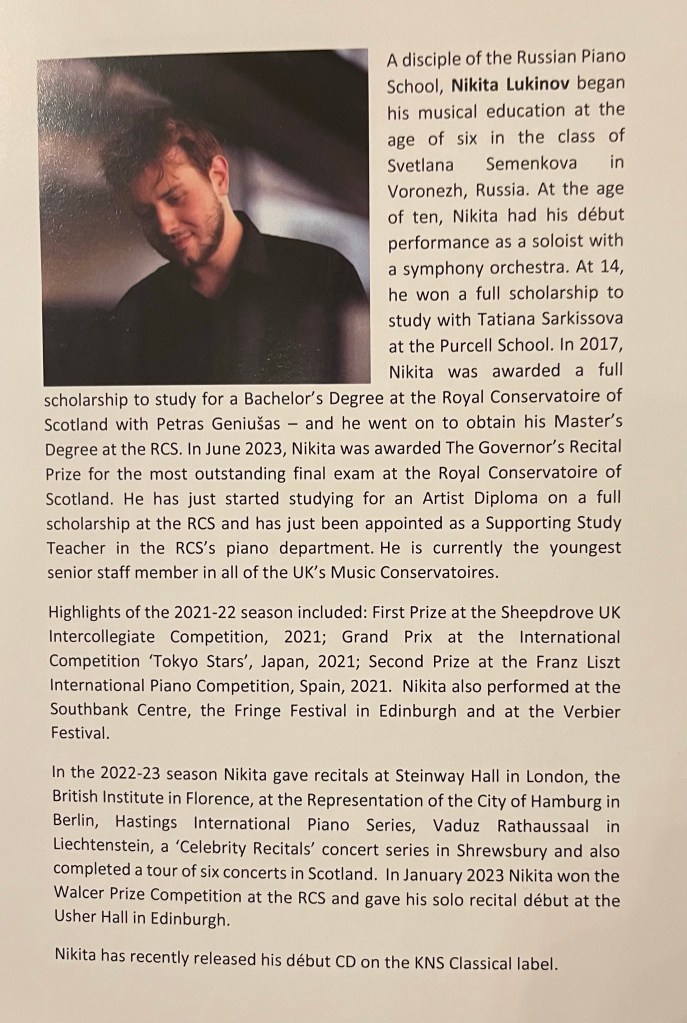
Nikita Lukinov at Bluthner Piano Centre for the Keyboard Trust Liszt restored to greatness.

Nikita Lukinov at St Mary’s a masterly warrior with canons covered in flowers

Nikita Lukinov Shrewsbury and Market Drayton

The Ist of June is a big day for me! It is the RELEASE day of my debut album “Kaleidoscope”!!! 🎉🍾🎊
I was working on it for over a year, navigating and trying to perfect every step in the creation process from A to Z. The album features lesser known works of Tchaikovsky, Scriabin and Prokofiev. Do you know what were Tchaikovsky’s last pieces written for piano solo? Or you probably know Prokofiev’s ballet “Cinderella”, but do you know there is a gorgeous piano transcription that composer made himself?
These little secrets are revealed in “Kaleidoscope”! 🎶
If you would like to support me you can like the album on Spotify and share this post to your profile/story 🙏 Videos will be shortly available on my YouTube Channel too!
Special gratitude to
KNS Classical – release
Royal Conservatoire of Scotland – recording facilities
Denis Izotov – design
Sergey Elt – Sound
Help Musicians – funding
WildKat – Promotion
for making this whole thing possible!

The Gift of Music – The Keyboard Trust at 30

https://youtu.be/9L9Vc0ebt7o. Part 1 https://youtu.be/tu92-VR3YdM. Part 2

‘If musik be the food of love………play on ‘ as Dr Moritz von Bredow reminded us in his brief words of thanks to Noretta and John Leech.For it is their great love not only for each other but of music that with vision and determination they have shared with innumerable young artists.Sharing with them a sense of duty,humility and integrity that gives weight and meaning to their artistry.A maturity that is born ‘on wings of song ‘ as Maestro Pappano so eloquently pointed out.

Sir Antonio with ‘Bach before the mast’

But it was the reverential minute of silence at 7 o’clock broken only by the magic strains of the Aria from the ‘Goldberg Variations’ that spoke louder than any words.Sir Antonio Pappano playing with exquisite luminous sound,the repeats allowed to whisper as he just seemed to dust the keys allowing the genius of Bach to cast a spell on this distinguished gathering.As Maestro Pappano was to say in his short speech after listening to six of the finest young musicians from the Keyboard Trust:the variety of sounds that can be produced from this black box of hammers and strings is remarkable.Technical proficiency and mastery aside it is the difference of sound and character that each one brought to the same instrument that is remarkable.

To quote from the ‘little red book’ masterminded by the indomitable John Leech is a message from Sir Antonio Pappano the honorary Patron and opens this ‘bible’ and sets the scene for all that lies within.

John Leech in his 98th year still very much at the helm

“‘The Gift of Music’ is a love story in the best operatic tradition:Love of music above all.Love and determination to create a unique gift to hand to those you hold dear.Love and compassion for those born to make music but unable to find their proper role.How well I know the plot of this book,having been captured by it myself years ago.Even on the threshold of the Trust’s fourth decade the story remains compelling,strong enough and relevant to be carried forward to create a brighter future for us all.Guidance,patience,vision and opportunity have come together so that an astonishing number of musicians have been able to flourish under the wing of The Keyboard Trust.Long May it endure!”

Professor Dr Leslie Howard

Never more so than this evening where the crystalline sounds and mastery of style of Leslie Howard were immediately in evidence.What better title could there be than ‘Mes joies’,as an enticing web of golden sounds were spun by a true master.Hardly moving but with concentration focused on every note ,so reminiscent of Rubinstein in his later years where all the flamboyance and showmanship of his ‘youthful years’ had been condensed into the very notes themselves .Seated as in a favourite armchair allowing us to share the wonder of discovery as every note had a significance and meaning.Rosalyn Tureck once said to me when one of her friends commented that at the age of 78 she had given a note perfect performance of the Goldberg variations:’But,darling I don’t play wrong notes ‘.Of course the meaning was far from that of note picking proficiency but that every note belonged to a chain that created the whole architectural shape dedicated to Bach’s genius .Moura Lympany too,from the Matthay school,spoke of thinking of chains that she linked together.https://christopheraxworthymusiccommentary.com/2022/02/16/leslie-howard-masterclass-at-the-r-c-m-scholarship-and-mastery-shared/.

Jayson Gillham and Chloe Jiyeong Mun with Sir Antonio

They were mirrored by the rich velvet sonorities of great intensity of Jayson Gilham with Medtner’s ‘Stimmungsbilder op 1 n.1’.A sumptuous performance on this magnificent Steinway ‘D’ which allowed the winner of the Montreal International Competition to show the subtle strands and hidden melodic lines of a still neglected composer who is buried in Hendon Cemetery.Before his success in Montreal Jayson had played in our series of all the Rachmaninov works for piano and orchestra that the KT was invited to give in Rossini’s home town of Pesaro.He gave a remarkable performance of the fourth concerto in the uncut original version on the recommendation of Leslie Howard.He learnt it especially for the occasion and was able to give three impeccable performances in Ancona,Pesaro and Fabriano. https://christopheraxworthymusiccommentary.com/2015/05/26/rachmaninoff-festival-ancona-2015/

Oscar Collier was awarded the Weir Trust Scholarship in 2021 for advanced studies as organ scholar at Cambridge University.The Executors of the will of the the late Dr Kenneth Ross Weir appointed the Keyboard Charitable Trust to implement one of his key bequests :’an annual award to support the musical education of a promising young keyboard player between the ages of 12 and 20.Oscar is the third artist to be granted an award,under this new scheme,covering his studies from 2021-24

Leslie Howard was proud to present the winner of the 2021 Weir Trust,Oscar Colliar,who is in his second year as Organ Scholar in Cambridge.He gave a very musicianly account of great clarity and shape of June and November from Tchaikovsky’s ‘The Seasons’.

Pablo or Pablito as Noretta affectionately calls him

This was followed by all the passion and fire of Pablo Rossi with a performance of ‘Widmung’ of burning intensity and Villa Lobos’s scintillating ‘0 Polichinelle’ .A work that Artur Rubinstein would often play and it was with his same sense of communication that he enflamed his audience.Joan Chissell had said ‘Mr Rubinstein turned baubles into gems ‘ Pablo was the first pianist I had heard in 2005 when Noretta seeking to console and distract me with music after the dramatic events of my life,invited me in to Steinway Hall to hear this young boy from Brazil.He was the first of many artists that I was able to invite to play in Rome and from then on the concert activity in our theatre in Rome became ever more entwined with the activity of the Keyboard Trust.(This is all explained more fully in the ‘red book’). Sixteen years on,after his studies in Moscow with Eliso Virsaladze (on the advice of Noretta ) and with Jerome Rose in New York we can now hear how this young Rubinstein look alike ‘could mature in music ‘ – to use Pappano’s own very eloquent words – and not only look like the great master but have the same power of communication allied to a professional training that will carry him into the great concert halls of the world https://christopheraxworthymusiccommentary.com/2022/07/30/pablo-rossi-a-star-shining-brightly-for-brazil-200/

Michail Lifits on his knees with adoration in his eyes as Noretta complimented him on his magnificent performance

Michail Lifits,winner of the 57th Busoni Competition ( a competition that Noretta has frequented every year since the very first edition in 1949 when her great friend and now trustee of the KCT,Alfred Brendel was awarded 4th Prize!) Mischa was also recipient of the KCT Annual prize winners concert at the Wigmore Hall in 2011 having completed KCT tours in USA,Italy and even Mexico.I heard him in 2013 in the beautiful Auditorium in Foligno and was immediately struck not only by the beauty of sound but the kaleidoscopic colours he found in the Rachmaninov Corelli Variations.Now with a flourishing career and newly appointed Professor at the Franz Liszt University in Weimar he flew in especially to pay homage to two people that he is much indebted to in so many ways.His performance of the much overplayed Chopin First Ballade was a revelation on how such a work can come alive as new in the hands of a true artist.The authority and clarity of thought ,the aristocratic architectural vision was masterly and had me wanting to check the score once again to relive the magic that had allowed him to bring new life to such a masterpiece.

Our distinguished Chairman Geoffrey Shindler OBE (centre) together with Sir Antonio Pappano and Prince Dr Donatus Von Hohenzollern

There would have been many encores had we heard a performance of that stature in the concert hall but tonight we were called to order by our Chairman Geoffrey Shindler and our indefatigable Chief executive Sarah Biggs.Stop watch in hand it is thanks to them that the evening in The National Liberal Club ran so smoothly with caos all around as London was about to welcome our beloved Queen back home on her last great journey.

Ever present in our thoughts as Dr Moritz von Bredow so beautifully expressed in a private letter of thanks to Noretta and John :The beautiful, serene and dignified evening at the Liberal Club will remain forever in my memories, and I am utterly delighted that both of you who are at the very centre of the Keyboard Charitable Trust, were able to attend, sharing the beauty of the evening during which the hearse, bearing The Queen’s coffin, was passing by at that very time. So it is: happiness and sadness united in gratitude.’
Dr Moritz von Bredow
Chloe Jiyeong Mun with John Leech

Chloe,teenage winner of both the Geneva and Busoni International competitions (the only other pianist to do that was Martha Argerich) ,flew in especially for this celebration from her adopted home in Salzburg.The rarified perfection and fluidity of her playing created an enormous effect in her all to short appearance playing only ‘Reflets dans l’eau’.Only! It was a true jewel of ravishing voluptuous sounds from extreme delicacy to passionate abandon.I accompanied Chloe on the American tour where I could witness the bond with her audiences of a true artist as she looked with dagger like concentration at the notes but then wafting on with the same genial simplicity of Martha Argerich.Elena Vorotko,our co artistic director,was in tears after her performance of Beethoven’s penultimate sonata op 110 at her prize winner’s Wigmore recital in June 2017.I implored her to play the 14th of Schumann’s Davidsbundler but there was a complicity between her and Sarah that I could not budge.It is here in this link to the performance she gave in Poland this summer: https://christopheraxworthymusiccommentary.com/2022/08/12/chloe-mun-at-the-duszniki-chopin-festival-refined-perfection-and-aristocratic-simplicity/

Vitaly Pisarenko with Garo Keheyan ( creator of the Pharos Arts Foundation in Nicosia,Cyprus ) where Vitaly and other of our star performers have given memorable performances.

Vitaly Pisarenko,winner of the Utrecht Liszt Competition at the age of 20 and a top prize winner at Leeds in 2015.With a worldwide career opening up and now a much sought after teacher at the Purcell School for highly gifted young performers and as assistant Professor to his much admired mentor Dmitri Alexeev at the Royal College of Music.I am glad to see that there is a poster in the ‘red book’ in which the KCT were invited to Aquila in Italy in 2013 to spend a weekend sharing youthful enthusiasm and bringing much needed distraction and relief to a community that had been so cruelly struck down by an earthquake.Noretta’s dear friend Claudio Abbado gave the first concert in a hall that had be newly donated by the people of Trento and constructed by the walls of a city that lay in ruins.Mey Yi Foo,Pablo Rossi and Vitaly Pisarenko were chosen to represent three different nations by Noretta and John following in Abbado’s footsteps in bring the Gift of Music to an oppressed community.Bringing all the youthful spirit of hope and enthusiasm that these three young artists had in abundance.Fabbrini ( Pollini’s piano technician had donated the piano -Pollini too a close friend of Noretta).

Yisha Xue,our hostess at the NLC with Sarah Biggs (Chief Executive of the KCT) and Vitaly Pisarenko

It was when this young Ukrainian pianist touched the piano in a ravishing performance of Siloti’s Prelude in B minor that Noretta and I looked at each other and it was love at first hearing.A pianist of such simplicity but of such refined playing of sounds that rarely others can reach.Playing of an intelligence and the aristocratic sense of style of another age -The Golden Age of piano playing.This was ten years ago in which time Vitaly has played every tour and venue of the KCT including the Wigmore Hall.The great accompanist Graham Johnson insisted on going back stage in the interval to meet the man who could turn a piano that he knew only too well into a magic box or rarified sounds with Ravel’s Miroirs.It had Graham running to Cadogan Hall a few months later to hear his Ravel G major Concerto.’Gretchen am Spinnrade’ was played with such subtlety and rarified sounds from the barely audible to the most enormous sonorities of refined passion ……and then back again.Gretchen at her wheel still whispering in the distance with playing of incredible precision at a level of pianissimo that I have only ever heard from Richter.

Sir Geoffrey Nice QC trustee and longtime friend of John and Noretta

The great pianists are not those that play the fastest and loudest but it is those dedicated few that can play the quietest with total control.A mastery that requires total dedication.Vitaly’s unique artistry is gradually being discovered by a public who realise that it is quality not quantity that reaches the soul.A very classical performance of Liszt’s capricious play on Schubert’s Soirées de Vienne was admirable for its pianistic perfection but it was Gretchen that will haunt me for a long time to come!https://christopheraxworthymusiccommentary.com/2021/09/13/bewitched-and-amazed-by-vitaly-pisarenko-in-colombia/

Sasha Grynyuk

Sasha Grynyuk was born in Kyiv and now lives in London where he won the Gold Medal at the Guildhall and went on to win a considerable number of International Competitions including the Grieg in Bergen.Every Friday will see him at the mews of Noretta and John,a new score in hand.John waiting until the end of their musical session to be instructed on computer literacy or whatever other hi jinks are the latest fashion.They have befriended him in his hour of need as his parents fled the Ukraine only able to fill a car with belongings knowing full well they may never see their homeland again.Sasha flew to Cracow to meet them and drive them back to the Oxfordshire countryside where they have found refuge.Sasha recently found happiness too ,much to the delight of Noretta and John, in the arms of the extraordinary Katya Gorbatiouk.

Sasha Grynyuk and Katya Gorbatiouk

All this to say that Sasha is like a son to John and Noretta and a rock on which they can rely in moments of uncertainty.He is not only a wonderful human being but also a remarkable pianist who leaves Noretta astonished every week with his mastery of all the Beethoven sonatas and Concertos and many other things besides.One of these being one of the most transcendentally difficult show pieces for piano by Balakirev .His famous Islamey op 18 that strikes terror into all those that dare to trespass.Ravel even tried to out do him in writing Scarbo – the last of his suite Gaspard de La Nuit.A work that Noretta’s own mentor Arturo Benedetti Michelangeli has left his own indelible mark in historic recordings.

Our guardian Angels from Steinways

To sit down from cold and burst into Islamey is a feat in itself.It would normally come as the icing on the cake after a long recital programme.However orders were orders and if Islamey exceeds the allotted five minutes it certainly could not be preceded by even the shortest of pieces.Little did we know that whilst Sasha was conquering his Everest her majesty the Queen was passing by below.A scintillating performance that just missed the wild abandon and depth of sound that Sasha would normally regale us with.Sasha’s prize winner’s Wigmore in 2013 opened and closed with a magical piece by Arvo Part that gave an overall shape to a container of Mozart,Beethoven and Gulda and made me aware of what an extraordinary artist he was.Bryce Morrison,the distinguished critic and pianophile, played me a while back a recording and asked me to guess who it was.A scintillating display of classical music in jazz idiom that was quite breathtaking in its audacity – it was Play Gulda with Sasha Grynyuk!Sasha has dedicated himself tirelessly to helping his co nationals by arranging and giving benefit concerts for the Ukrainian relief fund.https://christopheraxworthymusiccommentary.com/2022/06/10/sasha-grynyuk-at-cranleigh-arts-for-ukraine-joint-fundraiser-for-the-disasters-emergency-committee-and-cranleigh-arts/

Burnett Thompson (far left) flew in from Washington where his programmes have included several artists from the KCT – Jonathan Ferrucci will be performing for him in October on his American tour.Burnett is also a remarkable Jazz pianist:
https://christopheraxworthymusiccommentary.com/2019/11/11/tea-for-two-leslie-howard-45th-wigmore-celebrations-and-burnett-thompson-the-age-of-mayhem/
Christopher Axworthy,the chronicler with Geoffrey Shindler,Chairman

And so we were coming to the end of this extraordinary evening that was described as a book launch but I think we were all aware that it was much more than that.

Elena Vorotko Bridges with her husband Richard Bridges who had generously sponsored two memorable recitals in the Reform Club one of which was in the presence of our Patron Sir Antonio Pappano

Elena spoke of the formation of the Historical Instrument Section of the KCT which she has been responsible for creating and has already helped reach recognition artists such as Jean Rondeau.This activity is progressing with extraordinary rapidity as there was obviously the same need of creating a bridge between young artists and their potential public.The KCT could not have been more poetically described than by Moritz von Bredow or so clearly expressed by Geoffrey Shindler.Our chairman looking to the future as John and Noretta have always done saluting our loyal and indispensable donors and thanking them all and delighted in seeing them honoured in the pages of the book.

Pablo Gala and Eliane de Castro a special thanks for their generous sponsorship of The Gift of Music – pictured here with friends.
Roger Rosen was a co sponsor who could not be present but sent a message as Chairman of the Rosen Publishing Group in New York :’ Most heartfelt congratulations to John and Noretta and The Keyboard Trust for their thirty-years of dedication to music and emerging artists.Their enthusiasm,discernment and generosity of spirit is an inspiration to all of us who hope to follow in their footsteps as the next generation of philanthropists’
Lady Weidenfeld with Menahem Pressler and Anna Fedorova.A special special meeting at home after the memorable Ukrainian Promenade Concert organised by Anna where she also performed Chopin’s 2nd Piano Concerto
John Leech with Anna Fedorova after her Steinway Hall Young Artist’s concert in 2013

It is to the book we return for the final comment from one of the greatest musicians of our time now in his 100th year.Menahem Pressler was moved to write an introduction that could have not been clearer or more to the point :’The young artists entering the orbit of Noretta and John,having been carefully selected ,are nurtured and advised according to their individual needs,repertoire is chosen with great care and they become part of a big family.This is truly a love affair,and the story of its birth and development so beautifully told by John Leech in ‘The Gift of Music’ is a wonderful read.

Sir Antonio and Lady Pappano
One of the great conductors of our time applauding our young artists.

P.S.The last words most go to John and Noretta who write :

‘Last night was an overwhelming display of musical ability, colour – and affection: a moving review of what our labours with the Keyboard Trust have meant to young lives – as well as our own.’

But as the night wore on, other qualities were called into play by the momentous events that were changing the structure of the city around us. Noretta and I had to wait for a solicitous police vehicle to escort us out of the forest of barricades. Sarah, Richard, Pablo, Moritz and Sasha nobly deployed to the compass points more likely to bear a stray cab, even under by then streaming rain.

Lovely Chloe like Cinderella helping John and Noretta flee the party before midnight struck

When eventually one was found, the heavy police presence had to approve access and clear the way. By this time most of the barricades were already in place, and the final leg of the mercy mission had to be negotiated on a heavily laden police transport. Effusive thanks are due to all those involved in this midnighht mission. It was the kind of effort that friends might well make; last night, against the background of royal mourning and teeming rain it acquired an almost symbolic significance.

The degrees of sadness and selflessness shown by all our friends and company were certainly worthy both of the occasion and its profoundly historic background.  All of us were conscious of the passage of great events, modestly accompanied by our small event of personal significance.

With our glowing thanks to all our friends, for last night’s acts of heroism as well as over the last 30 years,

Noretta and John, with love.’

The last word must be from the master himself penned just before midnight last night …….no pumpkins for John or Noretta!

Perfection fired by genius! Completeness beautifully etched, the whole story rounded, the affection clearly displayed on its sleeve. What a remarkable story, most expertly recounted – without an ending, but measuring its beating pulse!Viva! Viva! Vivat the Spirit of Music!!!

Thank you, Chris, for showing us how vigorous that Spirit is still becoming!

Love,

Noretta and John

A chronicle of events in a year in the life of the Keyboard Trust https://christopheraxworthymusiccommentary.com/2022/09/06/point-and-counterpoint-from-5th-october-2021-to-25-august-2022/

https://youtu.be/gaV72Mp_jDQ http://www.johnleechvr.com/

Caroline von Reitzenstein writes :

Dear Family and Friends,

It’s hardly possible that a year has passed since my father John Leech left us on November 22nd, 2024 at the age of 99.

We finally received the completed video recording of the Celebration of Life which many of you were able to participate in and reconfirmed that John’s was indeed a Life Extraordinarily Well Lived.

Please see the link above to the video which you can also find on the memorial website we created as an ongoing tribute to my father’s life www.johnleechvr.com. Please visit it if you haven’t already, and feel free to contribute your own thoughts and memories. We shall also be adding it to the Keyboard Trust website www.keyboardtrust.org.

I send all of you my very best wishes for a joyful and healthy holiday season.

Love,

Caroline

Brazilian Embassy ‘The Tree of Life’ with Pablo Rossi ‘A man for all seasons’

Pablo Rossi

Pablo Rossi and friends with The Tree of Life at the Brazilian Embassy in the beautiful ex Cunard Hall in Trafalgar Square .
A full house for the world premiere of ‘Abaporu’ Concertante for piano and strings by Joao Guilherme Ripper.Works by Villa Lobos and ending with Schubert’s ‘almighty’ Wanderer Fantasy !
Superb performances and nice to see our little ‘Pablo’ coming of age from the feet upwards as he takes his place so honourably on the world stage.

Old friends sharing the stage together

Works by Villa Lobos and Schubert completed the programme which is a reflection on the relation between nature and music.’Abaporu’ written for Pablo Rossi and commissioned by the Ministry of Foreign Affairs is a work full of aristocratic nobility in which the piano has the voice of authority aided and abetted by the string quintet.

The Abaporu String Quintet

A group of superb young musicians assembled by Can Arisoy who after only a few hours rehearsal had conquered it’s complex musical language ready to give the ‘world premiere’ with it dedicatee at the helm.The authority and aristocratic nobility Pablo gave to this work was a reminder of Rubinstein’s magnetism and personality.

The musicians with our host Robert Doring Pinho da Silvia ,centre.
To his right Pablo Rossi ,Marina Melaranci ,Wei Ling Thong,Sirma Baramova.
To his left Can Arisoy,Vasco Ferraro,Zagisha Kamil ,Yat Hei Lee

It was Rubinstein who on his triumphant South American tours in the 1920’s encountered Villa Lobos whose works he became a lifelong advocate .In 1923 he bought him to Paris to play to the musical elite that was in Paris between the wars.A group of musicians was assembled in Rubinstein’s hotel to ravish and seduce the musical world with the highly original sounds of far off Brazil.

Artur and Nella Rubinstein with Pablo Picasso

Today Pablo was content to play just one of the pieces that Rubinstein was sure to have played.’Saudades das Selvas Brasileiras’- Memories of Brazilian Forests was one of the branches that Pablo offered with his playing of insinuating persuasive charm.A sense of balance that allowed the melodic lines to intertwine in a such and enticingly amorous way.

Marina Melaranci mezzo – soprano

A much later work ‘Forest of the Amazon’ is a song cycle taken from his Symphonic Poem and was sung so eloquently by the mezzo soprano Marina Melaranci.Her beautiful voice soared into the rarified air and was a refreshing breath of fresh air after the dynamic urgency and declamations of ‘Abaporu’.The voice and piano in perfect harmony as they revealed the subtle beauty and charm of these four evocative songs.Even more memorable was the encore that Marina was invited to offer on behalf of all the musicians that had taken part.Her voice ravished and seduced as Bachianas Brasileiras n. 5 by Villa Lobos was allowed to float into the highly charged air and bring such bewitchingly subtle emotions after the breathtaking virtuosity of Schubert’s monumental -‘ almighty’ Wanderer Fantasy.

Wonderful to see ‘our’ little Pablo who had been chosen at 16 to play for Noretta and John Leech in Steinway Hall in London when he became part of the family of the Keyboard Trust.Advised and nurtured by them,this highly talented young teenager was taken under the wing of the great pianist and teacher Eliso Virsaladze who in seven years of intensive study turned a talented young pianist into an artist ready to grace the world stage.It was a joy to see this now established artist sitting low at the keyboard with his hands like eagles ready to pounce on its pray.His long fingers and noticeable arch of the hand extracting ravishing sounds with such sensitivity and intelligence from a black box of hammers and strings.

A musicality that like Rubinstein goes beyond the note picking impotent accuracy that is so prevalent in our day of instant perfection.A musicality that goes to the very soul of the music and can communicate with spontaneity and personality the very meaning behind the music’s creation.’Je joue,je sens,je transmets’ is the title of an article written some years about Shura Cherkassky.Shura who would often be astonished by the efficiency of young musicians who he would be glad to listen to in concert but who so often he would gently remark ….’but I don’t think they listen to themselves!’Not only listen but also feel – many pianists before the public …too many ……do not really love the piano ……and quite often seem to hate it as they assault the great concert pianos that are built these days to withstand even a tank!All this to say that Pablo is from the ‘old school’ and it was refreshing to watch him throw his hands onto the keys with a ‘jeux perlé’,that was like brushing dust off the keys,in the variations on Schubert’s Wanderer which is the second movement of the fantasy.Nobility and fearless abandon brought this masterpiece vividly to life.’Almighty’ obviously translated from Brazilian in the publicity but described well a work that was to so profoundly influence Liszt.Schubert’s creation of a new form with the transformation of themes was a work that was to influence composers long after Schubert’s all too short existence on this earth.Schubert had been lent to us for only 31 years but his influence on the world was not only his poetic vision and seemingly endless outpouring of melodic invention but also his sense of architectural shape and structure.It was to influence Liszt and his son in law Richard Wagner in creating revolutionary new art forms.

Our genial hosts at the Brazilian Embassy Joao Marcos Paes Leme

The transcriptions by Liszt of two songs by Schubert were indeed recreations by a magician of the piano.Liszt could make the piano speak more eloquently than the human voice with his total mastery of the ‘modern’ piano.The pedal being the very soul,with fingers that could delve deep into the keys and extract sounds of eloquence and meaning.Pablo did just that with the first song from Schubert’s last great ‘Swan Song’ cycle .’Love’s message’ was played with heartrending beauty and a refined sense of balance that made this ‘Boston’ sound as though nurtured in Berlin or Hamburg.’Erlkonig’ burst onto the scene with demonic insistence and the story that Pablo told with just ten fingers and two (almost respectably clad ) feet was terrifying as this tone poem was unraveled with all the pianistic magic that only great artists can provide.

Robert Doring Pinho da Silvia

FOREST OF THE AMAZON is a symphonic poem based on texts of Dora Vasconcellos. It had started out as music for a film of W. H. Hudson’s Green Mansions (with Anthony Perkins, and Audrey Hepburn as the bird-woman Rima), but with typical high-handedness the film producers had jettisoned most of the score in favour of another by Bronislau Kaper. Not surprisingly, Villa-Lobos was furious and decided to re-use and recast his music, transferring sections and adding a brief overture and four new songs to Portuguese texts. The work became an extended symphonic poem, or rather, a multi-section rhapsody, which breathes a pantheistic doctrine of Nature, universal love and extinction. It tells the story of Rima the bird-girl and such narrative afforded the composer an opportunity to indulge in many different creative selves. In the complete cycle there are distinct episodes with melodies as simple and lovely as any of his previous works, as well as passages of tempestuous excitement or angular metric irregularity. We have Villa-Lobos the primitivist, the descriptivist, the folklorist, the romanticist and the Stravinskyan modernist. Later on,there was an short version made from only the solo voice parts, that become a much performed cycle for voice and piano.

A page turners view of the proceedings

Schubert/Liszt 2 songs (Liebesbotschaft and Erlkonig). Liebesbotschaft (Message of love, the singer invites a stream to convey a message to his beloved.) is the first lied from Schwanengesang a collection of songs written at the end of his life and published posthumously. –

A full house in the Sala Brazil

Franz Liszt explained what moved him to his intense preoccupation with Franz Schubert’s lieder between the years of 1833 and 1845 during his 1838 visit in Vienna: “I heard in the salons, with vivid pleasure and sentimentality bringing tears to my eyes, an artistic friend, the Baron von Schönstein, present Schubert’s lieder. The French translation renders only a very incomplete sense of how this mostly-very-lovely poetry connects to the music of Schubert, the most poetic musician ever to live. The German language is so admirable in the area of sentimentality, perhaps only a German is capable of comprehending the naiveté and fantastic aspects of so many of these compositions, their capricious appeal, their melancholy letting-go.”

First volume of Schubert’s Schwanengesang as originally published in 1829 Schwanengesang (Swan song) D 957, is a collection of 14 songs written at the end of his life and published posthumously:

Love’s message

Murmuring brook, so silver and bright,do you hasten, so lively and swift, to my beloved? Ah, sweet brook, be my messenger.Bring her greetings from her distant lover.All the flowers, tended in her garden,which she wears so charmingly on her breast, and her roses with their crimson glow:refresh them, brooklet, with your cooling waters.When on your banks she inclines her head lost in dreams, thinking of me,comfort my sweetheart with a kindly glance, for her beloved will return soon.When the sun sinks in a red flush,lull my sweetheart to sleep.With soft murmurings bring her sweet repose, and whisper dreams of love.

Title page of the first edition as published by

Erlkönig“, op 1 D 328, was composed in 1815,which sets Goethe’s poem.The singer takes the role of four characters — the narrator, a father, his small son, and the titular “Erlking”, a supernatural creature who pursues the boy — each of whom exhibit different tcharacteristics. A technically challenging piece for both performers and accompanists, “Erlkönig” has been popular and acclaimed since its premiere in 1821, and has been described as one of the “commanding compositions of the century”.

Who rides, so late, through night and wind?
It is a father with his child.
He has the boy well in his arm
He holds him safely, he keeps him warm. “My son, why do you hide your face in fear?”
“Father, do you not see the Erlking?
The Erlking with crown and tail?”
“My son, it is a streak of fog.” You dear child, come, go with me!
Very lovely games I’ll play with you;
Some colorful flowers are on the beach,
My mother has some golden robes.” My father, my father, and do you not hear
What Erlking quietly promises me?”
“Be calm, stay calm, my child;
The wind is rustling through dry leaves.”

“Do you, fine boy, want to go with me?
My daughters shall wait on you finely;
My daughters lead the nightly dance,
And rock and dance and sing you to sleep,
They rock and dance and sing you to sleep.” “My father, my father, and don’t you see there
Erlking’s daughters in the gloomy place?”
“My son, my son, I see it clearly:
There shimmer the old willows so grey.” I love you, your beautiful form excites me;
And if you’re not willing, then I will use force.”
“My father, my father, he’s touching me now!
Erlking has done me harm!” It horrifies the father, he swiftly rides on,
He holds the groaning child in his arms,
Reaches the farm with great difficulty;
In his arms, the child was dead.

The Fantasie in C major, Op. 15 ( D.760), popularly known as the Wanderer Fantasy, is a four-movement fantasy for solo piano composed by Schubert in 1822 when only 25 in a life that was tragically cut short by the age of 31.It is widely considered his most technically demanding composition for the piano and Schubert himself said “the devil may play it,” in reference to his own inability to do so properly.The whole work is based on one single basic motif from which all themes are developed. This motif is distilled from the theme of the second movement, which is a sequence of variations on a melody taken from the lied “Der Wanderer”, which Schubert wrote in 1816. It is from this that the work’s popular name is derived.The four movements are played without a break. After the first movement Allegro con fuoco ma non troppo in C major and the second movement Adagio (which begins in C-sharp minor and ends in E major), follow a scherzo presto in A-flat major and the technically transcendental finale, which starts in fugato returning to the key of C major and becomes more and more virtuosic as it moves toward its thunderous conclusion.Liszt was fascinated by the Wanderer Fantasy, transcribing it for piano and orchestra (S.366) and two pianos (S.653). He additionally edited the original score and added some various interpretations in ossia and made a complete rearrangement of the final movement (S.565a).I remember a recent lesson I had listened to of Elisso Virsaladze in which I was struck by the vehemence of the Wanderer Fantasy and the ragged corners that we are more used to in a Beethoven almost twice Schubert’s age .It made me wonder about the maturity of the 25 year old Schubert and could he have had a premonition that his life was to be curtailed only six years later.We are used to the mellifluous Schubert of rounded corners and seemless streams of melodic invention.But surely in the final three sonatas written in the last months of his life the A major and C minor start with a call to arms and only in the last B flat sonata do we arrive at the peace and tranquility that Beethoven was to find too in his last sonata.But the deep rumblings in the bass in Schubert’s last sonata give food for thought that his life was not all sweetness and light.I remember Richter’s long tribulation in the recording studio to put on record as near definitive version as possible of the Wanderer Fantasy with the help of the pianist and musicologist Paul Badura Skoda.

Yisha Xue of the Asia Circle of the illustrious Liberal Club

It was exactly like a tornado with which Pablo presented the opening flourishes of this remarkable work .It was played with the authority and breathless urgency that Richter and now Trifonov had unleashed on an unsuspecting public.This was a full symphony orchestra not a chamber orchestra but one that was capable of moments of excitement and urgency but also moments of lyricism and delicacy.The contrasts that Pablo found kept us on the edge of our seats as the underlying rhythmic current flowed from the source to the mouth of this great stream of sounds.Not a Schubert for the weak hearted but a Schubert of a man that had known great tenderness but also great suffering.There was a technical prowess that seemed to have no limitations as his body movements followed the great streams of sound that poured out of this little Boston with the same dynamic energy and richness as the greatest of concert grands.

The natural movements that followed the contours of the music allowed him to seek out sounds without any ungrateful hardness even in the most challenging passages that abound in a work that the composer himself said : ‘May the devil play it ‘.The fullness of rich sound in the solemn Adagio – The Wanderer – was remarkable for its sonority.I even found it a little too important a statement but was then led by Pablo to the magic of the variations where streams of golden sounds just poured like water over the keys leading to a climax worthy of the mightiest of Beethoven only to disappear in a series of vibrations all so similarly found in late Beethoven.The scherzo ,presto,was played with a clarity and sense of dance that created just the contrast and lyrical interlude before the tumultuous final explosion in preparation for the Allegro fugato.He embarked on the Allegro with an urgency almost in two instead of four.But we need not have worried as Pablo is also a great virtuoso as he fearlessly led us to the tumultuous conclusion with no sign of collision or mishap.A remarkably exciting conclusion to a superb performance.

With a great Brazilian colleague Clélia Iruzun

Pablo Rossi takes London by storm

A new series for the Keyboard Trust just a stone’s throw from the Brazilian Embassy
https://youtu.be/p9bWezr2foY
Artur Rubinstein with Martha Argerich whose 82nd birthday will be celebrated on the 5th June
https://christopheraxworthymusiccommentary.com/2023/06/02/the-gift-of-music-the-keyboard-trust-at-30/
https://youtu.be/9L9Vc0ebt7o. https://youtu.be/tu92-VR3YdM
Pablo and Marina with members of the Kew Academy

Mariam Batsashvili The Piaf of the Piano ravishes and seduces at the Wigmore Hall

A lioness let loose at the Wigmore Hall ………ravishing,demonic,seductive and hypnotic …..Noah your mother is truly a star
The Piaf of the piano is in our midst.

https://www.bbc.co.uk/programmes/m001m58b

A short lunchtime programme for the BBC at the Wigmore Hall.It was quality rather than quantity that was so evident from the very first notes of this recital.Still under thirty having played her first recital on this stage six years ago.The indomitable Lisa Peacock had managed her London debut immediately after her success at the Utrecht Liszt competition.Leslie Howard who was chairman of the jury in Utrecht was present and a handful of important people for a lunchtime recital in this very Hall.

  • Fryderyk Chopin (1810-1849)
    • Ballade No. 1 in G minor Op. 23
  • Franz Liszt (1811-1886
    • Années de pèlerinage, deuxième année, Italie S161
      • Après une lecture du Dante
  • Franz Schubert (1797-1828)
    • Impromptu in F minor D935 No. 1
  • Franz Liszt
    • Hungarian Rhapsody No. 14 in F minor S244

A star is born …Mariam Batsashvili

She quickly became a BBC young artist and played many memorable recitals including several for the Keyboard Trust in Germany with a specific invitation to play on a very special occasion in Lorin Maazel’s Castleton Festival in Virginia.Playing as today on a Yamaha piano that she turned into a Pandora’s box with a kaleidoscope of sounds that were breathtaking for their refined beauty and ravishing sense of balance.But there was also a demonic soul inside,ready to erupt and astonish with overwhelming sumptuous sounds that were so surprising coming from the hands of such a ‘minute’young lady.Piaf springs to mind.It was the sound of a truly ‘Grand’ piano in masterly hands that is very rare to hear these days with modern pianos that can resist even the most bombastic attacks from super trained virtuosi!The piano is fundamentally a percussive instrument but in the hands of someone who really loves the piano it can be persuaded to give the illusion that it can sing and dance better than any orchestra.In the hands of a true artist it has infinite possibilities of expression and is the crowned King of instruments.Joan Chissell anointed Rubinstein ‘the Prince of Pianists’ and all those that flocked to his concerts in the 70’s during his Indian Summer have never forgotten the sounds and with what seeming simplicity he held his audience in a spell that was unique.Rubinstein loved the piano but there are many before the public who seem to hate it – to quote Shura Cherkassky.’I don’t think they listen to themselves’ Shura often used to say listening to very assured performances from young aspiring pianists.Mariam not only loves the piano but she also listens to herself and having recently experienced motherhood she is even more sensitive to all around her.Living every note and acting the part as she is so involved in a musical conversation.Reliving these precious moments of sharing her act of discovery with us on the other side of the third wall,to use theatrical language.

Chopin’s First Ballade was an epic journey from the very first notes with her superb sense of balance that allowed the melodic line to sing so naturally.It led to the first climax with such an evident joy of discovery on her face.But it was an onward journey as her ‘jeux perlé’ just took over with a ravishing sense of shape and colour.All leading to the one great climax just before the coda that was of epic proportions and gave such an overall architectural shape to this magisterial tone poem.An unrelenting drive to the coda was breathtaking as it was unforgiving in it’s transcendental authority .The final flourishing scales ending in a silence that was so pregnant with meaning that the gently calming chords came as a relief before the tumultuous cascades of octaves and final magisterial chords.

The ballade dates to sketches Chopin made in 1831, during his eight-month stay in Vienna.It was completed in 1835 after his move to Paris, where he dedicated it to Baron Nathaniel von Stockhausen, the Hanoverian ambassador to France.

In 1836, Robert Schumann wrote: “I have a new Ballade by Chopin. It seems to me to be the work closest to his genius (though not the most brilliant). I even told him that it is my favourite of all his works. After a long, reflective pause he told me emphatically: ‘I am glad, because I too like it the best, it is my dearest work.'”

The Dante Sonata was originally a small piece entitled Fragment after Dante, consisting of two thematically related movements which Liszt composed in the late 1830s.He gave the first public performance in Vienna in November 1839.When he settled in Weimar in 1849, he revised the work along with others in the volume, and gave it its present title derived from Victor Hugo’s own work of the same name.It was published in 1858 as part of Années de pèlerinage

The Dante Sonata too received a performance of Hollywoodian technicolour as she followed with intelligence and real understanding the very precise indications that Liszt had marked in the score.After the grandiose opening octaves played with a subtle diminuendo followed by notes that were just a terrifying gust of wind,barely audible,but that sent a shiver down the spine.Cascades of octaves given such a meaningful musical shape contrasted with rays of light that shone like jewels.The overwhelming climax that burst into one of the most technically treacherous moments in an outpouring of romantic effusion that held no terror for Mariam.There were no thoughts for her other than a musical language that had to be fearlessly shared and experienced.

Schubert Impromptus are a series of eight pieces for solo piano composed in 1827. They were published in two sets of four each: the first two pieces in the first set were published in the composer’s lifetime as Op. 90; the second set was published posthumously as Op. 142 in 1839 (with a dedication added by the publisher to Franz Liszt ).The third and fourth pieces in the first set were published in 1857 (although the third piece was printed by the publisher in G major, instead of G♭ as Schubert had written it, and remained available only in this key for many years). The two sets are now catalogued as D. 899 and D. 935 respectively. They are considered to be among the most important examples of this popular early 19th-century genre.

There was aristocratic beauty to Schubert’s First Impromptu from his last set.A musical shape from the very opening with the downward shaping of the dotted introduction .It led to the velvet fluidity of the tenor melodic line with the right hand just shadowing and adding magical embellishments of scintillating delicacy.How to describe the sublime beauty and stillness she brought to the question and answer of the the central episode?One could see so clearly on her face her reaction to the sounds she was producing in a conversation of heartrending beauty.

Hungarian Rhapsody No. 14, S.244/14 in F minor ,is the fourteenth Hungarian Rhapsody by Liszt and the Hungarian Fantasy written in 1852, is an arrangement of the rhapsody for piano and orchestra.This rhapsody is composed of several distinct melodies. Some of them are Hungarian folk songs, such as Magosan repul a daru. Others are of uncertain origin; they may have been written by Liszt himself.

It was fascinating to be brought down to earth with Liszt’s Hungarian Fantasy.I had not realised that this 14th Hungarian Rhapsody had been orchestrated and known as the Hungarian Fantasy.It used to be played quite frequently by pianist such as Cziffra or Cherkassky in orchestral concerts.(Richter and Arrau too I believe).Playing with the score hidden in the piano to avoid the obvious confusion between the solo and orchestral versions that can be so confusing for a performing artist.(The same confusion can arise with Liszt’s orchestral version of Schubert’s Wanderer Fantasy).She gave a scintillating performance where even the repeated notes bubbled over with infectious ‘joie de vivre’ and refined virtuosity of another age.The nobility and grandeur she brought to Liszt’s grandiose score were just as overwhelming as the Berlin Philharmonic and brought this magic hour almost to an end.

Mariam announcing her encore

An encore of Liszt’s fourth Paganini study where Liszt outdid even Paganini with his formidably simple transcription of the violin with a single strand and only a few additions to keep the pianist even busier!It was a superb display of scintillating piano playing from the so called Golden Era.Mariam not only played the notes with driving rhythmic energy but she imbued them with a subtle charm and beguiling style that brought a smile even to her face as her hands seemed to fly across the keys with a hypnotic rhythmic ease.

Angela Hewitt An inspired display of hope from despair moves and exults at the Wigmore Hall

A journey of discovery with Angela Hewitt in which even the little D minor fantasy by Mozart was revealed as if for the first time.
She was living every note astonished by the audacious genius of Mozart as his improvised fantasy was played with the same invention from which it was born with its continuous outpouring of startling ideas.
A programme of four major sonatas by Mozart and Beethoven.
D major in the first half and C minor in the second.
Starting the recital after the opening improvised Fantasy with Mozart’s last Sonata played with the same sense of fantasy and discovery that she brought to everything she did .
The poignancy of the Largo and mesto of Beethoven’s D major sonata had gone someway to prepare us for the end of this enthralling journey.
Mozart’s most Beethovenian of Sonatas was our preparation for Beethoven’s own last statement at the end of his own journey as chronicled in 32 gigantic passes.
It was the end too of Angela’s journey that was so poignant,as the aching minutes of silence were witness,after Beethoven’s final visionary chord of C major was barely whispered in our ear.
It was one of those rare moments when people unknown to each other are united in a wave of unified emotion.
Gradually Angela’s hands were freed from the keys that had seemed to possess her as she appeared visibly moved before a public who could only relieve the tension with cheers and a standing ovation

Viennese classics are close to the heart of a pianist whose programme includes the final sonatas for the instrument by both Mozart and Beethoven. Her Beethoven series on disc has been widely praised: BBC Music Magazine described her CD including Op. 10 No. 3 as ‘every bit as intellectually lucid, technically secure and focussed, as her Bach.’

Wolfgang Amadeus Mozart (1756-1791)

Fantasia in D minor K397 (c.1782-7)
Piano Sonata in D K576 (1789)
I. Allegro • II. Adagio • III. Allegretto

Ludwig van Beethoven (1770-1827)

Piano Sonata No. 7 in D Op. 10 No. 3 (1797-8) I. Presto • II. Largo e mesto
III. Menuetto. Allegro • IV. Rondo. Allegro

Wolfgang Amadeus Mozart
Piano Sonata in C minor K457 (1784)
I. Molto allegro • II. Adagio • III. Allegro assai

Ludwig van Beethoven
Piano Sonata No. 32 in C minor Op. 111 (1821-2)
I. Maestoso – Allegro con brio ed appassionato II. Arietta. Adagio molto semplice cantabile

Angela Hewitt – The 100th Anniversary season of the Accademia Chigiana in Siena.Bach shining brightly with intelligence,ravishing beauty ……and wit.

Zala Kravos at St Marys A born musician of great artistry and intelligence

Thursday 25 May 3.00 pm 


Playing of real beauty and originality that was born from her natural musicianship.Even Chopin’s Funeral March played so slowly,but so beautifully and nobly that it could have gone on forever.A thing of beauty is a joy forever and the artistry and beauty of all she did will long remain in my memory.There was the same sense of style as Gelber to her Beethoven,where any sharp edges were smoothed over without in any way taking away from it’s dynamic energy.The final note with it’s impossible crescendo was smoothed over to make musical sense without taking away anything from the intrinsic meaning of the composer.Technically impeccable because every note had a meaning in a chain that was part of an architectural whole.’Words without thought no more to heaven go’ Nadia Boulanger would quote from Shakespeare to insensitive students and it was this heavenly message with Zala that came across so directly because of her musicality of such eloquence.A gift from heaven indeed!A timeless beauty to the slow movement that was played with great character.Throughout her performance too the bass had played such an important part as the anchor on which she was free to sail freely with sensitivity and intelligence.

Very interesting to discover the sound world of Francoise Choveaux and to hear Zala’s performance with it’s ‘Le Gibet’ continuous tolling bell around which a universe is described with vivid imagination and a startling kaleidoscope of colours.The words of a famous comedian come to mind as he plays what he described as the Grieg Piano Concerto – the conductor aghast at such noise asks him what is he doing.’ I am playing the notes of Grieg but not necessarily in the same order ‘. https://youtube.com/watch?v=uMPEUcVyJsc&feature=share. Just to say that Zala played notes maybe in a different order and style from what we are accustomed to,but the way she made it speak was the same language ,that of music,that had been a hallmark of a remarkable recital.

Francoise Choveaux was trained in the Lille Conservatory of Music CRD, Ecole Normale Supérieure de Musique de Paris, the Institute Peabody of Baltimore and in Juilliard School of New York. She performed in prestigious festivals in France, in Europe, in Asia, in the United States and in Brazil.

Françoise Choveaux takes up with a musical tradition anchored in the 19th Century. She is a composer but also a pianist. As of today, she has already written more than 280 opus for all instruments and all formations, from solos to symphony orchestras. And her works are performed in Europe (France, Italy, Germany, Russia, Belgium, Baltic States), in Asia and in America.Numerous live recordings and in studio were made of her music, among which the integral works of her quartets recorded by the famous Vilnius Strings Quartet.As pianist, she stood out as an privileged interpreter of French music: the international and specialized press approved by a large majority her recordings (10 Repertoire, 5 Diapasons) of the complete works for Darius Milhaud’s piano in world premiere.

https://youtu.be/EBPDx5usBeo

Some Chopin playing of real beauty and style.Four Mazurkas op 30 plus another Mazurka as an encore were played with flexibility and a beguiling sense of style.It was here that her true artistry shone brightly There was such subtlety and ravishing colours allied to a sense of dance and fantasy that made each one of these gems a miniature tone poem where Chopin could say so much with so little.

A very dramatic start to the B flat minor Sonata with a sforzando at the end of the introduction that was a call to arms.She has such a forceful character that convinces because it is part of a musical conversation of such directness and simplicity.The repeat back to the ‘doppio movimento’ showed her assertive character as she was certainly not repeating the introduction that is hotly debated these days.A simple direct and logical musicianship in which debates or discussions have no meaning for her.The Scherzo sounded a little stilted to me as the accent on the final note of the bar,although written by Chopin,was rather exaggerated and disturbed the natural flow of the music.Her technical command ,though,was never in doubt here or in the perpetuum mobile of the ‘wind over the graves’.The central episode of the Scherzo and the Funeral March were played with ravishingly hypnotic beauty.The ‘Più lento flowed so naturally and was shaped with the same natural beauty that she had brought to the Mazurkas – to the manner born indeed.The Funeral March was played more Adagio than Lento ,a subtle difference,but it was totally convincing as was the masterly control of the ultra slow trio.Her searching for a melodic line in the Presto was laid before us without apology and like all she did was totally convincing.

Born in Slovenia in July 2002, Zala was initiated into music from the age of three in Brussels and received her first piano lessons at five in Luxembourg. At six, she entered the Conservatory of the City of Luxembourg , where she has obtained all available diplomas in piano performance and several diplomas in music theory. From 2012 to 2018, she studied in parallel at the Queen Elisabeth Music Chapel (Belgium) with Maria João Pires and Louis Lortie. She is currently in her last year of the BA (Hons) programme at the Royal College of Music , studying with Norma Fisher. Every year from 2009 to 2014, she won several national and international competitions in Luxembourg and France and in 2016 in the USA, where she was invited to play at Carnegie Hall. Since then, she has been focusing on concert performances. 
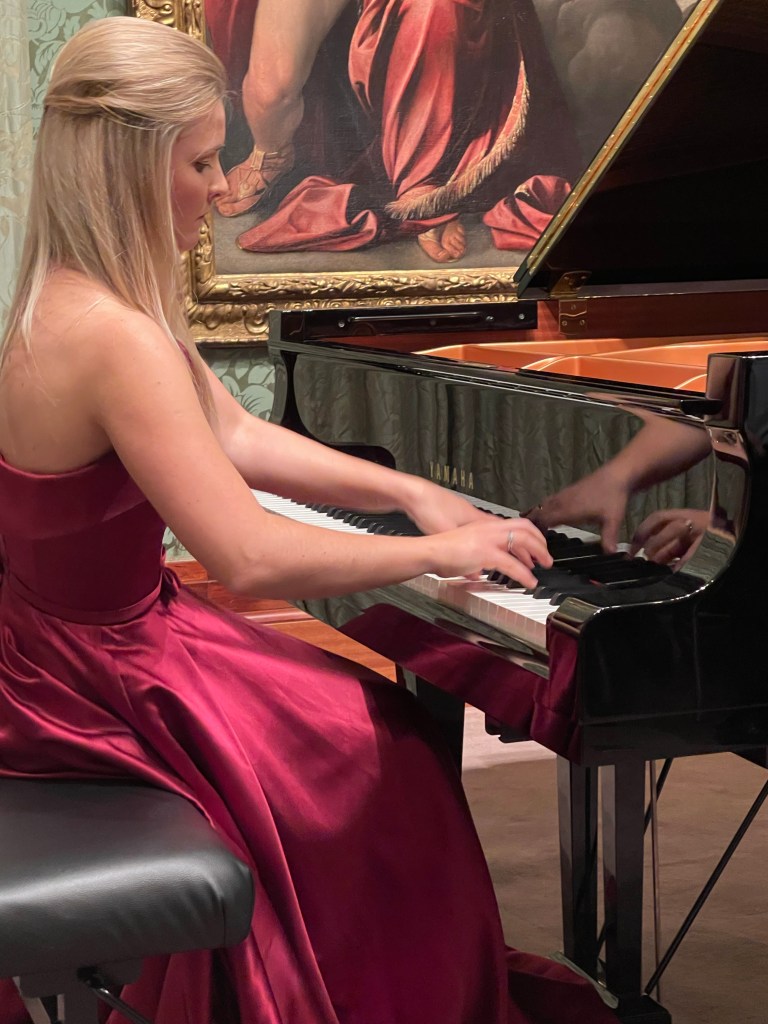
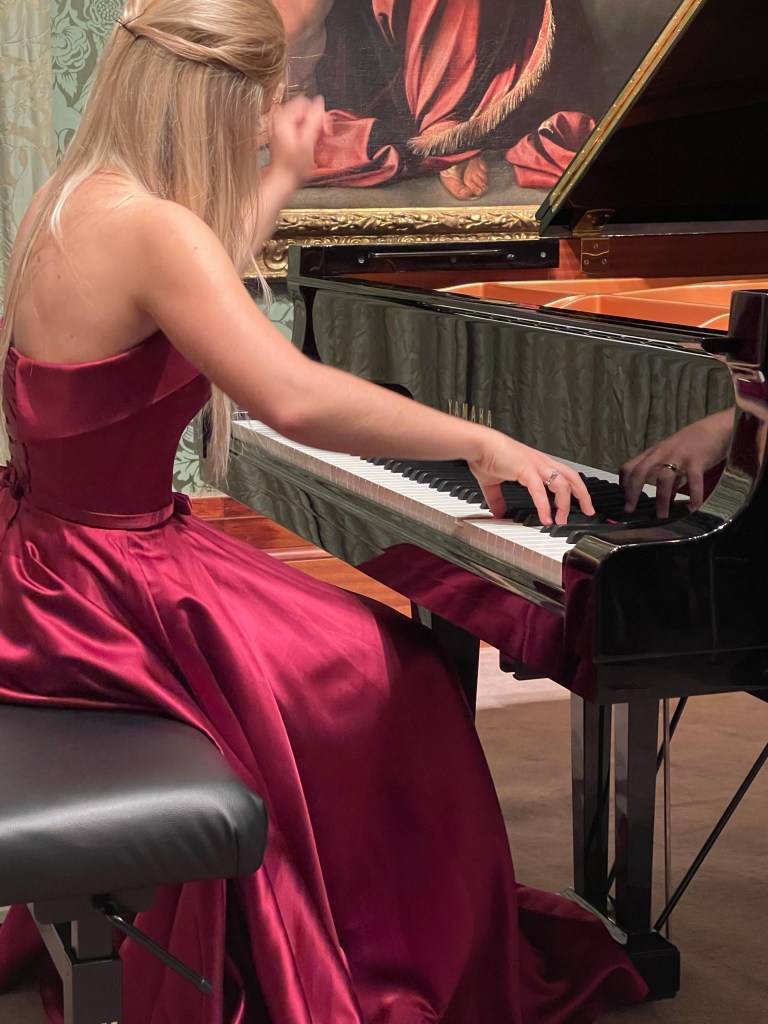
Since the age of six, she has been performing regularly and has already played in eighteen countries, including China and the USA. She has participated in festivals in a dozen European countries. She also plays with orchestras, chamber music and piano duet with her younger brother Val . In 2018, she was nominated for the prize ‘Export Artist of the Year’ in Luxembourg. In 2017, at fourteen, she recorded in Germany her debut solo album, well received by the critics and the media in seven European countries.

Zala Kravos at St Mary’s The simplicity and intelligence of a true artist

Lucas Krupinski and Lovre Marusic ‘On wings of song’ at Steinway Hall

George Soole of Steinways presenting Lovre Marusic and Lucas Krupinski

Lovre Marusic and Lucas Krupinski together at Steinway Hall in London.

Lovre Marusic

Lovre is a top prize winner at the 2021 Cleveland Competition who with his long spindly fingers etched out sounds of crystalline beauty in Mozart’s Sonata in C K 330.A fluidity and luminosity with a kaleidoscope of hidden sounds that brought the apparent simplicity of Mozart’s score vividly to life.Played with great taste but with the originality of a stylist with the inflections and breathing of a singer.Bowed low over the keyboard of this wonderful Steinway D that George Soole had made available to these two remarkable artists in the beautifully refurbished Concert Room.

Beauty and the beast for this wonderful Steinway Concert Grand.A piano that was made to adorn any of the great cavernous concert halls seating thousands,not a room of less than a hundred.It takes a real musician and great mastery to be able to project but not overwhelm a small intimate audience seated at such close proximity.It was a mark of Lovre’s musicianship that he could project the sounds with great purity and fluidity without ever overwhelming his audience seated practically at his elbow.Fou Ts’ong told me once that it was easier to create an intimate atmosphere in a big space than in a small one.Lovre,like Ts’ong loves the music of Mozart so much that it’s simplicity and naturalness are sometimes overwhelmed by a an external element that can interfere with music that Schnabel declared was too easy for children but too difficult for adults.It was a beautiful performance with moments of the real illuminated originality of a stylist.Always played with impeccable good taste and above all genuine humility,love and respect for this little masterpiece.Wonderful fingers where ornaments just sprang from his fingers and glistened like jewels never upsetting the overall music line.There were just a few occasions where his slowing down to point out the sublime beauty bequeathed to us by Mozart disturbed the natural flow that is the very motor force behind his genius.The Andante cantabile was played with simplicity and his fluid natural sounds were transformed into sublime utterings over the heart beating palpitations in the bass – the genius of Mozart revealed with a sensitivity where the coda was shaped to absolute heartrending perfection.The Allegretto missed the courtly charm that I have always associated with it but Lovre obviously saw it in another more brilliant and scintillating light.His well oiled fingers shaping Mozart’s passages with sparkle and wit rather than charm and grace.Lovre also played Schumann’s Arabesque where his fantasy and sensitivity allowed this early gem to glisten and shine as the Rondo melody returned each time more beautifully that the last.Transformed into a commentator after each of the contrasting episodes that interrupt it’s sublime meanderings.The purity and fluidity of his sounds were allowed to vibrate around this room with extraordinary poetic vibrancy as he recreated the coda much as pianists at the end of Liederkreis are entrusted to enter a world where words are not enough.

Lucas Krupinski

Lucas Krupinski who swept the board at the 7th San Marino competition took over the reigns from his colleague and duo partner with a performance of Ravel’s Sonatine and Chopin’s Second Scherzo.

Lucas exhilarating end to Ravel’s Sonatine

Could it have been the same piano as Lucas just seemed to blow on the keys to produce such delicacy and whispered fluidity.Beautiful half lights which invited us to strain to follow him into a magic world of colour and perfumed fragrance.An aquatic sense of forward motion with its continual stream of ever more fluid sounds of ravishing beauty.A pandora’s box opening up that we could perceive within this Ondinesque landscape.Amazing to think that Ravel wrote the first movement of the Sonatine for a competition sponsored by the Weekly Critical Review magazine after being encouraged by a close friend.The competition requirement was the composition of the first movement of a piano sonatina no longer than 75 bars,with the prize being 100 francs. Ravel submitted the piece under a pseudonym and chose an anagram of his name :’par Verla’.There was beauty too in the simple grace and charm of the ‘Menuet’ with the sublime radiance of it’s noble ending.The ‘Animé’ was bathed in pedal as strands of melody are floated on this wave of sounds reaching an exhilarating driven climax.

Chopin,of course ,was Lucas’s birthright and he rose to the challenge with a scintillating performance of the Second Scherzo.Clarity and brilliance went hand in hand with beauty and poetry.Played always with aristocratic good taste but with the flexibility that Chopin likened to the wind in the branches of a tree but with the roots firmly placed in the ground.’Con anima’ Chopin writes in the beautifully mellifluous second subject and it certainly was that in Lucas’s hands with the same subtle beauty that he brought to the central episode.There was clarity and beauty to his ‘jeux perlé’ where streams of notes just flowed so naturally out of the musical line almost unnoticed.On it’s second appearance Chopin brings it to it’s ultimate heroic conclusion.Lucas brought dynamic rhythmic energy and excitement but never forcing the sounds that filled but never overwhelmed this intimate venue.A coda of scintillating transcendental excitement reminded me of Rubinstein’s last performance in 1976 just a stone’s throw from here.The veteran performer had generously offered to give his final public performance to save the Wigmore hall from threatened demolition.He had to stop his performance of this very Scherzo that he had so often regailed audiences with in his eighty year career.The gigantic leaps that Lucas played with such ease today were not in range of Rubinstein’s failing eyesight.Little did Rubinstein imagine that his noble gesture would lead to the rebirth of the Wigmore Hall and that next door fifty years later Bechstein would construct another one on the doorstep of the hall that was confiscated after their defeat in the First World War!


Two supremely gifted musicians and colleagues now joined forces for four hands on one piano.Four feet too that with modern technology made a third party unnecessary as each one of our valiant pianist appeared with his I Pad and personal set of pedals.
I see that the evening was promoted by the Oleg Prokofiev Trust and so it was obvious that a member of the family should be represented.Gabriel Prokofiev was born on 6 January 1975 to an English mother and a Russian father, the artist Oleg Prokofiev,and is the grandson of the composer Sergei Prokofiev. He studied composition at the University of Birmingham and the University of York and became a producer of Dance, Electro, Hip-hop and Grime music and has emerged as a significant voice in new approaches to classical music at the beginning of the 21st century. His Transhuman Etudes for Piano, 4 hands was commissioned by New Muse Piano Duo and the first performance was given by New Muse Piano Duo (Paola Savvidou & Jonathan Kuuskoski) on April 22, 2016, in the Whitmore Recital Hall, University of Missouri, USA.A work full of continuous motion a real perpetuum mobile of simplicity and clarity.It would have been good to hear it again in order to get to grips with it’s knotty twine and engaging musical vocabulary.Again I am reminded of Rubinstein playing in Spain ,Ravel’s Valses Nobles e sentimentale ,when the ink was still wet on the page .Rubinstein was so angry at it’s hostile reception that’s at the end of the concert he played it as an encore!

Lovre and Lucas in duo

A short interesting work played with the same impeccable artistry and musicianship that they brought to Debussy’s Petite Suite .The suite, was composed from 1886 to 1889, and first performed on 2 February 1889 by Debussy and pianist-publisher Jacques Durand at a salon in Paris.It may have been written due to a request (possibly from Durand) for a piece that would be accessible to skilled amateurs, as its simplicity is in stark contrast with the modernist works that Debussy was writing at the time.It is exactly this simplicity and ‘joie de vivre’ that these two colleagues obviously relished after the much more serious menu on today’s programme.Sailing across the keys in an enjoyable boat ride together with its simple flowing mellifluous melody and capricious contrasting central episode.Cortège,though,could have been more leisurely shaped and relished with more rounded phrases and ‘joie de vivre’.The Menuet,on the other hand , was beautifully etched with it’s charming pastoral atmosphere beautifully captured with great style and a perfect harmony between two players who were obviously enjoying it as much as we were.The final Ballet was like a breeze flowing over the keys with it’s very ‘French’ mix of elegance and brilliance.
Brahms’s most famous waltz,known so well to all those that have ever shared a keyboard with a friend,was played with beauty,grace and the artistry that they had both shared so generously with us on this all too short concert of Hausmusik.

Lukasz Krupinski Poetry and Drama The Sphere of Sacrum in Warsaw