Cremona day 1
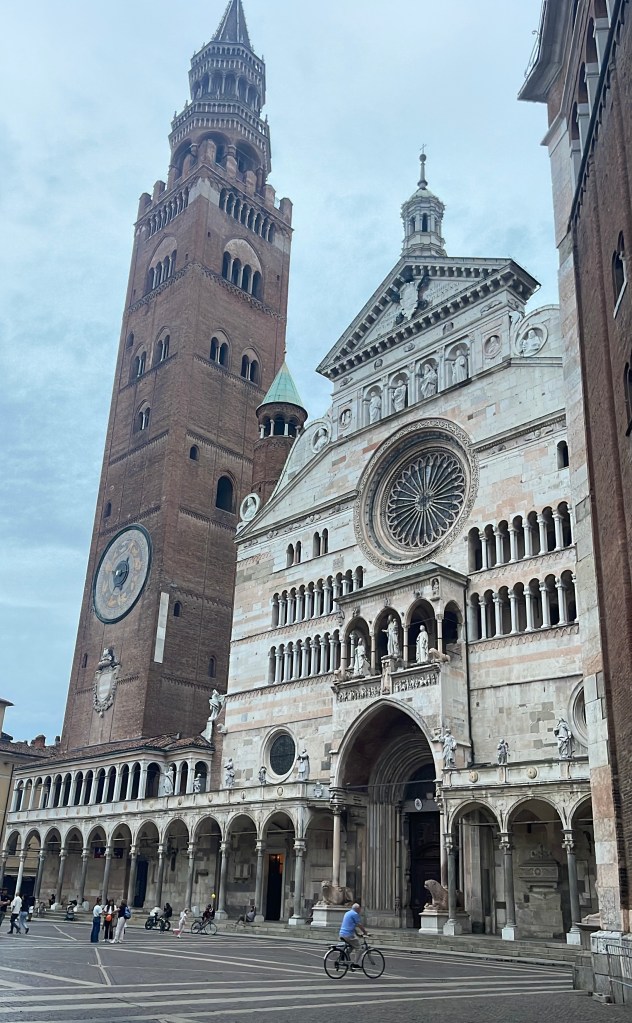
The city where dreams come true
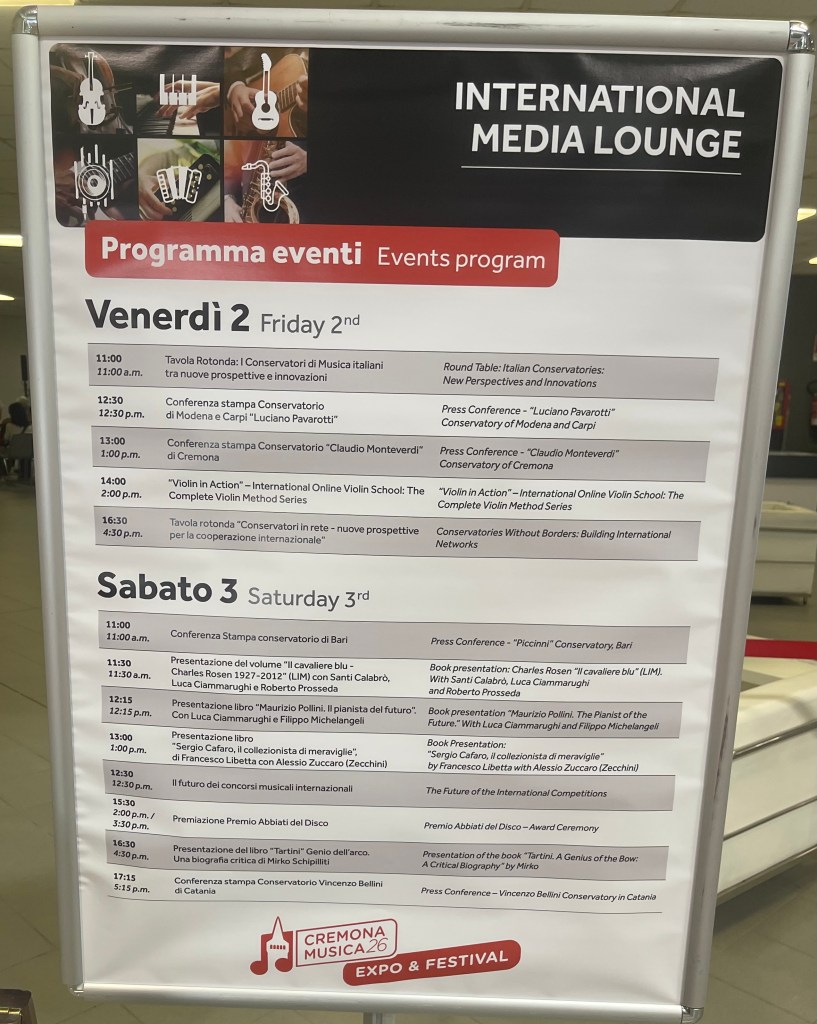
The enterprising and multi talented Roberto Prosseda uniting music operators great and small to enticing, stimulating and at times even shocking innovations and discoveries in the world of classical music .
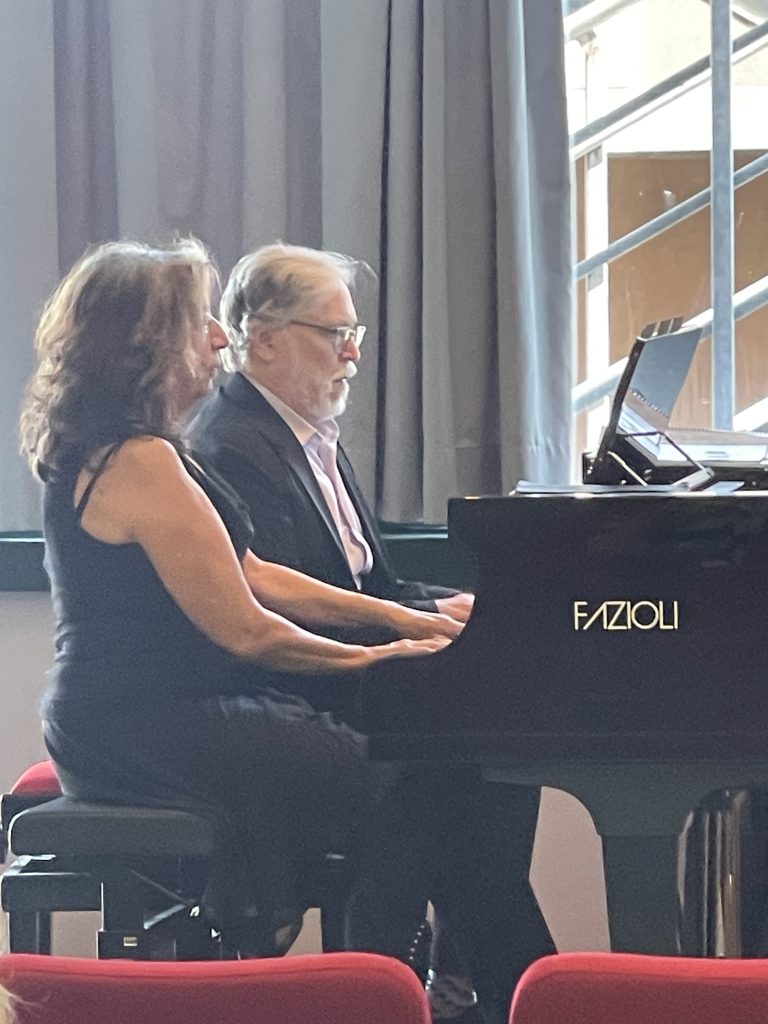
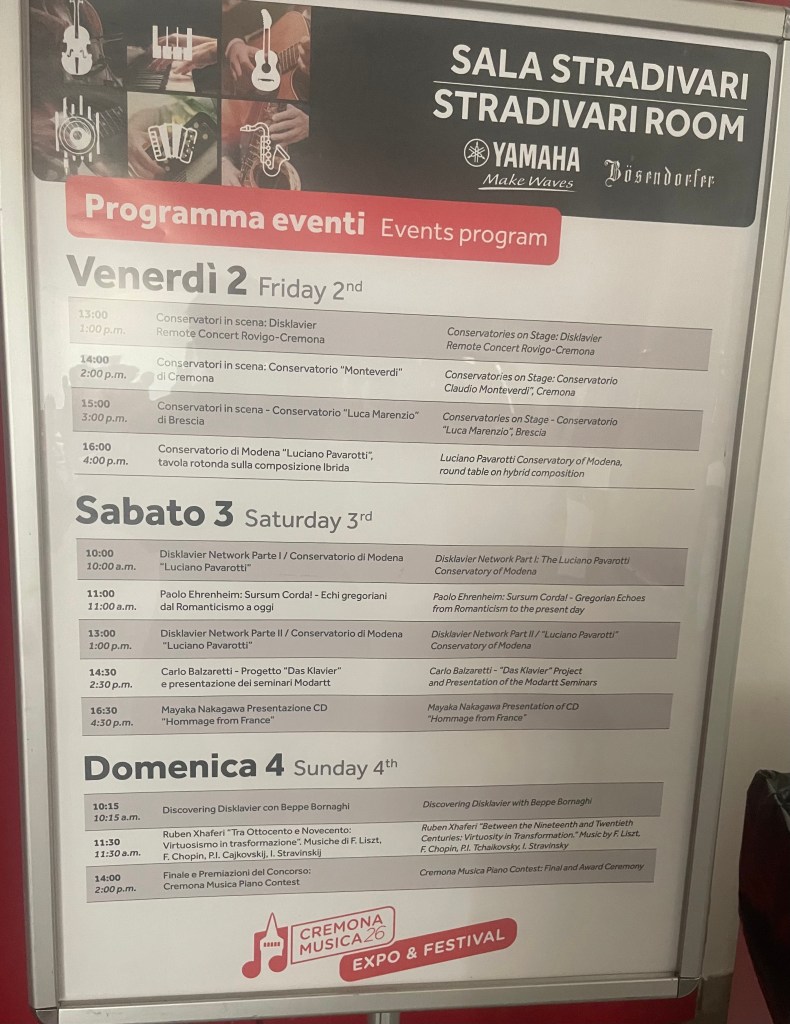
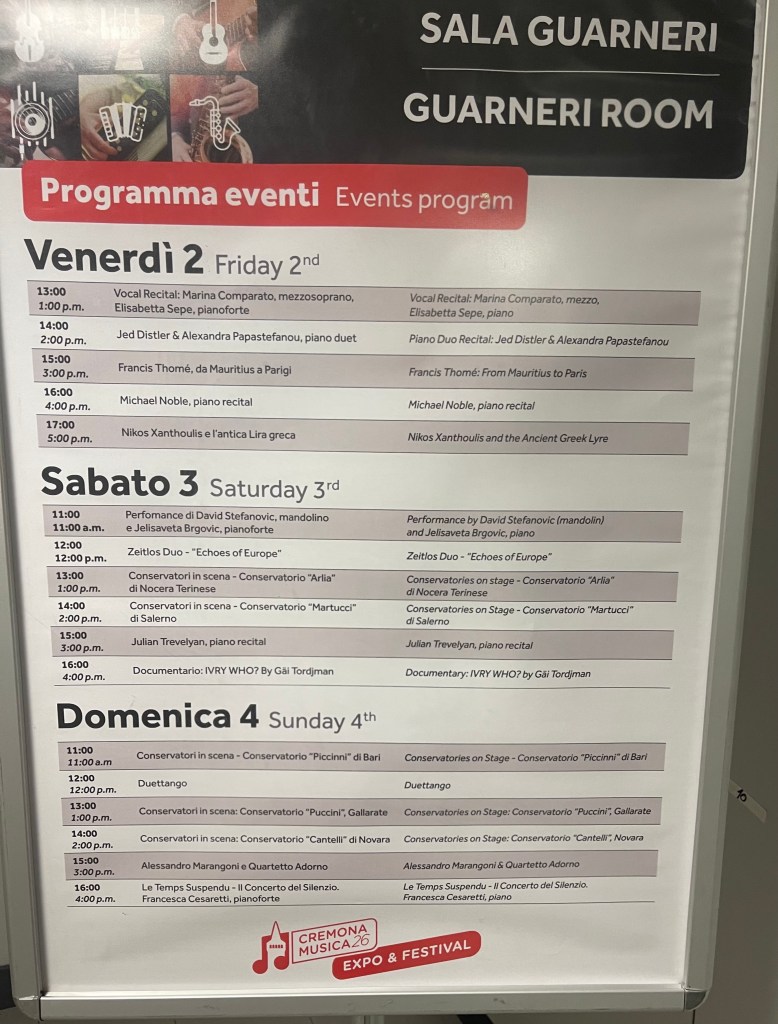
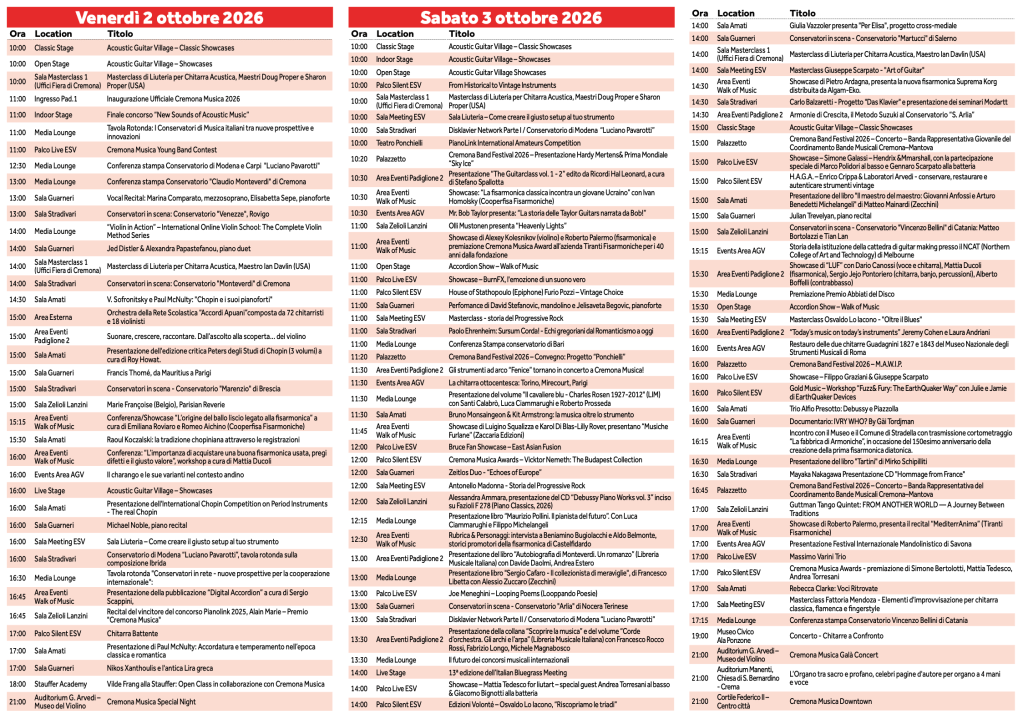
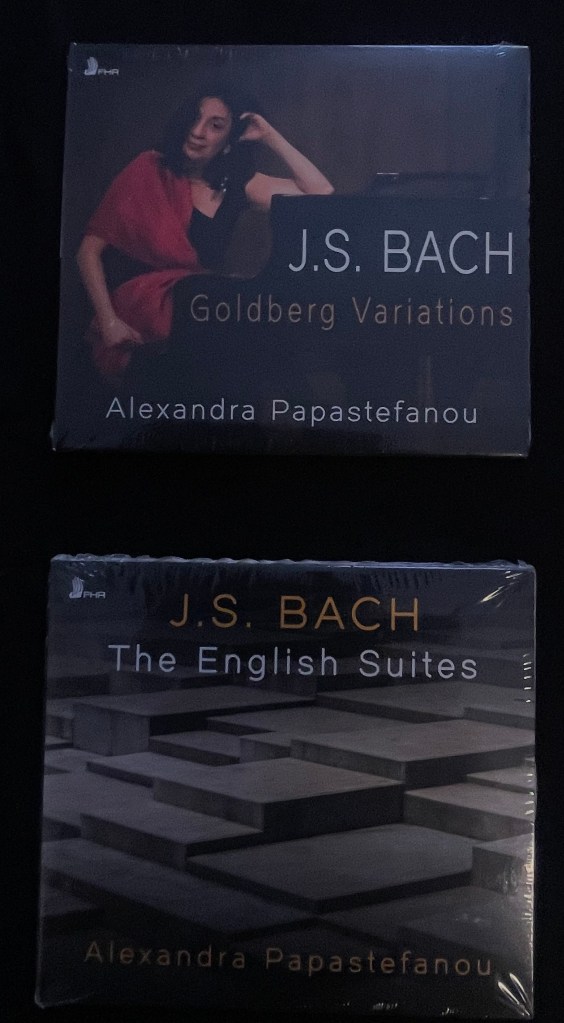
The eclectic Jed Distler with Alexandra Papastefanou showing us that Bach is not only next to Godliness but also sits on high with the Beatles. A quite extraordinary performance in which the unstoppable creative invention of Jed Distler combined with the authority of Alexandra Papastefanou as Bach goes to town with the Beetles. Four hands but one heart, as they unite in a genial invention of Beetles melodies sitting very comfortably in the framework created by the genius of Köthen. Solos too, where Jed’s luminosity of sound and freedom of spirit were given full reign, as Alexandra showed us her extraordinary understanding of the world of Bach. A perfect duo as the two differing characters of the performers complimented each other much to the amusement and admiration of the public.
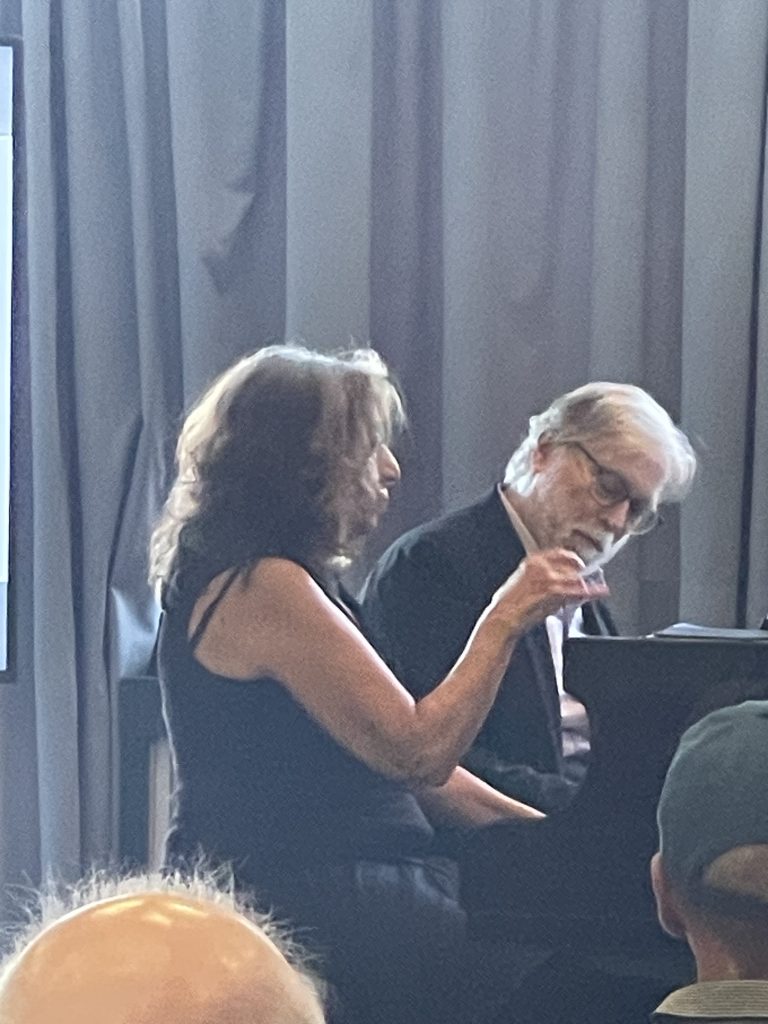
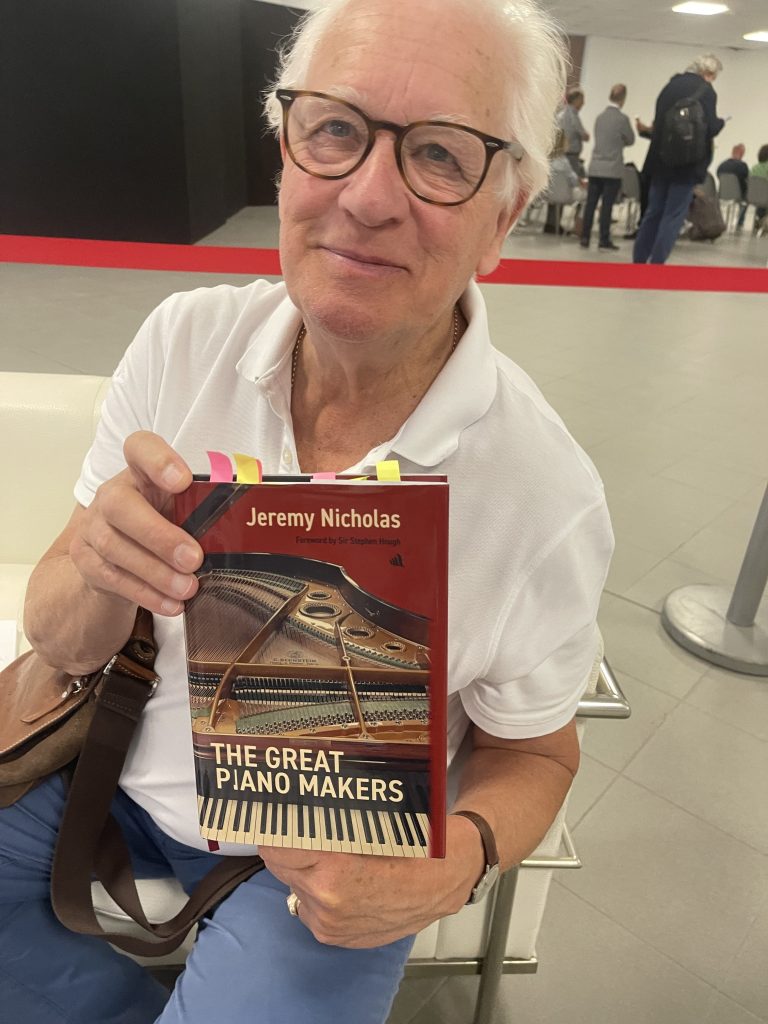
The jovial warmth of Jeremy Nicholas greeted us all whilst awaiting to present his book ‘The Music Makers’, as he plays God with star pianists to the 42 contestants in the historic Teatro Ponchielli in the Piano Link International Amateurs Competition
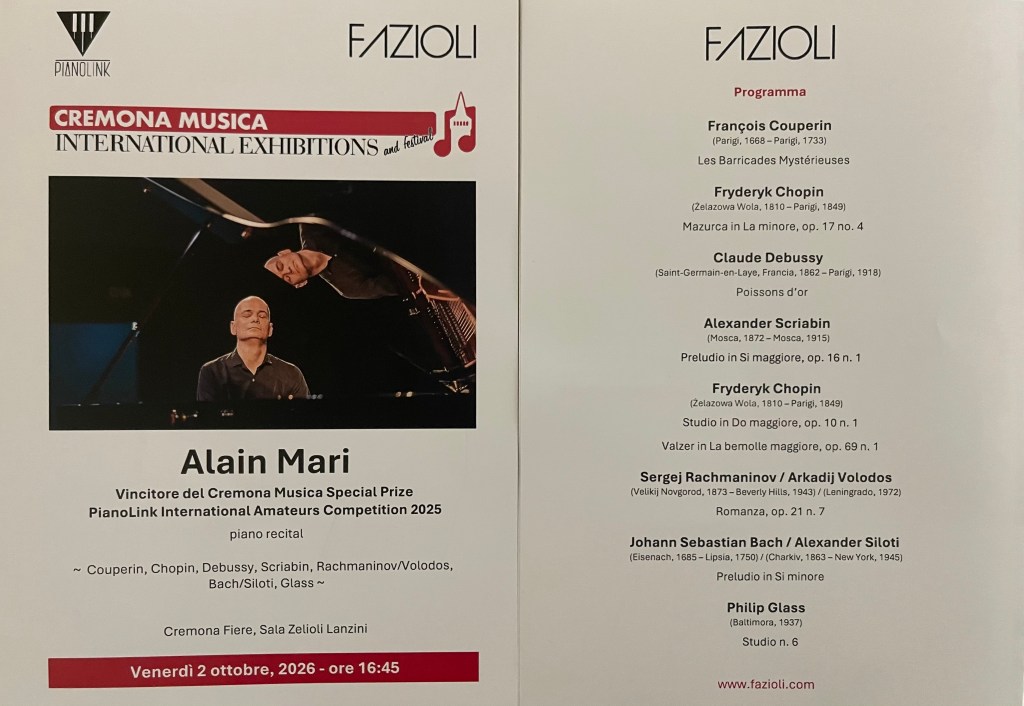
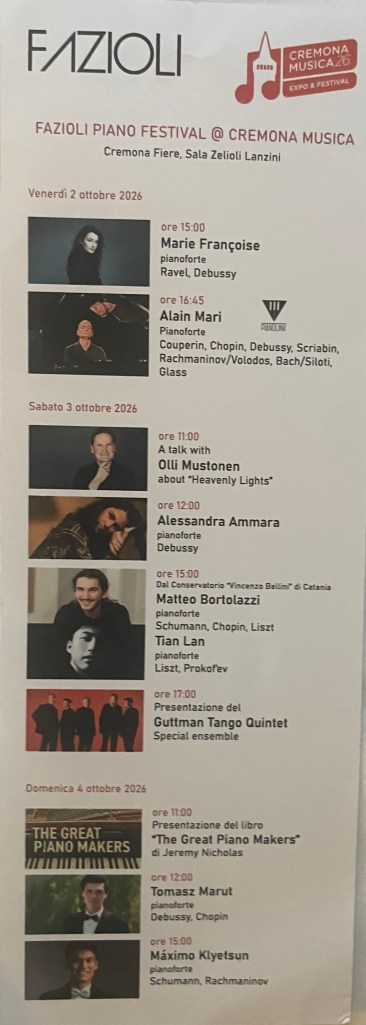
Fazioli presiding with an array of future star pianists including the past winner of the amateur competition Alain Marie with a performance of Chopin op 10 n 1 that would have put many ‘professionals’ to shame.
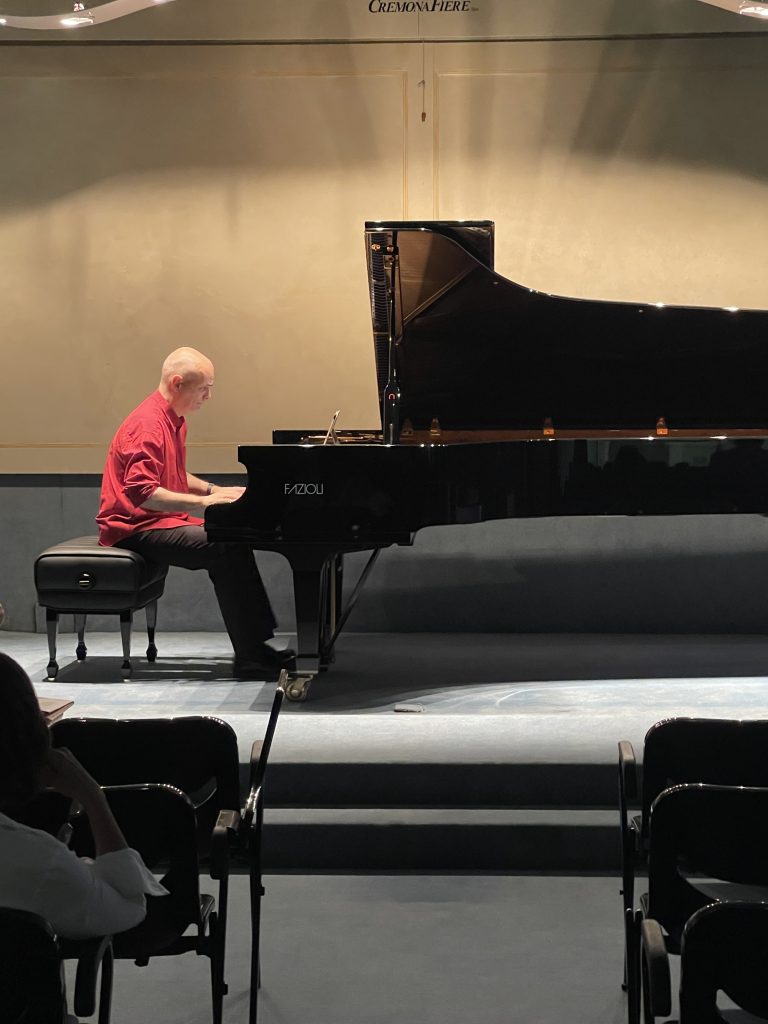
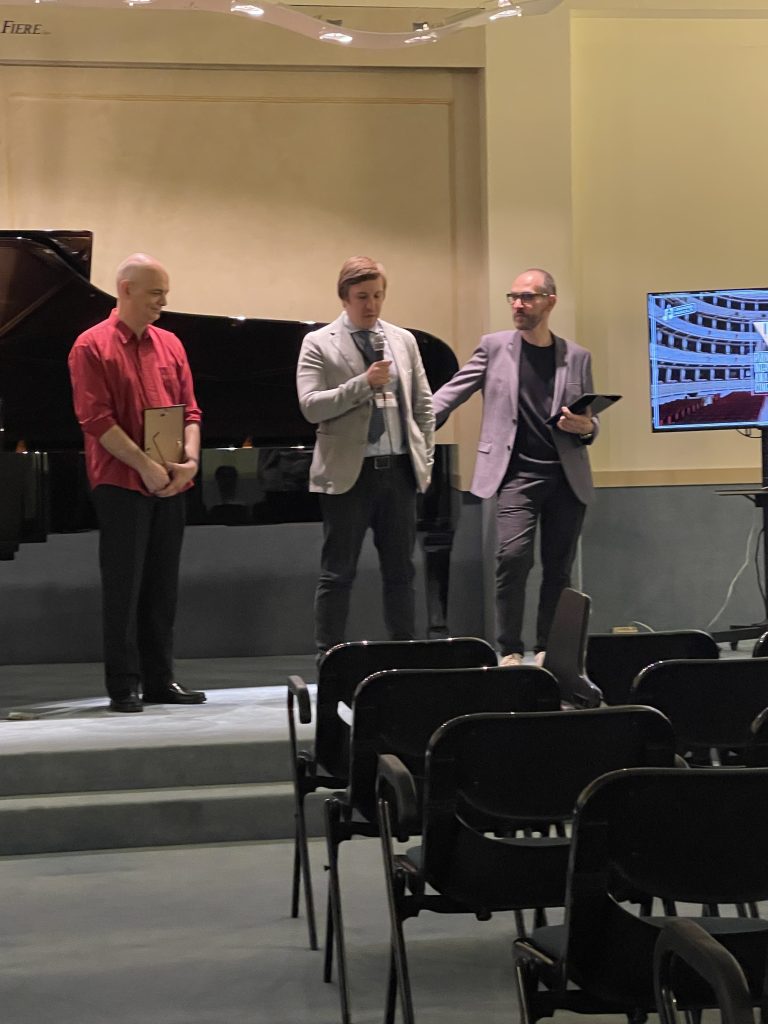
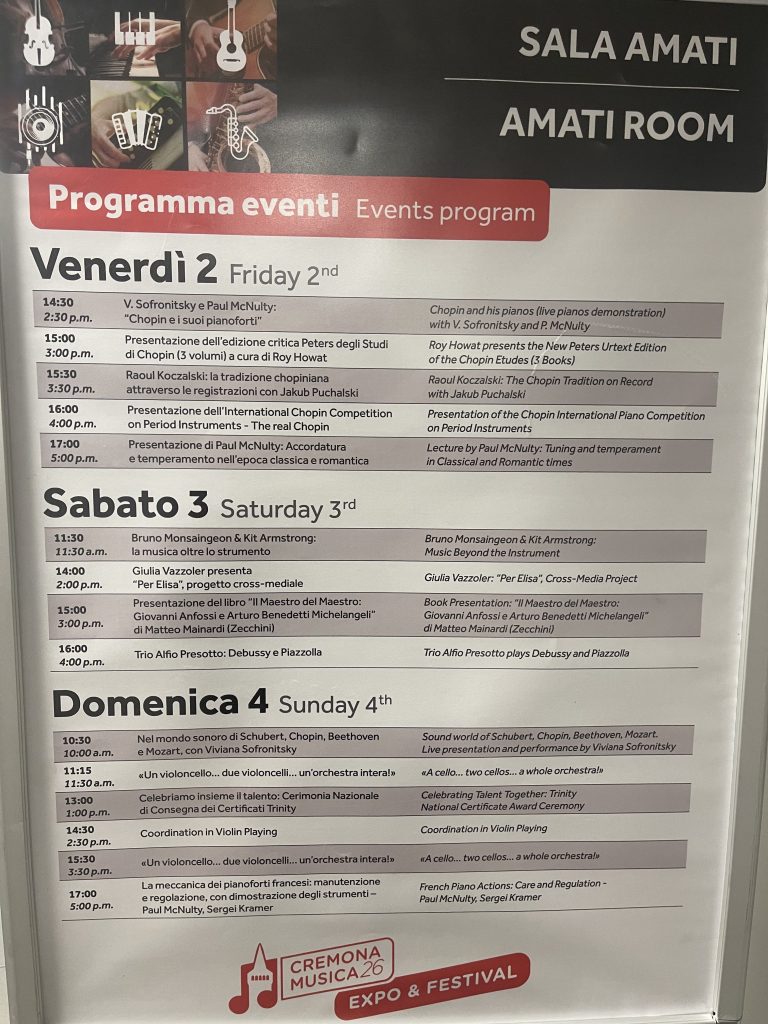
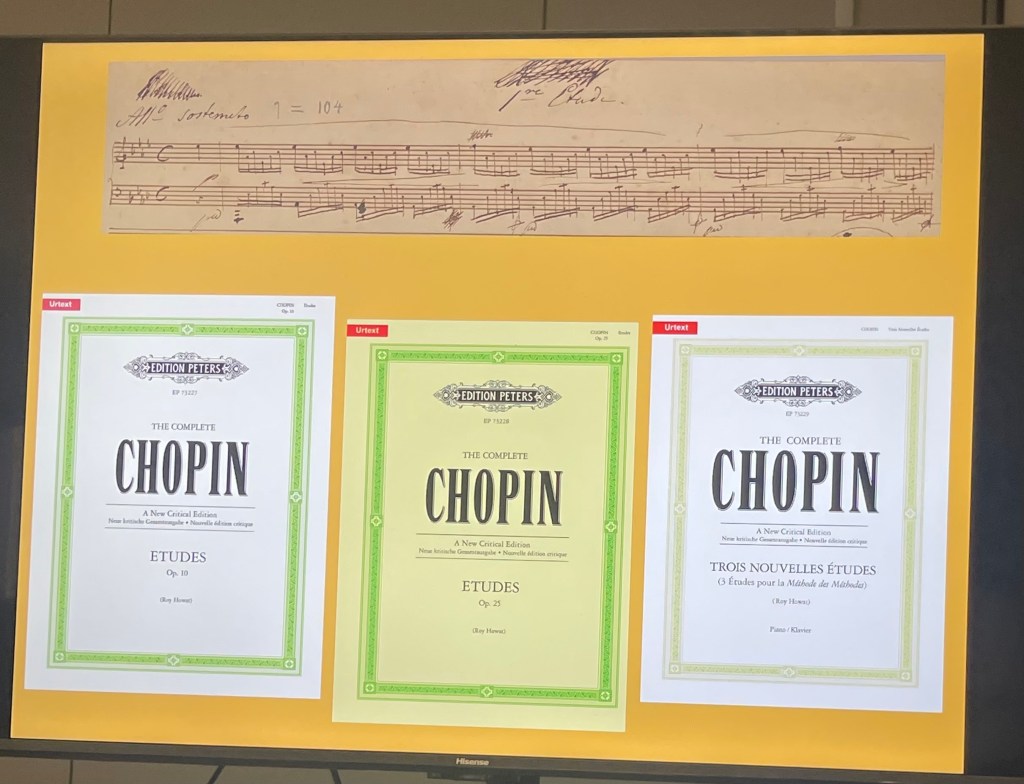
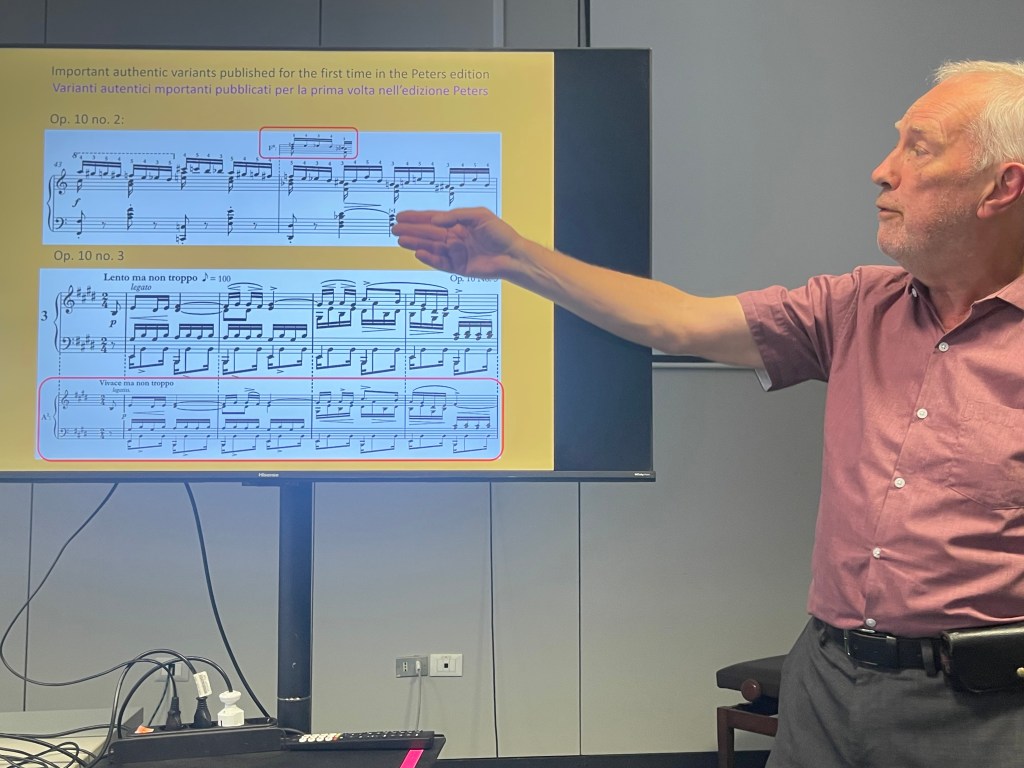
Roy Howat showed us that there is no such thing as definitive Chopin scores whilst demonstrating his extraordinary Peter’s edition of all the Chopin studies. Faites vos jeux indeed!
An afternoon dedicated to Chopin in the Amati room where we were intrigued to hear Paul McNulty talk about Chopin and his pianos and the tuning and temperament in Classical and Romantic Times.
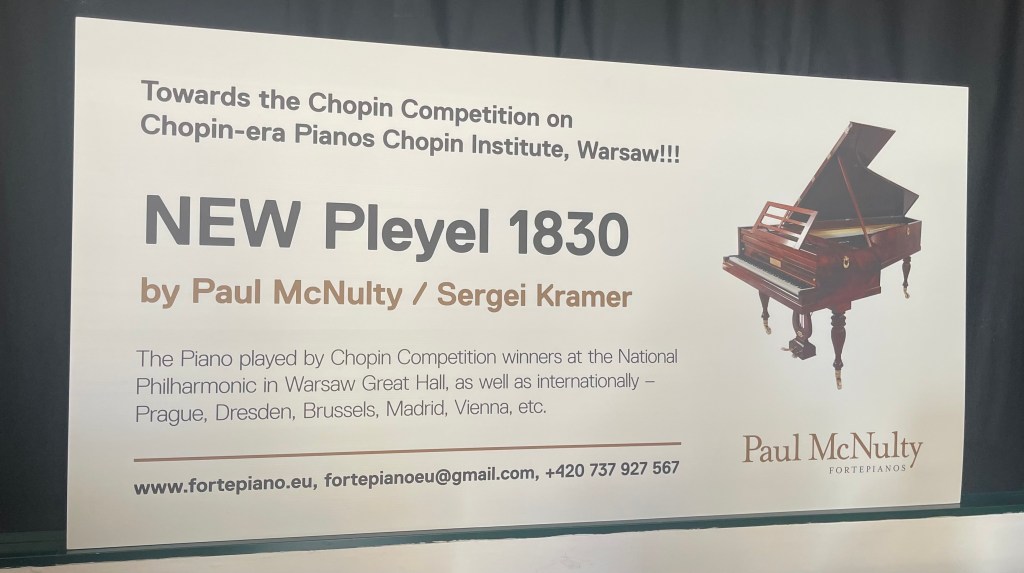
A fascinating introduction by Aleksander Laskowski of the International Chopin Competition on Period Pianos now in its third edition in 2028, with the Chopin Institute amassing a collection of antique instruments.
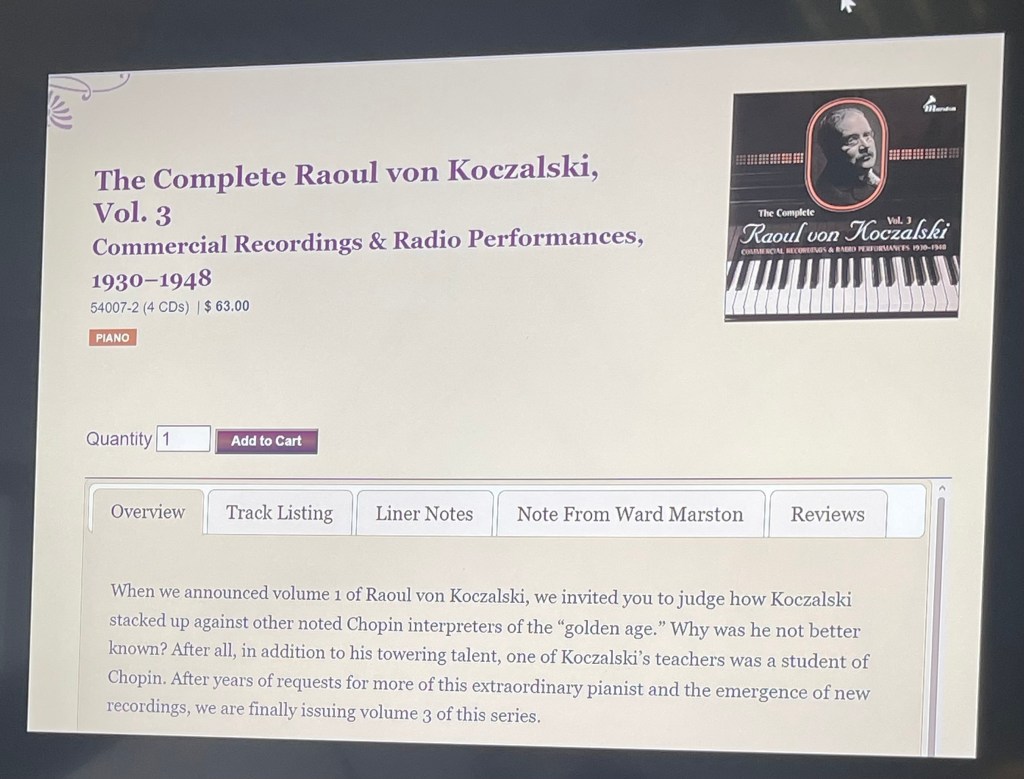
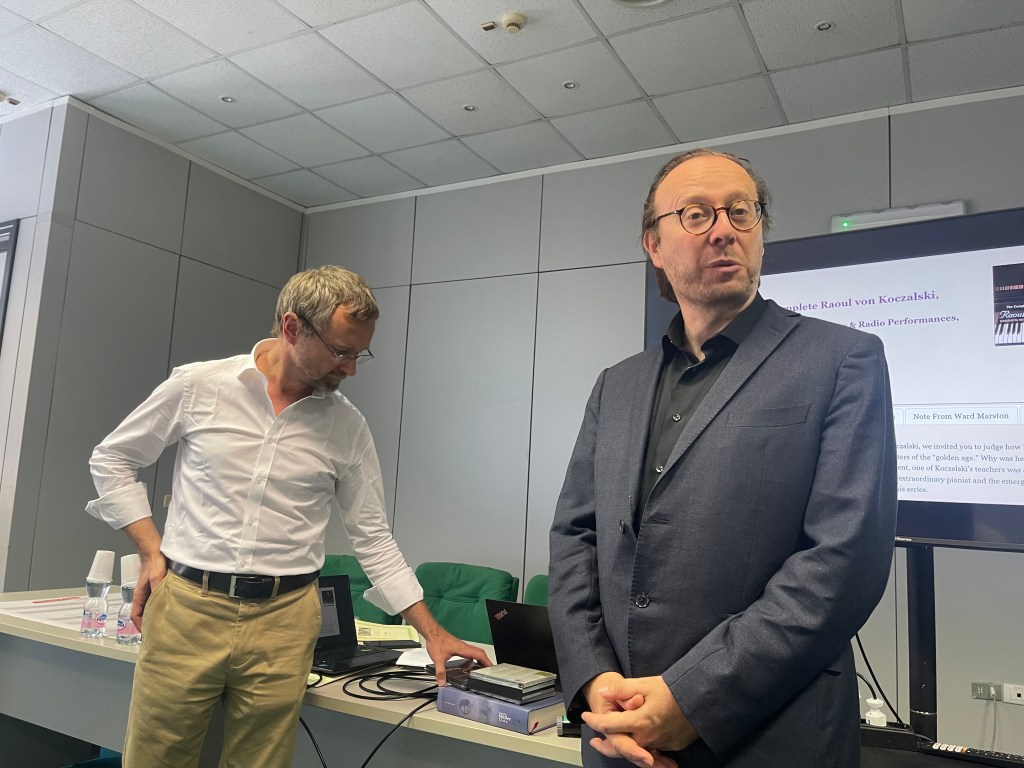
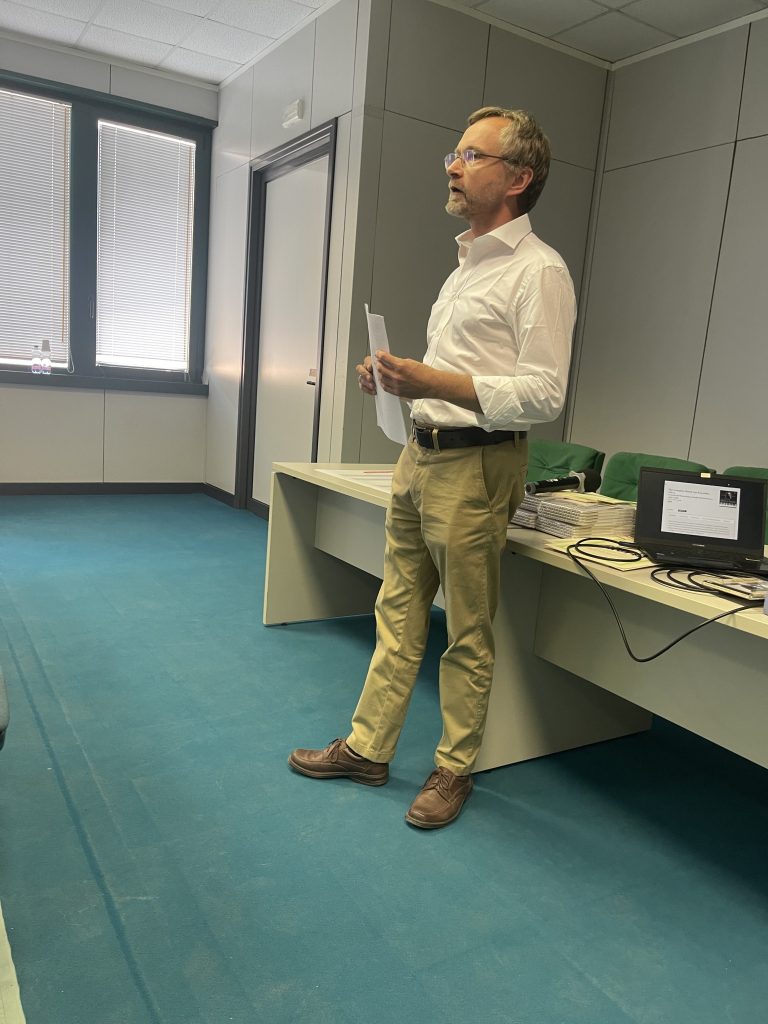
A presentation by Jakub Puchalski of a direct descendent of the so called Chopin Mikuli tradition with the complete acoustic recordings of Raoul Koczalski.
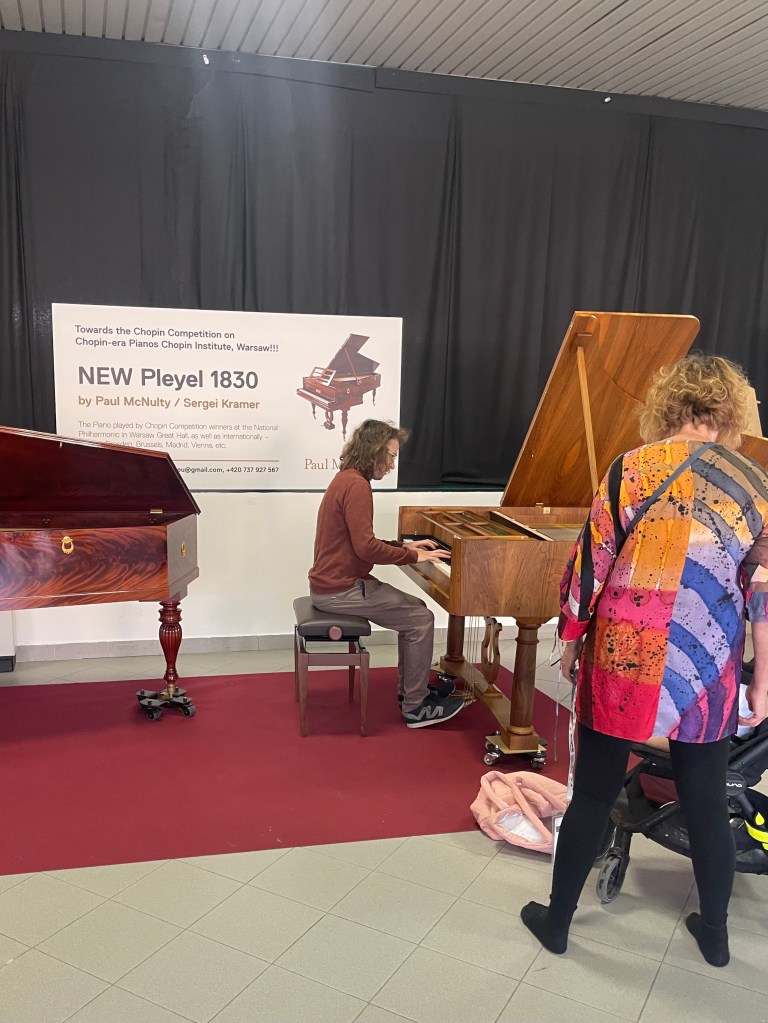
And we also found the eclectic Julian Trevelyan with baby Luisa patiently waiting while he played Schumann on a modern copy of a Pleyel piano. The youngest Professor at the École Normale, would play the next day : Liszt’s complete Consolations and Soirées de Vienne
Cremona day two.
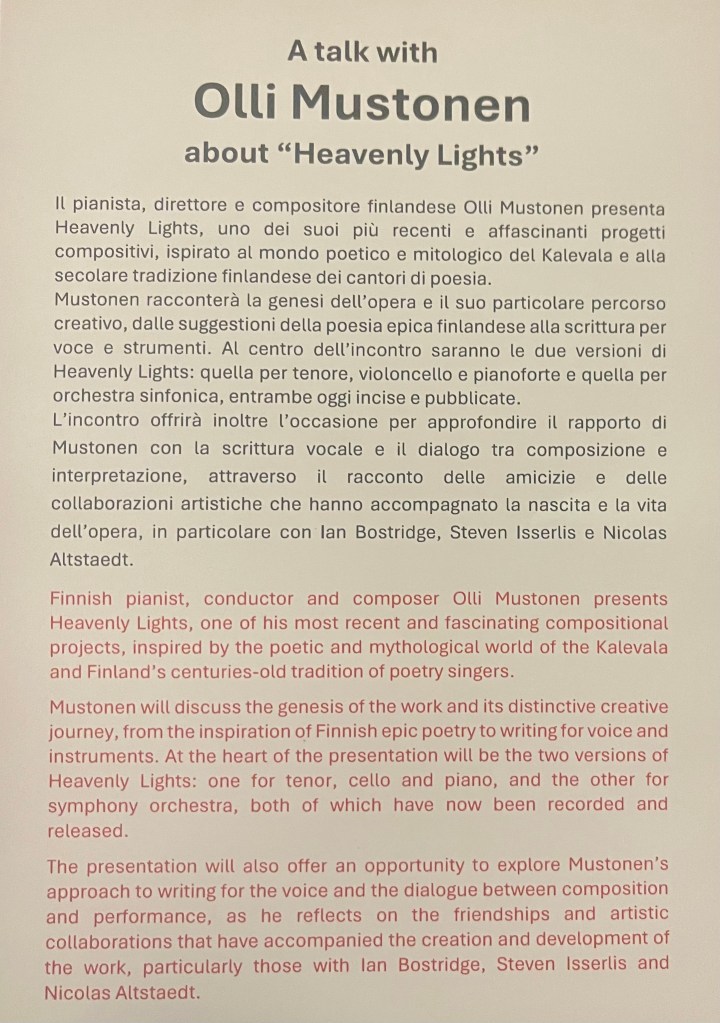
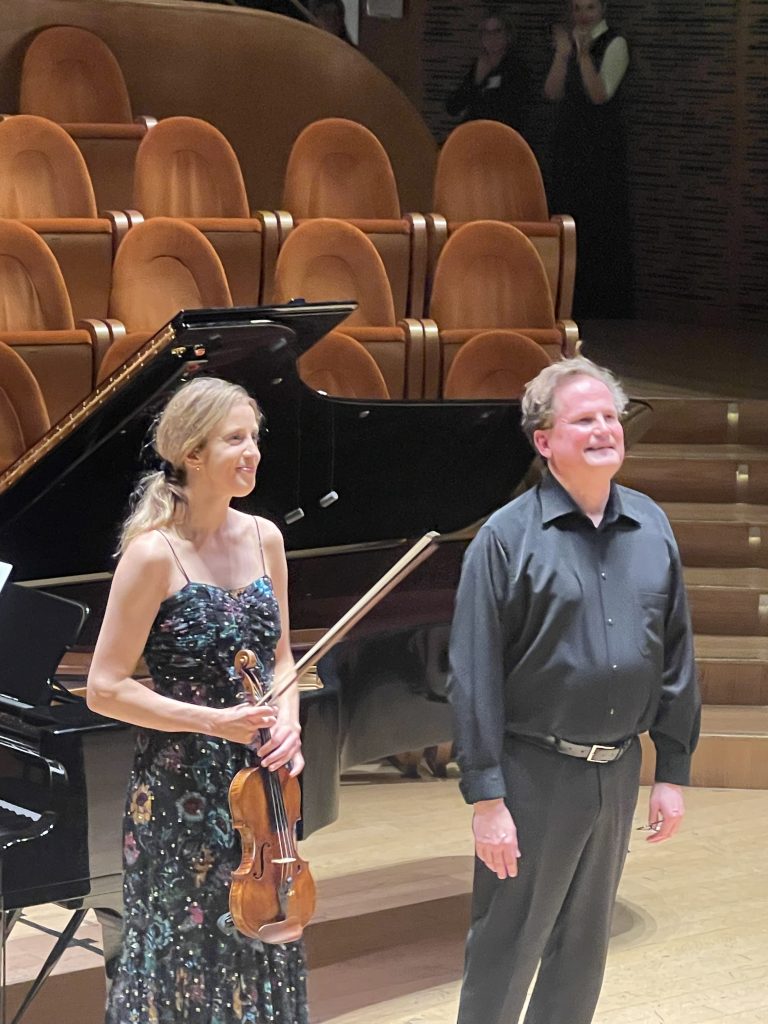
The revelation Kit Armstrong with Bruno Monsaingeon together with Fabrizio von Arx and above all Stradivarius……..But the day had begun with Olli Mustonen talking about his ‘Heavenly Lights’ and the day came full circle as in the evening he and Vilde Frang played Bartòk together at the Cremona Musica Galà Concert in the Auditorium G.Arvedi of the Violin Museum. An extraordinary performance from two masters united with such freedom and searching invention.
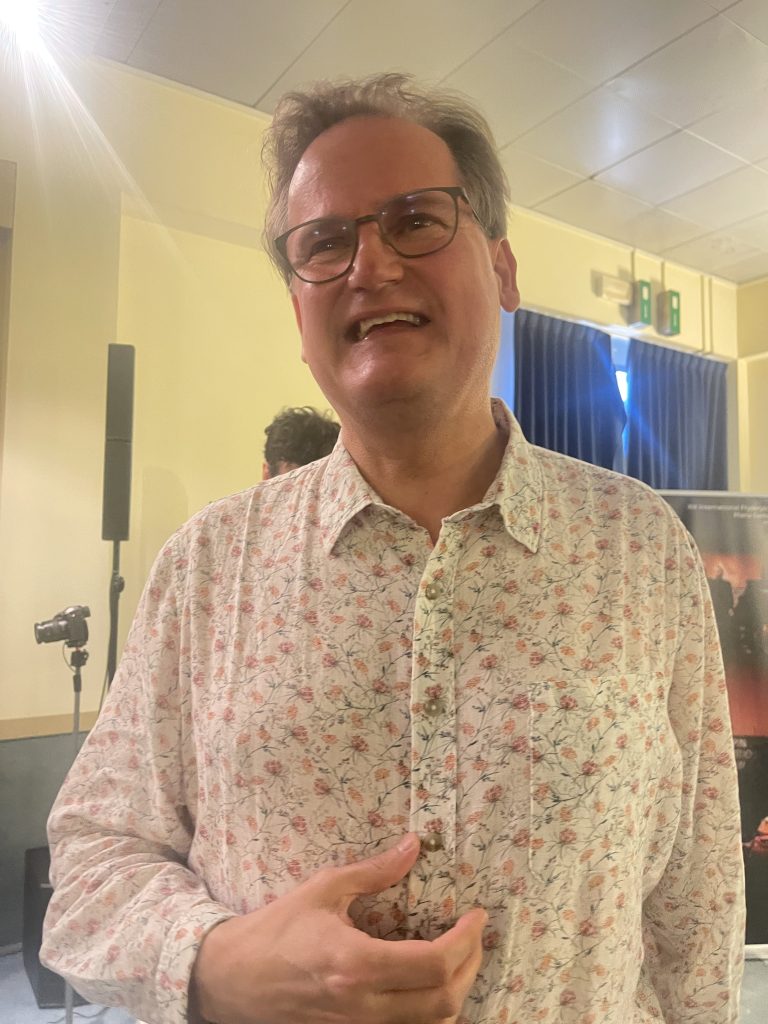
After Mustonen another eclectic genial musician Kit Armstrong in conversation with the extraordinary Bruno Monsaingeon. This was a conversation in words and music between giants. A fascinating conversation about transcriptions and their meaning and worth and whether they add or subtract from the birth of the original.’Music beyond the Instrument.’
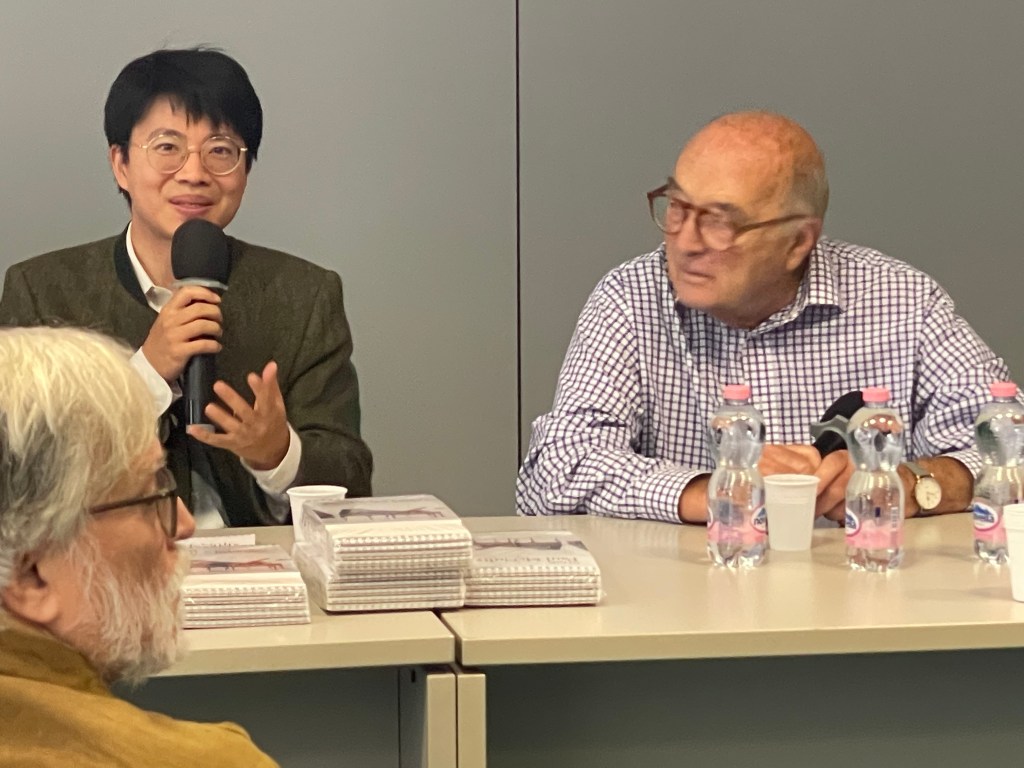
If we do not play on the instruments that the works were conceived for should that already be considered a transcription ? Kit who was mentored by Alfred Brendel from a very early age has the entire musical repertoire at his fingertips, as he demonstrated with nonchalant ease, playing examples to illustrate a point. Monsaingeon was not less either, and sat at the piano to explain how and why he had transcribed various works.
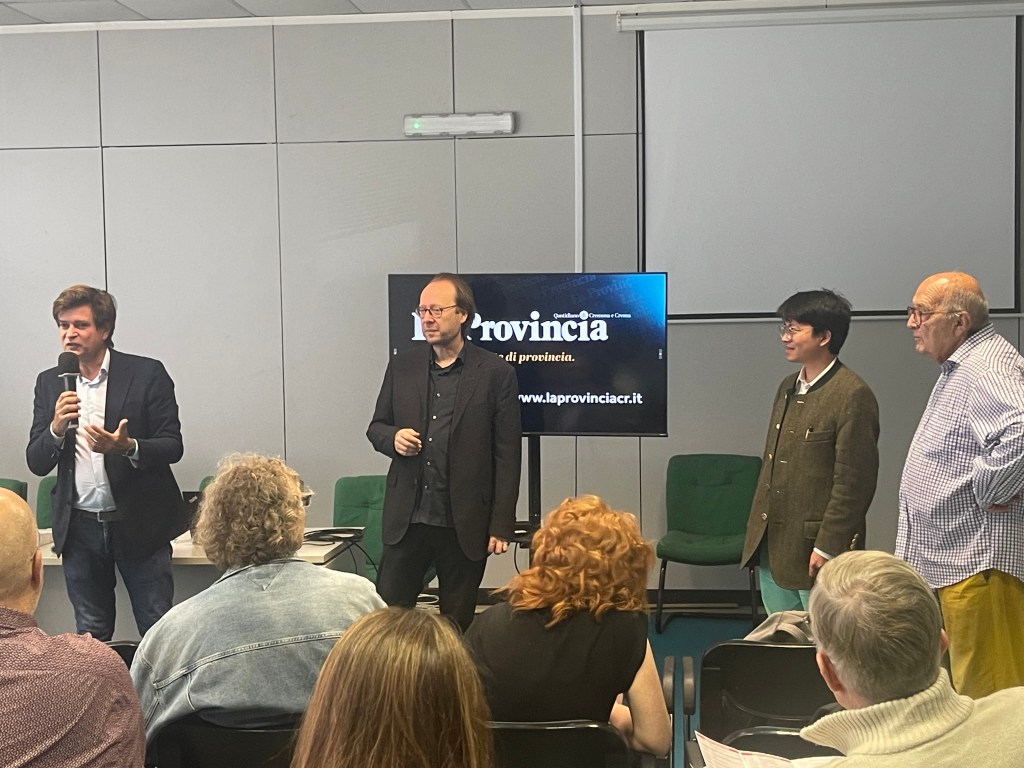
An extraordinary conversation of humility and genial inspiration with Bruno and Kit stimulating each other to reach into the depths of the very meaning of music. I just hope this discussion was recorded as it was truly a revelation and for me one of those magic encounters that only seem to happen in Cremona. A meeting of minds where anything is possible on a true voyage of discovery.
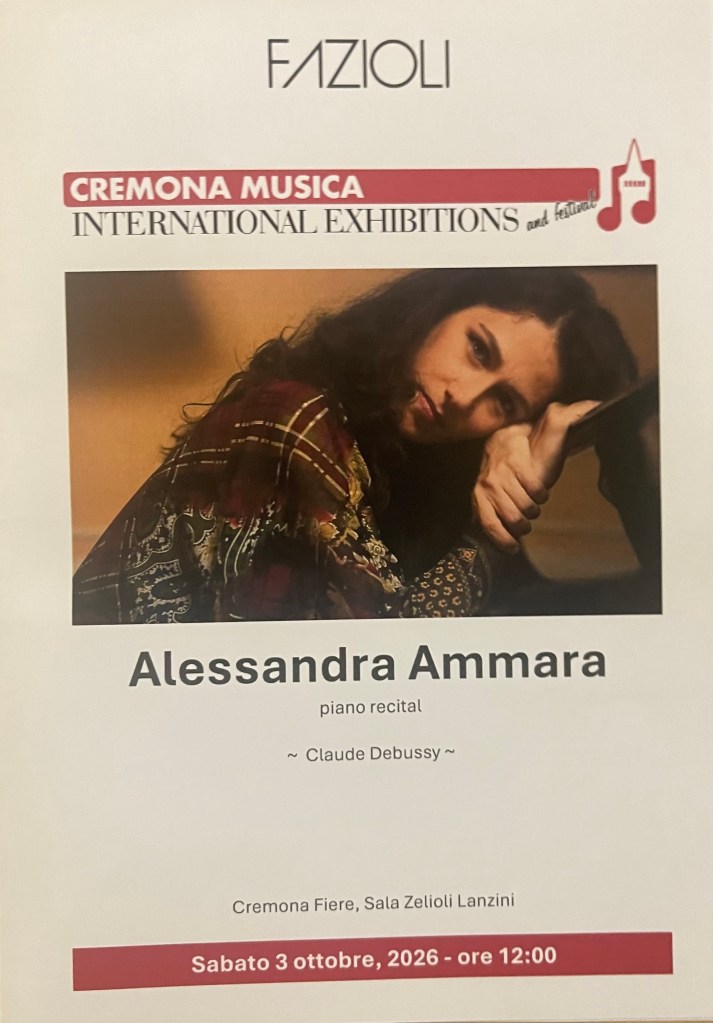
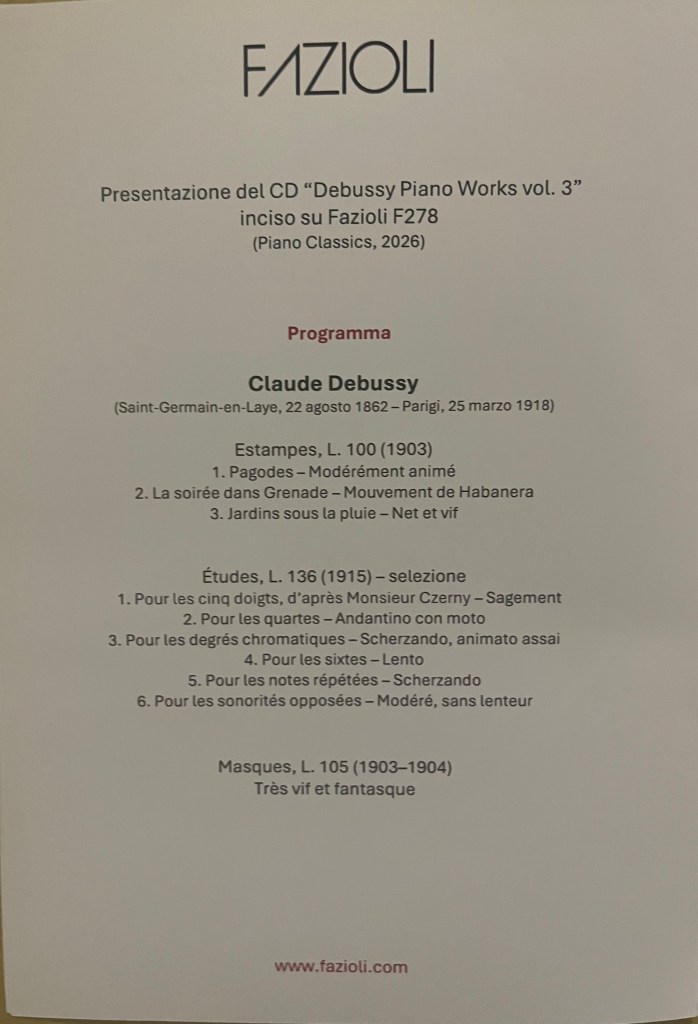
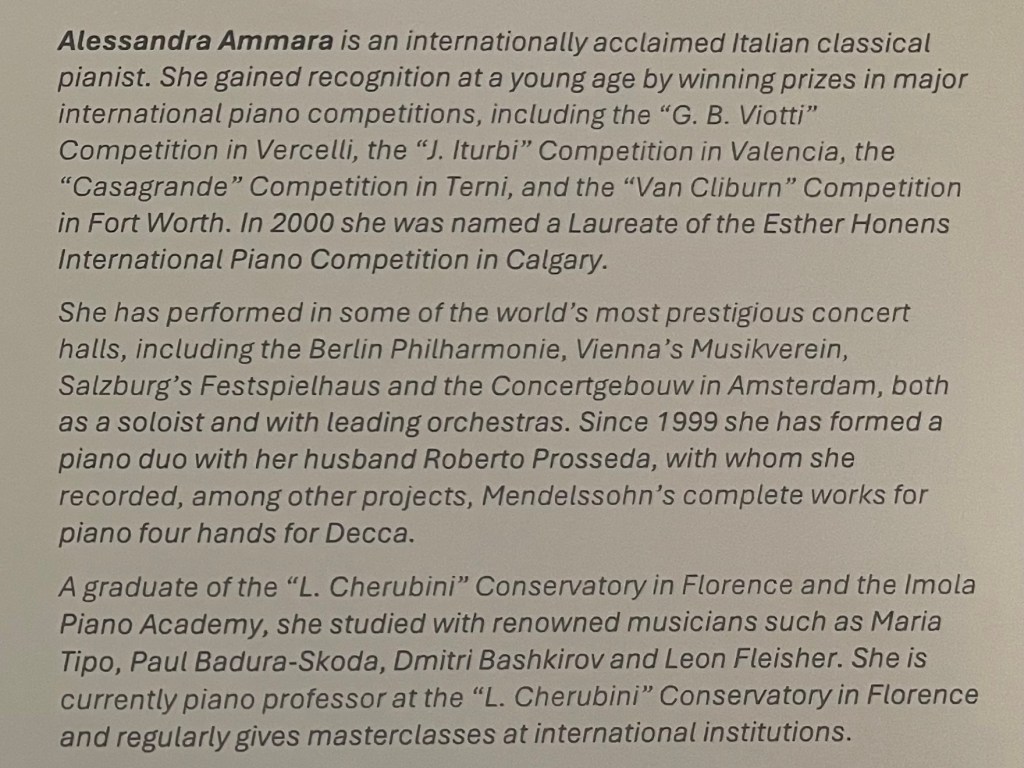
I was sorry to have to dash off at the end, but Alessandra Ammara was presenting her new CD with the third in her series of the complete works of Debussy. Alessandra is the wife of Roberto Prosseda and they met at the Casagrande Competition. It would be mentioned in the media lounge round table shortly after the concert :The Future of International Competitions.’ Alessandra came second and Roberto third but they were both winners with a successful life together and large family too! Alessandra is now back on the boards and her refined playing of Debussy is being much appreciated world wide. A range of sounds that contains delicacy but also strength but above all a poetic fantasy that does not deny the very precise indications that Debussy marks in the score. This is real interpretation where the composer’s intentions are so fully understood that they become a vibrant living thing as though the music was still wet on the page. I was sorry to miss the whole of her Estampes but ‘La Soirée dans Grenade’ that I did manage to catch a glimpse of, was sensuous and atmospheric, but with Kit and Bruno next door I decided to return to hear the extraordinary late masterpieces that are the studies. Arriving in time for a ‘Pour les Quartes’ of remarkable improvised freedom but with a control of sound that was mesmerising.’Pour les degrés chromatiques’ was played with a clarity in an extraordinary stream of sounds that rose and fell with a poetic fantasy and dynamic contrasts that was quite extraordinary.Thrown to the wind at the end with nonchalant ease.Have sixths ever been played with such capricious fantasy and masterly control or repeated notes played with such fingerfertigkeit? But it was the ‘Sonorités opposées’ that revealed a palette of colour of a true master painter in sound.
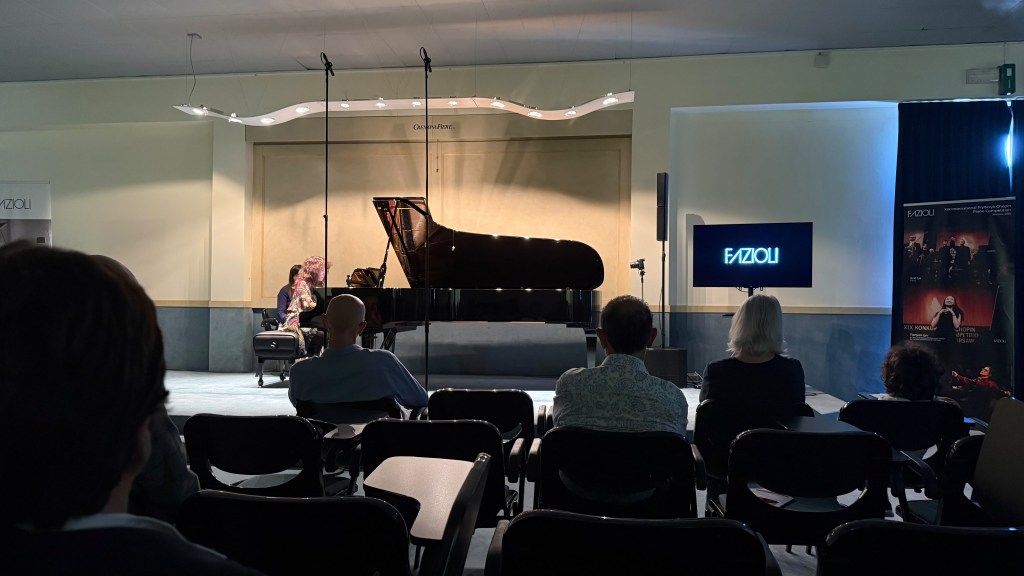
Masques that closed her recital is a work I have never heard in concert, although I have had a copy on my piano for the past fifty years. An early work that she played with the conviction and poetic beauty of a great artist.
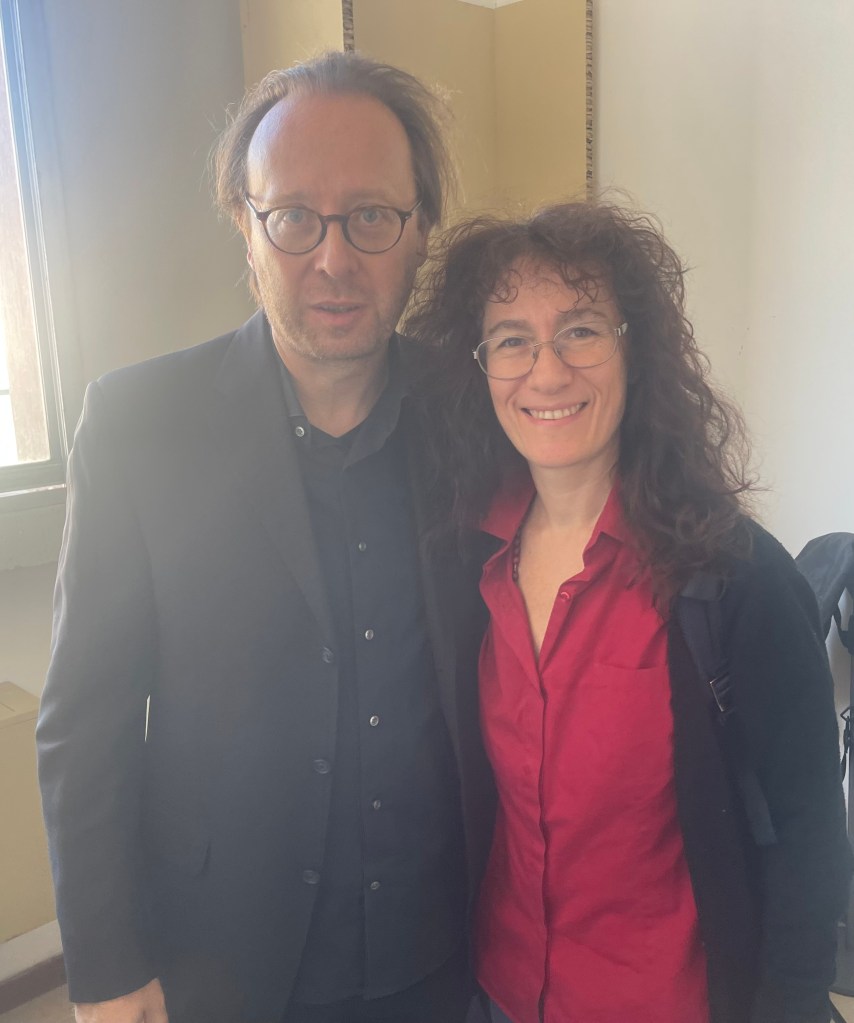
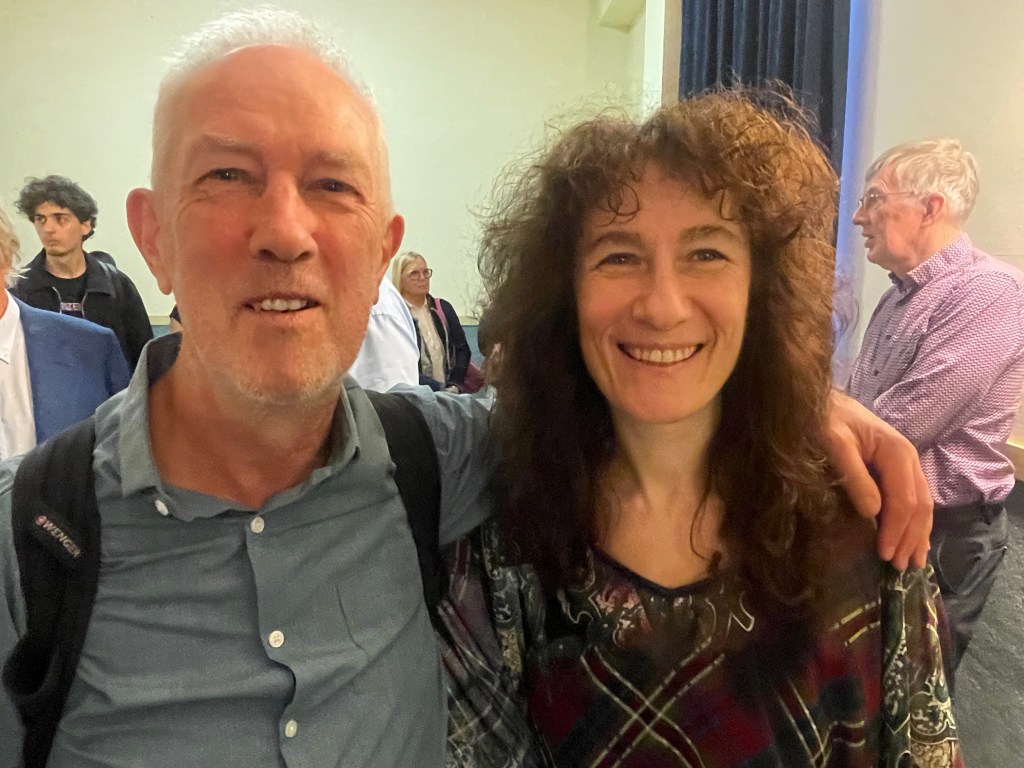
When Alessandra got married I gave her a silver mirror and she very spiritedly told me that every time she would look in it she would think of me! But it is you that have a magic mirror, dear Alessandra, where you can see things that no-one else can see!
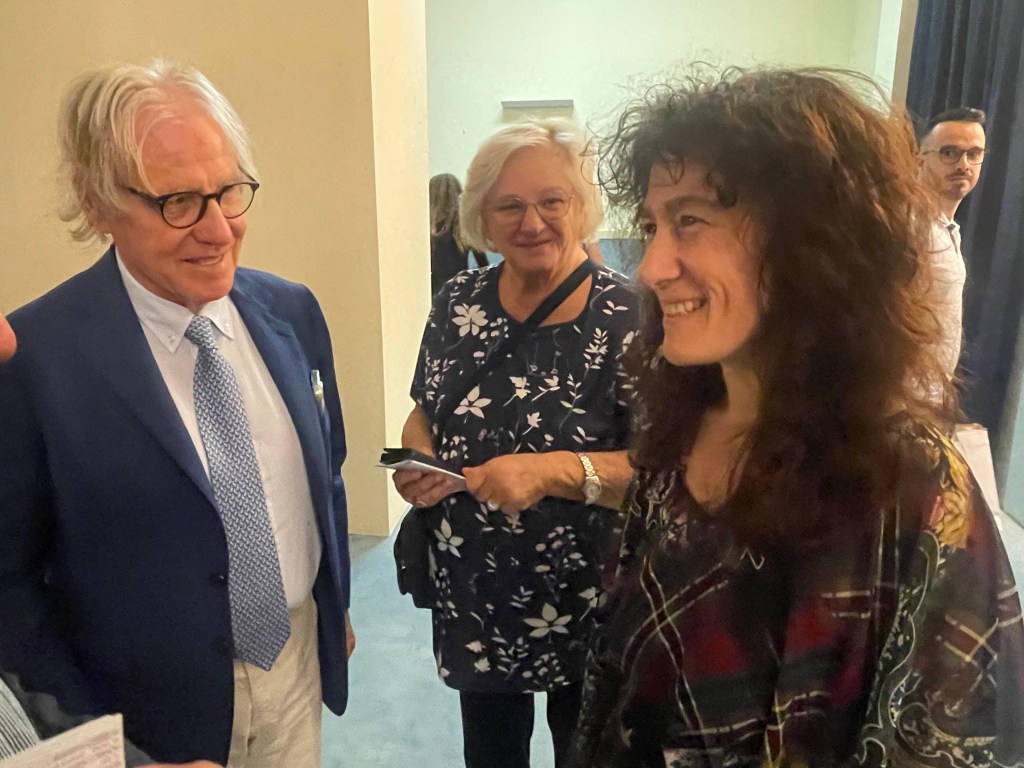
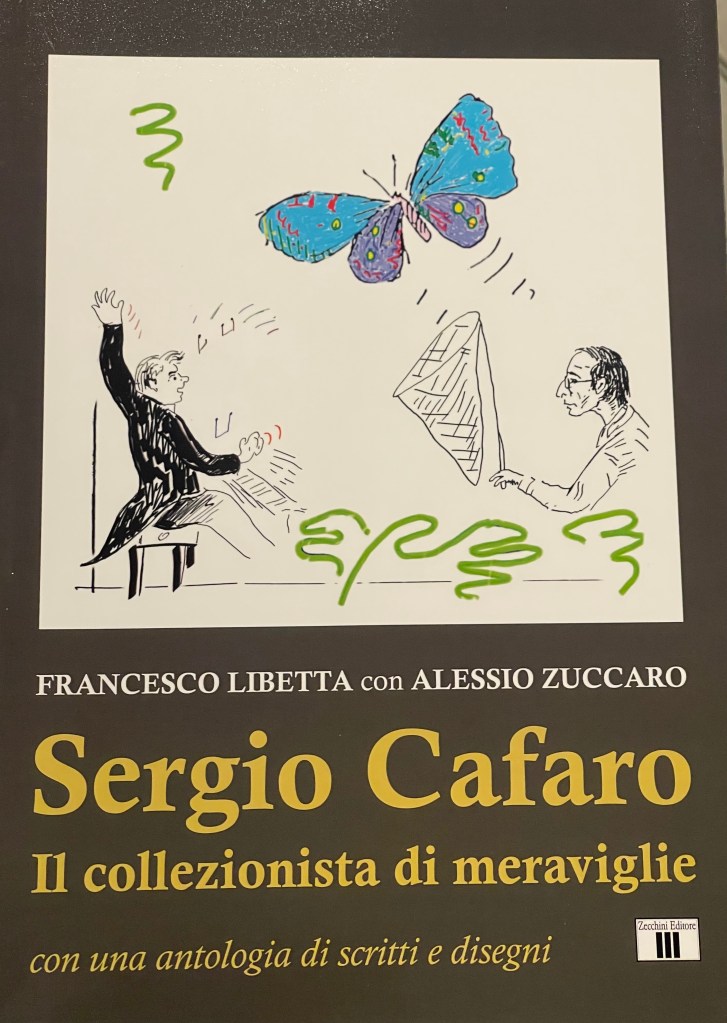
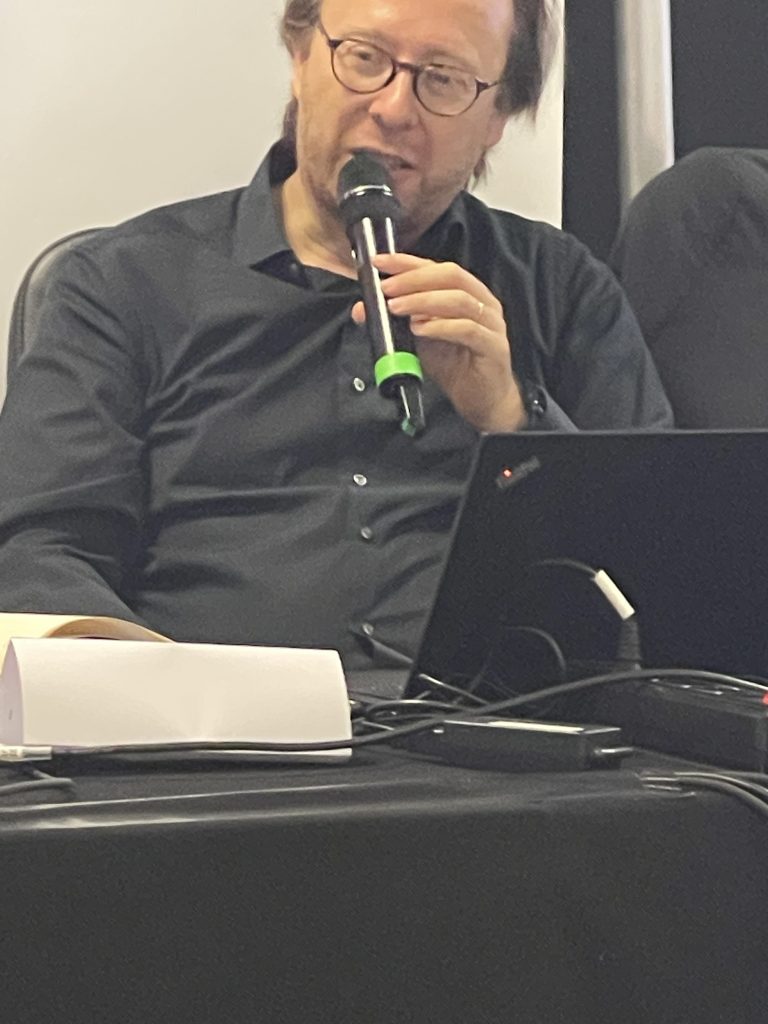
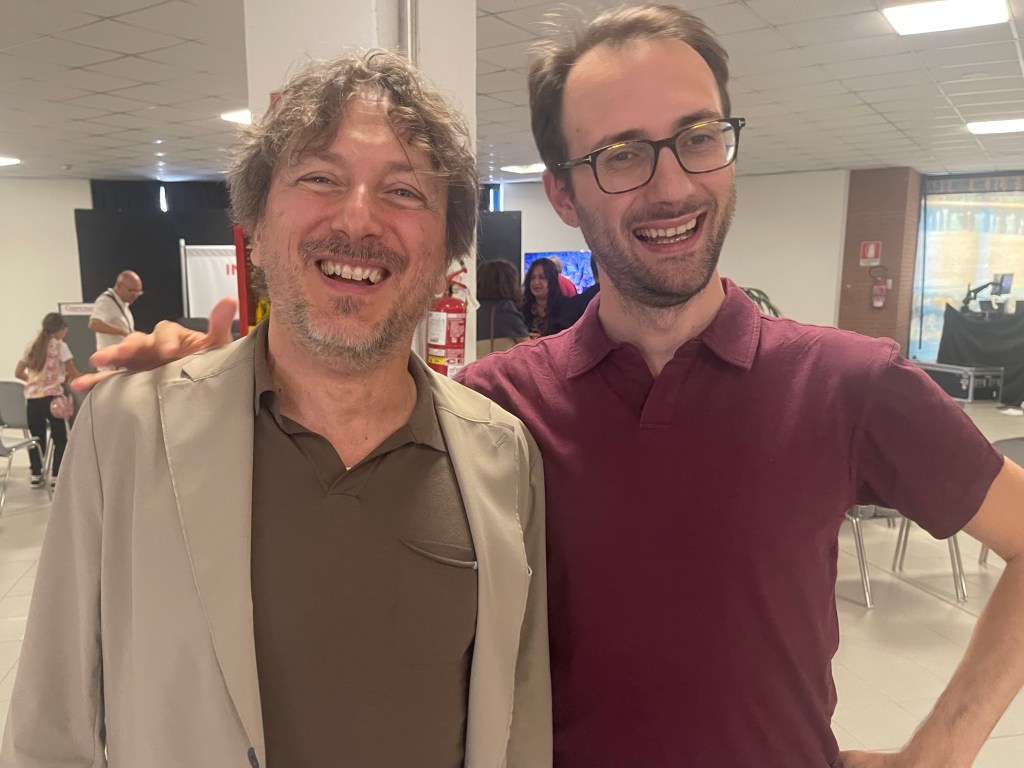
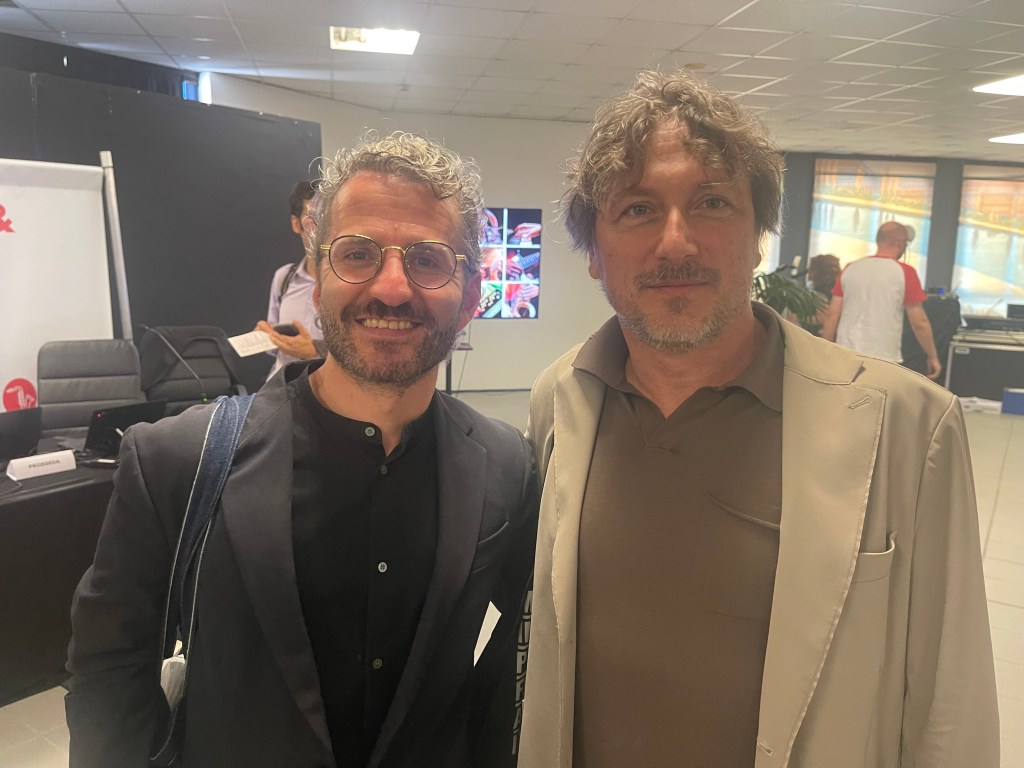
Rushing now to the Media Lounge where Francesco Libetta and Alessio Zuccharo were presenting their book about Sergio Cafaro, with Roberto presiding. It was an affectionate look back with thanks to a very humble servant of music.
Immediately after this the decks were cleared for a very important discussion about the future of International Competitions.
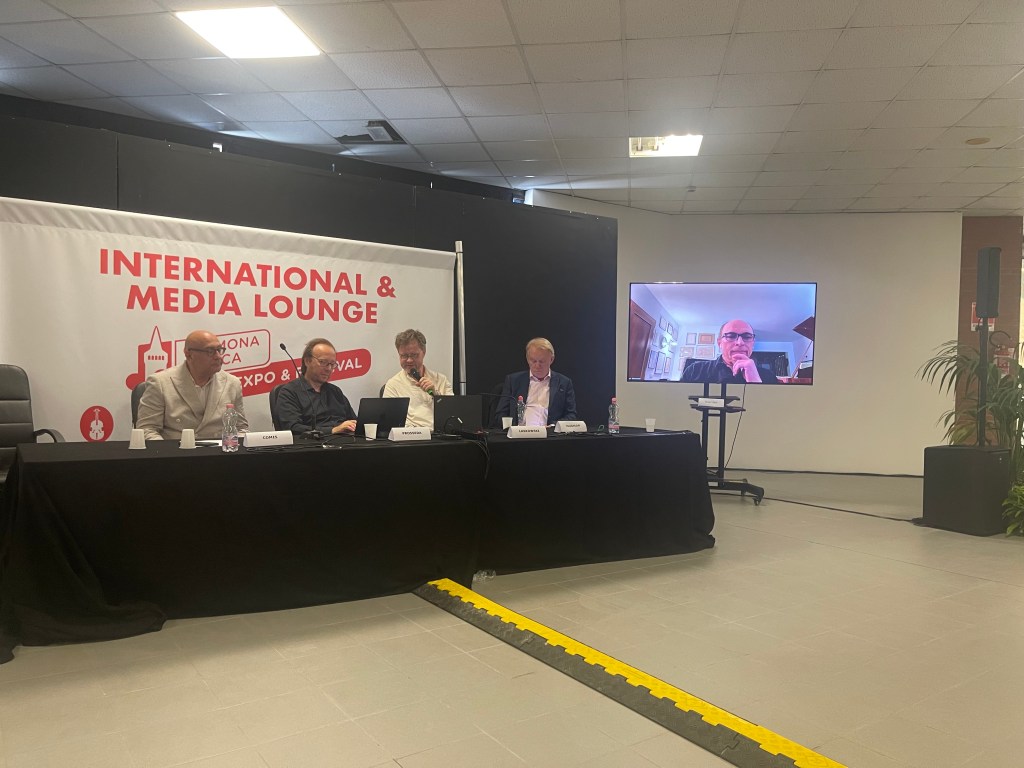
A fascinating discussion that made one realise that competitions are not only for the winners or sponsors, but a way of discovering and nurturing the talent of the future. It can be heard on the Cremona Musica web site.
No lunch today as Julian Trevelyan was to play Liszt on Chopin’s Pleyel . The complete Consolations and Soirées de Vienne.
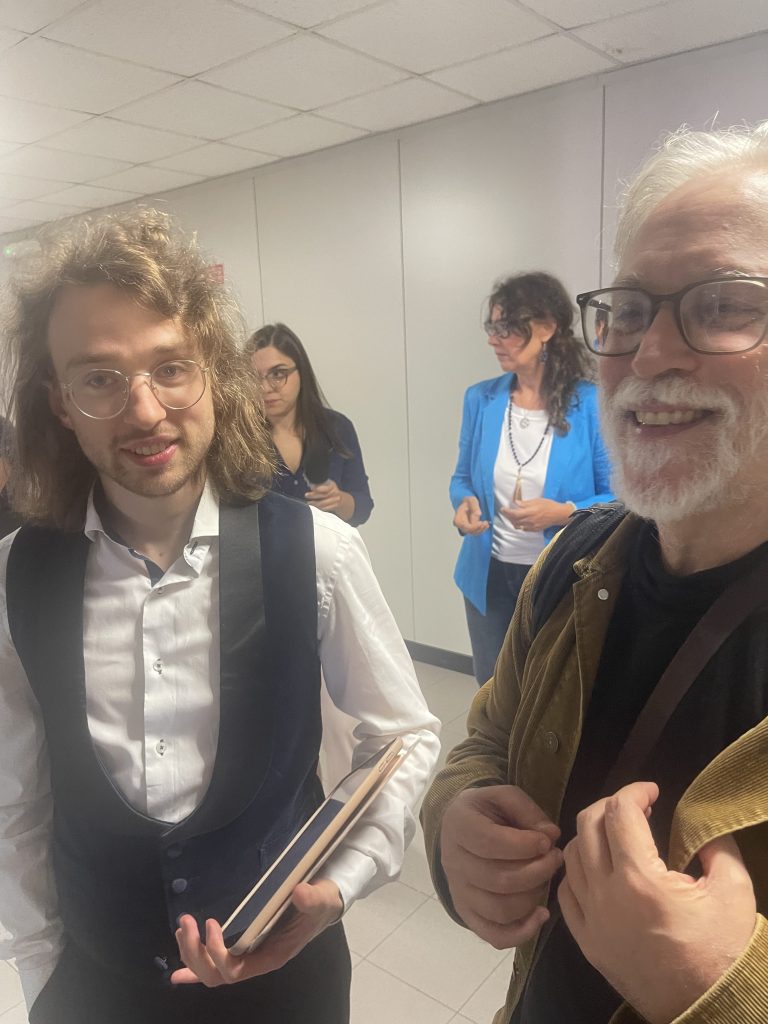
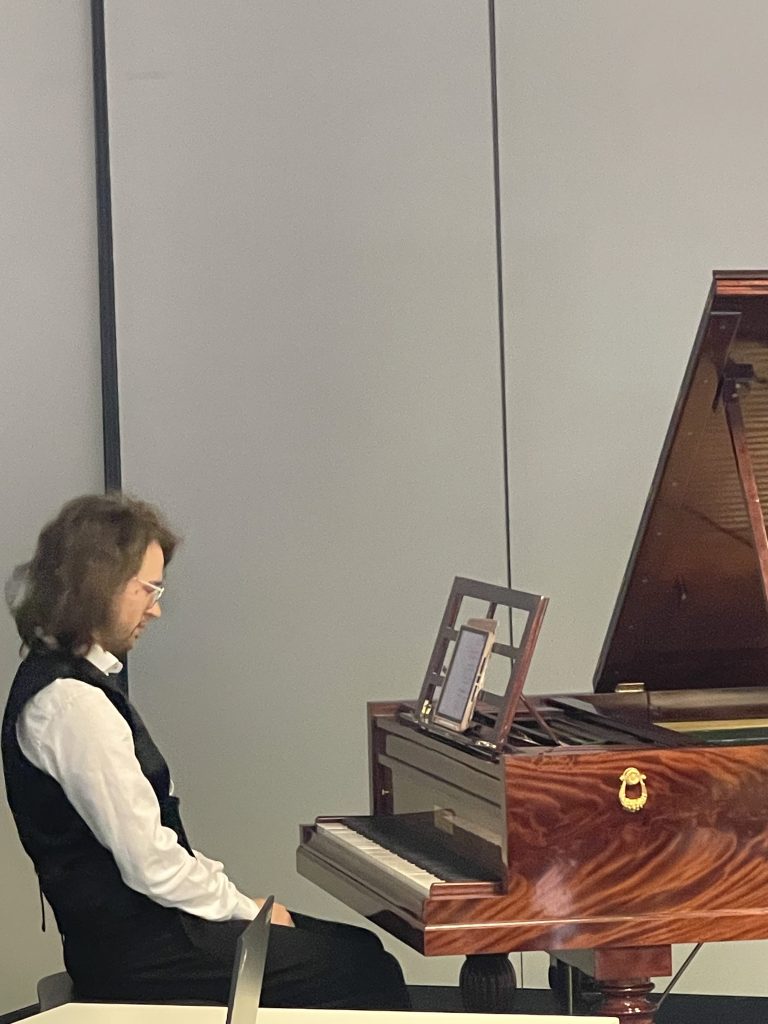
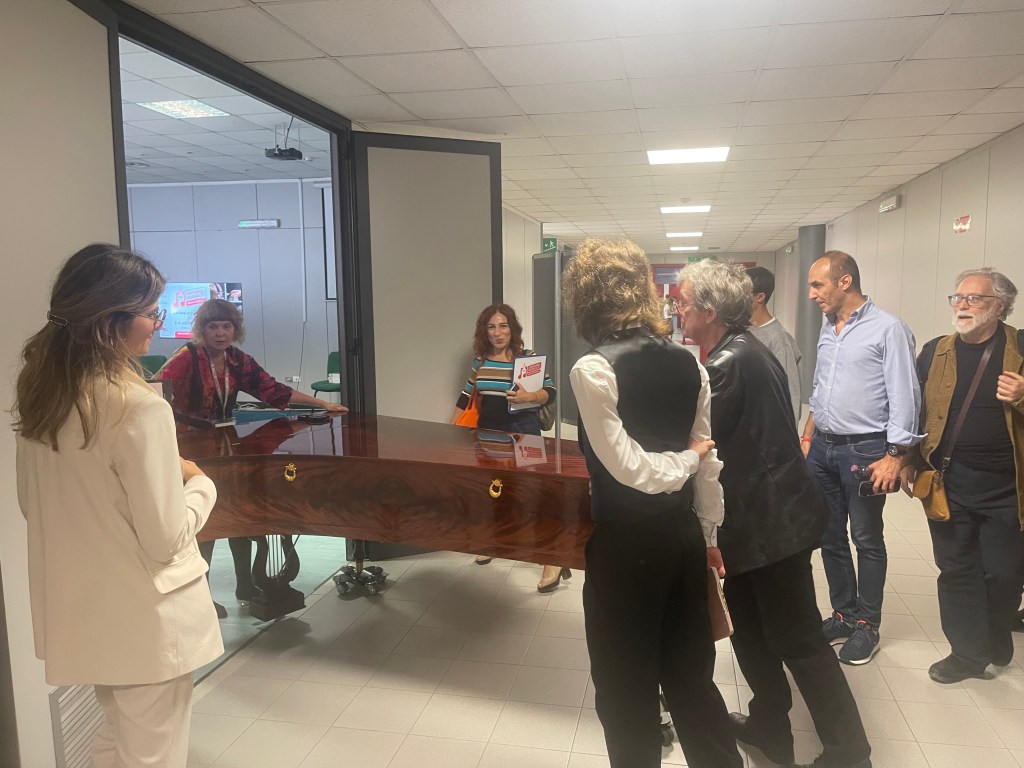
I have heard Julian play this same programme on a modern day piano but listening to the deep bass notes and extreme delicacy of the bel canto I much preferred this performance. The ‘Soirées’ that require a more robust approach are not quite so successful, but Julian once again brought works to the concert platform that we have rarely if ever heard performed. The youngest Professor at the École Normale with an appetite for music and life, having won top prize at the age of 16 at the Marguerite Long Competition in Paris, he is like Kit Armstrong, an important voice in the wilderness.
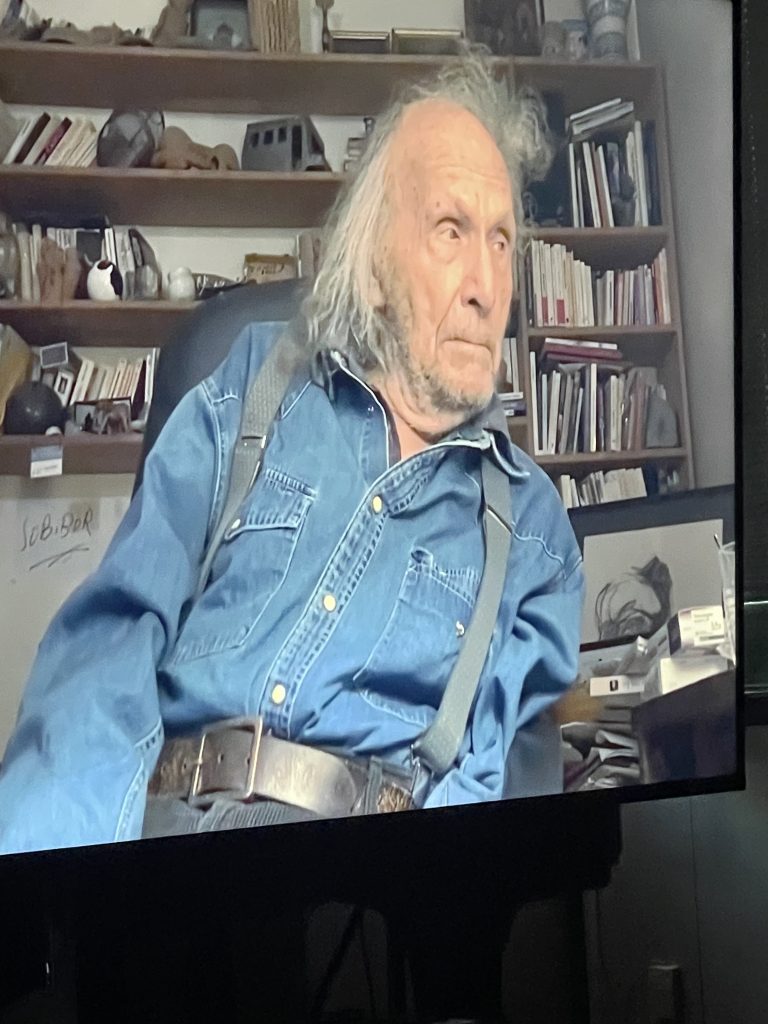
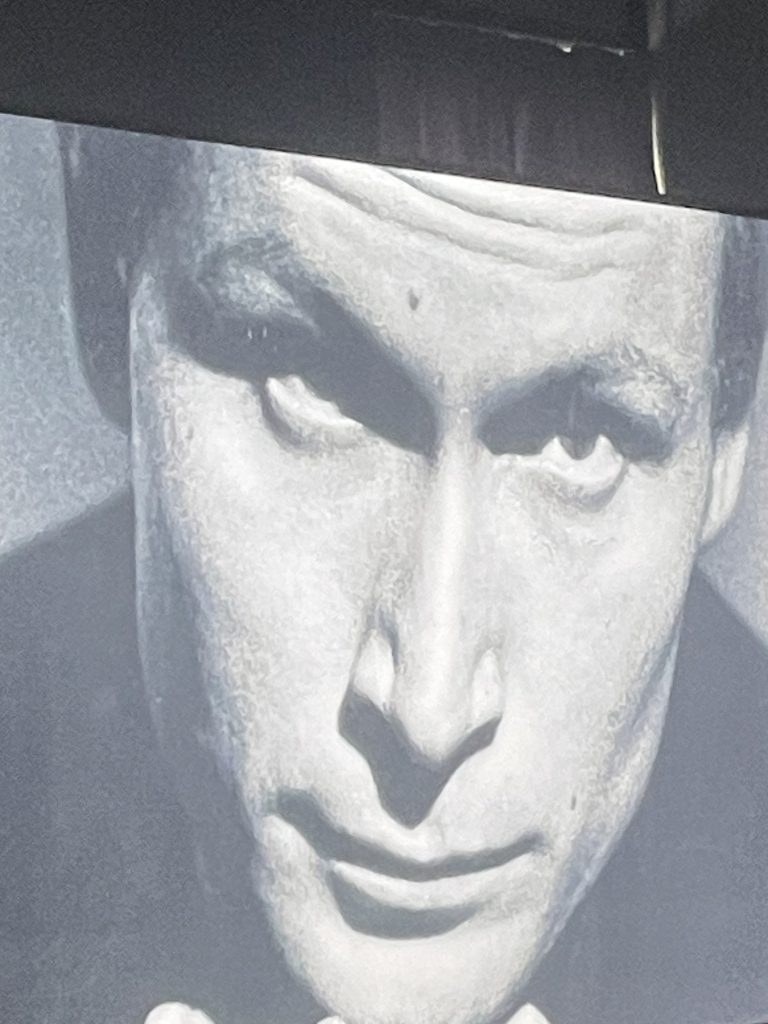
And finally a showing of the remarkable film about Ivry Gitlis – ‘IVRY WHO?’ by Gäi Tordjman . A remarkable documentary about an extraordinary violinist who lived to the age of 97. Befriended by Martha Argerich and many of his colleagues he had made his debut in New York with George Szell and became a heart throb in Paris in the sixties. A long very moving film that I look forward to seeing again as I missed the last few bars, because our bus was beckoning to take us back to the centre where Kit Armstrong and Fabrizio von Arx were waiting in the church of Santa Agata, in the street where Stradivarius lived. He was also married in this church and Kit was giving a recital with Fabrizio von Arx ( director of the Stradivarius Foundation ) .
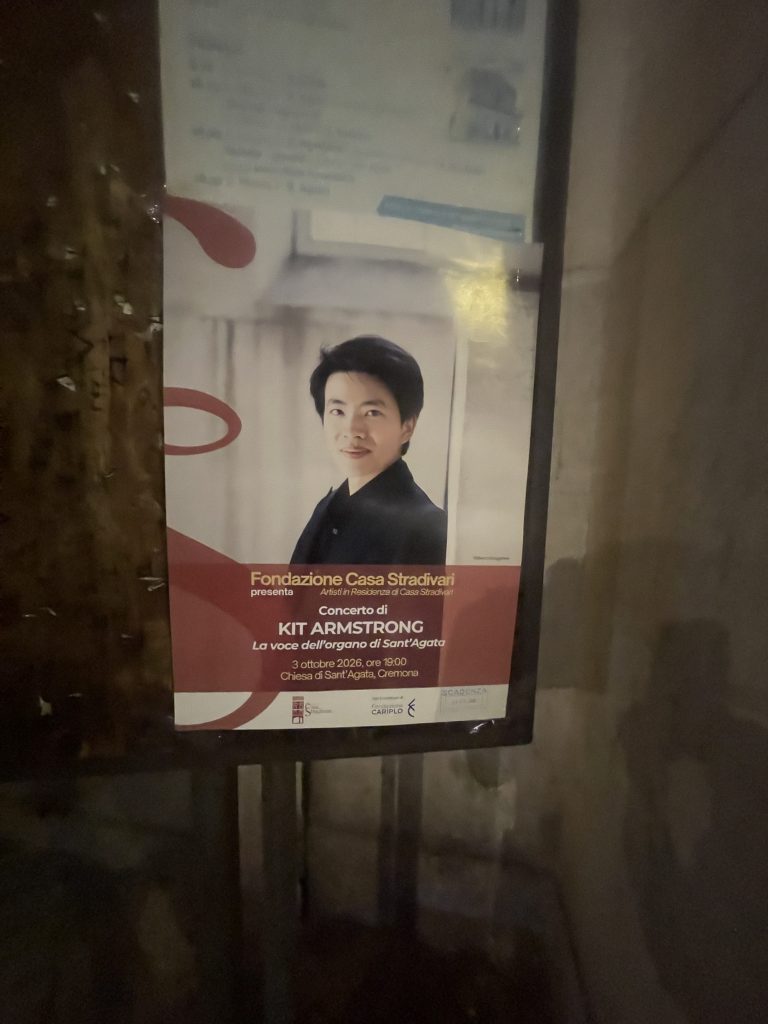
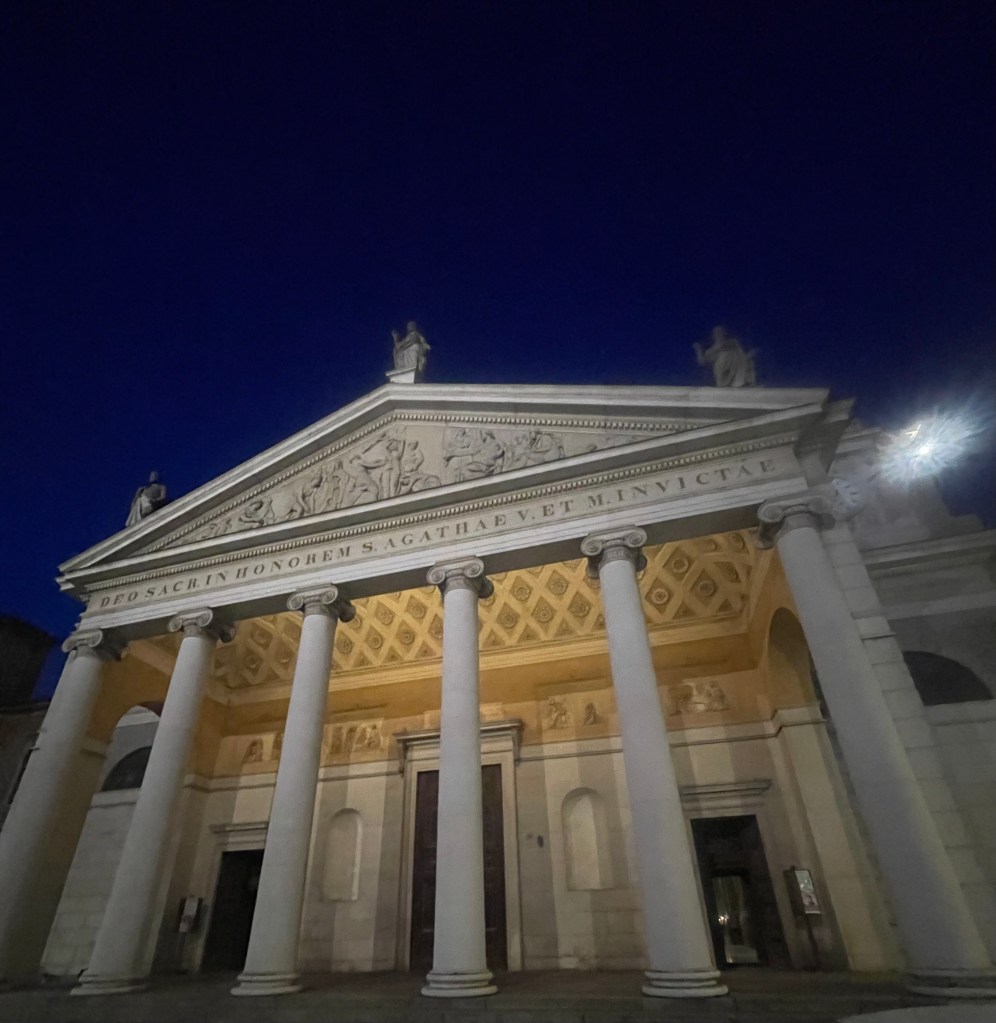
A concert to raise funds to restore the mechanics of the organ. In fact it was Kit who asked me if I had noticed that Jesus had not been able to make an appearance in one of the works of Bach that he played.
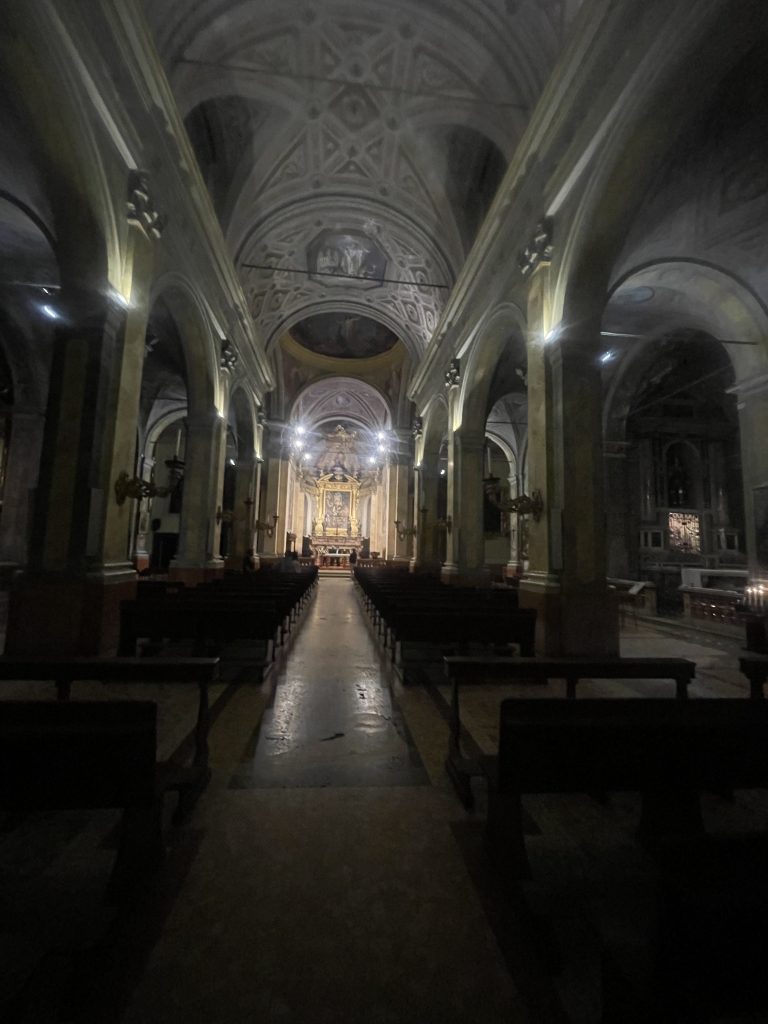
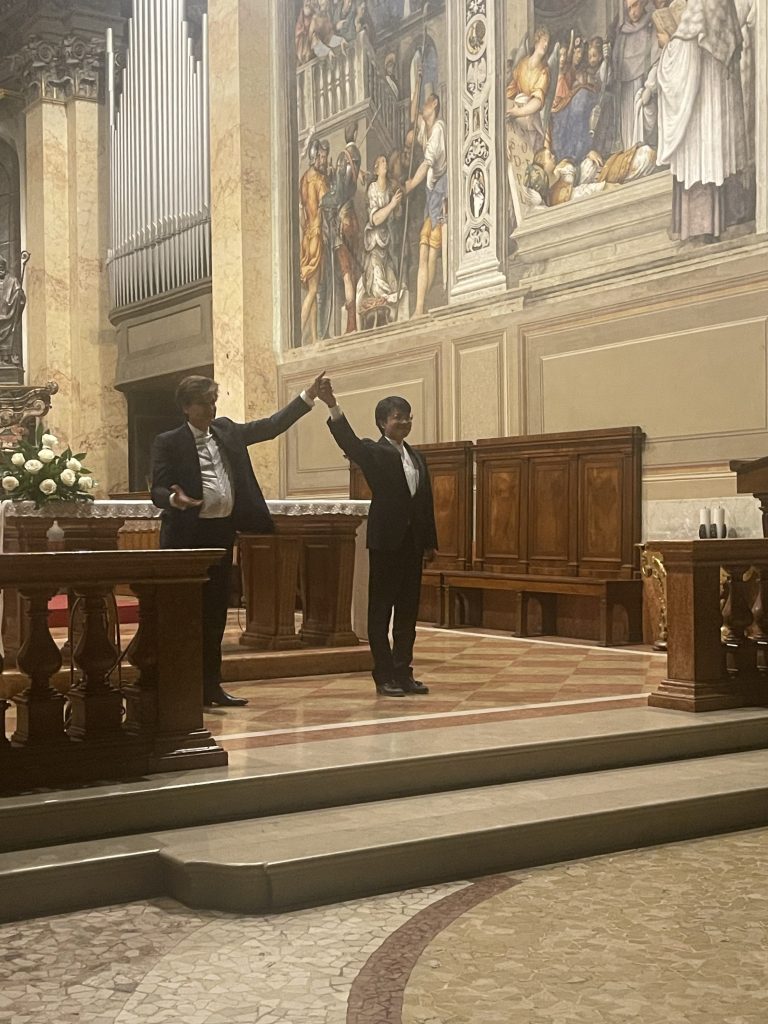
I honestly had not noticed as I only had the glorious sounds of the Widor Toccata still ringing in my ear.
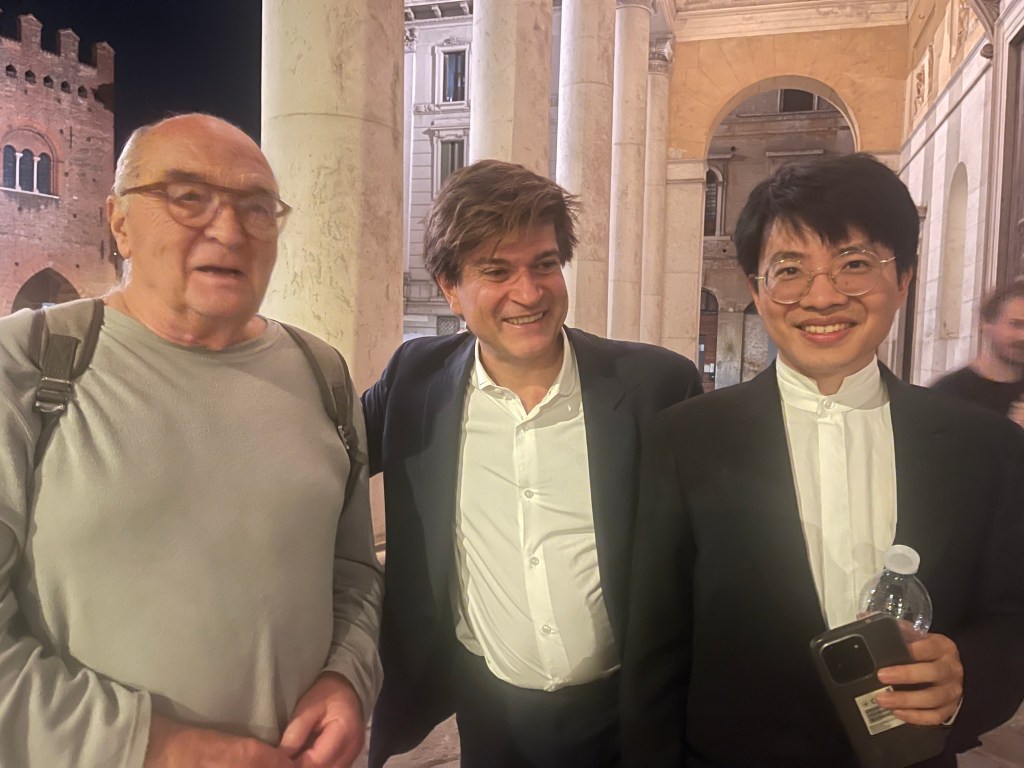
I had met Bruno some years ago in Sermoneta when both Roberto Prosseda and Fabrizio were artistic directors bringing back magnificent music to the Festival that Menuhin and Szigeti had founded in the 60’s.
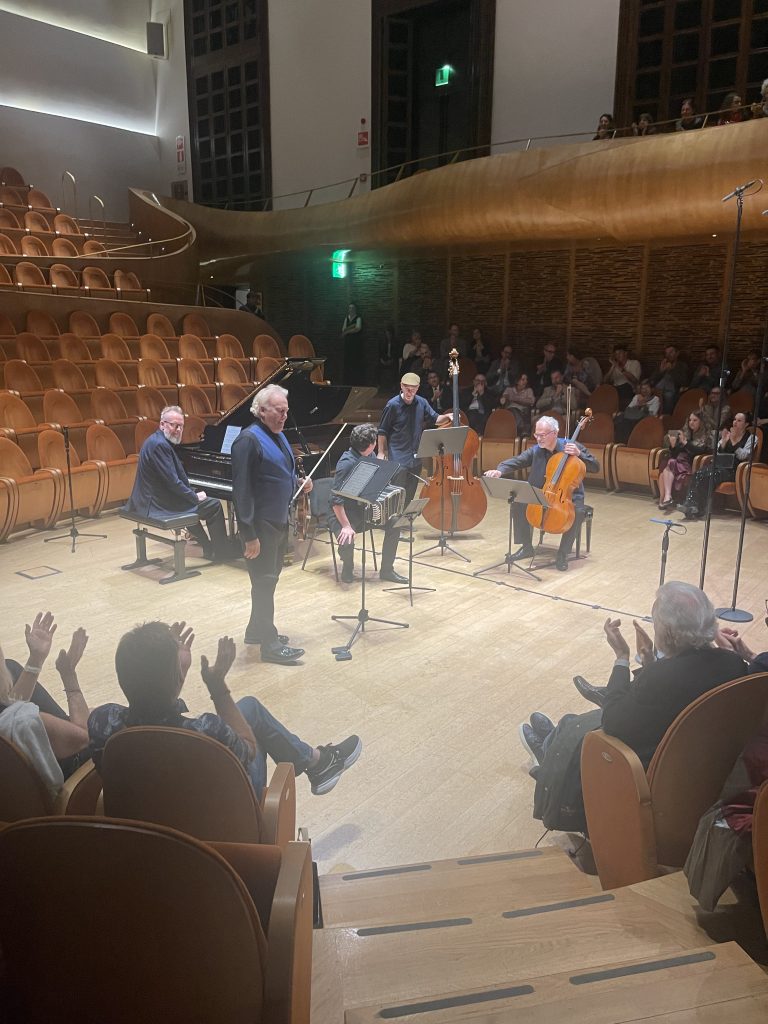
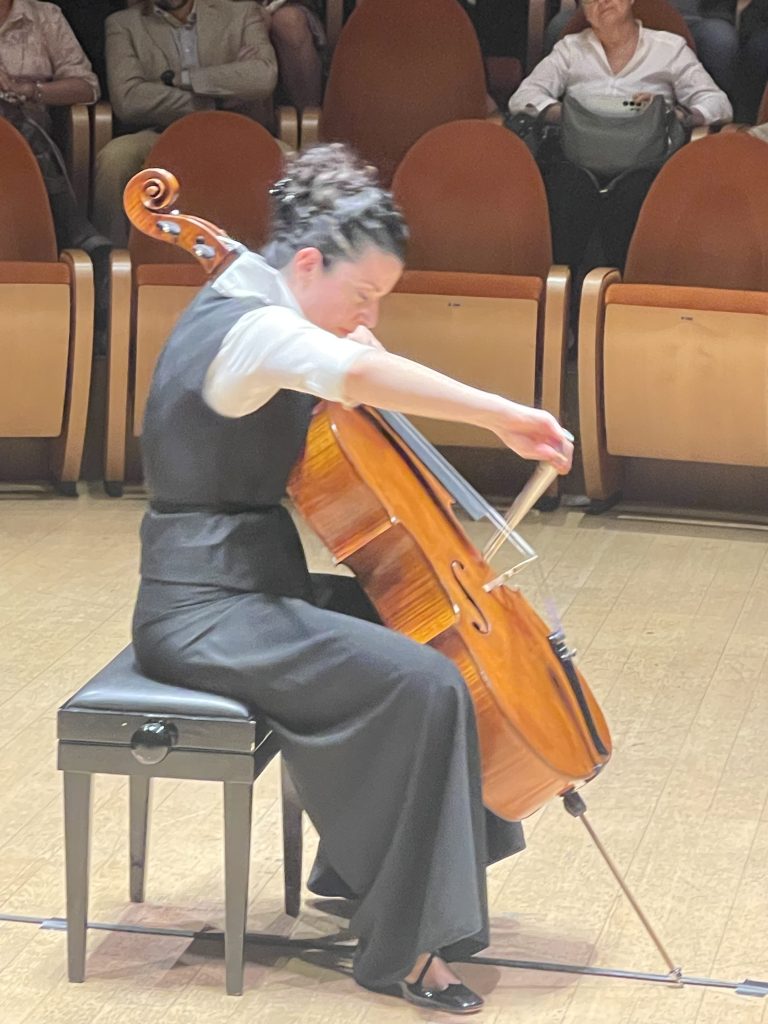
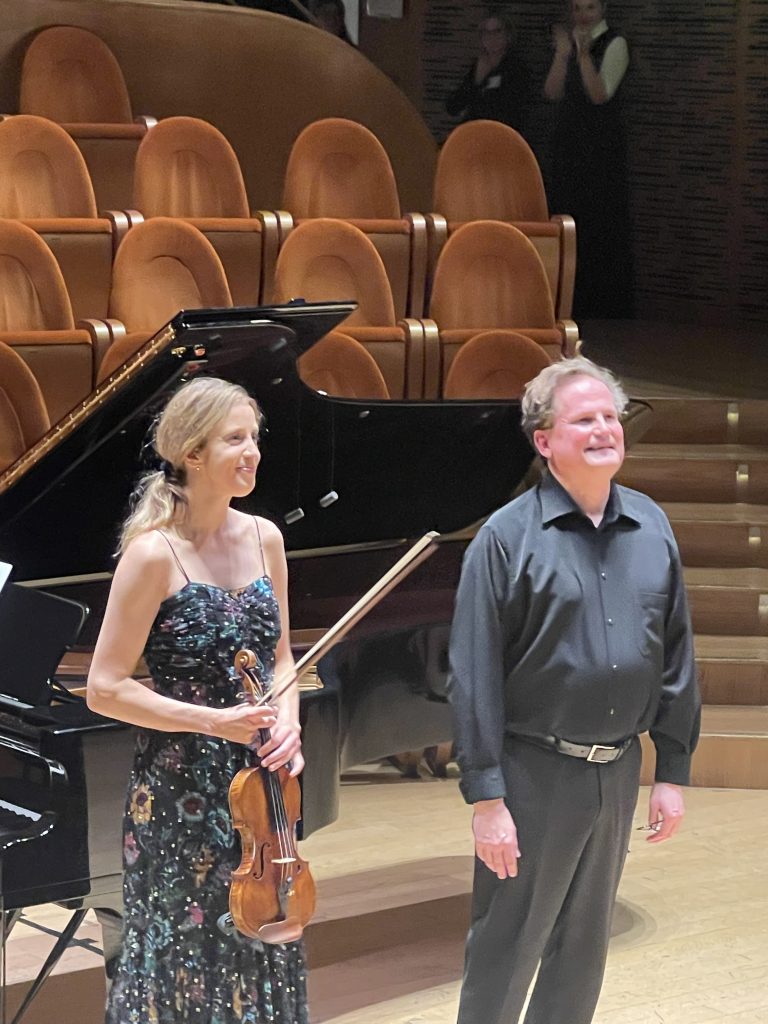
And finally the Cremona Musica Galà Concert and Award Ceremony in the Auditorium G . Arvedi of the Violin Museum.
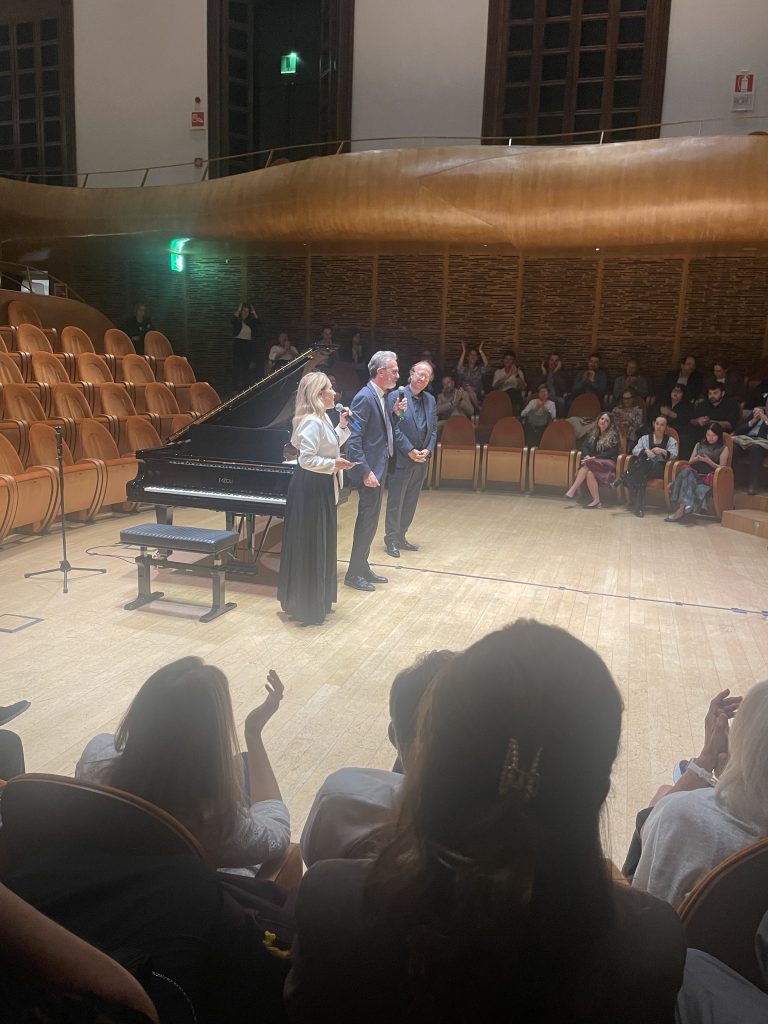
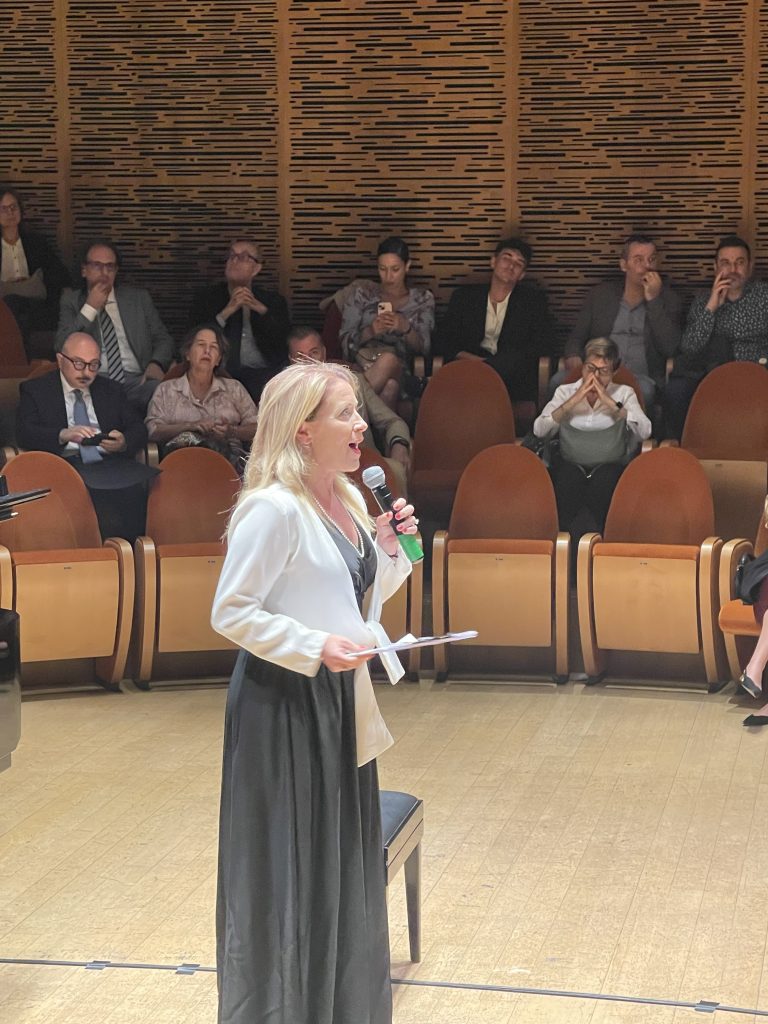
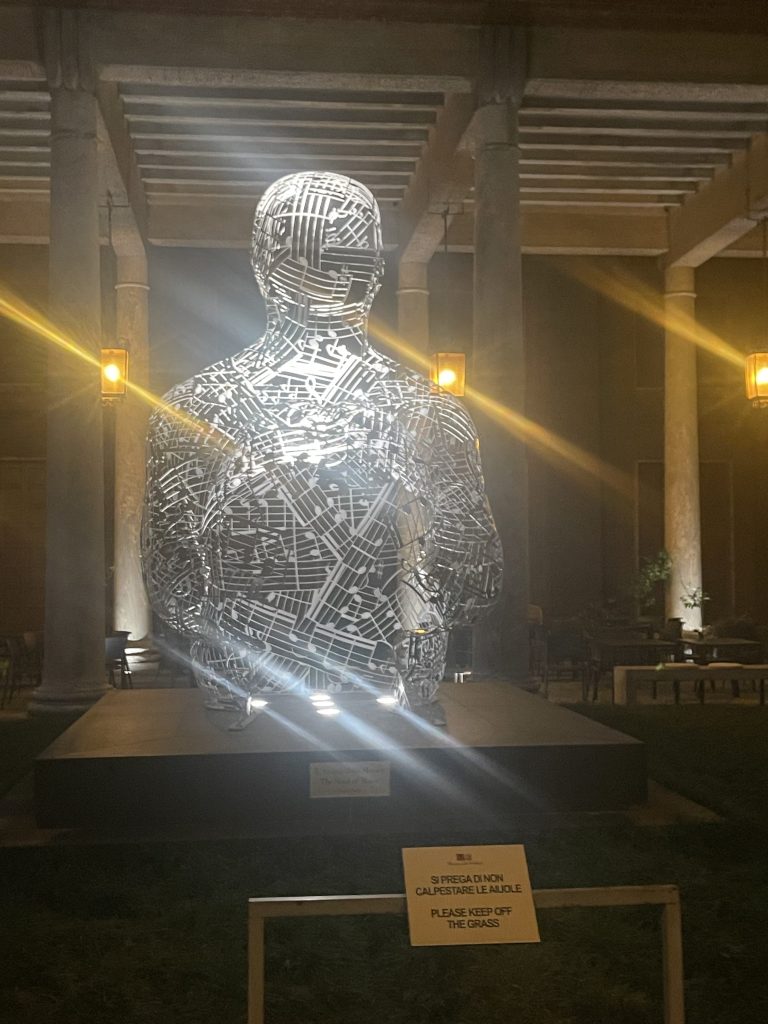
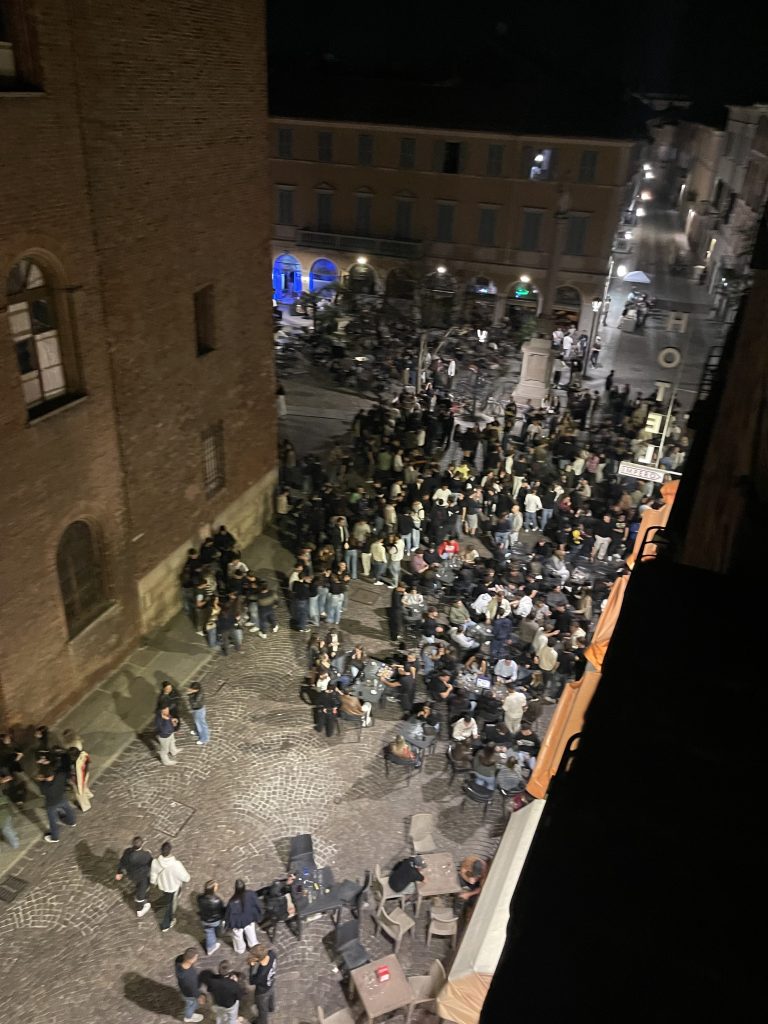
Cremona the last day
Fazioli reigns ‘The King of Piano Makers’
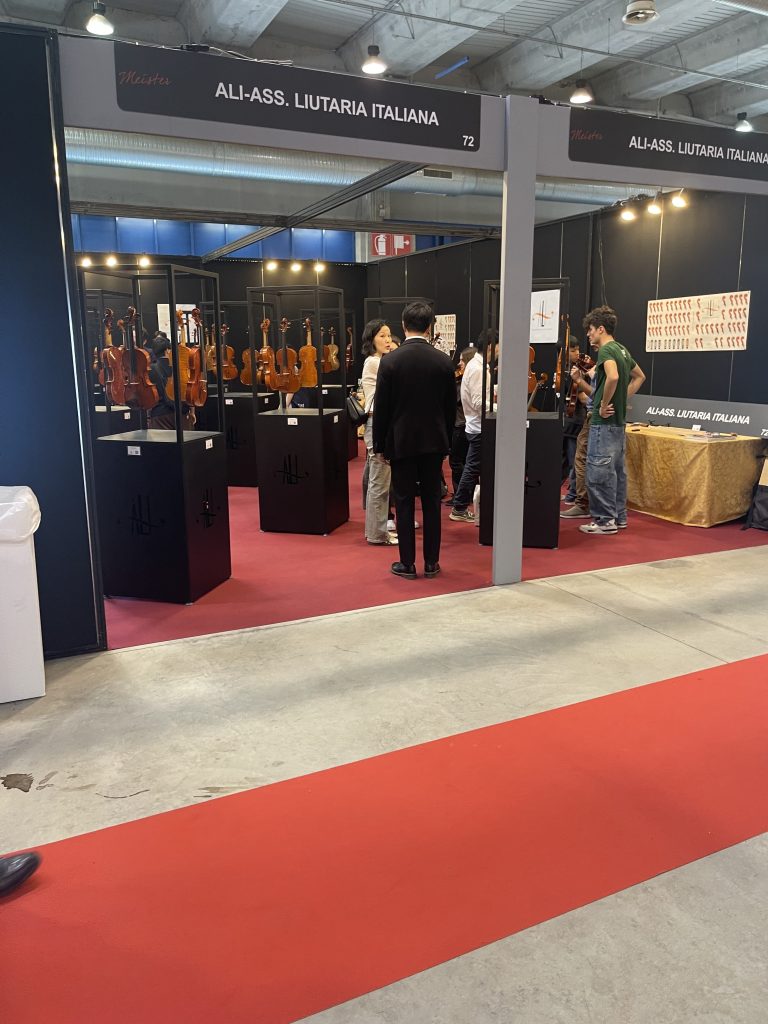
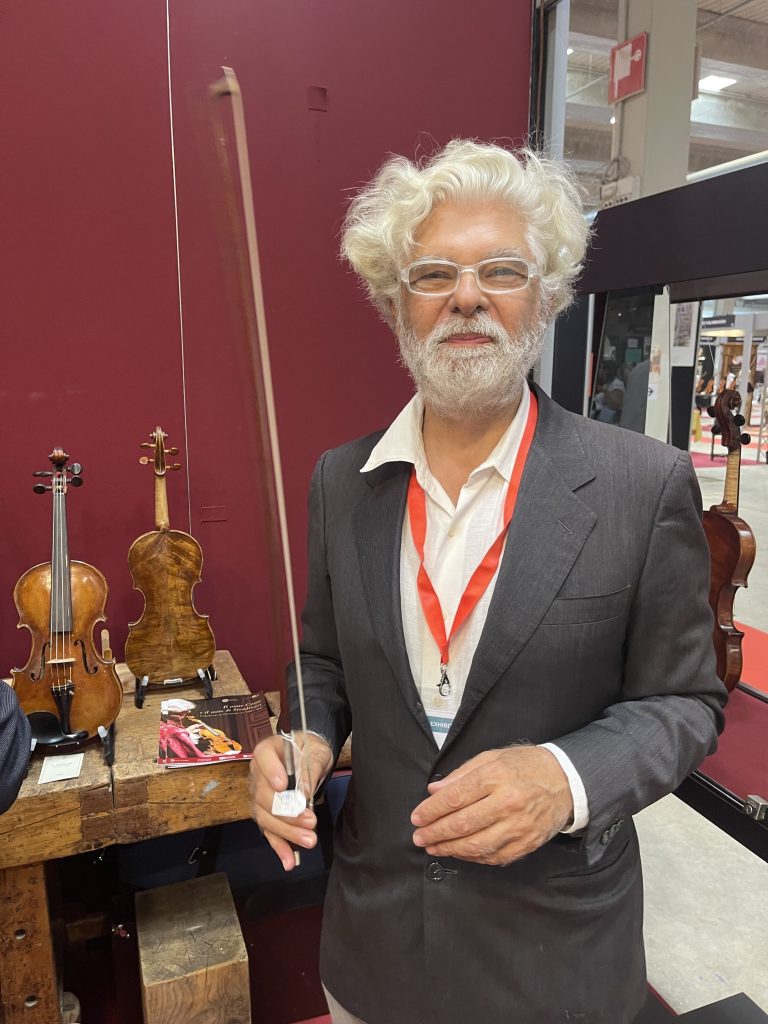
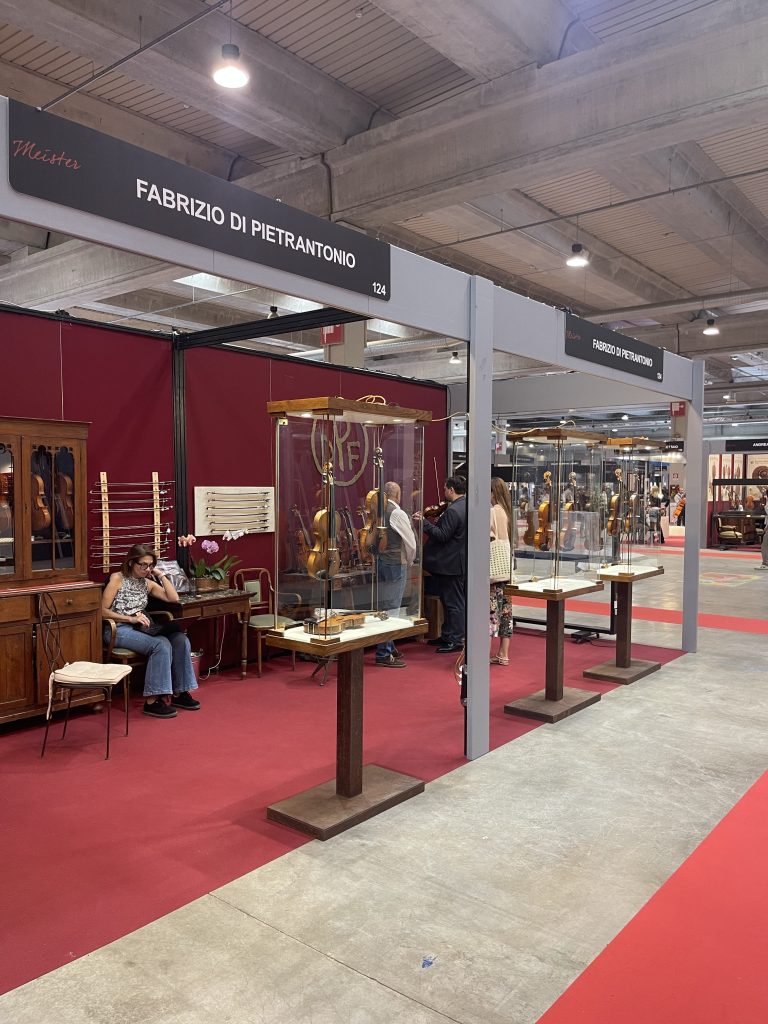
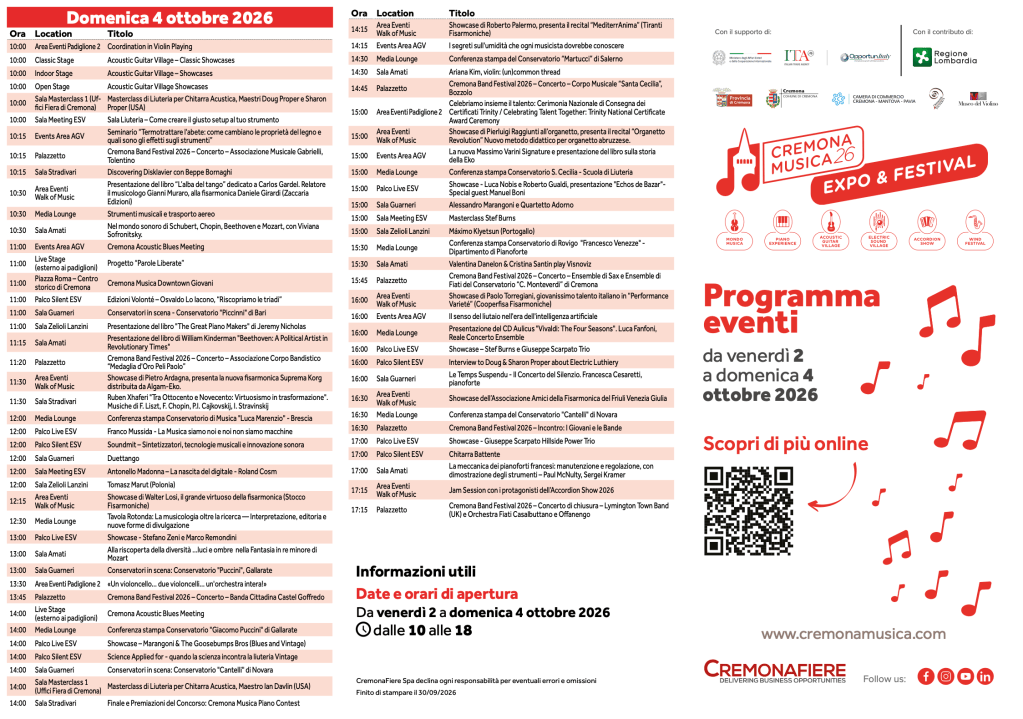
Some major events in the Fazioli studio starting with that perfect English gentleman, actor, writer, broadcaster, lyricist, musician and piano file, Jeremy Nicholas presenting his new book ‘The Great Piano Makers’ . Did I hear makers or breakers ! An enlightened and hugely enjoyable panorama of piano makers who were strangely enough not pianists but cabinet makers, engineers and business men with a vision, but there were no women !
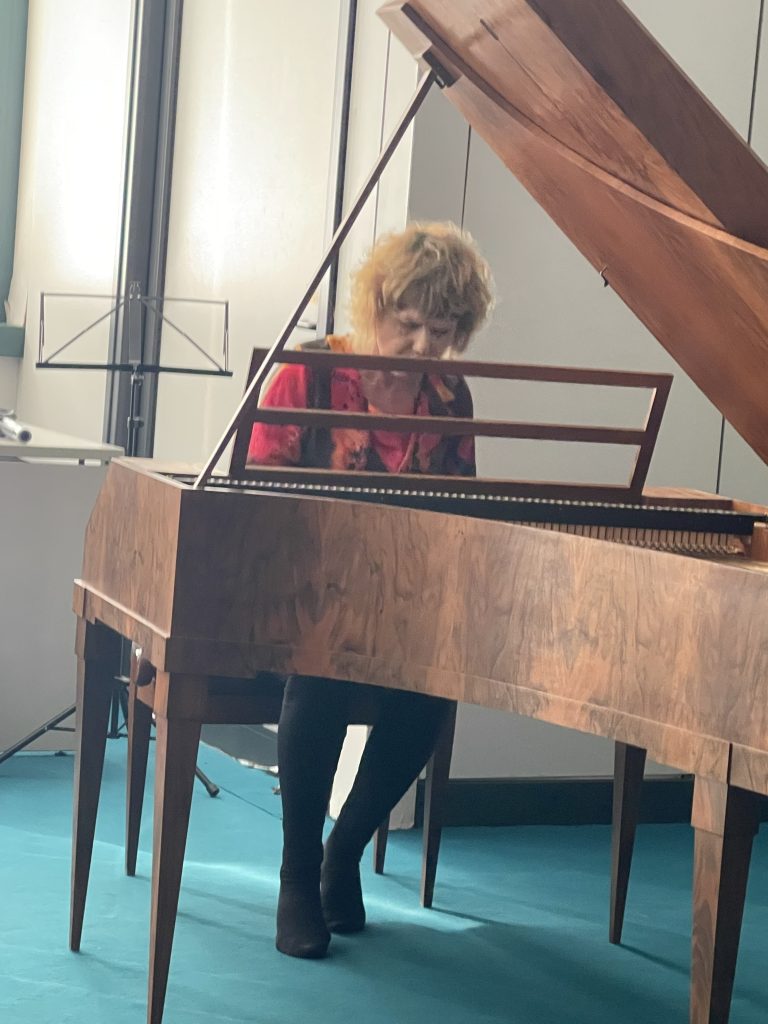
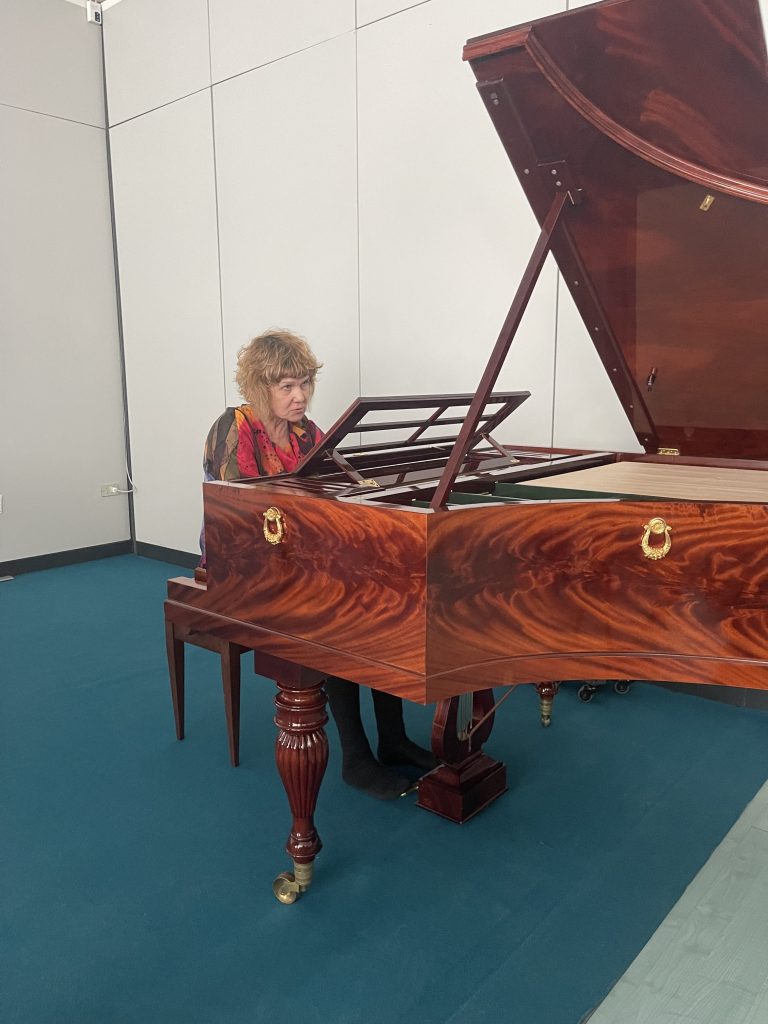
Well it was a woman, Viviana Sofronitsky, the granddaughter of Scriabin , who had shown us in an early morning panorama in the Amati Studio, the different sounds and techniques between modern day pianos and the period instruments of Chopin’s time. What a difference to hear the magical sound world of Chopin’s Pleyel as compared to the modern day Yamaha . And a technique that is decidedly horizontal and certainly not vertical and a search for sound with a masterly use of the pedals. It was enlightening to hear the difference of Beethoven’s ‘Moonlight’ on the period instrument as compared to the modern one . Chopin studies, in particular op 10 n. 8, that just flew from her fingers with the magic of an artist with a brush, painting in sound . What a difference from the modern day piano where verticality and strength are too often the name of the game!
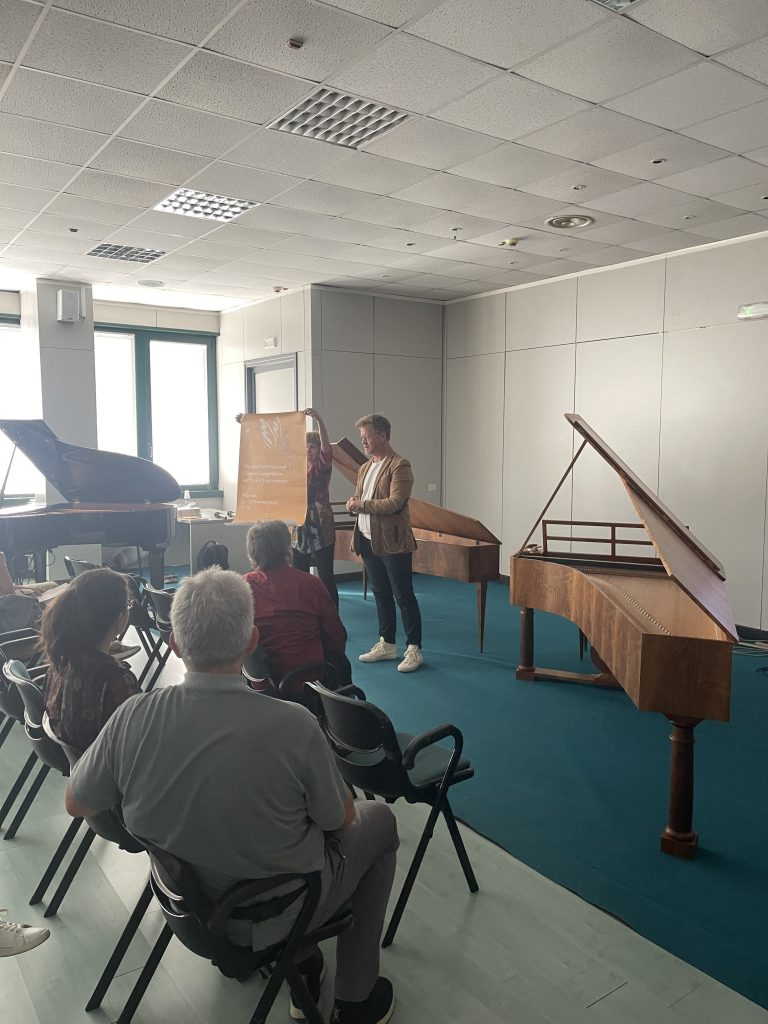
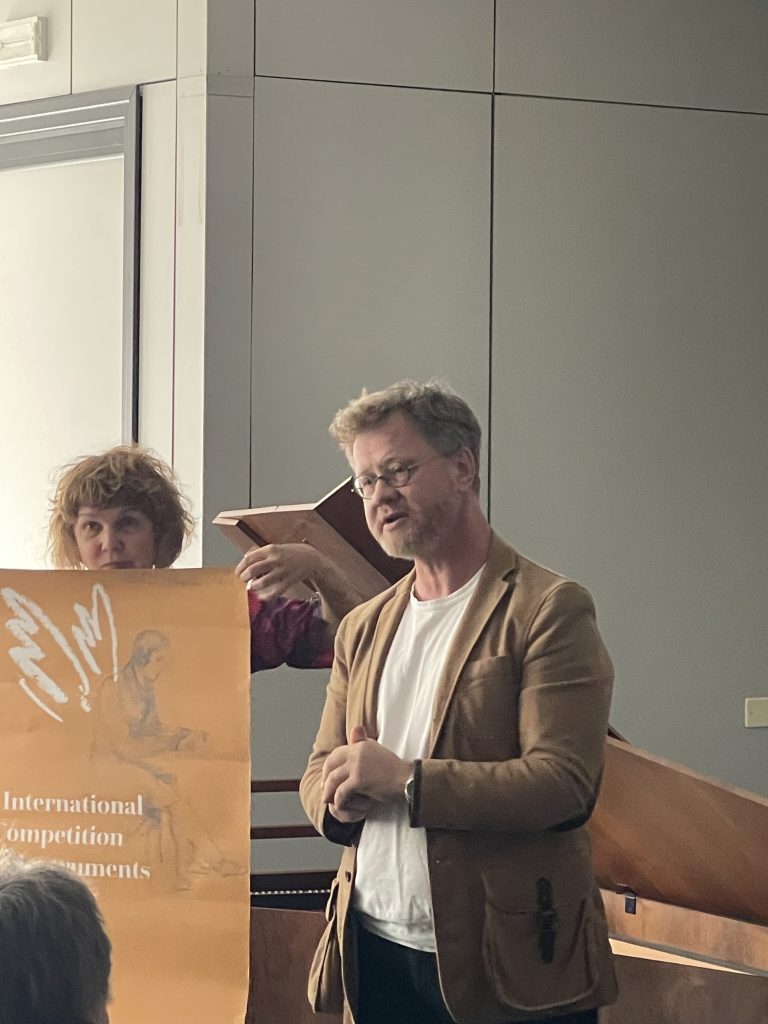
It was interesting to hear again Aleksander Laskowski of the Warsaw Chopin Institute telling us of the antique instruments that they are acquiring in the search for the ‘sound world’ that Chopin truly inhabited ! 2028 will see the third International Chopin Competition on period instruments . The last one three years ago saw Martha Argerich and Bruce Liu playing in the Gala concert on Chopin’s own piano ! A revelation for all!
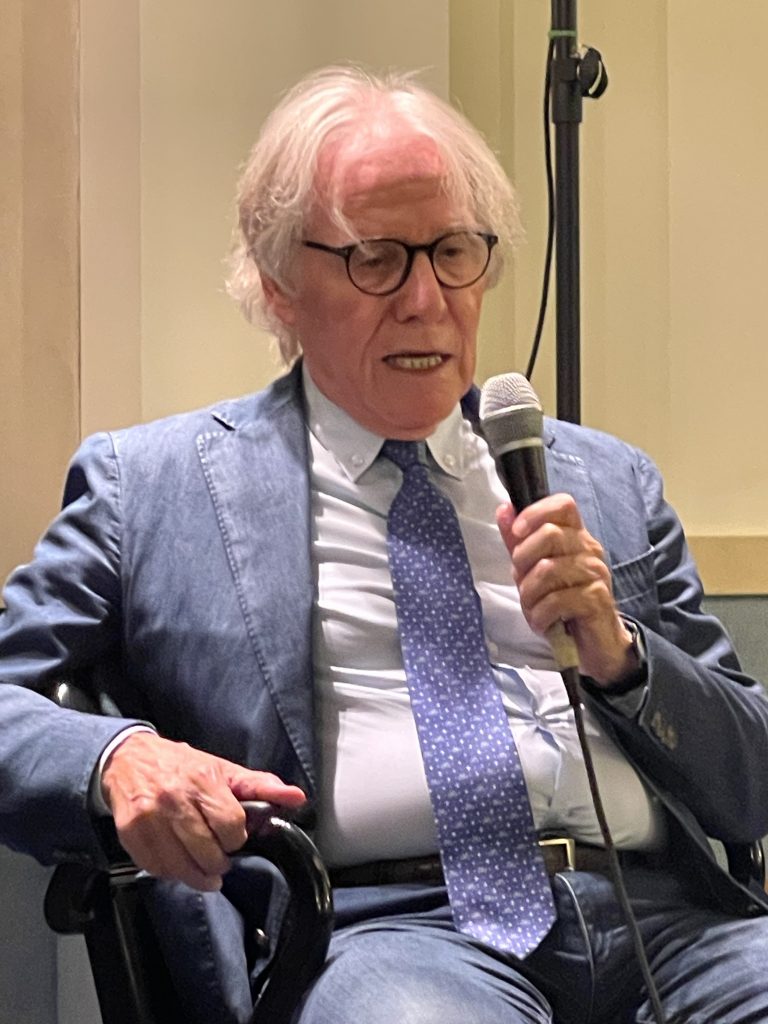
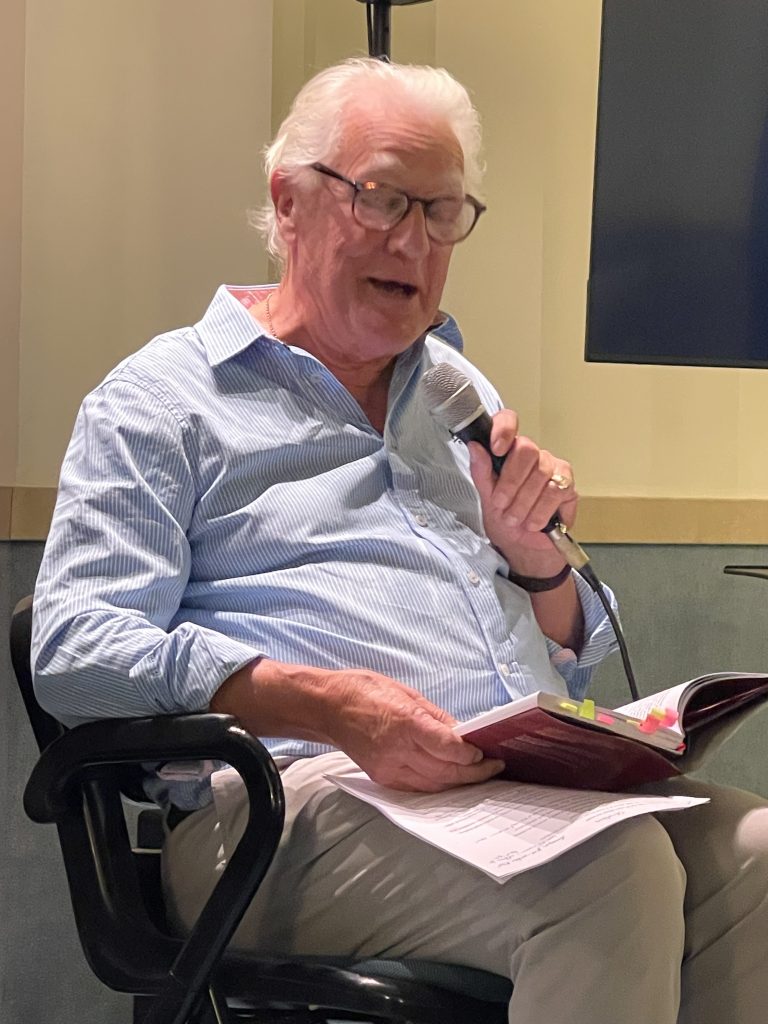
So, on to the Fazioli studio with Ing Paolo Fazioli presiding with the same passion and love that inspired him in the early 80 ‘s to take Mimi Martinelli’s advice to start making pianos. Mimi the much loved wife of Serghio Cafaro, who together created a household similar to the Craxton’s in London, where warmth, humanity, integrity and humility offered a refuge and inspiration to all those that accepted their warm welcome. Disciples that include Roberto Prosseda, Alessandra Ammara , Francesco Libetta , Luisa Prayer ,Laura Manzini and many others.
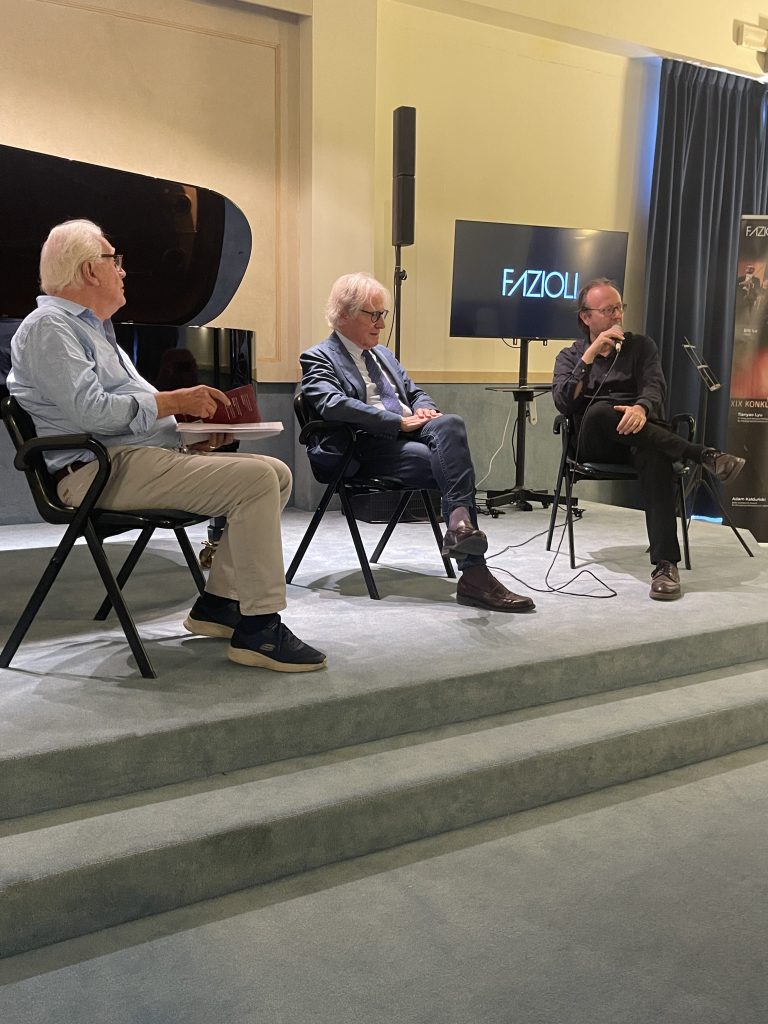
It was Ing Fazioli that I had noted in the historic Sala Accademica of S Cecilia, sitting in the front row with a Steinway on stage, at the Final of the Sergio Cafaro Competition that Mimi together with her students had instigated in memory of her beloved husband !
I asked Mimi how was this possible?! She told me that Ing Fazioli had been her student whilst studying engineering at Rome University.He obtained his diploma in piano at 18 and Mimi with her usual wisdom, intelligence and warmth, knowing that a career in music was fraught with difficulties, advised Paolo, who was part of a family of cabinet makers, to construct pianos by using his engineering skills and undying love for the piano to create the wonderful instruments that the world knows today.
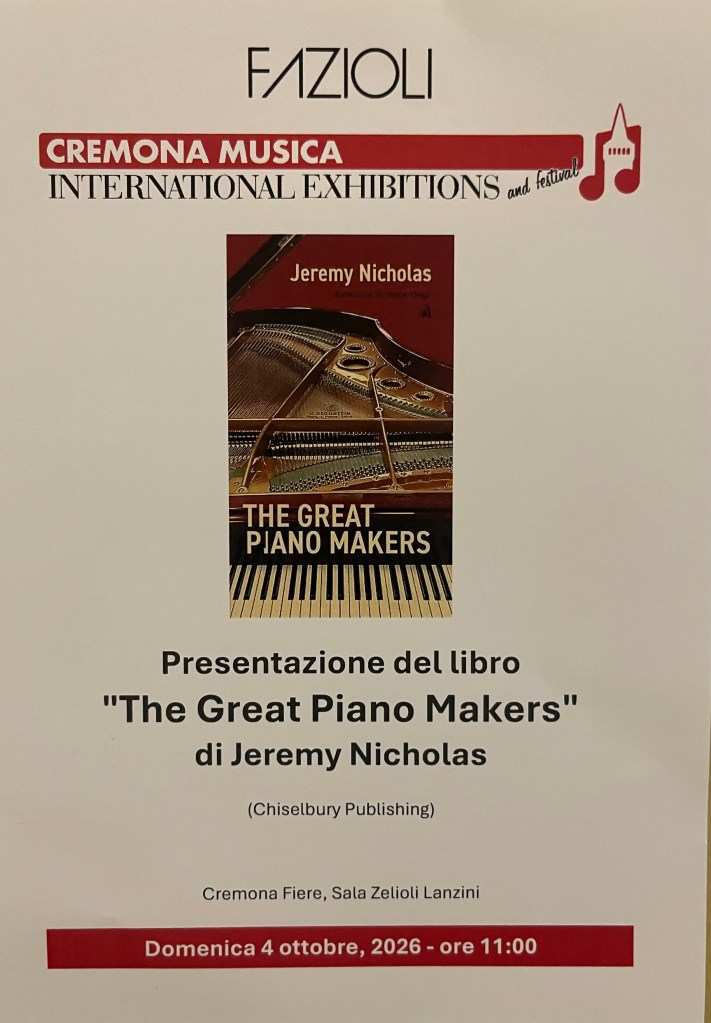
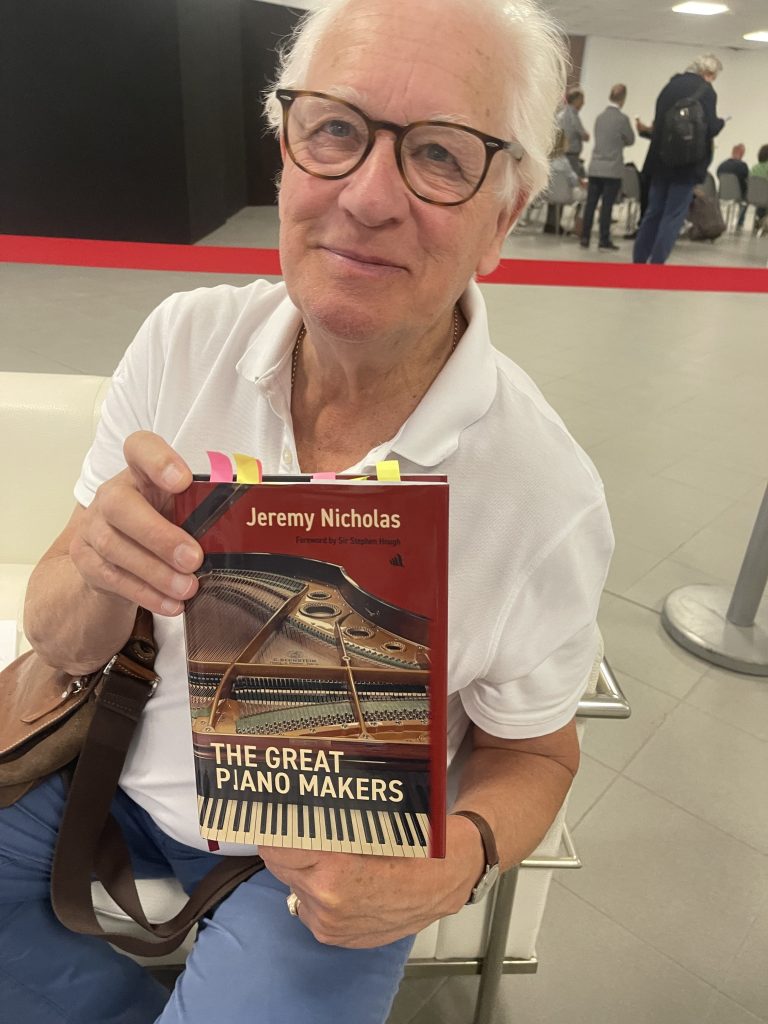
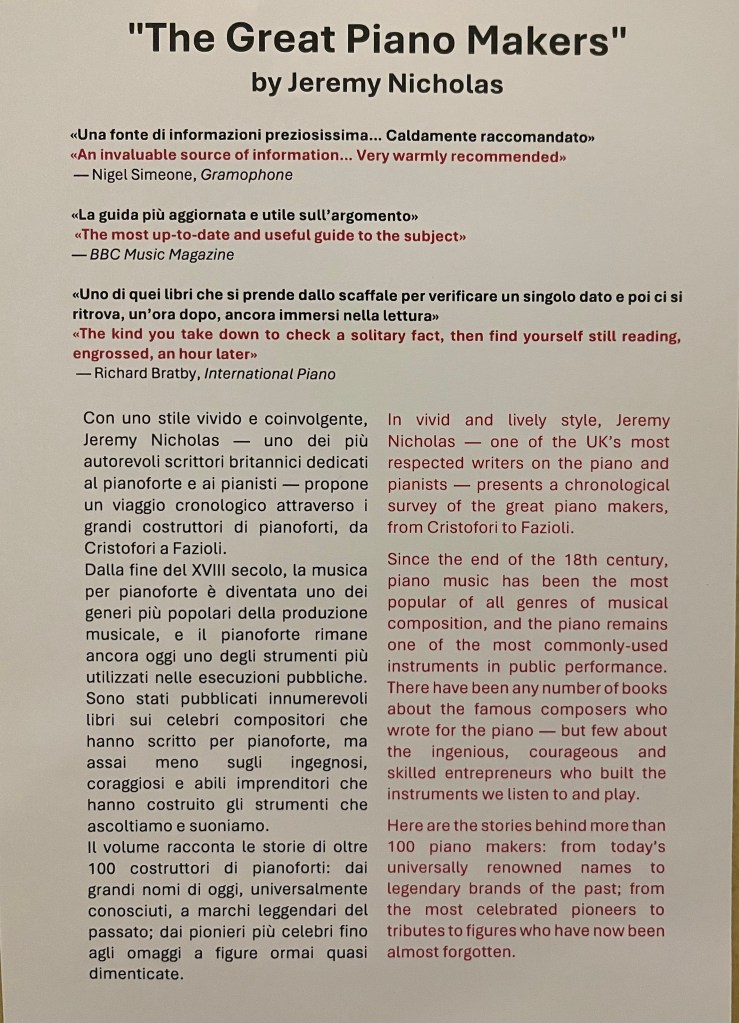
All this and much more is recounted in Jeremy’s fascinating and highly informed book. I did not know that the original founder of Steinway & Sons blew the bugle at the Battle of Waterloo! Jeremy even offered a reasonably full bottle of Ballantine whiskey to any member of the audience who would care to claim it. The reason being not to let it be gobbled up by security at the airport, to which I added a can of shaving foam. All enjoyable banter from an actor who fell in love with the discovery of the mysterious figure of Godowsky many years ago, which he researched and his first book was published with a series of CD’s and it became the only definitive biography . Now a similar love affair with the piano and the birth of a new book not about pianist or piano playing but about the piano makers . Generous with his treasured whiskey but also with his book, giving us a secret code of a 27% discount from his publisher Chiselbury. ‘Cremona 27’ ….. the secret is out!
There are so many fascinating events but one has to choose. I was sorry to miss a chance to hear the extraordinary Ruben Xhaferi or the presentation of William Kinderman’s book: ‘Beethoven.A political Artist in Revolutionary Times’ especially as we are nearing his bicentenary year in 2027.
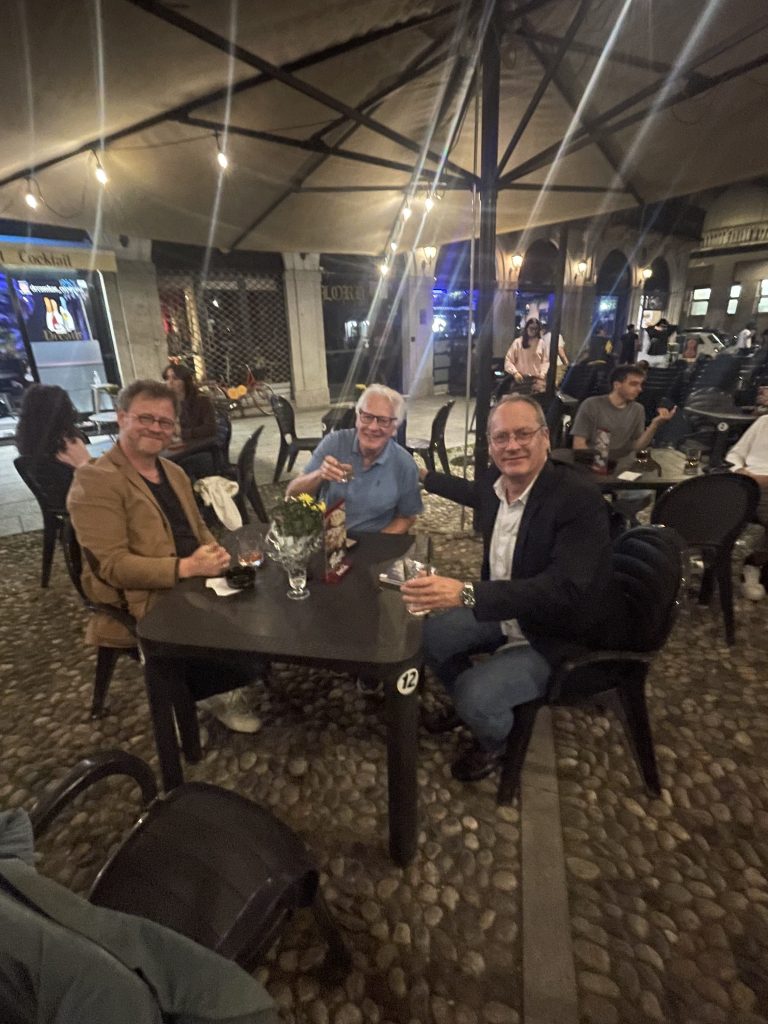
But my priority is always to listen to young pianists at the start of their long arduous journey into an overcrowded profession.
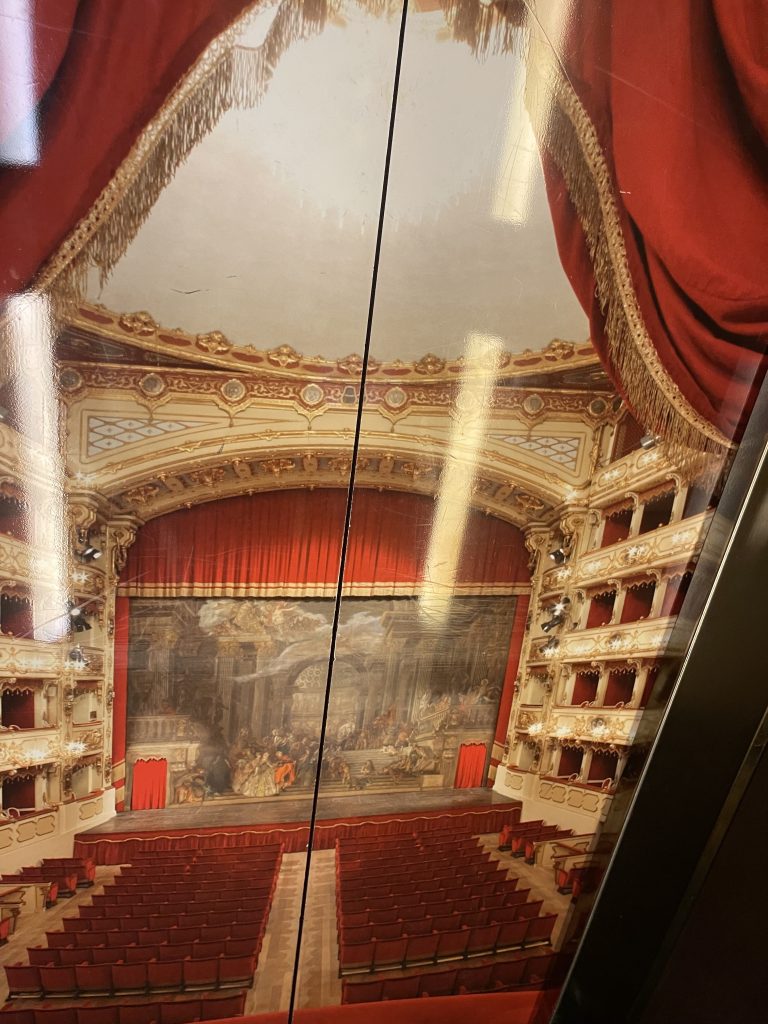
And so it was the two recitals in the Fazioli studio that commanded my attention. Two young pianists ,one from Poland and the other Portugal already making waves in the concert world.
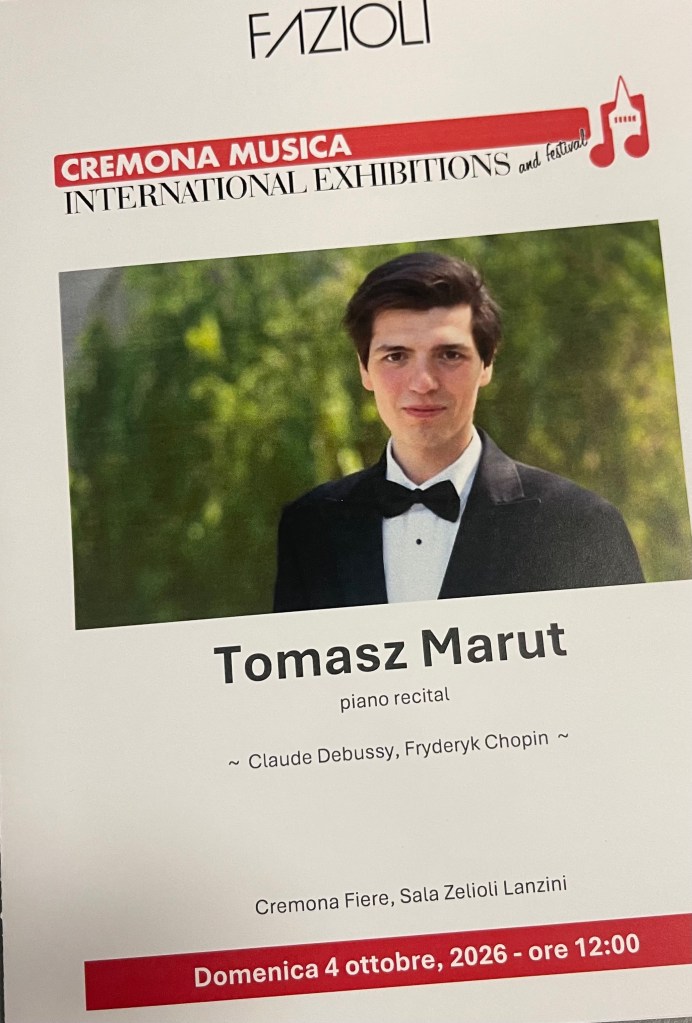
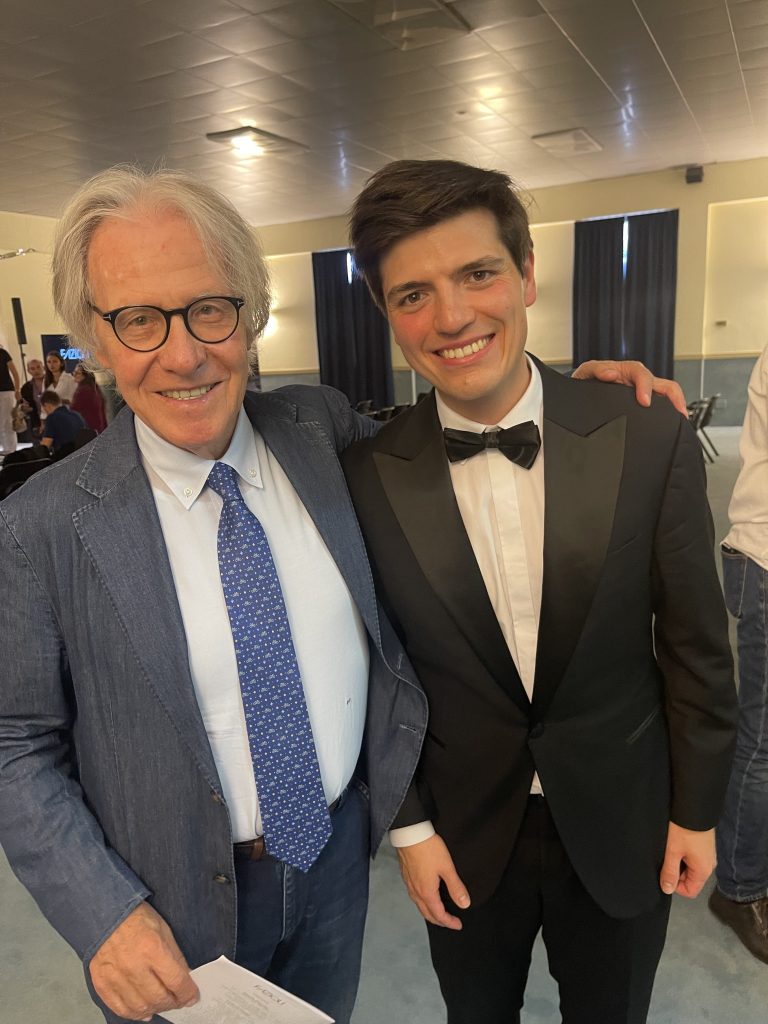
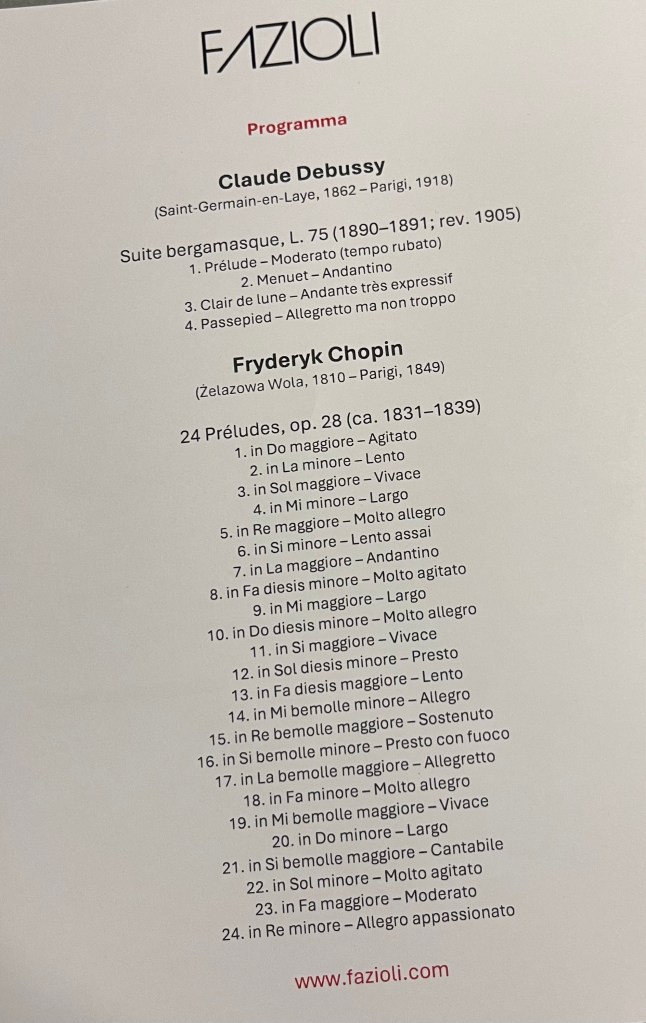
Tomasz Marut already with a Doctorate and Professorship at the Karol Lipiński Academy in Breslavia and demonstrating his musical pedigree and mastery with Debussy Suite bergamasque L 75 and Chopin’s 24 Preludes op 28.
The Debussy played with a crystalline clarity from a pianist listening to every sound and creating a luminosity with the ecstasy of the Minuet bursting into a passionate outpouring of sumptuous sounds. Contrasting with the simplicity and ravishing beauty of Clair de lune restored to its aristocratic beauty of poise and wonderment. And the Passepied that just flew from his fingers with beguiling insinuation.
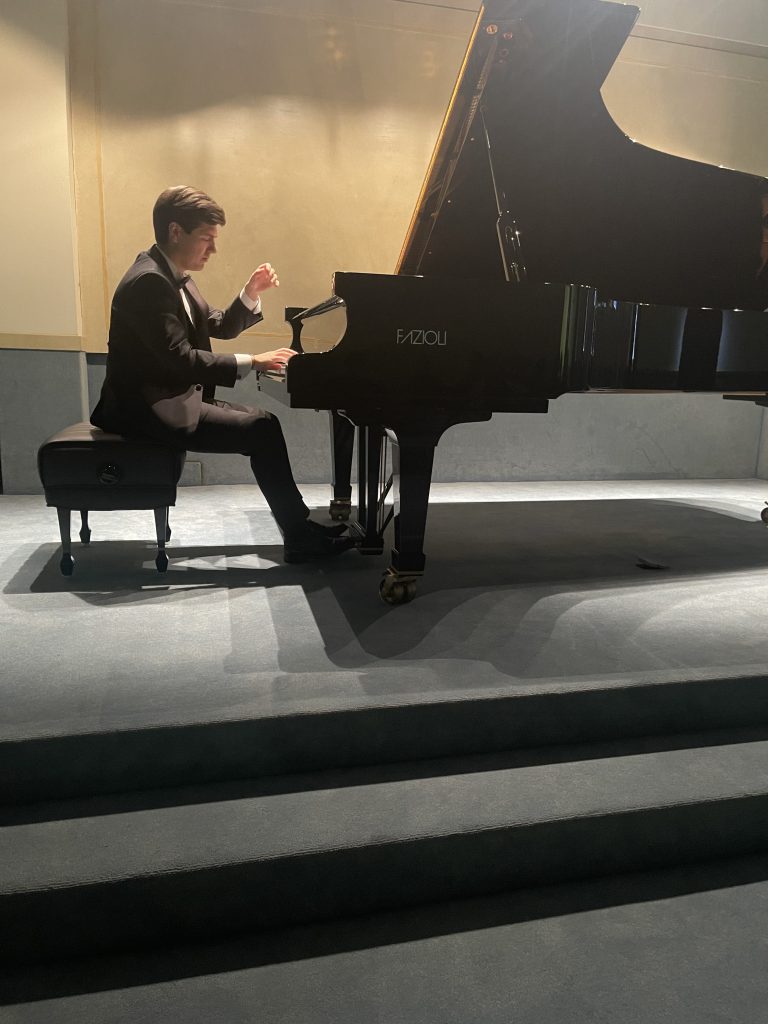
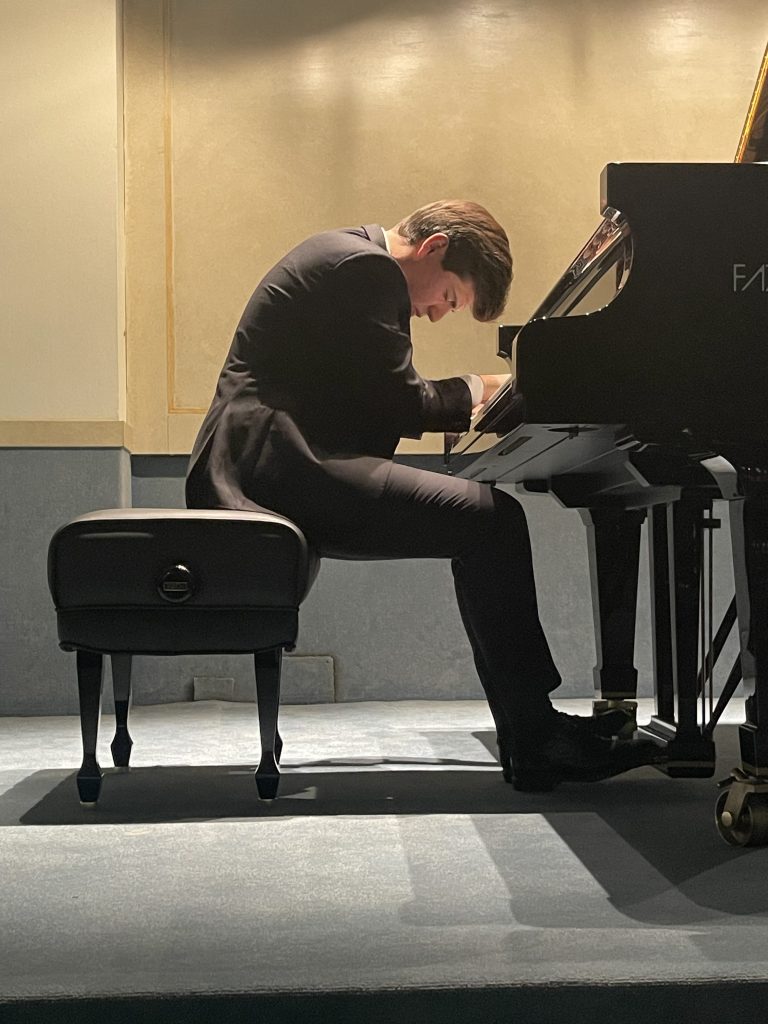
It was in the Chopin Preludes that he showed his true pedigree and these were certainly not the 24 problems that Fou Ts’ong used to talk about. Playing of great clarity and beauty from the very opening Prelude with controlled freedom leading to the mysterious whispered left hand of the second, where he listened carefully to the balance between the sombre melodic line and the disturbing turbulence of the left. The third was played with a technical brilliance, helped by sharing between the hands but where his masterly musicianship allowed the melodic line to sing out above this brilliant wave of sounds. What poise and poignant beauty he brought to the fourth with its left hand heart beating so intensely as it accompanied the simple beauty of Chopin’s bel canto. A clarity and architectural shape to the busy fifth was followed by the wonderful sense of balance in the sixth . The tenor melody allowed to sing with luminosity as it was accompanied by the delicate palpitations of the right hand. The seventh is the shortest but which Tomasz gave a particular voice to, of utter simplicity. A timeless passionate intensity to the eighth where he could shape the melodic line giving time and space to its passionate nobility. The seventh was played with weight and although rather slow was imbued with aristocratic significance. The brilliant ‘jeux perlé’ of the tenth caught the melodic line shaping it into a whole accompanied by these cascades of notes. A beautiful legato to the eleventh contrasted with the boiling turbulence and passionate intensity of the twelfth. He brought a radiance and beauty to the most beautiful bel canto of the thirteenth which he savoured with extraordinary sensitivity. The wind blowing so musically too, in the fourteenth, before the radiant beguiling story that unfolded as the ‘Raindrop’ prelude was allowed to sing with extraordinary luminosity. The disturbing question and answer of the central episode just highlighted the heart rending return of the droplets falling from heaven. A deep added bass to the opening chords and the brilliance of the sixteenth that he played with fearless abandon and mastery. A stream of undulating notes that were played with a technical and musical perfection that was astonishing . The seventeenth was allowed to unfold without any rhetoric but with a simplicity as long lines were allowed to undulate with great beauty. The cadenza of the eighteenth was played with a sense of improvisation that led so beautifully into the ‘Aeolian Harp’ of the nineteenth. One of the technically most difficult to play but that Tomasz allowed to unfold with disarming radiance and beauty with the melodic line floating on a wave of wondrous sounds. He brought great poise to the C minor Prelude that has been used as a basis of variations by many composers. Playing very slowly and deliberately, but with an extraordinary mastery of sound as three layers were unfolded with ever more whispered radiance. The beautiful bel canto of the twenty first was answered by the tempestuous octave intensity of the twenty second. The twenty third just flowed from his well oiled fingers with aquatic simplicity before the masterly turbulence and fearless abandon of the twenty fourth.
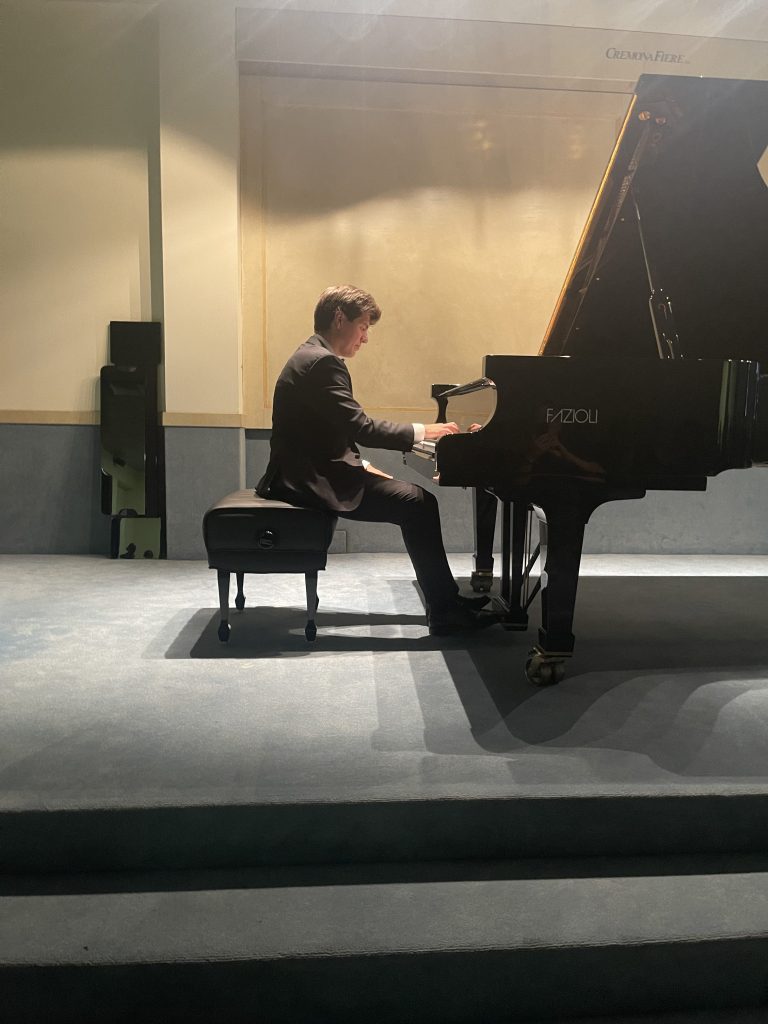
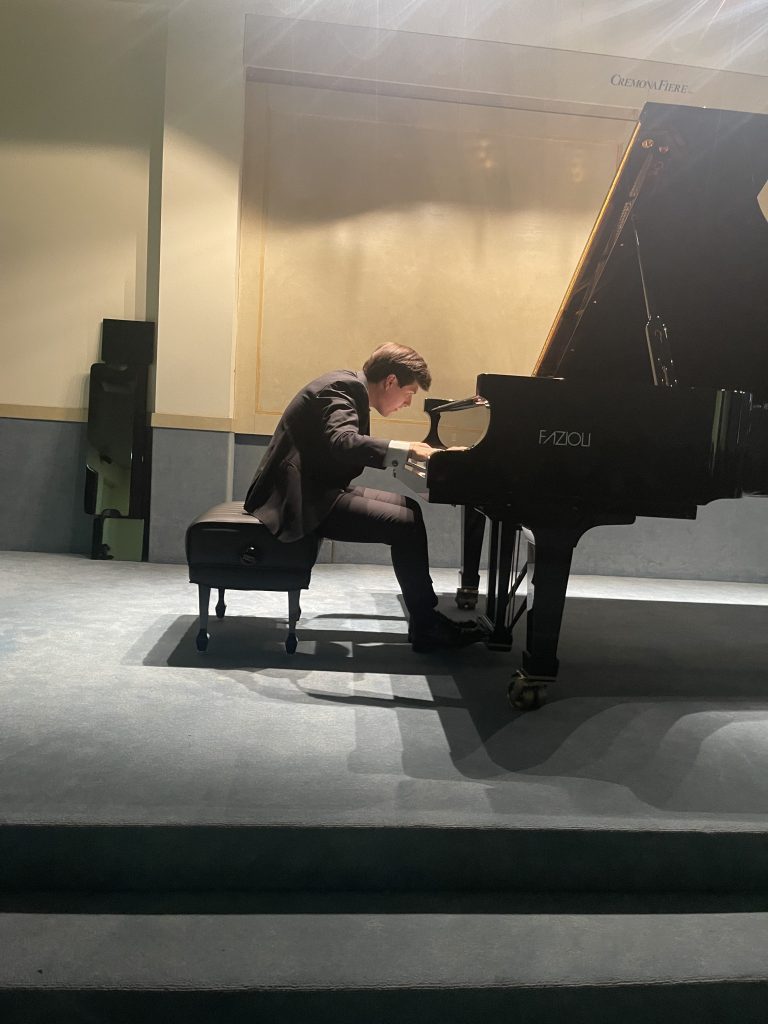
I cannot understand why such a masterly pianist would want to play the final flourish with alternating hands, though. Surely this is like a painter with a single brush stroke from the top to the bottom of the keyboard, with one horizontal stroke to the final three mighty ‘D’s’?
An encore by great demand from a very full hall, was greeted by more Chopin. The waltz op 34 n. 2 played with the same extraordinary style and mastery that I remember from Artur Rubinstein’s unforgettable performances fifty years ago.
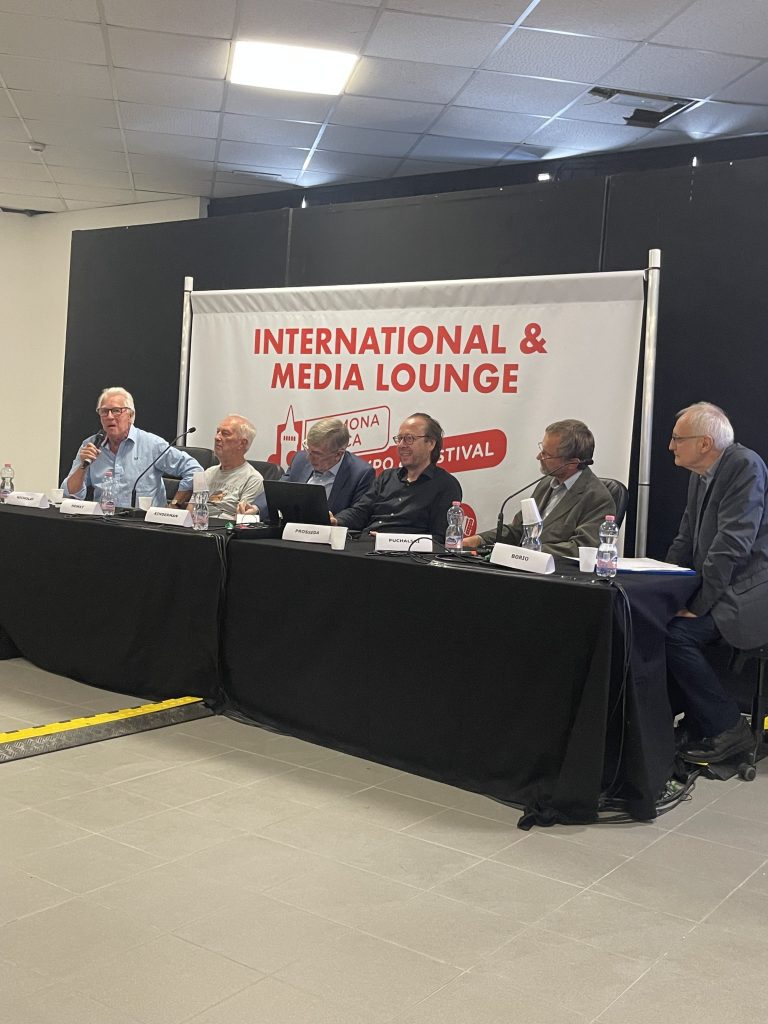
A round table ‘From research to Performance :Bringing Musicology to Life’ with Roberto Prosseda in the chair bringing together many of the greatest minds that we had heard in previous talks. Jeremy Nicholas, Roy Howat, William Kinderman ,Jacub Puchalski ,Prof Borio,with a fascinating discussion that can be heard on the Cremona Musica web site.
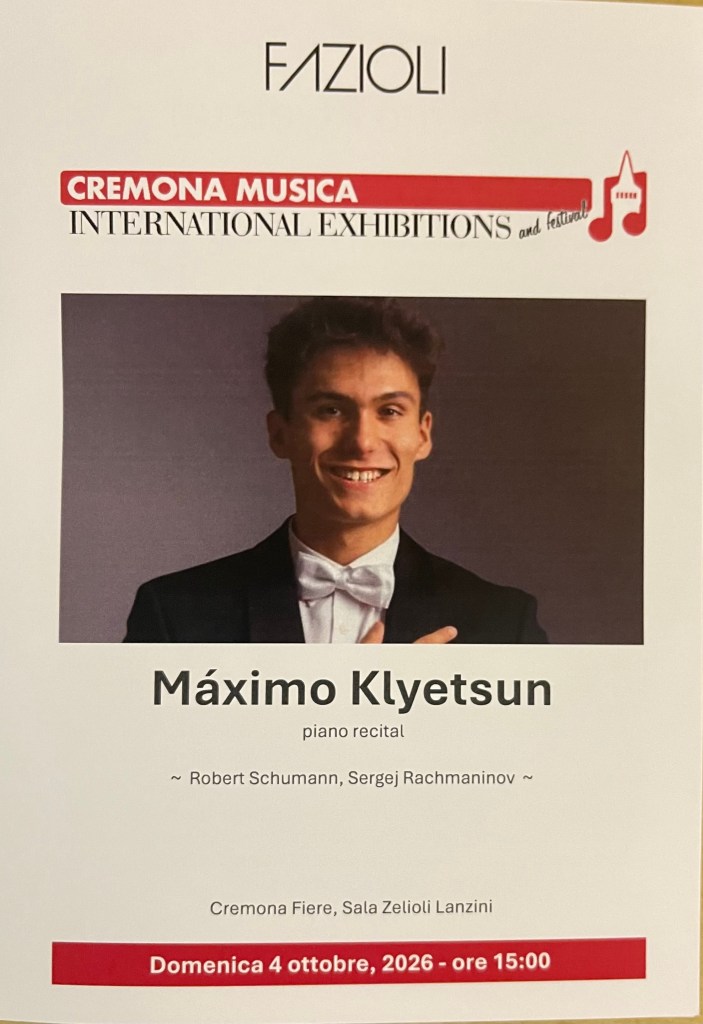
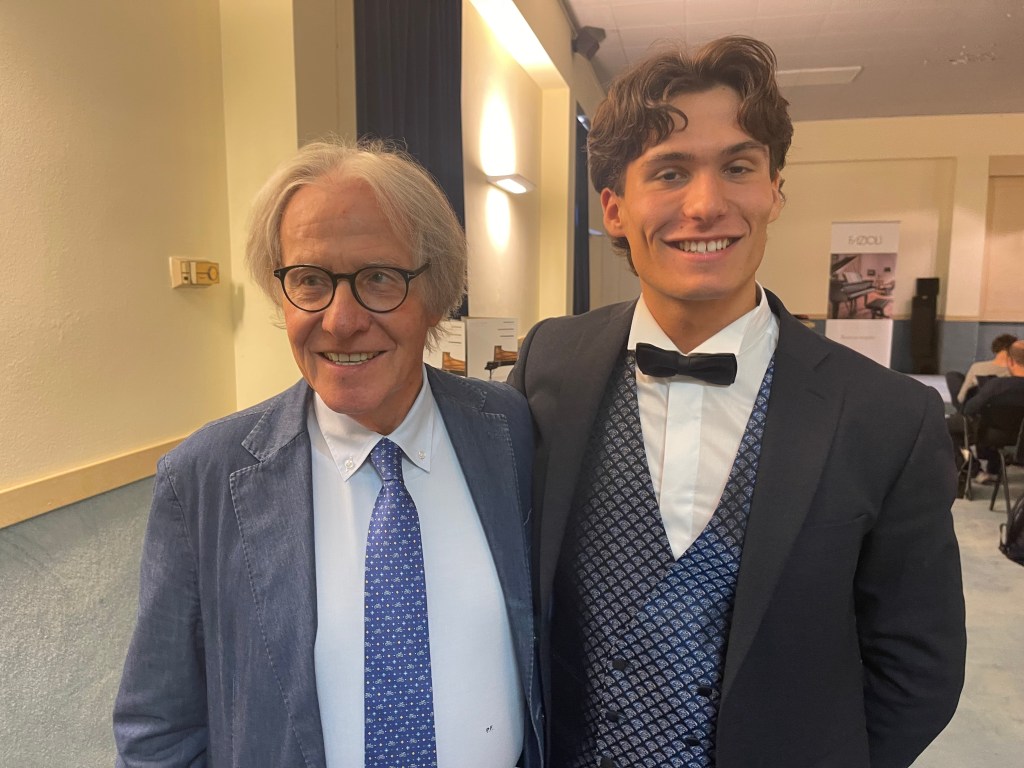
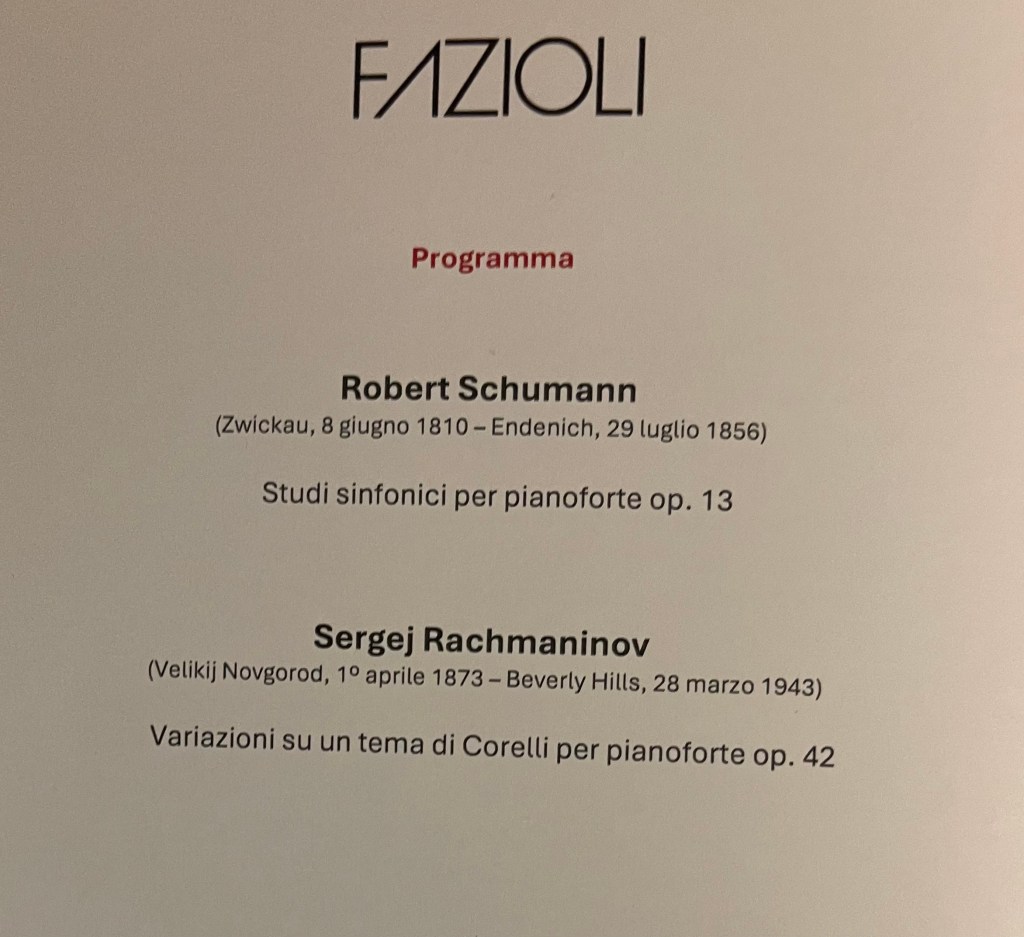
And now a final concert before having to leave for the airport. Fazioli presenting a young Portuguese pianist of Ukrainian descent much lauded recently by Martha Argerich : Máximo Klyetsun. Two sets of variations by Schumann and Rachmaninov. When I suggested to Máximo that he make some cuts because we all had to catch the afternoon bus to our various airports. I may leave out some repeats but I would never cut the posthumous studies as they are the most beautiful of them all. I even suggested that I should cough during the Rachmaninov Corelli Variations as the composer famously said that when someone coughed in the audience he would leave out one or two variations and had never been able to play all twenty together!
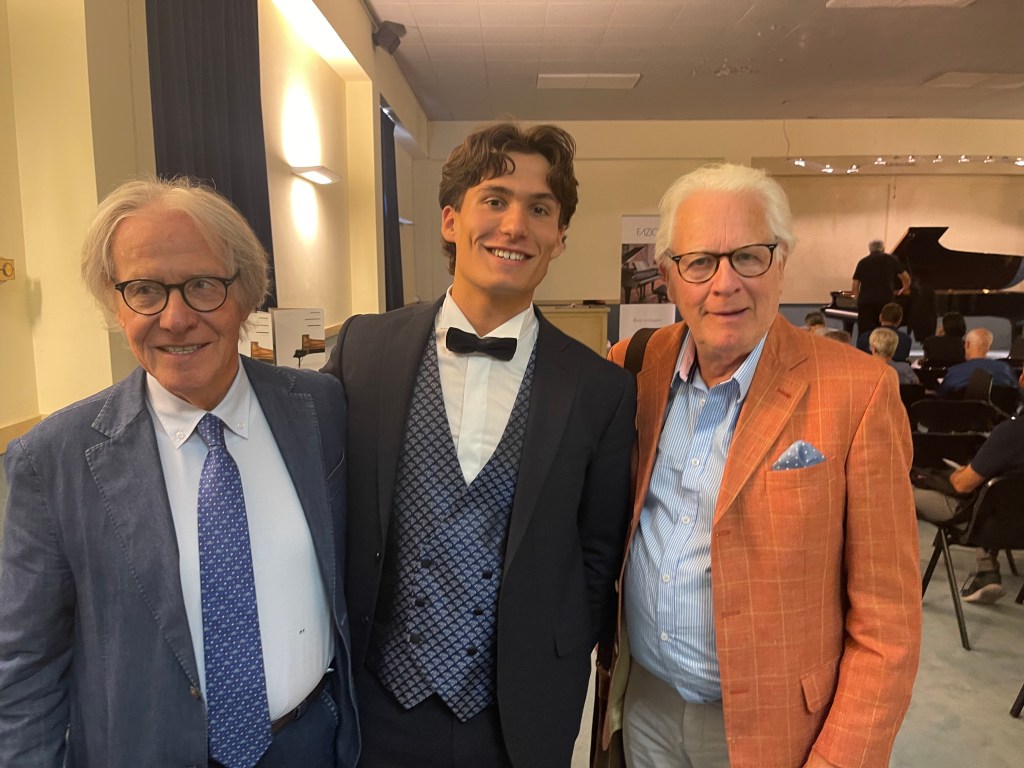
Well this young pianist who recently was praised in the International Competition in Vigo by Martha Argerich proceeded to show us in sound why he would not cut the Schumann Variations. Five posthumous variations that were added after Schumann’s death and are sometimes inserted separately in-between the published variations, or in this case all five played after the third (Butterfly ) variation. After his playing of exquisite delicacy and beauty Jeremy Nicholas turned to me and said that this was the most beautiful playing he had heard in Cremona. It was a performance of such strength and delicacy with a technical control and mastery that seemed to known difficulties. But it was the musical shape and sense of colour that was of a mature artist and not of a young man of barely twenty. The opening theme played with aristocratic control with an extraordinary palette of sounds. The first variation played with a whispered rhythmic drive of demonic insinuation on which he floated the legato theme, allowing the staccato and legato to move inexorably forward to the passionate outpouring of the second variation. A sense of balance where the duet between the outer voices was accompanied by pulsating, harmonically vibrating sounds . The so called ‘Butterfly’ study was played with fleeting lightness with the tenor melody of voluptuous refined elegance. The five posthumous studies that followed were played with a poetic fantasy and radiant beauty. A rare sense of imagination that allowed these afterthoughts to reach into glorious realms with golden strands of sounds reaching deep into the soul. The swirling magical sounds of the first .The disarming simplicity of the second that is transformed into a nightmarish moment of anxiety.The majestic third contrasting with the poignant simplicity and glistening beauty of the fourth. But it was the fifth where the heavens truly opened as Máximo played with a chiselled beauty of purity and disarming simplicity.The magic spell broken only by the strident chords of the third variation played with impish good humour and remarkable control of sound, as the chords took flight with featherlight ease. A passionate intensity and sense of melodic line to the outpouring of the fifth only to be interrupted by the driving movement to the sixth. The seventh, that Agosti likened to a Gothic Cathedral for its noble structure, was played with an architectural shape of knowing musicianship. An extraordinary technical mastery in the Mendelssohnian flight of notes of the ninth study with playing of fearless ease and masterly control. Imposing brilliance to the eighth variation was interrupted by the beauty of the ninth with its Chopin like bel canto played that was played with a sense of balance that allowed the melodic line to be revealed floating on a wave of vibrating harmonies. The Finale bursting onto the scene with dynamic drive and pulsating brilliance. Exhilaration and excitement added to moments of glistening beauty as Máximo moved inexorably to the final bars that he played with passionate authority and masterly control.
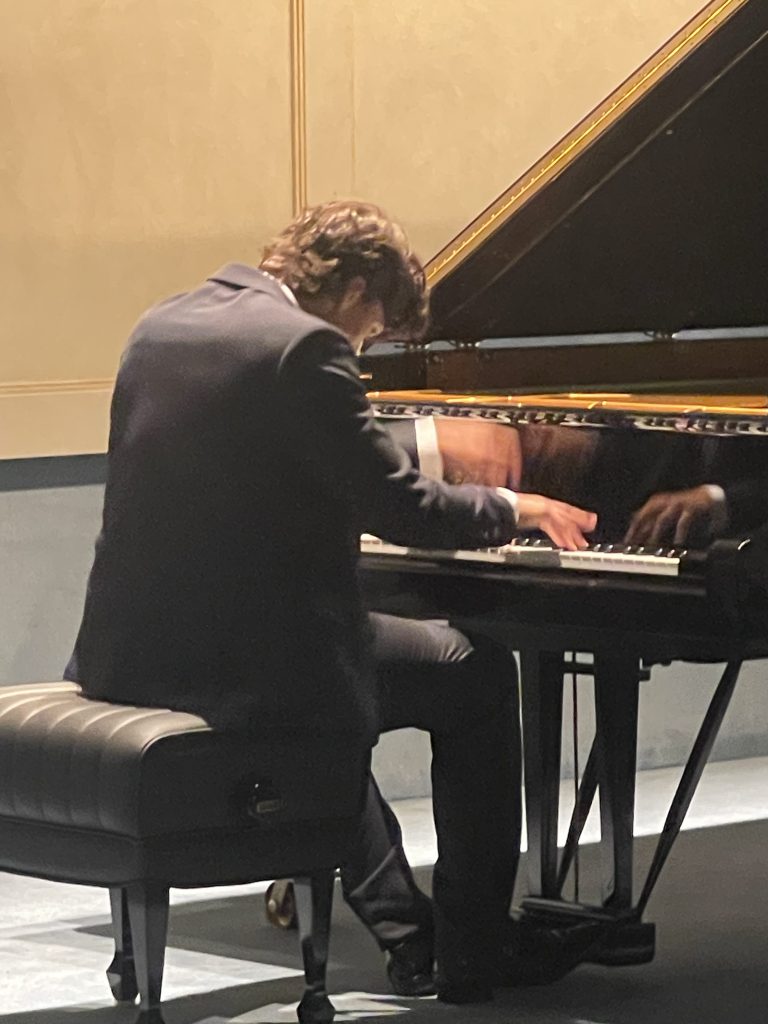
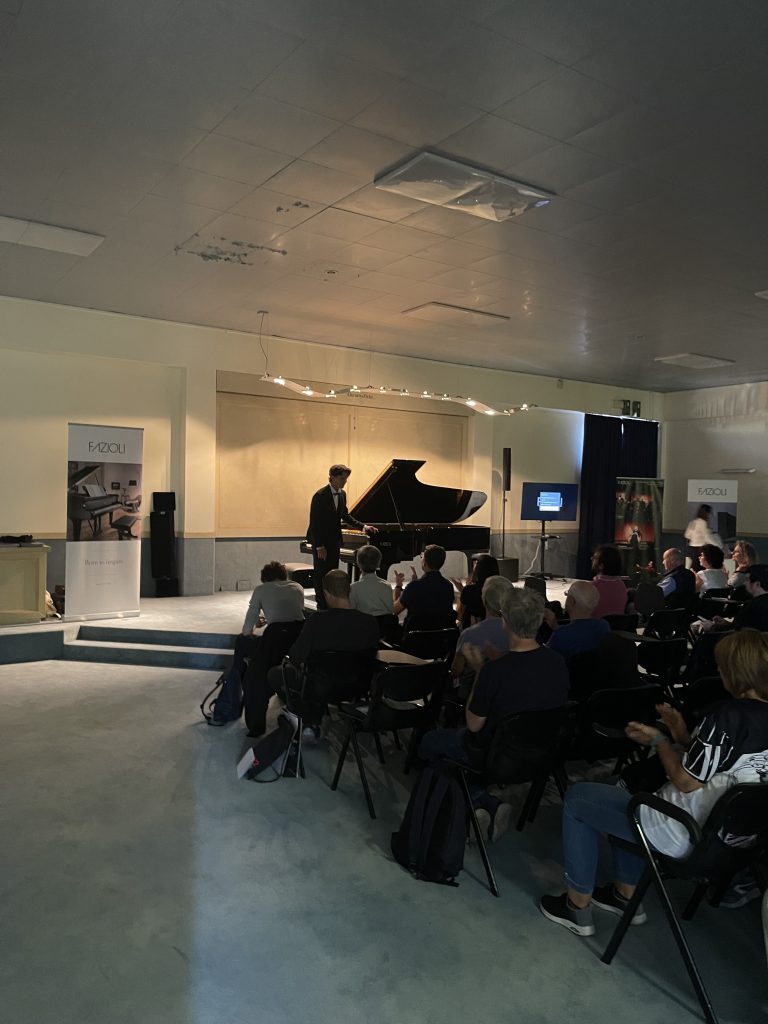
I was just able to hear the Rachmaninov Corelli Variations before running to catch my awaiting chariot to fly me back to reality. A glowing beauty to the theme of ‘La Folia’ ,that Rachmaninov attributed to Corelli, was the basis of variations for his and many other composers. A work where Máximo’s palette of colour and technical mastery combined in a performance that he managed to shape into an extraordinary architectural whole. Perhaps on occasion taking liberties, that he certainly did not allow himself in Schumann, but that still allowed him to convey the architectural shape with a continual forward movement of variations of subtle beauty, technical intricacy and passionate immediacy. But it was the final appearance of the theme after a tumultuous climax that Máximo played with the same disarming simplicity that Bach was to bequeath to us with his Goldberg Variations which are the shining genial example for us all.
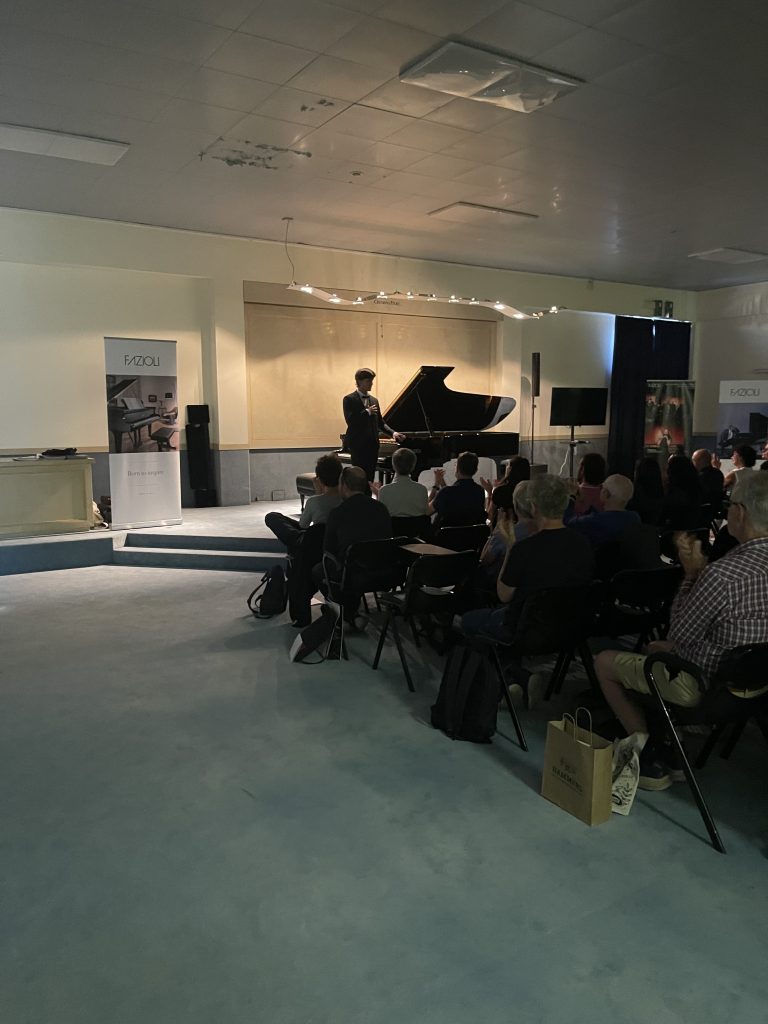
As I ran for the door I could hear the thunder and lightening of the encore of Liszt’s Sixth Hungarian Rhapsody. Playing of mastery and power allied to a beguiling style of teasing brilliance. It was this Liszt that obviously brought such glowing praise from the Queen of Pianists, Martha Argerich.
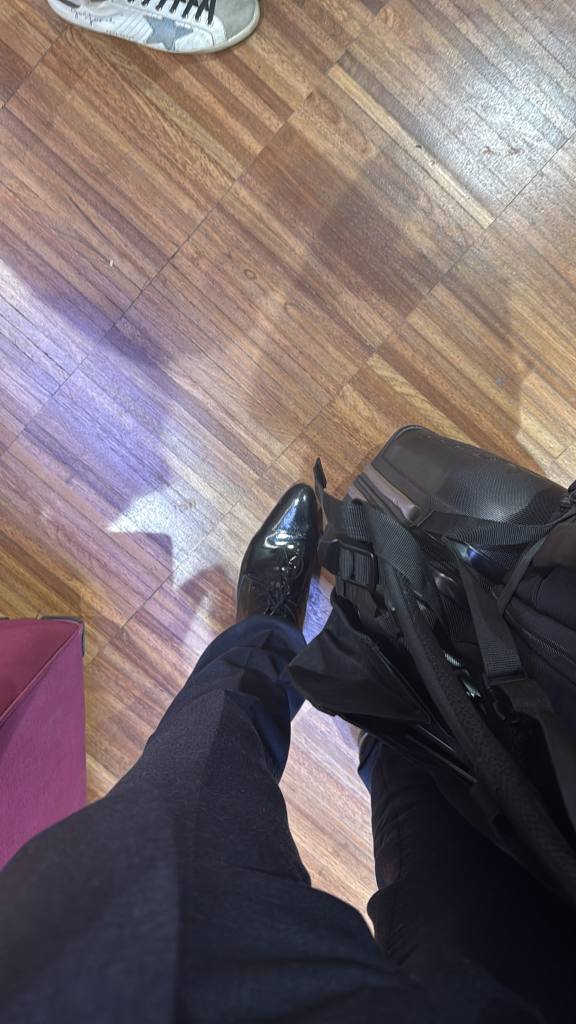
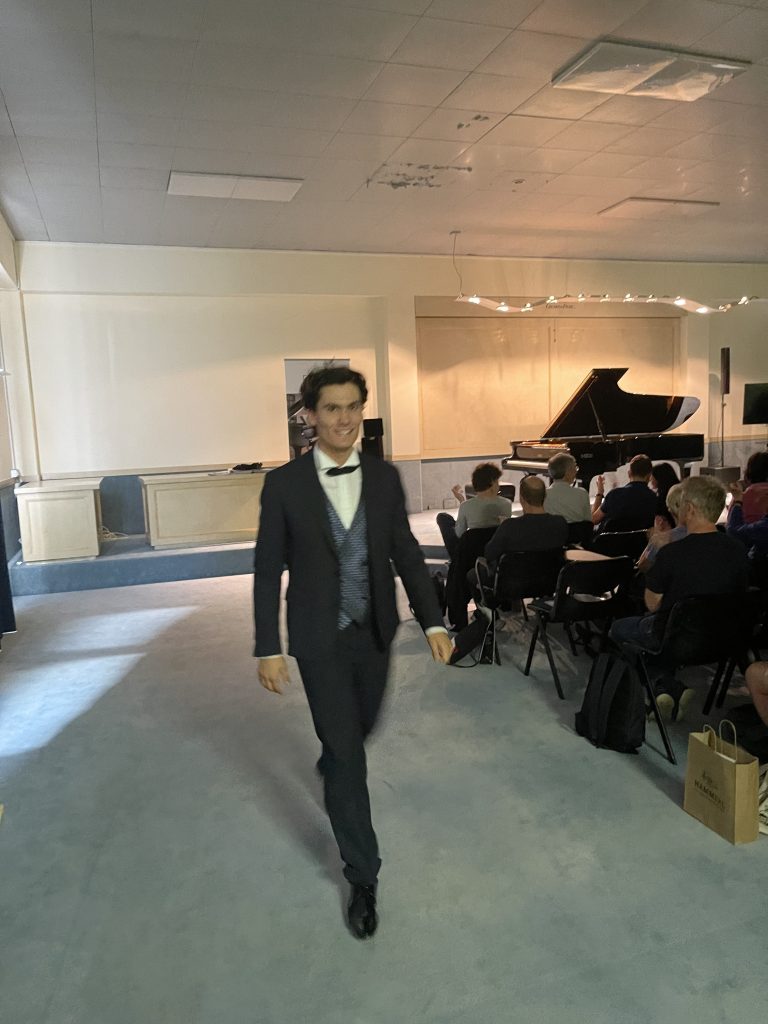
Máximo too now running to the airport in his concert suit and patent shoes – not the usual garb for the customers of Ryan Air !
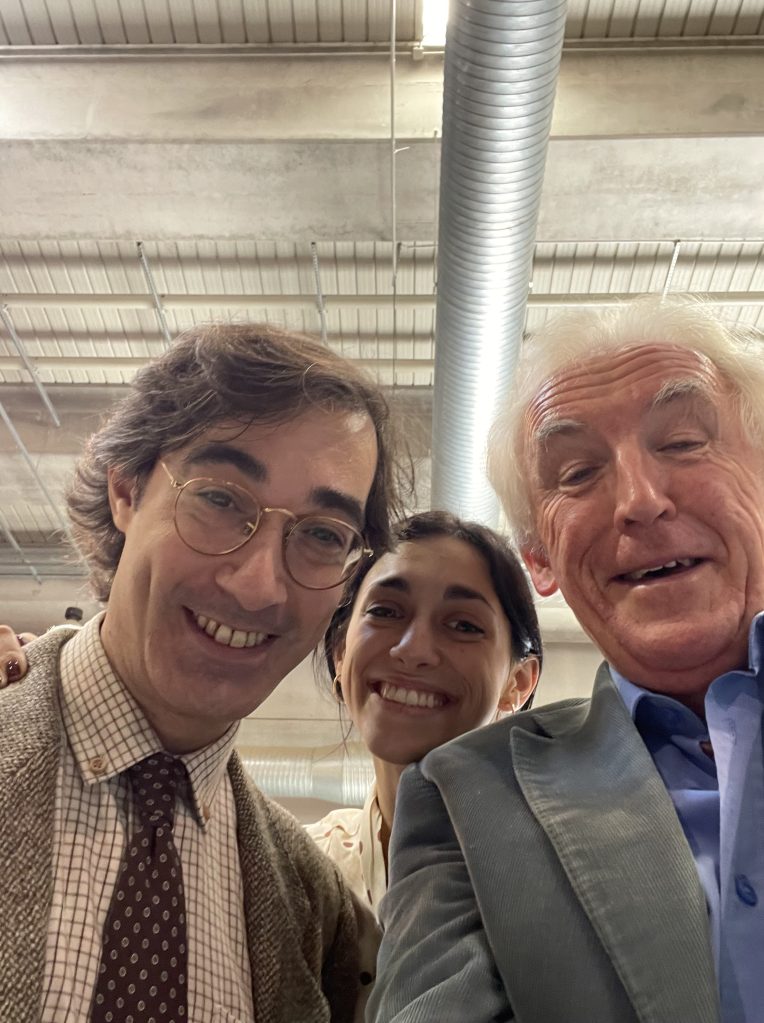
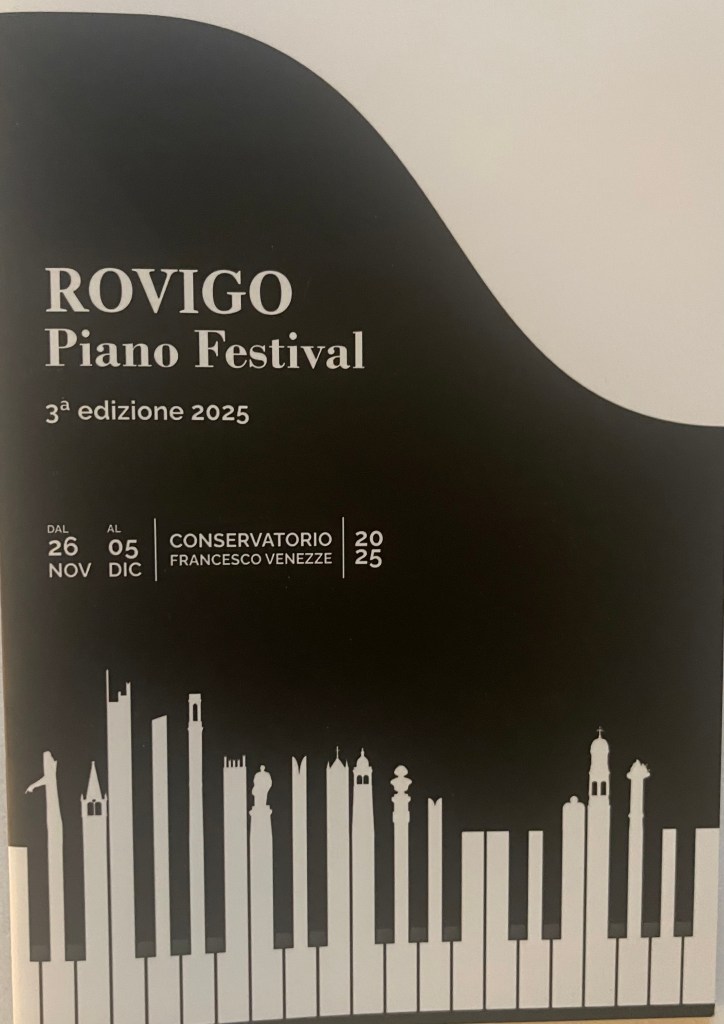
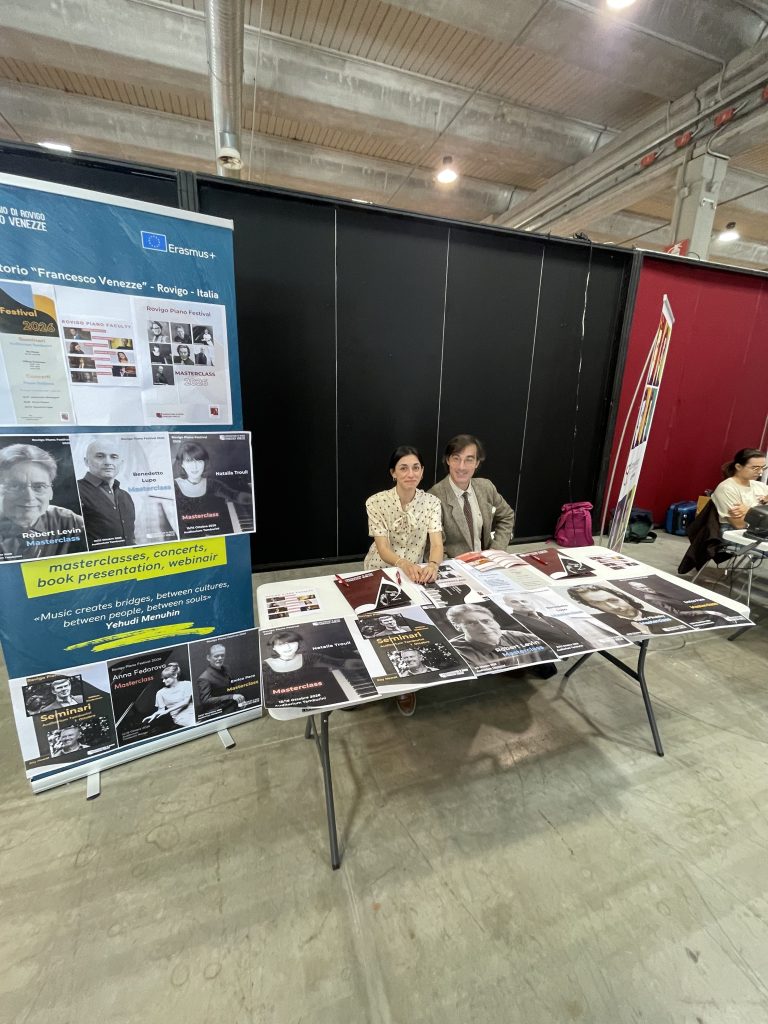
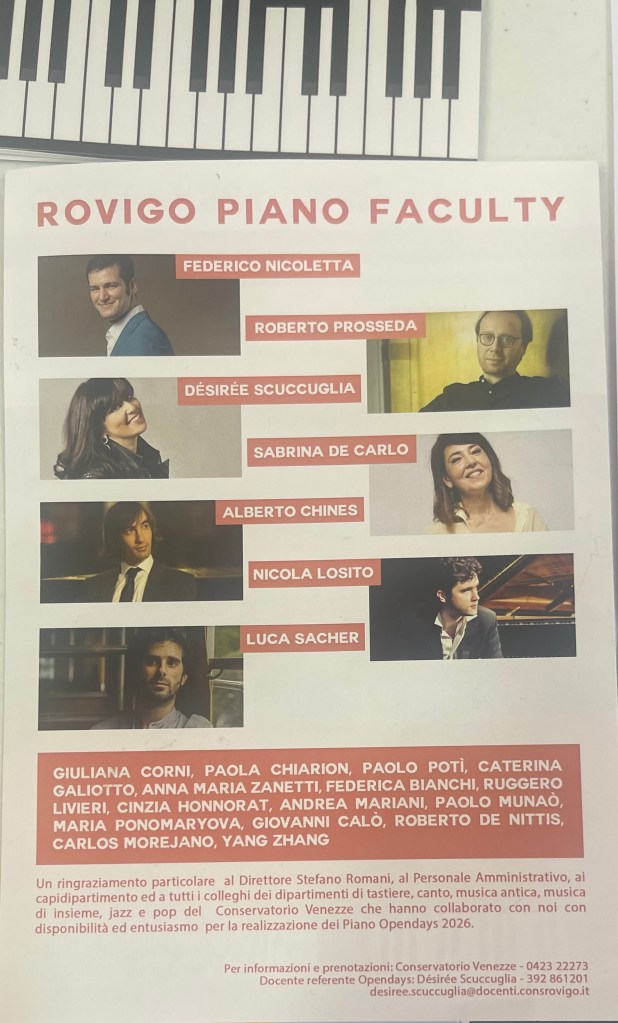
And last but not least Roberto Prosseda’s Piano Faculty in Rovigo
https://christopheraxworthymusiccommentary.com/2023/12/05/ileana-and-joan-3rd-december-2023/

