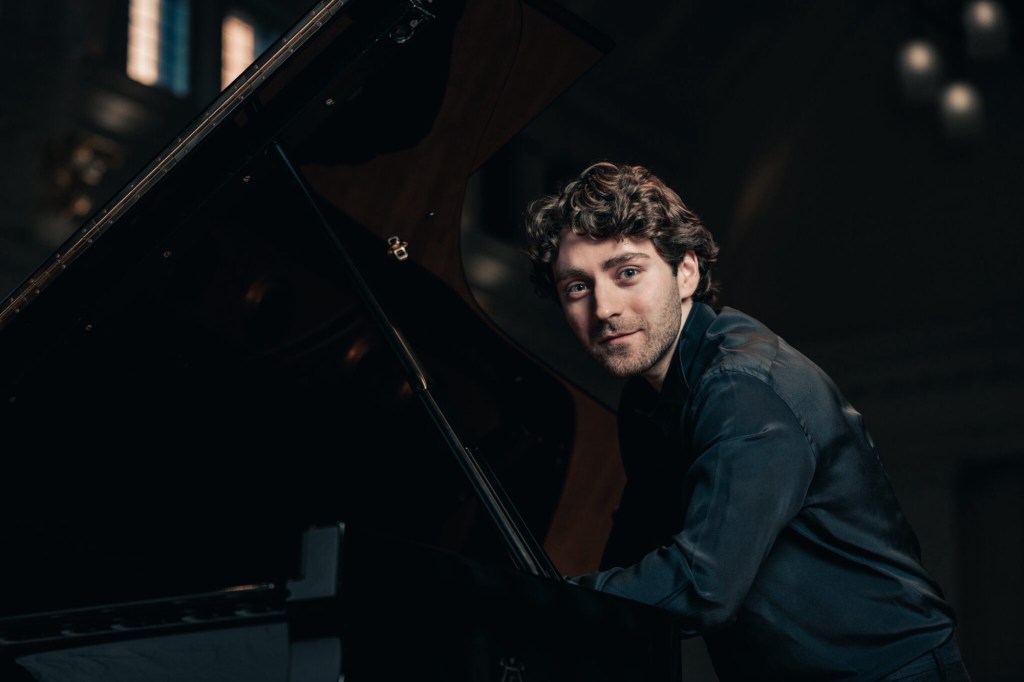
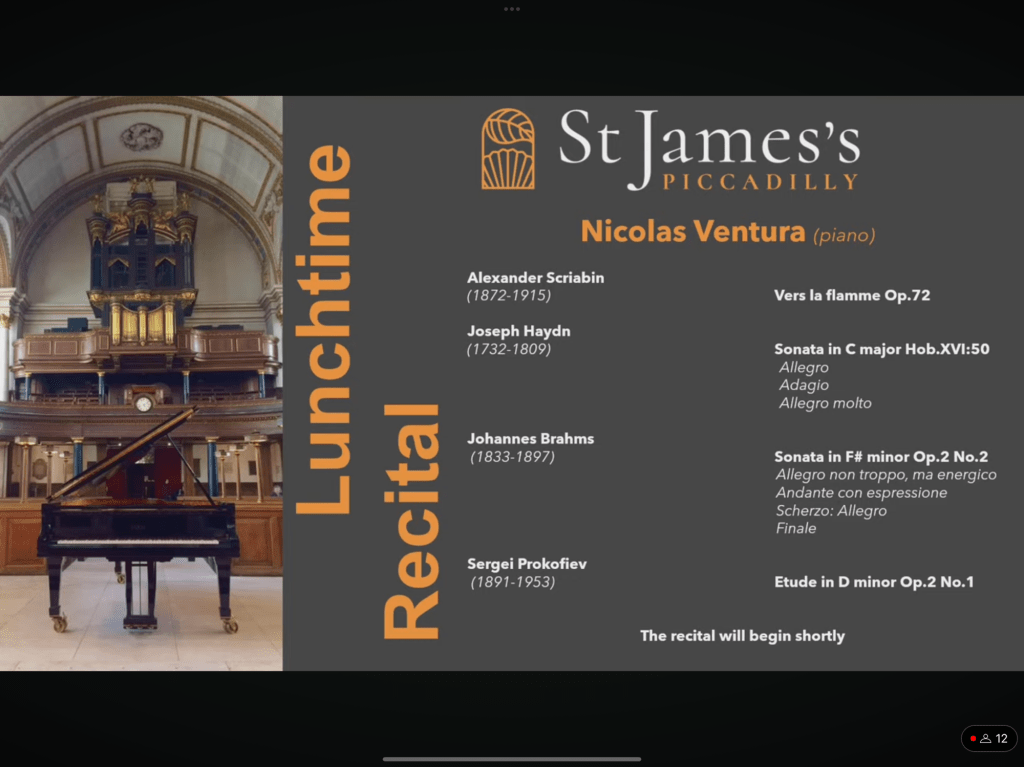
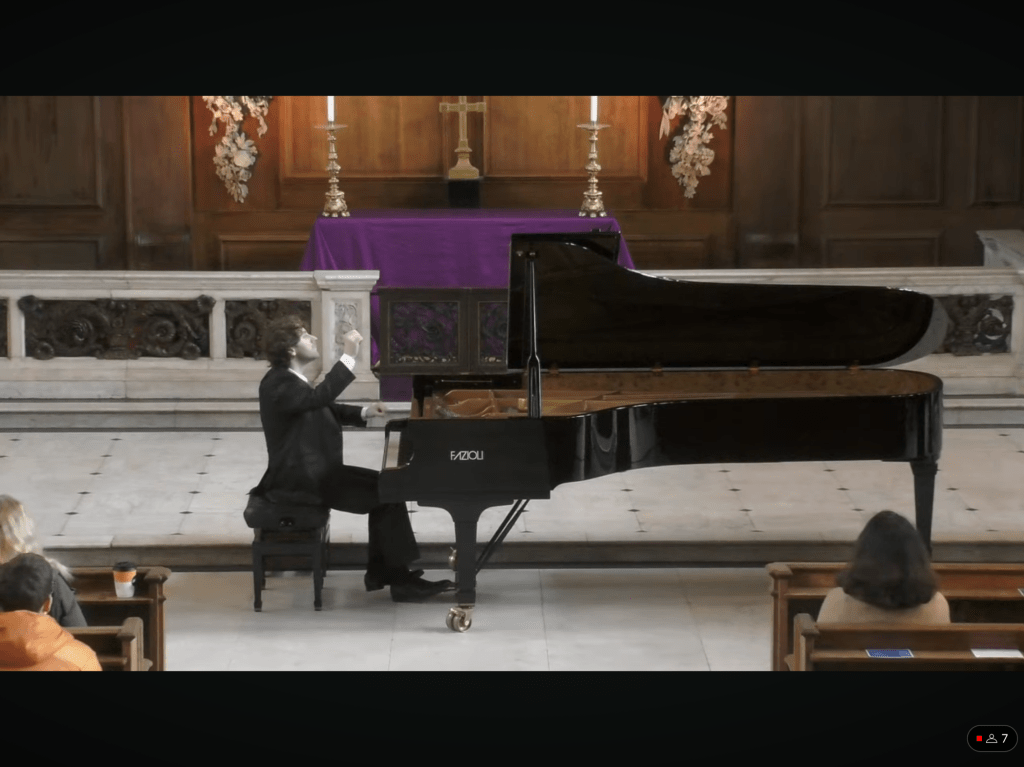
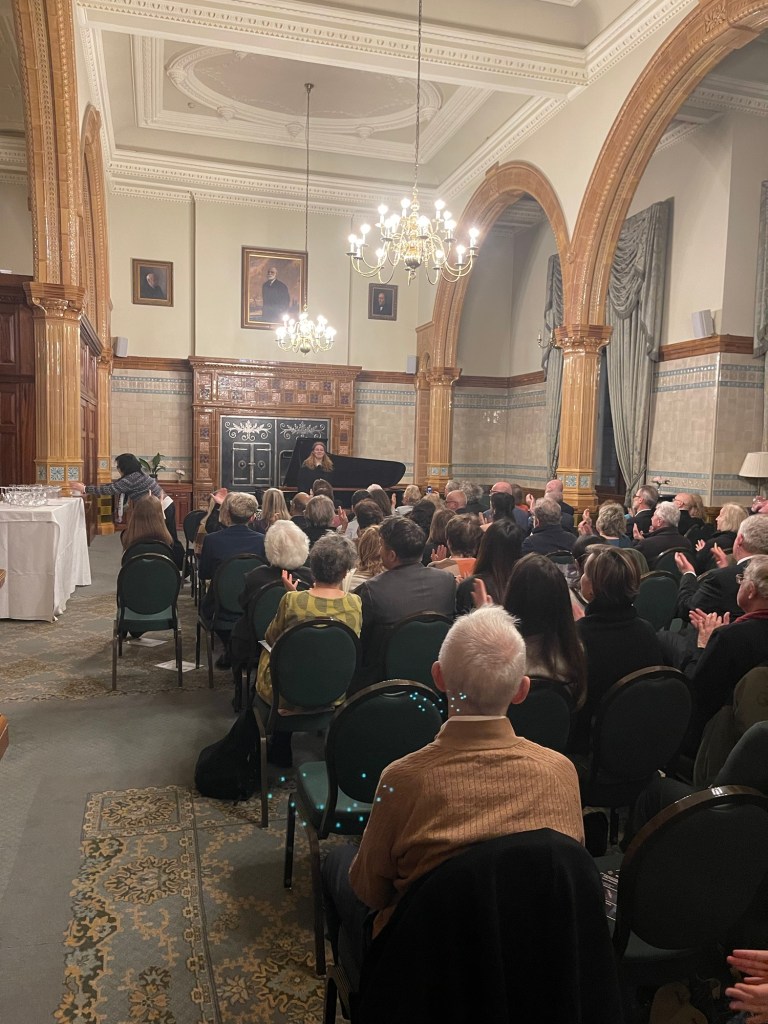
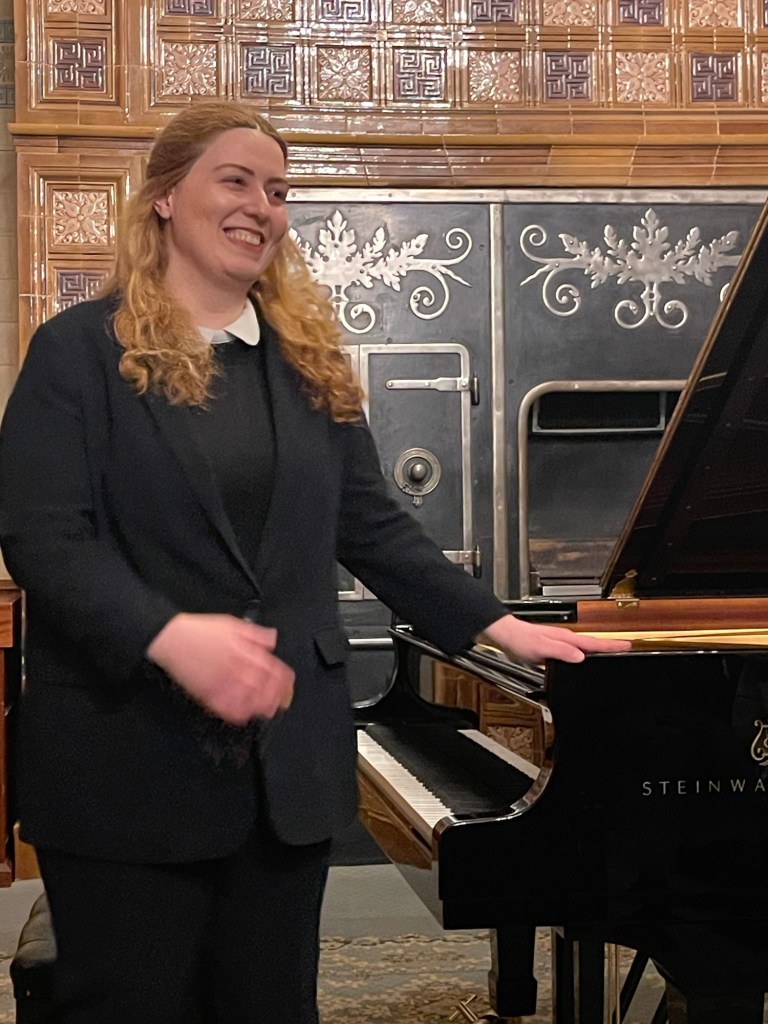
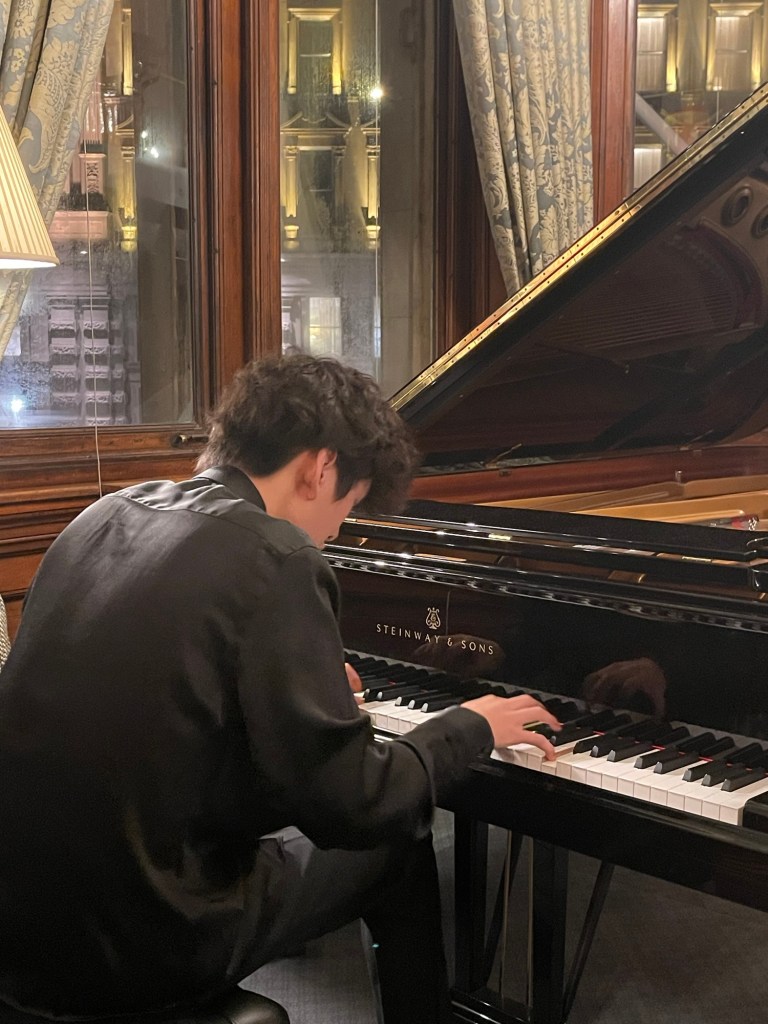
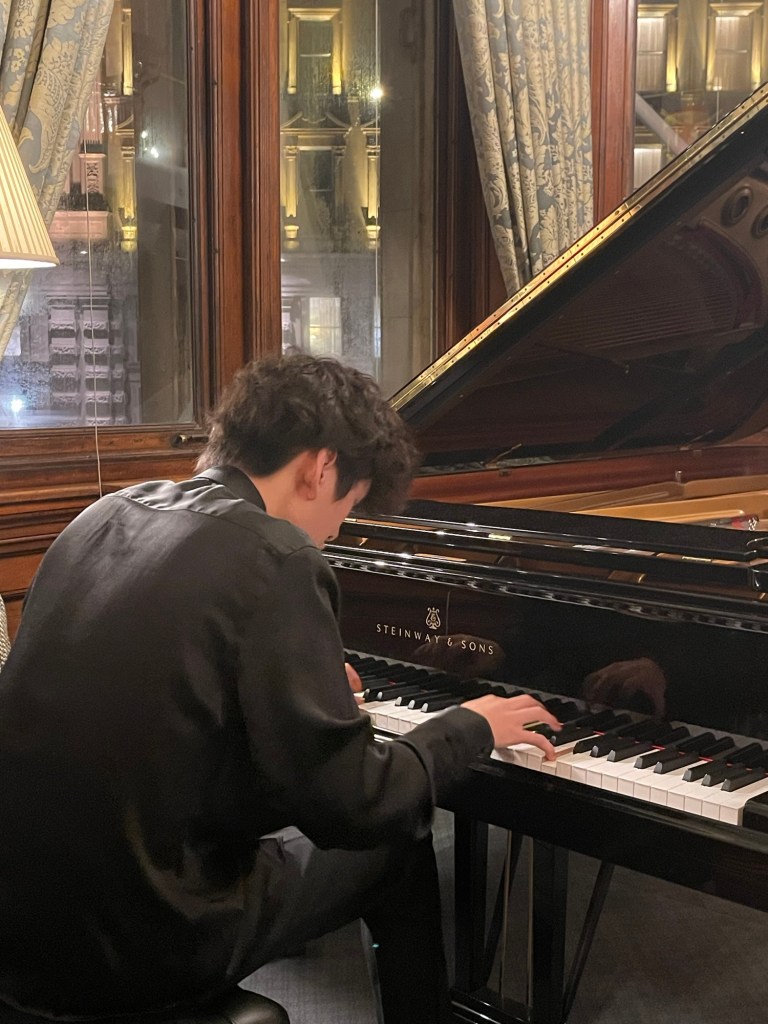
The Haydn and Brahms I had heard before but today the concert began with Scriabin’s ‘Vers la flamme’.At St James’s Piccadilly this live performance had united artistry and mastery with a Fazioli piano that I have rarely heard played with such a range of sounds.There are just two notes in the Scriabin that are of piercing insistence as they are heard over a cauldron of murmuring menacing sounds.Two beacons shining brightly in this mist as the intensity builds to fever pitch until bursting into the flaming light that is Scriabin’s’ guiding star.An extraordinary control of sound and poetic sensibility as the atmosphere rose so gradually that the actual final explosion came as a mesmerising surprise and infact left Nicolas visibly depleted at the beginning of a recital where major sonatas by Haydn and Brahms were still to come.
This a different artist from the young pianist I had heard in the beautiful but chilly St Mary le Strand.An artist that can open with Vers la Flamme and then change almost immediately to the civilised charm of an elegance of another age with chameleonic ease is an artist to be reckoned with indeed.Like visiting an art gallery and walking from the ‘Impressionists’ to the ‘Renaissance’ it is a sign of the stature of this young artist that he could almost immediately enter this new world of civilised elegance and mutual anticipation .There was a clarity and sense of style with a beguiling charm with the very opening notes.Music that spoke so eloquently and Haydn’s own pedal indications ( that were later to be taken up by his most illustrious pupil ) translated into the sounds of a magical music box.A slow movement that was a cantilena of bel canto that was allowed to unfold so naturally with grace and character on a velvet carpet of sumptuous sounds.What fun there was in the last movement brought vividly to life in this young man’s poetic hands.
What drama there was with the opening of Brahms Sonata in F sharp minor .I have never heard it played with such character and orchestral sense of colour .This was a pianist whose interpretation has matured immeasurably from last November as the arresting opening flourish just opened the doors to a sumptuous voyage of discovery of beauty.Above all an architectural shape that made sense of Brahms’s seemingly rambling early Sonatas for piano.A Scherzo of orchestral colour contrasting with the beauty of the Trio in an extraordinary performance from an artist of great stature.
The Prokofiev encore was played with amazing technical and musical perfection and just a touch of showmanship – che non guasta!
All six finalist played magnificently but when you are up against Genius – noblesse oblige applies and we can all just look on and admire in awe.
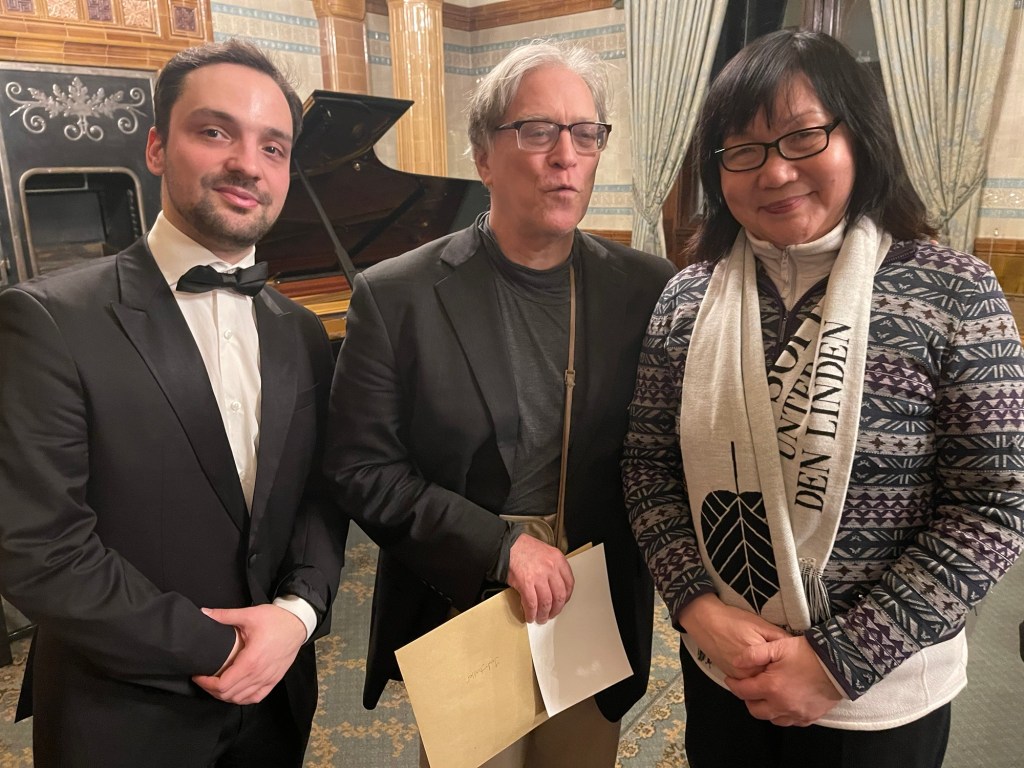
The distinguished ,critic,commentator ,pianist and composer Jed Distler flown in especially from New York for this prestigious piano competition.
Jed Distler’s astonished words on hearing Magdalene was :’This is the real thing!’ ……………….well I did tell you Jed ! And I have been shouting it from the rooftops since hearing her at Joan Chissell’s Schumann prize a year ago. An 8th Novelette more beautiful than Richters ……unbelievable but miracles can happen.
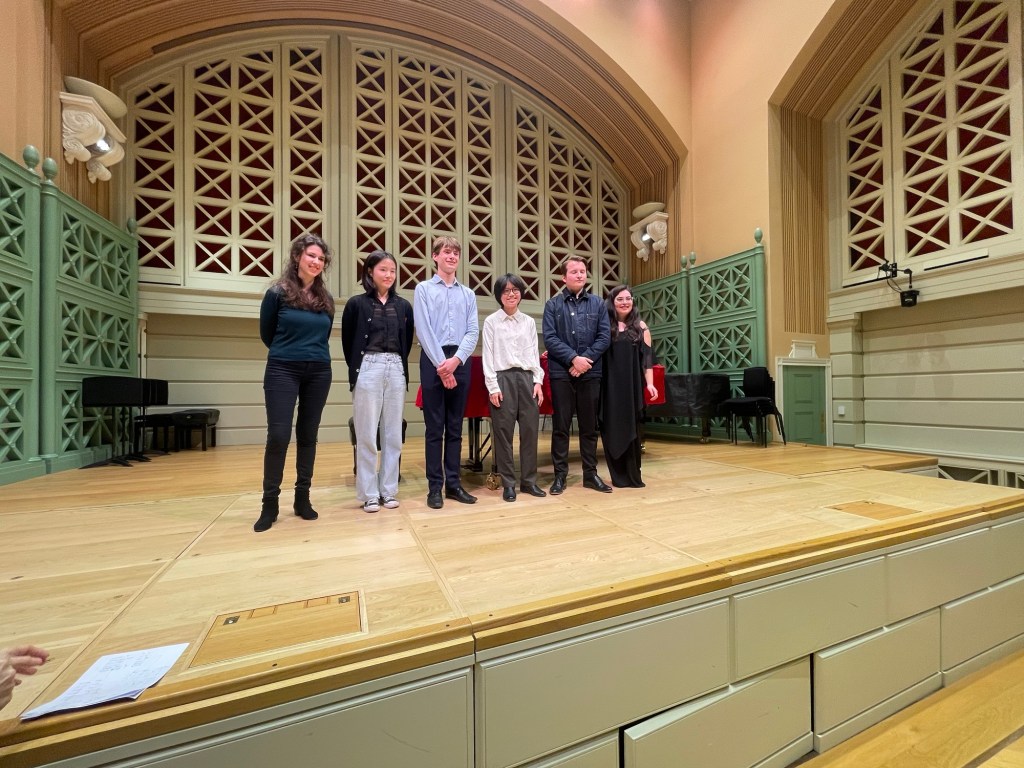
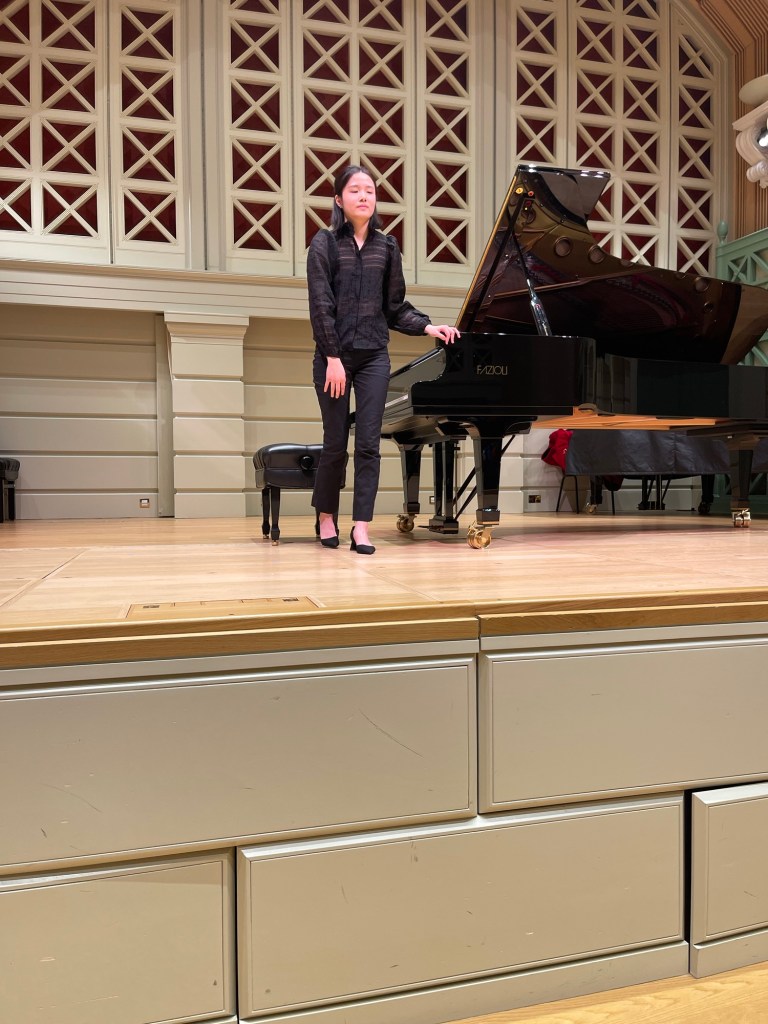
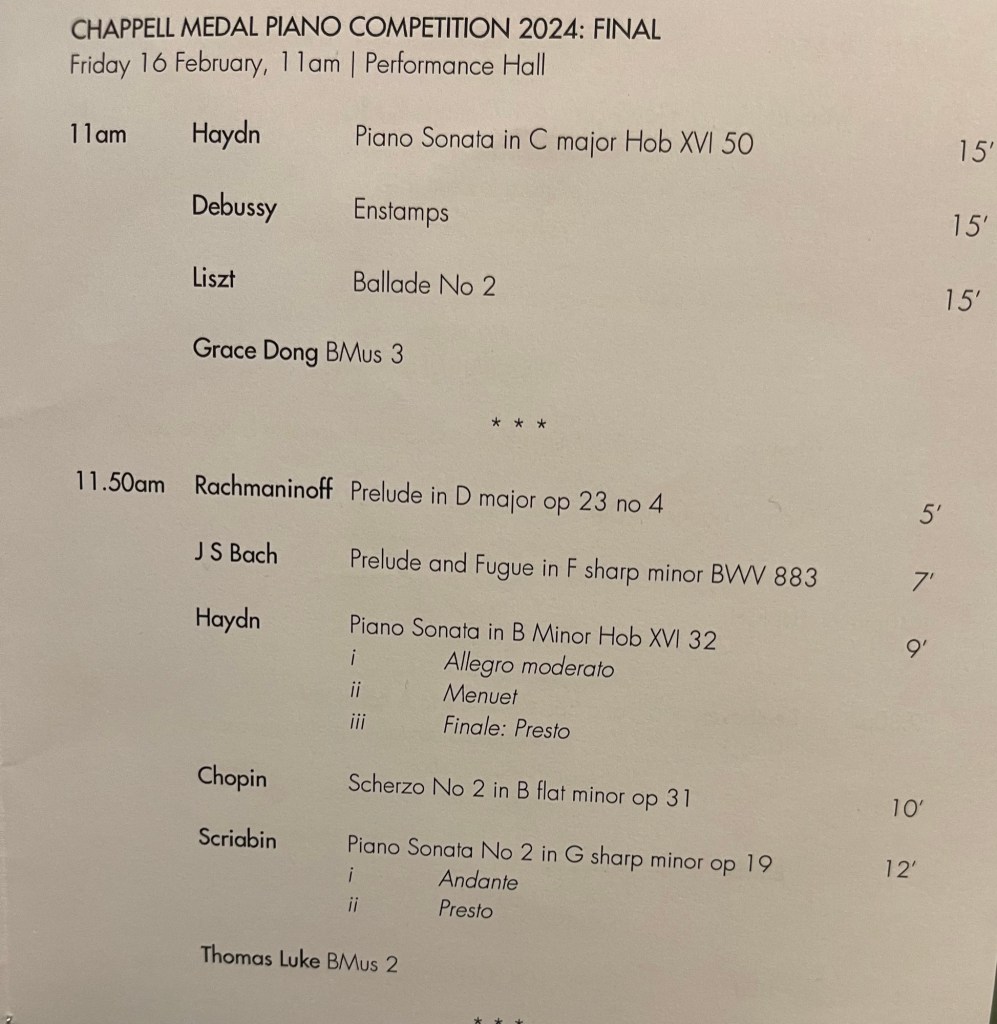
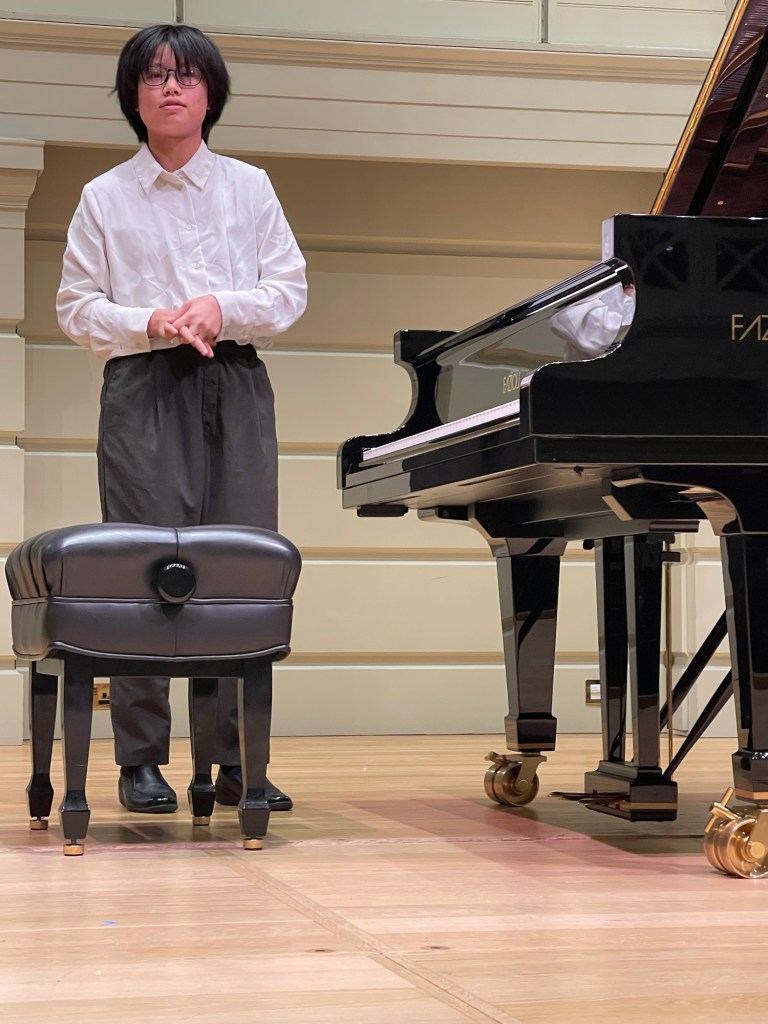
Grace Dong .A well oiled Haydn in which her agile fingers spun Haydn’s fine web of sounds but missed a little of the charm and style that she was only to find in the beautiful Adagio.A kaleidoscope of colours in Estampes and some very beautiful moments in Liszt’s tragic tale of Hero and Leander but where the great sweeps of sound in the virtuoso passages were strangely divorced from this harrowing tale . https://youtube.com/live/nFAoqKblBx0?feature=sharedThomas Luke winner at 16 in 2020 of the BBC young musician keyboard prize.Now at the age of 19 he gave a beautiful performance of Scriabin’s Fantasy Sonata that was played with sumptuous sounds and technical assurance.If his Bach and Haydn were a little too earthbound and Chopin’s dynamics a little exaggerated he is learning to fly under the artistic guidance of Alim Baesembayev and Vanessa Latarche who are sure to give him the wings to fly ever higher.Diana Cooper from the class of Norma Fisher showed herself to be a real artist .Mozart of great beauty even if the Allegretto was taken at breakneck speed.Scarlatti that had been like a spring being released and more ‘ toccata’ than dance .An astonishing Alborada and a ravishing Oiseaux tristes .The beauty of the Andante Spianato suddenly became a Polonaise that was more ‘brillante’ than scintillating and beguiling. Competitions are for horses and being forced to jump hurdles faster and higher than another can lead to a born artist sacrificing quality for quantity. Competative music making is obviously not for an artist of Diana’s stature .
.
Misha I have followed his career since his first performance three years ago of Rachmaninov First Concerto in Cadogan Hall .Last month I heard his masterly performance of the Fourth Concerto with his friends and colleagues joined together at St James’s for music making with youthful expertise and joy. Misha’s Beethoven was of a maturity way beyond his 21 years.Astonishing performances of the intricate meanderings of Bartok were crowned with Godowsky’s Fledermaus played with the charm and astonishingly subtle virtuosity of a bygone age .What can I say ……..music speaks louder than words and all those present to hear her Scriabin’s 7th were as overwhelmed with her performance as she was with her musical discovery.A discovery of Fou Ts’ongs wife in Malaysia when she was a schoolgirl with a massive talent . Ts’ong was the greatest genius I have ever known and Patsy was at his side for a lifetime – you see it takes one to recognise one.Ts’ong learnt the Schumann op 6 specially for me in my concert series in Rome where he gave innumerable recitals and masterclasses. It is a very elusive work that if you fall one way it can be too exaggerated and if you fall another it can be too rigid.You have to have the courage to get up onto the high wire to arbitrate and where Schumann tries to unite Florestan with Eusebius. Magdalene has just such courage and held us spell bound and overwhelmed by Schumann’s poetic fantasy world.The regal presence of Ilayda was reflected in her playing of refined elegance .Some impish ornamentation in the Mozart of a Sonata that was played like the Scarlatti with very beautiful rich sound.Her most successful performance was the Scriabin 9th Sonata where she found its elusive architectural shape and a wide range of colours .The study by Saygun was astonishing and overwhelming and a wonderful way to finish this exciting day of piano playing before awaiting the result of a winner who had passed through the most hoops successfully! All the fun of the circus indeed. I wonder sometimes how Michelangelo would have fared with Leonardo Da Vinci in a similar contest of artistic integrity !Vanessa Latarche who I have known from when she was the star student of Miss Rowe in Ealing .Now the head of Keyboard at the RCM and with many other responsabilites and accolades world wide she has remained the same Vanessa of yore with the same unforgettable dedication that Miss Rowe bequeathed to us all
The Haydn and Brahms I had heard before but today the concert began with Scriabin’s ‘Vers la flamme’.At St James’s Piccadilly this live performance had united artistry and mastery with a Fazioli piano that I have rarely heard played with such a range of sounds.There are just two notes in the Scriabin that are of piercing insistence as they are heard over a cauldron of murmuring menacing sounds.Two beacons shining brightly in this mist as the intensity builds to fever pitch until bursting into the flaming light that is Scriabin’s’ guiding star.An extraordinary control of sound and poetic sensibility as the atmosphere rose so gradually that the actual final explosion came as a mesmerising surprise and infact left Nicolas visibly depleted at the beginning of a recital where major sonatas by Haydn and Brahms were still to come.
This a different artist from the young pianist I had heard in the beautiful but chilly St Mary le Strand.An artist that can open with Vers la Flamme and then change almost immediately to the civilised charm of an elegance of another age with chameleonic ease is an artist to be reckoned with indeed.Like visiting an art gallery and walking from the ‘Impressionists’ to the ‘Renaissance’ it is a sign of the stature of this young artist that he could almost immediately enter this new world of civilised elegance and mutual anticipation .There was a clarity and sense of style with a beguiling charm with the very opening notes.Music that spoke so eloquently and Haydn’s own pedal indications ( that were later to be taken up by his most illustrious pupil ) translated into the sounds of a magical music box.A slow movement that was a cantilena of bel canto that was allowed to unfold so naturally with grace and character on a velvet carpet of sumptuous sounds.What fun there was in the last movement brought vividly to life in this young man’s poetic hands.
What drama there was with the opening of Brahms Sonata in F sharp minor .I have never heard it played with such character and orchestral sense of colour .This was a pianist whose interpretation has matured immeasurably from last November as the arresting opening flourish just opened the doors to a sumptuous voyage of discovery of beauty.Above all an architectural shape that made sense of Brahms’s seemingly rambling early Sonatas for piano.A Scherzo of orchestral colour contrasting with the beauty of the Trio in an extraordinary performance from an artist of great stature.
The Prokofiev encore was played with amazing technical and musical perfection and just a touch of showmanship – che non guasta!
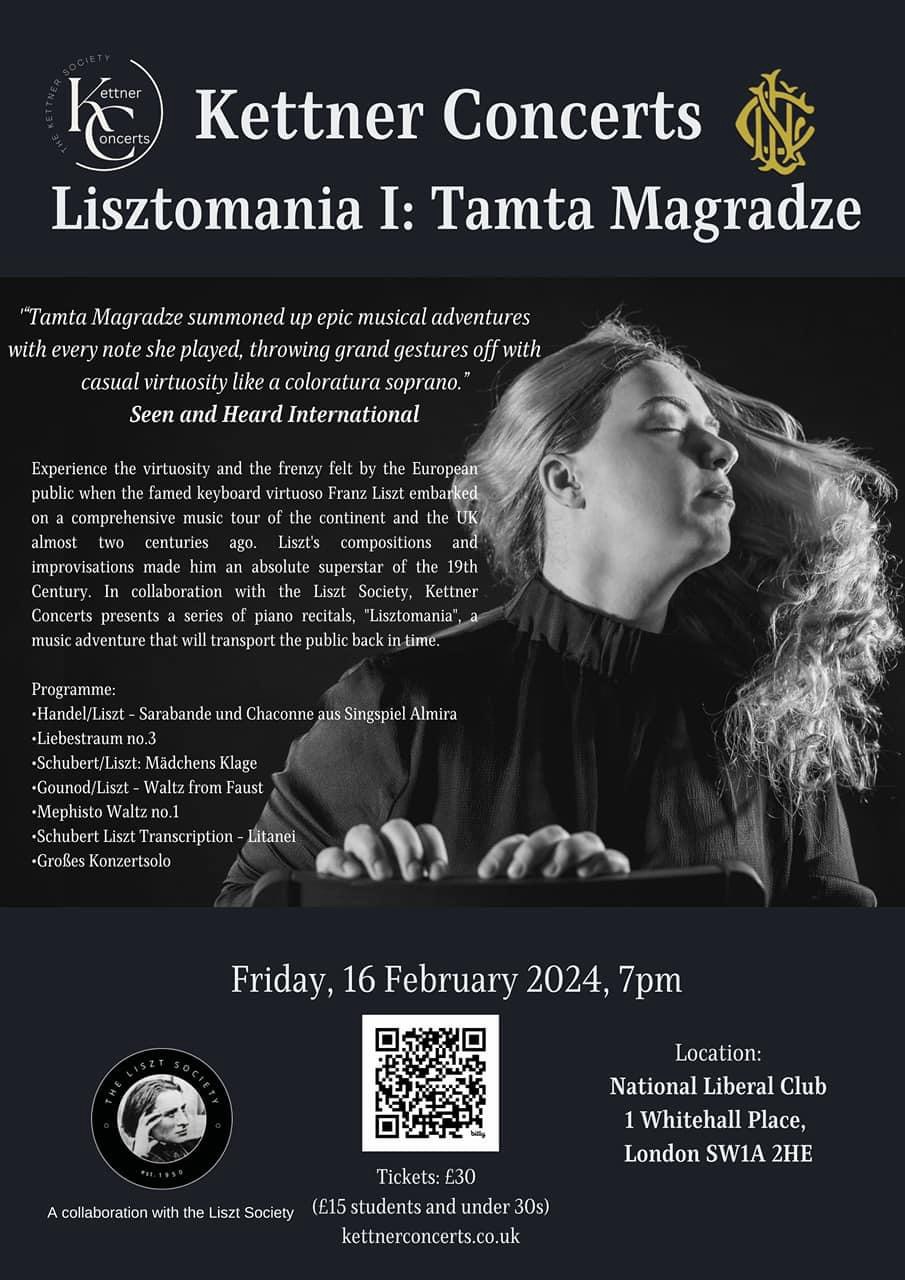
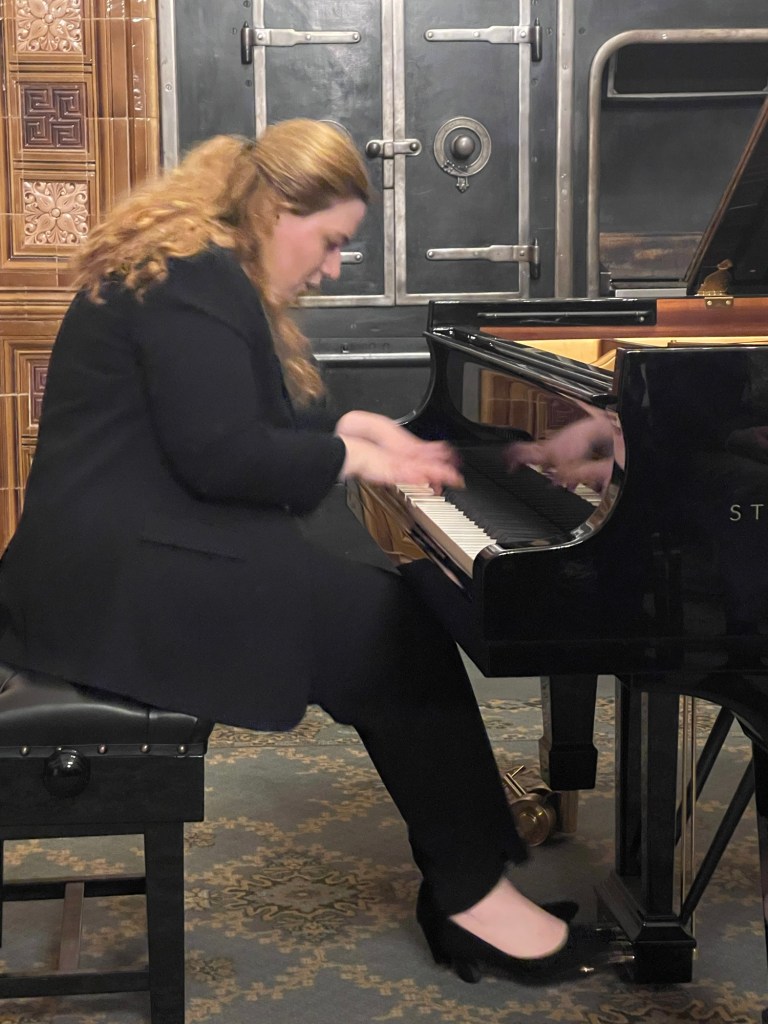
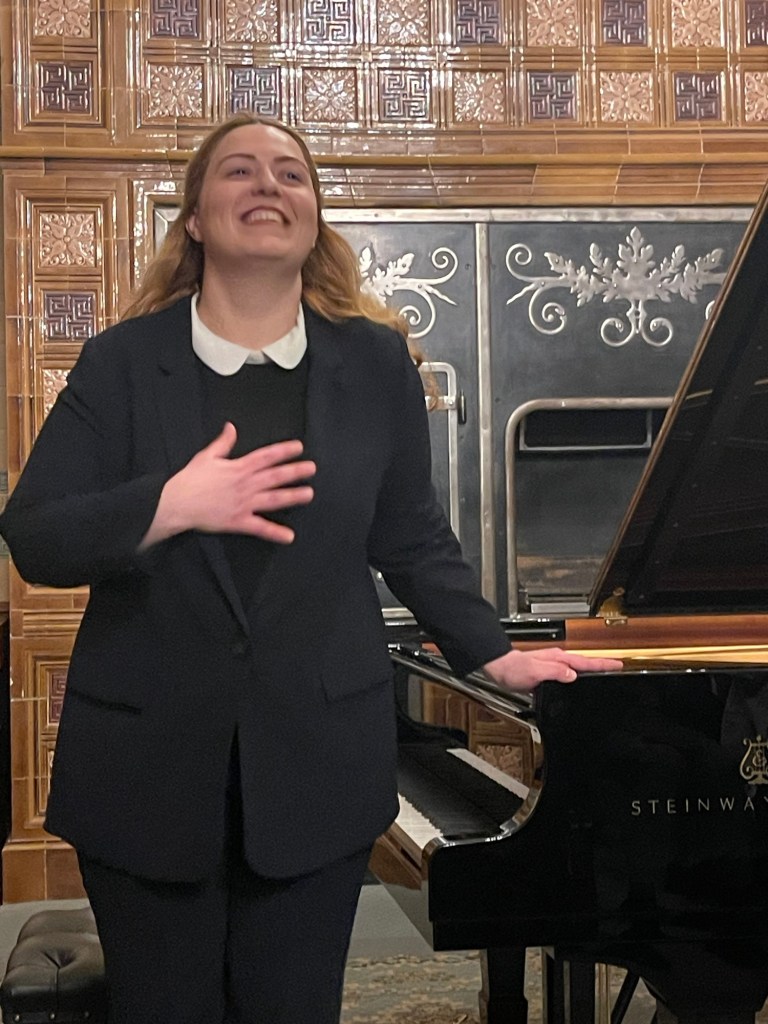
Amazing, astonishing ,breathtaking were some of the comments last night as Tamta Magradze filled this beautiful Lloyd George room with the sumptuous sounds that I have not heard since the arrival in London of Lazar Berman – a true laser beam of astonishing pyrotechnics and sumptuous overwhelming sounds on the grandest of pianos.
Here in the Liberal Club where Rachmaninov gave his last European performance before leaving for America never to know how the evil machinations of Hitler would be played out .There now stands a new piano for a new era and the Liberal Club is once again resounding to the grandest of music thanks to the dedication of Cristian Sandrin , Yisha Xue and all those involved with the Keyboard Trust and Kettner Music Society.
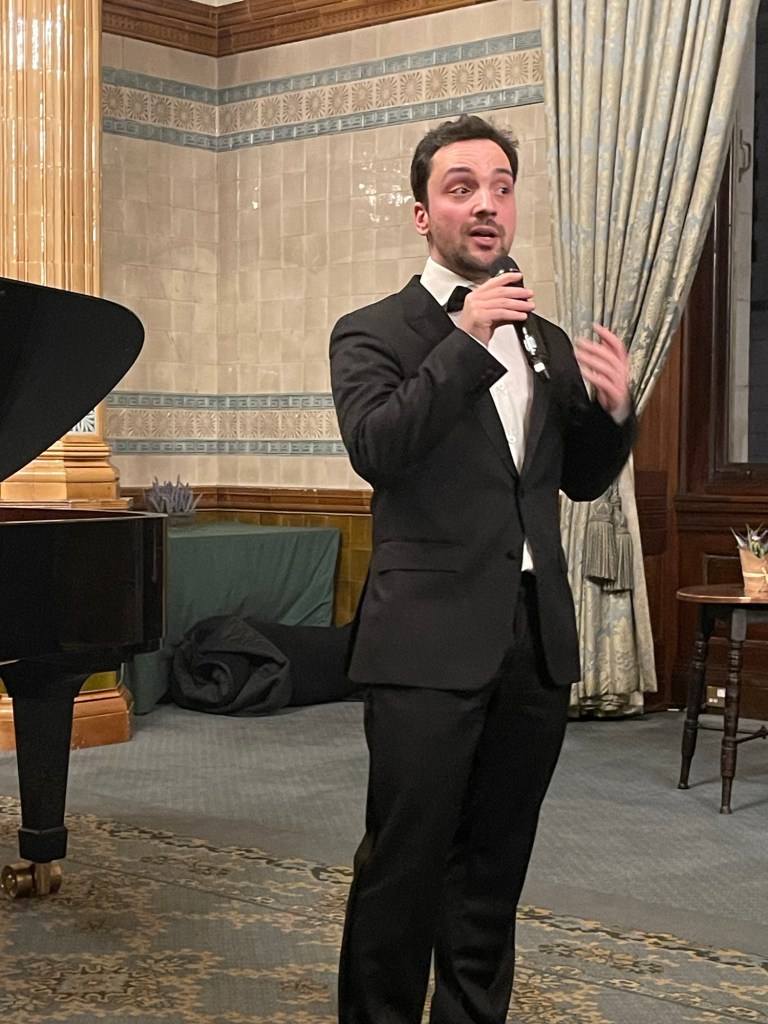
Cristian Sandrin the ring master
This was ‘Lisztomania’ recreating the world of the greatest showman the world has ever known .Together with Paganini, Liszt would have the elite noble gentry of the great castles and salons of the day reduced to a screaming mob rushing forward at the end of their idols circus like exhibitionism to grab a souvenir of a lock of hair or cigar but to take home perchance to dream of a private encounter of a secret nature ! Just like the pop stars of today ……Lang Lang eat your heart out ! This is just the beginning as Lisztomania n 2 is already on the cards in the not too distant future with the remarkable Mark Viner who will reignite this atmosphere adding an even more strange twist from the past with the most enigmatic friend of both Chopin and Liszt : Charles Valentin Alkan .
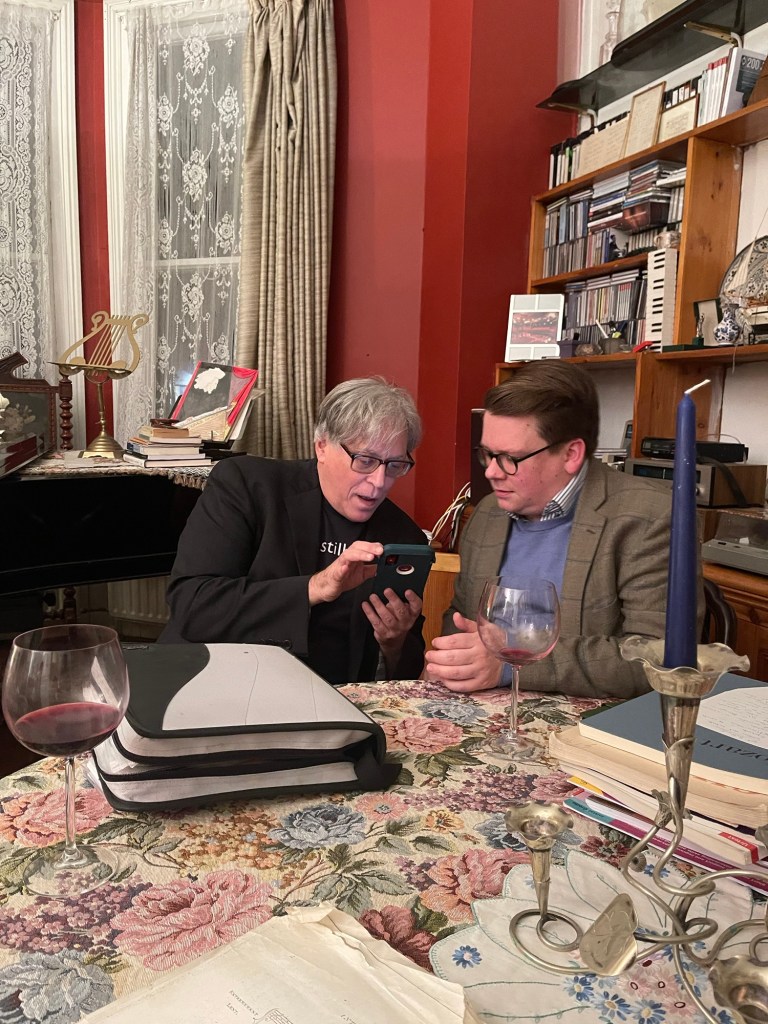
Jed Distler in discussion with Mark Viner about the Lisztomania n. 2 and much else besides – wine glasses on hand – che non guasta!
Rumour has it that this strange elusive figure from the past hid his music away as only he could play such difficult hoarded secret scores for solo piano made up of fearfully difficult Symphonies ,Concertos and studies and much more besides . A recluse that rumour has it was crushed to death reaching for the Talmud on the top shelf of his library.Chopin had bequeathed his final studies to his friend and colleague as he was the only one who could complete the thesis on piano playing that Chopin knew he would never have time to finish.
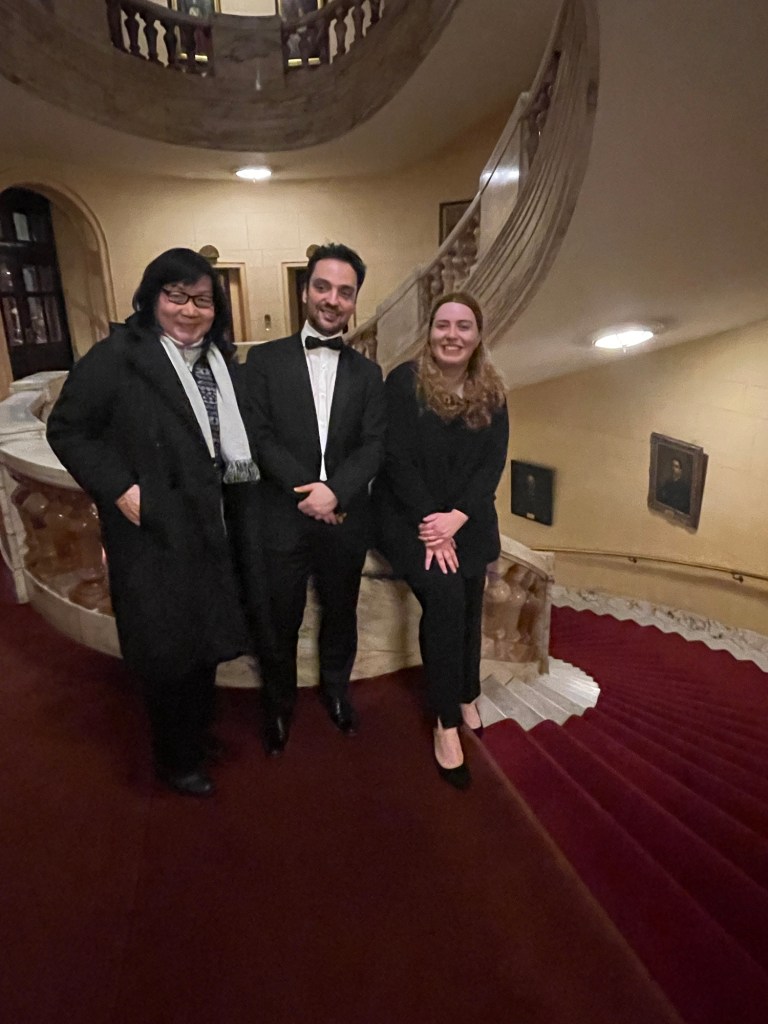
Tamta on the regal staircase leading to the Lloyd George Music Salon with Yisha Xue and Cristian Sandrin
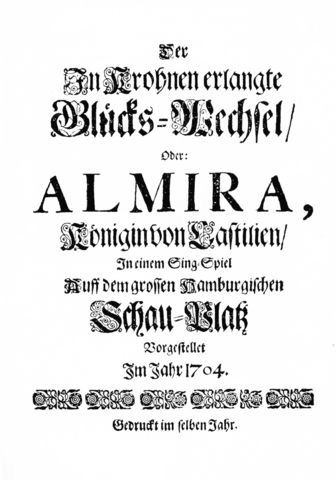
Today the 29 year old Tamta Magradze fresh from the Liszt Academy in Weimar took the Liberal Club by storm with overwhelming performances of three works that Liszt himself would have performed throughout Europe on his leggendary concert tours from 1839 to 1847. An opening that was immediately a call to arms with the sumptuous full sounds of grandiloquence of Liszt’s full blown vision of Handel’s Sarabande and Chaconne from his first opera Almira of 1795 .
Opera was for the elite but Liszt made it readily available to his fans where his ten fingers could bring the operas vividly to life with even more excitement than in the opera house. Tamta’s limpet like fingers with robust arms outstretched as she allowed them to caress and seduce the black and white keys set before her that by some strange alchemy became an orchestra of the noblest proportions .
This was just the opening of an all too short survey that was concluded with what Leslie Howard considers Liszt ‘s masterpiece: the Grosses Konzertsolo .The prelude to the B minor sonata which is the greatest work of the Romantic era-considered with Schumann’s Fantasie op 17 and Chopin’s Fourth Ballade op 52 absolute monuments of the nineteenth century . Tamta played it with total commitment and mastery throwing herself into the burning furnace with scintillating and life enhancing sounds . The well known Mephisto Waltz n.1 the cavallo di battaglia of so many great virtuosi was often added to by the disciple of the great master, Ferruccio Busoni .Not even content with this Horowitz would add his own cadenza and ending which earned him the accolade of ‘the greatest pianist alive or dead ! ‘ on his arrival in Paris in the 1930’s. Rubinstein of course had his nose put out of joint as Paris in that period was very much his kingdom that he reigned over until this moment.
It evoked the duel between Liszt and Thalberg a century earlier .Fighting it out in the Princess Belgioso’s salon where she declared at the end of the pianistic duel between giants that Thalberg was the greatest pianist alive but Liszt was unique!Honour was saved and noblesse oblige!With Horowitz and Rubinstein the Holocaust intervened and united so many great artists in their mutual fight against evil.
Tamta played Liszt’s original Mephisto Waltz n. 1 where the throbbing opening of the opening was transformed into a glittering display of virtuosity but also of sumptuous beauty .Bird calls played with crystalline clarity and the treacherous final leaps played with enviable accuracy and not a little courage .If she just missed the charm of Gounod’s Waltz from Faust she warmed the ‘cockles of our hearts ‘ with the sublime beauty of Liebestraum and the lesser known but even more sublime transcription of Schubert’s Litanei.
A real ovation greeted the final chords of the Grosses Konzertsolo and what could one play after that ? Follow that indeed! What better that Liszt’s transcription of Beethoven’s First Symphony.Beethoven had after all kissed the child prodigy of his pupil Czerny before unleashing the greatest showman on earth to an unsuspecting public ! Wonderful to see what had been written about Tamta at a previous performance and which I can only repeat here and confirm :’Tamta Magradze summoned up epic musical adventures with every note she played,throwing grand gestures off with casual virtuosity like a coloratura soprano’
Jed Distler, with Cristian and Yisha, had joined us from New York where he is a major figure as critic,commentator and pianist
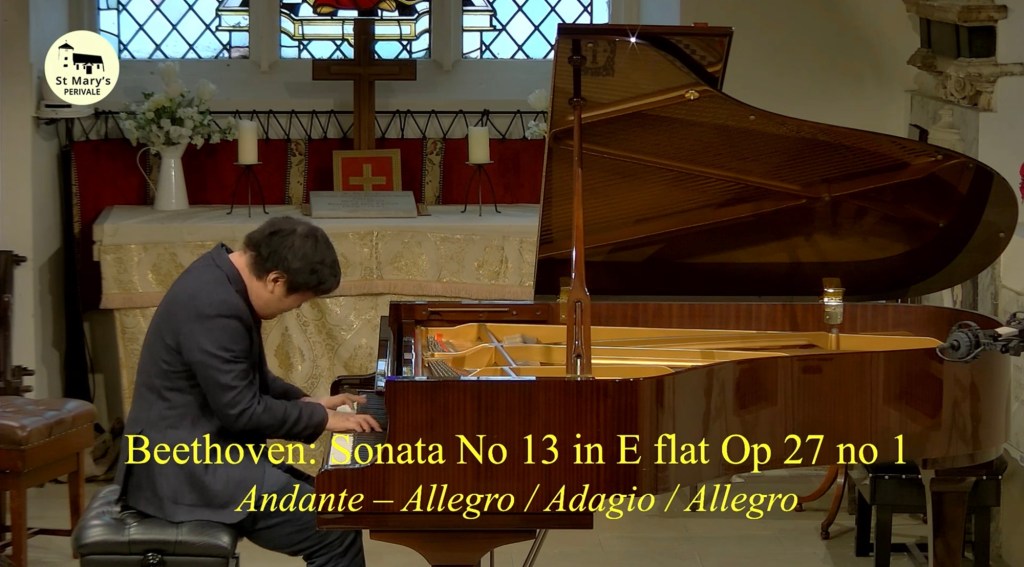
Molto moderato – Andante sostenuto – Scherzo : Allegro vivace con delicatezza – Trio – Allegro ma non troppo
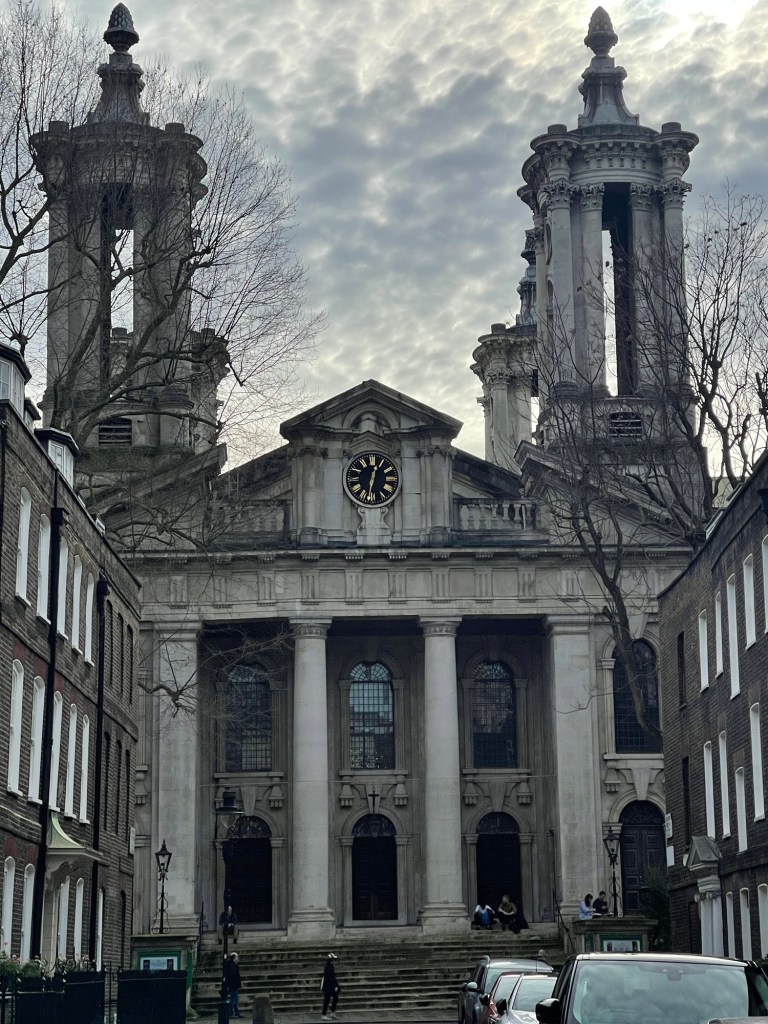
Kyle Hutchings at St John’s Smith Square with just two works both born of tragedy :The Mozart B minor Adagio written as a moment of respite from Don Giovanni having just heard of the death of his estranged father .And Schubert’s last Sonata written only months before the composers untimely death when a final outpouring of masterpieces were his way of preparing for his imminent last journey. From the very first note it was clear that we were in for a journey from the hands of a true poet .
A timeless beauty where the music was not projected but was played with a whispered concentration that drew us in to this young man’s magic world of sounds .A chiselled beauty to the cascading ornaments that just unfolded so naturally with a subtle kaleidoscope of sounds where each note spoke with poignant eloquence.An aristocratic control of great maturity where every note was given time to speak with seemingly no extraneous intervention from the pianist .This was truly an artist in deep concentration as the music passed from the page through this medium to the public who were caught in a spell where we dared not breathe.
The silences were even more poignant than the notes .The time he took before caressing the opening notes of this last sublime creation of Schubert filled us with the anticipation of the start of a voyage of discovery with this extraordinarily sensitive young poet of the keyboard.Even the deep bass trill was a mere glow of sound less of foreboding but more of hope. There was a luscious sheen to the sound that followed where the seemless melodic invention just seemed to appear by magic.A stillness to the duet between tenor and soprano played with the sensitivity of a true poet.The whispered modulation into the development was breathtaking and as he did not play the repeat we were immediately into the development where there was always a sense of proportion even in the strenuous climaxes.This was a performance whispered rather than shouted -Beethoven was nowhere to be seen in Kyles’s magic landscape .There was a supreme control of sound that I have not heard since Richter’s first appearances in the west.An extraordinary control of tempi too and the rest before the recapitulation was truly earth shattering in its emotional impact. Kyle hardly moving with head down as he listened to the exquisite sounds his hands were carving with such delicacy from the black and white keys laid out before him.A remarkable tour de force not only technically but above all poetically.I have not experienced this since listening to Murray Perahia with playing of such selfless intelligence and poetic significance as he drew the audience in to his secret world of sounds. Silences that spoke louder than the notes and created an electric atmosphere where people unknown to each other found themselves united as they listened collectively hardly daring to breathe .
A slow movement of such searing and heart rending poignancy with the glorious Brahmsian central section with its richness of sound that glowed like pure gold with the unbearable intensity of sublime simple beauty as the harmonies became ever more succulent.The return of the opening suddenly took on an unearthly significance with the deep whispered bass comments adding another voice of such hope just like the opening trills.The sudden change of harmony was barely whispered but became even more intense for its surprising beauty. The Scherzo was beautifully controlled with elegance and impish charm with a constant pulse of civilised elegance.What fun he had with one voice answering another with such high spirits.The accents in the Trio were merely pointed out as they accompanied the long right hand melodic line. There was the sedate outpouring of the last movement with the gentle insistence of the G’s a mere calling of attention as the musical chairs changed place.In the violent interruption ,the climax of the Sonata, it was the bass that Kyle made so important so the sounds never got hard or ungrateful but remained under the same sublime cloud that had hovered so magically above St John’s today in this young man’s sensitive hands .
Kyle Hutchings is a British pianist who, after just twelve months of self-taught playing, won a scholarship to study in London with internationally acclaimed pianist Richard Meyrick on the Pianoman Scholarships Scheme supported by Sir and Lady Harvey McGrath. Subsequently, he made his London debut with the Arch Sinfonia playing Beethoven’s Second Piano Concerto.
Acclaimed for the deep understanding and soulful artistry he brings to his performances, he has performed in venues such as London’s prestigious Kings Place, London’s BT Tower, The Lansdowne Club in Mayfair, as part of the Blüthner Recital Series, St James’s Piccadilly and many others up and down the country. In addition to this, he maintains an active presence on the international concert scene.
During his studies at Trinity Laban, supported by a scholarship from Trinity College, he received the Nancy Thomas Prize for Piano as well as the Director’s Prize for Excellence; he was also nominated for the conservatoire’s coveted Gold Medal. Kyle is supported by The Keyboard Charitable Trust and has received support from The Robert Turnbull Piano Foundation as well as The Zetland Foundation.
Notable highlights of his 2022/2023 season have included a debut performance at London’s Kings Place, as well as appearances in Italy and Poland.
Mozart’s haunting Adagio in B minor is paired with Schubert’s final completed work, his great Sonata in B-flat.
Portrait of Schubert at the end of his life
Franz Schubert’s last three sonatas D 958, 959 and 960, are his last major compositions for solo piano. They were written during the last months of his life, between the spring and autumn of 1828, but were not published until about ten years after his death, in 1838–39.[1] Like the rest of Schubert’s piano sonatas, they were mostly neglected in the 19th century.By the late 20th century, however, public and critical opinion had changed, and these sonatas are now considered among the most important of the composer’s mature masterpieces.The last year of Schubert’s life was marked by growing public acclaim for the composer’s works, but also by the gradual deterioration of his health. On March 26, 1828, together with other musicians in Vienna Schubert gave a public concert of his own works, which was a great success and earned him a considerable profit. In addition, two new German publishers took an interest in his works, leading to a short period of financial well-being. However, by the time the summer months arrived, Schubert was again short of money and had to cancel some journeys he had previously planned.Schubert had been struggling with syphilis since 1822–23, and suffered from weakness, headaches and dizziness. However, he seems to have led a relatively normal life until September 1828, when new symptoms such as effusions of blood appeared. At this stage he moved from the Vienna home of his friend Franz von Schober to his brother Ferdinand’s house in the suburbs, following the advice of his doctor; unfortunately, this may have actually worsened his condition. However, up until the last weeks of his life in November 1828, he continued to compose an extraordinary amount of music, including such masterpieces as the three last sonatas.
The final sonata was completed on September 26, and two days later, Schubert played from the sonata trilogy at an evening gathering in Vienna.In a letter to Probst (one of his publishers), dated October 2, 1828, Schubert mentioned the sonatas amongst other works he had recently completed and wished to publish.However, Probst was not interested in the sonatas,[15] and by November 19, Schubert was dead.
In the following year, Schubert’s brother Ferdinand sold the sonatas’ autographs to another publisher, Anton Diabelli who would only publish them about ten years later, in 1838 or 1839.[16] Schubert had intended the sonatas to be dedicated to Johann Nepomuk Hummel , whom he greatly admired. Hummel was a leading pianist, a pupil of Mozart , and a pioneering composer of the Romantic style Romantic (like Schubert himself).However, by the time the sonatas were published in 1839, Hummel was dead, and Diabelli, the new publisher, decided to dedicate them instead to composer Robert Schumann who had praised many of Schubert’s works in his critical writings.
Mozart composed his Adagio in b minor K. 540 at a time when his financial situation was steadily deteriorating. The war against the Turks was constraining the Viennese people’s interest in music – works were not commissioned and concerts did not take place. It was of no matter that Mozart had shortly before (in 1787) been appointed a salaried k.k. Kammer-Kompositeur. Nevertheless in this year he composed several of his most important works: the “Coronation Concerto” K. 537, the three late symphonies as well as several piano trios. And he also composed this tender Adagio in b minor with its captivating expressiveness
Ariel Lanyi writes :
How significant is the tonality of a work of music to our perception of it as performers or listeners? Could a work in D minor have been written in B-flat minor, or is there a sort of nomenclature to keys? The treatises on key characteristics attest to the latter rather than the former, and when we look at the frequency of some keys in the outputs of various great composers, we see that the choice of keys can be greatly significant to the character of a work.
Of the many hundreds of adagios that Mozart wrote, K. 540 is the only complete one in B minor (other than the second movement of the D major flute quartet). This already makes it a bit of an “outlier” among Mozart’s works, but when we consider how rarely it is played in comparison to, for example, the A minor Rondo, K. 511, we begin to see that it has other characteristics that put it at odds with what performers and audiences usually experience from the composer.
For listeners and performers alike, Mozart is most commonly associated with opera. In his instrumental music, the melodies often evoke vocal music in their contour, rhythmic structure and variety. A Mozart melody is an organic unit in itself, which often evokes an unsung line of words. Most of his most commonly played works have such melodies. The B minor Adagio, however, is somewhat different. Here, we don’t get the continuous line of melodic inspiration that we hear in the G minor symphony or in the A major piano concerto, K. 488. Instead, we are confronted by a stark diminished chord in the first bar, which effectively truncates the flow of the melody. After two bars of a jagged melody, rather than have the mellifluous development we expect to hear in Mozart, we hear sharp dynamic changes, rhetorical pauses, and a string of “sigh” motifs. The music makes statements of the most powerful kind, but unlike in other instrumental works of Mozart, underlying are not unsung words, but rather un-acted gestures. Were we to connect these gestures to other works of Mozart, we would probably need to look to his vast string chamber music output (the string quintets in particular) rather than the operas. One indication of that is the unusual use of dynamics in this piece. Mozart’s dynamic markings weren’t as detailed as Beethoven’s. Mozart, of course, did not live long enough to see the many developments of the piano that Beethoven saw in his lifetime, which preoccupied him greatly when he was writing his piano works. Many Mozart concerti, even late ones, are almost devoid of dynamic markings in the piano part, leaving us pianists to rely solely on the orchestral parts and on our musical intuition. The B minor Adagio, however, is marked in great detail. Mozart took great pains to highlight the jaggedness and drama that need to be conveyed. These markings, which wouldn’t make sense in an operatic context, would make perfect sense in a string quintet. One can almost imagine the motion of the bows when the first sforzando strikes on the diminished chord of the first bar. Besides its un-operatic nature, there are other characteristics that distinguish this work from the rest of Mozart’s output. Not many works of Mozart are so centered around diminished chords, but this one is, in an almost Beethovian manner. In the short development section, the diminished chord is definitely the one that sticks out the most, as it has a disorientating effect on the listener, who meanwhile tries to locate a tonal center to “hang on” to. And does all of this resolve itself? Mozart does reach the much-desired B major at the very end of the work, but its comforting qualities are ambiguous. It comes after a somewhat torrential passage of broken octaves (also not too common for Mozart, at least not in the form heard in this work), and is by nature quite “developmental,” as it has significant dramatic motion in the inner voices. The minor-ness of the Adagio and the abundance of diminished chords may have been resolved, but not in a soothing manner. And as for the ending, the music disappears into the depths of the piano’s range, and Mozart made sure to remind us of the rhetorical pauses of the opening, which perhaps adds even more to the ambiguity of the work.
So is the choice of key for this work coincidental, or is it in fact intertwined with both the work’s rather odd characteristics and our reception of the work? Although I don’t believe that the two are entirely linked, I do think that the choice of key cannot be coincidental. This work, on many levels, is not the Mozart we know—from its most basic features down to the smallest details.
Michael Church International Piano n.100 Spring 2024
Genius ,warmth and simplicity – what more can one ask ?
Jean-Efflam Bavouzet piano Claude Debussy (1862-1918) Suite bergamasque (c.1890, rev. 1905) I. Prélude • II. Menuet • III. Clair de lune • IV. Passepied
Franz Liszt (1811-1886) Hymne de la nuit S173a/1 (1840, rev. 1847) Schlaflos! Frage und Antwort S203 (1883) En rêve S207 (1885)
Claude Debussy La plus que lente (1910)
Franz Liszt Valse-impromptu S213 (1850-2)
Jules Massenet (1842-1912) Valse folle (1898)
Interval
Claude Debussy Masques (1903-4)
Erik Satie (1866-1925) Gymnopédie No. 1 (1888)
Jules Massenet Papillons blancs (pub. 1907)
Claude Debussy D’un cahier d’esquisses (1904)
Franz Liszt Toccata S197a (?1879)
Jules Massenet Toccata (pub. 1892)
Claude Debussy Pour le piano (1894-1901) I. Prélude • II. Sarabande • III. Toccata
A sold out Wigmore Hall for Bavouzet ‘s fascinating survey of some extraordinary eccentricities by Liszt, Massenet and Debussy which of course could not have excluded the openly declared eccentricity of Satie .A musical sandwich between the beauty of Debussy’s early ‘Suite Bergamasque’ and ‘Pour le Piano’.But the surprise was still to come with an extraordinarily vivid performance of ‘L’isle joyeuse’ that had the normally sedate audience on their feet cheering a musician who could communicate his love and passion for music with warmth and charm.
Jersey has never had it so good! A range of sounds of astonishing Boulezian clarity and a musical understanding of the architectural shape of all he played .The grandiose opening of the ‘Prelude’ of the ‘Suite bergamasque’ was answered by the radiance and simplicity which he brought to ‘Clair de lune’. A mellifluous outpouring of magic sounds in Liszt’s ‘Hymne de la Nuit’ was mirrored by the dramatic entrance of ‘Schlaflos!Frage und Antwort ‘. ‘En reve’, surely the sweetest and certainly the shortest of Liszt’s late works was played with ravishing sound and an ethereal ending of whispered beauty as it reached out to the beguilingly impish ‘Valse Impromptu.’ There was the deep nostalgia of ‘La plus que lente’ unwinding with beguiling lazyness as the busy meanderings of Massenet’s ‘Valse folle’ were played with brilliant insistence.
Inimitable charm with sting in the tail intelligence
After the interval there was the frenzied dance of ‘Masques’ followed by the languid opening of Satie and the delicately etched purity of the melodic line – ‘douloureux’ – not easy on this rather ungrateful Yamaha that had been imported specially for the occasion! It was a sign of the genius of Bavouzet that despite the rather black and white sounds of this piano he could reveal so many marvels that only a true thinking musician could do. Satie,you see was right as there is safety under the ‘umbrella’.
Paul and Maude Tortelier – their favourite photo taken in my home in Rome on one of their many memorable visits to us at the Teatro Ghione
An enthusiasm that I have only ever experienced with Paul Tortelier who like Jean-Efflam Bavouzet would relish the contact with his public drawing them even closer into this wonderful world of sound.A musician who thinks in layers and who has always the orchestra in mind and like Boulez pointing to the marvels on a long inspired journey of discovery.
Massenet’s busy butterflies fluttered above the keys with shadowed haunting beauty contrasted with the solemnity of Debussy’s ‘Esquisses’ in an extreme resonant atmosphere.Liszt’s ‘Toccata’ ,that if we batted our eyelids we would have missed,but instead we watched astonished as Bavouzet allowed his fingers to flow with oiled perfection with this continuous stream of notes rudely interrupted only by the occasional call to arms. Contrasting with Massenet’s ‘Toccata’ which was a much more sumptuously luxuriant escapade. After all these fascinating morsels it was nice to be reminded of the greatness of Debussy as the meanderings of the ‘ Prélude’ of ‘Pour Le Piano’ filled the air with rarified flexibility and elegance .A favourite of Rubinstein who brought to it the same beauty as Bavouzet with its delicately moving melodic line opening up to monumental sounds of grandeur and showmanship.The delicate Sarabande was played with simplicity and disarming beauty more on the surface than Perlemuter who would dig deeper with weight and extract the essence of the beseeching cry of the appoggiaturas.But Bavouzet revealed a more subtle beauty and having got used to this black beast was able to reach deep into its soul and find exquisite delicate colours.The Toccata like that of Ravel is a masterpiece of ‘canons covered in flowers! The continuous stream of sounds that miraculously just fluttered above the ravishingly understated melodic invention that both Ravel and Debussy were masters of.
A monumental ending where the showman Bavouzet like Tortelier could bring their audience spontaneously to their feet.A true ovation that was filled with love and admiration for this genial master and brought us the greatest gift of the evening with Debussy’s rose coloured view of Jersey as seen from Eastbourne! A joyous island indeed! Jean- Efflem Bavouzet had performed yet another miracle turning a bauble into a gem and tempering this great black beast with inspired intelligence and total mastery. How could anyone resist?
Party time in the Green room with the New York critic and commentator Jed Distler in town by chance to meet a master.A first physical meeting although Bavouzet knew and had read Jed’s writings – even the bad reviews because it comes from someone who is also an artist and really knows ! Jed of course charmed as we all had been all evening.
Tonight was the living reply to ‘Is live music dead?’
Quality and communication as opposed to quantity and isolation ! Viva la France !
Jules Massenet (12 May 1842 – 13 August 1912) was a French composer best known for his operas, of which he wrote more than thirty, made him the leading composer of opera in France in the late 19th and early 20th centuries.. He also composed oratorios, ballets, orchestral works, incidental music, piano pieces, songs and other music. Massenet taught composition at the Paris Conservatoire from 1878 until 1896. Among his students were Gustave Charpentier, Ernest Chausson, Reynaldo Hahn and Gabriel Pierné. Massenet’s his operas are widely accepted as well-crafted and intelligent products of the Belle Époque.
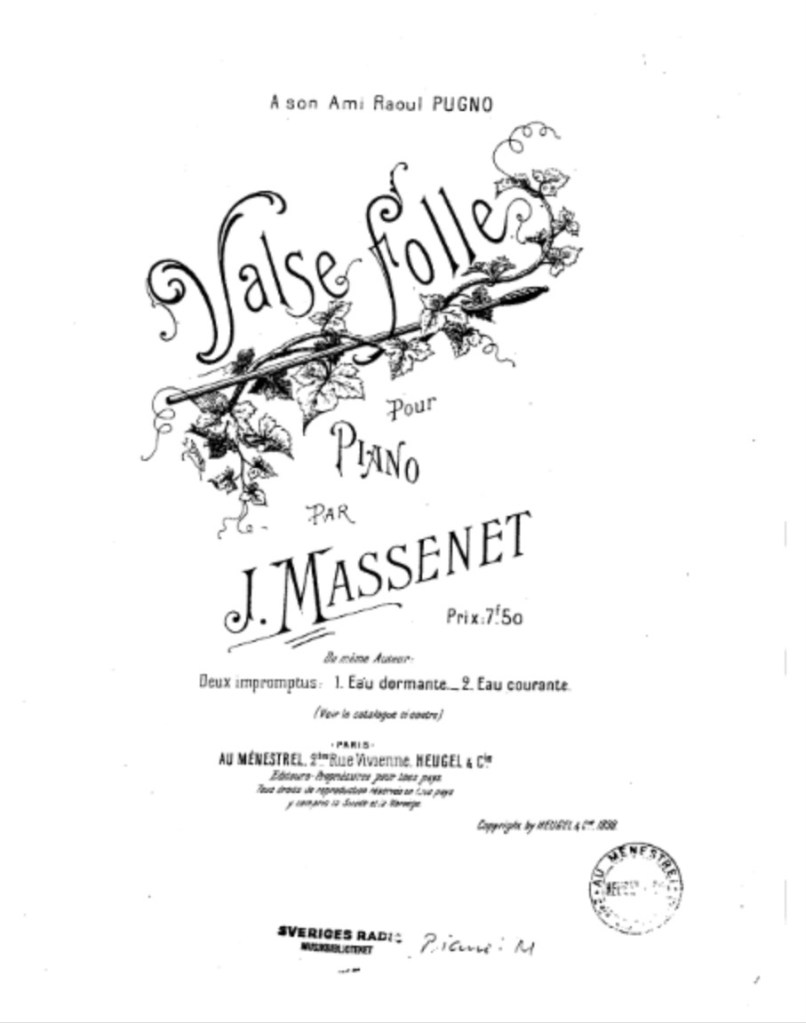
Valse Folle was composed in 1898 (by which time Massenet had become wildly wealthy and famous from his success as an opera composer), the ‘Mad Waltz’ was dedicated to his friend Raoul Pugno (1852–1914). Pugno himself, one of the first internationally acclaimed lions of the keyboard to commit his art to disc, recorded the work in April 1903 for the Gramophone and Typewriter label.
Its innocent main theme contrasts with abrupt changes of tempo and (for Massenet) unexpected discords and harmonies, to say nothing of the violent ending, providing a brief glimpse of an unexpected side to the elegant, urbane Massenet.
In 1907, Massenet’s publisher Heugel issued his 2 pièces pour piano with a striking pictorial cover depicting large black and white butterflies against a yellowish-green background. The second of these pieces, Papillons blancs (‘White butterflies’) is an elegant character piece, beautifully crafted, with some attractive digressions into unexpected keys; as the piece nears its close, these particular butterflies become surprisingly animated. Jules Massenet was a very good pianist and he composed for his instrument from an early age (Dix Pièces de genre, 1866) before turning body and soul to orchestral and vocal forms. However, he returned to piano composition at the end of the century: after the death of Ambroise Thomas and his subsequent resignation from the Paris Conservatoire, he turned once again to the Parisian salons with his Deux impromptus (1896) and Deux Pièces pour piano (1907). These evocative pieces were presented on those occasions with the early piano works of his students, from Portraits de peintres by Reynaldo Hahn (1894) to Rêverie by Paul Hillemacher (1908), and including Xavier Leroux’sRomance and Gabriel Pierné’s Étude symphonique (1903).The Toccata was first published in 1892, with a dedication to Marie-Aimée Roger-Niclos, the piano virtuoso to whom Saint- Saëns had dedicated his fantasia Africa the year before.
Franz Liszt 22 October 1811 – 31 July 1886
Liszt’s Hymne de la nuit was originally composed in 1840 and revised in 1847. The score is prefaced by the first verse of the poem by Alphonse de Lamartine from his 1830 collection Harmonies poétiques et réligieuses , which was such a rich source of inspiration for Liszt. The Hymne da la nuit is a kind of pendant to the Harmonies poétiques cycle and is a musical evocation of the sunset and starry heavens of Tuscany as described by Lamartine. The Valse-impromptu S213 dates from about the same period and was first published in 1852.The other Liszt pieces are all late works. Schlaflos! Frage und Antwort was written in 1883 and carries the rather misleading subtitle ‘Nocturne … after a poem by Toni Raab’. We don’t expect nocturnes to be about insomnia, but that is what Liszt gives us. En rêve is another ‘night’ piece, from very late in Liszt’s career, composed in 1885 for August Stradal (a pupil of both Liszt and Bruckner). The Toccata dates from about 1879. Marked prestissimo , its energy is incessant until fading away into delicate and inconclusive chords.
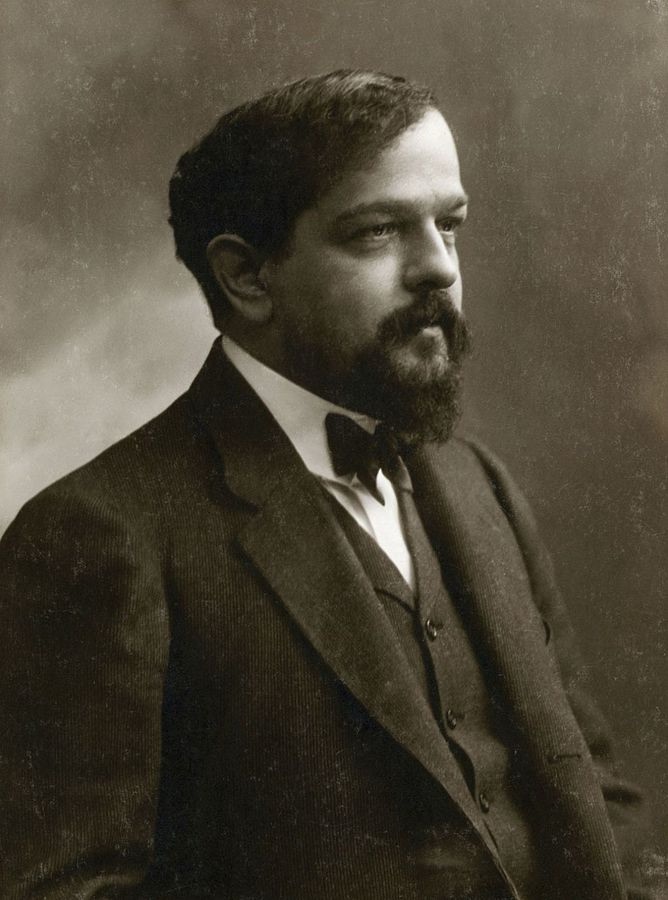
Claude-Achille Debussy 22 August 1862–25 March 1918
Despite its title, La plus que lente was not meant to be played slowly; “lente,” in this context, refers to the valse lente genre that Debussy attempted to emulate.Typical of Debussy’s caustic approach to naming his compositions, it represented his reaction to the vast influence of the slow waltz in France’s social atmospheres.The piece was first heard at the New Carlton Hotel in Paris, where it was transcribed for strings and performed by the popular ‘gipsy’ violinist, Léoni, for whom Debussy wrote it (and who was given the manuscript by the composer).The work is marked “Molto rubato con morbidezza,” indicating Debussy’s encouragement of a flexible tempo.During the same year of its composition, an orchestration of the work was conceived, but Debussy opposed the score’s heavy use of percussion and proposed a new one, writing to his publisher:
‘Examining the brassy score of La plus que lente, it appears to me to be uselessly ornamented with trombones,kettle drums,triangles etc and thus it addresses itself to a sort of de luxe saloon that I am accustomed to ignore!—there are certain clumsinesses that one can easily avoid! So I permitted myself to try another kind of arrangement which seems more practical. And it is impossible to begin the same way in a saloon as in a salon. There absolutely must be a few preparatory measures. But let’s not limit ourselves to beer parlors. Let’s think of the numberless five-o’-clock teas where assemble the beautiful audiences I’ve dreamed of ‘Claude Debussy, 25 August 1910
Masques“, L. 105, was composed July 1904, it was premiered on 18 February 1905 by Ricardo Vines at the Salle Pleyel in Paris. Its sombre character reflects Debussy’s difficult separation from Lilly Texier, his first wife. The title refers to the commedia dell’arte although Debussy confided to Marguerite Long that the piece was “not Italian comedy, but an expression of the tragedy of existence” (French: ce n’est pas la comédie italienne, mais l’expression tragique de l’existence.)
It was composed in 1904 and premiered by Maurice Ravel during the inaugural concert of the Independent Music Society on April 20 1910 . One of the least known and most unfairly neglected pages of Debussy.The score inaugurates the writing on three staves in Debussy’s piano work and evokes the first part of La Mer From dawn to noon on the sea , which dates from 1903 , and because of its melodic quality, the richness of the harmonies and the instrumental writing ,it could be considered as a preparatory study for ‘Images’
A memorable recital from Edward Leung who has come through all the problems at the start of a career in a foreign land and has become an artist of great stature. Fingers that like limpets caress the keys and seem to suck sounds out of radiance and beauty without ever resorting to percussive hitting of the keys .A clarity not only of sound but also of musical thought that brought to mind Charles Rosen.
A Beethoven Sonata unjustly neglected for its ‘Moonlight ‘ twin was given a performance of Arrau like stature where the return of the Adagio con espressione in the final page was of a poignancy of aristocratic musicianship .
Even Berio’s little ‘Wasserklavier’ was played with a simplicity and luminosity of sound and brought to mind Cherkassky when playing in Empoli the town where Busoni was born and where Berio lived nearby.A visit to Berio’s home to hear his star prodigy Andrea Lucchesini a pupil of Maria Tipo play these encore pieces.Shura was very impressed and soon added the ‘Wasserklavier ‘to his repertoire.
It linked up so beautifully with the opening of Liszt’s wonderful tone poem that is his 11th Transcendental Study :’Harmonies du Soir’.A gradual opening with a kaleidoscope of sounds leading to the sumptuous full spread chords where Edward drew sounds of beauty and richness that lead to the simplicity and beauty of the ‘Più lento con intimo sentimento’.A masterly build up of intensity to the sumptuous outpouring of passionate sounds only to disappeared to a whisper with the three last chords place as only a true artist could do.
The Schumann late Fantasiestucke not as often heard as his early Fantasy pieces and that by coincidence Cherkassky used to play as a prelude to the Liszt Sonata .Edward has the perfect sound for Schumann where the melody just emerged from the rich golden sounds that swirled all around with burning intensity.The second piece was of Schubertian simplicity as the music was an outpouring of song given such architectural shape.The last of these three pieces was played dignified weight and a crystal clear melodic line and after a quixotic central section the quasi capricious ending was played with great weight and beauty.
Pour le piano closed this superb recital with a display of playing that I have only heard from the greatest of players.Rubinstein would often play just the Prelude with its poetic meanderings leading to glissandi fanfares that Edward played with the same flair and showmanship.There was a purity of sound to the Sarabande that was a complete contrast to the Prelude with it’s serenity and pleading leaning appoggiaturas.The Toccata was played with astonishing clarity and rhythmic drive.The sumptuous outpouring of melody was like rays of sun shining ever more brightly until the explosive brilliance of the final bars. Beethoven with a little twist was the encore that Edward offered to an enthusiastic audience.Simplicity and beauty were combined with the grace and charm of the well known Fur Elise.But then unexpectedly Edward got in a twist suddenly letting his hair down as jazz style boogy- woogie suddenly took over finishing with an exhilarating flourish that had Edward on his feet.
Edward is not only a great musician with an enviable technical command of the piano but he is also a showman not afraid ,like the great pianists of the past,to let their hair down once the serious business has been concluded .
Lauded as one of ’16 Incredibly Impressive Students at Princeton University’ by Business Insider, American pianist Edward Leung has performed solo recitals and appeared with orchestras across North America, Europe, and Asia. Highlights of the 2023-2024 season include inaugurating the teatime piano concert series at HHH Concerts, recitals with Tim Posner in Nottingham and London, and appearances at Wigmore Hall, Razumovsky Academy, Musicfest Aberystwyth and Menuhin Hall. He has recently appeared at Southbank Centre, International Musicians Seminar at Prussia Cove, Bridgewater Hall, St George’s Bristol, and Cranleigh Arts. He is supported by the Keyboard Charitable Trust, MMSF Piano Fellowship and Live Music Now UK. His debut album with Usha Kapoor on Resonus Classics was released in January 2024.
A sought-after chamber musician, Edward has collaborated with some of the most important chamber musicians of today, including members of the Artemis, Lindsay, and Elias String Quartets, as well as David Campbell, Willam Hagen, Viviane Hagner, Guy Johnston, Boris Kucharsky, Charles Neidich, and Rafal Zambrzycki-Payne. He has worked in masterclasses with Ferenc Rados, Richard Goode, Stephen Kovacevich, Joseph Kalichstein, and Nikolai Demidenko. After studies at Princeton University and the Royal Birmingham Conservatoire with Francine Kay and Pascal Nemirovski, Edward is currently the Staff Pianist at The Yehudi Menuhin School.
Marcella Crudeli,Emanuele Savron and Prof Franco Ricci
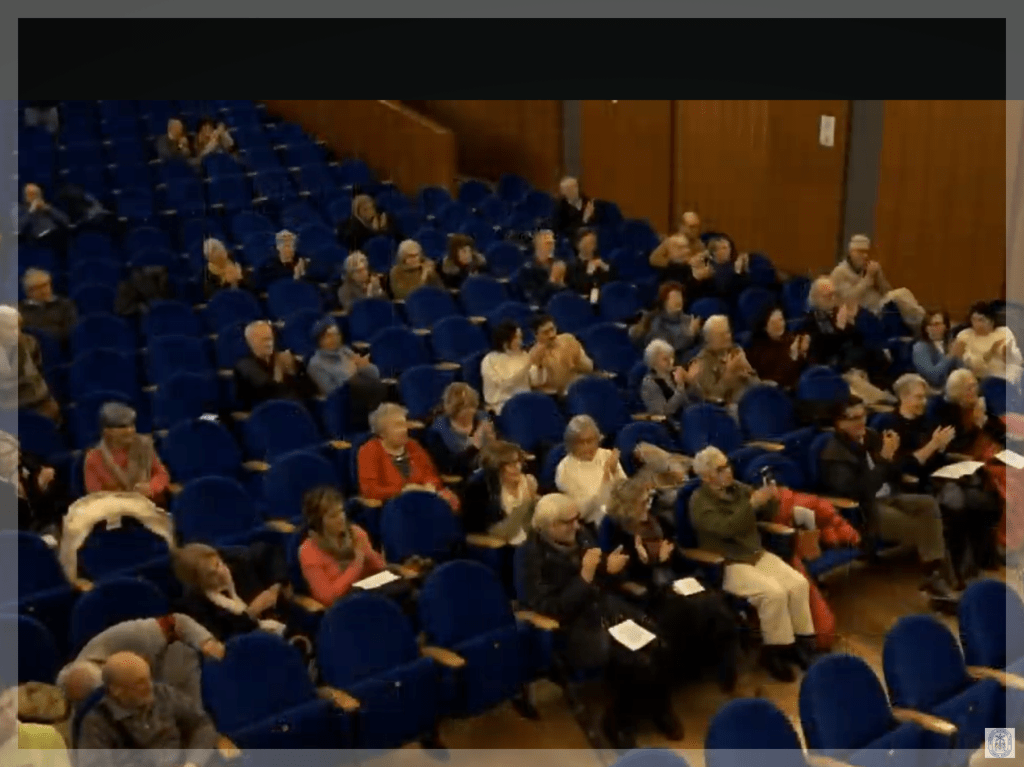
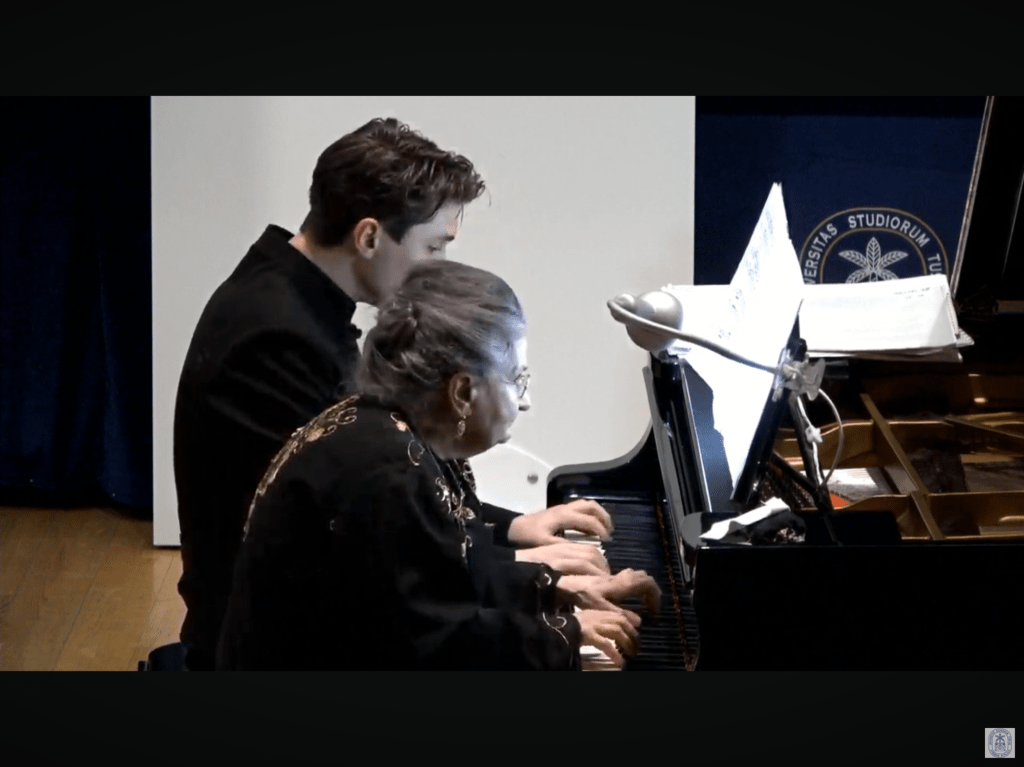
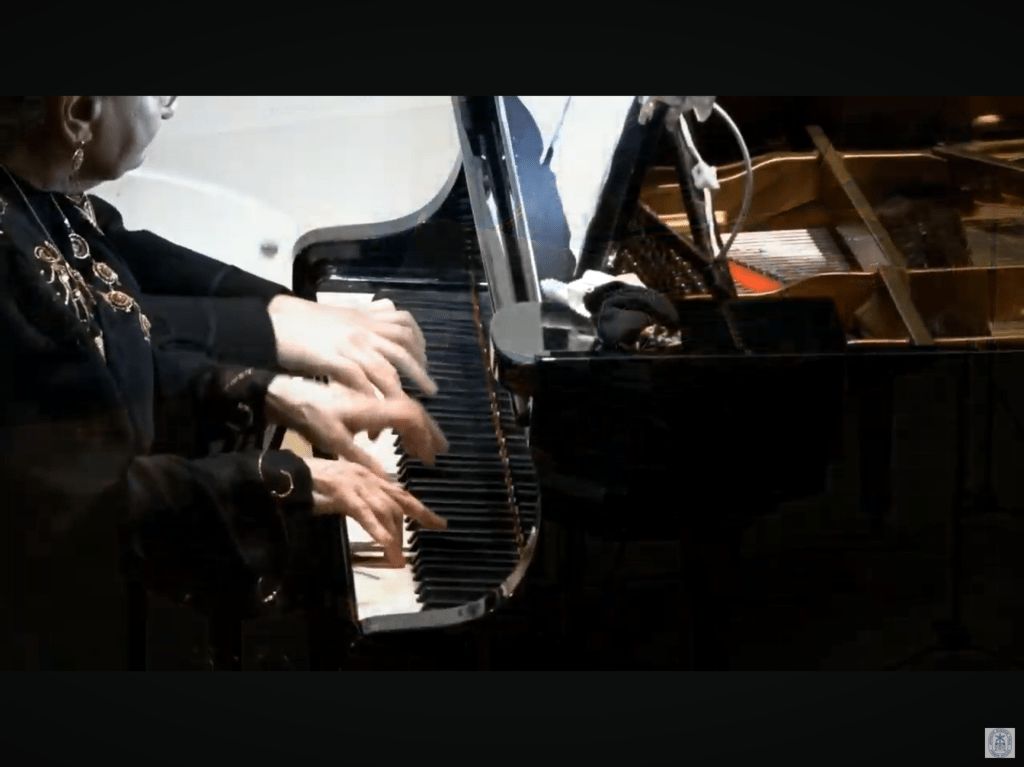
E’ stata per me una vera gioia suonare all’Università degli Studi della Tuscia di Viterbo, insieme al mio allievo Emanuele Savron, l’integrale delle Danze di Brahms. Ringrazio il Direttore Artistico, Prof. Franco Carlo Ricci, i suoi collaboratori, il gentile pubblico che ci ha tributato molti applausi ed ovazioni con richiesta di due bis. Ringrazio in modo particolare Christopher Axworthy per le sue espressioni pubblicate su https://christopheraxworthymusiccommentary.com/2024/02/10/marcella-crudeli-and-emanuele-savron-master-and-pupil-play-brahms-side-by-side-in-viterbo/?fbclid=IwAR1tfmncTmerAsaGsv7_5eJBqMfiCDxDh1Hh1_6wxvMkH4LQKr6bnNYebL0 , che ho il piacere di condividere con voi. “Meraviglioso vedere Maestro e allievo di nuovo sul palco suonare le 21 Danze Ungheresi di Brahms. Un concerto che avevo ascoltato a Roma per la Serie Universitaria dell’Accademia Danese. Hanno suonato questo programma insieme in molte parti d’Italia da quando li ho ascoltati a Roma e ora hanno maturato e affinato la loro interpretazione suonando come un tutt’uno. Un raffinato senso del rubato e del carattere che può essere appreso solo suonando spesso insieme. Emanuele è maturato enormemente e attraverso l’incoraggiamento dei suoi insegnanti, Marcella e ora Magarius a Imola, un adolescente piuttosto pigro ma talentuoso, con seria dedizione e duro lavoro è diventato un artista capace di tenere testa accanto ad un’artista della statura ed esperienza di Marcella. La sottile modellazione e il respiro della musica di Marcella Crudeli sono stati seguiti e integrati da Emanuele in un affascinante viaggio di scoperta insieme. Senza sapere in che direzione si sarebbe rivoltata una frase o quando sarebbero esplose improvvise iniezioni di energia. La vera musica da camera è come un gatto su un tetto di lamiera rovente con un movimento fluido e continuo mentre sentono insieme la musica e seguono il percorso che li porta con rilassamento in tensione. Anche Marcella è una vera donna di spettacolo che sa quando suonare davanti al pubblico, come spesso Brahms richiede in questi pezzi che lui stesso avrebbe suonato con gli amici. Naturalmente i primi otto balli sono i più conosciuti e anche se il ballo in re minore era piuttosto lento ha fatto effetto sul pubblico ed è stato richiesto come bis. Marcella ovviamente sa che un programma del genere deve finire in bellezza, quindi il secondo bis lo ha scelto lei stessa ed è stato il voluttuoso e scintillante quarto ballo in fa minore. Un pomeriggio esilarante di vera ‘Hausmusik’, quella a cui la televisione ha messo fine in questi giorni, in cui ogni salotto avrebbe un pianoforte dove ora c’è una TV, e che unirebbe la famiglia nel comunicare e nel divertirsi facendo musica insieme.”https://youtube.com/live/kNNWoJJZV2Y?feature=sharedhttps://christopheraxworthymusiccommentary.com/2023/01/21/marcella-crudeli-reigns-in-viterbo-a-lifetime-at-the-service-of-music/https://christopheraxworthymusiccommentary.com/2023/10/17/roma-international-piano-competition-recital-by-emanuele-savron-a-giant-bestrides-the-capitoline-hill-in-rome/
Wonderful to see Master and pupil again on stage playing the 21 Hungarian Dances by Brahms.A concert I had heard in Rome for the University Series at the Danish Academy ………..I wrote an appreciation which I am happy to print again here .
They have played this programme together in many parts of Italy since the time I heard them in Rome and they have now matured and refined their interpretation playing as one.A refined sense of rubato and character that can only be learnt from playing often together .Emanuele has matured enormously and through the encouragement of his teachers Marcella and now Magarius in Imola the rather lazy but talented teenager has with serious dedication and hard work become and artist able to hold his own next to an artist of the stature and experience of Marcella .
Marcella Crudeli’s very subtle shaping and breathing of the music was followed and added to by Emanuele in a fascinating voyage of discovery together .Neither knowing which way a phrase would turn or when sudden injections of energy would erupt.Real chamber music playing is like a cat on a hot tin roof with a continual flowing movement as they feel the music together and follow the way it takes them with relaxation in tension. Marcella too is a true show-woman who knows when to play to the crowds as so often Brahms demands in these pieces that he himself would have played with friends.Of course the first eight dances are the better known and if the dance in D minor was rather slow it did make an impact on the audience and was requested as an encore .
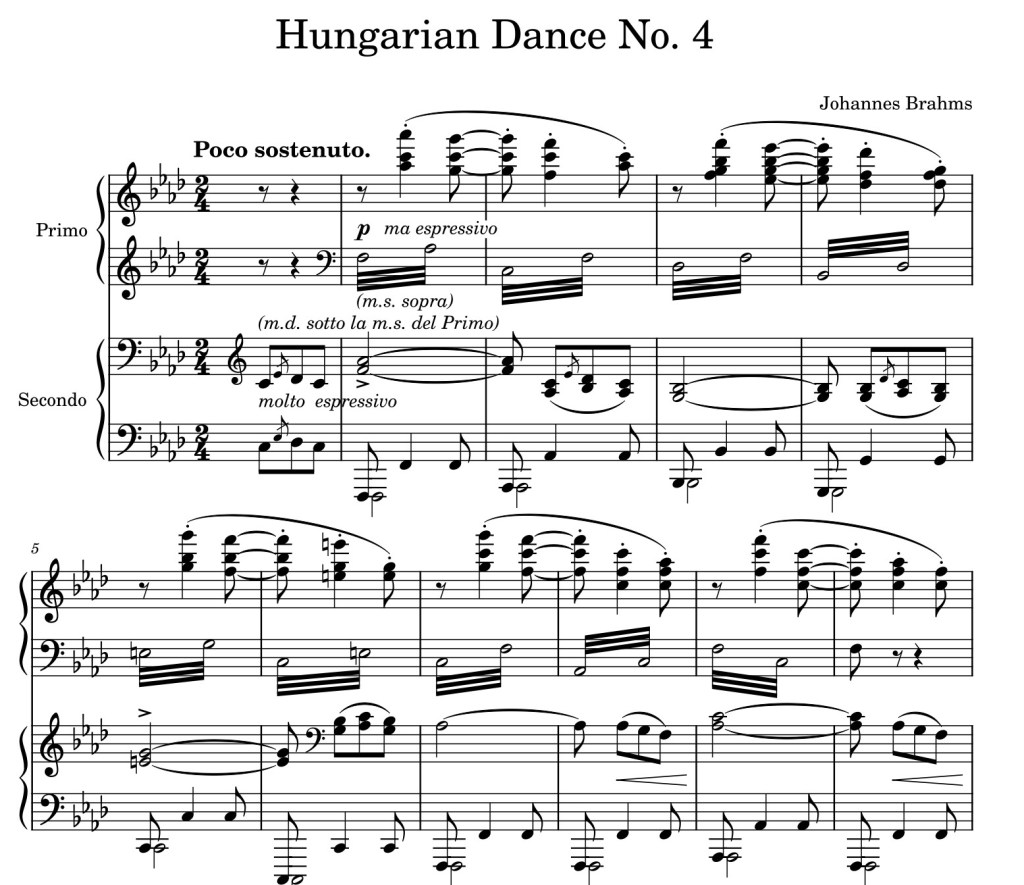
https://youtube.com/watch?v=lcTr7zruaLA&feature=shared. Marcella of course knows that a programme of this sort must finish on a high so the second encore she chose herself and it was the voluptuous and scintillating fourth dance in F minor.
An exhilarating afternoon of real ‘Hausmusik’ the sort that television has put a stop to these days when every parlour would have a piano where now stands a TV and that would unite the family in communicating and enjoying making music together,
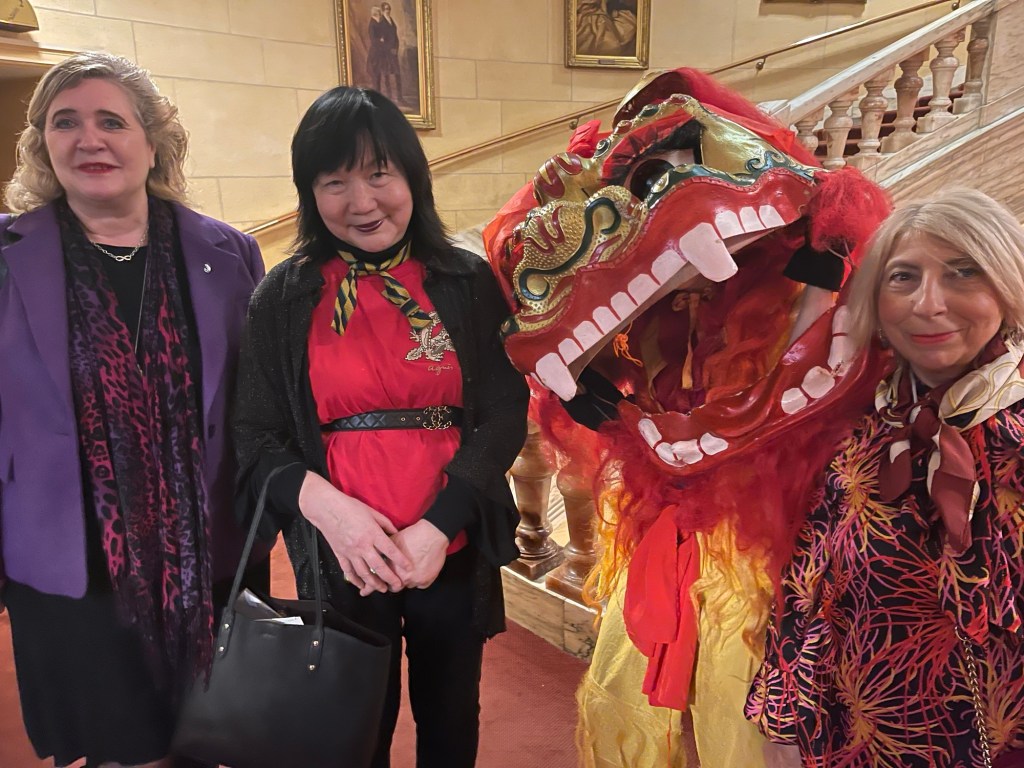
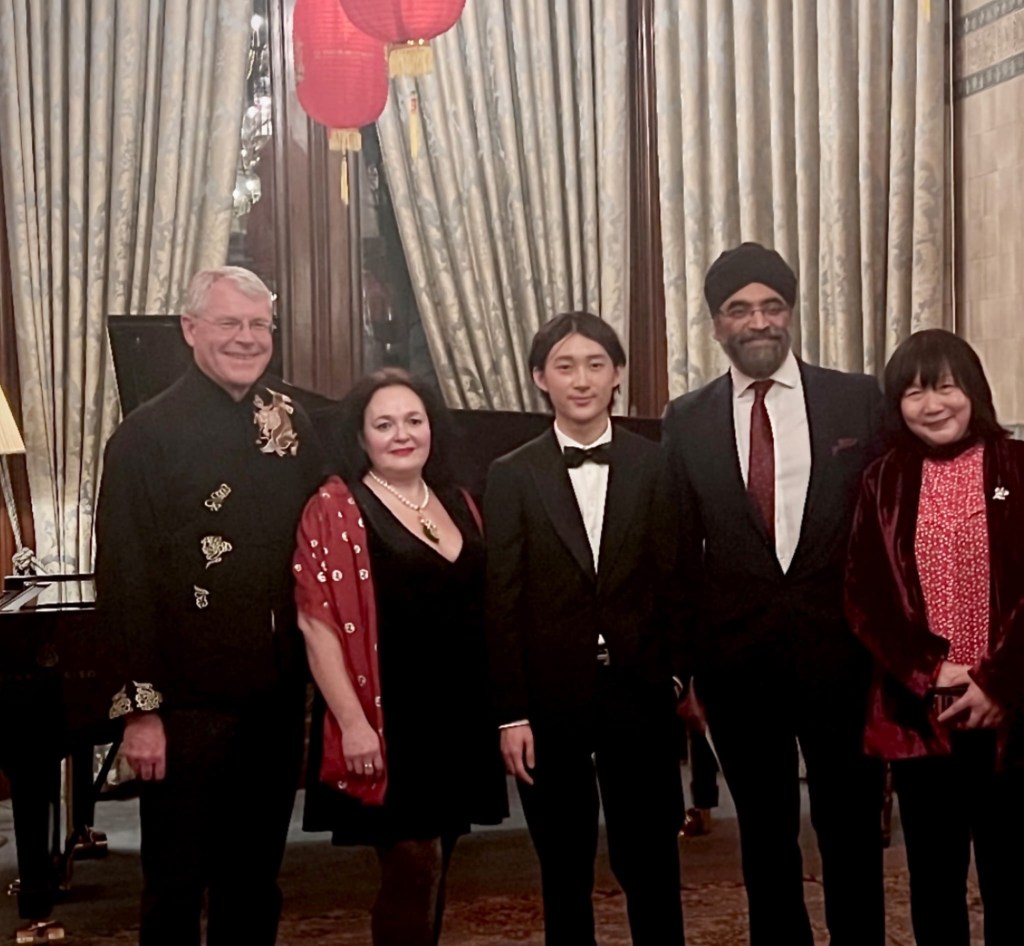
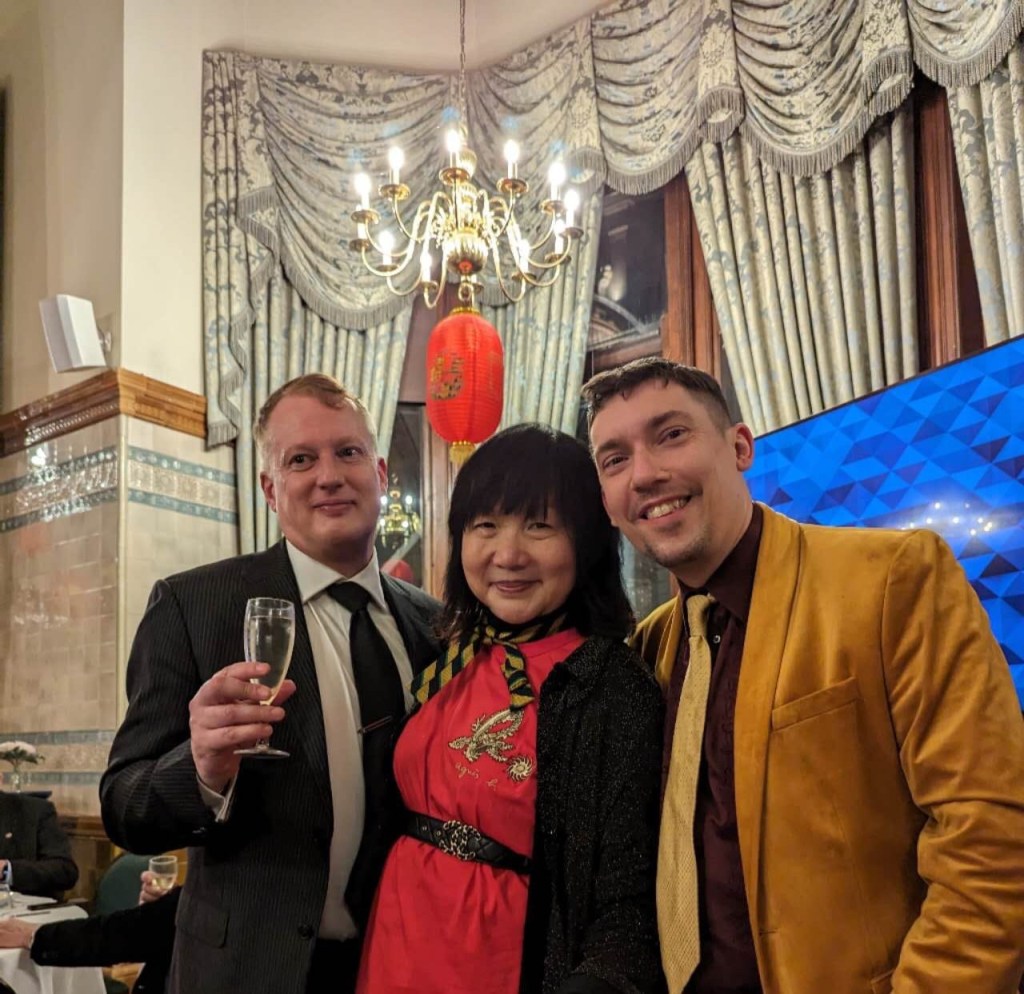
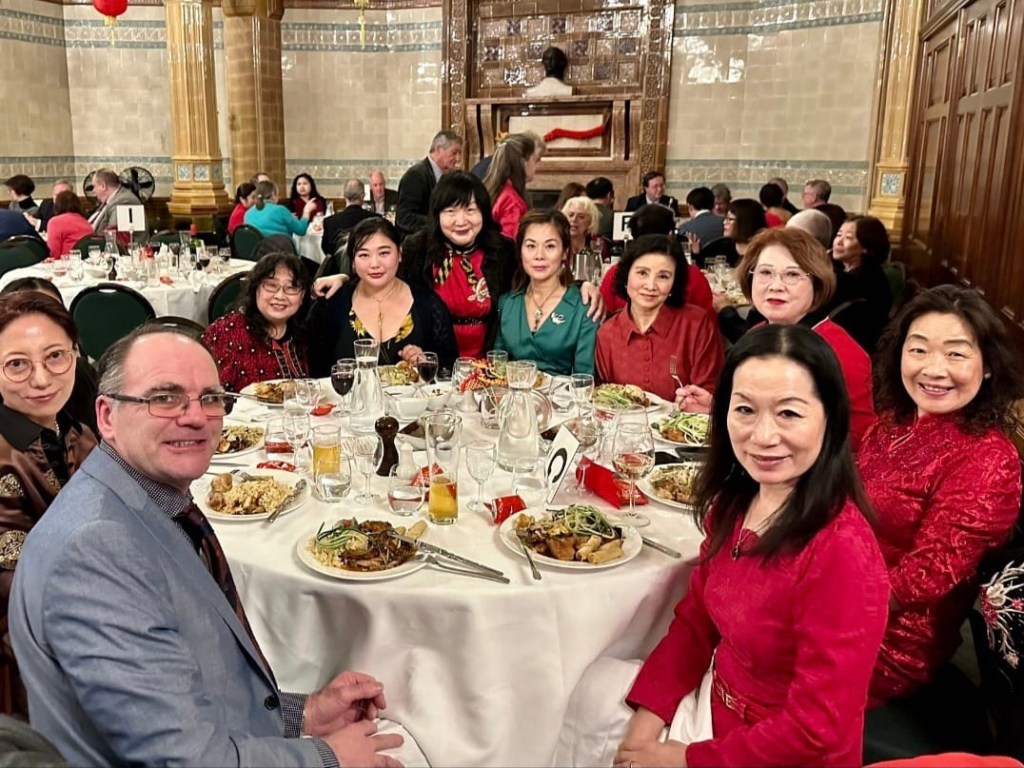
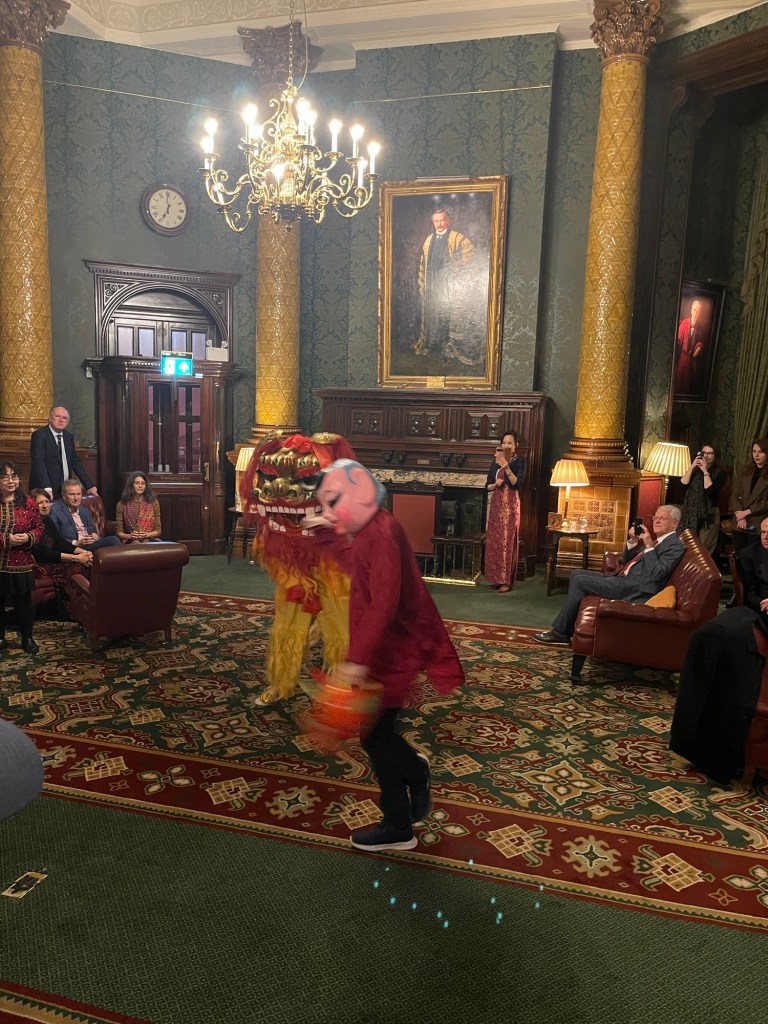
Yisha Xue in celebrating the Chinese New Year takes the opportunity of giving a platform to the amazing number of Chinese musicians that are fast filling our concert halls.Yuanfan Yang was celebrated together with the Tiger and has gone on to win recognition worldwide and now enjoys an International career.
Together with the Keyboard Trust Yuanfan and many others have found a platform on the wonderful Steinway Concert Grand that stands in what used to be the kitchen of the National Liberal Club .Now the beautiful Lloyd George Room where this great piano has been newly acquired for the club where Rachmaninov had given his last concert performance in 1939 before leaving for America .He died in 1943 never to see the end of the catastrophic World War that had overtaken Europe .
An extraordinary performance of Liszt’s notoriously difficult ‘ Don Giovanni Fantasy’ that was played with an ease and technical mastery that was quite astonishing. There are some things that cannot be taught and the burning passion that comes out in his performance are God given gifts of the blessed few. Ryan is totally convinced of what he is doing .The character he gave to all the different personages in this great fantasy was quite extraordinary as it unfolded with ever more diabolical virtuosistic invention .An overwhelming performance from a young man who had been sitting quite placidly at the dinner table with a public intent on celebrating first with a lecture and speeches and then a sumptuous Chinese dinner .Seated at the piano ,at last ,the public who had come to celebrate the Year of the Dragon ended up celebrating the birth of a star. He had started learning this work on his own only a month ago and the charming scintillating Chinese Folk Song that completed this short cameo performance he had learnt only three days ago! We must not forget that Ryan is still a schoolboy with 9 CSG’S behind him and much more academic work still to come as he starts to share his music Internationally too.
Today was the turn of the sixteen year old Ryan Wang to be launched on the wings of the Dragon .I had heard this young man play in Florence where I was a spectator and commentator for the final of the Montecatini International Piano Competition.Organised by an indefatigable Japanese pianist Aisa Ijiri with Sofya Gulyak (the first woman winner of the Leeds International Piano Competition in 2008 ) on the jury.We were in the beautiful newly restored Niccolini Theatre – a miniature opera house where many of Handel’s operas received their first performances – Sofya was downstairs on jury duty and I was in a box just above her .We had heard some very fine performances during the day but when a very youthful Chinese boy played the first notes of the Chopin Prelude op 28 n.15 I very excitedly sent a message to Sofya :’At last an artist!’ This young man was Ryan Wang who went on to win first prize at the competition last October.He has since taken Paris by storm at the 18th Animato International Piano Competition and has been hailed as a great talent by one of the greatest pianist and teacher of our day Dong Thai Son.
Ryan Wang is from West Vancouver . He began playing piano at age four and in 2013, at the age of five, he performed at Carnegie Hall.In September 2014, he began studying piano with professor Lee Kum Sing at the Vancouver Academy of Music..Currently, he is studying on a music scholarship with Mr. Gareth Owen at Eton College and is also in the Artist Diploma program with Prof. Marian Rybicki at the Ecole Normale de Musique de Paris .His most recent success was in Paris at the 18th Animato International Piano Competition- Chopin Edition .The President of the jury was the renowned Dang Thai Son – teacher of the recent Chopin Winner Bruce Liu.
Ryan has also got full marks for his academic work at Eton.His 13 year old brother also at Eton is a talented ‘cellist!
Réminiscences de Don Juan (S. 418) A fantasy on themes from Mozart’s 1787 opera Don Giovanni .
Franz Liszt seated in the Royal Academy of Music
Liszt’s opera fantasies…are much more than that: they juxtapose different parts of the opera in ways that bring out a new significance, while the original dramatic sense of the individual number and its place within the opera is never out of sight.
It begins with music sung by the Commendatore, both from the graveyard scene where he threatens Don Giovanni (“Di rider finirai pria dell’aurora! Ribaldo audace! Lascia a’ morti la pace!” — “Your laughter will not last, even till morning. Leave the dead in peace!“) and from the finale where he condemns Don Giovanni to Hell .The love duet of Don Giovanni and Zerlina follows :’ Là ci darem la mano ‘ along with two variations on this theme, then an extended fantasy on the Champagne aria ‘Fin ch’han dal vino’ and finally the work concludes with the Commendatore’s threat.
Astonishing the character he gave to the opening Grave with real operatic dynamism – streaks of notes that interrupted as they swept across the entire keyboard with remarkable ease and grandiose eloquence.Evermore technical trickery of double octaves,chromatic double thirds in both hands all creating the atmosphere for the simple Andantino duet between tenor and soprano. Liszt here even writes ‘parlando’ and Ryan made this aria speak with the beauty of the human voice.Even more scintillating cadenzas abound but played with ravishing delicacy bringing us to the beautiful lilting Allegretto where Liszt writes ‘piacevole’ amidst all the diabolical technical trickery.Ryan managed to bring a loving charm to this most beautiful of melodic outpourings that was interspersed though with filigree glissandi leading to the grandiose announcement of the variations.This was obviously where the great coloratura singer of the day could demonstrate her exquisite artistry .The second variation started as a ‘fugato’ that Ryan played with astonishing precision and led to the excitement and exhilaration of the ‘presto’ finale.Ryans unflagging sense of rhythmic drive and technical mastery brought us to the triumphant reappearance of the introduction and the tumultuous virtuosity of the monumental ending.
It is extremely technically demanding and considered to be among the most taxing of Liszt’s works and in the entire pianistic repertoire. For this reason, and perhaps also because of its length and dramatic intensity, it does not appear in concert programmes as often as Liszt’s lighter and more popular pieces, such as the Rigoletto Paraphrase. As Ferrucci Busoni says in the preface to his 1918 edition of the work, the Réminiscences carries “an almost symbolic significance as the highest point of pianism.” Liszt wrote the work in 1841 and published a two-piano version (S. 656) in 1877. The two-piano version bears a structurally strong resemblance to the original.
Franz Liszt the greatest showman on earth
It was the final piece for Horowitz’s graduation concert at the Kiev conservatory; at the end all the professors stood up and cheered.Horowitz on his first appearance in Paris in the 30’s was described by the critics as the ‘greatest pianist alive or dead!’
In the words of Heinrich Neuhaus ,the great Russian teacher of Richter and Gilels , “with the exception of Ginzburg , probably nobody but the pianola played without smudges’ .This is a recording of Ginzburg : recorded in 1958 https://youtube.com/watch?v=5VU7NsF5E1E&feature=shared
Keyboard at Eight at Guildhall Milton Court Some fine playing from three artists who I know well .Salome I had heard about but this was the first occasion to hear her live. Her playing was at the end of this hour long showcase recital for some of the Guildhall’s star pianists.
Salome Jordania
It was not only her astonishing mastery of the keyboard but above all her musicianly sense of line in this early large scale poème by Scriabin that was so remarkable.There was a wonderful sense of balance in Liszt’s beautiful but much neglected ‘Les cloches de Genève’ and her astonishing performance of Ravel’s La Valse restored this overplayed work to its place as one of the greatest transcriptions for piano since Busoni.An amazing display of subtle colours and pulsating rhythms that was truly hypnotic.A technical command of the keyboard that could accomodate Ravels’ cruel obsession with clockwork precision and turn the notes that swept across the keyboard in all directions into a cauldron of Scriabinesque ‘satinery’.A wonderful piano and beautiful hall it was just missing the audience that they deserved but as Boris Berman once said to me :’If the don’t want to come you can’t top ‘em!’
Rose Mclachlan
Rose I have heard many times and know that she stood in last week at 12 hours notice to play Beethoven 4th Concerto immediately after her fathers triumphant recital at the Chopin Society in Westminster.What a remarkable family they are like the Bach dynasty of working musicianly craftsmen .She tells me she will play second piano with her brother Matthew (Gold medal holder at the RCM) when he has to rehearse Tchaikowsky’s B flat minor concerto in the next days.Today Rose shunned the scintillating and sumptuous for the classical and serious.Schuberts beautiful Impromptu n. 3 D 935 in B flat .A set of exquisite variations that in Rose’s hands were streams of poetic sounds with the same subtle inflections of Schubert’s lieder.In her sensitive hands this was indeed a ‘song without words’.There was magic in the air as her Debussy was full of seemless strands of sounds with fluidity and sumptuous luminosity.Sometimes barely touching the keys but projecting golden sounds as the moon shone down on the atmospheric temple.There was rhythmic clarity too as the ‘golden fish’ seemed to dart around in Debussy’s imagination with mischievous meanderings of subtle colouring. A complete change of character for Shostakovich’s Prelude and Fugue in D flat with a rhythmic drive that never allowed any harsh or percussive sounds.The knotty twine of the fugue was remarkable for its precision and musicianly shaping at such a speed.
Jeremy Chan
A remarkable clarity not only of sound but of musical thought was the hallmark of Jeremy too. Jeremy Chan I have heard recently play a remarkably fine Beethoven op 110 which earned him the much coveted Beethoven Society Prize.It was a surprise to hear him enter the world of Scriabin but he brought the same musicianship and architectural line to the Fifth Sonata as he had to the penultimate sonata of Beethoven.Playing with real weight so the demonic opening was immediately linked to the sumptuous radiance of the opening without ever disturbing the great architectural line .Some remarkable playing of a mastery that never drew attention to itself but allowed him to shape the music with simplicity and musical understanding.The Scriabin Study was played with the same luminosity and sense of line and was the ideal preparation for the demonic twists of what was to follow.
Debussy Images (book II) I. Cloches à travers les feuilles II. Et la lune descend sur la temple qui fut III. Poissons d’or
Shostakovich Prelude and Fugue in D-flat major, Op 87 No 15 Rose McLachlan piano Scriabin Etude in F-sharp minor, Op 8 No 2 Scriabin Piano Sonata No 5, Op 53
Jeremy Chan piano
Scriabin Poème Satanique, Op 36
Liszt ‘Les cloches de Genève’ from Années de pèlerinage I, S 160 No 9
Ravel La valse, M 72
Salome Jordania piano
‘If they don’t want to come you can’t stop ‘em’,exclaimed Boris Berman
























































 ChristopherAxworthy-MusicCommentary