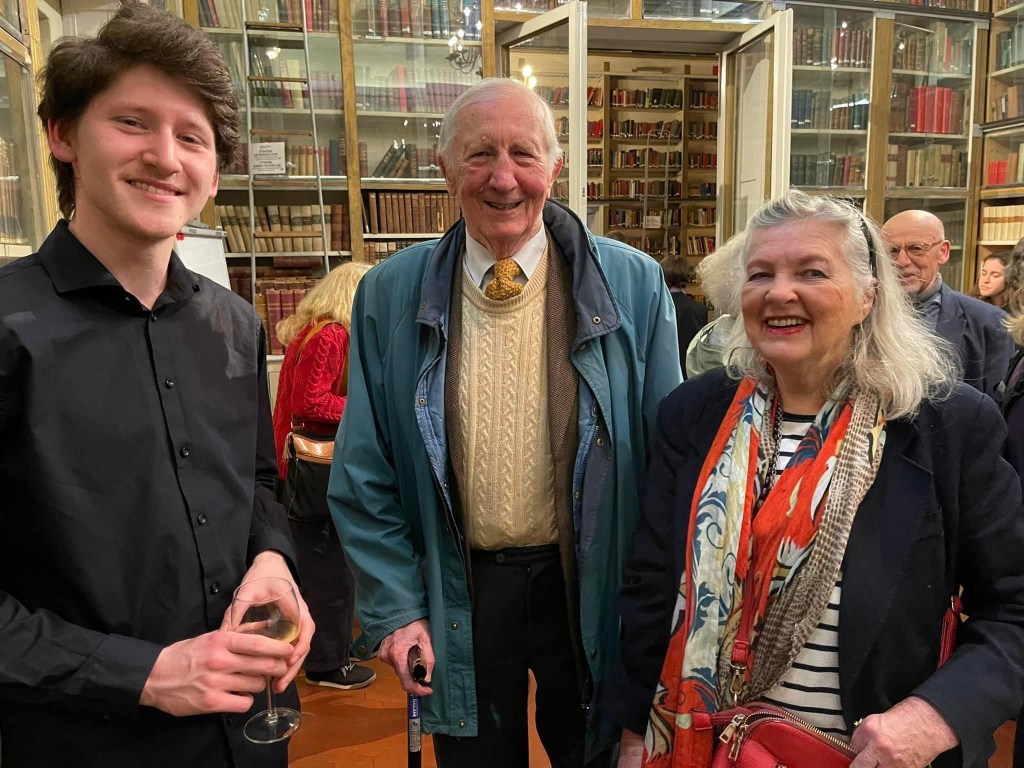
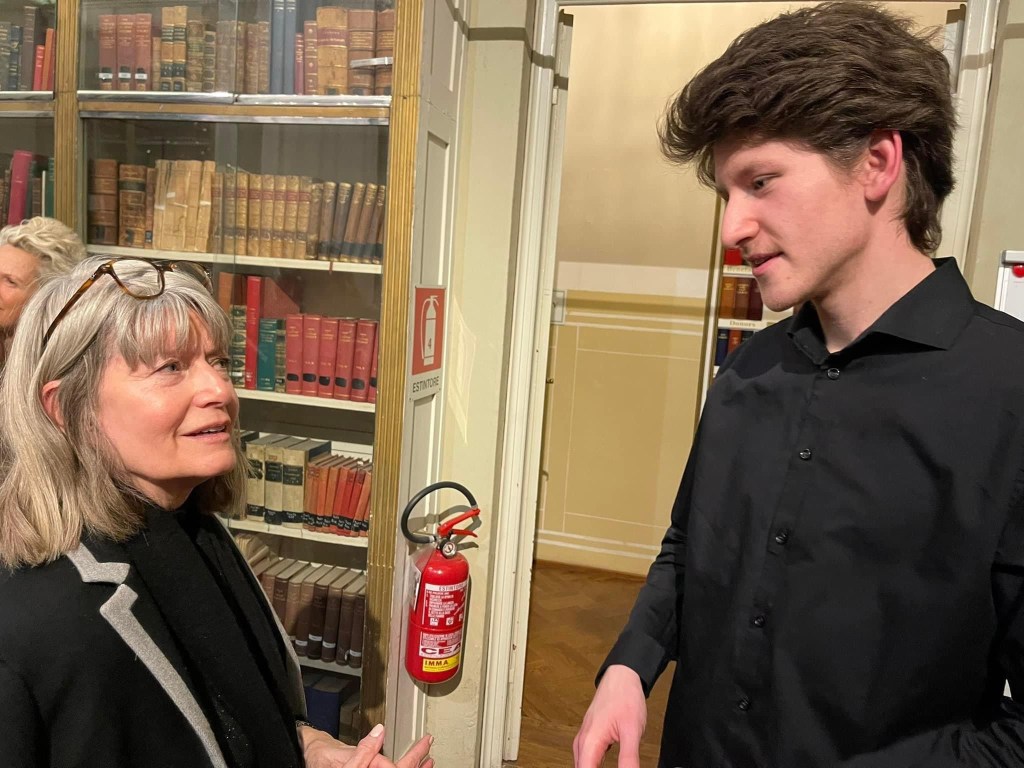
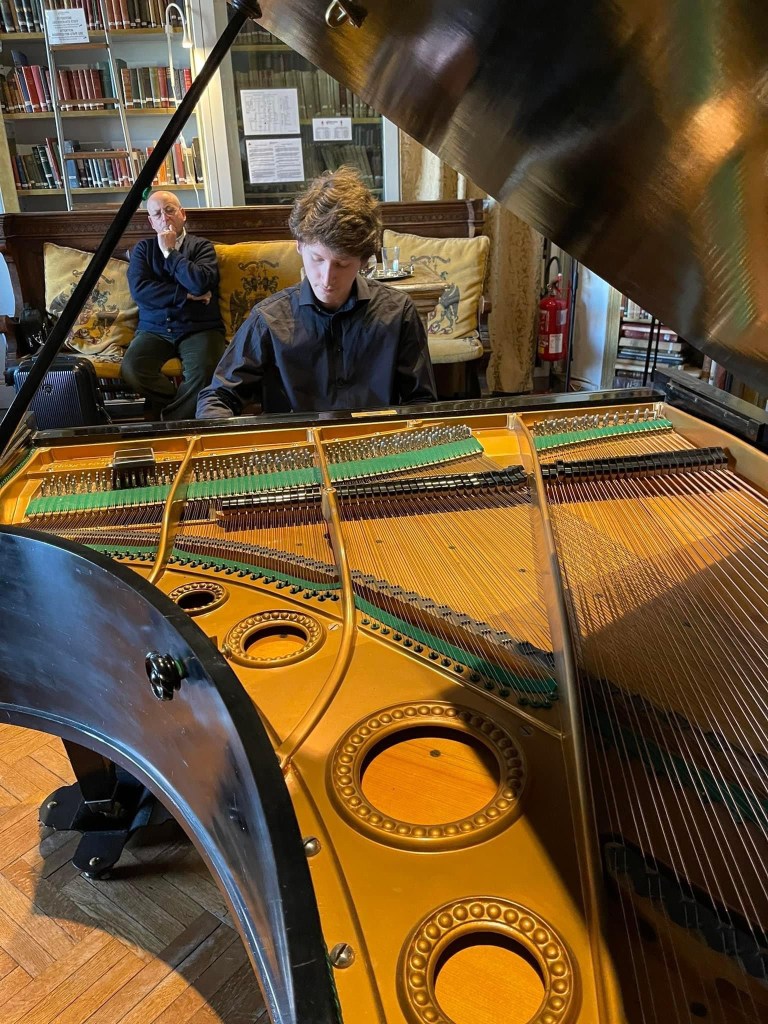
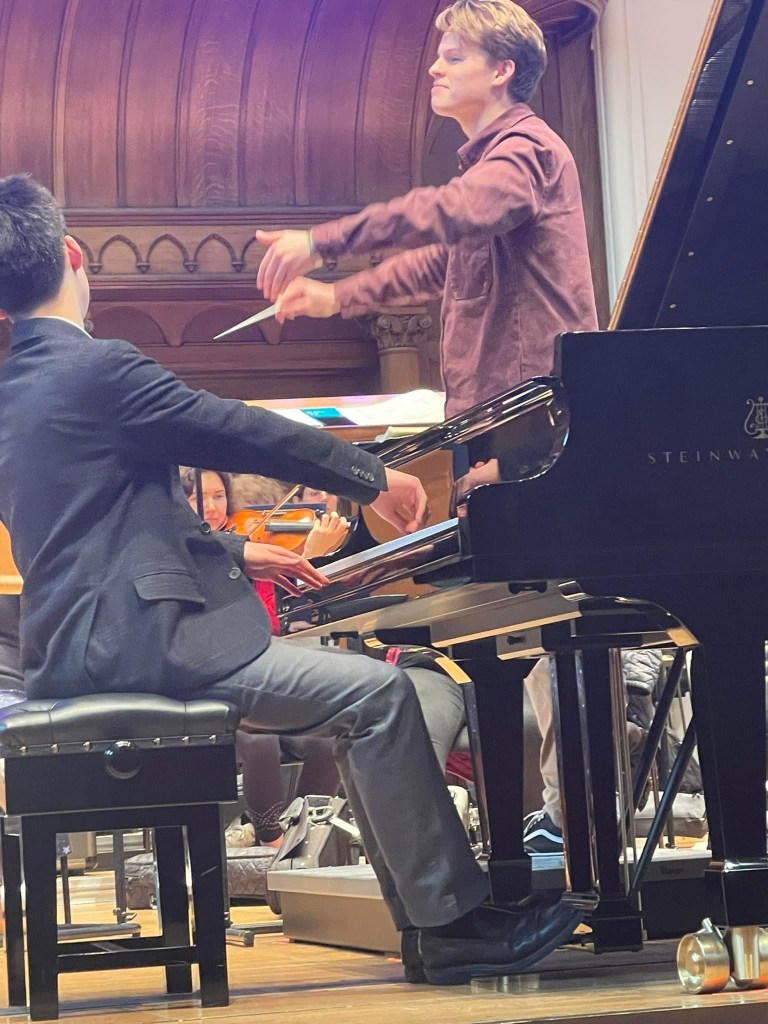
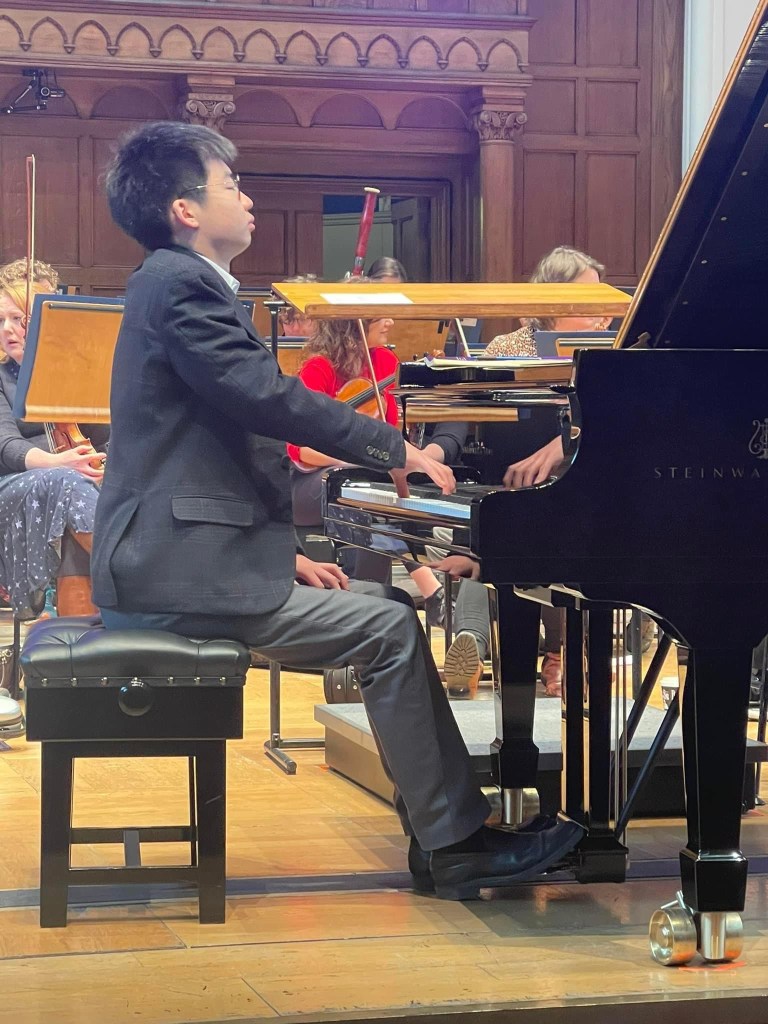
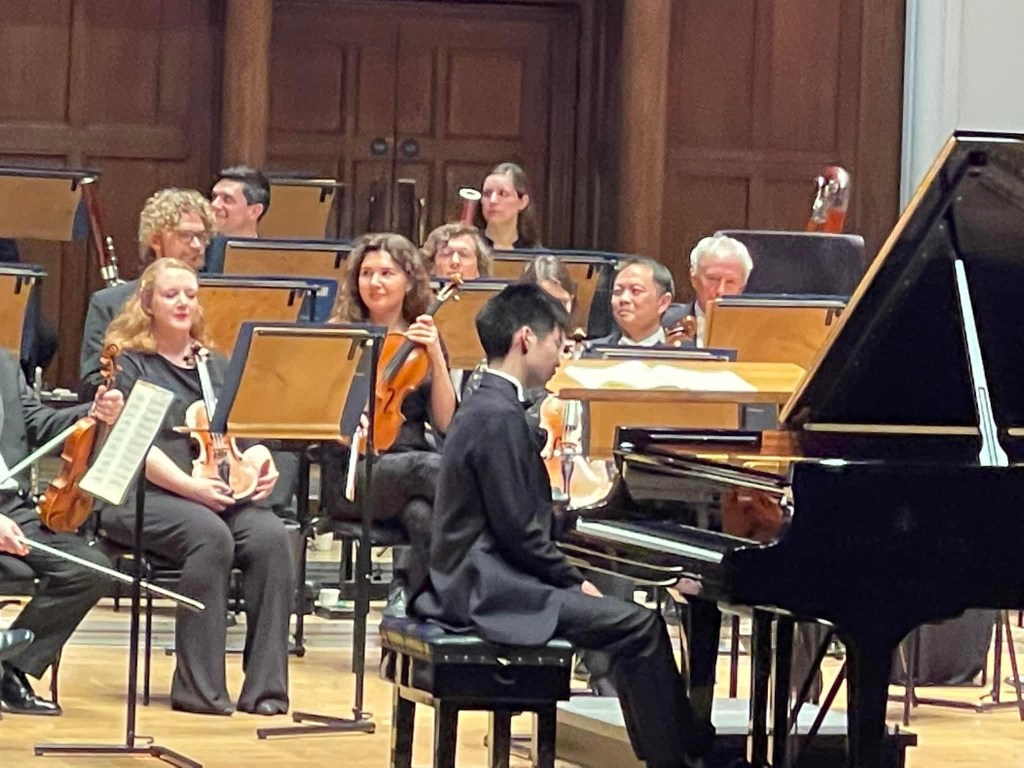
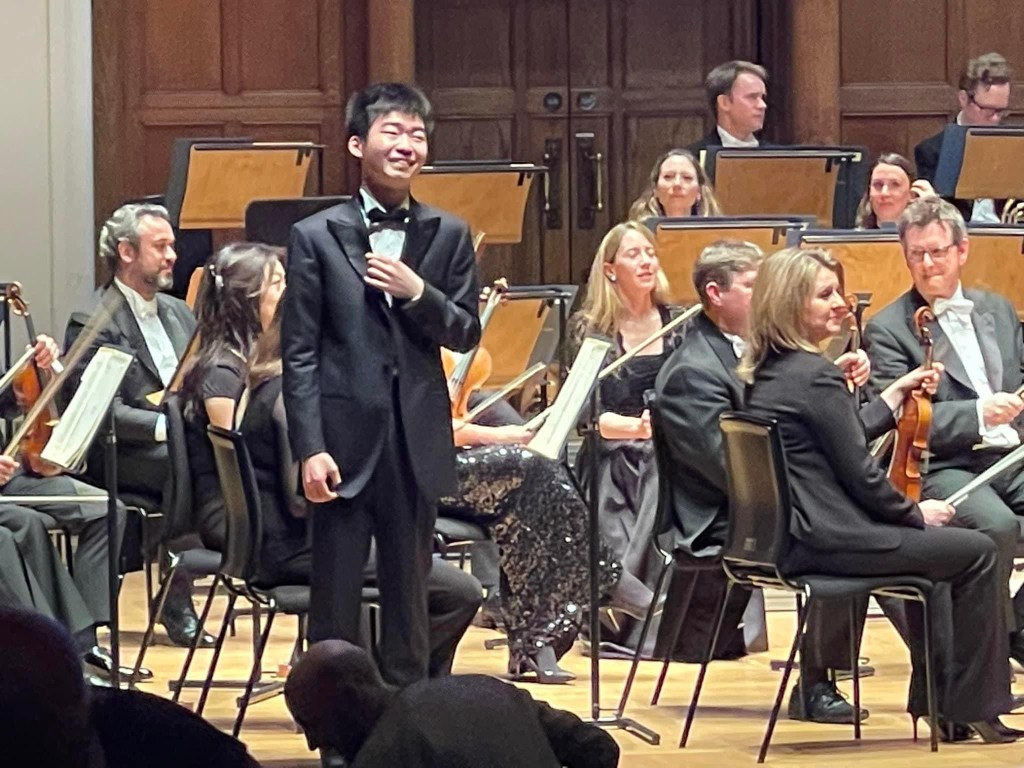
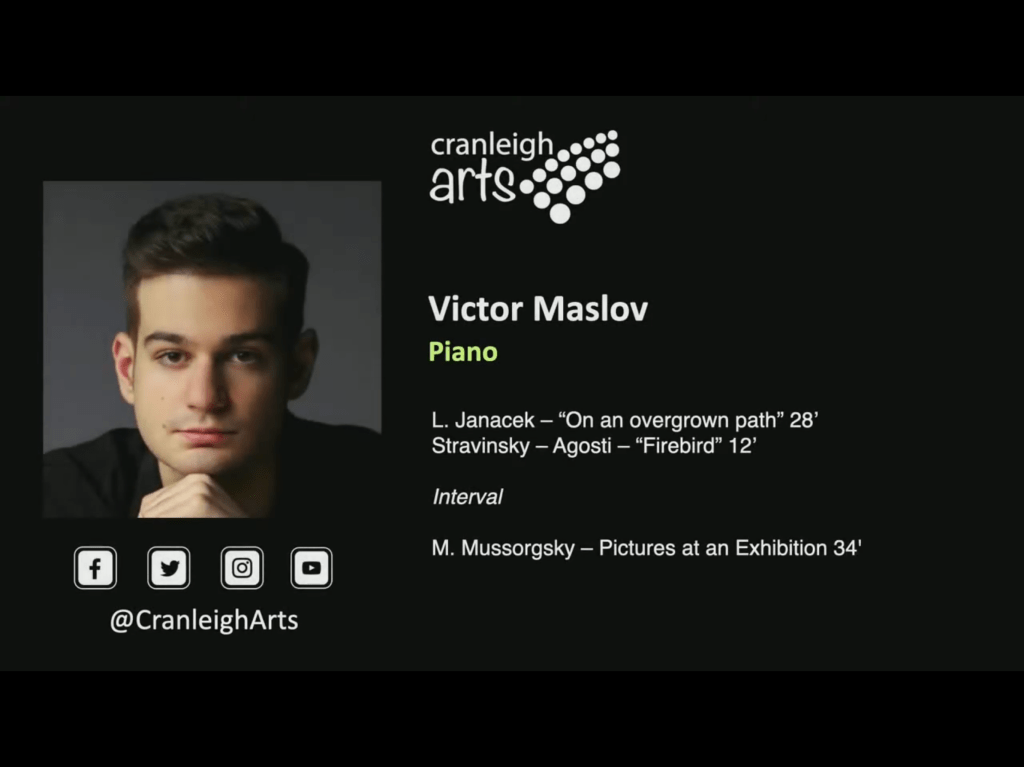
Victor Maslov at Cranleigh Arts – A great artist illuminates and enriches our lives


“I was totally mesmerised by a performance from an artist that listens so carefully to every sound with a sense of balance and complete mastery that allowed him to give a towering performance of Pictures from an Exhibition.” CHRISTOPHER AXWORTHY (Jan 2021).
https://www.youtube.com/live/tiSdLpr9WUI?feature=share

This concert is fundraising for Cranleigh Arts

Russian pianist Victor Maslov was praised as “one of those
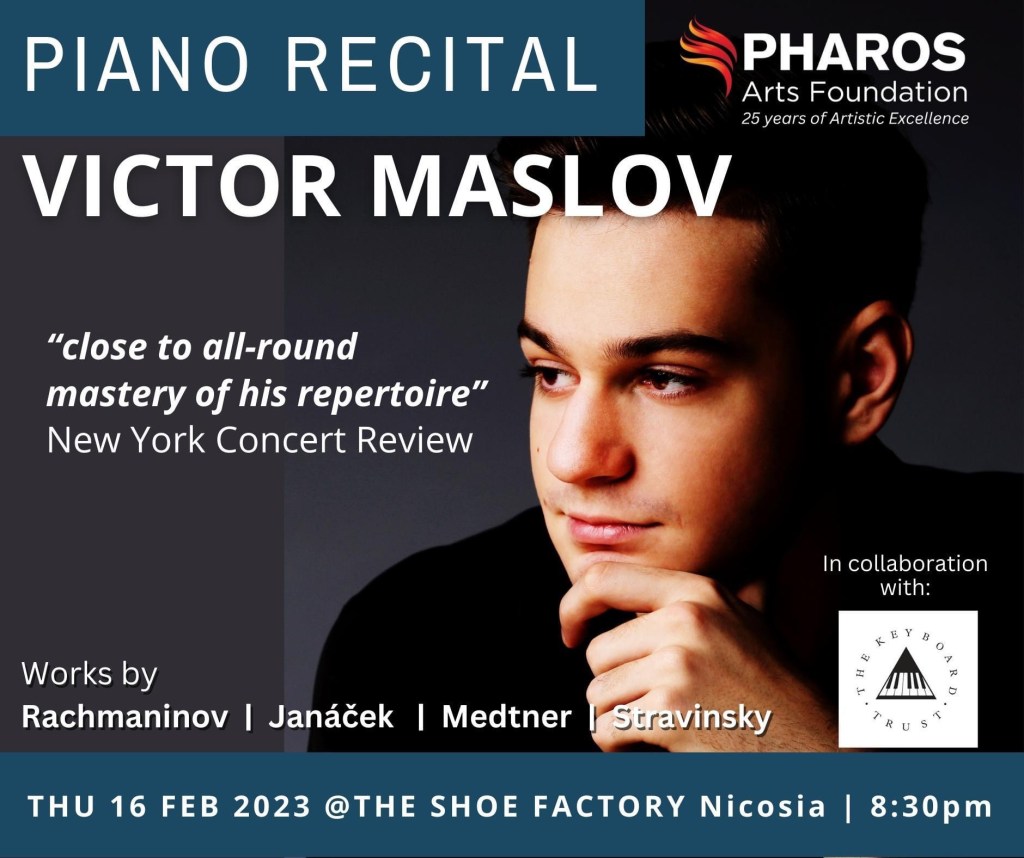
people who is close to all-round mastery of his repertoire” by the New York Concert Review, following his performance at Weill Recital Hall (Carnegie Hall), New York.

Programme

L. Janacek – “On an overgrown path”

Stravinsky – Agosti – “Firebird”

Interval
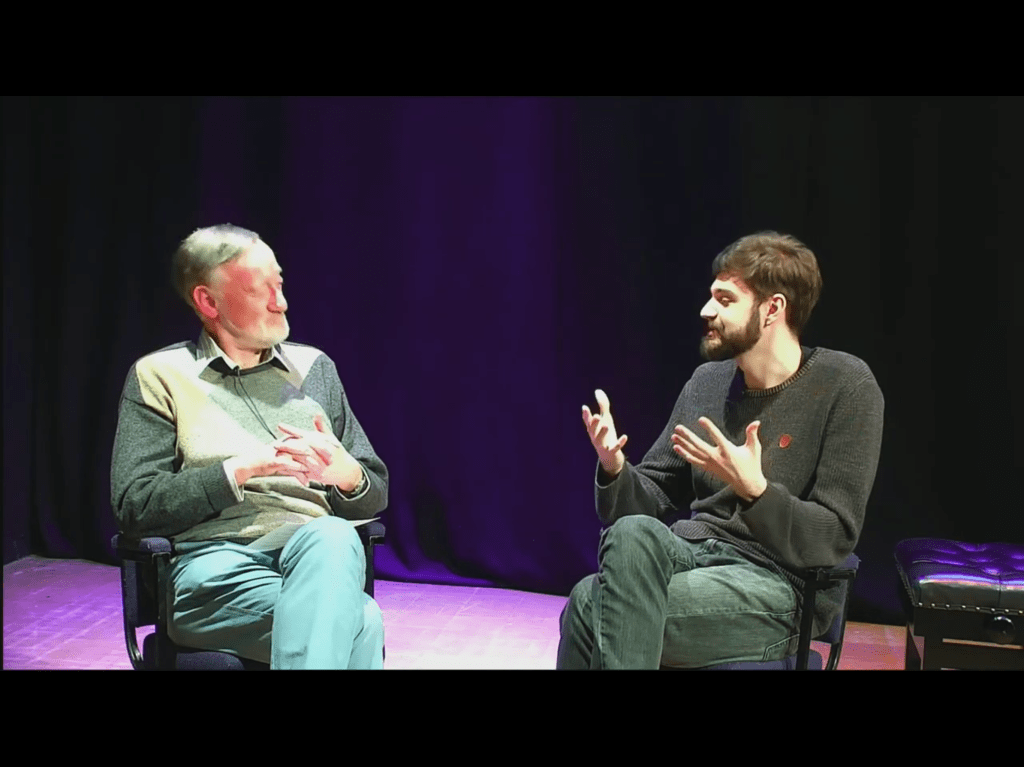
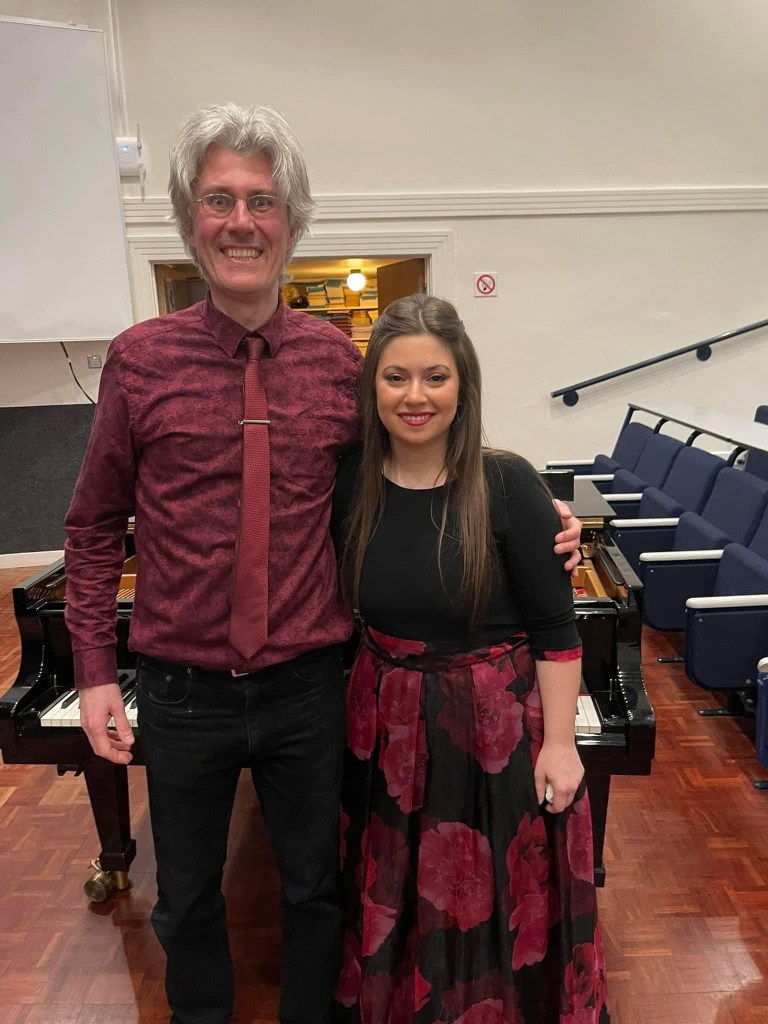
A fascinating interval conversation for those watching on line revealed Victor’s extraordinary sensibility and intelligence.What makes a great artist is not just studying from an early age and having the opportunity to study with some of the great musical minds of our time.Victor was brought up to believe that music was like living in a cocoon and that anything outside of that was of no relevance.
He now believes that the true artist cannot ignore what is going on around him and that if more people were aware and reacted to their condition war could be avoided as the way to solve conflicting ideals.
Art cannot and should not be the excuse for not seeing and feeling what is happening all around you.
I have followed Victor’s career for many years now and it has been a joy to watch an exceptionally gifted young pianist mature into a great artist.I believe that it is these very wise words that have had a great influence on maturing his musicianship as he has evolved his own ideals about the world he lives in.
He left Russian in 2014 having studied at the Gnessin School in Moscow for exceptionally gifted young musicians.His teacher was his mother.He came to London to study with one of the great pianists of our time at the Royal College of Music -Dmitri Alexeev .So he was steeped in the Russian tradition – but as he so astutely says,the world is now connected as it has never been before so the idea of a tradition is no longer tenable.
He was fortunate to study also with Vanessa Latarche ,Head of keyboard at the RCM and so also learnt about the so called ‘English’ tradition.
Asked if he felt he was now an exile he replied that he could go back to Russia whenever he chose.He chooses not to go back until it changes its present course.
Behind every great artist is a great man of course how could it be otherwise?Fascinating and Hats off to Cranleigh for allowing us to enter the very soul of an artist.

M. Mussorgsky – Pictures at an Exhibition

Promenade l 

The Gnomes

Promenade ll 

The Old Castle 

Promenade lll 

The Tuileries: Children’s dispute
after play 

Bydlo 

Promenade IV

Ballet of the unhatched chicks 

Two Polish Jews: Rich and poor 

Promenade V 

The market at Limoges 

Roman Catacombs – With the dead
in a dead language 

Baba Yaga: The Witch 

The Heroes Gate at Kiev

Plus and exquisite Scriabin encore .
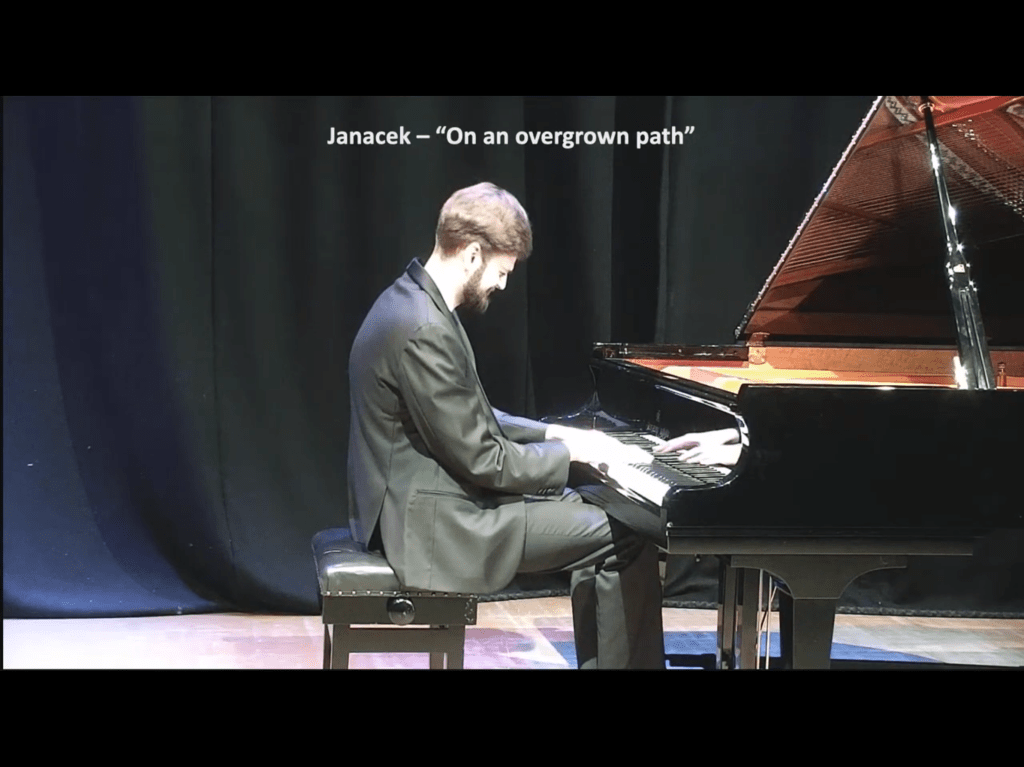
Victor chose six pieces from the Janacek cycle of ‘On an Overgrown Path’.A work rarely heard in the concert hall but one of very touching simplicity missing an overall architectural shape but creating an atmosphere with a hauntingly mellifluous traditional outpouring.’Our Evenings’ was played with absolute delicacy and simplicity and it led to ‘A blown- away leaf’ with all the gentle fluidity and luminosity of the fairytale it is.There was the playful halting rhythm of this short quixotic story ‘Come with us’ indeed!Followed by a deep brooding opening to ‘The Madonna of Frydek’ with its magical music box musings leading to an imperious outpouring of great lament that just bursts into intimate song.Declamations of striking atmosphere in ‘They Chattered Like Swallows’ and finally the echoing vibrations of desolation in ‘The Barn Owl Has Not Flown Away!’.A remarkable oasis of serenity and peace between the turbulence of the two Russian works on the programme
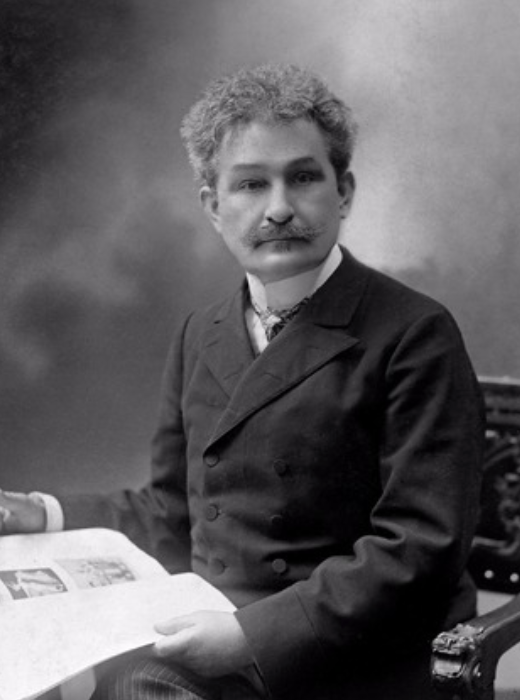
On an Overgrown Path is a cycle of fifteen piano pieces written by Leos Janacek and organized into two volumes.Janáček composed all his most important works for solo piano between 1900 and 1912.He probably began preparing his first series of Moravian folk melodies in 1900.At this time, the cycle had only six pieces, intended for harmonium : Our eveningsA blown-away leafThe Frýdek MadonnaGood night!The barn owl has not flown away! and a Piu mosso published after Janáček’s death.These melodies provided the basis for the first volume of On an Overgrown Path. Three of these compositions were first published in 1901 with the fifth volume of harmonium pieces, Slavic melodies, under the title On an overgrown path – three short compositions.By 1908 the cycle had grown to nine pieces, and was by then intended for piano instead of harmonium. The definitive version of the first book was published in 1911.On 30 September 1911, Janáček published the first piece of the second series in the Lidove novinynewspapers. The new series was created, in its entirety, around 1911.The complete second book was printed by the Hudební matice in 1942. The première of the work took place on 6 January 1905 at the “Besední dům” Hall in Brno.
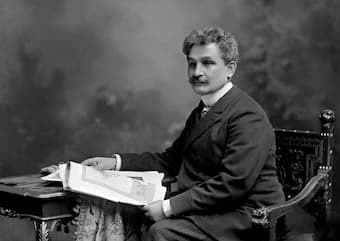
Leos Janacek

The Nostalgia and Pain of Memory: Janáček’s On an Overgrown PathThe nationalism that hit the 19th century and carried through to the 20th century had a profound effect on music. Music that had been ignored for its folk-like character, or its non-urban nature, became the basis for new works that not only celebrated the folk sources but also the country itself.In Czech music history, three composers defined the nation: Smetena (1824-1884), =Dvorak (1841-1904), and Janacek (1854-1928). Janáček took inspiration from Moravian and other Slavic folk music to create his works, supported by his own research into the folklore and music of his country. Achieving international fame in his 60s with his opera Jenůfa, Janáček joined Smetana and Dvořák in symbolising Czech music.A piano cycle created starting around 1900, On an Overgrown Path, had a complicated birth. Seven pieces were originally written for harmonium, and five were published as Slavonic Melodies in 1901 and 1902. The remaining two pieces were set aside. In 1908, Janáček revised the work and wrote 3 more pieces, and made the 8 pieces into a cycle for piano. Two more pieces were added in 1911. That formed series I. Series II, which started with two new pieces, grew with the addition of the two pieces that had been set aside in 1902, forming nos. 1, 2, 3, 5 of Series II. No. 4 is just an ink sketch with some pencil revisions. Series II was published in 1942 after Janáček’s death and the 5 pieces do not have characteristic titles but only tempo indications.The title for the work, On an Overgrown Path, had been settled by 1901, but the titles of the individual movements changed before the publication of Series I in 1911. For example, No. 2, started out as ‘A Declaration of Love,’ was then changed to ‘A Love Song’ and finally became a much more mysterious title of ‘A Blown-Away Leaf’.Janáček described the work as having a double trajectory of ‘distant reminiscences’ of his childhood and reflection on the death of his 20-year-old daughter Olga in 1903.The first five parts of the cycle refer to his childhood: No. 1. Our Evenings, for evenings by the fireside; No. 3. Come with us!, for children’s games; and no. 4. The Madonna of Frydek, for a religious procession near his home village.As we get into the second part, emotion, rather than memory, has a place: no. 6. Words fail!, No. 8. Unutterable Anguish, and No. 9. In Tears.No. 7, Good Night!, was a metaphor for Olga’s death, while the last movement, No. 10. The Barn Owl Has Not Flown Away!, refers to the owl’s status as a foreteller of doom.Janáček’s change in the work from childhood memories to the tragedies of the grownup parent make this a unique statement of the human condition.
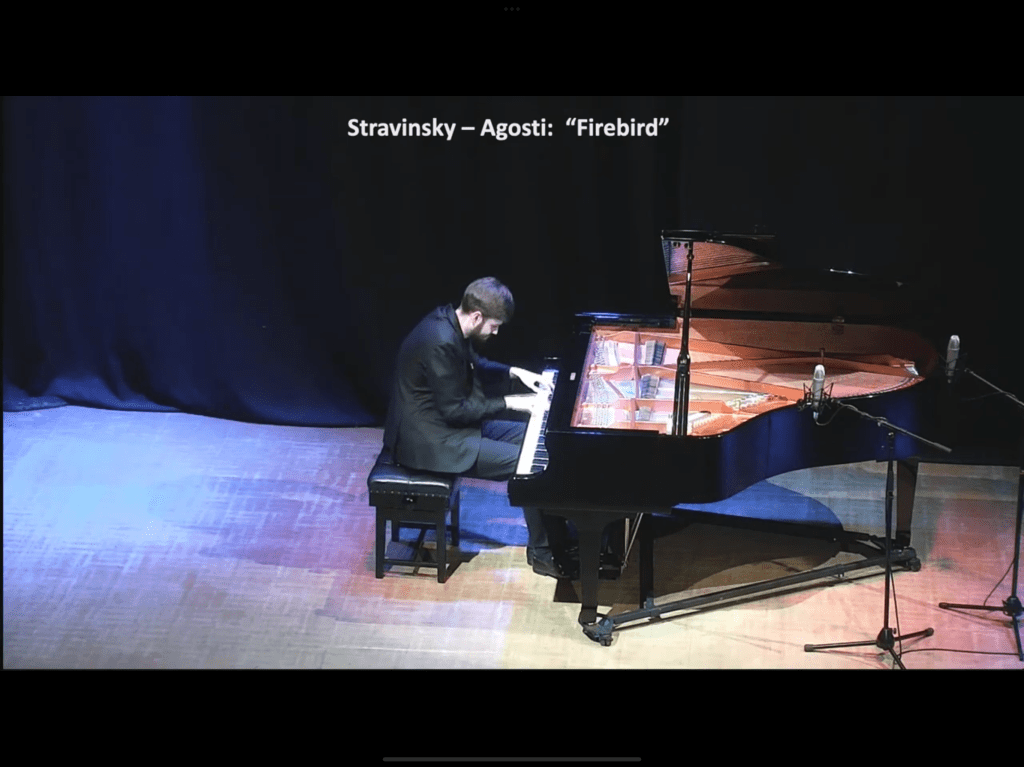
A transcendental performance of Agosti’s famous 1928 transcription of the ‘Firebird’.Victor threw himself into they fray from the very opening notes with breathtaking drive and scintillating virtuosity-a truly Infernal Dance! There were beautiful sounds of orchestral colour in the Berceuse with a kaleidoscope of colours appearing over the entire keyboard.But it was the ravishing beauty of the appearance of the Firebird in the finale that was truly breathtaking.The build up to the tumultuous final bars was astonishing as the excitement mounted to a frenzy of unbelievable virtuosity and exhilaration.

Stravinsky’s score for The Firebird was written for Sergei Diaghilev’s Ballets Russes dance company, which premiered the work in Paris in 1910. Based on ancient Russian folk tales, it tells the story of the young Prince Ivan’s quest to find a legendary magic bird with fiery multi-coloured plumage. In the course of his adventures, he falls in love with a beautiful princess but has to fight off the evil sorcerer Katschei to eventually marry her. The suite presents the culminating scenes of the ballet in a piano transcription by the Italian pianist and pedagogue Guido Agosti (1901-1989), who studied with Ferruccio Busoni.
The Danse infernale depicts the brutal swarming and capture of Prince Ivan by Katschei’s monstrous underlings until Prince Ivan uses the magic feather given to him by the Firebird to cast a spell on his captors, making them dance until they drop from exhaustion. The Berceuse is a lullaby depicting the eerie scene of the slumbering assailants, leading to the Finale, a wedding celebration for Prince Ivan and his princess bride.Agosti’s piano transcription, completed in 1928, is a daunting technical challenge for the pianist. Most of the piano writing is laid out on on three staves in order to cover the multi-octave range of the keyboard that the pianist must patrol. The piano comes into its own in this transcription as a percussion instrument, to be played with the wild abandon with which a betrayed lover throws her ex-partner’s possessions off the balcony onto the street below.Judging from the shocking 7-octave-wide chord crash that opens the Dance infernale, Agosti captures well the bruising pace of the action, with off-beat rhythmic jabs standing out from a succession of punchy left-hand ostinati constantly nipping at the heels of the melody line. The accelerating pace as the sorcerer’s ghouls are made to dance ever more frantically is a major aerobic test for the pianist.
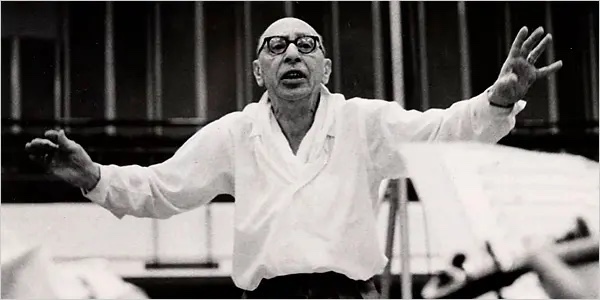
Relief comes in the Berceuse, which presents its own pianistic challenges, mainly those of finely sifting the overtones of vast chord structures surrounding the lonely tune singing out from the middle of the keyboard.The wedding celebration depicted in the Finale presents Stravinsky’s trademark habit of cycling hypnotically round the pitches enclosed within the interval of a perfect 5th. Just such a melody, swaddled in hushed tremolos, opens this final movement. It is a major challenge for the pianist to imitate the shimmering timbre of the orchestra’s brightest instruments as this theme is given its apotheosis to end the suite in a blaze of sonority that extends across the entire range of the keyboard.

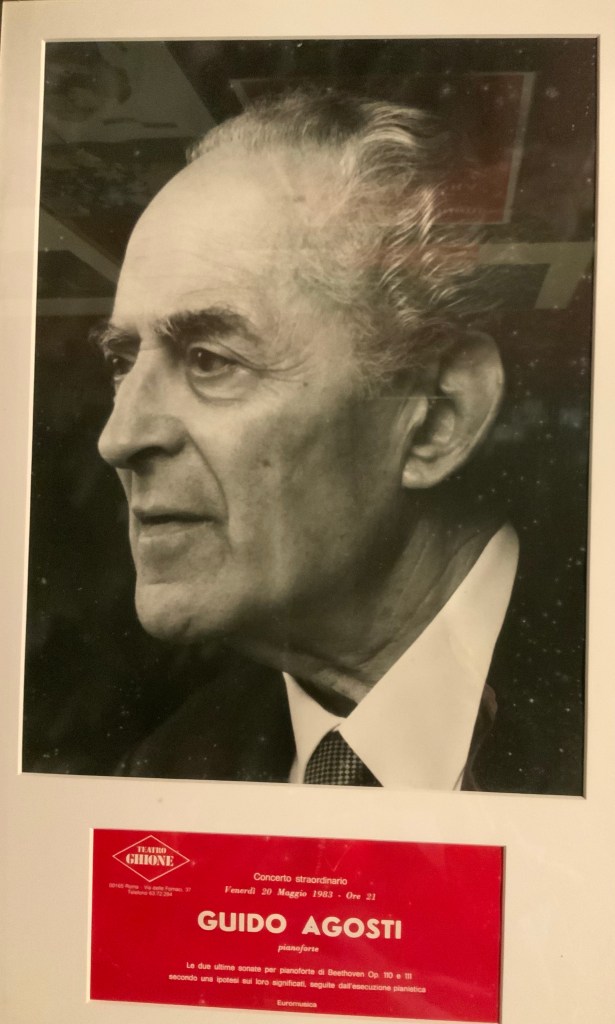
Guido Agosti (11 August 1901 – 2 June 1989) was an Italian pianist and renowned for his yearly summer course in Siena frequented by all the major musicians of the age.It was on the express wish of Alfredo Casella that Agosti took over his class which he did for the next thirty years.Sounds heard in his studio have never been forgotten.

Guido Agosti being thanked by Ileana Ghione after a memorable concert and masterclasses in the theatre my wife and I had created together in Rome.

Agosti was born in Forli 1901. He studied piano with Ferruccio Busoni Bruno Mugellini and Filippo Ivaldiand earning his diploma at age 13. He studied counterpoint under Benvenuti and literature at Bologna University. He commenced his professional career as a pianist in 1921. Although he never entirely abandoned concert-giving, nerves made it difficult for him to appear on stage,and he concentrated on teaching. He taught piano at the Venice Conservatoire and at the Santa Cecilia Academy in Rome.In 1947 he was appointed Professor of piano at the Accademia Chigiana Siena .He also taught at Weimar and the Sibelius Academy in Helsinki.

In the Ghione Theatre in the early 80’s with Ileana Ghione,’Connie’Channon Douglass Marinsanti ,Lydia Agosti ,Cesare Marinsanti,Guido Agosti.A closely knit family .

His notable students include Maria Tipo,Yonty Solomon Leslie Howard,Hamish Milne,Martin Jones,Ian Munro,Dag Achat,Raymond Lewenthal,Ursula Oppens,Kun- Woo Paik,Peter Bithell.He made very few recordings; there is a recording of op 110 from the Ghione theatre in Rome together with his recording on his 80th birthday concert in Siena of Debussy preludes .
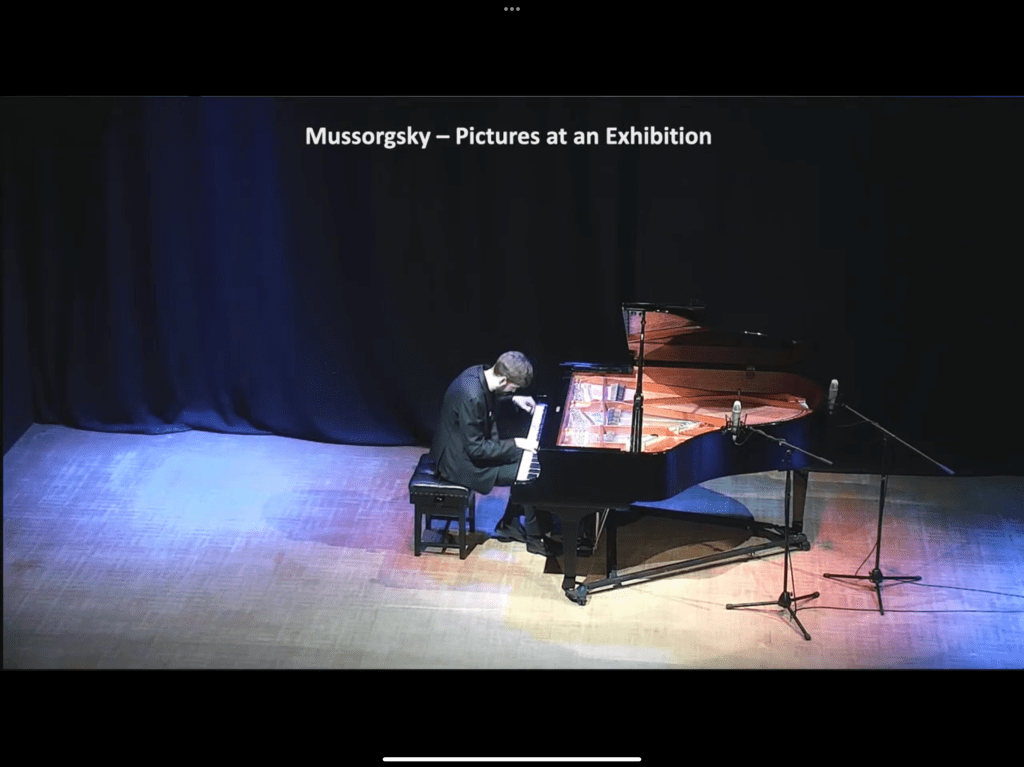
Pictures at an Exhibition is a suite of ten pieces (plus a recurring, varied Promenade) for piano by Modest Mussorgsky written in 1874.The suite is Mussorgsky’s most-famous piano composition, and has become a showpiece for virtuoso pianists based on pictures by the artist, architect, and designer Viktor Hartmann.It was probably in 1868 that Mussorgsky first met Hartmann, not long after the latter’s return to Russia from abroad. Both men were devoted to the cause of an intrinsically Russian art and quickly became friends. They likely met in the home of the influential critic Vladimir Stasov, who followed both of their careers with interest.Hartmann’s sudden death on 4 August 1873 from an aneurysm shook Mussorgsky along with others in Russia’s art world. The loss of the artist, aged only 39, plunged the composer into deep despair and Stasov helped to organize a memorial exhibition of over 400 Hartmann works in the Imperial Academy of Arts in St. Petersburg in February and March 1874. Mussorgsky lent the exhibition the two pictures Hartmann had given him, and viewed the show in person. Later in June he was inspired to compose Pictures at an Exhibition, quickly completing the score in three weeks (2–22 June 1874).The work did not appear in print until 1886, five years after the composer’s death, when a not very reliable edition by the composer’s friend and colleague Nikolai Rimsky-Korsakov was published. It was only in 1931, marking the 50th anniversary of the composer’s death, that it was published in a scholarly edition in agreement with his manuscript.

Victor gave a very impressive performance of a work that all too often is misused as a vehicle for empty virtuosity.That was not the case today as with scrupulous attention to detail Victor brought this work back into the realms of the great works of the piano repertoire as Richter had done in the 60’s,and Horowitz had done with his own inimitable rearrangements in the 40’s.The simple statement of the opening promenade led straight to the grotesque outburst of Gnomus depicting a little gnome, clumsily running with crooked legs.There were beautiful legato octaves in the meno mosso with a very impressive crescendo.The left hand trills were mere vibrations of sound leading to the final cry and transcendental outburst of a final scale passage played by Victor exactly as the composer asks ‘velocissimo con tutta forza.’A mysterious ethereal promenade leads to ‘The old castle’ played so delicately but with a rich sound palette with magical counterpoints and a gradual disappearance.A more decisive promenade leads to the Tuileries,an avenue in the garden near the Louvre, with a swarm of children and nurses.Played with an infectious lilt and playful asides thrown in with great nonchalance.Bydlo is obviously hanging next to it and depicts a Polish cart on enormous wheels, drawn by oxen.Never slackening its constant pace but building in volume to a very impressive climax as it comes into full view.Played with overpowering weight but never any hardening of tone only to die away to barely a whisper.I had never been aware until today in Victor’s knowledgeable hands of the two staccato notes in the melodic line that gave great character to this lumbering old cart.After such fatigue a promenade made in heaven led so peacefully to the audacious chatterings of the ‘Ballet of unhatched chicks’ which is based on Hartmann’s design for the ballet Trilby where the famous variation by Petipa for the male dancer in the Le Corsair from Gerber’s score shows a painting of dancers from the ballet in costume (as fledglings emerging from the shell).In Victors hands there was such a playful sense of fun that contrasted with the beautiful bass counterpoints,that he played so pointedly,in the middle section.The grandiloquent Samuel Goldenberg burst on to the scene with the gloriously reverberant beseeching of Schmuyle.The last Promenade was played this time with much vehemence as it led to the featherlight chatterings of the market place in Limoges depicting French women quarrelling violently in the market.A tour de force of repeated notes thrown off with great ease by Victor as it led to a startling climax interrupted by the mighty entry to the catacombs.Mussorgsky’s manuscript of “Catacombs” displays two pencilled notes, in Russian: “NB – Latin text: With the dead in a dead language” and, along the right margin, “Well may it be in Latin! The creative spirit of the dead Hartmann leads me towards the skulls, invokes them; the skulls begin to glow softly.”In fact it was just this magic glow that Victor was able to illuminate with such vibrating sounds of great delicacy with long held pedal notes of real beauty.Only to be interrupted by the ferocious Baba -Yaga where even Victor was taken aback as he threw himself into the whirlwind sounds of the chase.Only finding an oasis of peace in the middle section with a serene bass melody over a constant wave of vibrant sounds,the spell being broken ,though,by the cries of the witches flight.A tumultuous build up of double octaves suddenly was abruptly abated by the vision of the Great Gate of Kiev in all its majesty. Hartmann’s sketch was his design for city gates at Kiev in the ancient Russian massive style with a cupola shaped like a slavonic helmet.The beautiful colours of the plain chant were interrupted by the constant joyous pealing of bells.The build up to the last glorious outpouring was indeed very impressive .Victor perfectly judged the gradual build up with a tension that finally exploded with a cascade of scales leading to the sheer orchestral outpouring of glorious sounds with which he brought this ‘towering’ performance to a shattering end.A memorable performance that I ,for one,would be quite happy to listen to again.
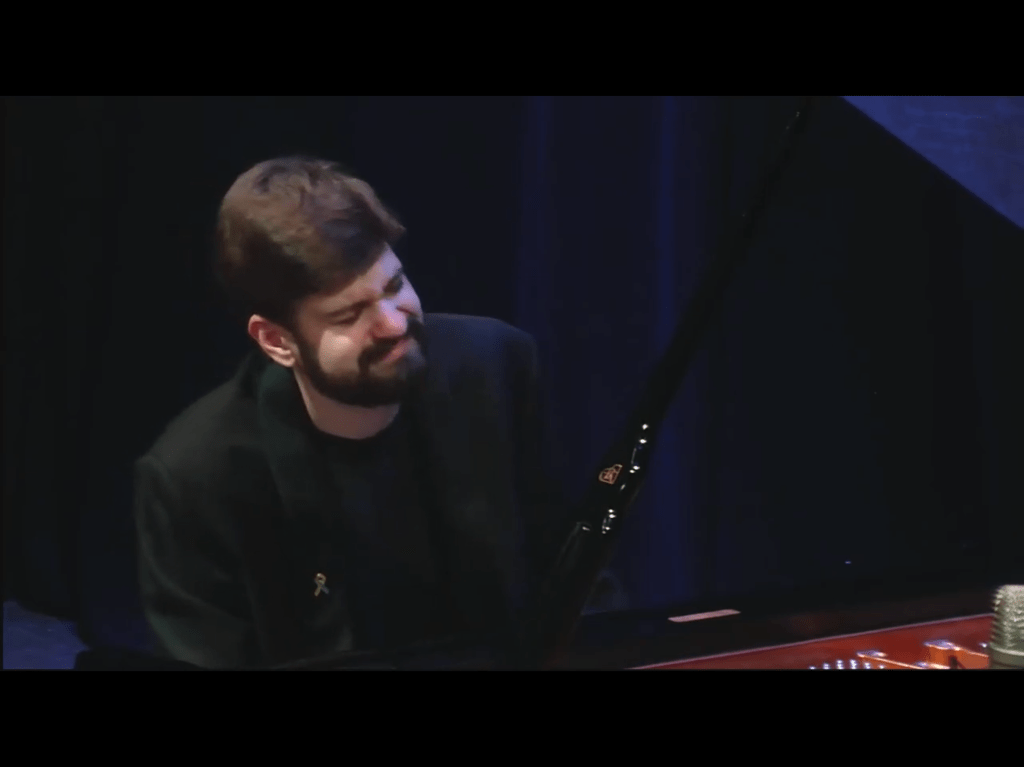
Victor has been a prizewinner in several international
competitions. After winning the AntwerPiano International Competition in 2020, he was invited to take part in the 2021 Classic Piano International Competition in Dubai. Victor performed two solo rounds and three piano concertos for the jury comprising Vladimir Ovchinnikov, Michel Beroff, Pavel Gililov, Jan Jiracek
von Arnim, Ewa Poblocka and others, and received the Second Prize.Further successes include winning the First Prize at the 2nd
International Rachmaninoff Piano Competition (Moscow 2020), being Overall Prize Winner of the 47th Concertino Praga International Radio Competition for Young Musicians (2013), two-time winner of Concerto Competition (Royal College of Music, 2015, 2018), winning the First Prize at the Musicale dell’Adriatico piano competition (Ancona 2007), and the First Prize at the Nikolai Rubinstein International Piano Competition (Paris 2004).In 2021, Victor graduated from the Royal College of Music,London, having completed his Artist Diploma as a Carne Trust Junior Fellow, and previously having received his Masters of Performance with Distinction and his Bachelor of Music with a First class grade.
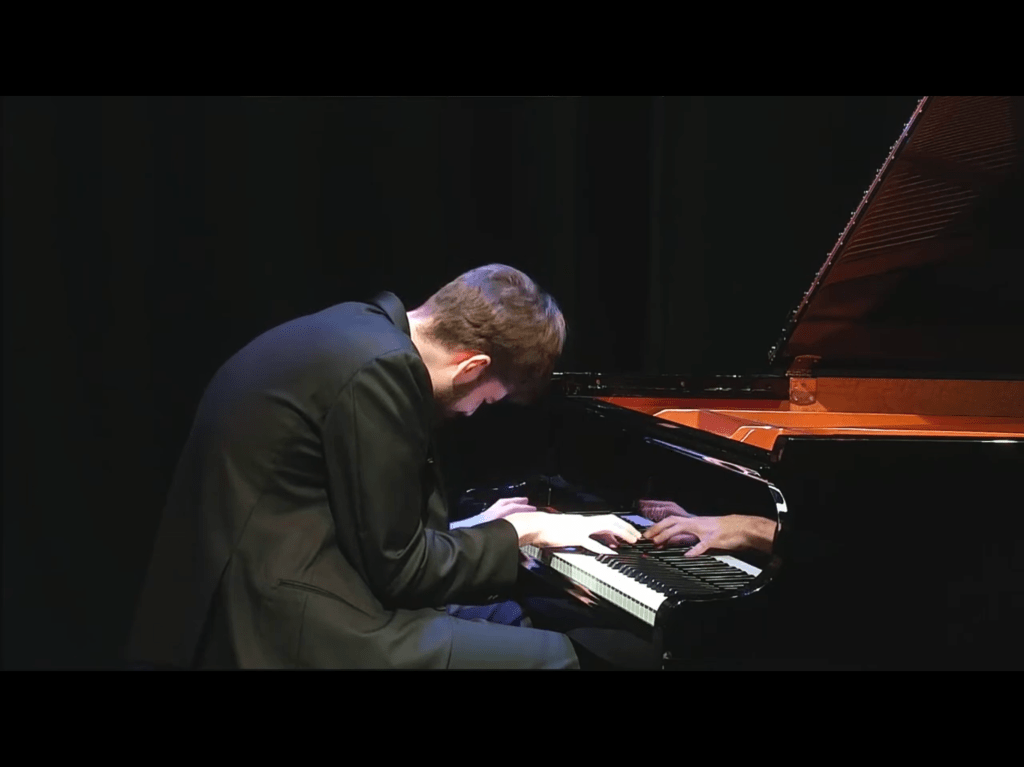
At the RCM, Victor studied piano with Professor Dmitri Alexeev and Head of Keyboard Professor Vanessa Latarche,and conducting with Toby Purser, Head of Conducting. Upon his graduation, Victor was announced as the recipient of the Queen Elizabeth the Queen Mother Rose Bowl for his achievements at the RCM, which was awarded to him by HRH Charles, The Prince of Wales in May 2022. Throughout his studies, Victor has been grateful for the support of the Ruth West Scholarship, the Eileen Rowe Musical Trust Award, the Future of Russia Scholarship, the Munster Trust Award, and the Talent Unlimited. Victor is the Keyboard Charitable Trust Artist, andthe Countess of Munster Trust Recital Scheme Artist.Victor began his studies at the Gnessin Moscow Special School of Music, where he was taught by his mother Olga Maslova. He later became a scholar of the Vladimir Spivakov International Charity Foundation. Victor also has received masterclasses from Sir András Schiff, Dmitry Bashkirov, Peter
Donohoe, Marios Papadopoulos, Tatiana Zelikman, and Leslie Howard.
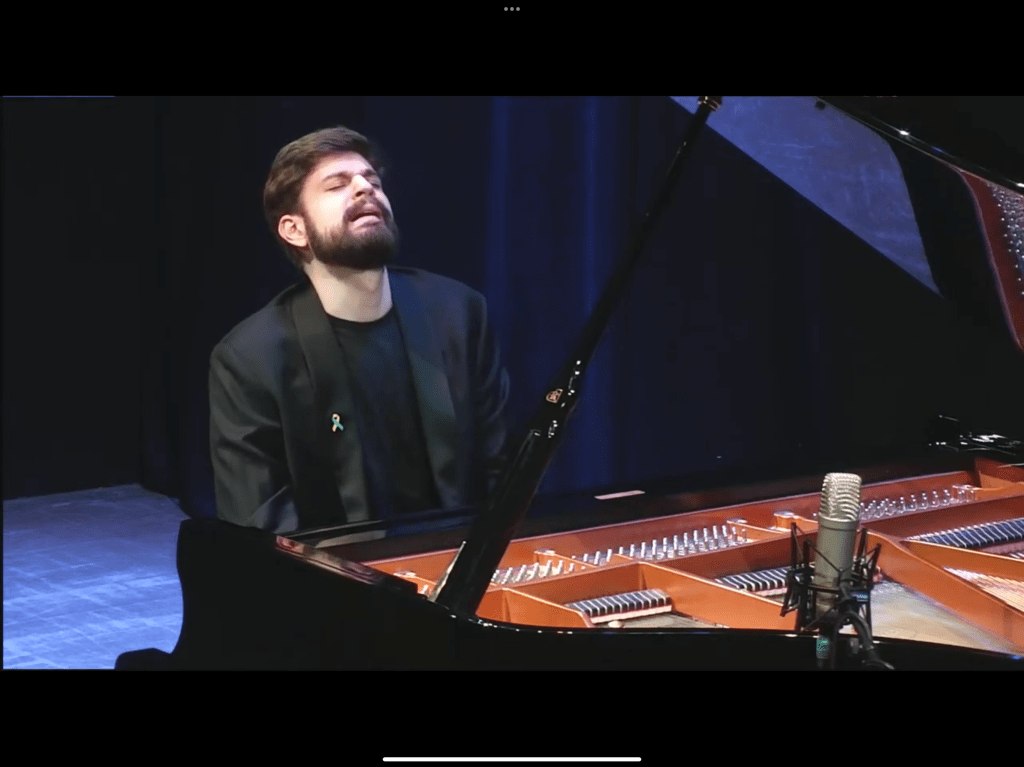
Additional prizes include Fourth Prize at the Vladimir
Horowitz International Competition for Young Pianists (Kiev 2012), Second Prize at the Astana Piano Passion (Astana 2015), Second prize at Joan Chissell Schumann Prize (London 2019), Third prize at the 6th Umanitaria Societa Competition (Milan 2019), and the Second prize at the Kendall Taylor Beethoven Piano Competition 2021 (London 2021). He gave his concerto debut at the age of nine with the State Symphony Orchestra of Moscow and has since performed with
orchestras such as RCM Symphony, RCM Philharmonic, Symphonic Orchestra of Czech Radio, Astana Opera Symphonic Orchestra, Kostroma Symphonic Orchestra, Penza State Symphonic Orchestra, and the State Orchestra “New Russia”. Victor has given solo performances at international music festivals across the UK, Germany, France, Italy, Denmark, Slovakia, Czech Republic, Turkey, Switzerland,Russia, Israel, and the USA. Venues have included Royal Festival Hall, Queen
Elizabeth Hall, Weill Recital Hall at Carnegie Hall, Elgar Room at the Royal Albert Hall, Cadogan Hall, Great Hall of Moscow Conservatoire, Smetana Hall and Rudolfinum.
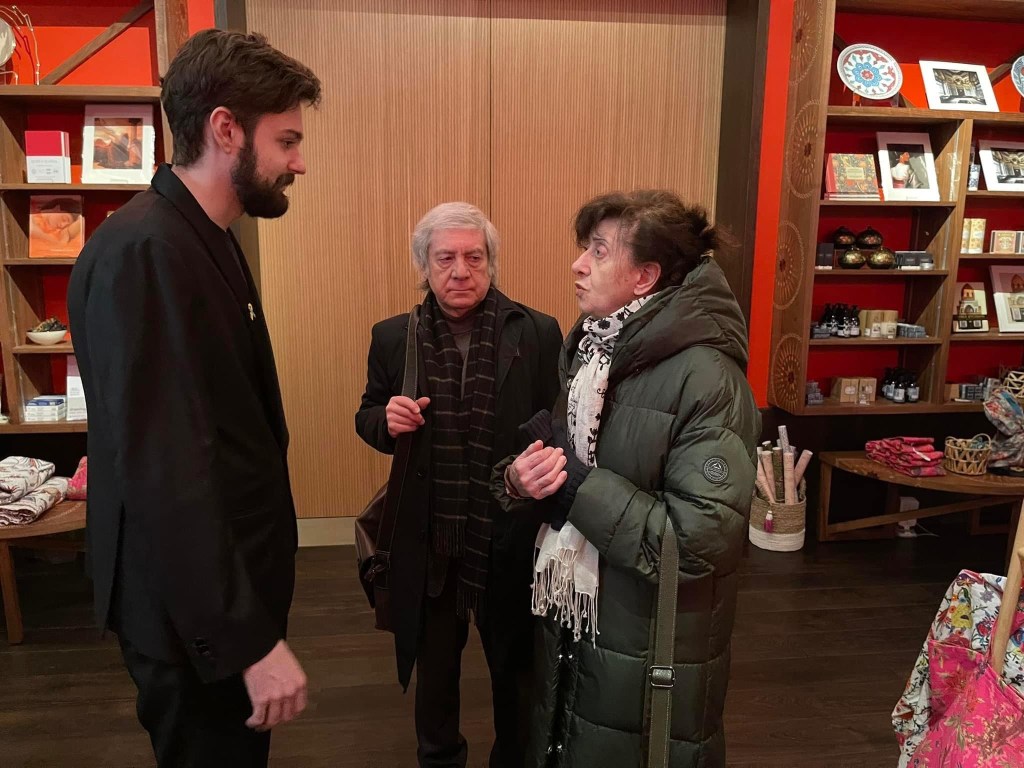
Victor in discussion after a recent concert with Dmitri Alexeev and Tatyana Sarkissova
‘Victor was phenomenal, powerful yet sensitive, with a rich spectrum and colour.A thrilling performance.’ Garo Keheyan Pharos Arts Foundation 

THE KEYBOARD CHARITABLE TRUST for Young Professional
Performers
. Patron: SIR ANTONIO PAPPANO

https://christopheraxworthymusiccommentary.com/2022/09/14/the-gift-of-life-the-keyboard-trust-at-30/

The Keyboard Charitable Trust’s mission is to help young
keyboard players reduce the element of chance in building a professional musical career. The Trust identifies the most talented young performers (aged 18-30) and assists their development by offering them opportunities to perform throughout the world. For the most gifted, this means débuts in London, New York, Mexico, Berlin, Rome and other music capitals.In collaboration with its partners worldwide, the Keyboard Trust has developed a circuit of some fifty venues in seven principal countries, from the most prestigious concert halls to locations where classical music is rarely heard. Over the past thirty years, the Trust has presented nearly 300 young international pianists, historic keyboard players and organists (aged 18-30) in over 900 concerts worldwide.

With such notable musicians as the late Claudio Abbado,
Alfred Brendel and Evgeny Kissin among its trustees, this formula has proved its worth: many Trust artists receive an offer of a new engagement, a broadcast, a recording or management. Nearly half of the artists have subsequently made serious professional musical careers.Recent years have seen a further expansion of the Trust’s
work in Germany, Italy and Russia as well as in the USA where the distinguished conductor, the late Lorin Maazel, invited the Trust to present its artists at his Festival Theatre in Virginia. In the UK, we have an ongoing collaboration with Manchester Camerata which provides concert performances in major Manchester venues each year.

Recent highlights include Alexander Gadjiev being made a
‘BBC New Generation Artist’ for 2019-2021 and winning the Sydney International Piano Competition 2021; Edward Leung being awarded the Philharmonia Orchestra’s 2021–2022 MMSF Piano Fellowship Thomas Kelly being selected as a finalist in the 2021 Leeds Piano Competition; and Yuanfan Yang winning First Prize in then 2022 Casagrande International Piano Competition.

The Keyboard Charitable Trust is funded entirely by
voluntary donations. Detailed information about the Trust, how to become a Friend, join the One Thousand Club or to provide corporate support, may be found on our website.

https://christopheraxworthymusiccommentary.com/2021/06/05/victor-maslov-the-virtuous-virtuoso-virtually-at-st-jamess-piccadilly-4th-june-2021/

https://christopheraxworthymusiccommentary.com/2019/06/24/victor-maslov-at-the-royal-albert-hall/

https://christopheraxworthymusiccommentary.com/2017/03/29/victor-maslov-at-st-marys/

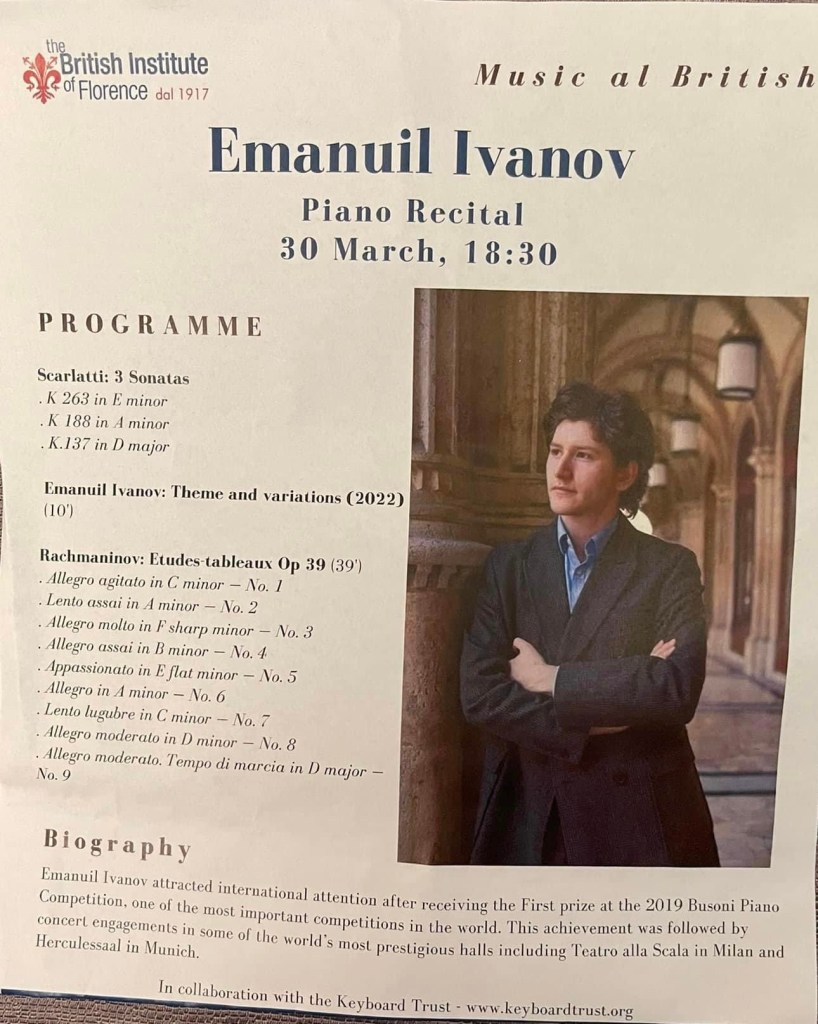
Emanuil Ivanov premio Busoni 2019 Al British in the Harold Acton Library A room with a view of ravishing beauty and seduction

Emanuil Ivanov in Florence last night for the series of Busoni winners in the Harold Acton Library at the British Institute of Florence.
In partnership with the Keyboard Trust he astonished in Scarlatti and seduced and overwhelmed with Rachmaninov.(a detailed review of his performances are reproduced here from month ago in London:https://christopheraxworthymusiccommentary.com/2023/02/15/emanuil-ivanov-sensational-recital-of-technical-assurance-and-refined-intelligence/)


But it was his own theme and variations inspired and dedicated to his fiancé with ‘sincerity and loving expression’ that moved and thrilled us even more.
Even his encore of Trenet’s ‘April in Paris’ in the transcription of his fellow Bulgarian Alexis Weissenberg could not move us to tears as the delicacy and ravishing beauty of his own piece.


His first encore was ‘My Joys’ the song by Chopin in the all too rarely played transcription by Liszt and what rays of joy he beguiled us with.A pianism of another age,the Golden age of subtlety and supreme artistry so rare to experience in these times of immediacy and clockwork precision.A make believe world of innuendo and ravishing jeux perlé- perchance to dream!
Love was in the air -wedding bells are already ringing.
It was a revelation to see a Busoni winner from four years ago who has turned from a superbly trained young pianist into an artist of great stature.


Spring is in the air in Florence and as Rostropovich rightly said it is the museum of the world.A room with a view indeed!

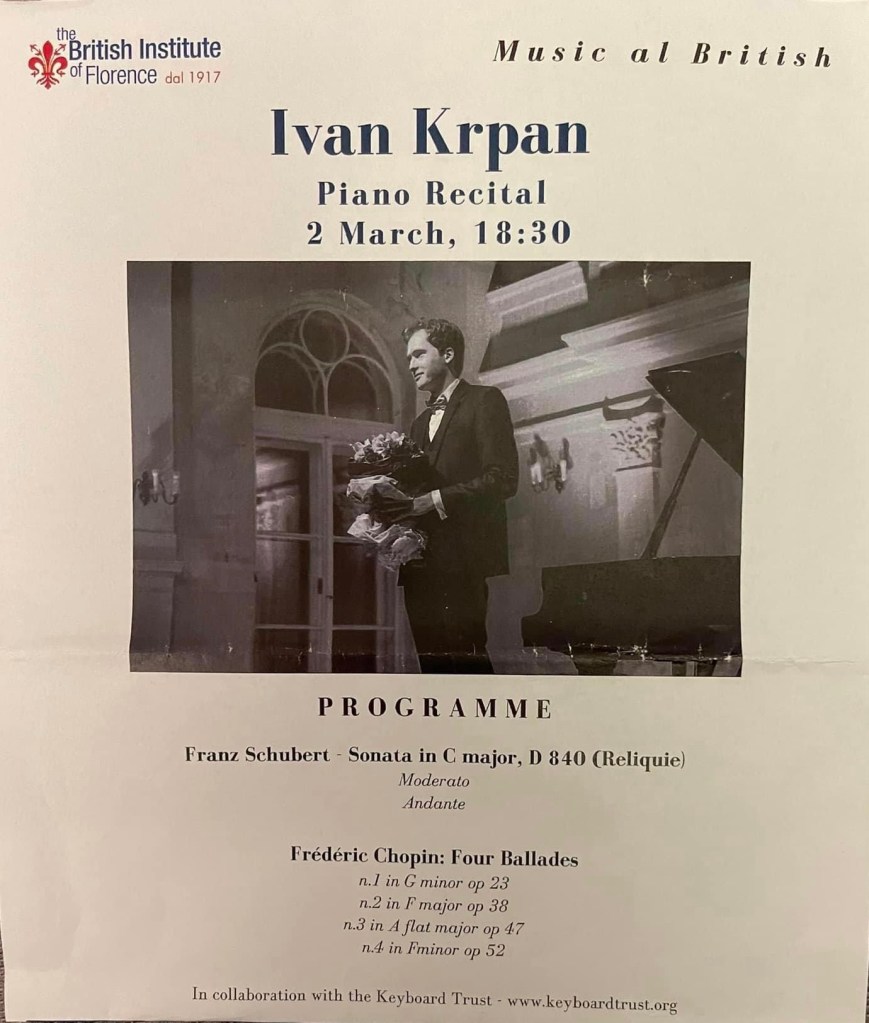
https://christopheraxworthymusiccommentary.com/2023/03/01/ivan-krpan-busoni-2017-in-florence-mastery-and-simplicity-at-the-service-of-music/

https://christopheraxworthymusiccommentary.com/2022/08/12/chloe-mun-at-the-duszniki-chopin-festival-refined-perfection-and-aristocratic-simplicity/

The view from the Harold Acton Library
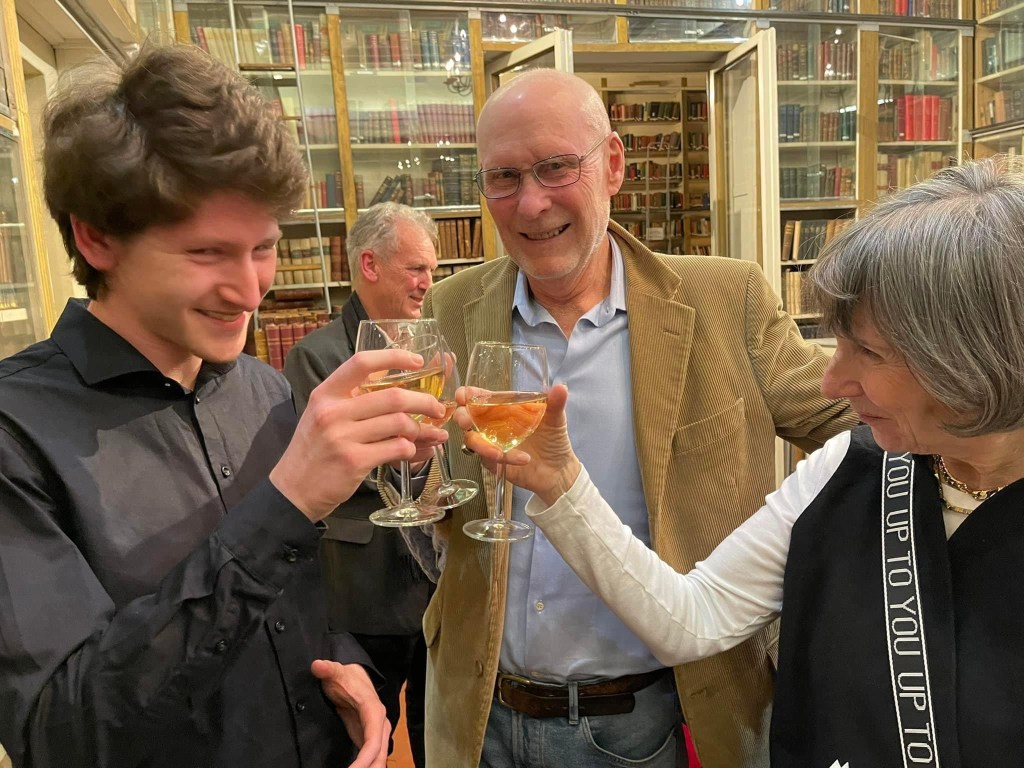
Raising a glass to celebrate the virtuoso performance.
A sumptuous after concert dinner hosted by Sir David and Fiorenza Scholey
Distinguished admirers at the post concert wine tasting
A young admirer of classical music at every concert
Our ever vigilant composer/piano technician Michele Padovano supervising the Emanuil’s needs in rehearsal

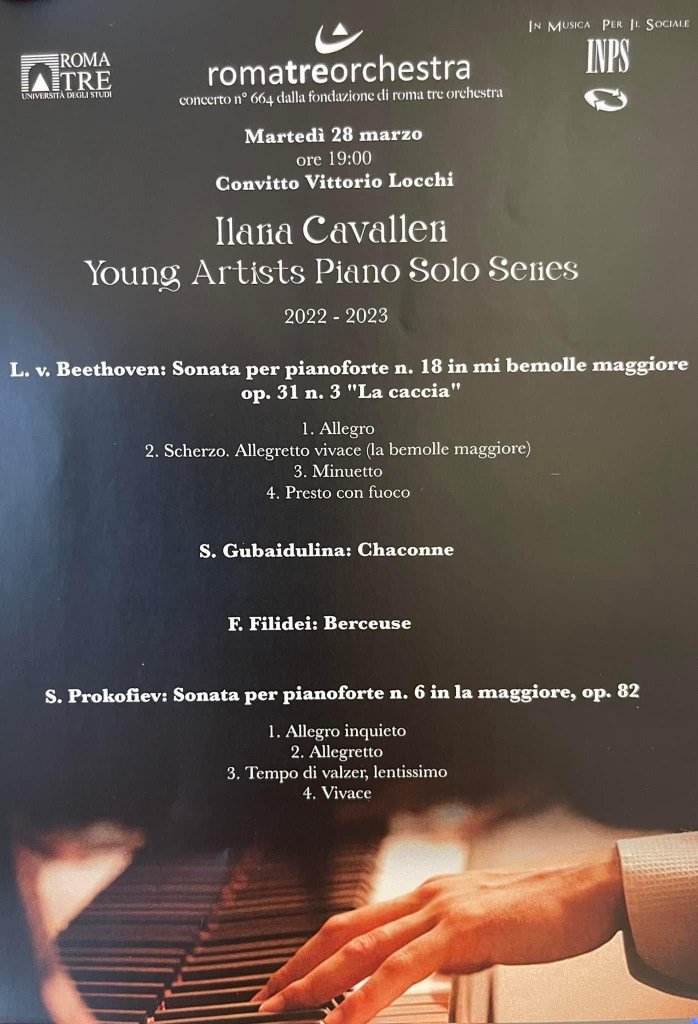
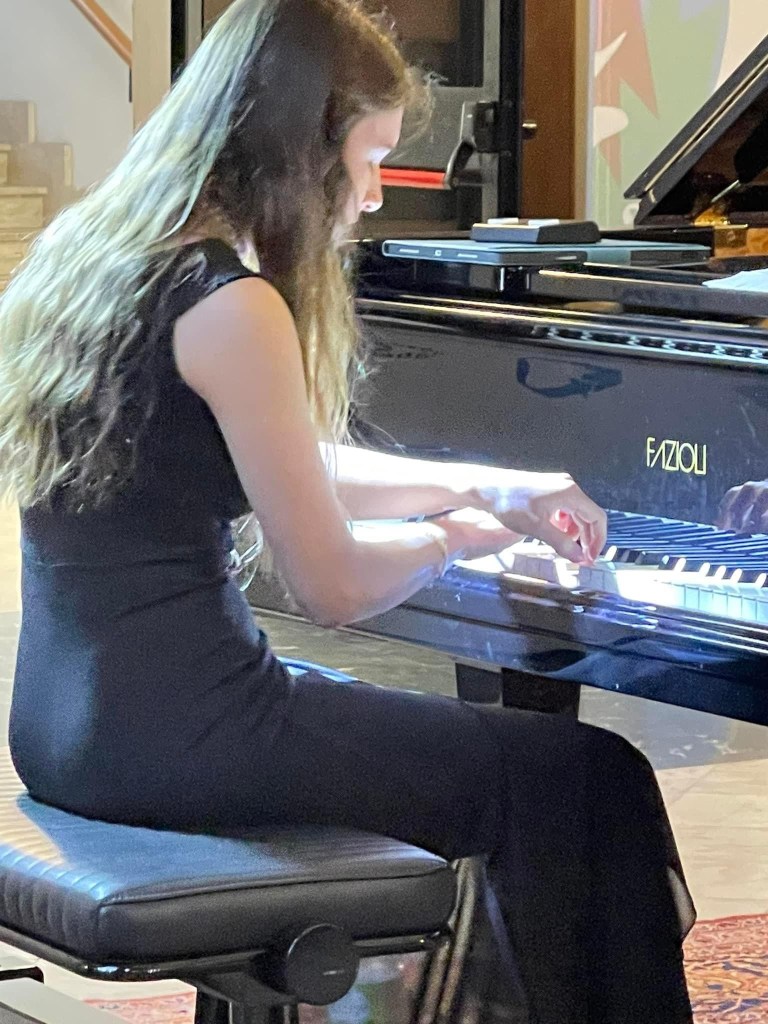
Ilaria Cavalleri – Roma Tre Young Artists Piano Solo Series – War and Peace with integrity and artistry

Ilaria Cavalleri gave a recital in the Young Artists Piano Series where Roma Tre Orchestra opens its doors to young musicians in that difficult period at the start of a career in music.
Young musicians who have dedicated their youth to perfecting their art and are just looking for a public to share it with and in sharing be able to delve deeper into the mysteries of interpretation.
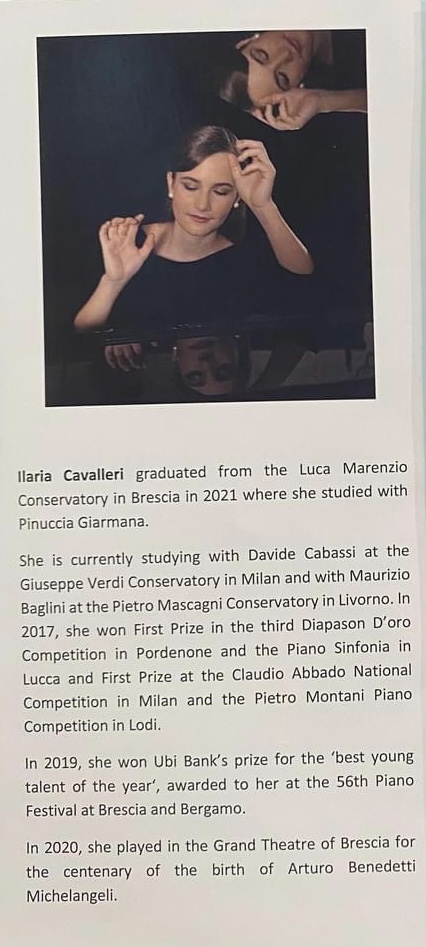
Ilaria from the school of Maurizio Baglini and Davide Cabassi has already been selected to play for the Keyboard Trust in London and from this first happy experience will be performing for them in France this Summer.

Her ‘Hunt’ was brilliant and rhythmic but already in furious mood as the normally ‘pastoral’ opening was given a drive and energy that denied the usual grace and charm of the Viennese countryside where Beethoven was wont to calm his turbulent character.The ending was thrown off ,though,with the nonchalant grace that Beethoven prescribes in the score and it was in the scherzo that followed ,that Ilaria had come to terms with this very imposing instrument.The Scherzo was played with lightness like a breath of fresh air as she played with dynamic control and scrupulous attention to Beethoven’s very precise markings.The almost Schubertian outpouring of song in the Menuetto made a beautiful contrast as her sense of balance allowed the melodic line to sing so naturally.It was only disturbed by some rather unwanted pointing of counterpoints that although made for variety was an intrusion to the simplicity that she had revealed.The seemingly innocent Trio that Saint Saens had taken as the theme for his variations for two pianos could have been much less serious with the same frivolity that Saint Saens had obviously discovered and pilfered!An ending calando not ritardando as Beethoven implores but very often ignored by lesser hands.The last movement ‘presto con fuoco’ was like a red rag to the bull and Ilaria played it with drive and superb technical control.All Beethoven’s markings were scrupulously noted that was not easy at this velocity .I was missing ‘bucolic’ and the pastoral feel of a bubbling brook that obviously Ilaria had seen in a different light,probably encouraged by the ‘Rolls Royce’ placed before her hands today.I look forward to hearing her performance again on a period instrument.An instrument similar to Liszt’s own Erard .Liszt was a pupil of Czerny who in turn had been a pupil of Beethoven.Beethoven had famously kissed the child Liszt on the forehead after listening to the prodigy play. Ilaria will play a concert in Velletri on the 16th April in the series ‘Liszt non solo’ of Ing.Giancarlo Tammaro


A slender young lady who would grace any dance floor unleashed an unexpected attack on the piano.
War and Peace indeed as she played an important programme with dynamic rhythmic drive and total concentration.
Allowing the music to unfold with intelligence and a musical integrity that never allowed any indulgence or crowd pleasing niceties.
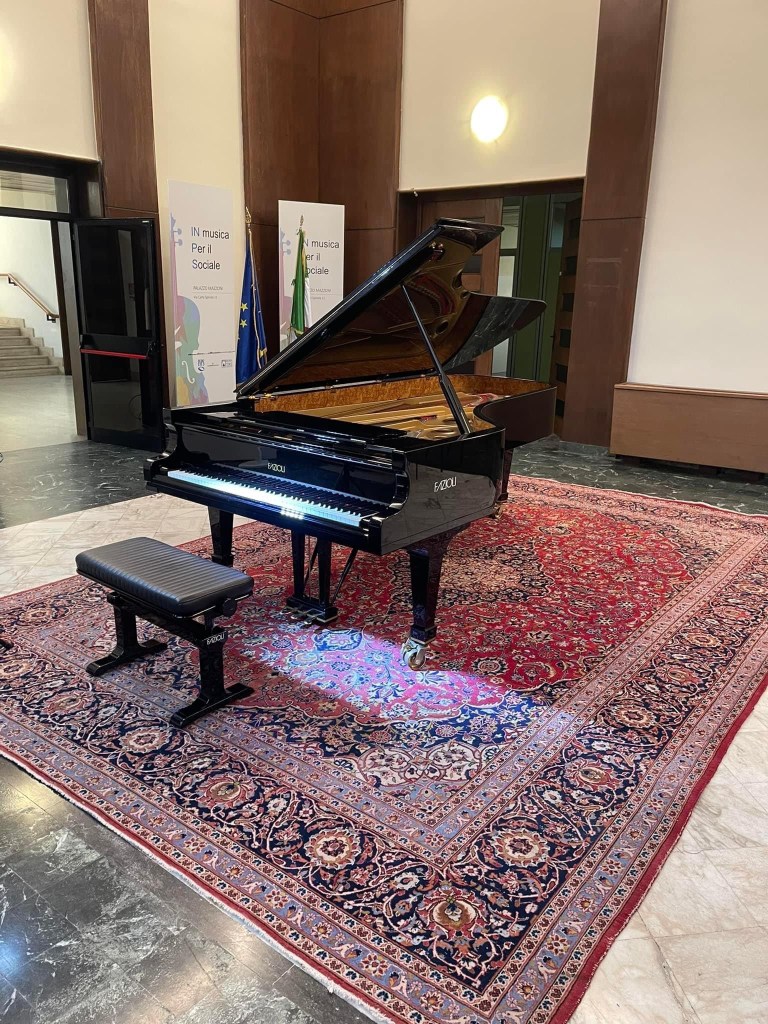
This was an artist who had absorbed the message that was hidden behind the notes which was especially noticeable in the mighty Chaconne by Gubaidulina and above all in the first of Prokofiev’s ’War’ Sonatas.A force and energy like a tempest passing through this mighty rationalist hall aided and abetted by the magnificent Fazioli concert grand seated at last on a magic carpet!

The magnificent Fazioli at home on this magic carpet


Ilaria was indeed in furious mood as she imbued Beethoven’s usually pastoral Sonata op 31 n 3 with driving rhythmic energy and dynamic contrasts.
This was indeed a ‘Hunt’ to be reckoned with as she even split driving rhythmic elements between the hands to give more impulse to her fiery temperament.
A Berceuse by Filidei allowed her a moment of calm as she allowed chiselled icicles to evaporate over the gentle vibrations from deep in the piano with a kaleidoscopic sense of colour


After some towering performances she even had enough energy left to offer her very enthusiastic audience an encore of Chopin’s mighty C minor study op 25 n.12 sometimes known as the ‘Ocean’.

Prokofiev’s mighty sixth sonata was played with dramatic rhythmic drive dissolving to an atmospheric melodic line clouded in the smoky and steamy atmosphere of the pedal.A towering melodic line screaming to get out from the centre of the piano with shots being fired all over the keyboard in a transcendental display of balance and colour.There was a beguiling sense of dance in the Allegretto and a strangely static ‘tempo di valzer’.A sumptuous string sound gave a respite from the full orchestra of the outer movements where brass and violence were acted out with deadly precision.The perpetuum mobile of the vivace showed a total command of the keyboard.A wild dance played with furious abandon but with great contrasts of dynamics and some magical quasi Bartokian sounds in the quieter contrasting passages.


These were indeed tumultuous waves played with sumptuous sound and driving energy.Even a slight wrong turning was immediately put on the right track as her professionality was as impeccable as her artistry.A programme that left the public drained but uplifted by such prodigious talent. I have a feeling ,though,that Ilaria could easily have sat down and repeated it all over again.
Appearances can be deceptive but true artistry and personality will always shine through .

Nata nel 2001, Ilaria Cavalleri è una giovane pianista bresciana. Nel 2021 consegue la laurea di I livello in pianoforte presso il Conservatorio “L.Marenzio” di Brescia con votazione
110 e lode. Attualmente frequenta il Conservatorio “G.Verdi” di Milano nella classe del M°Davide Cabassi e studia anche con il M°Maurizio Baglini.
Nel 2019 ha ricevuto da Ubi Banca il premio Giovane Talento dell’anno, istituito dalla banca stessa e assegnato dal Conservatorio di Brescia nell’ambito del 56° Festival Pianistico di Brescia e Bergamo.
Si è esibita per The Keyboard Charitable Trust a Londra, presso il DAI di Heidelberg, per la Società dei Concerti di Milano, presso Bank Austria Salon e Steinway Haus in Vienna, per il Festival Pianistico di Brescia e Bergamo nelle serate dedicate ai giovani talenti del Conservatorio; per il Teatro Verdi di Pordenone; per Piano City Milano, presso l’Università della musica di Varsavia, per il Teatro Grande di Brescia; per la società Filodrammatica
Cremonese; per RomaTreOrchestra presso il Teatro Palladium, il Museo Napoleonico e il Teatro Torlonia.
Nell’estate 2022 è stata selezionata per partecipare alla Vienna Piano Summer School 2022, organizzata da International Piano Foundation Theo and Petra Lieven of Hamburg, che le ha permesso di studiare con importanti Maestri quali Tatiana Zelikman, Arie Vardi e Ronald Brautigam. Ha frequentato masterclass pianistiche con i M° Riccardo Risaliti, Agnieszka Przemyk-Bryla, Federico Colli, Tatiana Larionova e masterclass di musica da camera con M° Enrica Ciccarelli e Silvia Chiesa.

Ilaria Cavalleri in London

Lovely Ilaria with CA co artistic director of the Keyboard Trust
Music is also fun at Roma 3

Francesco Filidei (Pisa 1973 ) è un compositore e organista italiano Allievo di Salvatore Sciarrino ,dopo essersi diplomato in organo al Conservatorio di Firenze si è specializzato in composizione al Conservatoire de Paris È stato membro dell’IRCAM della Casa de Velazqueze dell’Academia Schloss Solitude a Stoccarda.Le sue opere, edite da Rai Trade e Ars Publica, sono state eseguite da diverse orchestre come l’Itinéraire, Alter Ego, Cairn, L’Instant donné, le Nouvel Ensemble Modern, Court-Circuit, l’Ensemble intercontemporain, le Percussions de Strasbourg, il Klangforum Wien.Alcune sue composizioni sono state trasmesse da Rai 3 e Radio France .Filidei cerca con le sue opere, come ha affermato Sciarrino ,di immaginare una musica privata dell’elemento sonoro, facendo rimanere solo lo scheletro, un suono leggero ma ricco.Come organista è conosciuto come interprete di Franz Liszt di cui ha interpretato la produzione integrale per tale strumento. Ha suonato come solista alla Filarmonica di Berlino al Festival d’Automne a Parigi ,al Festival Archipel a Ginevra,Ginevra, alla Biennalle di Venezia et a l’Ircam

Francesco Filidei

Francesco Filidei (born 1973)is an Italian concert organist and composer. A student of Salvatore Sciarrino he has performed internationally. As a composer, he has collaborated with singer-songwriter Claire Diterzi and written operas premiered in Porto and Paris. His music has been performed by notable contemporary music ensembles. His Japanese wife, Noriko Baba is also a composer.He performs in concert, playing works by Franz Liszt ,Cesar Franck as well as his own compositions and much contemporary music for organ and piano, in Italy and abroad. In 1998, he was awarded the S. Taddei Annual Scholarship and in 2004 the Meyer Prize and in 2007 the Takefu International Composition Award.In his compositions, Filidei tries – as Sciarrino says – “to imagine a music that has lost the sound element”.

Sofia Asgatovna Gubaidulina born 24 October 1931) is a Soviet Russian composer and an established international figure. Major orchestras around the world have commissioned and performed her works.She is considered one of the foremost Russian composers of the second half of the 20th century.She studied composition and piano at the Kazan Conservatory, graduating in 1954. During her early conservatory years, Western contemporary music was banned nearly entirely from study, an unusual exception being Bartok. Raids even took place in the dormitory halls, where searches were conducted for banned scores, Stravinsky being the most infamous and sought after. Gubaidulina and her peers procured and studied modern Western scores nonetheless. “We knew Ives,Cage ,we actually knew everything on the sly.”In Moscow she undertook further studies at the Conservatory until 1963. She was awarded a Stalin fellowship.Her music was deemed “irresponsible” during her studies in Soviet Russia, due to its exploration of alternative tunings.She was supported, however, by Dmitri Shostakovich who in evaluating her final examination encouraged her to continue down her path despite others calling it “mistaken”.For Gubaidulina, music was an escape from the socio-political atmosphere of Soviet Russia.

Gubaidulina in 1981

For this reason, she associated music with human transcendence and mystical spiritualism, which manifests itself as a longing inside the soul of humanity to locate its true being, a longing she continually tries to capture in her works.These abstract religious and mystical associations are concretized in Gubaidulina’s compositions in various ways.An influence of improvisation techniques can be found in her fascination with percussion instruments. She associates the indeterminate nature of percussive timbres with the mystical longing and the potential freedom of human transcendence :’… percussion has an acoustic cloud around it, a cloud that cannot be analyzed. These instruments are at the boundary between palpable reality and the subconscious, because they have these acoustics. Their purely physical characteristics, of the timpani and membranophones and so on, when the skin vibrates, or the wood is touched, respond. They enter into that layer of our consciousness which is not logical, they are at the boundary between the conscious and the subconscious.Gubaidulina’s entire piano output belongs to her earlier compositional period and consists of the following works: Chaconne (1962), Piano Sonata (1965), Musical Toys (1968), Toccata-Troncata (1971), Invention (1974) and Piano Concerto “Introitus” (1978). Some of the titles reveal her interest in baroque genres and the influence of J.S.Bach.Gubaidulina notes that the two composers to whom she experiences a constant devotion are J.S. Bach and Anton Webern.The Steinway grand piano she has in her home was a gift from Rostropovich.She has been married three times.

Sergei Prokofiev with Mira Mendelson.

Sergei Prokofiev’s Piano Sonata No. 6 in A major, Op. 82 (1940) is the first of the Three War Sonatas it was first performed on 8 April 1940, in Moscow with the composer at the piano. The Piano Sonata No. 7 in B♭ major, Op. 83 (1942) (occasionally called the “Stalingrad”) is the second (and most famous) of the three “War Sonatas” ,it was first performed by Sviatoslav Richter on 18 January 1943 in Moscow .The Piano Sonata No. 8 in B♭ major, op. 84 is the third and longest of the three ‘war Sonatas’. He completed it in 1944 and dedicated it to his partner Mira Mendelson who later became his second wife and was first performed on 30 December 1944, in Moscow by Emil Gilels

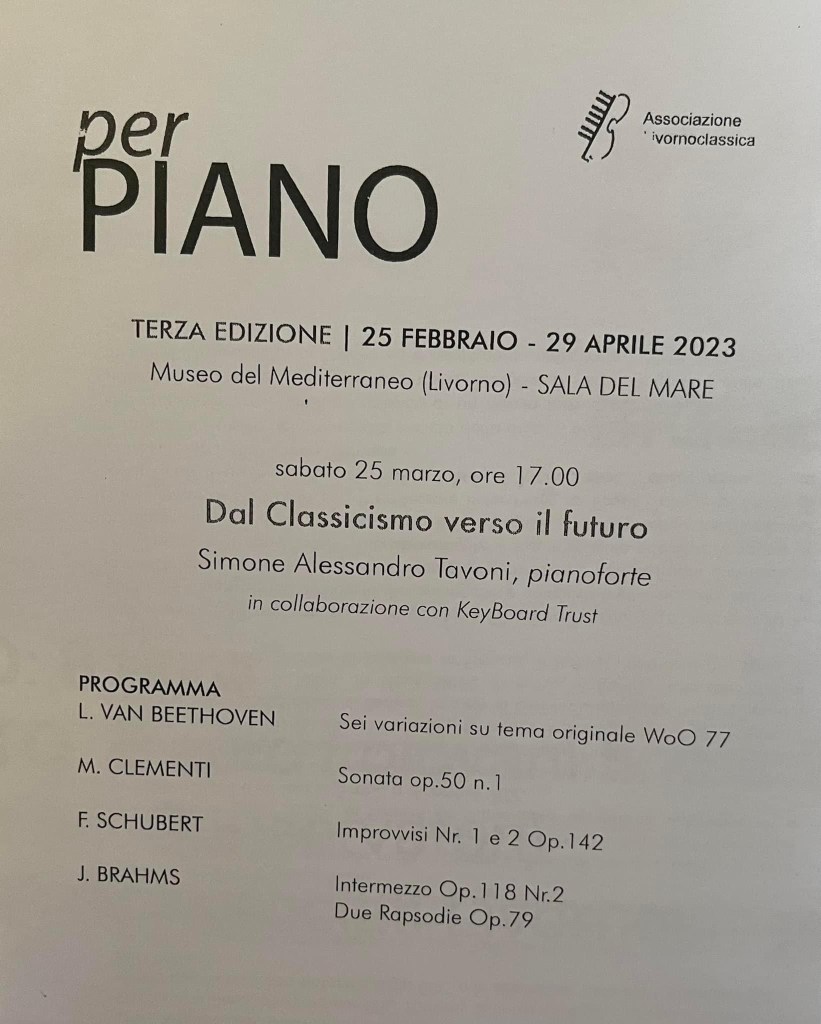
Simone Tavoni at Livorno Classica flying high with poetic reasoning and with Dinosaurs overhead

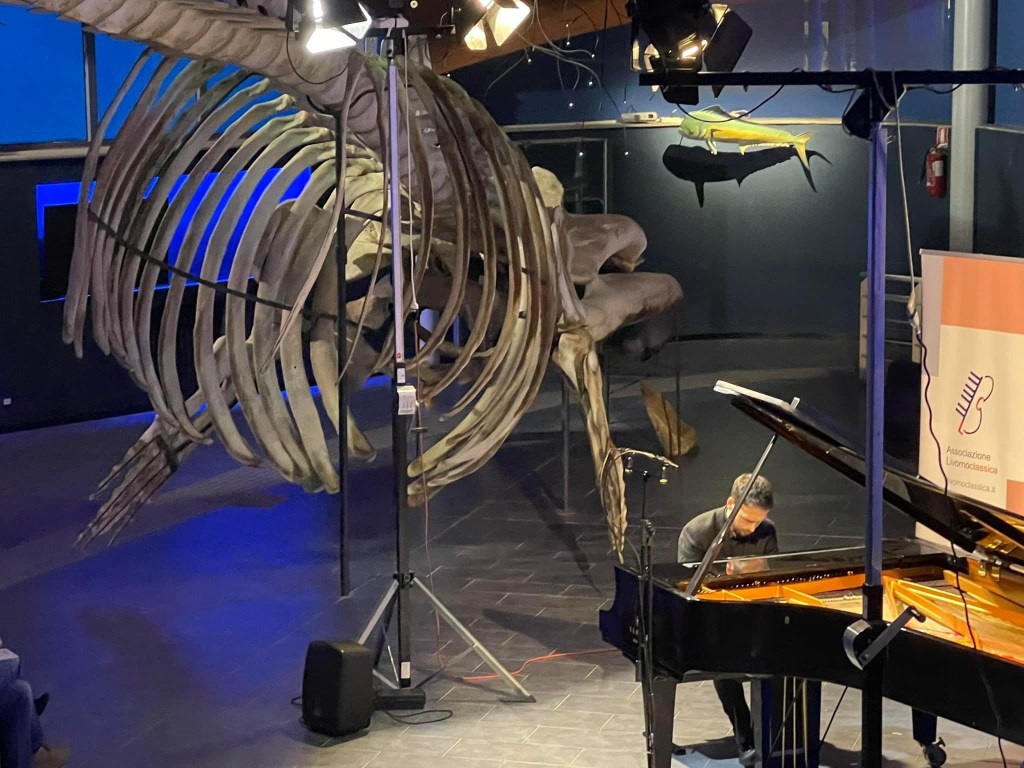
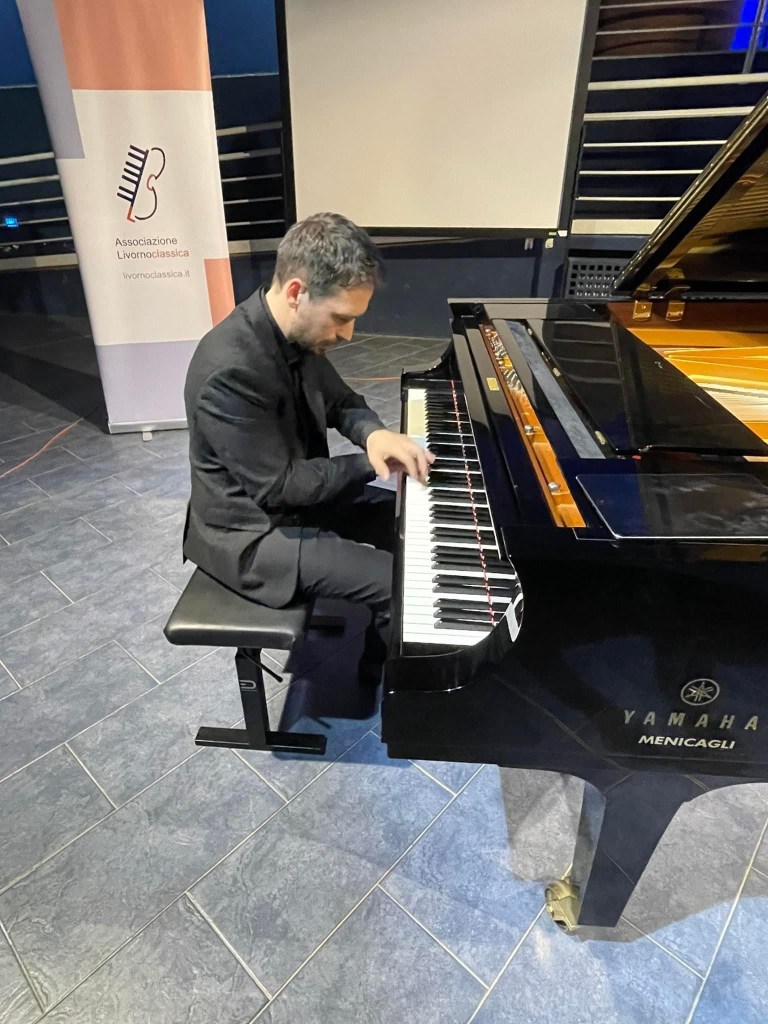
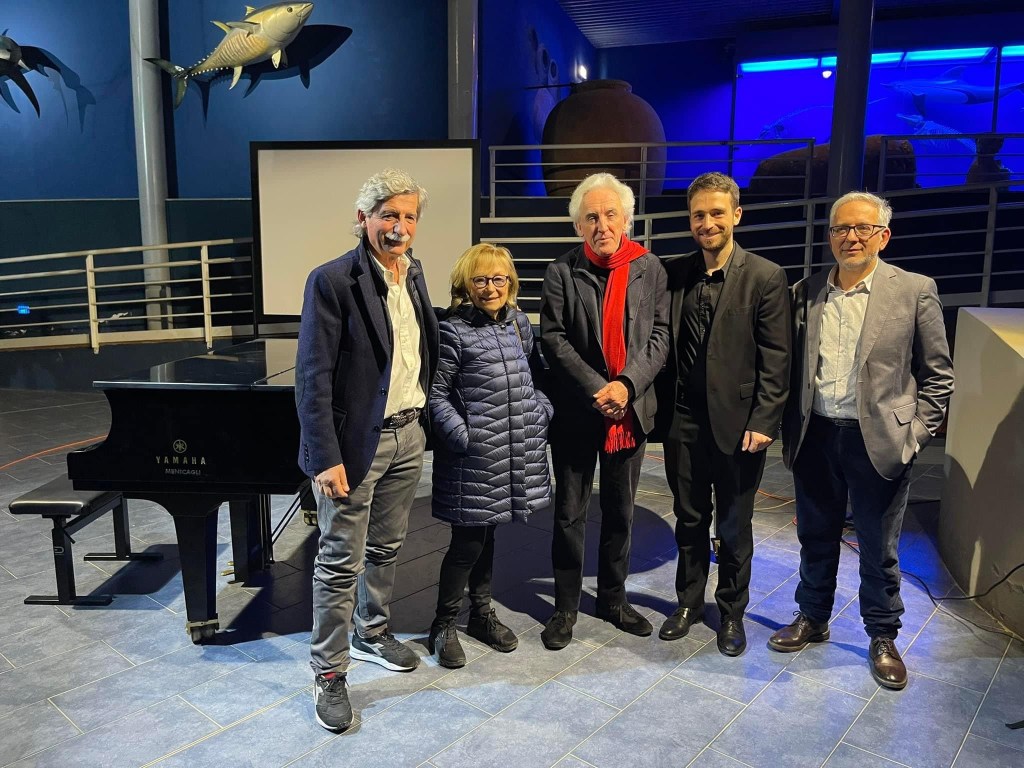
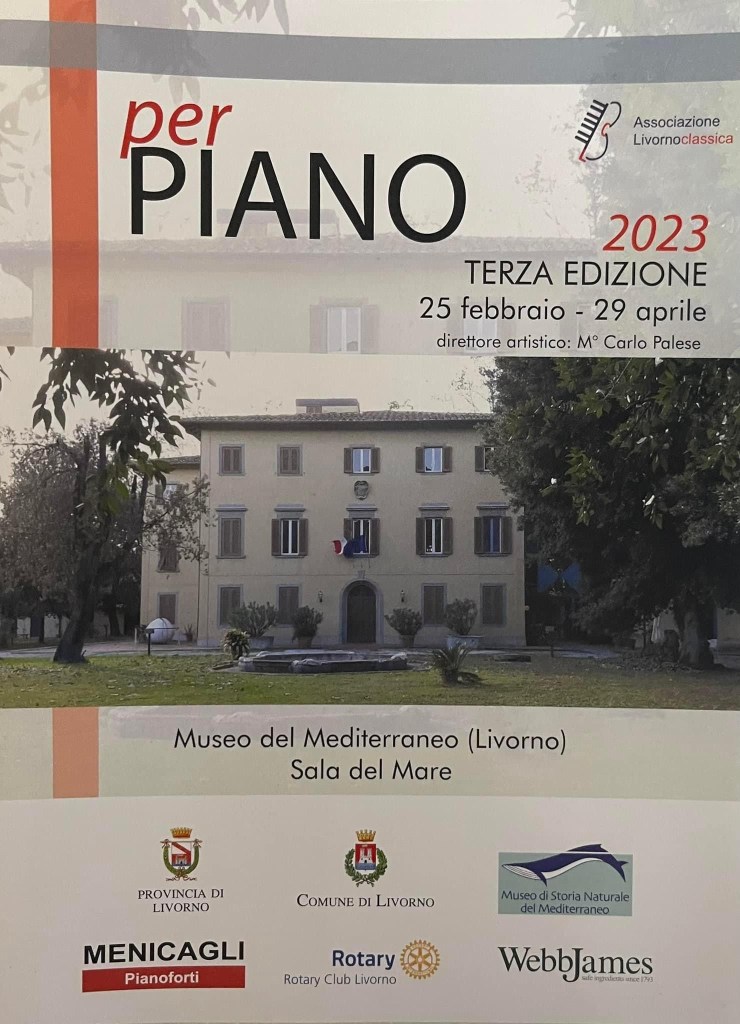
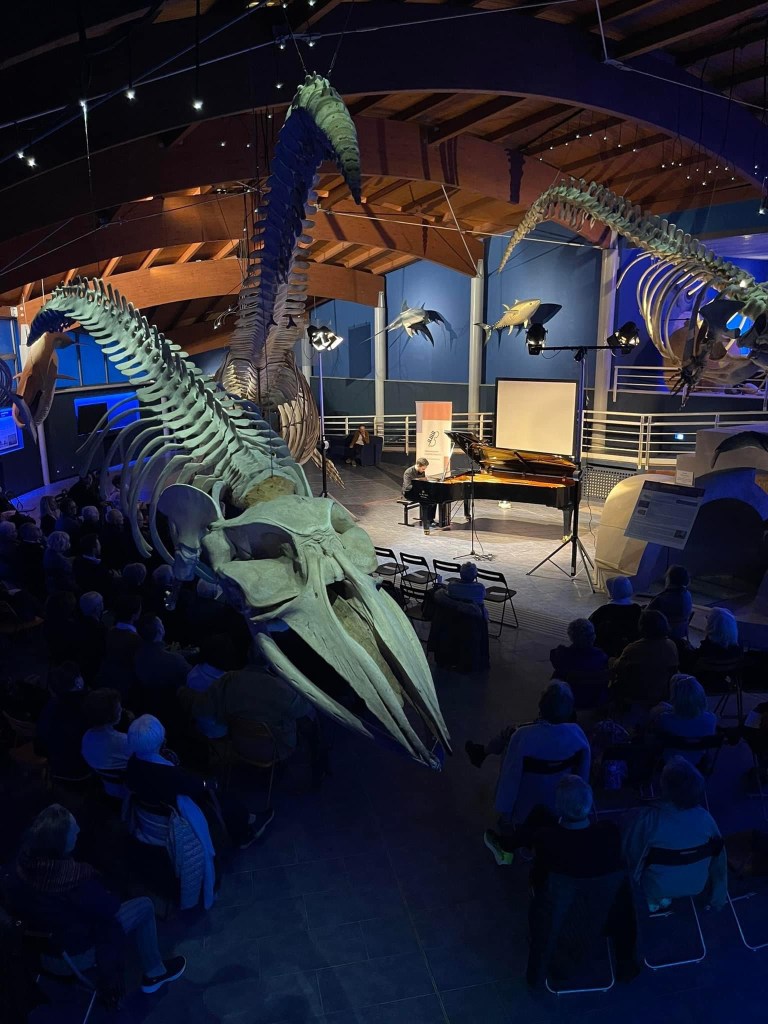
A quite extraordinary concert venue in Livorno in Carlo Palese’s per PIANO series .A new partnership with the Keyboard Trust brought Simone Tavoni to give a recital under the wings of flying dinosaurs – ‘on wings of song’ one might say!The beasts fished locally in the sand and now suspended from the ceiling for all to see in the splendid Museum of the Mediterranean.


A recital of Beethoven,Clementi,Schubert and Brahms but with encores that included an improvisation based on the local waves followed by a Mendelssohn song without words- the beautifully simple 33rd.
Simone swore that he could hear some movement above his head as he played but fortunately it only seemed to add to the poetic performances that were being enticed out of the magnificent concert grand placed at their feet!


Beethoven’s early variations on an original theme were played with all the chameleonic character that created such turmoil in Beethoven’s turbulent early life.
From the beauty and simplicity of the theme through the rhythmic energy and characterisation of the variations and the brilliance and virtuosity of the ending before the gentle return to the opening beauty and simplicity.Played by Simone with great authority and technical command together with a poetic sensibility that brought these neglected variations vividly to life.
There was great drama and weight to the opening of Clementi’s Sonata op 50 n.1 .An important work of Beethovenian proportions but with a digital brilliance for which Clementi was a renowned advocate,as every pianist knows from his collection of studies ‘Gradus as Parnassum’.It was played with brilliance and virtuosity but also an architectural shape that made one wonder why it is not more often heard in the concert hall.
A slow movement with the deeply profound long sustained melodic lines played with a chiselled cantabile of great beauty.The last movement had a dance like rhythmic drive and buoyancy and was played with passionate commitment.


A short break allowed Carlo Palese to give a brief historic guide to the Schubert and Brahms that was to follow.
It was in the Schubert and Brahms that the resonance of the hall gave great weight and poignancy to the long melodic lines and orchestral sounds that were allowed to vibrate around this cavernous animal farm.
The dramatic Beethovenian opening of the first impromptu op 142 contrasted so well as it dissolved into the sublime beauty of the central episode.The question and answer over a gently moving accompaniment was beautifully realised with Simone giving all the time necessary for the music to speak with such moving eloquence.
The second Impromptu was allowed to unfold even more generously with simplicity and luminosity.The waves of sound in the central episode were greatly helped by the resonance of the hall.
Brahms Intermezzo op 118 n 2 was played with an aristocratic simplicity that allowed the music to unfold so naturally.
The Two Rhapsodies op 79 were given performances of great orchestral colour dissolving into melodic lines of sumptuous beauty.Helped by the resonant accoustic Simone produced rich sounds of great fluidity and heroic drive.

They brought this short recital to a brilliant conclusion to which Simone created his own waves and ‘wings of song’ where words were superfluous when his playing could speak so much more eloquently and poetically under the dinosaurs wings.

The three Sonatas of Op 50 by Clementi are dedicated to his fellow Italian who had made a splendid career in Paris, Luigi Cherubini.There is good reason to believe, however, that Clementi had composed much of this music years earlier, and had intended it as the second instalment of Op 40. Perhaps some unfavourable reviews of his music around 1800 contributed to a certain caution about publishing his work; a notice in a Leipzig journal from 1807 refers to several major new compositions of his which Clementi ‘is determined not to release to the public until he has satisfied himself that they are perfect’.

The first sonata of Op 50, in A major, has an opening movement with something of the transparent texture and lyrical melody that Clementi seemed to associate with this key, as in his Sonata Op 33 No 1, and even as far back as Op 2 No 4. For a slow movement Clementi writes a rather leisurely two-voice canon flanked by two statements of a lugubrious, harmonically potent Adagio sostenuto e patetico that anticipates the subject of the canon in its middle section. The finale, a spritely Allegro vivace, mixes traditional harmonies with the distinctly nineteenth-century sound of the expanded upper range of the piano.

Schubert’s Impromptus are a series of eight pieces for solo piano composed in 1827. They were published in two sets of four : the first two pieces in the first set were published in the composer’s lifetime as Op. 90; the second set was published posthumously as Op. 142 in 1839 (with a dedication added by the publisher to Franz Liszt)

The Six Pieces for Piano, Op. 118, are some of the most beloved compositions that Brahms 8wrote for solo piano. Completed in 1893 and dedicated to Clara Schumann,the collection is the penultimate composition published during Brahms’ lifetime. It is also his penultimate work composed for piano solo. Consistent with Brahms’s other late keyboard works, Op. 118 is more introspective than his earlier piano pieces, which tend to be more virtuosic in character.

The Rhapsodies, Op. 79, for piano were written by Brahms in 1879 during his summer stay in Portschach,when he had reached the maturity of his career. They were inscribed to his friend, the musician and composer Elisabeth von Herzogenberg.At the suggestion of the dedicatee, Brahms reluctantly renamed the sophisticated compositions from “Klavierstücke” (piano pieces) to “rhapsodies “

Dr Tavoni Maestro Carlo Palese and Simone Tavoni
Doctors Tavoni ,CA ,Simone Tavoni ,Carlo Palese
I was sorry to miss Michelle a student of Carlo Palese since the age of eleven and now flying high under Dmitri Alexeev .This is a review of a similar concert that she gave last month in Velletri https://christopheraxworthymusiccommentary.com/2023/02/24/michelle-candotti-a-lioness-let-loose-in-velletri-ignites-liszts-piano/
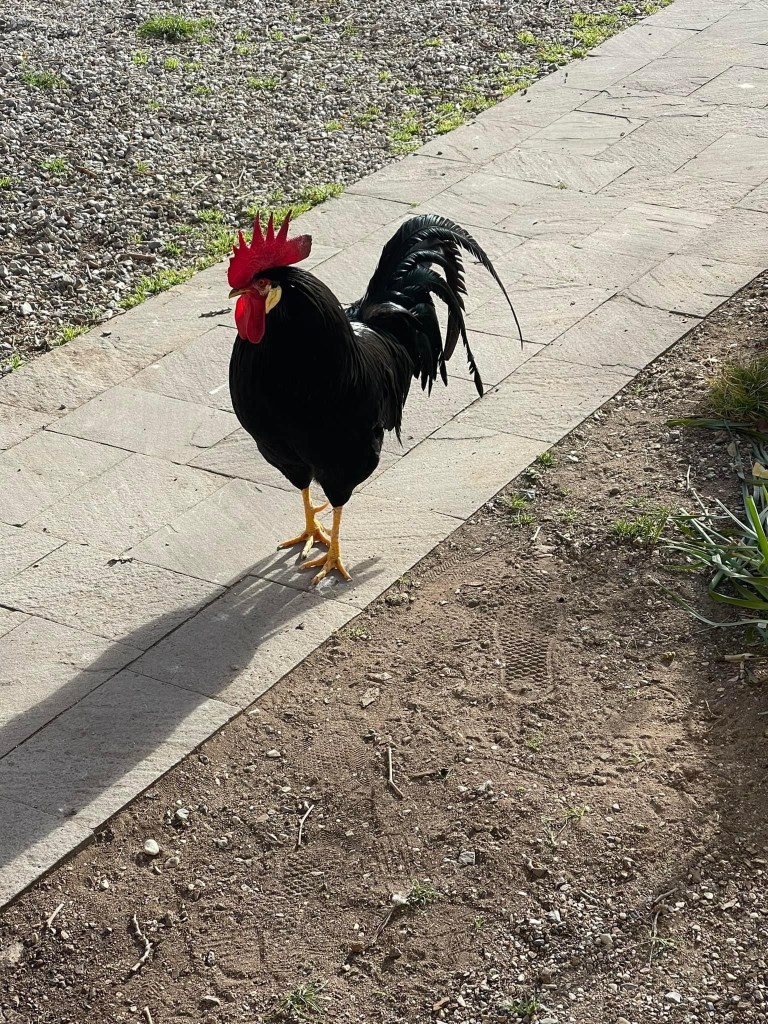
A living breathing and very beautiful animal roaming around the botanical garden that surrounds the museum
This one frozen for posterity
The story behind finding the fossil in the sand locally
Even the train station in Livorno is of another age
Looking ever more like a set for a Walt Disney film …….just hope Lang Lang doesn’t find out about this one!

https://christopheraxworthymusiccommentary.com/2023/01/28/simone-tavoni-in-viterbo-a-recital-of-poetic-sensitivity-and-intelligence/

Shunta Morimoto takes London by storm ‘I have a dream’ a poet speaks through music

Shunta Morimoto – A colossus bestrides Villa Aldobrandini as it had when Liszt was in residence – complete review with Tokyo link to Schumann op 13

Shunta Morimoto made his London orchestral debut with the Royal Philharmonic Orchestra as his prize for winning the Hastings International Piano Competition.A competition that has grown in stature in it’s fifty year or so existence that thanks to Vanessa Latarche and her team have turned a bauble into a gem.A competition that draws great young talent worldwide to compete for a chance to play with the historic Royal Philharmonic Orchestra.

Last year a seventeen year old Japanese boy swept the board winning a unanimous vote from the audience and jury even though competing against prodigiously talented young colleagues.One of the jury members ,Stanislav Ioudenitch,winner of the Van Cliburn Competition in 2001,exclaimed that Shunta was the most talented young musician he had ever come across.Shunta’s appearance at the 2019 young Cliburn competition was noted when his you tube performances at such a young age went viral on internet platforms.His you tube performance of Rachmaninov Third Piano Concerto in Tokyo at the age of 15 created a similar sensation.Luckily this now teenage prodigy encountered William Grant Naboré who was giving classes in Japan and he agreed to take Shunta under his wing.He has been supervising his prodigious talent at his home in Rome where Shunta is also enrolled at the S.Cecilia Conservatory.

William Naboré and Shunta with Vanessa Latarche and Sofya Gulyak

William Grant Naboré thoughts and afterthoughts of a great teacher

Naboré,founder of the International Piano Academy in Lake Como insists that a young musician should learn as much repertoire as possible at a very early age.Repertoire that should consist mainly of the great classics of the piano repertoire in order to expand horizons and goals.It would have been so easy for Shunta to do the rounds playing Rachmaninov Third Concerto and Liszt Venezia e Napoli and to be feted by a world hungry to see a note spinning wizz kid.It was Rachmaninov who told the child prodigy Shura Cherkassky that he would only consider teaching him if he gave up all public performances in order to study calmly and in depth without a public deadline looming up on the horizon.Hoffman on the other hand was very happy to teach the young Shura and allow him to be exploited as a ‘wunderkind’as he himself had been.Of course Shura’s parents would have been aghast at the thought of not being able to promote this child as a prodigy – Shura had even discovered at the end of his life on his return home to Odessa when he was in his eighties ,that they had taken two years off his birth date.

William Naboré with Vanessa Latarche the artistic director of the Hastings and Sofya Gulyak winner of the 2009 Leeds

It was on Naboré’s insistence the reason that Shunta won the first prize in Hastings not playing Rachmaninov or Liszt but presenting the Schumann Piano Concerto.A concerto full of poetry and beauty where a real understanding of the deep inner meaning within the notes and a sense of style and architectural shape are fundamental to a meaningful interpretation.It was this the reasoning, too,behind making his orchestral debut with Beethoven’s most poetic and pastoral Fourth concerto rather than the imperious and more spectacular Emperor.Shunta will though be playing Liszt’s First Concerto with the RPO in May.So all work and no play ……..as the saying goes and Shunta certainly knows how to play.In the meantime he has acquired a maturity way above his eighteen years.Added to a technical mastery and an inquisitive searching musicality it led to one of the most extraordinary performances of Beethoven’s most poetic concerto that I have heard.

From the opening chords it was obvious that we were going to hear something very special.Five bars in which one can immediately appreciate the musicianship and the ability to control sound and colour and which show the pedigree of a true interpreter.It was indeed a trial of fire for a young pianist making his much vaunted debut with a world famous orchestra that was just waiting to reply to his opening golden gauntlet.Shunta chose the ideal tempo that was to colour the whole movement but also a subtlety of phrasing that managed to capture the spirit of improvisation that was obviously Beethoven’s intent.The magical dovetailing of the final three notes were thrown off with the same aristocratic ease that I remember of Rubinstein.

Many of the photos were taken during the rehearsal

The tempo was immediately picked up by the twenty six year old Adam Hickox whose fluidity and beauty of movements were mirrored by Shunta’s natural ease and intense concentration.Infact throughout the performance it was a joy to see them looking at each other as in a real chamber music ensemble with one inspiring the other on a musical voyage of discovery of which we were privileged eavesdroppers.Shunta’s seemless runs were like streaks of silver blossoming into trills that were mere vibrations of ravishing beauty.Dynamic drive was contrasted with the same artistocratic timeless melodic outpouring which Beethoven surprisingly marks pianissimo and espressivo.But this was a pianissimo of real weight that carried the golden sounds above the orchestra to the back of the hall.A magic trick of balance and relaxed weight.It is like an actor that has a diaphragm that can project the words “I love you’ with the same intensity to those in the front row of the theatre as those in the ‘Gods’.It is a technical mastery allied to the supreme artistry of only the greatest of interpreters.There was such playfulness as he accompanied the duet between the bassoon and the clarinet commenting with glistening cascades of notes gently tumbling downwards only to be regenerated.There was magic in the air as he accompanied the orchestra leading to the violence of sforzandi that Shunta was not afraid to chisel with brilliance and dynamic rhythmic energy.Leading to the long held trills that dissolved into a moment of sublime inspiration that Beethoven marks dolce e con espressione.Beethoven’s sublime inspiration was also Shunta’s in a moment where time seemed to stand still.Playing the long cadenza of the two that Beethoven had written out – they were most probably improvised by the composer and written down only afterwards.Shunta managed to convey this improvisary maze searching for a way out.The great bass octaves of the opening rhythmic pattern were given a desolate beseeching cry that led to a long golden belcanto embellishment that Shunta played with improvised freedom.Unwinding into the trill where the orchestra enters in what must be the most magical unwinding of a cadenza of all time.A moment of pure magic- Beethoven’s but aided by Shunta and Adam and the superb musicians of the RPO.

Talking to Shunta after the performance he could not understand why he did not feel he had found the same inspiration as in the dress rehearsal in the Andante con moto second movement.It was certainly not evident to the public or the orchestral musicians as Shunta barely stroked the keys in reply to their insistent rhythmic assertions.He held us all in his spell until the tumultuous long trill over which there is a questioning and answering of unexpected violence.It was this passage that Martha Argerich remembered from her childhood ,of hearing a performance by Arrau of such towering authority that she never attempted to play this concerto herself.Shunta played it with force and dynamism,never harsh or ungrateful but of overpowering energy and effect.It dissolved into the final whispered cadence where Shunta’s perfect ability to project the most delicate of sounds created an atmosphere that only the whispered energy of the Rondo could interrupt.A final note that Shunta was able to allow to shine like the jewel in the crown it truly is .A Rondo of great freedom and charm with Beethoven’s startling bursts of energy magnificently realised by Shunta and the orchestra.Interrupted by the ‘short’ cadenza that Beethoven himself penned that was played with a dry rhythmic drive that opened the gates to the final bars of this masterpiece.Final bars played with delicacy and eloquence mixed with driving rhythmic fury.

By great demand Shunta was invited by the orchestra and conductor to play an encore.No lollipops or teasing crowd pleasers but a deeply meditative Intermezzo op 116 by Brahms that surprisingly for us all turned into a scintillating Sarabande by Rameau.An ornamentation of well oiled springs that would have made even Sokolov proud.

Two for the price of one and is typical of this voyage of continual discovery .The exhilaration of sharing his euphoric discovery and love of music with us.It is a sign of the joy he will continue to share so generously with a world that awaits in a long and prosperous career.

Beethoven’s fourth piano Concerto op 58 was composed in 1805–1806 and was premiered in March 1807 at a private concert of the home of Prince Franz Joseph von Lobkowitz.The Coriolan Overture and the Fourth Symphony were premiered in that same concert.However, the public premiere was not until a concert on the 22 December 1808 at Vienna’s Theater an der Wien .Beethoven again took the stage as soloist. The marathon concert saw Beethoven’s last appearance as a soloist with orchestra, as well as the premieres of the Choral Fantasy and the Fifth and Sixth symphonies.Beethoven dedicated the concerto to his friend, student, and patron, the Archduke Rudolph

A review in the May 1809 edition of the Allgemeine musikalische Zeitung states that ” this concerto is the most admirable, singular, artistic and complex Beethoven concerto ever”.However, after its first performance, the piece was neglected until 1836, when it was revived by Felix Mendelssohn.

Shunta Morimoto a star shining brightly
Shunta with Sofya Gulyak and Gabriele Strata who had played in this hall a few moths ago as star student of the Guildhall. https://christopheraxworthymusiccommentary.com/2023/03/02/gabriele-strata-in-siena-micat-in-vertice-100-a-poet-speaks/

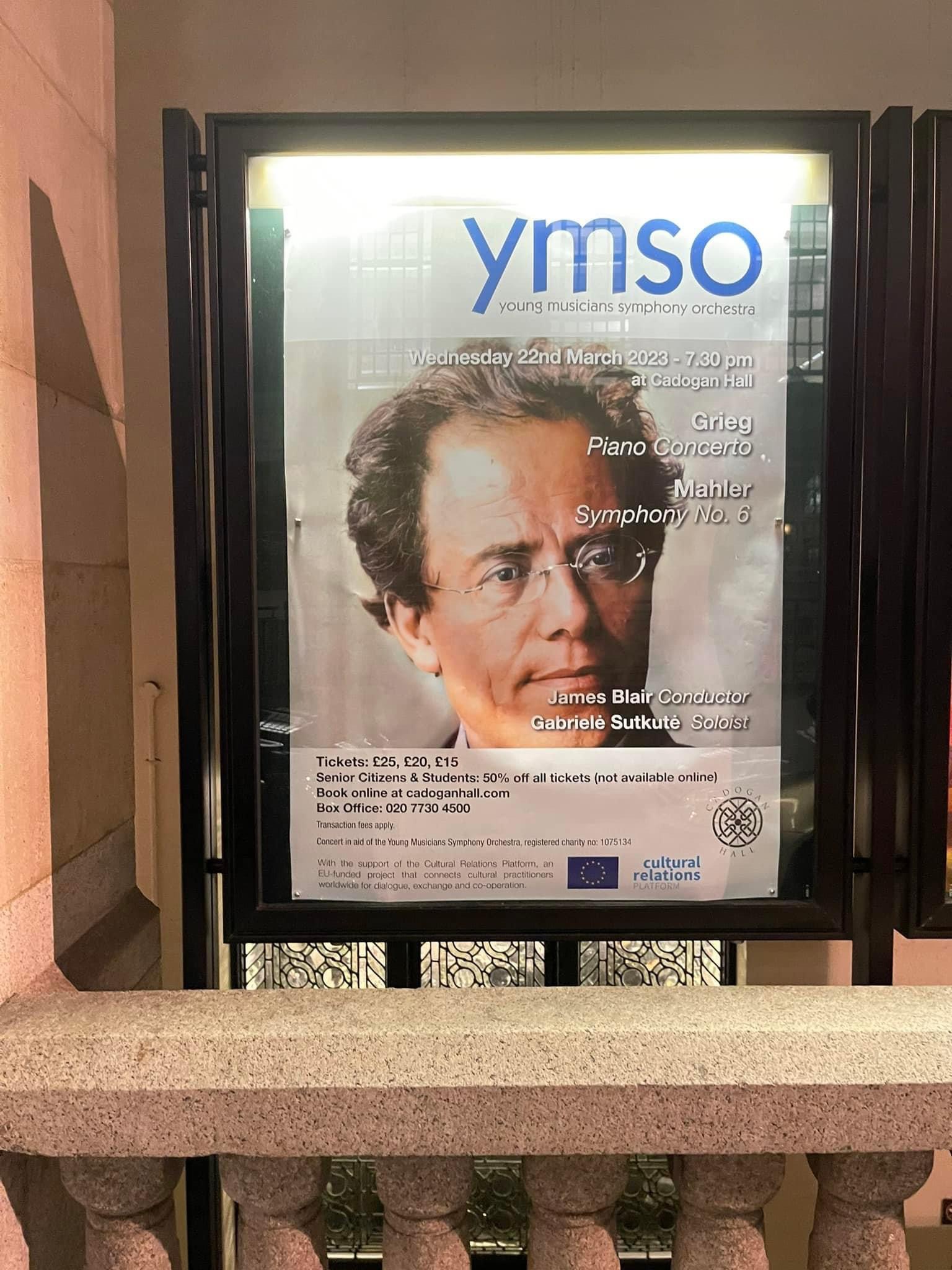
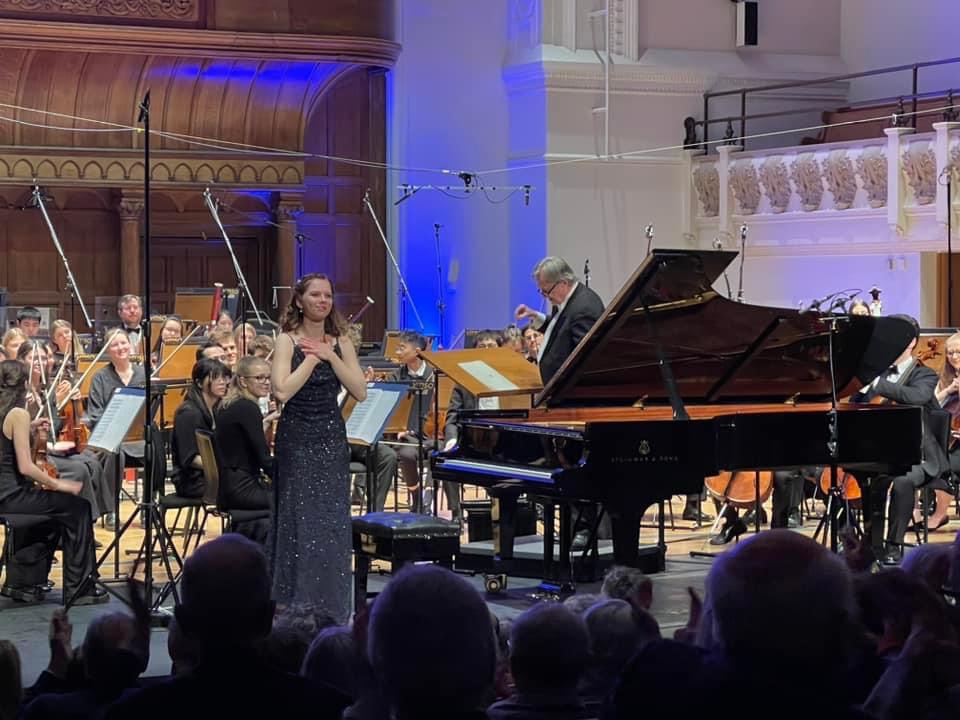
Gabrielé Sutkuté plays Grieg with the YMSO under James Blair at Cadogan Hall

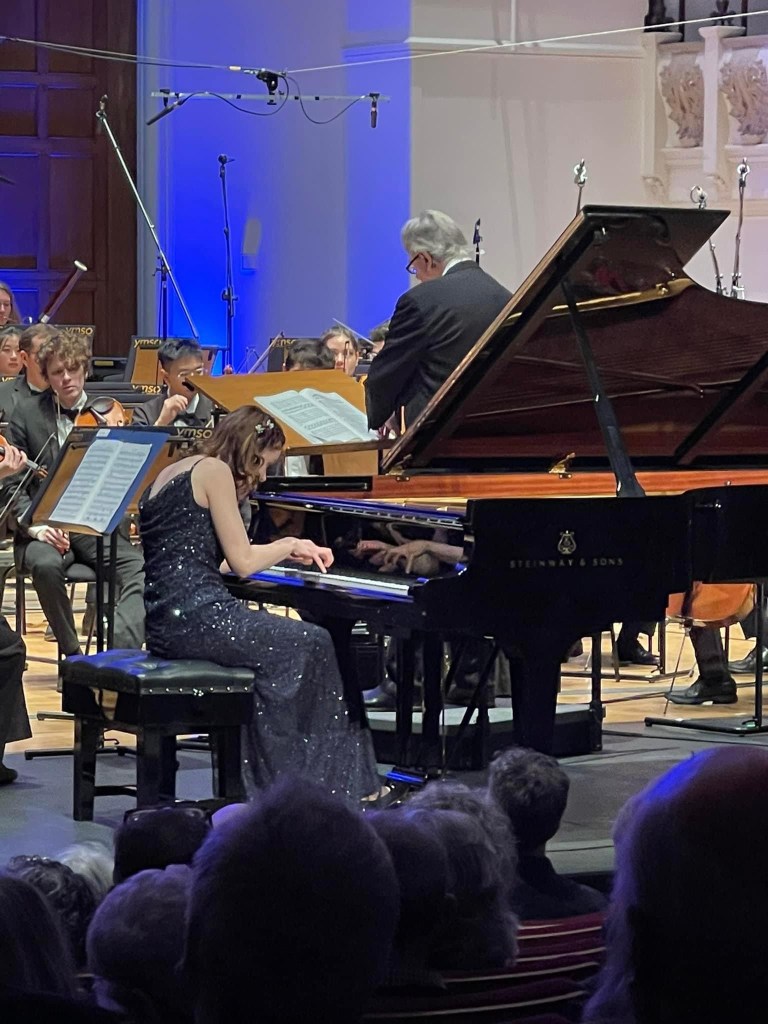
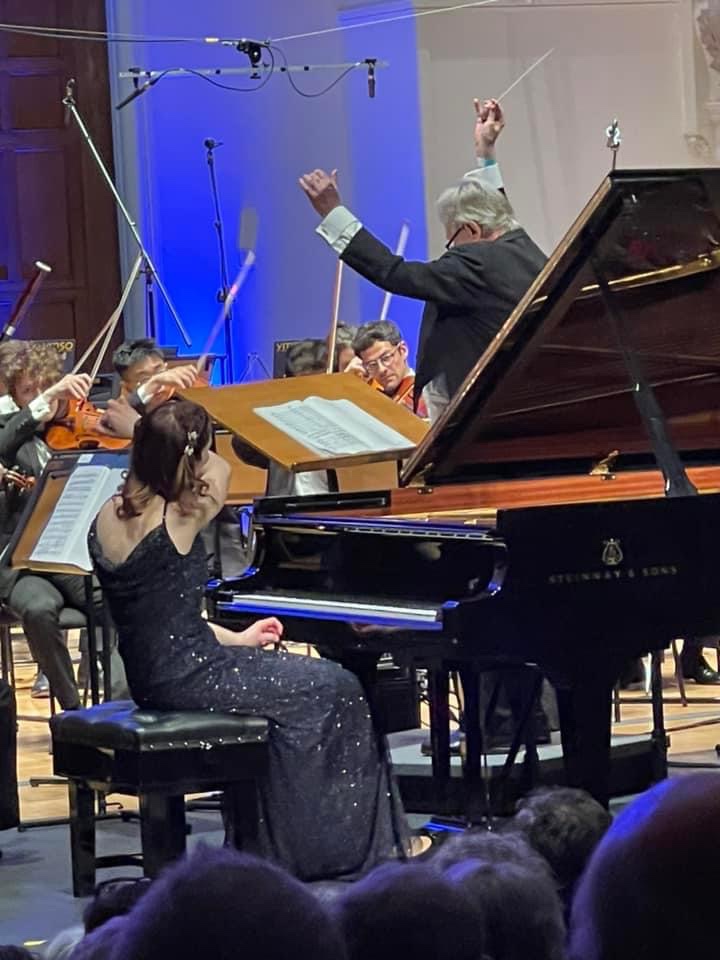
A superb Grieg Piano Concerto from Gabrielé Sutkuté with the YMSO under their genial artistic director James Blair.
From the very first famous declaration of intent Gabrielé played with great authority and dynamic drive.
It gave new life to this much loved warhorse as this young Lithuanian looked afresh at the score and imbued it with the same crystalline purity that had secured her recently the top award at the Royal College of Music.


It was in the cadenza that she really took charge as she attacked the great climax like the tiger she can be.But before that she had created a magic atmosphere as she floated the melodic line on a wave of sound that she had created by her sumptuously played arpeggiandi.
If the slow movement was not quite chiselled enough to soar above the sumptuous orchestral sounds it was because she loved it so much that she wanted to integrate totally with her superb young companions.


The final movement was played with wild abandon and a coda at breathtaking speed.
The final glorious outpouring of melodic sounds from the orchestra allowed her to soar across the keyboard with cascades of notes with fearless virtuosity and abandon.
She even had the strength to roar like a Lion in the final triumphant declamation that Grieg had reserved for the piano in his one and only concerto much admired by Liszt.


Many of Gabrielé illustrious colleagues and teachers had come to applaud her and witness the triumphant success that she had truly earned.

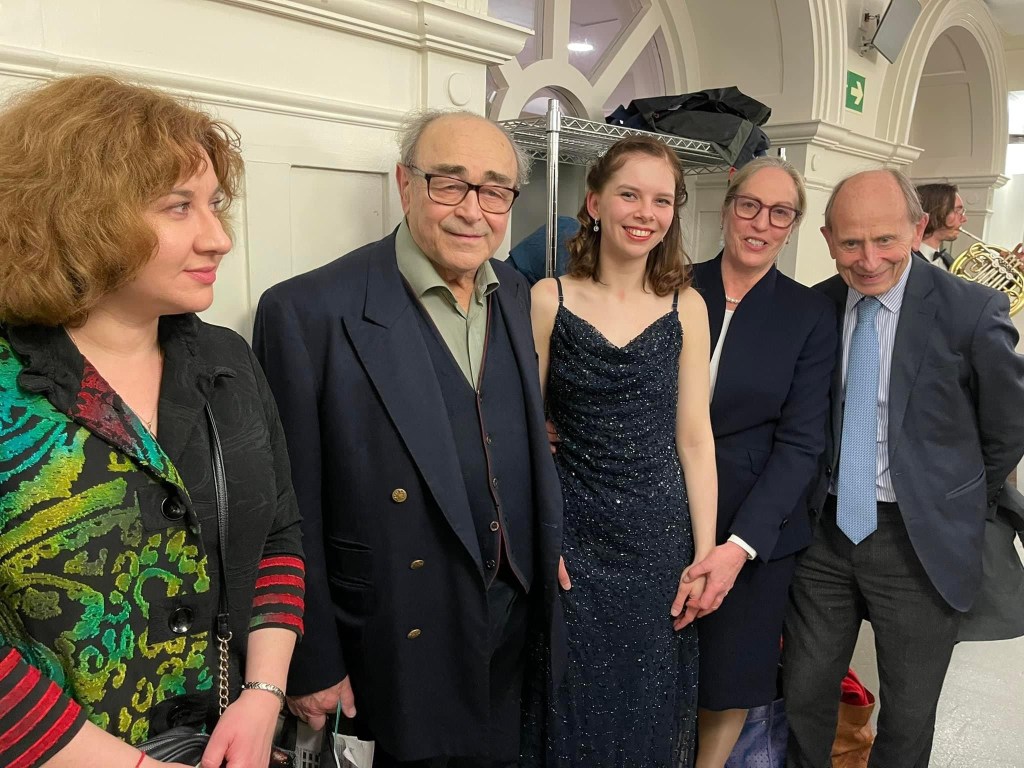
Gabrielé with Sofya Gulyak and Vanessa Latarche (her actual teachers at the RCM) and Christopher Elton (with whom she studied for six years at the RAM.) Gabrielé had also taken part in Alberto Portugheis (centre left) historic masterclasses at Steinway Hall recently.

The Piano Concerto in A minor, Op. 16 was composed by Edvard Grieg in 1868, was the only concerto Grieg completed and is one of his most popular works.The work is among Grieg’s earliest important works, written by the 24-year-old composer in 1868 in Sollerod ,Denmark, during one of his visits there to benefit from the climate.The work was premiered by Edmund Neupert on 3 April 1869, in Copenhagen, with Holger Simon Paulli conducting. Some sources say that Grieg himself, an excellent pianist, was the intended soloist, but he was unable to attend the premiere owing to commitments with an orchestra in Christiania (Oslo).Among those who did attend the premiere were the Danish composer Niels Gade and the Russian pianist Anton Rubinstein who provided his piano for the occasion.The Norwegian premiere in Christiania followed on August 7, 1869, and the piece was later heard in Germany in 1872 and England in 1874. At Grieg’s visit to Franz Liszt in Rome in 1870, Liszt played the notes at sight before an audience of musicians and gave very good comments on Grieg’s work which would later influence him.The concerto is the first piano concerto ever recorded—by pianist Wilhelm Backhaus in 1909. Due to the technology of the time, it was heavily abridged and ran only six minutes.On April 2, 1951, the Russian-born American pianist Simon Barere collapsed while playing the first few bars of the concerto, in a performance with conductor Eugene Ormandy and the Philadelphia Orchestra at Carnegie Hall in New York.He died backstage shortly afterwards.It was to have been Barere’s first performance of the work.


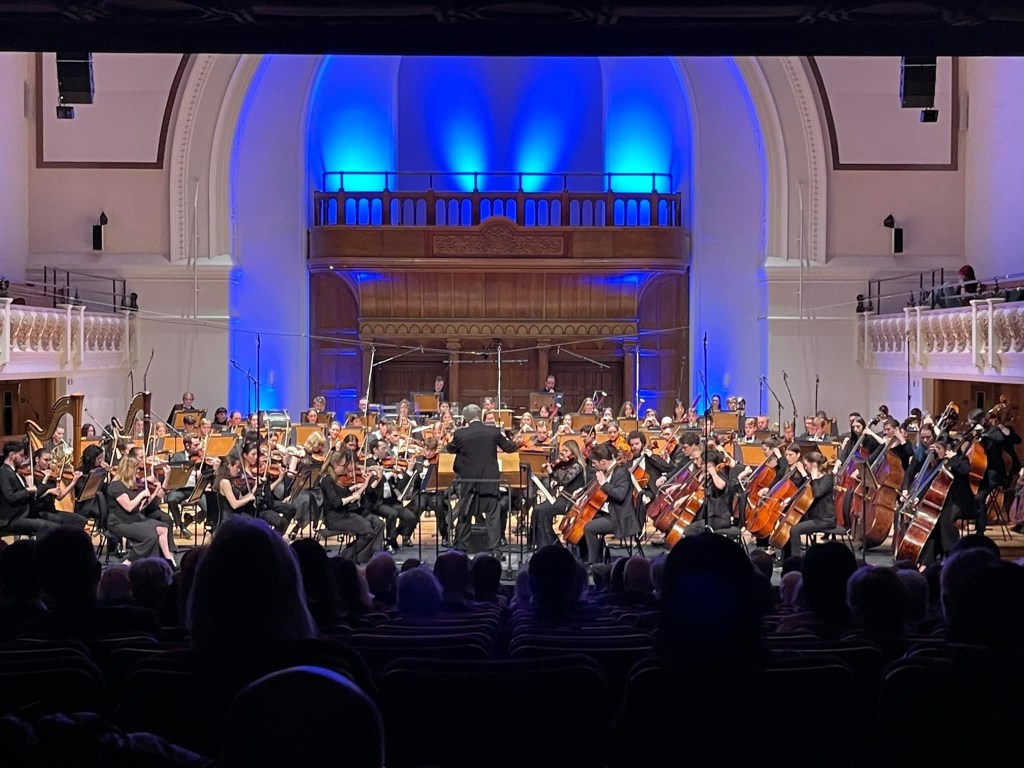
Gabrielé joined the audience after the interval to witness a superb performance of Mahler’s mighty Sixth Symphony.The piano had disappeared to accommodate the vast forces in this work of evil machinations contrasted with moments of sumptuous radiance.It was conducted with great conviction and subtlety as the young forces played their hearts out in a truly mesmerising performance.The monumental first movement is the true heart of this work with it’s brooding insistence and military style attack (we had used it with devastating effect in Rome for the sound track on stage of “Mourning becomes Electra’ by Eugene O’Neil.The Andante moderato was played with sumptuous sound from the strings with a flexibility of great subtlety and ravishing beauty.

A production of the Teatro Ghione in Rome with music from the Mahler Sixth Symphony
The chairman Roger Bramble exclaiming his satisfaction with the sumptuous performance of the Grieg Concerto and pointing out that Gabrielé ,who received another round of applause ,was now in the audience to enjoy the more difficult choice of repertoire of Mahler’s mighty Sixth Symphony.
Not the forty five minutes outlined, in his charming speech,but more like eighty.
A wonderful choice for these young musicians to learn from the experience and superb musicianship of James Blair ,what it means to pace and shape such a noble work.
The chairman also pointed out that this reality of the YMSO ,that has given so much to so many aspiring young musicians over the years ,is reliant on the generosity of its patrons and in particular an EU funded project that connects culture practitioners worldwide for dialogue ,exchange and co-operation.
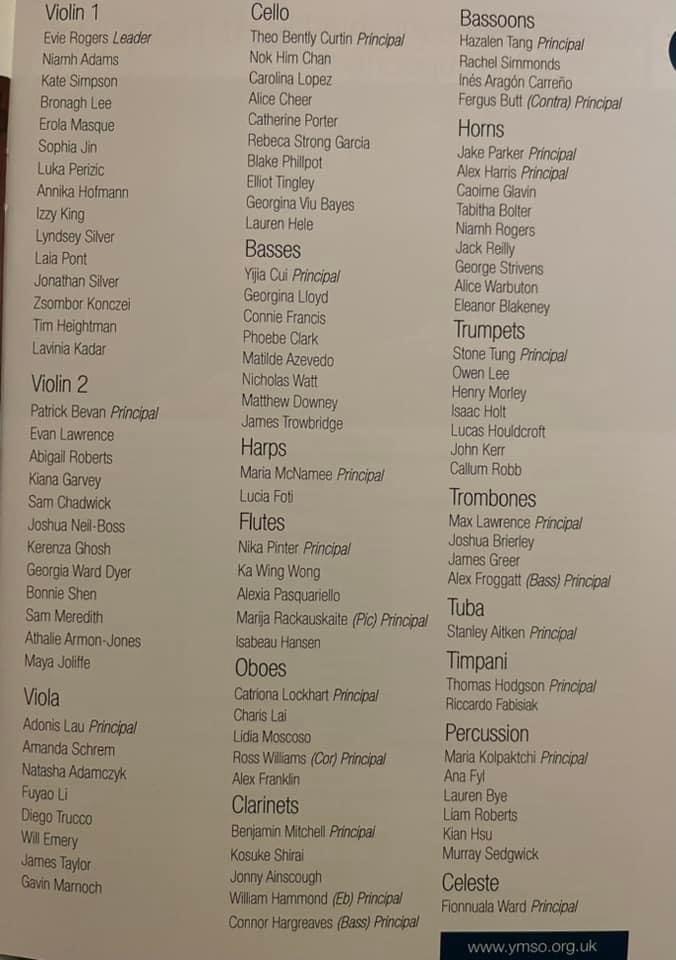
A superb orchestra galvanised into one by its artistic director with it’s youthful passion allied to superbly trained young musicians at the beginning of a professional career in music .
Sections of the orchestra singled out by James Blair
With Sofya Gulyak (Gold Medal winner at Leeds ) who with Vanessa Latarche (Head of Keyboard Studies at the RCM) Gabrielé is receiving invaluable advice and help

Gabriele Sutkuté at St Marys Refined musicianship and artistry

A sincere thank you to Vanessa Latarche and her husband for the support and help she is receiving in her final years of study at the RCM
Alim Baesembayev (left) ,actual Gold medal holder at Leeds and Aleksander Doronin (centre) two more stars from the RCM
https://christopheraxworthymusiccommentary.com/2023/03/15/alim-beisembayev-the-poetic-vision-of-a-great-artist/
https://christopheraxworthymusiccommentary.com/2023/03/09/alexander-doronin-at-steinways-for-the-keyboard-trust/
With her parents flown in especially from Lithuania for Gabriele’s London debut

A previous concert in the YMSO series giving a platform to star soloists as well as giving invaluable experience to orchestral musicians https://christopheraxworthymusiccommentary.com/2022/10/13/misha-kaploukhii-plays-rachmaninov-beauty-and-youthfulness-triumph/

Maxim Kinasov ‘New Faces’recital in Perivale on the 12th March 2023

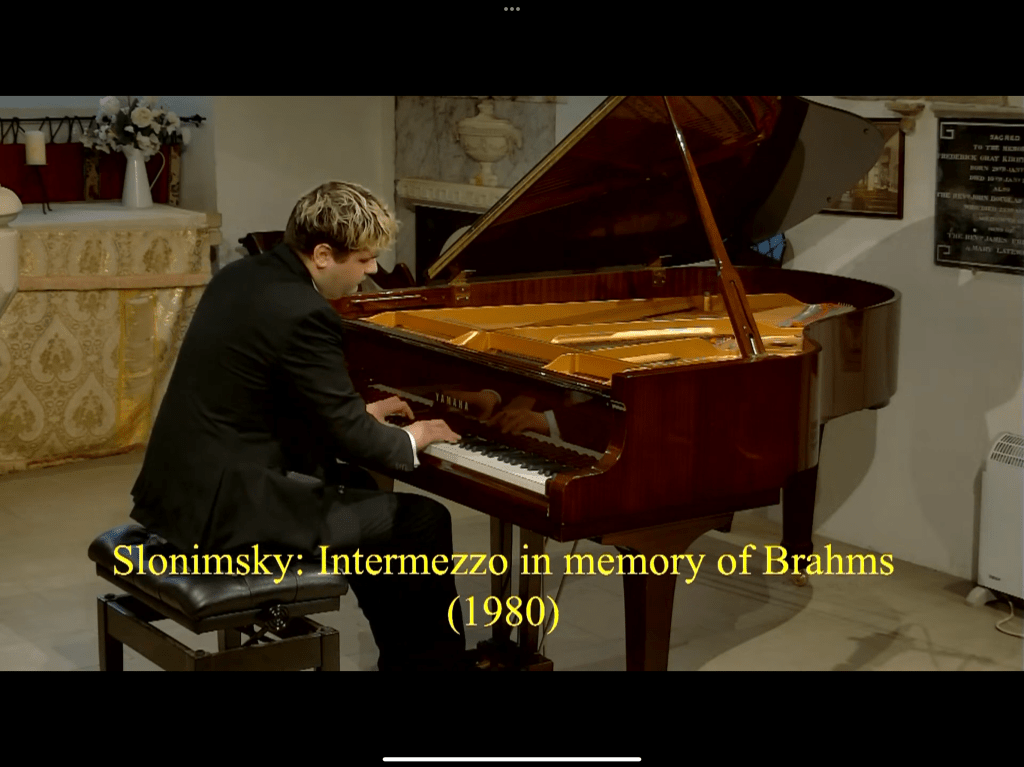
Maxim Kinasov came on stage and threw himself into the keyboard with the same animal like ferocity that I have not seen since Richter.Infact it reminded me so much of Richter to see this young man so enveloped in the sounds that he was producing.Pulling,punching caressing the most wondrous rich sounds out of the piano.An Intermezzo dedicated to Brahms by Slonimsky opened his programme of dedications – to Brahms,Paganini,Bach and finally to the oppression of World War Two with Prokofiev’s 7th Sonata ,one of the Trilogy of War Sonatas.

Max writes that I got the wrong Slonimsky,Nicolas instead of Sergei and i am glad too be corrected and to learn even more about this remarkable family https://en.m.wikipedia.org/wiki/Sergei_Slonimsky

From the very first notes Maxim’s fingers were like limpets on the keys .His whole body was engaged in the music that was being reproduced in a voyage of discovery that was quite hypnotic and mesmerising.An outpouring lament of sumptuous sounds .A deep yearning as the variations unfolded ,a kaleidoscope of colour with trills gleaming like jewels .There was an animal like urgency of cascades of notes ending in a silence of such aching poignancy.Like an animal let loose on the keys with that same hypnotic ferocity of Richter and the same total mastery.A ferocious passion that swept all before it.

From the opening theme of Paganini it was obvious that we were in for an exhilarating performance of Brahms’s notoriously difficult variations.The beautifully shaped theme led to variations of such differing character all played with a continuous driving forward movement .Even the beautiful second ‘poco animato’ was on a great wave carrying all with it on its long voyage.There was charm too in the eighth variation that contrasted with the overpowering force of the ninth and tenth.There was ravishing beauty in the poco Andante before the tumultuous whirlwind of the final Presto.What grandeur at the end!I doubt this piano has ever sounded so ‘grand’ as in the velvet gloved hands of this giant of a pianist.

The Bach/Siloti Prelude in B minor was played with a simplicity and a magical sense of colour but there was also a certain solidity to the sound that gave it an austere reverent importance.

The Prokofiev Sonata unleashed the same unconventional ferocity that I remember from its dedicatee Sviatoslav Richter when he played it in London in 1971.I was a student in my final years at the Royal Academy and i remember being overwhelmed by a force of nature that broke all the conventional rules that had been imbued in me in that noble institution.I remember my wife thinking she had made a mistake in an acting exam and being told by a great Italian artist:’But there are no rules just convince me.’And my God Richter certainly did that as Maxim did today too.From the very first call to arms of ferocity and clarity.Through the sumptuous beauty of the Andante with it’s swirling visions of desolation in a hoped for paradise.The final brutality of the Precipitato with a driving intensity that swept Maxim on to impossible heights where the rhythms kept him afloat and notes became superfluous.The hysterical excitement of the final breathtaking pages were greeted by cheers from an audience hypnotised by a truly great artist.Headed for the heights this tormented soul finds home only at the keyboard like Richter or Beethoven even!

Chapeau Maestro I am proud to be able to say that I heard you at the beginning of your illustrious career 

Maxim Kinasov is the First Prize Winner of more than 10 prestigious international piano competitions around the world, including UK ‘s 2022 Birmingham International Piano Competition and 2022 Windsor International Piano Competition, and 2019 Cantù International Piano and Orchestra Competition and 2014 Chopin Roma International Piano Competition in Italy . He also won Second Prizes in prestigious 2019 Hastings International Piano Concerto Competition ( UK ) and 2015 Gian Battista Viotti International Piano Competition ( Italy ). In 2017, he graduated with distinction from Moscow Tchaikovsky Conservatoire in the class of Sergei Dorensky and moved to the UK to study at the Royal Northern College of Music in Manchester. In 2018, Maxim won the RNCM Gold Medal and played in the Gold Medal Winners concert at Wigmore Hall in March 2019. Also, he was selected as a Kirckman Concert Society Artist for 2019-20 and played his full-length solo debut at Wigmore Hall in October 2019. He completed his International Artist Diploma degree in 2021 at the RNCM in the class of Ashley Wass . Maxim performed internationally with the most prestigious orchestras in the UK and abroad, such as the BBC Philharmonic Orchestra, Royal Philharmonic Orchestra, The Hallé, City of Birmingham Symphony Orchestra, RNCM Symphony Orchestra , Orchestra of the Teatro Carlo Felice , St Petersburg State Academic Symphony Orchestra and the European Union Chamber Orchestra .

Absolutely delighted to play my debut recital at St Mary’s Perivale “New Faces” Festival in London last Sunday.

Big thanks to Hugh Mather and Christopher Axworthy for your invitation to play in this wonderful venue!

And also thank you Christopher Axworthy for the lovely 𝗿𝗲𝘃𝗶𝗲𝘄, which you can read below:

“𝗠𝗮𝘅𝗶𝗺 𝗞𝗶𝗻𝗮𝘀𝗼𝘃 came on stage and threw himself into the keyboard with the same animal like ferocity that I have not seen since Richter. (…)

An Intermezzo dedicated to Brahms by 𝗦𝗹𝗼𝗻𝗶𝗺𝘀𝗸𝘆 opened his programme of dedications (…)
From the very first notes Maxim’s fingers were like limpets on the keys. (…) a voyage of discovery that was quite hypnotic and mesmerising. A deep yearning as the variations unfolded, a kaleidoscope of colour with trills gleaming like jewels. (…) A ferocious passion that swept all before it. (…)

From the opening theme of 𝗣𝗮𝗴𝗮𝗻𝗶𝗻𝗶 (…) we were in for an exhilarating performance of 𝗕𝗿𝗮𝗵𝗺𝘀’s notoriously difficult variations. The beautifully shaped theme led to variations of such differing character all played with a continuous driving forward movement. (…) this piano has ever sounded so ‘grand’ as in the velvet gloved hands of this giant of a pianist.

The 𝗕𝗮𝗰𝗵/𝗦𝗶𝗹𝗼𝘁𝗶 Prelude in B minor was played with a simplicity and a magical sense of colour but there was also a certain solidity to the sound that gave it an austere reverent importance. (…)

The 𝗣𝗿𝗼𝗸𝗼𝗳𝗶𝗲𝘃 Sonata unleashed the same unconventional ferocity that I remember from its dedicatee Sviatoslav Richter (…) Through the sumptuous beauty of the Andante with its swirling visions of desolation in a hoped for paradise. The hysterical excitement of the final breathtaking pages were greeted by cheers from an audience hypnotised by a truly great artist. (…)

Chapeau Maestro, I am proud to be able to say that I heard you at the beginning of your illustrious career.”

📌𝗪𝗔𝗧𝗖𝗛 𝗢𝗡 𝗬𝗢𝗨𝗧𝗨𝗕𝗘📌
⬇️⬇️⬇️⬇️⬇️⬇️⬇️⬇️⬇️
https://www.youtube.com/watch?v=6ExzhHIWqf8

Mengyang Pan – Ilya Kondratiev with Joyous music making ‘Notre amitié est invariable’

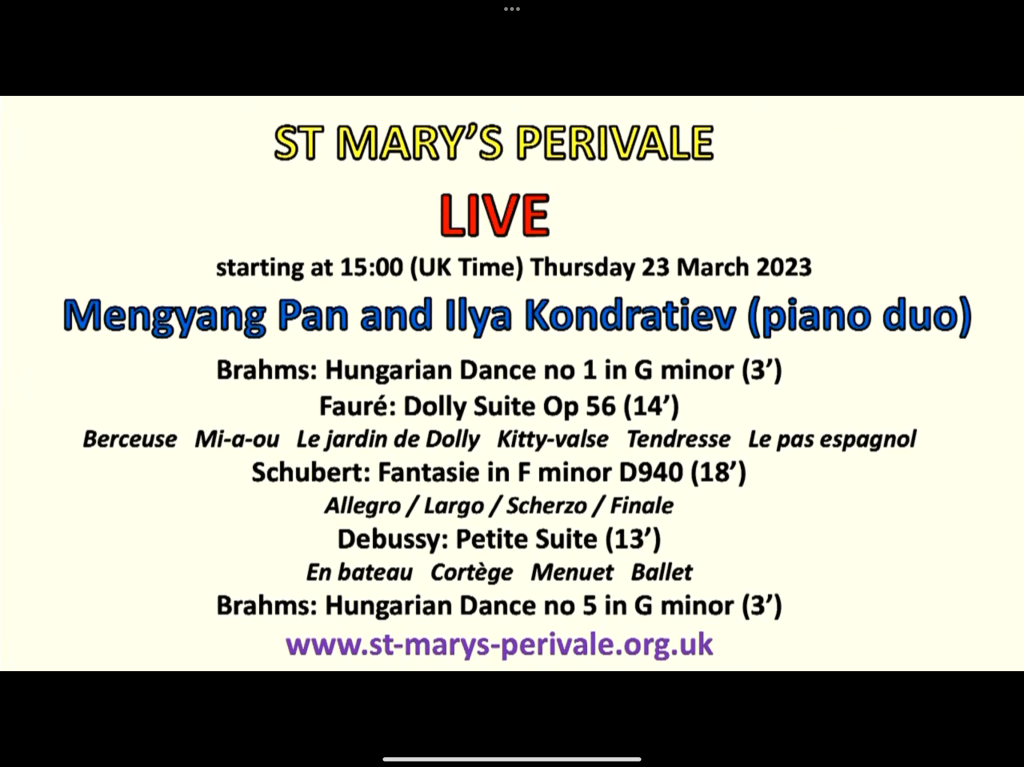
Thursday 23 March 3.00 pm 

https://youtube.com/live/KzXK9iJPN98?feature=share

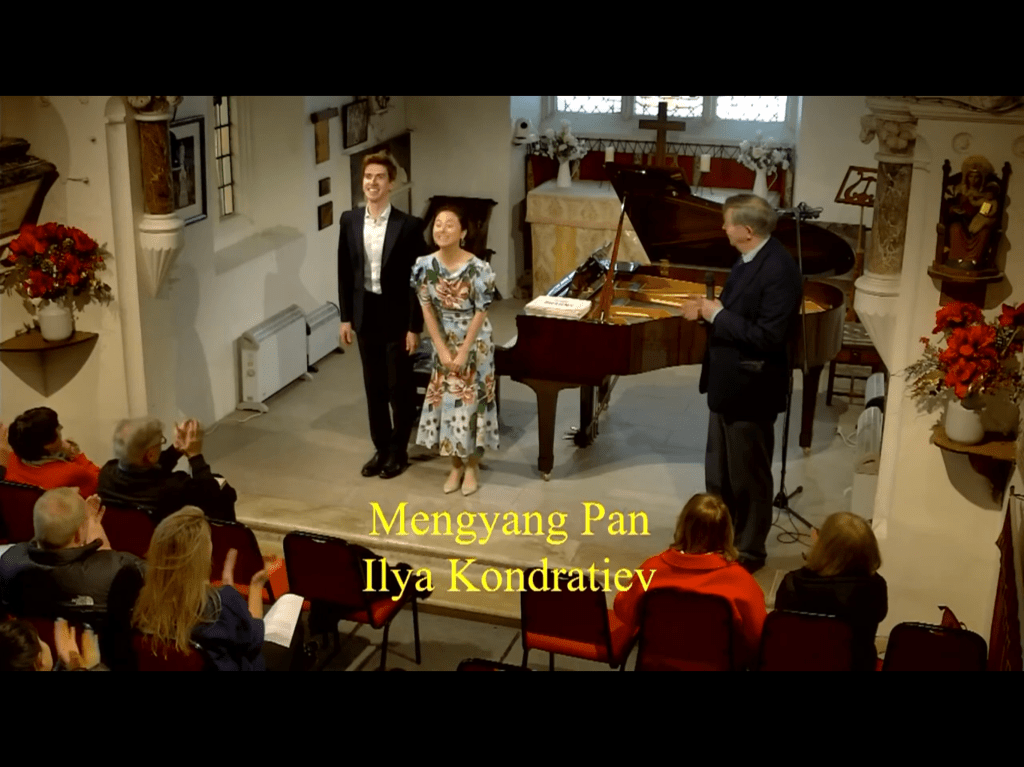
A complete concert together for two remarkable musicians who up until today had only played in various festive occasions but never had a chance to play an entire recital together.The delicacy and sensitivity of Mengyang were complimented by the musicianship and showmanship of Ilya.Both had completed their training in the class of Vanessa Latarche at the Royal College so their musical pedigree was assured.Both have now been elevated to professorships at the Royal College.Two virtuosi who have mastered much of the solo piano repertoire but have the humility and responsibility of helping young musicians.Encouraging them to put aside their newly acquired skills and to focus on listening to themselves and translating the composers wishes into sounds.A concert of duet ‘lollipops’ in the sense that they presented a programme of well known duets by great composers.It was just this that showed off their remarkable pedigree as they presented these works with a freshness and intelligent musicianship that made one realise what gems they can be in the right hands.

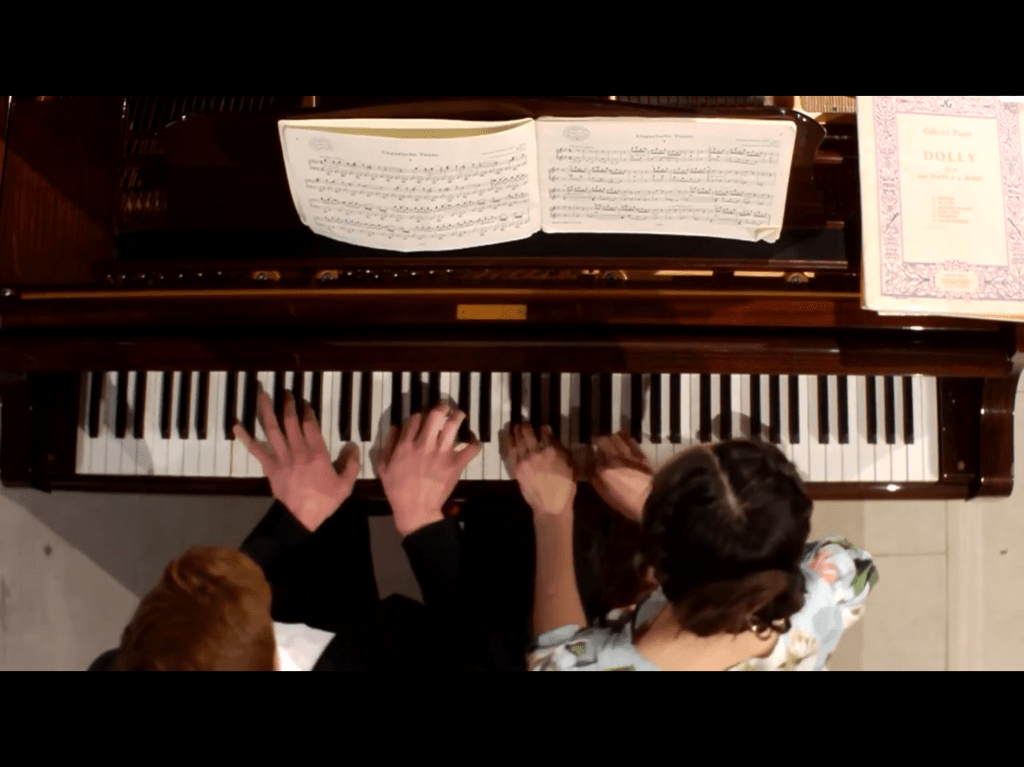
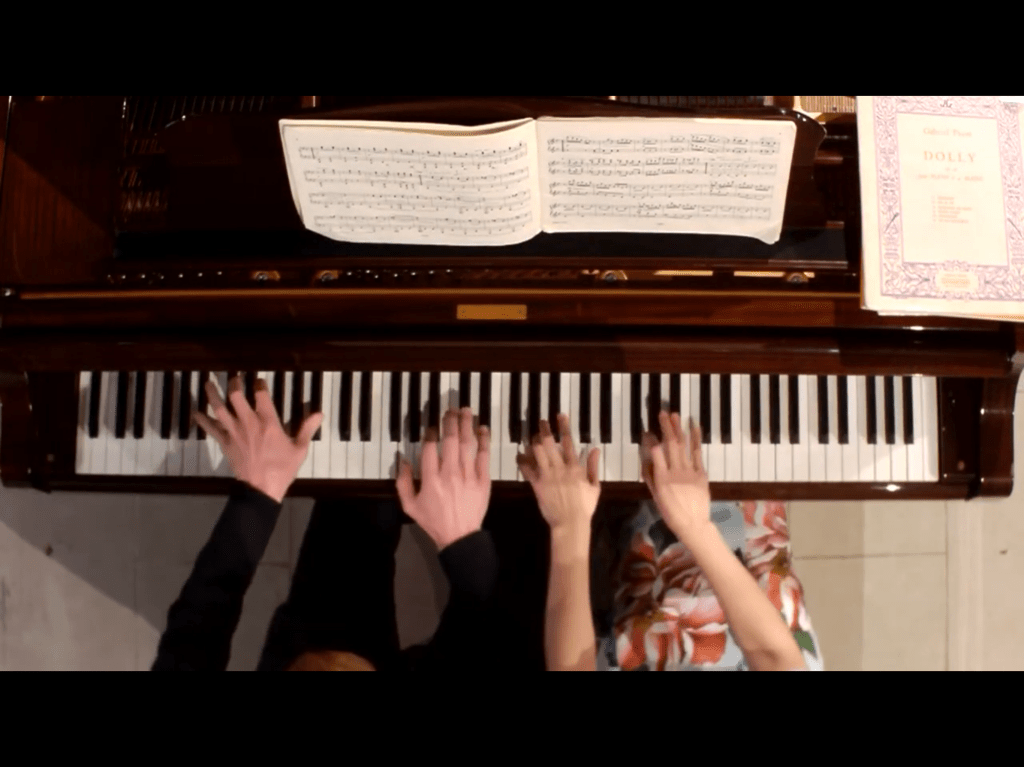
Four hands!Means just that but also four feet .It also needs a policeman to decide the logistics of the different height of the stool and also who is to turn the pages and when.I remember Benjamin Britten ‘complaining’ that in his duo with Richter he would suddenly find two great feet on his as they fought for the pedals.In the passion of the moment Richter’s great temperament took over from Britten’s more gentlemanly control.The most important thing of course is a sense of balance that allows the musical line to shine through.These are all things that need real musicians listening with the sensitivity and humility that is necessary for all chamber music ensembles.

Opening with the first of Brahms’ 21 Hungarian Rhapsodies with the passionate tenor sweep from Ilya replied by the delicate cascading notes from Mengyang.It immediately showed their sense of control of sound as the melodic line was passed from the tenor to the soprano.Ilya’s heart beating palpitations in the bass never overshadowing the melodic line that he had now passed to Mengyang.The change of gear in the ‘trio’ section was played with teasing and beguiling style.An opening that immediately established the musical credentials of these two fine musicians.

The Hungarian Dances ) by Johannes Brahms (WoO 1) are a set of 21 lively dance tunes based mostly on Hungarian themes, completed in 1879.They vary from about a minute to five minutes in length. They are among Brahms’s most popular works and were the most profitable for him. In 1850 Brahms met the Hungarian violinist Ede Reményi and accompanied him in a number of recitals over the next few years. This was his introduction to “gypsy-style” music such as the csardas which was later to prove the foundation of his most lucrative and popular compositions.Only numbers 11, 14 and 16 are entirely original compositions.The better-known Hungarian Dances include Nos. 1 and 5, the latter of which was based on the csardas “Bártfai emlék” (Memories of Bártfa ) by Hungarian composer Bela Kéler which Brahms mistakenly thought was a traditional folksong.A footnote on the Ludwig-Masters edition of a modern orchestration of Hungarian Dance No.1 states: “The material for this dance is believed to have come from the Divine Csárdás (ca. 1850) of Hungarian composer and conductor Miska Borzó.”

A great sense of balance allowed these gems to shine with subtle colour and refined shape.The famous ‘mother’s hour’ Berceuse was played with great delicacy.I remember Perlemuter who lived in the same house as Fauré telling us of the simplicity that Fauré wanted in his music – sentiment without sentimentality.Ilya and Mengyang obviously with their great love and sensitivity for the music sometimes held up the natural flow as they imbued the music with their own heartfelt feelings.The Berceuse,Le Jardin de Dolly and Tendresse were moments to cherish but it was in the Mi-a-ou,Kitty- valse and Le pas espagnol ,where they allowed the music to flow with a rhythmic drive and ‘joie de vivre’,that was truly capitivating
The composer playing the secondo part to the primo of the young Mlle Lombard, daughter of his host and hostess at Trevano, Lake Lugano, in 1913.

The Dolly Suite, op.56, consists of six short pieces written or revised between 1893 and 1896, to mark the birthdays and other events in the life of the daughter of the composer’s mistress, Emma Bardac.Fauré wrote or revised the pieces between 1893 and 1896,for Régina-Hélène Bardac (1892–1985), known to her family as Dolly (she was later to become Madame Gaston de Tinan), the young daughter of the singer Emma Bardac,with whom Fauré had a long-running affair.He was in the habit of sending pieces of music, in manuscript, to mark Dolly’s birthdays and other family occasions.The Berceuse, marking Dolly’s first birthday, was a very early piece, composed in 1864 for Suzanne Garnier, the daughter of a family friend. In 1893 Fauré made some small amendments and changed its title from “La Chanson dans le jardin” to “Berceuse” – that is, a cradle song.”Mi-a-ou” was written for Dolly’s second birthday in June 1894.The title does not refer to a pet cat, as has often been supposed,but to Dolly’s attempts to pronounce the name of her elder brother Raoul, who later became one of Fauré’s favourite pupils.The young Dolly called her brother Messieu Aoul, which Fauré took as the original title for the piece.”Le jardin de Dolly”, was composed as a present for New Year’s Day 1895. It contains a quotation from Fauré’s First Violin Sonata composed 20 years earlier.The Bardacs’ pet dog was called Ketty, and in Fauré’s manuscript the piece is called “Ketty-Valse”.’Tendresse”, written in 1896, was originally dedicated to Adela Maddison,wife of a music publisher.The suite ends with a Spanish dance, a lively and picturesque piece of scene-painting, in the style of Espana by Fauré’s friend Emmanuel Chabrier .The first public performance of the suite was given by Alfred Cortot and Edouard Risler in 1898.Fauré himself enjoyed taking part in performances of the work, not only in public but en famille with the young children of his friends.

One of the great works for piano written in that miraculous last year that Schubert was to be on this earth.Schubert had found a free form but within an architectural framework that was to lead the way for Liszt,Berlioz and Wagner.Mengyang and Ilya played with beauty and style with a give and take that was evident from the very opening melodic outpouring.The same magical palpitation that was to bind this remarkable work together as one.
There was drama too with the ‘Largo ben marcato’declaration with it’s dynamic rhythmic figures kept firmly in control with a remarkable sense of ensemble.Bursting unexpectedly into a beautifully mellifluous duet between bass and soprano that was played with disarming simplicity and ravishing colour.The fervent dotted rhythms returning where even trills were involved in a duet of transcendental control where it was evident that these were four hands with an extraordinary technical command.(It is much simpler to play loud and fast that to play pianissimo and fast that is only for true masters.)
The Scherzo was played with a playful sense of style and an infectious buoyancy that allowed the trio to be played with real ‘delicatezza’without loosing any of their exhilarating rhythmic drive.Magic was in the air as the opening theme returned as a bridge to the knotty twine of the fugato.There was a sense of control and balance that allowed the musical line to shine through the intricate stream of notes that were passed from one voice to another.The drama that was enacted in the final eight bars was so overwhelming that our valiant players and also the audience needed a moment’s reflection before seeking the childlike simplicity of Debussy’s Petite Suite

The Fantasia in F minor by Franz Schubert D.940 (op .posth. 103), is considered by many to be one of Schubert’s most important works for more than one pianist and one of his most important piano works altogether. He began writing the Fantasia in January 1828 in Vienna and it was completed in March of that year, and first performed in May. Schubert’s friend Eduard von Bauernfeld recorded in his diary on May 9 that a memorable duet was played, by Schubert and Franz Lachner.It was dedicated to Caroline Esterházy, with whom Schubert was in (unrequited) love.Schubert died in November that year of 1828 and after his death, his friends and family undertook to have a number of his works published. This work is one of those pieces; it was published by Anton Diabelli in March 1829.

A plate from the original autograph in the Austrian National Library

The basic idea of a fantasia with four connected movements also appears in Schubert’s Wanderer Fantasy for solo piano and represents a stylistic bridge between the traditional sonata form and the essentially free-form tone poem.The basic structure of the two fantasies is essentially the same: allegro, slow movement, scherzo, allegro with fugue.The form of this work, with its relatively tight structure (more so than the fantasias of Beethoven and Mozart) was influential on the work of Franz Liszt who arranged the Wanderer Fantasy as a piano concerto, among other transcriptions he made of Schubert’s music.

It was the simplicity and beauty of Debussy that one was truly aware that this was a duo that played as one.There could be no greater compliment as they allowed the ‘bateau’ to float in calm magical waters and the Cortège to proceed with such joyous steps.The crystalline clarity of the Menuet was played with a simplicity and jewel like beauty.The ballet was imbued with insinuating elegance and drive.A ravishing performance that filled the air with freshness and light after the monumental drama played out in Schubert.

The Petite Suite was composed from 1886 to 1889, and was first performed on 2 February 1889 by Debussy and pianist-publisher Jacques Durand at a salon in Paris.It may have been written due to a request (possibly from Durand) for a piece that would be accessible to skilled amateurs, as its simplicity is in stark contrast with the modernist works that Debussy was writing at the time.The first two movements are settings of poems from the volume Fetes galantes by Paul Verlaine (1844–1896).

One of the best known Hungarian Dances was played with rhythmic drive and perfect ensemble.The ‘Trio’ section was like a gust of wind blowing over the keys interrupted by improvised almost serious melodic comments immediately dismissed by the driving rhythmic dance just waiting to erupt.

An encore of Schubert’s famous March militare was played with all the ‘joie de vivre’ and superb musicianship that had made this concert such a joyous occasion for us all.

Mengyang Pan was born in China and has been living in the UK since 2000. She began her piano study at the age of three before becoming a junior student at the Central Conservatory of Music in Beijing. At the age of 14, she left China to study at the Purcell School in the UK with professor Tessa Nicholson. Upon graduating with high honours, she went on to complete her musical education at the Royal College of Music training under professor Gordon Fergus-Thompson and Professor Vanessa Latarche.The prize winner of many competitions including Rina Sala Gallo International Piano competition, Bromsgrove International Young Musician’s Platform, Dudley International Piano Competition, Norah Sands Award, MBF Educational Award, Mengyang has performed in many prestigious venues such as the Royal Festival Hall, Wigmore Hall, Cadogan Hall, Bridgewater Hall and Birmingham Symphony Hall amongst many others. As soloist, Mengyang has appeared with many orchestras and her collaboration with conductors such as Maestro Vladimir Ashkenazy, John Wilson and Mikk Murdvee has gained the highest acclaim. Mengyang also finds much joy in teaching. In 2019, Mengyang was appointed piano professor at the Royal College of Music in London, she also teaches at Imperial College

https://christopheraxworthymusiccommentary.com/2022/09/16/mengyang-pan-at-st-marys-beauty-and-control-passionate-intensity-and-intelligence/

A critically acclaimed pianist, Ilya Kondratiev is the prize-winner of several renowned international music competitions, including Franz Liszt Budapest 2011, Franz Liszt Weimar 2011, the Fifth Tbilisi 2013, Brant Birmingham 2015 and Chappell Gold Medal in 2016. Born in Russia, he studied from the age of seven in Samara with the distinguished teacher Victoria Soifer and, from the age of 16, at the Moscow State Tchaikovsky Conservatory with the People’s Artist of Russia Zinaida Ignatieva. In 2014 he moved to London in order to further his studies at the Royal College of Music under Vanessa Latarche and Sofia Gulyak, graduating with a Master of Performance and an Artist Diploma. Ilya performs extensively as a soloist and chamber music player at venues such as the Great Hall of Moscow Tchaikovsky Conservatory, Gasteig Munich, Weimarhalle, Palacio de Festivales de Santander, the Palaceof Arts in Budapest and the Great Hall of the Tbilisi Conservatoire. In 2011 Ilya was invited to work with Elisabeth Leonskaya at the Franz Liszt Piano Academy in Schilllingfurst, Germany and with Pavel Gililov at the Eppan Piano Academy in Italy. He has also performed in the masterclasses of Dina Yoffe, Konstantin Shcherbakov, Willem Brons, Dmitry Bashkirov, Jerome Rose, Leslie Howard, Lang Lang and Arie Vardi. In 2015 and 2017 Ilya was invited to the ‘Encuentro’ Festival in Santander and in 2016 appeared as a guest artist in the Gumusluk Festival in Turkey, and the Beethoven Music Festival and Academy in Altaussee

https://christopheraxworthymusiccommentary.com/2022/03/09/ilya-kondratiev-moving-testimony-at-st-marys/
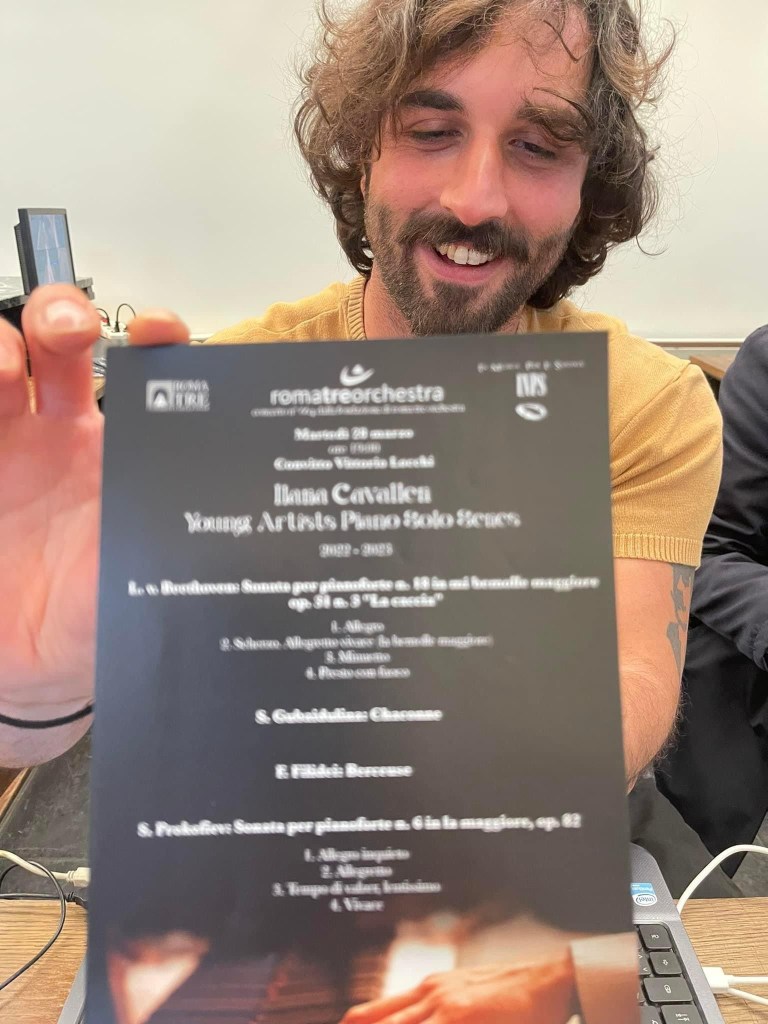
A Celebration of Peter Frankl A life in music

Sunday 26 March 2023 3.00 pm

https://youtube.com/live/Ro3FZmydEpA?feature=share
Memorable afternoon in the company of not only a great musician but a great human being
I mentioned Peter the Great when he gave what was to be his last concert two years ago …..never more have my words rung so true .

https://christopheraxworthymusiccommentary.com/2021/11/27/peter-the-great-peter-frankl-with-the-kelemen-quartet-in-budapest/

Here is the link to a documentary that will be shown on Hungarian Television to celebrate a great artist
https://youtu.be/gSD7W8CmnN0

Peter Frankl was born in Budapest in 1935 and is recognised as one of the great pianists of the last century. His father died in a labour camp and he was in the Budapest ghetto in 1944. After studying at the Franz Liszt Academy of Music in Budapest, he won several piano competitions in the late 1950s, and made his London debut in 1962 and first performed in New York in 1967 when he appeared with the Cleveland Orchestra under George Szell. Since then, he has played on the world’s top stages with the most celebrated orchestras and eminent conductors, including Abbado, Boulez, Davis, Haitink, Maazel, Masur, Muti, and Solti. His world tours have taken him to Japan, Korea, Australia, New Zealand, and South Africa. He has appeared more than 20 times at London’s BBC Proms and at many major festivals. He is also a well- known chamber music performer. For years, the Frankl-Pauk-Kirshbaum Trio travelled the world, and his many chamber music partners include the world’s most renowned artists. He is a much-respected teacher and served as Professor of Piano at the Yale School of Music in USA for 30 years.

In this conversation, he talks about his early life, his subsequent career as an international soloist, chamber musician and teacher, and his reflections on a long and fruitful life as an eminent musician.

https://christopheraxworthymusiccommentary.com/2021/11/27/peter-the-great-peter-frankl-with-the-kelemen-quartet-in-budapest/

With Riccardo Muti Choral Fantasy Edinburgh Festival
With Kyung Wha Chung

Lara Melda – Ravished ,seduced and enriched by her poetry,intelligence and golden sounds


From the very first note of Chopin’s first nocturne Lara Melda demonstrated her poise and aristocratic bearing in one of Chopin’s simplest Bel canto outpourings.


Her fingers seemed to belong to the centre of the keys as they extracted a velvet sound of subtlety and ravishing beauty.Not only a regal bearing like Gina Bachauer but the same golden sound of a small hand that clung to each key like a limpet.
Gilels had the same way of squeezing golden sounds out of the keys.Even in the most passionate outpouring his sound would only get richer but never hard and ungrateful.
Ravishing sounds in Brahms A minor intermezzo op 116 that seemed to disappear into a celestial oblivion as Lara threw herself into the keys with a rhythmically savage Capriccio in D minor.Passion and beauty combined as she ravished the piano extracting sounds of pure golden richness.


This was just a prelude to Chopin’s Sonata in B minor.The first movement was played with aristocratic control but with moments of tenderness and beauty as she allowed the second subject all the time of a great bel canto singer.Over a gentle continuous accompaniment she could weave a golden thread of such elastic freedom knowing that the anchor was always there.There was dynamic drive and control in the development and the triumphant return of the second subject was played with passion tinged with pathos as it led to the majestic final chords.
The jeux perlé of the scherzo was played like the last movement of the B flat minor sonata.It is often likened to the wind over the graves but here it was a wind of joyous beauty.
The melodic trio was played with great poise as she joined the busy counterpoints together finding a melodic path that gave great shape and strength to this melodic respite before the return of the busy joyous weaving of the opening.


There was grandeur in her announcement of the tender beauty of the Largo.A melodic line of subtle colour and shape that had been hinted at in her opening Nocturne.There was ravishing beauty as the gently floating sounds in the right hand were a continual presence of golden beauty above the utter simplicity of the suggestive tenor melody.
Some truly ravishing playing where her overall sheen of sound created a cocoon in which she was free to shape Chopin’s genial creations with kaleidoscopic colours of subtle inflections.
The Finale Rondo was breathtaking in its relentless forward movement but also for the transcendental control that allowed her to build the excitement to fever pitch until it spilt over into the scintillating coda.
A masterly sense of balance allowed her to add moments of sudden quietness even in the most energetic of moments that allowed her the space to build the sound without any forcing.
Infact the whole Sonata reminded me of the sheen of sound that one can appreciate in the magnificent historic recordings of Guiomar Novaes.One of the greatest pianist considered a God in her native Brazil.Her greatest admirer and pupil was our dear friend Nelson Freire who had inherited the sound that we hear today from Lara.
A very delicate ‘story’ by Turkish composer Adnan Saygun created an intimate atmosphere of great desolation very similar to the ringing bell landscape of Ravel’s Le Gibet
In just forty minutes Lara had ravished,seduced and enriched us with her poetry,intelligence and golden sounds.

Lara announcing her encore ‘Masal’ by Turkish composer Adnan Saygun
With super enthusiastic Jonathan Mark Roberts from Llandudno

https://christopheraxworthymusiccommentary.com/2018/11/21/lara-melda-at-st-marys-perivale/