It is always stimulating to hear a recital by a real thinking musician and it was just this that Cranleigh Arts offered to us in a performance live and streamed.In partnership with the Keyboard Trust Damir Durmanovic not only offered a fascinating programme but also spoke with such refreshing simplicity and intelligence about his musical pedigree.
An informal conversation with Stephen Dennison during the interval for those like me watching from afar.No gin and tonic but another type of tonic to hear this young artist describe the unparalleled education that he had received from the age of fourteen at the Menuhin School.As it happens Cobham is just a short drive away from Cranleigh.An illustrious list of musicians who he had been able to come into contact with in his formative years .But it is Robert Levin who stands out for the obvious influence that he had on a young student fresh from Bosnia.A country as he explained where folk music and improvised performances were more the norm than classical concerts.Of course he received the state musical education from the schools run on the Eastern European system of serious training from an early age.Damir was lucky as a teenager to continue this early training with Marcel Baudet at the Menuhin and Dmitri Alexeev at the Royal College,both superb trainers of so many magnificent musicians.But there is a moment in one’s youth when a light is suddenly illuminated and it is this influence that remains into maturity.Both Can Arisoy and Damir spent their schooldays together at the Menuhin School in Cobham and they are both two of the most complete musicians that I know amongst the younger generation.Both obviously greatly inspired by the authority and scholarship of Robert Levin and the teaching of Marcel Baudet.
In their fascinating conversation Damir described how he organised a recital programme around key relationships and that he even improvised between each piece where necessary to prepare the ear by moving to the dominant key of the work that was to follow.The ‘historic’ performance practices of ornamentation and rhythmic adjustments were all elements that Damir explained were to bring the works he played back to life with the same sense of voyage of discovery as when the ink was still fresh in the page .He explained that this and choosing from different styles was his way of getting away from the standardised ‘recital’ formula and breathing new life into interpretations not only of recognised master pieces but also compositions long forgotten and now completely overlooked.
And so it was that the programme in Cranleigh was carefully thought out and spanned from Bach to Strauss with an unknown Lachner thrown in as a bridge between Chopin’s masterpiece op 61 and much lighter salon pieces.Ending with a Tausig arrangement of Strauss that one might well have encountered in recitals of the Golden age of piano playing at the beginning of the twentieth century in the hands of the legendary Lhevine ,Godowsky or Rachmaninov .Damir’s musicianship shone through all that he did as he created a sound world which was so flexible one felt that it could unfold in so many unexpected ways.A natural timelessness where even slight blemishes were incorporated into the music making of the moment.There was also great passion and driving energy but it was the music making of a kapellmeister that was very similar to that of Wilhelm Kempff.Such was Kempff’s total absorption in music he would arrive at a recording studio asking what they would like to record that day.He,more than any other pianists I have heard had the same preparation as the real musicians that would have to prepare music every week for the church and more often than not have to improvise much of the music as well as preparing the choir.A complete musician where music would pour out of them as naturally as breathing .
Damir’s Bach was of a crystal clarity where the single parts were played with a simplicity and purity with the ornaments adding the emotional expression that together with slight rhythmic deviations was the practice in Bach’s day.There was grandeur in the Fantasia but never clouding the texture or the clarity of the architectural line.
The first of four duets published in 1739 as part 3 of the Clavier Ubung consists of a double fugue of 73 bars in which the material is invertible: for example, it is possible to invert the two parts. The first subject is exhibited in six bars and it is a scale that leads to a syncopated passage . In the sixth bar a theme in two-tone is introduced which will be developed later and which will also serve as a modulation between the two parts of the piece. The second subject, in contrast to the first, is composed of quavers . The harmony between the two parts is very similar to that of the prelude BWV 889 in the second book of The 48 , and it is therefore probable that Bach composed the two pieces in the same period.
The Fantasia and fugue in A minor as is often the case with Bach, little is known about the origins of the piece. It is not even clear whether he intended it for organ, clavichord or harpsichord.The Fantasia begins with a series of descending notes in the bass, and descending lines continue to dominate the rest of the piece. The Fugue builds up steadily to a four-part web of harmonies. Then halfway through, there is a chromatically descending line as a second theme, which takes the idea of the descending bass in the Fantasia one step further. And then Bach weaves both themes together to form a rich harmonic whole.
The Schubert Impromptus are a series of eight pieces for solo piano composed in 1827. Schubert was born in 1797 and died in Vienna, aged 31, on 19 November 1828, at the apartment of his brother Ferdinand. The cause of his death was officially diagnosed as typhoid fever , though other theories have been proposed, including the tertiary stage of syphilis.It was near the grave of Beethoven, whom he had admired all his life, that Schubert was buried at his own request, in the village cemetery of Wahring on the edge of the Vienna Woods.A year earlier he had served as a torchbearer at Beethoven’s funeral.The Impromptus were published in two sets of four : the first two pieces of the first set were published in the composer’s lifetime as Op. 90; the second set was published posthumously as Op. 142 in 1839 (with a dedication added by the publisher to Franz Liszt).The third and fourth pieces of the first set were published in 1857.As the first and last pieces in this second set are in the same key (F minor) and the set bears some resemblance to a four-movement sonata it has been suggested that these Impromptus may be a sonata in disguise.It was Schumann and Einstein , who claim that Schubert called them Impromptus and allowed them to be individually published to enhance their sales potential.However, this claim has been disputed as it is also believed that the set was originally intended to be a continuation of the previous set, as Schubert originally numbered them as Nos. 5–8.
Improvised modulation from Bach to Schubert brought us to the beauty and simplicity of the four late Impromptus.Damir’s slight hesitations just added to their poetic intensity and there was beauty in the long central duet over the flowing accompaniment of the first impromptu in F minor.The second was in A flat so no need for an improvised bridge and there was great melodic weight and sumptuous rich sound that excluded any sentimentality to the melodic line.There was subtle ornamentation too that just added to the simplicity and beauty of Schubert’s melodic outpouring.The middle episode was beautifully fluid and shaped so eloquently.A slight bridge from A flat to B flat for the beautiful theme and variations of the third Impromptu.Variations that evolved one out of the other from the lightness of the jeux perlé of the second variation to passionate intensity of the third.There was a beautiful lilt to the duet between left and right hand in the fourth and streams of sound in the fifth before the improvisation to the playful but also menacing dance of the fourth.There was also a frenzy and intensity to the great washes of sound that eventually led to the final streak of sound from the treble to the final mighty bass note.The Devil and the Deep Blue Sea indeed!
Damir’s Chopin was played with great sense of style.The waltz op 34 n 3 is known as the cat waltz for the way it leaps with cat like movements across the keys.It was played with a perfect flowing tempo that allowed the music to speak so eloquently.The little one page ‘Cantabile’ that I heard for the first time in recital,was played with ravishing colour and all the freedom that its bel canto demands.The nocturne op.55 n.2,one of Chopin’s most beautiful creations,was an outpouring of ecstasy ,delicacy and intimate sentiment.The Polonaise Fantasie op 61 that ended this Chopin group was played with a great sense of architectural shape but also with ravishing sounds and a forward movement that led to its triumphant final outpouring.An overall sound that was of a fluidity and flexibility,always though with the simplicity and aristocratic good taste of a true musician.
Vinzenz Lachner (also spelled Vincenz) (19 July 1811 – 22 January 1893)was a German composer and conductor.Born in Rain am Lech in Bavaria .Vinzenz was the youngest brother of Franz Lachner also a composer and conductor and a close friend of Schubert.As a composer Vinzenz was essentially self-taught and was first educated by his father Anton Lachner, the municipal organist.Like all the Lachner brothers, he was friendly with Brahms and in 1879, he wrote a letter to Brahms asking why he had used trombones, tuba, and a drumroll — trombones being associated with death — early in the pastoral first movement of his Second Symphony.Brahms replied in detail, expressing the “great and genuine” pleasure he received from the letter, calling Lachner’s analyses unusually perceptive and insightful, then saying “I would have to confess that I am, by the by, a severely melancholic person, that black wings are constantly flapping above us” Lachner died in Karlsruhe after a number of strokes at the age of 81.Lachner’s compositions include symphonies, overtures, festive marches, works for wind orchestra; a Mass in D minor, a setting of the 100th Psalm and other choral works; incidental music to Schiller’s Turandot; a tone poem entitled Lagerleben; a Piano Quartet, String Trio, two String Quartets, 42 Variations on the C major scale, Op. 42, for piano or string quartet;Deutsche Tanzweisen for cello and piano; a set of Landler for piano duet (dedicated to Brahms); and numerous songs of which the cycle Scherz im Ernst und Ernst im Scherz was popular during his lifetime. His song-cycle Frauenliebe und legend appeared in c1839, not long before Schumann made his better-known settings of Adelbert von Chamisso’s poems.Few of his works have been revived or reprinted, though a recording of the string quartets issued in 2005 reveals a minor master of that genre.
It was interesting to hear this short salon piece by Lachner with its gloriously rich tenor melody that gave way to an exuberant jeux perlé stream of notes that was very reminiscent of Mendelssohn.It led so well to the charm and ravishing colours of the Valse Caprice by Tausig of Strauss’s ‘Nachtfalter’.It was played with the style and charm of a lost age of teasing rubati and exuberant virtuosity that all the great pianists of the past would end their recitals with.A little Mazurka by Scriabin was Damir’s way of thanking his very appreciative audience at Cranleigh Arts
As an internationally sought-after performer, Damir Durmanovic has performed in venues and festivals including the Wigmore Hall, Champs Hill Studios, YPF Festival Amsterdam, Wimbledon Music Festival, Renia Sofia Audotorium Madrid, Gstaad Menuhin Festival, Derby Multifaith Center, Flusserei Flums, ‘Ballenlager’ Vaduz. He has won prizes in numerous international competitions including The Beethoven Intercollegiate Junior Competition in London, Adilia Alieva International Piano Competition in Geneva and Isidor Bajic International Piano Competition in Novi Sad.He has performed in masterclasses with Claudio Martinez-Mehner, Dmitri Bashkirov, Pascal Devoyon, Jacques Rouvier, Robert Levin, Jean-Bernard Pommier, Tatyana Sarkisova, and chamber ensembles such as the Emerson Quartet. Damir is also a scholar at the ‘Musikakademie Liechtestein’ and regularly participates in the courses organised by the academy.Damir began his studies at age of eight in his home country, Bosnia and Herzegovina, with Maja Azabagic before continuing his studies at the Yehudi Menuhin School where he studied with professor Marcel Baudet.Damir is an ABRSM scholar and is kindly supported by the Talent Unlimited Scheme. He has been studying at the Royal College of Music in London with professor Dmitri Alexeev where he graduated in 2021.Damir is supported by the Keyboard Trust
Damir Durmanovic at Pushkin House with a refined performance of 19th century Slavic piano music .
Performances of aristocratic style with a refined kaleidoscopic palette of sounds.Culminating in a complete performance of Rachmaninov Preludes op 23 where the volcanic eruptions of the B flat and C minor preludes were followed by the rhythmic drive of the fifth in performances of breathtaking depth and drive.
It was in the study by Scriabin op 2 offered as encore that the true Slavic soul was revealed with playing of great weight and sentiment.Not a trace of the sickly sentimentality that we hear from lesser mortals who do not understand the real poetic soul of a people who were free to express their feelings of a true heart that beats always in the Slavic soul.
A group of rarely heard preludes by turn of the century Russian/Ukrainian composers.Blumenthal is well known to be the first teacher of Horowitz but his own piano music has still to be discovered.A kaleidoscope of subtle sounds of great naturalness.The nuances and colours created a magic atmosphere in a beautiful but sparsely furnished room where the atmosphere was created solely by the streams of beautiful sounds that Damir coaxed from an old but friendly Steinway.There was passion too and a technical command totally at the service of the music.A discovery of a world of a different era with music written by and for the performers themselves.Today we are gradually finding interpreters like Damir or Mark Viner that can make it relive.It needs a great sense of style but above all a sense of colour and polyphony where music is caressed rather than hammered out on the piano .An illusion that with great artistry a box of strings with hammers can be transformed into a celestial harp.An artist that can create the impression that the piano can sing as beautifully as the greatest of bel canto singers.A world that looks back to the world of Chopin rather than to the new world of Stravinsky and Prokofiev.
Tatyana Sarkisova ,the wife of Dmitri Alexeev,former teacher of Damir at the Royal College of Music
Damir is a remarkable musician brought up by musical parents who are used to improvising in Bosnia and Herzegovina where traditional music is heard and performed spontaneously everywhere rather than concert performances.Damir came to the Menuhin school at an early age where he received a unique musical education from artists such as Marcel Baudet and Robert Levin.So it was no surprise that deciding to play the complete Preludes op,23 by Rachmaninov he chose to play them in an order that each one was the dominant of the next.
Friends and colleagues who have come to listen to Damir’s performances at Pushkin House Tolga Antaly Un,Petar Dimov,Can Arisoy,Bobby Chen,DD,Matthew McLachlan
Starting with the hauntingly beautiful prelude in F sharp minor with its brooding left hand so reminiscent of the second of Chopin’s preludes op 28 and the final repeated chords each one played so differently as it dies away to a murmur just like so many of Chopin’s Preludes and Studies.
I will keep to the printed order just for clarity and so to the mighty B flat Prelude which Damir ended with.A tour de force of sumptuous sounds with the wonderful tenor melody in the central section just revealed rather than hammered out as is so often heard in lesser hands.A flurry of notes like rush hour leading to the triumphant return of the opening and the excitement and transcendental difficulty of the coda.Fearlessly played chords that carried us on a wave of exhilaration to the final heroic cadence.The quixotic questioning of the third in D minor was answered by the robust beauty of the fourth in D major.A sumptuous string orchestra of Philadelphian richness and beauty,the gentle embroidered meanderings never interfering with the flowing melodic line.The G minor fifth Prelude was played with rhythmic drive and energy that was startling and at times overwhelming.The ending thrown off with nonchalant ease just like his Paganini Rhapsody or the G sharp minor prelude op 32.Rachmaninov was after all one of the greatest virtuosi of his day and he obviously knew how to tease and beguile his audiences as much as ravish and seduce them.Vlado Perlemuter often used to recount the pianist who came on stage looking as though he had swallowed a knife but then would produce the most beautiful sounds he had ever heard.The most romantic of Preludes in E flat was followed by a transcendental performance of the west wind puffing and blowing in the C minor that followed.The romantic meanderings of the eighth were followed by the feux follets difficulties of the ninth in E flat minor.Damir played this most difficult of Preludes with astonishing ease concentrating solely on the musical shape and colour with breathtaking audacity.Surely the haunting beauty of the tenth in G flat is so similar to the sixth of Chopin’s Preludes.It is however imbued with a voice that is uniquely Slavic ,full of nostalgia and brooding.
Can Arisoy and Bobby Chen remarkable pianists from the Menuhin School – Can was a student with Damir studying with Marcel Baudet and Bobby is a distinguished visiting professor.
An hour of real music making from a poet of the piano.A true illusionist who can transform this old black box creating an intimate atmosphere in a rather cold room.Making us believe for a moment that we are in the most sumptuous of salons in one of the great pre revolutionary palaces.
The first pieces in the concert are by the Russian Romantic composer Anatoly Lyadov (1855-1914), known for his piano miniatures, a number of orchestral works and folksong arrangements. In 1870 he entered the St. Petersburg Conservatoire to study composition with Nikolay Rimsky-Korsakov. On graduating, Lyadov became a professor, teaching composition for more than three decades, his students including Sergei Prokofiev, Nikolai Myaskovsky and other notable figures.
A young member of the audience in discussion with Damir about his eclectic programme
Next in the programme, the Preludes from 1931 by one of Lyadov’s students, Sergei Bortkiewicz (1877-1952) – a Ukrainian Romantic composer and pianist of Polish ancestry, born in Kharkov, then a part of the Russian Empire. After studying in St. Petersburg and Leipzig, from 1904 he spent ten years in Berlin. When the First World War began, he was deported back to Russia. Soon after, the Bolsheviks occupied his family estate, and later took Kharkov. In 1920 Bortkiewicz and his wife fled the country. Spending time in Istanbul and in Belgrade, they finally settled in Vienna. The music of Bortkiewicz is influenced by Chopin and Liszt, as well as Tchaikovsky and early Scriabin. In an interview from 1948 he said, “Today, one is probably inclined to dismiss all melodicists as epigones. Certainly, very often wrongly. As far as I am concerned, romanticism is not the bloodless intellectual commitment to a program, but the expression of my most profound mind and soul.“
Tolga congratulating Damir as Petar looks on. They are all guests at the Kew Academy
The concert will continue with the 1890s pieces by Felix Blumenfeld (1863-1931). He was born into a family of Polish and Austrian Jewish origin, in Yelysavethrad (present-day Kropyvnytskyi city in Ukraine), in Kherson Governorate of then the Russian Empire. Some time after Lyadov, he was a student of Rimsky-Korsakov at the St. Petersburg Conservatoire. Alongside his composition practice, Blumenfeld was a conductor and a prominent pianist. From 1918 to 1922, he was the director of the Lysenko Music and Drama School in Kyiv, before he moved to Moscow, where, until the end of his life, he taught in the Conservatoire, having an influential role as a piano teacher.
Post concert discussion with the distinguished pianist and teacher Tatyana Sarkisova
The complete set of Preludes Op. 23 by Sergei Rachmaninoff (1873-1943) will close the concert. Composer, pianist and conductor, Rachmaninoff was born into Russian aristocracy in the Novgorod Governorate. He studied in the Moscow Conservatoire with A. Siloti (piano), A. Arensky (composition) and S. Taneyev (counterpoint). Being a famous pianist, throughout his life Rachmaninoff was often travelling abroad on tours. Soon after the 1917 Revolution in Russia, his estate was confiscated by the communists. By chance, granted a tour to Scandinavia, he and his family left Russia, and never returned. For the rest of his life he was living between the United States and Switzerland, focusing most of his professional activity on piano performance.
PROGRAMME
Anatoly Lyadov
Three Piano Pieces Op. 57 (1900-05):
I. Prelude
II. Valse
III. Mazurka
Sergei Bortkiewicz
Preludes Op. 40 (1931):
No. 3 Con moto
No. 4 Sostenuto
No. 6 Andantino dolente
No. 7 Appassionato
Felix Blumenfeld
Preludes Op.17 (1892):
No.10 in c-sharp minor
No.15 in D-flat major
Etude de concert Op. 24 (1897)
Sergei Rachmaninoff
Preludes Op. 23 (1901-03), the complete set.
Damir Durmanovicis an internationally sought-after performer, who has performed at venues and festivals across Europe and the UK. He has won prizes in numerous international competitions, including the Beethoven Intercollegiate Junior Competition in London, Adilia Alieva International Piano Competition in Geneva and Isidor Bajic International Piano Competition in Novi Sad. Durmanovic is a scholar at the International Academy of Music in Liechtenstein and regularly participates in the courses organised by the academy.
Durmanovic began his studies at age of eight in his home country, Bosnia and Herzegovina, with Maja Azabagic before continuing his studies at the Yehudi Menuhin School where he studied with professor Marcel Baudet. He is a graduate from the Royal College of Music where he studied with Dmitri Alexeev. He is supported by the Keyboard Charitable Trust, as well as the Talent Unlimited Scheme.
Arsenii Mun with the Mayor of Bolzano and the Artistic Director of the Busoni
A very impressive Busoni Competition beamed live not only on Italian television but also to a vast Asian audience following throughout the world at a time that was possible for all to enjoy the excitement generated by the competition.A jury with Ingrid Fliter,Imogen Cooper and many other distinguished musicians and operators from the musical world.Steinway pianos presenting a choice of wonderful instruments to the contestants.I personally was very pleased to see that the Chamber Music Final with string quartet also included a major work for solo piano which allowed the jury to be reminded of the artistry of the contestants in the previous rounds.A magnificent orchestra directed by the distinguished conductor Arvo Volmer bought this sumptuous feast to a wonderful conclusion.Ingrid Fliter chairwoman of the jury thanking everyone at the conclusion of the competition The first time in 15 years that the Arturo Benedetti Michelangeli has been awarded Arsenii Mun first prize Audience Prize Arsenii MunAnthony Ratinov 2nd prize Ryota Yamasaki 3rd prize https://christopheraxworthymusiccommentary.com/2023/08/28/and-then-there-were-six-all-the-excitement-of-the-circus-the-busoni-competition/The jury with the three finalists Jury of the final rounds 2023 in Bolzano: Ingrid Fliter (President of the Jury, pianist), Iain Burnside (pianist), Jiang Chen (pianist), Imogen Cooper (pianist), Fulvia de Colle (Artistic Director – Fondazione Musica Insieme), François -Frédéric Guy (pianist), Aleksandar Madžar (pianist), Nicolas Namoradze (pianist), Clemens Trautmann (CEO – Deutsche Grammophon)A very controversial artist,a showman,who thinks more of himself than the music he is serving .But like his mentor Serghei Babayan creates his own world with the notes of the others that can be rather hit or miss but they are prepared to risk all. https://christopheraxworthymusiccommentary.com/2022/05/21/sergei-babayan-artist-in-residence-bewitchedbothered-and-bewildered/ A very impressive Chamber music final where his choice of Liszt 2nd Rhapsody and Feux d’Artifice not to mention Haydn E flat sonata had me appreciating the fact that everything he did was spontaneous and like many jazz players as though in a world of discovery of his own making.His Rachmaninov final with orchestra I found his self indulgent showmanship too much but of all three finalist one had to admit that he was a true artist. ‘So you are a composer …you take the notes of others and make them your own ‘ Karl Ulrich Schnabel exclaimed to a young virtuoso now a renowned pianist .He refused to teach someone who thought more of himself than the composer he was serving. Controversial but some of the sounds he found and moments were memorable and the effect he had on the public was rewarded with the public audience prize,the Michelangeli prize and the Gold Medal! Viva Busoni.A very solid musicianly performance of Prokofiev as you might expect from the class of Boris Berman .Following an equally impressive Chopin B minor Sonata op 58 that he had played in the chamber Music Final together with the Franck Quintet.His Prokofiev 8th sonata in the semifinal had been memorable too .No rhetoric or showmanship but a very impressive architectural understanding of all he does.A wonderful performance of the Chopin op 25 Studies was followed by a very rhetorical Liszt Sonata where strangely he chose to ignore the composers very specific indications in the Chamber music round.The Tchaikowsky Concerto was brilliantly played but suffered from a lack of direction in slow lyrical passages as in his Liszt Sonata earlier .The Andantino semplice slow movement suffered from a lack of direction and flow due to the very slow tempo whereas his mastery and conviction in the more virtuoso passages was of great authority .
The jury Arsenii MunAnthony Ratinov Ryota Yamasaki The magnificent Haydn Orchestra under Arvo Volmer
Again, the piano world is turning its attention to South Tyrol, where one of the oldest and most renowned piano competitions is entering its all-important decisive phase. A year ago, 110 candidates from almost 600 applicants were invited to participate in the Glocal Piano Project in November 2022. Under this motto, the first round of the competition was held in Steinway & Sons showrooms worldwide over the course of 10 days. The recitals recorded in front of live audiences were professionally recorded, and the jury subsequently appointed the main group of 26 finalists based on the videos. Further candidates got to enter the final stages through the audience vote or were nominated from among prize winners from associated WFIMC competitions; three young pianists were allowed to postpone their 2020 final participation to this year. The audience in Bolzano and the world can look forward to a particularly wide field of participants, with now 32 outstanding young talents!
The final stages in 2023 The structure of the four-part final phase is divided into two solo rounds, a chamber music round, and the grand finale with orchestra, in which only three finalists get to play for the First Prize. This year the chamber music round is divided into a recital and a quintet part, accompanied by the breathtakingly energetic Isidore String Quartet from New York City. The Finalissima with orchestra will be held on a Sunday morning for the first time, a response to a constantly growing interest in Asia. Streaming: Follow the competition live anywhere The gripping, thrilling course of the competition can also be experienced directly from a distance, thanks to the live-streaming of all phases of the competition on
Haydn Orchestra, Arvo Volmer conductor & 3 pianists
September 3 10.00 a.m *all times CET
STAGE+ and Busoni Competition Announce New Cooperation In 2023, Deutsche Grammophon’s recently introduced service STAGE+ will also feature the final rounds of the Busoni Competition. A multi-faceted accompanying program will also feature portraits of the finalists, musical highlights from the solo or chamber music rounds, and a historical summary of the prize-winners of the past four editions. Not only the final rounds of the International Ferruccio BusoniPiano Competition will be part of the exclusive offer in August 2023; in addition, the first-prize winner will be featured in the “Rising Stars”, comprising an audiovisual concert portrait and digital audio releases.
Jury of the final rounds 2023 in Bolzano: Ingrid Fliter (President of the Jury, pianist), Iain Burnside (pianist), Jiang Chen (pianist), Imogen Cooper (pianist), Fulvia de Colle (Artistic Director – Fondazione Musica Insieme), François -Frédéric Guy (pianist), Aleksandar Madžar (pianist), Nicolas Namoradze (pianist), Clemens Trautmann (CEO – Deutsche Grammophon)
Competition rules and prize money
The new competition rules include an increasingly demanding repertoire list, including the preparation of two concerts with orchestra. The prize money donated by the city of Bolzano was increased to 30,000 euros. Including all special prizes, prizes with a total value of over 60,000 euros will be awarded in August 2023. A particular innovation is the Mentoring Program, specially tailored to the Chinese market, which the competition, in cooperation with the Schoenfeld String Competition and its media partner Amadeus.
Two-year management for the prizewinner
The importance of a music competition can be determined by many parameters: the artistic diversity of its candidates, the quality of its jurors, media visibility and networking, and the attractiveness of the prizes. A competition is particularly important if it enables its award winners to make significant appearances. In this way, a music competition does justice to its very own task, to act as a door opener for young talents to international music life. The International Ferruccio Busoni Piano Competition has also concluded various partnerships, which enable the Busoni prize winner to have his own management for a period of two years and thus various bookings at international music institutions . The last award winner, Jae Hong Park, played more than 80 concerts in the period from September 2021 to June 2023, mainly in Europe and Asia. These are the first fundamental building blocks of his international career. The network of international partnerships for engagement and appearance opportunities is constantly growing; Negotiations with national and international concert organizers for the 2023-2025 season are in full swing. —
This concert was recorded live on 26 August in the Gstaad Chapel and broadcast on 28 August, 7.30 pm.
What a wonder to hear this young artist today in the hallowed festival founded by Yehudi Menuhin one of greatest and most generous of musicians of our time.Many of us have been following this young man as he appeared on the competition circuit where his extraordinary unique gifts were apparent to those great performing artists who were called to jury service.Two in particular have been helping him over the past few years knowing that comparative performances of the competition circuit are not for artists of the calibre of this young man.He does not fit into the standard pattern of the many other wonderfully trained young pianists in a world where the standard of piano playing has never been so prolific .Through the Circus aspect of the competition we are though able to hear all these wonderfully trained young pianists streamed on channels worldwide and very occasionally one can see a spark of genius that might,given the right conditions and time,mature into one of the very few truly great interpretative artists of our day.Perahia,after all was guided not only by Serkin but also Horowitz.Zimerman was taken under the wing of Artur Rubinstein- two of the greatest artists of our day.The Competition by its very nature has to have a winner to satisfy the sponsor and the public where the excitement generated by the race aspect is a reality that brings enthusiasm and participation into an art form that is always in a minority compared to other sporting occasions.But could one compare Da Vinci with Michelangelo – Art cannot be judged on such simplistic terms as beauty is in the eye of the beholder and is not the number of times a ball has been kicked into a net!
Illia today played a short programme of Bach/Busoni,Chopin,Schumann and Scarlatti .To discover a real artist it just takes two notes – how the first note is struck or caressed and how it is joined to the second .Illia gave us many more than two notes in an outpouring of music that I have rarely heard played with such poignant meaning and self identification .It held me literally spell bound where there was only music as the world momentarily was held at bay.A timeless outpouring of music making that I can only remember from Rubinstein in his Indian summer as he held us in his spell seated at a comfortable armchair unfolding magic that just flowed from his fingers with such golden sounds.
It was just a matter of time before Illia would be recognised as an artist of quite extraordinary sensitivity with a musicianship that could bring the music alive and where every note had a meaning in a musical conversation that could comunicate the very essence of the composer in his moment of creation.Hats off to the Honens competition that has recognised this young artist and is helping nurture his artistry whilst sharing his quite unique gifts with audiences worldwide.A three year programme where the artistry of Illia is able to flower and be appreciated by a world that is in desperate need of quality not quantity.
It was the same magic that I heard today as the music turned full circle starting with Bach’s choral prelude in the masterly recreation of Busoni and ending with the same meditative beauty an hour later with a simple Scarlatti Sonata played with the same intensity and kaleidoscopic sense of colour.It was truly the opening and closing of a magic casket of jewels.The Busoni (truly a recreation of JSB) showed immediately Illia’s extraordinary sense of balance as he convinced us that this old Steinway was the most beautiful instrument in the world.( was not that the same aspiration and challenge that stimulated Richter).The glorious melodic line was allowed to sing supported but unimpeded by a sumptuous insistent bass with a kaleidoscope of colour that was never sentimental as the true meaning was deep inside each note.Bach’s radiant outpouring of a true believer and a coda that did not want to say goodbye but left us utterly humbled and thankful we had lived to experience such fervent ecstasy.
There was a menacing clarity to the opening of the B flat minor Scherzo where the clockwork precision of Illias fingers gave such meaning to the seemingly innocent triplet figures ( similar in many ways to the demonic opening of the Liszt Sonata with an articulation of extraordinary technical mastery).Leading to one of the most poignant melodic outpourings on a continuous wave of voluptuous beauty.Played with mastery as the contrasts became ever more apparent .Simplicity and purity of innocent beauty of refined elegance with the luminosity of sound contrasting with the deeply meditative tenor line.Clarity and purity of sounds as climax built upon climax taking on more significance each time until bursting into the most dynamically passionate outpouring.A work where Illia lived the drama with self identification as the characters revealed themselves with such heartfelt immediacy.
Nowhere was Illias ability to make each note speak with such eloquence than in Chopin’s last Nocturne .It was played with ravishing sound and a magical sense of balance that gave a poignant meaning to every phrase he shaped.All played with a deeply felt meaning of nobility and aristocratic beauty that could ravish and seduce the senses with unbelievable colour and radiance.
The same unusual contrast as the Scherzo he brought to the Polonaise Héroique.Clarity contrasted with luminosity as he truly lived the drama.Military but also very much dance too .Cavalry that I have never heard stampede in such formation across the ground as the cry to call to arms was heralded above with searing intense breath control.Dissolving into a deep meditation of subtle melodic meanderings as colours gradually appeared from within building to the final great outpouring of heartfelt significance.The door slammed shut by Illia with terrifying finality and total conviction with the audience by now totally mesmerised by the artistry and stories of this young master.
Little could they imagine what wonders were to be in store for them with Schumann’s Kreisleriana.One of the finest most convincing performances I can ever remember hearing poured from Illia’s fingers.Eusebius and Florestan playfully sparred only to be entwined in their own unique sound world to which Illia today had the key.A total mastery not only of the technical difficulties but of the fleeting changes of character from the sublime to the ridiculous.An opening of passion and exhilaration but played with poetic understanding as the harmonies entwined to reveal a central episode that unwound with radiance and simplicity.A barely noticeable flexibility of tempo that like a singer taking a breath could bring meaning to the most innocent of phrases.A wondrous sense of legato to the second movement was interrupted by the absolute clarity of the first intermezzo and the gradual unfolding of the second,descending always into a timeless sense of phrasing and colour.The bucolic humour he brought to the third contrasted with the streams of melody the poured across the keyboard from all directions on a wave of voluptuous sounds where the beauty of the tenor doubling of the melodic line was truly wondrous and that I will never forget.The beautiful duet in the fourth movement as the tenor and soprano voices converse and entwine in a musical conversation with clashing pungent harmonies that gave even more meaning to this deeply felt message.There was the capricious fun of the fifth movement as it burst into song with freedom and flexibility.Florestan and Eusebius entwined as they arrived together united in a culmination of lyrical outpourings.Deep meditation and delicacy of the sixth and what a wonder to allow the tenor voice to dominate as the soprano commented from afar so timidly and untiringly as finally they burst into song together.The seventh usually a ‘tour de force’ for piano players was allowed to pour with such ease from Illias fingers where even the usual pianistic high jinx of splitting the hands was not necessary from this superbly discreet virtuoso.An end of poignant simplicity and beauty as the gentle final dance was set on its weary way.A web of delicate sounds interrupted by ever more passionate episodes but it was like someone reminiscing at the end of a long journey as this gentle web of sounds disappeared into the distance at the bottom of the keyboard.An ending reminiscent in many ways of Davidsbundler where exhausted Florestan and Eusebius lay entwined and united from a long journey of adventure and wondrous beauty.
Scarlatti as an encore bringing us full circle and the end of a truly memorable experience.
The list of awards the 21-year-old Ukrainian pianist has received is truly impressive … and Illia Ovcharenko has not yet left the benches of the Hochschule in Hanover, where he is currently perfecting his skills with Arie Vardi, former teacher of Yefim Bronfman, and Francesco Piemontesi! In the wake of his generously endowed victory at the Honens Competition in Calgary, Canada, which provided him with three years of high-level support for the start of his career, he is now touring the stages of the world, and his summer route takes him to Gstaad. For his first concert at Gstaad Menuhin Festival & Academy, Ovcharenko has conceived a Bach/Busoni-Chopin-Schumann recital programme through which he can unfold all facets of his great talent.
Andresz Wiercinski told me that he was going to hear Lubimov at the Philharmonic Hall in Warsaw .(https://christopheraxworthymusiccommentary.com/2023/05/11/andrzej-wiercinski-at-la-mortella-ischia-the-william-walton-foundation-refined-artistry-and-musical-intelligence-in-paradise/). I saw it was being streamed and not having heard Lubimov before said I will be with you!What an amazing lesson in simple pure music making.Brahms op 79 Rhapsodies spoke as never before and were monuments constructed on this 1878 Ehrbar piano with a luminosity and subtlety of sound that I had forgotten could exist.Each note had a meaning as a song might have a different word.There was no need to do anything but just let the music pour from his fingers unimpeded by personal effects.If I was bowled over by his monumental rhapsodies I was enraptured by his op 116 as never before.Emotion added to emotion in an outpouring of unbearable searing beauty and poignant meaning.Seduced by op 117 and enriched and ennobled by a Chopin Barcarolle of aristocratic simplicity and beauty.Mozart D minor Fantasy opened up a complete world with a tone poem of unimagined contrasts from the improvised to refined elegance and brilliance and a pastoral ending of unimagined purity and simplicity.Some added embellishments I could have done without and it was the only thing is his masterly performances that did not convince me.His Schubert E flat Impromptu just poured from his fingers in such a civilised measured way.It must have done that too in a similar fashion before the police had carried him off in Moscow!Announcing with his human voice this time a Lullaby by Silvestrov as he wanted to show his solidarity for Ukraine at the end of his programmes.There was a resonance to his left hand that reminded me of the desolation of Le Gibet or Des Pas sur la neige and just showed how much could be expressed with so little by a true poet of the piano.On a more mundane note it was a marvel to see the perfect arch of his no longer young hands and with completely relaxed arms siting so still before this great black beast.I am reminded of Rubinstein in his Indian Summer when sitting in his favourite armchair in front of a black box of hammers and strings he could seduce the world with the stories he still had to tell.
Valentin Silvestrov Lullabye
Alexei Lubimov (born 1944 as Алексе́й Бори́сович Люби́мов, Alexey Borisovich Lyubimov) is a Russian pianist, fortepianist and harpsichordist he studied at the moscow Conservatory with Heinrich Neuhaus and Lev Naumov .After successes in several competitions, he gave the premieres in the Soviet Union of several pieces by composers such as Schoenberg,Stockhausen,Boulez and Ligeti .His commitment to western music was criticised by the Soviet authorities and he was prevented from leaving the Soviet Union for several years, during which time he concentrated on working with period instruments.He is a founder of the Moscow Baroque Quartet and the Moscow Chamber Academy as well as the music festival “Alternativa”. Apart from giving solo recitals throughout the world and appearing with leading symphony orchestras, he works regularly with early music ensembles such as the Orchestra of the Age of Enlightenment. And among.his partners in chamber music are Andreas Staier,Natalia Gutman,Peter Schreier,Heinrich Schiff,Christian Tetzlaff,Gidon Kremer
In recent seasons he has given concerts with the London Philharmonic, City of Birmingham Symphony Orchestra, Russian National Orchestra in Moscow and the Tonkünstlerorchester. He toured with the Haydn Sinfonietta playing Mozart and played Haydn with the Camerata Salzburg under Sir Roger Norrington in New York and gave performances of Scriabin’s Prometheus at the Salzburg Festival. In November 2010 he gave two recitals at Lincoln Center, returning in 2011 on tour with the Budapest Festival Orchestra conducted by Ivan Fischer.
In April 2022, police raided an anti-war classical concert by Lubimov at a Moscow cultural centre, interrupting his performance. In dramatic fashion Lubimov finished playing the final bars of Schubert’s Impromptu op 90 n. 2 as two police officers took the stage.
Again, the piano world is turning its attention to South Tyrol, where one of the oldest and most renowned piano competitions is entering its all-important decisive phase. A year ago, 110 candidates from almost 600 applicants were invited to participate in the Glocal Piano Project in November 2022. Under this motto, the first round of the competition was held in Steinway & Sons showrooms worldwide over the course of 10 days. The recitals recorded in front of live audiences were professionally recorded, and the jury subsequently appointed the main group of 26 finalists based on the videos. Further candidates got to enter the final stages through the audience vote or were nominated from among prize winners from associated WFIMC competitions; three young pianists were allowed to postpone their 2020 final participation to this year. The audience in Bolzano and the world can look forward to a particularly wide field of participants, with now 32 outstanding young talents!
Peter Paul Kainrath – Artistic Director
The final stages in 2023 The structure of the four-part final phase is divided into two solo rounds, a chamber music round, and the grand finale with orchestra, in which only three finalists get to play for the First Prize. This year the chamber music round is divided into a recital and a quintet part, accompanied by the breathtakingly energetic Isidore String Quartet from New York City.
The Finalissima with orchestra will be held on a Sunday morning for the first time, a response to a constantly growing interest in Asia. Streaming: Follow the competition live anywhere The gripping, thrilling course of the competition can also be experienced directly from a distance, thanks to the live-streaming of all phases of the competition on
Antonio Chen Guang 1994 born in Hubei in China although brought up in Italy .His father was his early teacher with later studies in Juilliard,Imola,Brescia and Vienna.Masterly performances of Bach Italian Concerto but above all a superb account of Beethoven op 31 n.3 – a real musician with an important pedigree Zilong Wang 1999 a student of Eleanor Sokoloff in Curtis and now Dang Thai Son in New England – her Rachmaninov Sonata n.2 was breathtaking but it was the ravishing beauty of Mozart K 282 and Bach Busoni Ich ruf zu dir that showed her supreme sensitivity and sense of colour and style Anthony Ratinov 1997 an Honours graduate in Chemical engineering from Yale where he is now studying piano with Boris Berman!A Prokofiev 8th Sonata of overpowering beauty and authority showed his superb musicianship and technical mastery.Ryota Yamasaki 1998 studying at Colburn Conservatory in Los Angeles with Fabio Bidini.Chopin Studies op 25 played like the great artist he obviously is.There was magic in the air as he listened with loving care to every note that were transformed into streams of golden sounds of great significance with a quite extraordinary sense of balance and colour .Arsenii Mun 1999 a student of Serghei Babayan at Juilliard lived every note as he painted his canvas with the fluidity and freedom of someone creating sounds in that very instant.A voyage of discovery,as you would expect from the school of Babayan,in this young man’s hands became a vibrant living experience.Ron Maxim Huang 2001 a student of Prof Gron at UdK Berlin – a true musician who could show us the way so clearly with a masterly account of Brahms deceptively complex Sonata in F minor op 5
I recently wrote about a young pianist where we could listen to his performances thanks to the superb streaming of the Busoni Piano Competition.Gary Graffman had spoken very highly of this young man as he commenced his studies with him at Curtis in Philadelphia but I had not yet been able to hear him play four years on.Comparative performances are not for me but to be able to enjoy all these magnificent performances in my home is a privilege and honour for which I am extremely grateful.It also gives a platform to the superbly talented young musicians who are dedicating their youth to hours of intense study to create a thing of lasting beauty.
Elias Ackerley a masterly performance of Chopin’s Fourth Ballade played with aristocratic simplicity and Liszt’s Visions that ignited the piano as this rarely played masterpiece swept across the keyboard .But it was in Grunfeld’s scintillating Strauss Paraphrase that showed off his inheritance of old world style and mastery from his mentor Gary Graffman
Elias Ackerley’s masterly performances at the Busoni Semi Final one of the 33 selected to take part in the final from auditions held at Steinway Halls around the world.Supported by the Dr Weir Trust via the Keyboard Trust for studies at Curtis institute in Philadelphia for the past four years after his early studies with Murray McLachlan at Chethams.The competition circuit gives us a chance to listen to these young masters.Comparative performance though is impossible as every performance should be enjoyed and enrich the listener without numbers being added ………….this just proves my point ………..a pressure cooker can lead to early results but real cooking takes time and passion to mature and be savoured…………….Elias is a young master ….Shunta Morimoto,also is a recognised master from the age of fourteen in Fort Worth when his performances on internet went viral.Shunta recently was not considered eligible to procede to the final in Australia much to everyone’s amazement ……..Music should not be put in a position of Circus entertainment ….or goal scoring.Just listen and you will see what I mean. Would Michelangelo have got more points than Da Vinci? …………..unfortunately there appears to be no alternative due to the standard of early training that has never produced such mastery as today.Hats off to these competitions then and Busoni in particular for allowing us to listen to these young masters via their superb streaming channels.Nothing is written in stone in music so one can decide for oneself- please do: this is Shunta Morimoto in Australia recently :https://youtube.com/watch?v=uMTy7bD-b0o&feature=shared. (At 2.20 )
The Keyboard Charitable trust have been associated with the Busoni Competition since 1949 when Noretta Conci listened to the very first competition just a stone’s throw from her home in Trento.An assistant to Arturo Benedetti Michelangeli she and her husband John Leech have created the Keyboard Charitable Trust that gives a platform to young musicians in the difficult period of finishing advanced studies and starting a concert career.
Noretta with Sir Anthony Pappano
The KT offer a Career Development Prize to the Busoni Winner which includes a London debut concert and this season has seen five winners playing in Florence in a series :Music at British in collaboration with the Keyboard Trust .Ivan Krpan,Chloe Mun,Emanuil Ivanov will be followed by Jae Hong Park on the 9th November and this years winner (?????) on the 5th December.
Guido Agosti more friend than my teacher with our wives Lydia Stix Agosti and Ileana Ghione Axworthy.Our wives would spend the day on the beach whilst Guido and I would stay in the studio playing all the Beethoven Quartets ,Beethoven Symphonies ,and much else four hands preparing a recital for an after supper delight for our beloved ones.Agosti who was a prodigy mentored by Busoni.The world would flock to Agosti’s studio in Siena every summer to hear sounds in his studio that have never been forgotten.Musicians would make this pilgrimage to listen to a musician with an integrity and unflinching faithfulness to the composers wishes.He represented with such honour Italy in the world and his unshakeable integrity and honesty would not accept from Gilels even that the jury would pass straight to the second round of the first Tchaikowsky Competition in Moscow.Jack Krichaf a student in Siena brought a piece by Mompou to play in his class.Agosti took the music off the stand and placed it in the rubbish bin saying “Now play me some music”.Baubles that are now treated as gems but for Agosti ‘Music’ was the bible and printed in stone!With Magda Tagliaferro a farewell visit to Agosti during his masterclasses whilst she was on a visit as a guest of Prof Meloncello to find a cure for arthritis that had inflicted this great pianist in old age (90 years old here)Ferruccio Busoni
More superb music from Warsaw.A Mozart Double with Master and pupil,Dang Thai Son and Bruce Liu,both winners of the Chopin Competition, and both masters sharing the platform together in a wonderful musical conversation of subtle music making.(An Anonymous observer was inspired to share these poetic thoughts :’Bonjour cher Christophe, J’ai beaucoup aimé votre article sur Dang Thai Song et Bruce et vous remercie. Je suis tout à fait d’accord avec vous que c’est une création artistique sur une conversation musicale . Cela signifie l’harmonie ou transmission entre deux générations ? 🎼😀 Cela signifie la modernisation de la musique classique par les jeunes pianistes?😆 Tout de même, l’Innovation est très importante , mais elle devra toujours être basée sur son noyau d’origine : classique. Merci beaucoup. Bonne journée. 🙏🙏🙏🎼🎼🎼🪸🪸🪸’)
But it was their encores that revealed their supreme artistry as it was allowed to blossom with an exquisite performance of Chopin’s early D major variations.
Playing as one they shaped the music with ravishing beauty and scintillating jeux perlé.A sense of style that led us into corners of unimagined beauty as they gently opened this box of jewels and allowed them to shimmer and glisten with prisms of light that illuminated all it touched. https://christopheraxworthymusiccommentary.com/2022/03/11/bruce-liu-takes-london-by-storm/
Lukas Geniusas played the Haydn D major Concerto with chiselled sounds of purity and beauty.The poignancy of the slow movement was rudely interrupted by the high jinks of the Rondo all’Ungarese which he played with irresistible good humour.
Superb live stream from Warsaw………a historic Erard piano with Pedro López Salas playing Mozart Concerto K.467 with superb rhythmic drive and infallible precision. But this was allied to a simple pure musicality of great character which brought Mozart’s world vividly to life with operatic charm and style.
The aristocratic poise he brought to the famous ‘Elvira Madigan’slow movement was all the more poignant without any of the fussy ornamentation that seems to have inflicted poor Mozart these days.
Pure great Mozart nowhere more so than in the last movement of the Concerto and his Sonata K. 330 played as encore with disarming simplicity and moments when he dared step back and allow the music to speak for itself with a smile on its face with the same beguiling charm and ‘joie de vivre’ of Mozart’s opera characters. Of course aided by a superb orchestra of period instruments guided by the concert master of overwhelming personality and rhythmic drive. Mozart on period instruments played with real character and the ‘sturm und drang’ of concealed passion and drive ,not afraid of the music but consumed by it .
Yes please this is an example to us all of how Mozart could be played respecting the period but not being intimidated by it.Let’s not forget the wonderful Martina Pastuszka directing from the violin but more than directing she was living music with dance and song as she moved with a mastery of someone with music that was inhabiting her very being.Transmitting it to her superb orchestra of semi period instruments (brass and wind) of the (Oh!) Orkiestra . Pedro and she and all their colleagues became one as the very operatic meaning of Mozart was transmitted through them to us thirsty for such enticing musical integrity and inspiration and dare I add ‘authenticity!’
Pedro had never played a historic instrument before but he wrote to say how much he was learning living with the instrument for a few days before the concert.Living,learning and transmitting – what greater lesson of true artistry could there be than that?
Well we were to find out after the interval as Aleksandra Swigut took us quite literally by storm as like a woman totally possessed by the music she re created the Grieg Concerto with a mastery and overwhelming conviction that was truly breathtaking.There is the famous story of Liszt sight reading the concerto that the composer had brought to show the master.Of course Erard was the preferred piano of Liszt and listening and being literally submerged and involved in Aleksandra’s performance today I could not help thinking of how this performance must have been similar to that which had so astonished the composer and has become part of history.
I have heard Aleksandra Świgut before in Cremona on a Fazioli concert grand …….of course I admired much of what she did but was a little reserved as I found it a bit over expressive and I can now say even gushing.https://christopheraxworthymusiccommentary.com/2023/08/25/aleksandra-swigut-in-cremona-settembre-2022/. I would never have said that had I not heard her performance today which was so convincing and overpowering that I am indeed bewitched,bothered and not a little bewildered.It was quite simply the re birth of the Grieg Concerto for me as I sat on the edge of my seat – listening in Italy via the superb streaming offered by the Chopin Foundation.
Of course Rubinstein made it his own in his Indian Summer where he would sit back and allow the music to pour from his fingers with his inimitable golden sound and aristocratic poise and at key moments injections of startling youthful passion and vitality.Curzon too brought great authority as did Richter,Lipatti,Arrau and many other great pianists.But what I experienced today was so totally overwhelming as the seductive beauty of the second subject or the time she took in the cadenza ravished and surprised me .Not to mention the sublime beauty and nobility of the slow movement and the all or nothing approach of a woman possessed in the last movement .This was quite simply the most convincing performance I have ever heard.Martyna directing with her arms entwined in the music as Aleksandra’s arms were sculpting the music in the air too and then both plunging fearlessly into the fray.
I had been told that Aleksandra dedicated herself more to historic instruments and how right they were where her total mastery was quite mesmerising.I am not a great fan of bringing these historic instruments into modern day concert halls which they were not born to inhabit.Original instruments in halls that they had never known could exist.As Tortelier said to me with his inimitable sincerity that he would play with gut strings on original instruments when they could show him a recording studio or hall of the same period!I have heard Andras Schiff recently play the Brahms piano concertos on a Bechstein that Brahms would have known – conducting from the keyboard too as he says it is sometimes nice to play without the policeman!The concerts in the Royal Festival Hall did not help the instrument and although the first concerto worked better than the second it was an interesting brave experiment from a thinking musician but they were not the glorious concertos that I remember from the hands of Gilels or Anda.Today Aleksandra proved me wrong as she literally threw herself fearlessly into the piano but knowing all the secrets of un synchronised hands, spread chords and mighty glissandi rather than individual notes.
Suddenly this beautiful looking instrument became a live living beast like the one that Liszt used to famously devour.This was also a Grieg concerto of chamber music proportions as the orchestra was listening and waiting as phrases were allowed all the natural time to expand and blend.A conductor who was indeed a policeman of masterly freedom and control – relaxation in tension – now I know what it really means!
An encore after that would seem superfluous and an anticlimax but then we were not counting on such a great artist to guide us into the Hall of the Mountain King.The mad woman of Erard was finally let loose in a performance that struck fear into me and for an instrument that I am used to seeing treated with ‘kid’ gloves instead of a Bodicea on her flaming chariot.It is recorded and available to watch …….please do ….words do not do justice to such an overwhelming experience
The battle is over …………they won ! MUSIK was the true winner of course The inspiration Aleksandra found for Grieg was in this poem by Adam Mickiewicz
Now the race was on to hear Aleksandar Swigut in the Fazioli Piano Festival.I had heard her recently in the final of the Grieg International Competition where she was a top prize winner with a very deeply felt performance of Chopin’s E minor concerto.It had been framed in the final on either side by the Grieg Concerto which only made one more aware of how much the slow movement is inspired by Chopin’s concertos.
She chose to open with one of Chopin’s last works and finished with one of his first and in between his large scale masterpiece that is the B flat Sonata Sonata op 35.She also included Liszt’s Liebestraum n.3 strangely neglected these days and also included Liszt’s ravishing transcription of Schubert’s Gretchen am Spinnrade ( a work that we were to hear in this same hall when Chelsea Guo also sang Goethe’s words from Faust).Many consider the Barcarolle Chopin’s most perfect work .It is an outpouring of song of sublime poetical inspiration.I remember Janina Fialkowska playing it in a commemoration for my wife and coming off the platform she whispered in my ear :’That was Ileana’…….there could not have been a more moving tribute to one of Italy’s most loved dramatic actresses.Aleksandra played it with sumptuous tone from the very first bass C sharp.So often a call to arms instead of the magic opening of a box of jewels which Aleksandra opened to perfection.If later she allowed her emotion to show above rather than in the notes what could one say when it is obvious that she loves it so deeply.The simplicity or distilling emotion into the very core of the notes will come like Rubinstein with living and loving the work for a lifetime.
Liebestraum was played with aristocratic poise and poetic style.Gretchen too showed her kaleidoscopic sense of colour and a technical prowess that allowed her to caress the notes even in the moments of most fervent passion.The B flat minor Sonata was played as a true musician – one with a heart that beats intensely.It was,though,the Trio of the Funeral March that took our breath away for it’s timeless beauty (especially as we had just heard the brass band play it in marching time as the guardsmen accompanied their Queen on her final journey through the streets of London).There were truly wondrous colours in the last movement as we could almost feel the wind blowing over the graves.And after all that puffing and blowing what aristocratic poise she gave to the final great chords of rich vibrancy.It was the radiance and ‘joie de vivre’ of Chopin’s variations op 2 that left us breathless and mesmerised.The work that Schumann was to describe on Chopin’s first appearance in the Paris Salons with ‘Hats off a genius’.Here was the radiance and style of jeux perlé thrown of with an ease and elegance by Aleksandra.A show piece like Liszt or Moscheles but already with the aristocratic refined taste of the genius of Chopin.
A beautiful recital by a pianist of such humility and grace off stage but a colossus of great authority at the keyboard.Like many great actors and artists she looses her true self in the part that she is playing.Goethe’s words were as expressive from her fingers as they were from the greatest of lieder singers of Schubert’s sublime masterpiece.
Certified as is the norm with masterclasses in Italy Prepared and signed by Angela with a beautifully produced programme too that she just pulled out of her bag ( remember the rabbit?) as she greeted all her friends with simple radiance and happiness.No stone left unturned to celebrate these young musicians who have dedicated their youth to music.Music can be fun too Q.E.D !
What fun they all had and above all what experiences they shared together …..it reminds me of when I thanked another famous lady pianist for helping so generously young musicians ………’What I do for them is nothing compared to what they share with me ……’The simplicity and generosity of these great women knows no bounds ……….Maria Joao Pires ,Martha Argerich,Janina Fialkowska and Angela Hewitt……….
Angela writes :”We had a fantastic final concert of the masterclass. I was very proud of all the students, and it was great to see the Auditorium Marianum full to the back. Even the cat walked in during the Barber Sonata–haha!!
During the slow movement he (or she?) -(Mark Viner an expert catolgist and Alkan expert adds :The cat is a she – tricoloured.)- stuck his head in through the open door, just testing the waters. But then during the brilliant fugue that is the last movement, walked straight in and looked at the whole audience and took refuge under the chairs of the front row for a while. Jeremy Chan who was playing never noticed! Just as well.
Angela writes :”We have been having wonderful days at the masterclass in Perugia. The young pianists are all so gifted, and are playing terrifically well. It’s also nice to see how well they get on with each other. It’s a lot, teaching 6 hours every day (that’s intense work–that doesn’t count our lunch break when I also talk with them about careers, life, many things). We did a ton of Bach over a day and a half, then SIX different Beethoven Sonatas (the Waldstein played twice!), two Mozart Sonatas, and today got through two huge works of Schumann (Carnaval, Sonata Op. 11), Mendelssohn (Variations Serieuses, F-sharp minor Fantasy), Chopin (2 Nocturnes, Funeral March Sonata, 3rd Ballade twice!), and Liszt (Ballade). Whew! That was quite a day. And in detail, too. Tomorrow we start with the Liszt Sonata! Bravo to all the kids, and to the Fazioli piano that is weathering the storm!! Several are playing Fazioli for the first time and loving it. It challenges them which is good. “
Gus the theatre cat has had enough music for today .Gus: The Theatre Cat” is a poem by T.S.Eliot in Old Possum’s Book of practical Cats . Known as “The Theatre Cat” due to his career as an actor, Gus is an old and frail, yet revered, cat, who “suffers from palsy, which makes his paws shake.” His coat is described as “shabby” and he is “no longer a terror to mice or to rats.” Gus,’s full name is Asparagus.This cat is obviously thriving on the rarified musical air in Perugia and is an illustrious relation of Gus living in foreign parts.
And thank you to Sig.na Teresa at the Auditorium Marianum, where we also have a resident cat.
“After another 6-hour session of solo repertoire and one concerto, tonight I brought my students out to Lake Trasimeno and to the Sagra del Gambero e del Pesce di Lago Trasimeno–a local fete which takes place every year. We sat on a rooftop terrace overlooking the lake, with the new moon shining, and ate fantastic food. The volunteer townspeople of San Savino who put on that event are THE BEST! It was something uniquely Italian that they wouldn’t have experienced in their home countries and which I think they will never forget.” A.H.
The valiant ten chosen pianists Alex Yang at 14 the youngest of the ten students writes :”Never have I ever felt that a week went by so short and was so long at the same time! I performed my Bach Toccata and it was a wonderfully solid performance. I’m just so happy that I nailed those two demonic fugues – those are tricky to perform! (But what am I talking about, after all that Angela said about preparing to play a Bach fugue in concert? “😅) Everyone else also had an amazing performance – we each had a better grasp of the Fazioli than the first day and knew how to control the dynamics and the colour palette better. Now, the summer vacation REALLY starts! 🌴 Time to tour Italy 🇮🇹!” Nail them he certainly did from the very first imposing notes of weight and authority.Angela had heard this young boy at her masterclasses in Canada and discovered that he was a master not only on the piano but also on the violin!A remarkable clarity and sense of line on a dynamic rhythmic base of great nobility.Digging deep into the keys with remarkable sensitivity searching for the colours that Angela had obviously shown him that were there for he that could seek them out.Floris van den Ende with a degree in Physics but has decided his heart is more into music which was shown by a dynamic performance of Liszt’s tragic tale of Hero and Leander.If the waves were at times rather overpowering the purity of the choral reply was beautifully played and the overall architectural shape he gave to this great tone poem was of a true musician.Having decided that music is to be his life Angela will have shown him how to look for the hidden secrets in this black box of hammers and strings and add an even greater dimension to his playing .Mattias Heina from Estonia and whose nineteenth birthday was celebrated today – a lovely card from Angela in his letter box .Some beautiful chiselled sounds in Chopin’s very suggestive C sharp minor Nocturne op 27 n. 1.A fine sense of balance sustained from a sumptuous bass brought poignant beauty to the final magical bars.This was after a passionate outpouring of the rhythmic energy of the dance like central episode.Angela read out some deeply felt words that Mattias had written to her saying that in striving for beauty in music it would make him each day a better person.A heart of gold indeed which was obvious from the beauty of his playing.The natural beauty of Marta Puig Gomez’s way of caressing the keys allowed her to play the most noble of Chopin’s nocturnes op 48 n.1 with the beauty and flexibility of a real artist.Some things cannot be taught – unfortunately though all too often can be killed – but under Angela’s sensitive and understanding care can be polished and allowed to blossom and is a joy to see and hear.Carter Johnson at 26 is already a father of two.He graduated from Juilliard and is now finishing a masters at Yale .He was recently the audience favourite down under in Sidney International Piano Competition and has an infectious charm and aspect of youthful innocence. https://youtube.com/watch?v=2fV2BK_g7P4&feature=shared. A Chopin 3rd Ballade played with great architectural shape with a beautiful flowing tempo that allowed the music to unfold with great strength and security.Missing the pastoral beauty and ravishing sounds of a more horizontal approach but adding a nobility and sense of authority to one of Chopin’s most mellifluous outpourings.Jeremy Chan from Hong Kong is studying with Noriko Ogawa at the Guildhall in London.He showed us with his wonderful swimming like movements at the keyboard what fluidity could be found especially when gently bathed in pedal.A monumental performance of the Adagio Mesto from Barber’s demonic 1950 Sonata.The Fugue last movement is a knotty twine of transcendental virtuosity written for Horowitz and was played with fearless rhythmic energy and a clarity that defied the difficulties that were being unfolded with breathtaking ease.Elia Cecino,already an established artist of quite considerable experience thanks to his training near Venice at the wonderful school of Maddalena de Facci.Winner of the Iturbi competition in Spain and New Orleans in the USA.Just five days ago he took Macerata Festival by storm .https://eliacecino.it/notte-sublime-di-pianoforte-elia-cecino-magistrale-al-lauro-rossi/. Masterly playing of Debussy where ‘La soirée dans Grenade’ was played with insinuating sounds bathed in a glorious golden light.A brilliance of ‘Jardins sous la pluie’where Elia’s agile fingers and passionate soul allowed us to enjoy every breathtaking moment of this downfall. https://christopheraxworthymusiccommentary.com/2023/01/22/elia-cecino-at-the-quirinale-in-rome-realms-of-gold-in-the-presidents-palace/Jude Holland after a 16 hour journey astounded us with his L’isle Joyeuse of vibrant energy and searing colours.It makes one wonder though how Debussy could have imagined Jersey!Every note had a meaning and energy from a born uncontaminated artist from down under who could suddenly ignite the piano with a natural musicality that was refreshing and touchingly from deep within his being.Jaeden Izik-Dzurko is another from the remarkable Canadian school of piano playing which is rarely spoken about but is fast filling most of the major concert halls in the world.I had heard him play at the Wigmore Hall as winner of the Santander Competition.A remarkable technical command and intelligence.A career that is quite a remarkable change from the usual virtuoso top prize winner.A pianist to cherish and listening to him today where he has dug even deeper into the Mirrored world of Ravel and found the same magic that my old teacher Vlado Perlemuter could find.Jaeden already is a mature artist and an exchange of ideas with Angela,a renowned Francophile having recorded the complete works of Ravel,Fauré,Chabrier and much else,has turned baubles into a gems.Today there was a beautiful fluidity and kaleidoscope of sounds that were not always apparent at the Wigmore Hall in London.Serenity and calm,ravaging storms and virtuosity ……….but poetry too as in the distance a ray of sunlight lit up the gradually calming waves …….a moment of pure genius that I await and cherish each time like sunrise. A technical command in Alborada with double glissandi of unbelievable ease incorporated into the rhythmic energy of the pulsating heat and smouldering passions. https://christopheraxworthymusiccommentary.com/2022/10/10/santander-50th-anniversary-gala-and-a-sad-but-joyous-farewell-for-paloma-oshea/Chiara Biagioli graduated in Perugia with studies that have taken her since to Cologne.A local girl and a real artist who could find the music hidden amongst so many transcendental traps by Ravel in his own transcription for piano.Ravel was obsessed with clockwork precision and so inspired by the Liszt’s Transcendental studies that he tried to outdo them for gymnastic feats of ingenious virtuosity. Scarbo was a direct reply to Balakirev’s Islamey .laying down the gauntlet!La Valse is the culmination of a nightmare waltz for any but the fittest,most well equipped pianists.No pussyfooting for Chiara who gave a breathtaking account of this extraordinary tour de force with a kaleidoscopic fantasy of beguilingly sleezy colours.A brilliant finish to two hours of remarkable music making.
Even extra time …………the reserves too got to be inspired on Angela’s morning off when she opened up so selflessly her heart and soul and deep love of music to two fine pianists who had tipped the scales this time.
Pasquale Evangelista student of Orazio Maione in Naples and now Francois-Joel Thiollier in Paris, playing the Fauré Ballade.More horizontal beseeched Angela for a rarely heard work of Fauré which she loves and has recorded …….showing this young pianist how to allow the music to flow now more naturally from his expertly trained hands And Sofia playing Beethoven op 81a ………allow the music to sing more with contrasts that are part of the musical line ………a wonderfully prepared pianist who just needs to find the magic hidden behind the notes
Alex Yang, the youngest of the ten students wrote a diary :
A summer to remember ………Day 1 of Masterclass in Italy with Angela Hewitt. I played Bach’s Fifth Toccata (D major) for her, and wow was I given some wonderful advice which would help me both with this Bach and my future ones. Listening to the other Bach pieces (French Suite 5, C minor Toccata, B flat major Capriccio) were also very informative and helpful! Can’t wait to play my Waldstein Sonata, next on the radar! 😃
Day 2 of Masterclasses with Angela Hewitt (Fazioli F-278 again was AWESOME 🤩) – today, we somehow (well Angela at least) covered 11 Bach Preludes & Fugues and two complete Classical Sonatas in GREAT detail in just 6 hours. I’m very happy that she spared some time for me to play my Waldstein at the end, even though today was supposed to be dedicated to Bach and I was supposed to play it tomorrow. Even just by listening to Angela talking about the Bach I learned a lot, not only about fugues and how not to use pedal but also about Baroque style in general and I know that it will help me in the future. After hearing her talk about a lot of Bach for like 8 hours, I’ve managed to start discovering a new perspective on Baroque music and will apply many things I’ve learned to my future repertoire, whether it be Bach, Scarlatti, Mendelssohn, Chopin, or even contemporary music. We also had a great piano to play on. The Fazioli F-278 was great! It had a very nice action and pristine sound which makes it a very desirable piano to play on!
Day 3 of Masterclasses with Angela Hewitt – today was full of Classical Sonatas. It began with Angela commenting on my Waldstein from yesterday. She introduced a lot of musicial ideas and techniques that will bring my Waldstein to the next level. Other works, from the Appasionata to the treacherous Beethoven Opus 111, Angela relentlessly guided us through 7 huge sonatas today. From top to bottom, it was so interesting, hearing her talk about each sonata differently. For instance, I never thought about the Opus 111’s second movement as a song of gratefulness for life, and the so-called “boogie woogie” section in the middle as Beethoven remembering his childhood and thinking of counterpoint, as he did study Bach’s Well-Tempered Clavier when he was young. Anyways, it’s been interesting hearing different interpretations of the pieces that I know very well. Same goes for the Opus 2 No. 3, which I played last year: I was introduced to some new ideas and interpretations that will enhance my playing when I play it again. Today’s class ended with a spectacular performance of the second movement of the Sonata Opus 111 by Angela herself, demonstrating the interpretation she uses when playing the piece. Can’t wait to play Mendelssohn Variations Sérieuses tomorrow…first thing!
Day 4 – Angela worked again for 6 hours straight (and on very heavy and long music too). I admire her brain capacity 👍. Anyways, today was dedicated to pieces from the Romantic period. I had prepared my Mendelssohn Variations Sérieuses. Long story short, after playing it for Angela, she pointed out some details I missed and techniques that I could use to improve my dynamic range on the Fazioli. Playing this piece especially allowed me to further explore the wide dynamic range and colour palette of the Fazioli F-278, as each variation features a new technique and demands a new colour. I especially liked her comparison of the singing style of the D major variation (Var. 14) to “Hear My Prayer” by Mendelssohn, a choral work I never listened to before. A romantic music fan myself, whether it be Chopin, Liszt, or Schumann, I discovered many pieces I never heard before like the Mendelssohn F# Fantasy and the Liszt B minor ballade, two works I will MOST DEFINITELY add to my repertoire in the future. The Nocturnes Opus 48 were also played: I have learnt a few Chopin nocturnes and so I can apply what I heard to my own. Two people also played Schumann’s Carnaval and Sonata 1. I haven’t learned any big Schumann pieces yet, but I intend to, and probably will take what I have learned about Schumann’s general style to whatever I learn. I also gained some great learning resources from the notes I took in class about Chopin’s Sonata 2 and Chopin’s Ballade 3, two pieces I intend to learn next year. Tomorrow, others will play a variety of works, from the notorious Liszt Sonata to the beautiful Chopin Barcarolle to the Bartok piano sonata, a juggernaut of the piano repertoire. I will be playing a piece she also learned in her youth: Liszt’s Gnomenreigen.
Day 5 – What better way to start a class at 10 AM than with the Liszt Sonata, a titanic piece lasting over 30 minutes! 🤣 It was an exceptional performance though, and I too benefited a lot from it, learning about Liszt’s past and how he was a noble person who often generously gave to charities. Anyways, I played Gnomenreign afterwards – a lighthearted, 3 minute piece. We worked on making it sound more devilish and articulating the grace notes even more in the opening, as well as voicing the sixteenths in the middle passages. Apart from Liszt, we also heard spectacular performances of the Schubert Wanderer Fantasy and the Four Impromptus, Opus 90. A few years ago, I played the second impromptu from the whole set, and today learnt some things that I didn’t consider before when playing it. Other pieces that were fantastically played were the Bartok Sonata (what interesting harmonies!), the Chopin Barcarolle, one of my favourite pieces which I always wanted to learn. As well, there was the infernal, nefarious Double Thirds Etude (I really want to learn that one but don’t have the guts yet 🥴) and the calming (and somewhat scary) Chopin Nocturne 27/1. To end the day, we heard the complete suite of Ravel’s Miroirs, ending with a performance of excerpts from the Ravel G Major Concerto…again by Angela herself. About Ravel’s style, she noted that it shouldn’t be played too over-the-top (mawkishly). Not like Rachmaninoff or any late romantic composer, but rather the expression Ravel implies should be conveyed through some simplicity. And finally, with 30 minutes to spare, Angela did a Q&A period where we talked about many concert and career experiences, including how to prepare for a competition, with some advice from my classmates, some of which have been winners in major international competitions. It was very informative, and a great way to end the day! Tomorrow, I will be playing my Chopin Nocturne for her, and we will be hearing music from Bach’s French Suite 5 to Samuel Barber’s epic Piano Sonata, one of, if not my single favourite neo-romantic pieces.
Day 6 – I played my Chopin Nocturne today and gained some valuable advice. However, today’s masterclasses were special, because most pieces that we have covered are pieces that I want to learn in the (near) future. First of all, Debussy’s beautiful Estampes – my favourite Debussy work that I’ve been wanting to learn for years but out off for various reasons. Anyways, although the performance was incredible, so was the class that followed. The Barber Piano Sonata – a highly virtuosic and demanding work – is also on my radar (especially the fugue. I’m just that vain 😈). Well, I’m happy I got the chance to listen and take in information that I can keep in mind when learning it, as well as some practice tips to tackle that infernal sonata. Other things that I also want to learn are: Ravel’s La Valse (arrangement for solo piano…my gosh it looks difficult!), Beethoven’s Opus 27/1 (a beautiful sonata), Bach’s fantastic French Suite 5, and Debussy’s L’isle Joyeuse (again, a piece I’ve wanted to learn for a long time). I’ve procured some valuable learning resources from the masterclass, which will help inspire ideas when learning the pieces. Tomorrow, I will be playing my full Chopin E minor concerto at 10 AM! It’s gonna be quite the experience, since I only have learnt it for a bit over a month 😅.
After the masterclass today, we collectively went to Angela’s house near Lake Trasimeno, and there we saw the legendary Fazioli with FOUR PEDALS! Not only that, but I also captured some amazing views of the lake. Angela’s house was situated on top of a giant hill, and when you look down, you can see just about everything, from a shimmering lake to a small island 🏝️. Afterwards Angela invited all of us out to a delicious seafood dinner, fresh fish from Lake Trasimeno! It was an amazing place, and I’m very fortunate to have saw it before I leave Umbria! 😇
Day 7 – FINALLY! CONCERTO DAY! I prepared my Chopin E minor concerto, and although having learnt it for slightly over a month, managed to play it from start to finish with accompaniment without stopping or breaking. Special thanks to @jeremy.pianist for being such an excellent accompanist (your tutti cuts were amazing and in the most unpredictable places possible 🤣). Anyways, I garnered a lot of helpful information from Angela to prepare it for whatever that I may use it for. The rest of the time, I sat in the audience, listening to a lot of concertos that spanned from Beethoven 3, 4, 5 to Schumann A minor to Mozart K.453, 497 and 595. Each was performed with awesome piano accompaniment. Anyways, it was today which we got some of insights about Mozart and Beethoven that weren’t brought up on sonata day. The masterclass portion of the course is now officially over. Now, my improvements: after all these classes I have not only experienced the wide dynamic range and colour palette of the Fazioli F278, but I also have started to learn how to control the sound and create different colours. Having played in a very resonant hall, I learned to control the sound to match the acoustics and not to pedal wash everything (which will make the notes sound like a blur). I also gained various competition, concert and life experiences from the others as well as Angela, which will definitely help me in the future. Collectively, I think that all of us 10 students have gotten somewhat better at controlling the sound of the Fazioli compared to the first day, and try not to bang on it for everything we play. As well, most of us have probably discovered new repertoire that we want to learn (I certainly did!) or furthered our understanding of the ones we have previously played. All in all, it was a wonderful week, and kudos to Angela for getting through all this large repertoire, teaching 6 hours every day, getting such a nice Fazioli to play on, as well as organizing such a big trip to Lake Trasimeno! 🍻 Your coaching made us sound better on that Fazioli, and I’m looking forward to playing my Bach Toccata in the Final Concert tomorrow!
It was such a pleasure and privilege to have worked with Angela Hewitt this August. Thank you so much for your inspiring lessons and generosity 😊
Jeremy Chen writes: It was a great privilege and honour to have been chosen to work with Angela Hewitt for a week in Perugia, Italy this August, culminating in a final concert last week during which I played the last two movements of Barber’s sonata to a lovely audience as well as a rude, unpaying cat who stole the show (pictured below). But thank you to Christopher Axworthy for the kind words on my performance!
For a whole week we bathed in Fazioli sound, gorged on Fazioli colours, caressed Fazioli keys and lived such a lavish Fazioli lifestyle that it might be difficult now to return to the Way of Stein 😅
I am still in awe of Angela’s ability to play our repertoire perfectly back to us, her tireless energy in giving lessons on more than 60 pieces of music spanning the entire pianistic canon even in the merciless Italian heat, but even more so of the sound she gleaned from the keyboard, so elevated and inspiring it transcends words.
Due to the amount of repertoire we had to prepare for the masterclasses, it was an intense period of practice for me leading up to the course, but I got all the more out of it and the lessons I had with Angela as well as the ones I observed simply made it all worth it.
It was an absolute pleasure to meet all the other pianists on the course, whose unique and distinct abilities I continue to be inspired by.
I’ll post more about my experiences at a later time, but I want to thank Angela dearly for her generosity and inspiration! This has been a truly unforgettable and eye-opening experience. Certainly it has motivated me to take my playing to the next level 😊
P.S.”I’m still thinking about the masterclass we had in Perugia….and the happy time it was. I am asked to be on many juries of international competitions, but now I refuse them all. How much better it is to do this kind of thing, where you really get to know the personality of each student, where you can help them not just as pianists but as people: help them develop, help them see other things in life. It was especially great to see how well they all got along together–even the oldest ones with the youngest one (ages 14-30). We also appreciated the addition of the few auditors who came for the week, including a young boy from Perugia who attended for several days–getting permission from his mother to take time off from his homework: that was really good to see. I will do it again, though probably not next summer. Every two years is fine. That gives me the chance to follow the present group a bit. Anyway, thank you, Jeremy, for your words below and to all the other students who wrote such happy thoughts afterwards online.”Angela Hewitt
Carter Johnson writes :”It was a distinct pleasure to be able to work alongside some new friends with Angela Hewitt for a week in Perugia. She invested countless hours in helping us search out clearer musical ideas, a constant awareness of counterpoint, judicious pedaling (!) and above all, ever more beautiful sounds — and at the very end of the last day, it was an unexpected delight to give an impromptu duet performance of Mozart K 453 with Angela at the solo piano and me with the orchestral part. Many thanks to Angela for your generosity, and to my colleagues!”
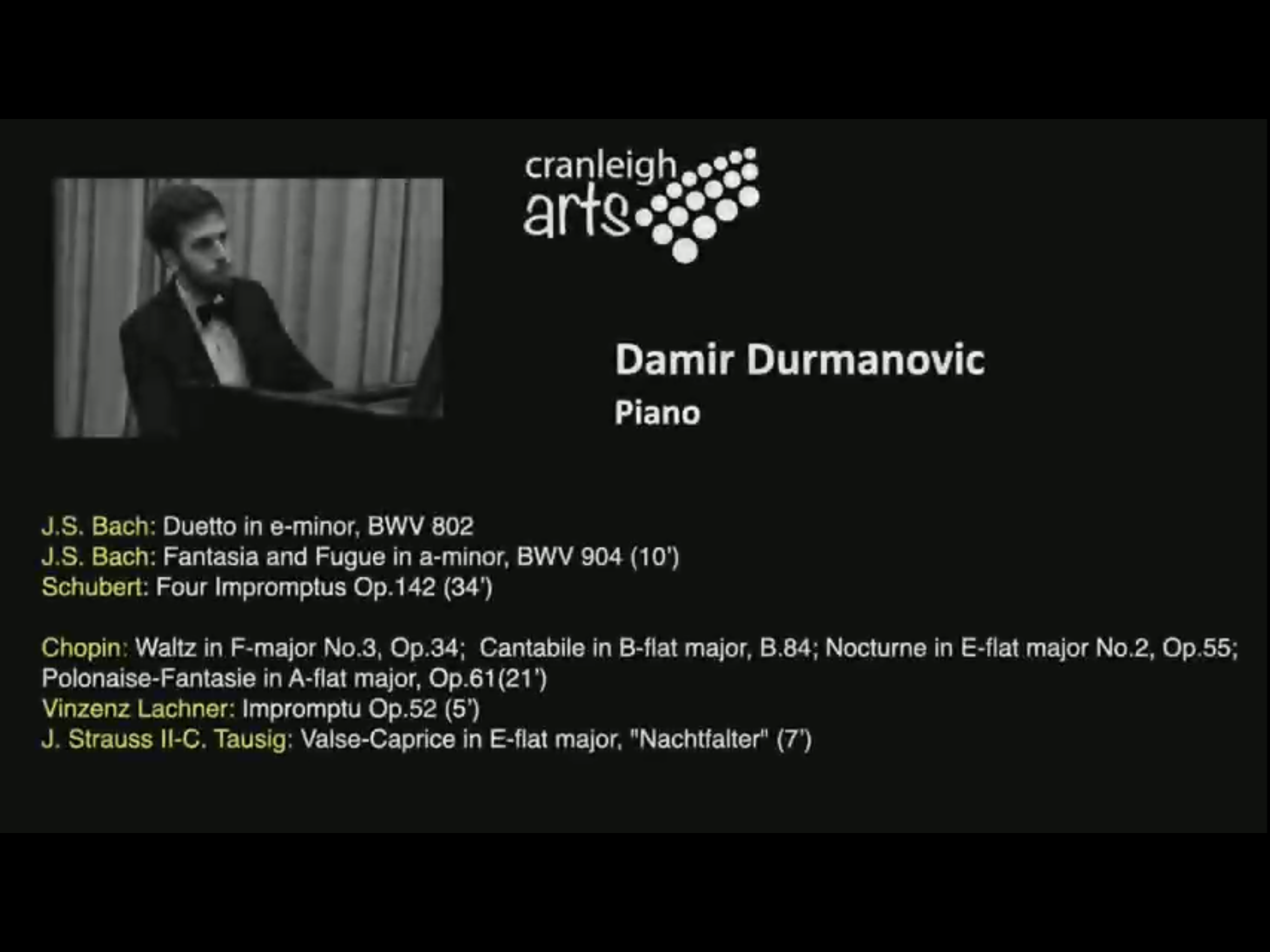
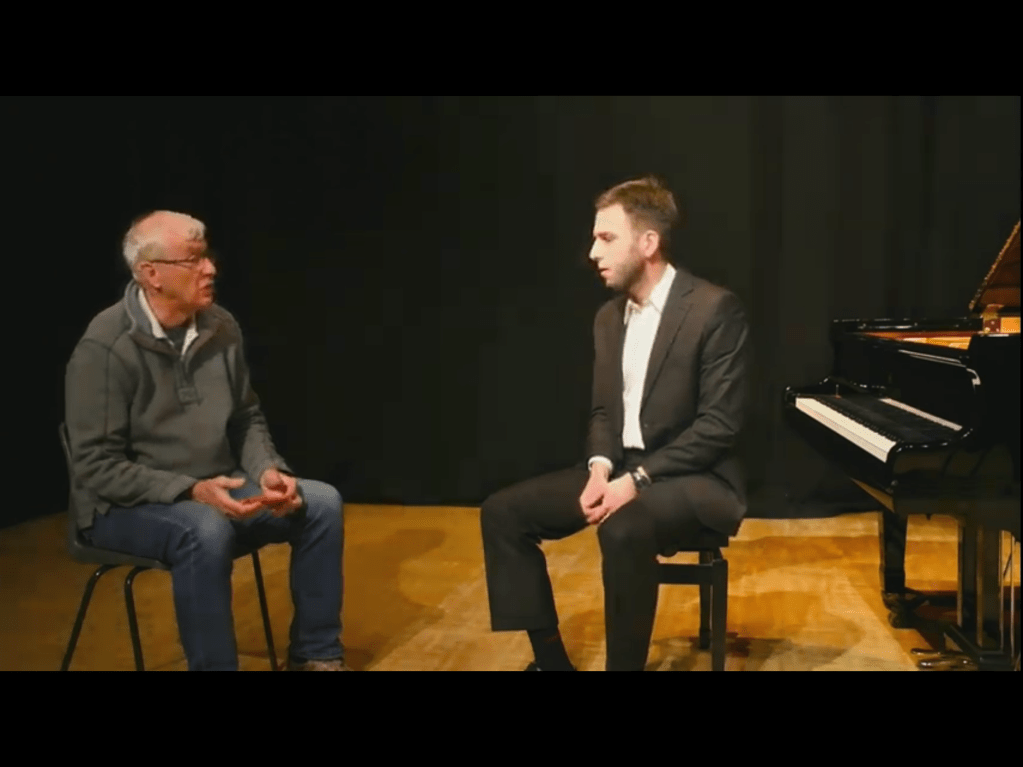
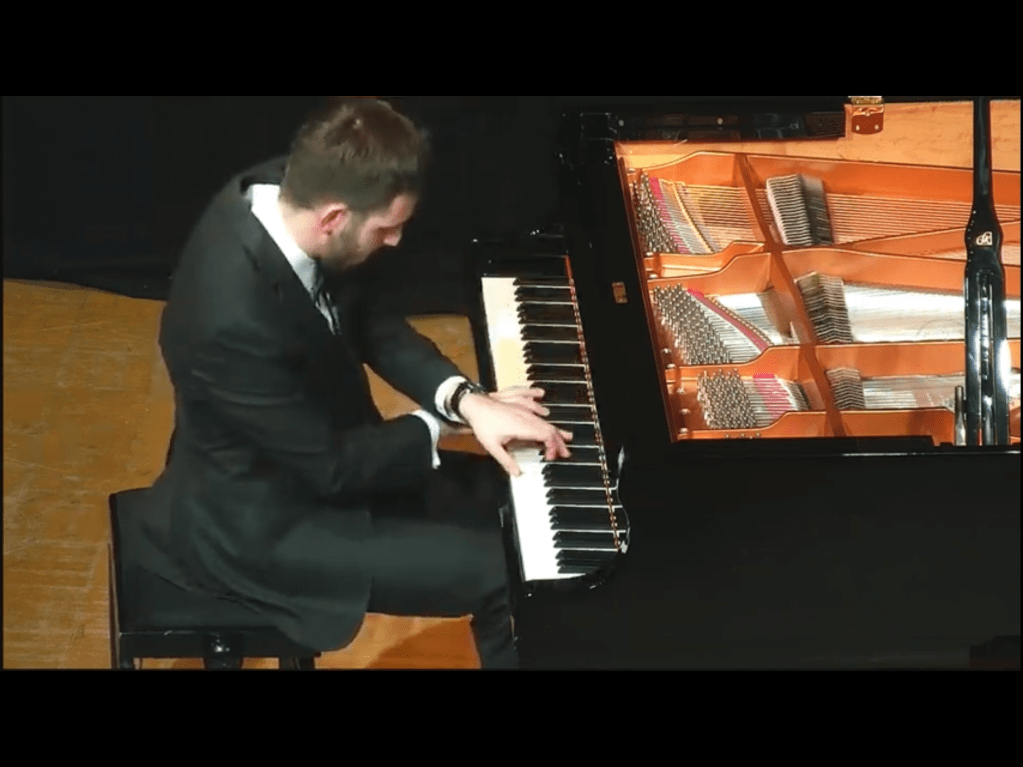


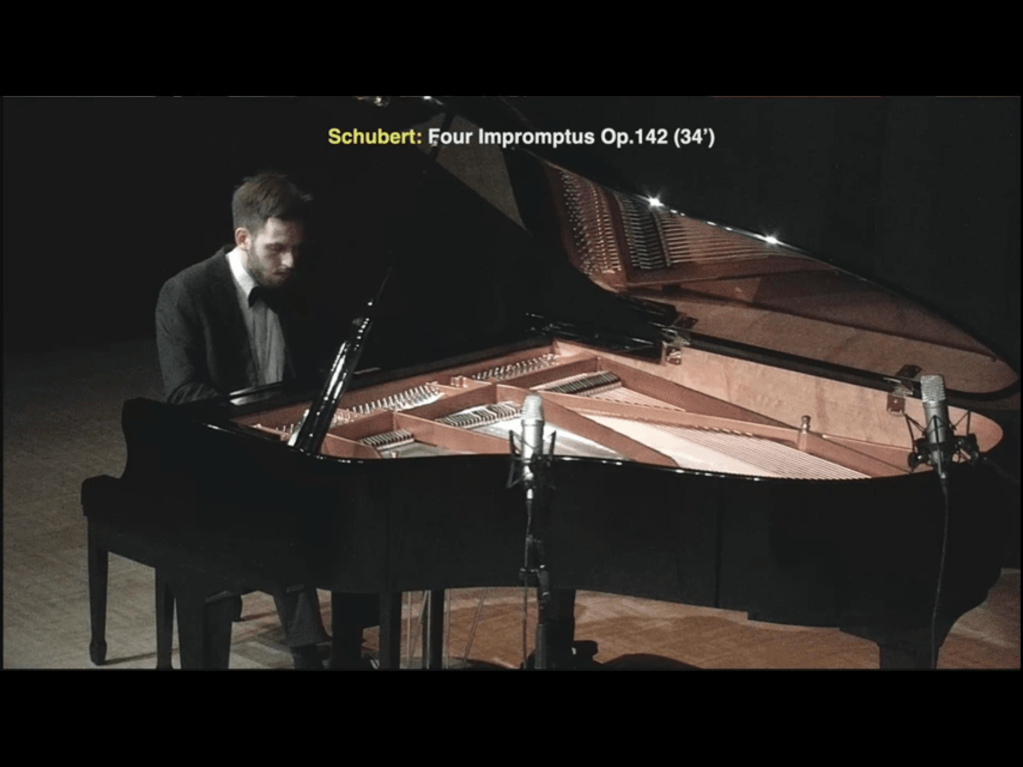


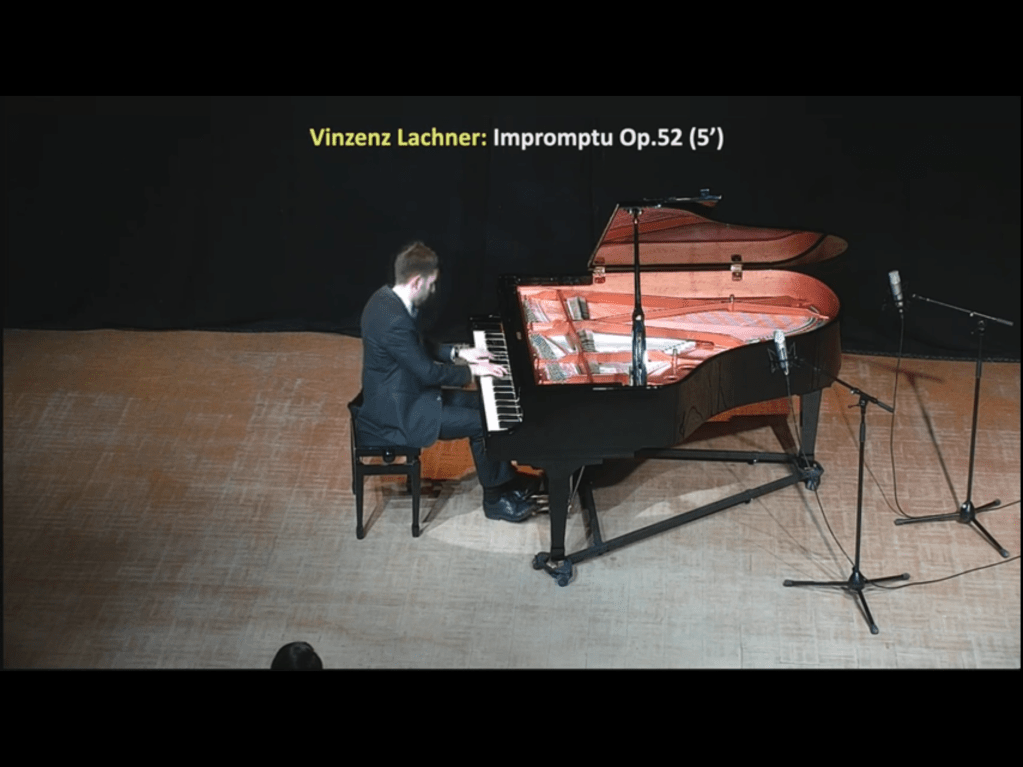
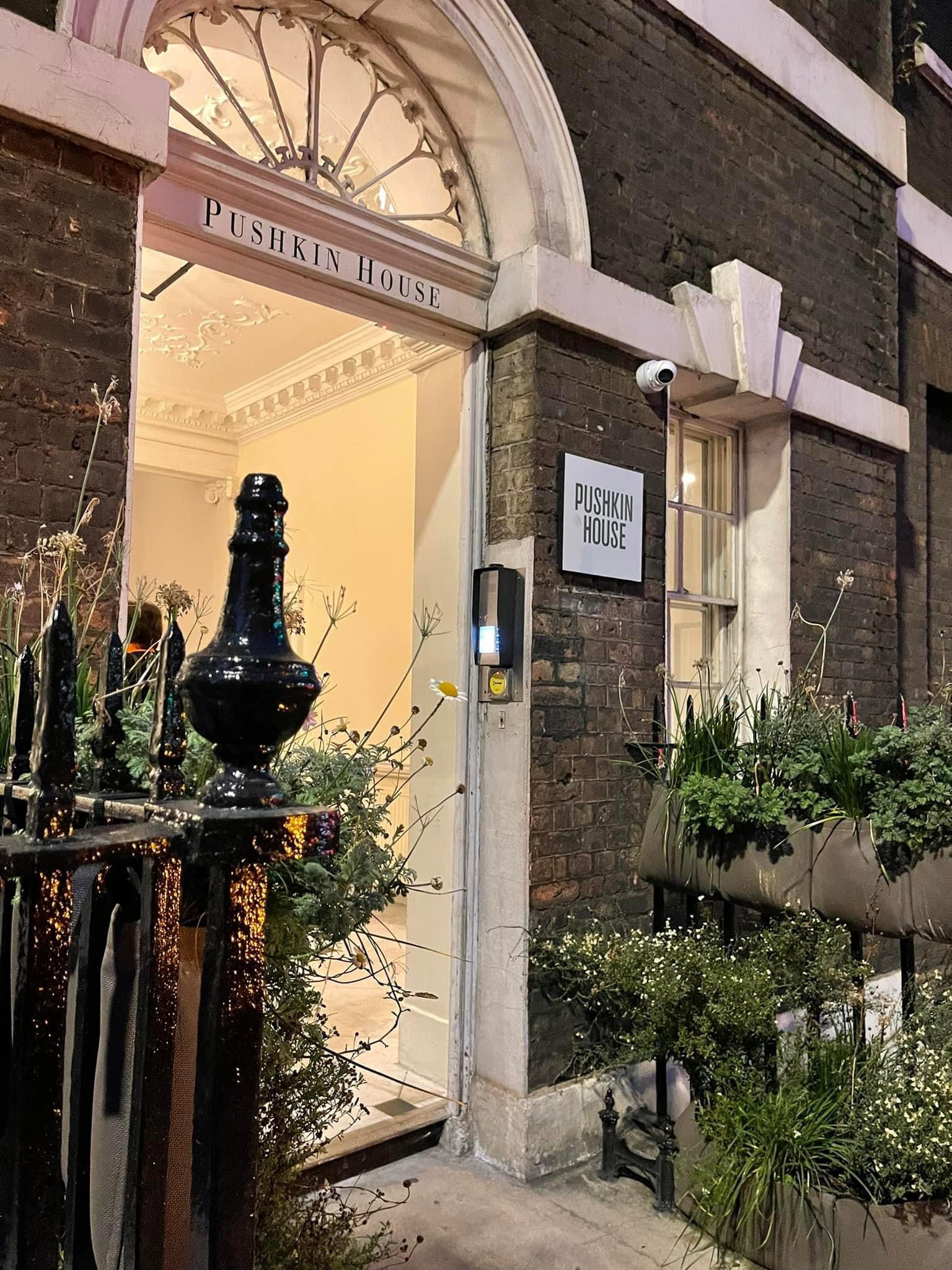


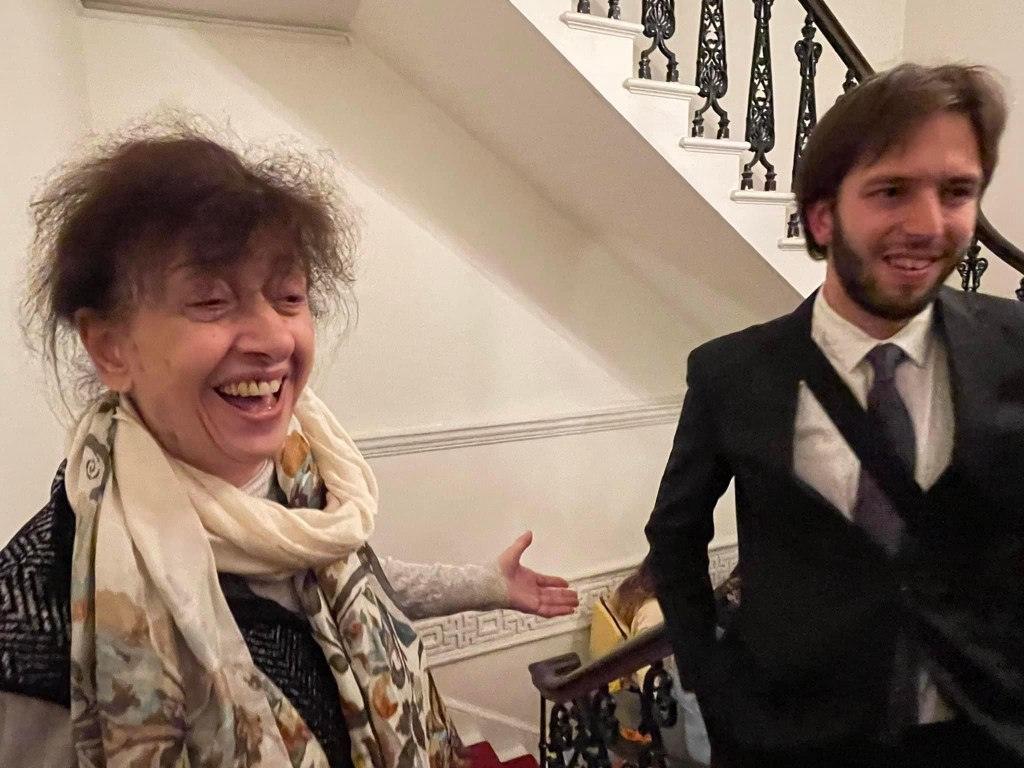
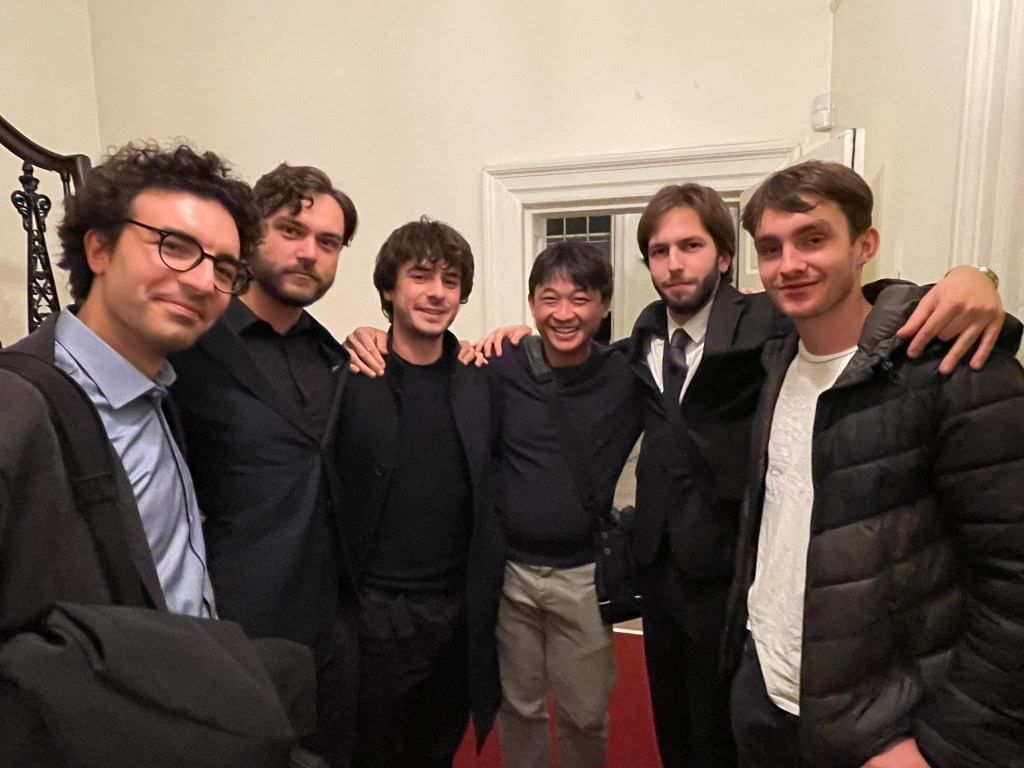


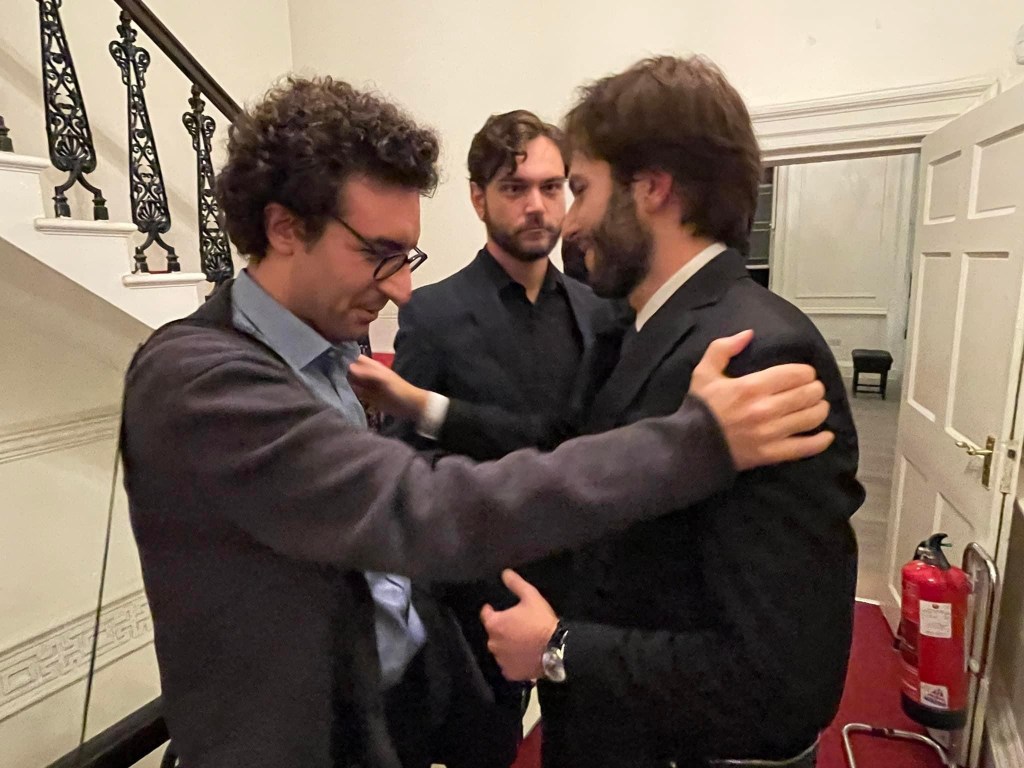
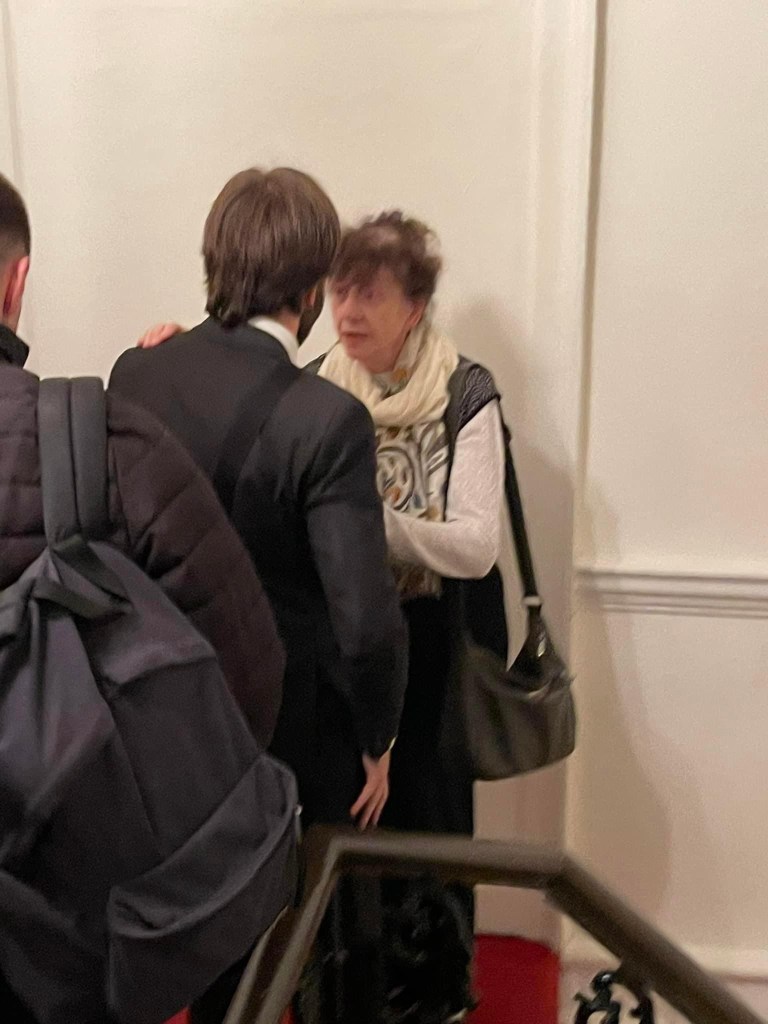

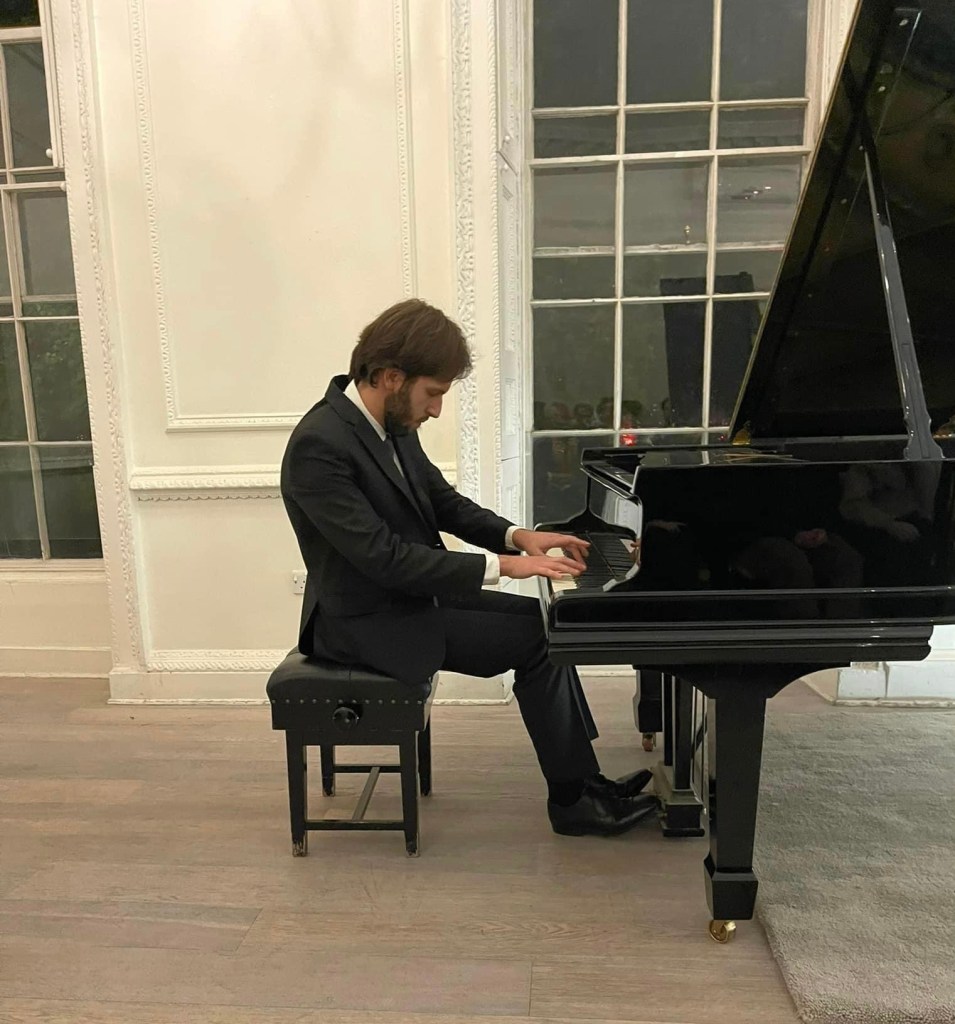
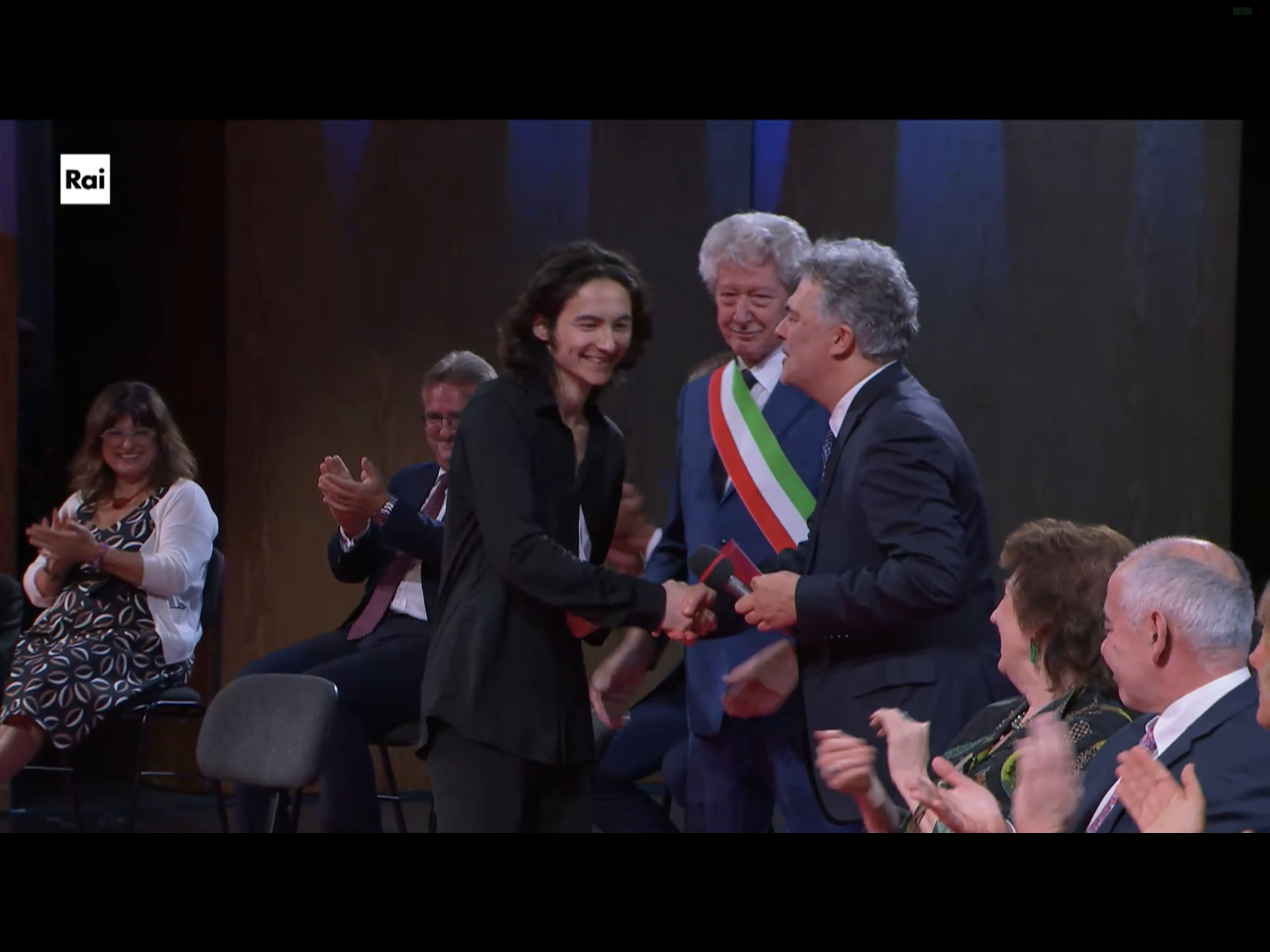
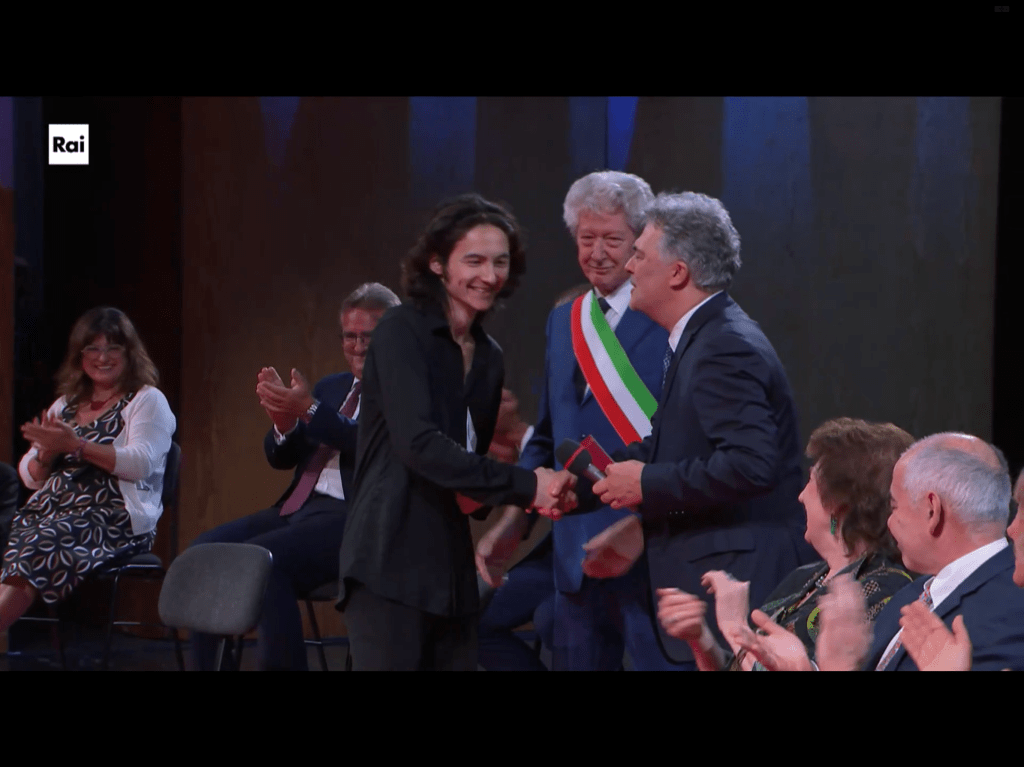
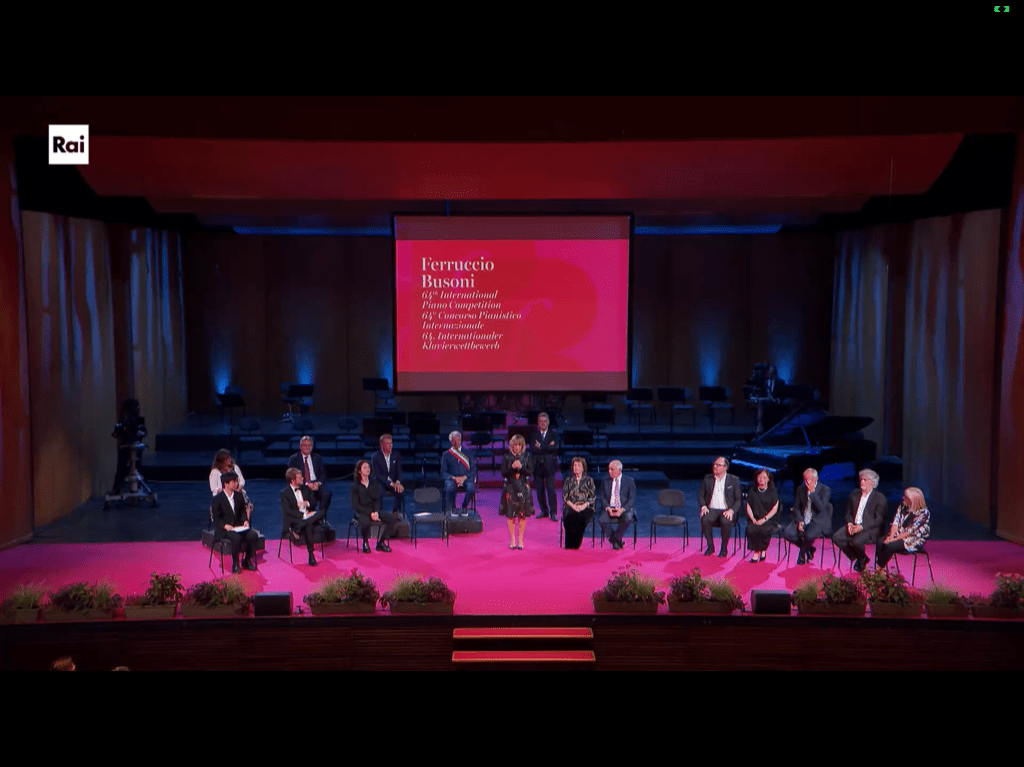
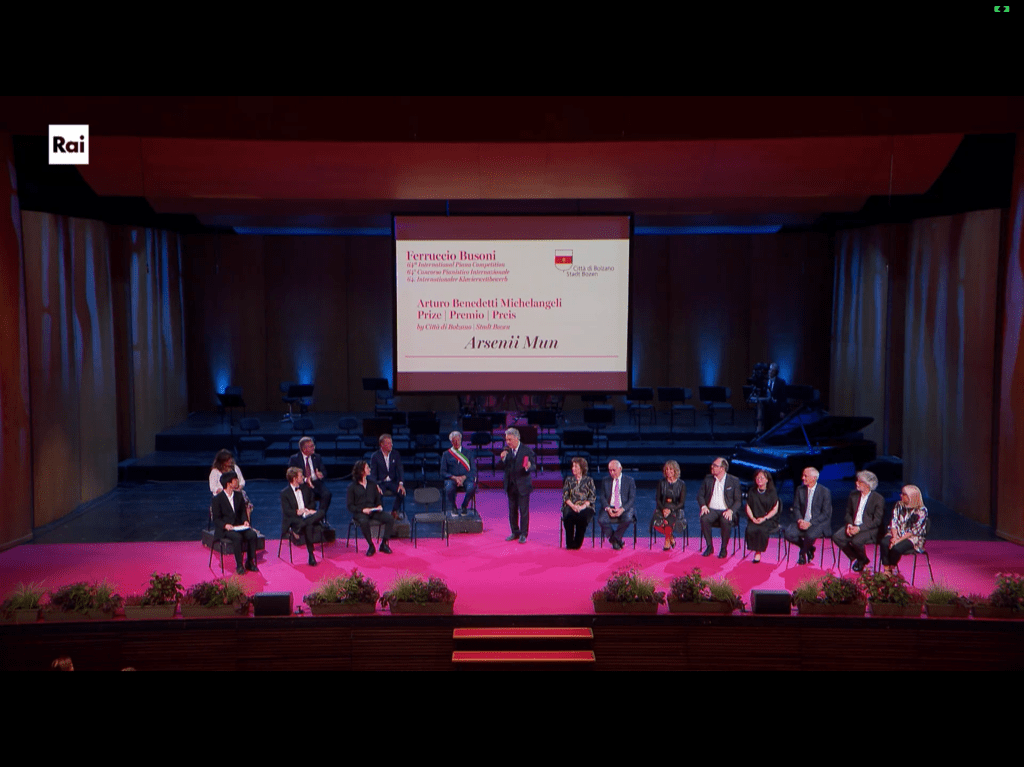
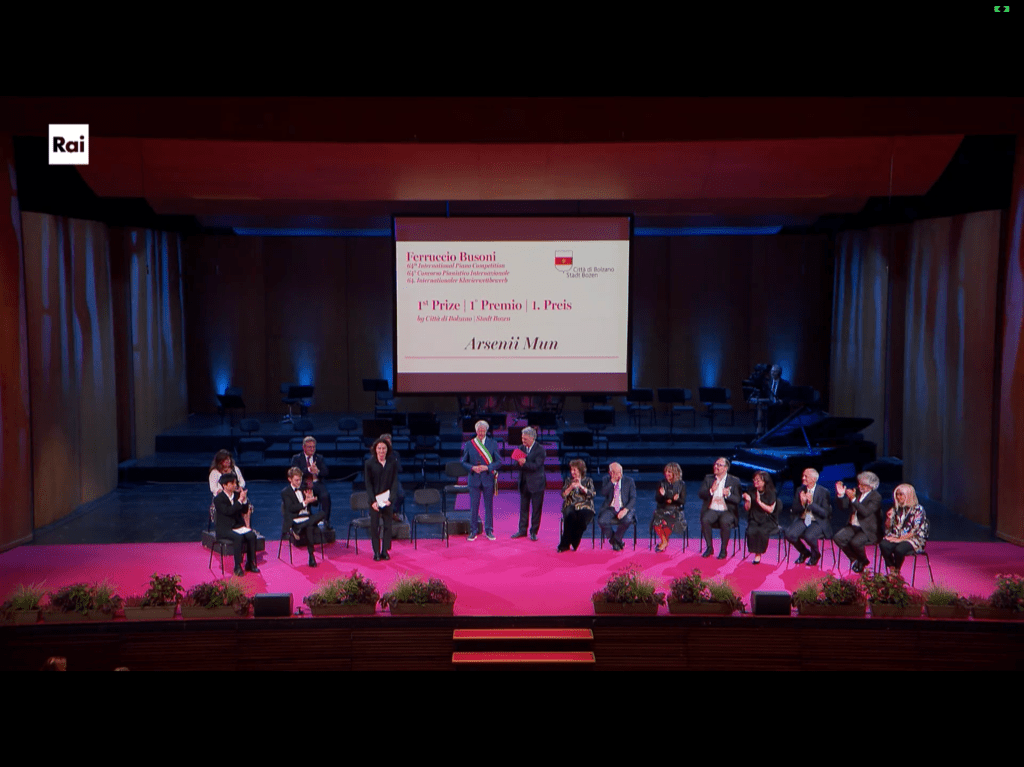
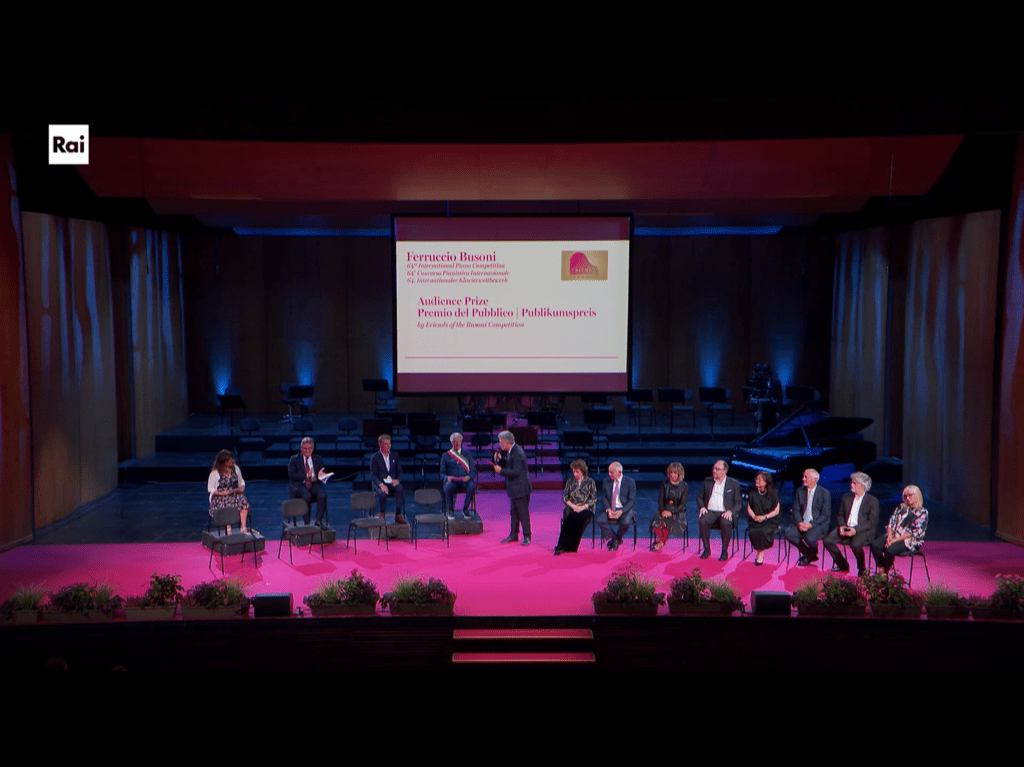
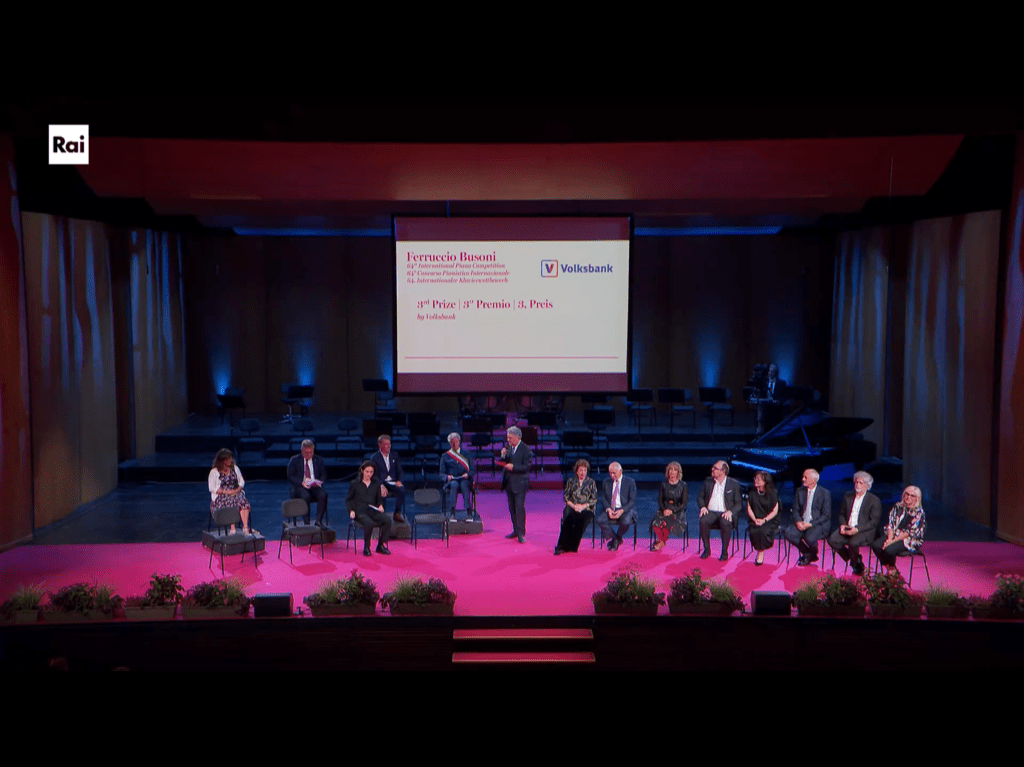
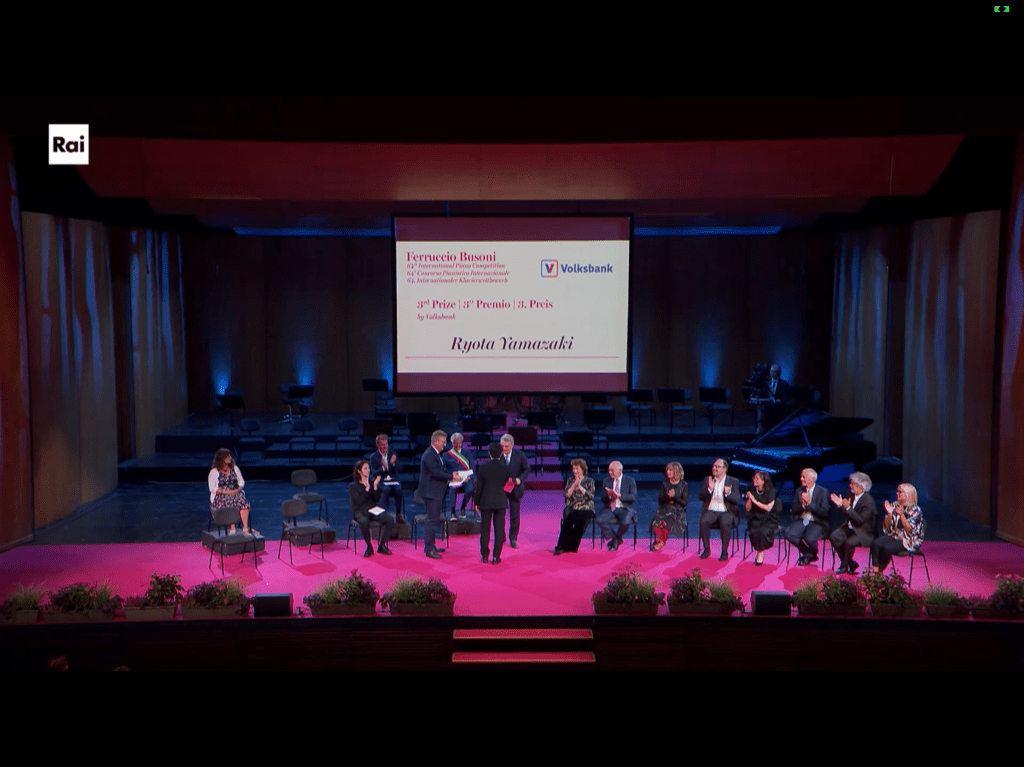
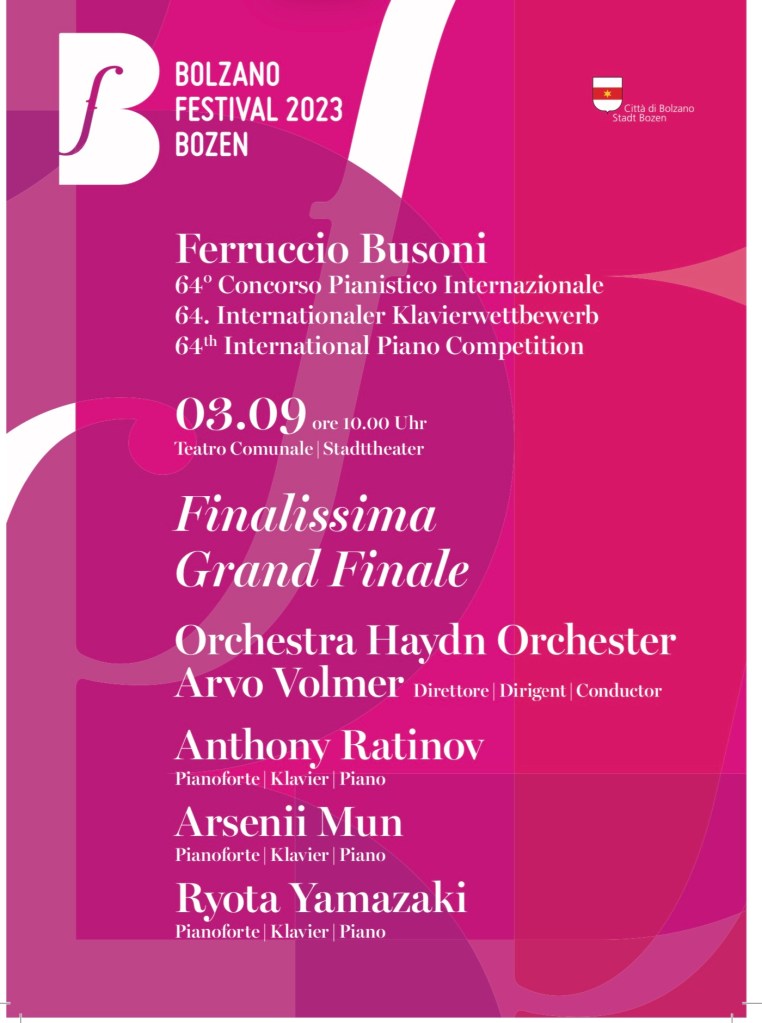
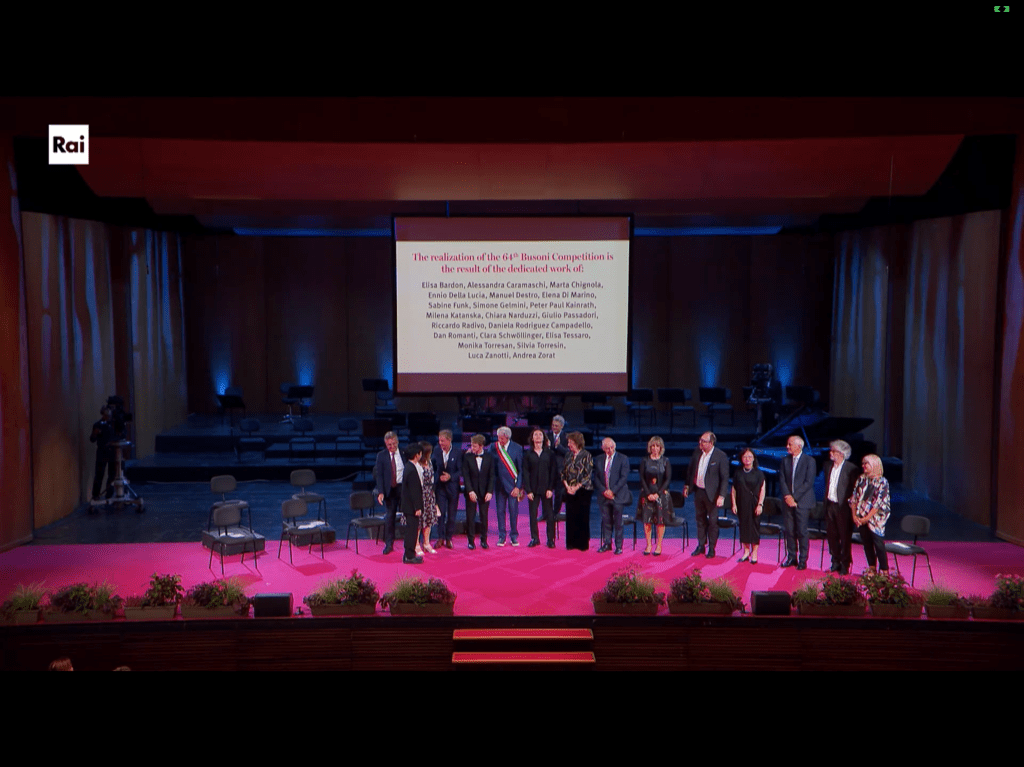
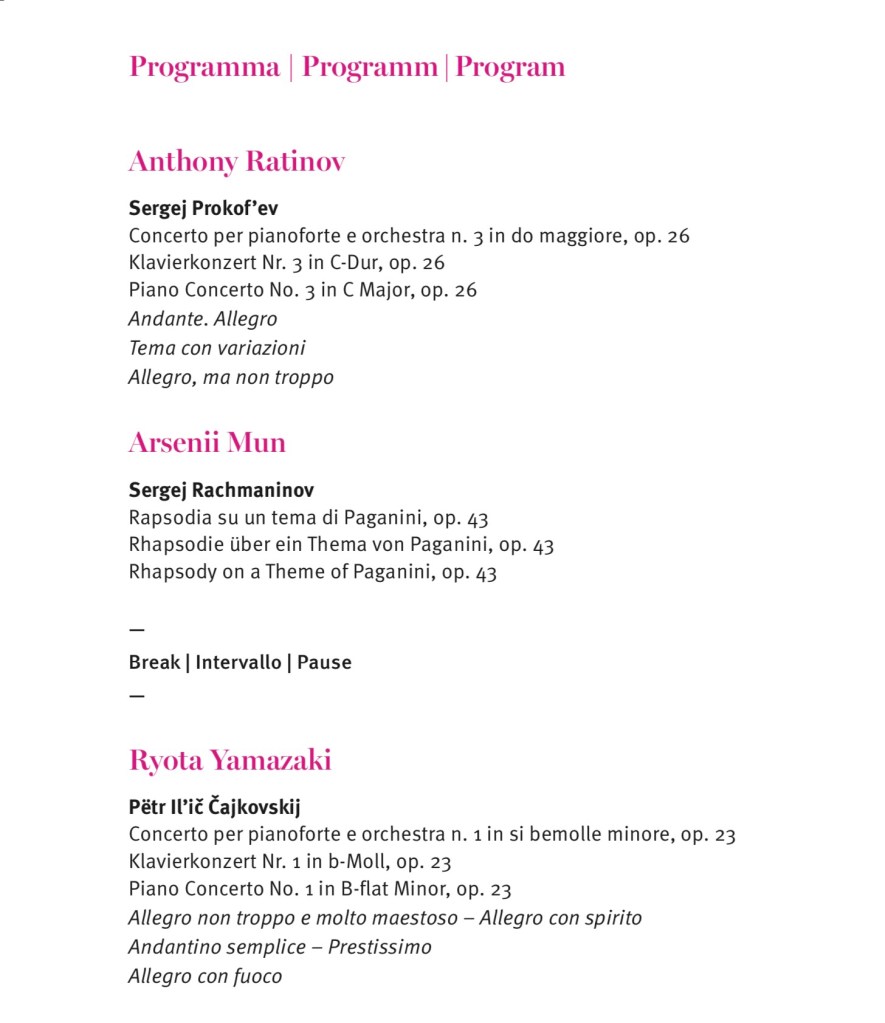
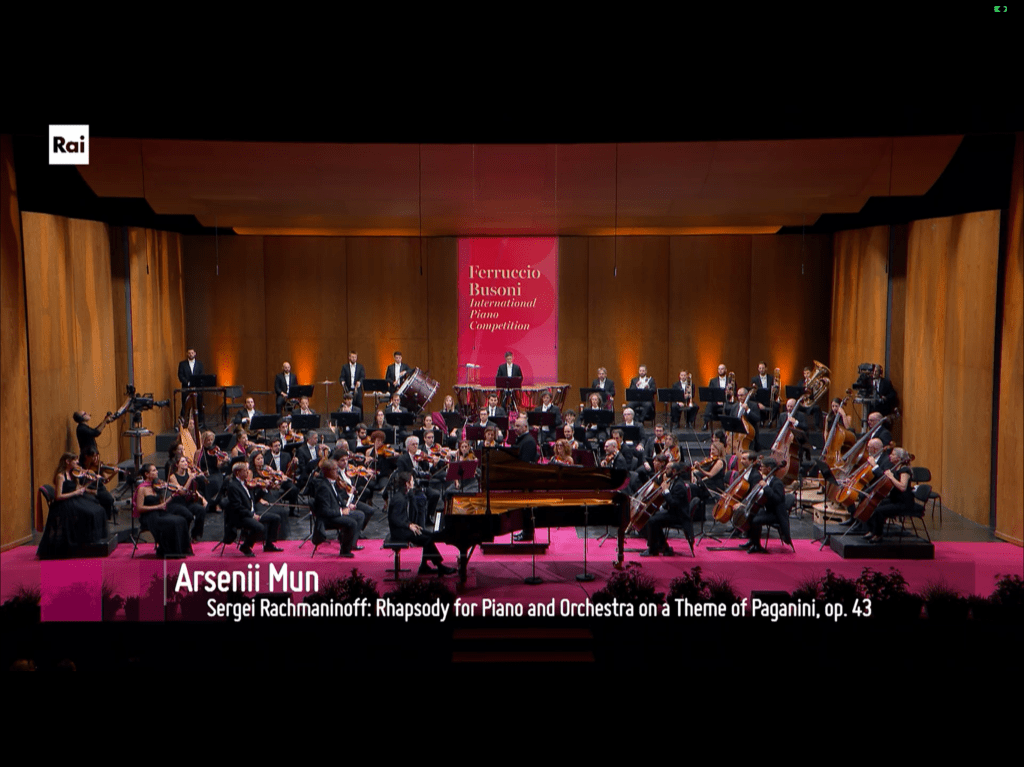
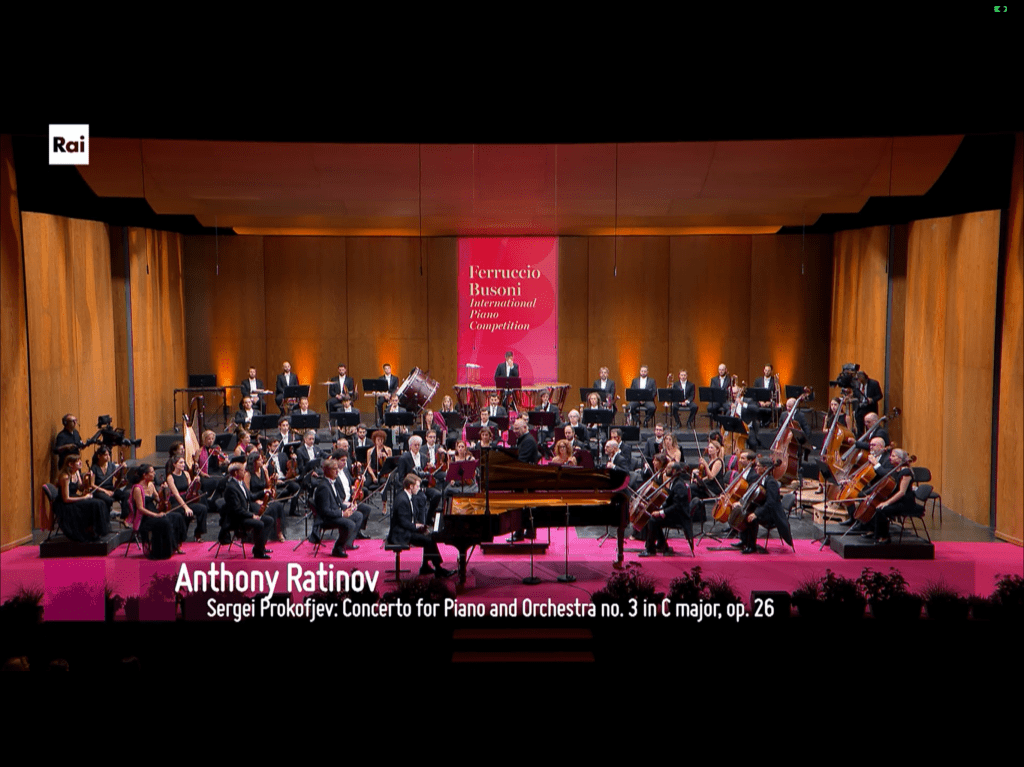
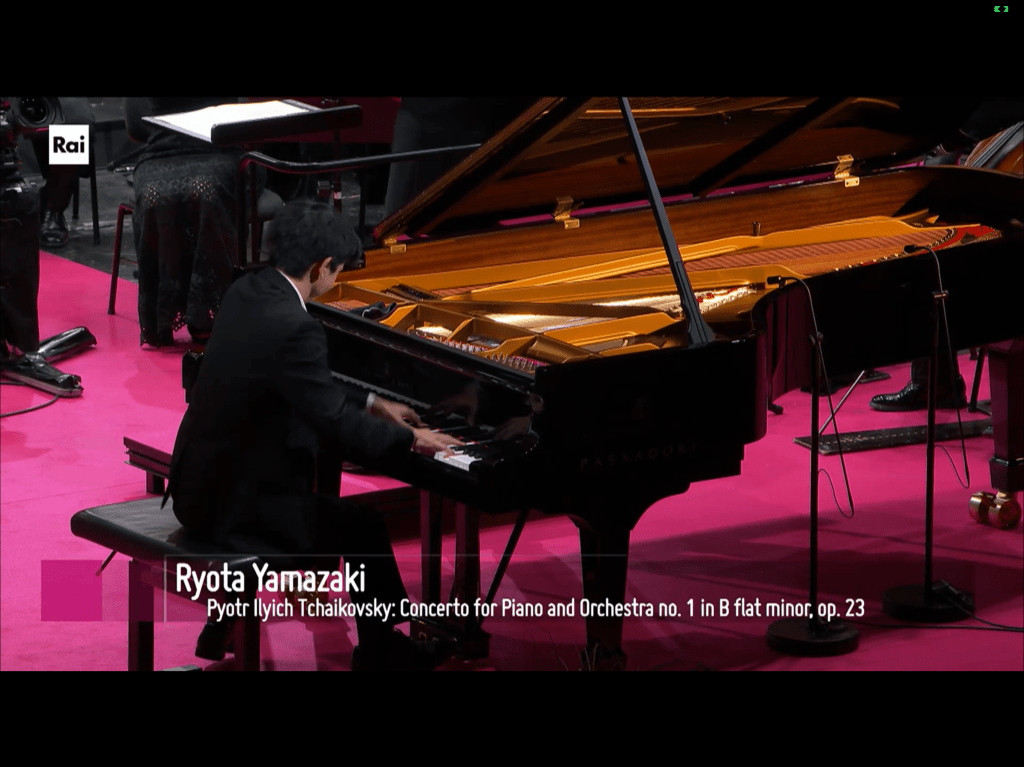
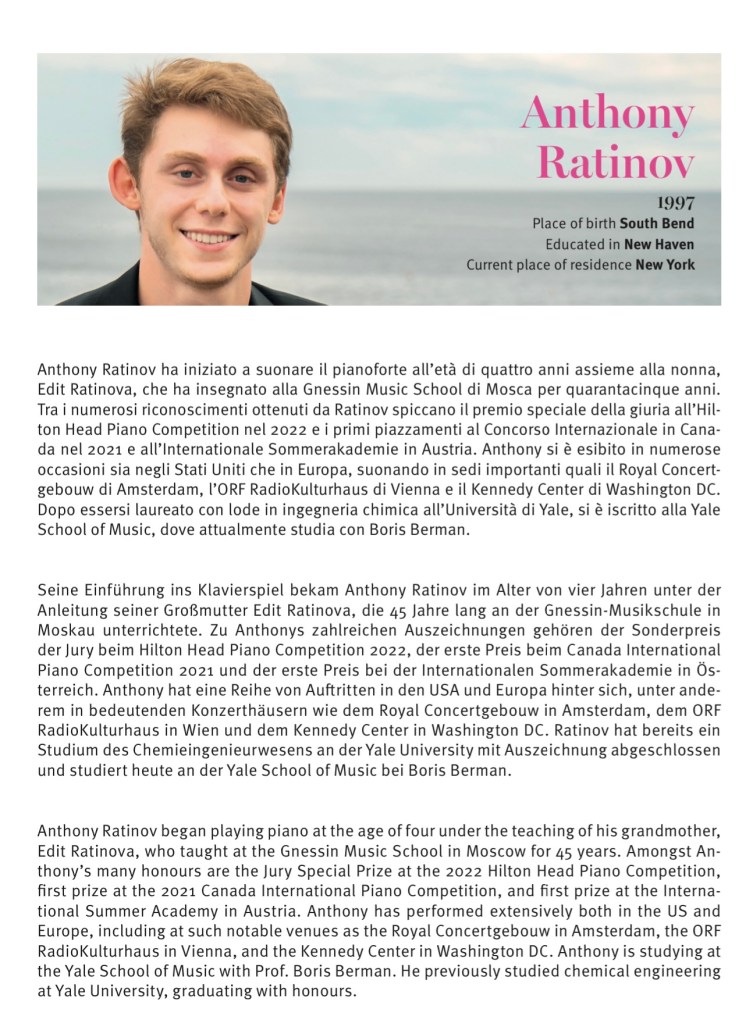
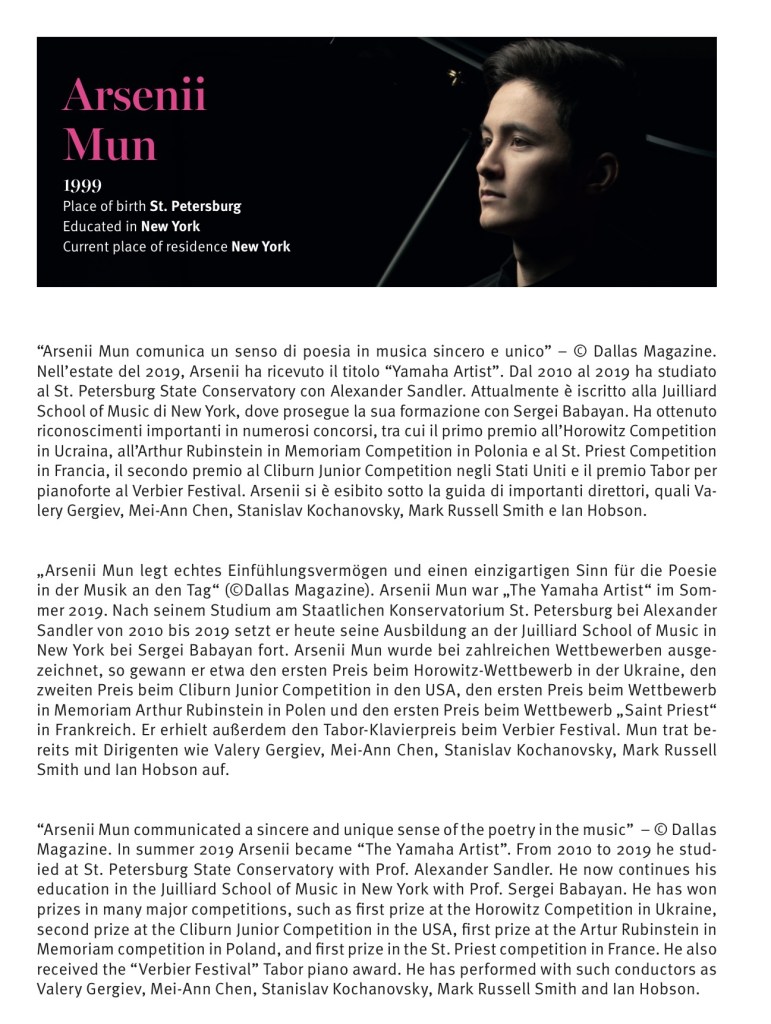
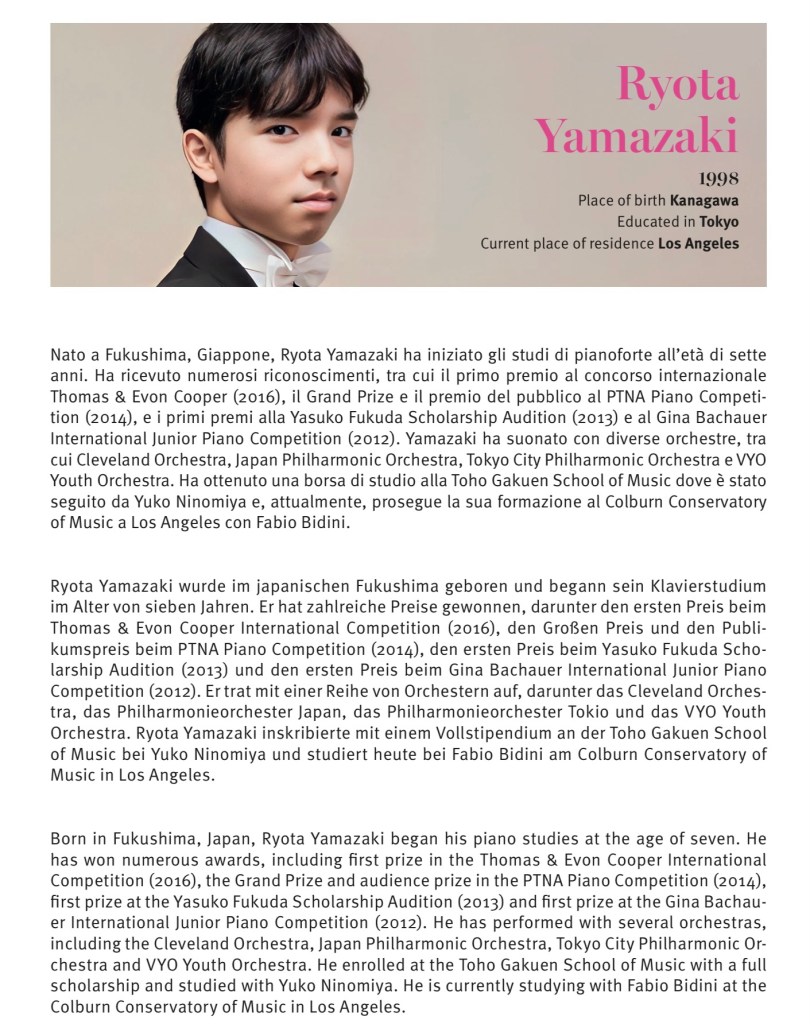
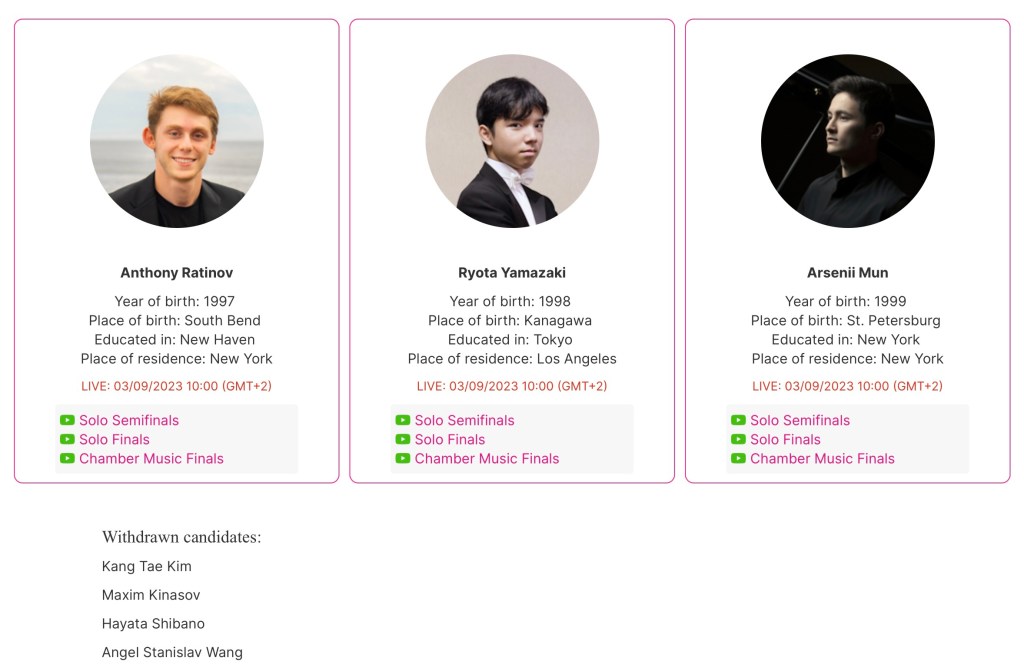
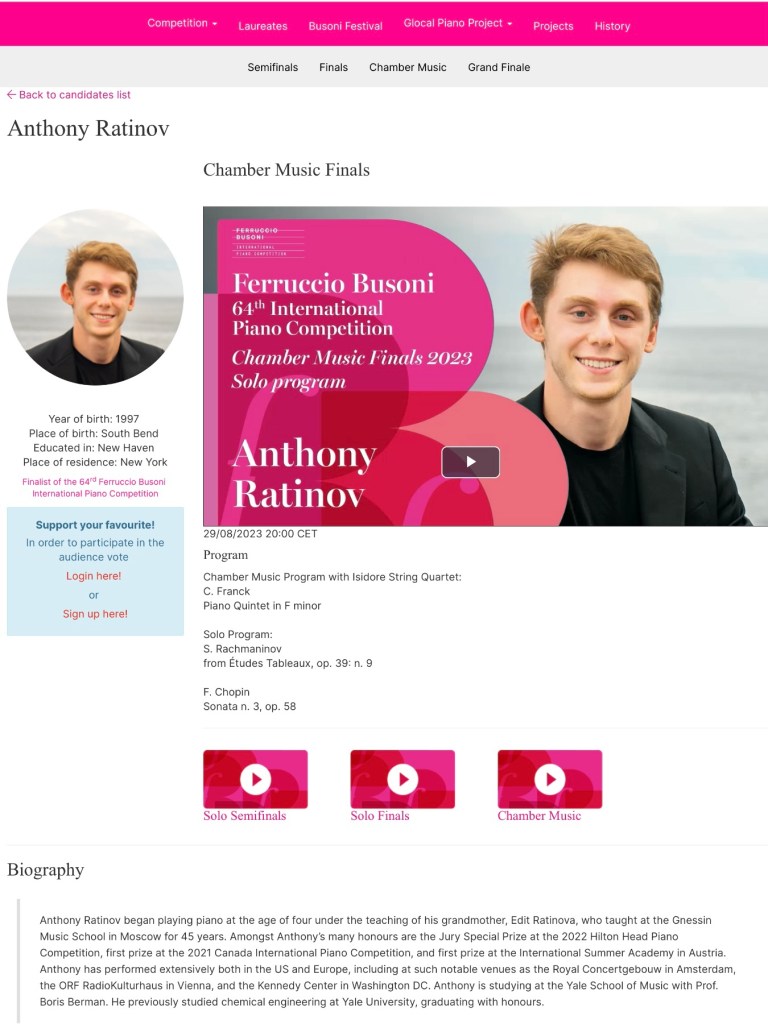
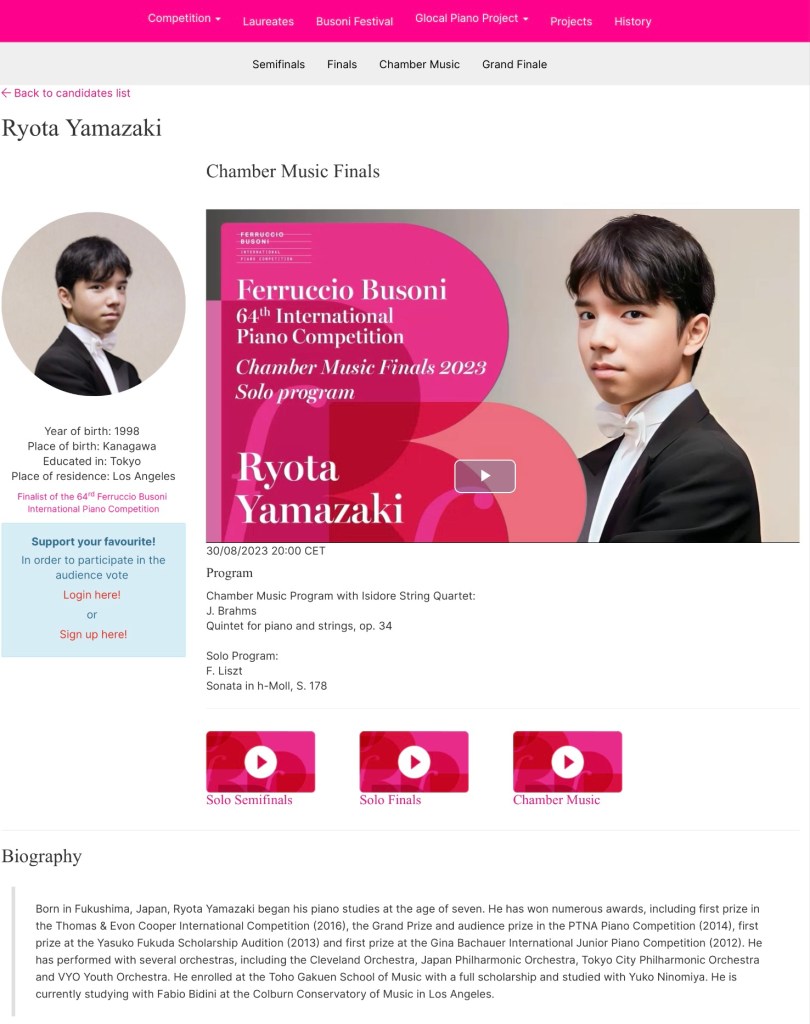
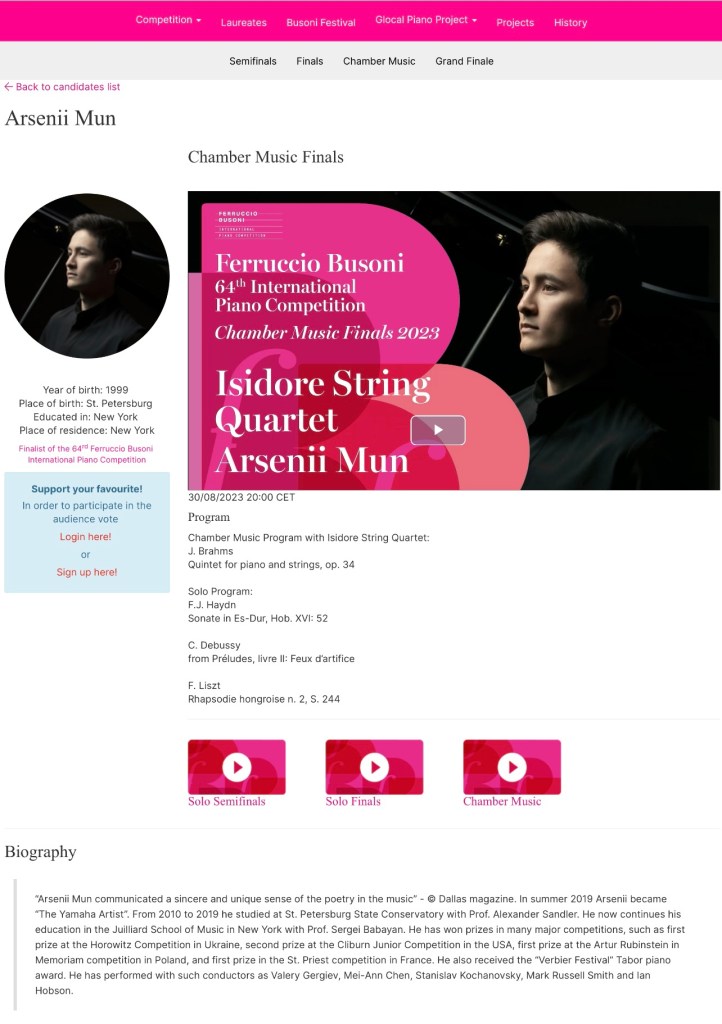
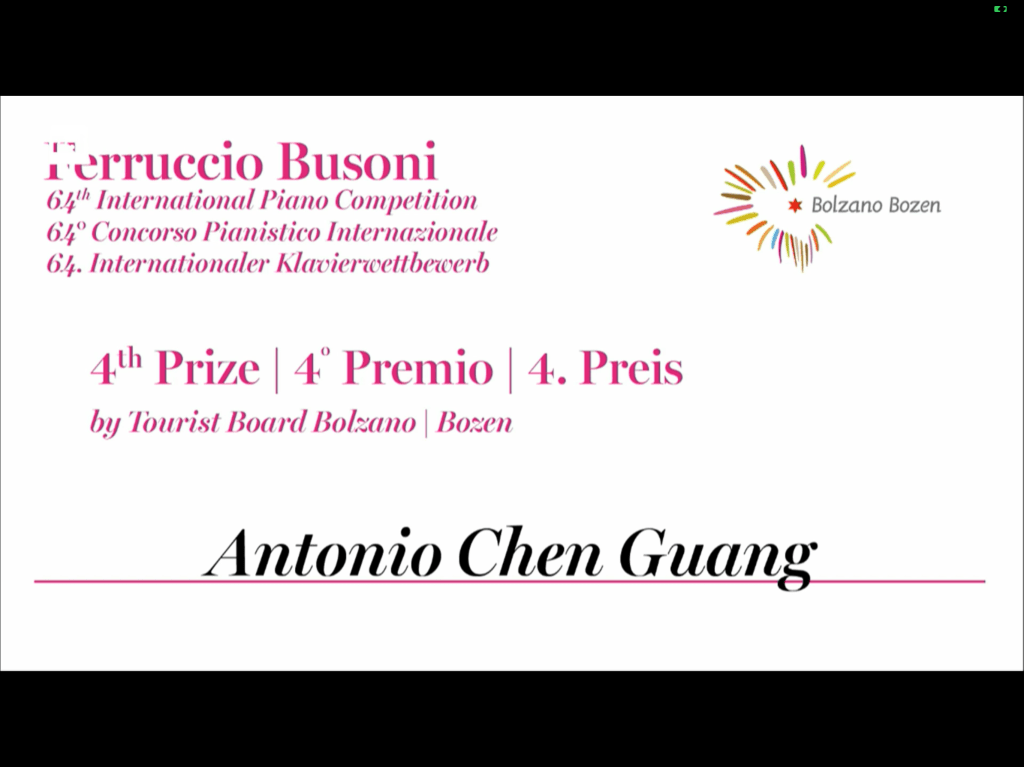
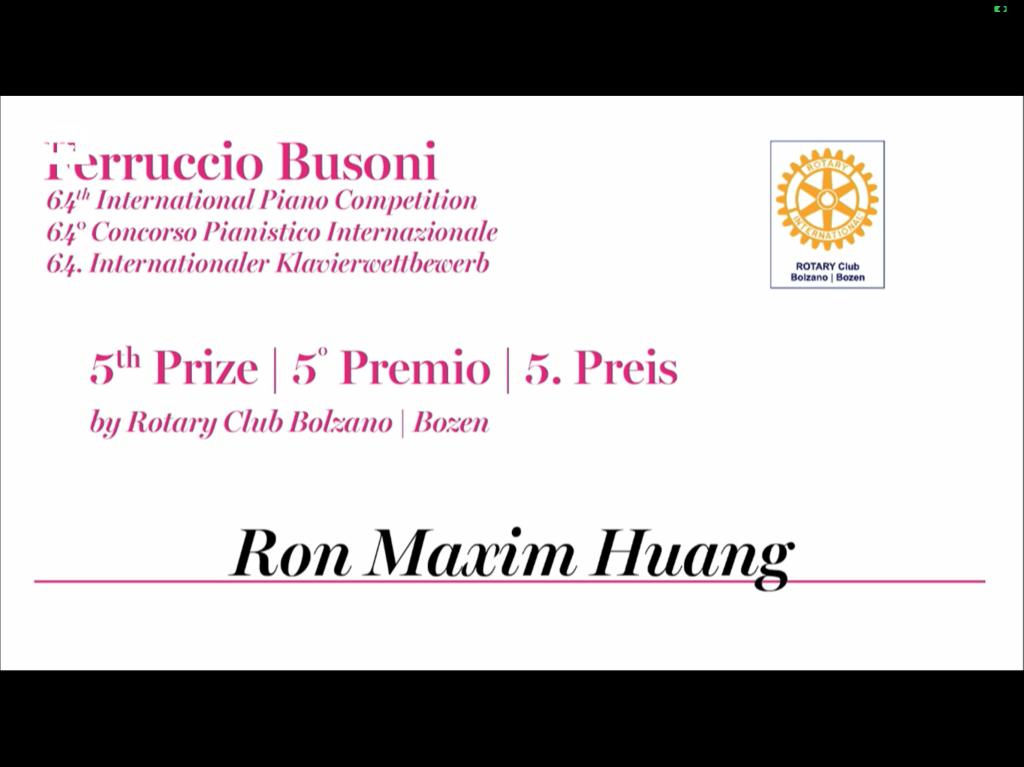
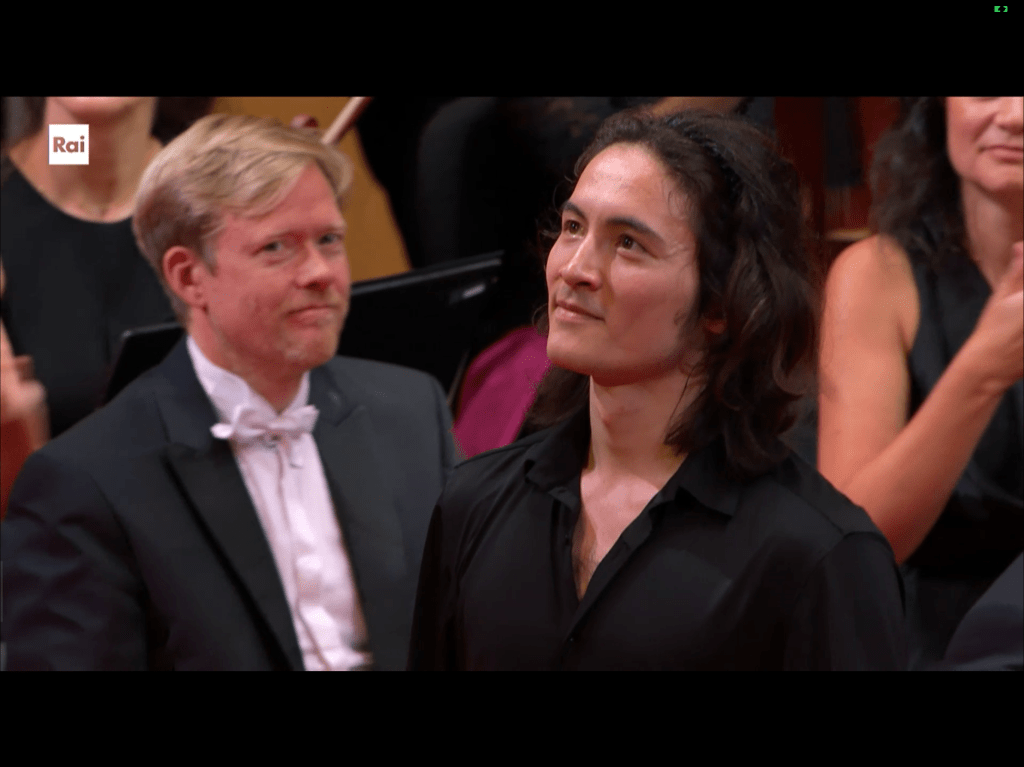
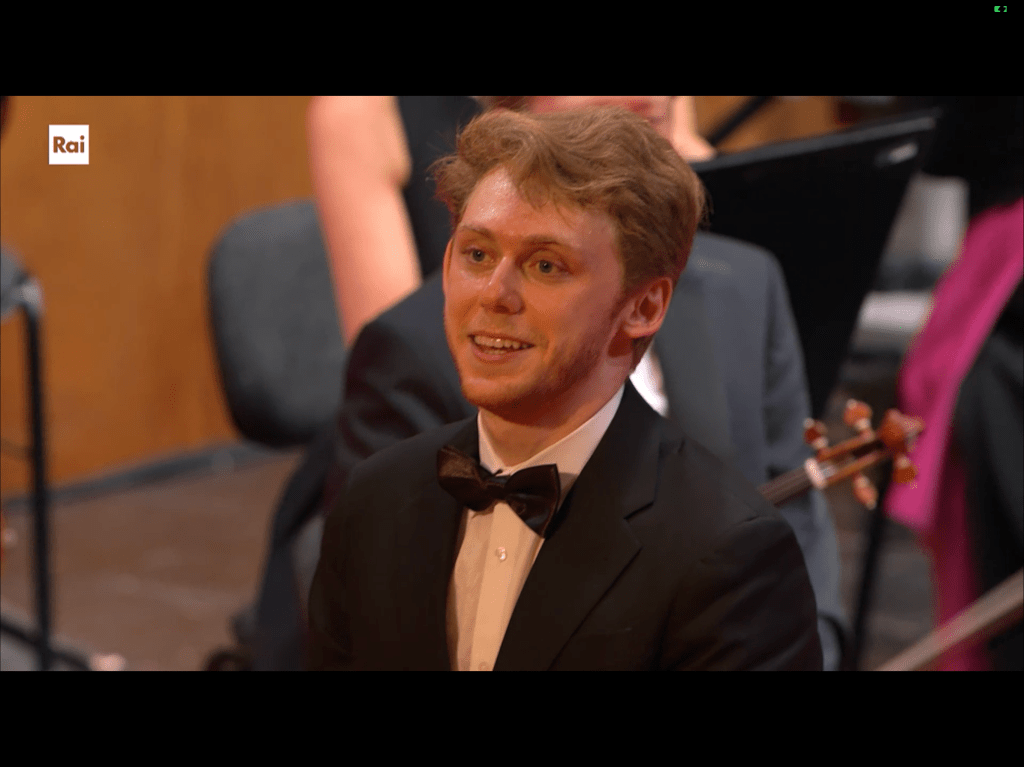
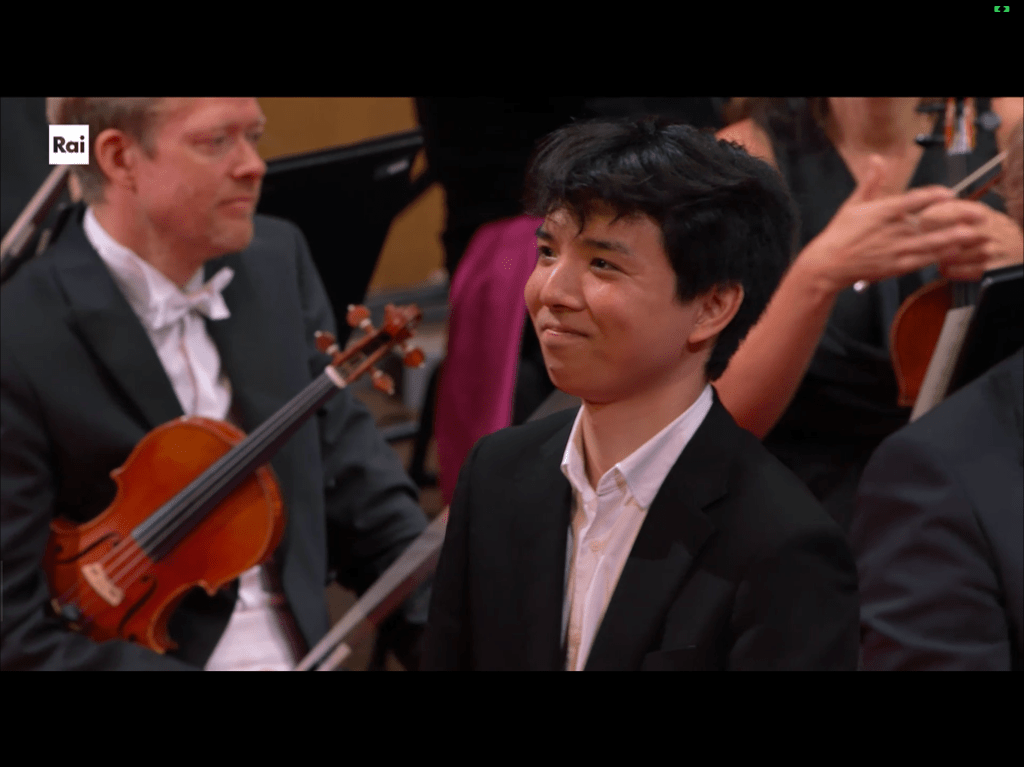

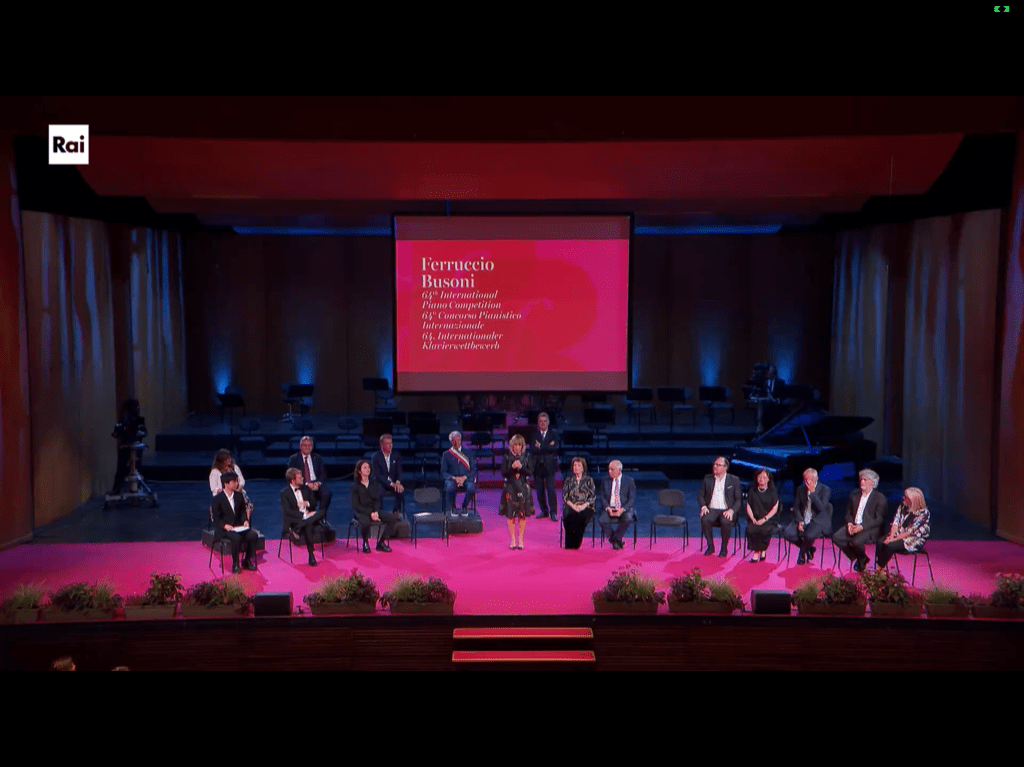
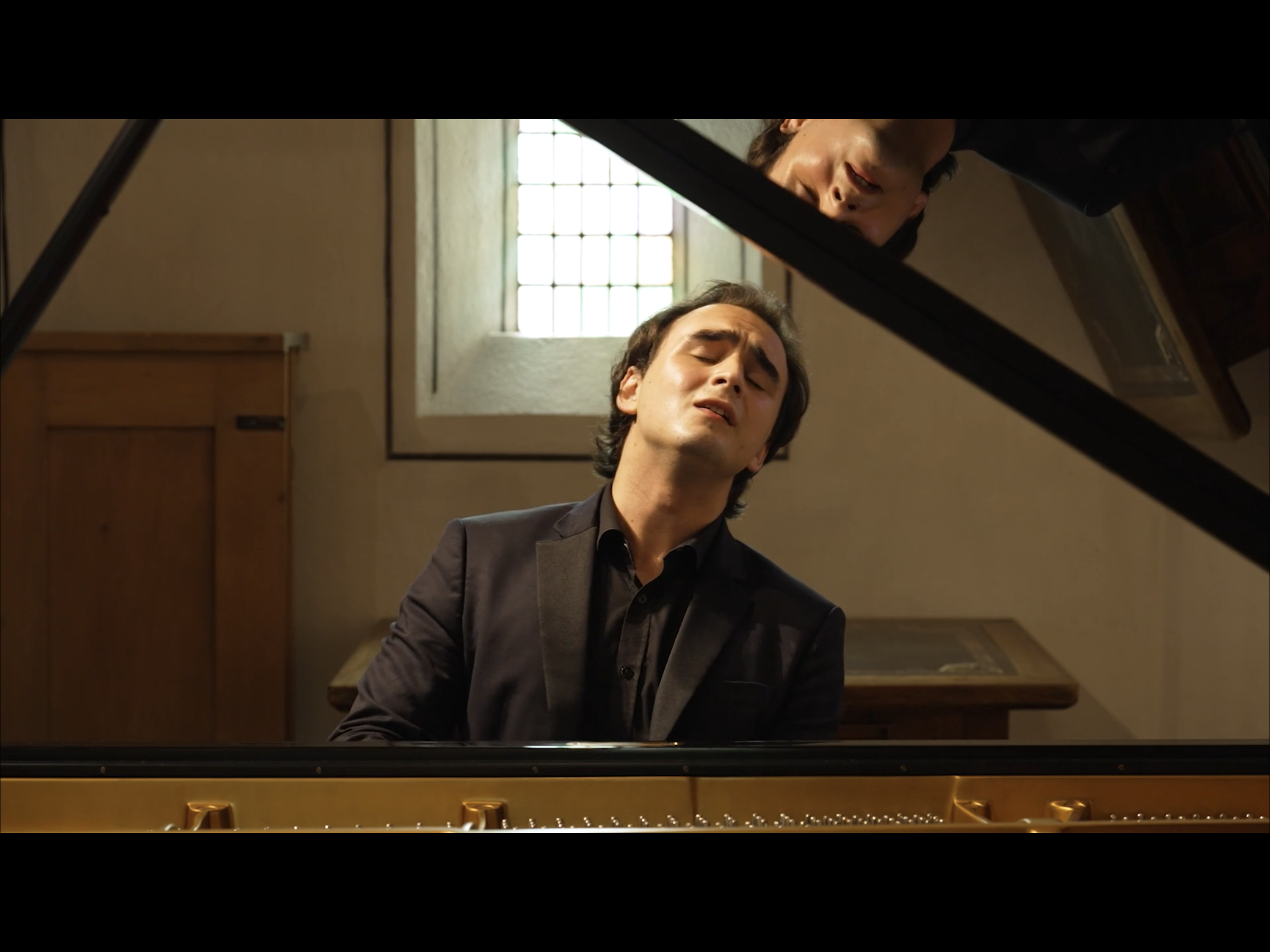

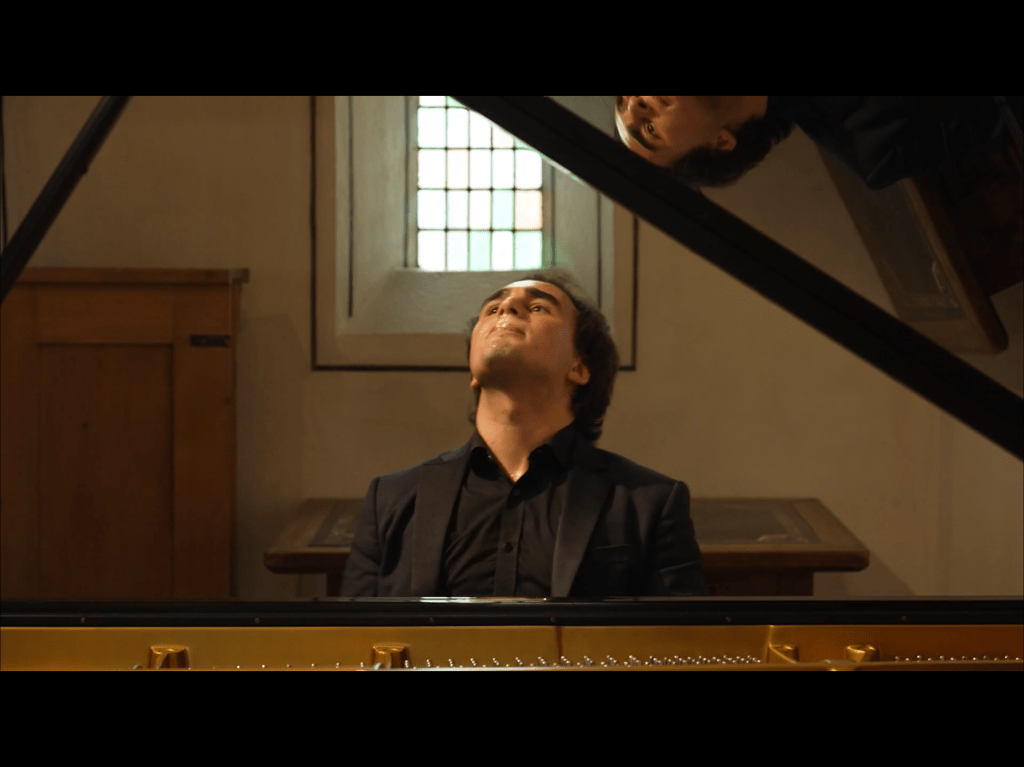
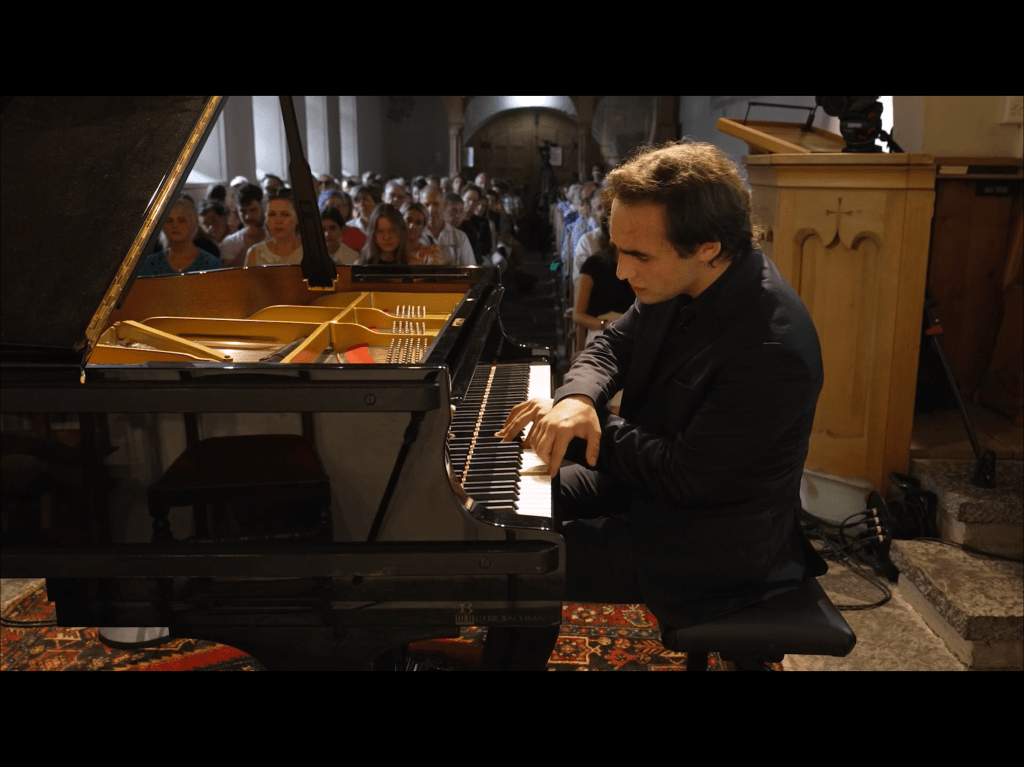
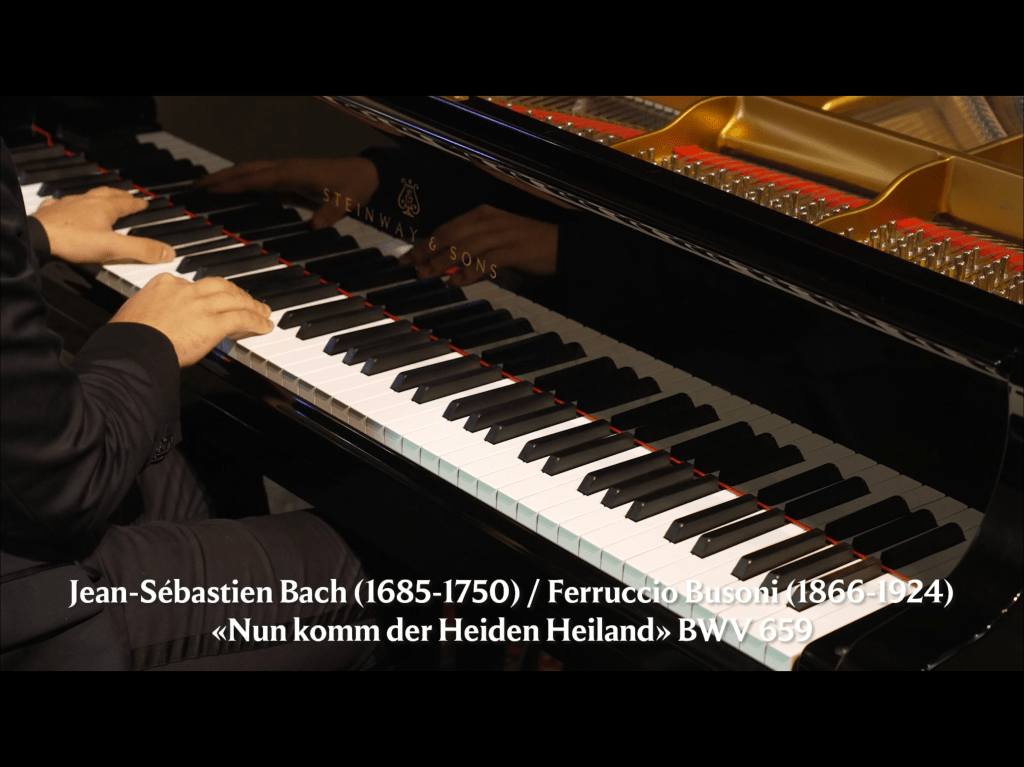
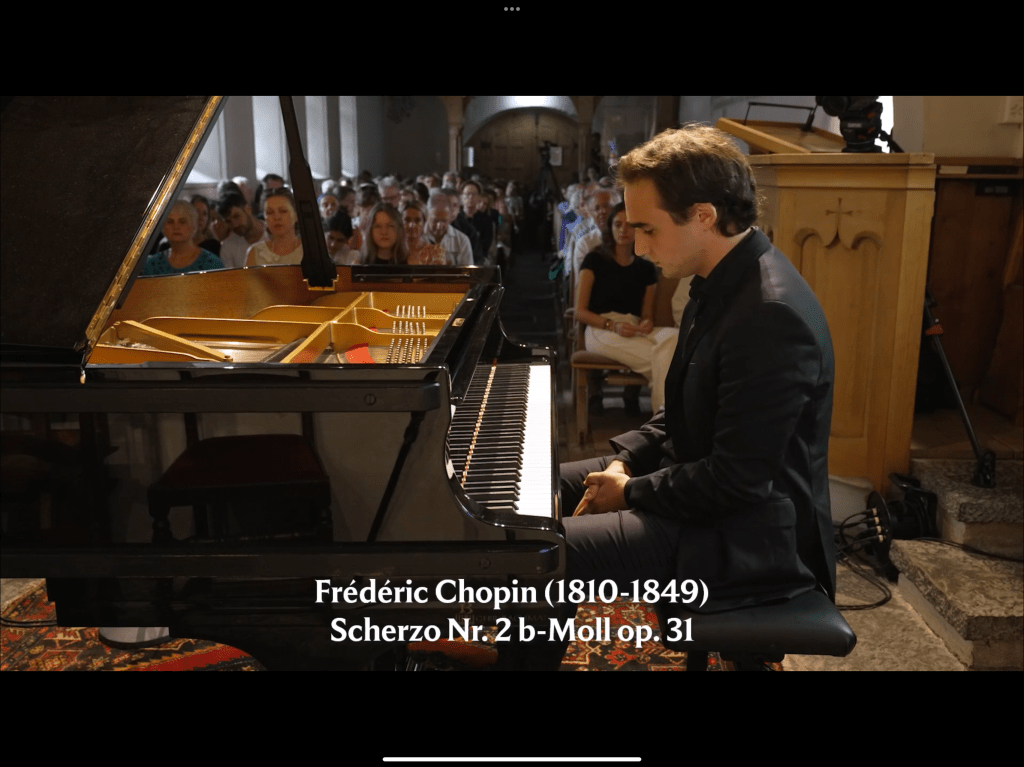
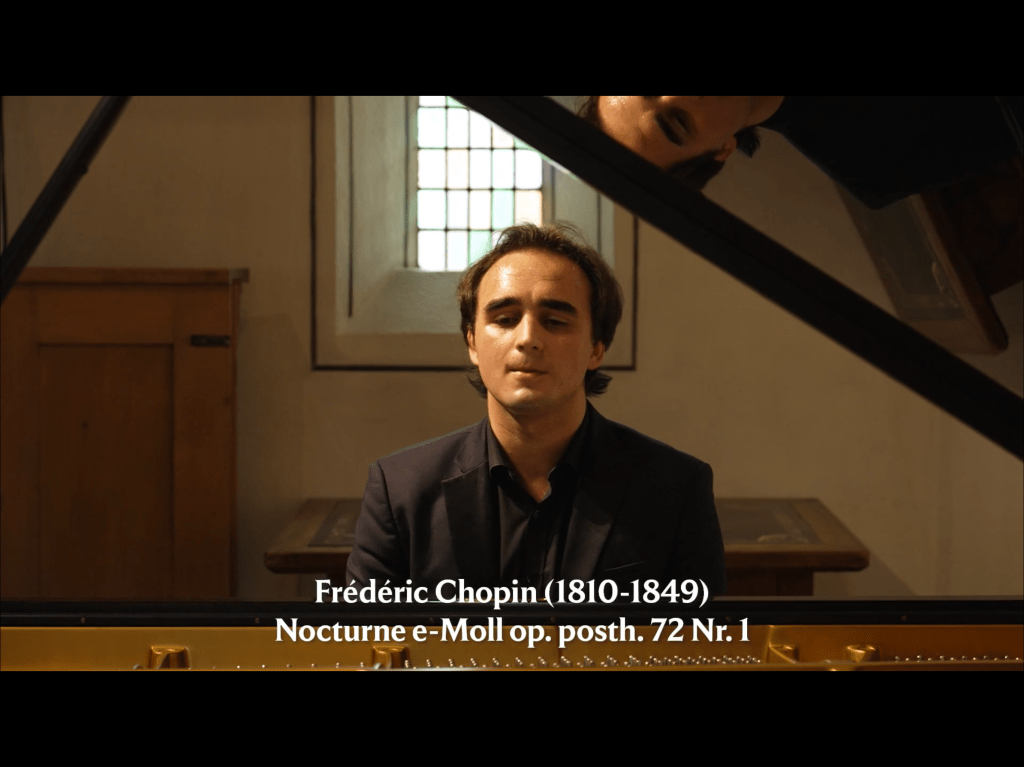
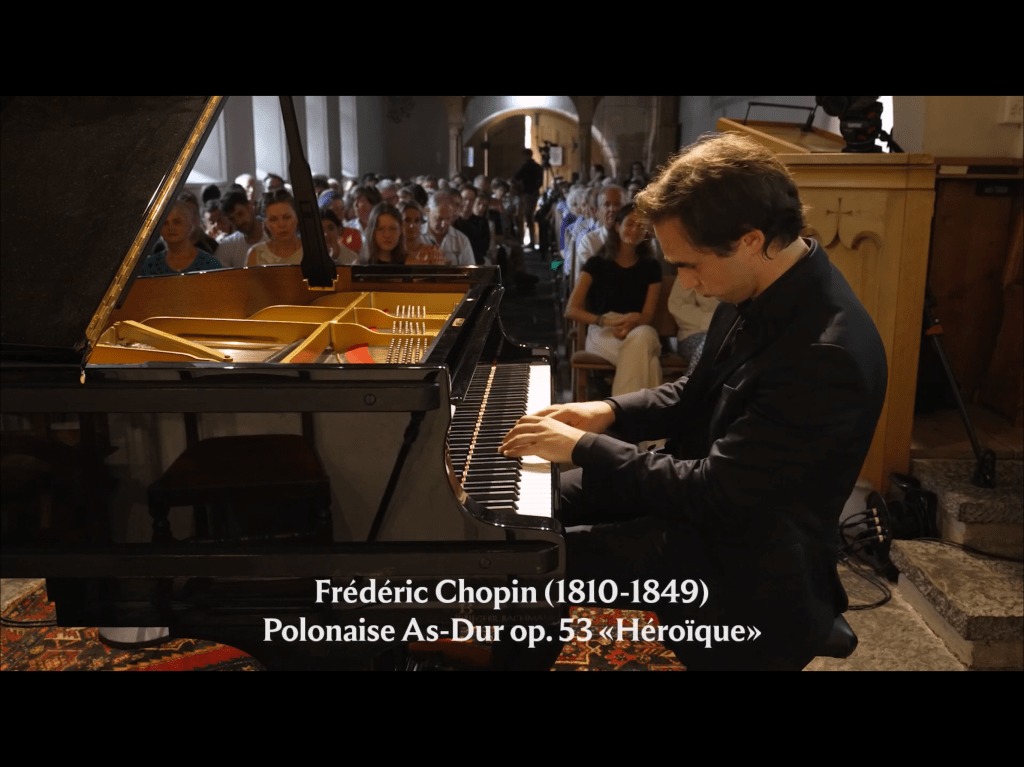
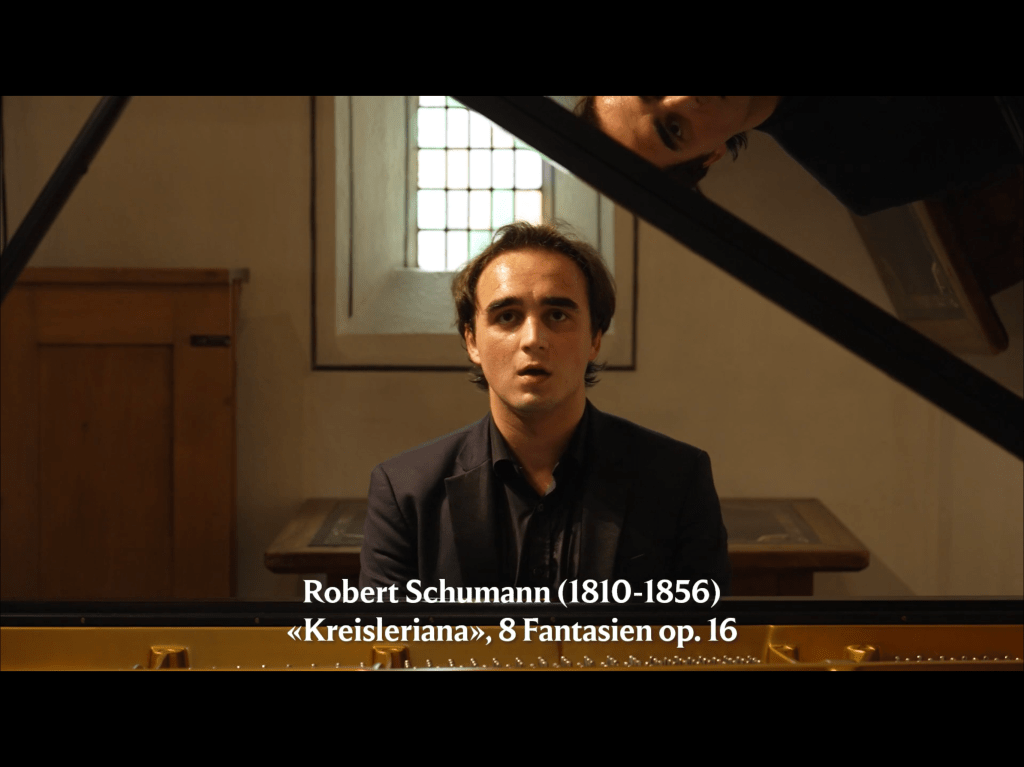
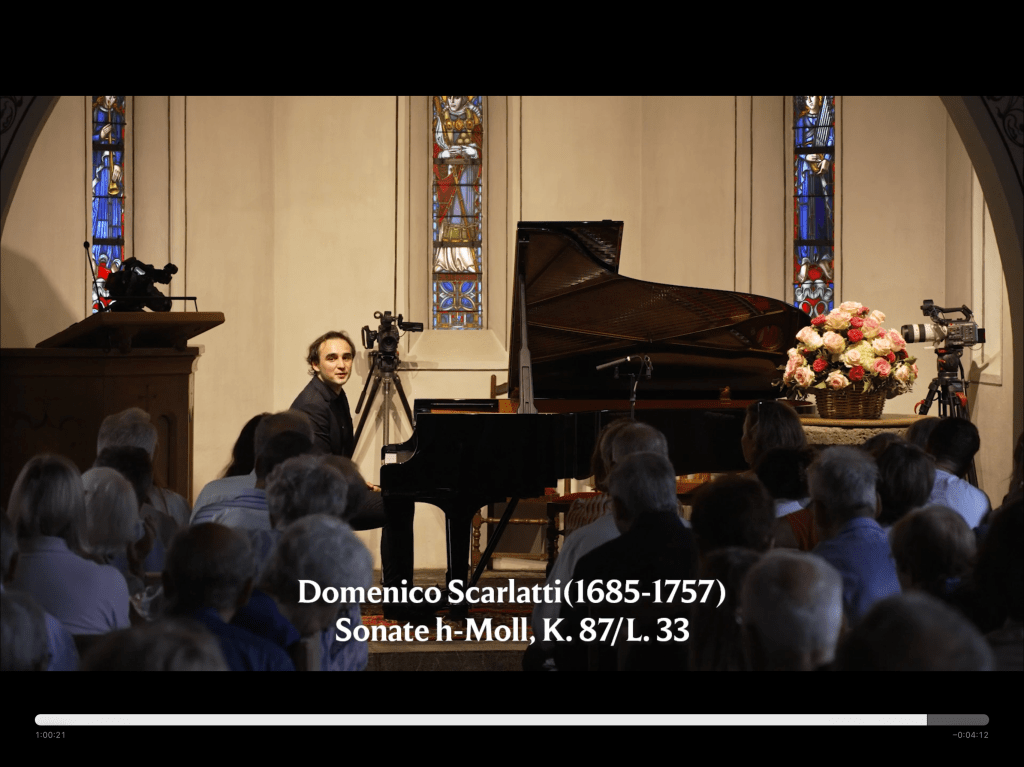
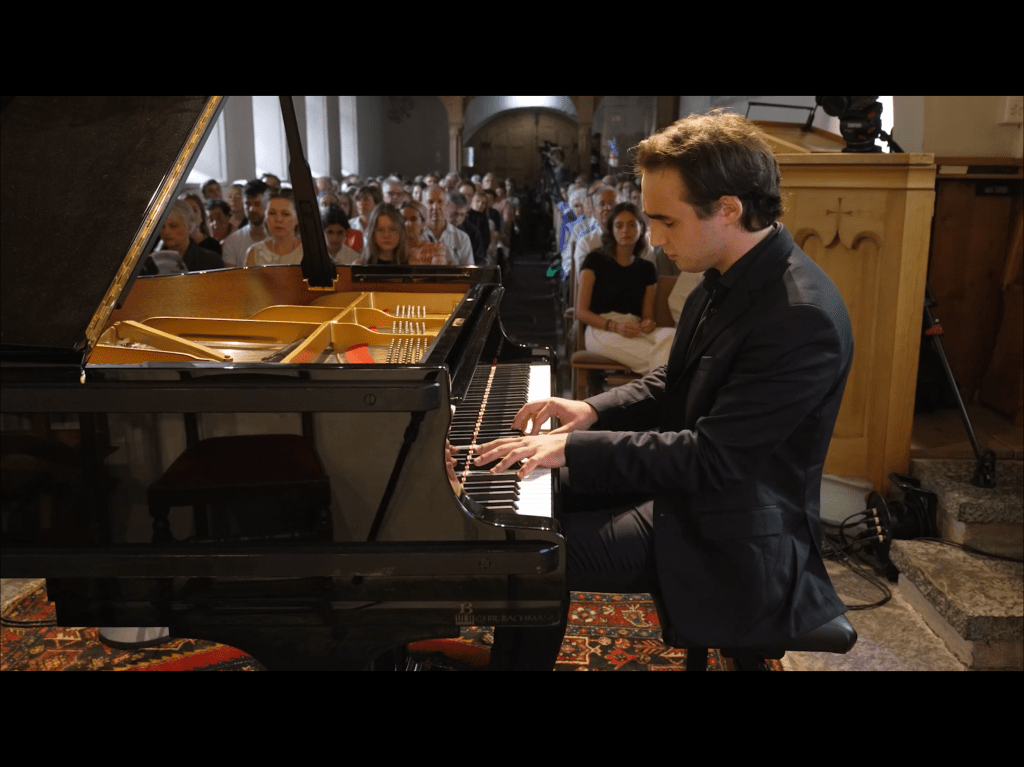
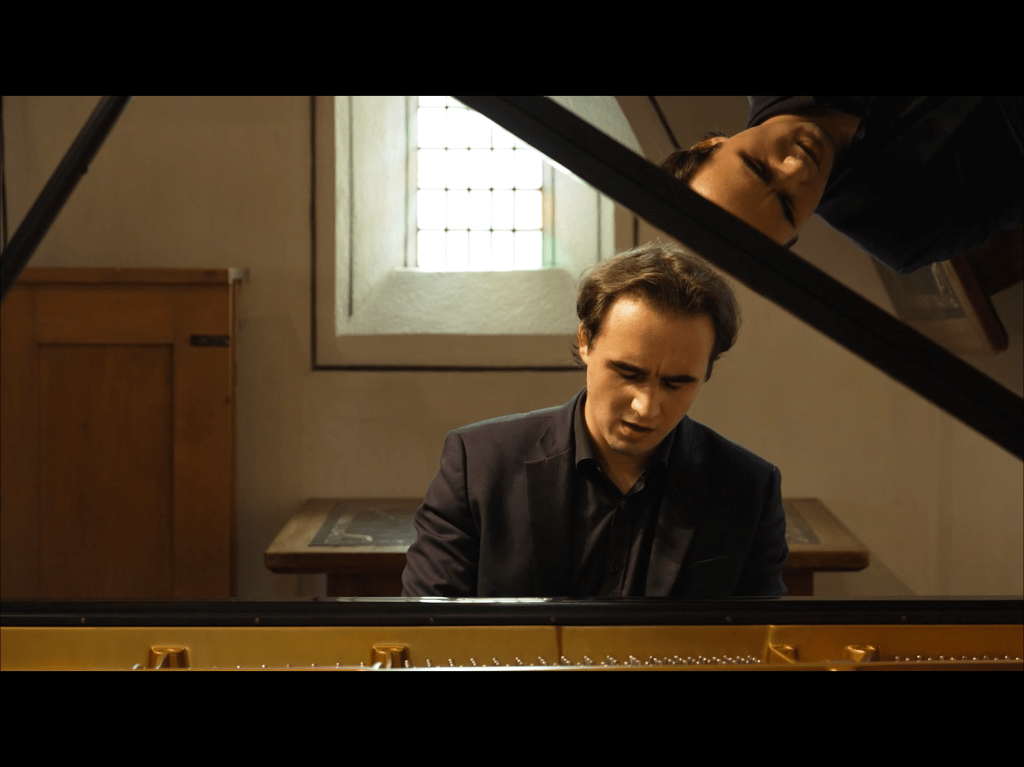
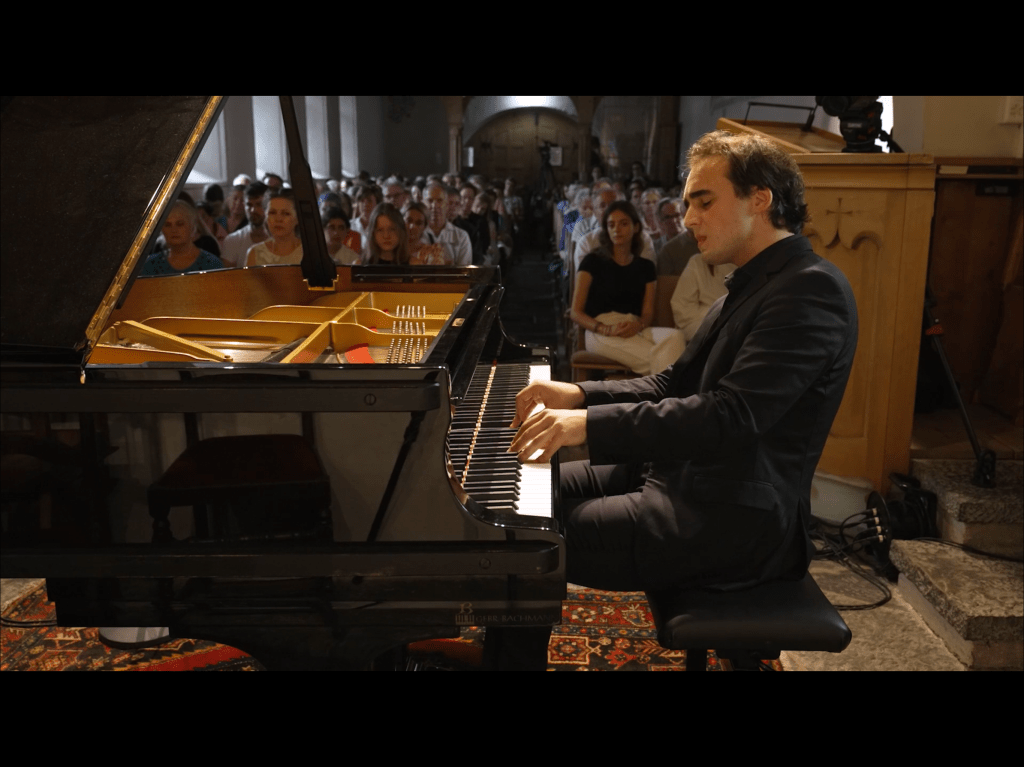
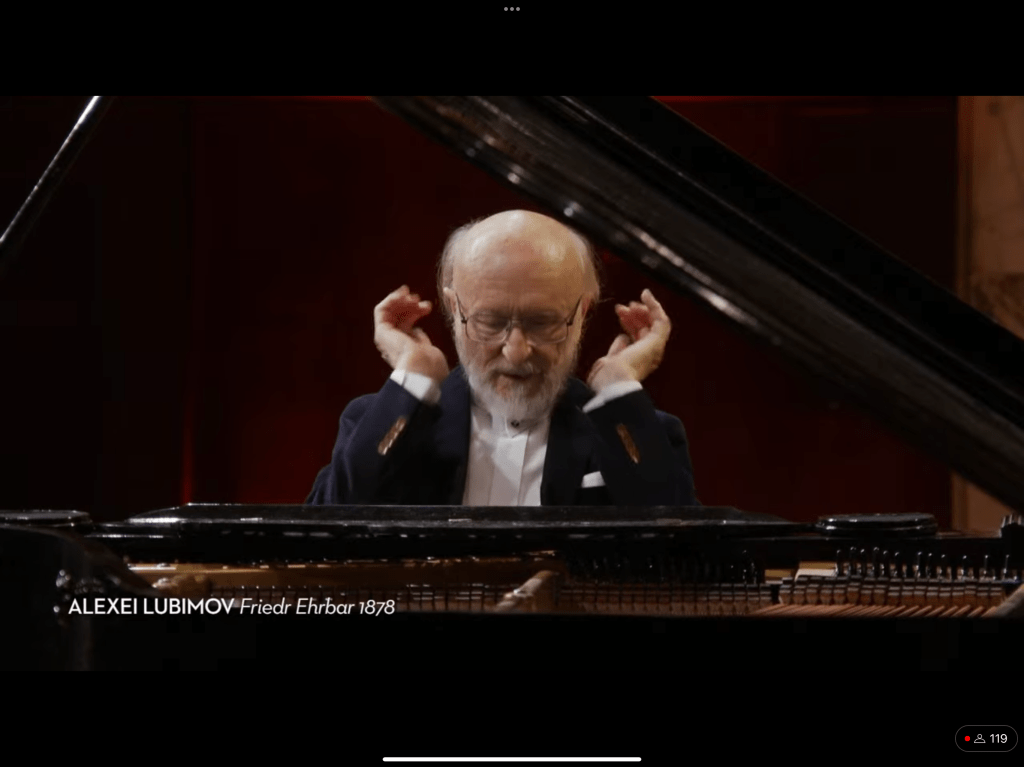
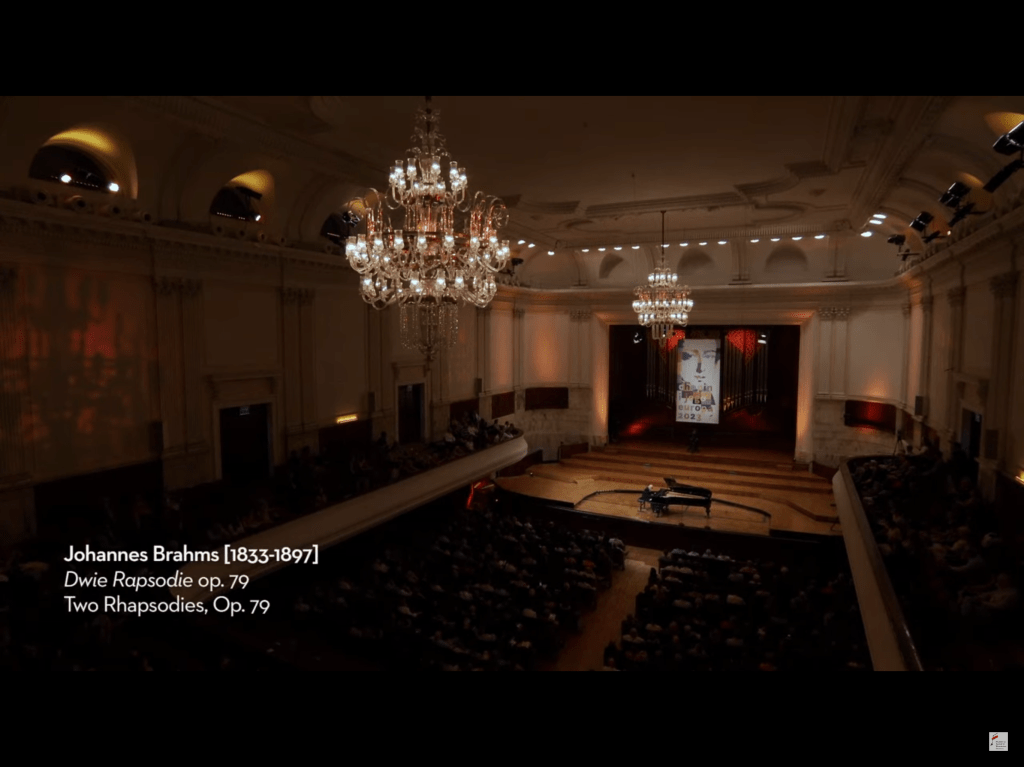
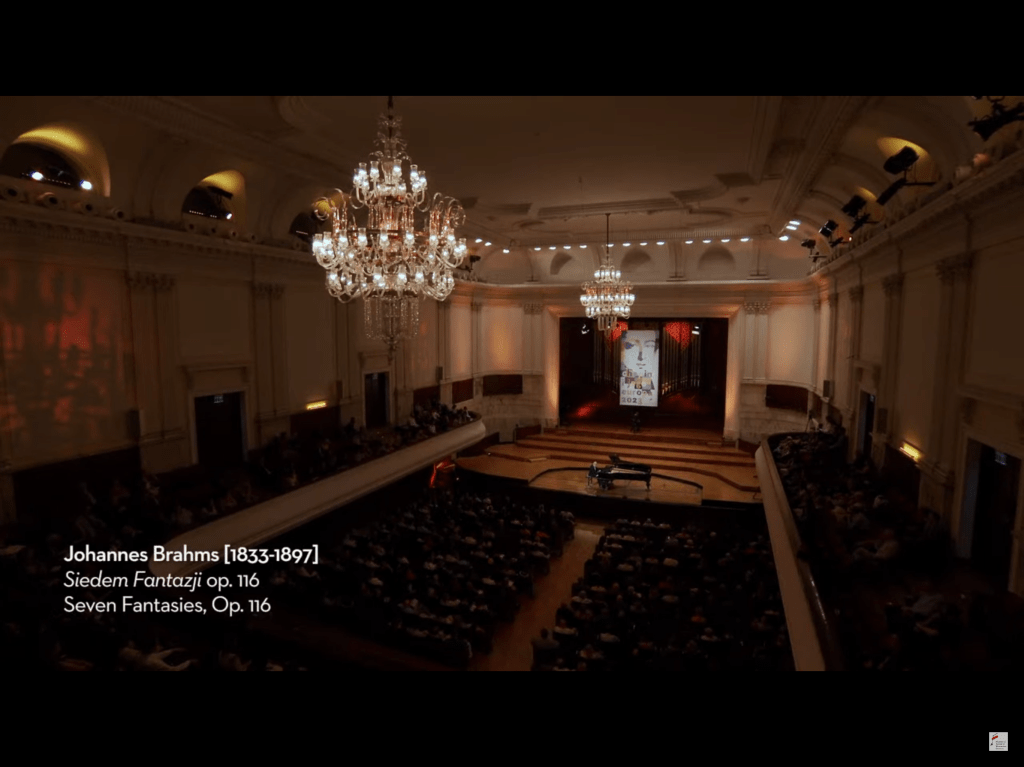
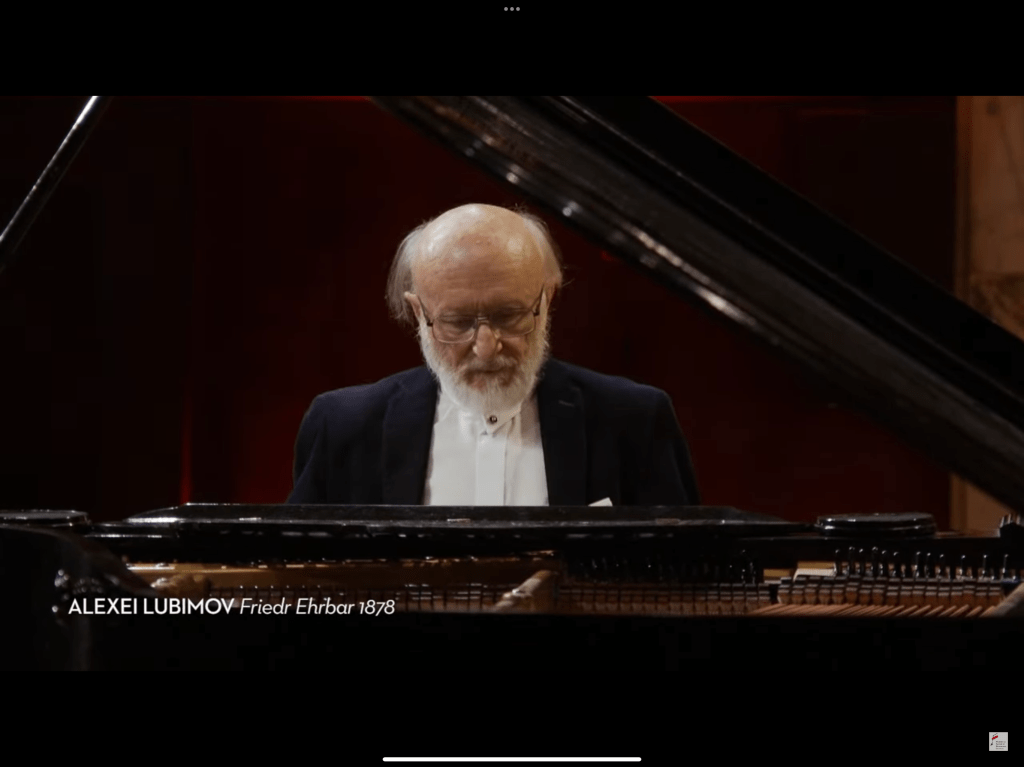
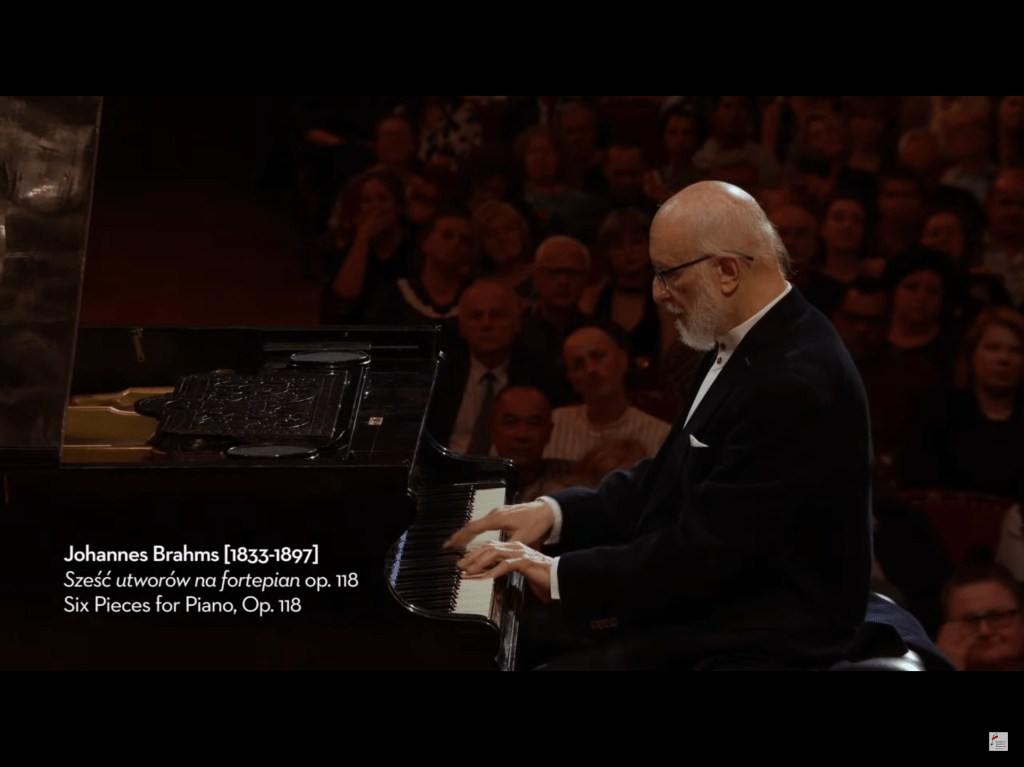
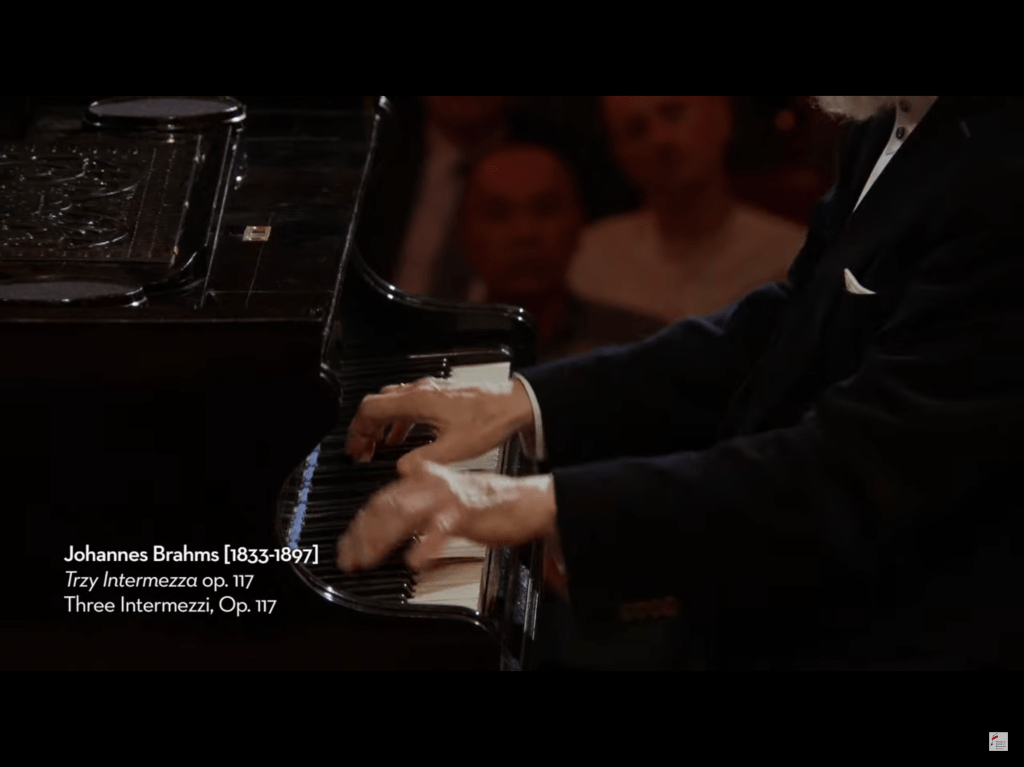
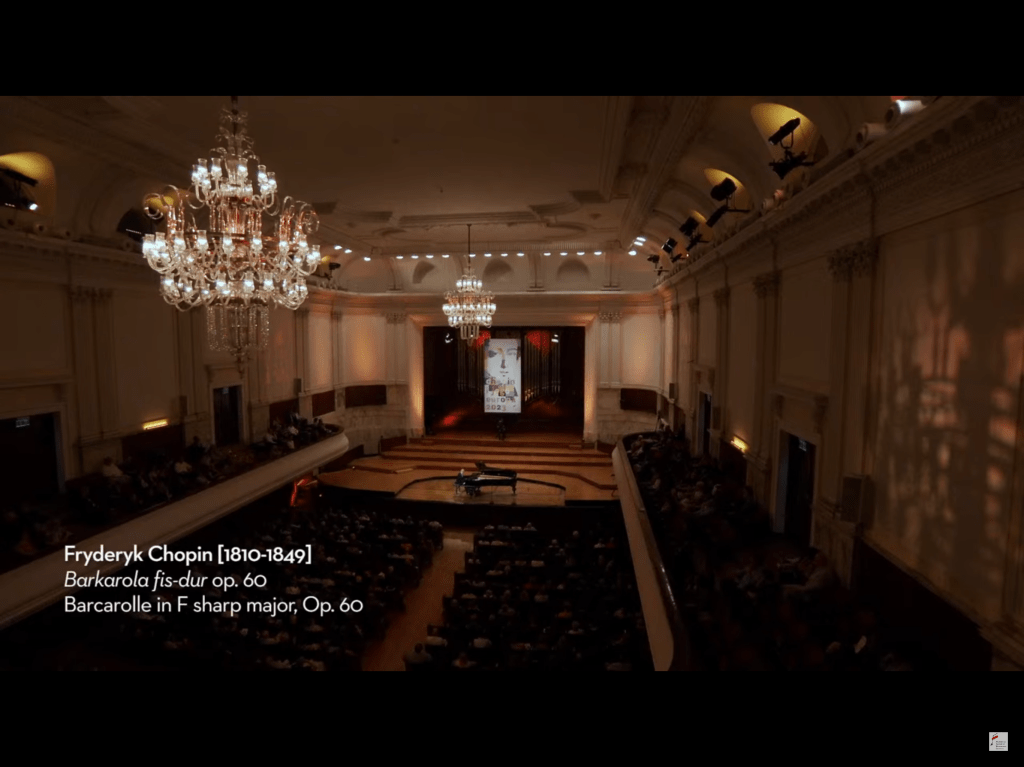
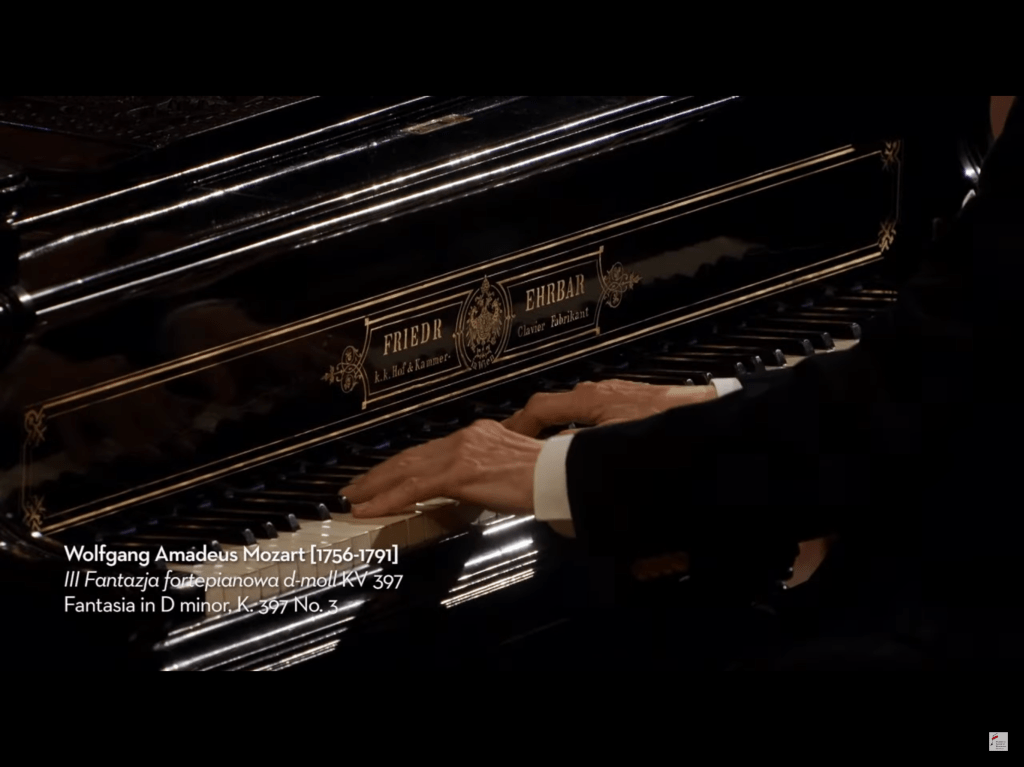
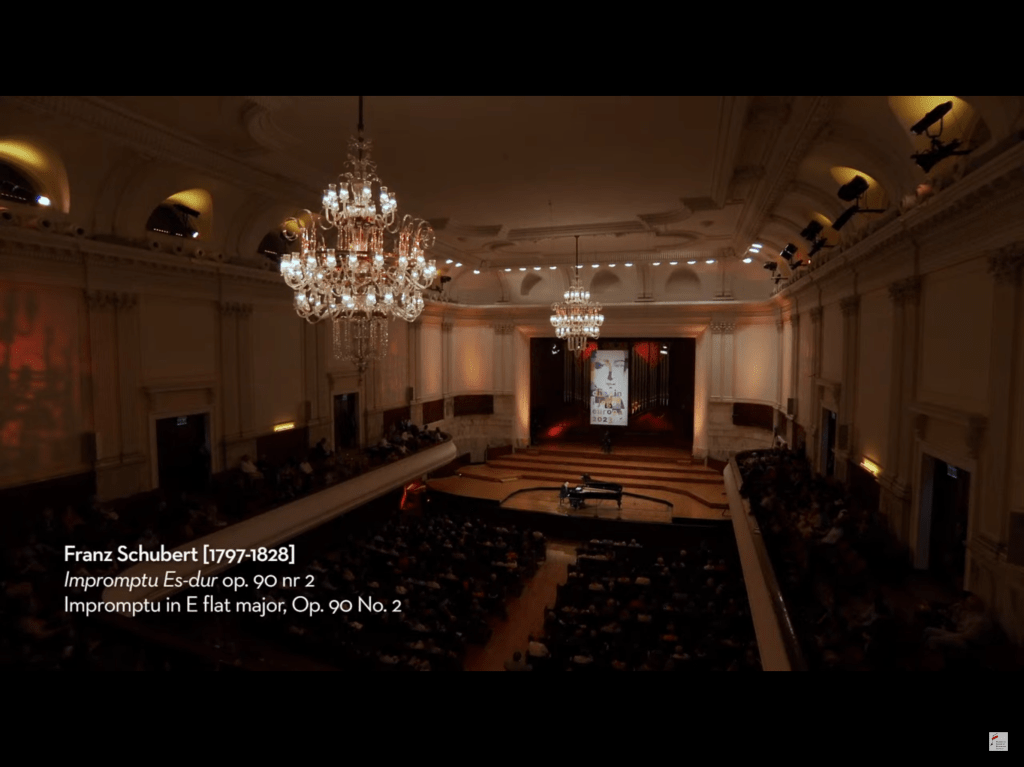
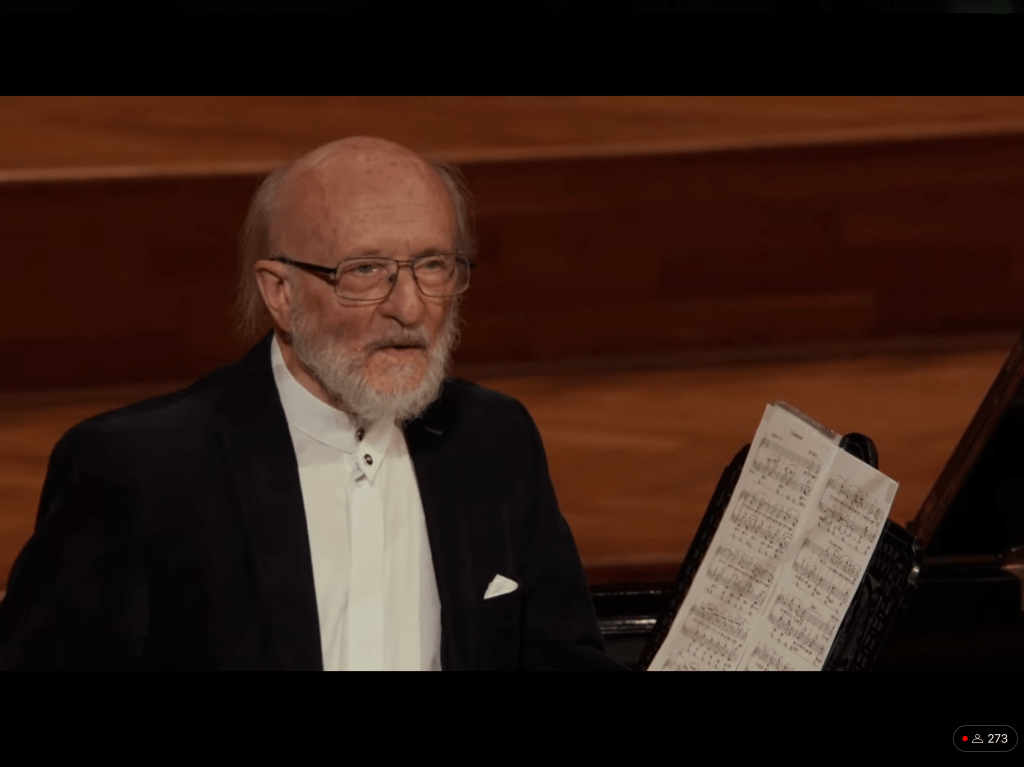
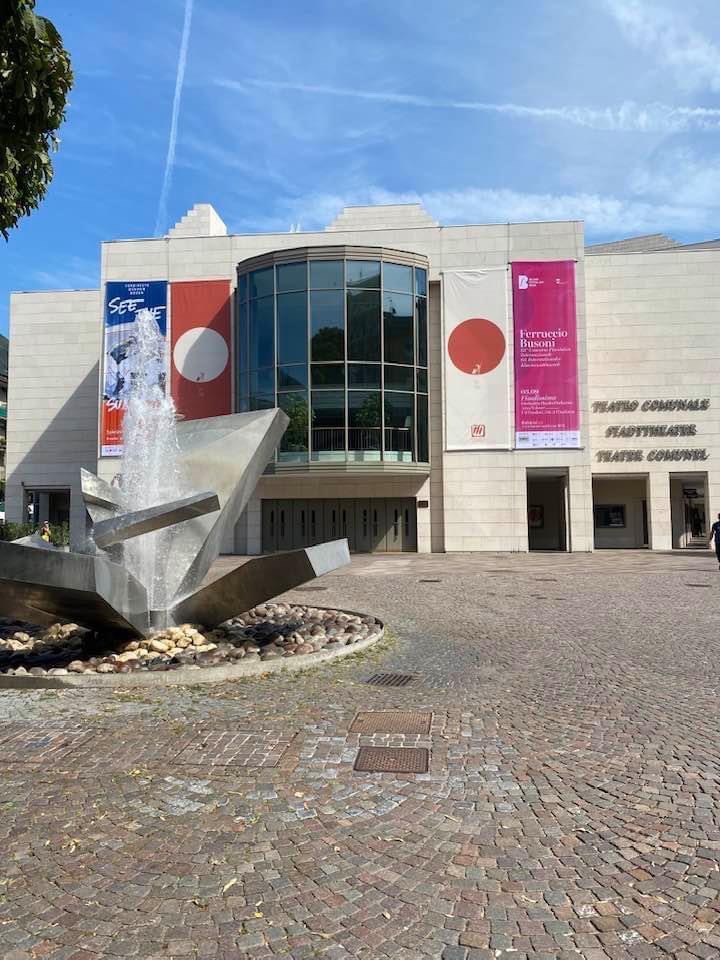
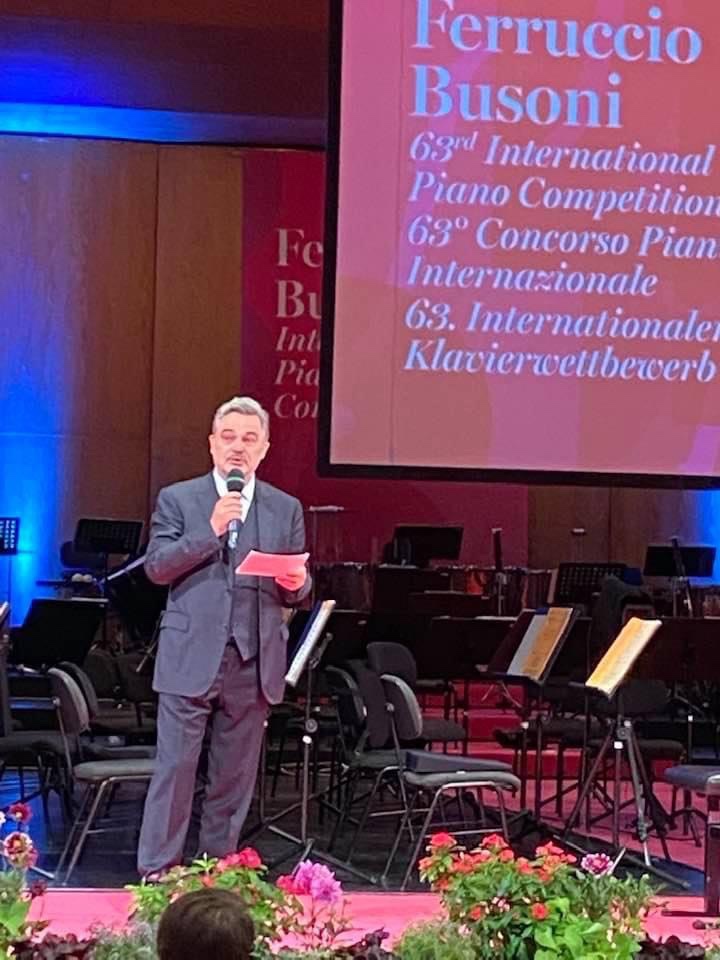
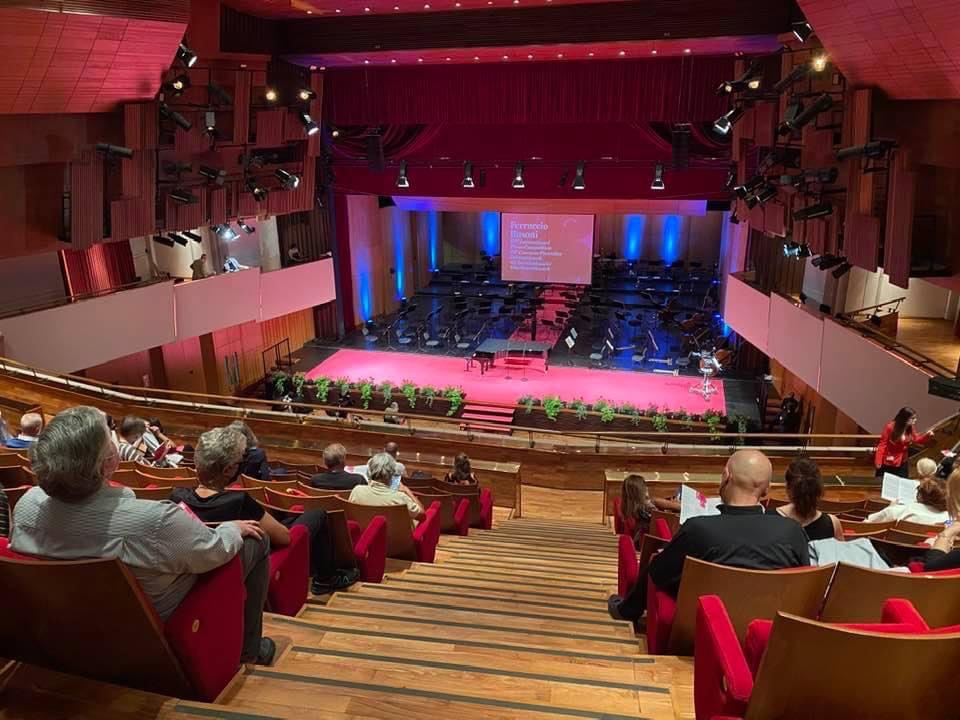
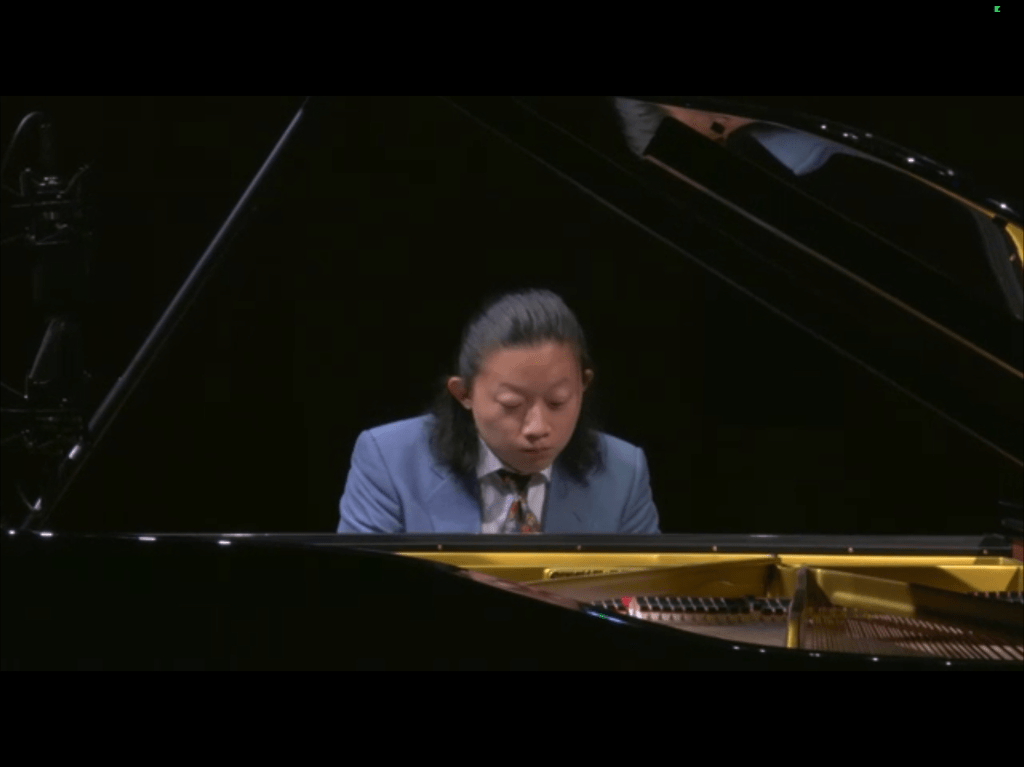
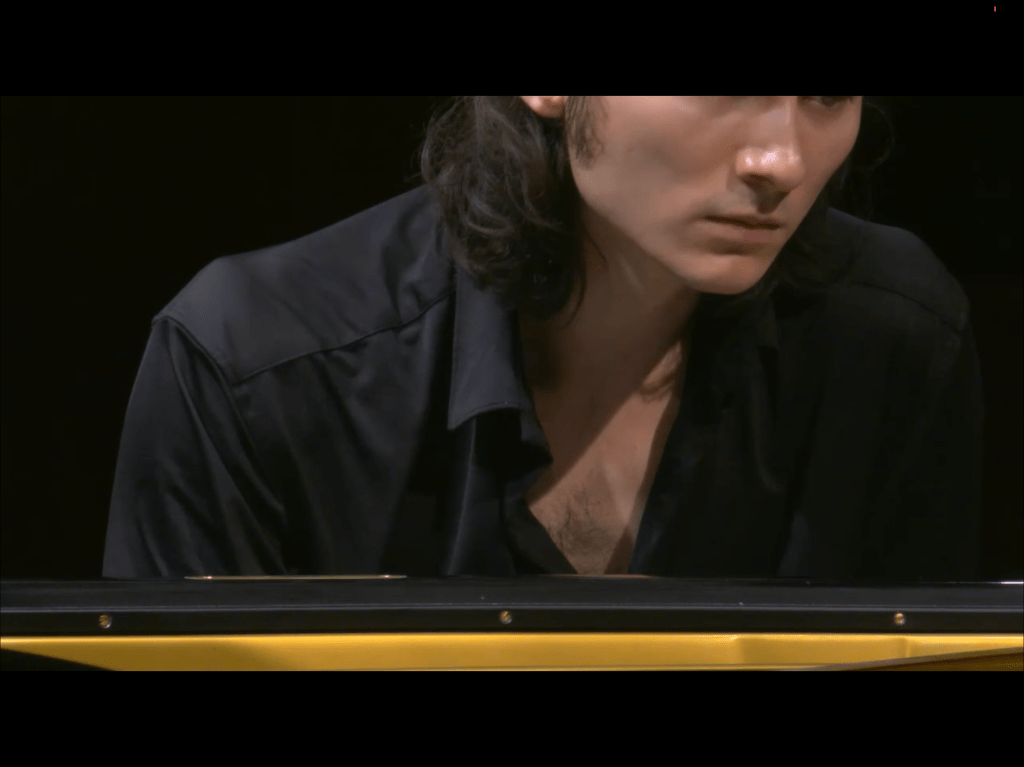
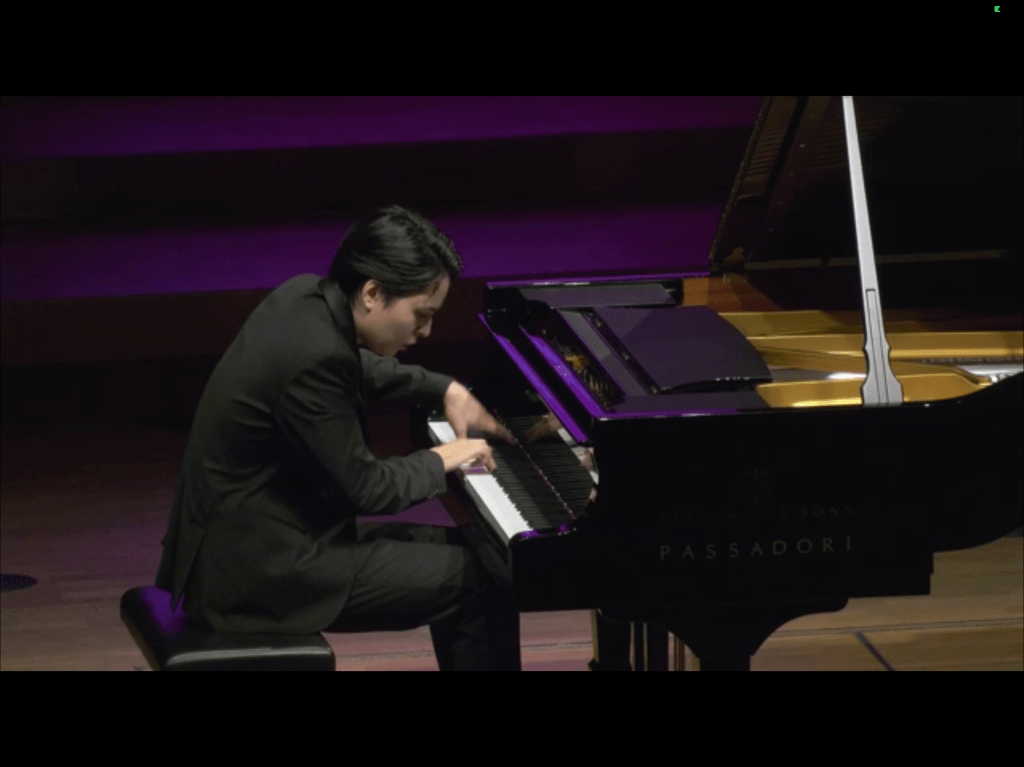
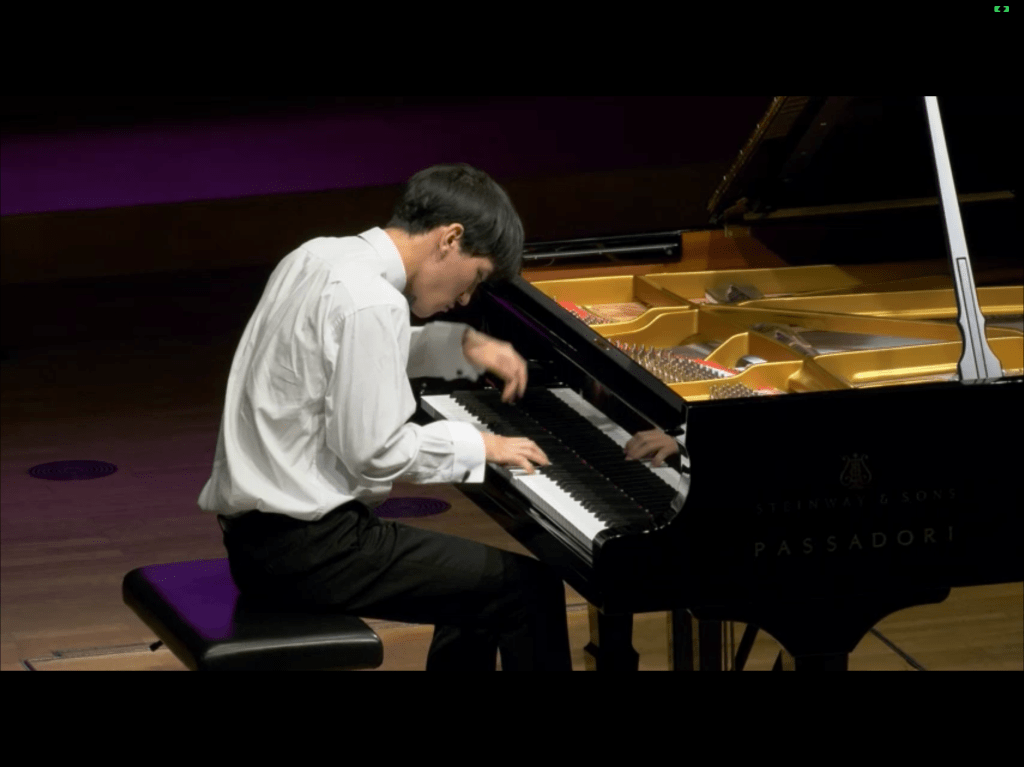

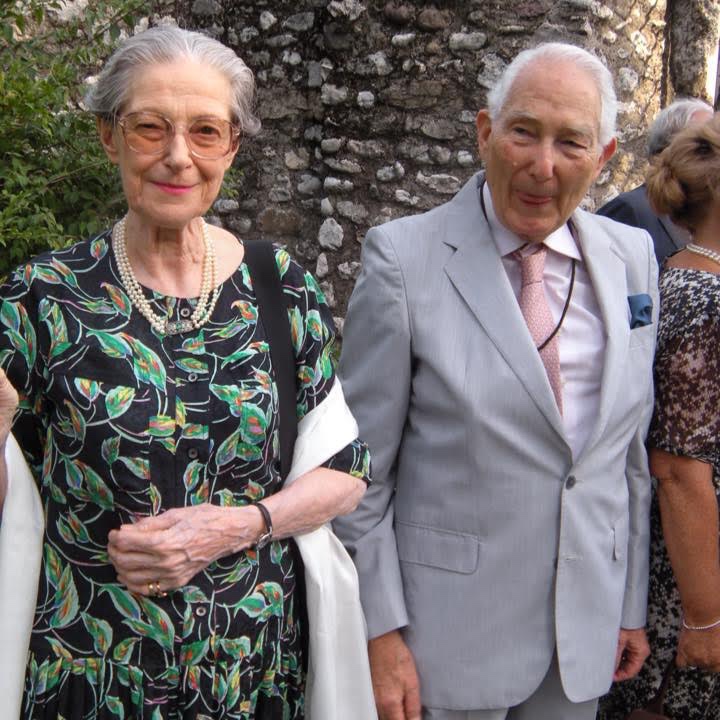
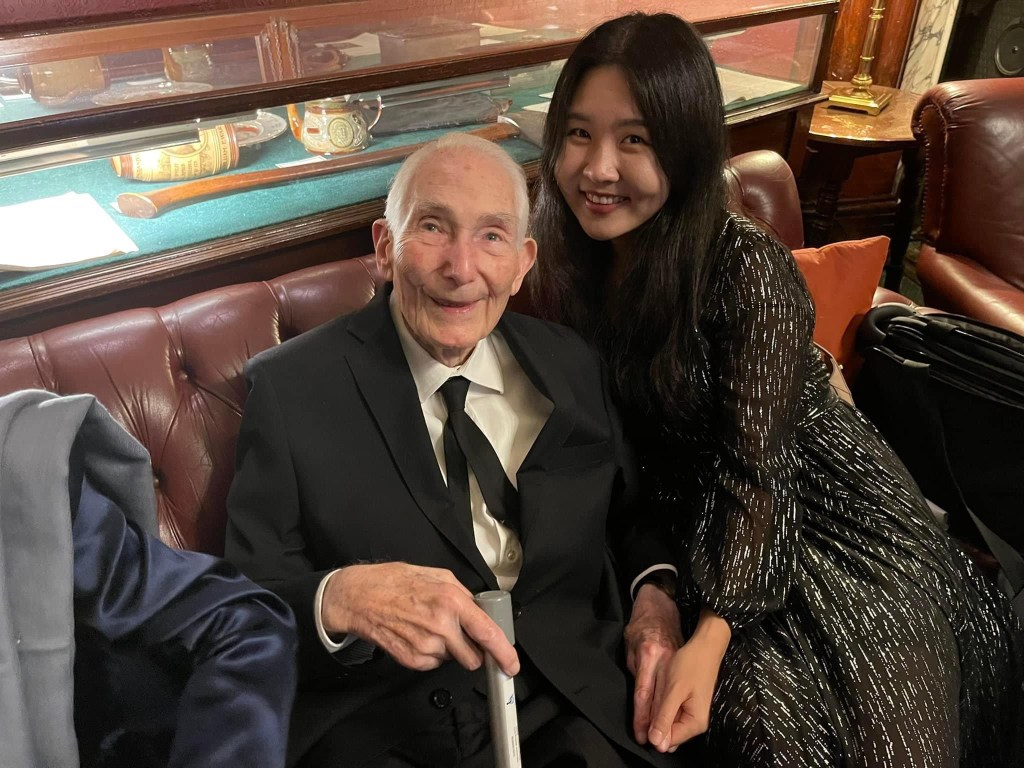
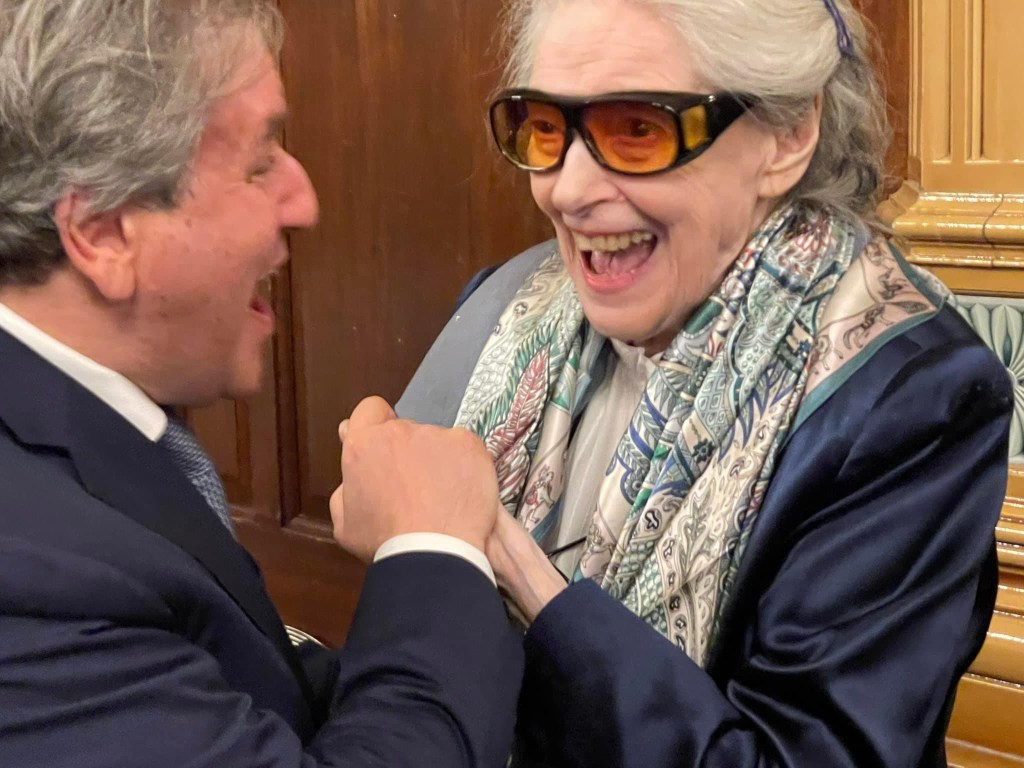
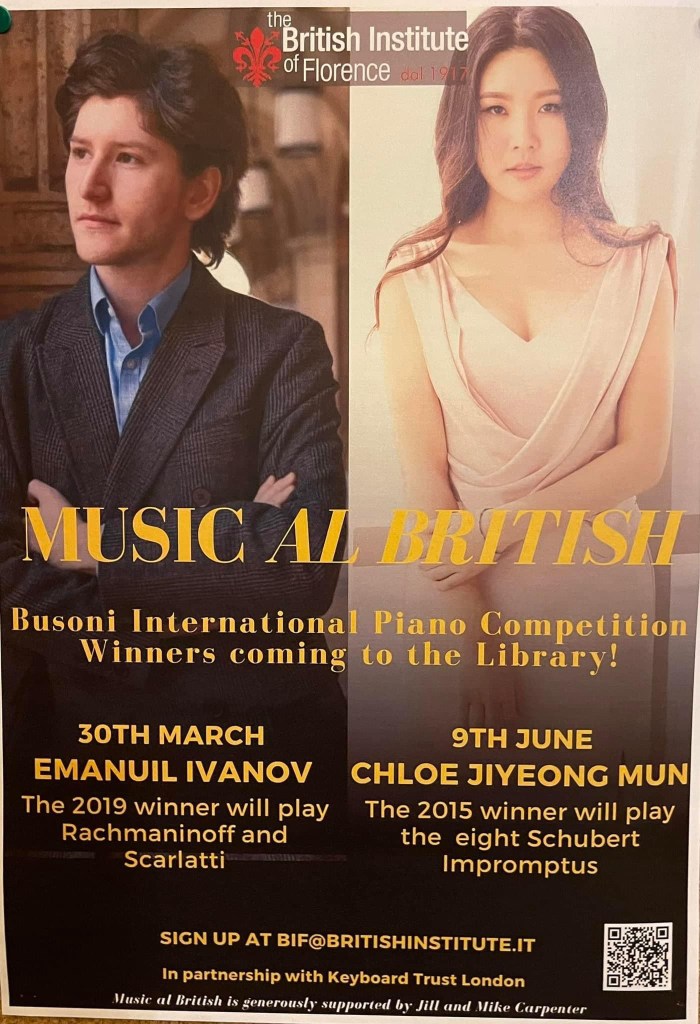
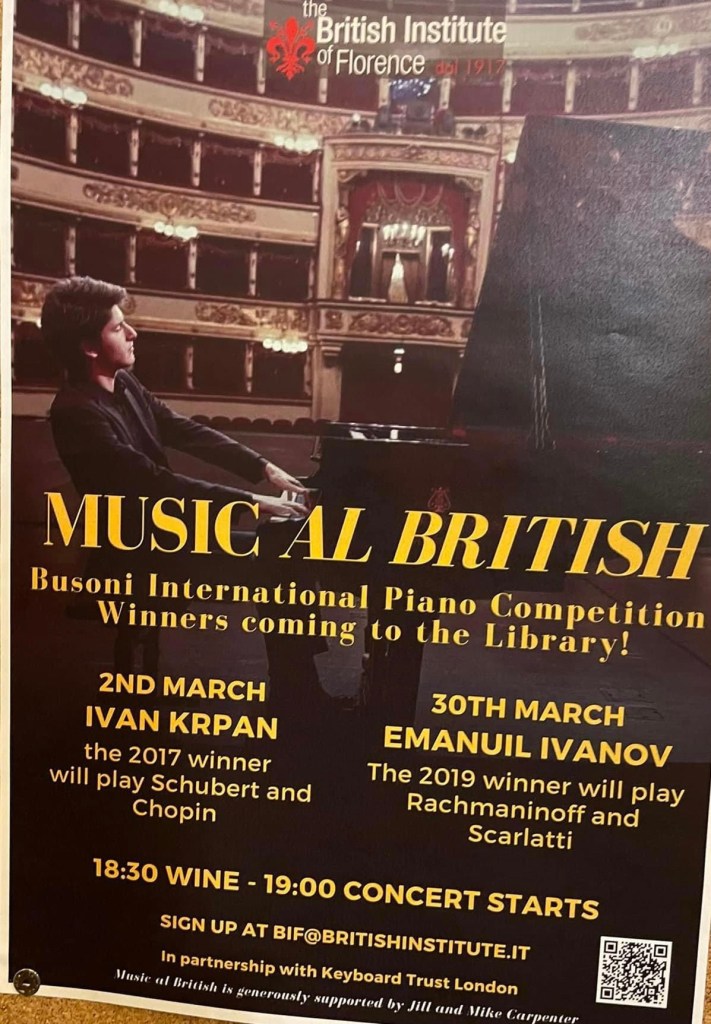
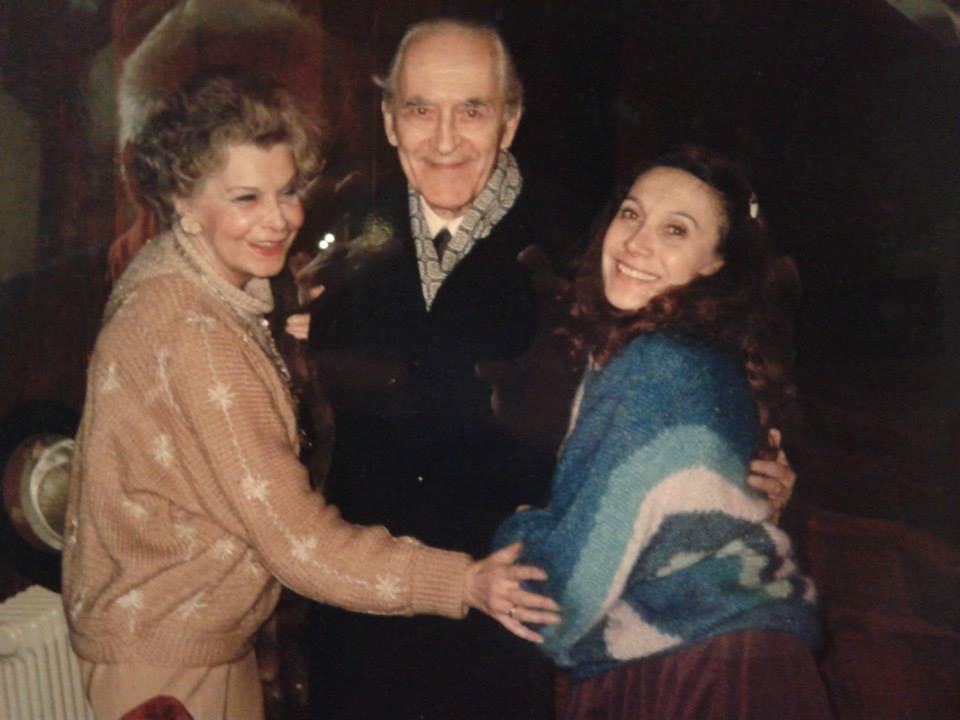
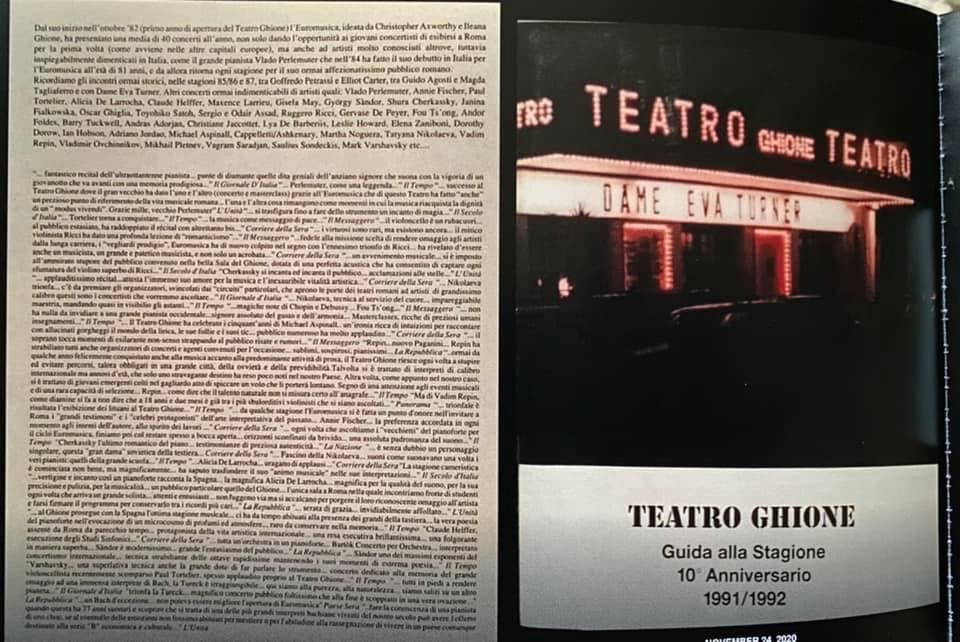
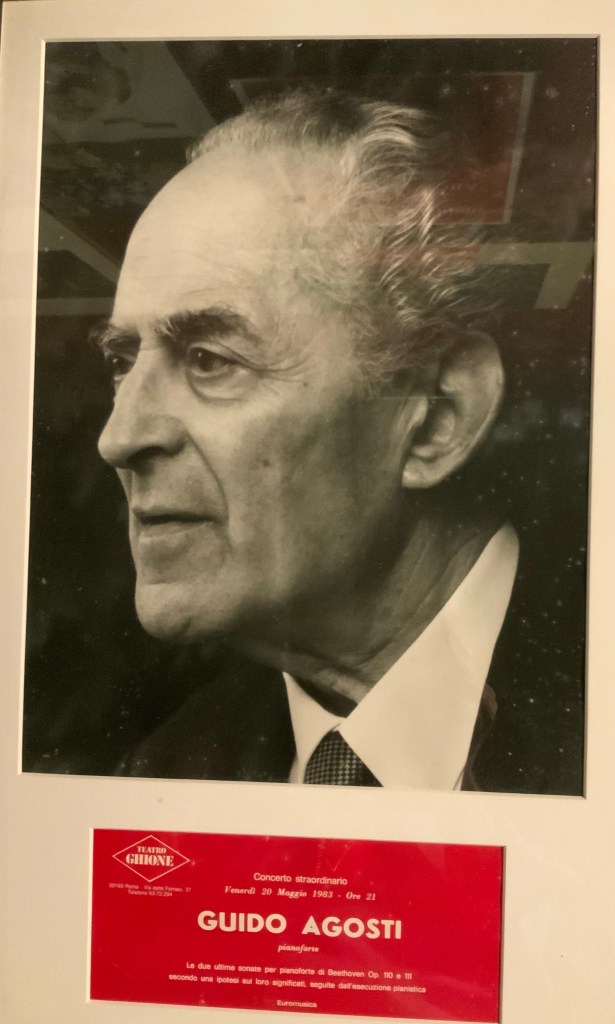
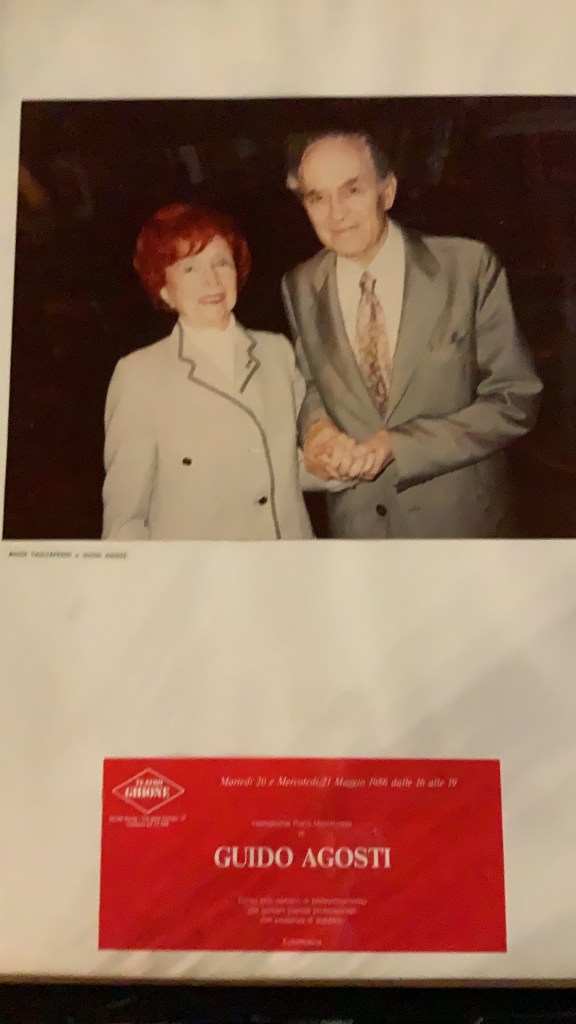
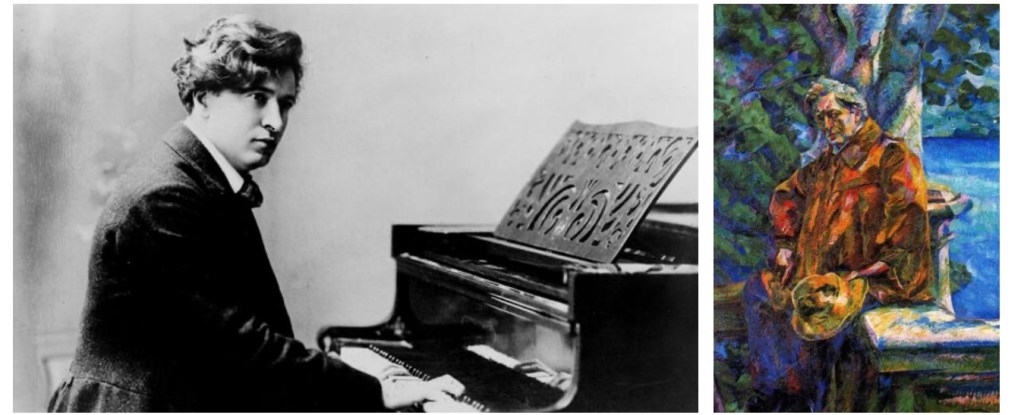
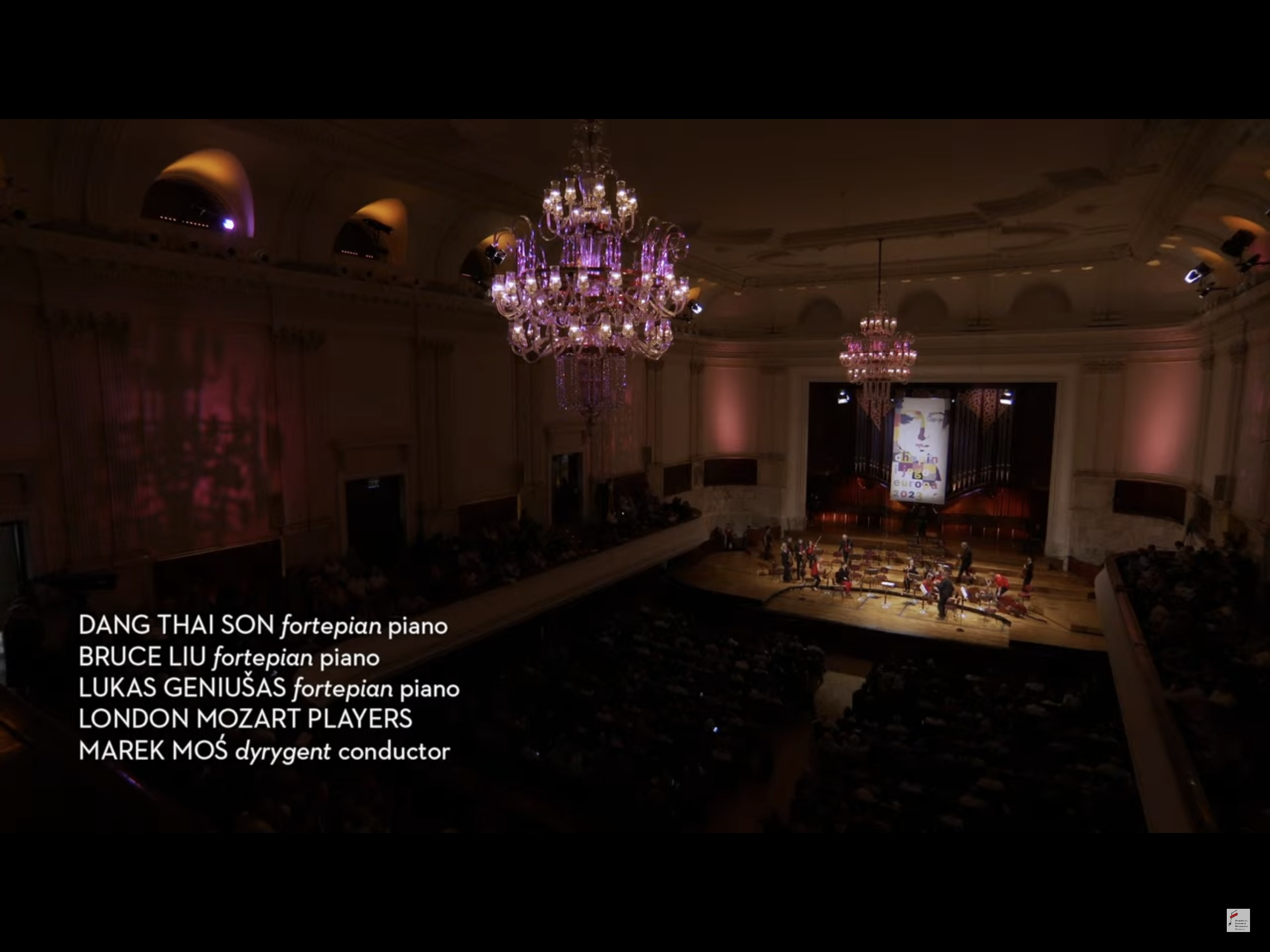
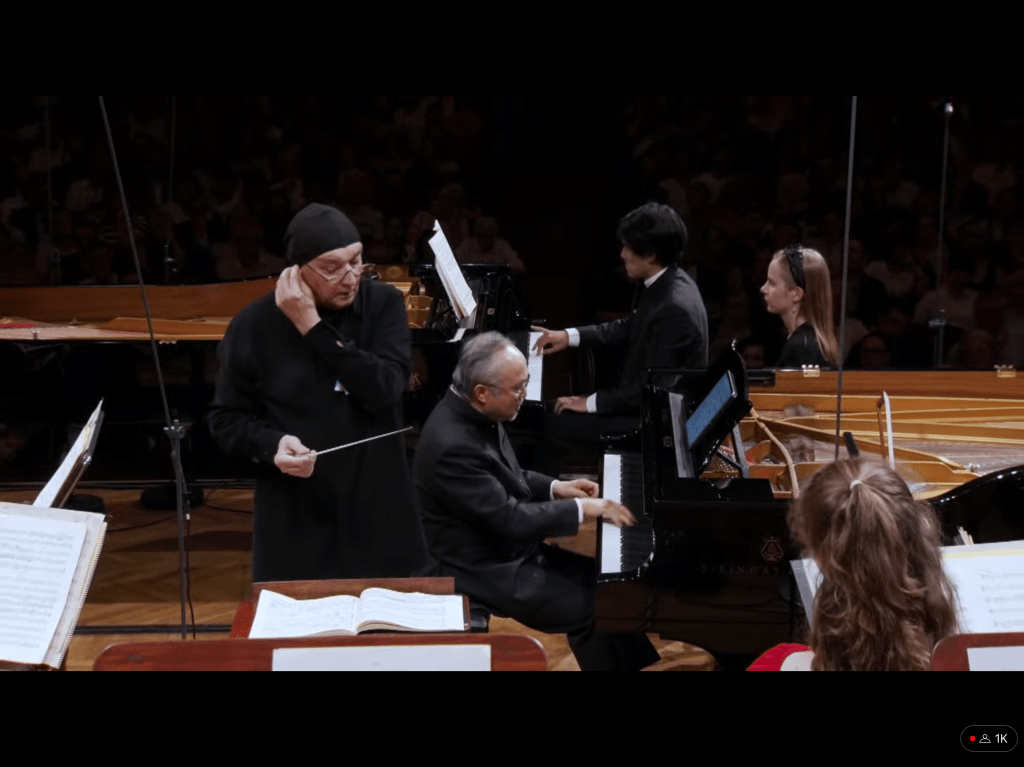
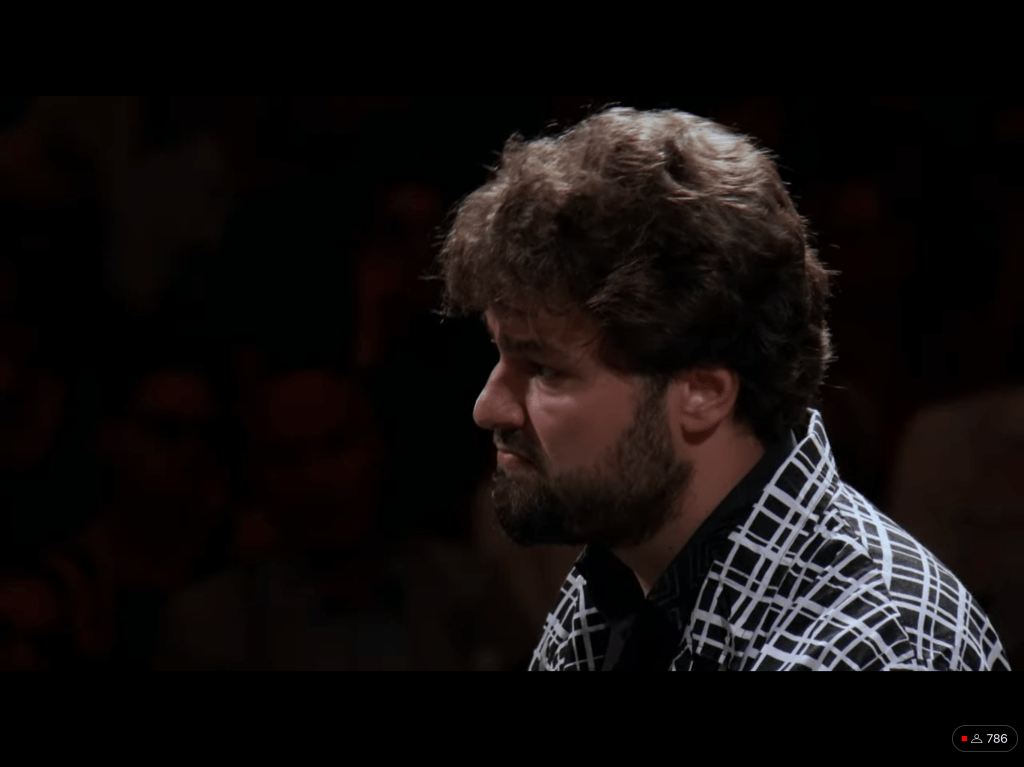
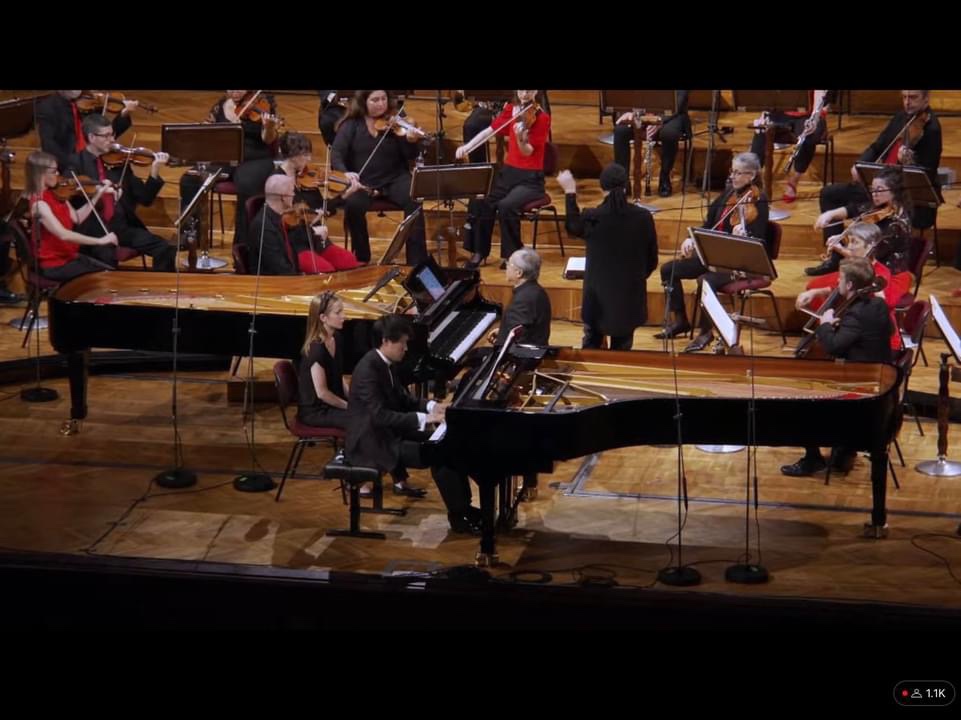
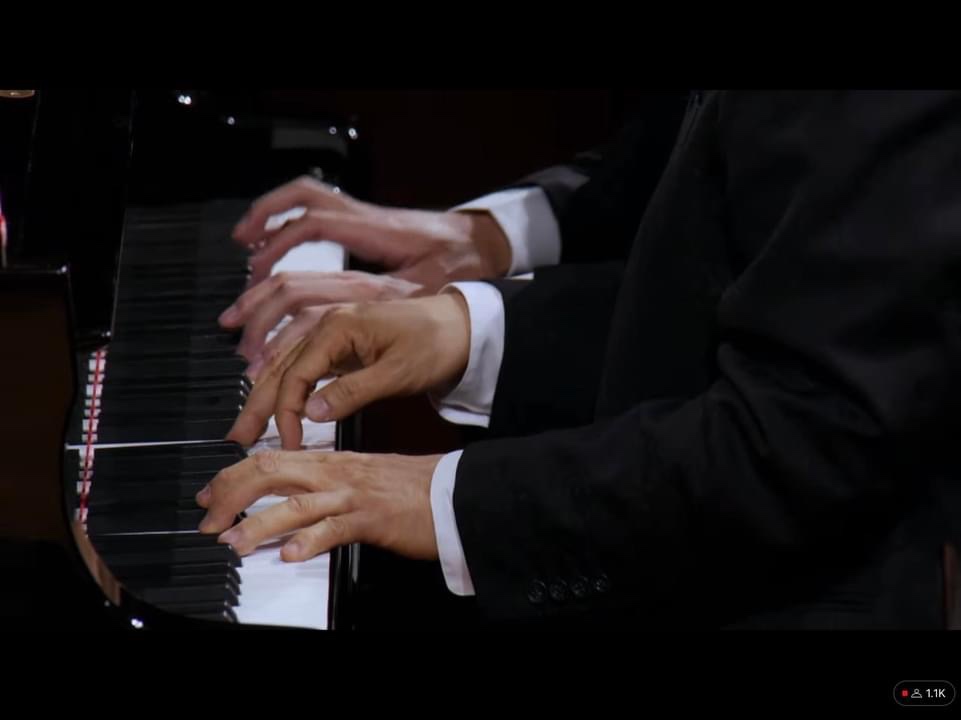
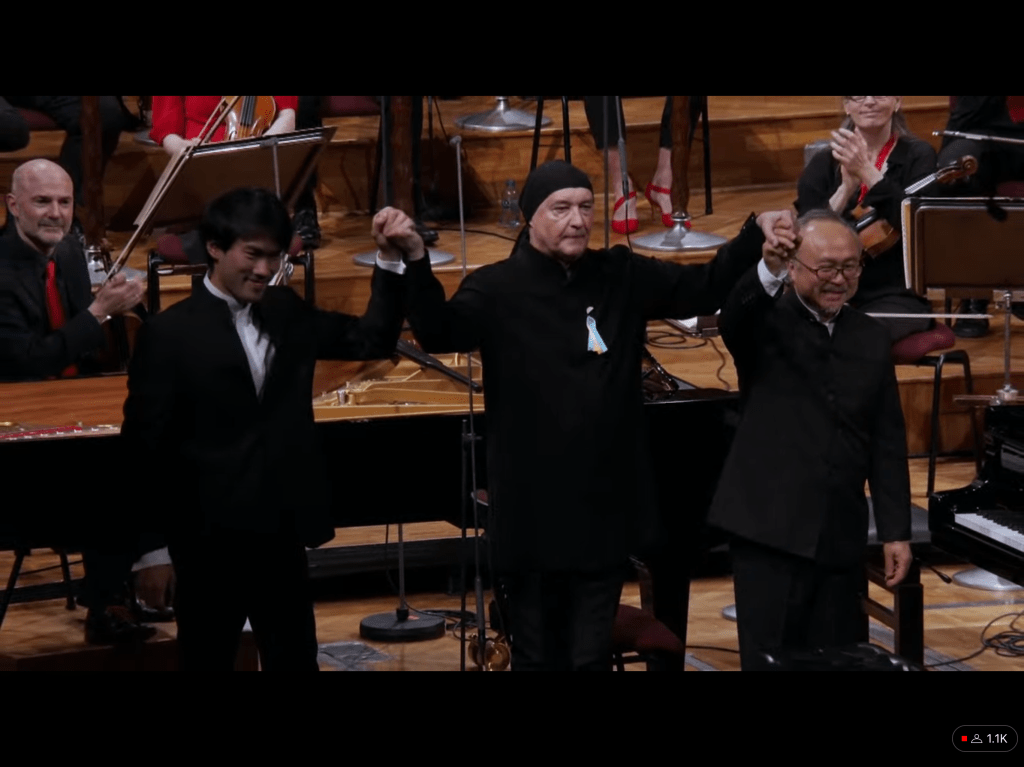
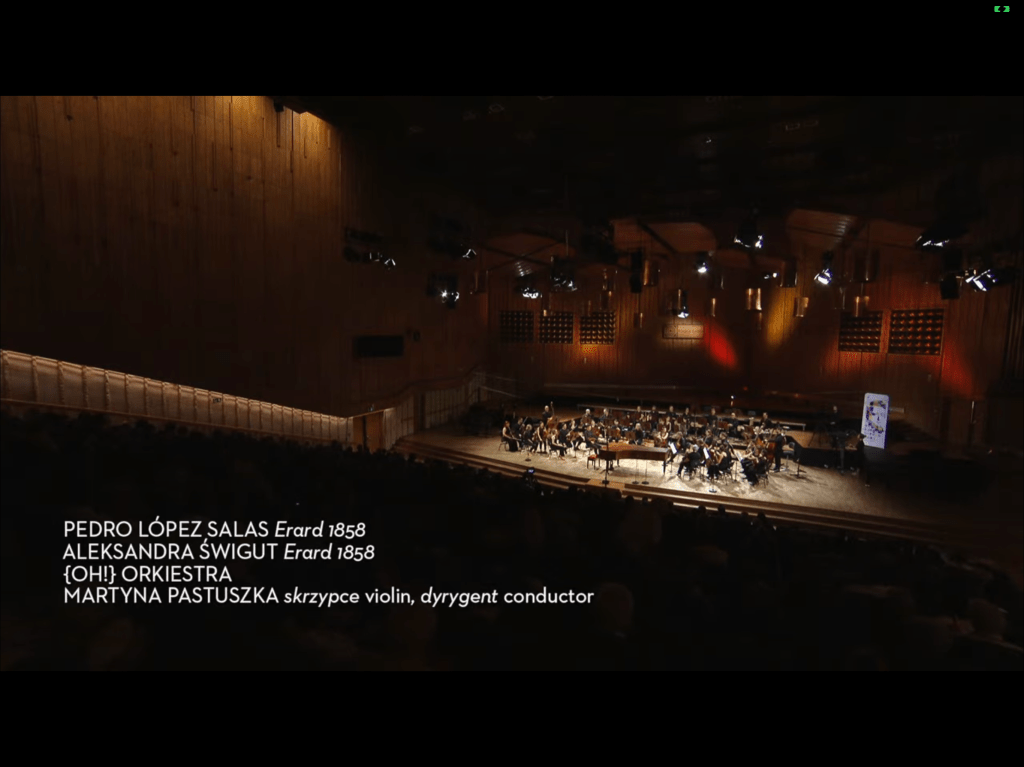
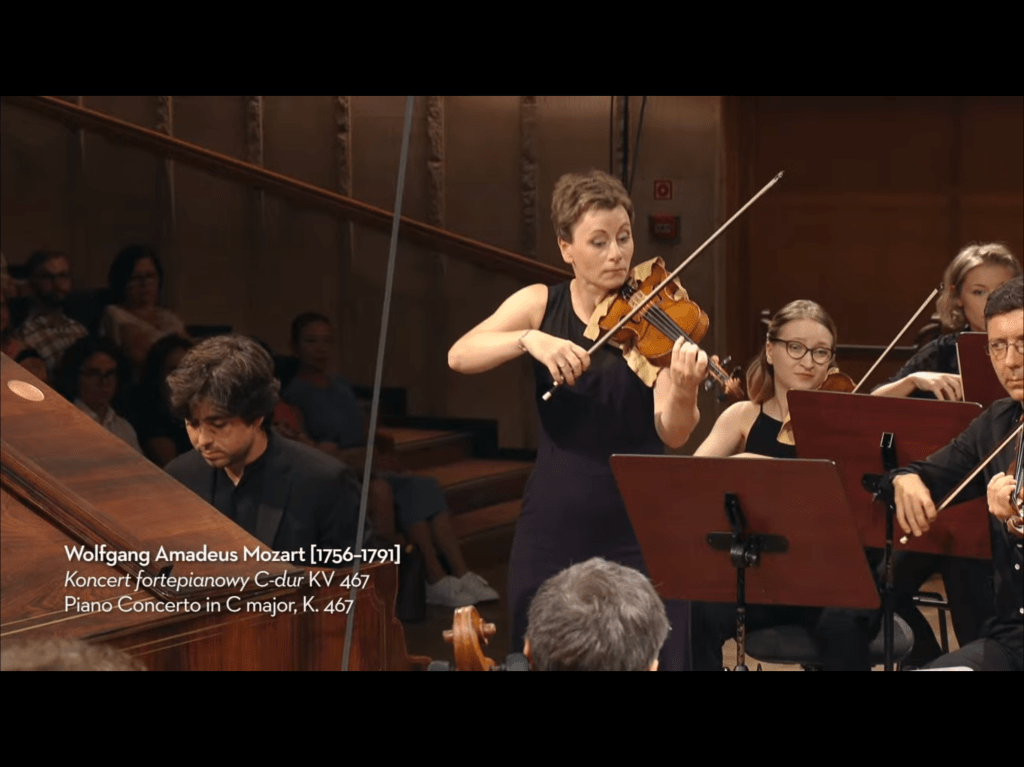
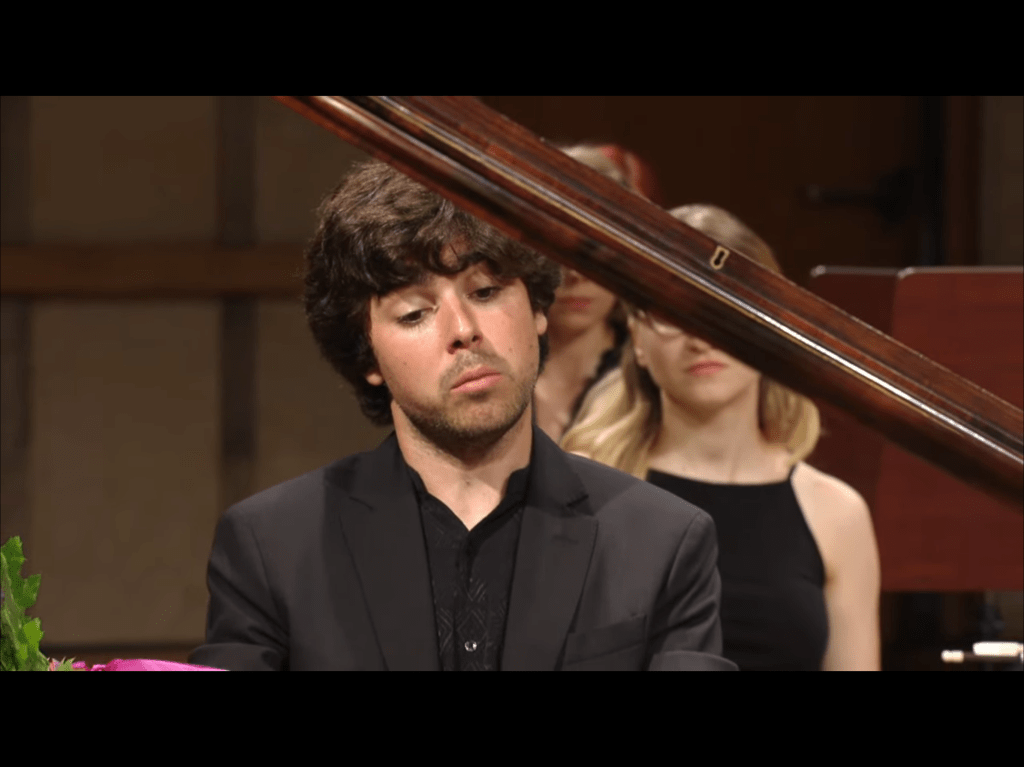
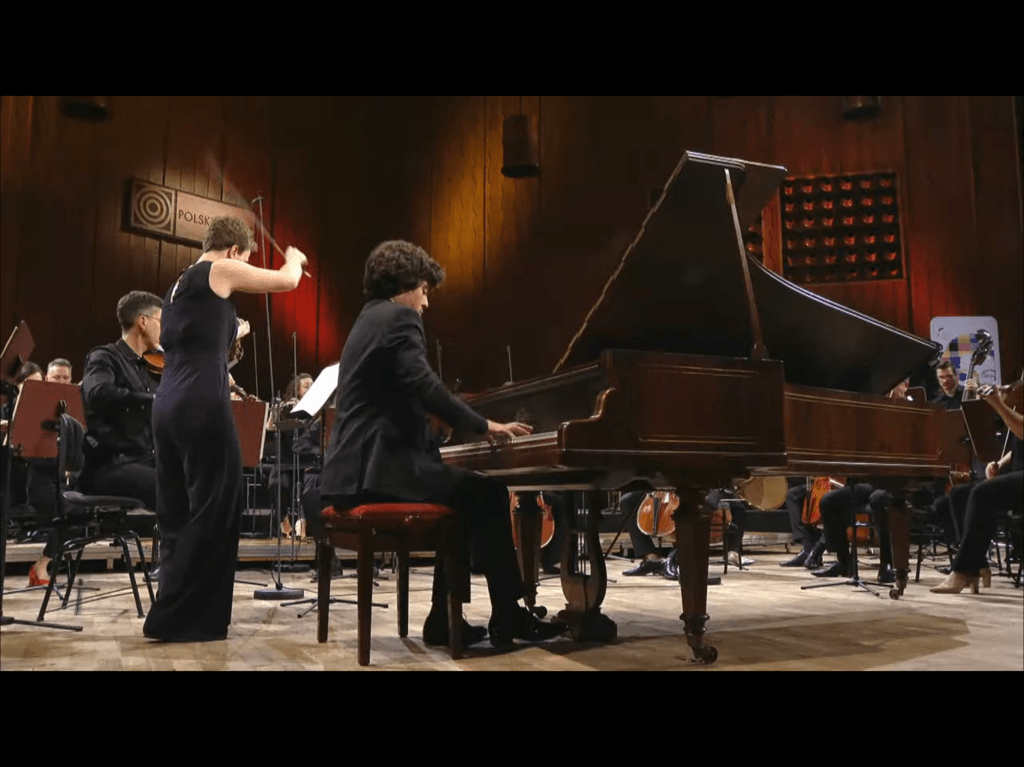
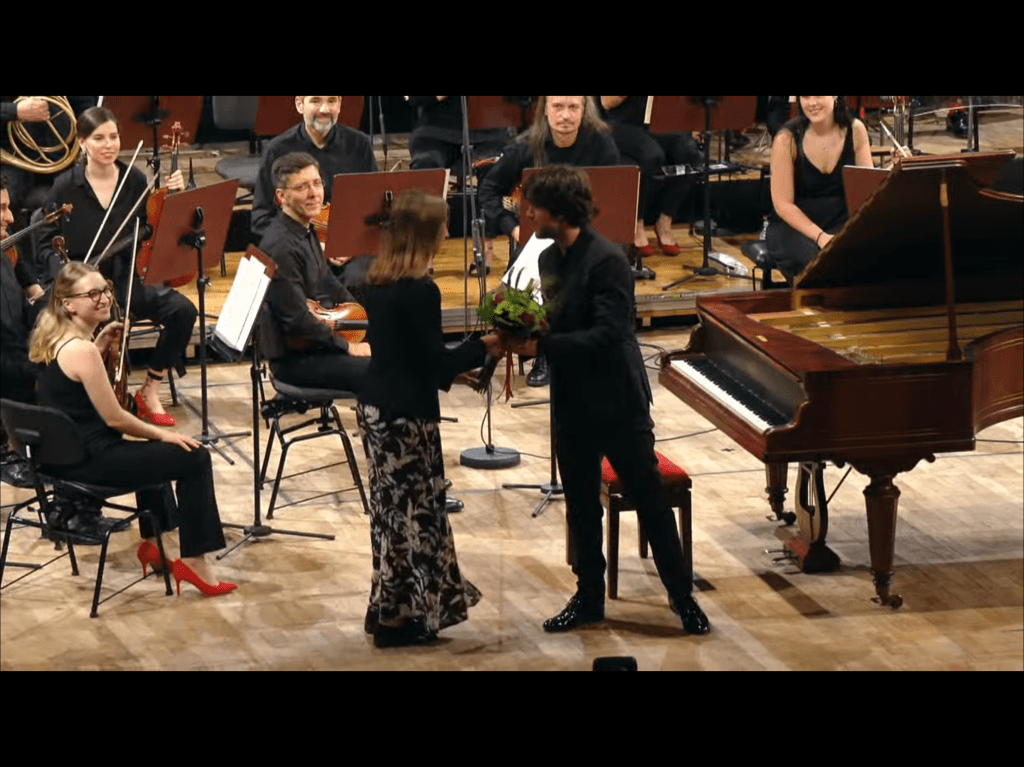
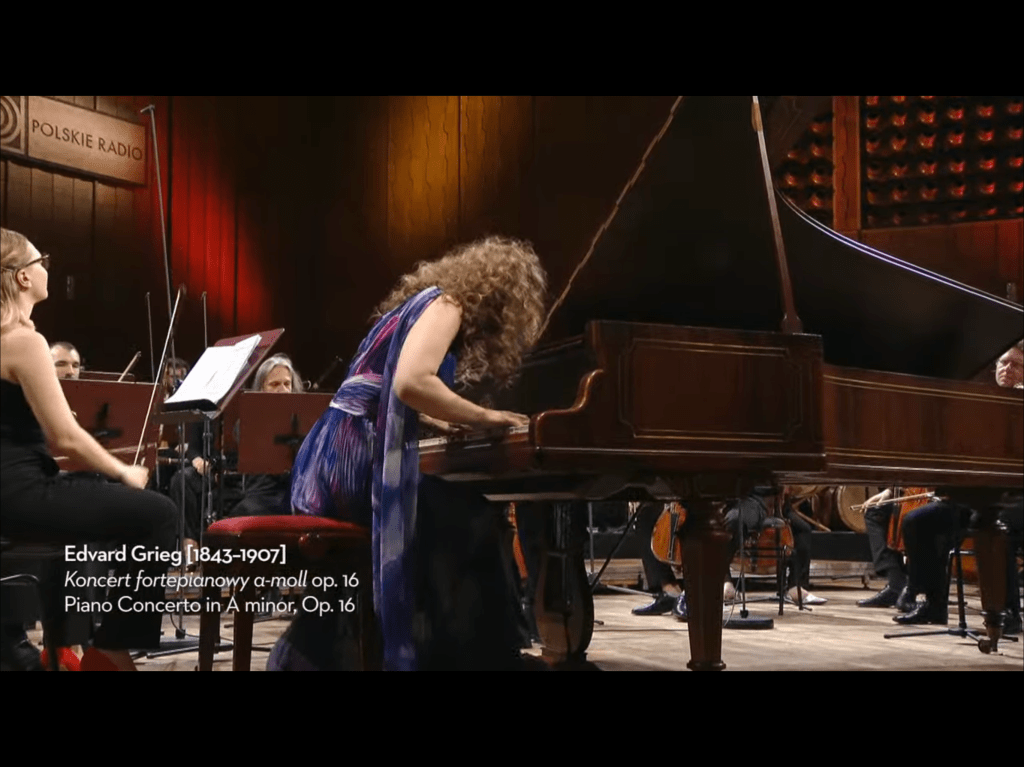
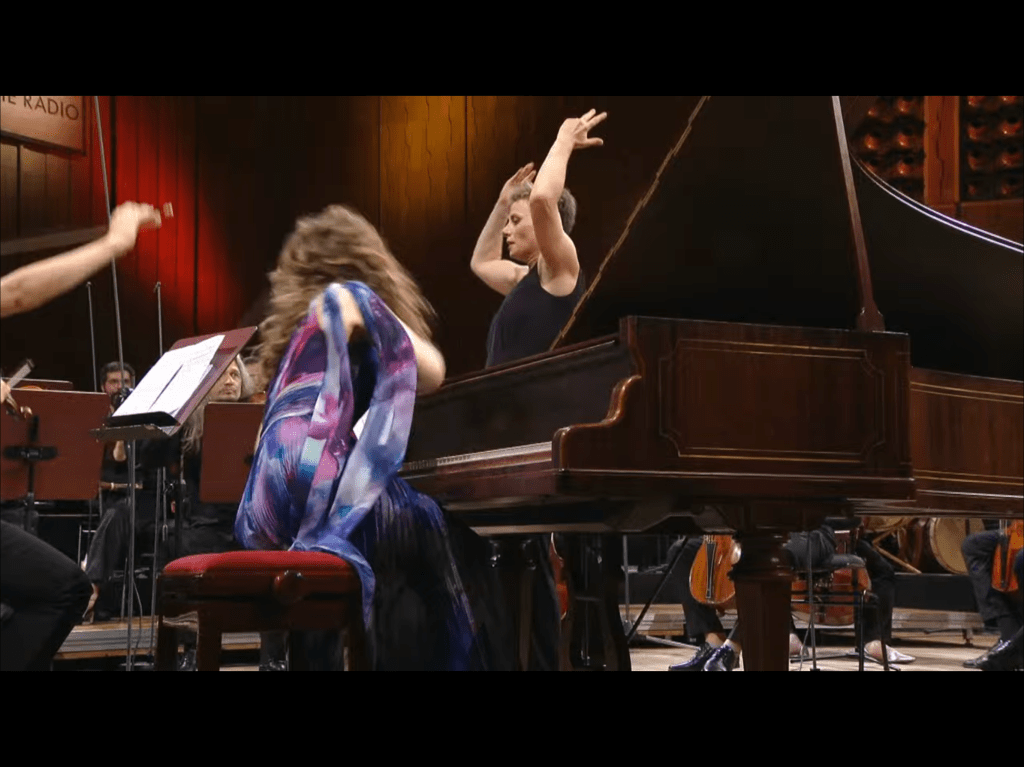
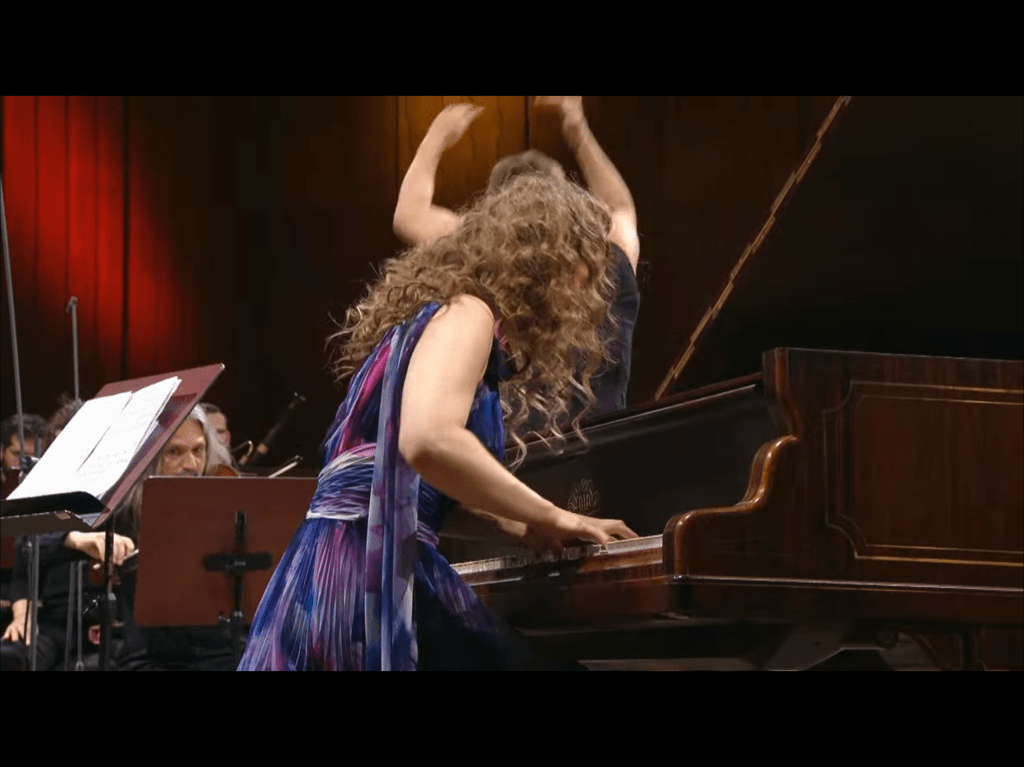
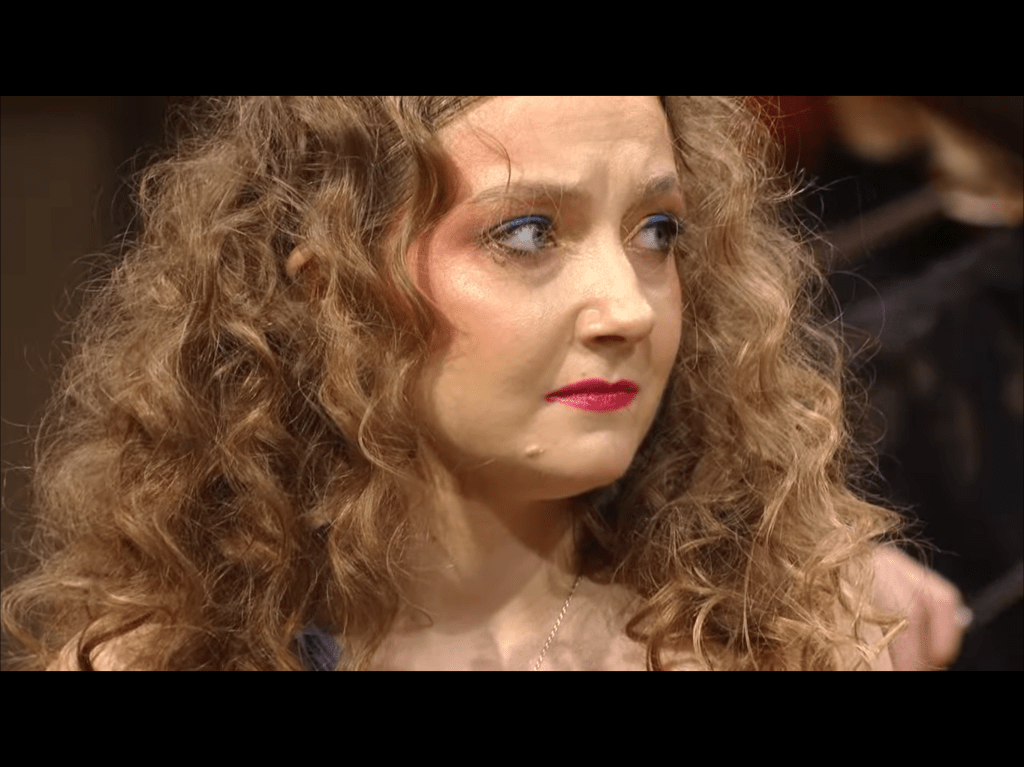
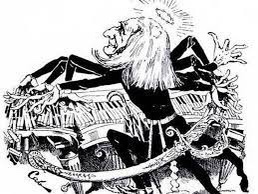
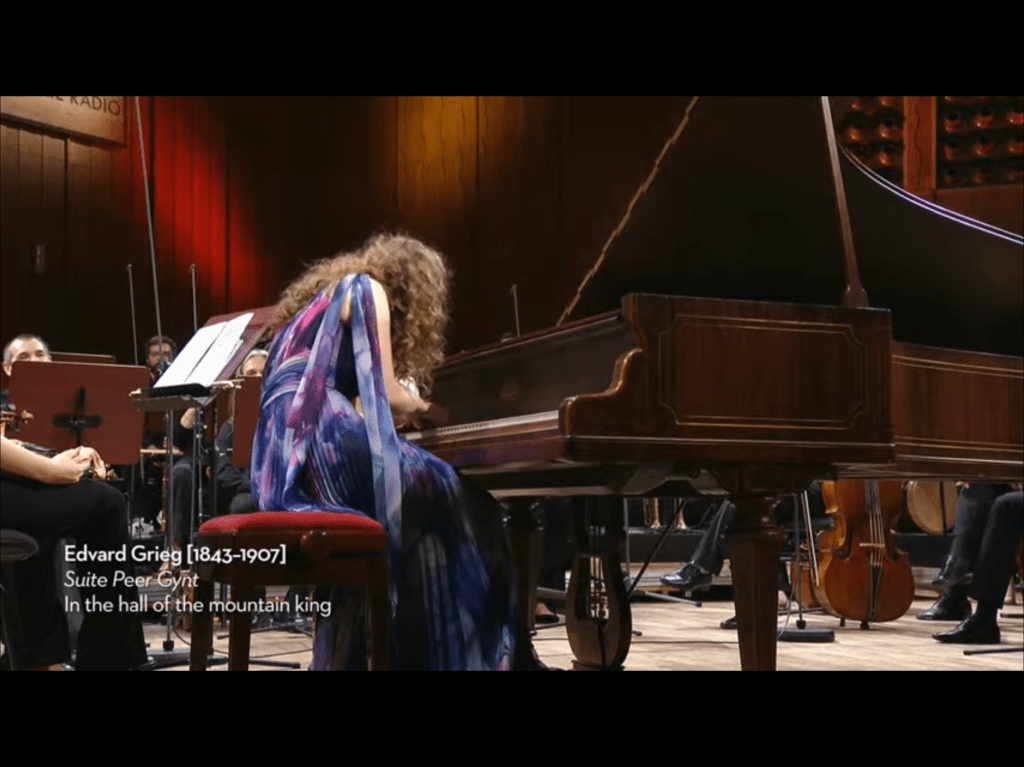
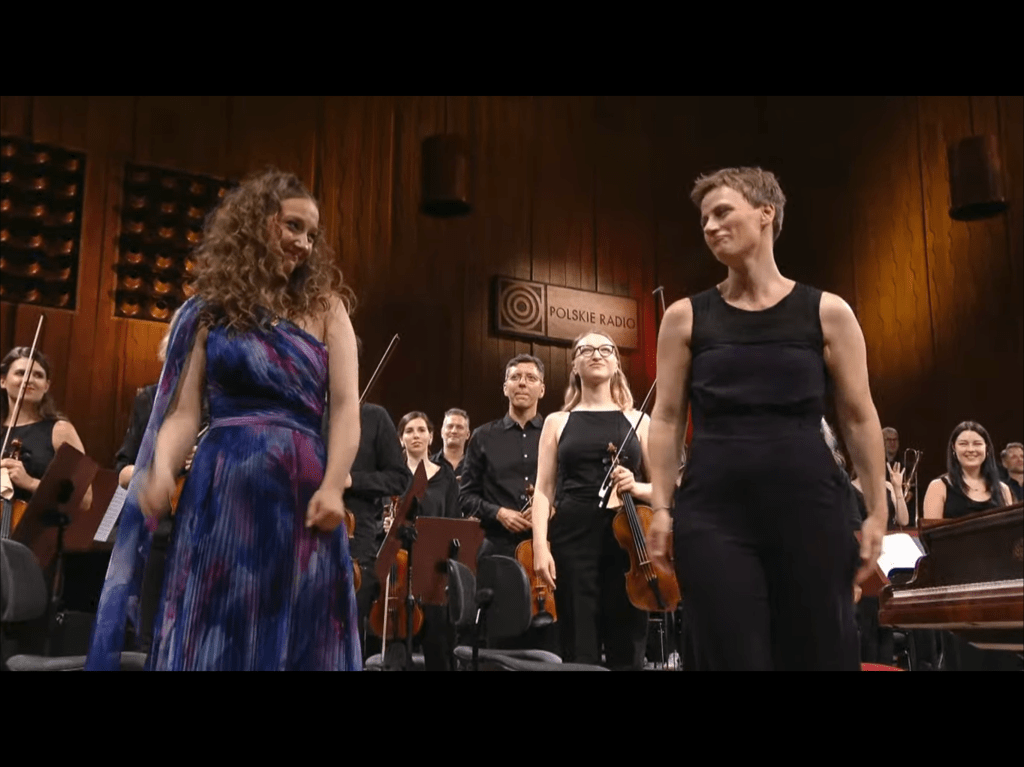
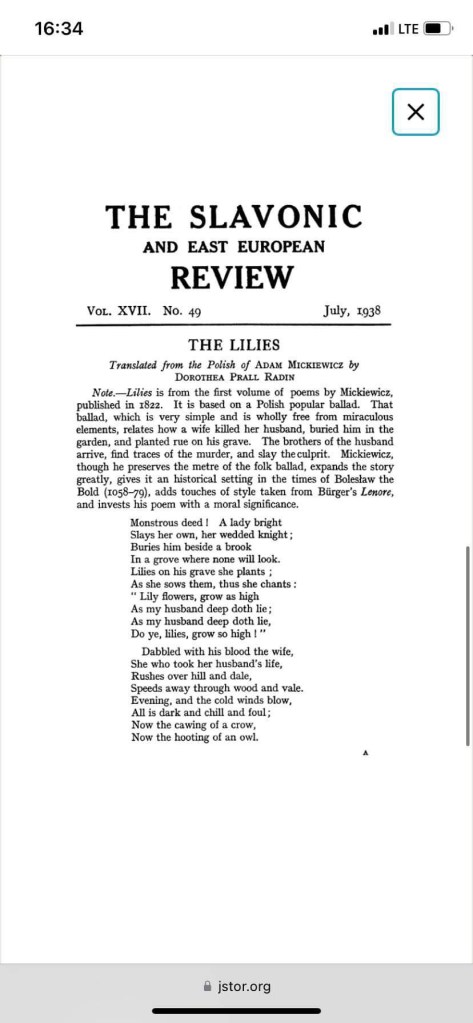
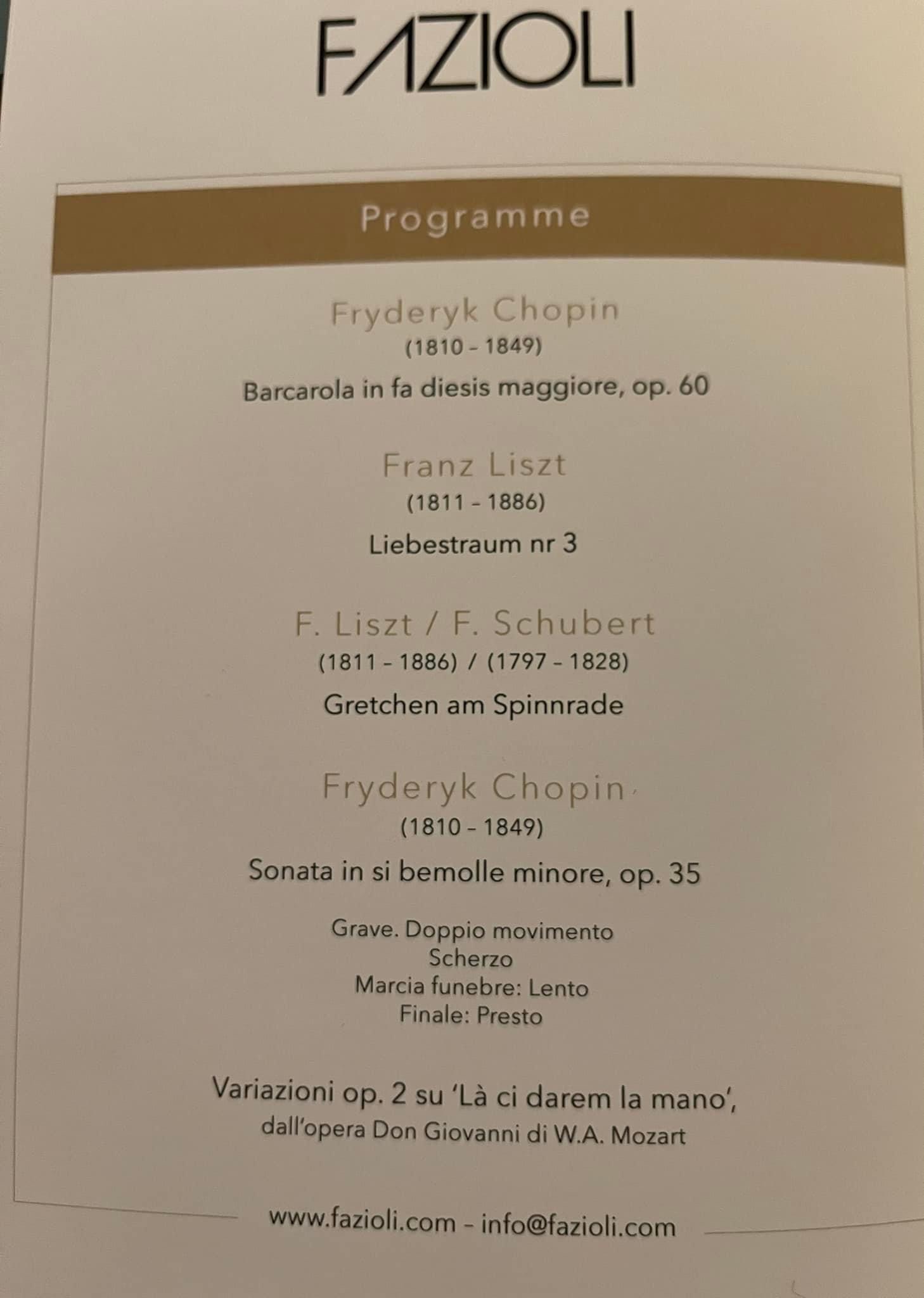
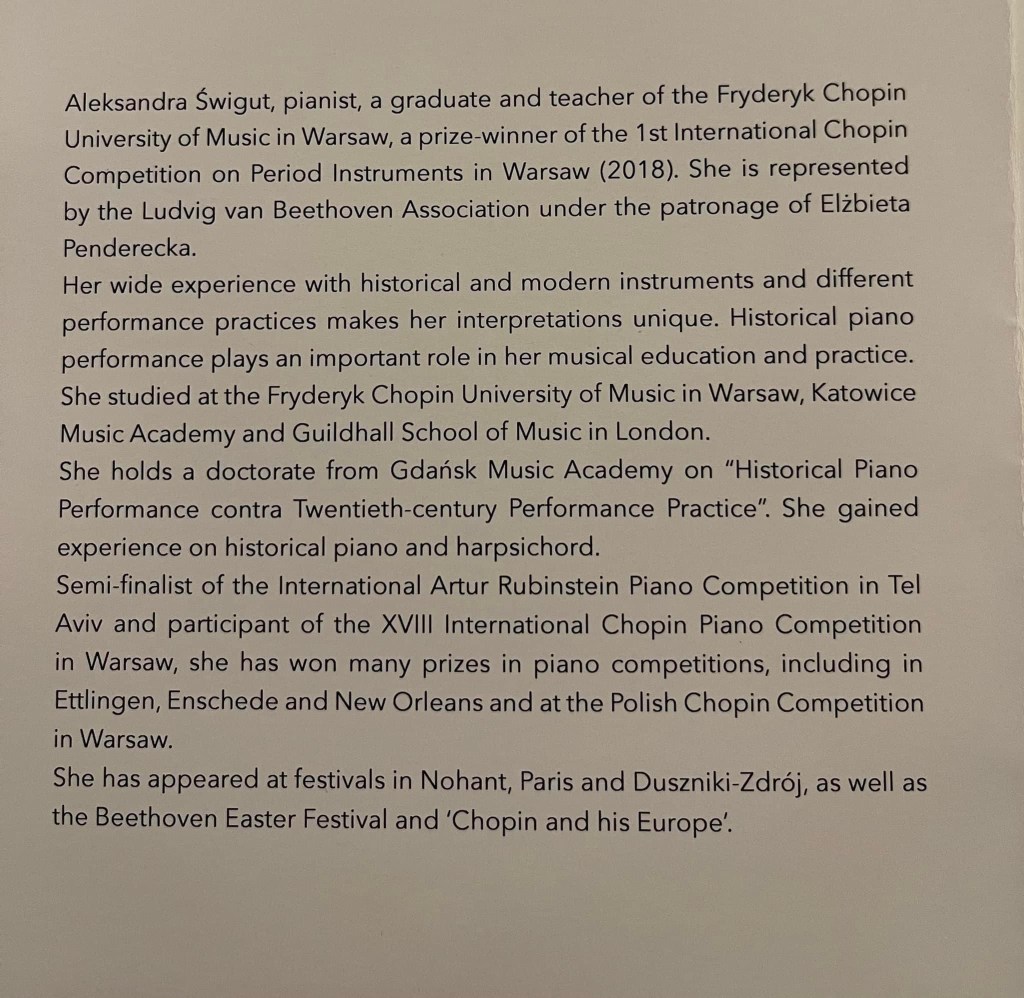
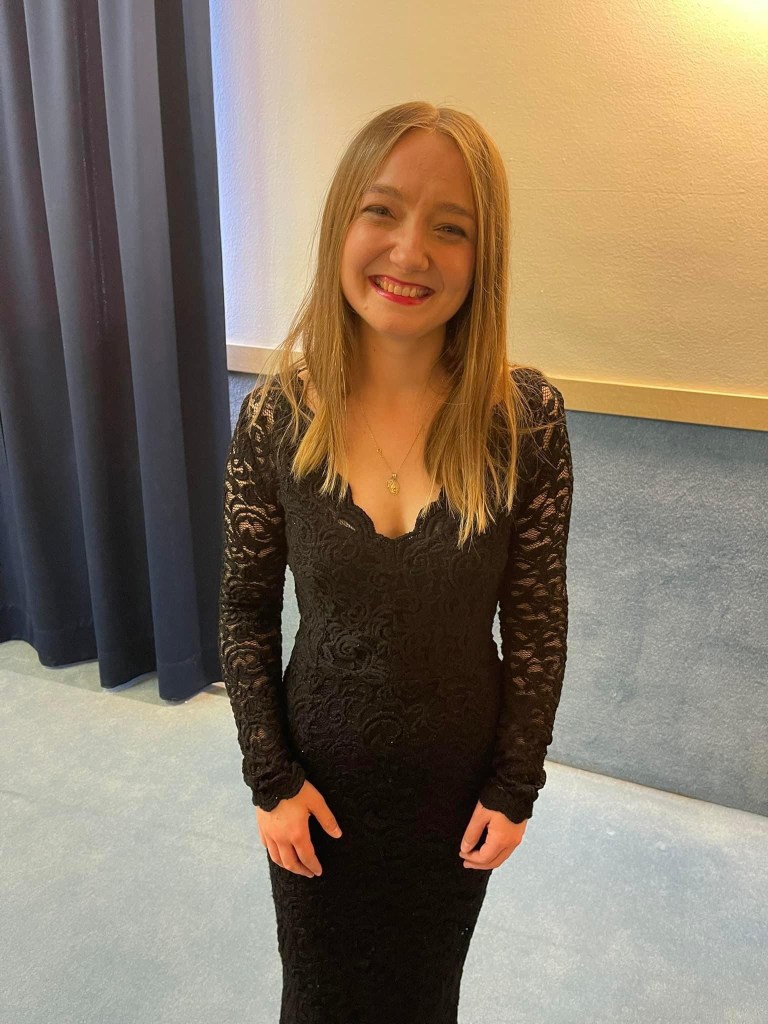
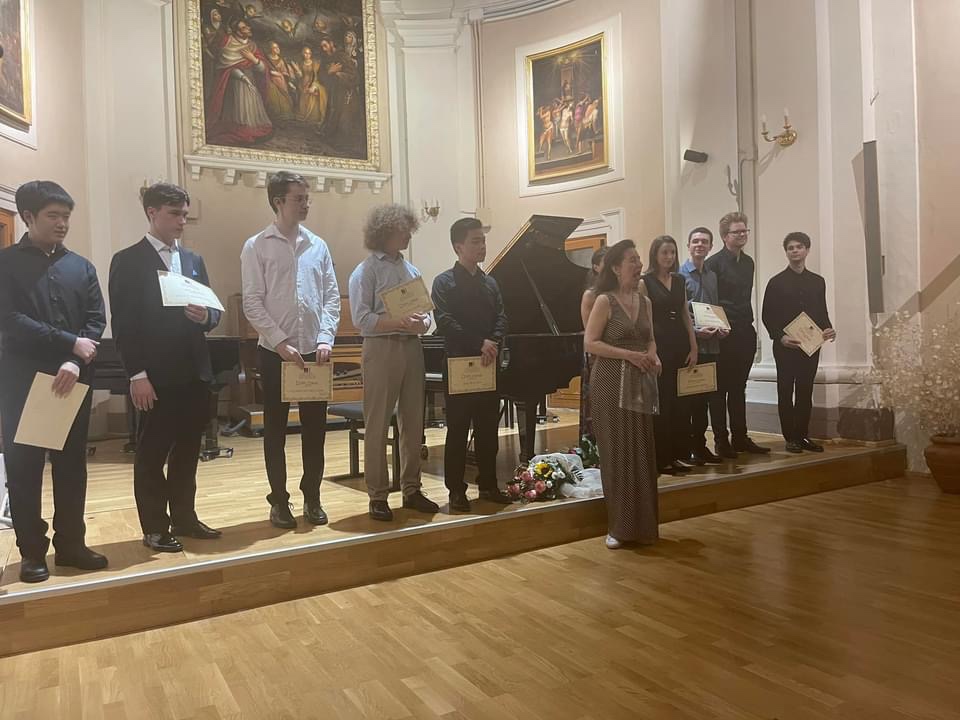
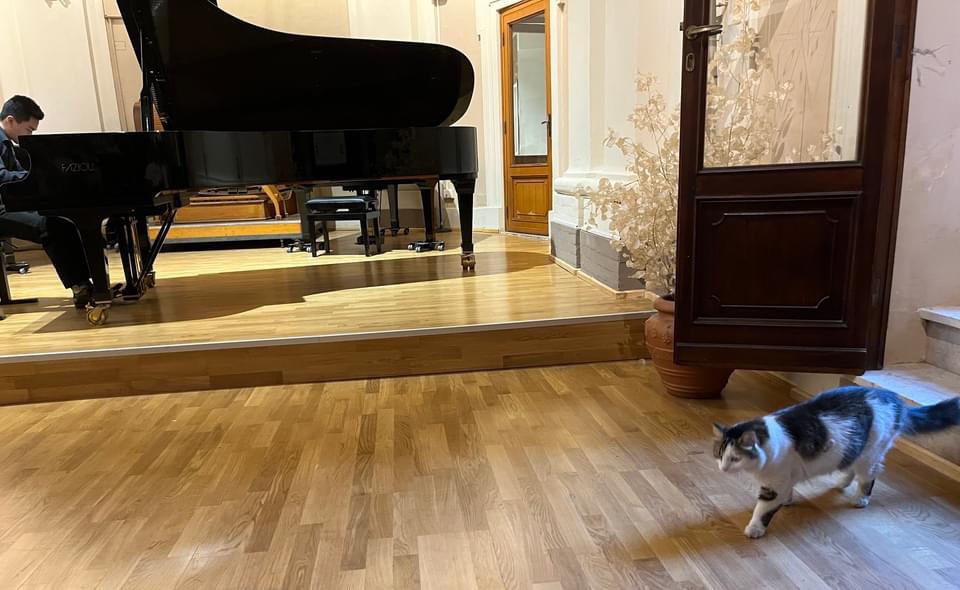
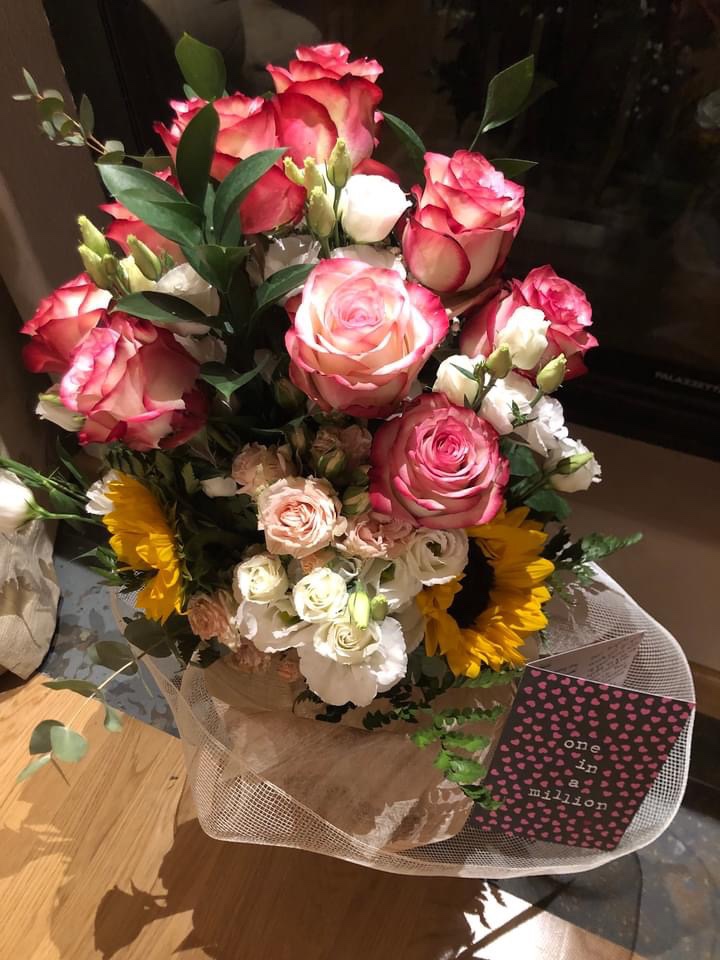
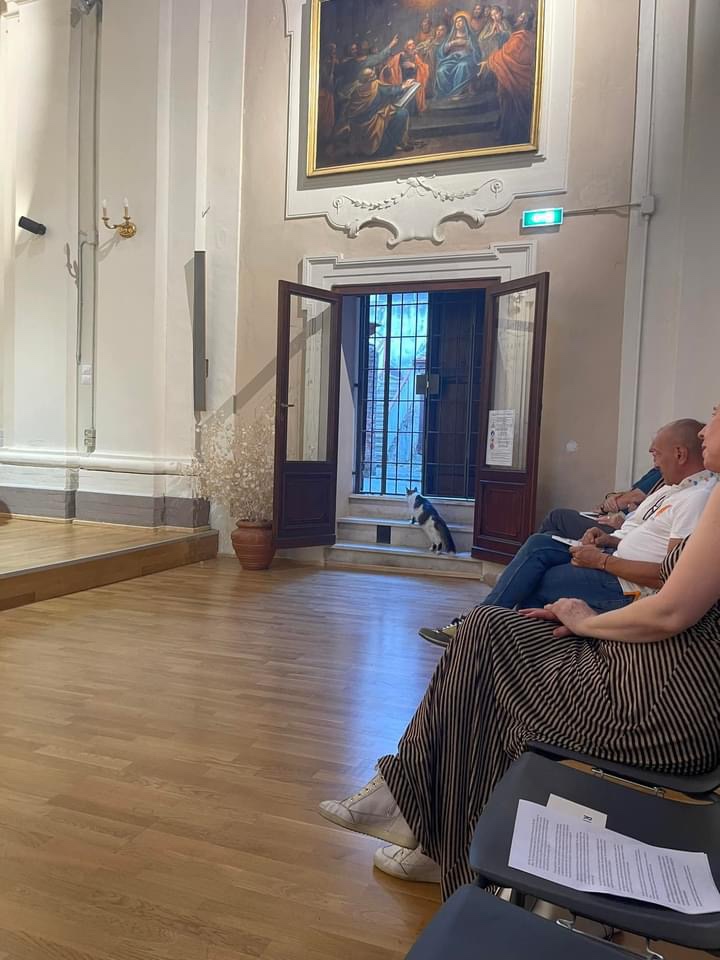
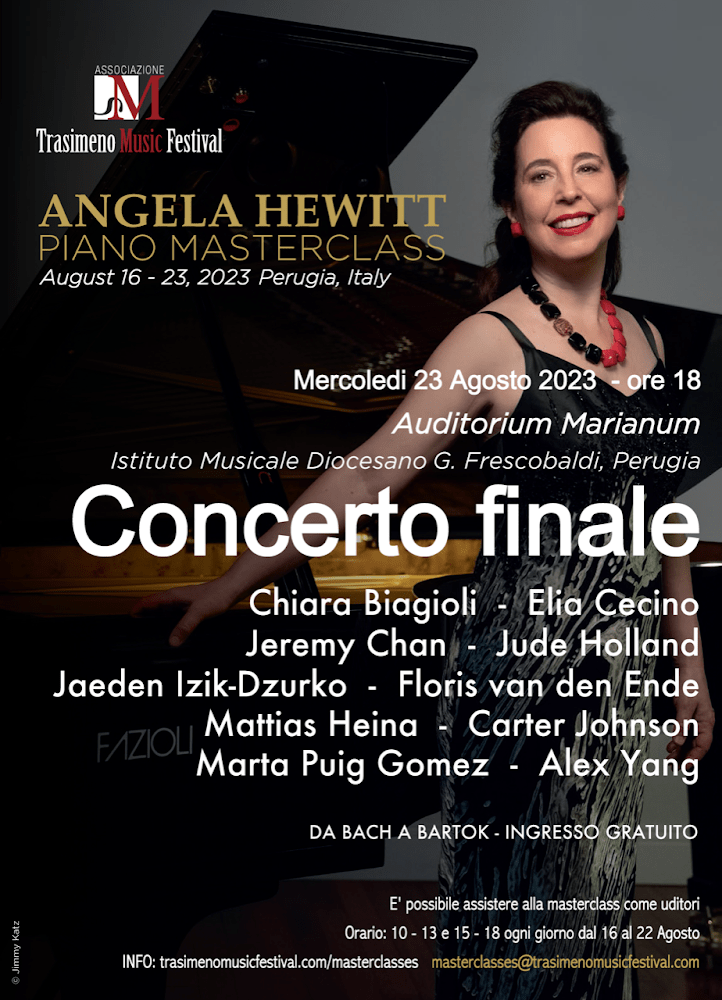
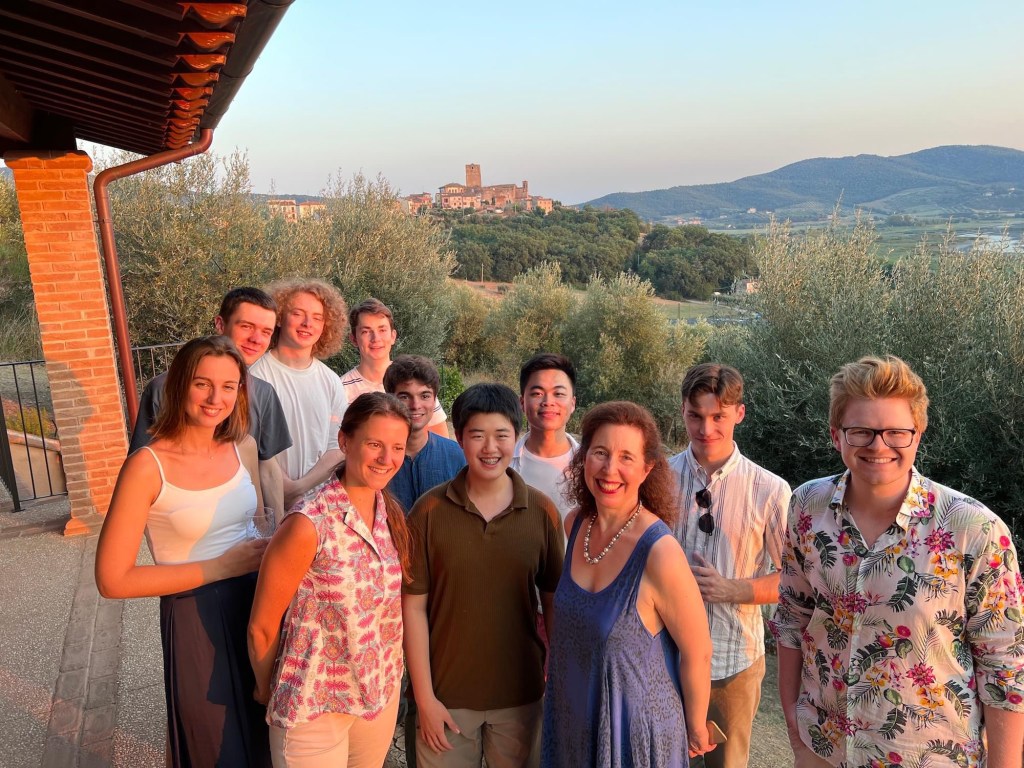
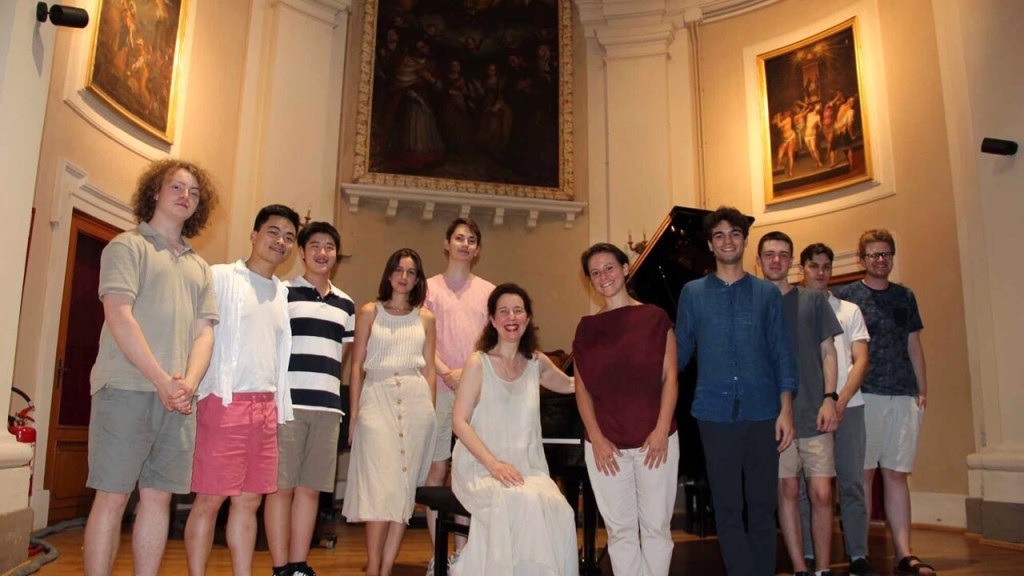
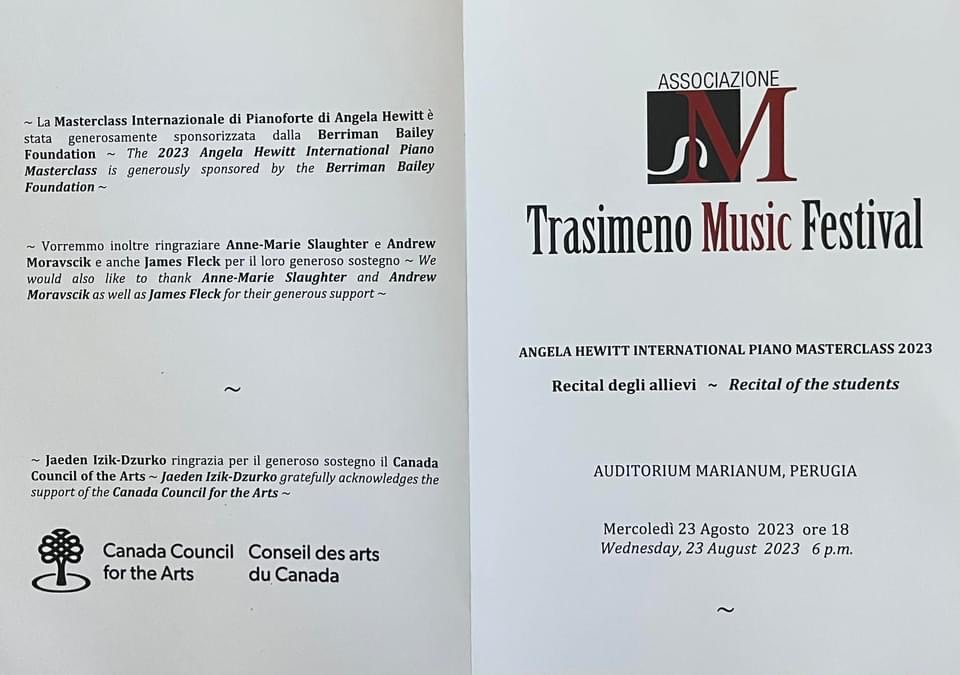
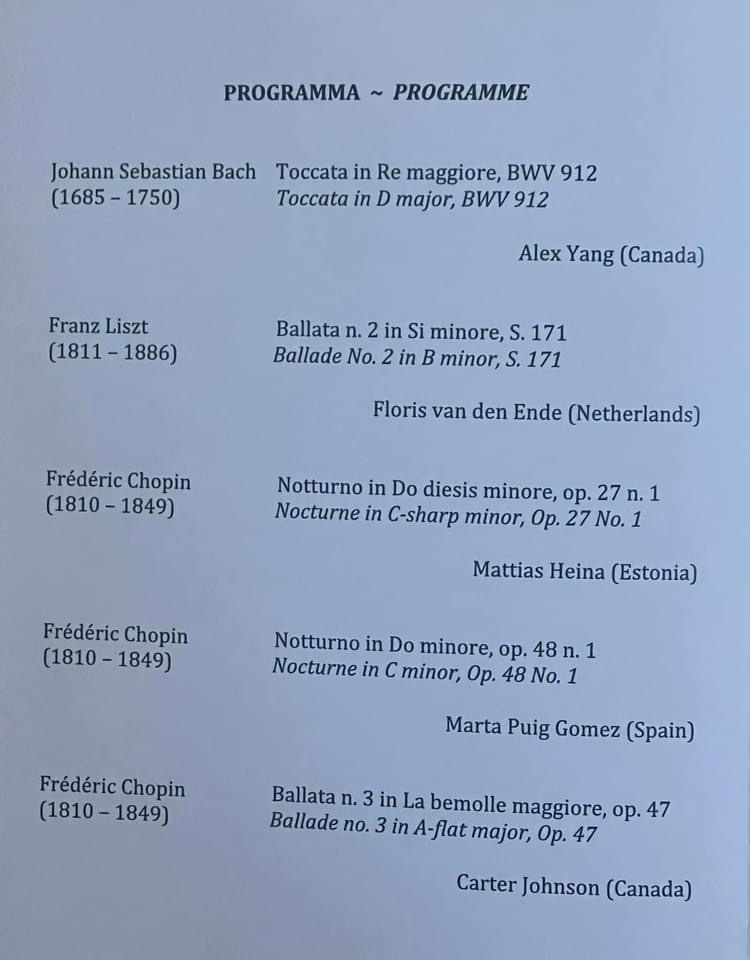
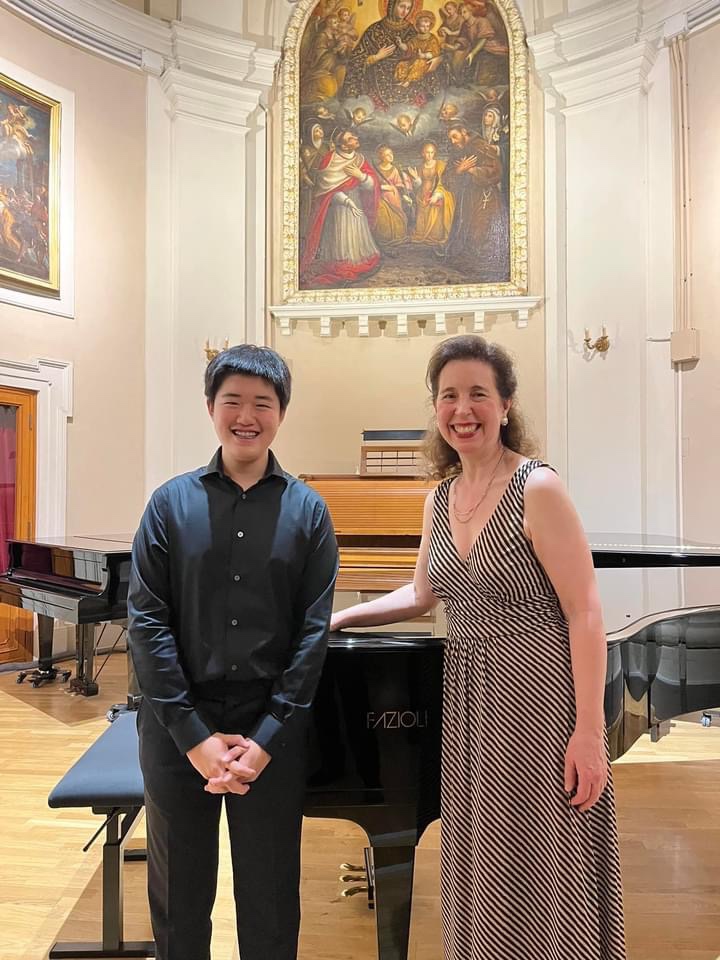
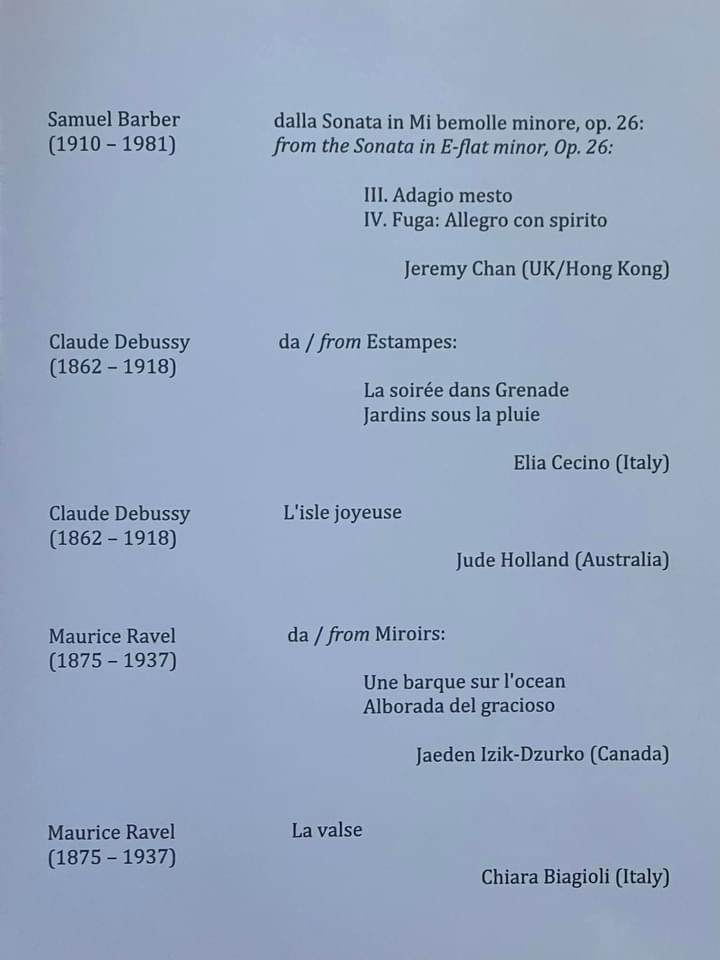
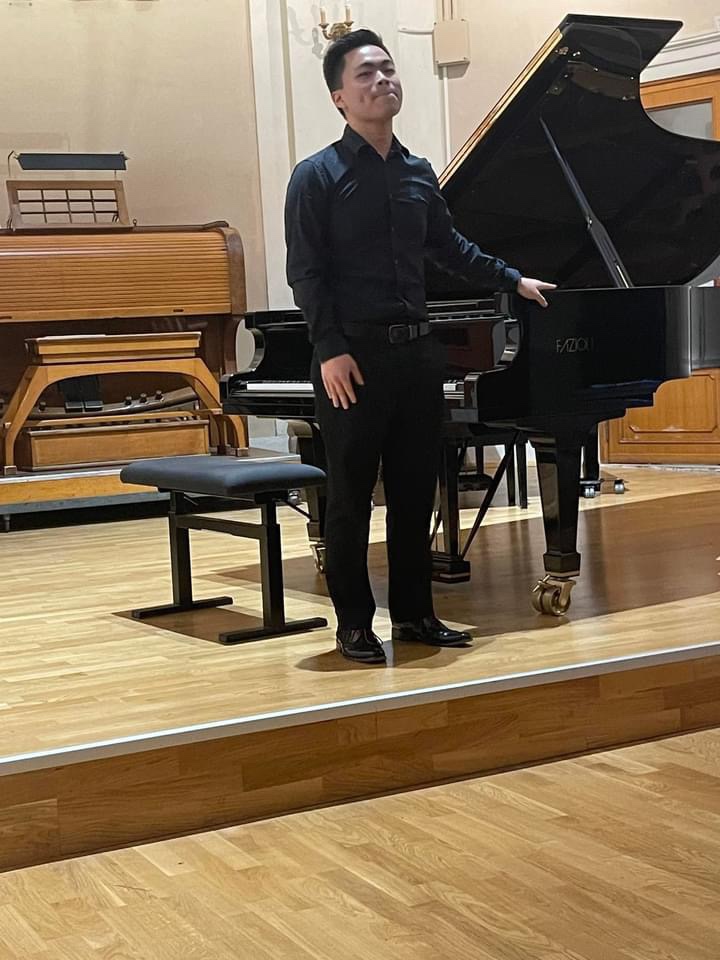
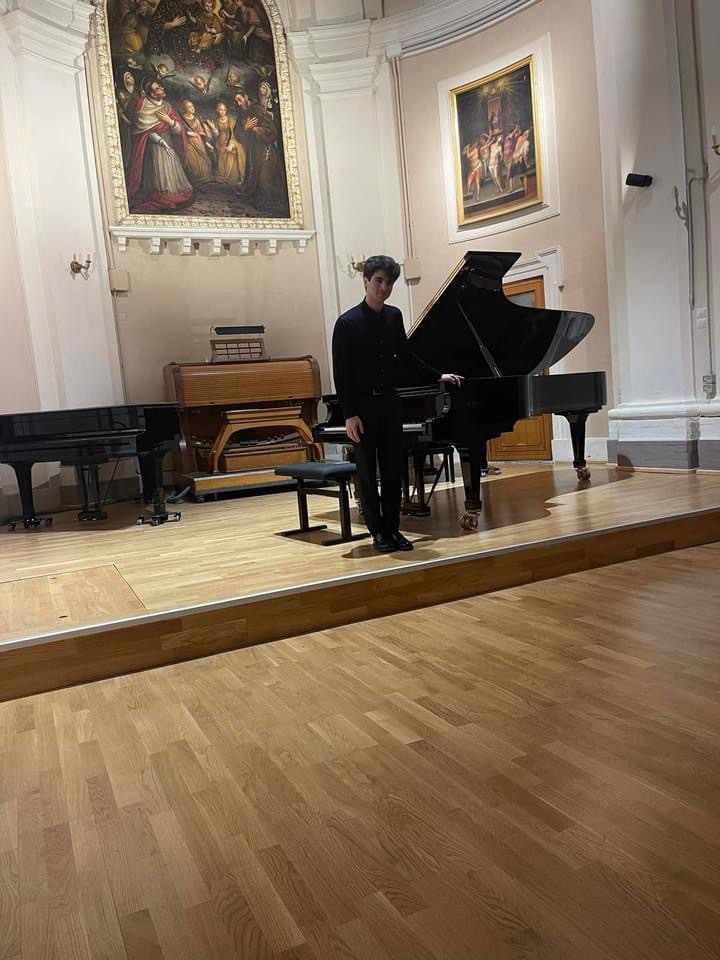
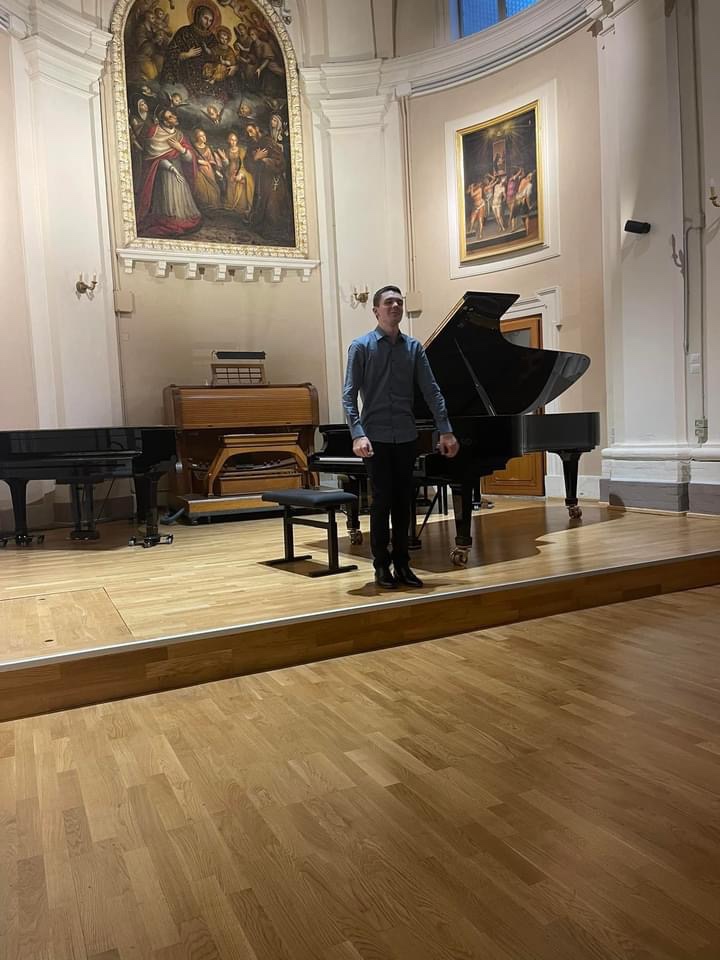
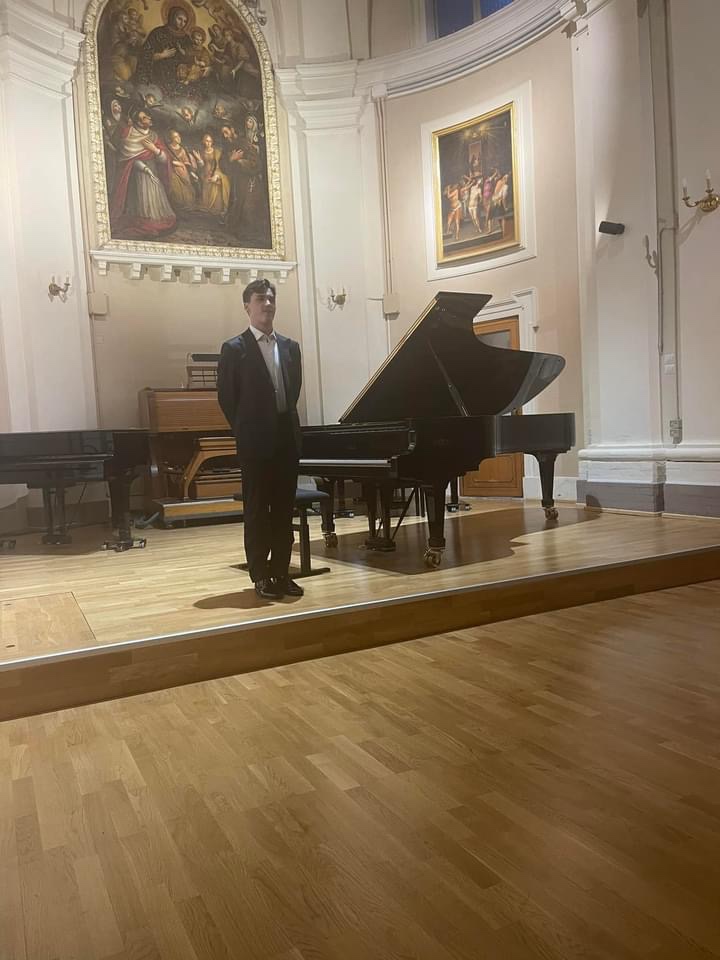
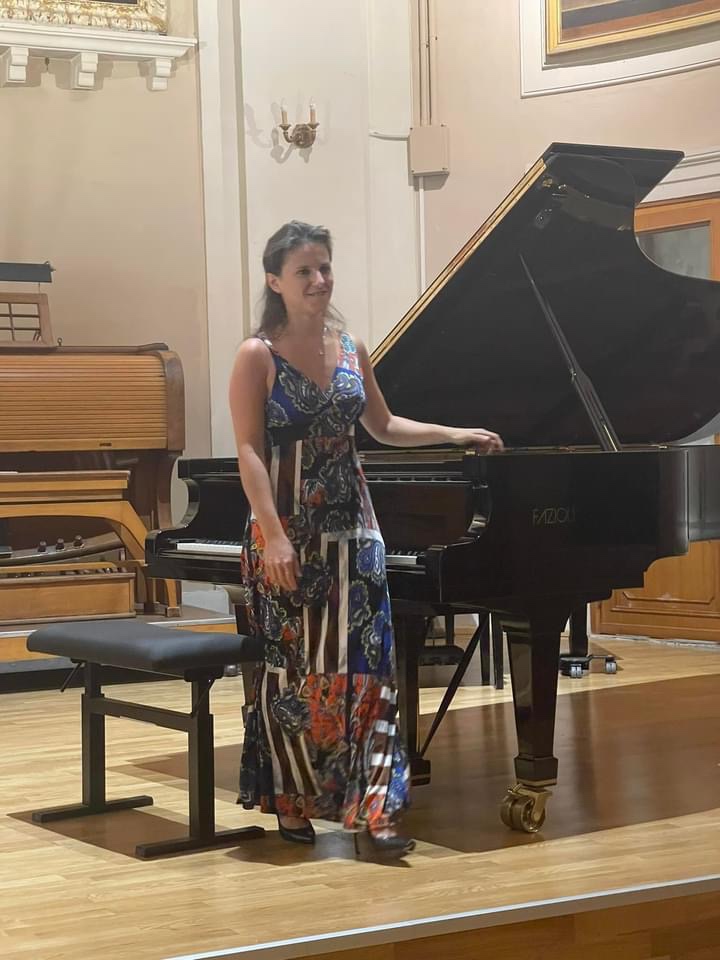
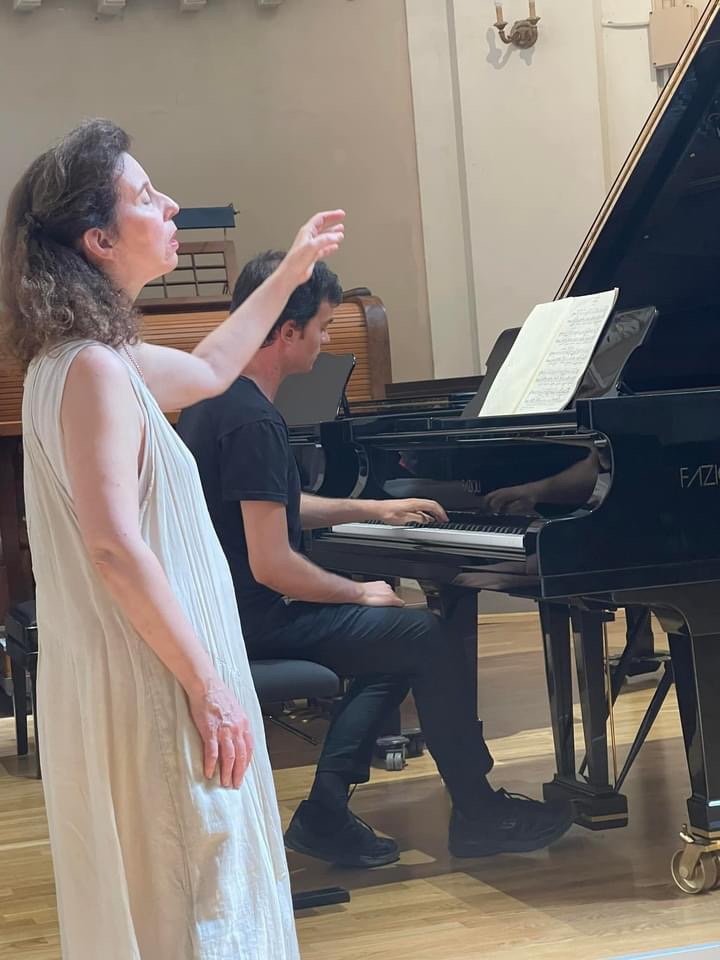
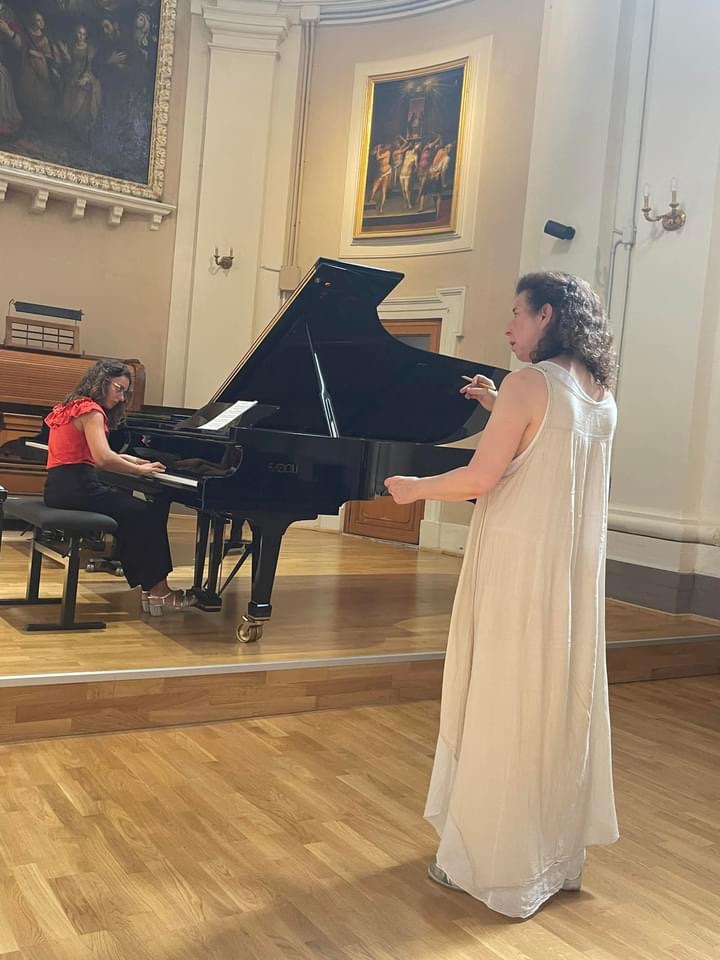
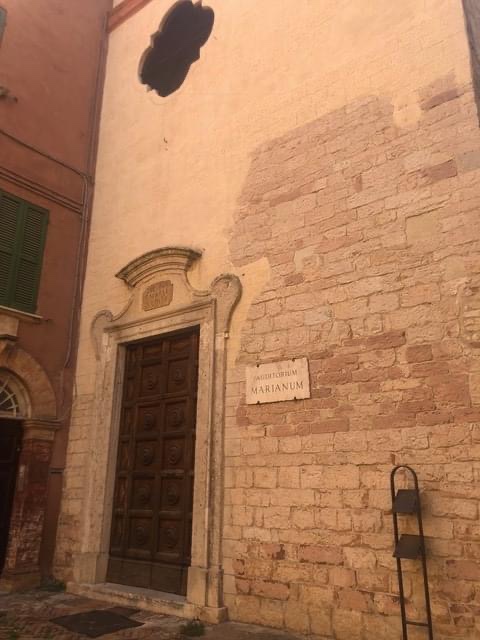
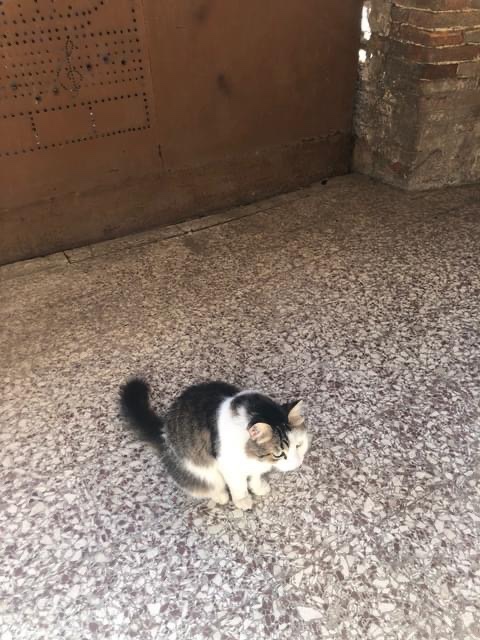
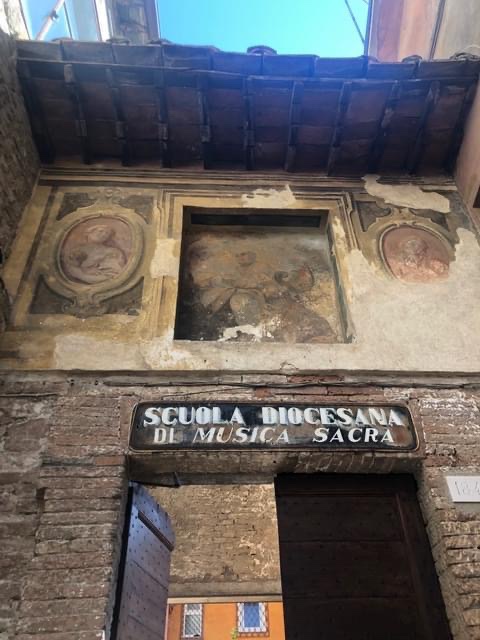
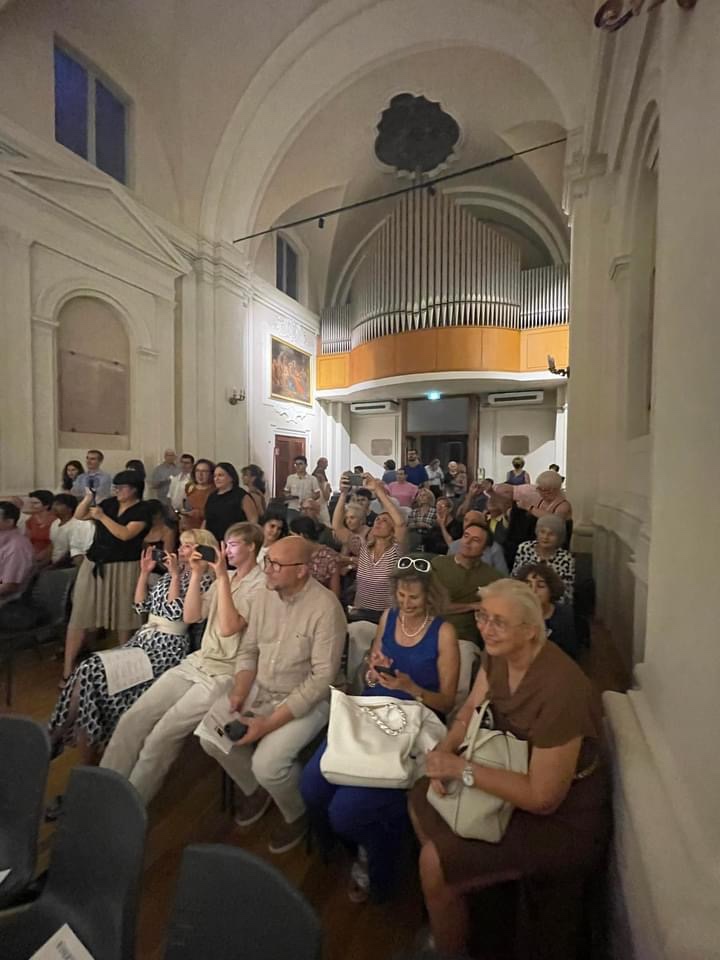
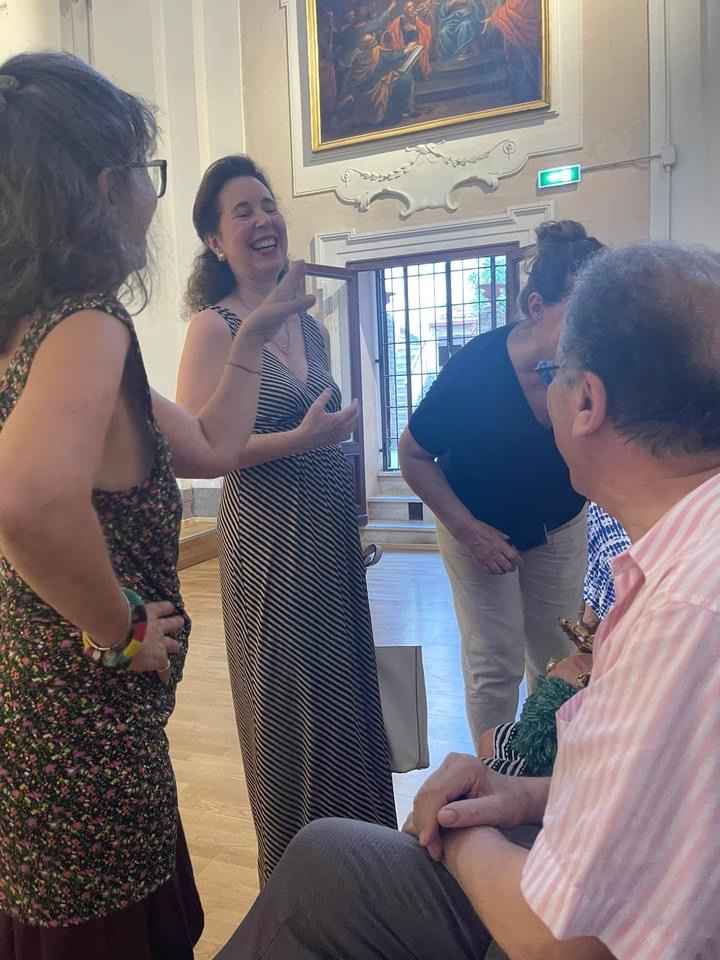
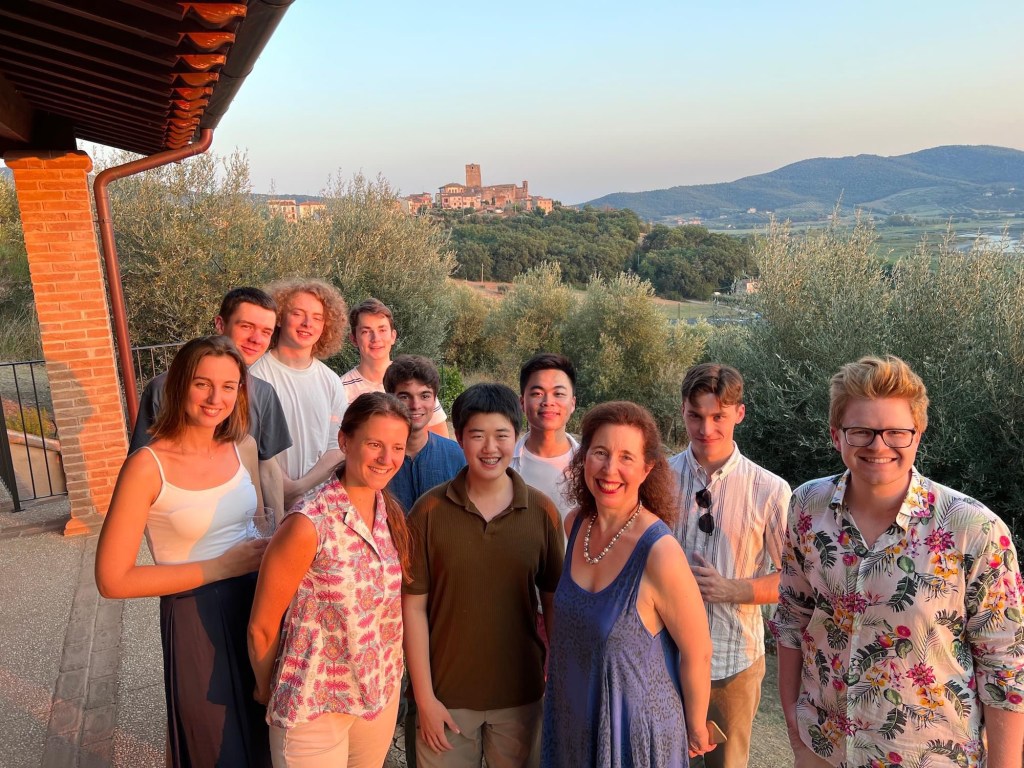
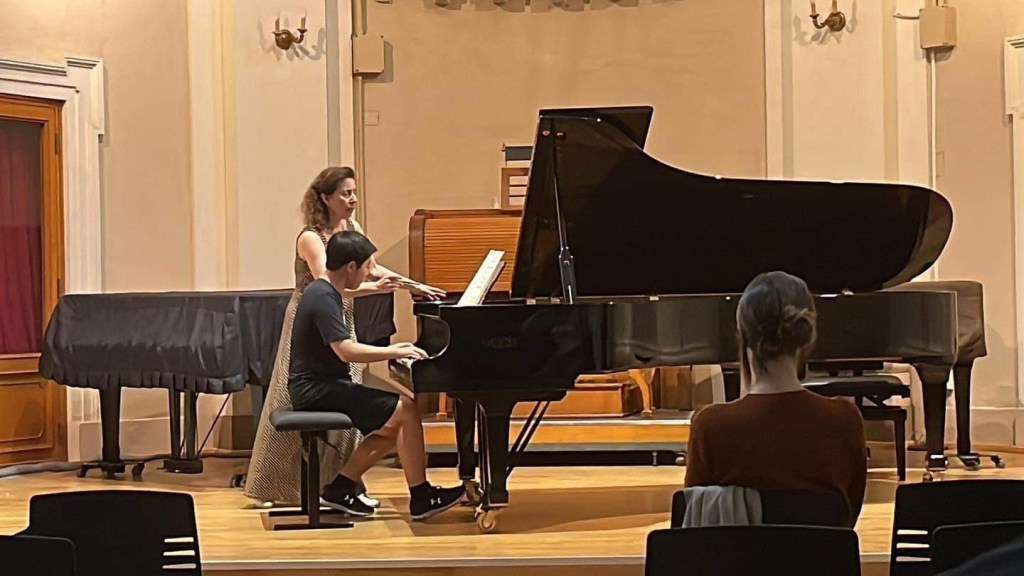
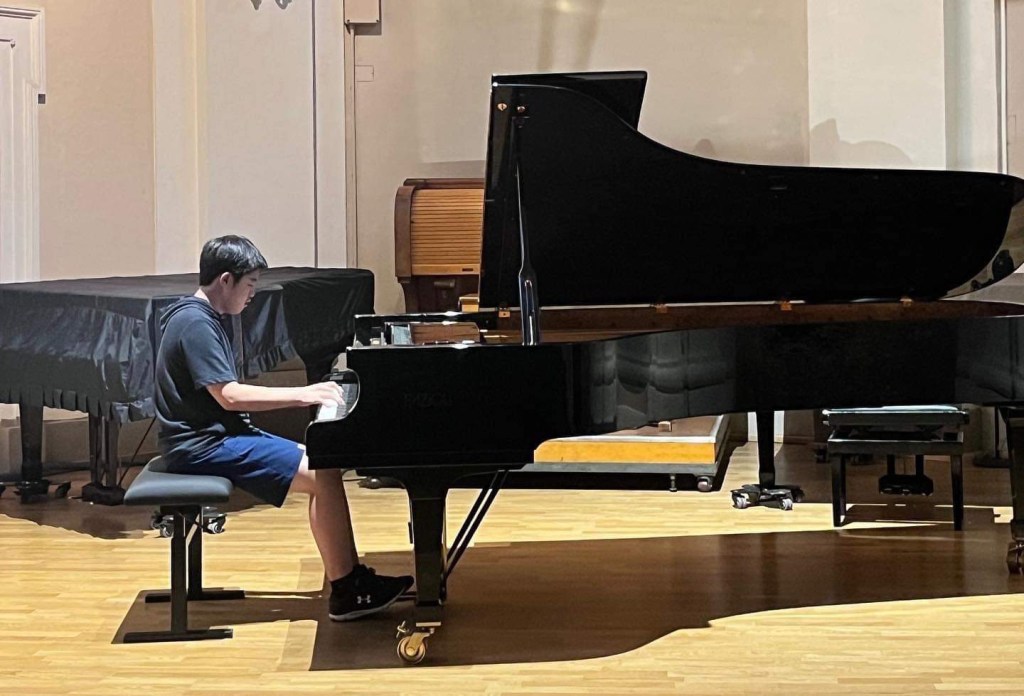
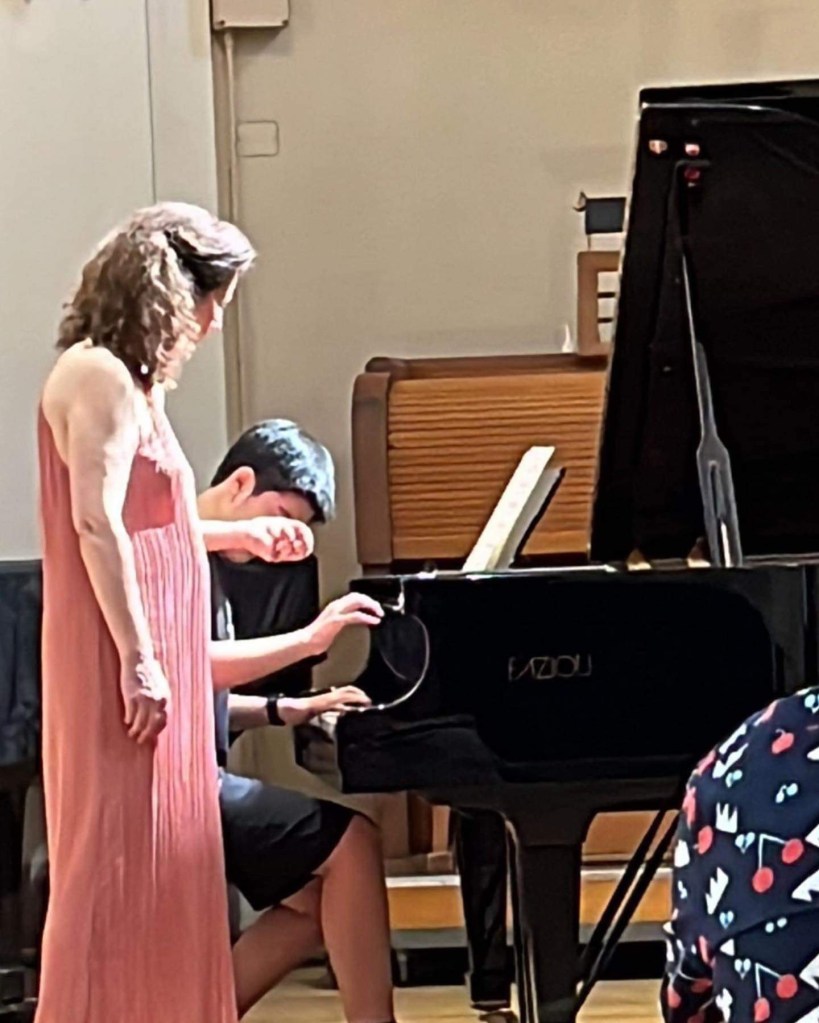
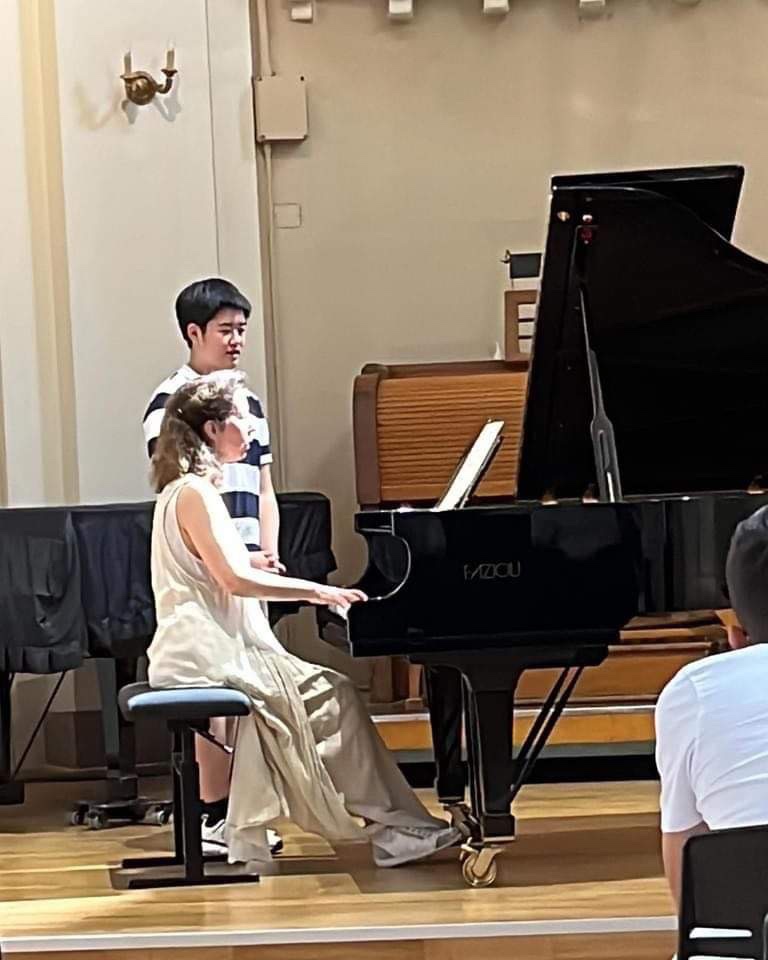
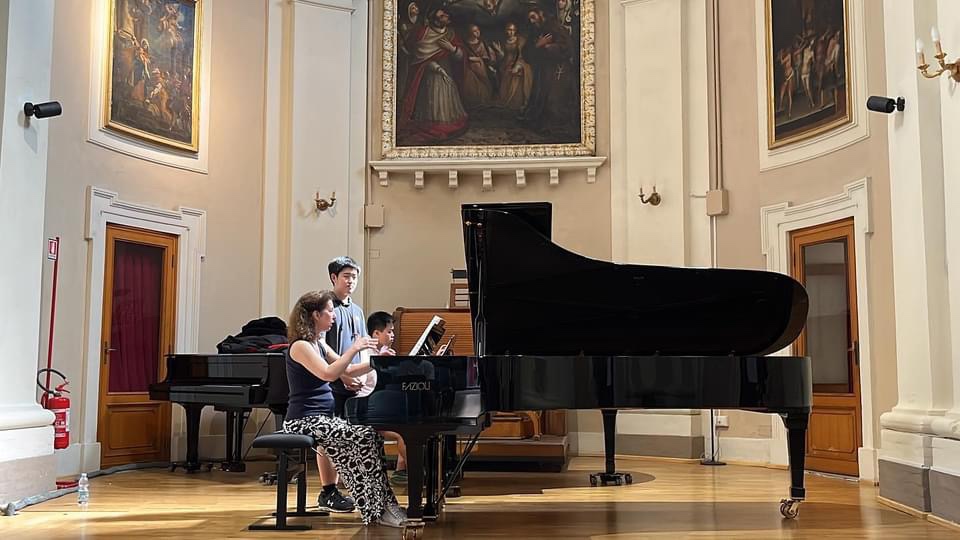
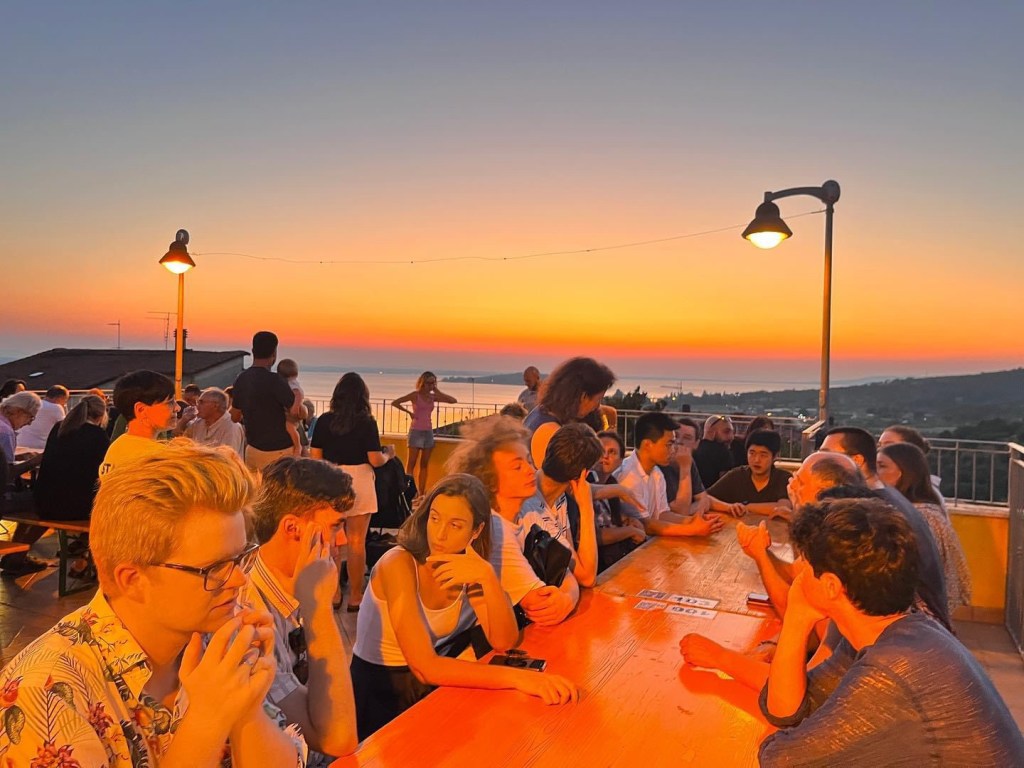
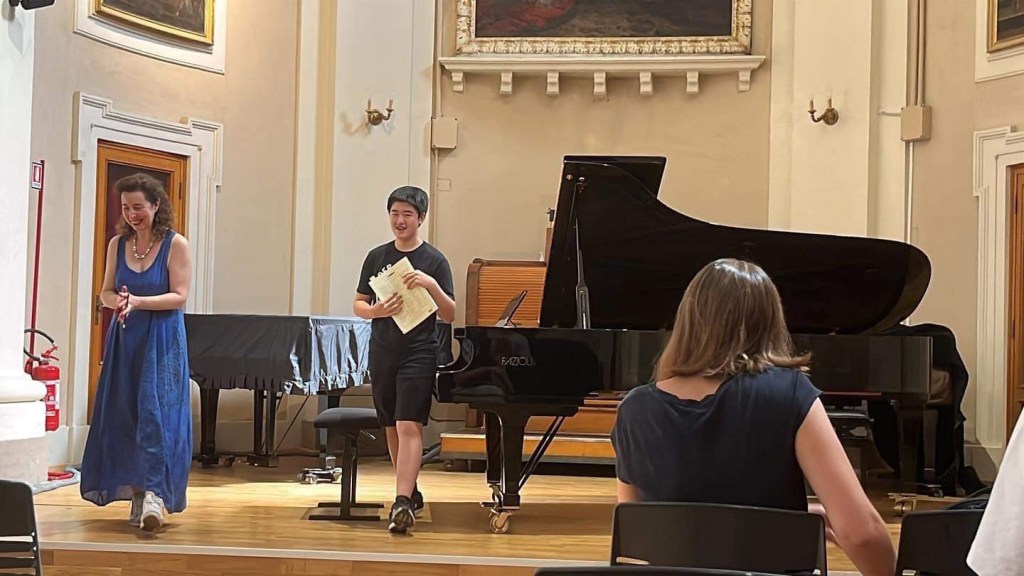
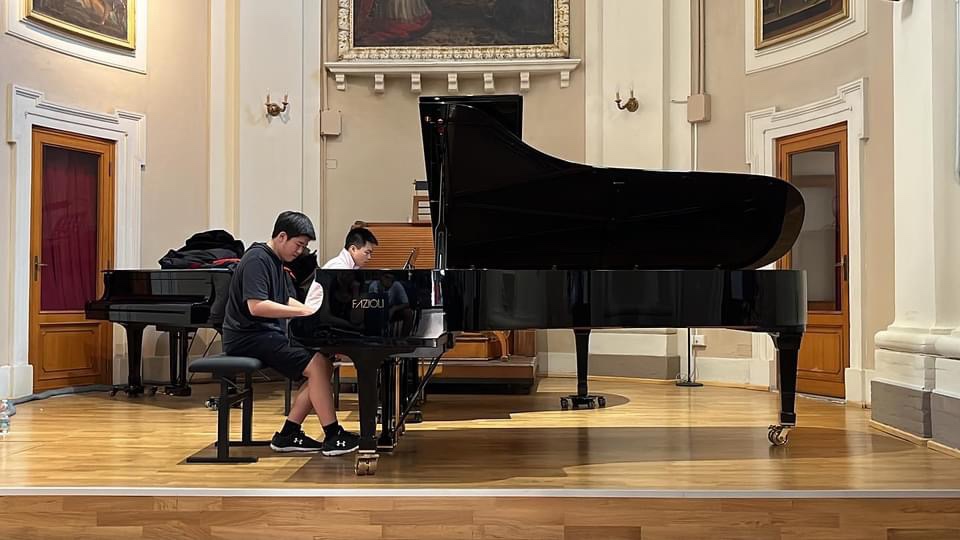
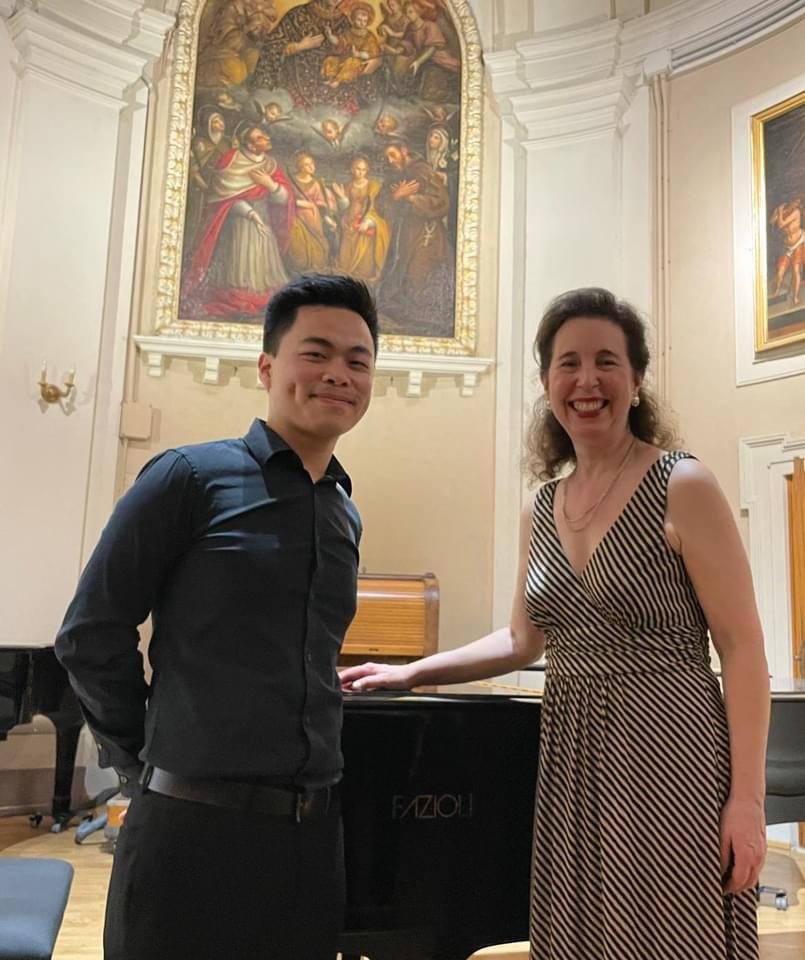
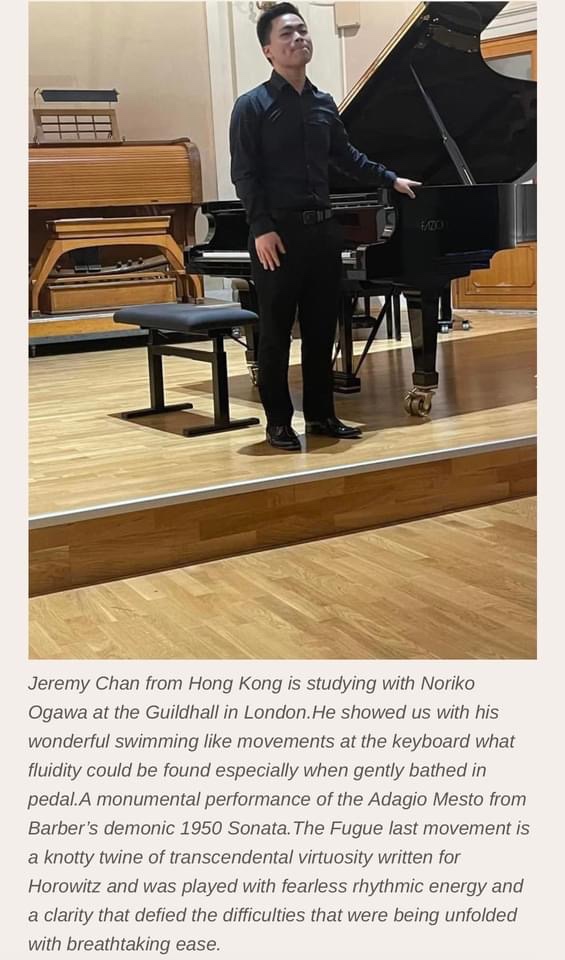
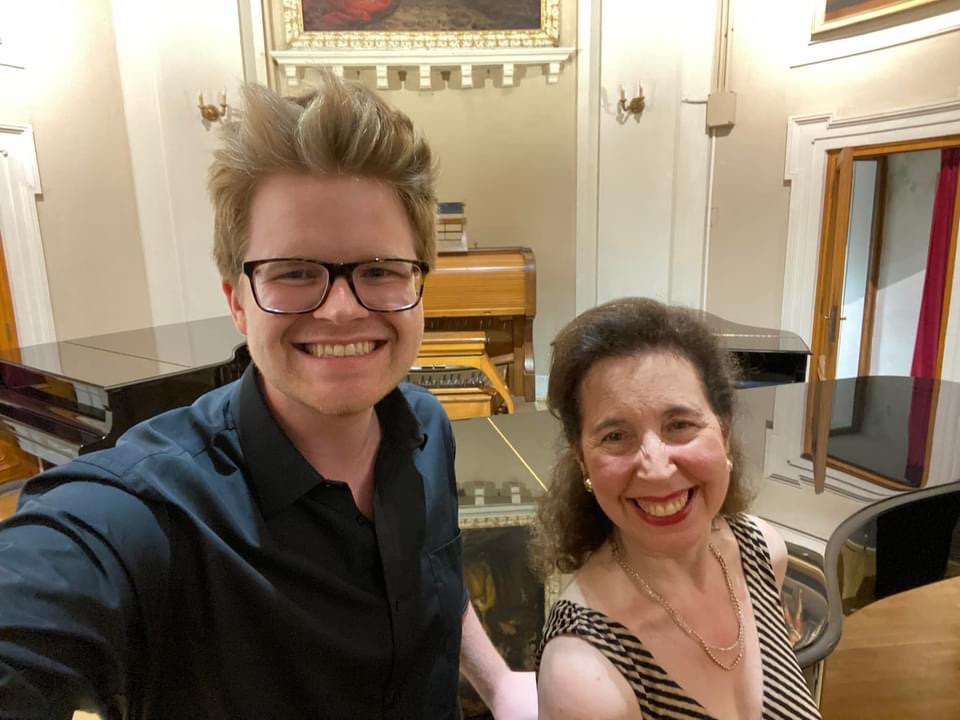
 ChristopherAxworthy-MusicCommentary