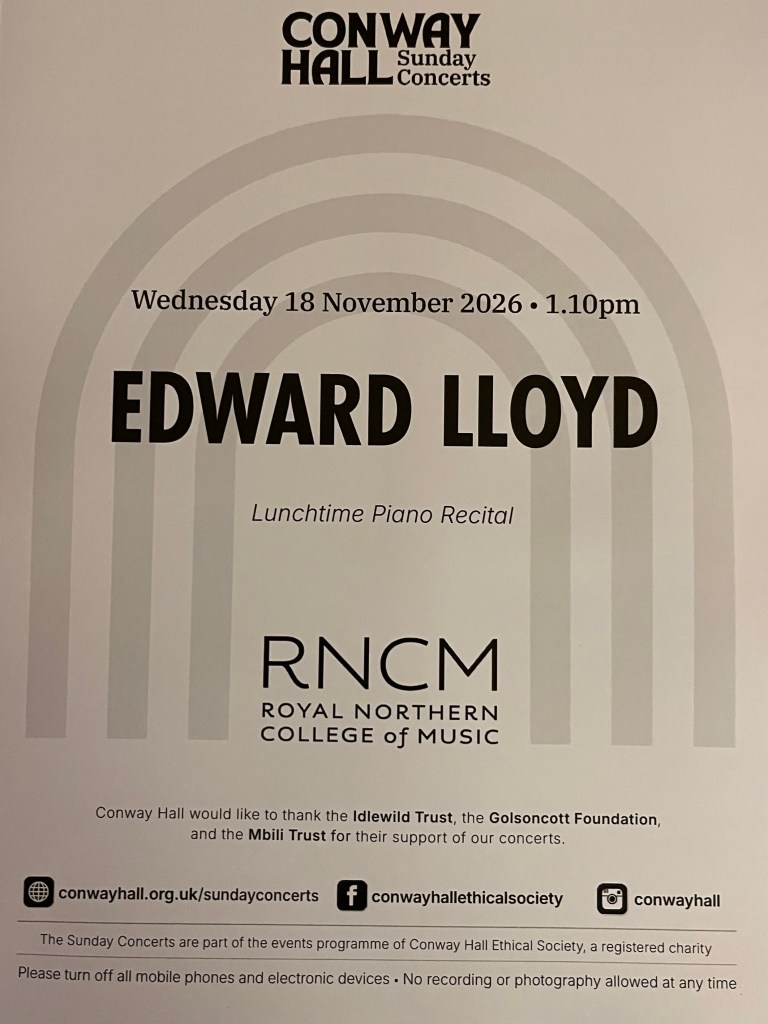
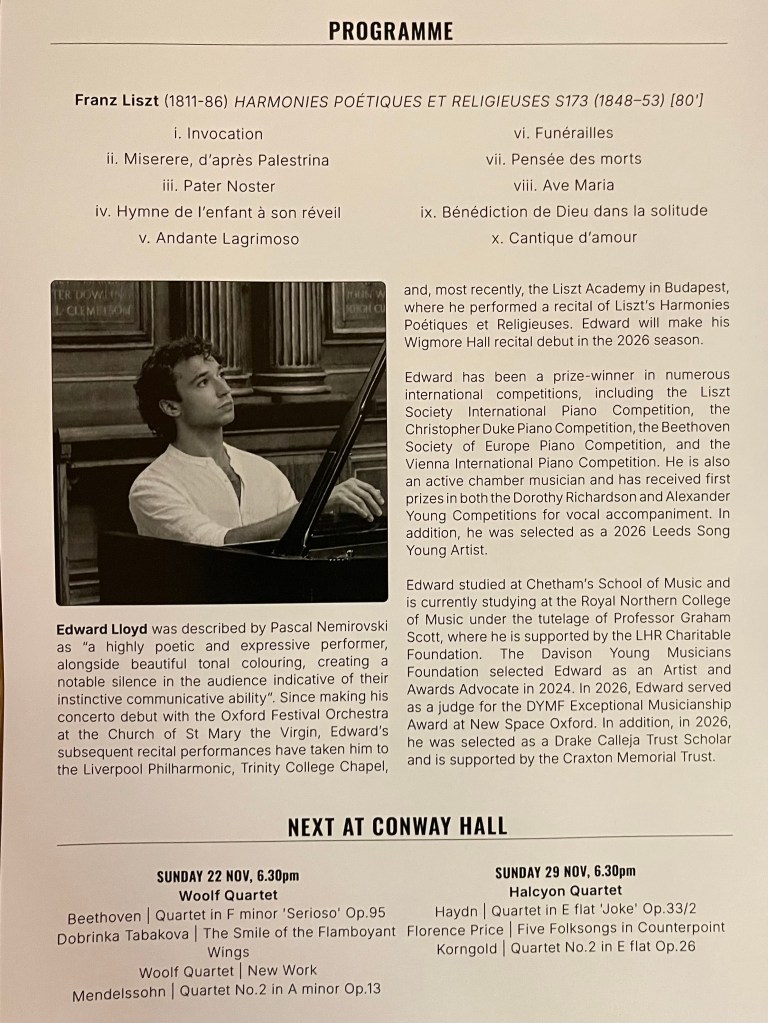
Harmonies poétiques et religieuses (Poetic and Religious Harmonies), S.173, is a cycle of piano pieces written by Franz Liszt at Woroniińce, the Polish-Ukrainian country estate of Liszt’s mkistress Princess Carolyne von Sayn-Wittgenstein in 1847, and published in 1853. The pieces are inspired by the poetry of Alphonse de Lamartine , as was Liszt’s symphonic poem Les Préludes
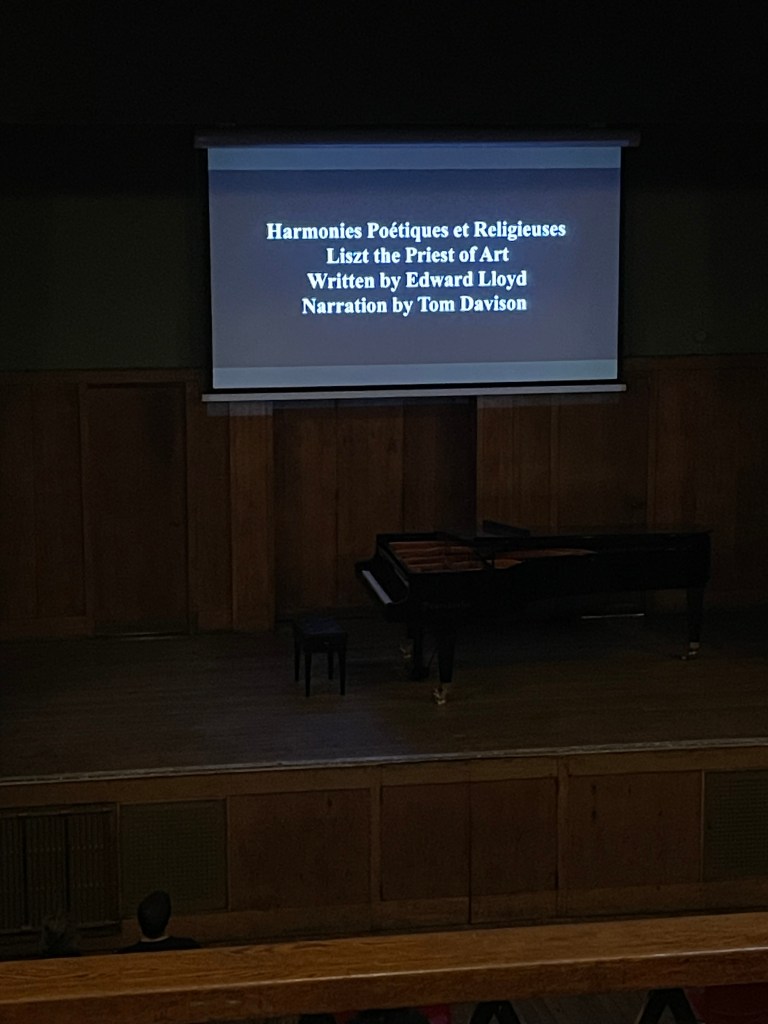
It is rare to hear all the Harmonies by Liszt in one sitting. In fact apart from Funérailles and Bénédiction the other eight are very rarely if ever heard. Edward has dedicated himself to delving into this world and I see he has also performed them even in the Liszt Academy in Budapest! Taking coals to Newcastle indeed! Edward had even prepared an introductory video for his performances of Liszt Harmonies
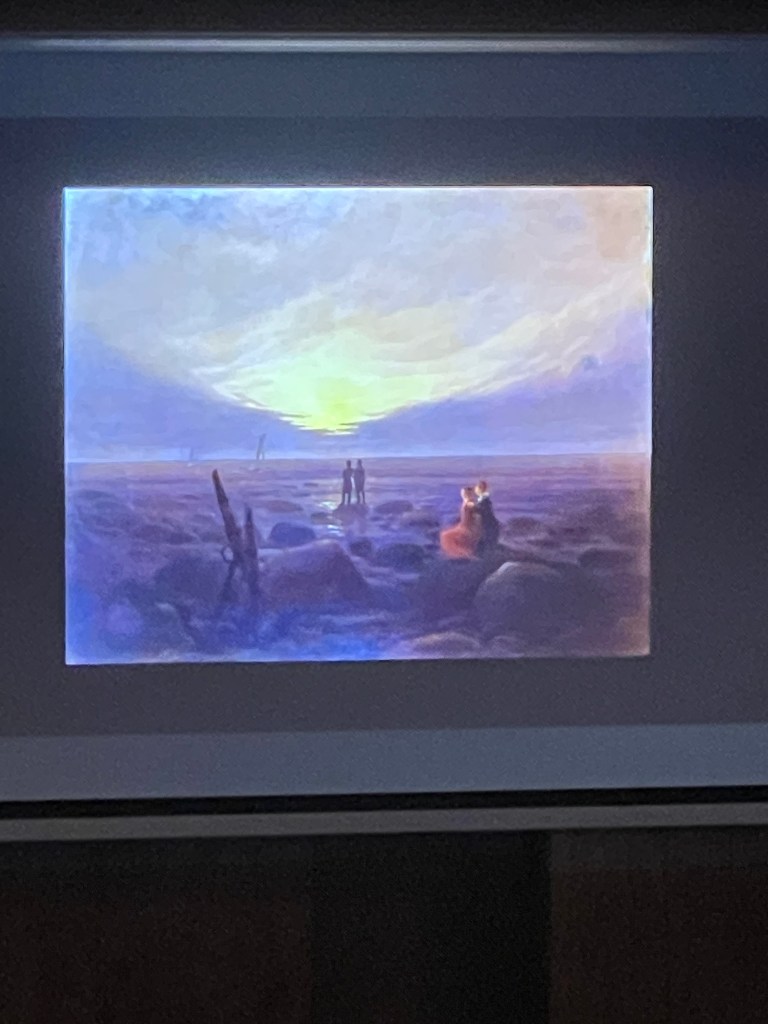
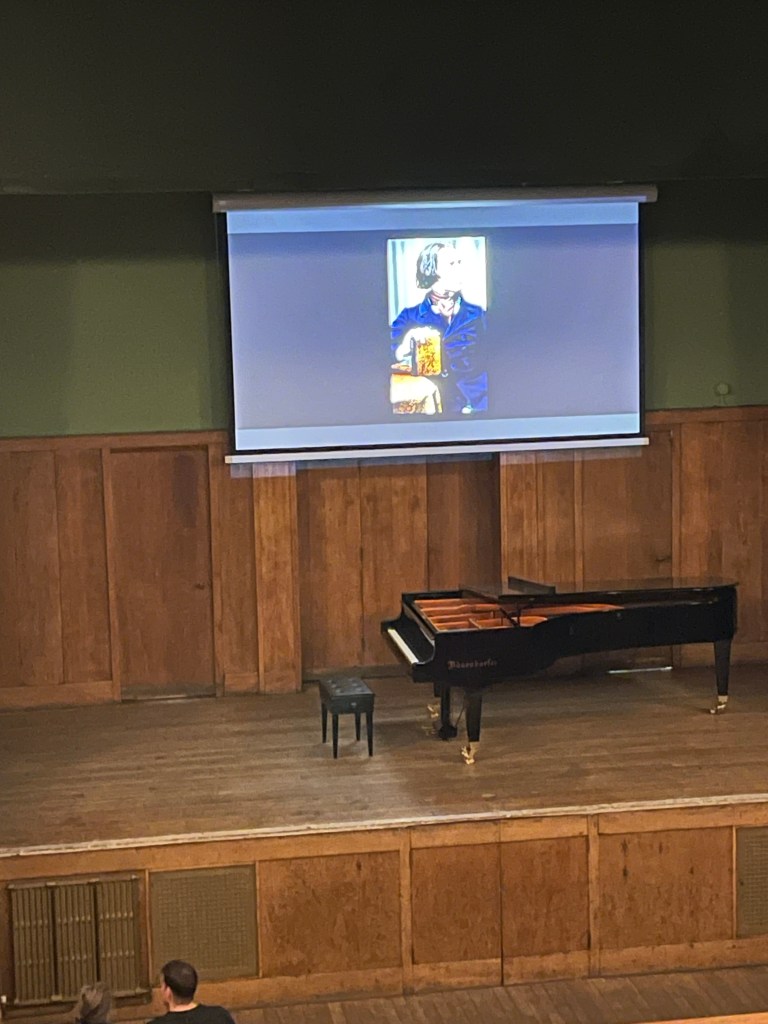
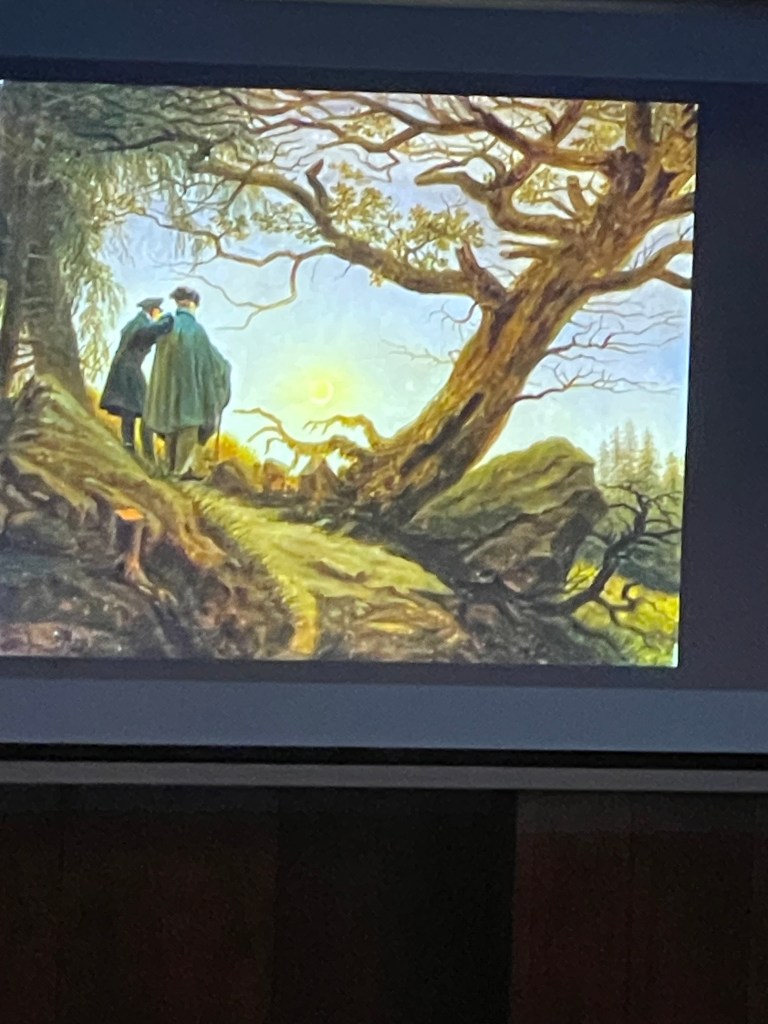
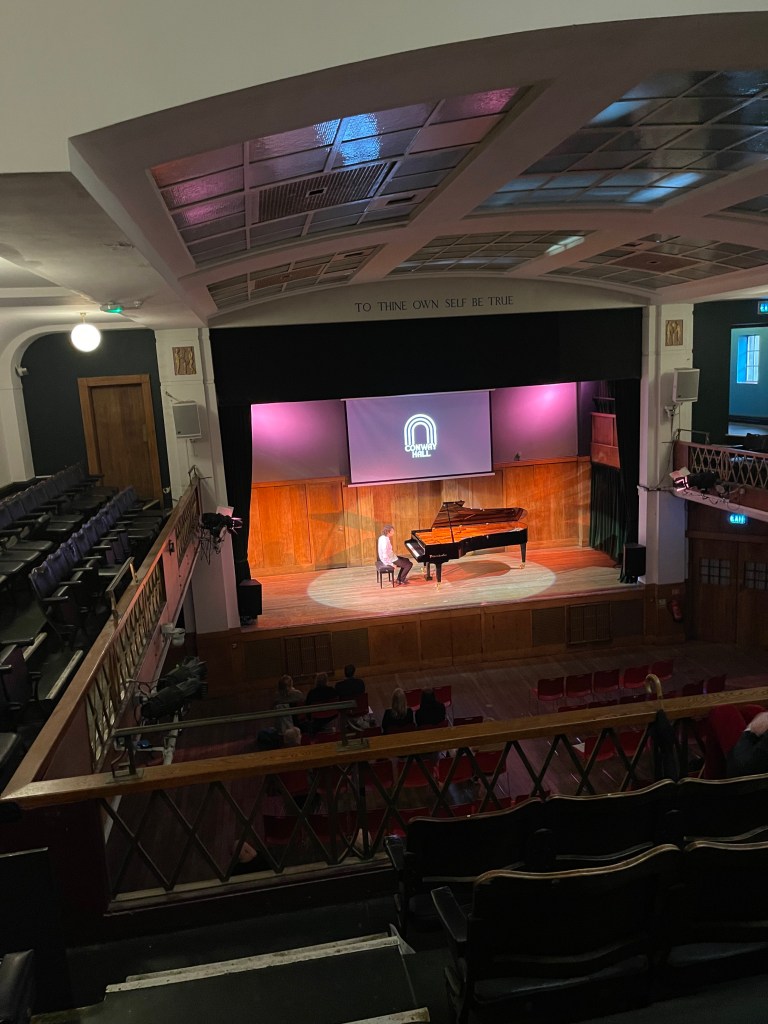
Edward has a larger than life technical mastery of the piano with arms that lay outstretched in front of the Lions mouth of 88 keys! But he also has a palette of colour and a sensitivity that could delve deeply into this extraordinary world of Liszt. The world of a fervent believer but also one who had experienced all that life had to offer even to excess. And it is indeed this excess and passionate intensity that create works where the genial spark that makes a masterpiece is not always present.
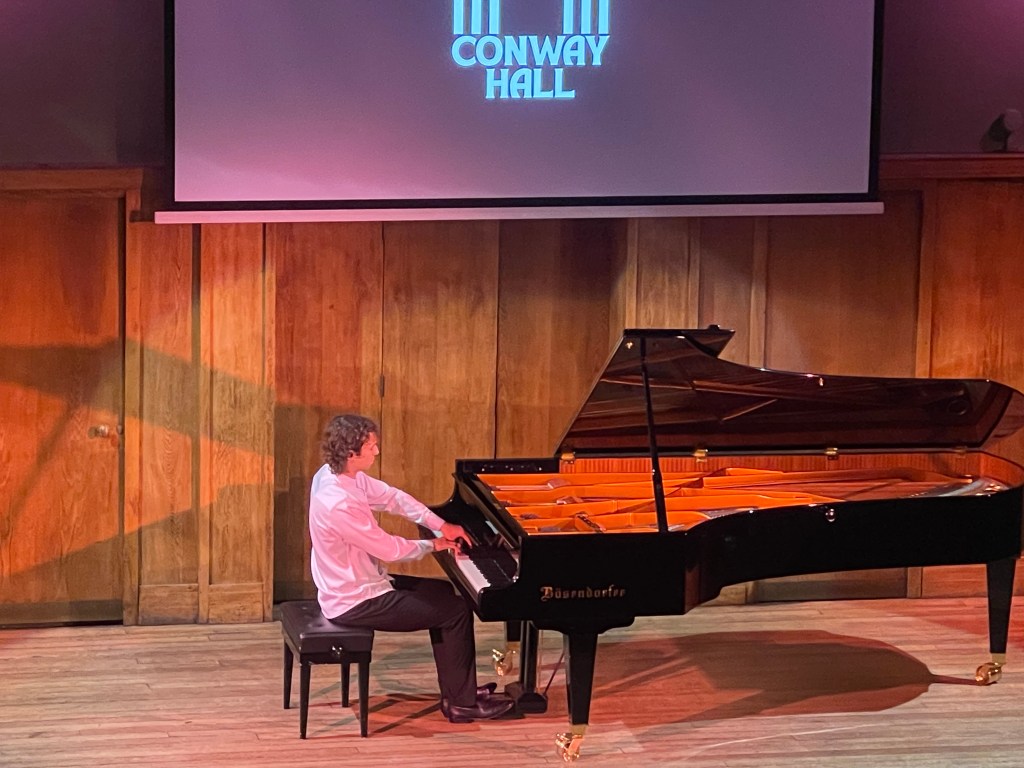
Time has judged these ten miniature tone poems and have chosen the two that are unquestionably masterpieces, and it was these well worn works that revealed the mastery, shorn of all rhetoric or personal excess, of this young man. The poetic fantasy and range of sound in ‘Funérailles’ was quite remarkable. From the distant fanfare of the funeral procession that gets ever nearer, to the ravishing beauty of the revisitation of a life well spent and even the march of the cavalry leading to Parnassus with a burning intensity of masterly control. Left hand octaves that were just the dust being blown up as the horses stampeded to victory. Similar to Chopin’s Polonaise Héroique it was played with astonishing mastery by Edward and at a pace that would only be for the very best riders from the finest Military Academy. The whispered ending and revisitation of all that had preceded was a coda worthy of the B minor Sonata, where Liszt’s genius takes over from his showmanship and he can reveal a fantasy combined with a musical genius that marks him out as a musical catalyst always looking forward on an endless voyage of discovery into a world where sounds speak louder than words.
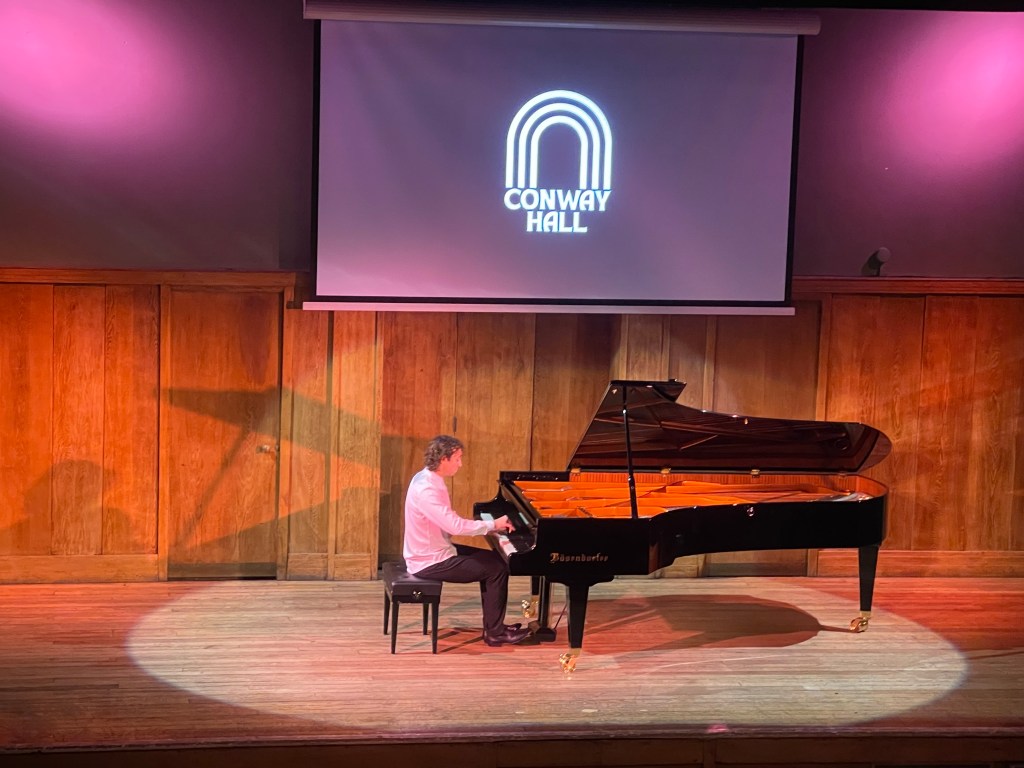
‘Bénédiction’ was where this young poet of the keyboard produced layers of sound on which Liszt could allow this luxuriant outpouring to wallow with ravishing seduction. The opening is reminiscent of the Vallée d’Obermann and was played with delicacy where the melodic line in the tenor register was just revealed, as his exquisite sense of balance was at the service of beauty of sound. There was an extraordinary harmonic sense of colour of poetic sensibility with sheens of sound created by a ‘fingerfertigkeit’ of refined delicacy. There was passion ,too, where the deep bass notes on this Bösendorfer were allowed to ignite the sumptuous full sounds hidden within but that this man has in his musical baggage too. The final poignant prayer was one of those moments that are rare in the concert hall these days and remind one of Cherkassky or Rubinstein. It is a sound that reaches into the very soul, like an actor with a diaphragm who knows how to project the sound to the first row with the same intensity as to the ‘Gods’.
Of course most actors now how a microphone as pianists have an I pad!
Talking of which here was a young man who came on stage only with his talent playing ‘from heart’ two hours of music that is not part of the standard repertoire. Hats off to such a dedicated and hard working young artist!
As Curzon used to say playing the piano is 90% hard work and 10% God given talent. Rubinstein of course had something to say about that :
https://youtu.be/gex0sOR7XZ0?si=oF6_PEdx9DaGhQB8
An ‘Invocation’ of great virtuosity and the ‘Miserere’ with a very quiet contemplation of etherial unworldly playing of weight and burning authority. A ‘Pater Noster’ that was the serene prayer of poignant luminosity of a true believer. ‘Hymne’ was a radiant belcanto of simple unaffected beauty played with great sensitivity. ‘Andante Lagrimoso’ where the bass melody was of whispered significance of great sensitivity with an etherial cadenza leading to a glowing melodic outpouring of chiselled beauty, with an astonishing final clash before the sombre mystery of Funérailles. ‘Pensée’ opened with a deep contemplation of barely murmured sounds building to a climax of grandiloquent declamation. Drifting into the oblivion of deep contemplation with the unearthly sounds of a repeated note, like the bell tolling……… for thee! There was a mellifluous outpouring to the ‘Ave Maria’. The last of the series is ‘Cantique d’amour’ and is a long song of passionate beauty building in intensity as Liszt repeats the melody with pianistic variants with insistence and vibrating passion.
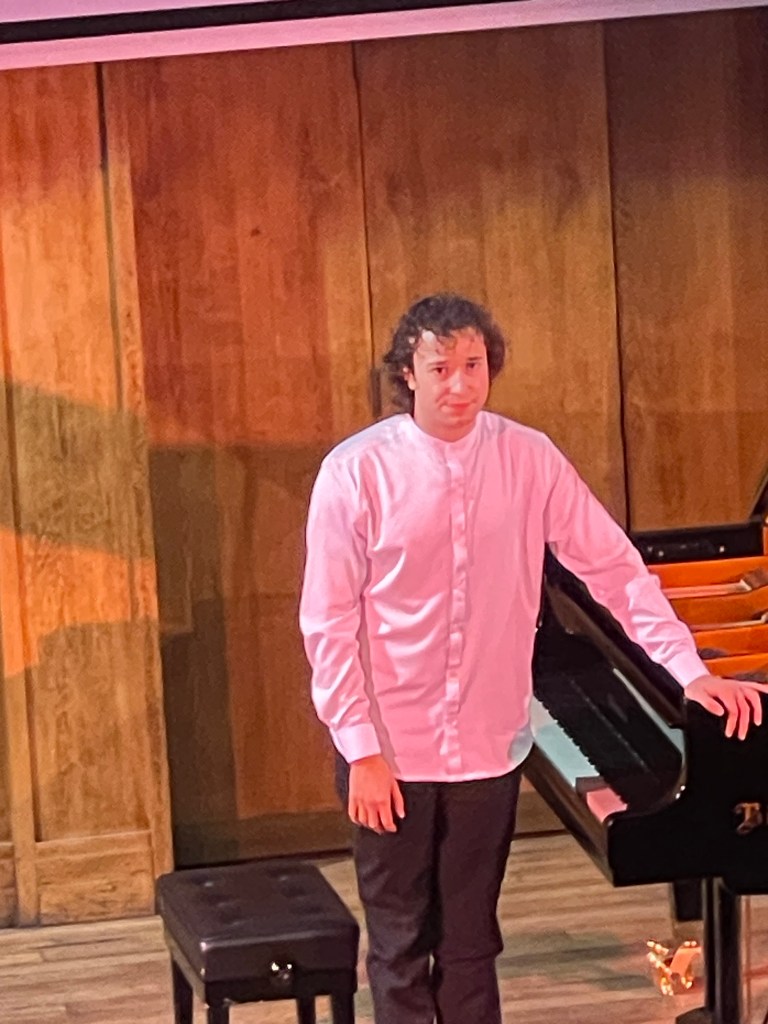
A lunchtime recital that lasted until almost teatime with a small but very appreciative audience who gave him a sincere standing ovation. He exclaimed that he thought perhaps we had had enough music but was happy to play just one more piece, this time by Rachmaninov.
‘How fair this place’ op 21 n 7 is a song transcribed by Volodos. It was here that this young poet of the piano underlined what we had heard throughout the recital. Here distilled into a single work were the sense of colour and balance from the Golden Age of piano playing when pianist were magicians conjuring the same magic from a black box of hammers and strings that Caballé could do with her sublime voice.