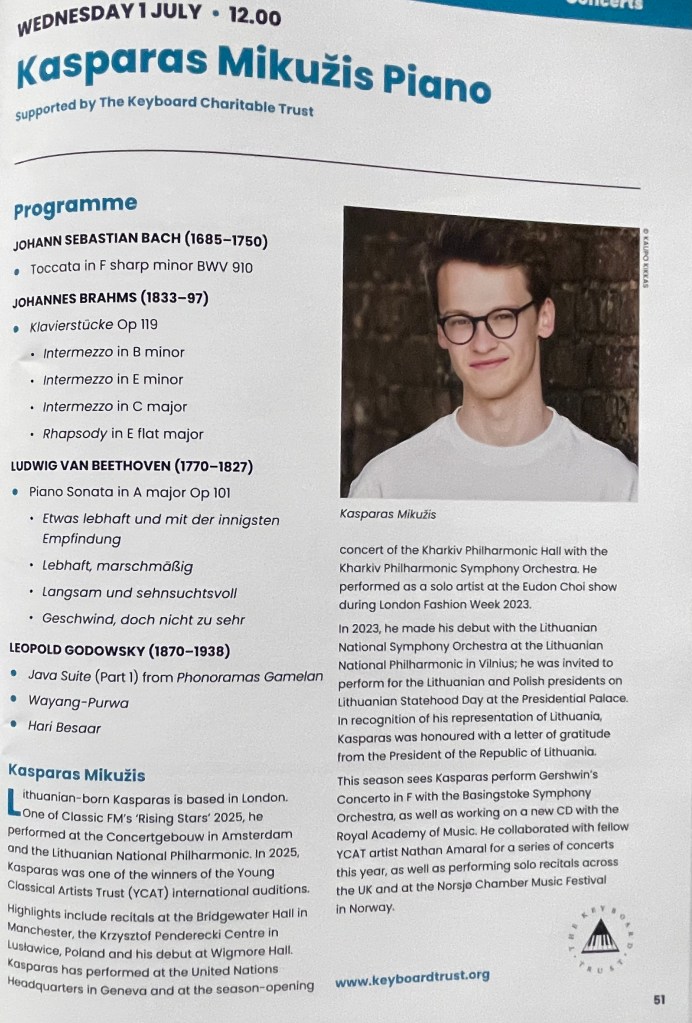
Wednesday, 1 July 2026 12.00
Bach Toccata in G BWV 916 Brahms Klavierstücke op. 119, Beethoven Sonata op 101, Godowsky Java Suite part 1
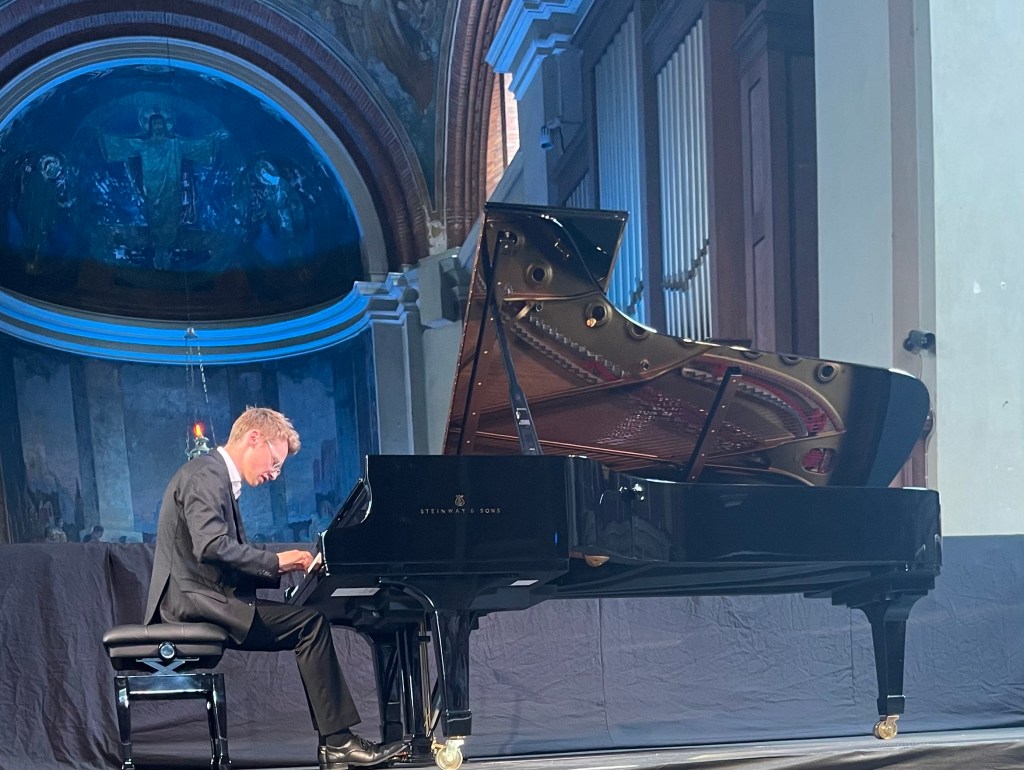
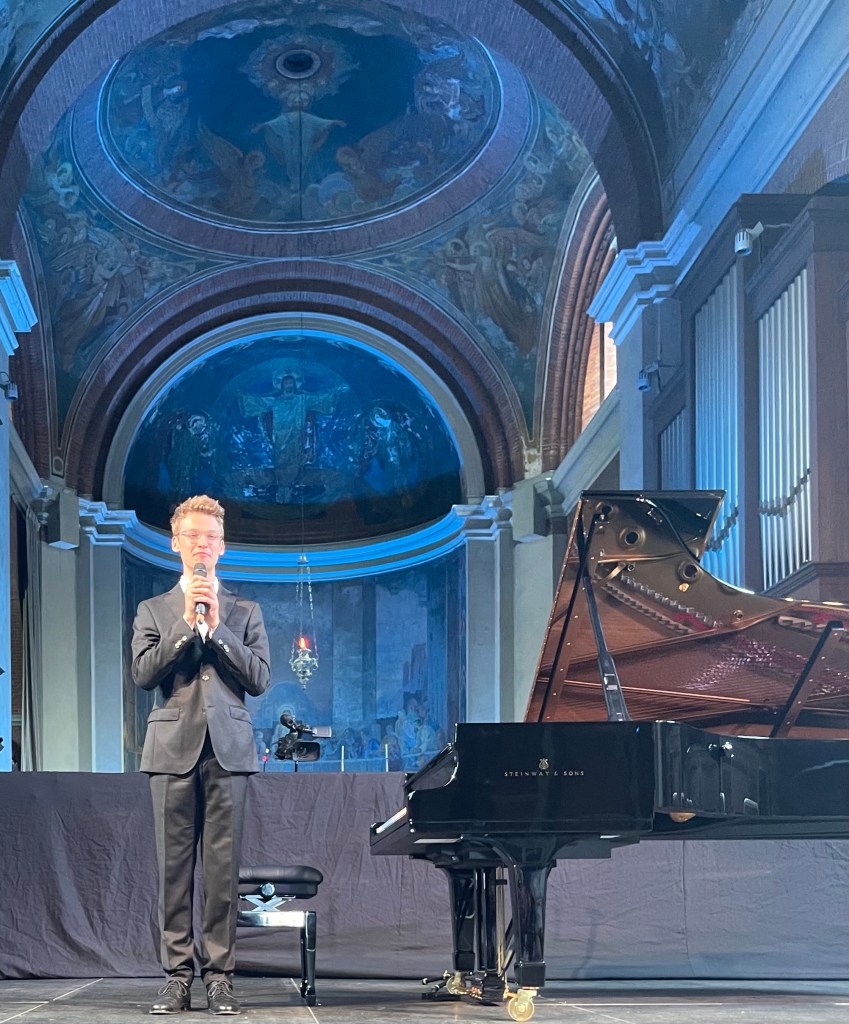
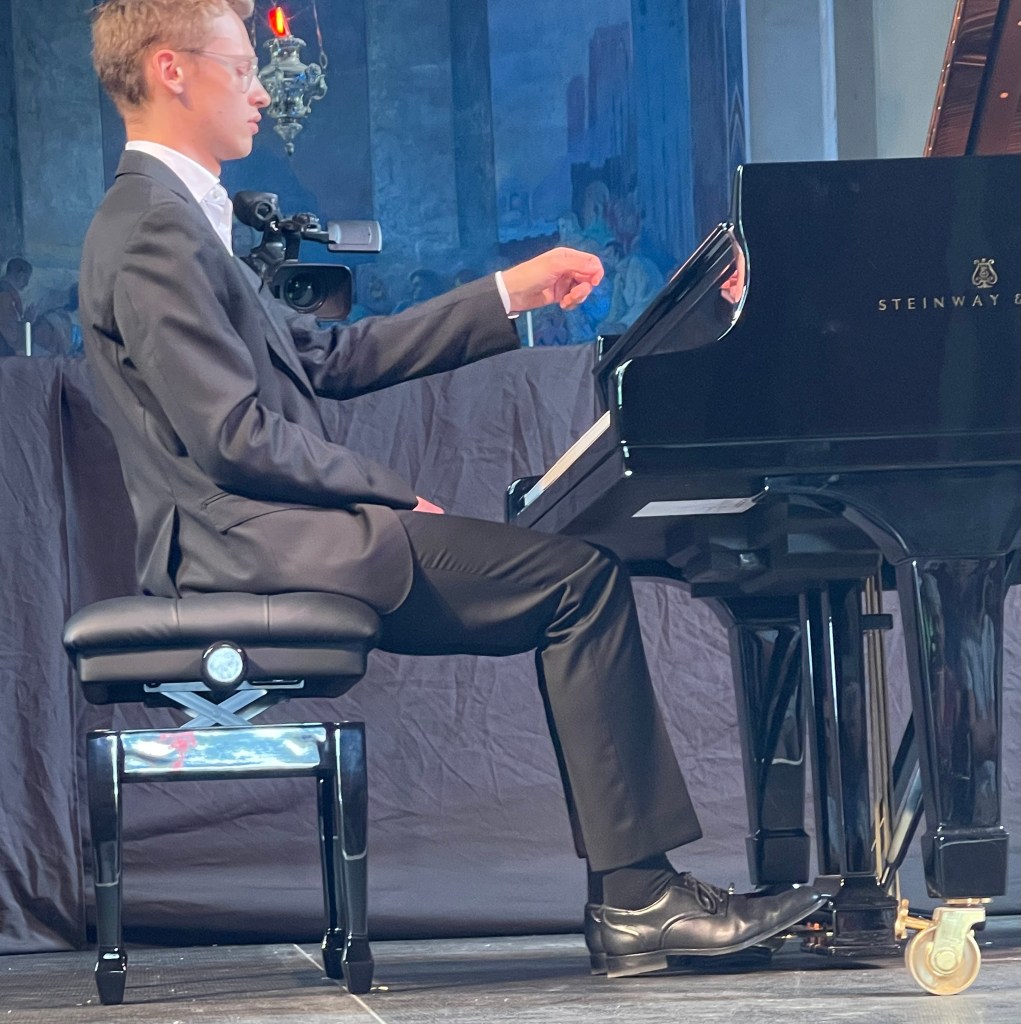
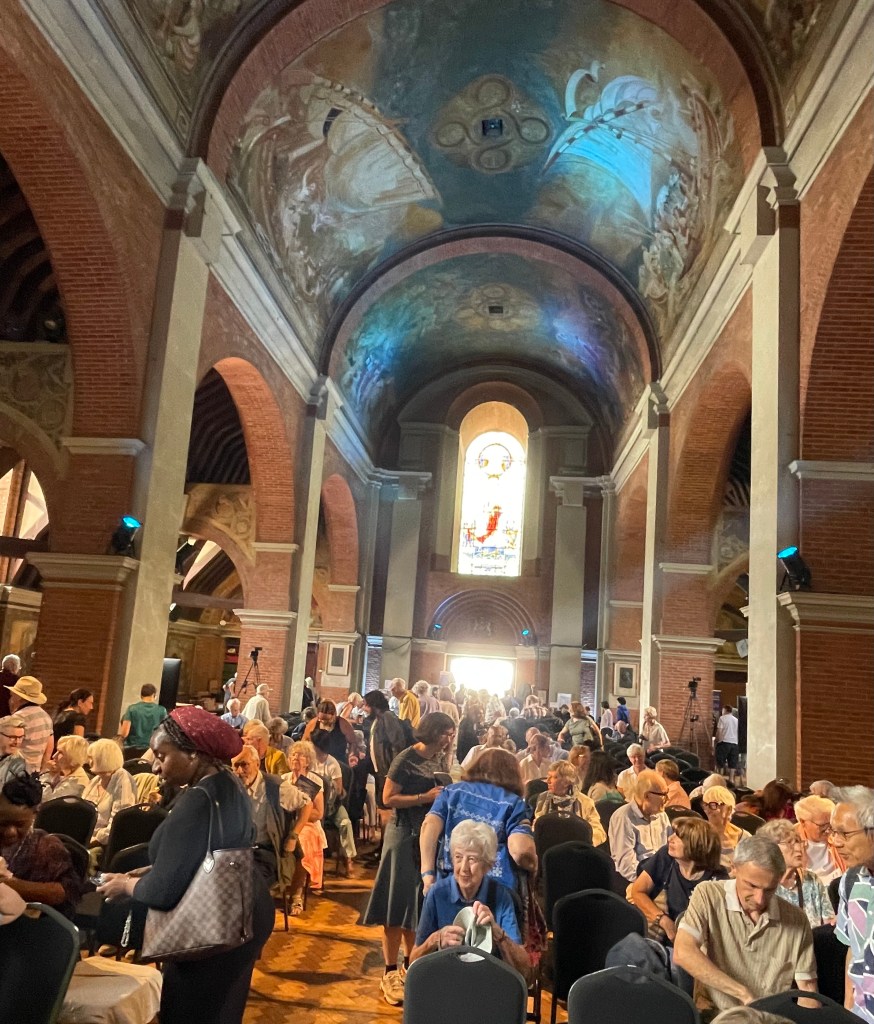
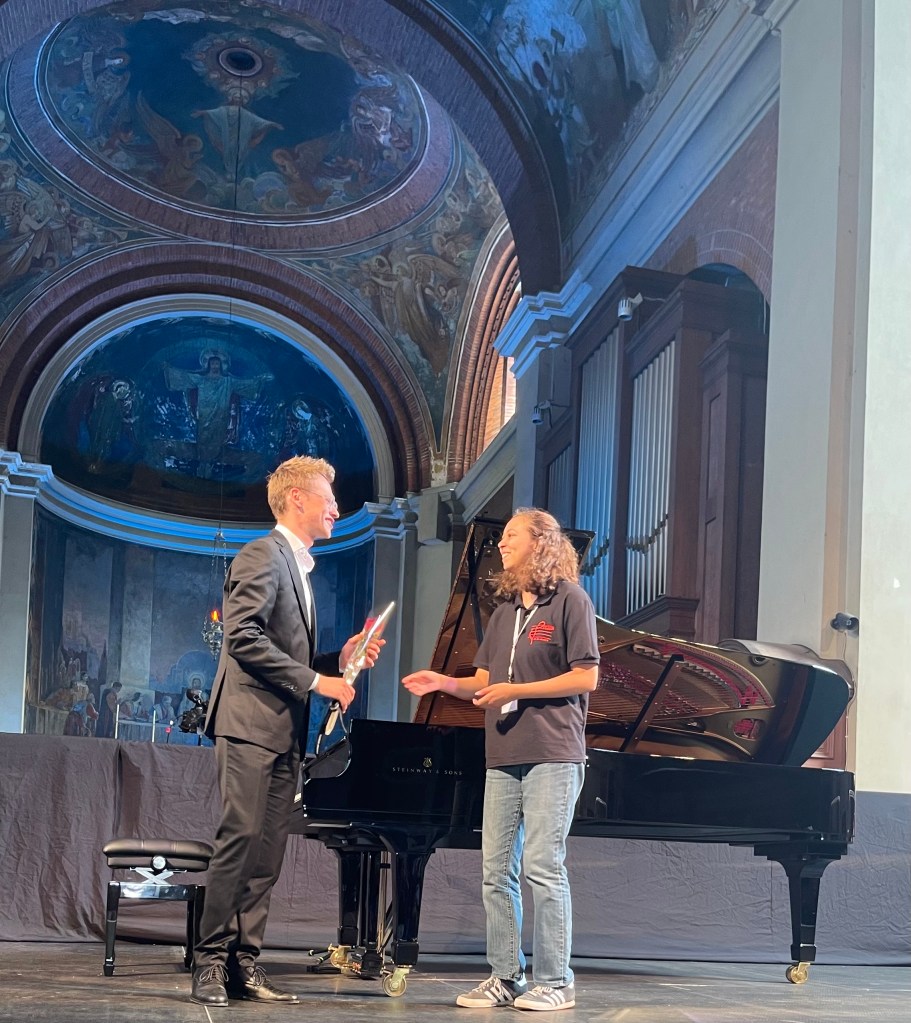
Kasparas Mikužis in Hampstead Garden Suburb for St Jude’s annual cultural feast. Kasparas may be far from home but his Lithuanian heritage ignited the magnificent Steinway D with sounds of glowing crystalline beauty that reminded me of the sound of Géza Anda whose last concert I had heard fifty years ago in nearby Mill Hill School. It is a fluidity of sound created by relaxed natural movements allied of course to well trained fingers . Nowhere is Agosti’s dictum more evident than with the many Lithuanian pianists who are emerging from our Academies. ‘ Fingers of steel but wrists of rubber ‘ which of course was directly passed down from Agosti’s mentor, Busoni who in turn was descended from Liszt.
Kasparas even paid homage to a fellow Lithuanian Leopold Godowsky, whose first book of his Java suite closed this midday concert . It was Rubinstein who famously said that even if he practised for five hundred years he would never be able to play as Godowsky. After leaving Godowsky’s home one night, Josef Hofmann told Abram Chasins: ‘ Never forget what you heard tonight; never lose the memory of that sound. There is nothing like it in the world.’
It is a sound that Kasparas used to illuminate the ‘Gamelan’ with the magic atmosphere that he created from masterly use of the pedals and of his horizontal stroking of the keys . The ‘shadows and reflections’ of Godowsky’s puppet show was where Kasparas could produce mellifluous sounds of French nasal refinement. The final piece in this selection from the Java Suite was ‘a great day’ indeed with not only a refined palette of sounds but a transcendental outpouring requiring a mastery that is of very few.
Kasparas chose to open the recital with Bach’s last of his seven early Toccatas not the first as advertised. Playing with a crystalline clarity and giving a refined shape to the streams of notes that conversed as they chased each other with an invigorating ‘joie de vivre ‘. An Adagio of radiance of glowing timeless beauty reaching out to the Toccata that burst onto the scene with a fugato of voices that entered one by one building into a joyous outpouring of hypnotic rhythmic energy. A sound that was never hard but where each voice flowed with its own lightweight volition joining forces and creating a knotty twine of extraordinary luminosity and clarity.
Brahms’s four pieces op 119 were the last of his works for piano and are ‘lullabies of grief’ but also of exhilaration and nostalgia. In Kasparas’s hands they became a kaleidoscope of conflicting emotions with an extraordinary palette of sounds of chameleonic colours. From the first with a glowing fibral frailty of reticent beauty as the second carves waves of capricious sounds of bewilderment, turning into passing passionately constructed clouds that dissolve with disarming simplicity and profound intimacy. The playful third was with beguiling freedom and fancy free washes of jeu perlé embellishments . The last played with imperious authority and sumptuous Philadelphian sounds dissolving into a wondrous chorale with notes dropping from above with jewel like constancy. The central episode was of music box simplicity before the final extraordinary triumphant ending that Kasparas played with aristocratic control.
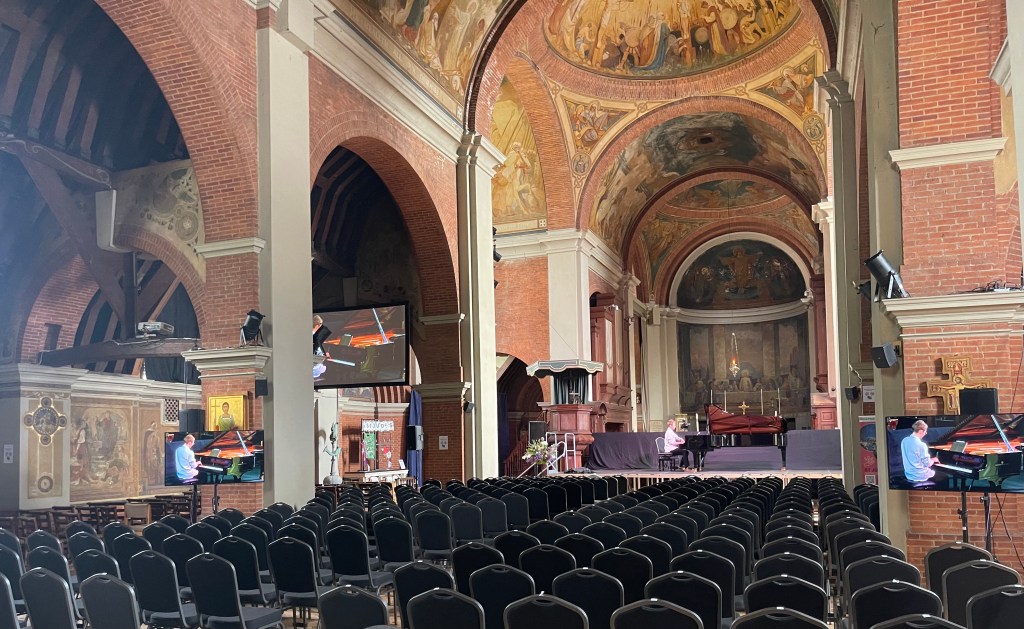
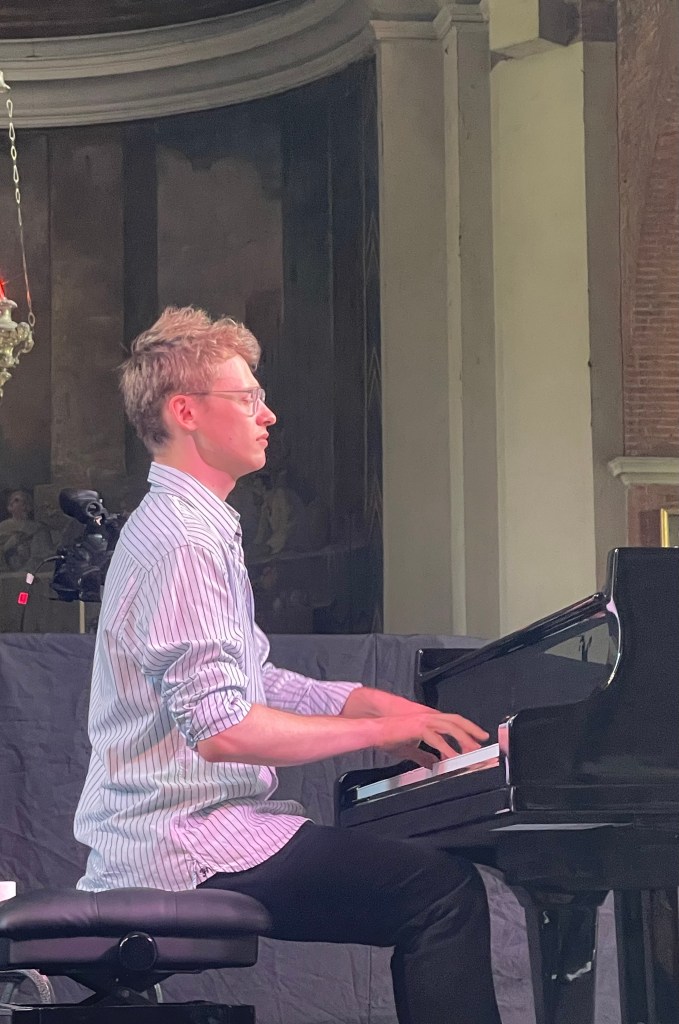
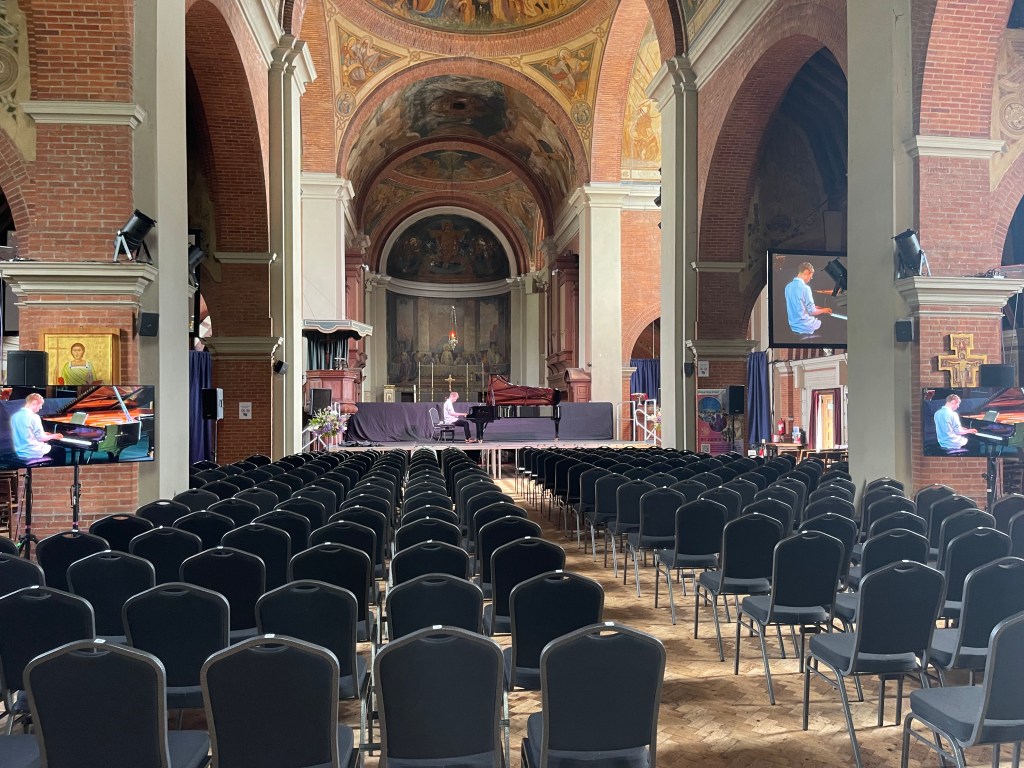
The main work on the programme was Beethoven’s Sonata op 101. Kasparas revealed it as Beethoven’s true pastoral sonata with an opening movement of ethereal fantasy played with a glowing whispered fluidity. The March was played with dynamic drive but never of hardness but always of a wonderful clarity and sense of architectural line. A poignant quasi religious intensity to the Adagio was contrasted with the bubbling vivacity of the Allegro . The transcendental difficulties dispatched with pastoral freshness and scintillating brilliance .
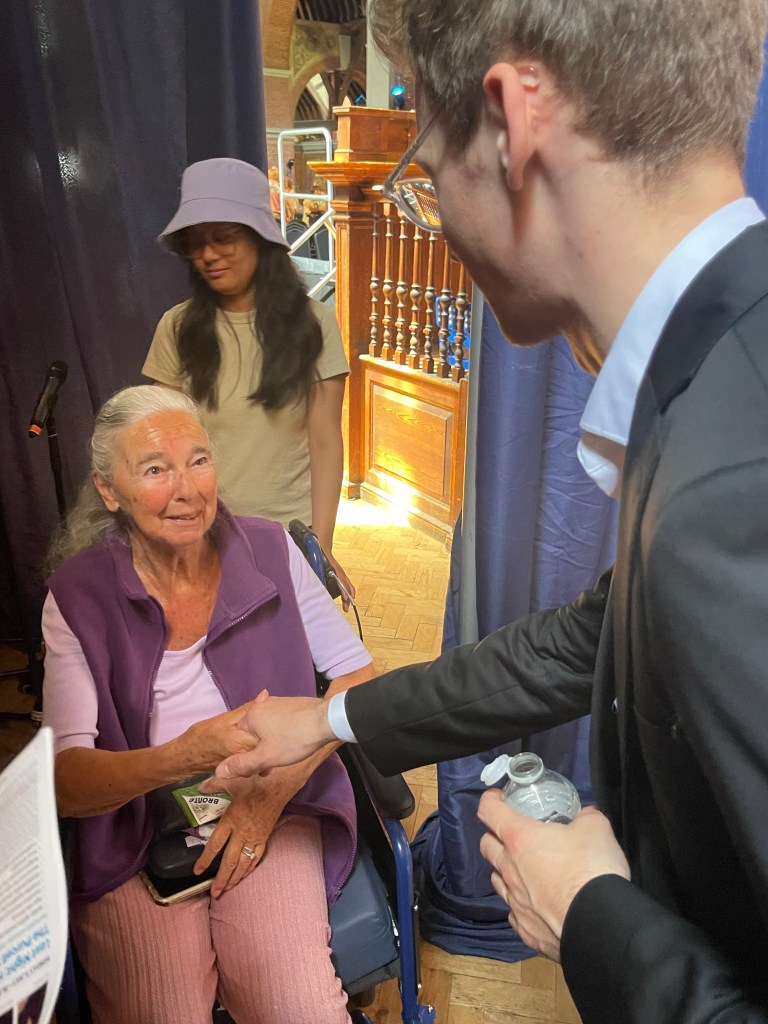
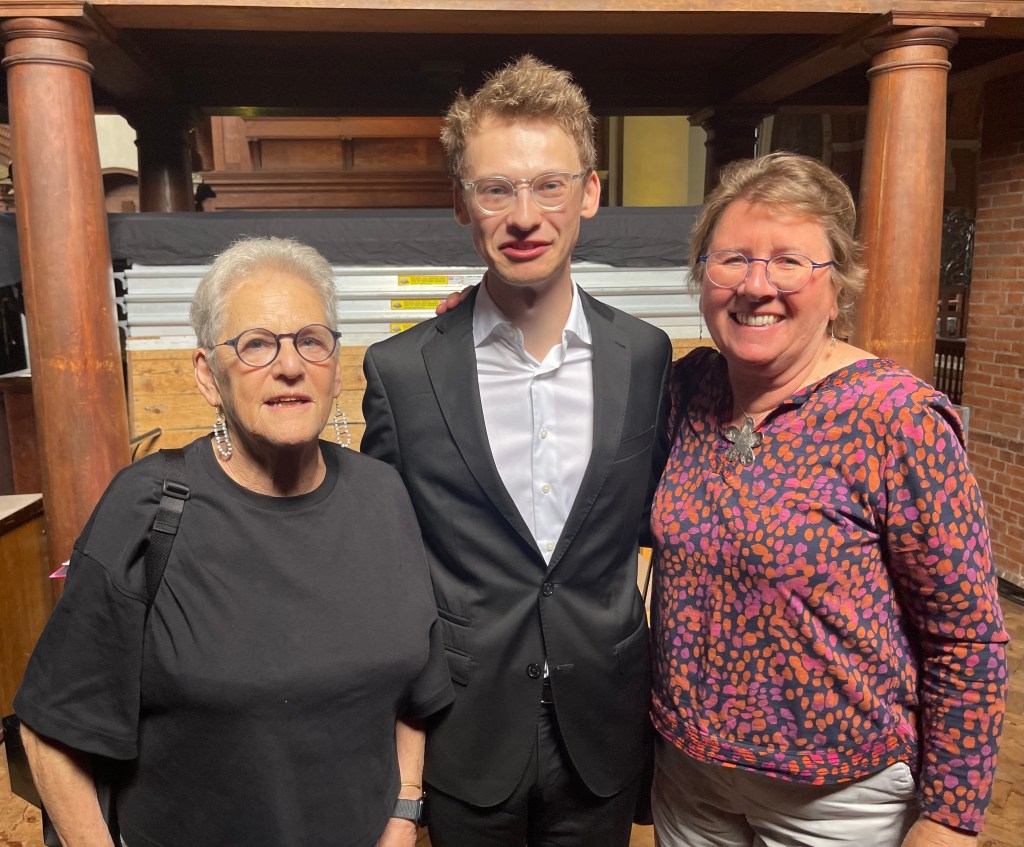
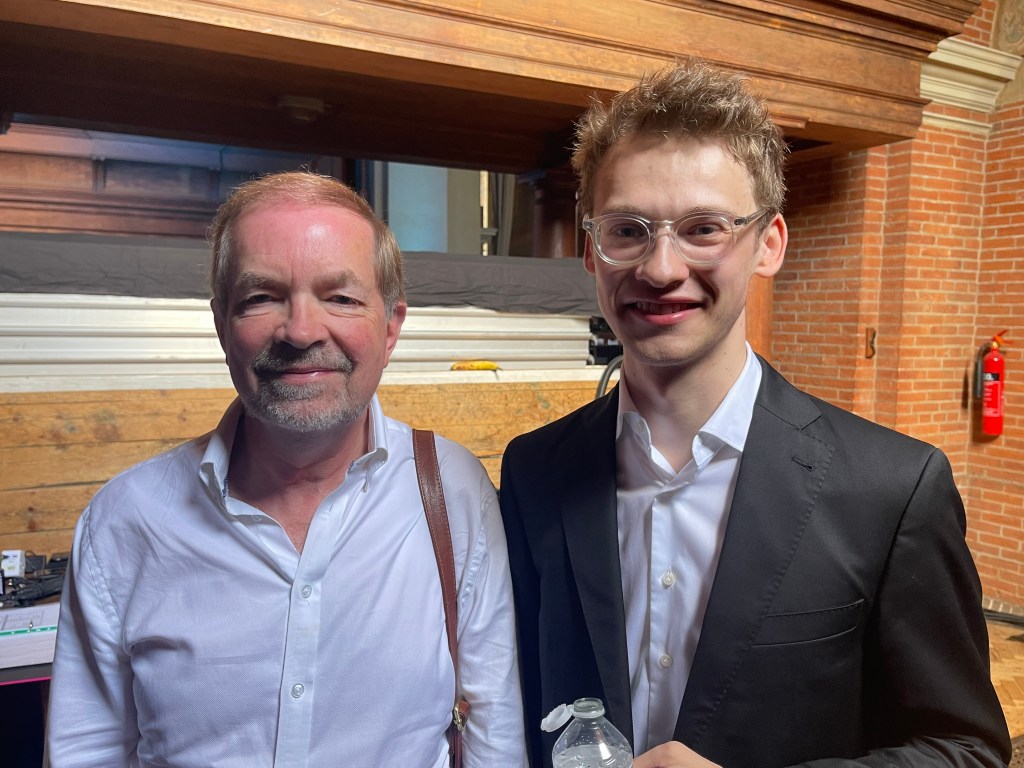
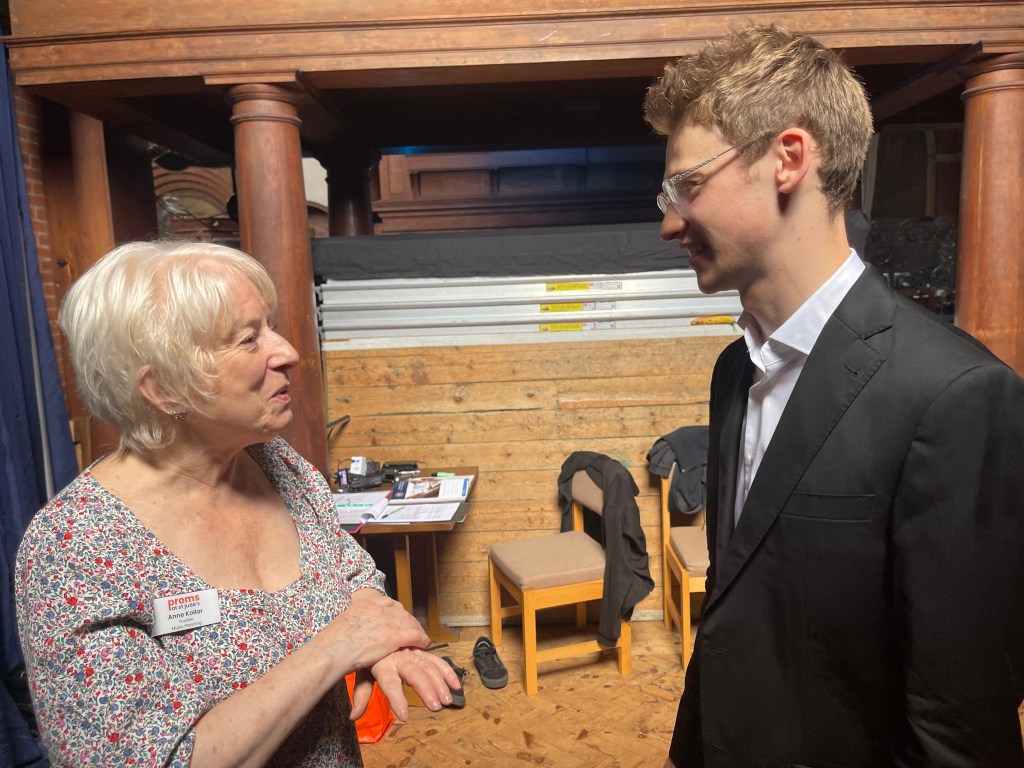
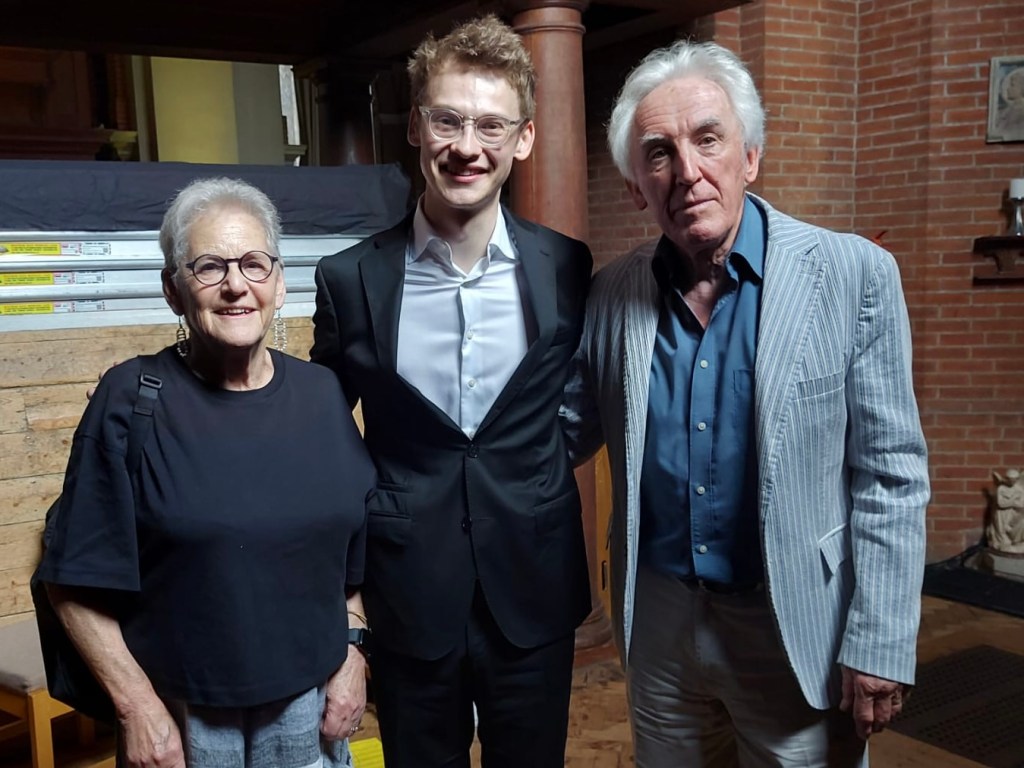
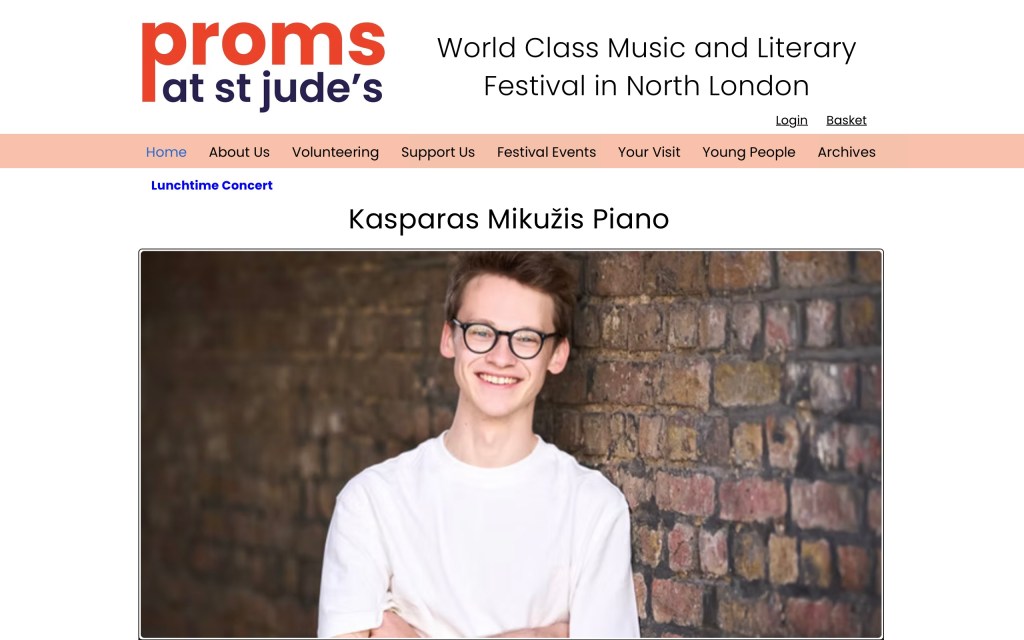
Kasparas Mikužis is a Lithuanian-born pianist based in London. Named as one of Classic FM’s ‘Rising Stars’ for 2025, he has taken the stages of various highly respected venues such as the Concertgebouw in Amsterdam and the Lithuanian National Philharmonic. In May 2025, Kasparas was one of the winners of the Young Classical Artists Trust (YCAT) international auditions.
Highlights include recitals at the Bridgewater Hall in Manchester, UK, the Krzysztof Penderecki Centre in Lusławice, Poland and his debut at Wigmore Hall in London. Kasparas has also performed at the United Nations Headquarters in Geneva on multiple occasions. Other notable appearances include performances at the season-opening concert of the Kharkiv Philharmonic Hall with the Kharkiv Philharmonic Symphony Orchestra under conductor Yuri Yanko. He also performed as a solo artist at the Eudon Choi show during London Fashion Week 2023.
In 2023, he made his debut with the Lithuanian National Symphony Orchestra at the Lithuanian Philharmonic in Vilnius. Later that year, he was invited to perform for the Lithuanian and Polish presidents on Lithuanian Statehood Day at the Presidential Palace. In recognition of his representation of Lithuania on the international stage, Kasparas was honoured with a letter of gratitude from the President of the Republic of Lithuania.
The 25/26 season sees Kasparas perform Gershwin’s Concerto in F with the Basingstoke Symphony Orchestra, as well as working on a new CD with the Royal Academy of Music. He will collaborate with fellow YCAT artist Nathan Amaral for a series of concerts in early 2026, as well as performing solo recitals across the UK and at the Norsjø Chamber Music Festival in Norway.
Kasparas completed his undergraduate studies at the Royal Academy of Music with Diana Ketler, and his postgraduate studies under Professor Christopher Elton. Since 2023, he has also worked closely with Gabriela Montero through OAcademy.

 ChristopherAxworthy-MusicCommentary