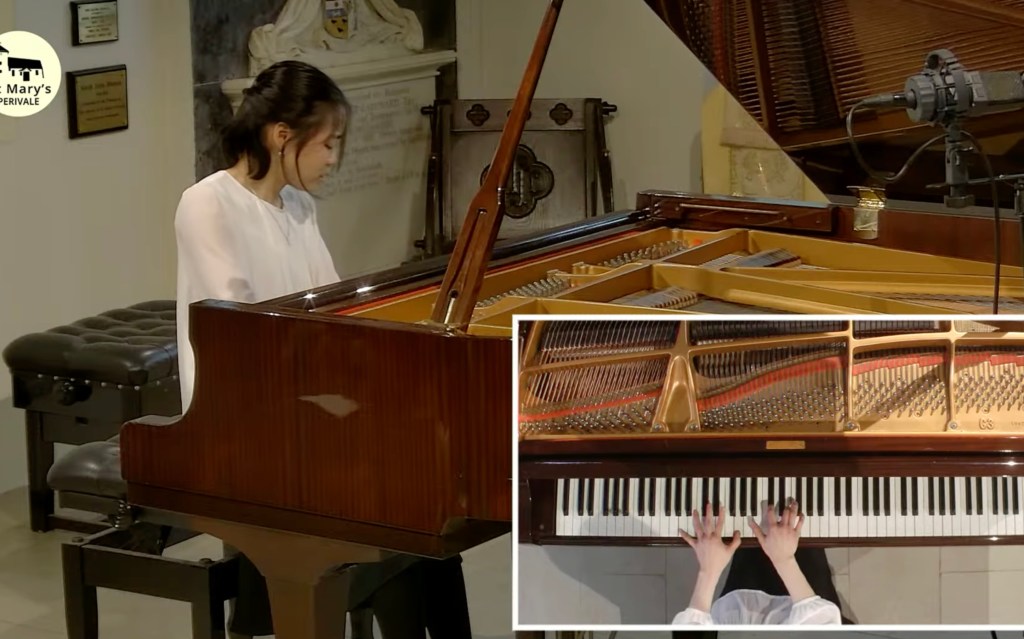
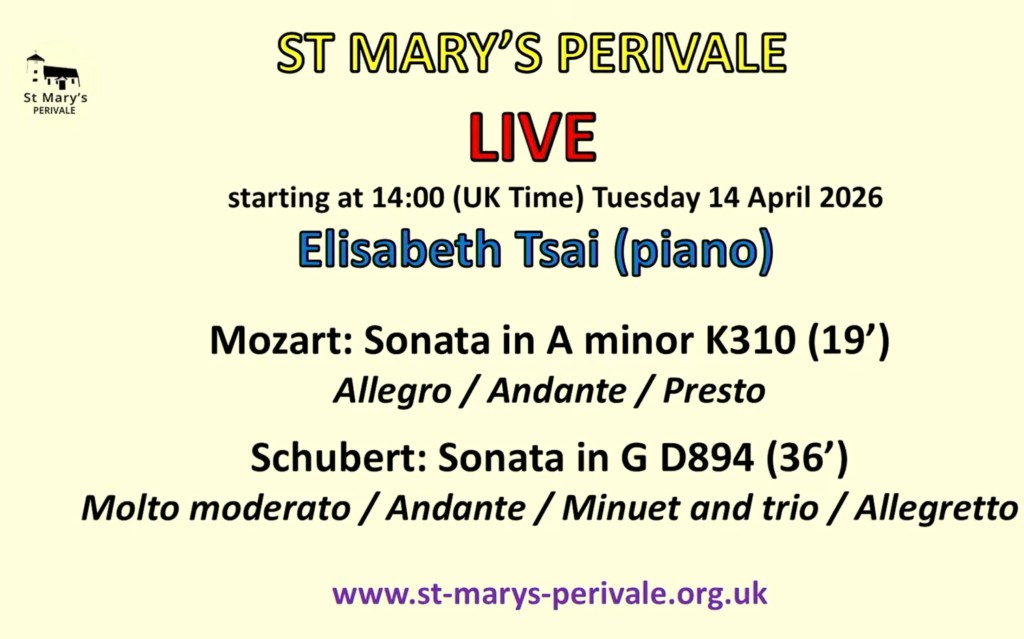
More superb playing from ElisabethTsai where her musicianship allied to mastery and temperament brought two masterworks by Mozart and Schubert vividly to life. Simplicity and poignant poetic intensity were the hallmarks of performances of rare beauty and intelligence. Scrupulous attention to the composers intentions were just the starting point for playing of rare intensity.
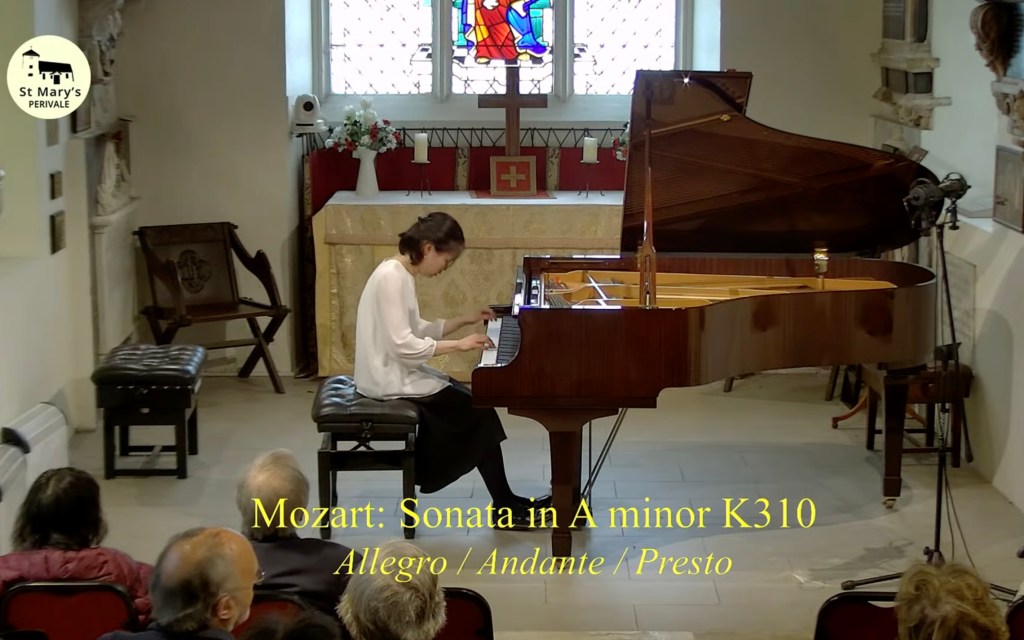
Mozart began with great authority from the very first notes that were tinged with poignant sadness. There was clarity and rhythmic energy as her great temperament set the work aflame with a musical ‘fingerfertigkeit’ of burning poetic intensity, with fingers like limpets extracting the life blood from each key. The ‘Andante cantabile’ was a long belcanto of radiance and simplicity with refined expressive ornaments and slightly weighted notes that were pregnant with meaning. Her whispered repeat of the exposition was even more poignantly meaningful for a work that Mozart had penned on hearing of the death of his mother. A deeply felt central episode with its question and answer of moving intensity lead to a momentary storm cloud that soon cleared to leave the beautifully pointed return of the opening . She brought fleeting brilliance to the ‘Presto’ last movement that she played with urgency and burning intensity, The change to the major key was played with simplicity allowing Mozart’s genial invention to speak for itself. A dynamic drive to the last two chords brought this vibrant masterly performance to an exhilarating close.
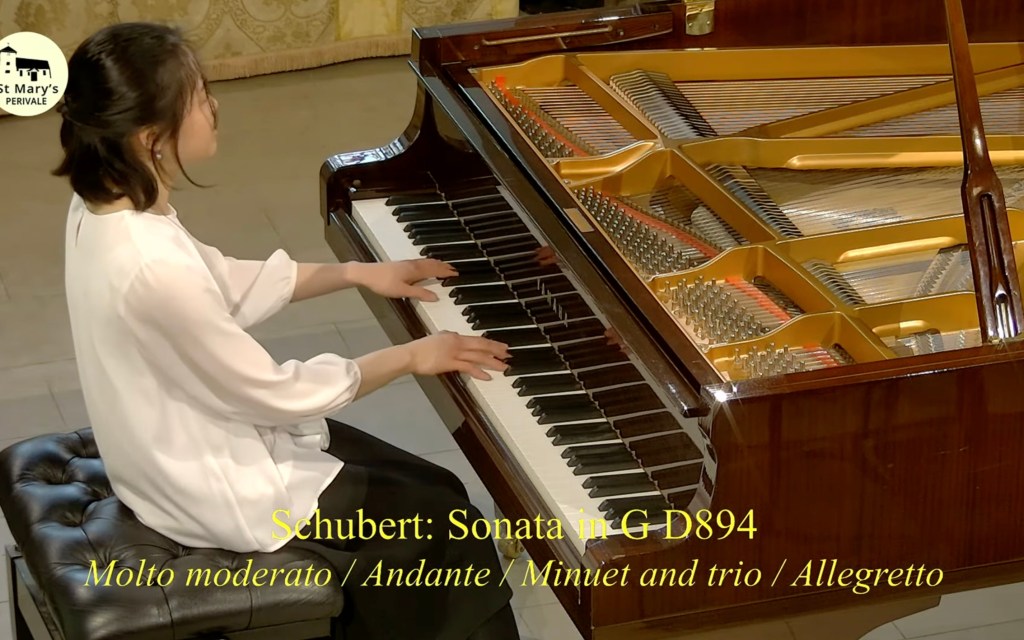
The whispered opening of Schubert’s ‘Fantasy’ Sonata was played with glowing beauty and an extraordinary control of sound where the composers very specific range of sounds were shaped with architectural understanding. Not always noting the difference between ‘pp’ and ‘ppp’ ,which Schubert intends as another colour or instrument in his magic orchestra, she did however manage to show us the great architectural line with great sensitivity and remarkable rhythmic fidelity. After the magical opening chords bursting into dance with refined elegance and beauty of exquisite shape, and like the superb musician she is, she was not afraid to respect the repeat of the exposition which she played with even more poignant beauty. A startling development with full orchestral sounds of richness but never hardness, from hands that knew how to dig deeply into the keys with extraordinary horizontal sensitivity. An almost imperceptible crescendo lead to a rare ‘fff’ marking for Schubert which was of heartrenching intensity. Even the octaves playfully conversing between the hands were played with a clarity of radiance rather than hardness. In fact everything she played was imbued with mellifluous beauty, whether of disarming innocence or burning intensity. The return of the opening was even more beautiful having shared with us a tormented journey, returning to paradise with glowing simplicity. There was poignant beauty to the ‘Andante’ with its question and answer beautifully played before an intense short-lived outburst, as Schubert’s unstoppable mellifluous outpouring lead to the return of the opening, this time ornamented by the composer with exquisite beauty. She brought a great sense of dance to the ‘Menuetto’ with an exquisite ‘Trio’ played with beautifully shaped ornaments of whispered beauty , and it was a real oasis between Schuberts irrepressible dance of the Menuetto. The ‘Allegretto’ last movement was allowed to flow beautifully with pastoral simplicity of charm and grace. Bringing a glowing beauty to Schubert’s busy meanderings as the opening melody was heard in the tenor register before bursting into the song that is always in Schubert’s heart. Like a ray of sunlight illuminating our souls with the unexpected radiance and beauty of genial invention. An extraordinary performance where time stood still as Elisabeth could allow the final thoughts of Schubert to reach deeply into our souls with simplicity and masterly beauty.
As Dr Mather said he was sorry that Elisabeth had lost her voice, but lucky that it had obviously passed into her fingers that could recount such wonders, where music can speak louder than any words
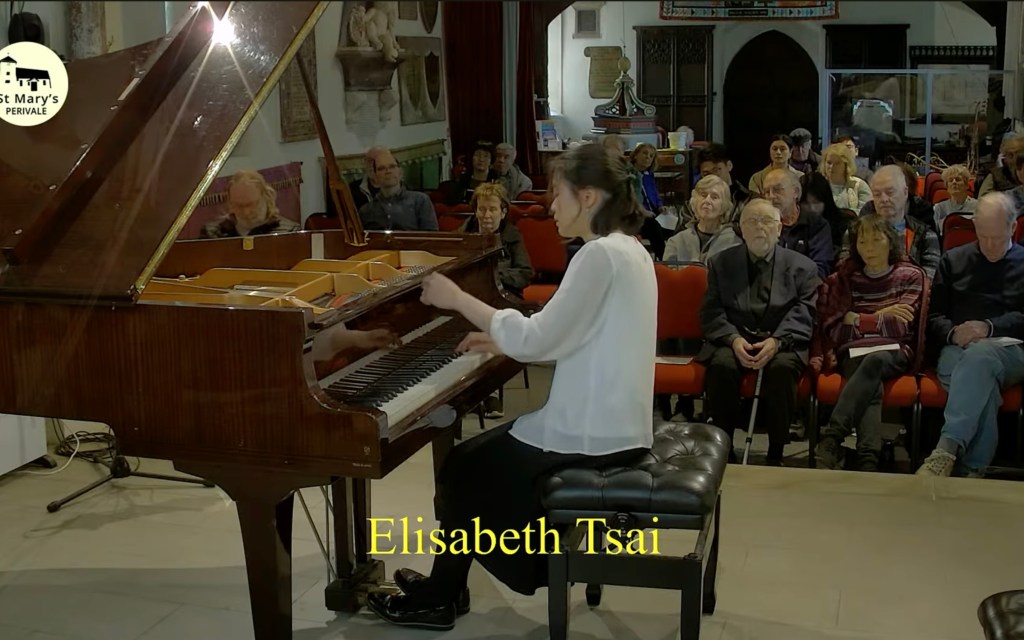
Pianist Elisabeth Tsai is establishing herself as an emerging interpreter of the Classical repertoire. Though she garnered top awards in local and international competitions in adolescence and performed throughout the United States, including at Carnegie Hall and From the Top’s radio show, her recent endeavours have been largely repertoire-based, with recitals programming the last three Beethoven sonatas and the last four Brahms opuses for solo piano. She was recently awarded the first prize ex aequo at the 2024 Brahms Piano Competition Detmold and also won the 2025 Guildhall Beethoven Prize and the 2025 PianoTexas Concerto Competition.
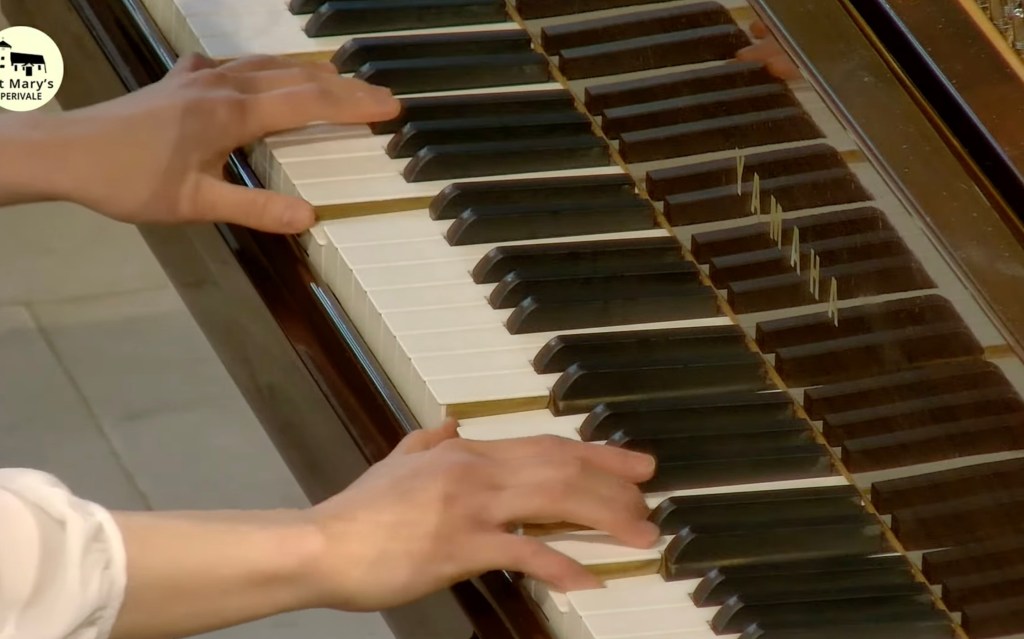
Elisabeth is currently studying with Ronan O’Hora at the Guildhall School of Music and Drama after having studied with Boris Berman and Boris Slutsky at the Yale School of Music. Her recent seasons include solo and concerto performances around the US, Germany, Italy, the UK, the Netherlands, and Japan. An active chamber musician, she was a Fellow at the 2024 Norfolk/Yale Chamber Music Festival and was invited to the Smithsonian Chamber Society in 2023 to perform Beethoven piano trios on historical instruments. Elisabeth has been privileged to play to artists such as Peter Serkin, Richard Goode, Robert Levin, Imogen Cooper, Paul Lewis, and Till Fellner and is currently working towards learning and performing the thirty-two Beethoven piano sonatas.

