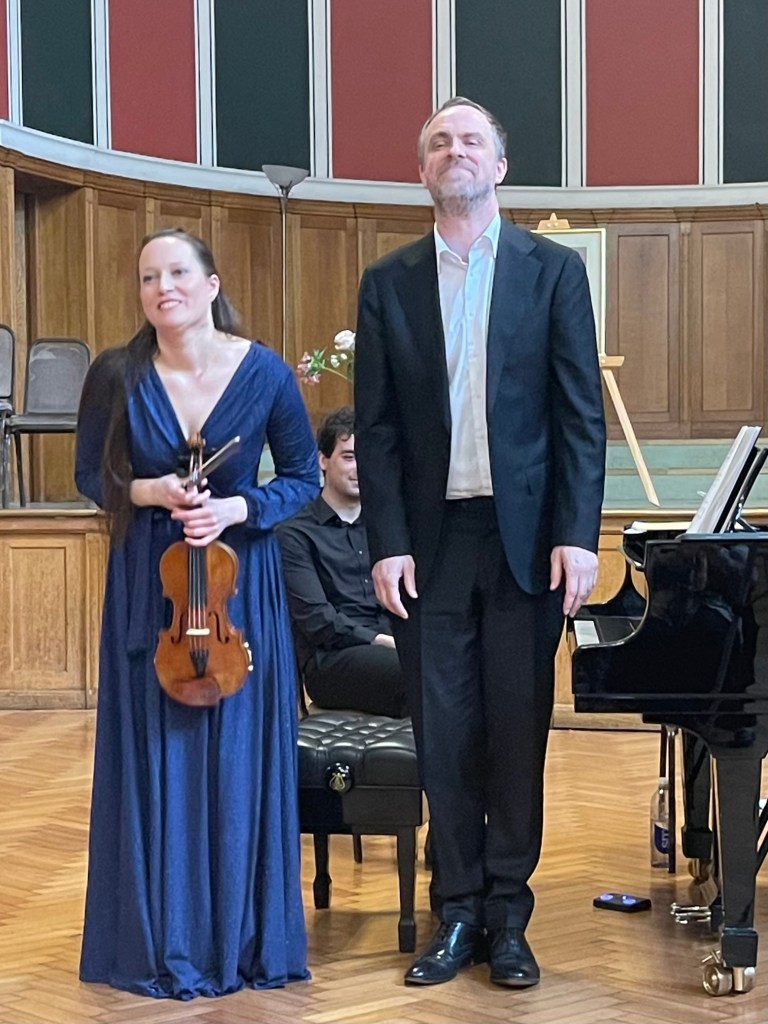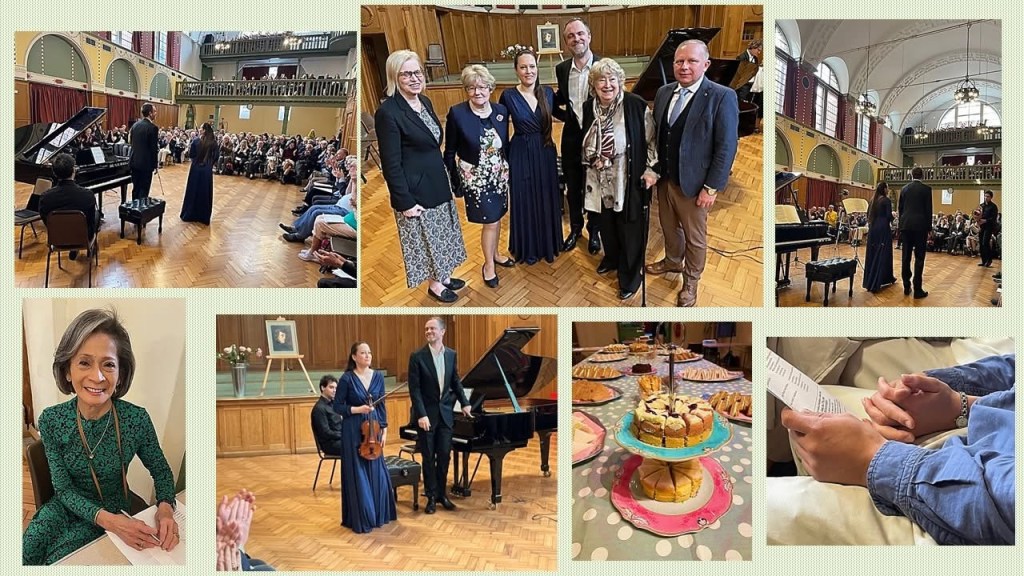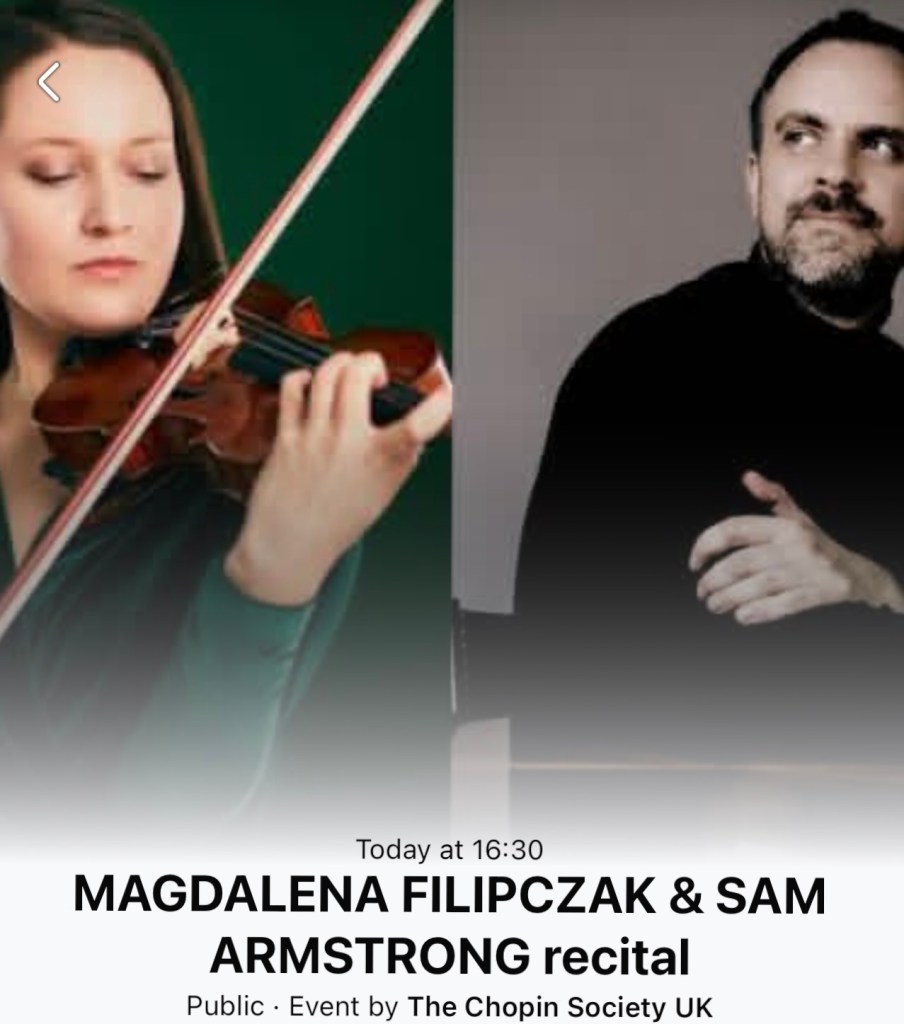
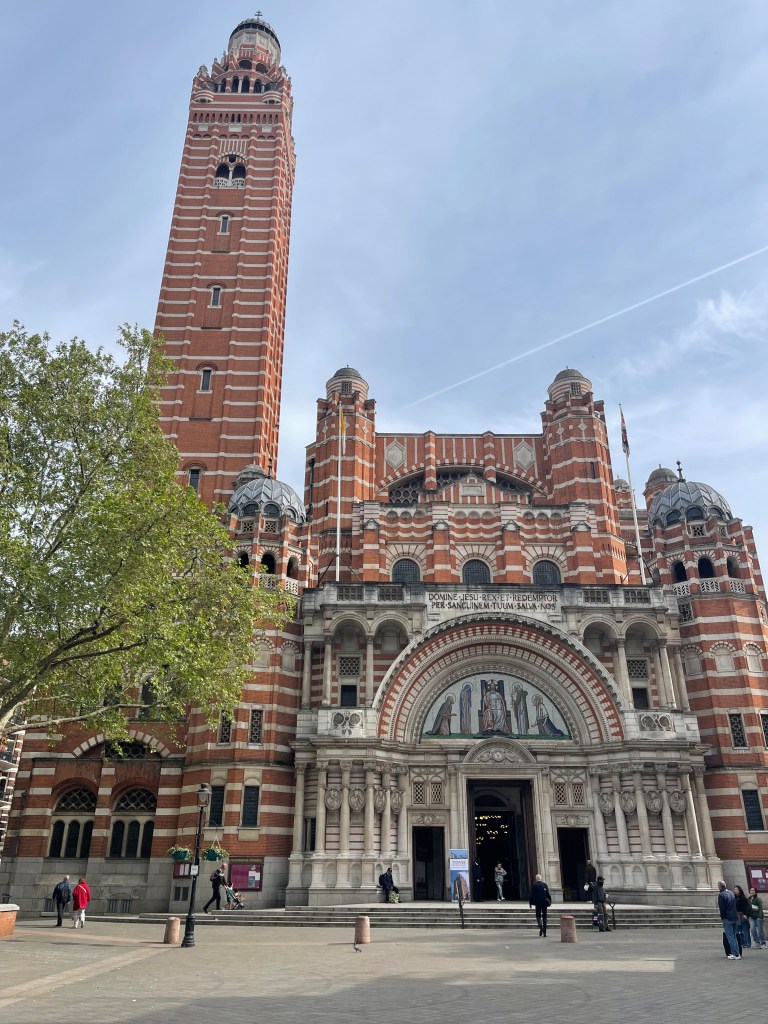
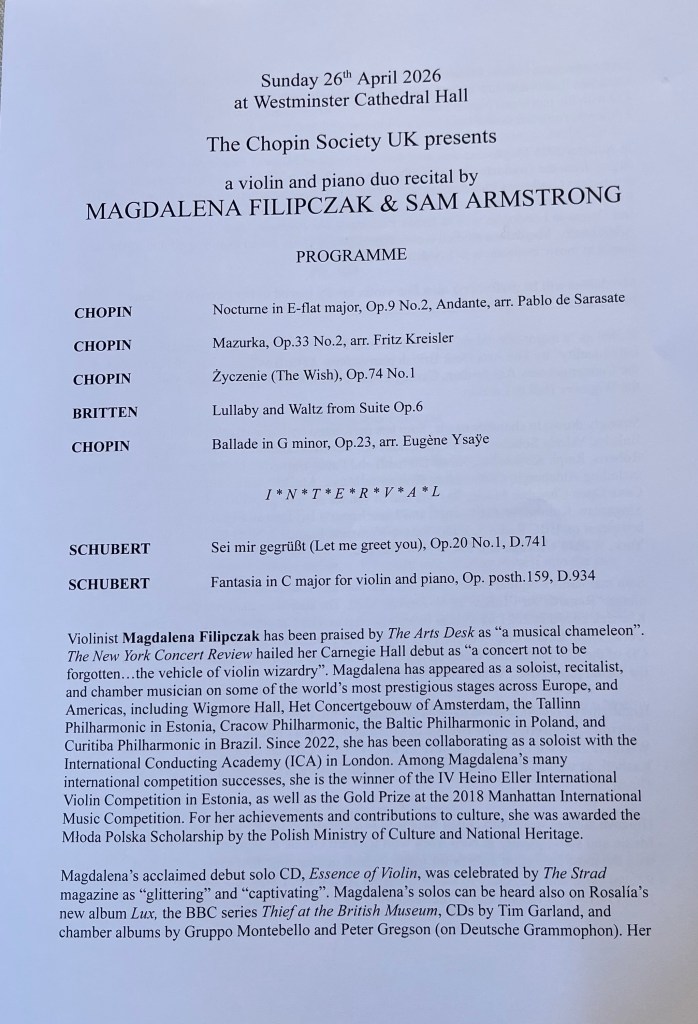
Magdalena Filipczak and Sam Armstrong brought something different to the Chopin Society with many of Chopin’s works played on the violin.
The bel canto of Chopin was born with the human voice but is also ideally suited to string instruments as we heard today. It was only Chopin’s genial mastery that could make a percussion instrument sing as never before.
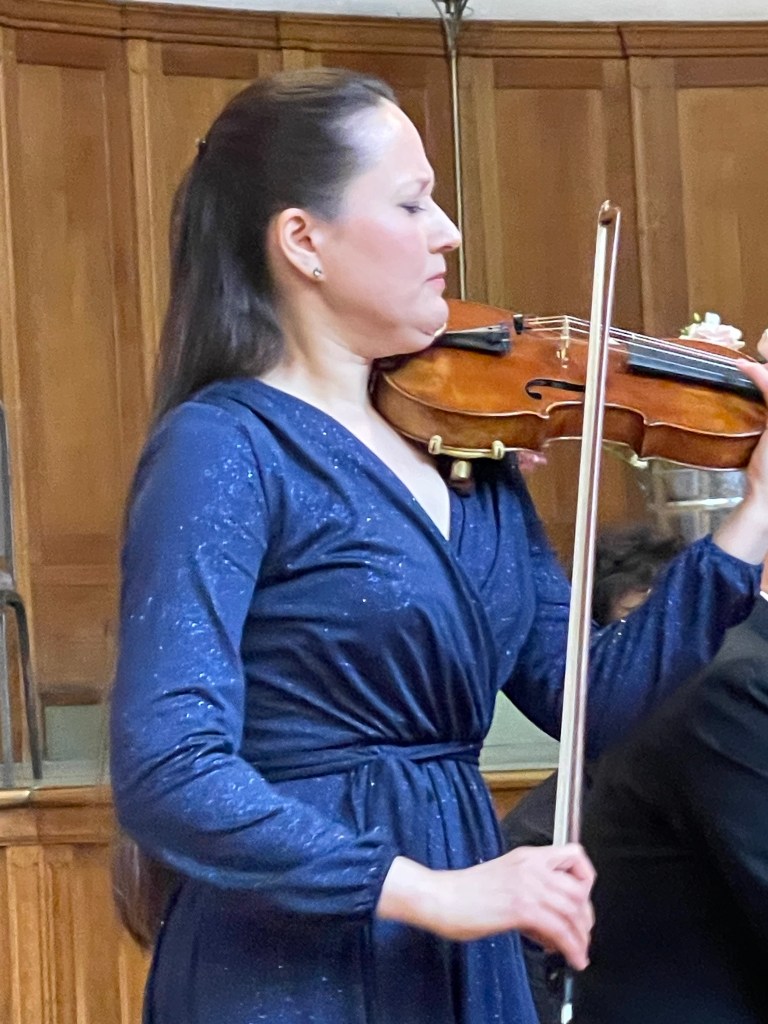
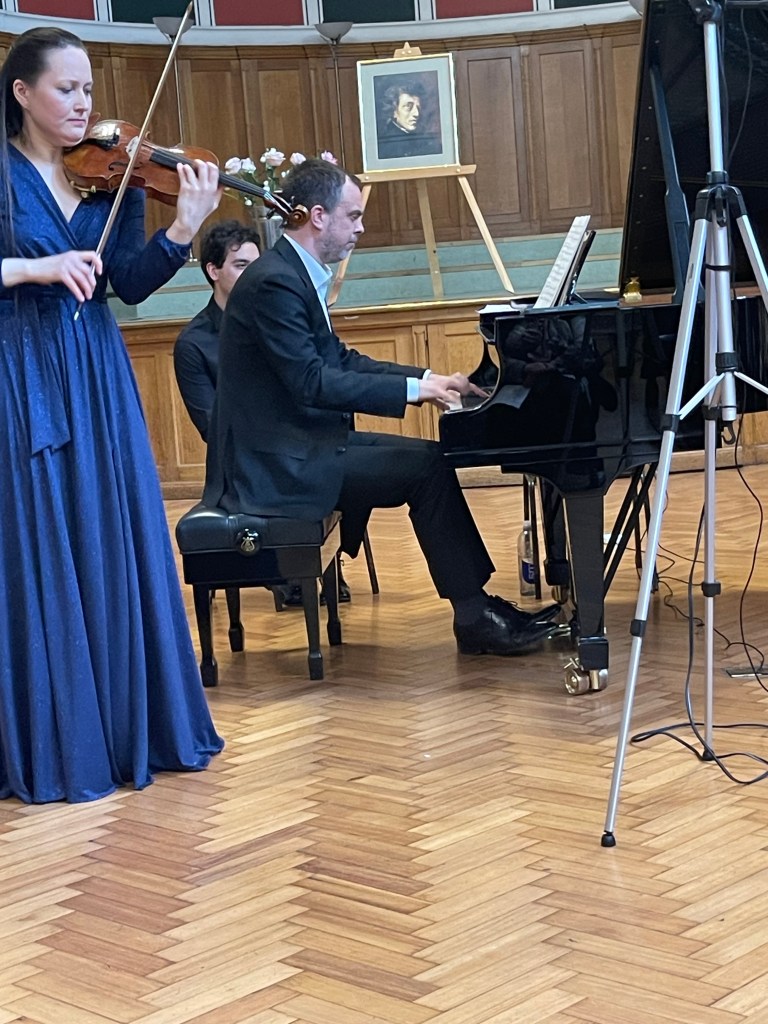
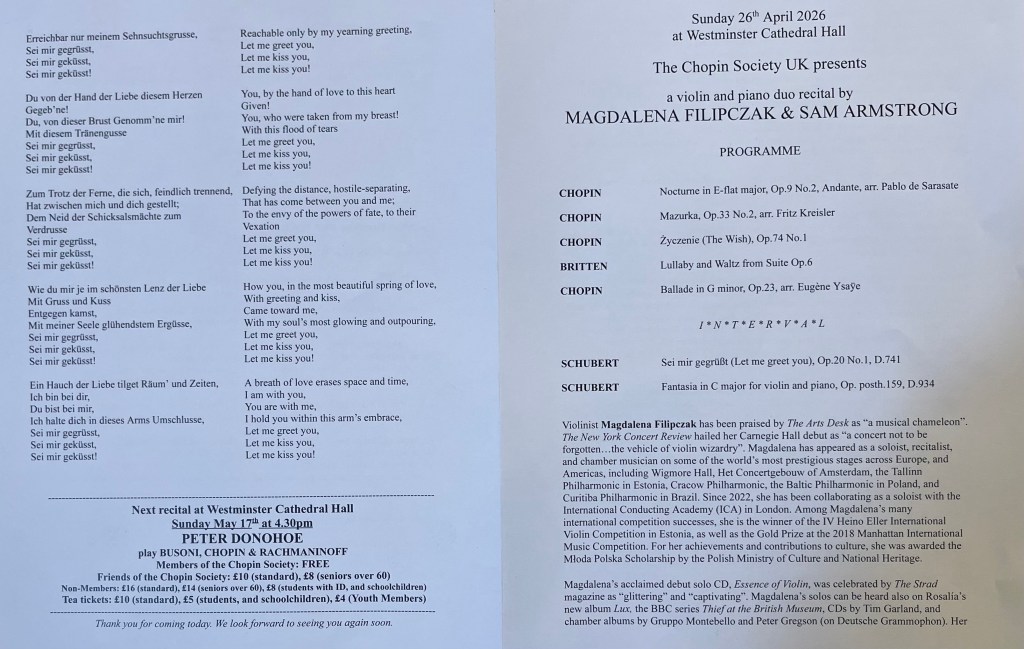
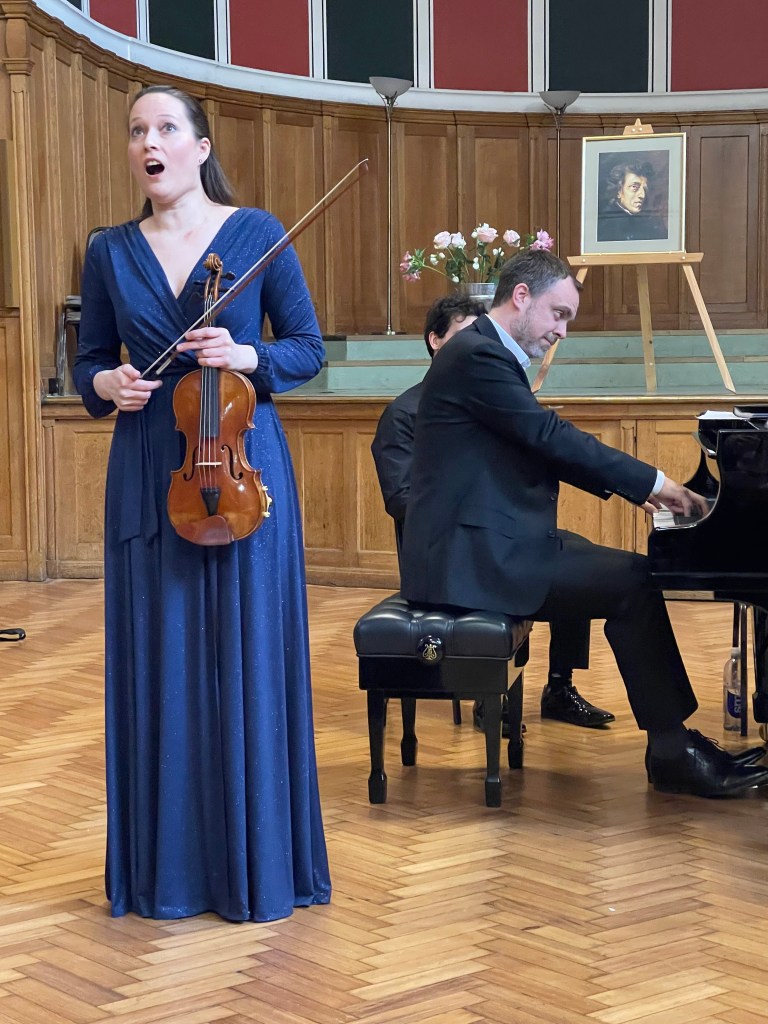
Playing a 1753 Guadagnini, Magdalena played two Nocturnes op 9 n 2 and op posth and even the First Balladeer 23, with simplicity and radiant beauty . Magdalena is also a trained singer and sang Chopin’s ‘The Wish’, as she also sang the song by Schubert that he quotes in his Fantasia D 934 with which she concluded this most unusual but attractive programme.
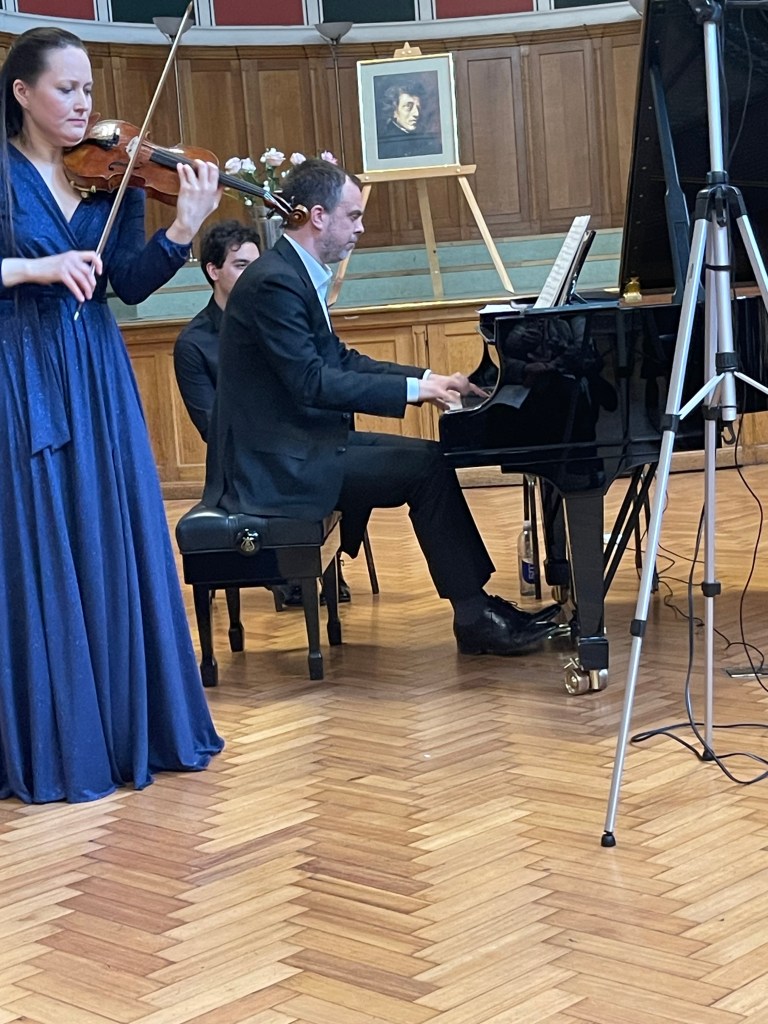
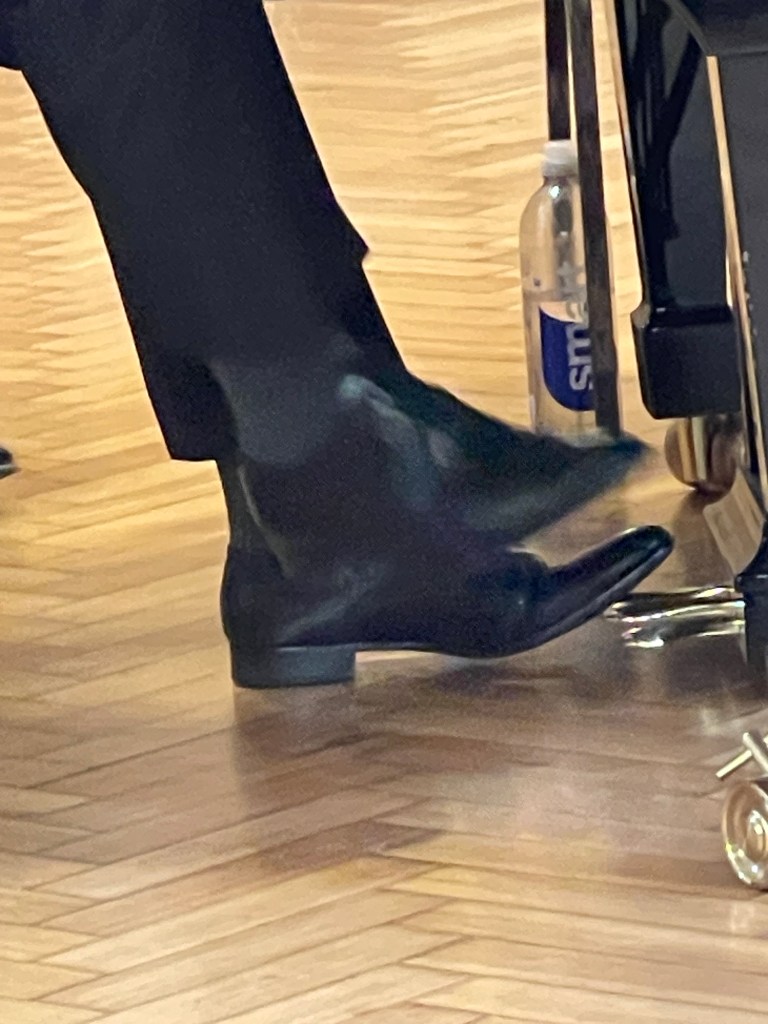
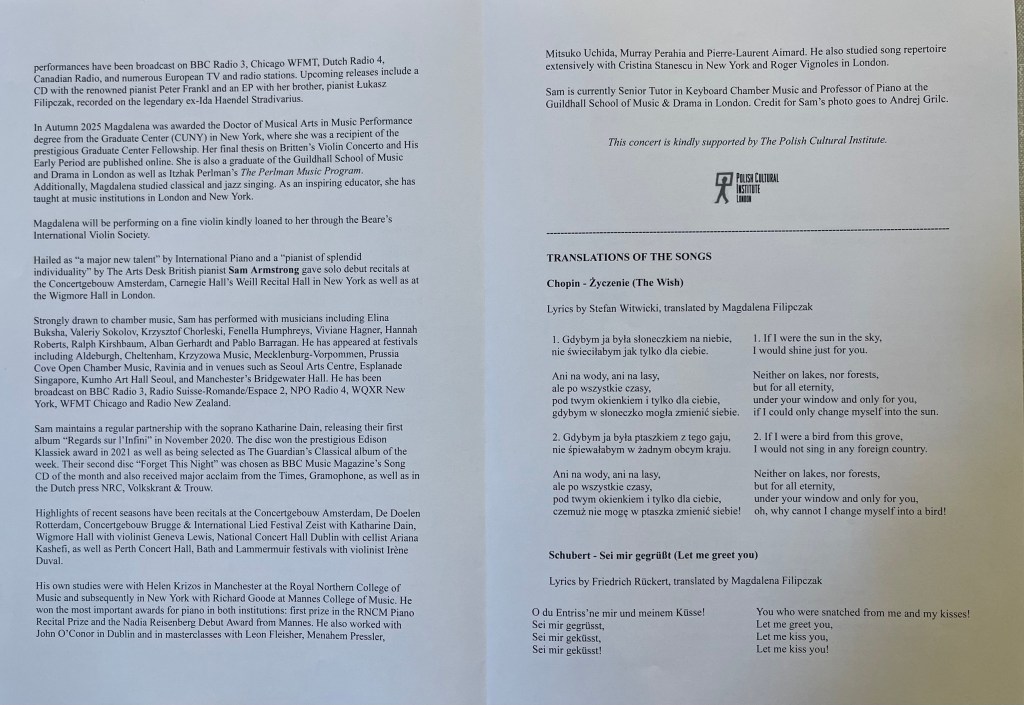
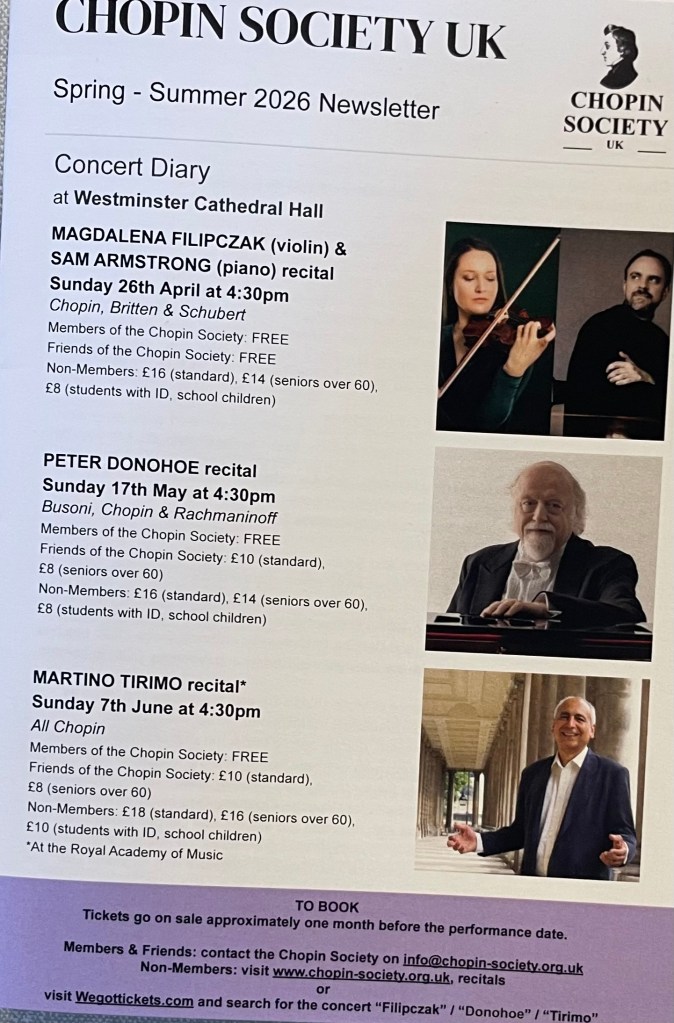
Handsomely accompanied by the pianist Sam Armstrong who was very much an equal partner playing with extraordinary sensitivity and fervent participation. Not only noticeable by his stamping feet in the Chopin Mazurka tinged with unmistakeable Kreislerian colours, but also by the extraordinary beauty of the Schubert Fantasia. Like a cat on a hot tin roof, he was ready to follow every move of the exquisite playing of his partner, with vibrant mastery. Even in the little miniatures that Martino Tirimo pointed out were encore pieces designed to show off the beauty and virtuosity of the great violinist of the nineteenth century like Ysaye, Sarasate , Kreisler, Milstein ,Heifetz, Elman or Ricci .
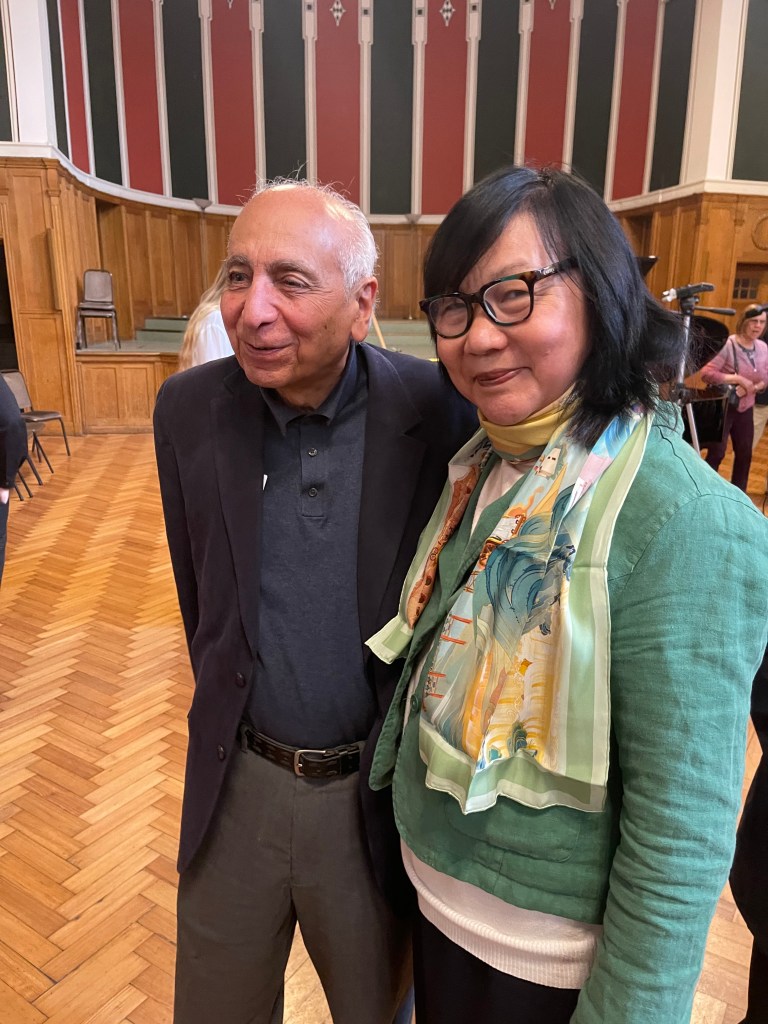
Ruggiero Ricci for many years would play in my series in Rome, the great works of Bach or Paganini for solo violin, but I remember he would also play Chopin Nocturnes of which he recorded a complete collection. Ricci and Haendel were child prodigies in the same period playing on precious instruments like the 1753 Guadagnini that Magdalena played today. and that she even held it in her hands whilst she sang songs by Chopin and Schubert, as it seemed to radiate the magic that she shared with us.
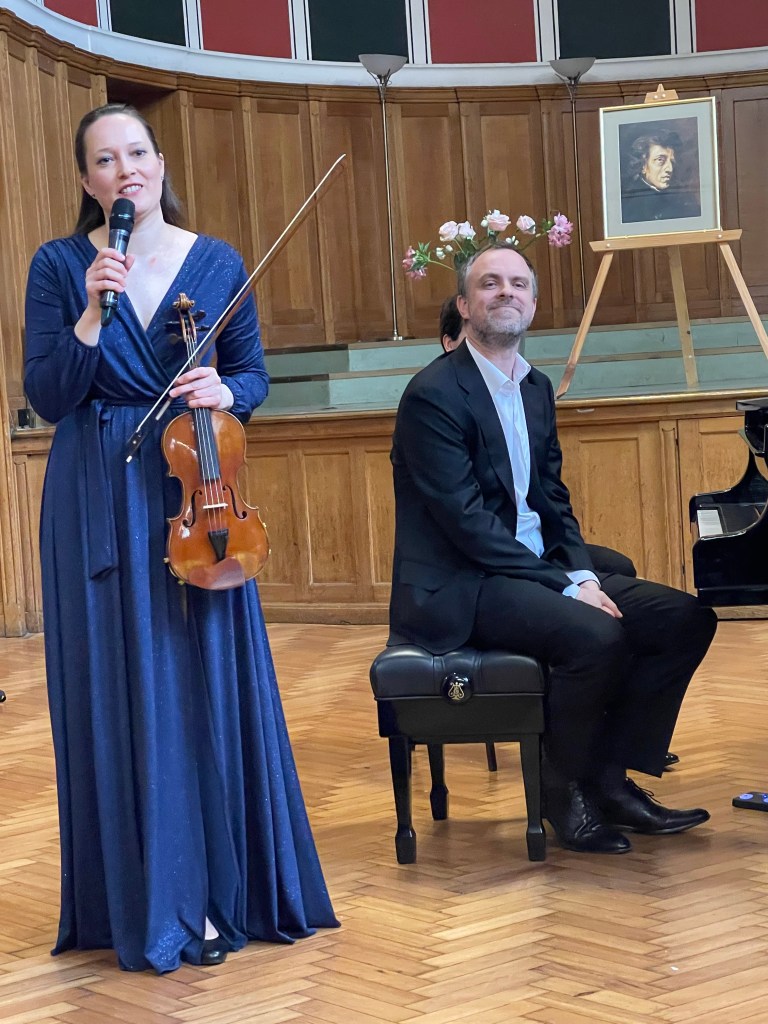
The concert had begun with Chopin’s best known Nocturne, that in E flat, in the arrangement by Pablo de Sarasate. It was immediately apparent that here was a duo that listened to each other and were able to create music with a refreshing spontaneity and beguiling freedom. As Magdalena allowed Chopin’s bel canto to soar into the atmosphere, Sam was ready to catch it and follow its every move with delicacy and glowing beauty. In fact the piano lid was always open as here was a duo that listened to each other and there was never a moment when one might have thought the piano could overpower the violin. They were making music together and listening to the overall line sustained from below with sumptuous beauty. Chopin writes a cadenza at the end of the Nocturne and Sarasate elaborates on that with remarkable daring but with exquisite good taste. Chopin Mazuka op 33 n. 2 was next, arranged by Kreisler, where the piano accompaniment seemed suspiciously tinged with Rachmaninov ( who was Kreisler’s duo partner on many occasions). There is the famous occasion of Rachmaninov playing with Kreisler in the Carnegie Hall. Kreisler got completely lost and whispered to his giant partner :’ where are we?’, ‘in the Carnegie Hall was the instant reply!’ Rachmaninov may have looked as though he had just swallowed a knife but his humour was indeed knife edged. Our duo played with buoyancy and freedom with Sam almost jumping out of the seat as he lived the polish dance with feet stamping on the pedals. Magdalena with her regal presence was swaying to the music too as they brought this traditional dance vividly to life.
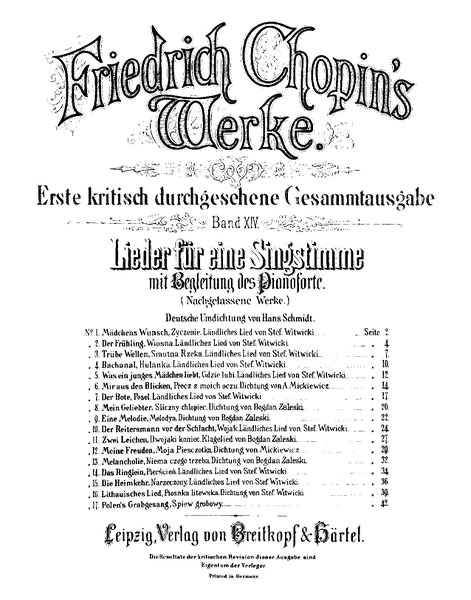
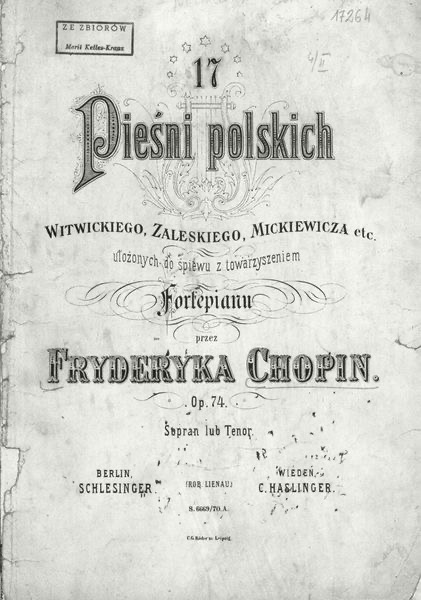
There are 17 songs that Chopin wrote, six of which Liszt famously arranged for solo piano, as he had also done with refined good taste many of Schubert’s lieder. The ‘Maiden’s Wish’, in that form, was championed by Arrau and Rosenthal, but it was refreshing to hear Magdalena sing the original in Polish whilst of course clutching her precious Guadagnini that had been loaned to her by Beare’s International Violin Society.
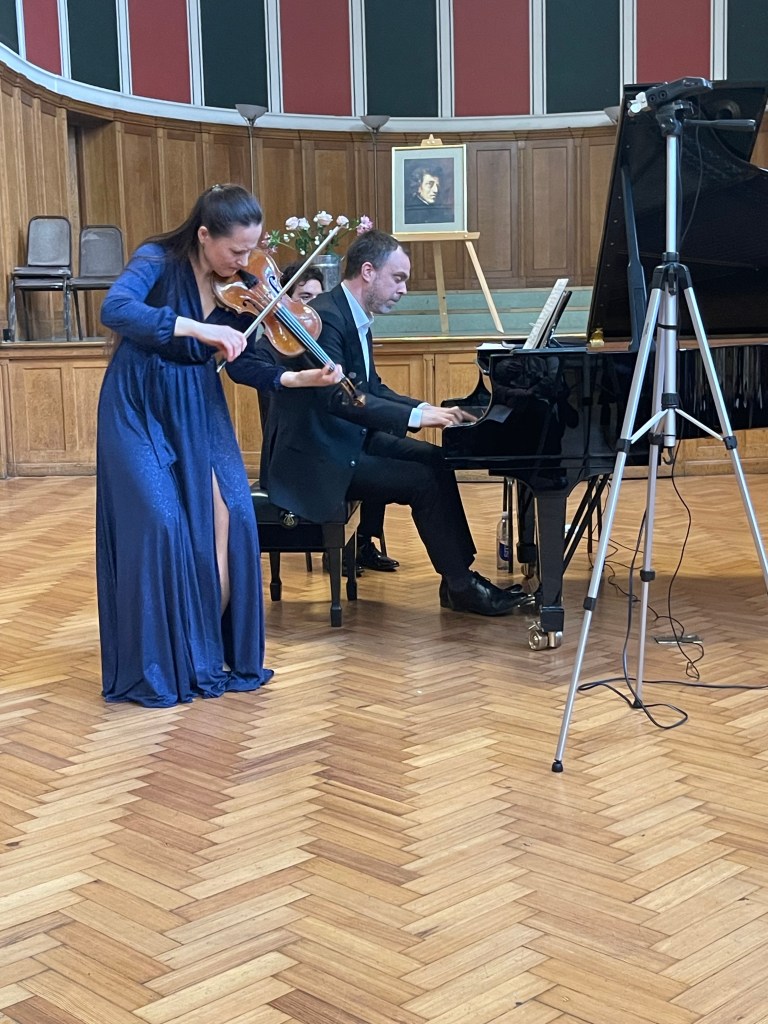
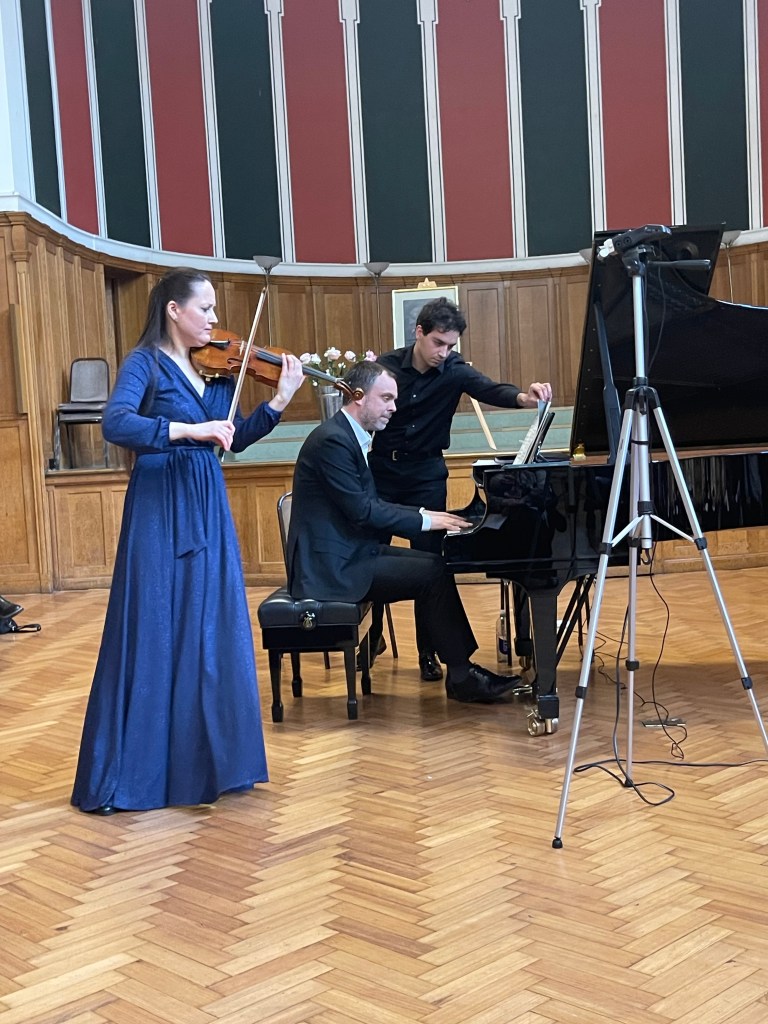
The Lullaby and Waltz from Britten’s Suite op 6 was a surprise item and made for a refreshing interval between the intricate warm tones of Chopin and Schubert. Britten’s early youthful invention was played with scintillating bravura from both artists. Rubinstein often, in an all Chopin recital, would play after the interval the four Mazurkas op 50 dedicated to him by his friend Karol Szymanowski, that would be like a refreshing sorbet in the middle of a sumptuous feast. This early work was not well received in its day even though considered by Paul Hamburger to show the other Britten: the brilliant miniaturist, the sparkling technician, the writer of French and middle-European pastiches which are as loving as they are witty. The Waltz movement shows how the different traits of the Viennese and French waltz can be intertwined in one movement. The movement is a delight when both try to get a word in at the same time, the Viennese waltz on the violin, the French waltz in the piano.Moreover, he particularly praised the Lullaby describing it as ‘ the best piece of this Suite.’
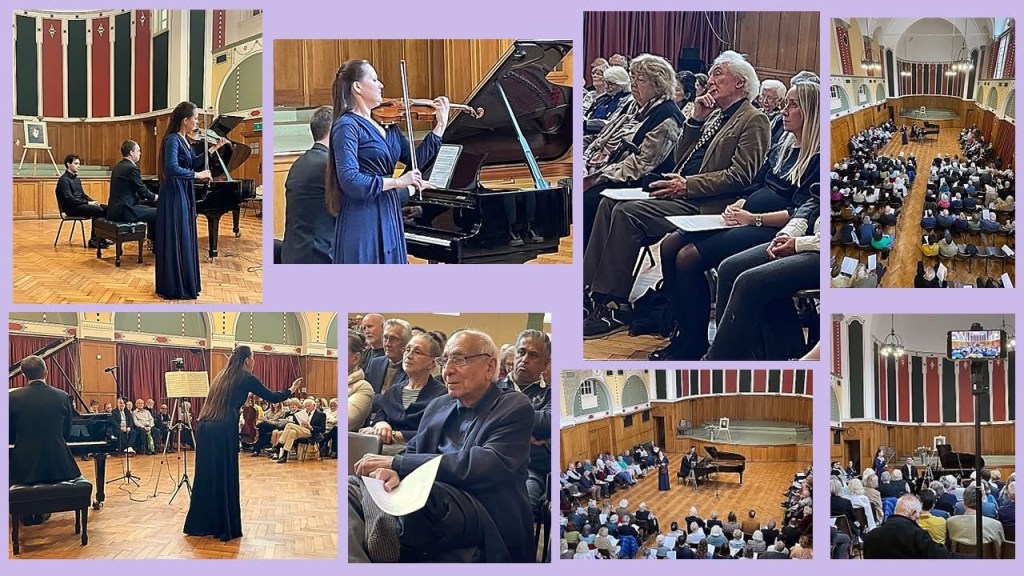
What was of great interest was to see how Ysaÿe had transcribed Chopin’s much abused First Ballade op 23 for violin and piano. Magdalena said it was a recent discovery and apart from the opening introduction, that I found a bit forced, from the opening theme onwards it fared very well. In fact the coda usually an excuse for pianistic fireworks, was played with restrained phrasing where pyrotechnics were turned into poetic exhilaration. Many of Chopin’s beautiful bel canto melodies were played with refined good taste where Magdalena’s aristocratic bearing could allow the poetic outpourings of Chopin to be played with even more inner intensity than is usually heard on the piano.The jeu perlé passages fared less well on the violin but Sam’s dedicated musicianship made up for a loss in power in certain filigree passages. It was a fascinating way to end the first half of this intriguing concert full of refined playing and courageous discoveries.
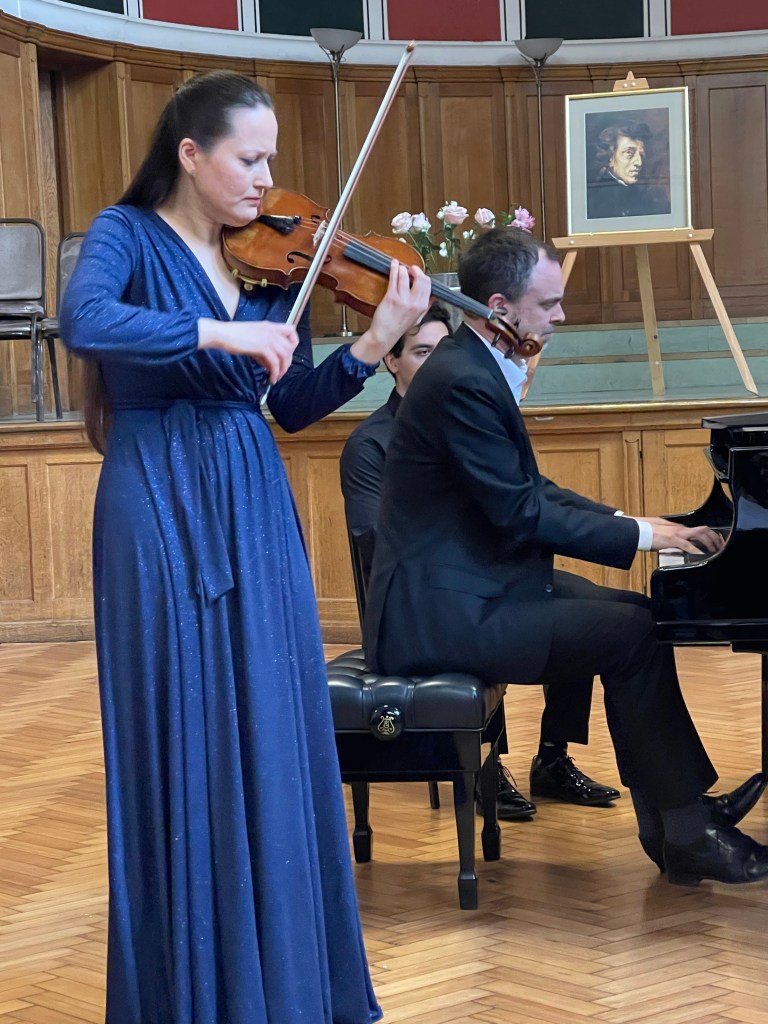
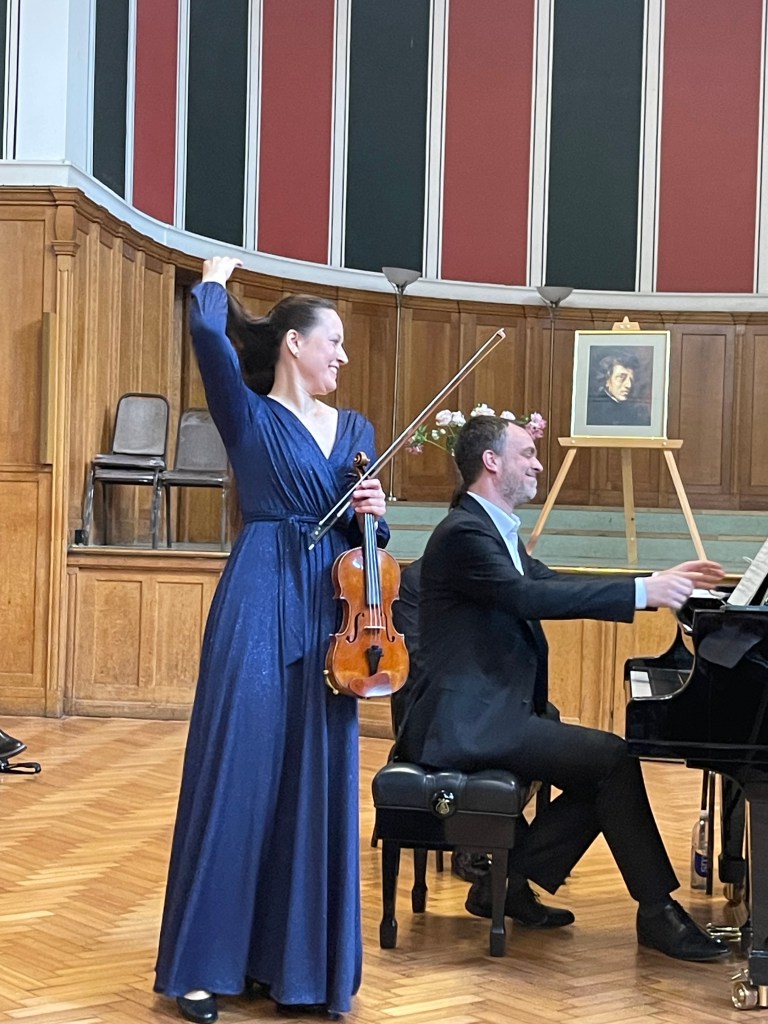
After the interval was a masterwork by Schubert with his Fantasia in C D. 934. Even here our artists brought a new light to bear as it was prefaced by the song that Schubert quotes ( like in his Wanderer Fantasy also in C major ). A work in seven sections of which the third is a theme and variations based on the song ‘Sei mir gegrüsst’. Magdalena invited the audience to sing the final line of the refrain ‘Let me kiss you’ which comes at the end of every verse by Rückert. So Magdalena received six kisses, after the last of which she placed the violin under her chin as she floated Schubert’s magical melody on the shimmering whispered sounds of the piano. And the Fantasia was born. A work that Nikolai Lugansky considers the most difficult music ever written for the piano,more difficult than all of Rachmaninov’s concertos put together. A performance of radiance and beauty where the song was floated in thin air before being revealed in the third movement and finally taking wing with the exhilarating march of the final Presto. Playing from both artists of breathtaking beauty and dynamic drive together with the glowing radiance that permeates the whole of this extraordinary work.
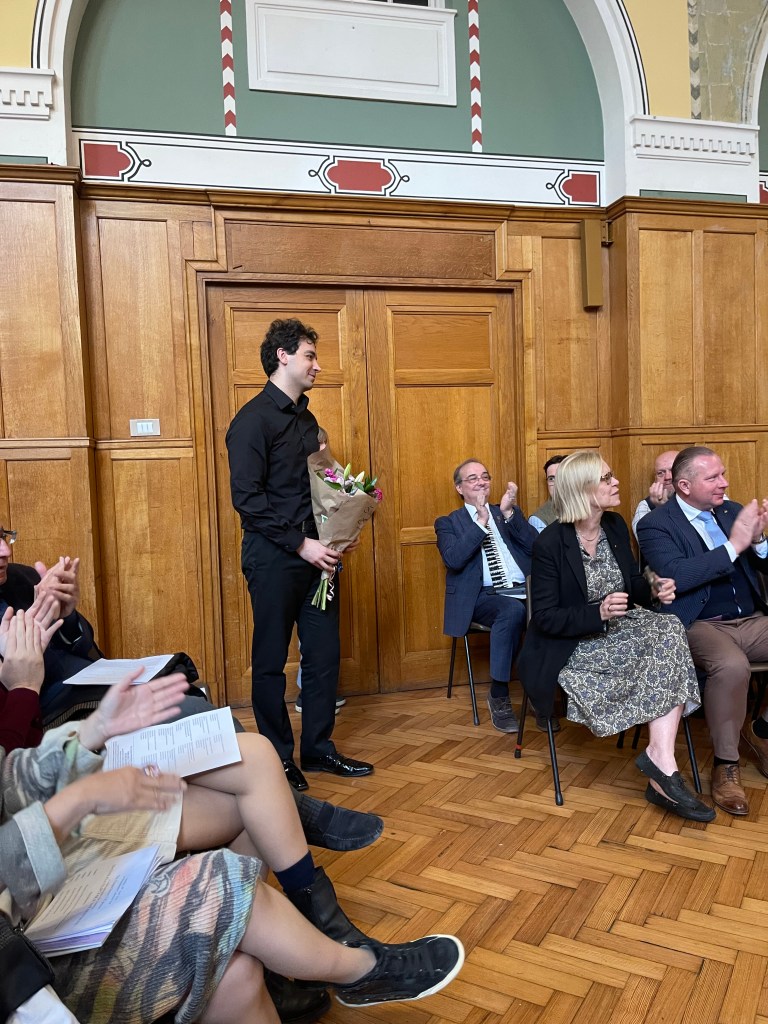
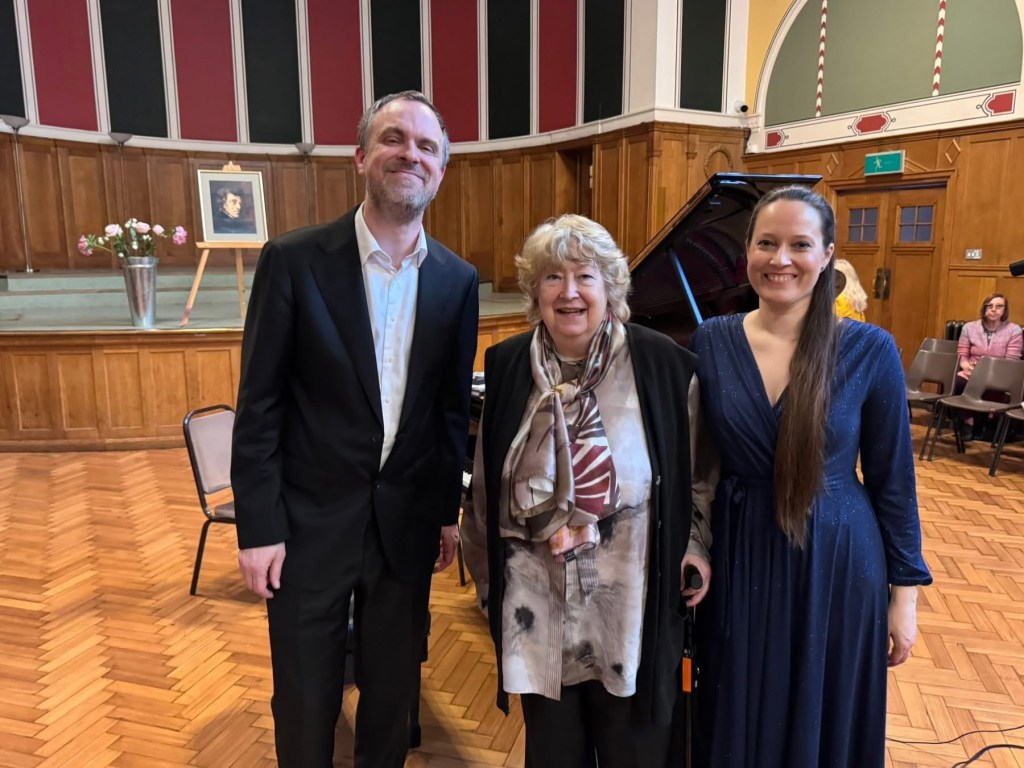
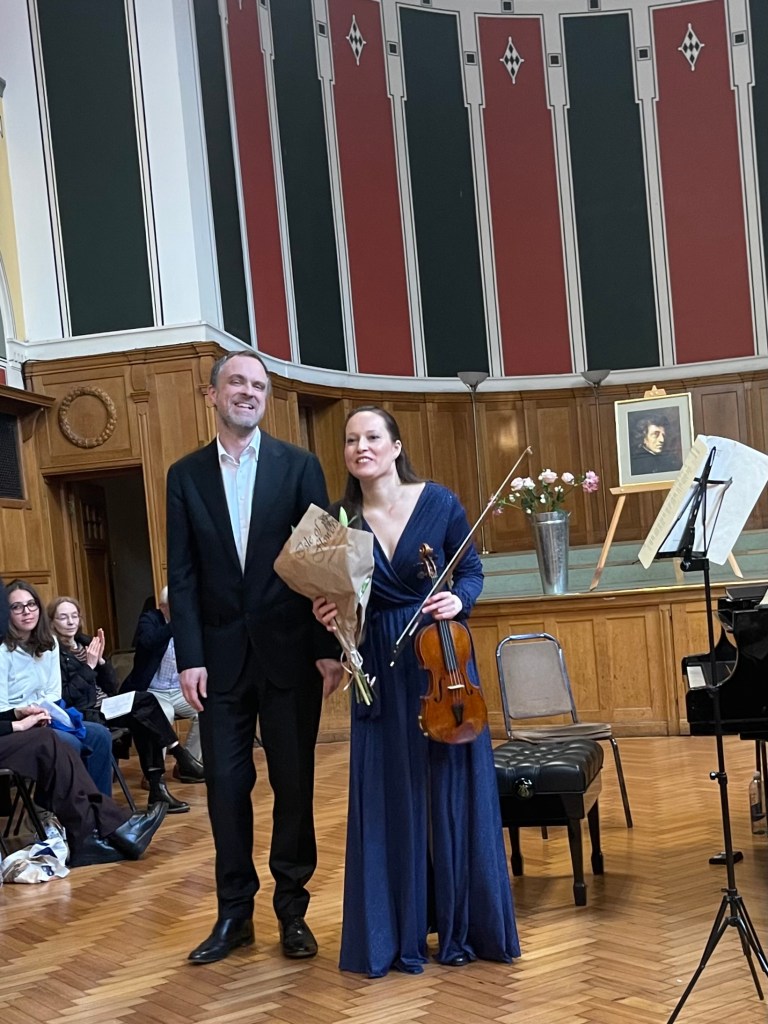
Two encores by great request, a Melodie by Paderewski arranged by Barcewicz and the Nocturne op posth by Chopin played with the refined good taste and exquisite sounds of both players united as one.