In memoriam Alfred Brendel
Bechstein Centres in
Cologne, Düsseldorf and Hamburg
open their doors and magnificent concert grand pianos
for three exceptionally beautiful piano recitals with
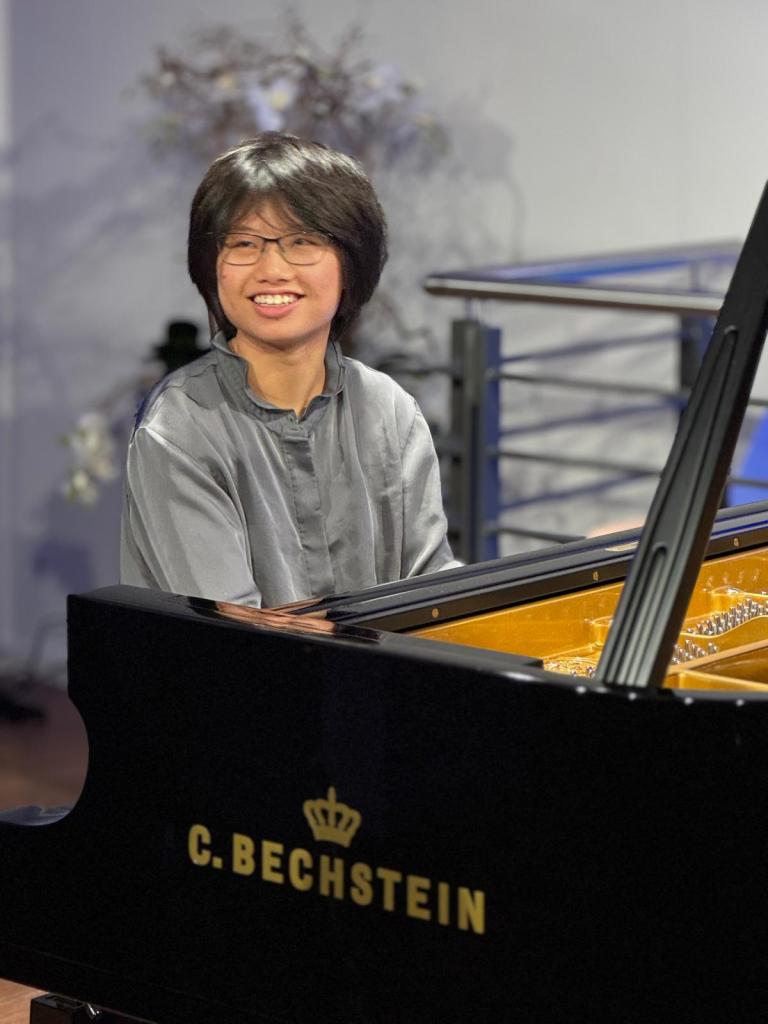
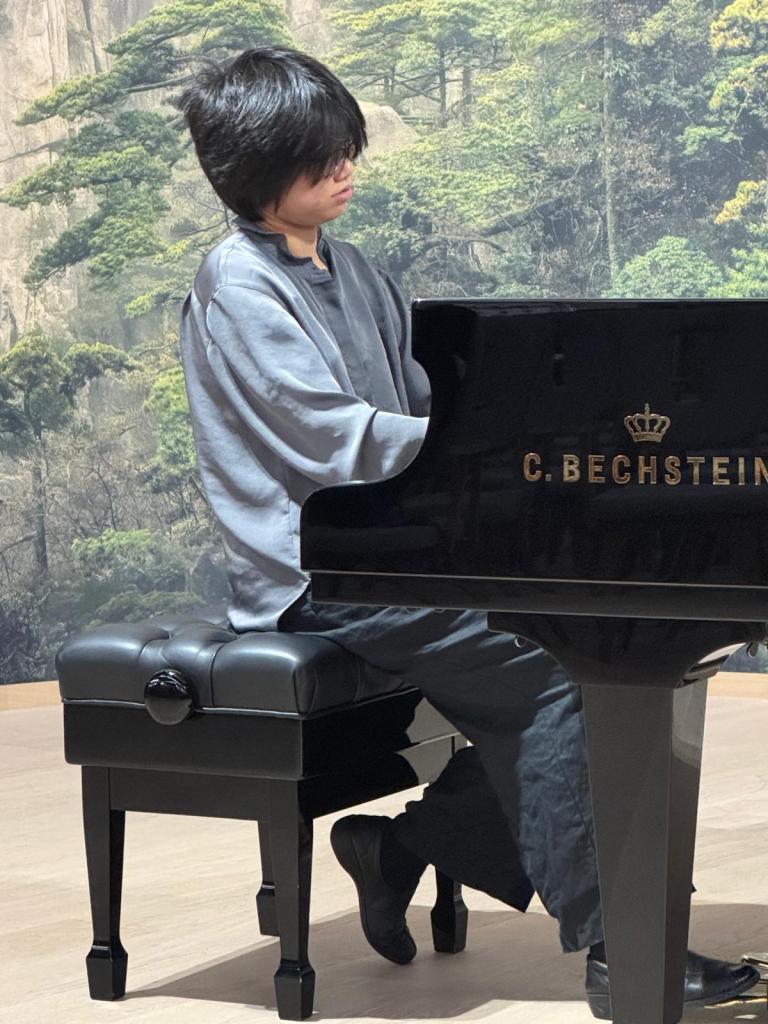
Magdalene Ho
In 2023, at the age of just 19, Magdalene Ho, a pianist born in the
USA and trained in her native Malaysia and in the UK (including with
Patsy Toh, a student of Myra Hess and Alfred Cortot and widow of Fou
Ts’ong!), won the legendary Clara Haskil Competition in Vevey,
Switzerland. Since then, this young pianist has undergone a quiet but
steady musical development, which has repeatedly confirmed her
exceptional position among the many, many young pianists of her
generation.
In September 2025, Magdalene Ho came to Germany at the invitation
of the Keyboard Charitable Trust for three piano recitals to pay tribute
to the great pianist Alfred Brendel, who had served on the board of the
Keyboard Charitable Trust until his death in June of that year. This
series of three piano recitals, which, incidentally, were given
exclusively on Bechstein grand pianos in three Bechstein Centres, was
the first of a total of three tributes to Alfred Brendel, which will
continue in January and April 2026 resp.
Alfred Brendel, a student of the legendary Edwin Fischer, among
others, was one of the great pianists of the 20th century, an important
music writer and essayist, and a member of the board of the
international piano foundation The Keyboard Charitable Trust from its
founding in 1991 until his death. Throughout his life, Alfred Brendel was
committed to absolute fidelity to the works he performed and
despised any mannerisms on stage or at the piano. On these three
evenings, The Keyboard Charitbale Trust commemorated its long-
standing trustee and friend with great gratitude and admiration. The
beautiful programme selected by Magdalene Ho was one that was
entirely in keeping with the spirit of the great master.
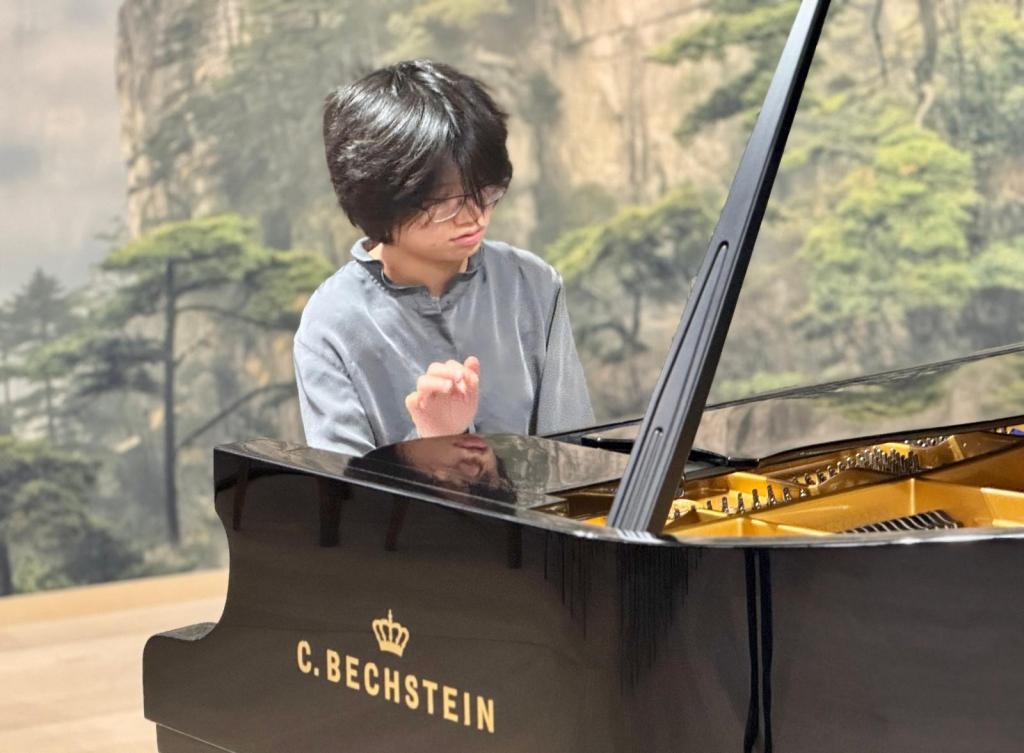
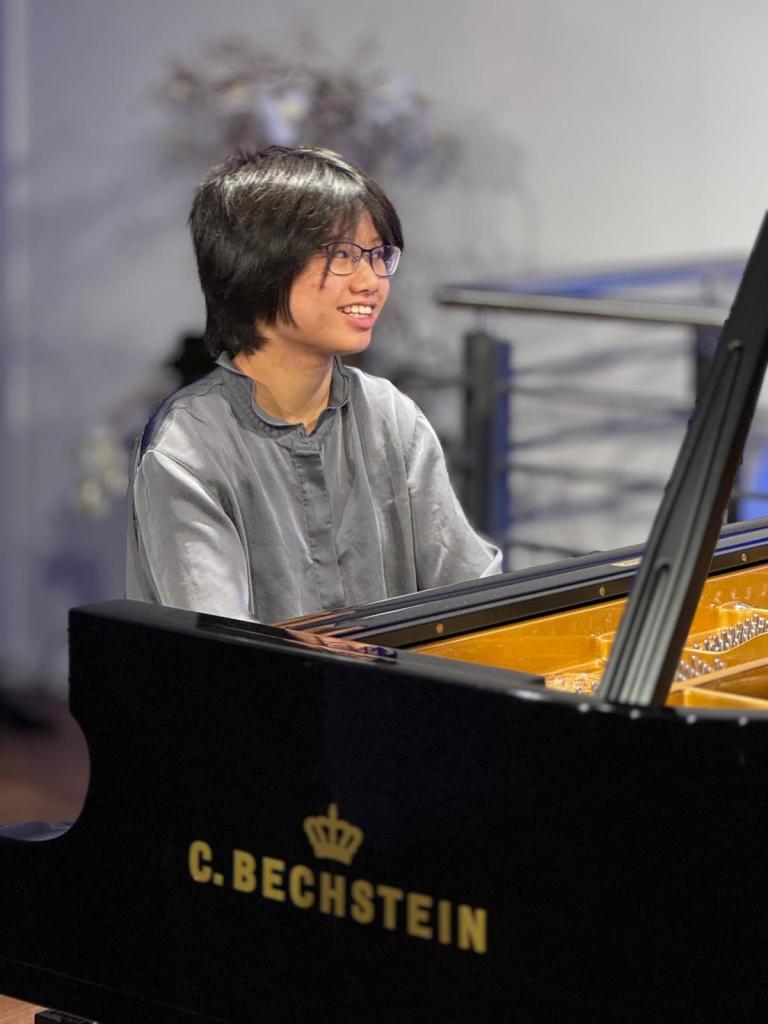
All three evenings of this first series of memorial concerts for Alfred
Brendel took place, delightfully, at three Bechstein Centres in
Cologne, Düsseldorf and Hamburg. The C. Bechstein piano factory
(founded in Berlin in 1853, the same year as the Blüthner piano
company in Germany and Steinway & Sons in the USA) has been
attracting increasing attention in recent years, mainly due to the
outstanding quality of its extremely melodious, beautiful-sounding
instruments. It is no coincidence that, after more than 50 years, a
Bechstein grand piano was once again played at the legendary Chopin
Competition in Warsaw in 2025, and that the Beethovenhalle in Bonn
was reopened in the same year after more than ten years of renovation
with two Bechstein grand pianos. Among others, Alfred Brendel’s
student and protégé Kit Armstrong performed on a Bechstein grand
piano for the occasion. The Keyboard Charitable Trust is grateful that
its cooperation with its partner C. Bechstein is expanding and
becoming increasingly established.
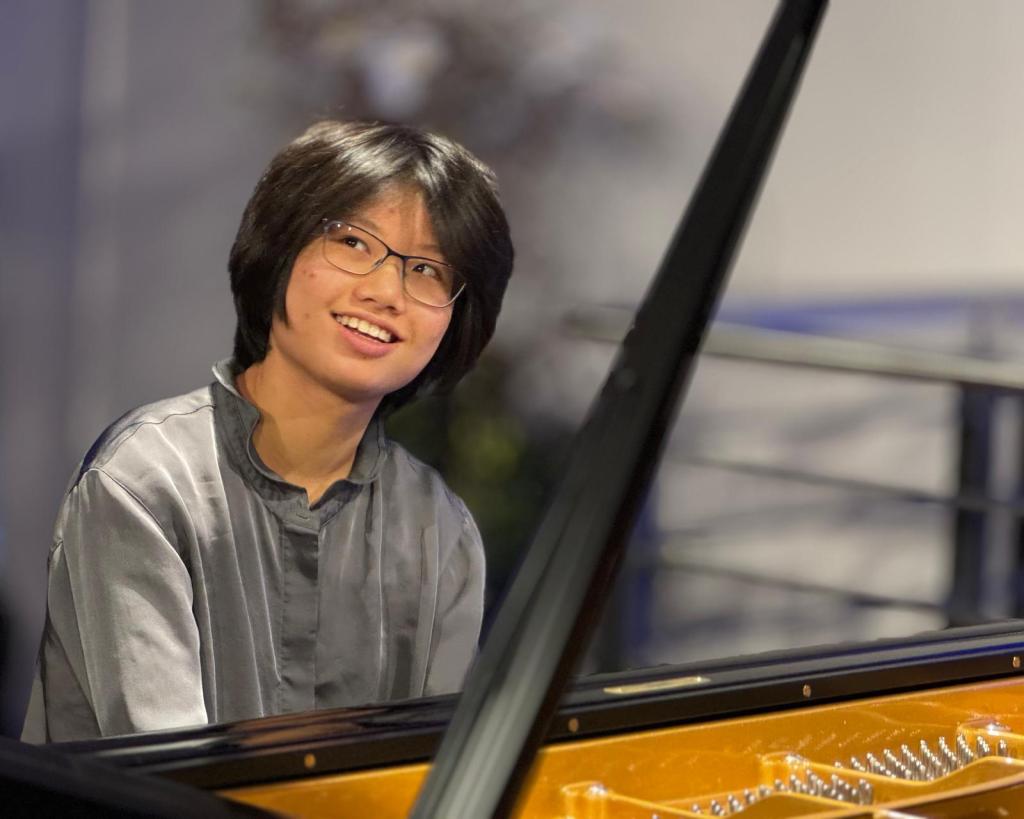
Magdalene Ho is an introverted, quiet young lady, but a concert
pianist with a deep core of enormous musical strength and pianistic
perfection. She was able to demonstrate this to overwhelmed
audiences on all three evenings. A year ago, she already celebrated a
great success for The Keyboard Charitable Trust in the sold-outLaeiszhalle
chamber music hall in Hamburg as part of the Tea Time
Classics series.
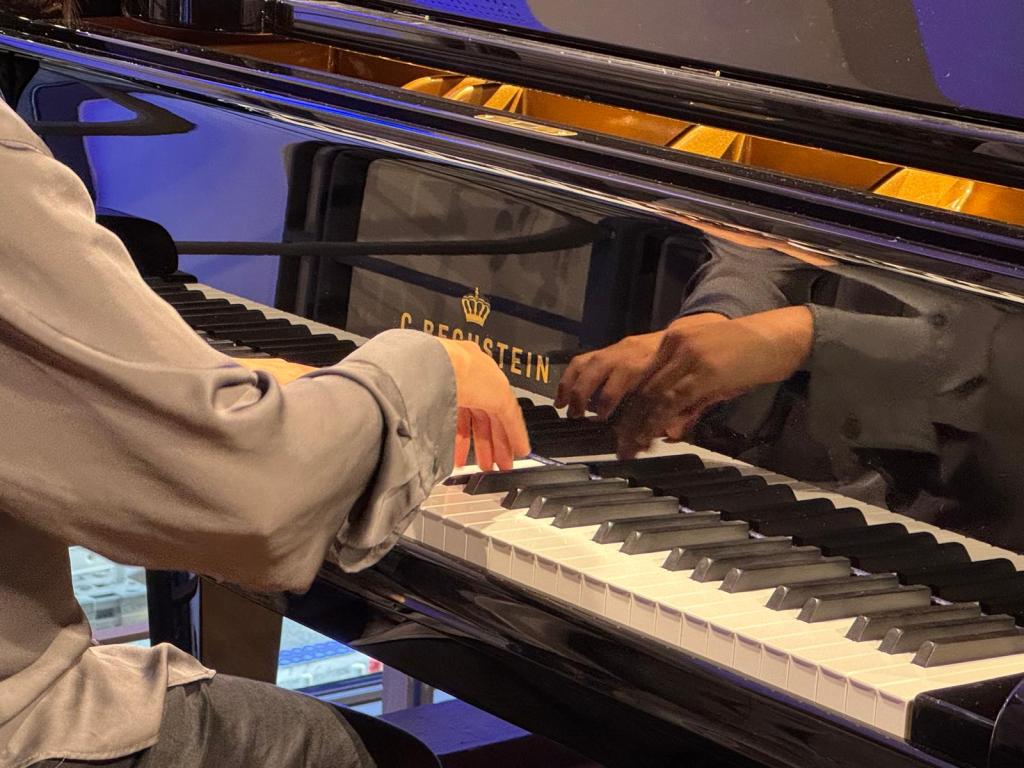
For her recitals in honour of Alfred Brendel, she had selected only
works by Ludwig van Beethoven and Franz Schubert, a rather rare
programme choice these days, as quite many young pianists often tend
to choose large, romantic works, which they actually play in
competitions, in order to focus attention on their own skills, virtuosity
and drama. Not so Magdalene Ho: she places the skill of the
composers, their greatness and immortality, at the centre of musical
attention.
The Bechstein evenings in Cologne and Hamburg were sold out. The
still young series in Düsseldorf had many empty seats, but this did not
detract from the intensity of the music. Magdalene Ho had chosen
three works: The Sonata No. 12, A flat major, Op. 26 (1800/1801) and
the six Bagatelles, Op. 126 (1824) by Ludwig van Beethoven,
followed after the interval by the grand, rarely played Sonata G major,
D 894 (1826), by Franz Schubert.
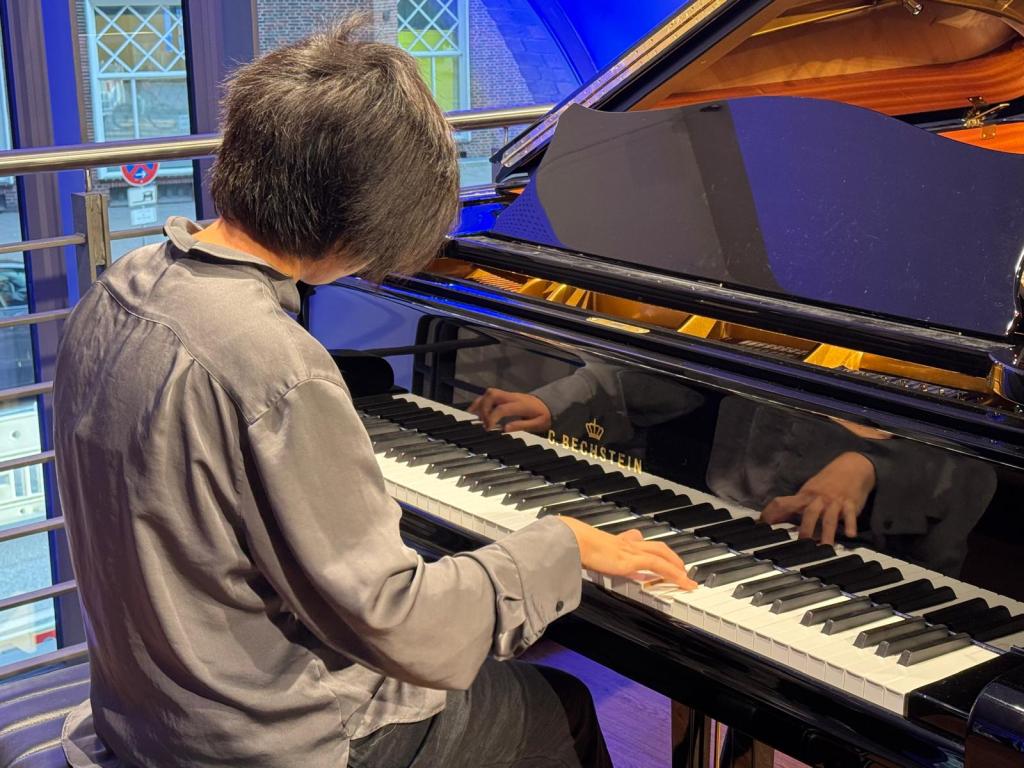
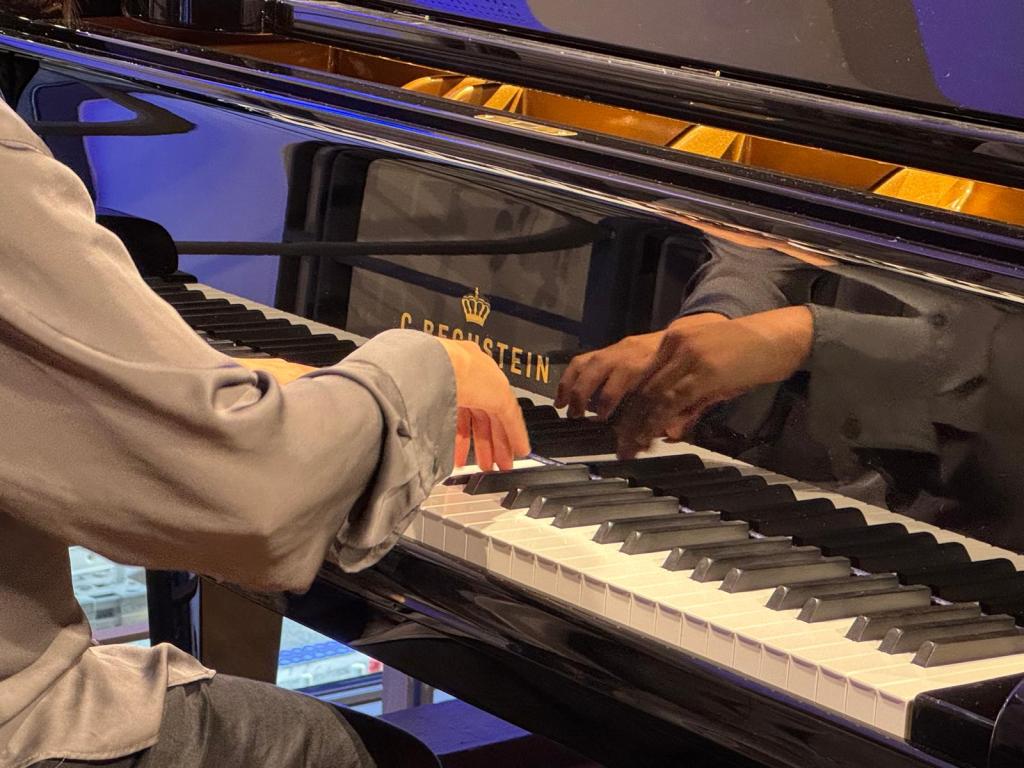
Beethoven’s Sonata No. 12 in A flat major, Op. 26, was played with
indescribable tonal quality from the very beginning, thanks in no
small part to the exquisitely intoned and tuned Bechstein grand piano
with its wide range of registers and rich overtones. Magdalene Ho
began the sonata in a thoughtful manner, but never lingered; on the
contrary, she always moved forward. Her expression is never kitschy,
and she counterbalances her thoughtful nature with a perfect
understanding of Beethoven’s intentions, combined with absolute
control through her overwhelming, far-reaching and highly developed
pianistic skills. Her great sense of rhythm also serves her well, as does her
wonderful, colourful sonority, which was particularly evident in
the scherzo of the second movement. The funeral march was solemn,
but never weak, with many rays of light. One had the impression that
Beethoven, when composing this movement (the sonata was written in
1801), could already foresee his later life, especially since he was
already feeling the first signs of his deafness at that time. The Allegro
of the fourth movement was full of grace, full of inner light, with
great, immense control of the rhythm, never standing still.
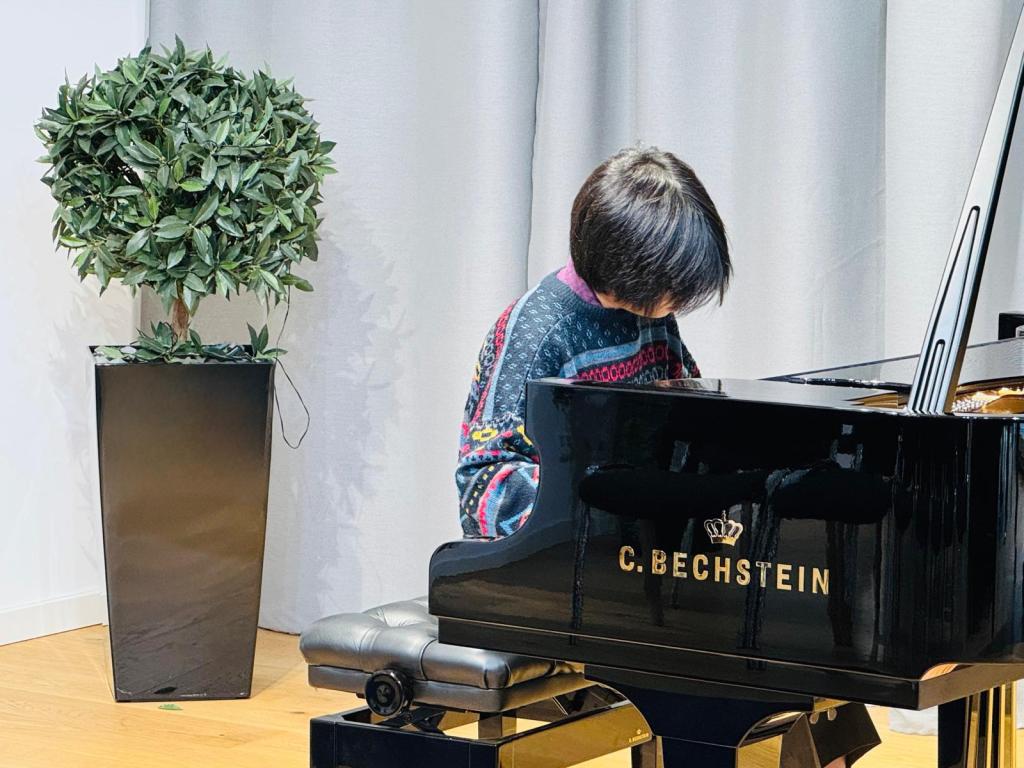
Beethoven wrote the Six Bagatelles, Op. 126, 24 years later, when he
had already been completely deaf for five years. That alone is
unimaginable. The opening of the 1st bagatelle was blessed and
heartfelt, its cantabile character reminiscent of the first movement of
the sonata played earlier. Magdalene Ho presented the 2nd bagatelle
with a strong, majestic beginning, with singing beauty in her
magnificent hands. This bagatelle contains many surprises, and
Magdalene Ho’s curiosity seemed to express her search for the
meaning of each element of this bagatelle. The 3rd bagatelle was like
an elegy, almost as if approaching heaven’s gate, magical piano
playing! Each of these little works of art became an individual
performance, yet they were all connected to form a great whole. The
4th bagatelle, Presto, began like a rock “n” roll piece, a powerful
dance, almost trance-like spheres that were hard to imagine. But then
Magdalene Ho played the 5th bagatelle: pure beauty, beauty turned
into music, seemed to flow endlessly from Magdalene Ho’s hands,
everything unimaginable seemed to pour out of this Bechstein grand
piano. An energy that seemed to express Beethoven’s feelings
about most personal matters. Perhaps this bagatelle suited Magdalene
Ho best in its poetic and personal depth; it was a gracious,
unpretentious performance of the rarest kind. Then, at the end, a wildoutburst in
the 6th bagatelle: magnificent cascades of sound, followed
by a quiet stroll through musical worlds, as if a long journey had
finally come to an end, but not only Andante amabile, but also Con
Moto! Beethoven kept moving forward, he went his own way, no
matter what happened. Magdalene Ho was able to show this very, very
convincingly. Magnificent.


After the interval, Magdalene Ho treated us to her interpretation of the
great late Sonata No. 18 in G major, D 894, composed by the young
Franz Schubert in 1826, two years before his early death at the age of
31. This sonata is rarely played, and it is understandable why. It is not
only the difficult technical challenge, but above all the profound
philosophical questions that enable only a few pianists to play this
sonata at the level heard this evening.
Magdalene Ho opened the 1st movement like a prayer, it was a
cautious glimpse into eternity, from which a distant dream seemed to
develop in the modulation that followed. A short waltz sequence
sounded like a reminiscence of Schubert’s earlier works. Despite the
cantabile, rather introspective character, Magdalene Ho was able to
maintain the tension of this work throughout with her superb control.
It was such an idiomatic interpretation of Schubert that every return of
the waltz was a pure delight. In the second part of this movement, the
architectural features built up into a cathedral with catacombs, in
which the waltz suddenly resounded again. Another great strength of
the pianist Magdalene Ho became clear here: in addition to her
magnificent tonal qualities, she always manages to clearly carve out
inner voices and lines. Schubert’s life was painful, and the dance of
life is also full of pain. But then: waltzes and waltzes and waltzes! It
was deeply moving.In the 2nd movement, Andante, another prayer sounded,
no, more like
a chorale, perhaps sung during a lonely walk. Magdalene Ho’s piano
playing remained incredibly intimate in this situation, full of
melancholy felt with her own heart. The simplicity of her
interpretation was what was truly great. At the end, the dark visions in
Magdalene Ho’s truly visionary piano playing – Schubert’s realisation
that his imminent departure would be inevitable. Like echoes from
afar, like a last thought returning once more, Magdalene Ho brought
out every figure in this movement. It is her highest art, the highest
clarity of sound, and another aspect stood out in particular: Magdalene
Ho never exaggerates. She never displays mannerisms for her own
sake. Furthermore, her pedal technique, something that is hardly ever
mentioned in reviews. Magdalene Ho likes to use the pedal sparingly
and with the utmost taste, and she showed us all that pedal technique
is by no means less important than the playing of the hands.
The minuet of the 3rd movement began powerfully, in fact it was
another waltz, as in the first movement. Truly Mephistophelean,
sombre, with rays of light full of grace, but only in a few places.
Again and again the gloom returned, the relentless pulse of inevitable
fate always resounding, but always accompanied by the hope of
redemption. The trio brought almost celestial sounds, as if the angels
were already preparing a cheerful welcome for Franz Schubert: Come
here, it is good here! Then a hesitation: should I go? Must I go? Must
it be? Ah, yes! One last painful moment, but then the clear decision.
In the 4th and final movement of this great sonata, the Rondo
Allegretto, pure joy resounds, a dance in which we all feel bliss and
peace. All this is thanks to Magdalene Ho, who in this movement,with her great
sense of rhythm and sensitivity, almost invites us all to
a contredance: joy upon joy! Once again, a brief hesitation, but
ultimately what remains is endless beauty in endless dancing, and we
all dance the rondo. Thank you, Franz Schubert, thank you, Alfred
Brendel, thank you, C. Bechstein, thank you, Magdalene Ho, who, at
the end, in the final modulation, with insanely beautiful glissandi,
once again briefly allows the relentless to rise before a great, calming
silence ends this evening. Finally, as an encore, the fifth Bagatelle
once again. Standing ovations.
I can and need say nothing more about Magdalene Ho. I do not need
to recommend her. When Magdalene Ho plays, as a critic once wrote
about the great pianist Grete Sultan, she recommends herself.
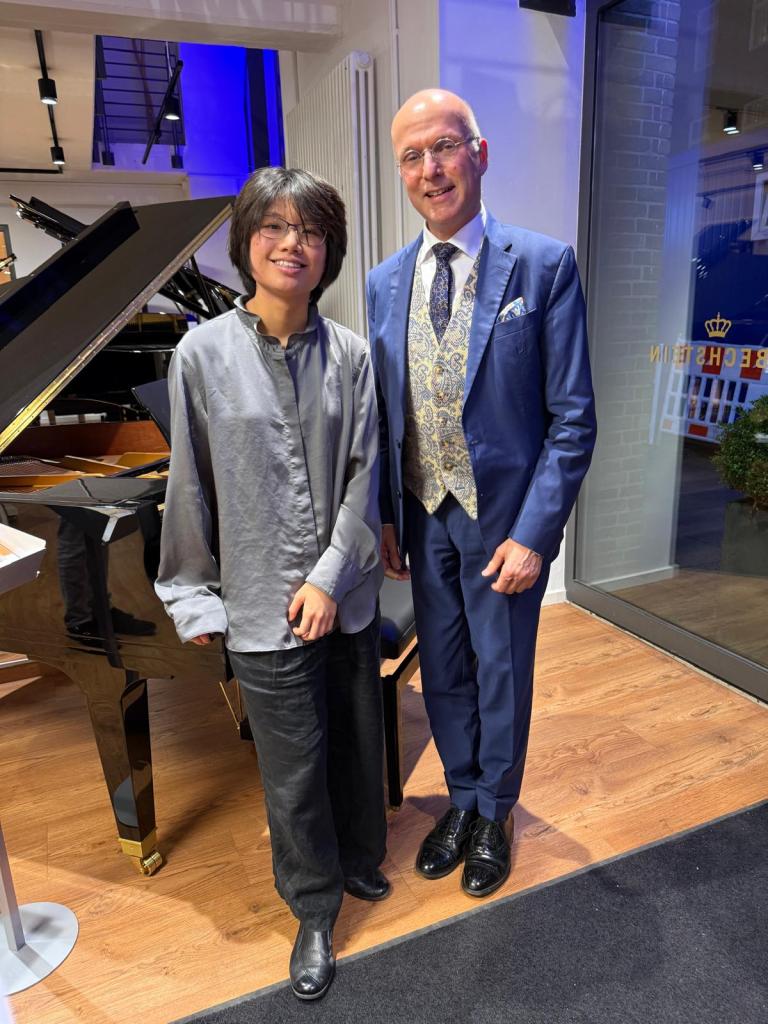
Moritz von Bredow, Hamburg/Germany