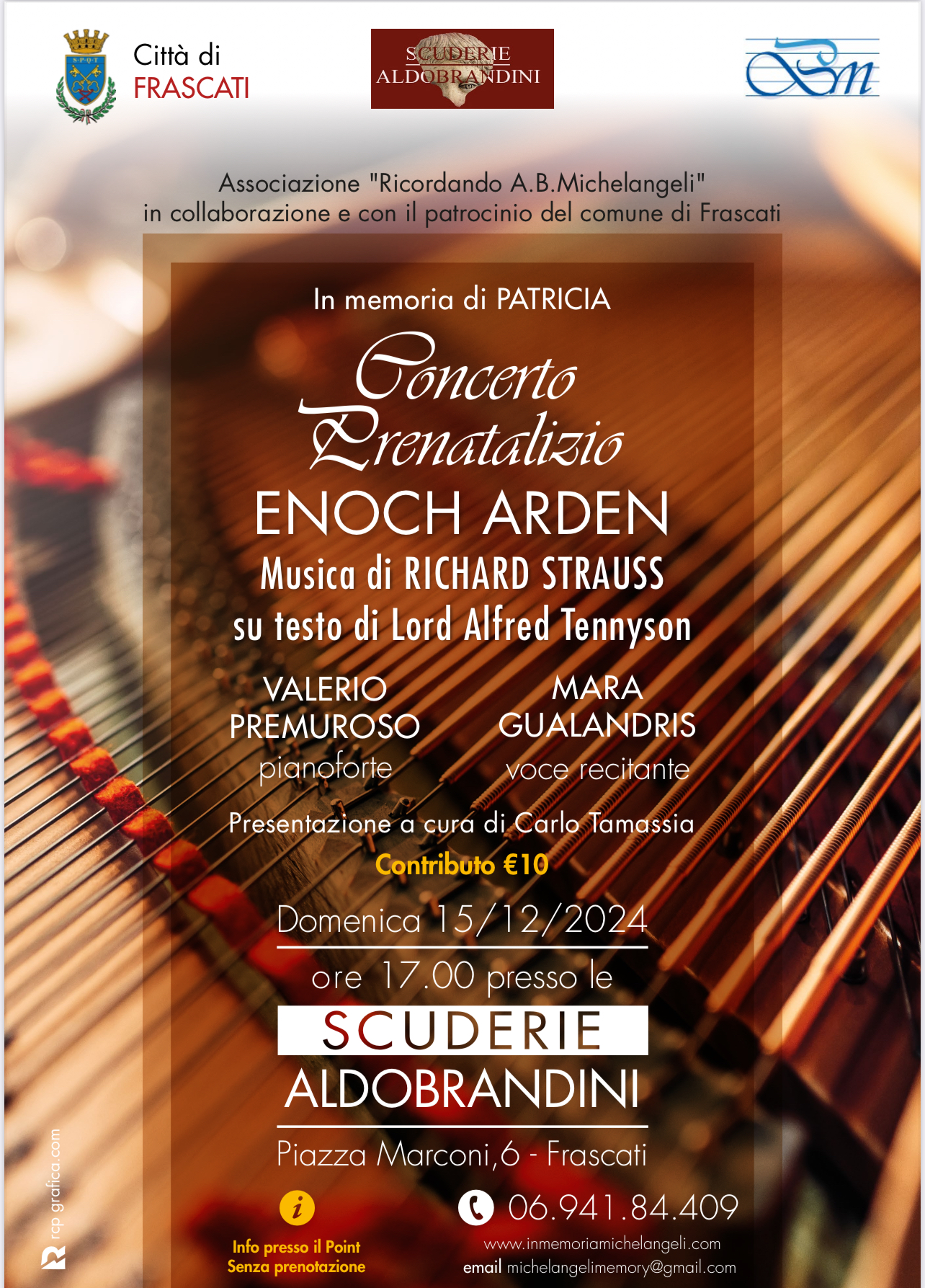
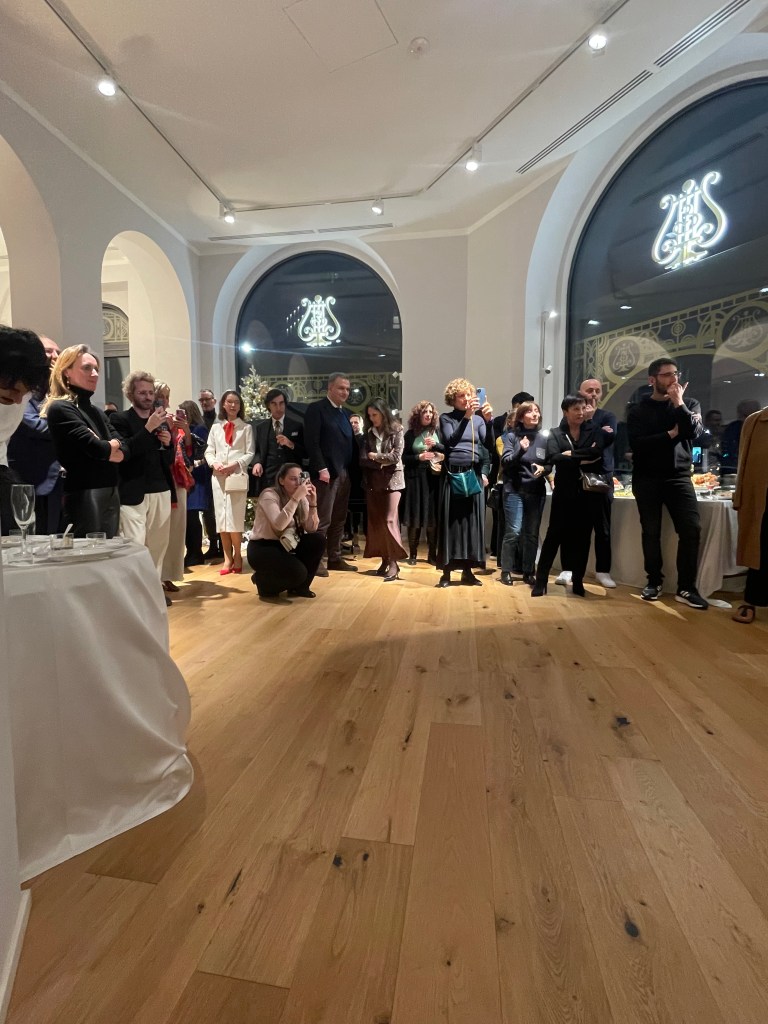
A celebration for Marylene Mouquet’s daughter Patrizia who died in a tragic road accident 20 years ago on the 10th December.
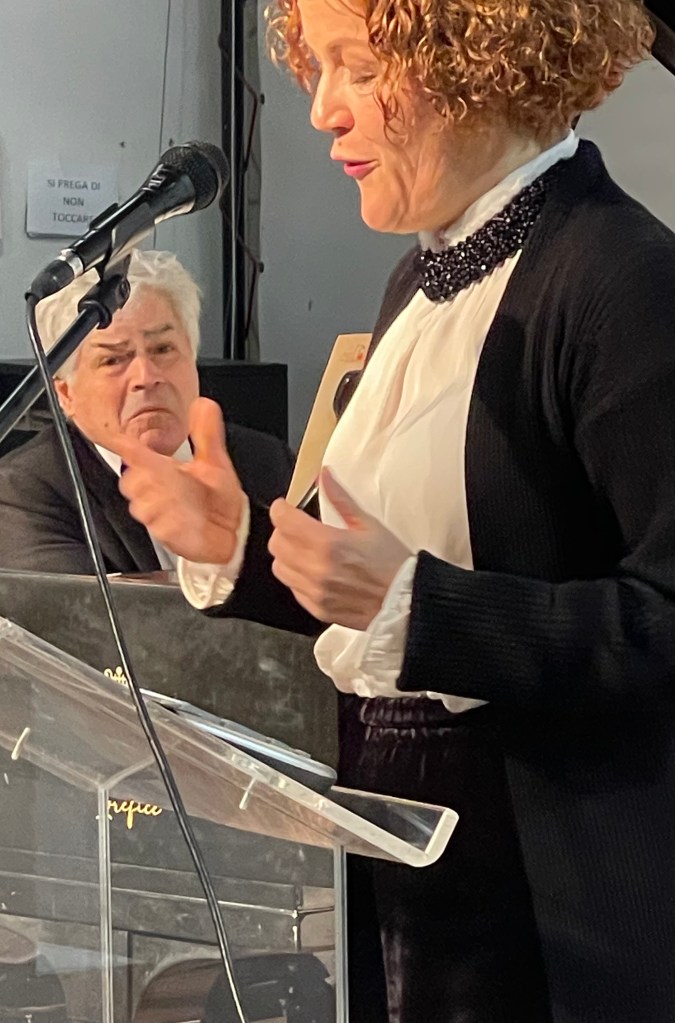
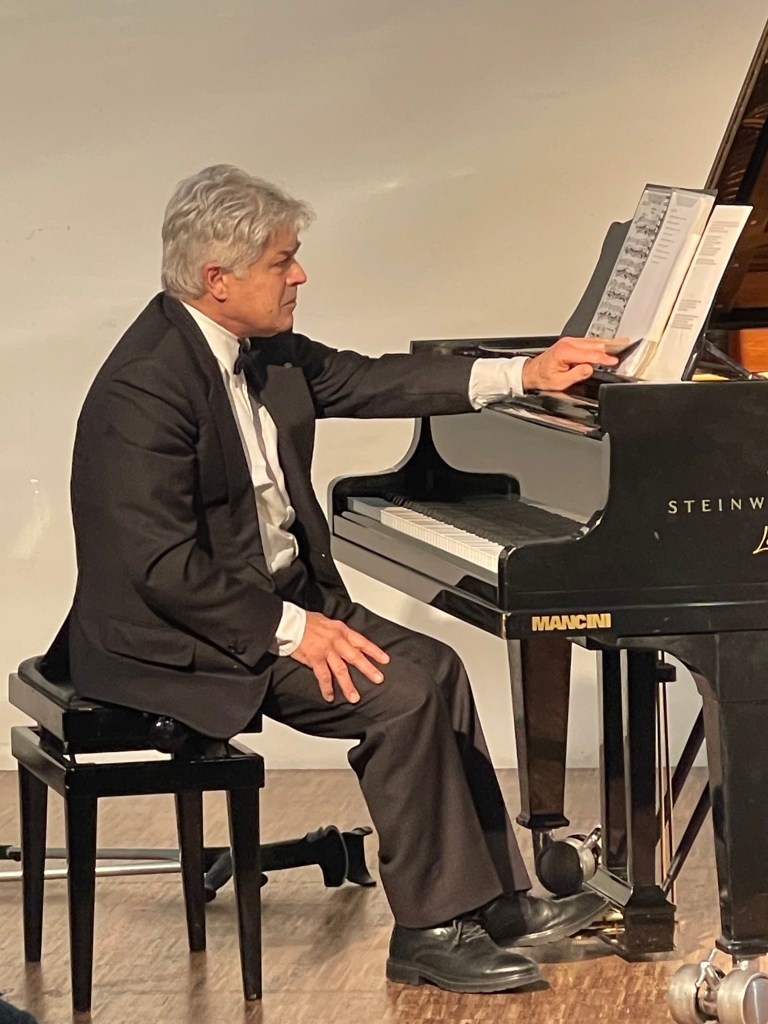
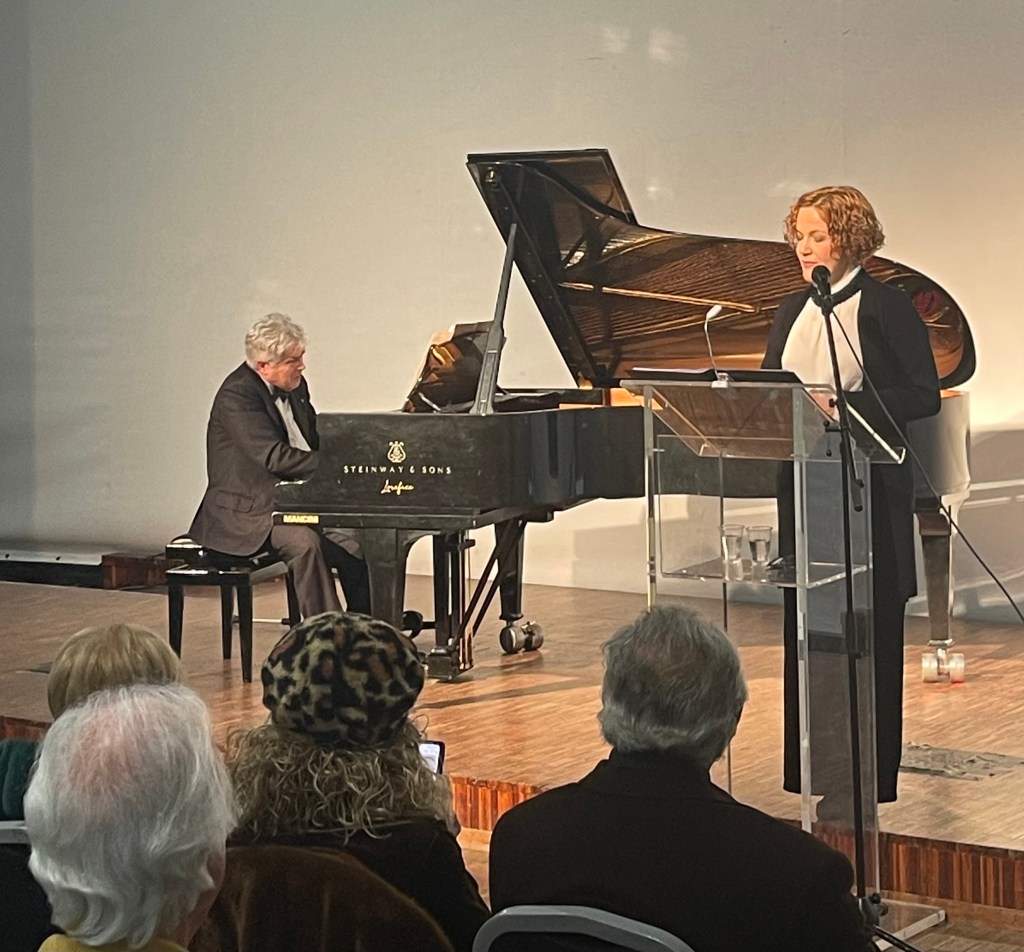
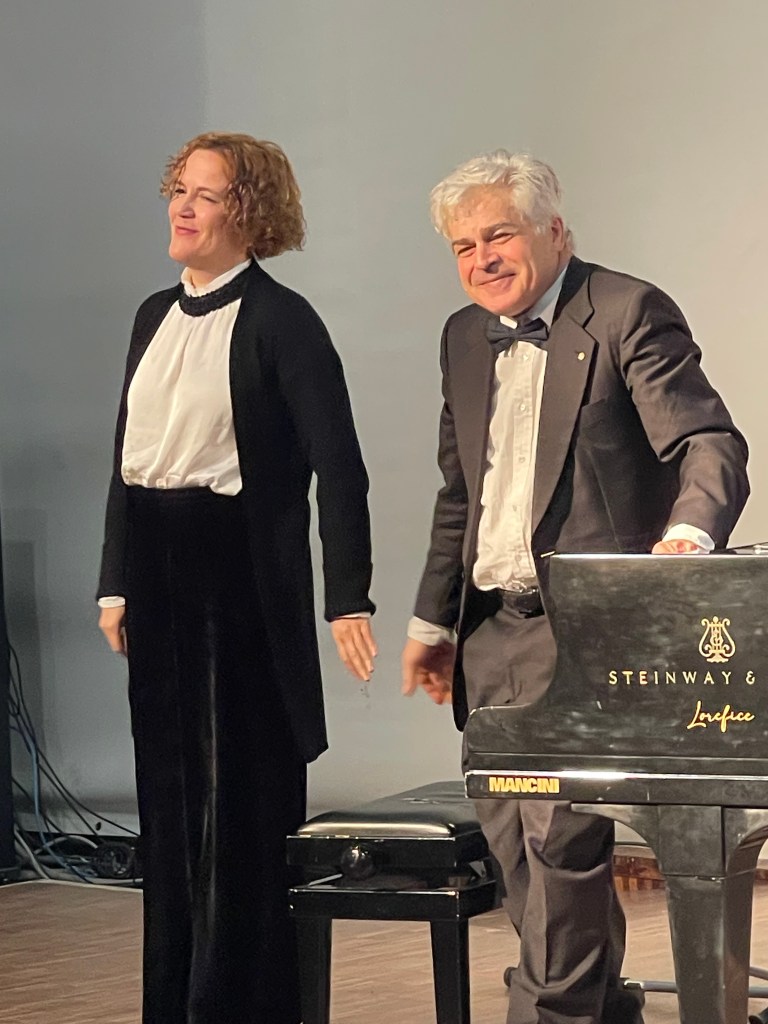
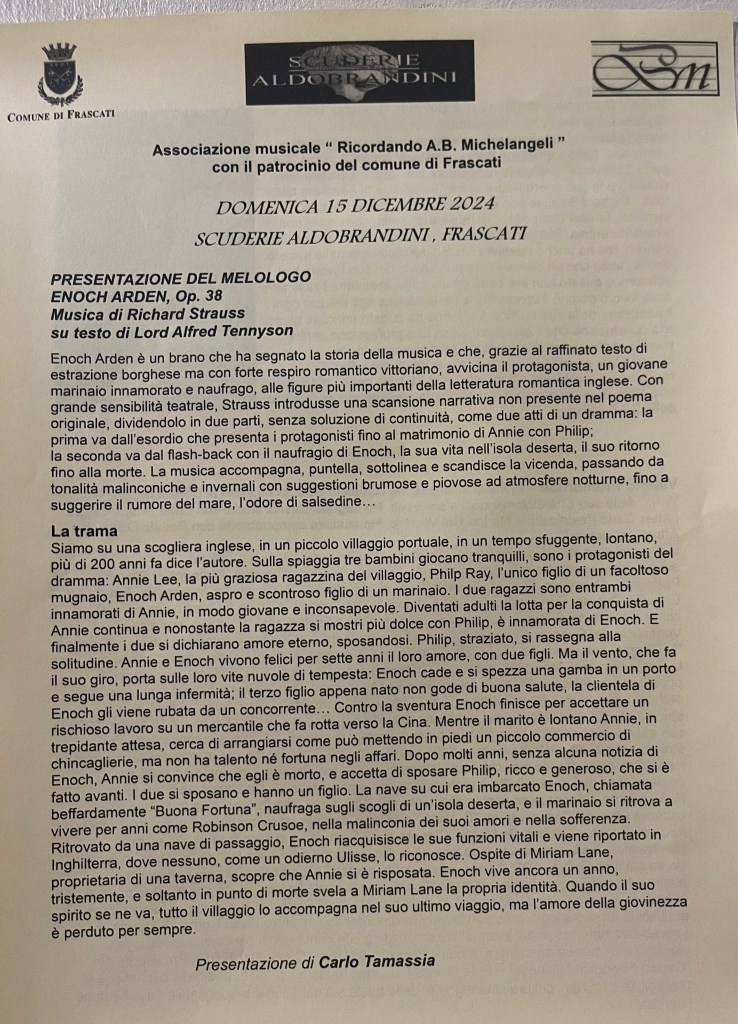
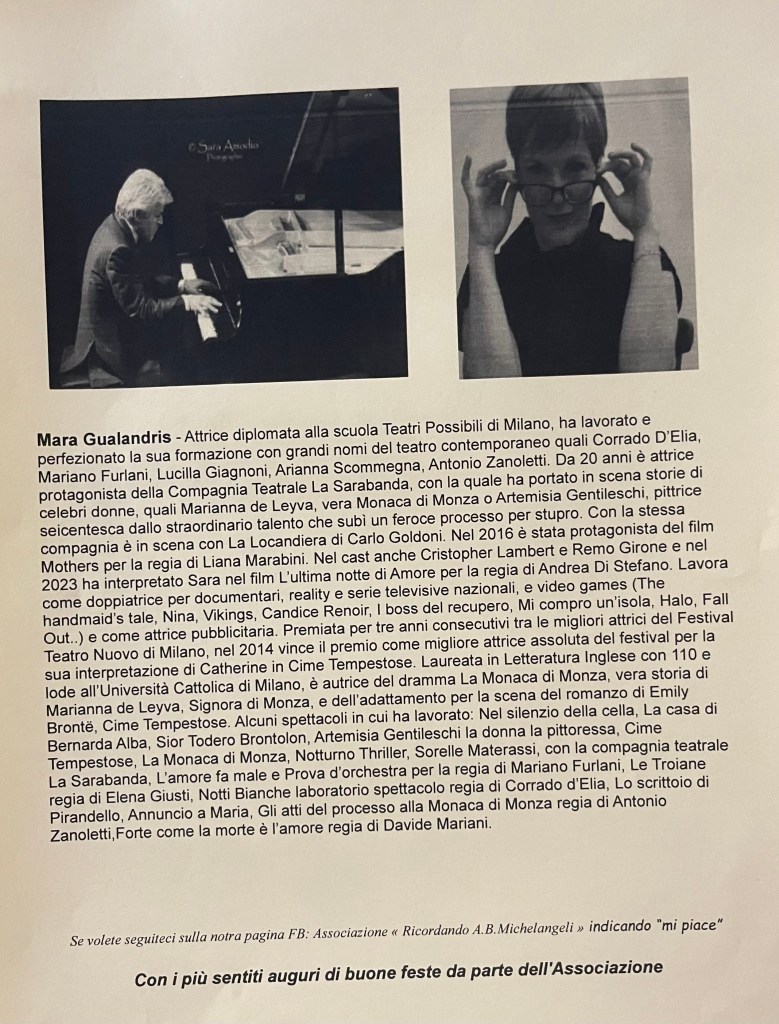
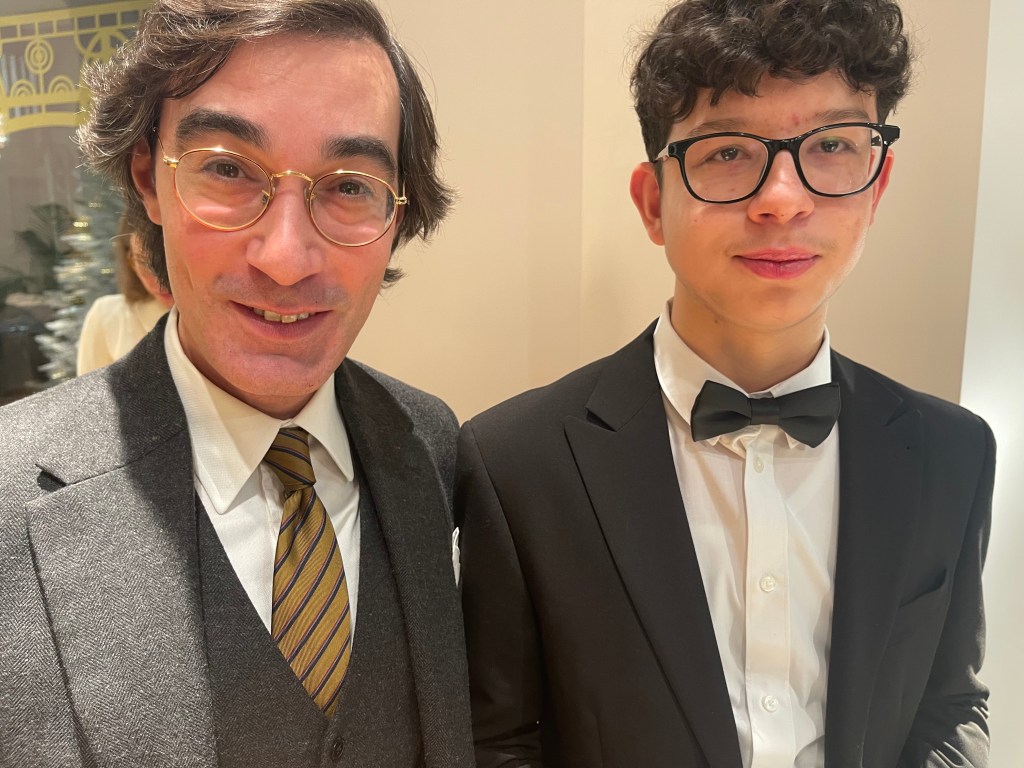
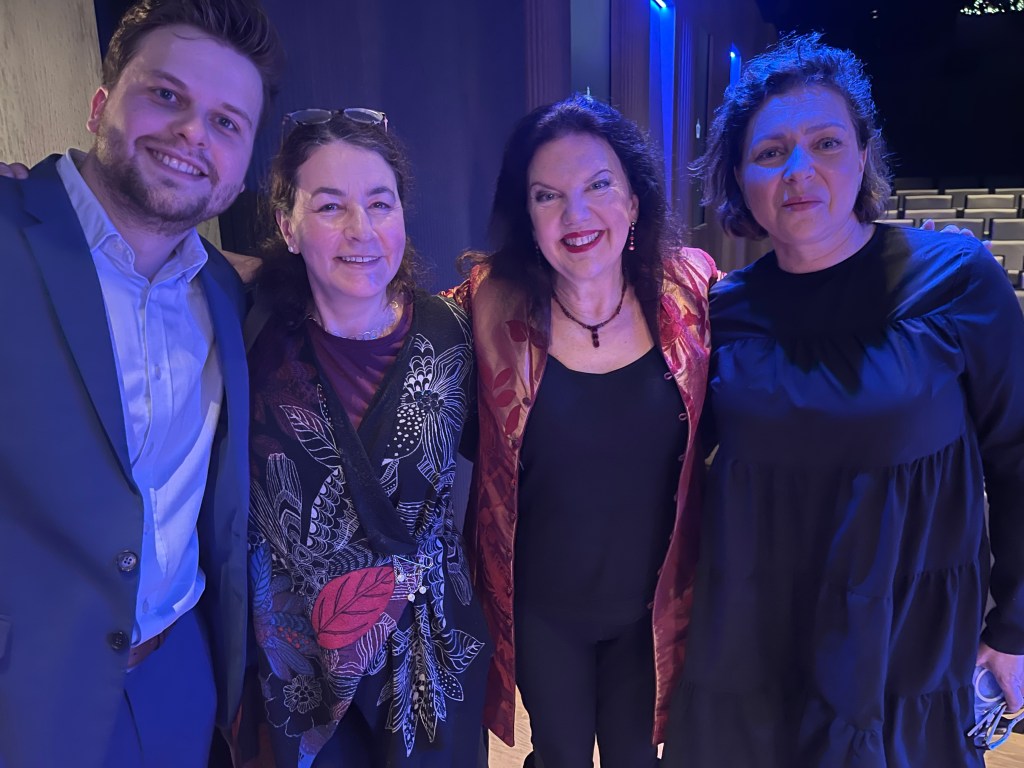
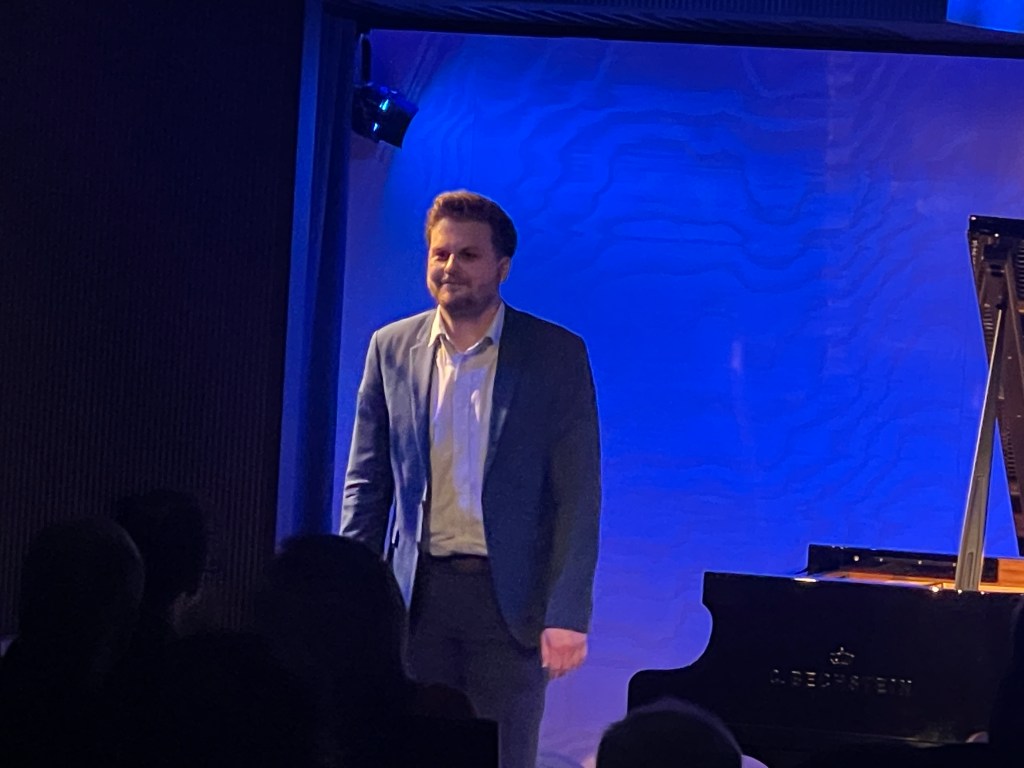
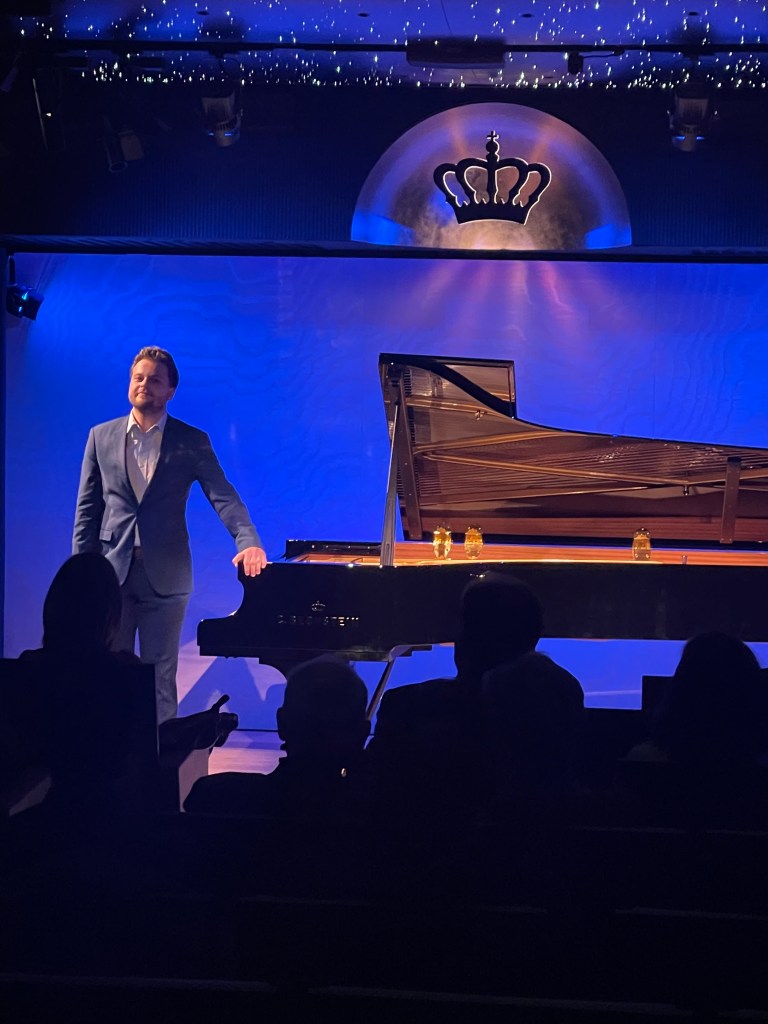
A concert in which Mara Gualandris tells the tragic Victorian tale of Enoch Arden. Richard Strauss providing the very important score for piano which was played by Valerio Premuroso. I had met Valerio in 2008 when he was the Deus ex machina of the Rina Sala Gallo International piano competition in Monza and have not seen him since.
A road accident has left him semi invalid but it certainly did not stop him from playing the very difficult piano part with mastery and poetic understanding. Still able to pedal but only with the left foot he was able to create marvels of kaleidoscopic sounds following very closely the story that was unfolding as Mara told the harrowing story of Enoch and Annie.I have had the privilege to play this work with my late wife,Ileana Ghione, all over Italy and could appreciate the hold this work has on audiences of all ages. I remember a young girl being comforted by my wife after a performance we had given in Lucca. Bruno Cagli had translated the text into Italian as only a superb musician could possibly hope to do. We only made one addition to his version and that was to make sure that the last words that were uttered were indeed Enoch Arden. Bruno was thrilled with this addition that made a very moving close to this ,the most successful of melologues or musical declamations.After my wife’s death Milena Vukotic performed the work in many cities in celebration of the only actress that has ever opened and managed her own theatre for over thirty years.Mara Gualandris recited this. moving tale with clarity and simplicity allowing the harrowing tale to unwind without any rhetorical exaggerations.Valerio too listening so carefully and adding music where words were just not enough.
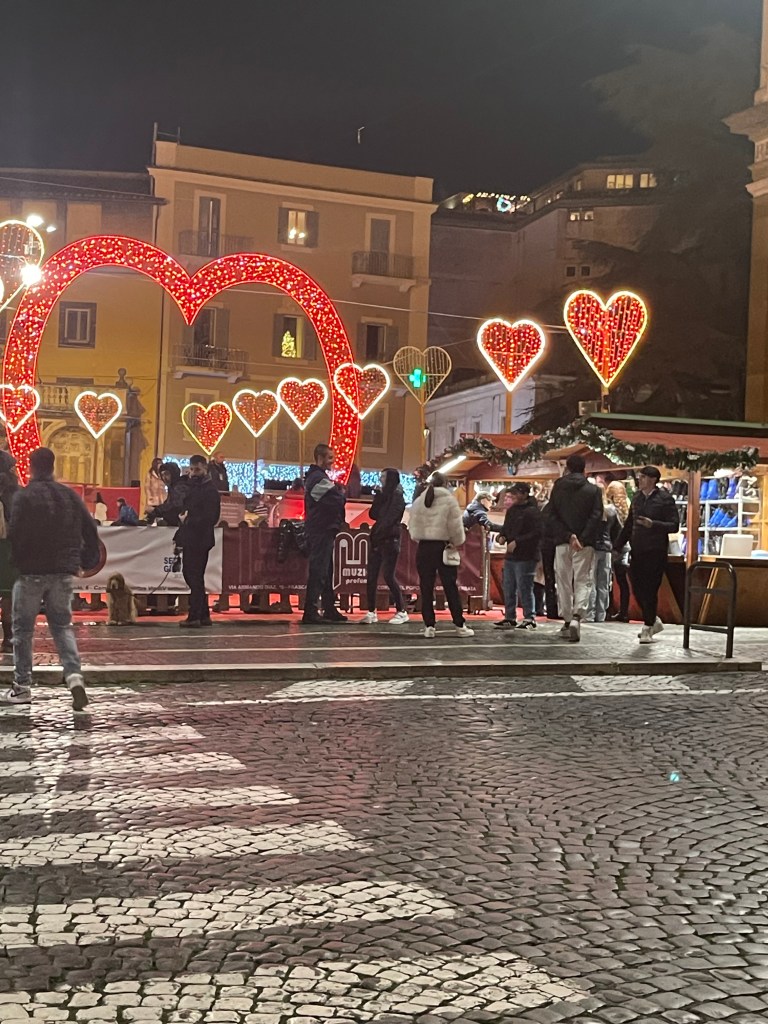
Today Frascati was in festive mood as Christmas approaches and what better way could there be for a mother to celebrate a daughter than with superb music making?
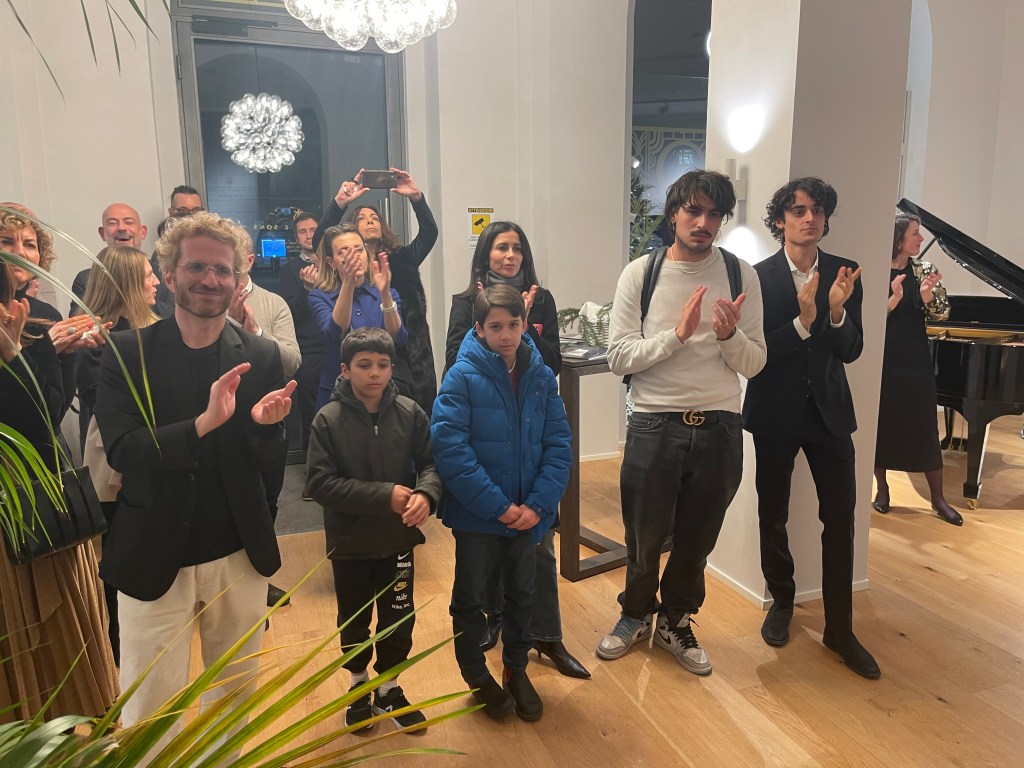
a great success brought two encores .Mara recited the poem of Gianni Rodari ‘A Magical Christmas’Valerio playing on his own a last encore that was Elgar’s ‘Salut D’Amour’ Linda Alberti and Ulrike long term residents in Frascati and avid music loversMassimo Cappello brother of Robert Cappello the first Italian pianist to win the Busoni Competition
Enoch Arden is a narrative poem by Alfred Lord Tennyson , published in 1864 during his tenure as British poet laureate The story on which it was based was provided to Tennyson by Thomas Woolner.The poem lends its name to a principle in law that after being missing for a certain number of years (typically seven) a person may be declared dead for purposes of remarriage and inheritance of their survivors.
Fisherman-turned-merchant sailor Enoch Arden leaves his wife Annie and three children to go to sea with his old captain, having lost his job due to an accident; reflective of a masculine mindset common in that era, Enoch sacrifices his comfort and the companionship of his family in order to better support them. During the voyage, Enoch is shipwrecked on a desert island with two companions who eventually die. (This part of the story is reminiscent of Robinson Crusoe.)Enoch remains lost for eleven and half years. Ten years after Enoch’s disappearance, Phillip Ray asks Annie Arden to marry him, stating that it is obvious Enoch is dead. It was not unusual for 18th-century merchant ships to remain at sea for months or years, but there was always news of a ship’s whereabouts by way of other ships that had communicated with it. Phillip reminds Annie that there has been no word of Enoch’s ship. Annie asks Phillip to agree to wait a year. A year passes, and Phillip proposes to Annie again. She puts him off for another half-year. Annie reads her Bible and asks for a sign as to whether Enoch is dead or alive. She dreams of Enoch being on a desert island which she misinterprets as heaven. She marries Phillip and they have a child.
Enoch finds upon his return from the sea that his wife is married happily to his childhood friend and rival and has a child by him. Enoch’s life remains unfulfilled, with one of his own children now dead and his wife and remaining children now being cared for by another man.
Enoch never reveals to his wife and children that he is really alive, as he loves her too much to spoil her new happiness. Enoch dies of a broken heart.
The use of the name Enoch for a man who disappears from the lives of his loved ones is surely inspired by the biblical character Enoch. In fact, also the entire chronological structure of the protagonist’s life with its cycles related to the biblical symbolism of the “days of Creation” binds to the name of Enoch, as demonstrated by the analysis of an Italian thinker long interested in this work,and denotes Tennyson’s ability to insert theological intentions into simple elegiac mode with an unprecedented complexity in English literature.
In 1897, Richard Strauss set the poem as a recitation for speaker and piano , published as his Op. 38. On 24 May 1962, Colombis Records a recording of Enoch Arden (recorded 2–4 October 1961) with Glenn Gould on the piano and Claude Rains as the speaker. The LP was made at a cost of $1500, and only 2000 copies were released. It remains a collector’s item.In 2010, Chad Bowles and David Ripley released a CD, and in 2020 a recording was made in German by pianist Kirill Gerstein and Swiss actor Bruno Ganx Conductor Emil de Cou arranged a version for chamber orchestra and narrator. This was performed with the Virginia Chamber Orchestra and actor Gary Sloan in 2010.The British actor Christopher Kent and pianist Gamal Khamis performed a semi-staged livestream performance during the 2020 lockdown and subsequently recorded a critically acclaimed CD for SOMM Recordings, which was released in 2022.
The poem is also the basis of the opera of the same name by composer Ottmar Gerster and librettist Karl von Levetzow, which had its premiere in Dusseldorf on 15 November 1936.
Magdalene Ho: an appreciation from Moritz von Bredow
Extraordinary, very idiomatic performance of Beethoven’s Bagatelles op 126 and Schubert’s late sonata in G.
Very subtle, amazing colours, the piano always singing, all pianissimi constantly without left pedal. Absolute control of rhythm and phrasing, beautifully chosen rubato, no kitsch, no wrong romanticising of expression, no exaggerations anywhere – very, very impressive. Beethoven had been completely deaf since 1819 (op 126 written in 1824), and his heavy heart which never succumbed to his depression was in Magdalene’s interpretation, and so was Schubert’s melancholy less than 2 years before his death – but he, like Beethoven, would always move on “against all odds”.
I spoke to the astonishing pianist Magdalene briefly before and after the recital, thanking her on behalf of the Keyboard Trust. She did not say much, but her eyes said all when I told her my deep impressions afterwards.
What an amazing, true artist! So shy, so quiet – and yet (as someone once said about Grete Sultan), at the piano she became a queen!
I also spoke to Maria Busch and Andrea Meyer-Borgwardt of Laeiszhalle as well as to Mrs Hiege of the Palmer Foundation. All were full of awe.
And the audience – so many bravos! One encore, perhaps Brahms (I did not ask).
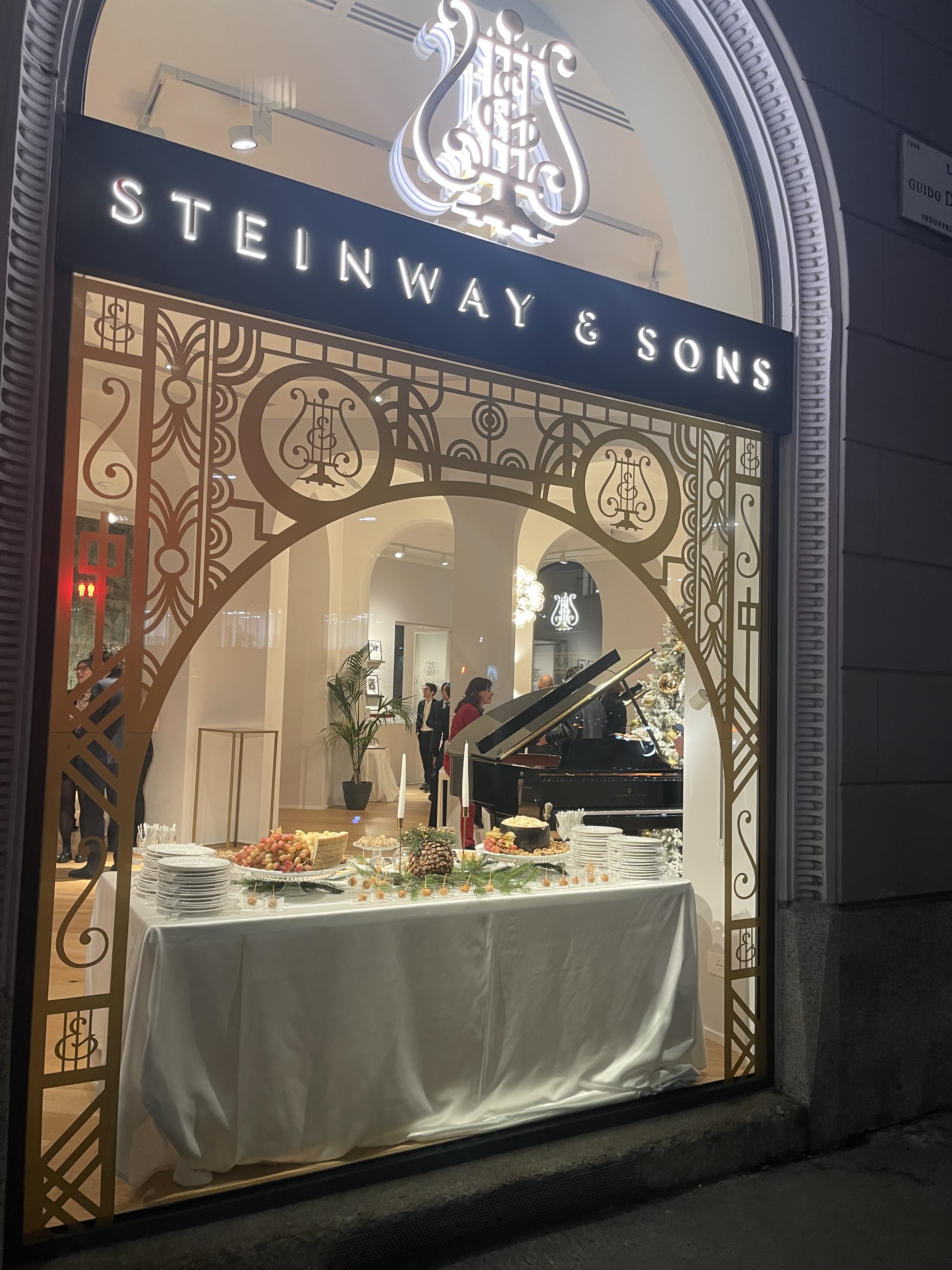
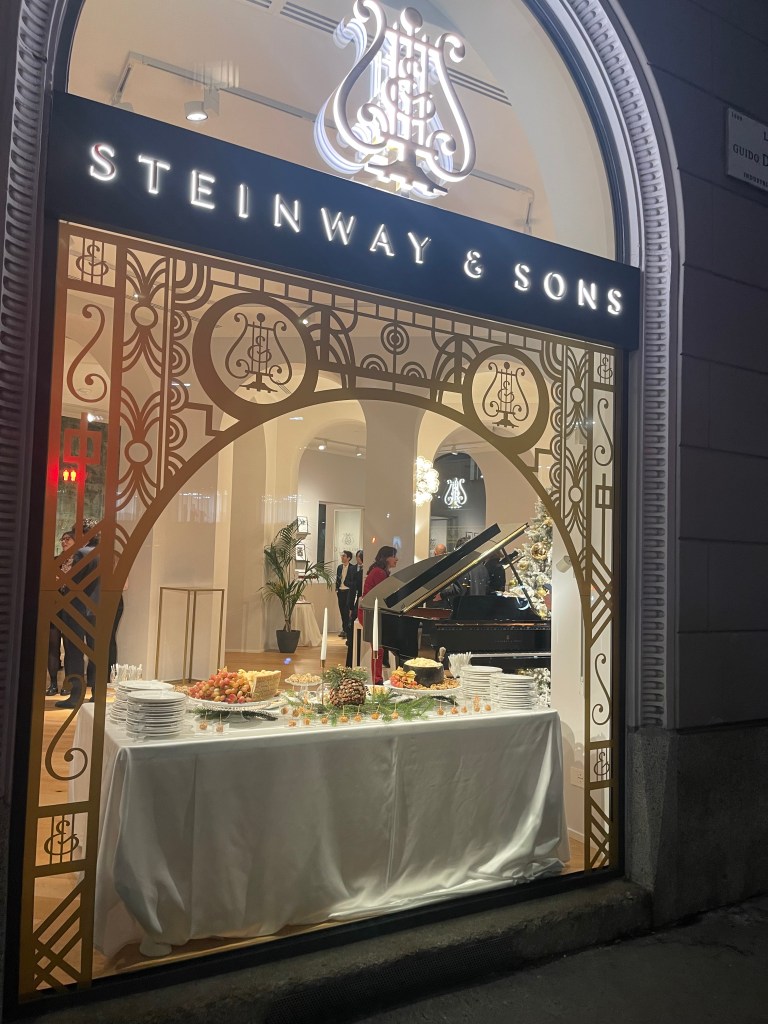
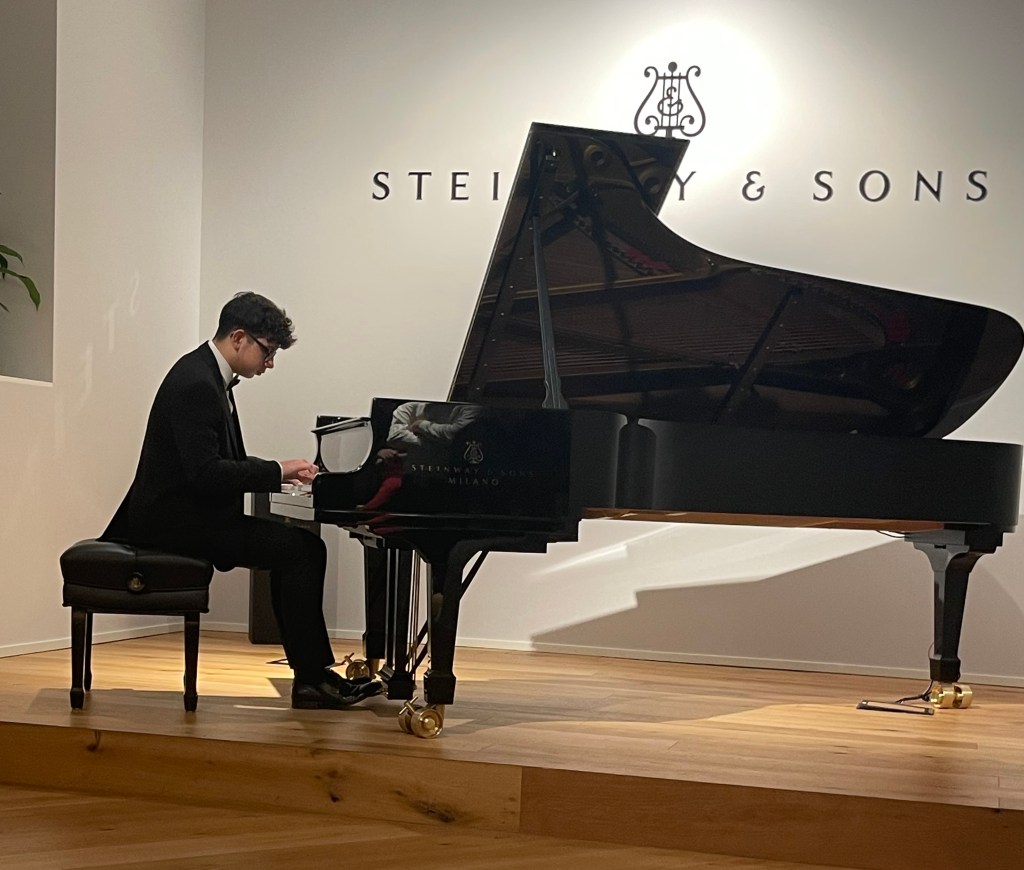
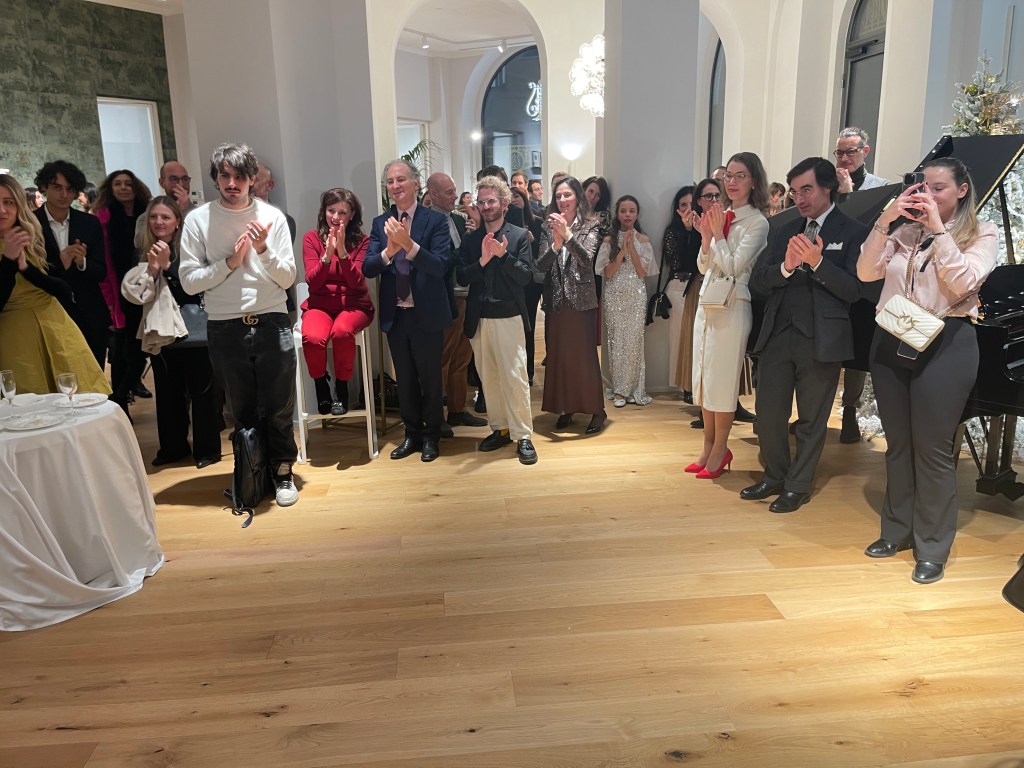
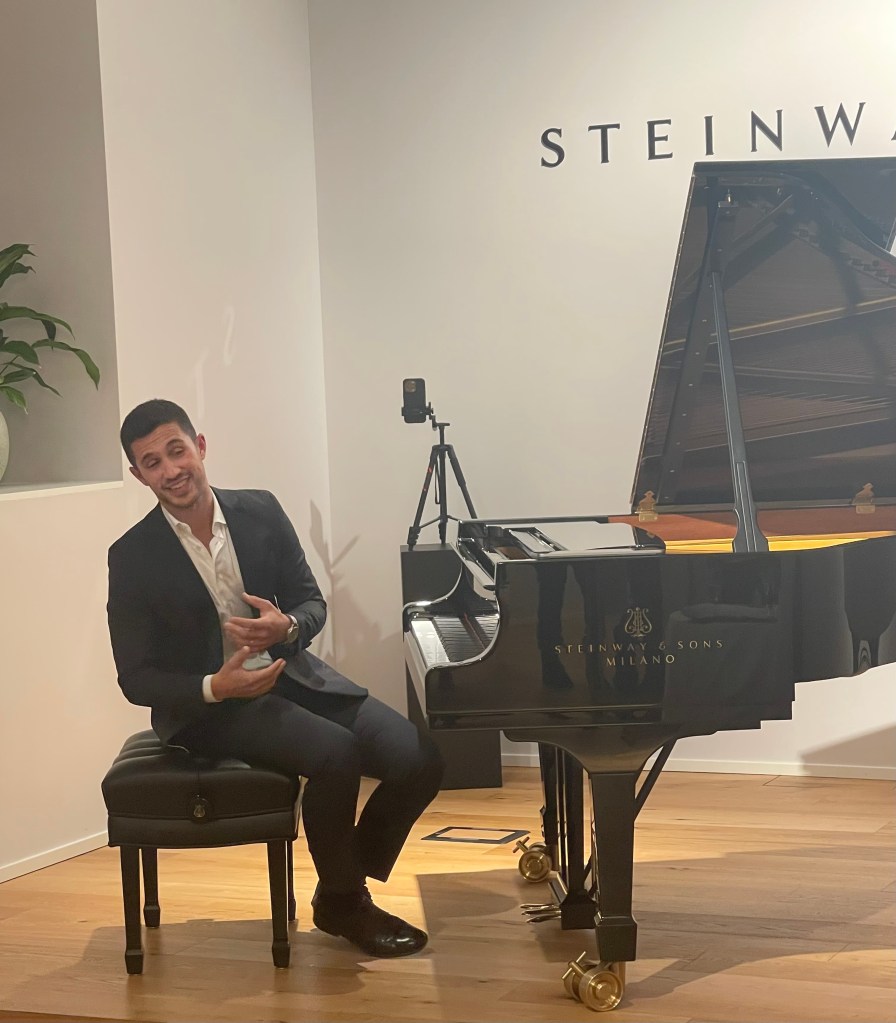
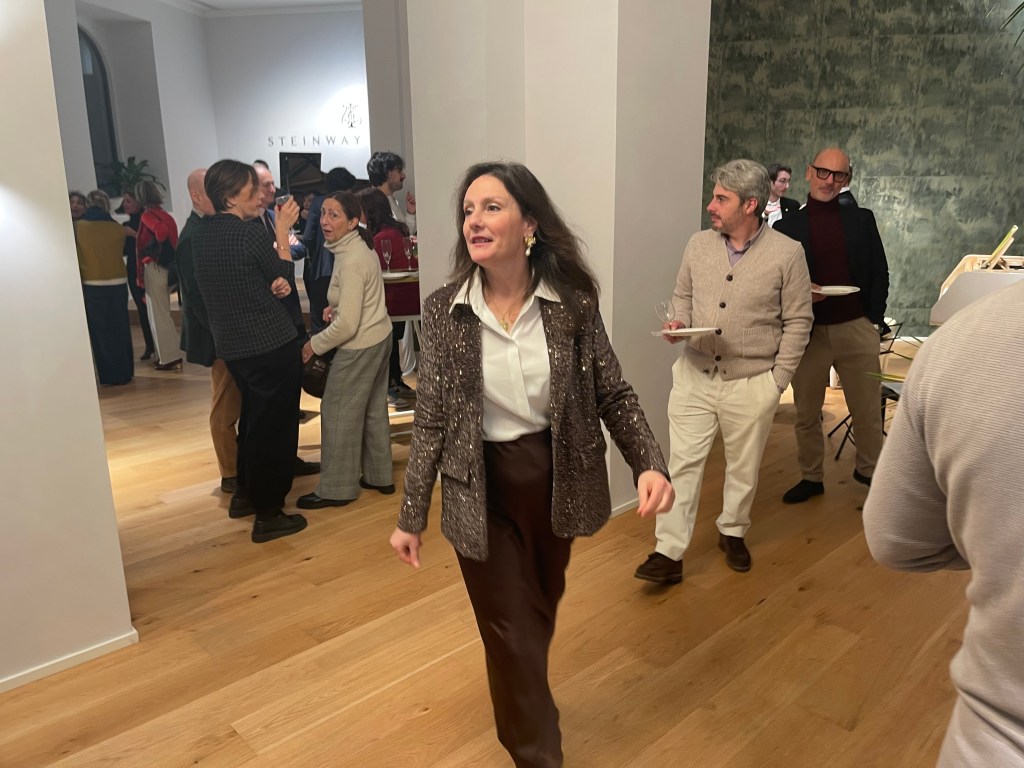
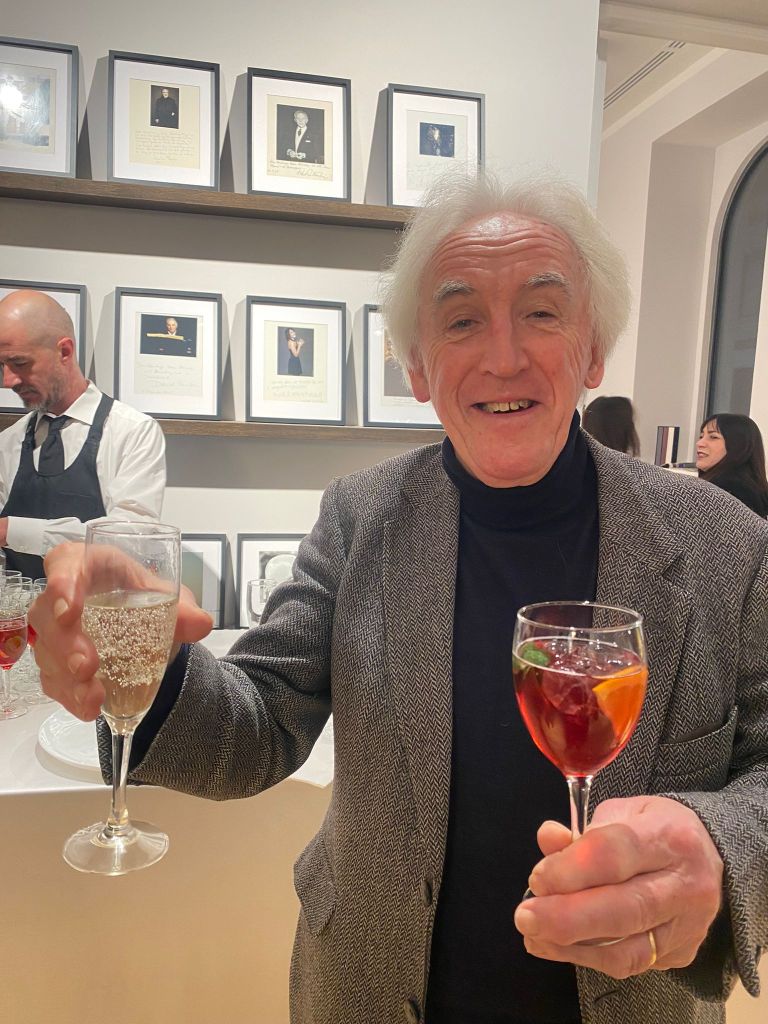
Christmas comes to Milan and Maura Romano had a treat in store for us at Steinways again this year Not only a sumptuous buffet and abundance of champagne but more importantly giving as stage to young musicians to play the magnificent Steinways on show in the Flagship store that sits in the heart of Milan.
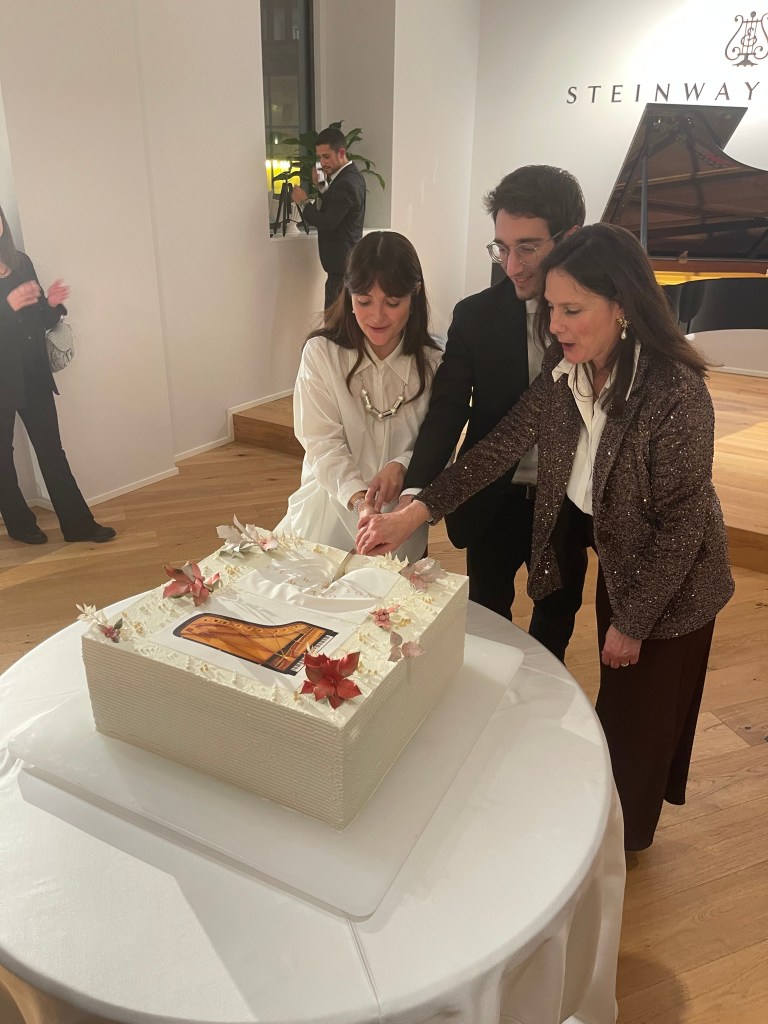
Maura ,Alessandro and Luarda , our genial hosts and more importantly Steinway representatives, were almost dwarfed by a cake that was ceremoniously wheeled into the centre of this sumptuous showroom. Like newly weds our genial trio dissected a small part of this monument and distributed it like in church to all those lucky enough to have been invited to such an extraordinarily enlightening event.
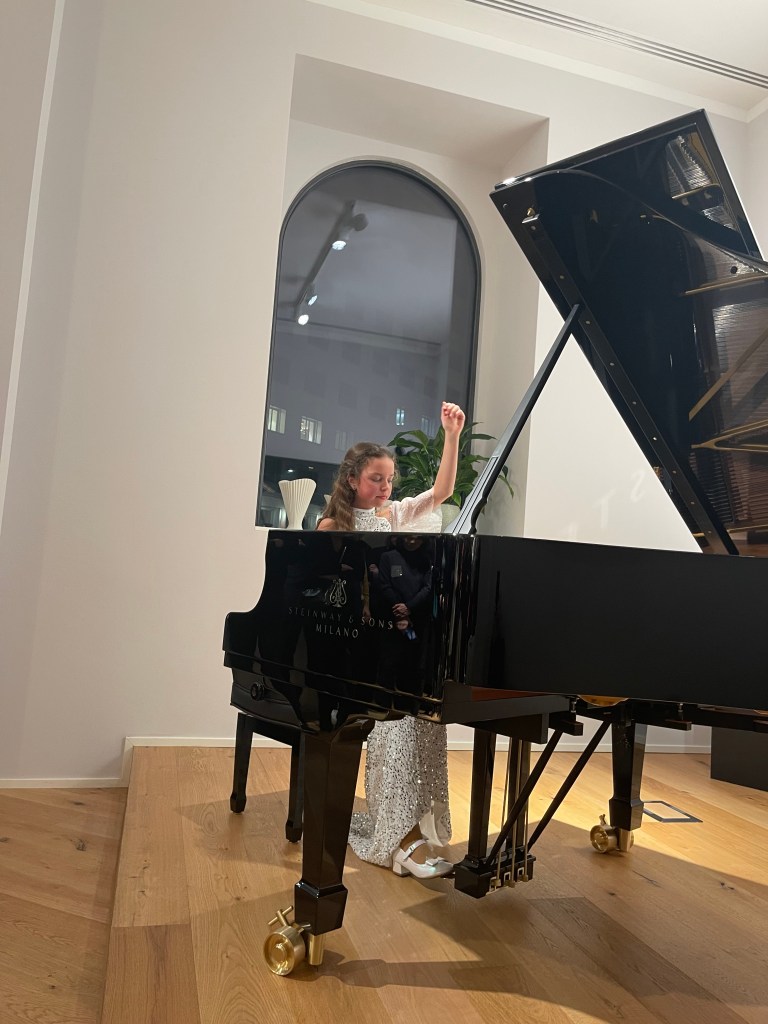
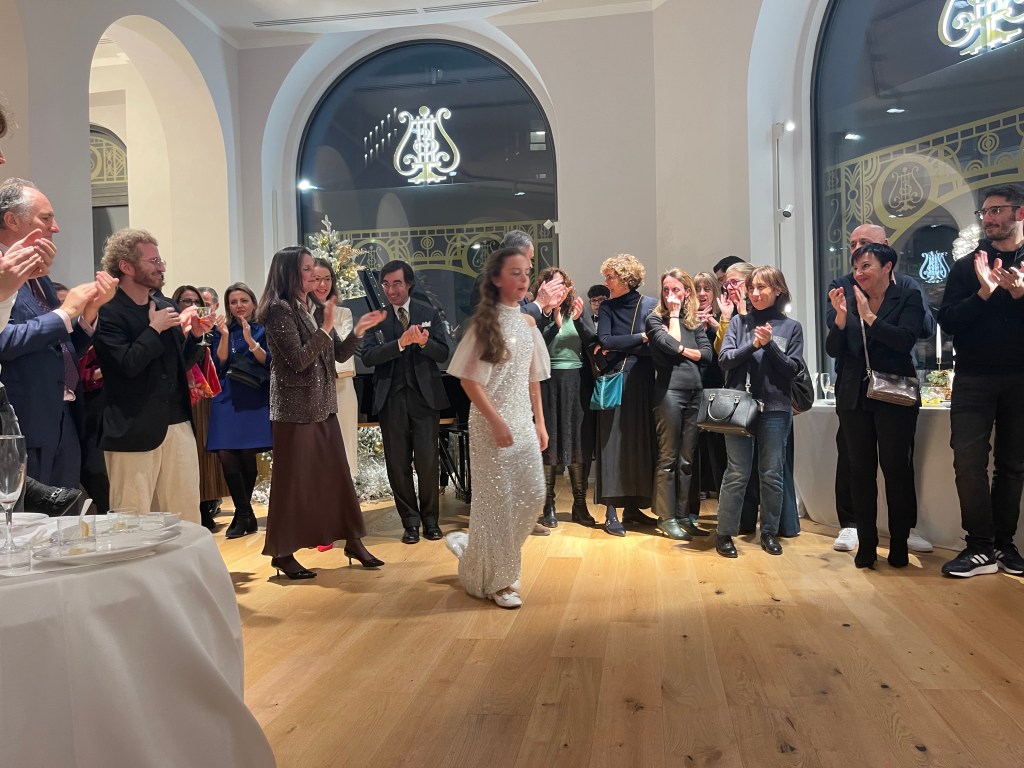
Marina Merola ,12 years old, with superb performances of Scarlatti K.1 and Granados’ Allegro de concert .Scintillating Scarlatti with ornaments that shone like jewels. Fearless romantic abandon in Granados with breathtaking streams of notes played with virtuosity and poetry The indomitable Maura Romano applauding Marina Merola with infectious enthusiasm, always ready to help young super talented musicians to come to the foreGabriele Rizzo winner of the first round of the Steinway Young Musicians Competition with some very persuasive performances of Chopin.A beautifully played Nocturne op 15 n.1 where his cantabile had the true weight of a mature musician and a Scherzo op 39 played with enviable command.Octaves played with nobility and mastery and the beautiful chorale allowed to sing accompanied by etherial bells of poetic beauty.
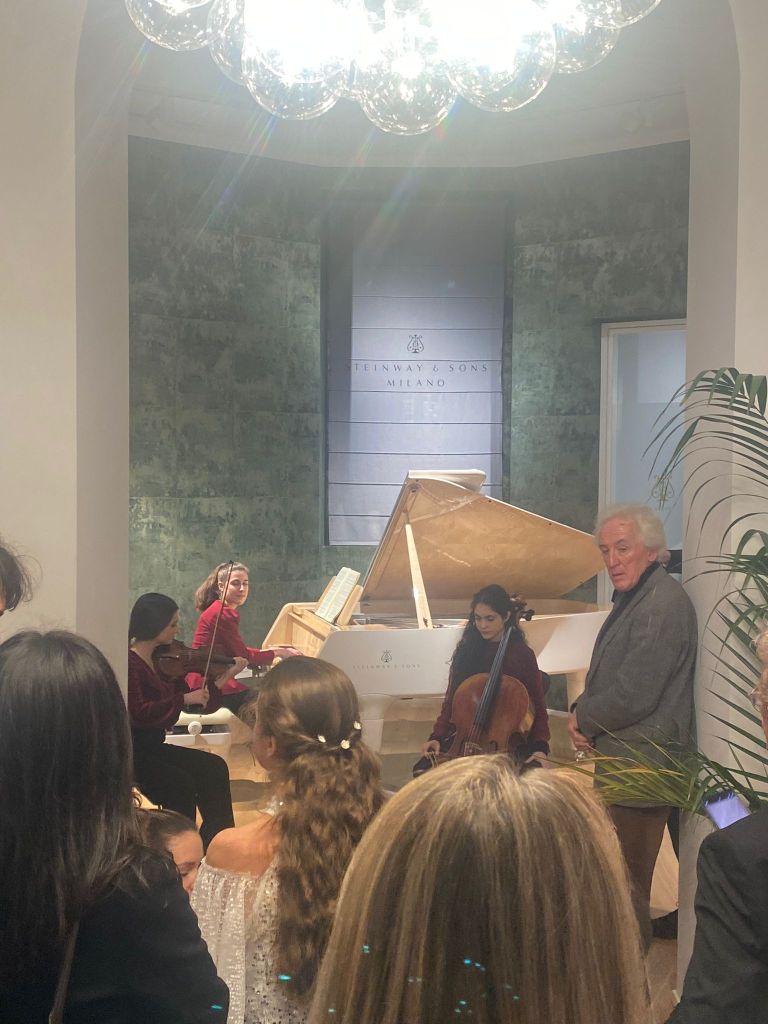
There may be the next door neighbours singing their inexhaustible hearts out as they exhibit their ‘Force of Destiny’. Here at Steinways ,though, there is a ‘Force of Nature’ in play with the twelve year old Marina Meola and veteran fifteen year old Gabriele Rizzo sharing their remarkable gifts with a discerning public . Moments of superb music making were interspersed with a sumptuous culinary feast. The Trio Hermes ,winners of the Chigiana Award this year and ready to play at the Quirinale on Sunday, gave a radiant and passionate account of a movement from Brahms Trio op 101 on a designer piano that also had a sumptuous voice of it’s own and is ready and waiting to be possessed by an eclectic piano connoisseur.
A discerning public gathered to celebrate Christmas in music Steinway styleTrio Hermes,winner of the Chigiana award last summer.Ginevra Bassetti (violin),Francesca Giglio (violoncello),Marianna Pulsoni (pianoforte) with Filippo Michelangeli of Suonare News.A magnificent performance of the last movement of Brahms Trio op 101 that they will repeat on RAI 3 Sunday in a concert broadcast live from the Presidents’ Palace at the Quirinale in RomeThe genial and greatly talented Francesco Parrino playing four hands with himself thanks to the marvels of the Spiro piano. What fun we had guessing the sound tracks from the films that he played with such ‘joie de vivre’ and considerable mastery.
After the extraordinary fun that Francesco Parrino offered us playing duets with the phantom Spiro piano, a monster cake suddenly appeared.
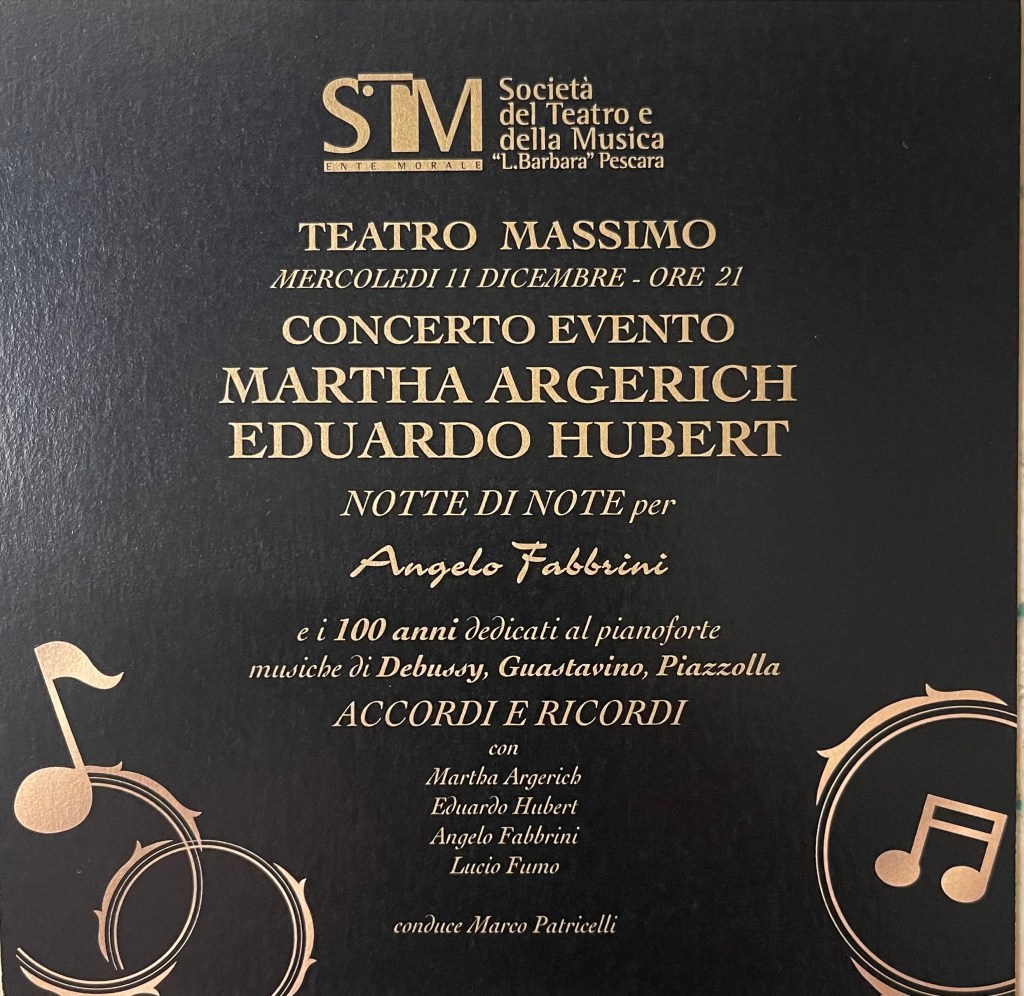
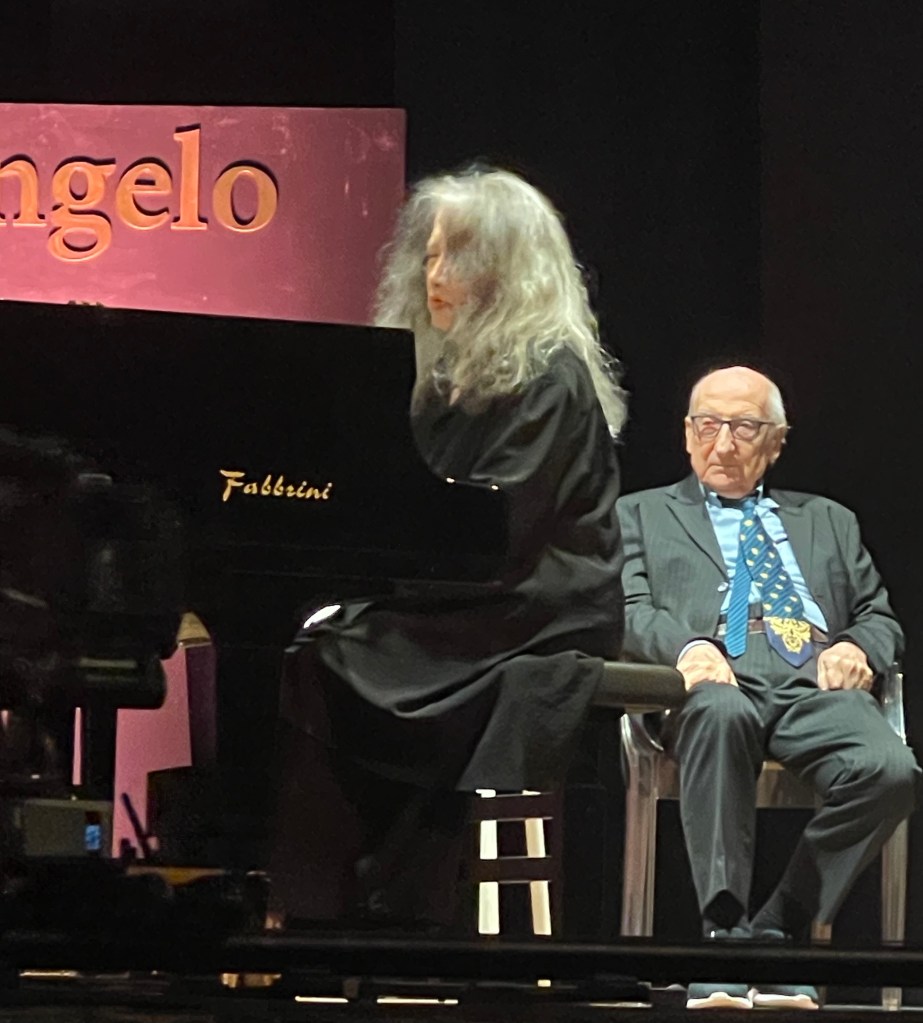
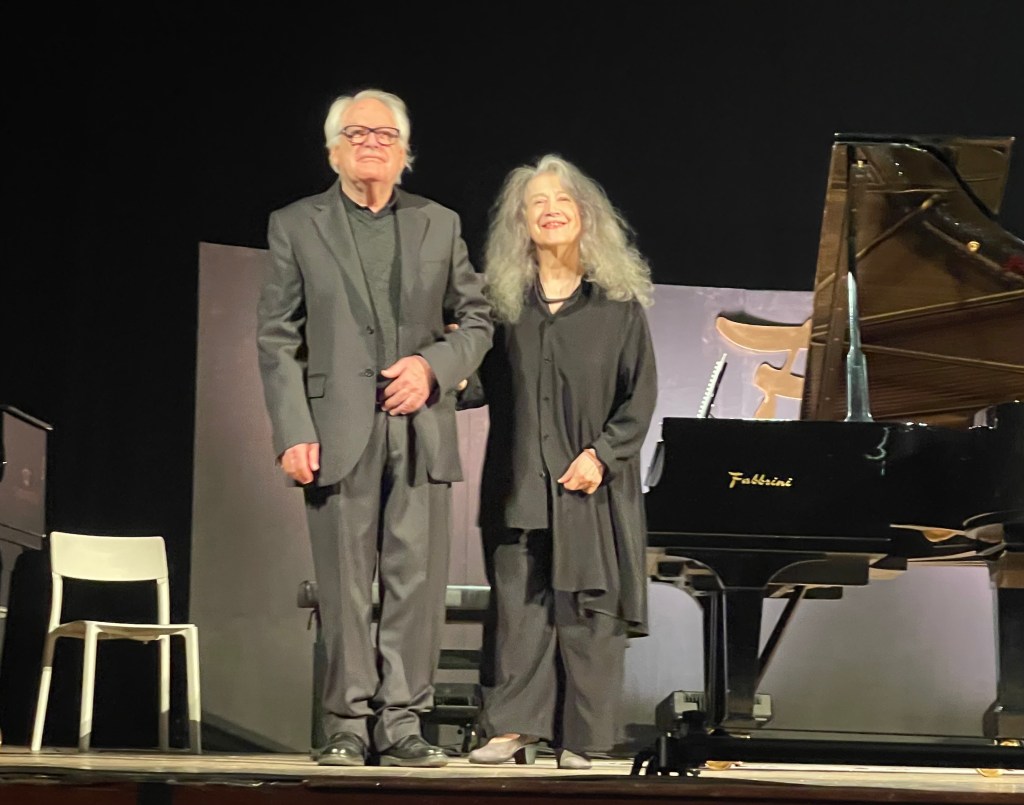
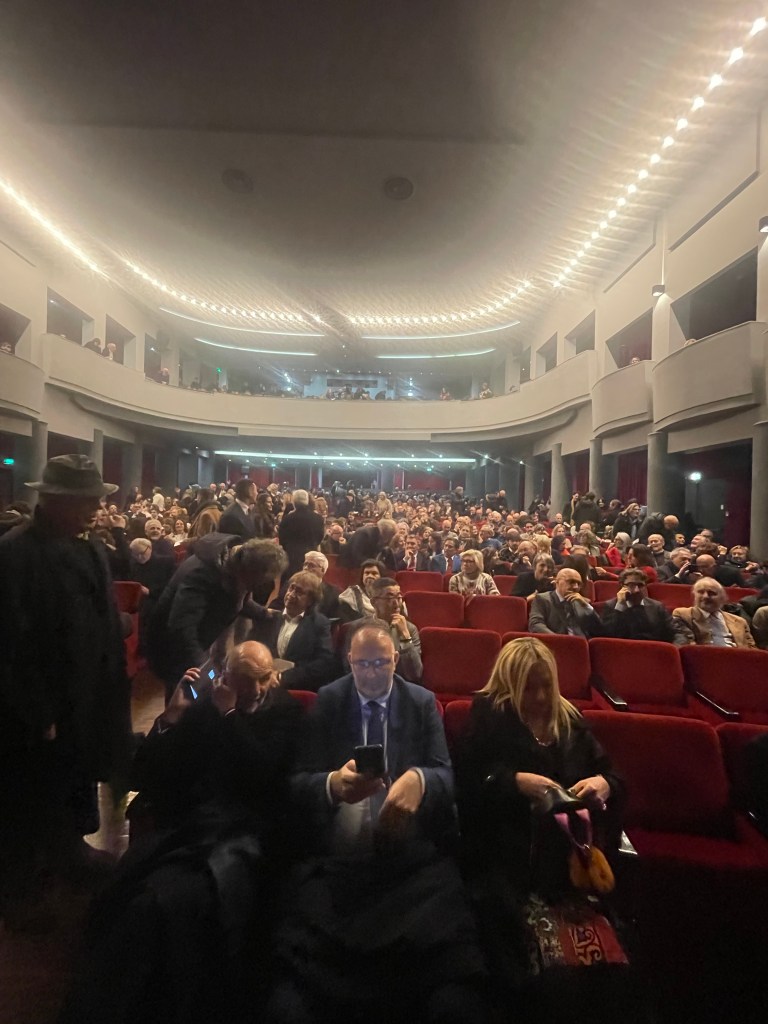
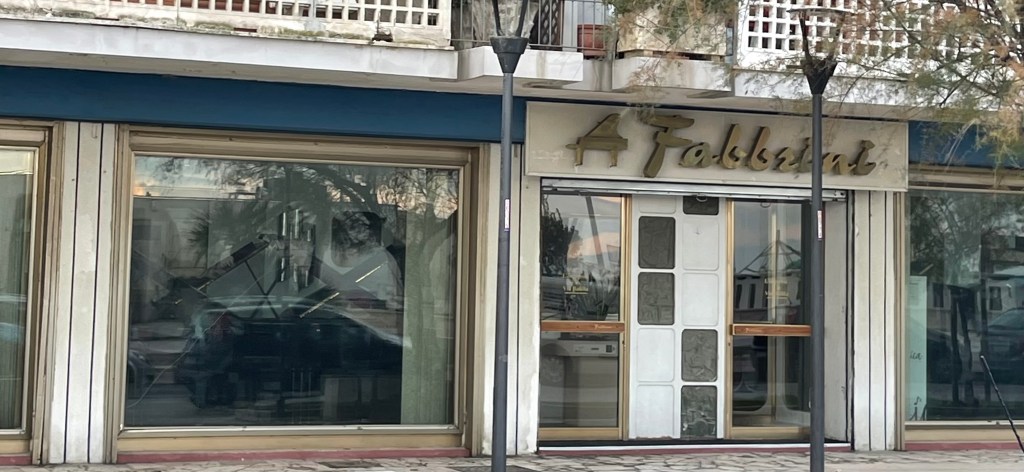
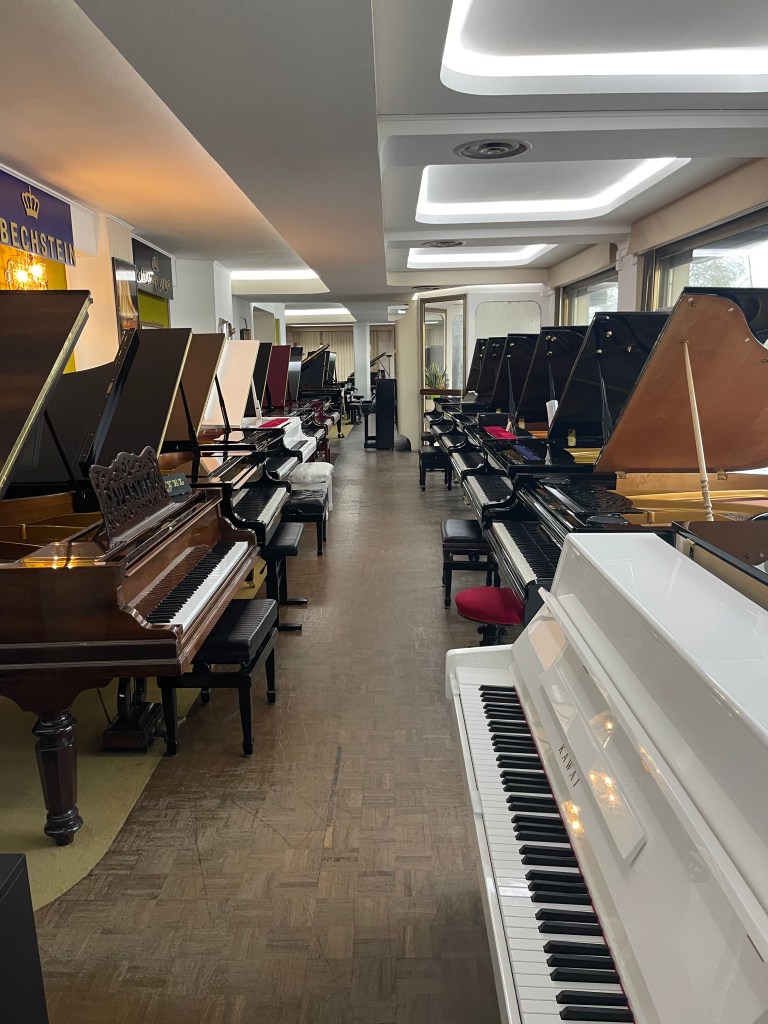
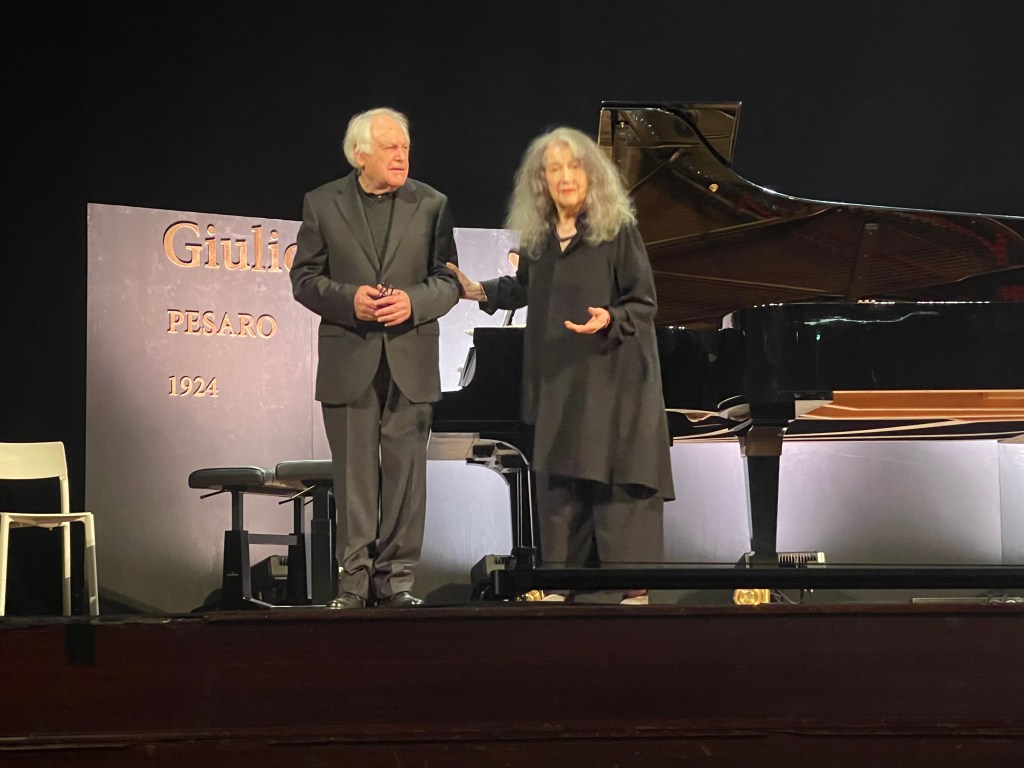
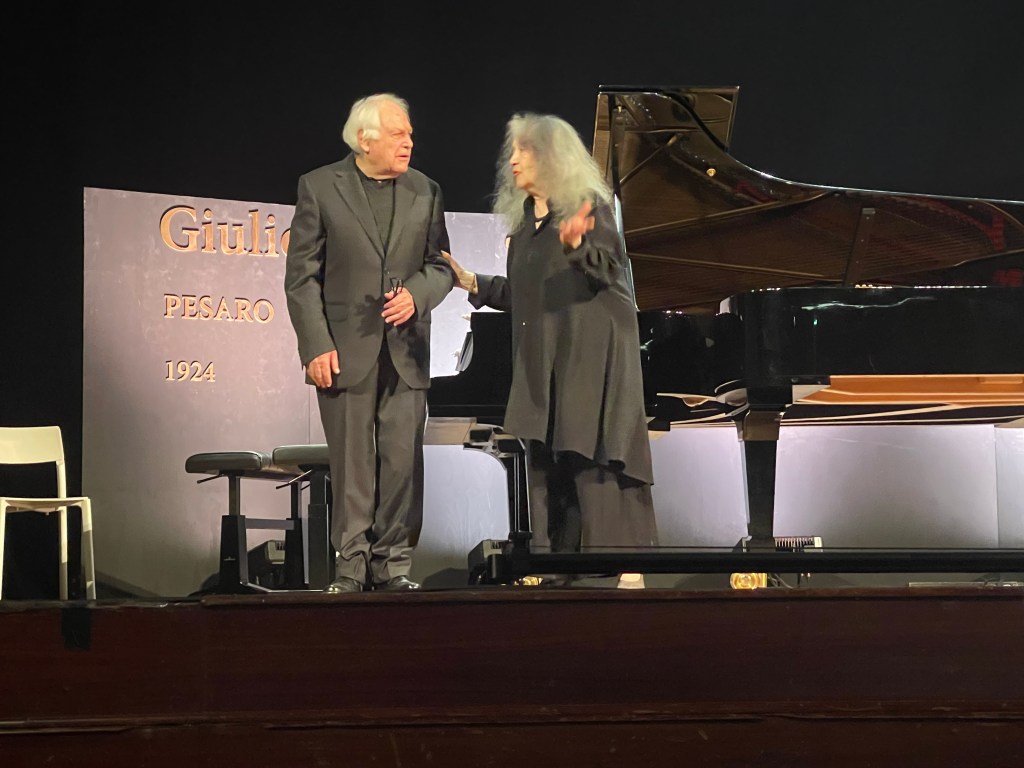
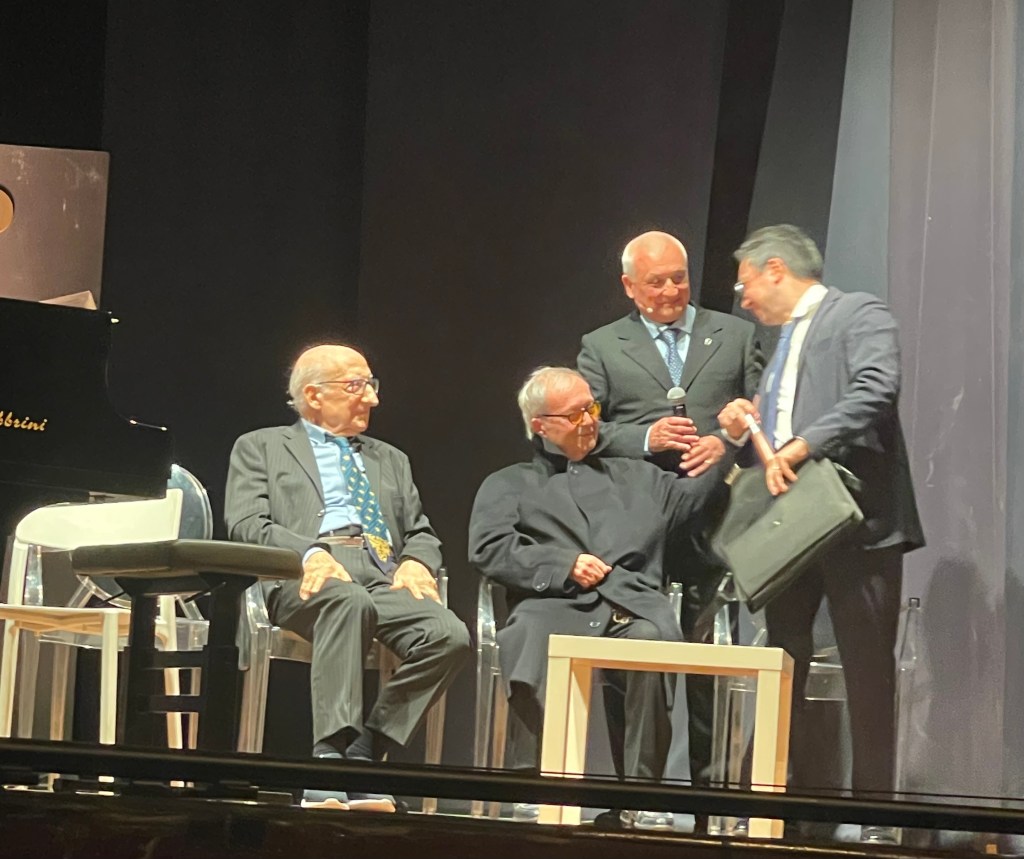
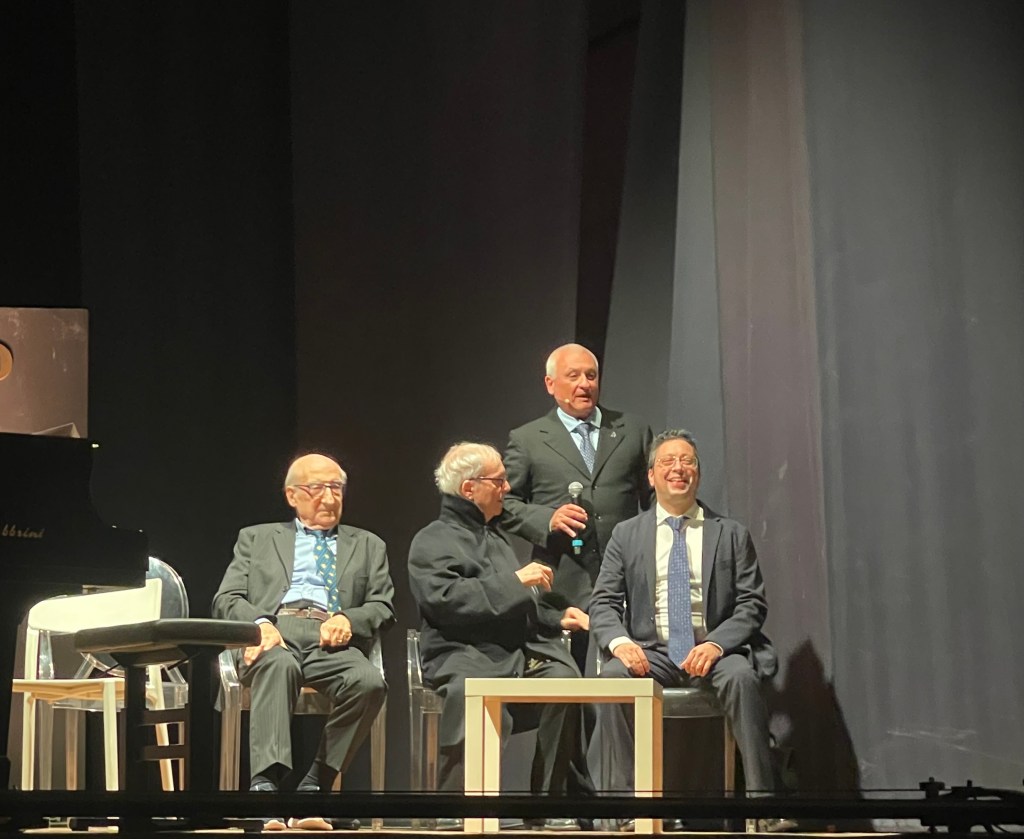
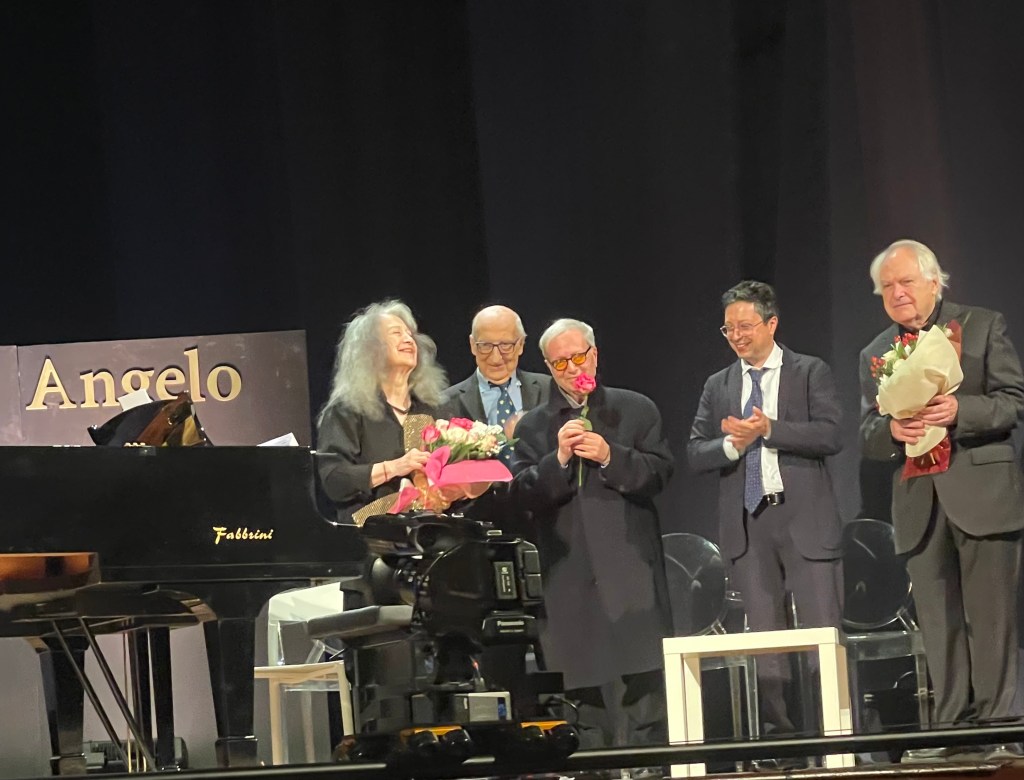
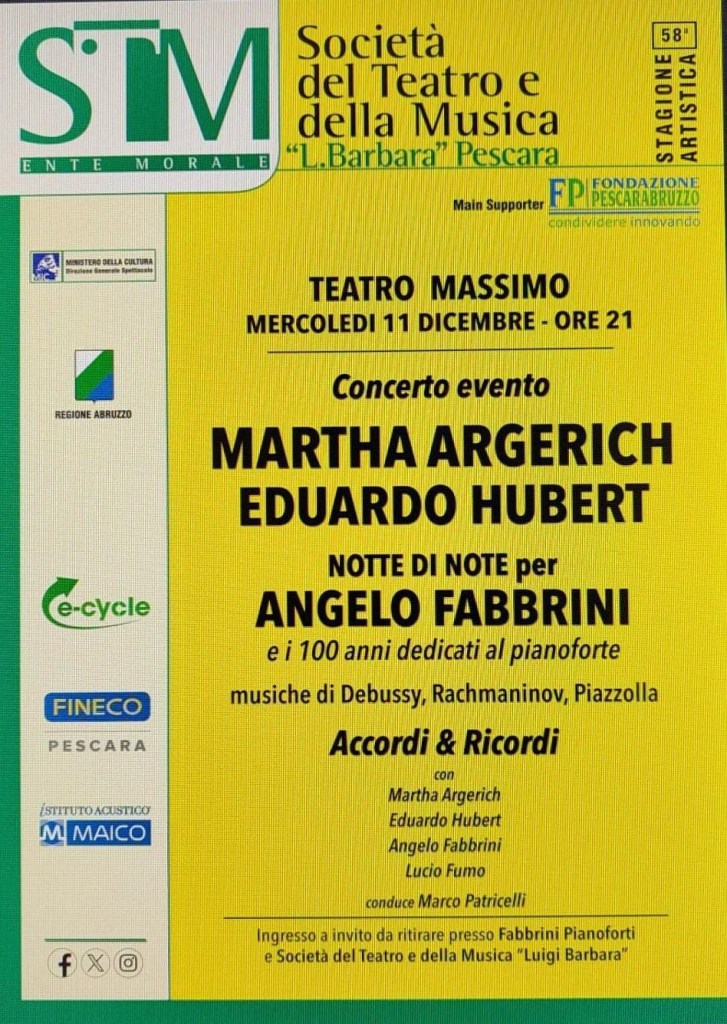
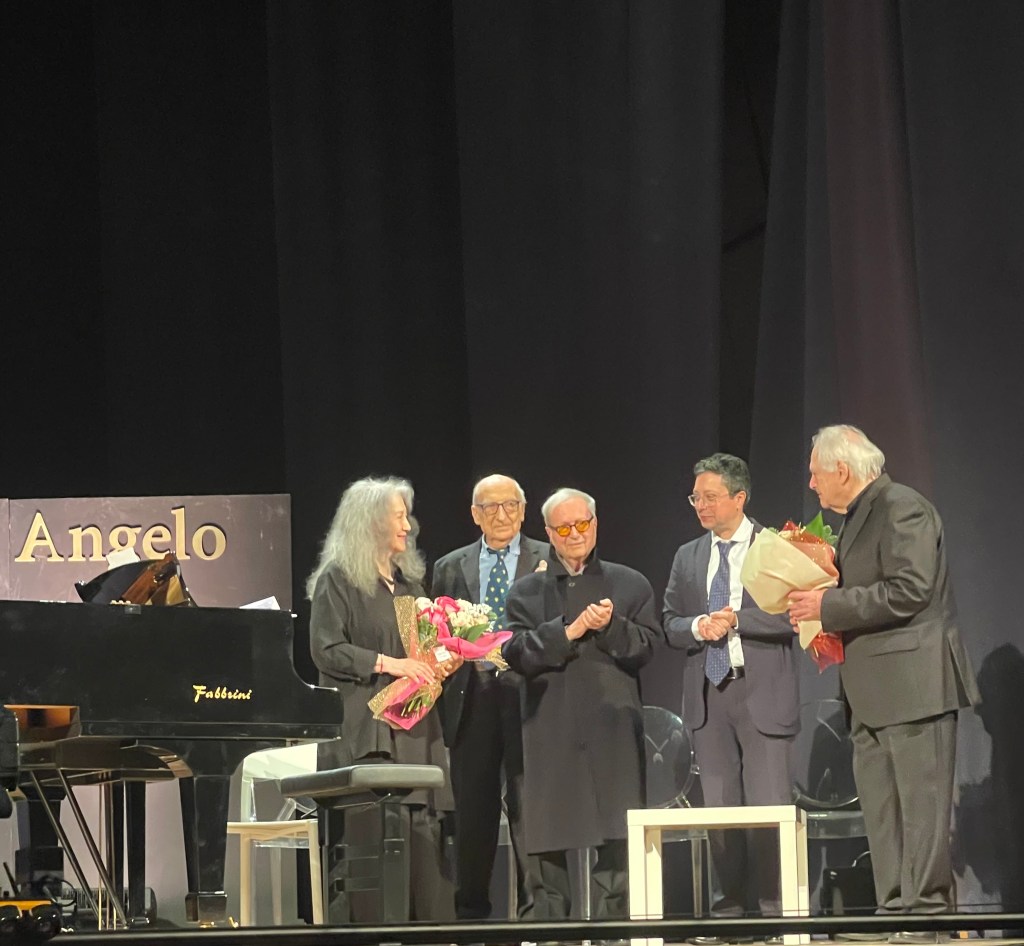
When the Queen of the Keyboard greets the Prince of Pianos there is the magic of a lifetime in music that ignites the air. The musical world congregated in Pescara to salute and thank Angelo Fabbrini in his 90th year ! A duo recital between friends to celebrate the 90th year of Angelo Fabbrini and the 100th anniversary of Fabbrini pianos founded by Angelo’s father Giulio.
A spontaneous concert of music making to honour and celebrate a man who has dedicated his superb artistry to some of the greatest pianists of our time escorting them around the globe offering a finely tuned piano that could even satisfy Arturo Benedetti Michelangeli.I would often see Angelo Fabbrini tuning the piano during the interval of concerts for Pollini in Rome,London or even New York.He even insisted one year that I come back stage to meet Sokolov.
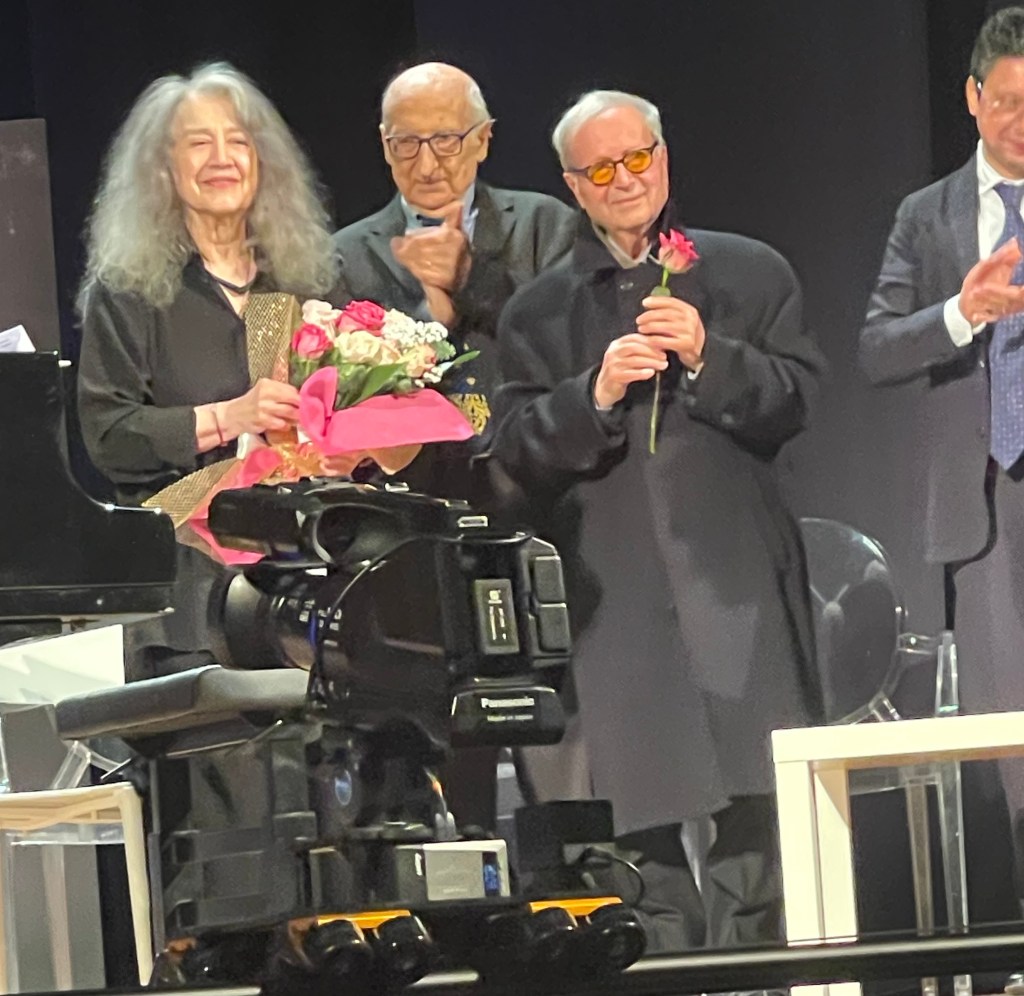
Tonight Martha Argerich had flown in especially to pay homage to a man who has meant so much to her and so many great artists. A concert with her childhood friend Eduardo Hubert with a spontaneous choice of repertoire that lead to some friendly discussions on stage.
Opening with Ravel’s two piano arrangement of Debussy’s magical ‘L’Après-midi d’une Faune’ there was immediately the magic that only Martha can create the moment she sits at the piano.The first movement of Ravel’s ‘Ma Mère L’Oye’ :’Pavane de la Belle au bois dormant’ was played with the same exquisite beauty of rarified sounds and refined poise.
Solo piano too for both pianists before they joined forces for Eduardo’s own arrangements of Tangos by Guastavino and Piazzolla. Friendly discussions over which order they would play them lead to some sumptuous performances of beguiling insinuating sounds full of the atmosphere of Buenos Aires where they had both spent their childhood.
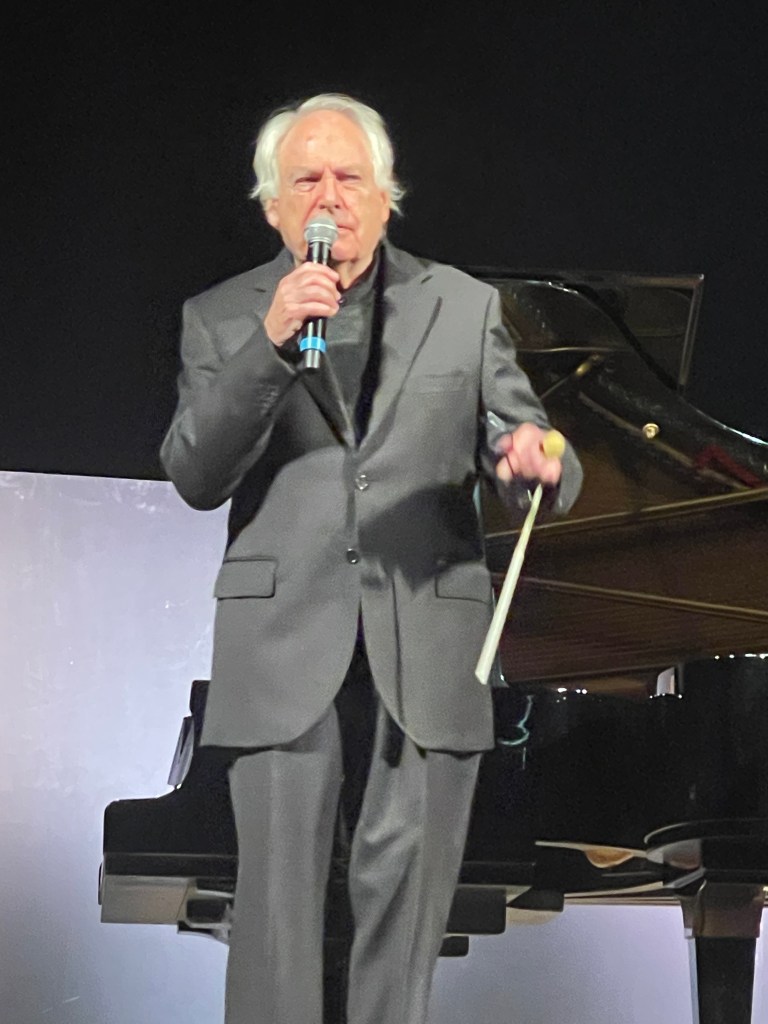
Eduardo had earlier appeared with a drum stick to play one of his solo compositions – looking Angelo Fabbrini in the eye as he very discreetly searched for sounds under the bonnet of Fabbrini’s own magnificent Steinway ( the first piano that he had restored and has never allowed to leave his shop).
Eduardo is a very sensitive artist who I have known for over fifty years since we were all pianists studying in Rome in the early 70’s with Zecchi, Agosti or Zadra.Some beautiful sounds played with great respect for the beautiful instrument that stood between him and Angelo!
Martha appeared and played some solo pieces which she rarely does except on very special occasions.The ‘Gavotte’ from Bach’s English Suite in G minor was played with a kaleidoscope of sounds but always of great style which is the marvel of this giant of the keyboard that she can be so free but also so respectful of the composers wishes.This was Bach where the ink was still wet on the page.
Swopping over pianos to be near Angelo Fabbrini and Lucio Fumo (who created the Society dedicated to Theatre and Music in the ’60’s and is still very much at the helm!) ,Martha played with youthful energy Schumann’s Traumes Wirren from op 12. Played with bewitching colour and enticing jeux perlé, the same that her great friend Shura Cherkassky had done on this very stage thirty years ago when I brought him from Teatro Ghione in Rome to play for Lucio Fumo. Our theatre company lead by my wife Ileana Ghione was often invited to play in Pescara by Dr Fumo who became a great friend and admirer of our activities in Rome. Martha had now joined in the party atmosphere and played the Scarlatti Sonata in D with dynamic rhythmic energy and lightness turning a bauble into a gem of jewels that sparkled as never before.The first of Schumann’s Kinderszenen of ‘Distant lands and places ‘ was played with a poetic freedom that only the greatest of artists can share.
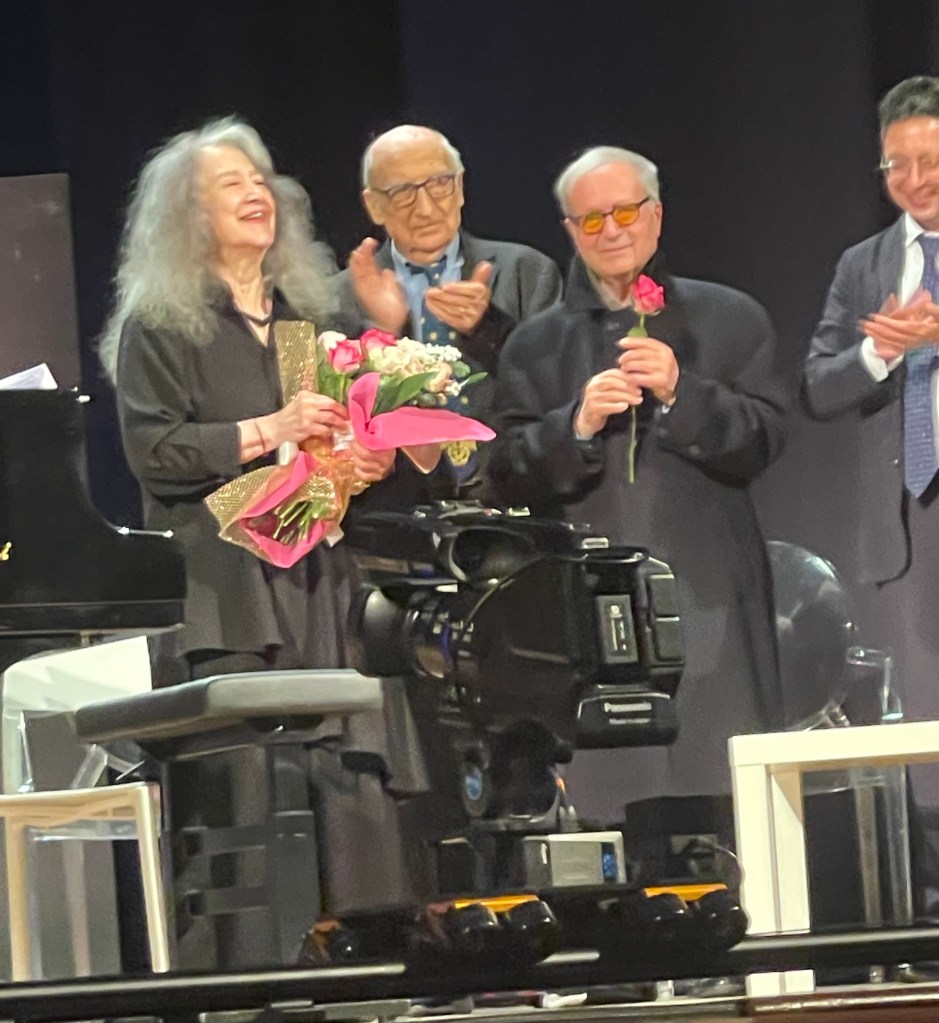
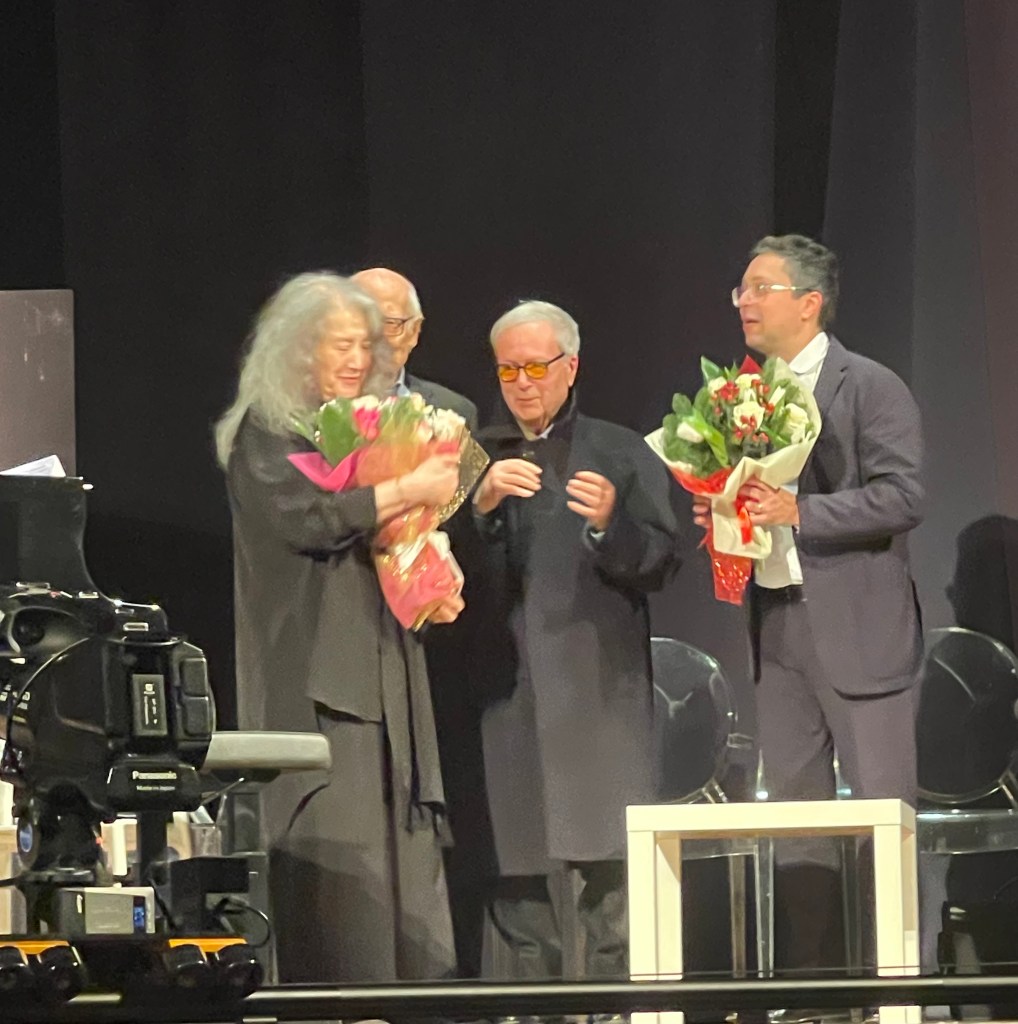
Flowers for Martha and Eduardo from which Martha took a beautiful red rose to give to her lifetime friend,Angelo.
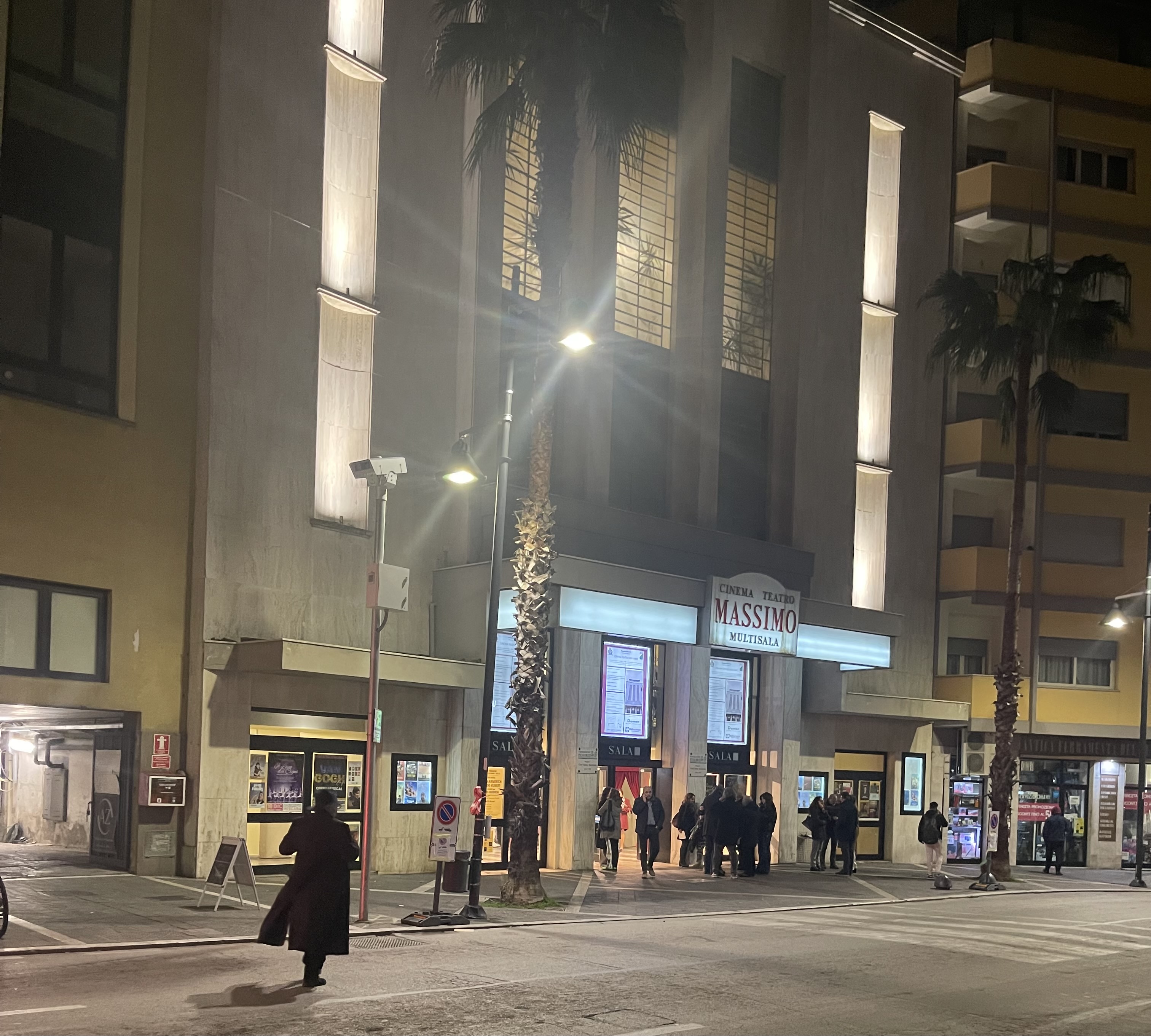
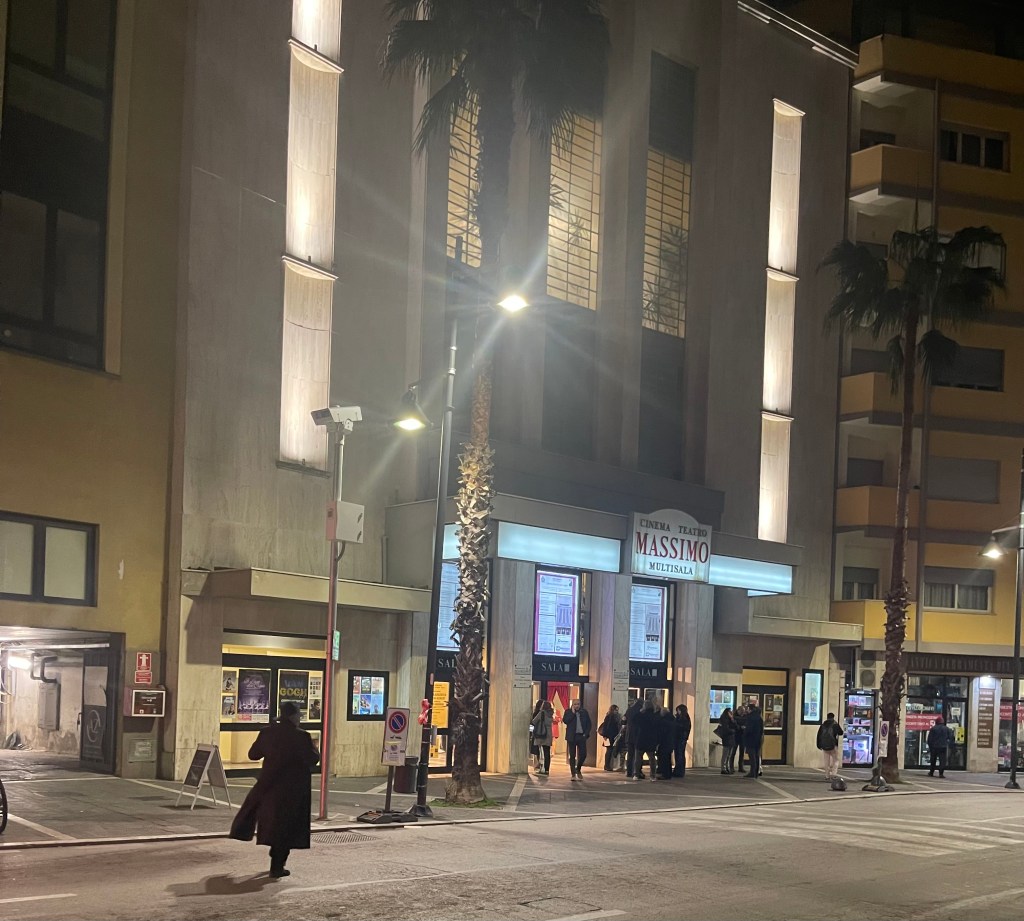
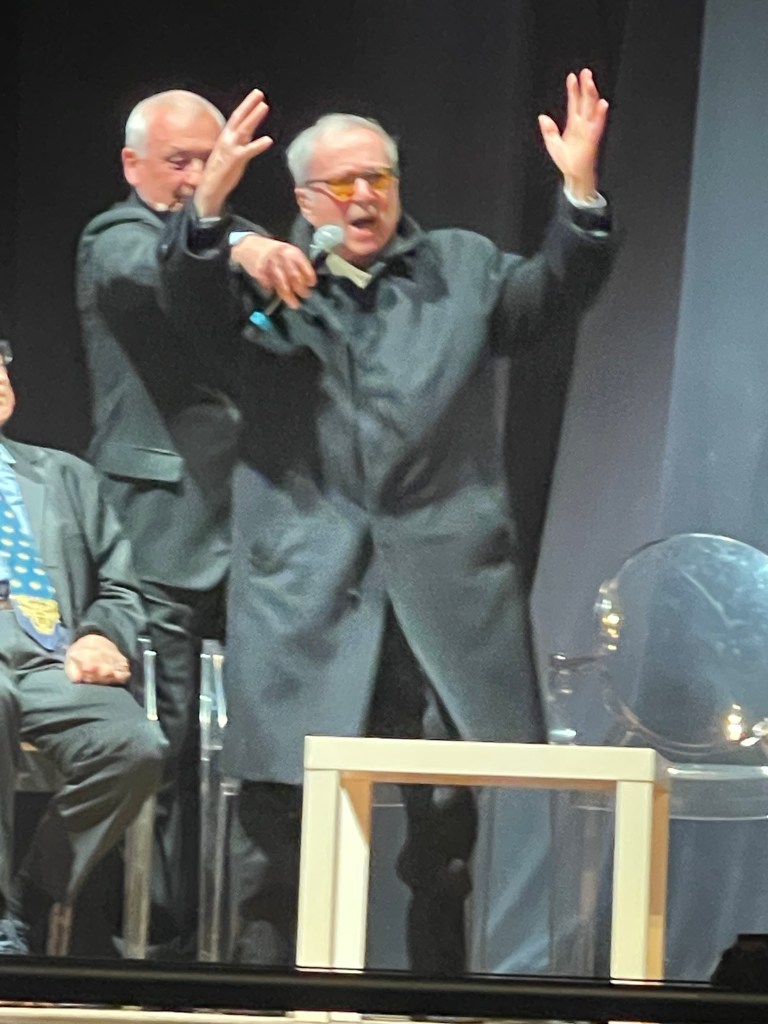
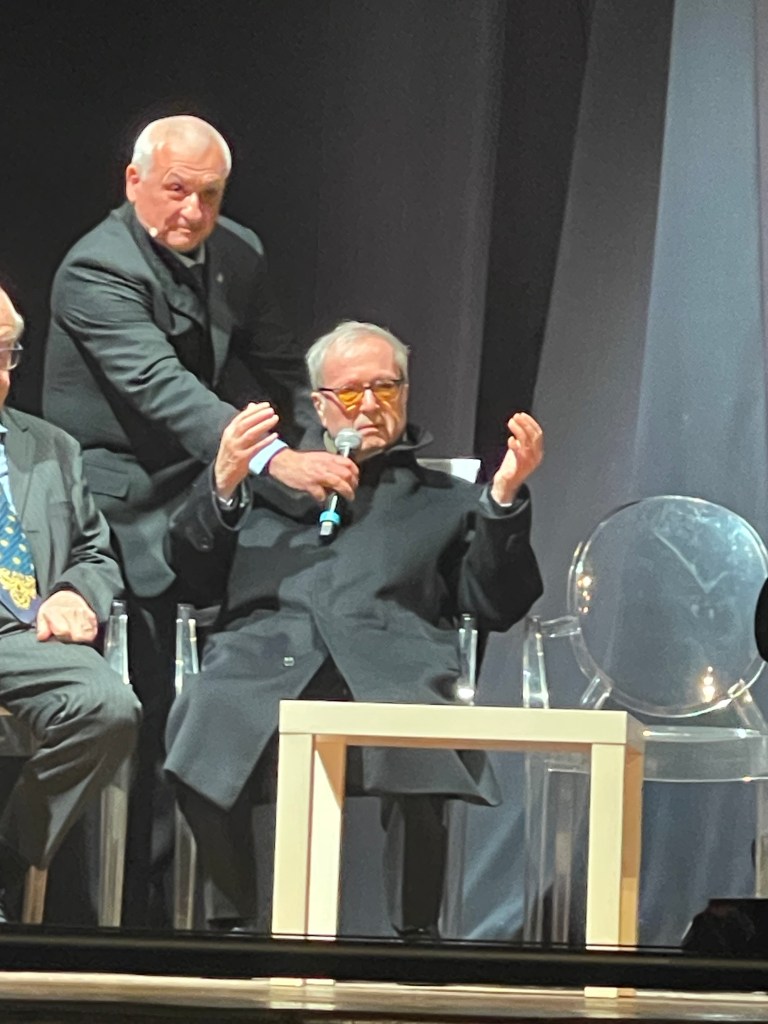
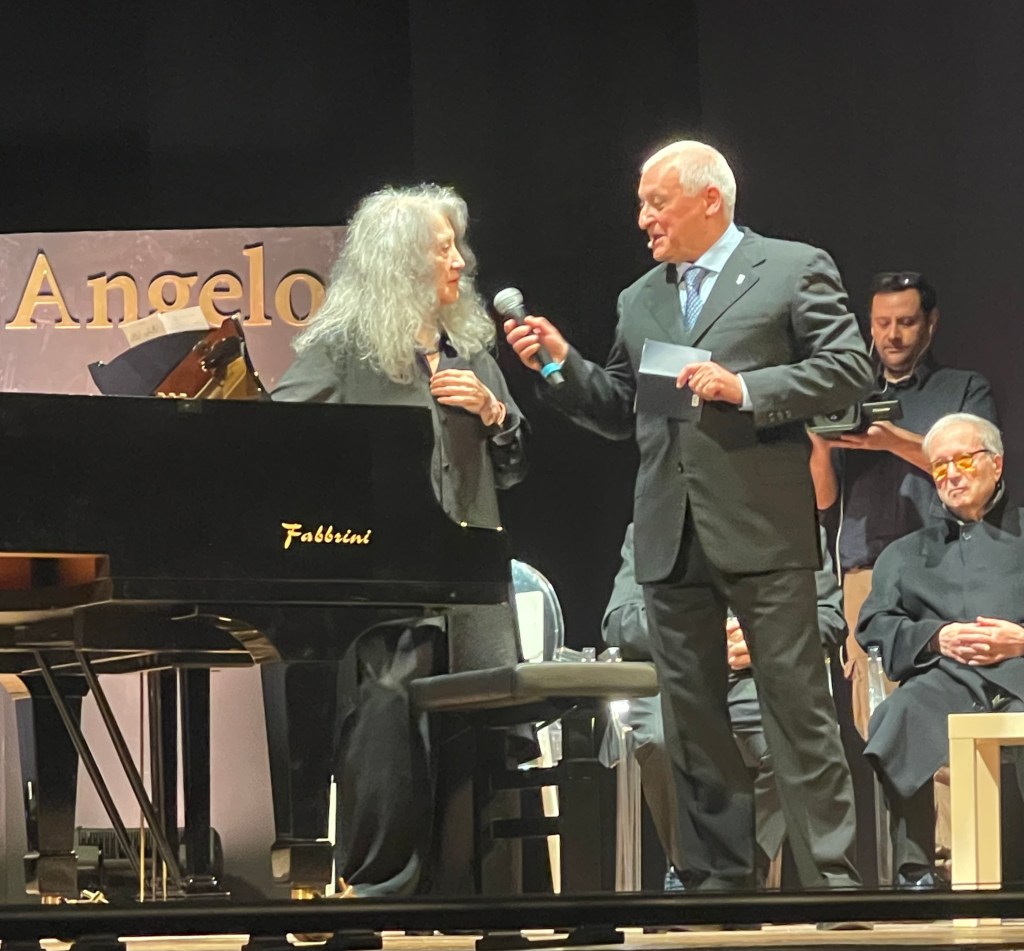
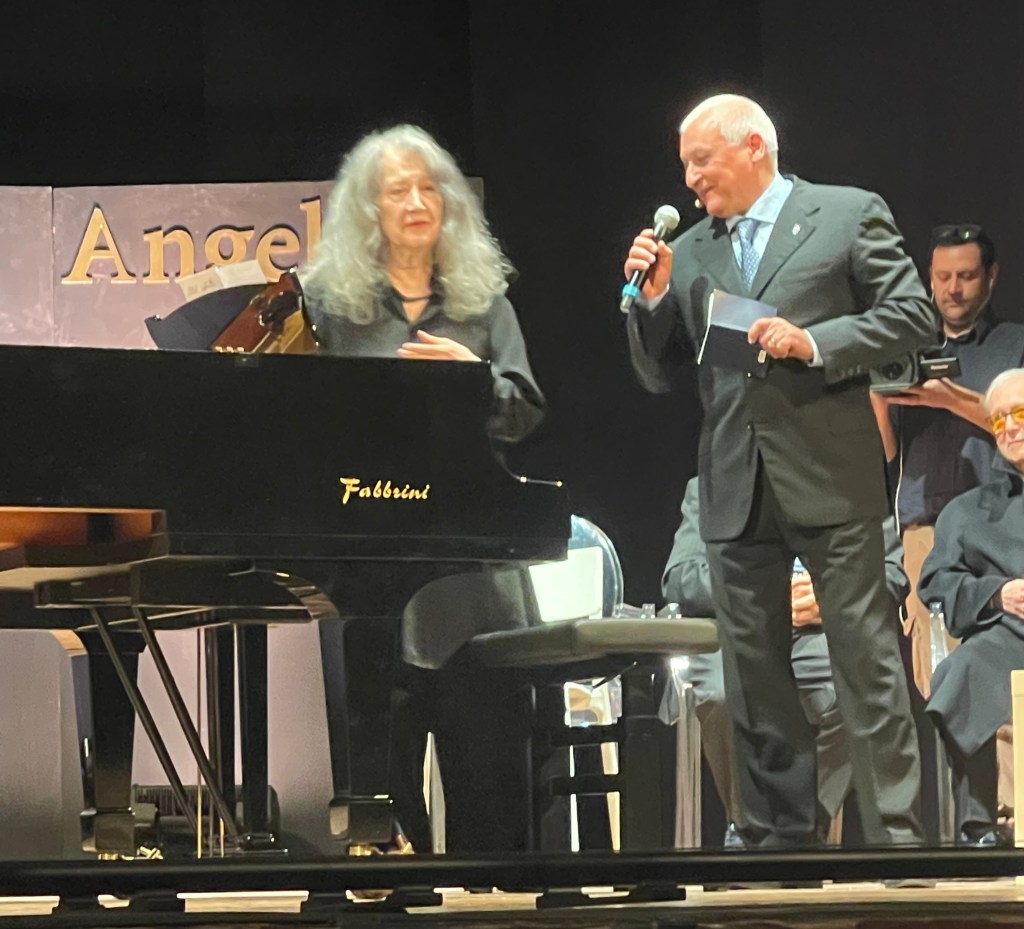
There had been, though ,short interviews with Lucio Fumo about his activities of bringing culture to Pescara and both had expressed the difficulties of finding a suitable space for serious culture in a city that has had to adapt to converted cinemas rather than a better equipped concert hall or theatre.Fabbrini too, suffering from a bad cold and apologising for wearing his overcoat on a stage that was not heated.(We know a lot about that as actors regularly wear ‘long johns’ to cope with the cold that they often found on stage. Nikolaeva once even wore boots to play the Art of Fugue with a bitter wind blowing in from the stage ) Angelo,now on his feet ,to say how important music was for a caring society and finished with a heartfelt plea :’Viva La Musica- Viva Italia’ !
Marco Patricelli had attempted an interview with Martha who was much more interested in playing to Angelo than talking.
Angelo ,father of Michelangelo wanted to publicly hand over to his son the tuning fork that in turn had been given to him by his father Giulio.
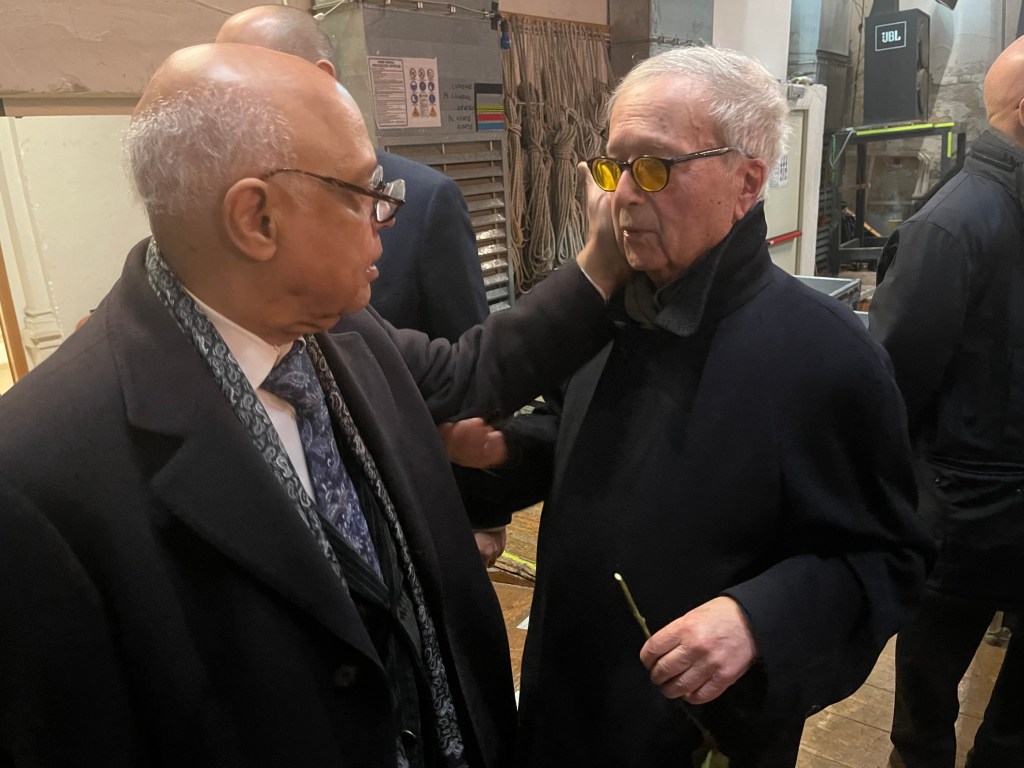
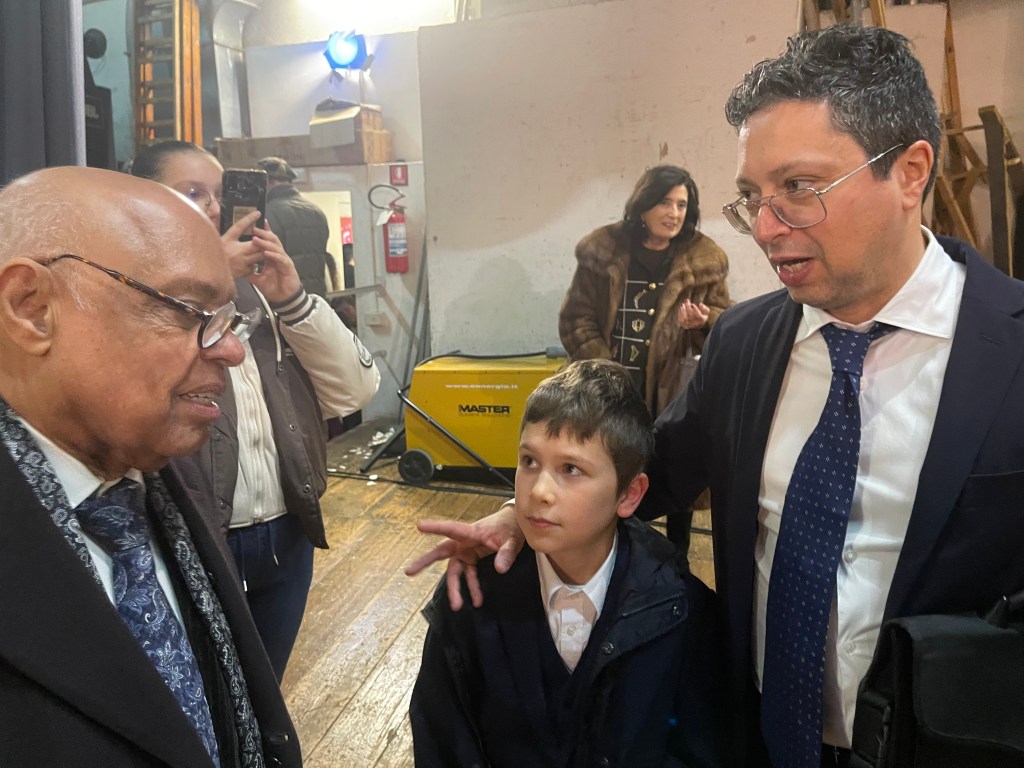
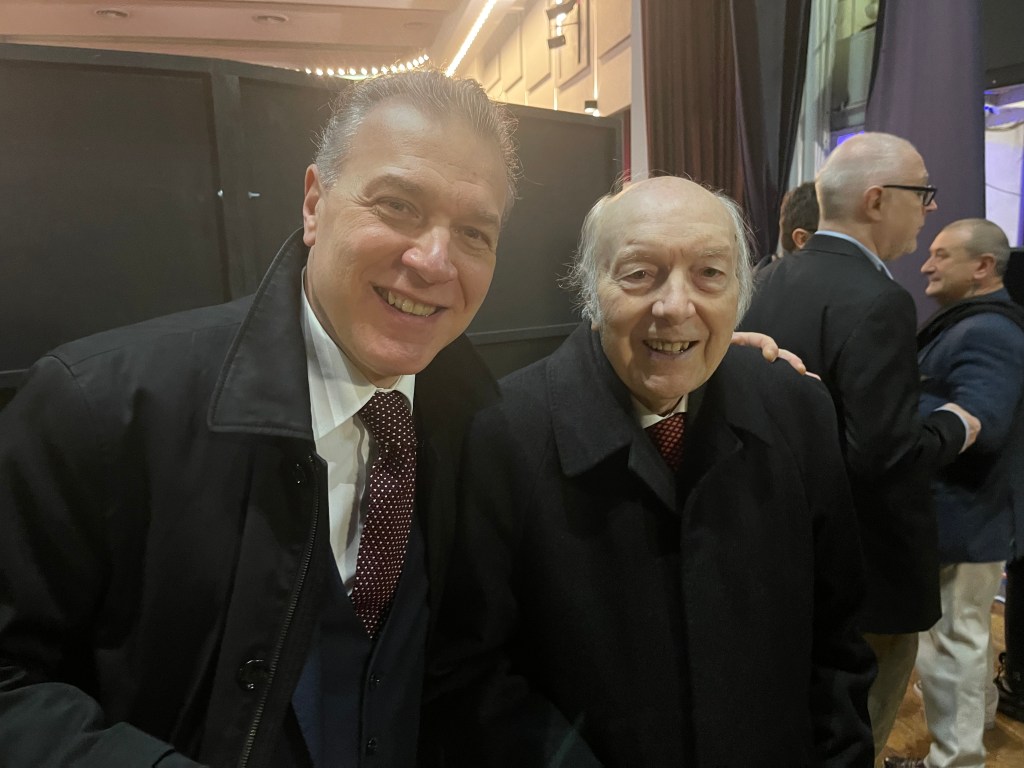
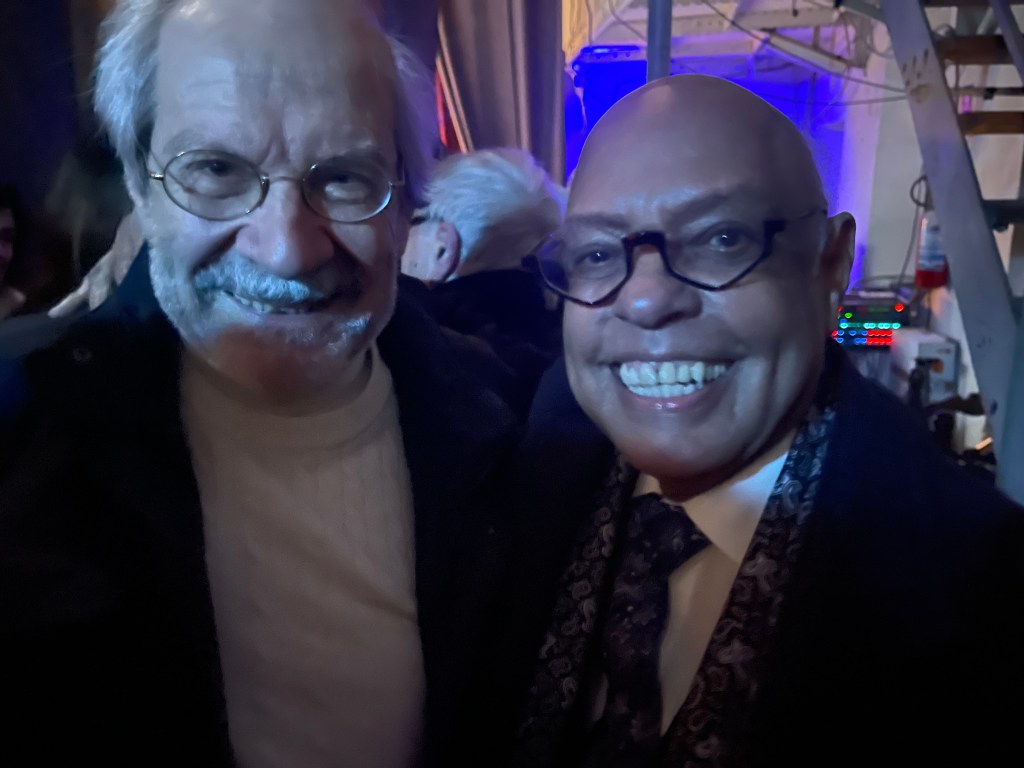
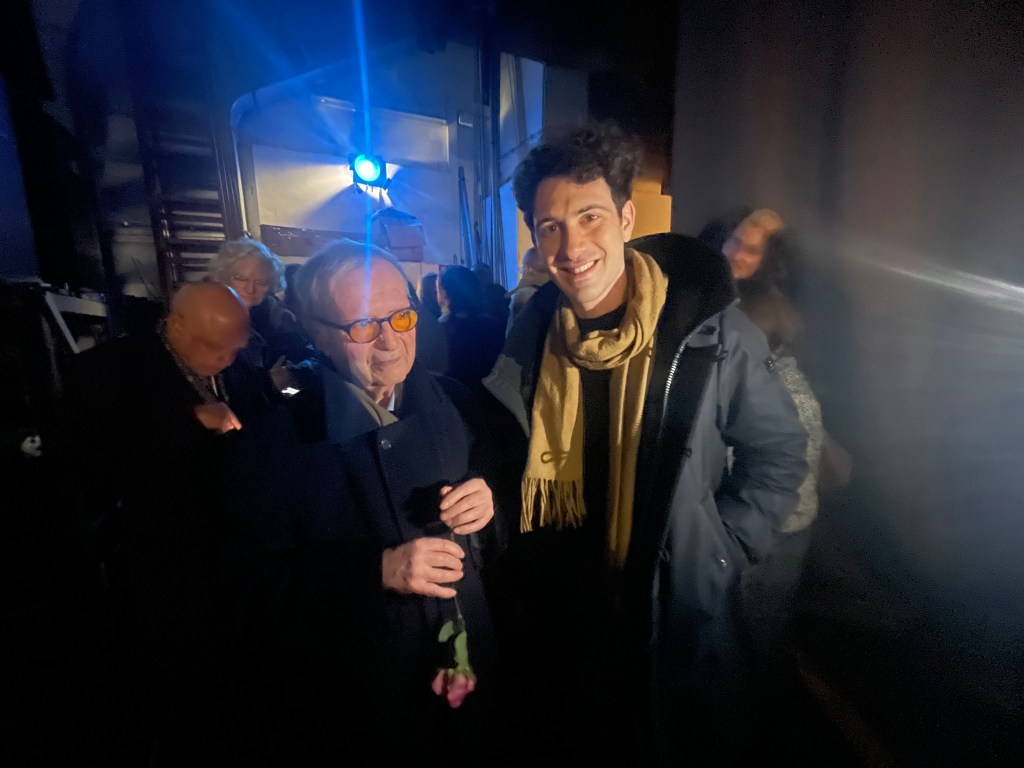
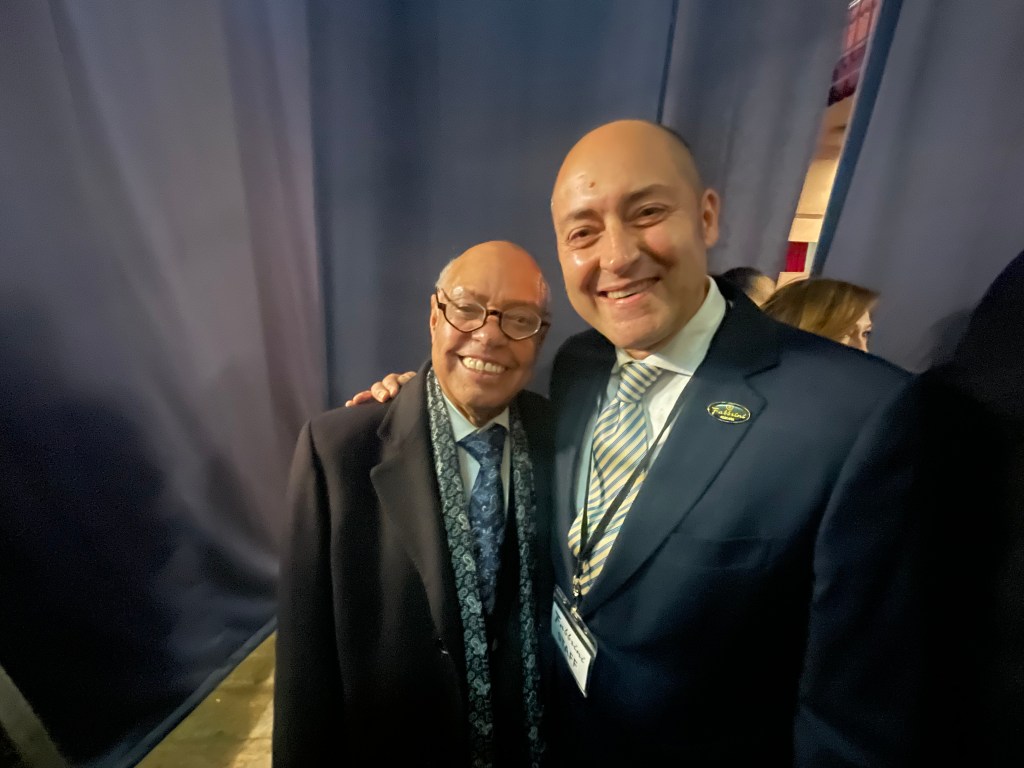
Many friends backstage ,much to the consternation of the theatre manager ,to salute the artists but above all to thank Angelo for a lifetime of dedication to music .
Photo with Angelo Fabbrini, Michelangelo Fabbrini and ten year old grandson Luca .
The great cellist leader of the Orchestra of the Accademia di S Cecilia, Luigi Piovano with his father – William Naboré with the distinguished pianist Riccardo Risaliti
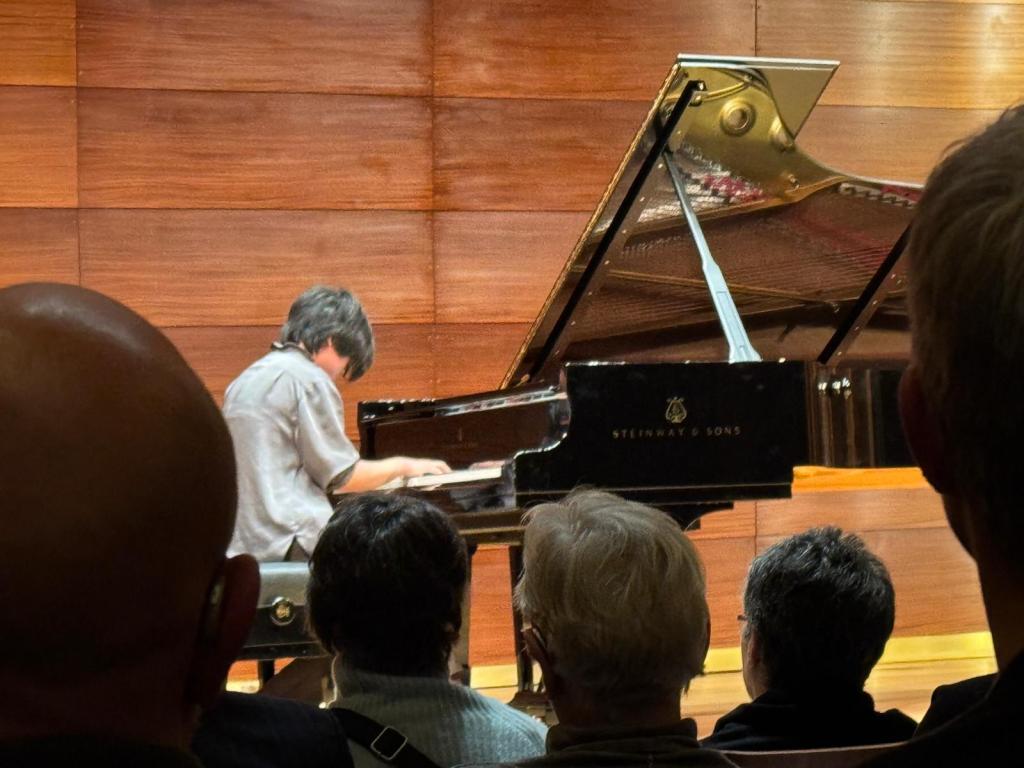
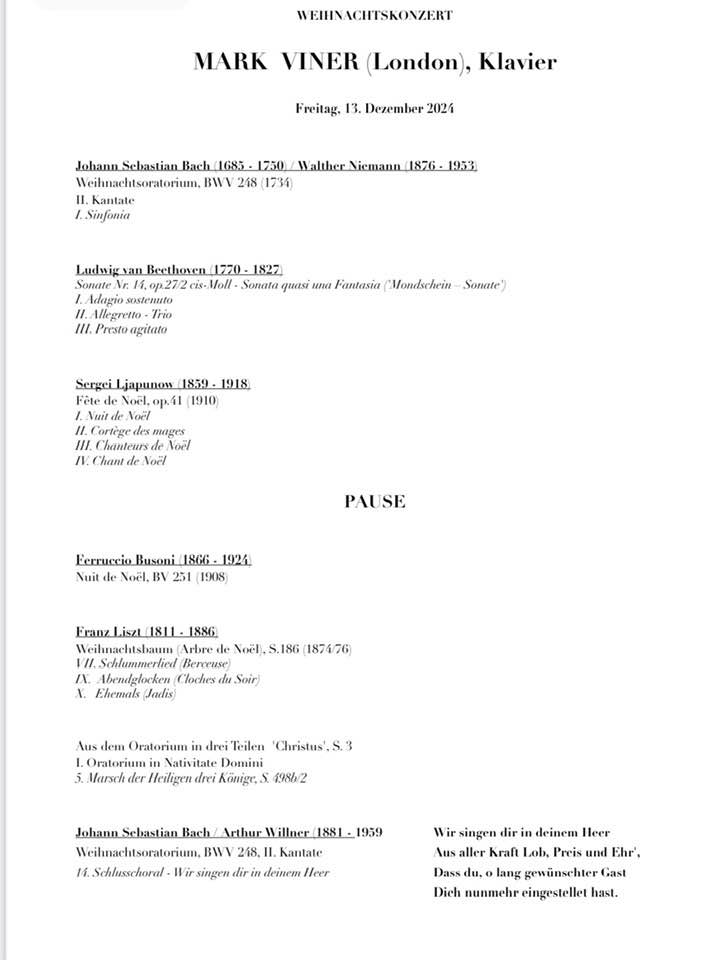
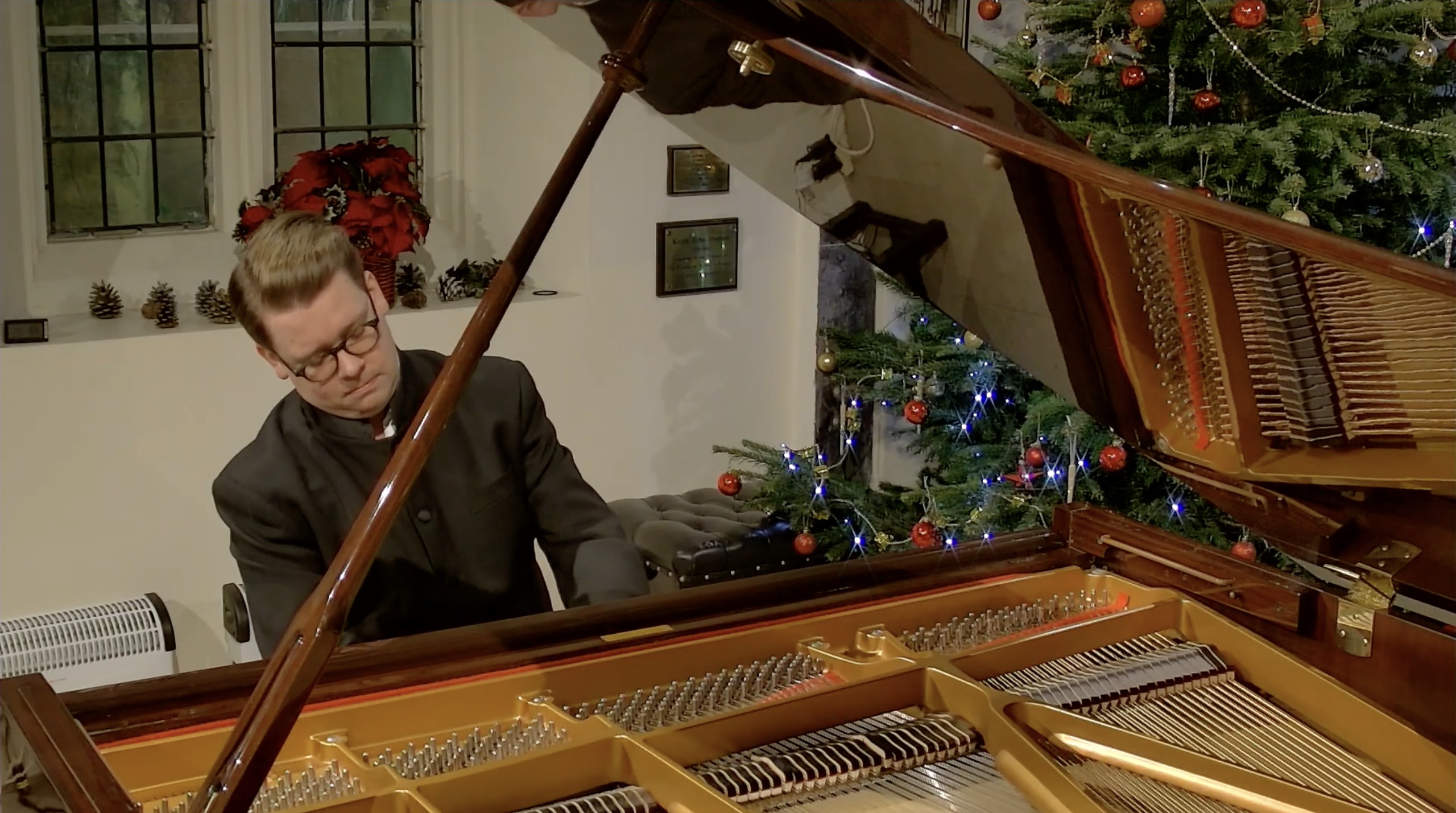
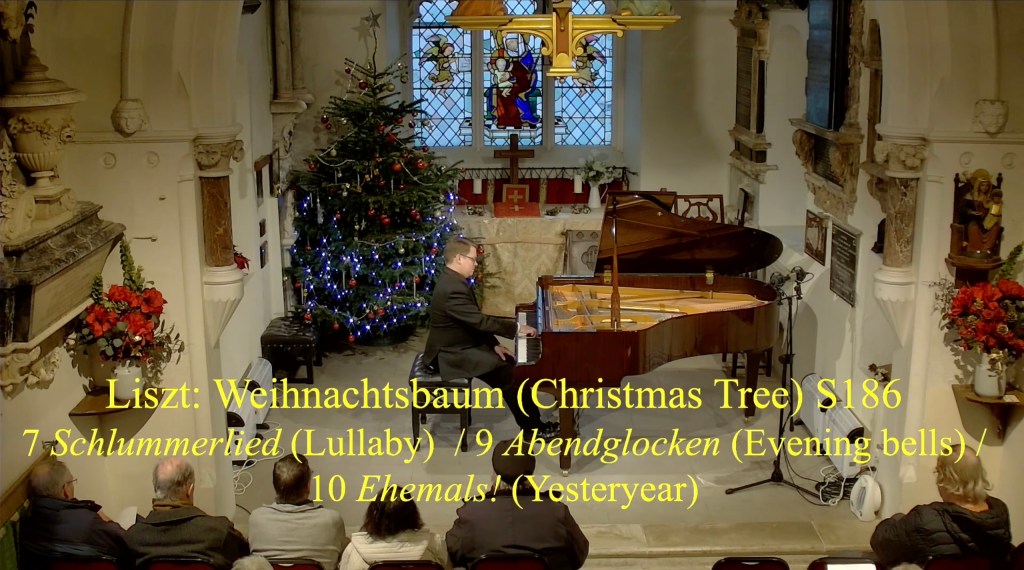
The extraordinary thing about a Mark Viner recital is his ability ,one might even say a mission or passion, to bring a fresh light to all he does. Whether delving deep into the archives for works too long kept in obscurity or looking at the most revered classics afresh with the same microscope and absolute fidelity to the composer that he uses to bring neglected masterpieces to the fore. And so it was today with two of the most played classics :Beethoven’s ‘Moonlight’ and Chopin’s G minor Ballade and relatively unknown works with a Christmas appeal. A transcription of two movements from Tchaikowsky’s ‘Nutcracker’ in the transcription of Taneyev which has long been overtaken by the genial much played one by Mikhail Pletnev. ‘A Christmas Tree Suite’ by Liszt that has long been in oblivion as are too many of his misunderstood later works. And the final triumphant March of the ‘Three Holy Kings’ from Liszt’s rarely heard oratorio ‘Christus’.
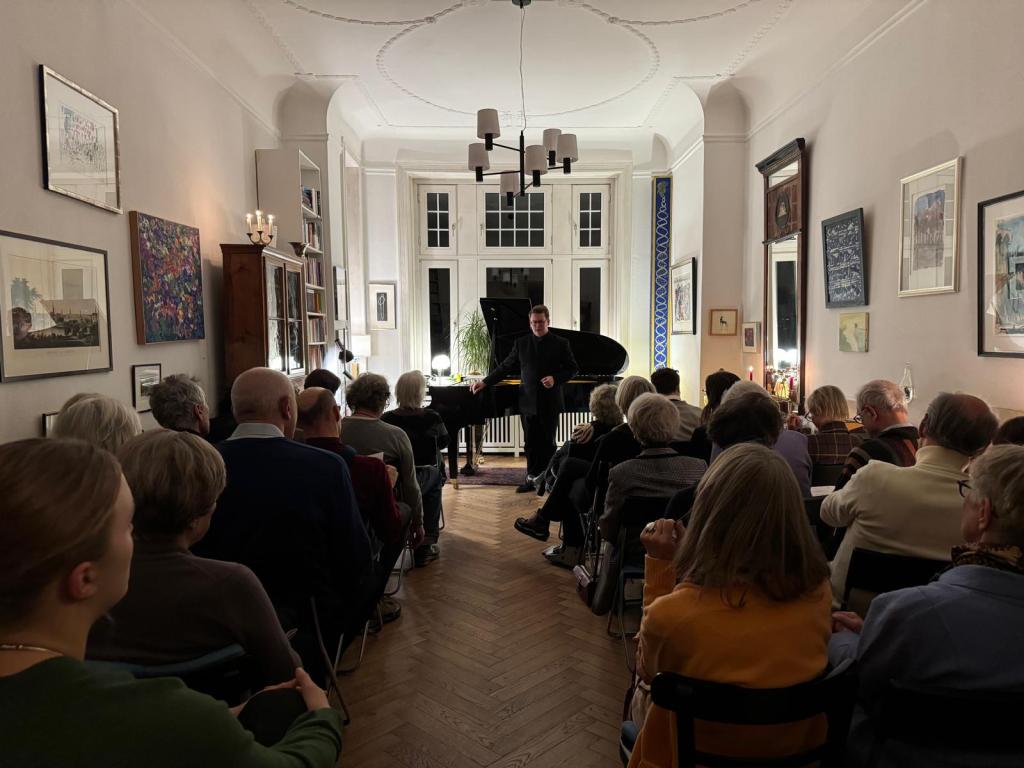
Mark’s annual Christmas Concert in Bedford Park where he resides
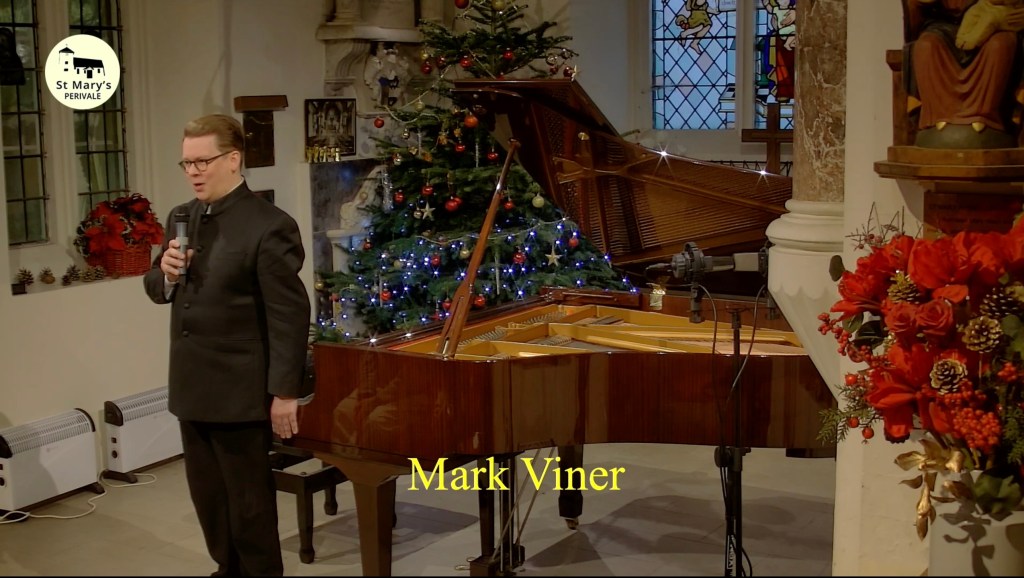
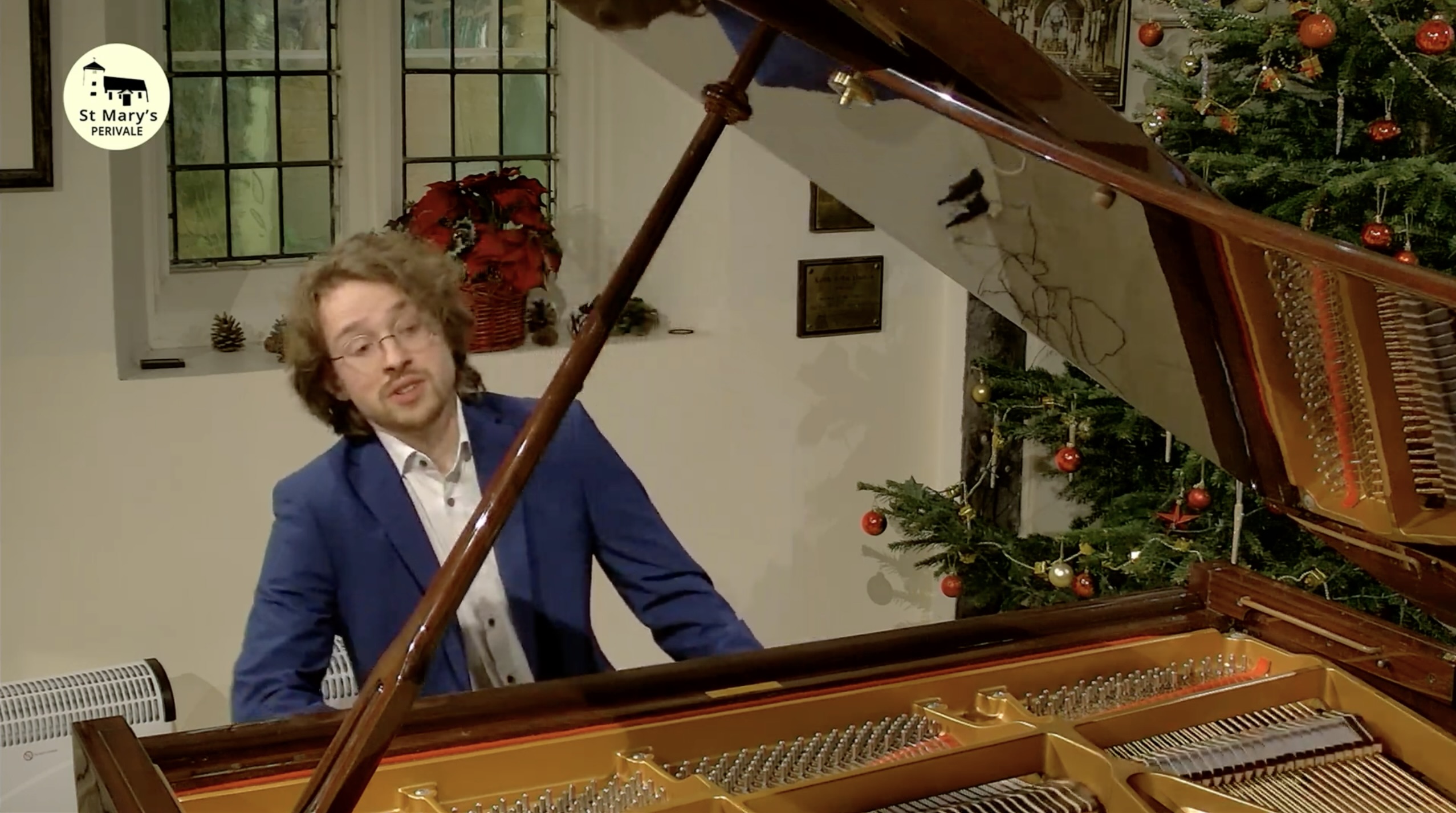
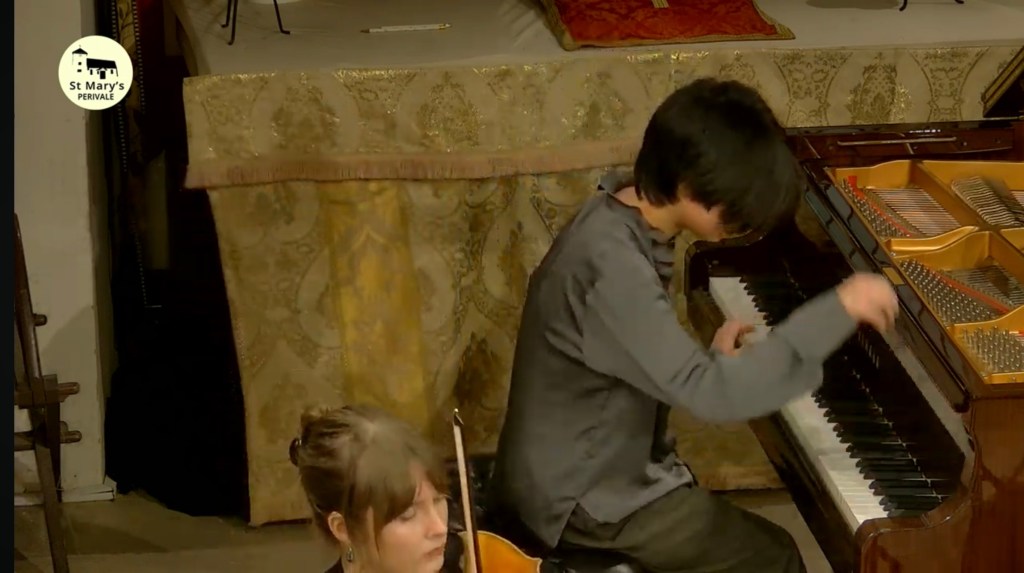
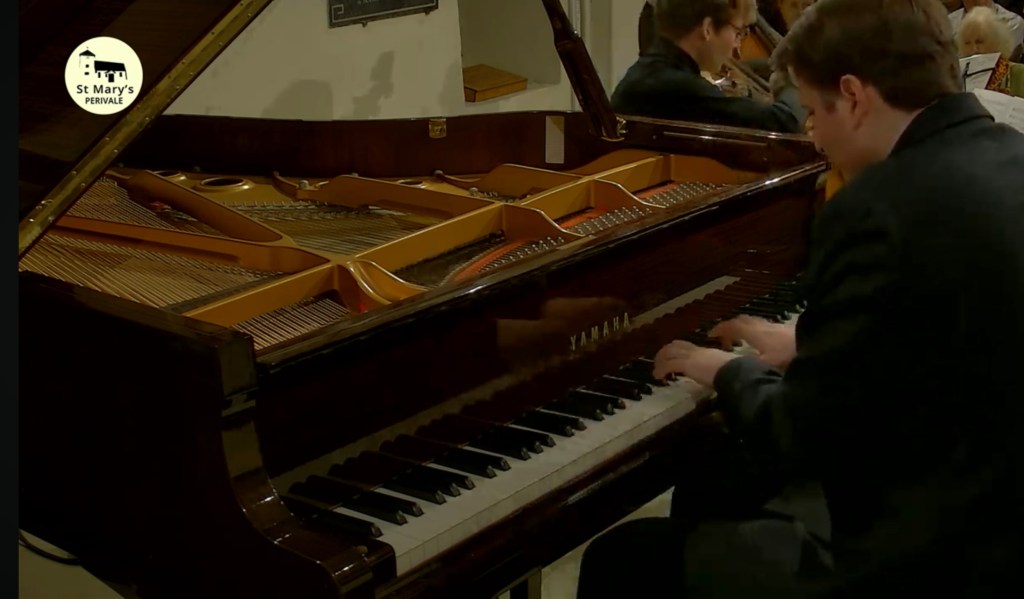
A programme decided only three days ago with Dr Hugh Mather to be able to substitute a sick colleague at St Mary’s Perivale. Luckily Mark has been playing this programme or similar in seven pre Christmas recitals in Oxford ,several in Germany for Moritz von Bredow.
The Tabard Inn Bedford Park Chiswick
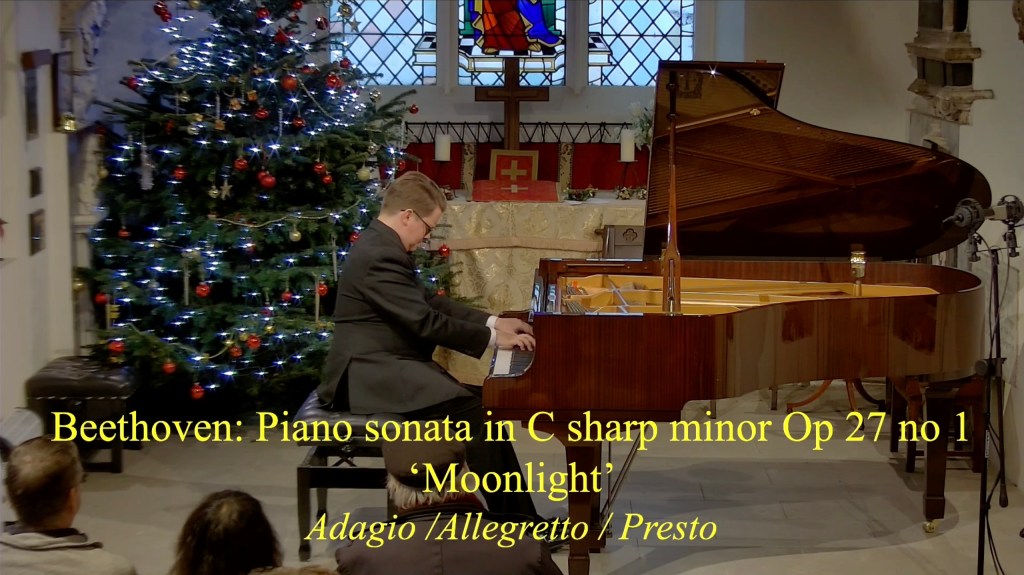
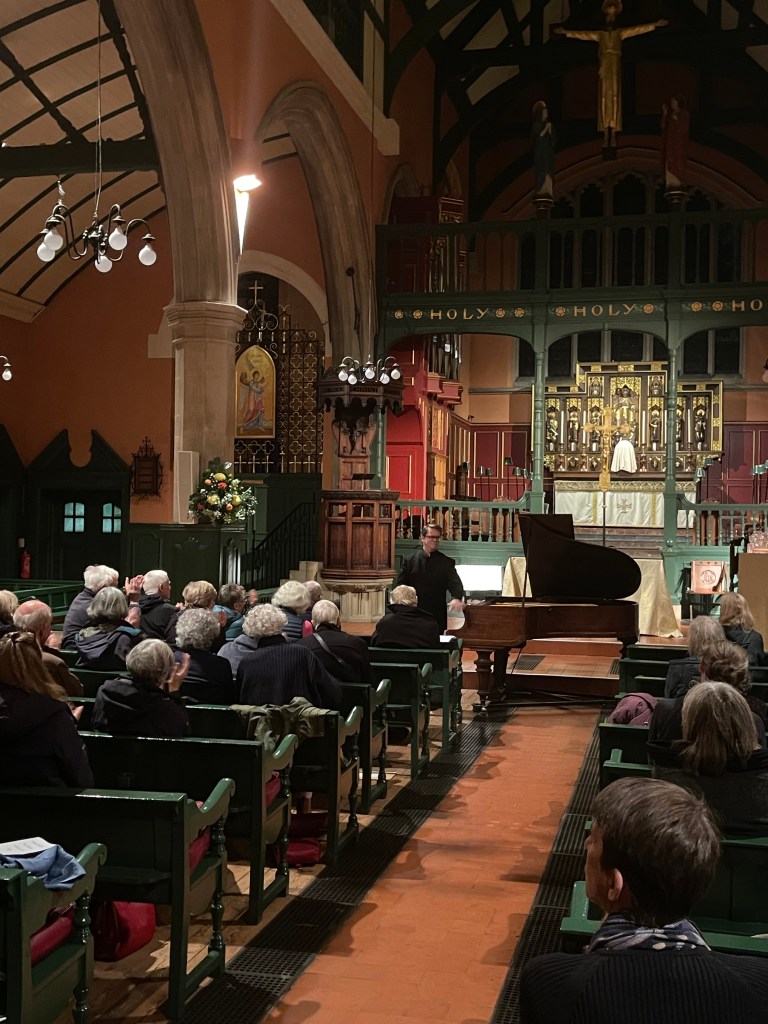
Finally on Thursday in his beloved St Michael’s and All Angels where he and his partner officiate and feel at home as much in the Church as in the Tabard Inn opposite or their sumptuous home next door.
Screenshot
Beethoven’s miss-named ‘Moonlight’ Sonata had no sign of dreamy rays in Mark’s ‘illuminated’ reading. ‘Adagio sostenuto’ first movement in two not the tainted moonlit twelve! There was a fluidity and glowing beauty of Beethovenian strength and nobility. An authoritative performance that would come as a surprise to those that have struggled with a much maligned piece. Even Beethoven’s long pedal markings were intelligently noted and interpreted on an instrument very different from the one that Beethoven could actually still hear.The Minuet was played with unusual weight and seriousness which suited the sumptuous rich sounds of the Trio.The ‘Presto’ finale was played with extraordinary clarity and dynamic rhythmic drive where even the beautiful mellifluous episodes were on a burning cauldron of bubbling energy.
Screenshot
Chopin’s First Ballade was given an aristocratic reading of nobility and refreshing simplicity. Gone were all the layers of dirt that tradition has accumulated over the years and like Rubinstein Chopin’s vision of beauty was allowed to tell it’s own untarnished story.
Everything sang in Mark’s remarkable hands even the first great climax usually played like the 1812 overture,whereas in Mark’s hands the top notes of the sumptuous chords were allowed to glow with a radiance of architectural brilliance. The coda was taken at breakneck speed and might have enjoyed a more mellifluous ride but this was a vision of a man who had a story to tell and this was an integral part of his story of beauty and the beast!
Has the ‘ Sugar Plum Fairy ‘ ever sounded so radiant and glowing as she retraced her steps with infinite delicacy and stealth. There was a wonderful fluidity to the ‘Pas de deux ‘ which in Taneyev’s agile transcription should at least be rechristened ‘ de trois’ or ‘de quattro’. Not quite as pianistically daring as Pletnev it was nevertheless good to hear what was obviously the starting point for a pianistic genius of our times. Mark played it with sumptuous sounds and expansive melody of grandiose beauty with streams of notes just pouring from his well oiled fingers, just as ballet stars would be inspired to great heights by this magnificent score.
Screenshot
As a teenager I would frequent the music department of Chiswick Library and bring home scores to look at and try to play on my grandmother’s upright Broadwood. A piano that her husband had bought before going to the 1914 -18 war never to come back to enjoy the piano that stood in the parlour and would eventually be played by his two daughters. One of the pieces I brought back from the library was Liszt’s ‘Christmas’s Tree Suite’ . I remember the bright orange cover and my disappointment at what I found inside.Today Mark played three pieces from the suite the whole of which he has just recorded on one of his numerous CD’s. This is late Liszt where the composer was looking to the future with a sound world that was no longer necessarily with a tonal centre.This of course explains the strange inconclusive finish of the first piece and the resonant sounds in reply to the melodious recitativi of the second.The final piece was with a strident melody opening out to a full sumptuous outpouring. I must say I am still not completely convinced or maybe I am just mislead by the title.Mark played it with masterly conviction and burning authority and I look forward to listening to his recording of the whole work with that orange covered score at hand – I wonder if it is still languishing on the shelf sixty years on !!!
Screenshot
Liszt”s own transcription of the March from his ‘Christus’ Oratorio was played with astonishing mastery with an outpouring of great resonance expanding into a show piece of great effect .
Another wondrous voyage of discovery from one of the most important young artists before the public today
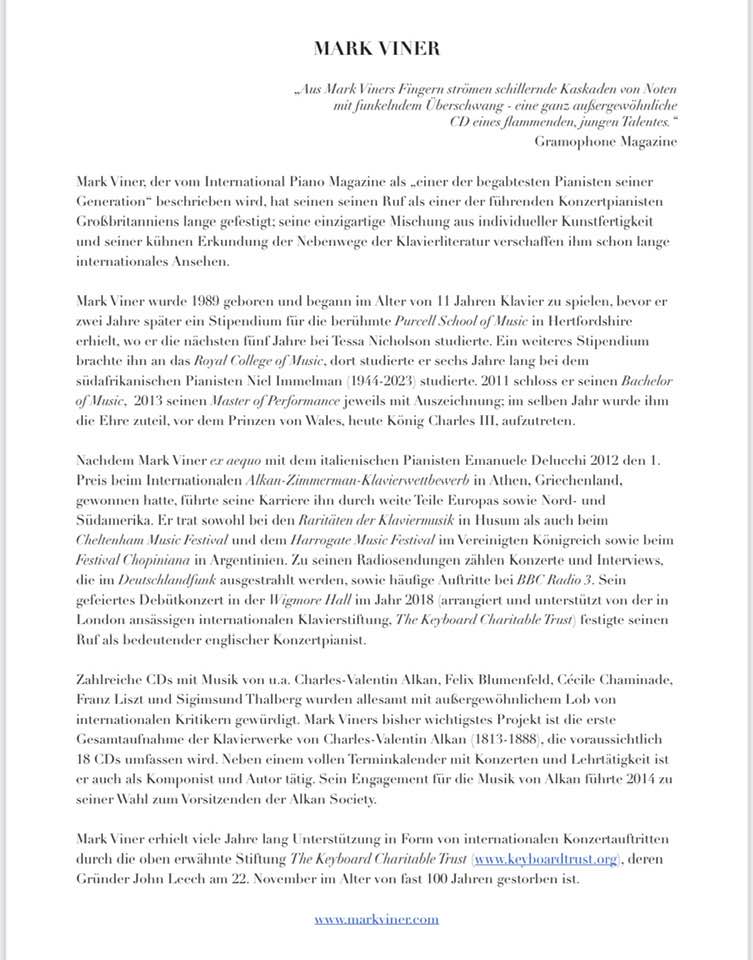
Described by International Piano Magazine as “one of the most gifted pianists of his generation”, Mark Viner is steadily gaining a reputation as one of Britain’s leading concert pianists; his unique blend of individual artistry combined with his bold exploration of the byways of the piano literature garnering international renown. He began playing at the age of 11 before being awarded a scholarship two years later to enter the Purcell School of Music where he studied with Tessa Nicholson for the next five years. Another scholarship took him to the Royal College of Music where he studied with the late Niel Immelman for the next six years, graduating with first class honours in a Bachelor of Music degree in 2011 and a distinction in Master of Performance 2013; the same year which afforded him the honour to perform before HM the King.
After winning 1st prize at the Alkan-Zimmerman International Piano Competition in Athens, Greece in 2012, his career has brought him across much of Europe as well as North and South America. While festival invitations include appearances the Raritäten der Klaviermusik, Husum in Germany, the Cheltenham Music Festival and Harrogate Music Festival in the United Kingdom and the Festival Chopiniana in Argentina, radio broadcasts include recitals and interviews aired on Deutschlandfunk together with frequent appearances on BBC Radio 3. His acclaimed Wigmore Hall début recital in 2018 confirmed his reputation as one of today’s indisputable torchbearers of the Romantic Revival. He is particularly renowned for his CD recordings on the Piano Classics label which include music by Alkan, Blumenfeld, Chaminade, Liszt and Thalberg, all of which have garnered exceptional international critical acclaim. His most important project to date is a survey of the complete piano music of Alkan: the first of its kind and which is expected to run to some 18 CDs in length. Aside from a busy schedule of concerts and teaching, he is also a published composer and writer and his advocacy for the music of Alkan led to his election as Chairman the Alkan Society 2014.
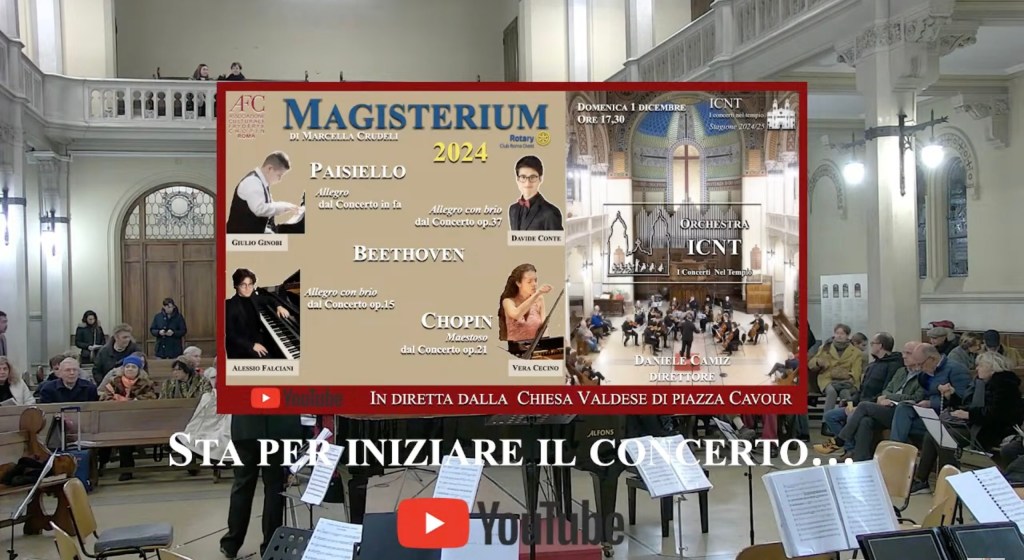
The indomitable Marcella Crudeli created the Rome International Piano Competition amazingly 33 years ago.The eternal city was one of the few capital cities that did not have an International Piano Competition.Although it was talked about and envisaged, it was never actually realised (various ideas to name one after Carlo Zecchi or Guido Agosti came to nothing).It was Marcella Crudeli who created a competition in the name of Rome itself.
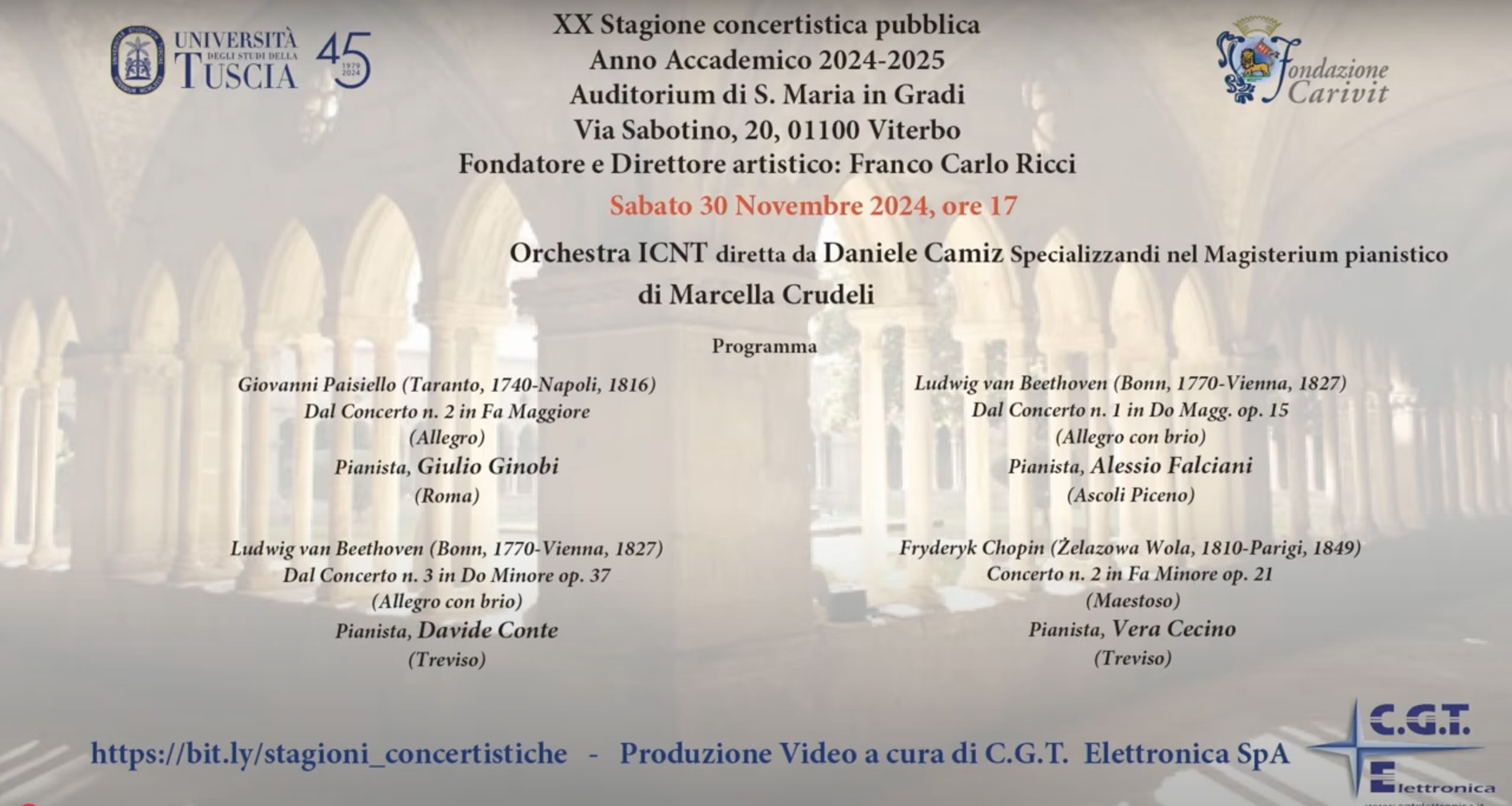
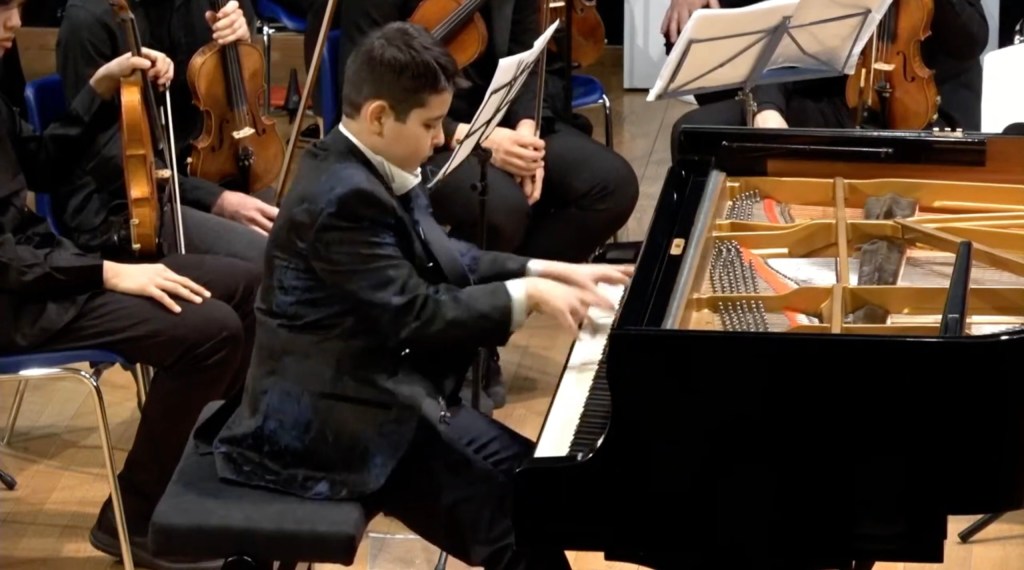
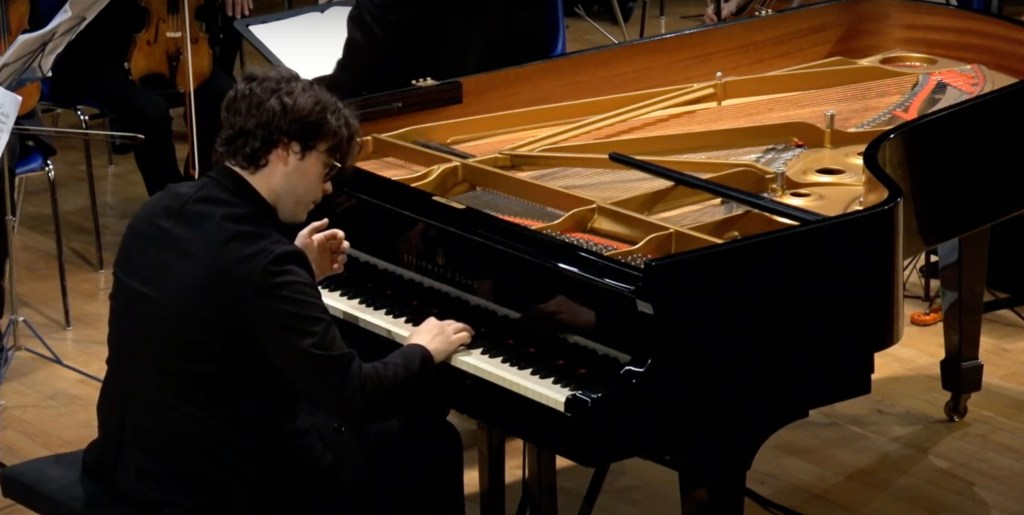
She also holds masterclasses for young musicians where every year she ensures that a selected few can give a public concert with orchestra, a rare occurrence indeed for masterclasses.This year Prof Franco Ricci ,a close collaborator of Marcella Crudeli, invited four of her prize students to play in his 25th Anniversary Series in Viterbo.A movement each of concertos by Paisiello,Beethoven and Chopin with the splendid orchestra of young players directed by Daniele Camiz
Marcella Crudeli applauding her four prize students at the end of the concertGiulio Ginobi
A very youthful looking Giulio Ginobi seemed made for playing the piano. Fingers that were like limpets clinging to the keys with commanding assurance as he brought radiance and precision to the first movement of Paisiello’s concerto n. 2 in F. Playing with simplicity and great poise, he brought a freshness and refined good taste to this early work that was quite exhilarating.The surprise was the encore where his technical assurance and sense of style in Rachmaninov’s Prelude op 23 n.5 was worthy of a pianist twice his size! A beautiful central episode where the inner counterpoints were allowed to float so magically on a wave of sumptuous sounds.
Alessio Falciani
Alessio Falciani brought rhythmic drive and beauty to Beethoven’s Concert op 15 ( n. 1 but was actually written after n. 2).A beautifully shaped central episode where the question and answer with the orchestra was of real chamber music ensemble.Not attempting Beethoven’s glissando into the recapitulation instead he played a rock solid scale after the communing with the orchestra in whispered tones before this devilish explosion. A cadenza that was not one of Beethoven’s two but was very virtuosistic and played with commanding authority. A very elaborate cadenza with some beautiful cantabile playing of great style and a very grandiose ending taken over majestically by the splendid orchestra. A Schubert song in the arrangement by Liszt was played with subtle style and sumptuous beauty of sound.
Davide Conte
Davide Conte played the first movement of Beethoven’s 3rd Concerto in C minor op 37.It was played with great fluidity and clarity with a good sense of tempo maintained with dynamic drive.Some beautiful cantabile playing leading to Beethoven’s own cadenza.Played with great control with the great flourishes spread over the whole keyboard with radiance and mastery inspite of some rearranging of the hands! A beautiful ending ,where the exchange between the piano and orchestra was quite magical. An encore full of charm with a central episode that was surely inspired by Spain but unfortunately I have no idea what it was.
Vera Cecino
Vera Cecino formed at the remarkable school of Maddalena de Facci in Venice as was her brother Elia Cecino who won the Premio Venezia and has gone on to win many other International Prizes as his career takes wing. Vera , a few years younger, is fast following in her brother’s footsteps. A beautiful performance of Chopin’s second concerto ( like Beethoven it was written before the first!).A very expansive melodic line was played with great assurance where everything sang with radiance and style. Playing of great eloquence and aristocratic good taste where even the most virtuosistic passages were allowed to sing and were given great architectural shape. Some beautiful ensemble playing with the horn and bassoon, from a pianist who lived every moment with passionate conviction and mastery. An encore of a paraphrase by Liszt of Ernani (?) was played with commanding authority and ravishing beauty
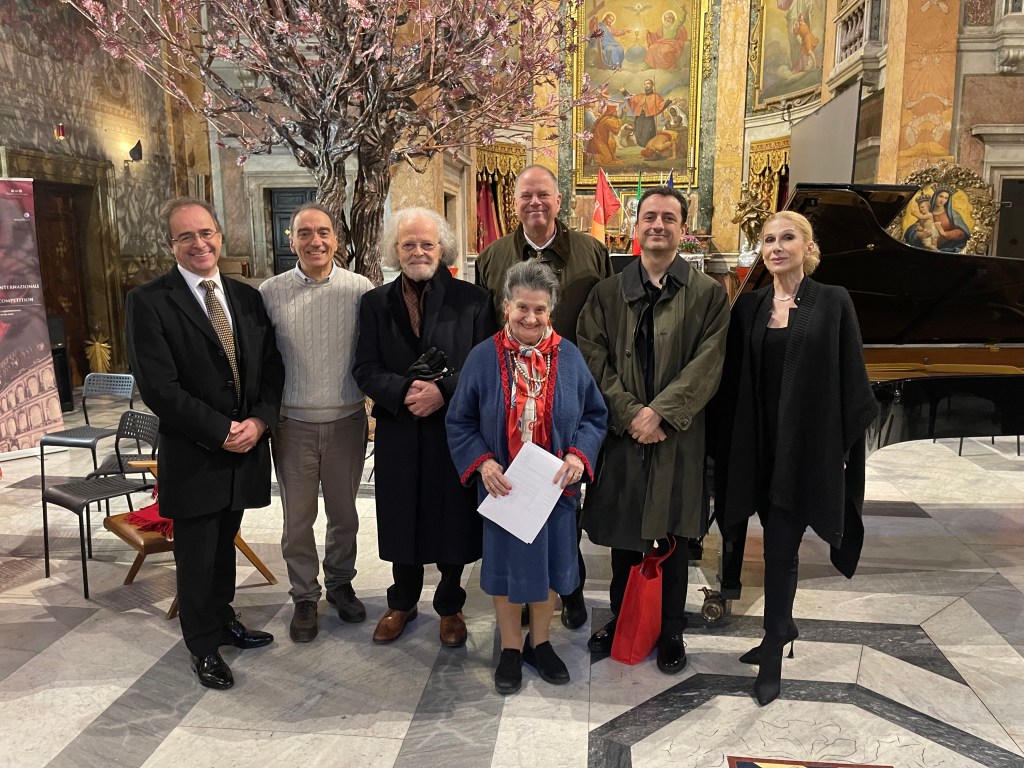
ICNT Orchestra conducted by Daniele CamizThe beautiful young percussionist of the ICNT orchestraProf Franco Carlo Ricci (left) Artistic Director of the Tuscia University Concerts with a fellow jury member of the 33rd Rome International Piano Competition
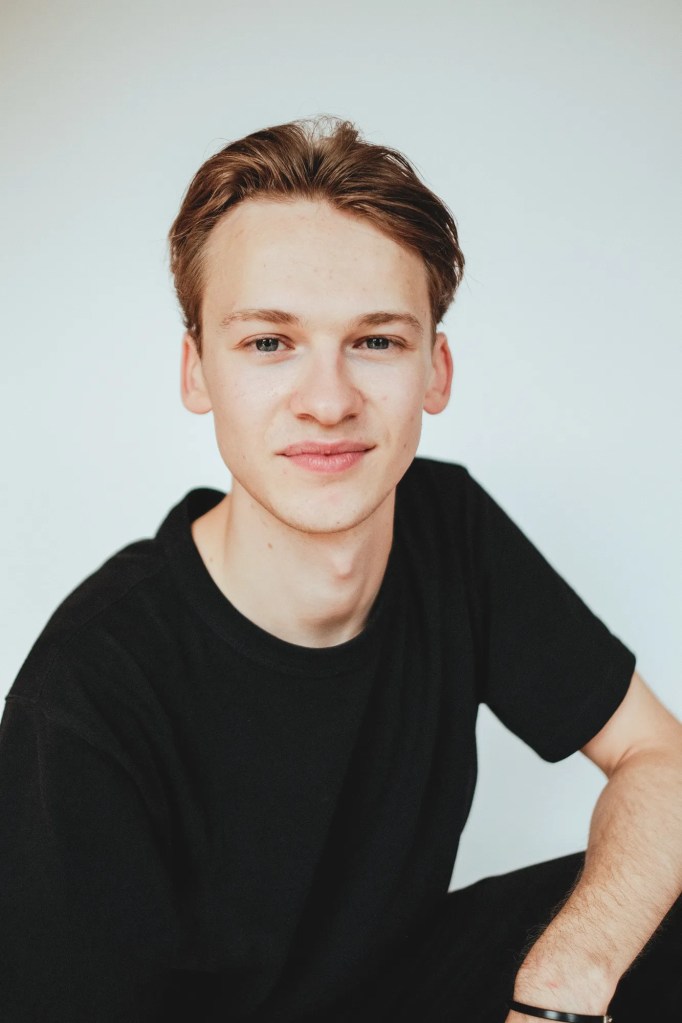
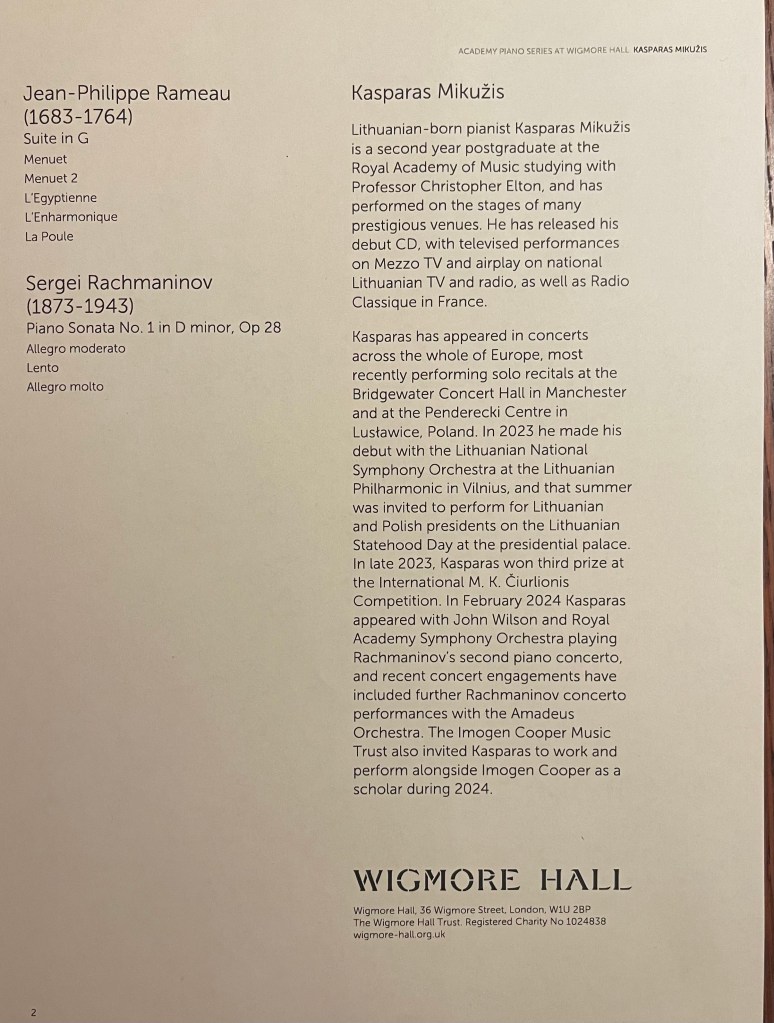
Currently completing his postgraduate studies, the prize-winning Lithuanian pianist has been selected as a 2024 scholar of the Imogen Cooper Music Trust, as well as of the Countess of Munster Musical Trust and the Keyboard Trust. This programme features movements from Rameau’s Suite in G – including character pieces depicting ‘The Hen’, ‘The Enharmonic’ and ‘The Egyptian’ – alongside Rachmaninov’s First Piano Sonata, composed in 1908 in Dresden.
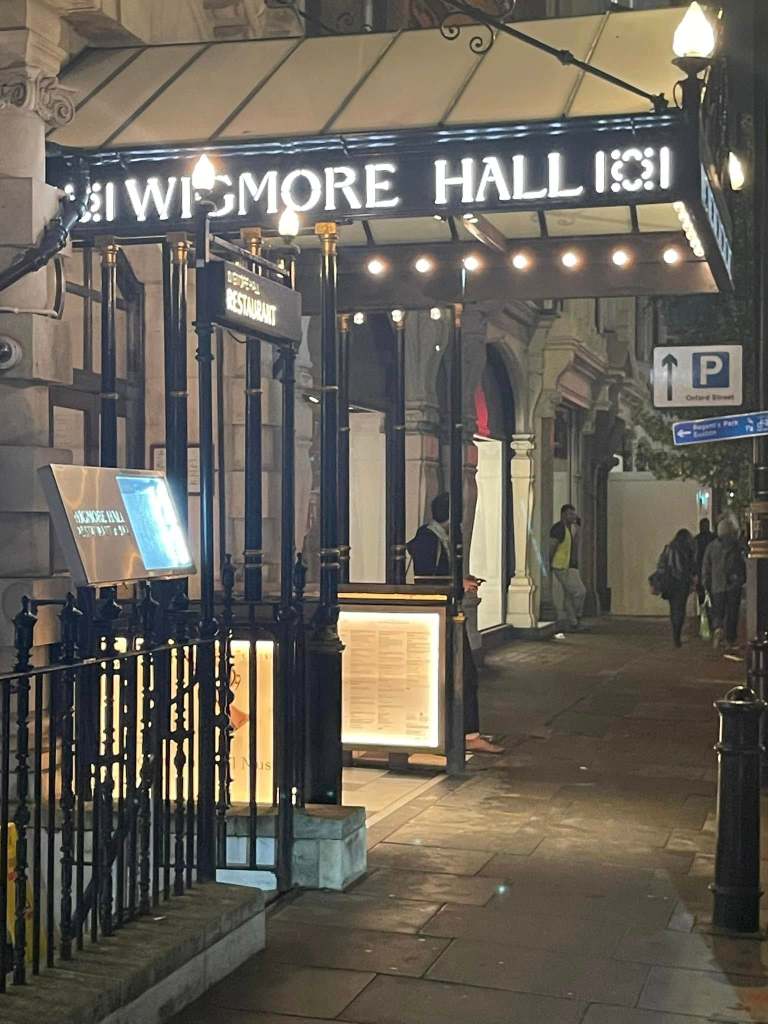
The triumph of the Lithuanians -Kasparas Mikužis ignites the Wigmore with the two ‘R’s’ There must be something in the air in Lithuania that allows their musicians to play with enviable fluidity and ravishing beauty.
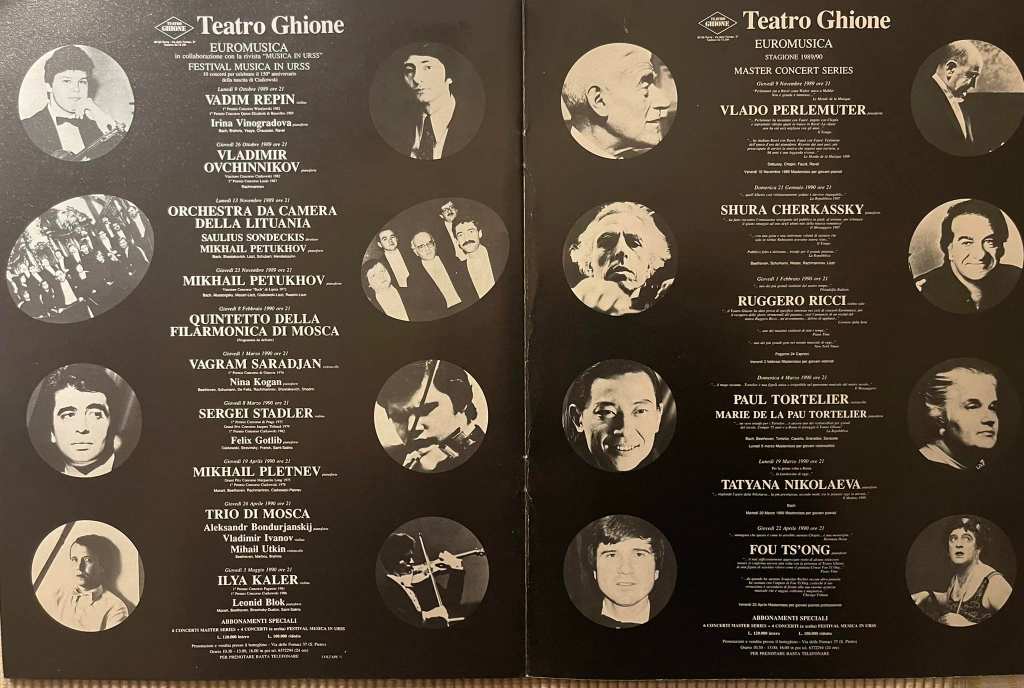
The Ghione programme with Saulius Sondeckis
I remember many years ago in Rome with Saulius Sondeckis conducting the Lithuanian Chamber Orchestra playing unbelievably quietly and with such simplicity and fluidity.
It was the same that we heard today from the very first notes of Rameau with a wonderful flexibility and fluidity that the music seemed to just pour from the fingers of this extraordinary young musician .A minuet with ornaments that glistened like jewels contrasting with the profound utterings of ‘L’Egyptienne’ so elaborately embellished and played with poignant dignity and beauty .There followed a deeply poetic ‘L’Enharmonique’ before the delicious hypnotic rhythmic insistence of ‘La Poule.’ Nothing though could have prepared us for the explosion of ravishing sounds and passionate outpourings of Rachmaninov’s much troubled First Sonata. Like Kantorow a few months ago on this very stage Kasparas has seen the secret path through this seeming labarinth of notes .The throbbing passion and innocent nostalgia together with the menace of the opening were the leit motifs of quite overwhelming authority and command.A performance for all those present ,including his teacher Christopher Elton, that will be placed on a pinnacle next to that of Kantorow restoring a masterpiece to it’s rightful place in the piano repertoire
Kasparas with Christopher Elton
Just five movements from Rameau’s suite of eight, beautifully chosen and placed in an order that made one unified whole. The first minuet played with remarkable poise for a debut recital on such an important stage.
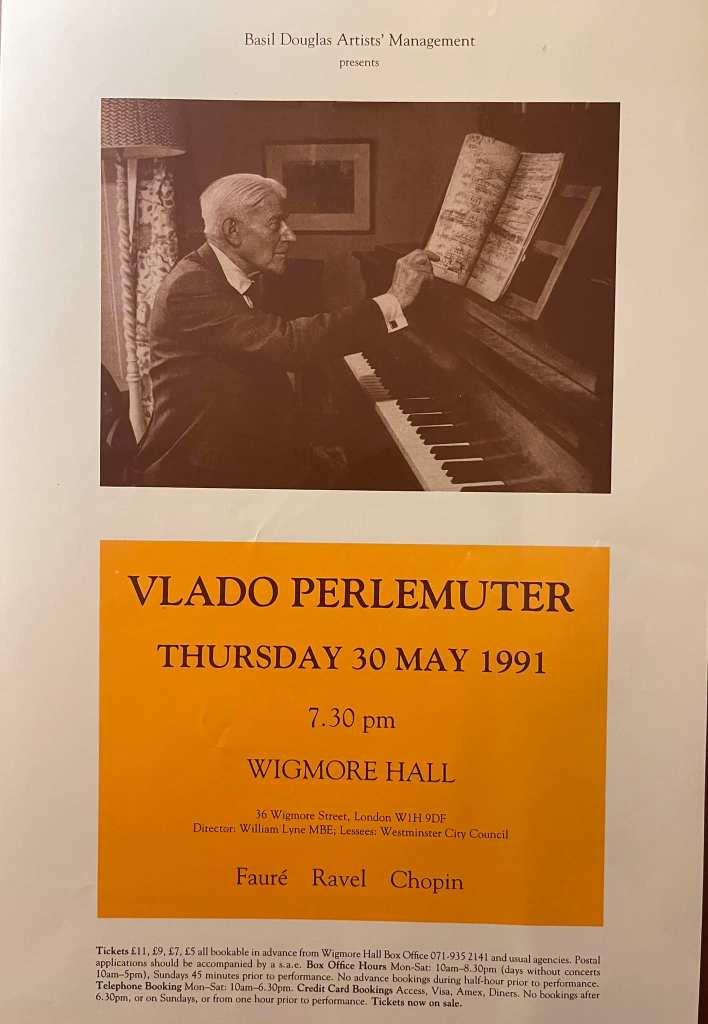
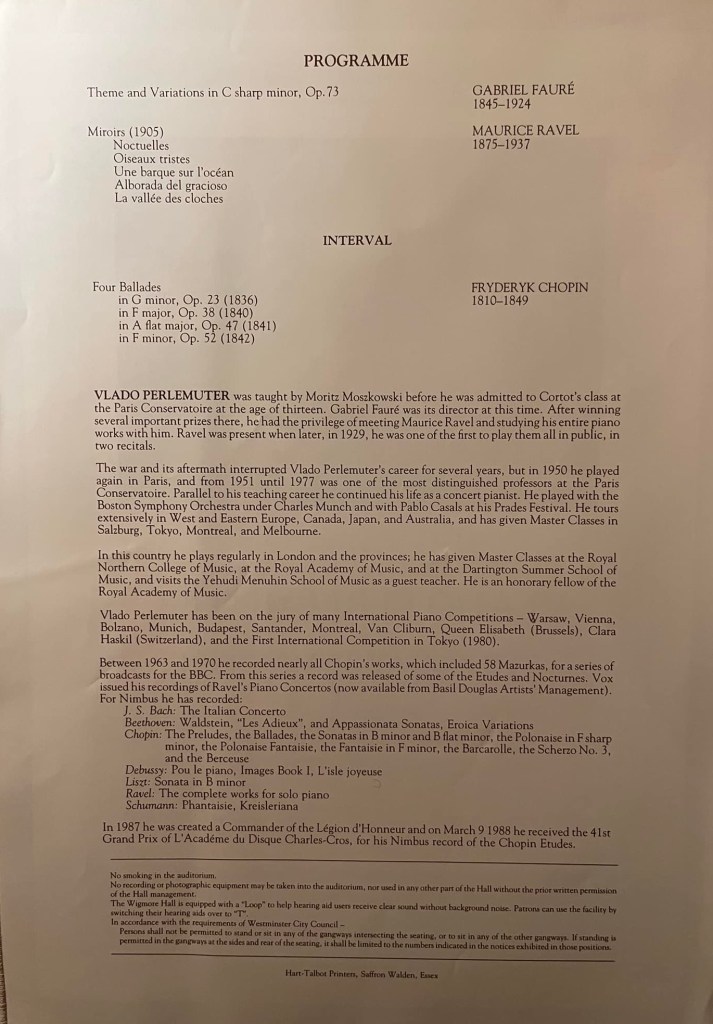
I remember Vlado Perlemuter telling me even at his last public performance aged 90 ,as I opened the door for him, he confided that every time those few steps were like going to the guillotine! Kasparas too confided afterwards that for him ( as for all great artists), those few steps were the most difficult but that once he had summoned up the courage, the arrival at the piano was like being greeted by a great friend.
From the very first Minuet there was a lucidity and flexibility of natural stylish playing with ornaments like tightly wound springs . There was the continuous flowing sounds of the second minuet where the ornaments glistened like sparkling jewels .These contrasted with profound outpouring of the elaborately embellished ‘L’Egyptienne’ played with poignant dignity and beauty.Paired with ‘L’Enharmonique’ that was deeply poetic .’La Poule’ burst onto the scene with a radiant glowing insistence with some ravishing contrasted layers of sound and hypnotic characterisation.
A short break and a long pause of reflection before Kasparas embarked on his long voyage of discovery with Rachmaninov’s First Sonata. The second sonata had enjoyed a revival since Horowitz presented it in one of his recitals during his long Indian summer.Since then there is rarely a season where it does not figure on recital programmes. The first has fared less well and it is enough to say that even Rachmaninov found it a difficult work to compose.Taking standard forms but like the Liszt Sonata or Schubert Wanderer giving the main motifs a life of their own as they are transformed during a long voyage almost as if there was a great story unfolding. Ogdon was one of the first to bring it to light but was more of an intellectual performance of a pianistic genius than creating a platform for dramatic story telling of menace,exhilaration and reconciliation.It was Kantorow in his historic Philharmonie recital that suddenly shone a light on a misunderstood masterpiece.Since that performance it has now almost taken the place of the second in conservatories,competitions and concert halls.
Lukas Genusias recently found the original manuscript with changes that the composer was later to make as with his 1913 and 1931 versions of the second sonata. Horowitz was to make his own version of the second from both versions , sanctioned by his friend Rachmaninov who was plagued with depression and doubts.
I think the newly found original score closely resembles the final published one that Kasparas played today but I would be very interested to see changes made by the composer as he did with many works that were not immediately of the success of his more popular scores.
Kasparas brought streams of golden sounds and a pulsating passion from the very opening. A frightening amount of notes that are infact streams of sounds after the opening menace of the first notes deep in the bass.The third motif is a wonderful fluid melody of heartbreaking nostalgia and warming reconciliation that between the menace and the pulsating hypnotic insistence of a single note that is like a heartbeat naked for all to see. A passionate climax of overwhelming emotion was played with transcendental mastery as it died to a mere whisper with a gentle drooping tear barely whispered in our ear .Kasparas painted a canvas of such unconcealed emotion and passion that this might well be given an X certificate on it’s next appearance ! An etherial opening to the ‘Lento’, building in emotional beauty with a ravishing sense of balance .The melodic line rose like an eagle of radiant beauty above the seething cauldron of ever more intense sounds .There was a timeless beauty to the ending where the magic wand of this young musician had cast his spell on a thankfully large audience.
This was short lived as the ‘Allegro molto’ exploded with supersonic energy and astonishing mastery. Bursting into a rhythmic march of exhilaration and breathtaking daring .Rachmaninov’s melodic line coming through a maze of sounds like a knight in shining armour with glorious romantic abandon and with our Prince leading the way with fearless authority. Here the reappearance of the theme of reconciliation was one of those magic moments, all too rare in this mechanical age , when a group of unknown people are suddenly united in a joint experience of emotional beauty .A miracle and one that this young Lithuanian performed with mastery and humility. The final tumultuous awakening was quite overwhelming and was greeted with rapturous applause by those that had been fortunate enough to share in such an experience .
A simple little piece by a compatriot composer was Kasparas’s way of thanking us.
Rachmaninov’s First in D minor op 28 was completed in 1908.It is the first of three “Dresden pieces”, along with the symphony n.2 and part of an opera, which were composed in the quiet city of Dresden.It was originally inspired by Goethe’s tragic play Faust,although Rachmaninoff abandoned the idea soon after beginning composition, traces of this influence can still be found.After numerous revisions and substantial cuts made at the advice of his colleagues, he completed it on April 11, 1908. Konstantin Igumnov gave the premiere in Moscow on October 17, 1908. It received a lukewarm response there, and remains one of the least performed of Rachmaninoff’s works.He wrote from Dresden, “We live here like hermits: we see nobody, we know nobody, and we go nowhere. I work a great deal,”but even without distraction he had considerable difficulty in composing his first piano sonata, especially concerning its form.Rachmaninoff enlisted the help of Nikita Morozov , one of his classmates from Anton Arensky’s class back in the Moscow Conservatory, to discuss how the sonata rondo form applied to his sprawling work.Rachmaninov performed in 1907 an early version of the sonata to contemporaries including Medtner.With their input, he shortened the original 45-minute-long piece to around 35 minutes and completed the work on April 11, 1908. Igumnov gave the premiere of the sonata on October 17, 1908, in Moscow.
Lukas Geniusas writes about his premiere recording of the Rachmaninov Sonata n. 1 to be issued in October : ‘About a year ago I came across a very rare manuscript of the Rachmaninov’s Sonata no.1 in its first, unabridged version. It had never been publicly performed. This version of Sonata is not significantly longer (maybe 3 or 4 minutes, still to be checked upon performing), first movement’s form is modified and it is also substantially reworked in terms of textures and voicings, as well as there are few later-to-be-omitted episodes. The fact that this manuscript had to rest unattended for so many years is very perplexing to me. It’s original form is very appealing in it’s authentic full-blooded thickness, the truly Rachmaninovian long compositional breath. I find the very fact of it’s existence worth public attention, let alone it’s musical importance. Pianistic world knows and distinguishes the fact that there are two versions of his Piano Sonata no.2 but to a great mystery there had never been the same with Sonata no.1.’
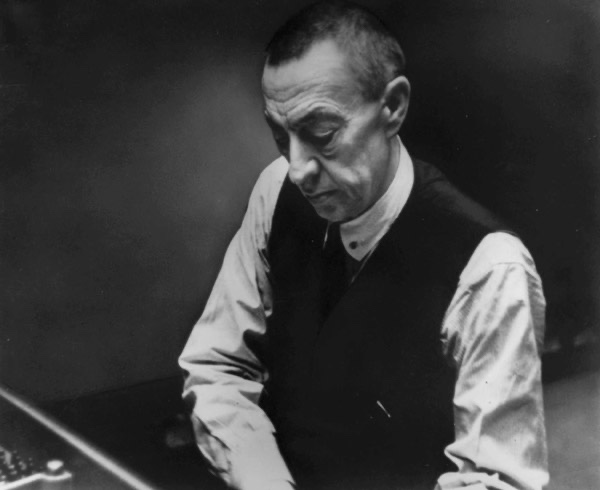
Sergei Rachmaninov (1873–1943)
Piano Sonata No. 1 in D Minor Op. 28 (1907)
Allegro moderato
Lento
Allegro molto
Rachmaninoff wrote to his friend Nikita Morozov on 8 May 1907:
‘The Sonata is without any doubt wild and endlessly long. I think about 45 minutes. I was drawn into such dimensions by a programme or rather by some leading idea. It is three contrasting characters from a work of world literature. Of course, no programme will be given to the public, although I am beginning to think that if I were to reveal the programme, the Sonata would become much more comprehensible. No one will ever play this composition because of its difficulty and length but also, and maybe more importantly, because of its dubious musical merit. At some point I thought to re-work this Sonata into a symphony, but that proved to be impossible due to the purely pianistic nature of writing’.
It is said that Rachmaninoff withdrew this reference to literature and certainly the music contains other associations.
The ‘literature’ he referred to is Goethe’s Faust (possibly with elements of Lord Byron’s Manfred) and there is convincing evidence to believe that this plan to write a sonata around Faust, Gretchen and Mephistopheles was never entirely abandoned. of course there are other musical elements present as it is not programme music. The pianist Konstantin Igumnov, who gave its premiere performance in Moscow, Leipzig and Berlin, visited Rachmaninoff in November 1908 after the Leipzig recital, the composer told him that ‘when composing it, he had in mind Goethe’s “Faust” and that the 1st movement related to Faust, the 2nd one to Gretchen and the 3rd was the flight to the Brocken and Mephistopheles.’
Faust in the opening monologue of the play:
In me there are two souls, alas, and their
Division tears my life in two.
One loves the world, it clutches her, it binds
Itself to her, clinging with furious lust;
The other longs to soar beyond the dust
Into the realm of high ancestral minds.
A man whose soul is rent between the hedonistic pleasures of the earth and spiritual aspirations – Sacrum et Profanum. Exploring this all to human dichotomy, Rachmaninoff builds almost unbearable tension.
In the Allegro moderato as Faust wrestles with his soul and temptations. Kantorow constructed and extraordinary edifice of unique sound, each note of each the massive chord weighted perfectly against the others to create a richness of great magnificence and splendour, rather like an organ His tone is liquid gold and even in passages of immense dynamic power he did not break the sound ceiling of the instrument. There was superb delicacy here. The delineation of eloquent melody and the dense polyphony of Rachmaninoff’s writing was miraculously transparent.
The Lento second movement could well be interpreted as a lyrical poem expressing the love of Gretchen for Faust. Kantorow was so poetic here yet managing the dense polyphony once again with great artistry, tenderness and delicacy. His melodic understanding was paramount. The legato cantabile tone was sublime, the execution carrying with it an uncanny feeling of lyrical improvisation. A fervent and impassioned love song…
The wildness of the immense final movement Allegro molto with its references to a terrifying Dies Irae and death can well associate this massive declamation to Mephistopheles and insidious and destructive evil. Kantorow built a Chartres Cathedral of sound here with immense structural walls embroidered with the most delicate of decoration relieved by moments of refined reflection. Are we exploring the darker significance of Walpurgis Night? Kantarow extracted and expressed a diabolism seldom encountered in any piano recital. All my remarks are assuming his towering technical ability and nervous pianistic concentration of a remarkable kind. Overwhelming.
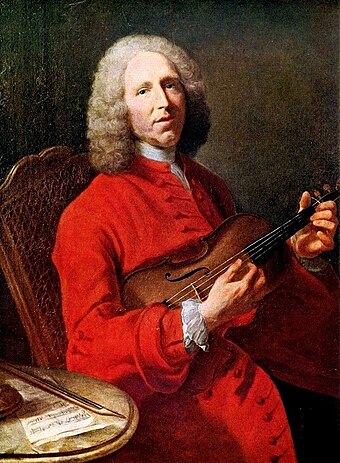
The French Baroque composer Jean-Philippe Rameau wrote three books of Pièces de clavecin for the harpsichord. The first, Premier Livre de Pièces de Clavecin, was published in 1706; the second, Pièces de Clavecin, in 1724 ;and the third, Nouvelles Suites de Pièces de Clavecin, in 1726 or 1727. They were followed in 1741 by Pièces de clavecin en concerts, in which the harpsichord can either be accompanied by violin (or flute) and viola da gamba or played alone. An isolated piece, “La Dauphine“, survives from 1747.
The exact date of publication, at Rameau’s own expense, of the Nouvelles Suites de Pièces de Clavecin remains a matter of some controversy. In his 1958 edition of the works, the editor Erwin Jacobi gave 1728 as the original publication date. Kenneth Gilbert, in his 1979 edition, followed suit. Others later argued that these works did not appear until 1729 or 1730. However, a recent reexamination of the publication date, based on the residence Rameau provided in the frontispiece (Rue des deux boules aux Trois Rois), suggests an earlier date, since Rameau’s residence had changed by 1728. As a result of this and other evidence, the closest approximation for the original publication date stands between February 1726 and the summer of 1727. This dating is given further authentication by the comments of Friedrich Wilhelm Marpurg, who provided their publication date as 1726. There are almost 40 extant copies of the original 1726/27 edition.
Two later editions followed both around 1760. The first (printed perhaps slightly before 1760) was simply a reimpression of the original engravings, although several plates were reengravings, suggesting that the original plates had undergone sufficient impression to wear them down to a state of illegibility. A second appeared in London under the title A Collection of Lessons for the harpsichordfrom the printer John Walsh which was based on the earlier Parisian edition.Suite in G major/G minor, RCT 6
A fascinating survey of some music that I did not know but including also a substantial group of Chopin with two Ballades,two studies, a nocturne and six preludes all played with simplicity and mastery.
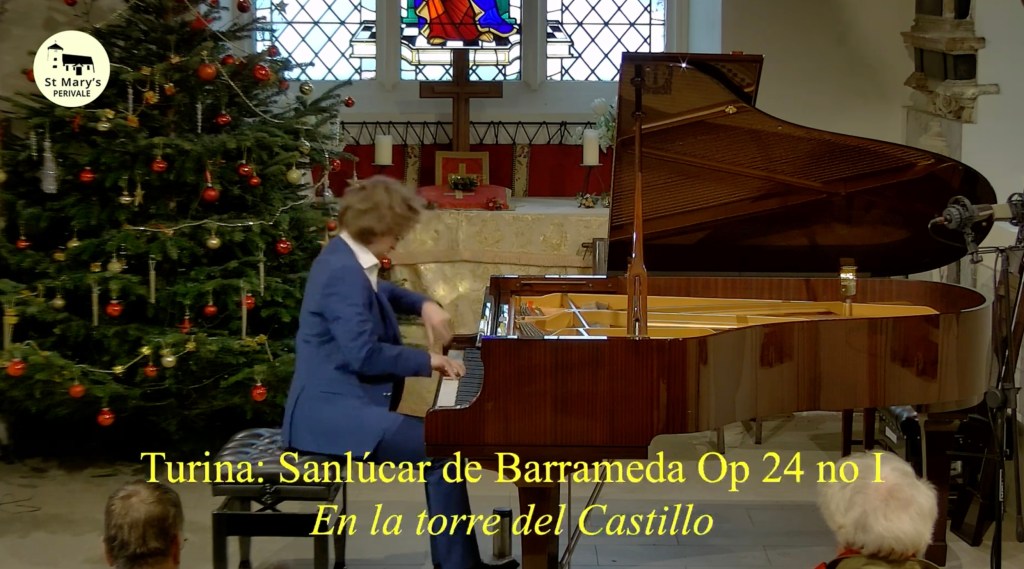
But it was the Turina and Severac that astonished for it’s flamboyance, colour and technical mastery.Playing of great authority brought these two almost unknown works vividly to life with the scintillating brilliance and exhilarating streams of notes of Turina played with burning conviction.
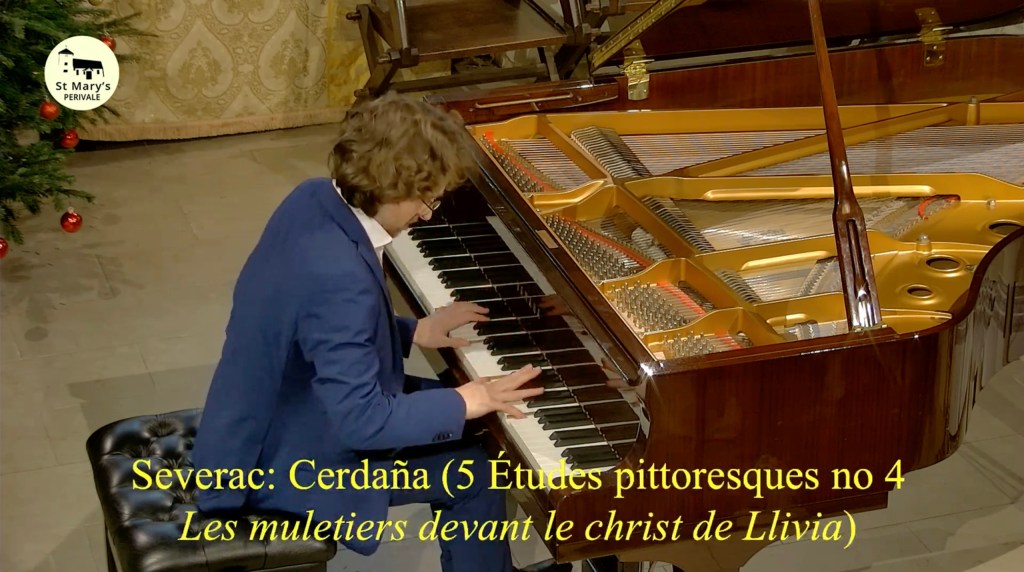
It was followed by the glowing purity of mellifluous outpourings of Severac.A sumptuous tenor melody accompanied by arabesques played with etherial lightness over the whole keyboard as it grew in grandeur.Music of great atmosphere and nostalgia brought magically to life with virtuosistic flamboyance.
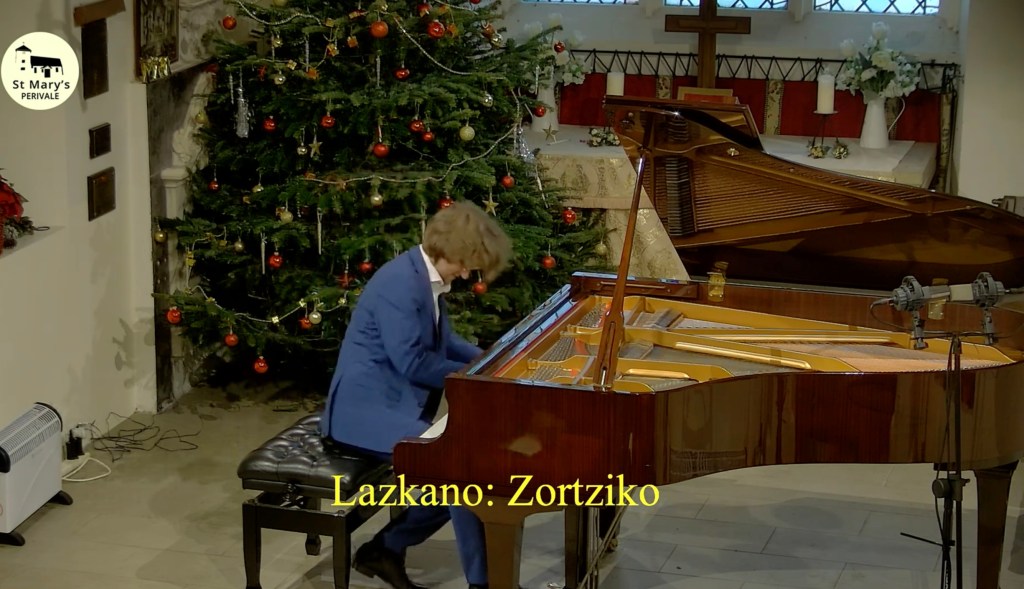
The little ‘greeting’ ‘Zortziko’ by Lazkano was remarkable for it’s use of the reverberations of sound that Julian could create with such imagination and beauty.
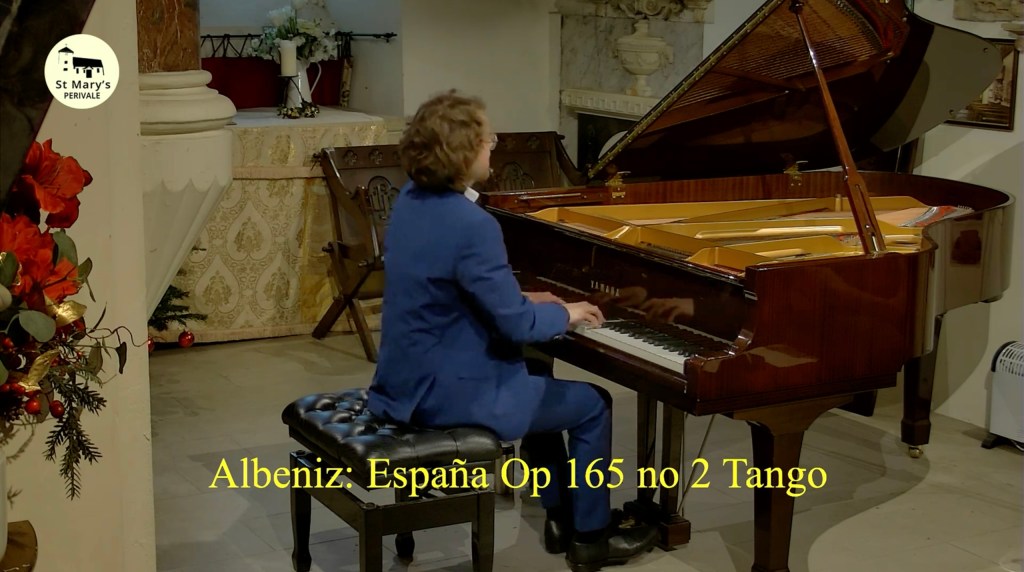
The Albeniz Tango I have heard many times from the hands of Cherkassky but in the Godowsky arrangement.Julian played the original Albeniz that was much simpler but he played it with the same beguiling rubato, glowing luminosity and magic that was the world that Shura could conjure up out of thin air.
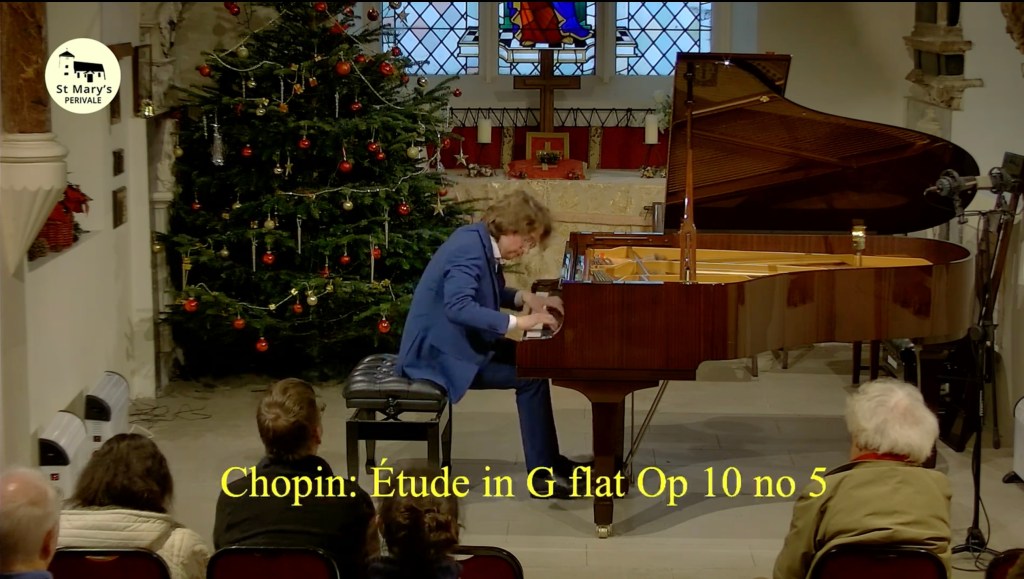
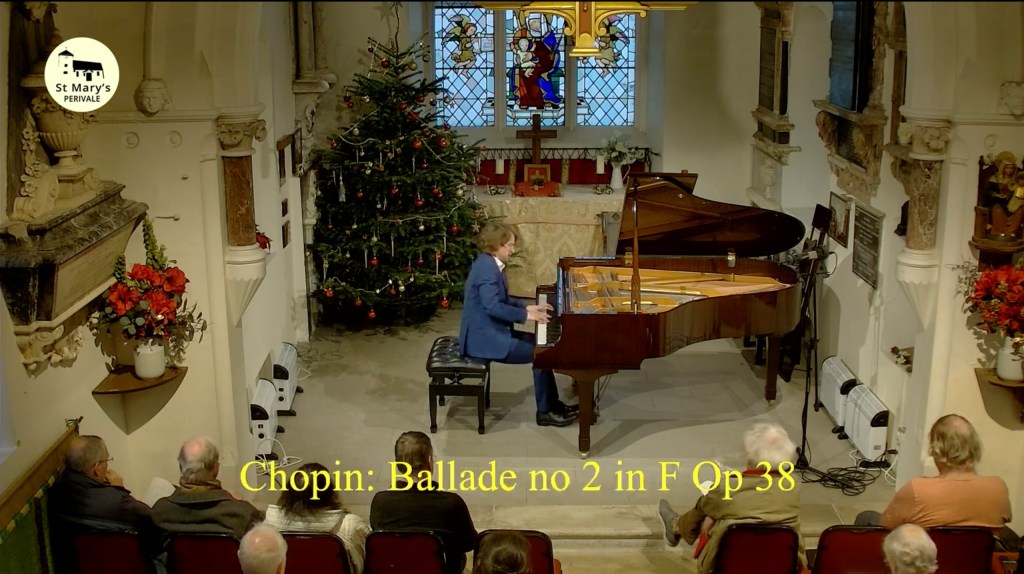
The Chopin Ballades that he chose are the two most pastoral with the beautiful flowing lines of the third that he played with lilting beauty and charm.He was able to incorporate all the ravishing embellishments and Chopin’s genial mellifluous outpouring of delicacy and refined beauty into an architectural whole.The final climax a consequence of all that had come before where Julian found beautiful sumptuous sounds of aristocratic nobility before the stream of notes that takes us to the final cadence that was played with simplicity and not the more usually heard rhetorical slamming of the door!.The second Ballade too was played with disarming simplicity which made the tempestuous interruptions so much more breathtaking. Julian playing with remarkable conviction and real weight ,where he dug deep into the notes without any hardening of sound but with a richness that made the dynamic drive of the coda ever more exhilarating and exciting.The two studies he played showed off Julian’s breathtaking mastery but also his musicianship.A black key study that I have rarely heard played with such assurance and ‘joie de vivre’ where the notes just seemed to pour from his fingers with natural ease to which was added charm and style.The octave study was remarkable for the power without hardness that he could bring to the outer episodes.But it was the central episode where Julian’s intelligent musicianship could show us so clearly the architectural shape of refined beauty where his slight weight on the thumb notes gave a depth and richness to the sudden outpouring of melodious octaves that the genius of Chopin could portray even in a simple study.The nocturne in B was played with great weight and no sentimentality.This was deeply felt aristocratic playing where the ‘bel canto’ embellishments were incorporated into the long melodic lines that Chopin chisels with such poignancy .It was the same disarming simplicity that Julian brought to the first of a group of six preludes.The simple charm of the A major was followed by the passionate outpouring of the glorious F sharp minor .It was here that amongst the streams of notes Julian could show us the melodic line so clearly and beautifully.He brought great nobility to the E major Largo before the scintillating jeux perlé brilliance of the tenth.Simple beauty of the eleventh was followed by the dynamic drive of the impetuous Presto of the thirteenth.Chopin never intended for his Preludes to be played as a set of twenty four in one sitting and Julian showed us just how right he was!
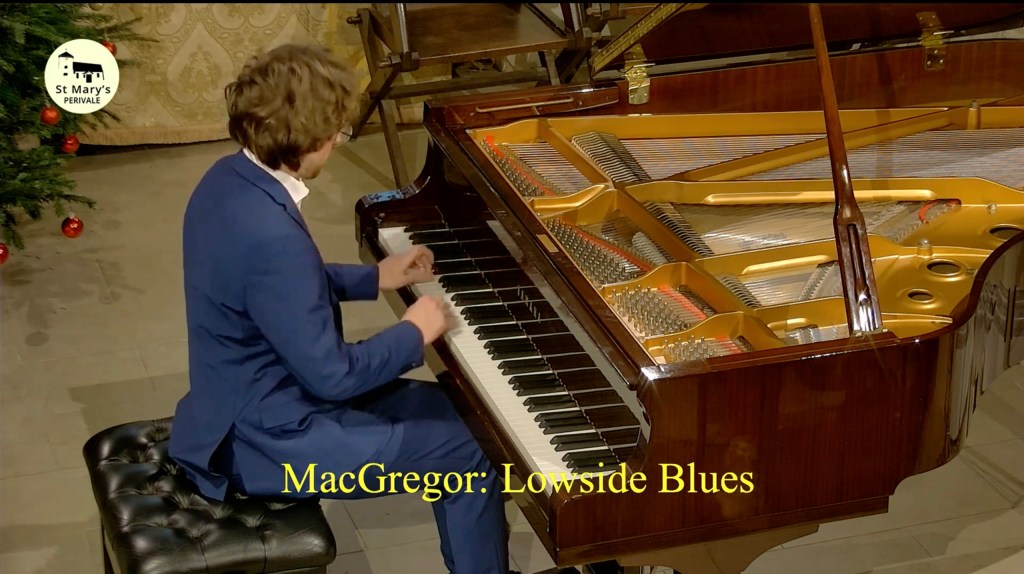
Four short pieces by virtually unknown ( to me at least) women composers. Julian brought a purity of luminous sounds to Tanaka’s ‘Lavender Field’ but it was Joanna Mc Gregor’s ‘Lowside Blues’ that ignited the atmosphere with the enticing jazz rhythms and joyous, riotous fun of the genial head of keyboard at the Royal Academy and that she often adds to a sometimes over serious institution (she was also the only one of four whose name I recognised! )
A single encore although Julian could have gone on much longer.
‘Warum’ by Schumann was played with ravishing subtle beauty and had us all asking ourselves : ‘Why’ is Julian the only pianist who can discover and present ( all from memory) so many still unknown composers in such varied programmes of ‘something old and something new?’
Hats off dear Julian the teenager that we have followed and admired for so many years has become a great pianist with something important to say and ready to take the world by storm.
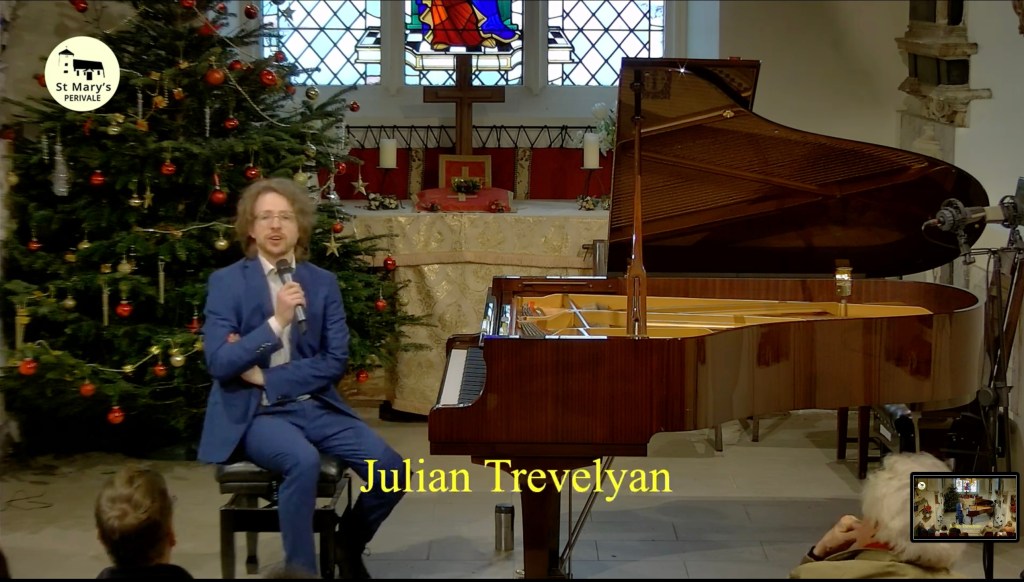
Julian Trevelyan is a concert pianist who performs regularly throughout Europe and in the UK. He came to international attention when, at the age of sixteen, he came top in the 2015 Long-Thibaud-Crespin international competition in Paris. He has since gained further laureates and prizes in Belgium, England, Germany and Switzerland. . Recent competition successes in Europe include the Silver Medal in the 2023 Horowitz competition Kyiv-Geneva, and the second prize, the Mozart concerto prize and the audience prize in the 2021 Géza Anda international piano competition in Zürich. In September 2024 he gained 5th prize in the Leeds International Piano Competition. In 2023, Julian returned to the Ecole Normale de Musique de Paris Alfred Cortot to take part in the Elite program, to develop various musical projects and prepare for competitions
BACH/RACHMANINOV: Violin partita no. 3 in E major BWV 1006 (transcription)
Prelude
Gavotte
Gigue
SCRIABIN:
Mazurka in E major, op. 25, no. 4
Mazurka in C-sharp minor, op. 25, no. 5
Mazurka in F-sharp major, op. 25, no. 6
CHOPIN: Sonata no. 3 in B minor, op. 58
I. Allegro maestoso
II. Scherzo: Molto vivace
III. Largo
IV. Finale
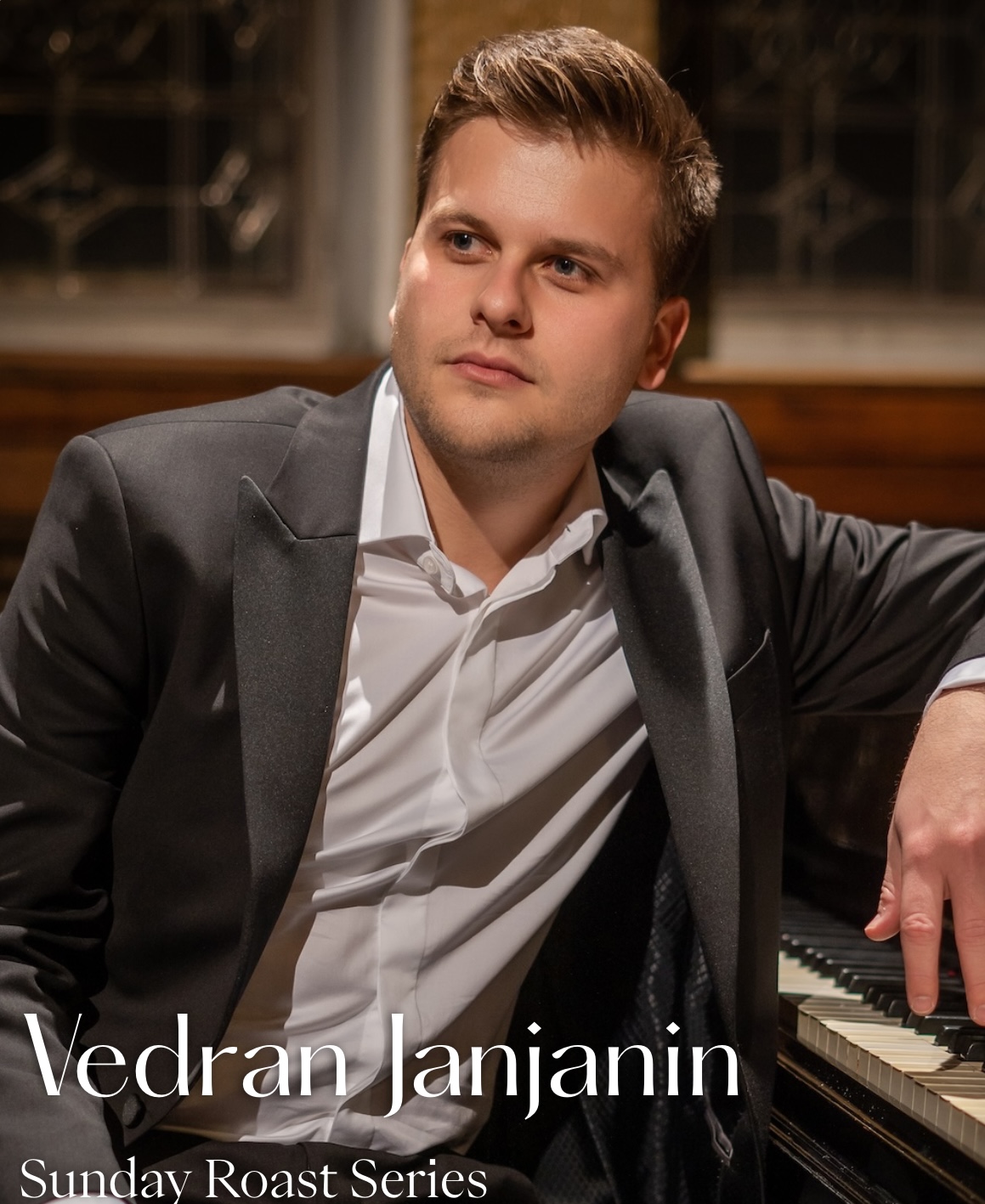
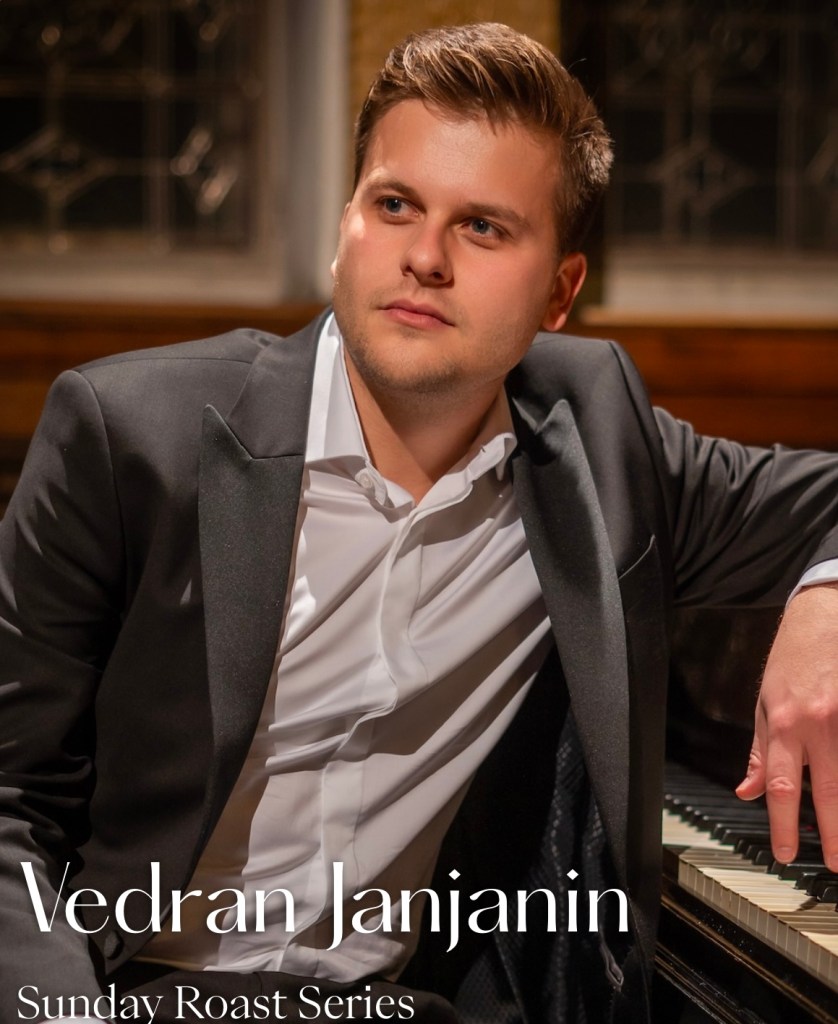
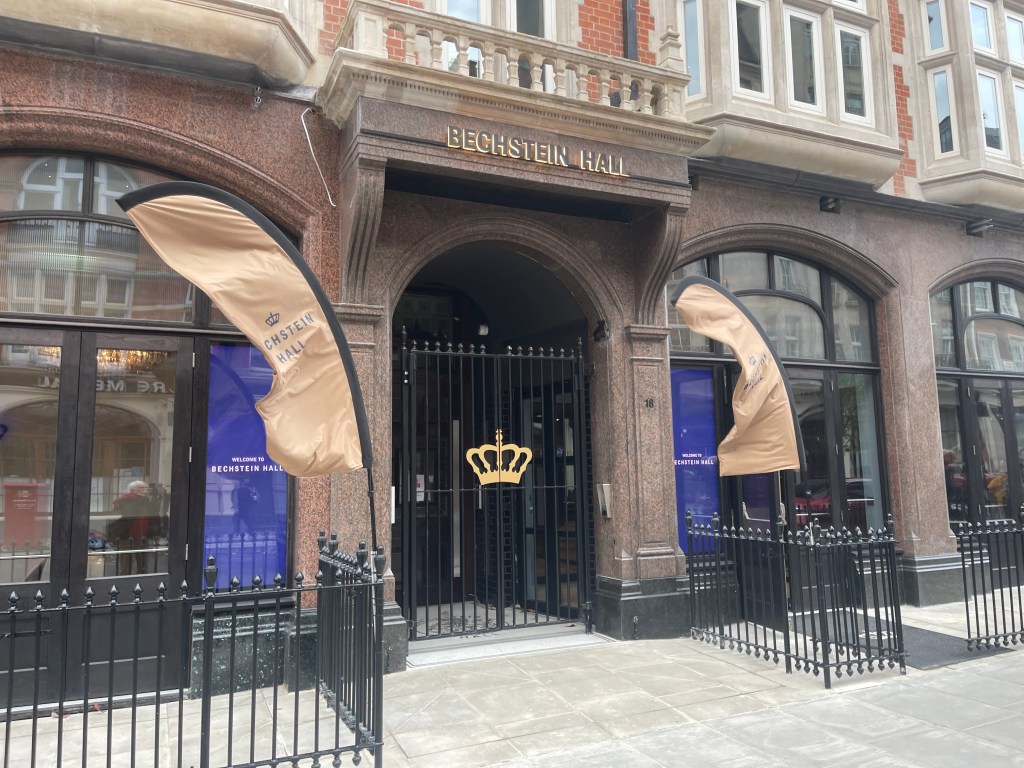
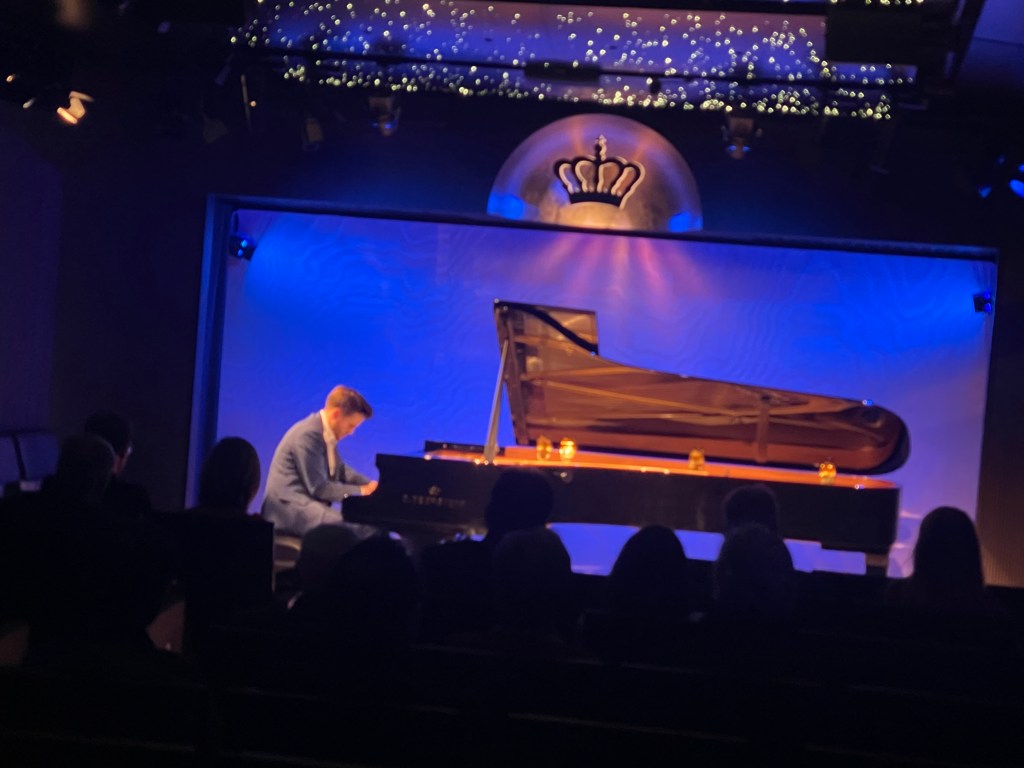
Vedran Janjanin in the Roast series in the new Bechstein Hall.
Things were certainly hotting up towards the end of an after lunch recital of Bach,Scriabin and Chopin .
Sparks started to fly with the Kapustin jazz study n 1 which followed an equally jazzy piece by Vedran’s sister that she had dedicated to her brother .
Scintillating playing very much in tune with the beautiful nightclub atmosphere that Bechstein have generously offered to us in London to show off their magnificent instruments.
Vedran had begun with Bach ,Siloti style with a sumptuous performance of the Prelude in B minor. A ravishing sense of balance with glorious golden sounds that were only broken by Bach but this time Rachmaninov style.
A reworking of three movements from the third Partita for solo violin.Maybe he knew that Tasmin Little was in the audience ?
Played with impish clarity and charm with the grace of the Gavotte followed by the knotty twine of the Gigue .Streams of notes with Rachmaninov’s voice exulting the genial writing of J.S Bach.
There was a luminosity and sense of improvisatory beauty to the three mazurkas by Scriabin op 25 with a kaleidoscope of colour and sounds that Vedran told me afterwards could be controlled with the acoustically assisted sound available in ten easy steps !
The second half of the programme was dedicated to Chopin with the Sonata in B minor.
Some beautiful things especially in the Largo and the trio of the scherzo second movement.The finale too was played with dynamic drive as the final explosion of the rondo brought this masterpiece to an exciting conclusion. The first movement suffered from a lack or architectural shape and although there were many beautiful moments he missed the overall sweep that he was able to find elsewhere.
Vedran with Jessica Duchen, Tasmin Little ,Josephine Knight
Many musician friends were there to applaud their colleague from my old Alma Mater – the Royal Academy where he he tells me he has formed a trio with his former chamber music coach
Vedran Janjanin is a young emerging artist from Croatia, currently residing in London. After finishing his studies at Zagreb Music Academy and Franz Liszt Academy in Budapest, he was recognised by the Royal Academy of Music in London and given full scholarship for the Advance Diploma studies in Piano performance.
His debut performance at Wigmore Hall in February 2023 won him rave reviews from the critics and a new invitation to perform a solo recital in January 2024.
He has performed in countries such as Italy, Slovenia, Serbia, Austria, Hungary, Germany and England, and was featured by numerous orchestras a soloist, such as the Zagreb Philharmonic Orchestra, Central European Youth Orchestra, Zagreb Academy Symphony Orchestra and Croatian Young Musicians Orchestra. He collaborated with established international musicians such as Andrey Gugnin, Sujari Britt, Istvan Balazs, Darija Auguštan, Ivan Krpan, Jelena Štefanić and others.
His most recent collaboration is a duo with one of Britain’s leading cellist – Josephine Knight, holder of the Alfredo Piatti Chair of Cello at the Royal Academy of Music, where she teaches.He was guided by eminent pianists and pedagogues such as Emanuel Krasovsky, Christopher Elton, Kalman Drafi, Dina Yoffe, Jerome Rose, Janos Devich, Eugen Indjic, Wayne Marshall OBE and Andrei Korobeinikov.
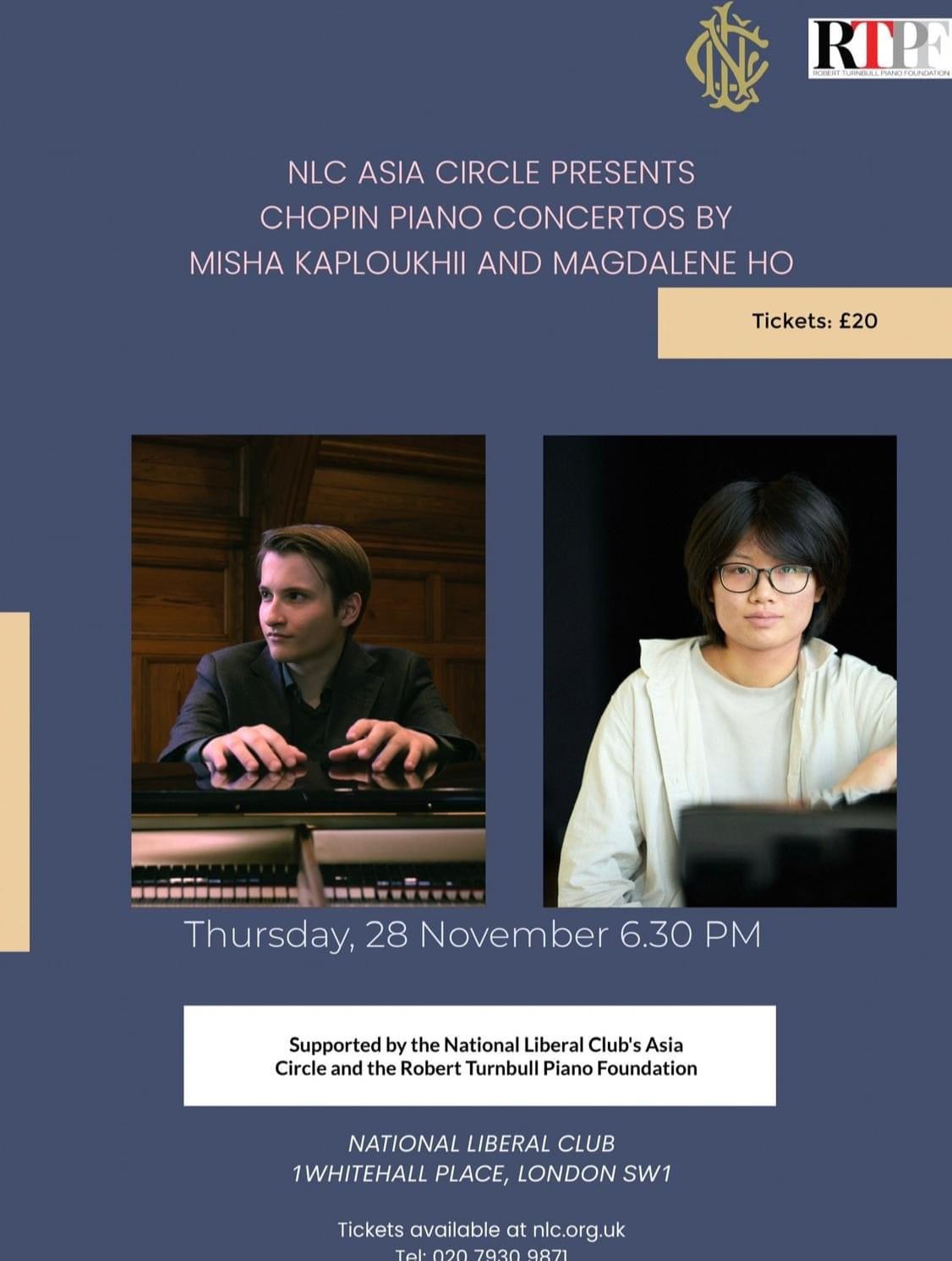
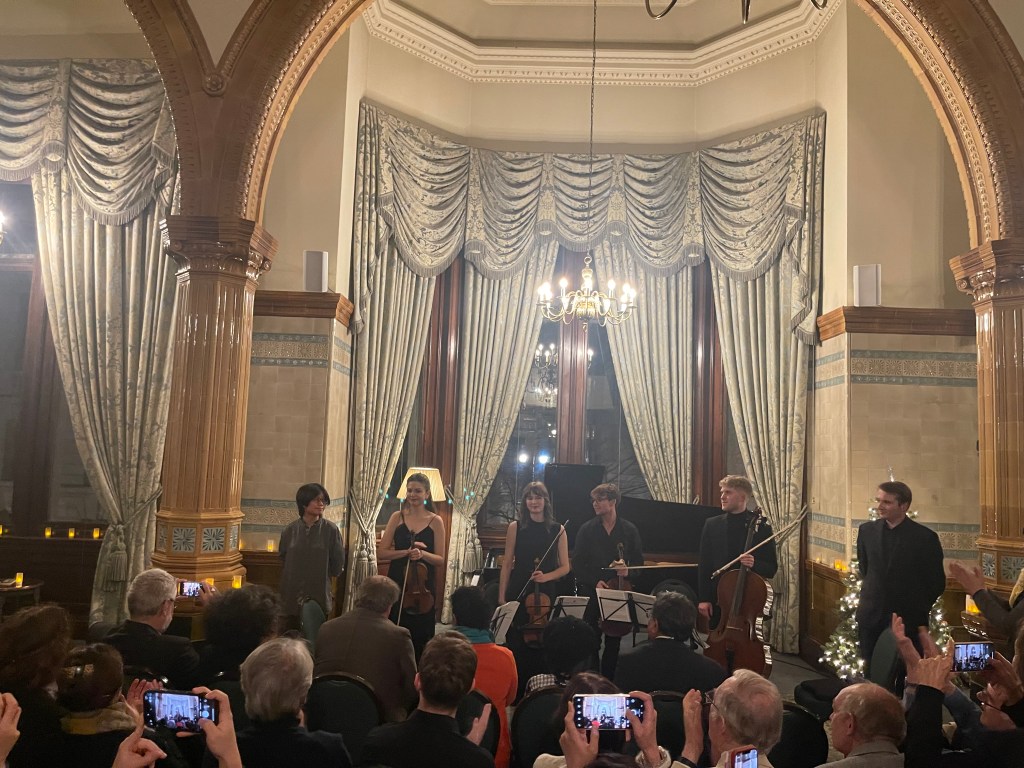
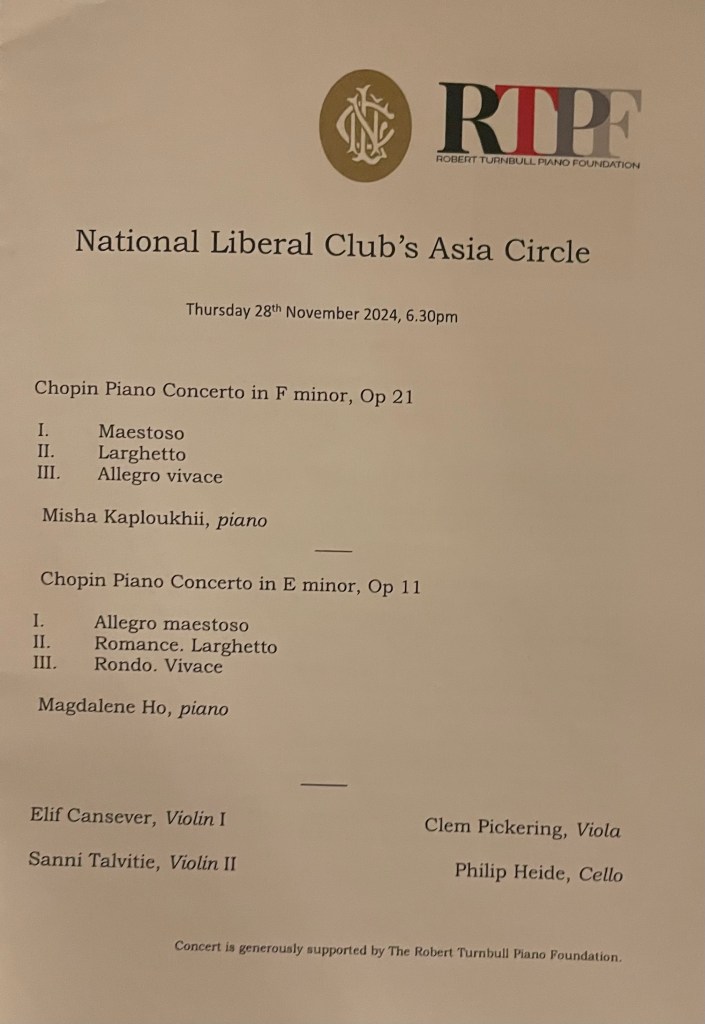
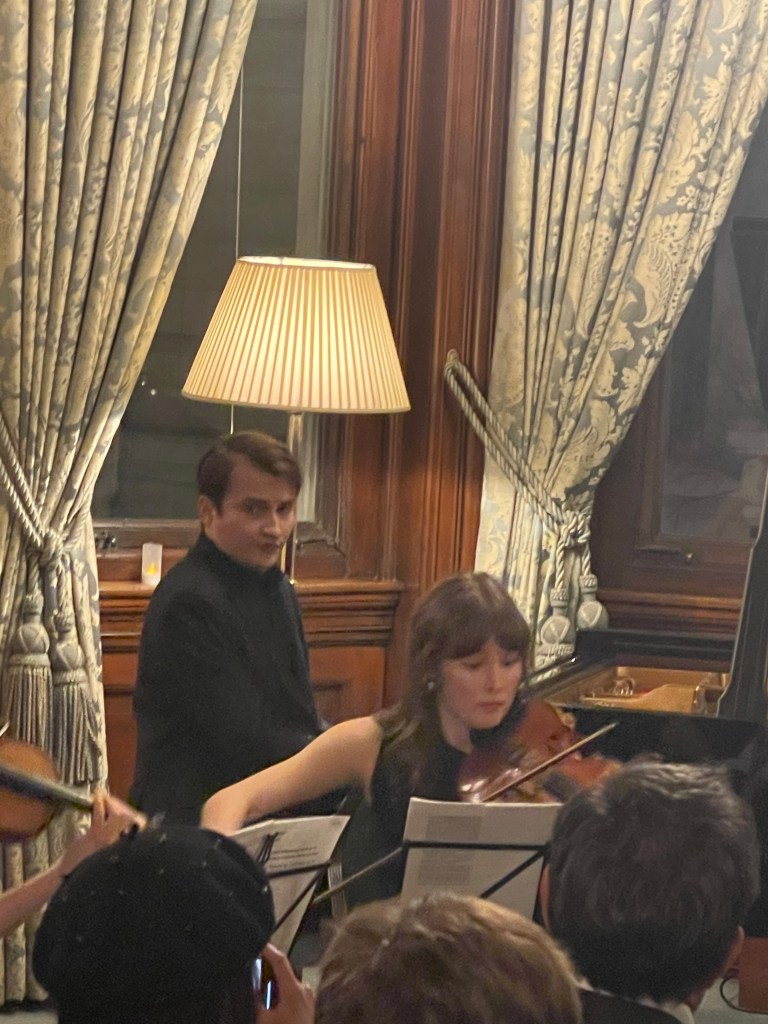
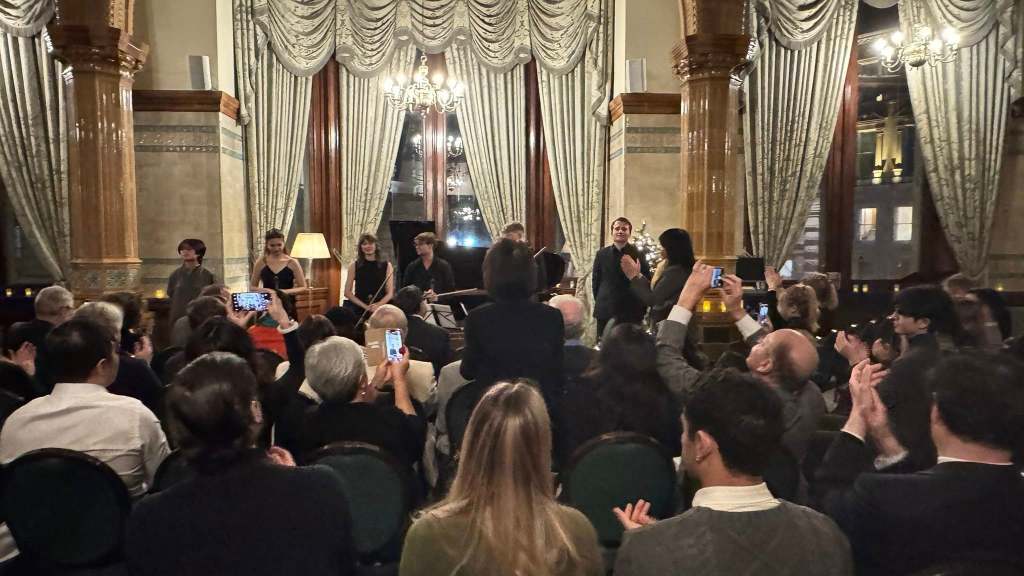
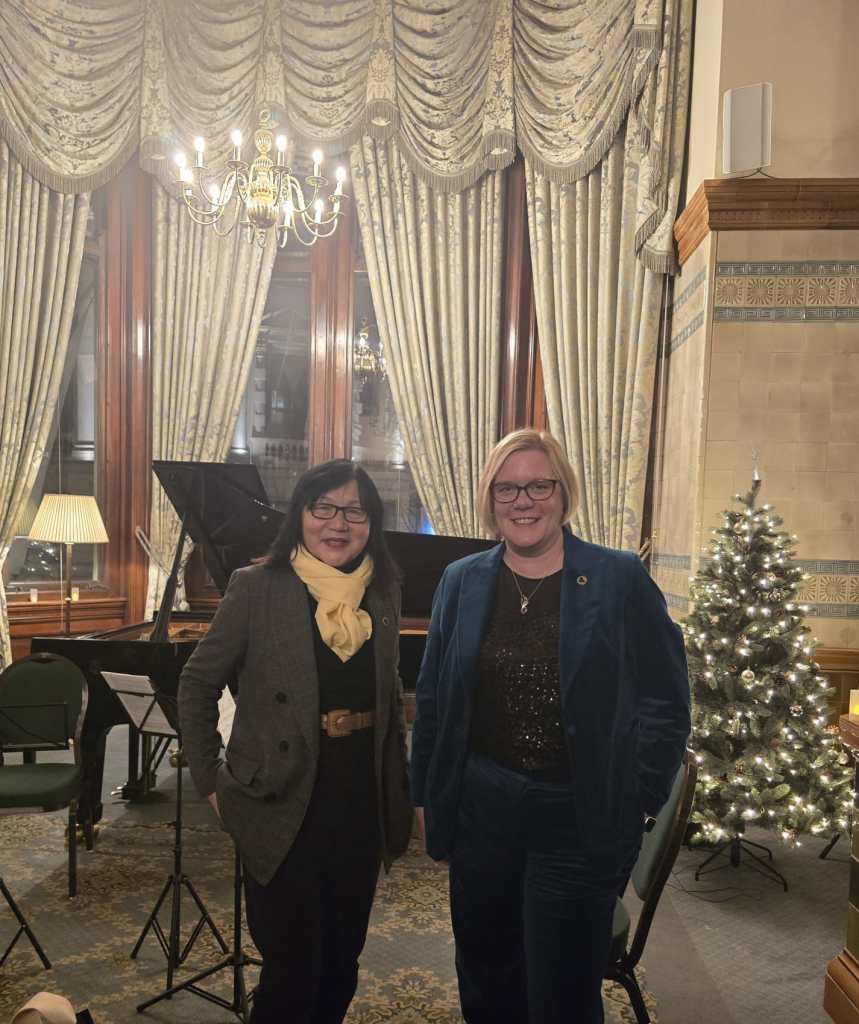
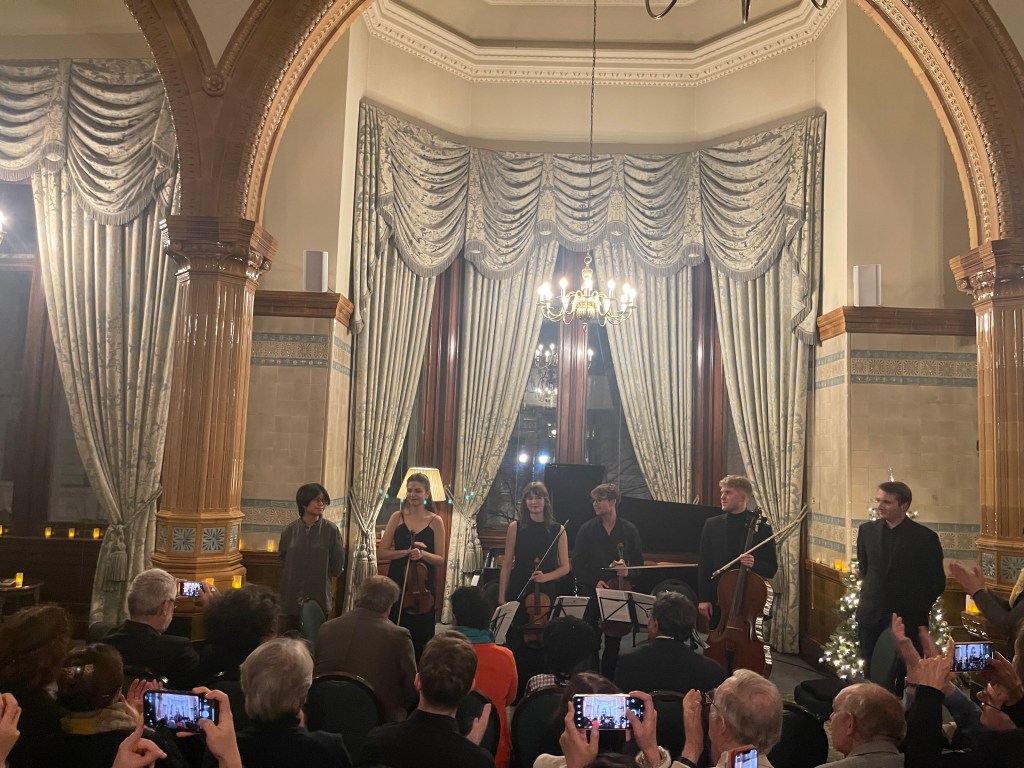
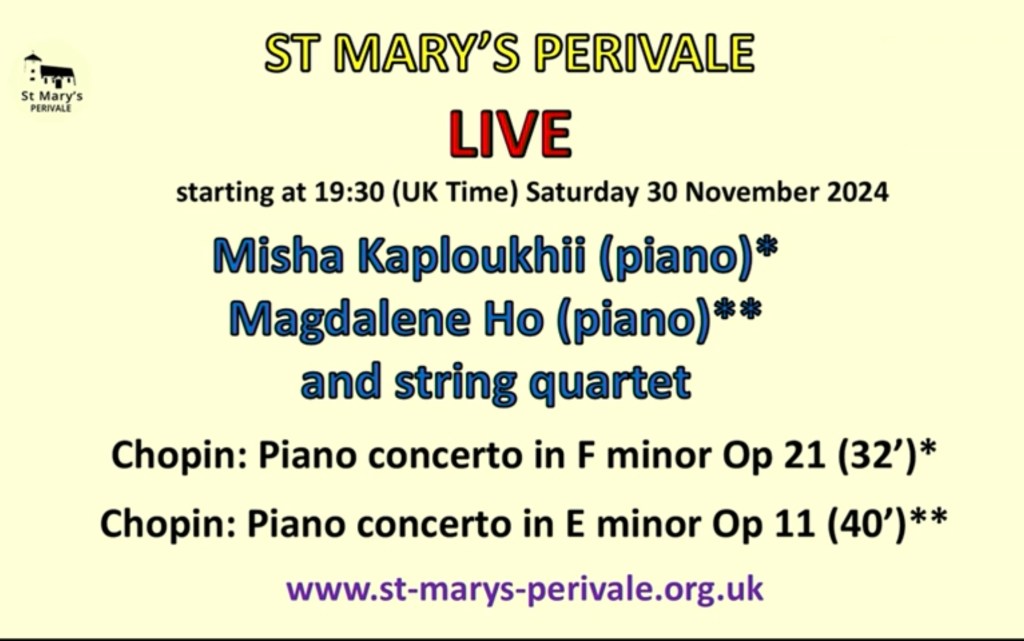
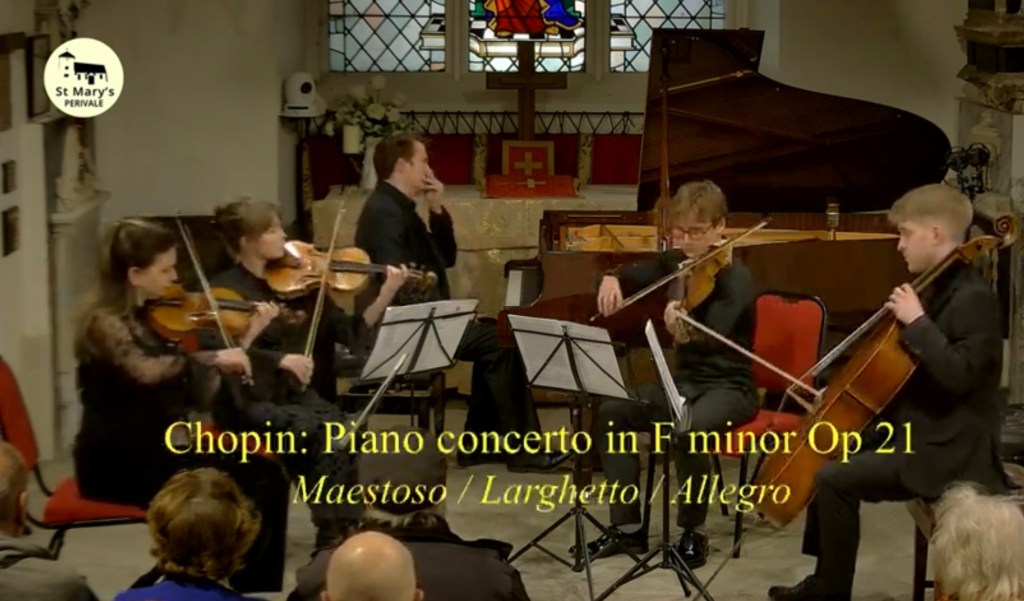
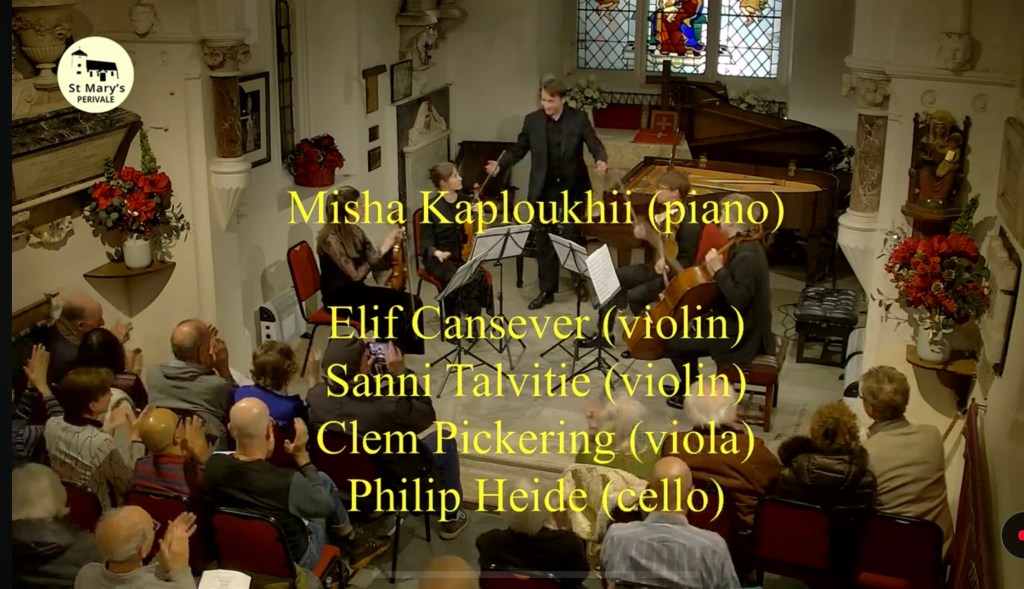
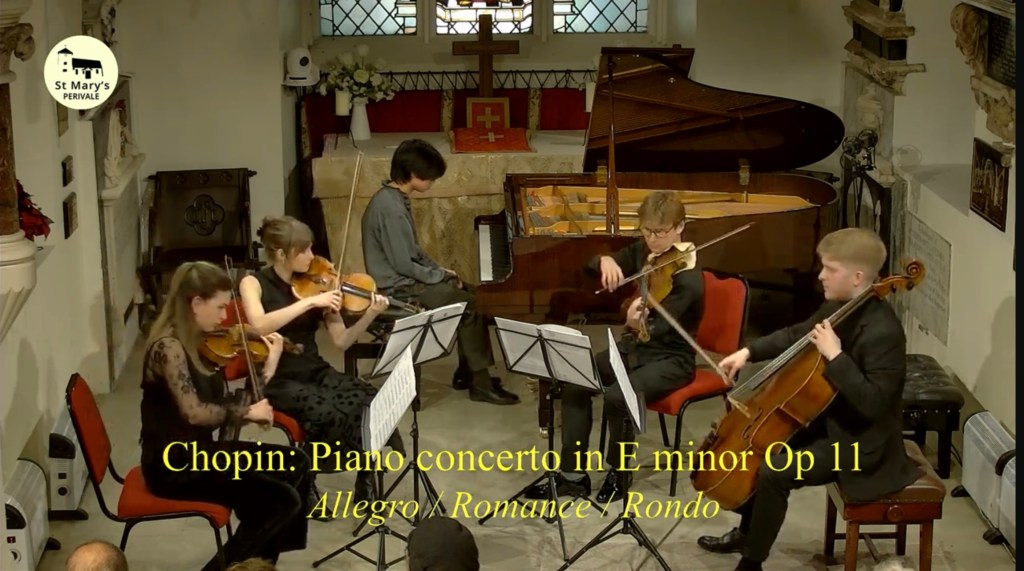
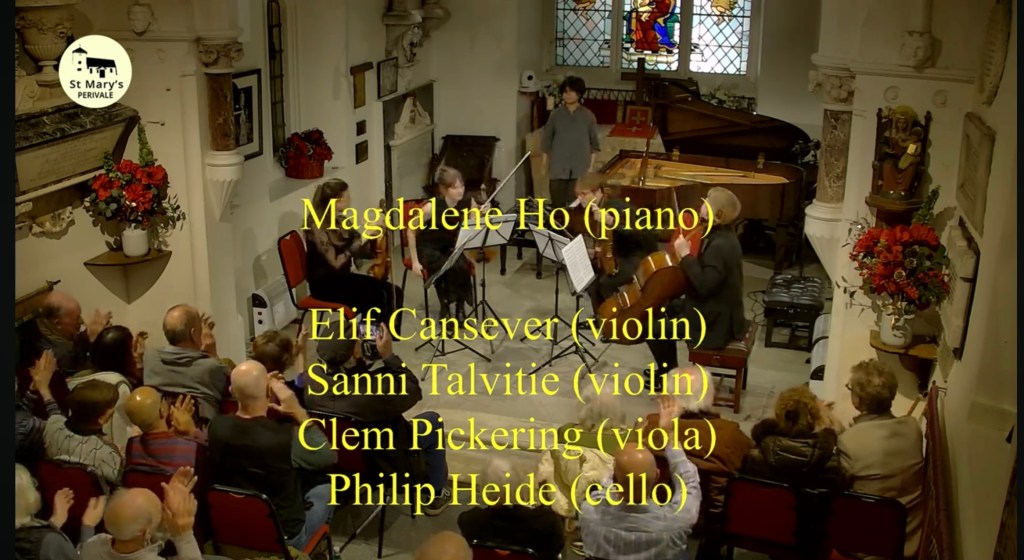
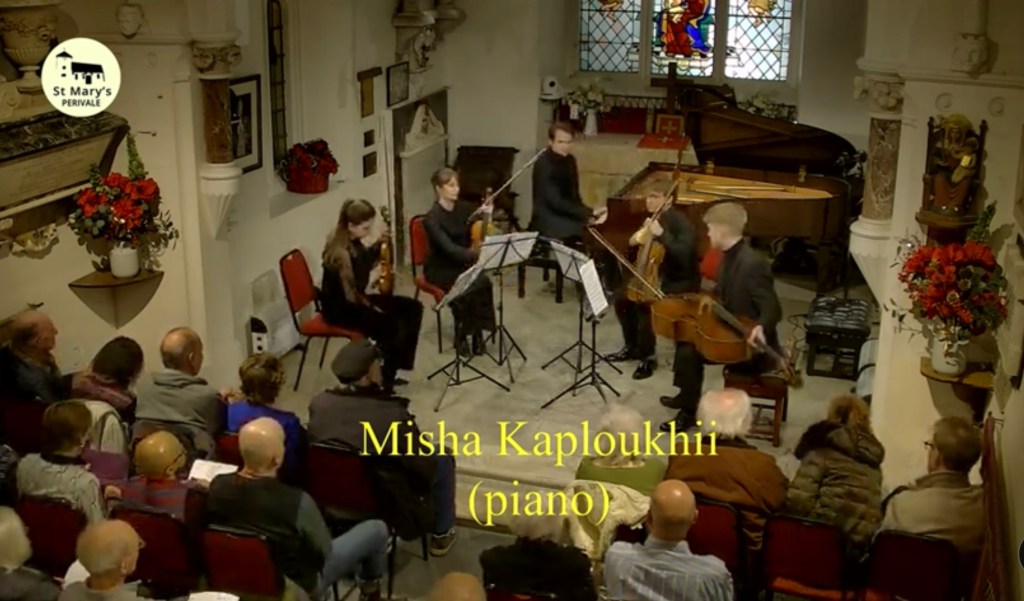
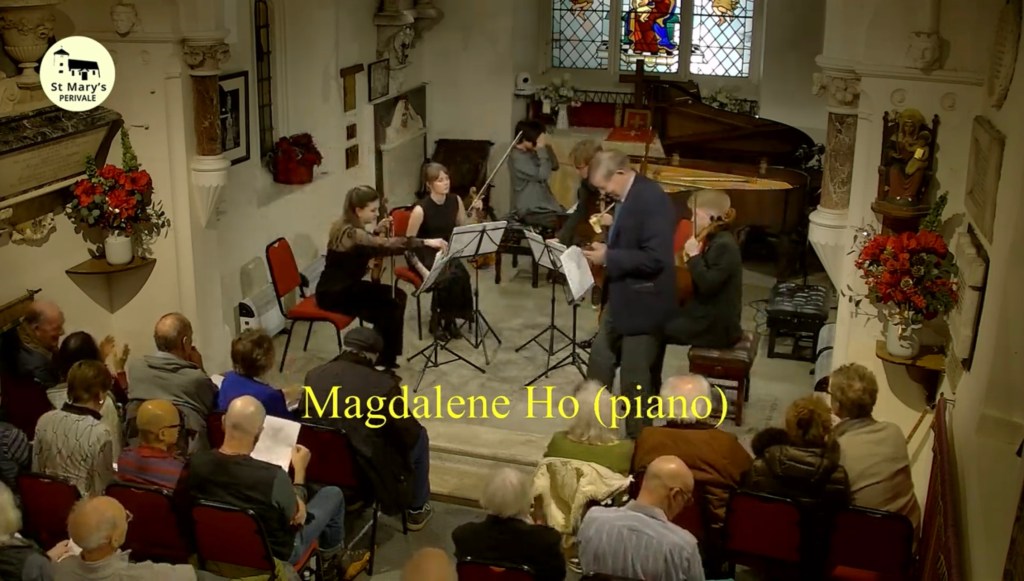
Superb playing from these two young stars of the Royal College of Music, with a concert promoted by Yisha Xue and the Robert Turnbull Piano Foundation repeated at the Mecca for all great young pianists in Perivale.One in the sumptuous surrounds of the National Liberal Club and the other in the historic St Mary’s Perivale
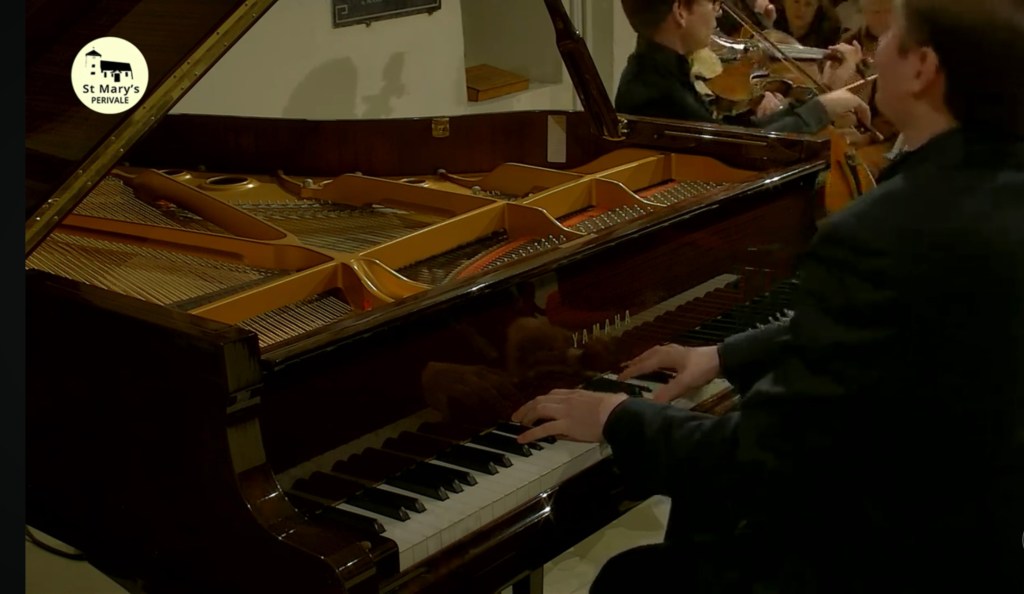
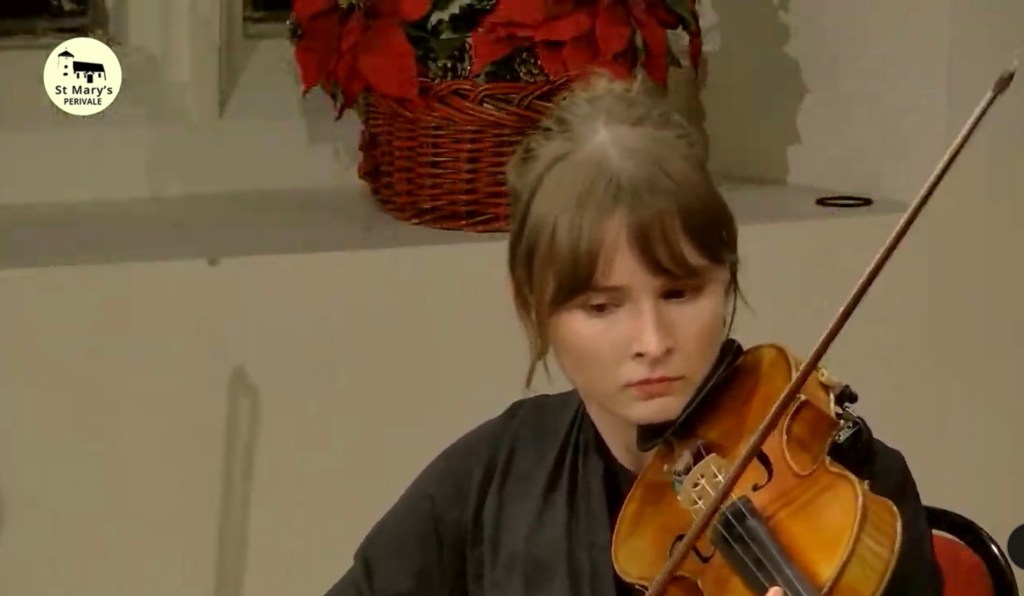
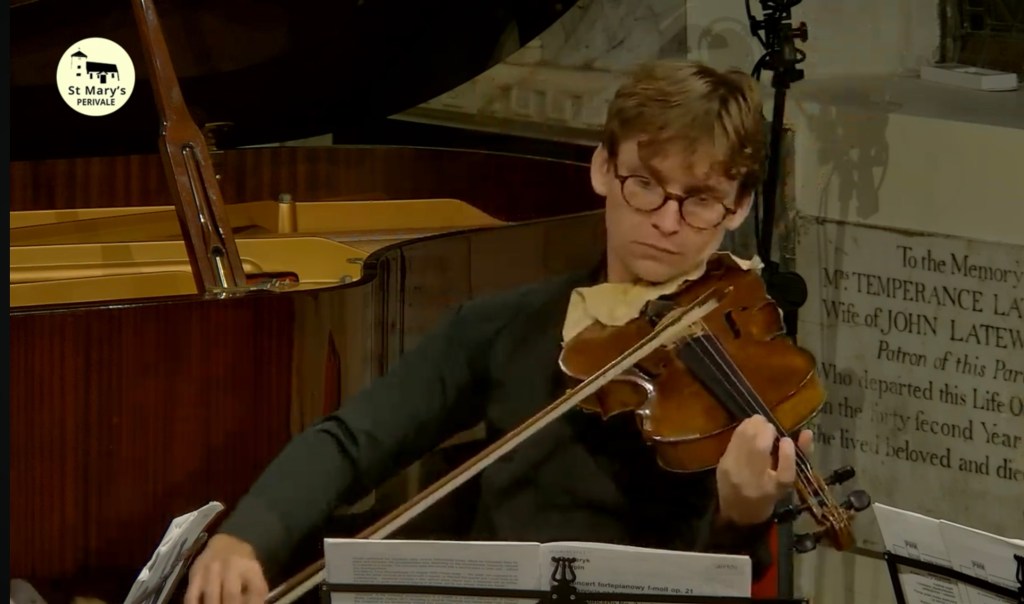
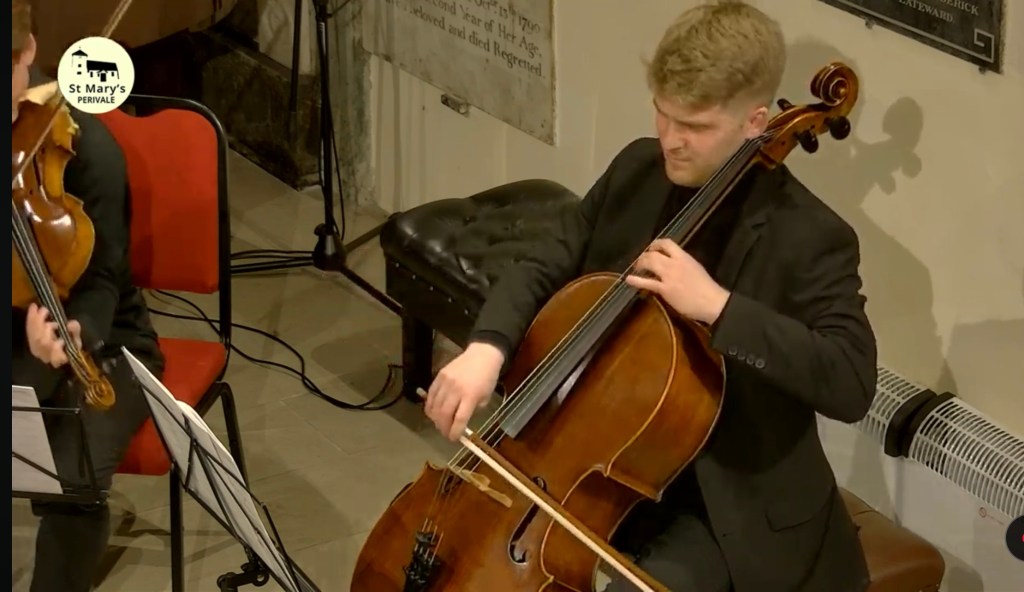
Misha brought a spontaneity to his playing as the streams of golden sounds poured from his fingers with such ease and an aristocratic sense of style.From the opening bel canto of the F minor concerto it was obvious that here was a stylist who could give all the time necessary to allow the music to breathe and beguile without any excentricities or exaggerations.Looking intently at his colleagues as he was living every moment and was ready to capture beauty as on the wings of song.There was virtuosity but it never drew attention to itself as it was incorporated into a concerto that is one long mellifluous outpouring. The string quartet were following the every move of our soloists and it was only in the long tuttis that we were aware that with single instruments there is simply not the volume to create the climax that the soloist is preparing us for.
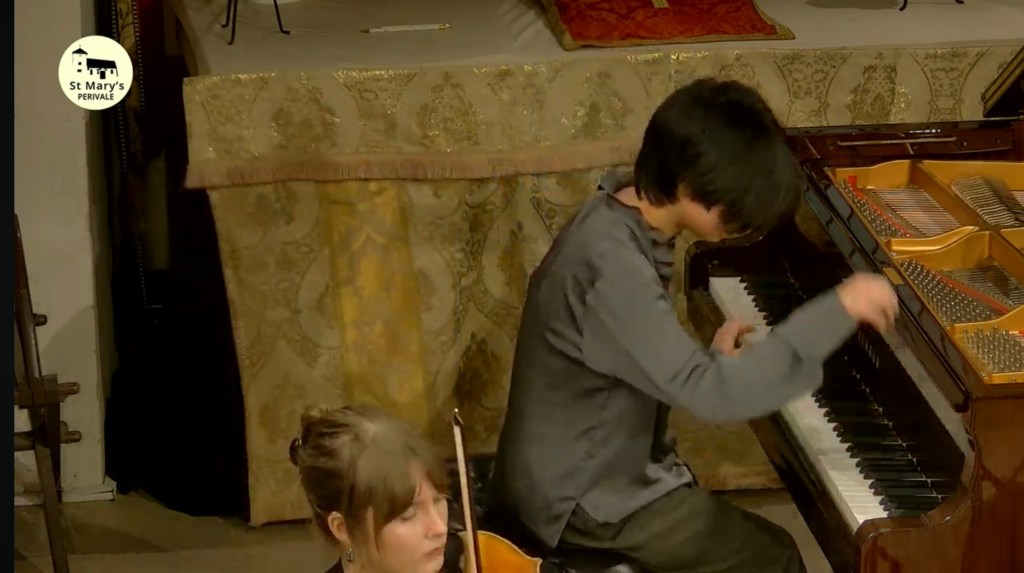
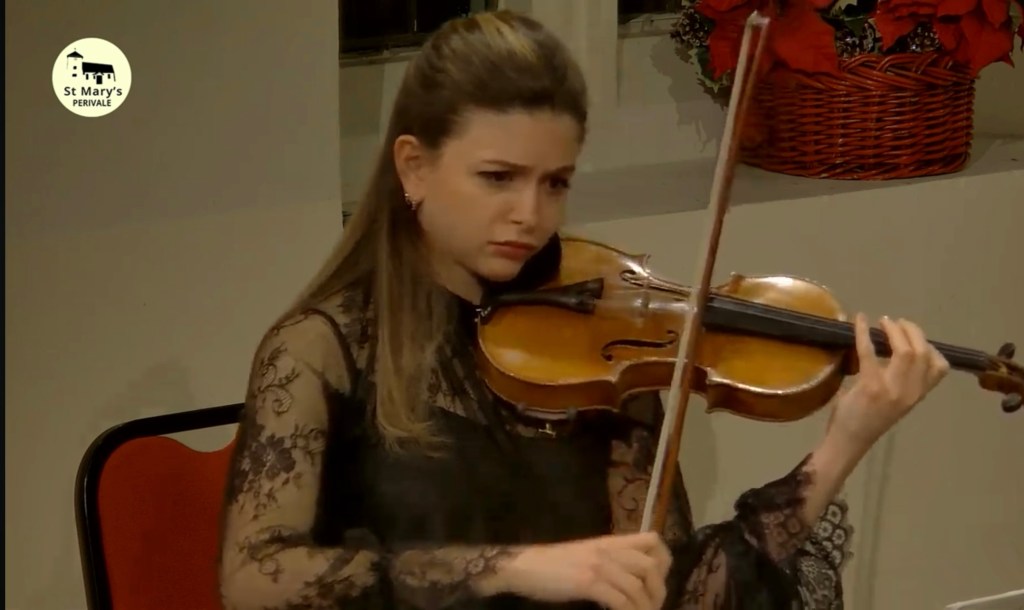
Magdalene gave a much more measured performance of extraordinary mastery and if the first movement seemed rather slow it was, though, full of ravishing detail .Especially the second subject where she played the deep bass note with her right hand before allowing it to carve such magic above pulsating chords.The grandiloquence of the opening was played with absolute clarity and majesty but a slightly faster tempo might have given it more electric excitement.It was in the slow movement that Magdalene showed her mature musical genius as she allowed Chopin’s bel canto to glow with ravishing sounds of simplicity and sublime beauty.The Rondo she thought of in more melodic terms rather than abandoning herself to the dance.She found such subtle beauty and an extraordinary architectural shape to this movement allowing herself finally to relish the final pages of virtuosistic brilliance.This version with string quartet was much more successful in the smaller space of St Mary’s or maybe it was because of the superb streaming that there seemed to be more weight to their playing.However to hear these two concertos played with such mastery and superb musicianship was indeed a rare treat
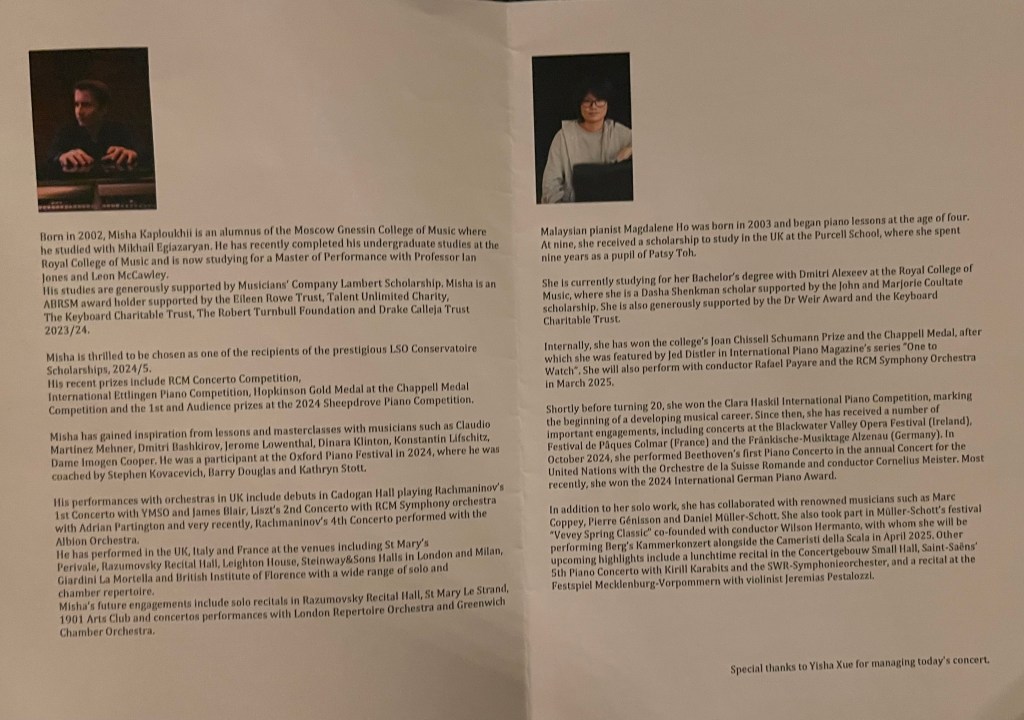
Misha Kaploukhii was born in 2002 and is an alumnus of the Moscow Gnessin College of Music. He is currently studying at the Royal College of Music and is an RCM and ABRSM award holder generously supported by the Robert Turnbull Piano Foundation and Talent Unlimited studying for a Bachelor of Music with Prof. Ian Jones. Misha has gained inspiration from lessons and masterclasses with musicians such as Claudio Martínez Mehner, Dmitri Bashkirov, Jerome Lowenthal and Konstantin Lifschitz. He has performed with orchestras around the world including his recent debut in Cadogan Hall performing Rachmaninov’s First Piano Concerto. His repertoire includes a wide range of solo and chamber music. Recently, Misha won prizes in the RCM Concerto Competition (playing Liszt’s Second Piano Concerto) and in the International Ettlingen Piano Competition. https://christopheraxworthymusiccommentary.com/2024/11/14/misha-kaploukhii-in-florence-and-milan-for-the-keyboard-trust-and-robert-turnbull-piano-foundation/
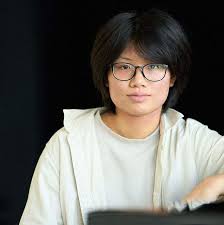
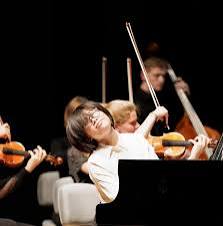
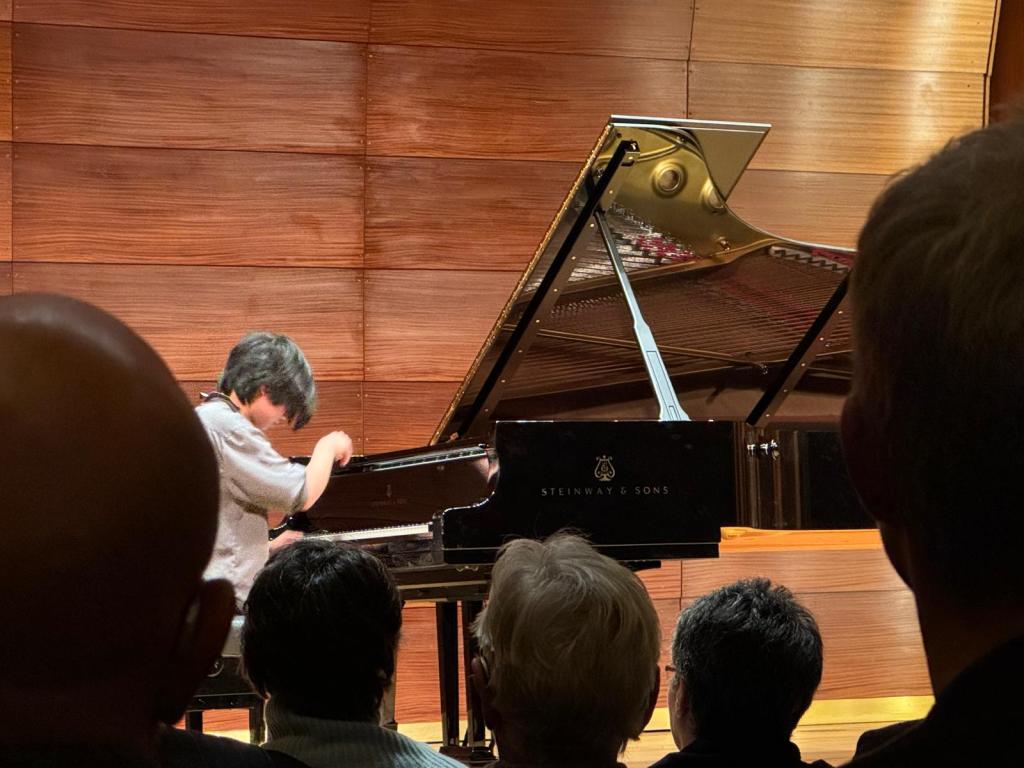
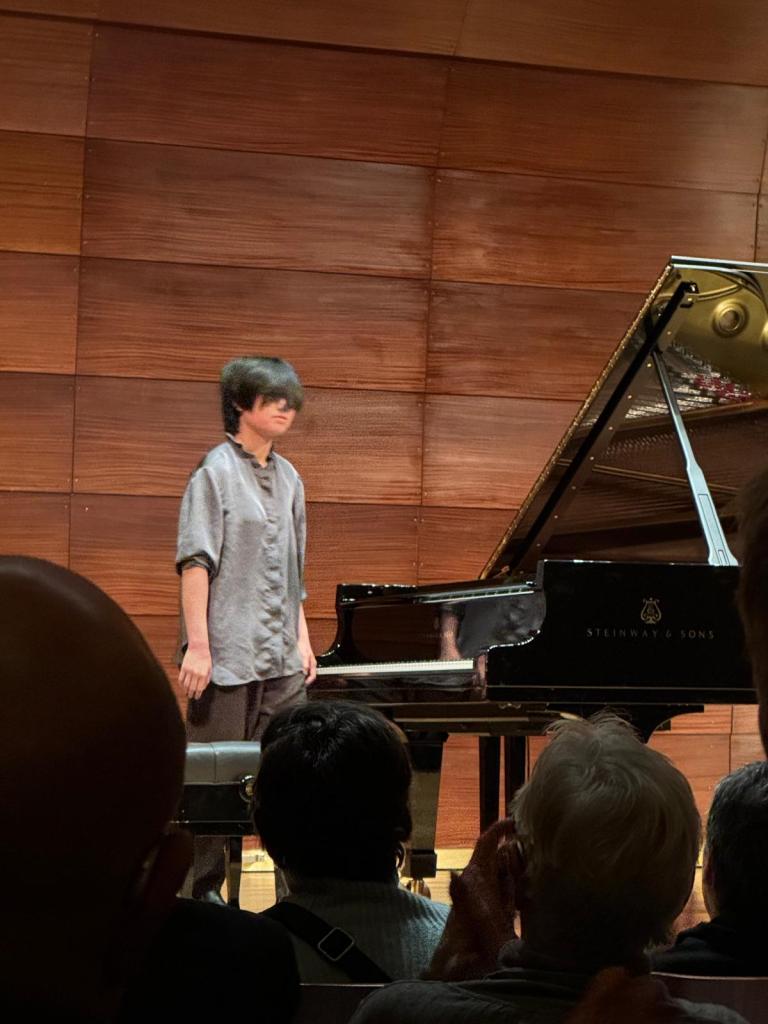
Malaysian pianist Magdalene Ho was born in 2003 and started learning the piano at the age of four. In 2013, she began studying in the UK with Patsy Toh, at the Purcell School. In 2015, she received the ABRSM Sheila Mossman Prize and Silver Award. As part of a prize won at the PIANALE piano festival in Fulda, Germany, she released an album of Bach and Messiaen works in 2019. She was a finalist at the Düsseldorf Schumann Competition 2023 and was awarded the Joan Chissell Schumann Prize for Piano at the Royal College of Music a few months later. In September 2023, she won the Clara Haskil International Piano Competition in Vevey along with receiving the Audience Prize, Young Critics’ Prize and Children’s Corner Prize. She has been studying with Dmitri Alexeev at the Royal College of Music since September 2022, where shee. is a Dasha Shenkman Scholar supported by the Gordon Calway Stone Scholarship, and by the Weir Award via the Keyboard Charitable Trust. She recently won the Chappell Gold Medal at the RCM https://christopheraxworthymusiccommentary.com/2024/05/12/magdalene-ho-a-musical-genius-in-paradise/
We had the privilege of experiencing two extraordinary and unforgettable days at the Casals Forum!
It is difficult to put into words the exceptional talent and the stunning performances of the six nominees for the 13th International German Piano Award.
These days were filled with musical beauty and the passion that each artist brought to the stage. My heartfelt congratulations go to all six nominees, who enriched both the jury and the audience with their incredible talent.
However, I would like to extend a very special congratulations to 𝐌𝐀𝐆𝐃𝐀𝐋𝐄𝐍𝐄 𝐇𝐎:
After 11 years, she is the first woman to win the International German Piano Award!
Dear Magdalene, your performance in the Grand Prix with Schumann’s Piano Concerto was nothing short of breathtaking, and your appearances on all previous stages were equally unforgettable. Every note was deliberate and played with gentle precision—a true masterpiece. Congratulations on this outstanding achievement! You are undoubtedly a pianist of great promise.
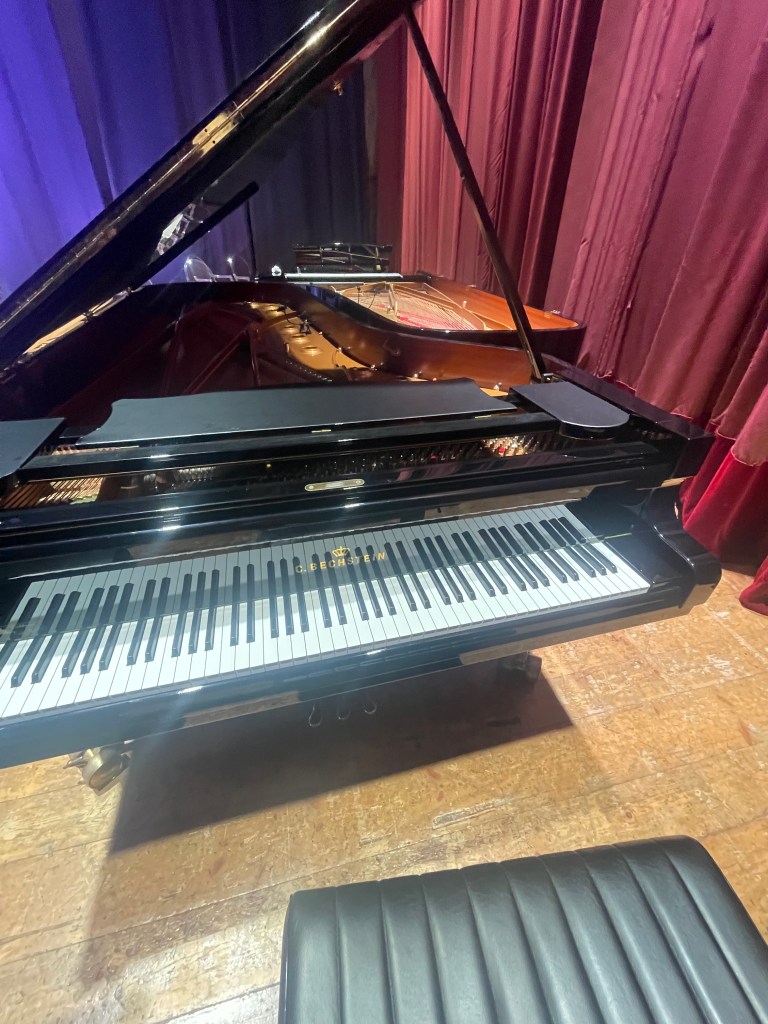
Thank you to C. Bechstein for the wonderful Grand-Piano!









































 ChristopherAxworthy-MusicCommentary