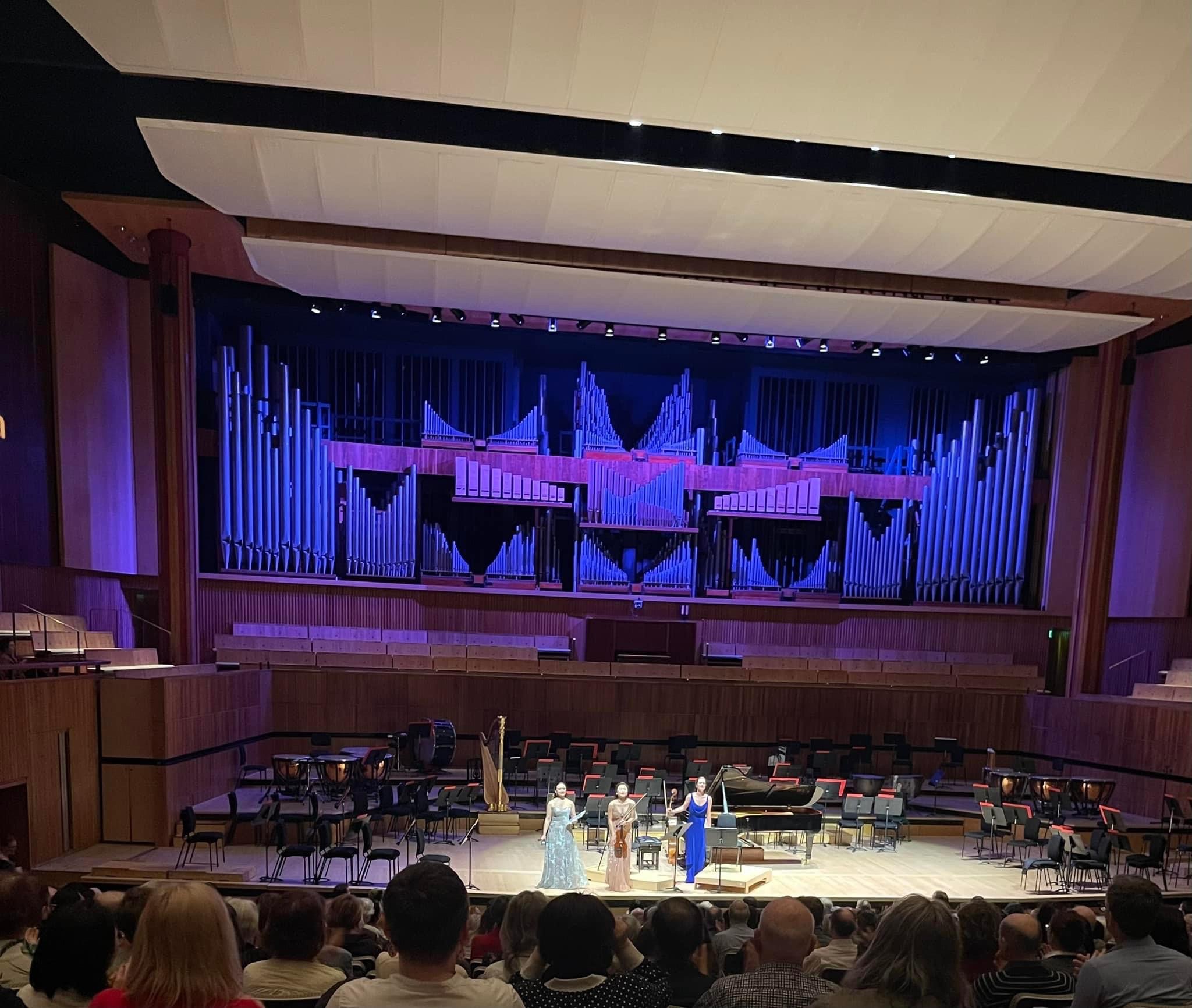
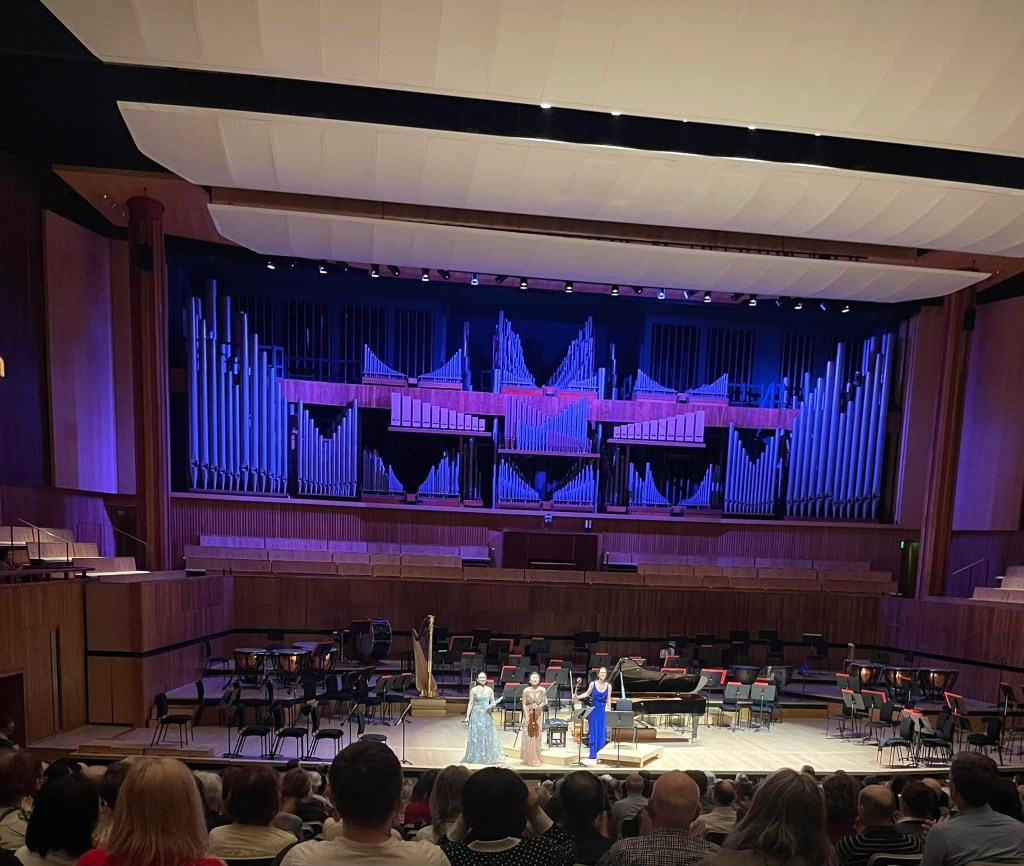
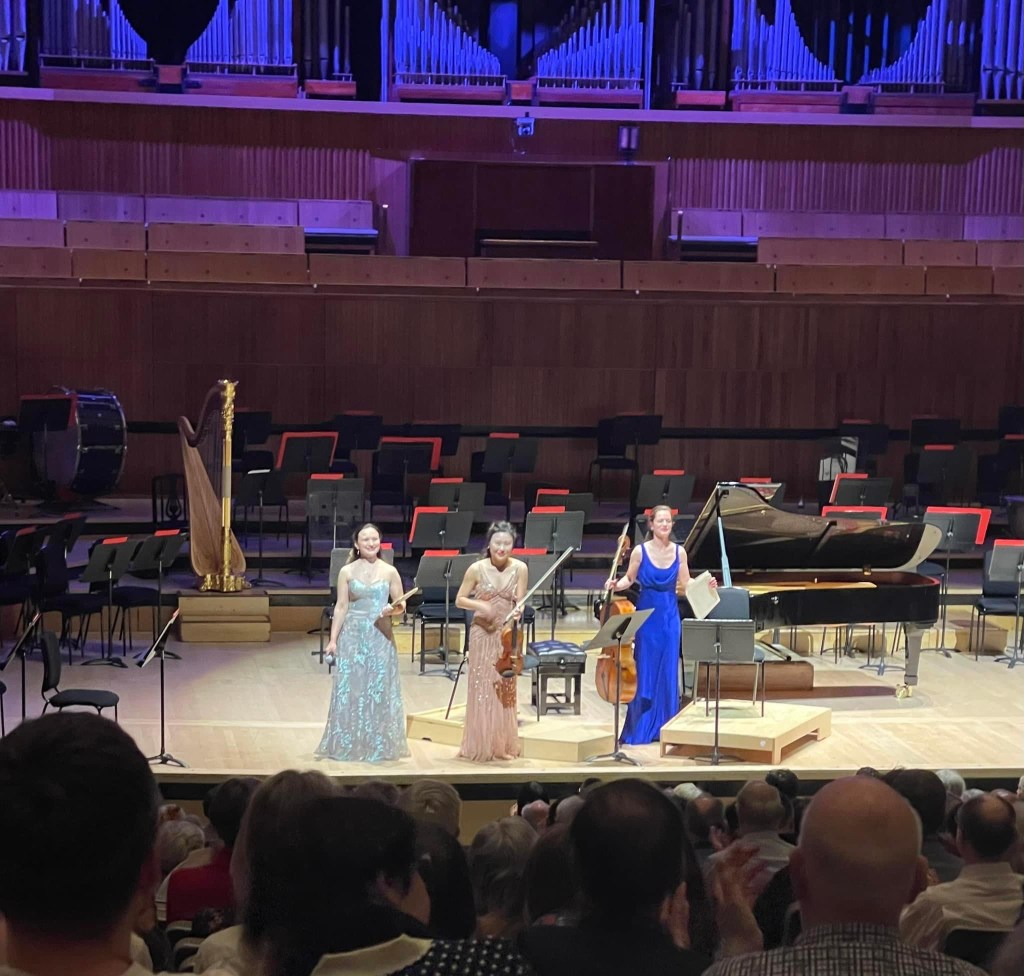
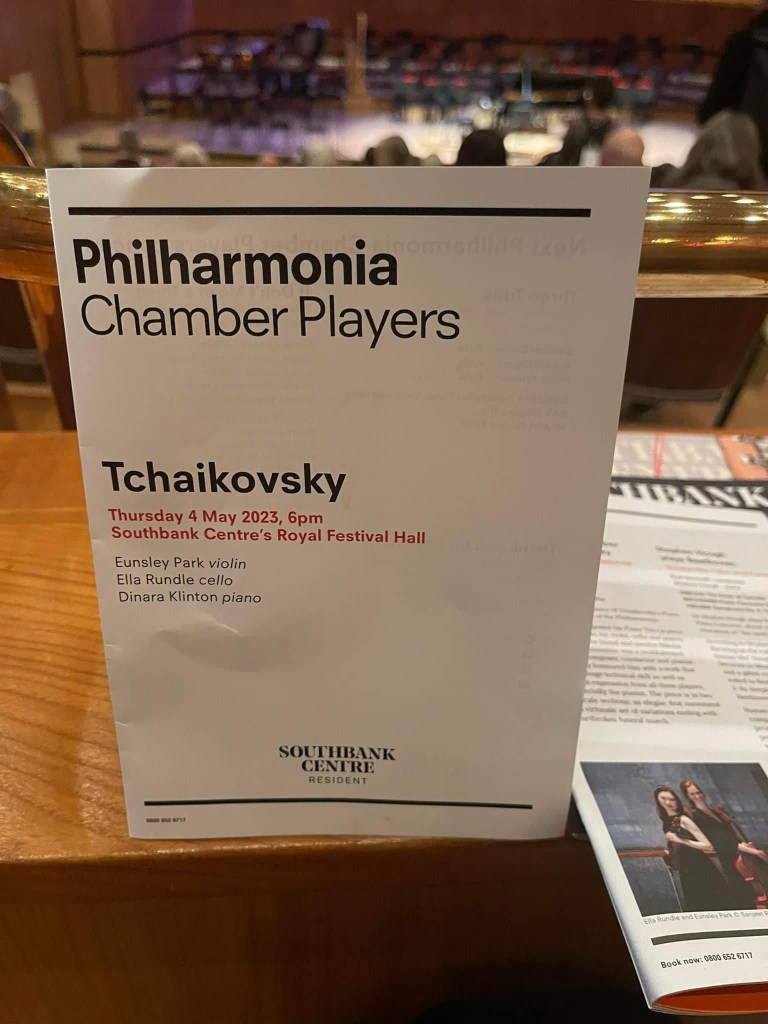
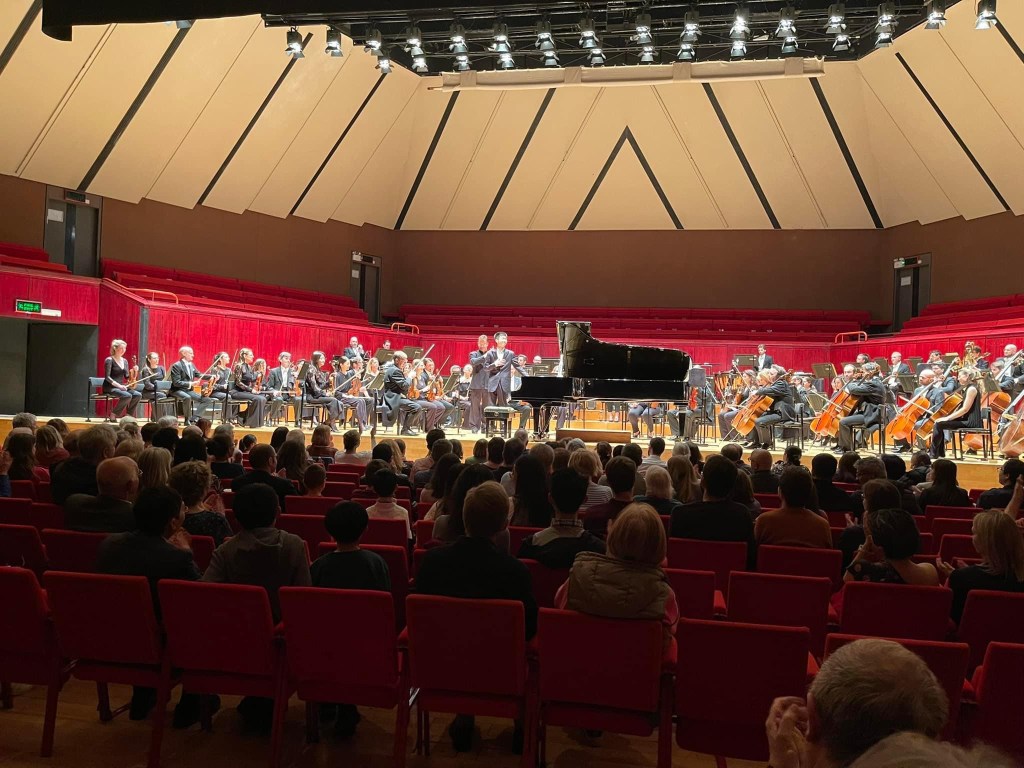
Wonderful to see the Festival Hall full and to see Dinara Klinton on the stage where she truly belongs. With two very fine musicians at her side who were both trained at the Menuhin School where Dinara is now a Professor. Eunsley Park and Ella Rundle joined Dinara in a sumptuous performance of Tchaikowsky’s monumental Piano Trio à la mémoire d’un grand artiste.
A superb sense of ensemble but this is very much a Trio with a virtuoso piano part that in the wrong hands can lead to a very one sided match. Dinara with the piano lid fully open never overpowering her colleagues but blending in with them in a musical conversation as the musical line was passed from one to another. But there were moments when the piano was allowed to shine and it was here that Dinara’s ravishing playing carried into this vast hall as I have rarely heard from others. There were cascades of notes from the piano as the Violin and Cello took over the melodic line and Dinara sustained them offering shimmering glowing accompaniments.
But it was the magic Dinara brought to the Theme of the Andante con moto that will remain in my memory.A pianist with a diaphragm that like a singer can send a tender message to the front row and make it resonate to the very last.It is called mastery and artistry and Dinara has both.
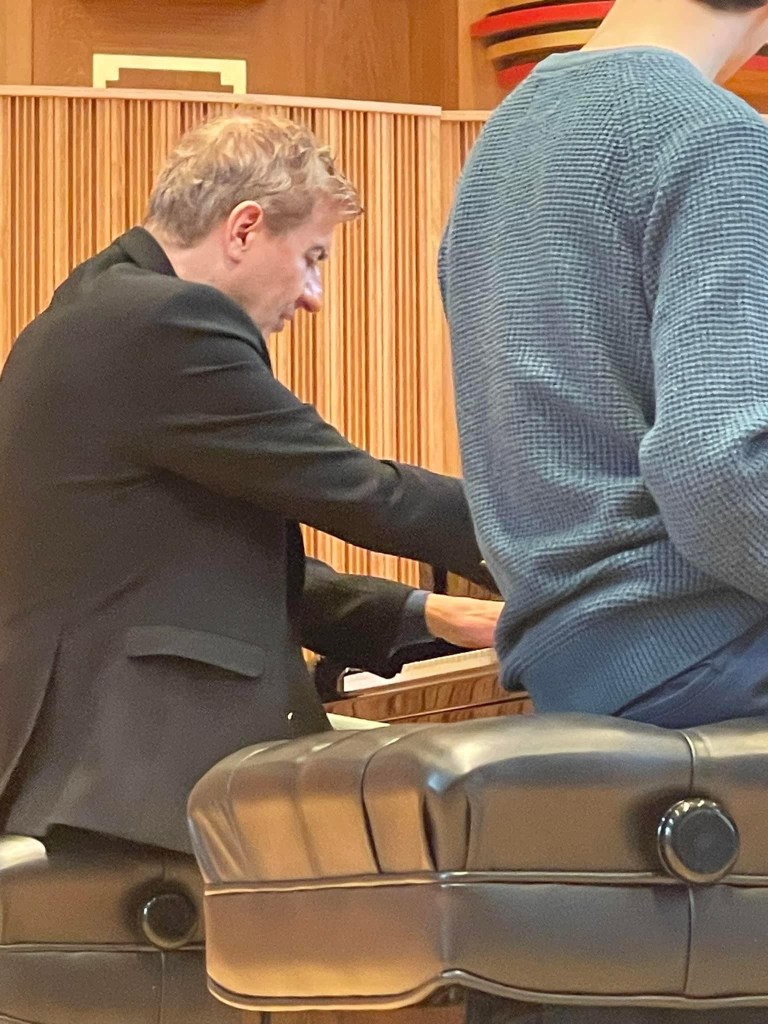
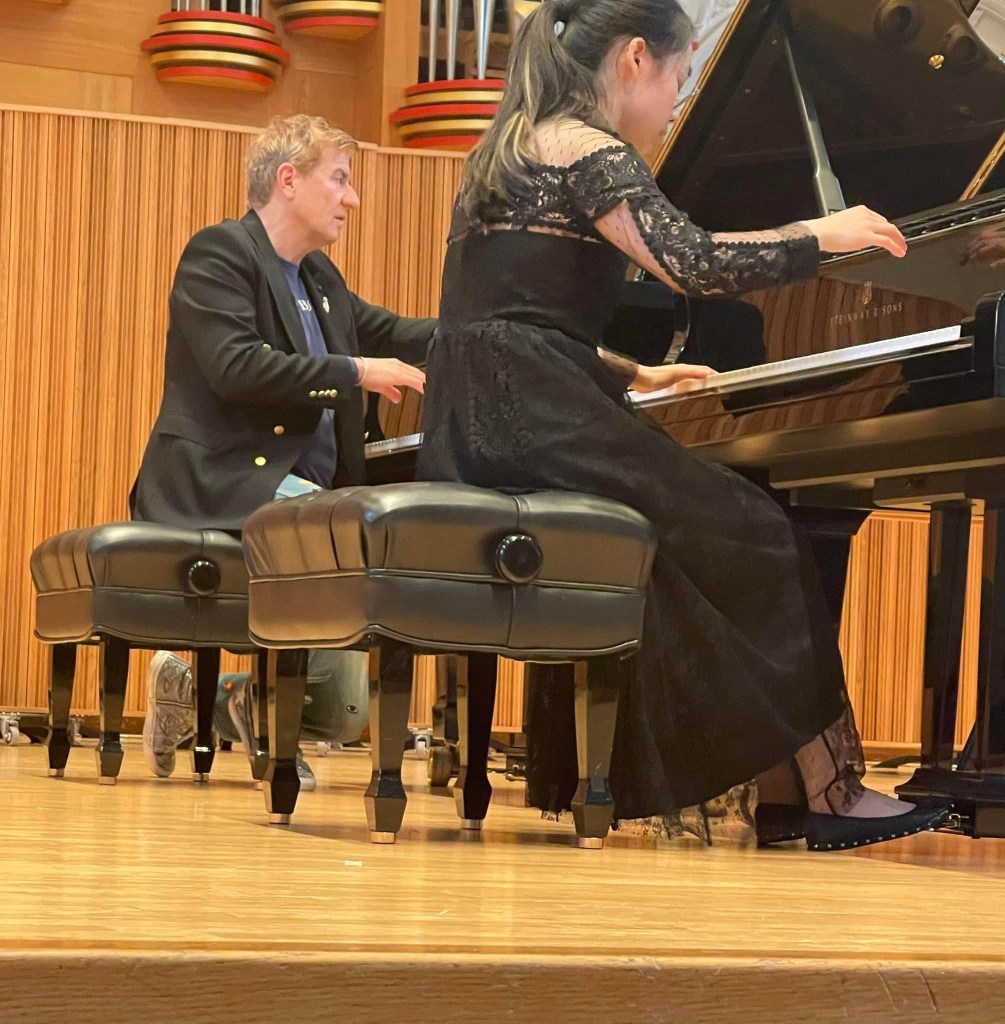
What a treat to have this great pianist at last in London. Occasional performances with orchestra that last less than half an hour are not the same as two hours with a giant of our time. His rather flamboyant appearance hides his technical mastery and a consideration for the students that played for him.He was such a refreshing change from the tyrannical goings on from the late Dmitri Bashkirov.
With Peiyao SuVanessa Latarche introducing Jean-Yves Thibaudet to the RCM
Thanks to Vanessa Latarche and Ian Jones that entice these great artists to London to share their secrets with the talented young musicians in their care.
Ian Jones thanking Jean- Yves Thibaudet for his inspiring masterclass.
Of course the greatest secret is not the most popular option for the young and beautiful .Work,work,work was also the same message that we heard yesterday from Angela Gheorghiu.
Curzon was famous for saying that music was 90% hard work and 10% talent.Serkin of course was the personification of this motto and woe betide anyone who did not think the same . If only Thibaudet could have also been persuaded to play all the Debussy Preludes as he did for us in Rome recently. What a revelation to find the secret of those opening few bars of Ancapri.Just flat fingers that barely touch the keys but that assumes you have ten wonderful trained fingers like steel and arms and wrists like rubber.Or the glissando in diminuendo in Feux d’artifice just allowing the hand to glide over the keys without any unnecessary gymnastics to compensate for fingers that aren’t both strong and flexible.
With Firoze Madon
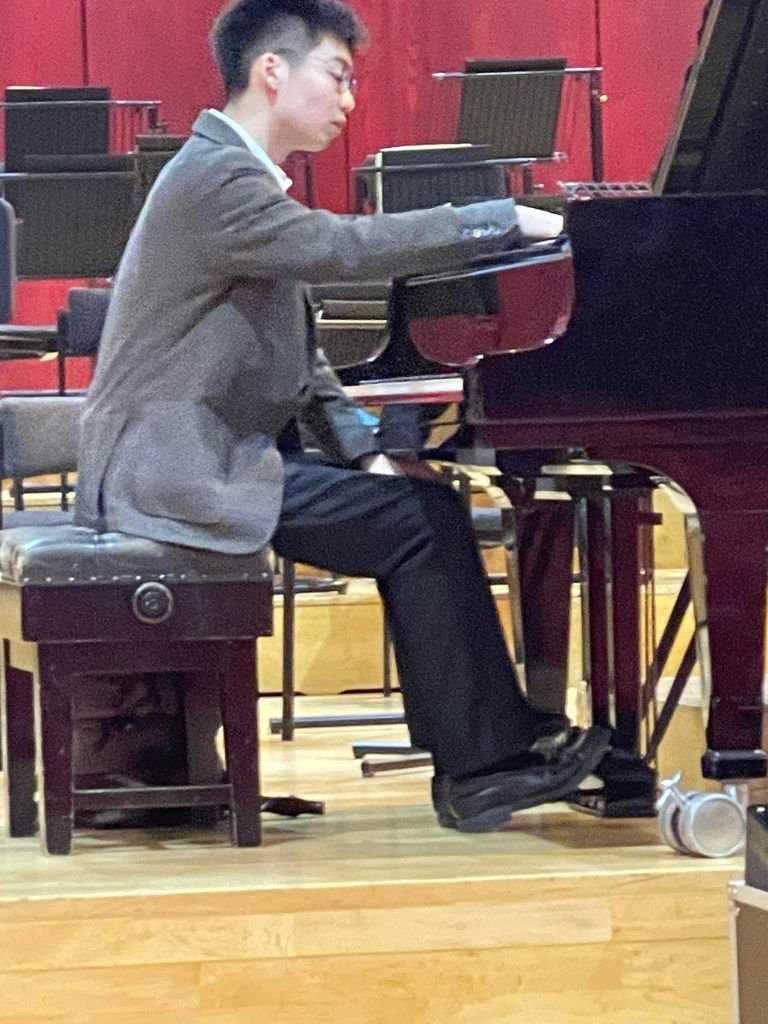
Firoze Madon was added to the list of students at the last minute and he gave a ravishing performance of Ravel’s Ondine .Thibaudet was happy to share some subtle ideas with a fellow artist.The long pedal at the end or the sudden change of dynamic with a cleanliness and purity that allowed him to rebuild the phrases and join chains together.
With Peiyao Su
Peiyao Su played a beautifully clean and clear account of Ravel’s Alborada with astonishing double glissandi but steamy decadence and seductive beauty were not part of her world.
With Xindi Zhu
Xindi Zhu played three Debussy Preludes with great precision and musicality but the blinding sunlight of Anacapri,the tongue in cheek poking fun at General Lavine or even the Marseillaise heard in the distance through a haze of smoke she could not possibly be expected to understand.
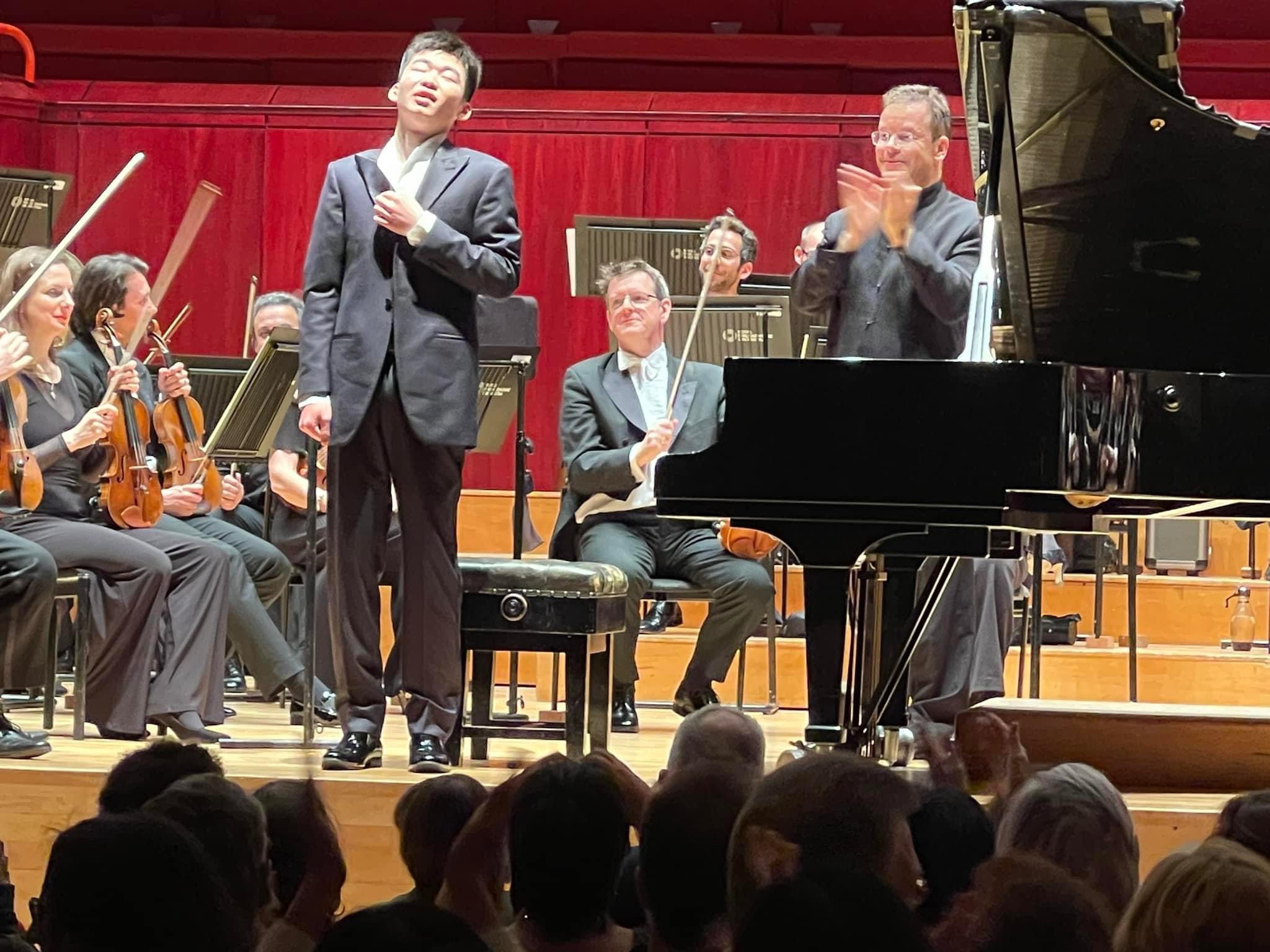
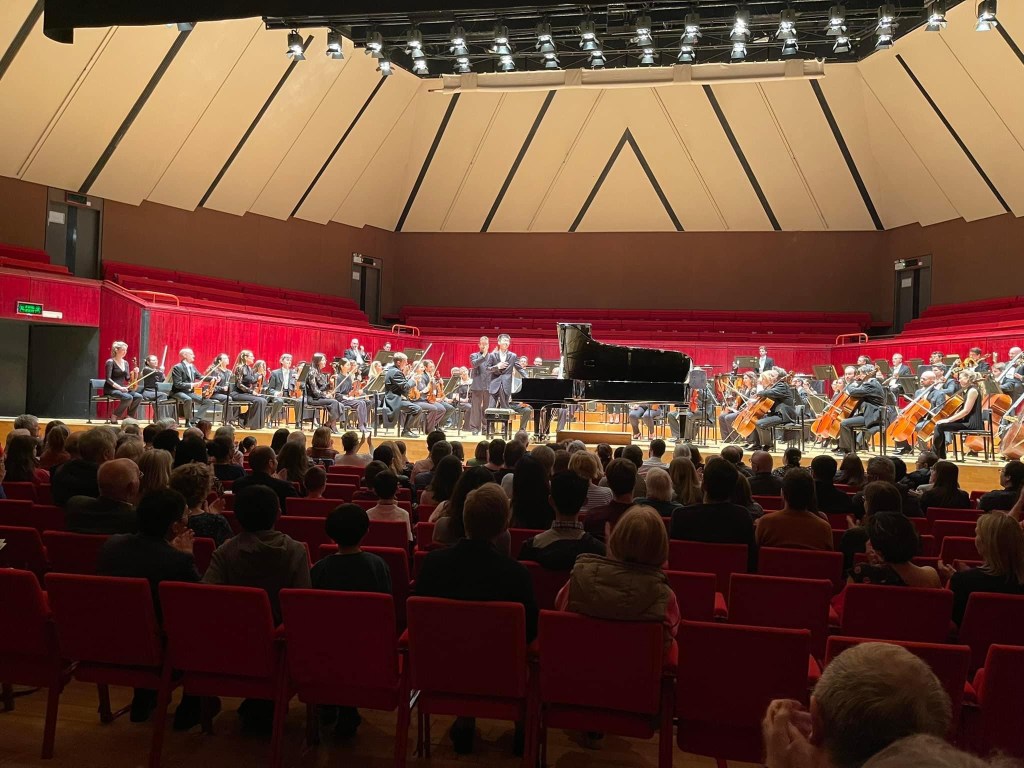
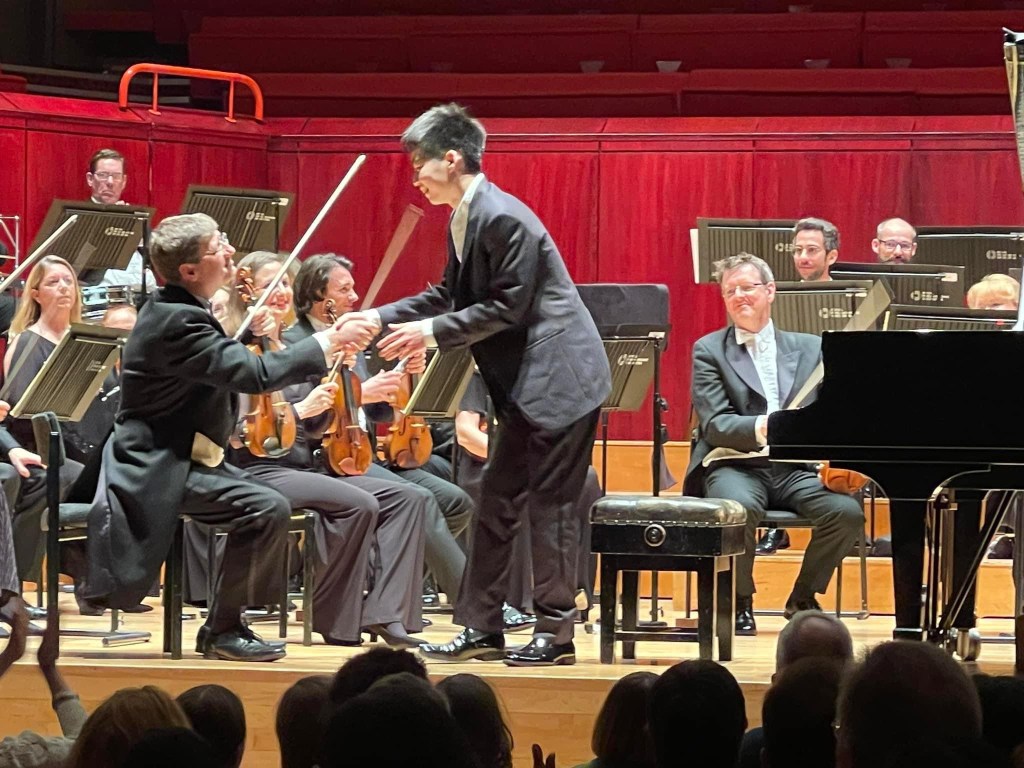
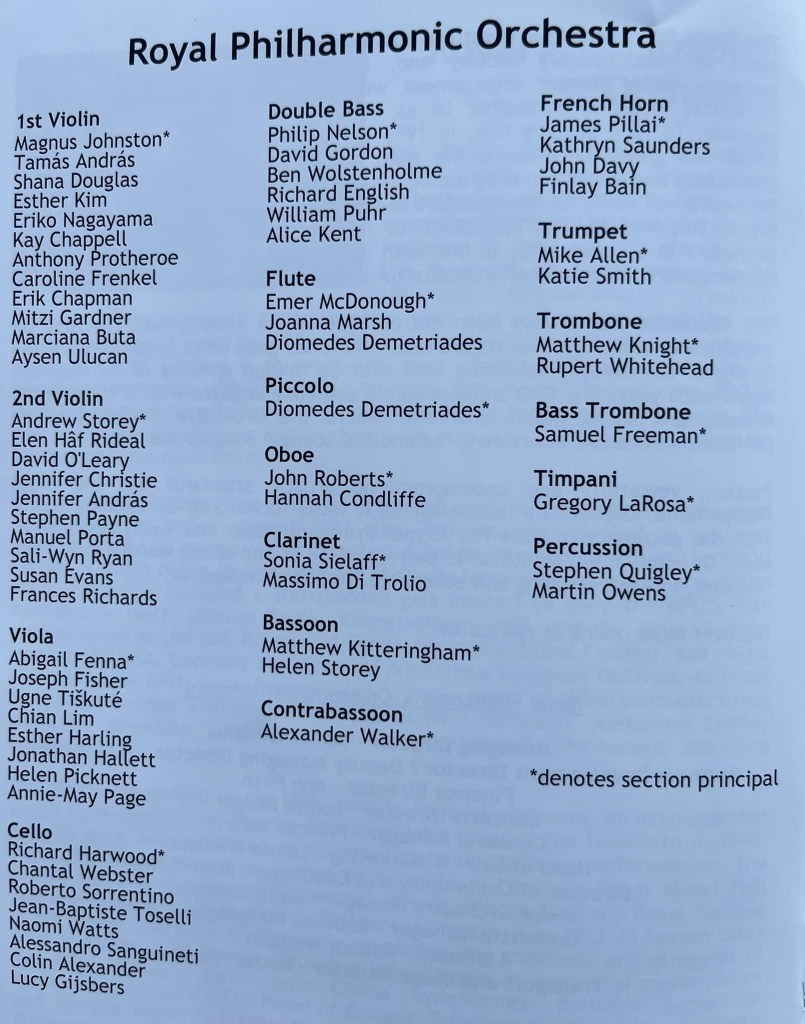
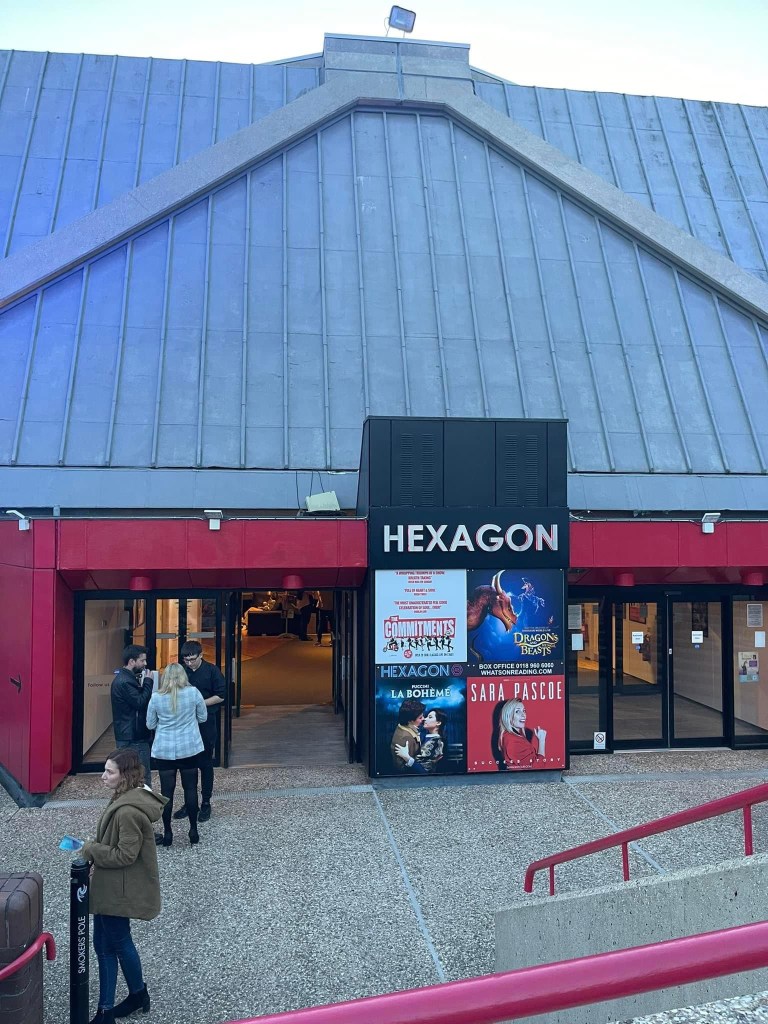
Shunta Morimoto in Reading with the RPO under Antony Hermus. Liszt’s First Piano Concerto shorn of all excess and rhetoric as Shunta restored it to the aristocratic nobility and scintillating brilliance that Arrau used to bring to it.
Partnered by the Dutch conductor Antony Hermus with infectious joie de vivre and dramatic flair,together with the RPO they were a formidable team. If the Adagio was not ‘quasi’ as the composer asks it was because there were so many sumptuous sounds to distill with an orchestration remarkably like Grieg’s inimitable concerto that Liszt famously read from sight.Shunta soon picked up the tempo with playing of ravishing beauty where every note was a jewel in a crown floating on a wave of golden arpeggios.
In the rhetorical outbursts of the outer movements Shunta lived every moment of the drama as he not only played but also acted the part as the music took possession of him. An audience and orchestra that were astounded by the volume of rich sounds this young man could draw out of the piano.Octaves that were shaped and coloured as the drama unfolded with extraordinary immediacy.
Yesterday in Hull the audience was treated to an encore of Chopin’s Mazurka op 17 n 4. Today in Reading Shunta was totally exhausted after an all or nothing performance that all those present will remember for a long time.
Rehearsal before the concert
Before the concert hours of work and after,total collapse.I remember that I brought a metronome each time Rosalyn Tureck came to us and she like Shunta would spend hours resetting her performance After, like Shunta,she would be totally exhausted from the complete giving of herself to the music.
After concert exhaustion in an all or nothing performance of Liszt
Work,work,work is the only way. Of course God given talent and methodical scholarship helps too!
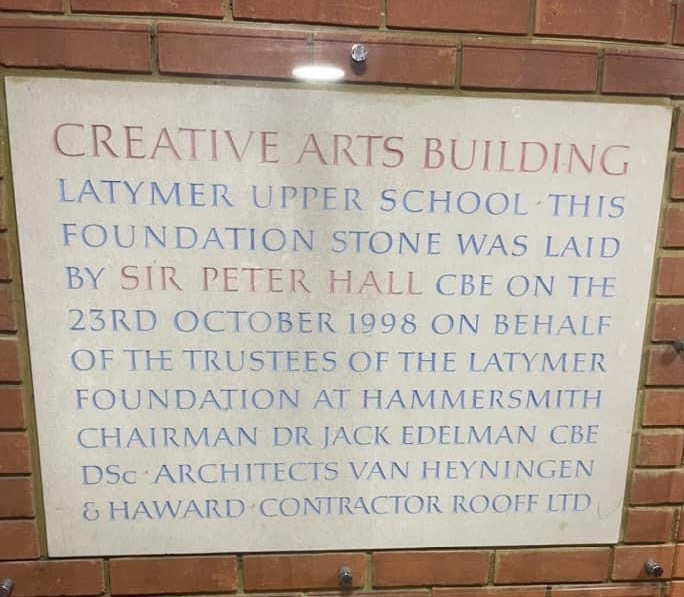
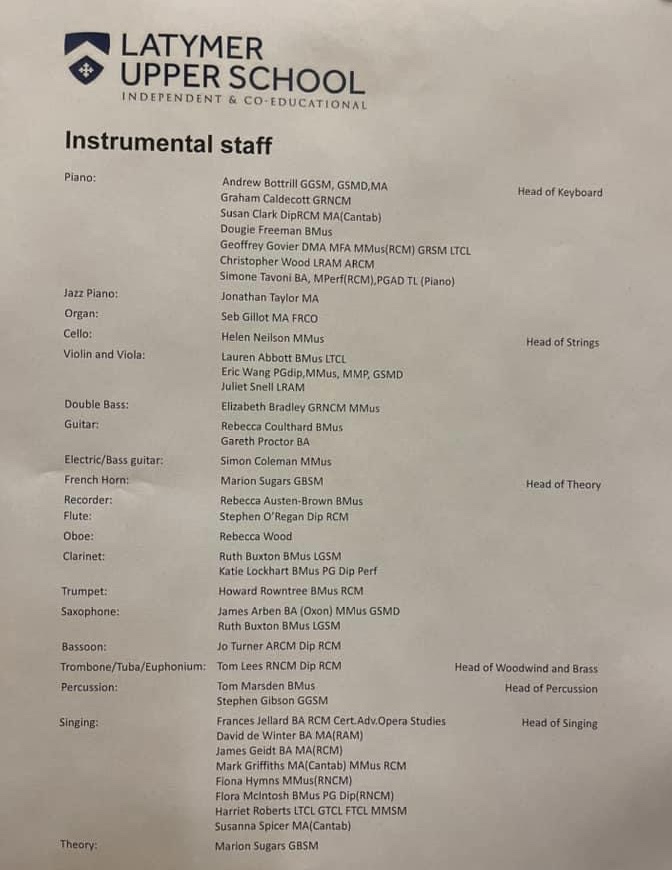
A Mozart Sonata played with rare style with embellishments so naturally incorporated into the simplicity of a work of such uncontaminated purity. Rachmaninov Corelli variations played with a kaleidoscopic range of sounds and a technical mastery that could shape these gems into a cohesive whole taking us on a journey of wondrous discovery. Chopin Preludes that were an example of mastery and musicianship as he turned 24 problems into a continual flow of emotions until the final triumphant explosion of Romantic fervour. Waves written by the pianist in 2011 tells the story of a pebble thrown into the water and its repercussions that end with the continual flow that it began with. A story of life itself told by the extraordinary Yuanfan Yang in a recital in Latymer Upper School. A school that has literally been reborn on a wave of music.
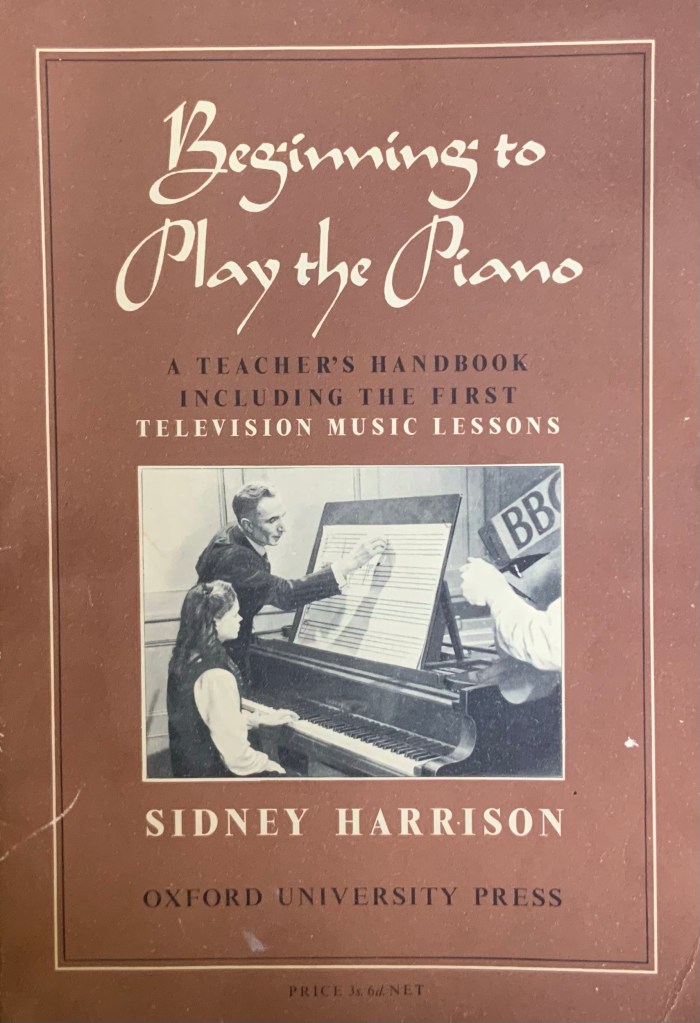
A school that has seen old boys such as my piano ‘daddy’ Sidney Harrison ( the first person to give piano lessons on television and teacher of Norma Fisher,Ian Hobson and generations of young musicians ).
Also the illustrious giant of the music industry the much feared Walter Legge,the husband of Elisabeth Schwarzkopf and founder of the New Philharmonia after the war,and much else besides. Sidney had opened with Ingrid Bergman in the 60’s the Polish Cultural Centre opposite.
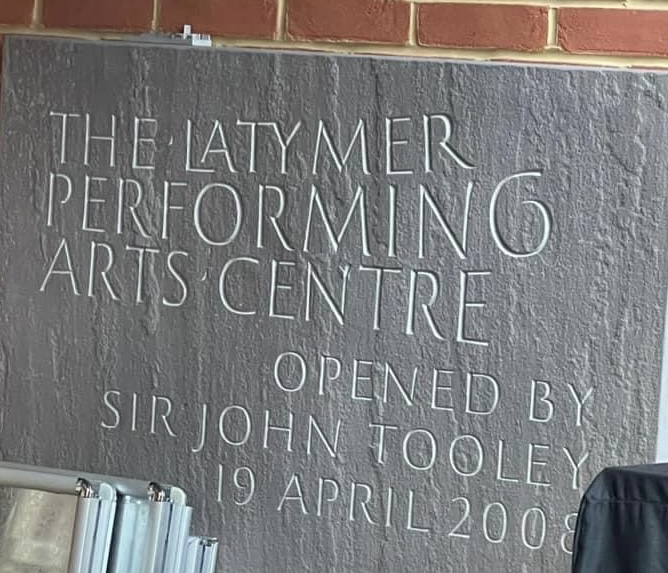
Little could he have imagined a music faculty which can boast a roster of distinguished musicians,a recital hall and a theatre in his old Alma Mater opposite!
In fact Yuanfan before his recital gave a Masterclass in the recital hall on a very fine Steinway.
A class of young students able not only to rattle off ‘Gnomenreigen’ with consumate ease but also,like their young master,produce piano compositions of great promise.
Programme of the Masterclass at 4.30 in the Recital Hall
Yuanfan of course with his superb musicianship was able to inspire these young musicians not only in his Masterclass.
Andrew Bottrill,Head of Keyboard thanking Yuanfan
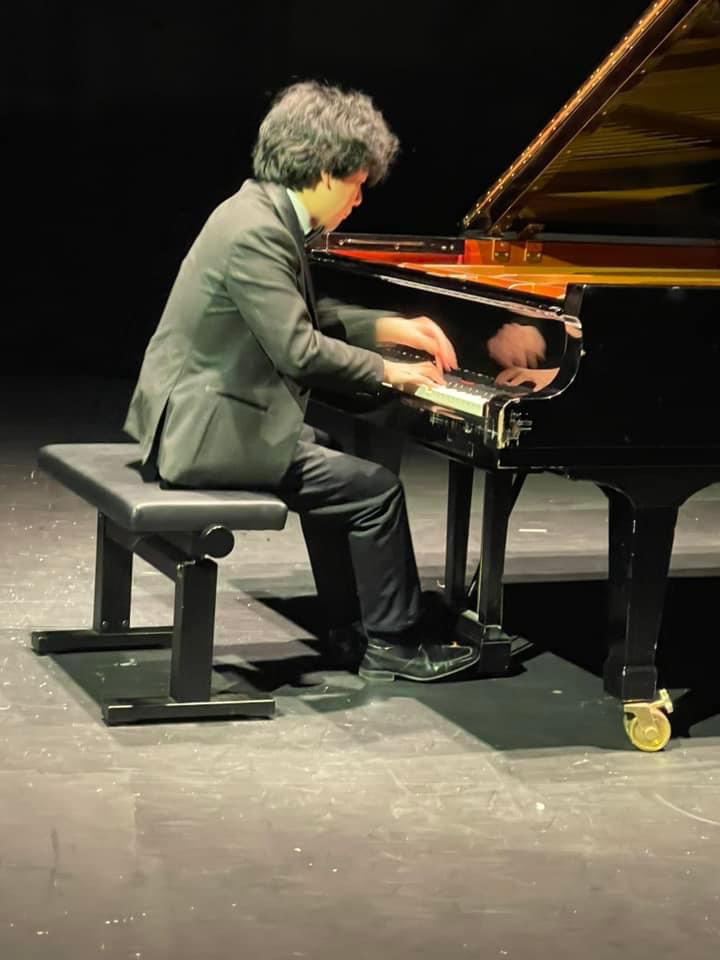
Moving into the theatre next door and onto a Yamaha concert grand he astounded us all,only five minutes after his class finished, with a full recital of superb performances.
The simplicity and purity of his Mozart Sonata K.330 was enriched by his discreet adding of embellishments.So discreet in this age where the purity of composers is often distorted by musicians that have read a book but not digested the very meaning and use of embellishments to sustain and illuminate the composers architectural line.A beautiful clarity and very precise articulation contrasted with the playful beauty of the development before the joyous reappearance of the opening.A languidly flowing Andante with contrasts of the hauntingly veiled pianissimi was followed by the sheer ‘joie de vivre ‘of the Allegretto and even the tongue in cheek final slide from a musician who is a real artist.The Corelli Variations by Rachmaninov were played with virtuosity,mystery,colour and quixotic energy.The same purity of a sound as in his Mozart he gave to the haunting theme gradually brought to life with Rachmaninov’s first false footing variations.There was magic in the air with the fourth variation and the dynamic drive of the next three brought them to a monumental full stop.Awakened by the lugubrious eighth and the gradual build up to the cadenza of the ‘Intermezzo’.The improvisational character in this cadenza was beautifully played with scintillating embellishments that led to a magic change of key to the major as the sun appeared on the horizon.A gradual build up of tension and virtuosity all played with total command until the explosion of octaves and the insistent bass home pedal note.The expansive opulence of this final Andante was drawn out by Yuanfan to the limit as only a true artist can judge and the absolute aching silence after the final two pianissimi chords was evidence enough of the magic that Yuanfan had shared with us today.Chopin’s 24 preludes I have written about Yuanfan’s performance many times,most notably on Ischia in the music room/concert hall of Sir William Walton.A performance where intricate detail and poetic commitment unite to create a unified whole with a work that Chopin would only play a selection of four or five .It is only after his death that they are played as a whole creating one of the masterpieces of the Romantic repertoire..What to play as an encore after such a monumental performance of Chopin’s Preludes ?Turning to the audience to request a melody that he would transform into a piece in any style that was requested. Party Time indeed but only for the prodigiously gifted as he proceeded to improvise on The James Bond Theme and more to the point ‘God save the King’ in Boogie Woogie Style!
Able too to astonish us all with his ability to improvise in any style any melody given to him by the audience. I remember when on tour in Italy with Yuanfan for the Keyboard Trust learning about the fact that music had chosen this young man from birth. https://christopheraxworthymusiccommentary.com/2021/09/06/yuanfan-yang-in-paradise/
At a birthday party for six year old children one of the mothers wanted the name of Yuanfan’s teacher as she had been so impressed with the way he played his friend’s piano. His mother was astounded as he did not have a piano at home and she did not know that he could play!Neither did he evidently! Music chooses you and is indeed a vocation a wondrous ‘wave’on which the truly gifted are carried into a world in which music becomes the very meaning of life itself .
Take advantage of this rare opportunity to attend Garsington Opera, or a Finals Day at Wimbledon, or to sit in the best seats for a Gala Concert at the Royal Festival Hall. We can also offer you Tea for 3 at the House of Lords, with a private guided tour, or a composers’ walk around London, or even a private piano recital in your own home.
And you’ll be helping the Keyboard Trust raise valuable funds to help us continue our support of many fine young musicians into the future.
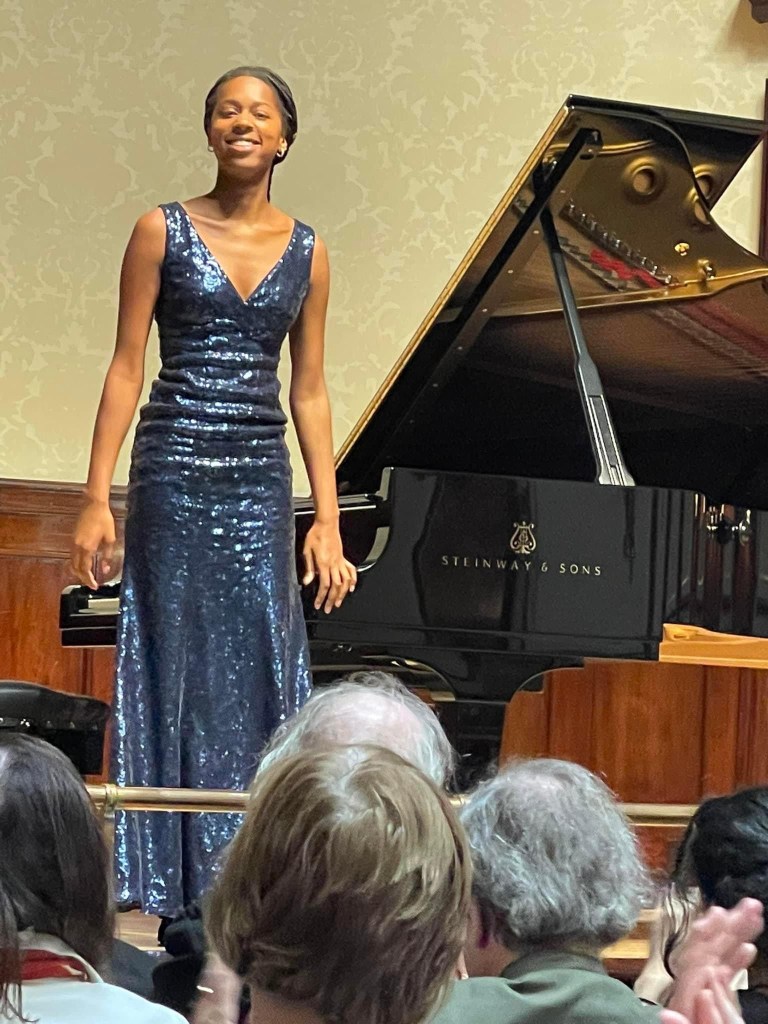
When music is also fun what more could one want? A family of superb musicians united to hear Jeneba Kanneh-Mason take a packed Wigmore Hall by storm.
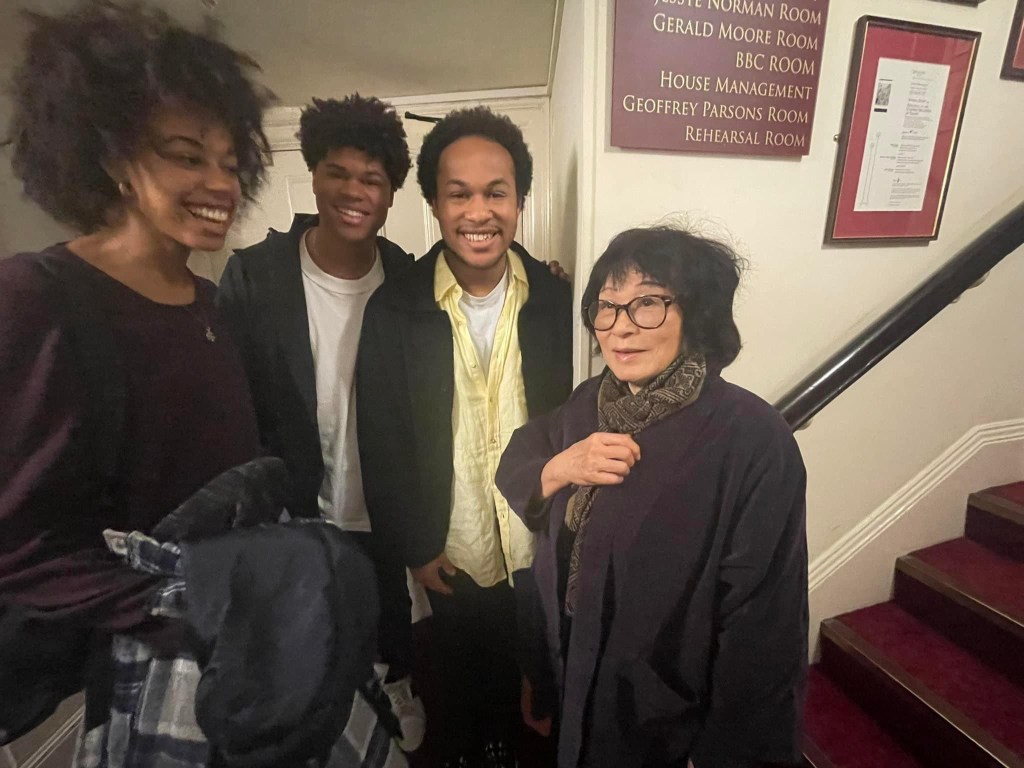
Three of the five Kanneh- Masons with Patsy Fou
With Fou Ts’ongs widow the teacher of the pianists in the family.As children who came aged nine to the Junior Academy to be trained and inspired as Fou Ts’ong himself would do for years in my theatre in Rome. Patsy used to thank me for being so faithful to Ts’ong but it was we that were so grateful to him.
The mother and father of a remarkable family with Patsy Fou
Just as the Kanneh-Masons were today to Patsy Fou. I remember Patsy Toh as a star student of Harold Craxton at the RAM who dedicated herself to Ts’ong and a life together in music. What fun we had backstage with a friend who had made a cake to celebrate and with almost the entire family united around their youngest member now in the equally expert hands of Vanessa Latarche at the Royal College .
A relaxed way of playing like swimming gave her a flexibility able to produce ravishing sounds with a naturalness and simplicity no matter what challenges she faced. Music just poured from her long spindly fingers with the same freshness and simplicity with which the family was united around her today.Fluidity and flexibility and above all clarity in Shostakovich.The beauty of sounds in Debussy where the pedal was indeed the soul of the piano allowing Jeneba to float sounds with luminosity and simplicity.Her completely relaxed arms allowing her fingers a direct link to a heart that beat with sincerity and warmth.A Fantasy by Florence Price that was of wondrous sounds of elegance and beguiling charm as the melodic line passed from tenor to soprano with irresistible innocence and purity.Driving insistent rhythms brought a frenzy of passion like the Gospels proclaiming glory to our maker.This was truly sumptuous playing of great style.She brought great character to the ten episodes of Prokofiev’s Romeo and Juliet with the final languid beauty of Romeo and Juliet after the exhilaration and excitement of the Montagues and the Capulets.The Toccata by Kapustin was a scintillating way to thank an enthusiastic audience in this Sunday morning coffee concert Oh what a wonderful world!’ https://youtu.be/A3yCcXgbKrE
Hear Me Out: Fantasie nègre No. 1 (Florence Price, 1929)
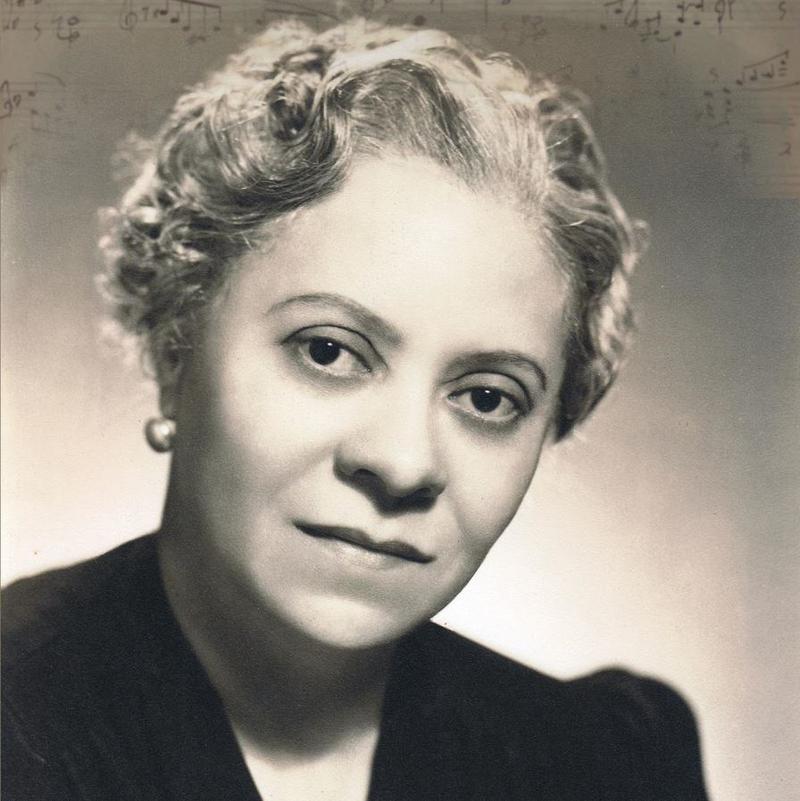
In 1933, Florence Price became the first Black female composer to have a symphony premiered by a major national orchestra, when the Chicago Symphony Orchestra played her Symphony No 1. At the same concert, her friend and contemporary Margaret Bonds also made history as the first Black female soloist with the orchestra. (She would later go on to premiere Price’s Piano Concerto too). Florence Price and Margaret Bonds together were leaders in the Black Chicago Renaissance movement in 1930’s USA. There was a real uplifting of Black folk songs during this era, with both Price and Bonds paving the way by incorporating them into Western classical music. Their pride in their history and determination to create a new modern Black voice created music that still resonates today. In a period of so much strife and uncertainty this programme has a resounding theme of friendship and support. Fantasie Nègre No 1 in E minor is dedicated to Margaret Bonds, and shows the legacy of Price’s influence.Fantasie nègre, like the title suggests, is black as night — a sonic equivalent to a Sunday mac in the fellowship hall. This is definitely in no small part due to the liberal interpretation of that old Negro spiritual, “Sinner Please Don’t Let this Harvest Pass”.As the title implies, the song deals with the damnation of souls and the procrastination of getting your literal life together. With the tips of her fingers, Price transforms these lyrically haunting melodies into a somnambulant nocturne. Speaking of nocturnes, there is a moment particularly reminiscent of Chopin — around the halfway point, Price’s left hand gives me some serious vibes from the Polish composer’s First Ballade. Almost 30 years later, Thelonious Monk released an album of solo piano interpretations of Duke Ellington’s music. As we listen to this Price piece, we can also hear Monk’s version of Black and Tan Fantasy. I don’t know how familiar the angular idiosyncratic pianist was with Price’s music, but there is a definite a bond between these two pieces, a bond that lasts far beyond their Fantastic titles.
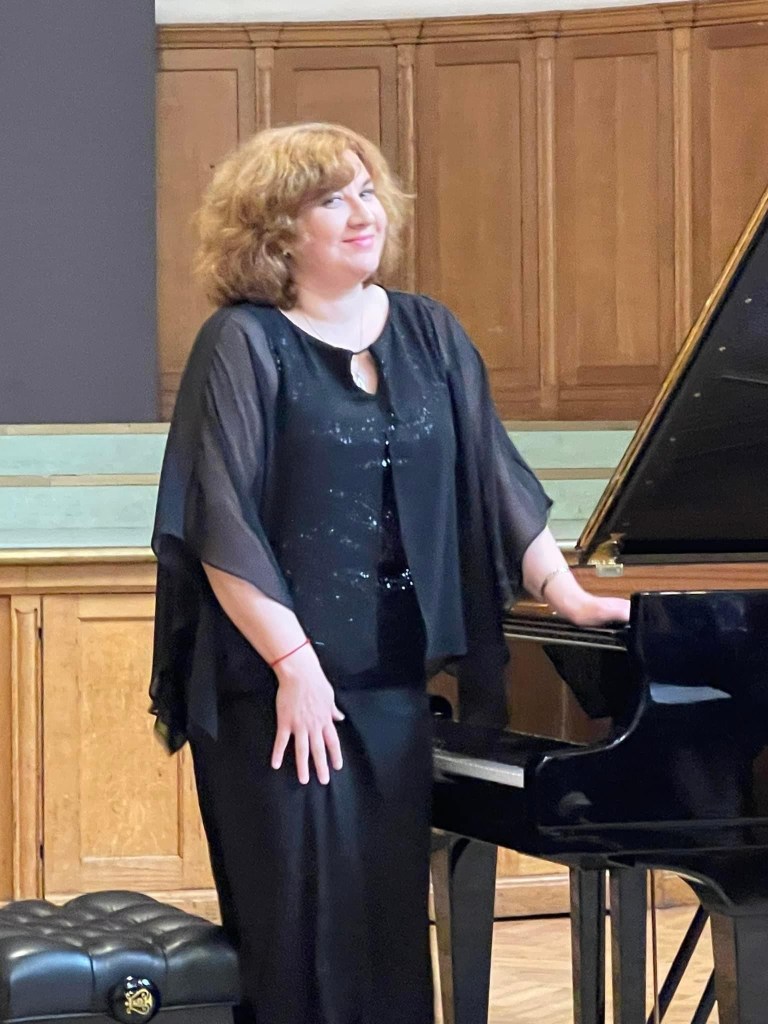
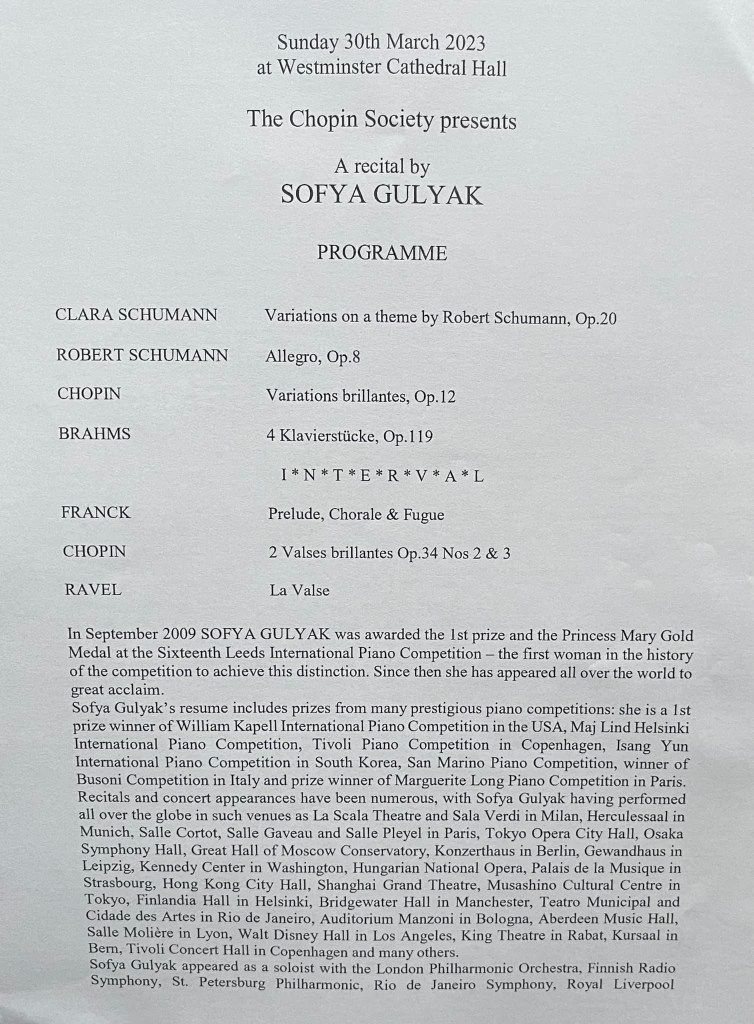
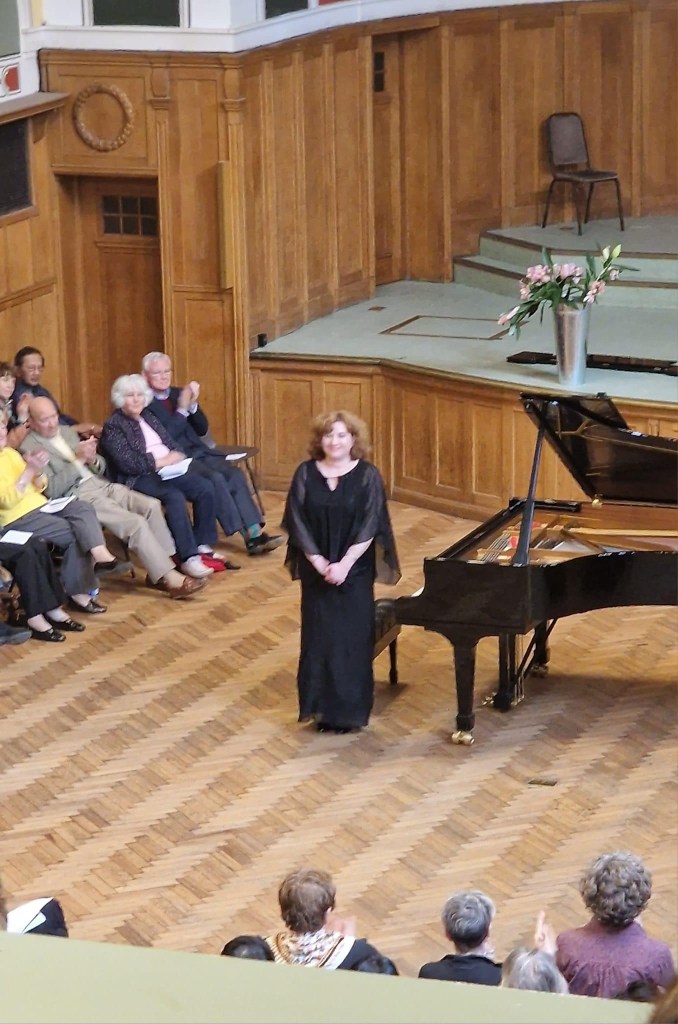
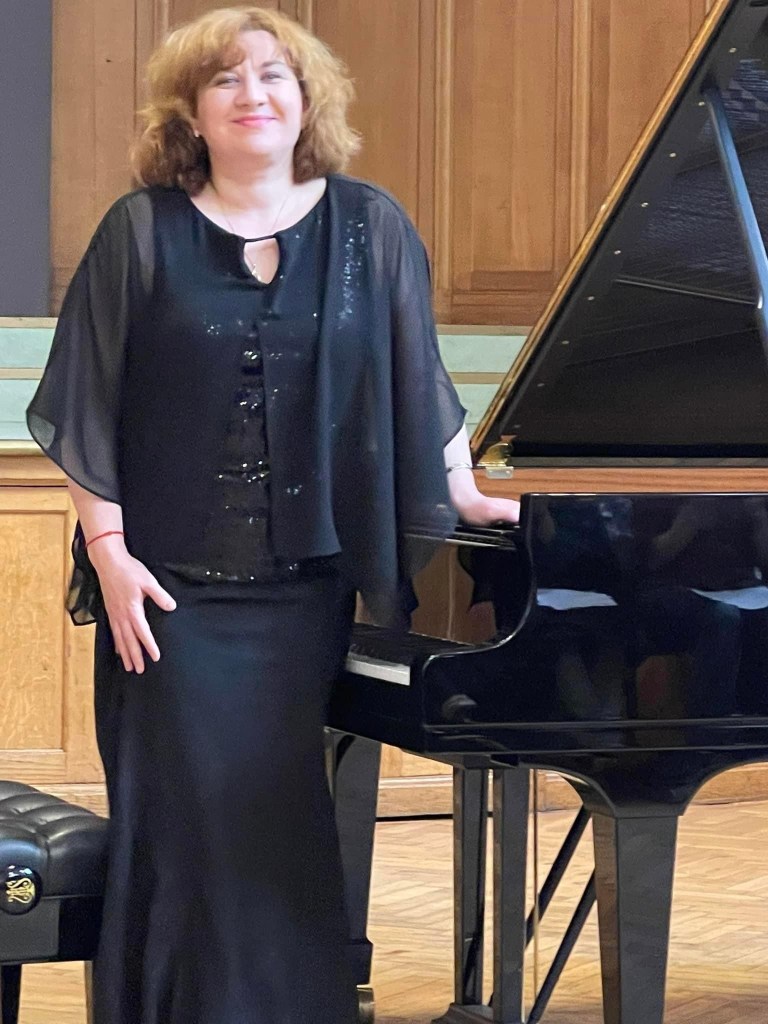
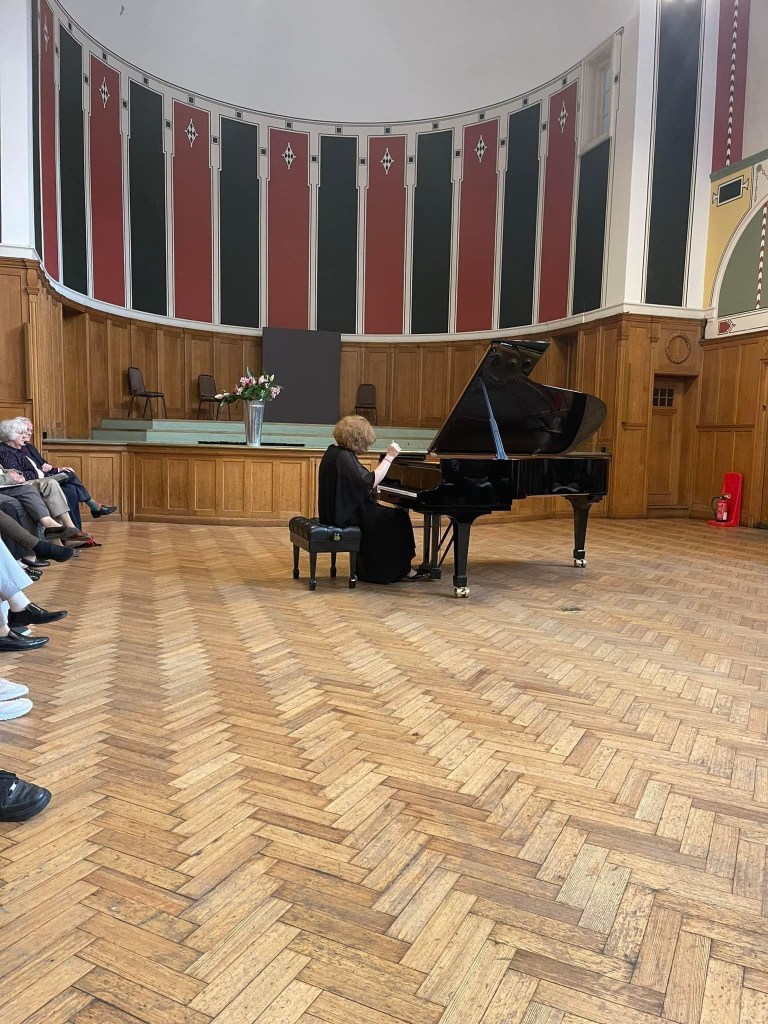
Sofya Gulyak at the Chopin Society in London with playing of mastery and poetry. A fascinating programme which was on a wave of ravishing sounds where notes just disappeared in a continual outpouring of sumptuous sounds. Bar lines just did not exist as she breathed as a singer bringing poignant meaning to all she recreated.
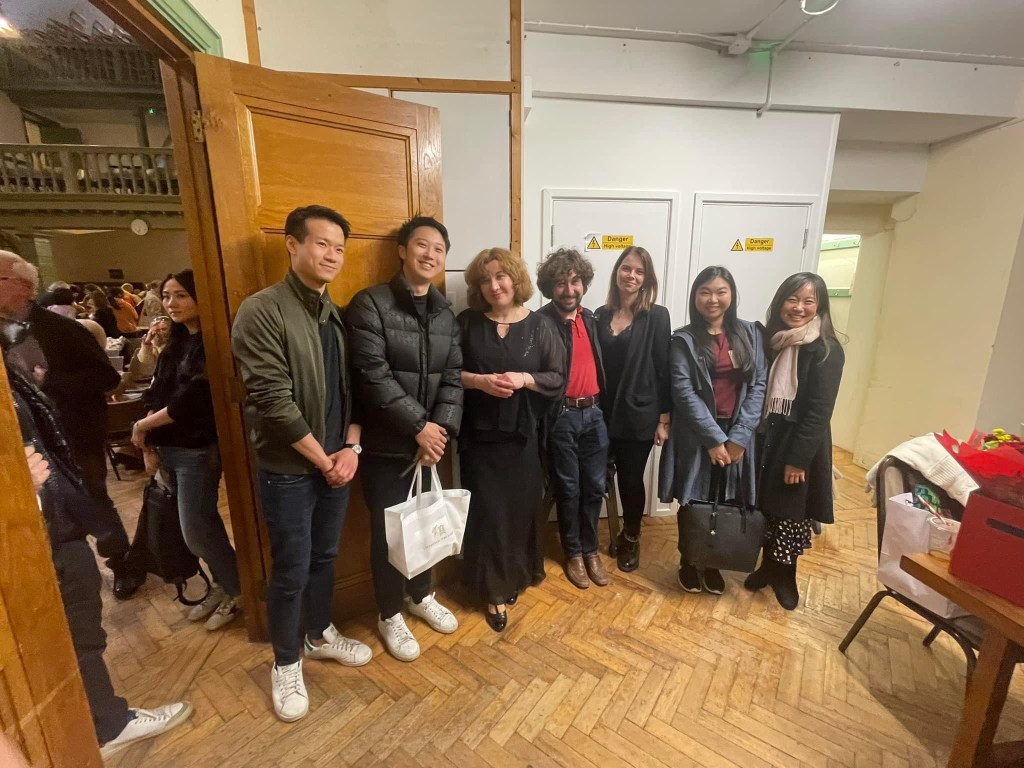
Sofya with some of her many students after the concert .
Surrounded by illustrious students and friends who had flocked to hear such mastery from an artist who rarely plays in London. As one of her students ( winner of the Chappell Gold medal at the RCM this year) exclaimed : she was so proud and lucky to have such a master as her mentor. Streams of glorious sounds and phenomenal technical ease even in Ravel’s daunting transcription of La Valse.An architectural vision of Franck that did not exclude the ravishing exultation and seduction of a true believer. It was ,though,in the waltz in A minor op 34 by Chopin that her artistry was even more revealing,as she showed us that so few notes could mean so much.A performance of aching nostalgia similar to that which has remained in my memory from one of Rubinstein’s last performances in London in the 70’s.
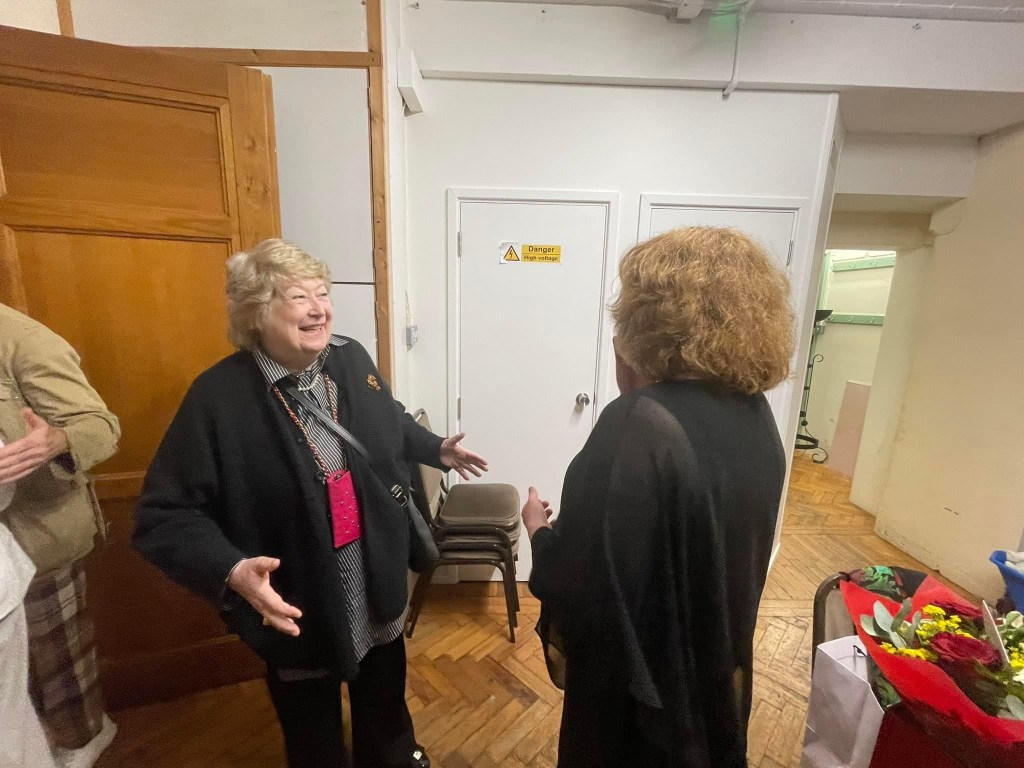
Lady Rose Cholmondeley thanking Sofya after the concert
I suppose it was fitting that Chopin should have stolen the show for the Society in his name that is so valiantly run by Lady Rose Cholmondeley and Gillian Margaret Newman.But even an encore of a sonata by Clementi showed off more colours as the clarity of sound that she so brilliantly etched was of purity and refreshing radiance.A crystal clear light after the sombre depths of brooding intensity of Ravel.
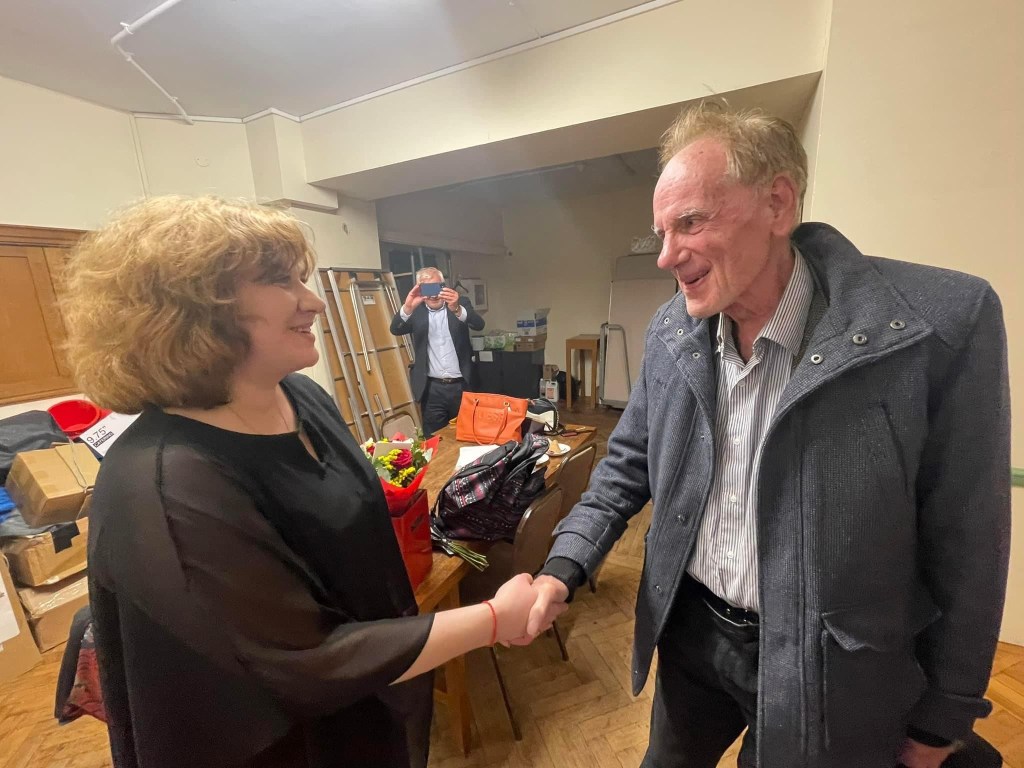
Sofya with Bryce Morrison the distinguished critic who had been on the jury of the William Kapell Competition when she was awarded first prize in 2007.Clara Schumann’s variations immediately showed the beauty of movement as Sofya drew sounds of great delicacy with caressing horizontal movements.Stroking the keys with a fluidity as though wading through wondrous waters.There was also the breath control of a great singer and a technical command that was always at the service of the music.Even in the most passionate outbursts there was a sound that was never allowed to leave this wondrous architectural shape that was being created before our very eyes.Ravishing wistful beauty on a wave of etherial sounds.It made one wonder why this hauntingly beautiful work is so rarely played.
A curiosity was the Variations on a Theme of Robert Schumann op 20 by Clara Wieck Schumann. A work from around 1854 and one of the few of her own compositions that she would love to play in her recitals.It is based on the theme from Schumann’s ‘Bunte Blatter’ op 99 n 4. It was dedicated to her husband and was one of the very few compositions that she wrote before Robert was committed to an asylum where he died .Leaving Clara to bring up alone their eight children when in order to survive financially she had to maintain her concert activity to the exclusion of composition. Robert Schumann suffered from a mental disorder that first was manifested in 1833 as severe depression,recurring several times alternating with phases of “exaltation” and increasingly also delusional ideas of being poisoned .After a suicide attempt in 1854, Schumann was admitted at his own request to a mental asylum in Endenich (now Bonn ).Diagnosed with psychotic melancholia he died of pneumonia two years later at the age of 46, without recovering from his mental illness.The Variations on a theme of Schumann op 20 were dedicated to her already sick husband and were completed just in time for his 43 birthday with a dedication :’For my dear husband a renewed and weak attempt to compose from your dear old Clara ‘.It was infact completed just in time as in 1854 Robert attempted suicide and was admitted to an asylum. The theme is from Robert’s own ‘Bunte Blatter’ and it is the same theme that Brahms ,a close family friend ,was to use for his own Variations on a Theme of Schumann op 9.Seven variations from Clara where Brahms had written sixteen that he had dedicated to Clara. There was a great fluidity to Clara’s variations and there was the chordal simplicity of the second alternating with the slow harmonically varied third.Sumptuous beauty in the fourth with the theme in the tenor register surrounded by exquisite embellishments.The great drama in the octave variation with the pompous chordal declamation of the theme dissolved so beautifully into the delicately shadowed mellifluous theme.A ending of arpeggiando chords was spread over the keyboard with ravishing beauty. It was fascinating to hear this rarely performed work.Apparently Brahms had studied Clara’s unpublished score and on his own manuscript he wrote, “Little variations on a theme by him dedicated to her”.
Robert Schumann’s also rarely heard Allegro op 8 was a revelation with it’s imperious opening leading to jeux perlé expressive shifts of harmony.It was played with mastery and a control of the pedal that allowed the numerous notes that were pouring with such ease from her fingers to be merely waves of romantic sounds on which mere glimpses of melody were allowed to float.
Schumann’s Allegro op 8 where a contemporary critic said:’Everywhere only confused combinations of figures, dissonances, passages in short, for us torture’ He only published the opening movement “Allegro di bravura” of what was originally meant to be a sonata the other parts were apparently destroyed. Clara, who was otherwise rather reserved as far as Schumann’s early works were concerned, soon incorporate this piece into her repertoire. Ernestine von Fricken, the dedicatee with whom Schumann was still engaged at its time of composition, often played it after their separation, even if ‘with quite curious expression.’
Chopin’s Variations brillante op 12 was the third work in this refreshingly chosen programme of works rarely heard in the concert hall.Of course these variations were written for the virtuoso Chopin who would be feted in the music salons in Paris.It was the earlier variations op 2 that Schumann had reviewed with his famous comment:’Hats off gentlemen a genius !.’Sofya played them with all the jeux perlé brilliance for which they were composed.A sense of dance too as she brought subtle virtuosity and exhilaration to the work of a young virtuoso.
In May 1833 Chopin heard Louis Joseph Ferdinand Herold’s (1791–1833) opera Ludovic, finished by Hálevy. The Variations brillantes “Je vends des Scapulaires” Op 12, based on the homonymous aria from the opera, are Chopin’s final variation set and a virtual farewell to the virtuoso style cherished in Paris. Written after the early nocturnes and etudes and in the year he wrote his first ballade, it almost represents a regression or a final concession to the bravura stile brillante, so much clichéd—in particular in variation form.Schumann called it ‘writing à la mode’ and thought that ‘they belong altogether to the drawing-room or concert-hall, and … are far removed from any poetic sphere’. This piece, together with Bolero and Rondo, Op 16, represents Chopin’s last attempt at such conventional and fairly anonymous writing that perpetrated the tradition of contemporary concert-hall crowd pleasers. Nevertheless, Franz Liszt apparently referred to the set as Chopin’s favourite piece of his own, commenting after hearing Chopin play it for himself: ‘Such a poetic temperament as Chopin’s never existed, nor have I ever heard such delicacy and refinement of playing. The tone, though small, was absolutely beyond criticism, and although his execution was not forcible, nor by any means fitted for the concert room, still it was perfect in the extreme.’
Brahms Four Klavierstucke op 119 .Beauty and simplicity combined in Sofya’s delicate hands as there was an outpouring of melody where bar lines did not seem to exist or be necessary.The purity of sound in the first Intermezzo in B minor created an atmosphere where time stood still with pungent sounds of sublime beauty.There was a gentle forward movement to the Intermezzo in E minor and mystery too as it built to a climax of romantic effusions of great shared intimacy only to reveal a melody of simplicity and purity before the return of the opening.It was like a gentle breeze carrying us along on some wondrous journey.The Intermezzo in C major was indeed played ‘grazioso’ and ‘giocoso’ as it wove its way lightly and quietly to an ending thrown off with great nonchalance and easy elegance.It was immediately interrupted by the sumptuously rich sounds of the Rhapsodie with the beautiful fluidity of the central episode before the excitement and frenzy of the final exhilarating chords.
The Four Pieces for Piano Op. 119, were composed in 1893 .The collection is the last composition for solo piano by Brahms. Together with the six pieces op 118 ,Op. 119 was premiered in London in January 1894.
In a letter from May 1893 to Clara Schumann ,Brahms wrote: I am tempted to copy out a small piano piece for you, because I would like to know how you agree with it. It is teeming with dissonances! These may [well] be correct and [can] be explained—but maybe they won’t please your palate, and now I wished, they would be less correct, but more appetizing and agreeable to your taste. The little piece is exceptionally melancholic and ‘to be played very slowly’ is not an understatement. Every bar and every note must sound like a ritard[ando], as if one wanted to suck melancholy out of each and every one, lustily and with pleasure out of these very dissonances! Good Lord, this description will [surely] awaken your desire!
Clara Schumann was enthusiastic and asked him to send the remaining pieces of his new work.
There were etherial sounds of beauty and majesty in the Prelude which was allowed to flow naturally with a forward movement before the absolute silence that was so poignant and expressive before the rather solemn organ like chords.Chords of the Chorale that immediately dissolved into celestial heights with arpeggiandos spread over the entire keyboard.An ever present bass that allowed the music to move inexorable forward to a climax of fervent exultation.A break before the announcement of the fugue subject cleared the air of such refined sounds as it had done before the Chorale.There was a clarity to the fugue as it built to a tumultuous climax and the explosion of the cadenza was sustained by deep bass notes on which the clouds subsided to reveal the opening motif whispered from afar.Building to the final tumultuous declaration of a true believer. A remarkable performance in which Sofya had been able to give an architectural shape to a work that so often can seem fragmented or over emphatic.It was played with a simplicity where every detail was allowed to shine but on a great wave that took us from the first to the last note.The sumptuous sounds even in the most powerful episodes showed again her ability to draw the sounds out of the keys as a painter would add colour to his canvas.
Prélude, Choral et Fugue, FWV 21 was written in 1884 by César Franck with his distinctive use of cyclic form.Franck had huge hands ,wide like the span of emotions he conveys,capable of spanning the interval of a 12th on the keyboard.This allowed him unusual flexibility in voice-leading between internal parts in fugal composition, and in the wide chords and stretches featured in much of his keyboard music.Of the famous Violin Sonata’s writing it has been said: “Franck, blissfully apt to forget that not every musician’s hands were as enormous as his own, littered the piano part (the last movement in particular) with major-tenth chords… most pianistic mortals ever since have been obliged to spread them in order to play them at all.”The key to his music may be found in his personality. His friends record that he was “a man of utmost humility, simplicity, reverence and industry.” Louis Vierne a pupil and later organist titulaire of Notre-Dame, wrote in his memoirs that Franck showed a “constant concern for the dignity of his art, for the nobility of his mission, and for the fervent sincerity of his sermon in sound… Joyous or melancholy, solemn or mystic, powerful or ethereal: Franck was all those at Sainte-Clotilde.”In his search to master new organ-playing techniques he was both challenged and stimulated by his third and last change in organ posts. On 22 January 1858, he became organist and maître de chapelle at the newly consecrated Sainte Clotilde (from 1896 the Basilique-Sainte-Clotilde), where he remained until his death. Eleven months later, the parish installed a new three-manual Cavaillé-Coll instrument,whereupon he was made titulaire.The impact of this organ on Franck’s performance and composition cannot be overestimated; together with his early pianistic experience it shaped his music-making for the remainder of his life.
Ravel’s transcription of La Valse was a tour de force with a technical command and a phenomenal kaleidoscope of colour.Glissandi played with an ease and beauty as they shot sounds from one end of the keyboard to the other.A boiling cauldron that burst into flames at the end with an excitement and hypnotic frenzy of exhilaration.The tension relieved only by Ravel’s own hand deep in the bass.
La valse, poème chorégraphique pour orchestre (a choreographic poem for orchestra), was written between February 1919 and 1920 and was first performed on 12 December 1920 in Paris. It was conceived as a ballet but is now more often heard as a concert work.In Ravel’sown words he describes it thus: ‘While some discover an attempt at parody, indeed caricature, others categorically see a tragic allusion in it – the end of the Second Empire, the situation in Vienna after the war, etc… This dance may seem tragic, like any other emotion… pushed to the extreme. But one should only see in it what the music expresses: an ascending progression of sonority, to which the stage comes along to add light and movement.”He also commented, in 1922, that “It doesn’t have anything to do with the present situation in Vienna, and it also doesn’t have any symbolic meaning in that regard. In the course of La Valse, I did not envision a dance of death or a struggle between life and death. (The year of the choreographic setting, 1855, repudiates such an assumption.)” The idea of La valse began first with the title “Vienne”, then Wien as early as 1906, where Ravel intended to orchestrate a piece in tribute to the waltz form and to johann Strauss 11.Ravel described his own attraction to waltz rhythm as follows, to Jean Marnold, while writing La valse: ‘You know my intense attraction to these wonderful rhythms and that I value the joie de vivre expressed in the dance much more deeply than Franckist puritanism.’ Ravel described La valse with the following preface to the score:’Through whirling clouds, waltzing couples may be faintly distinguished. The clouds gradually scatter: one sees at letter A an immense hall peopled with a whirling crowd. The scene is gradually illuminated. The light of the chandeliers bursts forth at the fortissimo letter B. Set in an imperial court, about 1855.’ Apart from the two-piano arrangement, which was first publicly performed by Ravel and Alfredo Casella ,Ravel also transcribed this work for one piano that used to be rarely performed due to its difficulty – that is not the case these days!





























 ChristopherAxworthy-MusicCommentary