Andre Gallo Domenica in Musica Amici della Musica di Padua
Wonderful to be back in the Sala dei Giganti in Padua with our old friend Filippo Juvarra.
Andre Gallo Filippo Juvarra Francesco della Libera
It was he ,in 1984 ( the year I was married to the famous actress Ileana Ghione) who rang me in our theatre in Rome having seen that Vlado Perlemuter was about to make his Italian debut at the age of 81.
Would he come and play in Padua too?
We shared Vlado for the next ten years together with many other places in Italy too.
Another shared favourite with Padua was Annie Fischer who Perlemuter adored too.
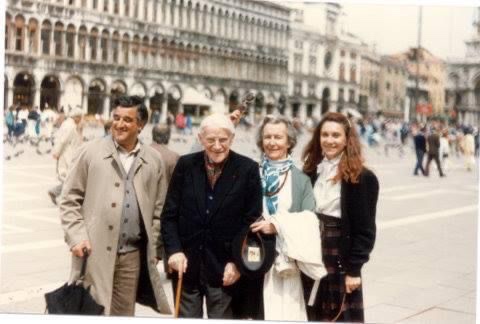
That was the first time I saw this magnificent historic hall accompanying Vlado together with his inseparable companion Joan Booth
Filippo Juvarra Vlado Perlemuter Joan Booth Ileana Ghione
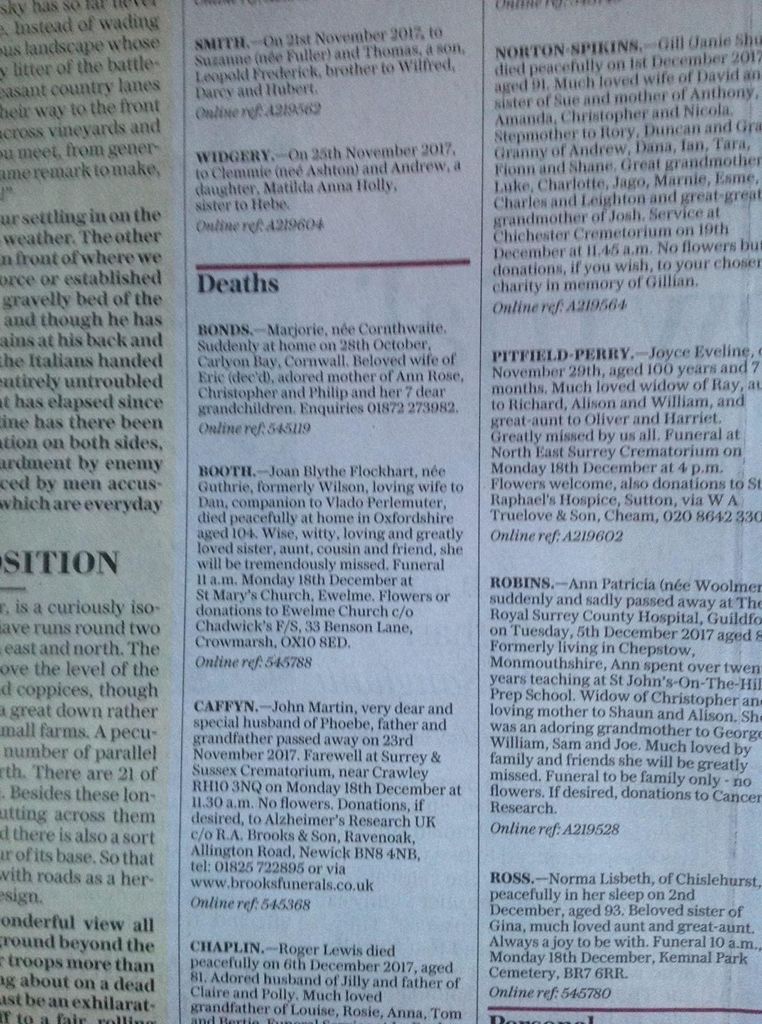
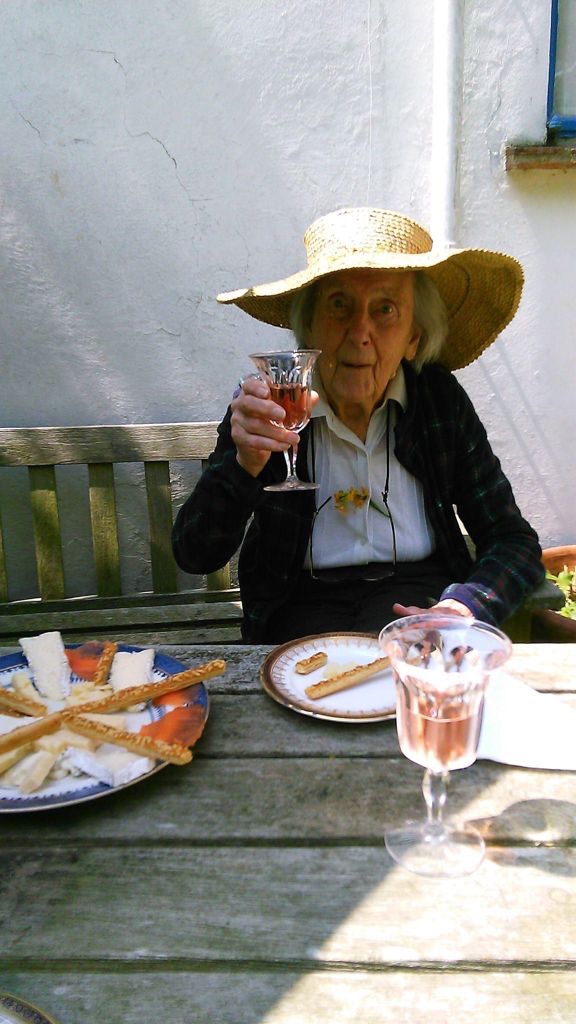
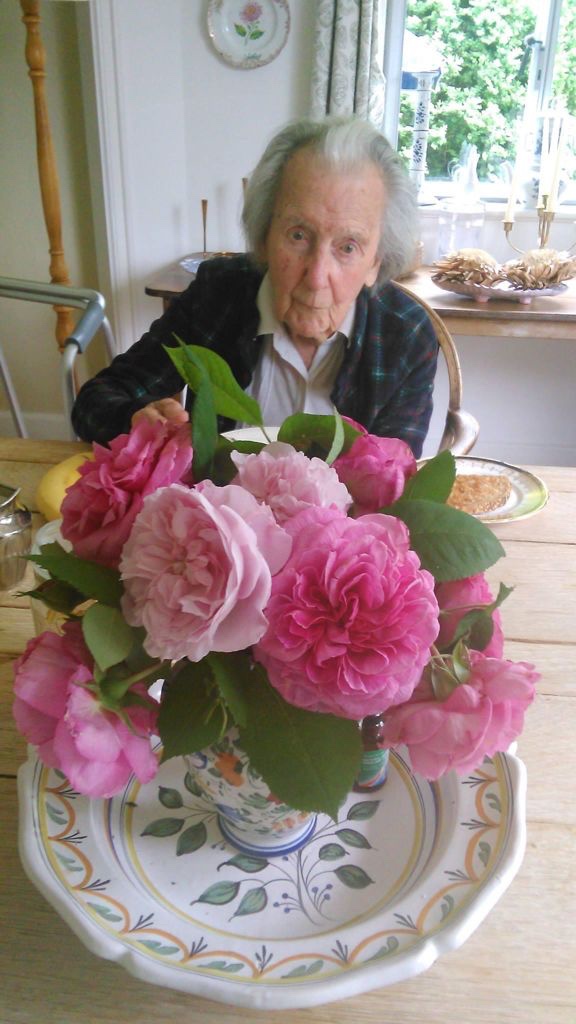
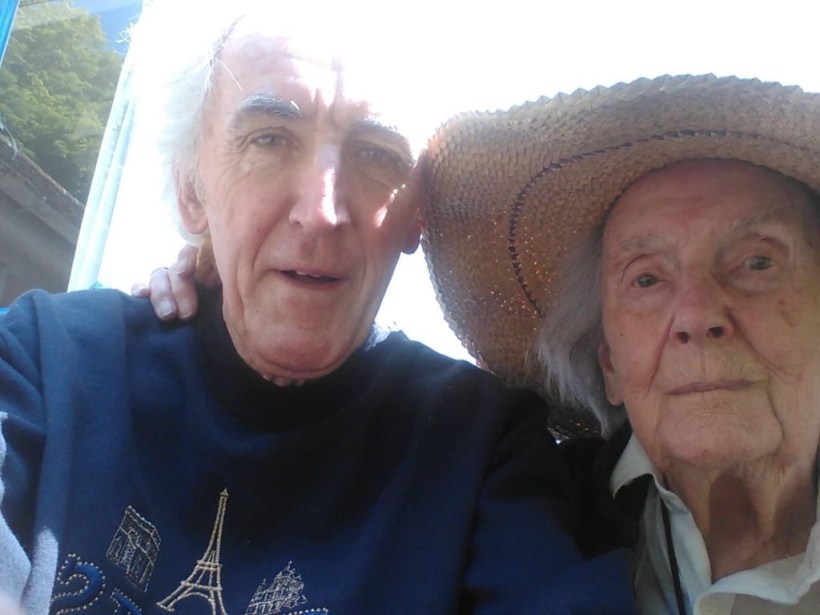
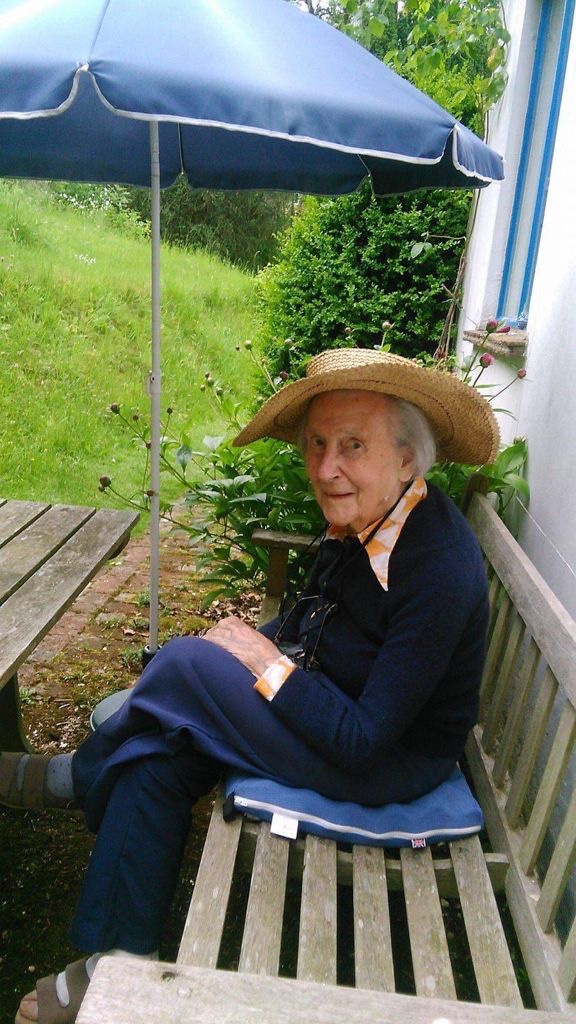
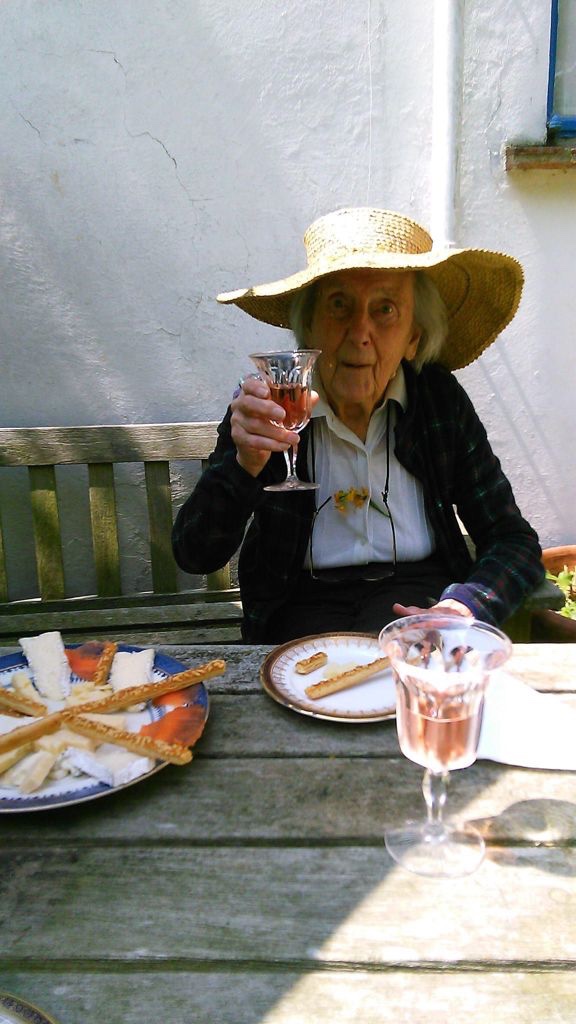
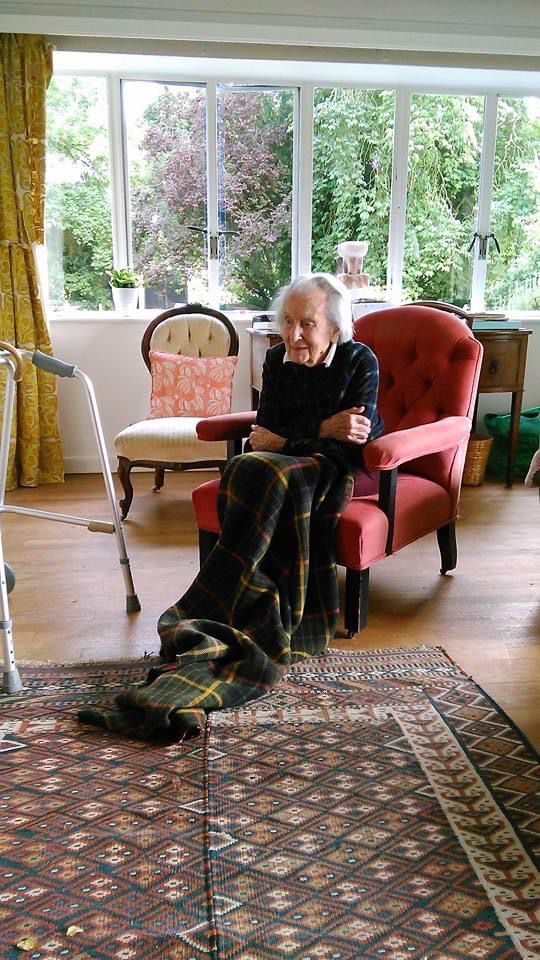
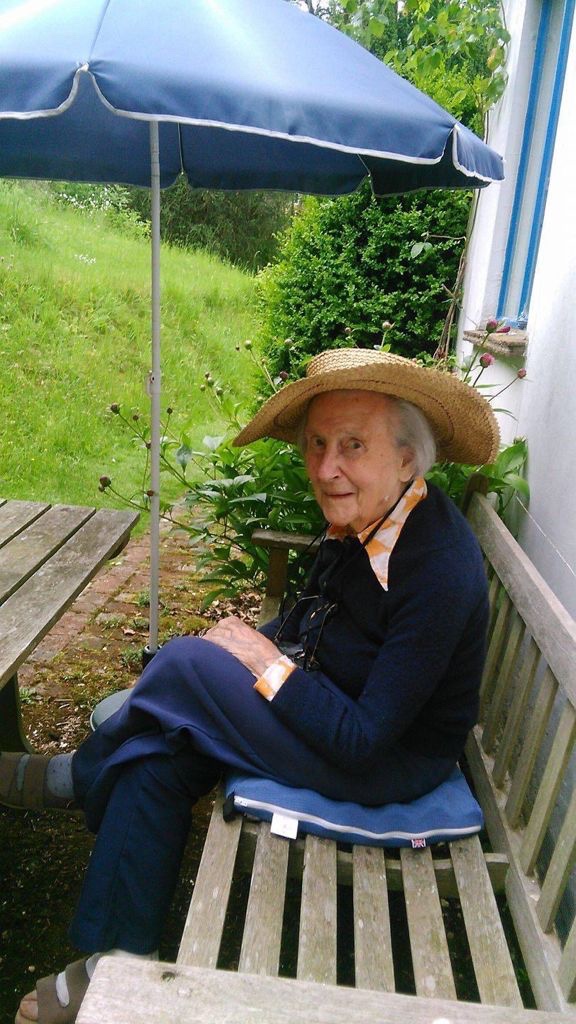
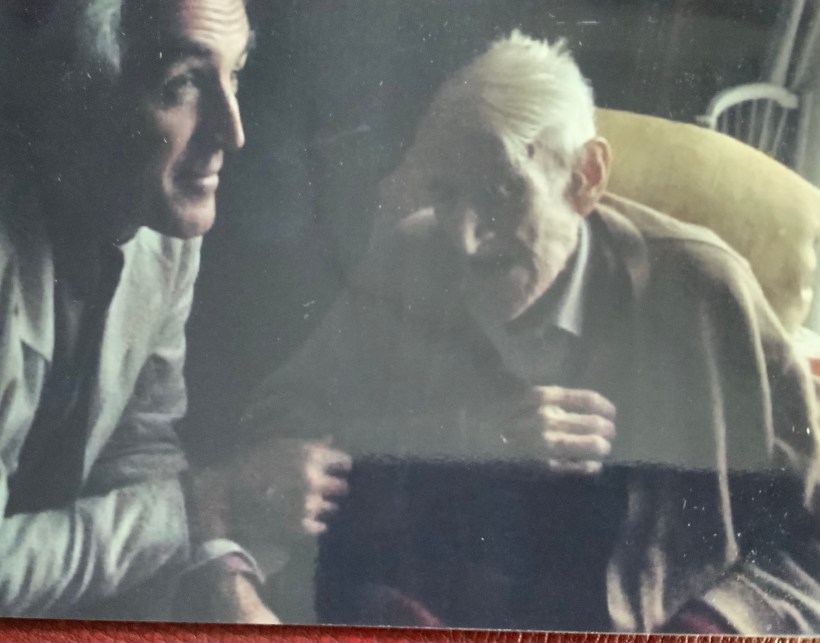
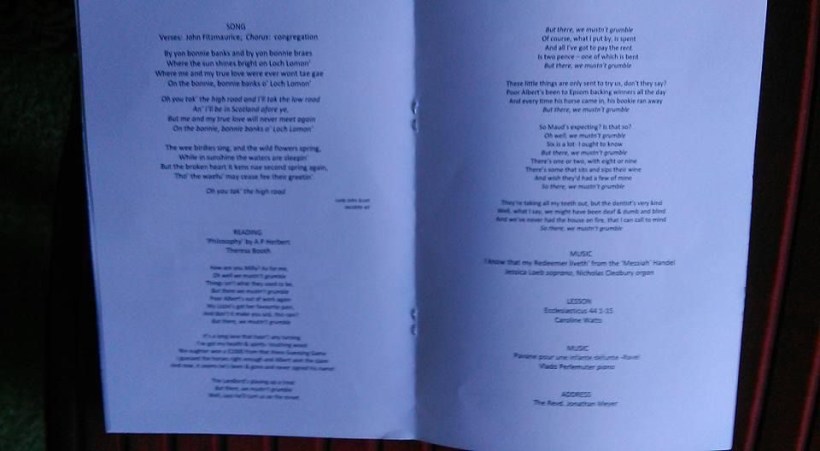
Joan passed away the same day as my wife (12 years on) last December 3rd at the age of 104 and a half and without whom he never would have played in public until the ripe old age of 90.
We have a lot to thank her for!
The same wonderful piano.
A magnificent Steinway from 1952.
Favourite of Richter who used to prepare for his recordings in Mantua on it.
As that master piano technician Mr Manta says they do not make them like that any more.
He explained that the soundboard of a Steinway is 9+ mm and the hammers made of real wool .
The difference from other makes that have a thinner soundboard and use synthetic material for the hammers. Of course that is why a Stradivarius matures with age?
The trial and errors that go into the search for absolute perfection before finding just the right materials and craftsmanship.
It is alway stimulating talking to artists of such intelligence and sensibility as Andre Gallo.
That great critic and writer Bryce Morrison on hearing Andre play for the Keyboard Trust in London summed up just what we were about to experience in Padua for the series of Sunday morning concerts for exceptionally talented young artists at the beginning of their career:
“Now this really is fascinating. I have heard very few pianists in Noretta’s (at the most three) series at Steinways over the years who I feel could seriously consider a career as a pianist. But Andre Gallo is a very remarkable exception. and hearing this again on CD in much better sound than in Steinways was a special experience.
For a start the programme was so enterprising, a real exploration suggesting all sorts of relationships and he has such a strong, audacious personality.
Of course, I can just hear the french brigade exclaiming in horror over his determinedly ‘different’ Debussy (tres rather than un peu sentimentale for the likes of Cecile Ousset, a French literalist if ever there was one).
At the same time I am puzzled by someone who bears down so heavily on Debussy’s early evanescent magic (all that push-pull rubato). He doesn’t believe in under-statement and, provocatively, everything is inflated beyond its natural perspective.
At the same time the pianism is masterly and the Dutilleux is superb (this should go on record with, for example, the Sonata).
Loved the Marco di Baris and the Vecsey/Cziffra, again suggests a superb pianist.
I have not heard playing of this quality for a long time in this series and I would go anywhere to hear him.
If you need a quote from me, you could perhaps use the following:
‘A masterly pianist with a bold and intriguing personality.’
Again with so much anodyne playing around, carefully trained for the exam room or the competition circuit (the reverse of what is required on the public platform), this is very exciting.”
Great words indeed from someone who has made the study of the piano and performance a lifetime mission.
Mr Mantas secret Steinway age code
Fascinating to watch the sheer beauty of the movement of his whole body whilst playing.
“Moulding” indeed as Dame Fanny would have exclaimed.
Like a great sculptor shaping the sounds with the same shape as his hands were making.
As Agosti used to say fingers like steel but wrists and arms like rubber.
Starting as a youth in Imola with Lazar Berman that great disciple of Goldenweiser as was his great compatriot Tatyana Nikolaeva.
Always so fundamentally important the early training.
Andre tells me he was always insistent that his shoulders should be completely relaxed and in a natural position. How many pianist seize up in later life without these principals established from the beginning?
In fact Andrea sits back like Radu Lupu with the arms outstretched looking ever like the caricature of Brahms at the keyboard.
What it gives them is complete control of sound through really feeling the sound through the fingers.
Je sens ,Je trasmet indeed!
Certainly it is this that gives Andre such freedom and such a pure unforced kaleidoscopic sense of colour .
I asked him if he used the middle pedal at all and he replied not only did he not use it but he never uses the soft pedal either . Preferring to use his ultra sensitive fingers to produce the refined sounds that he likes.
The slightly nasal sound of the soft pedal that Perlemuter and Arrau chose to use to such effect is not of his taste .
I defied him to maintain his word today in Padua and he certainly did!
The ravishing subtle pianissimi always with a resonance produced totally by his transcendental command of the keyboard sonorities.
Particularly noticeable was the beauty of sound in the final encore of Debussy’s First Arabesque.
Has the coda of the Schumann Arabeske op 18 ever sounded so beautiful?
A real Dichterliebe indeed.
The supreme subtle colouring in Claire de Lune one could almost feel the glowing rays that Debussy was depicting in sound.
Indeed some real passionate playing in the Passepied.Andre is a real artist with a soul which also has something personal to say and who is not afraid to speak out .
So many beautiful things in the Five Romanze senza parole op 62 by Mendelssohn offered today .From the jeux perle and delectable shaping of Mendelssohn’s melodies to the beautiful Spring Song played with an aristocratic sense of shape and an irresistible elasticity.A real “song” without words .
The childlike simplicity; of the opening of Poulenc’s rarely heard Suite Francaise played with such mesmerising rhythmic energy .
The same energy that he had saved for the Danzas Argentinas op 2 by Ginastera that closed this all too short Sunday morning recital.
He had been warned to finish like Cinderella before 12 when all the wonderful pandemonium of bells of Padua broke out in full voice.
It was of no importance for his totally hypnotised audience.
The extreme beauty of the Danza de la moza donosa had been encompassed by an absolutely sintilating almost whispered Danza de viejo bovero and an absolutely extraordinary tour de force of Danza del gaucho matrero .
Pealing bells or no after such a transcendental performance of this old warhorse the public insisted on more and Andre was only too delighted to share his unique musicianship with them in an all too rarely experienced intimate two way conversation.
A little piece by Mompou was the only thing possible after such a tumultuous performance of Ginastera and the beautiful Debussy Arabesque that followed bodes well for his recording of the complete works of Debussy that is being recorded in these very days.
As Bryce Morrison rightly says :”A masterly pianist with a bold and intriguing personality”
Andre Gallo Filippo Juvarra Francesco dalla Libera
The young British born virtuoso on tour in Italy for the Keyboard Charitable Trust .
Only half way through a tour that started in Viterbo last Saturday and has taken in Rome,Vicenza,Venice,Padua and will finish in Abano Terme on Monday.
Teatro Ghione amongst the books of Pirandello
He has already registered a remarkable success with all CD’s sold in the first concerts in Rome in the Ghione Theatre.
Reopening its doors once again to great music after its amazing record of historic performances from artists such as:Perlemuter,Agosti,Fischer,Cherkassky,Tureck,Sandor,Lympany,
De Larocha,Mannino,Foldes,Frankl,Kovacevich,Pletnev,Pogorelich,FouTs-ong,Alexeev,Katin Fialkowska, Hewitt,Howard and many young talents now making a name for themselves such as Prosedda,Cabassi,Baldocci,Ullman,Romanovsky,Gillham,Pisarenko,Rossi etc .
It is not just a coincidence that he has this month received rave reviews for his new recording of Alkan’s studies in the major keys .
Presentation in Il Giornale di Vicenza
Five stars in the Guardian with Gramophone and Sunday Times following suit.
I well remember over 50 years ago the excitement generated by the arrival of Raymond Lewenthal in London with queues around the Wigmore Hall after word had got around about his extraordinary performances of Liszt and Alkan.
It was just the same excitement that had ignited a teenage student at the Purcell school when an enlightened William Fong had given the exceptionally talented young pianists in his care the project of each one preparing a study from Chopin op 25 and Alkan op 35.
Mark a late starter when at the relatively late age if 11 he fell madly in love with the piano.
Self taught but already at the age of 12 he was accepted to the Purcell school for exceptionally talented children.
One of the three schools :Menuhin,Purcell and Chethams that specifically had been created on the lines of what had long been the norm in the eastern countries and USA.
Teatro Comunale Vicenza ….Incontro sulla Tastiera
Lucky from the age of 12 to 17 to be under the expert guidance of Tessa Nicholson who gave him the basis of the technique that is now astounding the public and critics alike. Another six years perfecting these early skills from Niel Immelman,star student in my day of that great English virtuoso Cyril Smith, sadly too often forgotten inspite of Guilgud’s wonderful portrayal in “Shine”.
Mark Viner was winner of the first international Alkan Zimmerman Competition in Athens in 2012 whilst still perfecting his studies at the Royal College of Music where he obtained his Masters in 2013 with the highest votes ever recorded.
Since then he has already been voted President of the Alkan Society in the UK and recently also to the chairmanship of the Liszt society of which Leslie Howard is President
Viterbo Auditorium S.Maria in Gradi
With highly praised recordings of Liszt,Thalberg and Alkan already to his name he is now being helped by the Keyboard Charitable with tours in the USA and Italy all leading up to the Prizewinners debut recital at the Wigmore Hall in London on 2nd March.
Immersed in this period when the piano was just evolving and taking the world by storm in the fashionable salons in Paris and many Royal Courts throughout Europe including that of Queen Victoria in London.
There is the famous story of Liszt, feted like a pop star , playing to the Tsar Nicolas 1st in 1840 .
Arriving late and talking, Liszt stopped playing and sat motionless with his head bowed.
The Tsar enquired why the music had stopped.
To which Liszt replied coolly: “Music herself should be silent when Nicholas speaks”.
These stories abound in this Romantic period and many a legend has grown up since. One such legend has persisted and it is that of the mysterious figure of Charles-Valentin Alkan.
A recluse who in his rare performances in public both Chopin and Liszt would be present to hear what Liszt considered the most perfect technique -apart from his own of course.
Music so difficult that it was for a long time considered unplayable.
Legend has it that he died from the Talmud falling on him.
Concert at the Ghione Theatre
Thalberg too a virtuoso and rival of Liszt .
Stories of the famous duel between these two giants of the keyboard in the Salon of the Princess Belgiojoso in the spring of 1837.
People standing on their seats in the hope of discovering the secrets of Thalberg’s seemingly impossible performances that sounded like many more than two hands at one keyboard .
“Old Arpeggio”Sigismond Thalberg with the incomparable “Il penseroso “Franz Liszt . The Princess declaring at the end that Thalberg is the first pianist in the world but Liszt is unique!
Thalberg played, of course, at the court of Queen Victoria too and amassed a vast fortune before retiring to Naples where he founded the famous Neapolitan School of Piano Playing still very much present amongst the great pianists playing today ……….Martha Argerich for example direct from the Neapolitan school in Buenos Aires of Vincenzo Scaramuzza.
Liszt erected a statue to Thalberg which still stands in one of the main squares of Naples.
His tomb recently desecrated by some enlightened grave robbers who had obviously done their homework.
A direct descendant of his the Donna Ferrara Pignatelli di Strongoli was present at Mark’s Rome concert and was enormously enthusiastic as were the entire audience lucky to be present.
Teatro Ghione Rome Rehearsal
Not always the greatest music as with any composer but as Mark says he could make the piano sound sumptuous and the gorgeous sonorities could easily seduce the senses even today.
Like the great Bel Canto operas that need the unique artistry of a Callas or Sutherland to make them re live.
Today there are only a few who are passionate advocates of this music and Mark certainly joins the ranks of people like Raymond Lewenthal,Ronald Smith and Mark Andre Hamelin.
Starting his recitals with the Benediction et Serment- deux motifs de Benvenuto Cellini de Berloz S.396.
We were immediately aware of the wide range of sounds that were conjured out of the instrument .From the barely whispered opening motif to the enormous sonorities of the climax.
Always with a great sense of balance giving an almost orchestral effect to this rather sombre rarely performed work.
The three pieces by Alkan that make up his op 15 “Souvenirs – trois morceaux dans le genre pathetique ” showed off all the originality and breathtaking virtuosity of these little tone poems.
The heartrending opening almost Bellinian melody of “Aime -moi” that was to be hinted at at the end of the last piece “Morte” almost like the disintegration or nostalgic look over the shoulder at the end of Schubert’s great A major sonata .
It made one aware of the importance of playing the three pieces as a whole .
The extraordinarily delicate virtuosity in Alkan’s almost impossibly difficult depiction of the wind.”Le vent” the second piece of the Souvenirs where even here the sheer beauty of the left hand melodic line just barely hinted at was a true feat of virtuosity .
Not the passionate arpeggios of Thalberg or Liszt but a much more subtle virtuosity of a mind that is listening intently to every sound and has the capability to control each sound whether the left hand be in impossible tenths or the breathtaking velocity of the chromatic scales in the right hand.
The great Dies Irae of the last piece played or rather hinted at to the accompaniment of gong like sounds from deep in the heart of the instrument.
A critic in Vicenza asked me why this suite is not more often played until I showed her the score with a million fingerings written in the score by Mark with the same precision of a brain surgeon !
Quod erat demonstrandum!
Le vent by Alkan
The Fantasie sur des themes de l’opera Moise de G Rossini op 33 by Thalberg opened the second half of this fascinating journey into a past magical world.
A short but very learned introduction given by this expert was of a great help in understanding this almost unexplored world of the birth of the modern piano as we know it today.
Two of the the themes used were not by Rossini at all but in the “style of”, according to Mark who not only plays these pieces but goes into very detailed research of every aspect of the music in the archives and is fast becoming a world authority.
But when the famous theme does appear with such delicate and intricate embellishments played with an almost irresistible ,teasing sense of rubato with the same astonishing clarity of a great bel canto singer .
The build up of this seemingly innocent theme was quite exhilarating as it was surely meant to be in Thalberg’s own astonishing performances .
Sometimes reminiscent of course of the embellishments and the same technique that his rival Liszt uses in his surely undisputed masterpiece that is the “Reminiscences de Norma.”
Some truly amazing risks taken and handsomely won by this young man who is fast becoming the reincarnation of his great forebears.
A standing ovation and a rush to buy the three remarkable CD’s to take home and prolong the exultation that was generated live in the recital hall.
Teatro Comunale Vicenza
More than a mention should be made of his exemplary Chopin Nocturnes op 48 .
Played with a simple but very flexible aristocratic sense of rubato.
The great build up in the C minor nocturne played by a master architect who knows how the building is constructed.
A very telling almost nonchalant jeux perle in the central section of the F sharp minor nocturne suddenly made sense of this rather elusive partner.
A single encore only in Rome so far from a more than insistent public many of whom professional pianists and illustrious colleagues .
Luckily announced by the pianist himself and was by that other shadowy figure from the past Cecile Chaminade: “Meditation” op 76 n.6 and one of the pieces that will figure on a new CD of the works of this little known pianist composer and another for this more than inquisitive young virtuoso to champion.
Mark Viner with Joan Booth
After the concert in Vicenza with Mariantonietta Righetto Squeglia
Chiyan Wong at St Martin in the Fields for the Concordia Foundation.
Bach:Goldberg Variations BWV 988 (after the Busoni edition)
What a treat today in this “Wonderful Town” to quote Simon Rattle .
A real thinking musician presenting one of the greatest works ever written for the keyboard.
To a packed out audience in St Martin in the Fields that had taken a break from the frantic pre-Christmas rush to spend an hour in the presence of that sublime master: J.S.Bach.
Chiyan is one of those totally dedicated musicians that whatever he plays is convincing and so it was only with a little trepidation that I ventured today to hear him present the Busoni edition of this masterwork.
Gone is the era of the rather inflated transcriptions of Busoni and the like .
We live in an era of historic instruments and research into the original scores and origins of these works.
But it was after all Mendelssohn who discovered and revealed to the world the masterpieces of J.S. Bach still hidden away in the archives ,and Busoni who brought the great organ works into the concert hall.
Many of these great works can be played in any combination and I have heard the Goldberg variations in various string groups and of course from many of the great musicians both past and present, all totally different one from the other .
I remember in 1991 inviting Rosalyn Tureck to return to the concert stage after years spent away from her doting public in order to study in depth the composer of which Harold Schonberg,the great american musicologist and critic, described as the ” High Priestess of Bach.”
I invited only a month later Tatyana Nikolaeva to play the same work and was greatly criticised for not having more interesting programmes!
They were both totally different but very great performances.
Nikolaeva more human and warm.
Tureck like a rock of superhuman intellect and total dedication to what she knew were the composers wishes.
The performance I most remember was for the magical appearance of the aria after the quodlibet and was by Andre Tchaikowsky.
Leaving the pedal on the final G of the last variation and then allowing the aria to float on it as if like a magical apparition was truly an unforgettable moment .
This much missed artist ,who died so young, leaving his skull with all his impish intelligent humour to the Royal Shakespeare Company for use in Hamlet.
It was too fragile to be used and I am sure Andre would have much enjoyed this strange ironic twist of fate.
Recently of course we have had the beautifully musical performances of Angela Hewitt where the song and the dance are the principal motivation.
As with the latest great performance from the young Beatrice Rana, a BBC young generation artist who has already recorded Tchaikowsky 1 and Prokofiev 2 with Pappano.
Chiyan Wong is one of the new generation of artists trained from a very early age in England and that are now taking the music world by storm.
England always criticised for not providing the same sort of training in childhood as in the countries of the East or in America.
Thanks to Chethams,Purcell and Menuhin Schools this has now all changed .
Chiyan studied from the age of 12 at Chethams and then at the Royal Northern College of Music under Norma Fisher .
Still only in his 20’s he has a curriculum that includes many prestigious prizes :Hattori Foundation,Jaques Samuel, Horowitz competition in the Ukraine and the Premio Liszt in Parma.
After recent performances of Prokofiev 2 in Singapore and Liszt in Hong Kong he was dashing back after his performance today to the Hong Kong Philharmonic to play the Liszt Fantasy for the New Year Festivities
Total command and clarity were the impressive hallmark of this very interesting performance.
Busoni edition yes but played with the intelligence and sensibility of a young man of today.
Chiyan Wong confided that he was always daunted by the thought of performing this monumental work and asked me if I would turn pages for him. “Why the music Chiyan you are a big lad now!”
I regretted saying it ,but back came the reply that he did not need it after all.
Exactly as Rosalyn Tureck had done in Florence all those years ago.
About to cancel the performance (she well into her 80’s ) we told her that the head of Deutsche Grammophon had especially flown in to hear her .
She not only played but discarded the cards she kept as a pro memoria in the piano .
She too even after a long career had been daunted by the idea of performing this monumental work.
Chiyan appeared without the score and proceeded to hold his audience in his hands for a totally convincing and in many ways masterly account of this very discreetly tainted Busoni edition.
Luckily Chiyan too had decided that Busoni’s triumphant reappearance of the Aria after the Quodlibet was really no longer in style with our present day thinking and respectful knowledge of Bach’s thoughts and so Chiyan had in the Busoni tradition composed a modified equally original version of the Aria in style with both Bach and Busoni!
Hats off to this thinking musician to have found his own solution ,respectful to both Bach and Busoni.
The opening Aria played with just that right amount of personal rubato that allowed the music to breathe and live so touchingly but with dignity never falling into sentimentality.
Infact it was in the slower more lyrical variations that Chiyan really excelled with so many really beautiful things where the part playing right from the second variation was so telling and expressive.
His insistence on non legato almost staccato whilst admirable did mean that the sense of line and admirable rhythmic impetus was slightly colourless.
I can understand his reasoning for contrasting the lyrical with the almost etude type writing but feel that a little more weight would have allowed more real shaping on this very fine Steinway at St Martins.
The 19th variation that Busoni marks Allegretto piacevole was played slower with a very telling light staccato that lead into more serious Busoni territory.
The 20th variation played with pedal that made it sound most unexpectedly like a music box especially for the first of the variations that leads to the build up and the explosion of the 29th .
But in Busoni’s hands he had obviously seen the 22nd variation “alla breve” as a crucial point of arrival played with all the Busoni fanfares ablaze.
The 23rd variation almost descending into a Lisztian study gave way to a simple heart rending version of the Adagio, one of the most profound of Bach’s keyboard works, left to speak for itself in the genial hands of Busoni .
The contrast was tellingly found with his insistent non legato in the following variations but for my taste rather too staccato.
The transposition by Busoni into the higher part of the piano register in the trill variation that is n.28 left me a bit perplexed as to how Busoni could have perceived this almost Paganinian interlude before the magnificent explosion of the 29th.
Here Busoni’s rendition added great grandeur to the penultimate variation that can sometimes be a little helter skelter even in very illustrious hands.
Here he put the hand break on to great effect.
Of course the Quodlibet that is the 30th variation lead in Busoni’s hands to the triumphant reappearance of the Aria .
But as mentioned before Chiyan Wong had as a modern day musician understood that the Quodlibet was the point of arrival and that the gentle touching appearance of the Aria should appear as a dream and should not disturb the now slumbering insomniac count for whom they were composed.
Moments of total silence in which one could have heard a pin drop after the final chord of Chiyan’s Aria was the greatest compliment that one could have paid to the monumental performance offered by this extraordinary thinking musician.
Having touched the very hearts of a public that just sought refuge from the confusion of Christmas in Trafalgar Square today
Leonidas Kavakos and Yuja Wang at the Wigmore Hall in London tonight .
Last night in the S.Cecilia Hall in Rome……………and tomorrow?!
They looked tired but they certainly did not sound it .
Yuja in the slinkiest of dresses .
Grey lame’ split up the side and completely backless.
None of which was relevant to the control and wondrous sounds that she found on the piano .
Lid wide open she never overpowered the totally assured sounds of Kavakos’s “Willemotte”Stradivarius of 1734.
Inspired but the magnificent sounds from the piano he matched and complimented them with a range of power and subtle colours that lead to some really memorable performances of the four great works on the programme.
A monumental performance of Schubert’s great but sometimes very allusive Fantasy D.934 in which an architectural sense of line was matched by a clarity and sense of colour that brought this work to life as very rarely it can be in lesser hands.
Some very subtle colours in the Debussy Sonata with that very aristocratic French sound that was never allowed to descend into sentimentality.
Bartok’s Sonata .1 of 1921, written for Jelly d’Aranyi (who gave the first performance with the composer),was given a truly transcendental performance that had the audience on their feet cheering these two great artists to the rafters .
A single encore by Szmanowski ,the Myth n.1 “La fontaine d’Arethuse” played with all the subtle colours that only these two great artists could conjure up together in a truly magical evening
“I met Joan and Vlado for the first time in Dartington in 1968 and then studied with him in 1972/73 commuting to Paris whenever I received a postcard from him written in his turquoise ink . If it was a Saturday I sometimes had to wait while the Rugby match finished !
In 1984, two years after the opening of our theatre in Rome with my wife Ileana Ghione, I approached Basil Douglas with the idea of persuading Vlado to make his debut in Italy. He came in December 1984 and made his debut at the age of 81. The French Ambassador sent a note saying he had a prior engagement a letter that Vlado tore up once he had asked me if I thought he could not be of use to the theatre in the future ! Always the perfect gentleman.
He came one year that was the anniversary of Ravel’s birth and the TV wanted to record part of the concert and make an interview. Vlado refused but we had the crew hidden out of sight in the balcony,with Joan’s connivance too, and he was on the news that night.
When he realised it would be useful for the theatre he agreed to the interview as well.
Immediately after his Rome debut Filippo Juvarra called from Padua to ask if Vlado would come and play for them in the Sala dei Giganti. He did not know that this leggendary figure was still playing.
We shared Vlado for the next 9 years and he played every year for us in Rome giving masterclasses too .
He was invited to play afterwards in many cities notably Florence where Jane Camilloni lives and whose parents lived in Florence – Joan’s God daughter who she used to take to boarding school in England.
Jane’s aunts were living in Ewelme at the time -Jelly D’Aranyi and Adila Fackiri .
Jane’s parents came to hear his Florentine debut .
Jane played too in Vlado’s masterclasses in Rome ….he was very impressed .
There was an angry crowd in the interval that could not understand why this great pianist had not played in Florence before.
No one had thought of asking him until Claudio Arrau at 84 cancelled and they needed someone to open their season. They called me up and I took him to Florence always with Joan of course.
He played in Milan,Venice too.
In Venice my wife ,who was a well known actress was allowed to jump the queue with Vlado to visit S Marks Tower whilst Joan and Filippo looked on bemused.
Filippo Juvarra Vlado Perlemuter Joan Booth Ileana Ghione
P.S. I have known Joan and Vlado since 1968 as a student in Dartington but could only consider them as close friends from their first visit to us in Italy in 1984 .
Joan loved to recall the time in 1972 when Vlado was giving classes at the Royal Academy and I was playing to him Beethoven’s op .111 and exclaiming how come there were not more people for one of the greatest musicians of our time. He was demonstrating the most difficult of the Chopin Preludes …n 16 in B flat minor when the lights went out ……… It was the time of Heath and strikes etc …………….Vlado continued playing to the end in pitch darkness …it has passed into history at the RAM
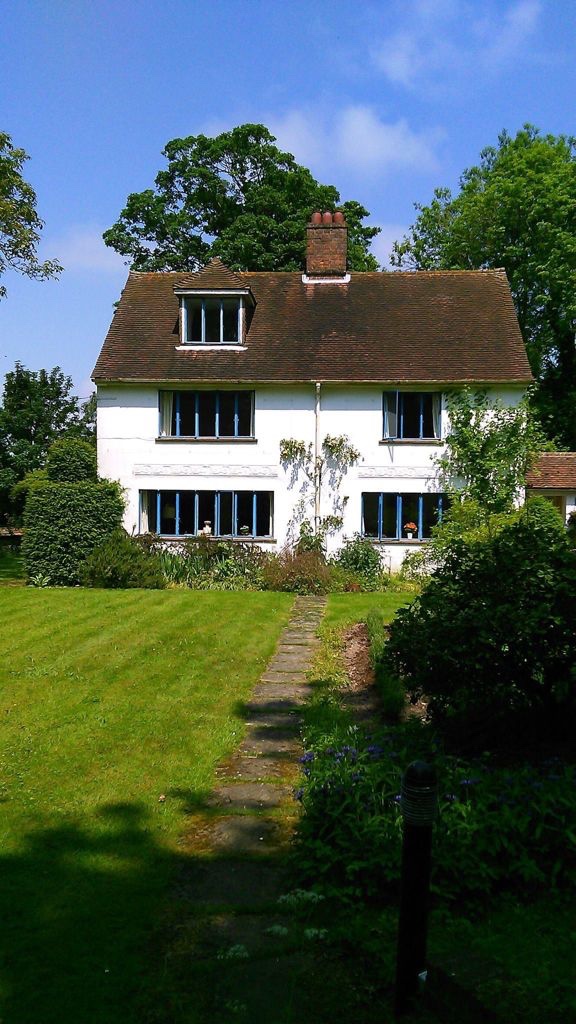
We had often visited them in Ewelme and Markham Square and of course loved having them both with us in Rome.
Joan often used to say that he came for us ….He adored my wife Ileana .
We visited Vlado in Paris a month before he died .Joan who commuted regularly into her late 80’s on Eurostar was not there on that occasion as Mmlle Schmidt was very much in charge .
Vlado did not recognise us on this last occasion but he loved my caressing his hand and we loved being with him .
Mlle Schmidt was very kind to us all. She was an ex student of his and became his carer. It must have been difficult for Joan and Vlado with their very discreet relationship mostly afar from Paris.
When we arrived back in Italy we were listening to the Italian Radio 3 and heard someone playing Chopin.
“This is Vlado Perlemuter who passed away today”
My wife,Ileana Ghione, passed away too in 2005 playing Hecuba on stage in our theatre ……..” an eye for an eye ……when will it ever finish” she was struck down by an aneurism and died on the operating table that night.
Since then Joan has been an absolute rock .
No rhetoric ,as my wife had asked me just before her all night operation,but warmth,intelligence and always there .
Many memorable evenings in Markham Square on my monthly visits to London.
She would provide the simplest most wonderful meals …Baked potato,Baked apple and Steak cooked on the red hot slab which she tested for its heat in the only way possible!
When she could no longer cook easily I would take pot luck from Marks and Spencer’s just at the end of the Square or a Roast chicken when in Ewelme .
One visit I had just arrived from Italy and took my nephew’s Jaguar around to Joan’s with the usual Marks and Spencer fare .
Included a bottle of red wine too in the deal …….Joan was not a great drinker and maybe had a glass.The rest of the bottle seemed to disappear though .
Driving back I was flashed at by the police who suggested I was driving erratically ……….I was of course driving on the opposite side from Italy and in a car much bigger than mine in Italy so I was ultra careful.
Asking if I had been drinking I explained I was having an M&S dinner for two with my dear 100 year old friend ………….one of the pleasant young policemen said that he was recently married and often took advantage of the same deal.
We were near my house in Kew and I suggested we go back there whilst we waited for the breathaliser to arrive.They were quite happy to wait by the car and were obviously sizing me up.They explained about the test and that if it was over 30 what the eventual consequences would be .
Blowing into the thing we waited with baited breath to see the result …………..15 !!!!!!
They offered to drive me back home with apologies all round and I considered sueing M&S for selling me coloured water !!!!
As she got older I realised she was missing music in the house and I took along many young pianists to give private recitals on Vlado’s piano …………..in Ewelme too ………Alexander Ullman,winner of the Liszt International Competitions in Budapest and Utrecht,Vitaly Pisarenko winner of the Leeds Competition,Mark Viner,winner of Alkan Competition in Athens,Evgeny Genchev ,Marcos Madrigal ……..Pablo Rossi who I took down to Ewelme one evening bringing supper with the music too.
Mark Viner,the last to play, came over about eight months ago when it seemed that Joan was on her way out.
The family had be reunited and she began giving away her books and pictures to dear friends and family.
I was not convinced that we should give up so easily and Mark came over to play ….it was just what she needed together with the three pints of blood provided at the local hospital ….and our Joan was back with us for a while longer .
She even asked for her books and pictures back to enjoy until the end was in fact nigh.
I was with Joan all day Saturday 2 December,fire ablaze as always ………..I hope she knew that I was there with the red scarf that she had given me for my birthday just a month or so ago.
Fond memories of the Birthday cake that she had ordered from Martin- the Viking’s wife Nitta……………………I told her I was looking forward to seeing the curtains that Nitta was making with Eileen,her sister’s design .We had a lovely evening together admiring the curtains and talking just a week before she died.. ………….I told her I had booked a flight to spend Christmas with her ……to give her something to look forward to ……..me too of course,nothing could have been nicer.She was wonderful company right to the end .
She passed away the same day as my wife (12 years previously) in the light of the Super Moon and I like to think that Ileana opened her arms to light the way for my dearest friend.
“Underneath the spreading chestnut tree little old Hitler said to me:if you want to get your gas mask free join the blinking ARP.(air raid protection corp).”
Amazing recollection from a 104 year old .
How could you ever forget it she comments
Here is a recent page from her diary that she kept every day of her long life
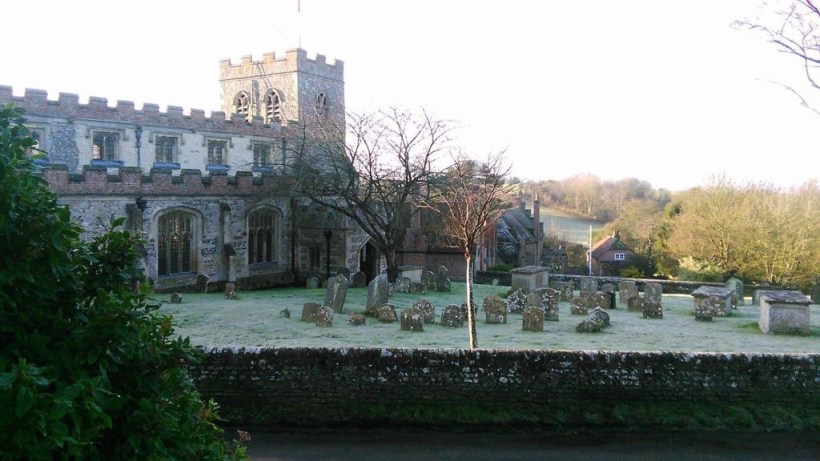
A beautiful day to say Goodbye ………18th December 2017 Ewelme
The last photos of Vlado Perlemuter taken in Rue Ampere Paris 26th August 2002 just a few weeks before his death on the 4th September that was announced on the Italian radio on the return of my wife Ileana Ghione and I to our holiday home in Sabaudia.On the train from London to Paris I had noticed a man looking like the Abbé Liszt studying a music score .Just as we arrived in Paris I remembered his name having seen him often on Antenne 2 French Television.I thanked Ivry Gitlis for all the wonderful performances we had enjoyed.I explained that we had a theatre in Rome and were on our way to see Vlado .He was thrilled to meet us and immediately invited us back to his house !
What an evening with Menahem Pressler , Peter Frankl , Noretta Conci and John Leech from the Keyboard Trust and many other distinguished musicians.
All present to celebrate the winner of the 2017 Rubinstein International Piano Competition in the hall where that great man Arthur Rubinstein gave his last public performance in 1976 to try to prevent the hall from being demolished.
In fact a programme of works very much associated with Rubinstein :Beethoven’s Appassionata and the Funeral March Sonata of Chopin.
Followed by works dedicated to him by his great friends Szymanowski: Mazukas op 50 1-4 and Variations op 3 and Stravinsky ending with the three movements from Petrushka .
Great discussions afterwards between Menahem Pressler and Peter Frankl not only about tonight’s programme but also taking in Kurtag,Dohnanyi and Schumann not to mention Cortot,Casadesus,Moszkowski and Perlemuter.
Two of the greatest musicians of our day in amicable discussion about music and musicians.
Pressler about to record with Matthias Goerne Schumann’s Dichterliebe and Kinderscenen and Peter Frankl to play on the 13th in Budapest chamber works by Dohnanyi.
Menahem Pressler Lady Weidenfelt Peter Frankl
All present to salute a new young colleague, winner of the competition that bears the name of the much loved and never forgotten Arthur Rubinstein.
Simon Nehring,in 2017, the first Polish pianist to win the Rubinstein Competition in Tel Aviv, having studied in Krakow with Prof Stefan Wojtas and Olga Lazarska is now at Yale University in the class of Boris Berman.
It is hardly surpring that the highlight of the concert was to be found in the refined and subtle tone palate of his compatriot Karol Szymanowski.
The four little Mazurkas op 50 that Rubinstein used to play after the interval in an all Chopin programme almost like taking a sorbet before continuing with the feast.
Here played with that same sense of rhythm and dance that is so much part of the Polish tradition.
A real sense of colour that had somehow eluded him in the first half where the great Appassionata although played with true authority seemed strangely black and white.
I well remember the wonderful second subject of the Allegro assai first movement in Rubinstein’s hands given all the time to unfold as he directed the great orchestra that he had in his ten magical fingers.
Although the tempo was admirably maintained with superlative technical command tonight the great Beethovenian contrasts and sense of orchestral colours were missing.
Some beautiful things in the Andante con moto cortege and a wonderful question mark before plunging into the Allegro ma non troppo.
Here again rather too fast to allow Beethoven’s innate orchestral sense to tell.
A coda played with almost superhuman precision at breakneck speed with breathtaking virtuosity.
It was just a pity for his really intelligent musicianship not to take the time necessary to give more character to this, one of the mightiest of all Beethoven’s Sonatas.
A beautiful opening to the Chopin Sonata op 35 and the whispering of the opening theme was superbly well controlled .
I missed the sumptuous colours of the second subject and the grandeur of the bass notes in the devolpment though.
The second movement rather too fast and monocrome with no real sense of dance but rather a fantastically played study.
A beautiful Marche funebre even though the trills in the left hand were rather too percussive and intrusive at times. The Trio in particular played with great poise and control.
The last movement was played with enviable clarity and superb virtuosity but did it really sound like the wind on the graves?
Standing ovation at the end of Petrushka
The Szymanowski early variations in B flat minor op 3 were played with all the colours allied to superb virtuosity and musicianship that had obviously contributed to his success in the Rubinstein Competition.
A real sense of sumptuous colour and a very refined palate allied to a great sense of line and forward direction .Leading to a final Allegro con fuoco that brought this rarely heard piece to a brilliant end.
The three Movements from Petrushka were played with astonishing virtuosity and sense of colour but I could not help feeling that there was no real sense of the dance in the Danse Russe or La Semaine Grasse.
The rather clean and clear sparse use of the pedal brought this mighty orchestral piano transcription into the realm of Stravinsky’s own definition of the the piano being nothing but a utility instrument that sounds right only as percussion.
A standing ovation and as an encore a beautiful little piece by Paderewski charmingly announced by this great young virtuoso and was played with all that same colour and sense of style that he had brought to his other compatriot Szymanowski this evening.
Sublime music making as she herself says Schubert’s music is at once personal and profound.
Every note speaks and touches your soul.
In the first of two recitals of Schubert Sonatas Mitsuko Uchida swept onto the platform of the Royal Festival Hall and immediately plunged into the great C minor Sonata D.958. Such rhythmic energy and real passion it was the only really Beethovenian statement that we were to get tonight .
For like Wilhelm Kempff that great kapellmeister of the piano who in his later years forsook his nobility and overwhelming authority for something much more subtle and poetic.
He had found the true secret of how to make the piano sing.
Gone were the bar lines and any resemblance of percussiveness.
In its place was a sublime legato that drew the audience in to him as if sharing an intimate secret with them.
Thus it was tonight .
The great opening statement of the C minor soon gave way to the most sublime legato. Chromatic scales almost impossibly whispered with the menacing opening rhythm only hinted at in the left hand before erupting into the recapitulation.
She had no time for any little mishaps or muddyness that might occurr on her long search to eliminate any sense of percussiveness from what is after all a percussive instrument.
It was Schubert ,the greatest song smith of all, that was paramount in Mitsuka Uchidas heart and soul.
The Adagio played like the great song it is with absolutely no sense of percussiveness but an almost superhuman control of sound that allowed her to shape so naturally.
Schubert’s seemingly seemless unending invention.
The middle section of the Menuetto played as if a wondrous murmured song that linked up so well with the da capo of the Menuetto.
The supreme clarity of rhythmic invention of the last movement in her hands dissolved so naturally into the heavenly hint of melody that Schubert could not resist even here.
The little A Major Sonata D.664 that opens with a simple melody so beautifully shaped with such a subtle sense of rubato . The great octave passages completely integrated into this cantabile context and a heartrending ending that seemed to get ever more quiet as it whispered its farewell.
A transcendental feat of piano playing for any that have tried to shape a melodic line from piano to pianissimo.
The wonderful duet effect in the slow movement was matched to the seeming simplicity with which she played the charming last movement.
I well remember Mitsuko’s monumental Hammerklavier in the Leeds Competition all those years ago, so much admired by Rosalyn Tureck, when she took a top prize with Alexeev and Schiff.
As I remember too the truly overwhelmingly powerful performance of Brahm’s F minor Sonata in the mighty hands of Wilhelm Kempff.
Wonderful and overpowering as it was they were projecting to the audience whereas in the later period of their careers they have a need to bring the audience in to them.
What better example than the minutes of total silence that greeted Mitsuko Uchida’s sublime performance of the great G major Sonata.
No words could describe this totally unblemished performance as near perfection as I would have thought possible.
She had the whole audience of thousands following her every sound and she did not let them down in the sublime thirty minutes or so of sheer music making .
A standing ovation particularly appreciated by her from the music students that had been seated behind her on the platform.
An almost inaudible langsam second piece from Schoenbergs six little pieces op 19 made the audience work even harder to listen to every note just as she was .
Performer and audience were united in the creation of music .
A truly remarkable experience for all those privileged to be present .
The second concert on Friday with another three Sonatas I can’t wait .
Che dire……sublime Mitsuko Uchida part 2
From the very first note of the usually much overlooked B major sonata.
Through a monumental performance of the big A minor.
The opening theme so many subtle ways of saying goodbye and the ever present throbbing heart beat.
Quite unforgettable.
The great D major perhaps the most Beethovenian of Schubert sonatas but where the toy like clockwork precision in the last movement is sublimely Schubert. Touched more by Mozart for its simple innocent purity than the complexity of Beethoven.
I have only heard Curzon come near to this interpretation with Schnabel`s “too easy for children but too difficult for adults” made so apparent.
A sublime evening where pure music spoke louder than words .
Nicholas Freestone at Temple Church and Umberto Jacopo Laureti at Steinway Hall……two great artists today for the Keyboard Charitable Trust
Nicholas Freestone
Two great concerts for the Keyboard Charitable Trust on the same day but in very different venues.
The first on the magnificent organ in the Temple Church by Nicholas Freestone and the second in Steinway Hall with Umberto Jacopo Laureti.
I never thought I would use the word charming for an organist but here it was today in a little piece by John Ireland :Villanella from the Miniature Suite.
There was all the cheeky charm that one usually associates with the great romantic pianists of the past.
The reason being of course that here at the organ today was a real thinking musician totally in command of the instrument and able to find and use to the advantage of the music all the vast range of colours that this organ could provide.
From the great March on a theme of Handel by Alexandre Guilamt in which the nobility and grandure immediately announced the credentials of this young Organ Scholar at St Paul’s Cathedral.
Nicholas Freestone graduate of Oxford holding an Organ Scholarship at Worcester College where he was resonsible for the running of the chapel music .He later went on to be Organ Scholar at St Albans Cathedral training and accompanying the choirs as well as being their principal organist .
At his young age he is a complete musician a Kappellmeister in the great tradition of the past and lent to the music an authority and sense of style and direction that was quite absorbing from the first to the last note.
Herbert Howells Master Tallis’s Testament almost whispered after the tumultuous sounds at the end of the Handel March by Guilmant.
Frank Bridge Adagio in E where his subtle use of the stops gave such a great sense of colour but never forsaking the sense of line .
The great Carillon de Westminster by Louis Vierne that concluded this all too short recital were allowed to ring out around this ancient church of the Knights Templar in the heart of London
Nicholas Freestone,Roy Emerson,Sarah Biggs,Greg Morris
It was nice to see John Leech the founding father of the KCT present in these august surroundings and missing only Sir Geoffrey Nice his lifelong friend and instigator of this new branch of activity for the Trust . As one of his illustrious colleagues pointed out without doubt taken up with the events of the day in his very busy schedule
The second appointment of this busy day for the KCT was with Umberto Jacopo Laureti an equally remarkable musician from the school of Benedetto Lupo in Rome and Ian Fountain in London.
Noretta Conci-Leech the founder of the KCT sharing this day with her husband .
Umberto Laureti
I had heard him play in a concert by the students of Benedetto Lupo’s class at the Accademia di S.Cecilia in Rome.
All the Scriabin sonatas played by some of the very talented young musicians that flock to study with him in Rome.
So it was very interesting to be able to hear a complete programme today that ranged from Schubert to Busoni. Now studying for a PhD with a research programme on Busoni it was hardly surprising to find an important work of Busoni as a finale to a recital that had shown off the intelligent musicianship that had been apparent from the very first opening chords of Schubert’s great C minor Sonata D.985.
From the very first notes there was an energy and inner propulsion that he maintained for the next thirty minutes .
From the great Beethovenian opening played with great passion dissolving into the beautiful second subject played with just the right flexibility that allowed Schubert`s sublime melodic invention to cast it`s spell.
The same spell that was to be cast in the Adagio with just the perfect mix of shape and character that allowed the sublime invention in Schubert`s last year to speak so naturally .
The Minuetto perfectly judged to contrast with the tarantella like Allegro.
Schubert spinning his magic in this young man`s hands .
The magical melodic interruptions never halting the infectious forward movement.
Umberto Laureti with Elena Vorotko Bridges
I wonder why Umberto chose to play the opening bass of the Chopin Barcarolle with two hands?
A poetic reading where the melodic invention was played with a beauty of tone that was never allowed to become percussive.
Always expressive this great long song was allowed the space and time to breathe so naturally.
The arrival in paradise (in Perlemuters own words) was played with an exquisite completely natural cantabile.
The final page,so much admired by Ravel, played in such a fluid manner and the last chords played without emphasis as the end of this great melodic outpouring of the already gravely ill Chopin on his ill fated soggiorn with Georges Sand on Majorca.
A contemporary piece of a friend “Song for him” was just the right contrast for the Busoni Toccata.
A piece I well remember Serkin playing in London together with the Reger variations and op.111.
It is nice to see being rediscovered by this fine young musician delving into the output of Busoni.A real reincarnation of Franz Liszt in his anticipation of the direction that music might take.
Some remarkable sounds and use of pedal effects in the De Angelis “Song for him” as was the sparseness of pedal in the Busoni .
A true musician ,the second in the same day that only goes to confirm the very roots on which the KCT was born.
A little piece of childrens slumbers from Schumann`s Kinderscenen was just the ideal encore at the end of a long day dedicated to real music making.
Umberto Laureti
Temple Church
Umberto Laureti with a member of the audience
Elena Vorotko and Sarah Biggs
Our founding fathers…..Noretta Conci and John Leech
A whole day dedicated to Liszt and as Leslie Howard,President of the Liszt Society, said where else could you have heard on the same day or on any day come to that : Faribolo,Chanson tiree du Poeme de Franconnetto de Jasmin,the Fourth Mephisto Waltz or the Heroischer Marsch in ungarischen Stil.
Leslie Howard President of the Liszt Society
All this preceeded by the Polonaise n.1 S.223/1 in Edward Leung‘s superb lunchtime recital and after four hours of competitor recitals the day closed by Mark Viner and Ronald Cavaye with a very rare performance of Der Traurige Monch for recitation and piano .
The day began with an inspired recital by one of last years prizewinners of the Liszt Society Competition Edward Leung.
A young american pianist graduate of Princeton University was inspired and encouraged in his discovery of Liszt by Leslie Howard as a thirteen year old boy and is now nine years later studying at the Birmingham Conservatoire with Pascal Nemirovski.
Edward Leung
A real poet of the piano he gave a very mellifluous reading of Beethoven’s Sonata op 101.Maybe the edges a little too smoothly shaped in the Lebhaft marshmasssig second movement but perfect in the Allegretto ma non troppo opening .
He just seemed to miss that contrast and ragged edges that are so much part of Beethoven’s later character.
However suddenly springing to life in the fugato last movement which was played with great command and created just the rhythmic sense that was needed.
This was obviously the intention in his overall grasp and interpretation of Beethoven’s elusively pastoral forebear to the Hammerklavier .
It was just this sense of urgency and total command of the instrument that was so apparent in his superb Liszt performances.
Edward Leung
A Totentanz for solo piano ,as Edward explained inspired by his hearing Leslie Howard all those years ago,that seemed to personify that famous cartoon of Liszt devouring the keys.
A tiger of the keys indeed and infact earned a standing ovation from a very discerning audience .
The contestants noticeably rather sheep faced realising they would be following that superb demonstration of transcendental piano playing .
A very fine Steinway too that managed to withstand and respond to Edward Leung‘s refined virtuosity.
A piano chosen by Emilie Capulet,head of Classical Performance Studies at the University of West London She has obviously found the ideal venue for their activities in this church in the round blessed with an unusually fine acoustic.
Edward Leung before the onslaught that Liszt calls for gave a very intelligent and poetic performance of the rarely heard Polonaise melancolique and the Polonaise from Eugene Onegin that I must confess took me by surprise as I am used to hearing in concert the Pabst paraphrase- it was infact a favourite of Cherkassky.
Slightly running overtime he was given two minutes for an encore.
Throwing himself into the piano with a really overwhelming performance of the last movement of Prokofiev’s 7th Sonata and almost keeping to the two minutes that were alotted.
Leslie Howard with Luca Monachino
Eight contestants followed with half hourly recitals including some rarely heard works of Liszt.
A very rare Faribolo Pasteur S.236/1 from Keishi Suzuki eventual winner of first prize and a Heroischer Marsch S.231 from Luca Monachino winner of second prize.
But also some fine performances including Beethoven’s Eighth Symphony from Daniele Buccio;a well shaped Trauergondol from Vincent Letourmy; a refined Benediction de Dieu dans la solitude from Zhu Sun;a well prepared Fourth Mephisto and fourth Hungarian Rhapsody from Vincenzo Gambuzza;a poetic Aux cypres de la Villa d’Este from Svaroslav Antipov and a heroic Norma Fantasy from Giosue de Vincenti.
Keishi Suzuki
All this intermingled with the inevitable 12th Rhapsody ,Dante Sonata and Liebestod.
A short commercial break from the publisher of the remarkable editions of the Liszt Society edited by Leslie Howard and a reminder from this unique authority on Liszt about the annual Liszt Society Journal with all the latest discoveries of that absolute revolutionary Franz Liszt.
It is good to see the link up of the Alkan Society in the person of Mark Viner with the oldest Liszt Society in existence.
That great Liszt scholar Humphrey Searle had founded the Society in 1950 and is now presided over by that equally remarkable Liszt scholar Leslie Howard having taken over the reigns from Louis Kentner.
Mark Viner with Keishi Suzuki
So much still to discover about Liszt but also Alkan and Thalberg and who better to delve into the archives that Leslie Howard and Mark Viner. Both obviously part of the jury together with Niel Immelman, Melvyn Cooperand Elgin Ronayne. Elgin Ronayne handing over the reigns as chairman of the Liszt Society today to Mark Viner .
The jury with Keishi Suzuki and Luca Monachino
In collaboration with the Keyboard Charitable Trust Mark Viner will be on tour in January in Rome,Venice,Padua,Vicenza and Naples culminating in a Wigmore Hall recital on the 2nd March with a programme dedicated to Alkan,Thalberg and Liszt .
Today he was happy to give a performance after a busy day on jury duty .
Der Traurige Monch S.348 for reciter and piano
Mark Viner with Ronald Cavaye
In the English traslation the poetry of Lenau came over very well with the very expressive voice of Ronald Cavaye creating the effect it must have had in Liszt’s day.
It was the perfect prelude to the announcement of the winners of the competition.
Keishi Suzuki from Japan and Luca Monachino from Italy.
It was nice to have Tyler Hay ,last years winner with us for the entire day. Generously partecipating in the proceedings that he must have well remembered a year later