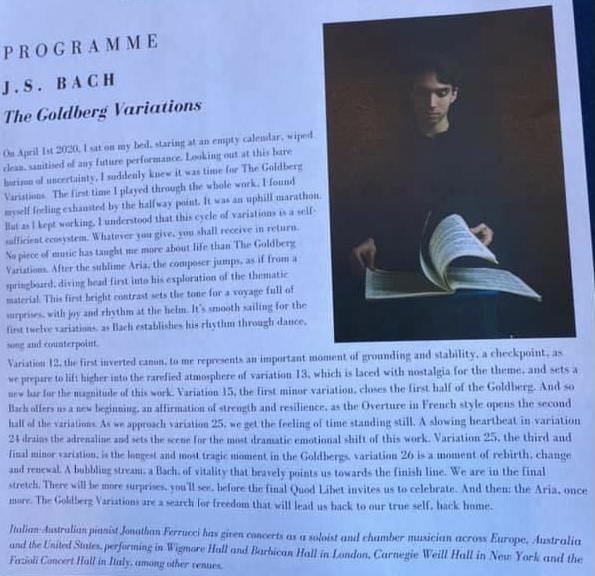
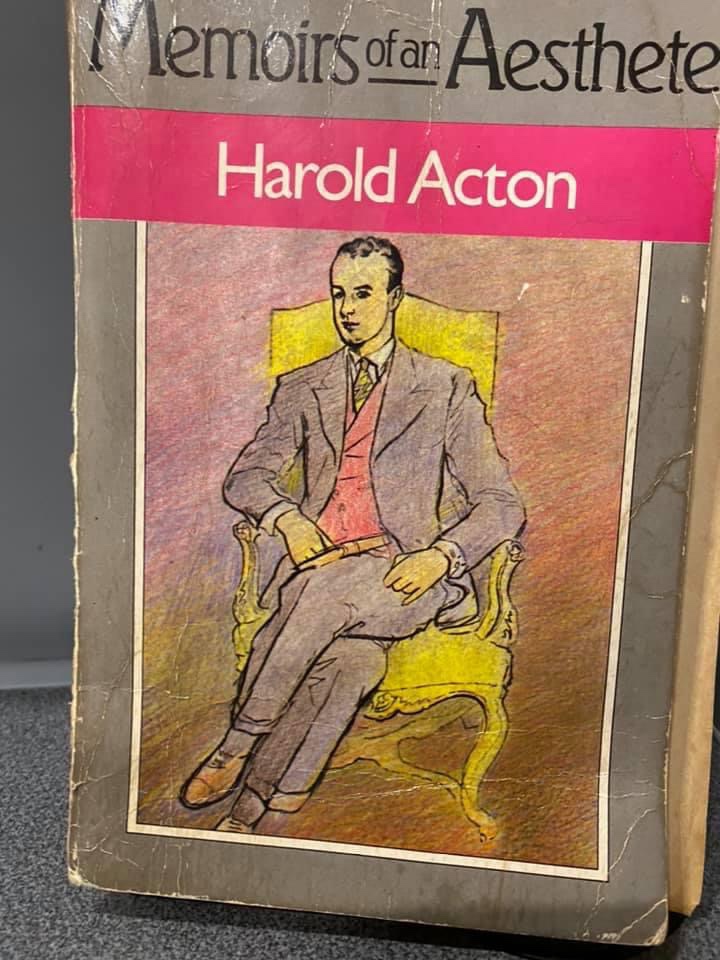
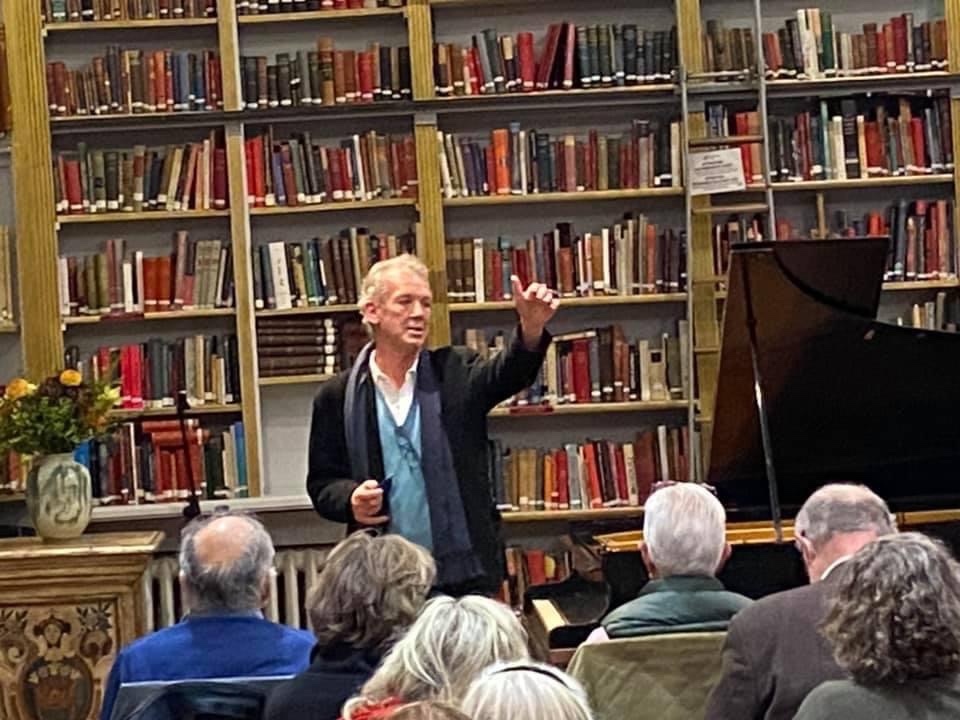
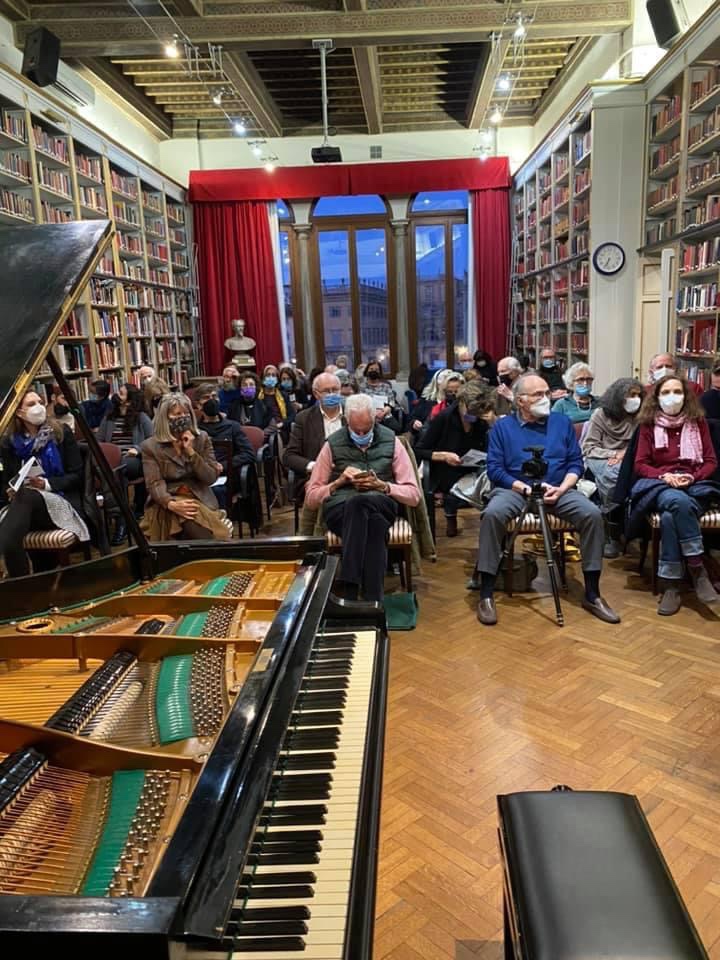
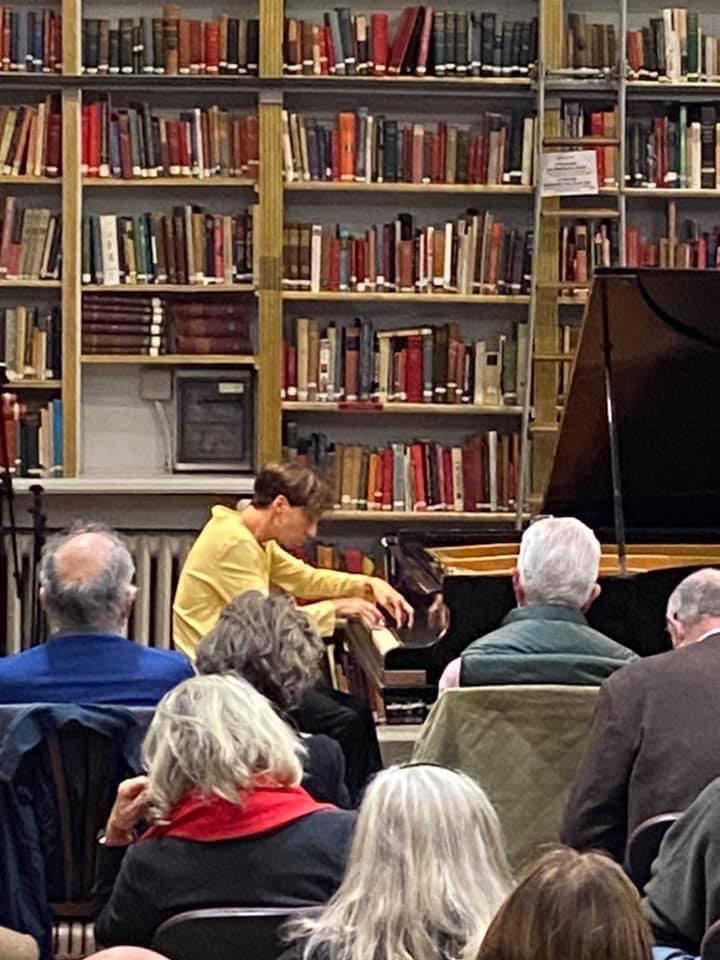
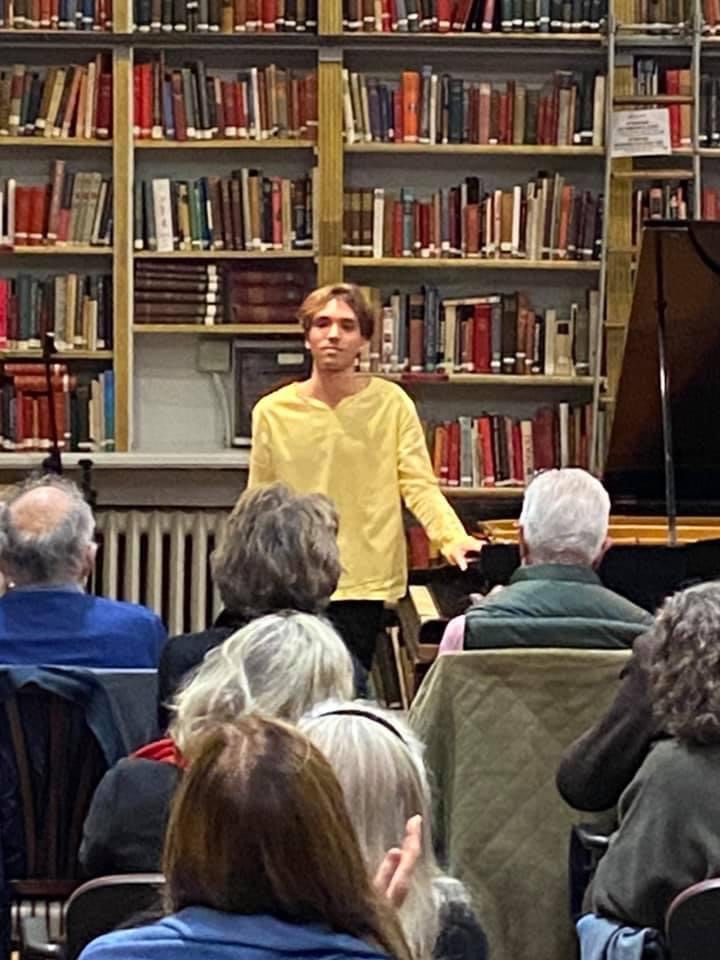
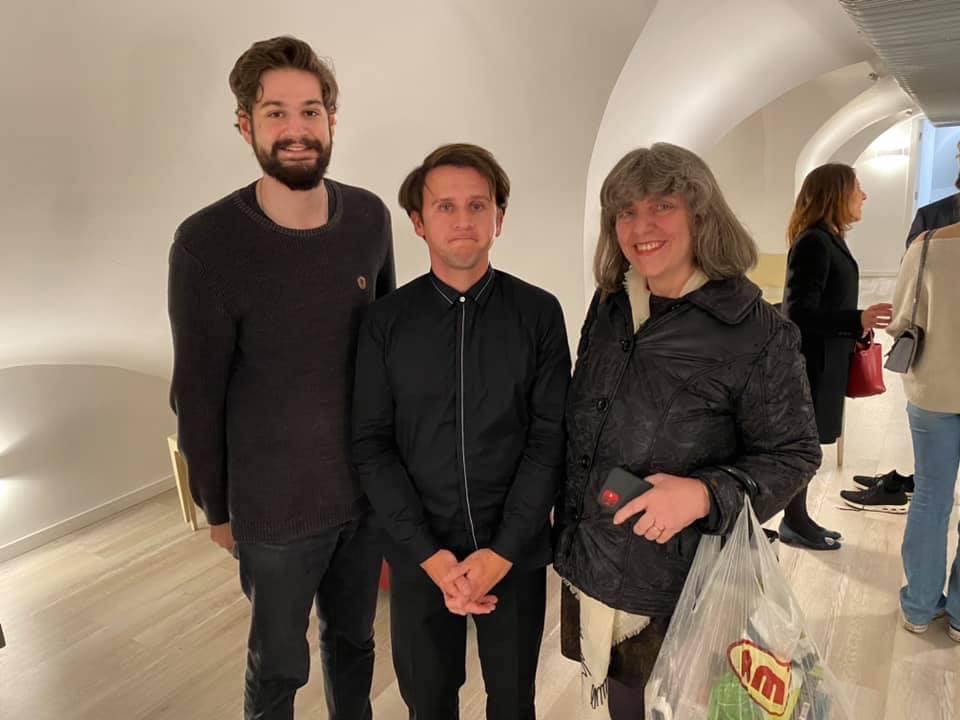
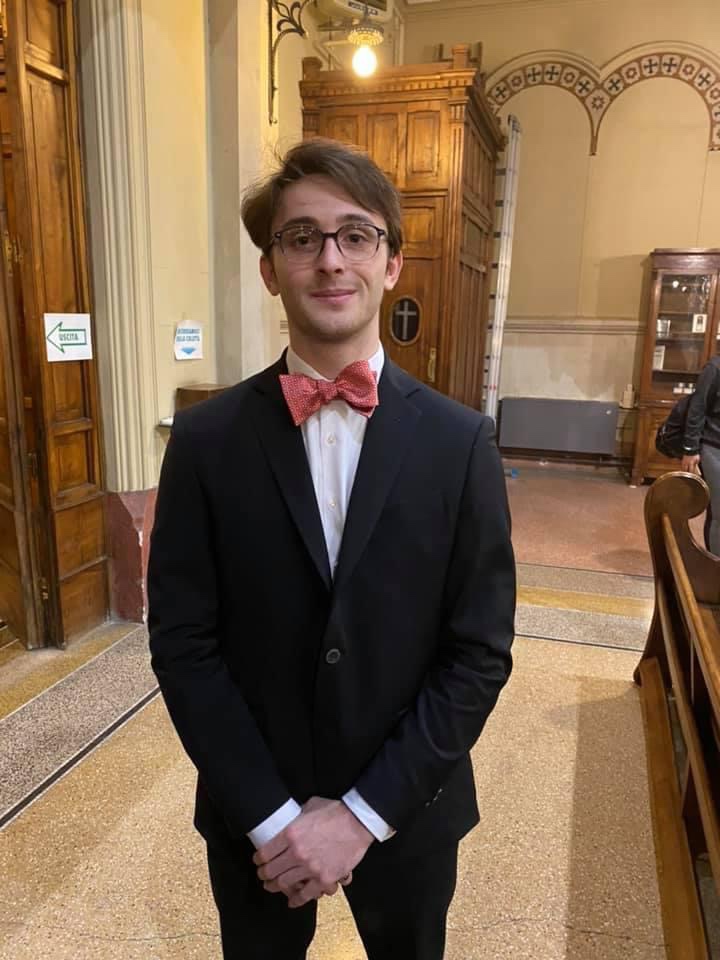
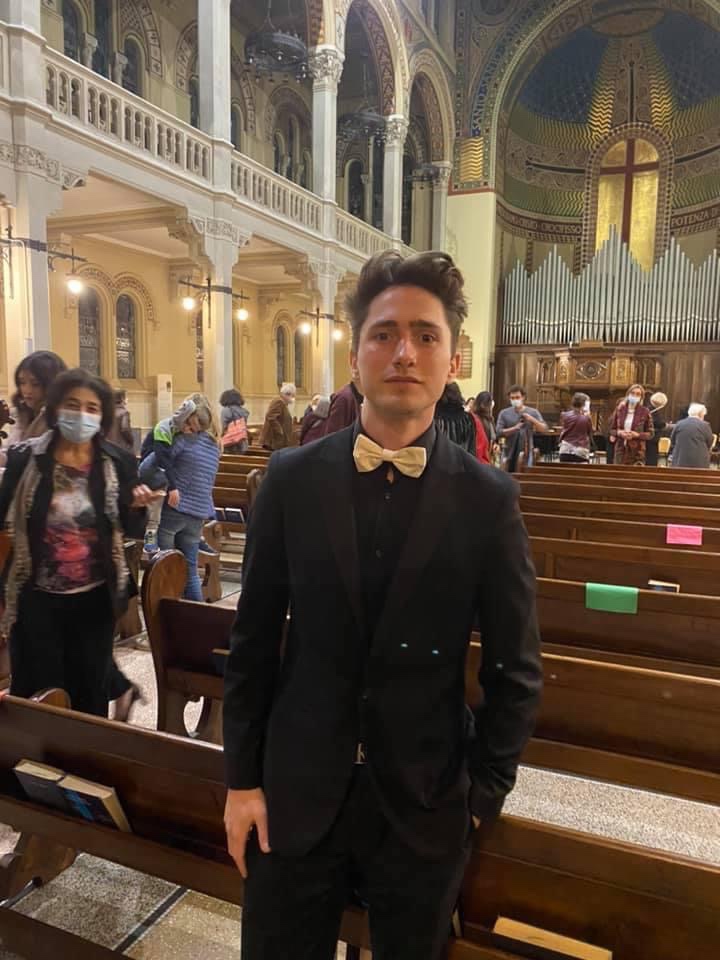
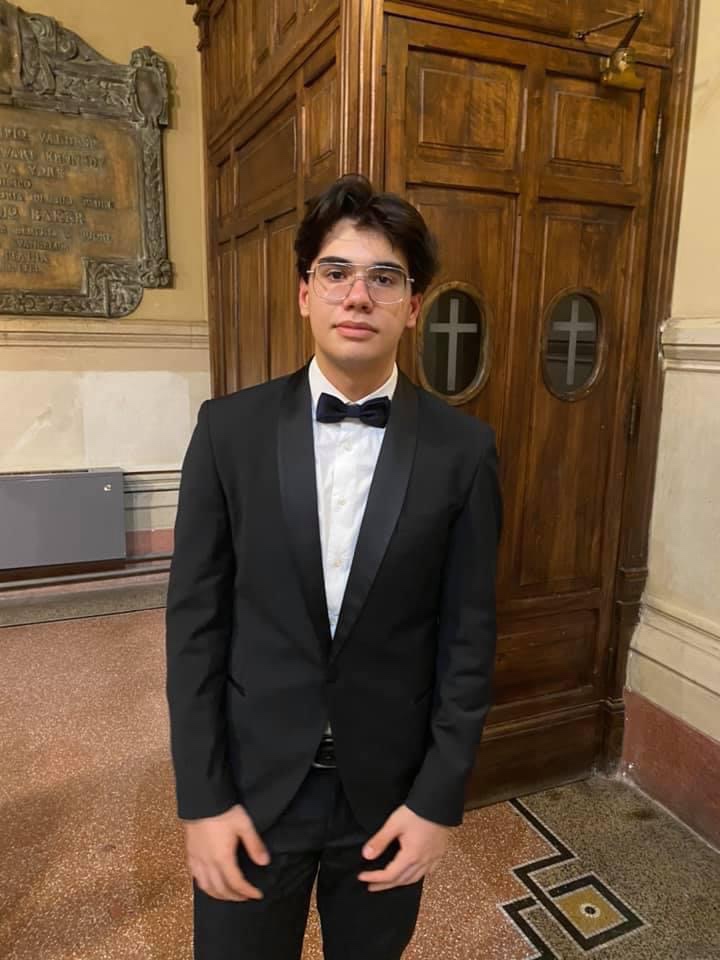
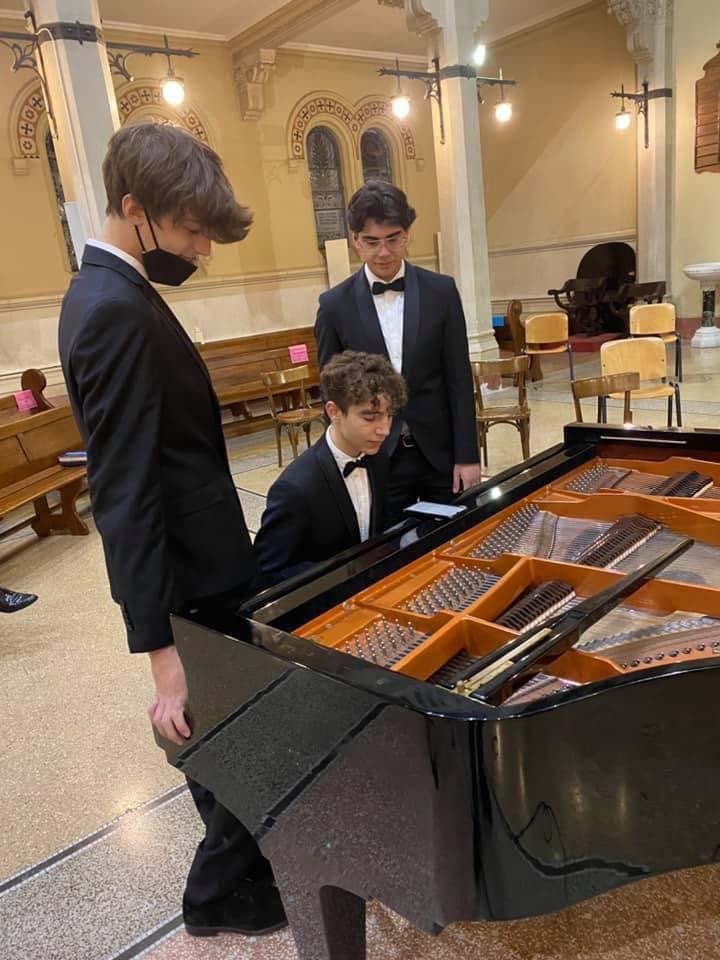
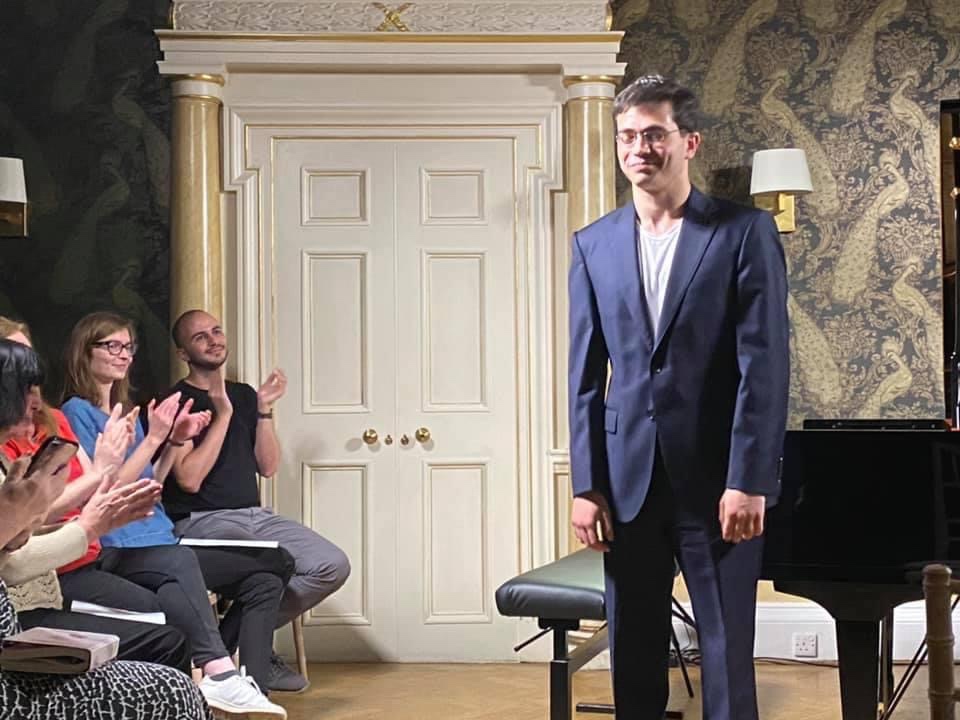
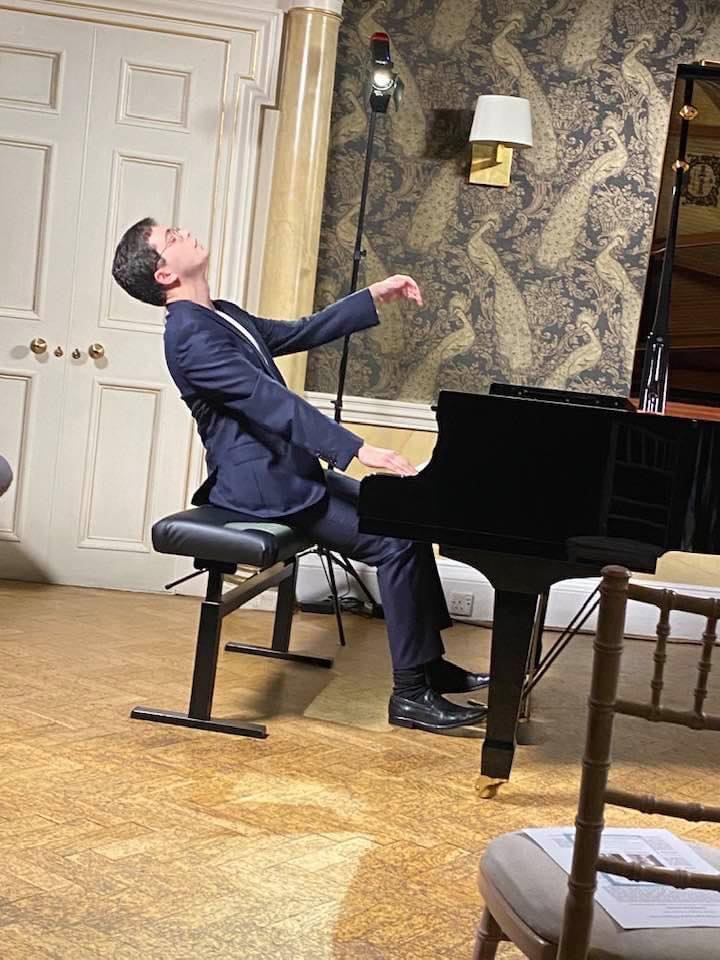
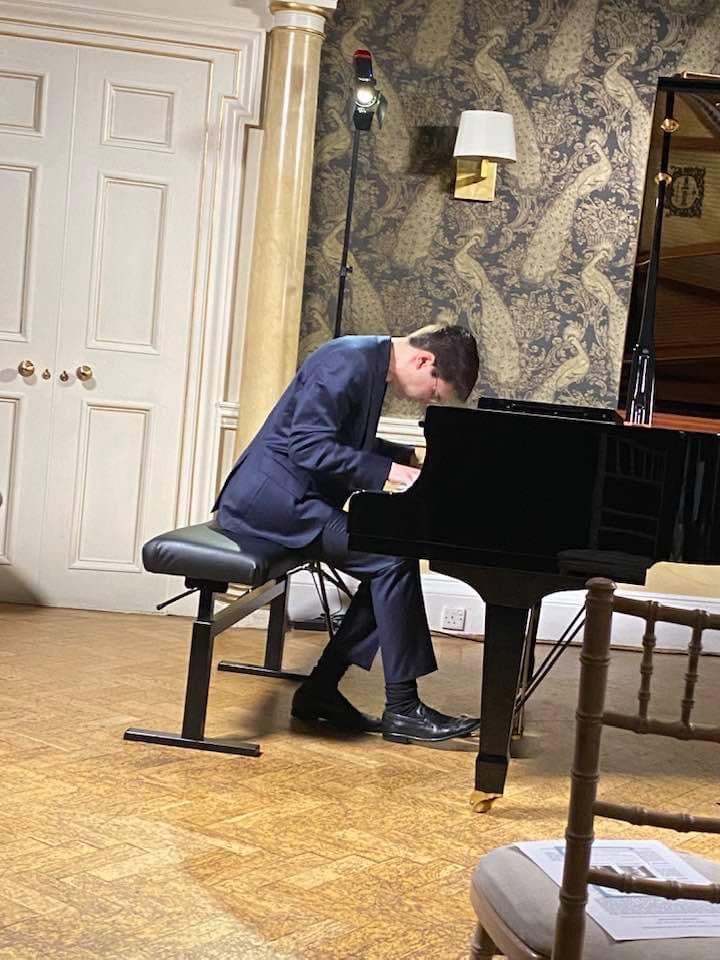
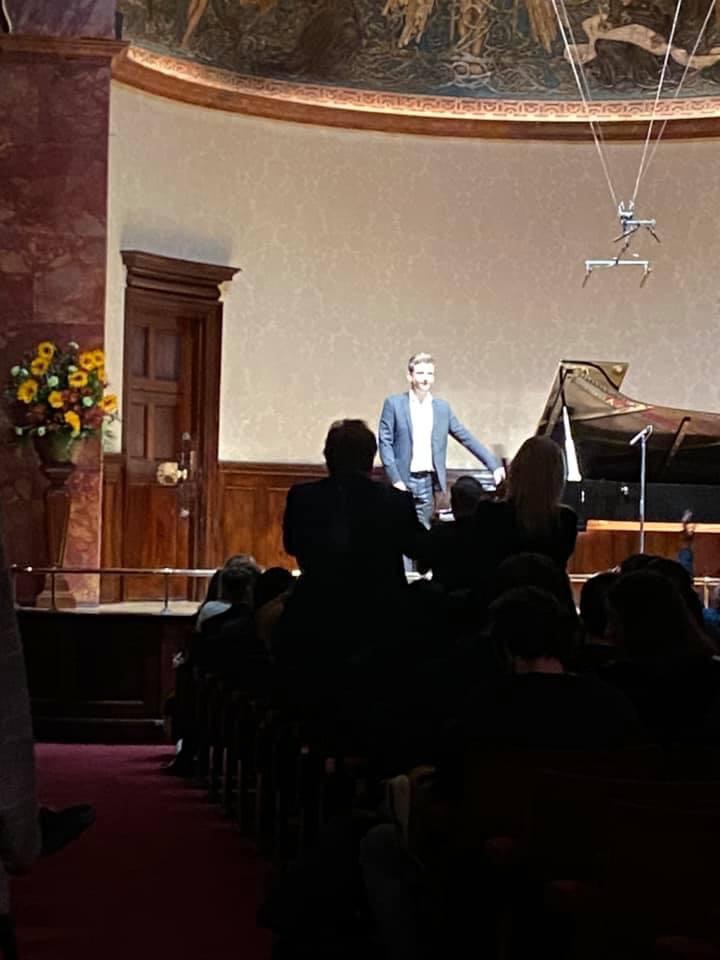
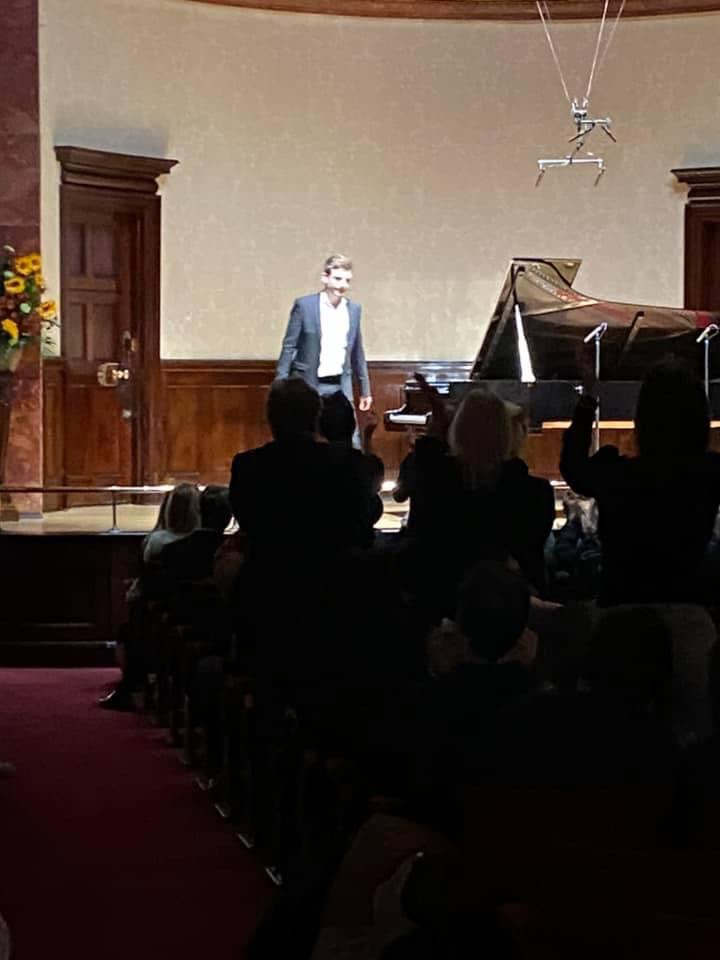
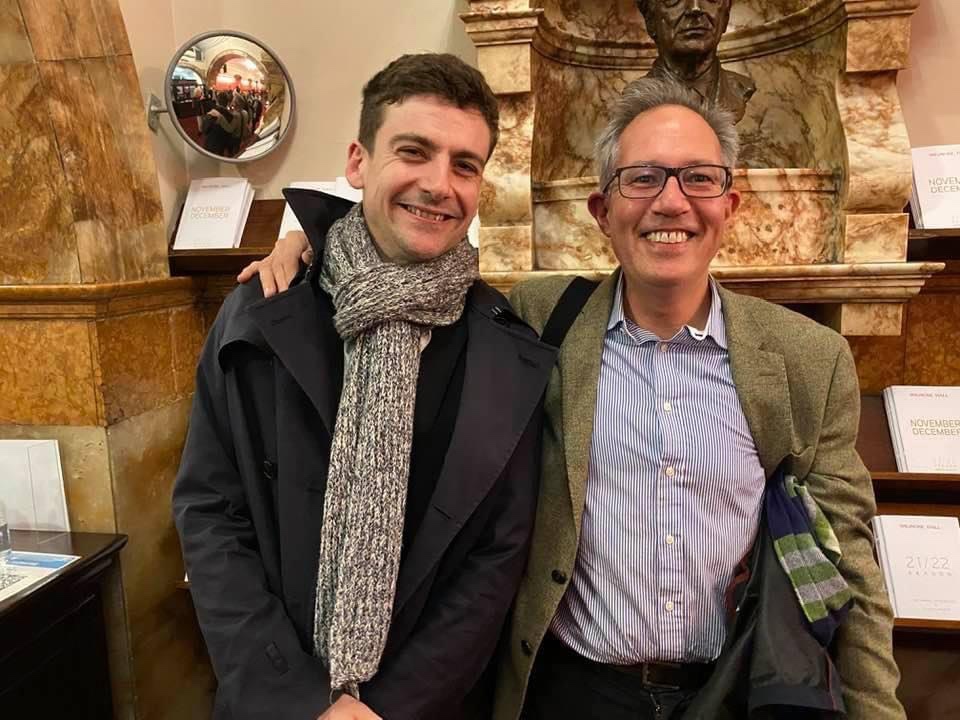
As he says a lifetime may not be enough to enter completely into the genial mind of J.S.Bach.One can but try and this is the start of a remarkable voyage of discovery.Now on his fifth public performance I think that from the spell that he created in Florence last night it was evidence enough that he is on the right trail.Seventy five minutes of total silence from an elite audience surrounded by the books of that remarkable aesthete Harold Acton.
Jonathan like Acton was born in Florence both bringing back their experiences from abroad to the cradle of culture in what Rostropovich described as the Museum of the World.
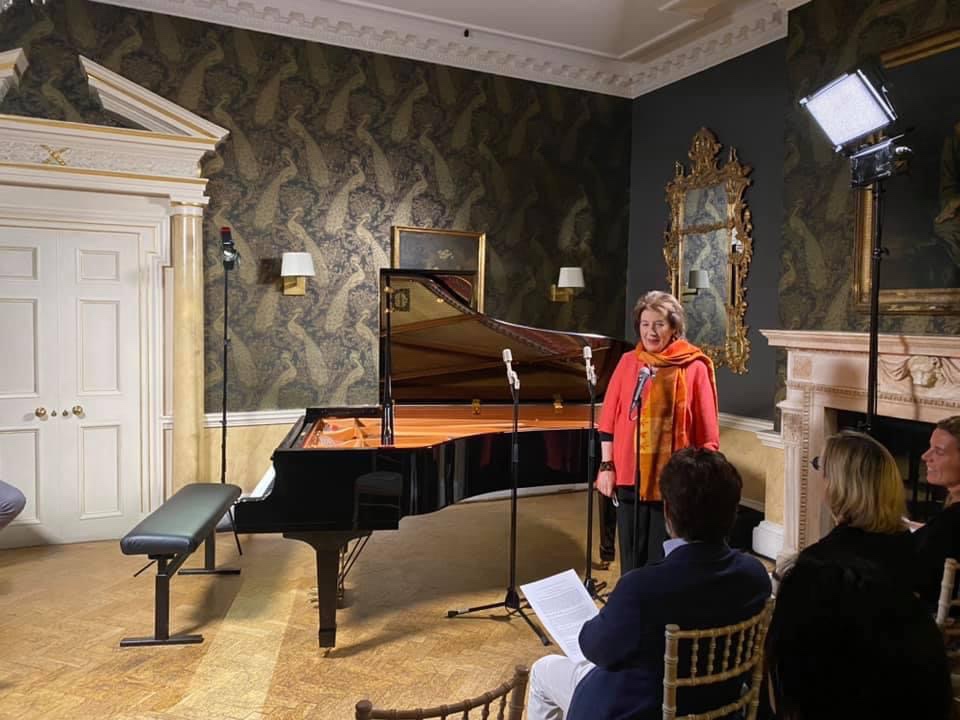
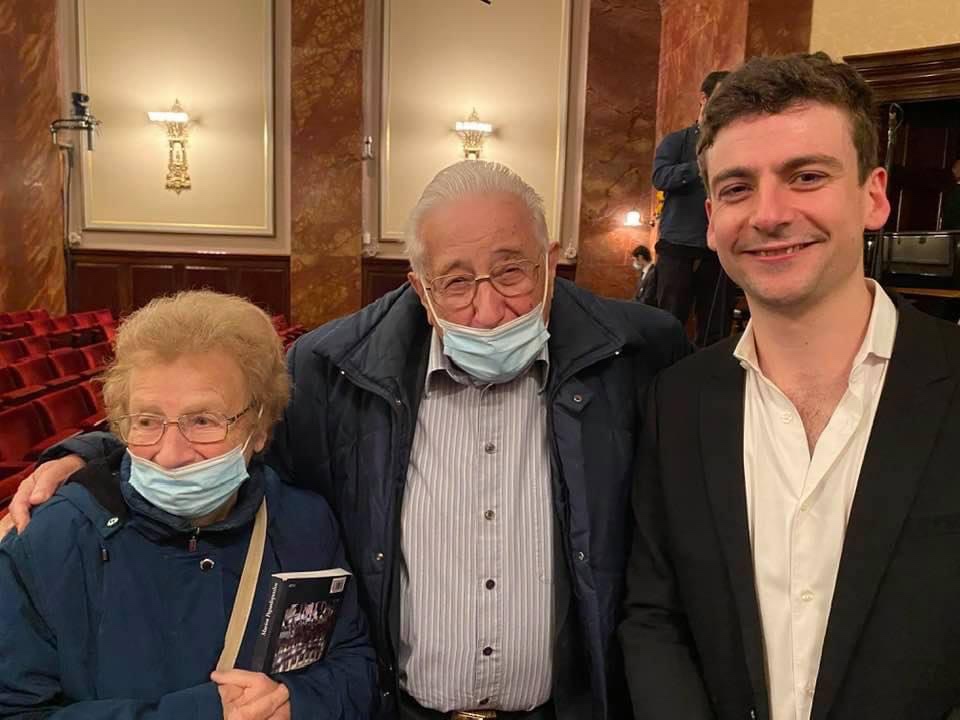
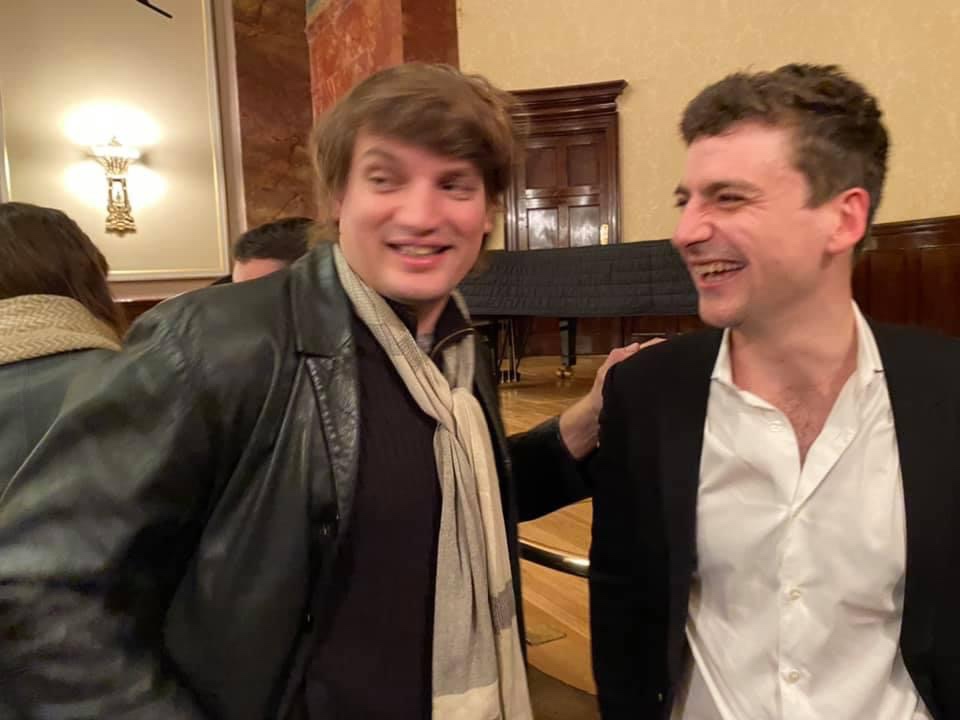
Giovanni Carmassi – Jonathan’s early mentor whose book of conversations with Prof Piero Ferrucci is every bit as significant as that of Heinrich Neuhaus
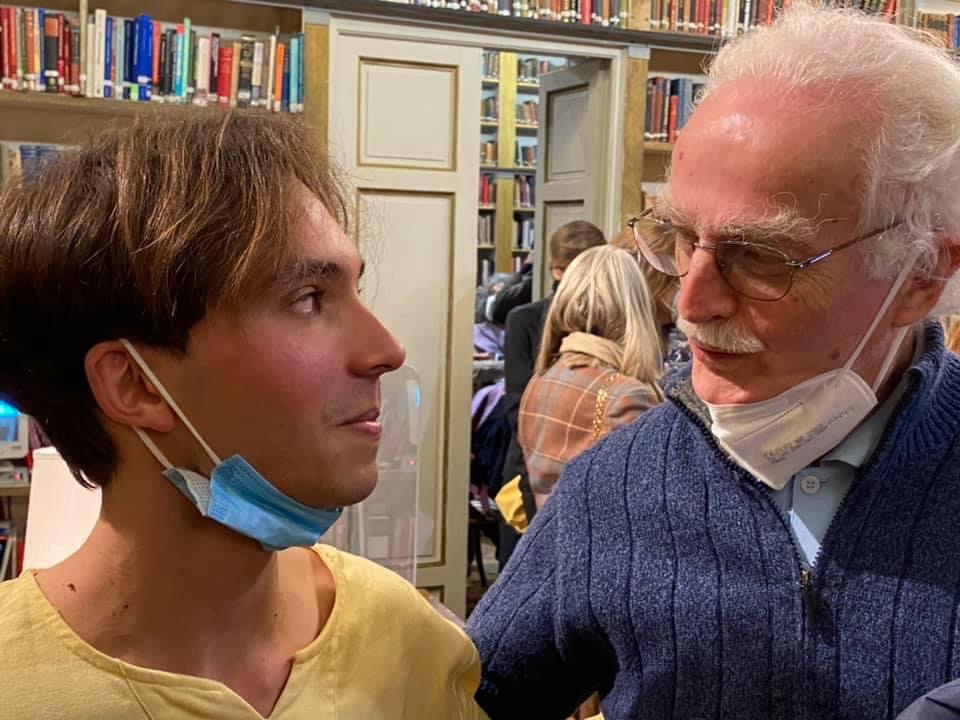
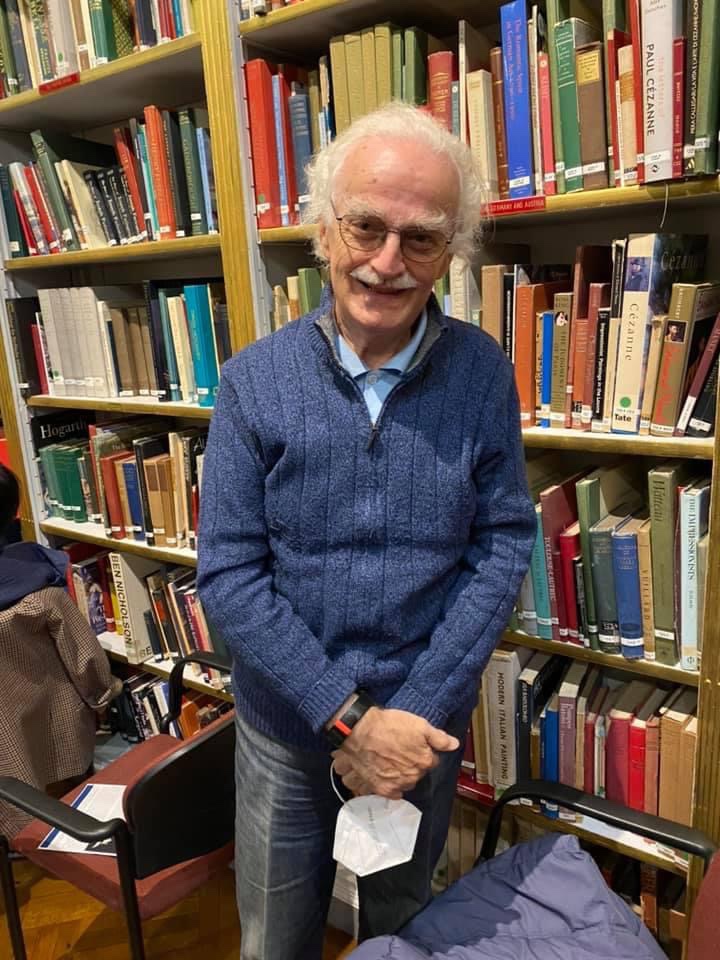
It was nice to meet at last Jonathan’s remarkable teacher Giovanni Carmassi who had instilled such poetry and wisdom into his young prodigy before sending him out into the world to perfect his studies with Joan Havill in London.
Jonathan is now being mentored by Angela Hewitt who has indeed inherited the mantle of Rosalyn Tureck as the High Priestess of Bach.I brought Rosalyn Tureck to Florence in the 90’s when she was 78 to play these very variations at La Pergola and she became immediately the ‘Diva’ of Florence.The mantle has now passed to Angela Hewitt whose approach to Bach is more human and less monumental than Tureck but their total dedication allows them to get as close as is possible to the core of the genius of J.S.Bach.
Jonathan is fast on this trail too as the minutes of aching silence that greeted the end of the Goldberg last night was proof enough.I have already written in detail about his performances but last night I could hear that he has refined his ornamentation and dug deeper into the sublime 25th variation and added a solidity to the 28th.His performance had the authority of someone who is living with the music and it is gradually but surely entering his being as it directs his spirit to the glory of the soul of Bach which is of course To the Glory of God! https://christopheraxworthymusiccommentary.wordpress.com/2020/11/18/angela-hewitt-for-the-glory-of-bach-the-pinnacle-of-pianistic-perfection/
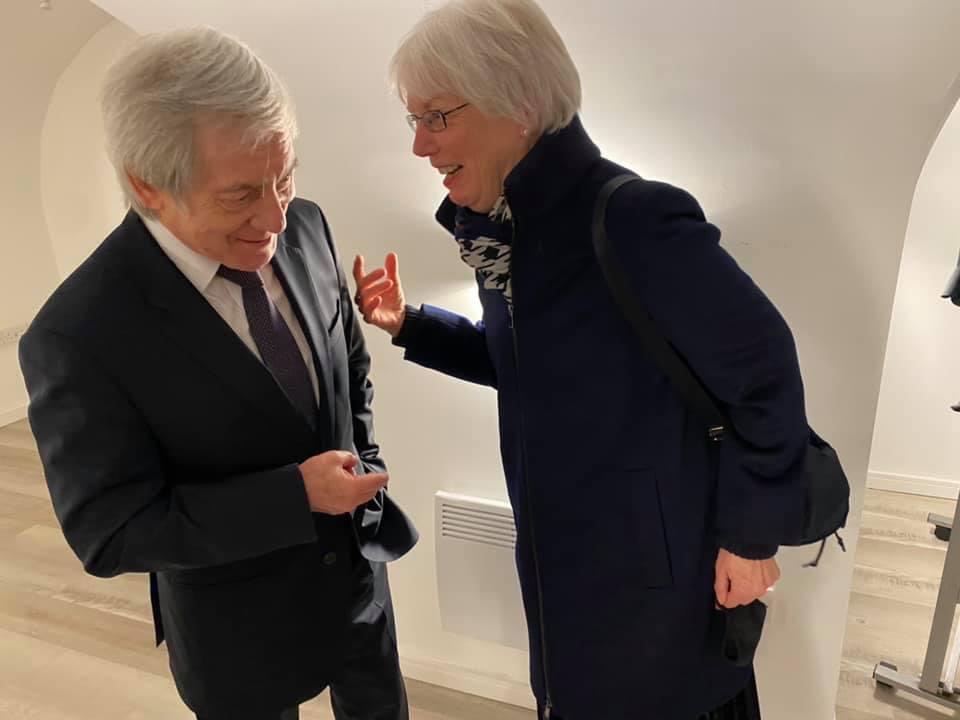
Simon Gammell OBE the enlightened director of the British Institute in Florence
It is to Simon Gammell that our thanks must go for allowing the Keyboard Charitable Trust to bring some of its finest young pianists to play in the Harold Acton Library of the British Institute in Florence.Jonathan’s recital is the opening of a series of seven recitals that will fill these hallowed walls with the sound of music after this long lockdown period.The next date in this series is Thursday 27th January followed by Thursday appointments on 24/2,24/3,5/5,16/6,30/6 .More detailed information will be found eventually on the web site of the British Institute and the Keyboard Charitable Trust
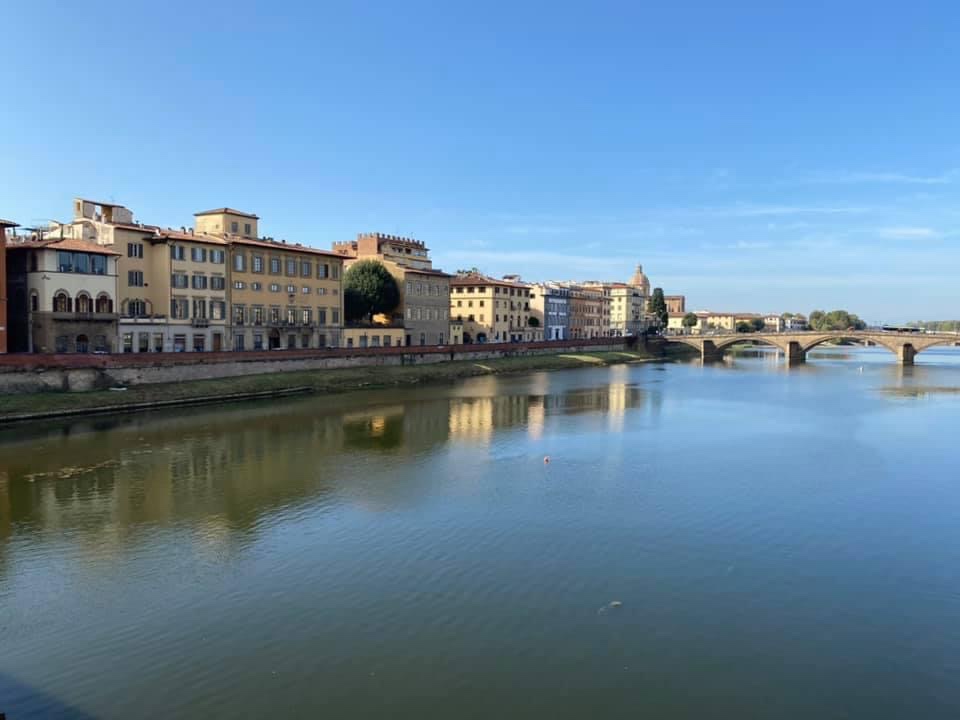
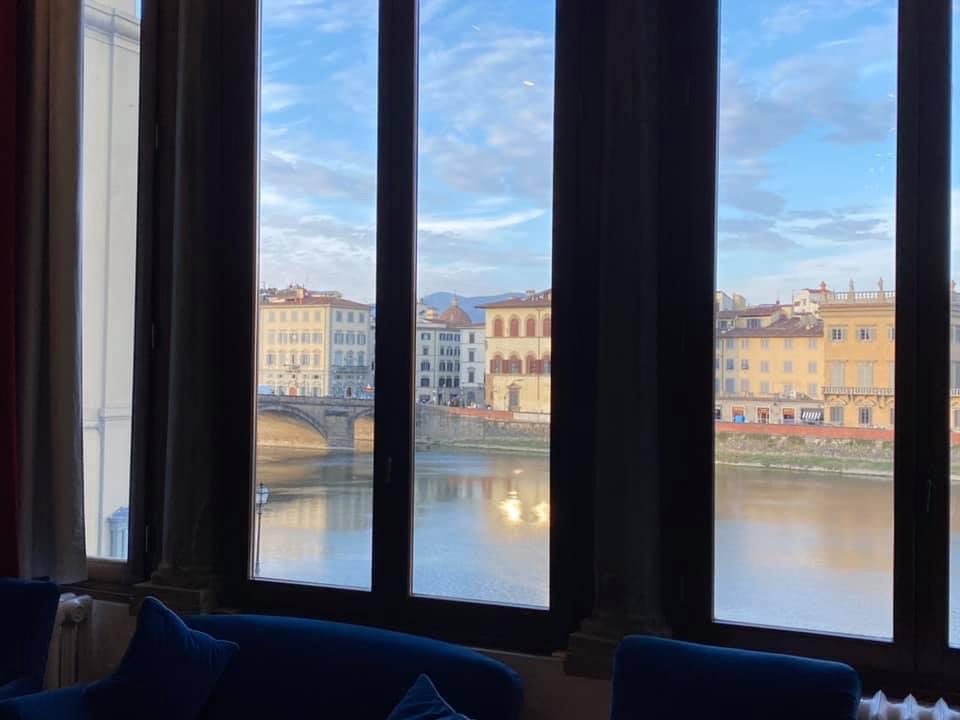
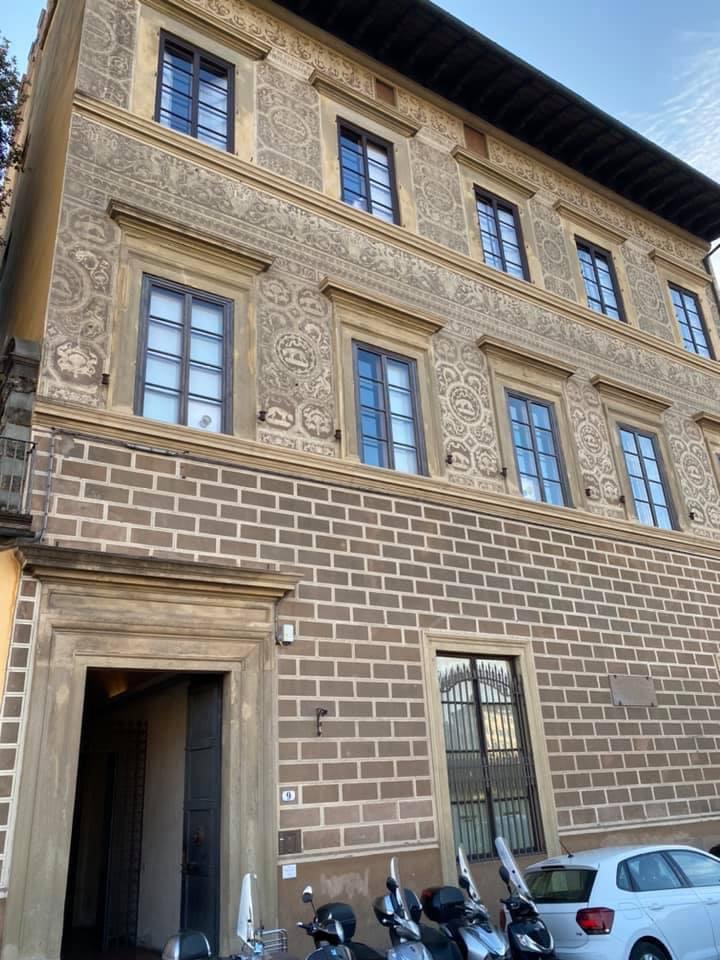
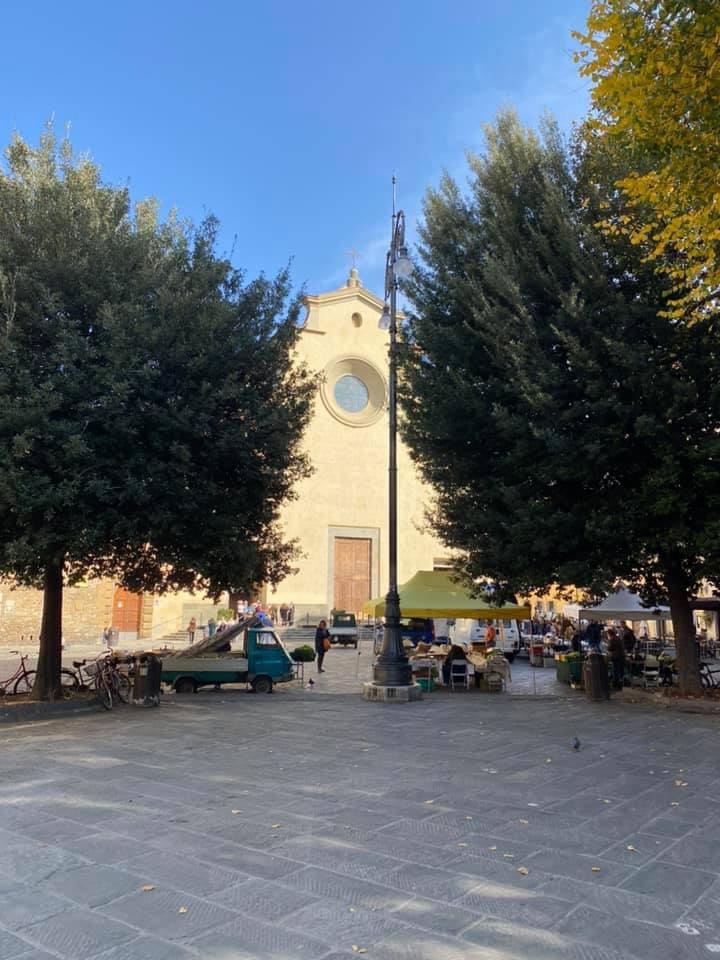
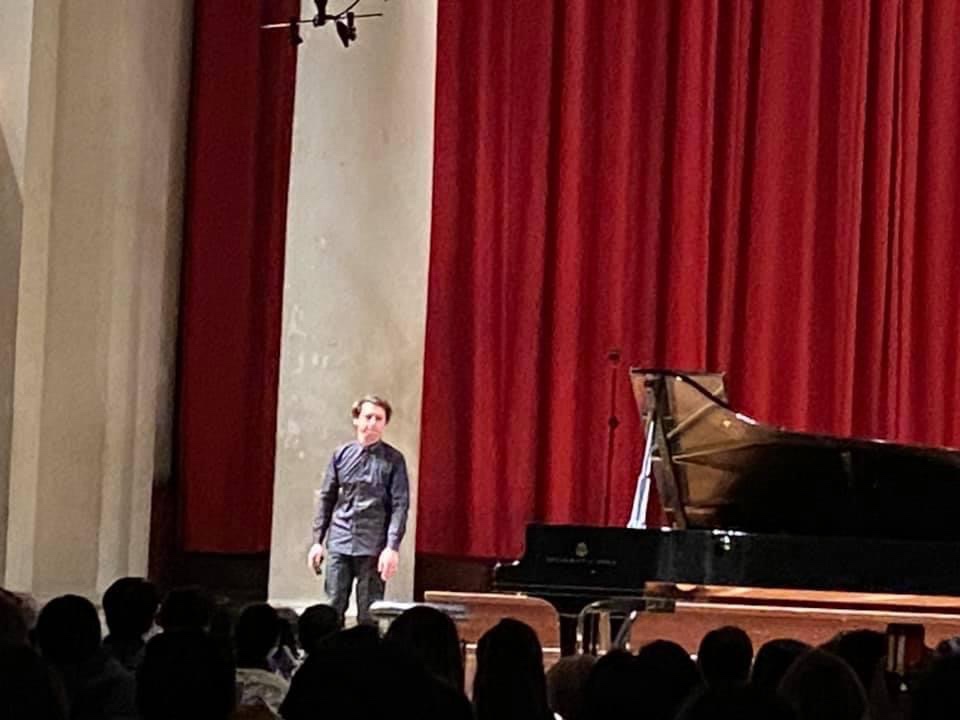
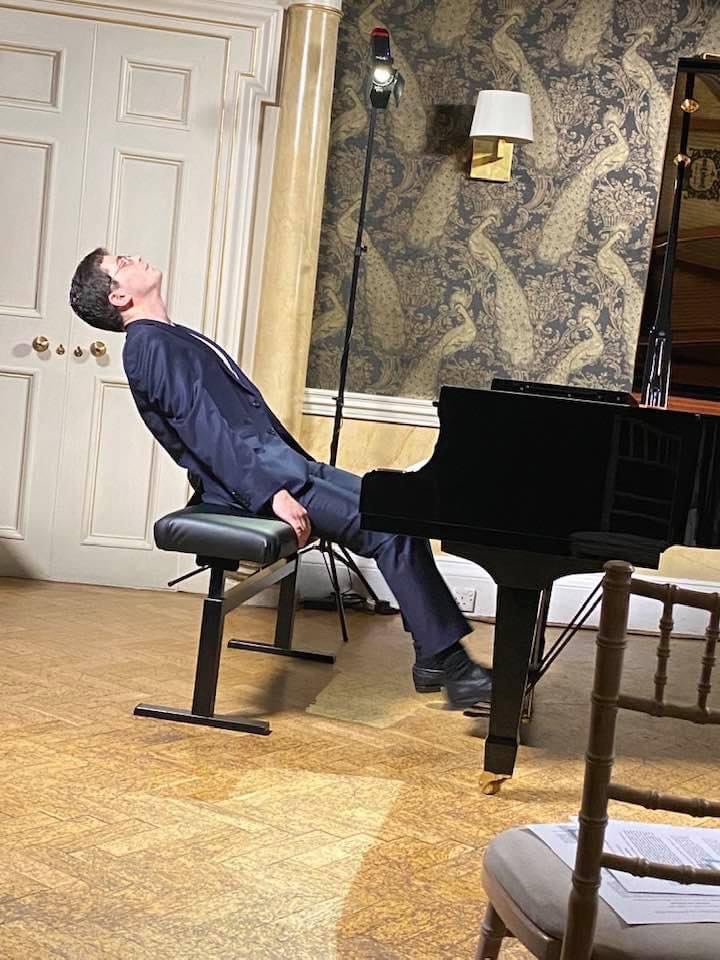
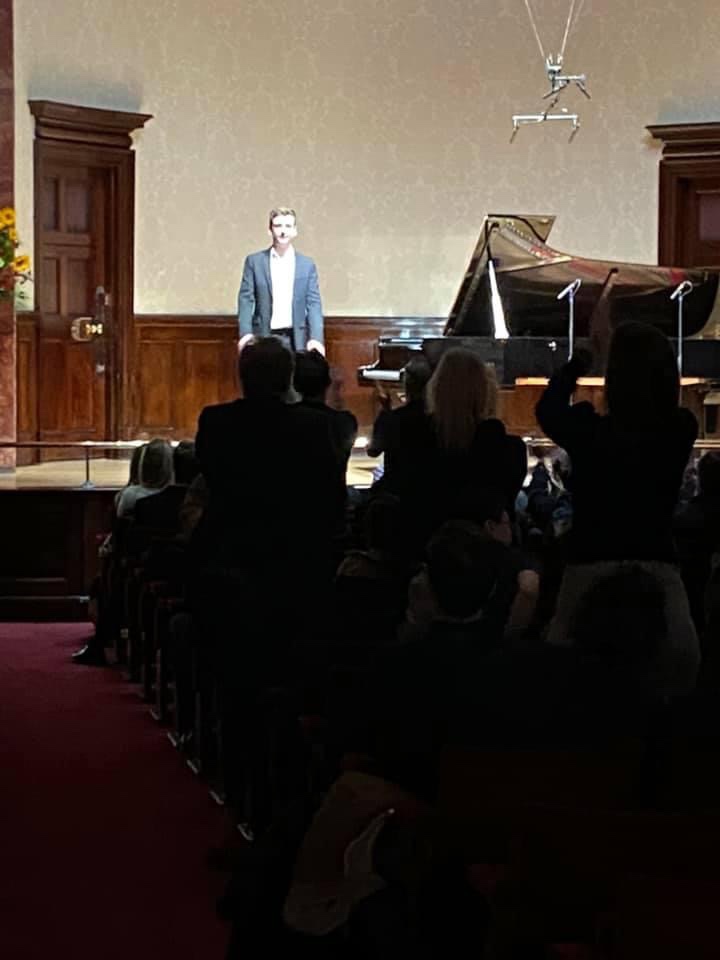
The British Institute in Florence Room with a view indeed The British Institute Lungarno Guicciardini Florence’s best kept secret Piazza S.Spirito just behind the B.I.Jonathan at the end of his fifth voyage of discovery
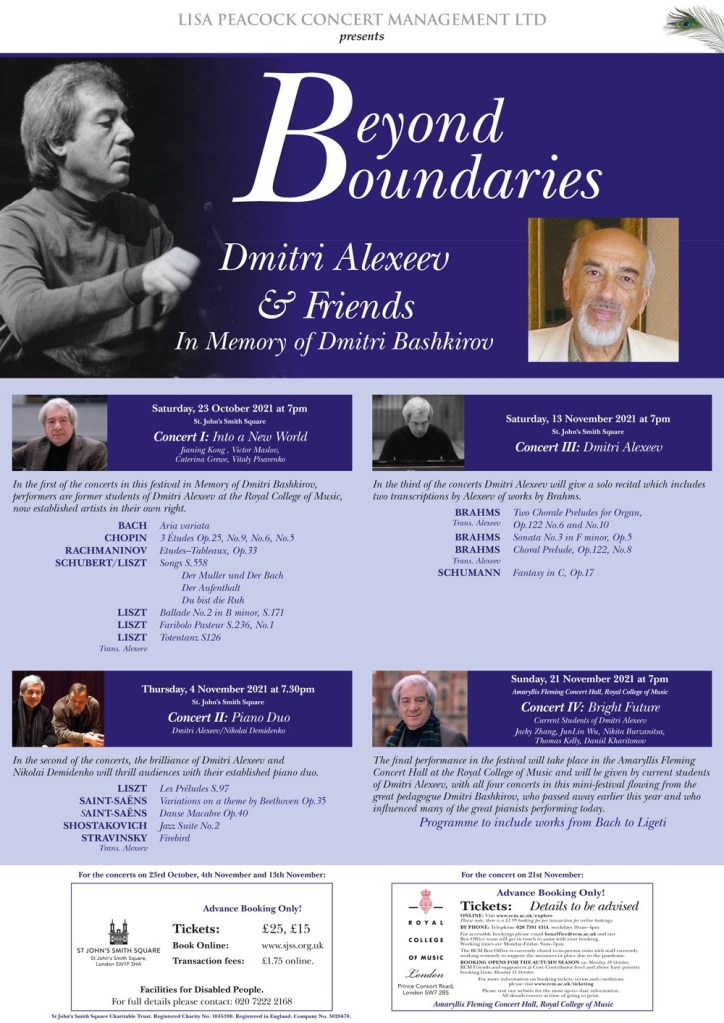
A Golden Age of piano playing was very much in evidence at the first of four concerts that Dmitri Alexeev has dedicated to his teacher Dmitri Bashkirov under the title ‘Beyond Boundaries’. In fact we were transported by four artists that have come under his influence to a magic world of radiance with a seemless stream of sumptuous golden sounds.
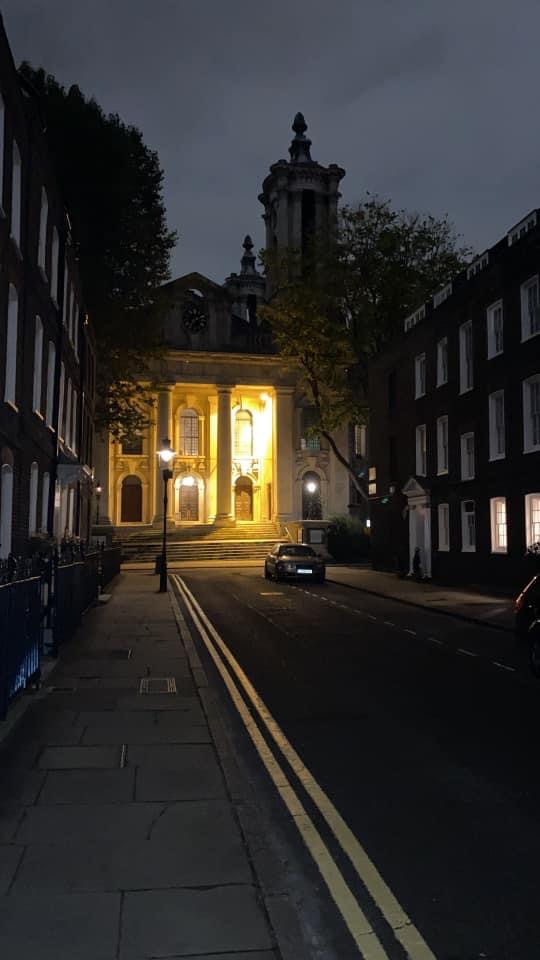
St John’s Smith Square
Can it be the hall,the piano or is it the supreme artistry that Alexeev has shared with his colleagues and that they have transformed into their own world taking us back to the Golden Age of piano playing. An age when pianists were magicians as they could turn a piano into an orchestra as easily as they could share intimate whispered confessions. Through a mastery of balance they could persuade us that the piano could sing as beautifully as any of the great bel canto divas of the day. It is through a subtle sense of touch and complete mastery of the pedals ,that Anton Rubinstein described as ‘the soul of the piano’,that miraculously a black box full of hammers a wires can be transformed into a magic box of sparkling jewels .
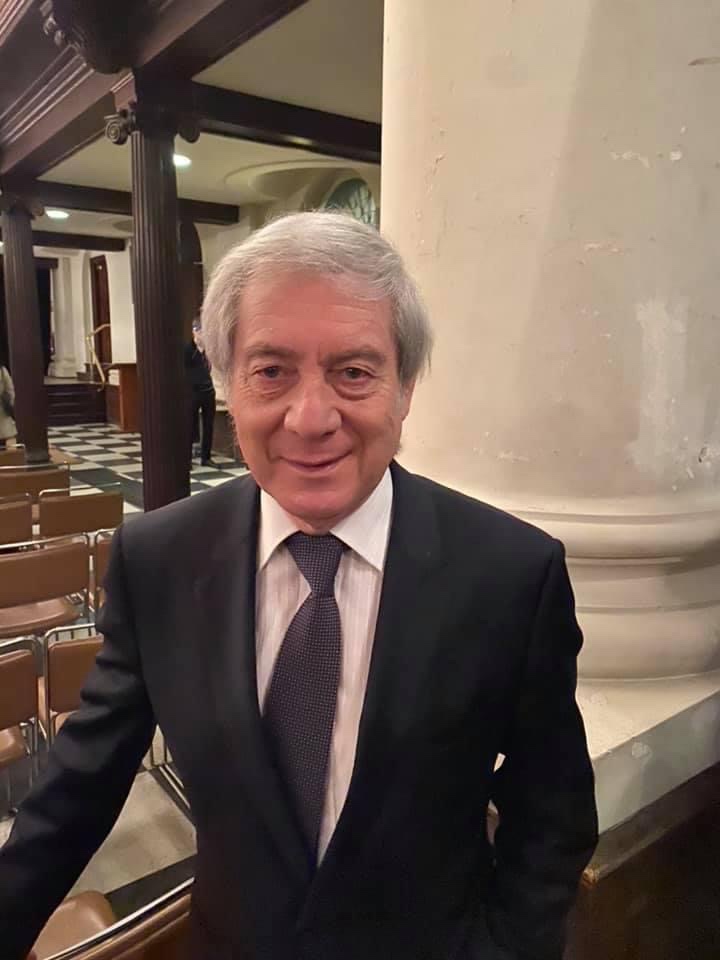
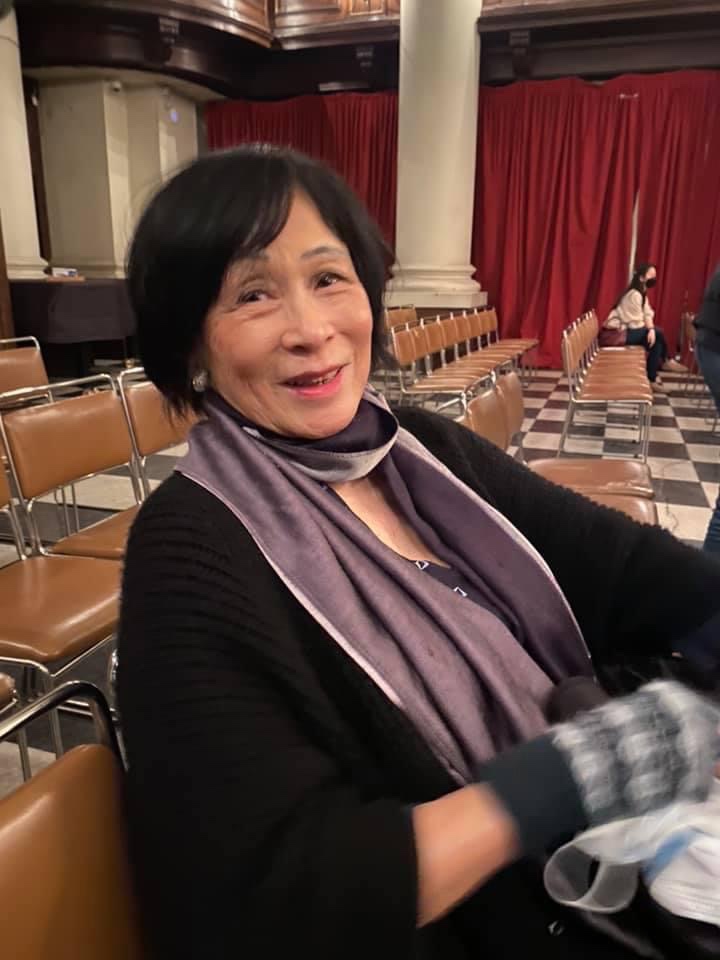
Patsy Fou – the widow of Fou Ts’ong
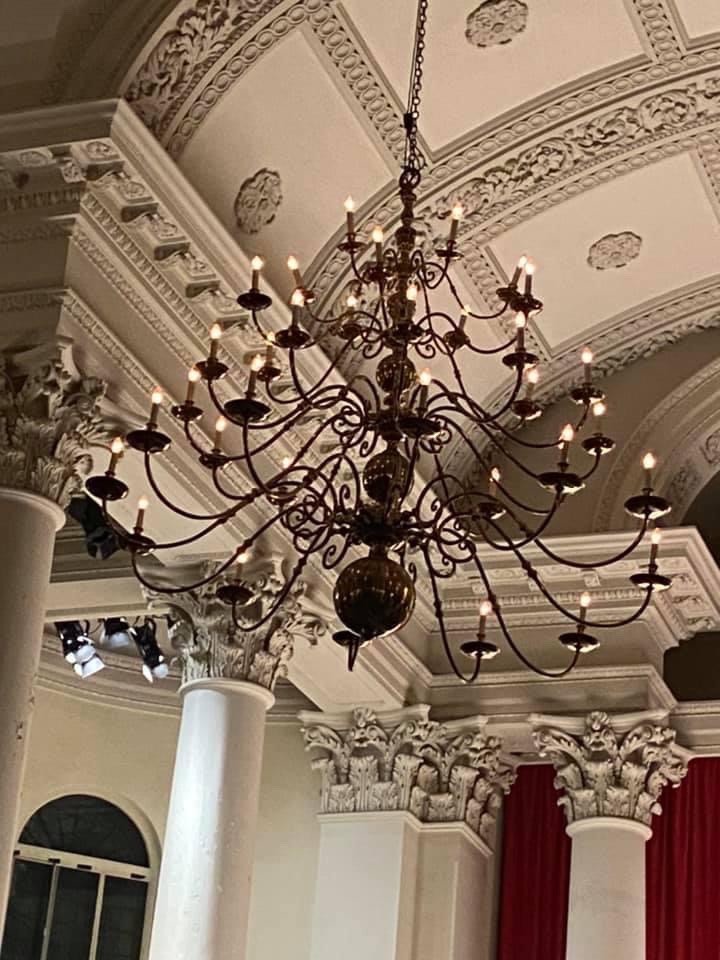
And so it was tonight that we were enveloped in a sound world of sumptuous beauty in the hall the Fou Ts’ong always said was his favourite hall in London- it is much easier to play intimately in a big hall than it is in a small one he would often remark.And it was Ts’ong who was in my thoughts tonight as I met his widow coming into this beautiful hall. The wonderful red drape backdrop and the refined central chandelier reminded me of all the great pianists I have heard here in the good old days.
It is good to be back and especially to hear artists that truly love the piano in a world where quantity has taken priority over quality and velocity has taken priority over artistry.
Jianing Kong
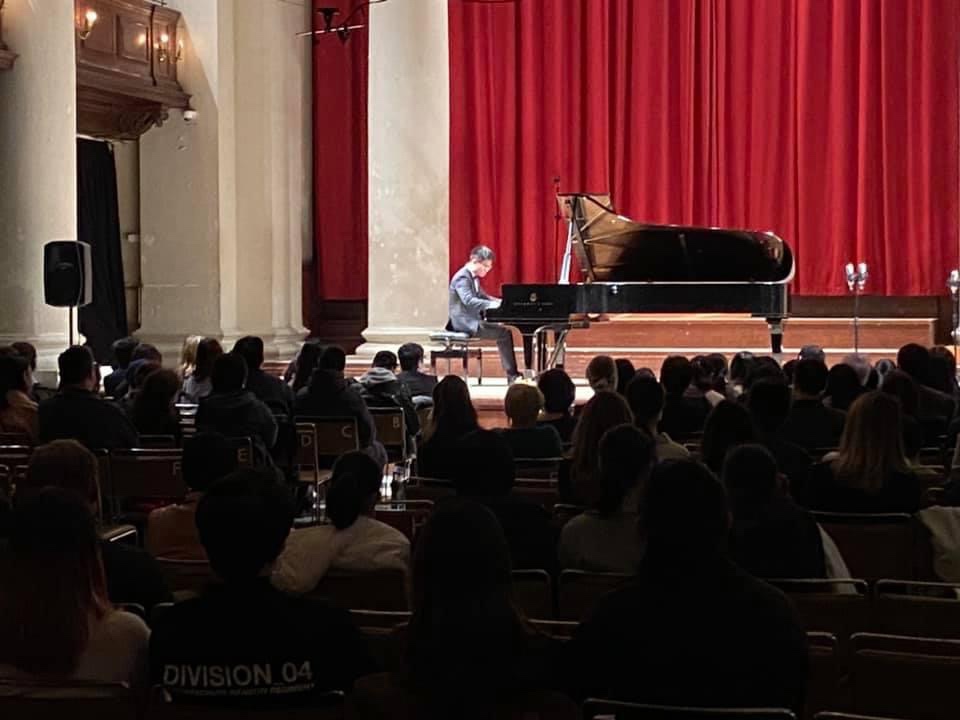
Jianing Kong’s Bach I could only admire from behind closed doors as both Patsy Fou and I were convinced it was a 7.30 start instead of 7. Instead of being early we were late c’est la vie !However I did hear his three Chopin studies.The so called ‘Butterfly’ study op 25 n.9 just hovered over the keys and the final delicate bar was judged to the perfection of an intelligent artist.
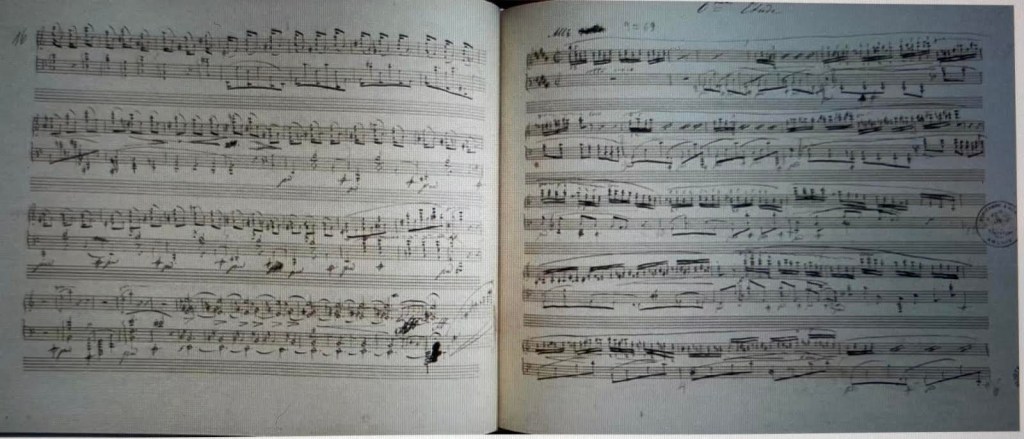
Facsimile Chopin op.25 n.5/6
Intelligence and beauty too were in evidence in the double thirds study op 25 n.6 where the beautiful bass melody was given the just priority over the transcendental double third accompaniment.Op 25 n.5 where the sumptuous middle section melody was played with ravishing beauty and the accompaniment just shimmered as it hovered above it. Rubinstein often used to play this study on its own but a closer look at the score indicates quite clearly that the pedal links the rather strange question mark ending of number five with the gentle rustle of number six that emerges from it.
Victor Maslov
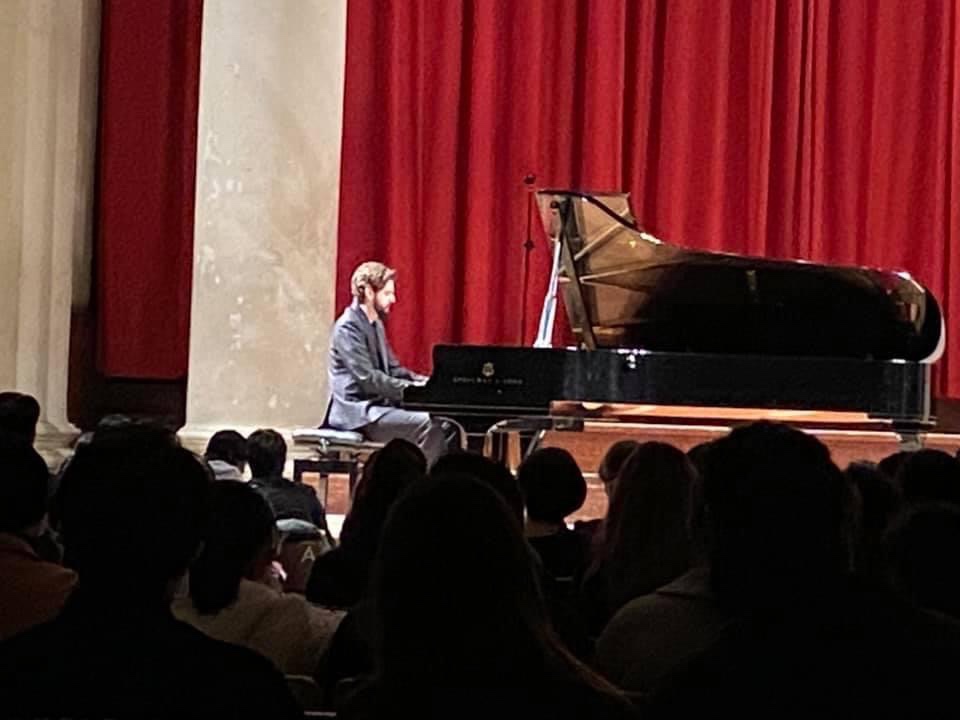
A newly bearded Victor Maslov played 8 Etudes-Tableaux op 33 with such subtle sounds and jeux perlé passages that swept across the keyboard as we were reminded of the magic that Rachmaninov himself could conjure in his performances. I remember Vlado Perlemuter telling me that Rachmaninov would appear on stage looking as though he had swallowed a knife but then produced the greatest romantic sounds that he had ever heard. And so it was with Victor whose playing I know well but this evening he even surpassed his own prowess with such sumptuous romantic sounds of such subtlety and a characterisation of each study that was mesmerising. I suggested to Victor afterwards that he certainly keeps this new beard!
Caterina Grewe
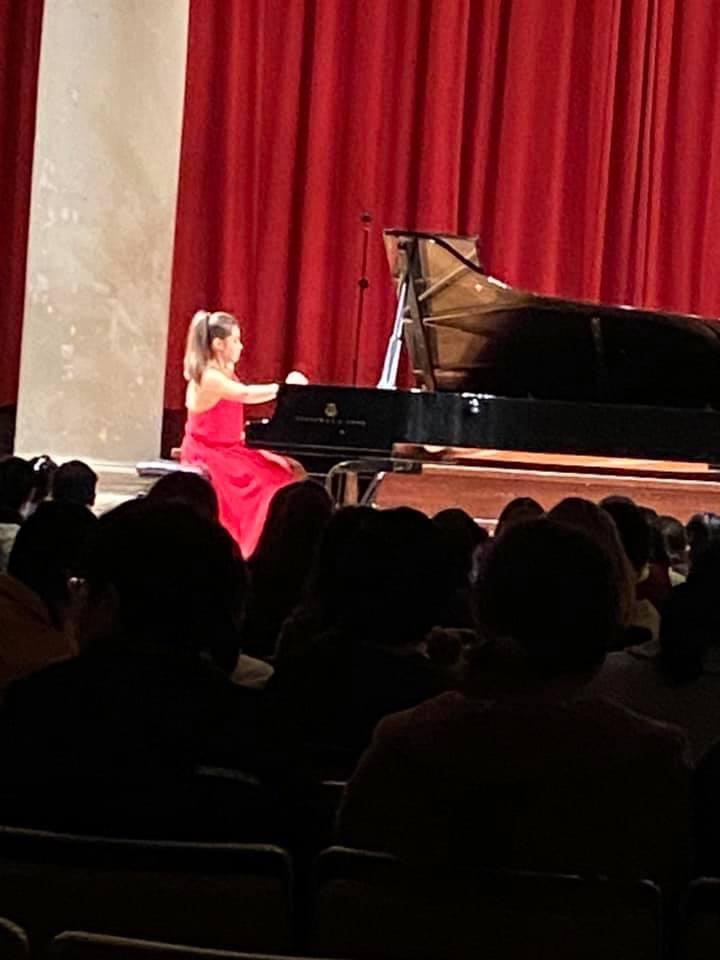
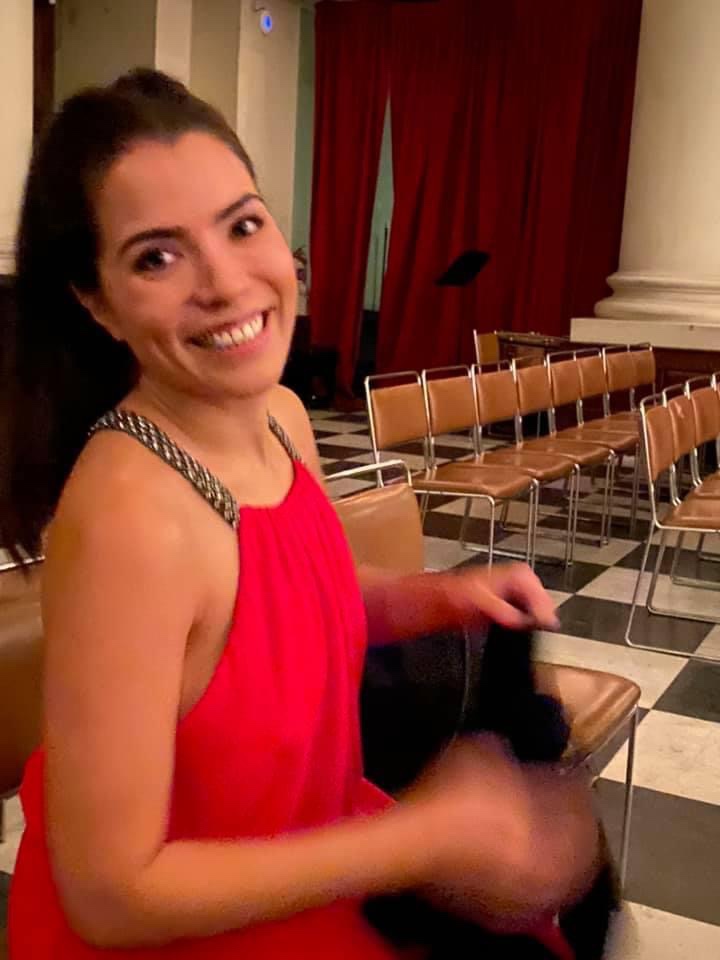
There was more ravishing beauty from Caterina Grewe not only to see her in such a beautiful blood red gown but to listen to the velvety beauty of sounds that she could produce. A wondrous sense of balance allowed the melodic line of the three Liszt transcriptions of Schubert songs to emerge so naturally. ‘Am I too loud’ was the name of Gerald Moore’s autobiography and I would often compliment Graham Johnson on being allowed by singers to keep the piano lid fully open. ‘But I am a good driver’ would be Graham’s spirited reply. It was exactly this sense of balance that Caterina had too,where the accompaniment is an integral part of the story that Schubert is unraveling. A complete understand of the meaning of the poetry was immediately evident from the sounds that poured out of the piano where Caterina was both singer and accompanist. There was a wonderful luminous sound after the deep brooding waves of sound with which Liszt depicts the great drama about to unfold in his B minor Ballade.The sumptuous melody was played with ravishing seduction as it is transformed by Liszt in ever more affusive pyrotechnics in true Hollywoodian style. In Caterina’s hands it was full of overpowering emotion as her complete technical control allowed her to give full reign to her fantasy with sumptuous sounds and breathtaking virtuosity. Always with the musical line of this great drama in view it was not just an empty display of virtuosity but a continuous outpouring of emotions.
Vitaly Pisarenko
Last but certainly not least enters the minute figure of Vitaly Pisarenko,winner at only 20 of the International Liszt Competition in Utrecht and has since gone on to win a top prize in the Leeds Competition too.He has for some years been ravishing connoisseurs of piano playing worldwide with his refined aristocratic performances especially of Liszt. In fact it was in Liszt’s transcription of Schubert’s Gretchen am Spinnrade that a miraculous web of subtle sound kept the audience mesmerised.The absolute control and the enormous dynamic range was breathtaking as the melodic line emerged from the whispered spinning wheel to gradually build up to an astonishing fortissimo climax only to immediately allow the even more whispered spinning wheel to emerge at the end with heart rending beauty that had the audience on the edge of their seats. The rarely hear Faribolo Pasteur was give such a seemingly simple performance as Caterina had done with Du bust die Ruh where art truly conceals art. His performance of the solo version of Liszt’s Totentanz was a quite astonishing display of transcendental virtuosity but also of supreme musicianship as he kept the architectural line of these extraordinary variations on the Dies Irae as they unfold in ever more astonishing funambulistics. An extraordinary exhibition of virtuosity like the great pianists of another age.He tells me he will be playing the original for piano and orchestra in Moscow in December.
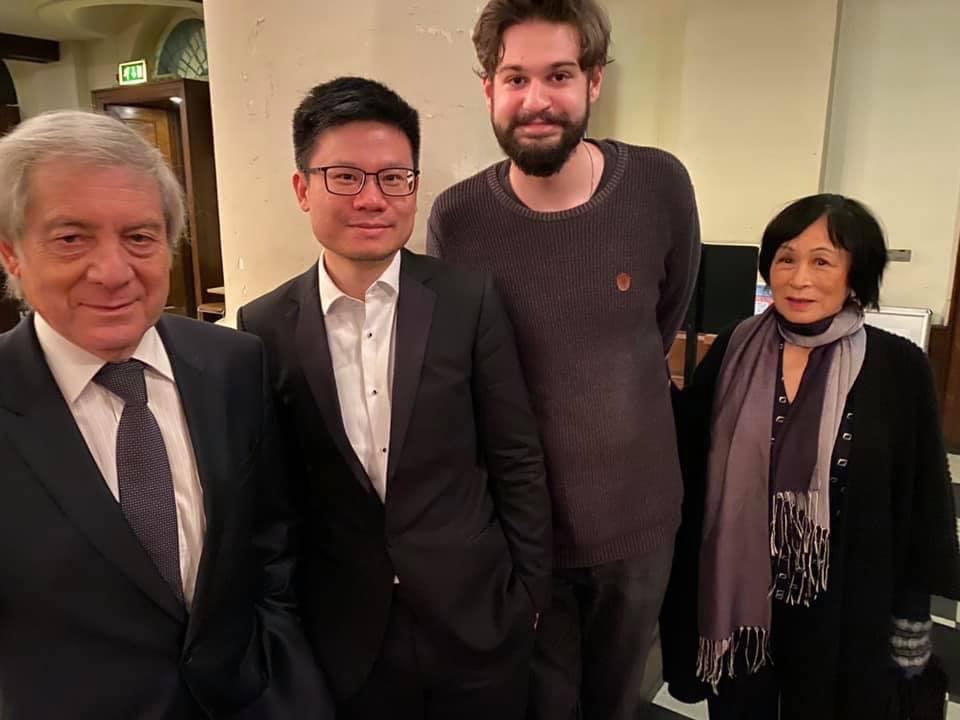
Dmitri Alexeev-Jianing Kong- Victor Maslov- Patsy Fou
A wonderful way to end a feast of music with Dmitri Alexeev in the audience visibly moved by the heartfelt tribute to his great mentor Dmitri Bashkirov. I had heard Bashkirov only once in a recital in Rome and was reminded of him as I listened to the Schubert Liszt songs,enraptured today as I was then all those years ago
I am now in Rome where Dmitri Alexeev was for many years one of our most cherished artists together with Fou Ts’ong,Peter Frankl,Annie Fischer ,Vlado Perlemuter and Shura Cherkassky
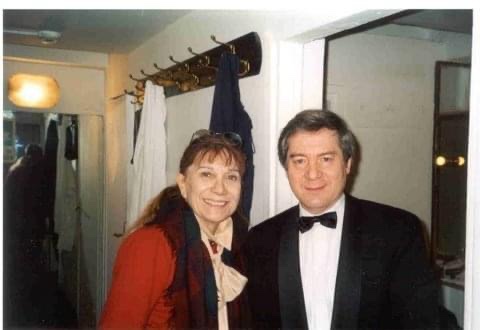
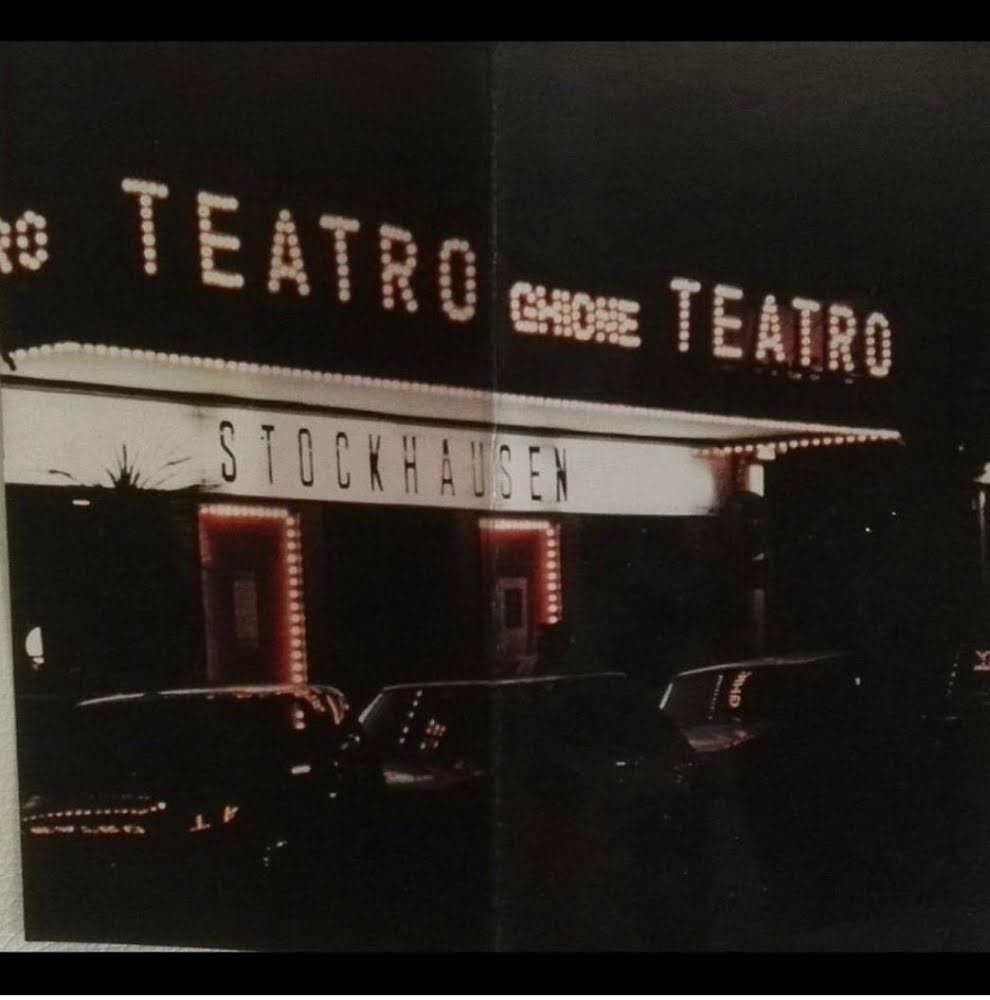
Ileana Ghione with Dimitri Alexeev in 2003 in Teatro Ghione Rome Teatro Ghione in RomeVictor Maslov and Vitaly Pisarenko being congratulated by Jessie HarringtonDmitri Alexeev in discussion with Linn Rothstein Caterina Grewe
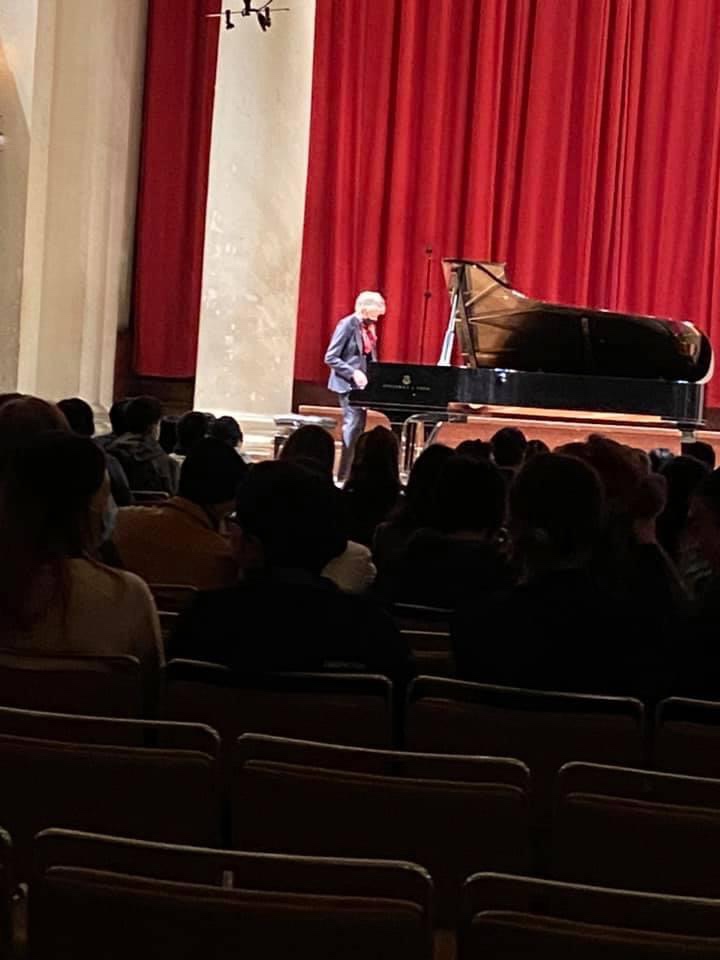
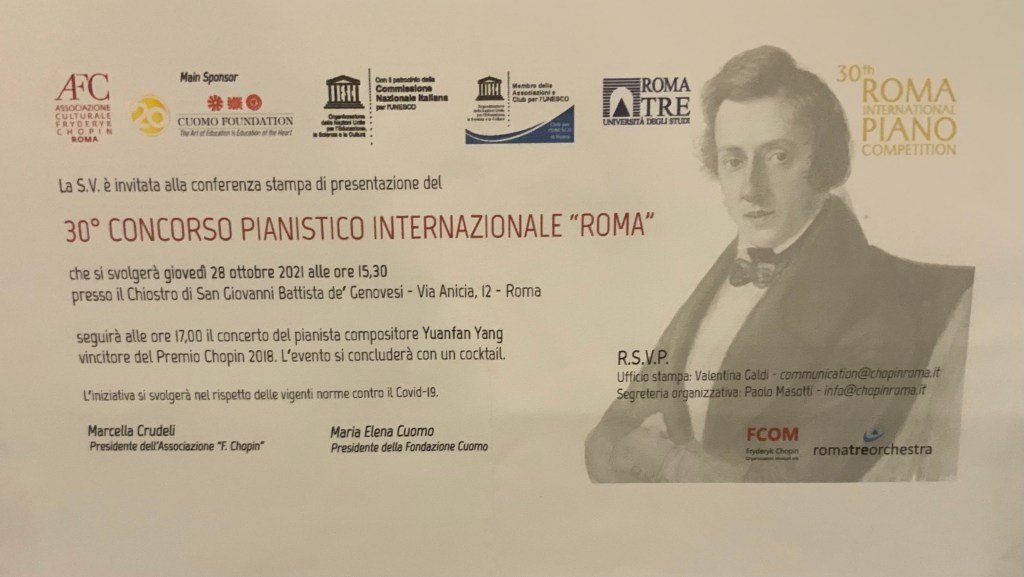
Here is Yuanfan Yang winner of the last International Piano Competition who will play in Rome next Thursday at the press conference for the competition to be held next month.
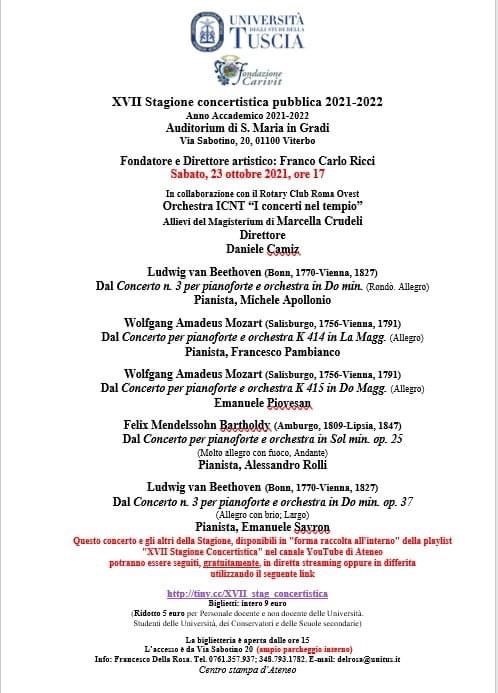
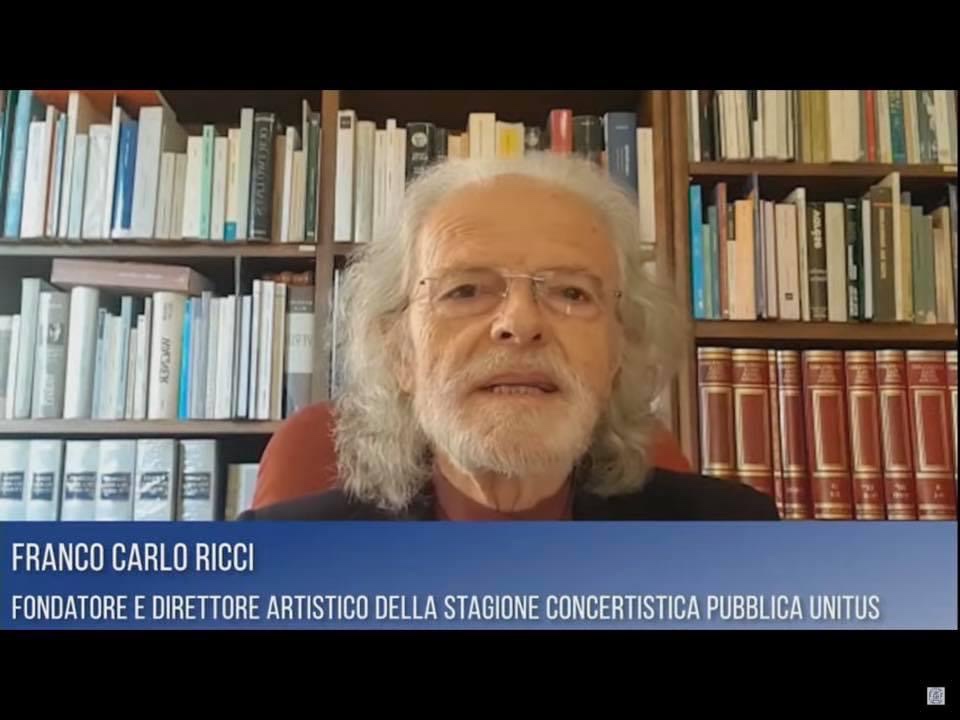
Streamed live from Viterbo thanks to the equally indomitable Prof Franco Ricci a concert that I will listen to live tomorrow in the Eternal City.
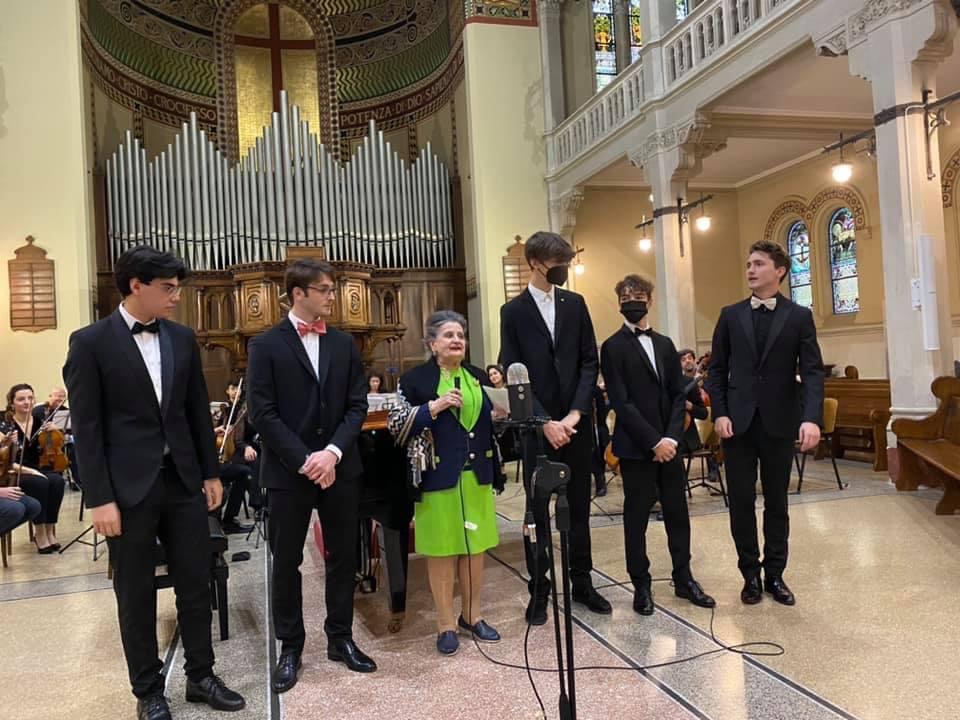
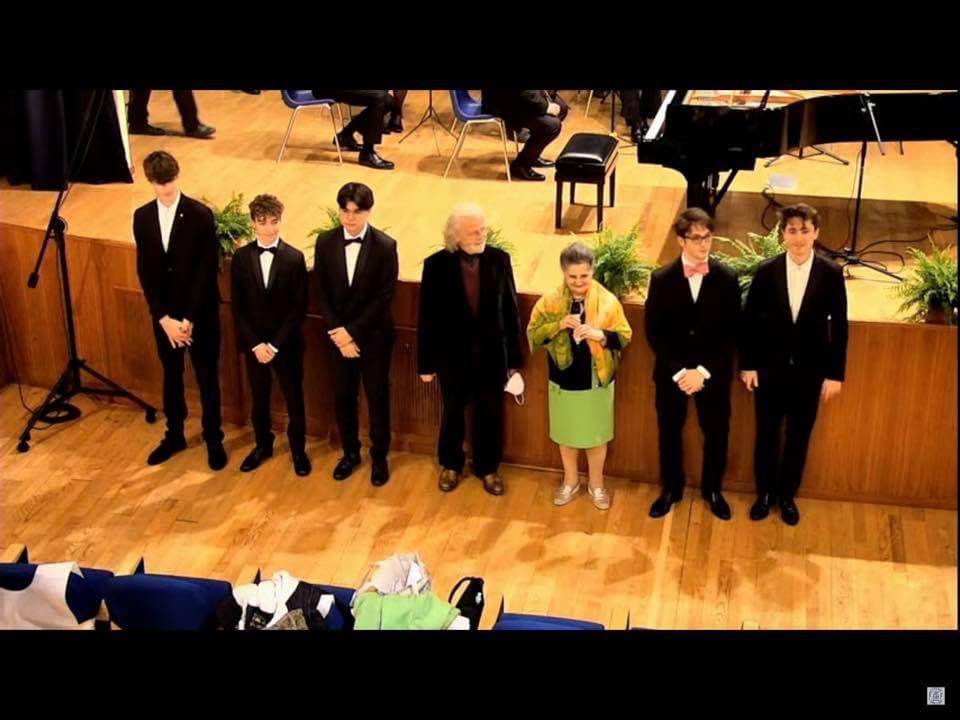
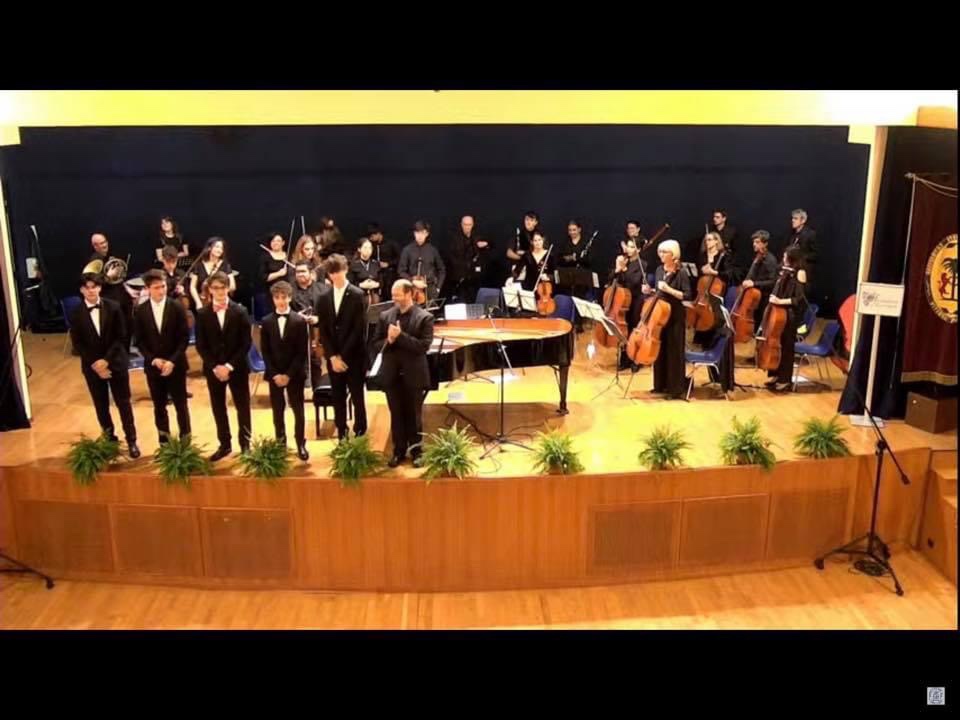
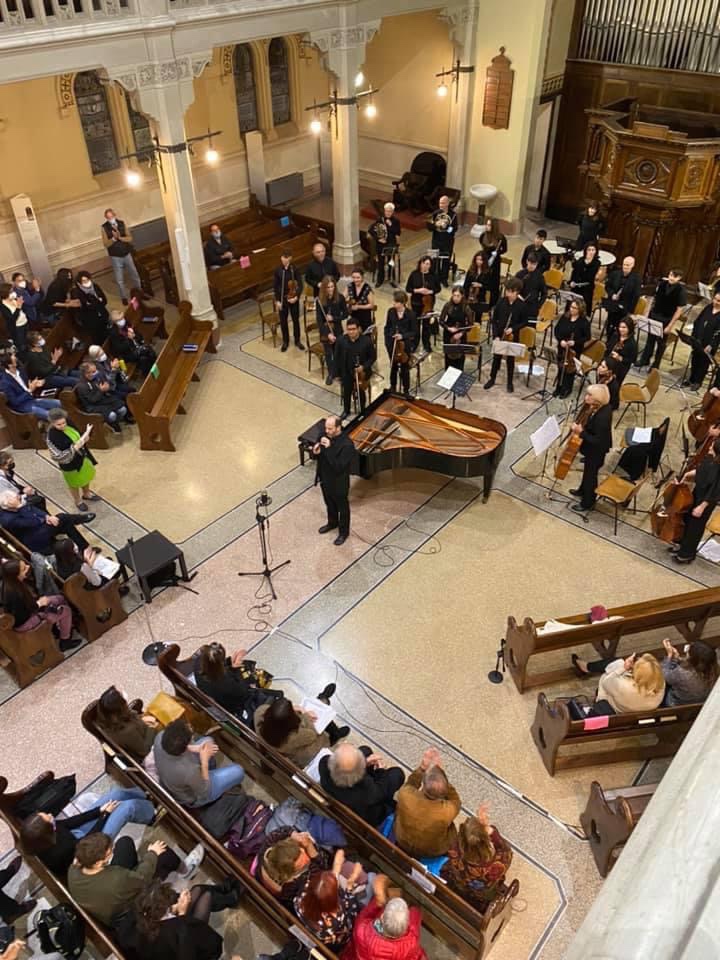
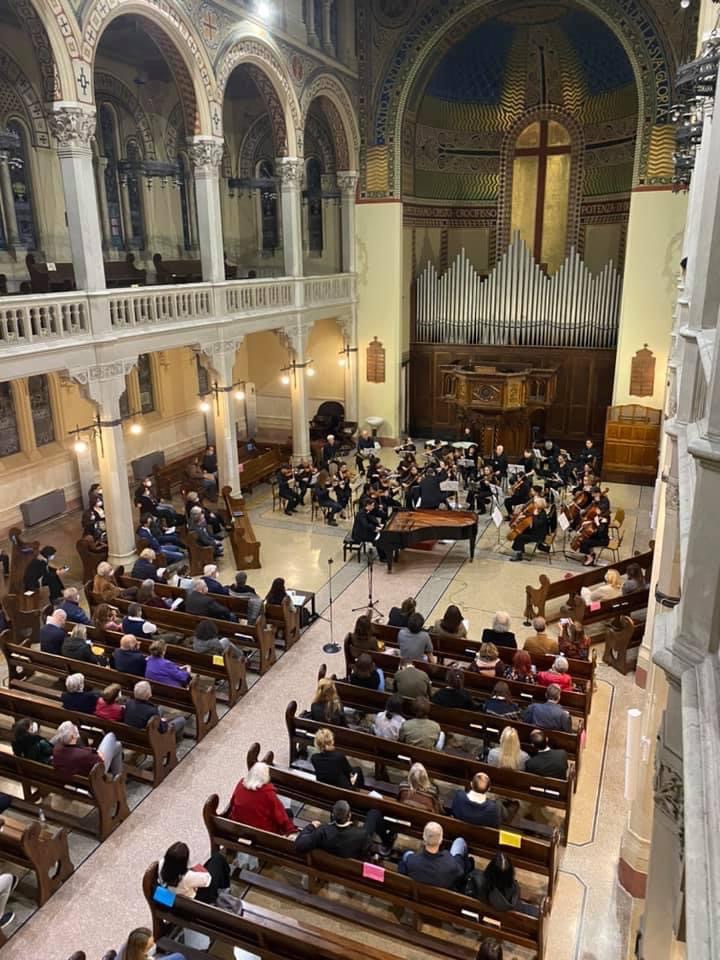
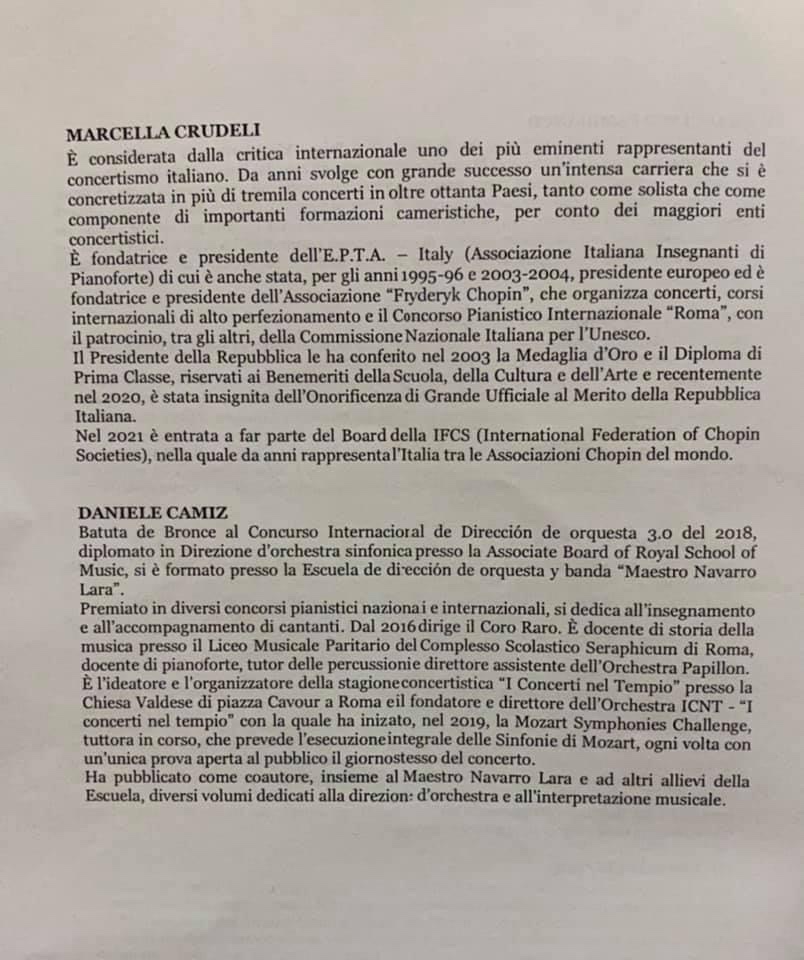
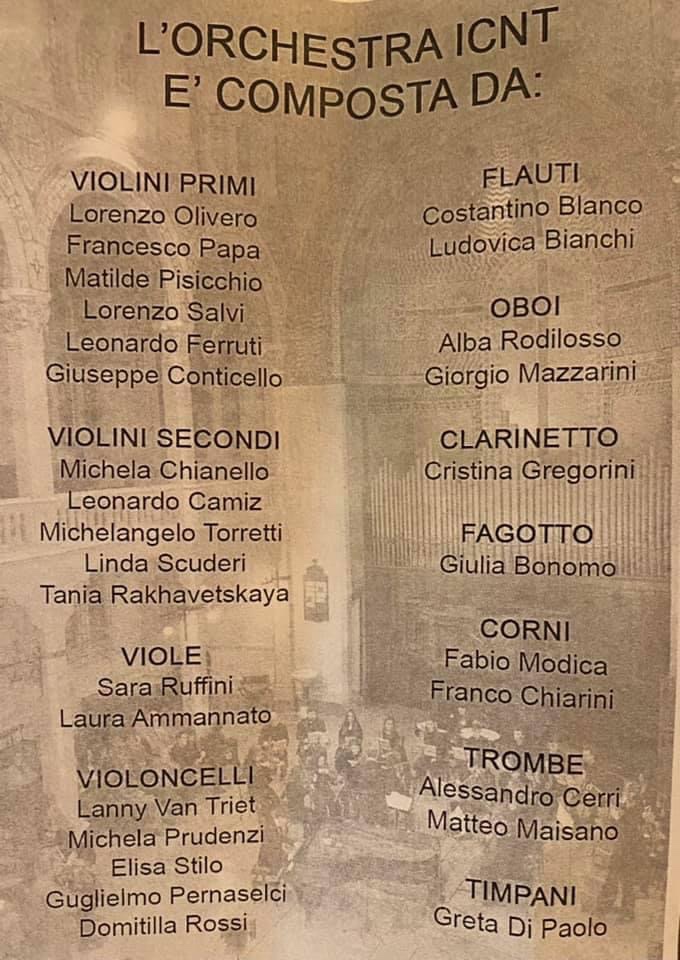
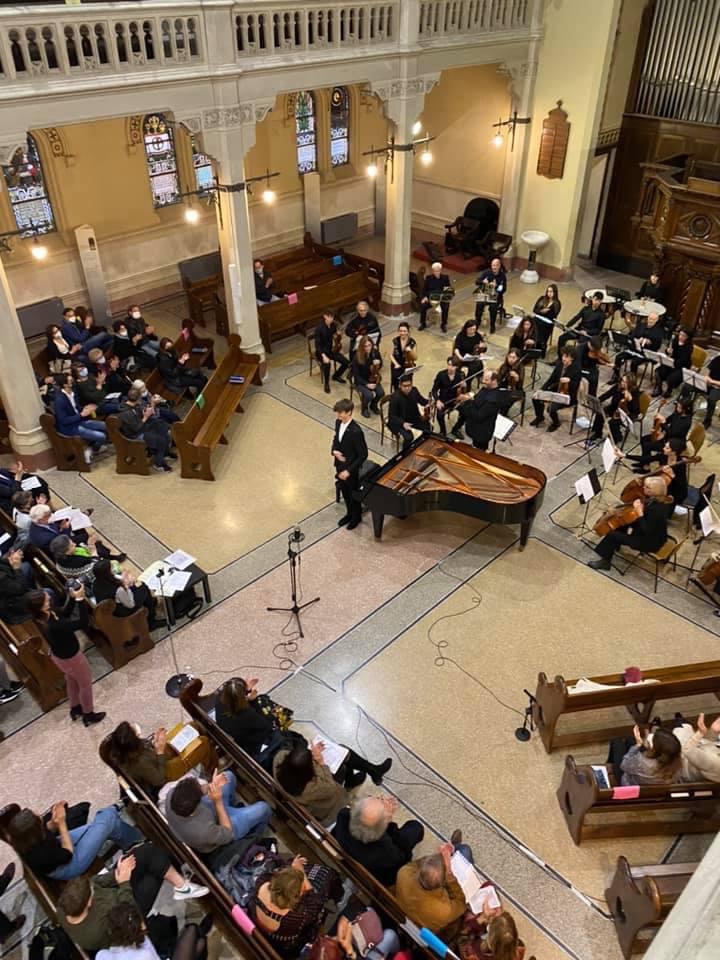
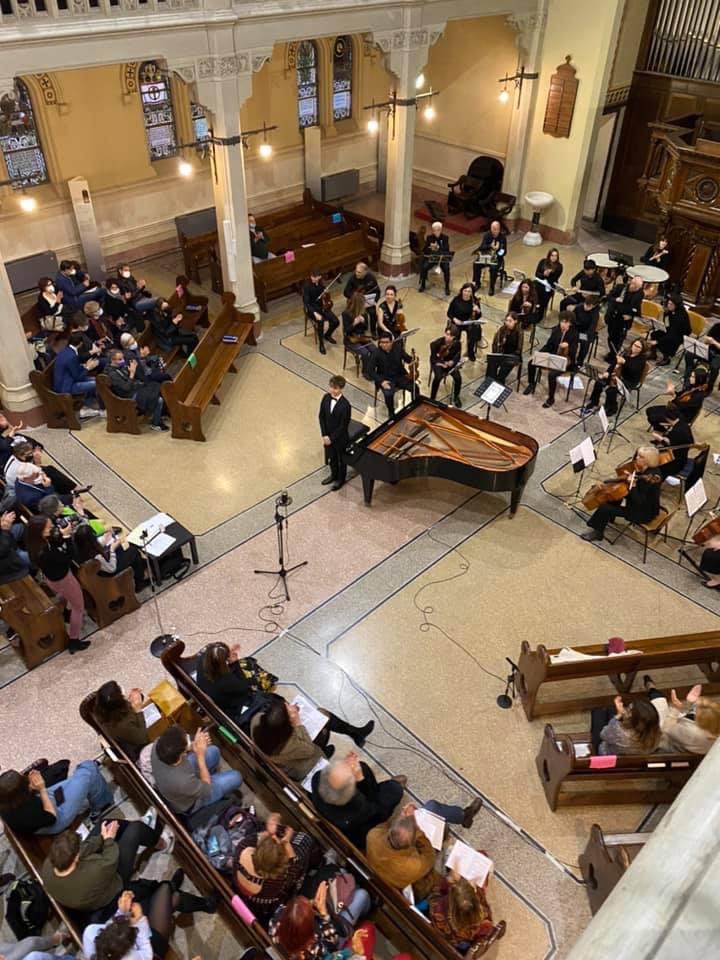
Mozart concertos K 414 and 415 played with impeccable taste and rhythmic flair. A Mendelssohn G minor concerto that made you marvel with what simplicity and facility Mendelssohn could spin so many notes with scintillating jeux perlé and heart on sleeve sentiment.To finish with Beethoven’s C minor concerto played with a great sense of architectural form and formidable contrasts. Each of the five teenage solists gave an encore of studies Chopin op 25 n.1 -7-12 and op 10 n 5 and Debussy Pour Les arpèges composée An orchestra only too happy to encourage and follow these budding young virtuosi under the complacent Daniele Cadiz striving to get the very best out of his musicians . A feast of music and a joy to watch with what seriousness and passion these young musicians are dedicating their youth .And so to the Chiesa Valdese in the centre of Rome for the final festive occasion at the end of Marcella Crudeli’s annual series of Masterclasses for talented young pianists.After each performance helping and encouraging these young musicians – work,work work as they dedicate more of their youth to music.
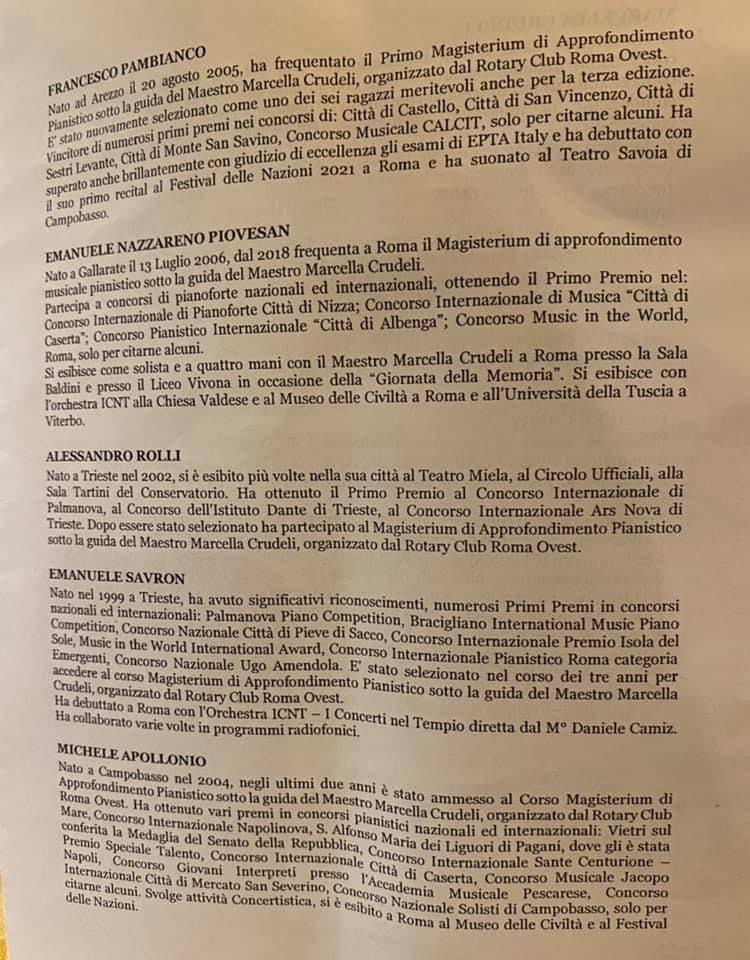
Francesco Pambianco
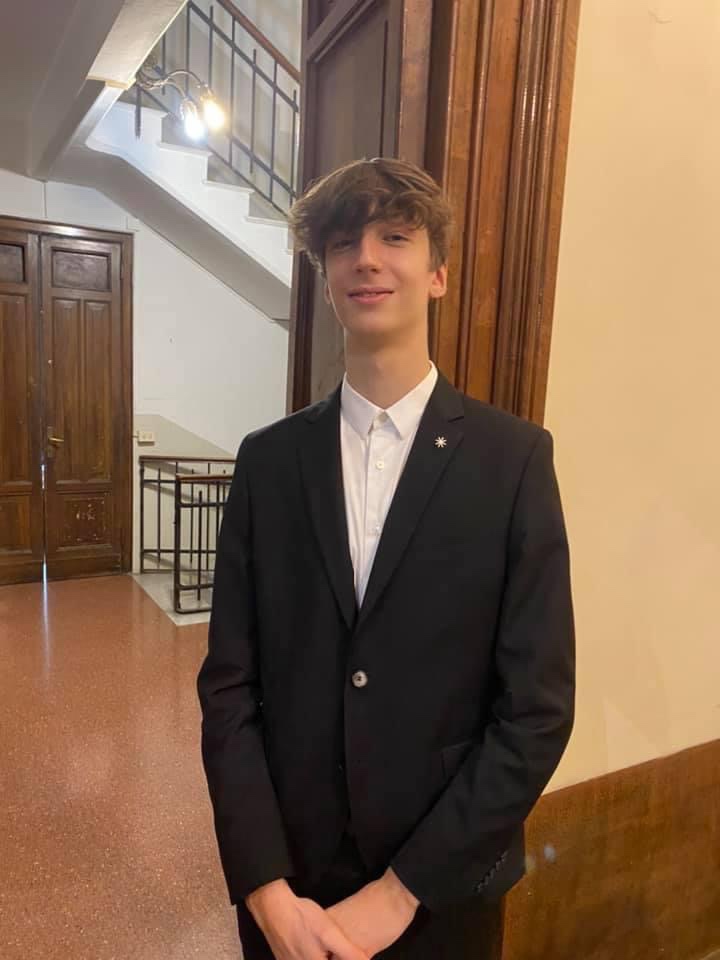
Sixteen year old Francesco Pambianco from Arezzo played the first movement of Mozart K 414 and was able to transmit the wonder of Mozart with great rhythmic precision and simple musicality.His encore of Chopin study op 25 n.1 was beautifully played but would have benefitted from the same simplicity that he had brought to Mozart.
Emanuele Nazzareno Piovesano
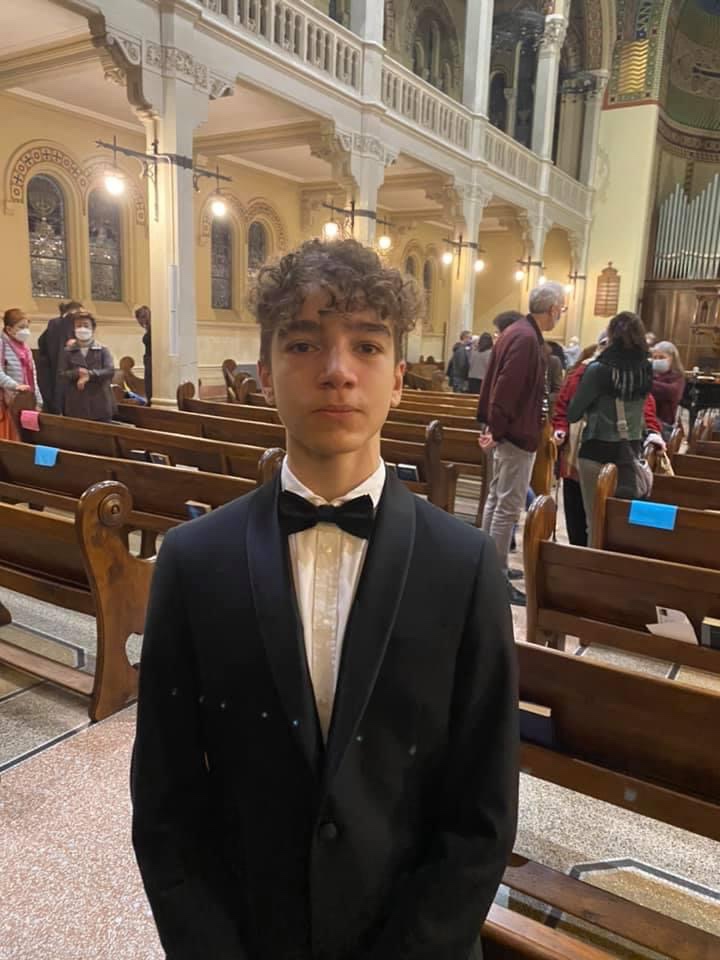
Emanuele Nazzareno Piovesan is fifteen and from Gallarate – Milan and played the first movement of Mozart K415. Schnabel famously remarked that Mozart was to easy for children but too difficult for adults and it was the simplicity and purity of a teenager that he brought to this early concerto that was so refreshing .His encore of op 25 n.7 a study in balance and cantabile is marked Lento.Some beautiful things but a little too slow at the opening to allow the melody to sing unimpeded by the accompaniment but as it got more agitated he rose to the occasion magnificently as he began to listen to the beautiful sounds he was producing.
Alessandro Rolli
Alessandro Rolli is nineteen from Trieste and played the first two movements of Mendelssohn G minor.He is more an artist than an artisan .The slow movement was beautifully played and the interplay between soloist and orchestral very well managed.The Allegro was played ‘con fuoco’ but could have been played with more rhythmic precision to contrast with his beautiful Andante.And it was his poetic Debussy Arpeggio study that ignited his real flair for keyboard imagination and colour.
Emanuele Savron
Emanuele Savron a veteran at twenty two and is also from Trieste.Beethoven 3rd concerto with playing of real beauty in the slow movement but slightly lacking in detail and rhythmic precision in the opening Allegro .His encore of Chopin’s last study op 25 was full of youthful passion and driving force even if the left hand sometimes trailed behind his impetuous right.
Michele Apollonio
Michele Apollonio is seventeen and from Campobasso and gave a very clean and rhythmic reading of the last movement of Beethoven’s 3rd Concerto.His encore of the ‘Black key study’ op 10 n.5 showed real flair and technical accomplishment even if the final octaves were more suited to Tchaikowsky than Chopin at the end.
Not all work but fun too!While Marcella Crudeli is out counting the votes !Daniele Camiz applauding these young musicians in ViterboDaniele Camiz and his orchestra ICNTA full house in Rome
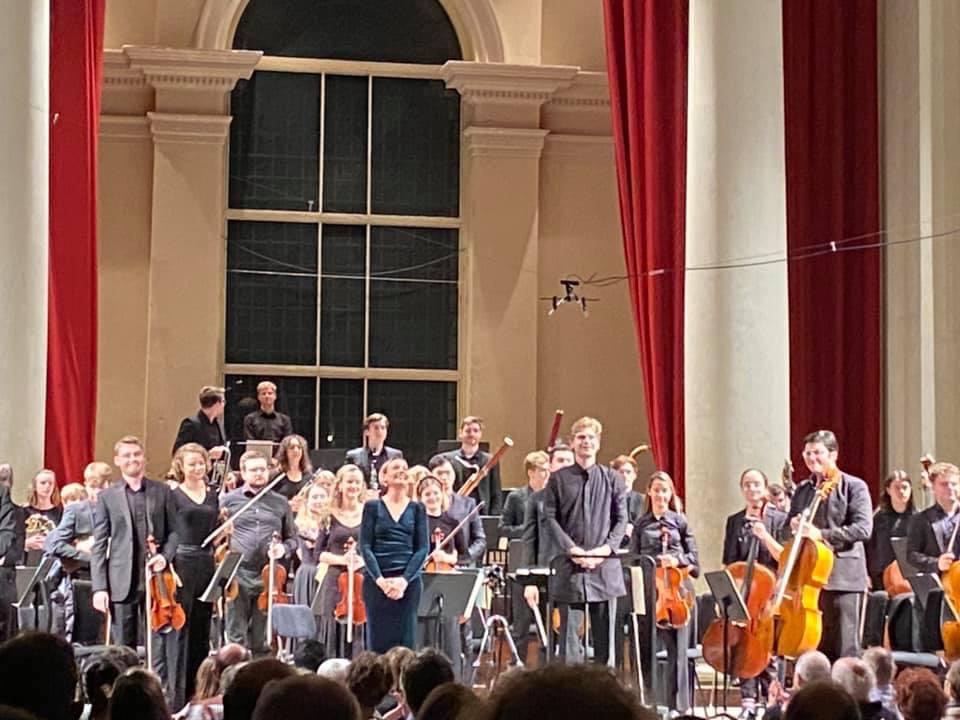
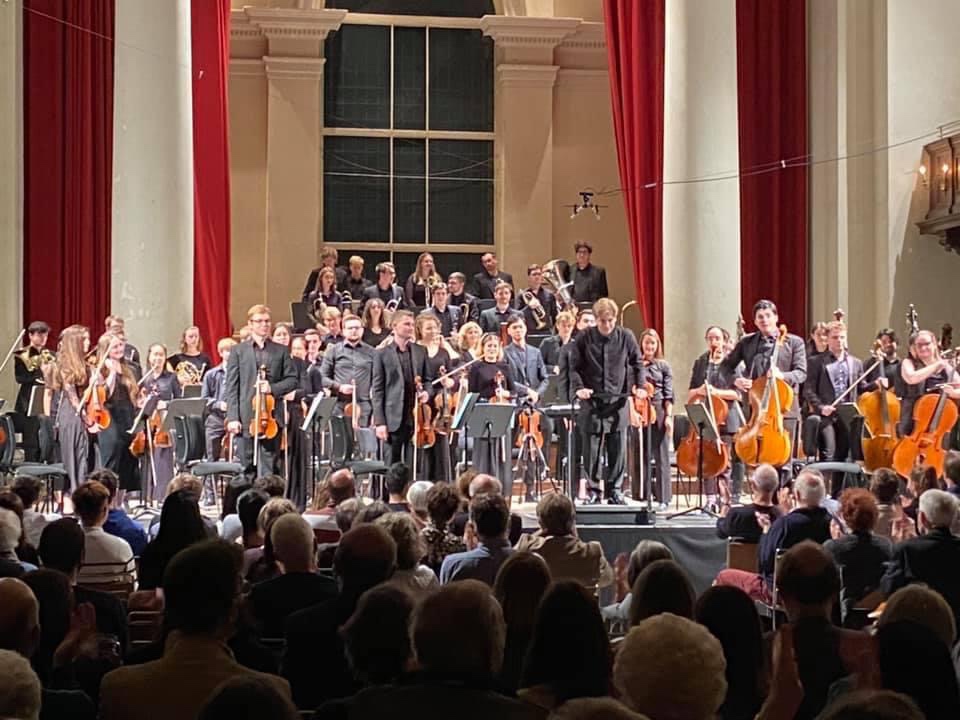
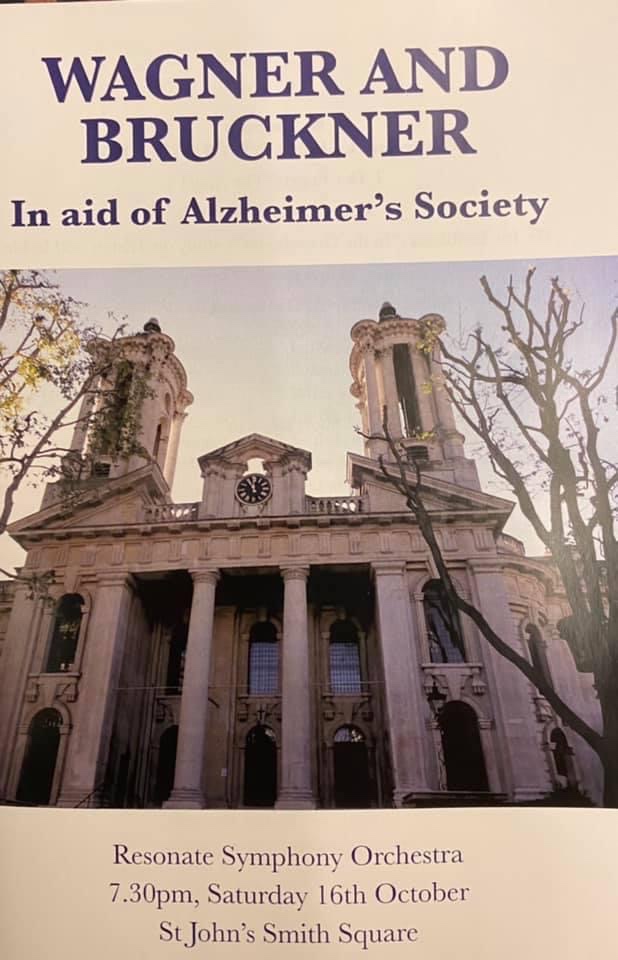
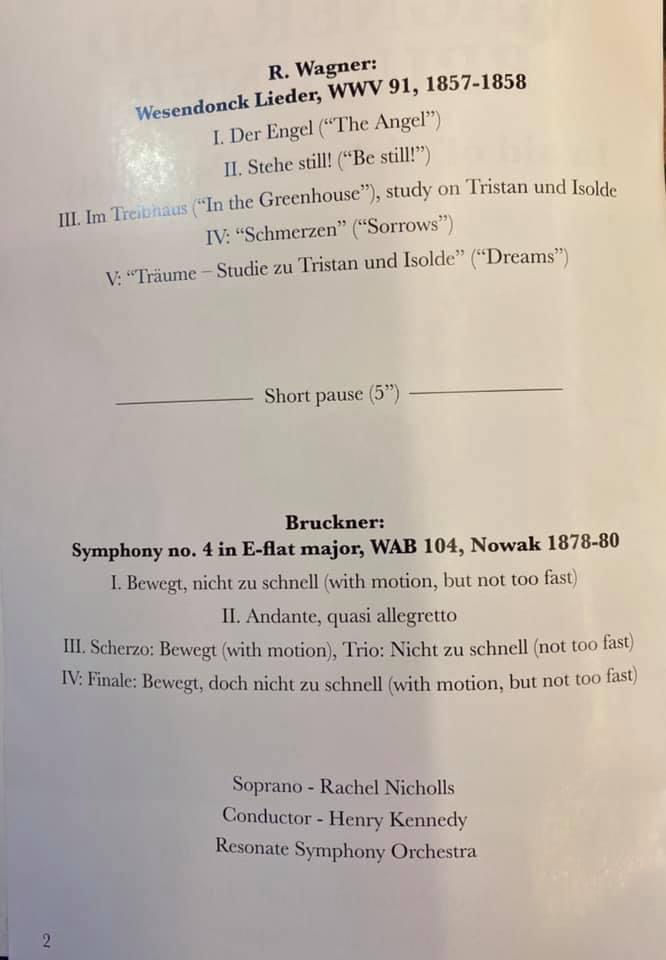
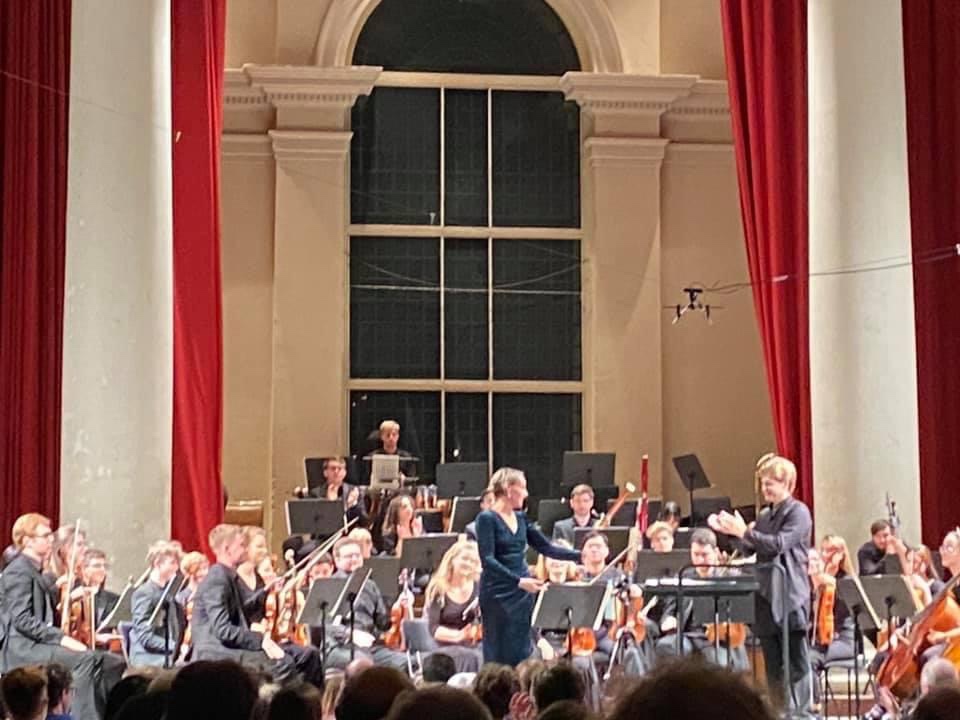
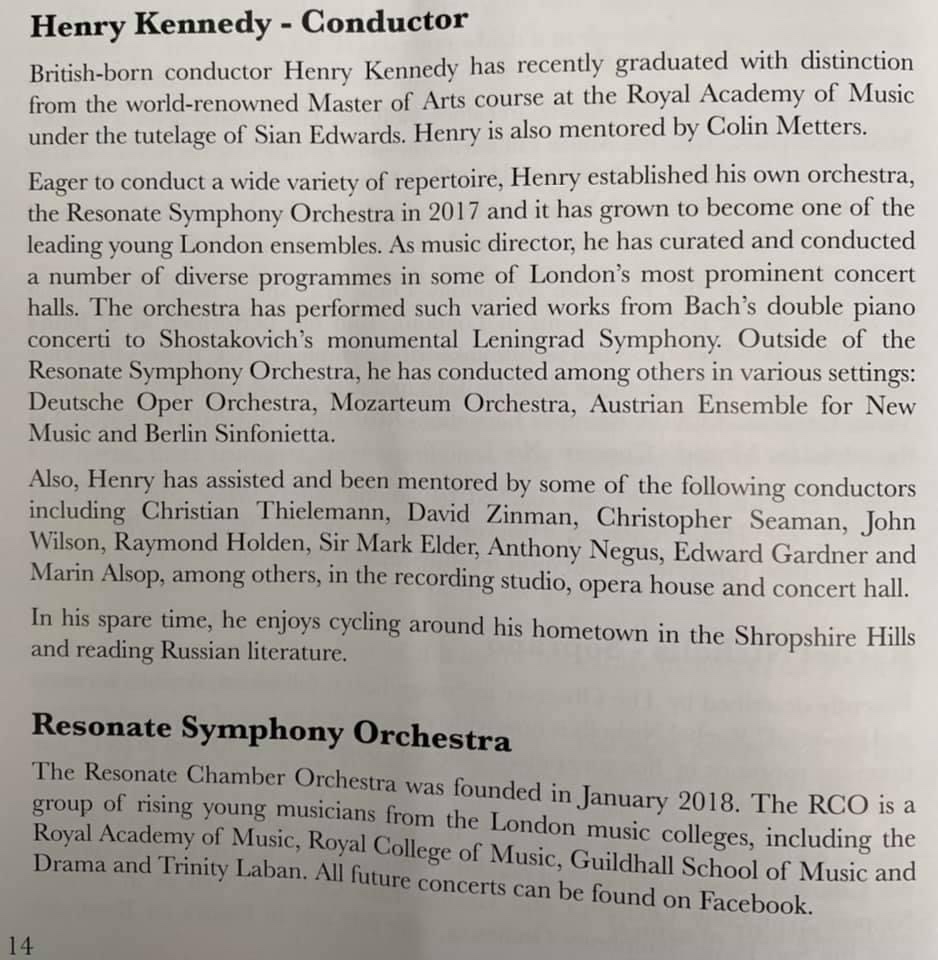
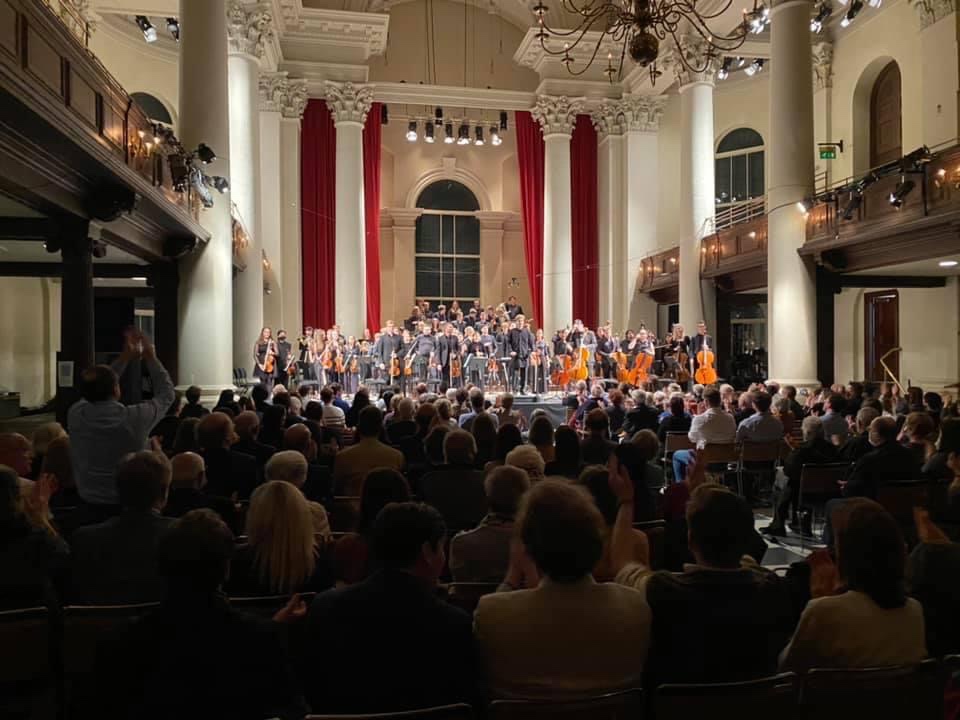
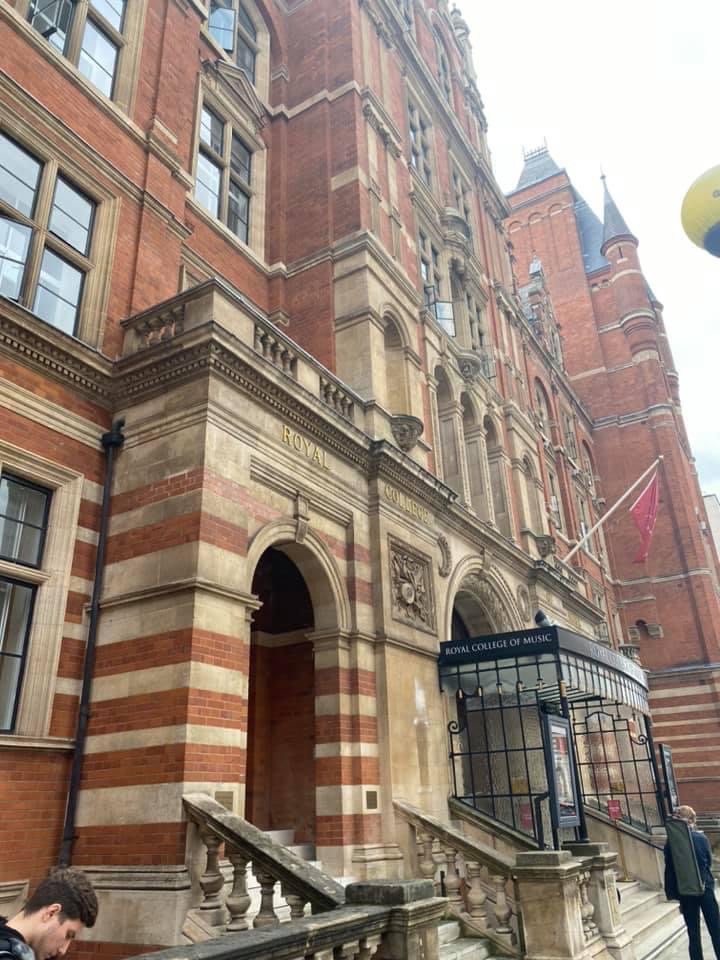
Superb singing from Rachel Nicholls with a voice of such velvet purity and intensity but it was the orchestra that was so extraordinary under its conductor Henry Kennedy.Some of the finest young players from the London conservatories united under their founder conductor to produce a remarkably rich and sensitive sound.
An orchestra that listens to itself is one to cherish indeed but when you add their youthful passion and technical mastery you have an orchestra that can turn Bruckner’s mighty Romantic Symphony into the masterpiece that it truly is. A sense of line and overall architectural shape that was so clearly etched.Like Jochum and the great German school the brass was allowed it’s just weight never overpowering the sumptuous string playing.Playing of silvery lightness that built to tumultuous ravishing fortissimi.Such sensitivity in the Wesendonck Lieder that created the world that the superb Rachel Nicholls was describing from The Angel to the magical Dreams via the Agonies and the wheel of time that measures eternity.
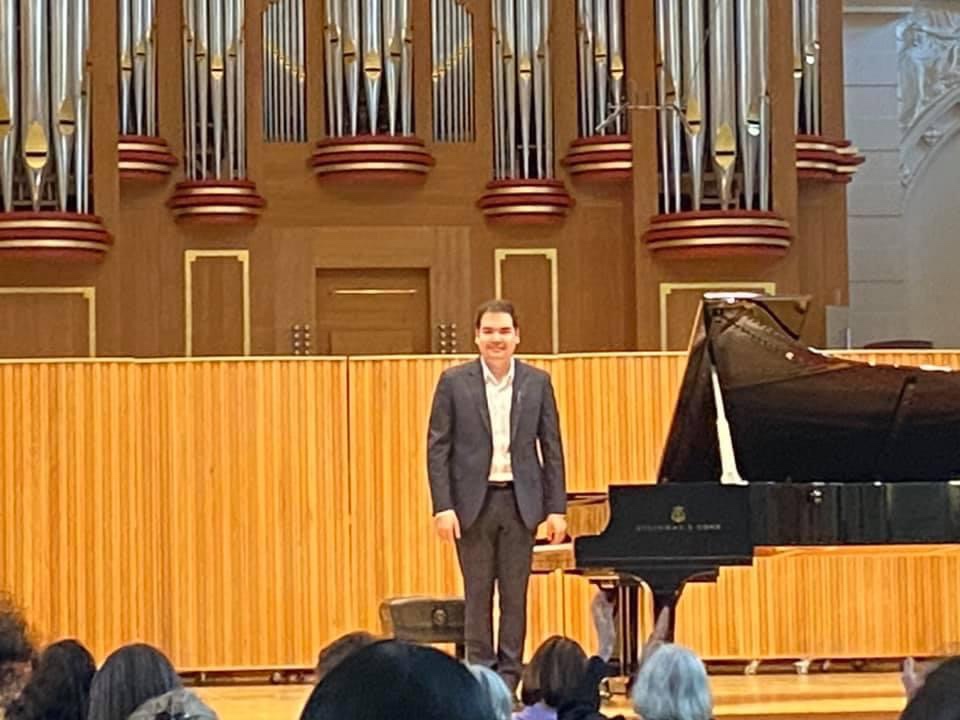
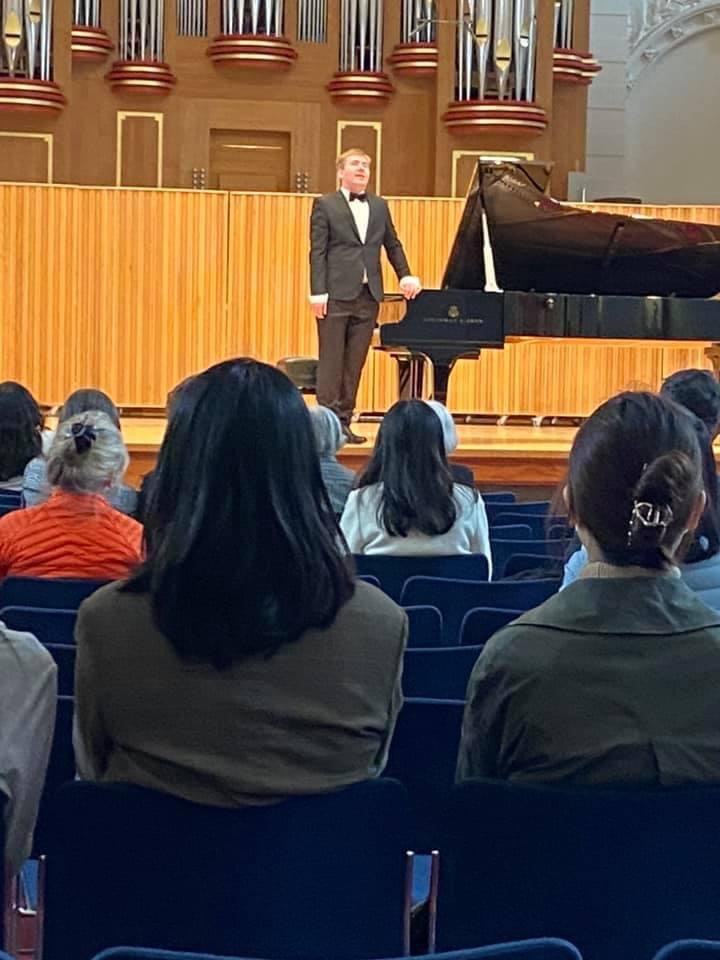
Great pride and celebrations for bringing victory home to the Royal College of Music
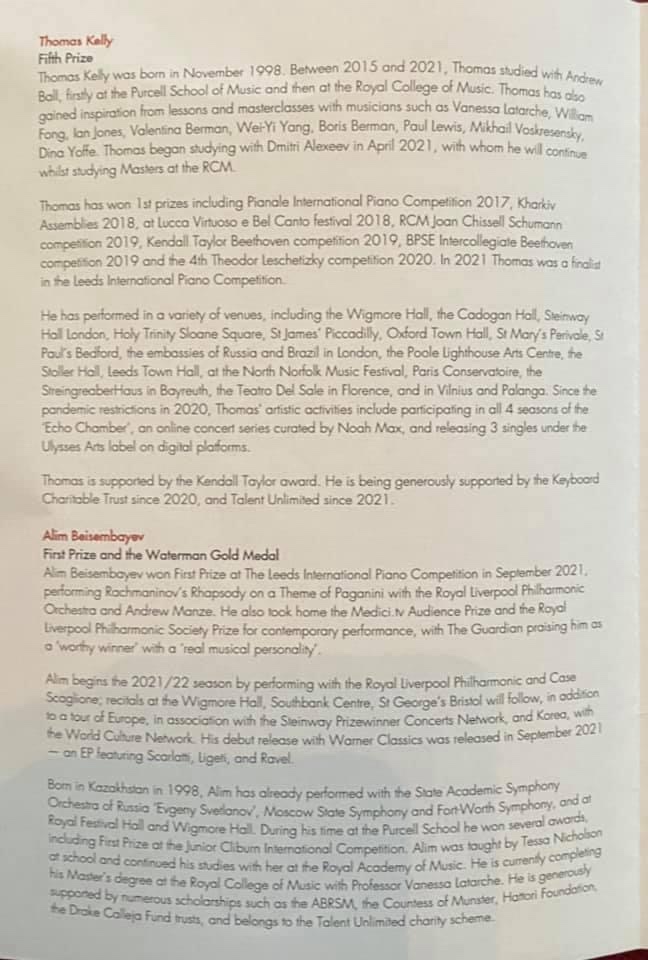
Alim Beisembayev
Top prize winners at the Leeds International Piano Competition – Fanny Waterman Gold Prize -Alim Beisembayev and top prize winner Thomas Kelly
Thomas Kelly
Congratulations to their long term teachers Tessa Nicholson ( Alim) and Andrew Ball(Thomas ) and the wonderful work of Vanessa Latarche for caring and helping to promote these wonderful hopes for the future. The sound of Thomas has always astonished me from the very first time I heard him win the Joan Chissell Schumann prize some years ago.Alim I heard as a teenager when he was st the Purcell School and was amazed by his technical and musical control. The first notes of Brahms op 119 from Thomas just took us by surprise as the ravishingly liquid sounds penetrated to the back of the hall. Alim astounded and astonished with his quicksilver precision and identification with Ligeti’s transcendentally complex studies. I remember Cherkassky coming to stay with me one summer with a ragged piece of paper stamped BBC with what seemed as though a drunken spider had crawled over the page .Shura learnt one contemporary piece a year well into his 80’s and he loved the idea of announcing Escalier Diabolique. We spent many hilarious times trying to figure it out but if we had heard Alim we would have given up in shame. Two great talents- in fact great artists – ready to take the major concert halls by storm
Great friends too. It was Thomas who gave up his own time in preparation for Leeds to act as orchestra for Alim for the two concertos required. Wonderfully refreshing to see them united in music and friendship …….and what music!
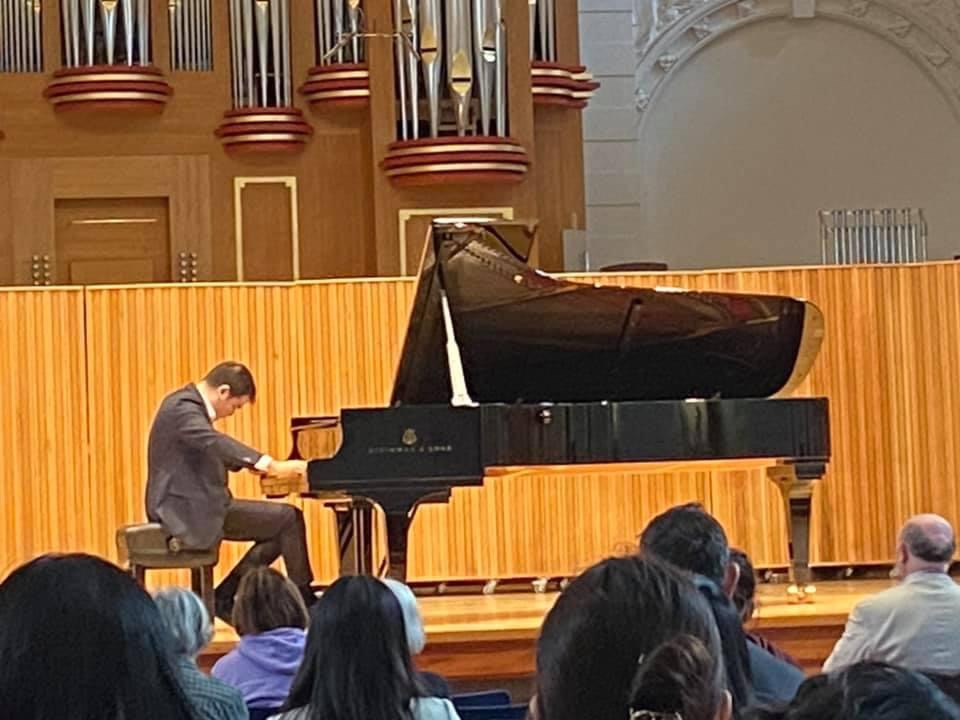
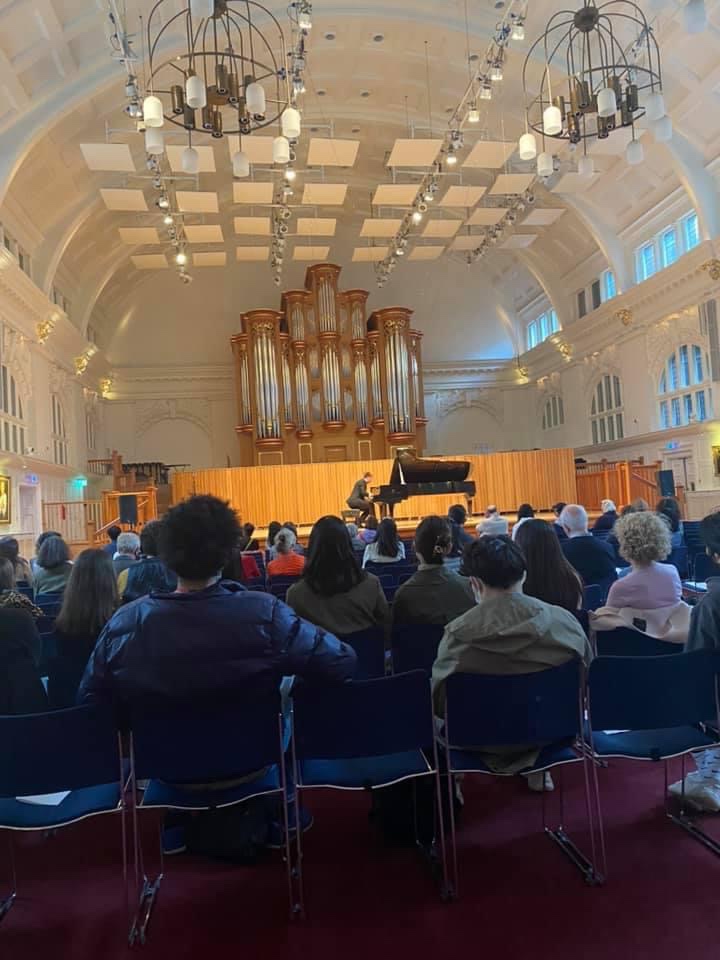
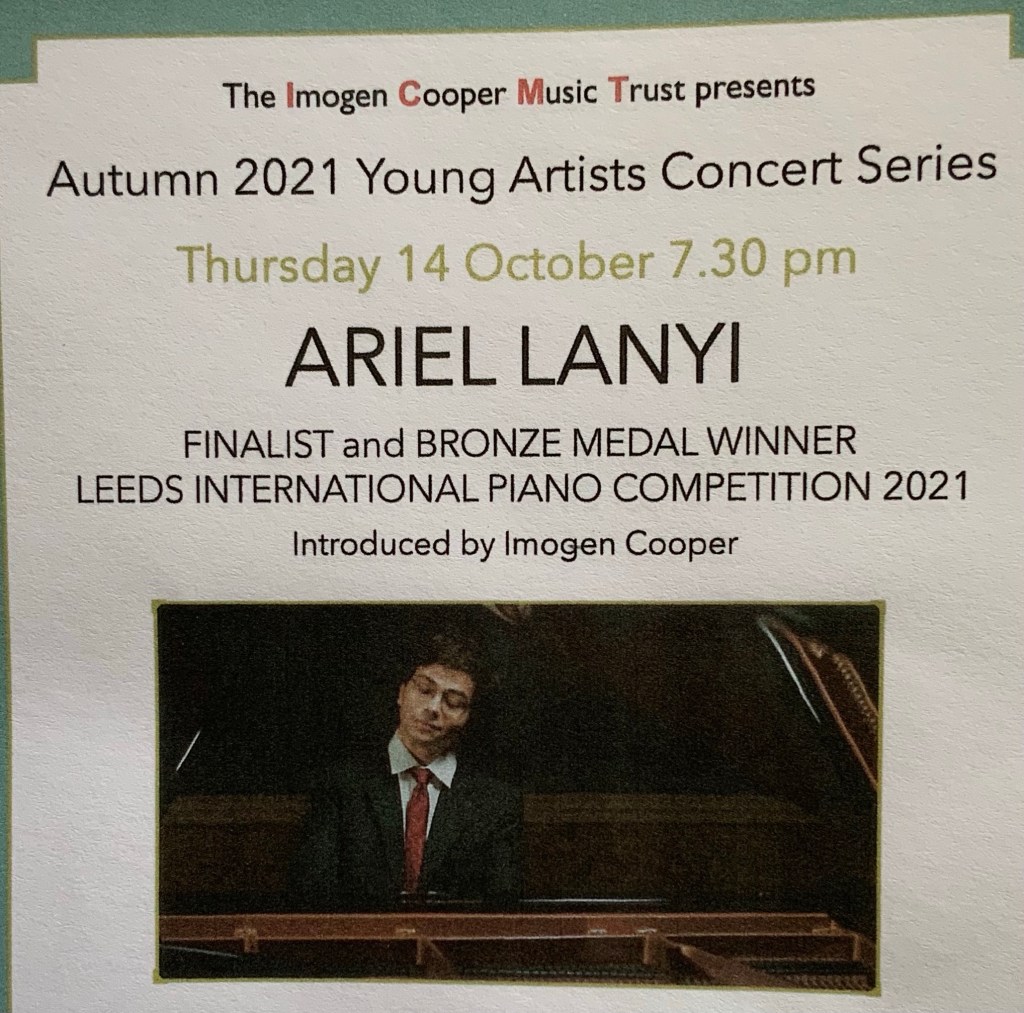
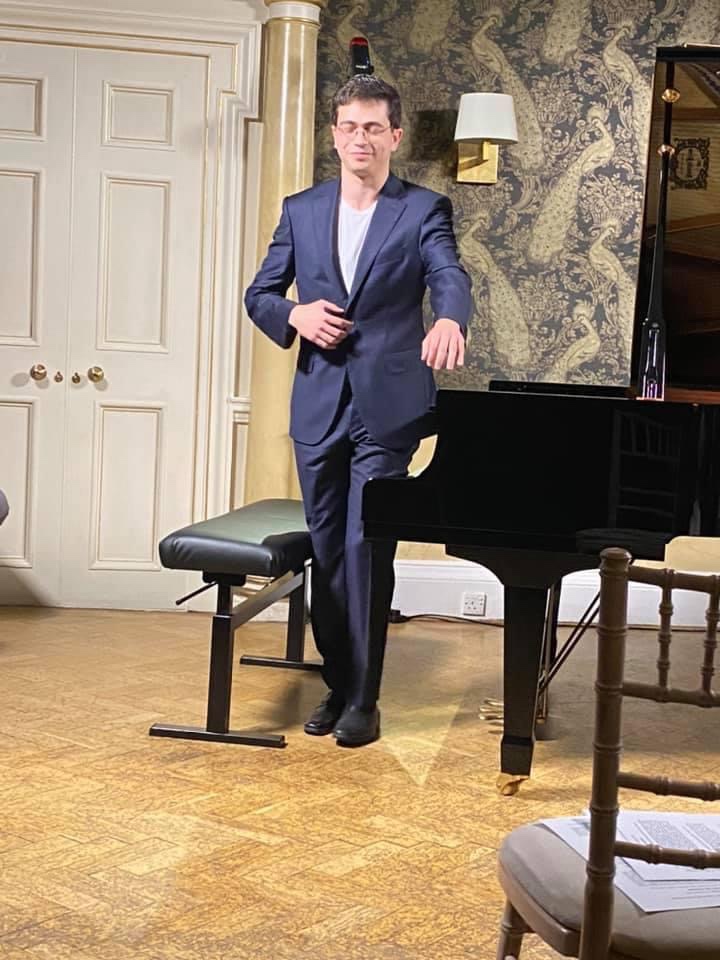
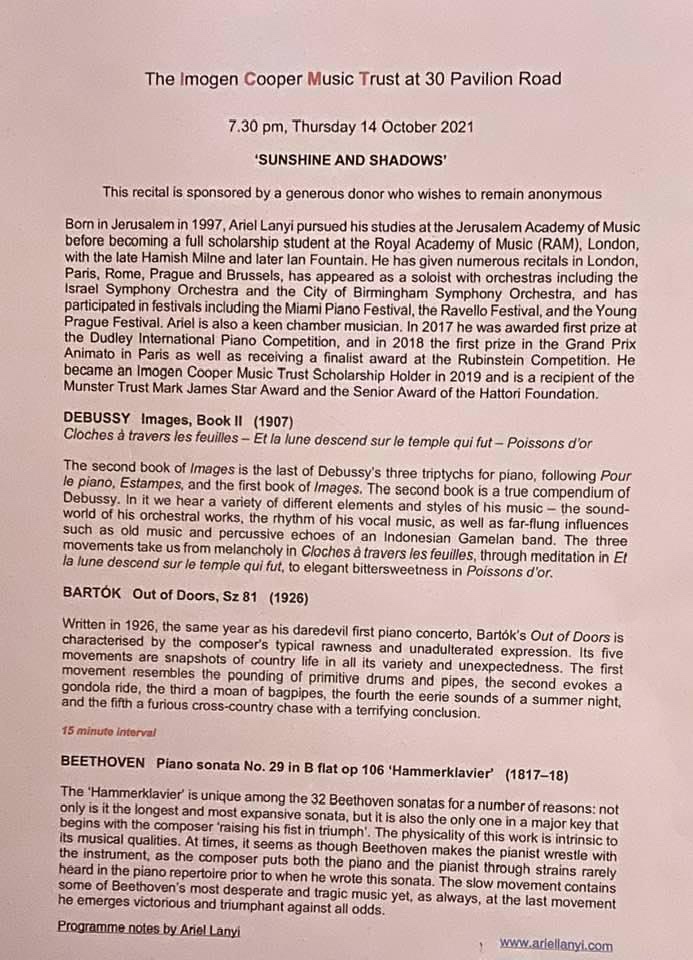
Ariel Lanyi at Pavilion Road for the Imogen Cooper Music Trust. Not only a Hammerklavier of searing intensity but a bouquet of perfumed sounds in Debussy and a kaleidoscope of incredible impressionistic sounds in Bartok. I have never forgotten the sound world of Radu Lupu that took us by storm in Leeds all those years ago in this very suite Out of doors by Bartok.
The same sound world that Ariel discovered today and kept us mesmerised as Bartok’s incredible imagination is matched by his transcendental skill to make these sounds come vividly to life. It is no coincidence that Ariel is flushed from his success in Leeds over 40 years later to recreate such magic. And this was just a prelude to a monumental performance of Beethoven’s Hammerklavier Sonata op 106.
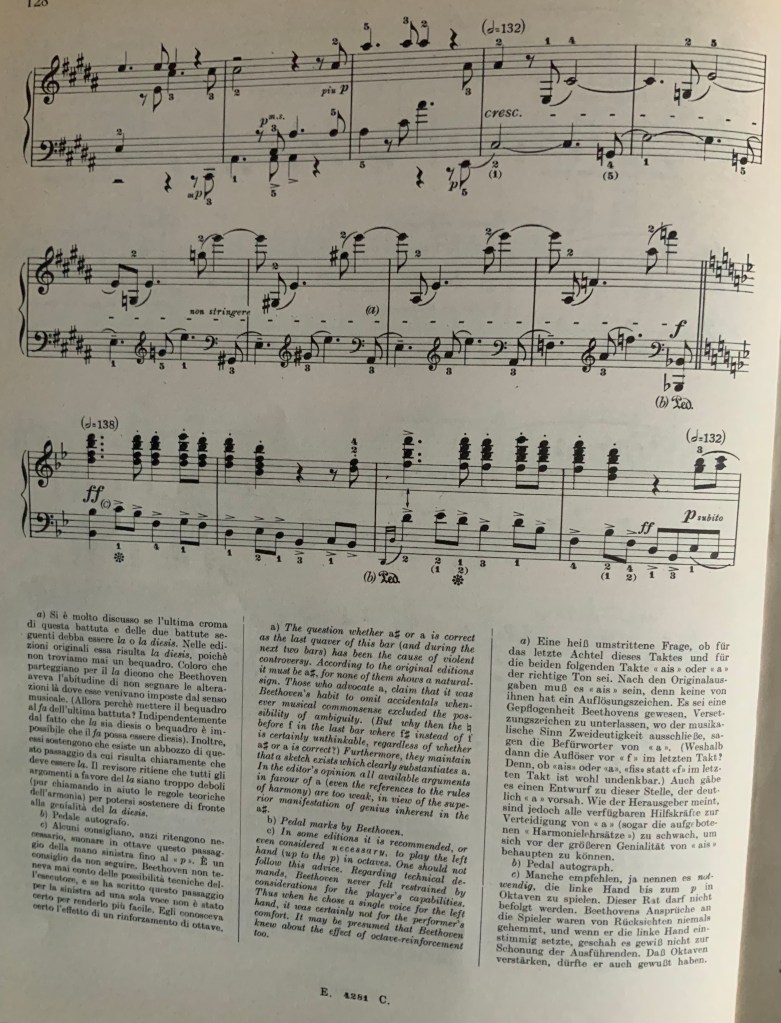
Taking Beethoven at his word with the treacherous opening leaps played with fearless courage and conviction. This is not a play safe sonata and it comes with an X certificate for all those intrepid souls that dare enter its hallowed world.Here is the very spirit of Beethoven who with this sonata had brought the form to a collapse of atomic proportions. A slow movement both adagio and appassionato that held us transfixed for over twenty minutes -transfixed and transformed as the mighty fugue enters helter skelter in this all or nothing world from which Beethoven knew there was no possible solution.Like Bach before him in the Art of Fugue he had tied himself in knots from which the ultimate solution was only the paradise that awaited as he at last came to terms with life with his final trilogy .
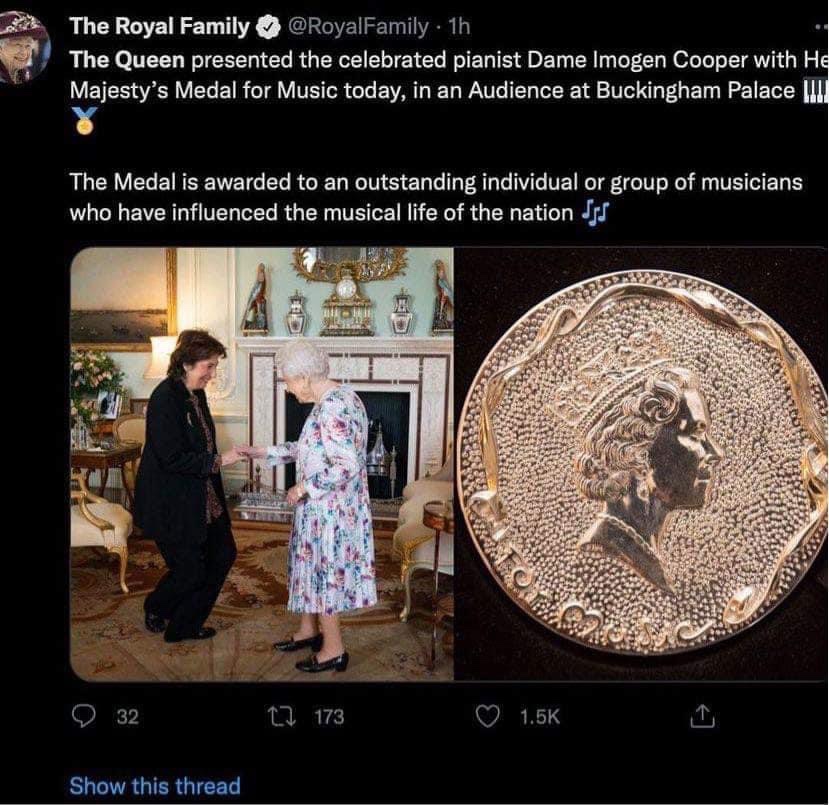
Dame Imogen presenting the concert
Not at all sure where the title of Sunshine and Shadows came from but it certainly did not describe the magic world the Ariel re-enacted for us in this extraordinary recital from a recent top prize winner in the Leeds International Piano Competition.There was such a startling range of colours and a sense of timelessness in the Cloches à travers le feuilles with the barely whispered opening and the melody with a clarity ‘un peu en dehors’ that was so perfectly judged.The gentle atmospheric sounds ‘comme une buée irisée’with a deeply nostalgic melody ‘expressif et doucement appuyé‘The gradual build up to the great peal of bells and a return of the melody even more desperately isolated ‘avec un sentiment de regret’ before the sounds disintegrated and only the final two beseeching yearning notes were left isolated in the rarified air.Ariel set the atmosphere from the very first notes and the audience followed with baited breath every nuance and subtle inflection.Has a temple ever been better described in the moonlit atmosphere that Ariel created?The magical sounds at the end were sublime where he barely touched the keys as they were allowed to ‘faites vibrer’ in the fading moonlight.Have goldfish ever been so lucky to wallow in such sumptuous waters?The gentle waters ‘aussi lèger que possible’ gradually getting more agitated as the goldfish wallowed in these ravishing waters only to disappear into the distance ‘en serrant jusqu’à la fin .
A complete change of atmosphere for the Drums and pipes which opens Bartok’s ‘Out of doors’ “Suite” The opening With Drums and Pipes divides the piano into two distinct registers. In the deep bass, a loud stuttering volley of sounds, both muffled and clearly-pitched, represents an echoing pair of drums while the mid-range offers up the pipes in a similar imitative interplay of overlapping short motives.The Barcarolla features the same continuous 8th-note motion, but in a constantly wandering two-voice texture that imitates the rocking motion of a Venetian gondola, over which a plaintive gondolier’s melody struggles to be heard.The creak and skirl of village bagpipes is portrayed with astonishing accuracy in Musettes, with quicksilver trill figures representing the typical ornamentation patterns of traditional pipe-playing. The most extraordinary piece in this set is The Night’s Music, with its tightly-packed tone clusters imitative of the eerie nocturnal musings of crickets, cicadas and frogs.Ariel showed an extraordinary mastery of sound as the ever constant tone clusters created the atmosphere much as the bell in Ravel’s mysterious Le Gibet from Gaspard de la unit .A luscious resonant sound on which the crickets and cicadas sounded out completely independently.A transcendental control of sound and mastery of the pedals much as I remember Radu Lupu many years ago .The suite closes with The Chase, a toccata-with a furiously churning ostinato in the left hand of transcendental difficulty that Ariel played with such ease and burning sense of excitement.It is one of the most difficult things of Bartók’s entire piano output.
The longest and in many ways the most difficult of the Beethoven Sonatas is the ‘Hammerklavier’ op 106.Ariel Lanyi is fresh from his triumph at the Leeds Piano Competition where he also played Brahms 2,the longest and most difficult of concertos.A truly monumental performance where in particular the twenty minute Adagio sostenuto was played with an intensity and architectural shape ‘Appassionata e con molto sentimento’.Of course who would ever forget Serkin’s performance years ago in London when he was in his 70’s.Ariel only 23 was every bit as convincing – Serkin was strangely even more Appassionato though but the intensity and commitment were the same.Overwhelming indeed.The first movement leap of course played with one hand – Serkin insisted on that – and anyone who wants to play safe has chosen the wrong work!The Scherzo was played with a fleeting energy and the Trio created a carpet of sound on which the melodic line was contained as it passed from treble to bass.Beethoven’s tempestuous impatience was thrown at us like a slap in the face before the tongue in cheek ending of the Scherzo preparing us for the great journey before us and the explosion of energy in the treacherous fugue.A magisterial performance for a true monument.When you realise that the performer is only 23 one is left,bewitched,bothered and bewildered not to say completely breathless!
For the record Ariel is of course an A sharp man
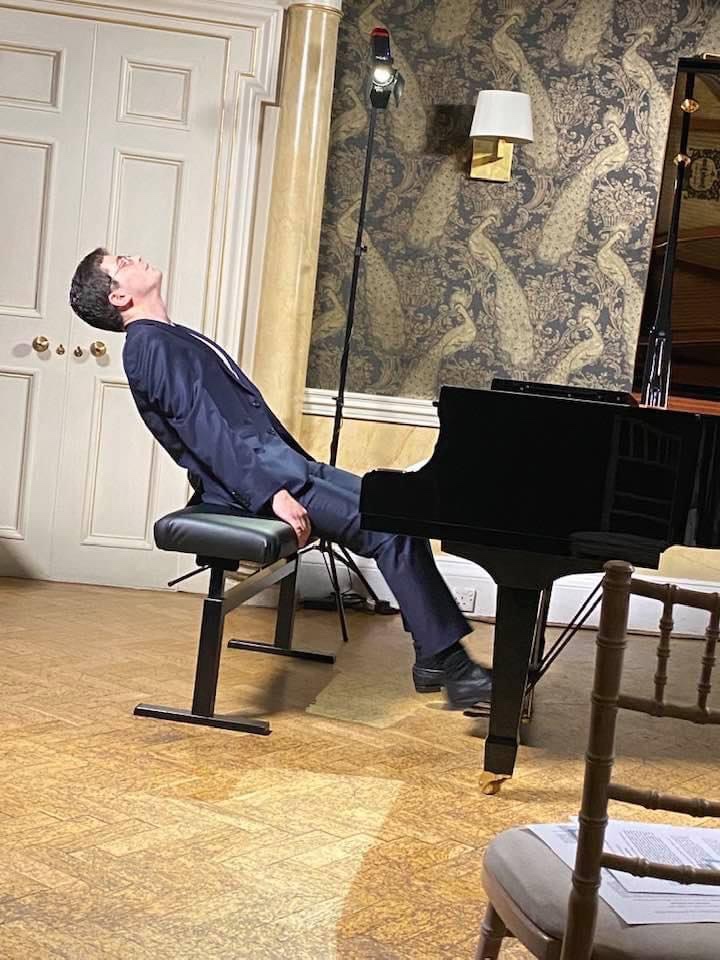
It might be interesting to note ,as it is for me now to remember,that my performance of the Hammerklavier sonata has gone down in history at the Royal Academy.With Myra Hess we are the only two Liszt Scholarship and Tobias Matthay fellowship holders to have failed our Division 2 exam – she probably overstretched herself too!Ariel was left prostrate but a champion nevertheless
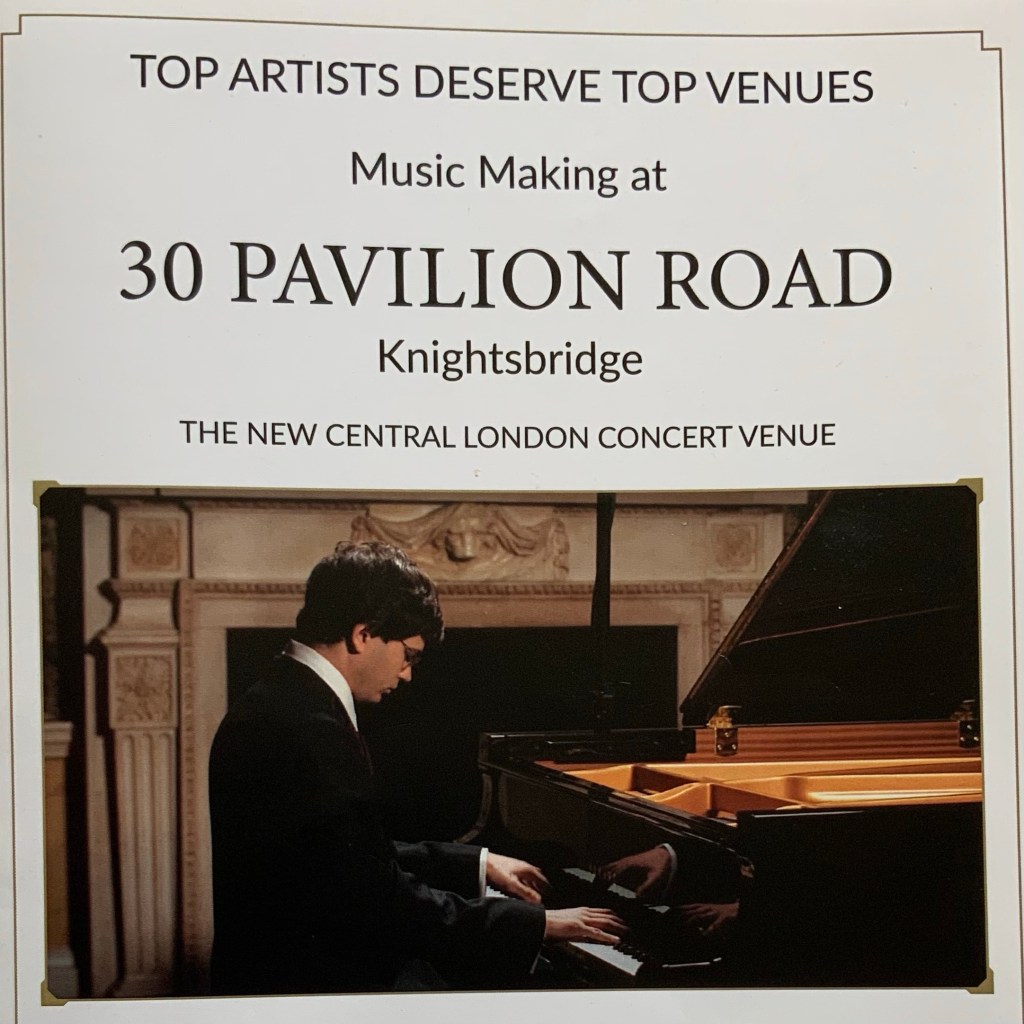
The investiture of Dame Imogen on the 13th October Sunshine there was none but shadows and ravishing half shades abounded with Debussy and Bartok before the tempest and atomic explosion of op 106The distinguished audience with Ann Machin hosting Dame Imogen in her beautiful concert space in Pavilion Road After concert reception in the beautiful Stone HallAngela Brownridge the distinguished pianist and student of my great friend and teacher Guido Agosti
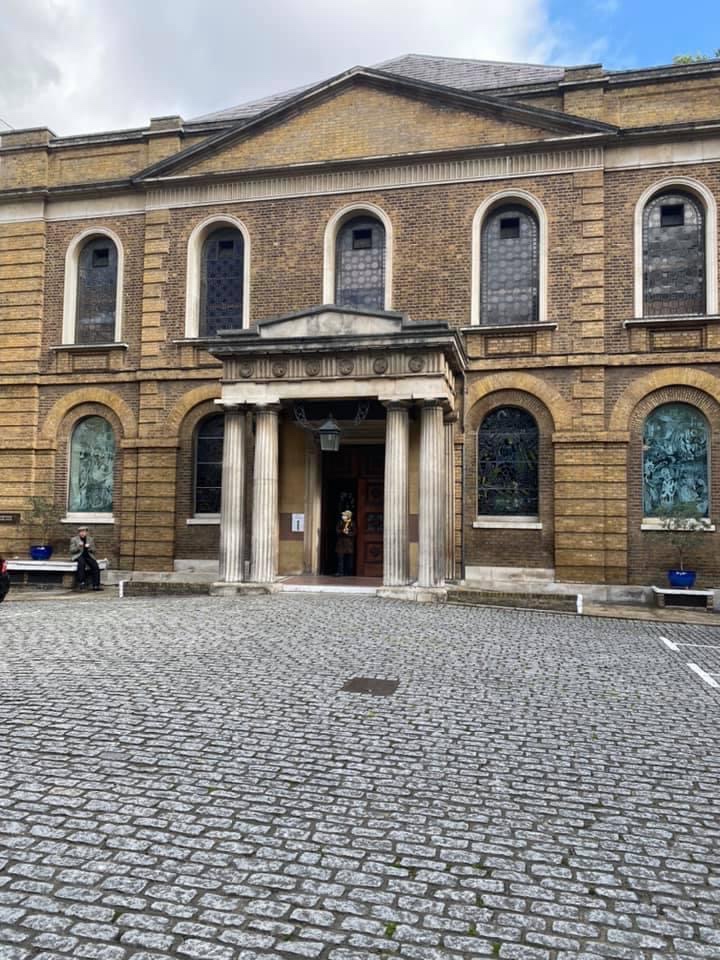
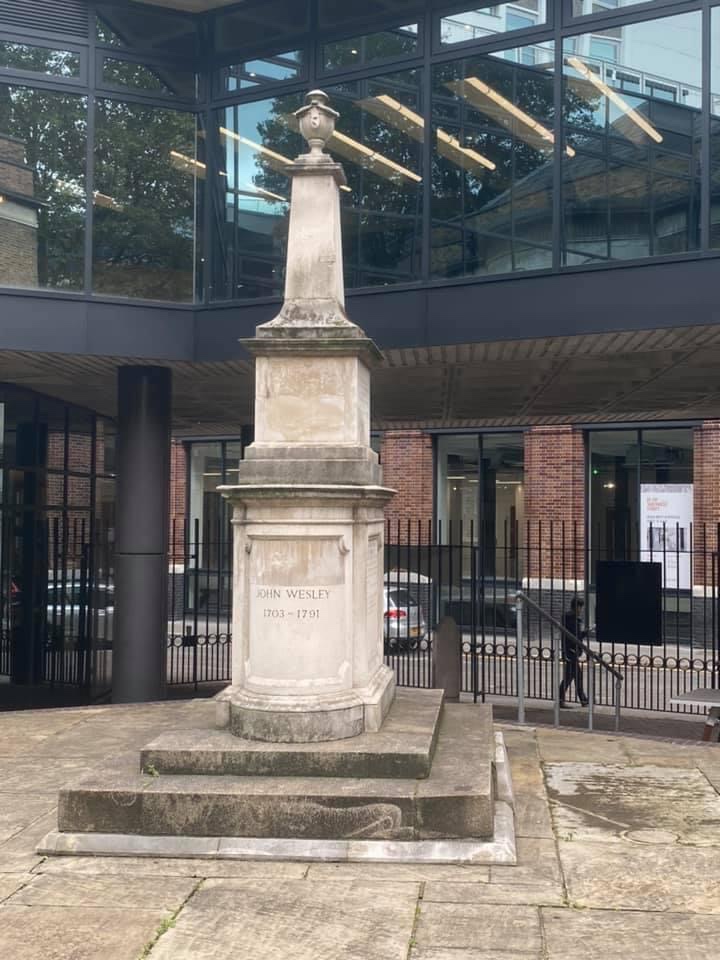
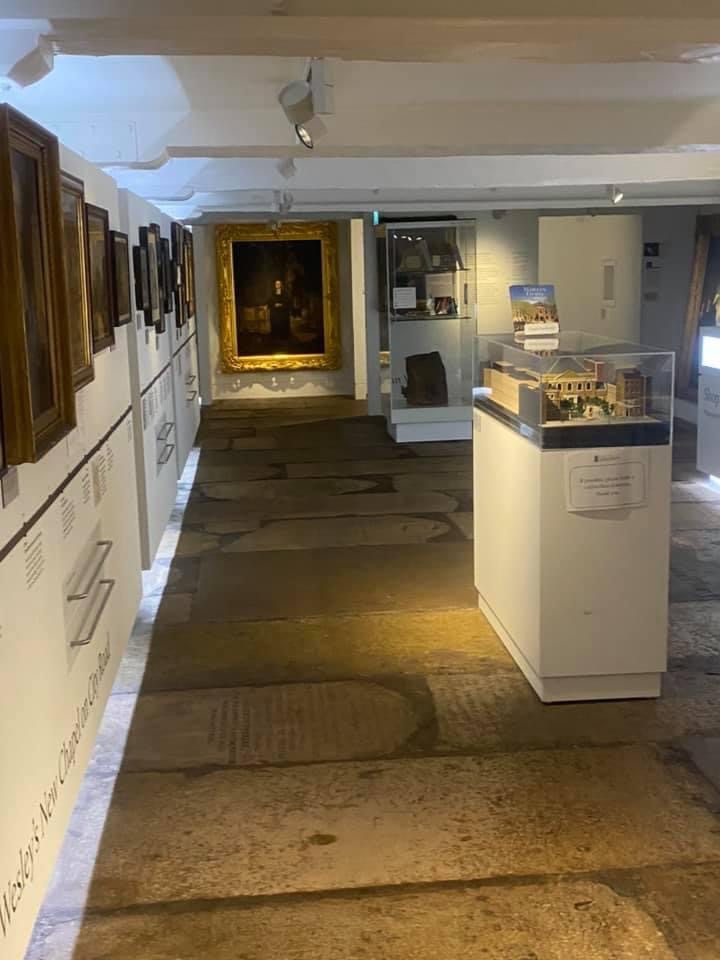
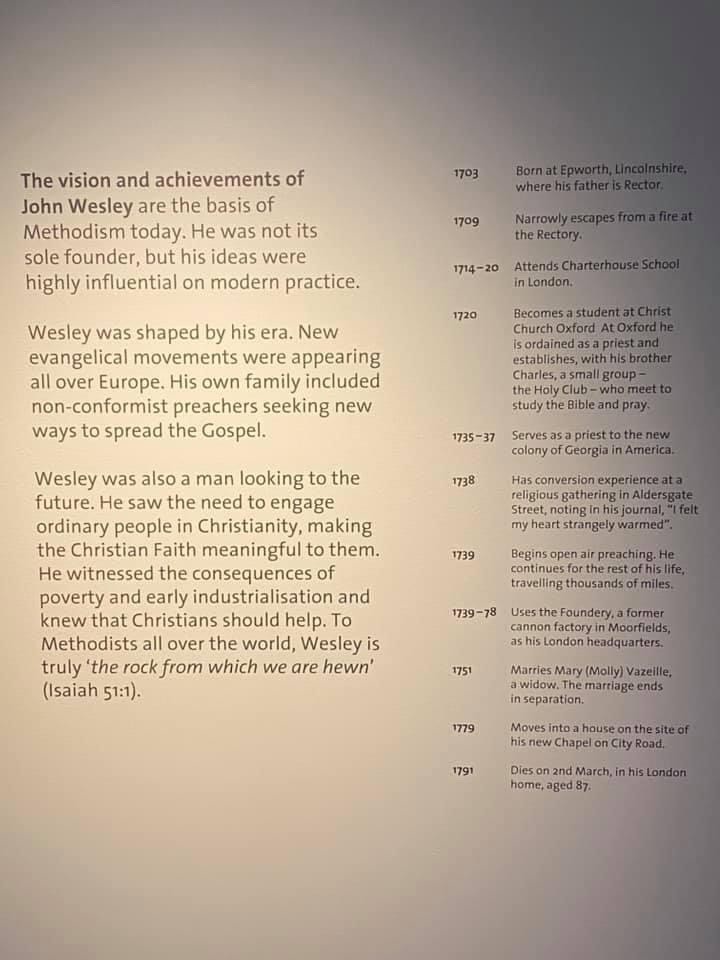
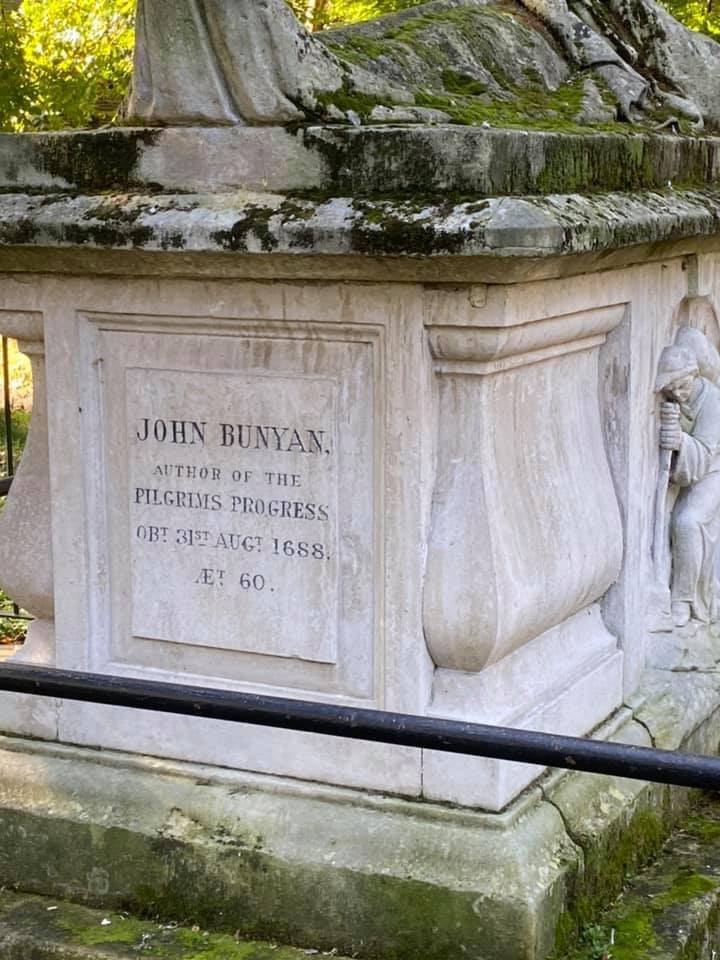
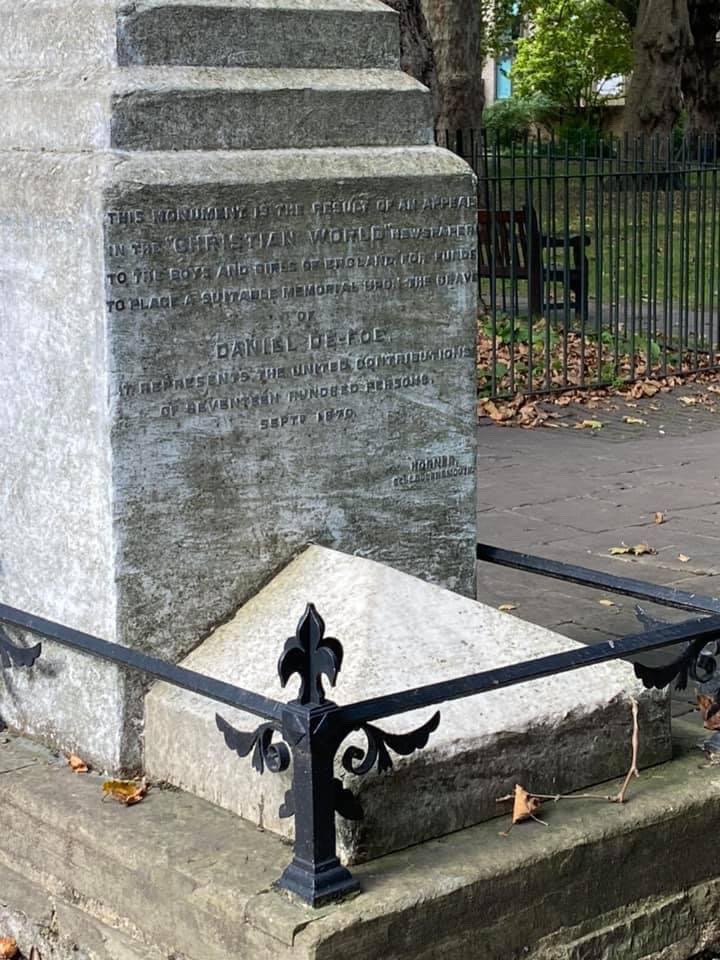
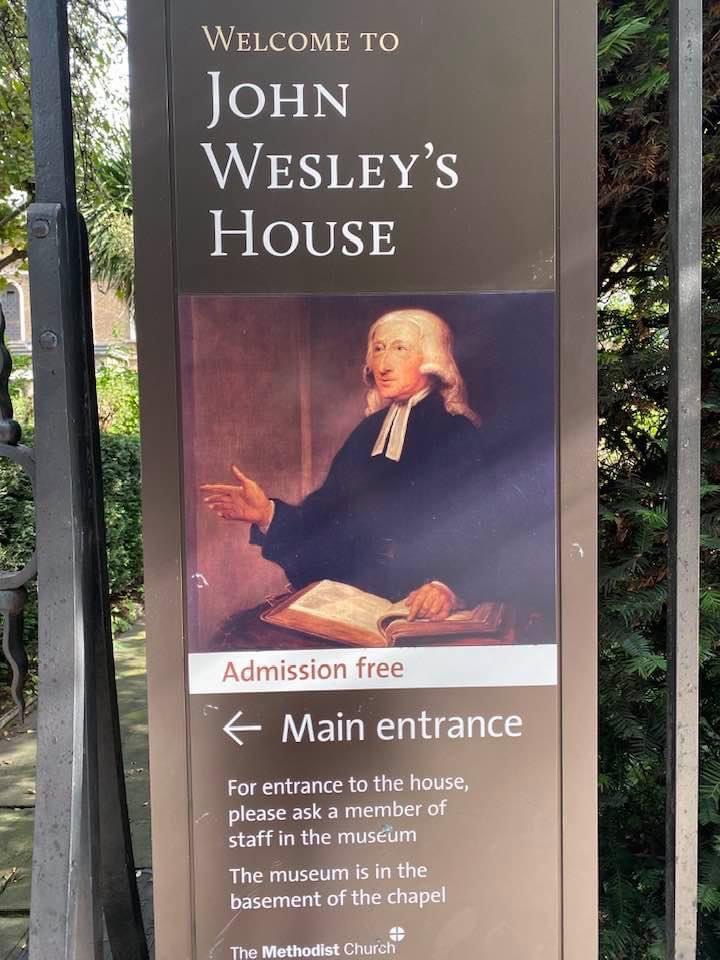
Sasha Grynyuk and Jaga Klimaszewska at the Wesley Chapel with Beethoven young and old in the magnificent oasis that is the John Wesley Chapel.The seat of Methodism with not only John Wesley’s grave but also those of Daniel Defoe and John Bunyan ,respectively of Robinson Crusoe and Pilgrims Progress fame.
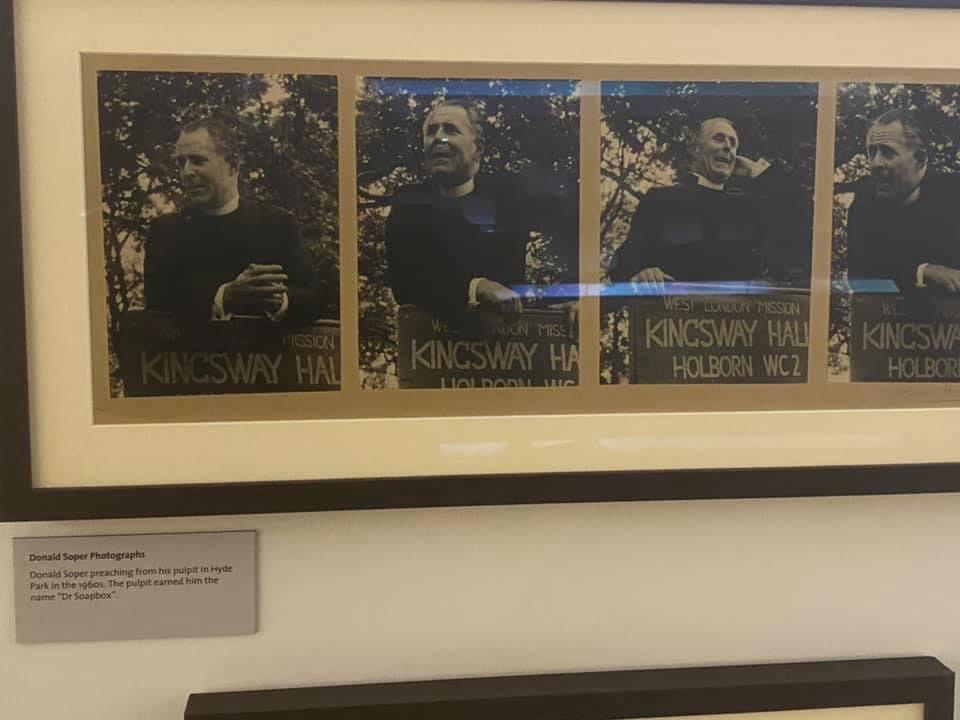
Lord Soper
A fascinating museum where it is good to be reminded of Lord Soper who would preach in the 1960’s from his ‘Soapbox’ on Hyde Park Corner. But today the Chapel was full of the sounds of music.
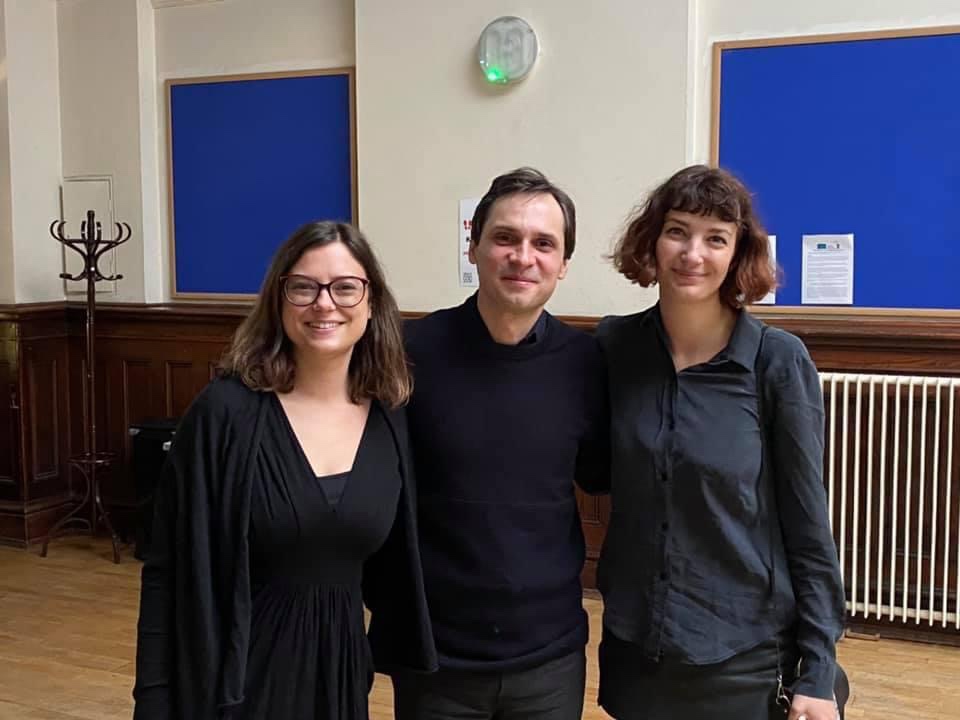
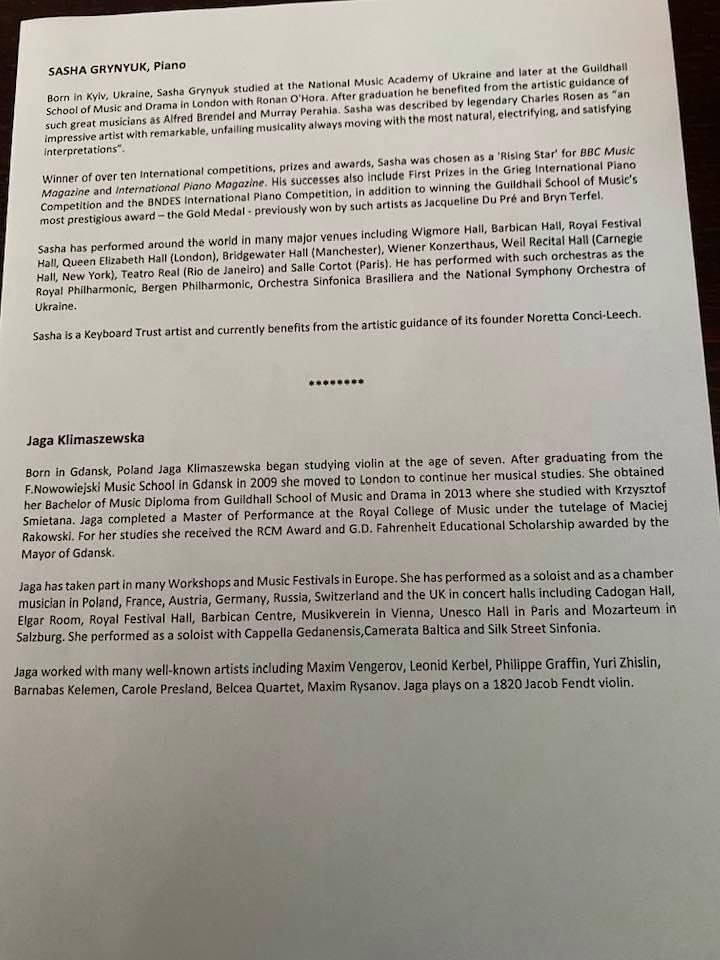
Sasha Grynyuk – Jaga Klimaszewska
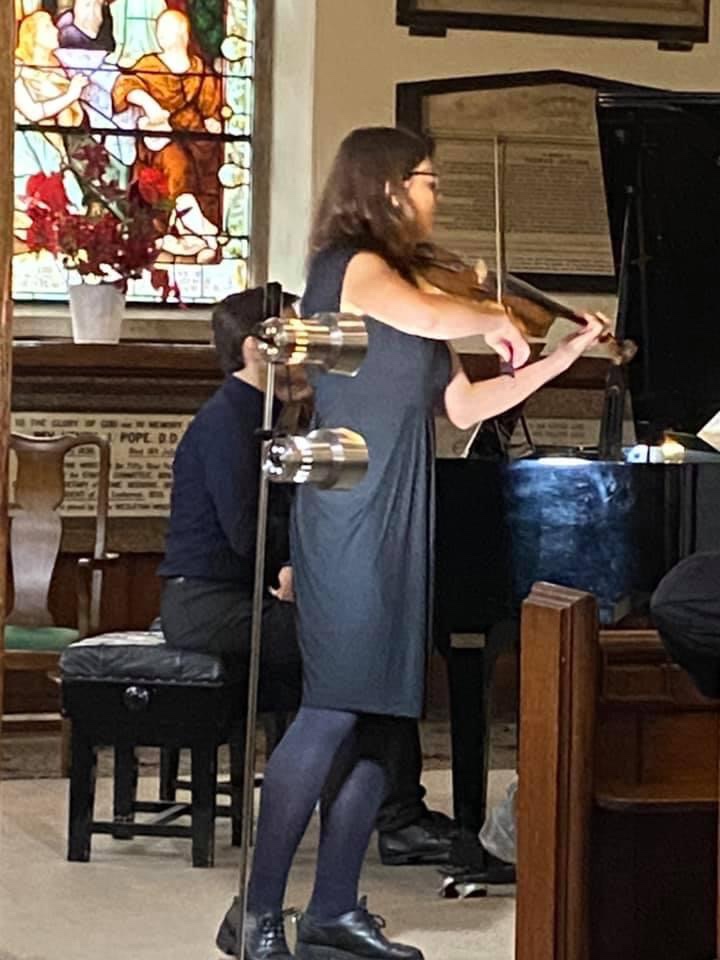
The early Sonata op 23 in A minor for violin and piano is one of just two in a minor key (the seventh in C minor is the other) Its relentless first movement in 6/8 is unusual for an opening movement of a sonata, as is the tempo marking of presto.It was played with dynamic energy and dramatic contrast.The playful second movement is neither a slow movement nor a scherzo, but combines aspects of both and was played with great charm in a dialogue between piano and violin of great character.The rondo finale returns to the driving momentum of the opening movement, its urgent main theme, always initiated by the piano, returning frequently and unvaried while in between episodes of almost Schubertian melodic outpouring but with the irascible Beethoven to the fore.
Some superb duo playing between two fine musicians who are listening and responding so attentively to each other. I would have been very interested to hear the announced sonata op 112!However it was in fact Beethoven’s last word on the sonata with n.32 in C minor op 111 (sic).
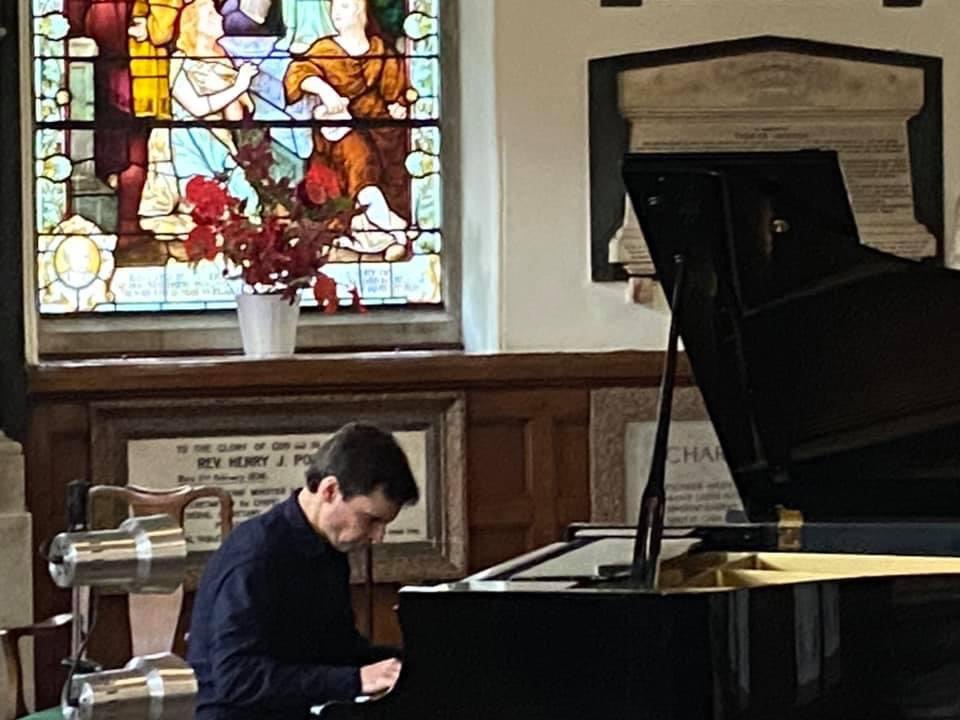
A performance that I had heard from Sasha the other day in the marathon of the 32 Sonatas played in two days by 32 pianists. Sasha was the last to play as they were given in chronological order which made for a fascinating survey of the entire span of Beethoven’s creativity from his youth to his old age. Just as today we could appreciate the freshness and inventiveness of the Sonata op 23 which is the twin of the better know ‘Spring’ Sonata op 24 together with the noble solidity of the Sonata for solo piano op 111. It was played even more solidly today than before as Sasha found a never wavering tempo that was the rock on which this monument was built.
Old and new living happily side by side
An Allegro con brio ed appassionato that had such a constant pulse that it seemed faster than it actually was.Often played at breakneck speed here there was the impression of water boiling at 100 degrees but in fact there was time for all the subtle details to be incorporated into the overall architectural design.The bass octaves are usually played with great vehemence but here they were incorporated into the body of sound with a weight and aristocratic nobility.It was a pity that he tried to fit the two fiortiori into a determined space instead of giving them the freedom they had a right to.But it was a performance of extraordinary weight and nobility the same that he brought to the Arietta -adagio molto ,semplice e cantabile.
The museum in the crypt
Played with an inevitability as each variation grew out of the previous and even the treacherous third variation was played with the same unrelenting rhythmic undercurrent – not the usual helter shelter explosion but a consequence of what came before and what was to come after.Even the trills were given such weight and meaning where everything sang with such poignant meaning as Beethoven finally reaches his goal with the truly celestial sounds that he could only imagine in his private ear. It was a remarkable performance for its mature musicianship and superb technical control not to say passion and colour that was from within not just on the surface.
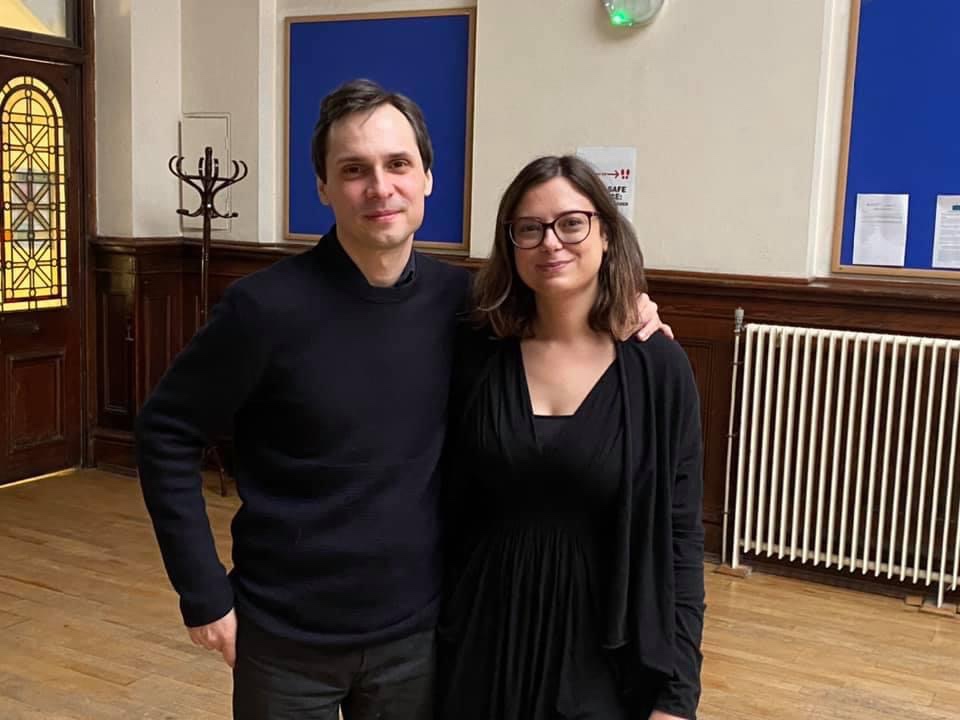
Jaga- Sasha – and page Turner friend for the violin and piano sonata John Wesley
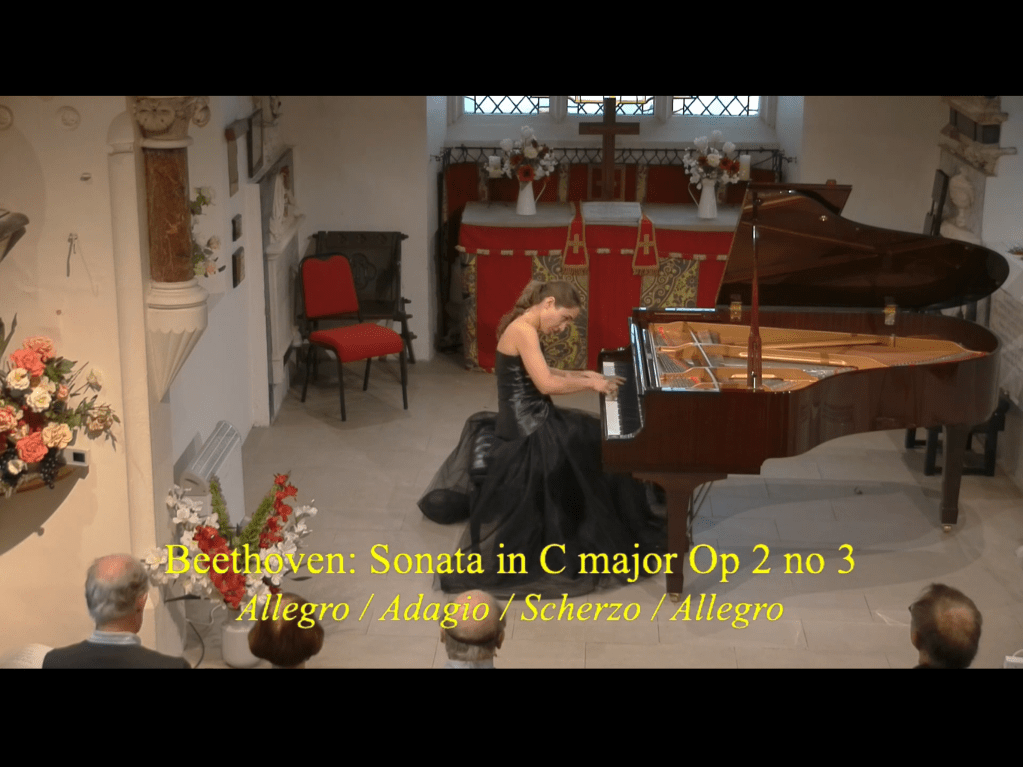
Beethoven: Piano Sonata in C Op 2 no 3 Allegro / Adagio / Scherzo / Allegro
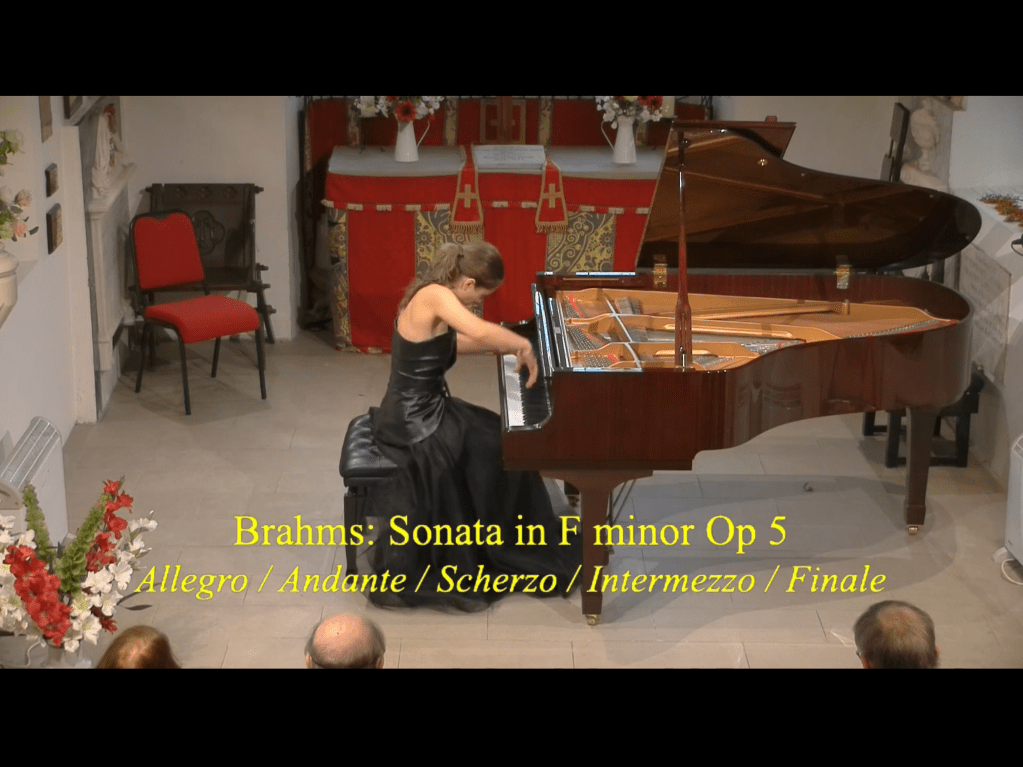
Brahms: Piano sonata in F minor Op 5 Allegro / Andante / Scherzo / Intermezzo / Finale
A wonderful recital by a superb pianist and a delightful human being, as well ! Here is the HD link https://youtu.be/J1_eyTS8Ggw
From the lightness and driving rhythms of young Beethoven in op 2 n.3 to the monumental passion and sheer orchestral texture of the Brahms F minor sonata.This was playing of masterly musicianship with an orchestra at her fingertips but the music always anchored from the bass that allowed her such freedom without ever loosing the architectural shape of these two monumental sonatas. There was a lightness to the opening of the Beethoven and a sense of contrasts but also ravishing charm and shape.An Adagio full of mystery and fantasy of a disarming simplicity as the bass conversed so eloquently with the treble as the untroubled waters gently accompanied .A featherlight scherzo of great precision with washes of colour over a mellifluous bass in the trio.There was lightness and sheer joy in the Allegro assai last movement.
A monumental performance of the Brahms F minor in which it was the seemingly short Intermezzo that was so memorable for the innocence mixed with menace and the ravishing washes of colour – it was an absolute jewel of transcendental control and being able to say so much with so little. The subdued opening of the Andante had made the ravishing colours in the poco più lento even more astonishing.It was like a great improvisation as she found such ravishing beauty joining the episodes together like a voyage of discovery until she finally arrived at the breathtaking beauty of the Andante molto espressivo.The spread chords at the end were played with ravishing colour suddenly igniting into the Scherzo of scintillating energy and forward movement. It was wonderful to watch from the opening movement how she moved like a hawk over the keys as she brought great rhythmic control to the monumental opening statement.
I was not immediately convinced of her change of tempo for the more lyrical passages but her overall architectural understanding made me aware that this was a momentary relaxation of tension that she made so convincing as a whole .The last movement too was played with lightness and ravishing contrasts .Her staccato and legato playing produced colours of ravishing beauty and the choral melody was played in a very subdued manner as it built to a tumultuous climax that was indeed breathtaking.The final più mosso far from sounding like the usual Irish gig was given a performance of orchestral texture on which the great choral melody emerged as the excitement accelerated to the explosion of the massive full sound that she found for the final great climax of this monumental work.
The Intermezzo in A major op 118 was played with half lights of searing intensity and beauty that only a great artist could know how to share such intimate feelings in public.
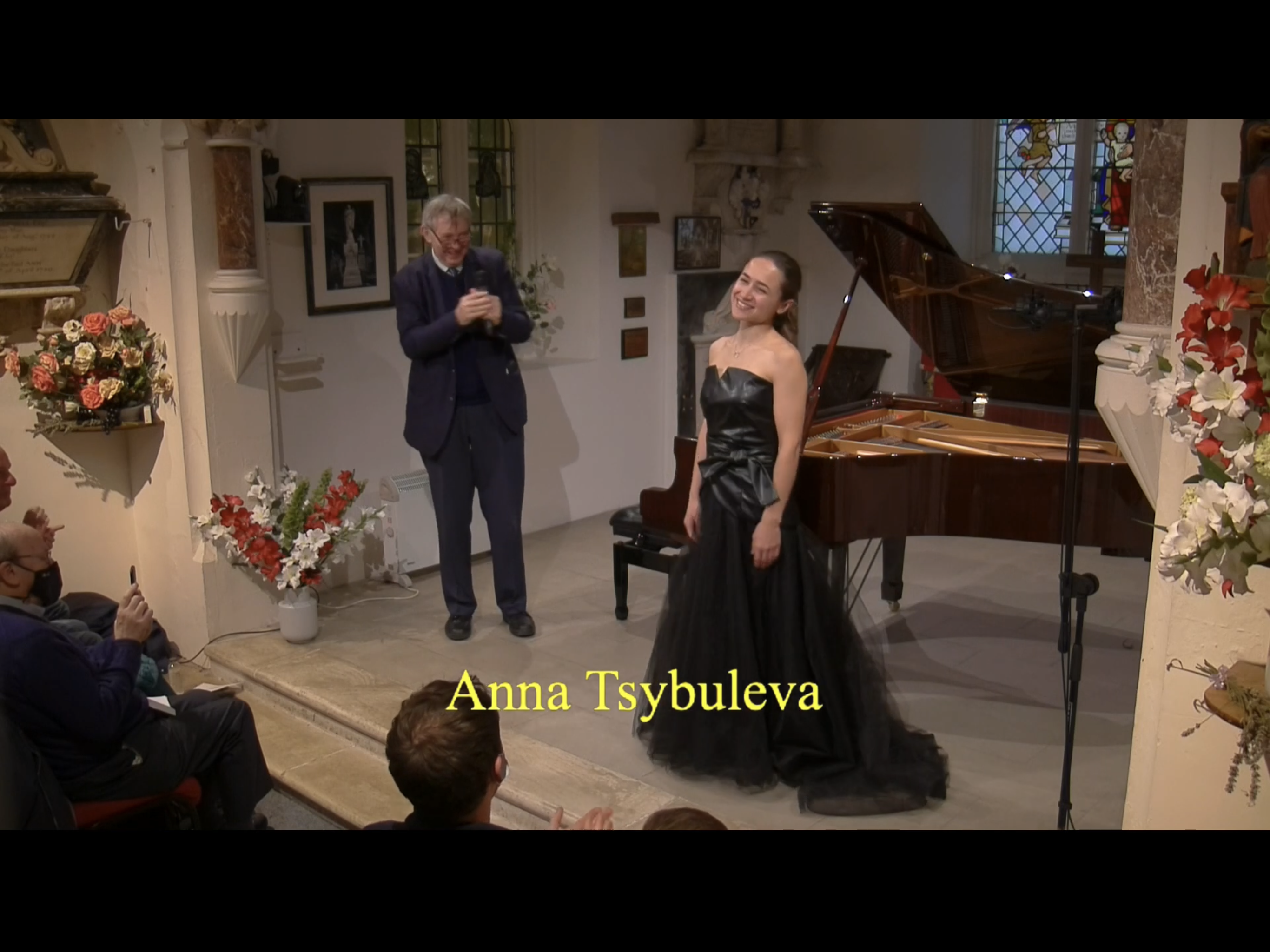
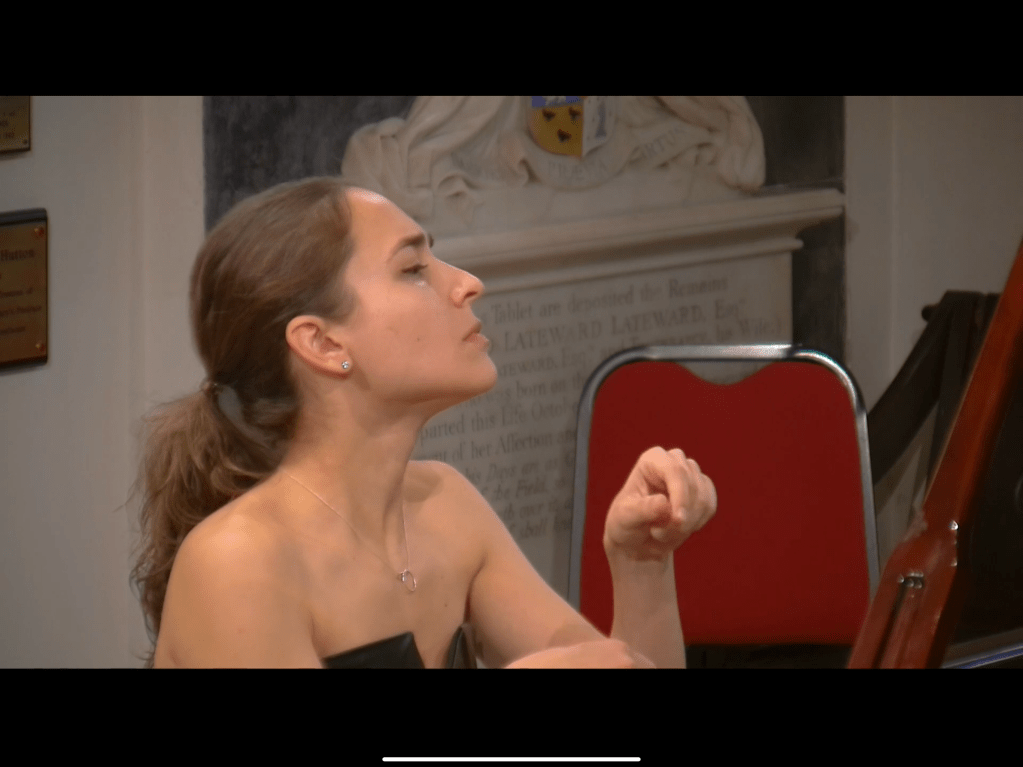
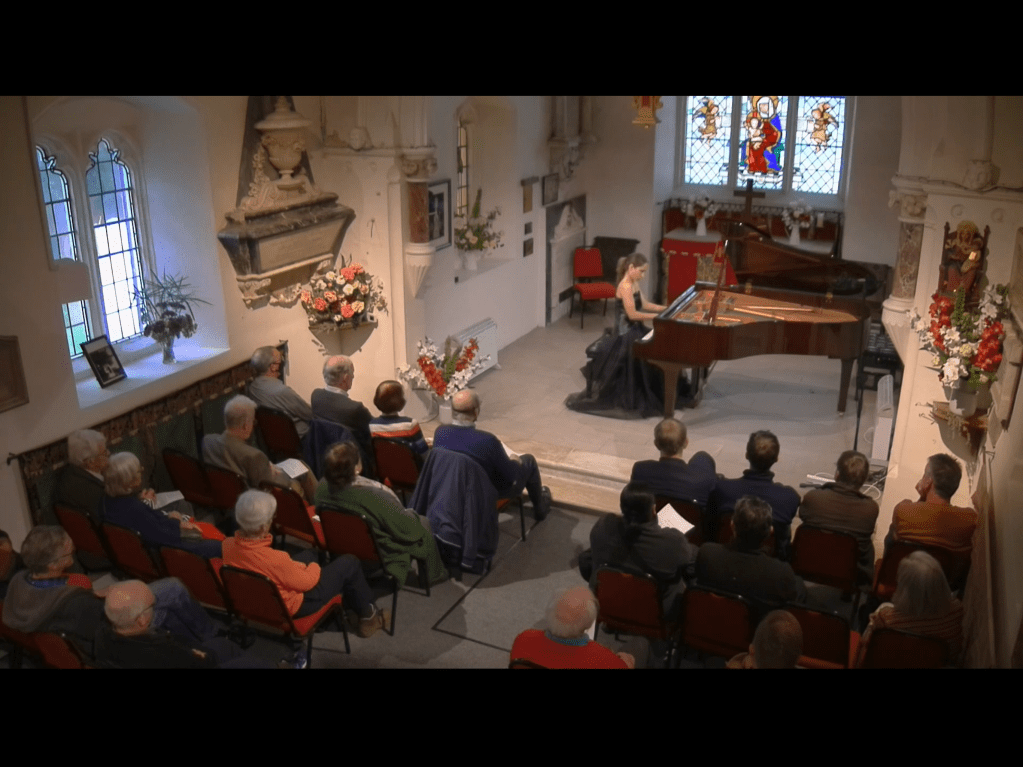
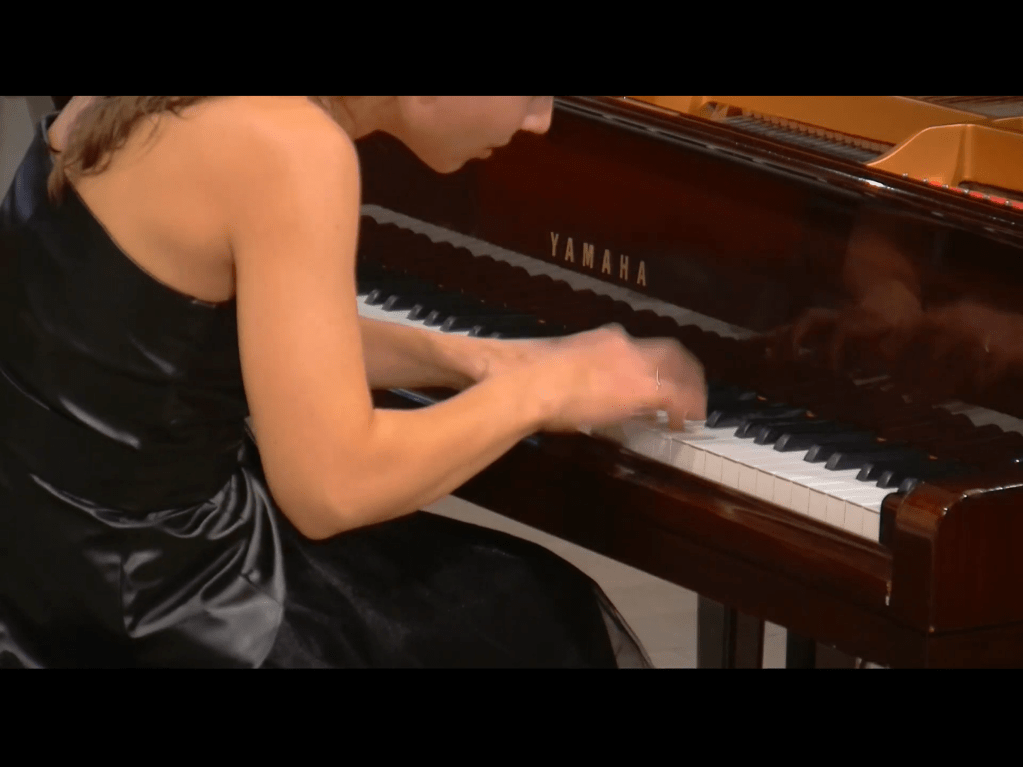
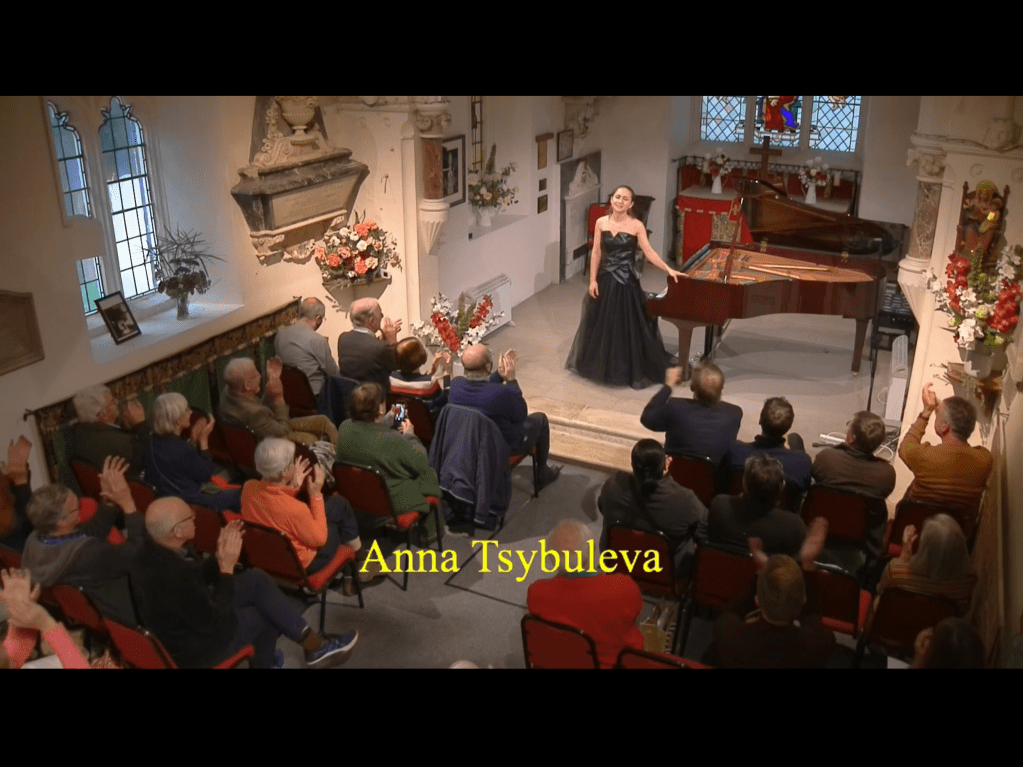
Anna Tsybuleva shot into the international spotlight in 2015 when she won First Prize in the Leeds International Piano Competition. She received wide critical acclaim for her winning performance, and was described as “A pianist of rare gifts: not since Murray Perahia’s triumph in 1972 has Leeds had a winner of this musical poise and calibre” (International Piano Magazine). She took her first piano lessons with her mother at the age of 6, before attending the Shostakovich Music School in Volgodonsk aged 9. From age 13, she continued her studies at the Moscow Central Music School and the Moscow State Tchaikovsky Conservatoire, when she won the Grand Prix of the International Gilels Piano Competition(2013), and top prizes from the Hamamatsu International Piano Competition (2012) and Takamatsu International Piano Competition (2014). After graduating from Moscow in 2014 with the coveted award for ‘Best Student’, she studied at the Hochschule für Musik Basel. She has since combined her international career with post-graduate studies at the Moscow State Tchaikovsky Conservatoire. Her debut recital in 2017 recording received universal praise, and she has recently recorded the Brahms concerto, and will record a Chopin recital. She has given recitals in many of the most prestigious venues throughout the world, and is fast emerging as one of the finest pianists of her generation. She is proud to be a part of the Yamaha Artist family, and grateful to Yamaha for their kindness and support
The winner of several important competitions, including the Franz Liszt International Piano Competition in Budapest in 2011, and the similarly named International Franz Liszt Piano Competition in Utrecht in 2017, the British pianist now enjoys a high-ranking career in the world’s major concert halls.
Joseph Haydn (1732-1809). Piano Sonata in G HXVI/40 Allegretto innocente – Presto
Ludwig van Beethoven (1770-1827). Piano Sonata No. 21 in C Op. 53 ‘Waldstein Allegro con brio-Introduzione Adagio molto -Rondo Allegretto moderato -Prestissimo
INTERVAL
Franz Liszt (1811-1886)
Nuages gris S199
Piano Sonata in B minor S178
After a truly epic performance of the Liszt Sonata peace reigned as he remembered his teacher Leon Fleischer,who had been in the front row for his London debut many years ago,bringing this extraordinary recital to a sublime close. It was a magical performance of ‘Sleep may safely graze’ dedicated to his teacher at Curtis Institute who passed away last year.
He is the only British pianist to have won the two major International Liszt competitions in Budapest and in Utrecht. It was fitting that he should ignite the Wigmore public with a performance of the B minor Sonata of passion,seduction and drama. It brought the audience spontaneously to its feet as the aching minutes of silence that greeted the final three chords left us breathless and astonished by the drama that we had witnessed in the hands of this thirty year old virtuoso.
A spontaneous standing ovation after his monumental Liszt Sonata
There had been ferment too with a performance of the Waldstein Sonata of relentless driving energy. From the first to the last note it was given the same almost animal frenzy that I remember from Serkin. This,after all,is the ferment that was to explode in the Appassionata before disintegrating in the Hammerklavier and Beethoven coming to peace with the world in op 110 before finding paradise with the final ethereal sounds of the Arietta of op 111. A seemingly ‘innocente’ Haydn sonata in G Hob XV1/40 was not at all innocent as a whole world of opera opened up with characters coming and going on stage in a performance of such character that the Presto finale seemed to be straight from an Opera Buffo.
William Fong director of the Purcell school where Alex received his early training
There was a careful setting of the scene too with Liszt’s visionary Nuages Gris for the menacing opening of the Liszt Sonata that was restored to its true place as the pinnacle of the Romantic repertoire. The peace that Liszt finds with a coda of such aching significance was followed by a similar piece to Nuages Gris from the timeless world of Arvo Paart. In fact it was with supreme intelligence that the programme had a true architectural sense from the curtain rising to the sublime closing with Bach. There was fun too with a ‘Minute’ waltz of such grace and subtle charm that I could swear clocked in at only 55 seconds!
Peter and Annie Frankl the legendary pianist who had been on the jury of the Liszt competition when Alex won – at 86 he had come especially to be present at such an important occasion
The opening of the Waldstein was a mere menacing vibration leading to the luminosity of the mellifluous second subject.No slowing down as he followed scrupulously Beethoven’s indications as you would expect from a disciple of Leon Fleischer.The animal stamping of chords brought the exposition to fever pitch before a development with startling washes of colour,the motor started up again bit by bit as we were literally caterpulted into the recapitulation .There were startling contrast of dynamics with sudden outbursts and the opening theme suddenly appearing in the left hand with swirls of notes above. The slow movement Beethoven marked as an introduction to the Rondo having consigned his original thoughts to his now independent Andante Favori.
with friend and colleague from the Purcell School the distinguished pianist Petr Limonov
Adagio molto was exactly that, in this young musicians hands.It was played with a completely different colour from the Allegro con brio of the first movement with the interruption of baritone melody entering the scene and drifting like an echo across the keyboard. Gradually arriving to the magical ‘G’ that rings out heralding the Rondo last movement bursting into melody on a waft of subdued sounds that Beethoven shrouds in mysterious clouds of pedal.
Laura Capano the distinguished violinist
Episodes of ever more virtuosistic passages disintegrating to the calm of long held chords played with ravishing pianissimi before the gong of ‘C’ is struck and the pace quickens to Prestissimo. Played with startling virtuosity and drive but with exemplary colour and a velocity that even allowed him to play the glissandi scales without having to lick his fingers like Serkin.Even in this helter skekter turmoil there was the sublime beauty of the trill of vibrating sounds on which the rondo appears for a last time like a music box before the final desperate explosion of chords
Giselle Paschall discussing his Beethoven after the concert
The mighty Liszt Sonata was give a young man’s performance in which the total commitment and his self identification touched the audience in an extraordinary way. An all or nothing performance of heroic proportions. It certainly was not the ‘blind noise’ that Clara Schumann described when she received the manuscript of the Sonata with the dedication from Liszt to her already infirmed husband. It was full of wondrous sounds and theatrical gestures.Reaching sublime heights in the Andante Sostenuto that after the magic of the ‘dolcissimo con intimo sentimento’ blazing naked passion was allowed full reign before dissolving to a mere whisper and the return of the opening menacing dark scales. A fugato of breathtaking speed was played with a clarity as its relentless rhythmic urgency erupted into the recapitulation. There was amazing technical prowess in the octave passages but also scintillating streams of gold with scales that shone like jewels as they accompanied the cantando espressivo of Liszt’s ‘Margherita’ theme.Sir John Barbirolli defended Jaqueline du Pré’s unbridled passion saying ‘but if you do not play with passion when you are young ,what do you pare off in old age?’ Indeed it was the same passion that we heard today but we should not forget that Liszt was also editor of the Beethoven sonatas.His genius knew exactly what he was doing when he wrote very meticulous indications in his own Sonata.Leslie Howard has edited the new Urtext edition of the Sonata and I am sure this young artist will observe them carefully as he lives with this masterpiece during the long International career that is fast opening up for him.We await his recording of the Sonata together with the two concerti that is for imminent release following the five star reviews he has received for his sumptuous recording of Russian Ballet Music.
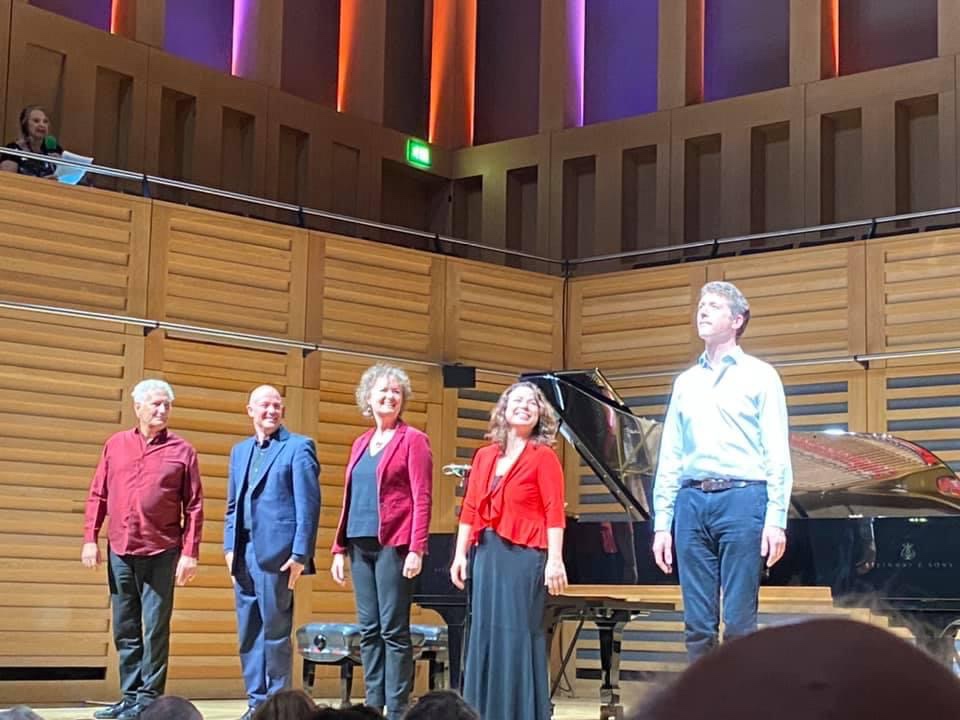
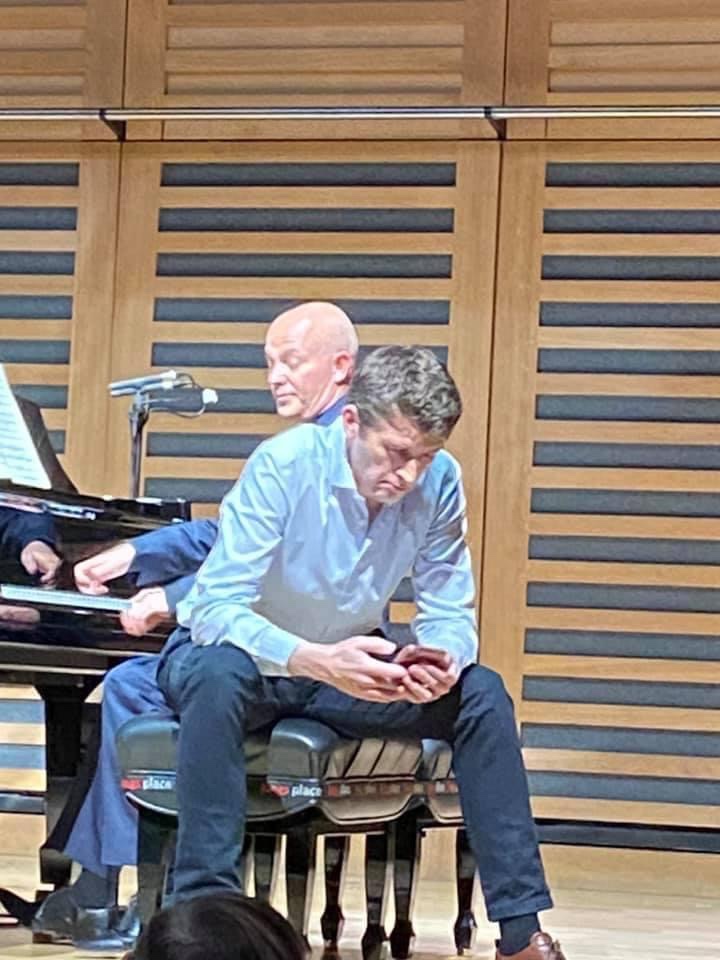
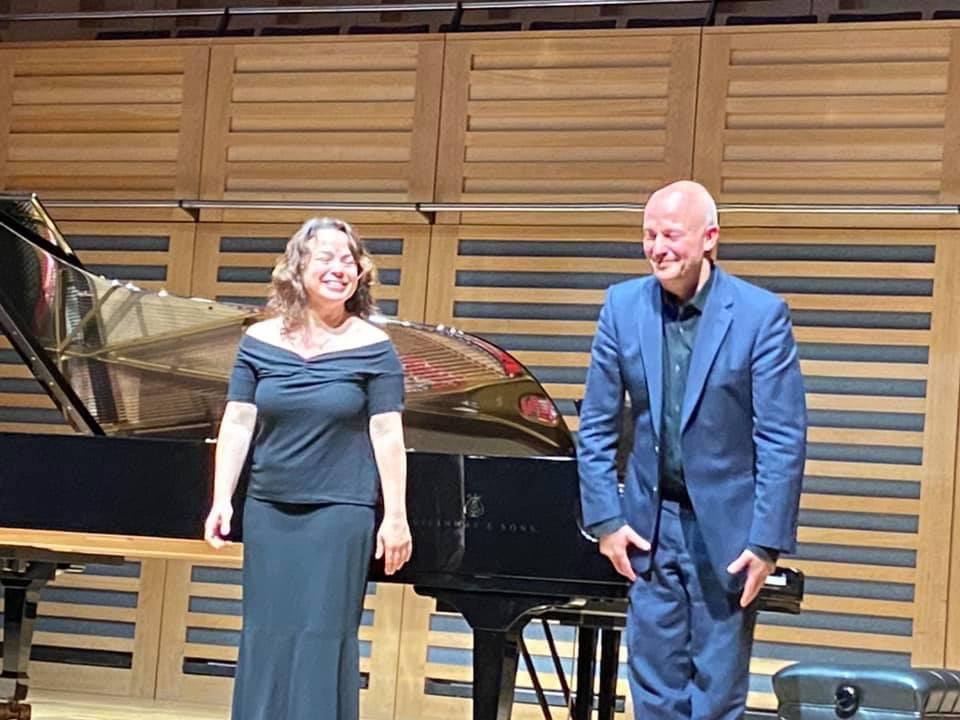
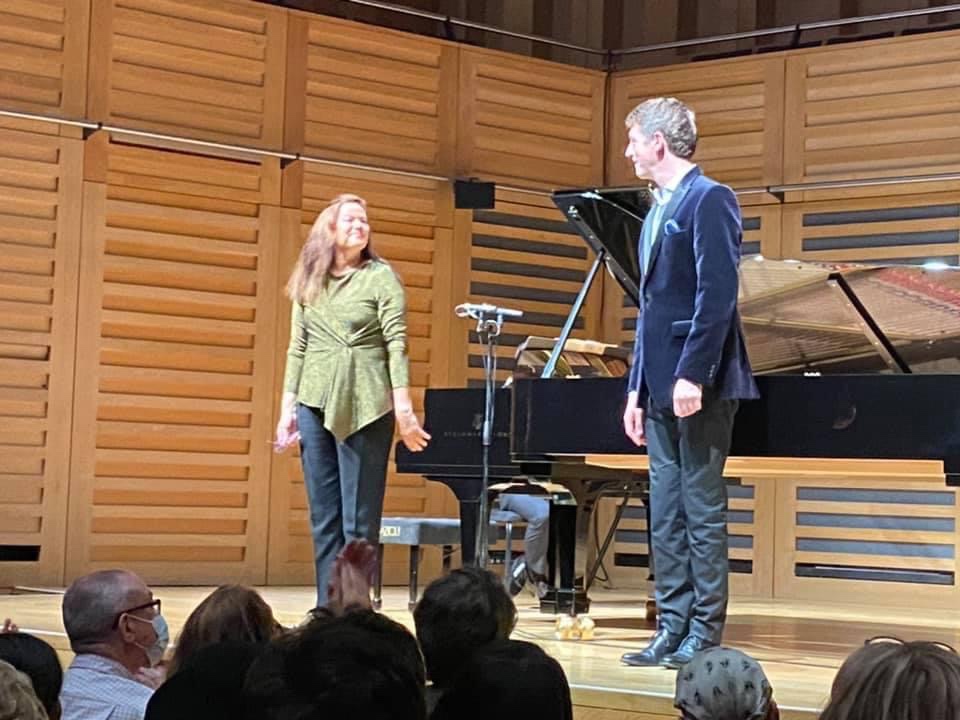
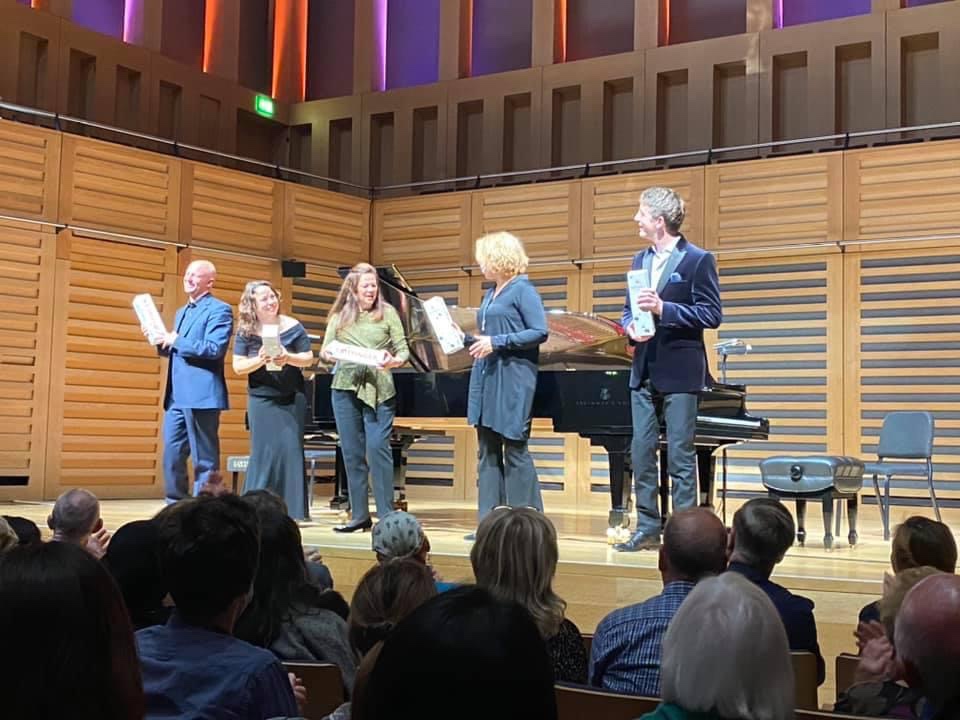
Charles Owen-Katya Apekisheva-Kathryn Stott Gabriela Montero-Finghin Collins
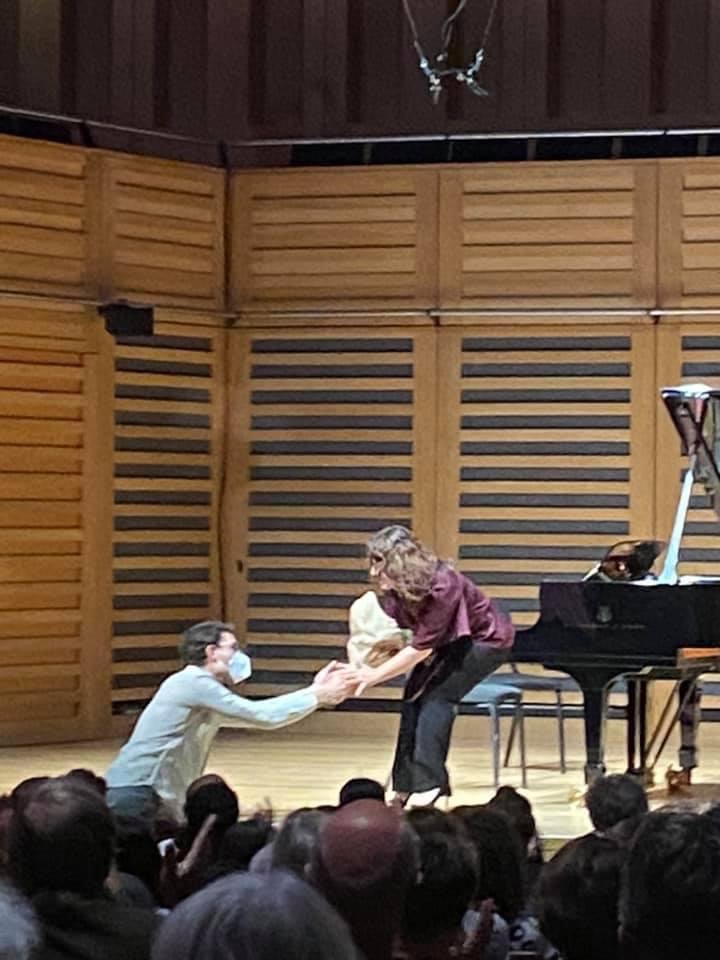
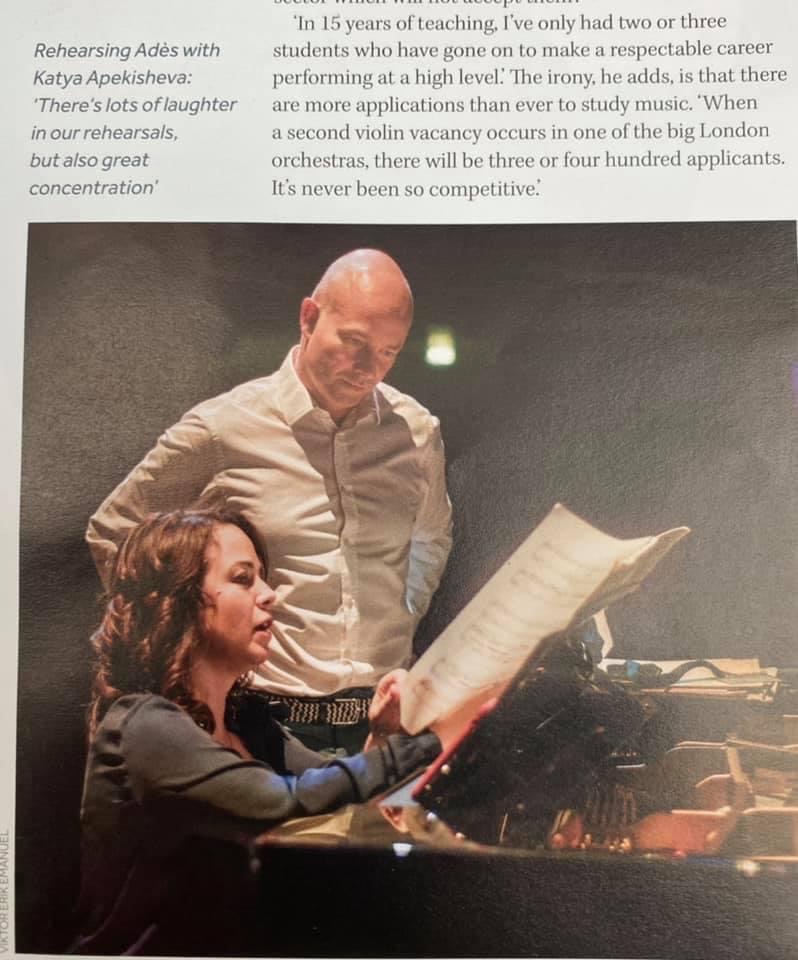
Playing of ravishing beauty of sublime wondrous sounds as the Gods were obviously hovering above Kings Place this afternoon for Katya Apekisheva’s recital of two of the masterpieces that Schubert bequeathed to the world in the last year of his short life.
Drei Klavierstucke D 946 and the Sonata in B flat D 960 were recreated before an audience bewitched by the golden streams of sound that I have not heard since Krystian Zimerman’s recital of Schubert at the Festival Hall a few years ago when he stood in at the last minute for that other unique Schubertian Mitsuko Uchida.
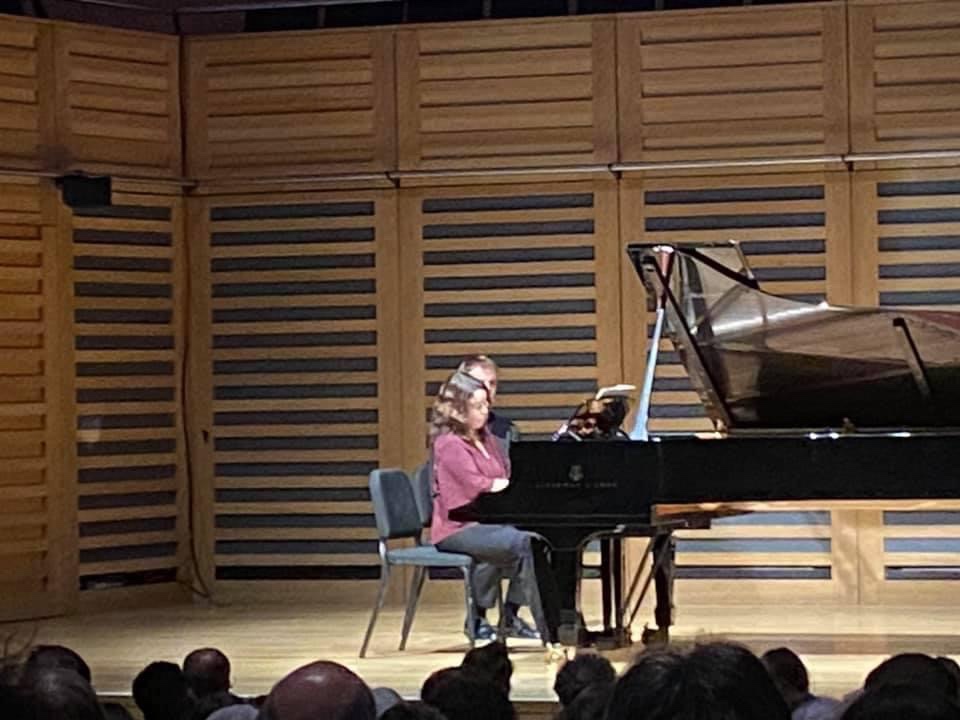
Katya Apekisheva recreating Schubert
Playing with the score less subtly than Zimerman one was not aware of anything except the continuous stream of sounds of rarified beauty.From the exquisite second Klavierstucke where beauty contrasted with subtle menace with such a simple outpouring of melody of a fluidity that belied the fact that a piano is a box of hammers and strings. She made it appear as if it was a celestial harp with never a harsh or abrupt sound. That does not mean that there were not contrasts or a great architectural line . Quite the contrary. Here there were whispered utterances of reverence and love as we were enveloped into a magic world where time seemed to stand still………..Schubert’s last sonata played as a gift from heaven with such ethereal sounds and ravishing beauty.From the very opening where she barely touched the keys and a bass trill that was a mere vibration that suddenly came alive and became the accompaniment of Schubert’s continuous outpouring of song.There was such grace and playfulness too.No repeat but a beautiful modulation and beseeching melodic line as play mingled with song.An Andante Sostenuto of poignant beauty and stillness and an outpouring of streams of golden sounds.A Scherzo of ethereal lightness as it duetted so magically between the bass and tenor like puffs of smoke that arose and disappeared as it led to the menace of the trio.Played like things that go bump in the night which almost got out of hand with a final more than menacing last note!The resonance of the gong that heralds the last movement was played with such a glowing varied sound each time it interrupted the flow.There was a superb control of sound as one layer replied to another until Schubert’s insatiable melodic invention takes wing with a shimmering sense of legato.Full orchestral sound in the central episode never forsook the Philadelphian velvet texture that enveloped and bewitched us as we were drawn into this wondrous world that Schubert was just a stone’s throw from inhabiting forever.On wings of song as never before!A glimpse of paradise indeed.
Sally Beamish in conversation with Owen Mortimer
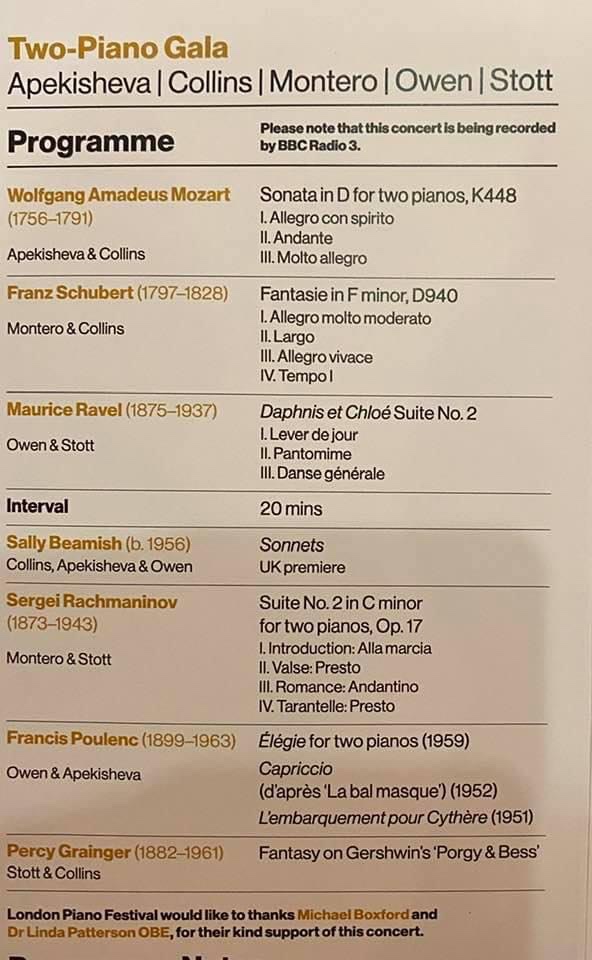
What fun we were having at Kings Place ……after sublime Schubert the fun of Sonnets by Sally Beamish delighted to describe her lockdown project for three pianists on two pianos chasing each other around the pianos in the final fugue.Well it does after all mean the chase of one voice answering another .
Sally Beamish
In conversation with Owen Mortimer,Editor of International Piano Magazine she oozed charm and delight at what a fun piece she had written thanks to the indication of her husband Peter Thomson,the playright and stage director.He had pointed out that Shakespeare’s Sonnets were also written in a period of lockdown – the Plague! Three pianists who have to act and run about the stage as they outline the story of Shakespeare’s love triangle as in Sonnets 19 and 129 re-enacted and vividly brought to life. The young man played by Finghin Collins and the dark lady of Katya Apekisheva and we will see what role is assigned to Charles Owen in this UK premiere.The world premiere was at the New Ross Festival in Ireland on the 25th September and the UK premiere today the 9th October at Kings Place.It was commissioned by the New Ross Piano Festival and the London Piano Festival.
More superb playing with the ever more exquisite phrasing of Katya Apekisheva combining with the elegance and charm of Finghin Collins to bring to life with joyous brilliance and streaming sunshine the Sonata in D for two pianos by Mozart.A musical conversation of delight and joy.There was a purity and such subtle phrasing from Katya replied by such elegance from Finghin who showed all his masterly musicianship with accompaniments of ravishing delicacy before contrasts ignited with such driving rhythms from just a masterly touch from the bass.An Andante of sublime beauty and Katya opened the molto allegro too with such beguiling charm that was matched by Finghins superb injection of rhythmic energy in a performance that was ravishing as it was exciting.No wonder Josepha Auernhammer was so enamoured with Mozart whom he unfortunately described as ‘ fat as a farm girl and her sweat makes you feel sick!’She did come from a wealthy family though that had just acquired a piano with a high F sharp that Mozart uses here for the only time generously giving it to Josepha on first piano.
Katya and Finghin play Mozart
Joining Finghin on stage was Gabriela Montero for a ravishing performance of Schubert’s F minor Fantasie. Very slow at the opening like the beginning of a wondrous tale that was about to unfold.And unfold it truly did with a voyage into a wonderland of emotions and multi coloured shades that was remarkable.The only work that Schubert dedicated to ‘Countess Caroline Esterhazy :An der ferne geliebte!’ as legend would have it.
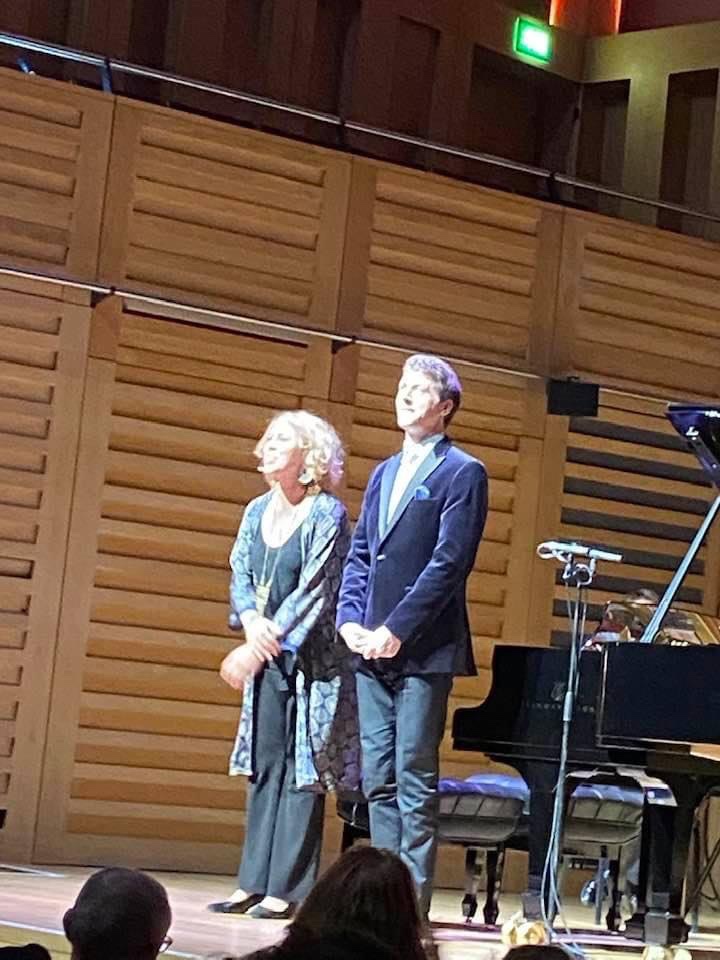
Gabriela Montero and Finghin CollinsCharles Owen and Kathryn Stott
Finghin,the great gentleman always,allowed Gabriela the pedal as she carved out the miraculous opening melody with such subtle sounds.Pure magic of trills that were just vibrations of sound passing from one partner to the other contrasting with majestic rhythmic chords.A featherlight scherzo and even more ethereal trio of mingled twine weaving it’s way with such delicacy and shape.A fugue of indecent passion was quite overwhelming and only subsided when Gabriela found the same sounds and sublime serenity of the opening at the end of this great tale.It was a performance where they played as one.There could be no greater compliment than that.
Just as Kathryn Stott and Charles Owen ravished and excited an audience thrilled and excited by such sounds and driving hypnotic energy in Ravel’s ‘choreographic symphony ‘ Daphnis and Chloe Suite n.2.in the two piano arrangement of Vyacheslav Gryaznov.
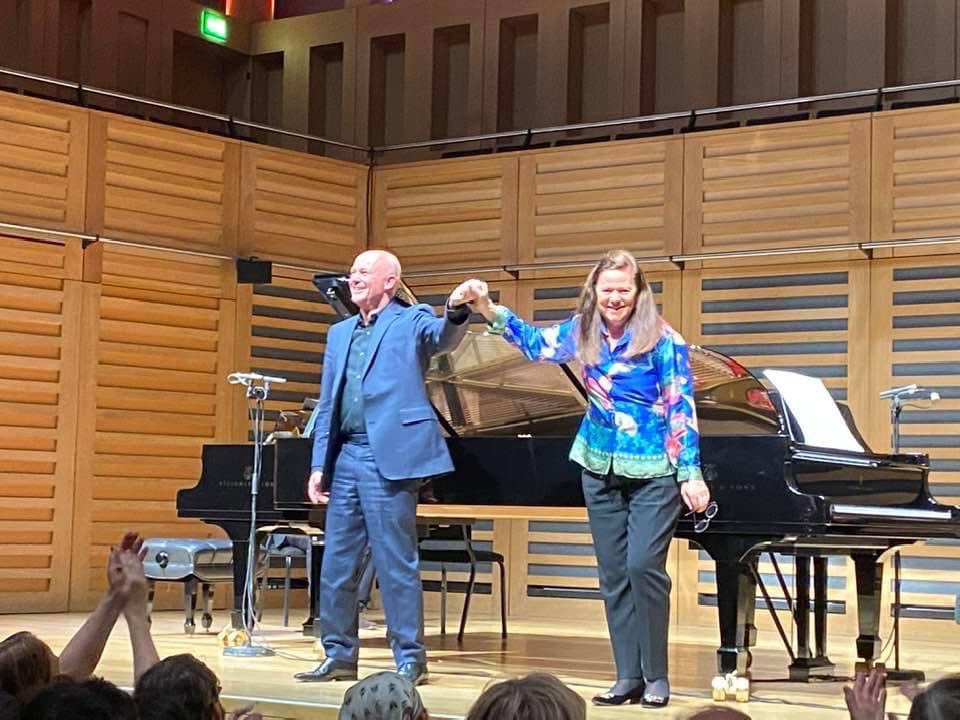
Peter Thomson-Charles Owen-Sally Beamish-Katya Apekisheva-Finghin Collins
Fun and games followed after the interval with Sally Beamishes witty parody on the presumed love triangle of Shakespeare as revealed to eagle and inquisitive eyes in his Sonnets numbers 19 and 129.’Shall I compare thee to a summer’s day………to shun the heaven that leads men to this hell’
Finghin acting the part of the young man with Charles Owen’s irritated Shakespeare
Finghin revealed all his natural Irish actors skills as he played the elusive young man of Shakespeare’s unwarranted attention.Charles Owen a suitably irritated Bard as Katya K’s dark lady stole the show.This is certainly the way to present a contemporary score with extraordinary versatility and not a little virtuosity.
Gabriela Montero – Kathryn Stott
Rachmaninov in Hollywood style with his Suite op 17 was given a heavyweight performance by Gabriela Montero and Kathryn Stott.Played with sumptuous sounds and startling virtuosity it just lacked a strong musical line in their pursuit to thrill and amaze instead of ravish and seduce.A relentless Alla marcia at breakneck speed was followed by the scintillating virtuosity of the Valse and the romantic meanderings of the Romance before the majesty and astonishing bravura of the Tarantelle.
Katya Apekisheva – Charles Owen
And seduction there was with three charming bon bons by Poulenc.The Elégie written ‘as if improvising with a cigar in your mouth and a glass of cognac on the table’.Capriccio from the finale of the dazzlingly surreal cantata La bal masque.The L’embarquement pour Cythère was played with wit and charm so typical of Le Boef sur le toit of Paris between the wars.Katya K and Charles Owen’s performances were a lesson in style and charm.
Kathryn Stott- Finghin Collins
Grainger’s Fantasy on Porgy and Bess was given a swashbuckling performance of great virtuosity and swing style but rather overstayed it’s welcome and could well have benefitted from the cutting room.An audience suitably thrilled by their dynamic performance but also worried about being stuck in a traffic jam on Broadway and missing their last buses home. However Finghin and Kathryn gave a remarkable performance and they and their companions were justly awarded a bottle of Tattinger each.
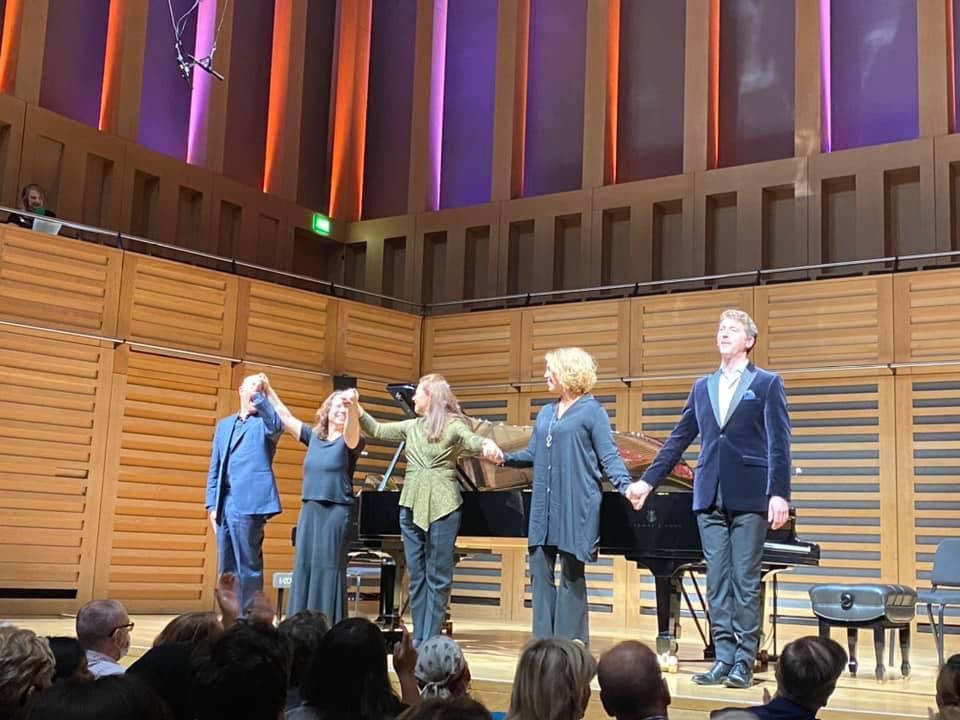
Charles Owen- Katya Apekisheva-Kathryn Stott Gabriela Montero-Finghin Collins
I hope they will wait until Charles Owen’s early morning foray with the Goldberg is over before celebrating a joyous weekend of music making together.