Categoria: Senza categoria
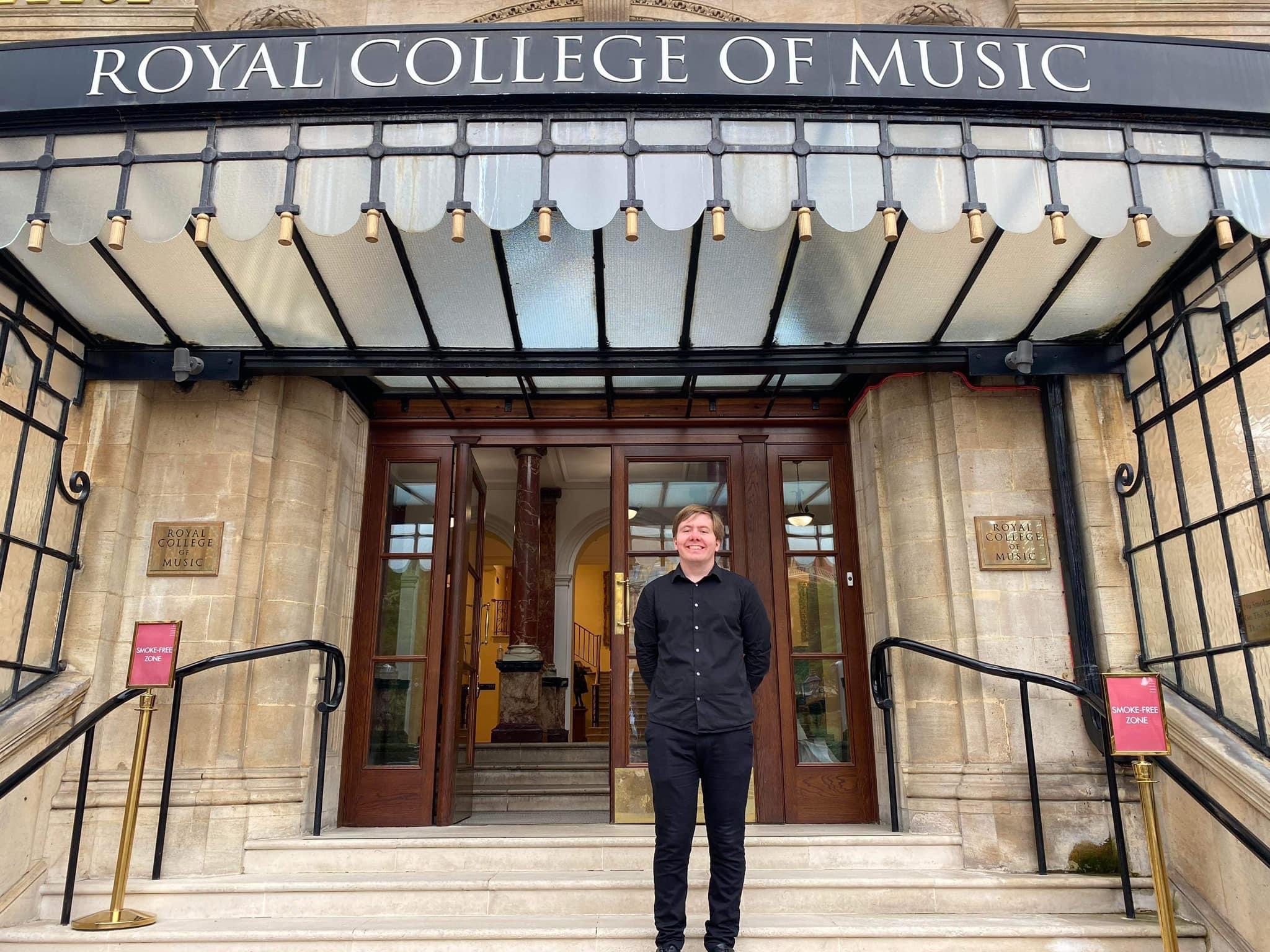
Thomas Kelly at the Royal College of Music A star shining brightly
Thomas Kelly takes Florence by storm Music al British
Great success for Thomas Kelly with his end of year Master’s recital that had been postponed from June because of illness .
A sumptuous performance of playing that is at last getting the recognition it deserves.
Beethoven’s Eroica Variations played with a relentless dynamic drive and a kaleidoscopic sense of colour.
If he just missed the grace and charm that Curzon could pinpoint so magnificently he certainly gave the variations a radiance and luminosity allied to a driving undercurrent of surging energy.
A fearless performance of great architectural shape where there were moments of sublime calm in between a storm that only a Serkin could have conjured up.
A Medtner Sonata op 38 played with such clarity and ravishing sounds.The opening so reminiscent of Schumann’s Humoreske but the return of this typically Russian nostalgic melody haunting us to the very end of a journey that had seen such marvels in the hands of a true master.
I have never been convinced by the work of Medtner who when I am asked who he is I can only reply:’Rachmaninov without the tunes!’
Today for the first time he was revealed as a master of colour,melody and architectural shape that kept me totally mesmerised.
The spell was soon broken with the savage attack that Thomas waged on us with the opening of Agosti’s Firebird.
I have heard Thomas play many times from that very first moment five years ago when he unexpectedly ran off with the Chissell Schumann prize.
It was the first occasion that this young student of the late Andrew Ball had emerged as a major talent to keep an eye on.
This today was a pianist of an authority and unique musical personality that had been noted in Leeds and in Hastings but has now matured into a major talent ready to take the world by storm.
The phenomenal challenges that Agosti placed before us mortals in 1928 with the transcription of Stravinsky’s Firebird were taken by the scruff of the neck and played with a fearless abandon where the melodic line emerged amidst a barrage of technical hurdles.
It was,though,the musical line and overall energy that took us by storm in this very resonant hall .
Perhaps for Beethoven it had been too resonant and could have done with a much sparser use of pedal but here in Stravinsky it created an orchestra of overwhelming power and sumptuous sound .Has the opening of the finale ever sounded more radiant and seductive or the ending more savage?
An extraordinary performance of a man possessed and on his way to the heights.
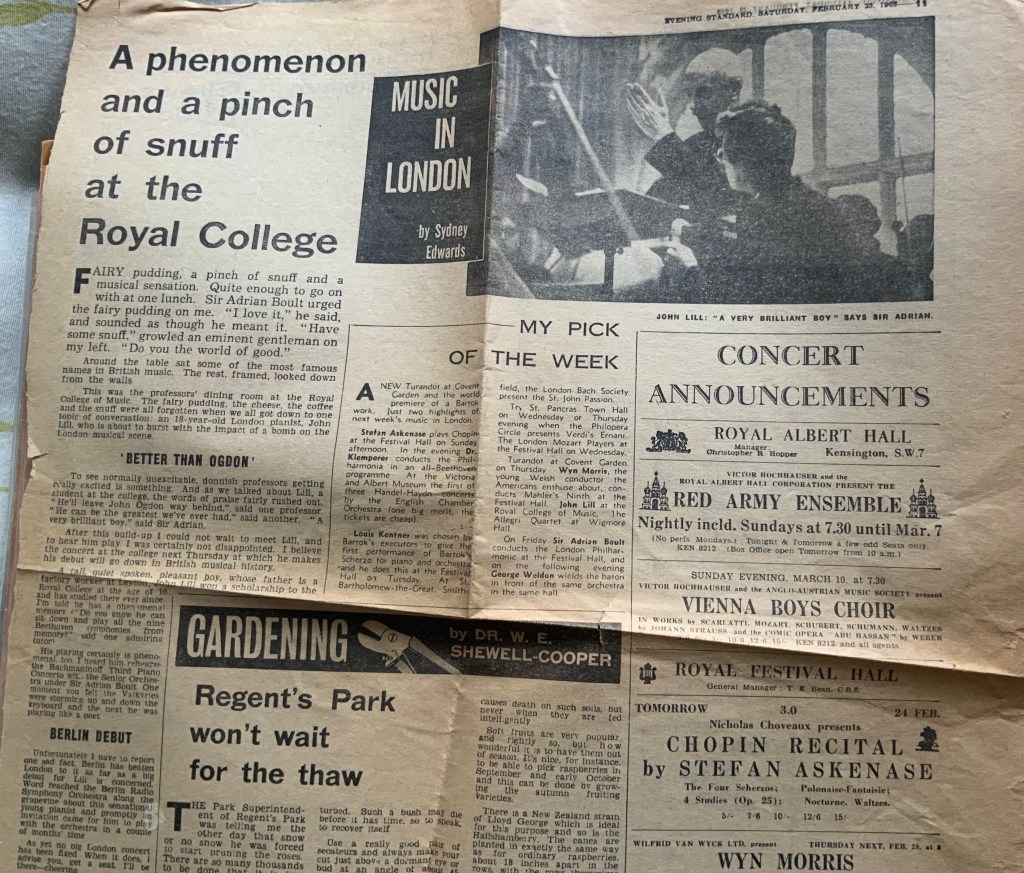
Now studying with Dmitri Alexeev and Vanessa Latarche he will bring the same recognition to the College as the 17 year old John Lill who I heard give a sensational performance of Rachmaninov Third Piano Concerto on this very stage over fifty years ago .


At the outbreak of the Second World War, Medtner’s income from German publishers disappeared, and during this hardship ill-health became an increasing problem.
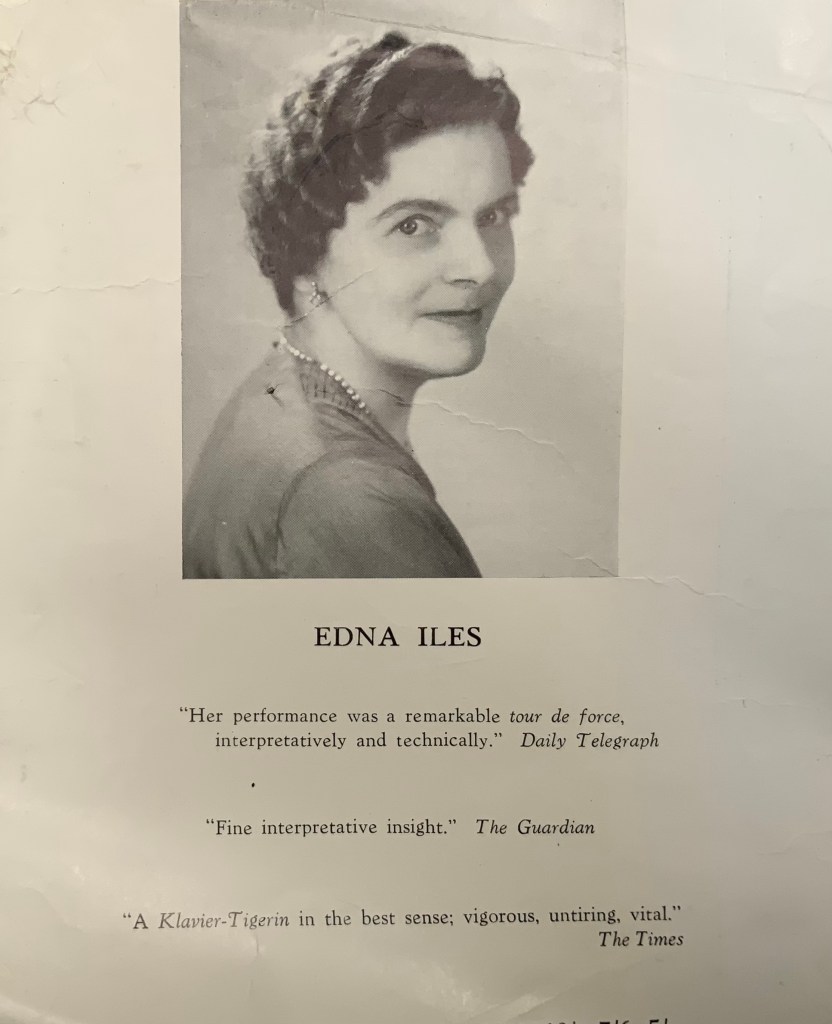
His devoted pupil Edna Iles gave him shelter in Warwickshire where he completed his Third Piano Concerto first performed in 1944 and in gratitude to his patron it is dedicated to the Maharajah of Mysore.
He died at his home in Golders Green in London on 13 November 1951,and is buried alongside his brother Emil in Hendon Cemetery.Anna died in 1965.

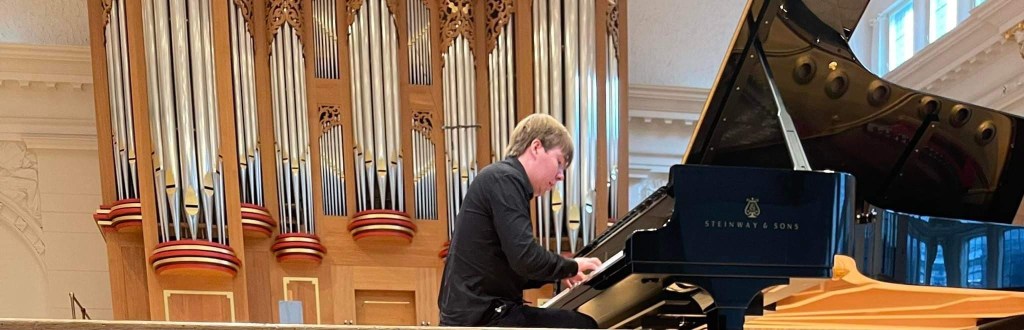
Relief comes in the Berceuse, which presents its own pianistic challenges, mainly those of finely sifting the overtones of vast chord structures surrounding the lonely tune singing out from the middle of the keyboard.
The wedding celebration depicted in the Finale presents Stravinsky’s trademark habit of cycling hypnotically round the pitches enclosed within the interval of a perfect 5th. Just such a melody, swaddled in hushed tremolos, opens this final movement. It is a major challenge for the pianist to imitate the shimmering timbre of the orchestra’s brightest instruments as this theme is given its apotheosis to end the suite in a blaze of sonority that extends across the entire range of the keyboard.
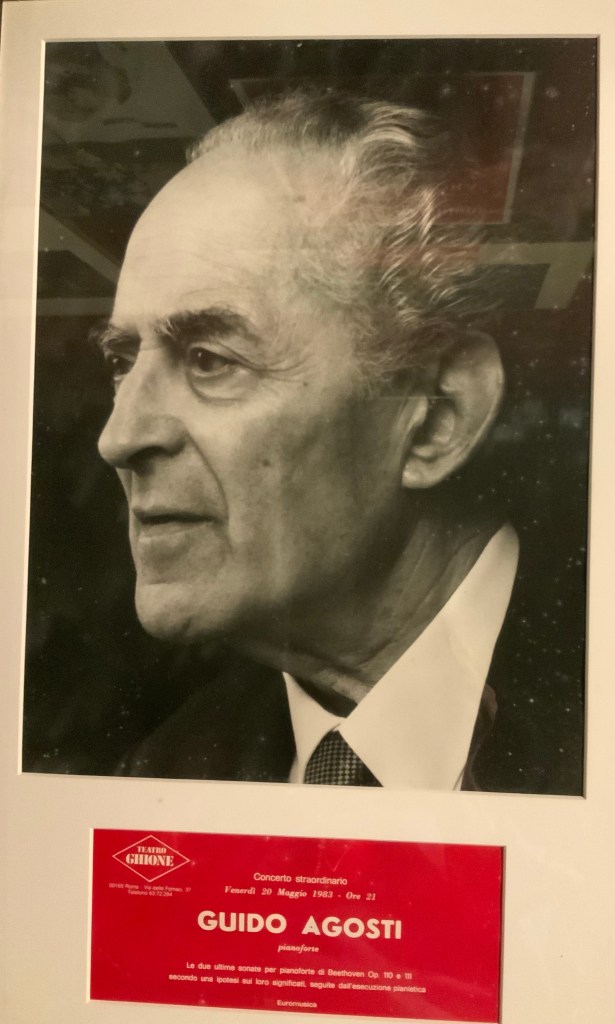
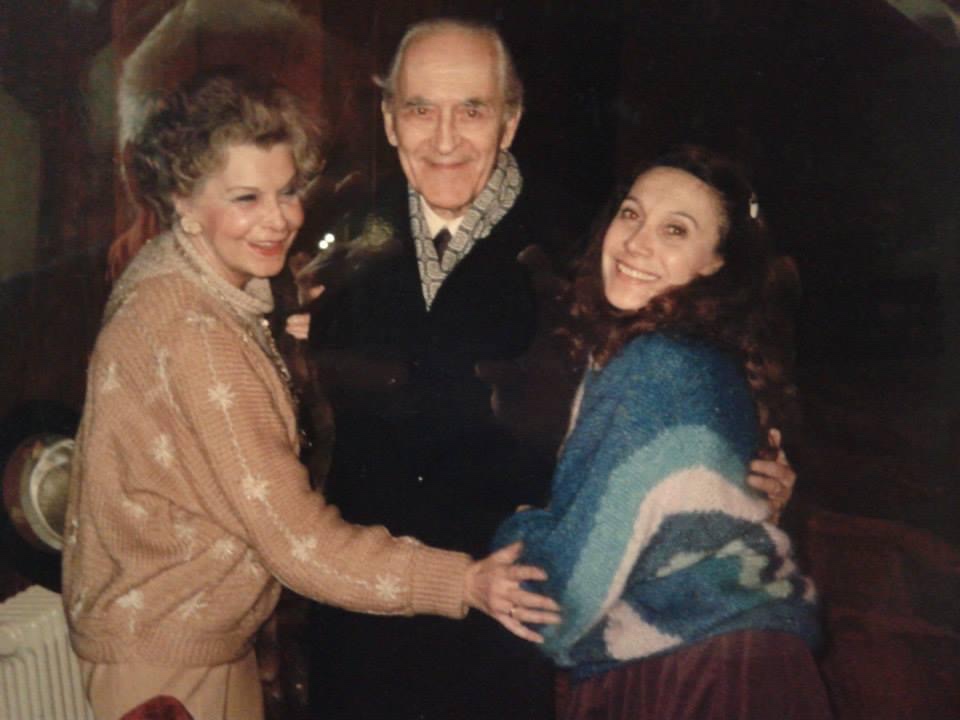
He and his wife were great friends who often stayed with us in Sabaudia …….Our wives would spend the day on the beach whilst the Maestro and I would play Beethoven quartets and symphonies all day long preparing an evening after dinner concert that we were expected to produce for our wives delight!
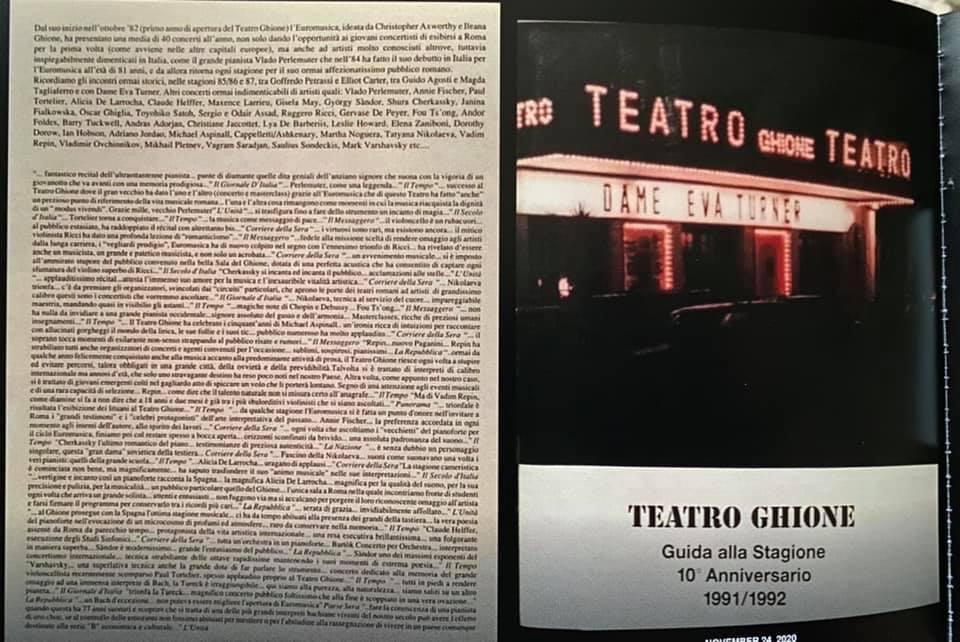

Thomas Kelly The Golden Age of piano playing shines brightly at St Mary’s

27/28 October RCM 7.30 Adrian Partington conductor
Misha Kaploukhii piano. RCM Concerto Competition Winner plays Liszt’s second and final piano concerto
RCM Symphony Orchestra and Chorus
Mark Biggins chorus director
Liszt Piano Concerto no 2 in A major S 125
Vaughan Williams A Sea Symphony
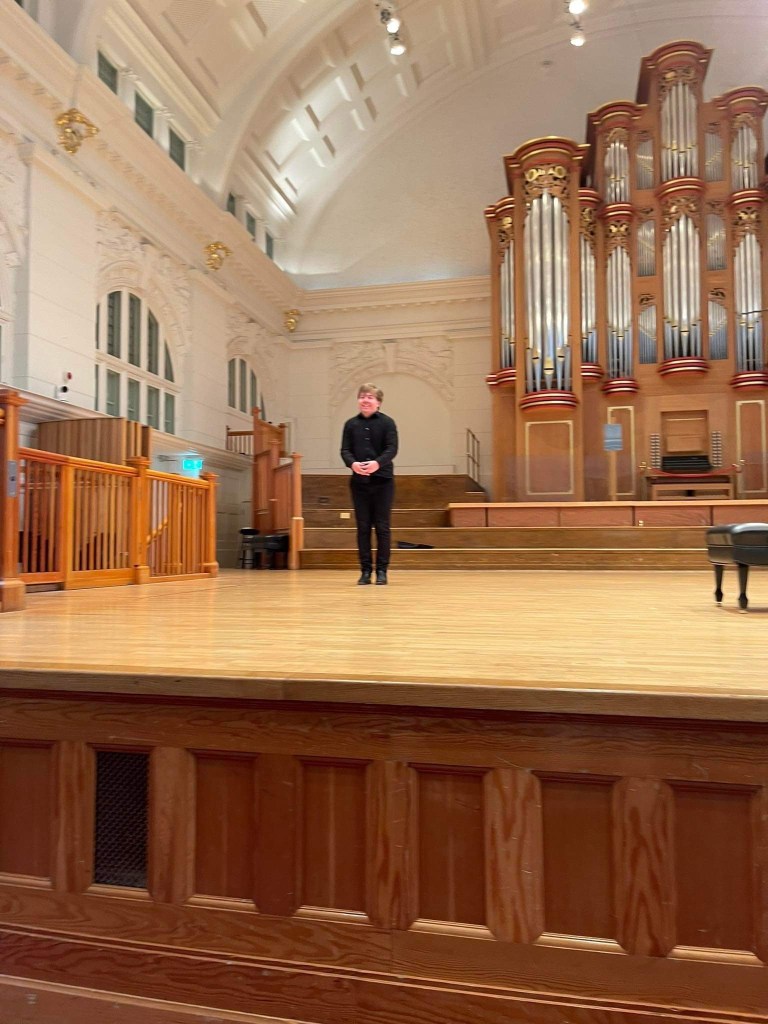
Thomas Kelly at Steinway Hall,London for the Keyboard Trust ‘New Artist’ series
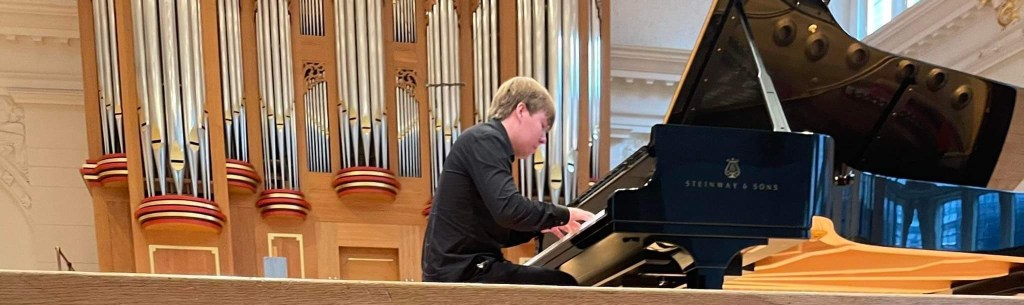
A recent five star review of the same performances a few weeks ago https://www.theguardian.com/music/2022/jul/23/proms-week-1-review-bbc-philharmonic-mena-lawrence-power-sinfonia-of-london-john-wilson-first-night-verdi-requiem-attila-royal-opera-speranza-scappucci-thomas-kelly-pianist-deal-festival?CMP=twt_a-music_b-gdnclassical&fbclid=Iw
13 th October RCM at 7.30 Amarylis Fleming Concert Hall
Sakari Oramo conductor
Thomas Kelly piano
RCM Symphony Orchestra
Beethoven Piano Concerto no 4 in G major op 58
Shostakovich Symphony no 10 in E minor op 93
Sakari Oramo, chief conductor of the BBC Symphony Orchestra, directs an unmissable programme of repertoire played by the RCM Symphony Orchestra.
Rising star and RCM pianist Thomas Kelly takes centre stage for Beethoven’s Piano Concerto no 4 – widely considered the pinnacle of piano concerto repertoire. To add to a number of accolades, Thomas won second prize at the Hastings International Piano Concerto Competition in March and was also a finalist at the 2021 Leeds International Piano Competition. Supported by Her Serene Highness Princess Heidi von Hohenzollern HonRCM
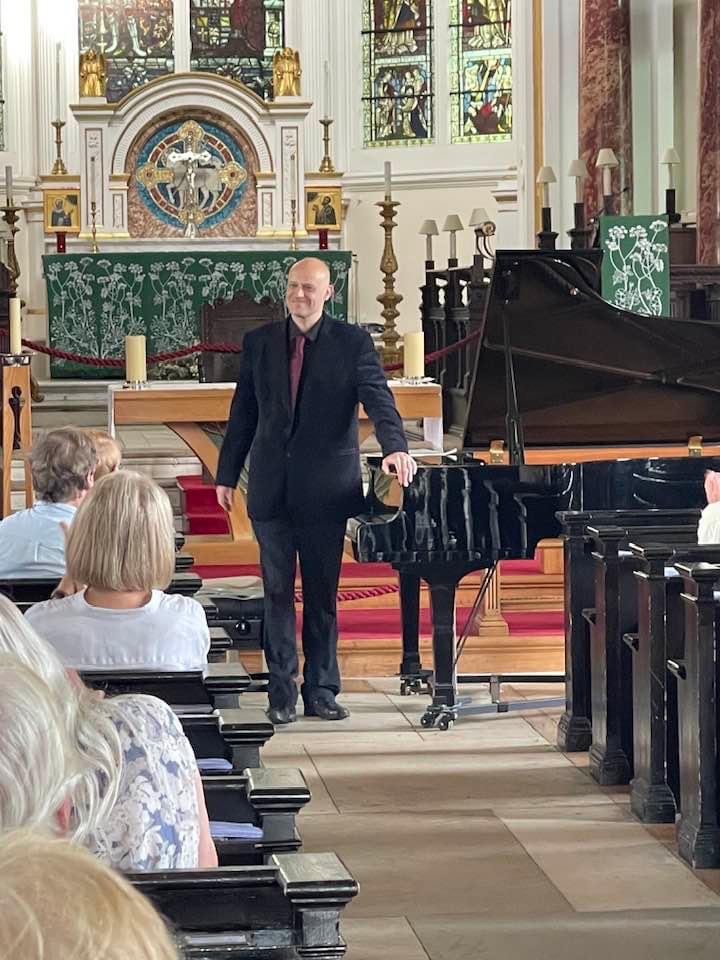
Viv McLean at St Anne’s Kew a lesson in classical authority and sensual colour
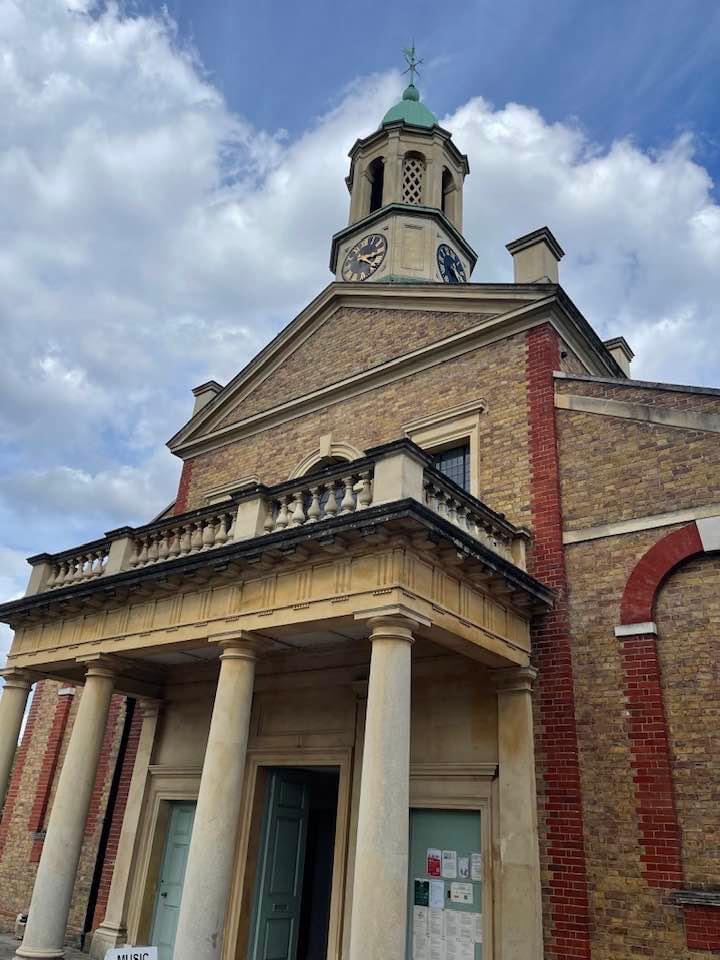
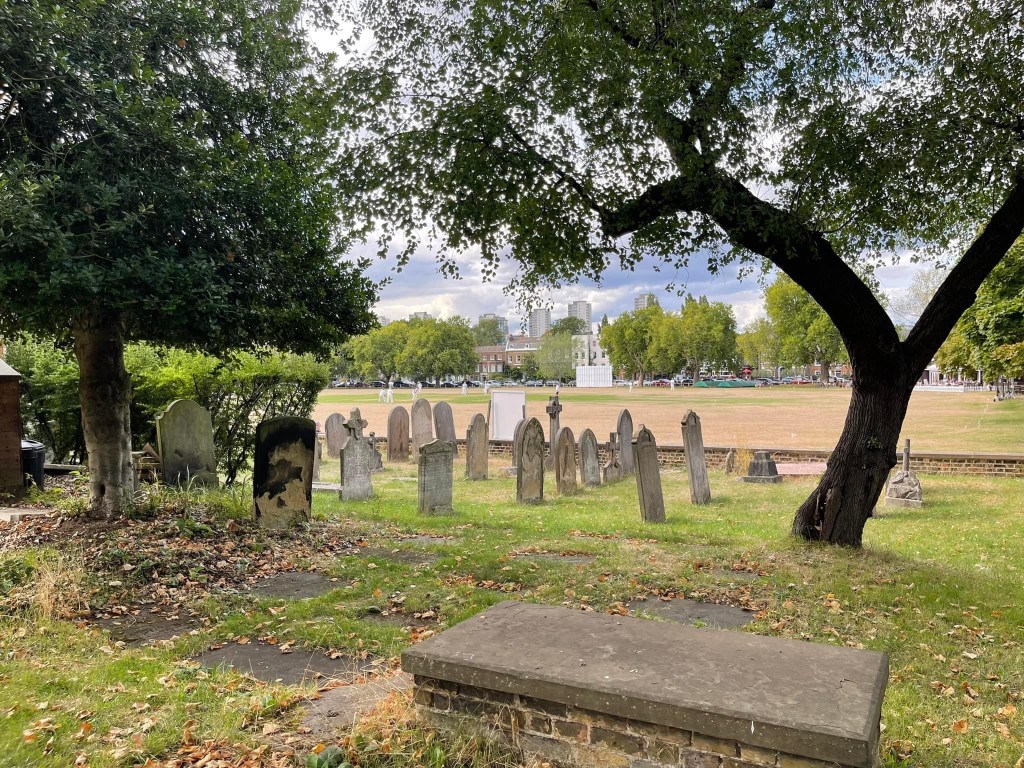
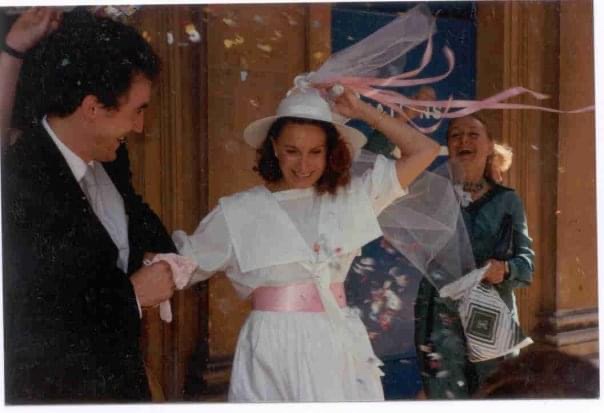
Wonderful to be back in the church where I was married in 1984 and to hear a piano recital from a pianist highly esteemed by that connoisseur Hugh Mather of St Mary’s Perivale,but who I have never had the opportunity to hear until quite unexpectedly today.
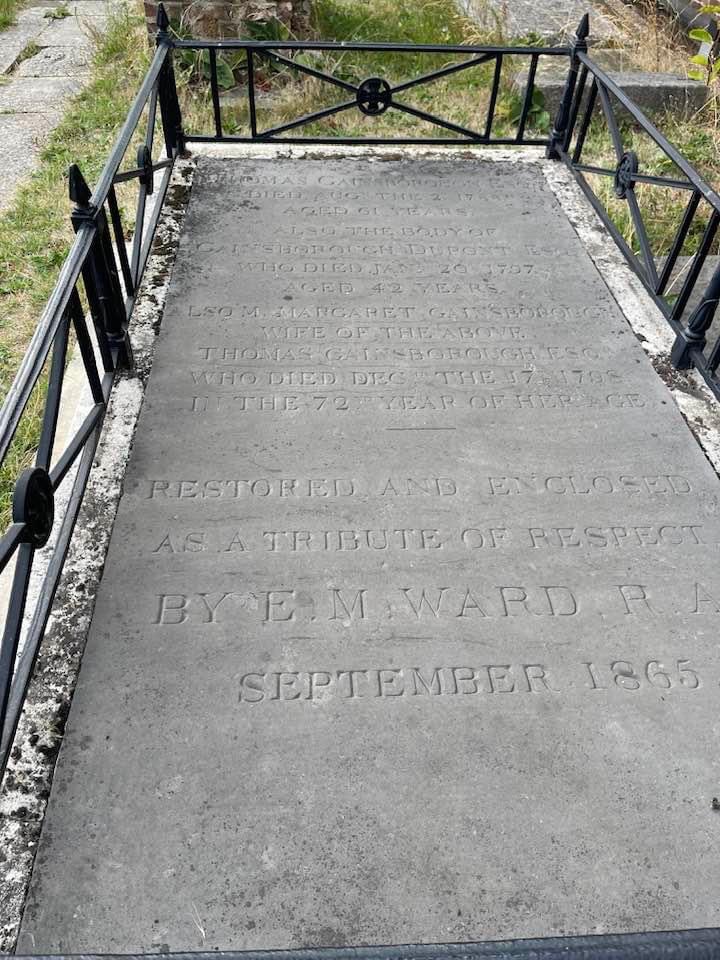
Thomas Gainsborough RA FRSA (14 May 1727 (baptised) – 2 August 1788) was an English portrait and landscape painter, draughtsman, and printmaker. Along with his rival Sir Joshua Reynolds,he is considered one of the most important British artists of the second half of the 18th century.
A church where Gainsborough and Zoffany are buried and where I remember hearing Shura Cherkassky play in the 70’s for the Richmond Concert Society.I was with Sidney Harrison and his wife on that occasion and they were proud to be present at my wedding together with the eminent violinist Jack Rothstein and his wife,the pianist Linn Hendry just a few years later.
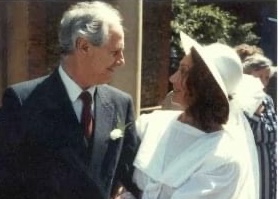
I had studied with Sidney Harrison as a schoolboy whilst at Chiswick Boys Grammar School when Sidney was a well known television personality as was his next door neighbour,Eamon Andrews.
The Harrison’s were so proud when my future wife invited them to visit our theatre in Rome and see what an adventure we had embarked on.
They were overjoyed when we told them that two months later we were to be married in Kew!
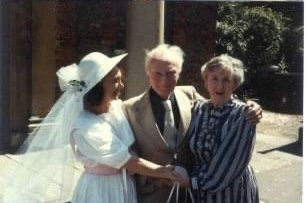
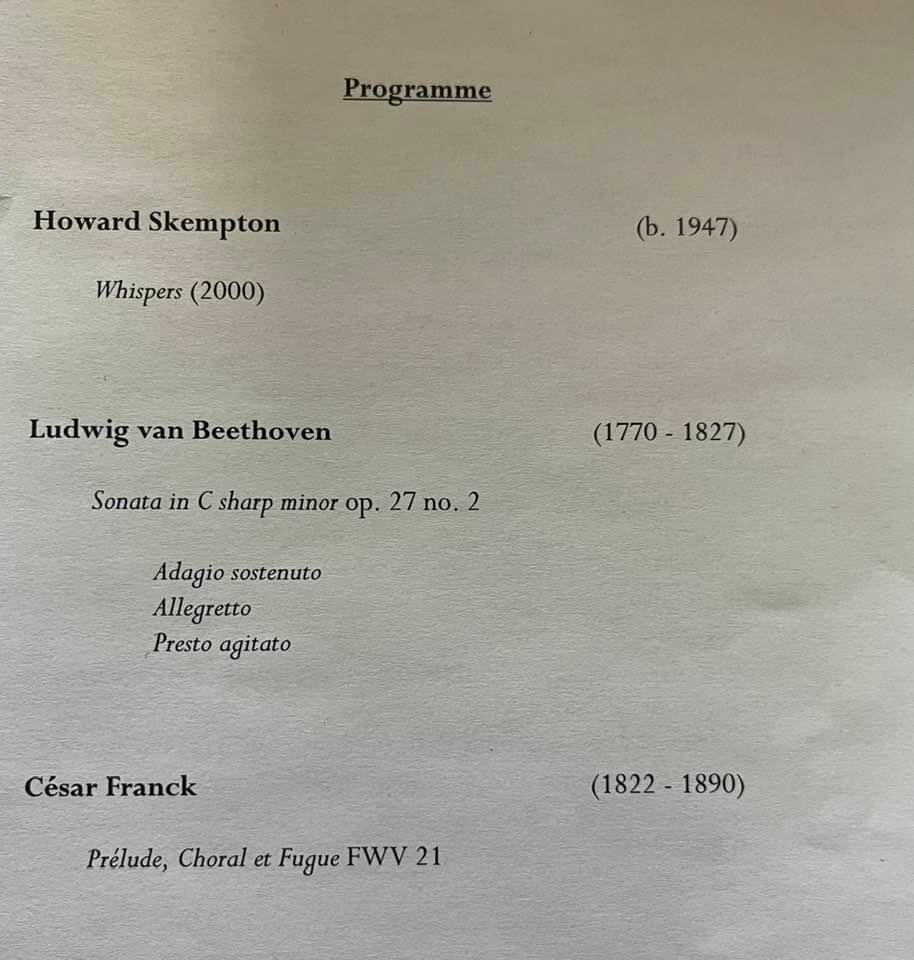
Today there were some very musicianly performances on a new Yamaha piano and although a change of programme brought us ‘Moonlight’ – in the bright sunlight as the pianist very spiritedly pointed out – it suited this short programme rather than the announced ‘Appassionata!’ Cesar Franck,after all,was given the just importance for the 200th anniversary of his birth.
‘Moonlight’was not Beethoven’s title but his publisher trying to make another sonata more sales worthy.
Beginning unusually with an Adagio and as Beethoven points out these two sonatas op 27 do break the standard Haydnesque model and are presented as Sonatas ‘quasi una fantasia’ .The start of an evolution that was to take us into the realms of the Gods at the end of Beethoven’s long journey to the final trilogy ending with op 111.
It was this sense of ‘fantasia’ that was missing today with playing of great solidity and clarity where Beethoven specifically indicates by tempo and pedal marking that the melodic line should shine above a shimmering accompaniment – hence obviously the title ‘Moonlight.’It was beautifully shaped and flowing though and Viv McLean is in the company of many illustrious musicians who choose a more classical approach.I do remember though,Andras Schiff’s opening gambit in a masterclass at the RCM where he told Pavel Kolesnikov “ now let’s forget this ‘moonlight’ thing”. https://youtube.com/watch?v=85KJkpbh_us&feature=share. The Allegretto was played with the same admirable classical musicianship but the fast tempo was rather breathless and devoid of charm and elegance.It was in the Presto agitato that the pianist came into his own with a drive and dynamic energy that was breathtaking and showed his unrelenting classical approach and seriousness in an often much abused work.
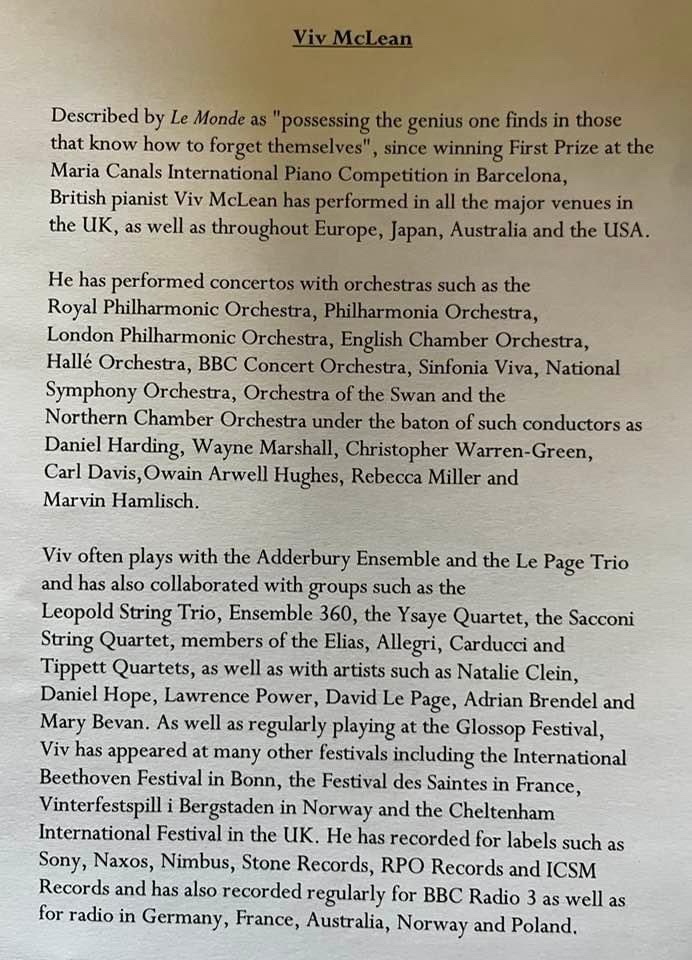
Viv McLean has a very impressive curriculum from when he won first prize in the much coveted Maria Canals International Piano Competition and it was his capacity to give such clarity and architectural shape to all he played that was quite remarkable.
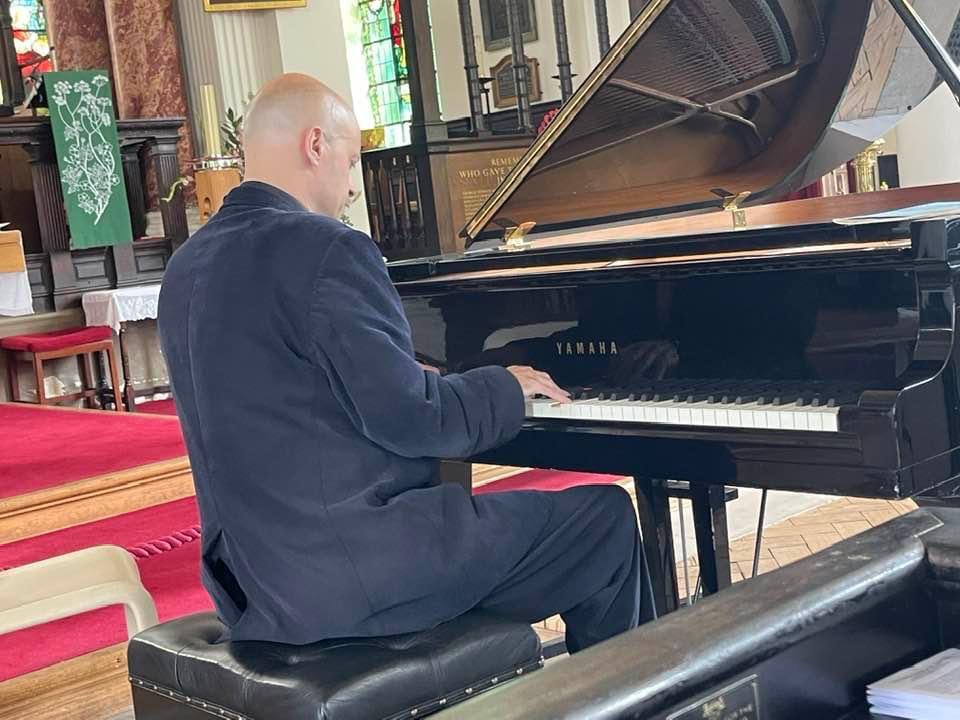
It was just this architectural sense and scrupulous musicianship that held Cesar Franck’s Prelude Chorale and Fugue in one glorious whole.From the opening wave of sound on which the melodic line is allowed to emerge contrasting with declamations of romantic fervour.The magic arpeggiated sounds of the Chorale ever more intense leading to the absolute authority of the Fugue.Cesar Franck’s master stroke with the return of the opening theme after a sumptuous cadenza was played with passionate involvement.Never any trace of sentimentality but rather the same aristocratic sense of grandeur of Franck’s great organ of St Clotilde in Paris.
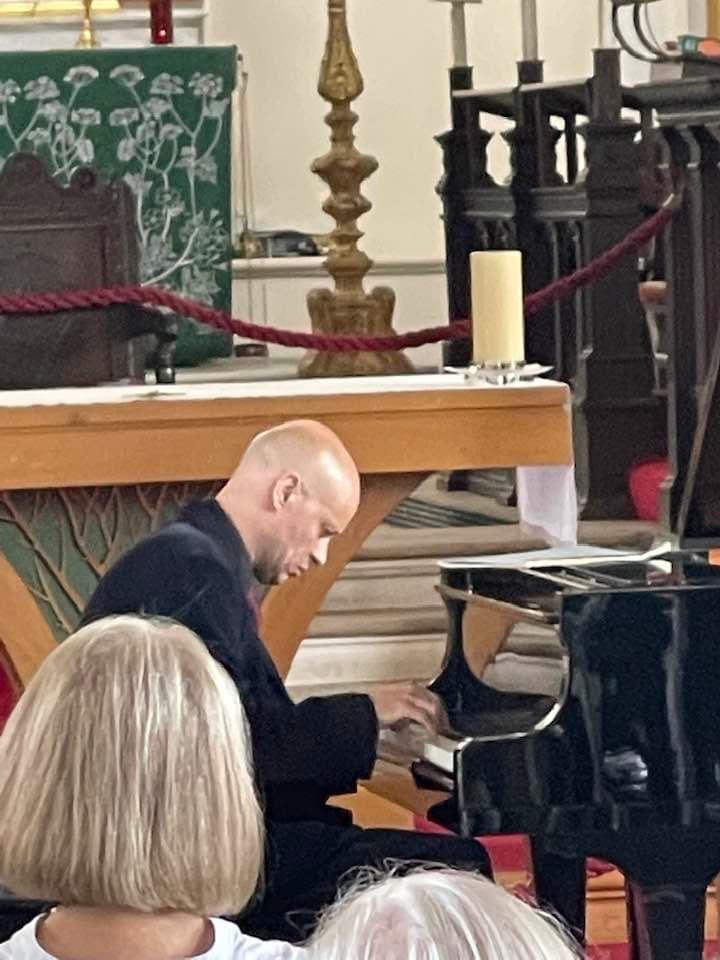
A celebration of the composer,pianist and accordionist Howard Skempton in his 75th year opened the programme with a magical account of his ‘Whispers’ commissioned by the Norfolk and Norwich music society in 2000.Deep resonant sounds on which the sound of bells were allowed to resonate and were played with a sense of colour creating a magical atmosphere of stillness and beauty.It was written in the same years that brought such titles as such as ‘Shadows’ and ‘Stroking the Keys’ from a composer who was new discovery for me.
It was the same ravishing beauty that he brought to the Chopin Nocturne op 72 in E minor that he offered as an encore. Here his classical approach and sense of colour combined to produce a memorable performance of ravishing beauty.
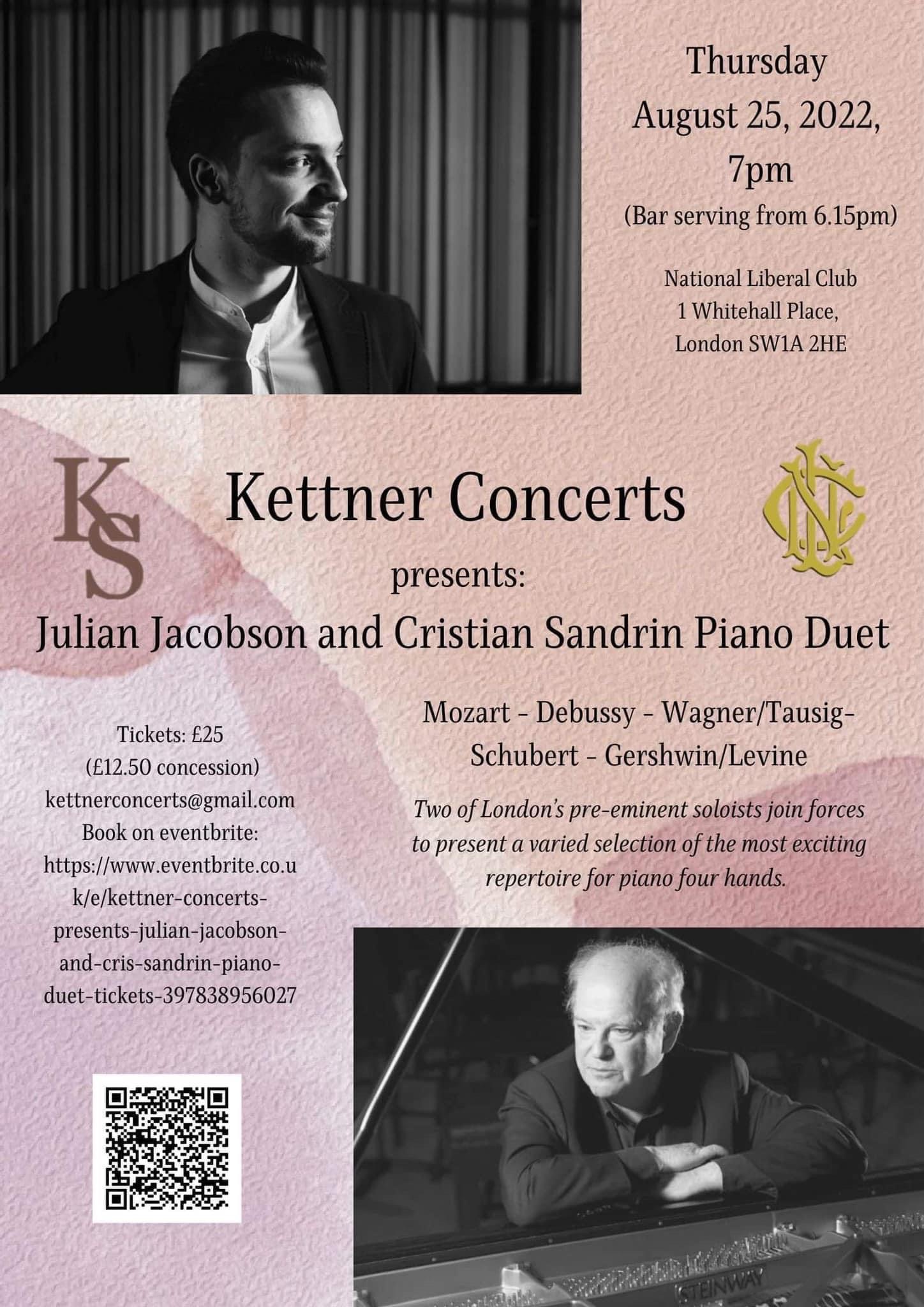
Julian Jacobson and Cristian Sandrin – A life on the ocean waves – liberally speaking !
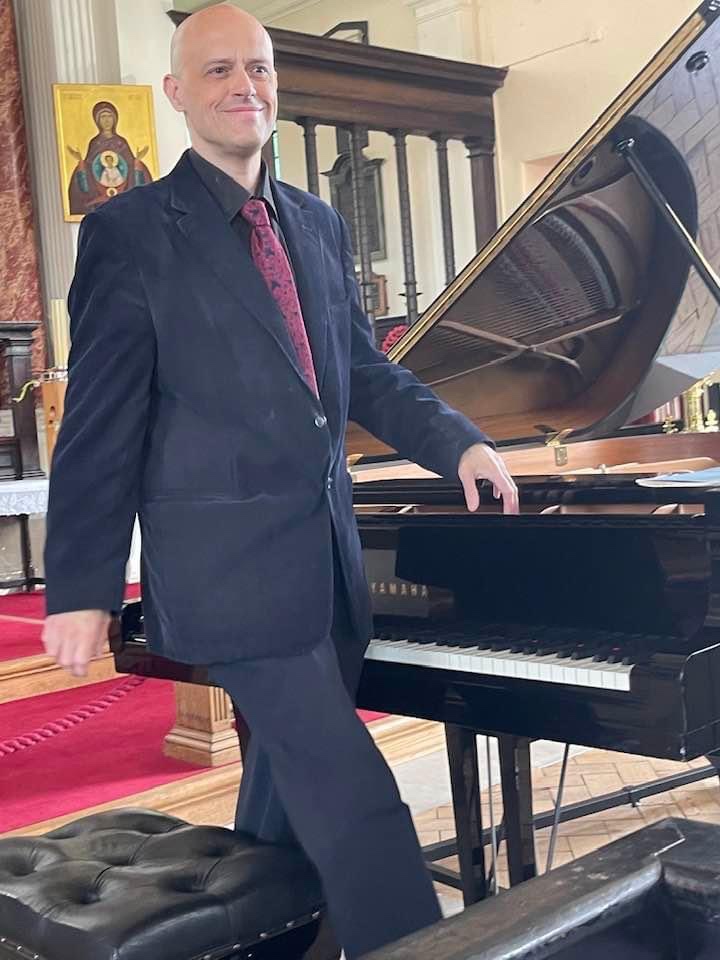
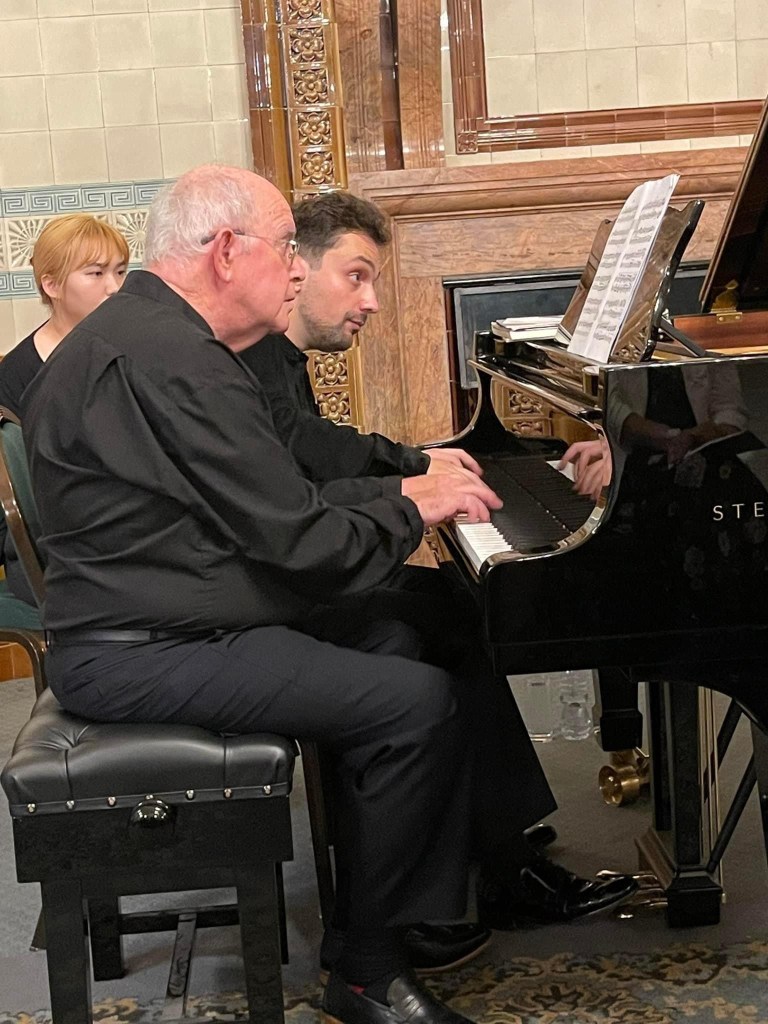
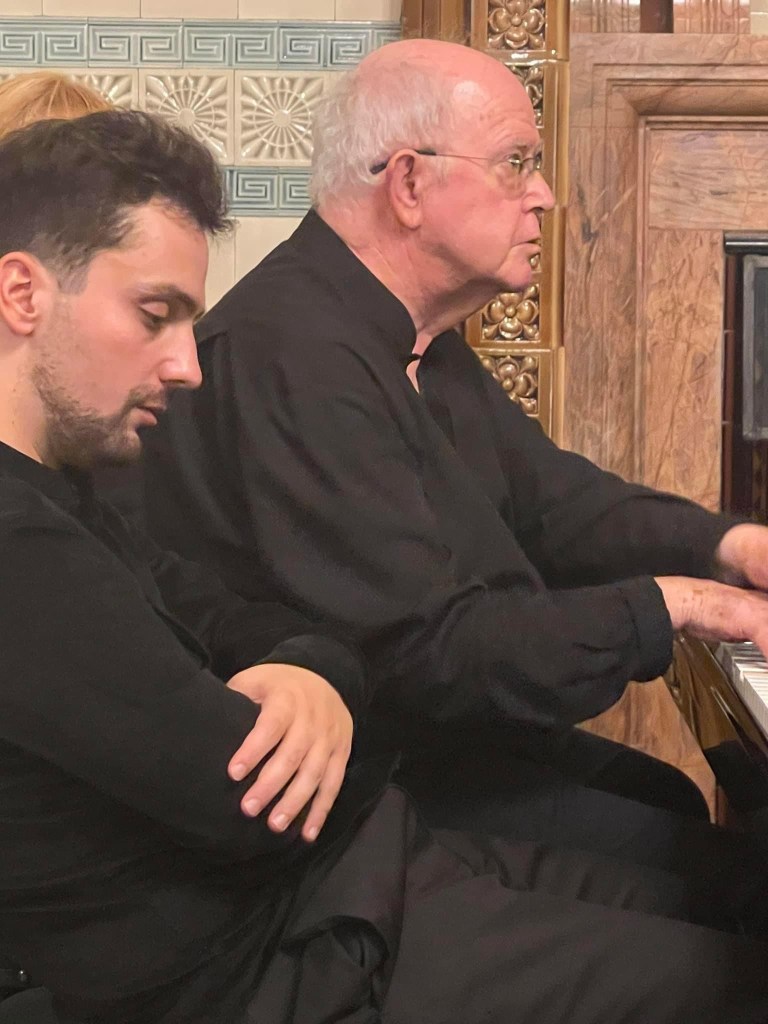
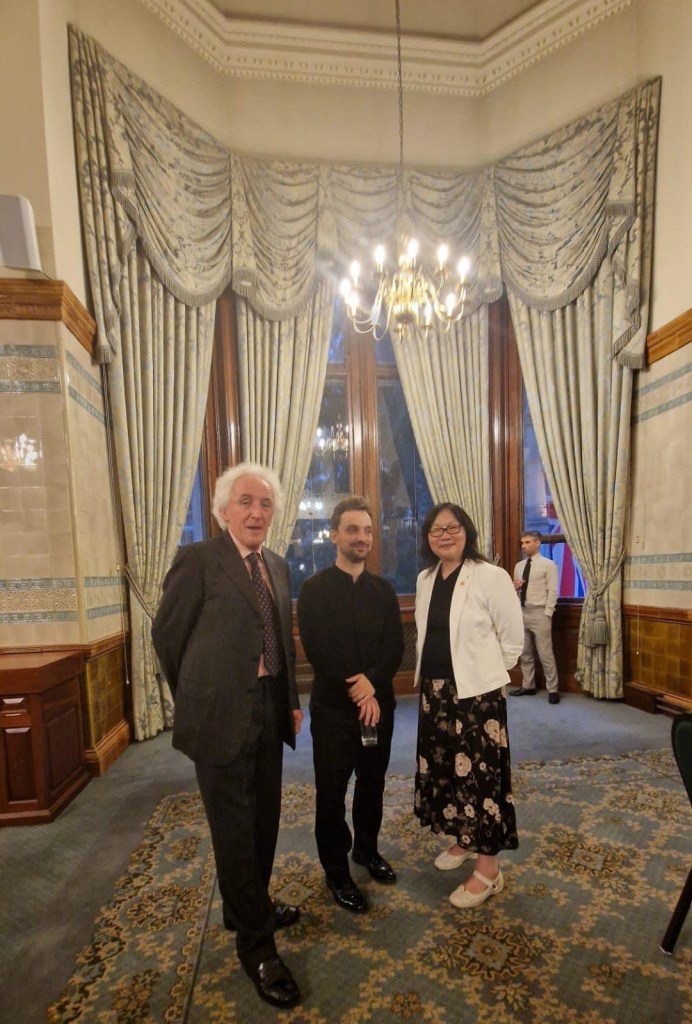
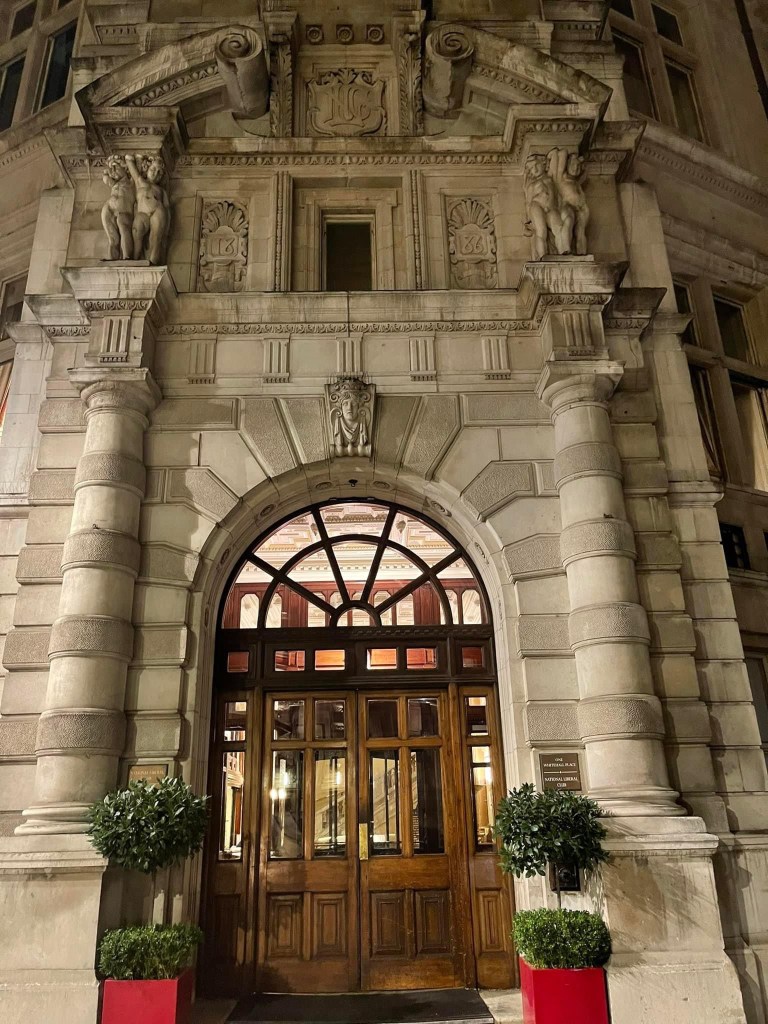
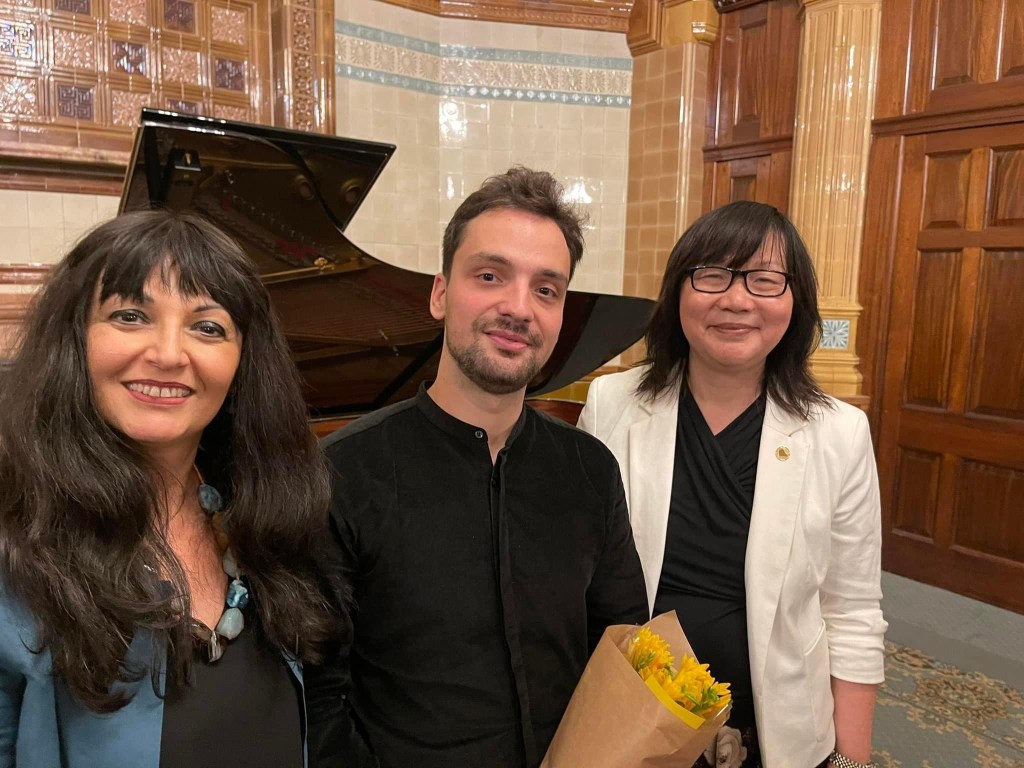
Hausmusik or the joy of making music together produced a magical evening at the National Liberal Club with Cristian Sandrin and Julian Jacobson.
Joining forces for an imminent cruise that will see them in six performances together whilst sailing from Southampton to Canada and finishing in New York.
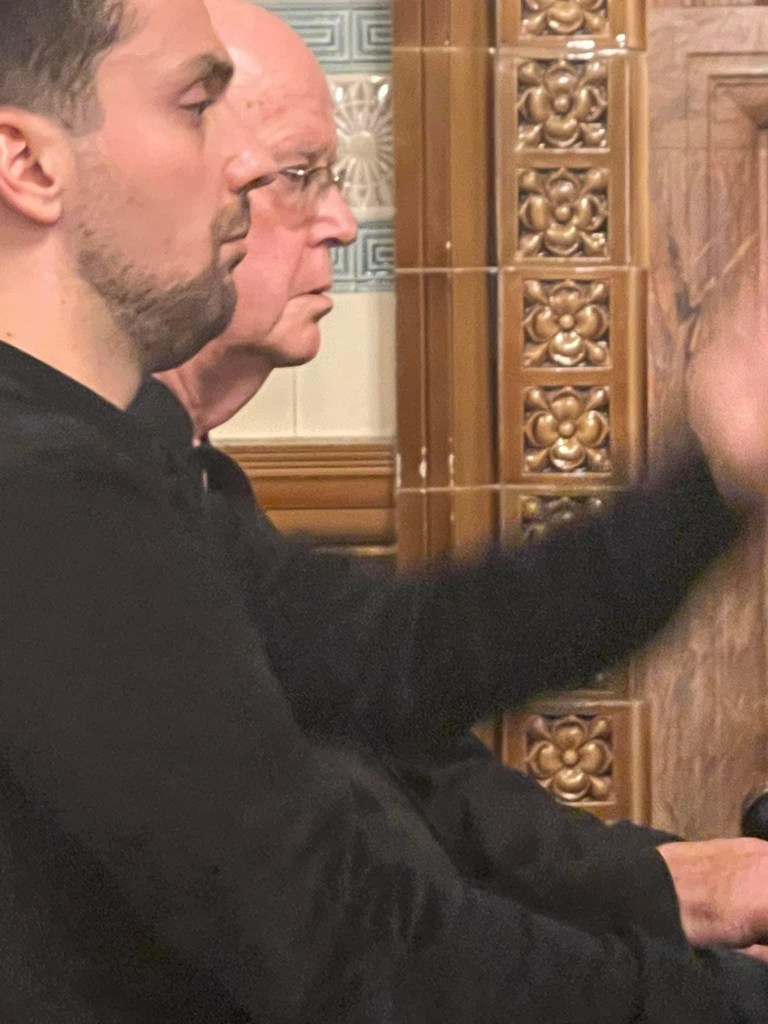
Mozart’s late C major Sonata was played with the grace and charm that makes him if not the greatest composer certainly the most perfect -to use Julian’s own words .The Mozart Sonata K.521 was the last of his four hand sonatas and was dated May 29, 1787 just 4 years before his untimely death in in 1791,aged 35.On the same day in 1787 he also received word of his fathers death. Mozart then shared the sad news with his close friend Gottfried von Jacquin, a Viennese court official and amateur musician, and subsequently dedicated the sonata to Gottfried’s sister, Franziska von Jacquin.In Mozart’s letter to Gottfried, he noted that the sonata is “rather difficult” and therefore instructed Franziska to “tackle it at once”.Instead of Mozart’s original intention to dedicate it to Franziska von Jacquin, one of his most talented pupils, it was finally dedicated to Nanette and Barbette Natorp,daughters of Viennese businessman Franz Wilhelm Natorp.It was the absolute precision that they brought to this ‘rather difficult’ sonata that was remarkable for it rhythmic drive and absolute clarity.Cristian’s beautiful way of allowing the music to flow so naturally from his hands with his particular way of playing trills from above and Julian’s superb musicianship that created just the overall tonal palette that was both dramatic and elegant.The vehemence of the opening dissolving into the absolute charm of the following melodic outpouring.The melancholic beauty of the Andante and it’s overpowering central section were played with great intensity contrasting so well with the simple music box type recurrence of the rondo.It was played with a disarming simplicity and elegance as this already distinguished duo partnership were at one before such genius.
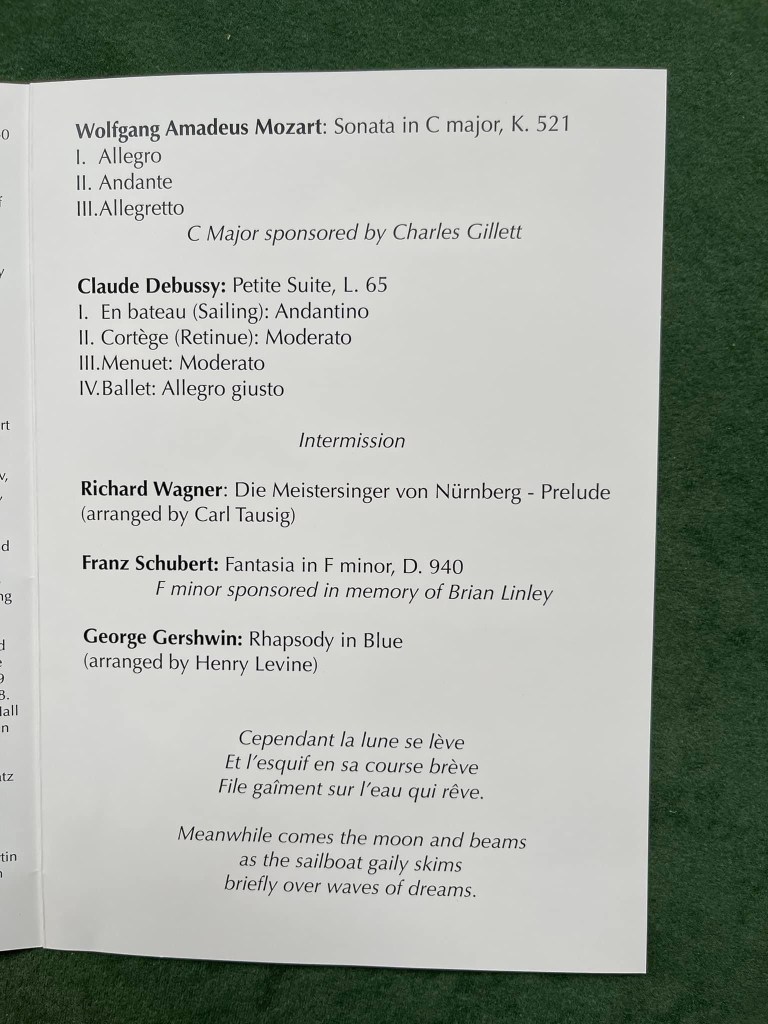
Grace and charm too in Debussy’s early Petite Suite composed between 1886 to 1889 and first performed on 2 February 1889 by Debussy and pianist-publisher Jacques Durand at a salon in Paris.It may have been written due to a request (possibly from Durand) for a piece that would be accessible to skilled amateurs, as its simplicity is in stark contrast with the modernist works that Debussy was writing at the time .In four movements En bateau (Sailing): Andantino ,Cortège (Retinue): Moderato ,both settings of poems from Fetes galante by Paul Verlaine.Followed by Menuet : Moderato,Ballet: Allegro giusto .It was orchestrated by Debussy’s colleague Henri Busser in 1907, and published by A Durand et Fils.If Julian could have been a little more generous with the pedal it would have allowed more fluidity of colour and contrast and would have added to his superb sense of architectural line and non sentimentality.The final ballet in particular was played with passionate involvement and joie de vivre that was to contrast so well with the imperious nature of the Wagner that immediately followed.
A monumental performance of the Meistersinger Prelude in the rare transcription by Tausig that Julian had found in the archives of the Royal College of Music.It was here that Julian took the helm and led the procession with Elgarian pomp and circumstance.Cristian allowing his feet full reign that gave such sumptuous full sounds to this enthralling unpublished transcription.Julian is not only a great pianist capable of playing all the Beethoven Sonatas in one marathon sitting without any trace of the score.He is also a remarkable musicologist ready to search and sift out masterpieces lost and long forgotten as they lie in the archives of the great institutions.
Schubert’s sublime F minor Fantasy opened the second half of this extraordinary musical journey.
What a remarkable work it is pointing the way for new paths for Liszt and Wagner and all that were to follow.Schubert began writing it in January 1828 in Vienna and was completed in March of that year, and first performed in May. Schubert’s friend Eduard von Bauernfeld recorded in his diary on May 9 that a memorable duet was played, by Schubert and Franz Lachner and was dedicated to Caroline Esterházy, with whom Schubert was in (unrequited) love.Schubert died in November of that year and after his death, his friends and family undertook to have a number of his works published. This work is one of those pieces; it was published by Anton Diabelli in March 1829.
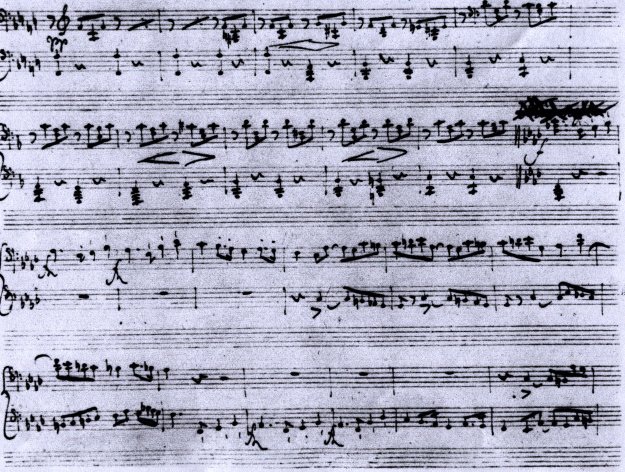
The Fantasia is divided into four movements that are interconnected and played without a break: Allegro molto moderato- Largo-Scherzo. Allegro vivace-Finale. Allegro molto moderato.The basic idea of a fantasia with four connected movements also appears in Schubert’s Wanderer Fantasy, and represents a stylistic bridge between the traditional sonata form and the essentially free-form tone poem.The basic structure of the two fantasies is essentially the same: allegro, slow movement, scherzo, allegro with fugue.The form of this work, with its relatively tight structure (more so than the fantasias of Beethoven and Mozart), was influential on the work of Liszt who arranged the Wanderer Fantasy as a piano concerto, among other transcriptions he made of Schubert’s music.There were so many beautiful things in their interpretation but it was the overall architectural shape that was so remarkable.From the sublime beauty of the opening and the contrasts between the imperious and the ravishing in the slow movement.The elegance of the scherzo and the overpowering force of the fugue.All dissolving into the magic of the final few bars where one can only wallow and marvel in the genial invention of Schubert in his final few months on this earth.A continuous outpouring of melodic invention which Beethoven was to develop and take into the realms of the Gods in his silent world that awaited only thirty years later.
After such a sublime performance what more could one add?
Gershwin’s Rhapsody in Blue of course,the biggest money spinner of all time and still one of the best loved works in the entire crossover repertoire.
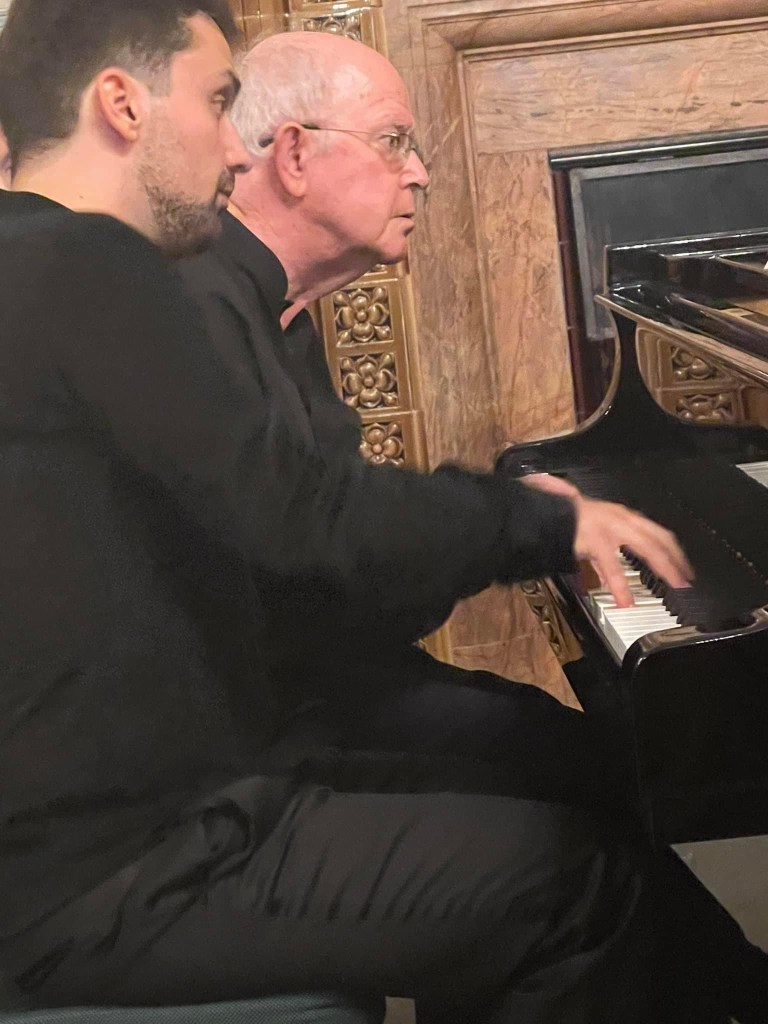
Gershwin had politely declined to compose any such work for Whiteman.In a telephone conversation the next morning, however,Gershwin was informed that Whiteman’s arch rival Vincent Lopez was planning to steal the idea of his experimental concert and there was no time to lose.Gershwin was thus finally persuaded to compose the piece.With only five weeks remaining until the premiere, Gershwin hurriedly set about composing the work.He later claimed that while on a train journey to Boston the thematic seeds for Rhapsody in Blue began to germinate in his mind: ‘It was on the train, with its steely rhythms, its rattle-ty bang, that is so often so stimulating to a composer…. I frequently hear music in the very heart of the noise. And there I suddenly heard—and even saw on paper—the complete construction of the rhapsody, from beginning to end. No new themes came to me, but I worked on the thematic material already in my mind and tried to conceive the composition as a whole. I heard it as a sort of musical kaleidoscope of America, of our vast melting pot of our unduplicated national pep, of our metropolitan madness. By the time I reached Boston I had a definite plot of the piece, as distinguished from its actual substance.’Gershwin began composing on January 7 as dated on the original manuscript for two pianos.After a few weeks he finished his composition and passed the score, titled A Rhapsody in Blue, to Ferde Grofé,Whiteman’s arranger.Grofé finished orchestrating the piece on February 4—a mere eight days before the premiere.
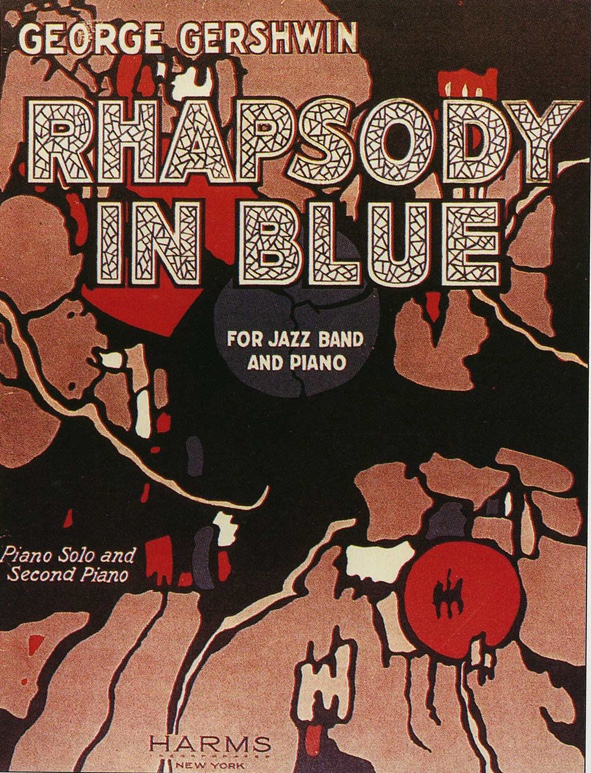
Rhapsody in Blue premiered during a snowy afternoon on Tuesday, February 12, 1924, at Aeolian Hall,Manhattan entitled “An Experiment in Modern Music.”The much-anticipated concert held by Paul Whiteman and his Palais Royal Orchestra drew a packed audience consisting of concert managers come to have a look at the novelty, composers, symphony and opera stars and many influential figures of the era including Stravinsky,Stokowski,Kreisler,Damrosch and John Philip Sousa.Julian and Cristian gave a scintillating performance of teasing wit and beguiling style but also of grandiloquence and astonishing technical command.The start of a life on the ocean waves with hopefully calm seas will certainly be a prosperous voyage for all those lucky enough to share this adventure in music together as they had done with us today.
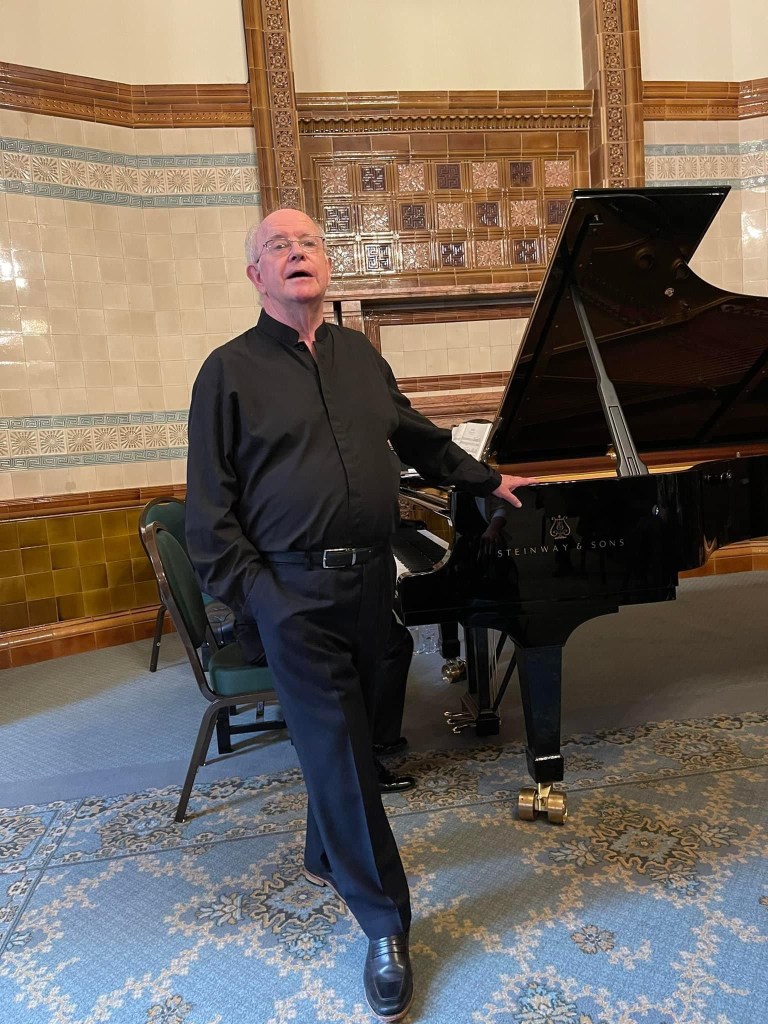
Not to be outdone,but also with great humility ,Julian presented his Palm Court Waltz ,dedicated to his friend Richard Rodney Bennet on hearing of his unexpected death in New York.Sir Richard Rodney Bennett CBE was an English composer of film, TV and concert music, and also a jazz pianist and occasional vocalist. He was based in New York City from 1979 until his death there in 2012.
A delicious pot pourri played with the charm and superb musicianship that had been the hallmark of a memorable wintry evening in August !
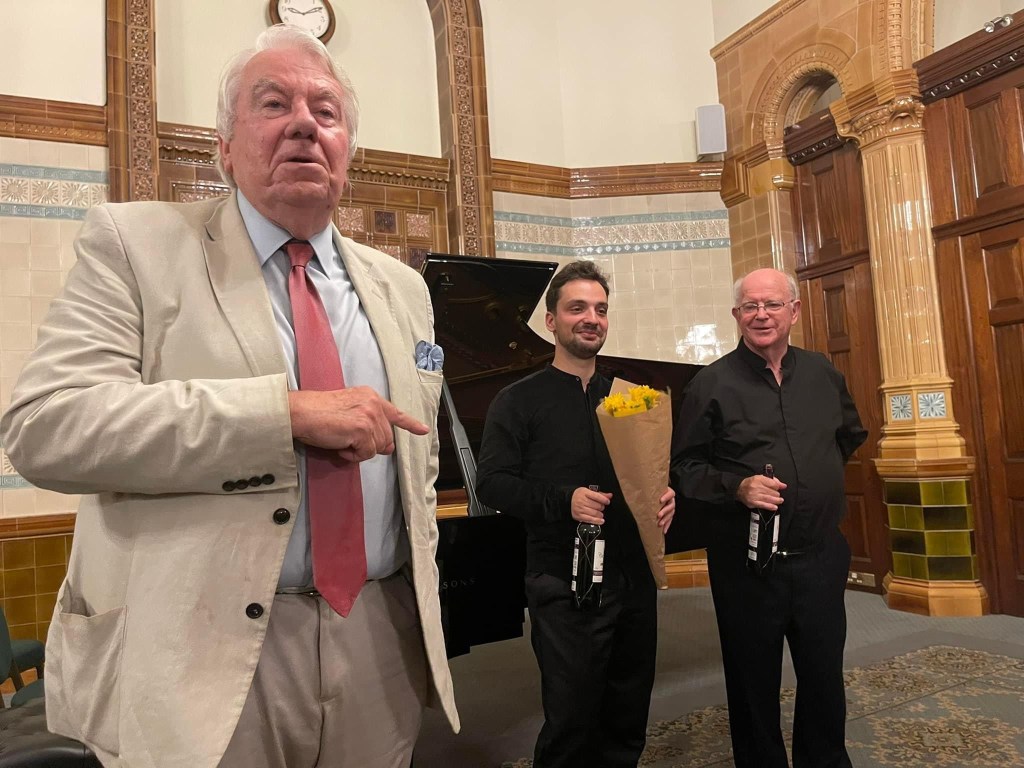
RIOJA DOCA
Innovative, cutting-edge masters of their art, the Bujanda family don’t compromise on quality; it shows in their huge haul of awards. This is their lavish Reserva – two years in cask and one in bottle brings together intense fruit and toasty oak………..Sunday Times listed

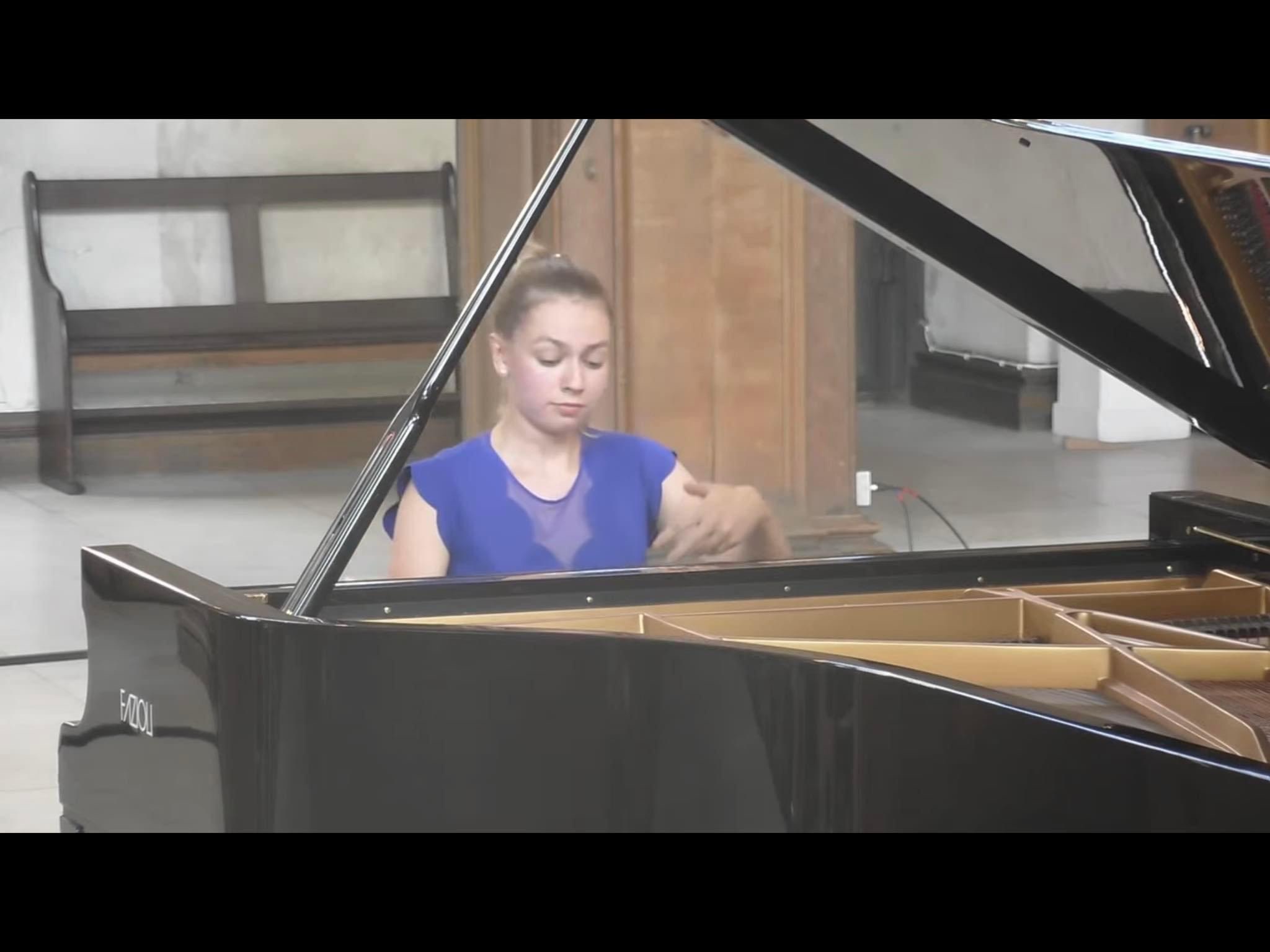
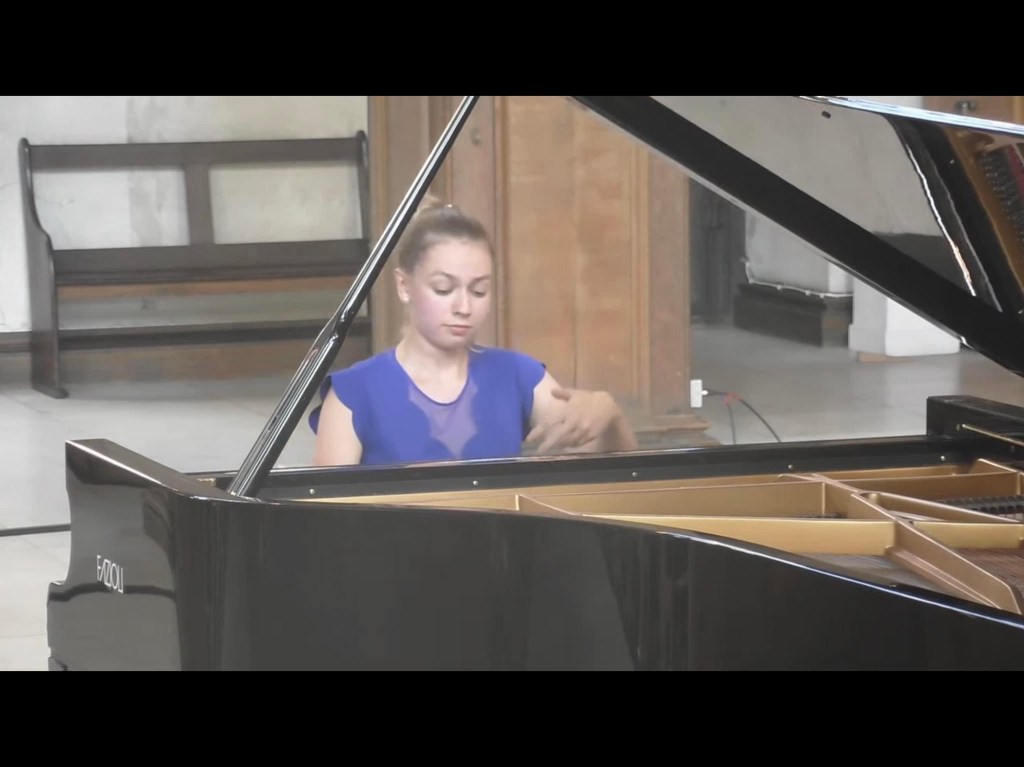
Rose McLachlan at St James Piccadilly -Je sens,je joue ,je trasmets -Artistry and Poetic imagination of a musician
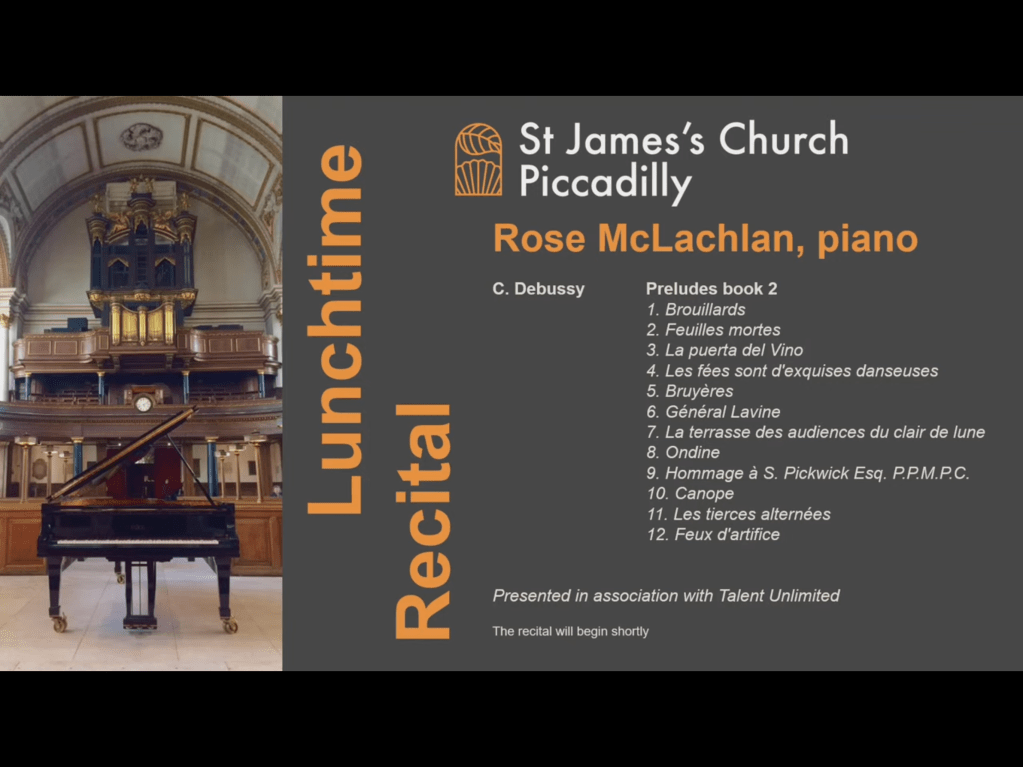
Wednesday 24th August 2022, 1.10pm Lunchtime Recital Series
C. Debussy
Rose McLachlan – Piano
Preludes book 2
- Brouillards
- Feuilles mortes
- La puerta del Vino
- Les fées sont d’exquises danseuses 5. Bruyères
- Général Lavine
- La terrasse des audiences du clair de lune
- Ondine
- Hommage à S. Pickwick Esq. P.P.M.P.C.
- Canope
- Les tierces alternées
- Feux d’artifice
Presented in association with Talent Unlimited
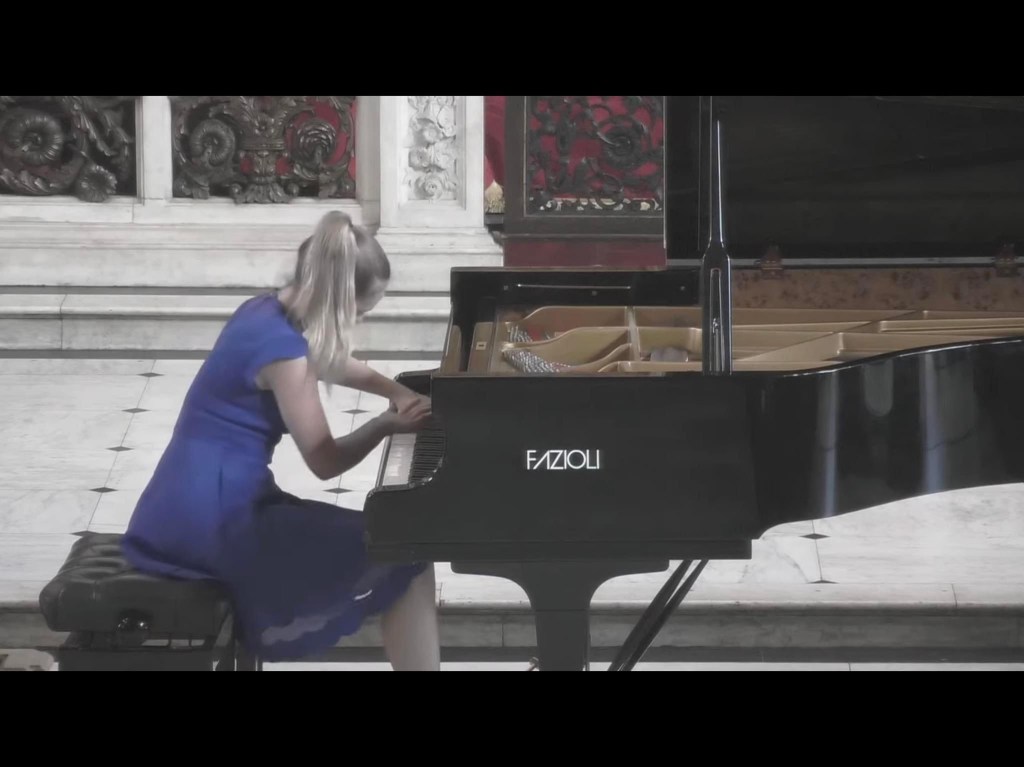
A Rose is always a Rose but what a Rose we heard today as Rose McLachlan standing in at short notice for her colleague Giulia Cotaldo she gave a sumptuous performance of Debussy’s elusive Preludes.It was Giulia who earlier in the season stood in for the indisposed Elisso Virsaladze ,playing Schumann’s Piano Concerto for the 100th Anniversary celebrations of the BBC Philharmonic.Who says there are so few superb women pianists!It was Rose’s continual circular body movements ,barely perceptible, that allowed her to shape without any ungrateful hardness ,the elusive,evocative,sumptuous and capriciously mischievous sounds that Debussy magically could depict on the piano
From the mysterious opening mists,the sumptuous desolate depiction of dead leaves or the sheer radiance of La Puerta Del Vino.The featherlight dancing fairies who almost were allowed to come into the open before the extraordinary goings on of General Lavine.
Has the moonlight ever shone so radiantly as in Roses hands today or the impish Ondine played as elegantly as I well remember Rubinstein beguiling us with the simple aristocratic magic that he could seduce his audiences with.
Poor Mr Pickwick Esq with Debussy poking fun but the last laugh was on him!Canope was Fou Ts’ong’s most cherished of the preludes for it’s depiction of solitude and desolation with so few notes.
Rose’s transcendental command of the keyboard but above all of the musical values allowed the double thirds to shimmer and flow from her magic fingers in a Prelude that was later to be developed into his last and for some greatest work for the piano the Etudes.
And fireworks there certainly were at the end with such magical sounds and amazing control of the keyboard allied to an imagination and sense of colour that had been so apparent in this superb performance.
Debussy’s Préludes are 24 pieces divided into two books of 12 preludes each. Unlike some notable collections of preludes such as Chopin’s op.28, or the preludes from Bach’s Well-Tempered Clavier, Debussy’s do not follow a strict pattern of tonal centres .Each book was written in a matter of months, at an unusually fast pace for Debussy. Book I was written between December 1909 and February 1910, and Book II between the last months of 1912 and early April 1913.An important precedent was set on 3 May 1911 by the pianist Jane Mortier who played the entire first book of preludes at the Salle Pleyel in Paris.The German-English pianist Walter Morse Rummel,a student of Godowsky , gave the premiere of the entire second book of preludes in 1913 in London.
Initially, Debussy and other pianists who gave early performances of the works (including Ricardo Vines)played them in groups of three or four preludes, which remains a popular approach today. This allows performers to choose preludes with which they have the strongest affinity, or those to which their individual interpretive gifts are most suited.The titles of the preludes are highly significant, both in terms of their descriptive quality and in the way they were placed in the written score. The titles are written at the end of each work,allowing the performer to experience each individual sound world without being influenced by Debussy’s titles beforehand.
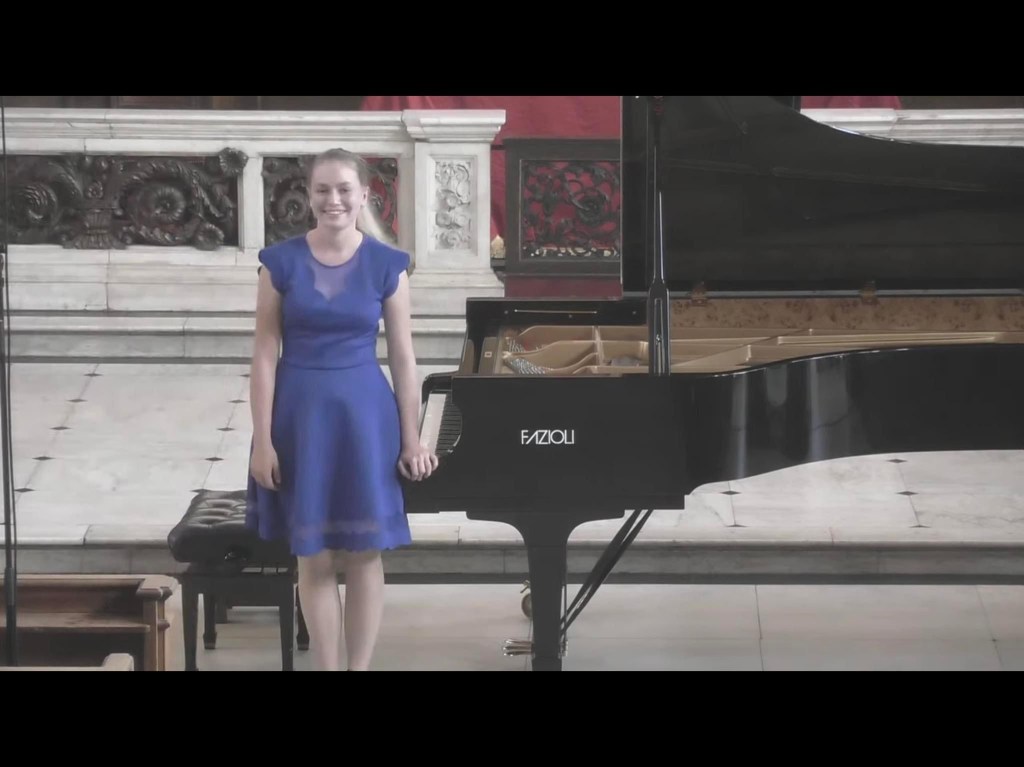
Rose McLachlan
Born into a family of musicians in Cheshire, Rose began piano lessons with her father, Murray McLachlan, aged 7. Shortly after she entered Chetham’s School of Music, initially as a chorister but later studying piano with Helen Krizos.
She has performed in many venues across the UK, including The Barber Institute of Fine Arts, The Stoller Hall, St James Piccadilly and St Martin-in-the-Fields. With her family, Rose has given recital tours in Scotland, as well as performing the complete cycle of Beethoven piano concertos with her father and brothers, where she played the second concerto five times. She has also performed abroad, in Poland, Germany, Croatia and recently in America.
Rose is grateful to have played with orchestra on numerous occasions including; Ravel G Major Concerto with the Chetham’s Symphony Orchestra conducted by Mike Seal in 2018, and again in 2022 with the Haffner Orchestra conducted by Daniel Parkinson, Clara Schumann Concerto with the New Tyneside Orchestra conducted by Monica Buckland in 2019 and later that year, Shostakovich 2nd Concerto with the BBC Concert Orchestra conducted by Barry Wordsworth, which was broadcast twice on BBC Radio 3. In 2022, after winning the Young Artists Concerto Competition at the PianoTexas International Festival and Academy, Rose performed Chopin E minor Concerto with the Fort Worth Symphony Orchestra conducted by Peter Bay.
In 2016, Rose was the overall winner of the Scottish International Youth Prize at the Royal Conservatoire of Scotland and in 2017 was awarded the Yamaha Prize in the EPTA UK competition. She was the winner of the Beethoven Society of Europe Junior Intercollegiate competition in 2019 and also that year was awarded the overall prize in the 11th “Dora Pejacevich” competition. She has won the Chopin Prize at both Chetham’s and at the Royal Northern College of Music. In February 2022, Rose was awarded the Kirklees Young MusicianAward and in May won first prize in the Christopher Duke International Piano Competition.
2018 saw her first commercial recording being issued by Divine Art, performing ‘Five Hebridean Dances’ by John McLeod. In January 2020, Rose recorded piano duets by the distinguished British composer, Edward Gregson, with her father for a new commercial recording on the Naxos label.
Rose is passionate about playing with others, and works regularly with singers, recently performing Schumann Liederkreis in the Manchester Song Festival. She received a full bursary to study with Mary Bevan and Joseph Middleton on the Dartington Summer Festival.
Rose is now at the Royal Northern College of Music in Manchester, continuing her studies with Helen Krizos. She is extremely grateful to be supported by the Waverley Fund, Pendle Young Musicians Bursary and Talent Unlimited
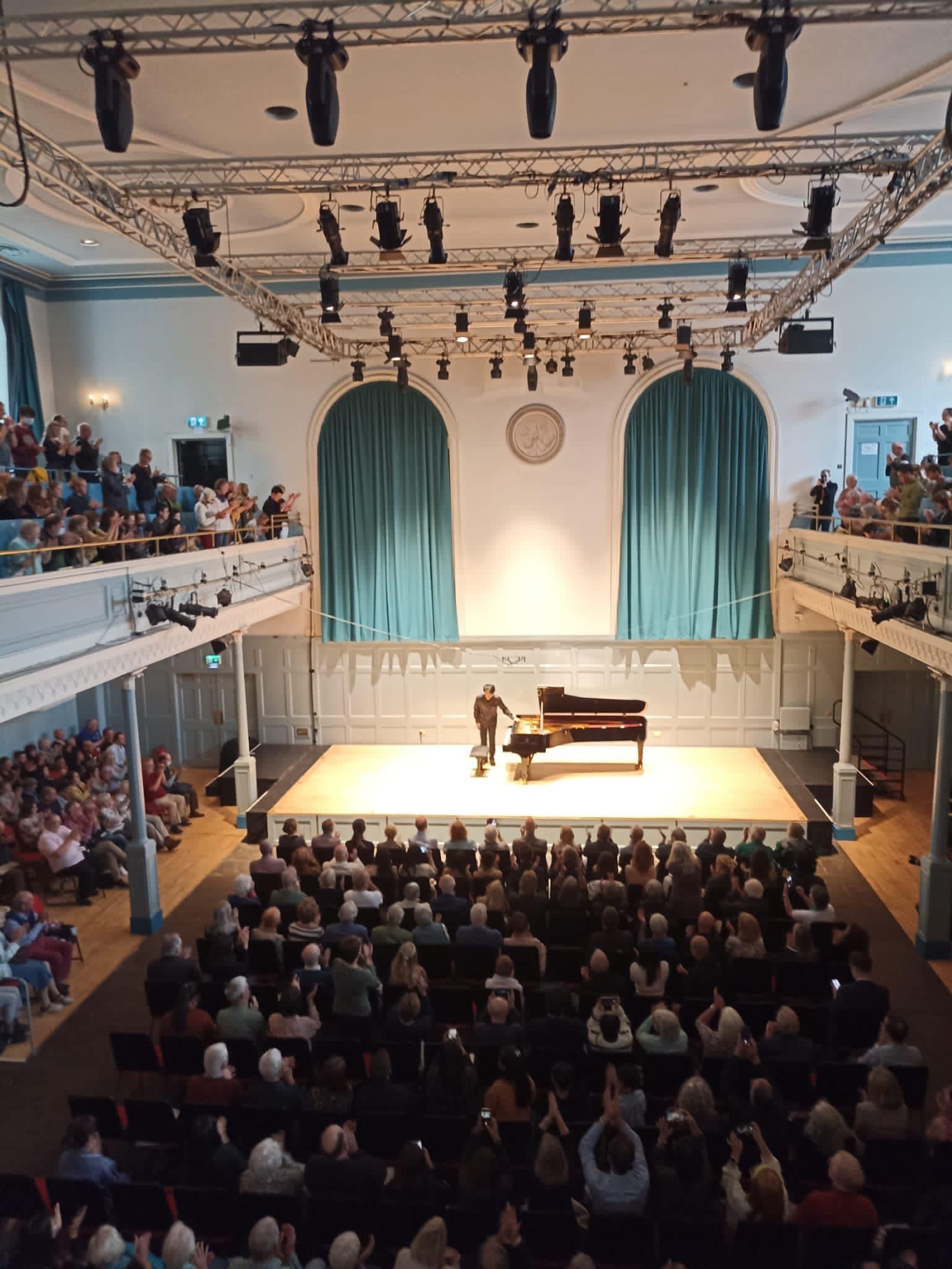
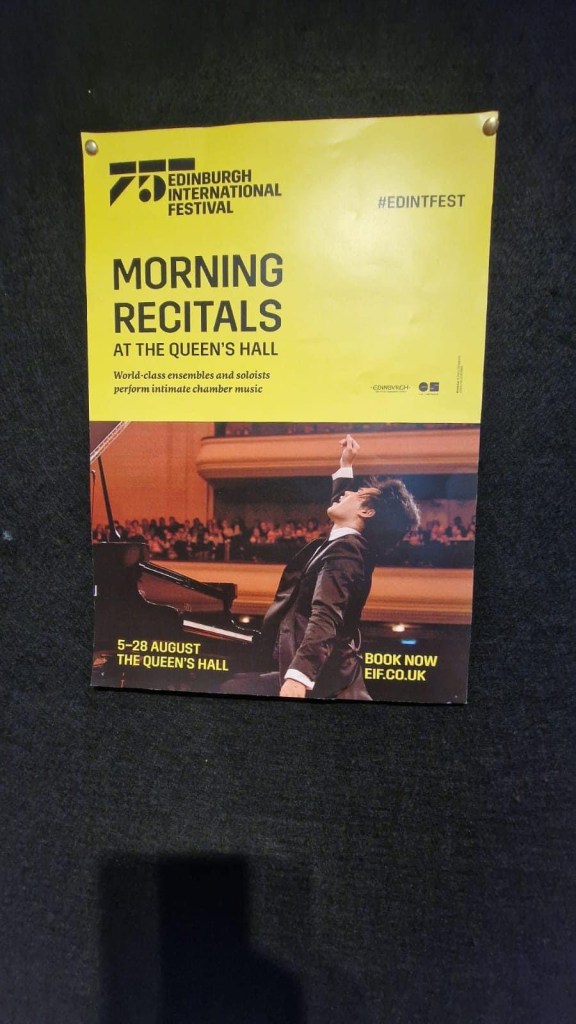
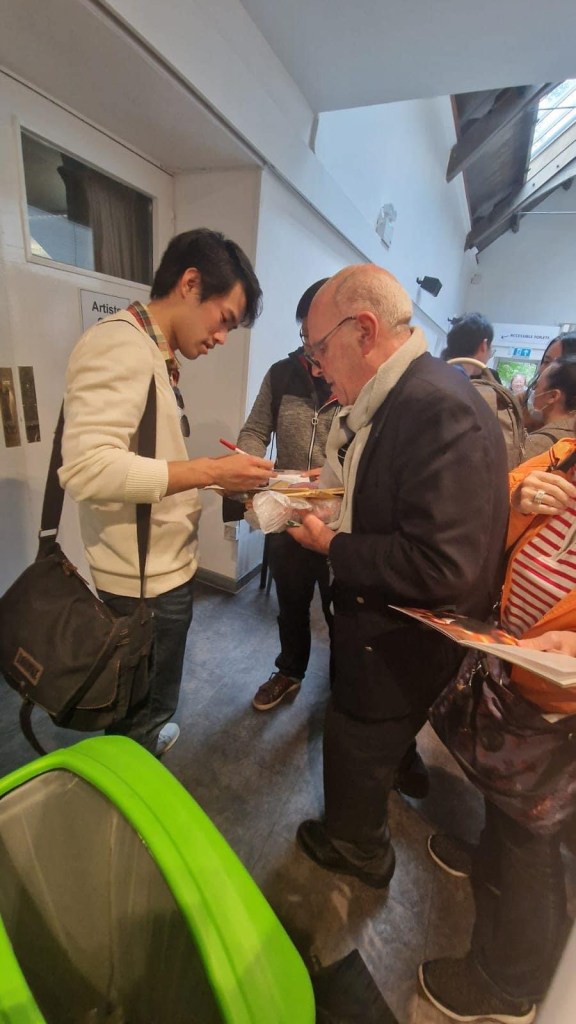
Bruce Liu’s triumphant debut at the Edinburgh Festival
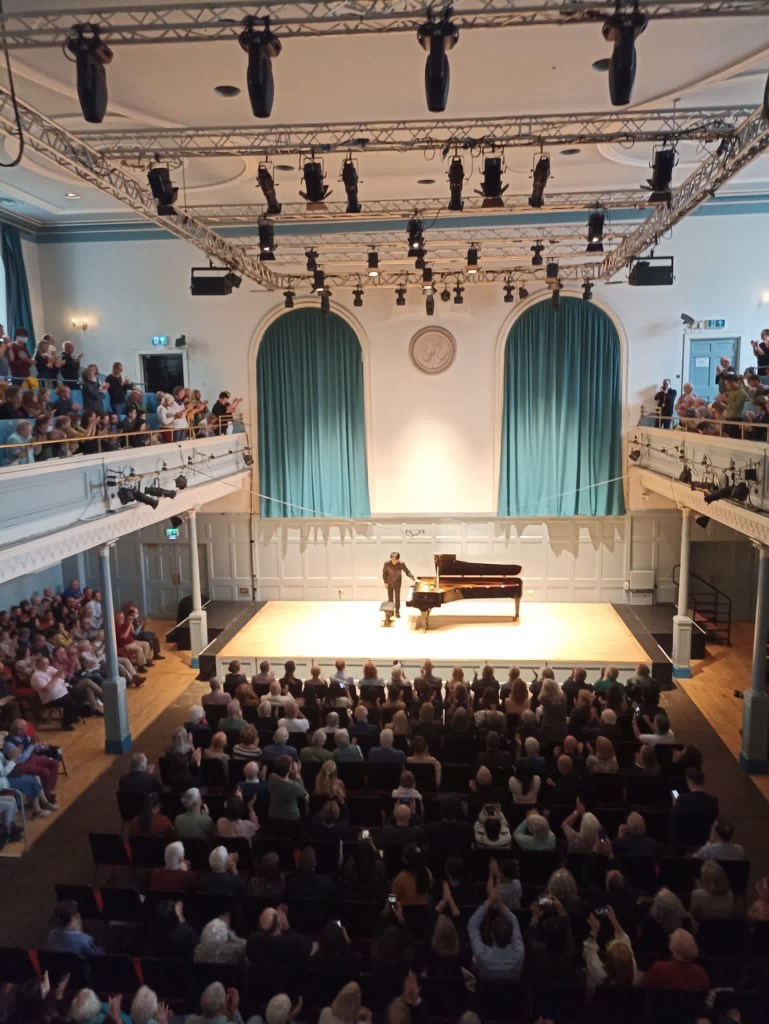
Bruce Xiaoyu Liu ‘s triumphant appearance at the Edinburgh Festival this morning.
https://www.bbc.co.uk/sounds/play/m001b5k7
Pianist Bruce Liu makes his debut live at the Queen’s Hall following his win at the 2021 Chopin Piano Competition. Mozart’s opera Don Giovanni is the inspiration behind two pieces we hear today; a set of theme and variations by Chopin and a fantasy by Liszt. The recital opens with a selection of music by Rameau, from his Suites in D and G and Bruce Liu closes with Ravel’s musical depictions of moths, birds, boats and church bells in his colourful five-movement suite.
Rameau: Les Tendres Plaintes
Rameau: Les Cyclopes
Rameau: Menuets 1 et 2
Rameau: Les Sauvages
Rameau: La Poule
Rameau: Gavotte et six doubles
Chopin Variations on ‘La ci darem la mano’ from Mozart’s Don Giovanni, Op 2
Ravel: Miroirs
Liszt: Reminiscences de Don Juan, S 418
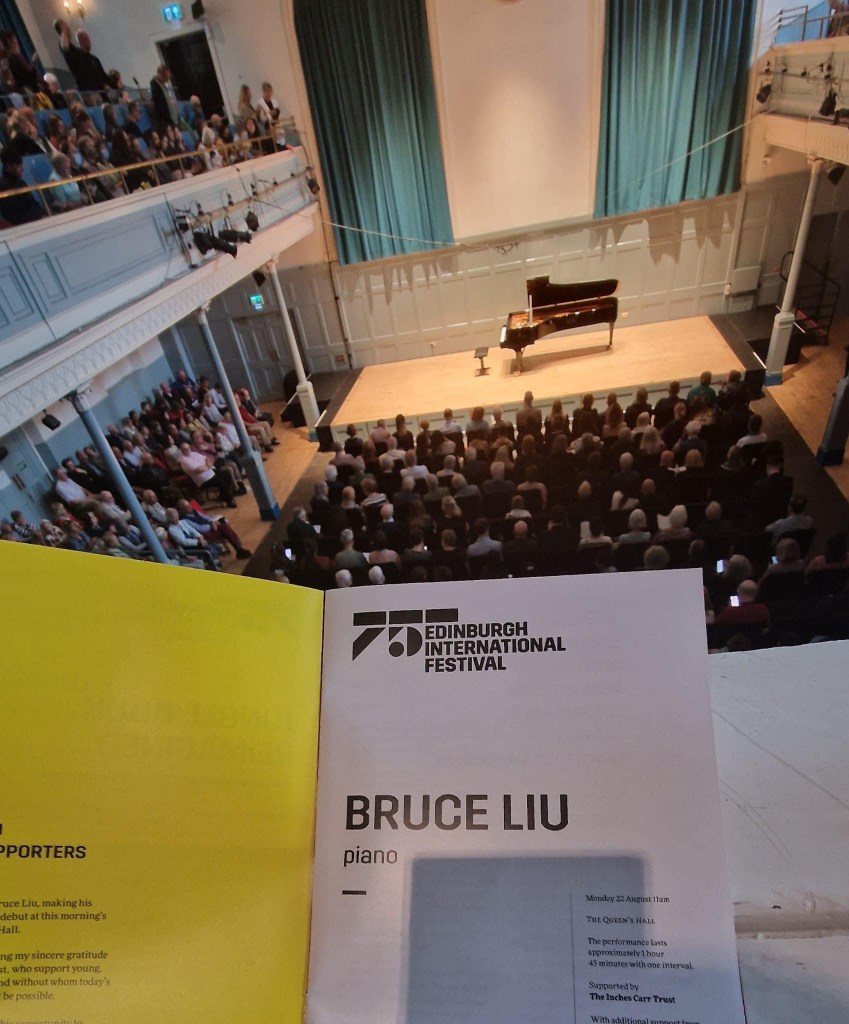
A ravishing Rameau of such finesse and beauty was followed by the aristocratic charm and scintillating jeux perlé of Chopin’s youthful Don Giovanni Fantasy op 2 – I imagine Schumann’s own reaction to Chopin’s performance would apply here today too.’Hats off,gentlemen, a genius’ .
Ravels Miroirs had such a refined tone palette that Ravel’s moths could flutter as they rarely are allowed to do so ,or the birds allowed to drown in their doleful song of such beauty and atmosphere .But the splashing waves of the Ocean and the magic valley of the Bells were greeted by a Jester who was very much part of this magic circle that this young man had so miraculously depicted .
The minutes off aching silence at the end were of a public totally overcome and hypnotised by this extraordinarily refined playing .
The war horse of Liszt’s Don Juan Fantasy was restored to its rightful place in the hands of this remarkable young magician.
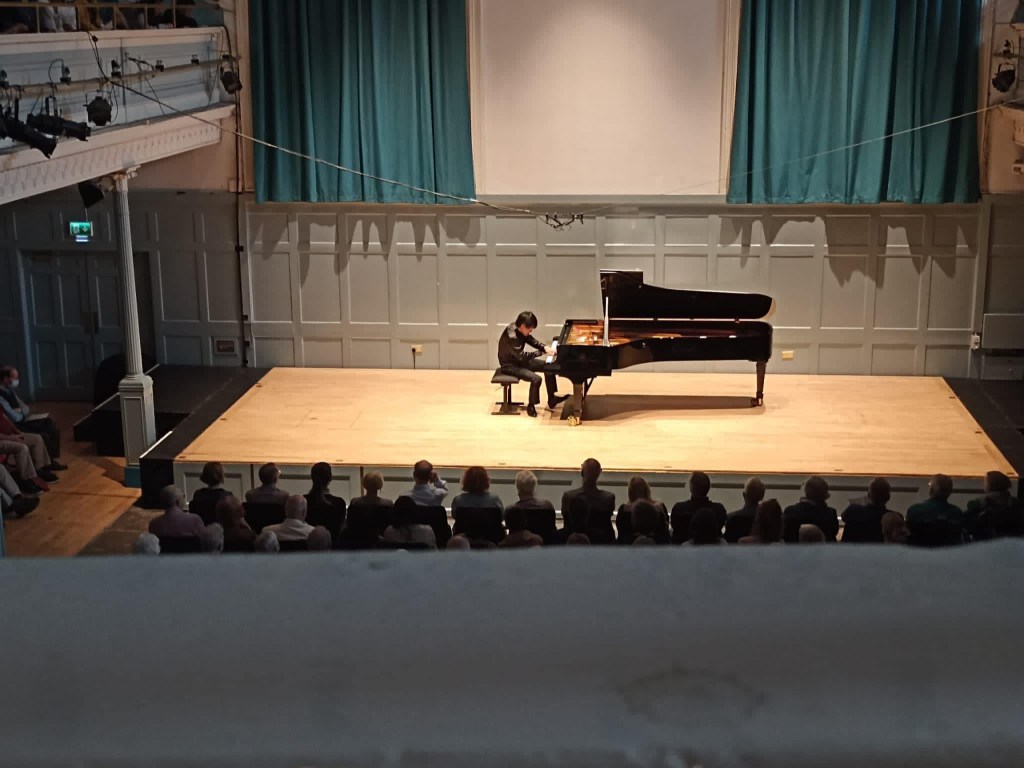
Cascades of notes but we could always see and feel the presence of Mozart’s characters as he brought them to life with a sense of individual personality and colour that only Liszt or Busoni could have imagined.A tour de force of transcendental technical mastery at the service of the music.
Chopin’s magical C sharp minor nocturne op posth was Bruce’s way of thanking his Scottish friends who had filled every seat in the unique Queens Hall.
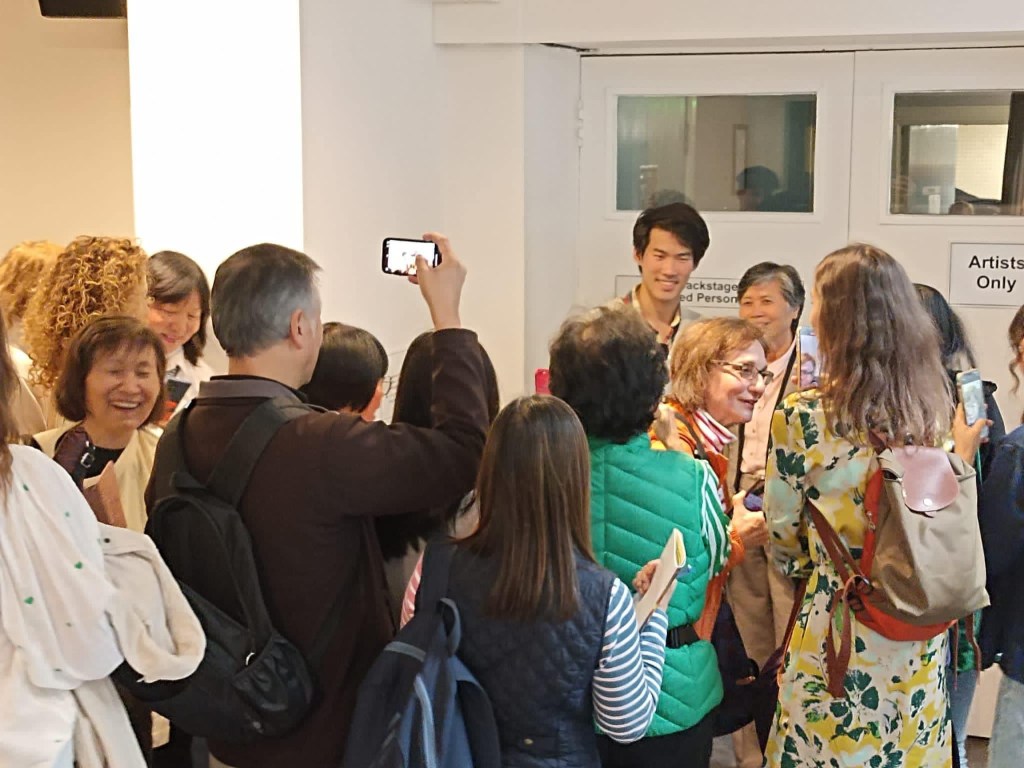
But little did they know that this young man was ready to let his hair down and join in the fun with Chopin’s own tribute to a remarkable people .Trois Ecossaises were played with an irresistible joie de vivre and the charm of another age -I have not heard the like since Magaloff on this very stage a very long time ago!
https://christopheraxworthymusiccommentary.com/2022/03/11/bruce-liu-takes-london-by-storm/. https://christopheraxworthymusiccommentary.com/2022/03/02/bruce-xiaoyu-liu-showing-the-way-to-eutopia-for-chopins-212th-birthday/


https://www.youtube.com/watch?v=nEg4CSMoe_k
Oberlin Masterclass with William Grant Naboré https://youtube.com/watch?v=J2_hP704o00&feature=share
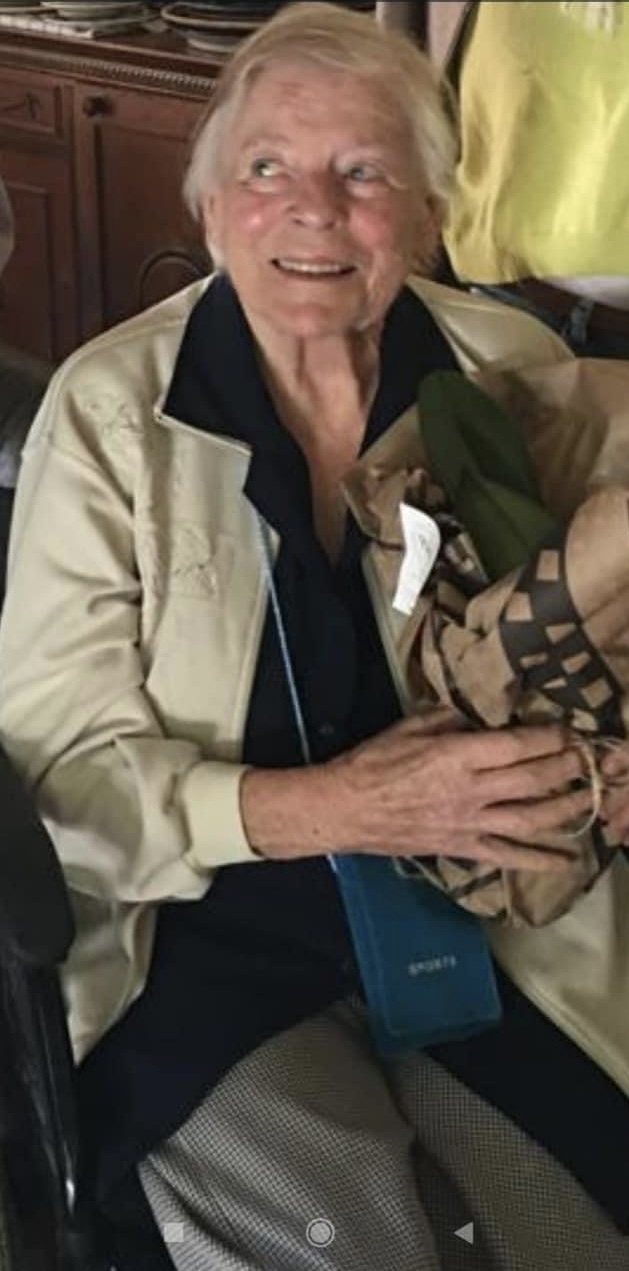
Duda – gone with the wind to a far better place than even she could imagine
Danuta Chmielecka Alovisi… Duda era il diminutivo per gli amici
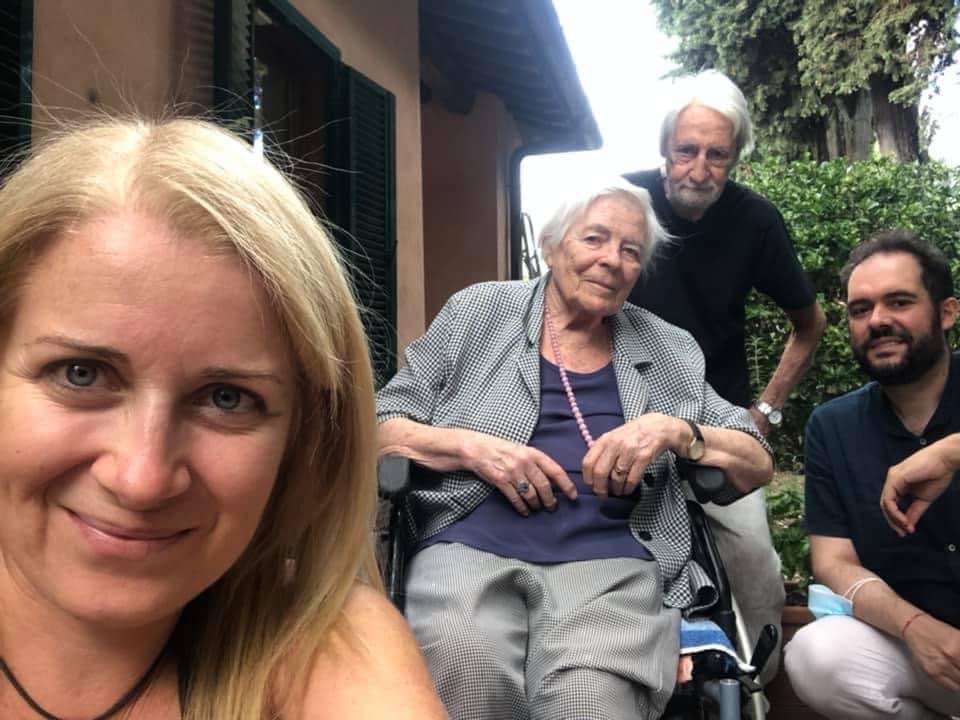
Devo a Duda tantissimo: la conoscenza di Fou ts’ong e dei Penderecki, di Annarosa, di Christopher e di Bill, del mondo della musica che ha fatto la storia. Devo a Duda il mio amore per la cultura polacca, per il Concorso Chopin. Lei è sempre stata la prima ascoltatrice delle mie trasmissioni, la più acuta, attenta, intelligente osservatrice di suoni trasmessi alla radio che abbia mai avuto vicino. Ti sono infinitamente grata, meravigliosa Danuta, per avermi insegnato così tanto ❤️…i tuoi insegnamenti continuano a vivere in me, Mattia, Magda, Attilio, Michelangelo, e chissà quanti ancora. Un abbraccio infinito a Ezio, leone d’amore sempre al tuo fianco 💗
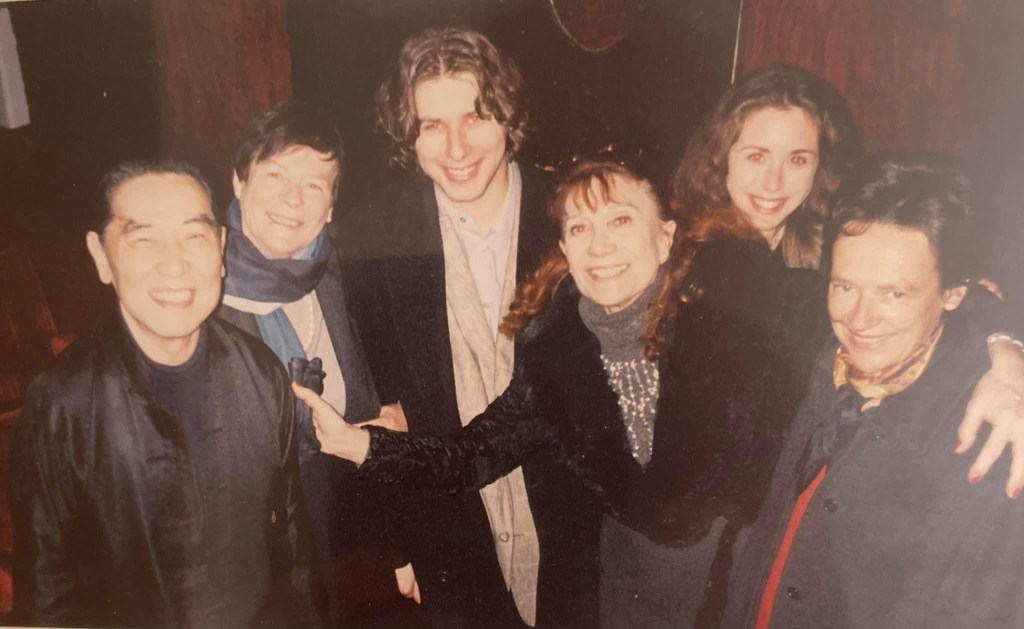
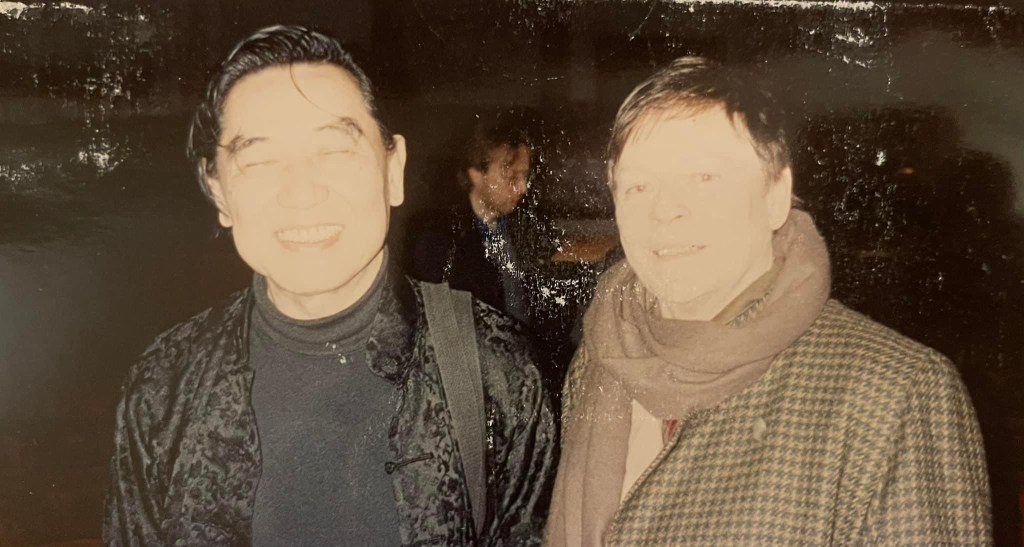
Duda just behind Ts’ong was a Polish pianist and harpsichordist ……she lived and taught in Frascati and had known Ts’ong since his days as a student in Poland.He would often visit her when playing for us in Rome.Zimerman was a close friend and would stay with his family with her ………her pupils include Michelangelo Carbonara and Mattia Ometto amongst many others .Danuta ……….was her name but we all knew her as Duda .This photo was after one of his many masterclasses for us with Ileana in the middle and Linda Alberti who also lives in Frascati on the end.Linda was looking after her and helping her husband Ezio who is also very ill.Ezio and Duda were well into their nineties and had enjoyed an unexpected Indian summer in their move to a smaller more manageable house .Bill Naboré ,Roberto Prosseda and I were planning to visit her on the occasion of Shunta Morimotos recital in Frascati last April She was not well enough for us to visit and we missed all her reminiscences about Ts’ong for the planned biography that is in the pipeline
So sorry that our darling Duda( behind Fou Ts’ong)has decided to join Ts’ong and Ileana this morning ……Gone with the wind on wings of song ………
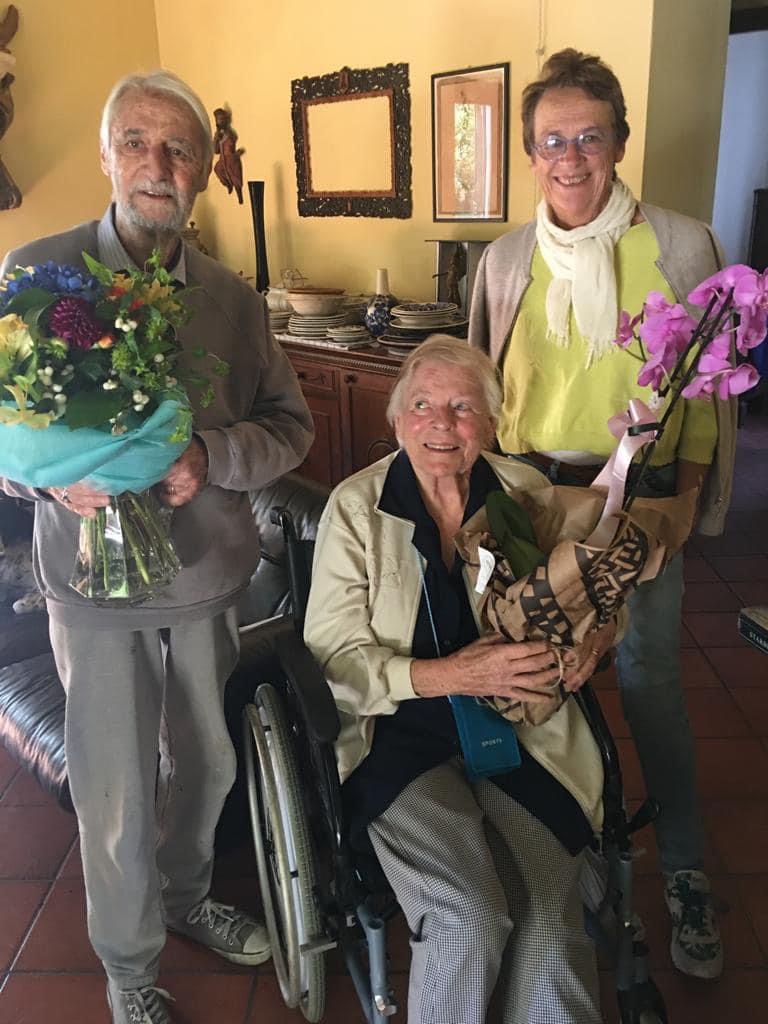
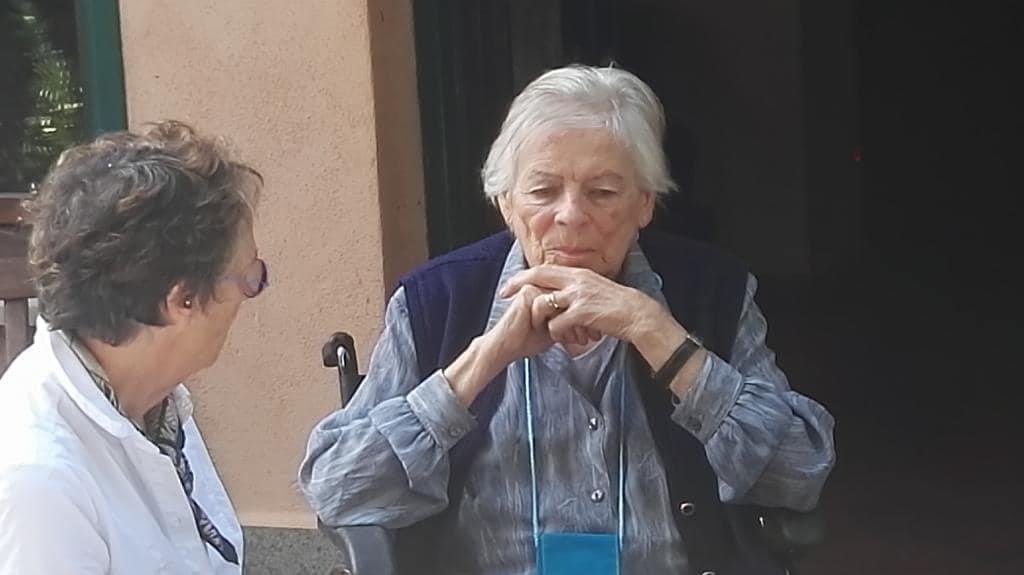
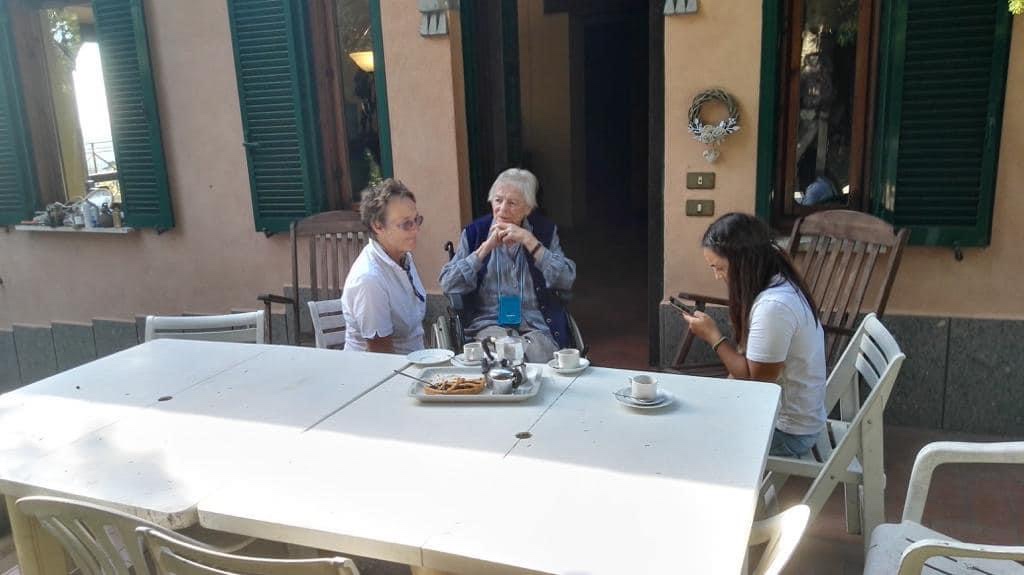
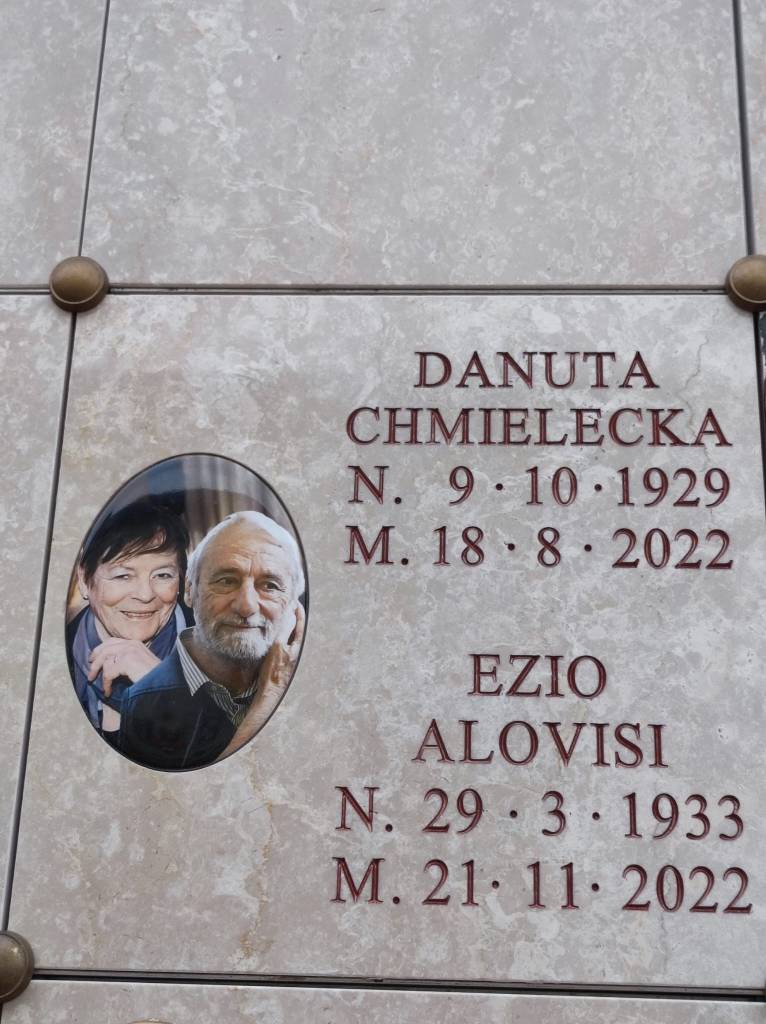
Duda’s anniversary today. It seems like yesterday that Ezio called me and l went to help him lay a red rose and a Chopin score on her breast
They never forget you
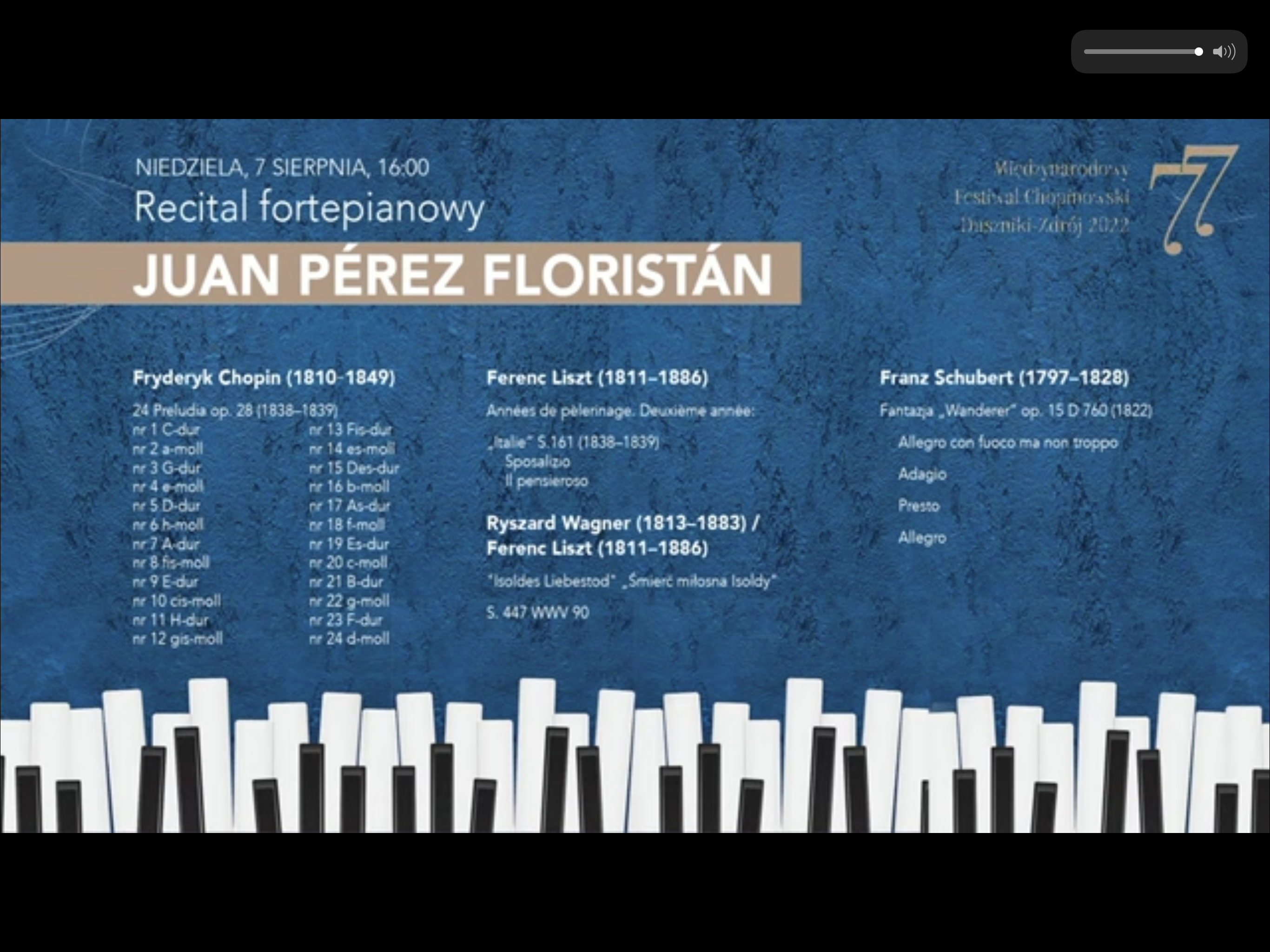
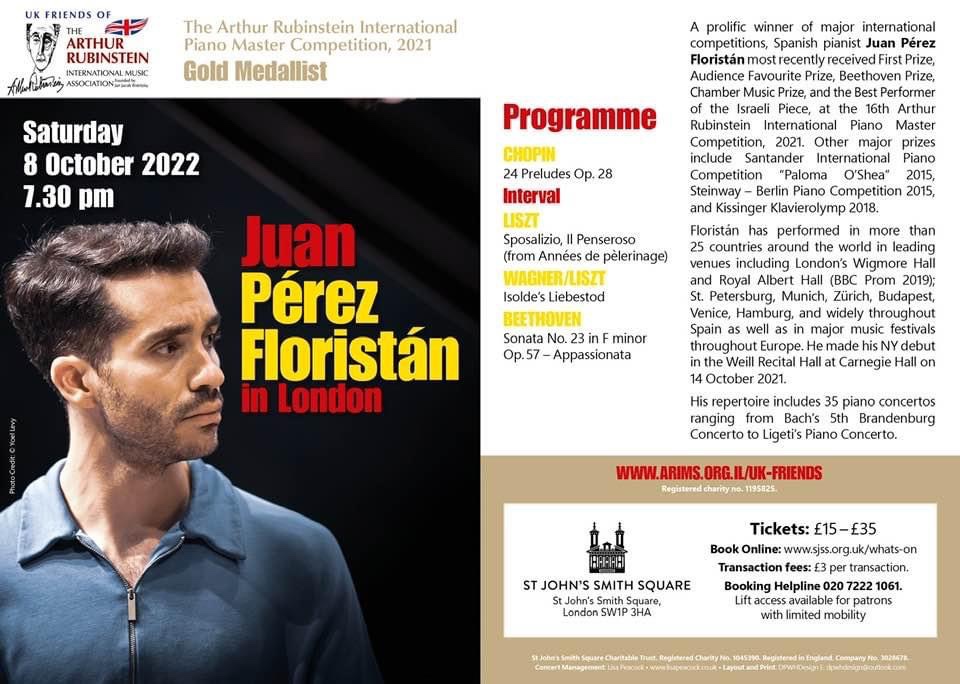
Juan Pérez Floristan – Poetry and seduction of the Rubinstein laureate in Poland

An amazing display of ‘love’ from the winner of the 2021 Artur Rubinstein competition.The young Spanish pianist Juan Pérez Floristan I had already heard when he gave his debut recital at the Wigmore Hall a few years ago as winner of the 2015 Santander Competition.I had noted then his very individual personality but also the ravishing beauty of his playing.He had begun his London debut recital in 2017 with the Liszt Sonata which I thought a very outlandish and maybe even a presumptuous thing to do .That is until I heard it and he completely convinced me.
https://christopheraxworthymusiccommentary.com/2017/01/12/juan-perez-floristan-at-the-wigmore-hall/
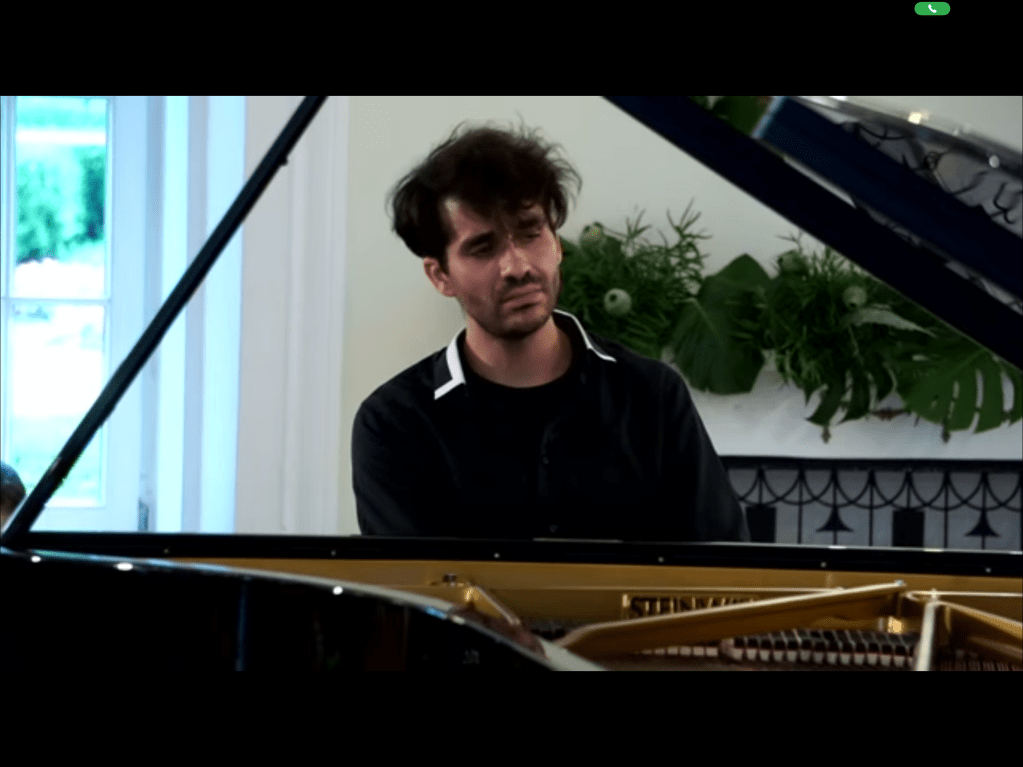
But it took his winning of the Rubinstein competition six years later to launch his career.
I had heard his prizewinning performance of Beethoven fourth piano concerto starting with a great flourish in the name of authenticity.He then proceeded to embellish all Beethovens intricate ornamentation in the first movement.Not to mention all the spread chords in the second.
They say that Andras Schiff was denied first prize in Leeds for taking liberties with Bach in the name of authenticity.I know from Rosalyn Tureck that that was just gossip and the problem was of having so many great pianists all competing at the same time.I was surprised though that Floristan could have been awarded first prize having dared touch such a sacred work, one that Rubinstein loved above all others but never even spread a single chord!Rubinstein played it with a simplicity and beauty beyond compare – love and it’s comunication was his prime concern above the cold studies of musicologists.However no one knew the scores and their meaning better than Rubinstein.
Pressler was on the jury in Tel Aviv and his musical integrity is beyond compare -so how could this be!
These were all questions that were going on in my mind as I tuned in to the recital in the Duszniki Festival in Poland.
What I heard was a young man very similar in so many ways to the Tchaikowsky prize winner Alexandre Kantarow.Not only in their youthful Latin looks but in their deep love of the piano and the way they caress the keys as they mould such ravishing sounds out of the piano with a selfless dedication that is beguiling but above all breathtaking.This was in a series of concerts streamed live from Poland which included the prize winners from some of the most important International piano competitions.It has included the winners of Rubinstein,Van Cliburn,Chopin,Leeds and Busoni.As I listen to these recitals it becomes apparent that the winners have been chosen not for their dexterity or resilience but for their artistry and sensitivity.
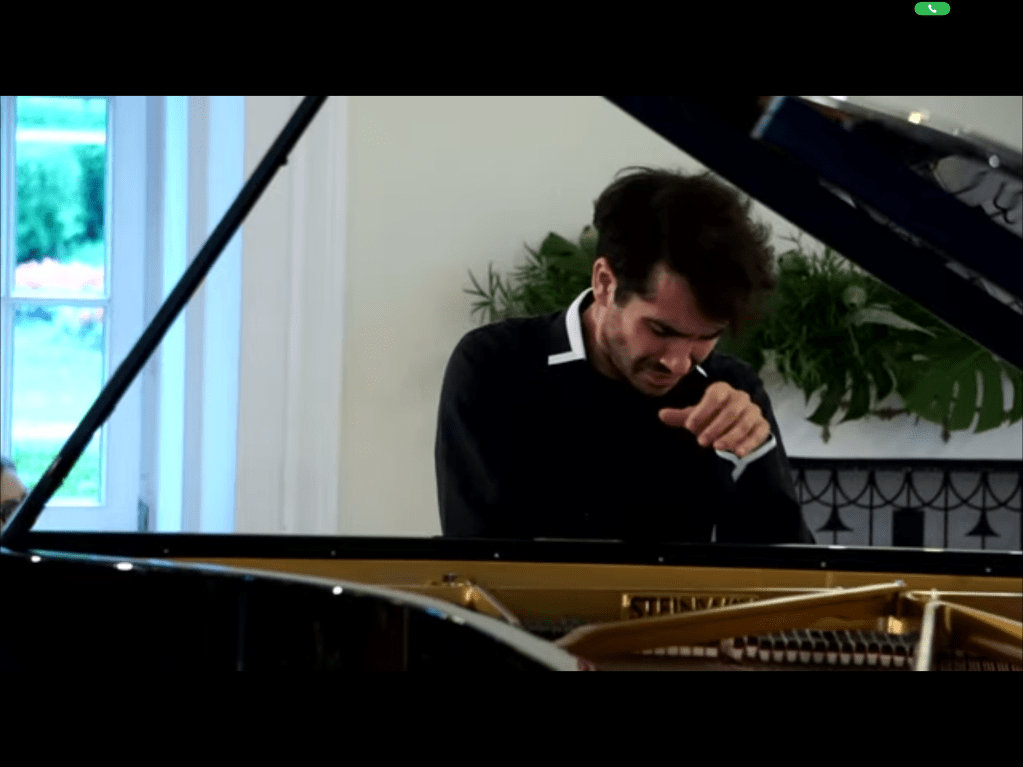
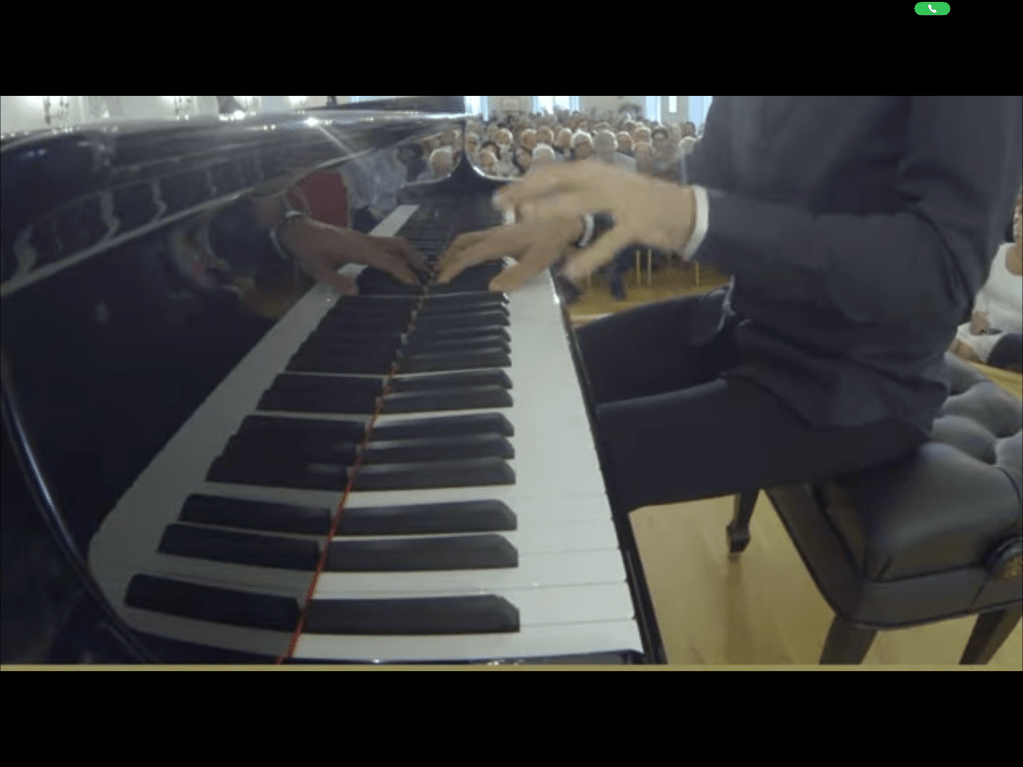
The concept of ‘Il pensieroso’ which Michelangelo Buonarroti symbolized in his idealized representation of Lorenzo di Piero de’ Medici at Florence’s Cappelle Medicee might have had even earlier roots but it became a fascinating subject for many years after Michelangelo’s time. ‘Il pensieroso’, this time was in Liszt’s Années de pèlerinage, Deuxième année: Italie. The inspiration for the main title of the three cycles for piano solo came from Goethe whose Wilhelm Meisters Wanderjahre (years of the journeyman) provided the idea. Much later in Liszt’s life, parts of ‘Il pensieroso’ surfaced once again in the second part of his Trois odes funèbres, La notte where Michelangelo meets Liszt, Milton, Goethe, Händel, and last not least the British/American Painter Thomas Cole.In La notte Liszt divides his attention between the tomb of Giuliano de’ Medici which shows the sleeping woman to the left symbolizing the night and the tomb of Lorenzo de’ Medici who is portrayed as the man who is deeply thinking seemingly in an introspective and melancholy mode. If Liszt’s La notte came after the untimely death of his daughter Blandine at childbirth, it adds tragedy to the composer’s life of highs and lows, of extremes and contradictions that it followed the early death of Liszt’s son Daniel which had been reflected in the music of Les morts. Here Liszt was seeking guidance from Hugues Félicité Robert de Lamennais, a priest and author who had Liszt’s confidence and trust throughout most of Liszt’s life. It is Lamennais’s presence when Liszt subtitled the work ‘oraison’ (prayer or oration). Les morts was dedicated to Liszt’s daughter Cosima who survived her father by almost a half-century. Liszt’s music can be said to represent a philosophy of art, poetry and religion, the complex sources he drew from,
the multitudes of inspiration from an unending number of origins and the awareness that Liszt’s work transcended music in a multitude of ways and means.
A deeply introspective performance where Floristan barely touched the keys before Liszt’s chords of the final scene from Tristan and Isolde opened a flood gate of a gasping,breathless unending build up of fragments that led to the final crowning passionate outpouring.It was played with a magical sense of colour with golden streams of sounds that grew so naturally with an inner passion and intensity that was mesmerising.Even the most passionate of climaxes was played with a beauty of sound from a pianist who could never play vertically but saw the long lines with his body movements as horizontal and deeply etched into the keys.The aching silence that greeted the final moments of this marvel were proof enough of the trance that had been created by this true poet of the Keyboard.
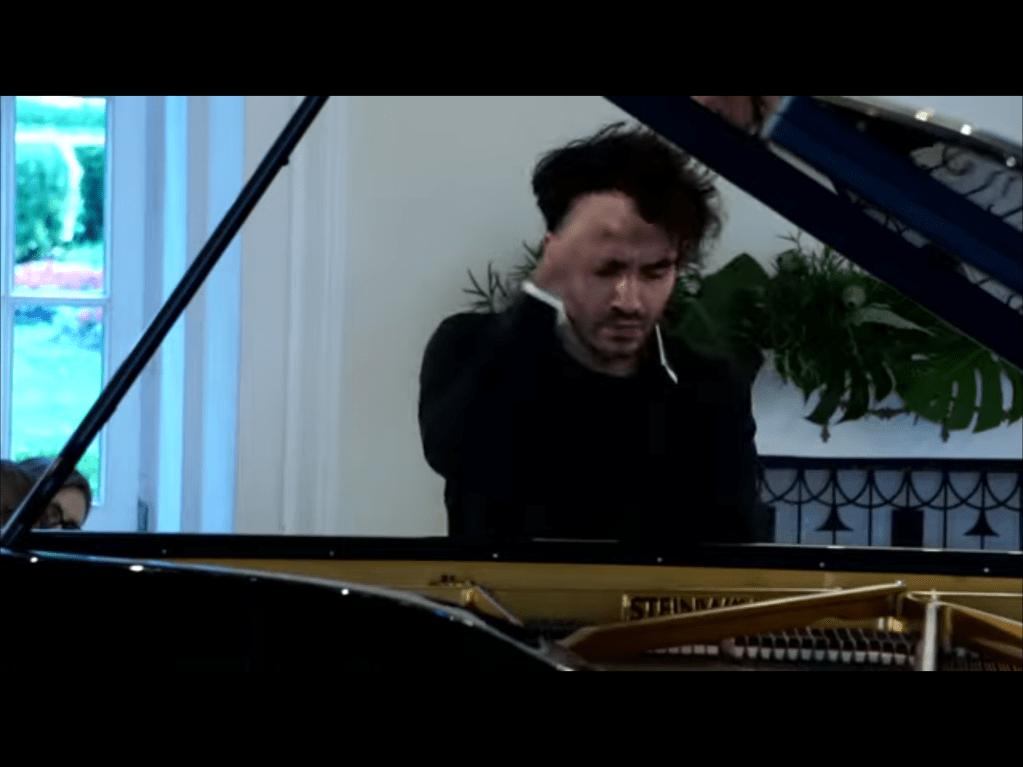
The whole work is based on one single basic motif from which all the theme are developed. This motif is distilled from the theme of the second movement, which is a sequence of variations on a melody taken from the lied “Der Wanderer”, which Schubert wrote in 1816.
The four movements are played without a break. After the first movement Allegro con fuoco ma non troppo in C major and the second movement Adagio (which begins in C-sharp minor and ends in E major), follow a scherzo presto in A-flat major and the technically transcendental finale, which starts in fugato returning to the key of C major and becomes more and more virtuosic as it moves toward its thunderous nonfugal conclusion.
Liszt was fascinated by the Wanderer Fantasy, transcribing it for piano and orchestra (S.366) and two pianos (S.653). He additionally edited the original score and added some various interpretations in ossia and made a complete rearrangement of the final movement (S.565a).
Floristan brought great style and precision into an architectural shape of power and rhythmic precision.There were moments of great lyricism too but never allowing the impetus to relax.There were also added arpeggiando chords and some wickedly impish added ornaments in the Scherzo. But they were integrated into a whole with style and immediacy of communication.There was ravishing beauty and subtle colours of the ‘Wanderer’ variations and gentle playfulness of the Scherzo side by side with demonic outbursts and build ups of overwhelming intensity.Schubert’s early masterpiece in Floristan’s hands was restored to pinnacle of the keyboard repertoire alongside the B minor Sonata of Liszt of which it was the true inspiration.
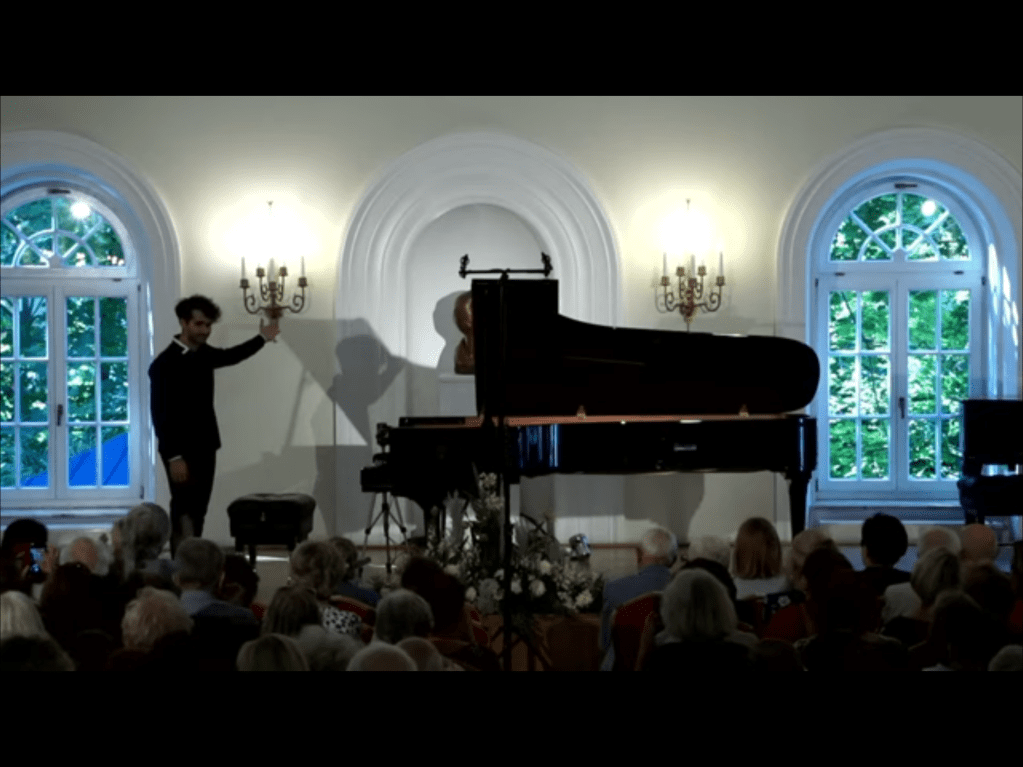
‘We have been on a journey together from Poland and Majorca through Italy to Austria so now let’s go across the ocean to Argentina ‘.
And with that same charm he offered as an encore the beguiling second dance by Ginastera ‘La danza de la moza donosa‘.
Another encore by great insistence was the final dance from the three Danzas Argentinas where the directions such as furiosamente (“furiously”), violente (“violent”), mordento (“biting”), and salvaggio (“wild”) left no doubt as how to play this third dance, Danza del gaucho matrero (“Dance of the Outlaw Cowboy”).
‘You asked for it ‘ was Floristan’s final remark before letting rip with a truly transcendental performance of this very effective dance.The barely audible water boiling at 100 degrees at the beginning soon exploded into an overwhelming torrent of notes and a glissando that almost reached Chopin’s nose and back before crashing to a full stop .Our young poet had now let his hair down and shown us his transcendental technical control and virtuosity that had been totally at the service of the composers wishes throughout a memorable recital.As he himself said ‘ You asked for it !’
People in London on the 8th October at 7.30 in St John’s Smith can listen to this remarkable poet of the piano as Winner of the Artur Rubinstein International Piano Competition in Tel Aviv.
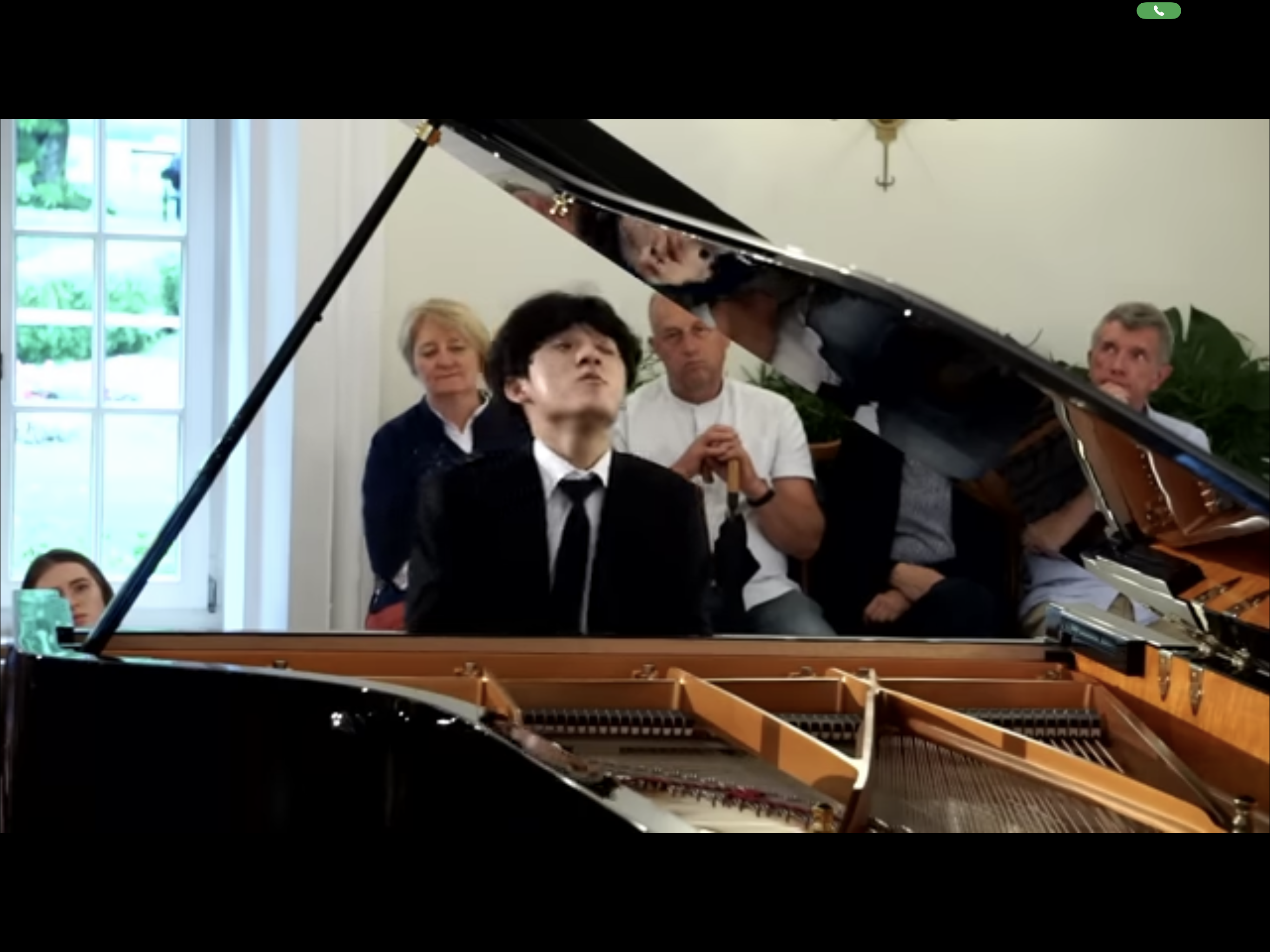
Yunchan Lim in Poland – the refined beauty and maturity of a great artist
Quite overwhelmed by the sheer beauty of this teenager’s playing.A maturity way beyond his 18 years and a sensitivity to sound that was breathtaking.
I had heard about this young man presenting all the Liszt Transcendental studies in one of the rounds of the recent Van Cliburn competition.
Tired of the usual super proficiency of those that jump the most hurdles and get through to the final rounds,I only listened to his very exciting performance of Rachmaninov 3rd concerto which won him unanimously the Gold medal.
How many wonderfully trained pianists there are from South Korea and China winning gold medals right left and centre with their highly professional playing at such an early stage in their career.
Great artistry too instilled in them by their wonderful teachers.
Often short lived,disappearing into oblivion as soon as the next prize winner comes along.As they move into a professional career away from their instilled obedience to discipline and their long suffering mentors usually casualties themselves of the same vicious circle of events.
A good wine needs time to mature into a great one and I remember Ruggiero Ricci telling me that the world is going too fast for an artist to be able to mature.
When he was young,to go to the Americas involved many days on an ocean liner – precious time when an artist could think and relax and have time to mature.
We live in an age now when you could play a concert in one part of the hemisphere and already the next day play another in the other half.
As we do not have wings there are airports,hotels and transfers that take up the time the artist needs to be in his studio not only on stage.
So I was a bit sceptical when I saw that this young man was opening his programme not with transcendental Liszt or scintillating Rachmaninov but with the Four Ballades of Brahms not even Chopin!
Alexandre Kantarow – the winner of the Tchaikowsky competition – had played them in an empty Philharmonie in Paris during the pandemic in a memorable programme of Bach/Brahms Chaconne,Brahms Ballades and Rachmaninov first sonata.
All very ungrateful works in the wrong hands but in his it was one of the highlights of the pandemic and began to show me that many competitions now seem to be able to find real artists amongst the enormous amount of wonderful pianists that have applied and are sifted through with such skill.
I thought Kantarow was the most beautiful I had heard not having ever been able to hear Michelangeli live – although I queued up regularly for his London concerts that he would always cancel at the last minute!
But today I was not expecting playing of such maturity allied to a sensitivity to sound that was quite extraordinary.
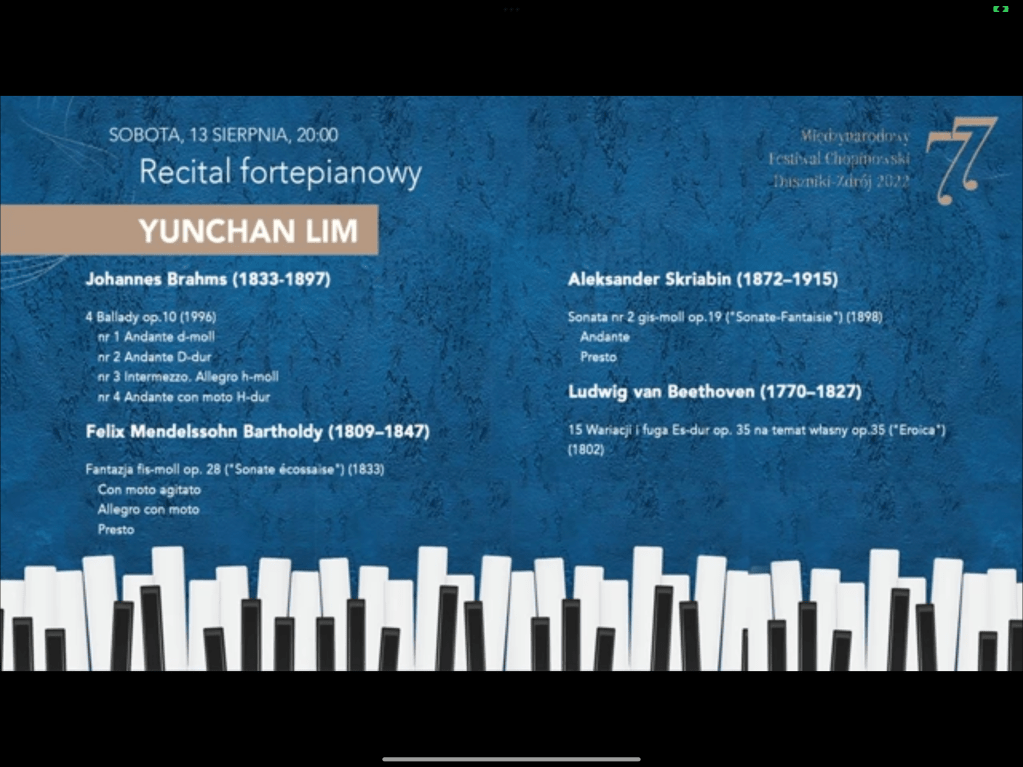
The deep contemplation and melancholy of the opening Ballade was followed by the ravishing fluidity of the second awakened by the dynamic rhythmic drive of the third.The final Ballade was of such searing beauty words are not enough to describe it.
Mendelssohn that floated in as if on a great wave of sound as the character and ease he brought to this rarely heard work allowed one to revel in the charm ,scintillating bravura and beauty of Mendelssohn’s writing for the piano that we have overlooked for too long.
The almost inaudible murmured opening of Scriabin’s Fantasy Sonata was greeted by a luminous radiance of sound of stars shining brightly with passionate intensity.The transcendental command of the last movement was truly breathtaking and the spell was only broken by Beethovens call to arms with the opening E flat chord of the ‘Eroica’ Variations.
Played with the same driving energy of Serkin but with the sensibility of Lupu and the intelligence of Curzon .
What can I say : ‘Hats off ,Gentlemen,a genius!’
D minor. Andante
D major. Andante
B minor. Intermezzo. Allegro
B major. Andante con moto
The tonal center of each ballade shows the inter relationship between them: the first three each include the key-signature of the ballade that follows it.
The first Ballade was beautifully balanced ,deeply contemplative and movingly shaped and was an opening statement of great weight.His supreme sensitivity and control gave a poignant sense of melancholy from the very first notes.His magic sonorities excluded any hardness as there was a richness to the sound of string quartet quality.A truly passionate climax that dissolved into a very delicate legato return of the opening but this time with a staccato accompaniment in pianissimo showing an unbelievable tour de force of tonal control.The second Ballade opened with a melodic line of liquid beauty played with great sensibility and shape contrasting so well with the velvet richness of the chords that followed .All played with a wonderful flexibility and sense of colour of someone who was listening to every sound he produced.Could the return of the opening melody have been more ravishing than in the hands of this teenager?Pure magic!
The third Ballade brought a complete change of character with a demonic sense of rhythmic energy full of menace and the unexpected.Contrasting with the heavenly sounds on high with the bell like call (similar to Le Gibet) creating a truly magic atmosphere.The fourth Ballade entered as a whisper of such sublime beauty and the searing intensity of the central section was almost unbearable in it’s subtle emotional impact . The return of the opening theme was even more ravishing with a staccato left hand that showed a phenomenal technical control as this young man listened so intensely – Je joue-je sens-je trasmet – an apparition that was unforgettable

The three movements are con moto agitato-Andante,Allegro con moto,Presto.
An opening flourish that linked Brahms to Mendelssohn with such ‘fantasy’ leading to the Andante played with great sensibility and ravishing beauty interspersed with shimmering cascades of notes.Contrasting so well with the quixotic rhythmic energy of the Allegro con moto before the scintillating virtuosity of the Presto.
Not since Serkin or Perahia have we heard Mendelssohn restored to his rightful place with the seriousness of a great interpreter and not the usual heart on sleeve note spinner!
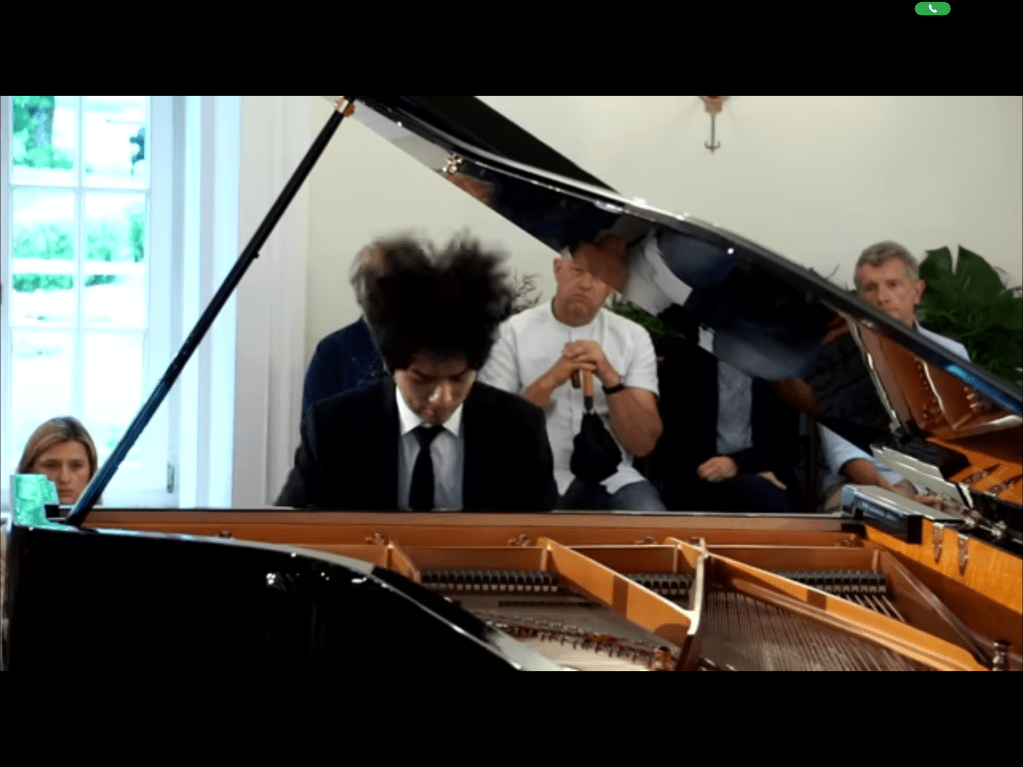
The precedent of Beethoven’s ‘Moonlight’ Sonata allowed Scriabin the luxury of an opening slow movement to his Second Sonata, whose programme reads thus: “The first section represents the quiet of a southern night on the seashore; the development is the dark agitation of the deep, deep sea. The E major middle section shows caressing moonlight coming up after the first darkness of night. The second movement represents the vast expanse of ocean in stormy agitation.”The opening was barely audible with a wonderful sense of legato where Scriabin’s golden and silver strands united in a melodic line of luminous radiance.The rhythmic energy and passion he brought to the second movement were breathtaking in their sweep and conviction.
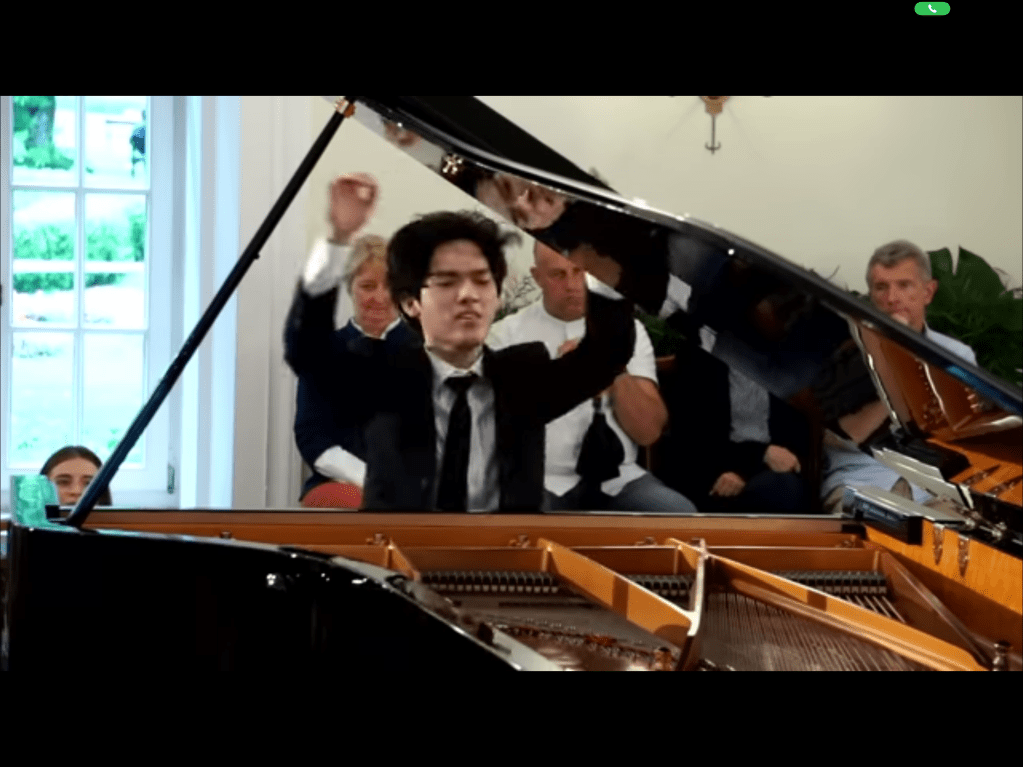
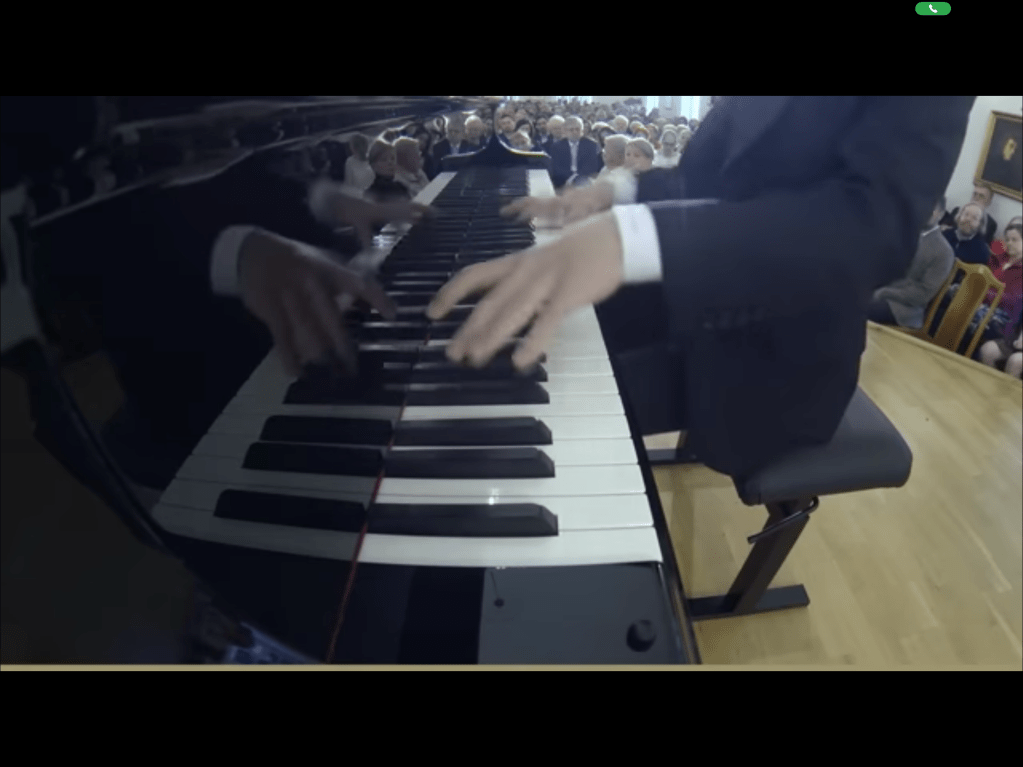
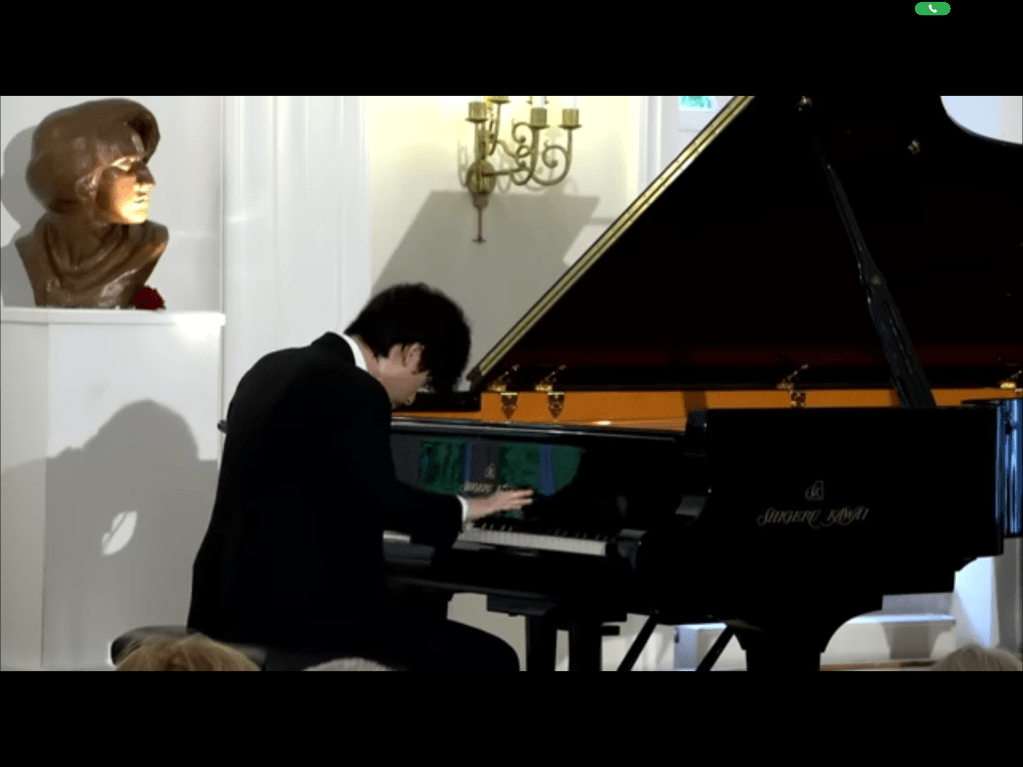
And what a journey this young man treated us to!This Shigaru Kwai was of such sumptuous sound – the best of Bosendorfer and Steinway combined into one glorious sound of a richness and colour.
The Beethoven was played with the same rigour and vigour that has remained in my memory from Serkin’s Beethoven performances.A clarity and precision of sound where there was no doubt about the intent of the performer as a true medium for the composer.The variations at the end of of the fugue reminded me of the 32 variations in C minor written only two years later.A work that Beethoven was not happy with and of course compared to this masterpiece you could see why.Even though the 32 variations proved popular, receiving a favorable review in Leipzig in 1807.They remain popular today mainly as a vehicle for advanced music students unfortunately.There are though some memorable performances of Emil Gilels and Annie Fischer and more recently Radu Lupu.Nevertheless, Beethoven did not see fit to assign it an opus number.It is said that later in his life he heard a friend practicing it. After listening for some time he said “Whose is that?” “Yours”, was the answer. “Mine? That piece of folly mine?” was his retort.
There is no doubt after this young man’s performance of the ‘Eroica’ Variations that this is a work of absolute genius from the opening call to arms to the final weaving and teasing of the last bars.
I was surprised that Lim played the bare opening notes so short but that is only a mere detail in a performance of an intellectual rigour of masterly maturity.The ‘a due’ and ‘a Tre’ were of such beautiful legato of musical wizardry contrasting of course with the bare bones of the theme .There was a wonderfully clear but rich sound to the’a quattro’ with the same dynamic energy of a Serkin before the entry of the theme played with the same energy but with subtle phrasing.There was the pure charm of the first variation played with ease but also great determination.It contrasted with the second bathed in pedal that gave such sonority to the cascades of notes leading to the cadenza and the impish reappearance of the theme.Chords spread over the entire keyboard in the third played with devilish energy before the deliciously insinuating left hand of the fourth over which Beethoven mischievously adds the melodic line.There was a complete change of colour with the fifth that of a music box played with improvised ease.Menacing left hand of the sixth and the teasing pointed finger determination of the seventh.What beautiful fluidity he found for the eighth with Beethoven’s long pedal so beautifully interpreted.A rude awakening with the rumbustuous chords of the ninth followed by an intricate web of notes played with teasing energy.The charm of the eleventh with the grace of Beethoven’s question and answer so eloquently described.Octaves abound in the twelfth before the crazy dissonances that Beethoven beguiles us with before the Bachian solemnity of the fourteenth.The final Largo was played with mature intensity with the beautiful bel canto embellishments transformed by the genius of Beethoven into a great statement of weight and significance.The coda was pure musical magic where this teenager had been able understand and distil the absolute genius of Beethoven who in just a few bars could describe a universe.
Of course Beethoven’s long pedal markings were scrupulously interpreted by our young guide.It led to the simplicity and clarity of the fugue that was played with the rhythmic energy and intensity of the ‘Hammerklavier ‘ that was to follow nearly twenty years later as op 106.After a great climax it took just two carefully placed staccato chords to bring us back to the charm of the theme -Andante con moto and it’s extraordinary variants taking us as I have already described to the final two chords.
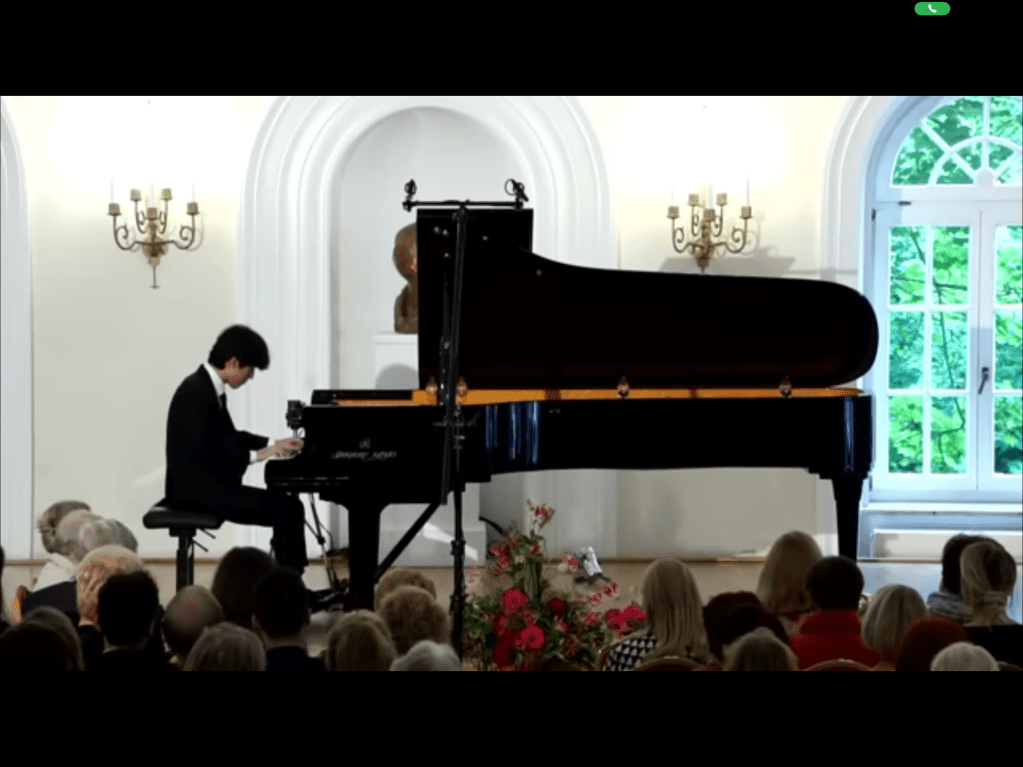

Jonathan Ferrucci – Goldberg Variations a voyage of discovery
As Jonathan Ferrucci says a lifetime may not be enough to enter completely into the genial mind of J.S.Bach.One can but try and this is the start of a remarkable voyage of discovery.On his fifth public performance in Florence last winter I think that from the spell he created it was evident enough that he is on the right trail.Seventy five minutes of total silence from an elite audience surrounded by the books of that remarkable aesthete Harold Acton.Jonathan like Acton was born in Florence both bringing back their experiences from abroad to the cradle of culture in what Rostropovich described as the Museum of the World.Jonathan is now being mentored by Angela Hewitt who has indeed inherited the mantle of Rosalyn Tureck as the High Priestess of Bach. Rosalyn Tureck came to Florence in the 90’s when she was 78 to play these very variations at La Pergola and she became immediately the ‘Diva’ of Florence.This mantle has now passed to Angela Hewitt whose approach to Bach is more human and less monumental than Tureck but their total dedication allows them to get as close as is possible to the core of the genius of J.S.Bach.Jonathan is fast on this trail too as the minutes of aching silence that greeted the end of the Goldberg in Florence was proof enough.His performance has the authority of someone who is living with the music and it is gradually but surely entering his being as it directs his spirit to the glory of the soul of Bach which is of course To the Glory of God!

