Masterclasses where the composers wishes are paramount as Maestro Portugheis with humility and respect shares his thoughts with young musicians in annual masterclasses that he holds in many different cities throughout the world.
A total respect for the composers wishes is the start of an interpretation to turn dots and dashes into the same sounds that the composer could imagine in his head.Nowhere is that more apparent than with the elderly Beethoven – totally deaf as he wrote down his final Sonatas with indications on performance that were sounds only in his head .He was able to transform his wishes precisely onto the printed page to share with posterity.A miracle indeed and there are one or two performers who can perform miracles as they translate these wishes into sound with mastery and artistry.
A lifetime voyage of discovery that Alberto Portugheis shares with talented young musicians with determination,severity but above all love.
Patsy Toh (Mrs Fou Ts’ong- https://christopheraxworthymusiccommentary.com/2021/01/13/roberto-prosseda-pays-tribute-to-the-genius-of-chopin-and-the-inspirational-figure-of-fou-tsong/) teacher at the Purcell School of Firoze Madon and also Magdalene Ho ,both now in the class of Dmitri Alexeev at the RCM .Magdalene (19) was the winner last weekend of the Clara Haskil Competition Maestro Portugheis with his ‘boys’Nicolas Absalom. https://christopheraxworthymusiccommentary.com/2019/08/15/the-thomas-harris-international-piano-foundation-part-12/ https://christopheraxworthymusiccommentary.com/2019/11/10/viva-alberto-portugheis-and-the-thomas-harris-international-piano-foundation/I have heard Nicolas many times over the past five years in the various competitions and masterclasses held in collaborazione with the late Mrs Harris and the foundation created by her to celebrate the memory of her son who had also been mentored by Maestro Portugheis . Nicolas has matured ,via his studies in Weimar and Berlin into an artist of stature.One can gauge the maturity and musicianship of an artist in performances of the genius of Mozart that Schnabel famously decreed was too difficult for adults but too easy for children.Nicolas is now a mature young man and his Mozart was of great clarity and purity and technically impeccable showing great style. Of course the Ravel Toccata showed of his technical preparation but above all showed his musical intelligence choosing a tempo in which Ravel’s enchanted sound world could ravish and seduce as well as astonish!Zoltan GalyasZoltan Galyas I have not heard before and was intrigued to hear that he had to take his two children to school before joining the class at 10 am in Steinways.Talking to him afterwards too I was full of admiration for a born pianist ,as he so clearly demonstrated ,who was fully employed playing in Hotels and clubs in order to survive with a young family ( similar of course to the ‘menial’ tasks that Bach and Mozart had to undertake for their ‘masters’ in order to survive ).A pianist who has hands like limpets that are made to cling to the keys ,never hitting but digging deep into each key where his fingers are so obviously at home. A Chopin third Scherzo ,despite the odd blemishes,that was played by a true musician who could shape the majestic octaves horizontally into a musical line that led so naturally into the magical chorale that is heralded with such majesty.A coda of lightening speed but with fingers that knew where they were going but a driver that just needed to be less in a hurry! As Zoltan had explained he had started studying the Fourth Scherzo and was working now backwards and has arrived at the doorstep of the First .The fourth is a work close to his heart as was obvious from the warmth and control he could coax out of this wonderful black beast that Steinways so graciously allow real pianists to perform on in their beautiful new streamlined show room.Firoze Madon https://christopheraxworthymusiccommentary.com/2023/05/06/thibaudet-inspires-at-the-rcm-in-london/I had forgotten that I had heard Firoze play in a masterclass at the RCM of Thibaudet and I remember how impressed I was with his inborn musicality and sensitivity to sound.He had great respect for the Beethoven op 90 Sonata where the rests above all were so precise but also the rhythmic energy and sense of architectural shape.The Schumann Novelette was played with great contrasts between the opening strident chords and the romantic sweep of the composers poetic soul.’Marcato e con forza’ but in Firoze’s hands it was never allowed to become hard or ungrateful but full and expansive as he allowed the music to pour from his youthful hands with the same spirit with which the composer had obviously penned them.From the opening bass C sharp Firoze created a panorama of beauty and continuous mellifluous flights of invention in Chopin’s miraculous outpouring of song that is his Barcarolle.A performance of great authority and aristocratic musicianship that could dig deep into the soul of Chopin without any superficiality or excess.Nikita Lukinov https://christopheraxworthymusiccommentary.com/2023/06/05/nikita-lukinov-at-st-marys/I think all of us present today were aware that we were in the presence of a young master. A control and authority where delicacy and rhythmic energy combined in an Allegro con brio that was played with ravishing style and colour allied to dynamic rhythmic energy.The famous double thirds he organised to give the utmost precision without the terror of having to start a sonata already on a slippery slope .A bit like op 111 or op 106 should we play it like a master pianist or a master musician ?Nikita is both as he demonstrated with his masterly musicianship throughout.Not sure Arrau or Serkin would have forgiven him his pianistic trickery though!An Adagio that was barely whispered as it flowed on a continuous current of grandeur and beauty .Scintillating clarity to the scherzo with a trio that was just great washes of sound .The Beethovenian elegance of the Allego assai was played with transcendental control where the composer already transforms the inherited Sonata form into a new style of elegance with genial surprises and weight. The Schnabel Edition of the the 32 Sonatas was a just prize for a young musician headed for the heights Maestro Portugheis presenting the Schnabel Beethoven Edition to Nikita in recognition of his masterly performance of the longest and most important of the early Sonatas.Work behind the scenes with scrupulous attention to the composers indications – transforming them into sounds with humility respect and artistry Following the score during the performance – this is where an interpretation is born and the starting point for an artist to bring the composers wishes to life.Yisha Xue of the National Liberal Club where Nikita will perform on the 6th November in the KT series En Blanc e Noir
Patsy Toh (centre) with Firoze Madon and his mother
I have never forgotten the appearances of Rudolf Serkin in London in the ‘70’s .Playing the two Brahms concerti at the reopening of the refurbished Festival Hall heralded sporadic visits for recitals and also complete Mozart Concertos with Abbado down the road at the newly opened Barbican.How could one ever forget his monumental performance of the ‘Hammerklavier’ where the tension created was so great that even he was left shaken and astonished by the genius of Beethoven as he struck the final mighty chord.Diabelli Variations that were like thirty three electric shocks until the atomic explosion of the fugue.But there was also early Beethoven op 2 n.1 that was played with the same humility and respect as op 111 in a programme that also included Schumann’s Carnaval and Busoni’s Berceuse and Toccata.One year I remember him playing the Reger Variations too.Serkin was not a stylist but a great pianist with a technical mastery that knew no difficulties but it was placed at the service of the composer of which he was the humblest of servants.A dedication that was ready to work 8 hours a day even in his old age to be able to do justice to the composers he was serving.
I have followed Ariel Lanyi’s career since his arrival in London and after today’s performances I have no doubt that here at last we have a musician of honesty,integrity and modesty with an uncontaminated sound.A prophet for whom we have been in such need to save us from certain schools of playing that are fast becoming confused with entertainers!
Perahia,Zimmerman,Brendel,Arrau all have one thing in common which is exactly the rare gift to illuminate the thoughts of the composer and to turn a page of black dots qnd dashes into a living breathing thing as it must have been when the ink was still wet on the page.I remember Richard Goode discovering a very young Perahia and sending him to play for his own teacher Serkin.’You told me he was good’ exclaimed the master ‘but you did not tell me HOW good’.Agosti,my own teacher and friend was like Brendel and would ask students to bring only the greatest of works to his class as a lifetime was not enough for an in-depth study of masterworks by Mozart,Beethoven or Bach.There was no time to waste on anything less .Andras Schiff prefers not to announce his programmes years in advance and knows his public will trust him to play only the greatest of music as he announces the programme as the concert progresses..Ariel too has this intellectual curiosity allied to a transcendental pianistic command that he can search out and delve deeply into the great compositions of the masters.
Beethoven’s Piano Sonata No. 2 in A major op.2 n.2 was written in 1795 and dedicated to Joseph Haydn . It was published simultaneously with his first and third sonatas in 1796 .It was was the first Beethoven sonata to reach America and was performed in New York on June 5, 1807.
Today Ariel made us aware of the genius of Beethoven even in the very first Sonatas of the 32 that were to span a lifetime.This group of three Sonatas dedicated to his teacher Haydn already show a unique personality that whilst using the standard forms can astonish and inspire rather than just bowing and curtsying with the eloquence and elegance of their time.Beethoven the revolutionary was already sending sparks flying.Ariel brought a clarity and rhythmic drive to op 2 n. 2 and a sound that was so similar to Serkin that I was quite astonished and was pleasurably surprised to discover that my memory had not been playing tricks as I was reminded what simplicity and intelligence could bring to these early scores.Simple,pure Beethoven – easily said but as Schnabel said of Mozart :’too easy for children but too difficult for adults’.There were orchestral colours in the ‘Largo appassionato’ with the beautiful legato cantabile melody accompanied by the pizzicato bass- a real tour de force of technical control.It was even more astonishing at the end where Beethoven incorporates counterpoints in its midst that Ariel managed to play with layers of sound that were an extraordinary technical feat.There was grace and charm to the scherzo and a beautifully flowing Trio that contrasted so poignantly with the return of the Scherzo .A complete change of landscape with the Rondo written ‘Grazioso’ and with pedal indications that were beautifully transposed into sounds of ravishing beauty and fluidity.The Beethovenian outbursts were played with dynamic drive and energy and were like electric shocks in this pastoral landscape where Beethoven’s rapid changes of humour could so rudely interrupt the proceedings.
It was a great privilege to be reminded of the Reger Variations and to realise what a great work has been ignored for too long in the concert hall.The deeply expressive Bach Cantata gradually trasformed into variations of sublime beauty but also of the same technical difficulty as one finds often in Brahms.Ariel never lost sight of the musical line as the variations led to the final triumphant fourteenth variation.Out of the sound of the last chord emerged the fugue with simplicity and clarity much as in Beethoven op 110.Leading to the final intricate pages of knotty twine clarified for us with the same simplicity and drive of someone who has had the same vision as the composer and can guide us through the maze with simple transcendental ease.
Johann Baptist Joseph Maximilian Reger (19 March 1873 – 11 May 1916), commonly known as Max Reger, was a German composer, pianist, organist, conductor, and academic teacher. He worked as a concert pianist, as a musical director at the Leipzig University Church, as a professor at the Royal Conservatory in Leipzig, and as a music director at the court of Duke Georg II of Saxe-Meiningen.Reger seemed determined to create as epic a sound from the piano as possible, uniting the harmonic chromaticism of Liszt and Wagner, the rhythmic hemiola and chordal density of Brahms, and the contrapuntal mastery of Bach. Arnold Schoenberg, who famously emancipated dissonance from tonal contexts, considered Reger a genius, and indeed, we can only speculate how much further Reger’s musical expressionist tendencies might have gone had he not died of a heart attack in 1916.Ironically enough, the Bach theme in Op. 81 was not chosen by Reger himself but by one of his performer advocates, the pianist August Schmid-Lindner.
Reger’s dedication to Bach bore especially rich creative fruit, not only in the noble ‘Bach’ Variations , but in a number of ingenious keyboard transcriptions, not least the complete orchestral Suites and Brandenburg Concertos (arranged for piano four hands), and the two-part Inventions, various Preludes and Fugues from The Well-tempered Clavier and sundry Fantasias and Toccatas (refashioned for organ solo). The Variations and Fugue on a theme of Johann Sebastian Bach dates from the summer of 1904, although perennial in their eloquence and vitality and the uncommon richness of their modulations, the Variations are nonetheless rooted in the musical past, much as Bach’s own music had been.The main theme is taken from the beautiful contralto/tenor duet ‘Seine Allmacht zu ergründen, wird sich kein Mensche finden’ (‘No man can fathom His omnipotence’) which is, in turn, from Bach’s Cantata No 128, Auf Christi Himmelfahrt allein. Reger asks for the melody to be played ‘sweetly and always very legato—that is to say, like an oboe solo’ (Bach’s original is scored for oboe d’amore and continuo) and, while treating it to appreciative pianistic colours, opts thereafter to home in on particular elements of the theme rather than to vary it ‘whole’. There is the Fugue at the end after fourteen variations and it is a colossal, three-tier edifice, the first two episodes being four-part fugues (Bach’s original melody reappears in the treble towards the end of the second), the last section combining them both for a towering grand finale.
In March 2023, Ariel Lanyi was honored to receive the Prix Serdang, a Swiss prize awarded by the distinguished Austrian pianist Rudolf Buchbinder. The prize is endowed with CHF 50,000 and is not a competition, but a recognition of a young pianist’s achievements and an investment in their future. Prior to this Ariel won 3rd Prize at the 2021 Leeds International Piano Competition. In the same year he was a prize winner in the inaugural Young Classical Artists Trust (London) and Concert Artists Guild (New York) International Auditions. Highlights this season include a recording with the Mozarteumorchester Salzburg under the auspices of the Orpheum Stifftung as part of their Next Generation Mozart Soloist series. Further afield Ariel takes part in the Bendigo Chamber Music Festival in Australia, gives concerts in the USA, and undertakes a tour of Colombia. In 2023 he was nominated as a Rising Star Artist by Classic FM. Over the last year Ariel returned to Wigmore Hall (as soloist and chamber musician), the Miami International Piano Festival, and Marlboro Music Festival in Vermont. He undertook a tour of Argentina and gave recitals in the Homburg MeisterKonzert series in Germany, the Menton Festival in France, Perth Concert Hall (broadcast by BBC Radio 3), and across the UK including the Brighton and Bath Festivals. In 2021 Linn Records released his recording of music by Schubert to critical acclaim.
Ariel introducing the Reger to an eventually astonished audience
Born in Jerusalem in 1997, Ariel studied with Lea Agmon and Yuval Cohen. Based in London, he recently completed his studies at the Royal Academy of Music with Hamish Milne and Ian Fountain. He has received extensive tuition from eminent artists such as Robert Levin, Murray Perahia, Imogen Cooper, Leif Ove Andsnes, Steven Osborne, and the late Leon Fleisher and Ivan Moravec. Awards include 1st Prize at the 2018 Grand Prix Animato Competition in Paris and 1st Prize in the Dudley International Piano Competition, as well as a finalist award at the Rubinstein Competition.
A programme from Kate Liu searching for the inner beauty and subtle sounds in all she played .A series of Mazurkas ,Waltzes and Nocturnes were allowed to unfold as if in a dream with ravishing whispered sounds .Even the Waltz in B minor op 69 n. 2 was played very slowly and beautifully as was the opening nocturne op 27 n.1. Missing the natural flow as she delved deep into sounds of delicacy and beauty.She had been awarded the Mazurka audience prize and Bronze Medal in the Chopin Competition in 2015 .A curious coincidence that a pianist with the same surname Bruce Liu should win first prize in 2021 It had been Fou Ts’ong in 1955 who had astonished the audience in Warsaw when the Mazurka prize was awarded to a non Polish pianist!Kate Liu was also awarded the Mazurka prize forty years later and she showed us why with three Mazurkas of exquisite sensibility and beauty.
It was obviously a moment of reflection for Kate Liu as even in the Schumann Etudes Symphoniques she found more of Eusebius than Florestan within.There was of course technical assurance and mastery and a rhythmic drive that seemed to ignite her playing after the five posthumous studies where she was able reveal the very soul of Schumann with exquisite timeless sounds .Her control and technical prowess ignited her performance with a ‘presto possibile’ of remarkable precision and the drive she brought to the Allegro con energia that followed was breathtaking with the sudden surprise entry of Florestan.Followed by the ravishing beauty and control of the Andante espressivo Chopinesque study leading into the finale played with driving rhythm and dynamic energy.Two encores were both from the world of Eusebius with the exquisite Bagatelle op 126 n. 5 where Beethoven could finally see the paradise that awaited him after a very difficult life full of earthly trials and tribulations.
The first edition Schumann’s Etudes Symphoniques in 1837 carried an annotation that the tune was “the composition of an amateur”: this referred to the origin of the theme, which had been sent to Schumann by Baron von Fricken, guardian of Ernestine von Fricken, the Estrella of his Carnaval op. 9. The baron, an amateur musician, had used the melody in a Theme with Variations for flute. Schumann had been engaged to Ernestine in 1834, only to break abruptly with her the year after. An autobiographical element is thus interwoven in the genesis of the Études symphoniques (as in that of many other works of Schumann’s).Of the sixteen variations Schumann composed on Fricken’s theme, only eleven were published by him. (An early version, completed between 1834 and January 1835, contained twelve movements). The final, twelfth, published étude was a variation on the theme from the Romance Du stolzes England freue dich (Proud England, rejoice!), from Heinrich Marschner’s opera Der Templer und die Judin based on Sir Walter Scott’s Ivanhoe (as a tribute to Schumann’s English friend, William Sterndale Bennett to whom it is dedicated )The earlier Fricken theme occasionally appears briefly during this étude. The work was first published in 1837 as XII Études Symphoniques. Only nine of the twelve études were specifically designated as variations. The entire work was dedicated to Schumann’s English friend, the pianist and composer, and Bennett played the piece frequently in England to great acclaim, but Schumann thought it was unsuitable for public performance and advised his wife Clara not to play it.The highly virtuosic demands of the piano writing are frequently aimed not merely at effect but at clarification of the polyphonic complexity and at delving more deeply into keyboard experimentation. The Etudes are considered to be one of the most difficult works for piano by Schumann (together with his Fantasy in C and Toccata) and in Romantic literature as a whole.
With Prof Paleczny
Only nine of the twelve études were specifically designated as variations. The sequence was as follows:
Theme – Andante [C♯ minor]
Etude I (Variation 1) – Un poco più vivo [C♯ minor]
Etude II (Variation 2) – Andante [C♯ minor]
Etude III – Vivace [E Major]
Etude IV (Variation 3) – Allegro marcato [C♯ minor]
Etude V (Variation 4) – Scherzando [C♯ minor]
Etude VI (Variation 5) – Agitato [C♯ minor]
Etude VII (Variation 6) – Allegro molto [E Major]
Etude VIII (Variation 7) – Sempre marcatissimo [C♯ minor]
Etude IX – Presto possibile [C♯ minor]
Etude X (Variation 8) – Allegro con energia [C♯ minor]
Etude XI (Variation 9) – Andante espressivo [G♯ minor]
Etude XII (Finale) – Allegro brillante (based on Marschner’s theme) [D♭ Major]
On republishing the set in 1890, Brahms restored the five variations that had been cut by Schumann. These are now often played, but in positions within the cycle that vary somewhat with each performance; there are now twelve variations and these five so-called “posthumous” variations which exist as a supplement.
The five posthumously published sections (all based on Fricken’s theme) are :
Kate Liu inserted them between Etude VIII and Etude IX
Variation I – Andante, Tempo del tema
Variation II – Meno mosso
Variation III – Allegro
Variation IV – Allegretto
Variation V – Moderato.
An open air screen for all to enjoy in this festival where every concert is sold out in advance
Beethoven’s Bagatelles Op. 126 were published late in his career, in the year 1825 and dedicated to his brother Nikolaus Johann ( 1776–1848).Beethoven wrote to his publisher, Schott Music that the Opus 126 Bagatelles “are probably the best I’ve written”.In prefatory remarks to his edition of the works, Otto von Irmer notes that Beethoven intended the six bagatelles be played in order as a single work, at least insofar as this can be inferred from a marginal annotation Beethoven made in the manuscript: “Ciclus von Kleinigkeiten” (cycle of little pieces).Another reason to regard the work as a unity rather than a collection: starting with the second Bagatelle, the keys of the pieces fall in a regular succession of descending major thirds a pattern used in Beethoven’s ‘Eroica’Symphony and the String Quartet op 127
Pianist Kate Liu gained international acclaim after winning the Bronze Medal and Best Mazurka Prize at the 17th International Fryderyk Chopin Competition in Warsaw, Poland. She was also awarded the audience favorite prize voted by the Polish public on the Polish National Radio.
As a soloist, Kate has performed in many important venues, such as the Seoul Arts Center, Tokyo Metropolitan Theatre, Carnegie’s Weill Hall, Severance Hall in Cleveland, La Maison Symphonique de Montréal, Warsaw National Philharmonic, Kennedy Center in Washington, D.C., Shanghai Concert Hall, Osaka Symphony Hall, Polish National Radio Symphony Orchestra Hall, Phillip’s Collection, and others. She has collaborated with orchestras including the Cleveland Orchestra, Warsaw Philharmonic Orchestra, Orchestre Symphonique de Montréal, Polish Radio Orchestra, Poznan Philharmonic, Yomiuri Nippon Symphony Orchestra, Daegu Symphony Orchestra, Rochester Philharmonic, Hilton Head Symphony Orchestra, and Evanston Symphony Orchestra. Her debut album of works by Chopin was released on the Fryderyk Chopin Institute label in 2016.
Born in Singapore, Kate began playing the piano when she was four years old and moved to the United States when she was eight. Her private studies then were at the Music Institute of Chicago with Emilio del Rosario, Micah Yui and Alan Chow. Early on in her career, she won 1st Prizes at the Third Asia-Pacific International Chopin Competition and the New York International Piano Competition. She received a Bachelor’s degree from the Curtis Institute of Music studying with Robert McDonald, as well as a Master’s and Artist Diploma degree from The Juilliard School under the tutelage of Robert McDonald and Yoheved Kaplinsky.
It is interesting to note the past winners of the Chopin competition from 1927 to the present day
Lina Tufano,the artistic director of the Incontri Musicali in Ischia writes to Sarah Biggs, C.E.O of the Keyboard Trust :
Pedro gave us 2 wonderful recitals!
He is a very talented young pianist! The audience enjoyed so much his performances in both the concerts ( the Hall was full) that gave him a standing ovation. He has a very sharp musical intelligence, Mozart’s sonata was emotional and expressive , Fantasia baetica by De Falla was colorful and impressive and here his interpretation was really superbe. He played Mussorgsky ‘s Pictures and Schumann’s Kreisleriana with great confidence. I liked him so much that I asked him to come back and play to La Mortella when he wants (may be before the Chopin competition, so that he can play in 2 concerts the whole Chopin programs?)
Thank you Sarah,and thanks to the Keyboard Trust for sending us such talented young pianists! We are waiting for the next one!
And to me C/O artistic director of the Keyboard Trust :
Caro Christopher, Pedro è stato davvero bravissimo, è un giovane pianista di grande talento! Ha tenuto 2 concerti in una sala piena e con un pubblico straordinariamente attento e caloroso che ha gradito moltissimo le sue esecuzioni tanto che gli ha tributato alla fine una standing ovation. È un pianista dotato di grande intelligenza musicale, attento ad ogni sfumatura e particolare della partitura, la sonata di Mozart davvero ammirevole per equilibrio ed espressività, mai leziosa, una straordinaria Fantasia baetica di De Falla, dove davvero ha dato il meglio di se’ con una esecuzione appassionata e piena di colori. Belle le interpretazioni dei Quadri di Mussorgsky e della Kreisleriana di Schumann, 2 monumenti della letteratura pianistica affrontati con grande sicurezza . Mi è talmente piaciuto che l’ho invitato a ritornare alla Mortella quando vorrà! Grazie per avercelo segnalato, mancavi solo tu! Ti aspettiamo per Thomas Kelly. Un caro saluto
Some superb playing from the young Lithuanian pianist Milda Daunoraité from the school of Tessa Nicholson.The Lithuanians seem to be born with an ingenuous ‘joie de vivre’ that is reflected in their wonderful,relaxed style of playing . Perlemuter,born in Kaunas ,was a prime example and it was to his first teacher Moszkowski that Milda turned today to close her scintillating recital with sparks that crackled and shone with such fun as they spun from her fingers with the ravishing style of a bygone age. The sheer enjoyment and exhilaration that she shared with us was of that was the same refreshing simplicity that was mirrored in the short conversation with Elena Vorotko at the conclusion of another memorable concert in the En Blanc et Noir series dedicated to the memory of the late Robert Turnbull. This had come after one of the finest performances of Chopin’s elusive fourth Scherzo I have ever heard.It was full of jewel like colours and pungent emotions all thrown off with a mastery that revealed the true depth of feeling behind the seemless web of golden notes. Debussy’s haunting bells were heard with a purity and a luminosity as they became ever more insistent followed by the ravishing vision of moonlight that in turn gave way to the fleeting high jinx of Golden Fish. Schumann’s monumental first sonata bravely opened the recital and is an early work where the continual conflict of Floristan and Eusebius is never truly resolved .It was given an at times heroic performance of deeply felt emotions from the intense to the frivolous.Living every minute but where a greater architectural awareness would have united her emotions into one great outpouring of monumental shape .
Lithuanian pianist, Milda Daunoraitė, began her piano studies at the age of six. She received her formative education at The Purcell School of Music and is currently studying with Tessa Nicholson at the Royal Academy of Music, on a full fees scholarship, where she is a recipient of the ABRSM Scholarship Award. She is supported by The Keyboard Charitable Trust, ‘SOS Talents Foundation – Michel Sogny’ and the Mstislav Rostropovich Foundation.
Milda’s performances have been featured live in forty countries through Mezzo TV, Radio Classique, TV5 Monde and Lithuanian National Television and Radio. In 2018, Milda performed the Fourth Piano Concerto by V. Bacevičius for the Lithuanian National Philharmonic Society with the Latvian National Symphony Orchestra. This concert was broadcast across Europe by Euroradio (EBU).
She has performed at venues such as Wigmore Hall, the Amsterdam Concertgebouw, Musikhuset Aarhus, the United Nations headquarters in Geneva, at the EMMA World Summit of Nobel Prize Peace Laureates in Warsaw and many others. Milda’s recent performances include a recital in the Laeiszhalle Recital Hall in Hamburg, at the Deal Music & Arts Festival, at the Petworth Festival, Biarritz Piano Festival and at the Palermo Classica Festival.
Milda won the Purcell School’s Concerto Competition which gave her the opportunity to perform Ravel’s Piano Concerto in G major at the Queen Elizabeth Hall in London. She also won First Prize in the international V. Krainev Piano Competition in Kharkov, Ukraine; the ‘Jury‘ Prize in the Pianale International Academy & Competition in Germany; and First Prize in the fourth International Piano Competition in Stockholm.Yisha Xue of the Asia Circle at the National Liberal Club Elena Vorotko in discussion with Rupert Christiansen and Sarah Biggs https://christopheraxworthymusiccommentary.com/2023/06/02/the-gift-of-music-the-keyboard-trust-at-30/Milda with her distinguished teacher Tessa Nicholson
The Piano Sonata No. 1 in F♯ minor, Op. 11, was composed by Robert Schumann from 1833 to 1835. He published it anonymously as “Pianoforte Sonata, dedicated to Clara by Florestan and Eusebius”.
Eric Frederick Jensen describes the sonata as ‘the most unconventional and the most intriguing’ of Schumann’s piano sonatas due to its unusual structure.The Aria is based on his earlier Lied setting, “An Anna” or “Nicht im Thale”.Schumann later told his wife,Clara , that the sonata was “a solitary outcry for you from my heart … in which your theme appears in every possible shape”.
The four movements are as follows:
Un poco adagio – Allegro vivace (F♯ minor)
Aria: Senza passione, ma espressivo (A major)
Scherzo : Allegrissimo (F♯ minor) – Intermezzo: Lento. Alla burla, ma pomposo (D major) – Tempo I
Finale: Allegro un poco maestoso (F♯ minor, ending in the tonic major)
Images is a suite of six compositions for solo piano by Claude Debussy.They were published in two books/series, each consisting of three pieces. The first book was composed between 1901 and 1905, and the second book was composed in 1907.The total duration is approximately 30 minutes. With respect to the first series of Images, Debussy wrote to his publisher, Jacques Durand : “Without false pride, I feel that these three pieces hold together well, and that they will find their place in the literature of the piano … to the left of Schumann, or to the right of Chopin… “
Debussy wrote another collection, Images oubliées (L. 87), in the Winter of 1894 and dedicated it to Yvonne Lerolle, daughter of the painter Henry Lerolle.
“Cloches à travers les feuilles” was inspired by the bells in the church steeple in the village of Rahon in Jura, France.Rahon was the hometown of Louis Laloy , a close friend of Debussy and also his first biographer.
“Et la lune descend sur le temple qui fut” (And the moon descends on the temple that was) was dedicated to Laloy.The name of the piece, which evokes images of East Asia , was suggested by Laloy, a sinologist. The piece is evocative of Indonesian gamelan music, which famously influenced Debussy.
“Poissons d’or” was probably inspired by an image of a golden fish in Chinese lacquer artwork or embroidery , or on a Japanese print. Other sources suggest it may have been inspired by actual goldfish swimming in a bowl,though the French for goldfish is ‘poisson rouge’ (red fish).
The Scherzo No. 4, Op. 54, was composed in 1842 in Nohant
The scherzo was published in 1843. Unlike the preceding three scherzi (Op. 20, Op. 31, Op. 39), the E-major is generally calmer in temperament, though it still possesses some exceptionally passionate and dramatic moments. It seems to be a work that divides opinion: “it is one of Chopin’s most elegiac works, and without doubt contains some of the most profound and introspective music the composer ever wrote”compared to “more capriciousness and elegance than profundity.”`” it differs from the others as if it had passed through a magically purifying expressive filter.”The scherzo is in sonata rondo form with a trio in C sharp minor .It is the only one of Chopin’s four scherzos primarily in a major key. As one critic explains, “When Chopin is at his happiest, most outwardly serene, then, for the pianist, he is at his most treacherous. The Fourth Scherzo is the only one in a major key and its mercurial brilliance and whimsy are notoriously hard to control.” Saint- Saens particularly liked this scherzo.
The distinguished film director Tony Palmer enjoying the performance The National Liberal Club where Rachmaninov had given his last performance in London in 1939
It is always stimulating to hear a recital by a real thinking musician and it was just this that Cranleigh Arts offered to us in a performance live and streamed.In partnership with the Keyboard Trust Damir Durmanovic not only offered a fascinating programme but also spoke with such refreshing simplicity and intelligence about his musical pedigree.
An informal conversation with Stephen Dennison during the interval for those like me watching from afar.No gin and tonic but another type of tonic to hear this young artist describe the unparalleled education that he had received from the age of fourteen at the Menuhin School.As it happens Cobham is just a short drive away from Cranleigh.An illustrious list of musicians who he had been able to come into contact with in his formative years .But it is Robert Levin who stands out for the obvious influence that he had on a young student fresh from Bosnia.A country as he explained where folk music and improvised performances were more the norm than classical concerts.Of course he received the state musical education from the schools run on the Eastern European system of serious training from an early age.Damir was lucky as a teenager to continue this early training with Marcel Baudet at the Menuhin and Dmitri Alexeev at the Royal College,both superb trainers of so many magnificent musicians.But there is a moment in one’s youth when a light is suddenly illuminated and it is this influence that remains into maturity.Both Can Arisoy and Damir spent their schooldays together at the Menuhin School in Cobham and they are both two of the most complete musicians that I know amongst the younger generation.Both obviously greatly inspired by the authority and scholarship of Robert Levin and the teaching of Marcel Baudet.
In their fascinating conversation Damir described how he organised a recital programme around key relationships and that he even improvised between each piece where necessary to prepare the ear by moving to the dominant key of the work that was to follow.The ‘historic’ performance practices of ornamentation and rhythmic adjustments were all elements that Damir explained were to bring the works he played back to life with the same sense of voyage of discovery as when the ink was still fresh in the page .He explained that this and choosing from different styles was his way of getting away from the standardised ‘recital’ formula and breathing new life into interpretations not only of recognised master pieces but also compositions long forgotten and now completely overlooked.
And so it was that the programme in Cranleigh was carefully thought out and spanned from Bach to Strauss with an unknown Lachner thrown in as a bridge between Chopin’s masterpiece op 61 and much lighter salon pieces.Ending with a Tausig arrangement of Strauss that one might well have encountered in recitals of the Golden age of piano playing at the beginning of the twentieth century in the hands of the legendary Lhevine ,Godowsky or Rachmaninov .Damir’s musicianship shone through all that he did as he created a sound world which was so flexible one felt that it could unfold in so many unexpected ways.A natural timelessness where even slight blemishes were incorporated into the music making of the moment.There was also great passion and driving energy but it was the music making of a kapellmeister that was very similar to that of Wilhelm Kempff.Such was Kempff’s total absorption in music he would arrive at a recording studio asking what they would like to record that day.He,more than any other pianists I have heard had the same preparation as the real musicians that would have to prepare music every week for the church and more often than not have to improvise much of the music as well as preparing the choir.A complete musician where music would pour out of them as naturally as breathing .
Damir’s Bach was of a crystal clarity where the single parts were played with a simplicity and purity with the ornaments adding the emotional expression that together with slight rhythmic deviations was the practice in Bach’s day.There was grandeur in the Fantasia but never clouding the texture or the clarity of the architectural line.
The first of four duets published in 1739 as part 3 of the Clavier Ubung consists of a double fugue of 73 bars in which the material is invertible: for example, it is possible to invert the two parts. The first subject is exhibited in six bars and it is a scale that leads to a syncopated passage . In the sixth bar a theme in two-tone is introduced which will be developed later and which will also serve as a modulation between the two parts of the piece. The second subject, in contrast to the first, is composed of quavers . The harmony between the two parts is very similar to that of the prelude BWV 889 in the second book of The 48 , and it is therefore probable that Bach composed the two pieces in the same period.
The Fantasia and fugue in A minor as is often the case with Bach, little is known about the origins of the piece. It is not even clear whether he intended it for organ, clavichord or harpsichord.The Fantasia begins with a series of descending notes in the bass, and descending lines continue to dominate the rest of the piece. The Fugue builds up steadily to a four-part web of harmonies. Then halfway through, there is a chromatically descending line as a second theme, which takes the idea of the descending bass in the Fantasia one step further. And then Bach weaves both themes together to form a rich harmonic whole.
The Schubert Impromptus are a series of eight pieces for solo piano composed in 1827. Schubert was born in 1797 and died in Vienna, aged 31, on 19 November 1828, at the apartment of his brother Ferdinand. The cause of his death was officially diagnosed as typhoid fever , though other theories have been proposed, including the tertiary stage of syphilis.It was near the grave of Beethoven, whom he had admired all his life, that Schubert was buried at his own request, in the village cemetery of Wahring on the edge of the Vienna Woods.A year earlier he had served as a torchbearer at Beethoven’s funeral.The Impromptus were published in two sets of four : the first two pieces of the first set were published in the composer’s lifetime as Op. 90; the second set was published posthumously as Op. 142 in 1839 (with a dedication added by the publisher to Franz Liszt).The third and fourth pieces of the first set were published in 1857.As the first and last pieces in this second set are in the same key (F minor) and the set bears some resemblance to a four-movement sonata it has been suggested that these Impromptus may be a sonata in disguise.It was Schumann and Einstein , who claim that Schubert called them Impromptus and allowed them to be individually published to enhance their sales potential.However, this claim has been disputed as it is also believed that the set was originally intended to be a continuation of the previous set, as Schubert originally numbered them as Nos. 5–8.
Improvised modulation from Bach to Schubert brought us to the beauty and simplicity of the four late Impromptus.Damir’s slight hesitations just added to their poetic intensity and there was beauty in the long central duet over the flowing accompaniment of the first impromptu in F minor.The second was in A flat so no need for an improvised bridge and there was great melodic weight and sumptuous rich sound that excluded any sentimentality to the melodic line.There was subtle ornamentation too that just added to the simplicity and beauty of Schubert’s melodic outpouring.The middle episode was beautifully fluid and shaped so eloquently.A slight bridge from A flat to B flat for the beautiful theme and variations of the third Impromptu.Variations that evolved one out of the other from the lightness of the jeux perlé of the second variation to passionate intensity of the third.There was a beautiful lilt to the duet between left and right hand in the fourth and streams of sound in the fifth before the improvisation to the playful but also menacing dance of the fourth.There was also a frenzy and intensity to the great washes of sound that eventually led to the final streak of sound from the treble to the final mighty bass note.The Devil and the Deep Blue Sea indeed!
Damir’s Chopin was played with great sense of style.The waltz op 34 n 3 is known as the cat waltz for the way it leaps with cat like movements across the keys.It was played with a perfect flowing tempo that allowed the music to speak so eloquently.The little one page ‘Cantabile’ that I heard for the first time in recital,was played with ravishing colour and all the freedom that its bel canto demands.The nocturne op.55 n.2,one of Chopin’s most beautiful creations,was an outpouring of ecstasy ,delicacy and intimate sentiment.The Polonaise Fantasie op 61 that ended this Chopin group was played with a great sense of architectural shape but also with ravishing sounds and a forward movement that led to its triumphant final outpouring.An overall sound that was of a fluidity and flexibility,always though with the simplicity and aristocratic good taste of a true musician.
Vinzenz Lachner (also spelled Vincenz) (19 July 1811 – 22 January 1893)was a German composer and conductor.Born in Rain am Lech in Bavaria .Vinzenz was the youngest brother of Franz Lachner also a composer and conductor and a close friend of Schubert.As a composer Vinzenz was essentially self-taught and was first educated by his father Anton Lachner, the municipal organist.Like all the Lachner brothers, he was friendly with Brahms and in 1879, he wrote a letter to Brahms asking why he had used trombones, tuba, and a drumroll — trombones being associated with death — early in the pastoral first movement of his Second Symphony.Brahms replied in detail, expressing the “great and genuine” pleasure he received from the letter, calling Lachner’s analyses unusually perceptive and insightful, then saying “I would have to confess that I am, by the by, a severely melancholic person, that black wings are constantly flapping above us” Lachner died in Karlsruhe after a number of strokes at the age of 81.Lachner’s compositions include symphonies, overtures, festive marches, works for wind orchestra; a Mass in D minor, a setting of the 100th Psalm and other choral works; incidental music to Schiller’s Turandot; a tone poem entitled Lagerleben; a Piano Quartet, String Trio, two String Quartets, 42 Variations on the C major scale, Op. 42, for piano or string quartet;Deutsche Tanzweisen for cello and piano; a set of Landler for piano duet (dedicated to Brahms); and numerous songs of which the cycle Scherz im Ernst und Ernst im Scherz was popular during his lifetime. His song-cycle Frauenliebe und legend appeared in c1839, not long before Schumann made his better-known settings of Adelbert von Chamisso’s poems.Few of his works have been revived or reprinted, though a recording of the string quartets issued in 2005 reveals a minor master of that genre.
It was interesting to hear this short salon piece by Lachner with its gloriously rich tenor melody that gave way to an exuberant jeux perlé stream of notes that was very reminiscent of Mendelssohn.It led so well to the charm and ravishing colours of the Valse Caprice by Tausig of Strauss’s ‘Nachtfalter’.It was played with the style and charm of a lost age of teasing rubati and exuberant virtuosity that all the great pianists of the past would end their recitals with.A little Mazurka by Scriabin was Damir’s way of thanking his very appreciative audience at Cranleigh Arts
As an internationally sought-after performer, Damir Durmanovic has performed in venues and festivals including the Wigmore Hall, Champs Hill Studios, YPF Festival Amsterdam, Wimbledon Music Festival, Renia Sofia Audotorium Madrid, Gstaad Menuhin Festival, Derby Multifaith Center, Flusserei Flums, ‘Ballenlager’ Vaduz. He has won prizes in numerous international competitions including The Beethoven Intercollegiate Junior Competition in London, Adilia Alieva International Piano Competition in Geneva and Isidor Bajic International Piano Competition in Novi Sad.He has performed in masterclasses with Claudio Martinez-Mehner, Dmitri Bashkirov, Pascal Devoyon, Jacques Rouvier, Robert Levin, Jean-Bernard Pommier, Tatyana Sarkisova, and chamber ensembles such as the Emerson Quartet. Damir is also a scholar at the ‘Musikakademie Liechtestein’ and regularly participates in the courses organised by the academy.Damir began his studies at age of eight in his home country, Bosnia and Herzegovina, with Maja Azabagic before continuing his studies at the Yehudi Menuhin School where he studied with professor Marcel Baudet.Damir is an ABRSM scholar and is kindly supported by the Talent Unlimited Scheme. He has been studying at the Royal College of Music in London with professor Dmitri Alexeev where he graduated in 2021.Damir is supported by the Keyboard Trust
Damir Durmanovic at Pushkin House with a refined performance of 19th century Slavic piano music .
Performances of aristocratic style with a refined kaleidoscopic palette of sounds.Culminating in a complete performance of Rachmaninov Preludes op 23 where the volcanic eruptions of the B flat and C minor preludes were followed by the rhythmic drive of the fifth in performances of breathtaking depth and drive.
It was in the study by Scriabin op 2 offered as encore that the true Slavic soul was revealed with playing of great weight and sentiment.Not a trace of the sickly sentimentality that we hear from lesser mortals who do not understand the real poetic soul of a people who were free to express their feelings of a true heart that beats always in the Slavic soul.
A group of rarely heard preludes by turn of the century Russian/Ukrainian composers.Blumenthal is well known to be the first teacher of Horowitz but his own piano music has still to be discovered.A kaleidoscope of subtle sounds of great naturalness.The nuances and colours created a magic atmosphere in a beautiful but sparsely furnished room where the atmosphere was created solely by the streams of beautiful sounds that Damir coaxed from an old but friendly Steinway.There was passion too and a technical command totally at the service of the music.A discovery of a world of a different era with music written by and for the performers themselves.Today we are gradually finding interpreters like Damir or Mark Viner that can make it relive.It needs a great sense of style but above all a sense of colour and polyphony where music is caressed rather than hammered out on the piano .An illusion that with great artistry a box of strings with hammers can be transformed into a celestial harp.An artist that can create the impression that the piano can sing as beautifully as the greatest of bel canto singers.A world that looks back to the world of Chopin rather than to the new world of Stravinsky and Prokofiev.
Tatyana Sarkisova ,the wife of Dmitri Alexeev,former teacher of Damir at the Royal College of Music
Damir is a remarkable musician brought up by musical parents who are used to improvising in Bosnia and Herzegovina where traditional music is heard and performed spontaneously everywhere rather than concert performances.Damir came to the Menuhin school at an early age where he received a unique musical education from artists such as Marcel Baudet and Robert Levin.So it was no surprise that deciding to play the complete Preludes op,23 by Rachmaninov he chose to play them in an order that each one was the dominant of the next.
Friends and colleagues who have come to listen to Damir’s performances at Pushkin House Tolga Antaly Un,Petar Dimov,Can Arisoy,Bobby Chen,DD,Matthew McLachlan
Starting with the hauntingly beautiful prelude in F sharp minor with its brooding left hand so reminiscent of the second of Chopin’s preludes op 28 and the final repeated chords each one played so differently as it dies away to a murmur just like so many of Chopin’s Preludes and Studies.
I will keep to the printed order just for clarity and so to the mighty B flat Prelude which Damir ended with.A tour de force of sumptuous sounds with the wonderful tenor melody in the central section just revealed rather than hammered out as is so often heard in lesser hands.A flurry of notes like rush hour leading to the triumphant return of the opening and the excitement and transcendental difficulty of the coda.Fearlessly played chords that carried us on a wave of exhilaration to the final heroic cadence.The quixotic questioning of the third in D minor was answered by the robust beauty of the fourth in D major.A sumptuous string orchestra of Philadelphian richness and beauty,the gentle embroidered meanderings never interfering with the flowing melodic line.The G minor fifth Prelude was played with rhythmic drive and energy that was startling and at times overwhelming.The ending thrown off with nonchalant ease just like his Paganini Rhapsody or the G sharp minor prelude op 32.Rachmaninov was after all one of the greatest virtuosi of his day and he obviously knew how to tease and beguile his audiences as much as ravish and seduce them.Vlado Perlemuter often used to recount the pianist who came on stage looking as though he had swallowed a knife but then would produce the most beautiful sounds he had ever heard.The most romantic of Preludes in E flat was followed by a transcendental performance of the west wind puffing and blowing in the C minor that followed.The romantic meanderings of the eighth were followed by the feux follets difficulties of the ninth in E flat minor.Damir played this most difficult of Preludes with astonishing ease concentrating solely on the musical shape and colour with breathtaking audacity.Surely the haunting beauty of the tenth in G flat is so similar to the sixth of Chopin’s Preludes.It is however imbued with a voice that is uniquely Slavic ,full of nostalgia and brooding.
Can Arisoy and Bobby Chen remarkable pianists from the Menuhin School – Can was a student with Damir studying with Marcel Baudet and Bobby is a distinguished visiting professor.
An hour of real music making from a poet of the piano.A true illusionist who can transform this old black box creating an intimate atmosphere in a rather cold room.Making us believe for a moment that we are in the most sumptuous of salons in one of the great pre revolutionary palaces.
The first pieces in the concert are by the Russian Romantic composer Anatoly Lyadov (1855-1914), known for his piano miniatures, a number of orchestral works and folksong arrangements. In 1870 he entered the St. Petersburg Conservatoire to study composition with Nikolay Rimsky-Korsakov. On graduating, Lyadov became a professor, teaching composition for more than three decades, his students including Sergei Prokofiev, Nikolai Myaskovsky and other notable figures.
A young member of the audience in discussion with Damir about his eclectic programme
Next in the programme, the Preludes from 1931 by one of Lyadov’s students, Sergei Bortkiewicz (1877-1952) – a Ukrainian Romantic composer and pianist of Polish ancestry, born in Kharkov, then a part of the Russian Empire. After studying in St. Petersburg and Leipzig, from 1904 he spent ten years in Berlin. When the First World War began, he was deported back to Russia. Soon after, the Bolsheviks occupied his family estate, and later took Kharkov. In 1920 Bortkiewicz and his wife fled the country. Spending time in Istanbul and in Belgrade, they finally settled in Vienna. The music of Bortkiewicz is influenced by Chopin and Liszt, as well as Tchaikovsky and early Scriabin. In an interview from 1948 he said, “Today, one is probably inclined to dismiss all melodicists as epigones. Certainly, very often wrongly. As far as I am concerned, romanticism is not the bloodless intellectual commitment to a program, but the expression of my most profound mind and soul.“
Tolga congratulating Damir as Petar looks on. They are all guests at the Kew Academy
The concert will continue with the 1890s pieces by Felix Blumenfeld (1863-1931). He was born into a family of Polish and Austrian Jewish origin, in Yelysavethrad (present-day Kropyvnytskyi city in Ukraine), in Kherson Governorate of then the Russian Empire. Some time after Lyadov, he was a student of Rimsky-Korsakov at the St. Petersburg Conservatoire. Alongside his composition practice, Blumenfeld was a conductor and a prominent pianist. From 1918 to 1922, he was the director of the Lysenko Music and Drama School in Kyiv, before he moved to Moscow, where, until the end of his life, he taught in the Conservatoire, having an influential role as a piano teacher.
Post concert discussion with the distinguished pianist and teacher Tatyana Sarkisova
The complete set of Preludes Op. 23 by Sergei Rachmaninoff (1873-1943) will close the concert. Composer, pianist and conductor, Rachmaninoff was born into Russian aristocracy in the Novgorod Governorate. He studied in the Moscow Conservatoire with A. Siloti (piano), A. Arensky (composition) and S. Taneyev (counterpoint). Being a famous pianist, throughout his life Rachmaninoff was often travelling abroad on tours. Soon after the 1917 Revolution in Russia, his estate was confiscated by the communists. By chance, granted a tour to Scandinavia, he and his family left Russia, and never returned. For the rest of his life he was living between the United States and Switzerland, focusing most of his professional activity on piano performance.
PROGRAMME
Anatoly Lyadov
Three Piano Pieces Op. 57 (1900-05):
I. Prelude
II. Valse
III. Mazurka
Sergei Bortkiewicz
Preludes Op. 40 (1931):
No. 3 Con moto
No. 4 Sostenuto
No. 6 Andantino dolente
No. 7 Appassionato
Felix Blumenfeld
Preludes Op.17 (1892):
No.10 in c-sharp minor
No.15 in D-flat major
Etude de concert Op. 24 (1897)
Sergei Rachmaninoff
Preludes Op. 23 (1901-03), the complete set.
Damir Durmanovicis an internationally sought-after performer, who has performed at venues and festivals across Europe and the UK. He has won prizes in numerous international competitions, including the Beethoven Intercollegiate Junior Competition in London, Adilia Alieva International Piano Competition in Geneva and Isidor Bajic International Piano Competition in Novi Sad. Durmanovic is a scholar at the International Academy of Music in Liechtenstein and regularly participates in the courses organised by the academy.
Durmanovic began his studies at age of eight in his home country, Bosnia and Herzegovina, with Maja Azabagic before continuing his studies at the Yehudi Menuhin School where he studied with professor Marcel Baudet. He is a graduate from the Royal College of Music where he studied with Dmitri Alexeev. He is supported by the Keyboard Charitable Trust, as well as the Talent Unlimited Scheme.
Arsenii Mun with the Mayor of Bolzano and the Artistic Director of the Busoni
A very impressive Busoni Competition beamed live not only on Italian television but also to a vast Asian audience following throughout the world at a time that was possible for all to enjoy the excitement generated by the competition.A jury with Ingrid Fliter,Imogen Cooper and many other distinguished musicians and operators from the musical world.Steinway pianos presenting a choice of wonderful instruments to the contestants.I personally was very pleased to see that the Chamber Music Final with string quartet also included a major work for solo piano which allowed the jury to be reminded of the artistry of the contestants in the previous rounds.A magnificent orchestra directed by the distinguished conductor Arvo Volmer bought this sumptuous feast to a wonderful conclusion.Ingrid Fliter chairwoman of the jury thanking everyone at the conclusion of the competition The first time in 15 years that the Arturo Benedetti Michelangeli has been awarded Arsenii Mun first prize Audience Prize Arsenii MunAnthony Ratinov 2nd prize Ryota Yamasaki 3rd prize https://christopheraxworthymusiccommentary.com/2023/08/28/and-then-there-were-six-all-the-excitement-of-the-circus-the-busoni-competition/The jury with the three finalists Jury of the final rounds 2023 in Bolzano: Ingrid Fliter (President of the Jury, pianist), Iain Burnside (pianist), Jiang Chen (pianist), Imogen Cooper (pianist), Fulvia de Colle (Artistic Director – Fondazione Musica Insieme), François -Frédéric Guy (pianist), Aleksandar Madžar (pianist), Nicolas Namoradze (pianist), Clemens Trautmann (CEO – Deutsche Grammophon)A very controversial artist,a showman,who thinks more of himself than the music he is serving .But like his mentor Serghei Babayan creates his own world with the notes of the others that can be rather hit or miss but they are prepared to risk all. https://christopheraxworthymusiccommentary.com/2022/05/21/sergei-babayan-artist-in-residence-bewitchedbothered-and-bewildered/ A very impressive Chamber music final where his choice of Liszt 2nd Rhapsody and Feux d’Artifice not to mention Haydn E flat sonata had me appreciating the fact that everything he did was spontaneous and like many jazz players as though in a world of discovery of his own making.His Rachmaninov final with orchestra I found his self indulgent showmanship too much but of all three finalist one had to admit that he was a true artist. ‘So you are a composer …you take the notes of others and make them your own ‘ Karl Ulrich Schnabel exclaimed to a young virtuoso now a renowned pianist .He refused to teach someone who thought more of himself than the composer he was serving. Controversial but some of the sounds he found and moments were memorable and the effect he had on the public was rewarded with the public audience prize,the Michelangeli prize and the Gold Medal! Viva Busoni.A very solid musicianly performance of Prokofiev as you might expect from the class of Boris Berman .Following an equally impressive Chopin B minor Sonata op 58 that he had played in the chamber Music Final together with the Franck Quintet.His Prokofiev 8th sonata in the semifinal had been memorable too .No rhetoric or showmanship but a very impressive architectural understanding of all he does.A wonderful performance of the Chopin op 25 Studies was followed by a very rhetorical Liszt Sonata where strangely he chose to ignore the composers very specific indications in the Chamber music round.The Tchaikowsky Concerto was brilliantly played but suffered from a lack of direction in slow lyrical passages as in his Liszt Sonata earlier .The Andantino semplice slow movement suffered from a lack of direction and flow due to the very slow tempo whereas his mastery and conviction in the more virtuoso passages was of great authority .
The jury Arsenii MunAnthony Ratinov Ryota Yamasaki The magnificent Haydn Orchestra under Arvo Volmer
Again, the piano world is turning its attention to South Tyrol, where one of the oldest and most renowned piano competitions is entering its all-important decisive phase. A year ago, 110 candidates from almost 600 applicants were invited to participate in the Glocal Piano Project in November 2022. Under this motto, the first round of the competition was held in Steinway & Sons showrooms worldwide over the course of 10 days. The recitals recorded in front of live audiences were professionally recorded, and the jury subsequently appointed the main group of 26 finalists based on the videos. Further candidates got to enter the final stages through the audience vote or were nominated from among prize winners from associated WFIMC competitions; three young pianists were allowed to postpone their 2020 final participation to this year. The audience in Bolzano and the world can look forward to a particularly wide field of participants, with now 32 outstanding young talents!
The final stages in 2023 The structure of the four-part final phase is divided into two solo rounds, a chamber music round, and the grand finale with orchestra, in which only three finalists get to play for the First Prize. This year the chamber music round is divided into a recital and a quintet part, accompanied by the breathtakingly energetic Isidore String Quartet from New York City. The Finalissima with orchestra will be held on a Sunday morning for the first time, a response to a constantly growing interest in Asia. Streaming: Follow the competition live anywhere The gripping, thrilling course of the competition can also be experienced directly from a distance, thanks to the live-streaming of all phases of the competition on
Haydn Orchestra, Arvo Volmer conductor & 3 pianists
September 3 10.00 a.m *all times CET
STAGE+ and Busoni Competition Announce New Cooperation In 2023, Deutsche Grammophon’s recently introduced service STAGE+ will also feature the final rounds of the Busoni Competition. A multi-faceted accompanying program will also feature portraits of the finalists, musical highlights from the solo or chamber music rounds, and a historical summary of the prize-winners of the past four editions. Not only the final rounds of the International Ferruccio BusoniPiano Competition will be part of the exclusive offer in August 2023; in addition, the first-prize winner will be featured in the “Rising Stars”, comprising an audiovisual concert portrait and digital audio releases.
Jury of the final rounds 2023 in Bolzano: Ingrid Fliter (President of the Jury, pianist), Iain Burnside (pianist), Jiang Chen (pianist), Imogen Cooper (pianist), Fulvia de Colle (Artistic Director – Fondazione Musica Insieme), François -Frédéric Guy (pianist), Aleksandar Madžar (pianist), Nicolas Namoradze (pianist), Clemens Trautmann (CEO – Deutsche Grammophon)
Competition rules and prize money
The new competition rules include an increasingly demanding repertoire list, including the preparation of two concerts with orchestra. The prize money donated by the city of Bolzano was increased to 30,000 euros. Including all special prizes, prizes with a total value of over 60,000 euros will be awarded in August 2023. A particular innovation is the Mentoring Program, specially tailored to the Chinese market, which the competition, in cooperation with the Schoenfeld String Competition and its media partner Amadeus.
Two-year management for the prizewinner
The importance of a music competition can be determined by many parameters: the artistic diversity of its candidates, the quality of its jurors, media visibility and networking, and the attractiveness of the prizes. A competition is particularly important if it enables its award winners to make significant appearances. In this way, a music competition does justice to its very own task, to act as a door opener for young talents to international music life. The International Ferruccio Busoni Piano Competition has also concluded various partnerships, which enable the Busoni prize winner to have his own management for a period of two years and thus various bookings at international music institutions . The last award winner, Jae Hong Park, played more than 80 concerts in the period from September 2021 to June 2023, mainly in Europe and Asia. These are the first fundamental building blocks of his international career. The network of international partnerships for engagement and appearance opportunities is constantly growing; Negotiations with national and international concert organizers for the 2023-2025 season are in full swing. —
This concert was recorded live on 26 August in the Gstaad Chapel and broadcast on 28 August, 7.30 pm.
What a wonder to hear this young artist today in the hallowed festival founded by Yehudi Menuhin one of greatest and most generous of musicians of our time.Many of us have been following this young man as he appeared on the competition circuit where his extraordinary unique gifts were apparent to those great performing artists who were called to jury service.Two in particular have been helping him over the past few years knowing that comparative performances of the competition circuit are not for artists of the calibre of this young man.He does not fit into the standard pattern of the many other wonderfully trained young pianists in a world where the standard of piano playing has never been so prolific .Through the Circus aspect of the competition we are though able to hear all these wonderfully trained young pianists streamed on channels worldwide and very occasionally one can see a spark of genius that might,given the right conditions and time,mature into one of the very few truly great interpretative artists of our day.Perahia,after all was guided not only by Serkin but also Horowitz.Zimerman was taken under the wing of Artur Rubinstein- two of the greatest artists of our day.The Competition by its very nature has to have a winner to satisfy the sponsor and the public where the excitement generated by the race aspect is a reality that brings enthusiasm and participation into an art form that is always in a minority compared to other sporting occasions.But could one compare Da Vinci with Michelangelo – Art cannot be judged on such simplistic terms as beauty is in the eye of the beholder and is not the number of times a ball has been kicked into a net!
Illia today played a short programme of Bach/Busoni,Chopin,Schumann and Scarlatti .To discover a real artist it just takes two notes – how the first note is struck or caressed and how it is joined to the second .Illia gave us many more than two notes in an outpouring of music that I have rarely heard played with such poignant meaning and self identification .It held me literally spell bound where there was only music as the world momentarily was held at bay.A timeless outpouring of music making that I can only remember from Rubinstein in his Indian summer as he held us in his spell seated at a comfortable armchair unfolding magic that just flowed from his fingers with such golden sounds.
It was just a matter of time before Illia would be recognised as an artist of quite extraordinary sensitivity with a musicianship that could bring the music alive and where every note had a meaning in a musical conversation that could comunicate the very essence of the composer in his moment of creation.Hats off to the Honens competition that has recognised this young artist and is helping nurture his artistry whilst sharing his quite unique gifts with audiences worldwide.A three year programme where the artistry of Illia is able to flower and be appreciated by a world that is in desperate need of quality not quantity.
It was the same magic that I heard today as the music turned full circle starting with Bach’s choral prelude in the masterly recreation of Busoni and ending with the same meditative beauty an hour later with a simple Scarlatti Sonata played with the same intensity and kaleidoscopic sense of colour.It was truly the opening and closing of a magic casket of jewels.The Busoni (truly a recreation of JSB) showed immediately Illia’s extraordinary sense of balance as he convinced us that this old Steinway was the most beautiful instrument in the world.( was not that the same aspiration and challenge that stimulated Richter).The glorious melodic line was allowed to sing supported but unimpeded by a sumptuous insistent bass with a kaleidoscope of colour that was never sentimental as the true meaning was deep inside each note.Bach’s radiant outpouring of a true believer and a coda that did not want to say goodbye but left us utterly humbled and thankful we had lived to experience such fervent ecstasy.
There was a menacing clarity to the opening of the B flat minor Scherzo where the clockwork precision of Illias fingers gave such meaning to the seemingly innocent triplet figures ( similar in many ways to the demonic opening of the Liszt Sonata with an articulation of extraordinary technical mastery).Leading to one of the most poignant melodic outpourings on a continuous wave of voluptuous beauty.Played with mastery as the contrasts became ever more apparent .Simplicity and purity of innocent beauty of refined elegance with the luminosity of sound contrasting with the deeply meditative tenor line.Clarity and purity of sounds as climax built upon climax taking on more significance each time until bursting into the most dynamically passionate outpouring.A work where Illia lived the drama with self identification as the characters revealed themselves with such heartfelt immediacy.
Nowhere was Illias ability to make each note speak with such eloquence than in Chopin’s last Nocturne .It was played with ravishing sound and a magical sense of balance that gave a poignant meaning to every phrase he shaped.All played with a deeply felt meaning of nobility and aristocratic beauty that could ravish and seduce the senses with unbelievable colour and radiance.
The same unusual contrast as the Scherzo he brought to the Polonaise Héroique.Clarity contrasted with luminosity as he truly lived the drama.Military but also very much dance too .Cavalry that I have never heard stampede in such formation across the ground as the cry to call to arms was heralded above with searing intense breath control.Dissolving into a deep meditation of subtle melodic meanderings as colours gradually appeared from within building to the final great outpouring of heartfelt significance.The door slammed shut by Illia with terrifying finality and total conviction with the audience by now totally mesmerised by the artistry and stories of this young master.
Little could they imagine what wonders were to be in store for them with Schumann’s Kreisleriana.One of the finest most convincing performances I can ever remember hearing poured from Illia’s fingers.Eusebius and Florestan playfully sparred only to be entwined in their own unique sound world to which Illia today had the key.A total mastery not only of the technical difficulties but of the fleeting changes of character from the sublime to the ridiculous.An opening of passion and exhilaration but played with poetic understanding as the harmonies entwined to reveal a central episode that unwound with radiance and simplicity.A barely noticeable flexibility of tempo that like a singer taking a breath could bring meaning to the most innocent of phrases.A wondrous sense of legato to the second movement was interrupted by the absolute clarity of the first intermezzo and the gradual unfolding of the second,descending always into a timeless sense of phrasing and colour.The bucolic humour he brought to the third contrasted with the streams of melody the poured across the keyboard from all directions on a wave of voluptuous sounds where the beauty of the tenor doubling of the melodic line was truly wondrous and that I will never forget.The beautiful duet in the fourth movement as the tenor and soprano voices converse and entwine in a musical conversation with clashing pungent harmonies that gave even more meaning to this deeply felt message.There was the capricious fun of the fifth movement as it burst into song with freedom and flexibility.Florestan and Eusebius entwined as they arrived together united in a culmination of lyrical outpourings.Deep meditation and delicacy of the sixth and what a wonder to allow the tenor voice to dominate as the soprano commented from afar so timidly and untiringly as finally they burst into song together.The seventh usually a ‘tour de force’ for piano players was allowed to pour with such ease from Illias fingers where even the usual pianistic high jinx of splitting the hands was not necessary from this superbly discreet virtuoso.An end of poignant simplicity and beauty as the gentle final dance was set on its weary way.A web of delicate sounds interrupted by ever more passionate episodes but it was like someone reminiscing at the end of a long journey as this gentle web of sounds disappeared into the distance at the bottom of the keyboard.An ending reminiscent in many ways of Davidsbundler where exhausted Florestan and Eusebius lay entwined and united from a long journey of adventure and wondrous beauty.
Scarlatti as an encore bringing us full circle and the end of a truly memorable experience.
The list of awards the 21-year-old Ukrainian pianist has received is truly impressive … and Illia Ovcharenko has not yet left the benches of the Hochschule in Hanover, where he is currently perfecting his skills with Arie Vardi, former teacher of Yefim Bronfman, and Francesco Piemontesi! In the wake of his generously endowed victory at the Honens Competition in Calgary, Canada, which provided him with three years of high-level support for the start of his career, he is now touring the stages of the world, and his summer route takes him to Gstaad. For his first concert at Gstaad Menuhin Festival & Academy, Ovcharenko has conceived a Bach/Busoni-Chopin-Schumann recital programme through which he can unfold all facets of his great talent.
Andresz Wiercinski told me that he was going to hear Lubimov at the Philharmonic Hall in Warsaw .(https://christopheraxworthymusiccommentary.com/2023/05/11/andrzej-wiercinski-at-la-mortella-ischia-the-william-walton-foundation-refined-artistry-and-musical-intelligence-in-paradise/). I saw it was being streamed and not having heard Lubimov before said I will be with you!What an amazing lesson in simple pure music making.Brahms op 79 Rhapsodies spoke as never before and were monuments constructed on this 1878 Ehrbar piano with a luminosity and subtlety of sound that I had forgotten could exist.Each note had a meaning as a song might have a different word.There was no need to do anything but just let the music pour from his fingers unimpeded by personal effects.If I was bowled over by his monumental rhapsodies I was enraptured by his op 116 as never before.Emotion added to emotion in an outpouring of unbearable searing beauty and poignant meaning.Seduced by op 117 and enriched and ennobled by a Chopin Barcarolle of aristocratic simplicity and beauty.Mozart D minor Fantasy opened up a complete world with a tone poem of unimagined contrasts from the improvised to refined elegance and brilliance and a pastoral ending of unimagined purity and simplicity.Some added embellishments I could have done without and it was the only thing is his masterly performances that did not convince me.His Schubert E flat Impromptu just poured from his fingers in such a civilised measured way.It must have done that too in a similar fashion before the police had carried him off in Moscow!Announcing with his human voice this time a Lullaby by Silvestrov as he wanted to show his solidarity for Ukraine at the end of his programmes.There was a resonance to his left hand that reminded me of the desolation of Le Gibet or Des Pas sur la neige and just showed how much could be expressed with so little by a true poet of the piano.On a more mundane note it was a marvel to see the perfect arch of his no longer young hands and with completely relaxed arms siting so still before this great black beast.I am reminded of Rubinstein in his Indian Summer when sitting in his favourite armchair in front of a black box of hammers and strings he could seduce the world with the stories he still had to tell.
Valentin Silvestrov Lullabye
Alexei Lubimov (born 1944 as Алексе́й Бори́сович Люби́мов, Alexey Borisovich Lyubimov) is a Russian pianist, fortepianist and harpsichordist he studied at the moscow Conservatory with Heinrich Neuhaus and Lev Naumov .After successes in several competitions, he gave the premieres in the Soviet Union of several pieces by composers such as Schoenberg,Stockhausen,Boulez and Ligeti .His commitment to western music was criticised by the Soviet authorities and he was prevented from leaving the Soviet Union for several years, during which time he concentrated on working with period instruments.He is a founder of the Moscow Baroque Quartet and the Moscow Chamber Academy as well as the music festival “Alternativa”. Apart from giving solo recitals throughout the world and appearing with leading symphony orchestras, he works regularly with early music ensembles such as the Orchestra of the Age of Enlightenment. And among.his partners in chamber music are Andreas Staier,Natalia Gutman,Peter Schreier,Heinrich Schiff,Christian Tetzlaff,Gidon Kremer
In recent seasons he has given concerts with the London Philharmonic, City of Birmingham Symphony Orchestra, Russian National Orchestra in Moscow and the Tonkünstlerorchester. He toured with the Haydn Sinfonietta playing Mozart and played Haydn with the Camerata Salzburg under Sir Roger Norrington in New York and gave performances of Scriabin’s Prometheus at the Salzburg Festival. In November 2010 he gave two recitals at Lincoln Center, returning in 2011 on tour with the Budapest Festival Orchestra conducted by Ivan Fischer.
In April 2022, police raided an anti-war classical concert by Lubimov at a Moscow cultural centre, interrupting his performance. In dramatic fashion Lubimov finished playing the final bars of Schubert’s Impromptu op 90 n. 2 as two police officers took the stage.
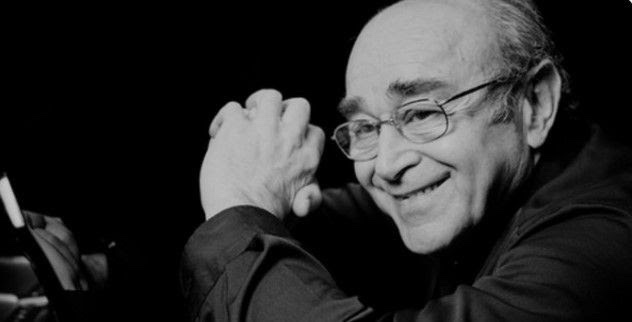
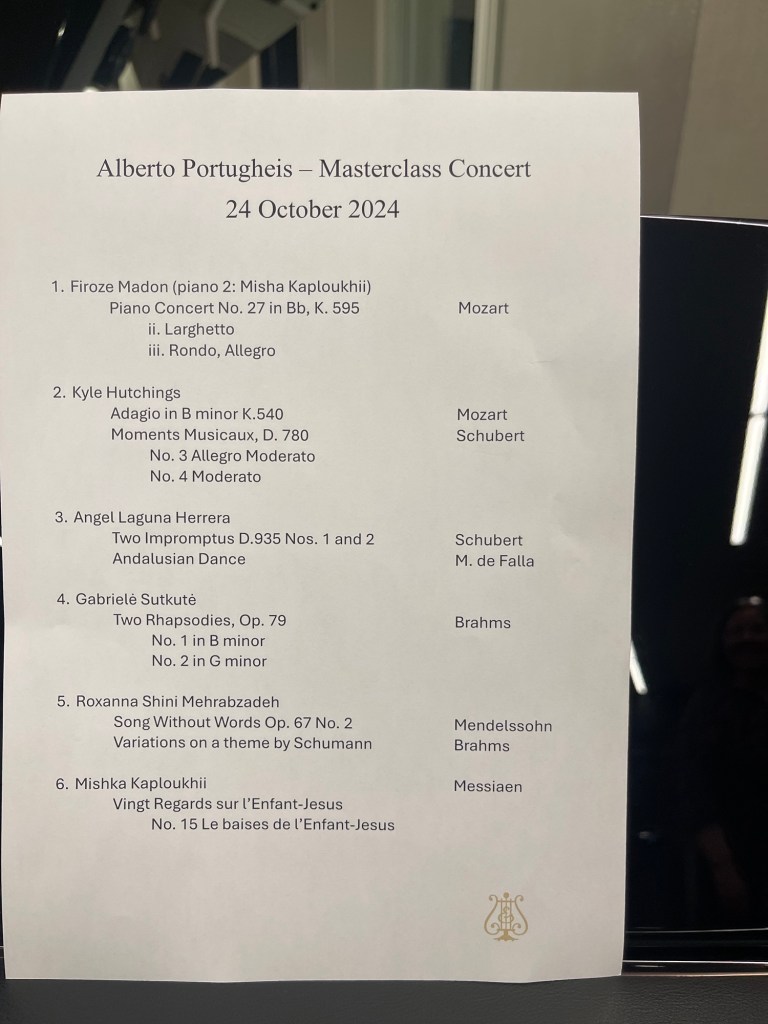


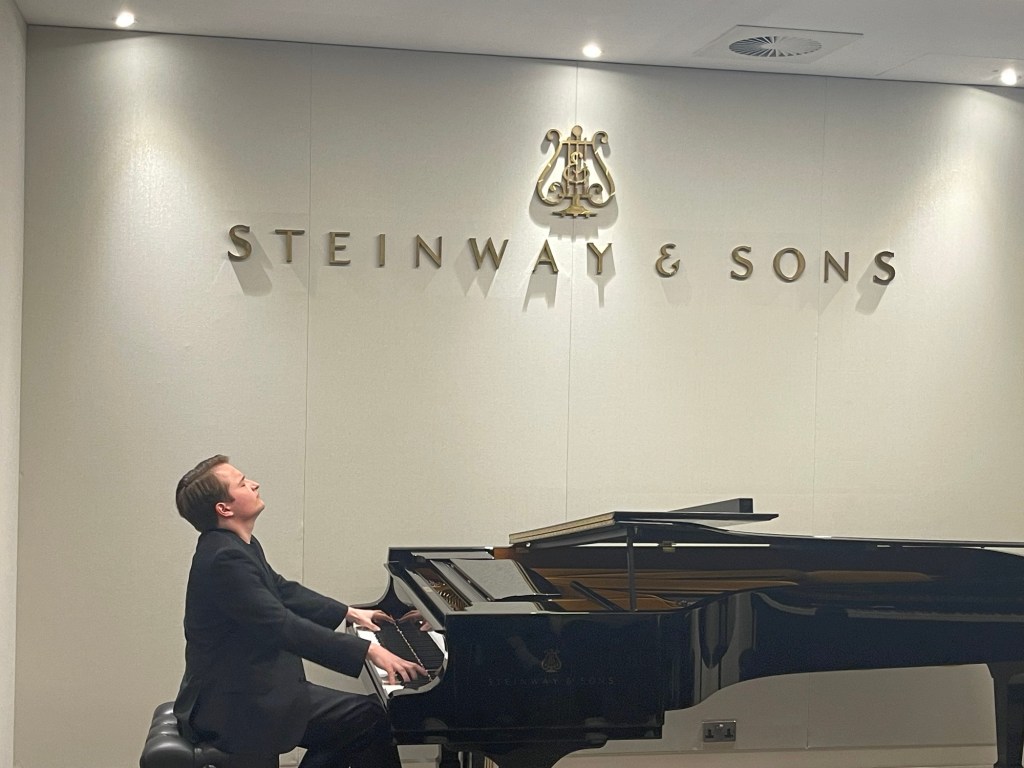
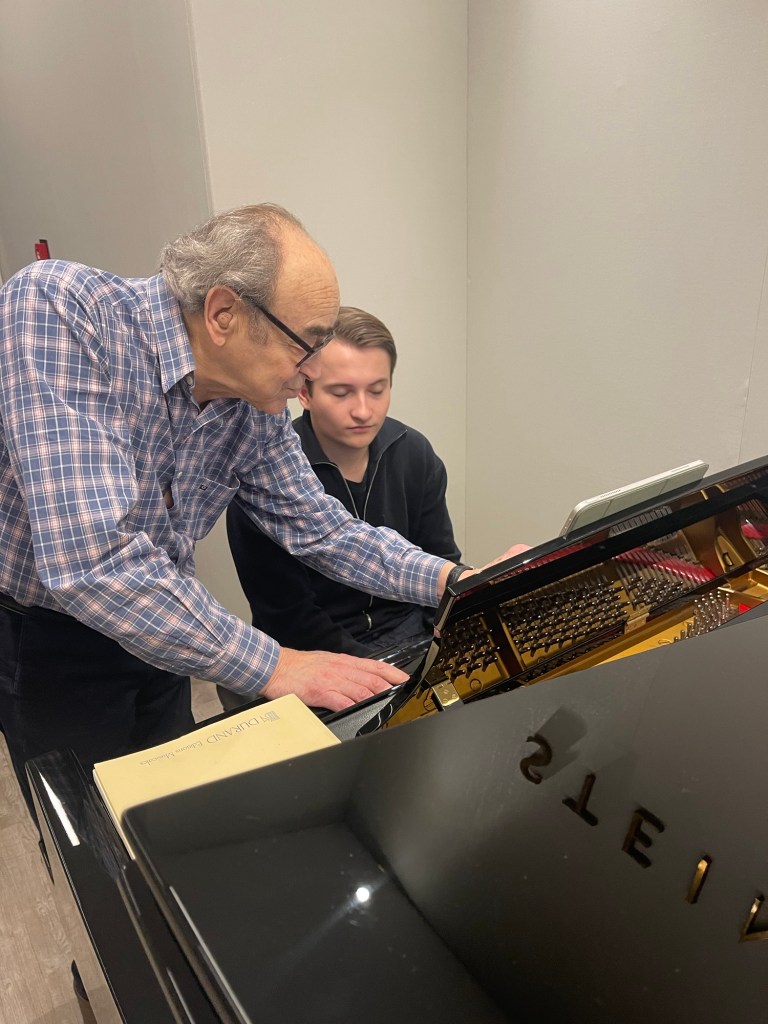
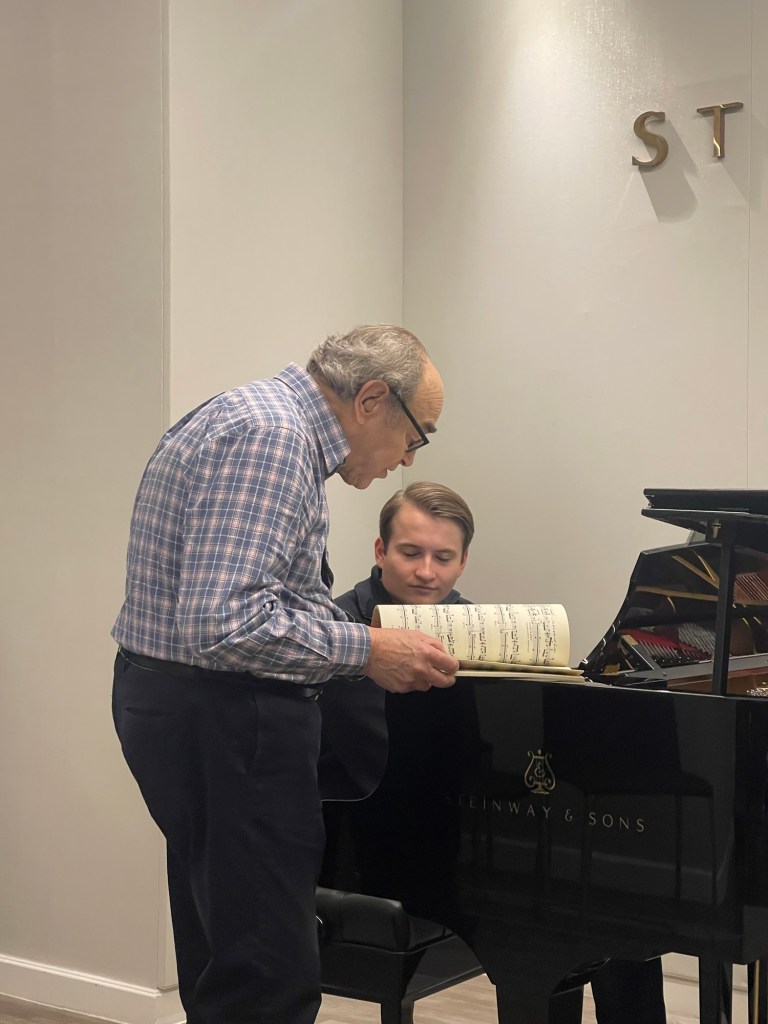
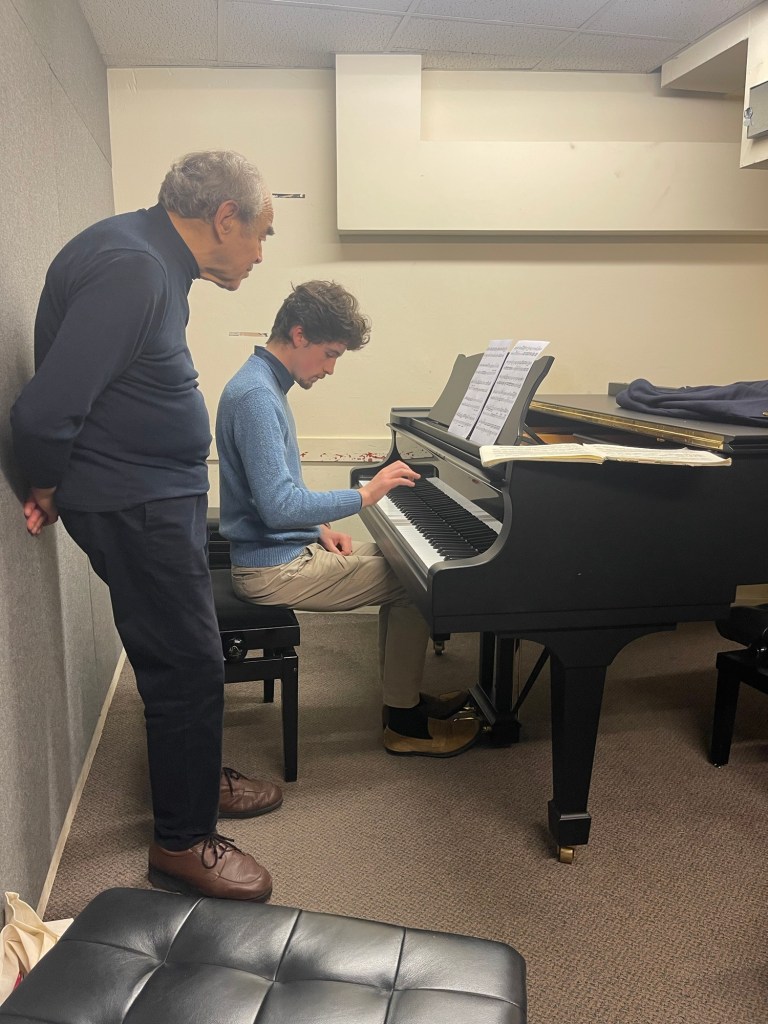
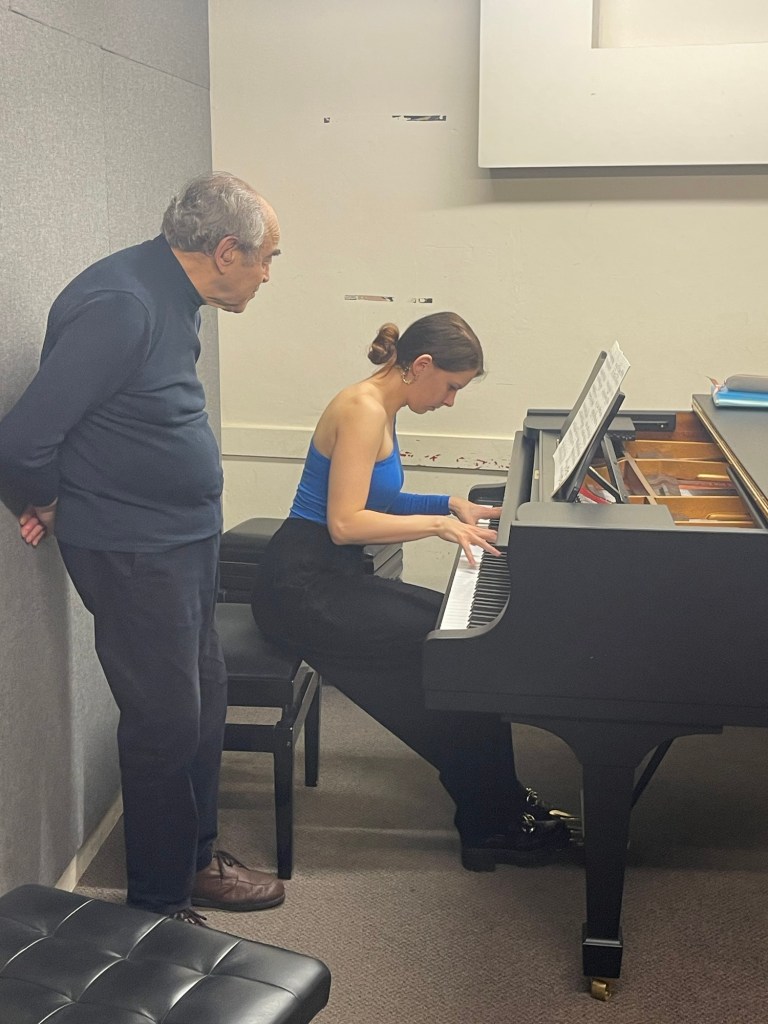
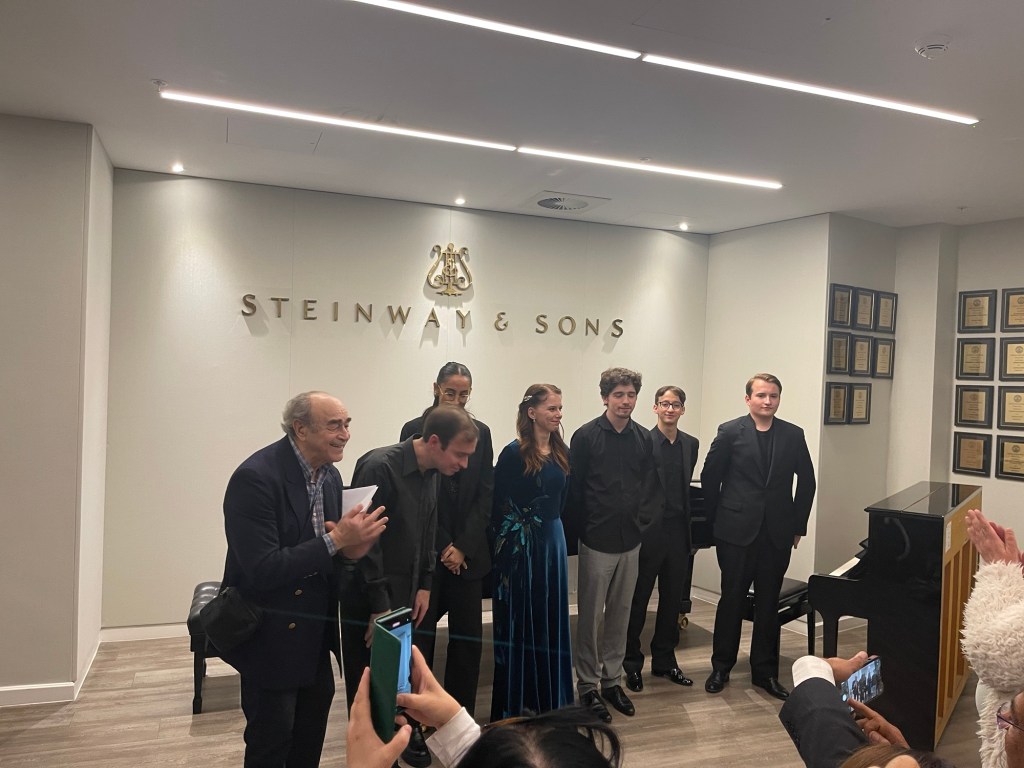
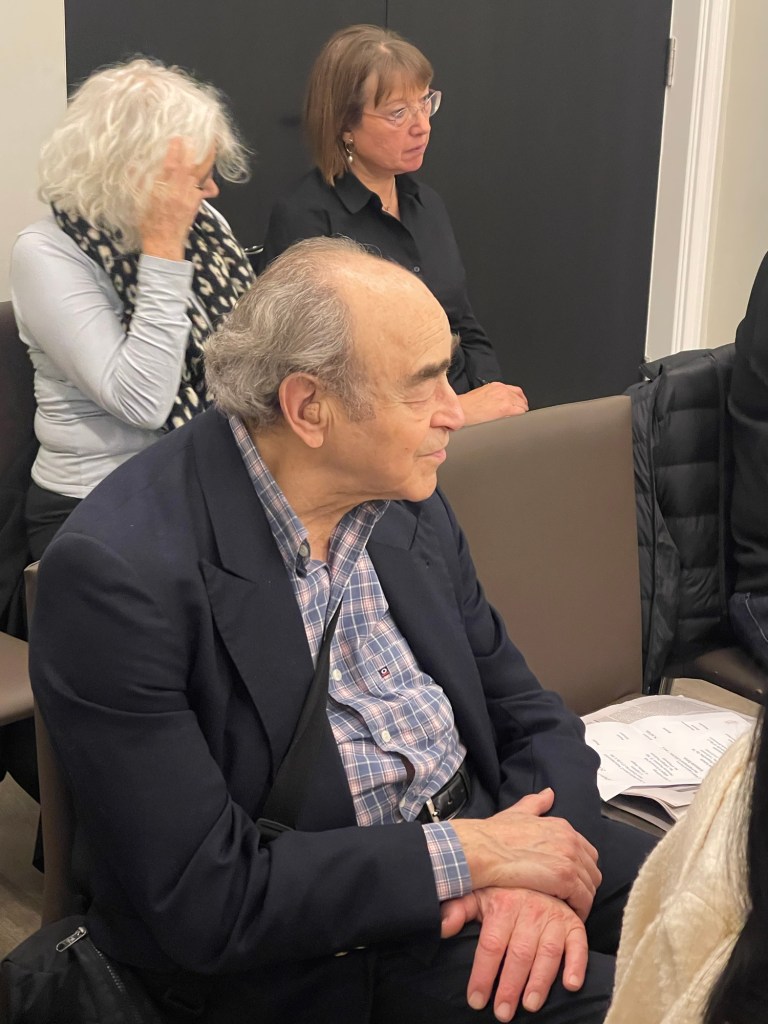
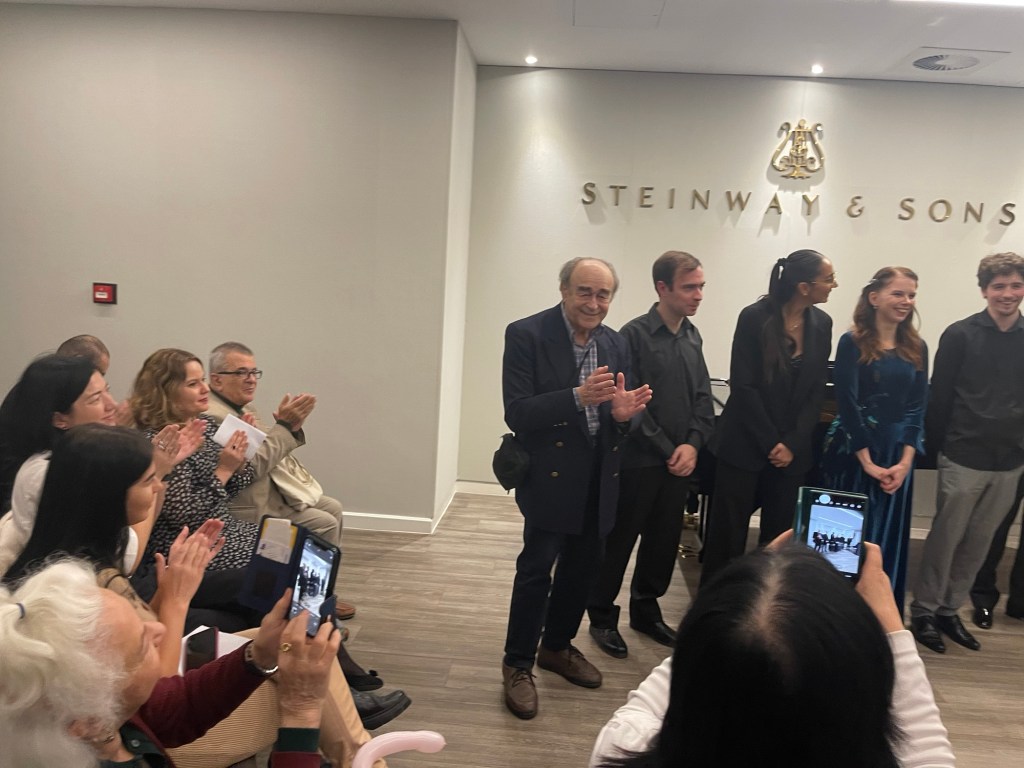
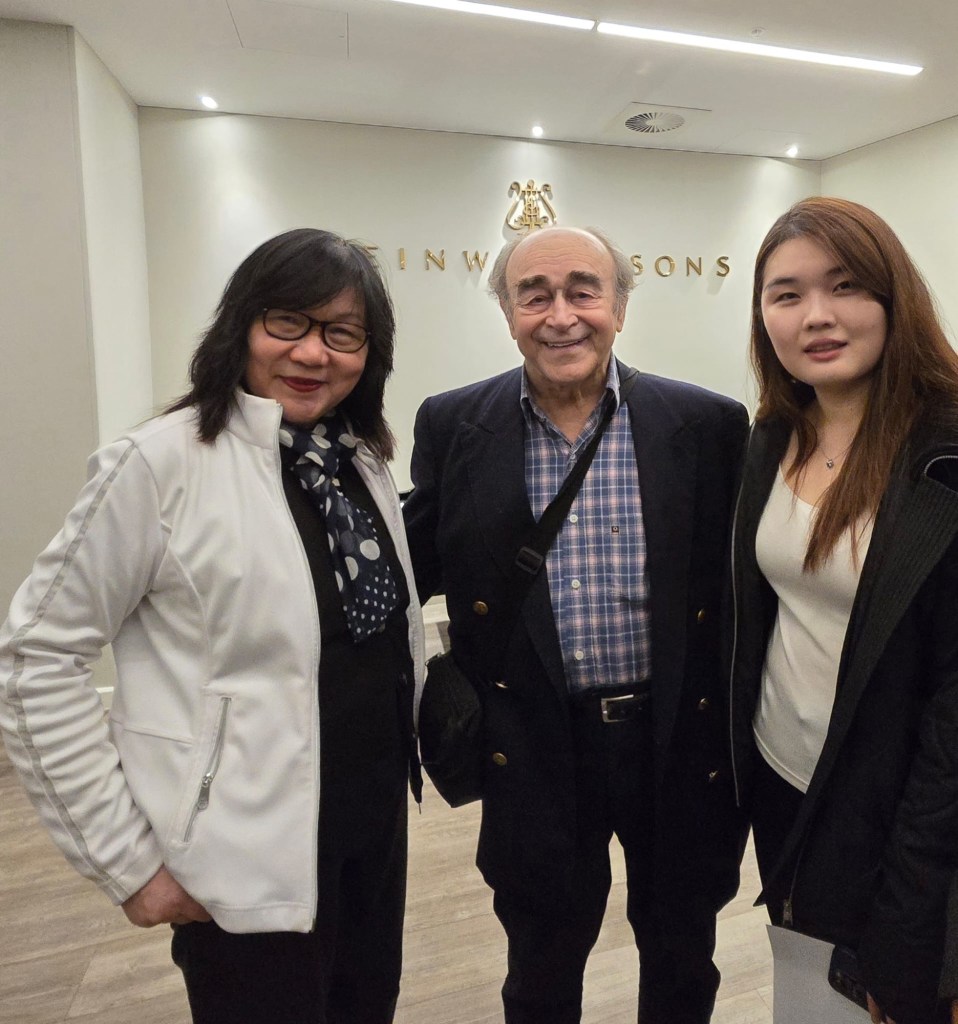
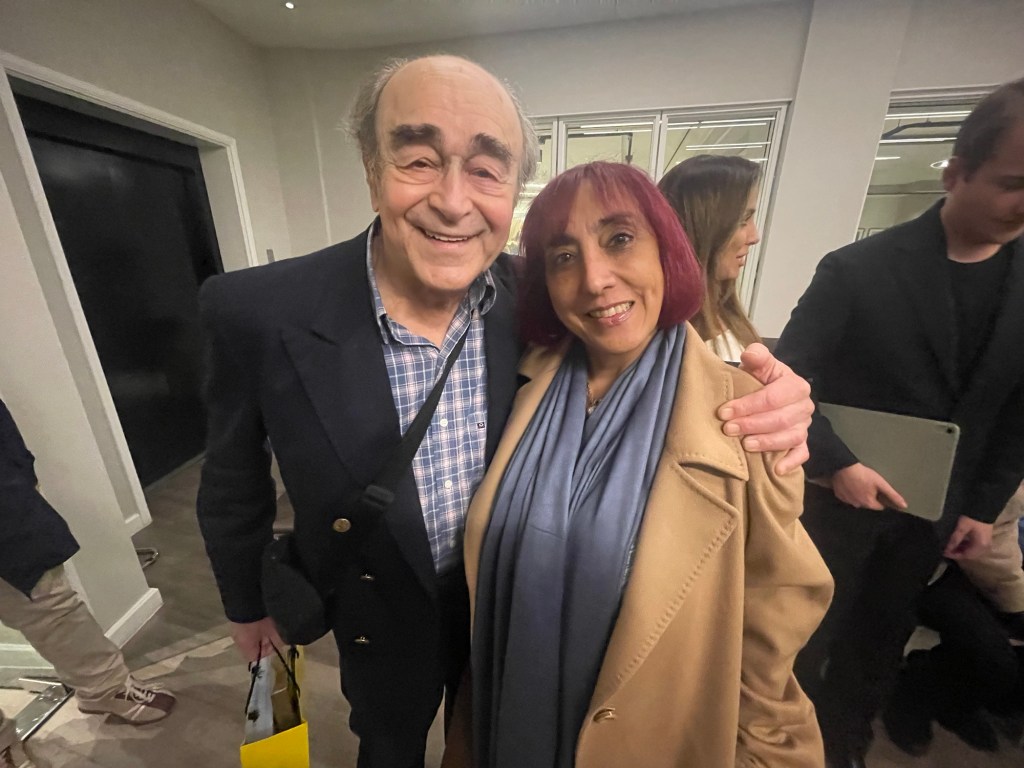
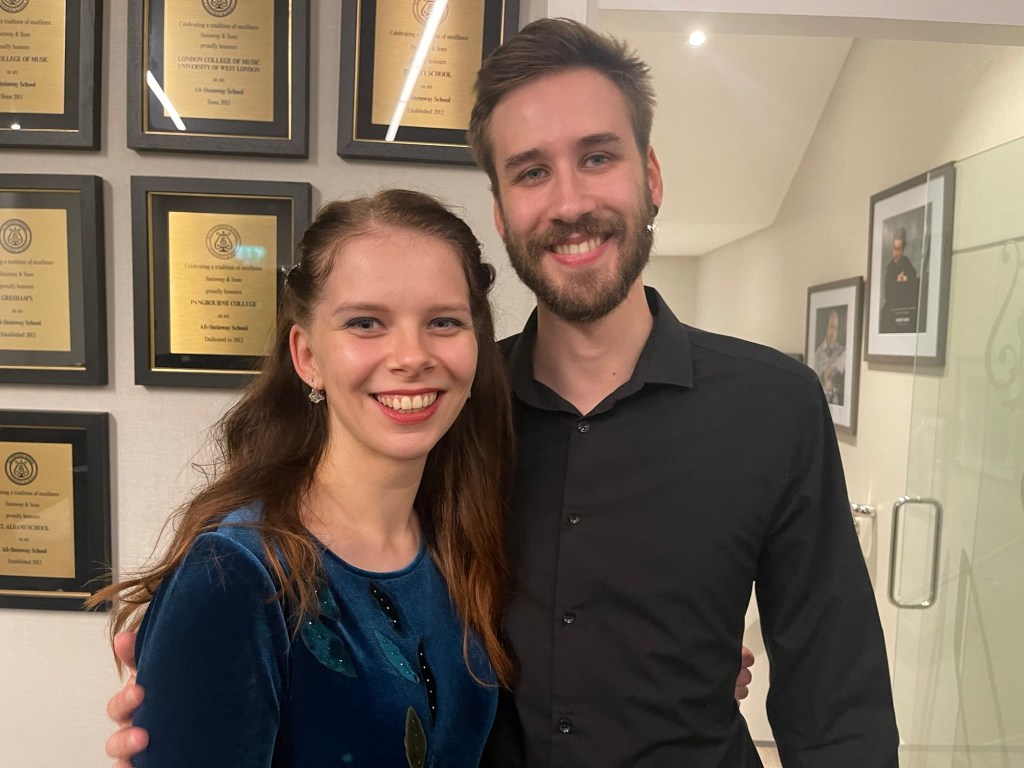


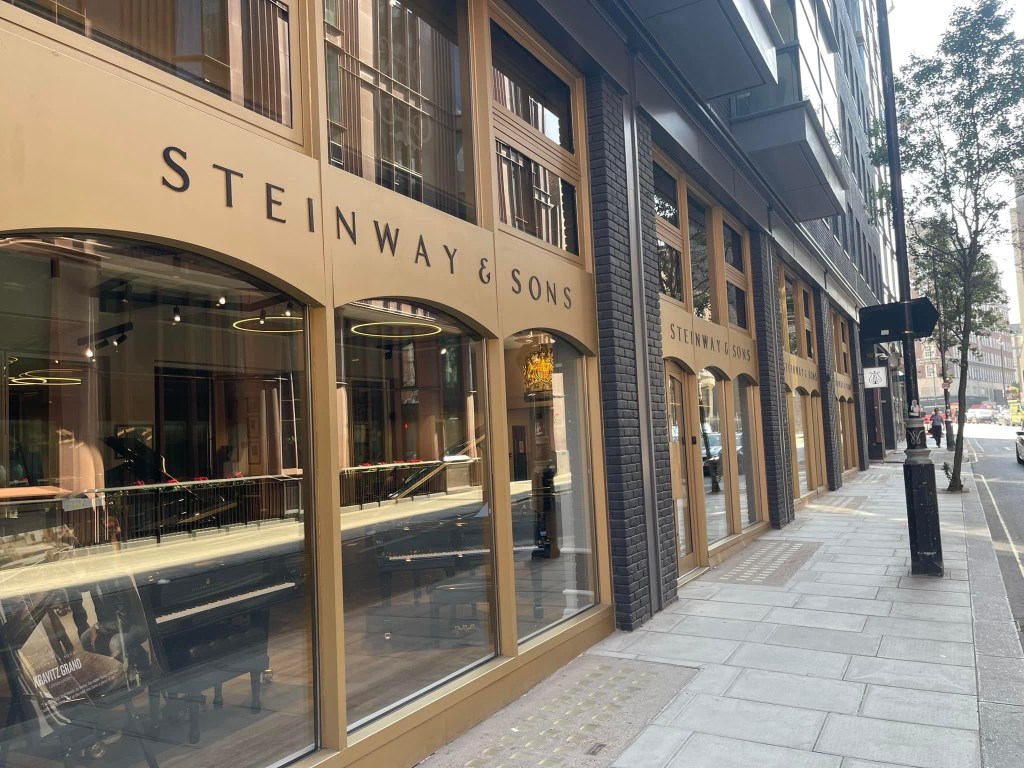
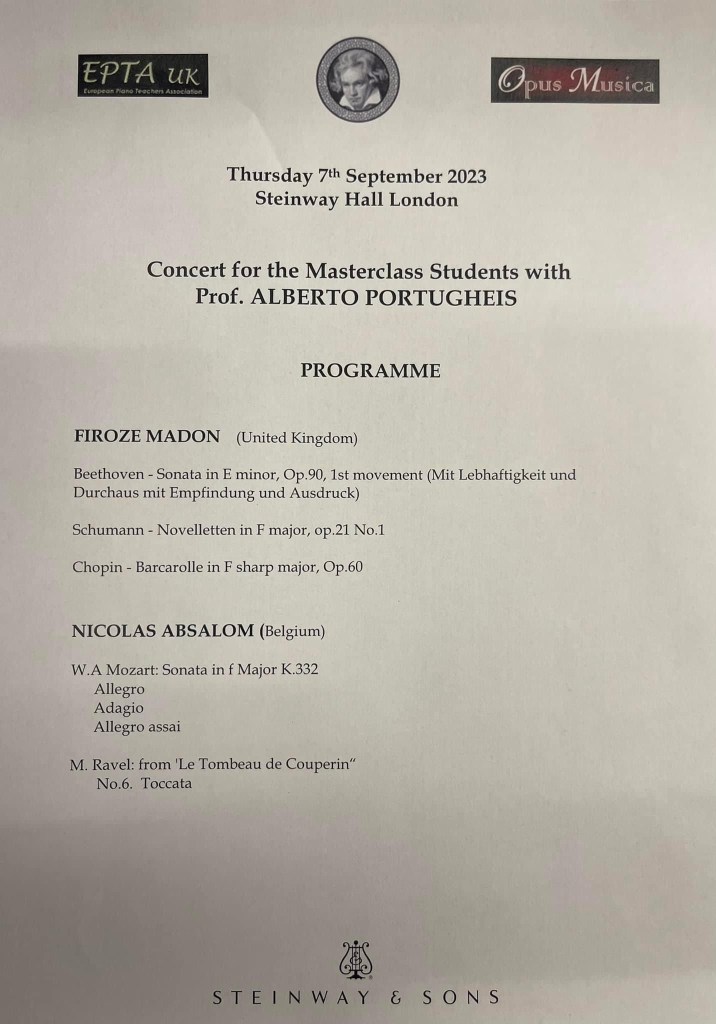
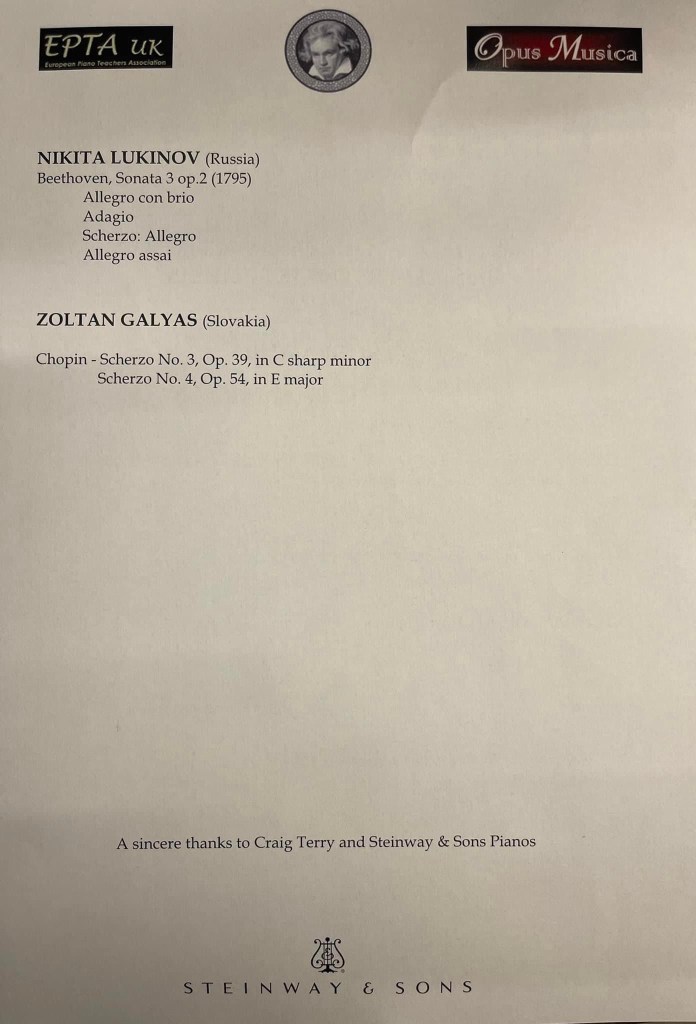


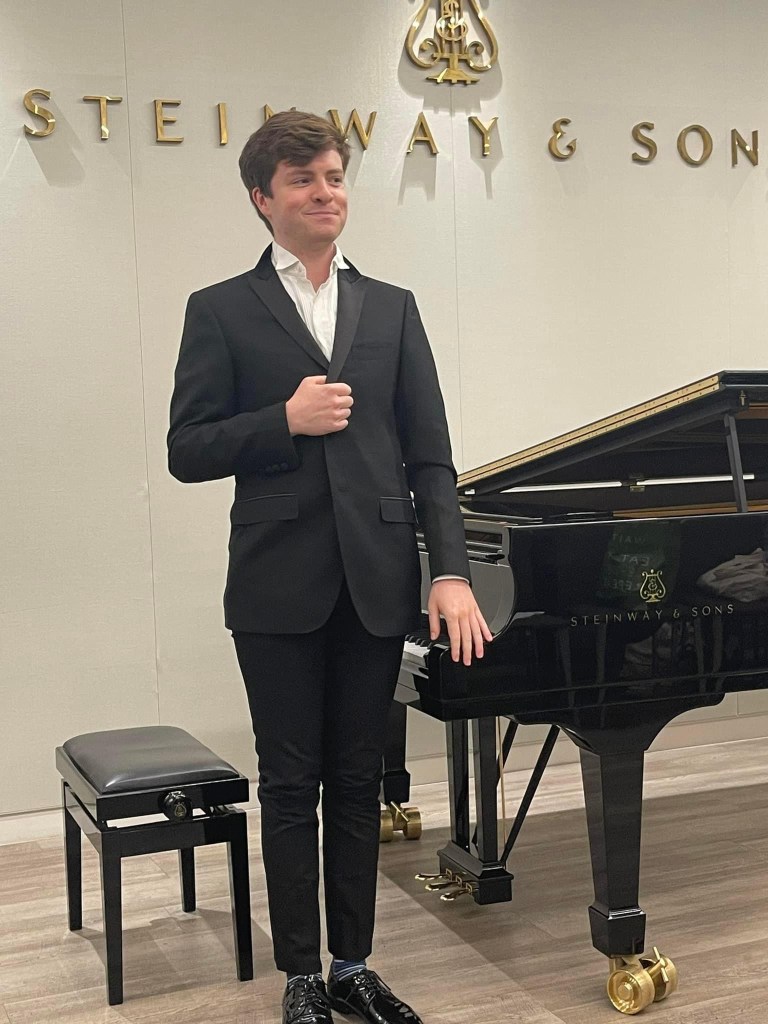
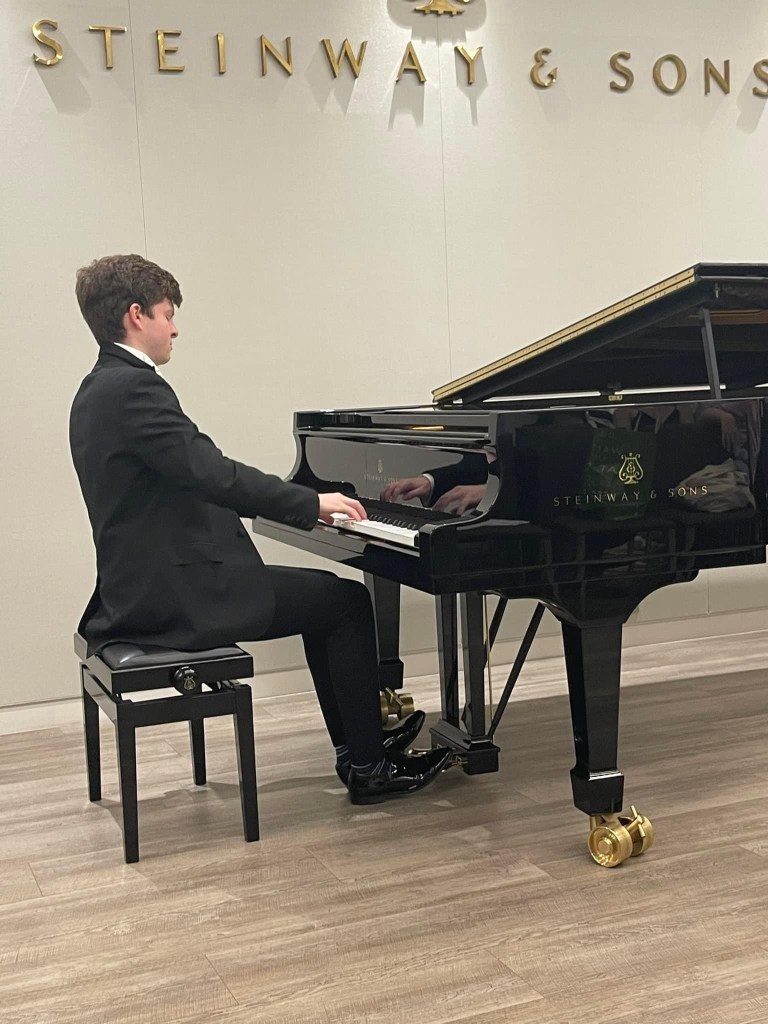
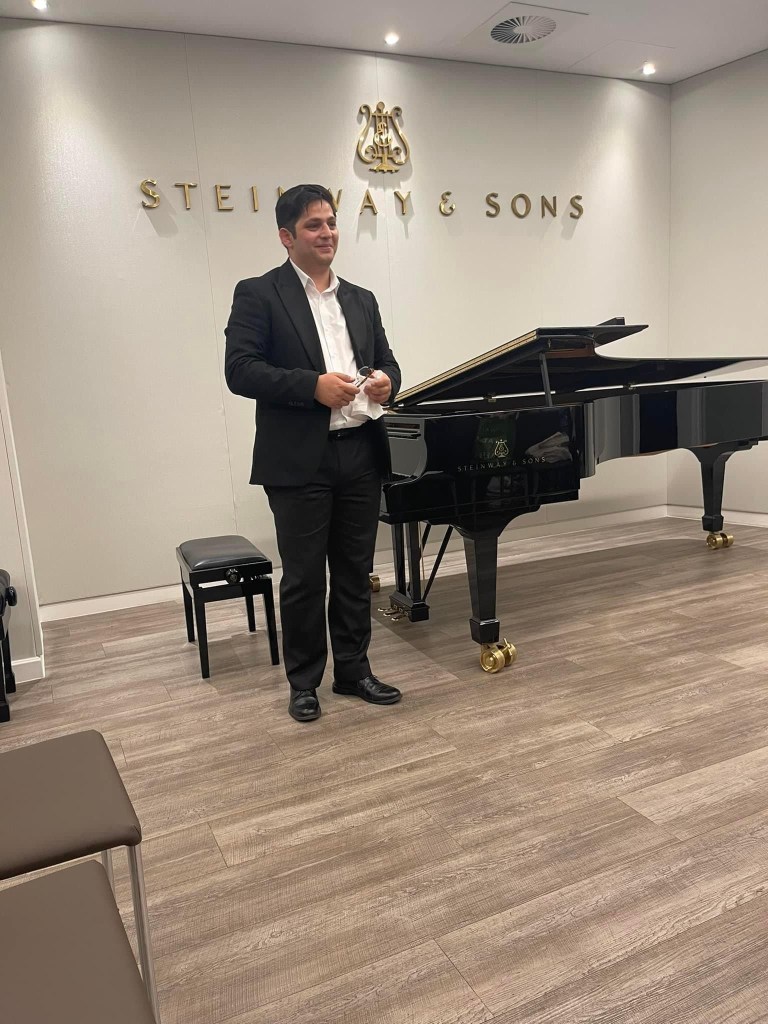
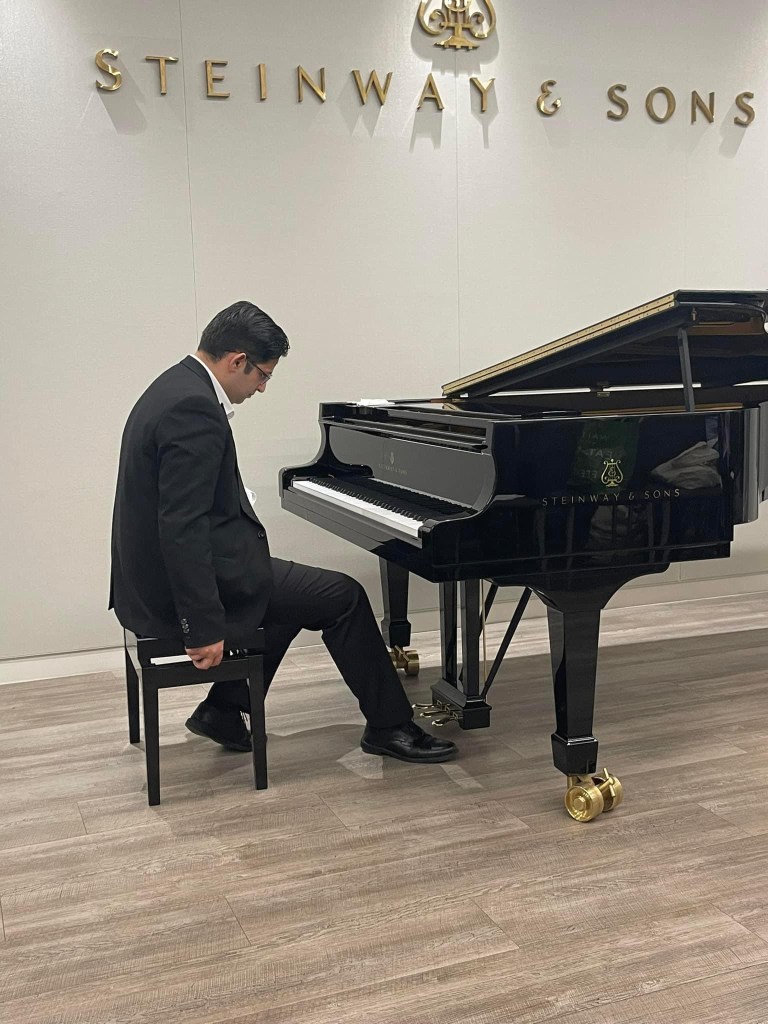


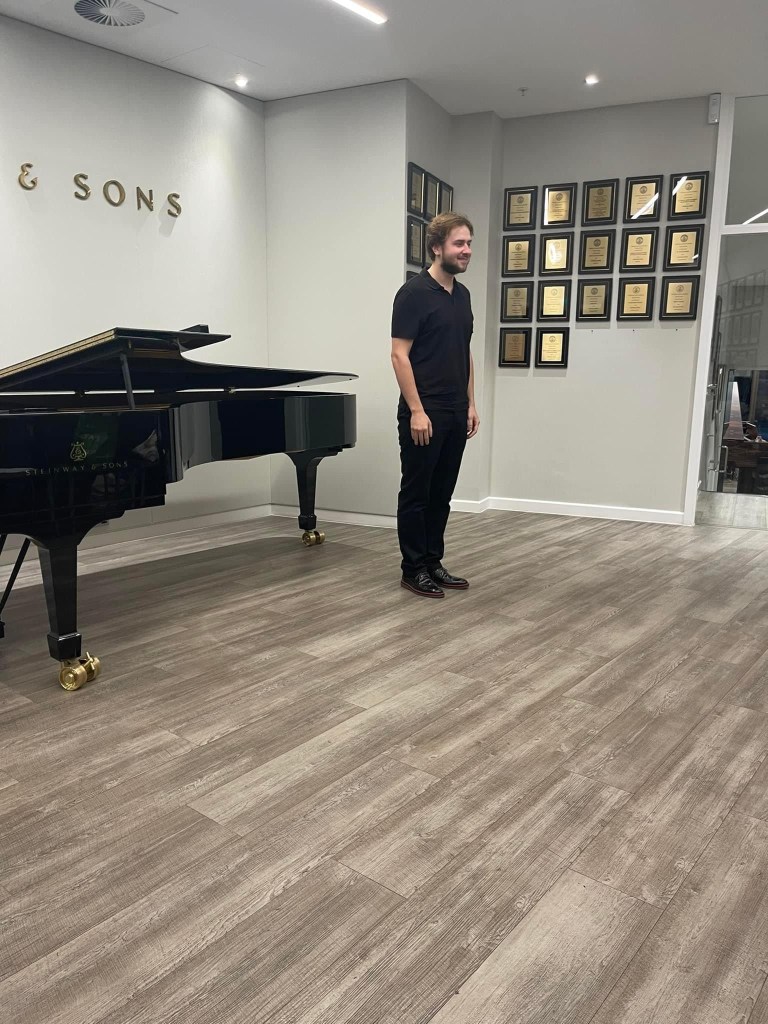


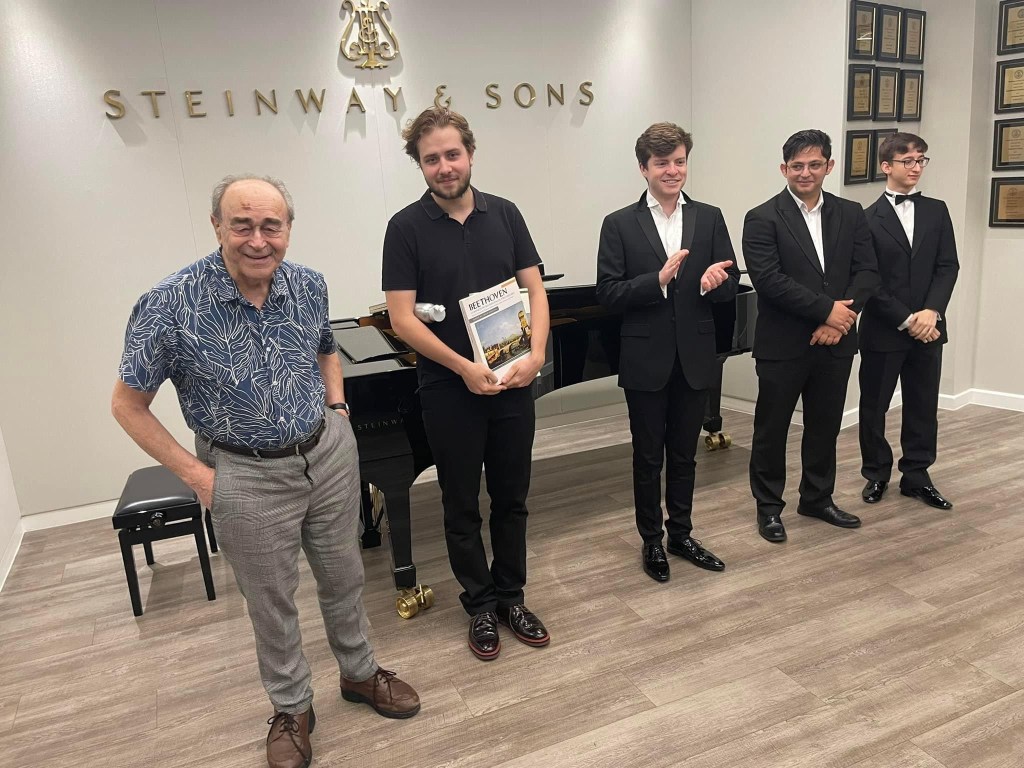
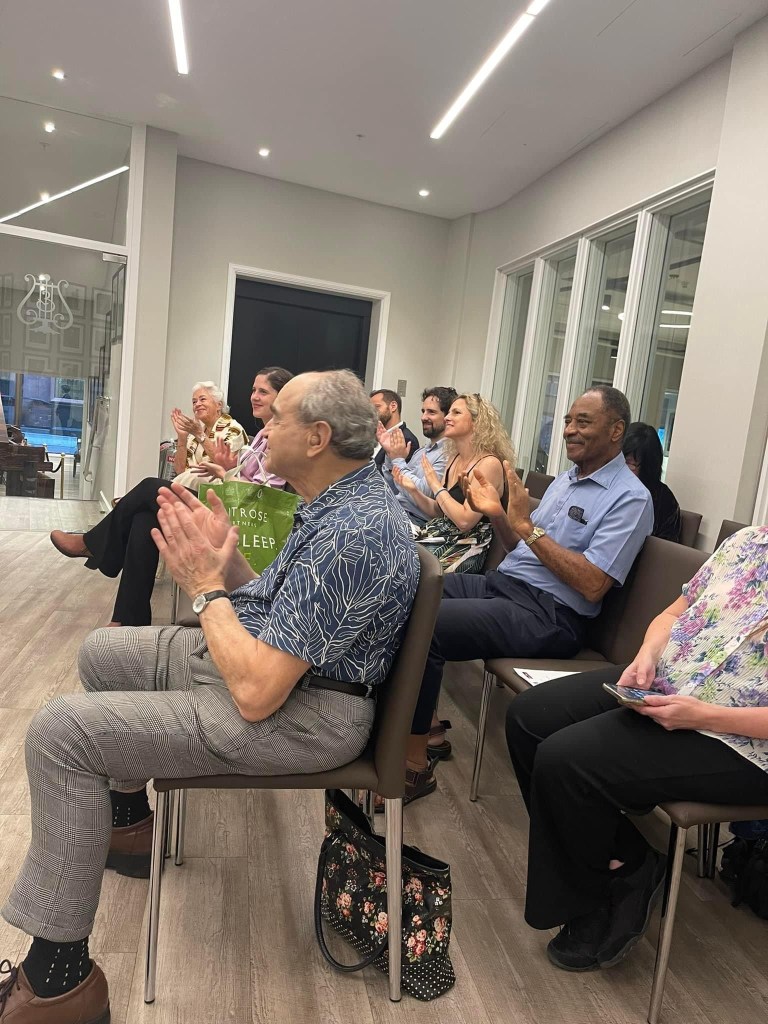
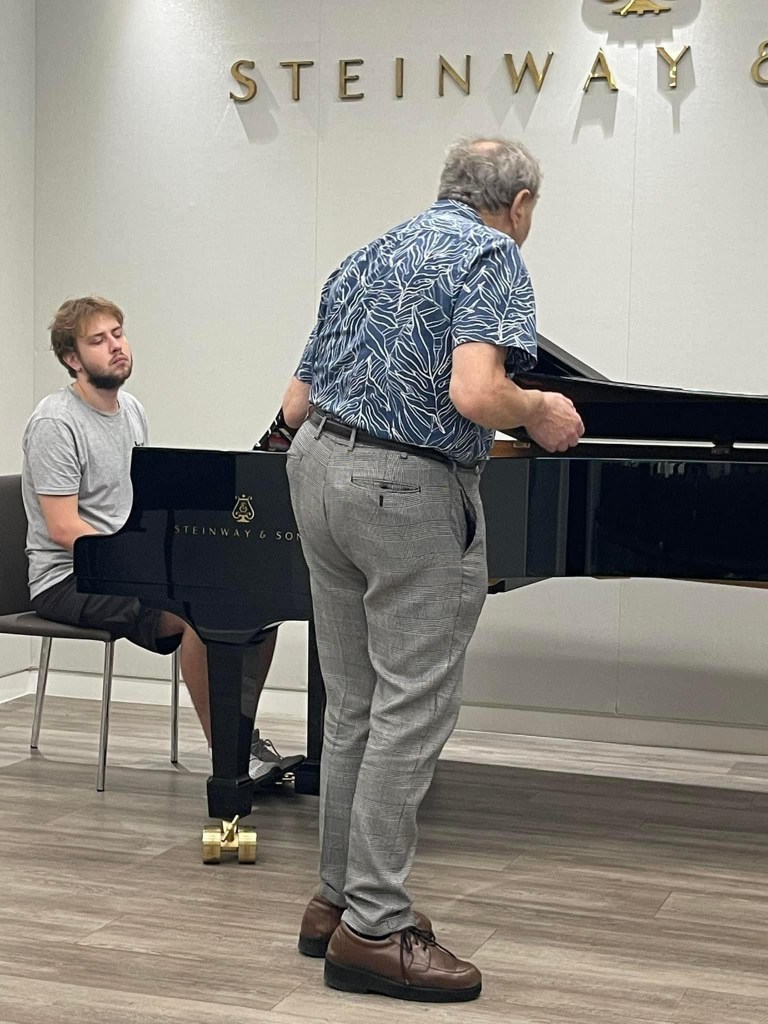
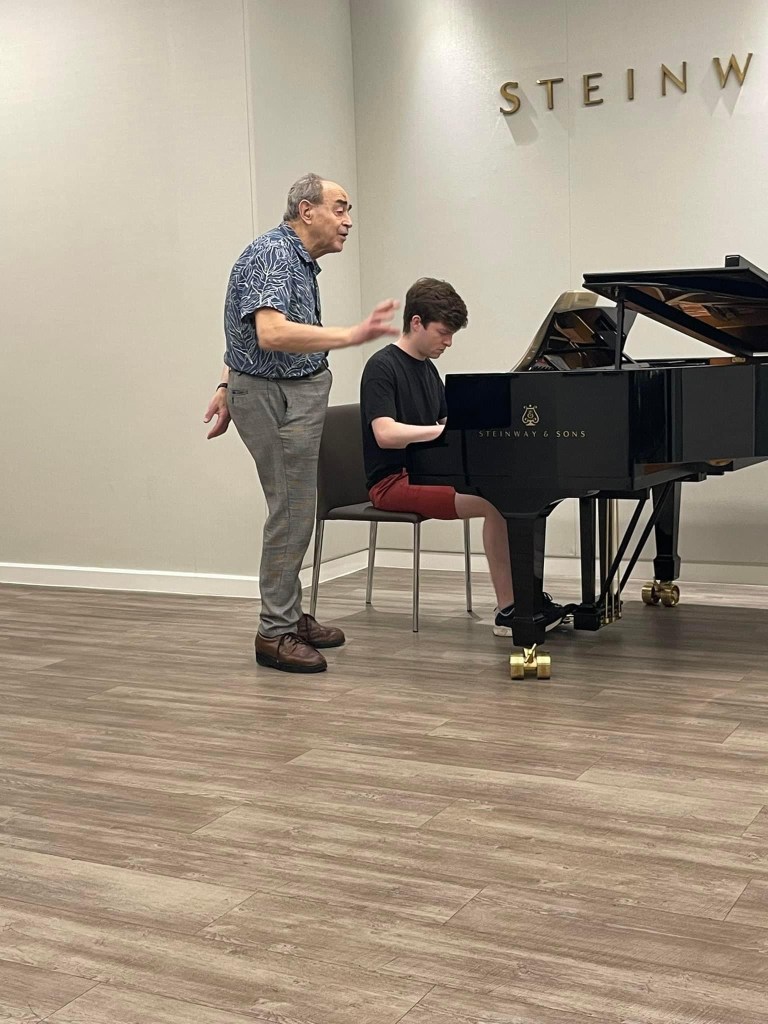
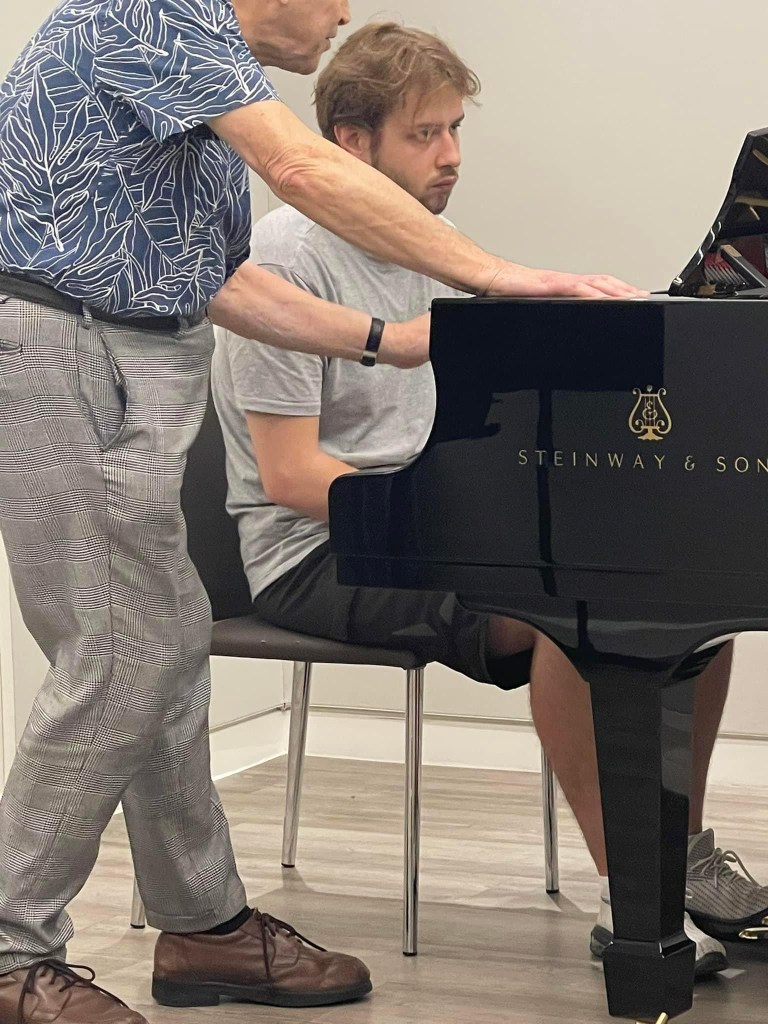

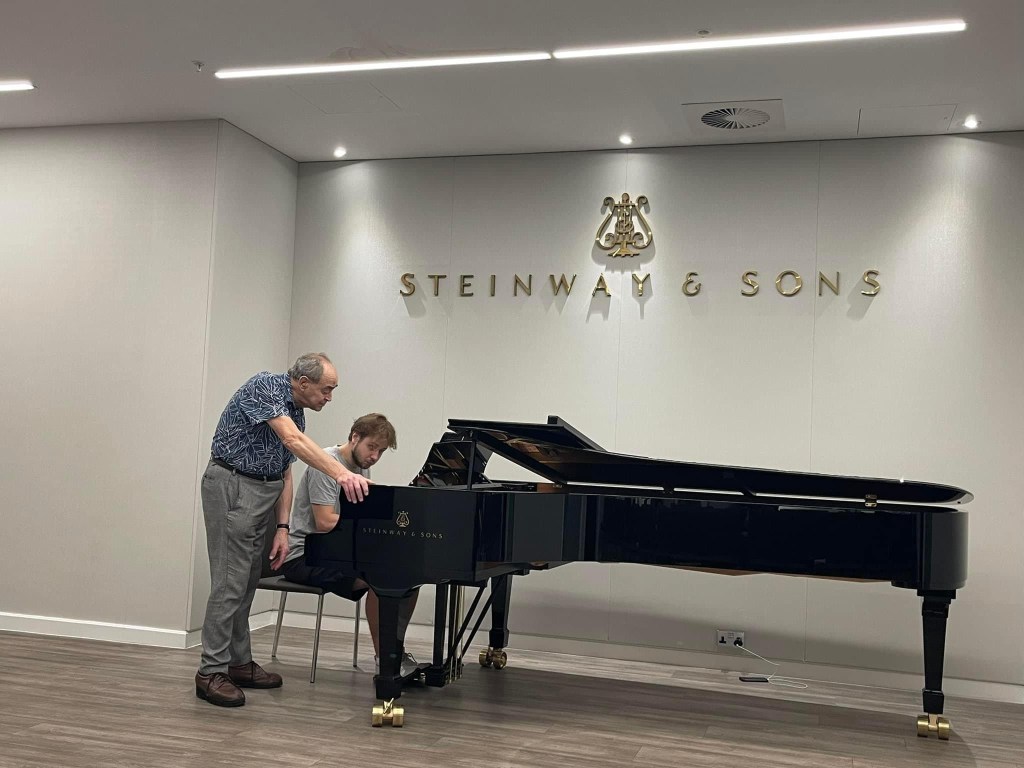
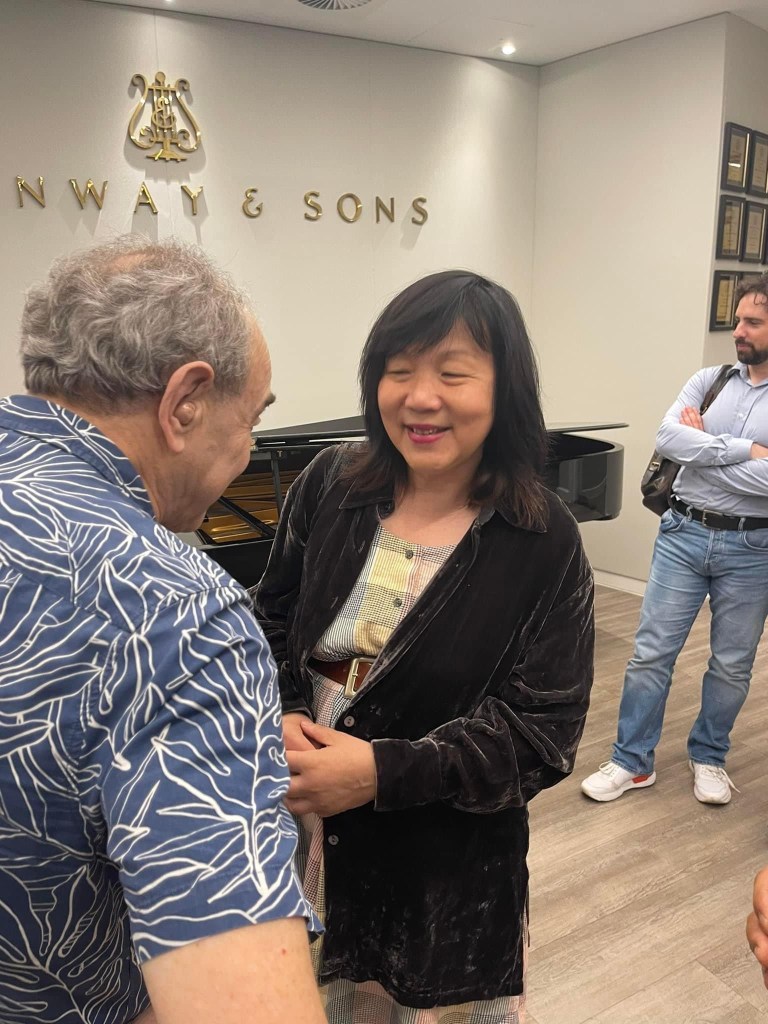
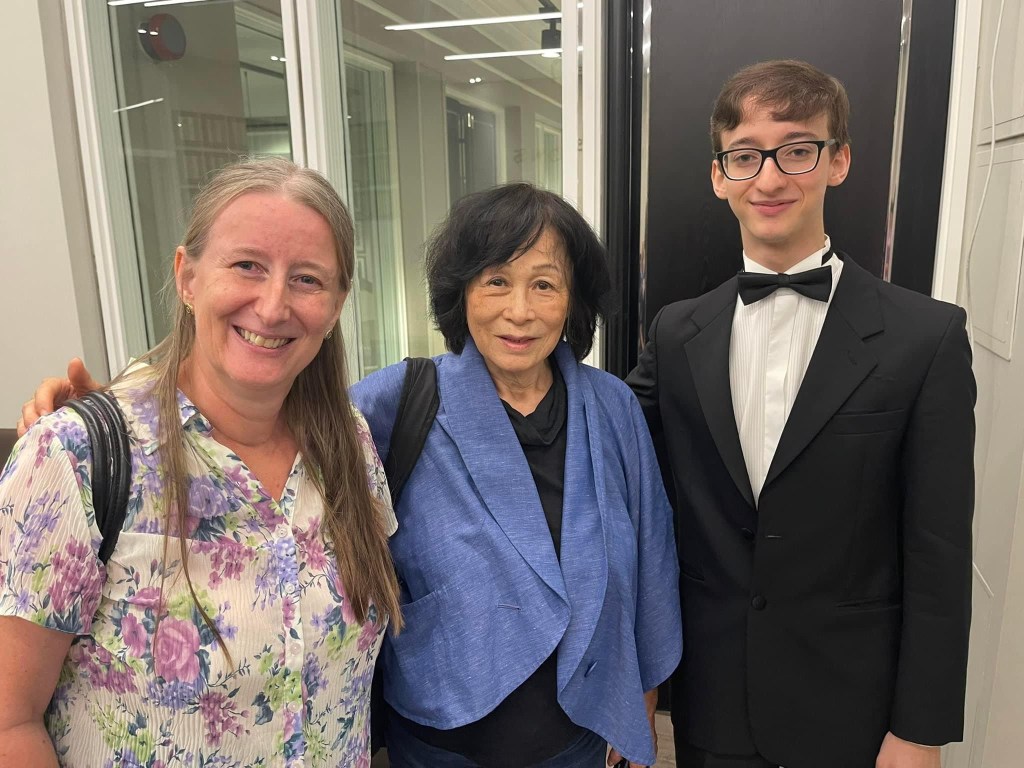

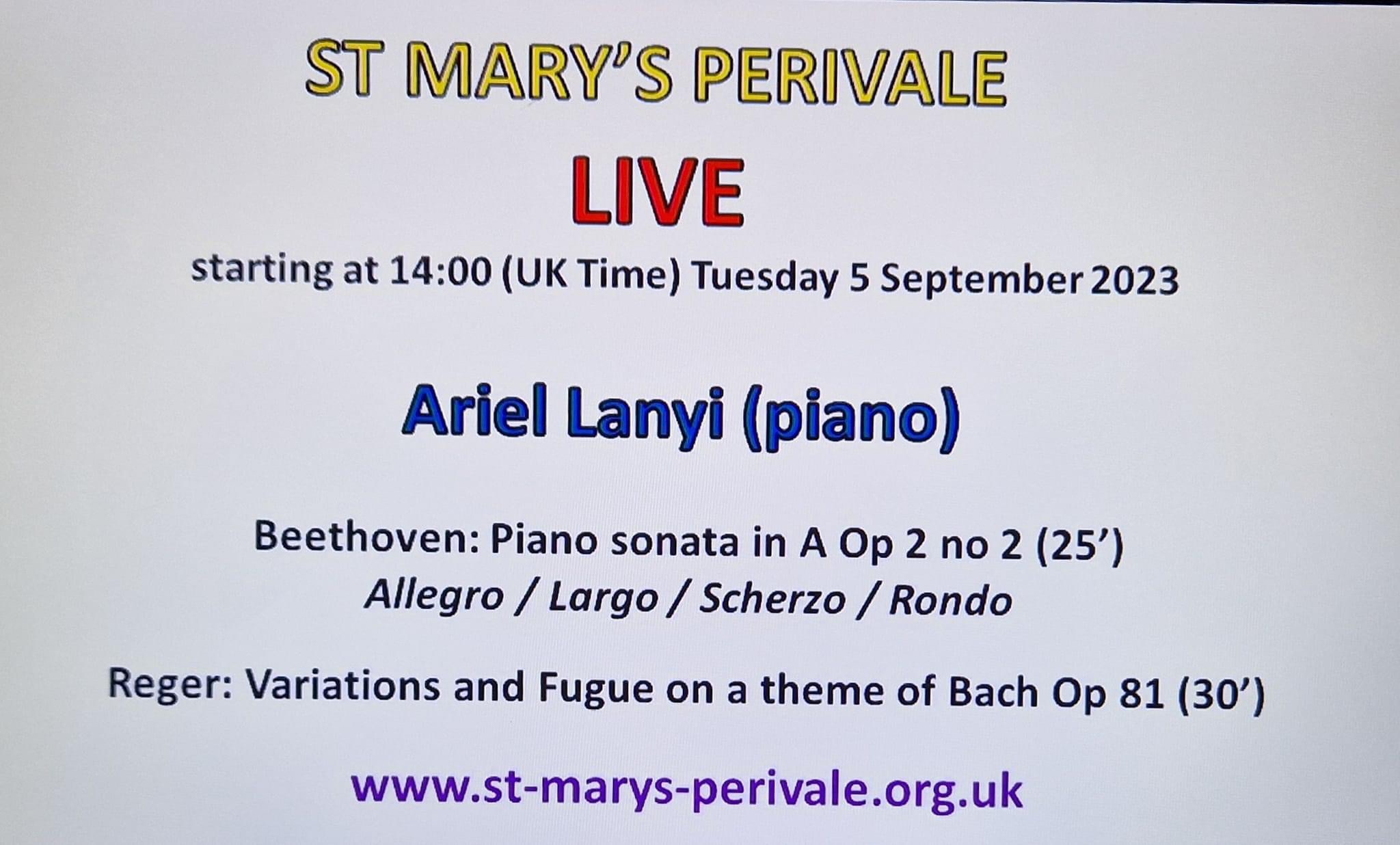


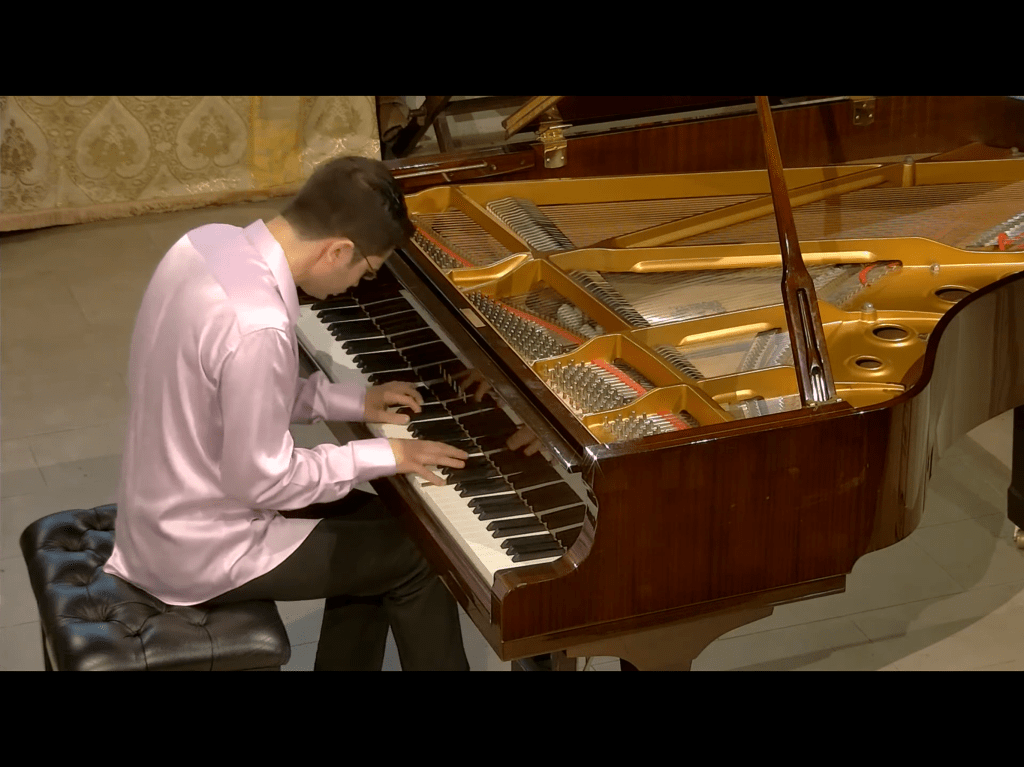
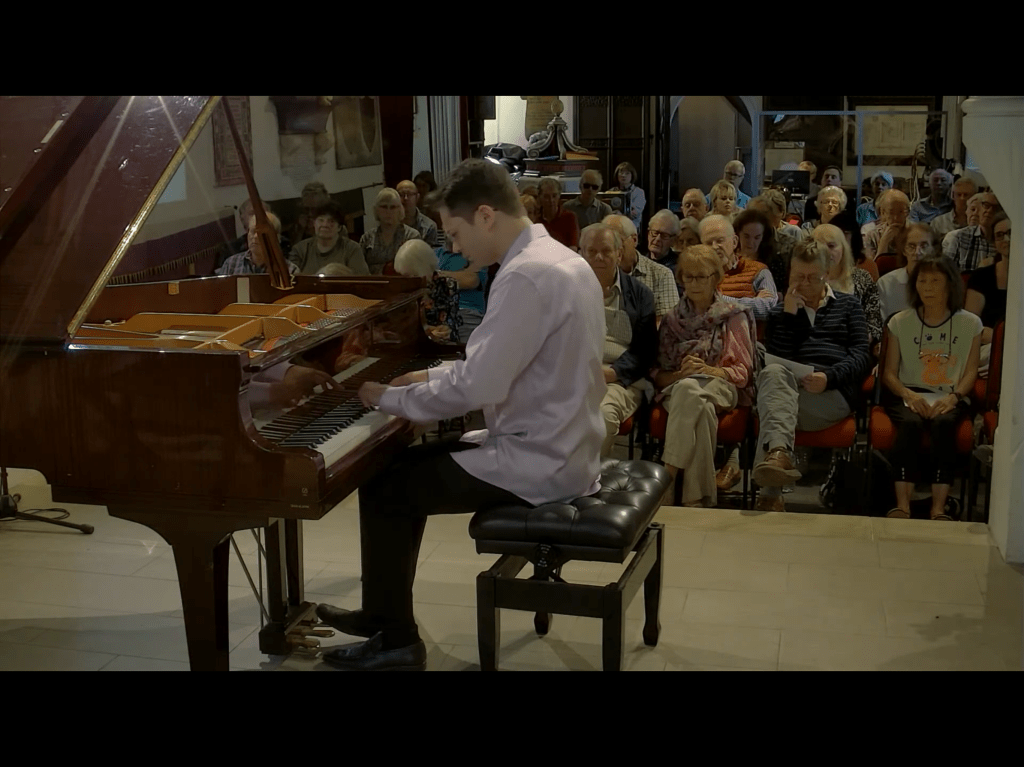

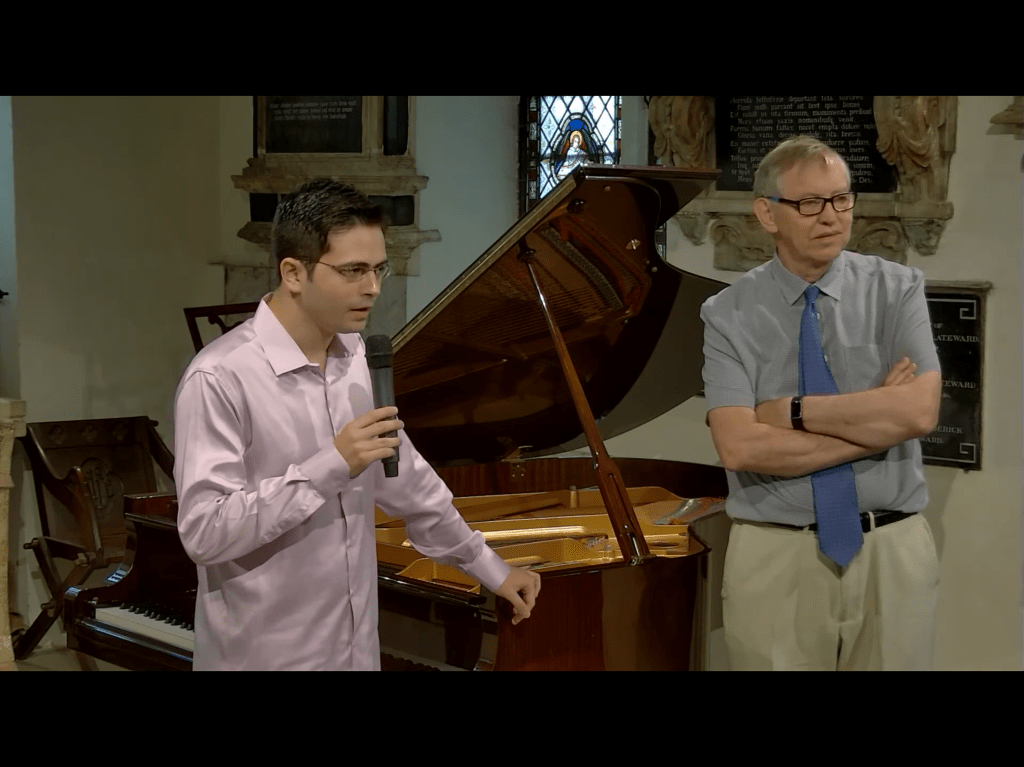







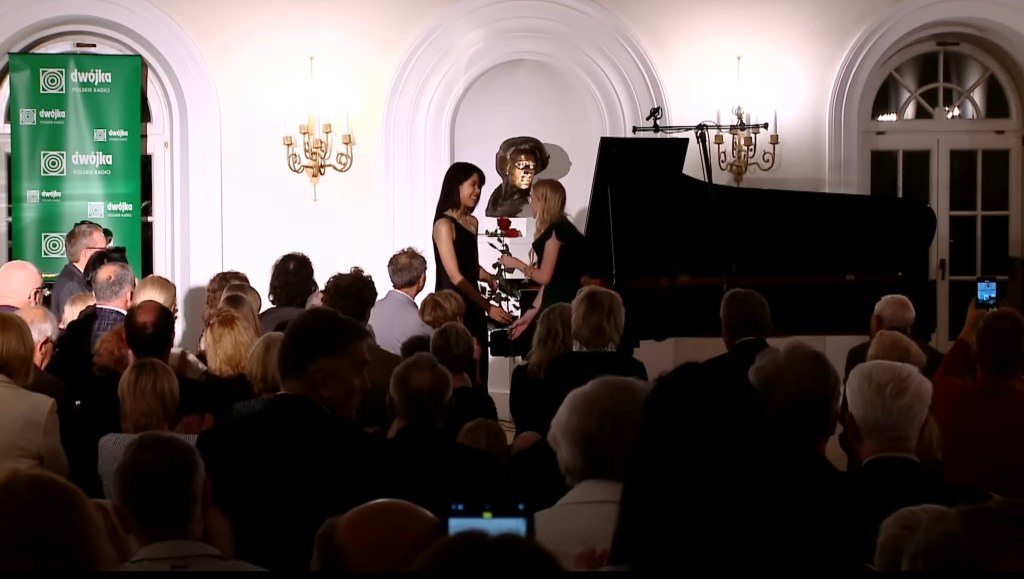

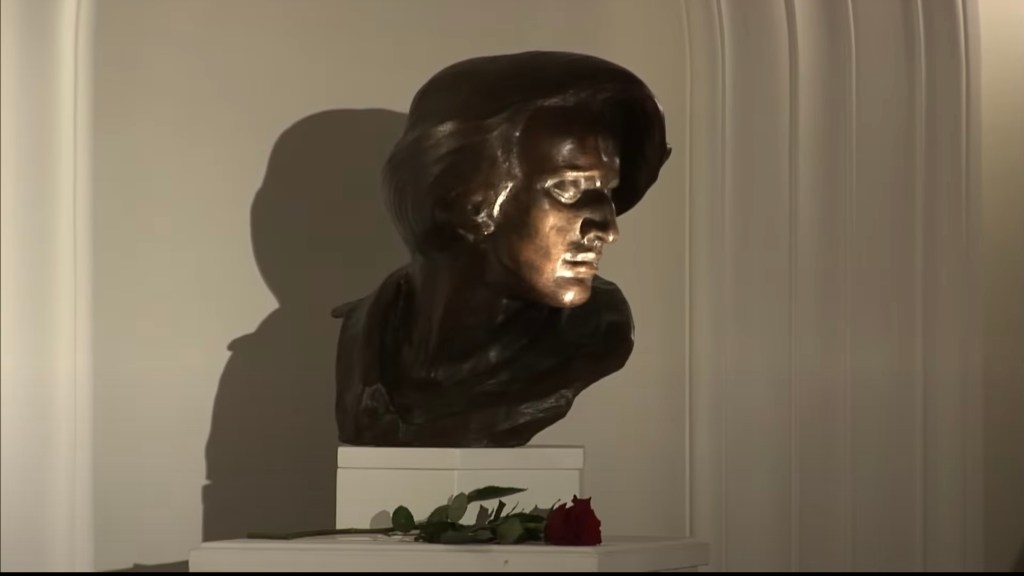
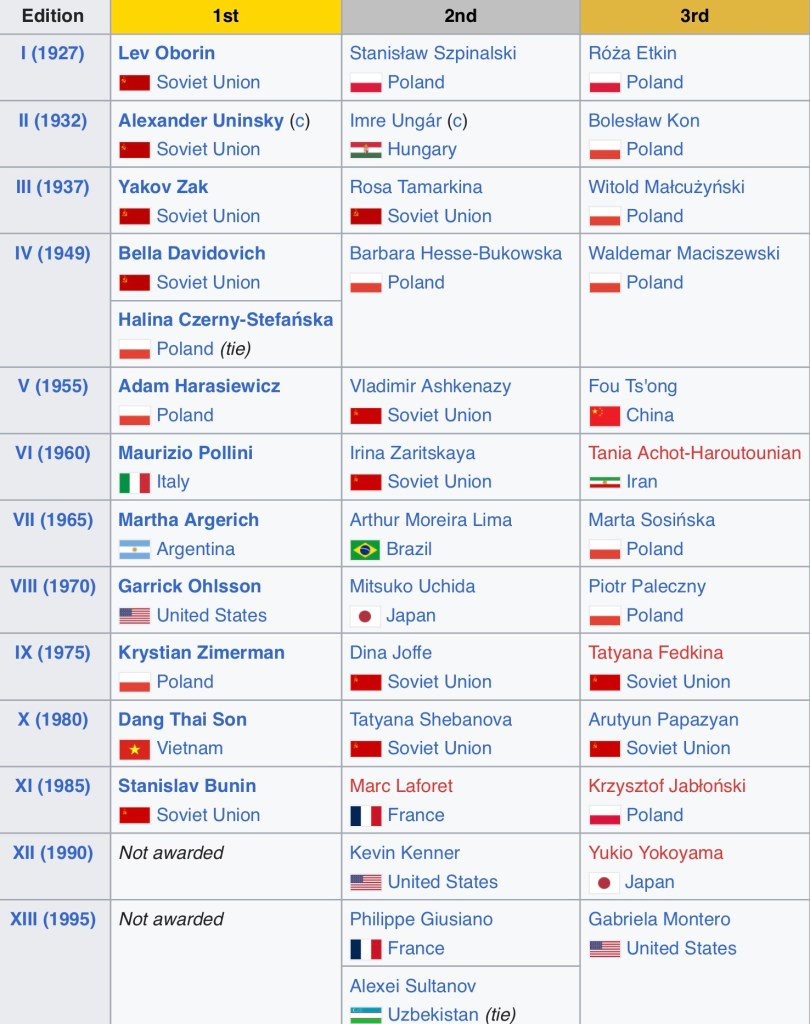
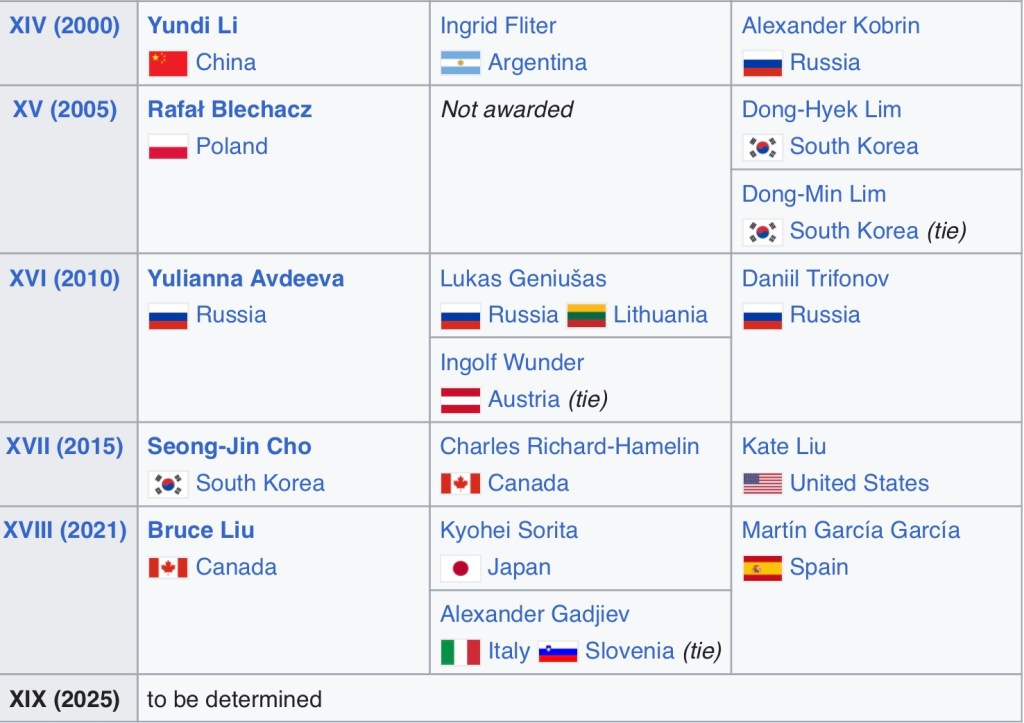

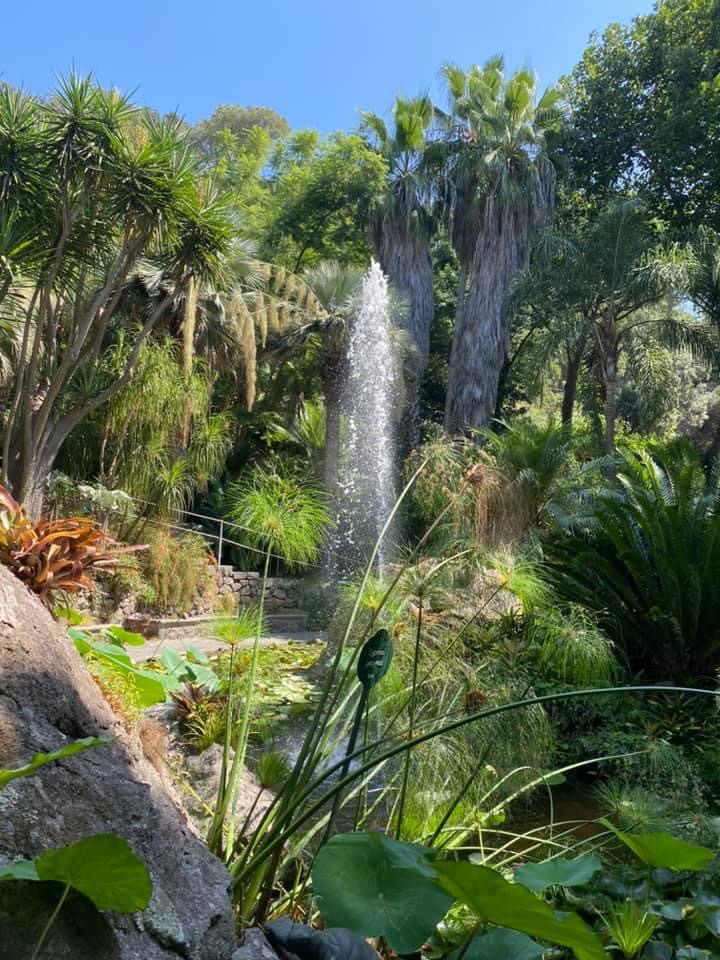
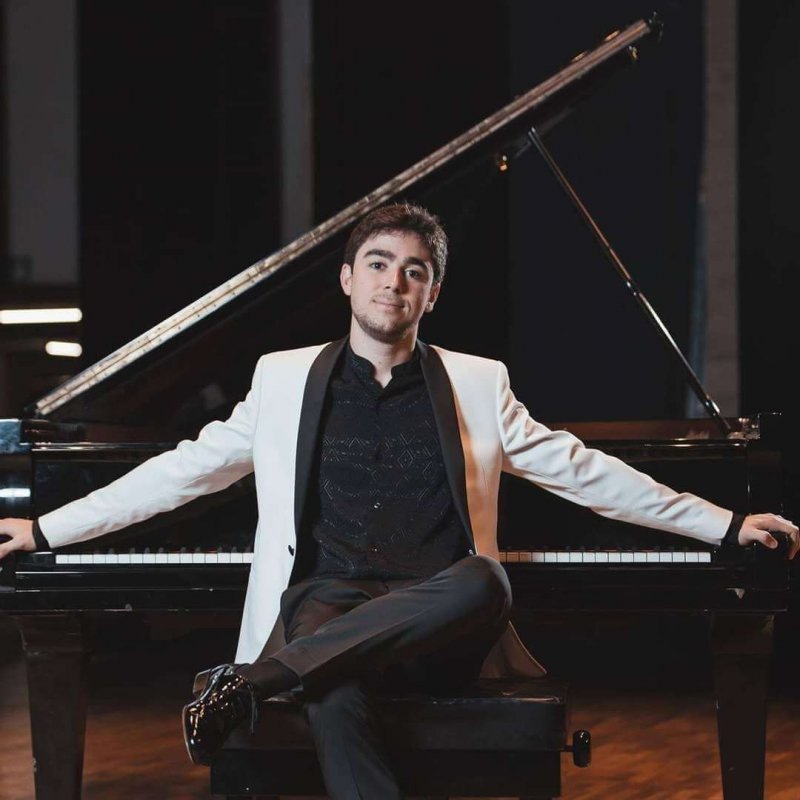
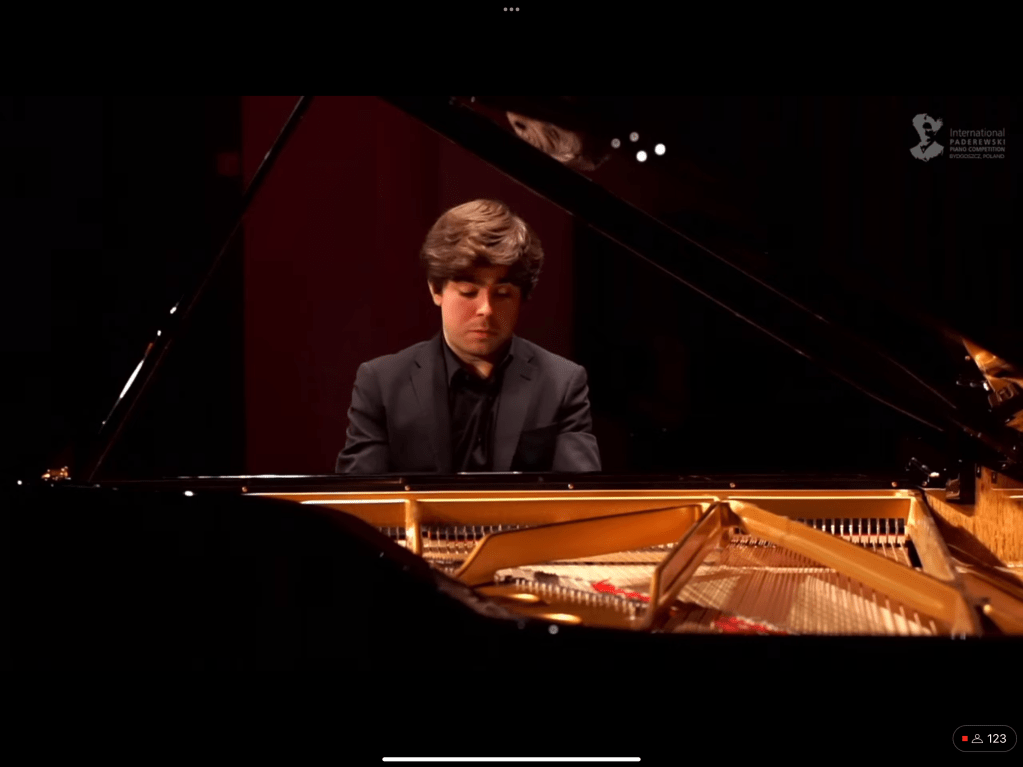
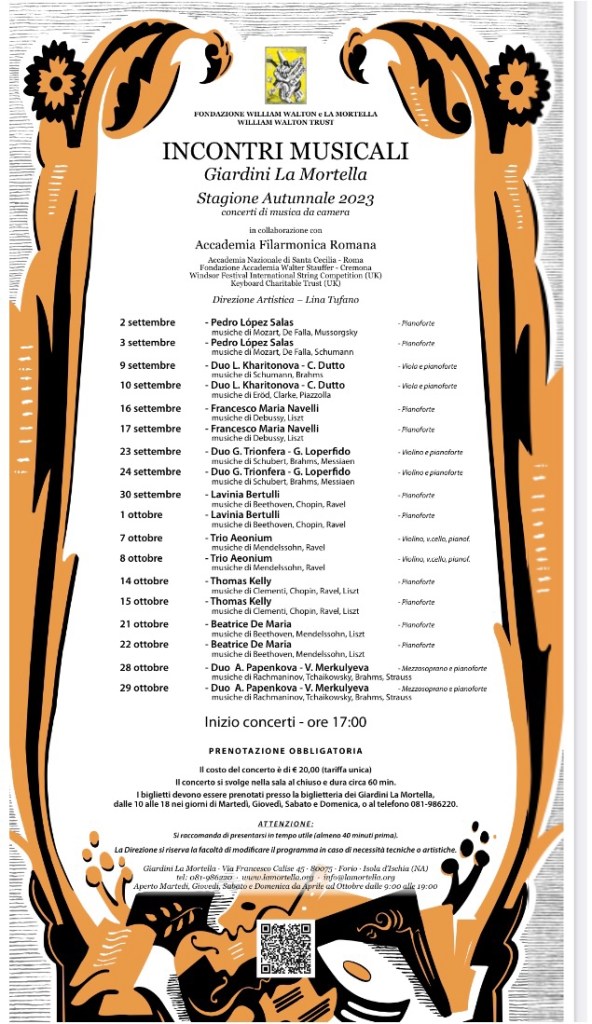
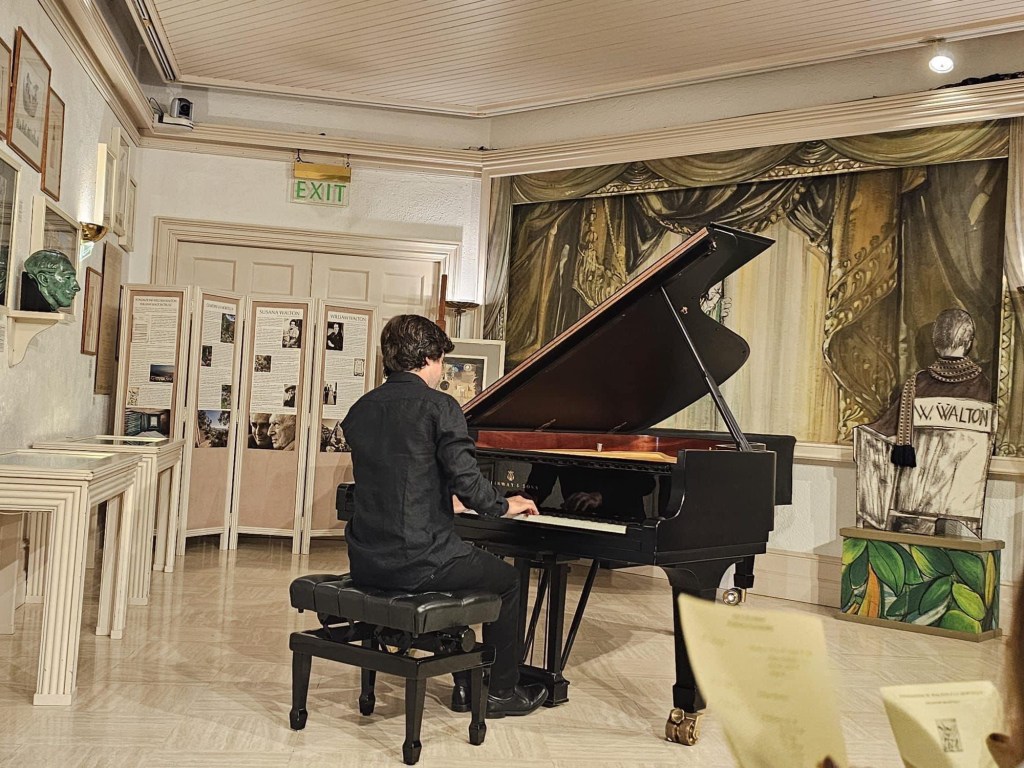
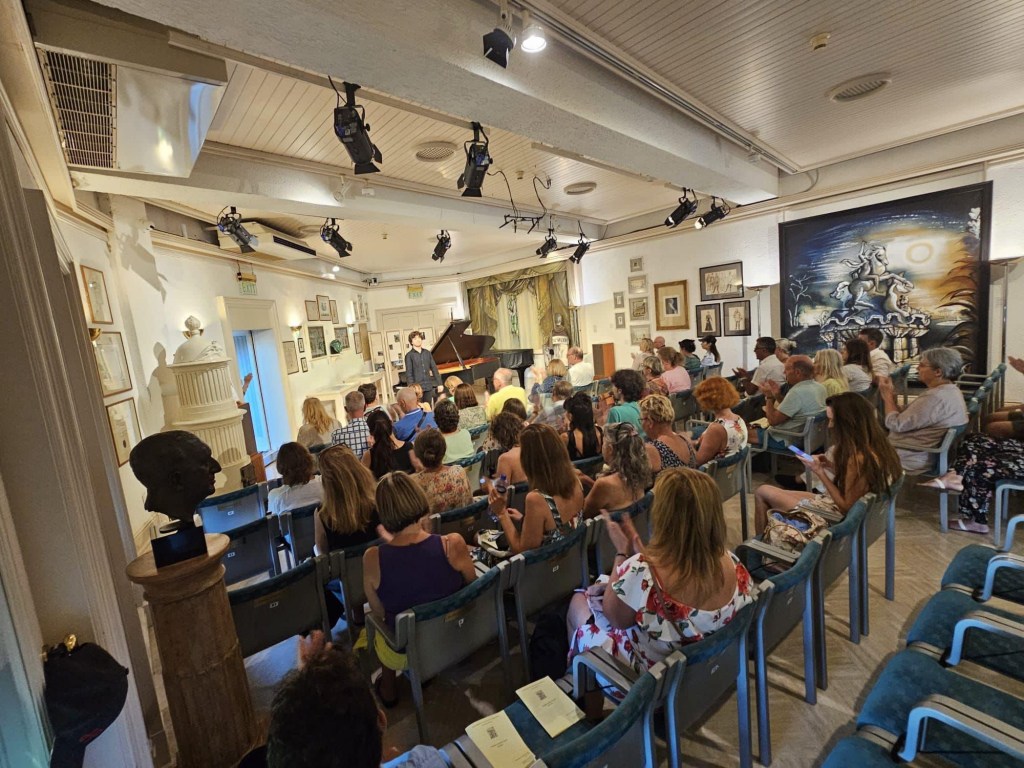
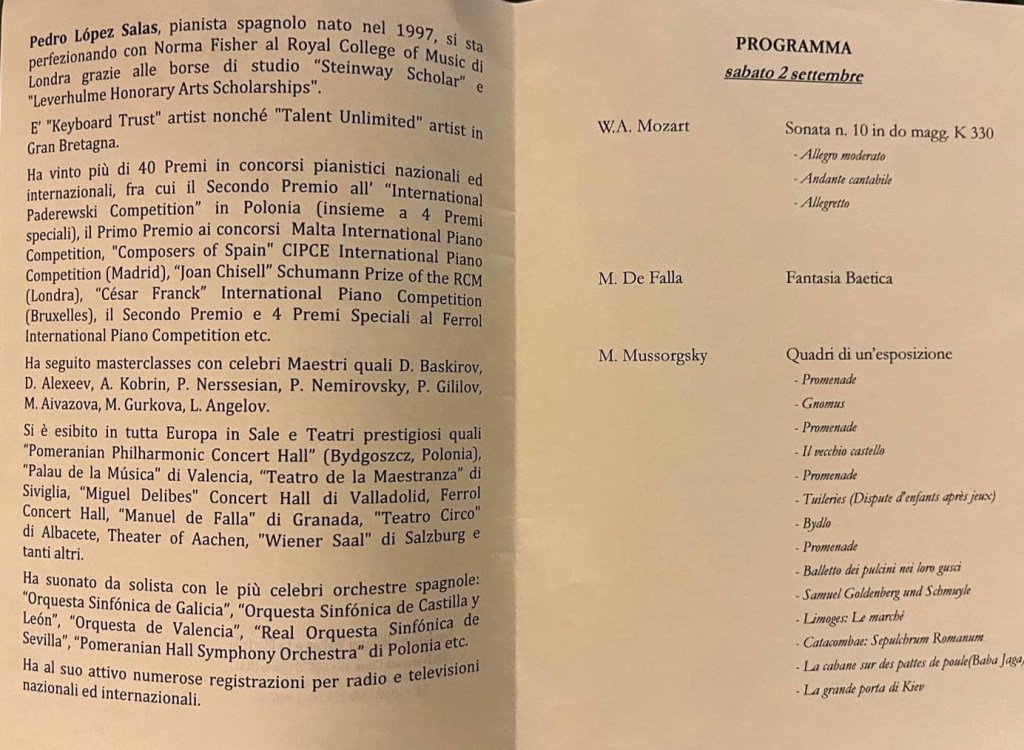
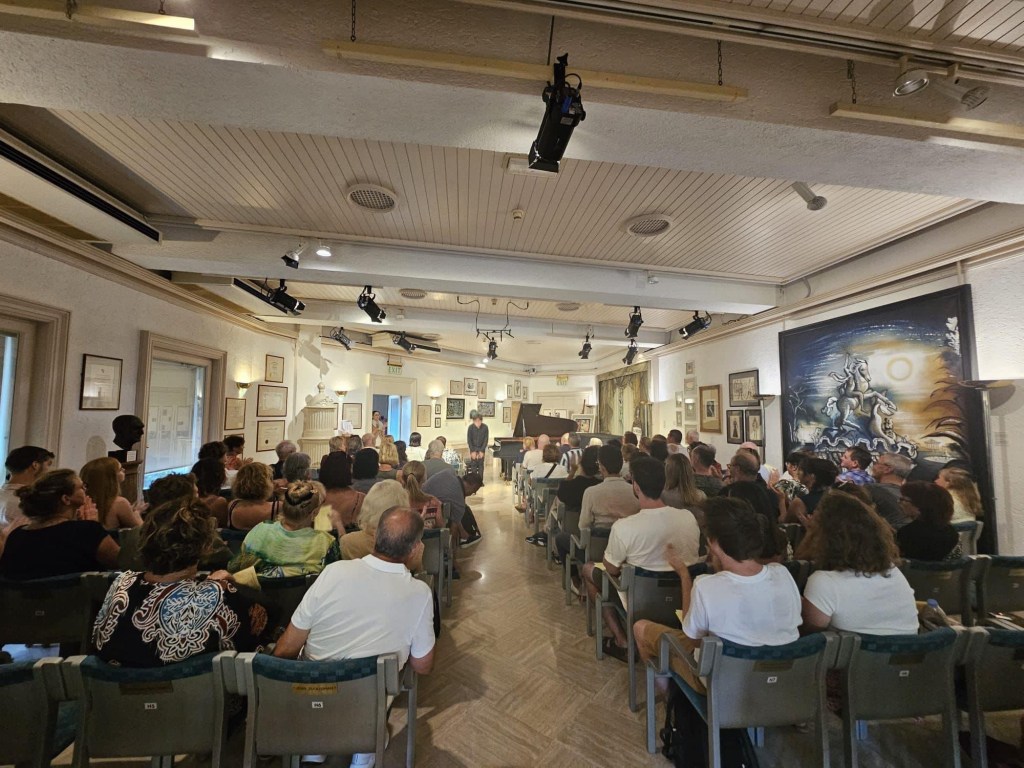
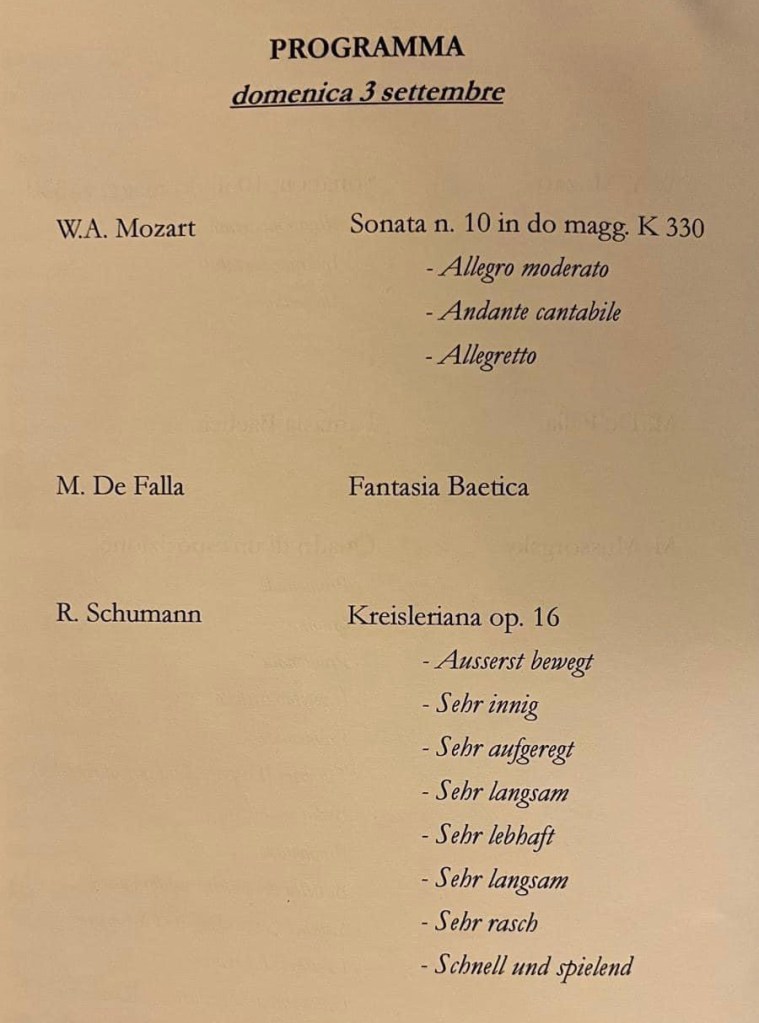
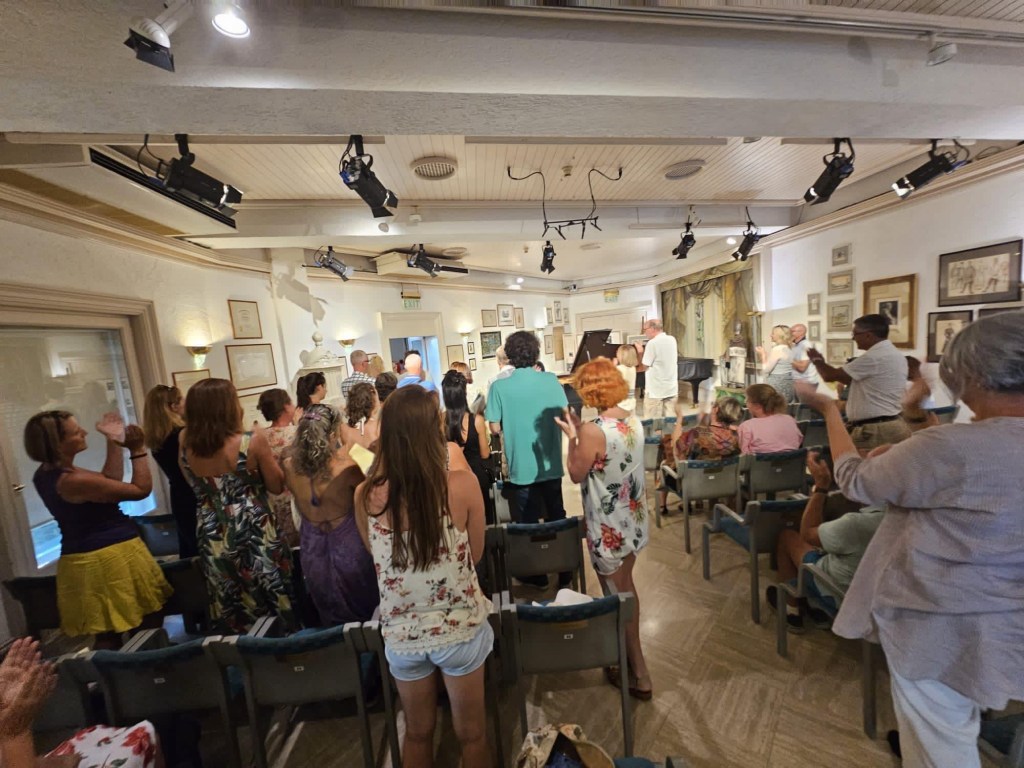
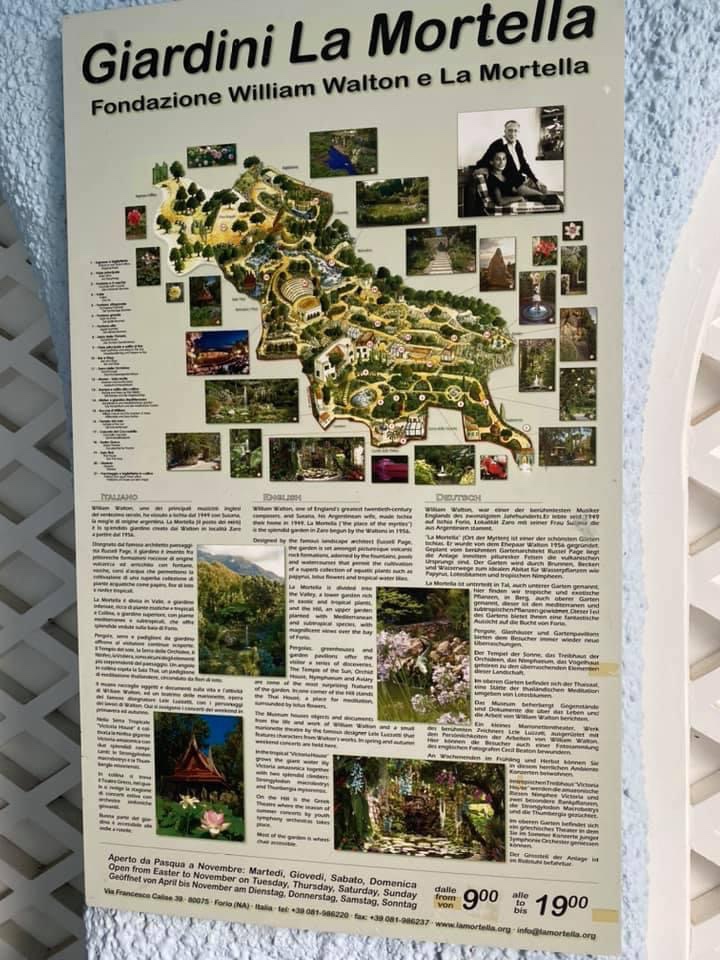
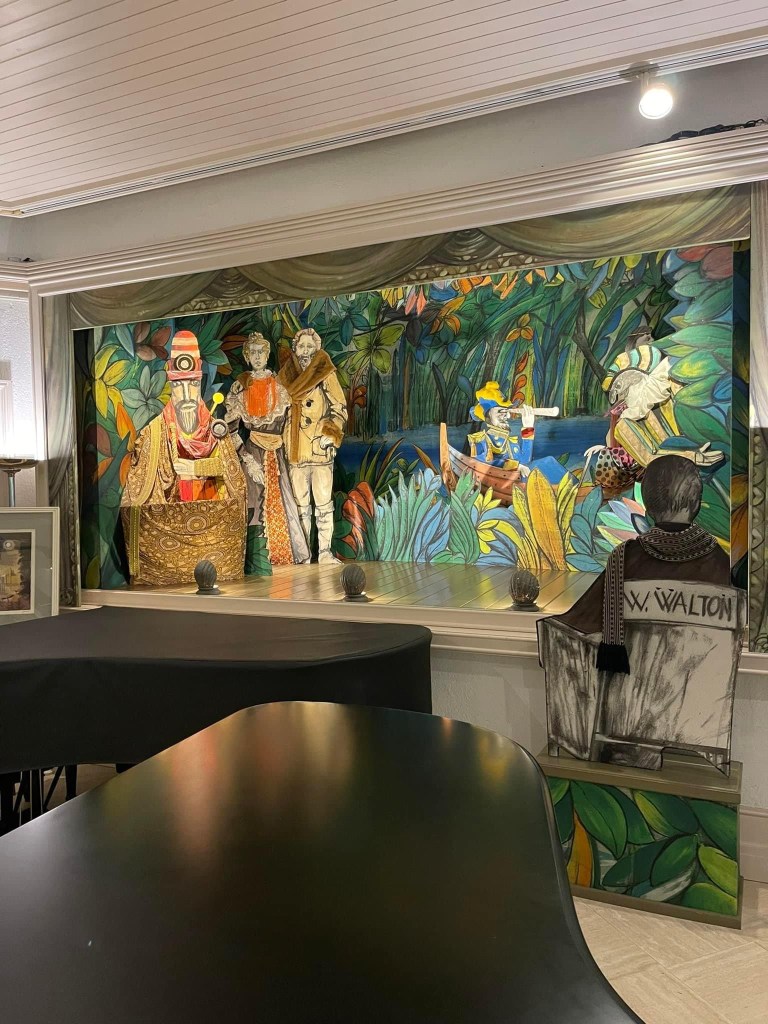
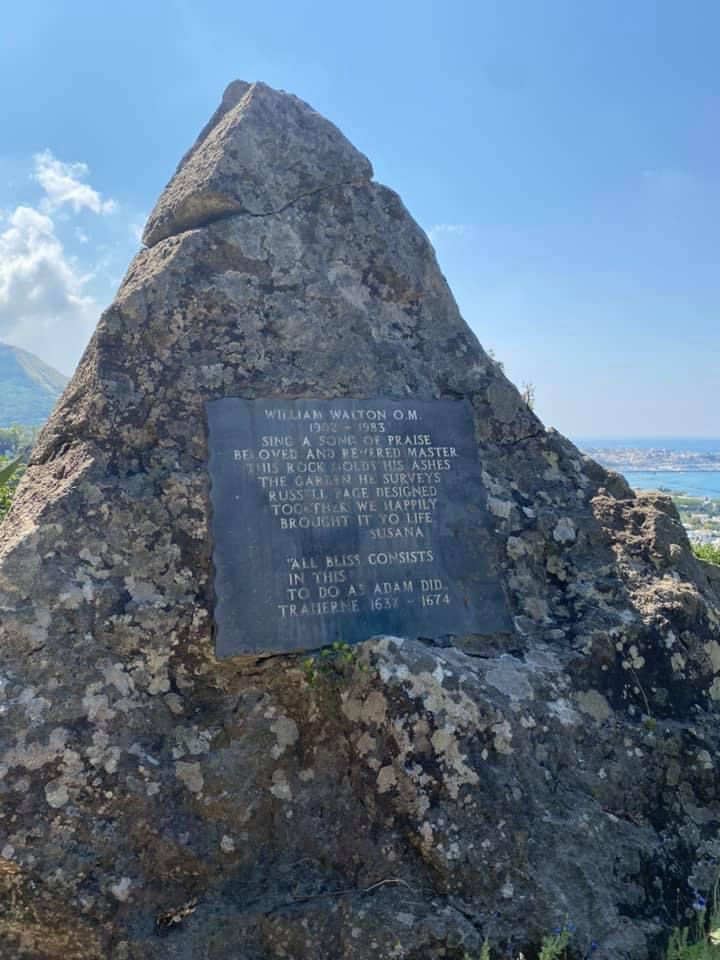
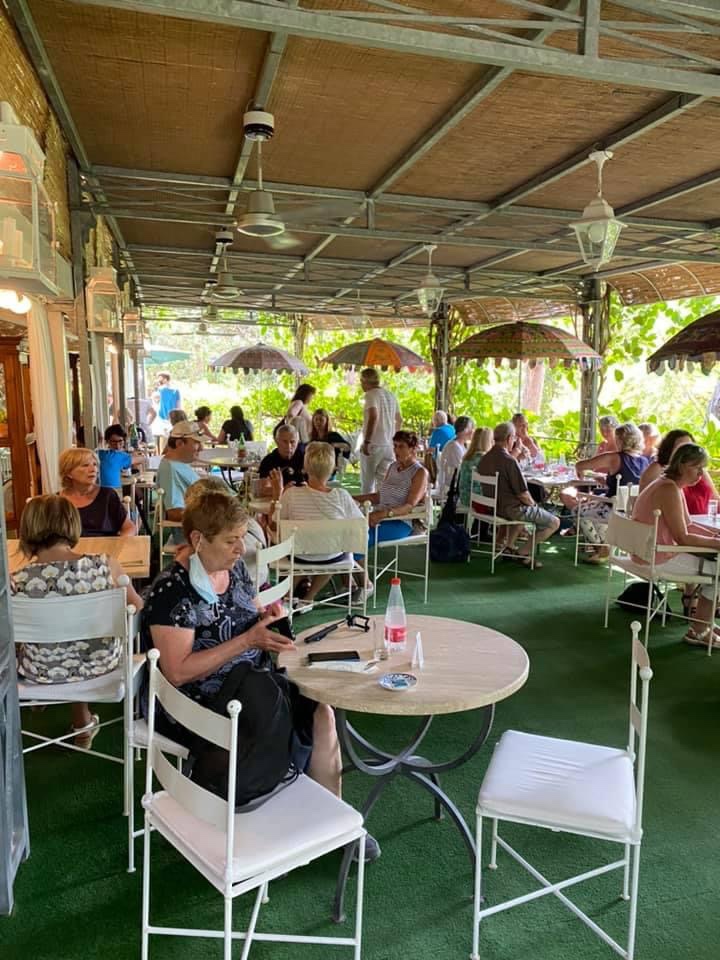
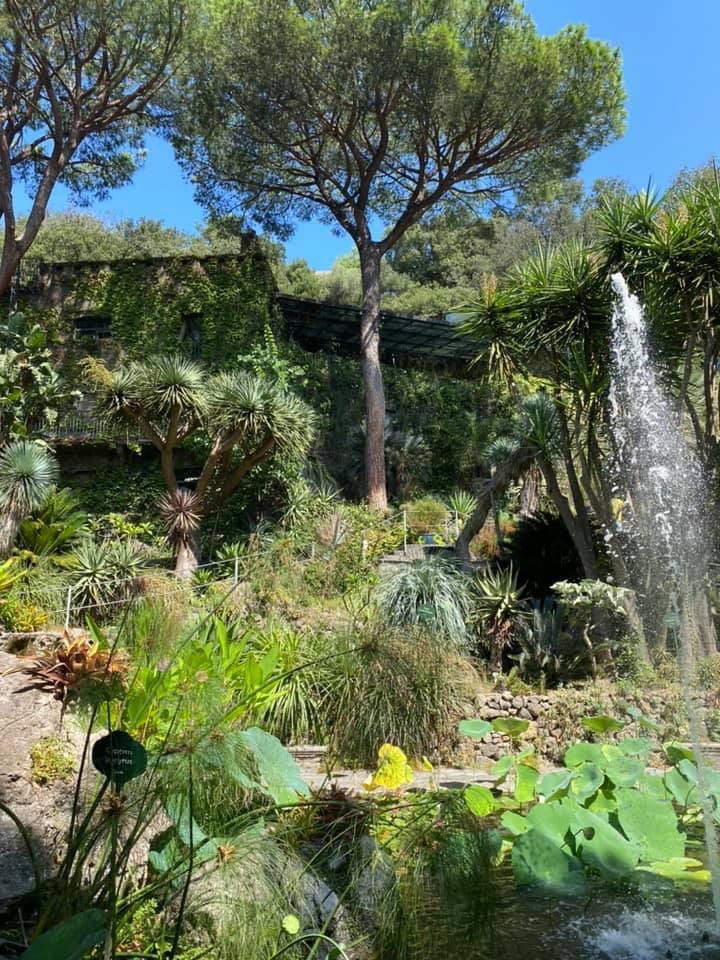

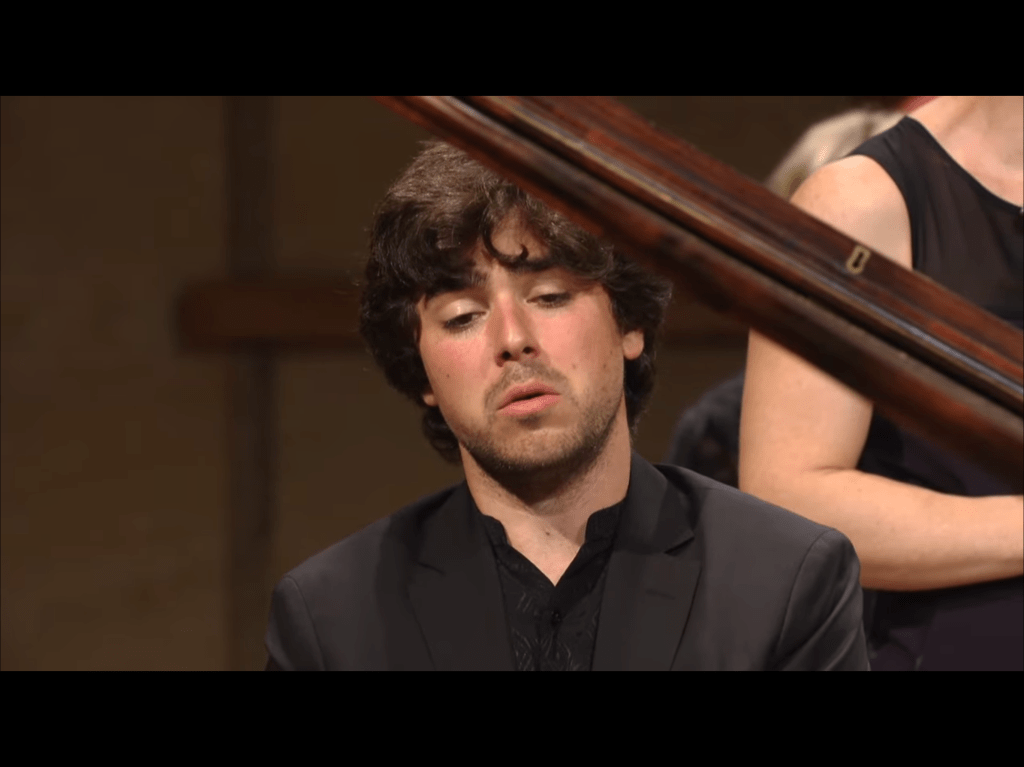
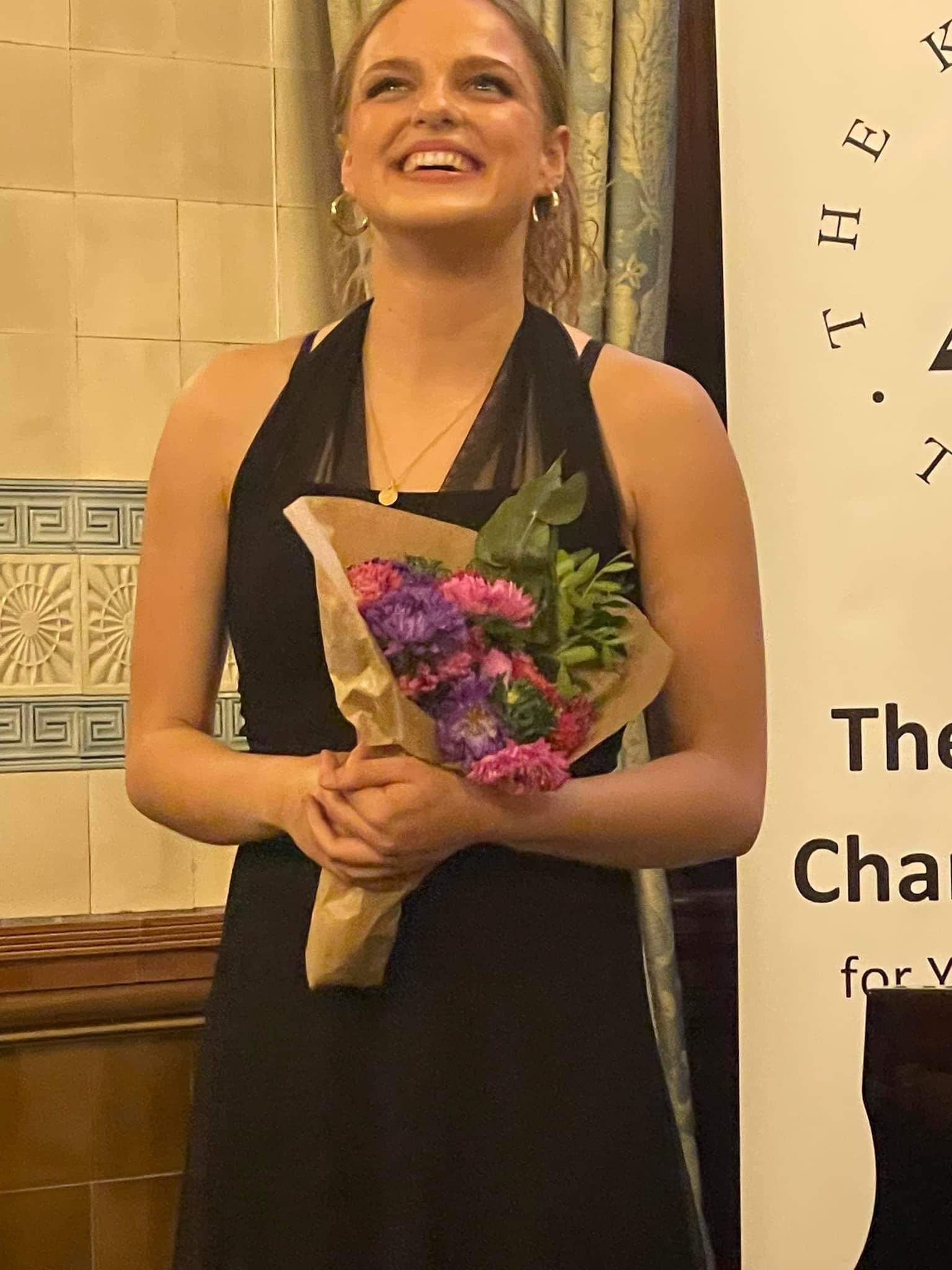


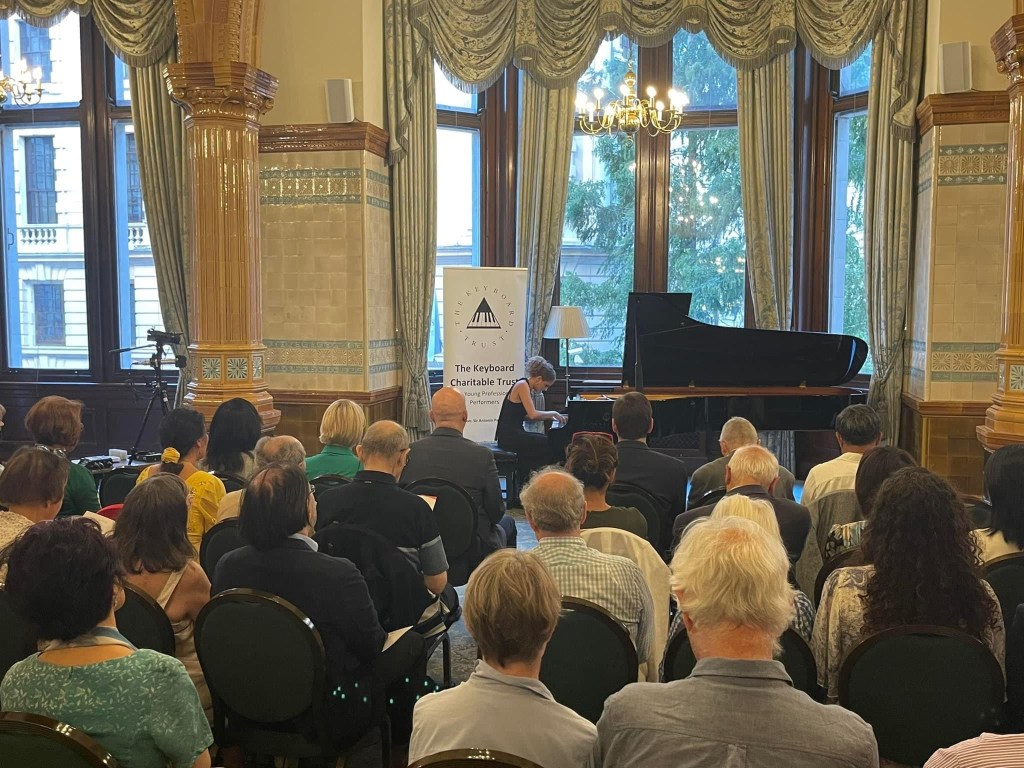


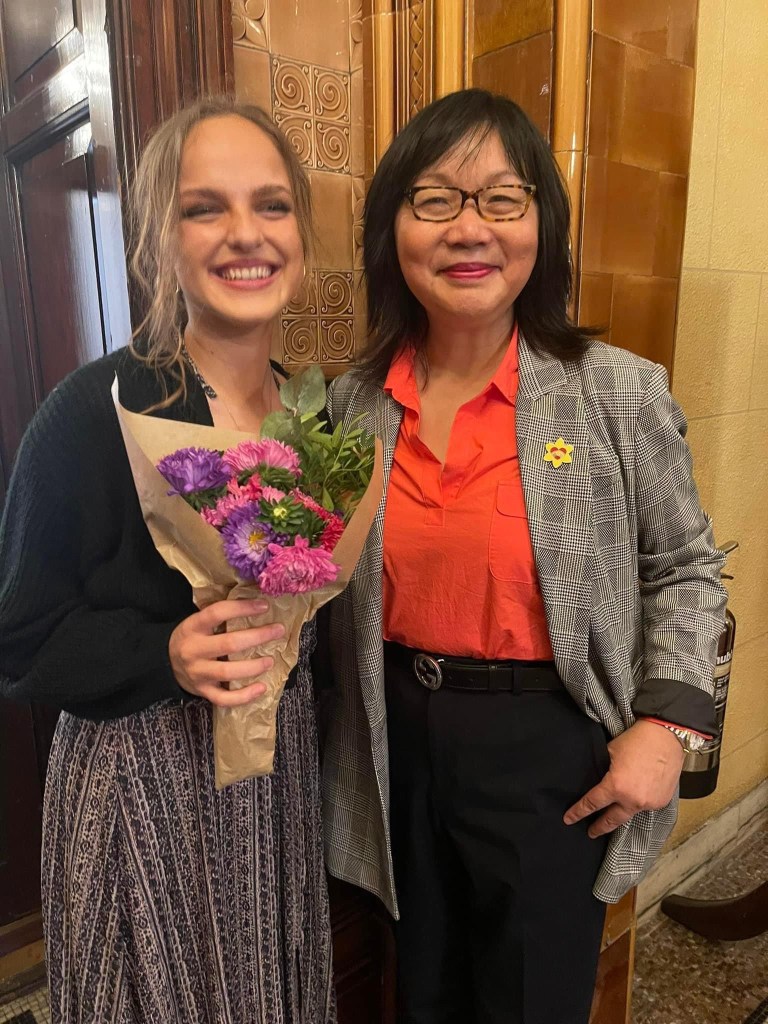
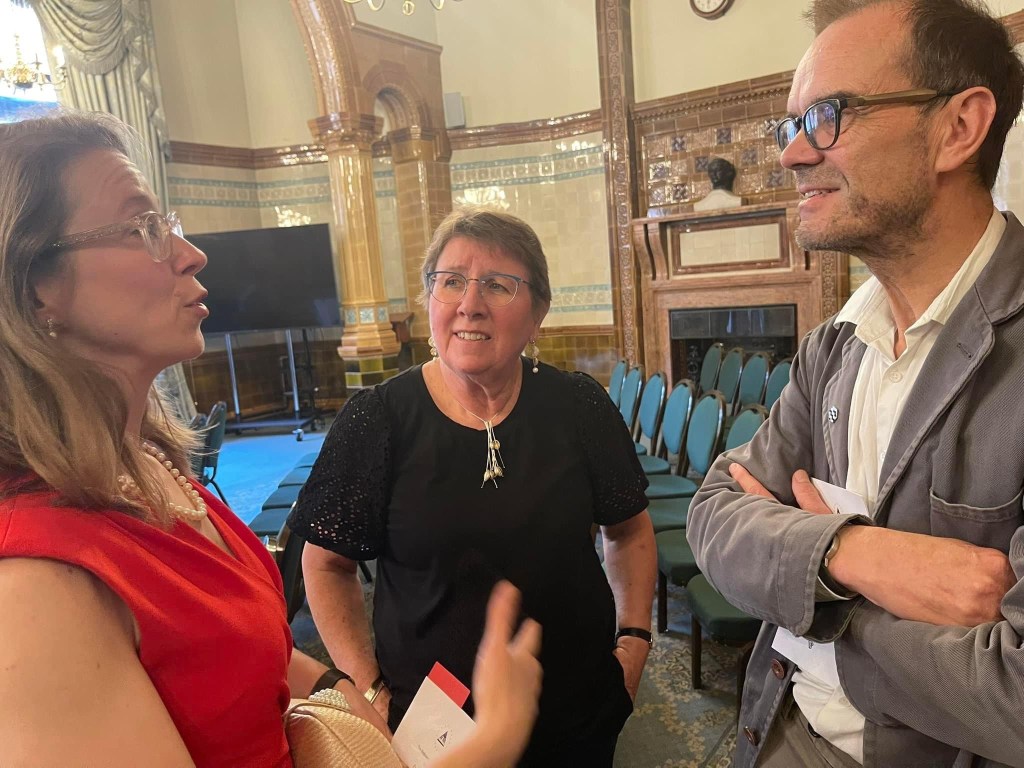



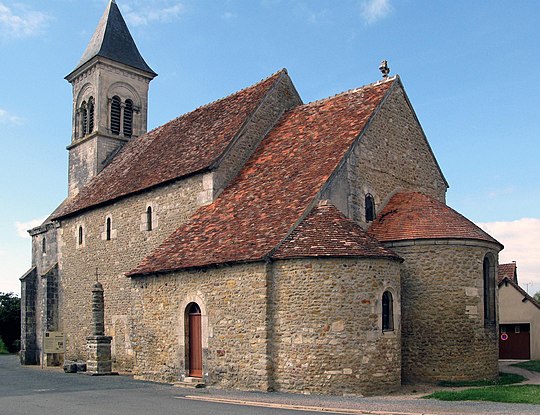


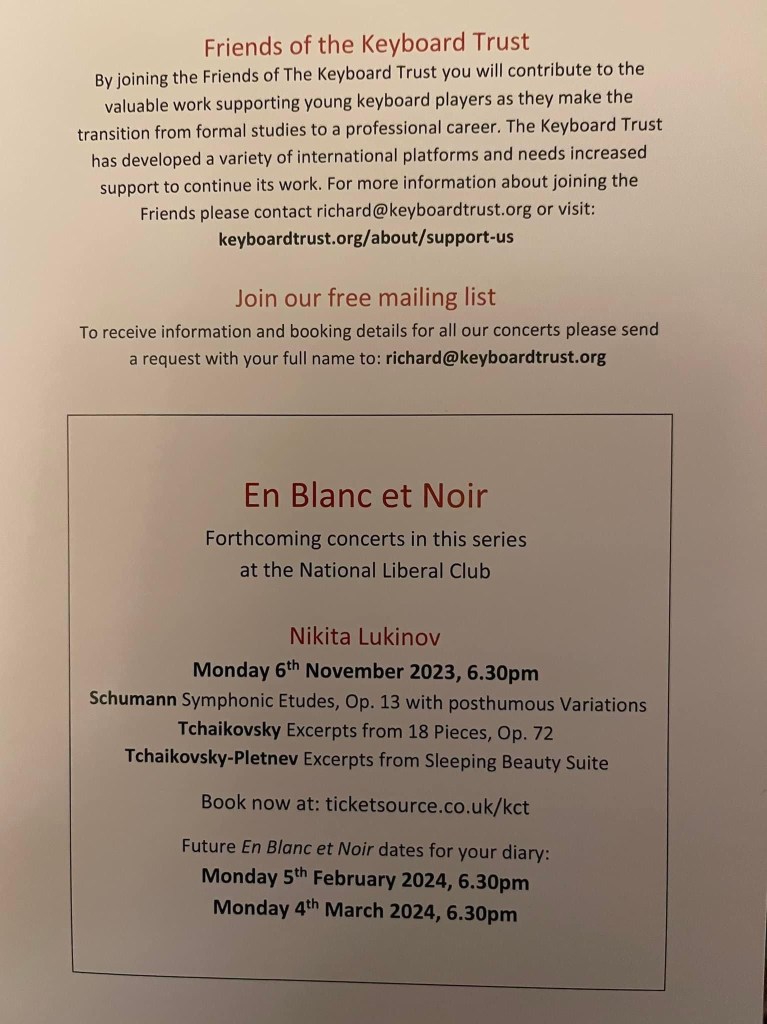
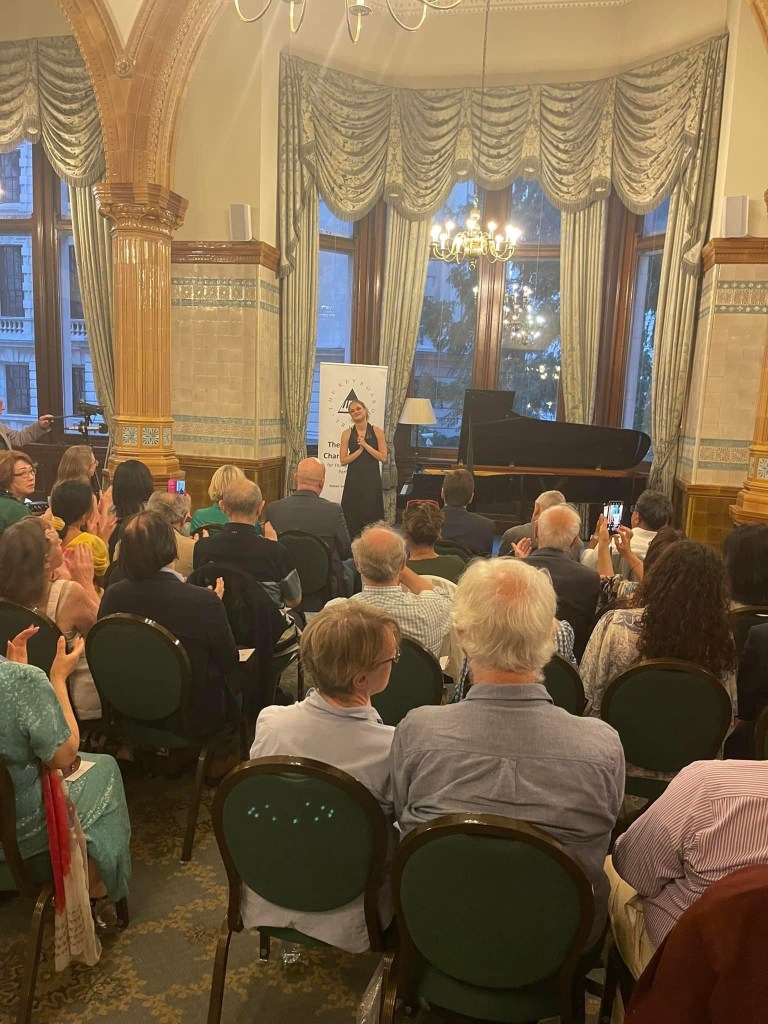


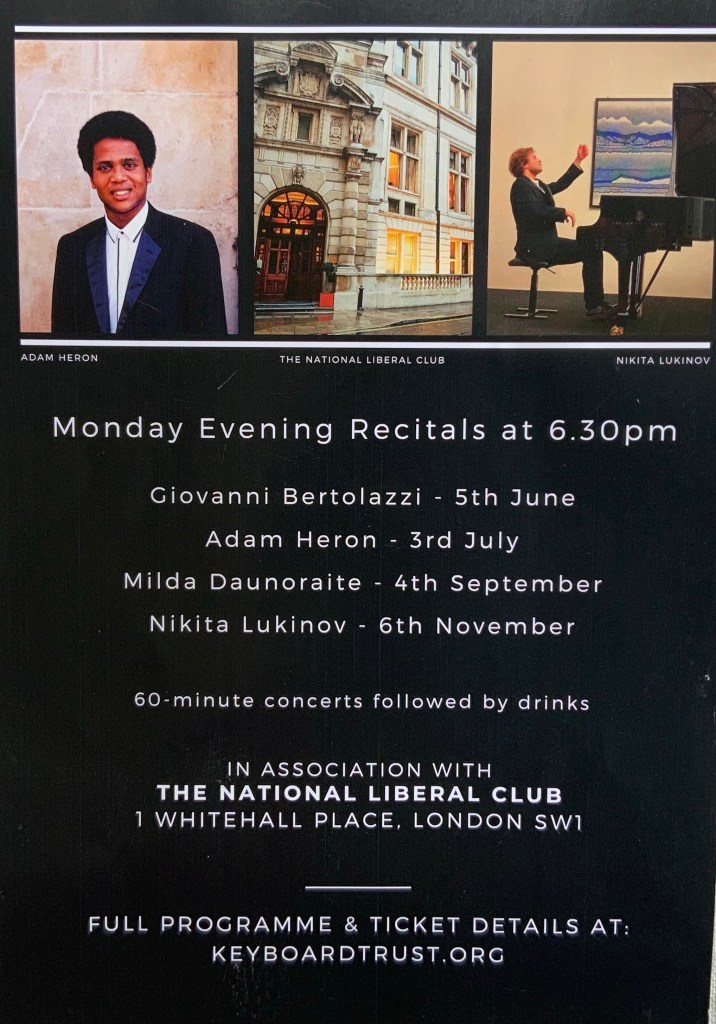
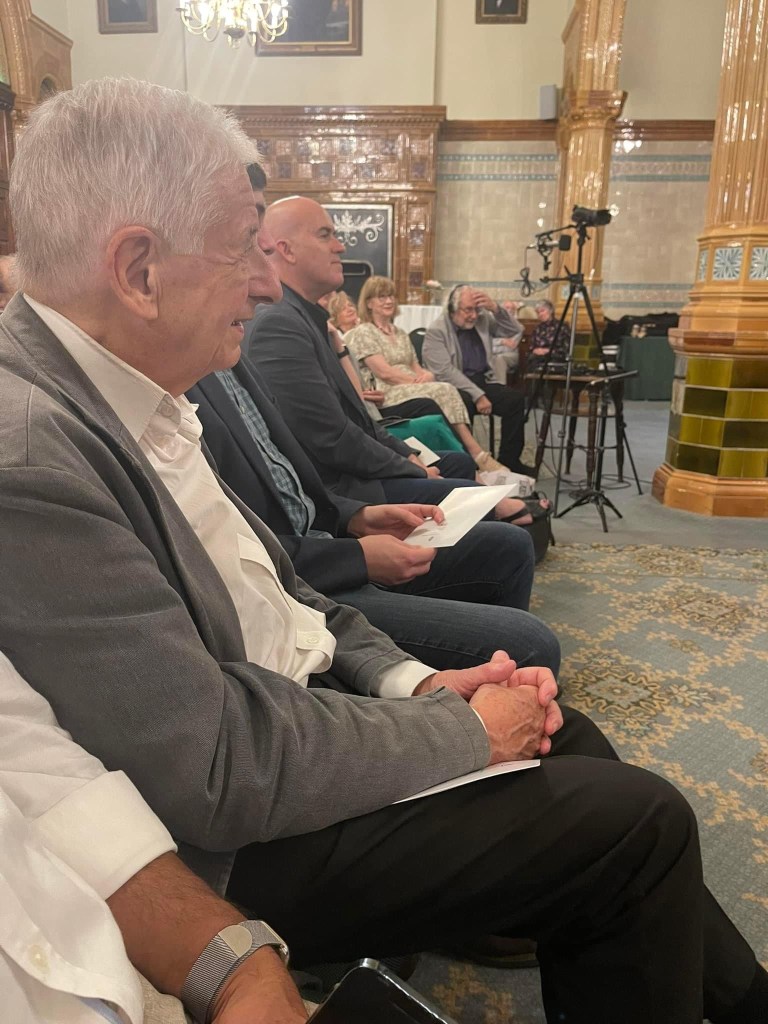


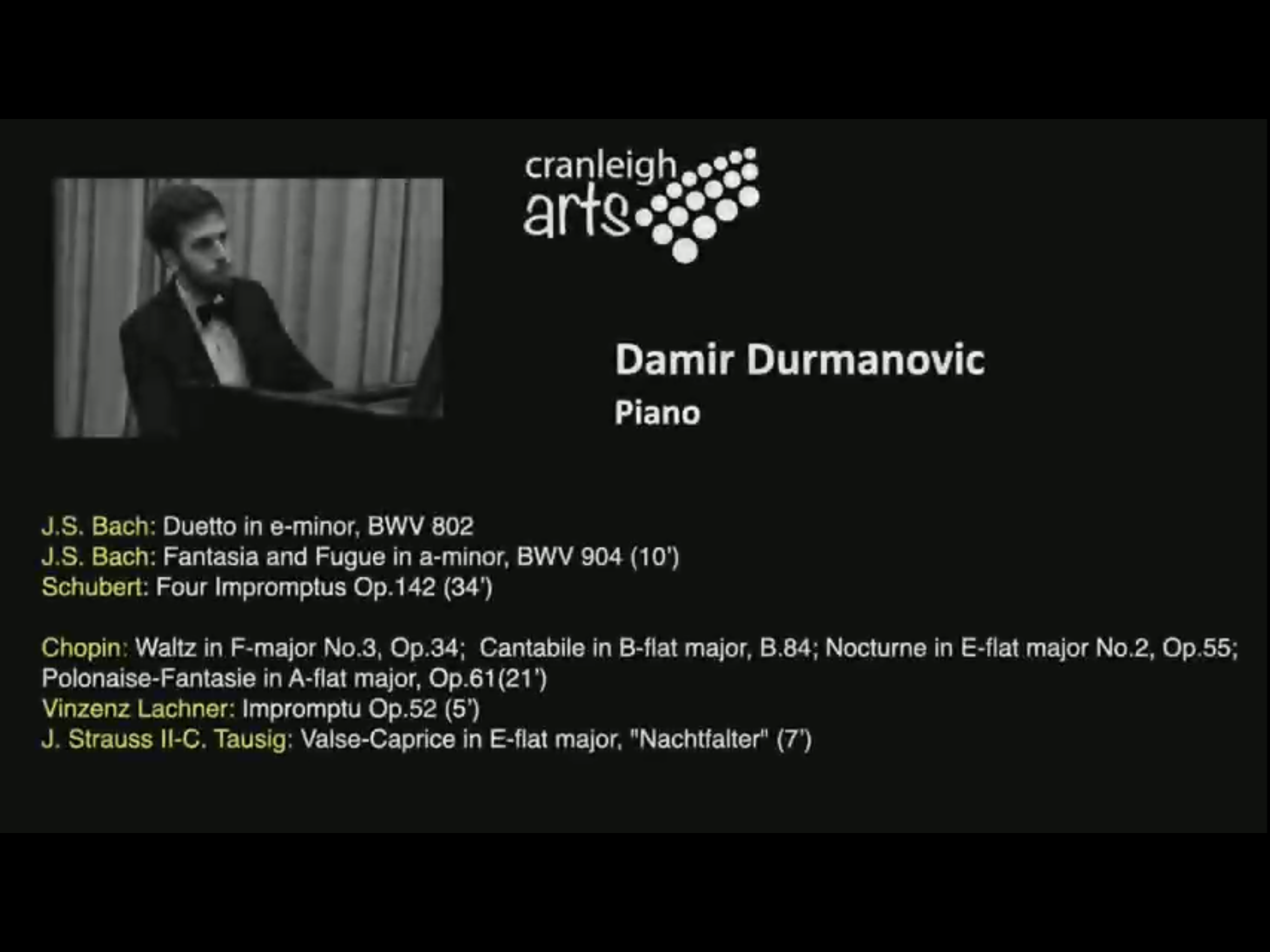
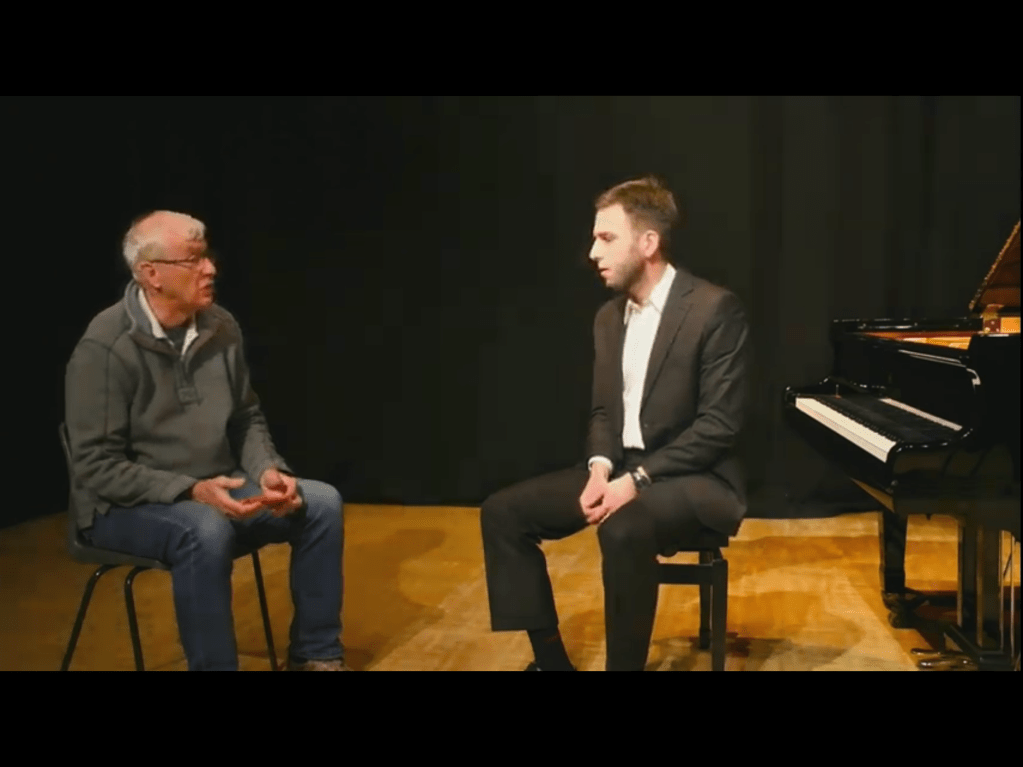
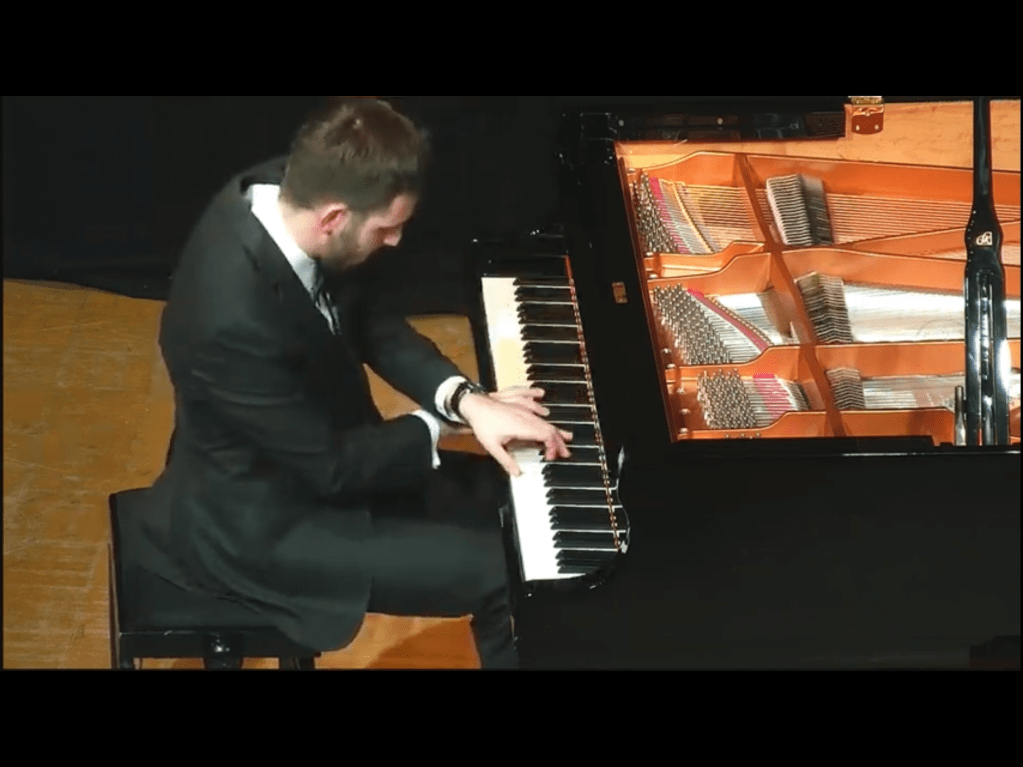


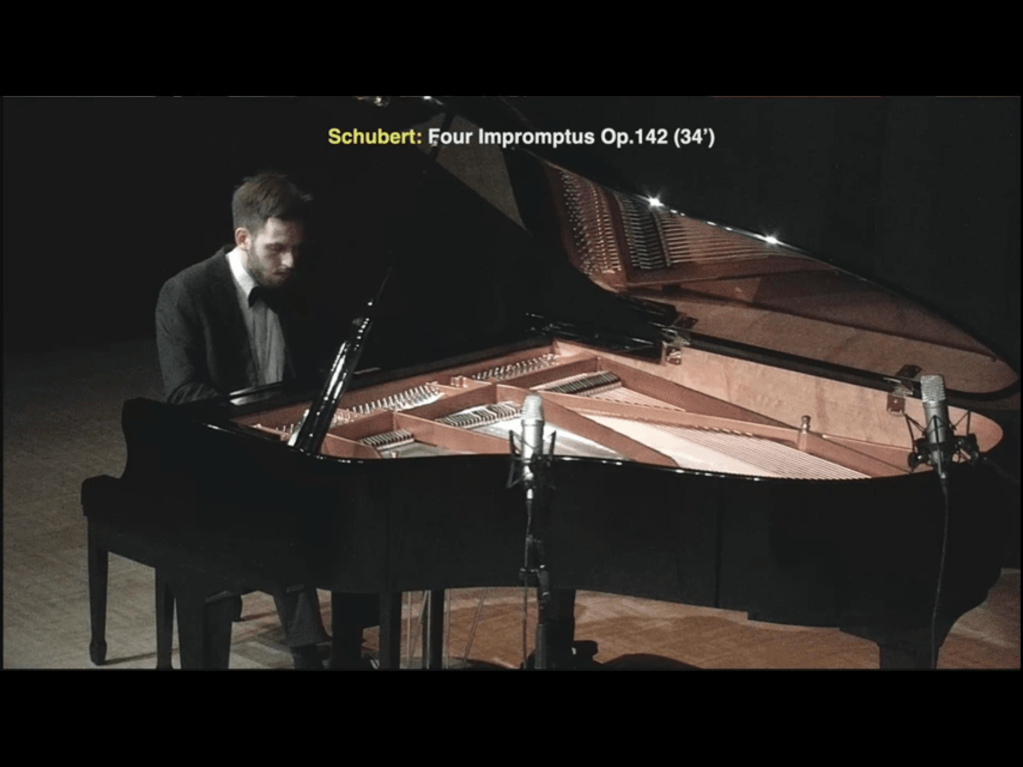


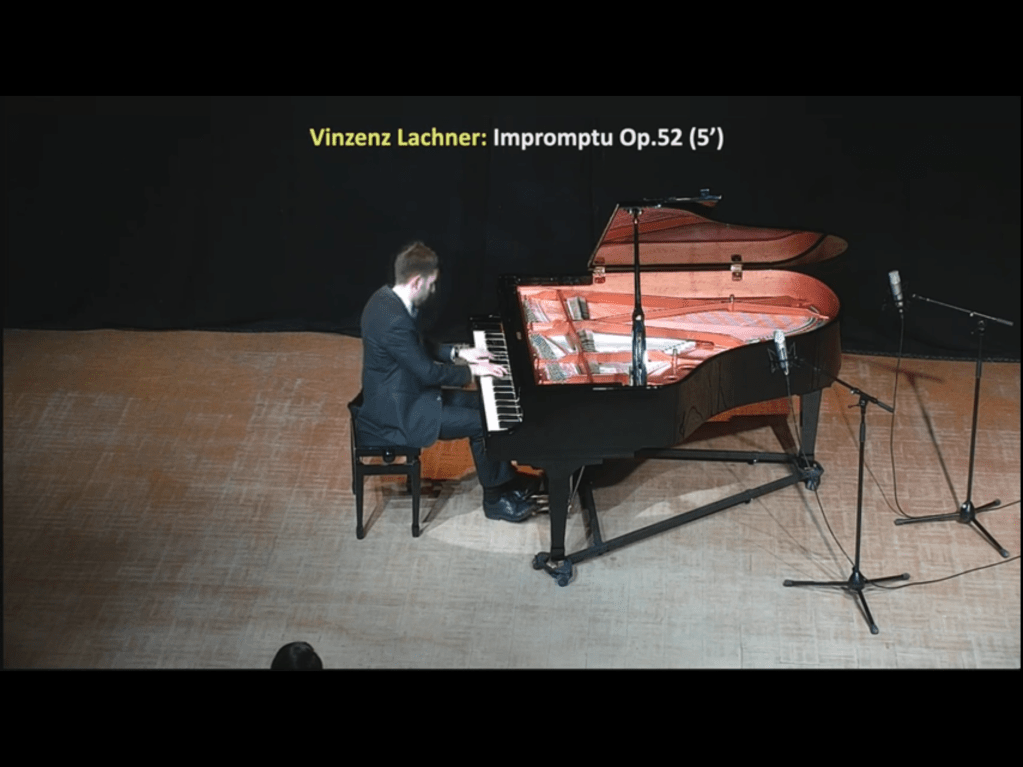
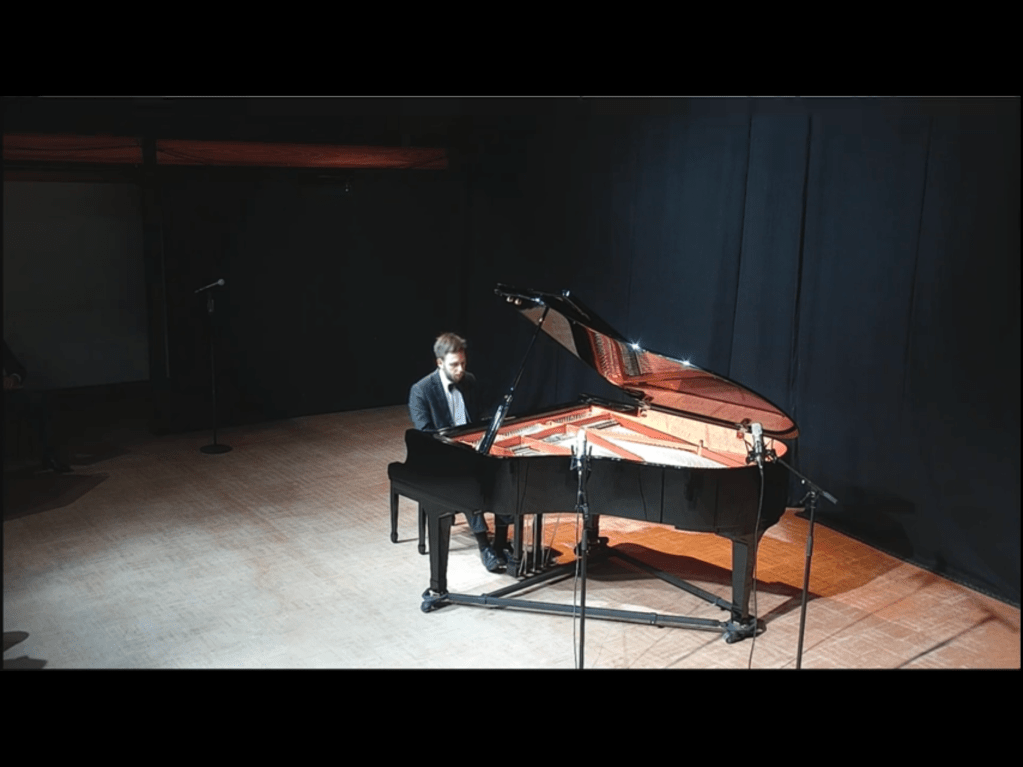


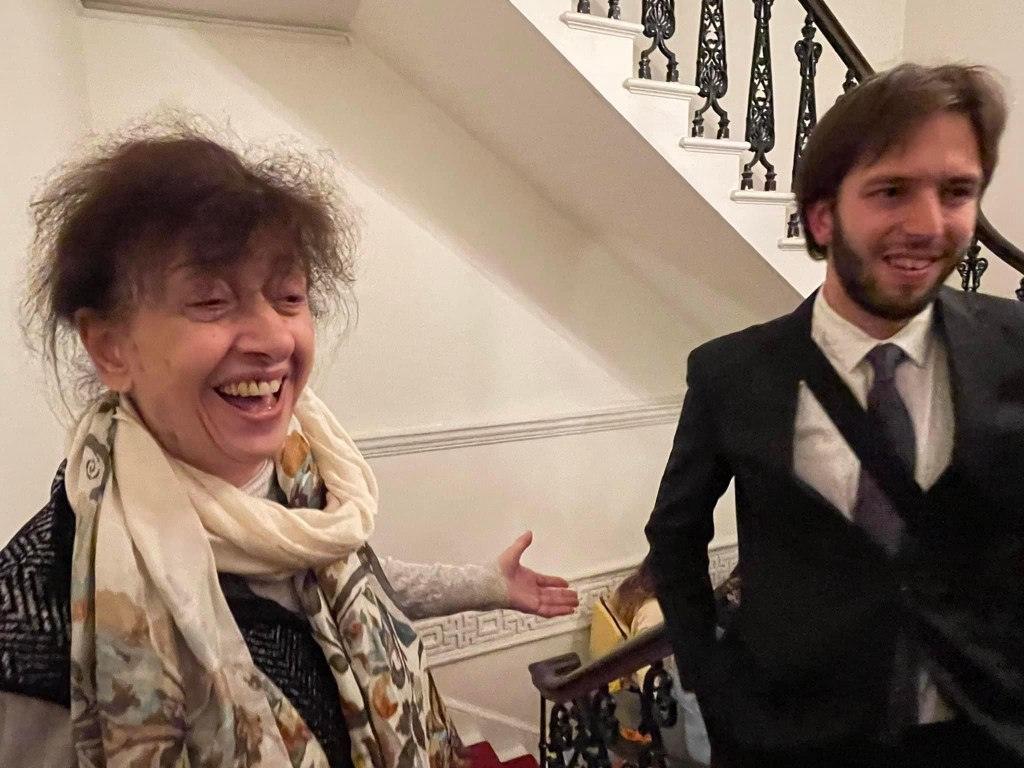
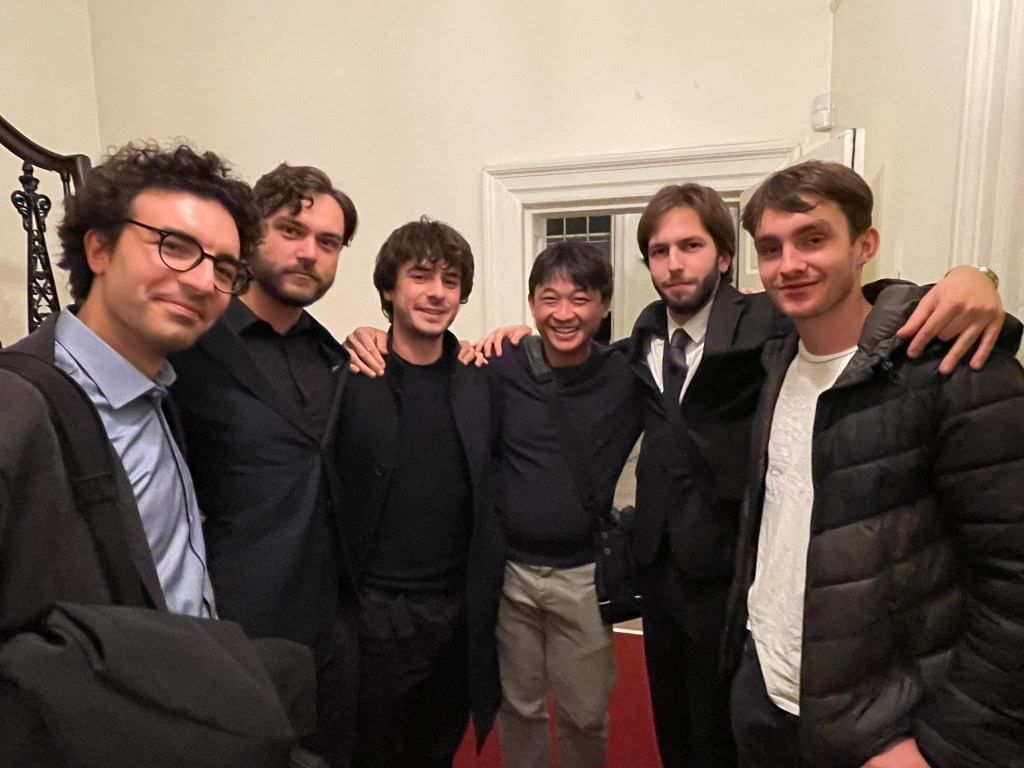


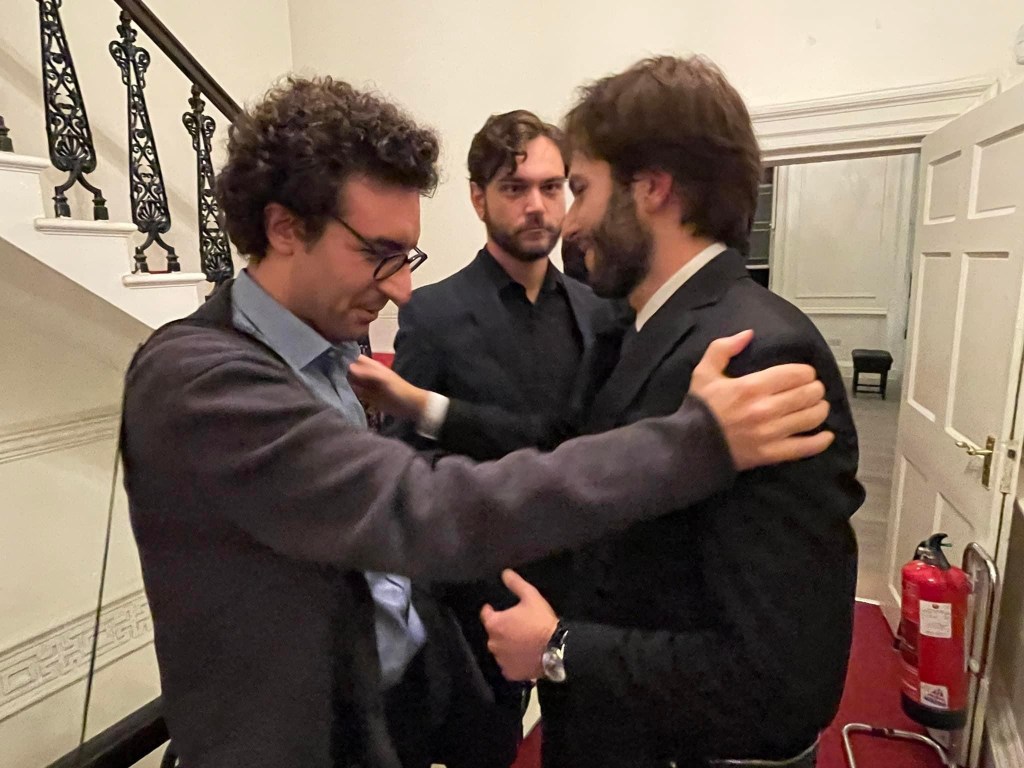

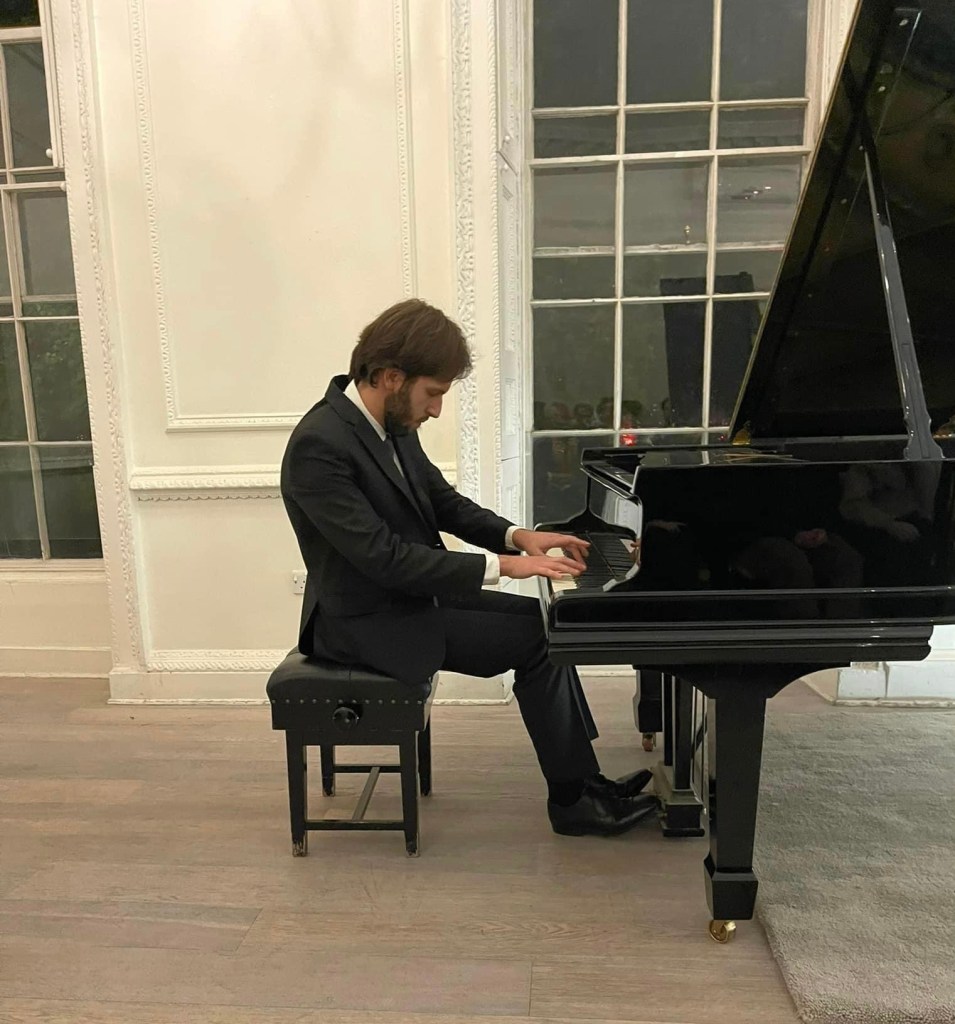
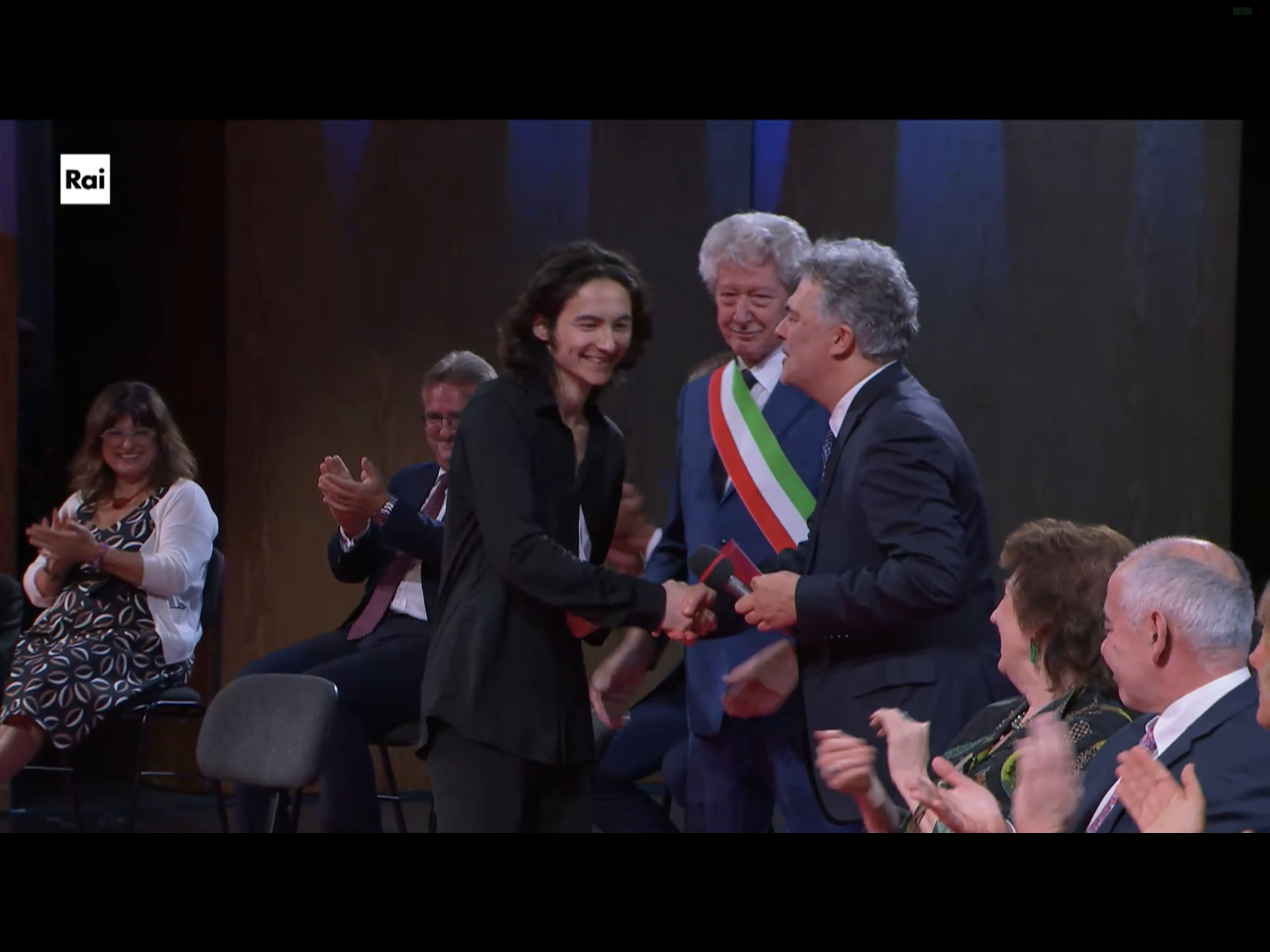
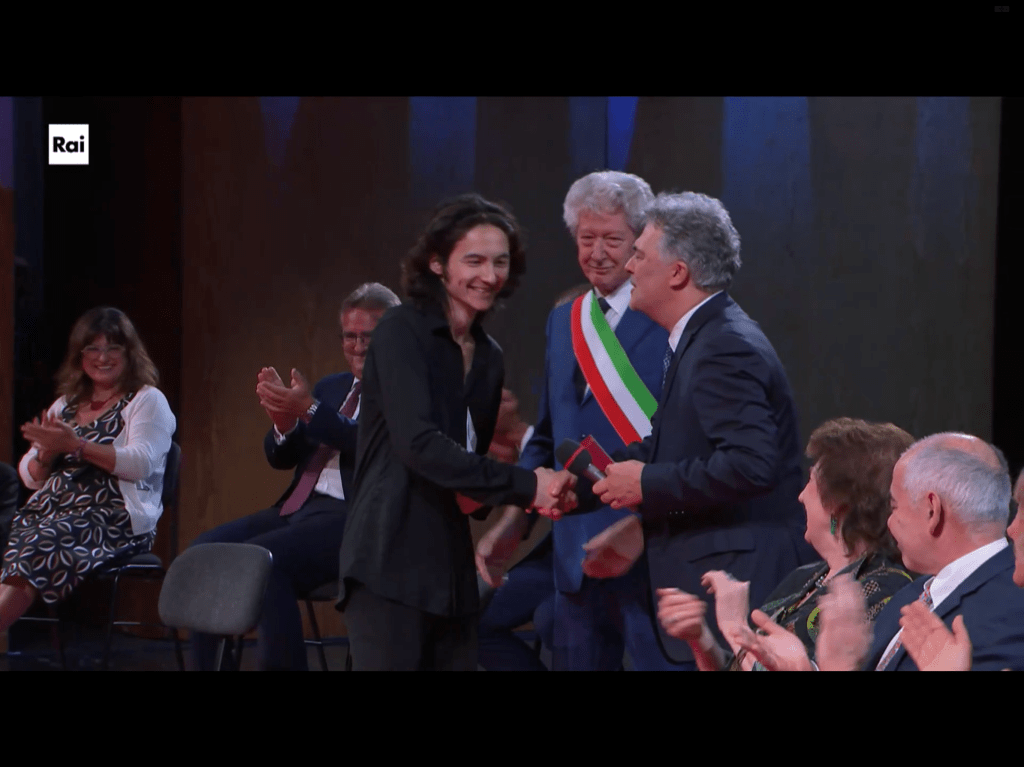
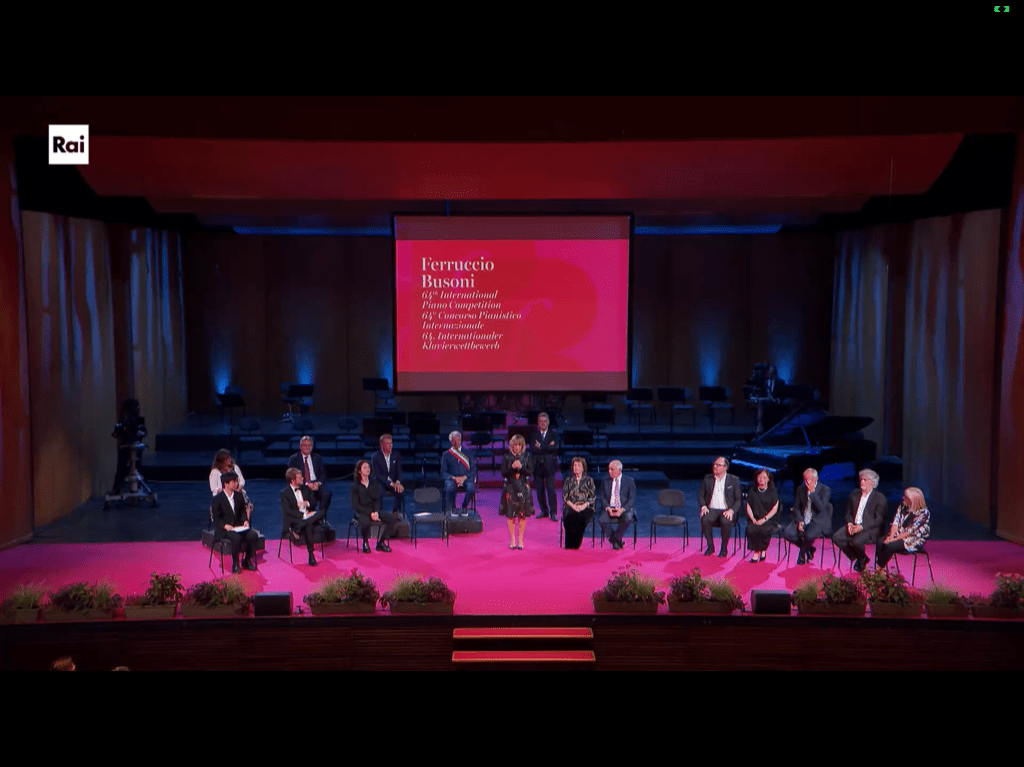
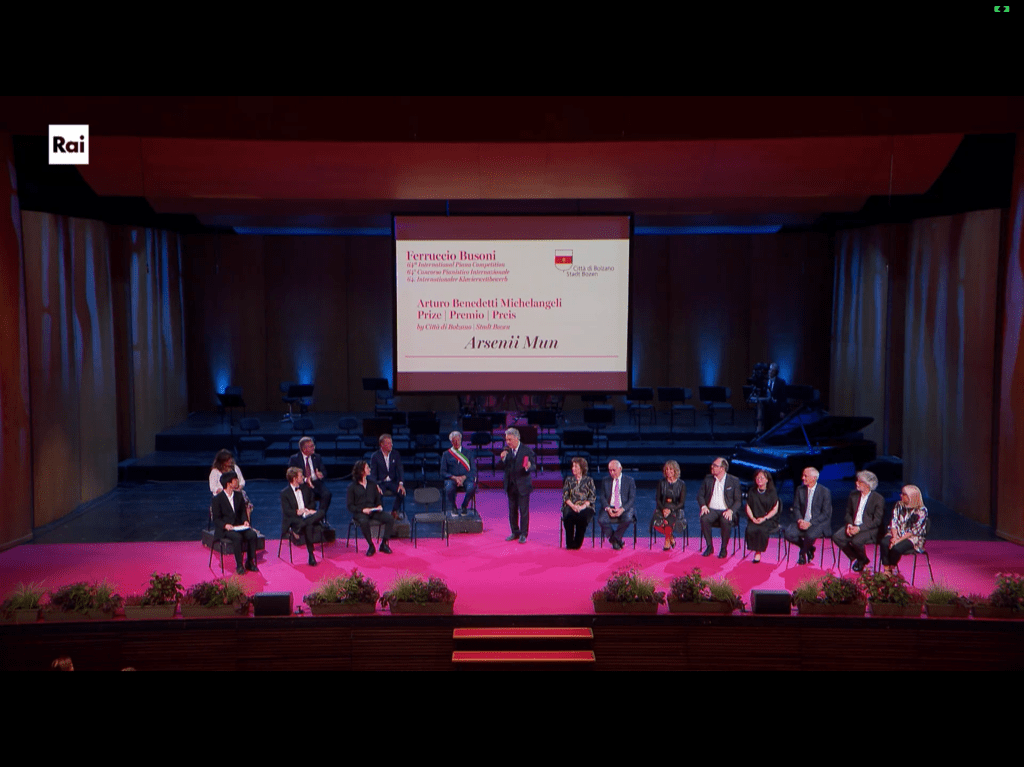
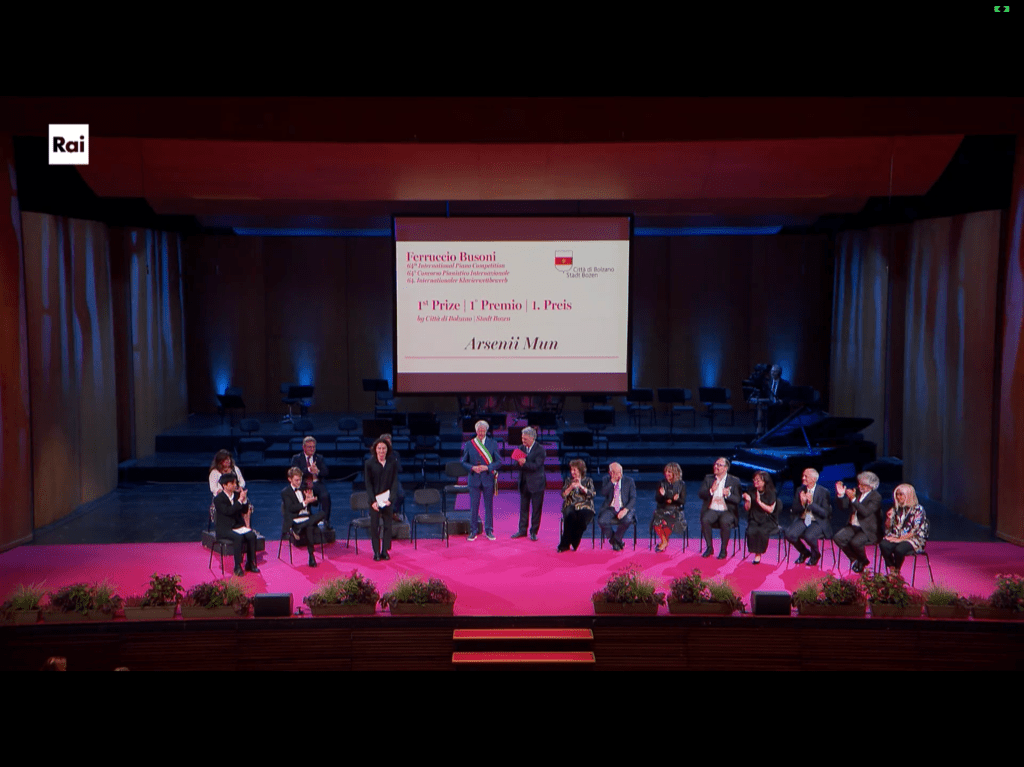
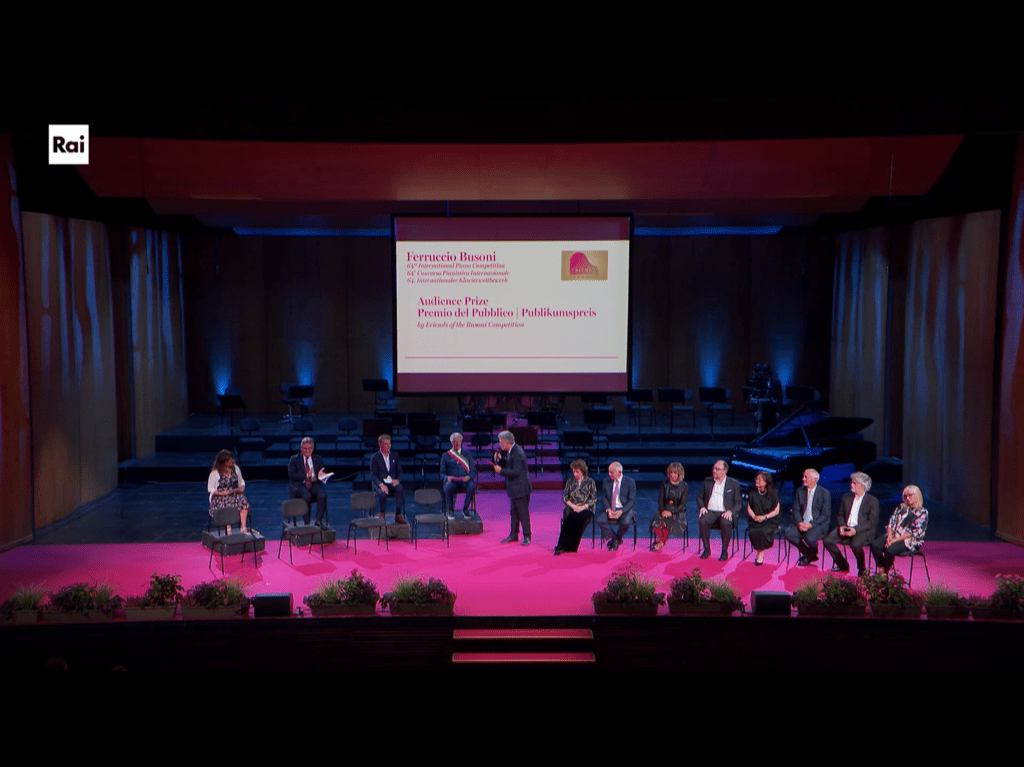
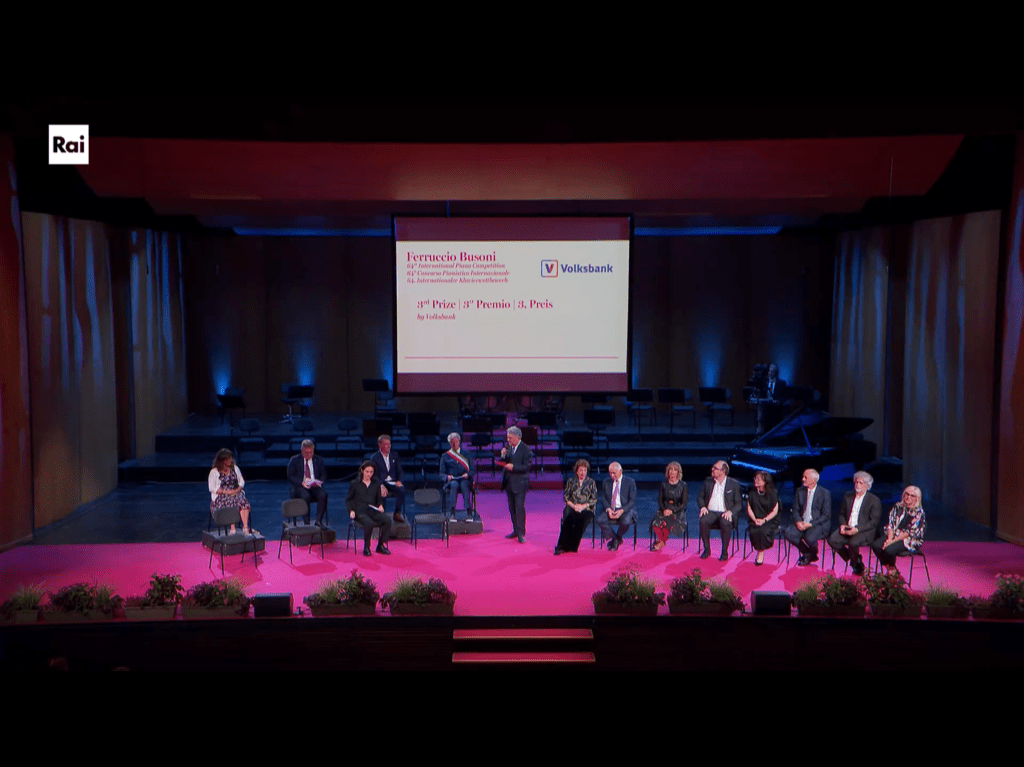
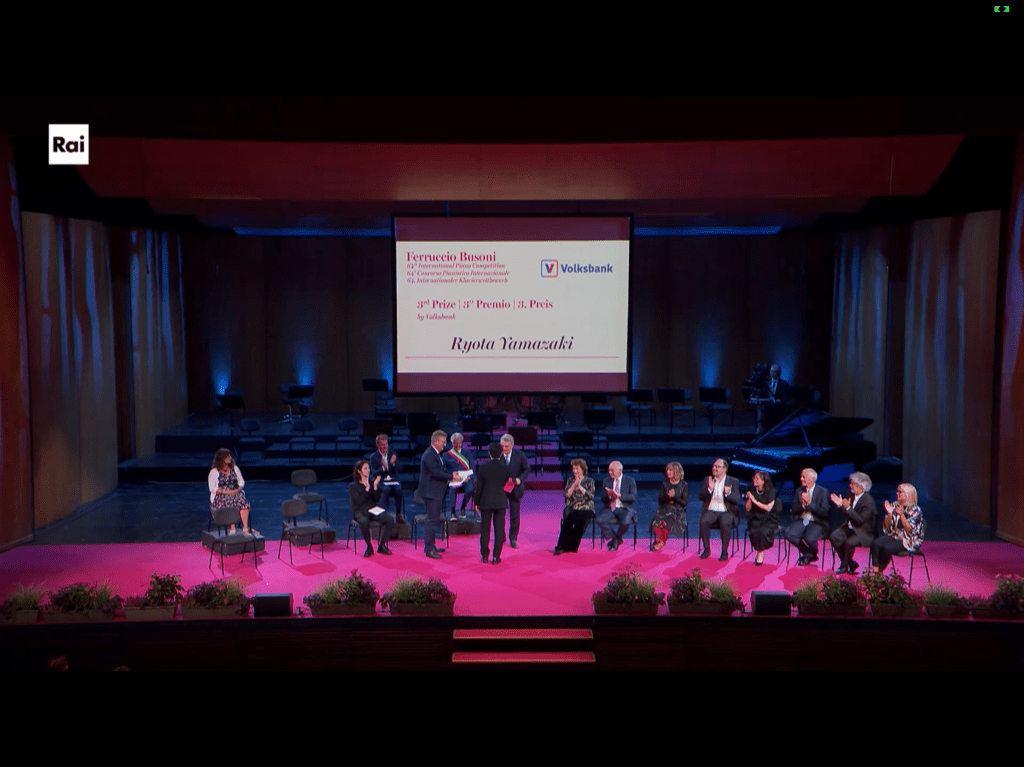
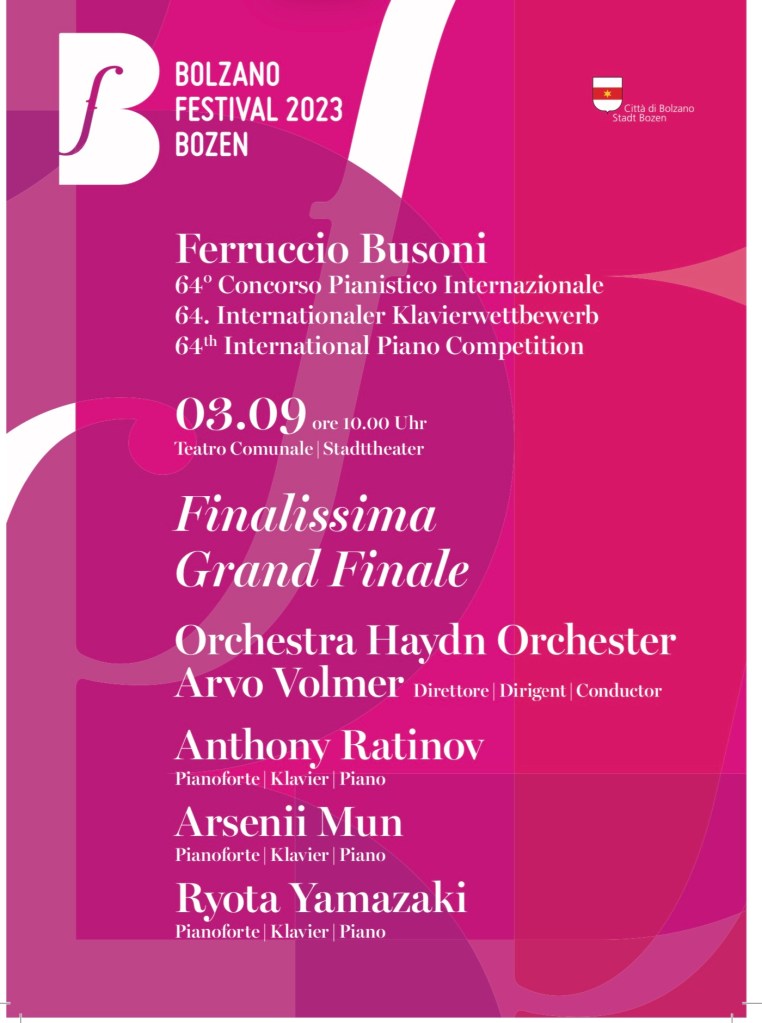
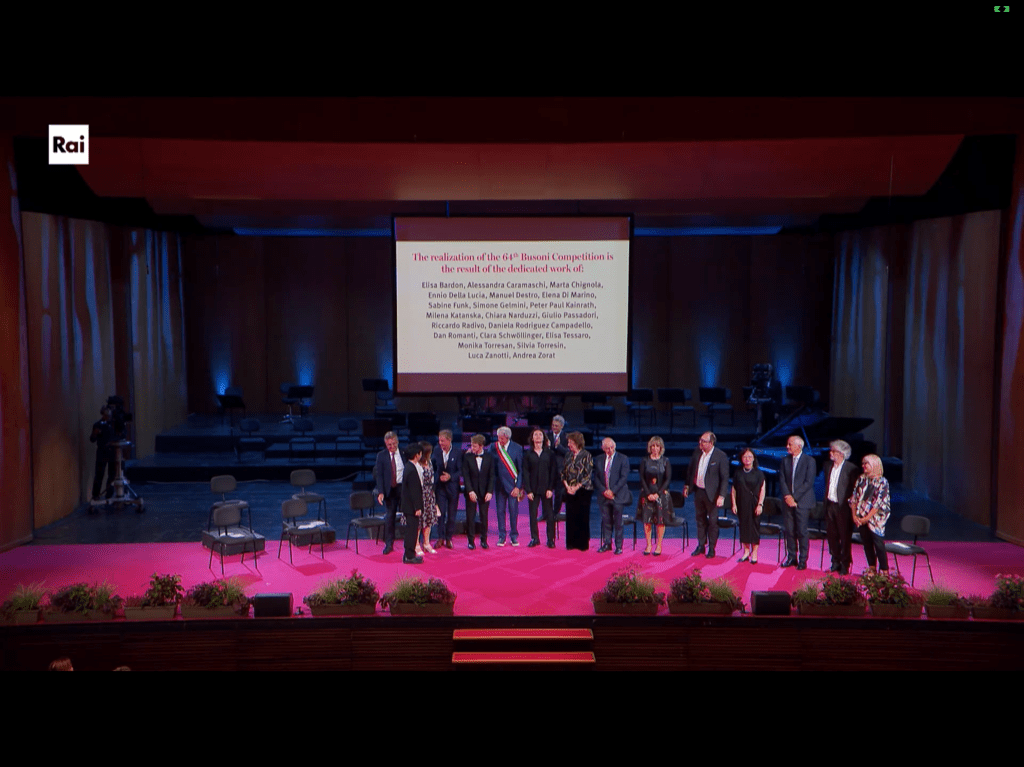
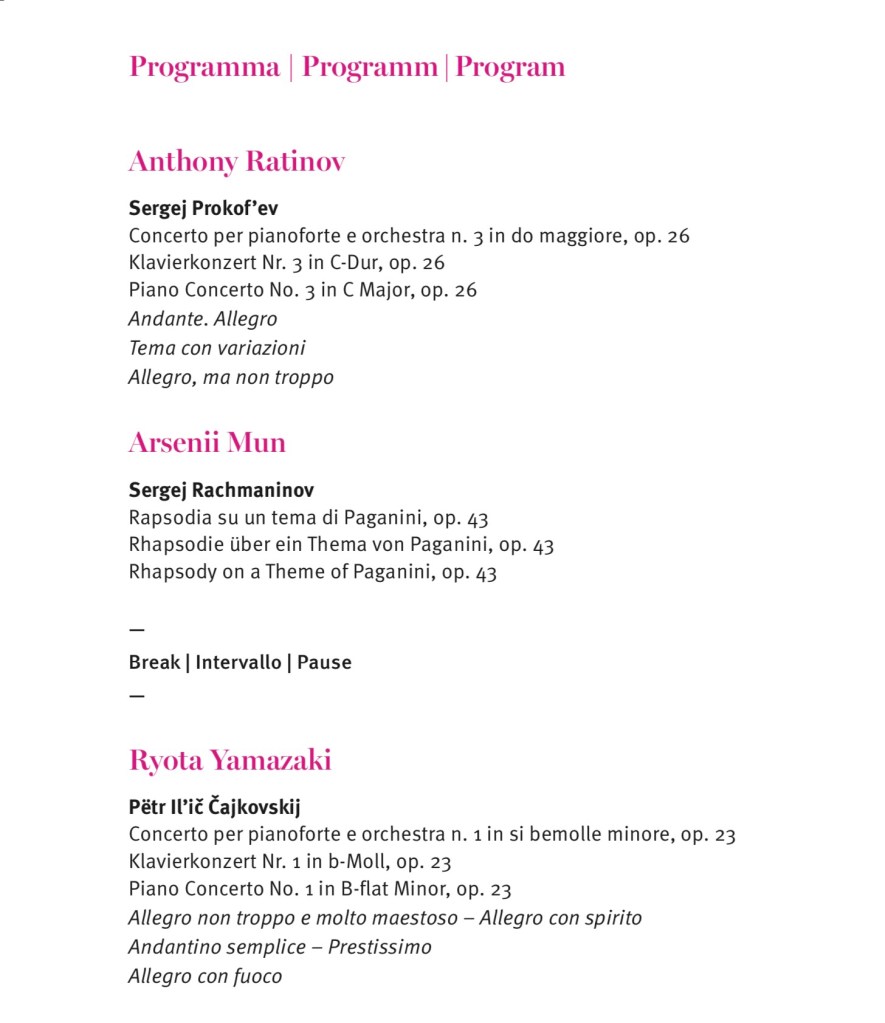
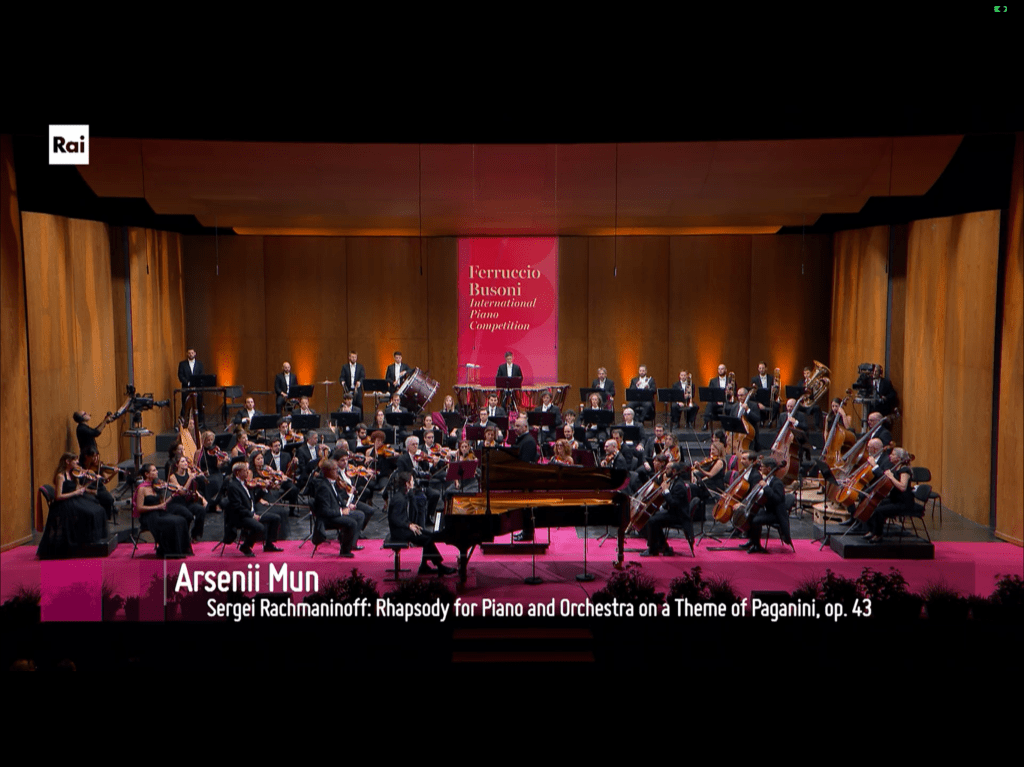
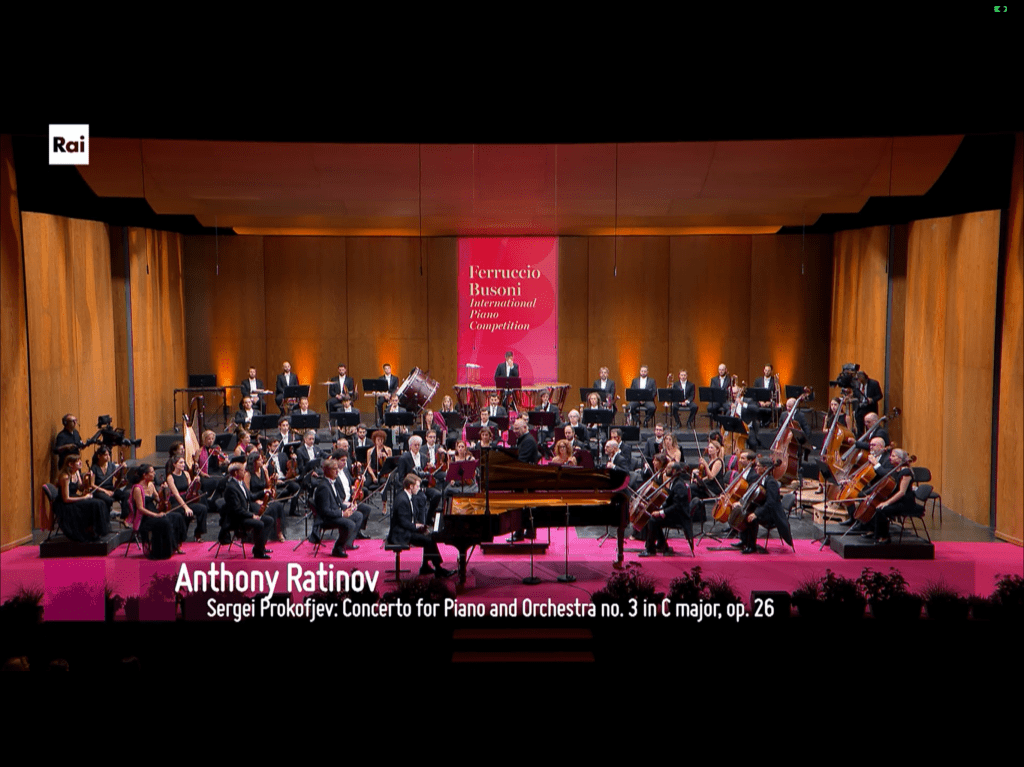
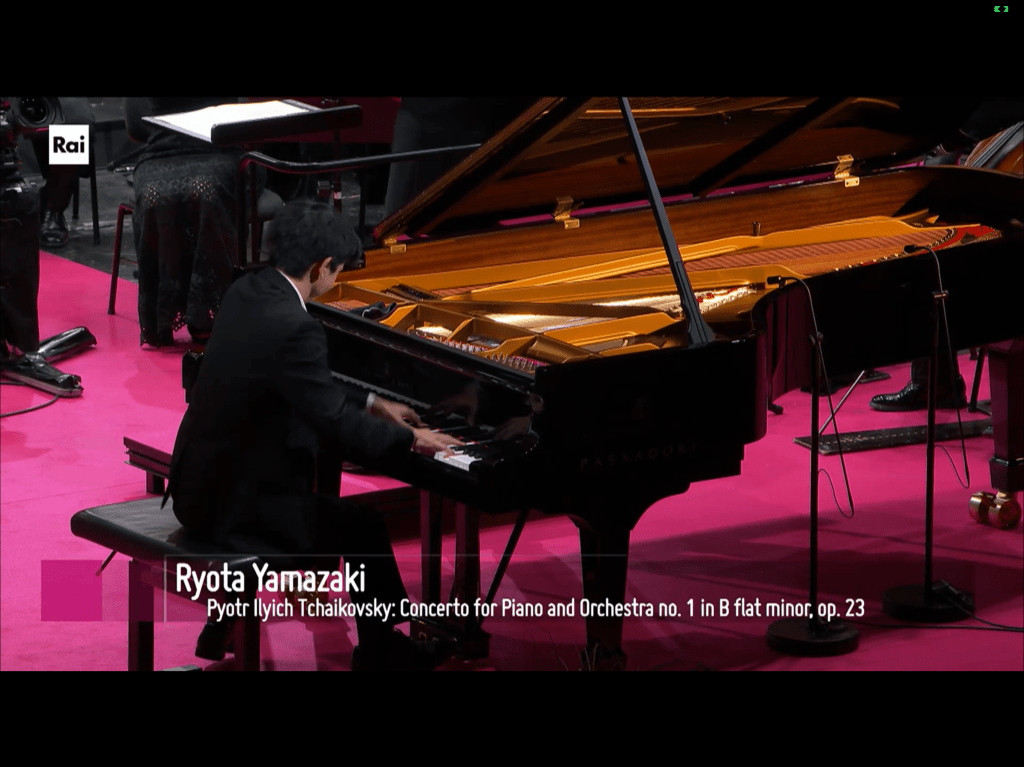
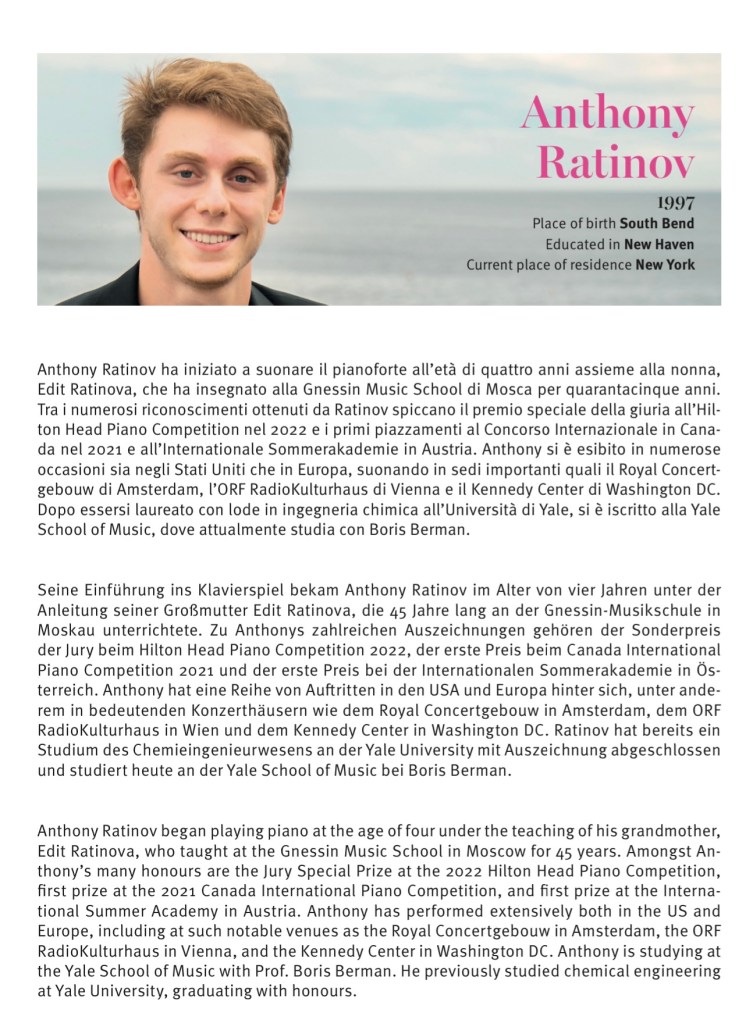
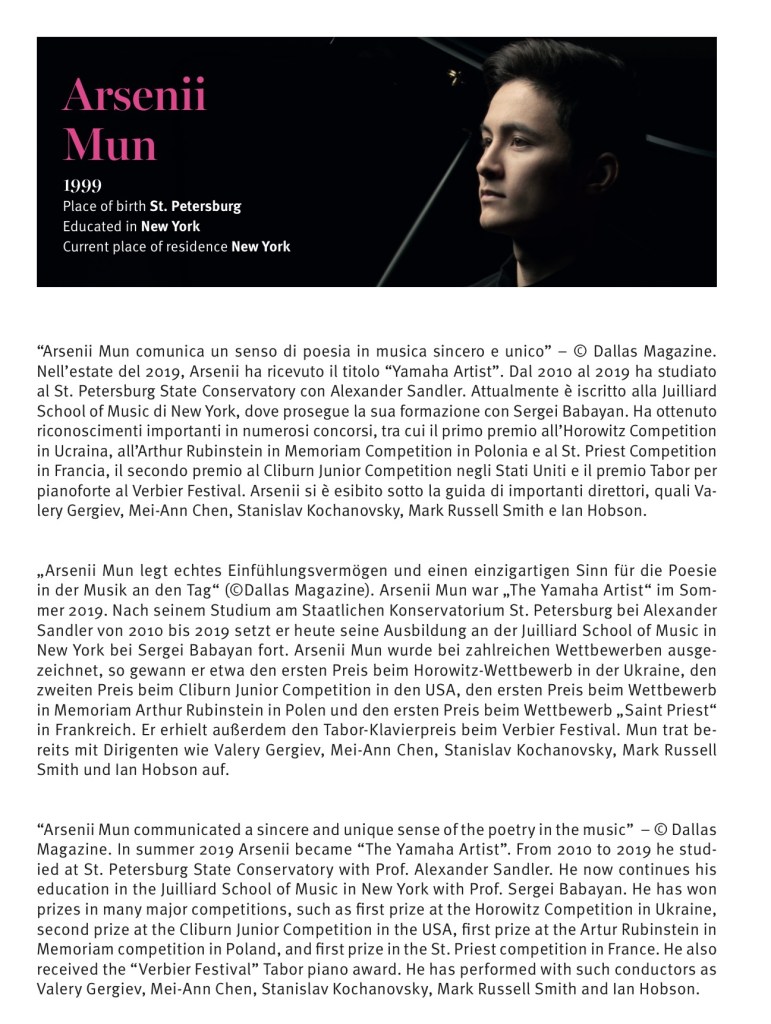
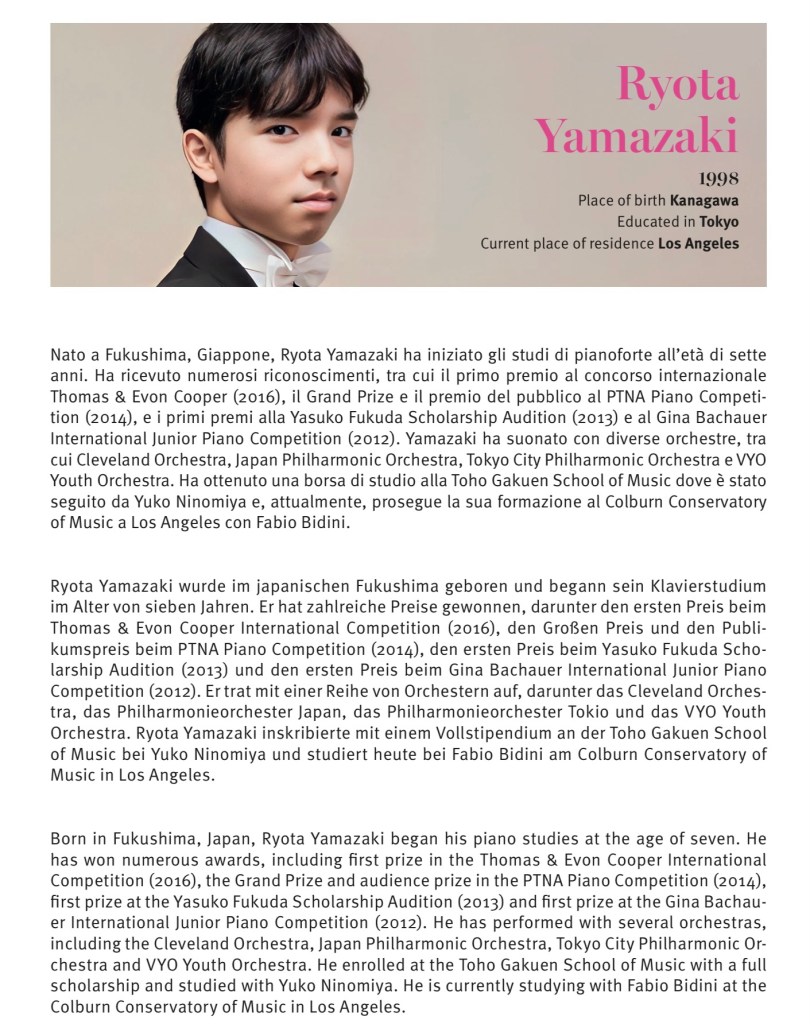
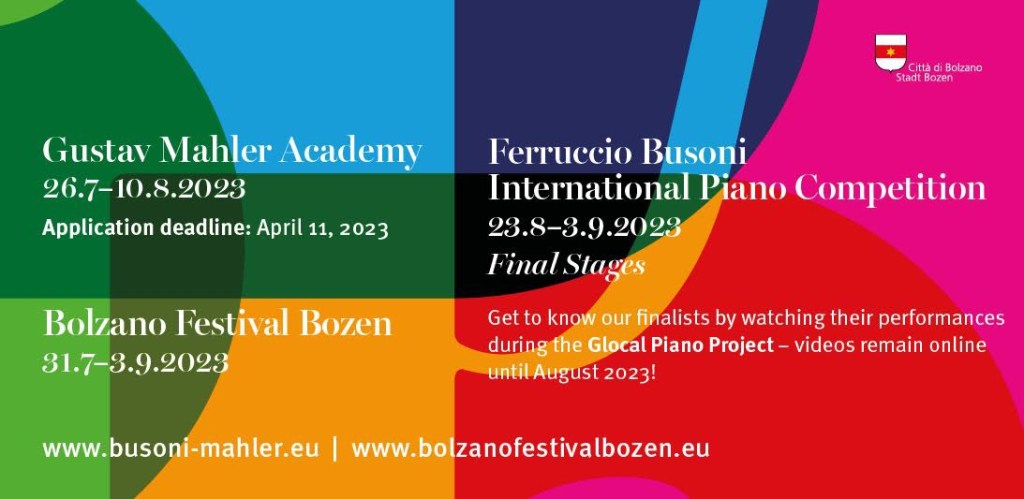
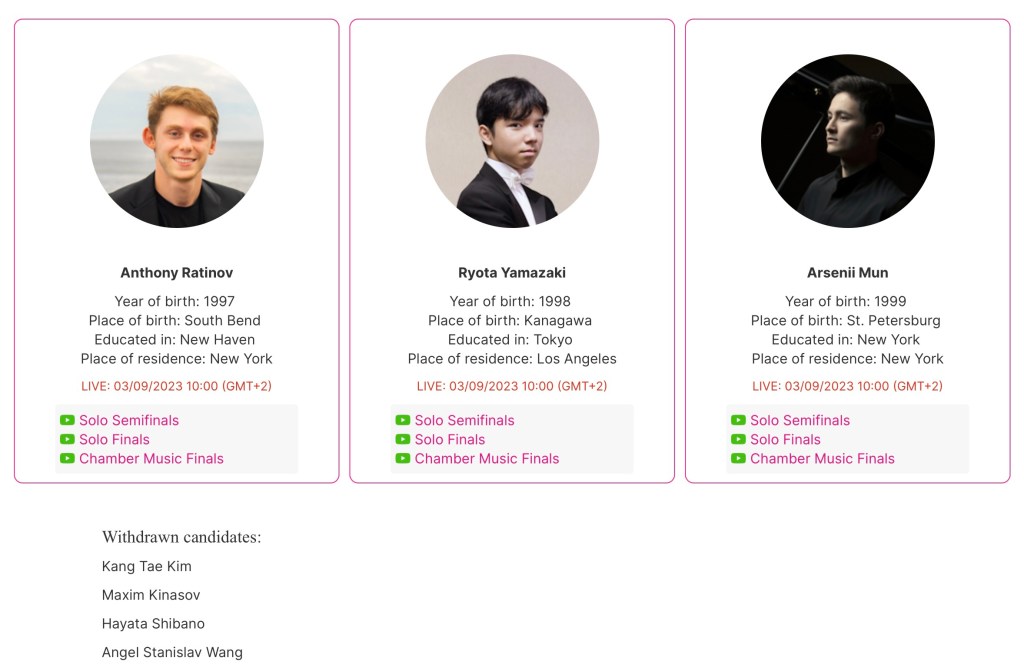
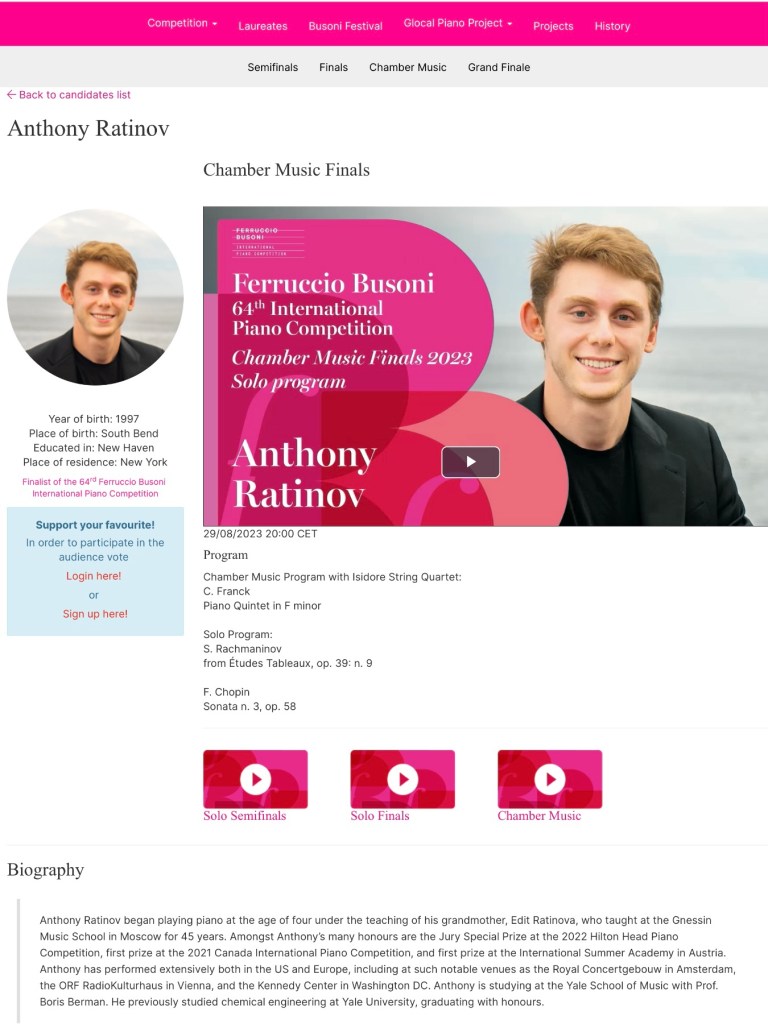
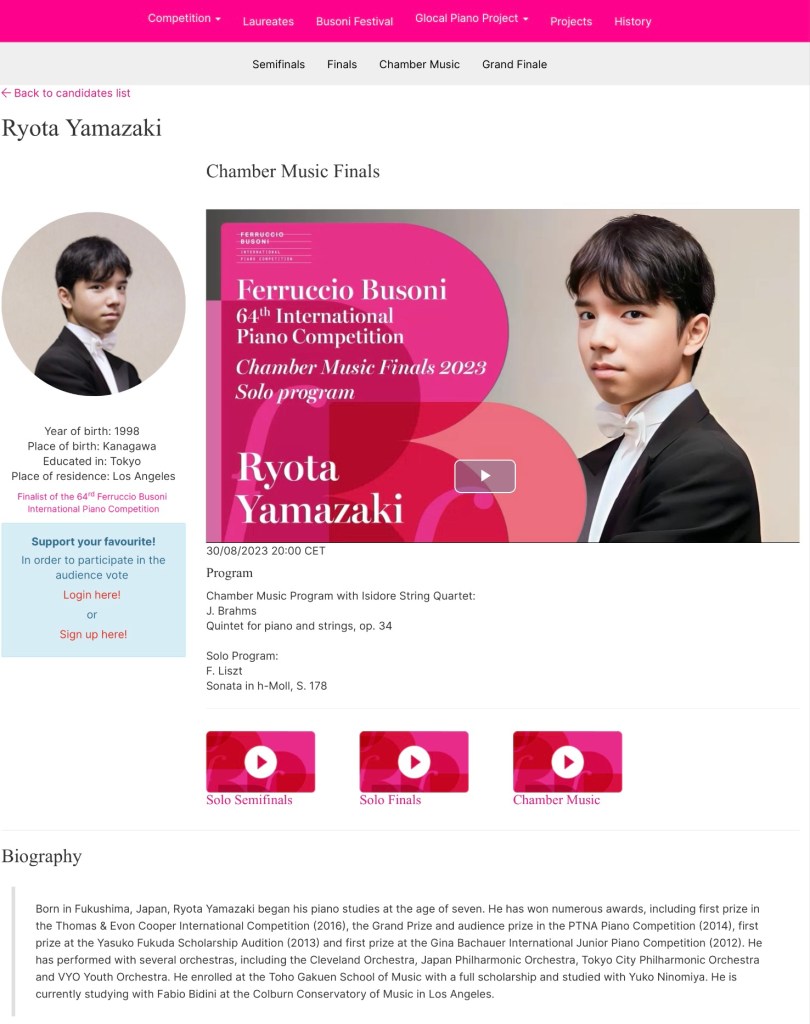
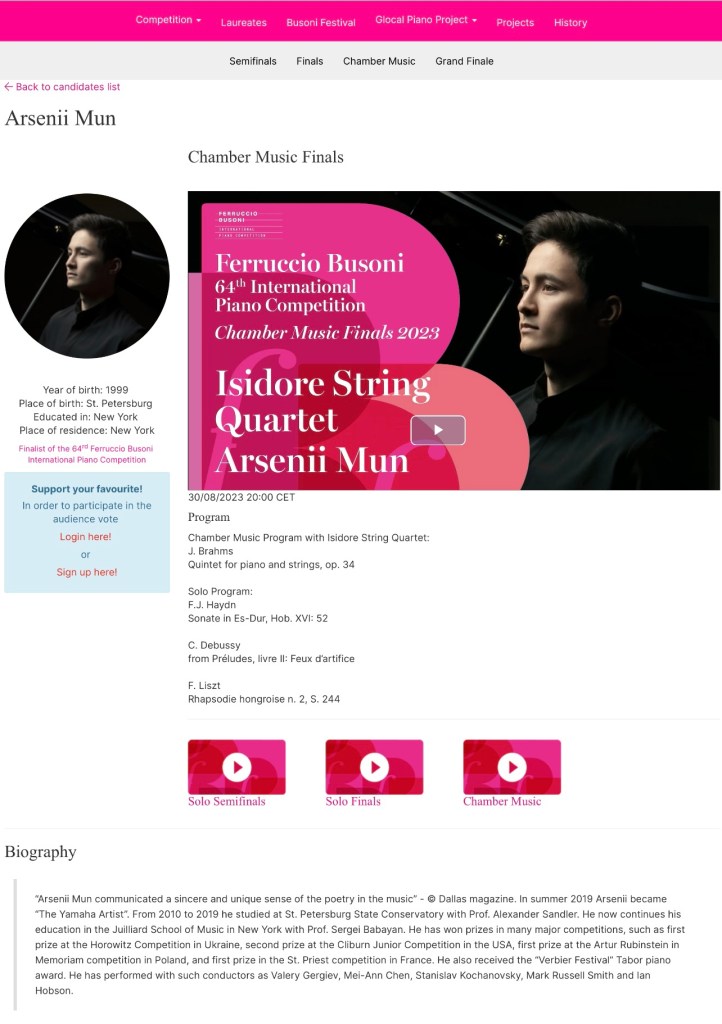
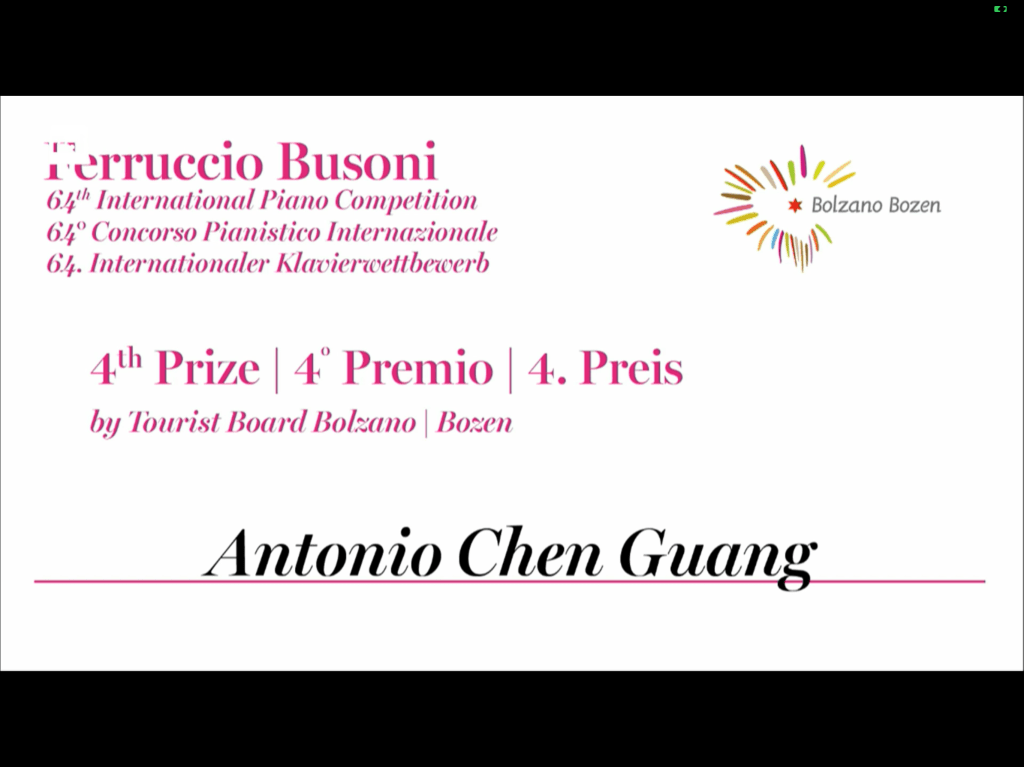
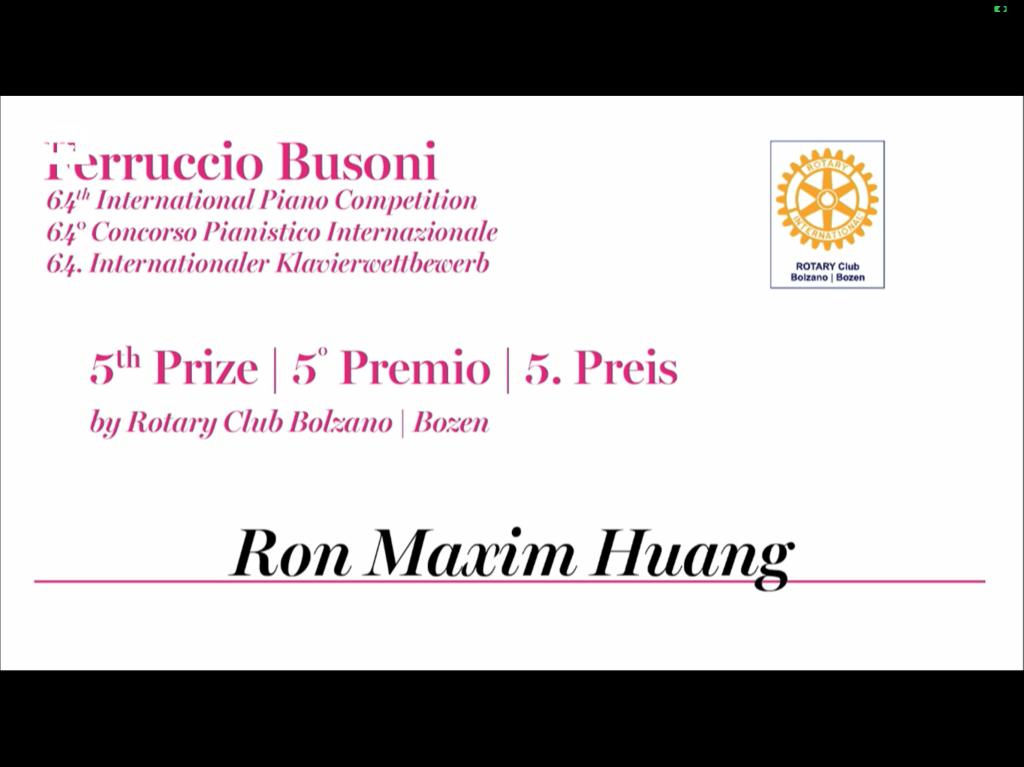
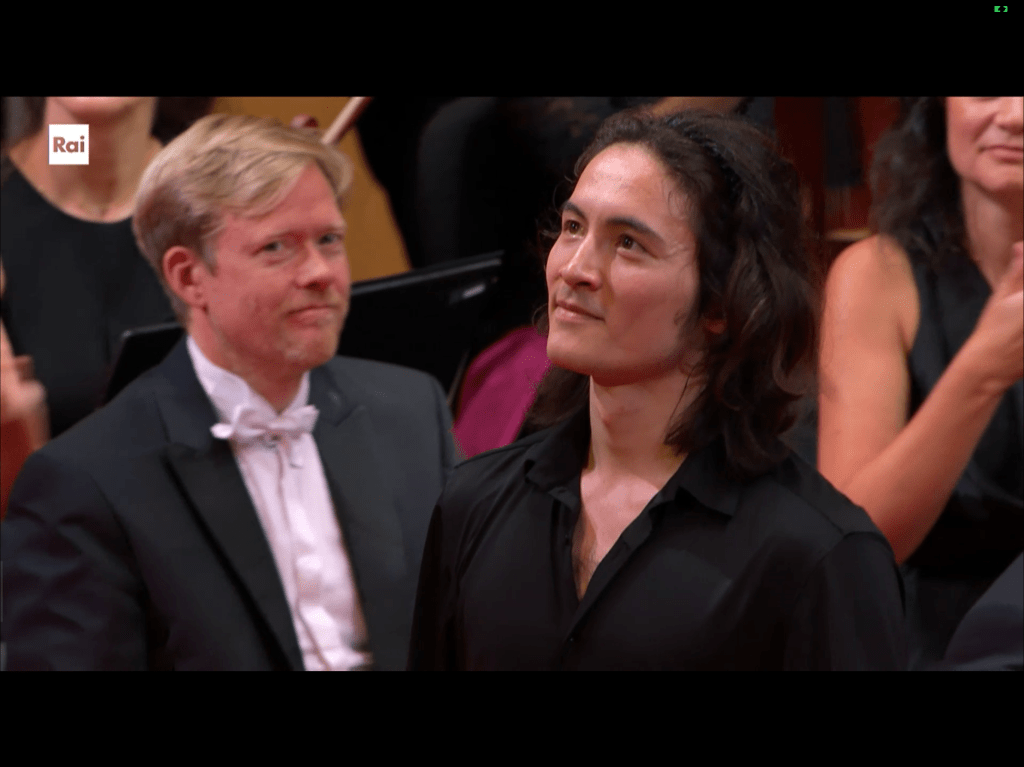
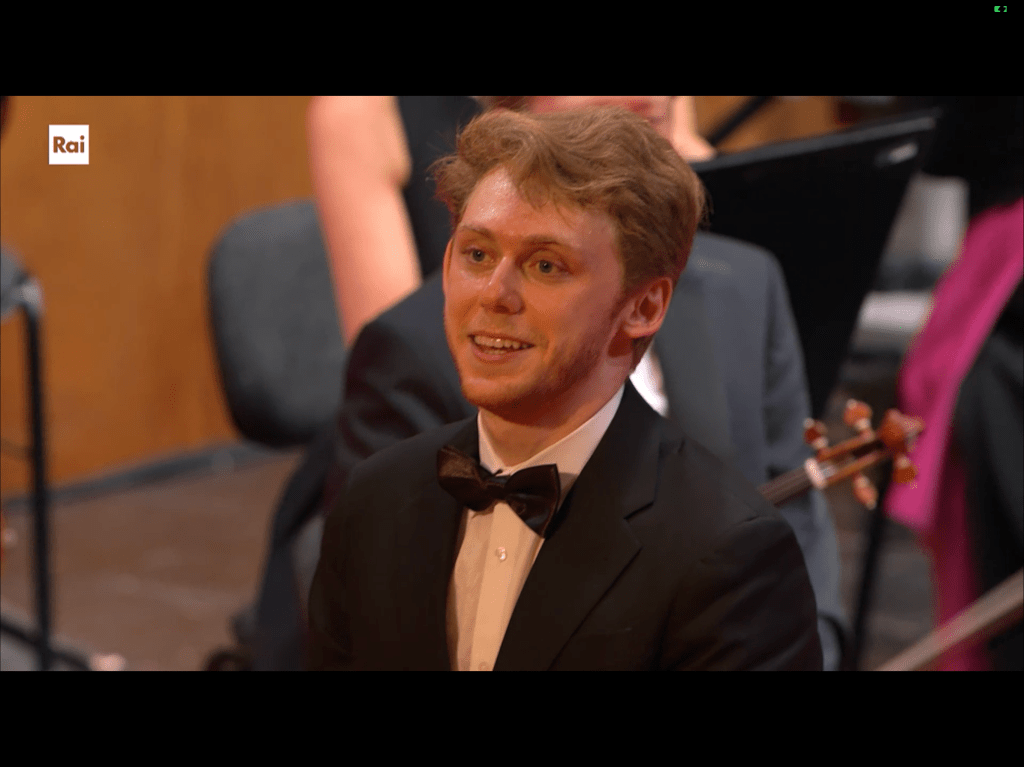
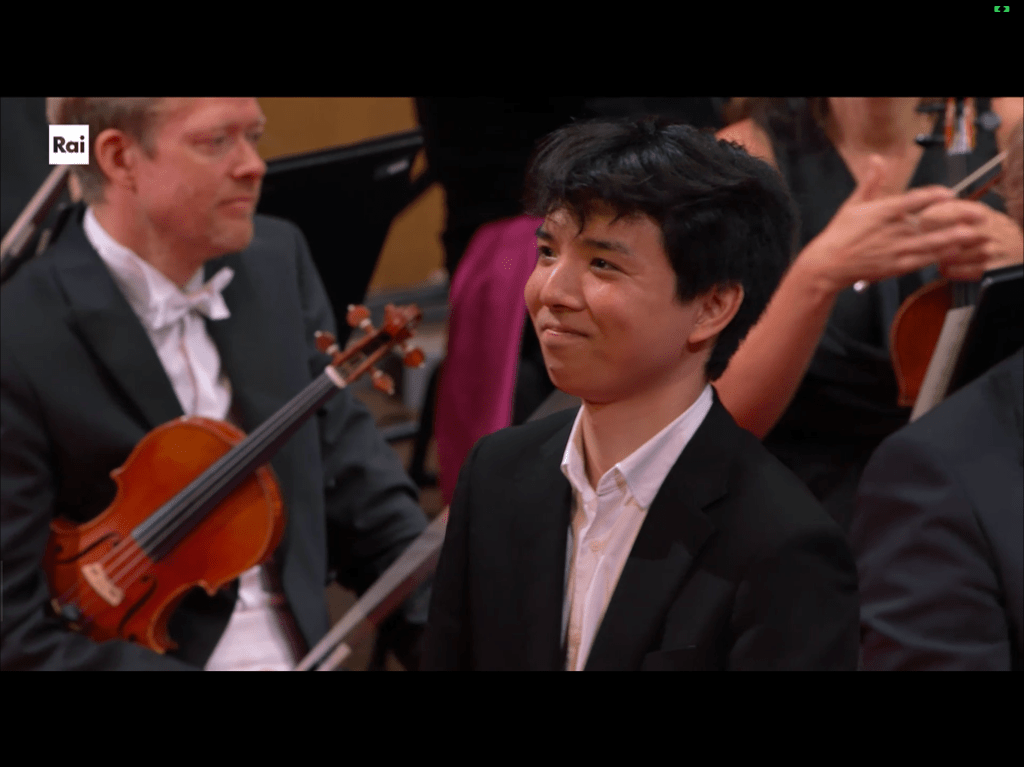

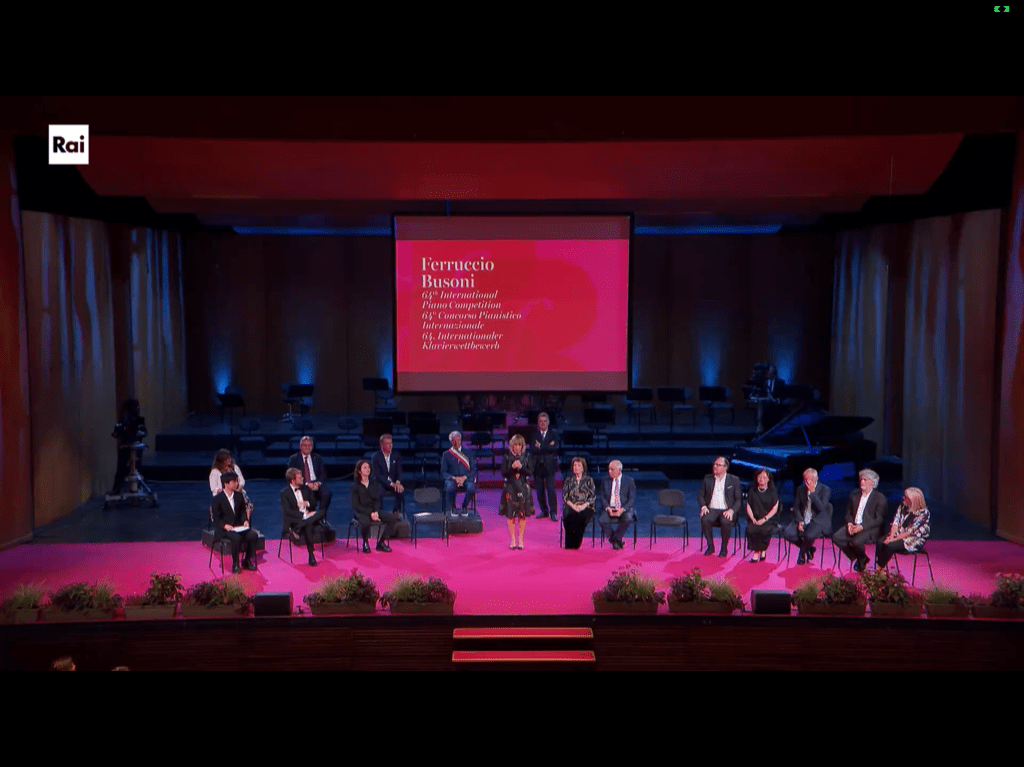
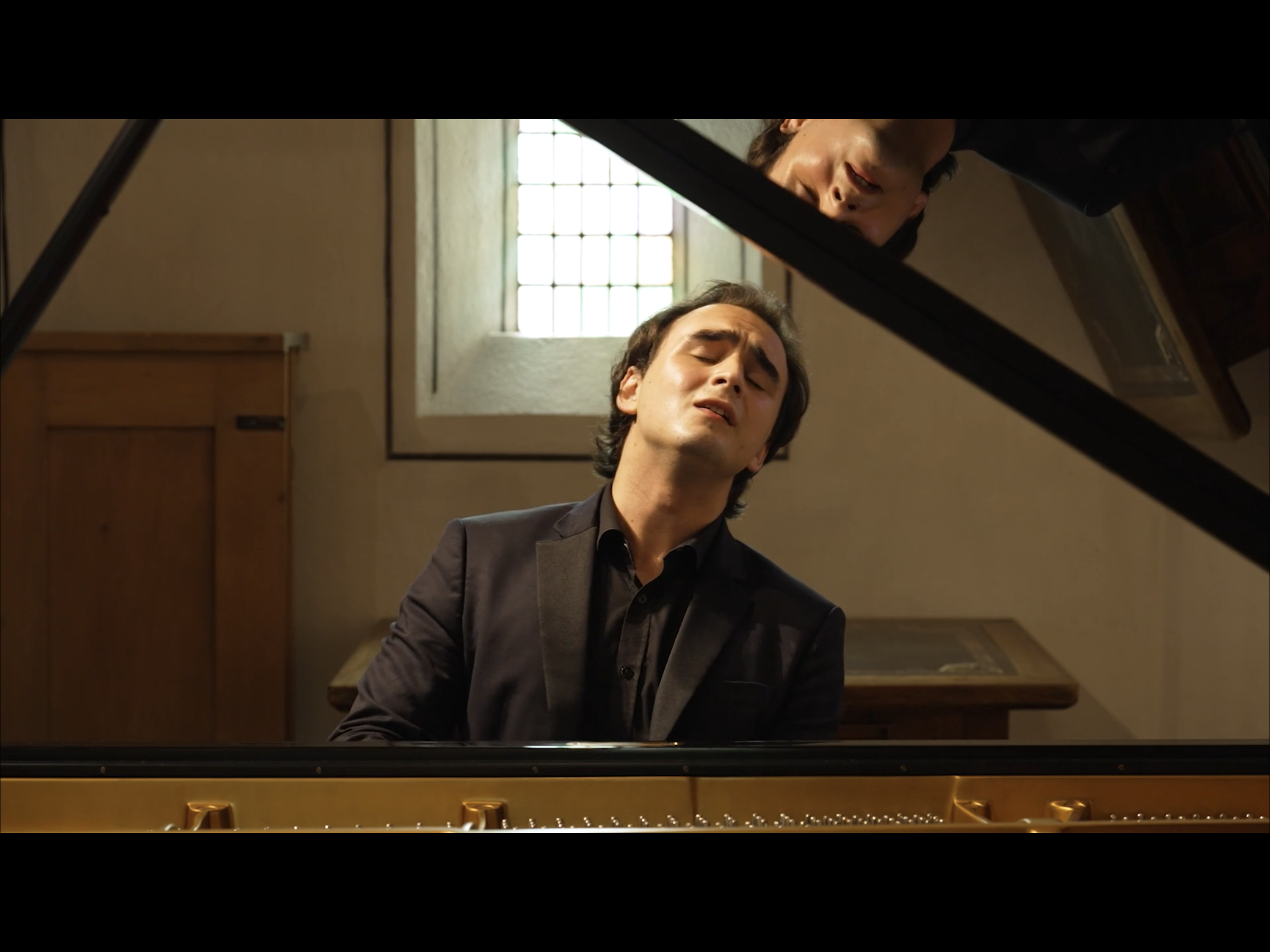

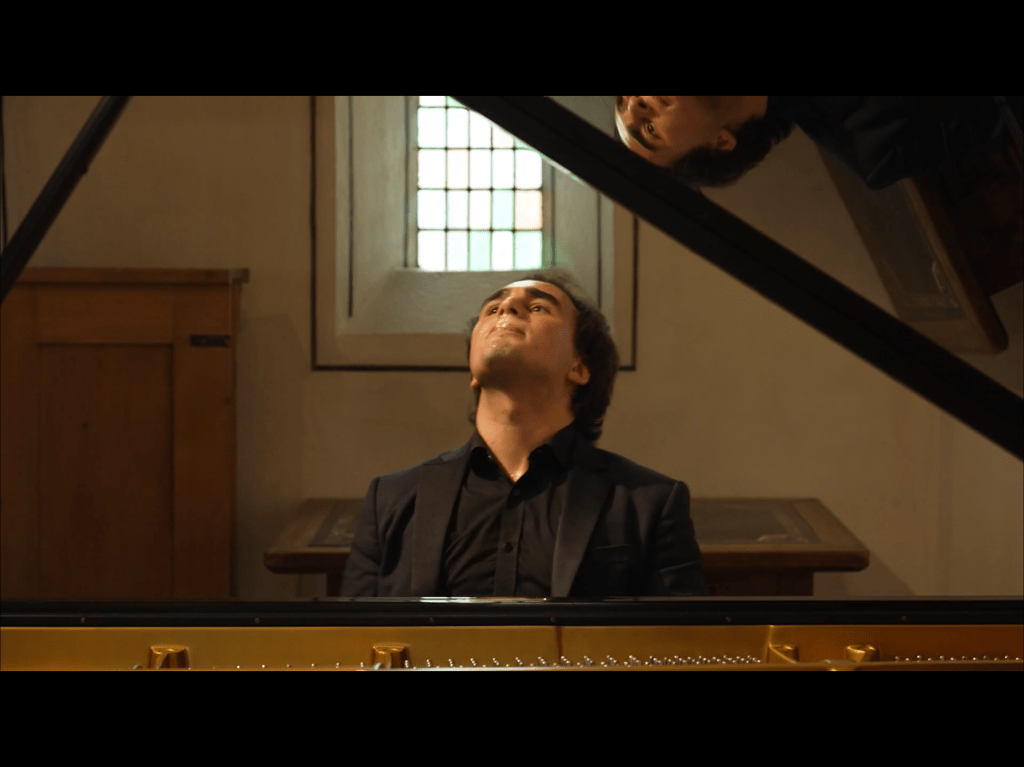
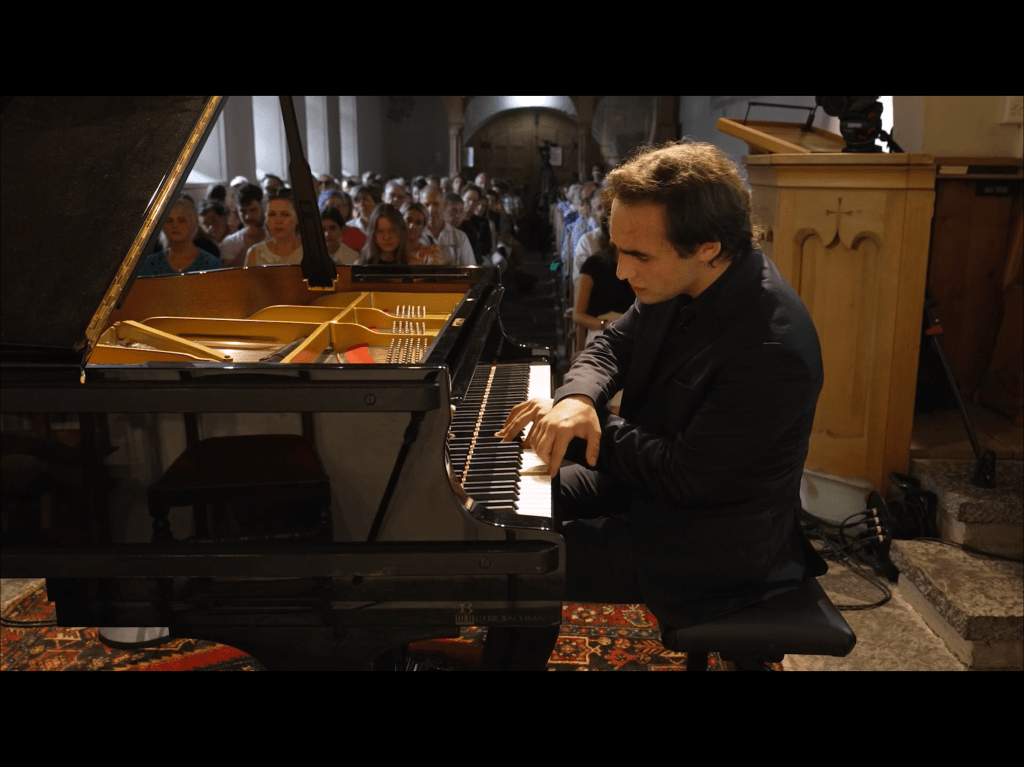
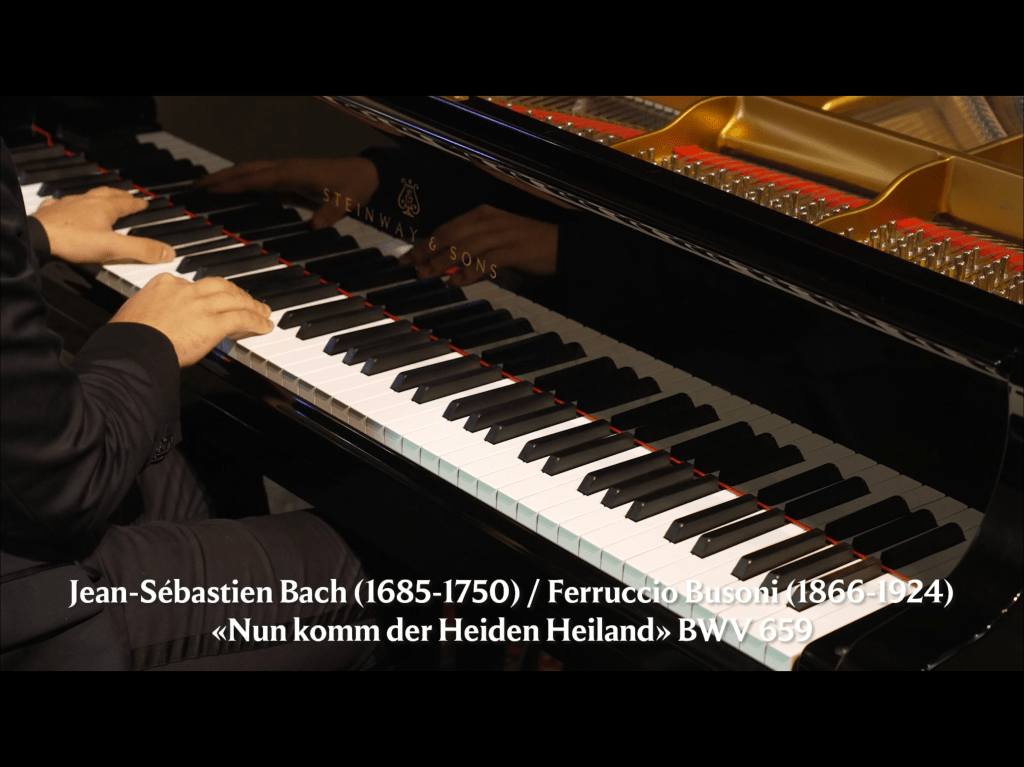
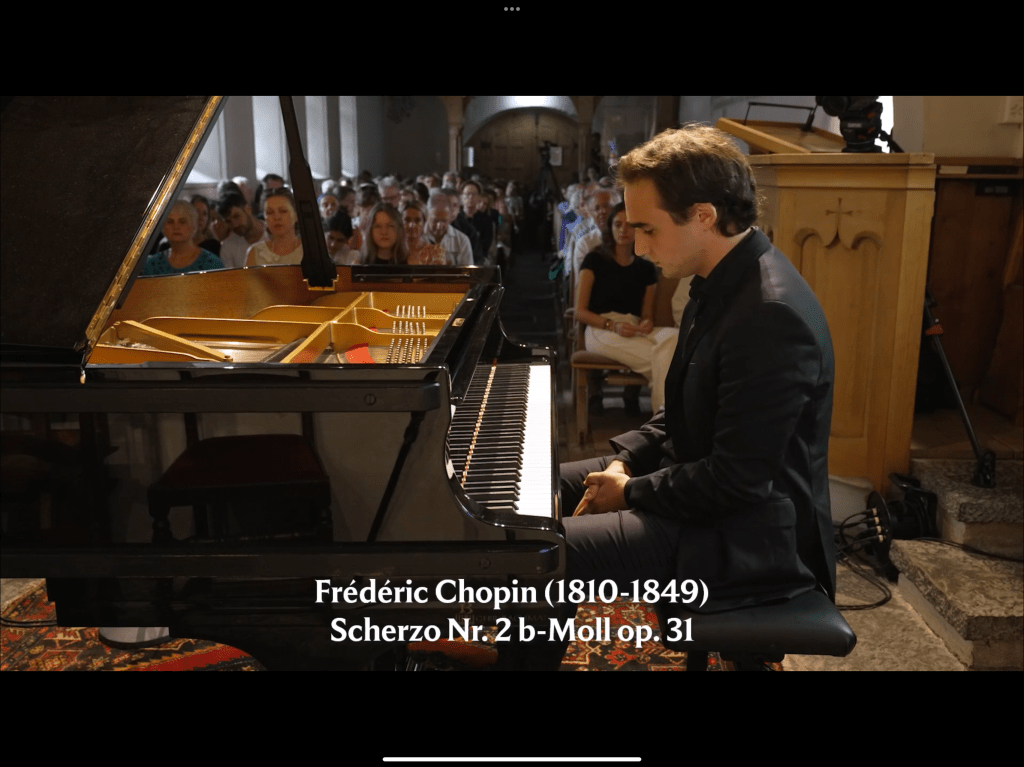
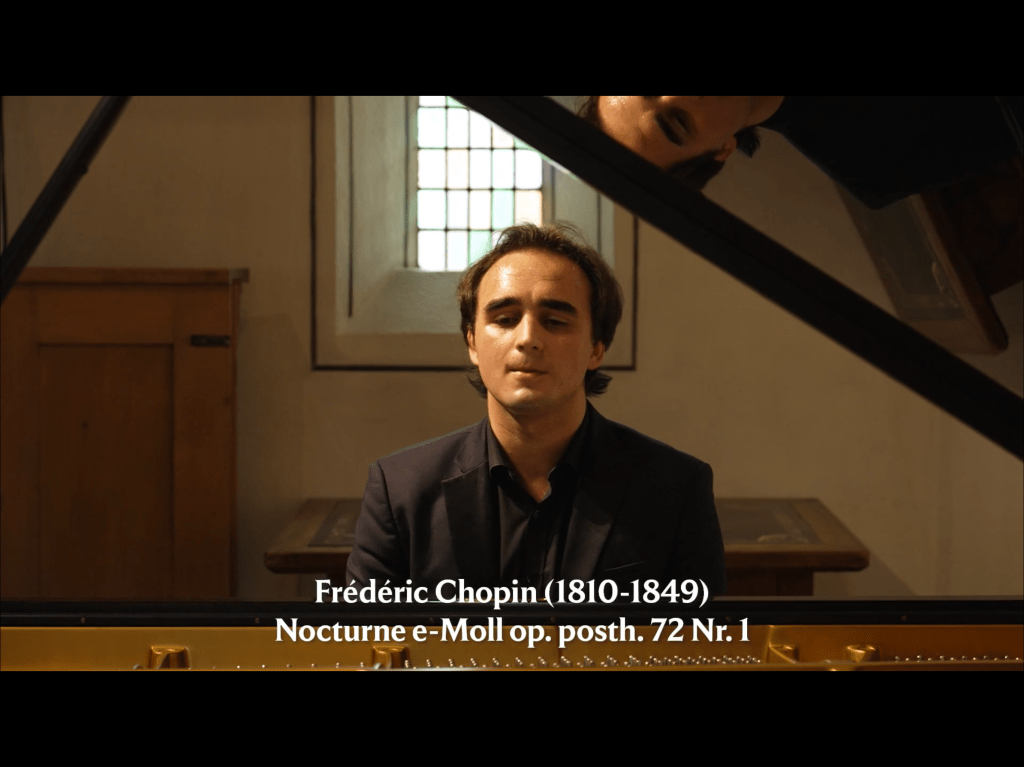
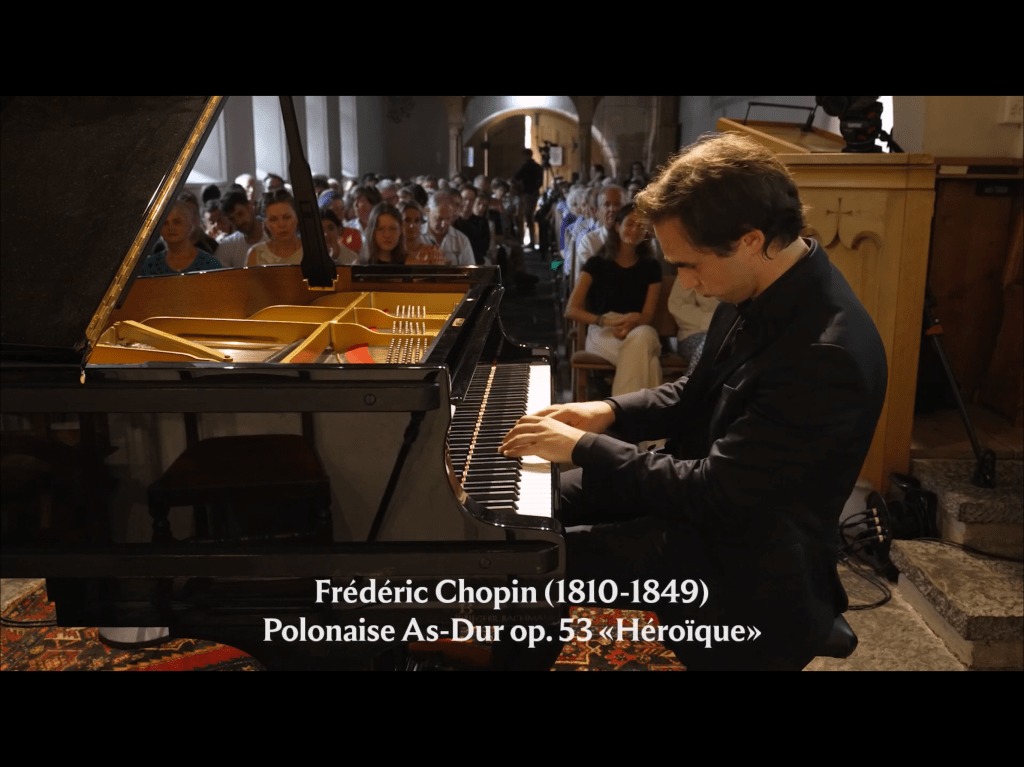
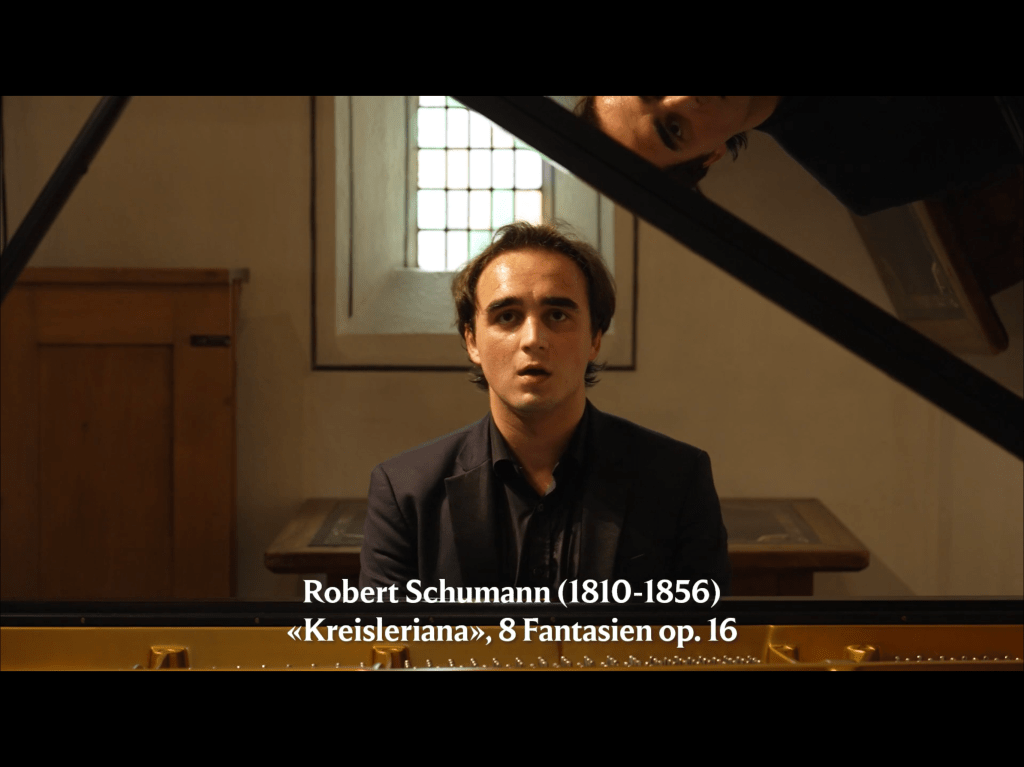
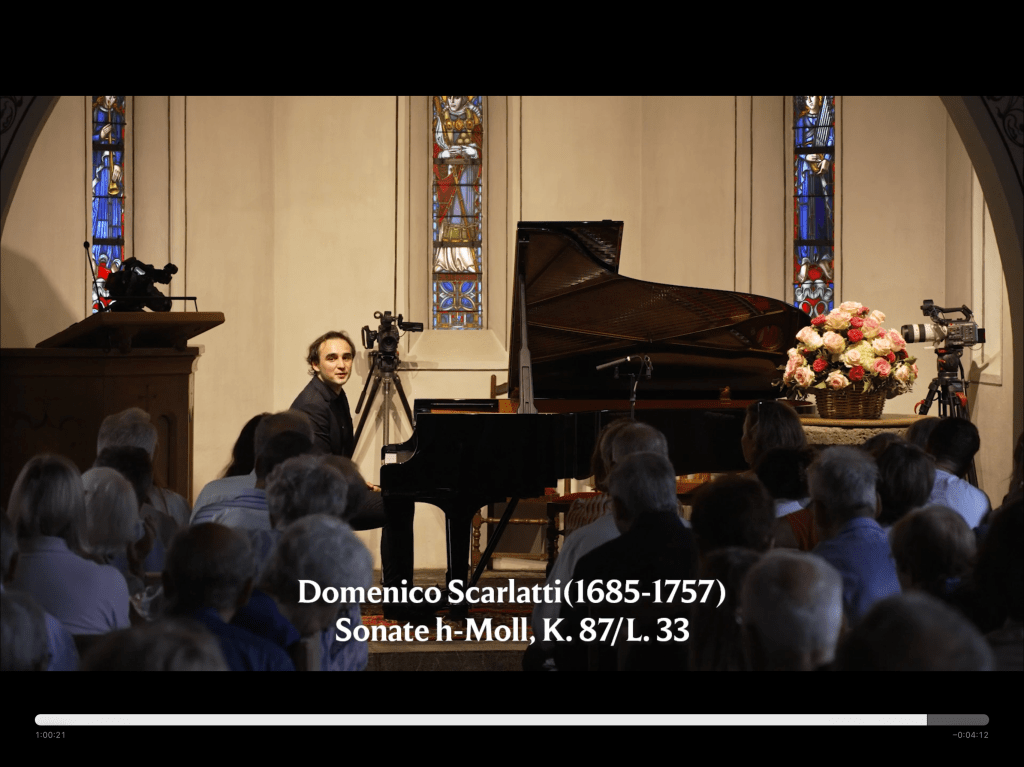
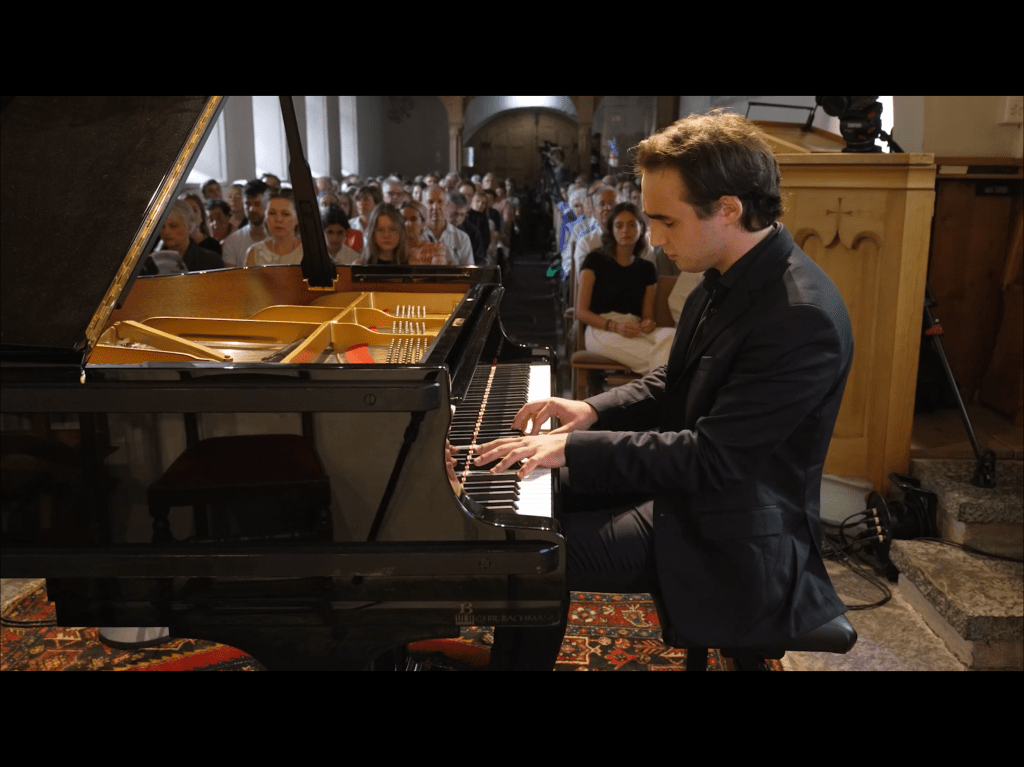
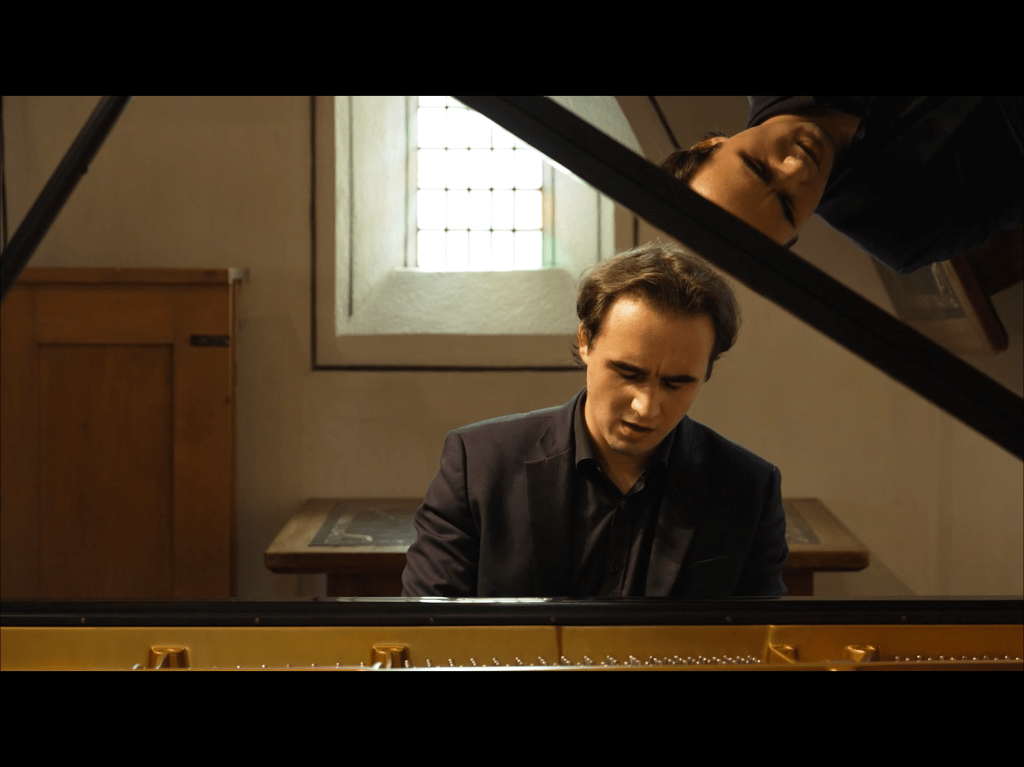
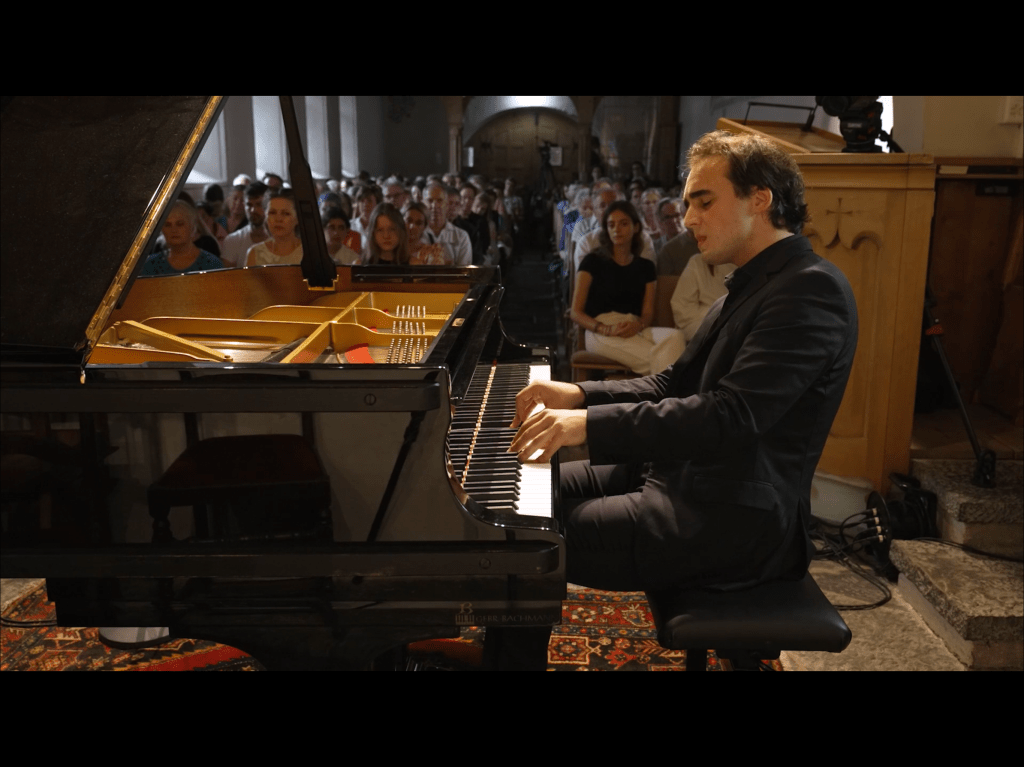
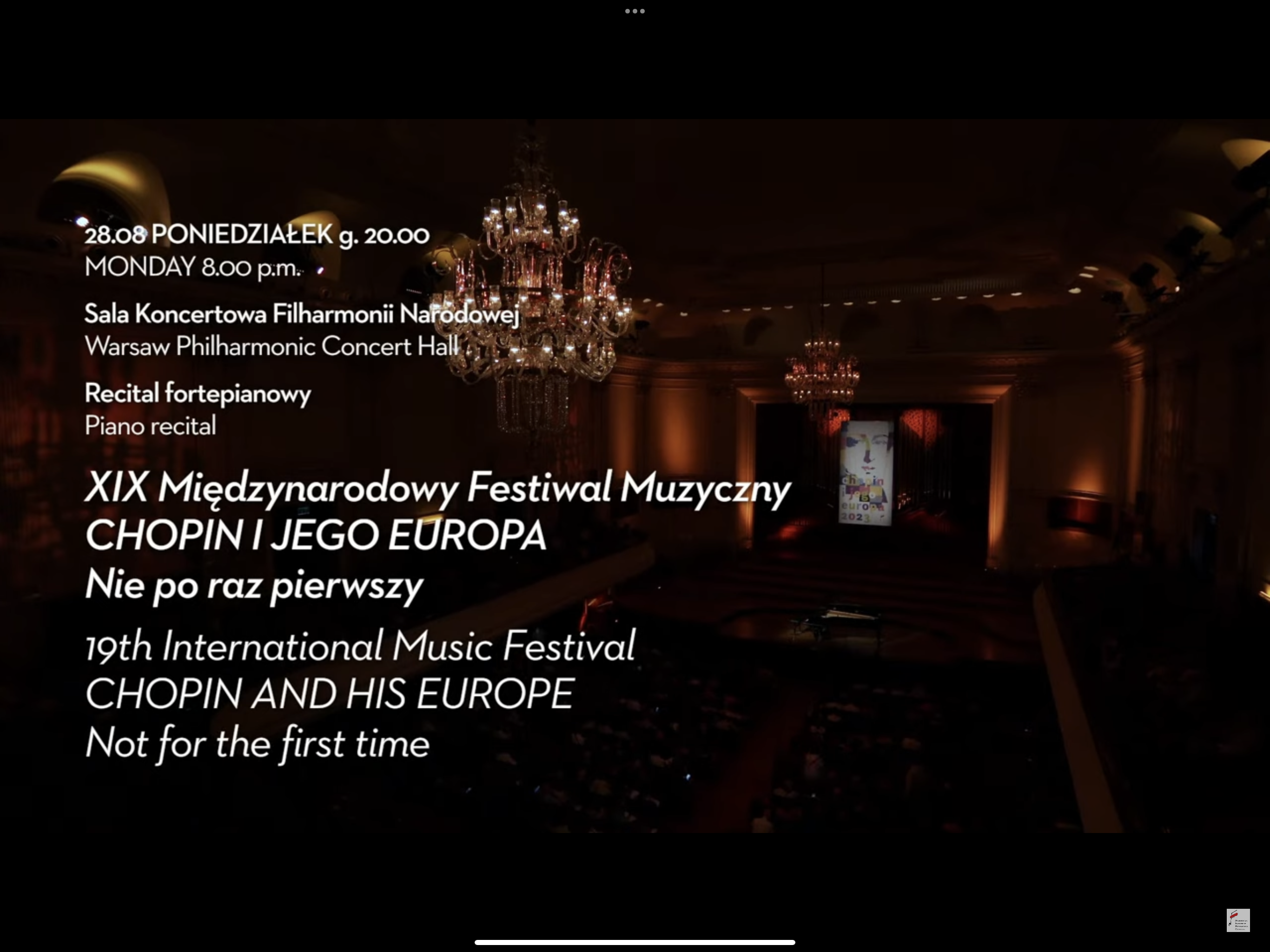
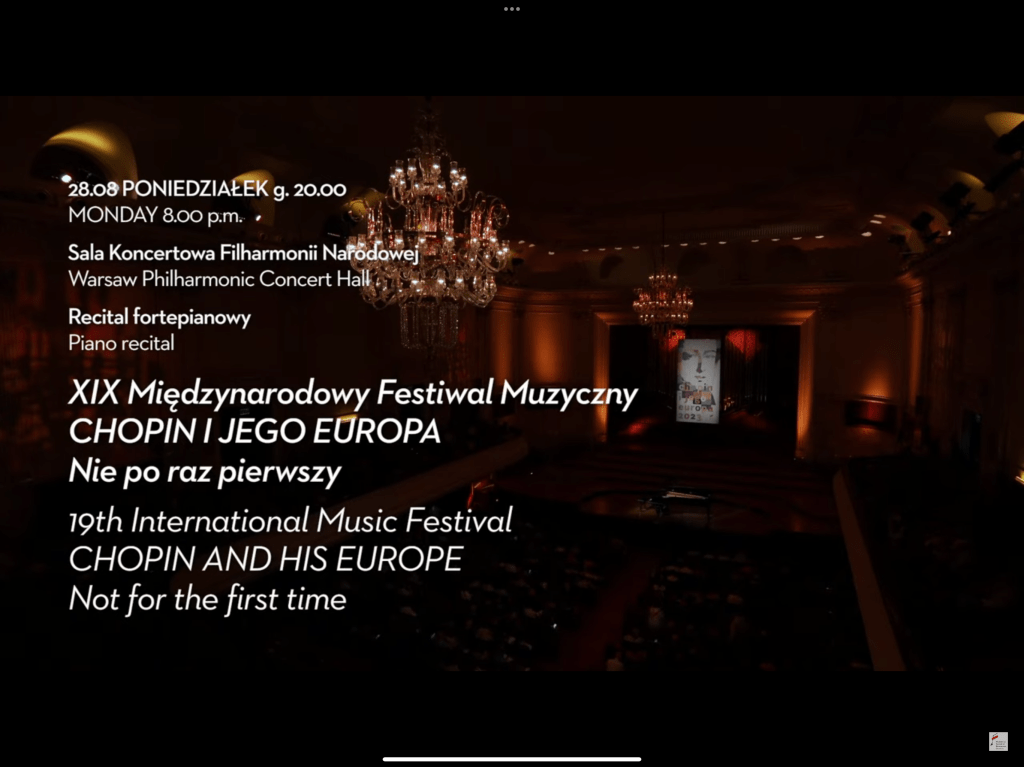
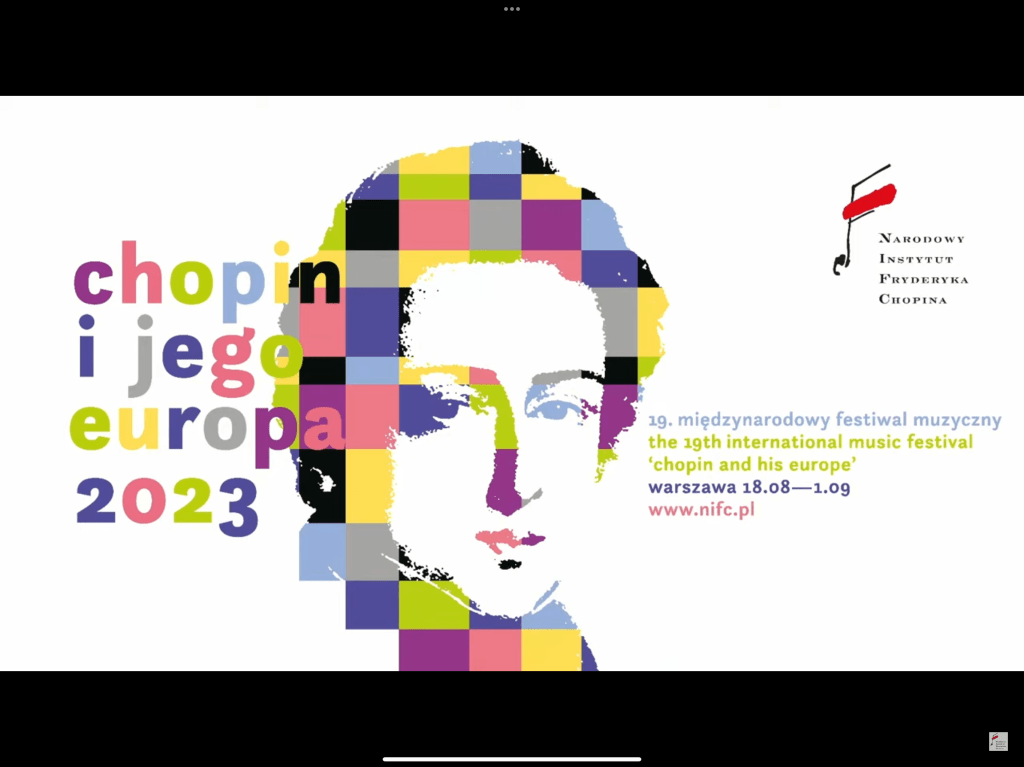
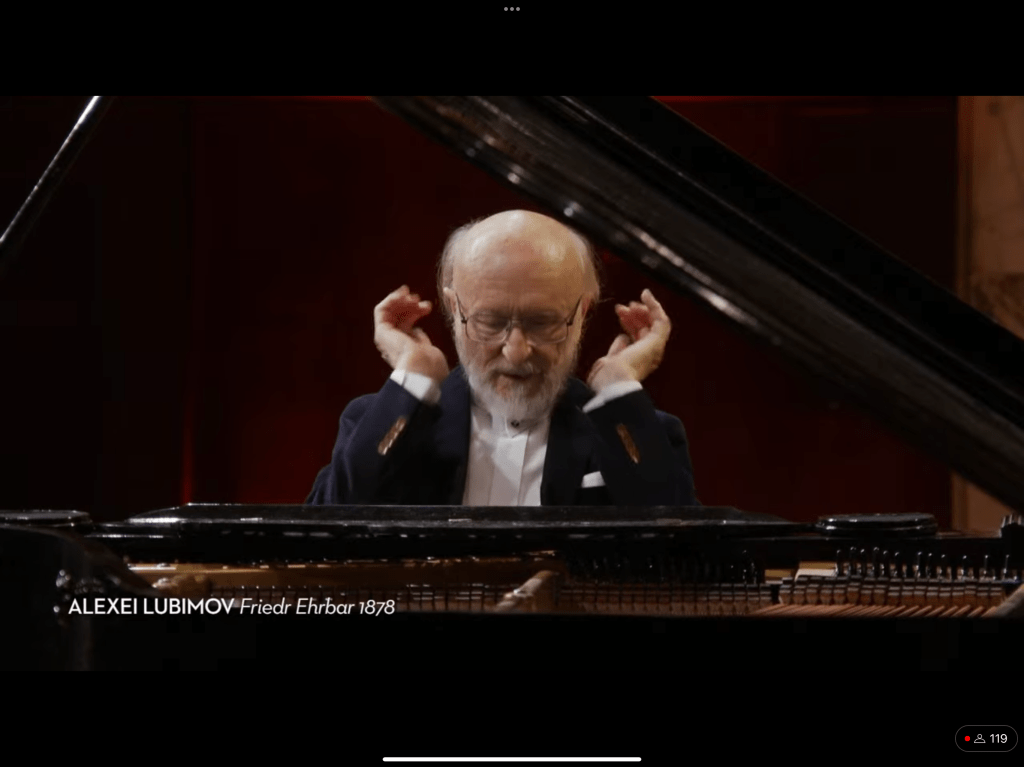
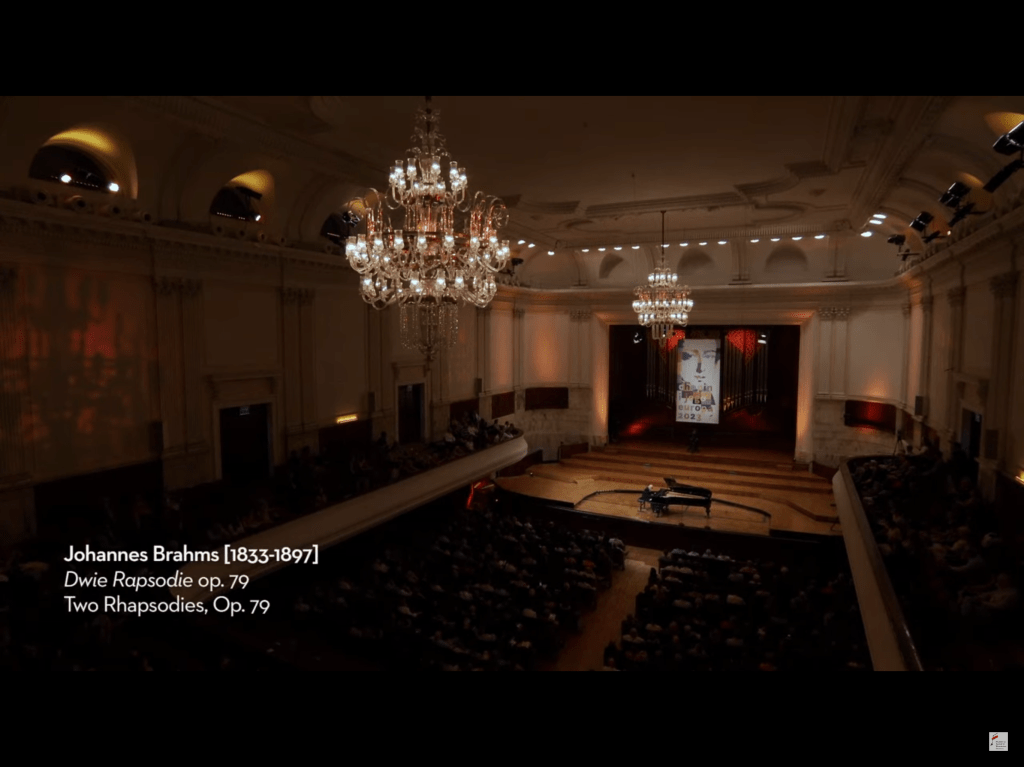
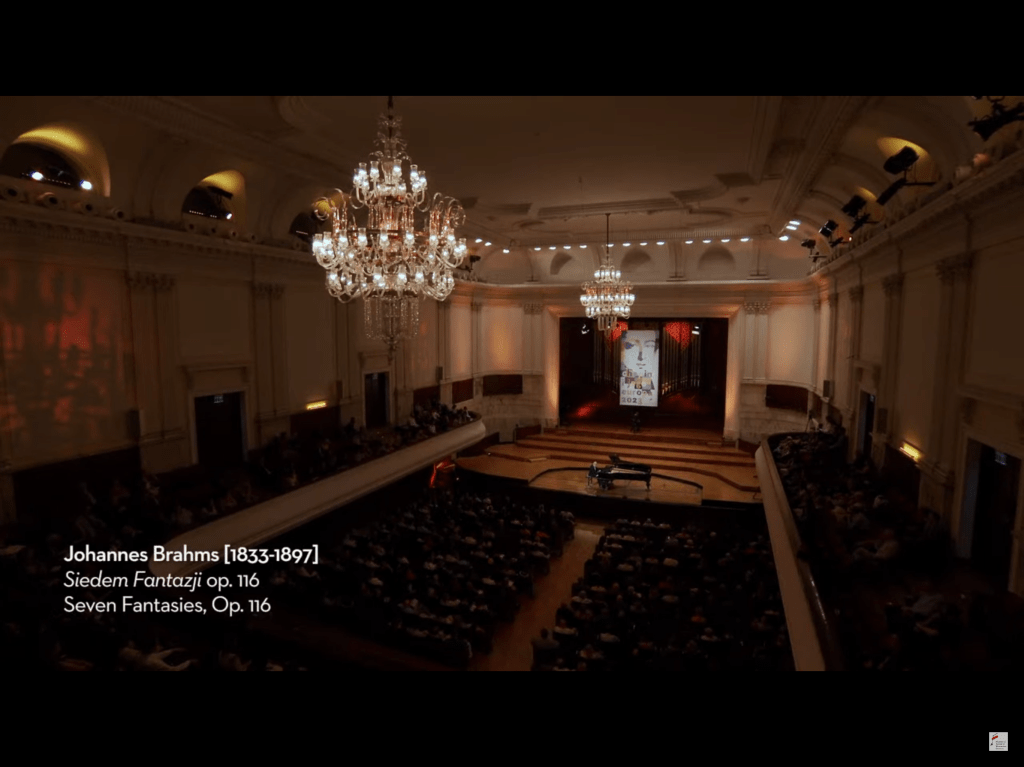
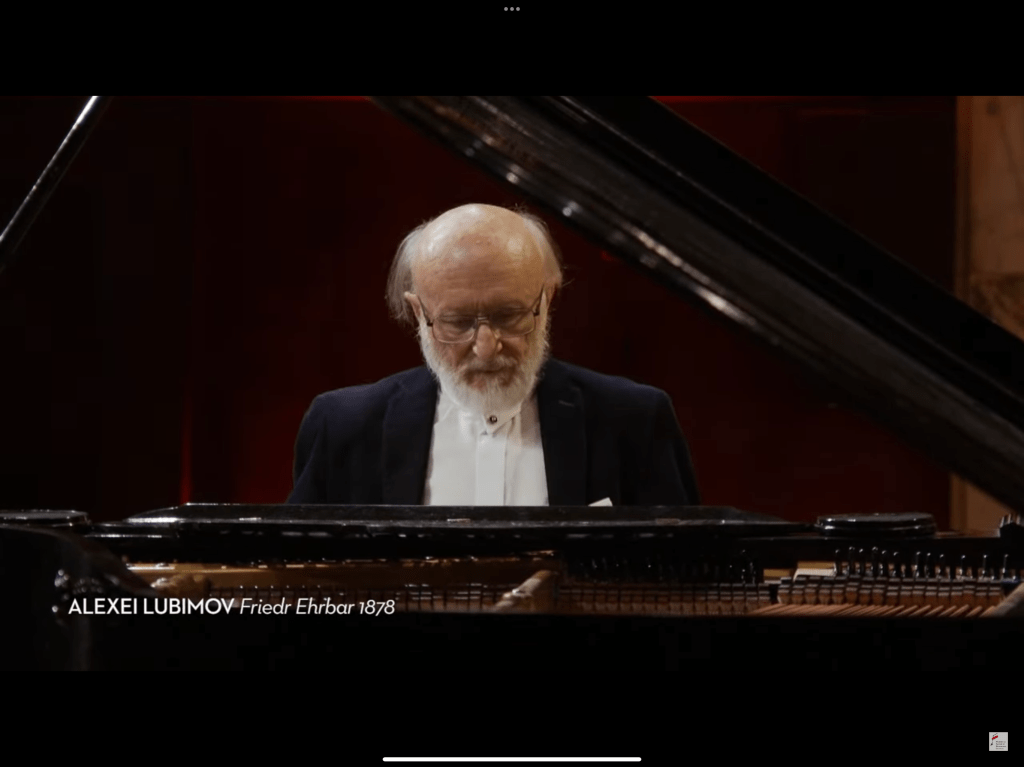
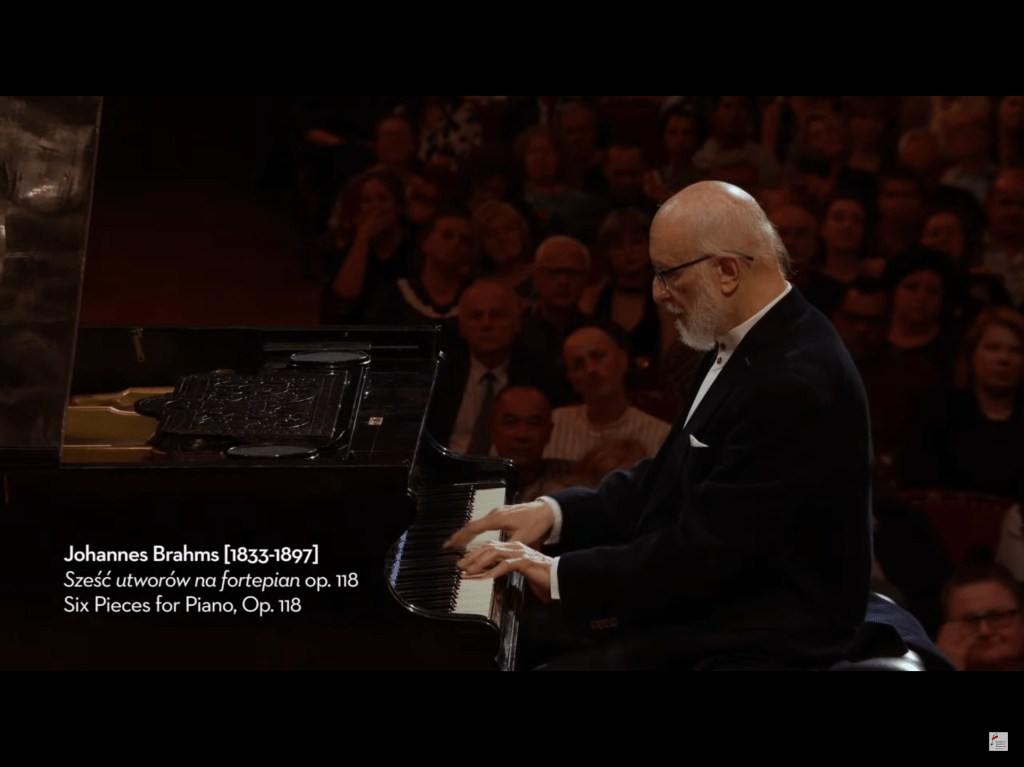
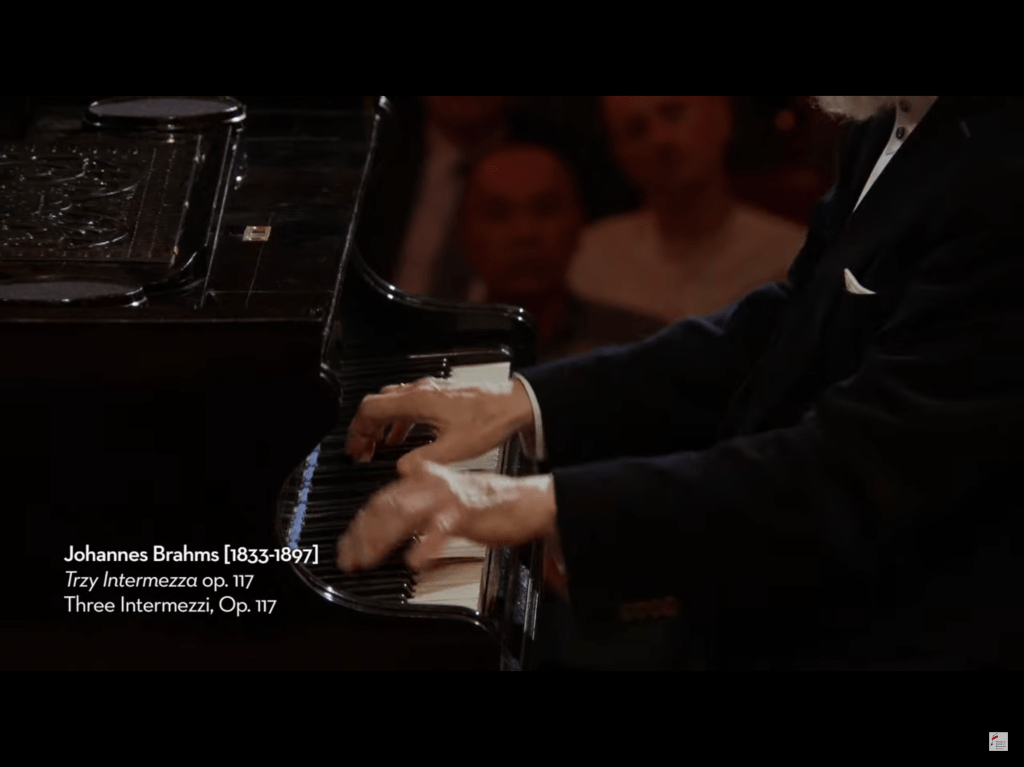
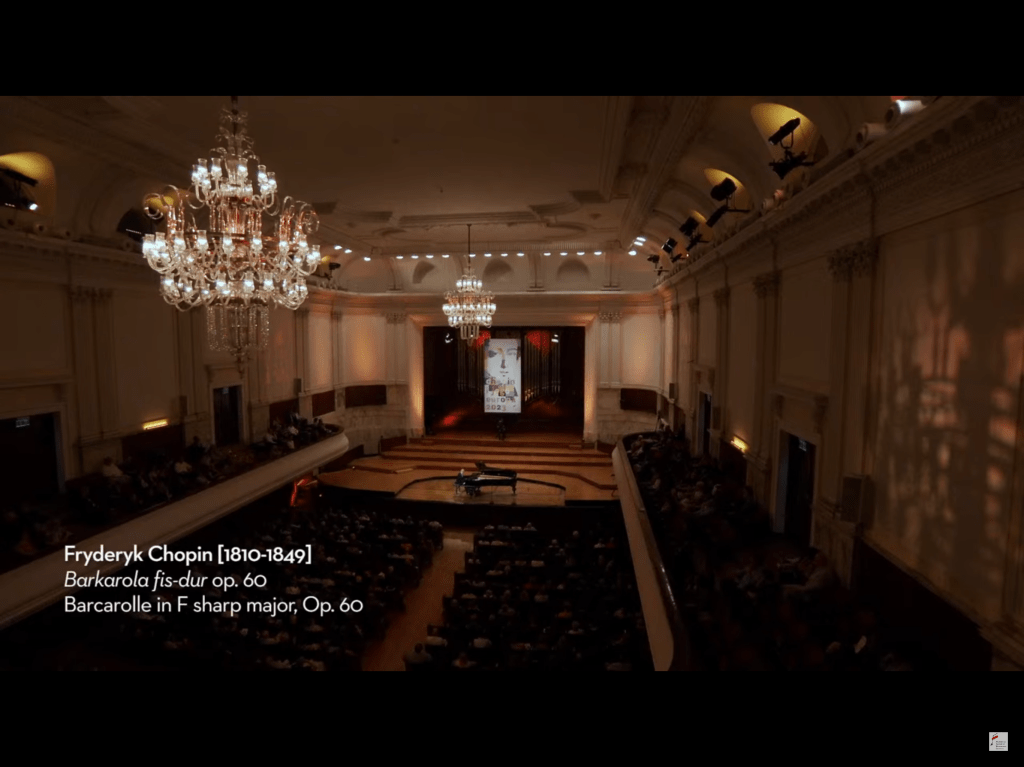
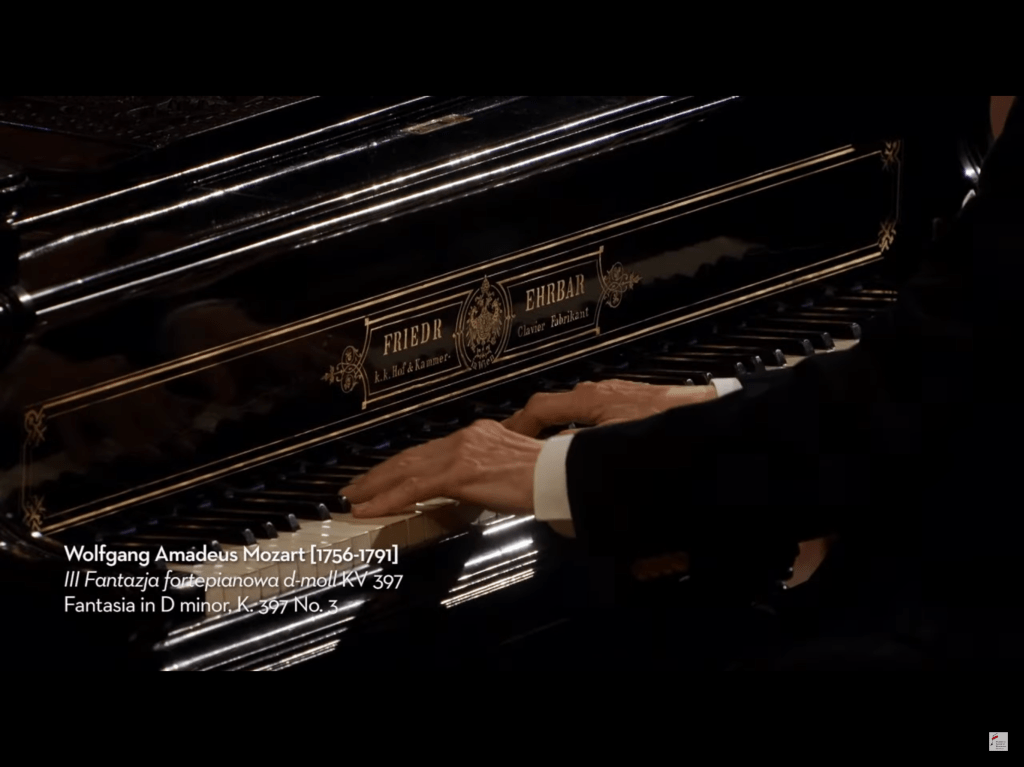
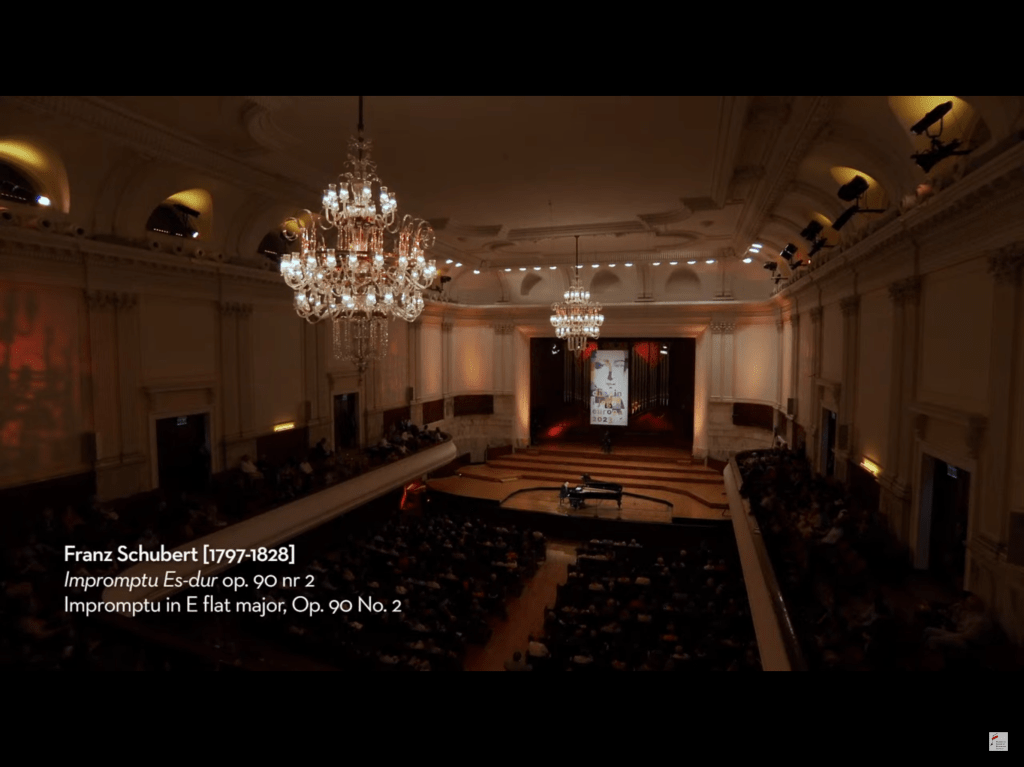
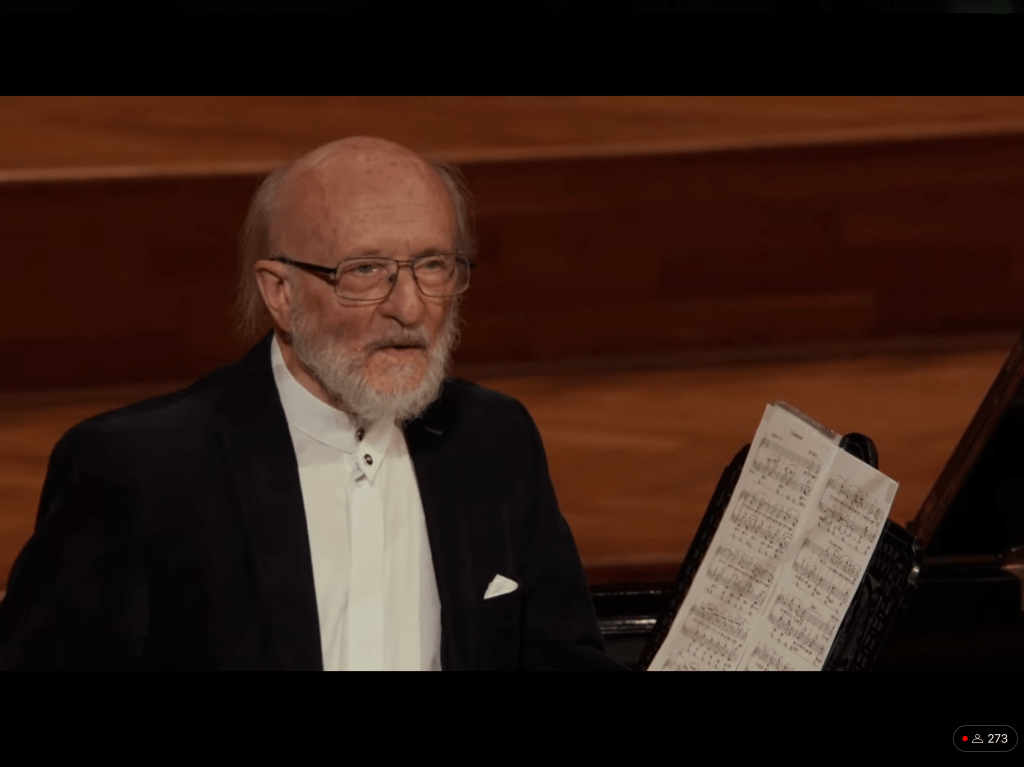
 ChristopherAxworthy-MusicCommentary