Sunset in Rome with the sumptuous sounds of Stravinsky from Francesco Bravi and Adriano Leonardo Scapicchi
An illustrious public including Beatrice Rana and Massimo Spada whose Rite of Spring was the last time I heard it played in public on one piano .It is fifty four years since the very first time in London at the South Bank Festival with Ashkenazy and Barenboim in 1968.( As Beatrice kindly pointed out her ‘mother’ would have been 4 years old then !) Alberto Portugheis adds:’And l turned pages 54 years ago for Vloda and Daniel at the QEH. I will never forget Danny’s confusion in rehearsal, with the repeated chords, because Vladimir counted them aloud in ………. Russian!’
Even Michele Suozzo of the historic Barcaccia -the opera buff’s delight on Radio Rai 3 – was here to check out these two young musician’s dance steps .
Michele Suozzo
Such an overwhelming success that these musicians from the Avos Academy were persuaded to add Stravinsky’s Danse Russe and Ravel’s Habanera as encores.
Opening with Debussy ‘Après-midi d’un faune’ as the sun turned the sky red over the Eternal City and the magic was set for the supreme artistry of two pianists who play as one!
From the very first notes there was a clarity that was slightly helped by very discrete amplification but maintaining still a kaleidoscope of colours that matched those that were being formed over the Eternal City with the sun setting on such a balmy night as this.( Hugh Mather full of admiration for this duo ,who he has invited back to Perivale next season, tells me it is raining in London as always!).There were washes of sound out of which emerged the magic atmosphere that only Debussy could conjure ( “Les sons et les parfums tournent dans l’air du soir”,’Springs’ to mind).
But it was the ‘Rite of Spring’ that truly ignited the atmosphere already with the wistful seeming innocence of the ‘Adoration of the Earth’. Here,immersed in the luxuriant vegetation of the Botanical Gardens, at the foot of the Gianicolum Hill overlooking Rome,we found ourselves involved in a monumental drama every bit as terrifying as the one played out centuries ago in the Foro Romano below us.
A beautiful sense of balance on a magnificent piano that had been especially prepared by that technical magician Mauro Buccitti.
I have already written about their performance but I was struck by the freshness of their interpretation today where they played as one.An artistry that allowed them to show us such a clear path through this meandering drama as it unfolded before our eyes. Linking up so beautifully with the etherial beauty of Debussy ,the peace was soon to be broken by the throbbing savagery as the ‘Dances of the Young Girls’ were performed with naked abandon.Radiant beauty and delicacy with the ‘Spring Rounds’ where Francesco’s endless trill seemed to signify the trembling expectancy of all that was to follow.Adriano’s beautifully simple melodic line was like the first rays of sunlight illuminating such an intense scene.
A relentless forward movement and technical mastery brought this first part to an extraordinary close.Interrupted only by the etherial beauty of the ‘Sacrifice’.I had never been aware of the ravishing beauty and subtle shading of Stravinsky’s mellifluous outpouring until today. It was soon interrupted by the ‘Glorification of the Chosen One’. The menace behind the notes in the ‘Ritual Action of the Ancestors’ sent a shiver down our spine as we were now all totally involved in this drama that these two young artists were unfolding before us with mastery and absolute conviction .The throbbing intensity from Adriano was played with terrifying ‘sang froid’ whilst Francesco shot rays of light of brilliance over the proceedings. A tour de force of mastery and artistry brought this Rite vividly to life with a clarity and sense of architectural line that rarely I have experienced before.
Above all I was left with the impression of how much beauty there was in Stravinsky’s soul.It was Nadia Boulanger who told me as I played his 1924 Sonata to her how much sentiment there was in Mr Stravinsky’s music .Fifty years later I realise how right she was!
Nadia Boulanger with Leonard Bernstein
An ovation from a large audience who had come to hear these two young pianists from the Avos Academy in the last in their series in collaboration with La Sapienza University of Rome.
Danse Russe and Ravel’s Habanera were offered to an audience not wanting to break this magic spell too soon.Ravel was full of the insinuating Spanish idioms that only a French composer could imagine and was played with ravishing colours and passionate intensity.Danse Russe ,one could almost see the ballet being performed before our very eyes.A tempo di ballo rather than of showmanship virtuosity which opened up a tone poem of scintillating vibrancy.
The director of the Avos Academy ,Mario Montore, presenting the concert and outlining their mission to help young artists reach their goal
Rhapsody in Blue comes of age in Velletri with the centenary performance played by Jacopo Feresin and Francesco Grano. Other anniversaries could not escape the genial eyes of Ing Giancarlo Tammaro whose passion and erudite musicianship have guided twelve seasons since the very first at Villa d’Este to celebrate Liszt’s bicentenary.These two pianist had given such masterly performances just two months ago of Beethoven and Rachmaninov that Ing Tammaro was only too pleased to invite them back for this extra concert to close his 12th season.
Ing Tammaro presenting the two artists with the award of ‘il “Suono ” di Liszt a Villa d’Este’
Seasons based around an Erard piano similar to Liszt’s favourite instrument and now lovingly restored by its proud owner. Jacopo Feresin chose to play a Brahms Rhapsody that just happened to be composed in the same year as this Erard piano. An Erard piano that Gershwin would certainly not have known was matched with a modern day Pleyel as these two pianos took centre stage in a programme ranging from Bach to Kurtag. Culminating in the evergreen Blue of Gershwin’s Rhapsody where there is no business like show business .
It was the scintillating bravura of both players who had us rocking in the aisles and a little old lady in front of me was conducting with her hands unable to keep them still with such electricity being generated by these two virtuosi. Virtuosi they certainly are but above all masterly musicians as they demonstrated throughout a long and varied programme.
Erard and Pleyel on stage
Grieg played with delicacy and beauty and once one had got attuned to the mellow sound of the Erard one began to appreciate the beauty without percusiveness of these early instruments. ‘Morgenstemning’ – ‘ Morning Mood’ from Act IV of Ibsen’s Peer Gynt was beautifully stylish with subtle rubato and a kaleidoscope of colour where even the bird calls provided on the Pleyel by Francesco were wonderfully evocative of this pastoral landscape.’The Death of Aase’ was suitably sombre with chords of poignant portent from both pianists where the lack of a gripping inner energy was replaced with a subtle pastel colouring and perfect coordination with these slow moving chords.
Francesco Grano
Francesco Grano chose two aria’s from Bach Cantatas in transcriptions by Harold Bauer and Egon Petri. ‘Die Seele ruht in Jesu Handen’ from the Cantata BWV 127 was played with ravishing colour as the melodic line was whispered with heart rending simplicity. The gentle pulsating of it’s heart beat was richly enhanced by the mellifluous beauty of this Erard ,much praised by the Scottish pianist Harold Bauer ( see below) , where this beautiful instrument could offer a ravishing beauty to the counterpoints with their seemingly infinite meanderings into Paradise.
The famous Aria ‘Schafe konnen sicher weiden’ in this transcription from the Cantata BWV 208 by Egon Petri.He was a disciple of Busoni whose centenary had also been celebrated by Ivan Donchev just a month ago on this very stage.Busoni,of course,was famous for his transcriptions of Bach – his wife was once introduced at a party as Mrs Bach- Busoni! I had never thought that Egon Petri was Dutch of original until informed by Ing Tammaro reading his very informative programme brochure . However ‘Sheep may safely graze’ has been transcribed by many great pianists not least Percy Grainger who liked to call his transcriptions a ‘ramble’ which in this case is very apt.Petri’s transcription has the same pure magic as his master with it’s gentle pastoral beauty where the purity of the melodic line is allowed to sing gloriously embellished by such peace and well- being.
Jacopo Feresin
Jacopo Feresin chose to play the Brahms Rhapsody in G minor op 79 n. 2 written in the same year that this Erard was made ! A performance that was at once bold and free with orchestral colours and deep bass notes sustaining the nobility of all that was placed on it. Jacopo had a great sense of freedom which I have a feeling must stem from a research of historic performance practices with a license of freedom that was of an improvised creativity.
Francesco Grano
Francesco Grano returned into the circus arena with Liszt’s transcription of Bach’s Fantasy and Fugue in G minor for Organ BWV 542.Nothing improvised about this but a grandiose opening of great portent.A masterly control of sound and balance with the innocent appearance of the fugue growing out of the final mighty chord of the fantasy. There was absolute clarity and rhythmic drive to the fugue with a continuous build up of sound until the breathtaking entry of the bass exulting the glory of ‘God on High’. The temperature was rising though and maybe Francesco’s total commitment would have been better accommodated on a modern day Steinway instead of an Erard beginning to shake in terror at such overwhelming vehemence and passionate commitment. Nevertheless it was a masterly performance of a fervent believer.
Jacopo Feresin
It was complimented by the ravishing beauty and delicacy the Jacopo brought to another Liszt transcription,this time of Schumann. ‘Widmung’ was one of the songs that Schumann gave to his betrothed as a wedding gift and which Jacopo played with an intensity and beautiful sense of balance.Tenor and soprano duetting with the freedom and passionate intensity of two lovers entwined.Some beautifully spread chords where Jacopo understood that the strength in these pianos is to be found horizontally not vertically.
Both players had lain their artistic credentials before us and now fully warmed up and attuned to one another and these two instruments, they were free to really relish the bright lights of Broadway. Breathtaking virtuosity went side by side with subtle colouring and mischievous rubato. Francesco was Paul Whiteman and Jacopo was George Gershwin as they joined forces in a performance that Ing.Tammaro declared better than the orchestral version.It was certainly a performance that held the audience spellbound as Jacopo raced up and down the keyboard like a ‘kitten on the keys’ and Francesco provided the sumptuous sounds of a big band of radiance with rhythms of hypnotic driving intensity.
After such high jinks our two brilliant soloists played the Bach Choral ‘Gottes Zeit ist die allebeste Zeit ‘ Actus Tragicus in Kurtag’s beautiful transcription for four hands.Stillness, beauty and peace what better way to end such a feast of ‘rhapsodies’ between the old and new worlds.
Ing Tammaro with Felice Ciccarelli ,his extraordinary piano technician
“Anche la Rhapsody in Blue fu orchestrata dall’arrangiatore fisso dell’orchestra di Whiteman, Grofé, sulla base della versione per due pianoforti che Gershwin sfornò in meno di un mese. …”
(Gianfranco Vinay: “Gli anni di Gershwin” in ‘Musica e Dossier’n.8-ed. Giunti 1987)
President of the ‘Suono’ di Liszt Valeriano Bottini with Felice Ciccarelli
Riprendiamo quest’anno la consuetudine del “supplemento” alla programmazione ordinaria de “Il suono di Liszt a Villa d’Este”, anche per recuperare un concerto annullato in precedenza e soprattutto con l’intento di celebrare il centenario di questa composizione di Gershwin, che per prima ha reso popolare la musica d’oltreoceano anche nell’ambiente della musica colta europea già poche settimane dopo il suo debutto il 12 febbraio 1924 a New York. Il programma ci conduce, in modo realmente “rapsodico”, attraverso brani di grandi autori europei quali Bach, Schumann, Brahms e Grieg – ma anche Liszt, in qualità di eccelso trascrittore – per approdare infine, nella seconda parte, in America con la Rhapsody in Blue. Questa verrà eseguita nella versione a due pianoforti, che molto probabilmente è quella scritta realmente di proprio pugno dall’autore in quel febbraio del 1924, come testimonia Gianfranco Vinay nella sua monografia dedicata a George Gershwin del 1987. Alle tastiere dei nostri due pianoforti (Erard del 1879 e Pleyel del 1998) saranno Jacopo Feresin e Francesco Grano che in tale formazione hanno già partecipato a questa XII edizione lo scorso 28 aprile, offrendoci una magnifica interpretazione del Concerto n.4 di Beethoven e del Concerto n.1 di Rachmaninov.
George Gershwin rappresenta un caso particolare nella storia della musica, tanto di quella popolare, canzoni per commedie musicali e film, quanto di quella colta, quella che definiamo comunemente “musica classica”. Autore ed esecutore (quasi esclusivamente di se stesso) di grandissimo successo durante la sua breve ed intensa vita, conquistò la popolarità proprio grazie alle canzoni ed alle commedie musicali, ma la sua passione per la musica afro-americana, blues e jazz in particolare, e la sua mai sopita aspirazione alla composizione colta, sinfonica e operistica sul grande modello europeo, sono quelle che gli hanno dato la massima notorietà internazionale ed una fama duratura.Nato da genitori entrambi russi solo quattro anni dopo il loro arrivo negli Stati Uniti – il suo vero nome era Jacob Gershovitz – ha però incarnato perfettamente il personaggio tipico dell’America emergente di quegli anni: l’uomo di successo che si è fatto da sé grazie ad un abile sfruttamento del proprio talento naturale. Il piccolo George cresce, come tutti i ragazzini di famiglie di modeste condizioni, nelle strade rumorose e cosmopolite di Brooklyn e di Manhattan, dove sicuramente non gli mancava l’occasione di ascoltare musica, e canti dal vivo: canti ebraici, canzoni irlandesi, francesi, napoletane, i canti afro-americani, le prime orchestrine jazz e soprattutto le prime composizioni di quelli che furono i suoi due idoli e modelli, prima che egli stesso li raggiungesse nel firmamento della canzone d’autore americana: Jerome Kern e Irving Berlin. A quell’epoca tra l’altro cominciavano a funzionare le prime macchine sonore a gettone e anche i primi rudimentali juke-box che utilizzavano addirittura i cilindri del fonografo di Edison, e quindi il piccolo George ebbe modo di formare l’orecchio a tutti questi diversi stimoli musicali. Da questo substrato di esperienze multiculturali e dal suo innato, formidabile talento musicale deriva il fenomeno Gershwin che attraversa, purtroppo veloce come una meteora, i due decenni tra gli anni ’20 e ’40 del ’900.Eppure malgrado l’incredibile successo nel campo della musica di consumo (e a quel tempo, con l’avvento del grammofono e poi della radio, già si poteva definire così) nella quale del resto egli aveva raggiunto un altissimo livello artistico, per quanto riguarda le sue aspirazioni più profonde – quelle di compositore colto e che per di più era riuscito a nobilitare nelle forme classiche un linguaggio musicale allora ritenuto popolare e di secondo ordine come il jazz – ebbe in vita più considerazione nella vecchia Europa che non in patria. Le sue tournée europee, a Londra nel ’24 e a Parigi, Londra e Vienna nel ’28, furono trionfali, ebbe l’amicizia e la stima di grandi compositori e interpreti come Ravel, Schönberg, Milhaud, Toscanini, e addirittura pochi giorni prima della morte, tanto che la notizia non gli giunse in tempo, era stato nominato ad honorem “accademico di S.Cecilia”, il che, per un autore quasi autodidatta e di ambiente angloamericano, nell’Italia autarchica del 1937 è un segno di stima che non ammette riserve. (Giancarlo Tammaro)
A parziale sostegno di una non trascurabile radice “lisztiana” nella musica di Gershwin, che quindi la rende naturalmente pertinente in una rassegna intitolata a Liszt, riportiamo un paio di interessanti citazioni ricavate dal libro di Stuart Isacoff: “Storia naturale del pianoforte (lo strumento, la musica, i musicisti: da Mozart al Jazz e oltre)” pubblicato per l’edizione italiana nel 2012 da EDT- Torino :
«Gershwin si trasformò in una spugna musicale, assorbendo il modernismo francese di Debussy e Ravel, il virtuosismo romantico di Franz Liszt, gli esperimenti atonali di Alban Berg e tutta una serie di popolari stili pianistici, tra cui quello tipico dei dimostratori (che impiegò nel suo primo lavoro, quello di venditore di spartiti), lo stile novelty (quello di pezzi ‘torci-dita’ come Kitten on the keysdi Zez Confrey) e lo swing di Harlem …»
«Le ‘rapsodie’ musicali sono opere che sembrano risultare dall’assemblaggio e dalla cucitura di frammenti musicali e idee diverse; questa, in particolare, [la ‘Rhapsody in blue’- n.d.r.] era un pot-pourri che conteneva saggi di tutto quanto Gershwin aveva imparato. Una sezione, spiegò, era stata innescata da un viaggio in treno “con i suoi ritmi d’acciaio, il suo rumoroso sferragliare”. Altre si compiacevano di temi d’amore di sapore lisztiano, oppure alludevano a ribalde danze ebraiche di origine europea. La scrittura del pianoforte univa figurazioni virtuosistiche ispirate a Liszt e Confrey e un bouquet di melodie ispirate ai lamenti del blues, … »
Mrs Celeste Tammaro on the door – everything ‘Blue’ indeed today!Unexpected congratulations for Ing.Tammaro ,from a distinguished guest in ‘blue’, for his unabated passion and erudite musicianship and in particular for producing a highly researched brochure year after year Cover of the original sheet music of Rhapsody in Blue
Rhapsody in Blue was written in 1924 for solo piano and jazz band, which combines elements of classical with jazz influenced effects. Commissioned by bandleader Paul Whiteman , the work premiered in a concert titled “An Experiment in Modern Music” on February 12, 1924, in Aeolian Hall ,New York City.Whiteman’s band performed the rhapsody with Gershwin playing the piano.Whiteman’s arranger Ferde Grofé orchestrated the rhapsody several times including the 1924 original.
With only five weeks remaining until the premiere, Gershwin hurriedly set about composing the work.He later claimed that, while on a train journey to Boston ,the thematic seeds for Rhapsody in Blue began to germinate in his mind.
The Rhapsody premiered on a snowy afternoon at Aeolian Hall, Manhattan, pictured here in 1923.
It was on the train, with its steely rhythms, its rattle-ty bang, that is so often so stimulating to a composer…. I frequently hear music in the very heart of the noise. And there I suddenly heard—and even saw on paper—the complete construction of the rhapsody, from beginning to end. No new themes came to me, but I worked on the thematic material already in my mind and tried to conceive the composition as a whole. I heard it as a sort of musical kaleidoscope of America, of our vast melting pot of our unduplicated national pep, of our metropolitan madness. By the time I reached Boston I had a definite plot of the piece, as distinguished from its actual substance.’
Francesco Grano Nato a Catanzaro, si è diplomato in pianoforte presso il Conservatorio di Musica “Licinio Refice” di Frosinone all’età di 17 anni. Successivamente ha conseguito il diploma di alto perfezionamento presso l’Accademia Pianistica Internazionale “Incontri con il Maestro” di Imola sotto la guida di Roberto Giordano, Enrico Pace e Piero Rattalino. Fin dall’età di nove anni ha tenuto regolarmente concerti pubblici e recital solistici in molte città italiane e all’estero (Francia, Polonia, Belgio, Olanda, Emirati Arabi). Si è esibito in teatri e sale da concerto come la “Sala Mozart” della “Regia Accademia Filarmonica” di Bologna, “Teatro dell’Aquila” di Fermo, Teatro Politeama “Mario Foglietti” di Catanzaro, “Musei Capitolini” in Roma, “Sala Majeska” di Piła (Polonia), “Teatro Comunale” di Siracusa, “Teatro Massimo Troisi” di Nonantola, “Galleria di Arte Moderna” di Milano, “Teatro Rossini” di Gioia del Colle, Auditorium “Casa della Musica” di Cosenza, “Sala Accademica” del “Pontificio Istituto di Musica Sacra” di Roma, “Foyer Rossini” del “Teatro Comunale” di Bologna, “Teatro Ebe Stignani” di Imola, “Teatro Palladium” di Roma e tanti altri. Tra i festival musicali e gli enti concertistici che lo hanno ospitato si ricordano tra i più importanti: “Accademia Filarmonica di Bologna”, Festival Pianistico Internazionale “Mario Ghislandi”, “Piła Festival&Academy”, “Amici della Musica di Modena”, “Armonie della Sera”, Fondazione “Politeama Città di Catanzaro”, “Associazione Siracusana Amici della Musica”, “Lirico Festival” del “Teatro Comunale” di Bologna, “Associazione Amici della Musica V. Cocito” di Novara, “Associazione InCanto” di Terni, “Imola Summer Music Academy and Festival”, “IMEP” di Namur (Belgio). È stato solista anche con diverse orchestre quali “I Solisti Aquilani”, la “Youth Orchestra del Teatro Comunale di Bologna” e la “Roma Tre Orchestra”, collaborando con direttori d’orchestra quali Sieva Borzak, Cinzia Pennesi, Tonino Battista e Anna Handler. La sua discografia comprende un CD monografico su R. Schumann pubblicato da “La Bottega Discantica” nel 2022, con Pietro Tagliaferri come producer e sound engineer. La rivista musicale “Amadeus” ha pubblicato nel 2019 la sua registrazione della Sonata n. 7 op. 72 di Alessandro Longo (prima incisione mondiale). È stato protagonista di un DVD musicale, prodotto dall’ “Accademia del Po”, dedicato all’esecuzione de “L’Almanacco Musicale” di Giulio Ricordi. Ha inciso inoltre per la “2R Studio Produzioni Multimediali”. Nel 2017 è stato selezionato dalla “Yamaha Music Foundation of Europe” tra i 6 finalisti per la borsa di studio. È docente di Pratica e Lettura Pianistica presso il Conservatorio di Musica “Alessandro Scarlatti” di Palermo.
https://christopheraxworthymusiccommentary.com/2021/02/09/roma-3-orchestra-the-mozart-project/ Jacopo Feresin Jacopo Feresin, nato a Trieste il 10 ottobre 1997, ha intrapreso lo studio del pianoforte a 2 anni e mezzo seguito dall’insegnante Elena Bidoli. All’età di 3 anni, ha partecipato al suo primo concorso a Cesenatico vincendo il 1° Premio Assoluto e da quella data ha continuato a riscuotere primi premi, primi premi assoluti e borse di studio in tutti i concorsi Nazionali ed Internazionali a cui ha partecipato. Ha suonato per importanti Rassegne Musicali dedicate ai giovani talenti. E’ stato ospite per due anni del «DEBUSSY FESTIVAL» tenuto presso la casa-museo di Claude Debussy e intitolata “Claude Debussy vu par de jeunes prodiges européens”. A Salemi (Sicilia) si è esibito in due concerti in occasione dell’ouverture delle celebrazioni per il 150° anniversario dell’Unità d’Italia. A Milano ha tenuto un concerto alla Showroom nella prestigiosa manifestazione “INCONTRIAMOCI DA FAZIOLI”. Presso il Teatro Miela di Trieste e a Gradisca d’Isonzo (GO) presso il Nuovo Teatro Comunale si è esibito, in qualità di solista, con l’Orchestra da Camera Archi Giuliani diretta da Carlo Grandi. A Roma si è esibito presso il Museo Napoleonico, il Museo Bilotti, l’ Aranciera di Villa Borghese e nell’Aula Magna dell’Università Roma Tre. A Villa Mondragone (Frosinone), dove si è esibito su un pianoforte Erard del 1879. In collaborazione con l’Associazione Dino Ciani ha tenuto a Venezia un concerto presso il Palazzo Albrizzi-Capello e a Milano presso il Teatro Volta. Nel 2020 e nel 2021 in quanto vincitore di “RomaTreOrchestra Young Pianist 2019” ha tenuto concerti con RomaTreOrchestra sotto la direzione di Massimiliano Caldi a Roma e in Puglia.
Unable to be present at the Royal College for the live performance I was glad that Pedro had anticipated his performances a few days before in a private try out performance in my home.Beautiful playing from a great artist and the one or two comments that I could not make before such an important event I am glad to add now afterwards from far off Italy . All best wishes to this young artist on the crest of a wave
Thinking of Pedro’s performances in far off Circeo
Mozart Sonata K.330 of refined good taste and delicate tone palette .A way of using his musically informed embellishments to enhance the grace and style of Mozart’s perfection without disturbing the simple beauty of aristocratic poise and elegance. The ornaments of the opening were enticing and beguiling whereas that of the last movement left me a little perplexed .Not the grace and beguiling charm of the movement,though, that was always full of the operatic characters that are so much part of Mozart’s world. A slow movement of refined beauty where his extraordinary sensitivity to sound for me would have been enough as the modern piano can sing in a way that Mozart’s keyboard instruments could not if not helped by improvised embellishments to add colour and emotion where touch was not yet an option. Of course it is always the human voice that is uppermost in Mozart’s mind as it is in Pedro’s and his extraordinary way of allowing the music to speak shows a musician who actually listens to himself and as I often quote Cherkassky :’je sens ,je joue ,je trasmets’. Here it could not have been more poignantly described – to ornament or not is a debatable matter but to allow the music to sing is not!
There was a searing red hot intensity to the De Falla ‘Fantasia Baetica’ with an extraordinary sense of line and architectural shape in a work that the dedicatee Artur Rubinstein complained was too long – it certainly did not seem like that in Pedro’s hands today! There was a brooding undercurrent of animal drive and in the melodic episodes a smoky decadence as they were played with a kaleidoscope of colours with mysterious passionate desires always just under the surface about to erupt. Glissandi that were mere streams of sounds like a masculine stroke of the guitar with passionate indifference. Wonderfully soulful recitativi doubled at the octave as they wailed and cried with animal longing. A pounding insistence always of a cauldron of burning emotions that was exactly a portrait of De Falla’s friend Rubinstein who actually complained that he found the work too long- perhaps he meant too lifelike!
With Vanessa Latarche
The Chopin Sonata op 35 in B flat minor received a masterly performance but strangely the first movement seemed rather sectionalised and not the same architectural shape of searing intensity that he brought to the other three movements. An introduction that seemed rather too slow and divorced from what follows. A doppio movimento that was rather hurried instead of an internal intensity. A second subject of sublime beauty but did not seem to grow out of the organic material of this masterly constructed work.The development suddenly found all the pieces coming together with extraordinary musicianship and poignancy as the opening introduction suddenly appeared in the bass with menacing insistence. Pedro’s playing of the coda showed a masterly control with his mature passion not allowing Chopin’s accelerando indication to seemed hurried or matter of fact but on the contrary of aristocratic nobility allowing him to place the final chord with breathtaking courage.The Scherzo was played with passion and control with the ravishing beauty of the central episode played with beguiling shape and a style of great elasticity and sensitivity without disturbing it’s pulse or poignant beauty.There was a remarkable architectural shape – that had been missing in the first movement- without ever losing the passion and poignancy of this remarkable movement. Even the final two strokes in the bass over a long held chord were strokes of genius and played as such with great maturity and authority.There was an infectious rhythmic lilt to the bass of the Funeral March as the melodic line unfolded with nobility and measured beauty all of a line even at it’s most passionate with left hand trills a mere vibration of pent up emotion.There was sublime whispered beauty to the Trio played with a true bel canto and an innate flexibility almost at the limit of it’s natural emotional expanse.On the edge of our seats as we were drawn into the magic this poet was whispering in our ears and occasionally underlining such sublime beauty with jewels that glittered in the left hand as the light from his magic prism just shone so unexpectedly with these breathtaking glimpses of a paradise found. The last movement were just washes of sound – wailing indeed and it was with a stream of agitated sounds rising and falling almost imperceptibly until suddenly on the horizon a deep pulsating line could be felt throbbing in it’s midst in this wailing cauldron of obsessive insistence . A transcendental control and poetic sensibility were united as they were brought to a close with nobility and aristocratic authority.This was undoubtedly one of the finest performances I have ever heard of Chopin’s greatest masterpiece.
🇬🇧So happy to have received the Artist Diploma of the Royal College of Music of London! It is a privilege to have graduated in the no. 1 institution for music and performing arts around the world. So grateful for the support and guidance received from my professors here, Norma Fisher in the Masters and Vanessa Latarche in the Artist Diploma. What an exciting journey it has been!🎹 Also, thanks to Christopher Axworthy for all of his support😊Graduation day
What a marvel this streaming is ! I was not expecting to be invited into such an intimate atmosphere where there was just a magnificent pianist playing Chopin’s piano ( an Erard of 1838 ) in the house where Chopin was born. An ideal situation for a historic instrument , which is lost when brought into the modern day concert hall, but in this intimate atmosphere becomes the very voice of Chopin. Sounds that he would have known and loved as he pioneered a completely new way of using a keyboard instrument with a pedals .It was Anton Rubinstein who had said that the pedals were the soul of the piano and it was the genius of Chopin who could create such a revolutionary new world on the evolving keyboard instruments of his time.Schumann was the first to notice when an eighteen year old pole presented himself in Paris with his own composition op 2 :”Hats off Gentlemen,a Genius !”.
I have heard Martin play before in Cremona when he was invited to give an equally short recital in the Fazioli Concert Hall that transfers to Cremona for three days every year.Very fine performances of Chopin there too,including the Chopin 3rd Sonata op 58, but I was not prepared for what I was to hear today as I watched and listened to this live stream and realised that we were in the presence a great interpreter.
A director of photography too with a rather more refined fantasy than Walt Disney who chose just the right moments to give us glimpses of the marvels that surrounded Chopin in his youth and which was to torment him all his short life exiled from such simplicity and beauty.
Martin looking ever more like his mentor Jerome Rose who I had heard in London when I was a schoolboy .Jerome was winner of the Busoni Competition in Bolzano and invited to play the Tchaikowsky Concerto in the Sunday evenings dedicated by Victor Hochauser to the violin and piano concerti and Romeo and Juliet overture. It would invariably finish with the 1812 overture with the canon effects reverberating around the vast space of the Royal Albert Hall .Little could I have imagined that I would invite Jerome to play in my own Euromusica concert season in Rome in 2002 and invite him to dine with us at home with my Italian actress wife Ileana Ghione.I still remember his performance of the great A major Sonata by Schubert ,and the reason I mention it is because of the same limpet type fingers that I saw today from the superb close ups on Martin’s hands.
Martin even shared the same frame with a local inhabitant come to bathe in the sublime beauty of the B flat minor Sonata
Martin’s performances were with just the shadow of Chopin looking on ( and of course the recording crew one of whom gallantly applauded at the end) .This was a pianist creating,in such intimacy, the same magic that Chopin himself would have created in the noble salons he was to frequent as a teenager in Paris.But today it was just a piano that Chopin would have known ( I do not know if it had actually belonged to Chopin) and a pianist who allowed himself to be totally immersed in the music without any care of personal appearances with grimacing, grunting and singing alla Glenn Gould. It was we that were trespassing on such intimate confessions – if only Chopin had had the same technology as today ! Here taking away the pressure of performance before an audience we were treated to performances of some of the greatest masterworks of Chopin that were some of the finest I have ever heard.A total dedication to the music with an aristocratic sense of style and taste that did not preclude a hypnotic personal interpretation of overwhelming authority and beauty.
The Polonaise op 44 opened this short concert and immediately we were immersed into a sound world with a very particular soul, like looking at a Daguerreotype photo ( https://en.wikipedia.org/wiki/Daguerreotype) of which just one famously was taken of Chopin.But there was nothing dated or brown around the edges about this performance as it was very expressive and beautifully rhapsodic with restrained passion. Martin’s limpet like fingers could make the octaves sing with such beauty of legato and shape with a supreme sense of style.He brought an extraordinary architectural shape to the central transition dissolving so naturally into the beautiful central Mazurka.The final eruptions that lead back into the polonaise were like thunderbolts played with fearless abandon .The final coda I always have Stefan Askenase in my mind but today there was the same nobility and delicacy but also an extraordinary clarity .This was the performance of a true artist who had seen this work as a great tone poem and had lived every moment of it with mastery and poetic vision.
The Barcarolle is one of the greatest of works for the piano where there is a continual outpouring of mellifluous beauty reaching heights of the sublime. There was a beautiful fluidity from the very first notes and it is hardly surprising that the director of photography discreetly showed us the brook that bubbles through Chopin’s garden.There was even a frog looking on with such marvels in his eyes with leaves being reflected in the water.Nothing could deflect from the refined beauty and poetry of the playing though.The overhead camera allowed us to appreciated the delicate continuous circular movement of his left hand as the barcarolle continued on it’s way with ravishing beauty.Sublime heights were reached with Chopin’s indication ‘dolce sfogato’ revealed with playing of rare sensitivy in a passage that Perlemuter would exclaim ‘we have arrived in heaven’. Martin picking up the tempo towards the end that gave great shape of joy and exultation and a point of arrival from which he could dissolve as the music gradually disintegrates with veiled beauty before our astonished eyes.
Four Preludes from op 28 were played with such beguiling mastery that I look forward in the future to hearing all 24 from such a master.
Op 28 n. 13 is one of the most beautiful of this box of jewels and it was the left hand that was played unusually expressively revealing the ravishing beauty of the melody that sits above this weaving wave of notes.
Op 28 n. 3 was a wash of sounds flooding the melodic line that was played with simplicity and clarity.
Digging deep into the sombre bass notes of n. 2 with the imperious melody played with just one finger projecting sounds of aristocratic, chiselled nobility.
There was a dark brooding to n. 14 which prepared us for the extraordinary last movement of the sonata that was to follow.
A masterly performance of the B flat minor Sonata op 35 which must truly be one of the greatest masterpieces of all time.Aristocratic nobility and clarity were mixed with luminosity and poetic mastery. A scrupulous attention to Chopin’s very precise markings had me scurrying to the score too see if the two chords before the second subject were indeed staccato! Adding the much debated repeat by going back to the ‘Grave’ introduction and not just the ‘Doppio movimento’ as tradition has dictated ,showed a true thinking musician at the service of the composer.A beautifully artistic scherzo ,not the usual rhythmic exercise but shaped with the same wonderful sound that was to pervade the whole of this recital.The ‘più lento’ I never thought I would hear as beautifully played as I remember from Rubinstein – today in Martin’s hands I was reminded of the sentiment without sentimentality of Rubinstein as was the frog linked in the same frame as the pianist in this live stream by a director of photography equally blessed by the Gods today. There was a gentle but relentless throbbing to the funeral march with the poignancy of the melodic line floated above it as it preceded with heart rending inevitability.I had never noticed the deep bass just before the entry of the Trio until today and again went scurrying to the score as I usually only do with artists of the calibre of Murray Perahia who like Martin really look deeply into the score to find the real meaning of the composer ,transmitting it with humility,intelligence and poetic sensibility.The last movement was exactly as it has been described as the wind wailing over the graves.No pointing of melody but again scrupulous attention to Chopin’s wishes.
The shadow of Chopin appearing on the screen during the Funeral March thanks to another artist behind the camera Martin receiving a lone brave applause from one of the crew after such marvels
The sound of a single soul clapping at the end of such marvels seemed rather hollow but by some miracle these performances were recorded and will go down in history side by side with the greatest interpreters of the Genius of Chopin
Party time in Perivale but not before two very serious interpretations of Beethoven’s ‘Waldstein’ and ‘Appassionata’ Sonatas. Playing from both pianists of great integrity where Beethoven’s precise indications were scrupulously noted .Daria with impeccable playing of intelligence and clarity , a luminosity of sound and no rearranging of Beethoven’s irascible cascades of notes also following his pedal indications with impeccable musicianship and technical prowess. Florian too with his limpet like fingers that seem to belong to the keys and with his personal vision of the more pastoral ‘Waldstein’ compared to the ‘Appassionata’s’ ‘ river of energy and anger’ . Equally scrupulous in their respect for Beethoven and both with a technical mastery that allowed them to interpret the composers precise indications without being tainted by tradition.It was this scrupulous attention to detail that brought a ravishing sense of colour and animal excitement to their interpretation of Ravel’s early Spanish Rhapsody.
Daria beginning with the ‘Appassionata’ that Florian thought was a more suitable start being ‘ a river of energy and anger’ before his image of a more pastoral ‘Waldstein’.I think too it was the impeccable gentleman who wanted to allow his colleague to play for the first time on a stage that he knows already well. It was a performance of great intelligence and integrity with the opening kept tightly under control, the trills with spring like precision and the rests scrupulously observed.There was menace too in the four note motive that is to pervade much of Beethoven’s work in this period ,played with great precision.As was the opening cascade of notes that she played as written by Beethoven with one continual movement (many ‘pianists’ rearrange the distribution between the hands like in op 111 to avoid any risk ) where she was not afraid to accept the challenge of the composer from the very first notes.There was also a luminosity of sound and rhythmic drive behind the notes allied to absolute precision and clarity.Some beautiful shading in the mellifluous second subject before the explosion of the irascible Beethoven of this period. No nicely pointed top notes on these outbursts but just torrents of notes played with dynamic rhythmic drive.A coda that almost came unstuck but was called immediately to arms with the ‘sang froid’ of a great professional keeping the tempo right to its final resting place with a relentless forward movement.Some beautiful playing in the ‘Andante con moto’ that has been likened to a funeral procession such is its sombre string quartet quality.Here we missed the limpet fingers of her colleague who would have delved much deeper into the keys than Daria who slightly missed the solidity of one of the themes that Beethoven uses in many of his sonatas as a basis for a series of variations (Op.109 and 111) .The variations unwound beautifully from Daria’s sensitive fingers taking us to Beethoven’s alarm call before the perpetuum mobile of the ‘Allegro ma non troppo’.Here one could really perceive Florian’s description of ‘a flood of energy and anger’ and Daria played with impeccable precision and style with a coda of breathtaking dynamic drive.
Florian perceives the ‘Waldstein’ as more pastoral but it actually fits Delius’s flippant description of Beethoven as being all scales and arpeggios ( Bach he also dismissed as knotty twine!).Florian is a stylist with his limpet like fingers that seem to belong to the keys.A perfect tempo was set that allowed the second subject to be part of an architectural whole and was played with impeccable musicianship but sometimes turning corners too beautifully for Beethoven in this sonata where he leaves lots of ragged edges on purpose.There was a beautiful depth of sound to the ‘Adagio molto’ which Beethoven describes as an ‘introduzione’ as the original slow movement he discarded ( later published as the Andante Favori) .Beethoven obviously wanted the second and third movements to be joined in an atmosphere of pastoral simplicity but Florian in my opinion chose a tempo in six instead of two which divorced the two elements one from the other instead of linking them.Beautifully played with real feeling but surely the staccato is more portamento especially at the tempo he chose.However it lead beautifully into the Rondo even if the final ‘g’ sounded like a call to arms instead of a gentle link to the same note that floats on a sea of undulating sounds at the beginning of the Rondo. Beauty, dynamic control and technical mastery united in a movement that is really a great technical trial for pianists.Following Beethoven’s instructions with impeccable musicianship and style he even managed to play the treacherous glissandi on a modern piano .It is no mean feat on a piano with a weight that Beethoven’s pianos would not have had.(Serkin used to lick his fingers before attempting the glissandi others tend to slow the pace to be able to play the octave glissandi surreptitiously with two hands).Perfectly placed trills were played with great clarity and brought this very stylish performance to a brilliant end.
I could not help thinking what perfection there would be if Daria shared her impeccable precision with Florian and he shared his supreme stylism with her.
My wish was granted ,or course,as they joined forces for a performance of Ravel for four hands at one piano.Florian in the bass with the pedals and Daria in the treble leading the way.Their combined mastery and complimentary musicianship gave a performance of dynamic drive especially in the final exhilarating pages of the ‘Feria’.But there was also great beauty as in the ‘Habanera ‘ that Ravel was very wary to point out was written long before other of his French colleagues had strayed into the Spanish territory.
Winner of the Best Young Artist of the Year Award at the 2019 Cincinnati Art of the Piano International Festival, Pianist Daria Tudor debuted at the age of 9 with the Romanian Radio Chamber Orchestra. She rapidly went from being a child prodigy, appearing in concert halls across her native Romania, to performing in programmes of institutions such as the Berliner Philharmoniker and Deustchlandfunk Kultur, in international festivals including the Mozartfest in Würzburg and the Encuentro de Musica in Santander, and as soloist with orchestras in Belgium and Italy. She has partnered Patricia Kopantschinskaja, Andrei Ioni?a, and Zakhar Bron, and her concerts portfolio stretches from the Werner Hall, USA and St Martin-in-the-fields, London, to Akishino Hall – Kyoto. Currently a scholarship student at the UdK in Berlin, Daria has been recommended by eminent pianist Elisabeth Leonskaja and has studied with Maria João Pires at the Queen Elisabeth Music Chapel, Belgium.
Described by Martha Argerich as ‘an outstanding young pianist’, British-Romanian pianist Florian Mitrea was a double-laureate at the Glasgow, Hamamatsu, and Munich-ARD International Piano Competitions. He won the piano section of the Royal Overseas League Music Competition and was a major prize winner at the Harbin – China, St Priest, and James Mottram-Manchester International Piano Competitions. His prize at the 2018 New York International Piano Festival led to his debut performance at Carnegie Hall. Florian has performed as a soloist with the Royal Scottish National Orchestra, the Philharmonia in London, Elbland Philharmonie in Dresden, Collegium Musicum in Basel, the Romanian National Radio Symphony Orchestra, and the George Enescu Philharmonic. A recitalist and concerto soloist at festivals such as Lucerne and Enescu – Bucharest, Florian has also performed at the Bozar Centre in Brussels, the Bunka Kaikan Hall in Tokyo and the Sonic Concert Hall in Oomiya City, the Seoul Arts Centre, the Harbin Concert Hall, and in the UK at the Usher Hall – Edinburgh, Royal Concert Hall – Glasgow, Bridgewater Hall – Manchester, King’s Place and St Martin in the Fields in London.
Piano Sonata No. 21 in C major Op. 53, known as the Waldstein, is one of the three most notable sonatas of Beethoven’s middle period ( the other two being the Appassionata op 57 and Les Adieux op 81) Completed in summer 1804 and surpassing Beethoven’s previous piano sonatas in its scope, the Waldstein is a key early work of Beethoven’s “Heroic” decade (1803–1812) and set a standard for piano composition in the grand manner.
The sonata’s name derives from Beethoven’s dedication to his close friend and patron Count Ferdinand Ernst Gabriel von Waldstein member of Bohemian noble Waldstein family (Valdštejn) and is the only work that Beethoven dedicated to him.It is also known as L’Aurora (The Dawn) in Italian, for the sonority of the opening chords of the third movement, thought to conjure an image of daybreak.
Piano Sonata No. 23 in F minor, op.57 Appassionata,was composed during 1804 and 1805, and perhaps 1806, and was dedicated to Count Franz von Brunswick.
Appassionata was not named during the composer’s lifetime, but was labelled in 1838 by the publisher of a four =- hand arrangement of the work. Instead, Beethoven’s autograph manuscript of the sonata has “La Pasionata” written on the cover, in Beethoven’s hand.
One of his greatest and most technically challenging sonatas , the Appassionata was considered by Beethoven to be his most tempestuous piano sonata until the 29th known as the Hammerklavier op 106 .1803 was the year Beethoven came to grips with the irreversibility of his progressive hearing loss.
Composed between 1907 and 1908, the Rapsodie is one of Ravel’s first major works for orchestra. It was first performed in Paris in 1908 and quickly entered the international repertoire. The piece draws on the composer’s Spanish heritage and is one of several of his works set in or reflecting Spain.The genesis of the Rapsodie was a Habanera, for two pianos, which Ravel wrote in 1895. It was not published as a separate piece, and in 1907 he composed three companion pieces. A two-piano version was completed by October of that year, and the suite was fully orchestrated the following February.At about this time there was a distinctly Spanish tone to Ravel’s output, perhaps reflecting his own Spanish ancestry.To counter any accusations of plagiarism, Ravel made certain that the date 1895 was clearly printed for his Habanera in the published score of the Rapsodie.
The Rapsodie has four movements; Prélude à la nuit ;Malagueña ;Habanera;Feria
Wonderful to able to appreciate from afar the beautiful artistry of Mengyang Pan .The elegance of a ballet dancer and the intelligence and artistry of the finest of musicians.I had noticed Mengyang some years ago in the Monza Competition in 2008 where she was a top prize winner and I still have her very fine Emperor Concerto recorded at the final.I have since heard Mengyang many times and it is refreshing to know that she is a now a Professor at the Royal College of Music in London able to share her exquisite artistry with the next generation .An extraordinary elegance and flexibility in all that she does with her arms like great bird ready to pounce on the keys with refined delicacy and ravishing beauty.
From the opening Prélude that she played with such nobility but with a fluidity and elegance that gave it a kaleidoscopic sense of colour and a beautiful sense of timelessness.
The Menuet had a subtle and beguiling sense of rhythm and was deliciously capricious but flowering into a glorious melodic outpourings like a cloud opening as radiant sunlight is let in.It was played with ever more passionate intensity and dying away to a whisper of crystalline clarity and purity with an impish glissando and a final delicate pizzicato.
Claire de lune was where beauty and simplicity combined to bring fresh life to such a well known work.The gently whispered chords with top notes that gleamed like silver were sustained by deep bass notes placed with aristocratic timing. ‘ Un poco mosso’ was beautifully fluid like a breeze gently blowing in this magical atmosphere enveloped by a warm sumptuous harmonic glow from within.The final whispered chord that traversed the entire keyboard was played with refined timing of great artistry.
Gentle refreshing elegance to the Passepied where glimpses of beauty are seen as the gentle patter of the bass is momentarily stilled.
The five pieces that make up Albeniz’ s Cantos de Espana op 232 were played with driving rhythms and seductive plaintive cries of passionate intensity .The Preludia started with a whispered drive of clockwork precision and delicacy as the excitement gradually mounted.A cry of disarming simplicity interrupted this flow with the plaintive beauty of beseeching cries of a melody doubled at the octave .
A sense of freedom in Oriental as she discovered such beauty behind every corner of this unmistakeable Spanish landscape with a rubato of hypnotic persuasion.
An insinuation melodic outpouring in Bajo la palmera and deep mediation of Cordoba was followed by the frenzied dance of Seguidillas breaking into the glorious passionate melodic outpourings of this torrid landscape .
The three works by Liszt were quite remarkable not only for their technical mastery but above all for the architectural shape and refined brilliance she brought to this much maligned composer.Liszt restored to its greatness where empty virtuosity and note spinning of the so called Liszt tradition were substituted for real musicianship and scrupulous attention to the detail that the genius Liszt had left for posterity.
‘Funerailles’ that became the great tone poem of a pianistic genius.The nobility that she brought to the opening was quite extraordinary as the deep bass funeral march was barely whispered until it was gradually passed to the treble almost unnoticed.Such was the refined delicacy from Mengyang that one hardly noticed that the tension was increasing as the sumptuous sounds became richer and richer.The entry of the cavalry was first seen from a distance on which one could hear so clearly the bugle call and as the cavalry gradually increased in numbers the tension rose and the single notes in the left hand imperceptibly became octaves of richness and power.The overwhelming declamation of the little opening bass melody lead to a climax of symphonic proportions and extraordinary technical power and control.The gentle rumour of the retreating cavalry was played with heart rending artistry as it brought this great tone poem to a sumptuous end.
Liebestod was played with a refined sense of colour and a dynamic drive that allowed the music to unfold with passionate intensity but with an architectural sense that gave great shape to this great outpouring of love.
The Rigoletto Paraphrase was played with refined elegance and extraordinary technical mastery that allowed her to bring these operatic characters vividly to life.I have not heard such refined artistry since Cherkassky who shape these paraphrases with such sumptuous beauty and mastery. Mengyang too has a sense of balance that whatever she does there is always the ravishing beauty of sound even when streams of notes are like rays of gold and silver over the sumptuous beauty of the tenor melodic line.Repeated octaves that were mere vibrations of sound of exhilarating excitements and beauty .
An extraordinary recital from an artist where the beauty of what she does on the keyboard is shadowed by the elegance and beauty of the movements as she hovers above the keyboard.Ready to convince us that this is not just a box of hammers and strings but a Pandora’s box full of jewels that only a supreme illusionist can find.It is called great artistry.
Kerry Waller at St Mary’s Perivale with an eclectic programme that was played with simplicity and intelligence . Three preludes by Respighi played with crystal clarity, purity and the grace and ease that he brought to all he did .Mozart was beautifully shaped with simple elegance and brilliance and well oiled fingers that shaped all they touched with eloquent musicianship.If the Liszt Ballade lacked a great architectural shape it gained from being played with such clarity and beauty A fearless technical mastery as the tempest of Hero and Leander played itself out in Liszt’s great tone poem of such a sad tale.Bacewicz I have only once heard before and it is a work as Kerry said touched by the period of war with desolation ,isolation and dynamic drive.
A charming little pieces by Poulenc were played as an encore :Villageoises – six petites pièces enfantines :Valse tyrolienne,Staccato,Rustique,Polka,Petite ronde Coda and dedicated to Jean Giradoux and they showed off his simple innocence and clarity and yet again the eclectic choices of this remarkably inquisitive musician .
Kerry Waller began his piano studies at the age of five under Wolfram Linnebach. He later pursued his studies under Jacques Després at the University of Alberta, Paul Stewart at the University of Montreal and Katya Apekisheva and Ronan O’Hora at the Guildhall School of Music and Drama. Summer programmes attended include Encuentro de Santander, Meadowmount School of Music and the International Summer Academy of the University of Music and Performing Arts Vienna. He has played in masterclasses with Piers Lane, Victor Rosenbaum, Boris Berman, Idil Biret, Claudio Mehner-Martinez, Dennis Lee, Ann Schein, Christiane Karajeva, David Jalbert and Eric Larsen, among others.
Kerry has performed concertos with the University of Alberta Symphony Orchestra, Montreal Sinfonia and Quebec Symphony Orchestra and has worked with conductors such as Petar Dundjerski, Louis Lavigueur, Gilles Auger, Simon Wills and Michael Tilson Thomas. Kerry has collaborated with the cellist Ivan Monighetti and the horn player Richard Watkins and recent engagements include recitals in the London Symphony Orchestra lunchtime recital series, the Blüthner recital series, the London City Music Society concert series, the Sarah Walker Festival and the Guildhall Chamber Festival.
Grażyna Bacewicz5 February 1909 Łódź Poland 17 January 1969 Warsaw
Her father, Wincenty Bacewicz, gave Grażyna her first piano and violin lessons.In 1928 she began studying at the Warsaw Conservatory where she studied violin with Józef Jarzębski and piano with Josef Turczynski, and composition with Kazimierz Sikorski graduating in 1932 as a violinist and composer.She continued her education in Paris having been granted a stipend by Paderewski to attend the Ecole Normale de Musique and studied there in 1932–33 with Nadia Boulanger (composition) and André Touret (violin). She returned briefly to Poland to teach in Łódź, but returned to Paris in 1934 in order to study with the Hungarian violinist Carl Flesch After completing her studies, Bacewicz took part in numerous events as a soloist, composer, and jury member. From 1936 to 1938 she was the principal violinist of the Polish Radio Orchestra, which was directed then by Grzegorz Fitelberg .This position gave her the chance to hear much of her own music. During World War 11,Grażyna Bacewicz lived in Warsaw .She continued to compose and gave secret underground concerts, where she premiered her Suite for Two Violins.Bacewicz also dedicated time to family life. She was married in 1936, and in 1942 gave birth to a daughter, Alina Biernacka who became a recognized painter.Following the Warsaw uprising they escaped the destroyed city and temporarily settled in Lublin.After the war, she took up the position of professor at the State Conservatoire of Music in Łódź . At this time she was shifting her musical activity towards composition, drawn by her many awards and commissions. Composition finally became her only occupation from 1954, the year in which she suffered serious injuries in a car accident.She died of a heart attack in 1969 in Warsaw.
Grażyna Bacewicz (1909-1969) is one of the most significant composers of the mid-20th century, and yet her music remains largely unknown. In the period be- tween the two world wars, she studied in Paris with Nadia Boulanger, like so many American, British, and Polish composers, but during her lifetime her reputation rarely translated itself into frequent performances outside her native Poland. Bacewicz had a distinctive creative personality and an intuitive approach to form that rewards close study. Her experience as an orchestral leader and concert violinist informed and enriched the string writing in the string quartets, violin concerts and sonatas which have received some attention on record. However, distinguished pianists such as Krystian Zimerman have recently begun to make a persuasive case for Bacewicz’s piano writing, which may be appreciated at its freest and most demanding in the Second Piano Sonata.
Bacewicz declared that she did not see herself as an innovator but as a progressive composer: ‘Each work completed today becomes the past yesterday.’ Her two sets of etudes tackle different techniques of pianism within clear, often ternary forms, but the imaginative ideas within them hint at her larger works in a similar way to the etudes and mazurkas of her compatriots Chopin and Szymanowski, highlighting her seemingly endless capacity for reinvention.Grażyna Bacewicz (1909-1969) was one of the foremost and influential Polish composers of the 20th century. Her multi-faceted talent forged a path for female composers in a predominantly male and conservative musical era and climate. After studying in Warsaw she went to Paris to study composition with Nadia Boulanger and violin with Carl Flesch. She became a successful soloist, concertmaster of the Polish Radio Orchestra and, after WWII, a teacher at Łódź Conservatory.
Ottorino Respighi 9 July 1879 Bologna , Italy. 18 April 1936 Rome, Italy
Tre Preludi sopra Melodie Gregoriane, a masterwork of Respighi’s small catalogue of solo piano music and Italy’s piano literature in general, should be appreciated here not only as a most appropriate “filler” but also as the composer’s first homage to his beloved Gregorian modes. Respighi owed his acquaintance with Gregorian chant to his wife and former pupil Elsa, holder of a degree in Gregorian chant and a gifted singer and composer in her own right. During their honeymoon in the hills of Anacapri, Elsa would sing daily as her wedding gift to Respighi the themes of the Graduale Romanum. Under this spell Respighi became more and more enamoured of the ancient melodies, and he composed the Tre Preludi. They were apparently written in 1919, thought the manuscript bears the final date of 1921 along with an unexpected dedication to Alfredo Casella.
The first prelude in G-sharp minor is a nocturnal piece with passionate, hymn-like crescendos. Its motif reappears metamorphosed as a bass figuration in the second prelude, a tempestuous piece in C-sharp minor with a short, visionary episode of cadenza-like character. The final F-sharp minor prelude in 5/4 meter is a lament over a bell-like ostinato accompaniment. Descending arpeggios in the bass create an effect perhaps more evocative of an Oriental caravan than of a sacral procession.
Later Respighi made rare exception to his notorious refusal to rework his earlier compositions, and he followed Elsa’s suggestion to orchestrate the pieces. With the addition of a fourth movement, they became his Vetrate di Chiesa. The origin as absolute music of the four “symphonic impressions” of 1927 is generally ignored, and it would be out of place here to quote the aptly conceived titles and programmatic texts which were inscribed on the score. Since gramophone recordings of Vetrate have long been available, the Respighi connoisseur may not find it easy to forget the descriptions and the luxuriant orchestral sound when discovering the original.
Bach-Busoni Nun komm, der Heiden Heiland, BWV 659 Beethoven Sonata No. 31 in A flat major, Op. 110 Chopin Two mazurkas: Op. 6 No.1 & Op. 17 No. 4 Chopin Barcarolle Op. 60 Rachmaninov Etude-Tableaux Op. 39 Nos. 2 & 5 Debussy Cloches à travers les feuilles Debussy Feux D’Artifice Liszt Mazeppa
Arsenii Moon (Mun) on his first ever visit to London invited by the Keyboard Charitable Trust to play before a select audience as part of their Career Advancement Prize for the winner of the Busoni Competition in Bolzano. Arsenii with his charismatic looks and breathtaking pianism took the 64th competition by storm and was awarded the prestigious Michelangeli Award after it had lain fallow for almost three decades .
Noretta Conci ,founder with her husband John Leech of the Keyboard Trust , had not only been Michelangeli’s assistant for many years but had followed the competition from its start just after the war in 1949. First prizes were rarely given out in those first years and Alfred Brendel was adjudicated fourth in the very first edition. The Keyboard Trust has been honoured to be associated with the competition and has recently been presenting the last four winners in London but also in Florence : Ivan Krpan,Chloe Jiyeong Mun,Emanuil Ivanov and Jae Hong Park .
Today we could add the fifth to this illustrious rota and it was a privilege to see Sir David Scholey in London to hear the one pianist that he has not yet hosted in his adopted city of Florence.
An illustrious audience of many celebrities including the distinguished film director Tony Palmer.Many pianists too including Alim Beisembayev ,winner of the last Leeds, together with many from the KT roster of superb young artists.
Misha Kaploukhii -Pedro Lopez Salas – Alim Beisembayev-Arsenii Moon
From the very first notes there was a kaleidoscopic sense of colour and stylish playing of immediate communication where Arsenii seemed to be on a voyage of discovery as the music had an improvised freshness. The deep bass notes of one of Busoni’s most contemplative transcriptions of a Bach Choral Prelude :’Nun Komm,der Heiden Heiland’ was full of chameleonic changes of colour bathed in pedal as his hands delicately searched out the deep poignant expression within the notes.
It was the same delicacy that illuminated the opening of Beethoven’s penultimate sonata with a glorious outpouring of sounds of beauty and simplicity. There was drama too as the deep throbbing bass notes cast a shadow on this most mellifluous of the last trilogy of sonatas.The Scherzo broke this spell with Beethovenian vehemence and fervour where the treacherous Trio held no terror for Arsenii who even managed to find some hidden counterpoints whilst notes were flying from one end of the keyboard to the other with playing of fearless abandon.There was a longer than usual pause before he barely whispered the opening of the ‘Adagio ma non troppo’. Beethoven’s etherial pedal indications were played with the fantasy of an artist recreating the sounds that Beethoven must have imagined in his head.The pulsating heart beat of the Aria ,though,was rather too accommodating to the refined beauty of the melody that miraculously Beethoven could just float above it .
As Chopin told his pupils music should be like a tree with its roots firmly planted in the ground and the branches free to move as naturally as a breeze blowing through the foliage.Arsenii is a supreme stylist and although there were many beautiful ideas the simplicity that he had found in the first movement was sacrificed for more of sentiment than monumental solidity. Of course the entry of the fugue was played with mastery as he allowed the music to unfold with transcendental control .Becoming ever more enflamed with Beethoven’s last cry for joy as the glorious A flat chord was spread over the entire keyboard. I wondered what Imogen Cooper would have made of his performance as an enthusiastic jury member in Bolzano.She via Brendel has arrived at a monumental maturity in these late Beethoven works which Arsenii will eventually find as he too matures on the world stage that awaits.
A full house at Steinways for the much awaited presence of the Bruce Liu of Bolzano !
It is music making of improvised immediacy and I remember Fou Ts’ong finding this freedom especially in the Mazurkas. There was a great surprise for the Polish contestants in the Warsaw Chopin Competition in the ‘50’s when a Chinese pianist won the coveted ‘Mazurka’ prize.Ts’ong would often say that the soul of Chopin’s music was the same soul that was to be found in Chinese poetry, after all music knows no frontiers. And Arsenii delved deep into the music and with the same love as Ts’ong revealed colours and sounds that made one realise why he had been awarded the coveted Michelangeli prize in Bolzano.His great love for Chopin was evident but it is a love that can sometimes overwhelm the senses in longer works .Chopin’s greatest masterpiece is surely the Barcarolle with it’s outpouring of song from the first to the last note.It needs to be anchored to the earth though and Arsenii’s waves in the lagoon were strangely distorted and tended to disturb the overall architectural shape .Of course there were many ravishingly beautiful moments but again missing the monumental for the more immediate sentiment.
Arsenii in rehearsal
Rachmaninov unleashed the true virtuosity and the astonishing improvised freedom that his transcendental technical command allowed him.Sumptuous colours and a fluidity of sound in the Etudes- Tableaux op 39 n. 2 and breathtaking nobility and beauty to op 39 n. 5.The melodic line always to the fore with an extraordinary sense of balance as this young man had entered a world where he truly belonged.
The right hand just resting on the piano in Debussy whilst the left hand gently allowed the bells to shine with refined beauty and delicacy as the sun shone through the leaves with ever more radiance. A transcendental control of sound allied to a sensibility and fantasy that created a wistful magic of hypnotic beauty. Feux d.Artifice and fireworks there certainly were, not least the opening that was played without any pedal and with a whispered clarity as the fireworks shot off in every direction with absolute precision and drive. This was obviously the world that had astonished and amazed the jury in Bolzano.A supreme stylist with a transcendental technique but above all a soul inspired by his five years of study with Serghei Babayan who we spoke about afterwards in a brief conversation that we had at the end of this presentation recital.
Brief it was because his performance of Liszt’s Mazeppa had left us all overwhelmed as this young man astonished us with his breathtaking virtuosity but also with the ravishing subtle beauty of the melodic central episode.A young man who is obviously going to take the world by storm with the same excitement and exhilaration of Trifonov who had also been mentored by Serghei Babyan.Recreative artists who risk all for that momentary inspiration and need an audience to inspire them to heights that even they are not expecting. A circus arena where up on the high wire they are prepared to risk all for moments of such exhilaration and discovery.
Arsenii Moon is highly gifted. He is an extraordinary virtuoso capable of capturing the listener’s attention with a fascinating and breathtaking story. He is equally at home with the deepest pages of Bach as well the transcendental etudes of Liszt and mazurkas of Chopin – Sergei Babayan
Arsenii Moon won the 64th Busoni Competition in 2023 and was also the winner of the competition’s prestigious Michelangeli Award (which had not been awarded for nearly three decades). He was born in St Petersburg in 1999 and began to study the piano at the age of six, initially in the Special Music School of the St Petersburg State Conservatory and subsequently at the Conservatory itself. He is currently completing his degree as a student of Sergei Babayan at the Juilliard School of Music in New York.Concert tours in the 2024-25 season include more than 50 solo performances and with orchestras in major venues and festivals in Italy, Switzerland, Germany, France, Austria, South Korea and Japan, in such halls as the Konzerthaus Vienna, Elbphilharmonie Hamburg, Seoul Arts Center and the Tonhalle in Zurich.In February 2024 ARTE TV broadcast live Arsenii’s performance of Tchaikovsky’s Piano Concerto No. 1 with the Orchestre National Bordeaux Aquitaine and Joseph Swensen in a special concert celebrating the 30th anniversary of René Martin’s festival La Folle Journée.Arsenii has been awarded awards throughout his career including the Sviatoslav Richter Grant from the Mstislav Rostropovich Foundation, the Yuri Temirkanov Prize and the Verbier Festival’s Tabor Piano Award. He won First Prize in the Horowitz Competition in Ukraine, Second Prize in the Cliburn Junior Competition in the USA, First Prize in the Artur Rubinstein in Memoriam Competition in Poland and First Prize in the St. Priest competition in France – and has performed at the Mariinsky International Piano Festival and at the Yuri Bashmet Festival in Minsk.Arsenii Moon has performed with many international orchestras including the Fort Worth Symphony Orchestra, the Minnesota Orchestra, the Orchestre National Bordeaux Aquitaine, the Orchestra Sinfonia di Bari, the St Petersburg State Symphony Orchestra, the Tchaikovsky Symphony Orchestra and the Lithuanian Chamber Orchestra. He has collaborated with conductors such as Stanislav Kochanovsky, Joseph Swensen, Mei-Ann Chen, Mark Russell Smith, Ian Hobson and Valery Gergiev, among others.
L. van Beethoven: Sonata no.14 (‘Moonlight’), Op.27/2
F. Chopin: Andante Spianato and Grande Polonaise in E-flat Major
Great to hear Andrzej again after such a long time .A flying trip for both of us with he barely touching ground before returning to Warsaw and me too just four days in the sweltering heat of London having left the rain in Rome just two days ago
Andrzej playing for his great friend and mentor Roger Nellist on a Schiedmayer piano made the year the Titanic went down.Perlemuter would have referred to it as a ‘casserole’.
The ‘casserole’
Richter used to enjoy the challenge of finding the secrets of the many pianos he found on his whistle stop tours of Russia .Because in every piano there is buried ,sometimes deeply, a soul of the person who had assembled a box of hammers and strings with love and artistry .
It was the great artistry of Andrzej today that with the very first notes of Chopin he could turn a bauble into a glowing gem. Cherkassky’s favourite nocturne op 55 n 1 that opened the programme showed immediately that Andrzej had come through a period of transition with an artistry that was a voyage of discovery.A freedom but always within the parameters of the composers wishes – it is the pianist’s Nirvana and a state that only the greatest of artists can ever perceive.
We are all taught from an early age that playing the piano is like shaking hands but it is more like swimming on a wave of sumptuous sounds. Volodos I have always regarded as the absolute model of a pianist who can paint pictures with sound .Playing ,that like a painter are continuous natural inspired movements where the visual and audio are one and the same -a marriage made in heaven of technical mastery but above all of undying love of the sounds they are creating. There was the great beauty of Andrzej’s hand movements as they barely stroked the keys uttering whispered tones of ravishing beauty with aristocratic playing of refined good taste.There were bell like sounds as the coda gradually took flight and the tenor melody entwined with the ethereal weaving of the golden strands of sound as they bade a magic farewell at the top of the keyboard . The second nocturne of op 55 where Chopin’s knotty counterpoints are entwined with a searing intensity igniting this most poignantly ecstatic of all Chopin ‘s nocturnes .There was magic in the air as the modulations and bell like sounds mingled together with heart rending beauty.
Another world opened up with Haydn’s Sonata in F from a world of the more formal civilised elegance of an earlier period .There was immediately a clarity with crystal clear ornaments that sparked like jewels as they spun from Andrzej’s well oiled fingers as he played with a real sense of characterisation and a dynamic drive of operatic vivacity There was a beautiful luminosity to the Adagio which was played with disarming simplicity and a kaleidoscope of subtle inflections . The Finale was an explosion of civilised ‘joie de vivre’ with its rhythmic drive and scintillating brilliance.
‘Funerailles’ in Andrzej’s hands became a tone poem of great intensity and passionate triumph . The great bass gong just supporting the funeral march with tremolandos that were part of the architectural line.The deep whispered entry of the melody in the bass was answered by the emotionless rhythmic comments of the right hand in a truly religious procession before the radiance of a melodic line where glimpses of paradise are seen from afar. A magnificent sense of balance on a not easy piano brought this heavenly outpouring to a sumptuous climax awaiting the entry of the cavalry. And what cavalry were in Andrzej’s hands today with the blazing horn calls rising above this might battle cry.A tour de force of technical mastery brought us to a breathtaking climax played with aristocratic control and sumptuous orchestral sounds.A coda of melting beauty on a cloud of whispered bass notes building up to the final cry and dying gasps.
A ‘Moonlight ‘ Sonata of great beauty with hands barely synchronised which gave great colour and delicacy which is what Beethoven would have wanted on pianos of that period ‘con sordina’ . A new work for Andrzej together with the two Chopin nocturnes but played with an intelligence and mastery of quite extraordinary simplicity and beauty.It was the sign of the birth of a great artist free from the constrictions of formal training and now free to show us works afresh on his voyage of discovery as a great interpreter .I am fond of quoting a phrase used to describe Cherkassky in ‘Le Monde de la Musique’ :’Je sens,je joue,je trasmets’ which is exactly what we were treated to today. A beautifully playful Allegretto and a Trio of startlingly original contrast . A Presto agitato that in places was almost too passionate but played with a demonic drive and intelligence as the coda melted into the distance before the final tumultuous eruption.
Chopin ,of course, was played as to the manner born . An Andante Spianato was a mellifluous outpouring of sumptuous bel canto beauty and aristocratic good taste .The Polonaise was played with beguiling,scintillating streams of jeux perlé played with the brilliance that Chopin seduced the Parisian salons with and that had Schumann declare ‘Hats off Gentlemen a Genius’
Scarlatti Piano Sonata in A major, K. 208 Mozart Sonata No. 8, in A minor, KV. 310 Rachmaninov Variations on a theme of Corelli, Op. 42 Ravel Pavane pour une infante défunte Chopin Andante Spianato & Grande Polonaise Brillante, Op. 22
George Todica at St Jude’s Prom from the whispered delicacy of Scarlatti’s Sonata K 208 to the dynamic drive of Mozart’s K 310 he immediately demonstrated the refined tone palette of an artist who lives every moment of creation as if discovering the music for the first time. Luminosity and radiance of sound struck deep in Scarlatti as he allowed the music to speak with disarming poignancy especially the whispered beauty of the ritornello where it was the occasional deep bass note that helped illuminate all the stood before it.
There was a dynamic drive to the Mozart Sonata K.310 one of only two in the minor key and particularly dark and dramatic as was Mozart’s life in that period,with the tragic loss of his Mother whilst he was far from home.The music sprang from George’s fingers with elegance and beauty but also with a scintillating coloratura of subtle shape with the operatic characters that entered and exited with the same air of theatre that figures in all of Mozart’s works.
There was a crystalline beauty to the Andante cantabile played with disarming simplicity and delicacy with absolute clarity as the drama unfolds in the extraordinary central episode .Orchestral colours of civilised times but of searing intensity and extraordinary architectural sense of line.There was magic in the air as the Andante cantabile returned after such turmoil with ever more simplicity and ornaments of grace and lightness with the question and answer of the leaping turns I have never heard played with such eloquence .The Presto entered with whispered urgency with a ceaseless flow of notes like a torrent of water on which the genius of Mozart could suddenly reveal glowing golden sounds as the music changed from minor to major.To watch George’s face as the music moved back to the minor was to be witness to the way he was living the drama that was unfolding from his hands with mastery and quite considerable artistry.
Eloquence and charm too as he likened the Corelli Variations to the star of Rachmaninov that is born, transformed and in the end redeemed. Not only in words but a performance of breathtaking beauty and transcendental control. A clarity of playing ,as of thought ,always building up sumptuous sounds from the bass ,of this magnificent Steinway Concert Grand.This ,of course, is the key to the great school of Norma Fisher with whom George had completed his formal studies and who lives just a stone’s throw from this magnificent Central Square in Hampstead.’La Follia’ theme was played with extraordinary poignancy and was to lead to a kaleidoscope of colours but also chameleonic changes of character.The third variation was played with impish characterisation before the ravishing beauty of the fourth with it’s whispered asides of harmonic comments.Dynamic eruptions of five,six and seven were played with scintillating virtuosity from ‘marcato’ to ‘leggiero e staccato’ until the nobility and cascades of notes on the pedal note of D .The ninth ‘un poco piu mosso’ was extraordinary for the sense of line that George found in the bass and the twelfth was of almost Prokofiev like sarcasms. The sense of line in the ‘Intermezzo’ cadenza was extraordinary for how the melodic line could continue in George’s hands,unimpeded by the myriad of notes that Rachmaninov adds in between.
The theme returning in D flat was quite magical as was the gentle prelude like variation that follows.The final three variations were remarkable for the sumptuous full sounds and the transcendental technical command.But it was Rachmaninov’s ‘redemption’ on the pedal note of ‘D’ that revealed the great sensibility and artistry of this charming young man.
Vlado Perlemuter
A Ravel’Pavane’ of great intimacy had been promised but it was also of deeply felt sentiment without ever becoming sentimental.It was the last work that my teacher Vlado Perlemuter was to play in public at the age of 91 as he dedicated it to his lifelong friend Basil Douglas in a commemoration at the Wigmore Hall in which Vittoria de Los Angeles ,Larry Adler and many other artists from his illustrious roster paid tribute to a true Gentleman!
It was a genial idea to link the last note of the ‘Pavane’ with the gentle undulations of Chopin’s Andante Spianato. Of course how could it be otherwise as one ends and the other begins in G. Aristocratic elegance and timeless beauty moulded this early Chopin work with the same magic that Caballé used to weave with her wonderful voice.George with only two hands and two feet wove the same magic because it is the soul not the means that arrives in places where words are just not enough.What fun he shared with us as he relished every moment of Chopin’s poetic virtuosity where delicate fiortiori and crisp acciaccaturas went side by side in a Polonaise of aristocratic elegance and style.The breathtaking jeux perlé of the final pages had subtle pointed left hand chords surfacing like jewels shining in the bright sunlight as the excitement increased and the key of E flat was embellished with notes that sailed up and down the keyboard with the exhilaration and excitement of a pianistic Genius.
A Ravel ‘Pavane’ that George thought could achieve more intimacy on the piano than in its better known orchestral version.His playing certainly proved his point as out of this magic land floated the ethereal sounds of Chopin’s Andante Spianato.Played with chiselled delicacy and refined aristocratic good taste and even George had no idea that one would evolve from the other .A true voyage of discovery sharing with us with unstinting generosity and a characterisation that was truly hypnotic .The great orchestral introduction to the Grande Polonaise erupted out of such ravishment as George with relish let his hair down and with scintillating bravura and streams of golden notes gave us the same beguiling and tantalising brilliance that Chopin himself would have shown as he took the Parisian salons by storm and had Schumann declare ‘Hats off ,a Genius’ George Todica a name to remember of a great artist with a star in ascendence and also one of the nicest people I know. How old is he the elderly lady next to me asked as she was charmed and delighted to find such a magical midday performance at St Jude’s.She was delighted to know that he is just 30 ,but not a little sorry when she saw a wedding ring on his finger!
George and Charlotte
He and his wife , the soprano Charlotte Hoather, had tried to get married during the pandemic and only succeeded afterwards but not before they had given recitals together on their balcony for all their neighbours unable to leave their homes in that tragic period . When they did get married they were inundated by gifts from neighbours who were only too happy to thank them for their wonderful music in such a bleak period. An infectious ‘joie de vivre’ where life is music and music is life and his delight of sharing such discoveries with us all was demonstrated by the utter simplicity and mastery that we were witness to today.
A red rose was a fitting gift from one of the young volunteers ,dressed like the ball boys at Wimbledon, for such a joyous occasion .
Centre ,Sarah Biggs CEO Keyboard Trust with Yvonne Baker , left Thomas Radice,left With Linda Turner a friend of Norma Fisher Presentation of the concert by Susie GregsonWith Anne Kollar ,Chair of music planning at St Jude’s
Romanian pianist George Todică completed and Artist Diploma degree from the Royal College of Music in 2019 after previously undertaking his Bachelor of Music and Masters of Music at the Royal Conservatoire of Scotland, graduating in 2017. George had his Wigmore Hall debut in October 2018 as a Tillett Trust Young Artist, and his competition success includes first prizes at the Norah Sande Award in England, the Llangollen International Eisteddfod in Wales, ‘Stefano Marizza’ Piano Competition in Italy, the Moray Piano Competition in Scotland and 2nd prize at the International Piano Campus Competition in France, as well as the Ligeti prize and the prize for the best performance the contemporary work for piano and orchestra.
During his studies in Glasgow, George was also winner of the RCS Classical Concerto Competition, the Walcer Prize Competition for Chopin repertoire and the Governors’ Recital Prize for Keyboard. He studied under Jonathan Plowright, Norman Beedie and Graeme McNaught and his training was supported by two scholarships from the RCS, scholarships from The Tillet and Colin Keer Trusts and two ‘Britton Awards’ from Help Musicians UK. His Artist Diploma Course at the Royal College of Music was supported by the Charles Nappier Award and the Tillett Trust, and he was under the guidance of Norma Fisher. George was selected to be a Tillett Trust Young Artist in 2017 and is currently being supported by Talent Unlimited where he has been featured as Artist of the Month in August 2019.
His international performances include prestigious halls such as the Philharmonic Hall in Trento, the Mozarteum Concert Hall in Salzburg, the Dôme de Pontoise in France. His UK appearances include concerts at the Wigmore Hall, St. Martin-in-the-field, Yamaha Music London, Charlton House, Lichfield Festival, Glasgow Royal Concert Hall, Buxton Festival, King’s Lynn Festival, Brunton Theatre, Inverness Town Hall, Ardkinglas Castle, Theatre Clwyd and various other venues. George is also a keen chamber musician, performing regularly with soprano Charlotte Hoather, and with violinist Maria Gîlicel and cellist Jobine Siekman as part of the Chloe Piano Trio.
George had his orchestral debut at the age of 14, with the Moldova Philarmonic Iasi playing Haydn’s D Major Concert. He has since been performing as a soloist with the New Edinburgh Orchestra, the Cambridge Graduate Orchestra, The Royal Conservatoire of Scotland Chamber Orchestra, Cergy Pontoise Orchestra Paris, The Learig Orchestra from Aberdeen, and Stewart’s Melville College Orchestra.
Born in Iasi in 1993, he started his musical training when he was six, under the guidance of Silvia Panzariu. He went on attending the Octav Bancila School of Arts, later joining the classes of Raluca Panzariu, Andrei Enoiu-Panzariu, and having private lessons with pianist Iulian Arcadi Trofin. He started going to piano competitions at the age of 8 and has since obtained over 20 prizes in international piano competitions. In 2010, George won the ‘Constantin Silvestri’ Scholarship which allowed him study for one year at the Stewart’s Melville College in Edinburgh. A year later he entered the Royal Conservatoire of Scotland where he would study for the next six years.
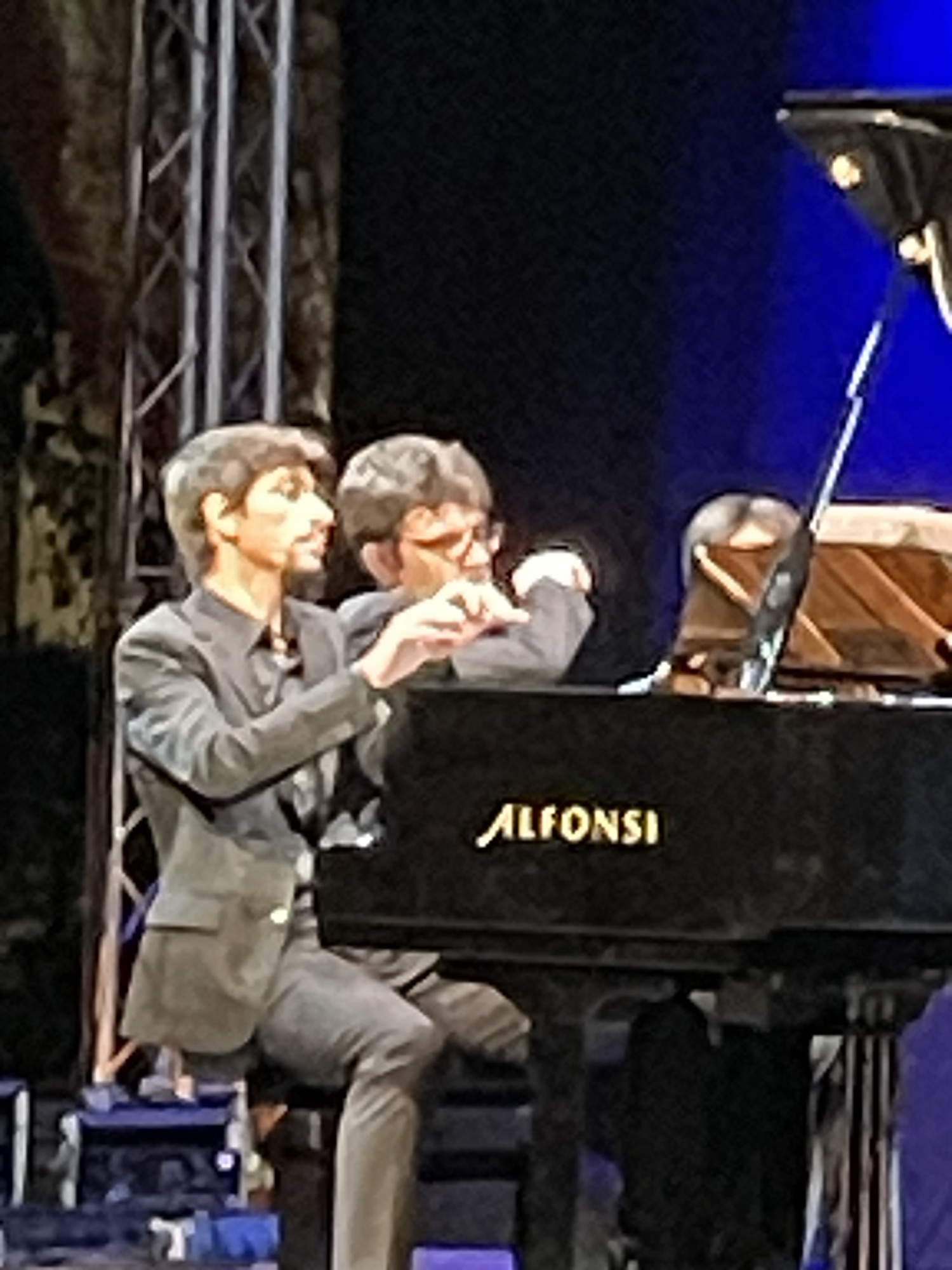




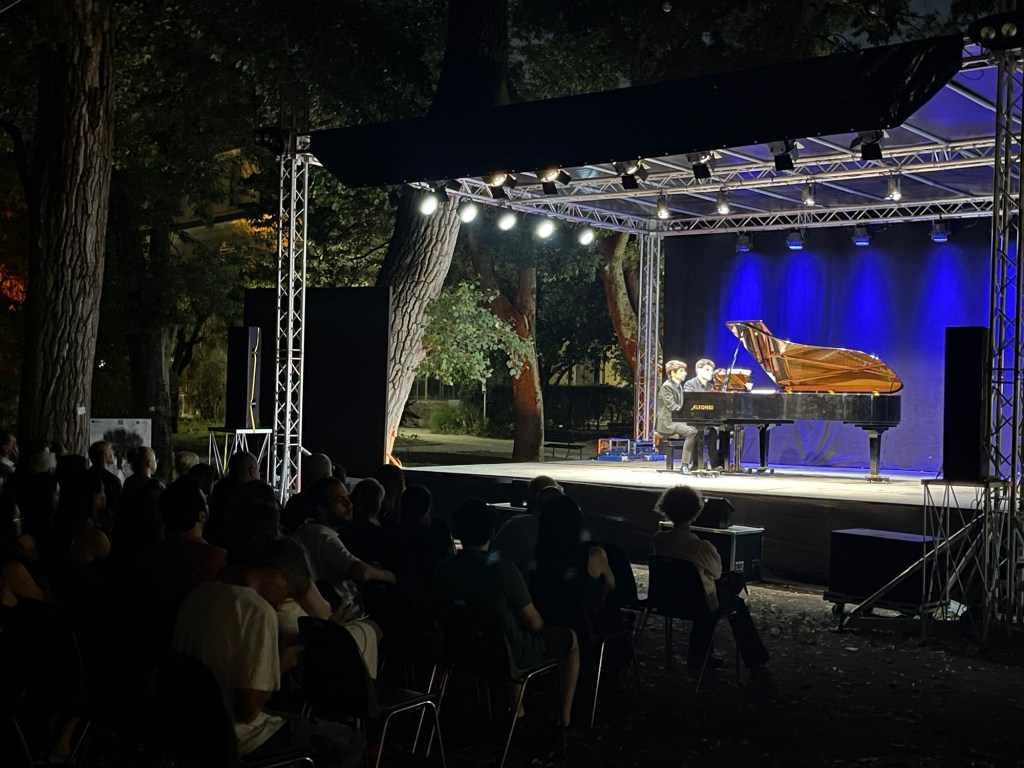


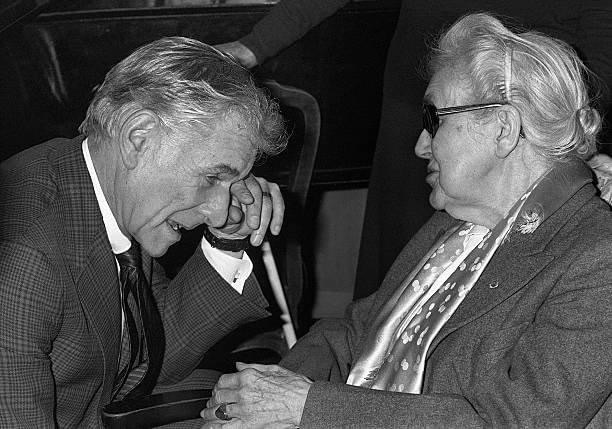
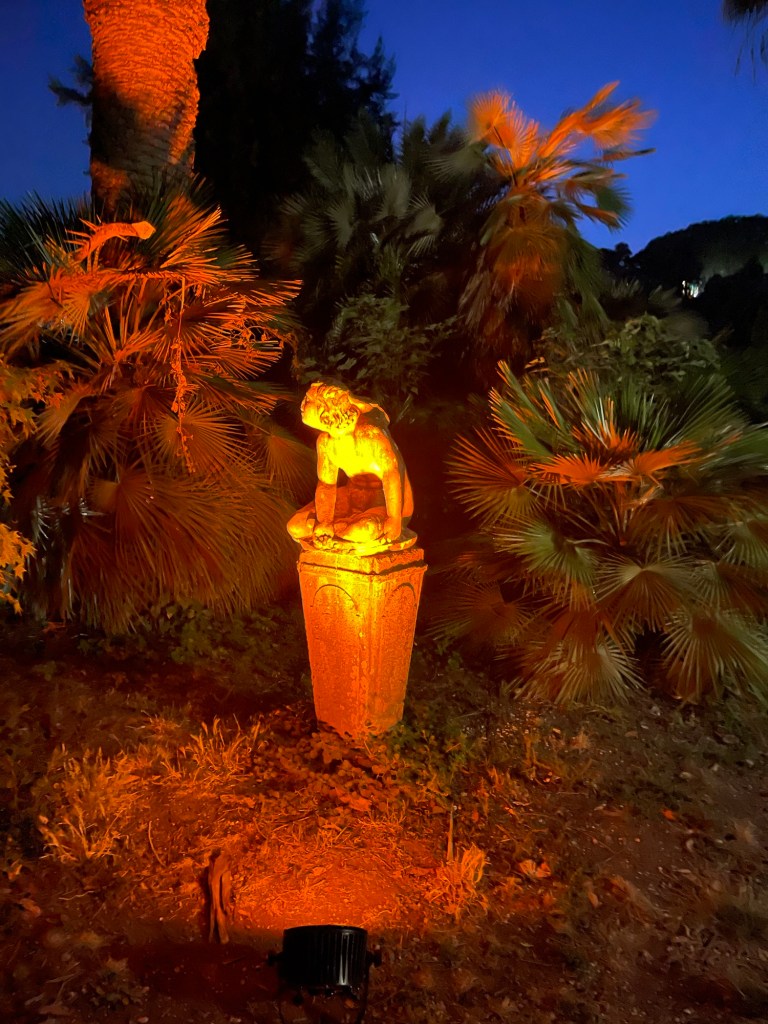

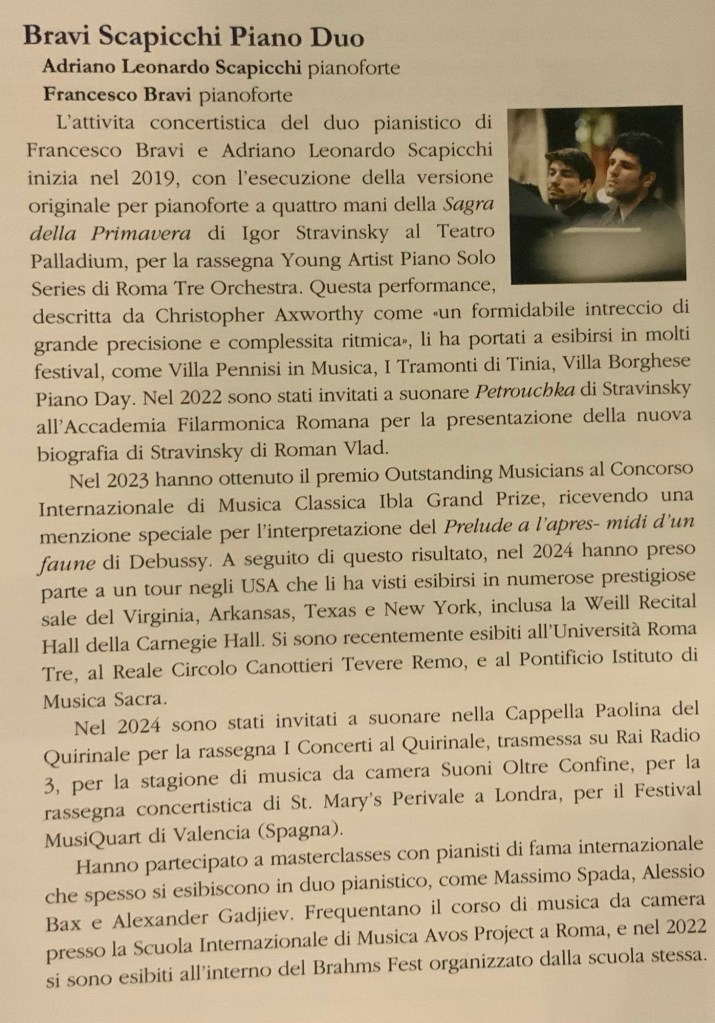
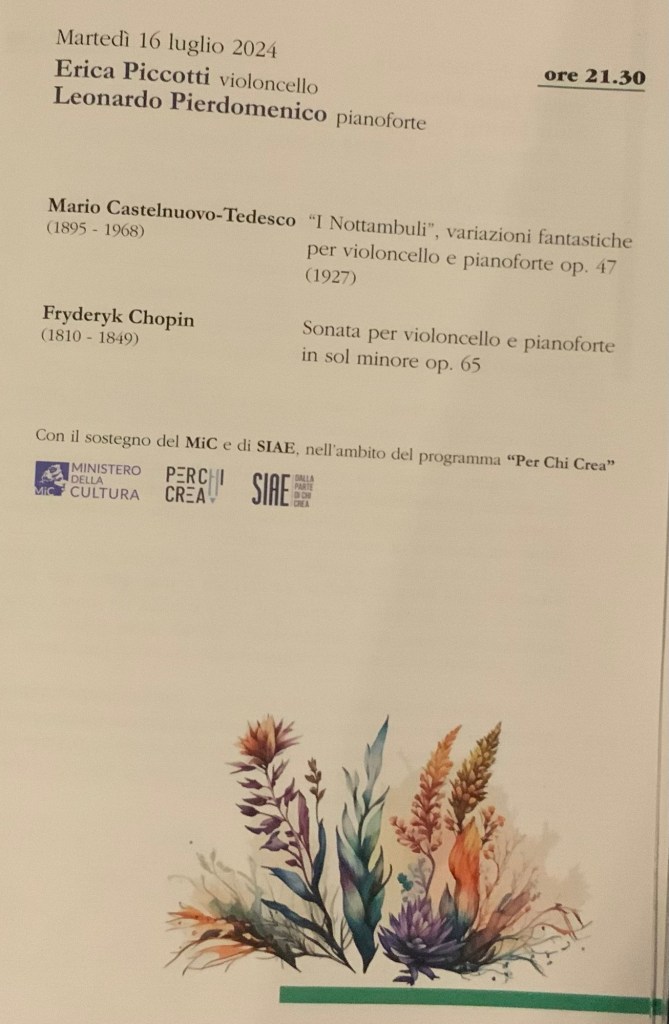


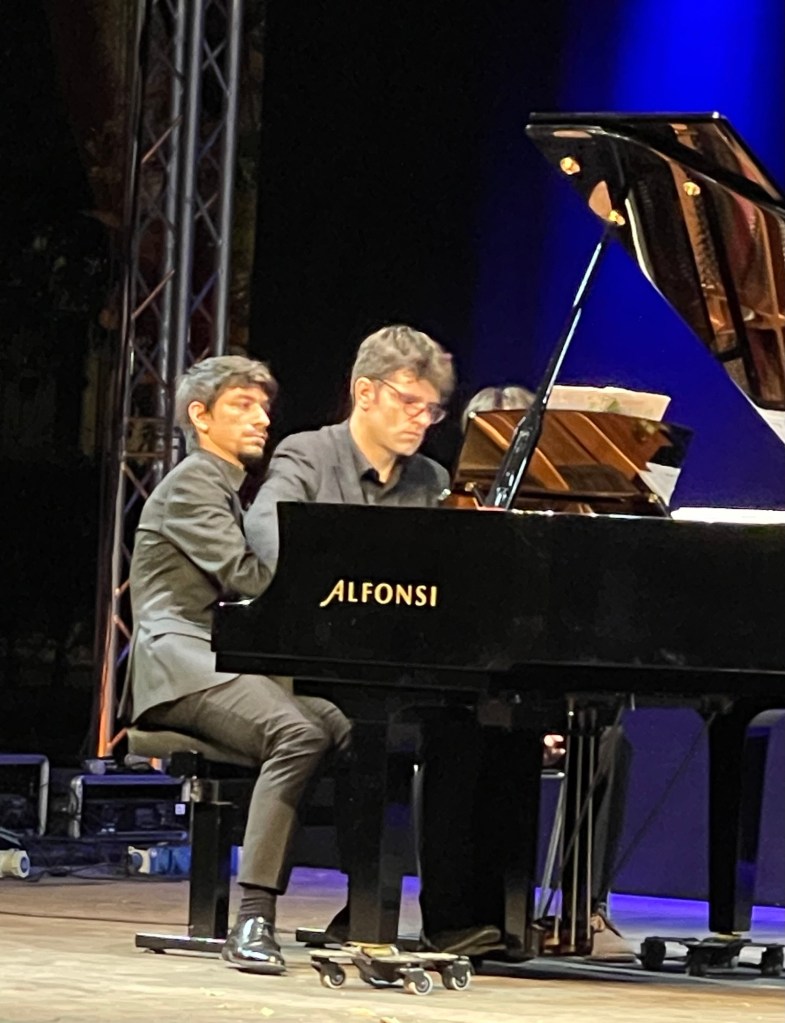


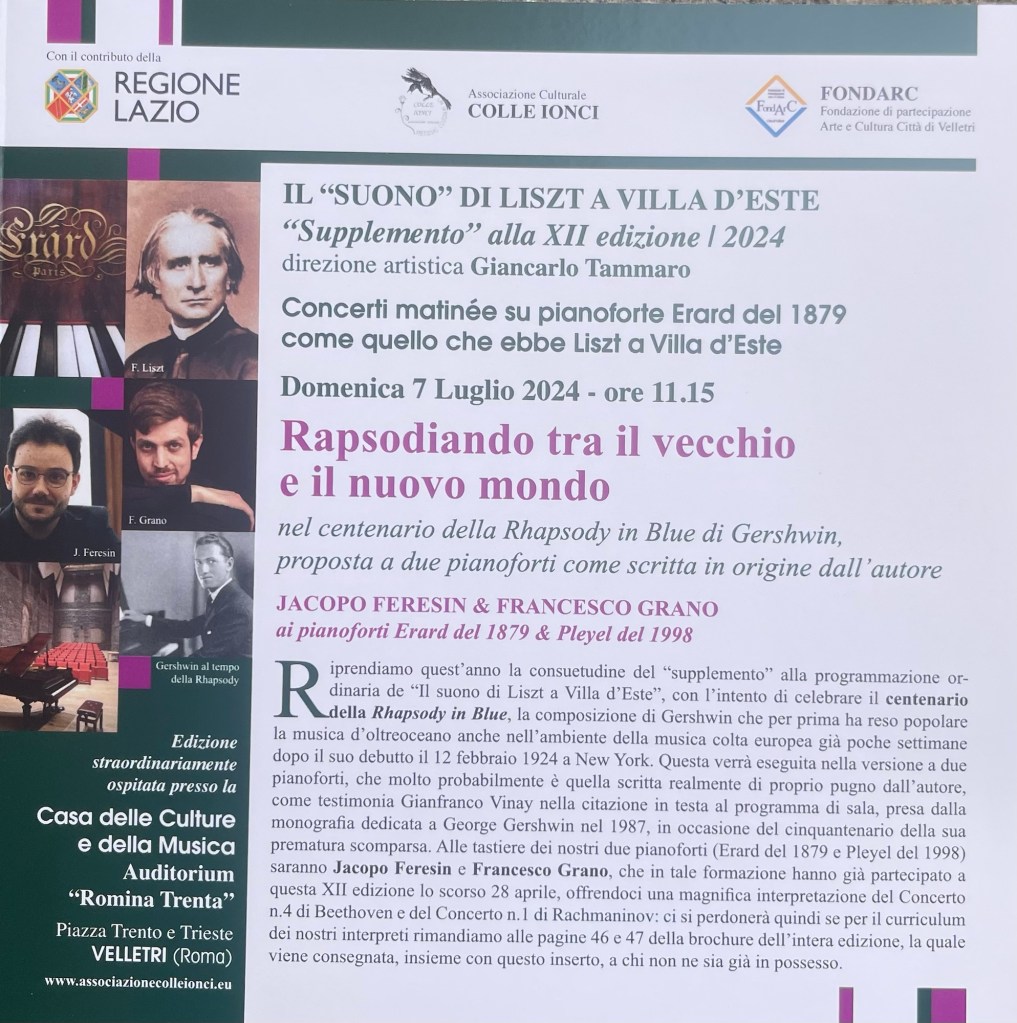

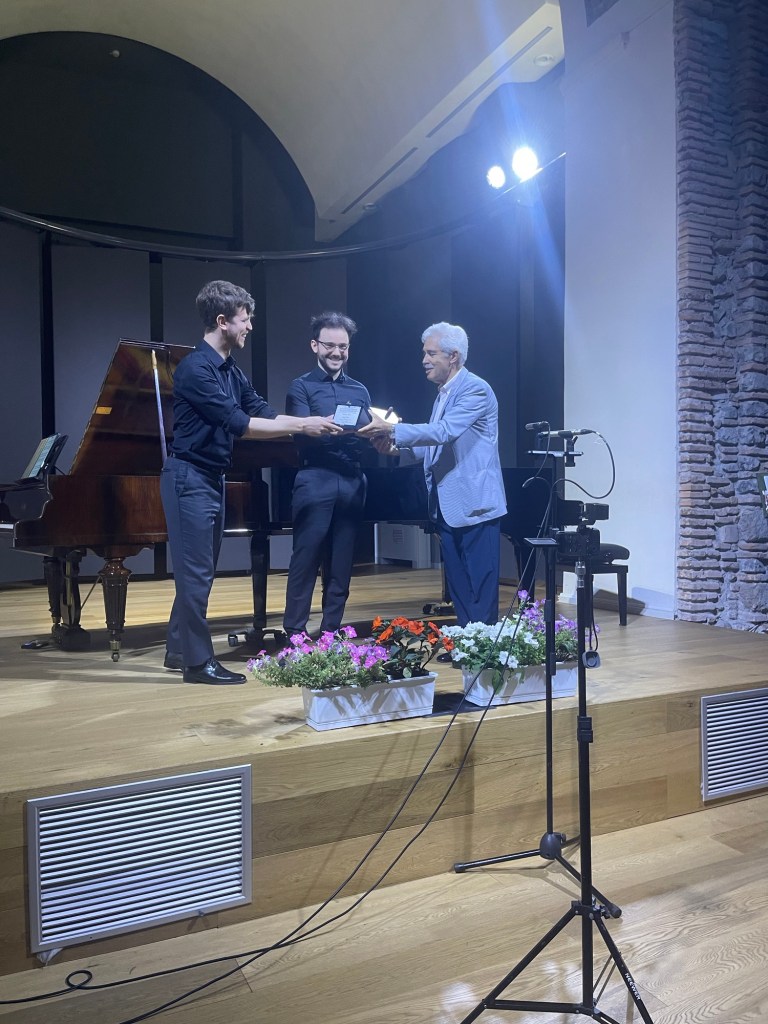
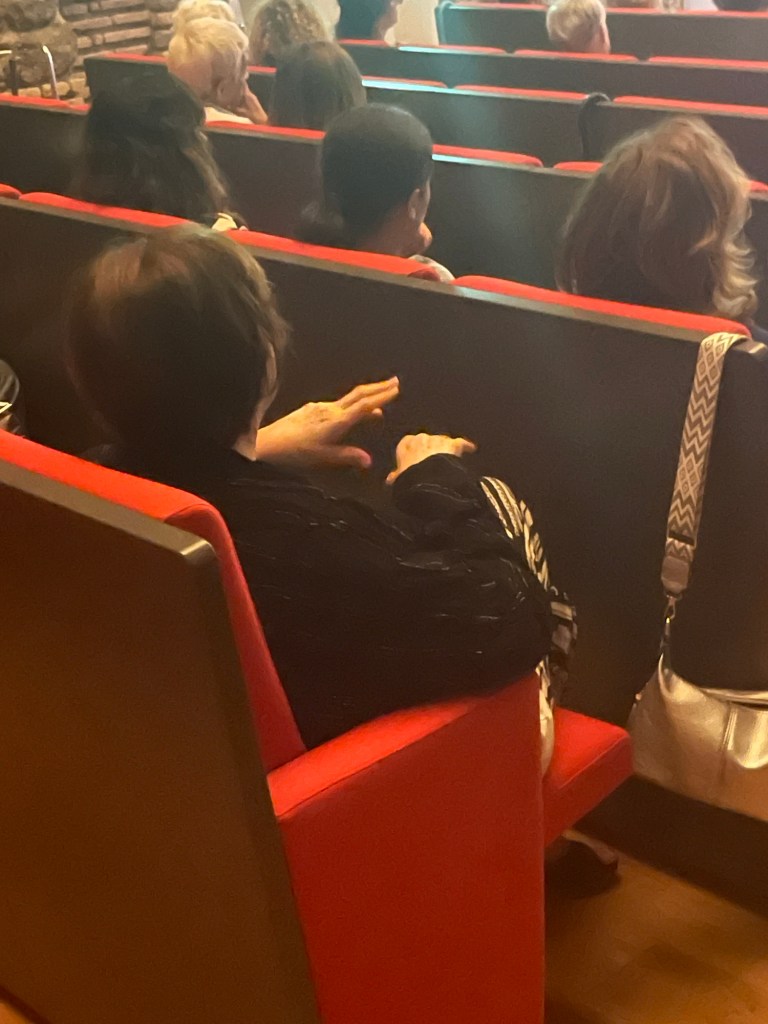

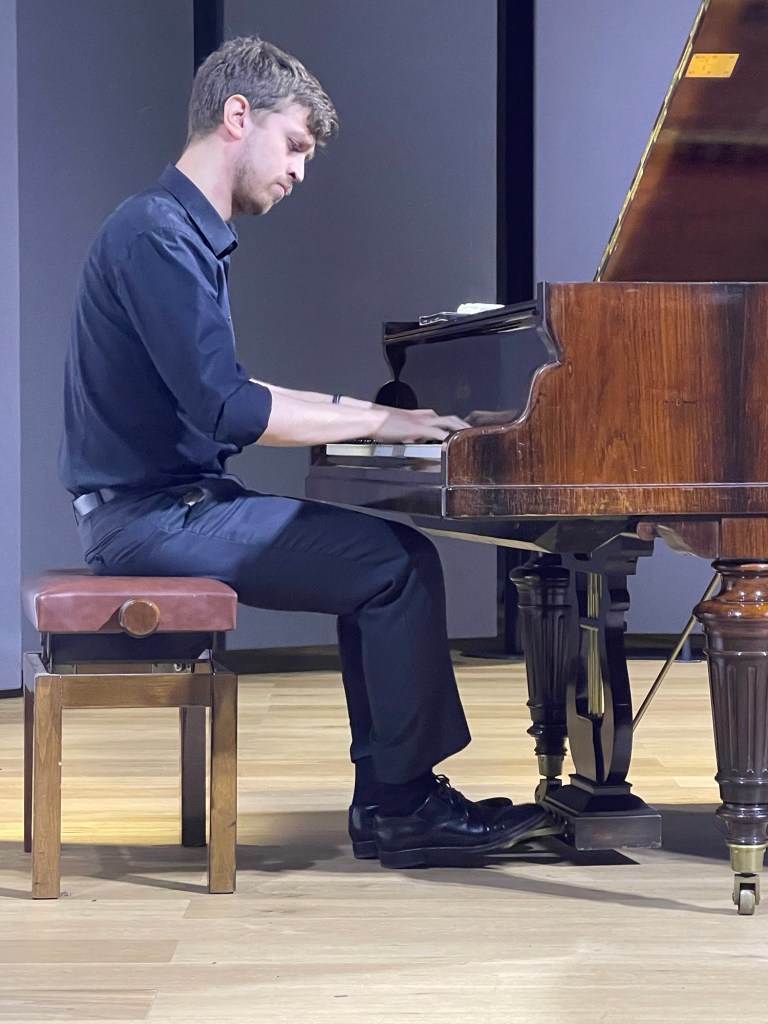

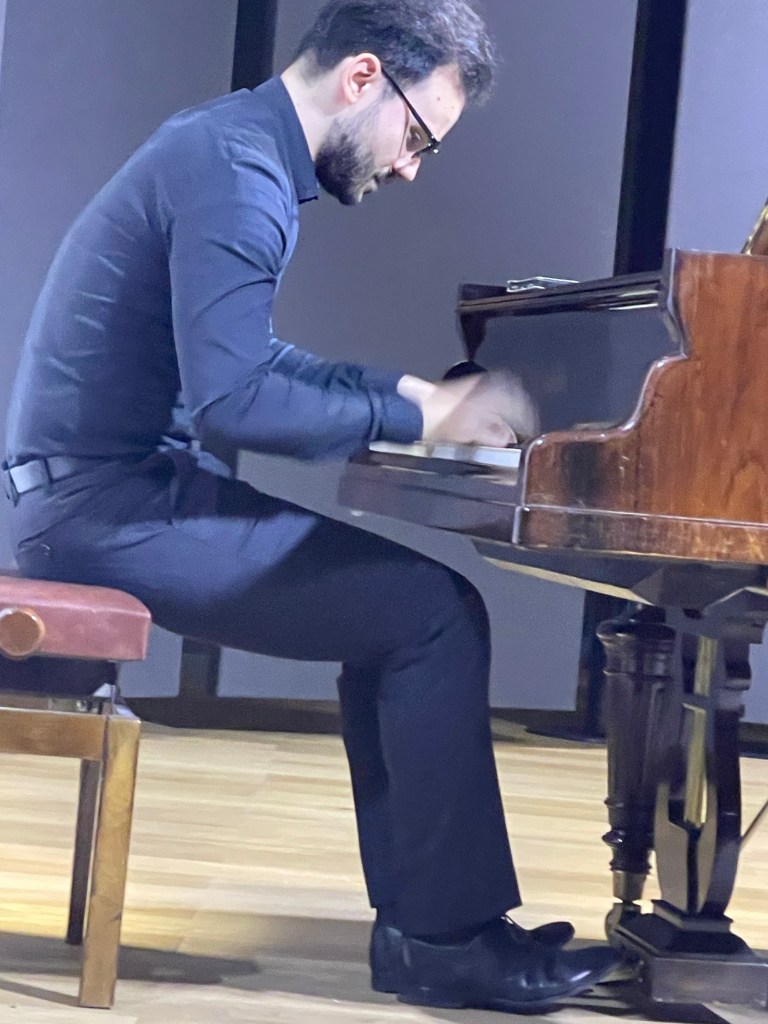
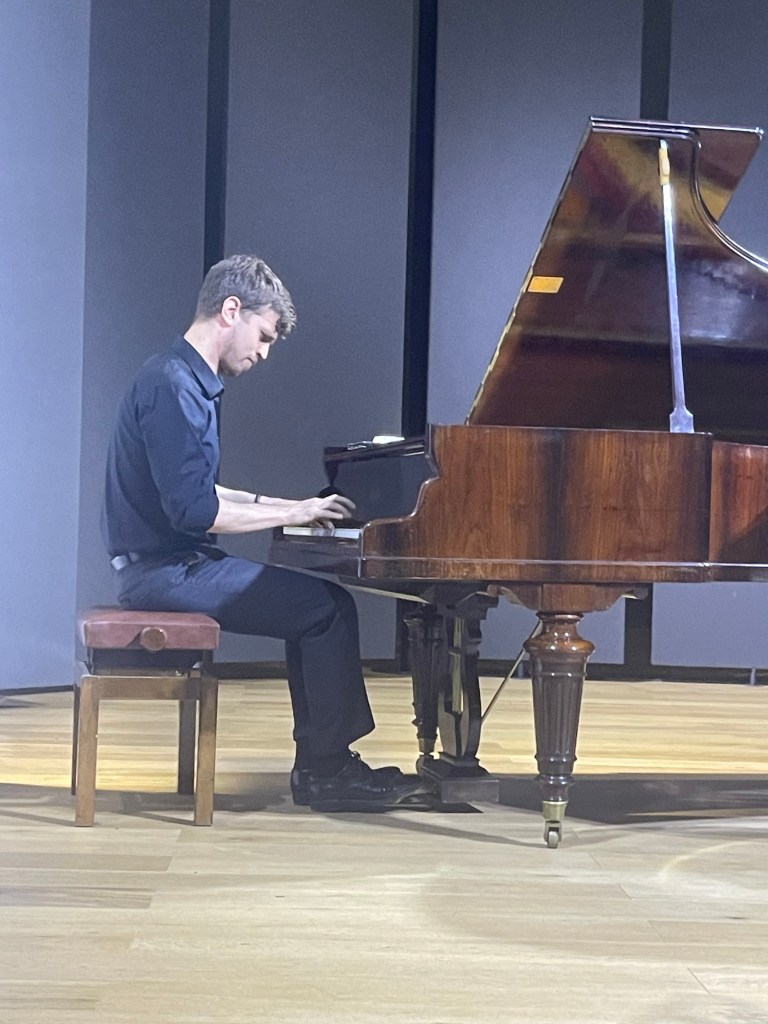
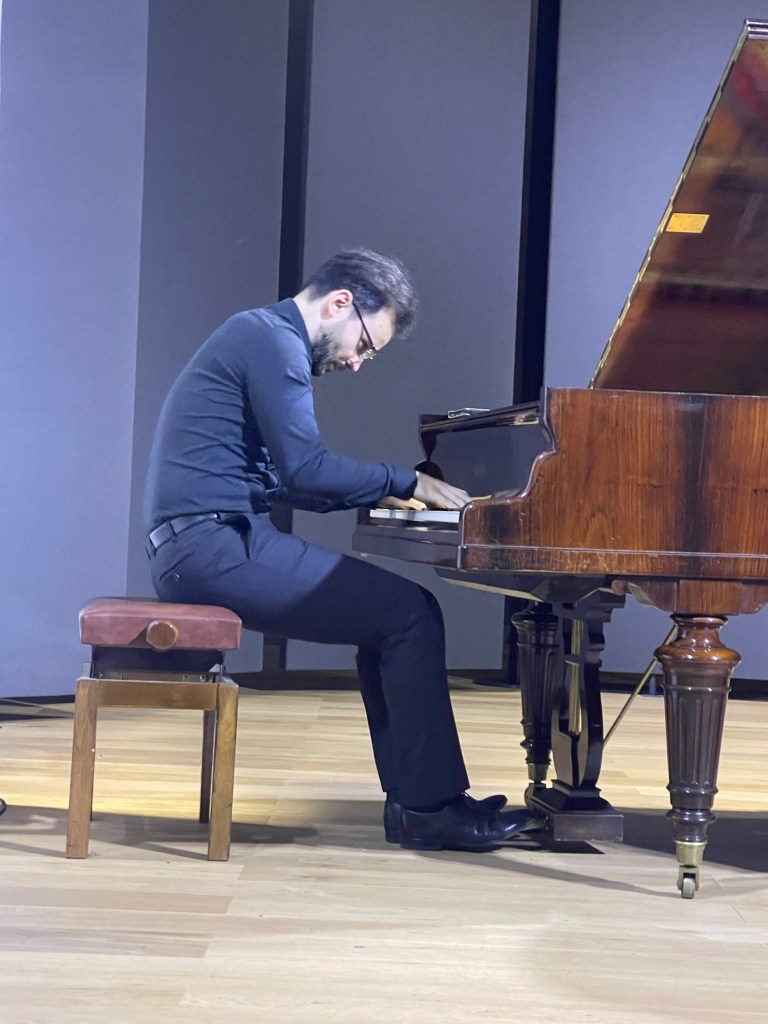
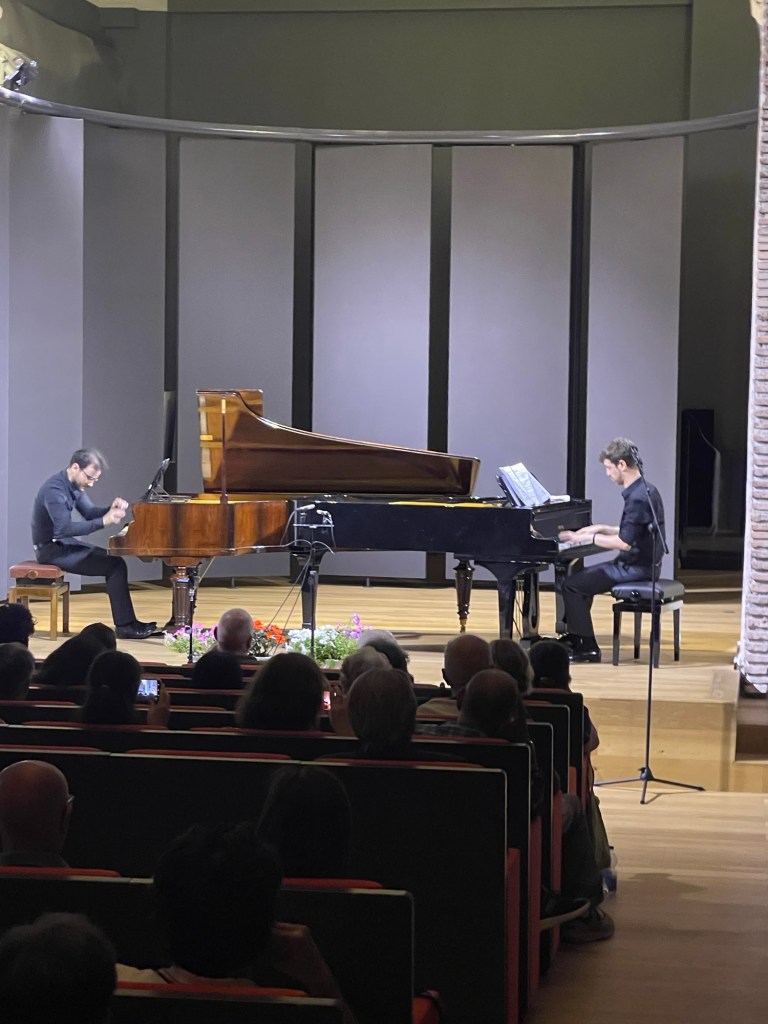

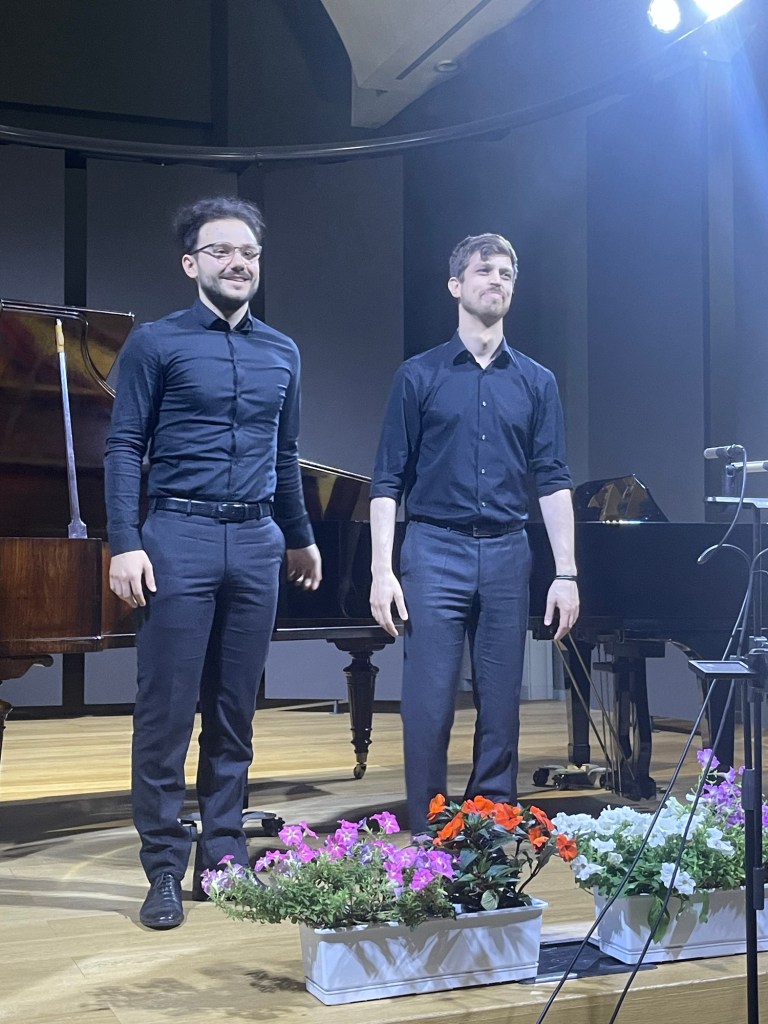

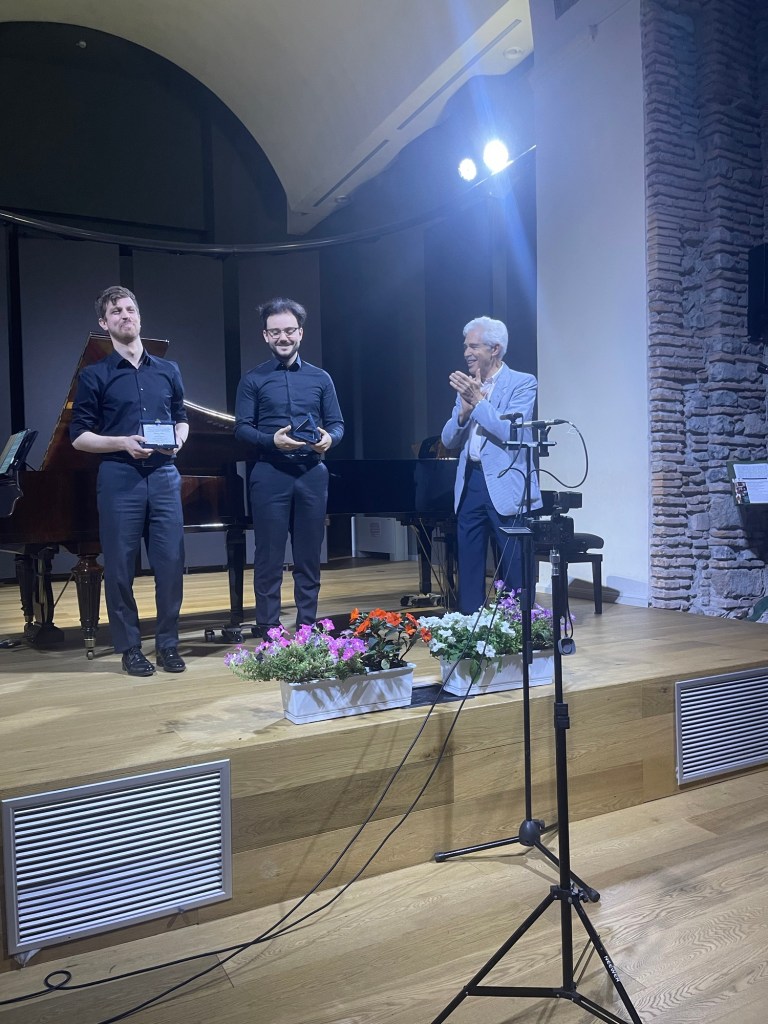


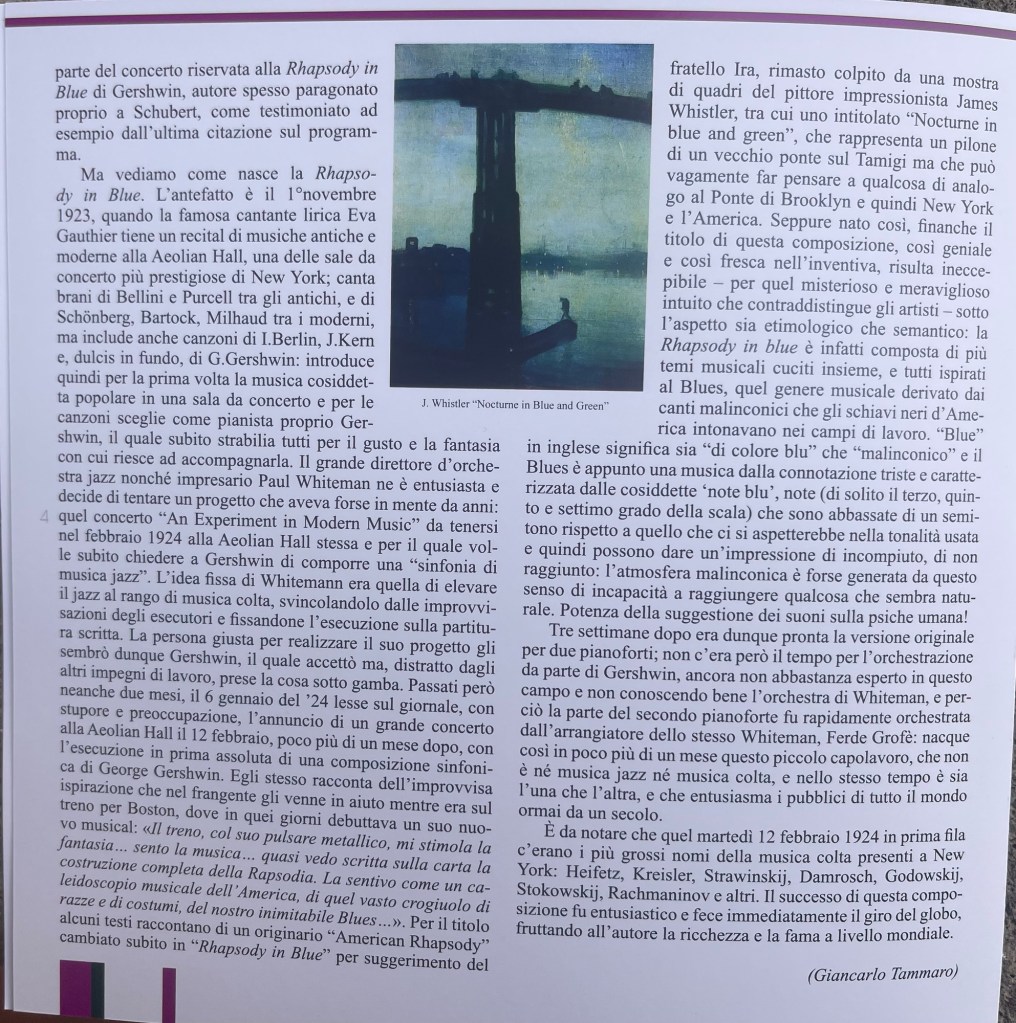

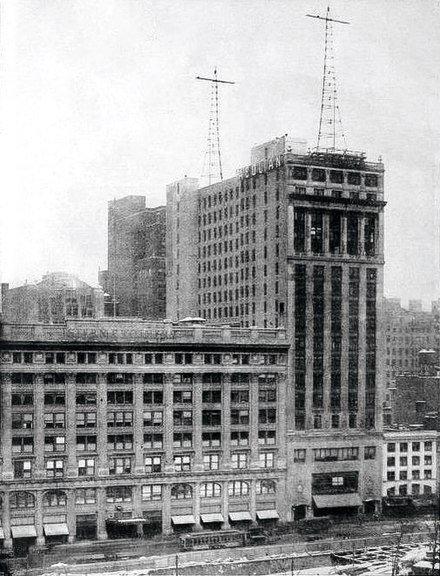
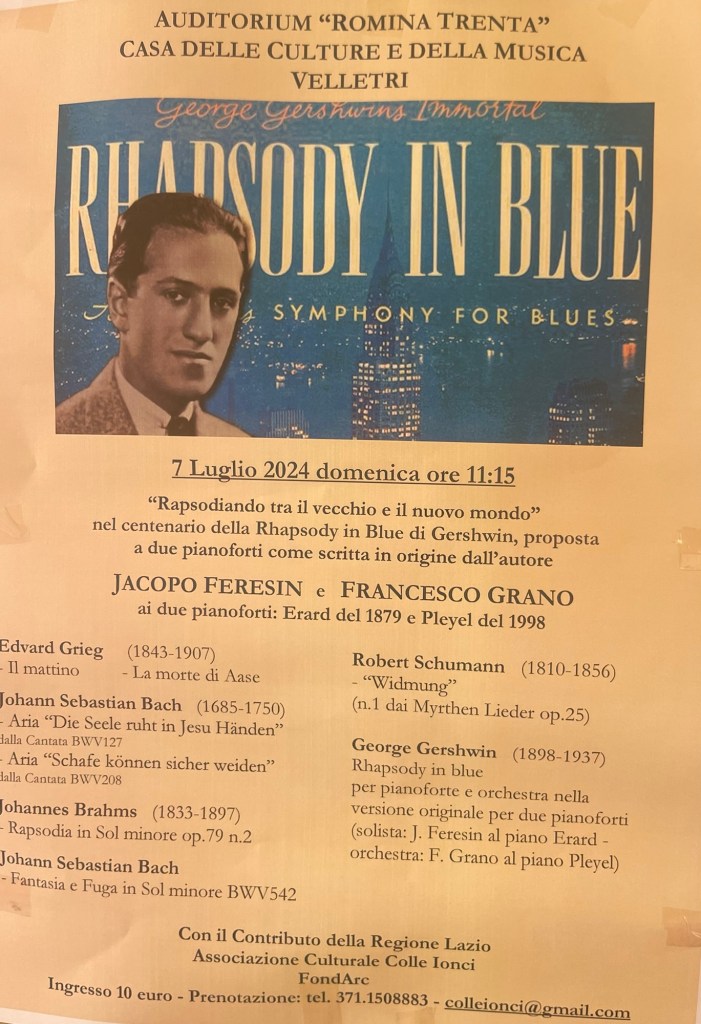
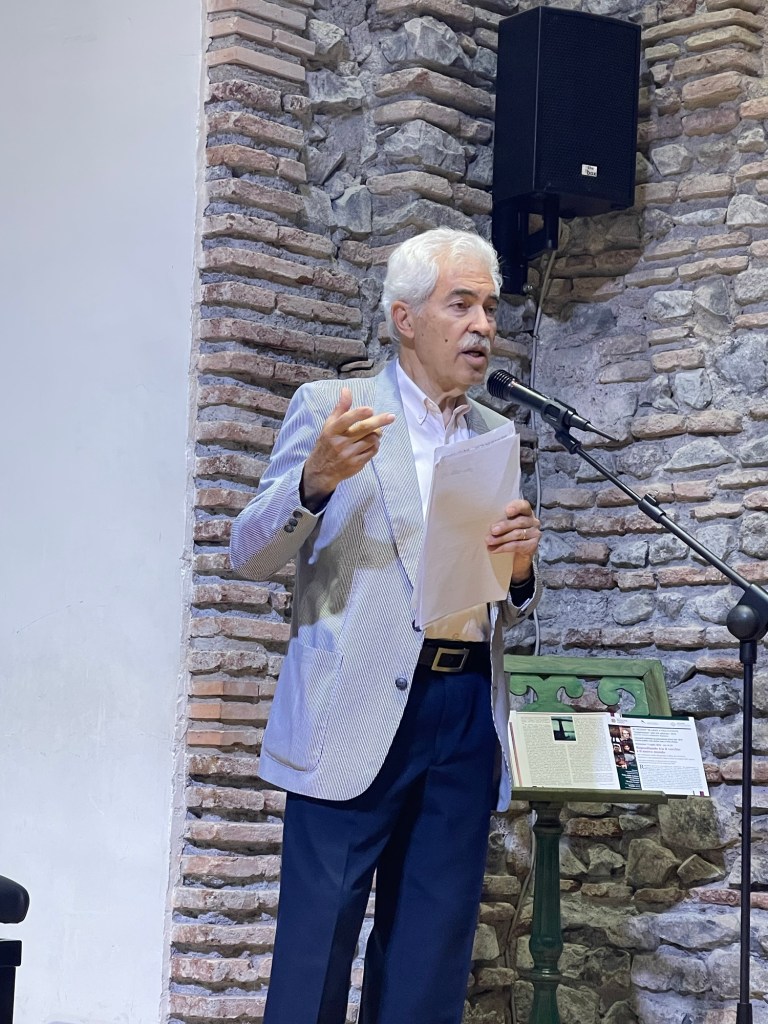
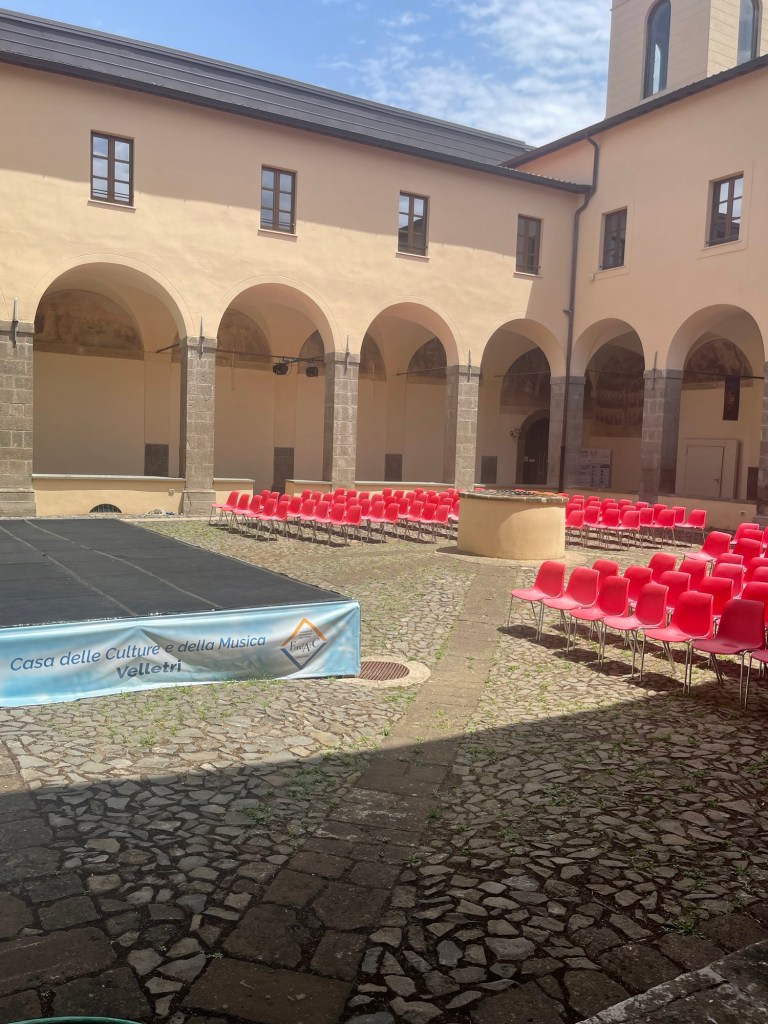


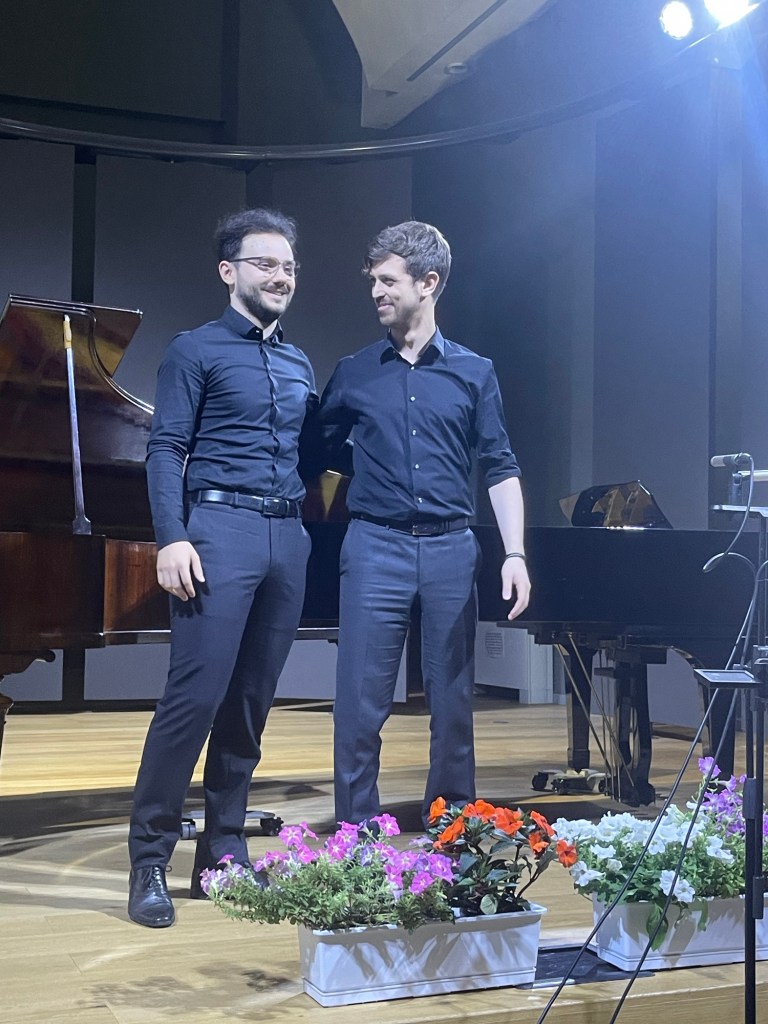
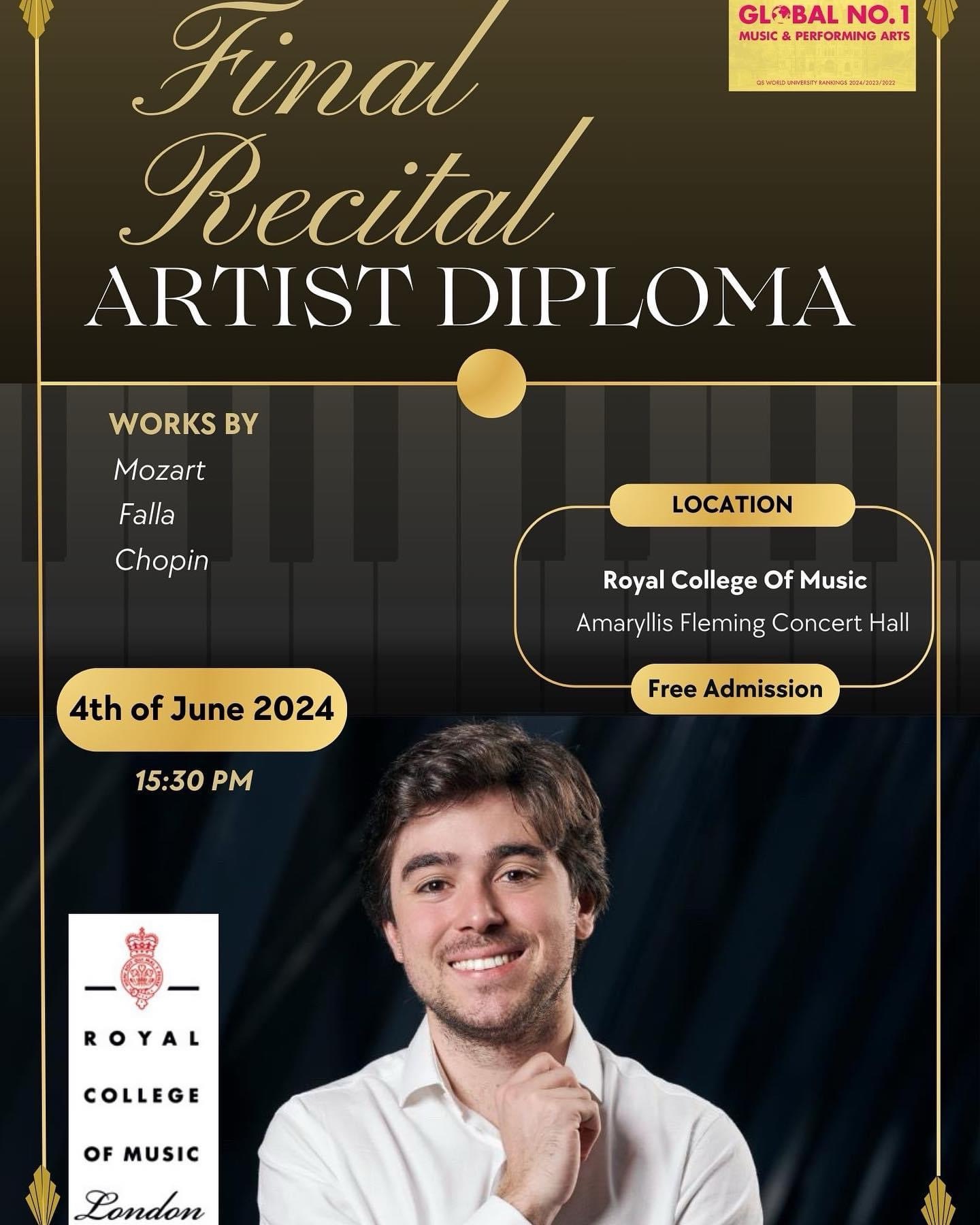


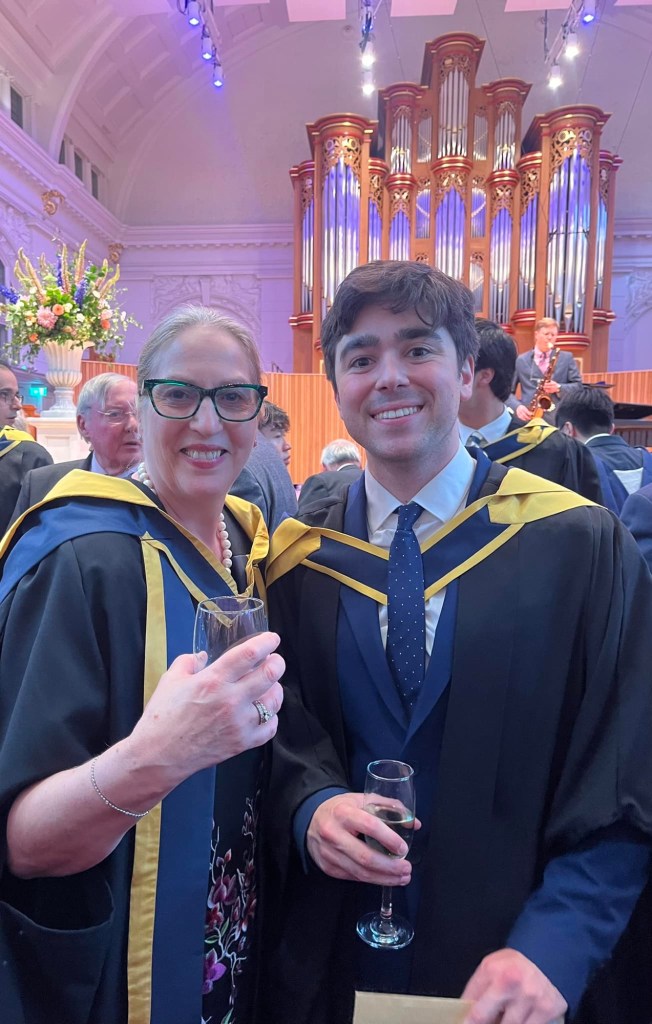
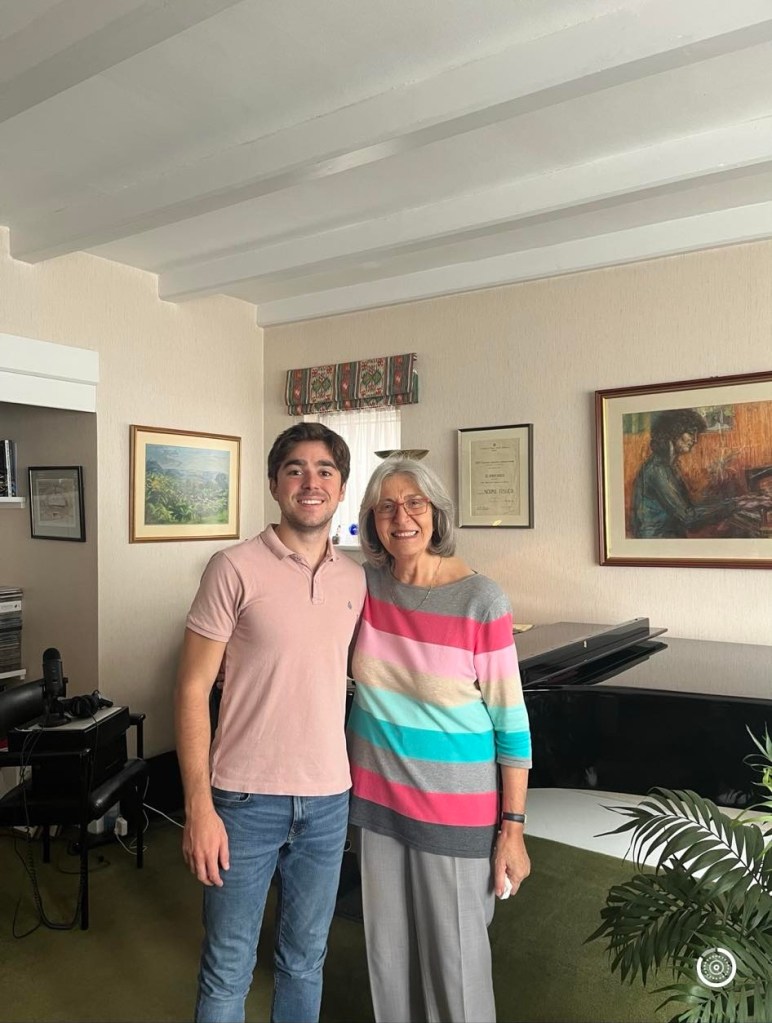
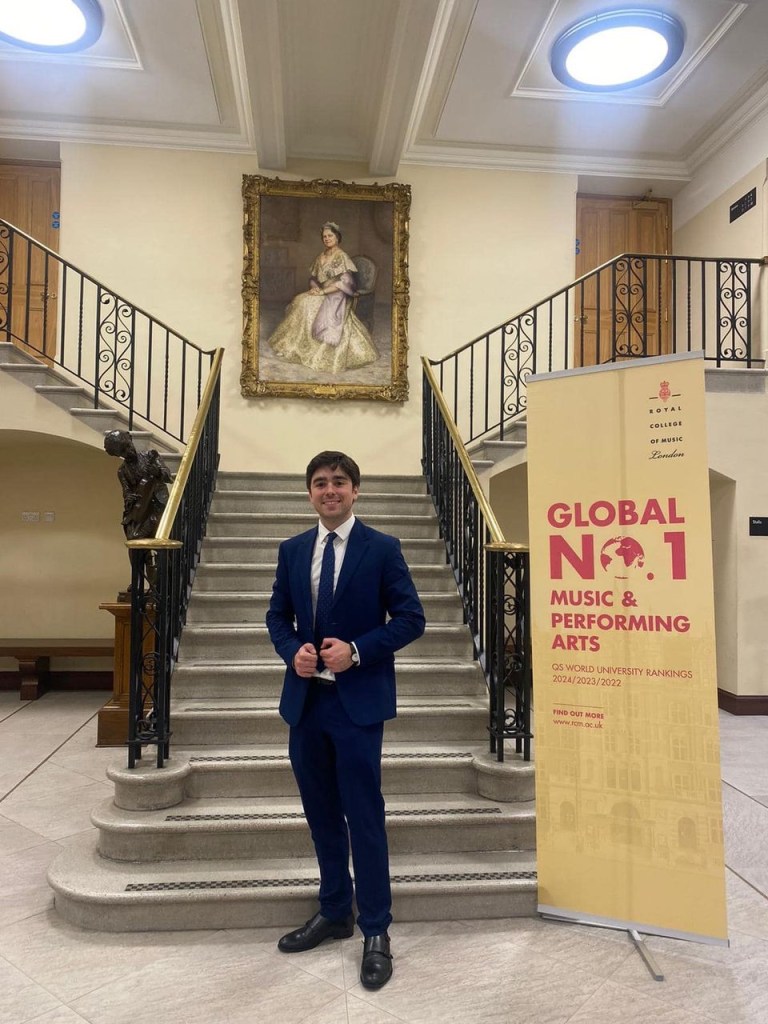
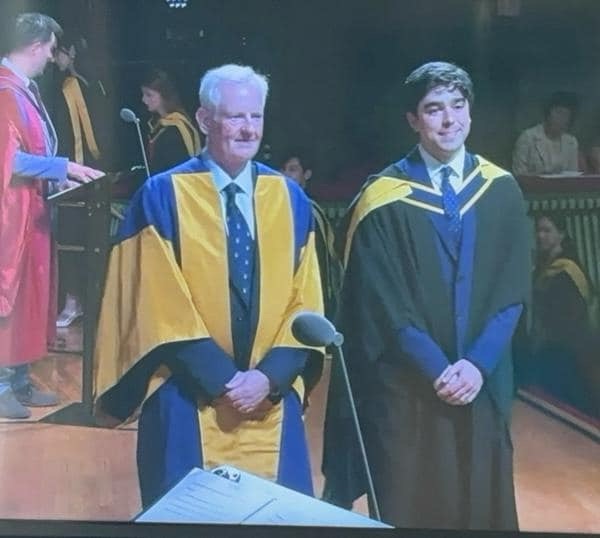
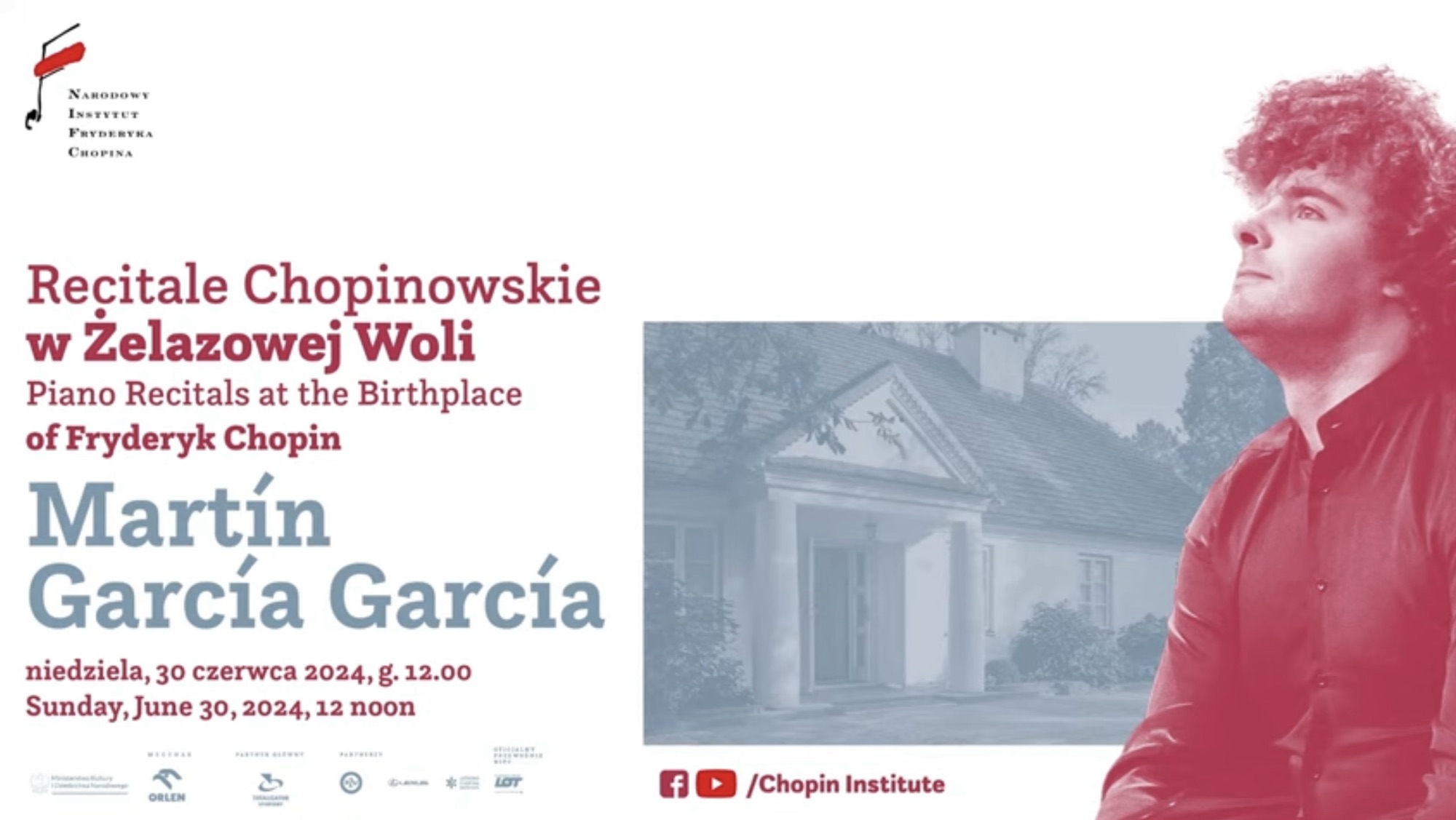


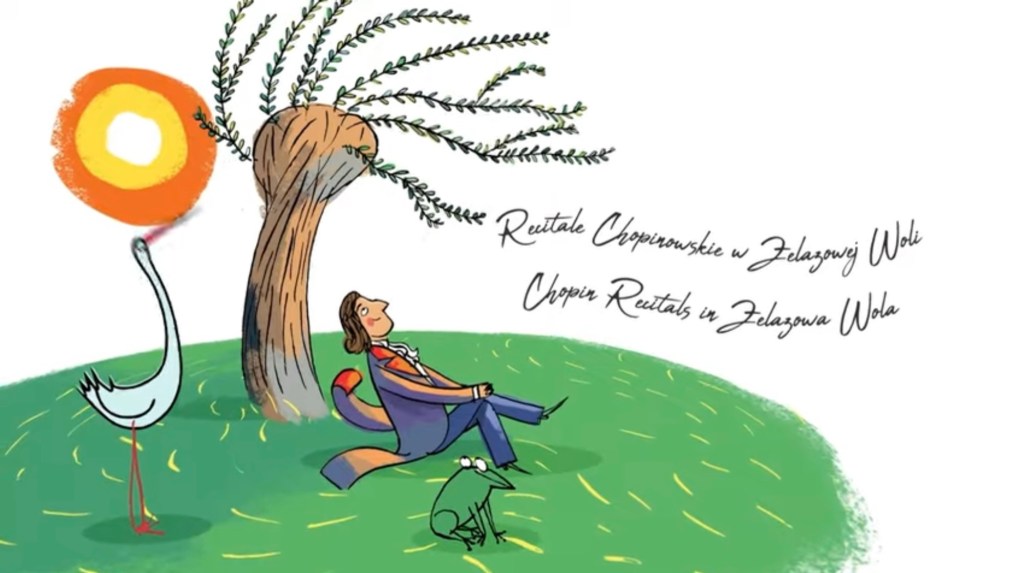


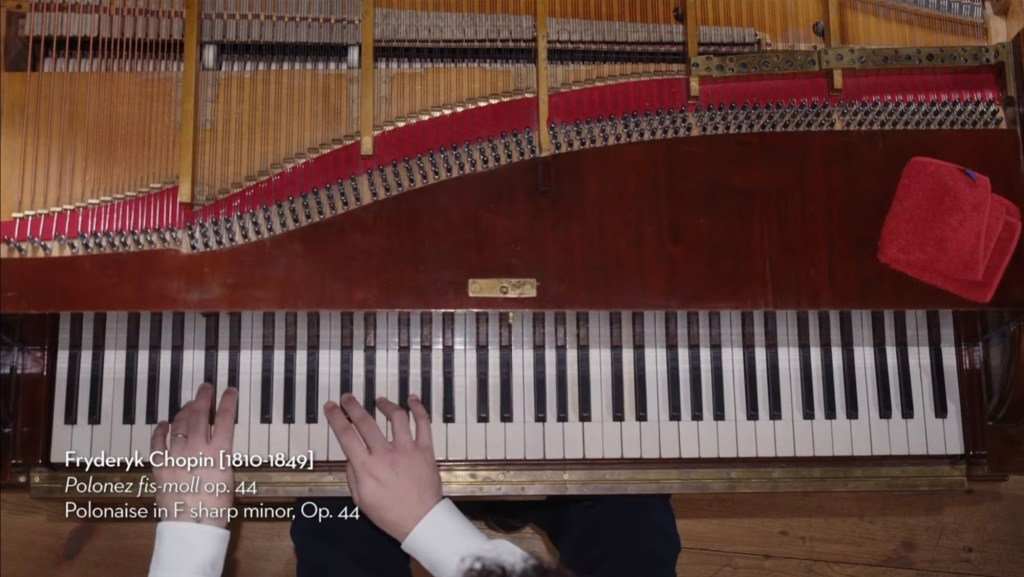


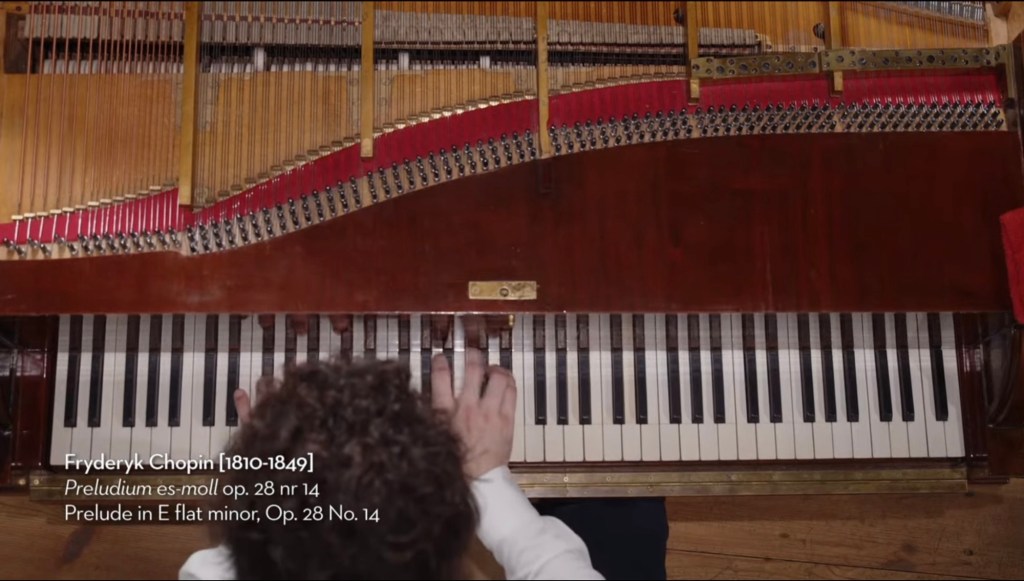
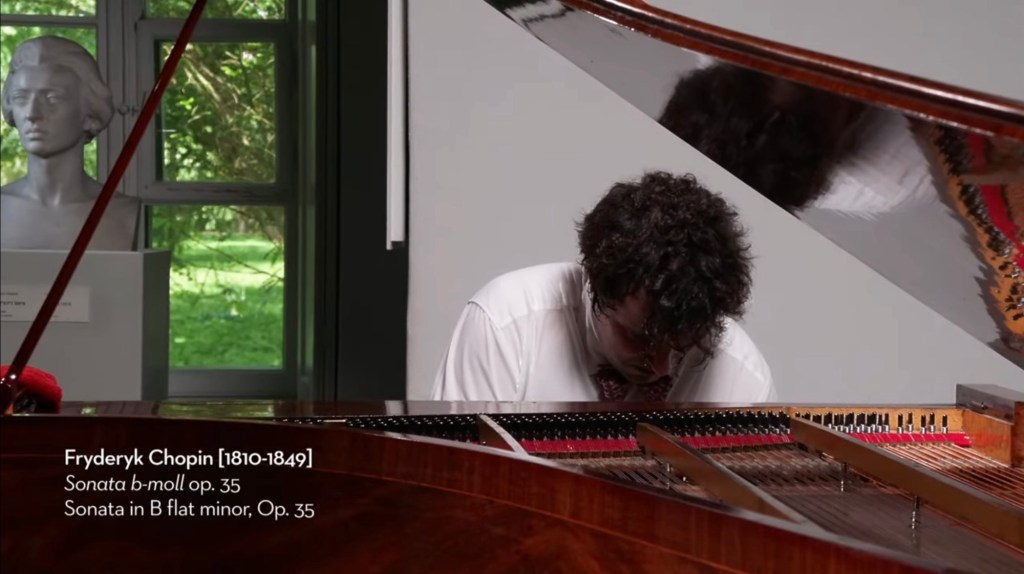
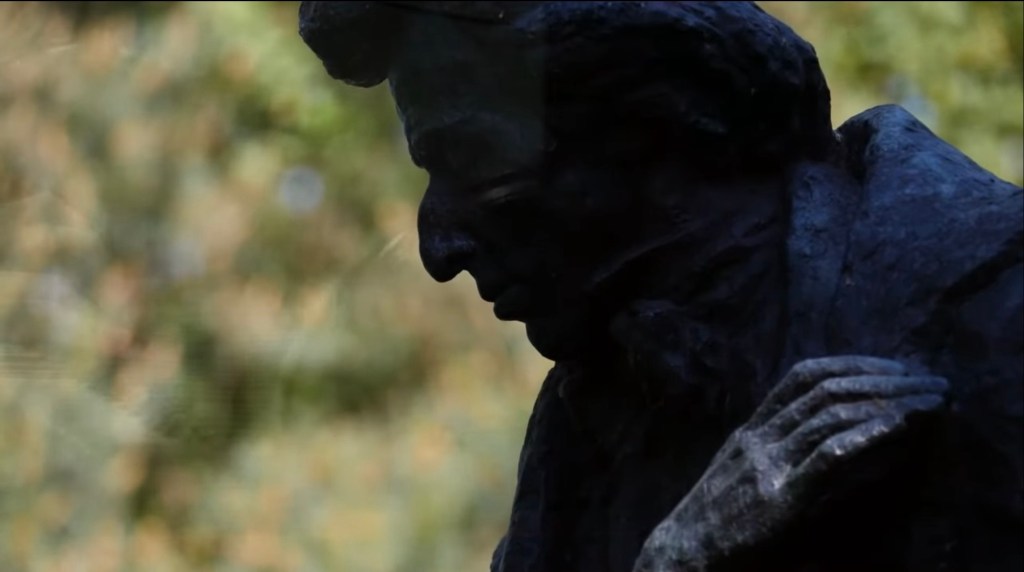




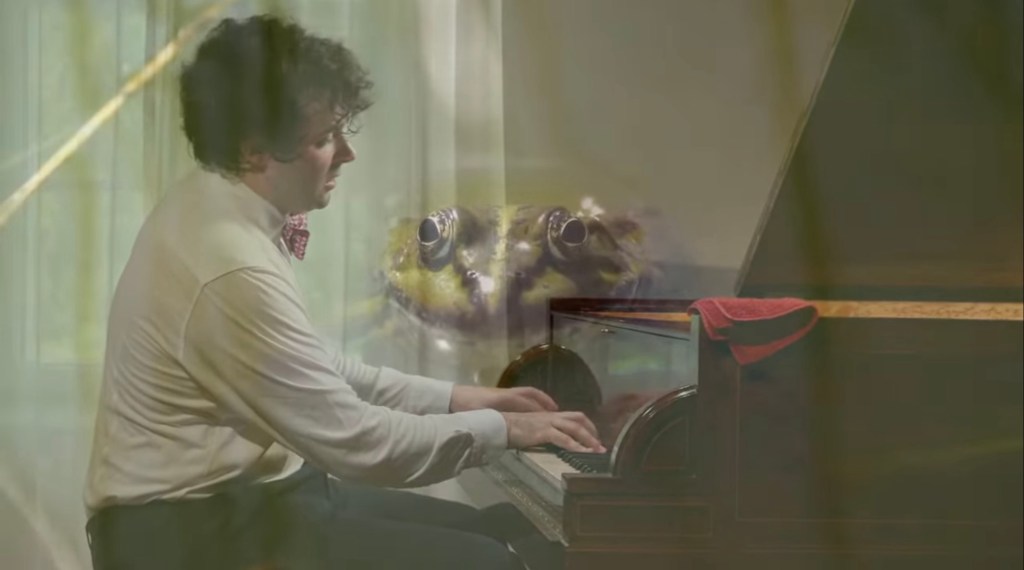
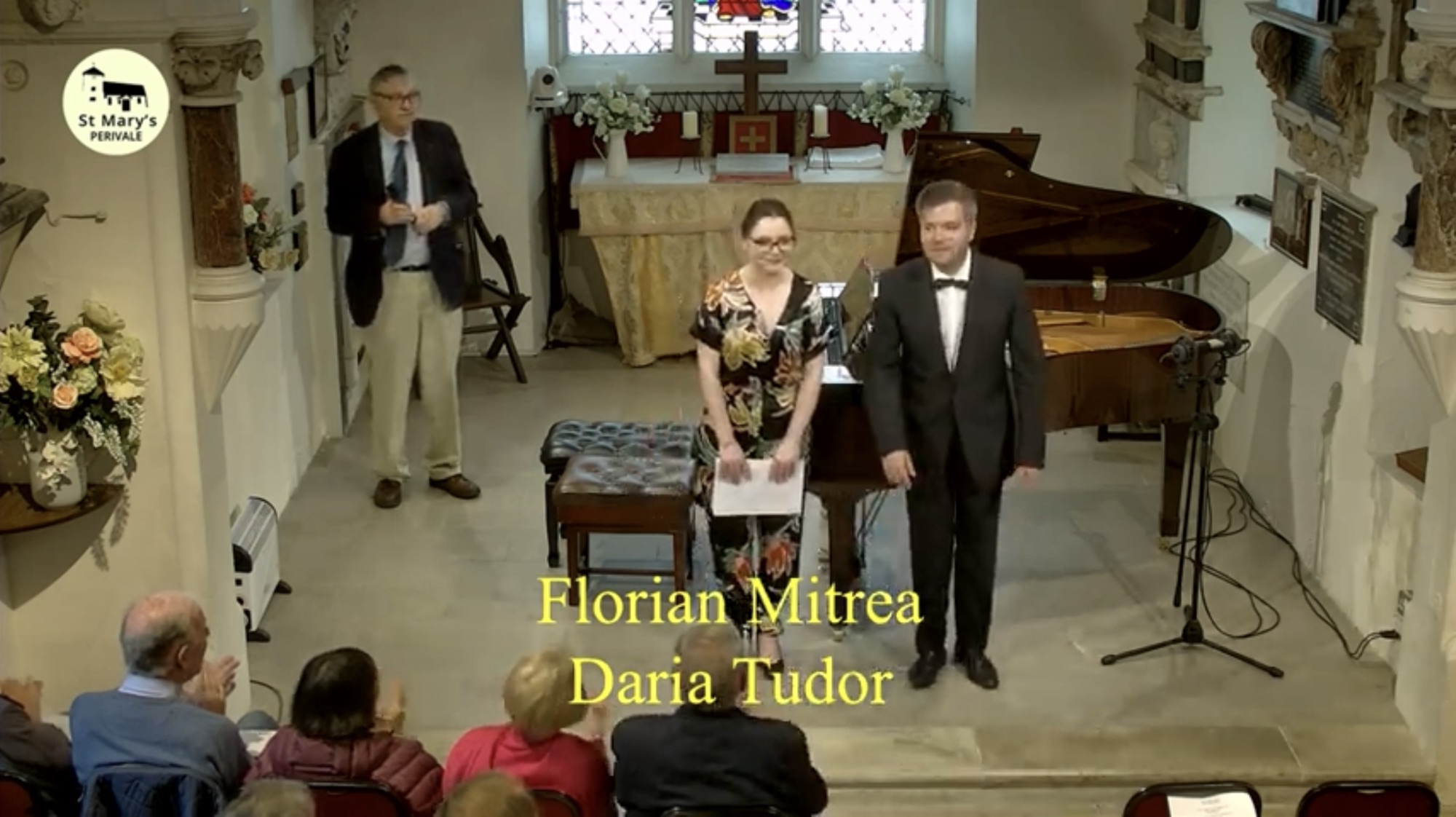

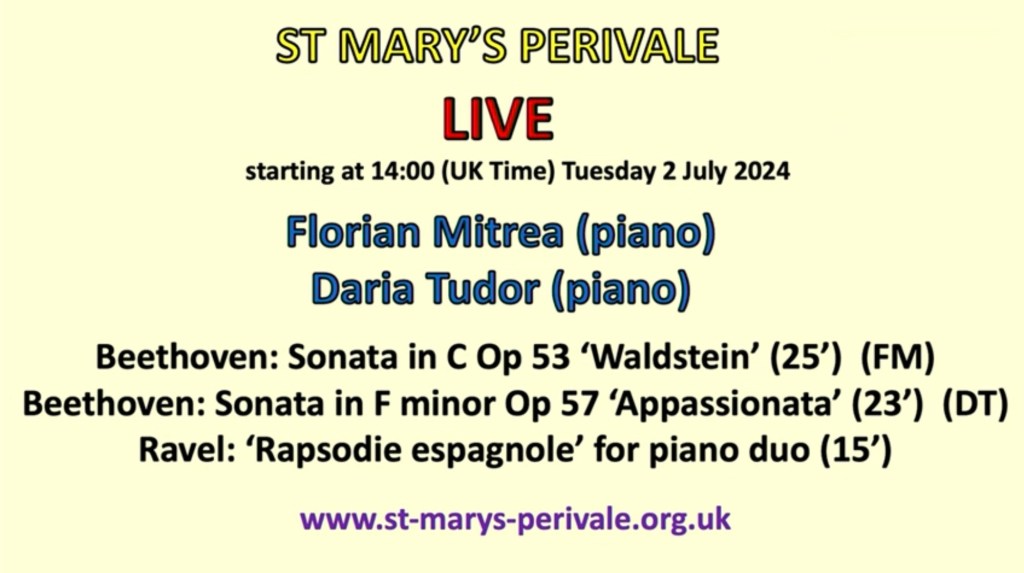
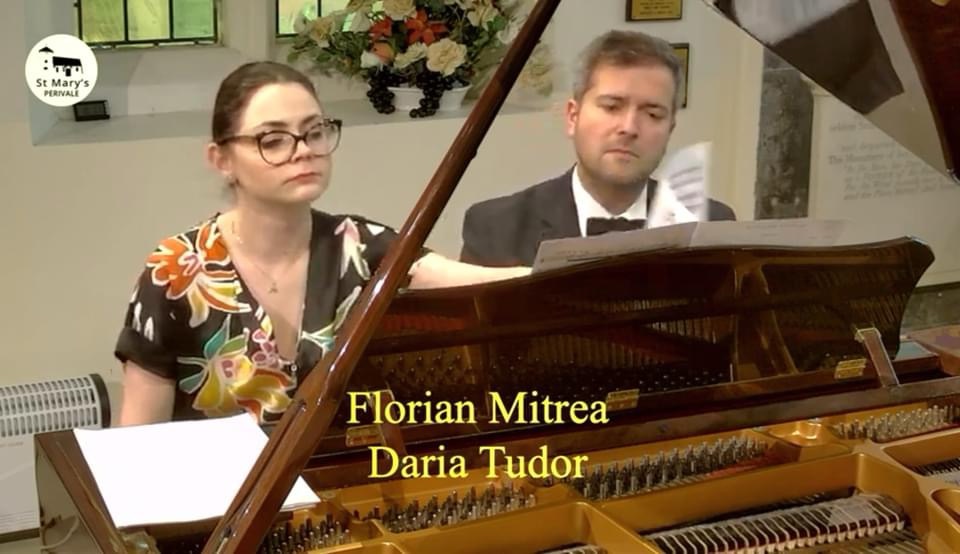

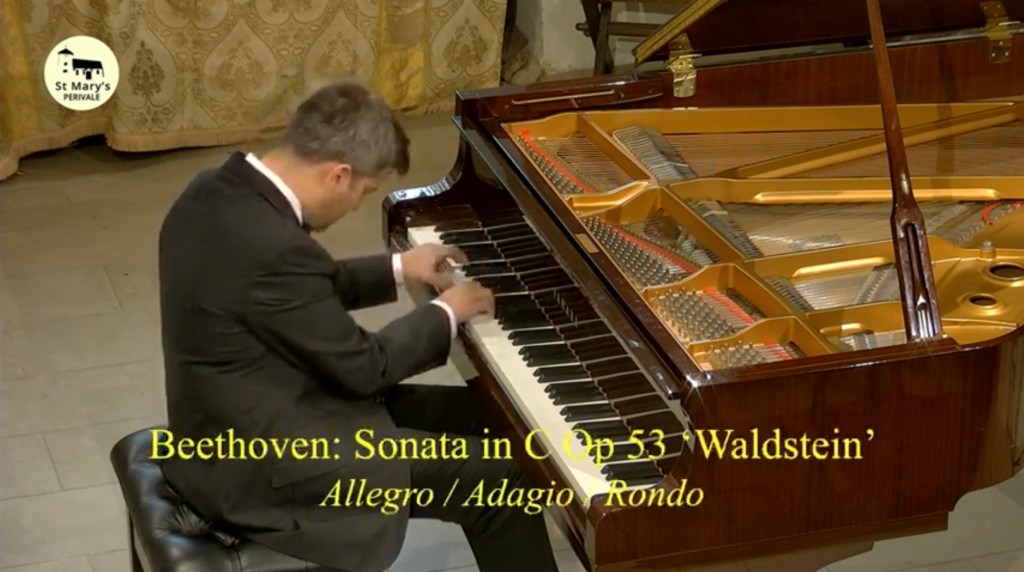


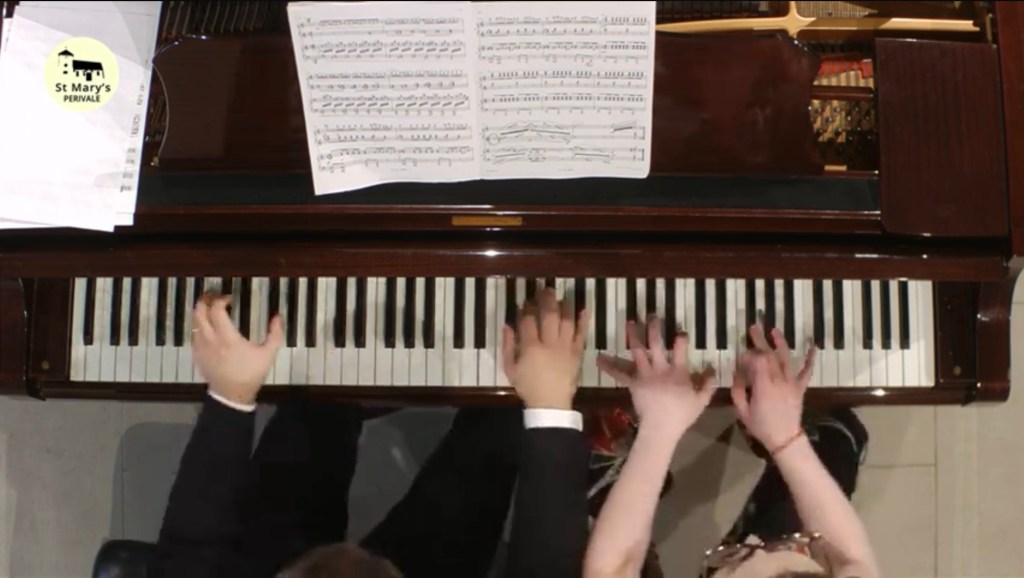


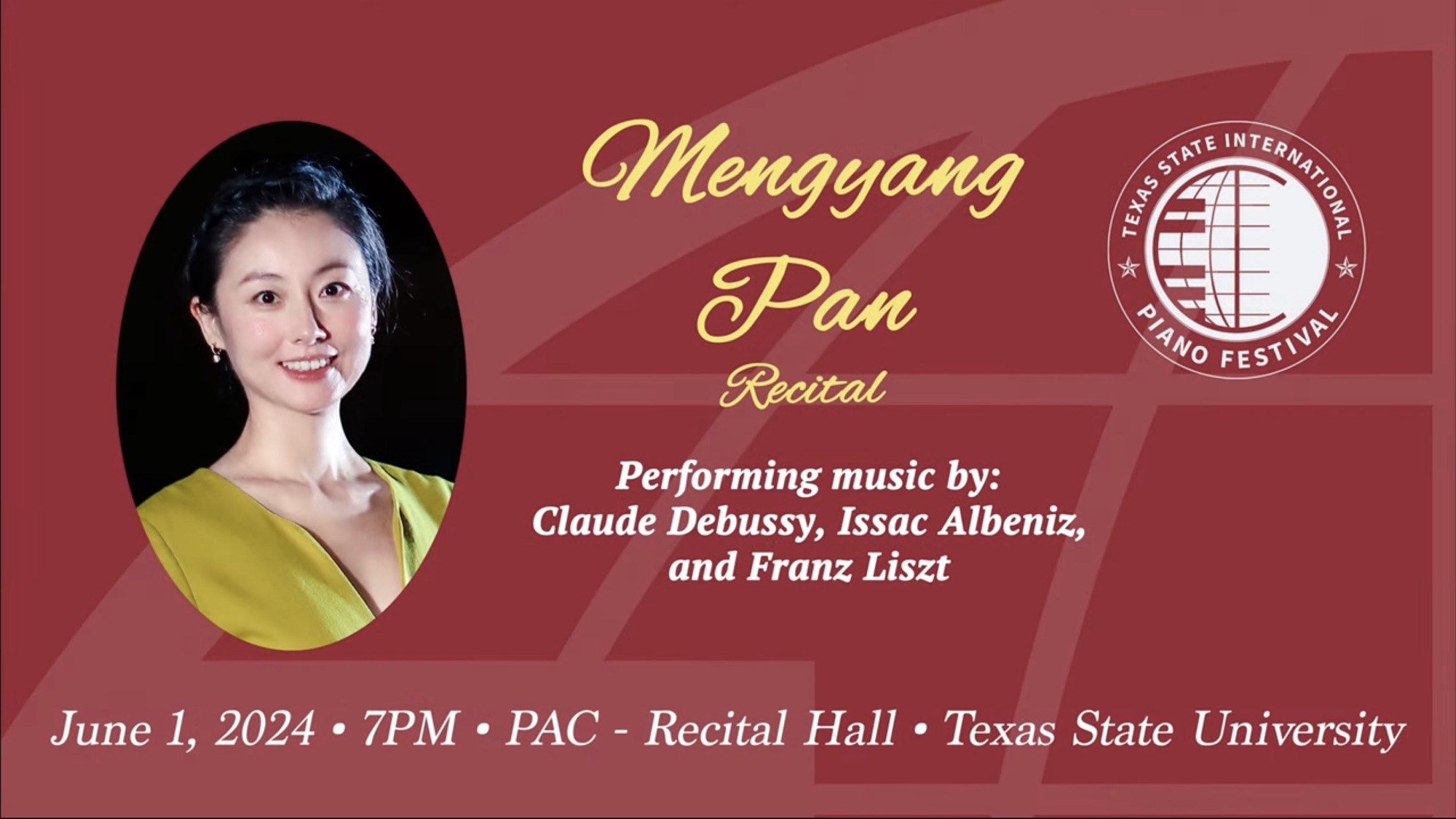


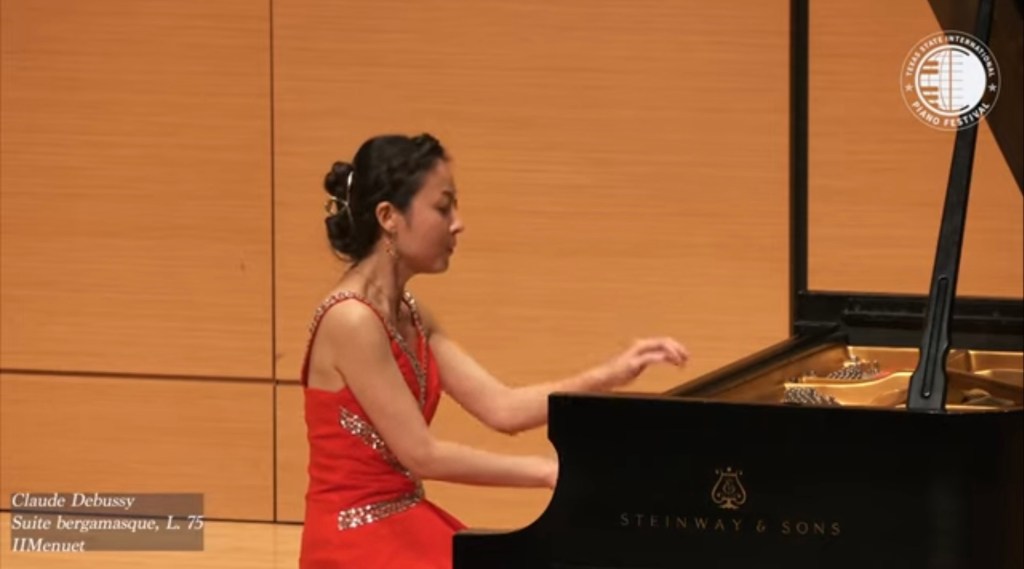
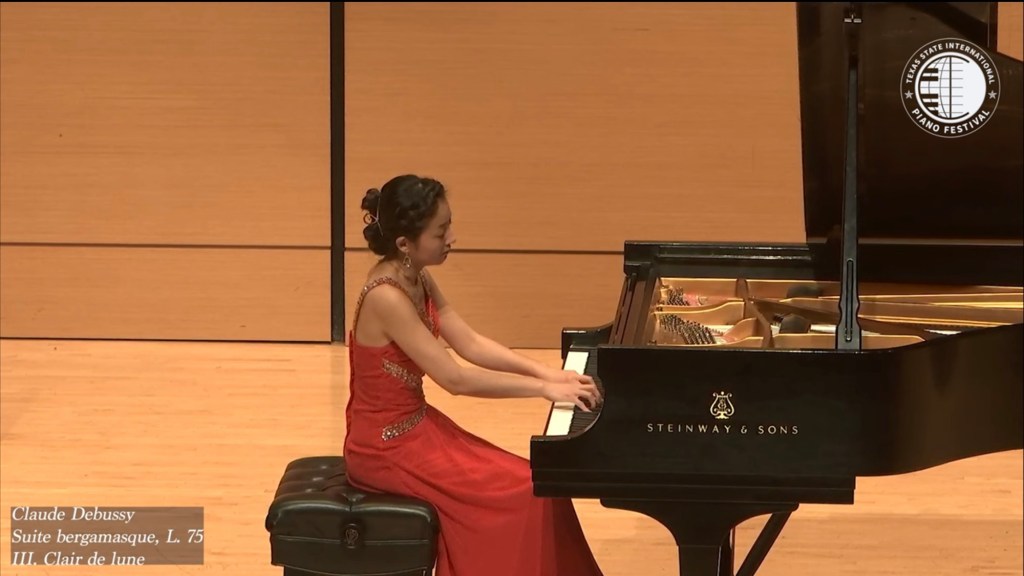
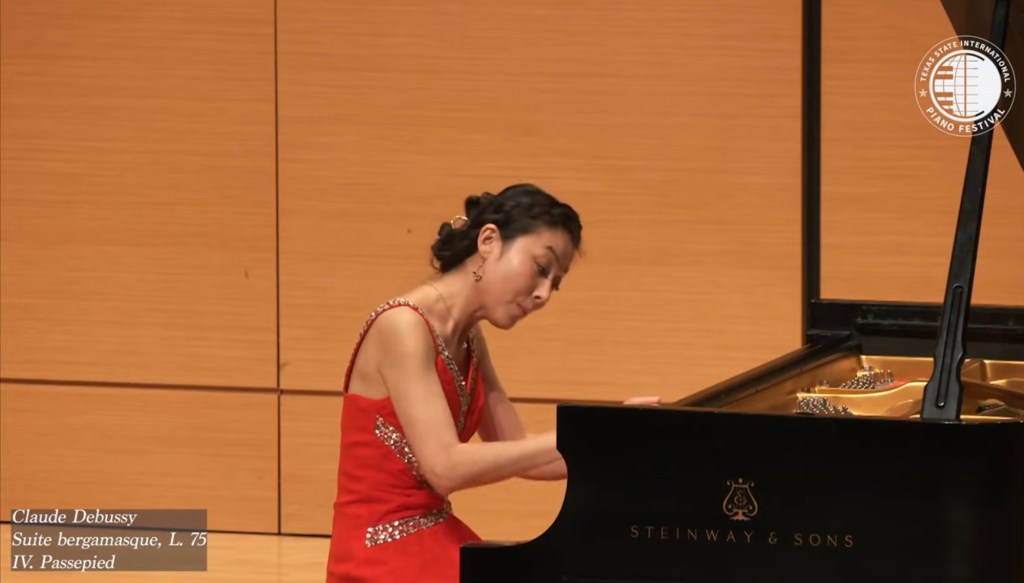


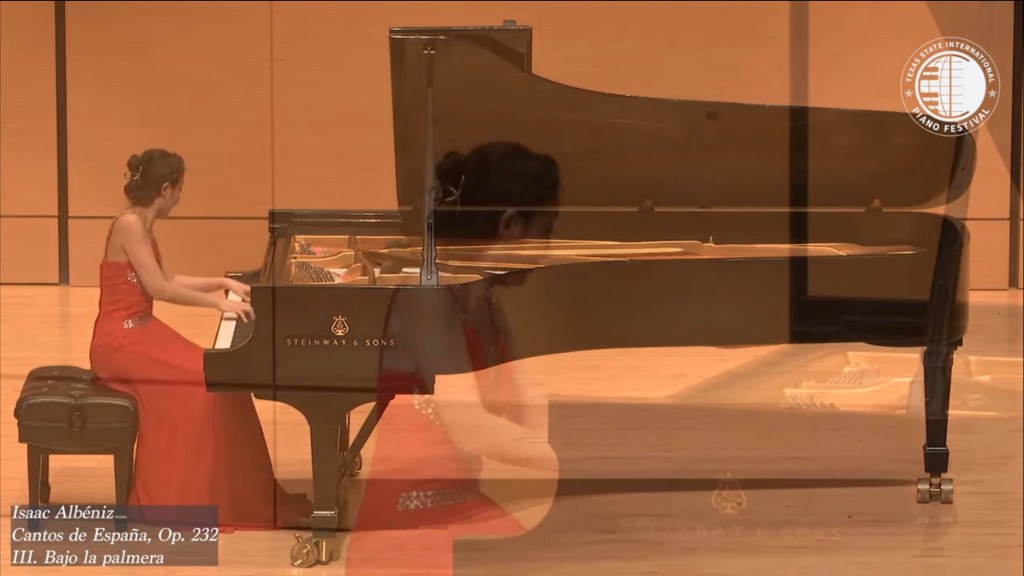


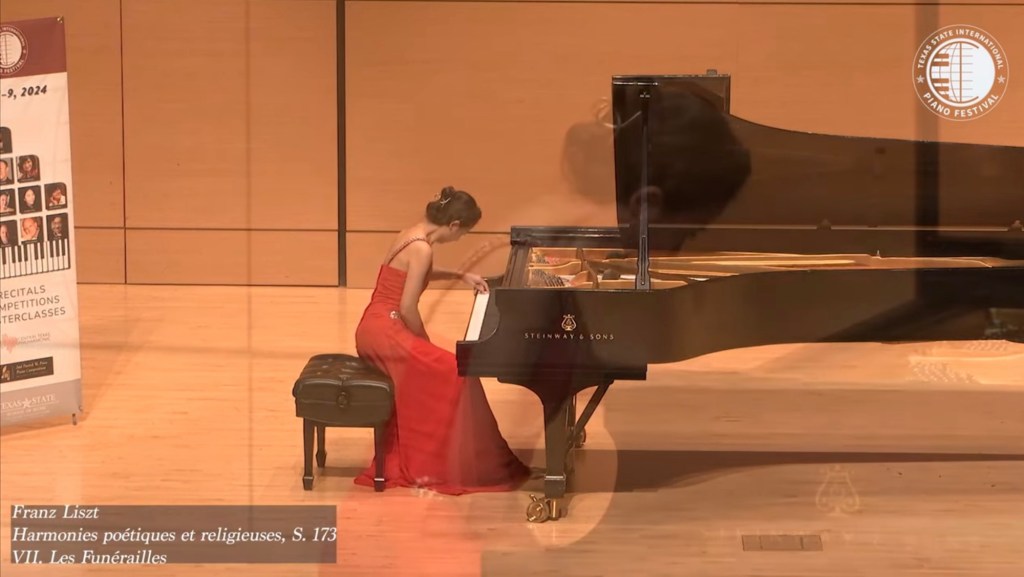


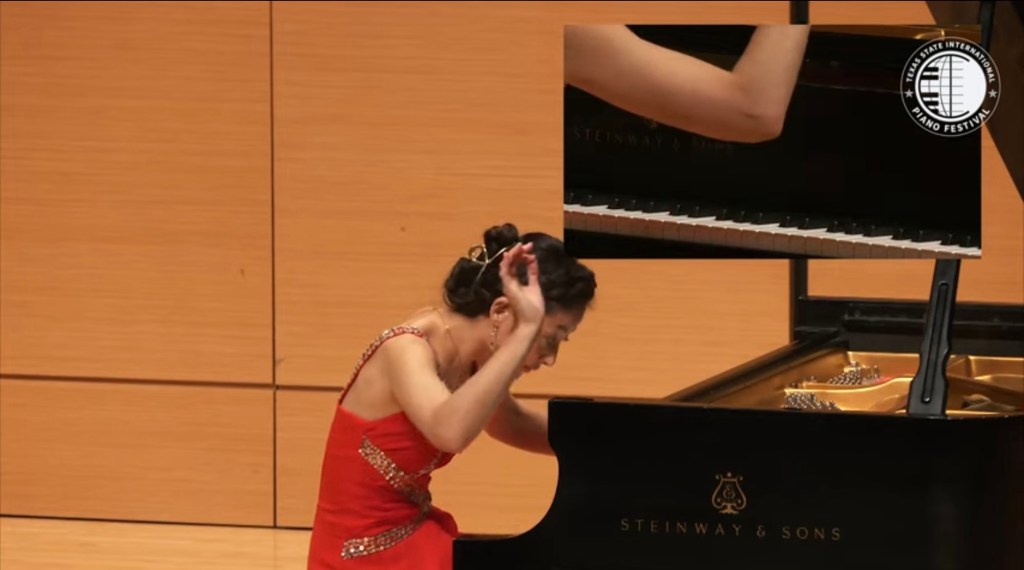
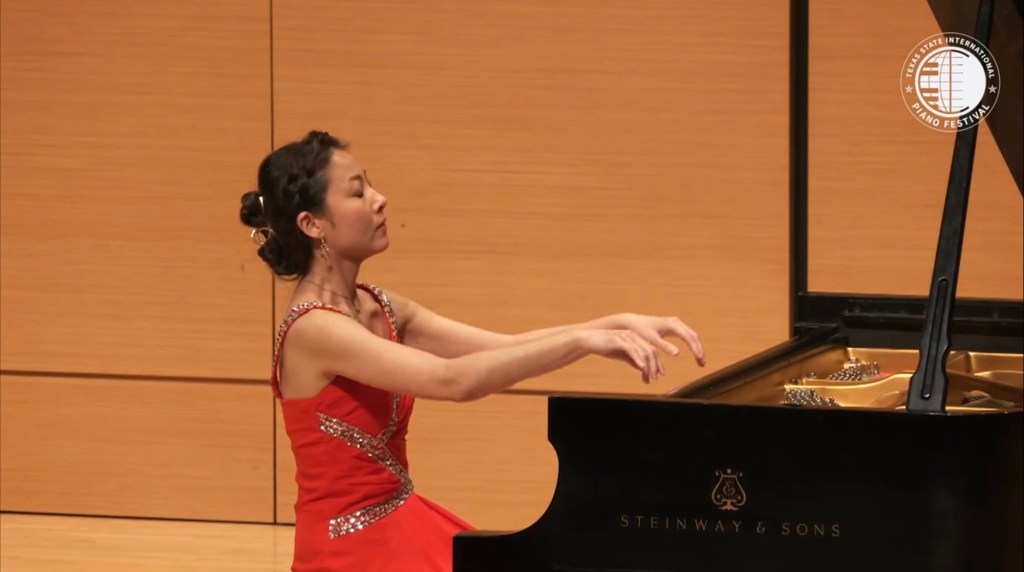


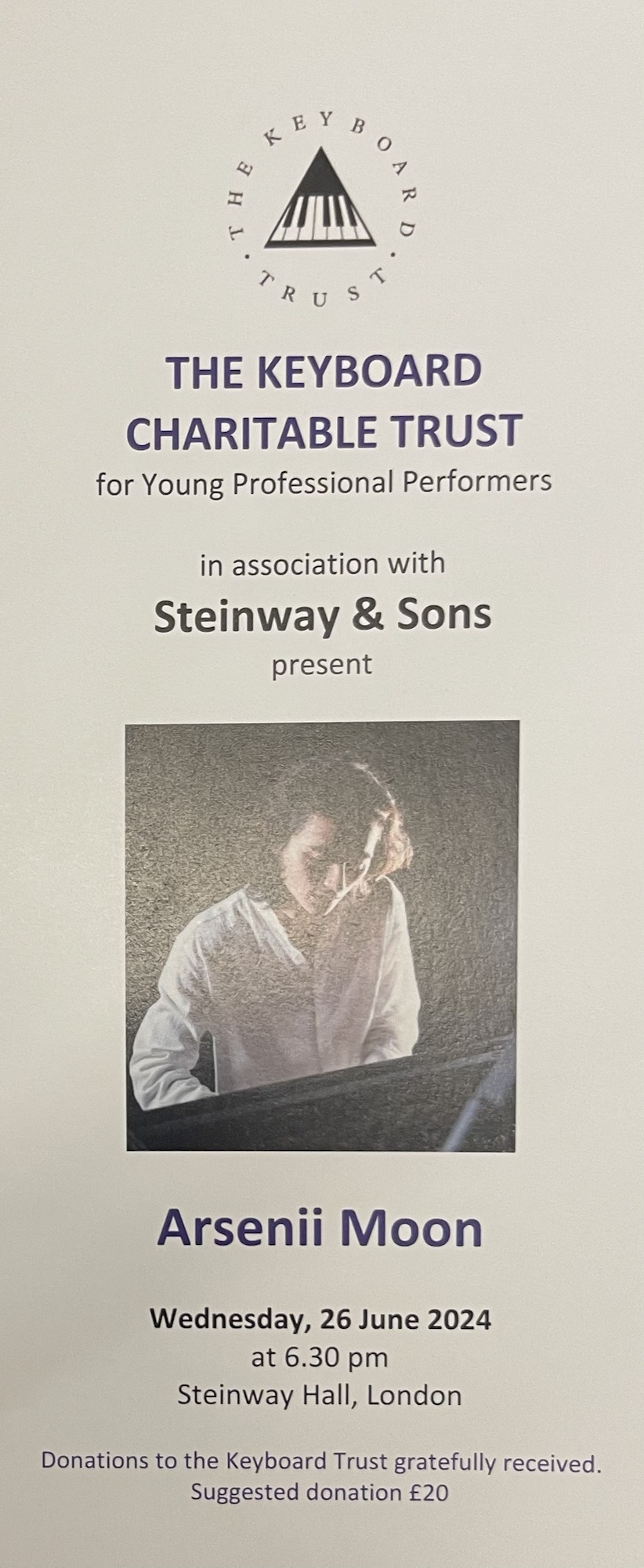
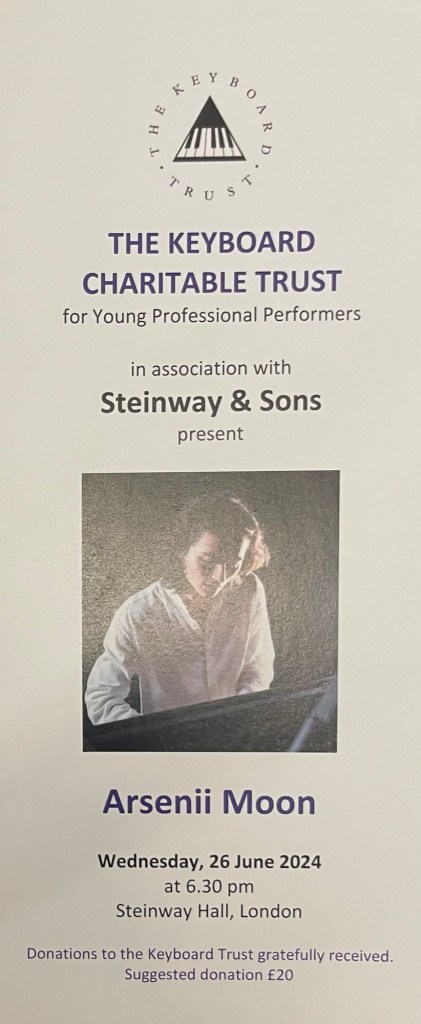
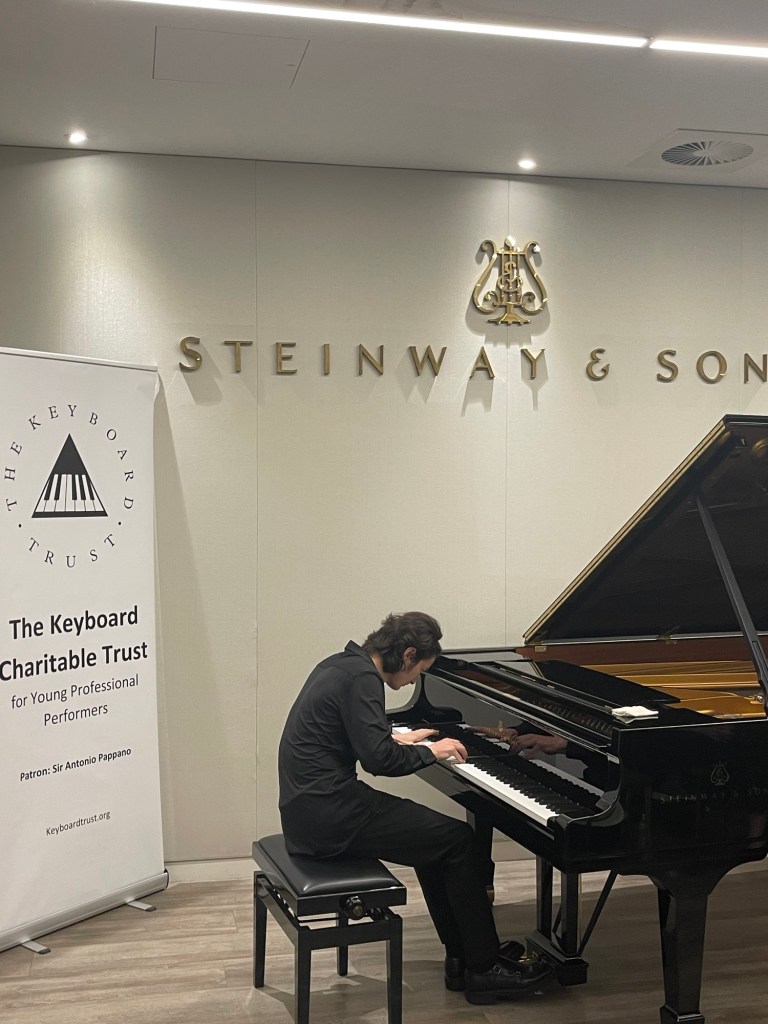
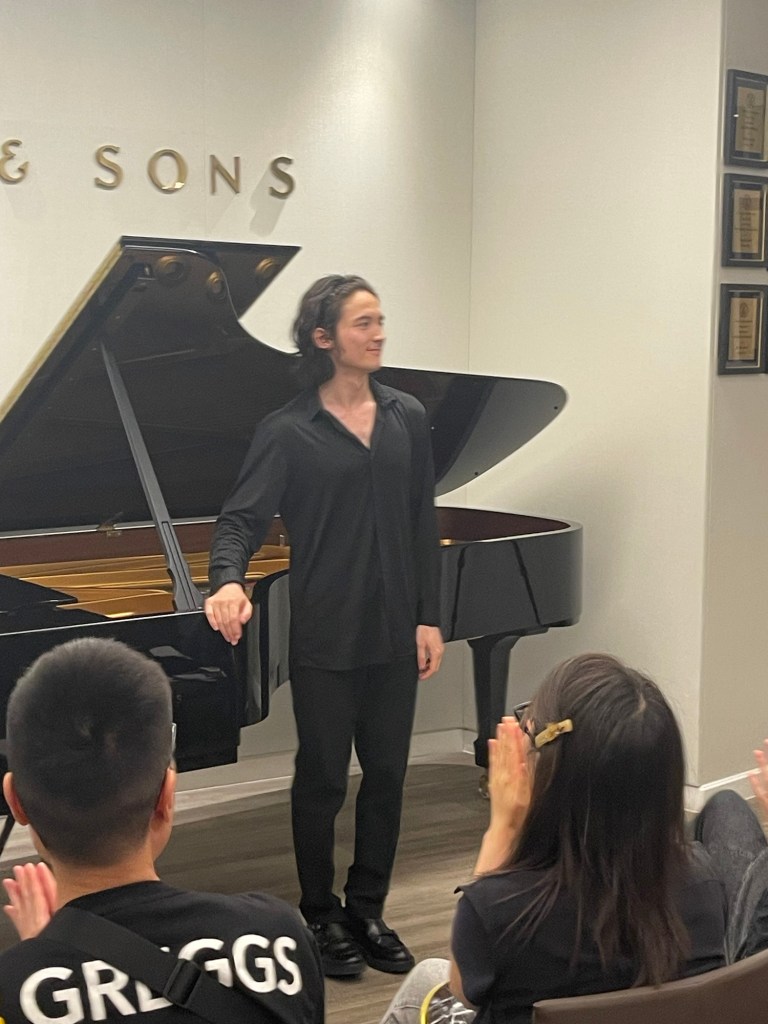
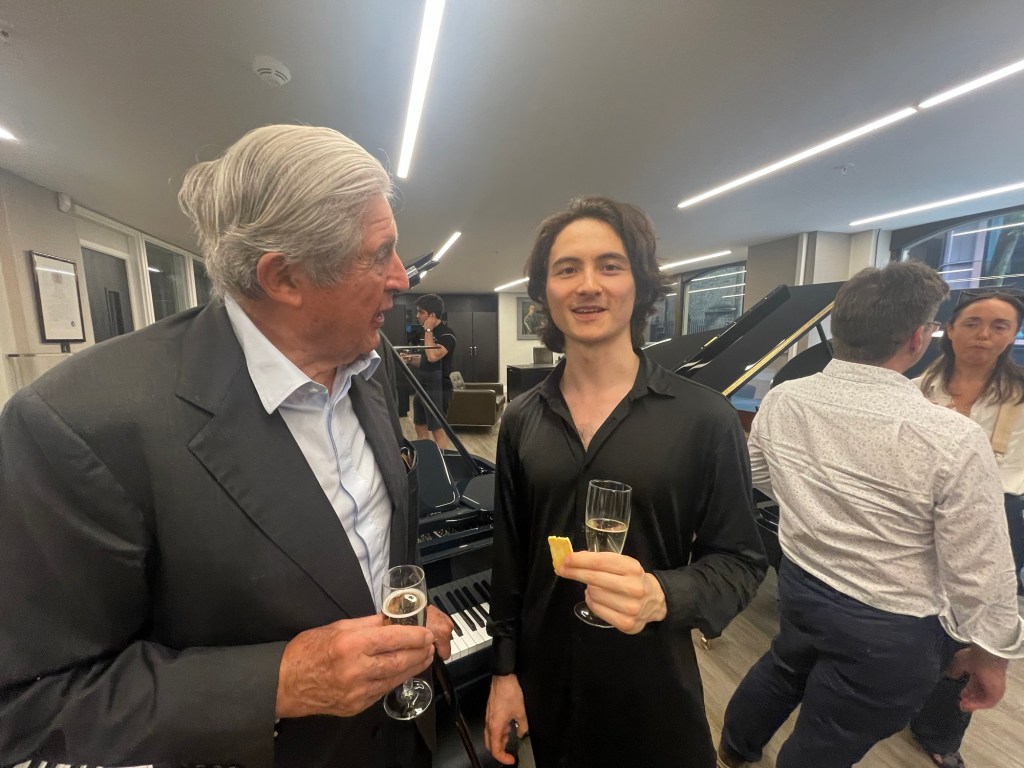
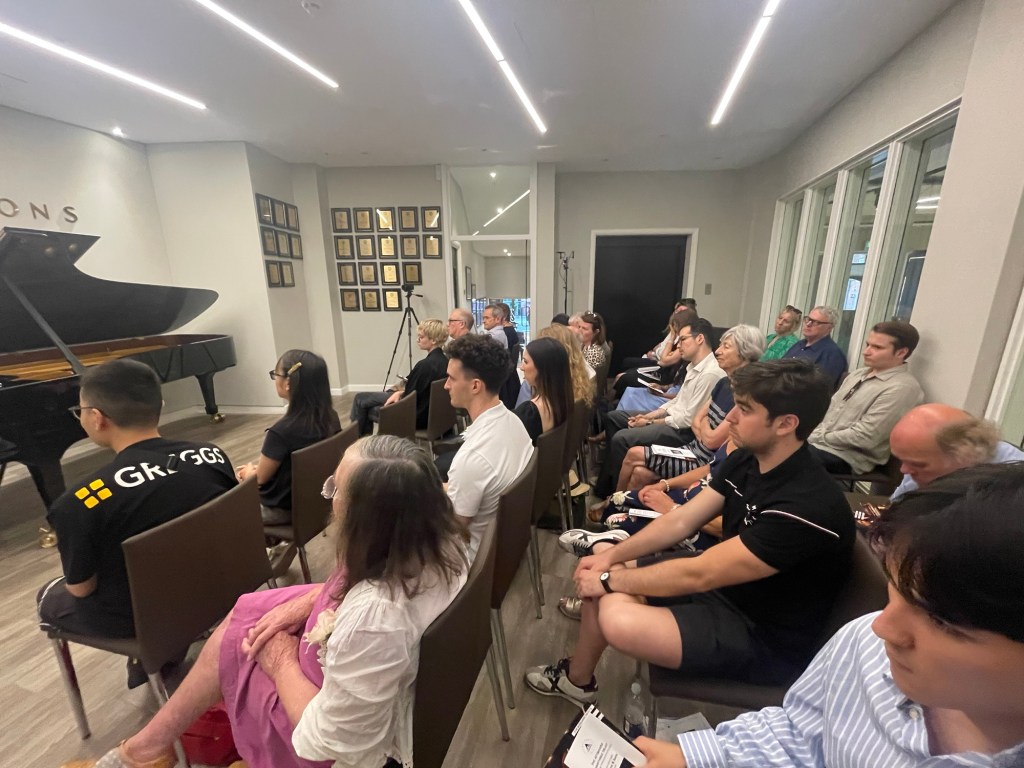
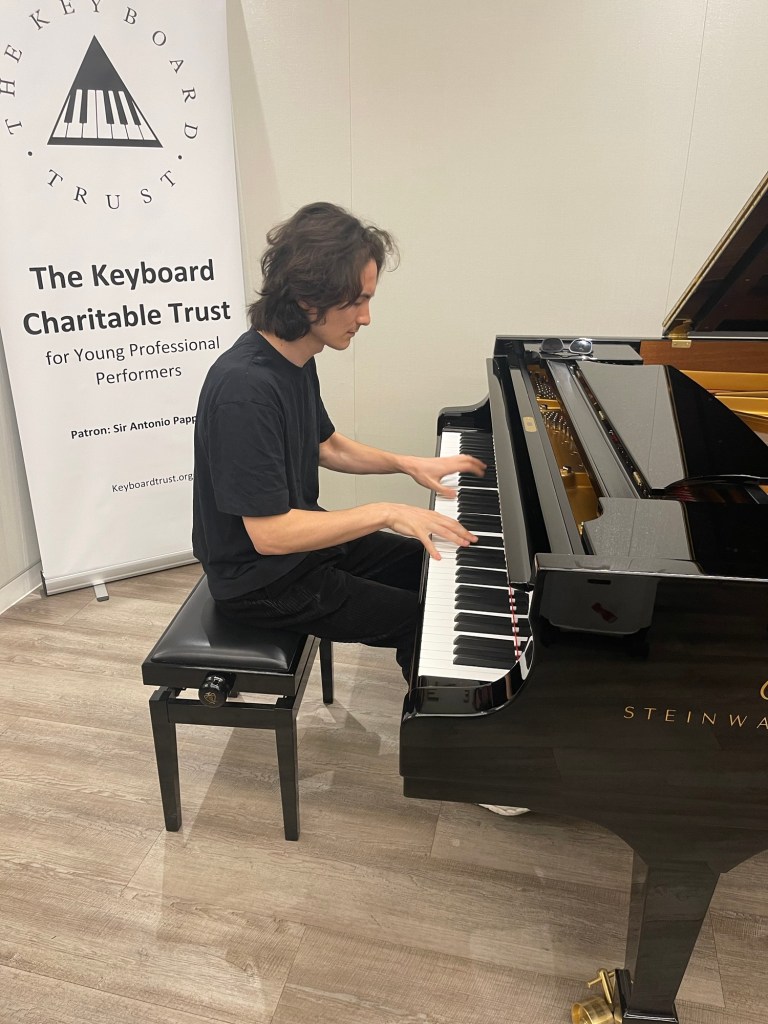
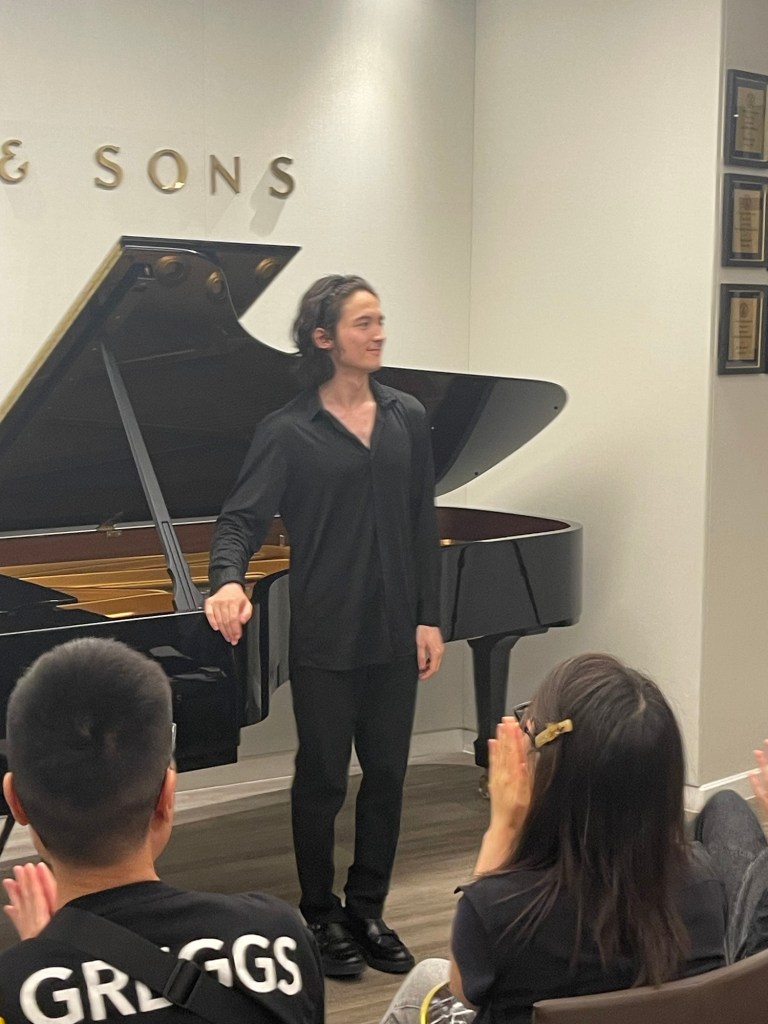
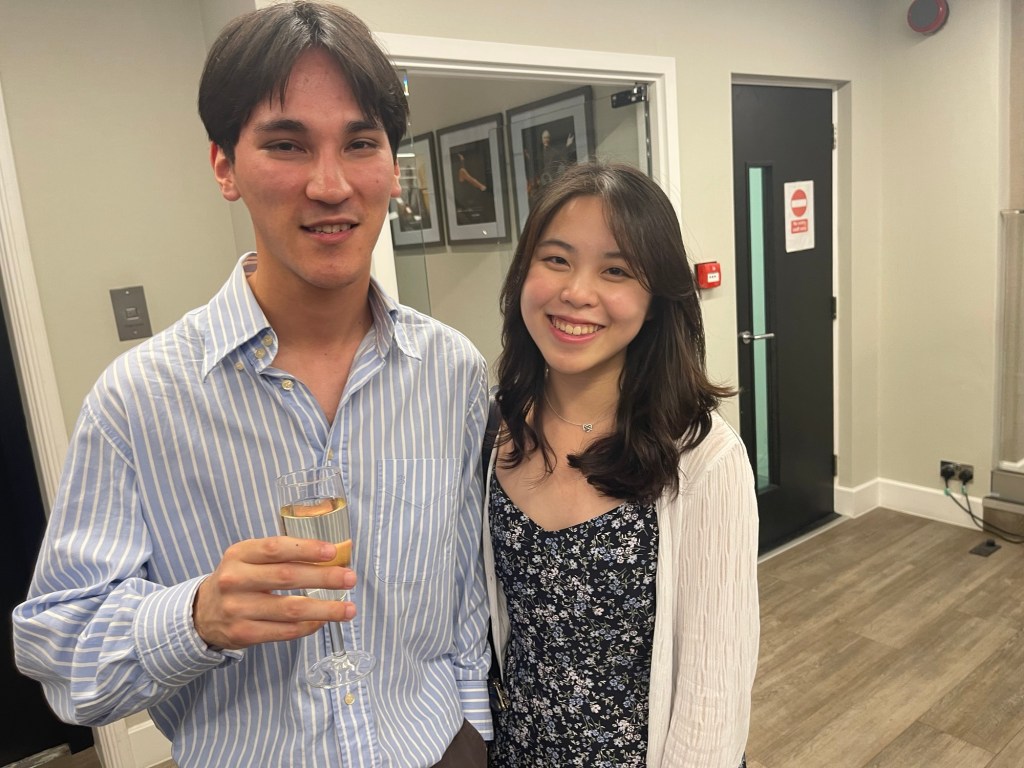
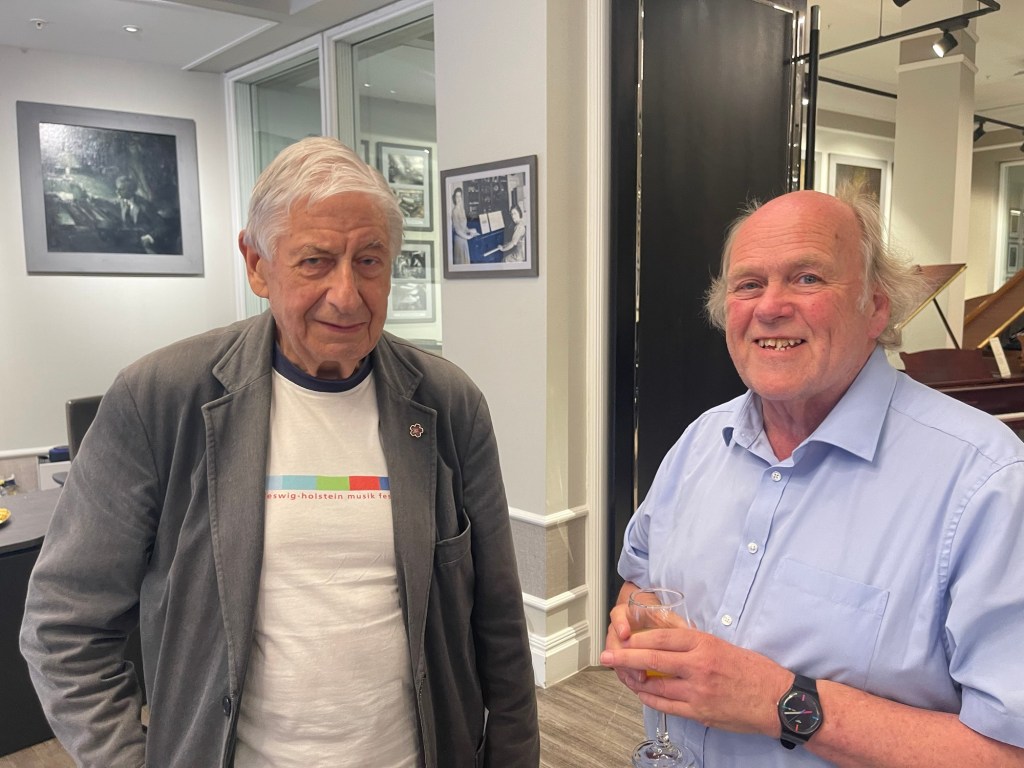
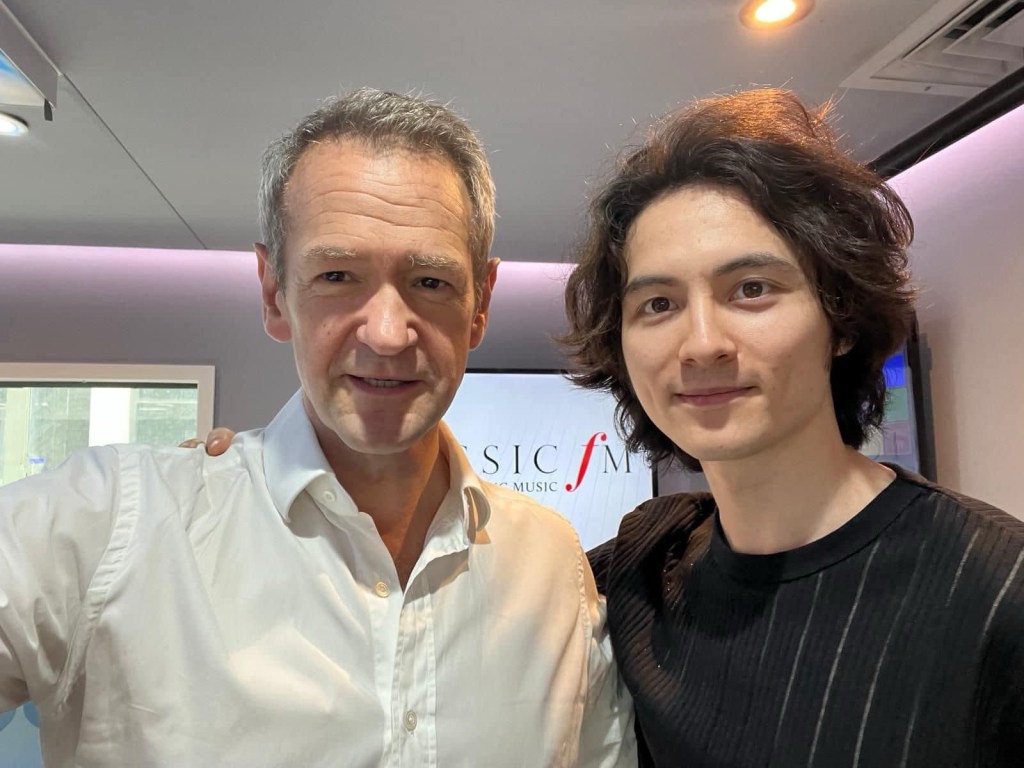
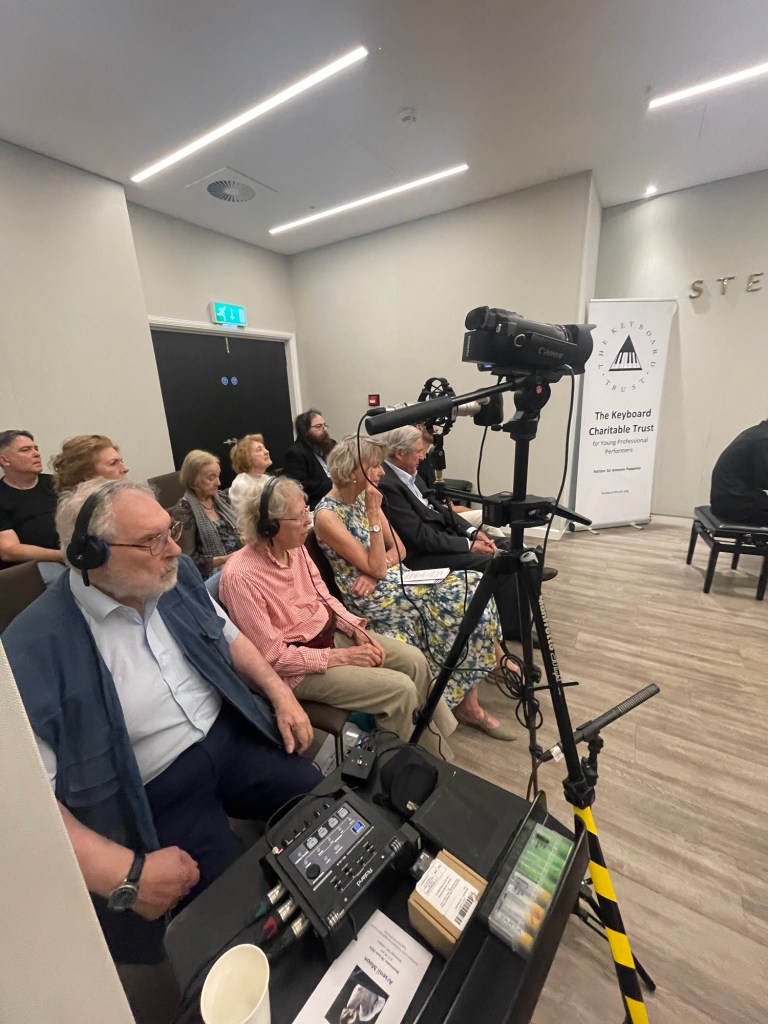
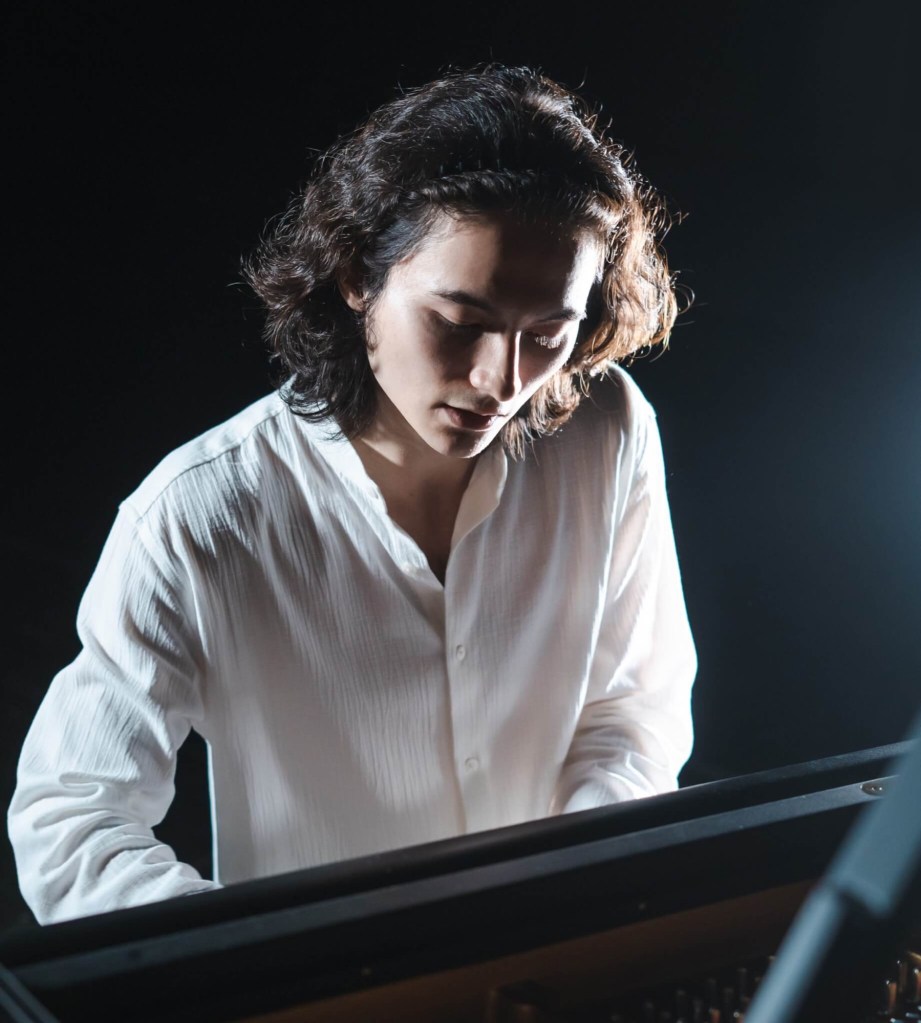
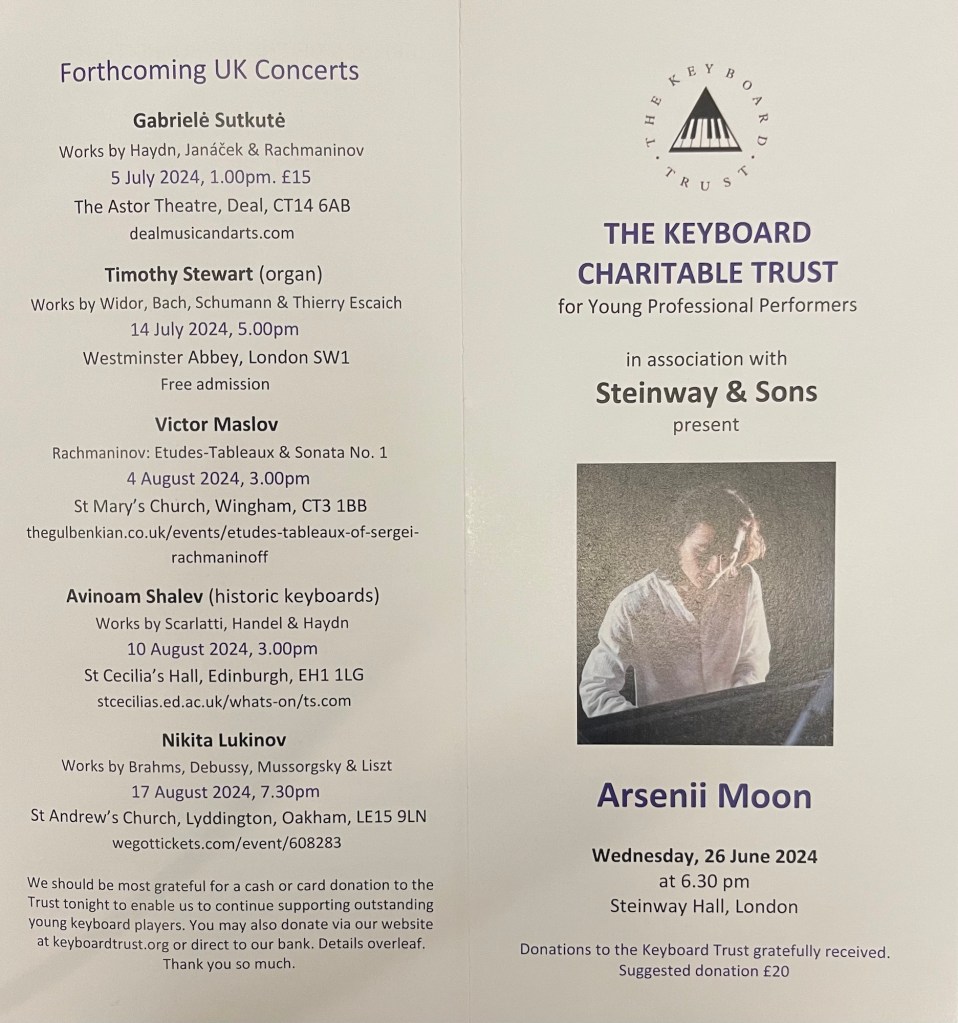
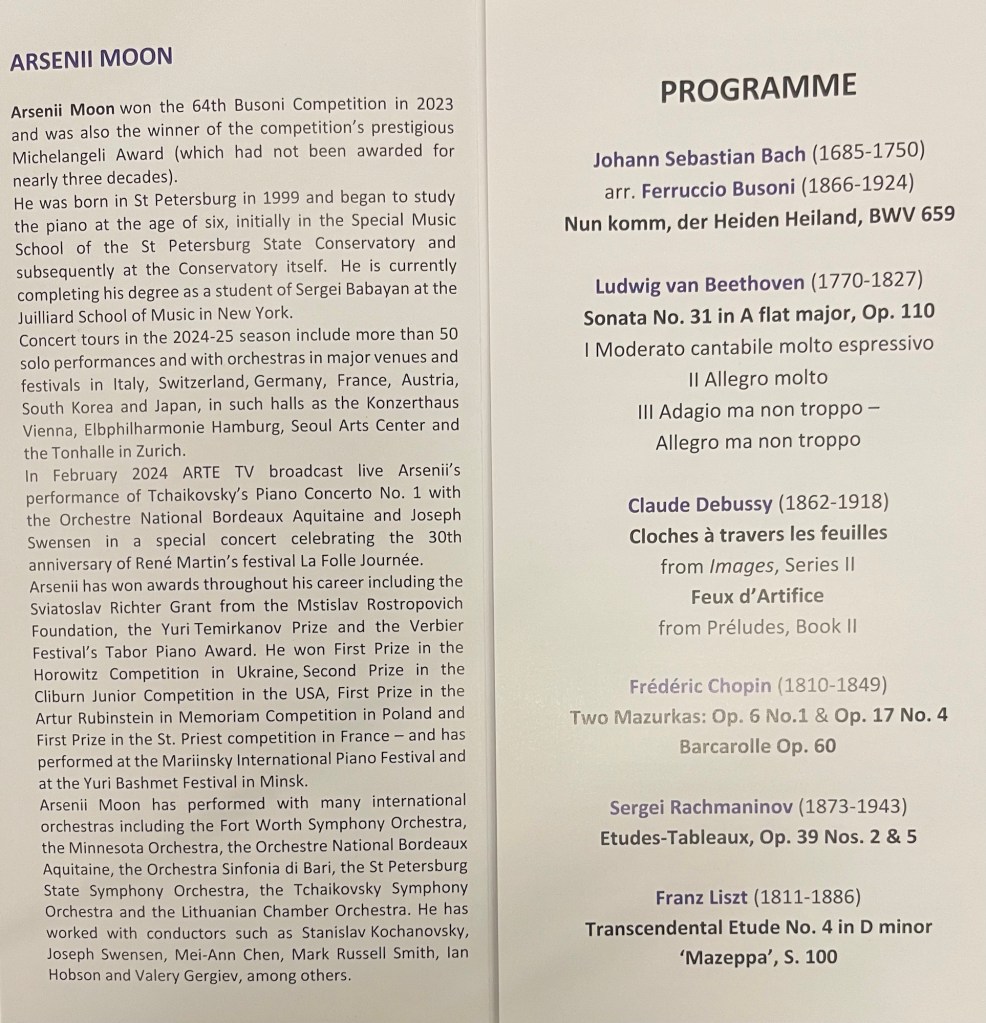
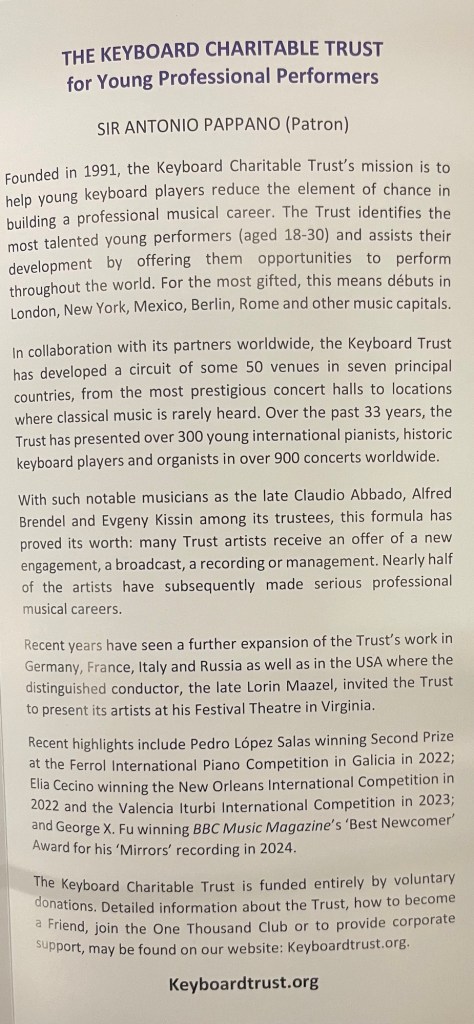
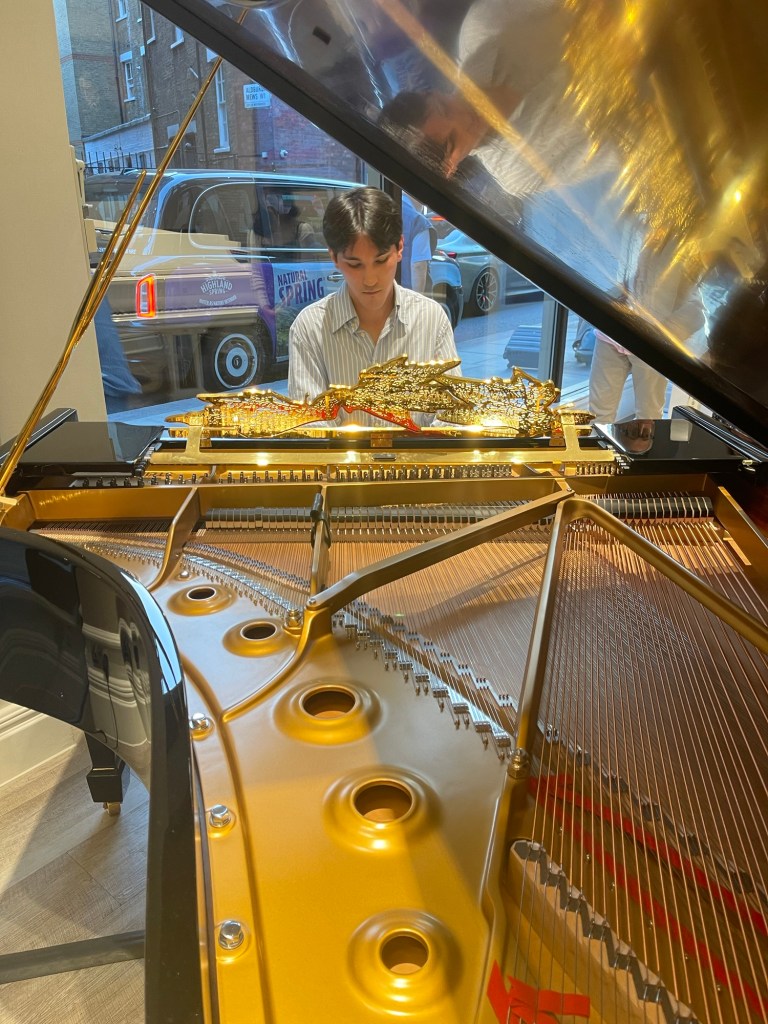
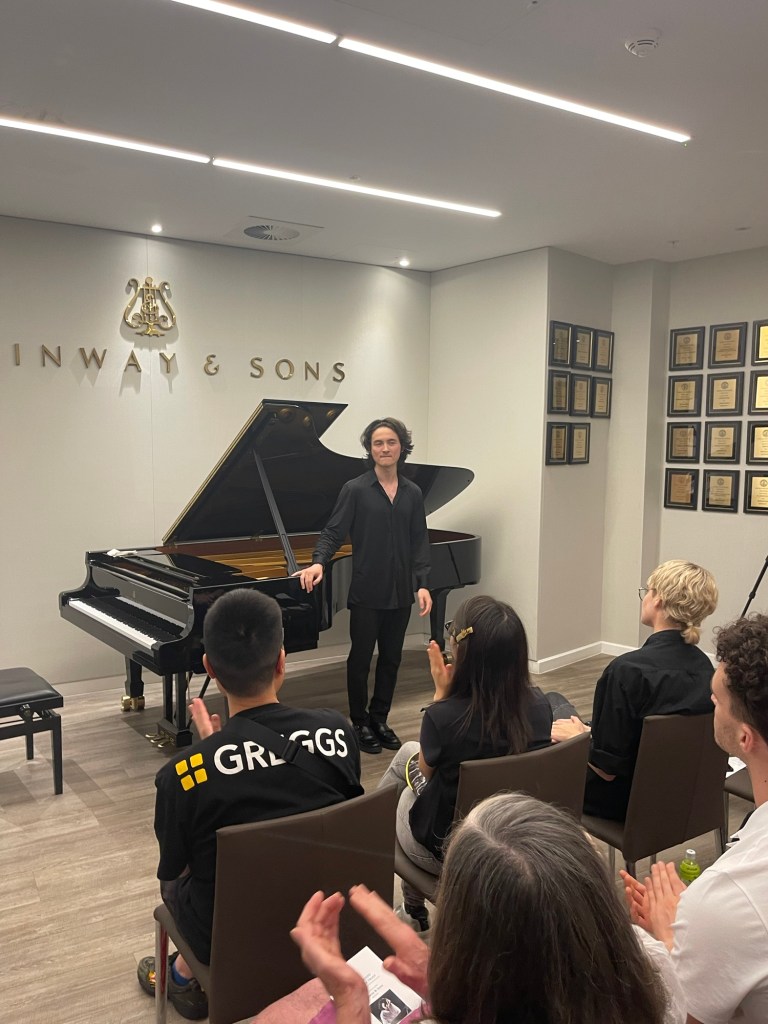


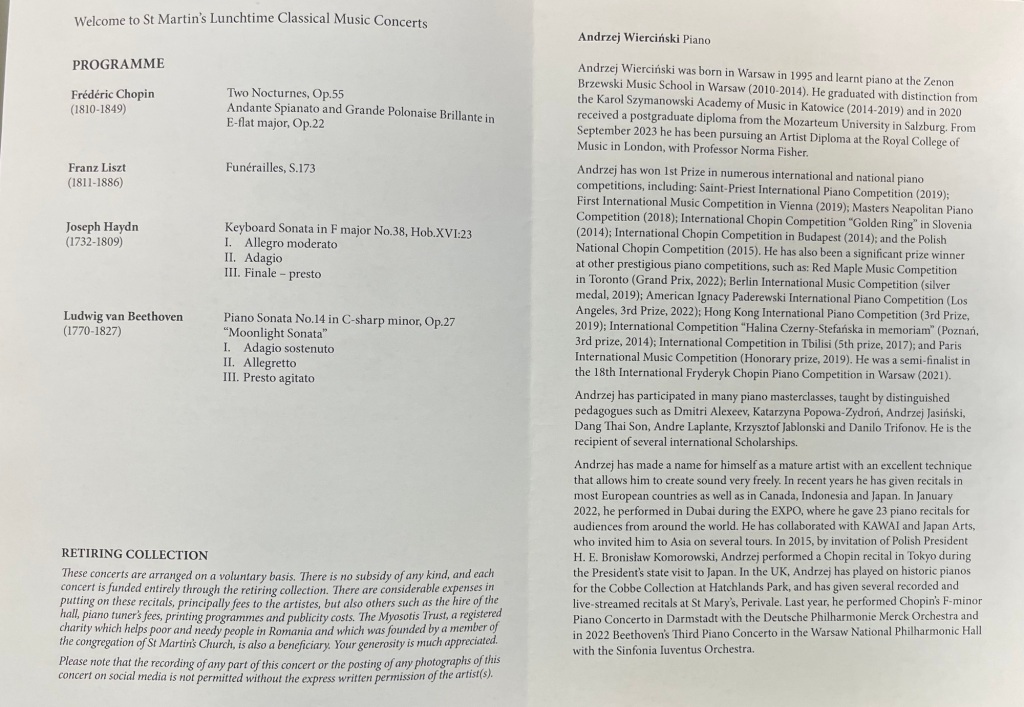
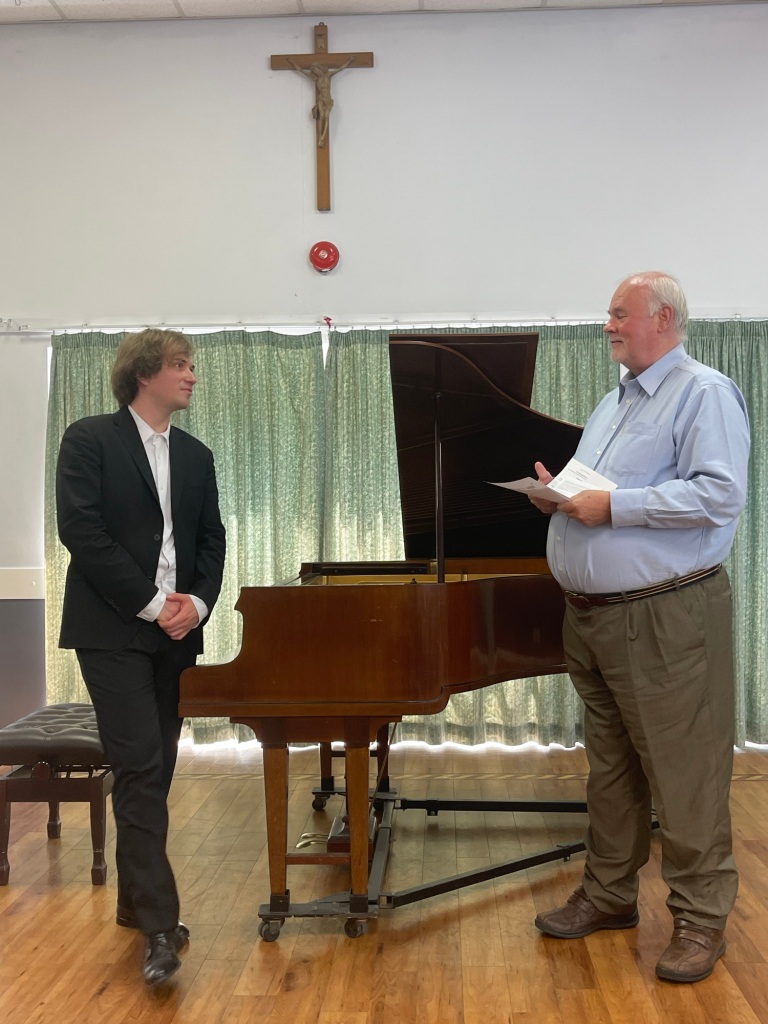
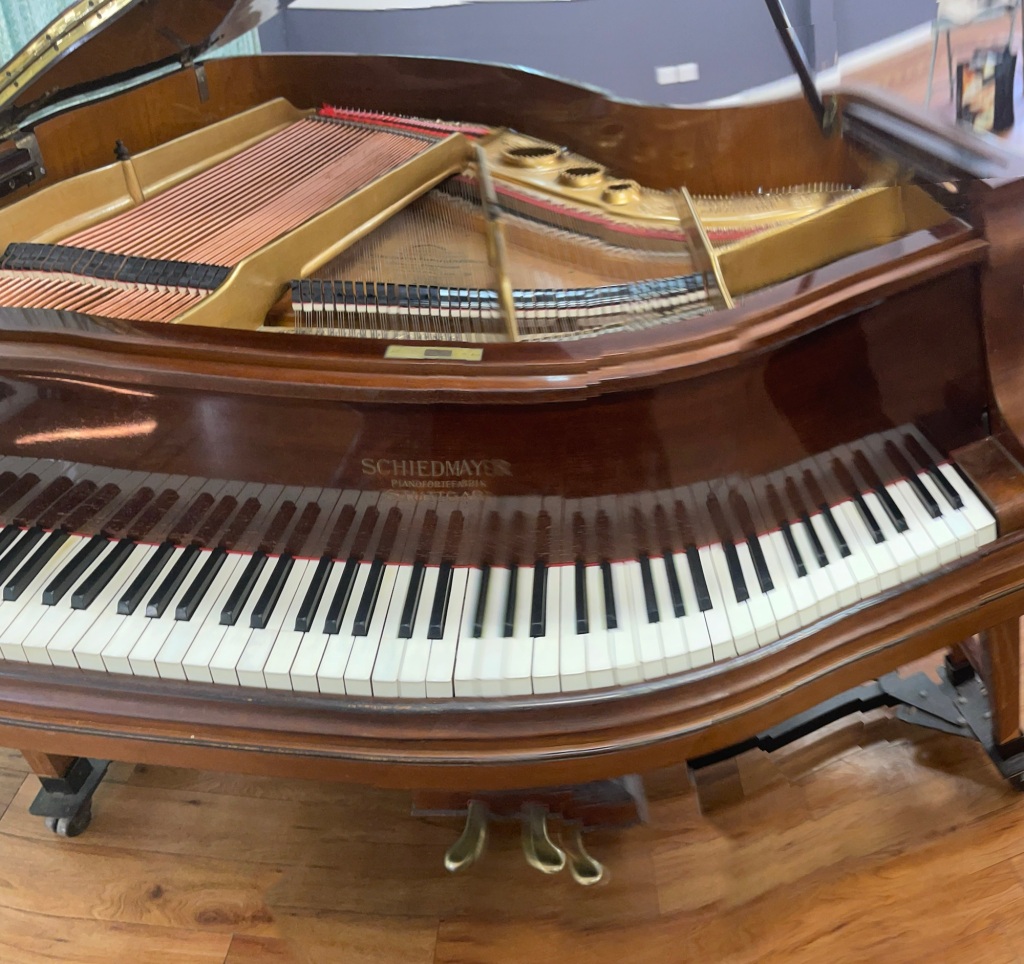
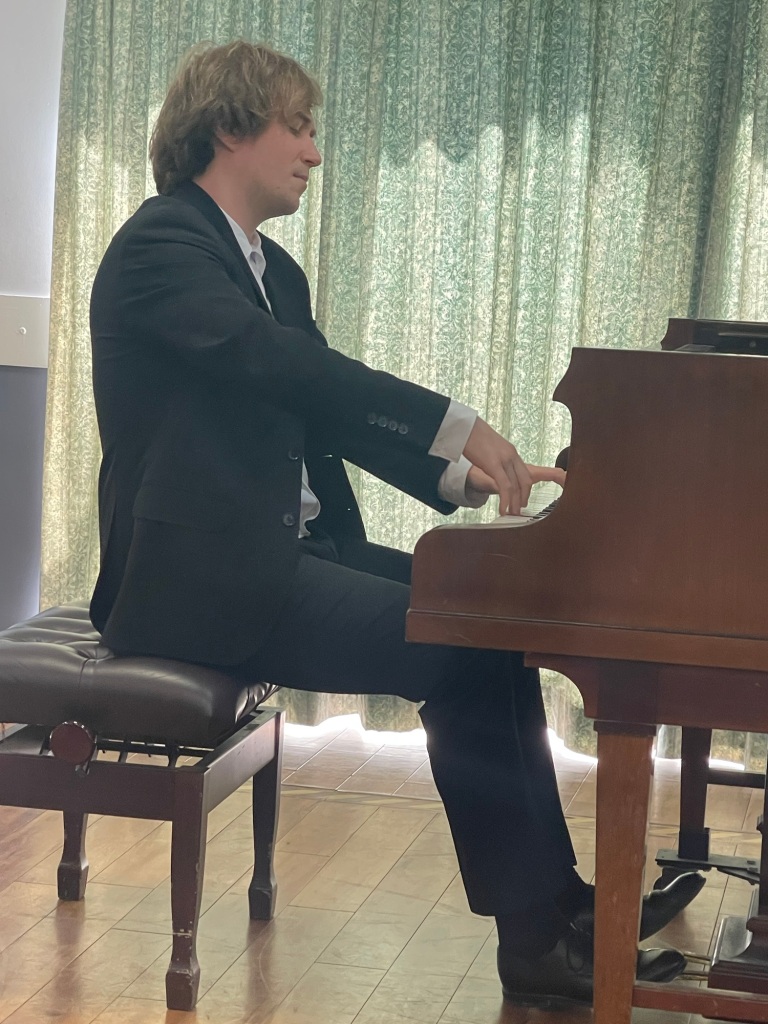
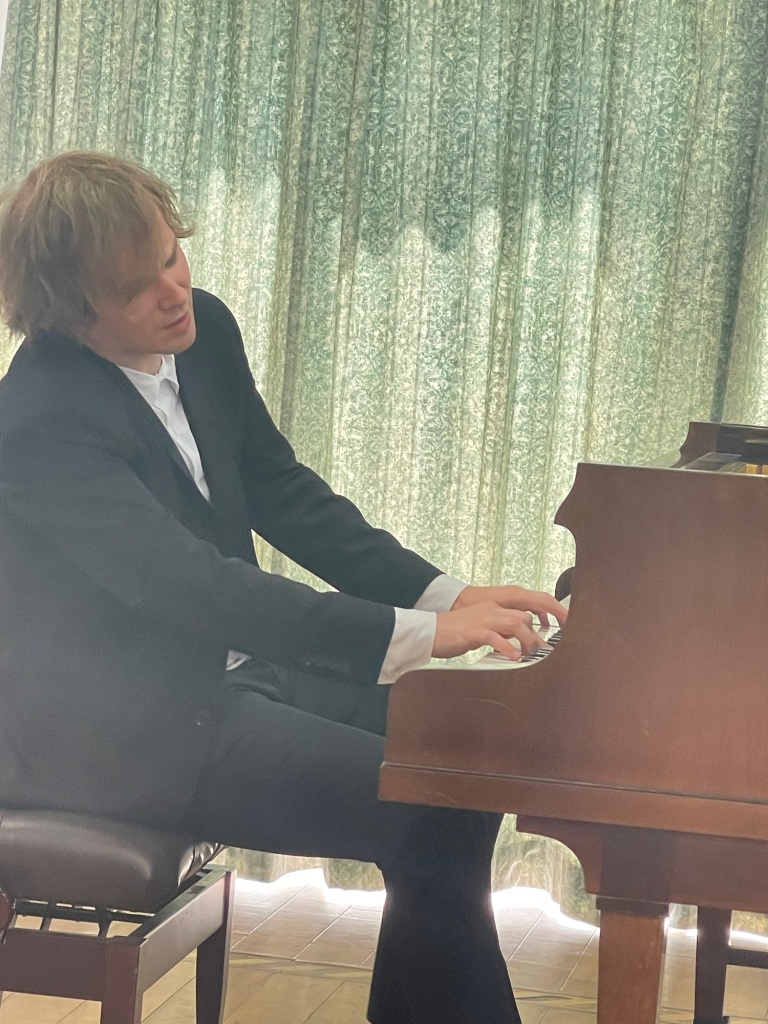
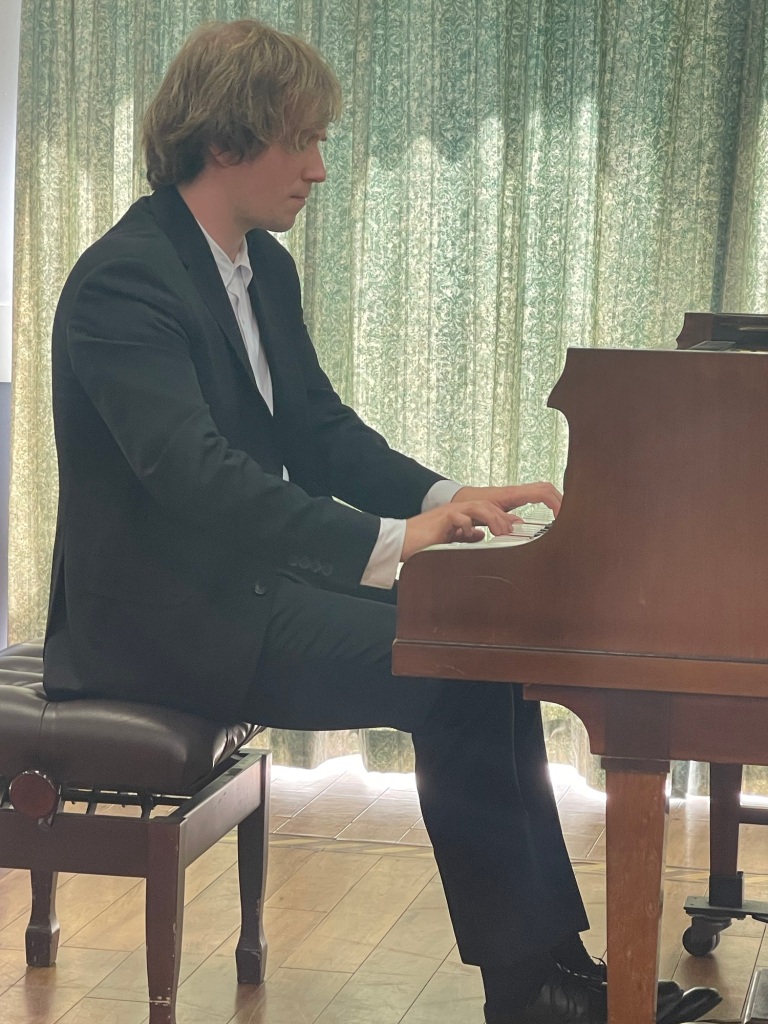
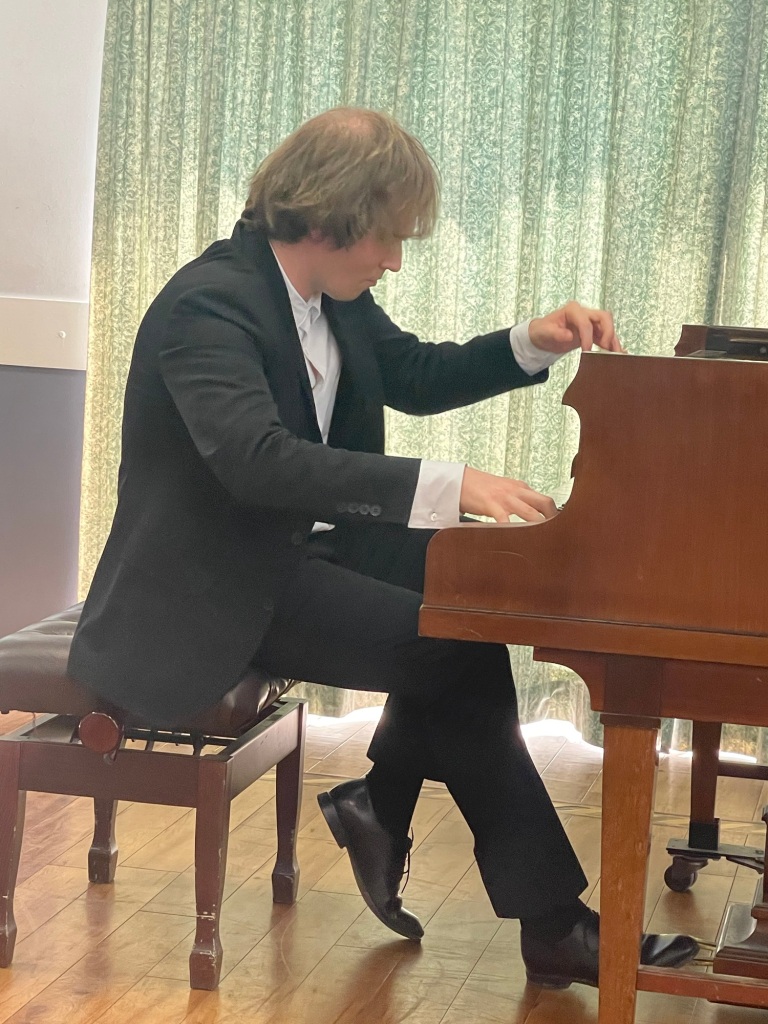
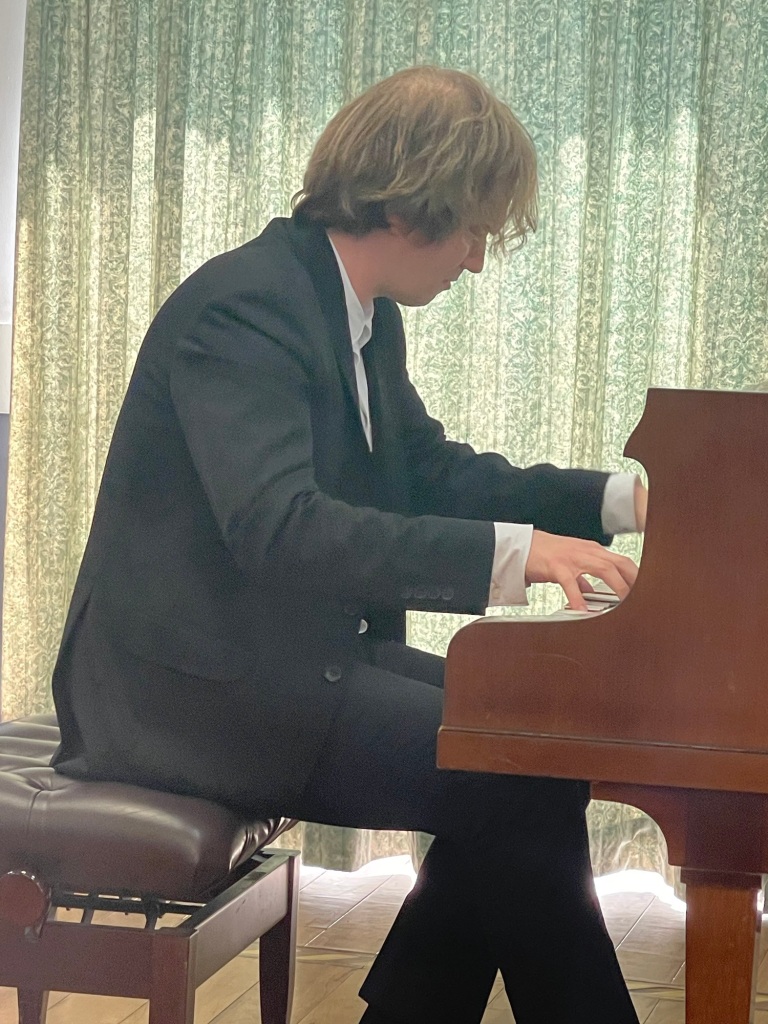
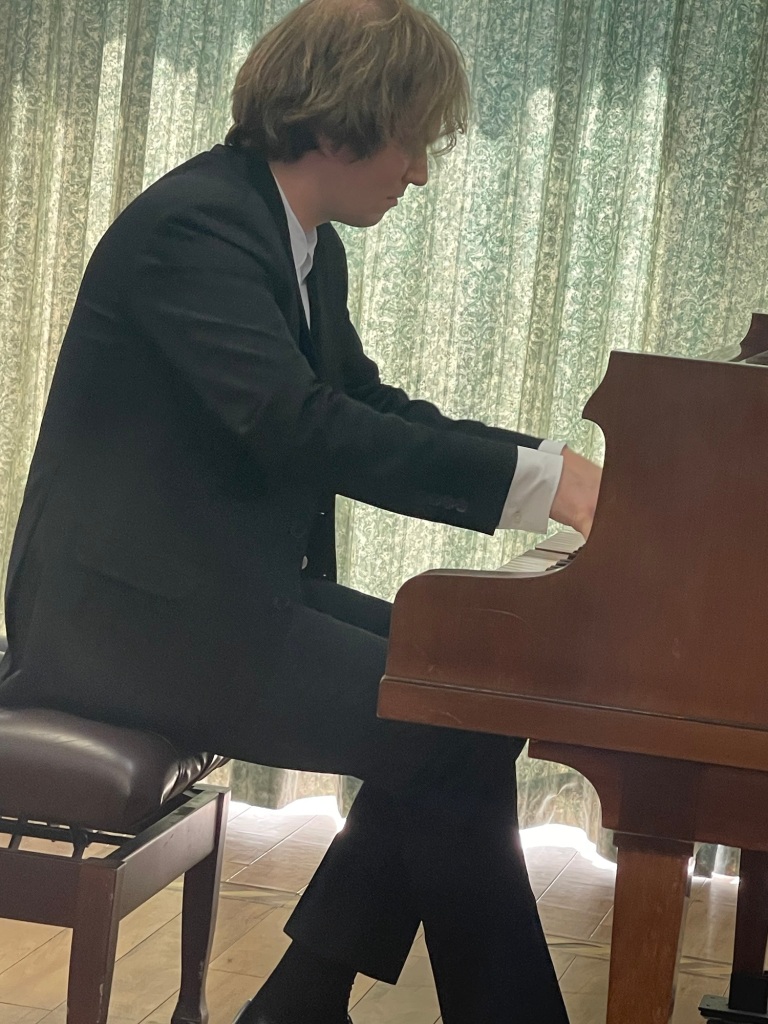
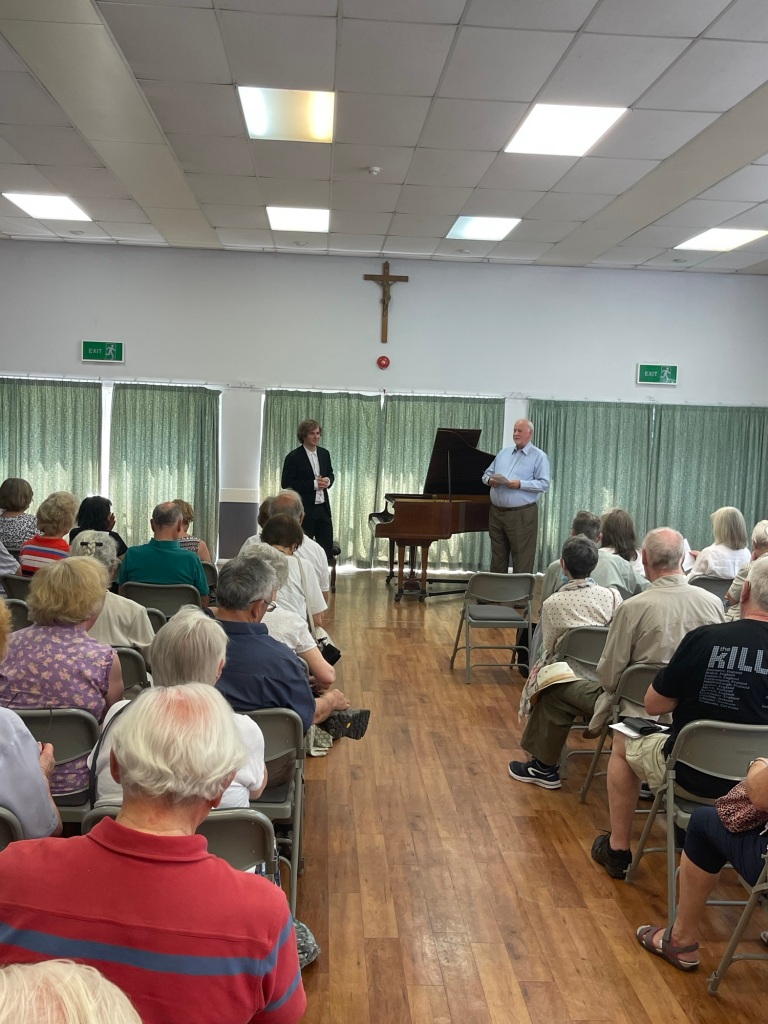
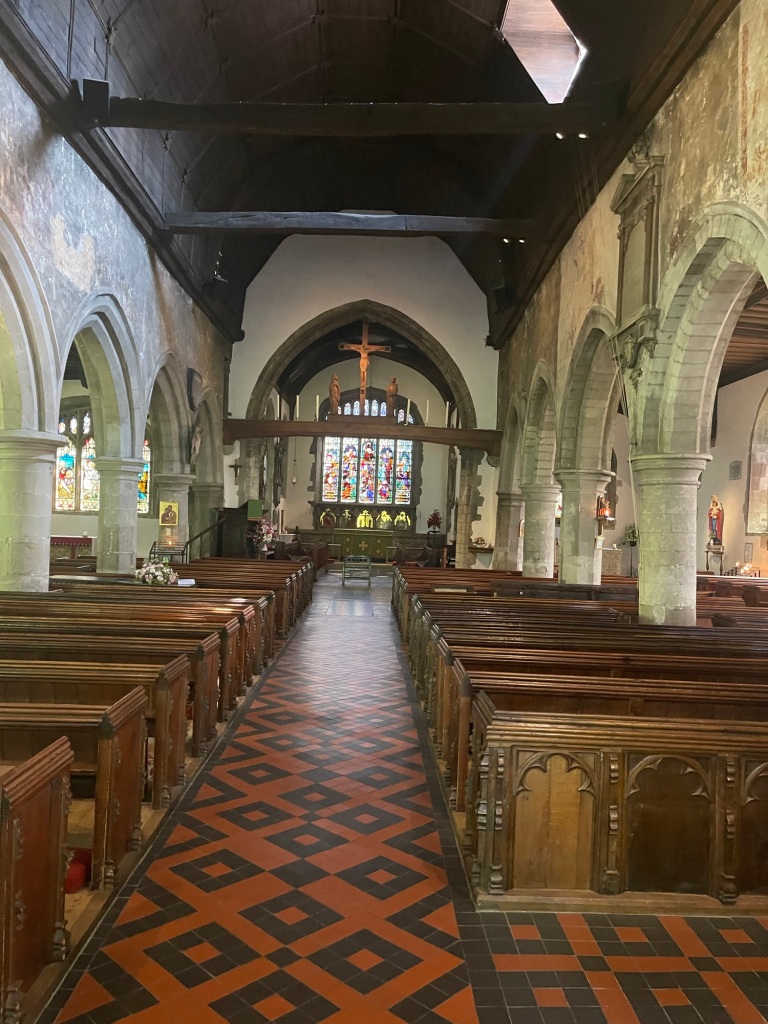
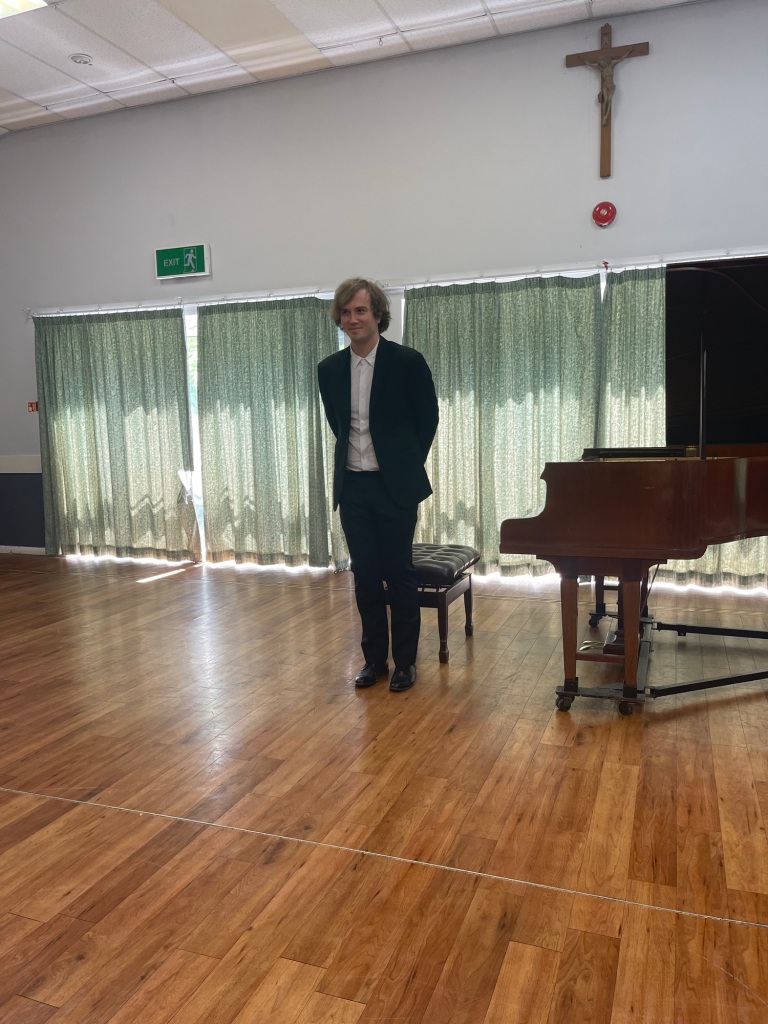
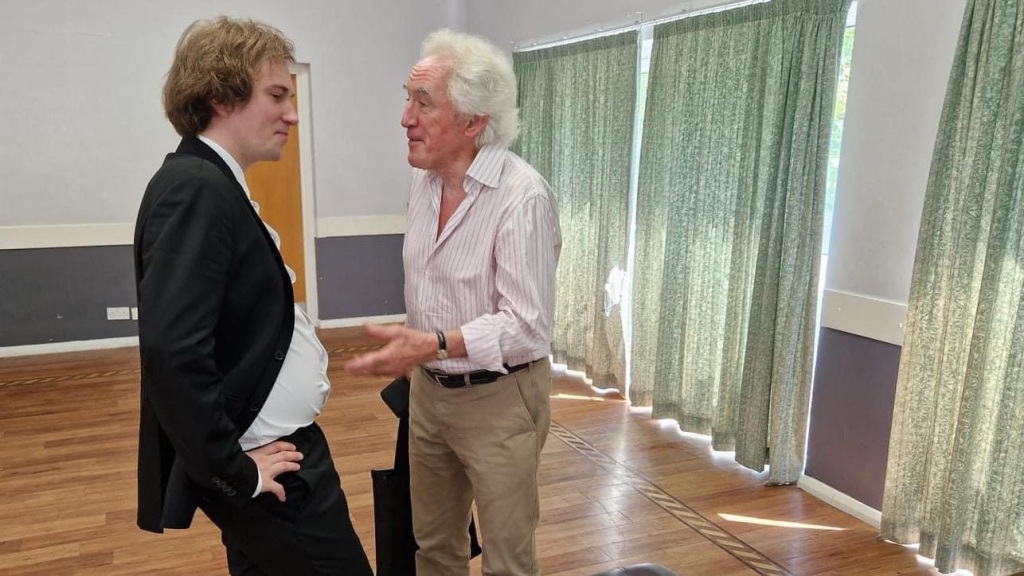
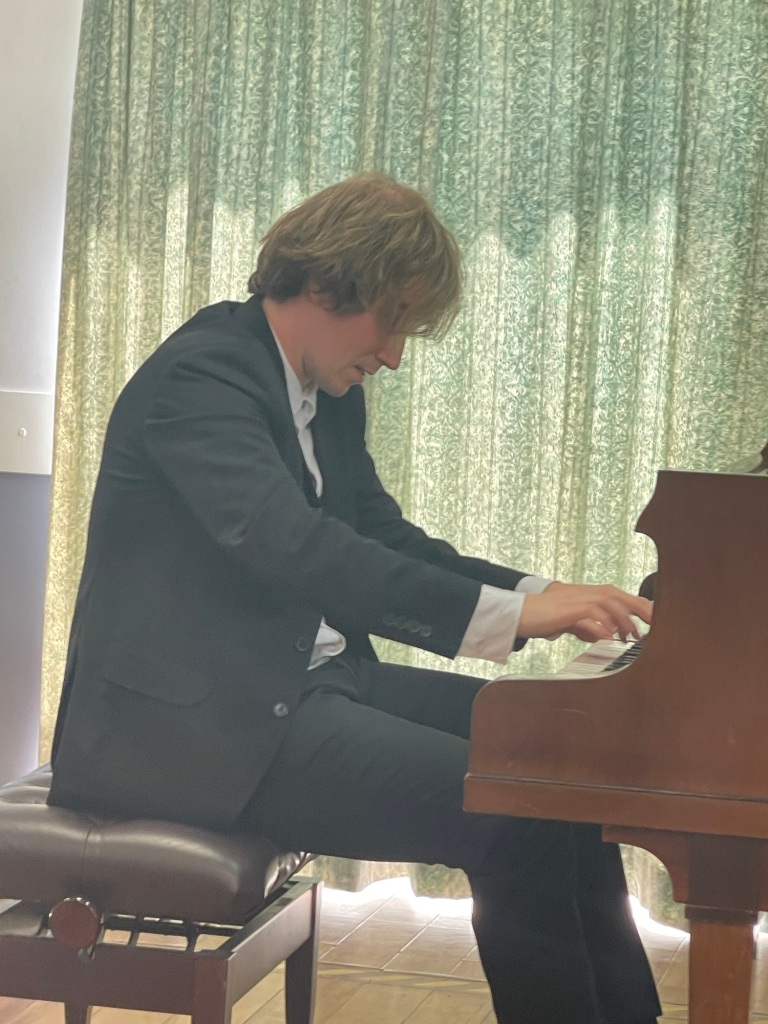
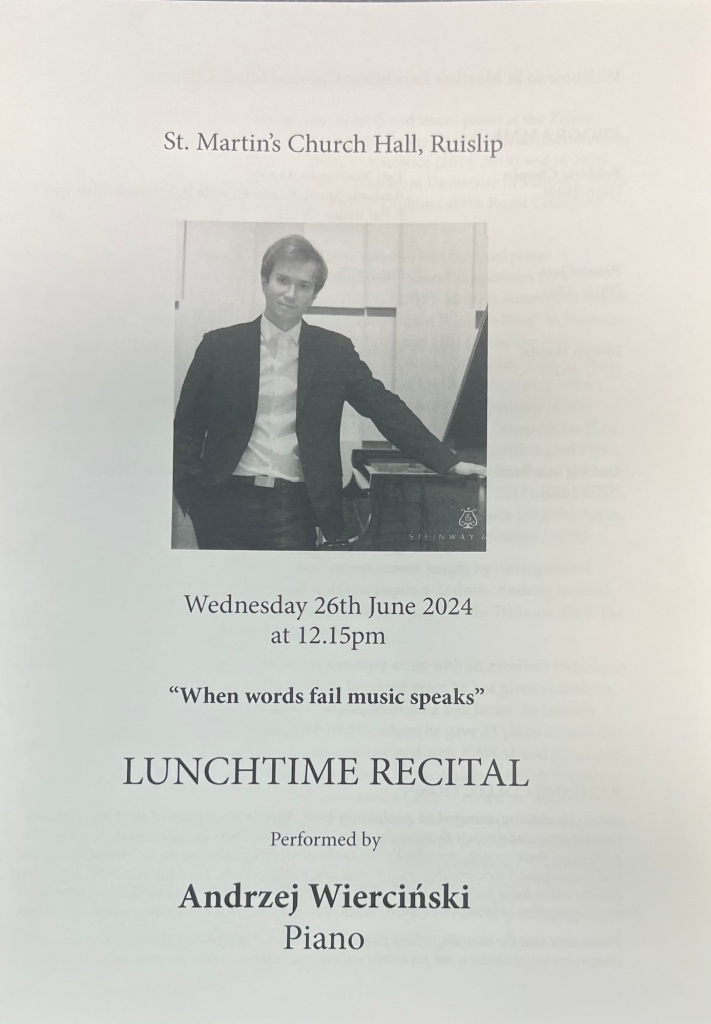

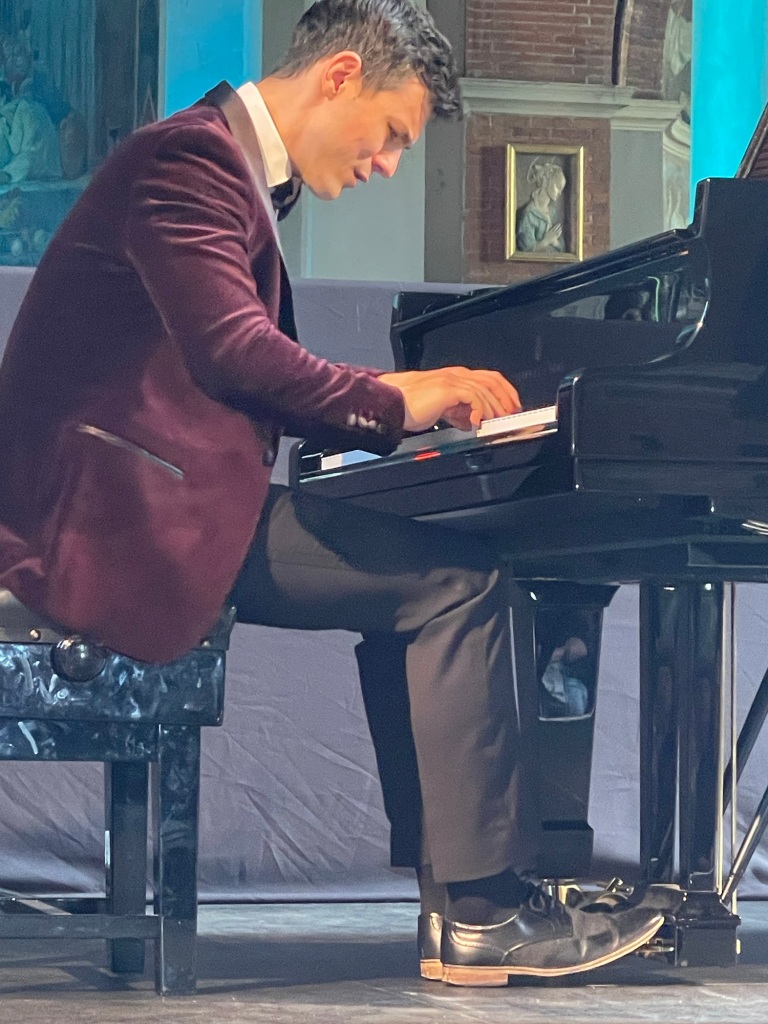
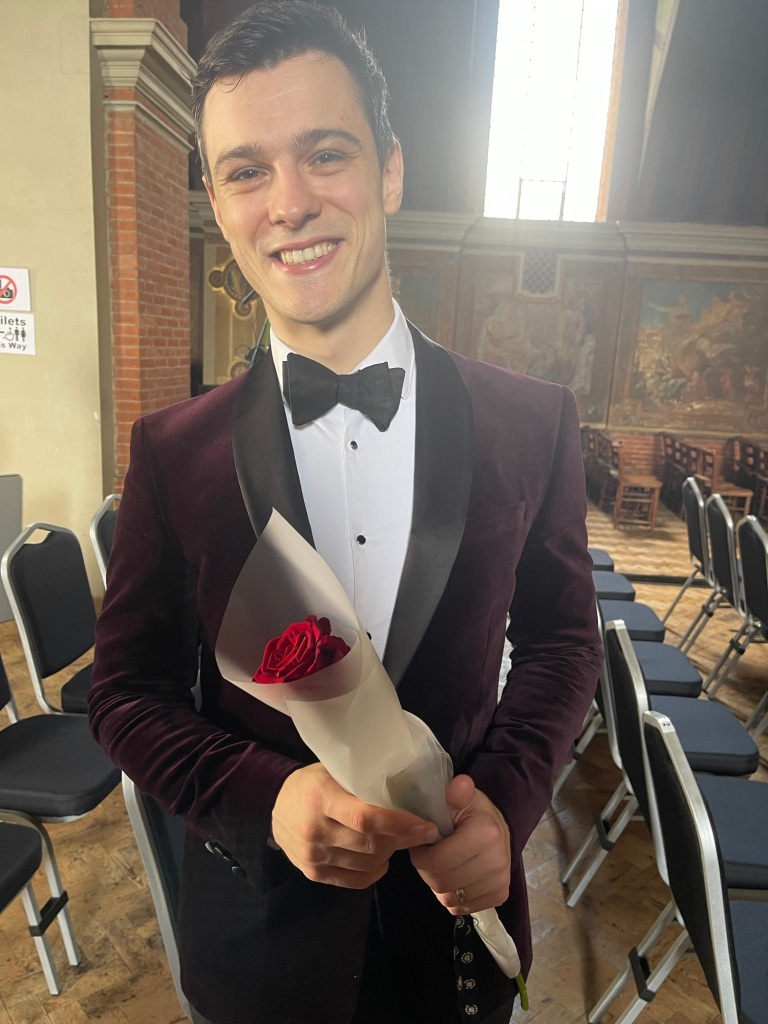
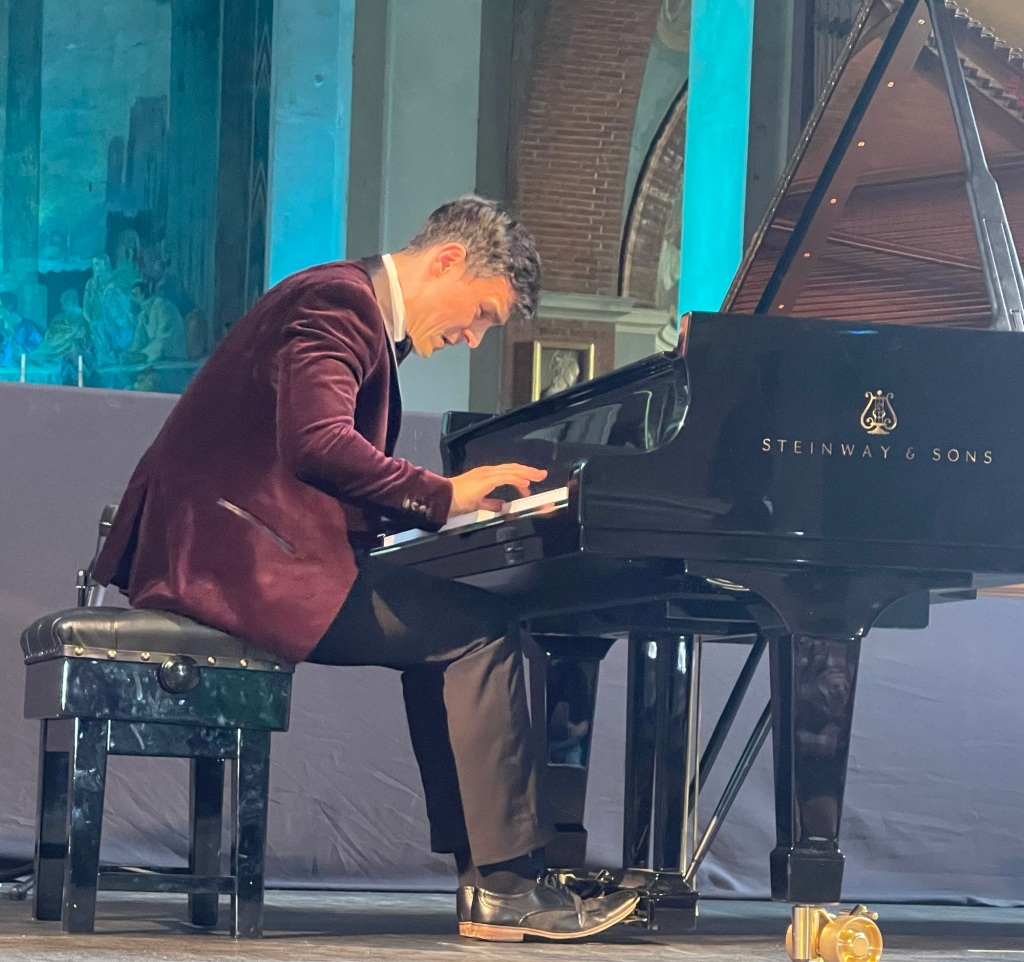
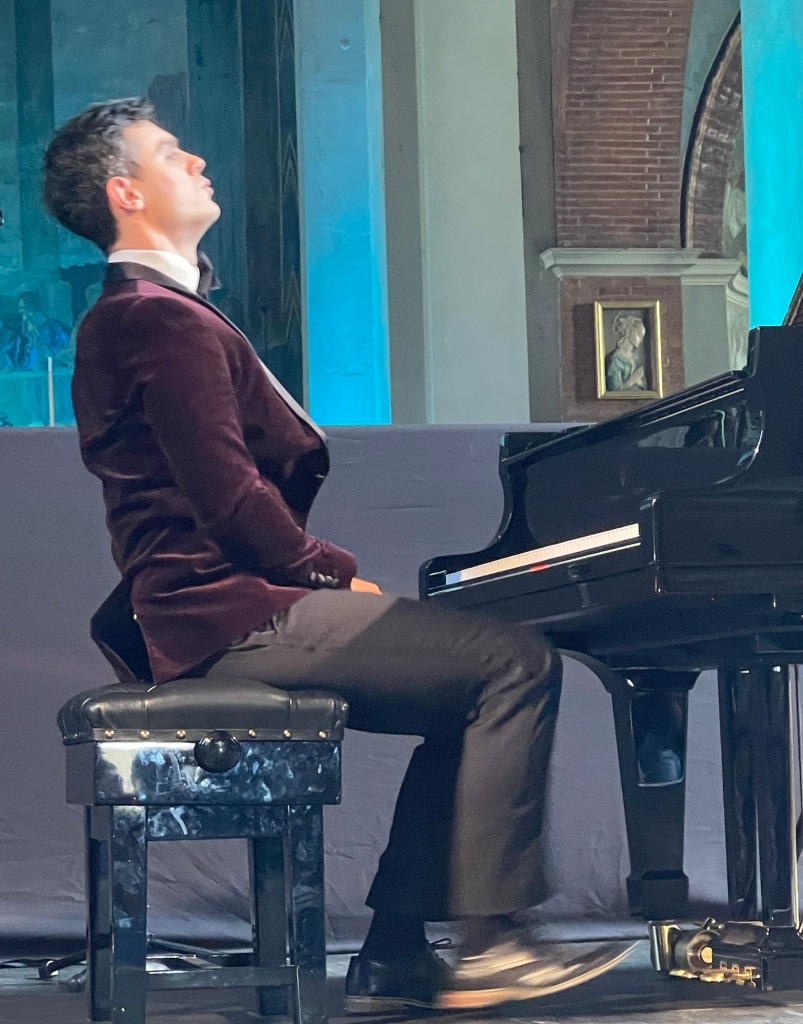
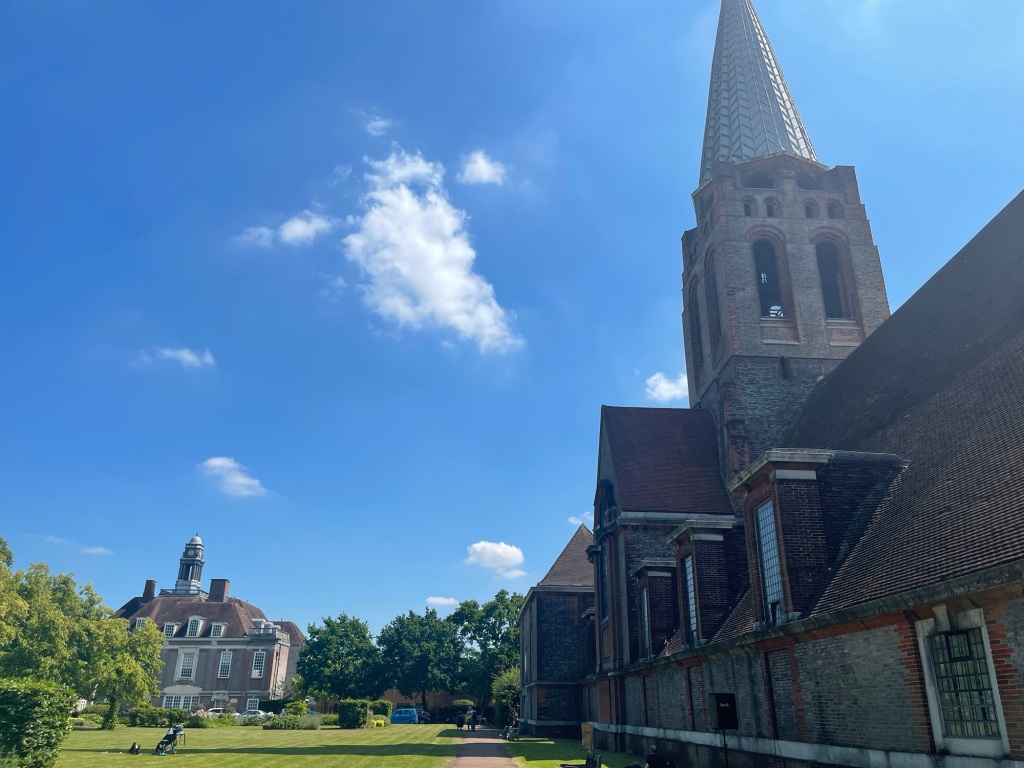
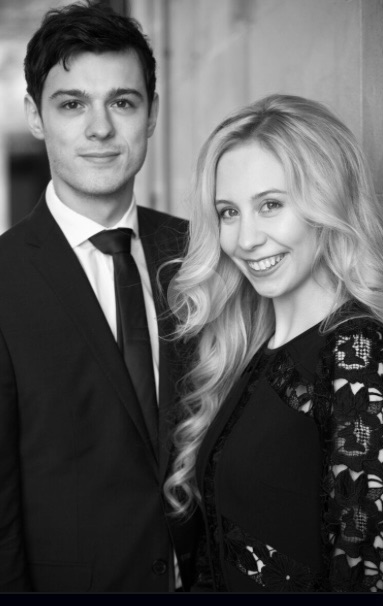
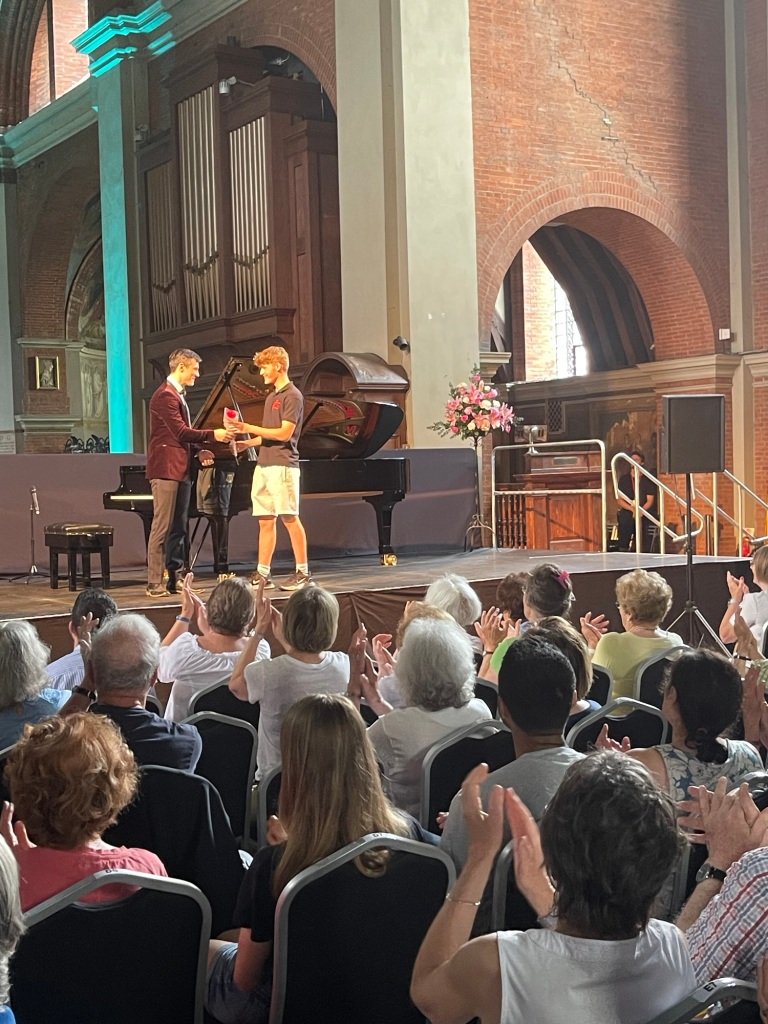
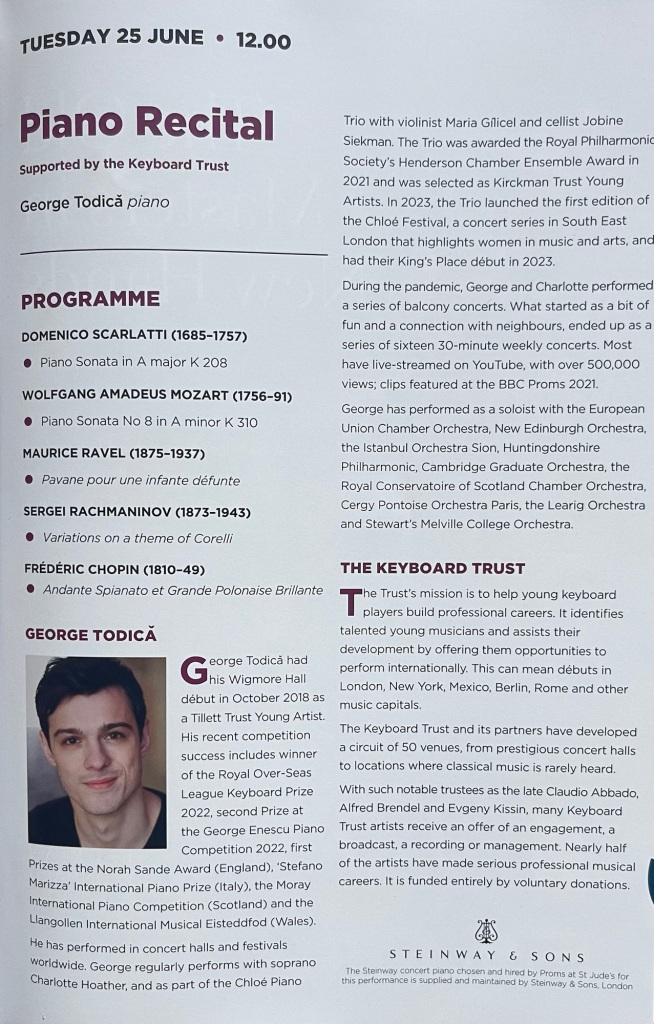
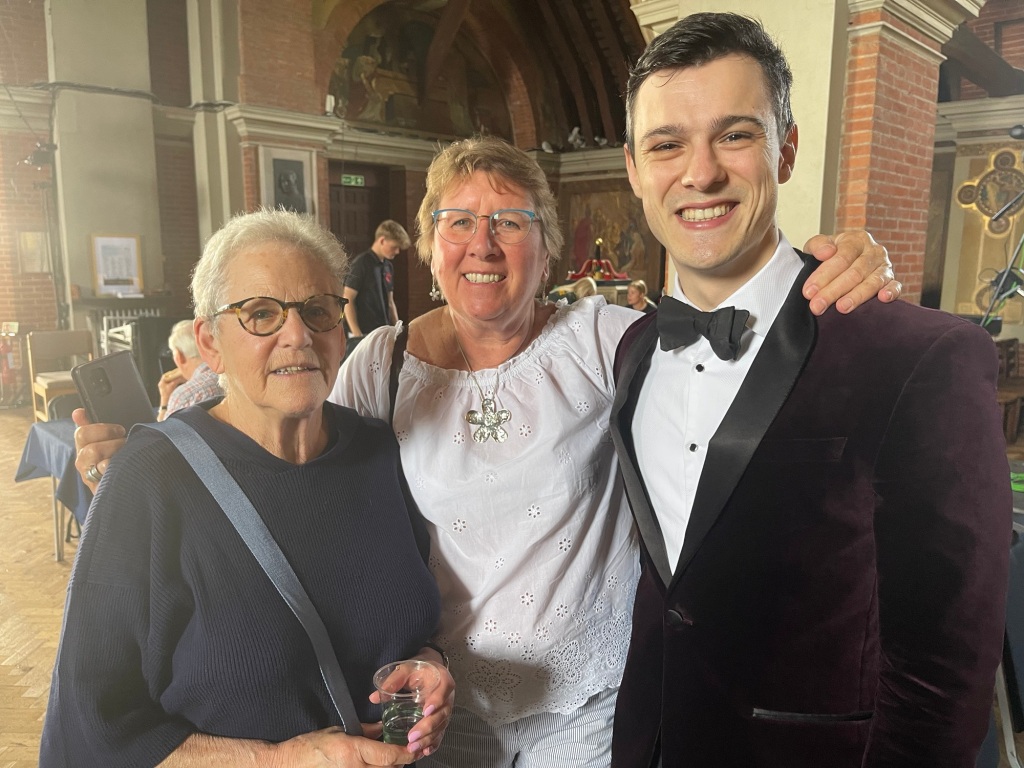
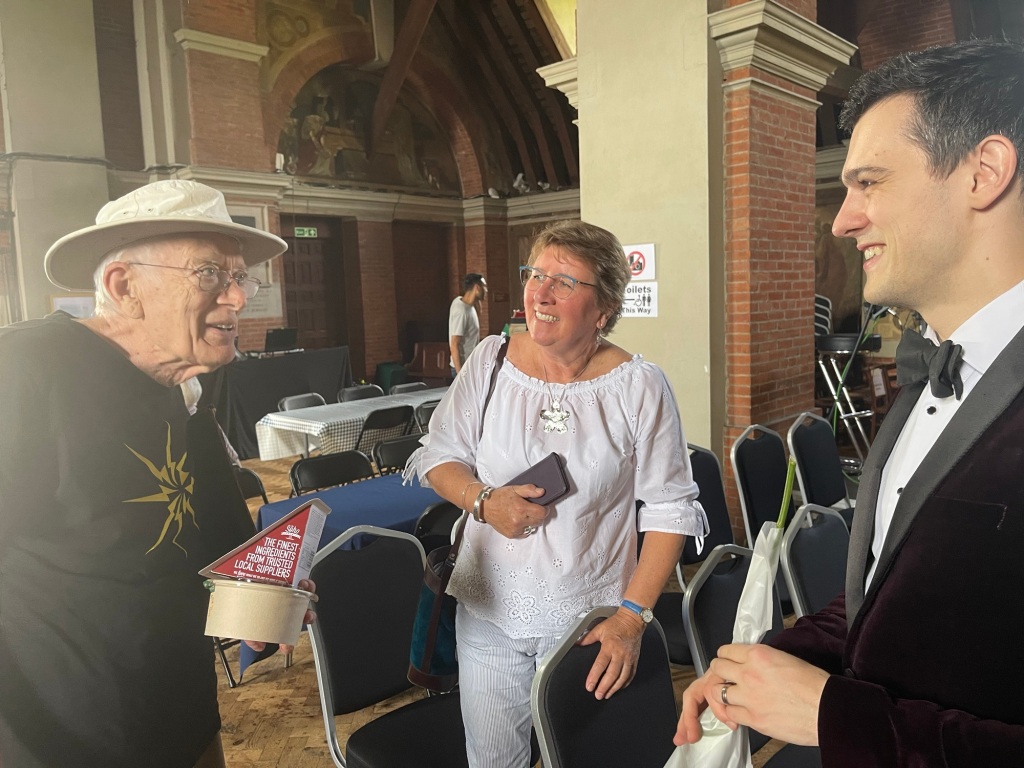
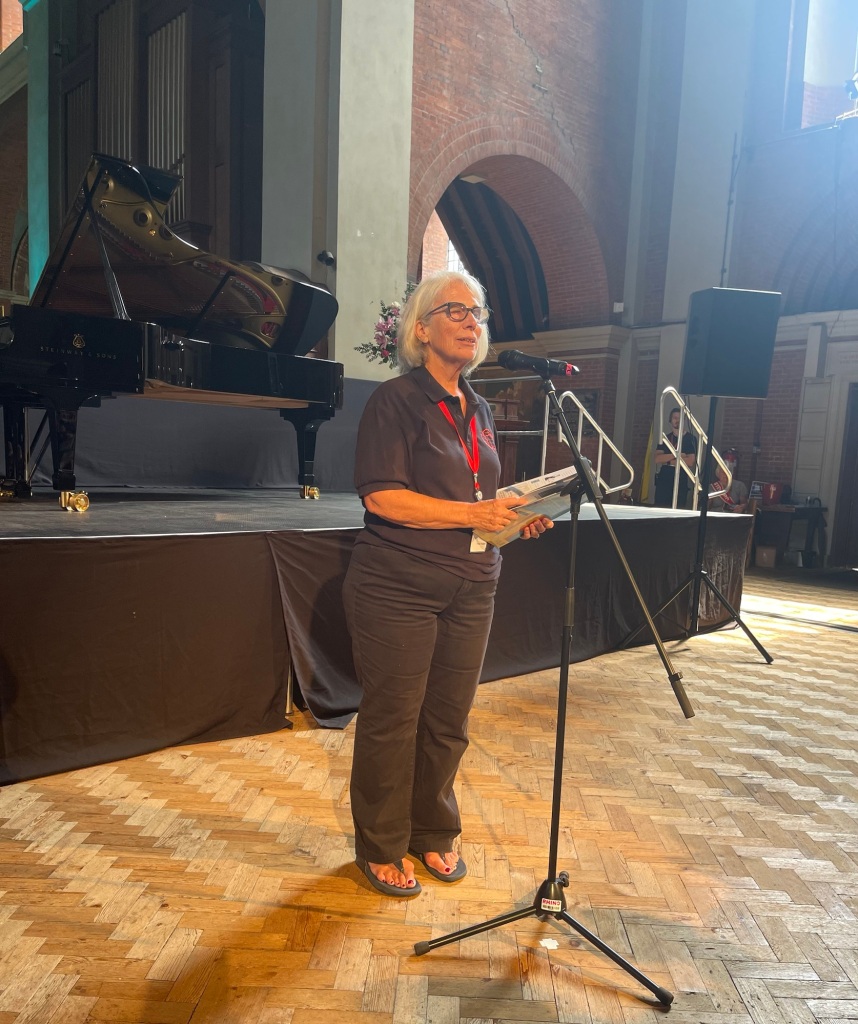
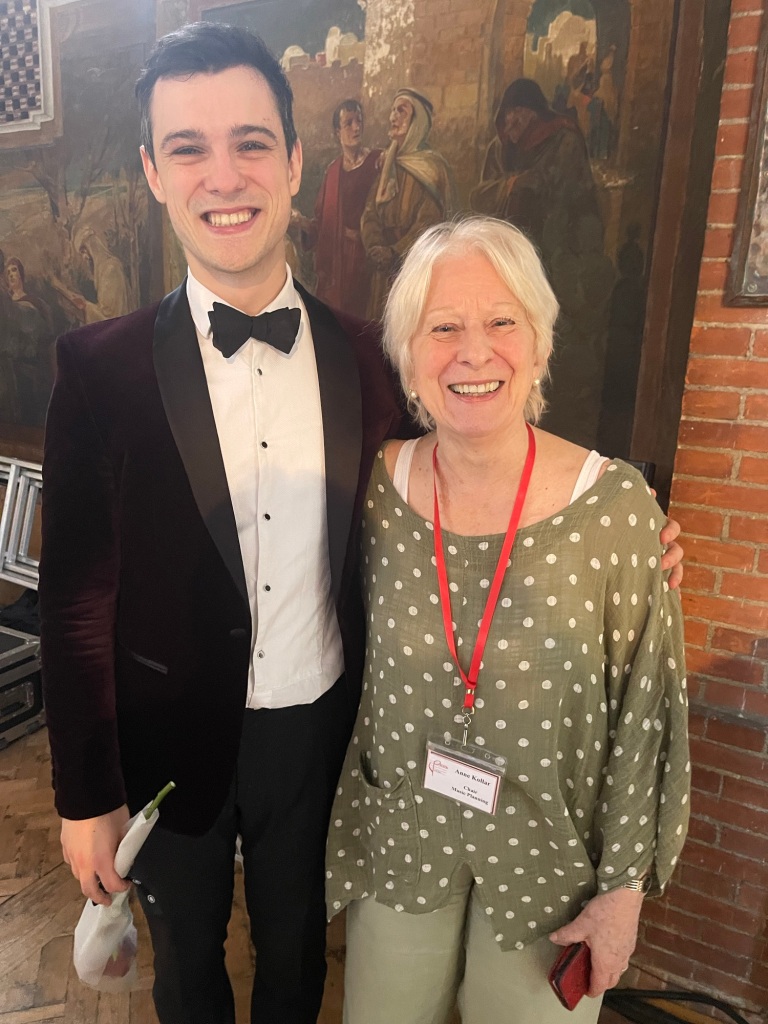
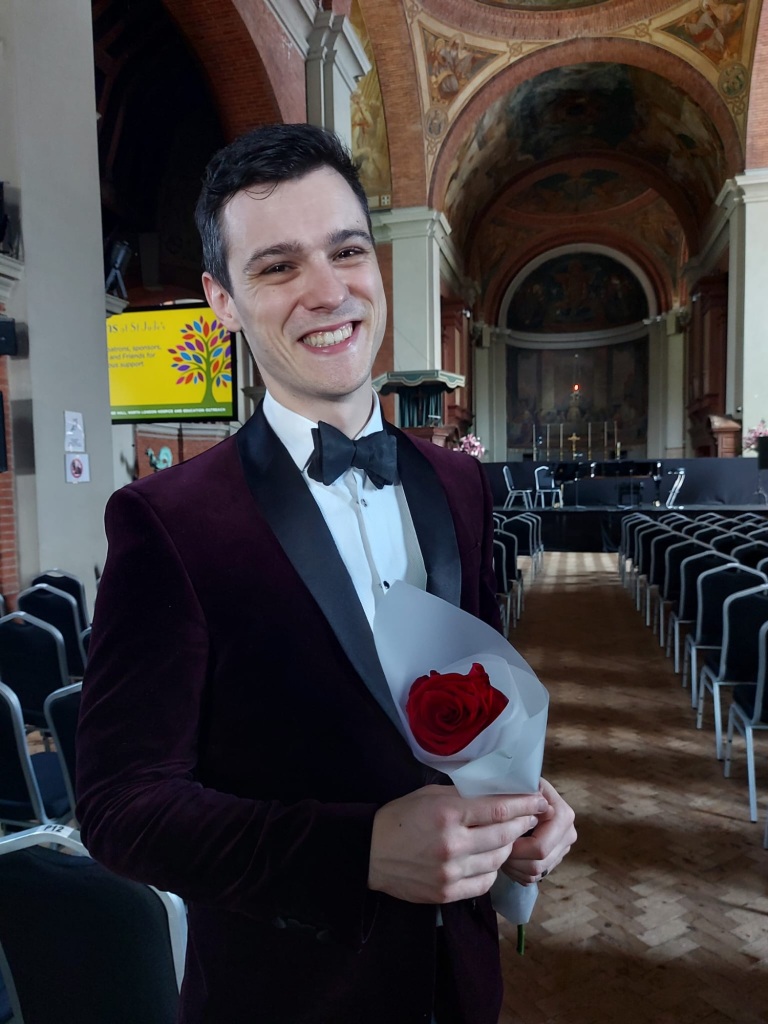

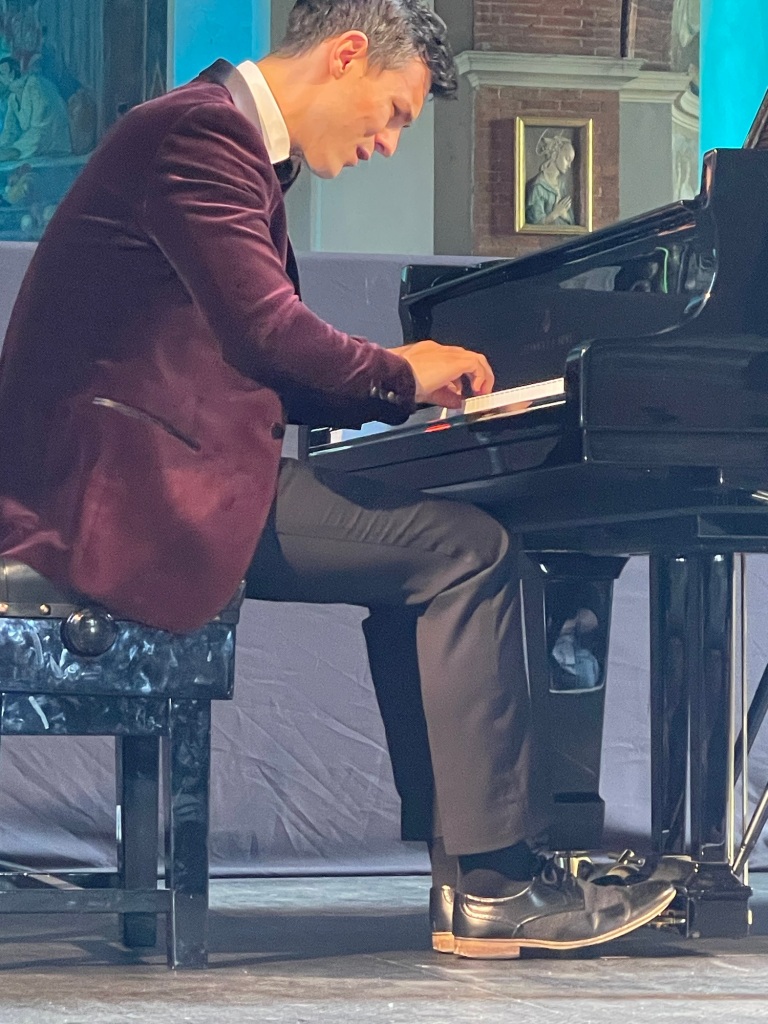
 ChristopherAxworthy-MusicCommentary