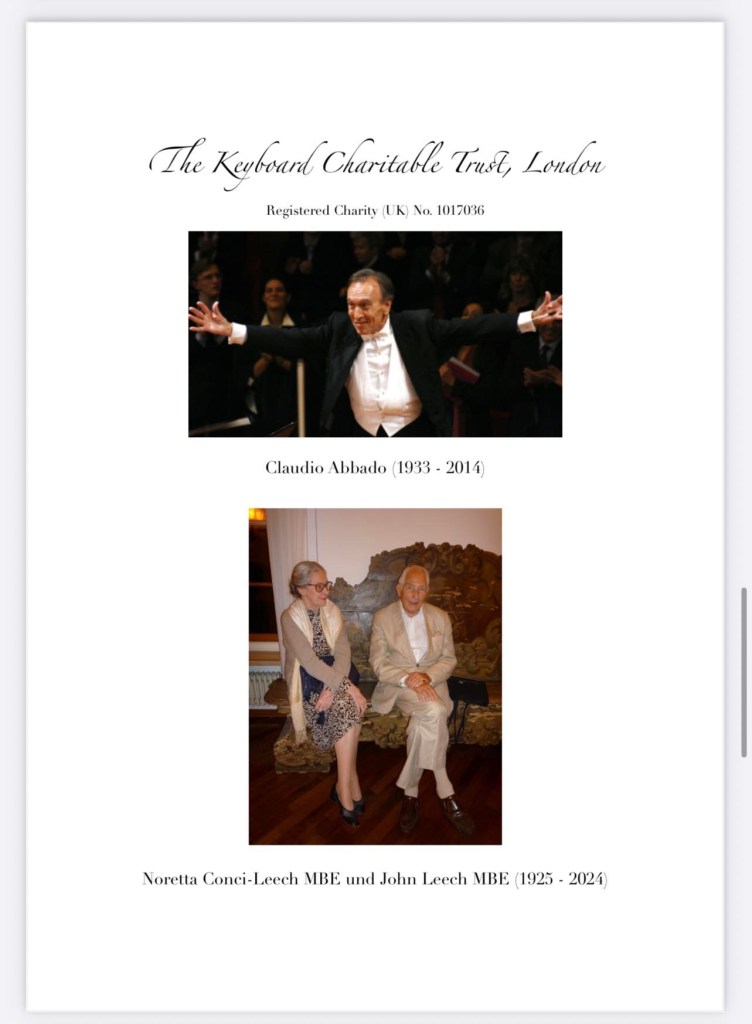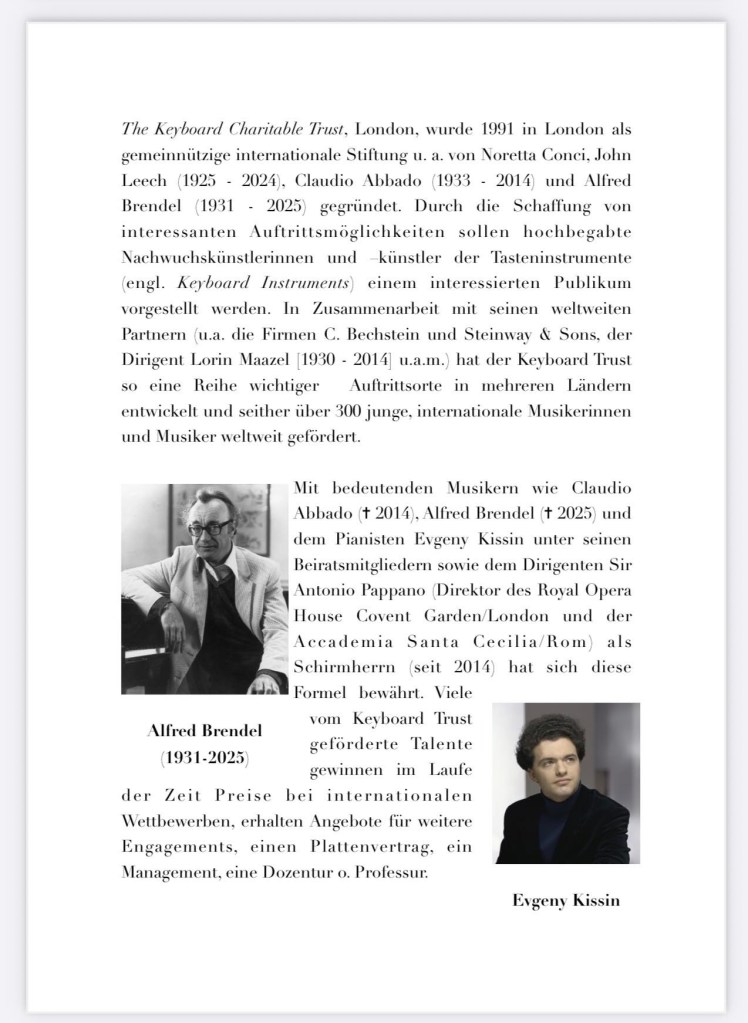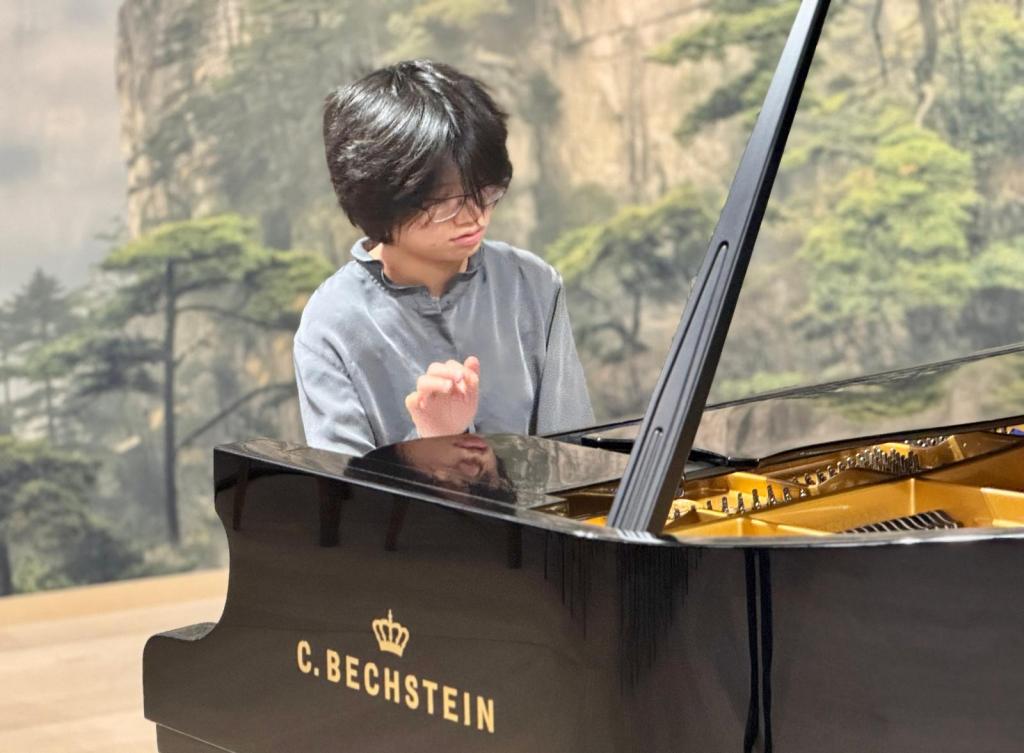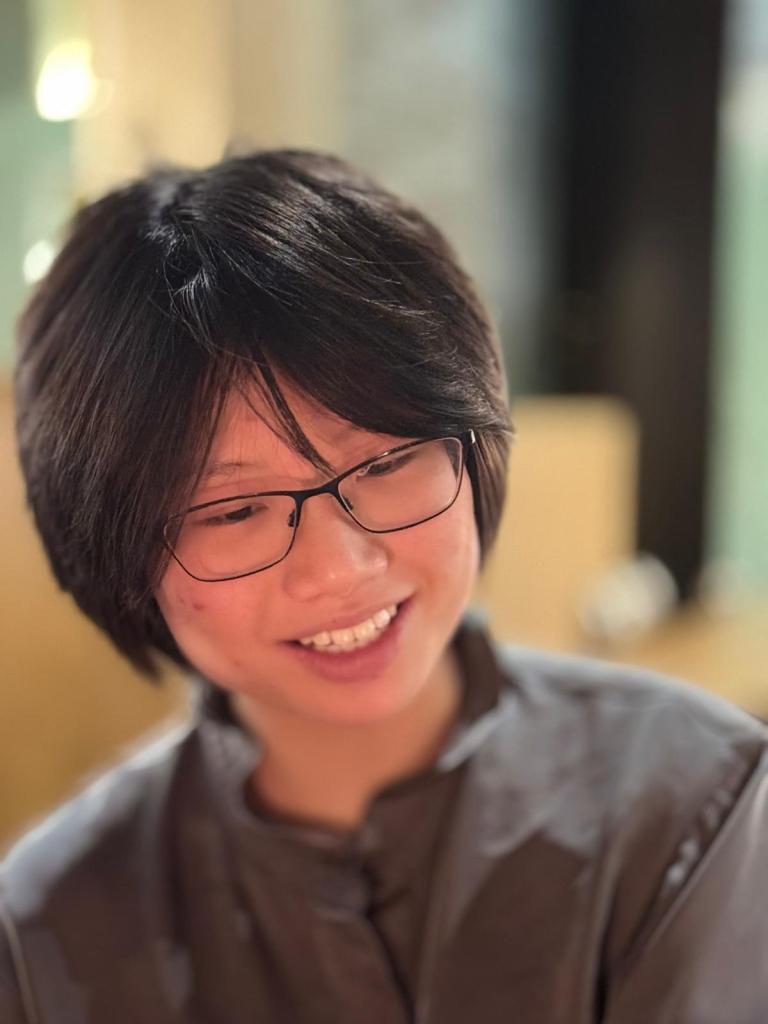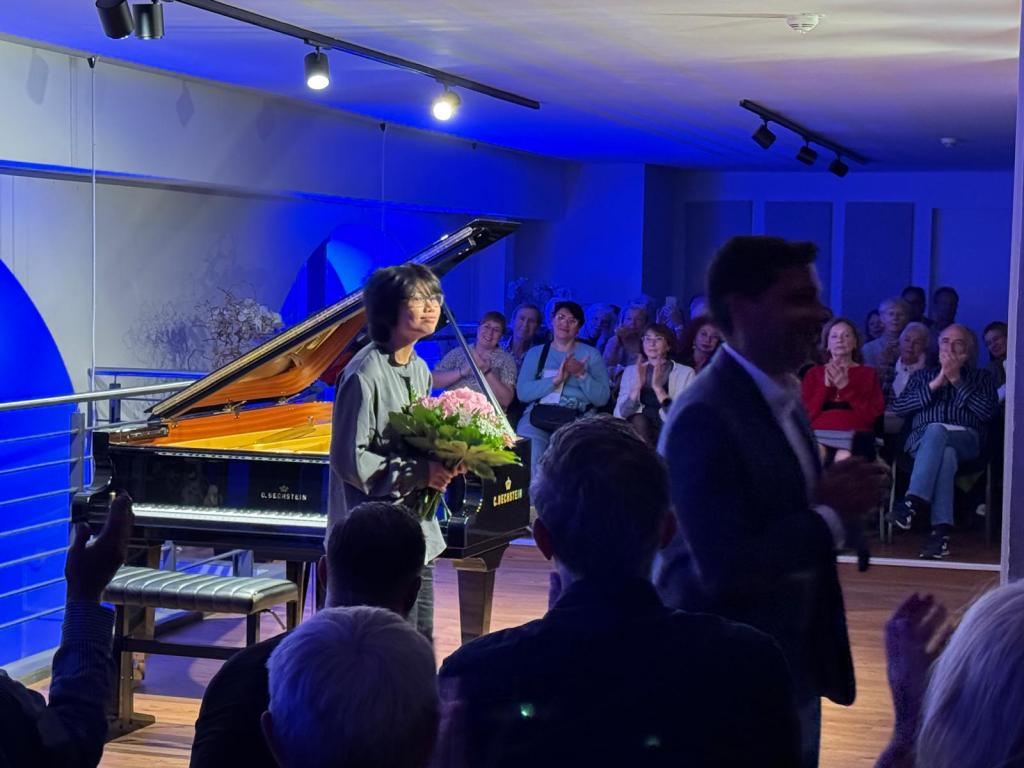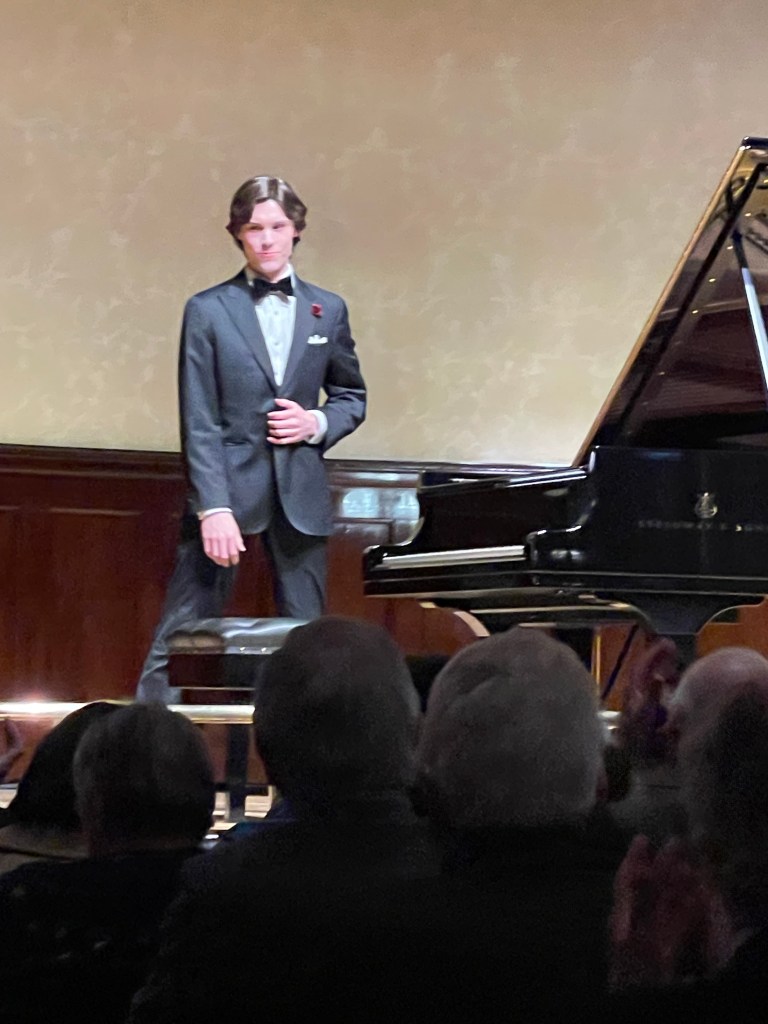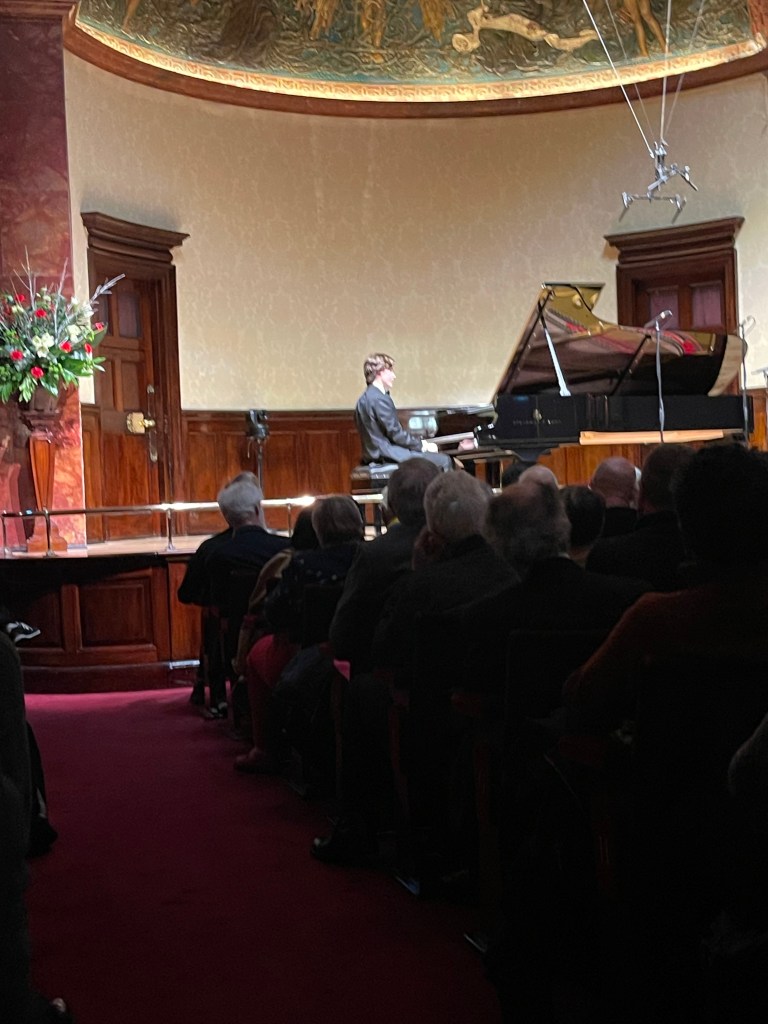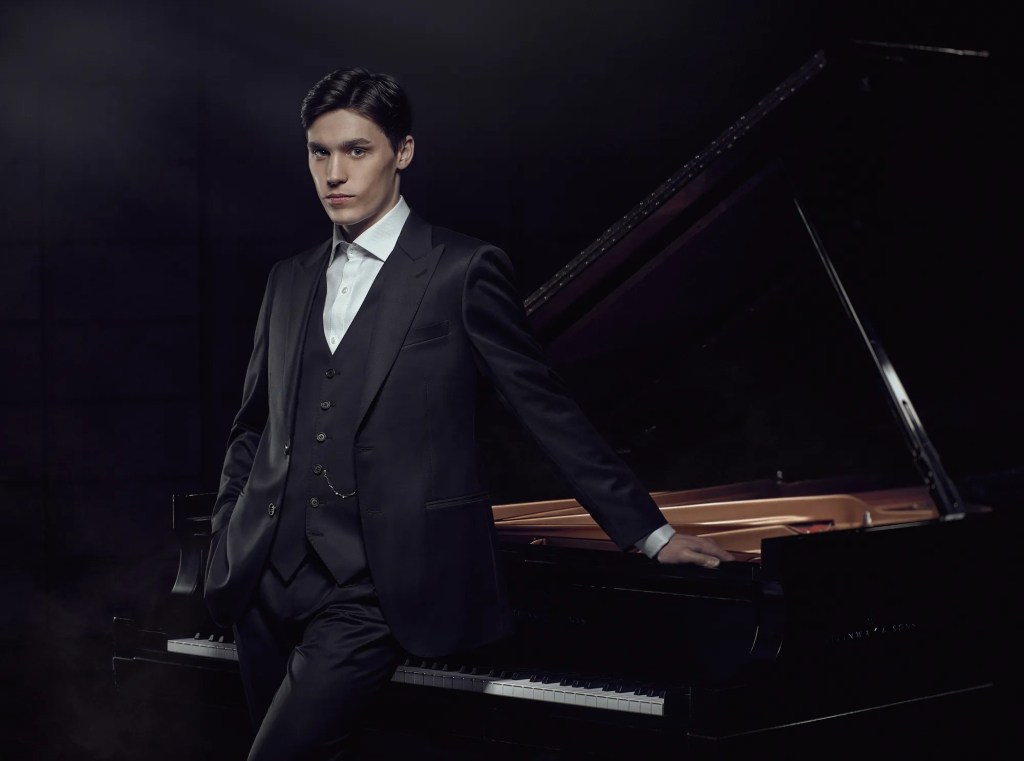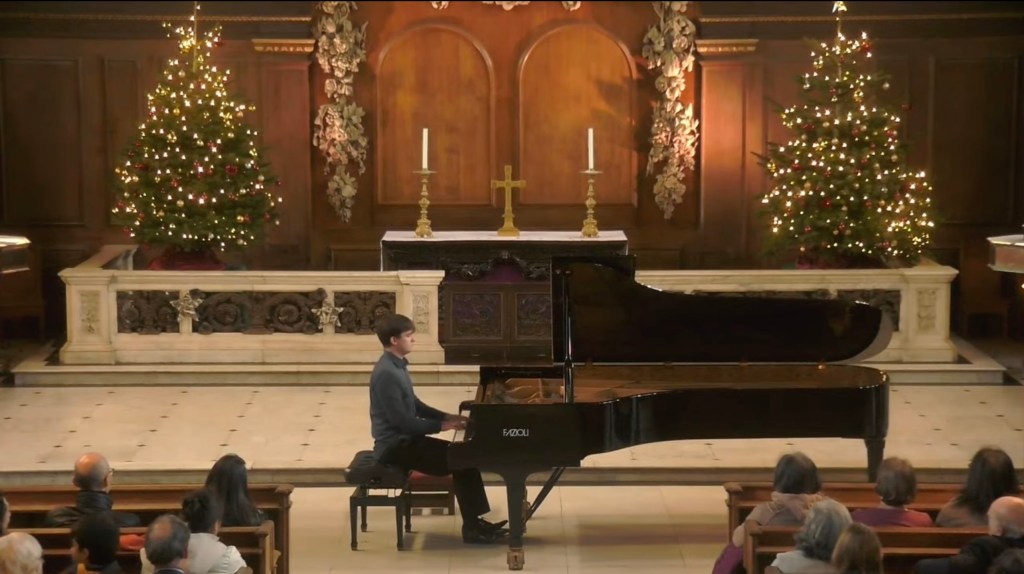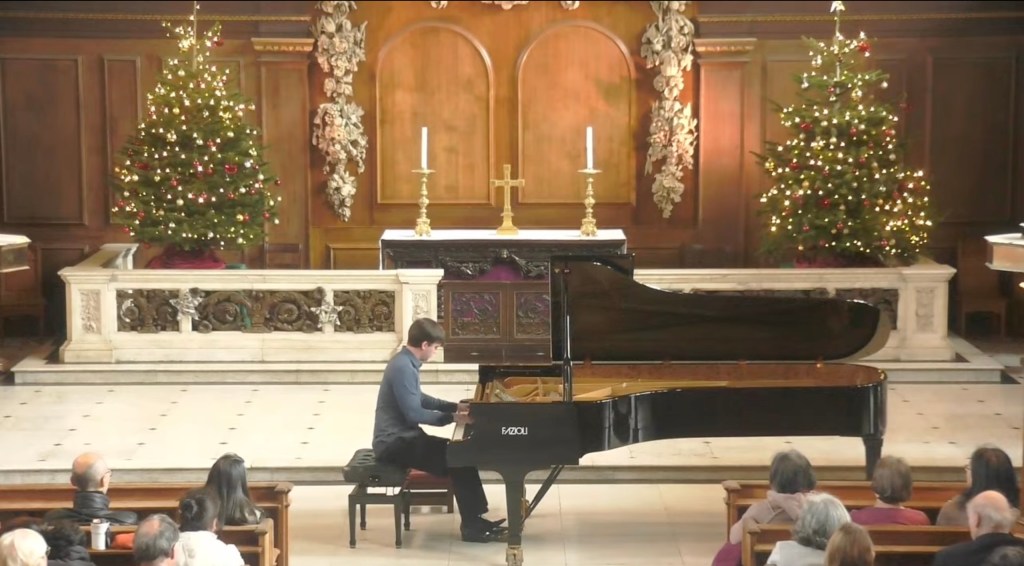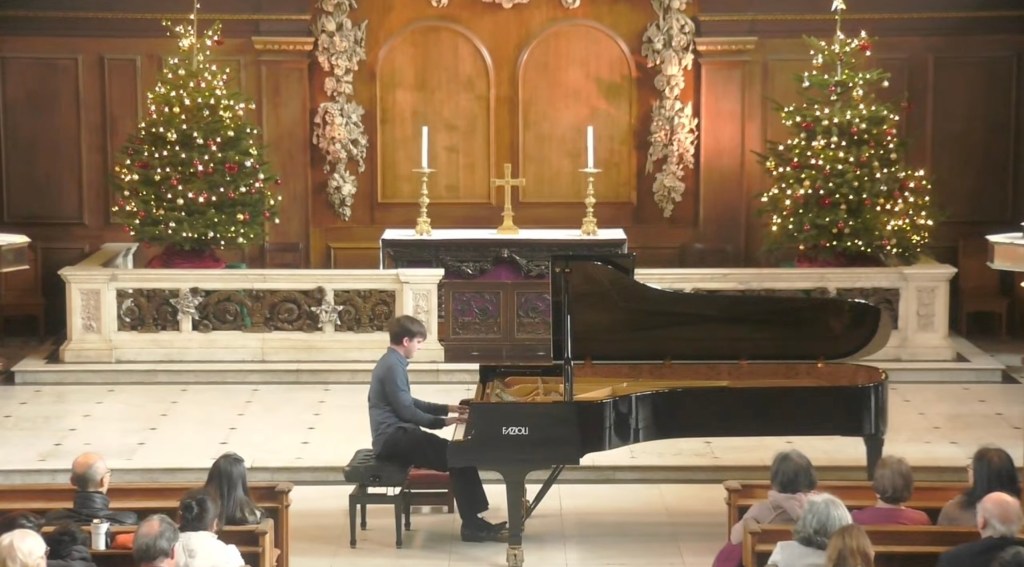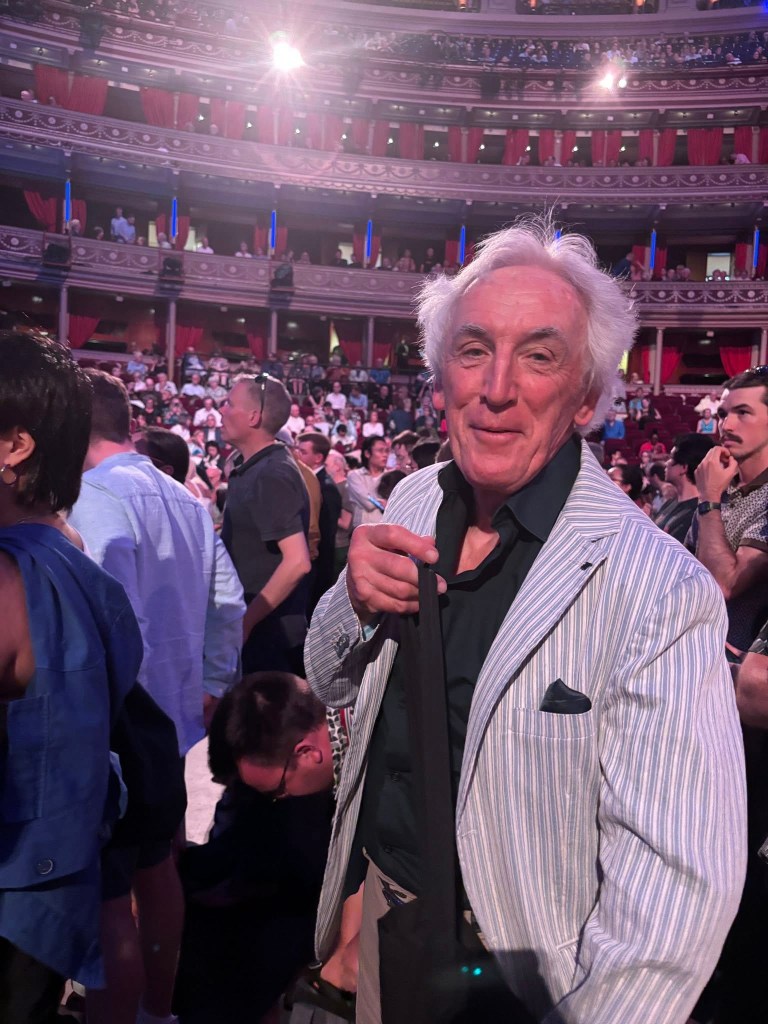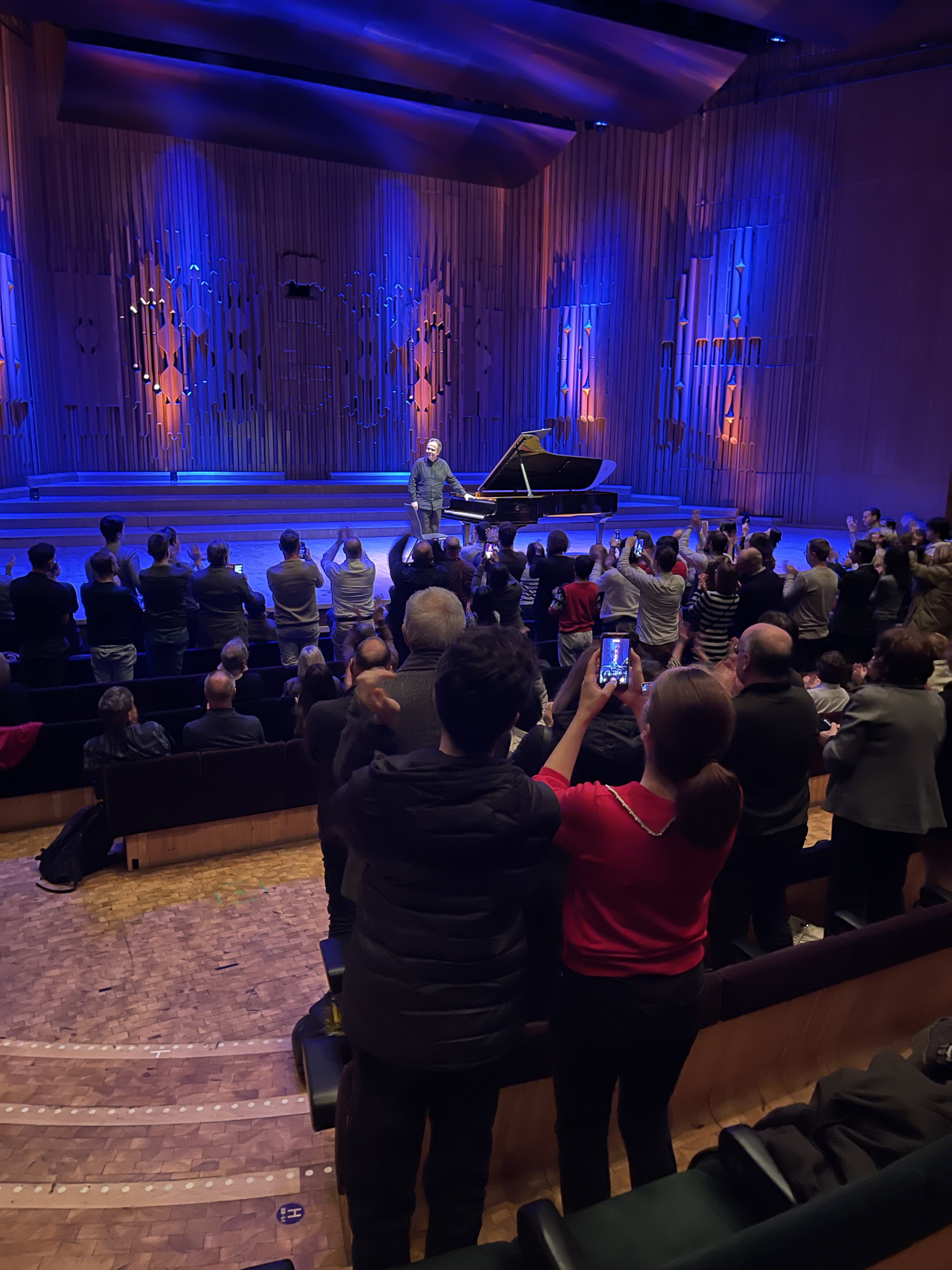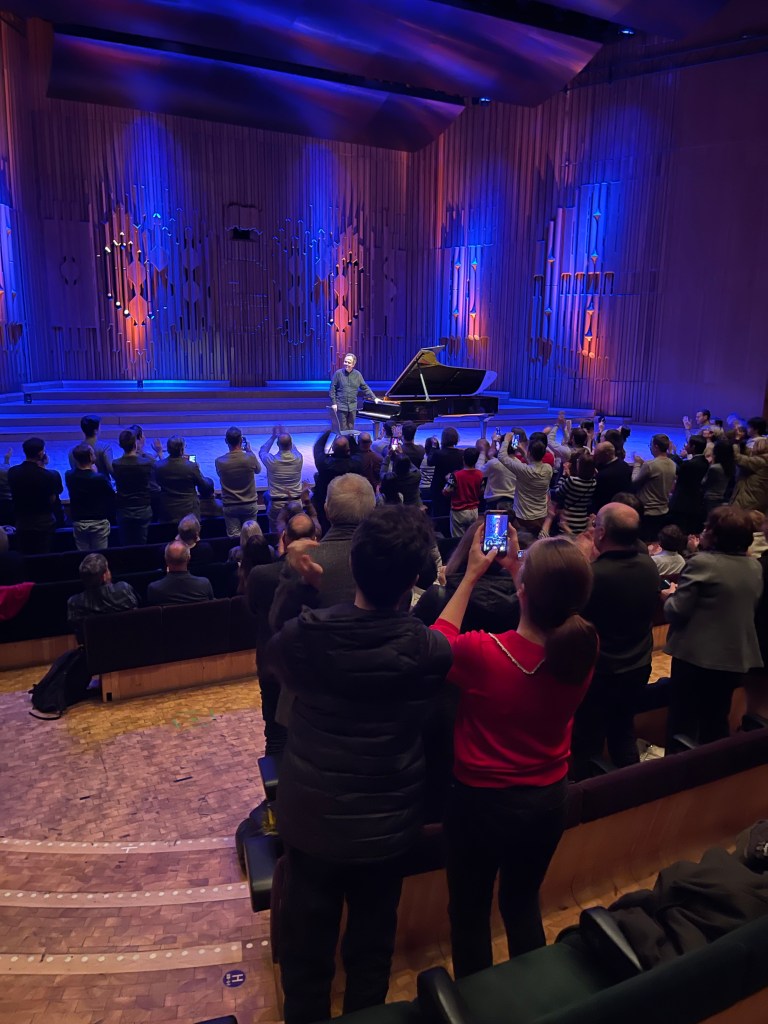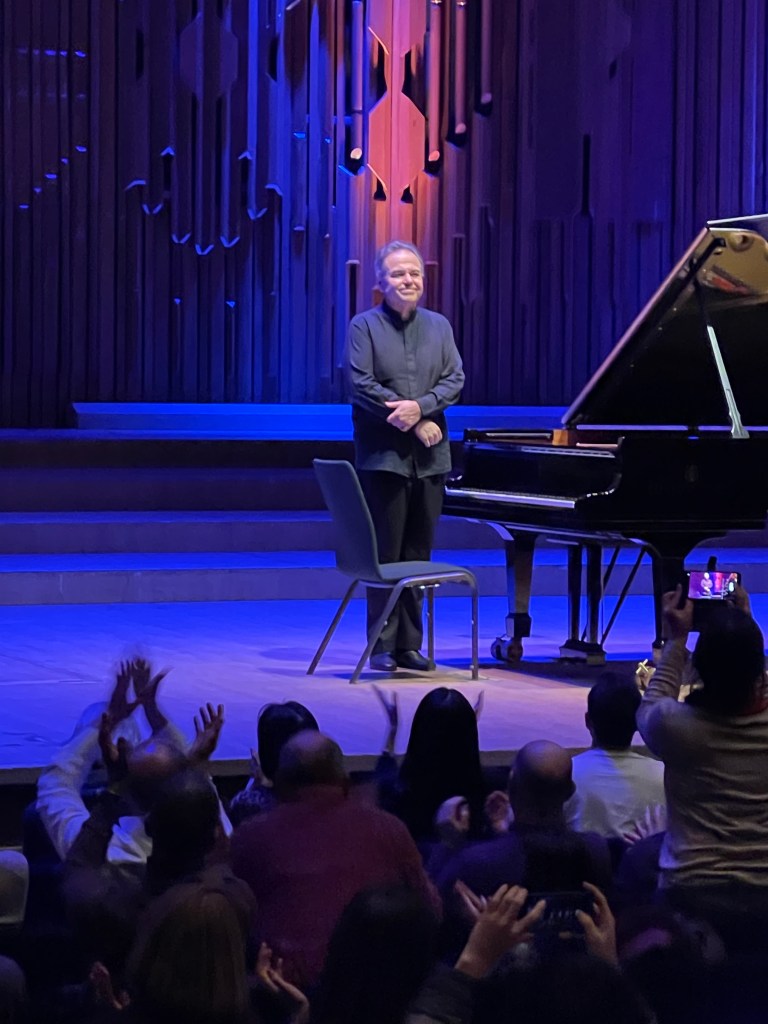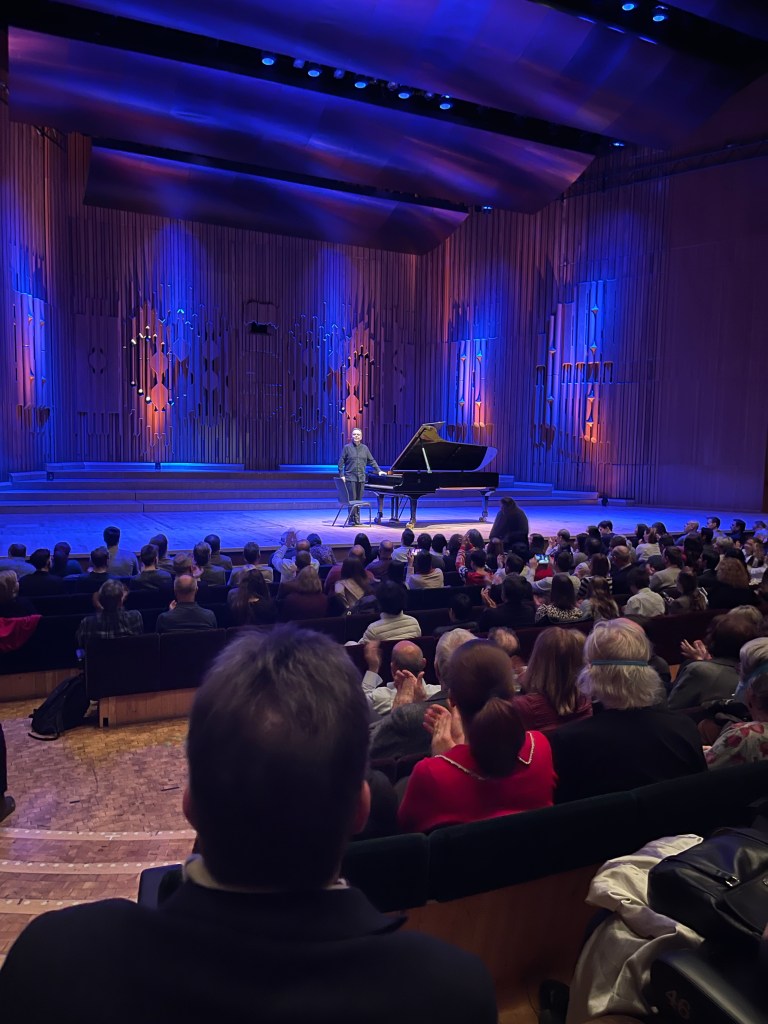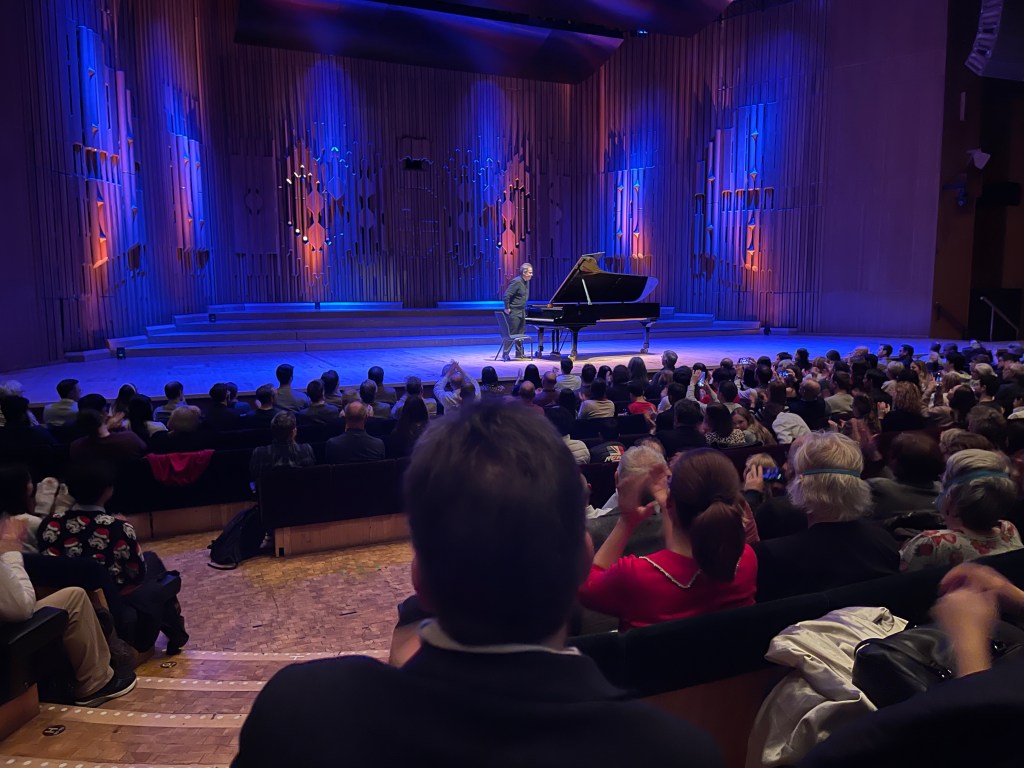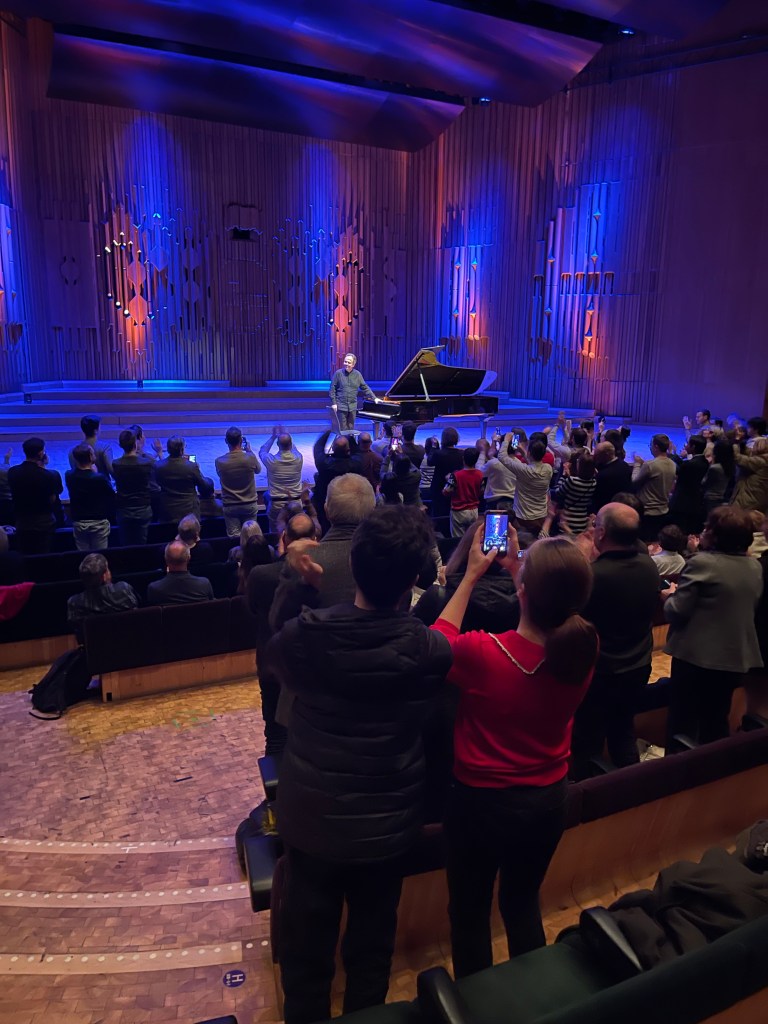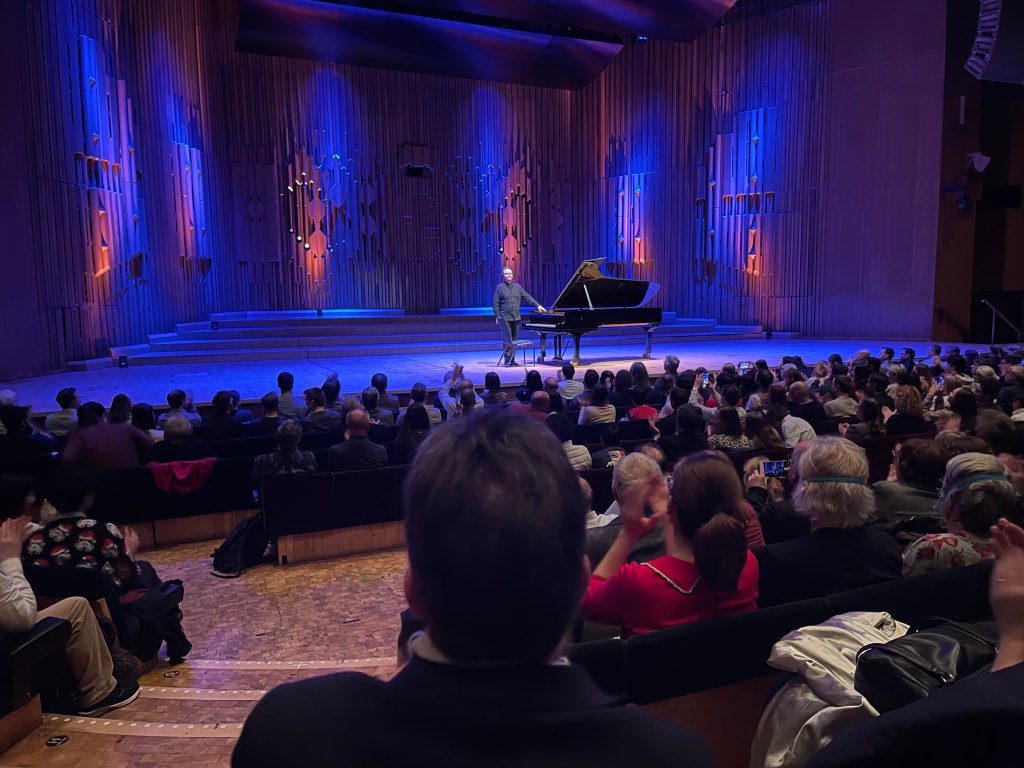
Point and Counterpoint The Keyboard Trust 2025

A personal view by Christopher Axworthy
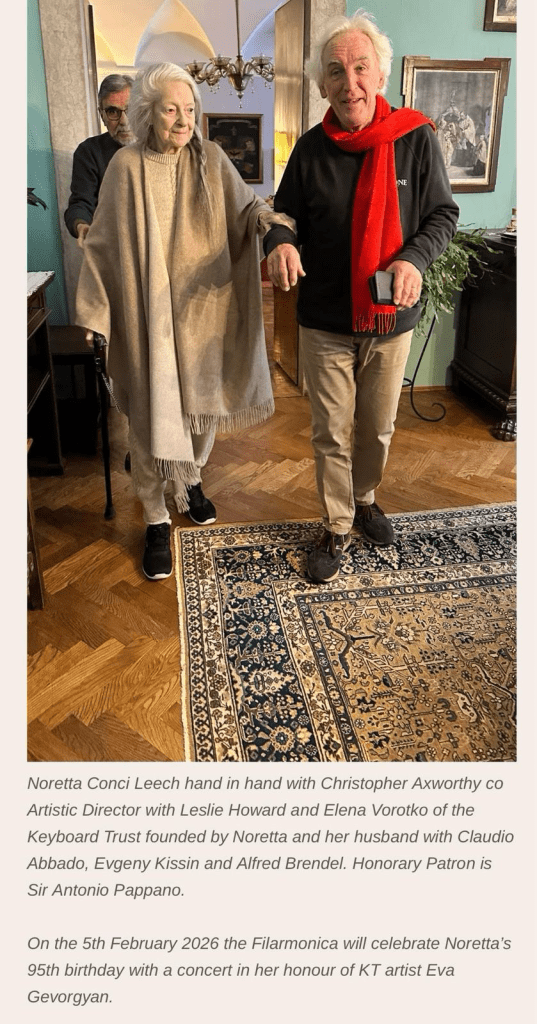
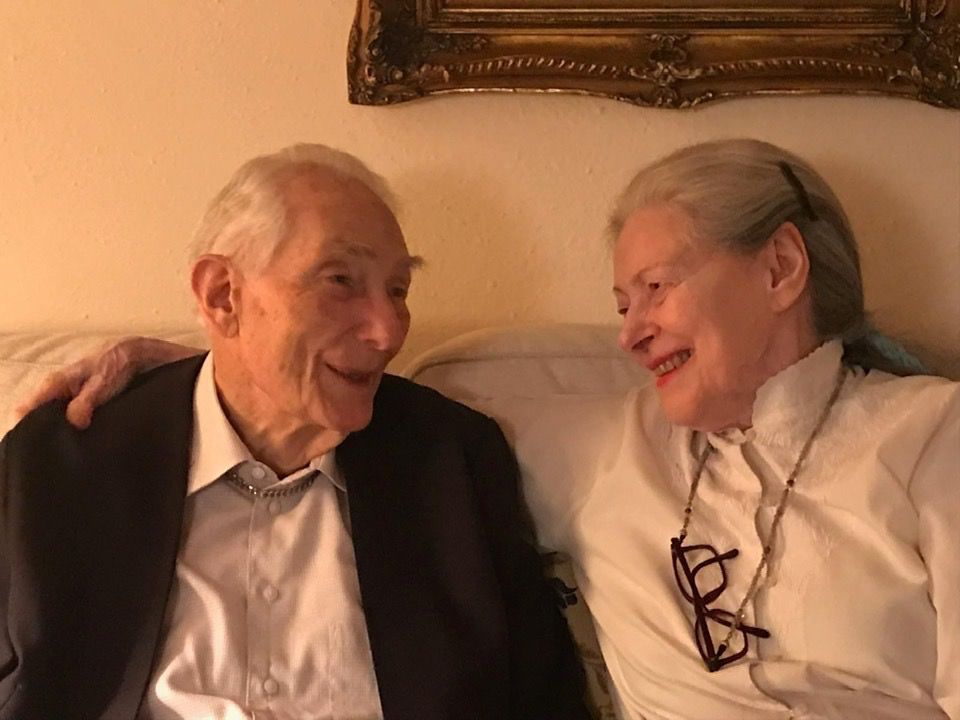
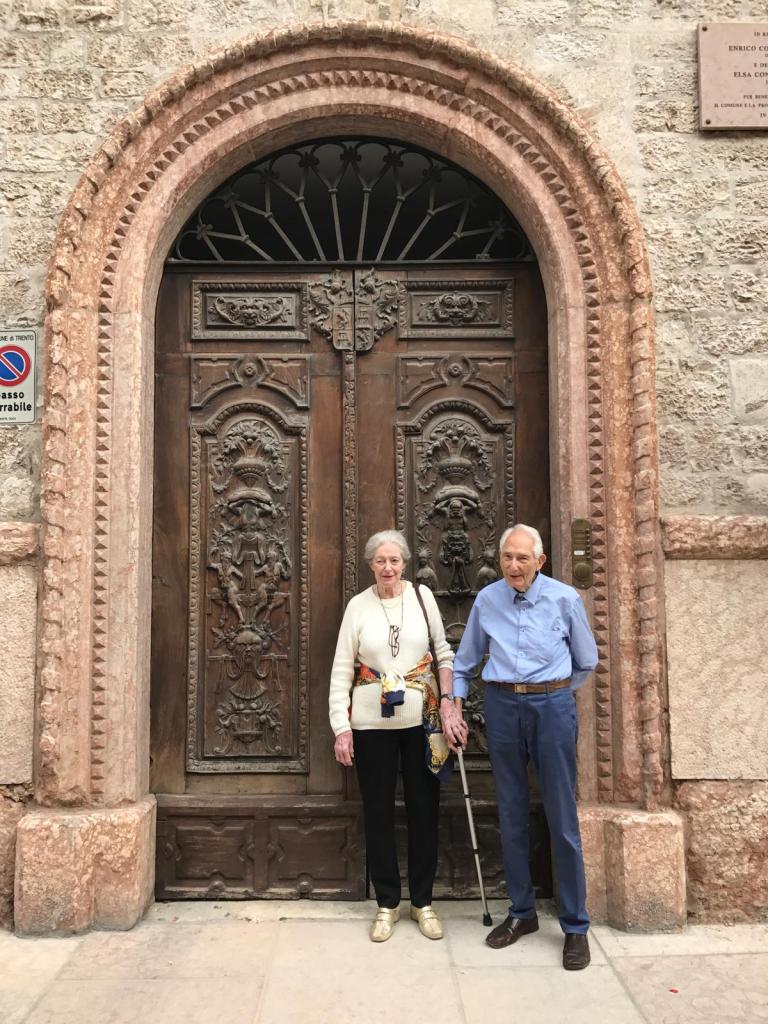
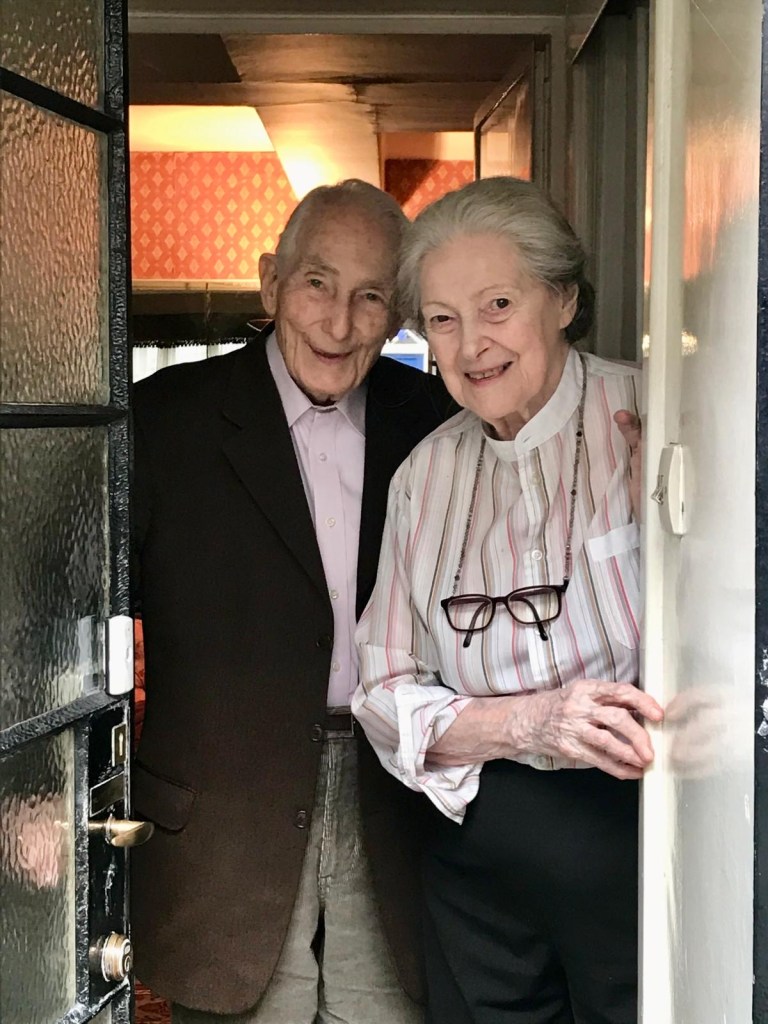
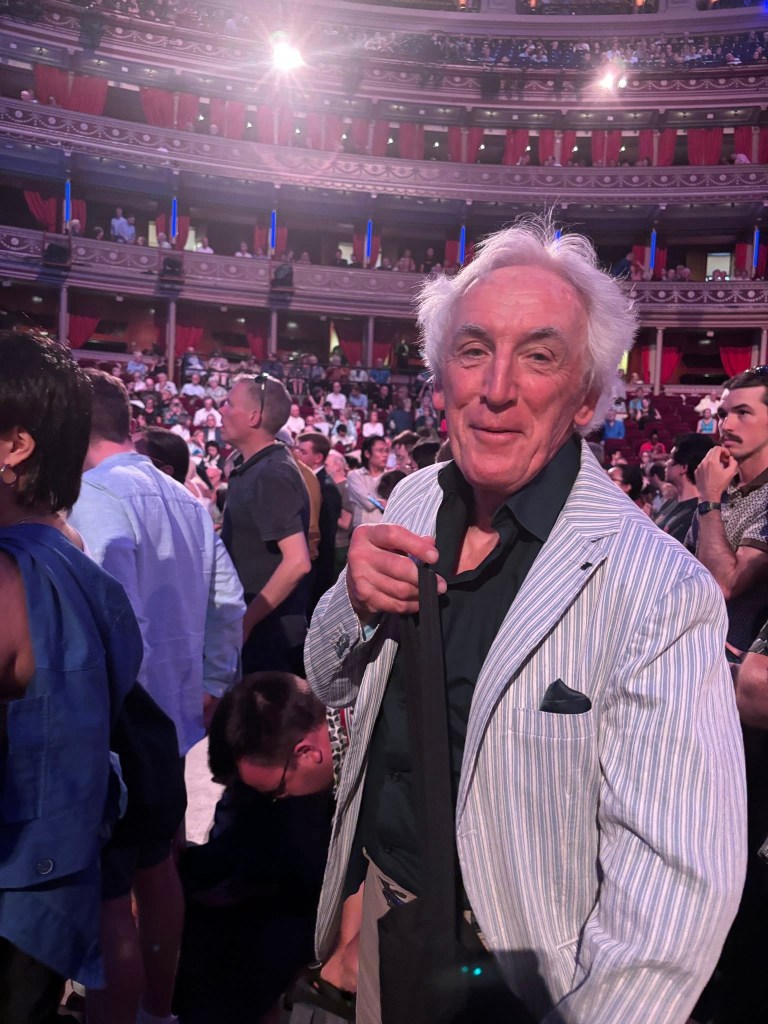
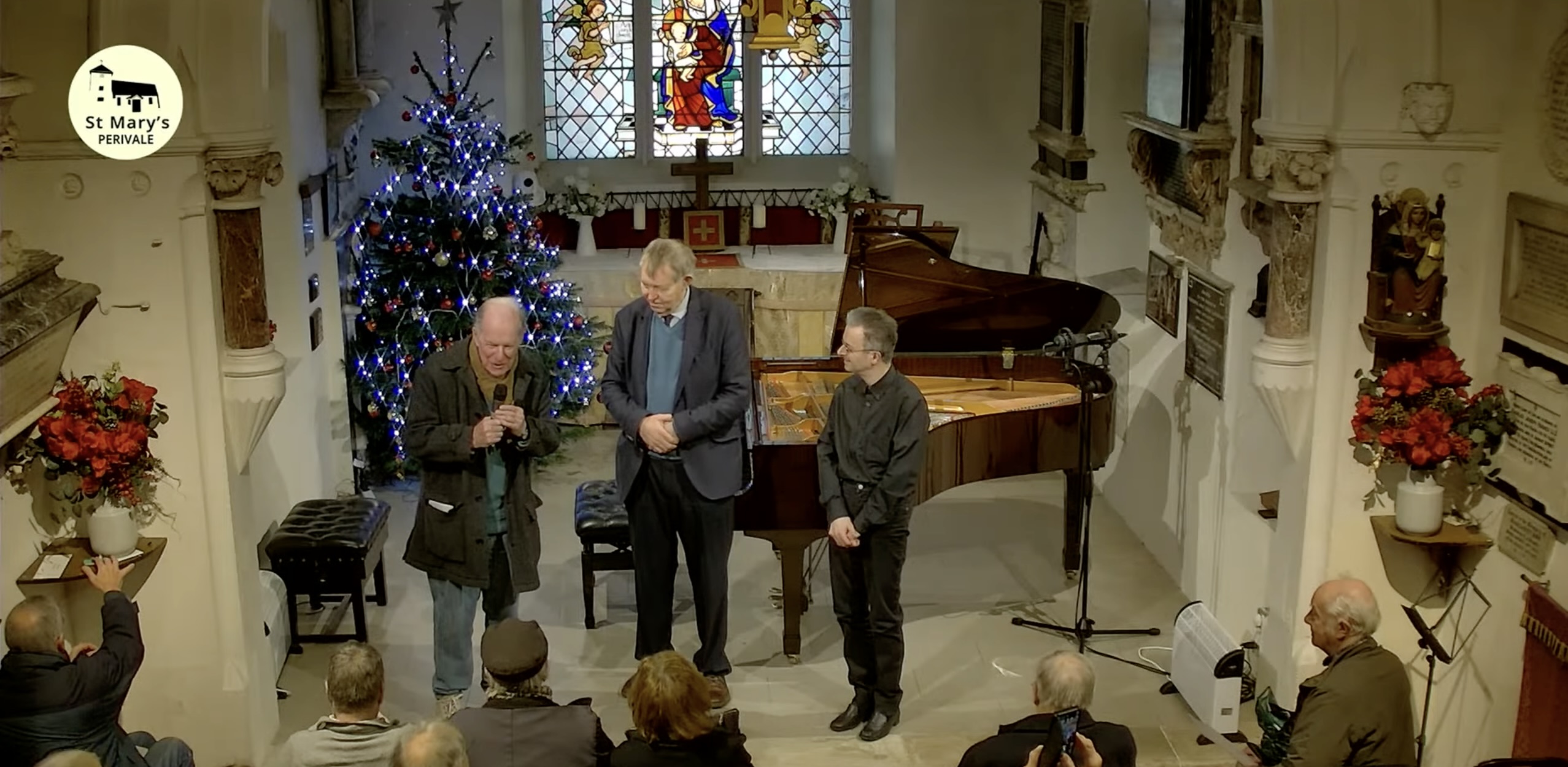
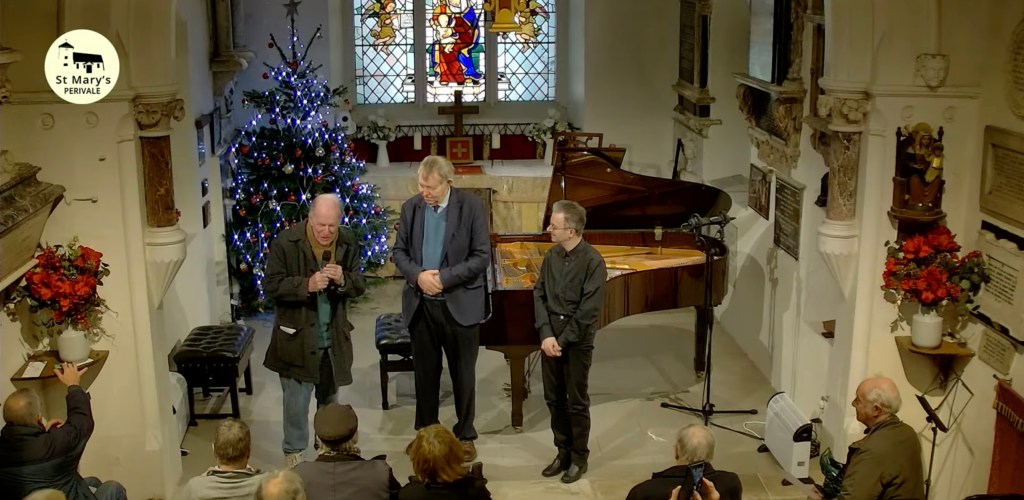
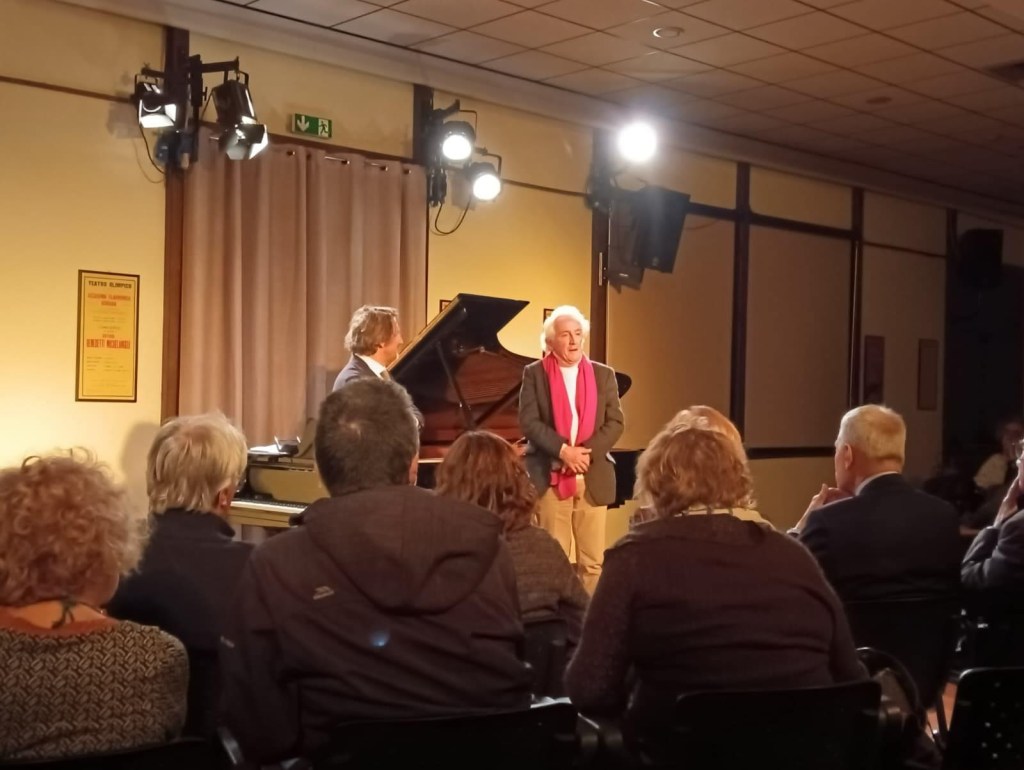
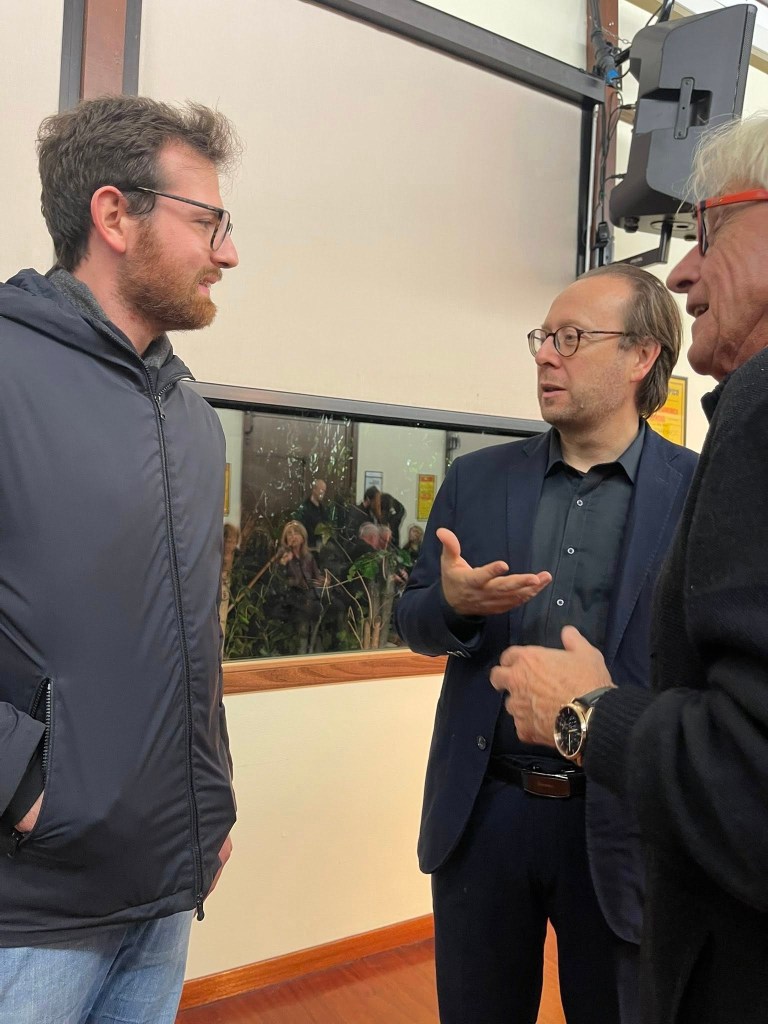
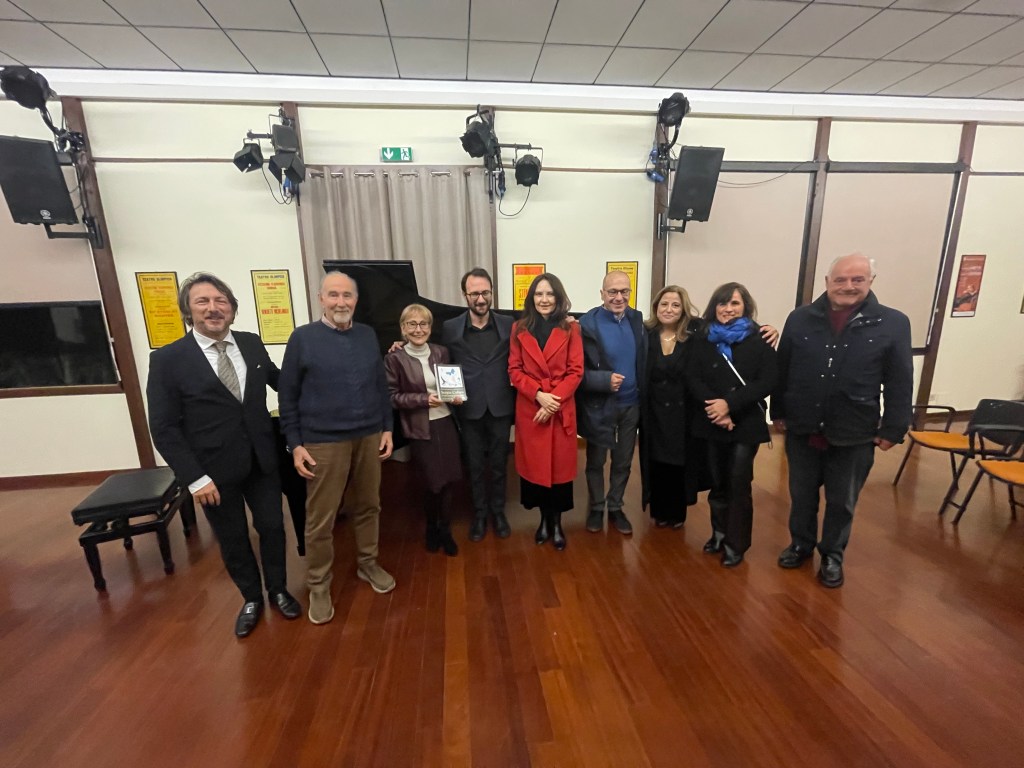
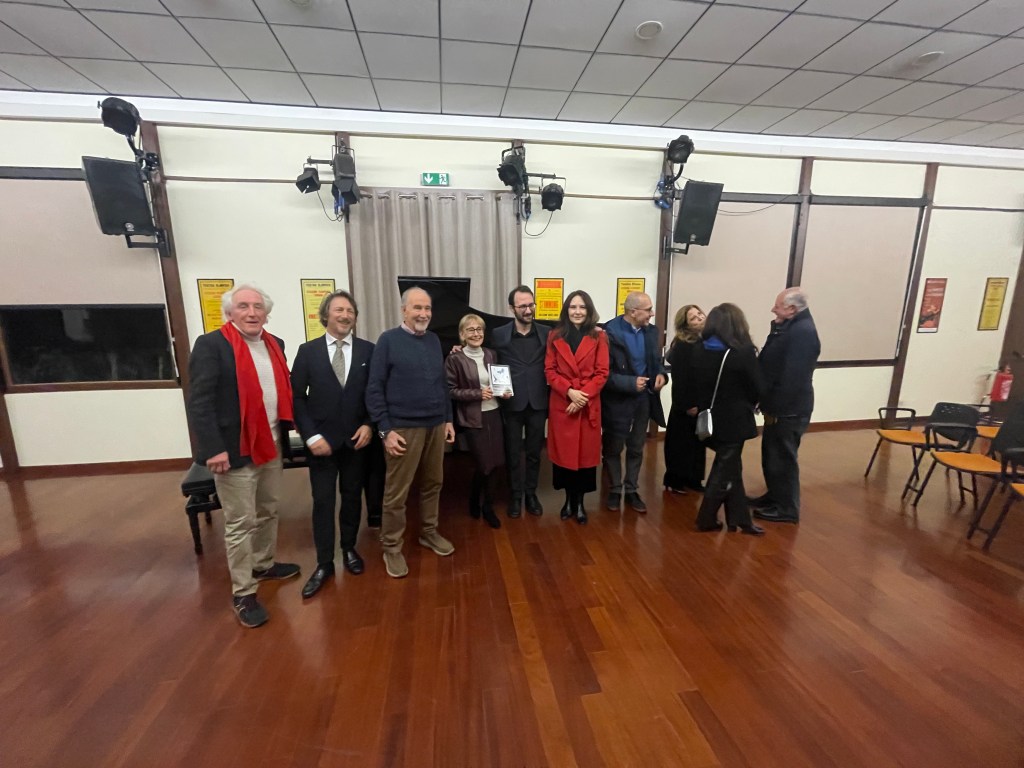
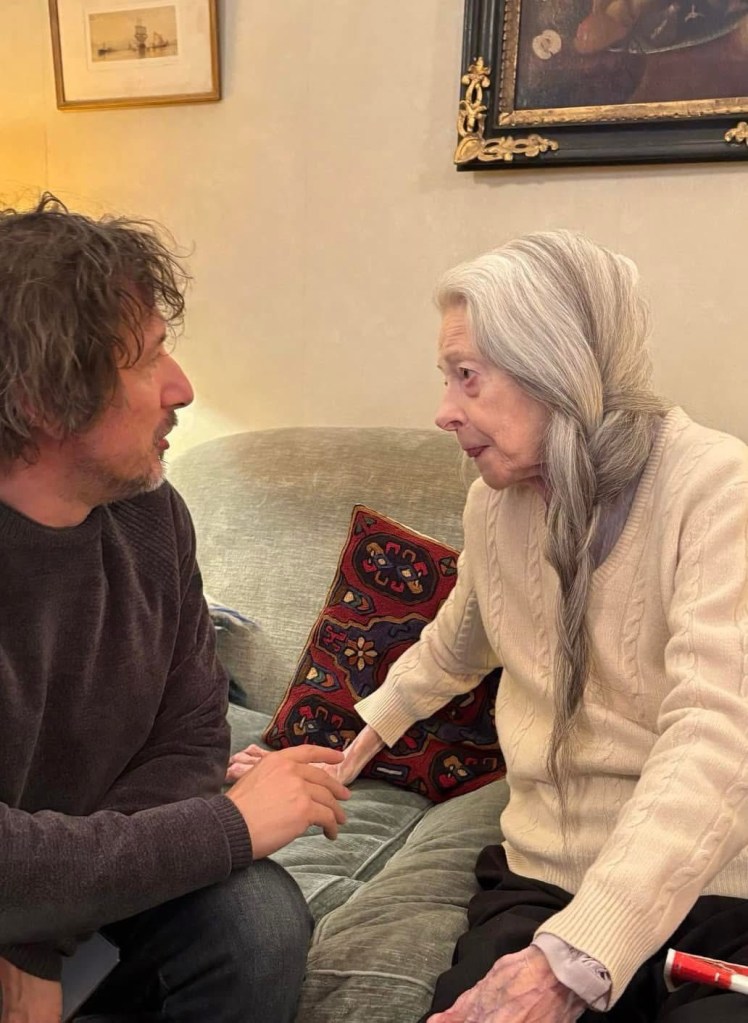
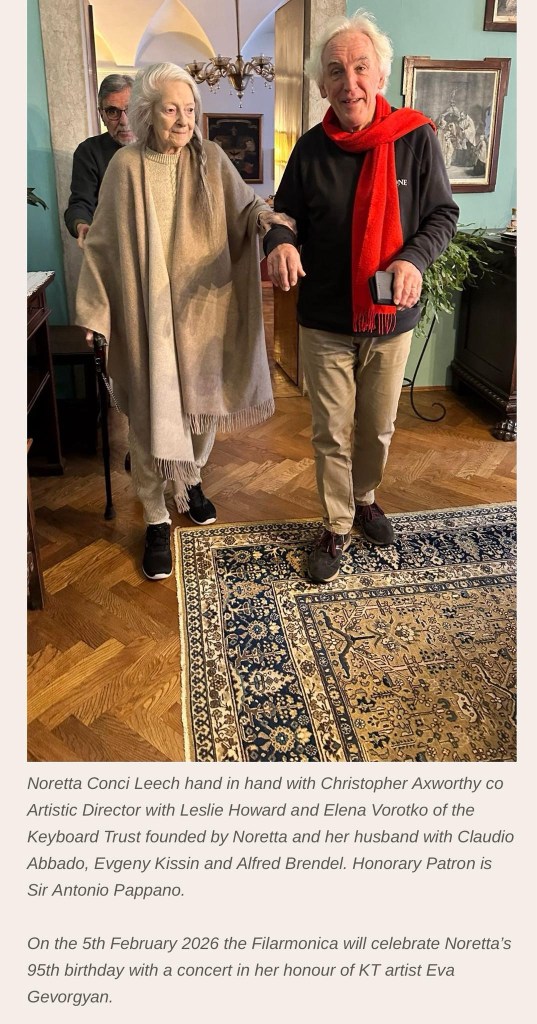
At home with John and Noretta. In conversation with Leslie Howard Elena Vorotko and Christopher Axworthy, Artistic directors of the Keyboard Trust
https://www.google.com/url?sa=t&source=web&rct=j&opi=89978449&url=https://www.youtube.com/watch%3Fv%3DItV_Ub18lBI&ved=2ahUKEwiauo77ndiRAxU_87sIHbdtE-gQtwJ6BAgWEAI&usg=AOvVaw0zzVOIiVD_IASoW6NXQxTT

http://www.johnleechvr.com/

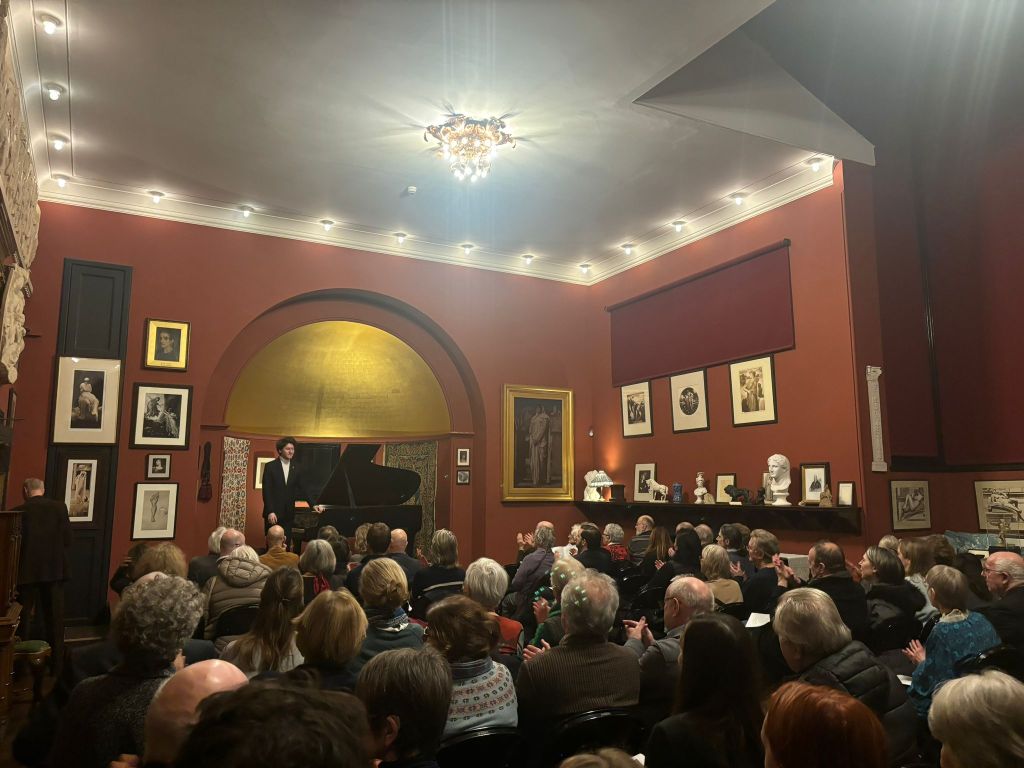
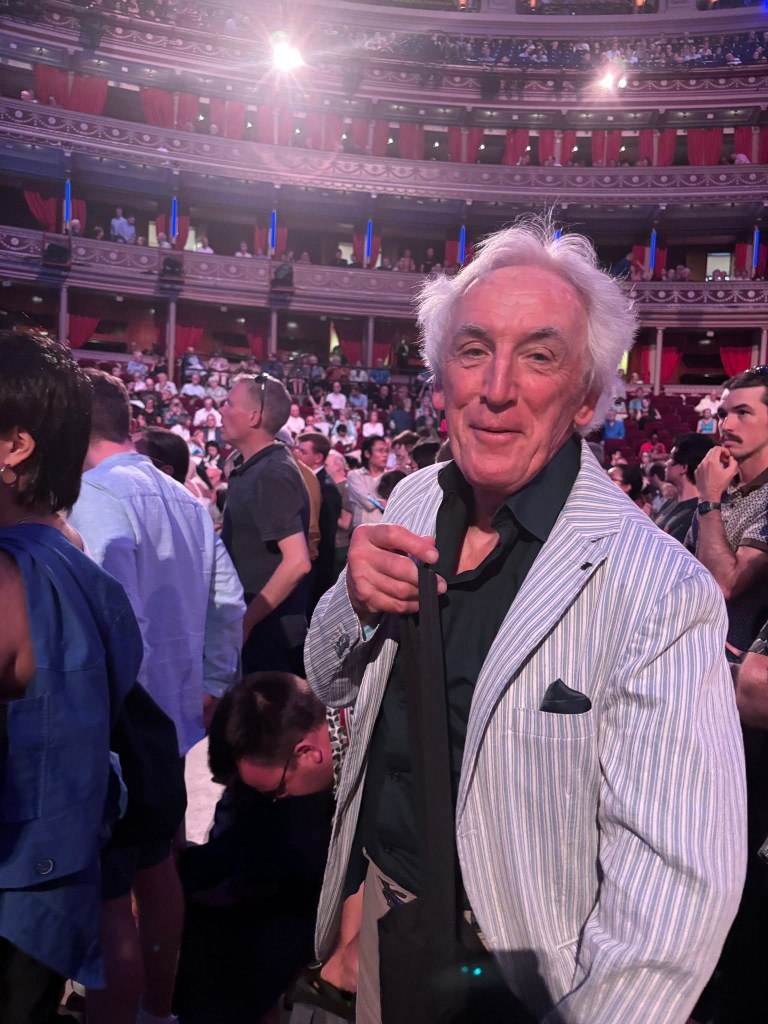
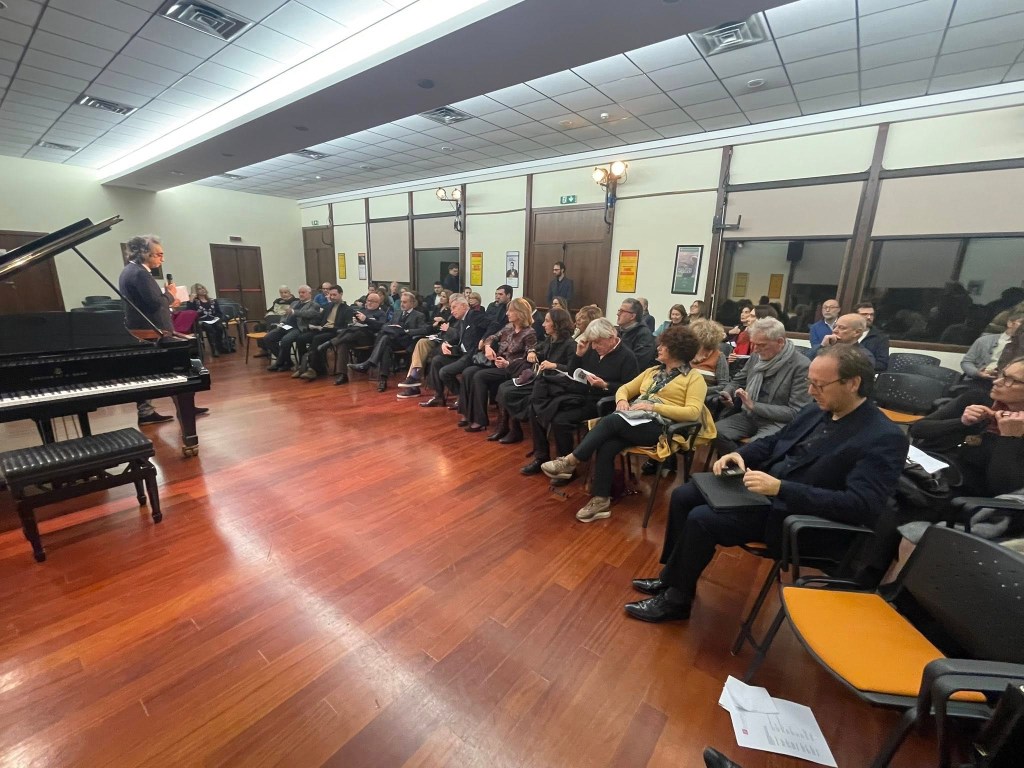
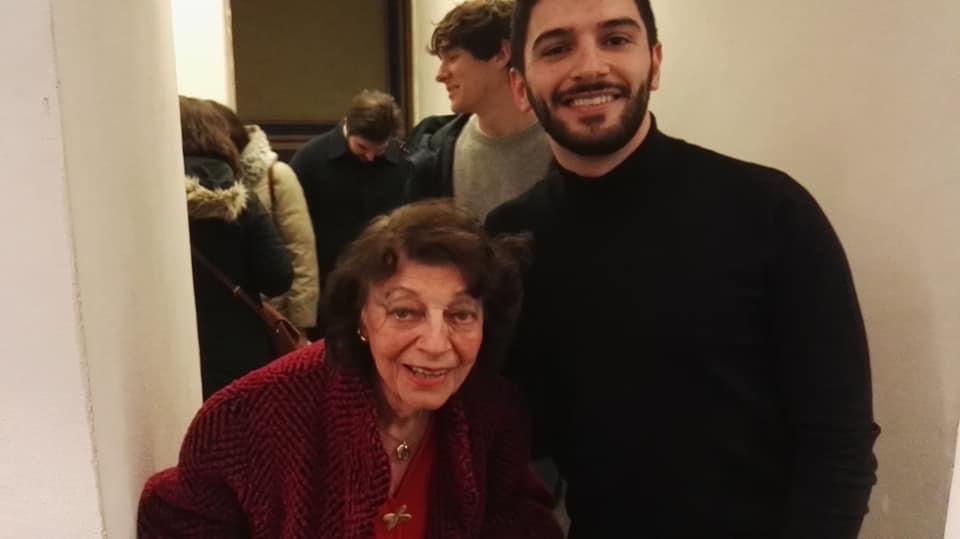
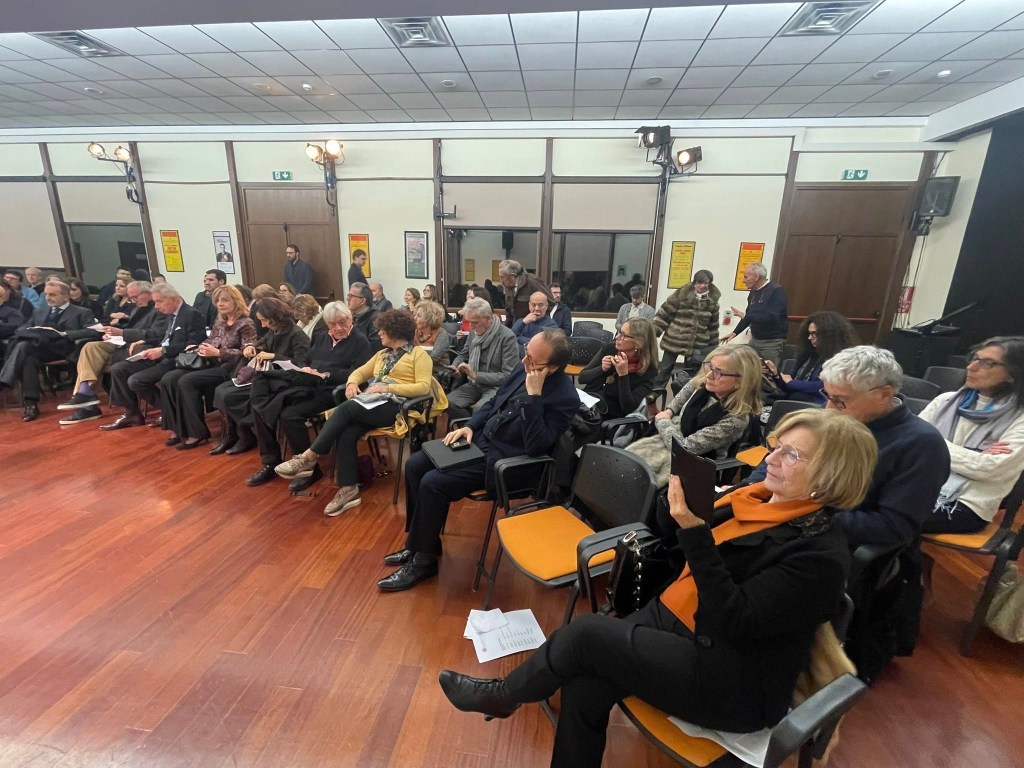
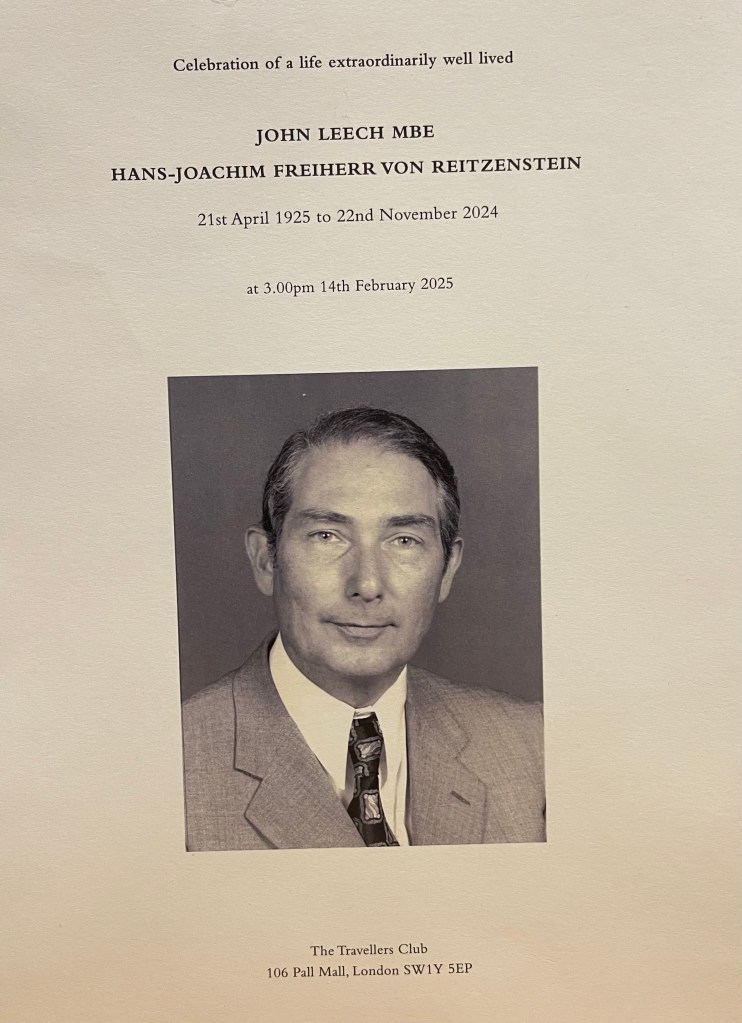
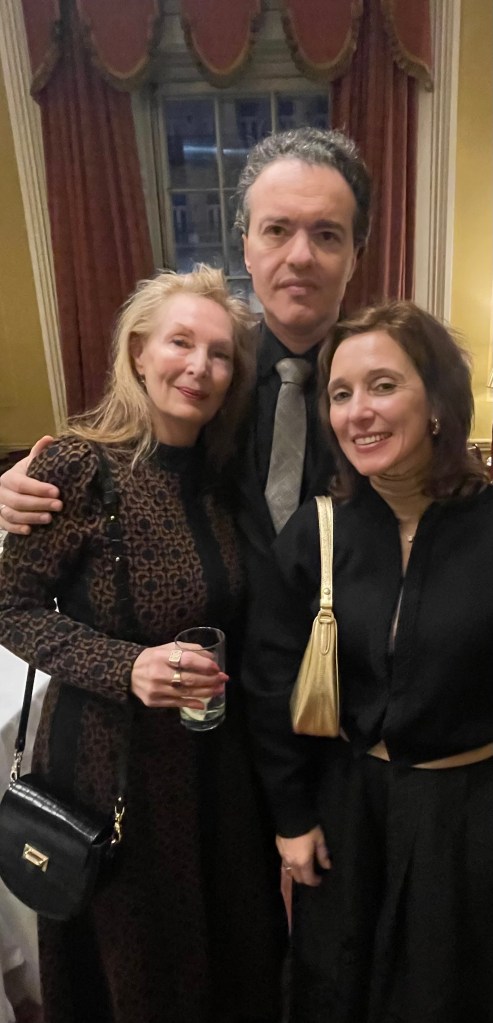
A family celebration appropriately on Valentine’s Day for an extraordinary man, much loved and admired. Celebrated in ‘his’ club with many illustrious guests, family and friends and introduced by his daughter Caroline von Reitzenstein with a celebration in words and music.
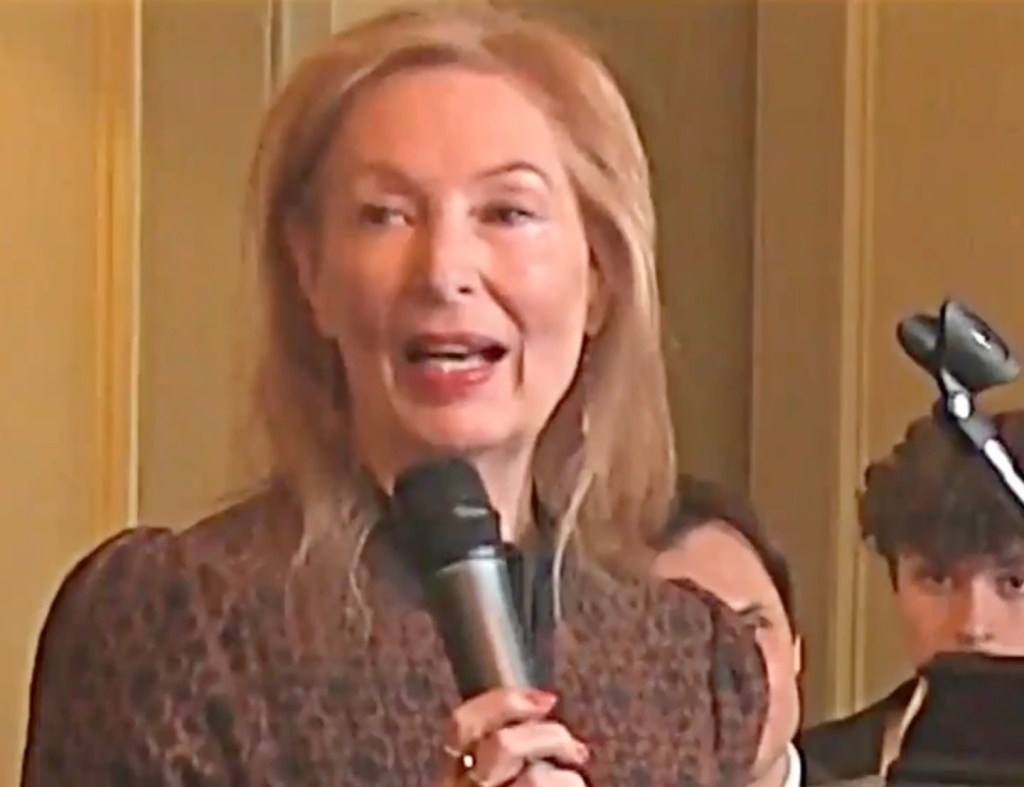
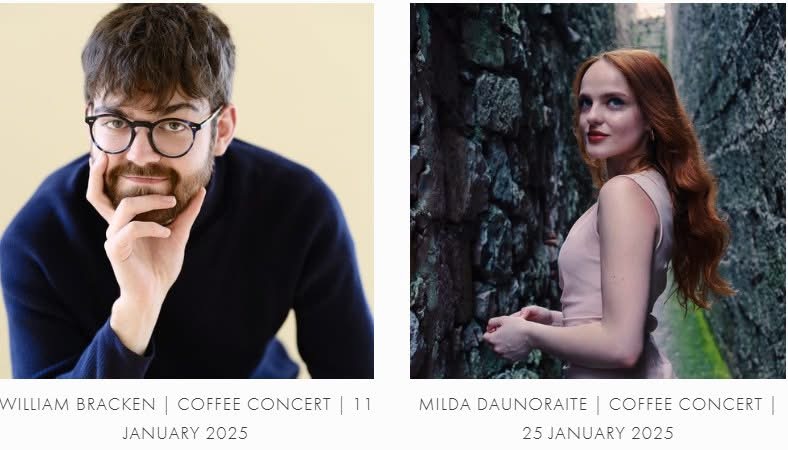
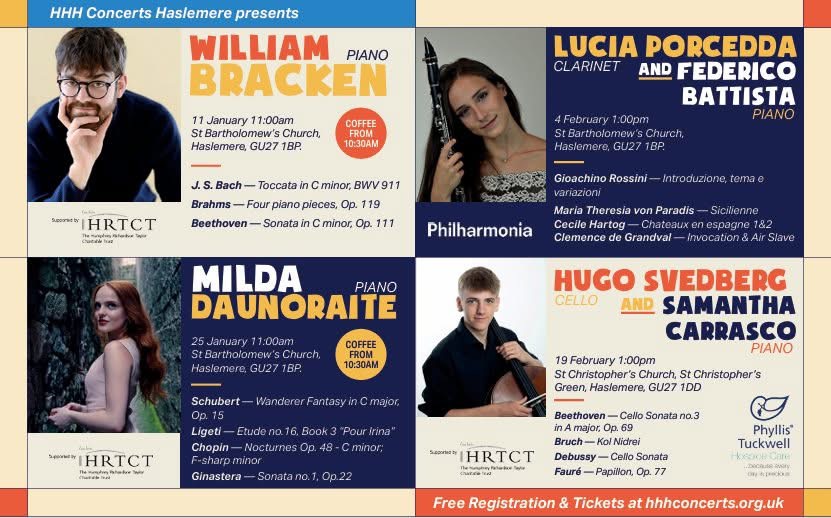
The year had begun with the first of three concerts in the collaboration with Stephen Dennison for the Haslemere HHH concerts at St Barthomews, with William Bracken 11th January, Milda Daunoraite 25th January and Emanuil Ivanov 15th March.
https://christopheraxworthymusiccommentary.com/2025/03/23/william-bracken-at-bechstein-hall-mastery-and-mystery-of-a-great-musician/

https://christopheraxworthymusiccommentary.com/2025/10/02/dazzling-milda-daunoraite-takes-the-wigmore-hall-by-storm/

And on the 15th January Emanuil Ivanov played in our annual collaboration with the Kensington and Chelsea Music Society in Leighton House.

https://christopheraxworthymusiccommentary.com/2025/01/07/emanuil-ivanov/
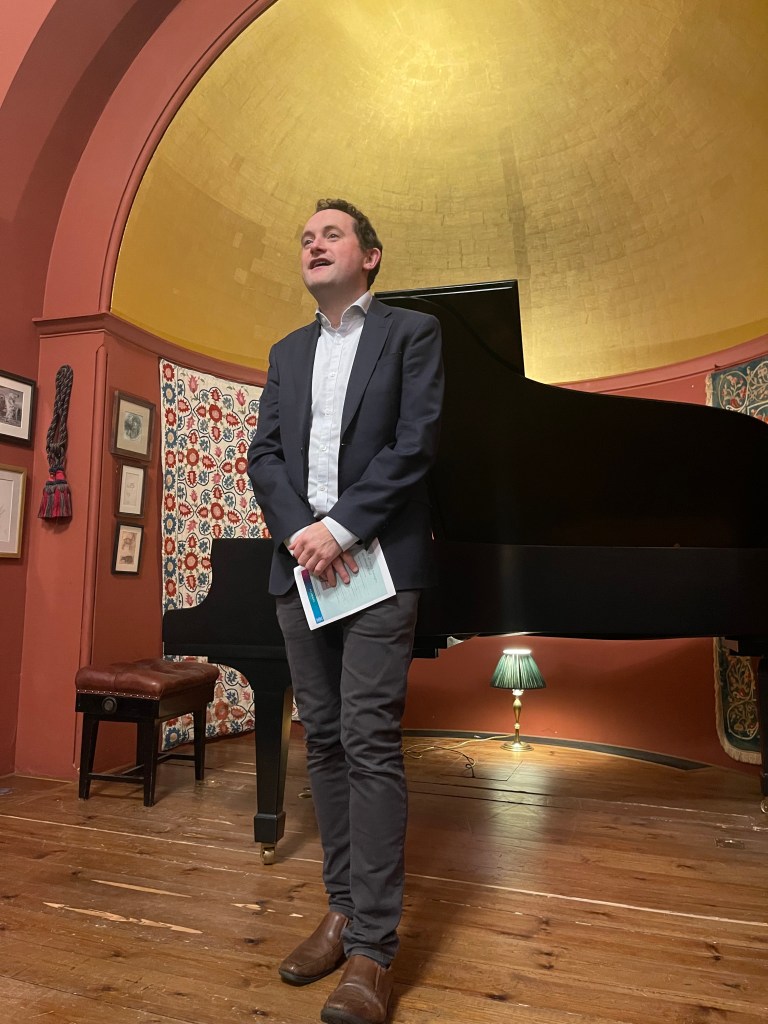
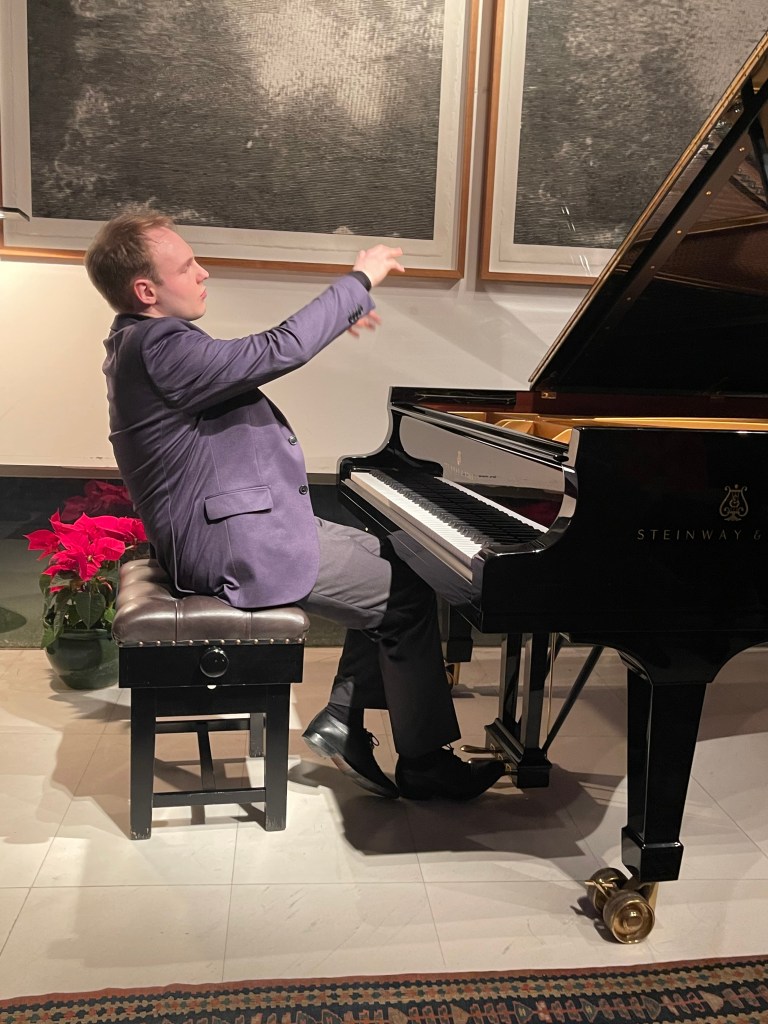
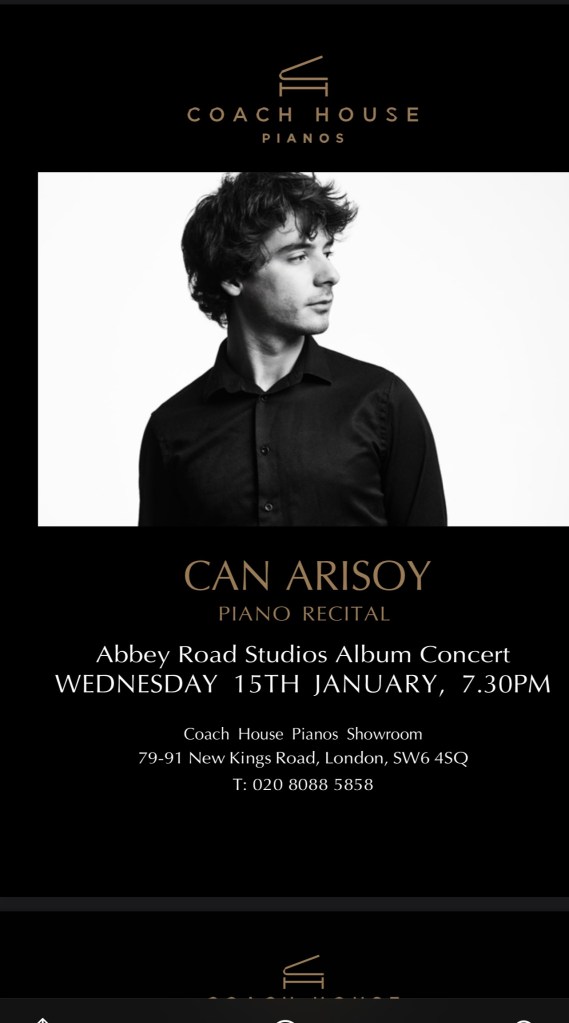
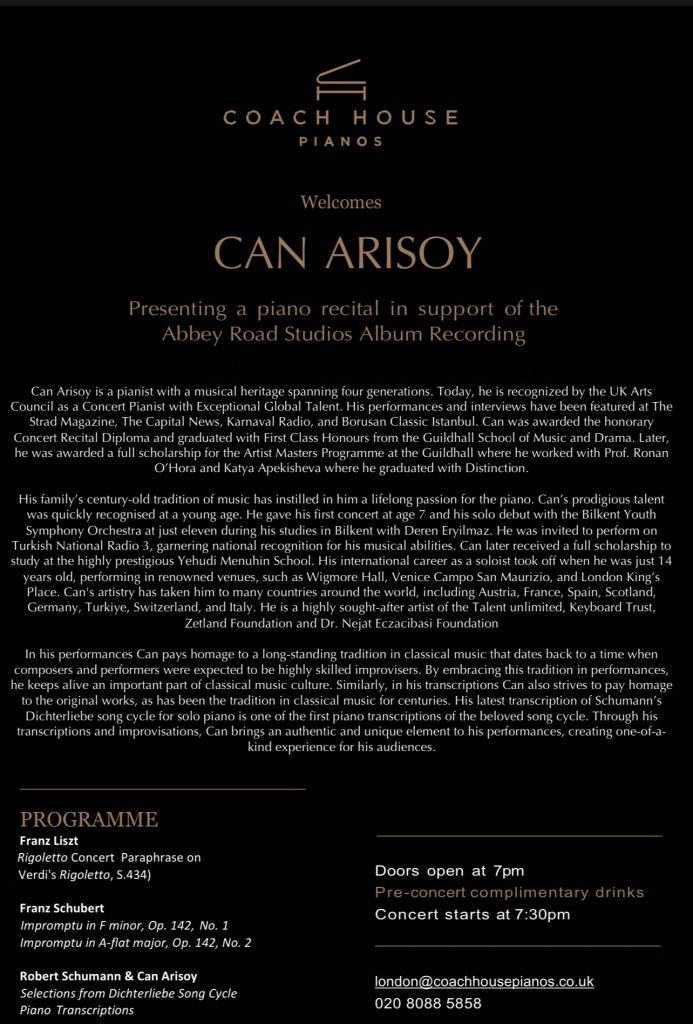
Can Arisoy had presented the project to record his piano transcription of Schumann’s Dichterliebe in the Coach House Piano Salon in a recital on his birthday.
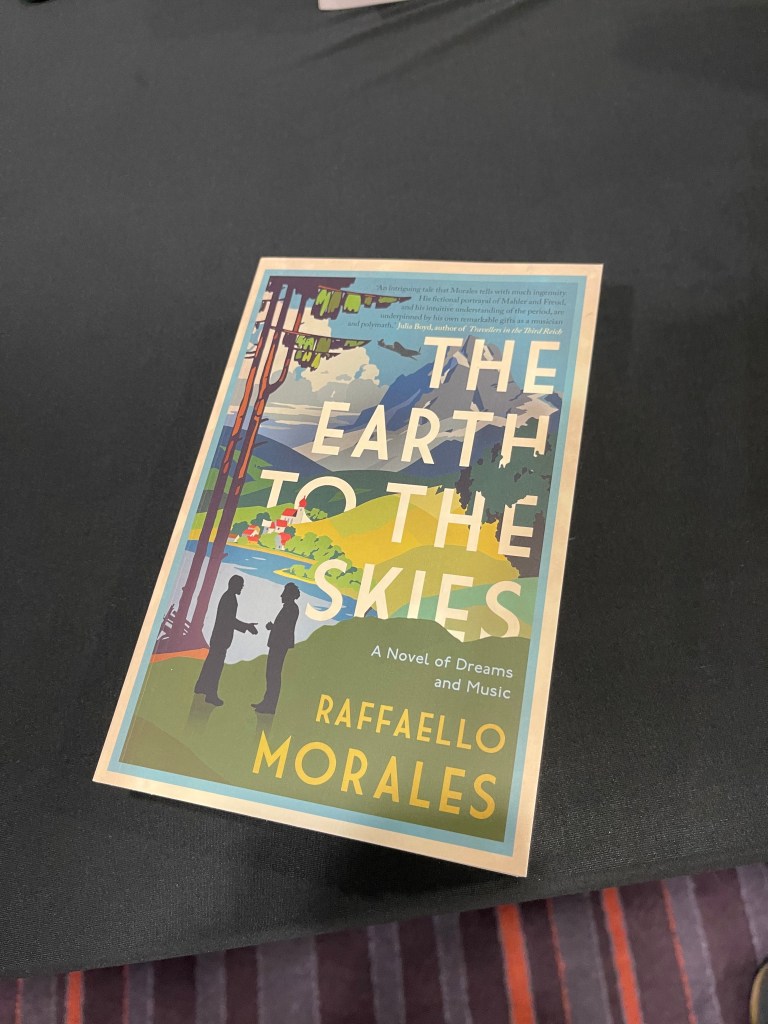
And Jonathan Ferrucci presented his new CD Toccatas at Raffaello Morales’ Fidelio.
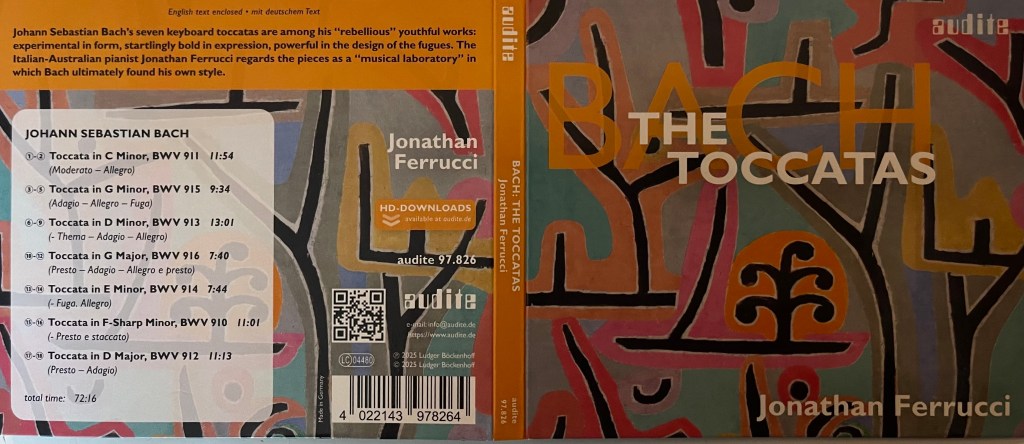
https://christopheraxworthymusiccommentary.com/2025/01/17/jonathan-ferrucci-touching-toccatas-and-much-more-besides/

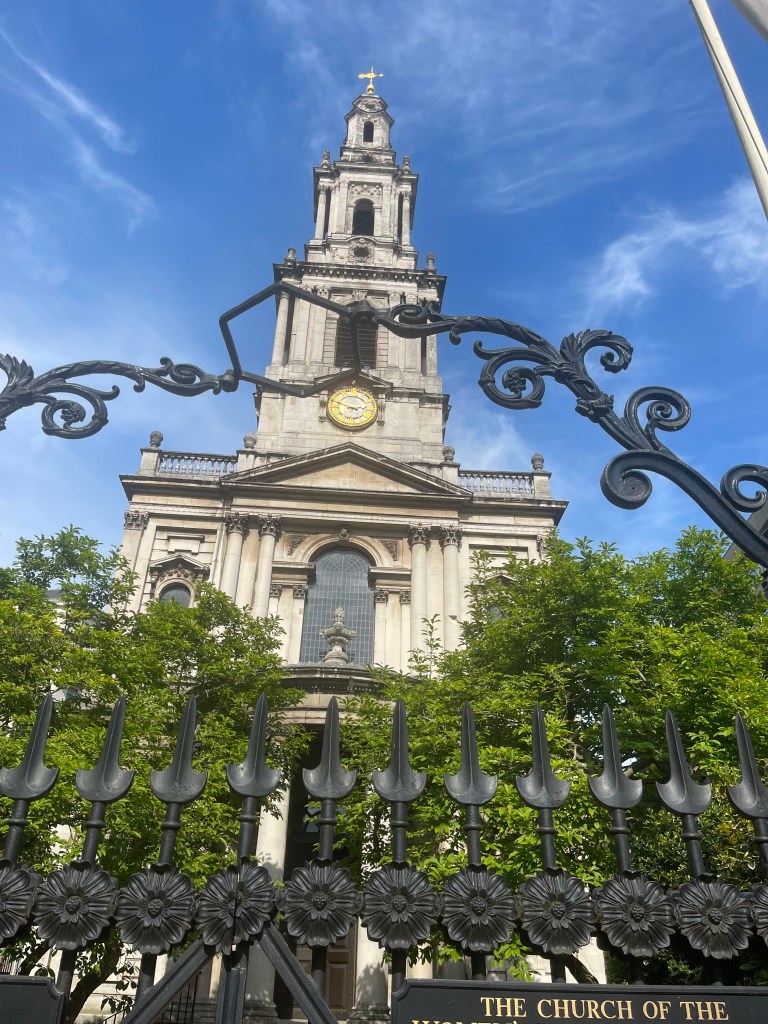
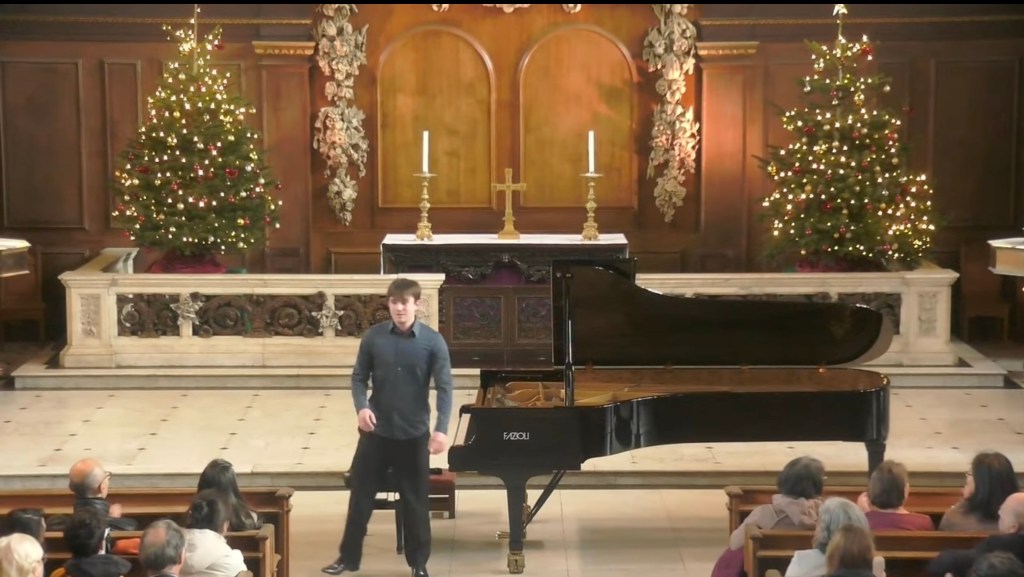
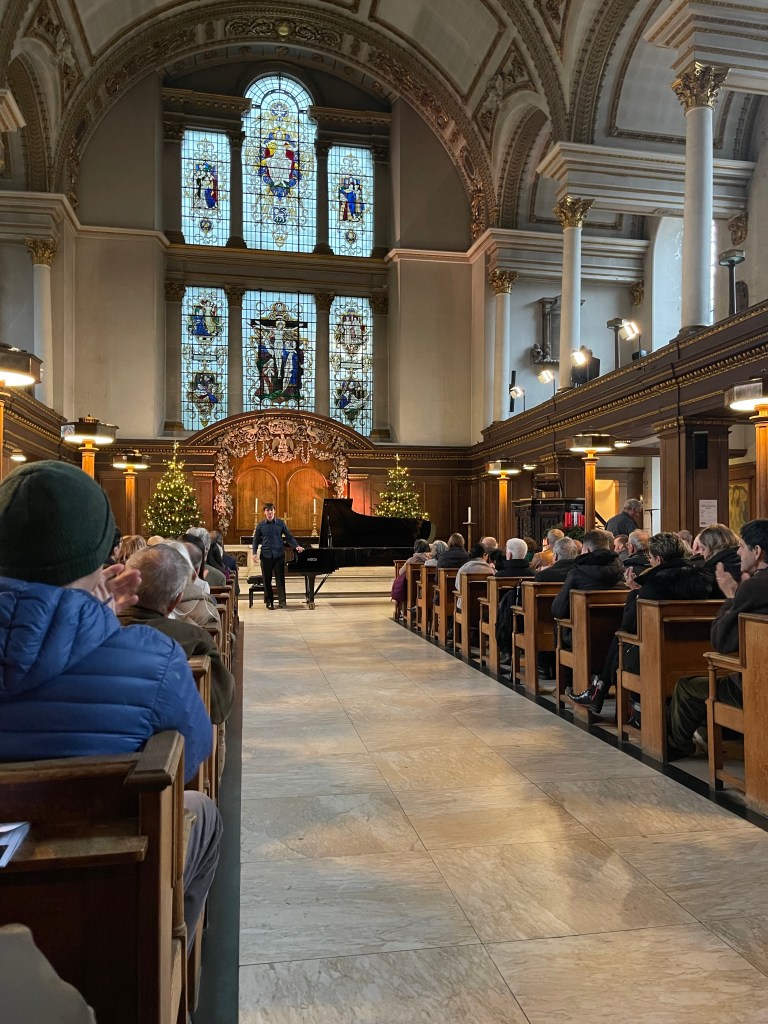
A collaboration with Warren Mailly Smith’s City Productions where the KT was invited to present many of it’s Rising Stars in the beautiful church, now in a pedestrian precinct and no longer the centre of a roundabout in the Strand, opposite Somerset House.
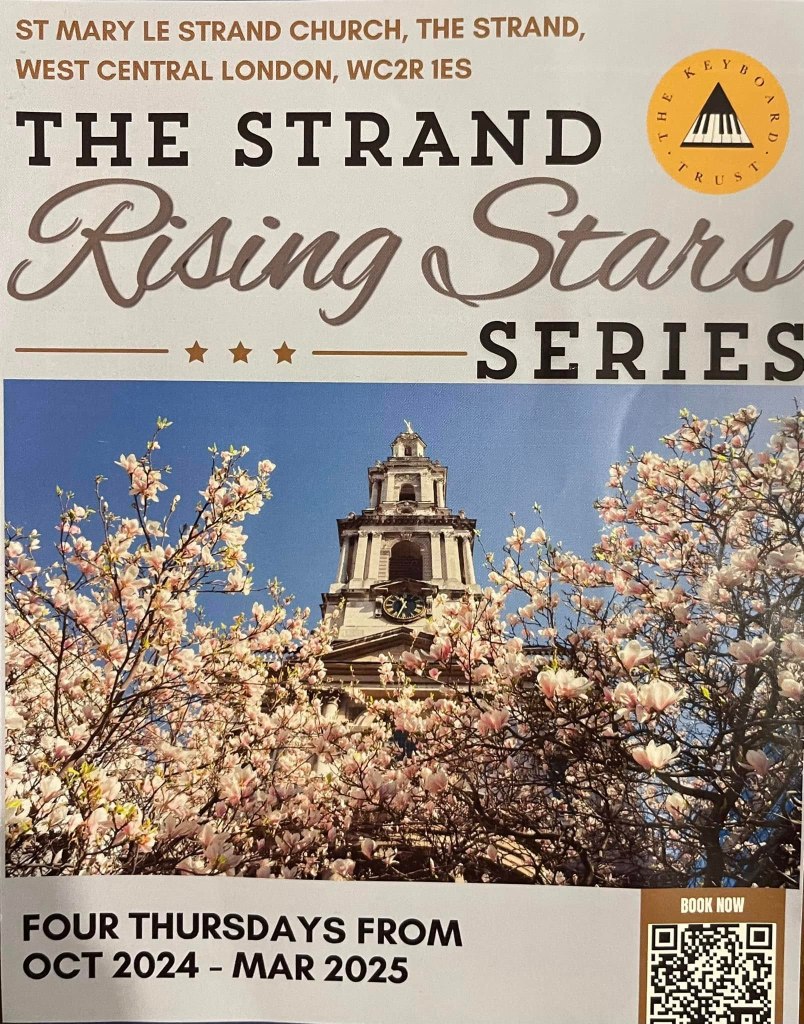
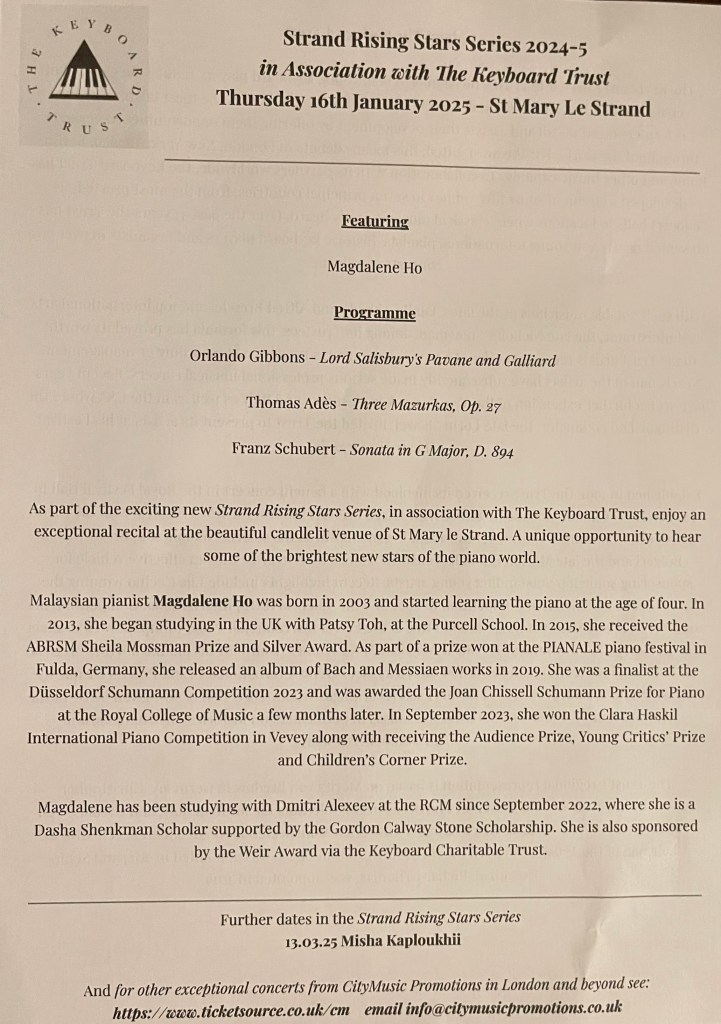
https://christopheraxworthymusiccommentary.com/2025/01/17/magdalene-ho-a-star-is-born-on-the-rising-sun-of-inspired-mastery/

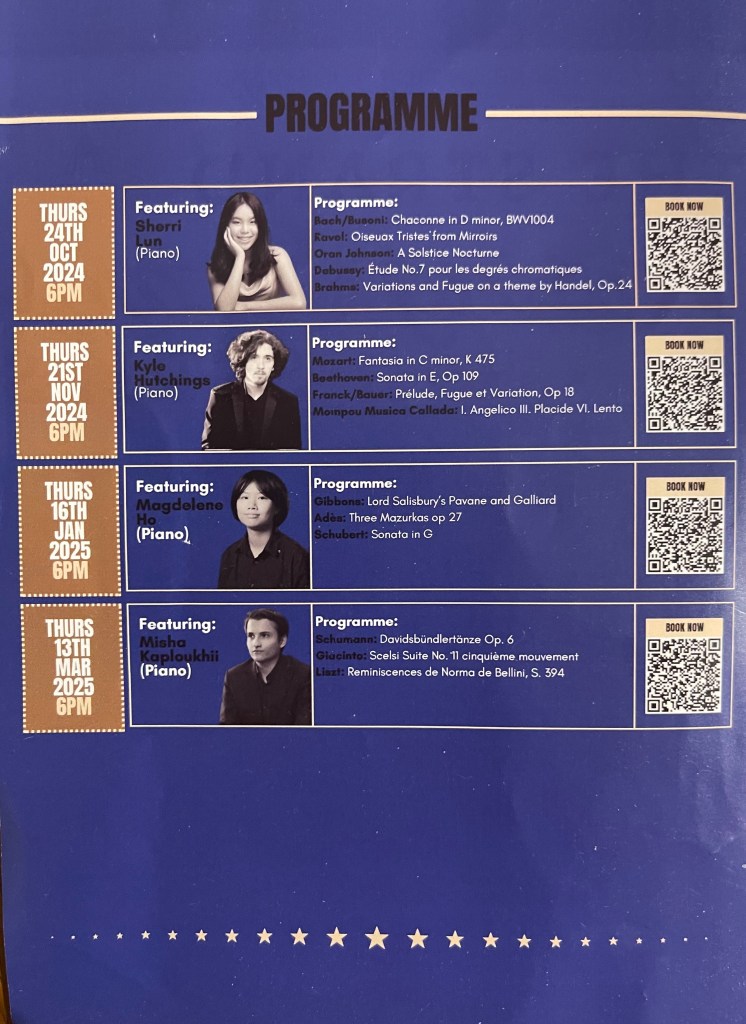
On the 17th January Misha Kaploukhii played Brahms 2nd Concerto with the Apollo Sinfonia and at Cadogan Hall with the YMSO on the the 19th February
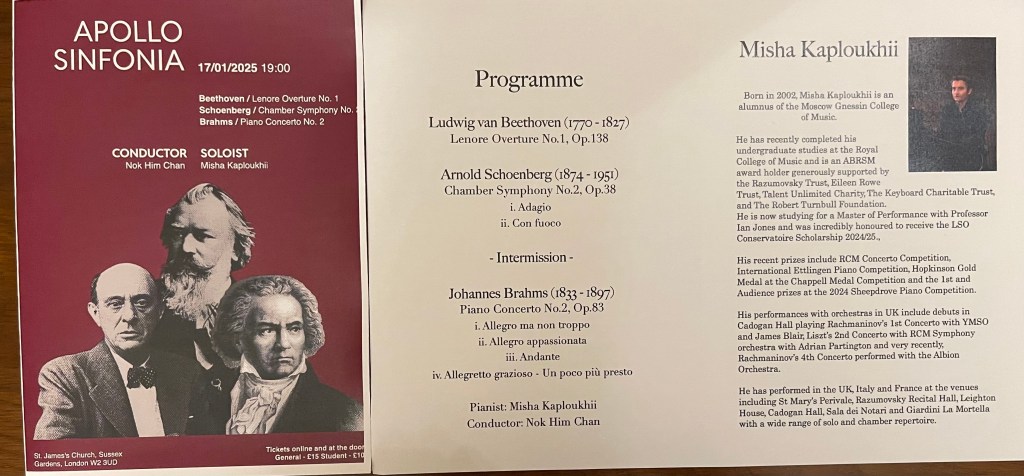
https://christopheraxworthymusiccommentary.com/2025/01/18/misha-kaploukhii-plays-brahms-2-with-passion-and-mastery/

And on the 19th January Philip Leslie gave a recital in Bechstein Hall
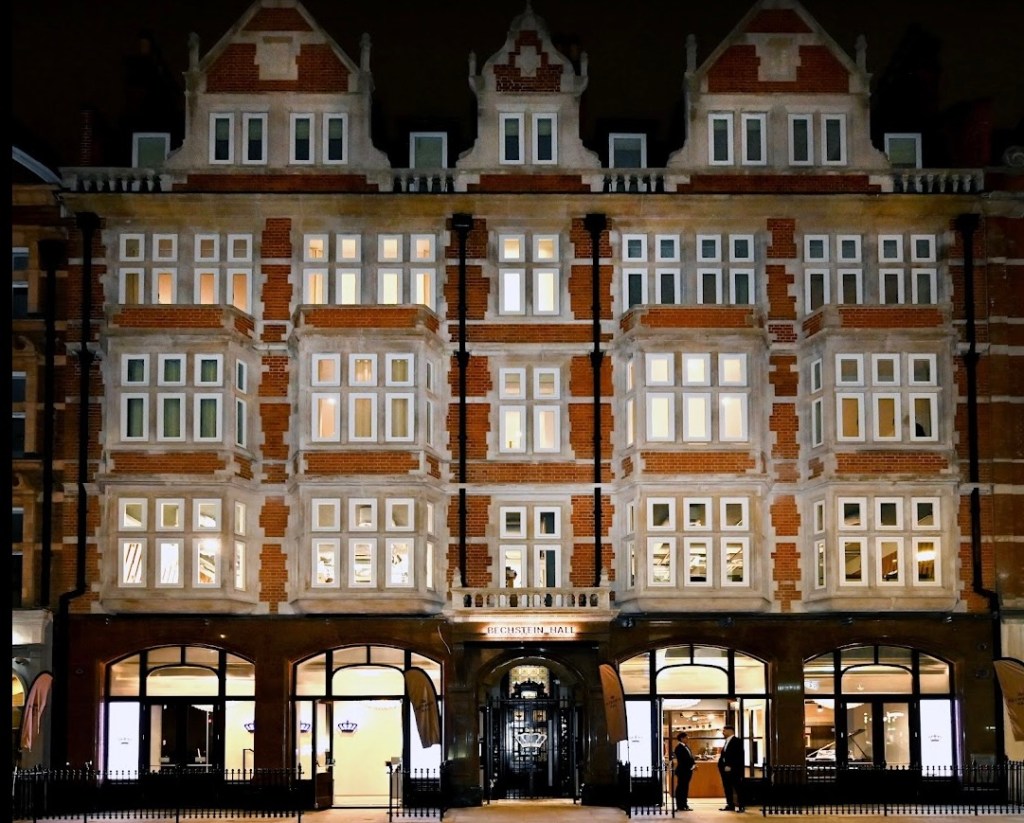
https://christopheraxworthymusiccommentary.com/2025/01/19/phillip-james-leslie-debut-recital-at-the-long-awaited-rebirth-of-bechstein-hall/

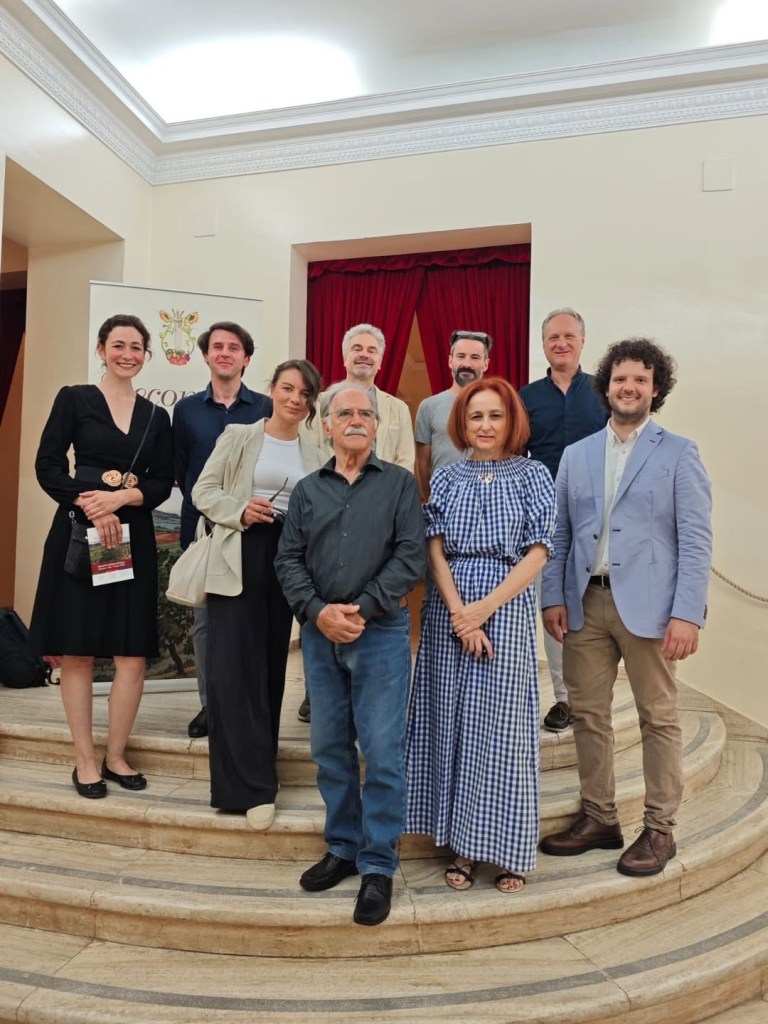
Nicolò Giuliano Tuccia played on the 25th January for our annual collaboration with Prof Ricci at the Tuscia University in Viterbo, Italy.
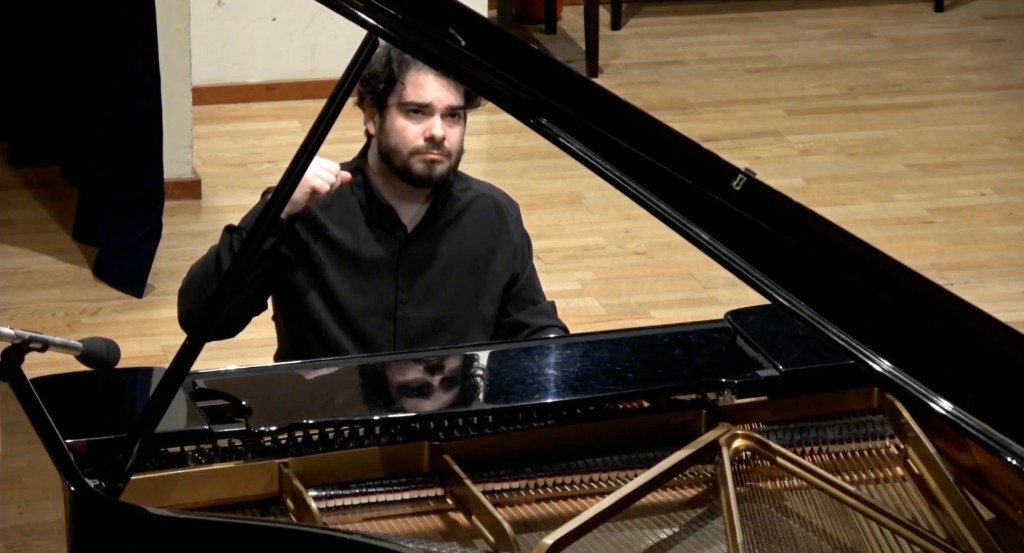
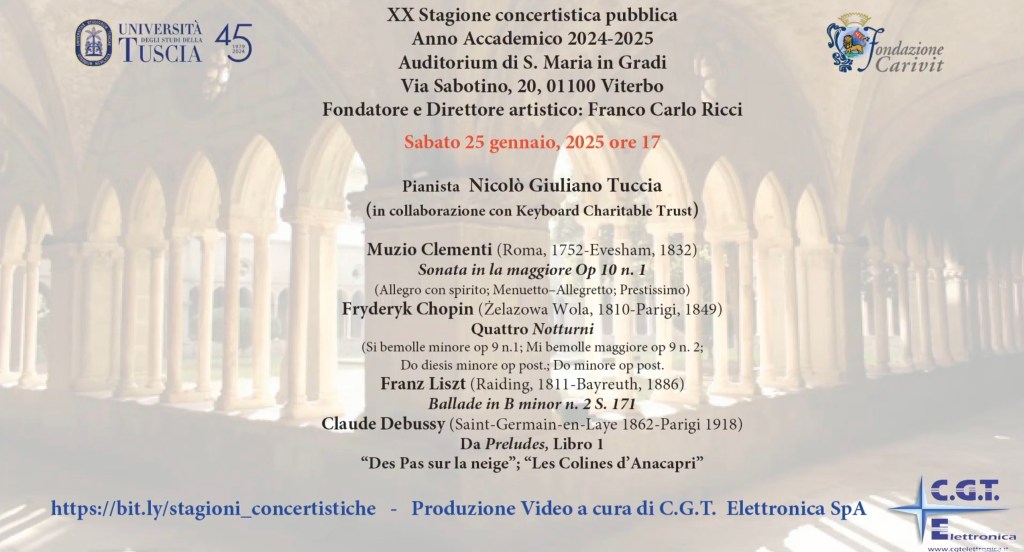
https://christopheraxworthymusiccommentary.com/2025/01/25/nicolo-giuliano-tuccia-in-viterbo-a-romantic-soul-laid-bare-with-beauty-and-style/

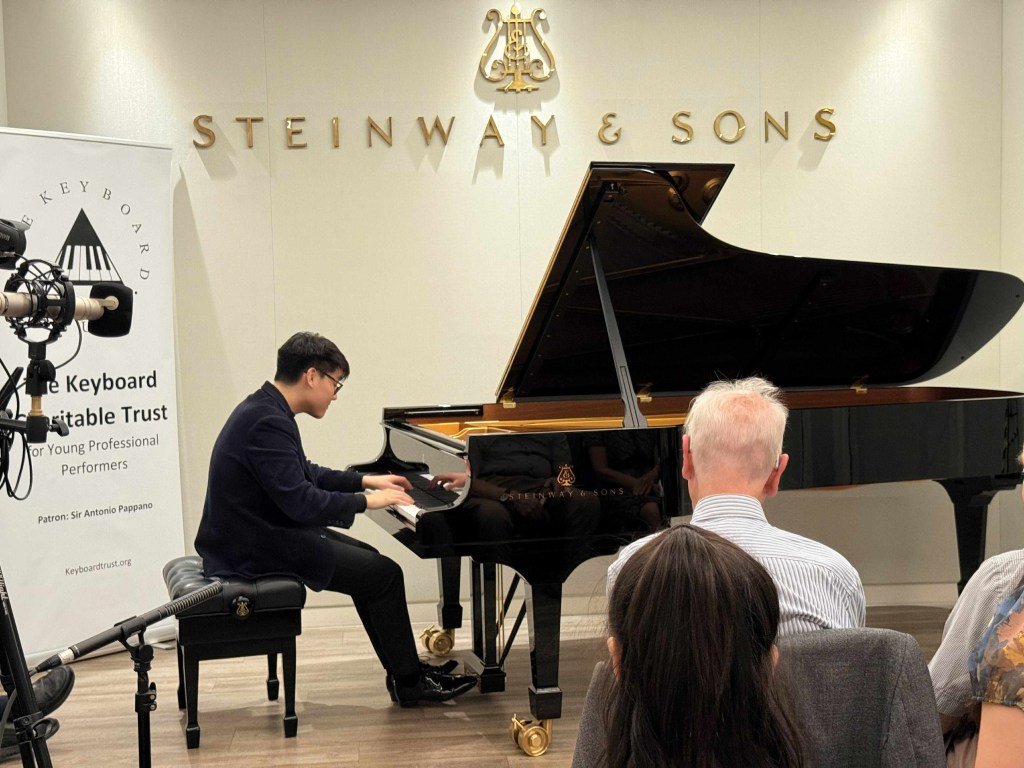
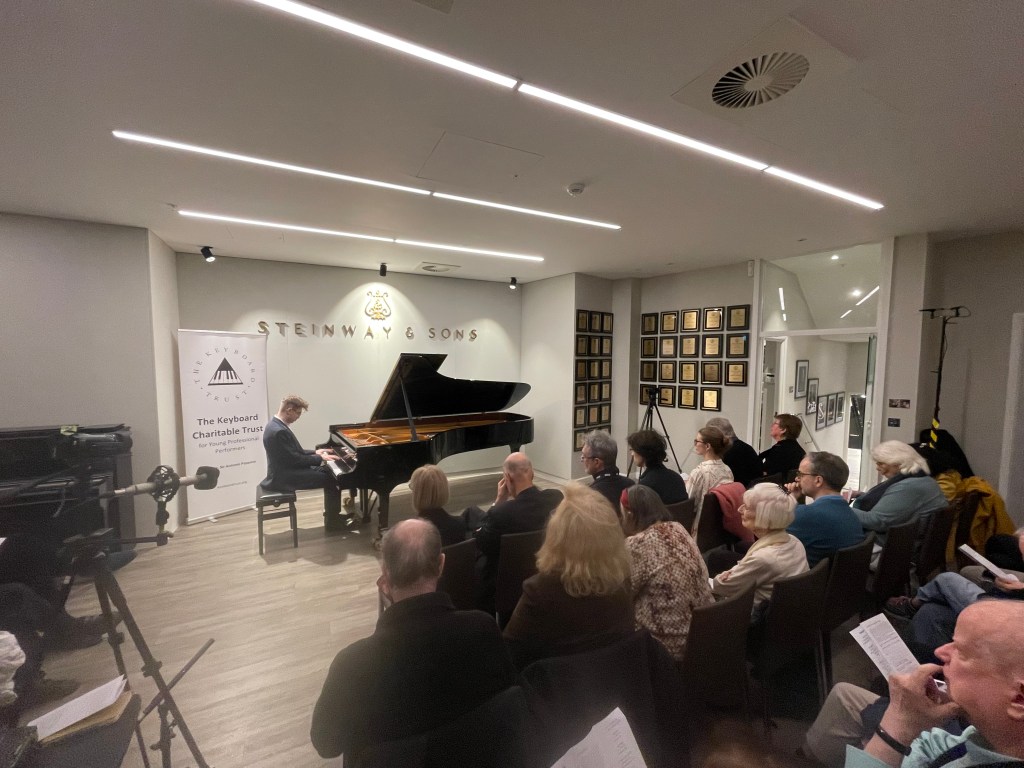
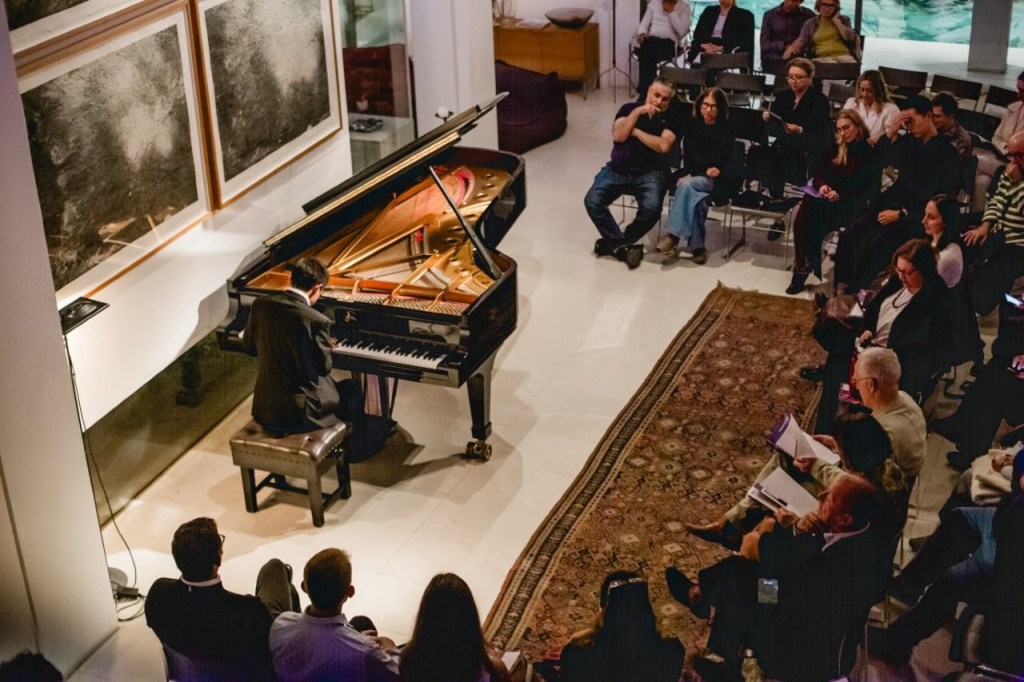
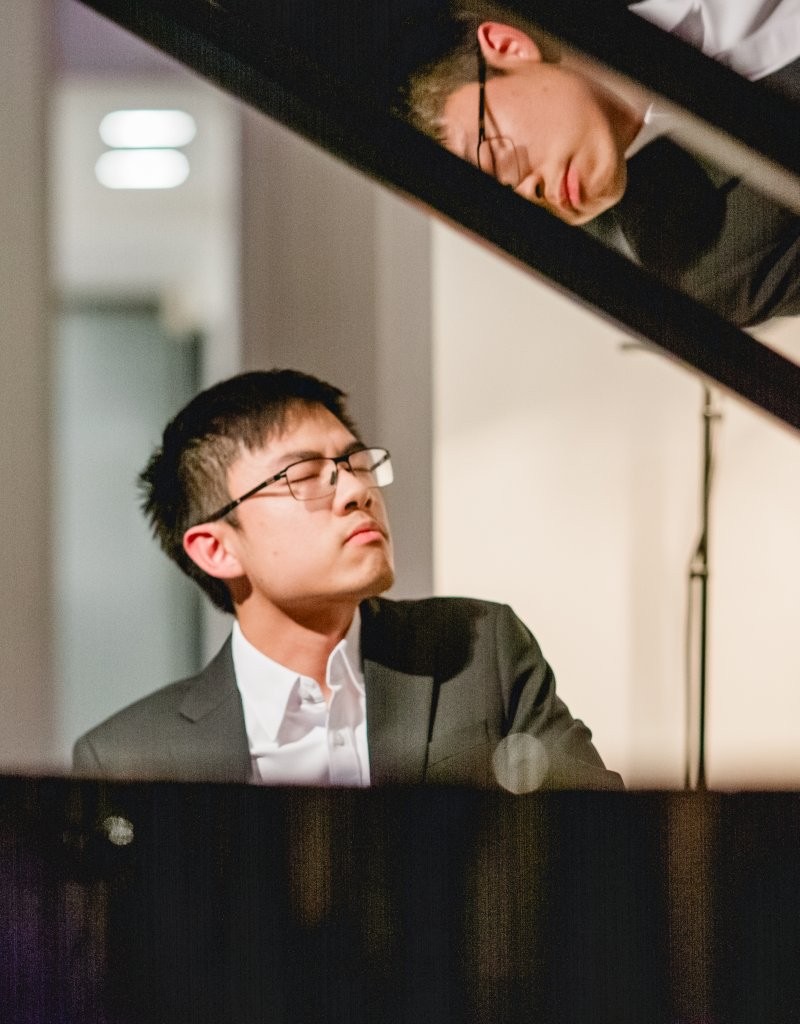
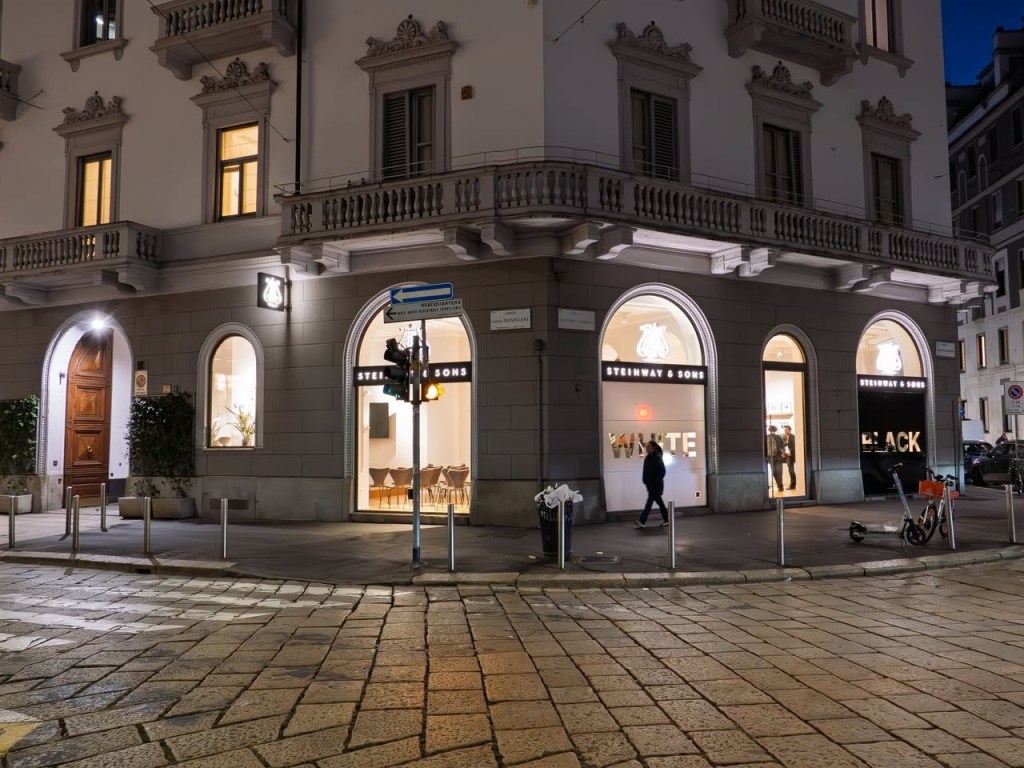
Julian Chan gave the first of our Steinway Hall concerts on the 12th February. Seven concerts generously hosted by Wiebke Greinus, Concert manager of Steinway London
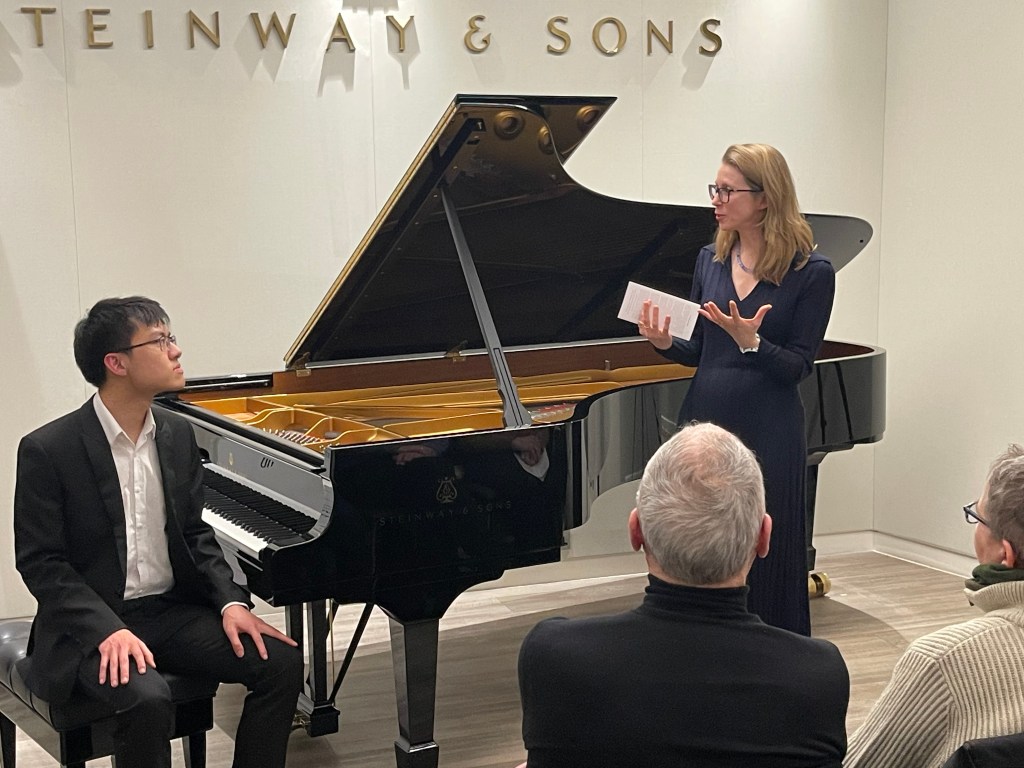
https://christopheraxworthymusiccommentary.com/2025/02/13/julian-chan-a-master-at-steinway-hall/

Giovanni Bertolazzi played on the 19th February for our old friends Garo Geheyan and Yvonne Georgiadou at their Pharos Arts Foundation on Cyprus. An introduction by Garo with a moving eulogy to his dear friend John Leech.
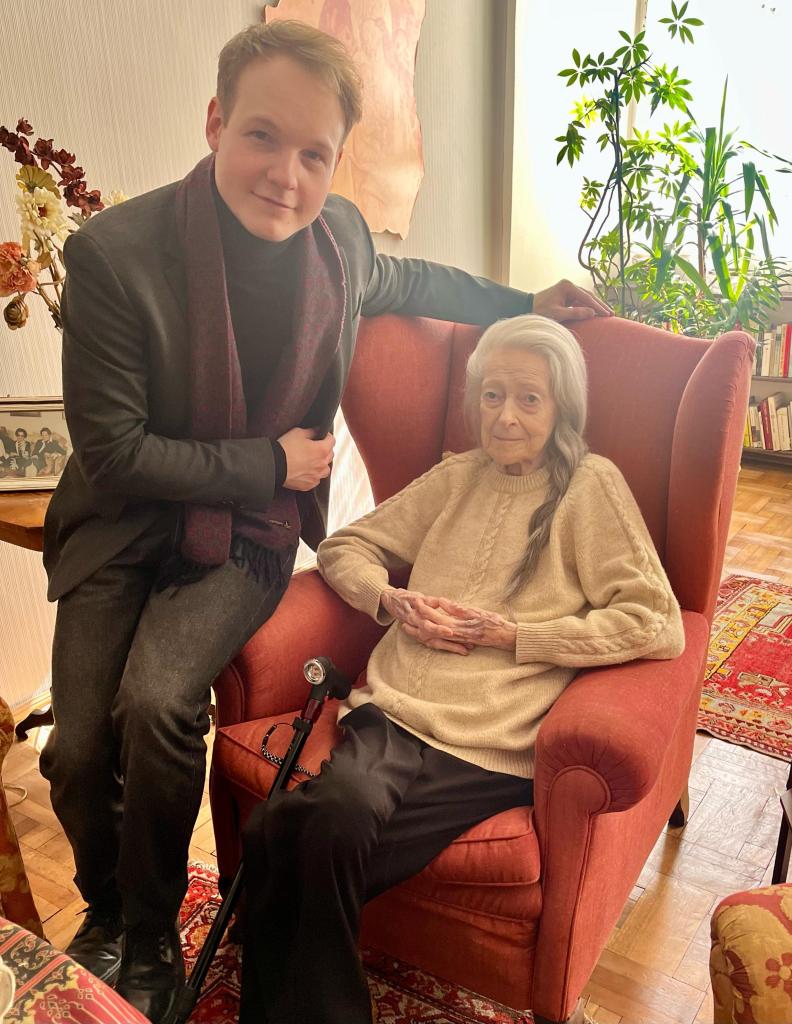
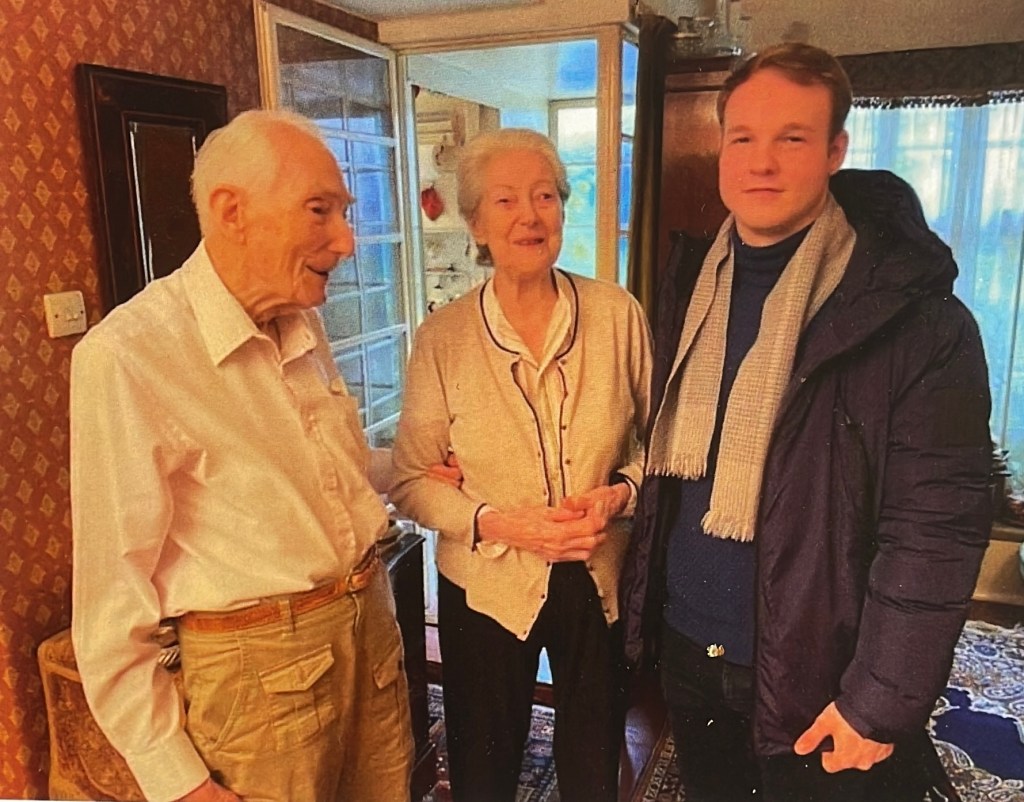
https://christopheraxworthymusiccommentary.com/2025/02/20/giovanni-bertolazzi-at-the-pharos-arts-foundation-cyprus-power-and-poetry-combine-with-mastery/

Jeremy Chan and Nikita Lukinov played at the Bechstein Hall both on the same day for the Young Musicians Series and for their regular ‘Roast’ series. An important venue for young musicians that hopefully will be able to continue after some difficult obstacles to overcome in their first season
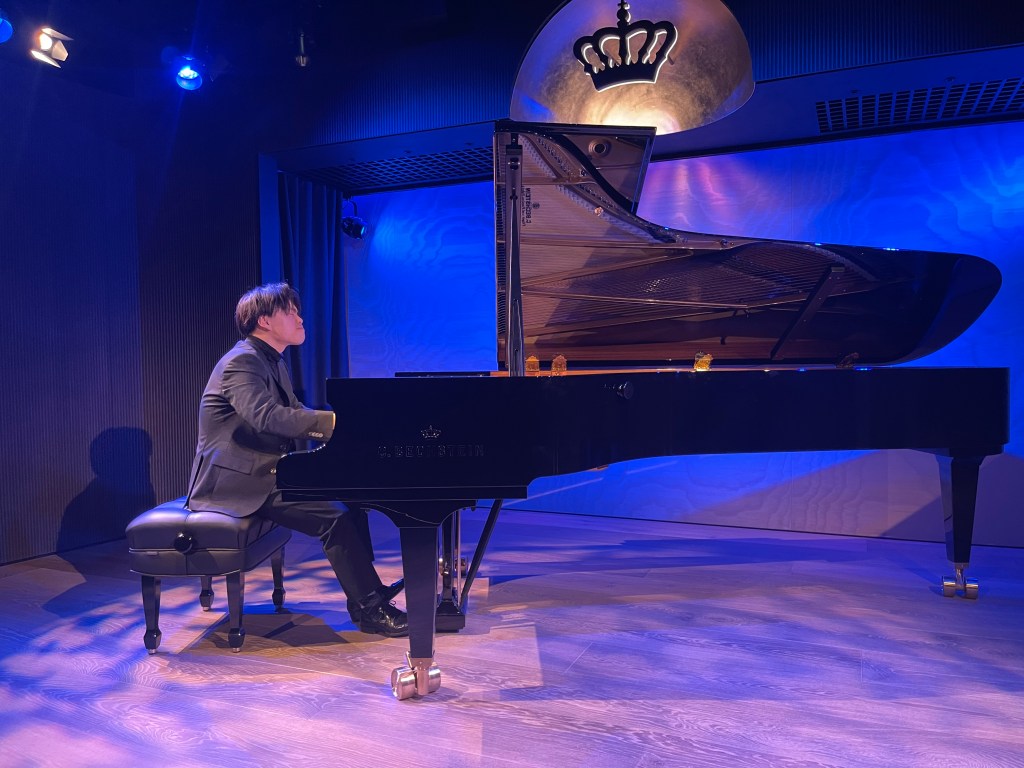
https://christopheraxworthymusiccommentary.com/2025/02/24/nikita-lukinov-conquers-the-bechstein-hall-with-masterly-music-making/

https://christopheraxworthymusiccommentary.com/2025/02/23/jeremy-chan-young-artists-recital-at-bechstein-hall-intelligence-and-artistry-combine-with-words-in-music/

Chloe Mun played in Andras Schiff’s ‘Building Bridges’ series in Perugia on the 28th February.

https://christopheraxworthymusiccommentary.com/2025/03/01/chloe-mun-building-bridges-in-perugia-with-the-integrity-and-humility-of-a-great-artist/

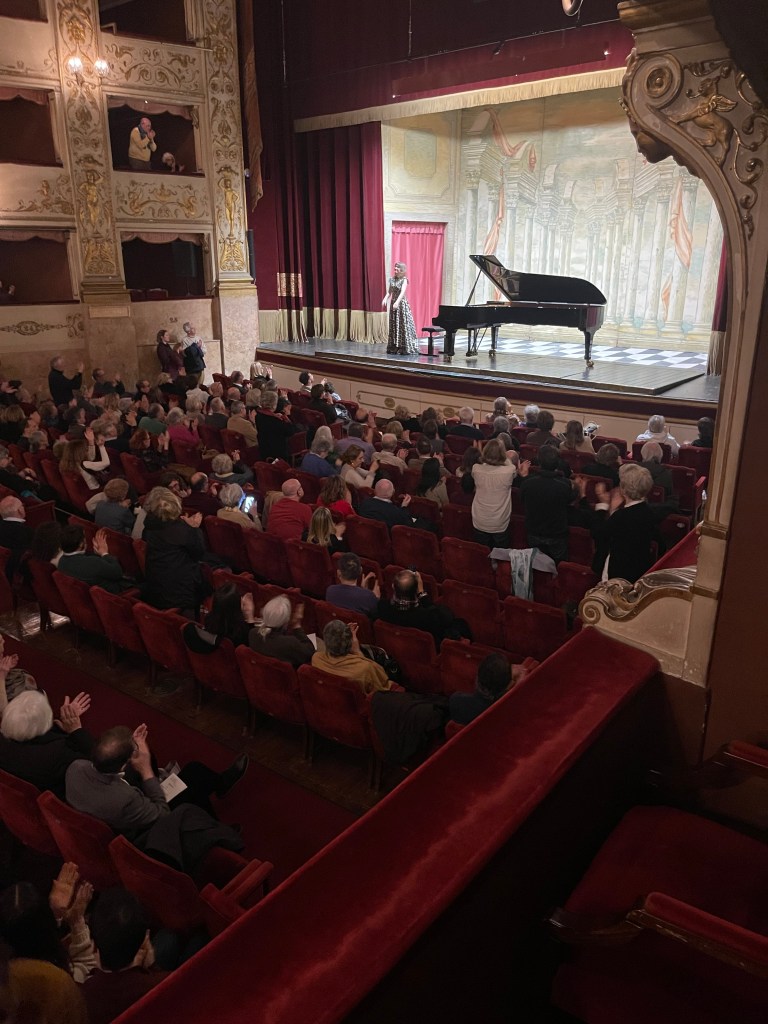
And Anna Fedorova took Florence by storm at Teatro La Pergola on the 1st March
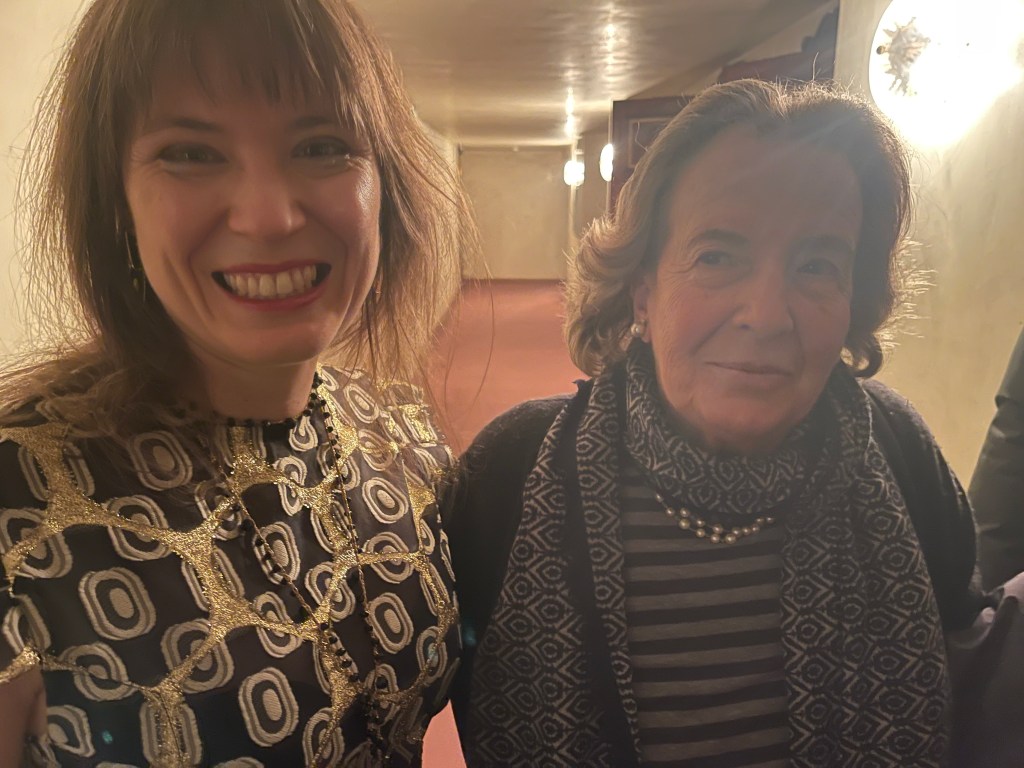
https://christopheraxworthymusiccommentary.com/2025/03/02/anna-fedorova-in-florence-the-triumph-of-a-supreme-stylist-in-la-pergola-the-temple-of-music/

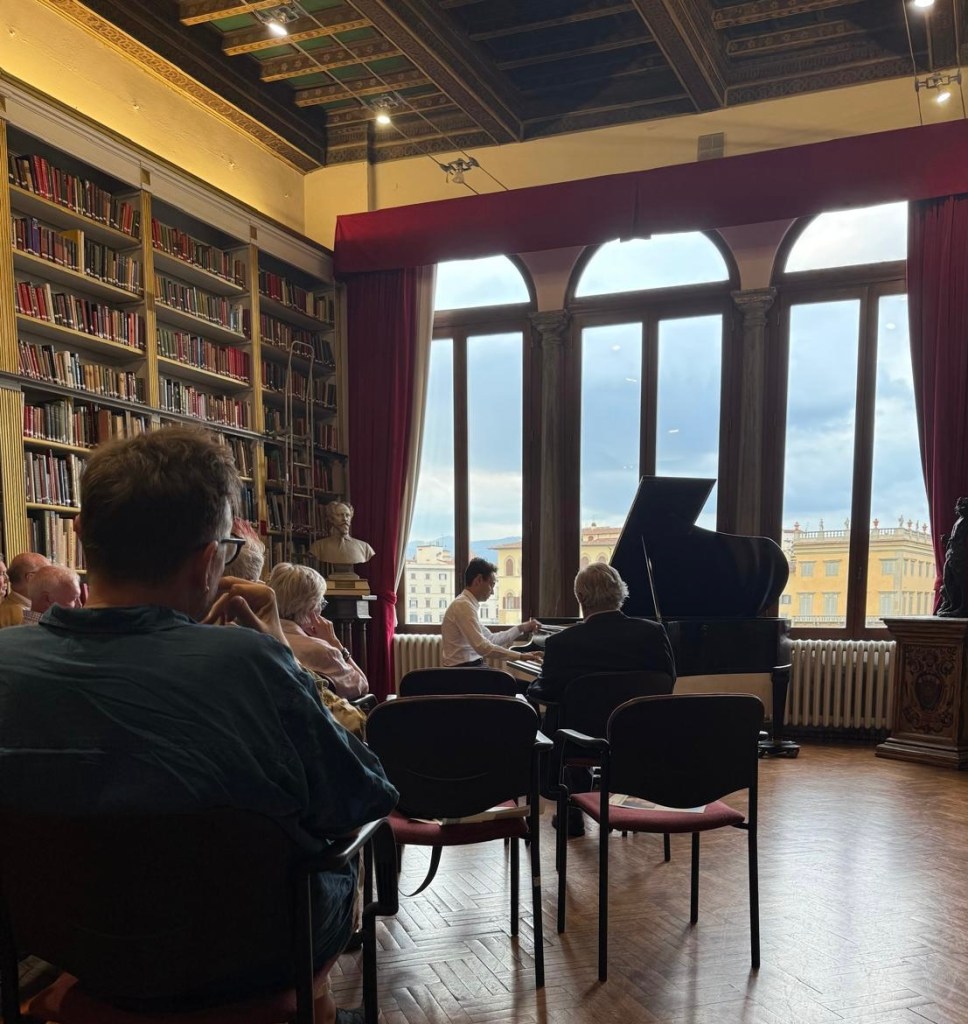
And a few days later Ruben Micieli played in our series in the Harold Acton Library
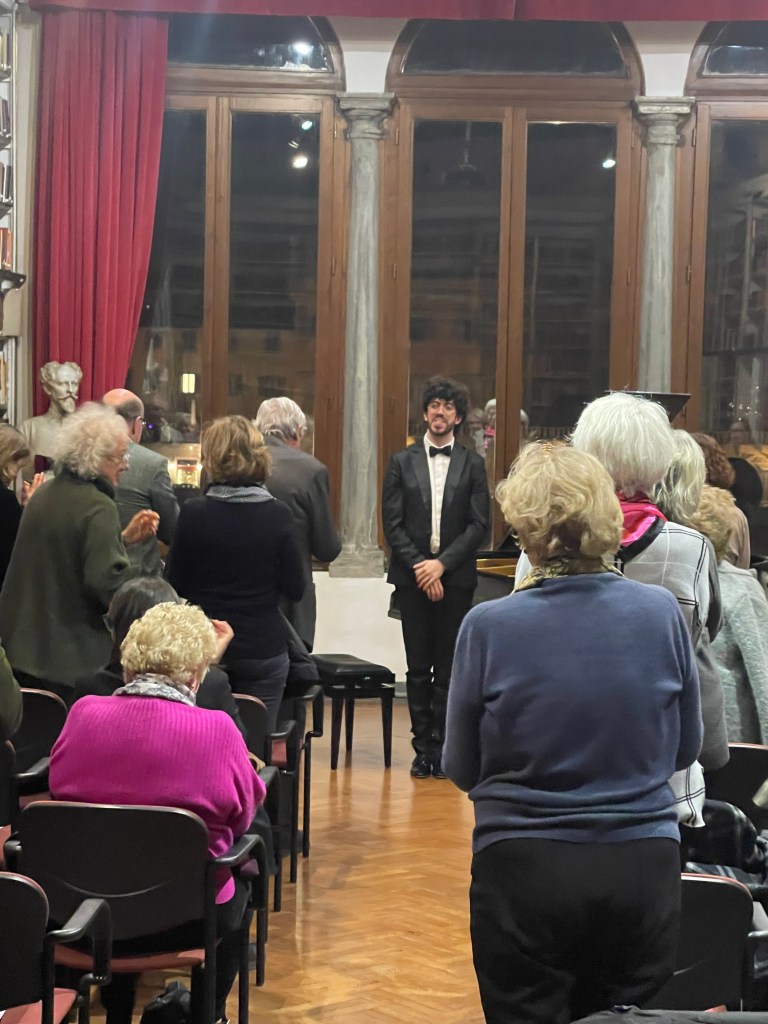
https://christopheraxworthymusiccommentary.com/2025/03/05/ruben-micieli-triumphs-with-chopin-in-florence-with-music-al-british-in-the-harold-acton-library/

before being noted in the Chopin Competition in Warsaw. https://christopheraxworthymusiccommentary.com/2025/09/28/ruben-micieli-a-poetic-kapellmeister-getting-to-the-heart-of-chopin/
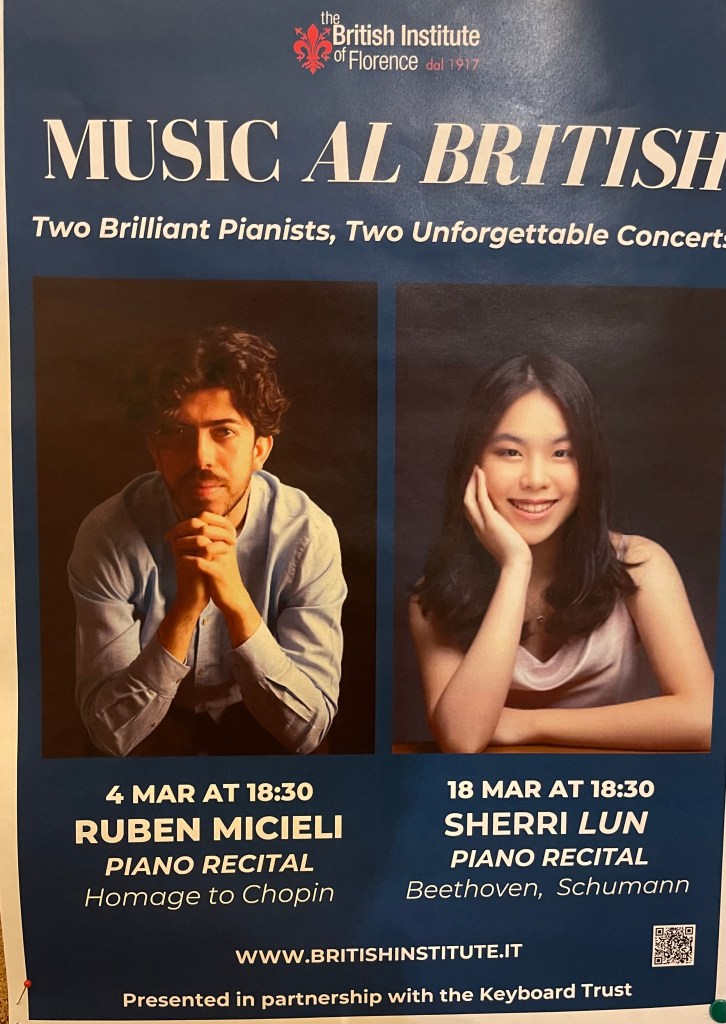
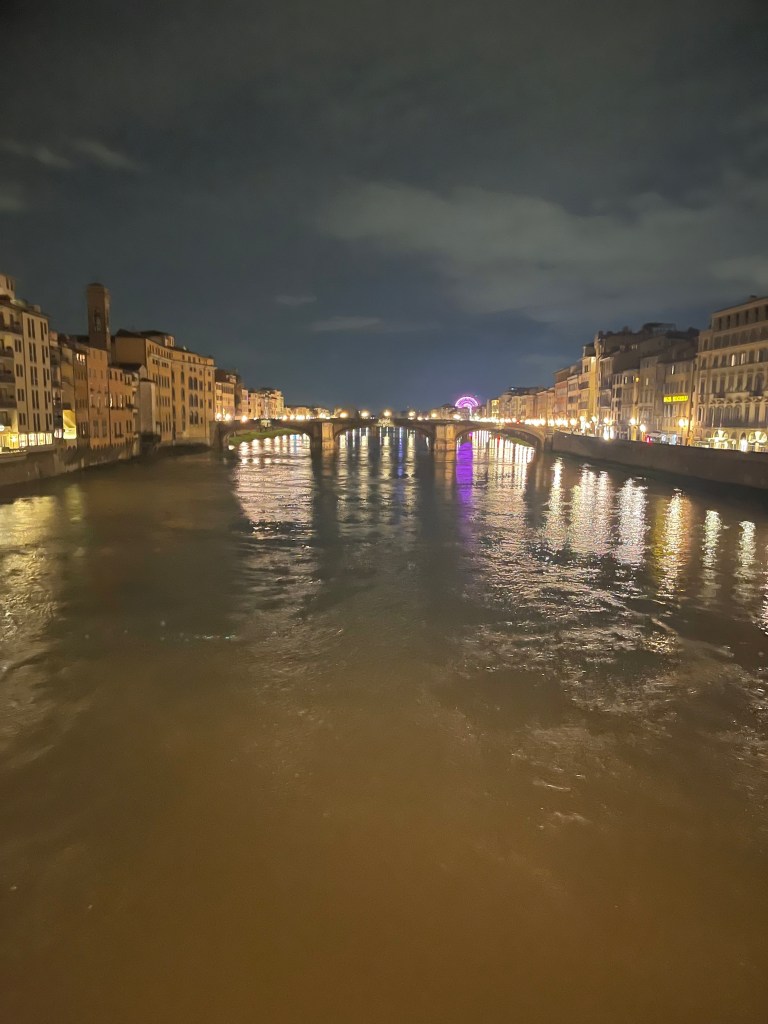
https://christopheraxworthymusiccommentary.com/2025/03/19/sherri-lun-in-florence-harold-acton-library-music-al-british-refined-musicianship-and-mastery-of-a-young-star/

Two weeks later Sherri Lun played in Florence as part of her North Italian tour in Vicenza ,Venice, Padua and Abano that John and Noretta had created with Maria Antonietta Sguelia and Agimus of Elia Modenese https://christopheraxworthymusiccommentary.com/2025/03/15/sherri-lun-keyboard-trust-italian-tour-2025-part-1/
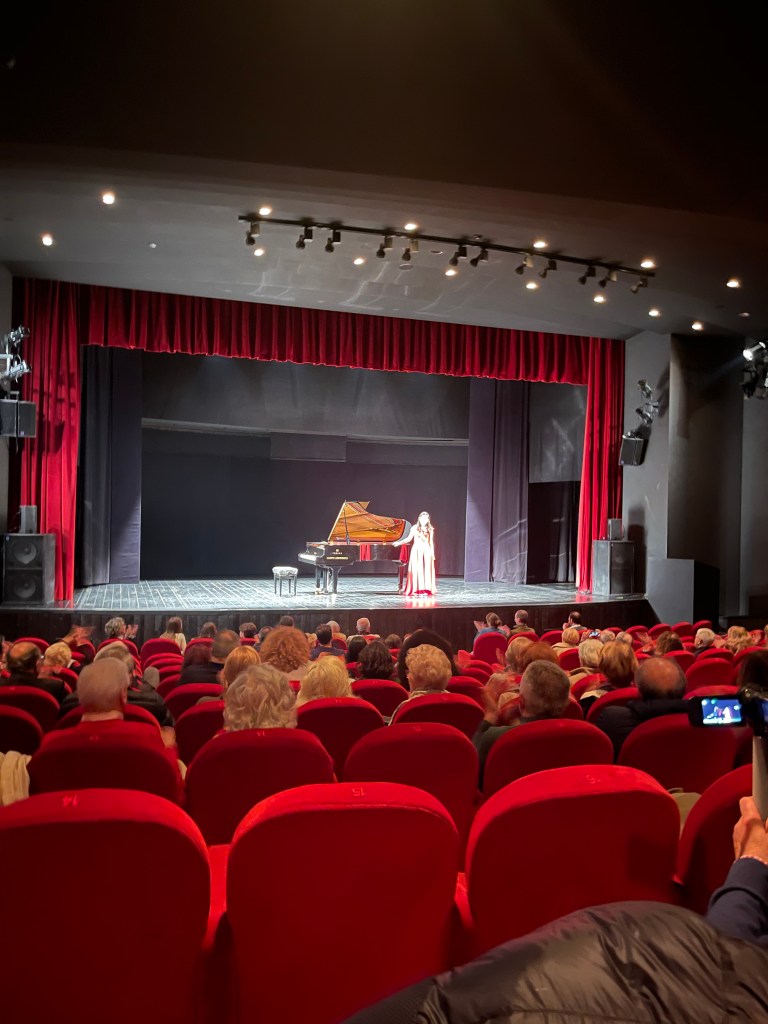
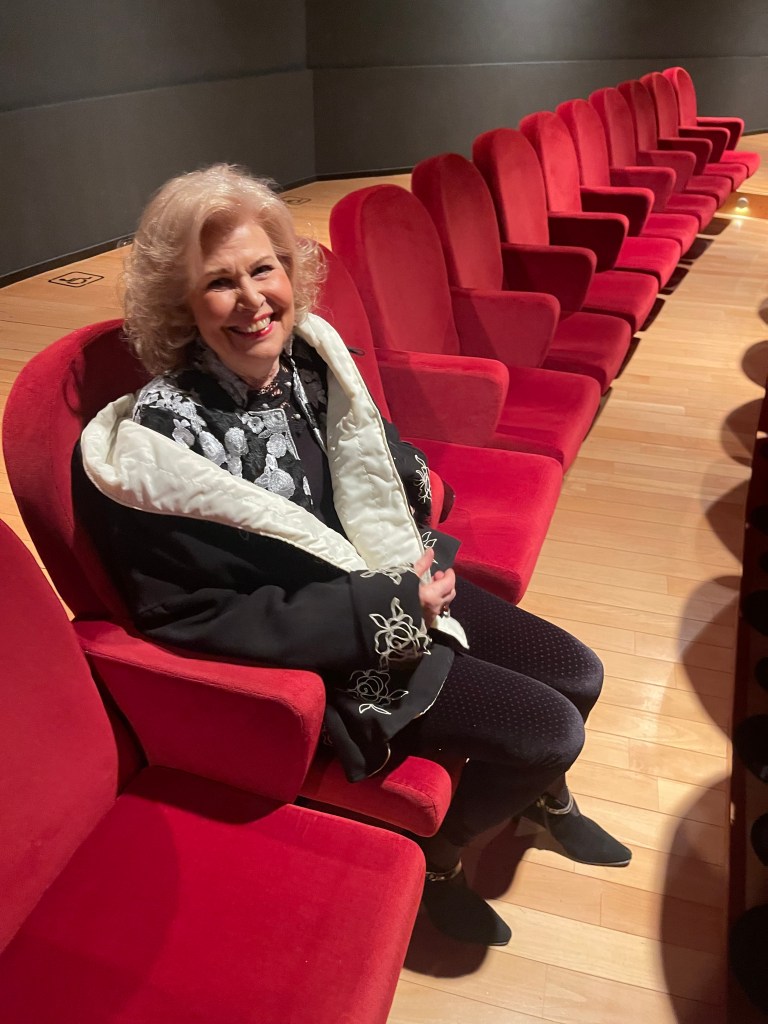
Bridget Yee played at Steinway London on the 12th March and in our Rising Star Series at St Mary Le Strand on the 10th April https://christopheraxworthymusiccommentary.com/2025/03/13/bridget-yee-at-steinways-for-the-keyboard-trust-effervescence-of-youth-with-a-heart-of-gold/
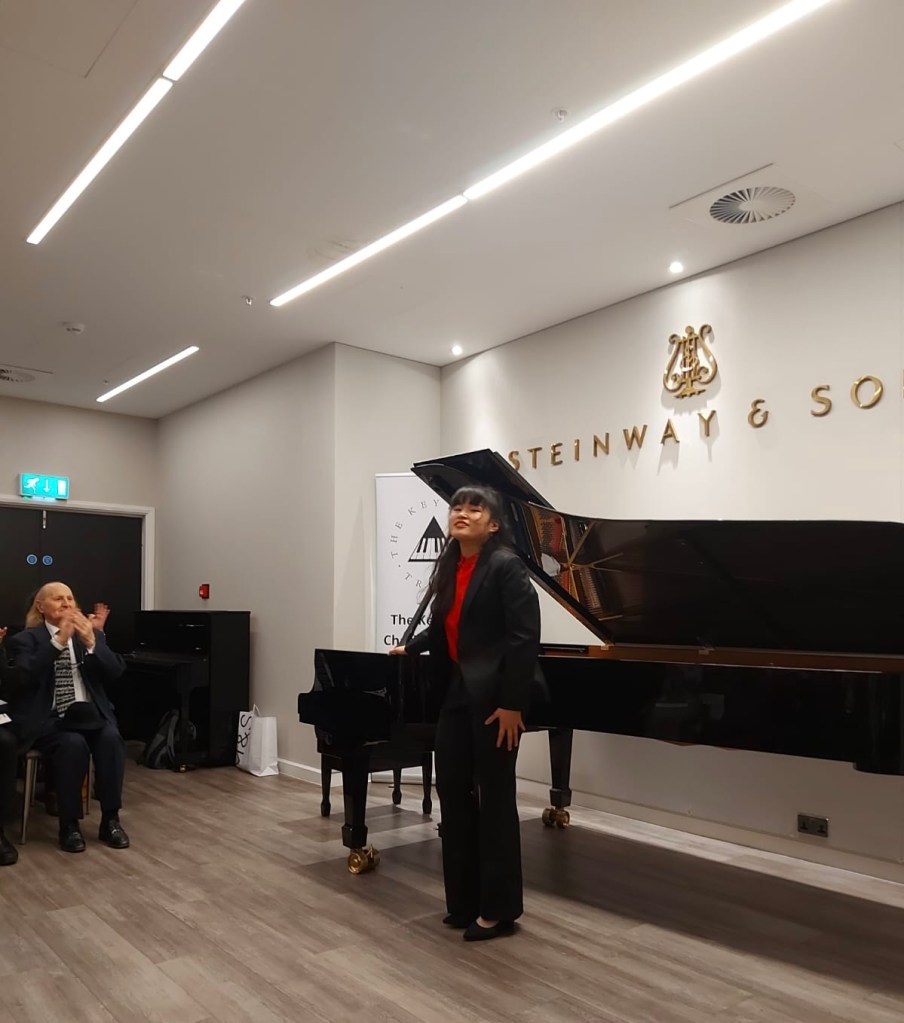
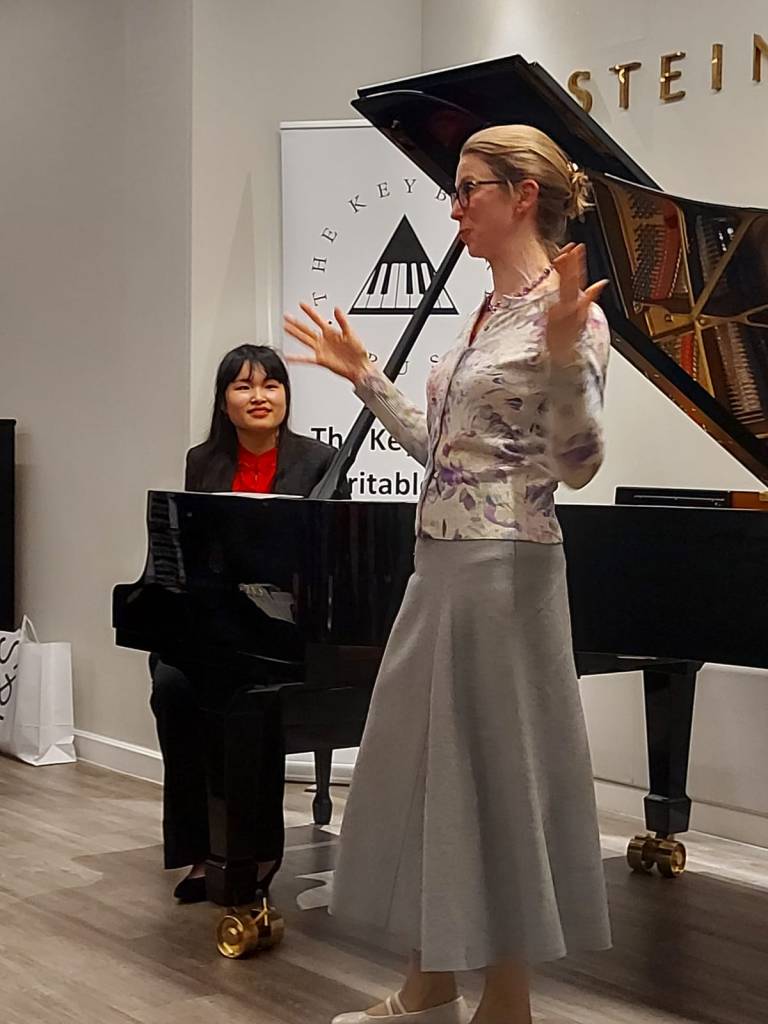
Mihai Ritivoiu played at the Bechstein Hall on the 29th March

https://christopheraxworthymusiccommentary.com/2025/03/29/mihai-ritivoiu-at-bechstein-hall-with-mastery-and-musicianship/

A tour of four concerts in Germany with Andrea Molteni, superbly organised by Dr Moritz von Bredow.
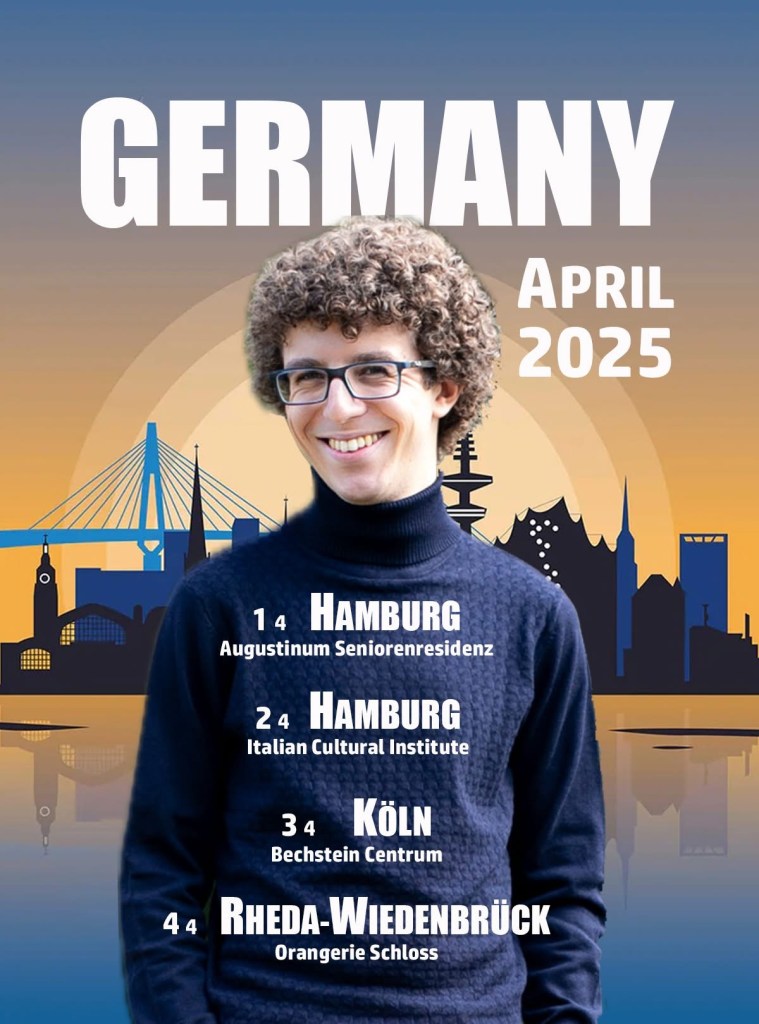
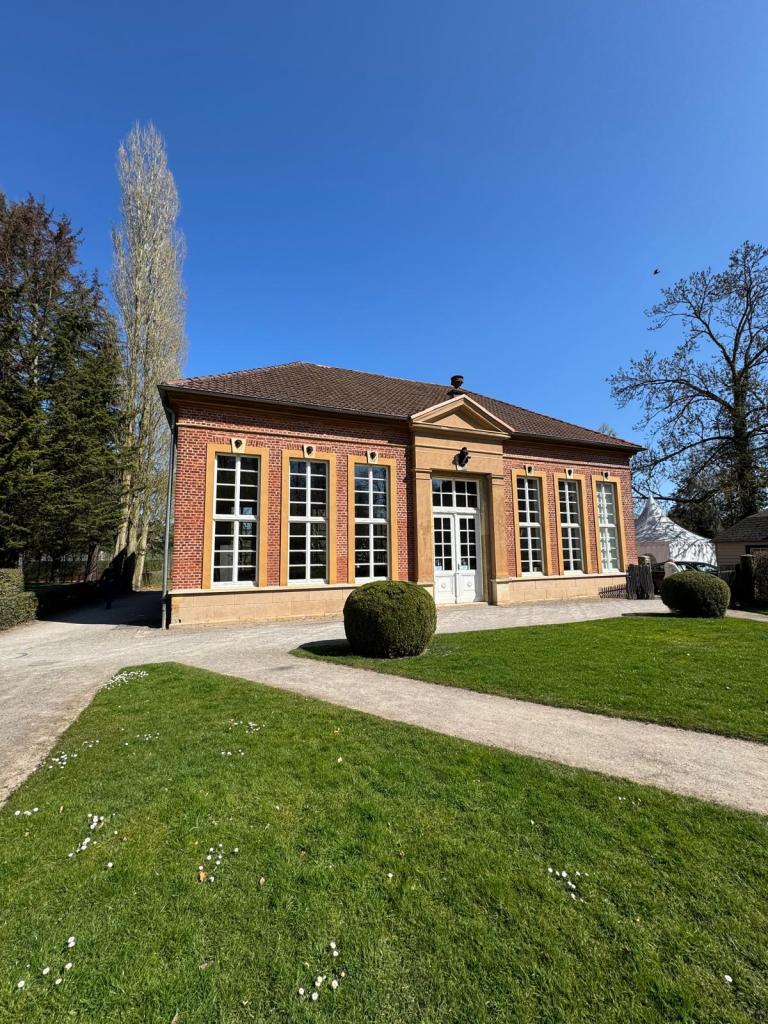
https://christopheraxworthymusiccommentary.com/2025/04/06/andrea-molteni-the-art-of-pianism-revealed-in-toccatasfugues-and-opera-from-1707-to-1976/

A memorable recital by Leslie Howard, founder trustee of the KT and President of the jury of the Trapani International Piano Competition https://christopheraxworthymusiccommentary.com/2025/04/11/trapani-a-diamond-shining-brightly-for-the-3rd-international-piano-competition-domenico-scarlatti-part-1/
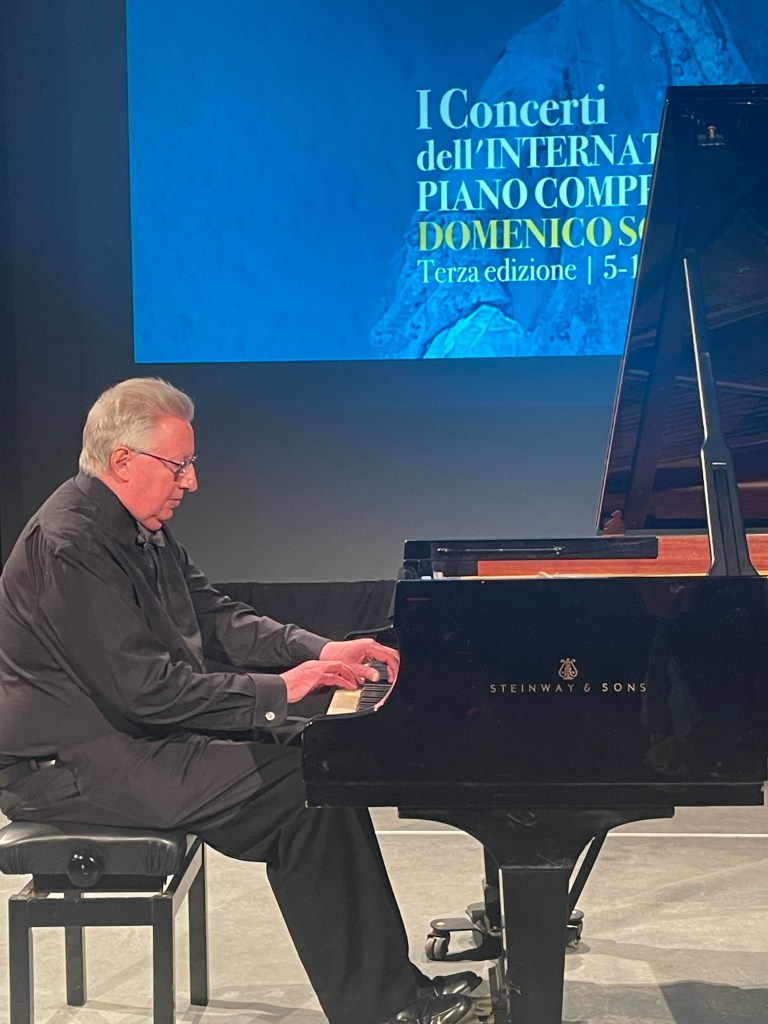
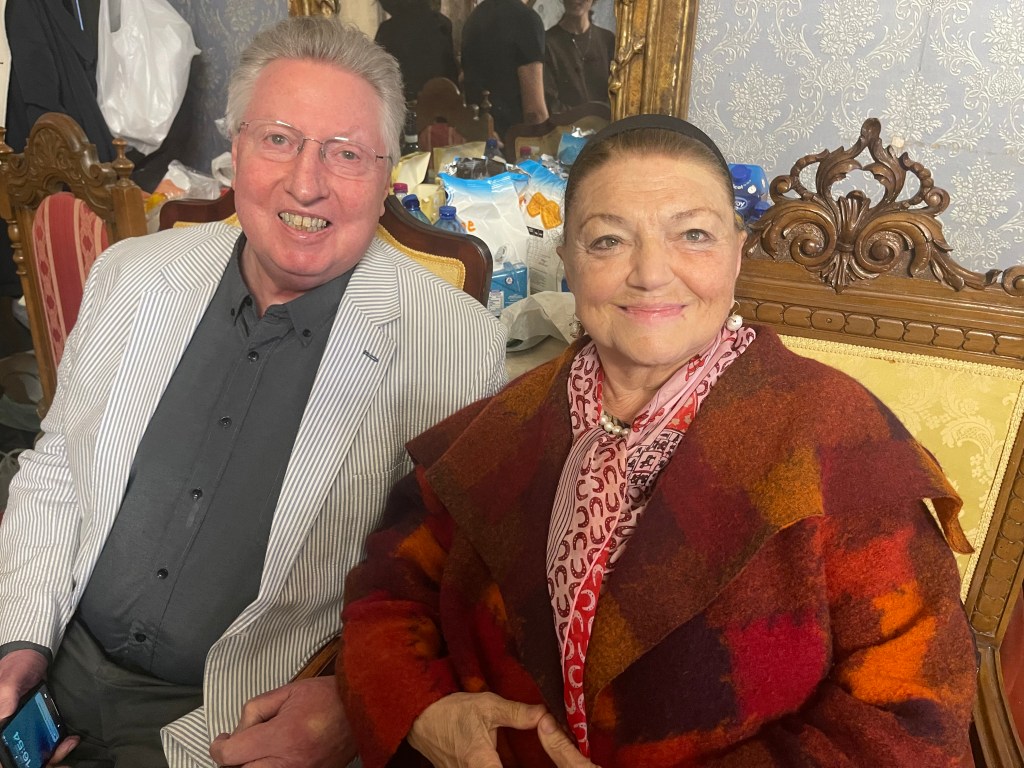
On the 19th April Mikhail Kambarov, who had won the previous competition in Trapani. https://christopheraxworthymusiccommentary.com/2024/04/11/trapani-the-jewel-of-sicily-where-dreams-can-become-reality-the-international-piano-competition-domenico-scarlatti/
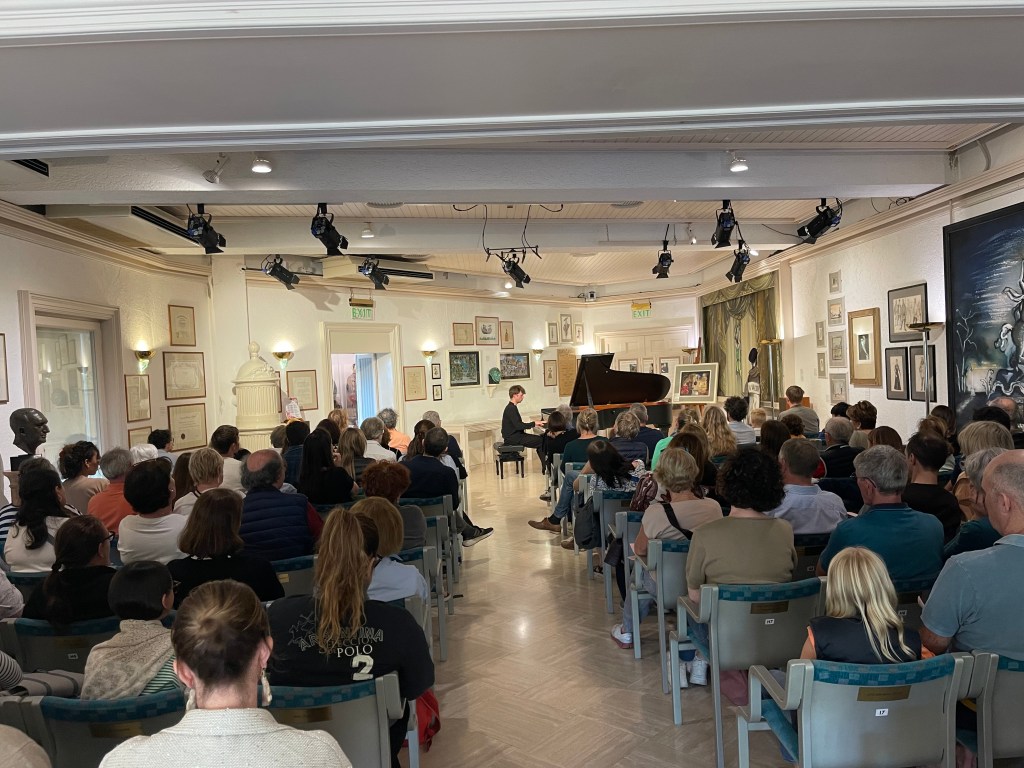
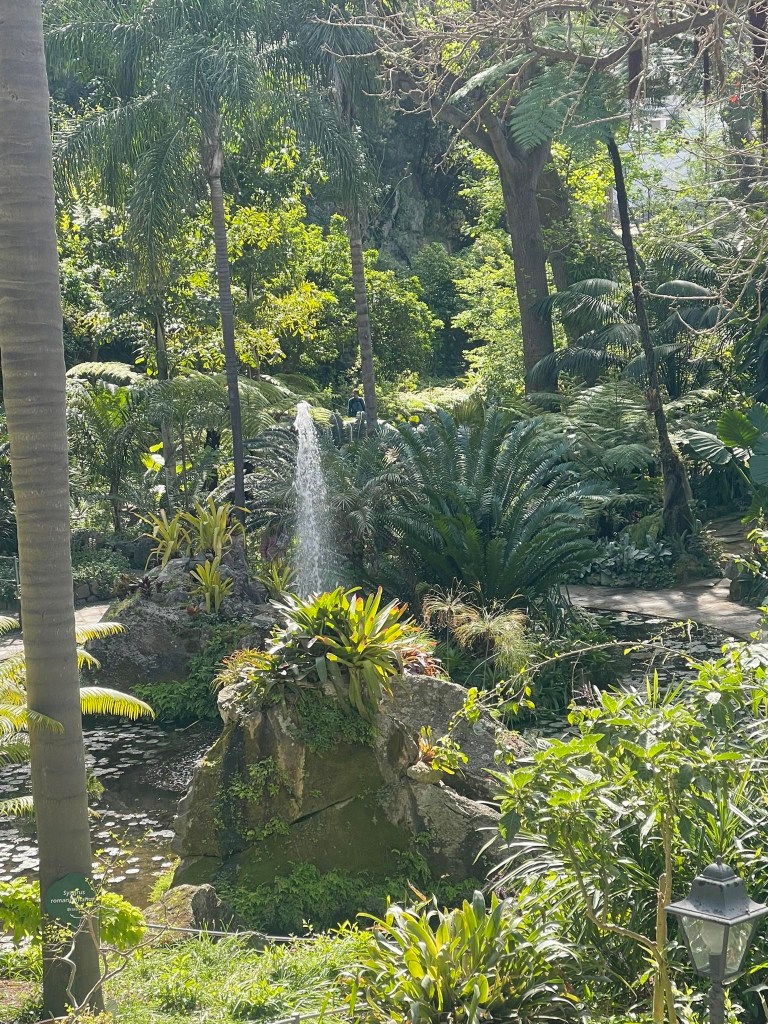
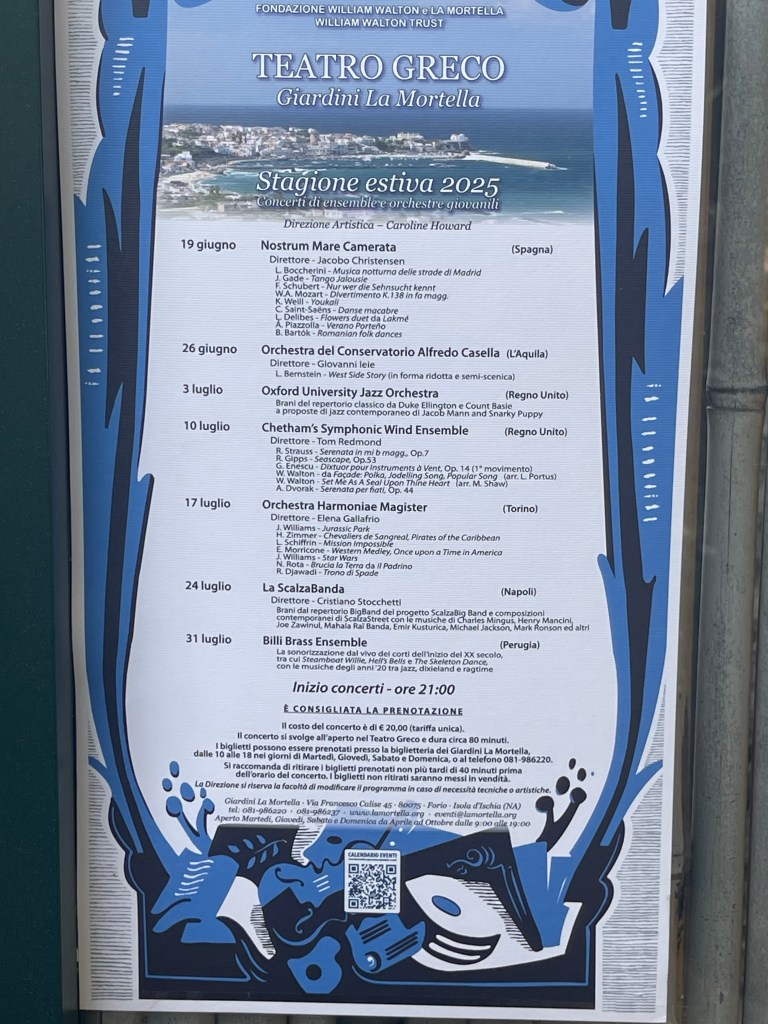
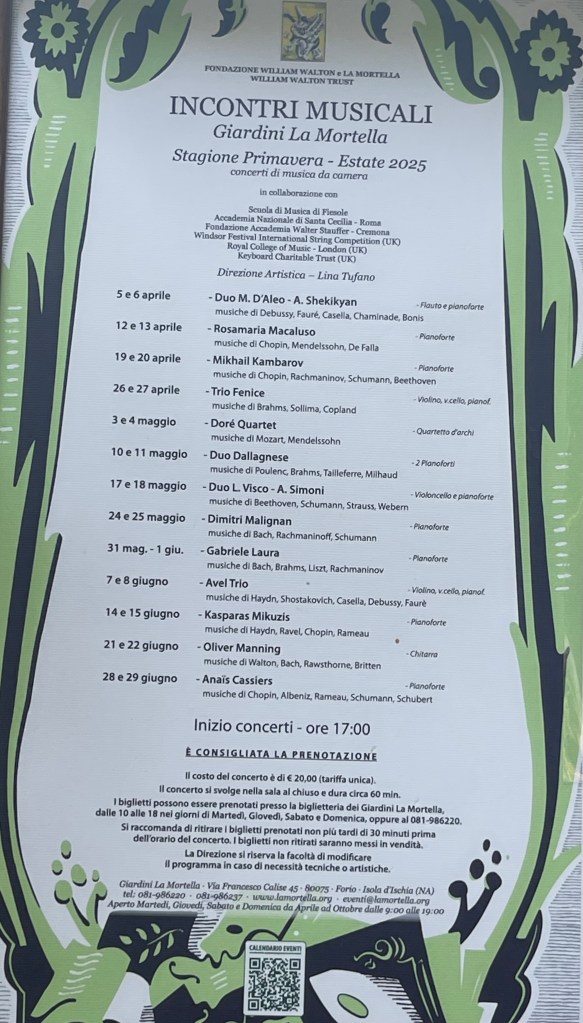
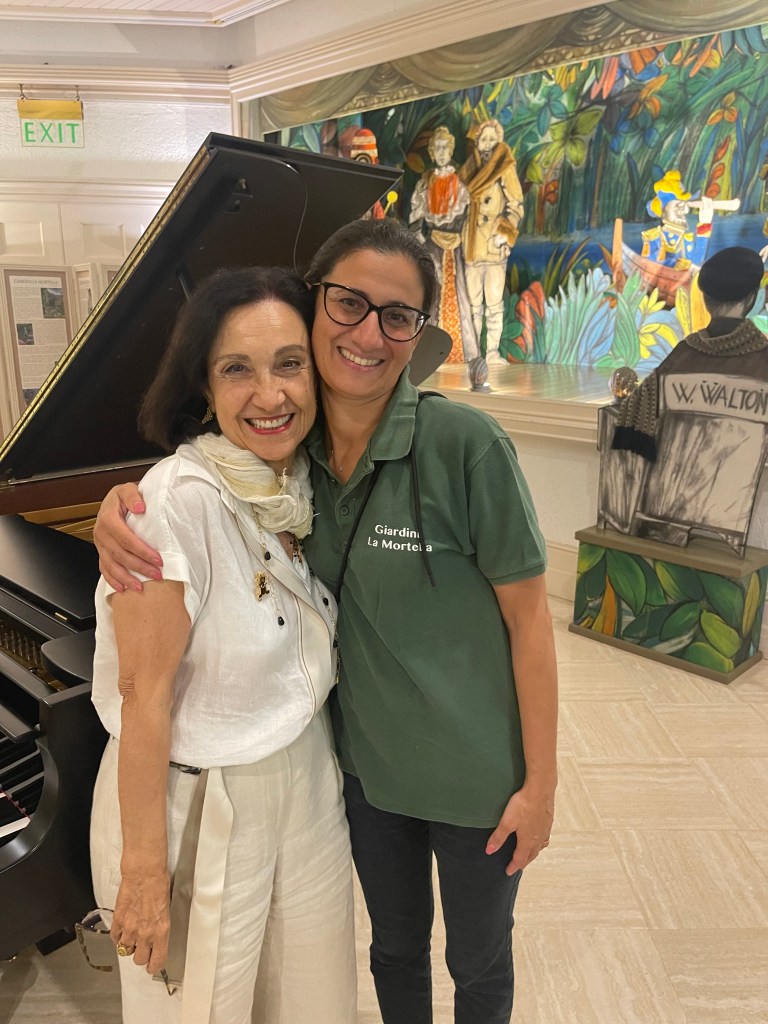
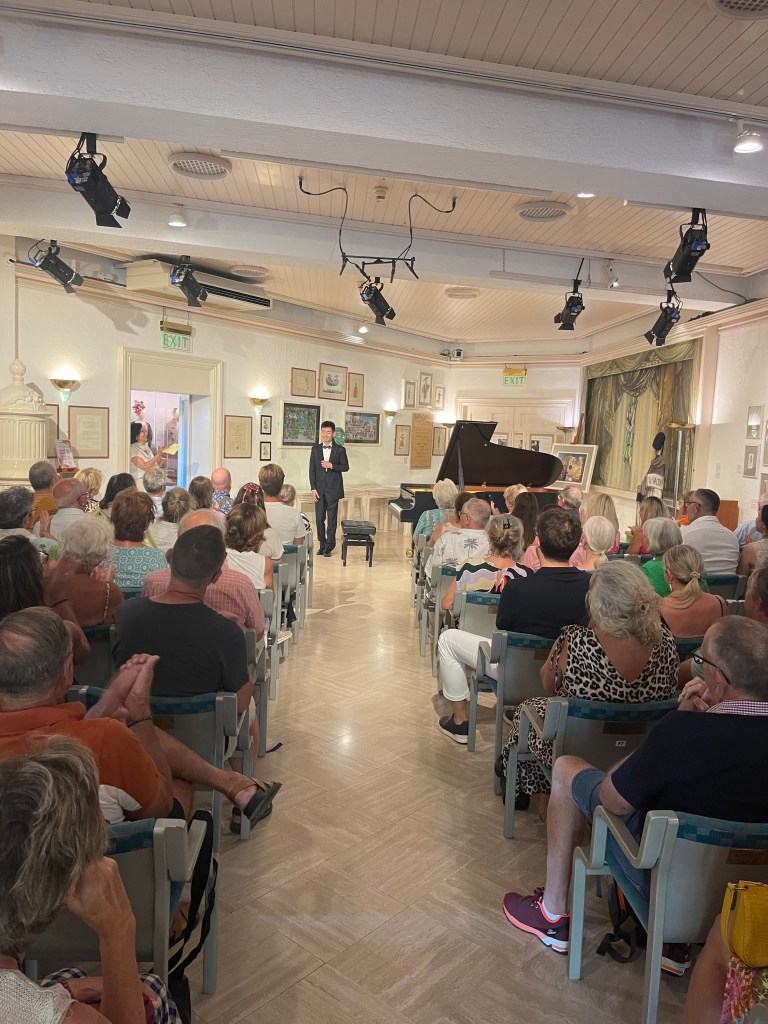
He was invited to play at the Walton Foundation on Ischia thanks to our collaboration with Lina Tufano, their enlightened artistic director. https://christopheraxworthymusiccommentary.com/2025/04/20/mikhail-kambarov-illuminates-la-mortella-for-easter-with-poetic-inspiration-and-mastery/

Our annual organ concert at Temple Church was given by Piotr Maziarz
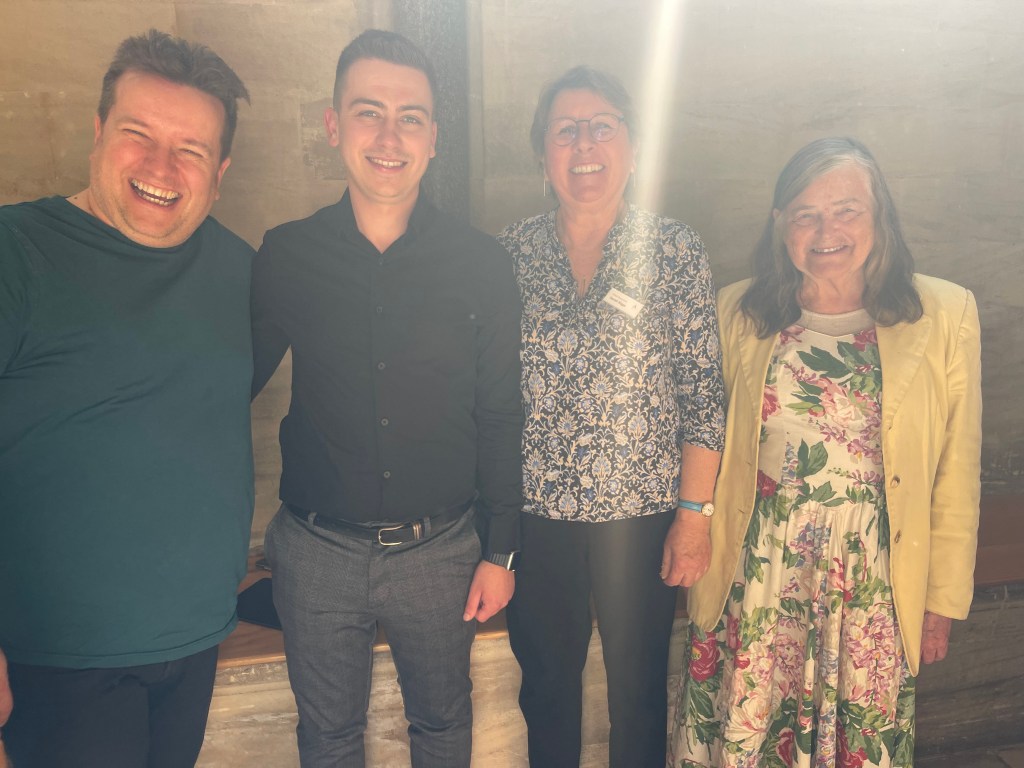
https://christopheraxworthymusiccommentary.com/2025/05/07/piotr-maziarz-at-temple-church-for-the-keyboard-trust-from-poland-to-birmingham-via-the-vatican-with-mastery-and-intelligence/

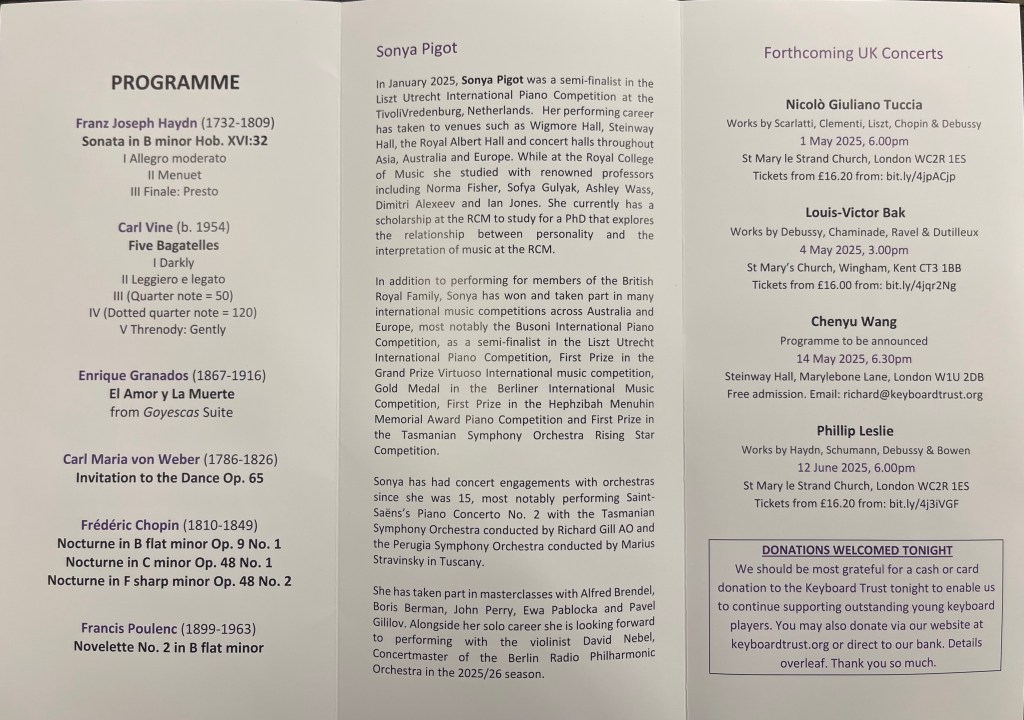
It was followed on the same day by a recital a few hours later at Steinway Hall with Sonya Pigot
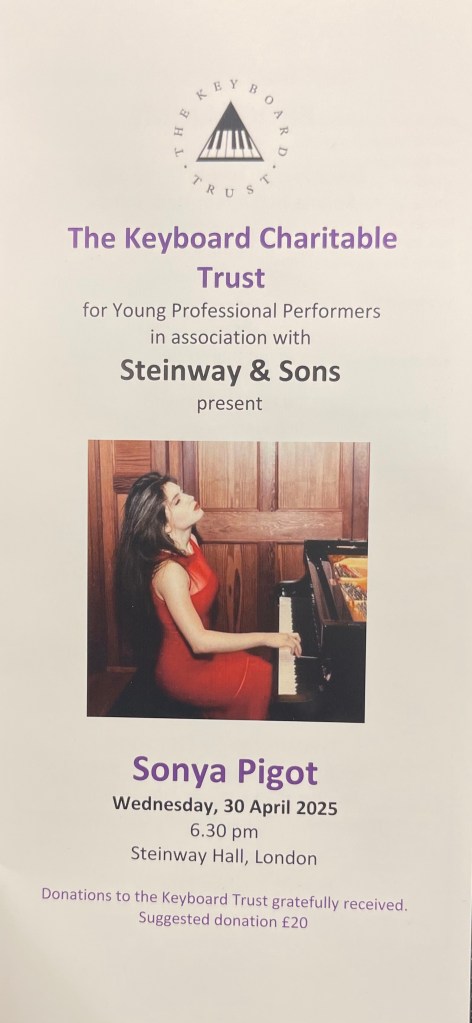
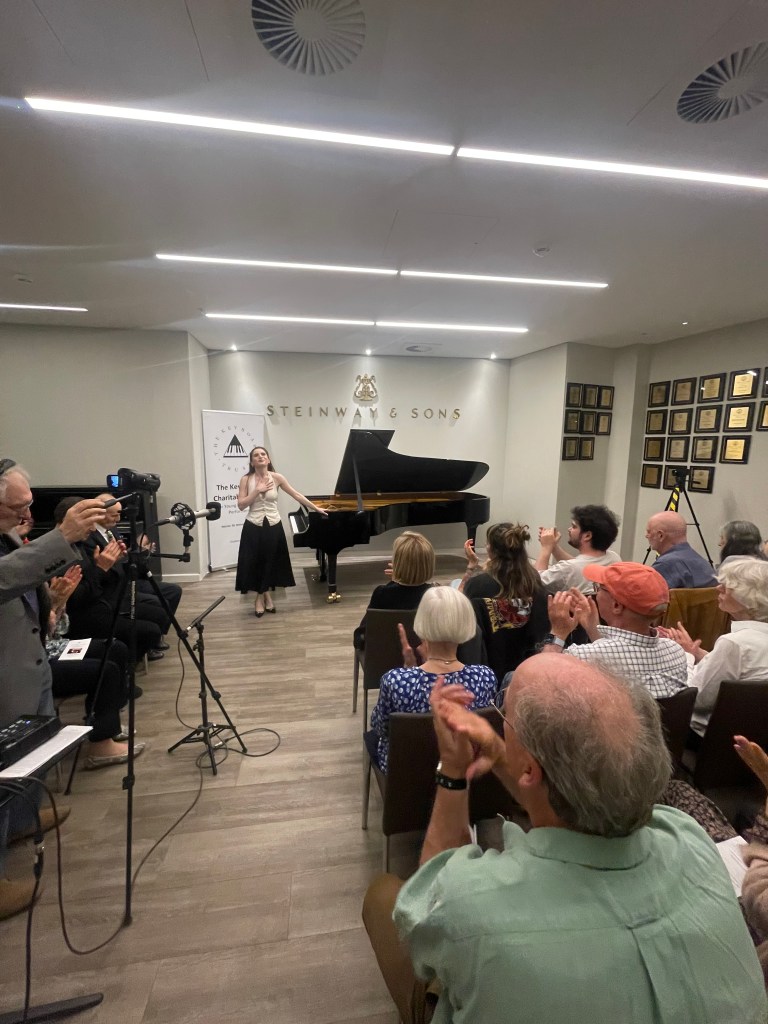
https://christopheraxworthymusiccommentary.com/2025/05/01/sonya-pigot-passion-and-persuasion-at-steinway-hall/

On the 1st May Nicolò Giuliano Tuccia played in our ‘Rising Stars’ Series in St Mary Le Strand in collaboration with Warren Mailly Smith’s City Productions https://christopheraxworthymusiccommentary.com/2025/05/02/nicolo-giuliano-tuccia-a-star-in-ascent-in-the-shadow-of-guido-agosti/
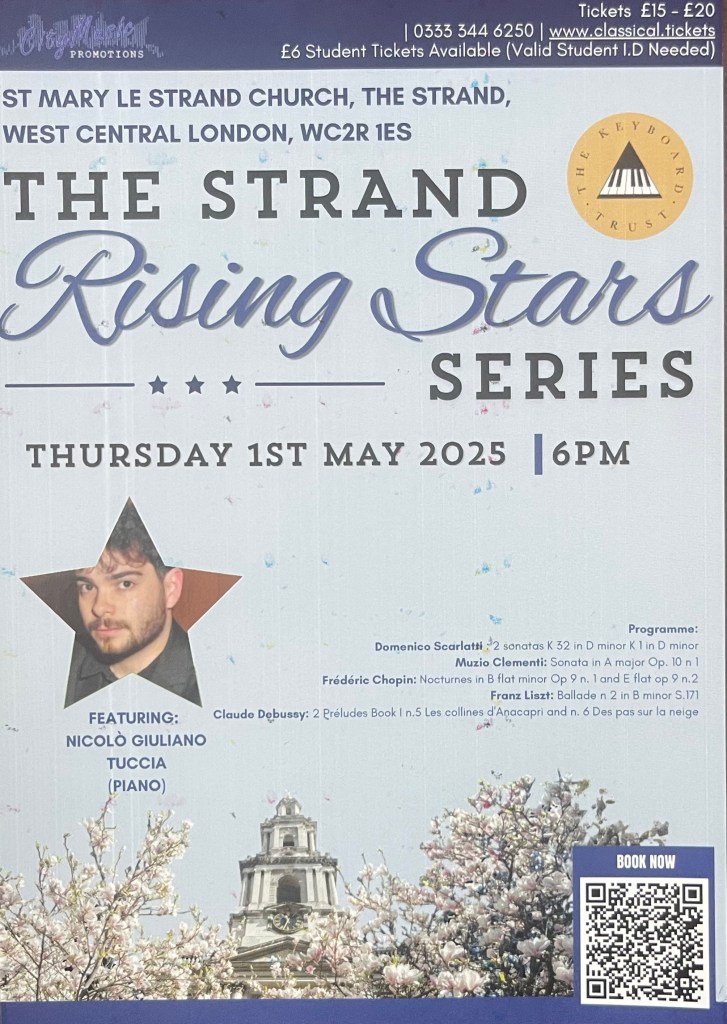
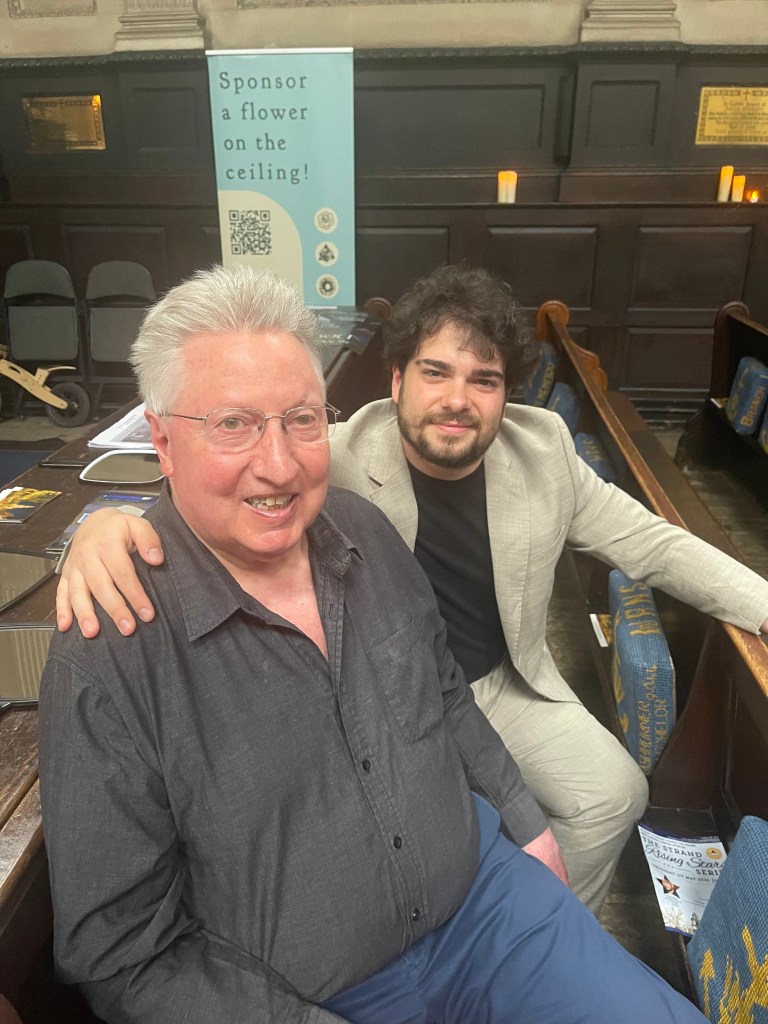
Louis-Victor Bak played at St Mary the Virgin, Wingham on the 4th May
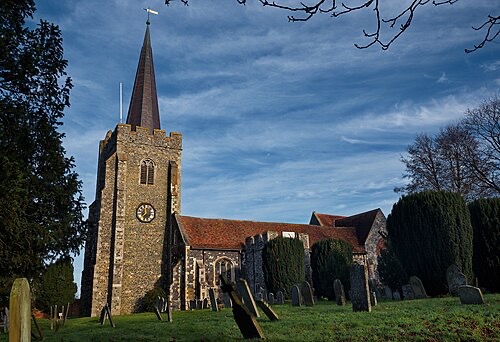
https://christopheraxworthymusiccommentary.com/2025/05/05/louis-victor-bak-in-wingham/
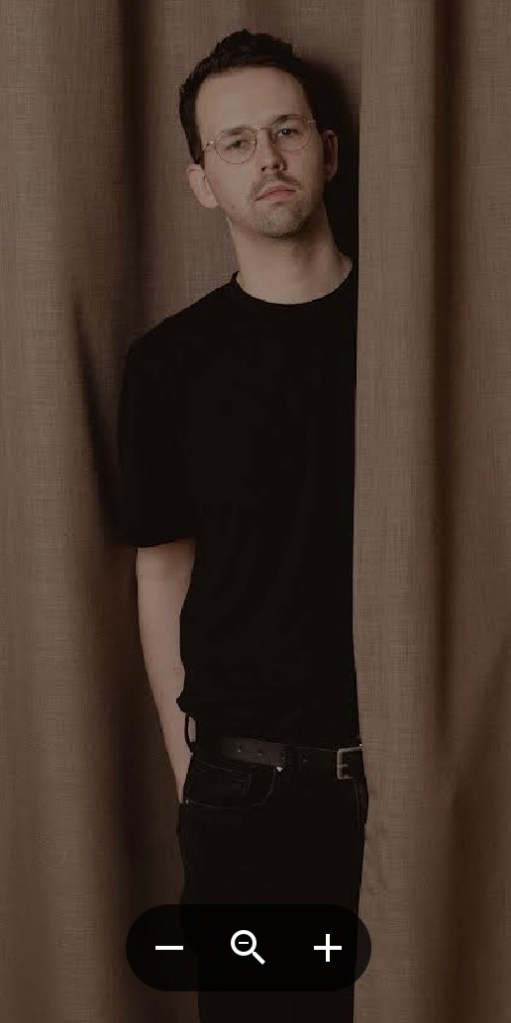
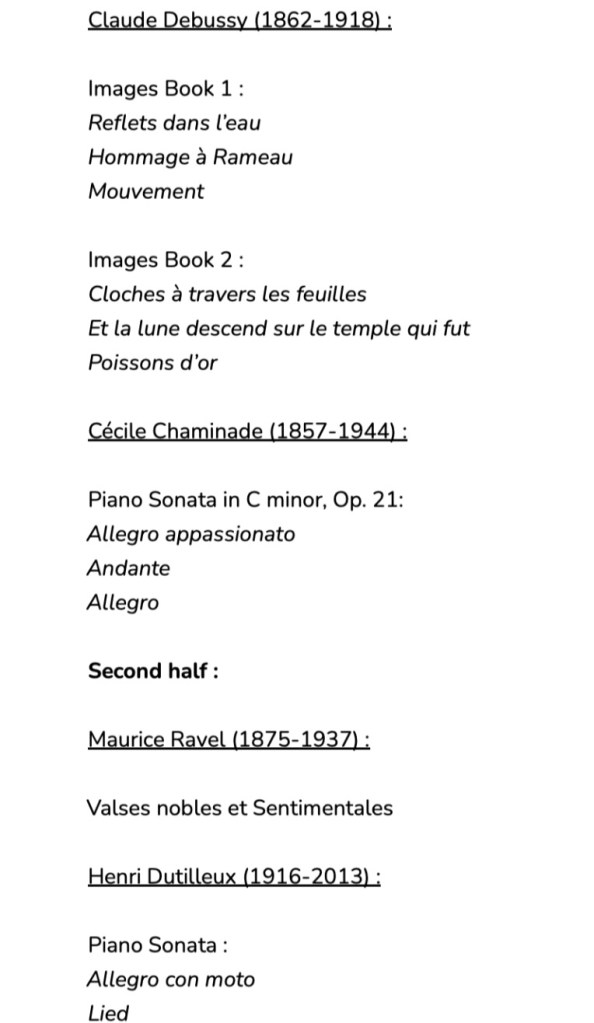
Two recitals followed at Steinway Hall in London on the 14th May with Alessio Masi.
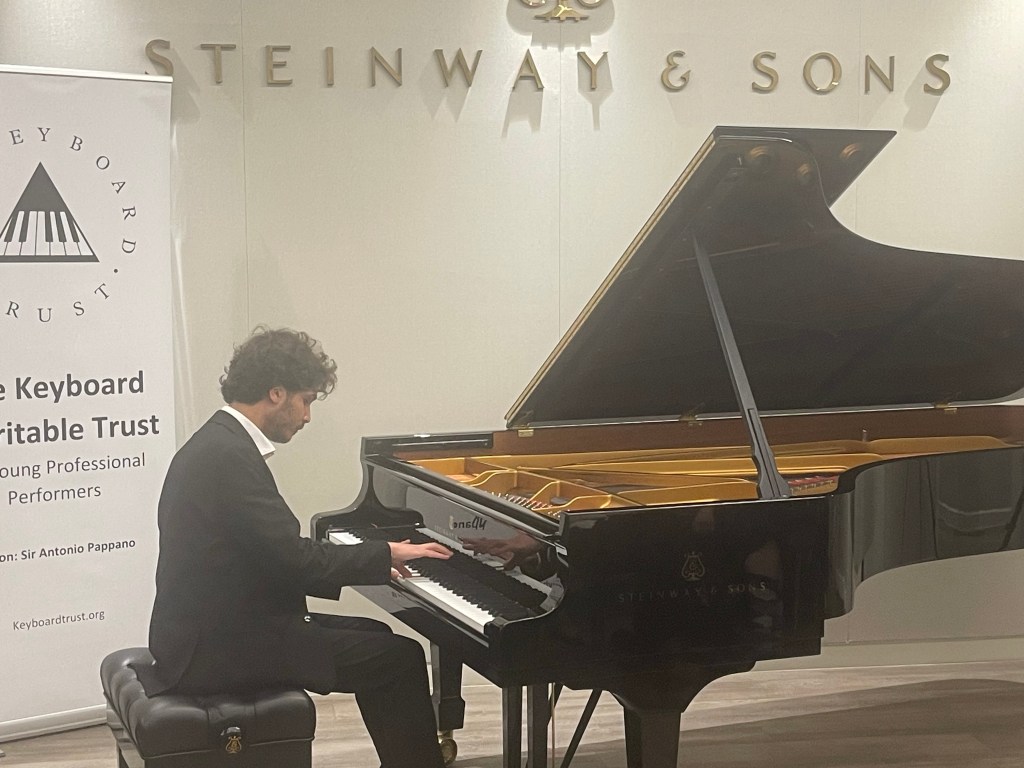
https://christopheraxworthymusiccommentary.com/2025/05/15/alessio-masi-at-steinway-hall-for-the-keyboard-trust-passion-and-curiosity-with-poetic-mastery/

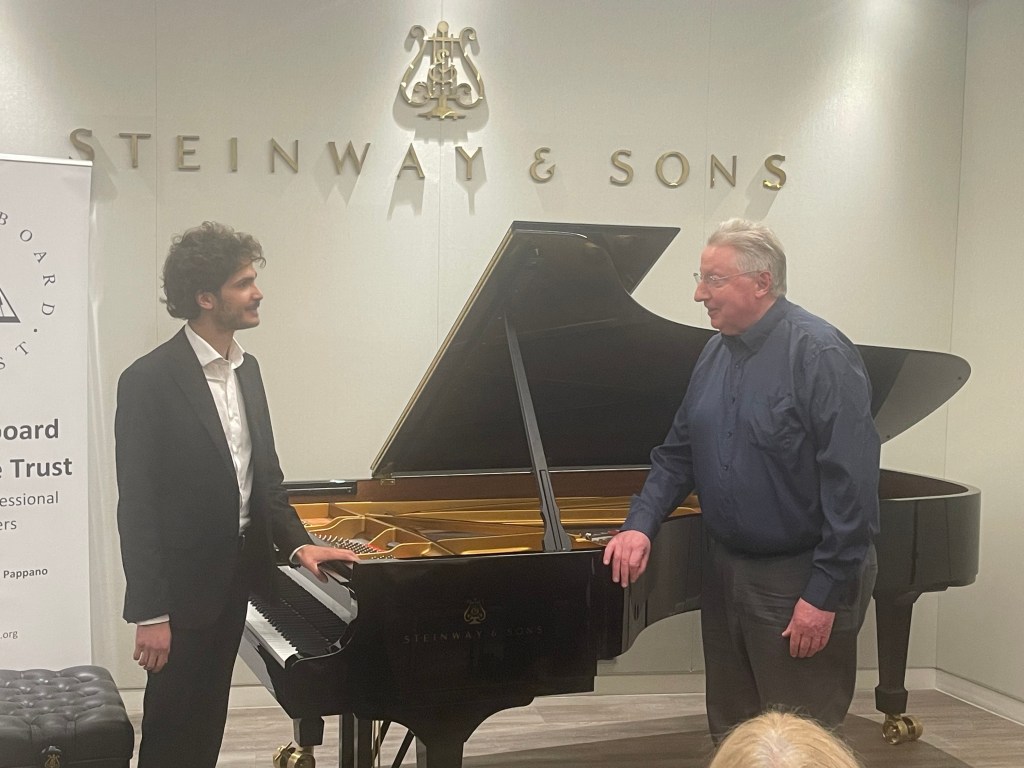
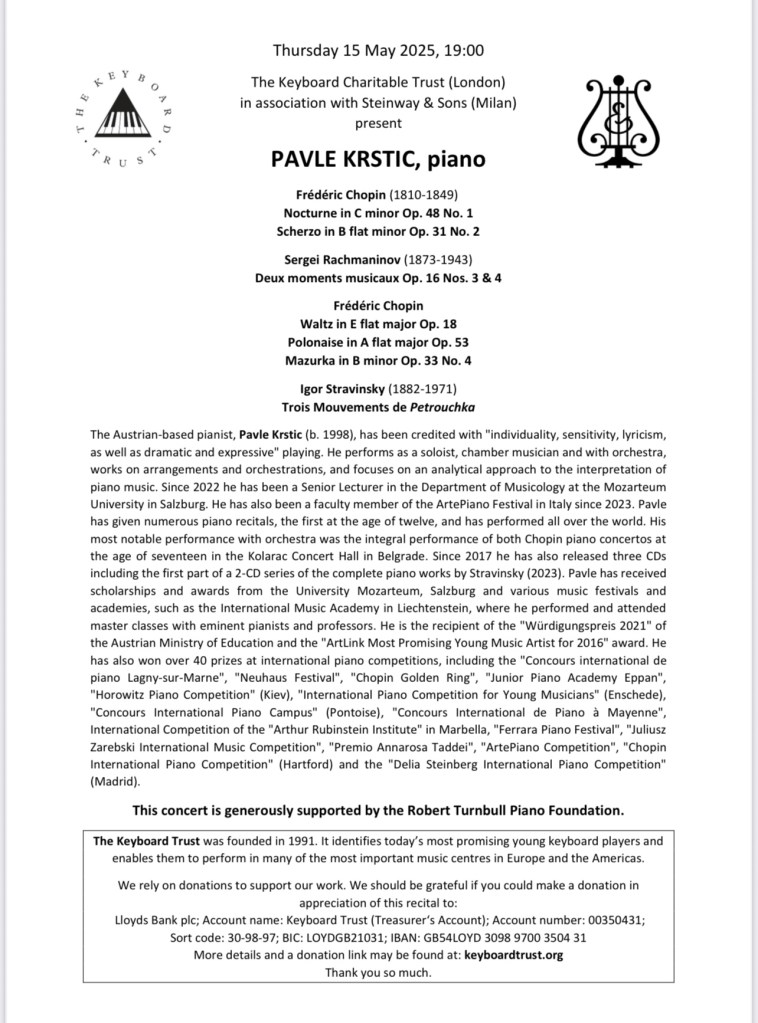
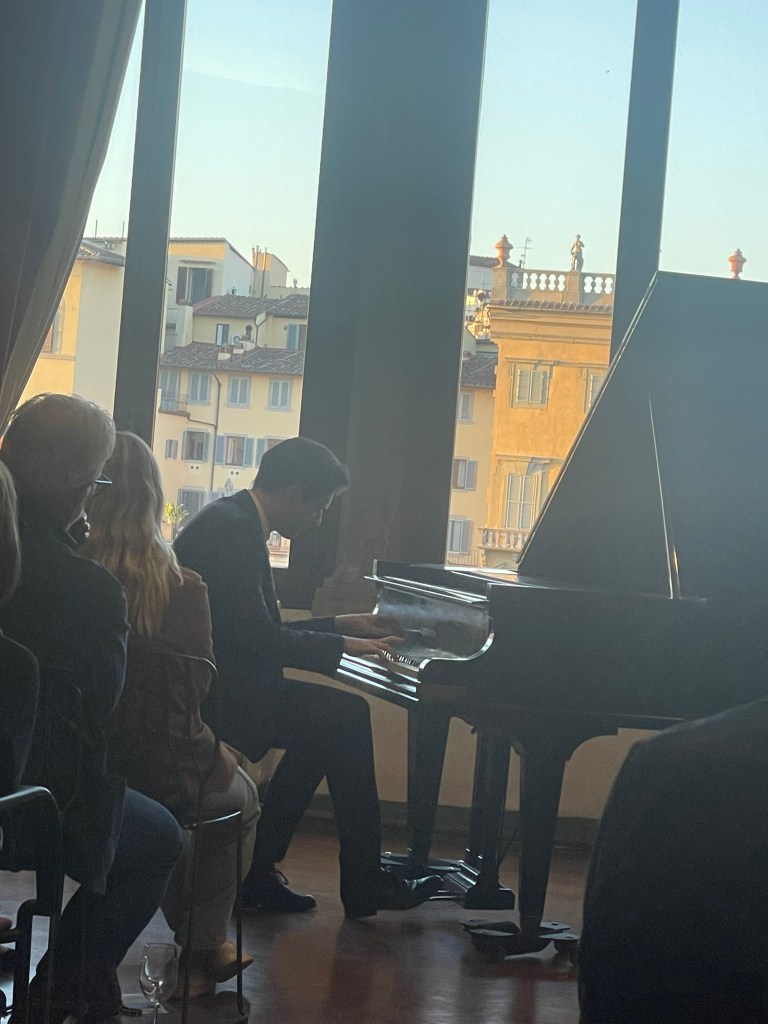
And in Milan on the 15th with Pavle Krstic followed by a very special occasion at the British Institute in Florence.
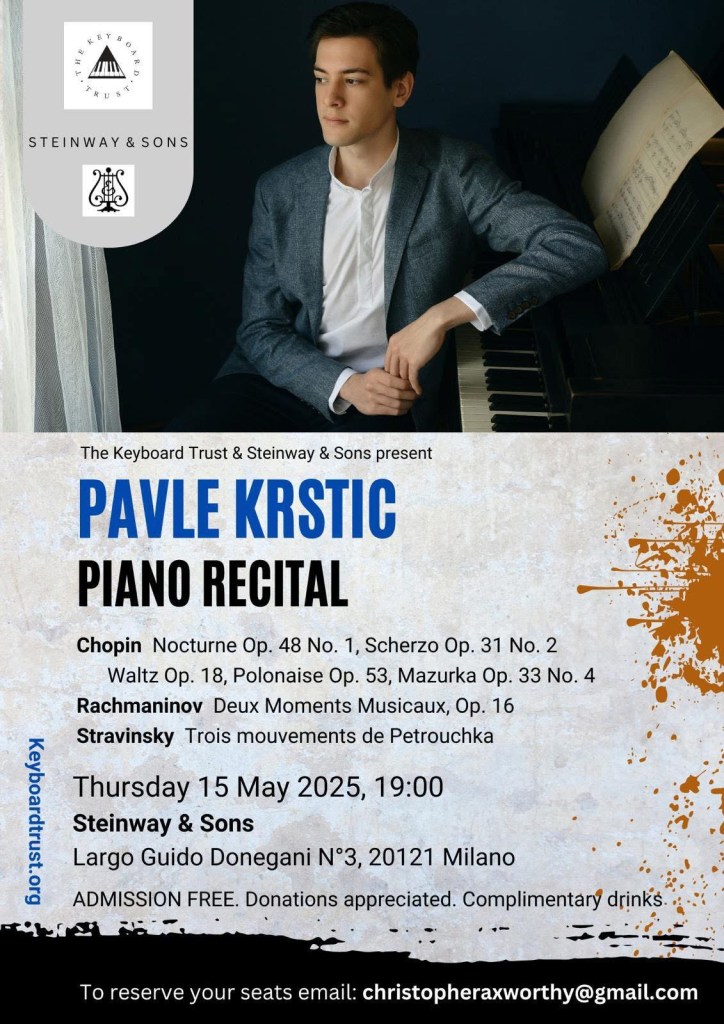
https://christopheraxworthymusiccommentary.com/2025/05/17/pavle-kristic-keyboard-trust-and-robert-turnbull-piano-foundation-italian-tour-refined-artistry-and-mastery/

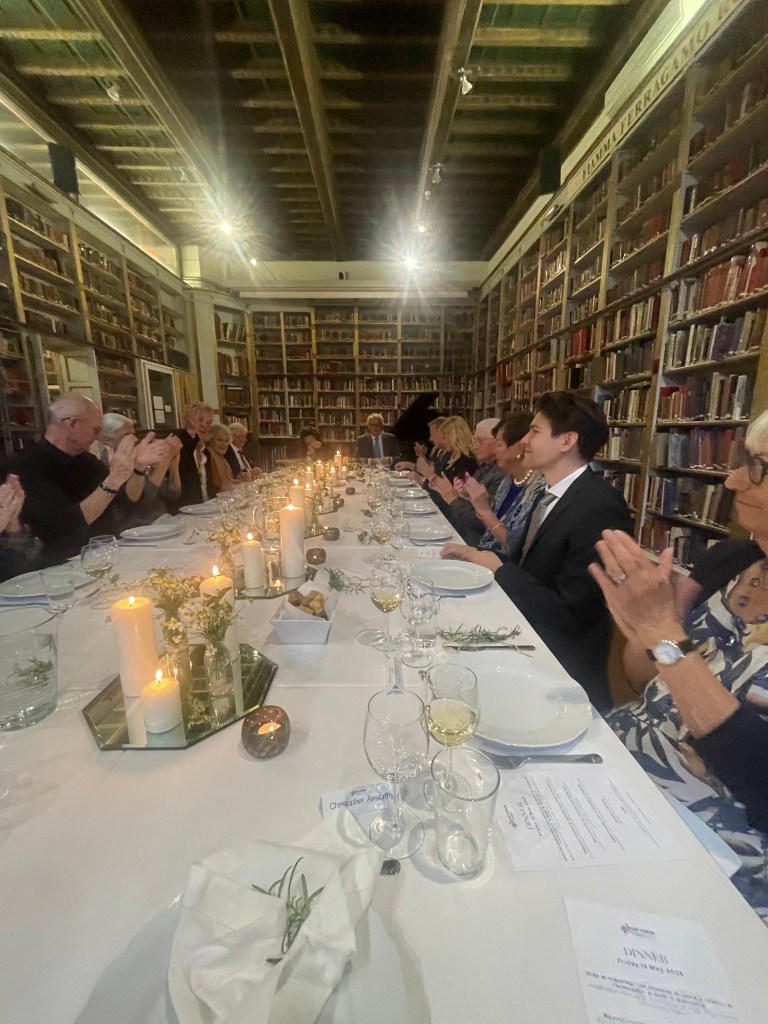
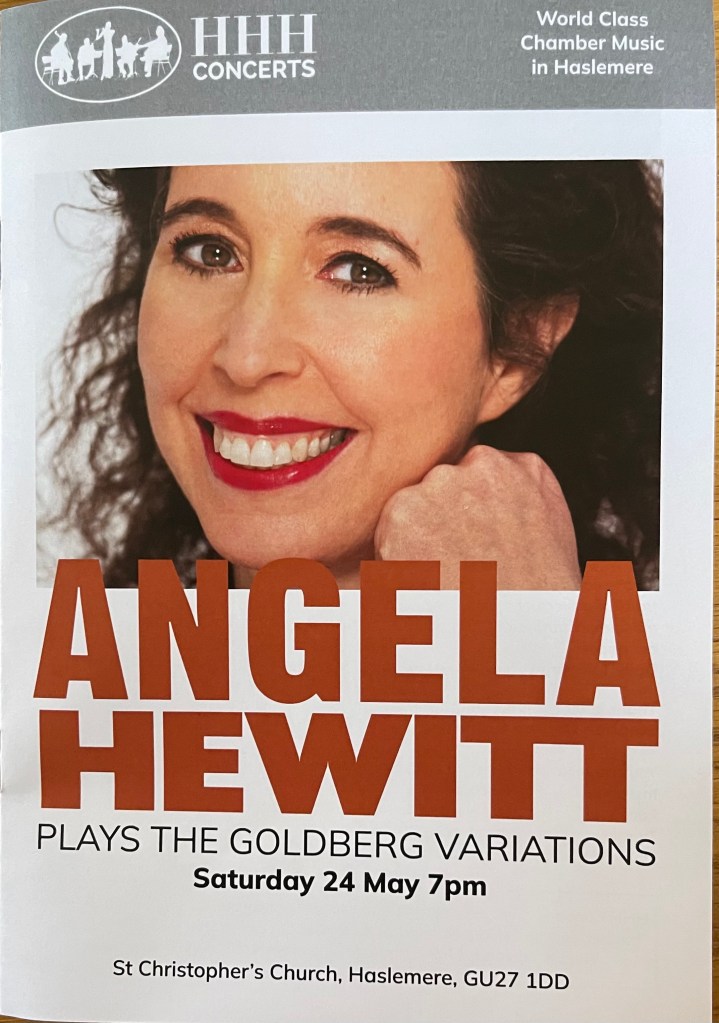
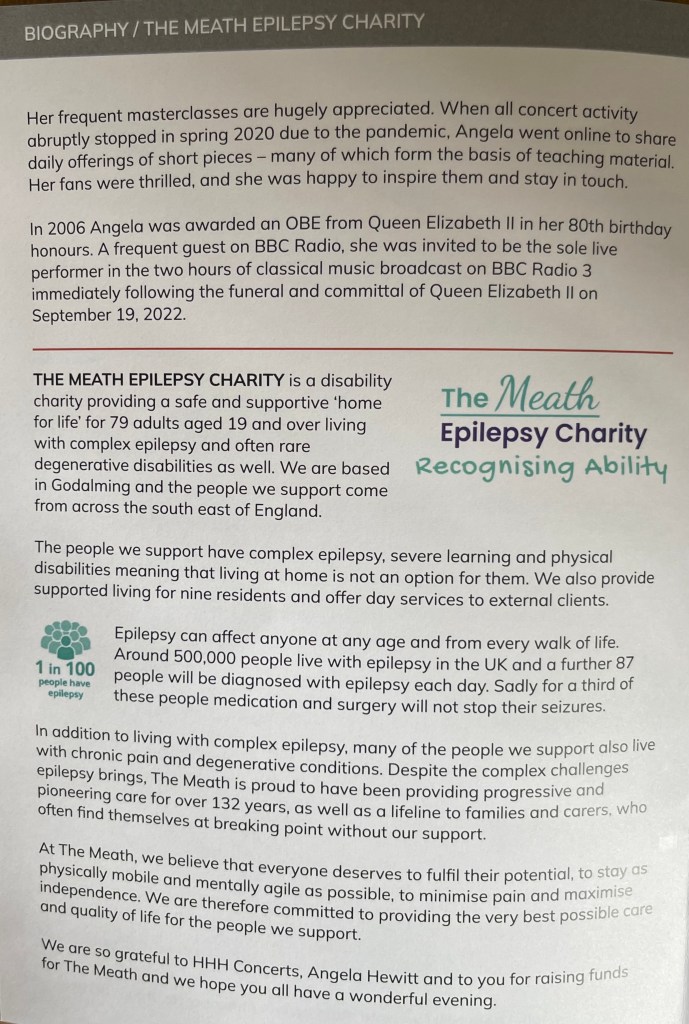
The ever generous Angela Hewitt had given a very special recital for Stephen Dennison on the 24th May playing the Goldberg Variations in Haslemere which I had helped coordinate.

https://christopheraxworthymusiccommentary.com/2025/05/26/angela-hewitt-in-haslemere-a-radiant-light-shining-brightly/

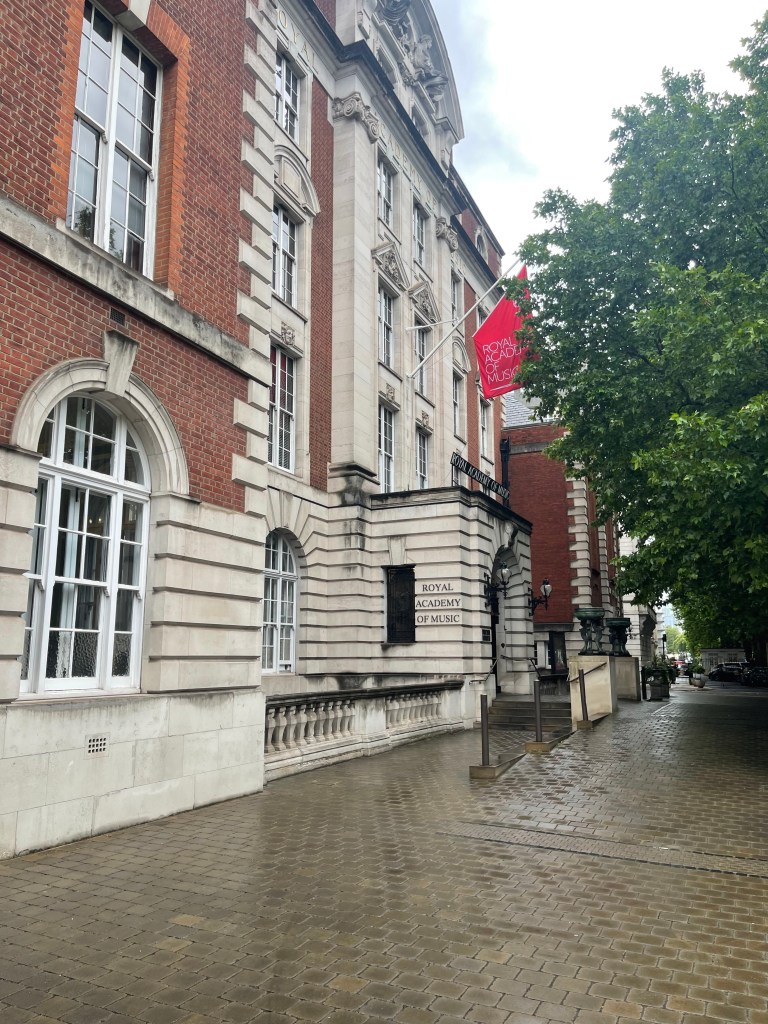
Many of our KT artists graduated this year and gave end of school recitals. https://christopheraxworthymusiccommentary.com/2025/06/12/hollywood-comes-to-the-royal-academy-lunwudaunoraite-and-mikuzis-stars-shining-brightly/
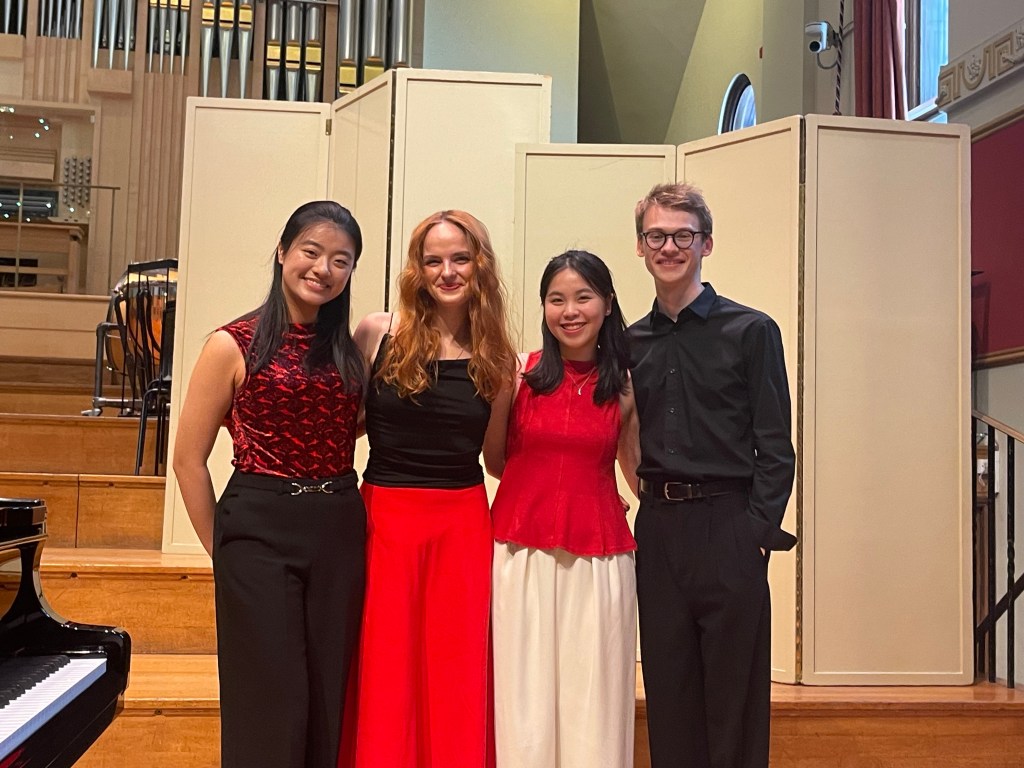
https://christopheraxworthymusiccommentary.com/2025/06/02/william-bracken-at-the-guildhall-intelligence-and-genial-mastery-combine/

https://christopheraxworthymusiccommentary.com/2025/05/30/jeremy-chan-miracles-at-milton-court/

https://christopheraxworthymusiccommentary.com/2025/06/03/giordano-buondonno-at-the-guildhall-drops-of-crystal-illuminate-milton-court/

On the 5th June Axel Trolese gave a recital in Florence in the Harold Acton Library .
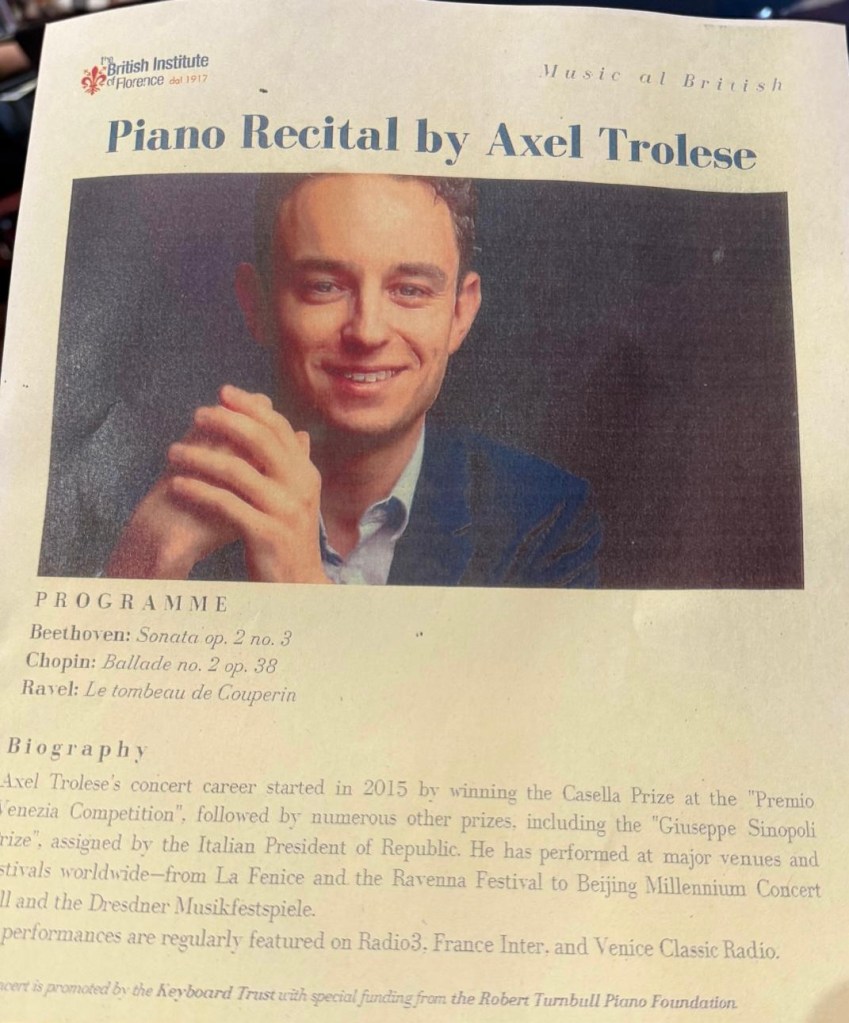
https://christopheraxworthymusiccommentary.com/2025/06/06/axel-trolese-in-florence-a-superb-recital-of-absolute-magic/

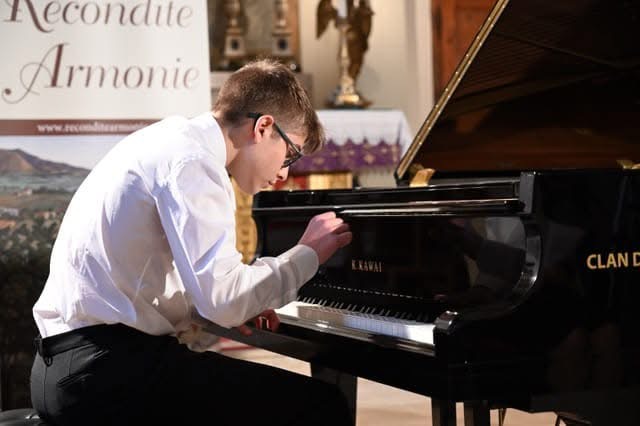
In Grosseto Vitaly Pisarenko was invited to judge the competition on 6,7,8 June for Recondite Armonie created by KT emeritus Gala Chistiakova with her husband Diego Benocci.
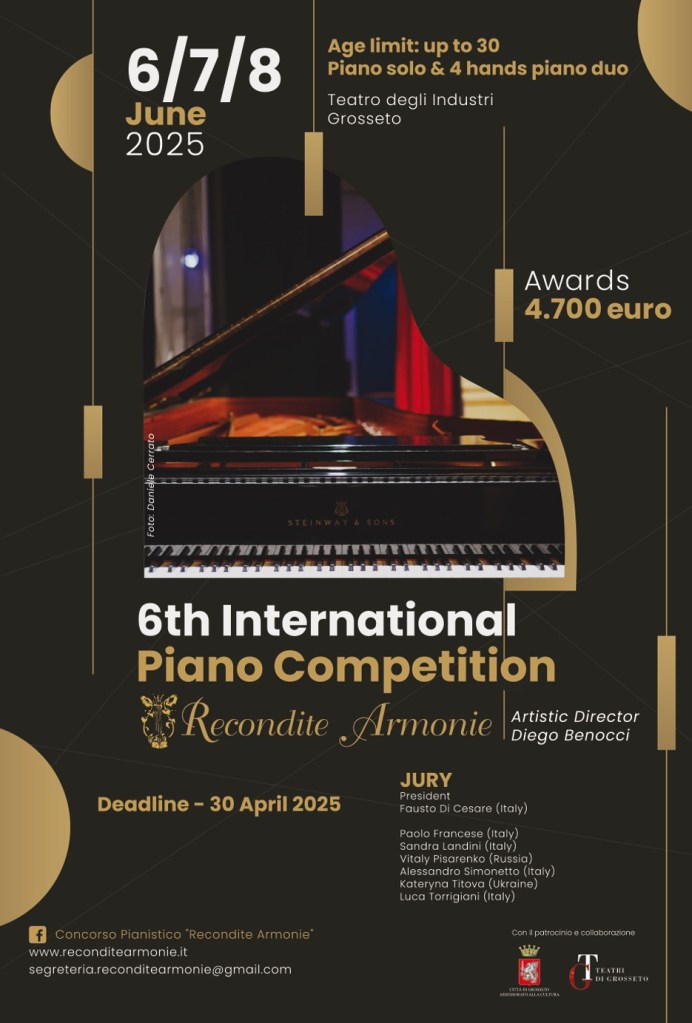
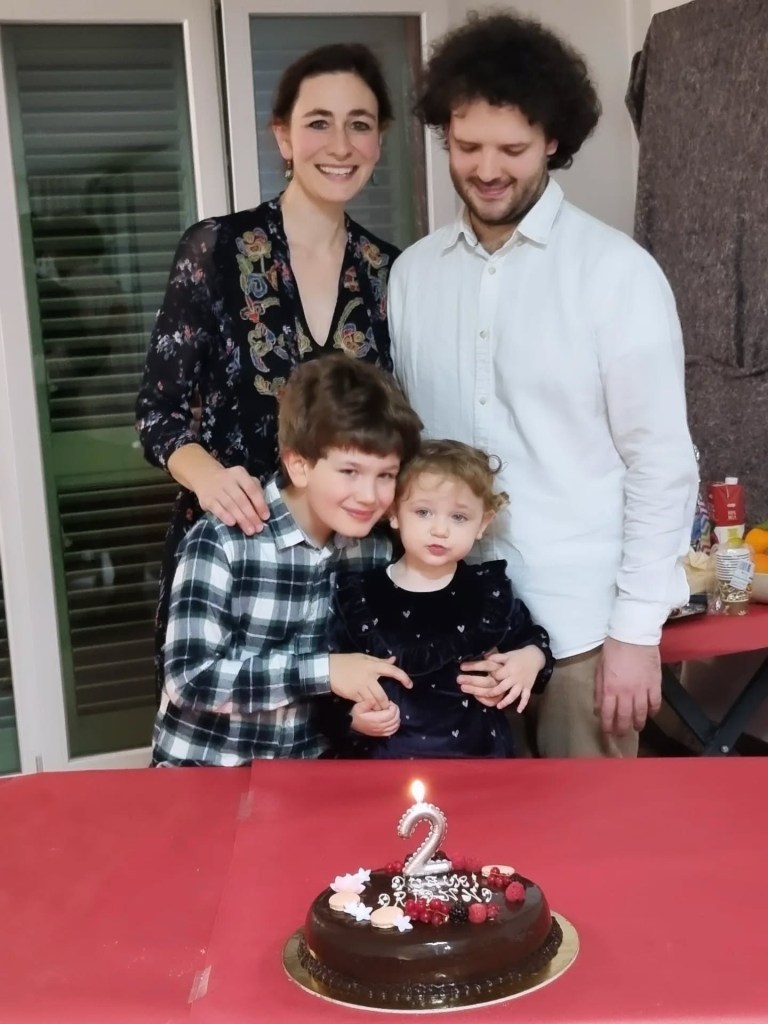
The Keyboard Trust awards a recital to a top prize winner decided by the jury. Alessio Tonelli will play in Viterbo on the 24th January.
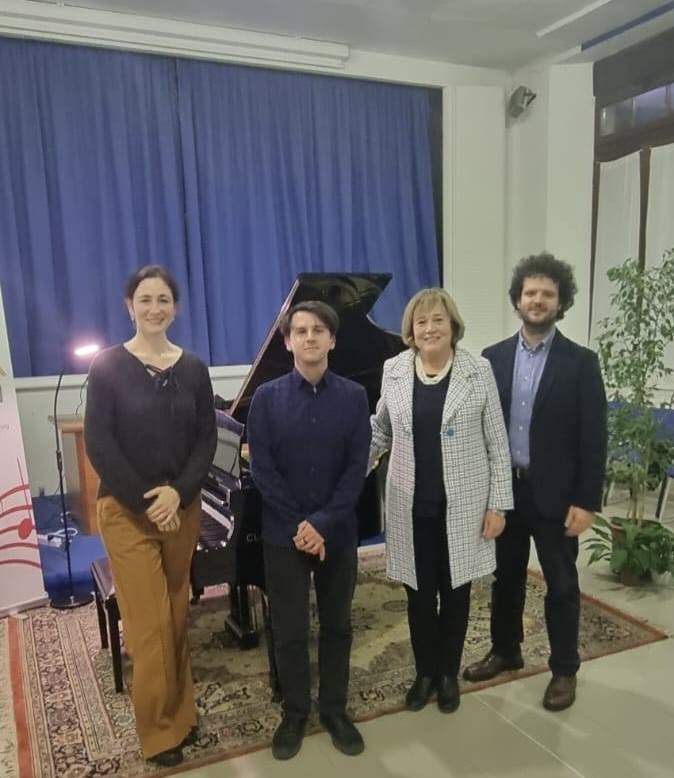
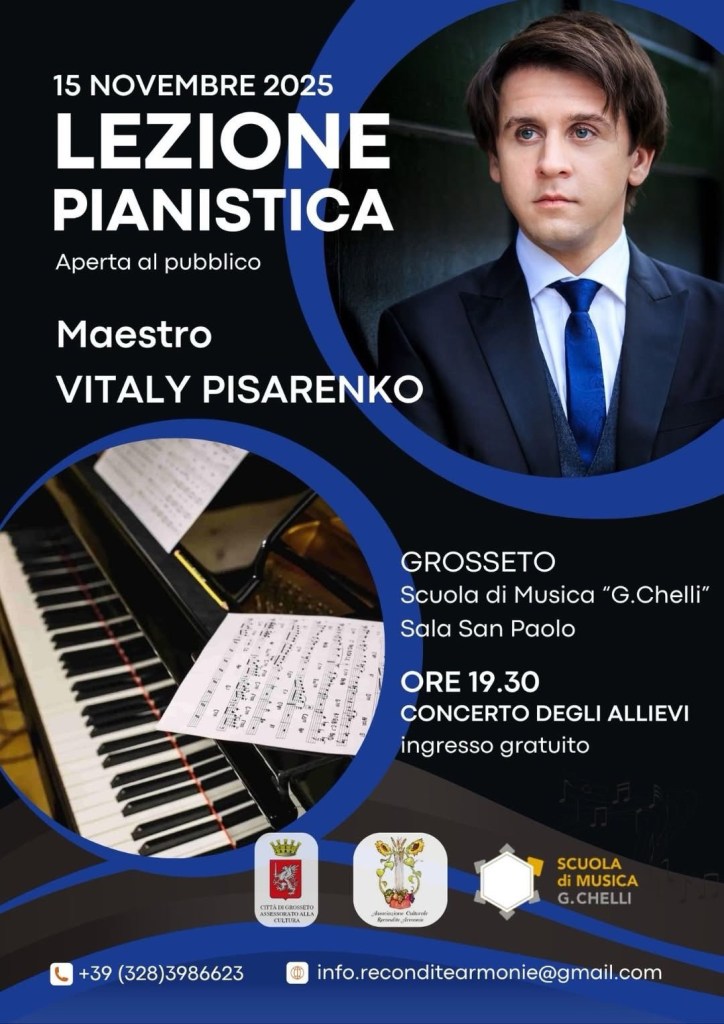
https://christopheraxworthymusiccommentary.com/2025/12/08/duo-degas-in-viterbo-chistiakova-benocci-at-tuscia-university-with-style-and-seduction/

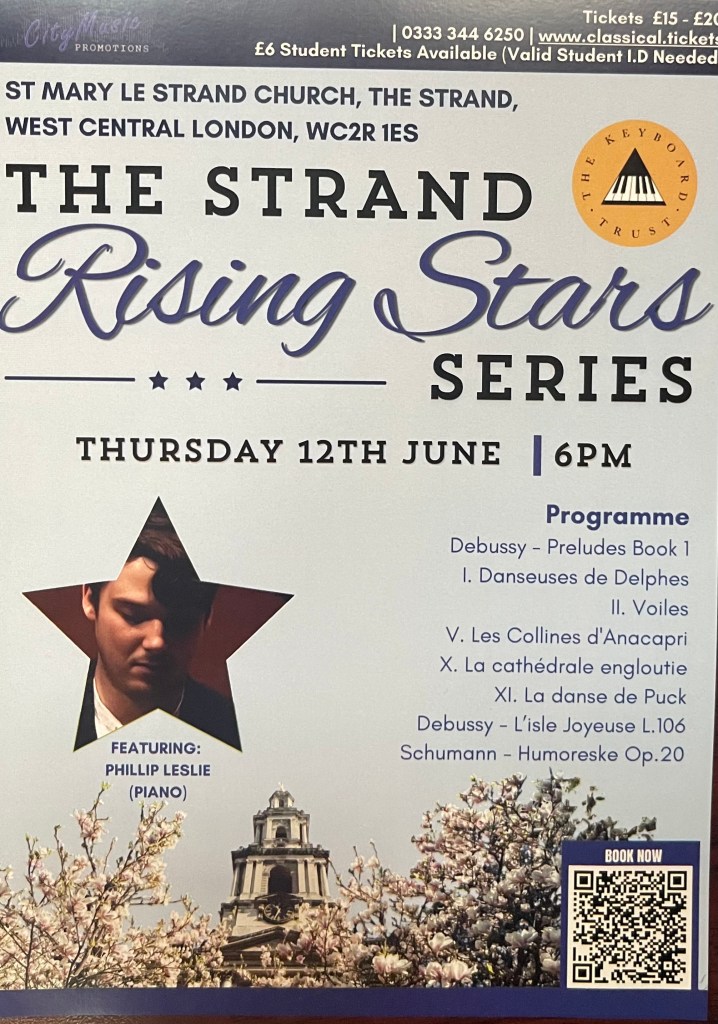
On the 12th June, Phillip Leslie played in our ‘Rising Stars’ series
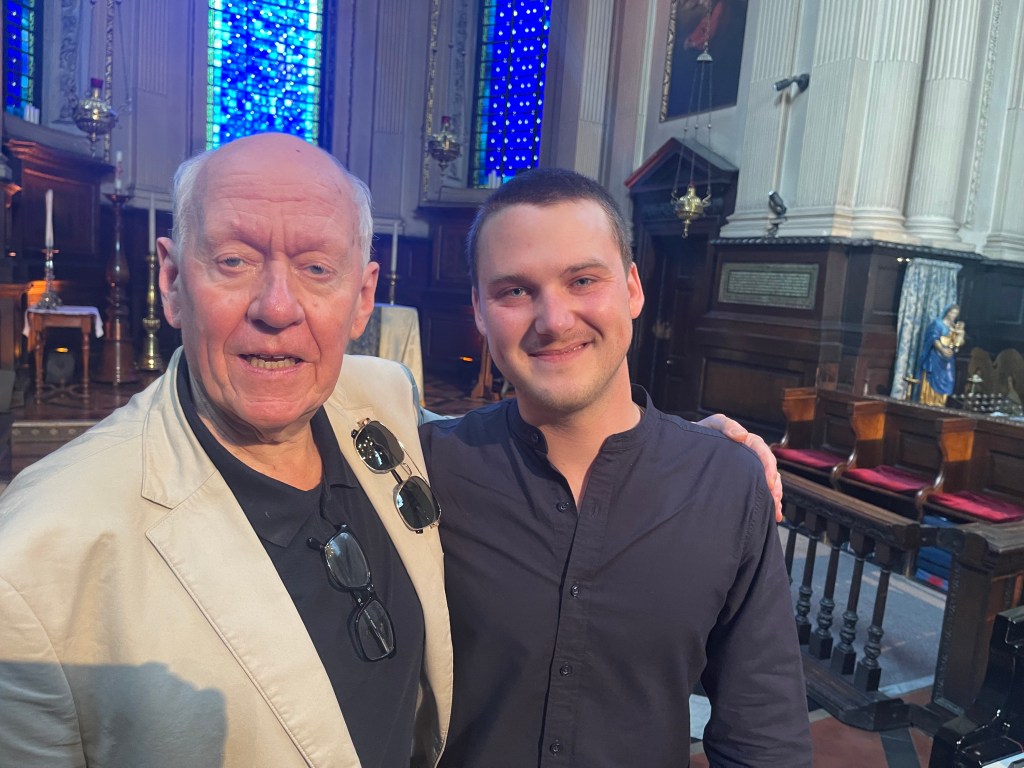
https://christopheraxworthymusiccommentary.com/2025/06/13/philip-james-leslie-a-rising-star-with-ravishing-sounds-and-refined-musicianship/

On the 14th and 15th June, Kasparas Mikuzis was invited to the Walton Foundation on Ischia for two recitals.

https://christopheraxworthymusiccommentary.com/2025/06/15/kasparas-mikuzis-at-la-mortella-creating-magic-sounds-in-waltons-paradise-on-ischia/

On the 25th June, Kenny Fu played at Steinway Hall in London
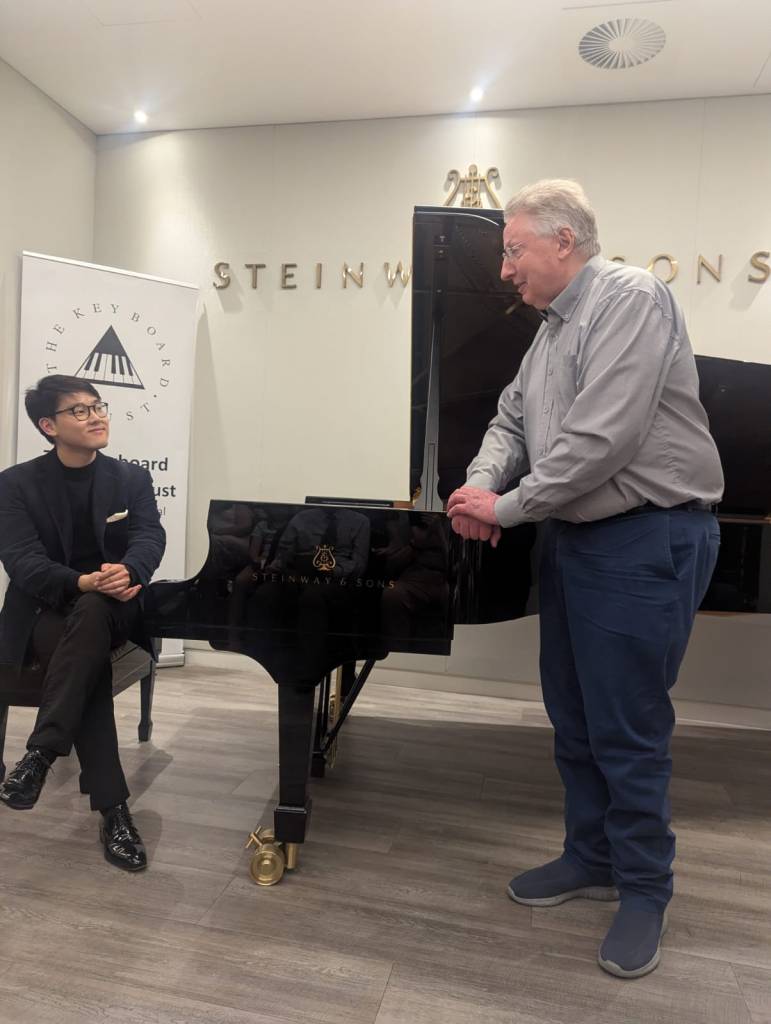
https://christopheraxworthymusiccommentary.com/2025/06/26/kenny-fu-at-steinway-sons-for-the-keyboard-trust/

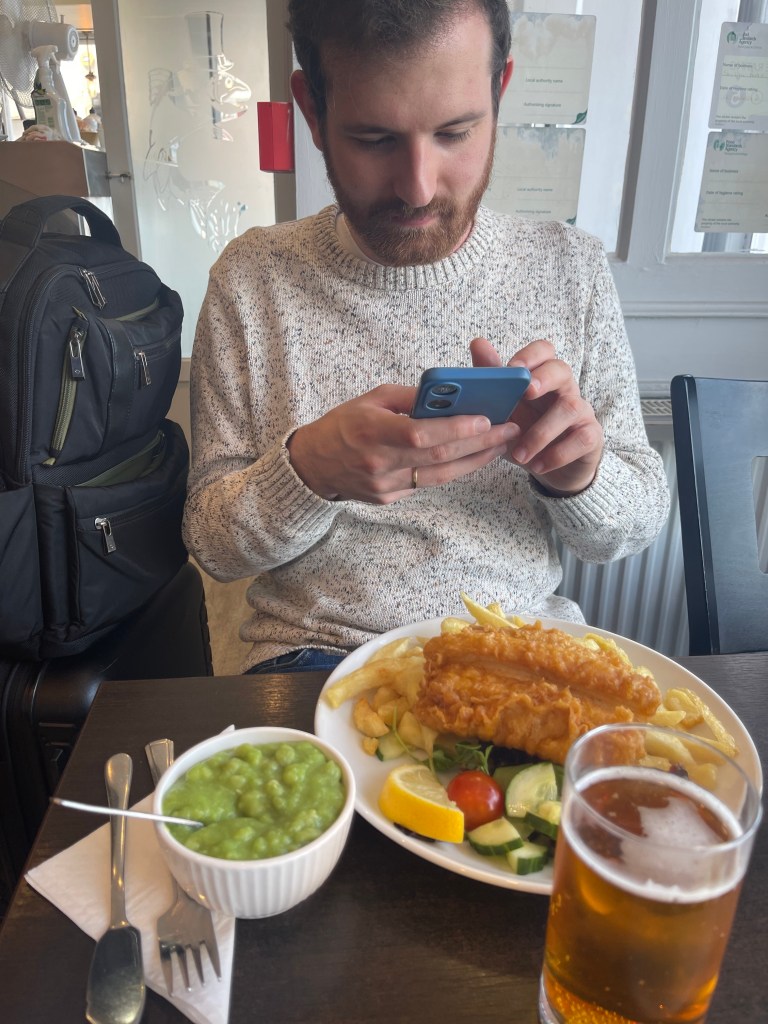
On the 8th July, Filippo Tenisci played in the Deal Festival and tasted real fish and chips for the first time!

https://christopheraxworthymusiccommentary.com/2025/07/09/wagner-liszt-embark-in-deal-with-filippo-tenisci-at-the-helm/

We have a very successful continuing collaboration with Erin Arts centre on the Isle of Man with masterclasses and concerts with William Bracken 18th January, Jeremy Chan on the 22nd March and Julian Chan on the 27th September.
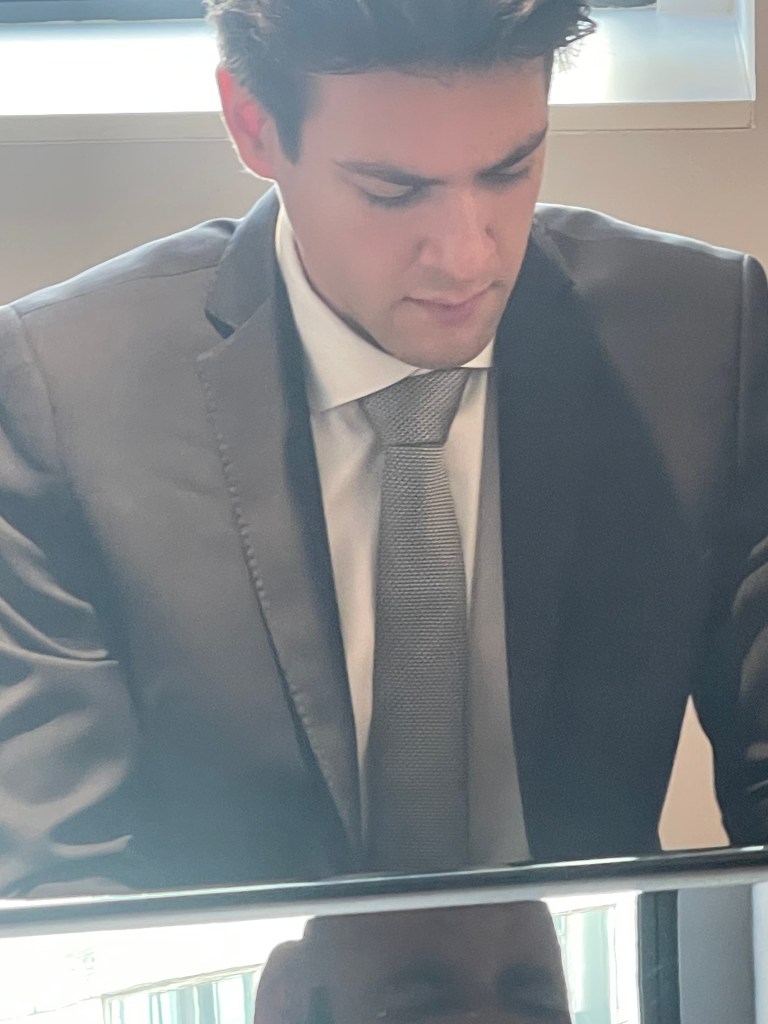
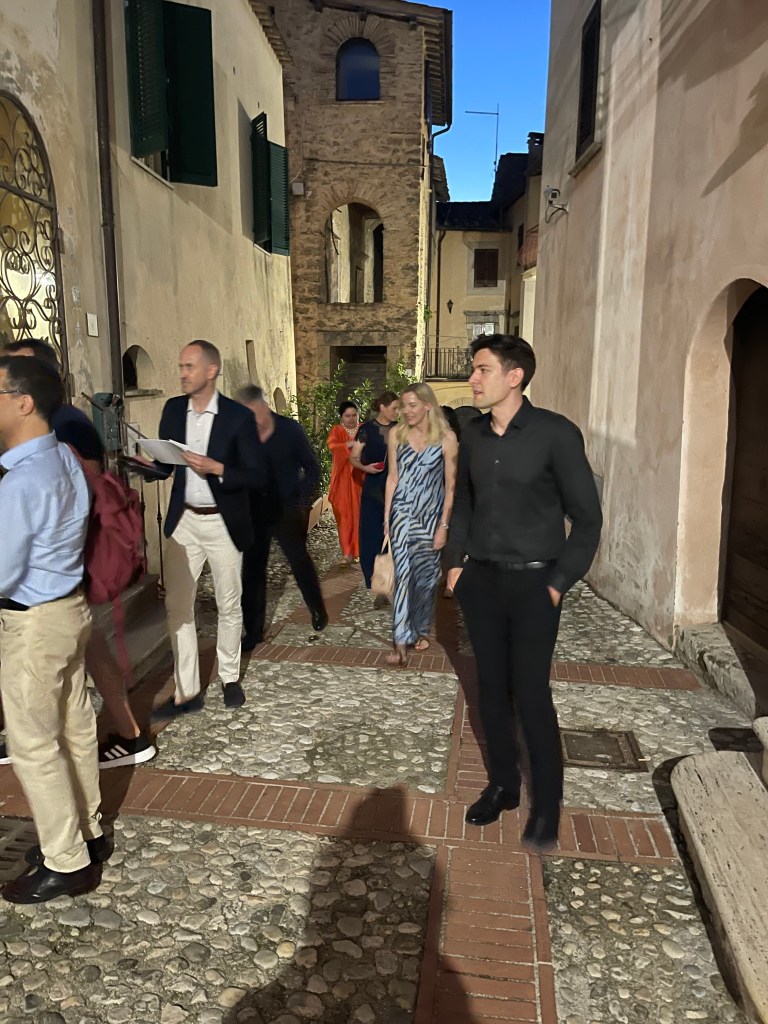
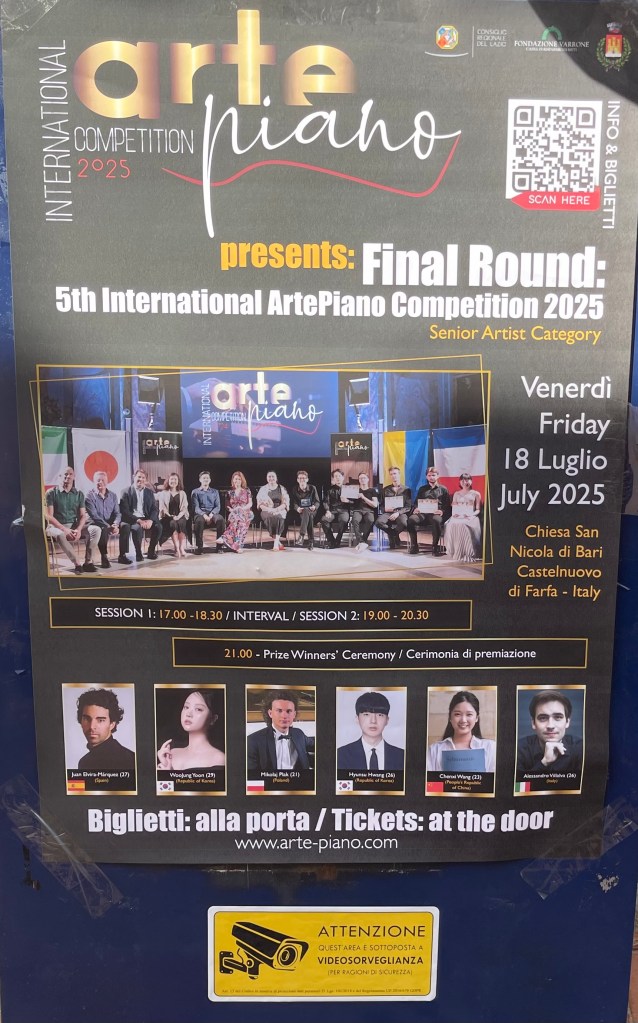
Pavle Krstic was on the Jury of the International Competition in Farfa Italy where he also gave masterclasses. https://christopheraxworthymusiccommentary.com/2025/07/19/castelnuovo-di-farfa-the-land-of-dreams-the-5th-international-artepiano-competition-of-niel-du-preez/
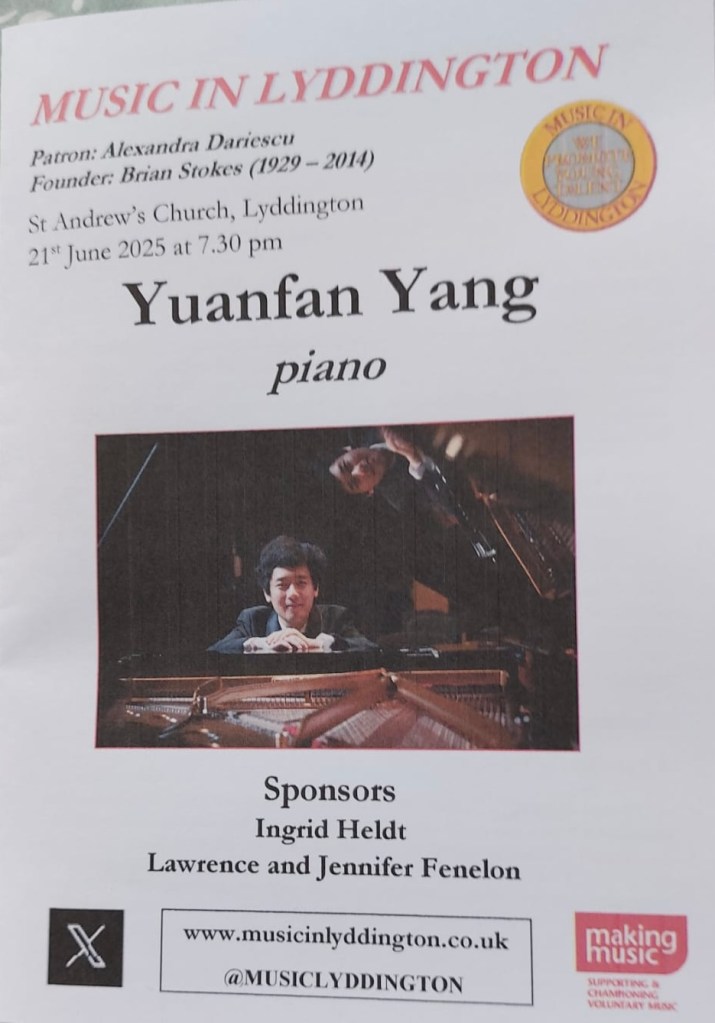
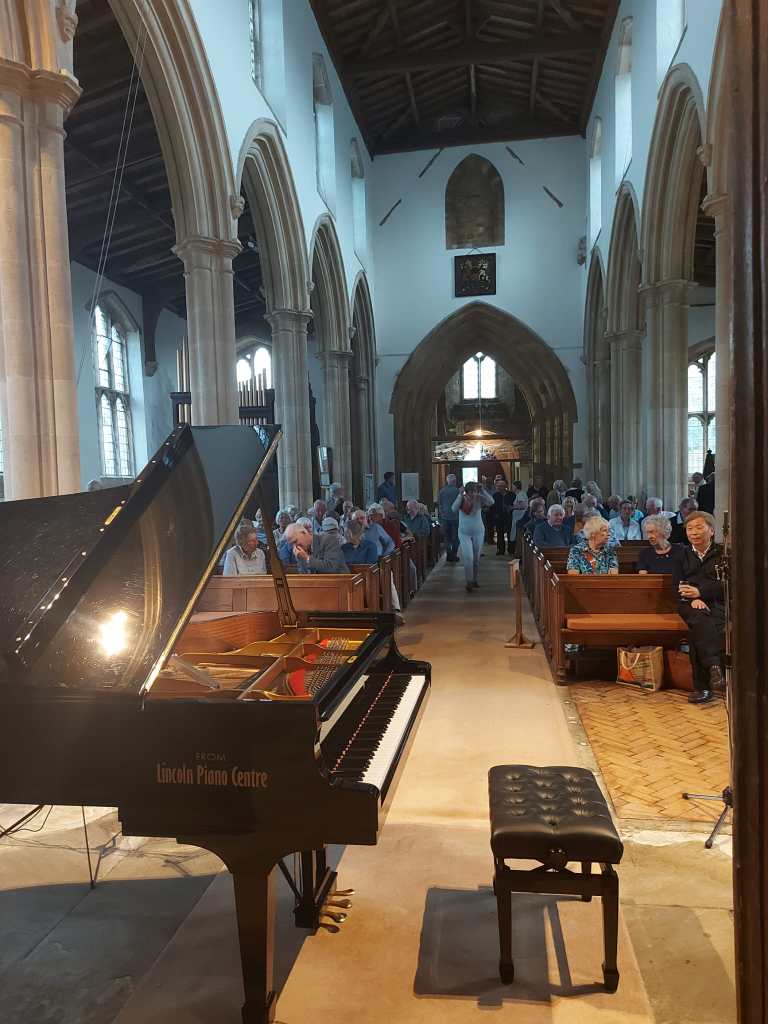
Yuanfan Yang gave a recital at St Andrews, Lyddington, Rutland on the 19th July
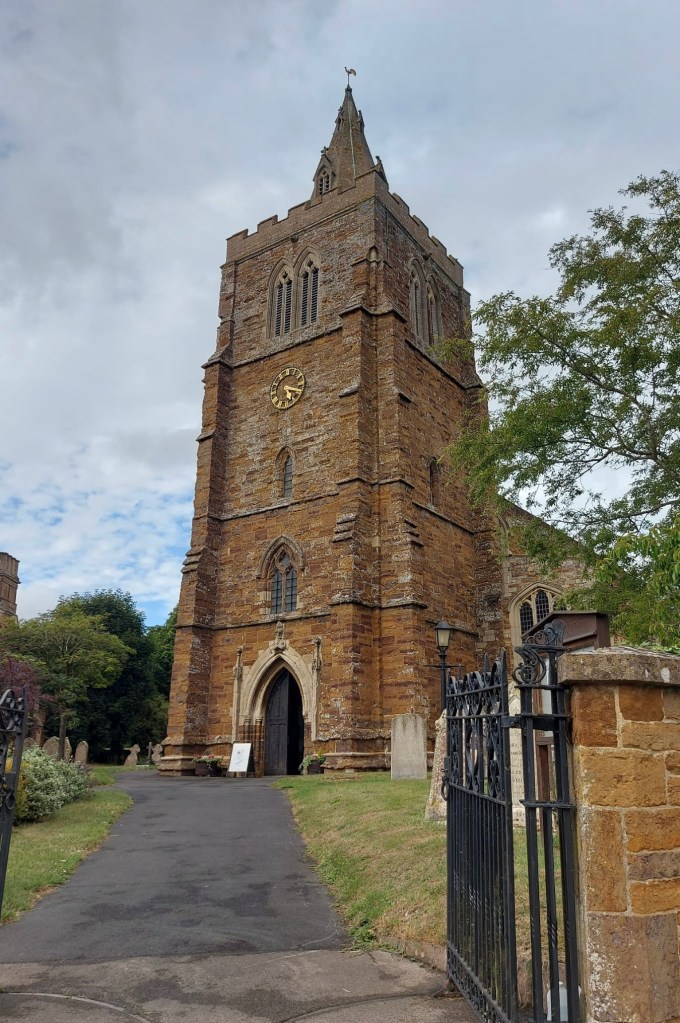
https://christopheraxworthymusiccommentary.com/2025/07/20/yuanfan-yang-takes-lyddington-by-storm-hats-offgentlemena-genius/

On the 24th Sebastian -Benedict Flore gave the last in our ‘Rising Stars’ series in St Mary Le Strand for Warren Mailly-Smith City Promotions

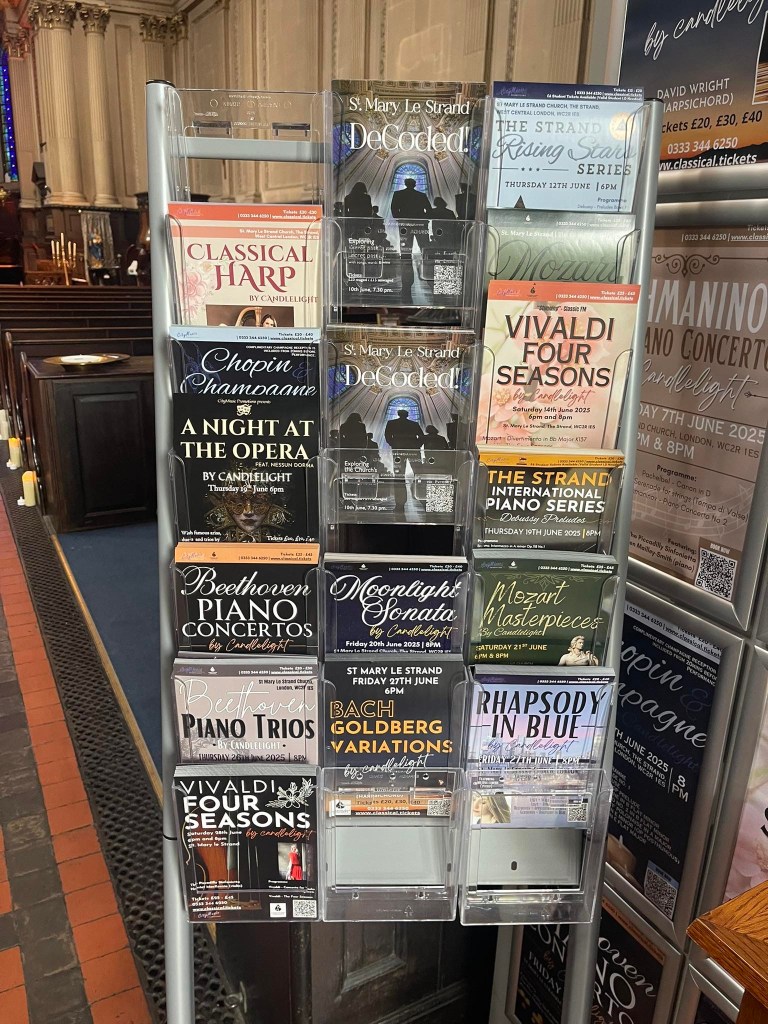
https://christopheraxworthymusiccommentary.com/2025/07/29/sebastian-benedict-flore-rising-star-series-city-productions-in-association-with-the-keyboard-trust/

On the 9th August a recital by Apolline Khou who gave a harpsichord recital in St Cecilia’s Hall Edinburgh for our Historic Instruments Series organised by Elena Vorotoko. A programme of Johann Sebastian Bach (1685-1750) – English suite in G minor BWV 808 : Prelude; Marin Marais (1656-1728) – Prélude en G minor (Livre V), Le petit badinage, Prélude en D minor (Livre IV) ; Johann Sebastian Bach : French suite in D minor BWV 812: Allemande, Courante, Sarabande, Menuets, Gigue ; Silvius Leopold Weiss (1687-1750) – Sonata in B flat Major: Prelude, Presto; Marin Marais – Les regrets ; Johann Sebastian Bach – Partita in B flat Major BWV 825: Prelude, Allemande, Courante, Sarabande, Menuets, Gigue.

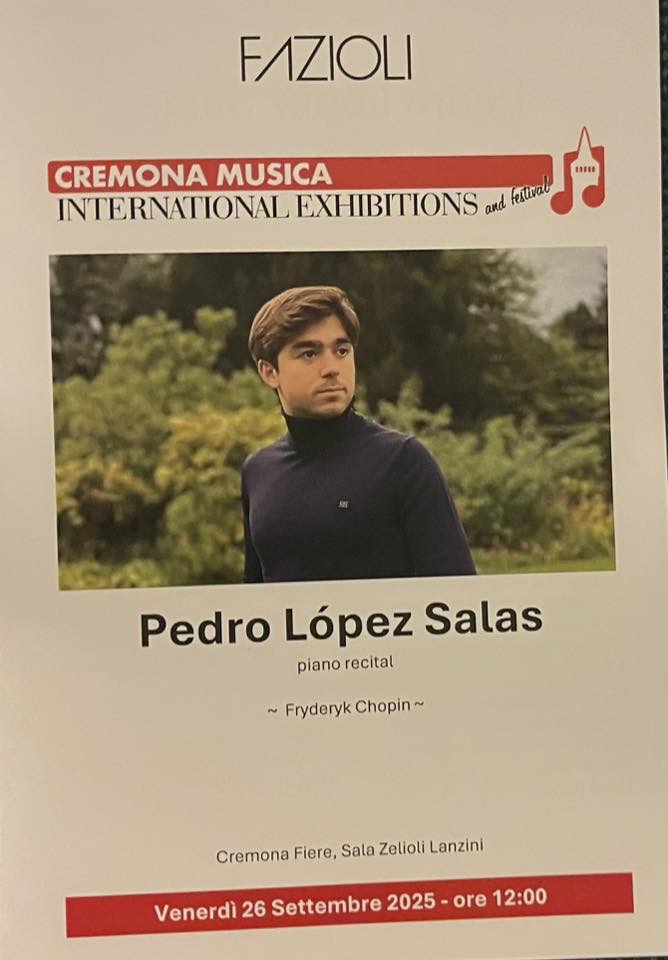
On the 12 August a recital by Pedro Lopez Sales for the Festival of Simone Tavoni in Spain in Paisajes. A few weeks later he repeated the programme in London at St James’s Piccadilly.
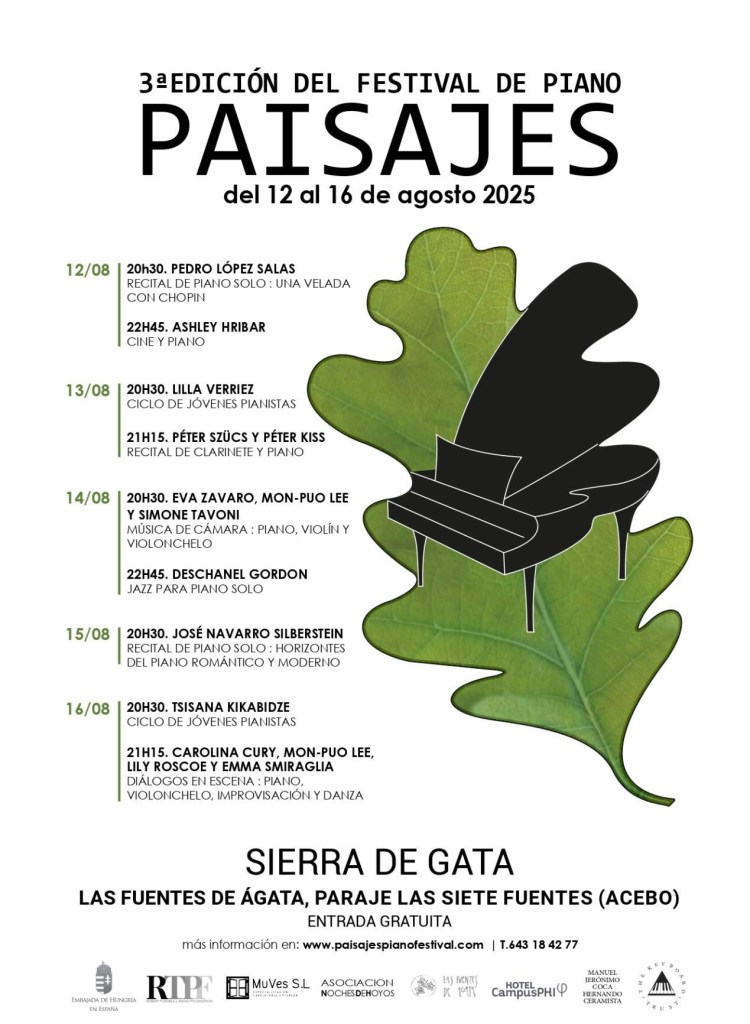
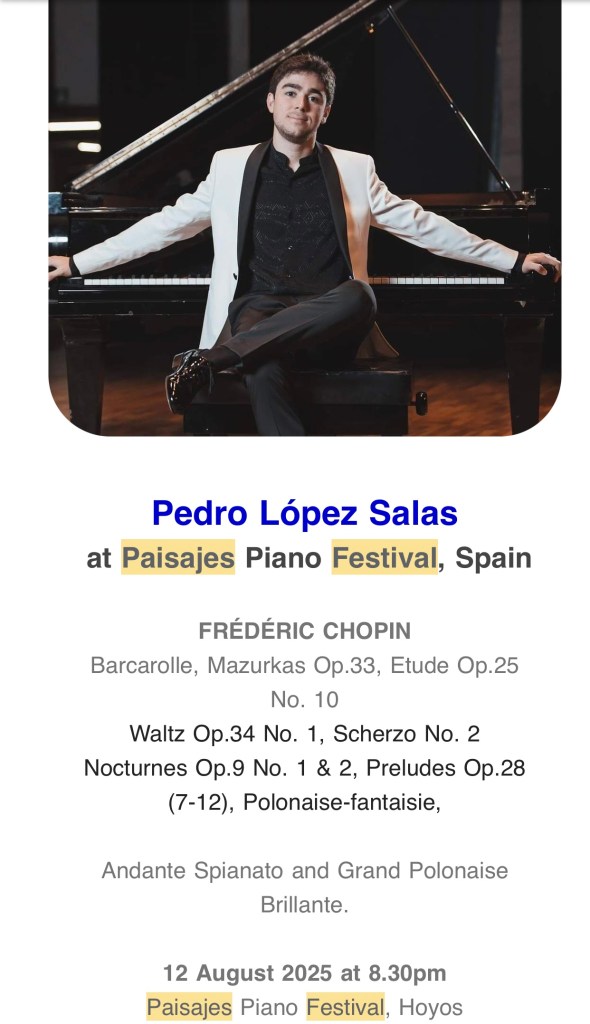
https://christopheraxworthymusiccommentary.com/2025/09/01/pedro-lopez-salas-at-st-jamess-piccadilly-with-refined-elegance-and-passion-reaching-the-very-heart-of-chopin/

Playing on Ischia and in Cremona in preparation for the Warsaw Chopin Competition. https://christopheraxworthymusiccommentary.com/2025/09/27/cremona-the-city-where-dreams-become-reality/

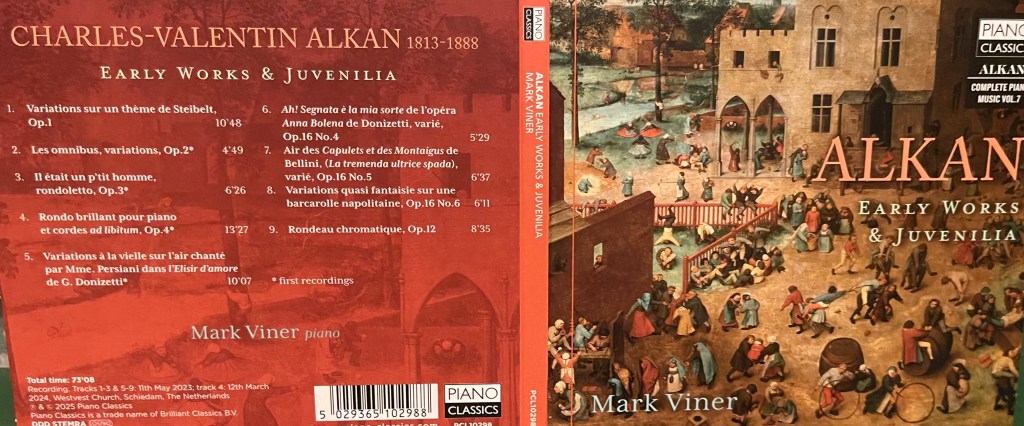
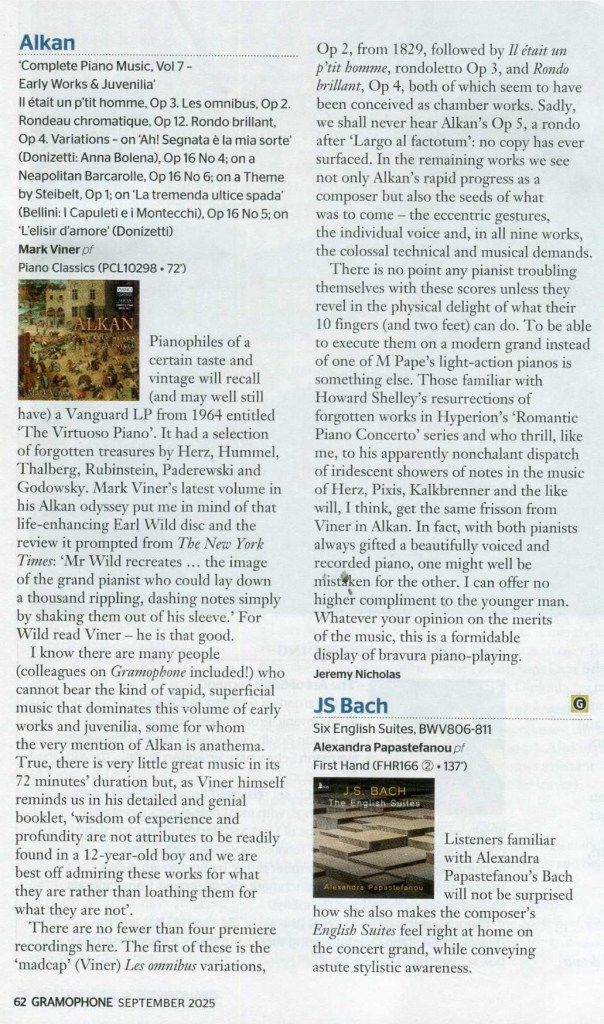
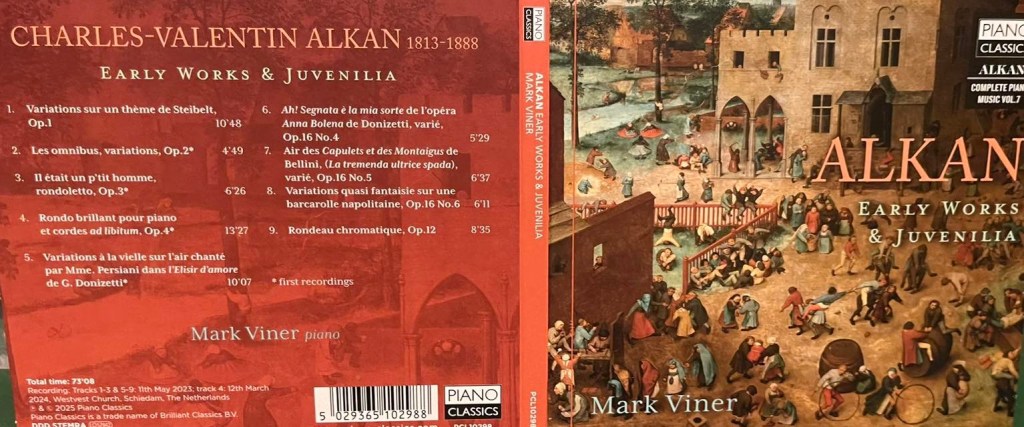
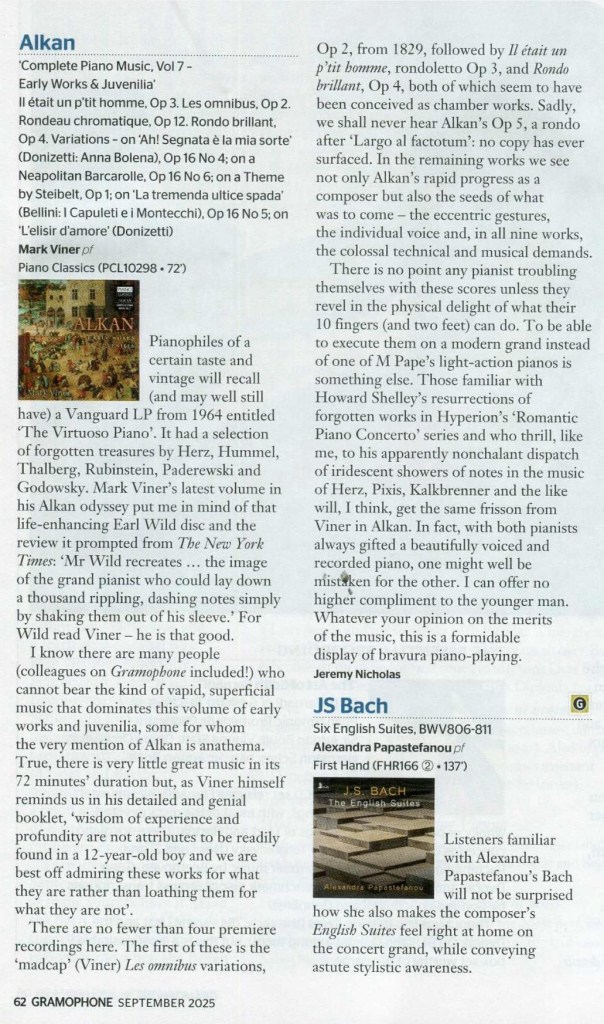
On the 19th August Mark Viner gave another recital on his eclectic voyage of discovery shared in his numerous CD’s received rapturously and voraciously by discerning music critics worldwide.
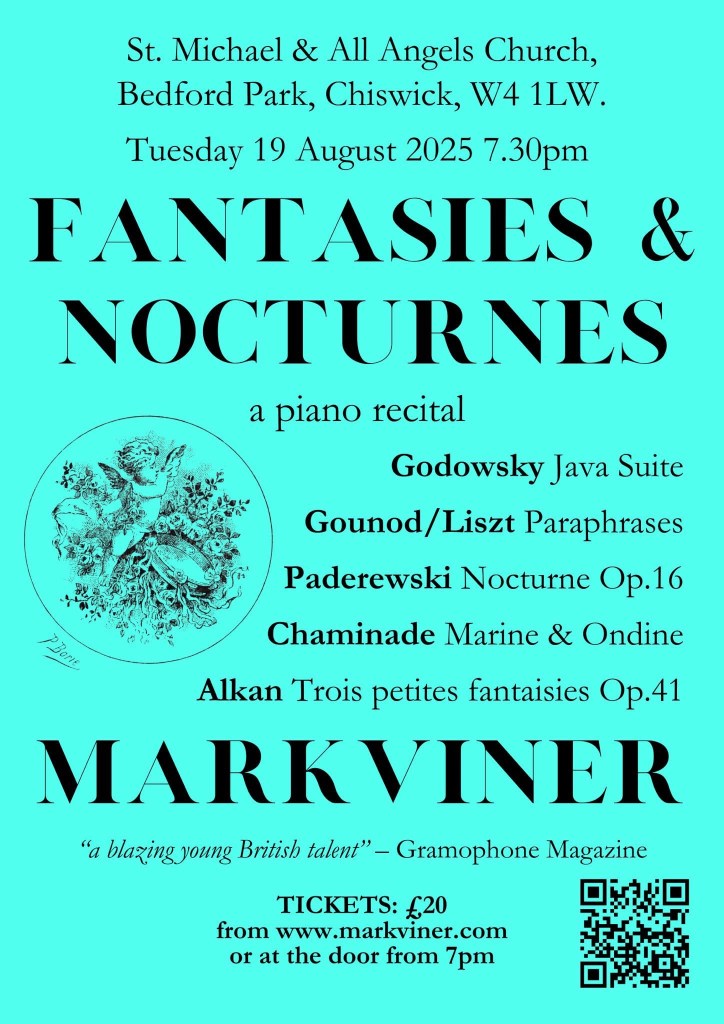
https://christopheraxworthymusiccommentary.com/2025/08/20/mark-viner-takes-bedford-park-by-storm-refined-french-cuisine-prepared-by-a-master-chef/

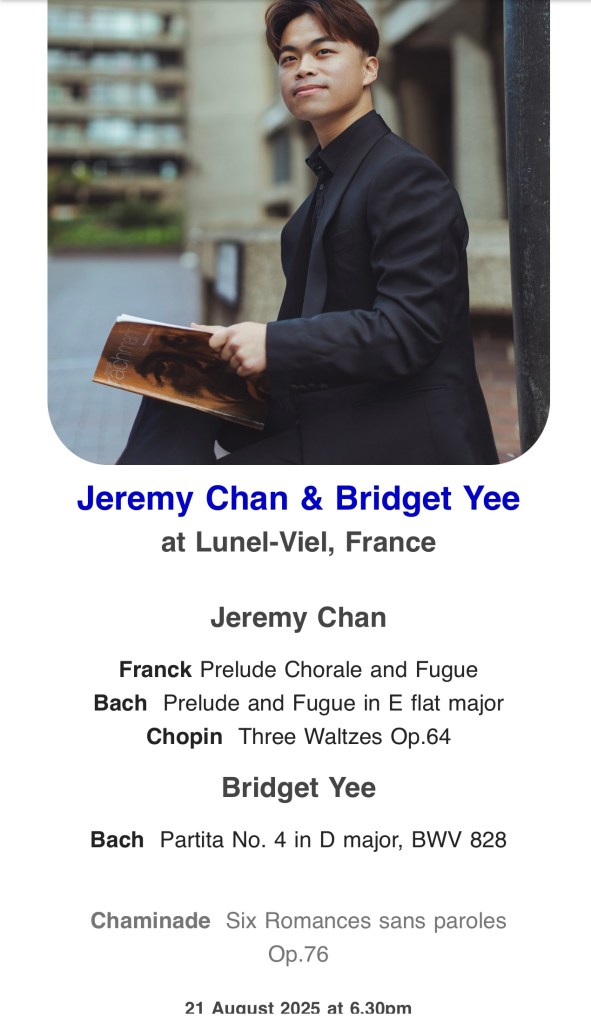
On 21st and 22nd August Jeremy Chan and Bridget Yee gave two joint recitals in the Lunel Viel Festival near Montpelier Avignon in France
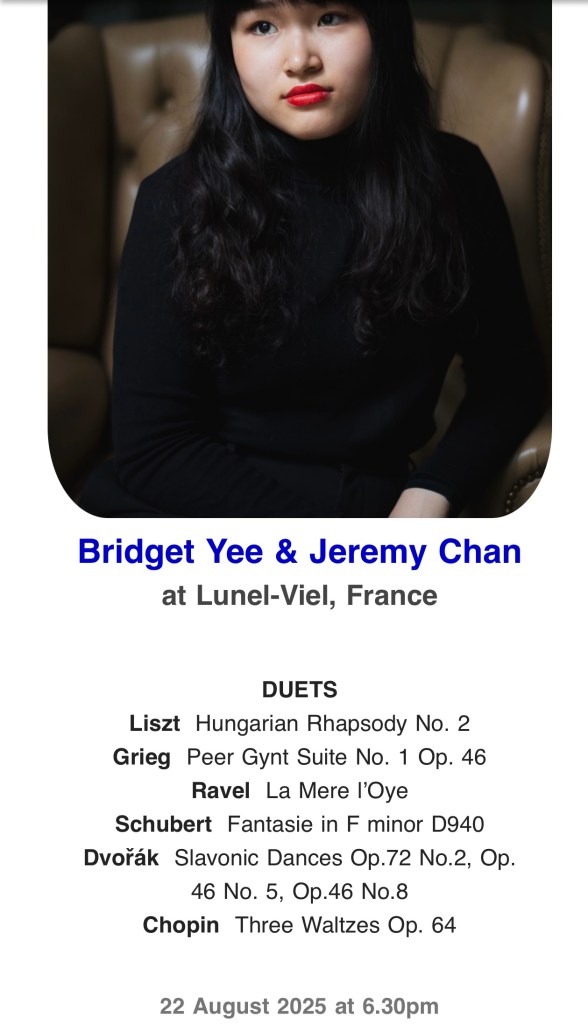
On the 6th and 7th September I accompanied Shunta Morimoto to Ischia and although he has not yet needed help from the KT, Lina Tufano ever sensible to helping young exceptionally talented musicians, very kindly invited him to their series on Ischia. Winner of the Hastings Competition at 17 now at 20 he is on the threshold of an important career that I have been following for the past five years whilst he has been studying in Rome.

https://christopheraxworthymusiccommentary.com/2025/09/07/shunta-morimoto-bringing-youthful-mastery-and-magic-to-waltons-paradise/

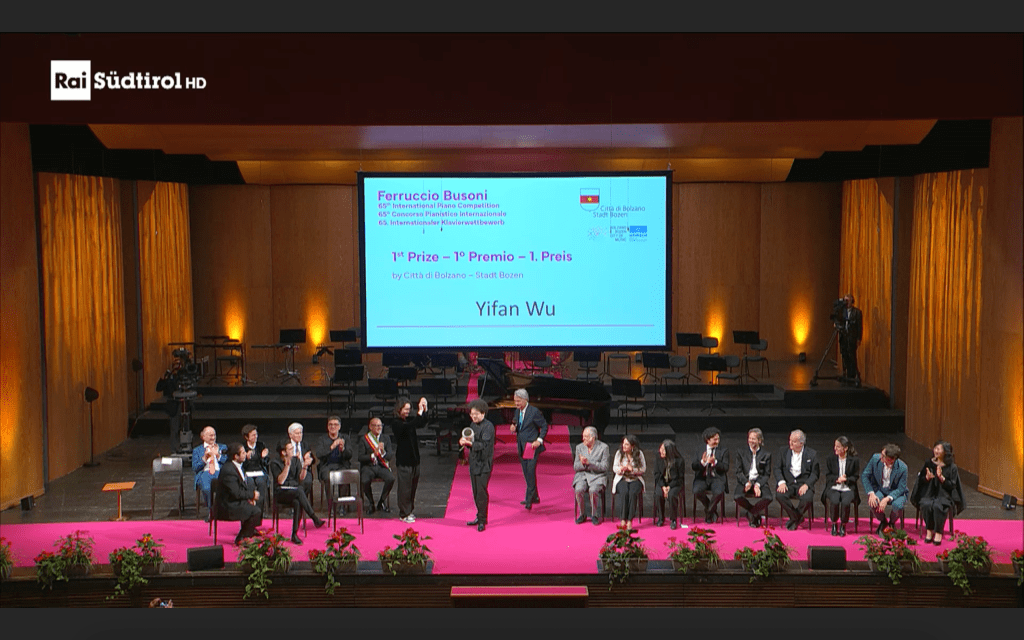
On the 7th September In Bolzano Yifan Wu was declared the winner of the Busoni Competition.
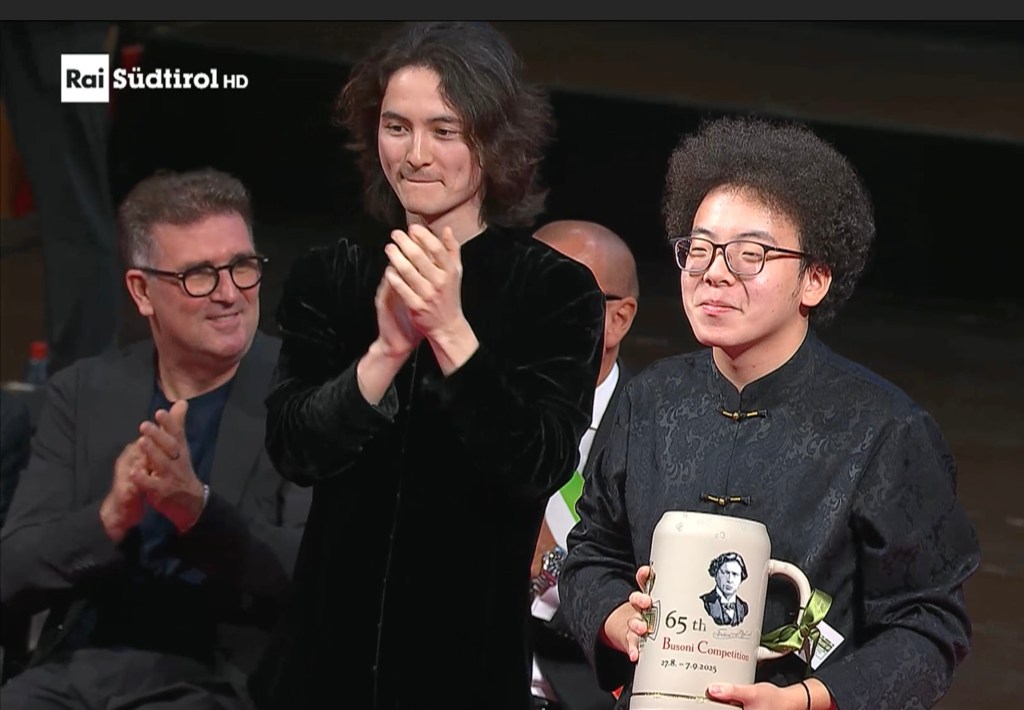
https://christopheraxworthymusiccommentary.com/2025/09/07/busoni-2025-the-final-lap/

He will be performing for the Keyboard Trust in London as the Career Development Prize established by our founders, who had attended every competition since the first in 1949

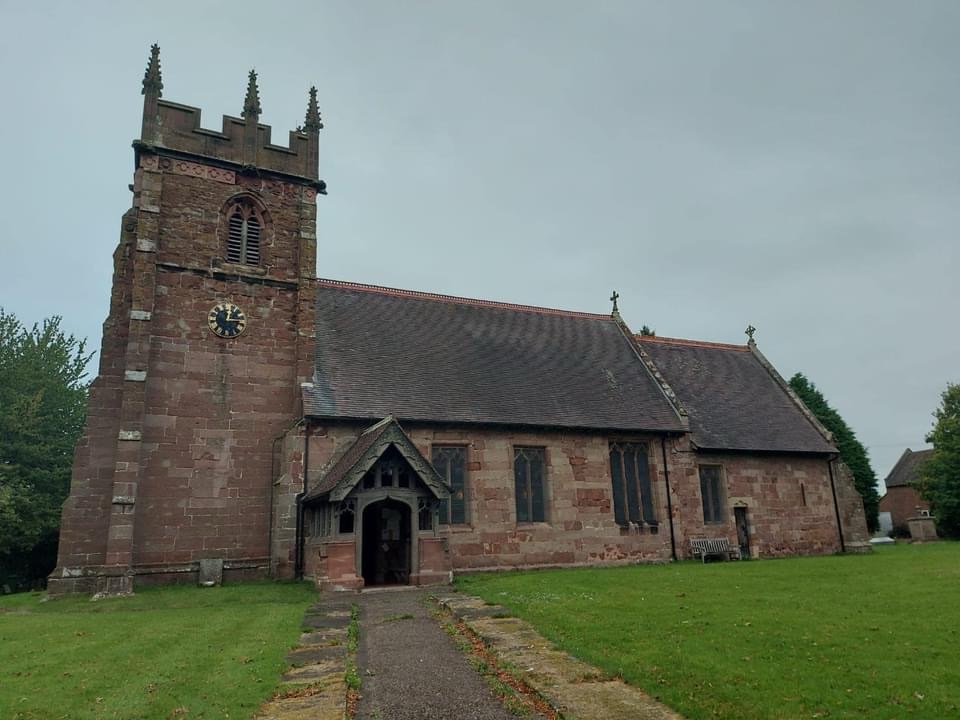
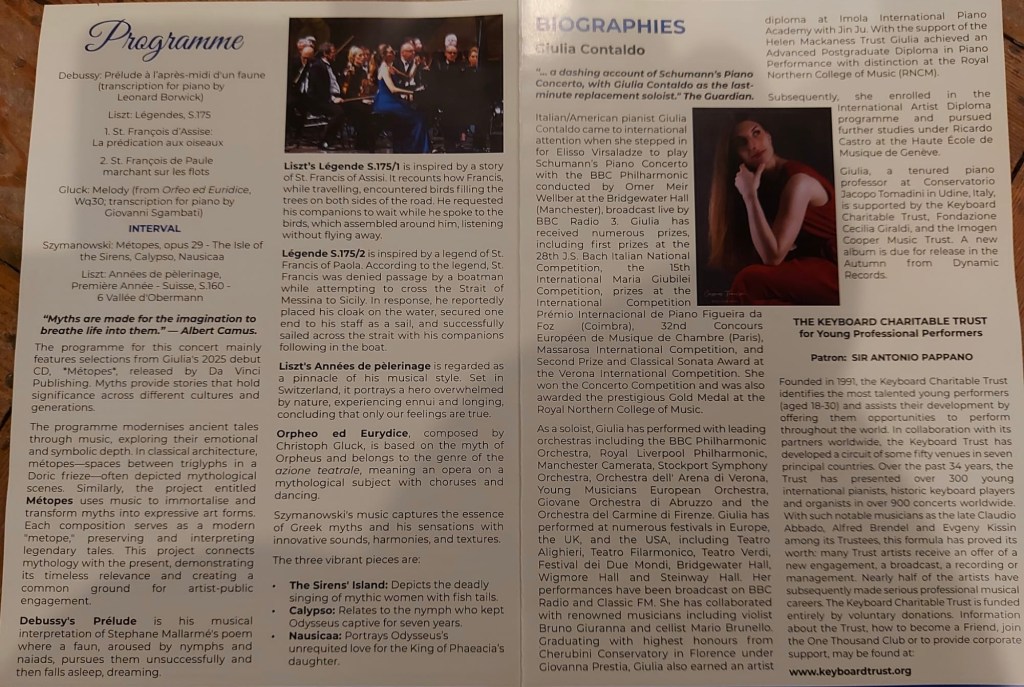
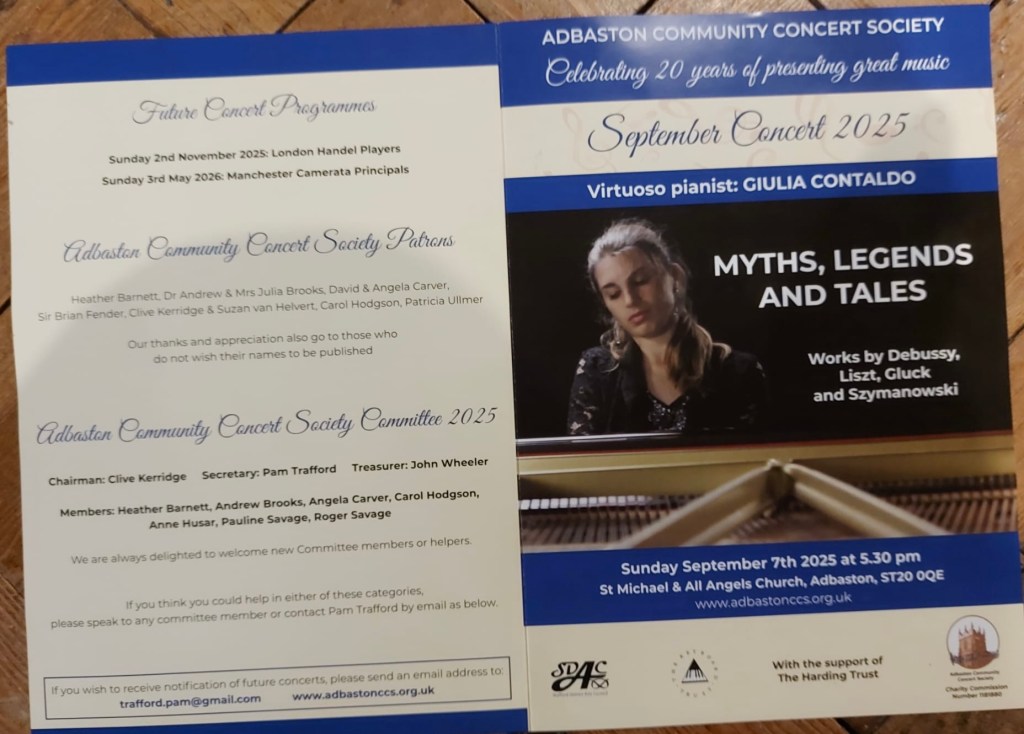
Giulia Contaldo played at St Michael and All Angels Adbaston on 7th September.
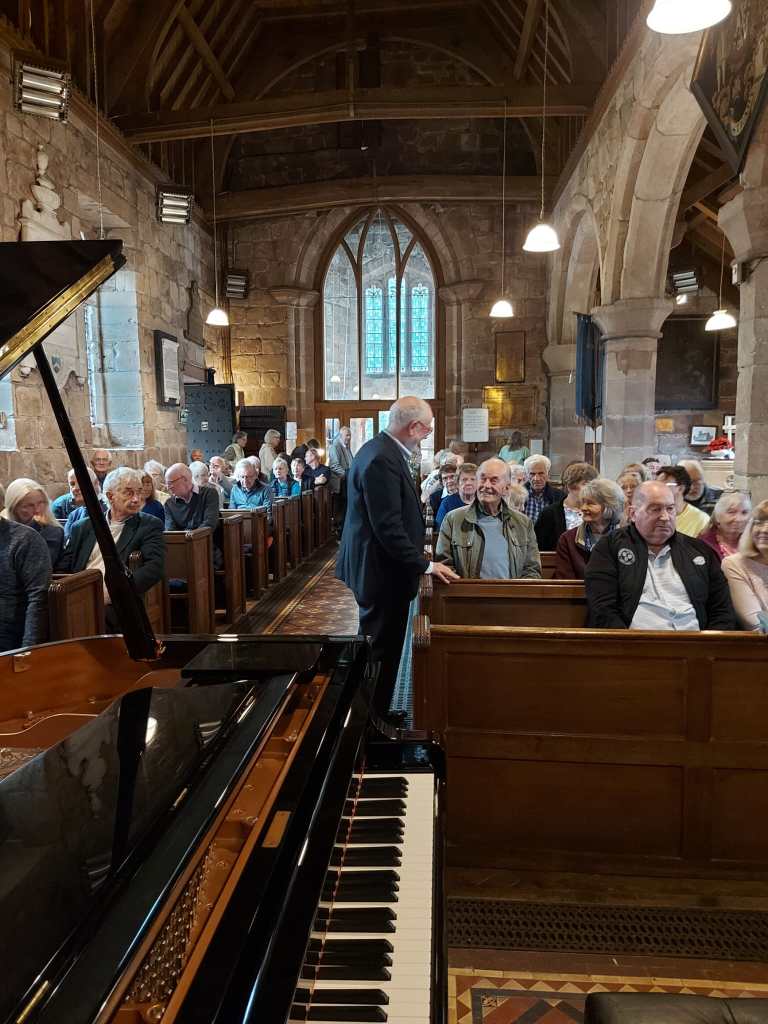
https://christopheraxworthymusiccommentary.com/2025/09/08/giulia-contaldo-brings-myths-legends-and-tales-to-adbaston/

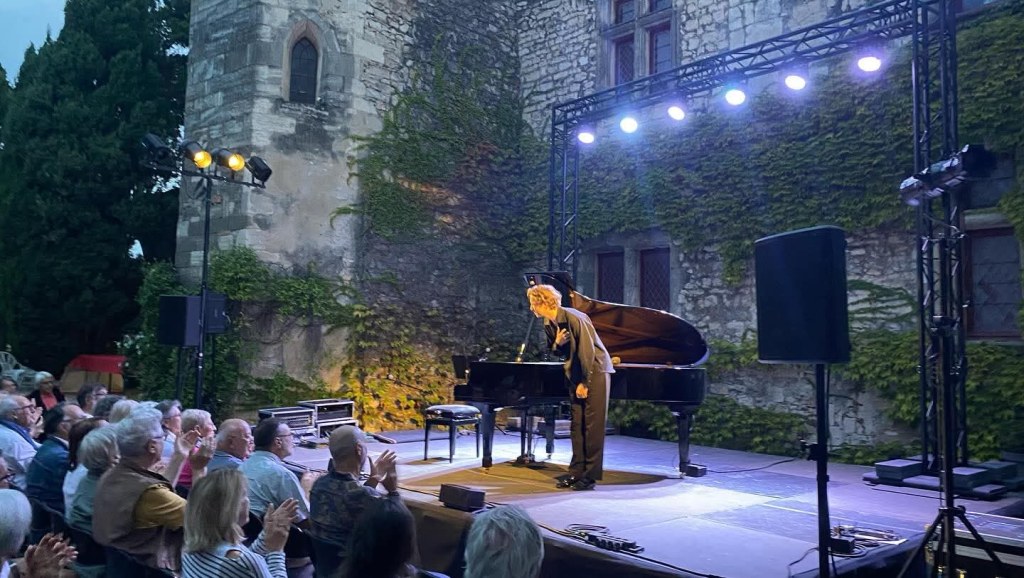
On the 12th September Mikhail Kambarov played in the Emergences Festival, Aramon Gard near Avignon, Nimes.
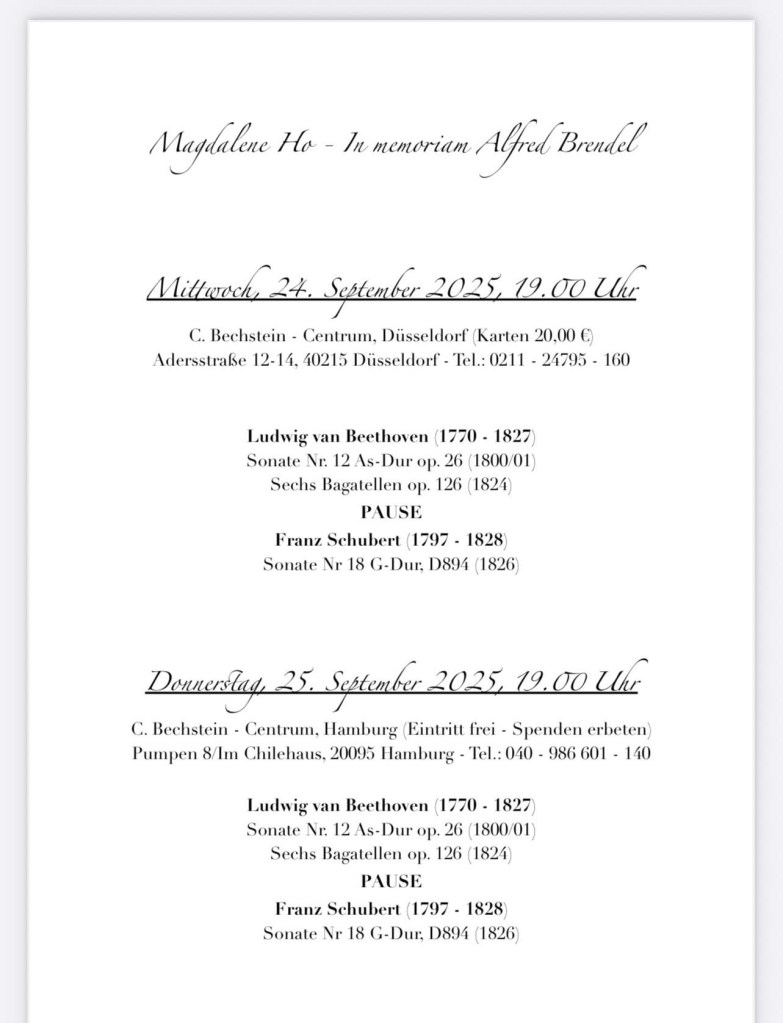
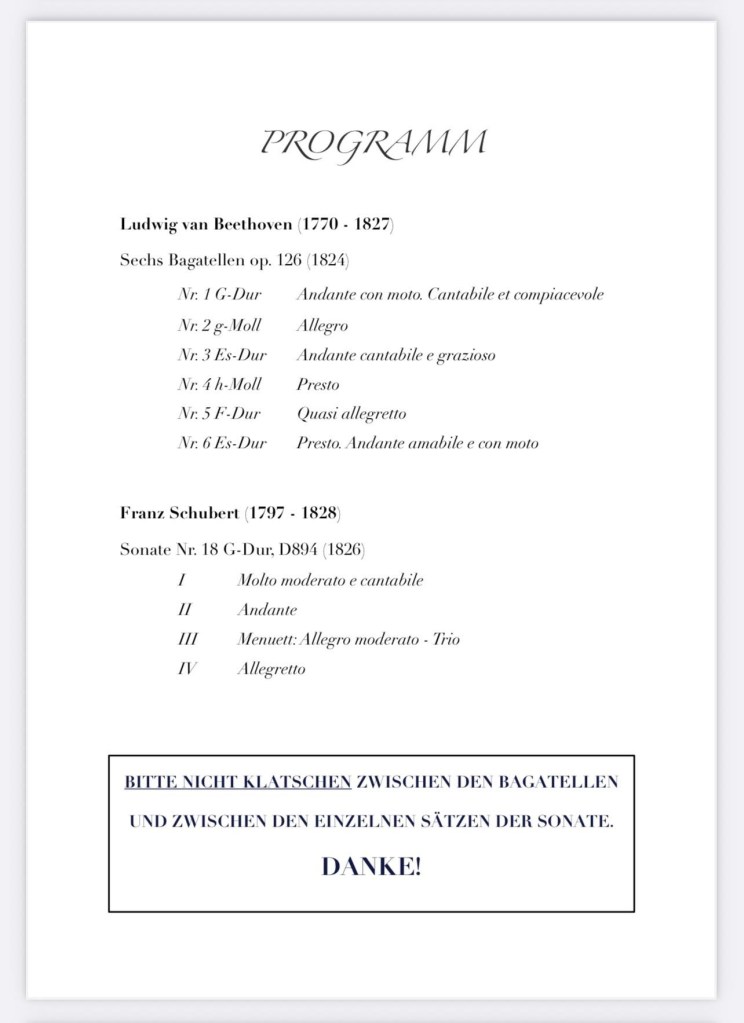
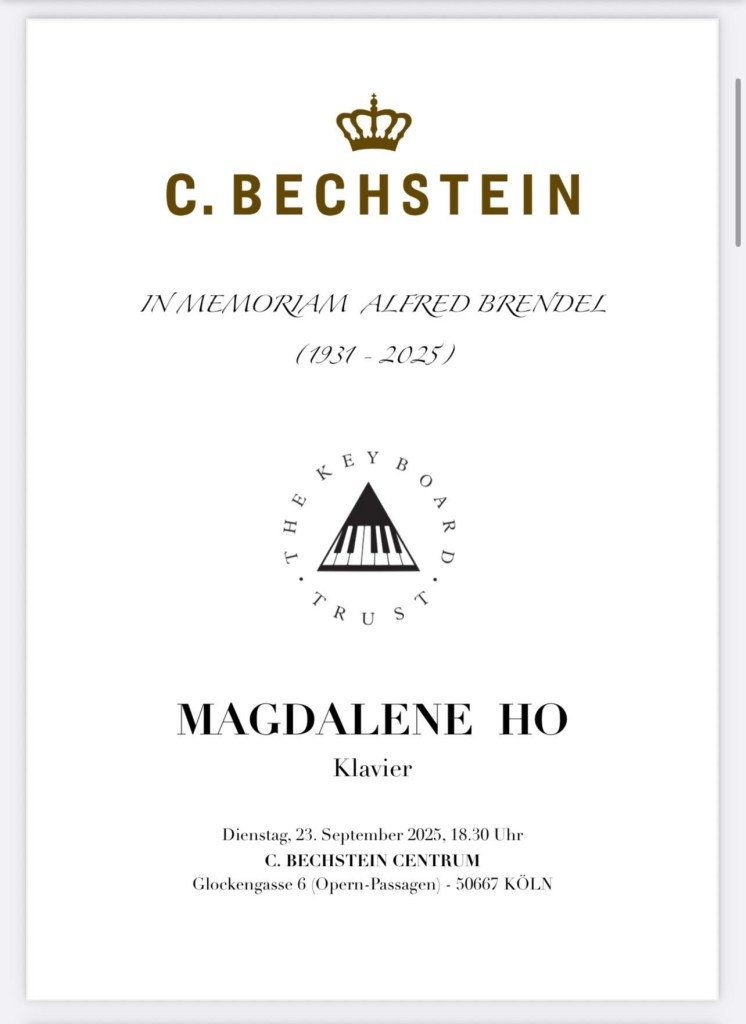
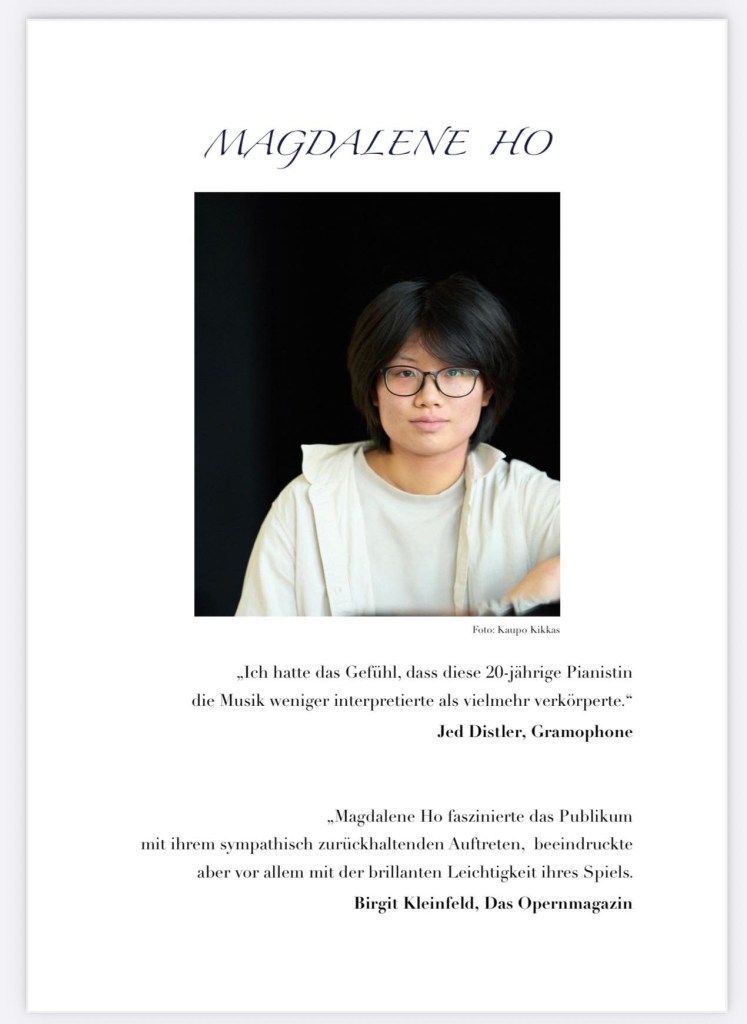
Magdalene Ho gave three recitals at Bechstein Halls in Cologne,Düsseldorf and Hamburg dedicated by Moritz von Bredow to the late Alfred Brendel, a founder trustee of the Keyboard Trust :
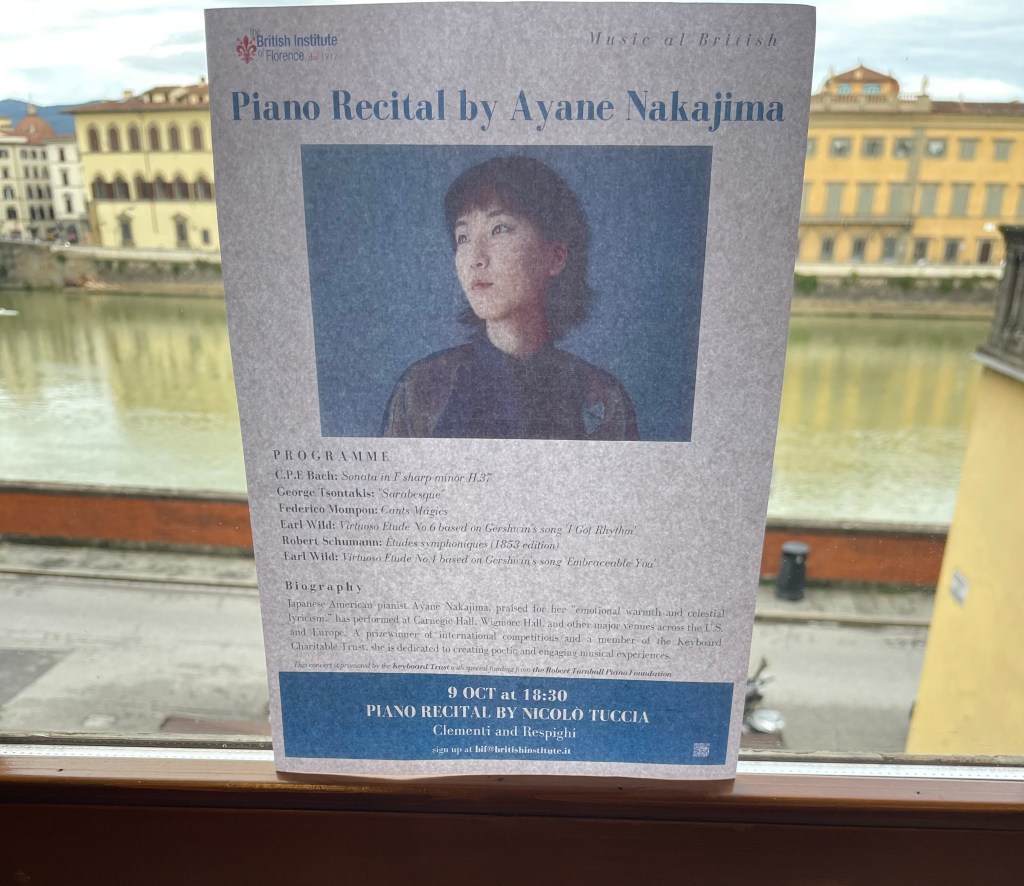
Ayane Nakajima played in Florence in the Harold Acton Library – British Institute on the 25th September .
https://christopheraxworthymusiccommentary.com/2025/09/26/ayane-nakajima-at-british-institute-of-florence-embraceable-you-irresistible-poetic-mastery/

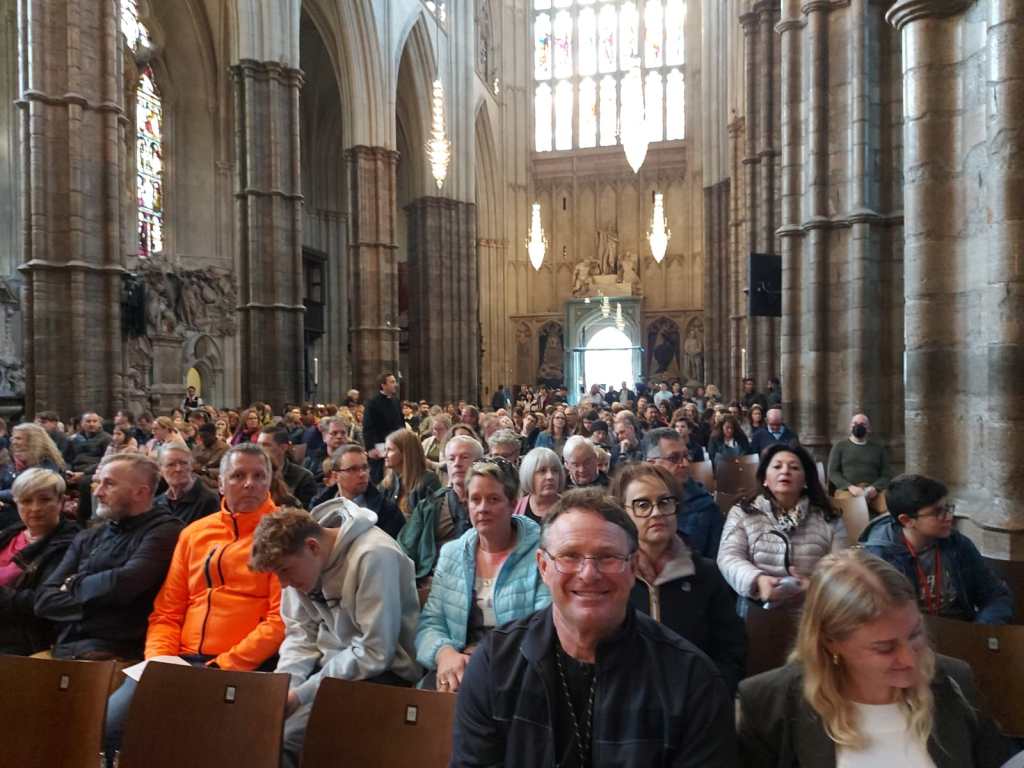
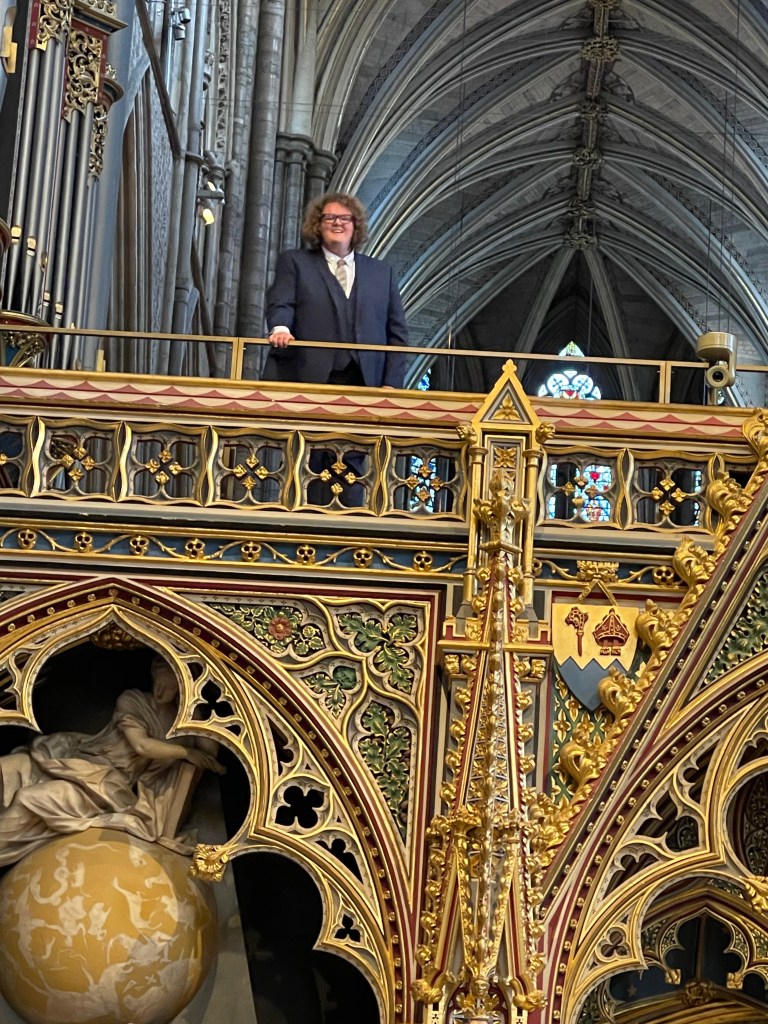
On the 12th October our annual organ recital at Westminster Abbey with Thomas Howell.
https://christopheraxworthymusiccommentary.com/2025/10/14/thomas-howell-at-westminster-abbey-for-the-keyboard-trust-annual-organ-concert/

From the 12th to the 19th October Vladimir Petrov undertook our annual American tour.
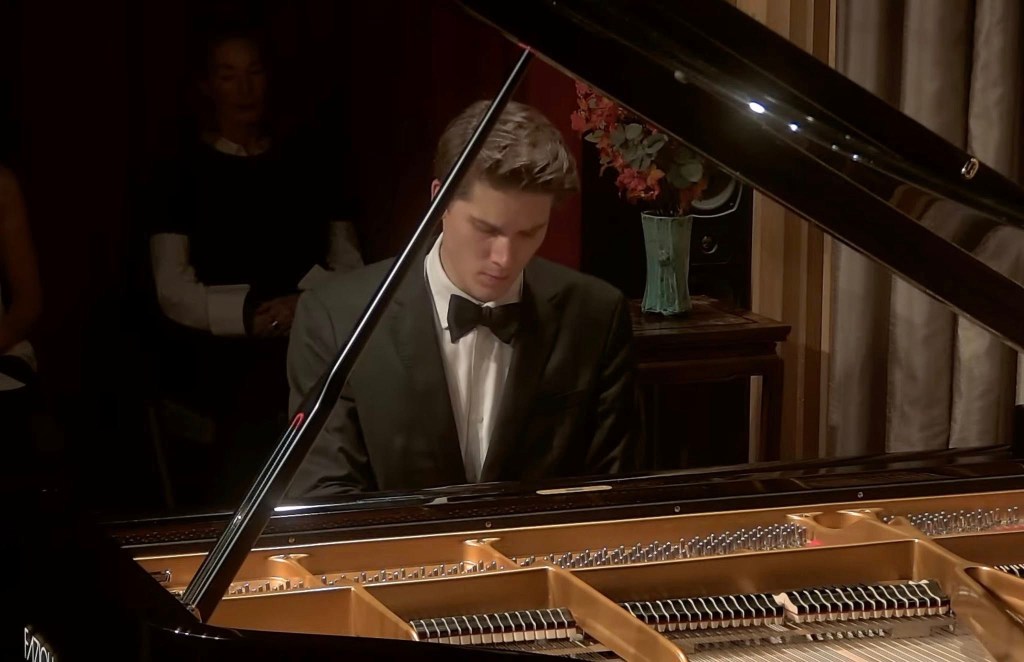
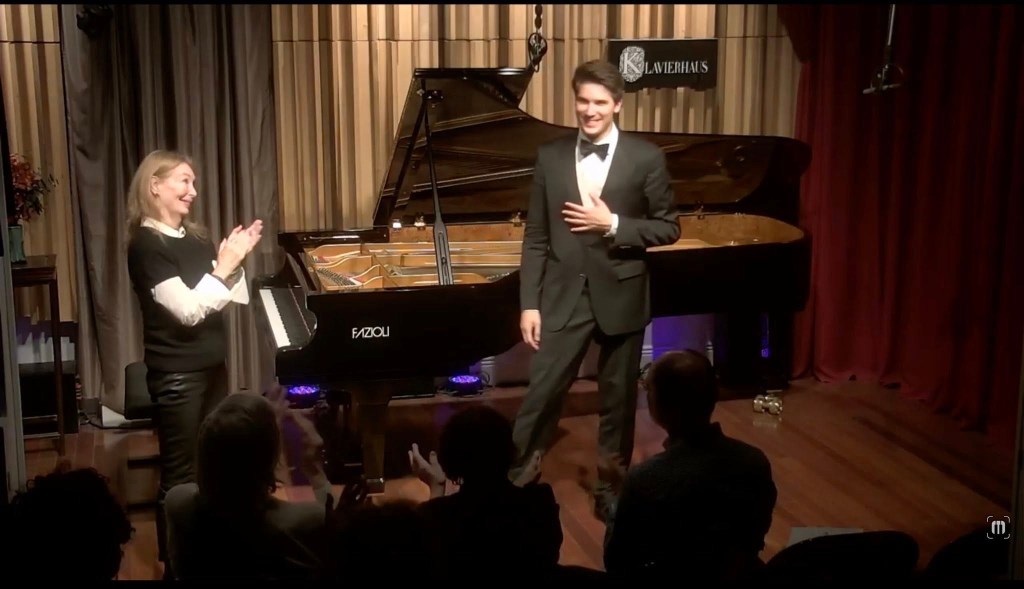
with Caroline von Reitzenstein at the Klavierhaus in New York

https://christopheraxworthymusiccommentary.com/2025/10/20/keyboard-trust-usa-tour-vladimir-petrov-the-mastery-and-seduction-of-a-refined-artist/

Chenyu Wang played at Steinway Hall in London on the 15th October
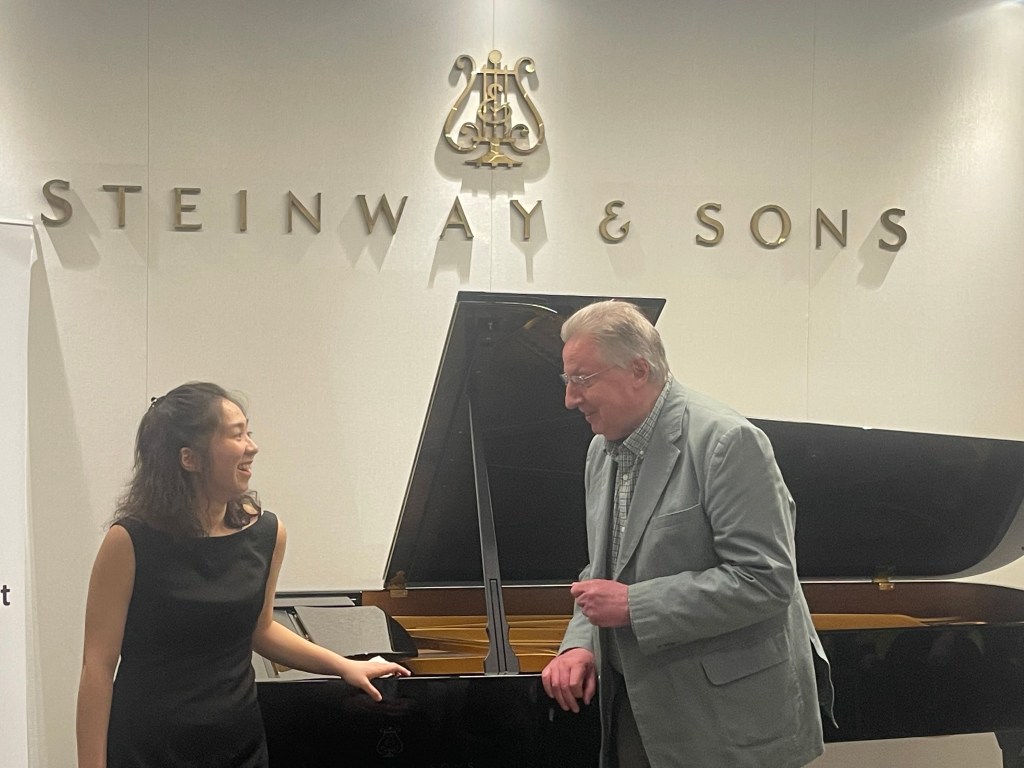
https://christopheraxworthymusiccommentary.com/2025/10/16/chenyu-wang-at-steinway-hall-for-the-keyboard-trust/

Tomos Boyles gave our last Steinway concert of 2025 on 12th November.
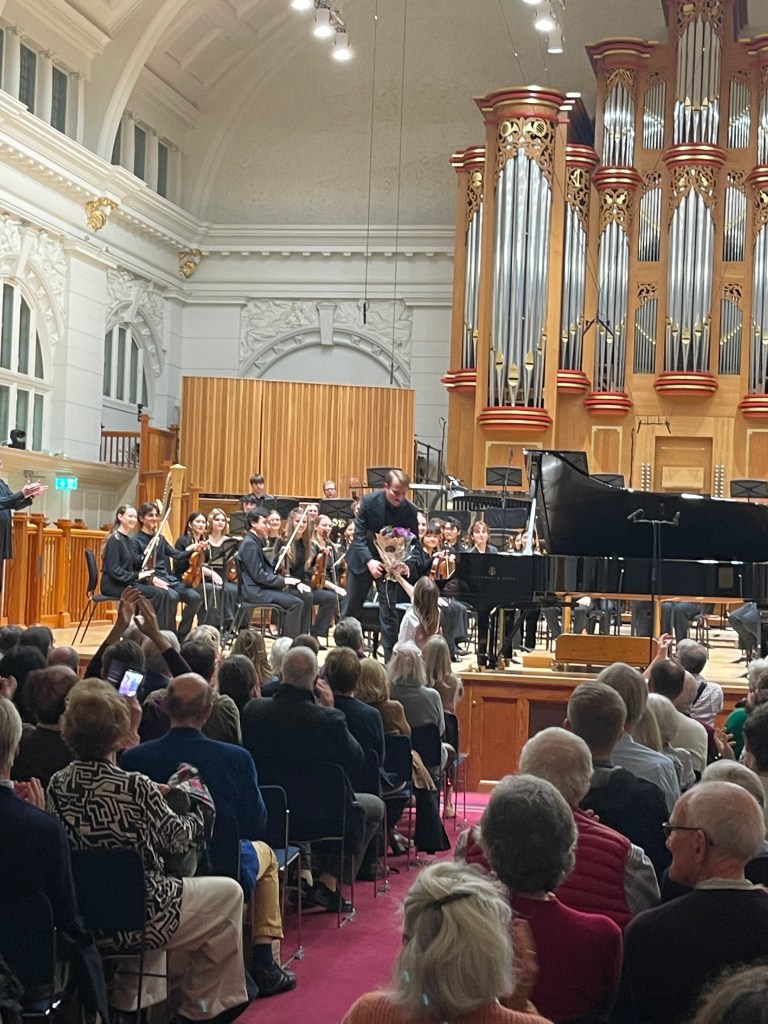
https://christopheraxworthymusiccommentary.com/2025/11/13/tomos-boyles-at-steinway-hall-for-the-keyboard-trust-intelligence-and-poetic-artistry-combine/

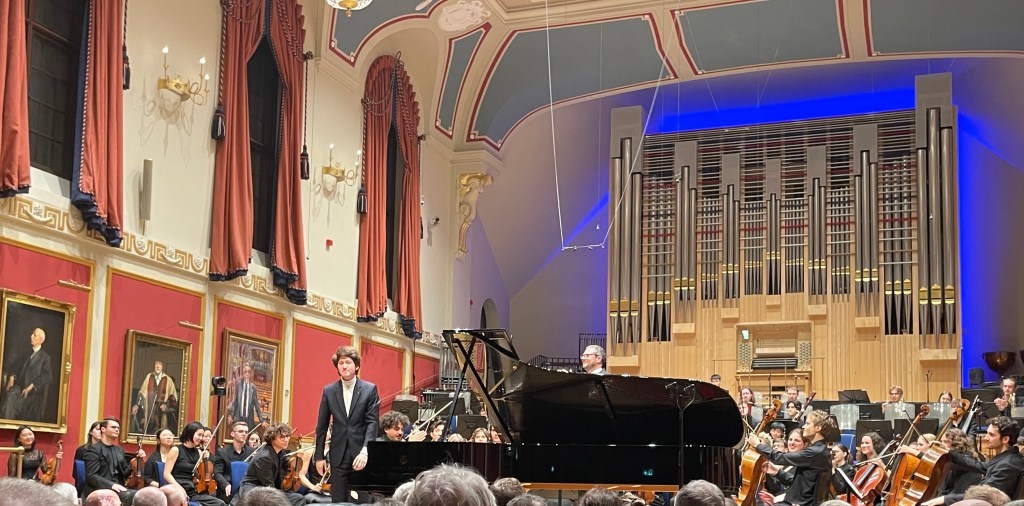
Misha Kaploukhii played on the 17th October at the North Fylde Music Circle and went on to play Brahms 2 at the Royal College of Music on the 6th November as prize winner of their annual concerto competition. https://christopheraxworthymusiccommentary.com/2025/11/07/misha-kaploukhii-plays-brahms-2-igniting-with-martyn-brabbins-the-rcm-philharmonic/

Emanuil Ivanov the first Sulamita Aronovsky laureate at the RAM played Rachmaninov 1st Concerto with a very enthusiastic John Wilson

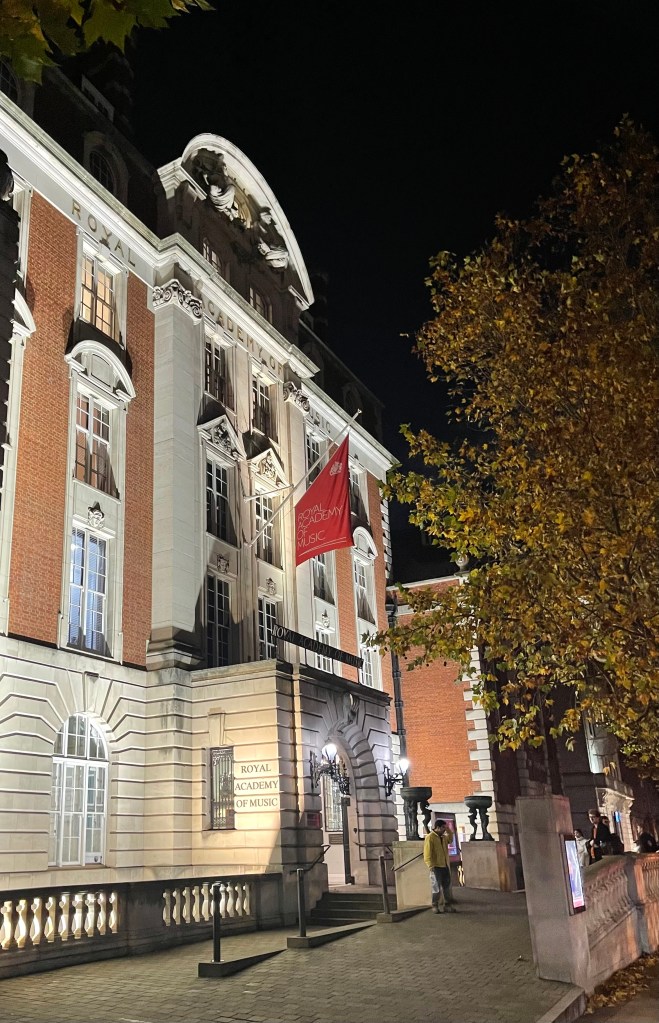
https://christopheraxworthymusiccommentary.com/2025/11/08/emanuil-ivanov-and-john-wilson-at-the-ram-the-return-of-the-golden-era-of-music-making/

Alessio Masi flew in from Manhattan, where he is studying this year, to play in Florence at the British Institute on the 23rd October
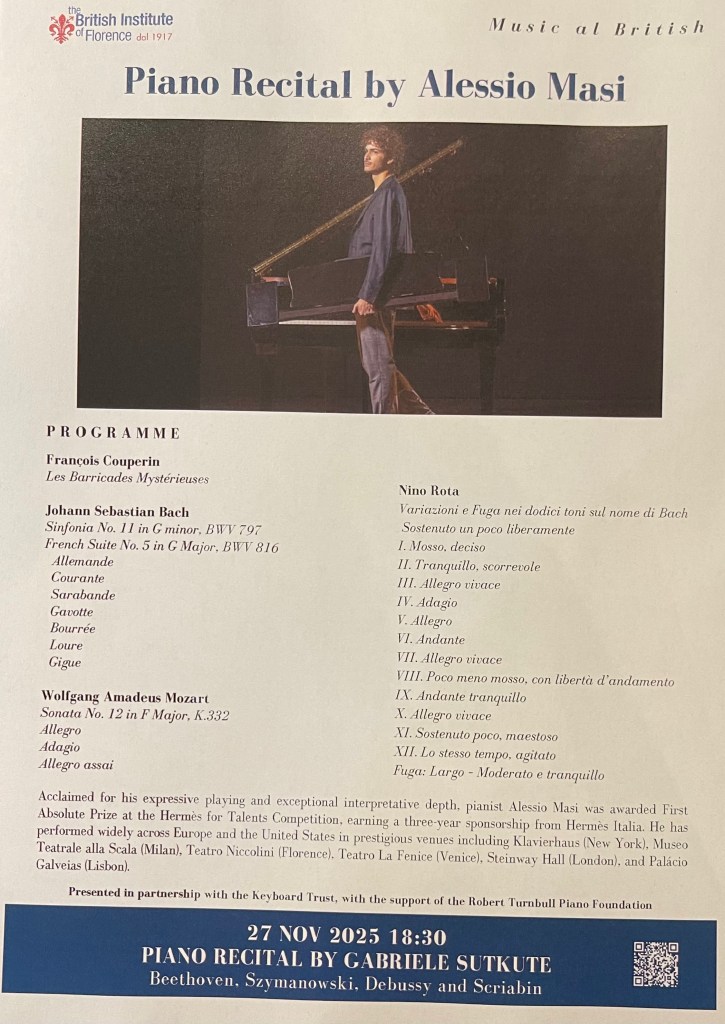
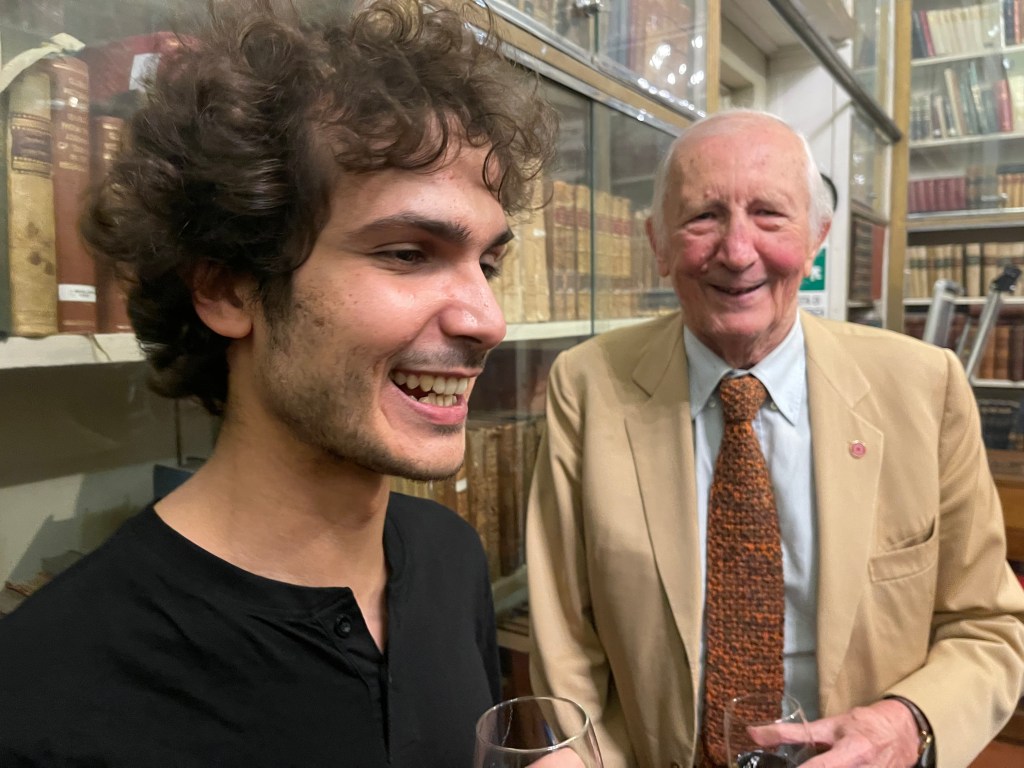
https://christopheraxworthymusiccommentary.com/2025/10/24/alessio-masi-in-the-harold-acton-library-in-florence-where-poetry-and-discovery-unite-with-burning-conviction/

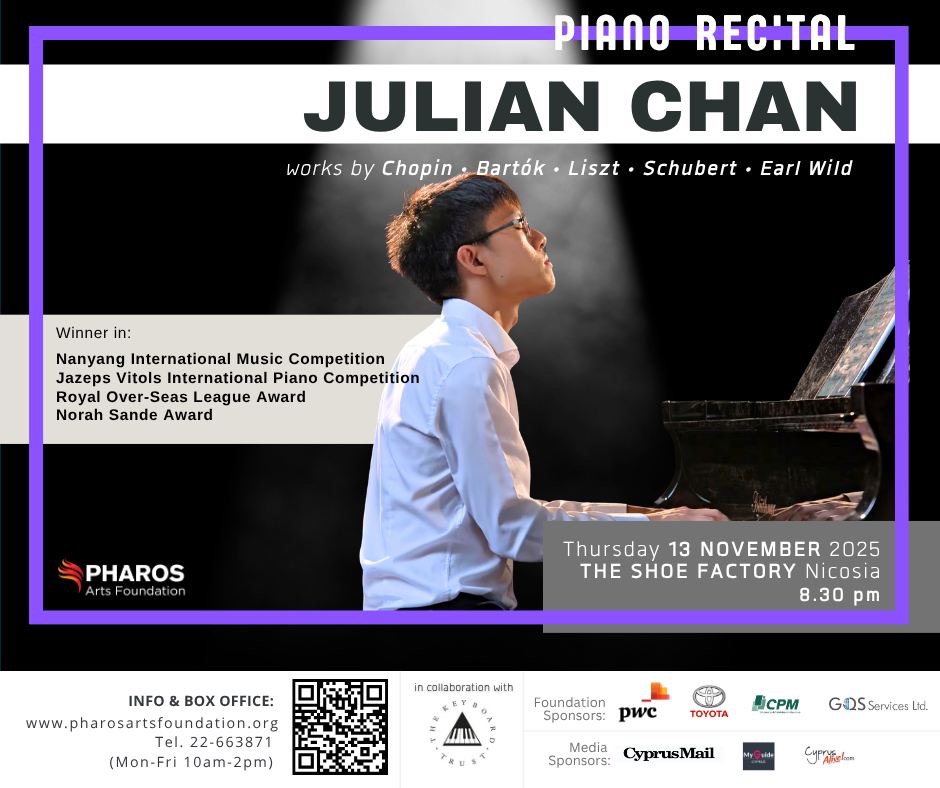
On the 13 November Julian Chan played in Cyprus at the Pharos Arts Foundation 🎶🎵 Ahead of his recital Julian Chang took the opportunity to visit the Music School in Nicosia, to deliver an extremely interesting educational concert. It was a wonderful atmosphere, and the students were fantastic as always!!🟠

‘Last Thursday, 13 November 2025, pianist Julian Chan gave his Cyprus debut recital at The Shoe Factory by Pharos Arts Foundation performing a demanding programme of Chopin, Bartók, Liszt, Schubert and Earl Wild. With a remarkable musical intentness and composed authority, he offered a strong, uncompromising performance that affirmed his great gifts and growing stature on the international scene.’ Photos © Polina Ioannou https://christopheraxworthymusiccommentary.com/2025/02/13/julian-chan-a-master-at-steinway-hall/
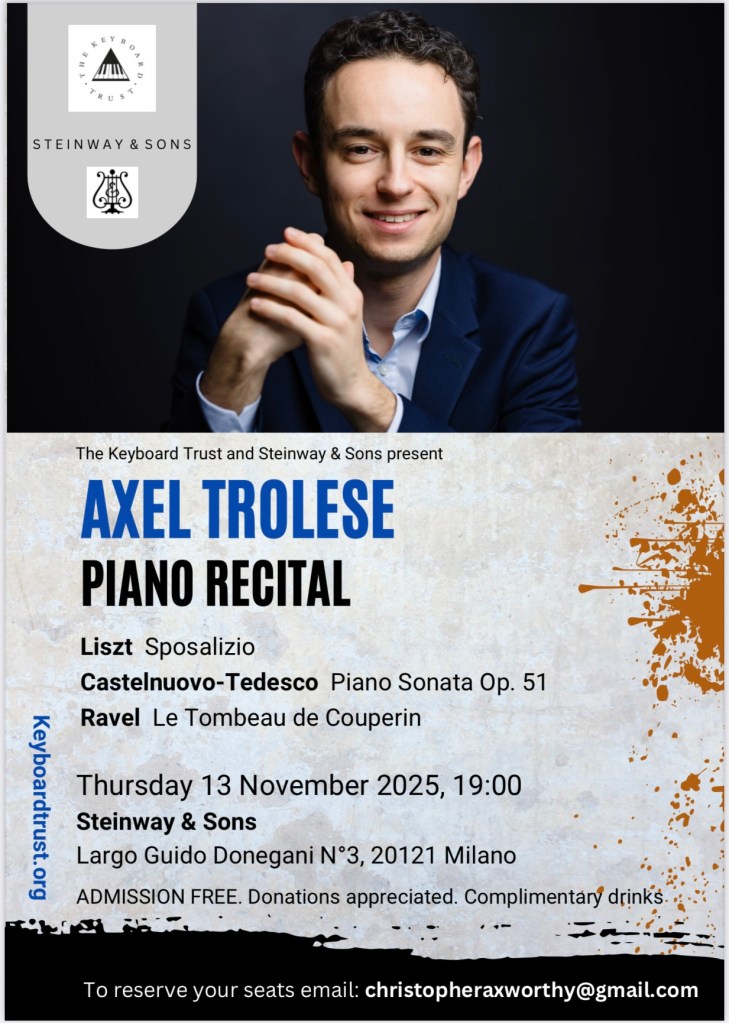
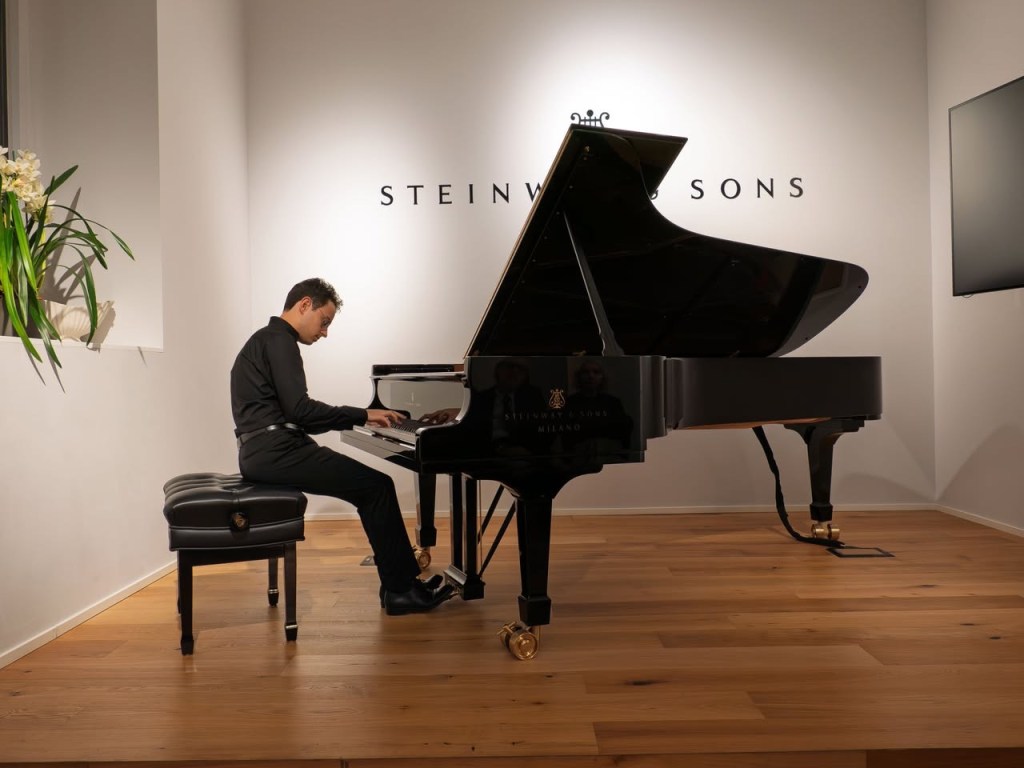
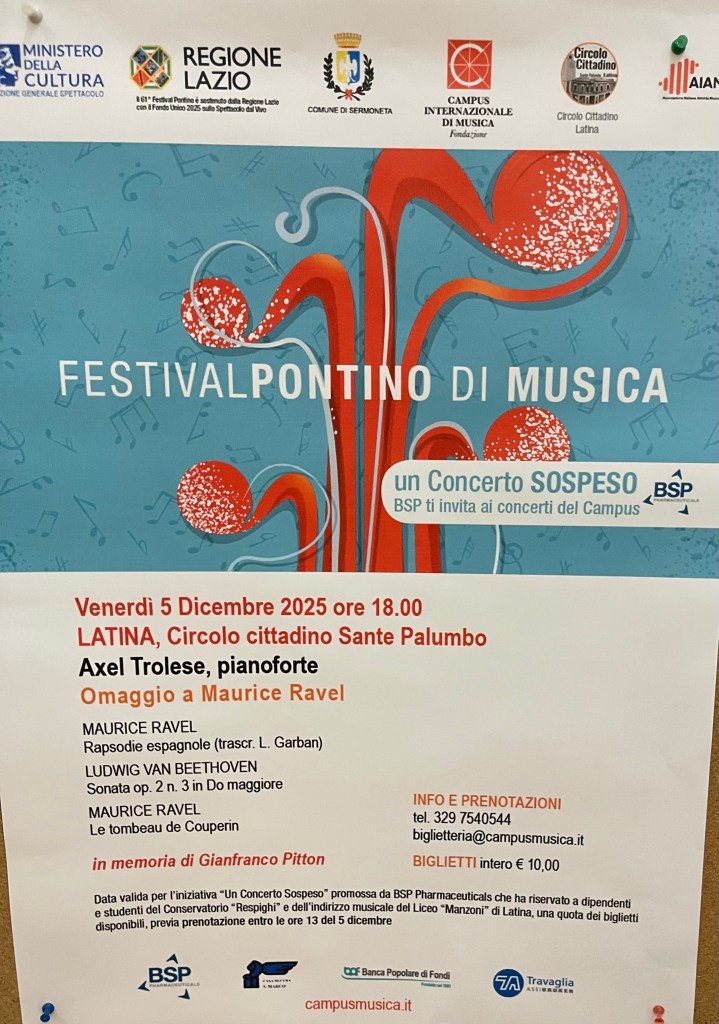
On the 13th,too, Axel Trolese played at the Steinway Flagship in Milan,a concert that was repeated in Latina, his hometown, on the 5th December https://christopheraxworthymusiccommentary.com/2025/12/06/axel-trolese-in-latina-refined-musicianship-and-poetic-mastery-in-celebration-of-ravel/
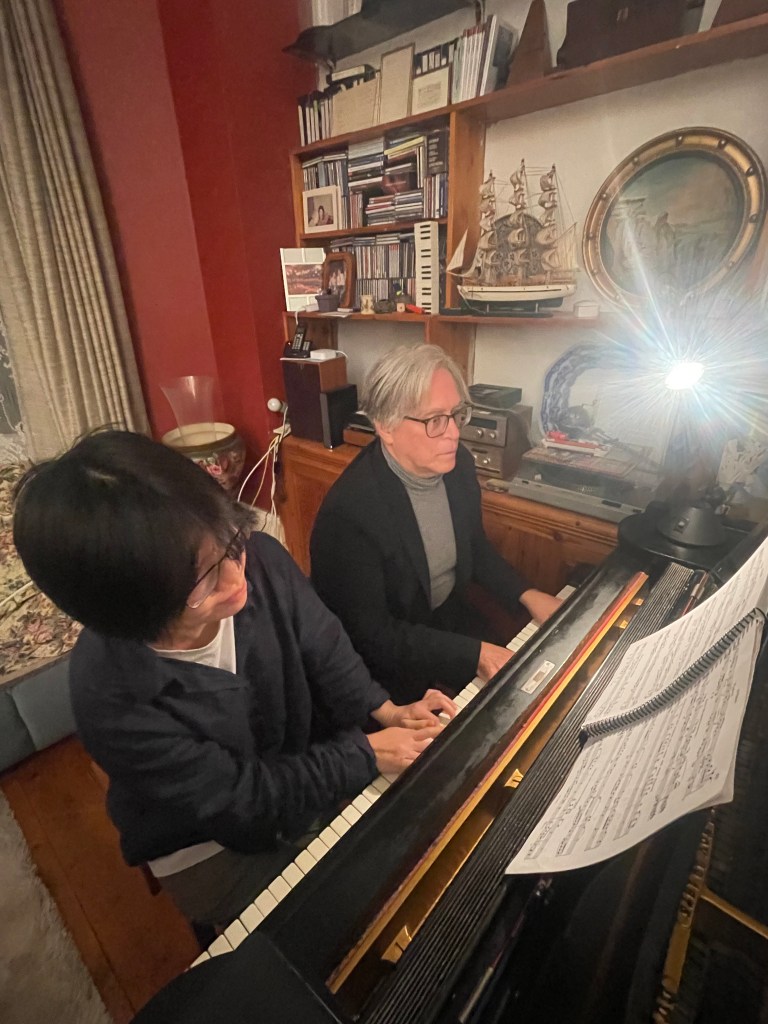
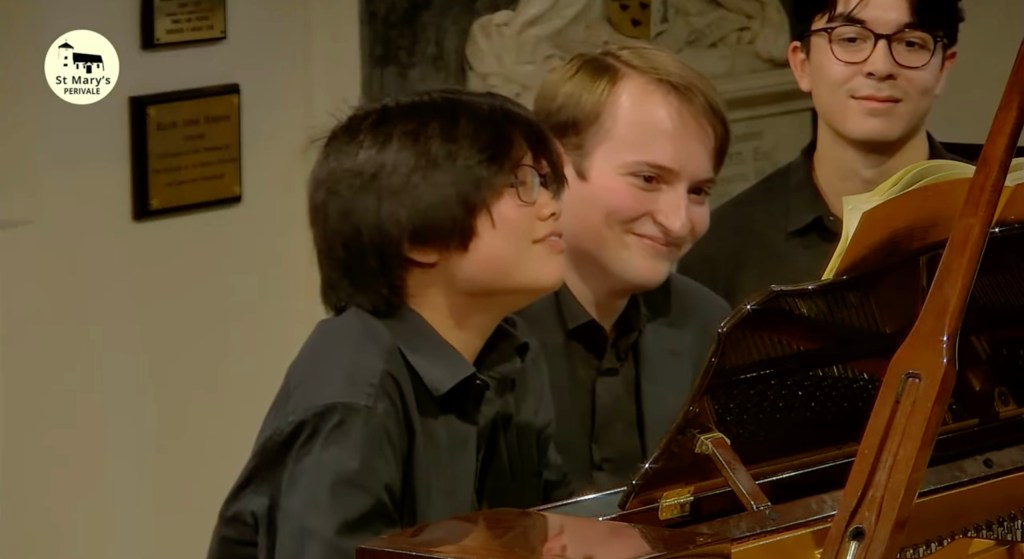
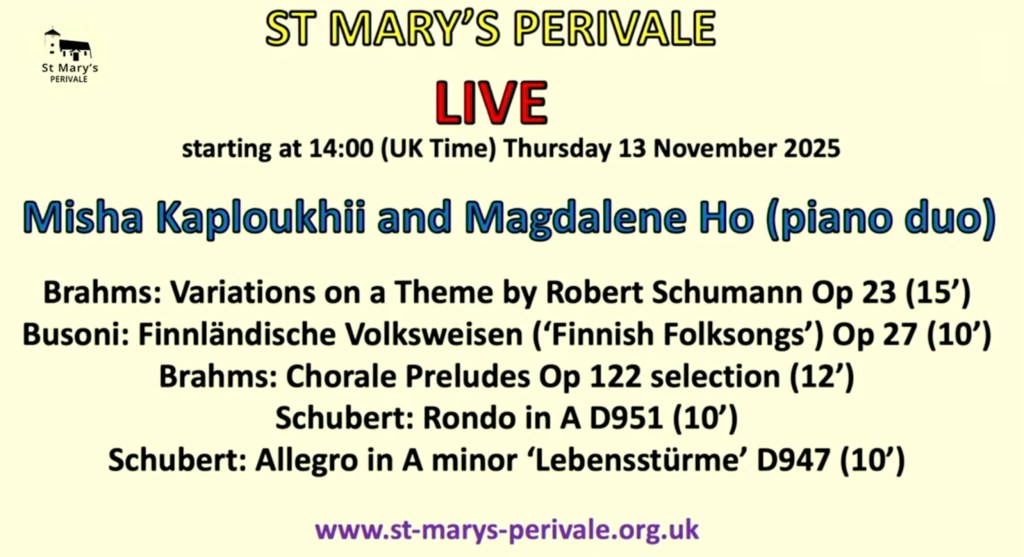
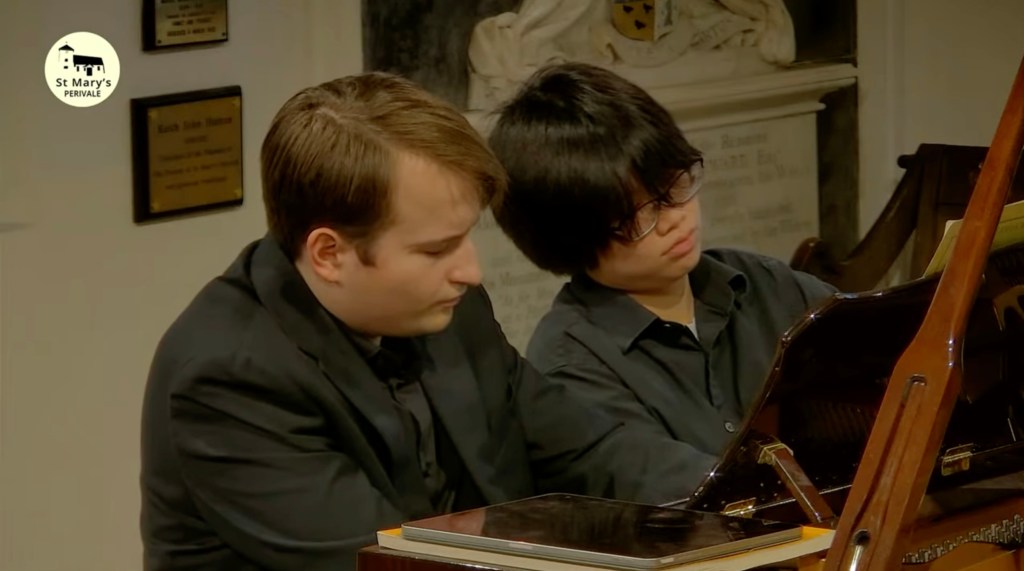
On the 16th November Misha Kaploukhii and Magdalene Ho gave a public recital together in Perivale having played in my house with the critic Jed Distler just for the fun of making music together

.https://www.youtube.com/live/i1js8PFdoNM?si=jdb65DQQ5NJ9M1gN
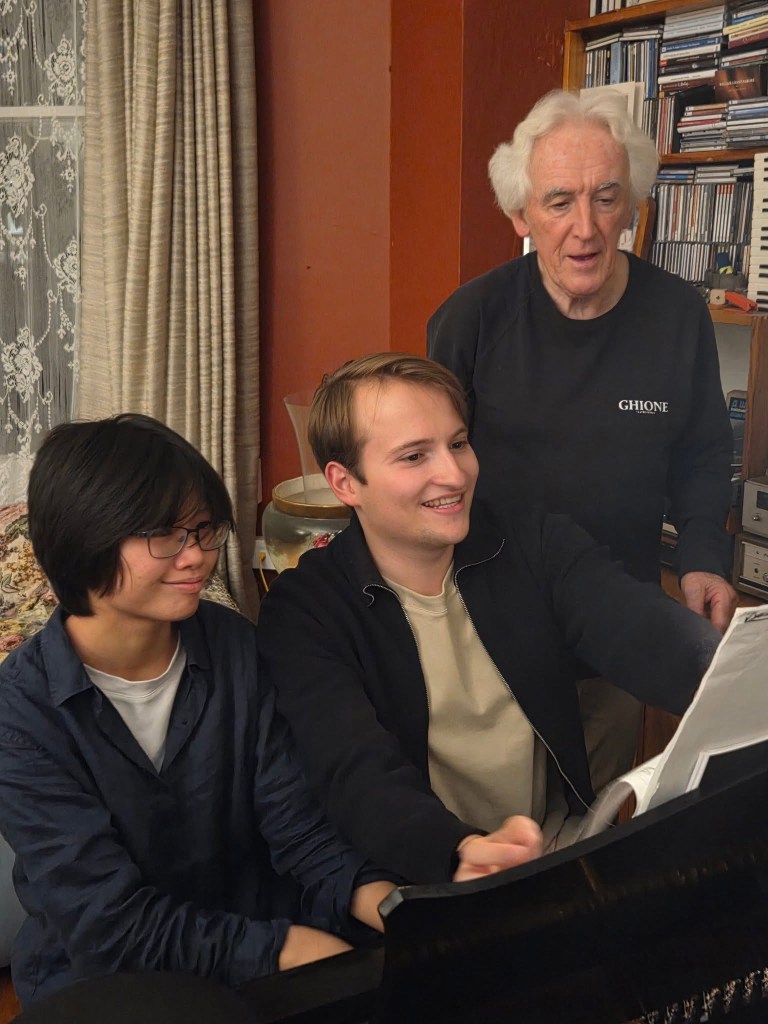
https://christopheraxworthymusiccommentary.com/2025/11/16/misha-kaploukhii-and-magdalene-ho-at-perivale-friendship-and-mastery-go-hand-in-hand-notre-amitie-est-invariable/

On the 18th Zala and Val Kravos played at Leighton House in our collaboration with the KCMS with Willian Vann in the chair.
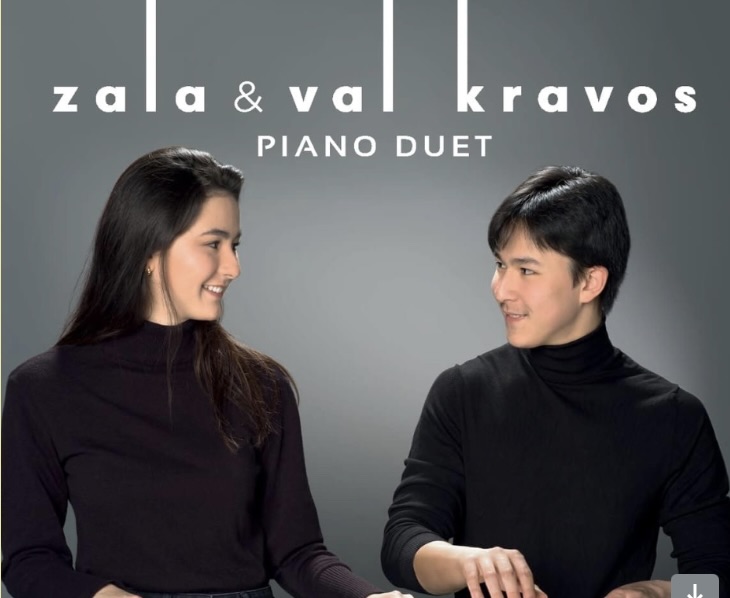
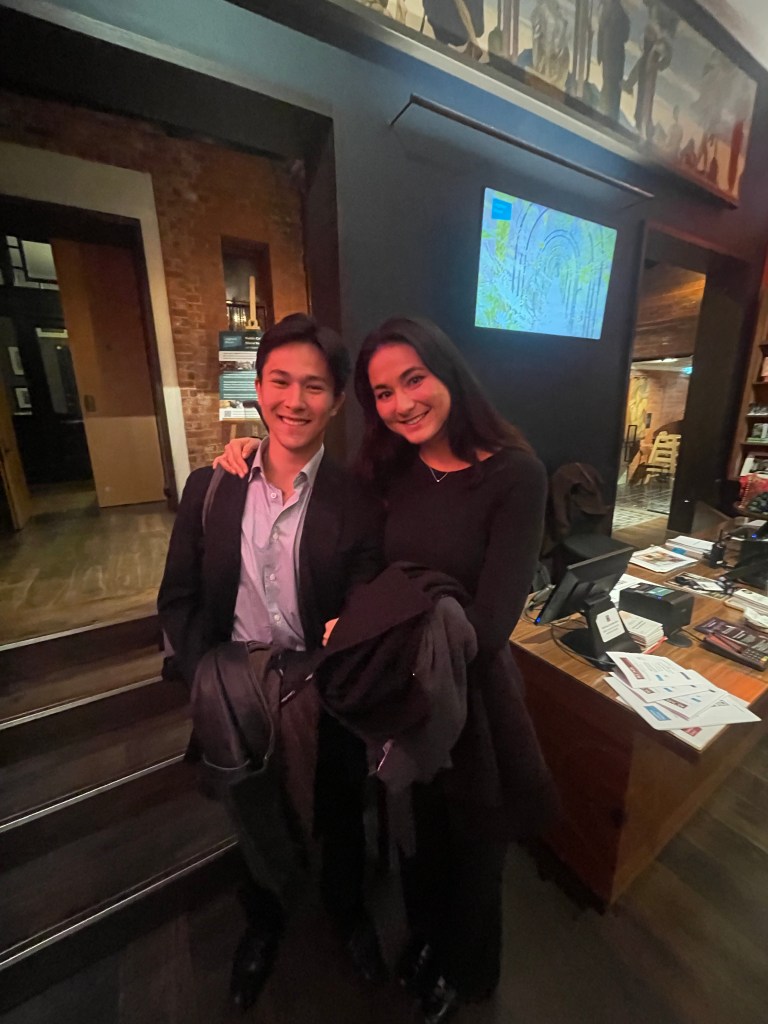
https://christopheraxworthymusiccommentary.com/2025/11/10/zala-and-val-kravos-at-leighton-house-tuesday-18th-november-programme-notes/

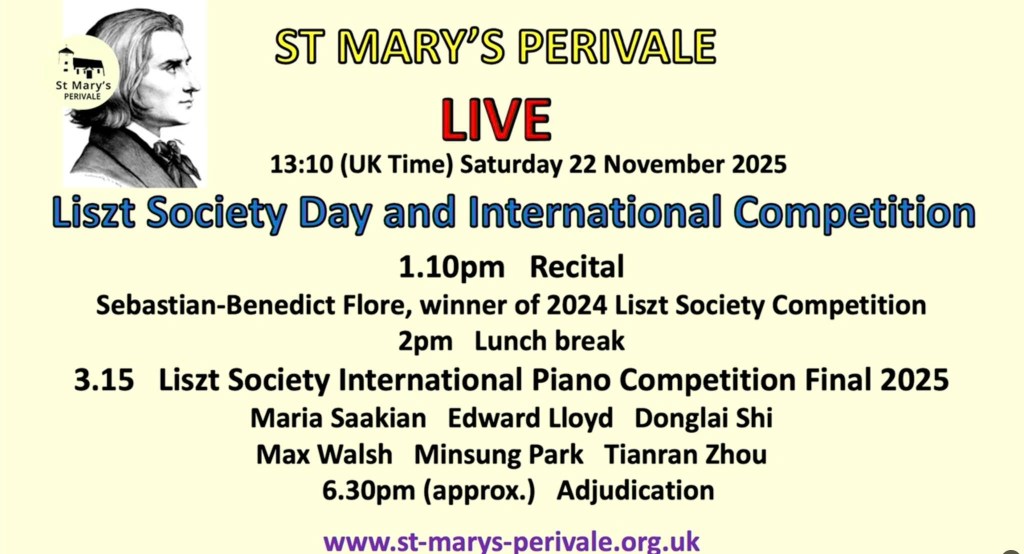
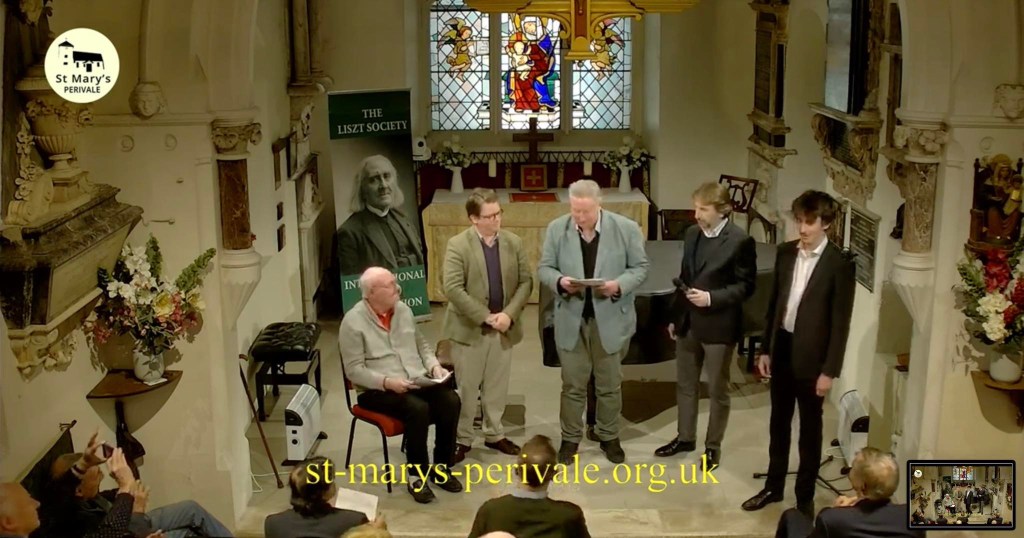
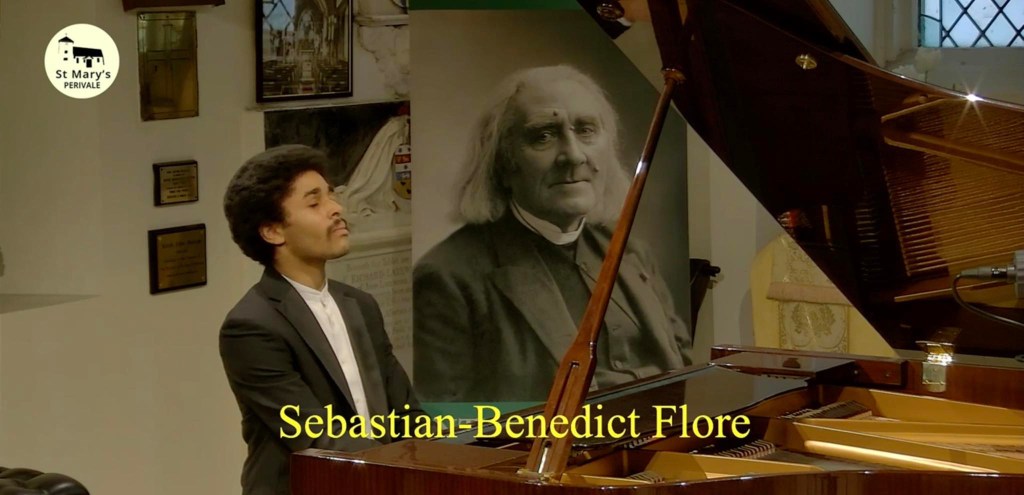
Liszt Day in Perivale on the 22nd November with a recital by last year’s winner, Sebastian-Benedict Flore, and the annual competition which was won this year by 17 year old Max Walsh. https://christopheraxworthymusiccommentary.com/2025/11/22/liszt-society-day-at-st-marys-perivale-st-cecilias-day-2005/
After Messiaen at Pharos in Cyprus , the Goldberg at St Martin’s in London . The eclectic Mr Fu full of surprises and mastery.
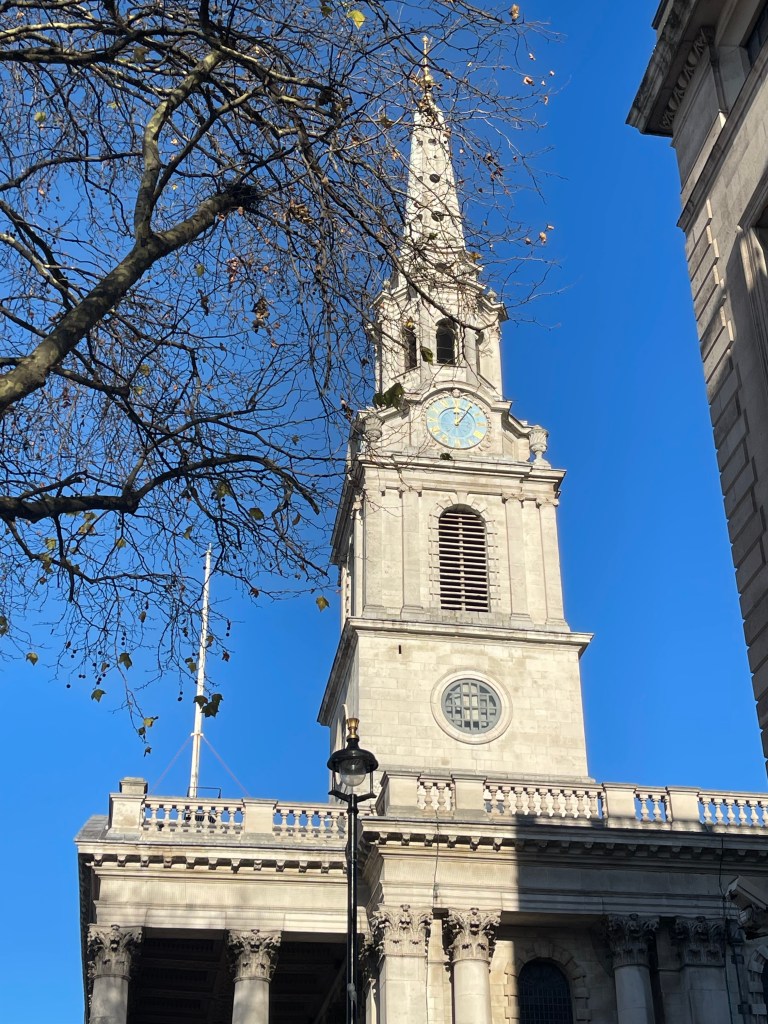
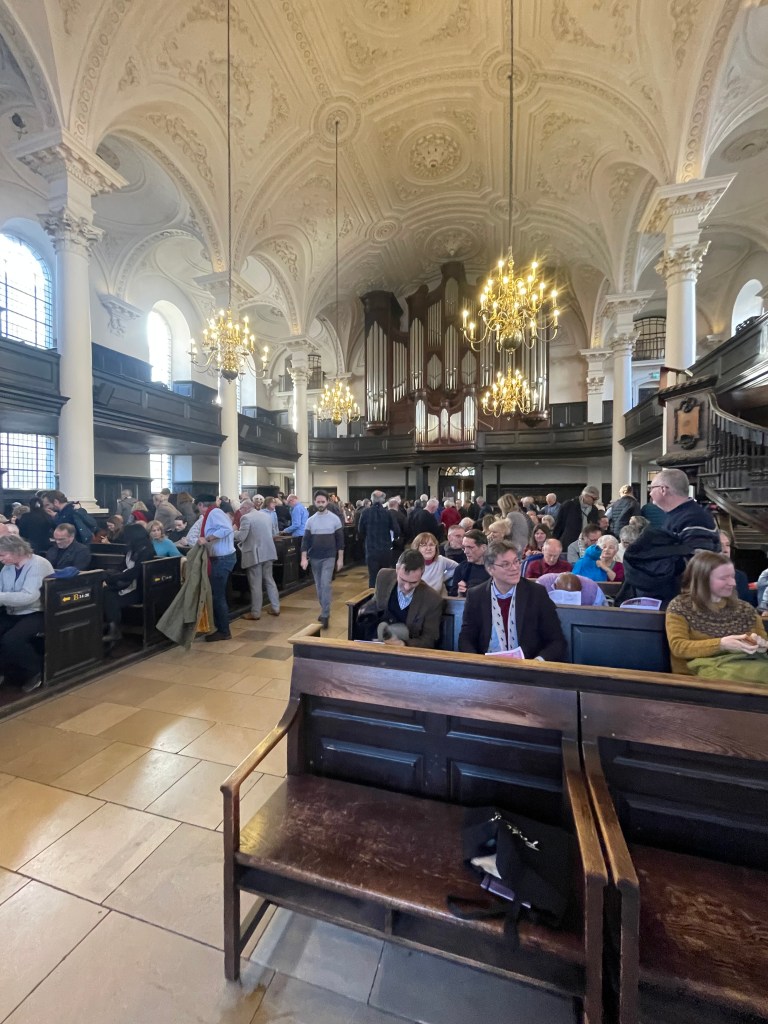
https://christopheraxworthymusiccommentary.com/2025/11/22/george-fu-plays-messiaen-in-cyprus/
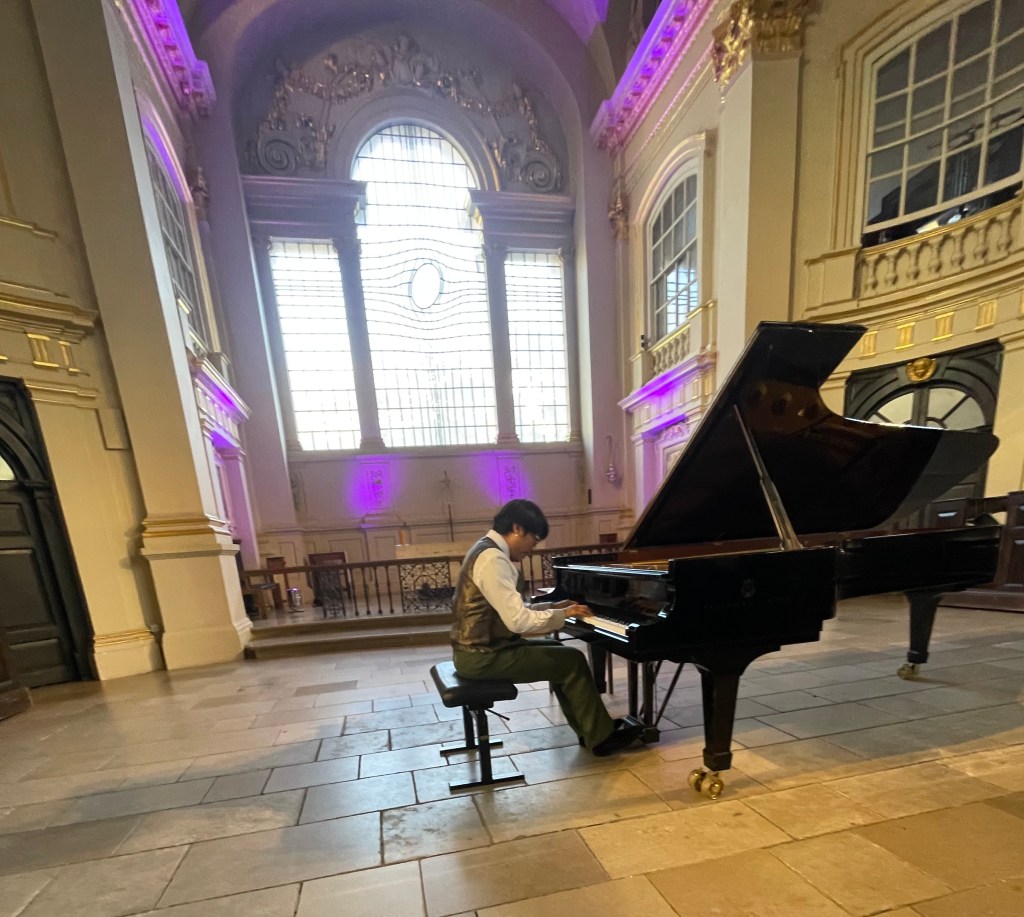
https://christopheraxworthymusiccommentary.com/2025/11/22/george-fu-at-st-martin-in-the-fields-monumental-goldberg-variations-of-bach-before-the-mast/

Two concerts in Italy on 27th and 28th November for Gabrielé Sutkuté. In Florence on the 27th, and on the 28th in a new venue for us in Forlì, created by Nicoló Giuliano Tuccia to celebrate their illustrious citizen Guido Agosti.
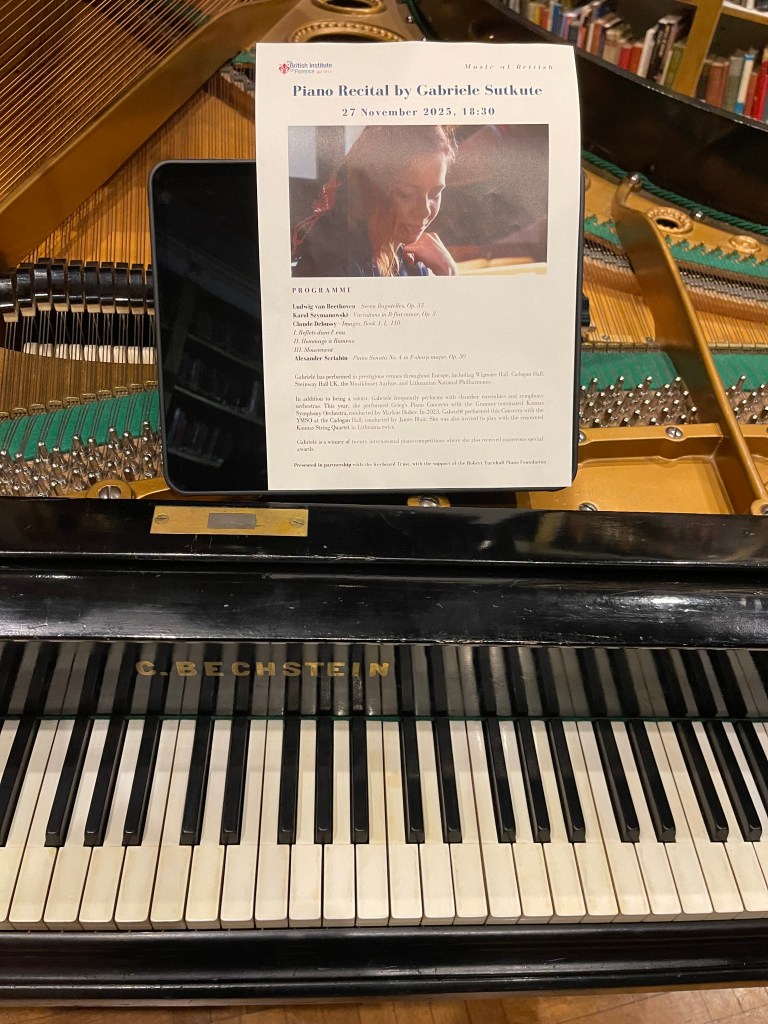
https://christopheraxworthymusiccommentary.com/2025/11/28/gabriele-sutkute-music-al-british-character-and-romantic-ardour-ignite-the-air-for-thanksgiving/

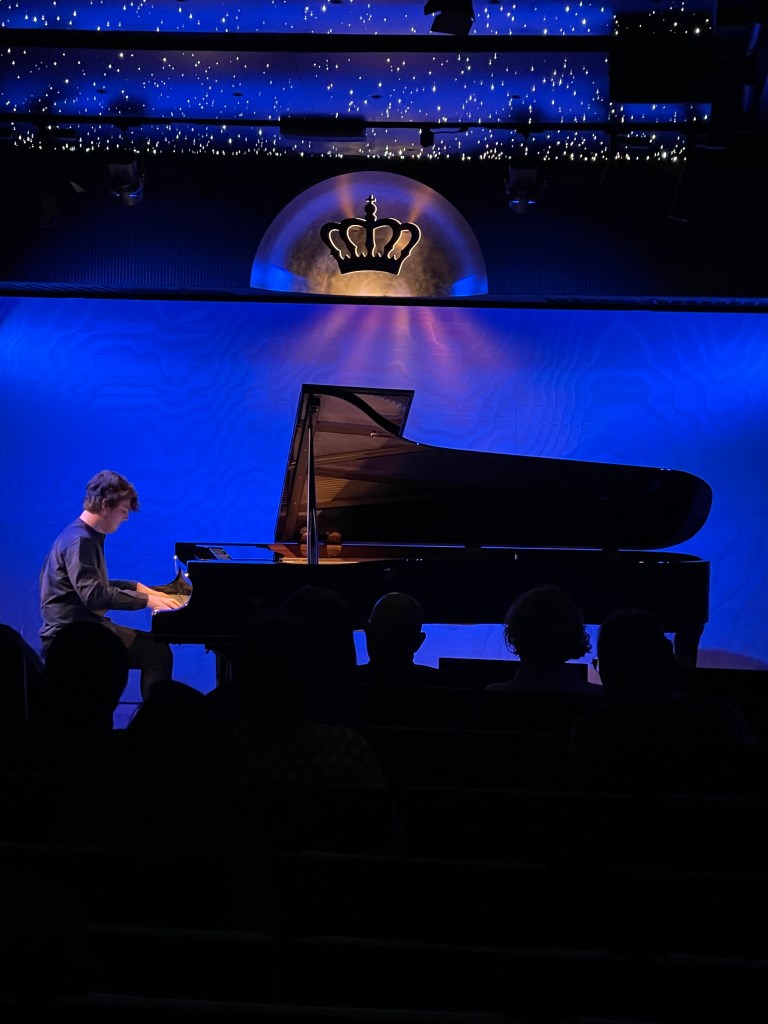
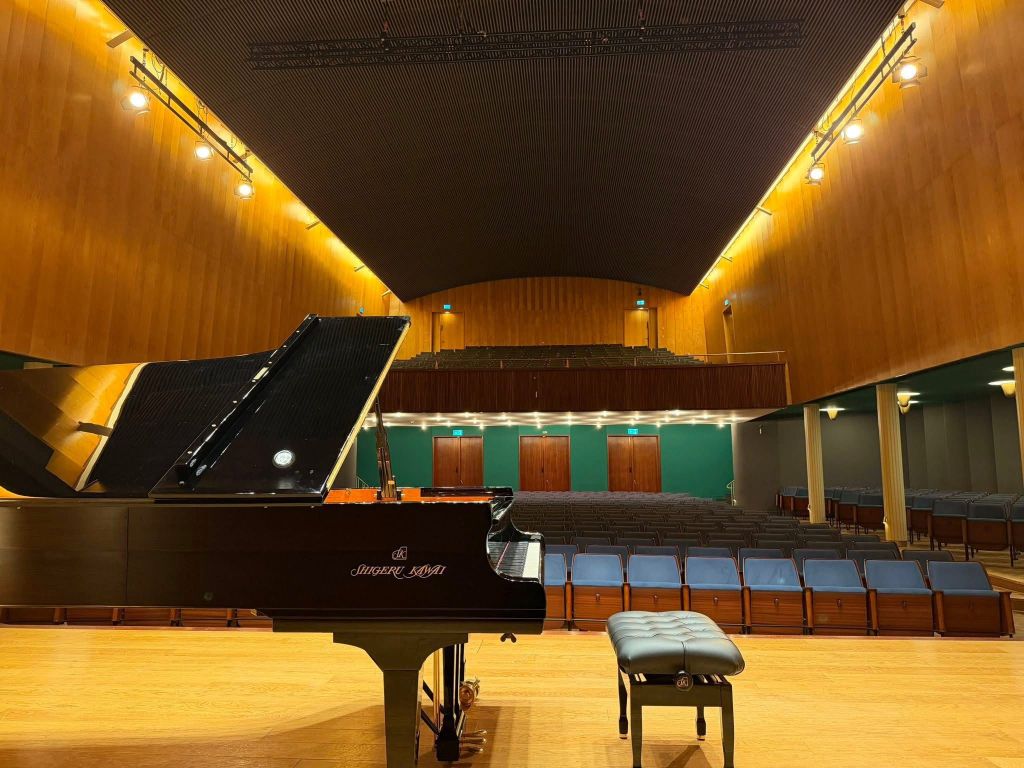
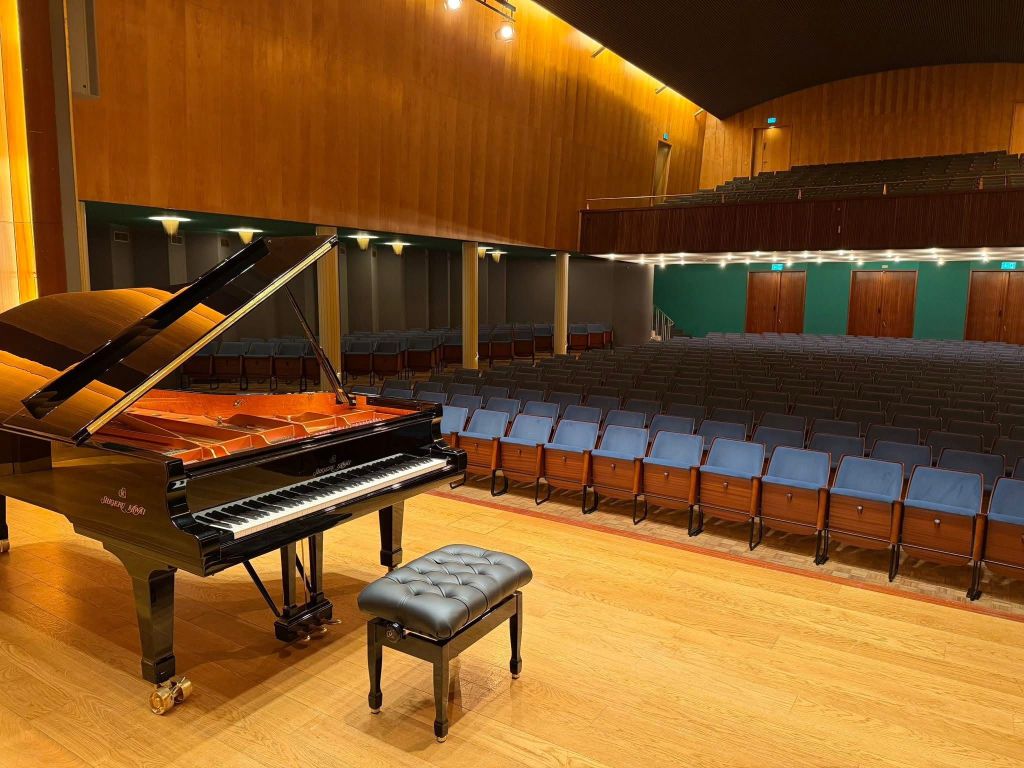
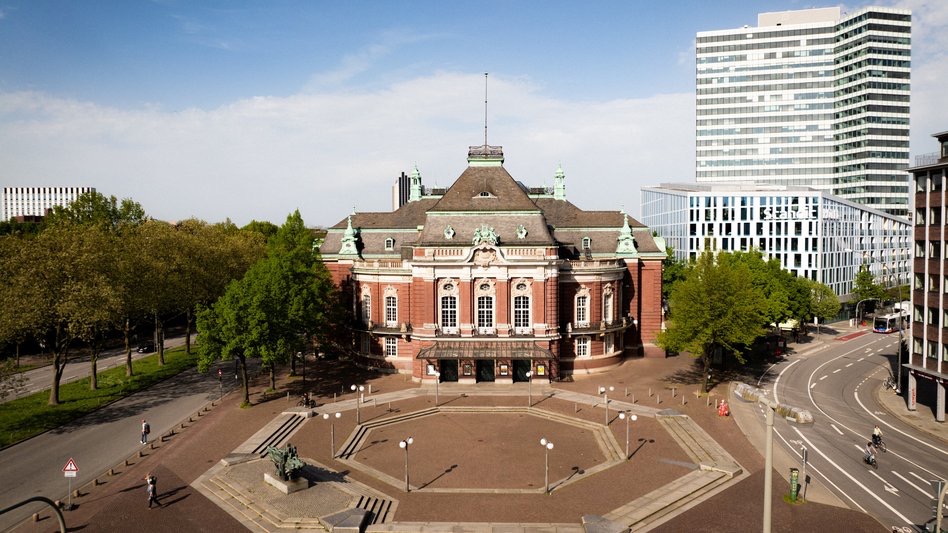
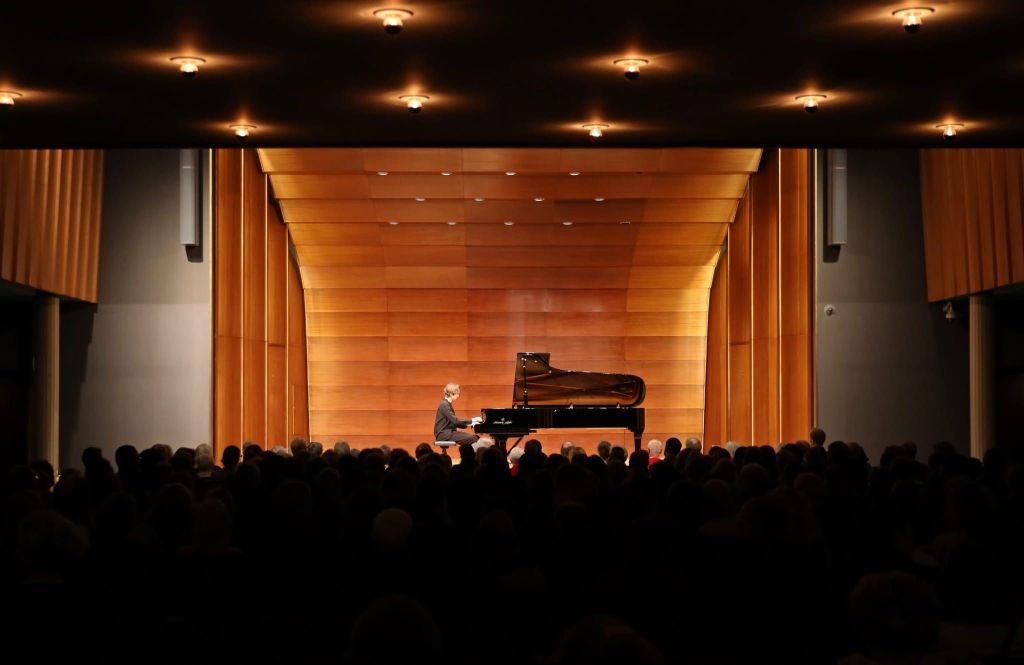
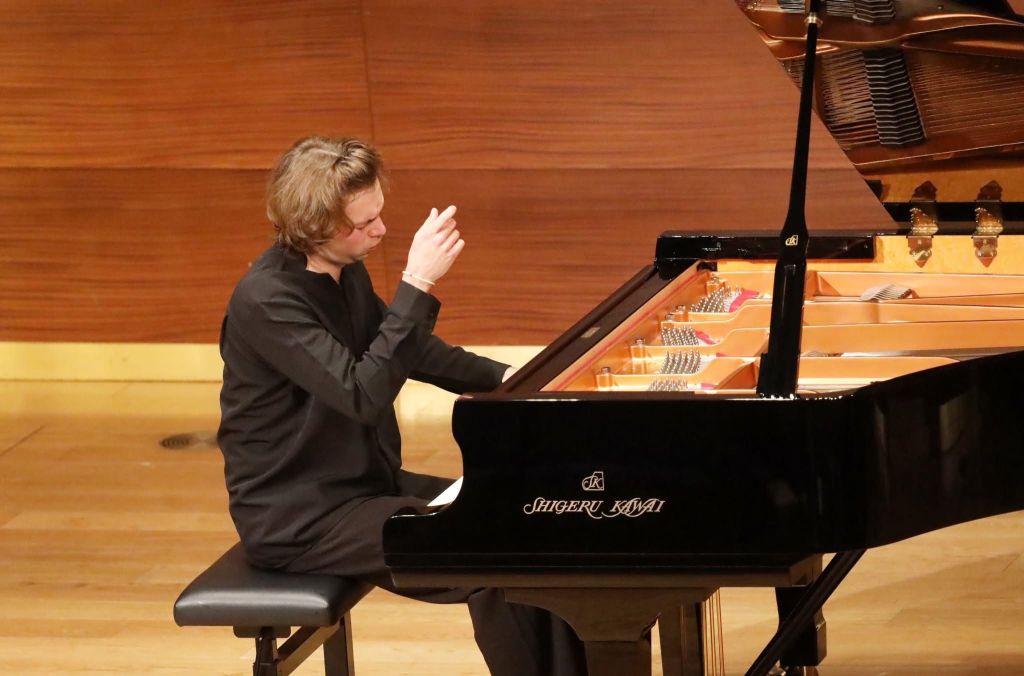
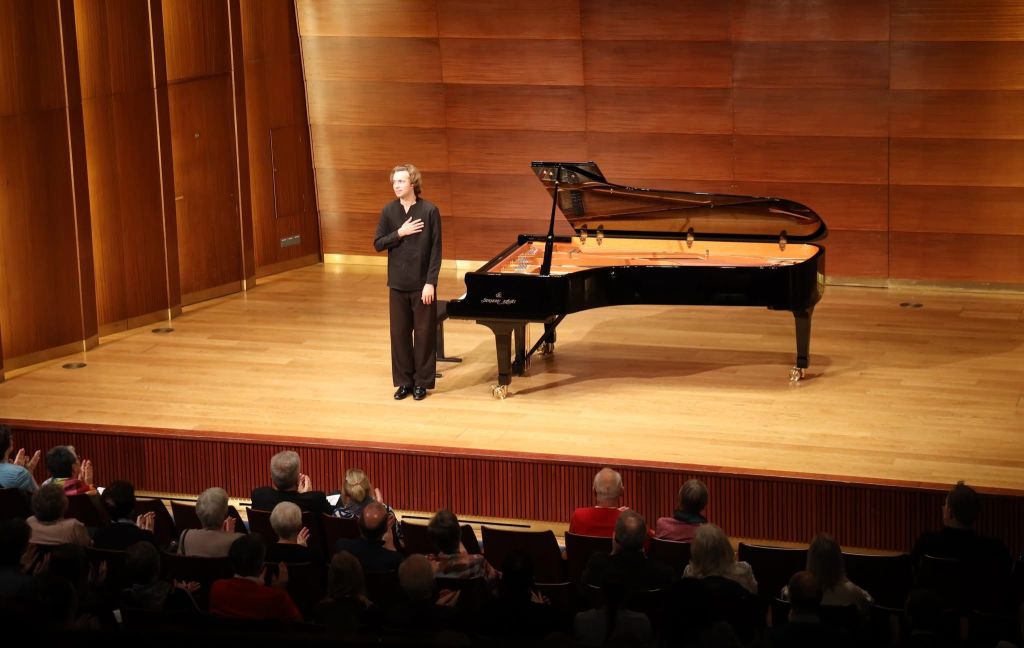
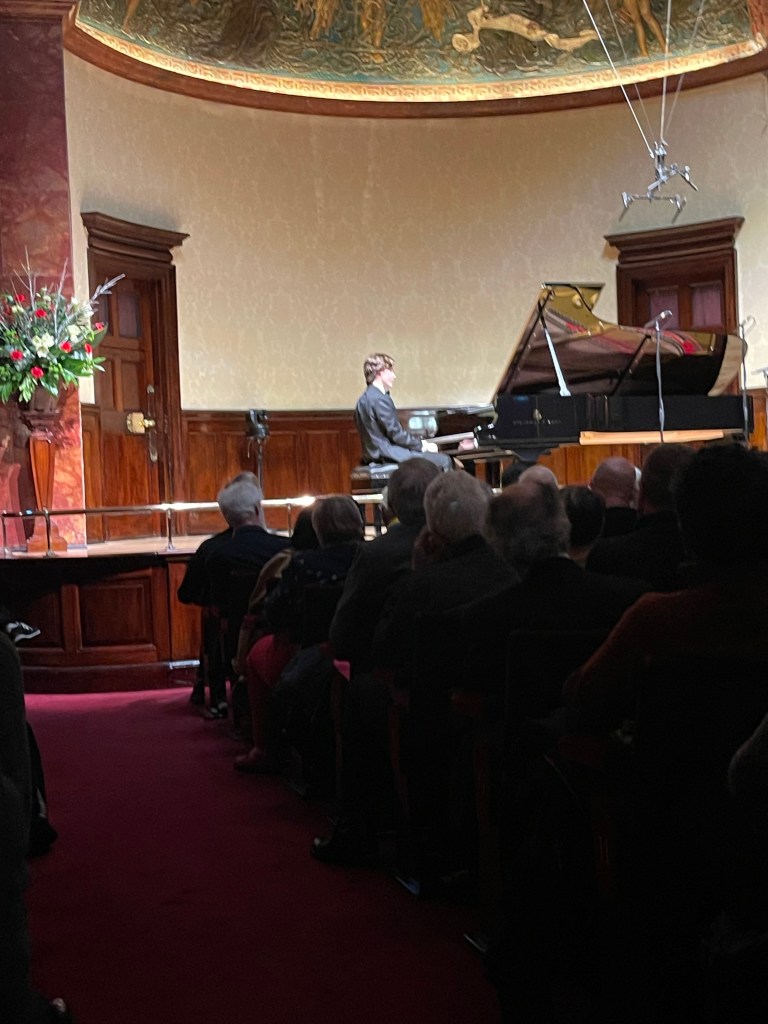
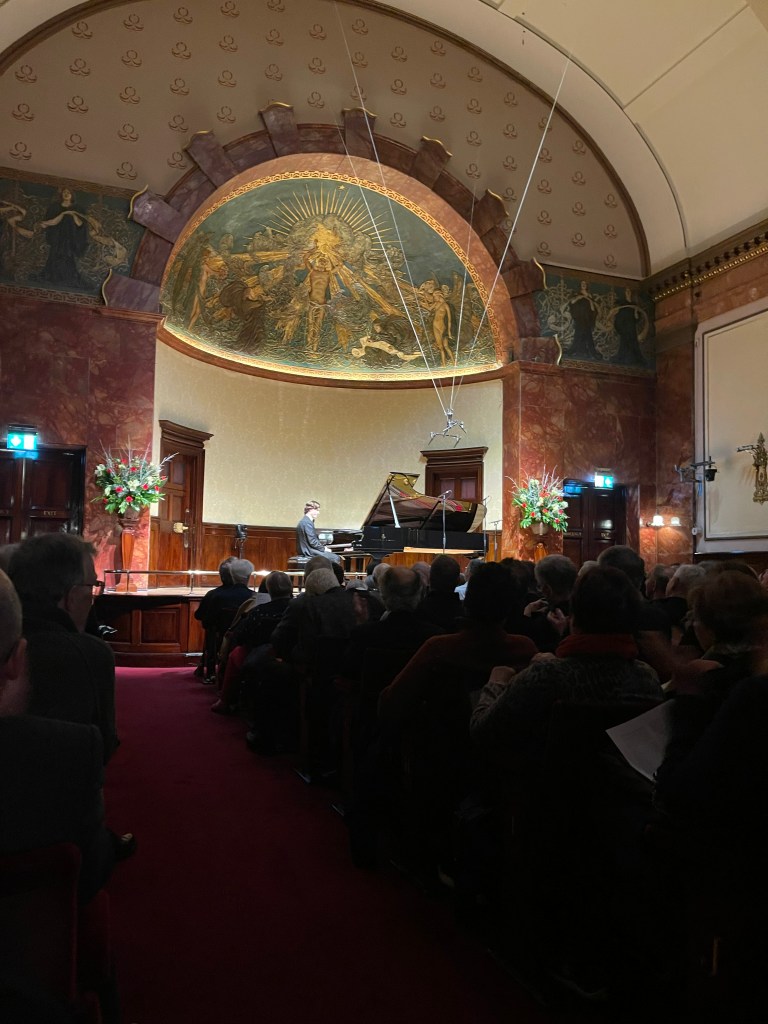
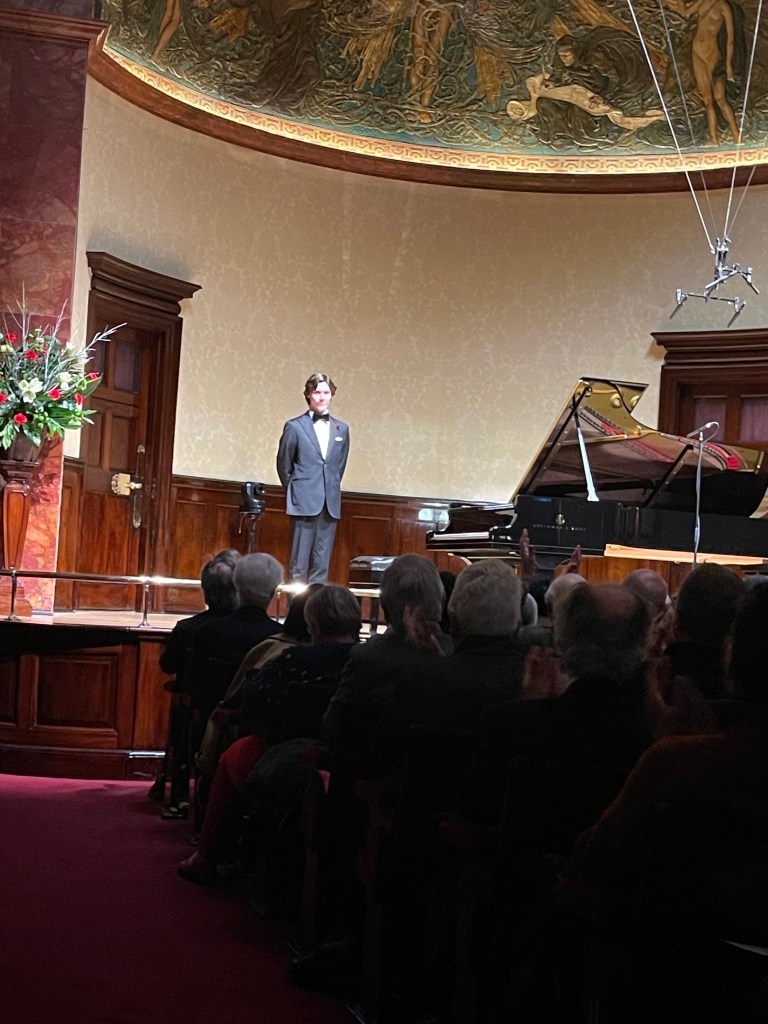
Our final concert on the 13 December of a long and very successful year was given by Mikhail Kambarov in the historic Laeizhalle in Hamburg.

https://christopheraxworthymusiccommentary.com/2025/12/21/mikhail-kambarov-a-supreme-stylist-at-the-laeiszhalle-hamburg-for-the-keyboard-trust/

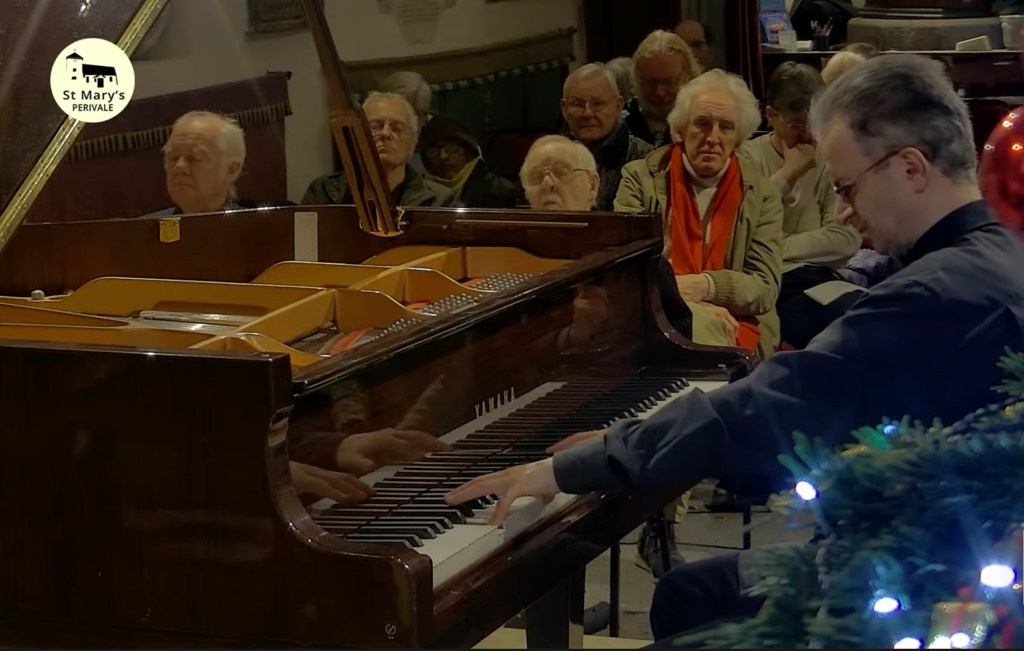
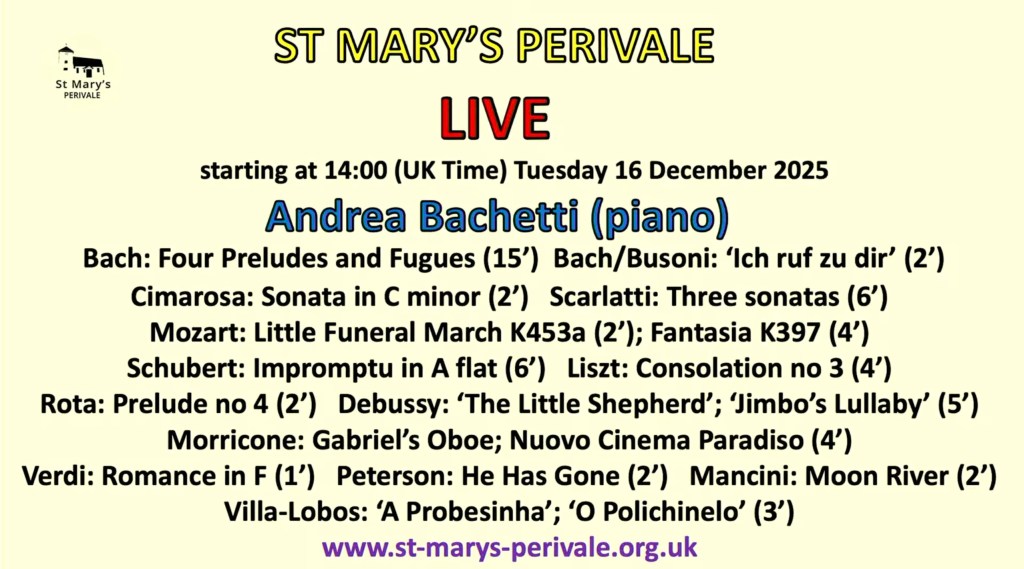
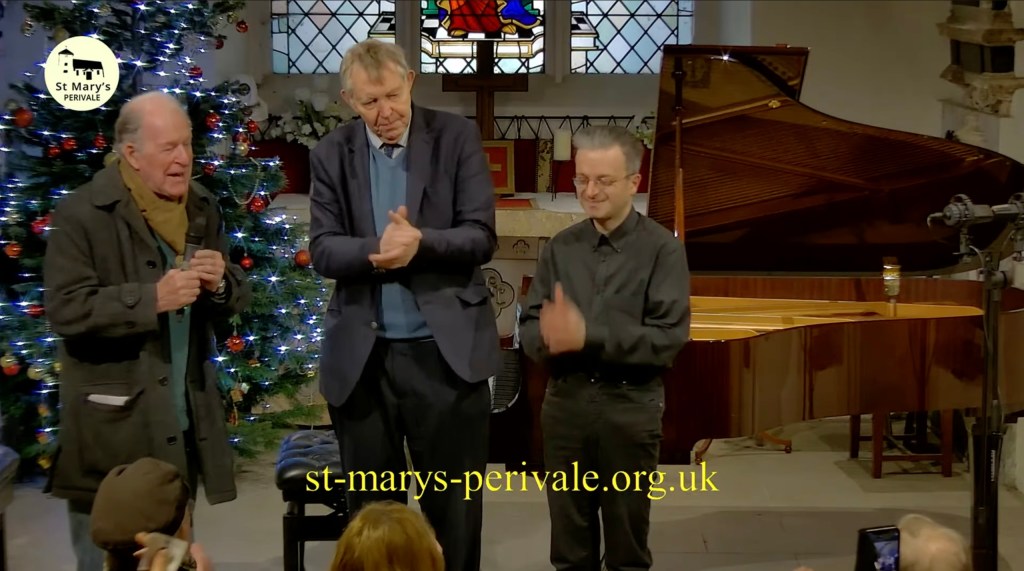
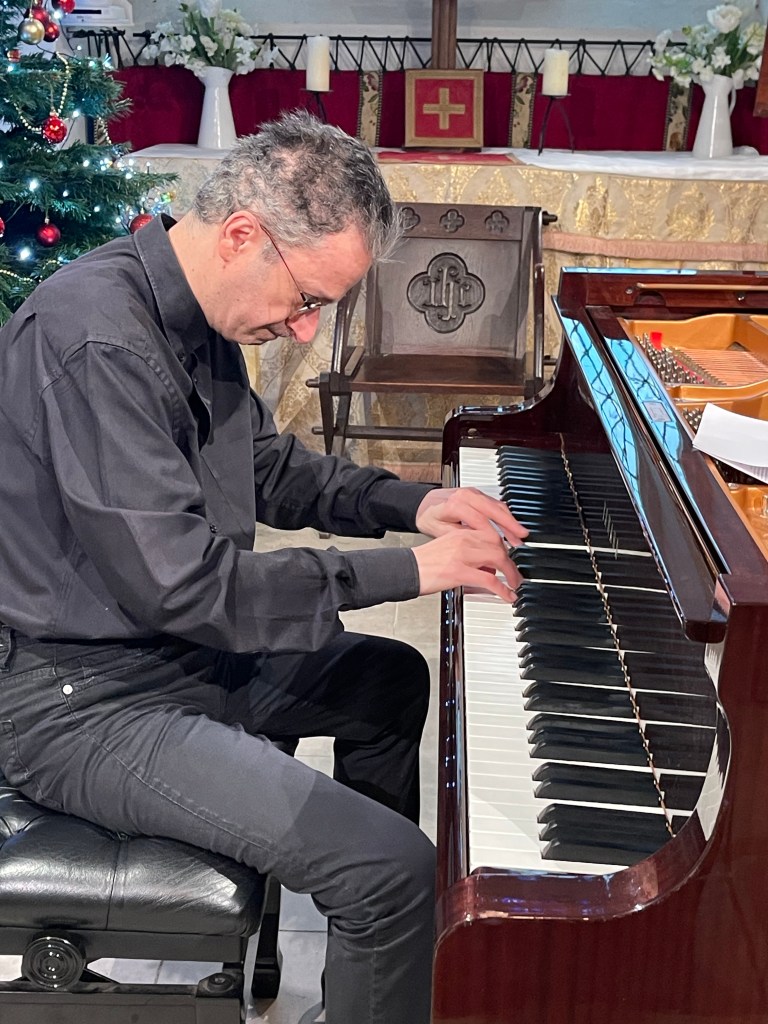
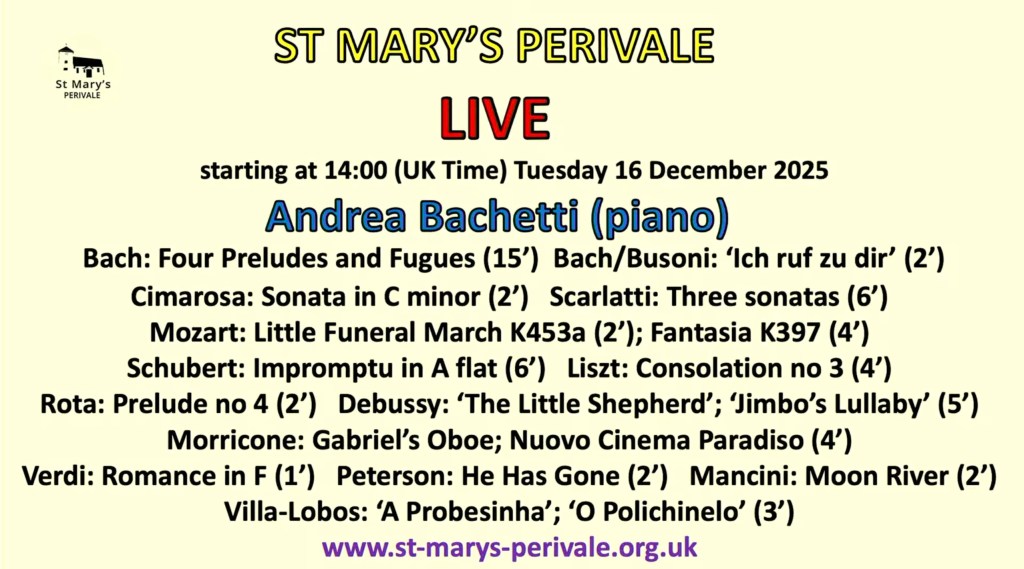
Well almost! Because two emeritus artists signed us out on the 16th: Andrea Bacchetti in Perivale
https://christopheraxworthymusiccommentary.com/2025/12/17/andrea-bacchetti-in-perivale-the-mastery-of-a-stylistic-genius/

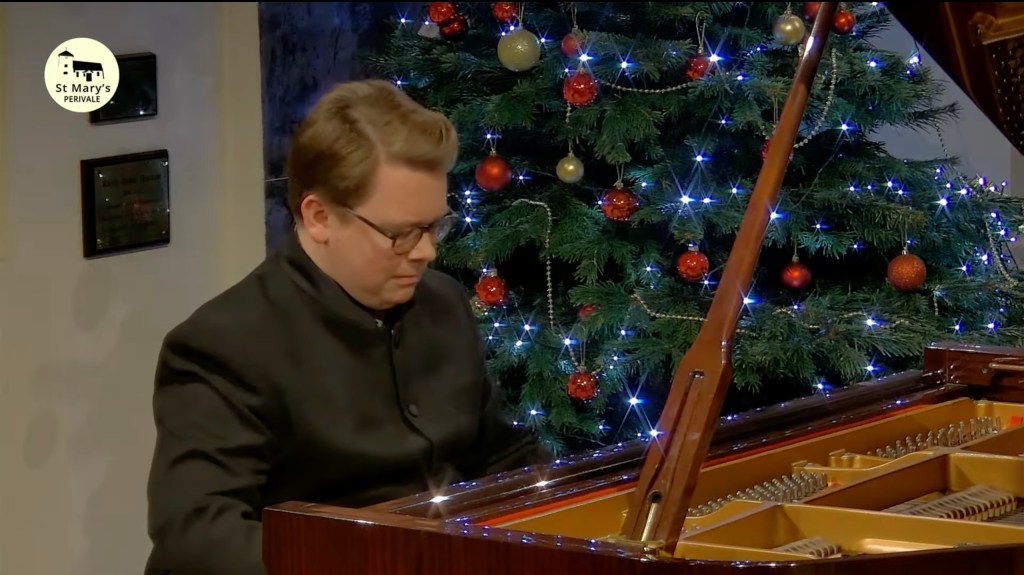
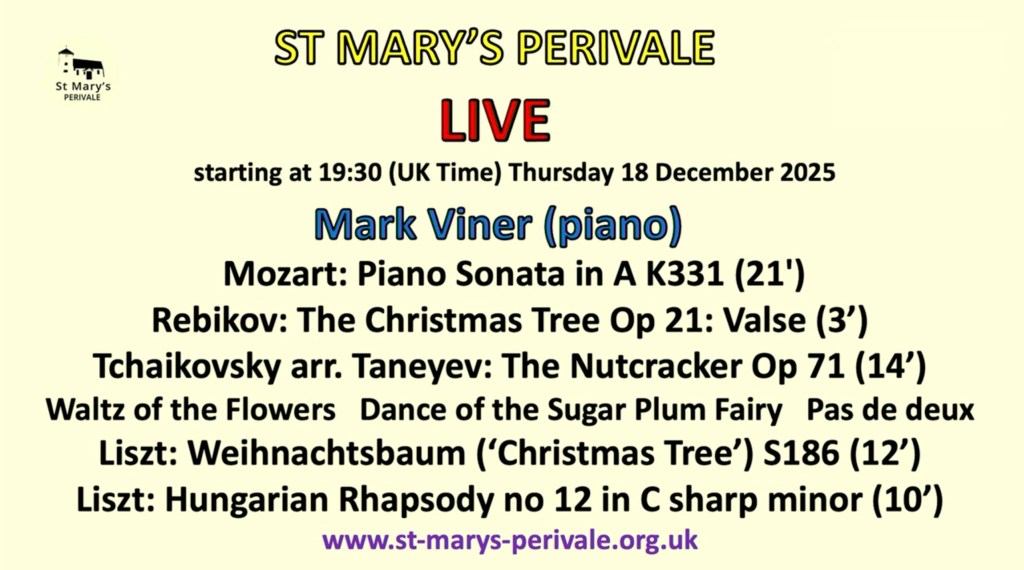
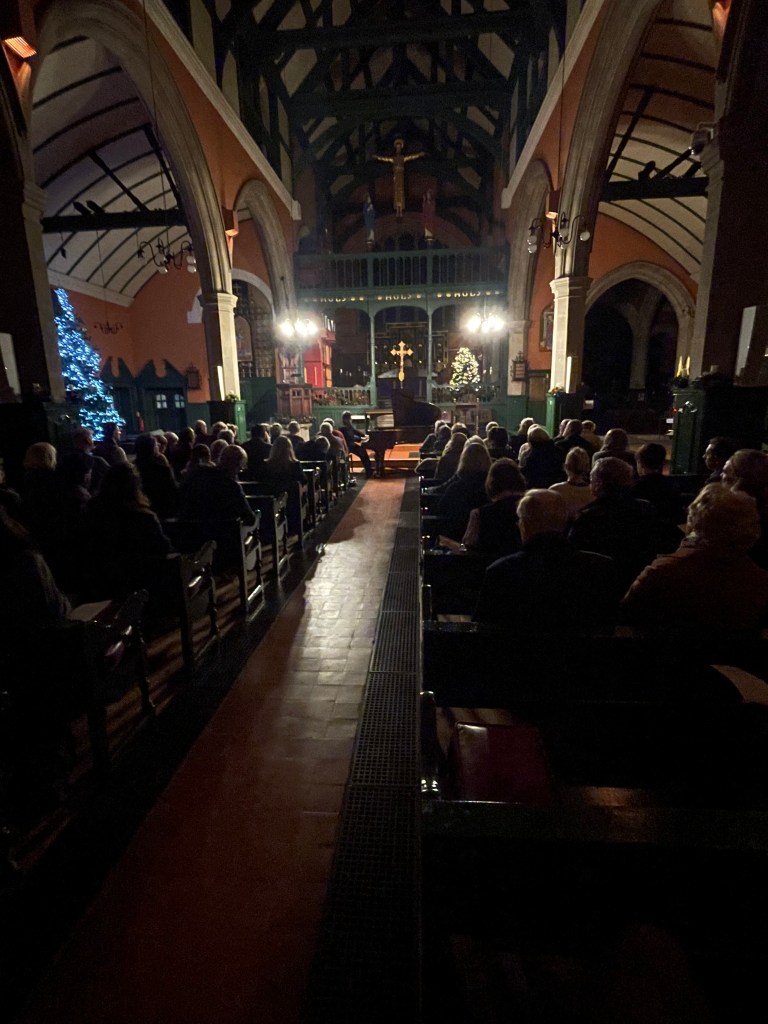
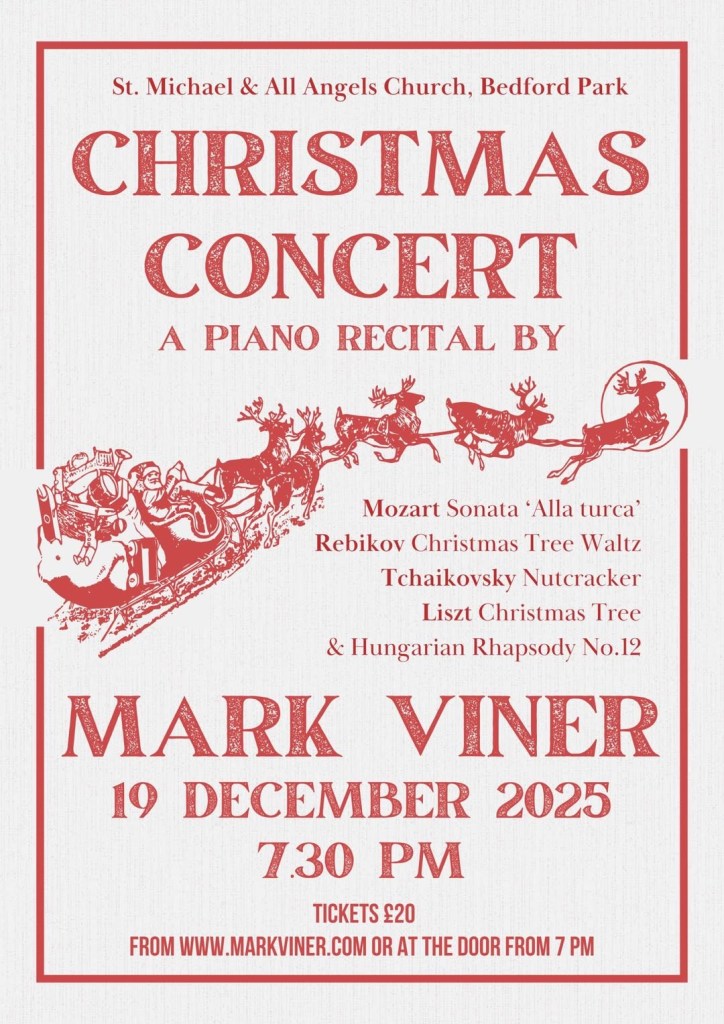
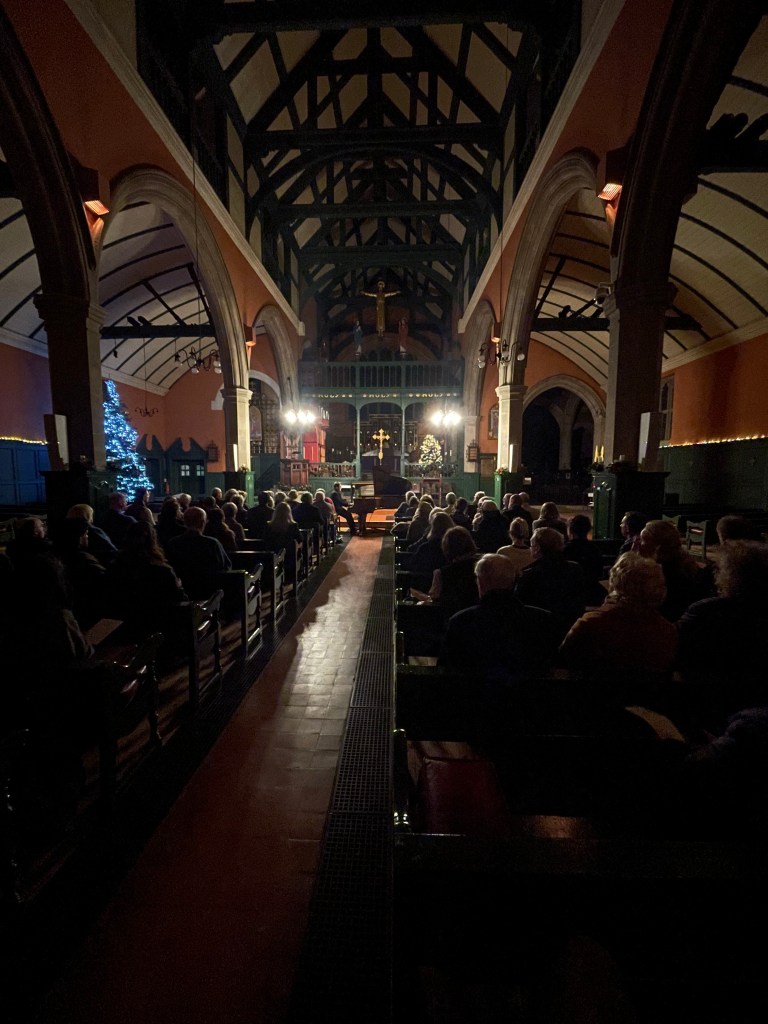
And Mark Viner’s annual Christmas Concert on the 18th was repeated at St Michael and All Angels in Bedford Park on the 19th. https://christopheraxworthymusiccommentary.com/2025/12/20/mark-viners-christmas-concert-2025-intelligence-scholarship-and-mastery-a-scintillating-cocktail-shaken-not-stirred/
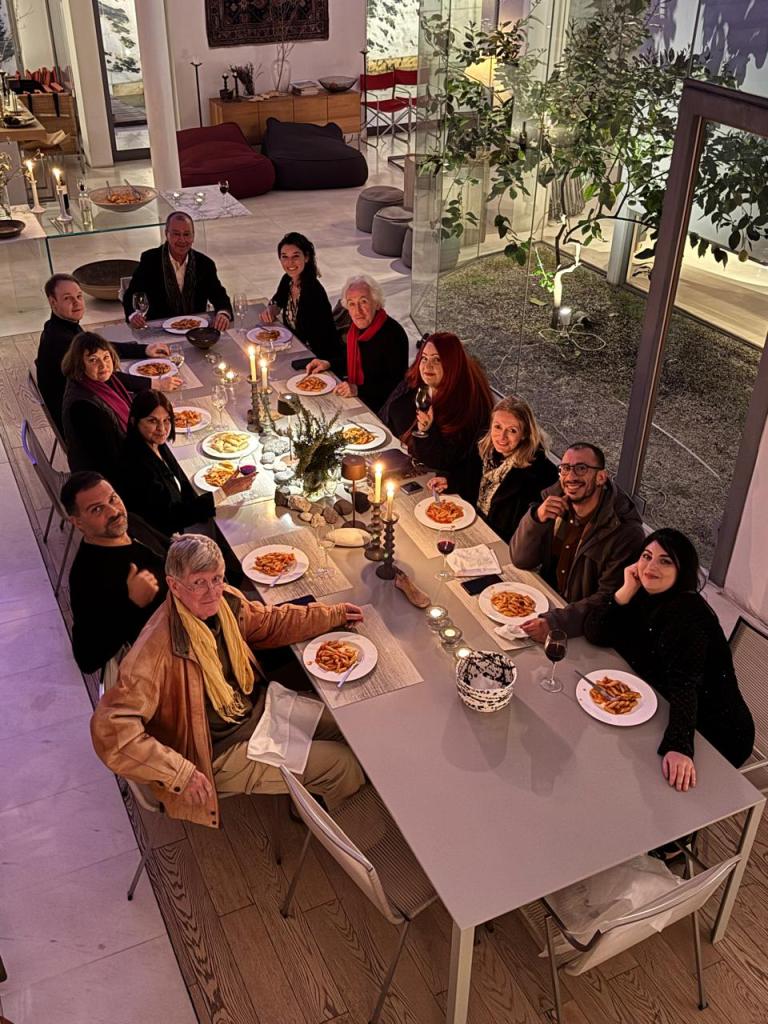
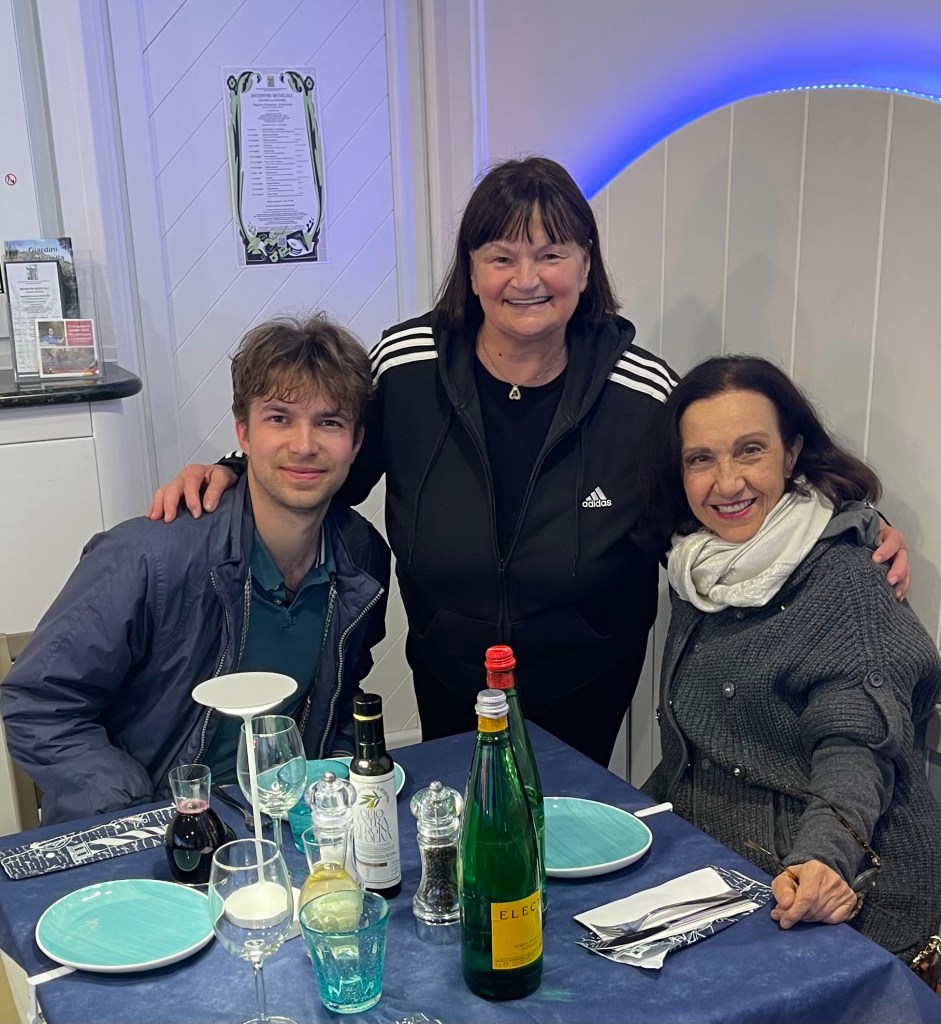
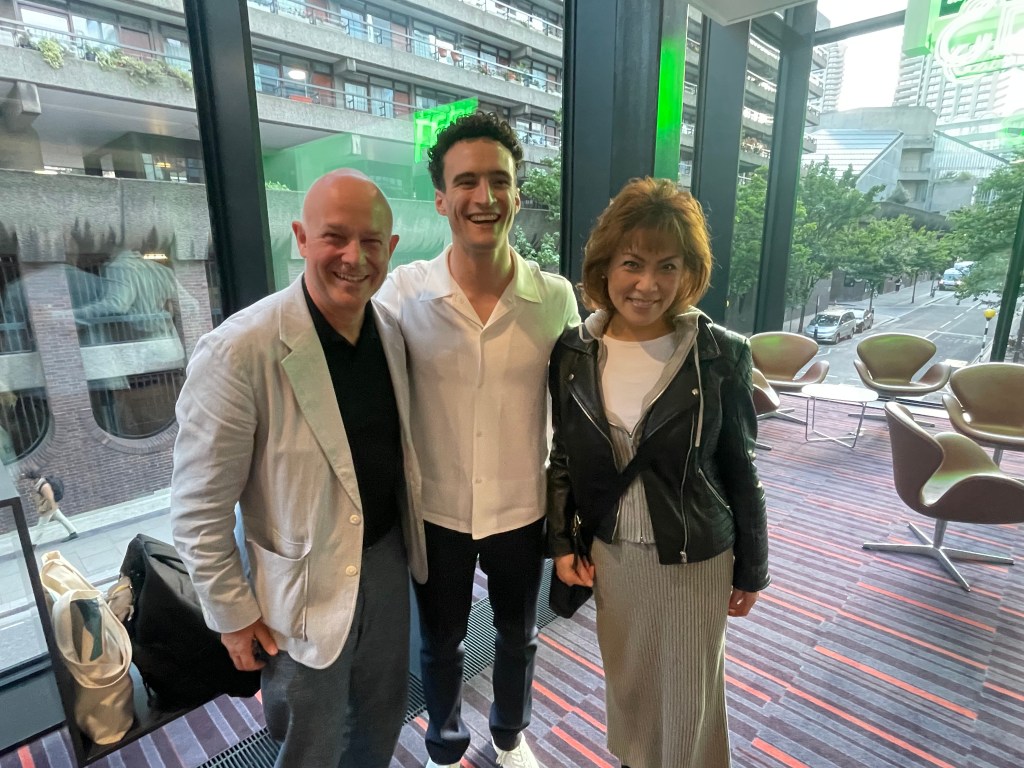
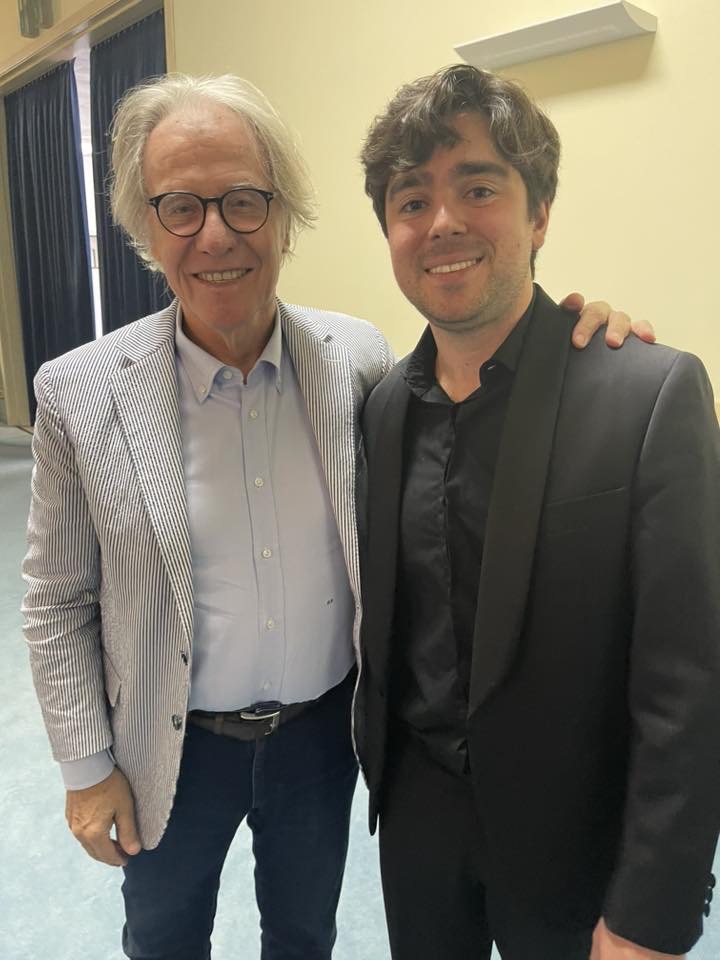
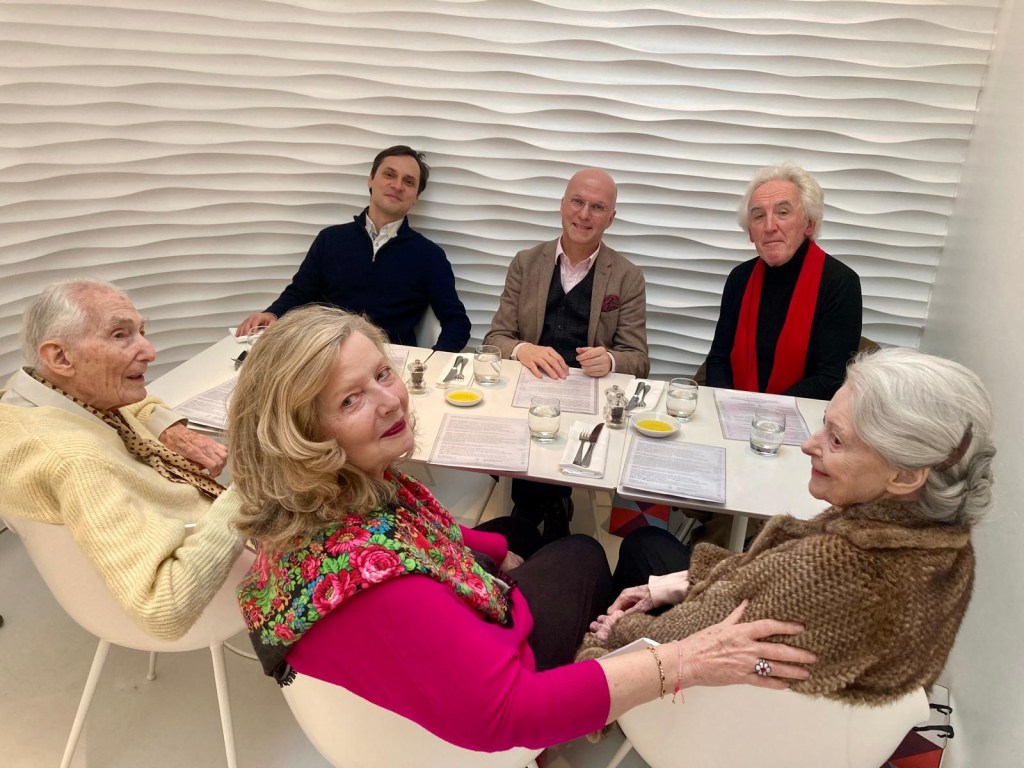
Moritz von Bredow hosting a sumptuous feast in John and Noretta’s local Italian Restaurant with Annabelle Weidenfeld Sasha Grynyuk and Christopher Axworthy
https://christopheraxworthymusiccommentary.com/2023/06/02/the-gift-of-music-the-keyboard-trust-at-30/
photo credit Dinara Klinton https://christopheraxworthymusiccommentary.com/2024/03/20/christopher-axworthy-dip-ram-aram/

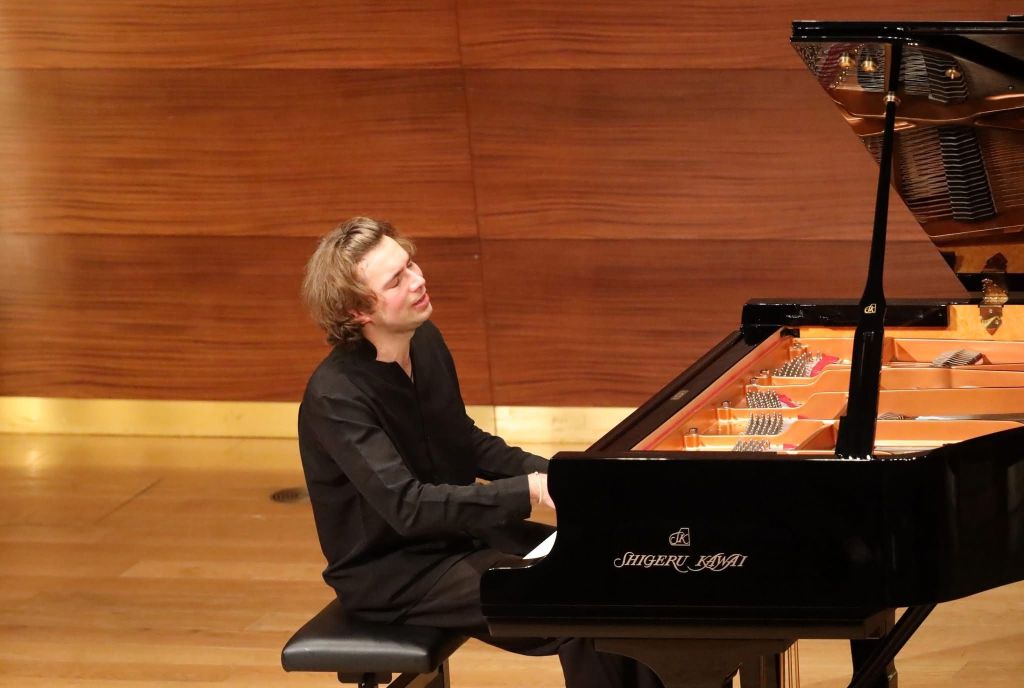
Mikhail Kambarov A supreme stylist at the Laeiszhalle Hamburg for the Keyboard Trust

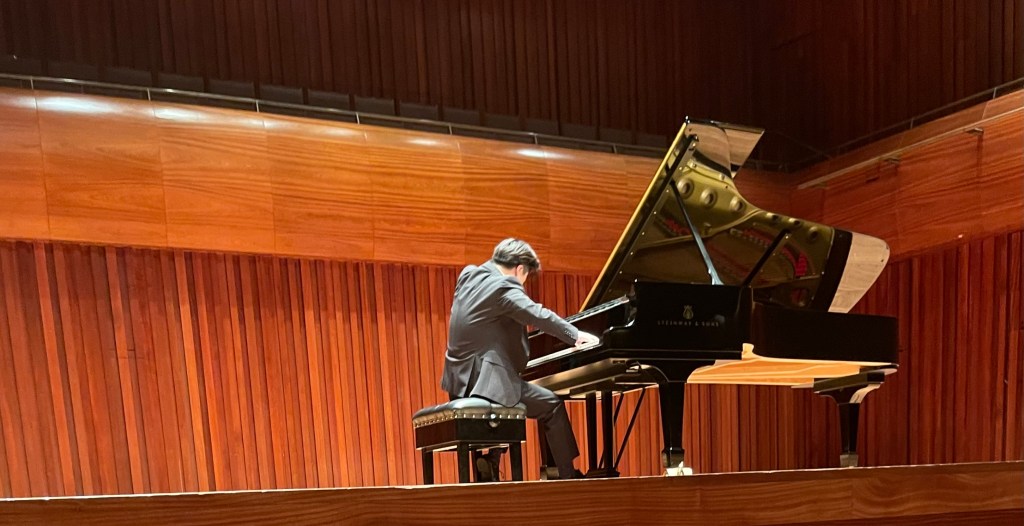
I have heard Mikhail a few times since that first encounter in Trapani in 2024 when he was awarded the Gold Medal at the International Piano Competition. There had been some fine playing from well trained pianists in a competition still in its early years. When a young Russian pianist struck up ‘Le Baiser de l’enfant Jesu’ by Messiaen, Oxana Yablonskaja and I looked at each other in disbelief that such emotion could be created by an artist with such poetry in sound.

‘The Messiaen brought tears to my eyes as the stillness and whispered sounds of heart rending significance struck deep and the pungent harmonies, sometimes like broken glass, were of searing intensity.’ Christopher Axworthy Trapani April 2024

A maturity and mastery way beyond his youthful appearance as his performance of the Corelli variations also demonstrated. I did not know him before this but on congratulating him he told me that he was studying in Weimar with an emeritus artist of the Keyboard Trust, Michail Lifits. I know him very well and whose superb recording of Schubert Sonatas have the same magic sense of fantasy and style. In fact at the 30th Anniversary of the Keyboard Trust, Michail Lifits had played Chopin’s much maligned First Ballade in a way that was a recreation of subtle poetic playing, restoring it to it’s rightful place as a supreme masterpiece.

https://christopheraxworthymusiccommentary.com/2023/06/02/the-gift-of-music-the-keyboard-trust-at-30/

The work of a pianist should always begin with the composer’s indications in the score and it is the start of a search for the sounds that the composer had in his head at the moment of creation. Beethoven when he was completely deaf could leave very precise instructions that miraculously he could still hear in his head and write down for posterity. Debussy too could write the most precise instructions of how he wanted certain notes to be played. Debussy had edited the works of Chopin and so had experience of composer’s notation. But in the end it is up to the interpreter and it can become a personal choice on a voyage of discovery of which the audience too plays an important role. Some interpreters are happy just to reproduce what is on the printed page and others like Mikhail dare to get up onto the high wire and risk all, in the search for the very meaning behind the notes. There is an undercurrent in the bass like a wave on which the sounds are anchored. Chopin likened it to a tree with the roots firmly planted in the ground leaving the branches free to move with the wind. The danger for a ‘stylist’ is that in the search for sound and underlining certain phrases, this wave can be lost or broken and we are left with just some ravishing moments that are not linked to a whole and in the end become disjointed and boring.The musical line is the great arch that holds a work together from the first to the last note and if it is broken a great architectural masterpiece can become merely a series of unrelated sounds. It needs a musician who with intelligence and a sense of architectural understanding can also have the same flexibility and sensitivity as the human voice.

It was with the opening work of this short recital that Mikhail immediately demonstrated his credentials as a supreme stylist and intelligent musician. Schumann’s ‘Arabesque’ can sound very repetitive as the opening theme is repeated each time, interrupted by differing episodes.The term ‘Arabeske’ is used here as a poetic metaphor, not only to describe florid decoration, but also, in Schlegel’s terms, to suggest a fluid, organic system of fragments that transcends artificial Classical forms. Schumann employs modified rondo form to encompass a short ABACA rondo form, with the gently lyrical main section A, two more intense episodes B (Florestan) and C, and a beautifully pensive Epilogue (Eusebius). Each time the rondo theme returned Mikhail managed to imbue it with a different meaning especially coming after the two contrasting episodes. A beguiling sense of style and subtle colouring with an improvised freedom adding beauty not distortion with a refreshing sense of recreation. The underlining of inner harmonies adding a depth and radiance to a work that Mikhail allowed to speak with a voice of poetic beauty. It was like a singer with the same notes but with different words. The reflective epilogue was played with etherial , whispered beauty and radiance . Schumann and Schubert at the end of their song cycles would often conclude with a piano postlude where music reaches places where words are not enough.

Mikhail managed to recreate Beethoven’s ‘Appassionata’ Sonata where his sensitivity and fantasy were linked inextricably to the great architectural line that Beethoven constructs. A palette of sounds all within the first few bars with the rests speaking louder than the notes. Gradually a dynamic drive of continual contrasts becoming more and more urgent. A beautifully lyrical second subject bursting into a scintillating output of energy where Beethoven’s markings were scrupulously observed and imbued with passionate intensity. The ‘Andante con moto’ was played with full rich sound of string quartet quality as this cortège wound its way inexorably forward. Adding more notes with each of the variations that Mikhail played with great beauty and clarity, until the final whispered chord that was to explode into the ‘Allegro ma non troppo- Finale.’ A movement played with a continual forward drive and masterly control as a continuous web of notes was played with whispered weavings contrasting with explosions of passionate drive. The coda was the culmination of this movement of exhilaration and excitement and as the temperature rose Mikhail managed to keep masterly control but with breathtaking intensity. This was a remarkable performance in which Mikhail managed to combine a classical interpretation with style and imagination that brought this great work vividly to life.

Chopin’s Sonatas have often been criticised as a series of episodes rather than one whole of architectural shape. Mikhail, as with the Beethoven, managed to combine his stylistic fantasy never forgetting the overall shape which gave great strength to the outer movements. Chords were played where the upper notes were allowed to sing in a movement where, under Mikhail’s sensitive hands, there was a radiance and beauty to all he played. A second subject that was of improvised freedom but always moving forward where even in the development there was a palette of sounds that could create such mellifluous beauty even to strands of meandering counterpoints. The ‘Scherzo’ was played with a jeux perlé that were streams of undulating sounds played with fleeting masterly radiance. The ‘Trio’ was allowed to sing with a languid beauty where counterpoints were allowed to weave their way with great freedom and a beguiling sense of colour. After the scintillating return of the ‘Scherzo’ the final chords were immediately picked up by the imperious opening to the ‘Largo.’ A bel canto played with great flexibility and freedom as the changing harmonies of the central episode were played with flowing beauty. The opening agitato of the ‘Finale’ was played with whispered menace as it gradually took flight with outbursts of scintillating brilliance. A ‘tour de force’ of control and mastery with the rondò theme returning ever more intensely until the final explosion of the coda played with brilliance and mastery. Another remarkable performance of a work that can sound very fragmented in lesser hands but that Mikhail could see the architectural shape of a tightly constructed masterwork.

An encore of Chopin’s most famous nocturne, op 9 n. 2 . Mikhail could now let his hair down and indulge in a performance that one might have heard from the Chopin experts of the Golden age of piano playing. Subtle half lights and long drawn out rubati were slightly exaggerated but worked its magic on an audience now totally won over by such poetic mastery.

Composers such as Richard Strauss,Sergei Prokofiev,Ogor Stravinsky and Paul Hindemith  played and conducted their works in the Laeiszhalle. Vladimir Horowitz  gave one of his first international performances in 1926; violinist Yehudi Menuhin  gave a guest performance in 1930 at the age of twelve. Following World War II, which it survived intact, the Laeiszhalle experienced an intermezzo when the British occupying forces used the space temporarily as a broadcast studio for their radio station BFN Maria Callas gave concerts in 1959 and 1962

VIRTUOSOS AMONG THEMSELVES

Weimar, where piano virtuoso Franz Liszt once lived and worked, is still one of the most important training centres for young pianists today. No wonder Mikhail Kambarov was drawn to the city: at the age of 16, he came to Weimar to attend the music grammar school, and promptly won the national competition »Jugend musiziert«. Since then, he has garnered many important prizes, a coveted scholarship from the German Music Foundation and a place as a student with Michail Lifits. At the Laeiszhalle, Kambarov devotes himself entirely to the 19th century and its piano stars: Schumann, Beethoven and Chopin composed many works that remain essentials in the concert pianist’s repertoire.

PROGRAMME

Robert Schumann
Arabeske in C major, Op. 18

Ludwig van Beethoven
Sonata for Piano in F minor, Op. 57 »Appassionata«

Allegro assai – Andante con molto -Allegro ma non troppo

Frédéric Chopin
Sonata for Piano in B minor, Op. 58

Allegro maestoso – Scherzo Molto vivace – Largo – Presto,non tanto

Encore:

Frédéric Chopin
Nocturne E flat major op. 9/2

‘I would also like to say Thank you for Mikhail’s wonderful concert. His musical maturity, his interpretative range and his natural musicality were very infectious and refreshing. It was truly wonderful to listen to him and it was great that he was part of our Teatime series.’

Warm greetings from Hamburg,

Maria Busch

Künstlerische Planung / Artistic Planning. Hamburg

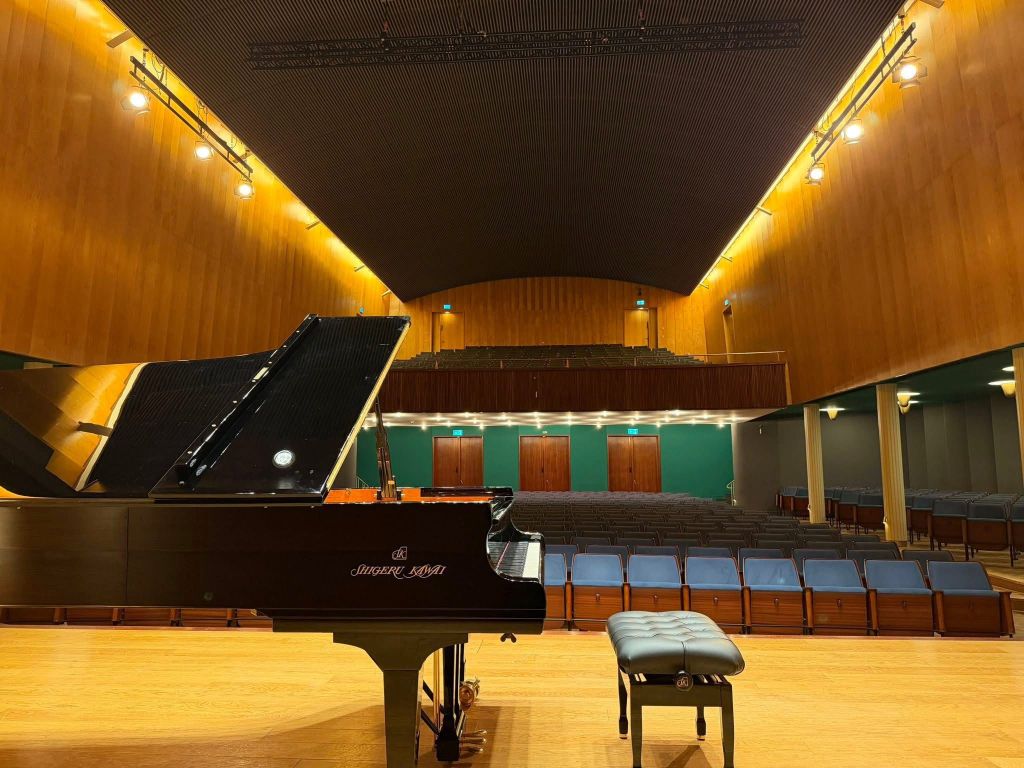
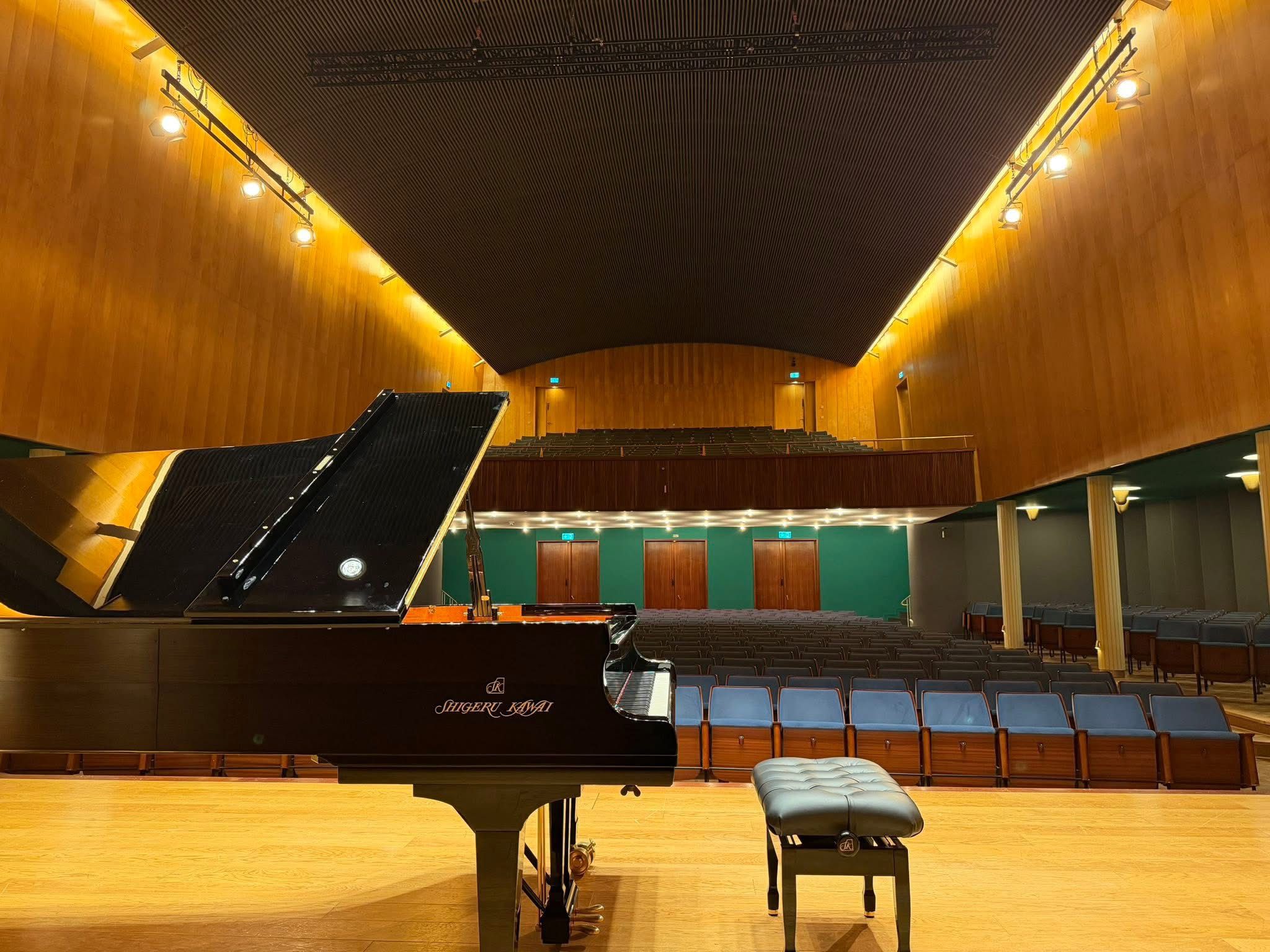
Laeiszhalle Kleiner Saal
The Laeiszhalle Kleiner Saal is a music hall located within Laeiszhalle Hamburg, which proves to be one of the best music venues in the city, and is suitable for a number of musical performances. The hall has a seating capacity of 639, and has seen various kinds of performances ranging from opera and jazz, to theater recitals, children’s shows and a lot more. The 1950s style layout of the hall is also quite striking, and makes for an enhanced setting to enjoy a concert.
http://www.johnleechvr.com/. https://youtu.be/gaV72Mp_jDQ
photo credit Dinara Klinton https://christopheraxworthymusiccommentary.com/2024/03/20/christopher-axworthy-dip-ram-aram/

Mark Viner’s Christmas Concert 2025 Intelligence, scholarship and mastery A scintillating cocktail shaken not stirred

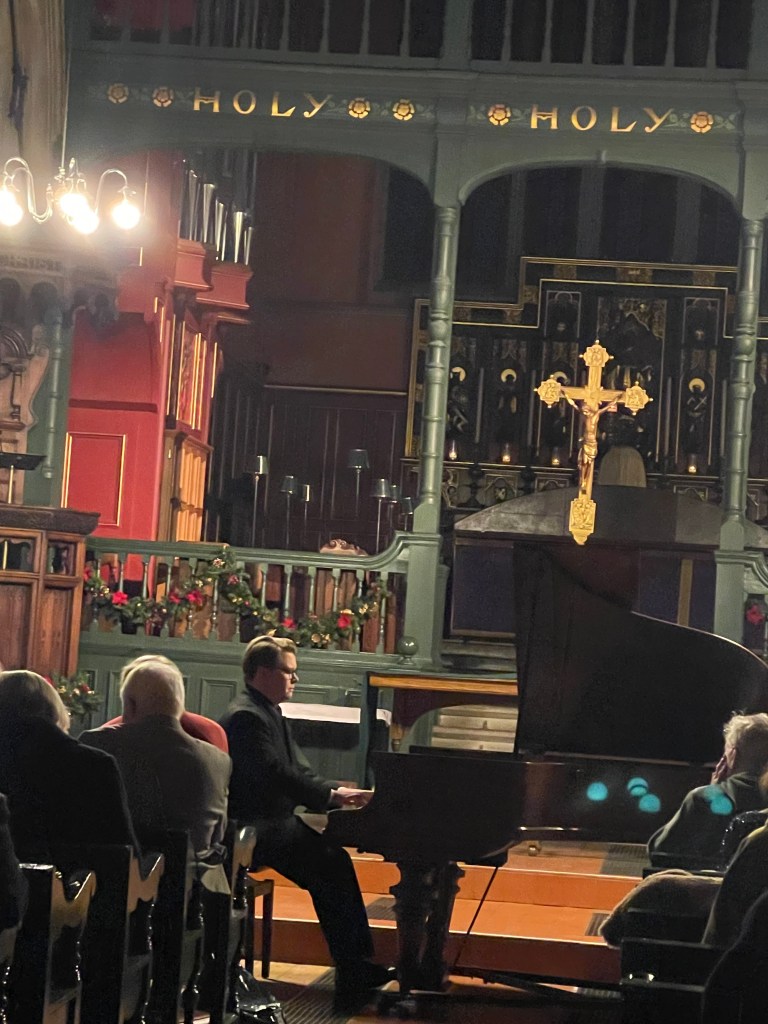
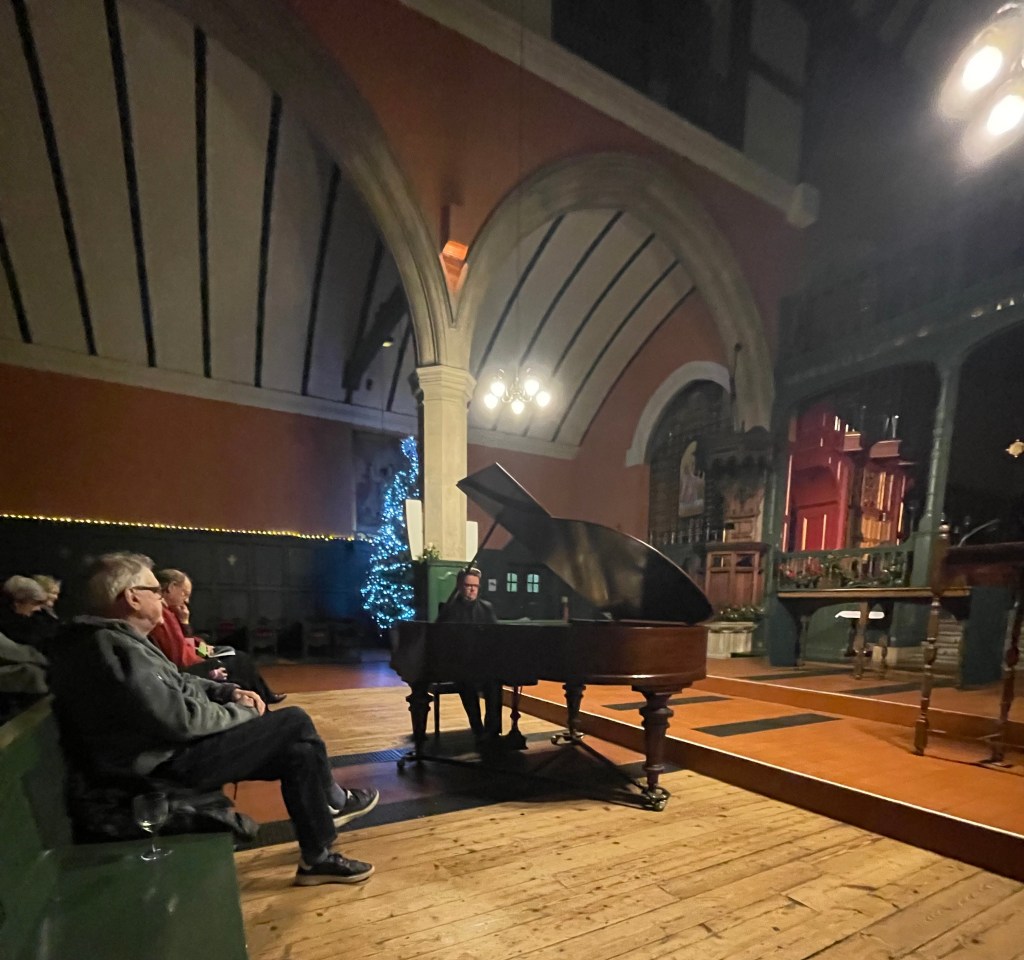
Mark’s annual Christmas concert arriving in London with the final two performances at St Mary’s Perivale for his dear friend and admirer Dr Mather and in the church of St Michael and All Angels, opposite his home in Bedford Park, where he also is an active member of the congregation.

https://www.youtube.com/live/3dKwyimj-zQ?si=3mlF0yt97WlXT-py

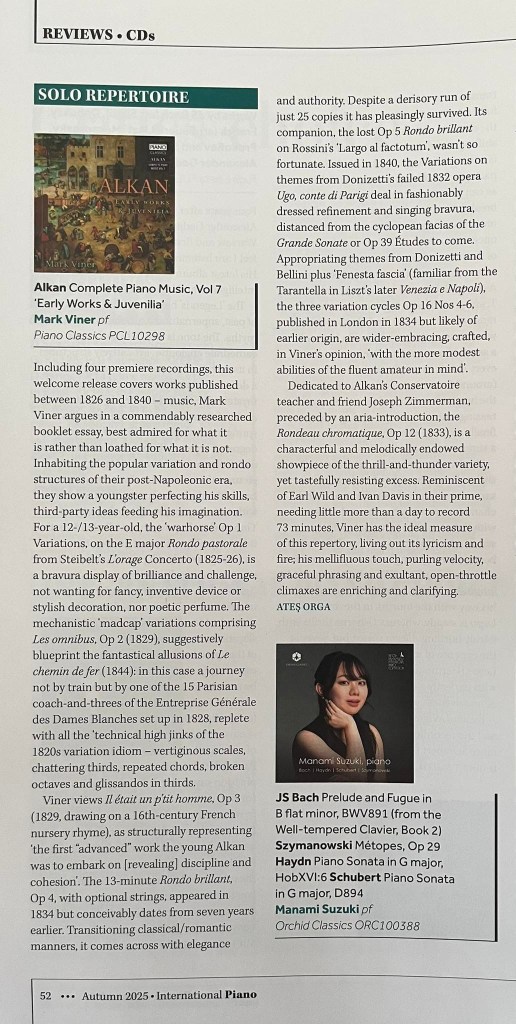
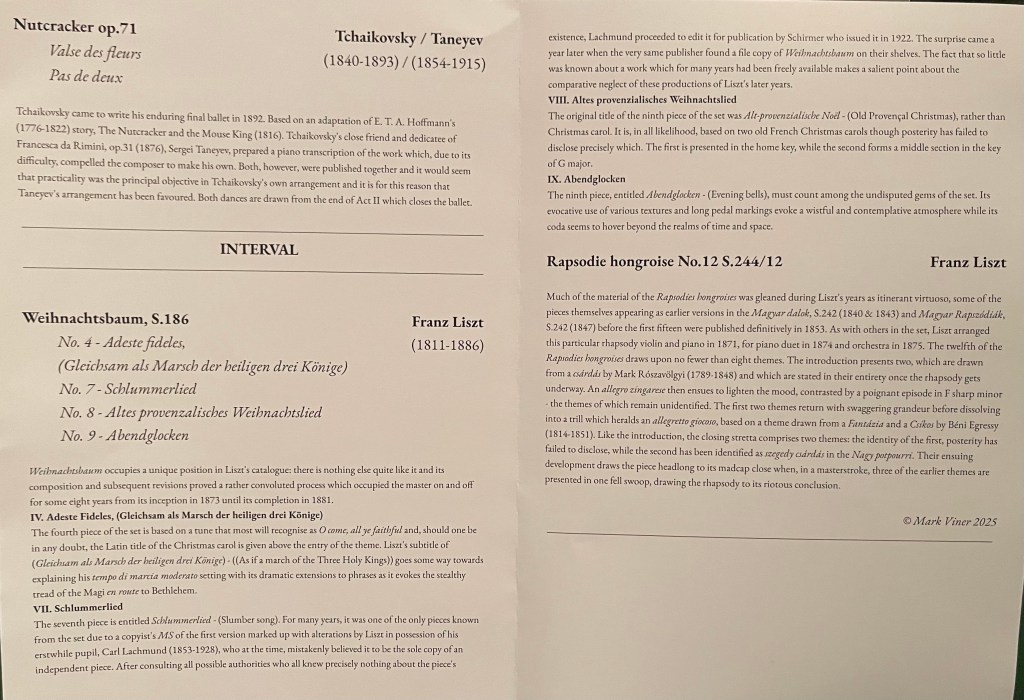
More extraordinary playing from Mark Viner as his latest CD dedicated to Alkan receives accolades fit only for a Prince of the Keyboard. With typical modesty, dedication and not a little hardship Mark continues his voyage of discovery bringing us performances of mastery and extraordinary scholarship that are being celebrated regularly with every one of his many CD’s as they are issued. His is not the popular repertoire that draws the crowds but for us that think we know all there is of the piano repertoire he puts us to shame with discoveries of works by forgotten masters. Names that adorn the history books with stories of reclusive virtuosi crushed by the Talmud or of duels in Parisian salons between adored favourite virtuosi. Rarely has this music been brought to life by performances of mastery and scholarship such as Mark is showing us, with a continual stream of musical discoveries. But it is not only the forgotten masterpieces that he plays with authority and mastery but he brings the same microscopic seriousness to well worn classics where rhetoric and tradition have taken us far from what the composer actually bequeathed to posterity in the score. Today Mark chose to open and close with two well worn masterpieces by Mozart and Liszt and in-between to show us not the usual Pletnev concert transcription of Tchaikovsky but that of the composer’s friend Taneyev . Together with a series of miniatures ,one by Rebikov that Cherkassky used to play as an encore ( which he would announce to me in the wings of his concerts in Rome ) and some rare miniatures written for Liszt’s granddaughter Daniela von Bulow as a Christmas present. She had accompanied her grandfather to Rome due to his frail condition and the first performance was on Christmas Day 1881 in Daniela’s Rome hotel suite. This was the day on which her mother Cosima always celebrated her birthday, although she was actually born on Christmas Eve.


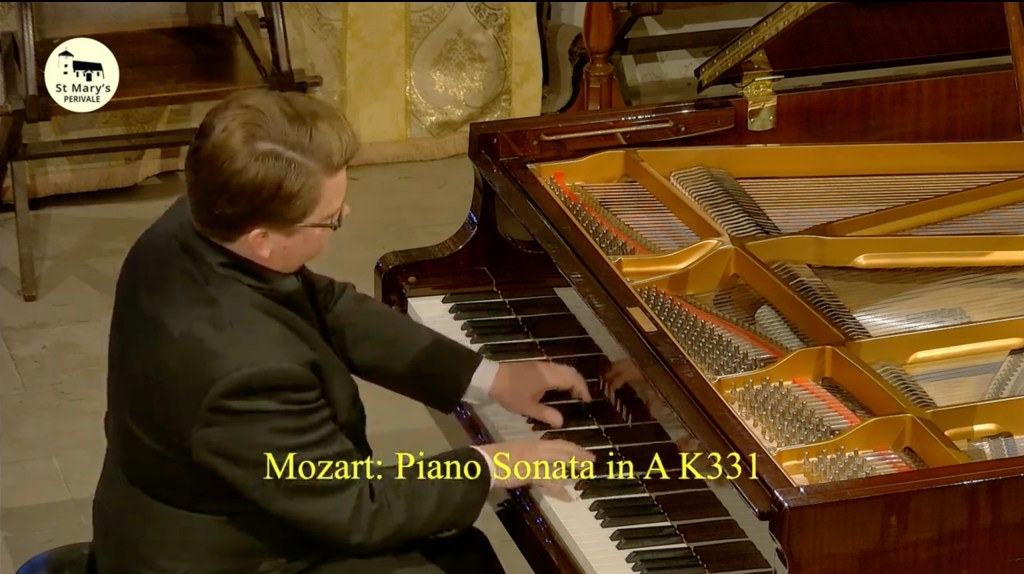
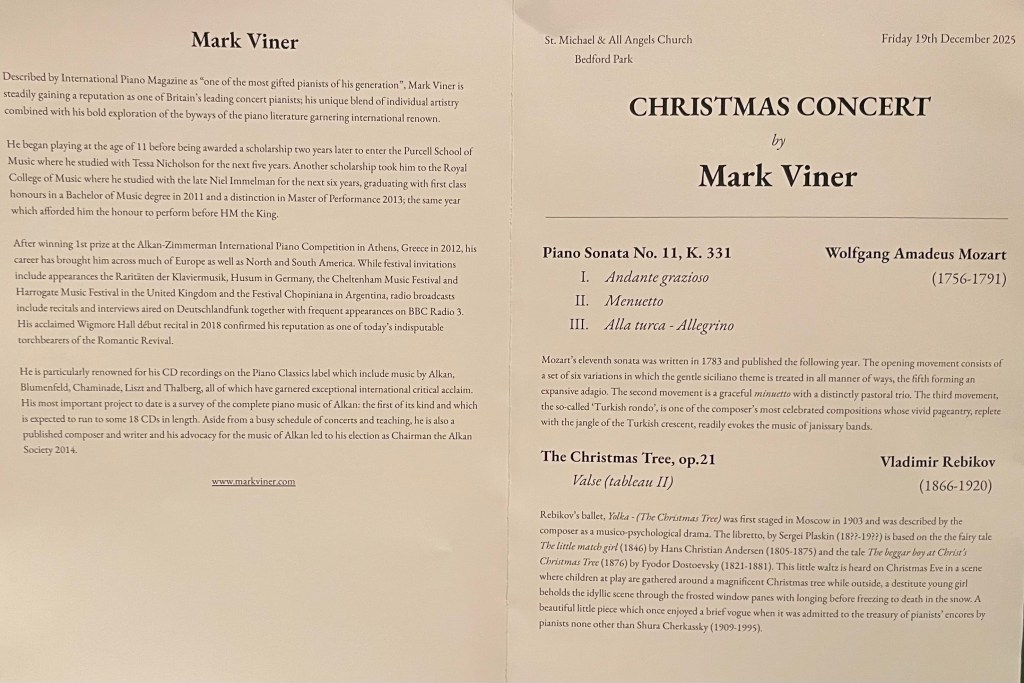
Mozart K.331 Andante / Menuetto / Rondo Alla turca

Mark’s Mozart is of a crystalline clarity and a chiselled beauty respectful of it’s time and imbued with an attention to detail of phrasing adding pedal only enhancing the beauty and simplicity with which he allowed the music to unfold with jewel like brilliance. There was a beautiful legato to the third of the opening variations with octaves that were allowed to sing with glowing beauty. A ‘joie de vivre’ of exultation as the clarion bells rang out in the fourth before the poignant beauty of the Adagio of the fifth. Charm and radiance rang out in the sixth and final variation with the closing two chords played without any rhetoric but thrown off with a simple ‘that’s all’. A simplicity and beauty with scrupulous attention to Mozart’s indications but that did not exclude the poetic beauty that a true artist could find within the notes themselves. Repeats , too,scrupulously respected and relished. There was a question and answer to the ‘Menuetto’ with it’s pompous opening statement answered with a heartrending reply before the mellifluous outpouring of the ‘Trio’ played with operatic participation.He brought a stately brilliance to the Rondò ‘Alla Turca’ with it’s very discreet echo effect always understated rather than underlined which had so much more effect than the more exaggerated performances that we are usually subjected to. As Mark says in his admirably short but exhaustive notes:’ vivid pageantry, replete with the jangle of the Turkish crescent ,readily evoking the music of janissary bands’.


Mark brought the charm and beauty of the Golden age of piano playing to Rebikov’s Valse from his Christmas Tree Ballet op 21. Playing of another age when Levitski, Moiseiwitch, De Pachmann and of course Cherkassky played with velvet gloves and the love of the sounds they could create https://youtu.be/HtVtqSJdxLc?si=qED3tTWn0vI86Gt2

Tchaikowsky’s Nutcracker Ballet has long been a favourite at Christmas time where Opera houses all over the globe play to full houses full of the festive spirit.

Taneyev, a close friend of Tchaikowsky had made a transcription of the work that the composer considered much too difficult for the average pianist and so wrote his own simplified version for Ballet rehearsals and every day use. Pletnev recently has made a concert suite of many of the pieces which is often played and is full of pianistic fireworks .Mark chose to play the equally testing transcription by Taneyev which is rarely if ever heard but is equally full of pianistic invention and brilliant streams of notes and as Mark says he prefers it to Pletnev . Choosing the ‘Waltz’ and the ‘Pas de Deux’ having decided that this was no place for any ‘Sugar Plum Fairies’ .Playing with a sumptuous outpouring of radiance and passion with a control and sense of balance where the famous melodies could shine above an embroidery of swirling accompaniments.The ‘Pas de Deux’ opening with streams of notes over the entire keyboard firing off glissandi at the top and bottom of the keyboard with the same skill as the étoiles on stage.

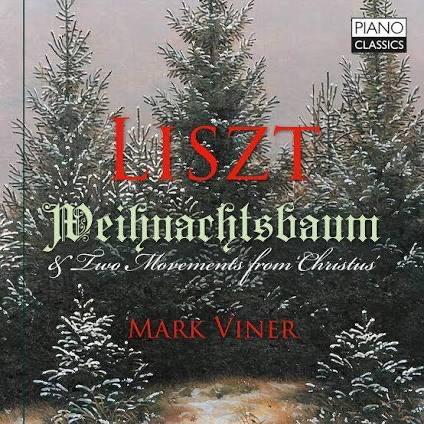
After the interval Mark played a rarity even for Liszt where his Weihnachtsbaum S.186 ‘occupies a unique position as there is nothing else quite like it ‘. I remember puzzling over it as a schoolboy who used to look over the few scores that our local library housed in Chiswick. It looked rather sparse and uninviting and I often wondered why it was one of the only works of Liszt in my local library. Today all was made clear as Mark brought those unforgiving pages to life with artistry and conviction. ‘O come, all ye faithfully ‘ suddenly appeared out of strange evocative chords as four of these twelve pieces became ever more radiant and strangely beautiful, with a voice that the Genius of Liszt could see was the sound world of the next century. Mark ,of course, has made a recording of the entire suite that has filled a gap in the CD library. Little could Daniela have known that her birthday present was a crystal ball looking into the future.

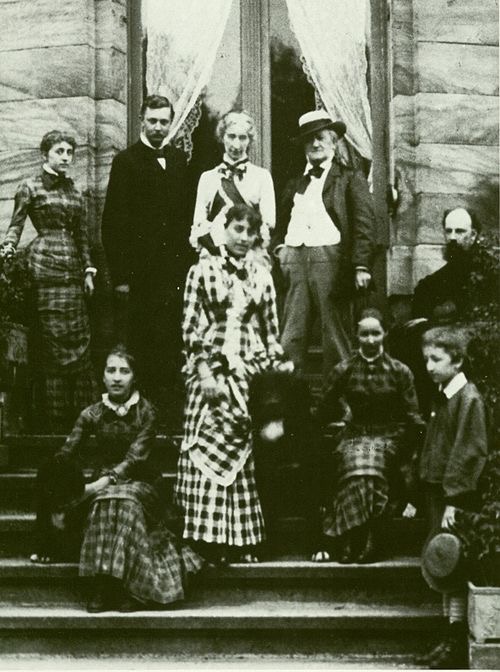
 Richard Wagner with his family and friends Heinrich von Stein (left) and Paul von Joukowsky (right) in front of Villa Wahnfried in Bayreuth . Daniela von Bülow is in the center, standing. Photograph dated August 23, 1881 Baroness Daniela von Bülow (12 October 1860 – 28 July 1940), nicknamed Loulou or Lusch , was a German pianist and costume designer.Daniela von Bülow was the first daughter of the conductor and pianist Hans von Bülow, and Cosima Liszt She was named after Cosima’s brother, Daniel Liszt, who “had tragically died of consumption in 1859”. She was the step-daughter of German composer Richard Wagner, and the granddaughter of Franz Liszt. She was a “fine pianist” in her own right, who had been trained primarily by her mother but also coached by Wagner.

Liszt dedicated Weihnachtsbaum to his first grandchild Daniela von Bülow (1860-1940); daughter of Cosima and Hans von Bülow. Daniela had accompanied her grandfather to Rome due to his frail condition and the first performance was on Christmas Day 1881 in Daniela’s Rome hotel suite. This was the day on which her mother Cosima always celebrated her birthday, although she was actually born on Christmas Eve.

The Twelfth and Second of Liszt’s eighteen Hungarian Rhapsodies have become the most played by virtuosi pianists at the end of a recital They are great showpieces full of heartrending emotions and pianistic hi – jinx. The Twelfth was a great favourite of Artur Rubinstein ( who died on 20th December 1982 aged 95 ) and is full of drama and passion as well as teasing Tzigane melodies of ravishing beauty. Mark recognised all this but also played with a rhythmic precision and respect for the score that brought this old showpiece vividly to life with renewed vigour and astonishing beauty.

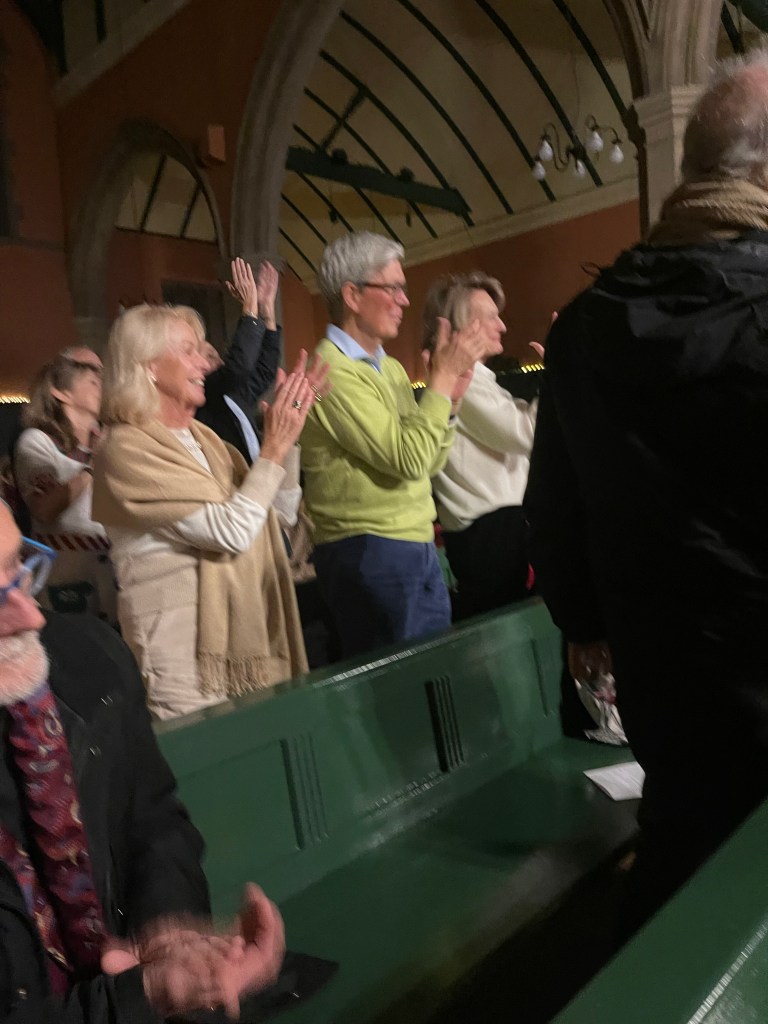
A standing ovation from a hall full of friends and admirers. Mark,like Arrau usually plays his programmes that have been prepared with scholarship and does not add to it on command. However on this occasion Mark asked for the lights to be dimmed again as he was amongst friends and it was Christmas .He sat at the piano and his left hand struck the first imposing notes of Chopin’s Fantaisie Impromptu. A ‘fingerfertigkeit’ of extraordinary brilliance and passionate abandon that was overwhelming. The bel canto of the central episode was played with a freedom and beauty which made the return of the opening and the passionate outpouring of the coda even more intoxicating.

Described by International Piano Magazine as “one of the most gifted pianists of his generation”, Mark Viner is steadily gaining a reputation as one of Britain’s leading concert pianists; his unique blend of individual artistry combined with his bold exploration of the byways of the piano literature garnering international renown. He began playing at the age of 11 before being awarded a scholarship two years later to enter the Purcell School of Music where he studied with Tessa Nicholson for the next five years. Another scholarship took him to the Royal College of Music where he studied with the late Niel Immelman for the next six years, graduating with first class honours in a Bachelor of Music degree in 2011 and a distinction in Master of Performance 2013; the same year which afforded him the honour to perform before HM the King. https://christopheraxworthymusiccommentary.com/2023/07/14/niel-immelman-by-mark-viner/

After winning 1st prize at the Alkan-Zimmerman International Piano Competition in Athens, Greece in 2012, his career has brought him across much of Europe as well as North and South America. While festival invitations include appearances the Raritäten der Klaviermusik, Husum in Germany, the Cheltenham Music Festival and Harrogate Music Festival in the United Kingdom and the Festival Chopiniana in Argentina, radio broadcasts include recitals and interviews aired on Deutschlandfunk together with frequent appearances on BBC Radio 3. His acclaimed Wigmore Hall début recital in 2018 confirmed his reputation as one of today’s indisputable torchbearers of the Romantic Revival. https://christopheraxworthymusiccommentary.com/2018/03/03/mark-viner-takes-london-by-storm/

He is particularly renowned for his CD recordings on the Piano Classics label which include music by Alkan, Blumenfeld, Chaminade, Liszt and Thalberg, all of which have garnered exceptional international critical acclaim. His most important project to date is a survey of the complete piano music of Alkan: the first of its kind and which is expected to run to some 18 CDs in length. Aside from a busy schedule of concerts and teaching, he is also a published composer and writer and his advocacy for the music of Alkan led to his election as Chairman the Alkan Society 2014. 

photo credit Dinara Klinton https://christopheraxworthymusiccommentary.com/2024/03/20/christopher-axworthy-dip-ram-aram/

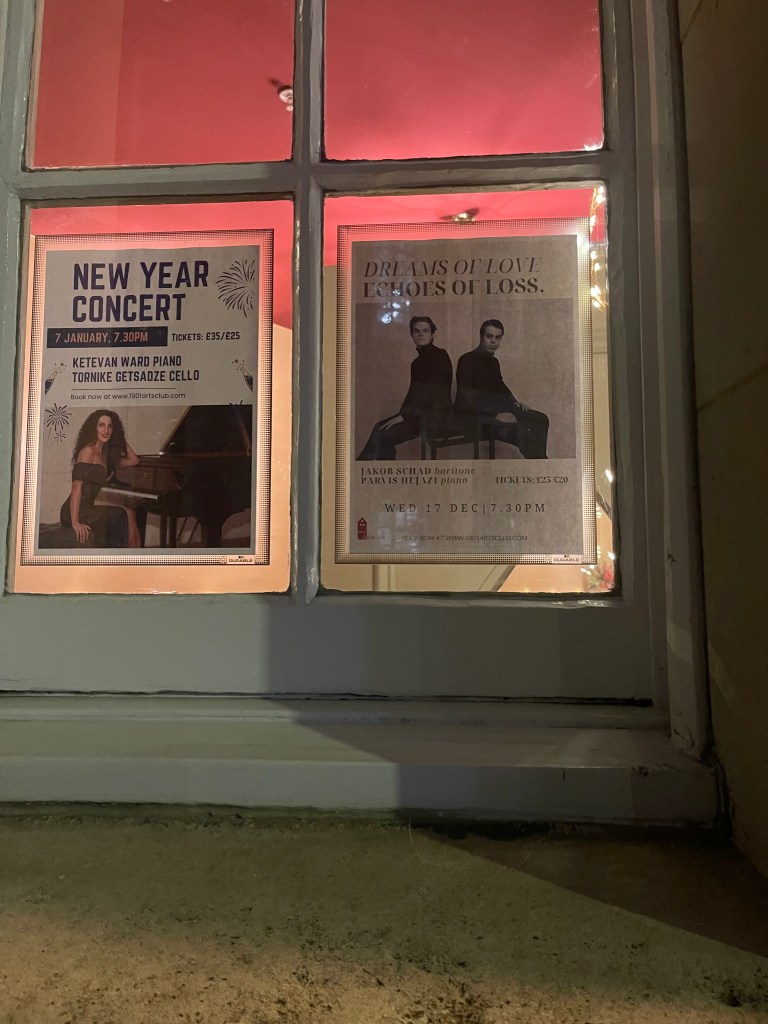
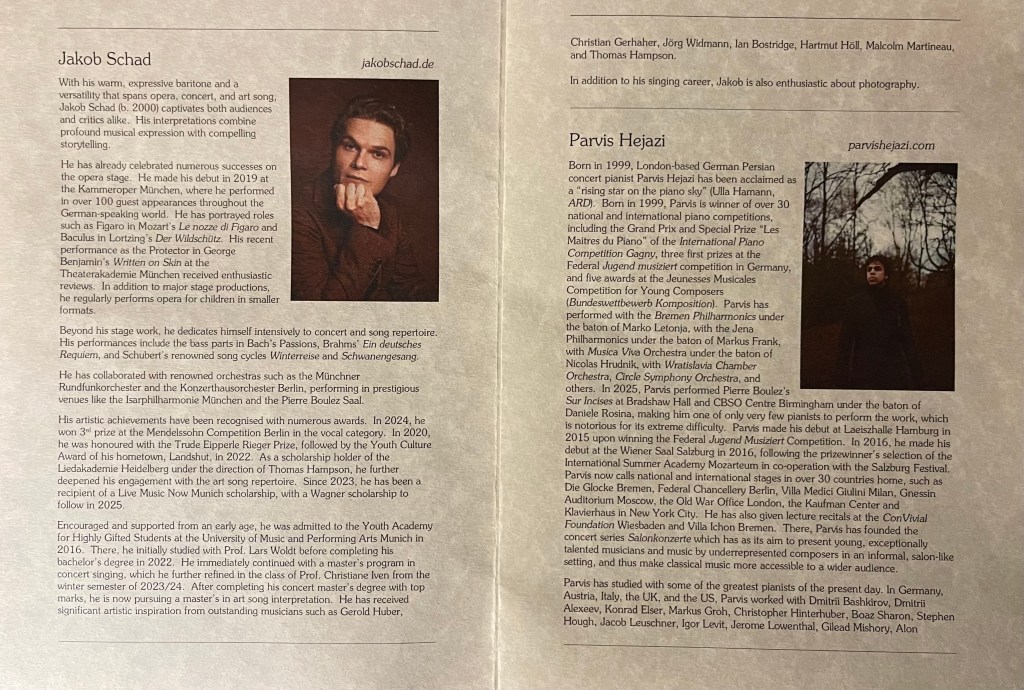
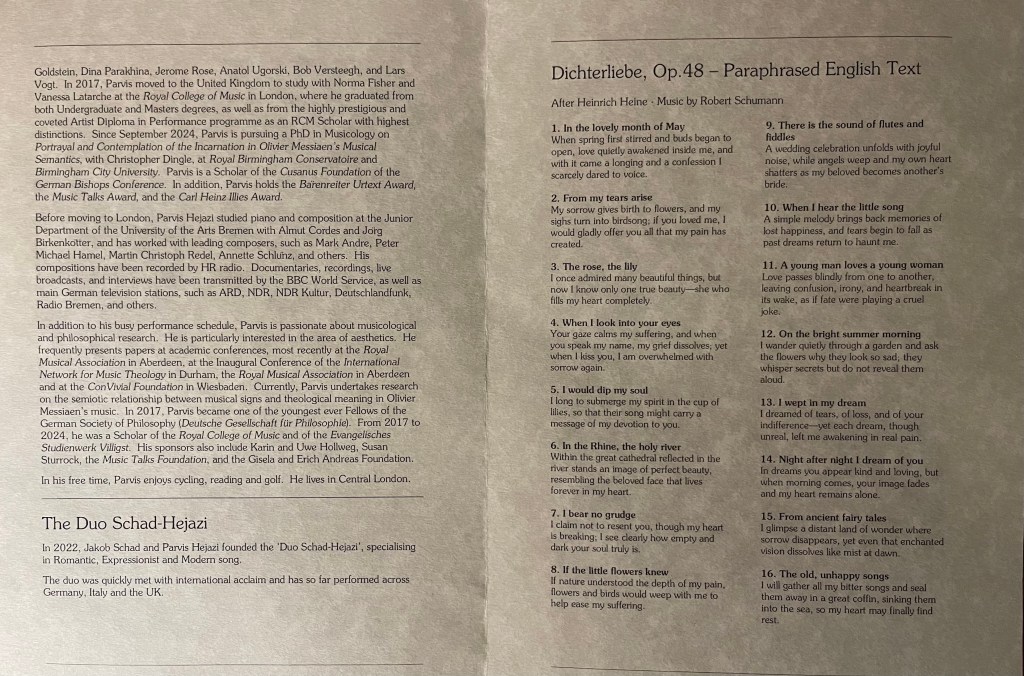
Jakob Schad and Parvis Hejazi at the 1901 Arts Club ‘Sumptuous music making of poignant intimacy’

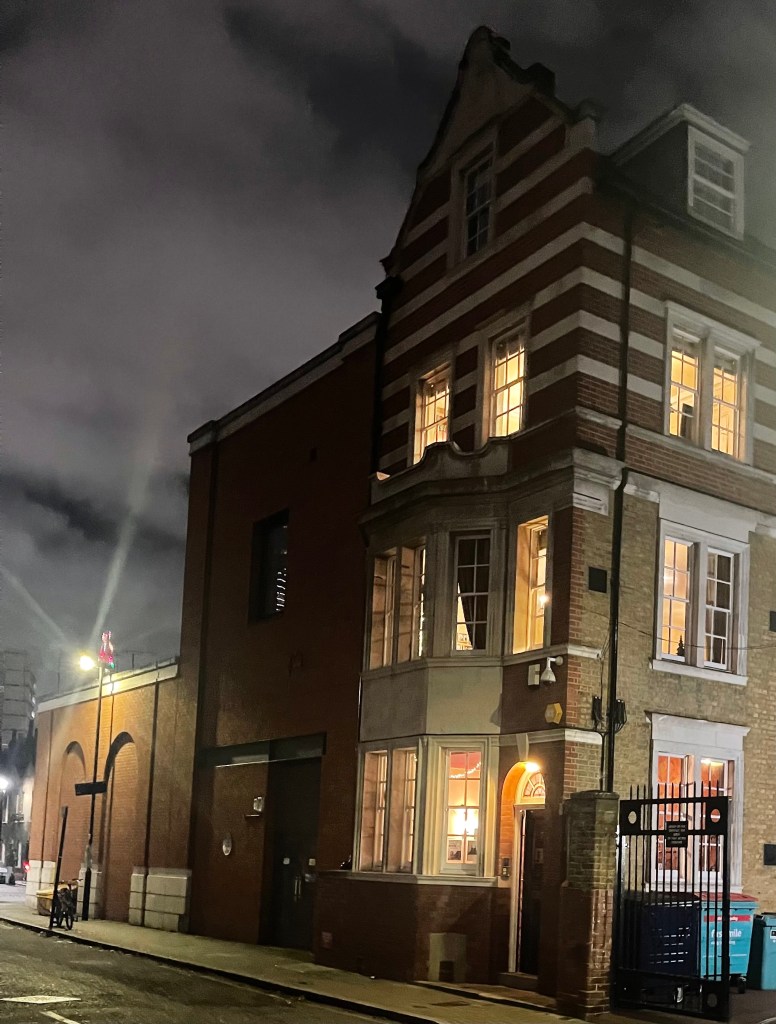
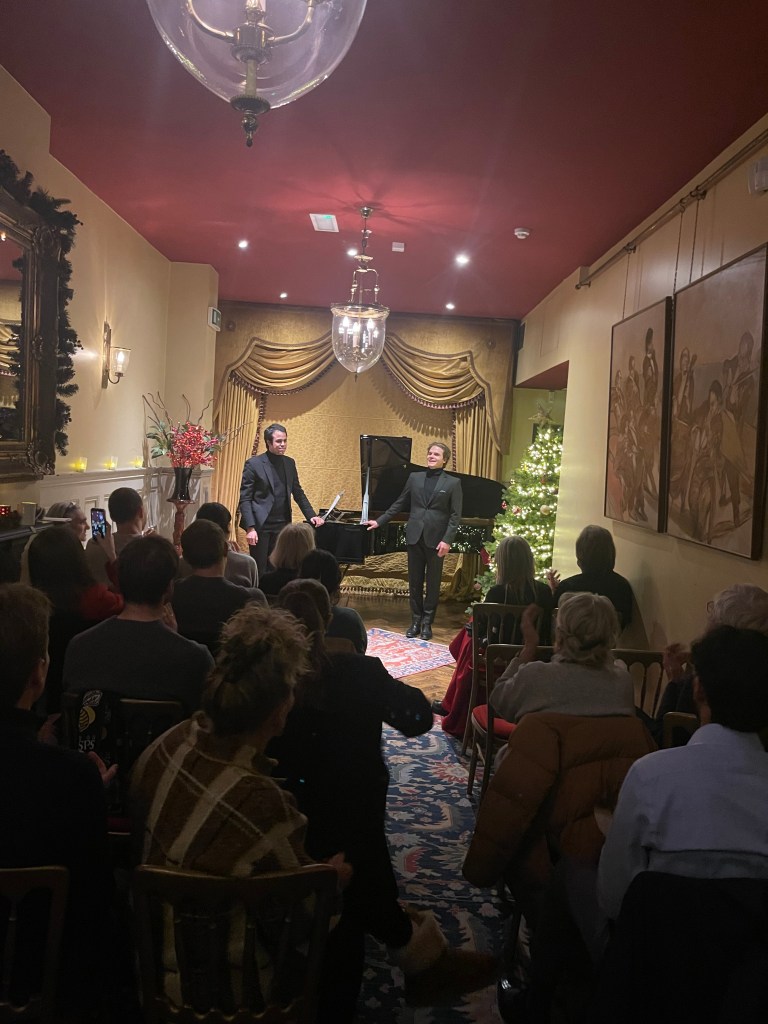
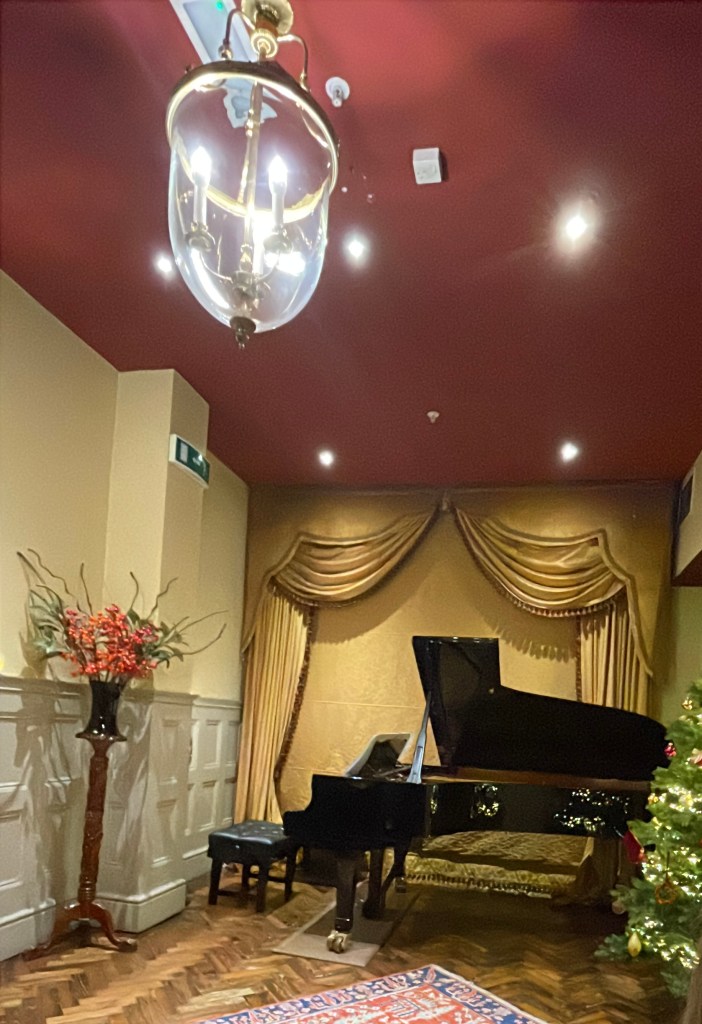
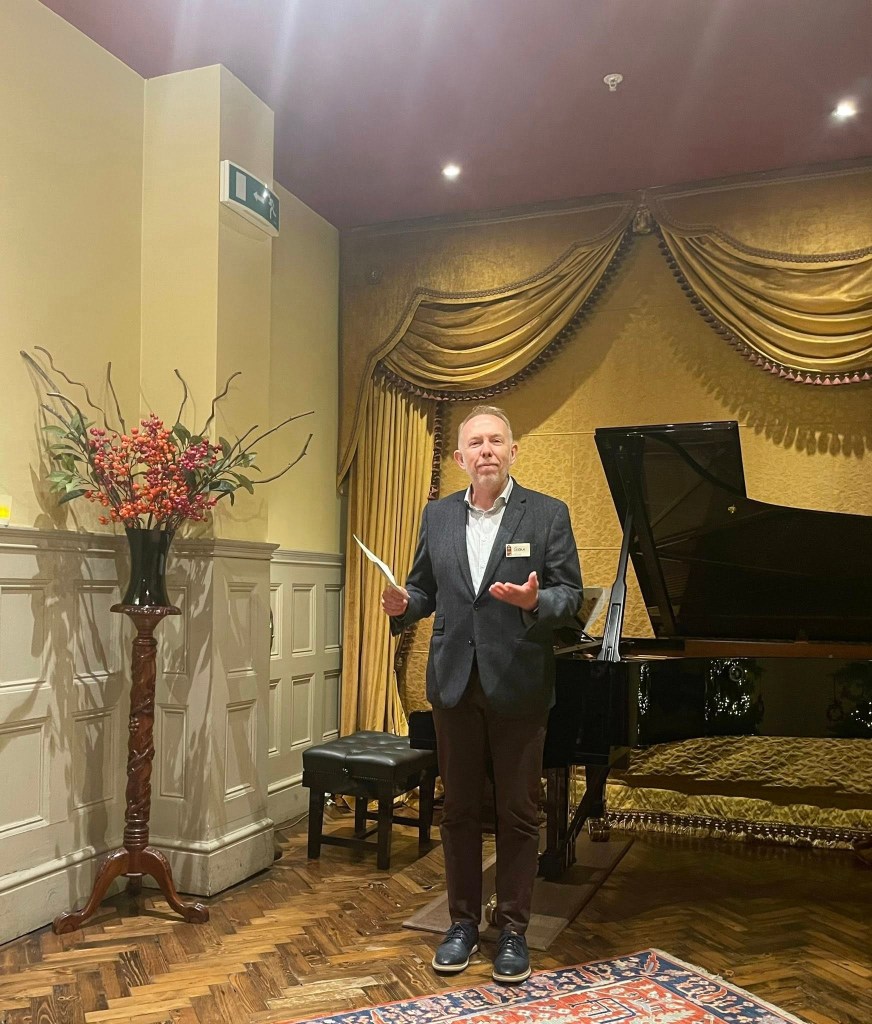
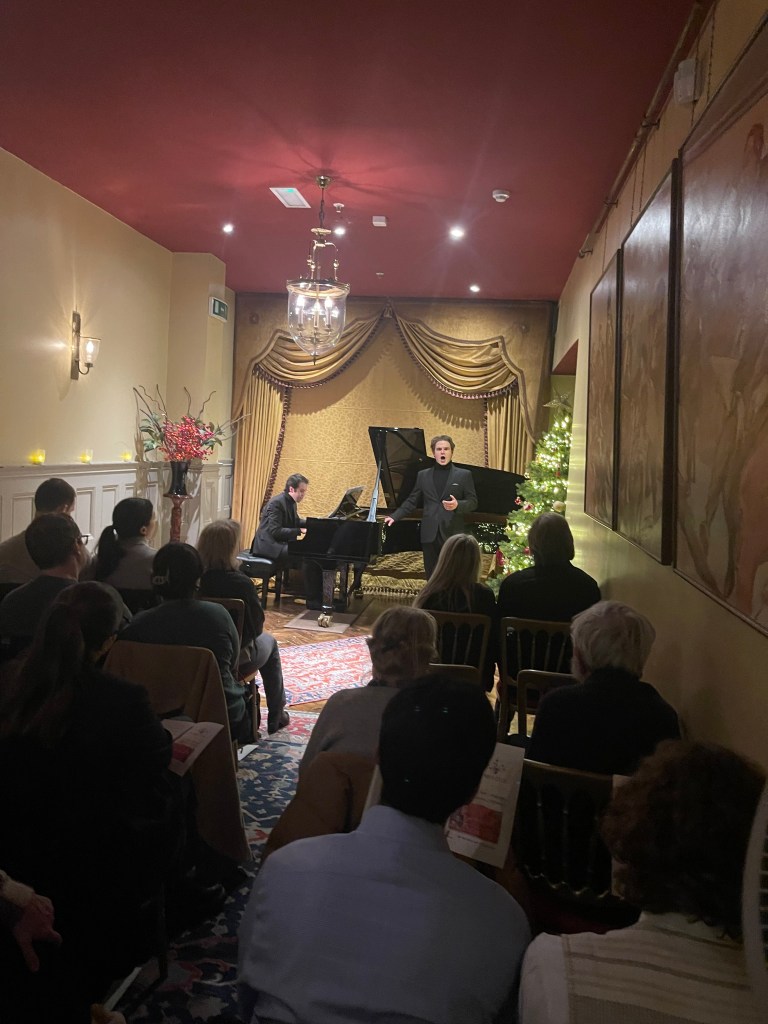
Mulled wine made by our host,Glenn, for a Liederabend in the intimate atmosphere of the 1901 Arts Club in Waterloo.

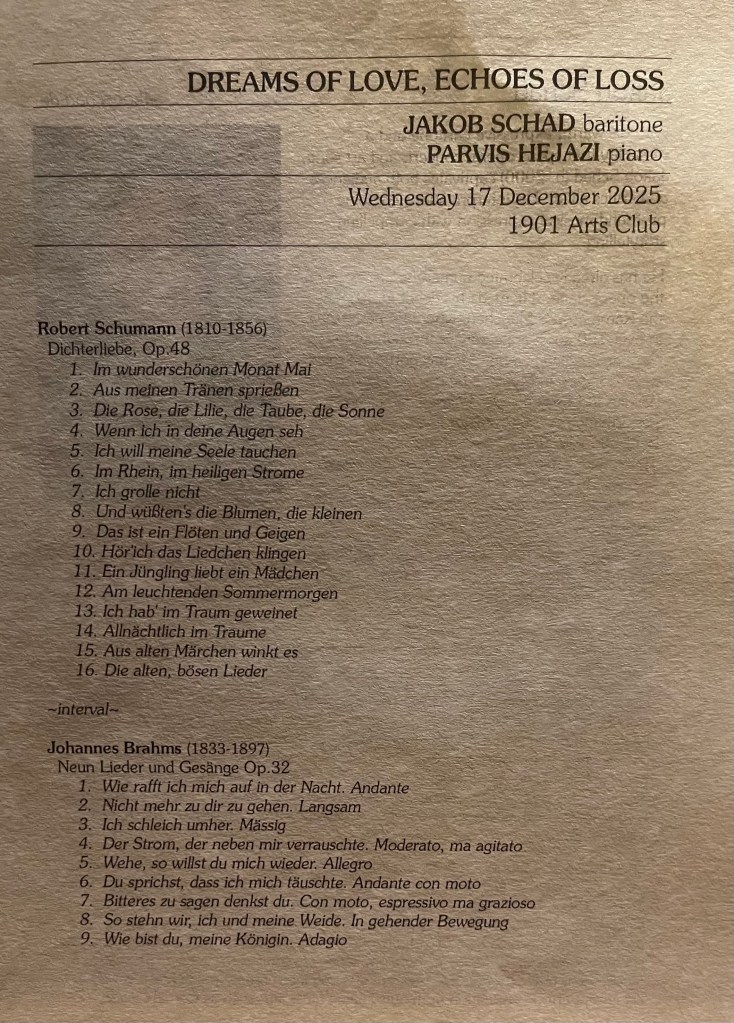
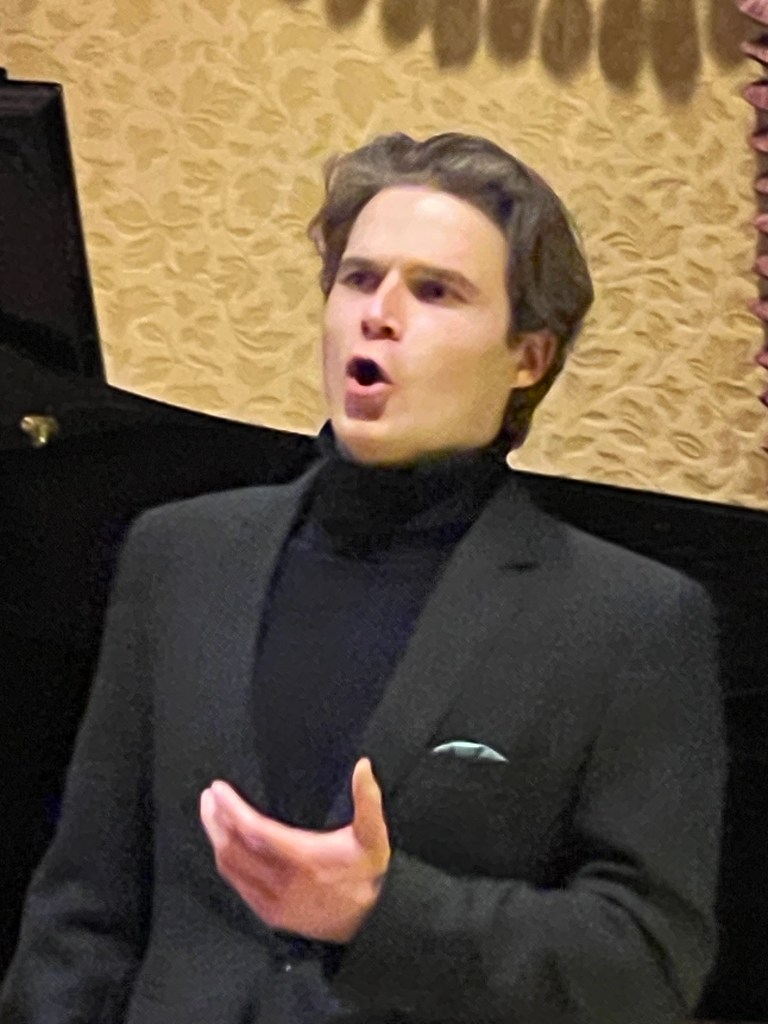
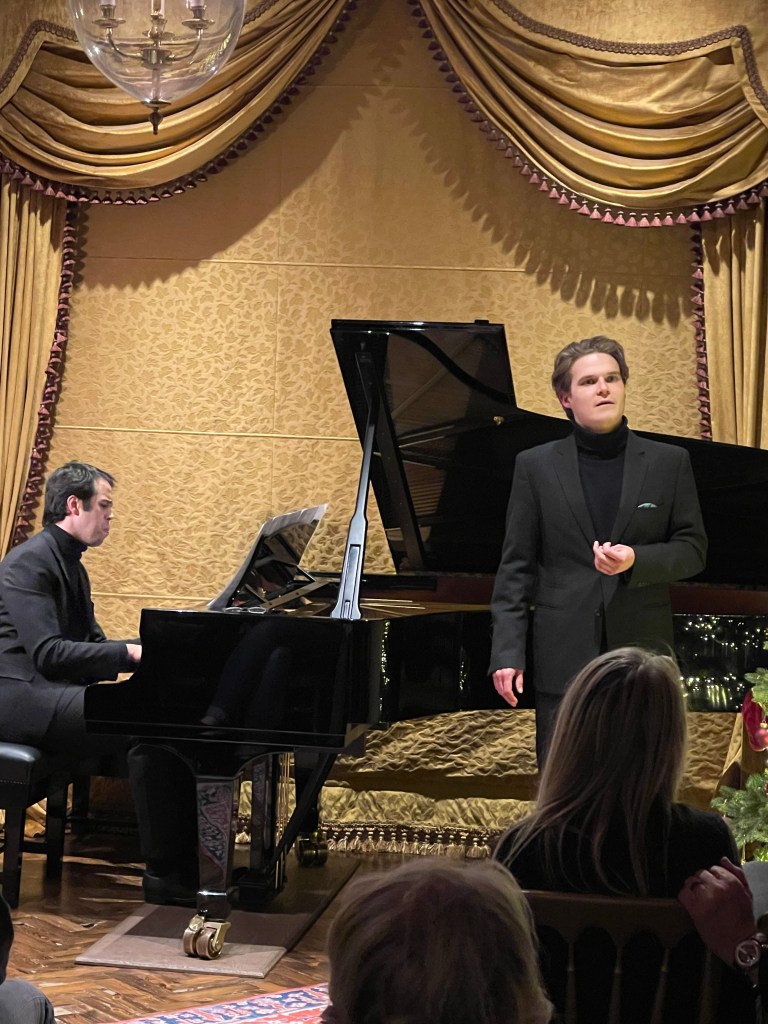
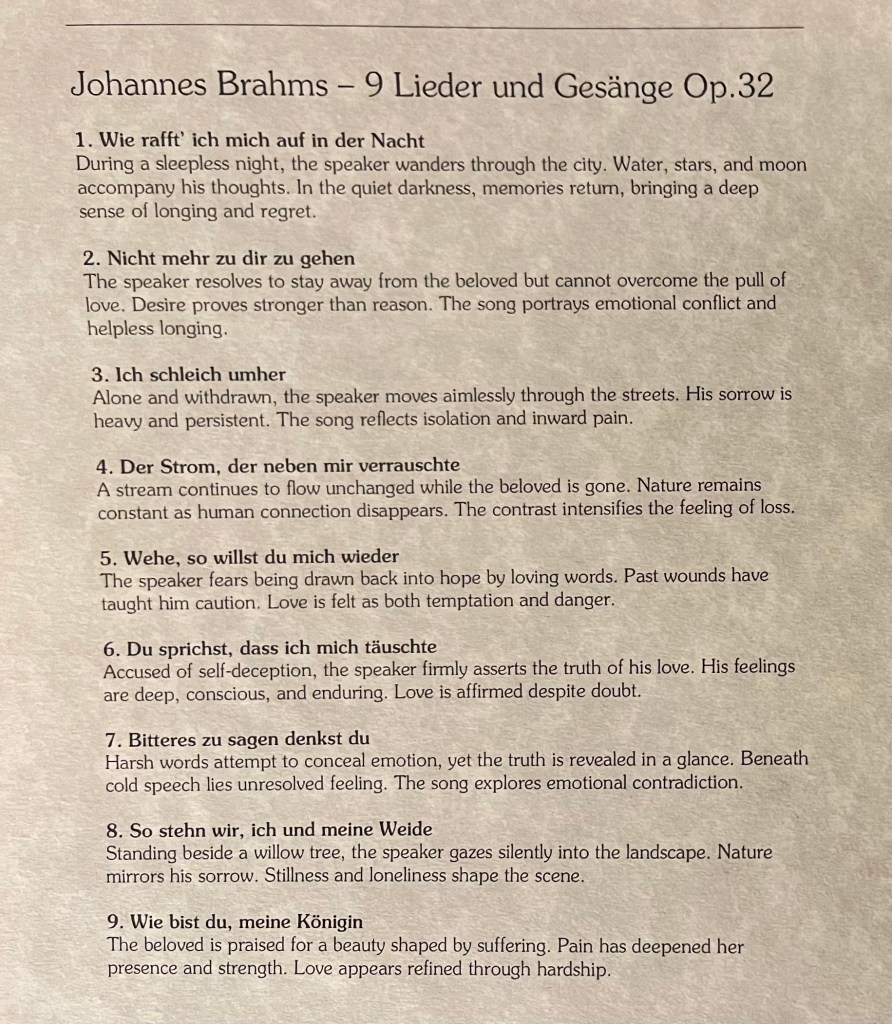
Jakob Schad and Parvis Hejazi Dreaming of Love with Echoes of Loss. Schumann’s Dichterliebe and Brahms Neun Lieder und Gesänge with a duo united as one, as magical sounds wafted around this beautiful candlelit salon with passionate intensity and poetic poignancy.

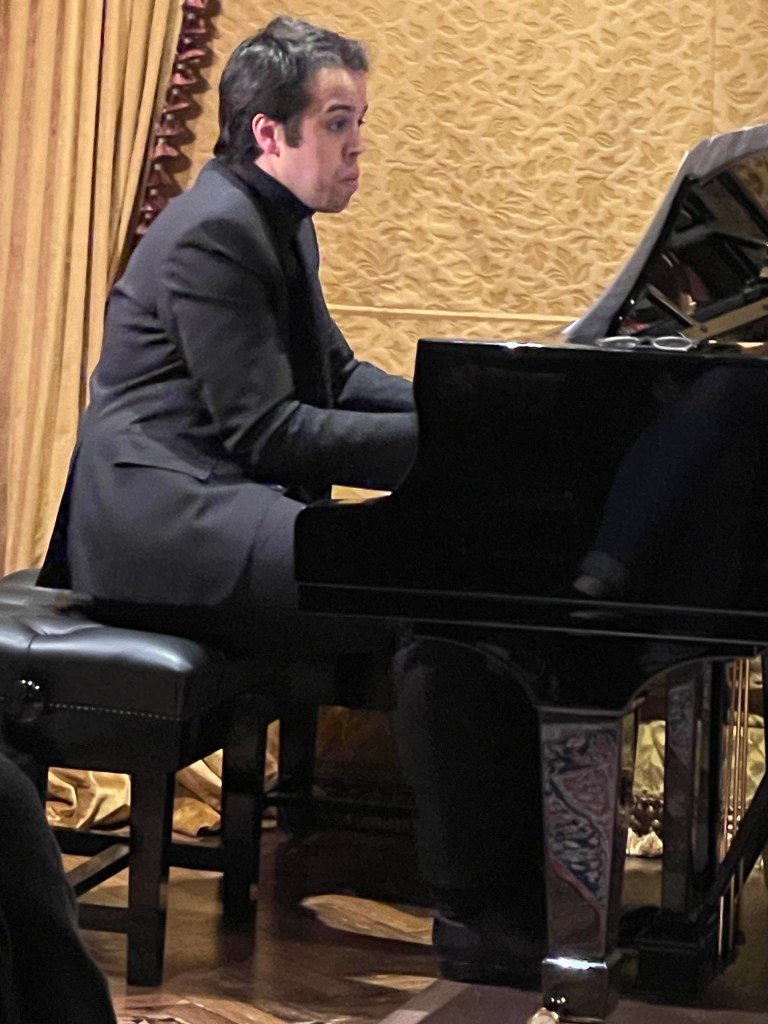
Jakob Schad’s superb voice need not fear having the piano lid wide open because not only does he have the power but also his pianist has the sensibility to blend together in the recreation of one of Schumann’s greatest song cycles.It was the equal mastery of both that was able to convey the deeply personal message in Heine’s poetry. Sometimes music can speak louder than words and after the poignant message of the voice it was the piano of Parvis that concluded and had the last ‘word’.

Nowhere more than in the final bars for solo piano with which this song cycle ends. Parvis hardly looking at the score as he was able to continue the poignant beauty of Jakob’s voice and add deeply expressive meaning with playing of ravishing beauty.

Brahms was much more for Jacob’s magnificently expressive voice where Parvis’s was more orchestral than pianistic with sumptuous rich sounds just sustaining Jacob’s powerful voice. After such an intense and refined evening of superb music making the audience that had been listening so attentively managed to persuade these two young artists to sing just one more lied before adjourning upstairs to the bar.


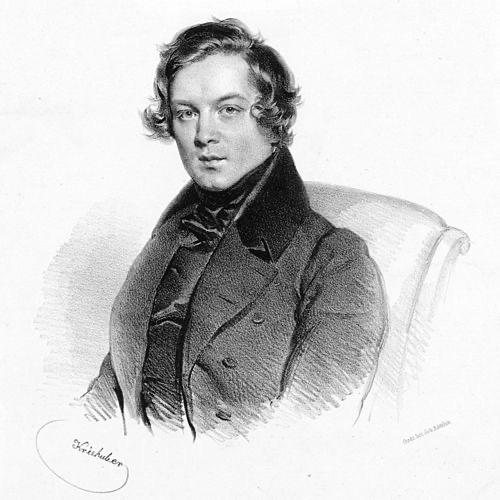
Robert Schumann 8 June 1810 Zwickau Saxony. 29 July 1856 (aged 46). Bonn Germany

DichterliebeA Poet’s Love (composed 1840), Robert Schumann op 48). The texts for its 16 songs come from the Lyrisches Intermezzo by Heinrich Heine, written in 1822–23 and published as part of Heine’s Das Buch der Lieder. Though Schumann originally set 20 songs to Heine’s poems, only 16 of the 20 were included in the first edition. Dein Angesicht (Heine no. 5) is one of the omitted items. Auf Flügeln des Gesanges, On Wings of Song (Heine no 9), is best known from a setting by Mendelssohn. The introduction to the first song, Im wunderschönen Monat Mai, is a direct quote from Clara Wieck- Schumann’s piano Concerto in A minor (1835}

Songs

(The synopses here are made from the Heine texts.)

  1. Im wunderschönen Monat Mai (Heine, Lyrical Intermezzo no 1). (“In beautiful May, when the buds sprang, love sprang up in my heart: in beautiful May, when the birds all sang, I told you my desire and longing.”)
  2. Aus meinen Tränen sprießen (Heine no 2). (“Many flowers spring up from my tears, and a nightingale choir from my sighs: If you love me, I’ll pick them all for you, and the nightingale will sing at your window.”)
  3. Die Rose, die Lilie, die Taube, die Sonne (Heine no 3). (“I used to love the rose, lily, dove and sun, joyfully: now I love only the little, the fine, the pure, the One: you yourself are the source of them all.”)
  4. Wenn ich in deine Augen seh (Heine no 4). (“When I look in your eyes all my pain and woe fades: when I kiss your mouth I become whole: when I recline on your breast I am filled with heavenly joy: and when you say, ‘I love you’, I weep bitterly.”)
  5. Ich will meine Seele tauchen (Heine no 7). (“I want to bathe my soul in the chalice of the lily, and the lily, ringing, will breathe a song of my beloved. The song will tremble and quiver, like the kiss of her mouth which in a wondrous moment she gave me.”)
  6. Im Rhein, im heiligen Strome (Heine no 11). (“In the Rhine, in the sacred stream, great holy Cologne with its great cathedral is reflected. In it there is a face painted on golden leather, which has shone into the confusion of my life. Flowers and cherubs float about Our Lady: the eyes, lips and cheeks are just like those of my beloved.”)
  7. Ich grolle nicht (Heine no 18). (“I do not chide you, though my heart breaks, love ever lost to me! Though you shine in a field of diamonds, no ray falls into your heart’s darkness. I have long known it: I saw the night in your heart, I saw the serpent that devours it: I saw, my love, how empty you are.”)
  8. Und wüßten’s die Blumen, die kleinen (Heine no 22). (“If the little flowers only knew how deeply my heart is wounded, they would weep with me to heal my suffering, and the nightingales would sing to cheer me, and even the starlets would drop from the sky to speak consolation to me: but they can’t know, for only One knows, and it is she that has torn my heart asunder.”)
  9. Das ist ein Flöten und Geigen (Heine no 20). (“There is a blaring of flutes and violins and trumpets, for they are dancing the wedding-dance of my best-beloved. There is a thunder and booming of kettle-drums and shawms. In between, you can hear the good cupids sobbing and moaning.”)
  10. Hör’ ich das Liedchen klingen (Heine no 40). (“When I hear that song which my love once sang, my breast bursts with wild affliction. Dark longing drives me to the forest hills, where my too-great woe pours out in tears.”)
  11. Ein Jüngling liebt ein Mädchen (Heine no 39). (“A youth loved a maiden who chose another: the other loved another girl, and married her. The maiden married, from spite, the first and best man that she met with: the youth was sickened at it. It’s the old story, and it’s always new: and the one whom she turns aside, she breaks his heart in two.”)
  12. Am leuchtenden Sommermorgen (Heine no 45). (“On a sunny summer morning I went out into the garden: the flowers were talking and whispering, but I was silent. They looked at me with pity, and said, ‘Don’t be cruel to our sister, you sad, death-pale man.'”)
  13. Ich hab’ im Traum geweinet (Heine no 55). (“I wept in my dream, for I dreamt you were in your grave: I woke, and tears ran down my cheeks. I wept in my dreams, thinking you had abandoned me: I woke, and cried long and bitterly. I wept in my dream, dreaming you were still good to me: I woke, and even then my floods of tears poured forth.”)
  14. Allnächtlich im Traume (Heine no 56). (“I see you every night in dreams, and see you greet me friendly, and crying out loudly I throw myself at your sweet feet. You look at me sorrowfully and shake your fair head: from your eyes trickle the pearly tear-drops. You say a gentle word to me and give me a sprig of cypress: I awake, and the sprig is gone, and I have forgotten what the word was.”)
  15. Aus alten Märchen winkt es (Heine no 43). “(The old fairy tales tell of a magic land where great flowers shine in the golden evening light, where trees speak and sing like a choir, and springs make music to dance to, and songs of love are sung such as you have never heard, till wondrous sweet longing infatuates you! Oh, could I only go there, and free my heart, and let go of all pain, and be blessed! Ah! I often see that land of joys in dreams: then comes the morning sun, and it vanishes like smoke.”)
  16. Die alten, bösen Lieder (Heine no 65). (“The old bad songs, and the angry, bitter dreams, let us now bury them, bring a large coffin. I shall put very much therein, I shall not yet say what: the coffin must be bigger than the great tun at Heidelberg. And bring a bier of stout, thick planks, they must be longer than the Bridge at Mainz. And bring me too twelve giants, who must be mightier than the Saint Christopher  in the cathedral at Cologne. They must carry away the coffin and throw it in the sea, because a coffin that large needs a large grave to put it in. Do you know why the coffin must be so big and heavy? I will put both my love and my suffering into it.”)
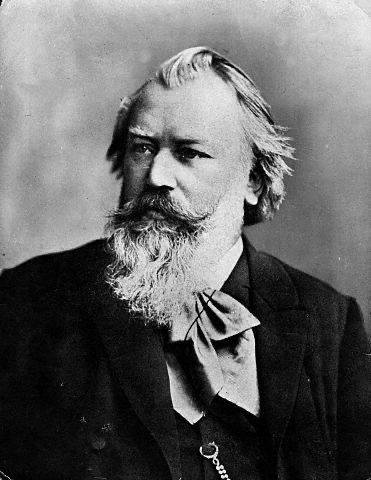
Johannes Brahms 7 May 1833 Hamburg 3 April 1897 (aged 63) Vienna

There is a strong case for thinking of Brahms’ Neun Lieder und Gesänge op 32 as a kind of latter-day Dichterliebe, or rather Komponistenliebe. The composer’s self-identification with the nine songs of Op 32, which feature lost love, isolation, nostalgia and amorous self abasement Aand his careful selection and dovetailing of five Platen settings and four Daumer, is very much a personal statement. 

photo credit Dinara Klinton https://christopheraxworthymusiccommentary.com/2024/03/20/christopher-axworthy-dip-ram-aram/

Andrea Bacchetti in Perivale The mastery of a stylistic genius

https://youtube.com/@andreabacchetti2085?si=k6vM3gu60KSBtNlj
https://www.youtube.com/live/6QhThf4UJSw?si=ejAkLVd-DBRBHp3j

A quite extraordinary recital by a pianist who was as a child much admired by Karajan, and since birth has been linked to the piano which is his friend and companion and whose secrets he has unearthed over a lifetime dedicated to a continual research of sound. In 2006 he played in my series in Rome the ‘Goldberg Varatiations’ and during the pandemic he recorded in an empty hall in Genoa,where he lives ,the second book of the Well Tempered Klavier. I was honoured when he asked me to write the notes for the CD that was issued of that performance.

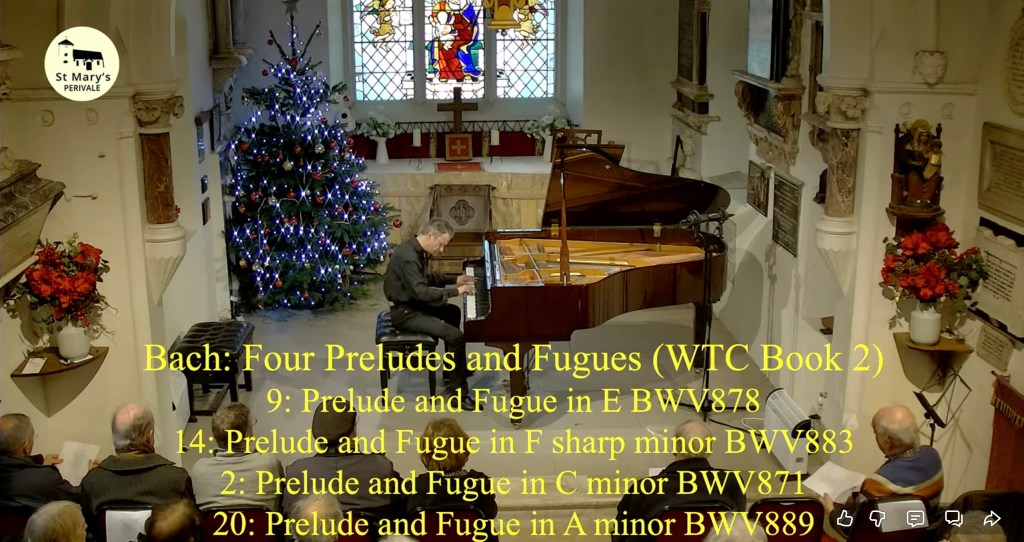
Today in a programme that spanned two centuries he opened with Four Preludes and Fugues from Book 2. He had asked me if the piano in Perivale had three pedals, and neither I ,Dr Hugh Mather or even Michael Lewis the piano tuner understood why he needed to know about a pedal that is almost obsolete for the vast majority of pianists. The reason soon became evident as Michael pointed out in the rehearsal that he was only using the central pedal. Could it be that he had got lost and was confusing the middle pedal for the sustaining pedal? Michael asked me not to mention it in case it was just pre concert nerves! Well I did gently mention it and he said I was quite right to notice, and for classical music he only uses the middle pedal that can fill in some holes in his finger legato. In fact from Bach to Mozart taking in Scarlatti, Cimarosa and surprisingly the unknown Romance of Verdi there was a quite extraordinary clarity of his perfect finger legato without any smudging from the sustaining pedal, creating a purity and radiance to the sound that I have rarely heard before.

The Four Bach were played with crystalline clarity and a range of sound where his finger independence could lead the way with Bach’s knotty twine and make the path forward always so clear. A sense of balance that was quite extraordinary as the gradations of sound seemed to be infinite and never throughout the whole recital was there any ugly or forced sound.

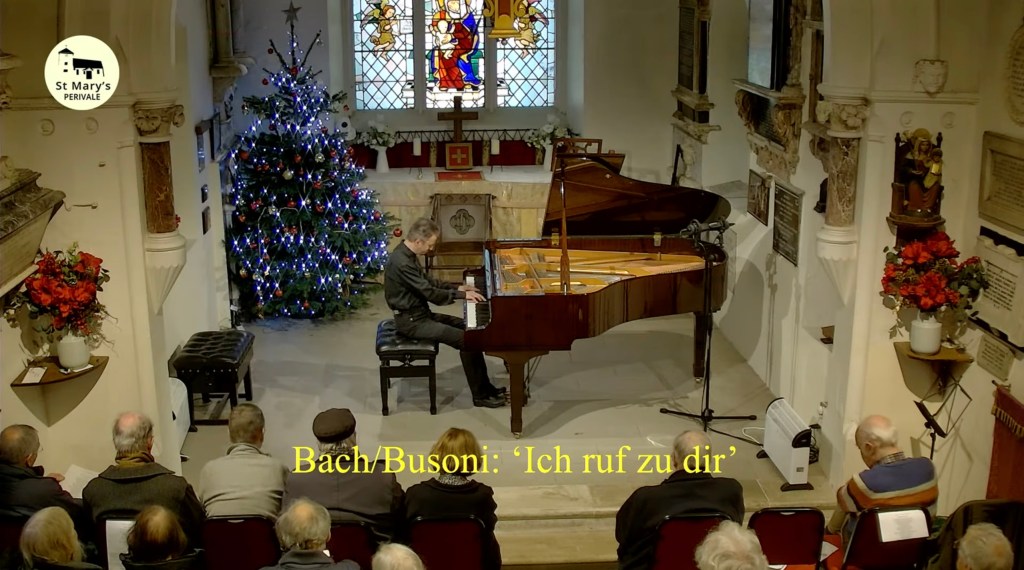
Even the Busoni transcription of ‘Ich ruf zu dir’ was played with shining beauty with a very dry bass accompaniment, very measured and unusually respectful for a work that is usually drowned in pedal. It lost nothing of its beauty as the bass sustained the melodic line with deep majestic sonorities. A remarkably original and ravishingly beautiful performance that in a way mirrors Busoni’s own playing,as much as we can discern from the piano roll recordings that he bequeathed to the world and that were housed by Frank Holland in the Brentford Piano Museum just a stones throw away.

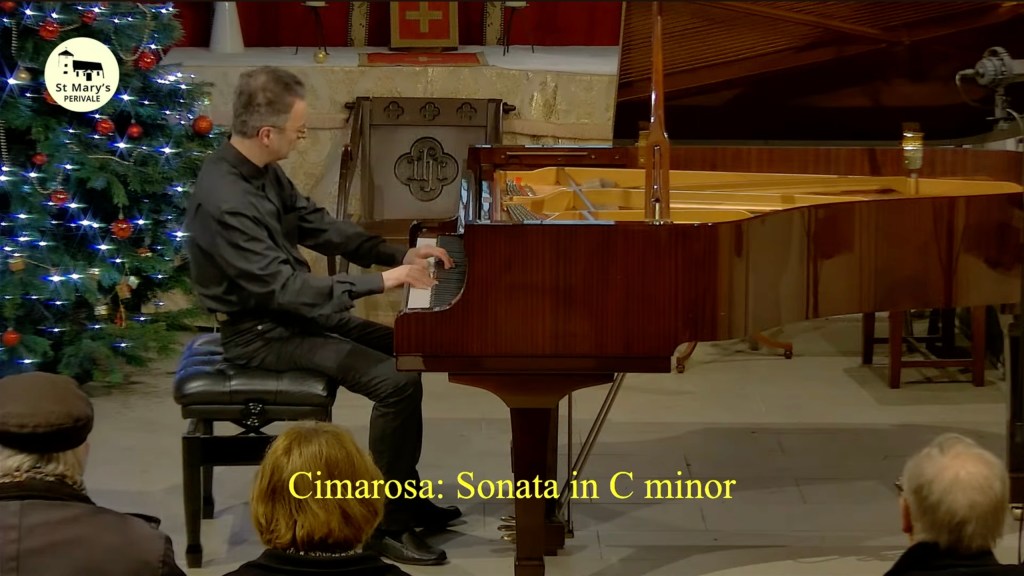
The little Cimarosa Sonata was beautifully shaped with great delicacy with only the use of the central pedal giving a chiselled beauty to this disarming short work.

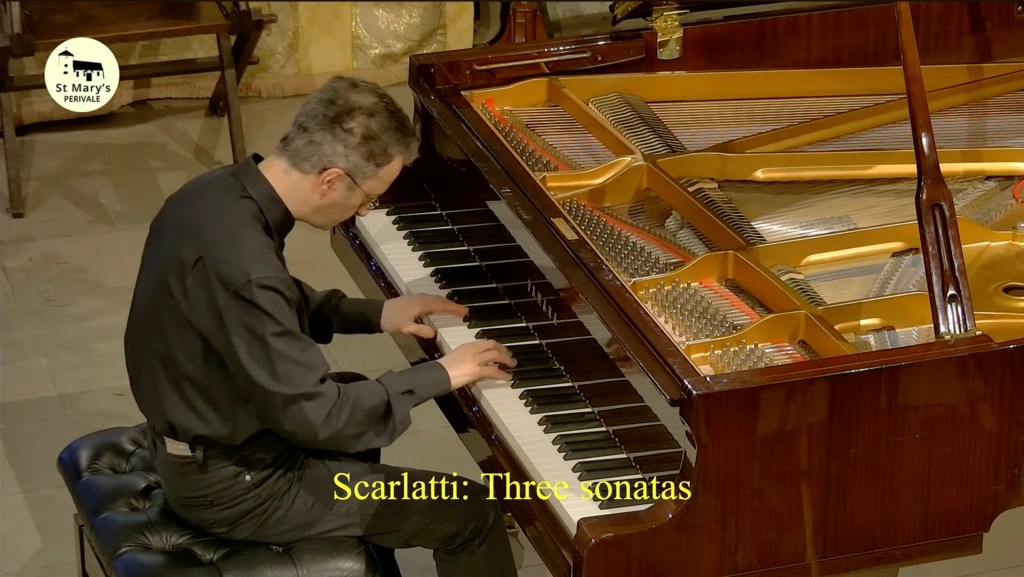
Scarlatti too was played with a poignant shining beauty where Andrea’s finger legato could bring infinite colour to three of these remarkable jewels of which the composer was to pen over 500 during his lifetime.

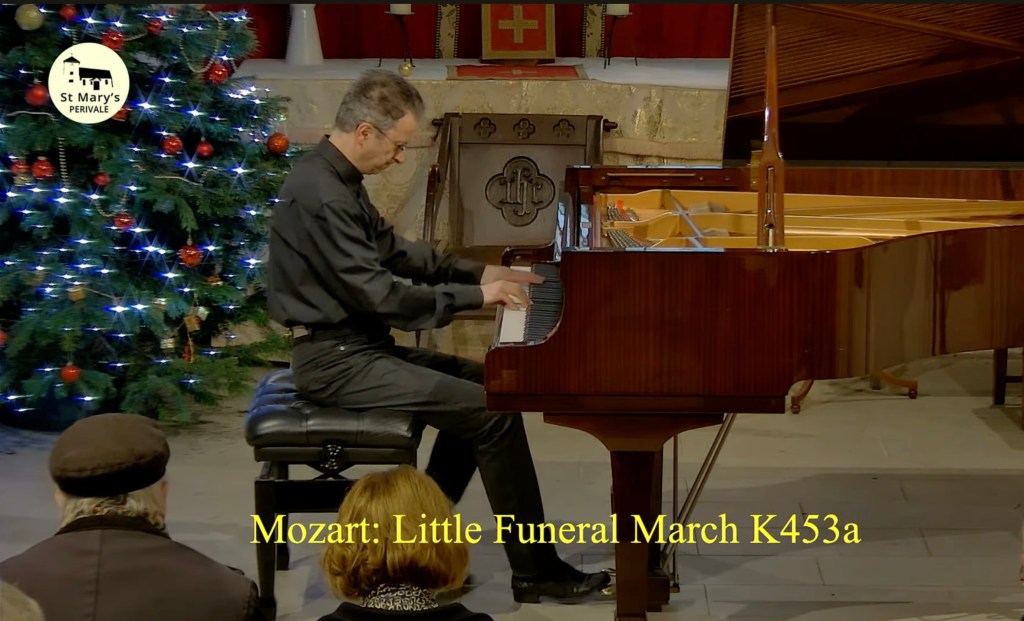
What a voyage of discovery this recital was turning out to be, as Andrea opened Mozart’s Little Funeral March with noble majesty and imperious authority.

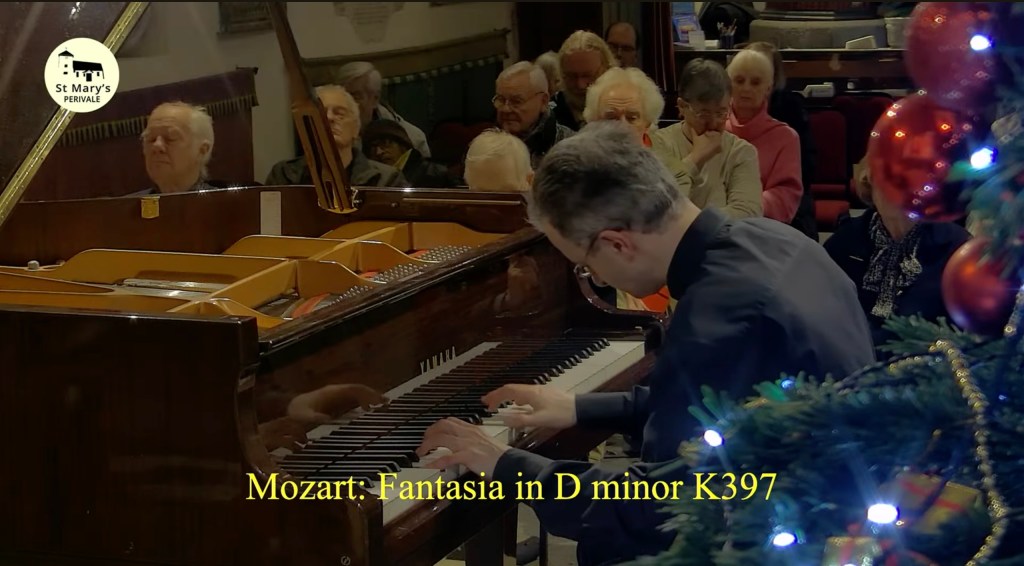
The Fantasy in D minor that was to followed I have never heard played with such poignant clarity. All the usual rhetoric and over pedalled cadenzas were gone and replaced with sounds of chiselled beauty. A radiance and multitude of sounds where Andrea’s sensitive fingers could dig deep into the notes and extract sounds of quite extraordinary delicacy and significance. Gasping phrases played with discreet sensitivity and long repeated notes played with fearless authority. Very discreet ornamentation to the final episode was just enough to bring a smile for a work that I had never considered to be the miniature tone poem that Andrea showed us today. Around the world in eight minutes ,you might say, with a range of emotions and characters of a piece that I played for grade six, and is certainly too difficult for children and considered much too easy by most budding virtuosi!

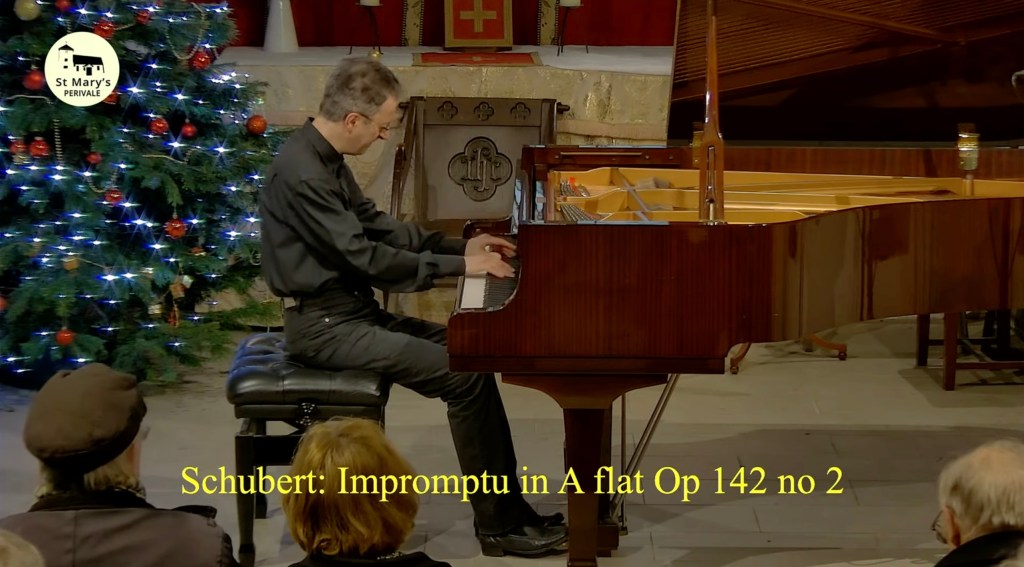
Schubert played with both pedals in the traditional manner except that Andrea’s perfect legato was just enhanced by the sustaining pedal adding a radiance and ravishing beauty to one of Schubert’s most beautiful melodies. Just underlining some inner harmonies on the repeat that were like jewels shining in this wonder world of Schubert. Streams of notes in the central episode played with remarkable poignant clarity as this work rose from its companions like a mighty eagle rising out of the depths and showing us the miracle of creation.

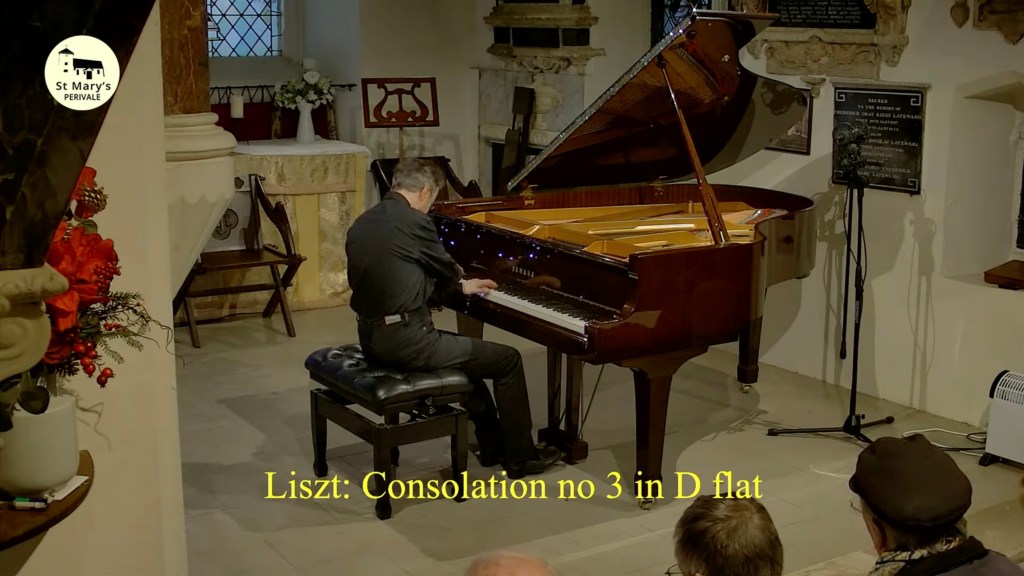
The Liszt consolation was bathed in pedal as the deep D flat sustained the glowing beauty of the chiselled melodic line of timeless refined elegance and nostalgic beauty.

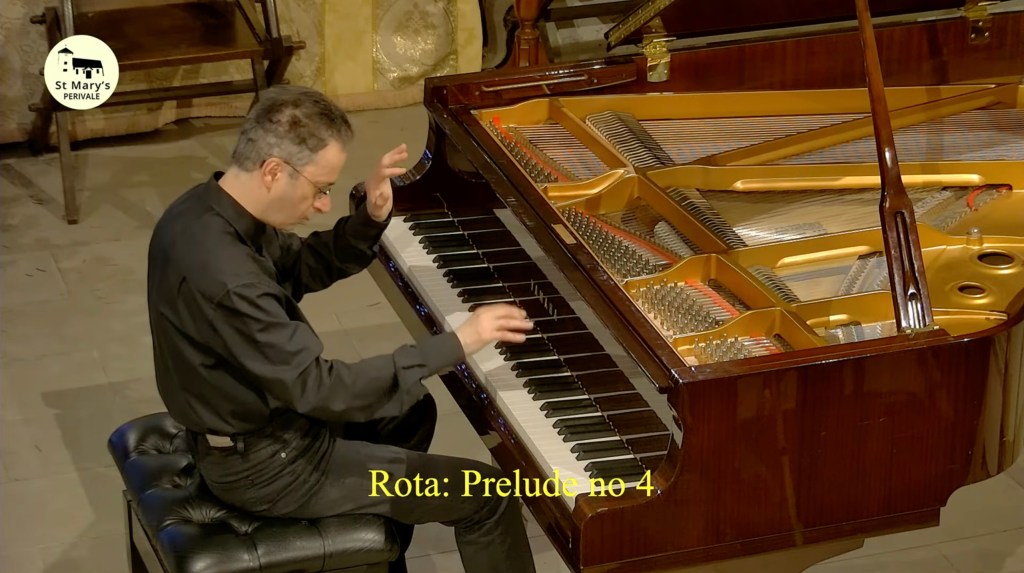
The Rota I had not heard before but was played with the same chiselled beauty as Liszt, but with a melodic line of purity and piercing directness.

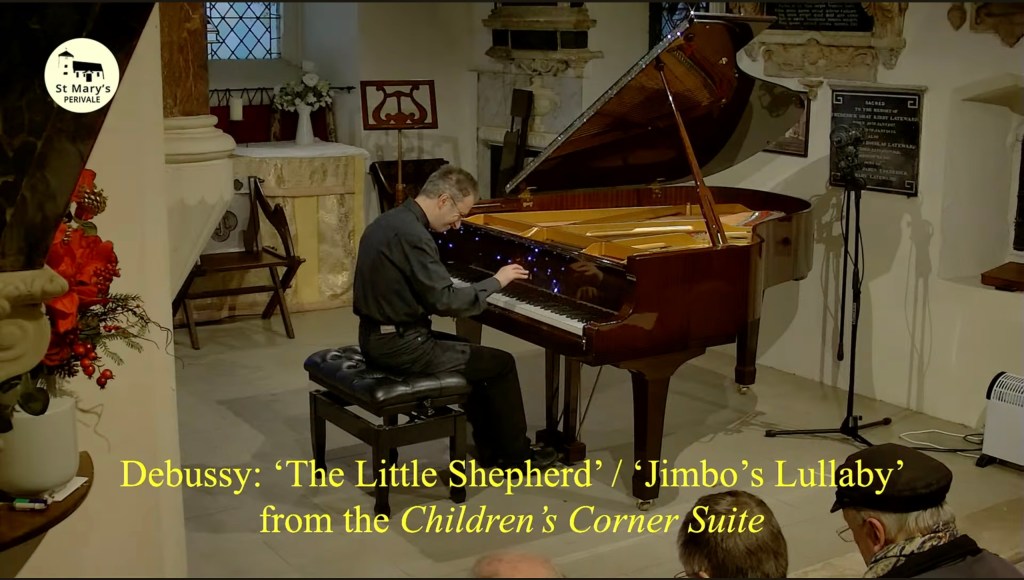
Debussy’s lonesome Little Shepherd was of haunting beauty as his single long lament rang out with beseeching luminosity. Greeted by the bass of Jumbo’s lullaby with haunting bells ringing out as he trespassed into unknown territory only to return more deeply into the woods with ever more decisive bass meanderings!

There had been a slight change of order so Verdi and Oscar Peterson remained without captions which had no importance when the playing was of such ravishing beauty . The Verdi we actually got to hear twice, as I asked Andrea if he would play it again at the end as an encore, together with one of the four of the preludes and fugues advertised but had realised he only played three at the beginning ! As Hugh said ‘who is counting when playing of such magnificence is unfolding on this cold winter’s day!’

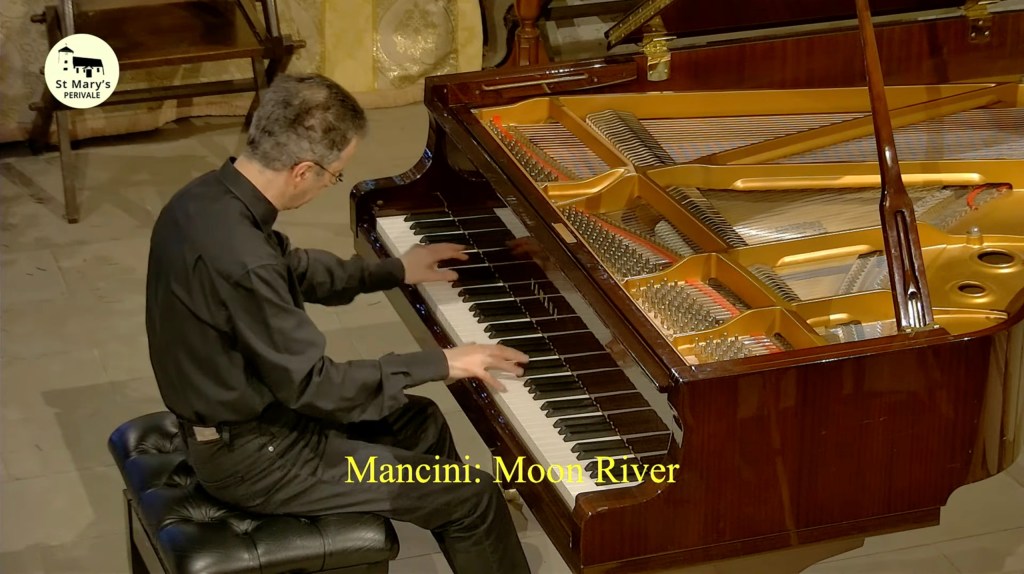
The Verdi was a ‘song without words’ indeed with the fiortiori of Bel Canto played with the same radiance and incredible perfection as Monserrat Caballé. What nostalgia to hear the pieces by Morricone forever linked for me by two of the most evocative films I have ever seen. Moon River was to follow, even more nostalgic as Audrey Hepburn of Breakfast at Tiffany fame was my next door neighbour in Rome. Taking her son, Luca, to school every day as she had split up with his father Dr Dotti but did not intend abandoning their son. She was the refined icon of a period but also one of the most generous and kindest people I have ever known. Even in illness she thought of the poor and suffering and used her fame to create funds to make the world she was about to leave a better place for others.

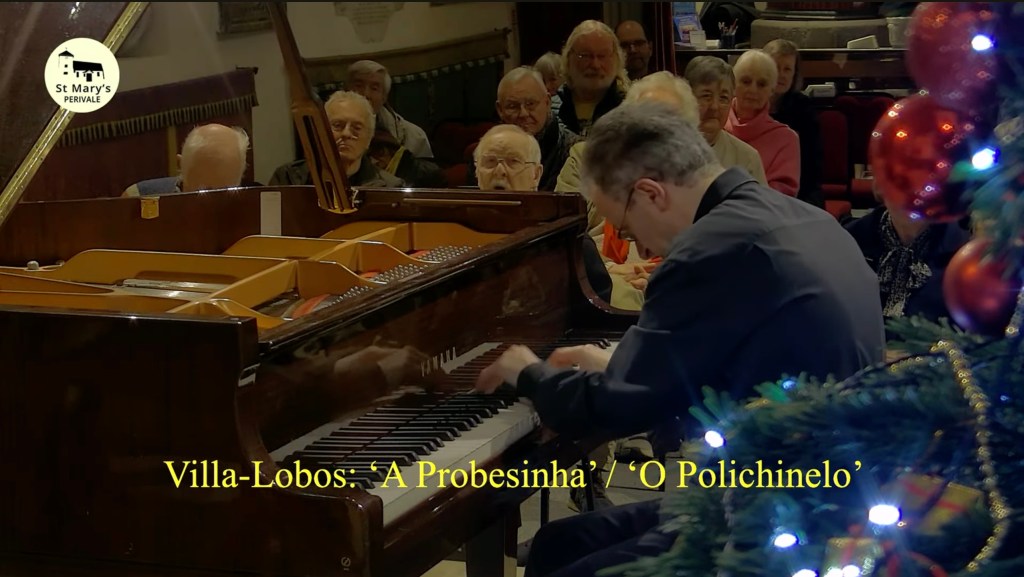
The last two pieces are rarely played in public but the Doll Suite by Villa Lobos is a collection of beautifully evocative pieces that Joan Chissell, the critic, described in a performance with words that have remained with me ever since : “Mr Rubinstein turned baubles into gems” . It was Rubinstein who was responsible for bringing Villa Lobos to Europe in the thirties having a whole orchestra play his music in his hotel suite to his friendly impresarios . Andrea too turned them into gems and it was a fitting end to a memorable recital of mastery and quite simply pianistic genius.

Andrea Bacchetti was born in Recco (GE) in 1977. A precocious talent, he took inspiration from Karajan, Berio, Horszowsky, and Magaloff at a young age. He earned a Master’s degree from the Imola Piano Academy with Franco Scala. He made his debut at age 11 in Milan with the Solisti Veneti conducted by Scimone. Since then, he has performed at major festivals such as Lucerne, Salzburg, Sapporo, La Coruña, Toulouse, La Roque d’Anthéron, Warsaw, Ravenna, Brescia, and Bergamo. He has performed at international music centers in Berlin, Paris, Tokyo, Moscow, Prague, Madrid, São Paulo, Bern, and Leipzig, and with orchestras such as Festival Strings Lucerne, Camerata Salzburg, PKO Prague, Filarmonica della Scala, OSN Rai Turin, Filarmonica Enescu, Bucharest, Kyoto Symphony, and ORF Vienna, with conductors such as Baumgartner, Gimeno, Lü Jia, Urbanski, Luisi, Venzago, Manacorda, Flor, Chung, and Tjeknavorian. 

He records for Sony Classical, and his extensive discography includes the Cherubini Sonatas (Penguin Guide UK Rosette), The Scarlatti Restored Manuscript, for which he won the 2014 ICMA Award, and Bach’s The Inventions and Sinfonias (CD of the Month in BBC Music Magazine). He is passionate about chamber music, collaborating with R. Filippini, the Prazak Quartet, U. Ughi, F. Dego, the Quatour Ysaye, and the Cremona Quartet. 

In recent seasons, he has performed with the Milan Symphony Orchestra, the OSI Lugano, the Haydn Orchestra of Bolzano, the Teatro Comunale di Bologna, the Teatro Carlo Felice in Genoa, the Solisti Aquilani, and in recital at two consecutive editions of the Brescia and Bergamo International Piano Festivals. He performed Book II of Bach’s Well-Tempered Clavier in a single performance in the Aula Magna of Sapienza University for the IUC, at the Teatro Carlo Felice in Genoa for the G.O.G., and at La Fenice in Venice for Musikamera, as well as in a recital for the Friends of Music of Florence. This season, he has performed in South Africa, South America, Germany, Japan, Switzerland, and Portugal. 

photo credit Dinara Klinton https://christopheraxworthymusiccommentary.com/2024/03/20/christopher-axworthy-dip-ram-aram/

Jaeden Izik-Dzurko at the Wigmore Hall with Mastery and poetic fantasy

Jaeden Izik- Dzurko making his London debut at the Wigmore Hall as Gold medalist of the ‘Leeds.’

A monumental performance of Bach’s Fourth Partita opened the concert with playing of exemplary clarity and purity, where his remarkable musicianship was of an architectural awareness that gave great shape to all he did. Discreet ornamentation just added to the noble grandeur of the ‘Ouverture’ as the poignant beauty of the ‘Allemande’ was allowed to unfold with great fluidity. A ‘Courante’ that was indeed a flood of sounds played with a rhythmic elan and spritely gait. A breath of fresh ‘Air’ before the plaintive beseeching cry of the ‘Sarabande’. He chose a completely different,much paler,sound for the Minuet before the dynamic drive of the ‘Gigue’. Quite extraordinary clarity and brilliance with polyphonic playing of transcendental mastery even though loosing something of its nobility with such a high notch virtuosity.

It was in the César Franck that suddenly Jaeden opened his Pandora’s box of colours and with ravishing whispered beauty allowed the music to unfold with masterly poetic beauty. A ‘Chorale’ that was of magic sounds of glowing radiance gradually growing in intensity until the glorious declaration of a true believer. A ‘Fugue’ that built to the enormous climax that dissolves so magically into the waves of undulating sounds with which the ‘Prelude’ had opened . This time the theme was floated on this magic cloud as all three themes were joined together. Jaeden’s remarkable sense of balance allowing for a burning intensity without any hardness. A glorious final outpouring and true exultation played with aristocratic control and sumptuous full sounds.

It was after the interval, though, that Jaeden threw off his noble jacket of masterly musicianship that in some way had inhibited his extraordinary poetic fantasy. Now he was to unleash on a public mesmerised by such perfection but not yet hypnotised completely by his poetic imagination.

It was with Scriabin and Rachmaninov that Jaeden could give full reign to his chameleonic palette of colours and allow himself to wallow in the ravishing sounds that he could draw from the piano.

As in Leeds it was not his Brahms that astonished, although of masterly making, but it was his Rachmaninov sonata that was breathtaking and showed his supreme poetic and intellectual mastery for which he was justly covered in Gold.

From the opening whispered radiance of the Scriabin Fantaisie there was magic in the air, as it gradually grew in intensity with a boiling cauldron of sounds ever more turbulent. Suddenly the clouds passed and a melody of glowing radiance appeared out of the dark and illuminated the piano. Light and dark were united with passionate intensity and a mastery of balance, where no matter how many notes unfolded Jaeden could point his way to the ‘stars’ with ever more vehemence and conviction. A range of sounds that had been missing with his more classical approach to the works in the first half of the concert. It was as though his remarkable credentials had been demonstrated to us and now he could open his heart and poetic imagination and be as free as his mastery would allow him.

The ten preludes op 23 by Rachmaninov were more remarkable for their poetic content than for the masterly technical control of the quite considerable hurdles that Rachmaninov, with his giant hands, could throw in the path of lesser pianists !

The first prelude immediately created an aura of magic as its whispered glowing utterances drew us in, to share the ravishing beauty that poured from Jaeden delicate hands with such simplicity and elasticity. Of course this was immediately dispelled by the startling nobility and agility of the second. A stream of sumptuous sounds on which Rachmaninov places a heroic exclamative melody . Sumptuous sounds that fade into the distance as a ravishing melody can be heard in its midst. A masterly sense of balance and transcendental technical control allowed Jaeden to shape the melodic line whilst creating an aura of Philadelphian sumptuousness . This was an oasis of radiance and beauty before unleashing the turbulent crescendo of emotions that heralds the return of the main theme, ever more triumphant and heroic, both technically and poetically speaking. It was in fact Jaeden’s technical mastery that paled into insignificance as the poetry and imagination completely consumed him. A capricious third prelude with a rare sense of balance and subtle almost jeux perlé lightness with the ending played with a beguiling insinuating simplicity like the elusive end of the Paganini rhapsody. A nonchalance that is too easy for children but too difficult for adults here found the perfect balance. There was a simple radiance to the beautiful melodic outpouring of the fourth, and although not as mysterious as Richter was of compelling beauty and masterly poetic content. The fifth in G minor was played at high speed, but of breathtaking brilliance and with a dynamic range and control that was masterly. The central unashamedly romantic outpouring was played with chameleonic colours that were allowed to intertwine with insinuating beauty. Again the nonchalant ending was played with absolute perfection.There was bewitching beauty to one of Rachmaninov’s most romantic outpourings in the sixth prelude that was played with a sense of rubato that held us mesmerised, as the melodic line was stretched to its absolute persuasive limit.The C minor Prelude that followed was played with etherial sounds of swirling energy like a wind on which arose with nobility the long melodic line gradually growing in intensity and sparkling brilliance. After such scintillating exuberance the nobility of the ending was played with aristocratic poise. The eighth prelude of continual shifting harmonies was played with etherial beauty as the bass became the anchor on which the wash of notes was linked. The demonic ‘feux follets’ of the ninth was played with an extraordinary legato as Jaeden turned technical impossibilities into beguiling gems of lightness and beguiling brilliance. The last prelude with it’s beautiful languid melodic line in the bass was played with a ravishing sense of balance as the voices duetted with each other with the poetic intensity that had characterised all ten of this first set of preludes op 23.

Jaeden was now ready to let his hair down with two encores starting with the extraordinarily capricious and masterly ‘fingerfertigkeit ‘ of Medtner’s fairy tale.

Enjoying his mastery and freedom now, Jaeden finally let rip with a quite breathtaking account of one of Kapustin’s most ingenious Jazz etudes. A glissando finishing deep in the bass of the piano was played with relish and was greeted by a public now ready to hear and appreciate even more what this phenomenal pianist had to offer.

Would the real Jaeden Izik- Djorko please stand up !

An extraordinary debut by a master pianist and above all, as Dame Fanny would have underlined , master musician!

Johann Sebastian Bach (1685-1750)  

Partita No. 4 in D BWV828 (1729)

I. Ouverture • II. Allemande • III. Courante •

IV. Aria • V. Sarabande • VI. Menuet • VII. Gigue

César Franck (1822-1890),

Prélude choral et fugue (1884)

I. Prélude. Moderato • II. Choral. Poco più lento •

III. Fugue. Tempo I

Interval

Aleksandr Skryabin (1872-1915) 

Fantasie Op. 28 (1900)

Sergey Rachmaninov (1873-1943) 

10 Preludes Op. 23 (1901-3)

No. 1 in F sharp minor • No. 2 in B flat •

No. 3 in D minor • No. 4 in D •

No. 5 in G minor • No. 6 in E flat •

No. 7 in C minor • No. 8 in A flat •

No. 9 in E flat minor • No. 10 in G flat


Canadian pianist Jaeden Izik-Dzurko is a current recipient of the Borletti-Buitoni Trust Fellowship and the 2024 winner of the Dame Fanny Waterman Gold Medal at the Leeds International Piano Competition. He also recently became the first Canadian instrumentalist to be awarded the Grand Prize Laureate at the Concours Musical International de Montréal. The 2025/26 season features high profile debut performances at London’s Wigmore Hall, San Francisco’s Davies Symphony Hall, the Leipzig Gewandhaus (Mendelssohn-Saal), and Hamburg’s Elbphilharmonie. Jaeden will also make his debut as soloist with both the Orchestre Symphonique de Montréal and the National Symphony Orchestra of Ireland, and makes returns to the Kamloops Symphony Orchestra, Edmonton Symphony Orchestra, and the National Arts Centre Orchestra. His repertoire this season includes works by Chopin, Brahms, Grieg, and Rachmaninoff, with collaborations alongside conductors Jessica Cottis, Gemma New and Alexander Shelley. Jaeden has also made debuts at Carnegie Hall’s Weill Recital Hall, Salle Cortot, Auditorio Nacional de Música in Madrid, Krannert Center for the Performing Arts in Illinois, Vancouver Recital Society, Münchner Künstlerhaus and Sociedad Filarmónica de Bilbao. In concerto he has performed with Edmonton Symphony, Bilbao Orkestra Sinfonikoa, Orchestre Symphonique de Montréal, Orquesta Sinfónica de Madrid, Oviedo Filarmonía, Oxford Philharmonic and the RTVE Symphony Orchestra. Recent conductor collaborations include with Domingo Hindoyan, John Storgårds and Joseph Swensen. Other awards include first prize of the Hilton Head, Maria Canals, and Paloma O’Shea Santander International Piano Competitions where he also won the Canon Audience Prize and Chamber Music Award.Born in British Columbia with Hungarian-Ukrainian heritage, Jaeden formerly attended the Juilliard School and now studies with Jacob Leuschner at the Hochschule für Musik Detmold and Benedetto Lupo at the Accademia Nazionale di Santa Cecilia.

photo credit Dinara Klinton
https://christopheraxworthymusiccommentary.com/2024/03/20/christopher-axworthy-dip-ram-aram/

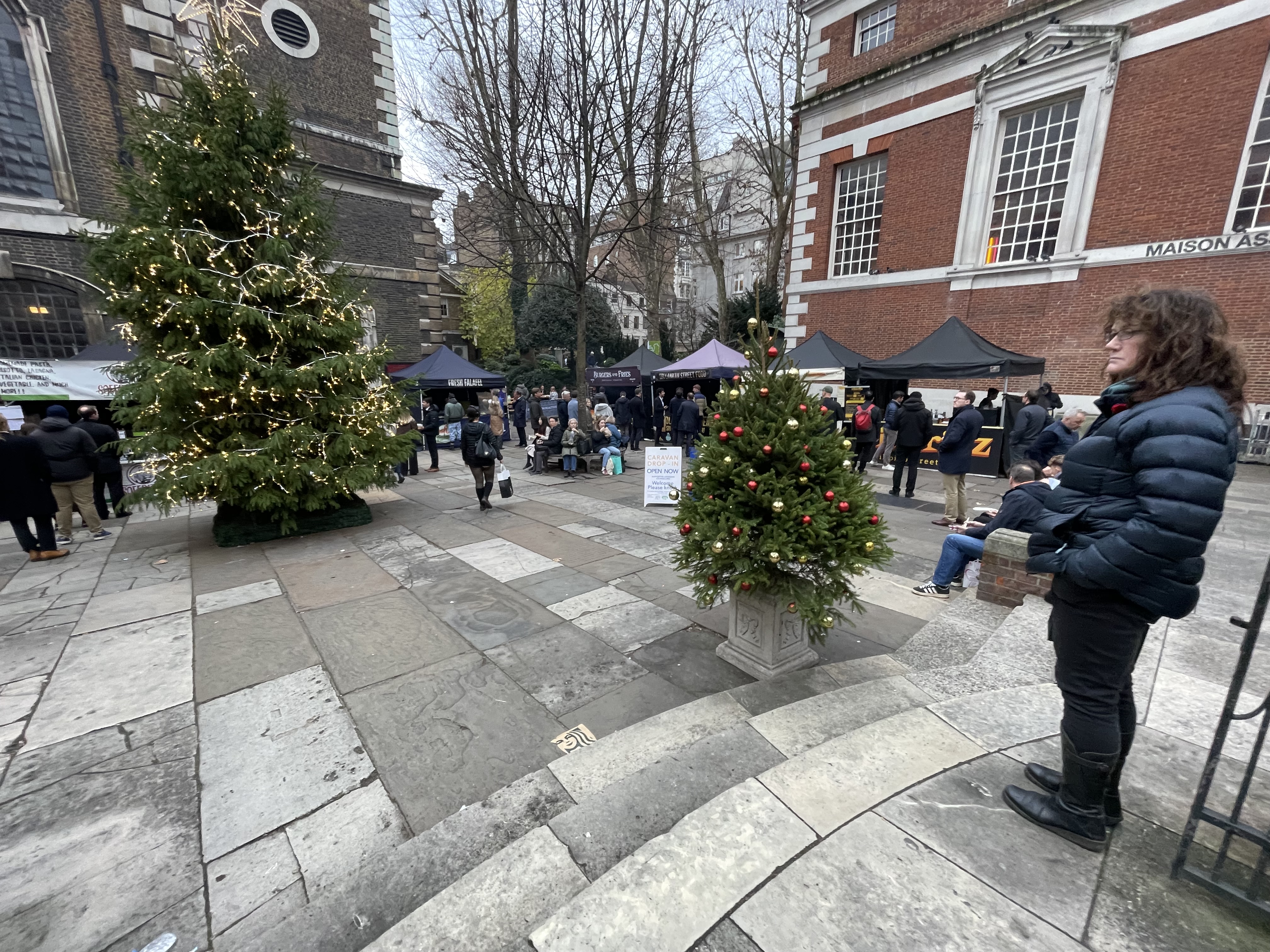
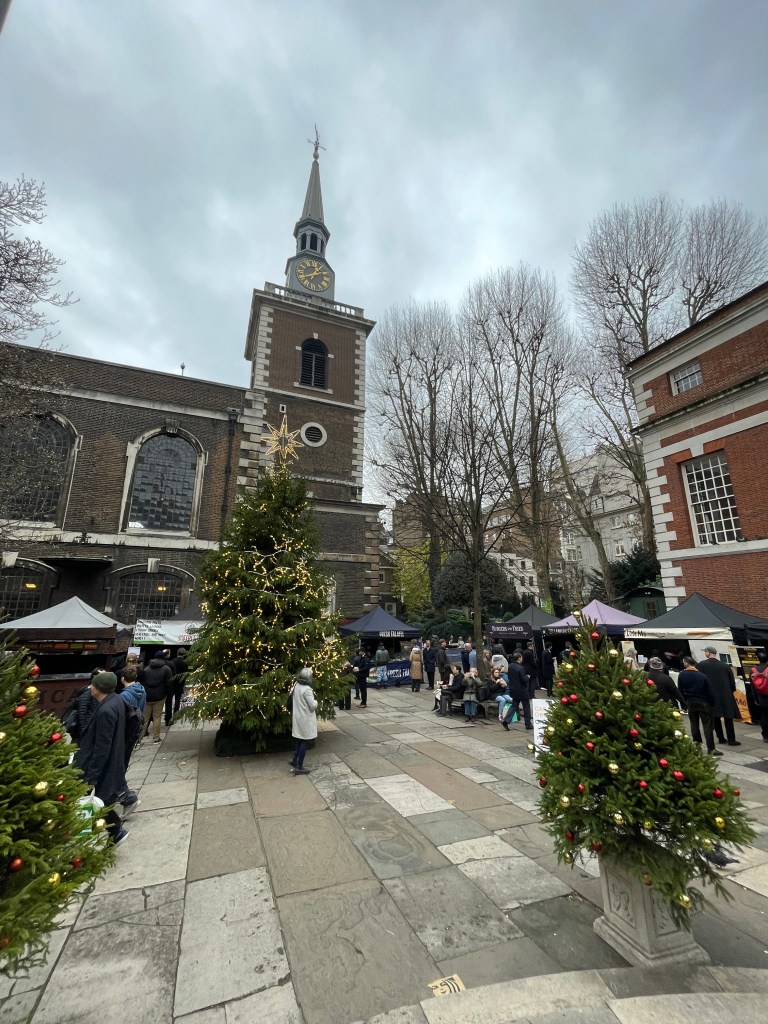
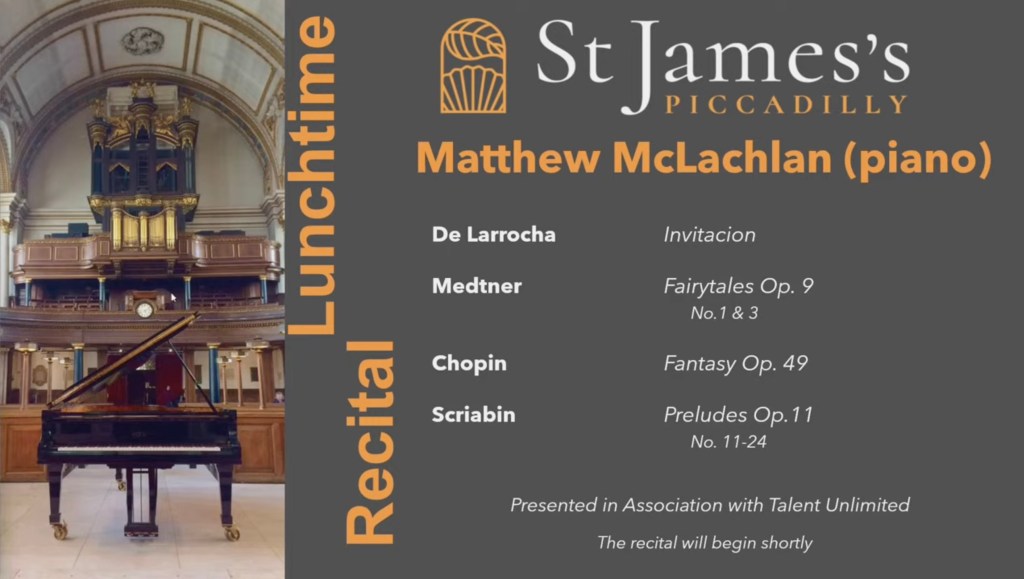
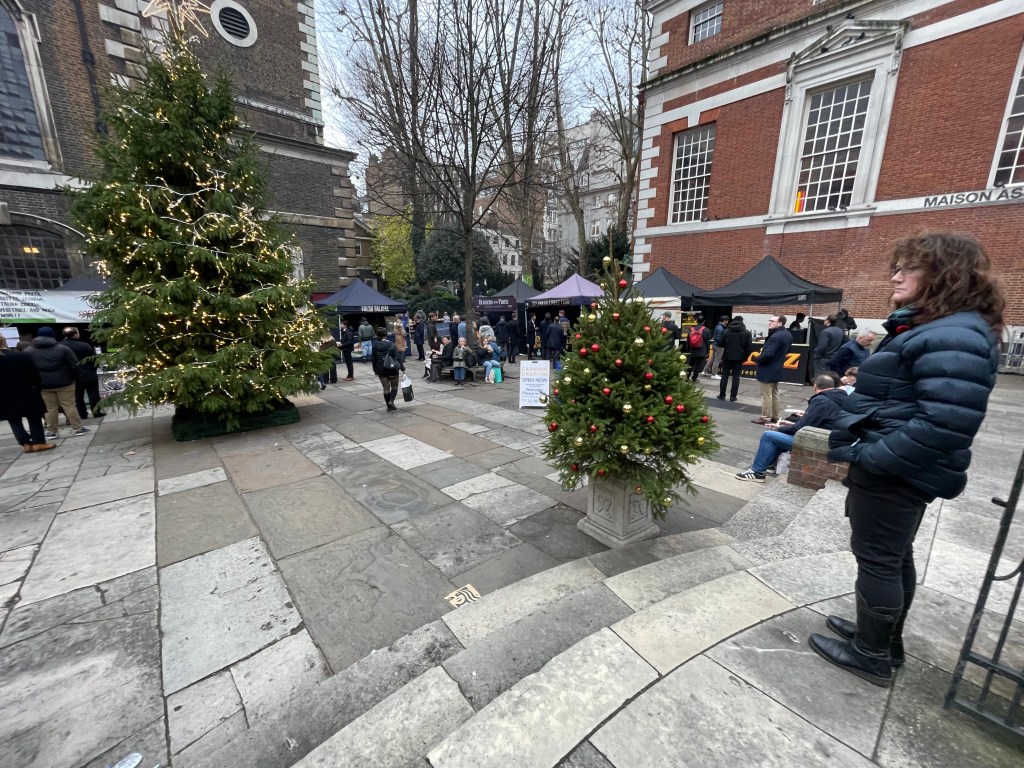
Matthew Mc Lachlan ‘A wonderland of golden sounds for Christmas at St James’s Piccadilly’

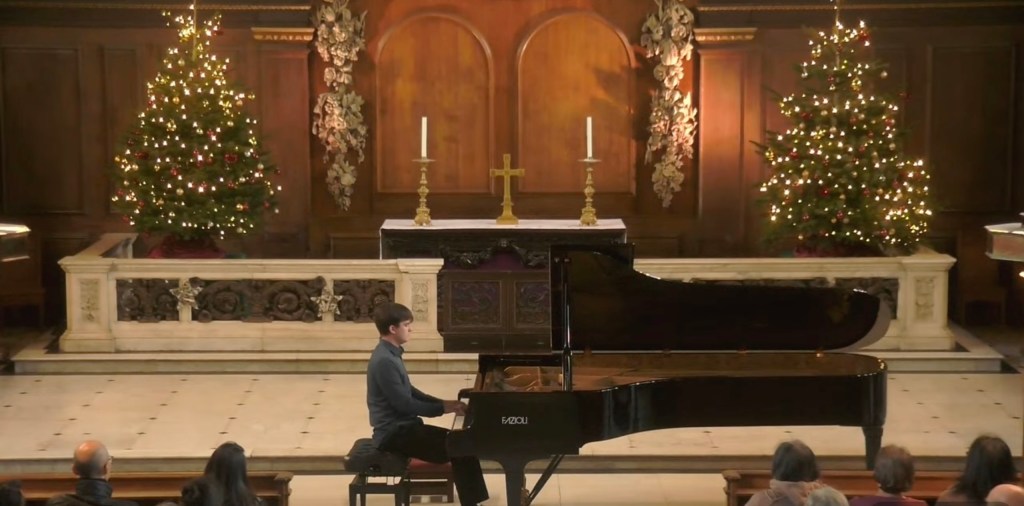
Matthew McLachlan at St James Piccadilly

https://www.youtube.com/live/51WcWS4XRKU?si=zhYtqvKmk17a1raD

A sumptuous outpouring of sounds as varied and delectable as the multi ethnic fast food stalls that adorn the church courtyard.

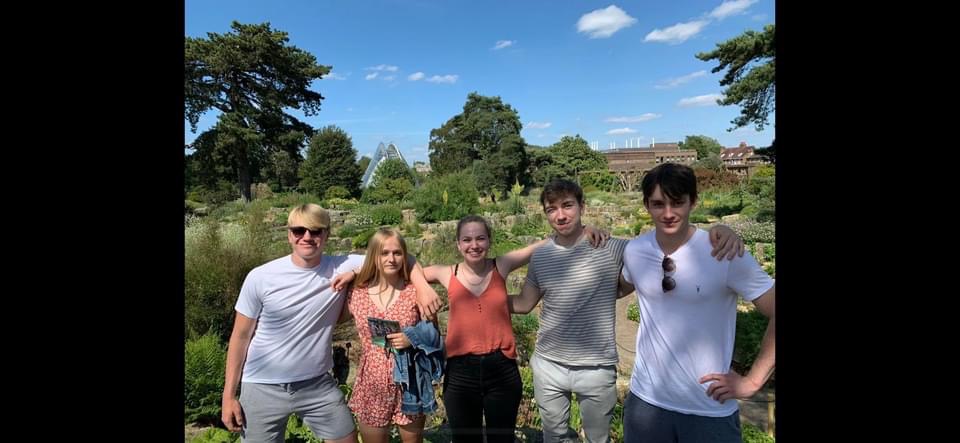
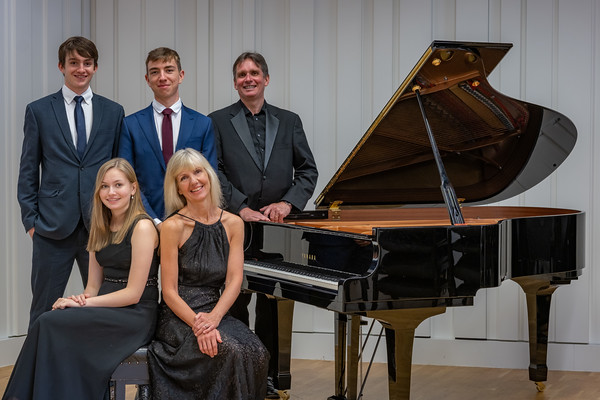
One of the remarkable McLachlan clan that can boast to date five star pianists and a star footballer.His father Murray tells me that Alec can also play a mean Bach Prelude and Fugue!

Alec (Betty) Rose. Callum. Matthew

A home goal indeed for the youngest who is on a prestigious Football Scholarship to New York University.

The pianists with Kathryn Page McLachlan very much at the helm of her family

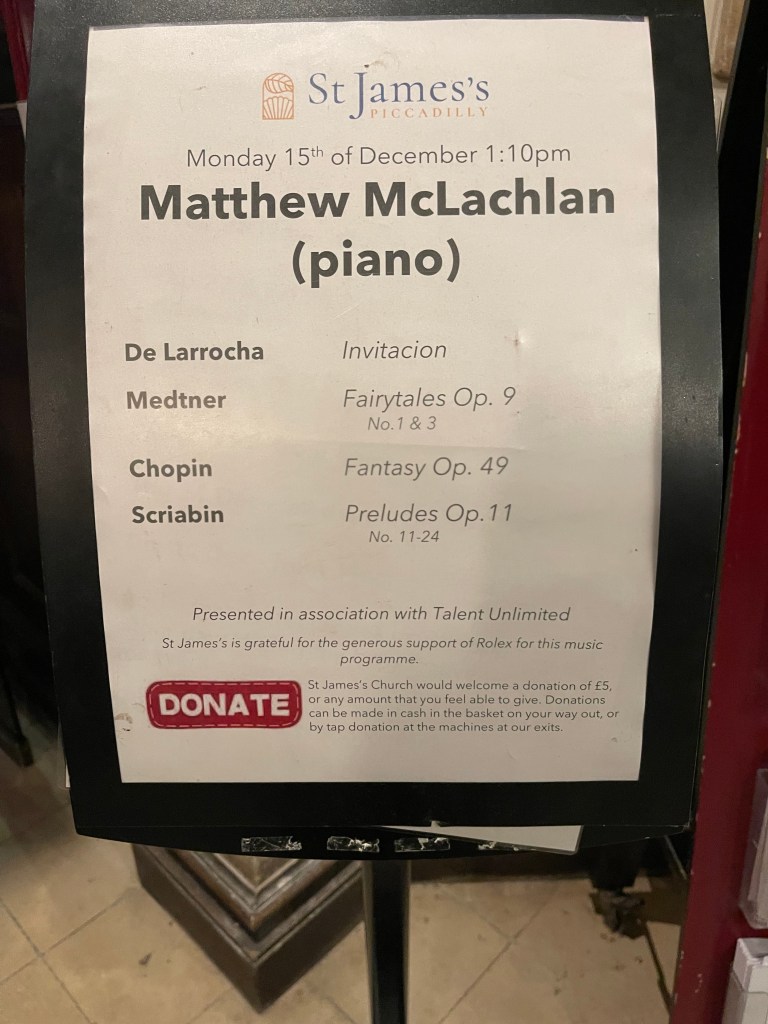
An eclectic opening with a composition by Alicia De Larrocha that she with her innate modesty did not want published in her life time!

It was an equally modest young man today who played it with sumptuous sounds that entered so beautifully into the maze of notes that was to pour forth from the pen of Nicolai Medtner. Two fairy tales played with dynamic rhythmic drive with a passionate mellifluous outpouring and kaleidoscope of subtle colours. The very resonant acoustic of St James’s helping a composer sometime overloaded with notes but that in knowing hands can become clouds of sound out of which emerge a melodic line of jewel like beauty.

It was with this that Matthew knew how to guide us through this maze of notes and turn two seeming baubles into ravishing gems.

It was the same with the Preludes op 11 by Scriabin. A work that immediately became part of Matthew’s fantasy world as he was awarded the Chappell Gold Medal for his performance whilst only in his second year at the Royal College.

Of course it helps to have a wonderful Russian pianist ,Dina Parakhina, by his side for his first 10 formative years.

Now graduated with honours at the RCM he is perfecting his studies in Paris with Pierre Reach at the Ecole Normale.

Matthew chose to close this lunchtime recital with the last twelve of these twenty-four preludes which have matured and become truly part of him.

Golden sounds were wafter around this vast edifice, with a sumptuous Fazioli grand allowing him to carve out sounds and emotions that have matured over these past few years.

In-between, at ‘half time’ let us say, he played the Chopin Fantasy op 49. Entering on tiptoe after the final notes of the Medtner the work unfolded with aristocratic control and radiant beauty. The central episode revealed after an ascending scale of golden lightness leading to one of Chopin’s most beautiful and simple melodies that Matthew played with poignant significance. Exploding into passionate outbursts of dynamic drive and technical brilliance before the disarming simplicity of the final cadenza and the return of the magic gossamer staircase this time taking us to the final two chords of aristocratic nobility

St James’s is grateful for the generous support of Rolex for this music programme.

After gaining the ATCL and LTCL recital diplomas with distinction in 2014 and 2015, Matthew was awarded the FTCL in 2016. This followed on from winning third prize in the senior division of the first Scottish International Youth Prize Competition, held at the Royal Conservatoire of Scotland in July 2016.
In 2014 Matthew’s performance of Ravel’s G Major Piano Concerto was commended in the Chetham’s Concerto competition and in the same year he was a prizewinner at the 2014 Mazovia Chopin Festival in Poland. As a result of his performance in Mazovia, he was selected to perform a 60-minute solo recital at the 2015 World Piano Teachers’ Conference (WPTC) in Novi Sad, Serbia.
In 2016 Matthew gave many recitals and was a finalist in the Chetham’s Beethoven Piano Competition for the second year running. In March 2017 he was awarded first prize in the Chetham’s Senior Bach competition. In August 2017 he performed Tchaikovsky’s Piano Concerto no. 1 in the Paderewski Festival in Poland. In Autumn 2017 he had a tour of concert performances featuring Brahms’ Sonata no. 1 in C major.
Before leaving Chetham’s, Matthew won the school’s Bosendorfer competition, playing Stravinsky’s ‘Three movements from Petrushka’. In 2018 he performed Mozart’s 13th concerto in Trieste, Haddington and Rhyl as well as Tchaikovsky’s first and Beethoven’s fourth concerto in Buxton with the orchestra of the High Peak. In the winter of 2018, the Knights of The Round Table awarded Matthew with a full scholarship at the Royal College of Music in London, where he now studies. Although 2020 saw many concert cancelled, Matthew gave online performances and has recently been taken under the wing of Talent Unlimited, thanks to Canan Maxton.

Presented in association with Talent Unlimited

photo credit Dinara Klinton https://christopheraxworthymusiccommentary.com/2024/03/20/christopher-axworthy-dip-ram-aram/

Arcadi Volodos Poetic mastery and genius of the greatest pianist alive or dead

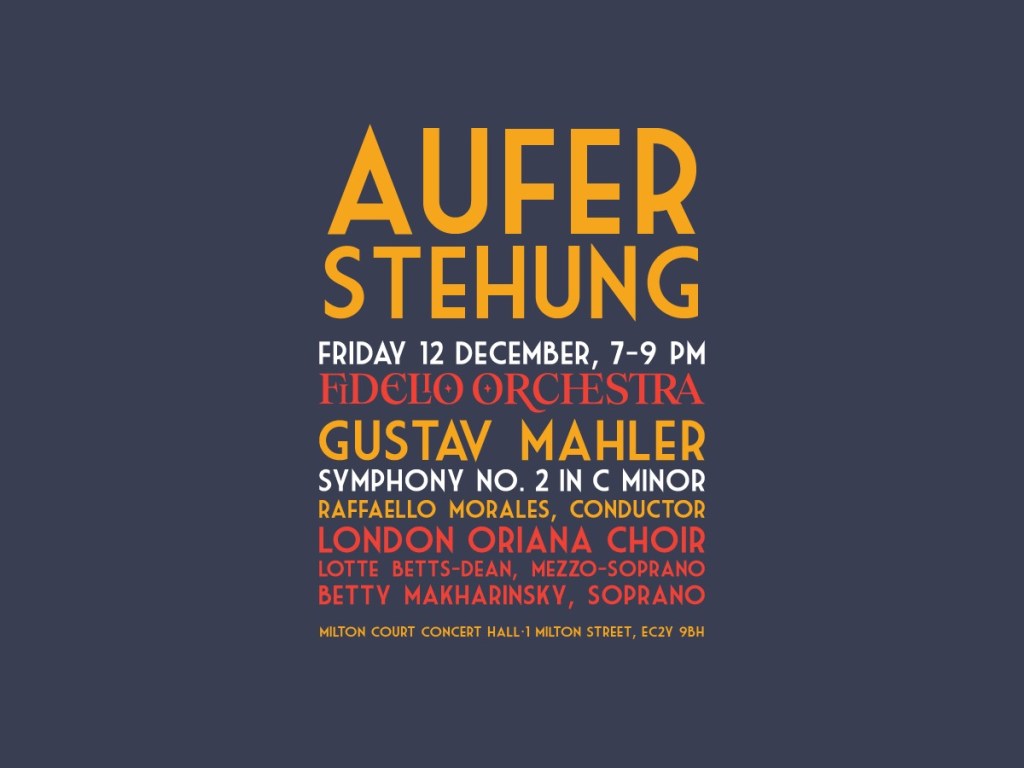
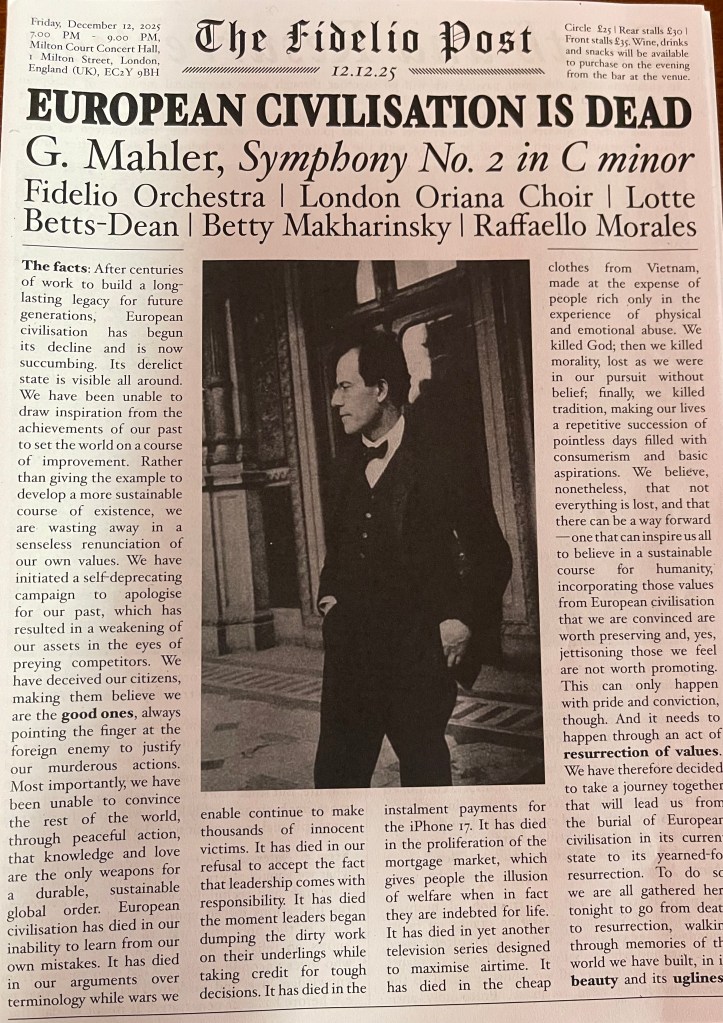
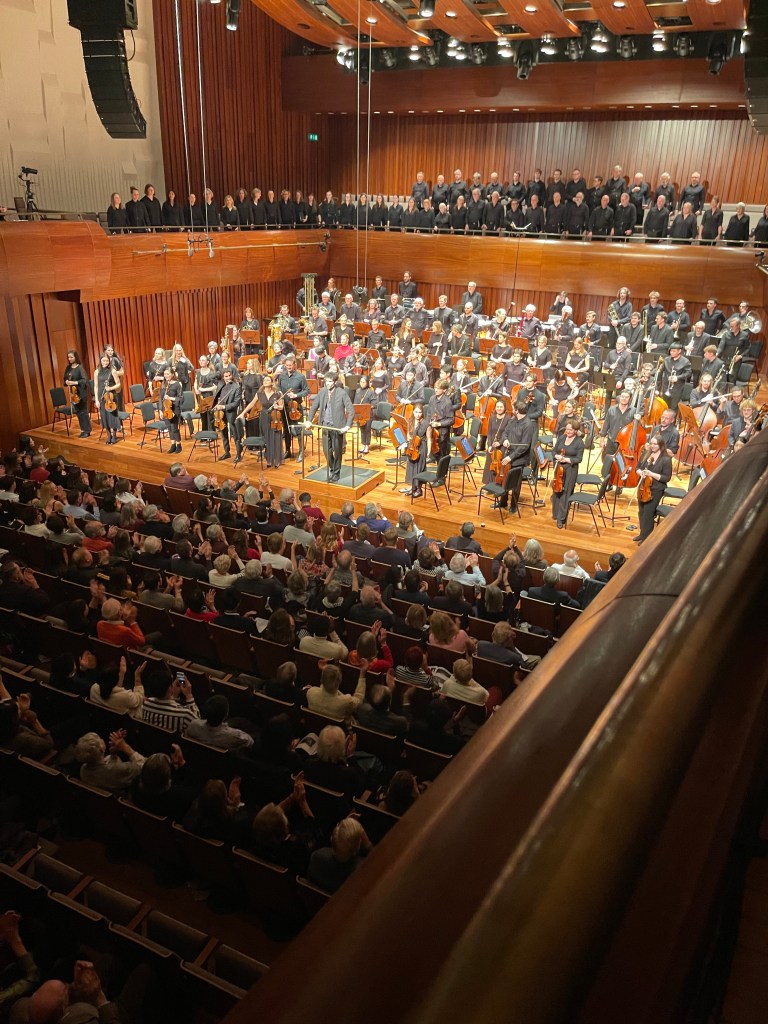
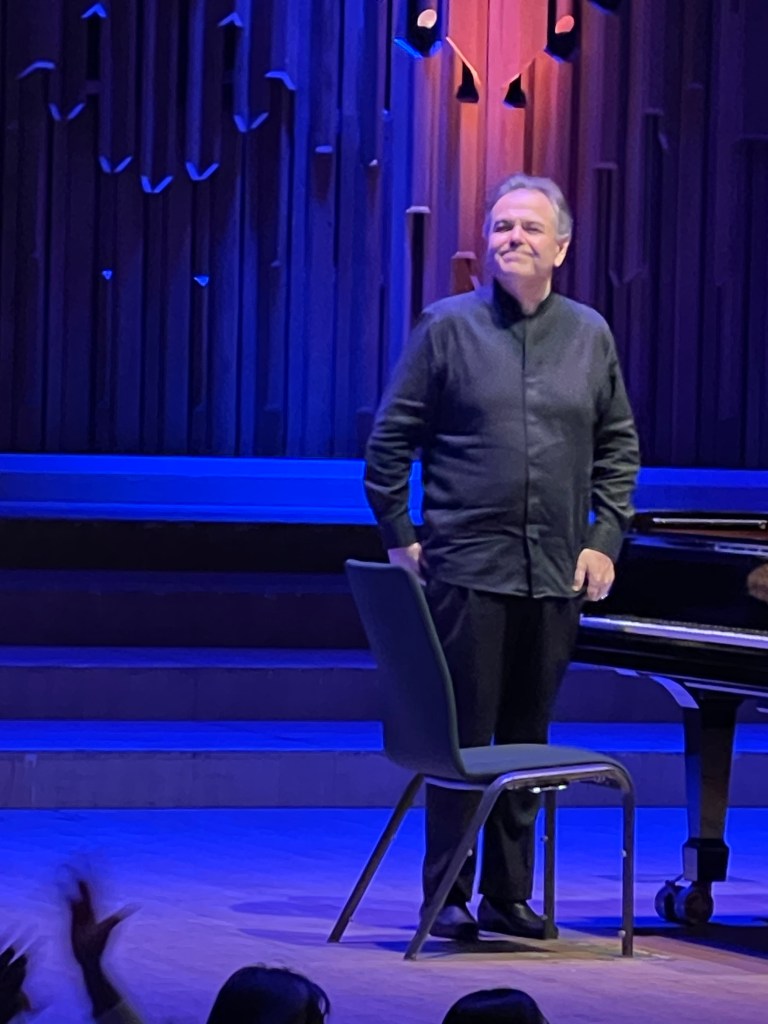
After a soul searching ‘Resurrection’ of Morales, a glimpse of Paradise with the genius of Volodos

A magic carpet of sounds and emotions with Schumann’s Davidsbündler. Whispered sounds clouded in pedal out of which shone glistening jewels of poetic beauty . A golden sound that I have only ever heard from Gilels. After the breathtaking beauty of Schumann’s duel poetic personality Volodos let his hair down with a performance of Liszt’s 13th Hungarian Rhapsody.

Unbelievable palette of sounds and the mind boggling virtuosity of refined brilliance of a pianist who might well be described as the greatest pianist alive or dead.

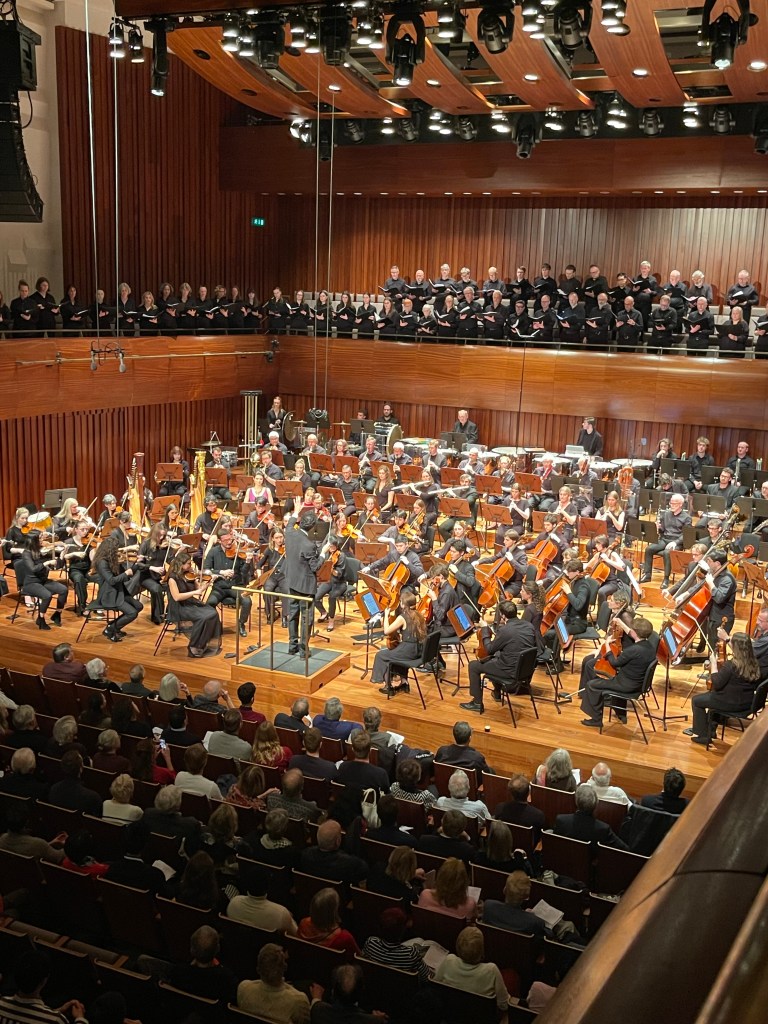
Resurrected and ready for one of Schumann’s most naively poetic works, I took my place in the Barbican Hall for a performance of Davidsbündler that was a cross between Wilhelm Kempff and Radu Lupu, yet completely original and unique to Volodos . A vision of poetic beauty and understanding that was a revelation, as he brought the printed page to life with extraordinary poetic fantasy and whispered beauty.

From the very subdued opening, dry and very literal but immediately transformed into flights of poetic fantasy, where the final G was like a wondrous star shining brightly. A mastery of sound and an impeccable style of radiance and whispered beauty that was quite ravishing and of an extraordinary ordered freedom. Improvisation and interpretation is a very difficult line to follow but for Volodos it was such a natural progression that it illuminated all he did with a refreshing sense of discovery. Such radiance and beauty to Eusebius’s poetic musings was followed by the impish good humour of the third dance and a coda that just appeared miraculously on a wave of notes thrown off with ‘jeux perlé’ ease. There was a whispered entry to the fourth and a disarming simplicity to the fifth with its whispered meanderings of insinuating nonchalance. I have never heard the sixth played with such featherlight rhythmic precision ,like a wind passing over the keys, with a mastery of balance as the bass was gently underlined.The broken chords of the seventh were born out of the last chord of the sixth and were of a delicacy and timeless beauty unfolding into a melody of restrained nostalgia with a beseeching beauty of gasping questioning that was barely audible on its repetition. There was a capricious chase to the eighth leading straight into the hurdy gurdy world of the circus with an ending of two impishly placed chords. There was the sumptuous Brahmsian outpouring of the tenth ‘Ballade’ and the childlike simplicity of the eleventh with its miraculous doubling of the tenor voice with such extraordinary subtlety and understated beauty that was quite breathtaking. The twelfth was thrown off with whispered impishness and shaped with a freedom and style that was of gipsy origin. Majesty and nobility of the thirteenth with a central episode that was just a cloud of sounds on which floated the chorale like melodic line, disappearing to a whisper as the coda emerged out of a mist of beauty. The fourteenth is one of the most beautiful things that Schumann wrote and it was played with a chiselled beauty as the melodic line intertwined and communed with ravishing beauty.The opening of the fifteenth was played with two hands as the piano became awash with sumptuous sounds on which arose a melodic line of subdued passionate intensity. The sixteenth was a passionate outpouring of great freedom that I have never heard played with such originality, as it lead to the whispered magic of the seventeenth like a vision from afar. The added deep bass notes of the coda giving a radiance before the arpeggiandi chords and the final whispered ending. A long pause before the opening chord of the final waltz, that was like the first glimpse of light at dawn as this languid farewell was played out with glowing beauty.

This was the most remarkable re creation of Schumann that I have ever witnessed. A musician who could convince us, like a visionary magician, that the piano is not a percussive instrument but a real orchestra full of rarified sounds of sumptuous beauty.

The Hungarian Rhapsody n 13 has long been a ‘cavallo di battaglia’ even if Volodos has preferred not to be known as just a juggler of notes. There were ravishing sounds of extraordinary subtlety and a use of the pedals that truly became the soul of an instrument made of hammers and strings. An improvised freedom that when he moved into top gear created sounds that had more power that the LSO, whose home we were in this evening.

A public by now on their feet, hypnotised by a magician who was a pied piper who could take us to places that we never knew existed.

Four encores, starting with the Intermezzo op 117 n.1 by Brahms, that was played with a Caballé sense of bel canto with streams of notes of glowing beauty and radiance. Followed by Schubert’s teasingly beguiling Moment Musicaux in F minor every bit as enticing as Curzon. ‘Malguena’ has long been associated with this artists and it brought the house down and the entire audience on their feet to greet our hero who had been able to ignite and seduce us as never before. A simple melody by Mompou was a calming balm to an audience in a state of delirium after such an overwhelming experience.

https://christopheraxworthymusiccommentary.com/2024/10/09/deniz-arman-gelenbe-eco-ensemble-happy-birthday-to-a-great-artist-on-wings-of-song/

The distinguished pianist Deniz Gelenbe writes about Schubert A major Sonata D959 in the first part of the concert that I decided to miss for ‘Resurrection!’

‘ Volodos’ rendering of the Schubert Sonata D 959 was overwhelming, transcendental and magical. Time literally stopped and this monumental work seemed to pass in one breath.There was such beauty in tonal colour, rich imagination, natural flow and poetry in expression. His exquisite use of pedal and voicing allowed infinite nuances. He made silences and extreme pianissimos speak.

Even the problematic middle section of the second movement was handled with such mastery and imagination. He had control over chaos, and made it sound like an improvisation.

This was one of those unique performances which will ever be engraved in our souls.’
‘ Reaching the sublime through the subliminal… A night I’ll never forget.’ Petar Dimov

Arcadi Volodos
Born in St Petersburg in 1972, Arcadi Volodos
began his musical studies with lessons in
singing and conducting. He did not begin
serious training as a pianist until 1987 at
the St Petersburg Conservatory before
pursuing advanced studies at the Moscow
Conservatory with Galina Egiazarova and in
Paris and Madrid.
Since making his New York debut in 1996
he has performed throughout the world
in recital and with leading orchestras and
conductors. He has worked with, among
others, the Berliner Philharmoniker, Israel,
Muninch and New York Philharmonic
orchestras, Philharmonia Orchestra, Royal
Concertgebouw Orchestra, Dresden
Staatskapelle, Orchestre de Paris, Leipzig
Gewandhausorchester, Zurich Tonhalle
Orchestra and the Boston and Chicago
Symphony orchestras. He has collaborated
with conductors such as Myung-Whun Chung,
Lorin Maazel, Valery Gergiev, James Levine,
Zubin Mehta, Seiji Ozawa, Jukka-Pekka
Saraste, Paavo Järvi, Christoph Eschenbach,
Semyon Bychkov and Riccardo Chailly.
Piano recitals have played a central role in
Arcadi Volodos’s artistic life since he began his
career. His repertoire includes major works by
Schubert, Schumann, Brahms, Beethoven, Liszt,
Rachmaninov, Scriabin, Prokofiev and Ravel,
together with less often performed pieces by
Mompou, Lecuona and Falla.

He is a regular guest of the most prestigious
concert halls in Europe. This season he appears
here at the Barbican Centre, as well as at the
Philharmonie de Paris, Teatro alla Scala in
Milan, Vienna Konzerthaus, Victoria Hall in
Geneva, Tonhalle in Zurich, Elbphilharmonie
in Hamburg, Prinzregententheater in Munich
and Auditorium National in Madrid, as well as
8 Fri 12 Dec, Hall
in Lisbon, Rome, Brussels, Monte-Carlo, Lyon,
Seville and at the Salzburg, Roque d’Anthéron
and Klavier Ruhr festivals.
Since his Gramophone Award-winning debut
at Carnegie Hall in 1999 (Sony Classical),
he has built a singular and carefully curated
discography. Each album is built with
exceptional artistic depth, representing a
personal artistic statement, offering revelatory
interpretations that have earned him
prestigious awards worldwide.
His early discography includes three
recordings that brought him worldwide
recognition: Volodos: Piano Transcriptions,
Volodos Live at Carnegie Hall and Volodos in
Vienna. These were followed by acclaimed live
performances with the Berliner Philharmoniker
– Rachmaninov’s Third Piano Concerto
conducted by James Levine, and Tchaikovsky’s
First Piano Concerto conducted by Seiji
Ozawa. In 2007 Volodos plays Liszt was
released to great acclaim, earning numerous
international prizes. His 2010 recital at the
Musikverein was issued on both CD and DVD,
and and garnered similar praise. In 2013 he
released Volodos plays Mompou, a deeply
personal album devoted to the music of
Frederic Mompou which won a Gramophone
Award and an ECHO Klassik Prize.
Volodos plays Brahms followed a couple of
years later and was immediately considered a
landmark in Brahms interpretation. It received
numerous accolades, including the Edison
Classical Award, a Diapason d’Or, and a
Gramophone Award. In 2019 Volodos plays
Schubert was released and also gained an
Edison Classical Award.
Arcadi Volodos will release a new album in
spring 2026, featuring a live recording of
Volodos in Paris, performing works by Schubert
and Schumann.
photo credit Dinara Klinton https://christopheraxworthymusiccommentary.com/2024/03/20/christopher-axworthy-dip-ram-aram/

Fidelio Mahler 2 ‘The Resurrection of a Renaissance Man’

The Resurrection of a Renaissance Man

Fidelio Orchestra of Raffaello Morales ignites and excites but above all touches deep into our soul

While Volodos was making music of an intimacy and beguiling beauty in the Barbican Hall, next-door at Milton Court we were seduced and ravished by the genius of Mahler.

Gustav Mahler 7 July 1860 Bohemia – 18 May 1911 Vienna


Having had a ticket burning in my pocket for the much awaited annual recital of Volodos I could not see any way of being able to hear Raffaello’s Mahler Resurrection Symphony in the hall next door!
Where there is a will there is always a way as Raffaello was happy to leave me a pass for the rehearsal.

The concert was recorded for BBC Radio 3


Little could we have imagined an alert over the intercome to vacate the hall immediately, as we were all escorted to the regrouping point in such emergencies which was by the artificial lake at the centre of the Barbican complex . A long snake of choir and orchestra trailed across the road to safety hoping that Resurrection might save us!


Rehearsal time was from two to five so this interruption around three thirty was certainly not welcome for a symphony that lasts ninety minutes. Half an hour later we were all allowed back and the final movement with choir and magnificent soloists was allowed to fill the turbulent air with radiance and heart rending beauty.

How could I possibly miss a performance of this symphony that is not only a Resurrection but a true recreation of the incredible intensity and soul searching ecstasy of a true believer. Raffaello who has been living with Mahler for some years as his book amply demonstrates . A Renaissance man with a burning desire to exult the glory of Mahler with his wonderful flowing movements like someone swimming in a sea of sounds on a timeless journey to paradise.

Pianist, economist, impresario, cordon bleu chef ,writer and now superb conductor how could I think of missing his or rather Mahler’s great cry of salvation. Mahler at seven with Volodos Schubert at seven thirty . Sorry maestro Volodos but Mahler won or rather I won, as with my heart resurrected and with a soul replenished I crossed the road to be ravished ,astonished and bewildered by a magician who could conjure sounds from the piano in Schumann and Liszt as only Horowitz before him. The greatest pianist alive or dead the critics exclaimed on the arrival of Horowitz in Paris. Rubinstein was alarmed and not a little dismissive of his rivals repertoire.

As the Princess Belgiojoso very diplomatically declared in 1837 after a similar duel in her Parisian salon : ‘Thalberg is the first pianist in the world – Liszt is unique.’
Comparative performance is for circus entertainers but can be very compelling, and is where Gulliver’s big end and little end is still so actual. It is human nature of course to find a number one and sponsors demand it, but it has little to do with the very ‘raison d’etre’ of art, but it is a little bit of fun and creates an interest in what can be a very stuffy and ignorant world . https://christopheraxworthymusiccommentary.com/2025/12/13/arcadi-volodos-poetic-mastery-and-genius-of-the-greatest-pianist-alive-or-dead/
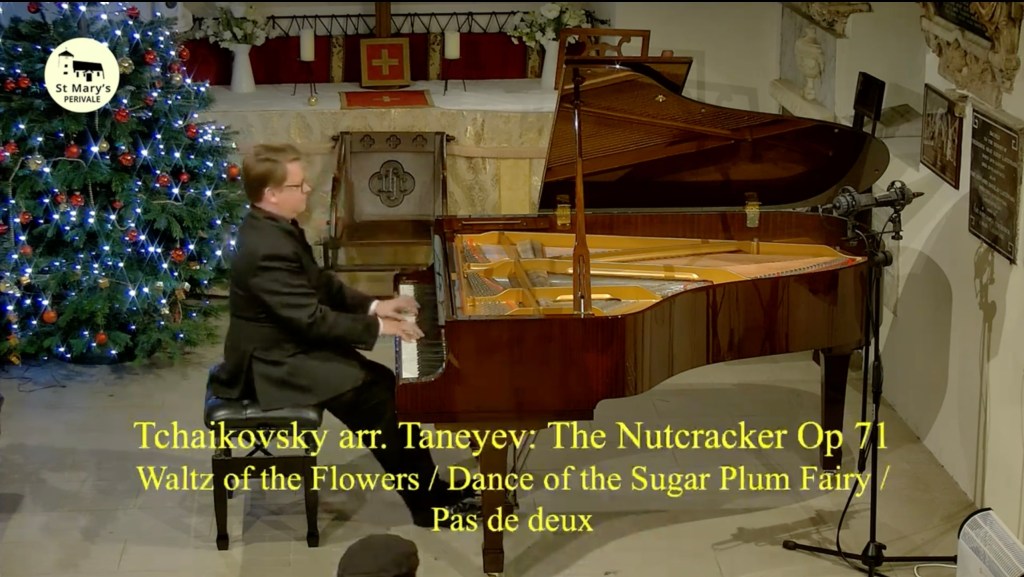
Volodos is a great pianist but Mahler is unique

Christmas is a coming and the geese are getting fatter.

The second symphony is arguably his most famous work. The piece moves from the funeral visions of Totenfeier, the first movement originally conceived as a tone poem, to the apotheosis of the choral finale that earned Mahler the reputation as a leading composer that he would enjoy for the following fifteen years of his life. 

Whereas the symphony is written for large orchestra, solo voices and chorus, it also includes some extraordinary moments of intimacy. 

Join the Fidelio Orchestra, Raffaello Morales in their first partnership with the London Oriana Choir, Lotte Betts-Dean and Betty Makharinsky for this epic concert at Milton Court Concert Hall in the Barbican. 


G. Mahler, Symphony No. 2 in C minor “Auferstehung”

Fidelio Orchestra

London Oriana Choir

Lotte Betts-Dean, mezzo-soprano

Betty Makharinsky, soprano

Raffaello Morales, conductor

The Symphony No. 2 in C minor by Gustav Mahler, known as the Resurrection Symphony, was written between 1888 and 1894, and first performed in 1895 and  was one of Mahler’s most popular and successful works during his lifetime. It was his first major work to establish his lifelong view of the beauty of afterlife and resurrection . In this large work, the composer further developed the creativity of “sound of the distance” and creating a “world of its own”, aspects already seen in his First Symphony . When Mahler took up his appointment at the Hamburg Opera  in 1891, he found the other important conductor there to be Hans von Bulow , who was in charge of the city’s symphony concerts. Bülow, not known for his kindness, was impressed by Mahler. His support was not diminished by his failure to like or understand Totenfeierwhen Mahler played it for him on the piano. Bülow told Mahler that Totenfeier made Tristansound to him like a Haydn symphony. As Bülow’s health worsened, Mahler substituted for him. Bülow’s death in 1894 greatly affected Mahler. At the funeral, Mahler heard a setting of Friedrich Gottlieb Klopstock’s poem “Die Auferstehung ” (The Resurrection), where the dictum calls out “Rise again, yes, you shall rise again / My dust”.
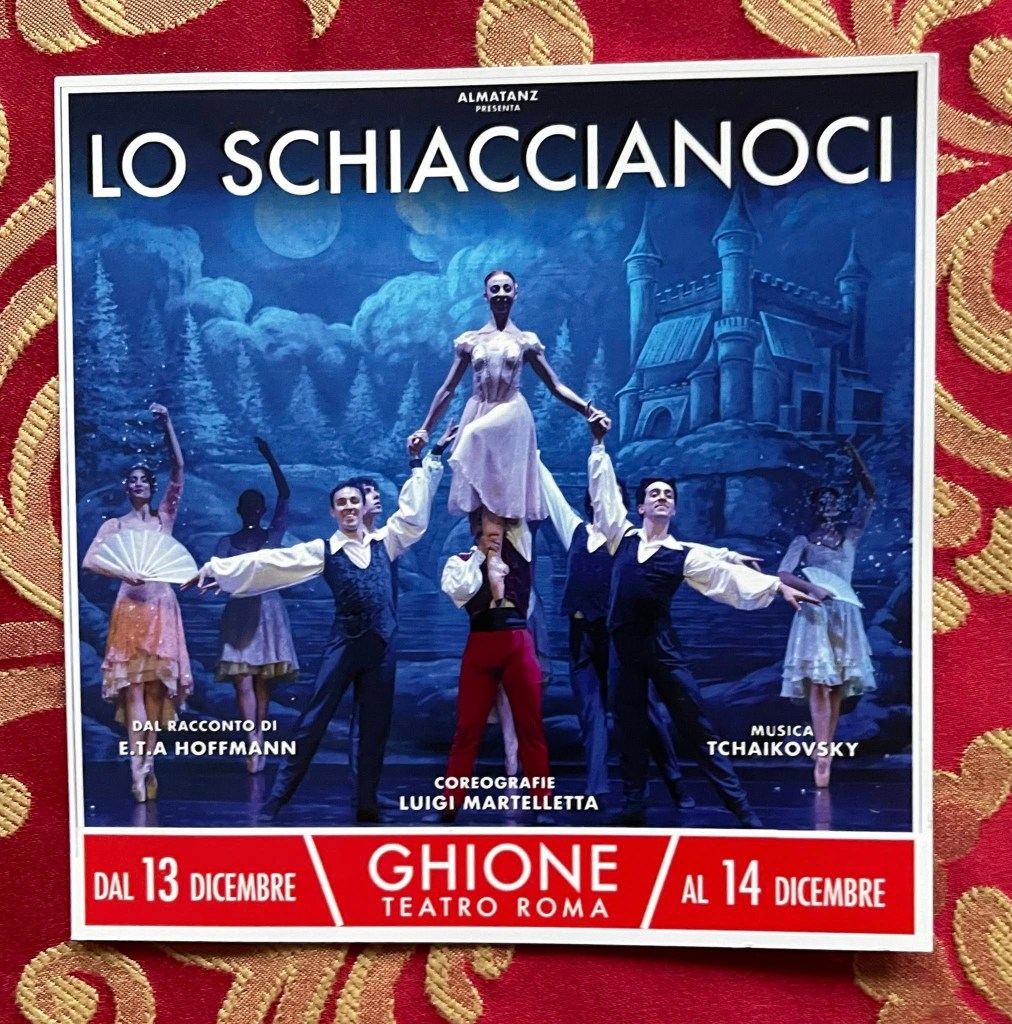
“It struck me like lightning, this thing,” he wrote to conductor Anton Seidl, “and everything was revealed to me clear and plain.” Mahler used the first two verses of Klopstock’s hymn, then added verses of his own that dealt more explicitly with redemption and resurrection.[5] He finished the finale and revised the orchestration of the first movement in 1894, then inserted the song “Urlicht” (Primal Light) as the penultimate movement. This song was probably written in 1892 or 1893

photo. credit Dinara Klinton https://christopheraxworthymusiccommentary.com/2024/03/20/christopher-axworthy-dip-ram-aram/
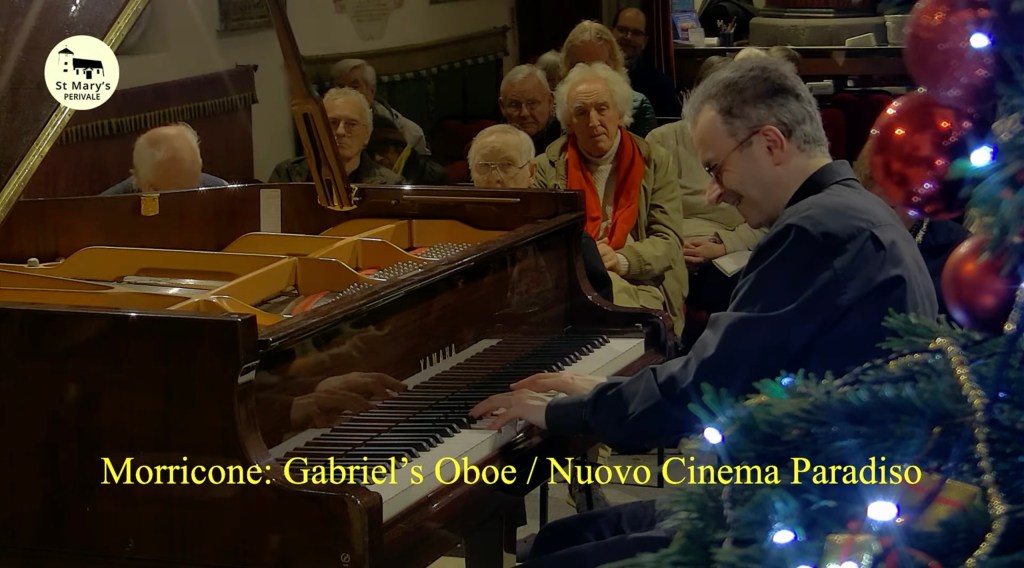
Sergio Cafaro A Renaissance man for all seasons – Entomologist and Musician at home with Francesco Libetta

Domenico Turi,Artistic director of the Filarmonica Romana presenting the evening in the Sala Casella generously offered for the presentation of the book dedicated to Sergio Cafaro.

Much loved by all those musicians who became part of their family of young aspiring pianists .Sergio and Mimi created an oasis of warmth and welcome for young musicians struggling to come to terms with a talent that had chosen them, and that would guide their lives. Providing, like the Craxton’s in London, a shelter where music reigned and was treated with respect and humility that did not exclude hard work and discipline . But it could also be fun especially when Sergio got to the piano and could let rip with improvisations that would incorporate a world of music irreverently poking impish fun at something that professionally was their raison d’etre.

Sergio was an entomologist first and pianist second according to his drole sense of humour.

This would also peep out of his watercolours and sketches of every day life as he saw it .

Mimi always at his side with her cigarette ever present and elegantly placed, would train young musicians ready to be heard by the ‘Maestro’

Sergio was a Renaissance man who thanks to Mimi could also cope with mundane things that our society demands.

Duo Libetta Prosseda
https://christopheraxworthymusiccommentary.com/2021/01/13/roberto-prosseda-pays-tribute-to-the-genius-of-chopin-and-the-inspirational-figure-of-fou-tsong/

Francesco Libetta has compiled with love and respect a collection of recollections of a family that meant so much to so many. Together with Roberto Prosseda they closed this ‘at home’ with a skit on Carmen -Cafaro style.

It was the work that they had surprised their Maestro with during the 80th birthday celebrations in 1997 in that ‘Salotto di Roma ‘ of Teatro Ghione and which in that period was frequented by the likes of Franco Manino, Carlo Zecchi, Guido Agosti , Goffredo Petrassi, Franco Ferrara , Lya de Barberiis, Bruno Nicolai and even their next door neighbour, Arrigo Tassinari , Toscanini’s first flute and teacher of generations of flautists including Gazzeloni. There were many other illustrious musicians living in Rome too numerous to add here but you could look below on my web site at the end of this article.

Roberto Prosseda withbhis student Filippo Tenisci winner of Premio Cafaro https://christopheraxworthymusiccommentary.com/2025/07/09/wagner-liszt-embark-in-deal-with-filippo-tenisci-at-the-helm/
Some of the contributors to the book

It was the Cafaro’s salotto that he and his illustrious students felt at home in and could make glorious music together to share with a world that did not always realise what a sacrifice it was to be an interpreter where MUSIC was more important than showmanship.

Ecco la prima delle due novità, novembre 2025.

“Sergio Cafaro. Il collezionista di meraviglie” di Francesco Libetta con Alessio Zuccaro, è il ritratto sfaccettato di un artista coltissimo e fuori dal tempo – tra Scelsi, Rota, fossili e disegni ironici – raccontato da colleghi e amici, con un ricordo di Carlo Verdone.

Francesco Libetta con Alessio Zuccaro

SERGIO CAFARO

Il collezionista di meraviglie

con una antologia di scritti e disegni

Pagine VIII+296 – Collana “Personaggi della Musica”, 38 – Illustrato – Euro 33,00

Con testimonianze di: Anna Maria Martinelli, Mauro Arbusti, Christopher Axworthy, Pieralberto Biondi, Paola Bučan Porena, Tiziana Cosentino, Daniela Costa, Michele Dall’Ongaro, Paolo Fazioli, Stefano Fiuzzi, Laura Manzini, Michele Marvulli, Luisa Prayer, Roberto Prosseda, Riccardo Risaliti, Giuliana Soscia, Gianni Tangucci, Luca Verdone.

Il libro contiene “Un ricordo di Sergio Cafaro” di Carlo Verdone.

Pianista e compositore, collezionista di coleotteri e fossili, scrittore dal caratteristico umorismo e disegnatore, Sergio Cafaro nacque a Roma e, a parte i pochi anni trascorsi in nord Africa durante la Seconda Guerra, visse ininterrottamente nella sua città.

Questo è poter prendere il tè con Noretta Conci.

Nel presente volume, tra scritti autobiografici e di fantasia, con testimonianze dirette della moglie, di amici, colleghi e allievi di Cafaro, ritroviamo l’infanzia a Tripoli, l’esperienza al Concorso di Ginevra e l’incontro con Sergio Fiorentino, ammirato poi per tutta la vita, il ruolo nelle creazioni di avanguardia di Giacinto Scelsi, fino alle collaborazioni con Milstein, Szering, Carmirelli, Biondi, A. Ciammarughi, Bučan, De Barberiis, Rota. E la cerchia di amici: il professore Mario Verdone, il compositore Boris Porena.

Emerge il profilo individuale di una personalità artistica e un ambiente culturale: il vivace panorama musicale offerto dalla capitale nel dopoguerra. Qui Cafaro seppe costruirsi una vita da artista, la sua bolla senza nemici naturali, dove la musica fu intesa come un impegno etico, nel dialogo del mondo domestico con la dimensione inattingibile dell’Arte.

Richiedete il libro nei migliori negozi o a questo link:

https://www.zecchini.com/sergio-cafaro-

#zecchinieditore#sergiocafaro#carloverdone#FrancescoLibetta#libriconsigliati

Premio Pianistico Sergio Cafaro Accademia Nazionale di Santa Cecilia Luca Ciammarughi Naturalmente Pianoforte Pianoforte PianoTeam Italia Concours de Genève FAZIOLI法吉歐利鋼琴中心 Teatro dell’Opera di Roma Auditorium Parco della Musica Ennio Morricone.

Francesco Libetta visits Noretta Conci Leech co founder with her husband of the Keyboard Trust.

In pieno 2025, è meraviglioso poter continuare a incontrare un pezzo di storia della società pianistica europea: la leggendaria Noretta Conci. Condividere i ricordi delle comuni conoscenze (tra gli altri, era lei ad avermi presentato Lord Londonderry, il quale mi raccontava della sua amicizia con Earl Wild, mi mandava lettere in un italiano surreale e ricercato, e i bigliettini natalizî più sontuosi possibile, con immagini dei suoi bisnonni ritratti dal mondo dei Reynolds o Gainsborough…), i piccoli fatti (quando ci eravamo incontrati per caso camminando nelle strade di Manhattan; quando Noretta e suo marito John mi avevano raggiunto a Lecce per un concerto, si erano fermati un paio di giorni e poi eravamo andati insieme a cenare a Gallipoli; o quando alla fine del mio primo concerto a New York aveva preso dalla platea Kissin ed era venuta in camerino – tenendolo per mano – a presentarci, ché per lei eravamo tutti ragazzini…). E le settimane che ho trascorso suo ospite nella meravigliosa casa londinese, e le storie di Pollini che vuole la bistecca prima del concerto, del suo maestro Arturo Benedetti Michelangeli che le sceglie e impone il pianoforte (uno Steinway ancora magnifico).

Oggi Noretta ha novantaquattro anni (“ma sai, sto benissimo, me ne sento non più di ottanta”…). Custode di una rara arte della conversazione, mi ha insegnato a diffidare dalle signore che sfoggiano incessantemente superlativi superflui; e poche cose mi danno la soddisfazione di vederla sorridere alle mie battute. Per il compleanno del 1991 il marito John Leech (di cui ricorre quest’anno il centenario della nascita) le regalò una Fondazione, il Keyboard Trust. Organizzavano concerti per giovani pianisti; ci suonai anche io, a Londra e New York. Anno dopo anno fu coinvolto Abbado, poi Brendel, Pappano; Nicola Bulgari (che Noretta e John incontrarono infatti proprio a Lecce in occasione del mio concerto…) come Presidente Onorario, e tante altre personalità che tuttora sono attive per tenere in piedi la Fondazione in molte nazioni.

https://christopheraxworthymusiccommentary.com/2025/12/01/alexander-malofeev-from-prodigy-to-the-refined-sound-world-of-a-great-artist-trento-celebrates-the-return-of-its-hero/

Noretta e John hanno poi regalato la loro Fondazione al mondo pianistico; e nel tempo hanno offerto un concreto esempio di impareggiabile eleganza di comportamenti.

http://www.johnleechvr.com/. https://youtu.be/gaV72Mp_jDQ
photo credit Dinara Klinton
https://christopheraxworthymusiccommentary.com/2024/03/20/christopher-axworthy-dip-ram-aram/