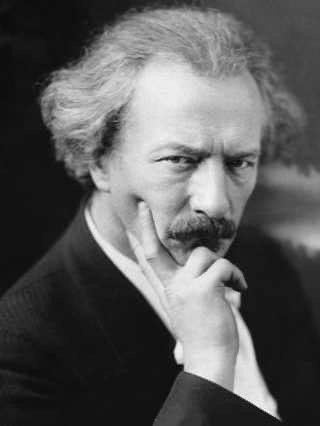
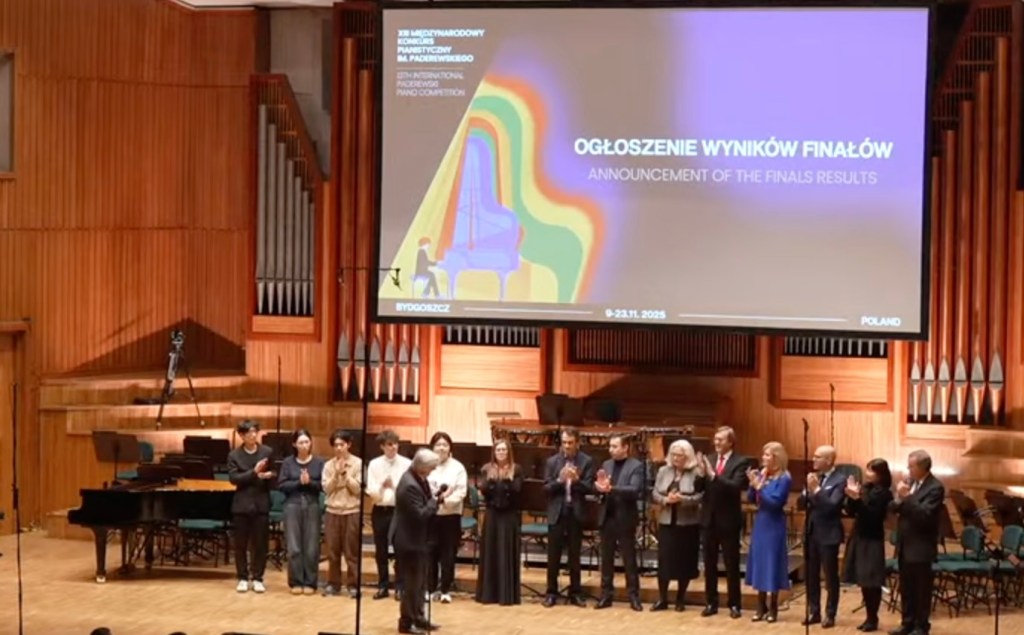
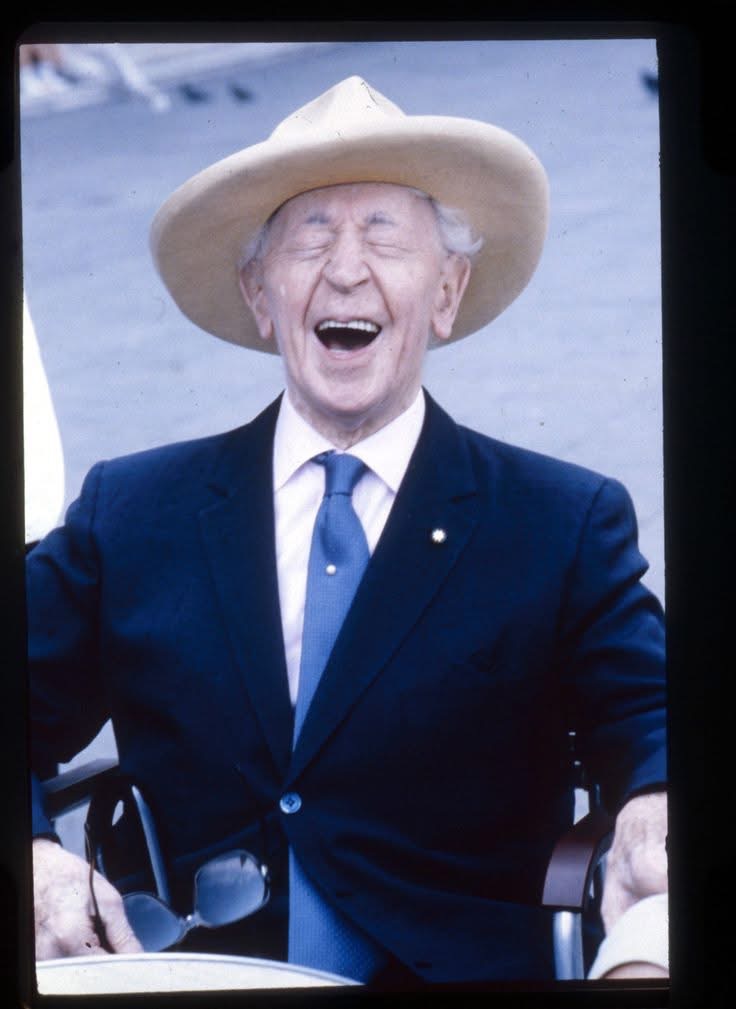
Ignacy Jan Paderewski. 6 November 1860. Kurylivka 29 June 1941 New York City, US He was born to Polish parents in the village of Kurilovka, in the Podolia Governorate of the Russian Empire . The village is now part of the Khmilnyk rain of Vinnytsia Oblast in Ukraine Charlie Chaplin famously wrote:
Paderewski had great charm, but there was something bourgeois about him, an over-emphasis of dignity. He was impressive with his long hair, severe, slanting moustache and the small tuft of hair under his lower lip, which I thought revealed some form of mystic vanity. At his recitals, with house lights lowered and the atmosphere sombre and awesome when he was about to sit on the piano stool, I always felt someone should pull it from under him. During the war I met him at the Ritz Hotel in New York and greeted him enthusiastically, asking if he were there to give a concert. With pontifical solemnity he replied: “I do not give concerts when I am in the service of my country.” Paderewski became Prime Minister of Poland, but I felt like Clemenceau , who said to him during a conference of the ill-fated Versailles Treaty: “How is it that a gifted artist like you should stoop so low as to become a politician?” In the Irving Berlin song, “I Love a Piano” recorded in 1916 the narrator says: “And with the pedal, I love to meddle/When Paderewski comes this way./I’m so delighted, when I’m invited/To hear that long-haired genius play.” Paderewski personified the piano for generations.
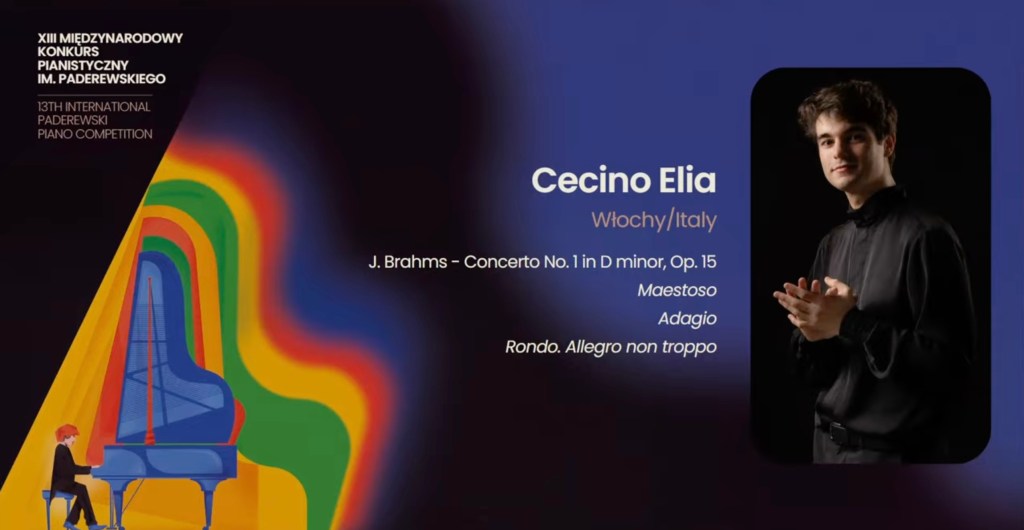
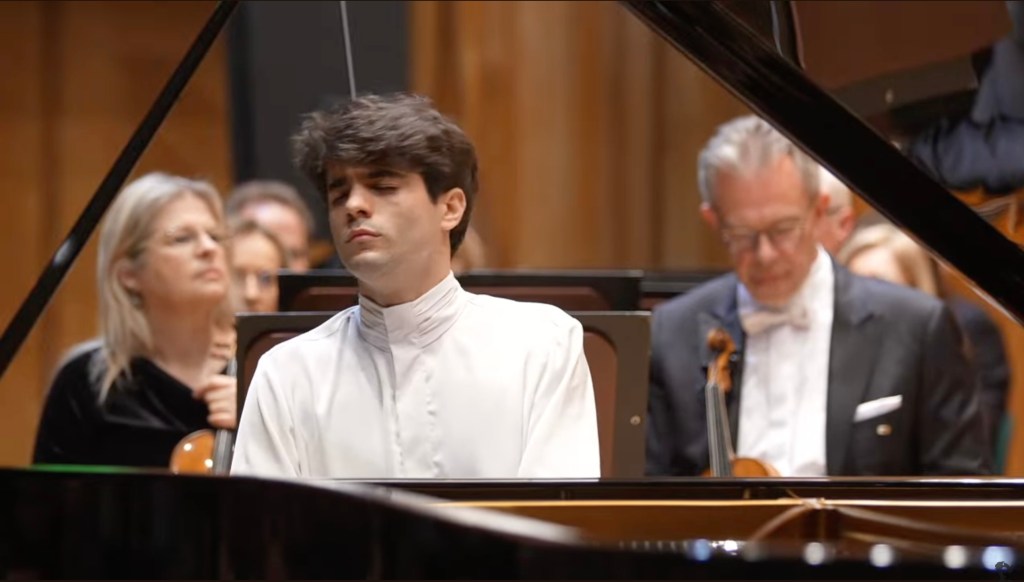
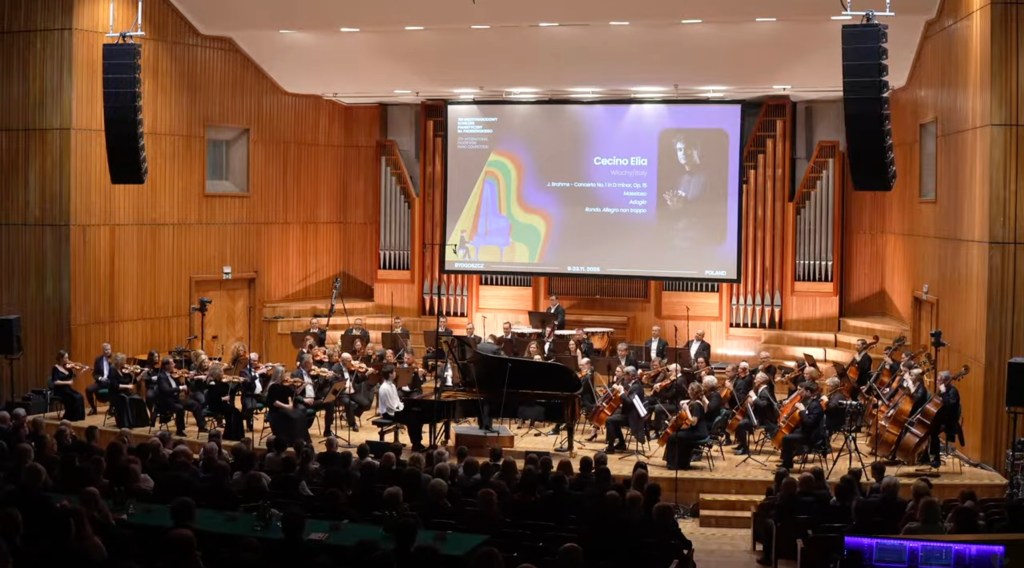
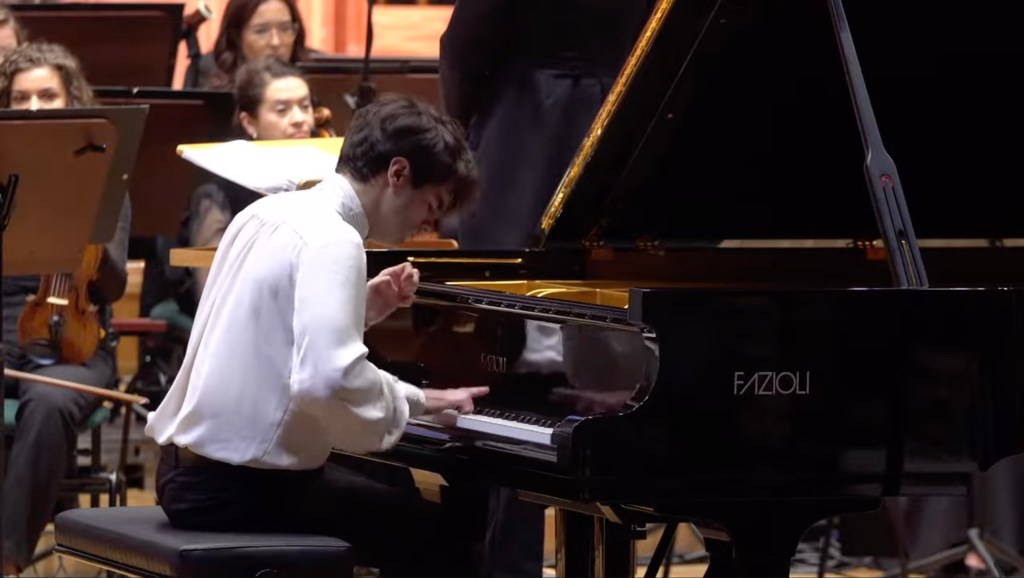
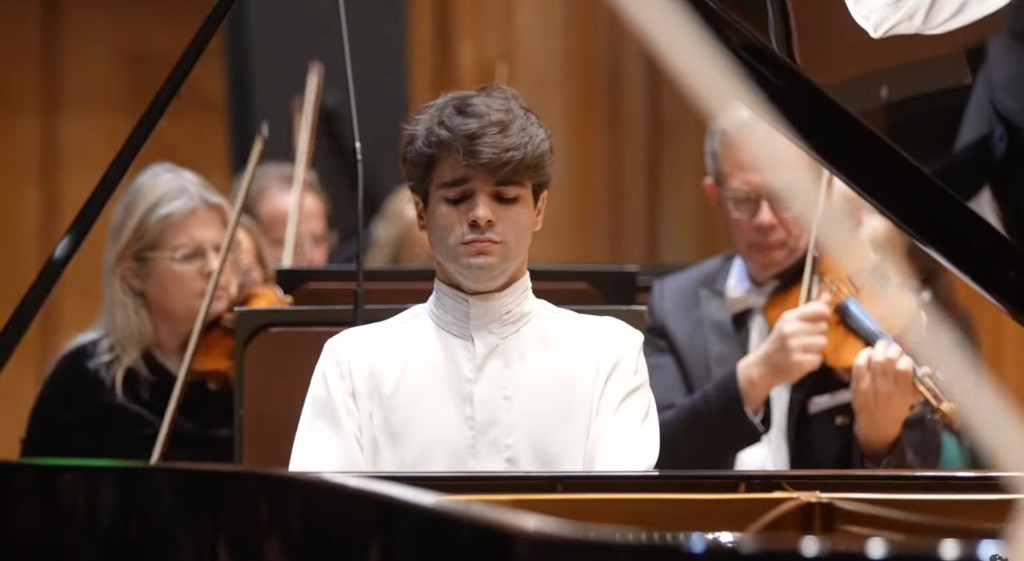
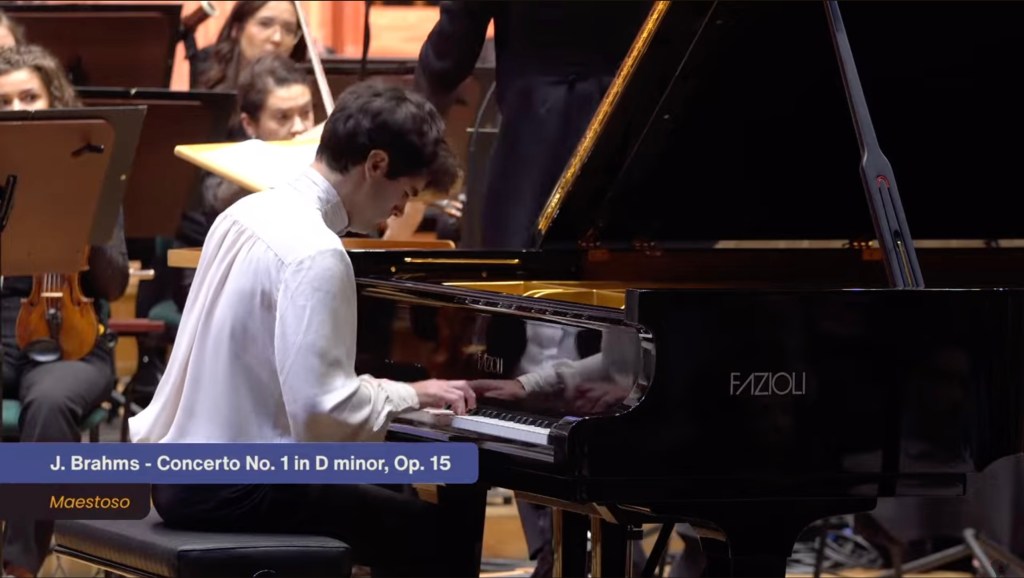
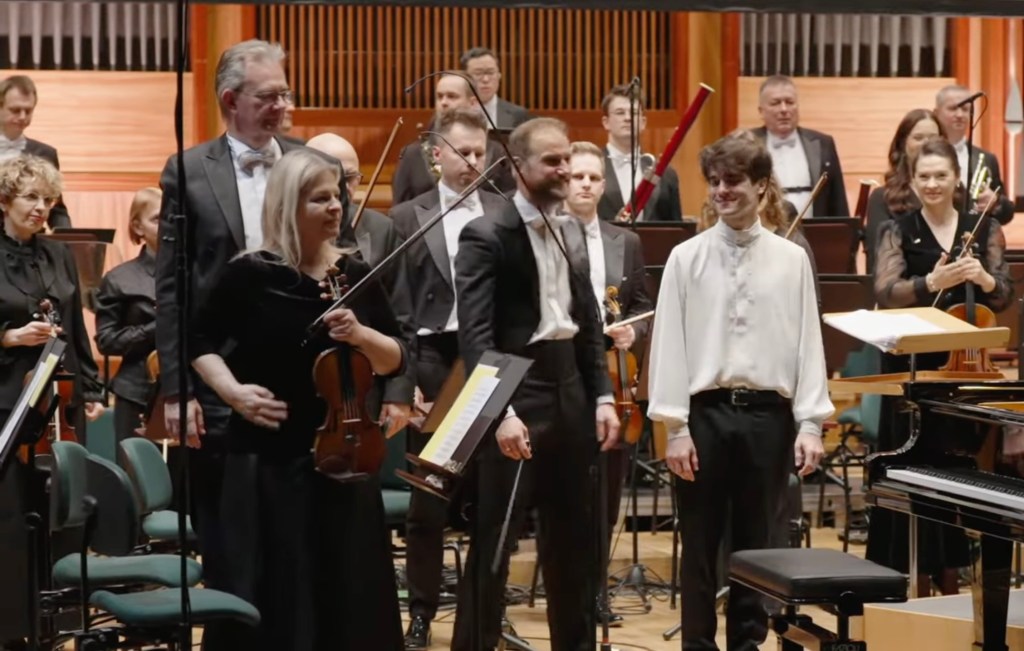
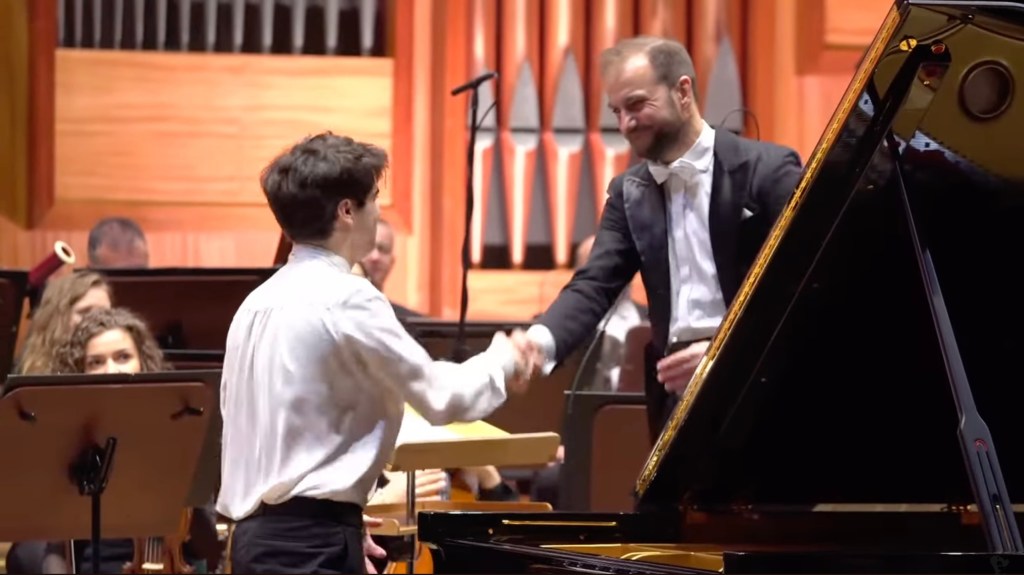
Elia Cecina giving an all or nothing performance of Brahms where his youthful energy and passion could sometimes lead him astray but where his sense of communication and musical understanding were remarkable. A performance that I have rarely heard with such youthful intensity and of sumptuous beauty. A rather slow tempo from the excellent young conductor and an orchestra well amalgamated but I could not help feeling that the burning intensity that Solti brought to the orchestra was substituted for a more pastoral approach. As Elia’s mighty octaves resounded with a true call to arms , the orchestra suddenly changed their tune and was ignited and united in a performance of dynamic drive and great beauty.
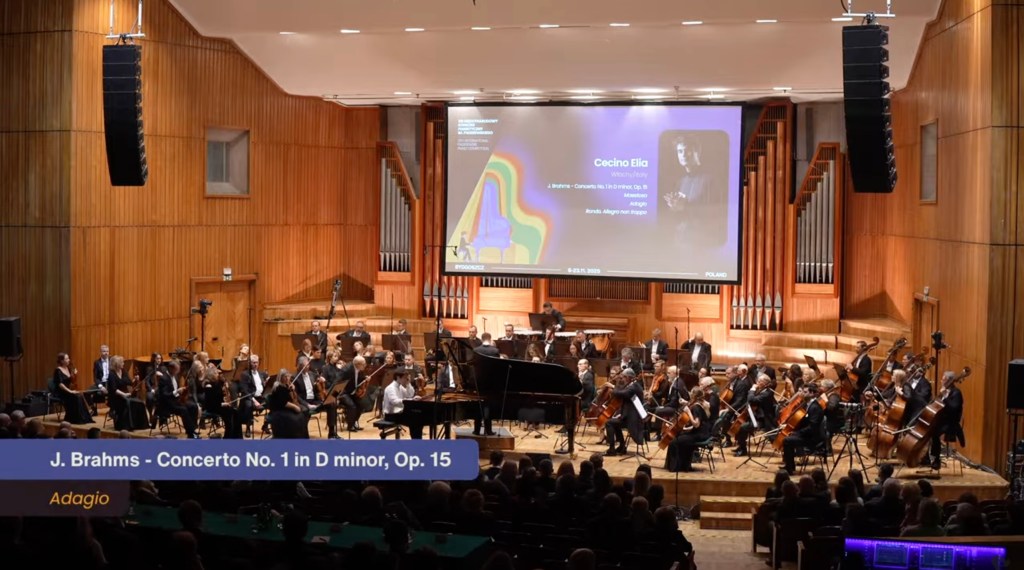
It was in the Adagio that the artistry and musical pedigree, inherited from his studies with Eliso Virsaldze and Boris Berman, shone through with playing of great weight and a wondrous legato. Brahms’ most intimate confessions were played with remarkable poise and great projection on a Fazioli piano that lacked nothing compared to the Bechstein or Bosendorfer of Brahms’ day.
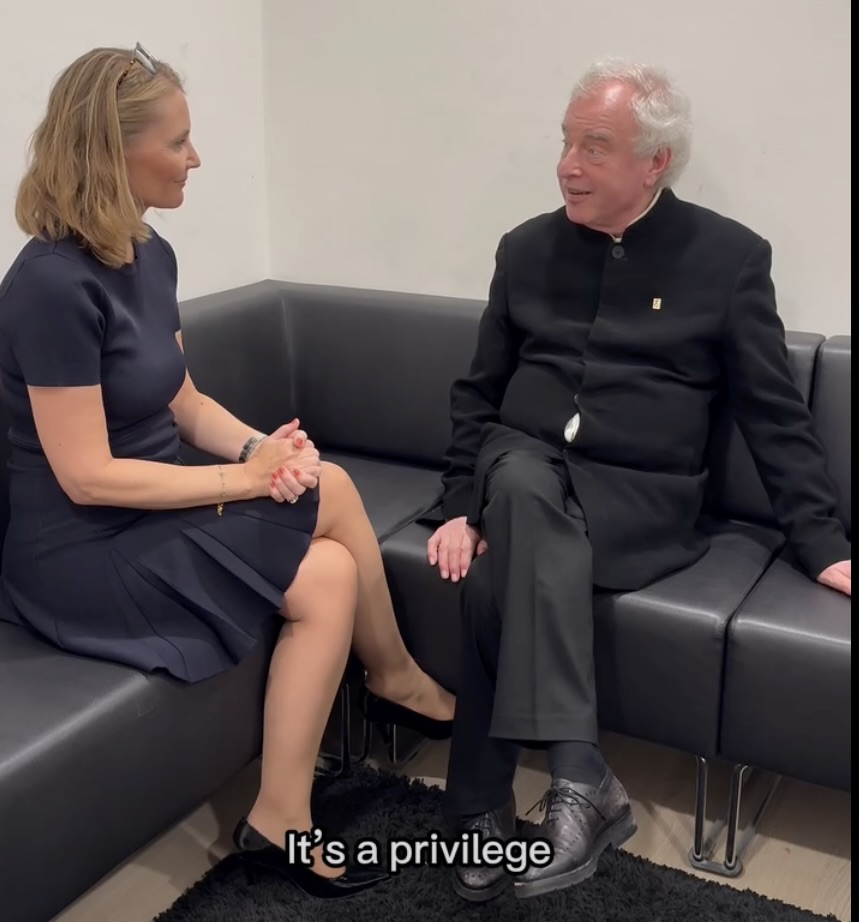
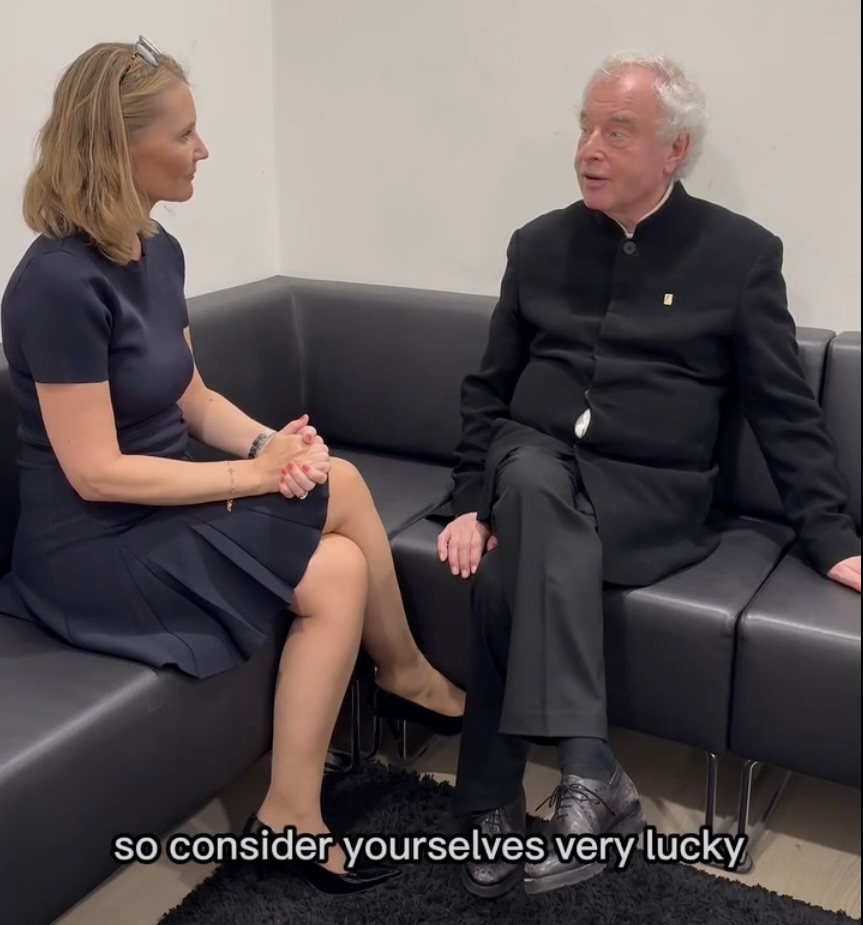
I remember Andras Schiff playing the two Brahms Concertos on a historic Bechstein piano in London in a hall of over two thousand people. Conducting from the keyboard because as he impishly said :”It is sometimes nice to play without the policeman”. Modern day pianos are built to be heard in great halls but can sometimes loose the warmth and intimate nature of the historic instruments which are out of place in the vast concert halls of today. Elia managed to keep the warmth thanks to his architectural sense of line and palette of subtle colours.
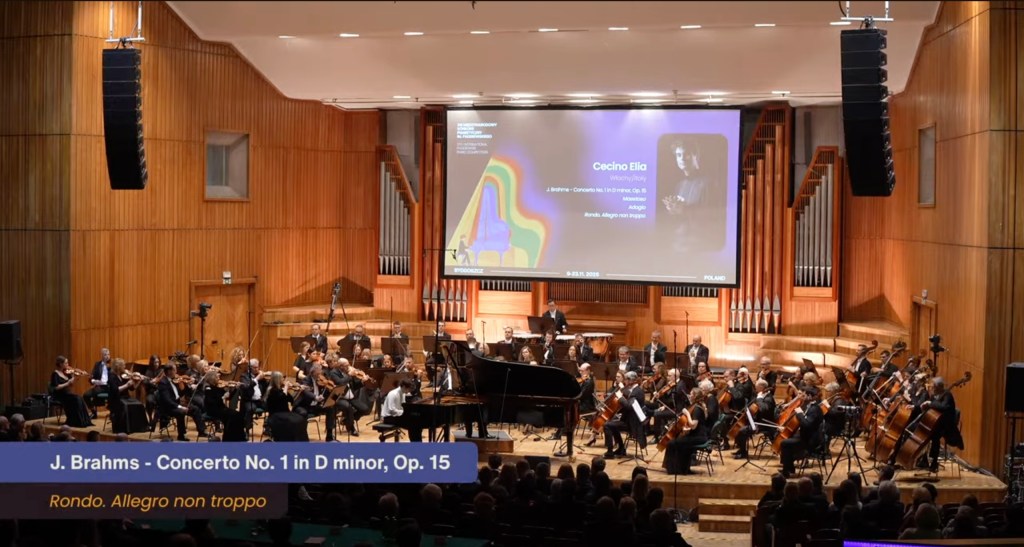
There was a great sweep to the last movement where the pianist and orchestra were now attuned to each other having listened so attentively to the wondrous sounds this young man had described in the Adagio. Elia playing with aristocratic poise as one of Brahms’ most noble of chorale melodies ignited the atmosphere and where the orchestra united with him in a quite memorable performance .
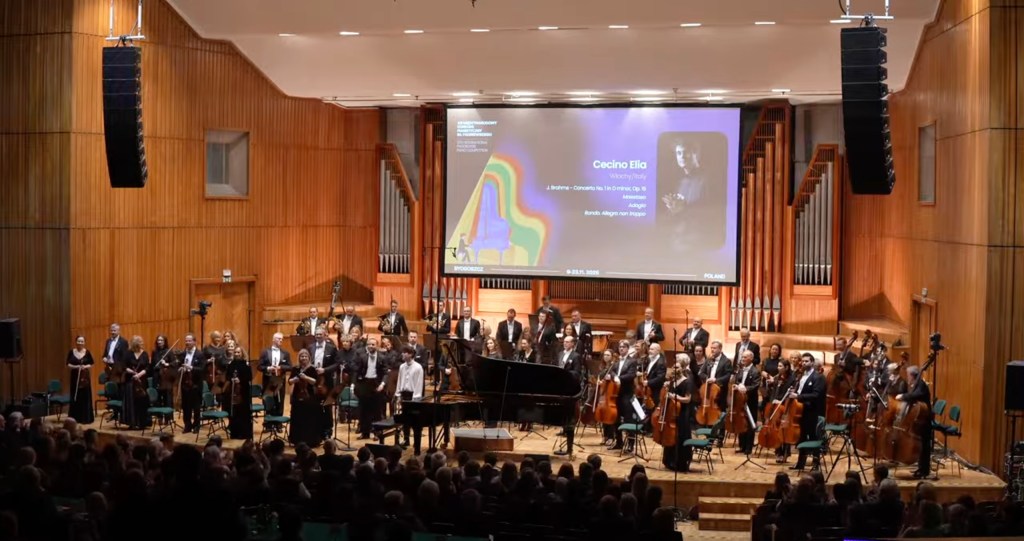
As Elia wrote to me afterwards “Yesterday I gave all my soul but probably it does not matter ” It certainly does matter a world starved of true artistry and dedicated musicianship awaits.In the real world there is no such thing as comparative performance, unfortunately competitions are a necessary evil that allows the world to enjoy such wondrous performances.
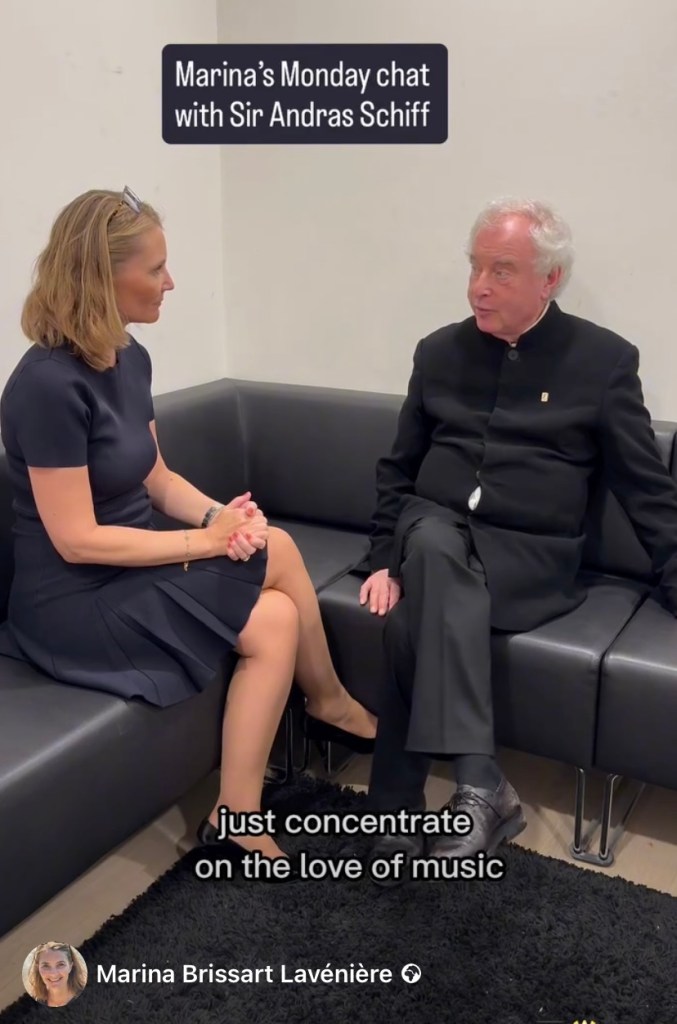
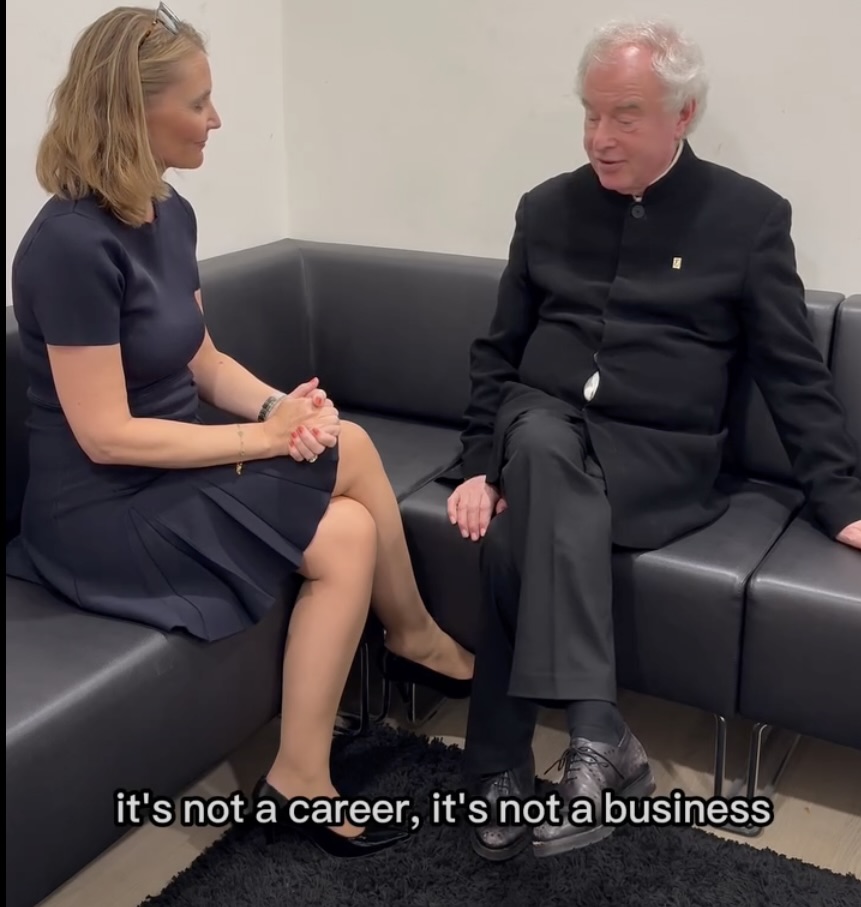
https://www.facebook.com/share/v/14TJ8SJQfmv. https://youtu.be/fUJ_UvKpIDY?si=8F7JMHKRMUUPdq0m

 ChristopherAxworthy-MusicCommentary