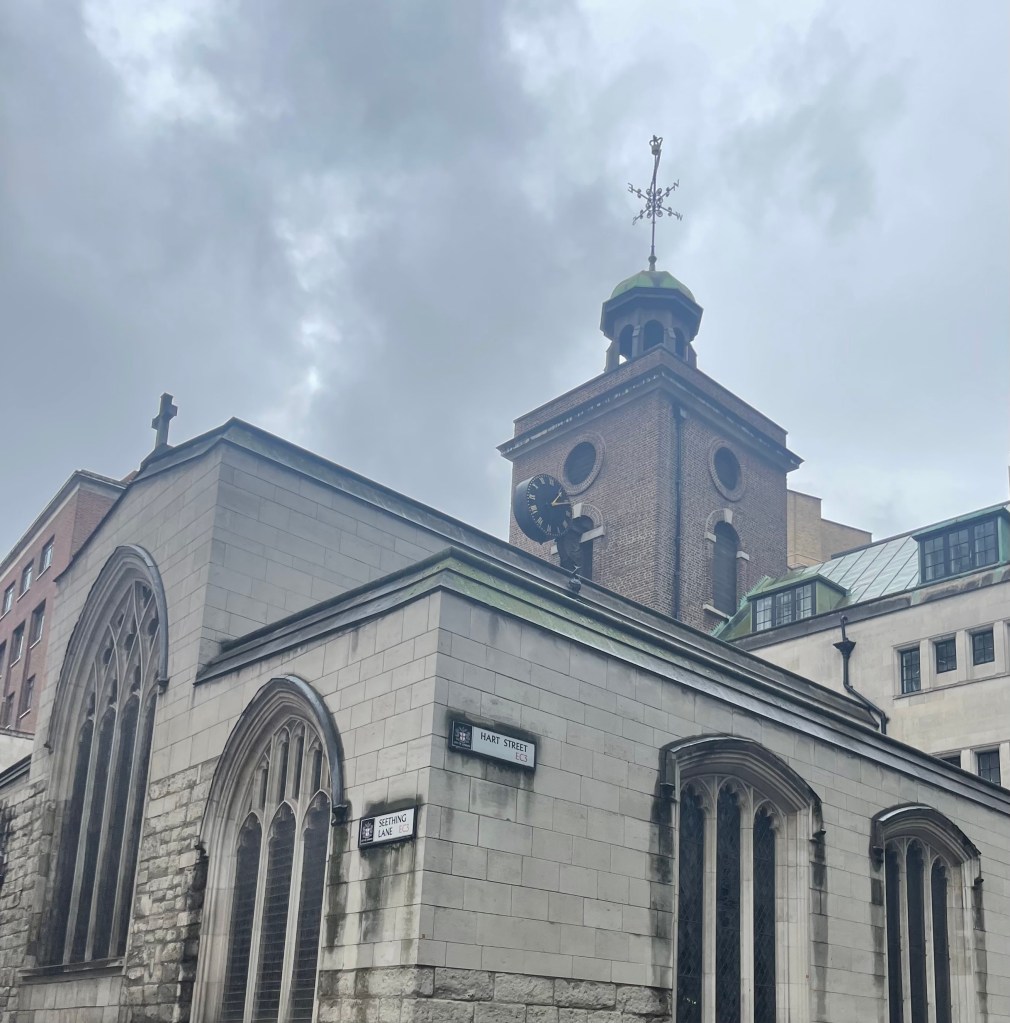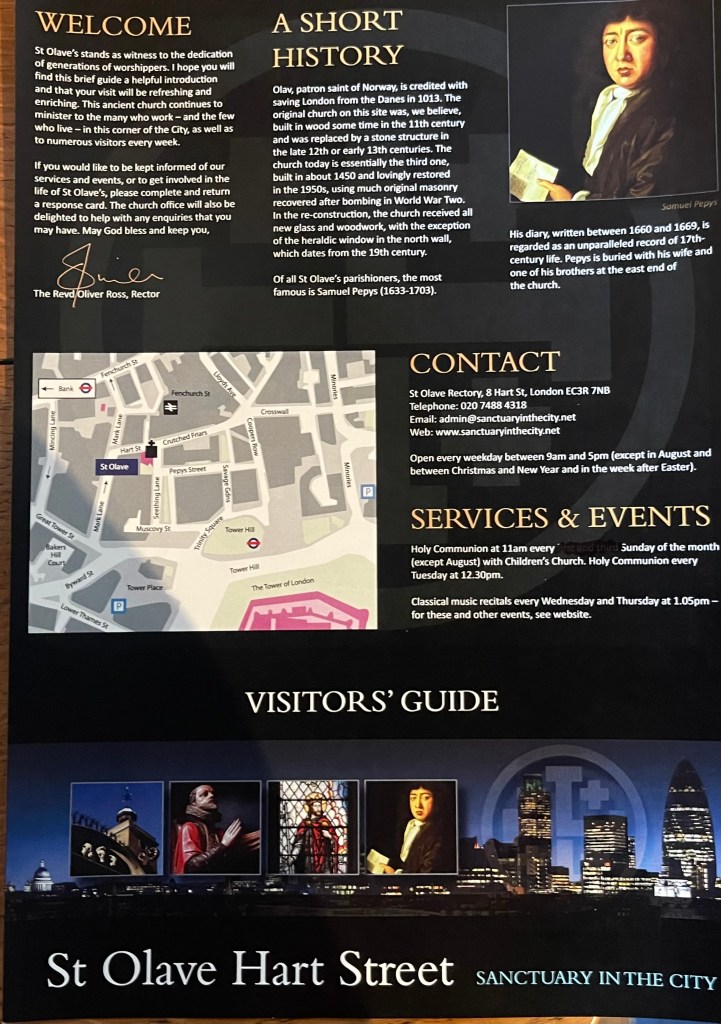
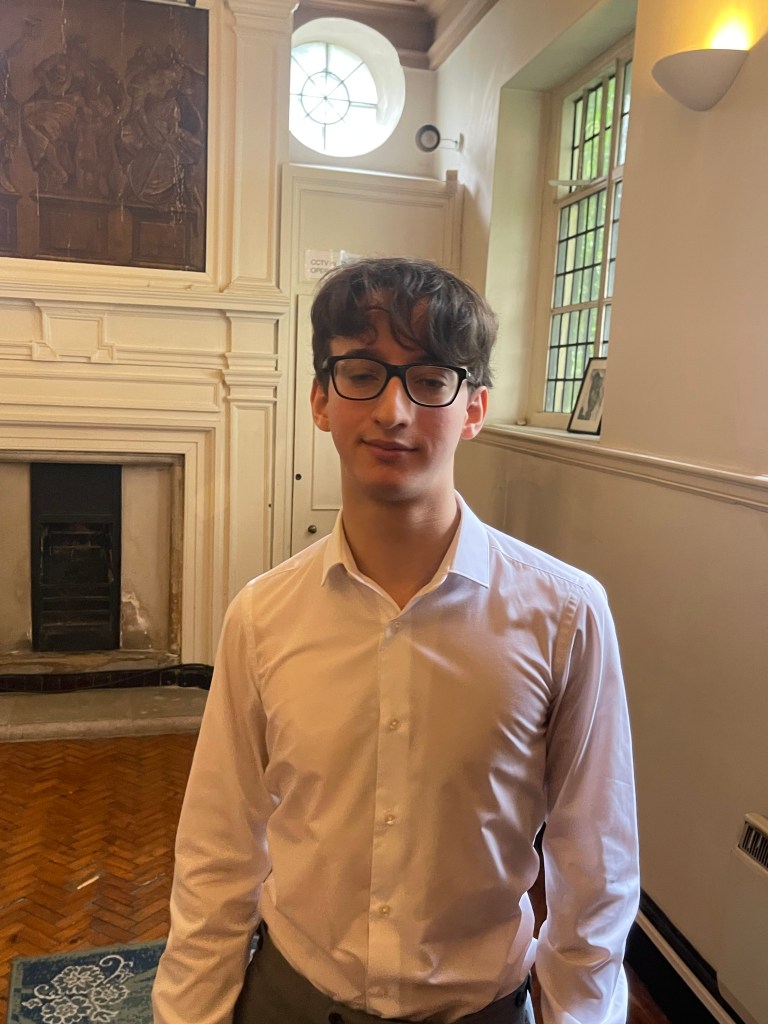
Firoze Madon at St Olave’s with playing of simple pure musicianship and mastery.

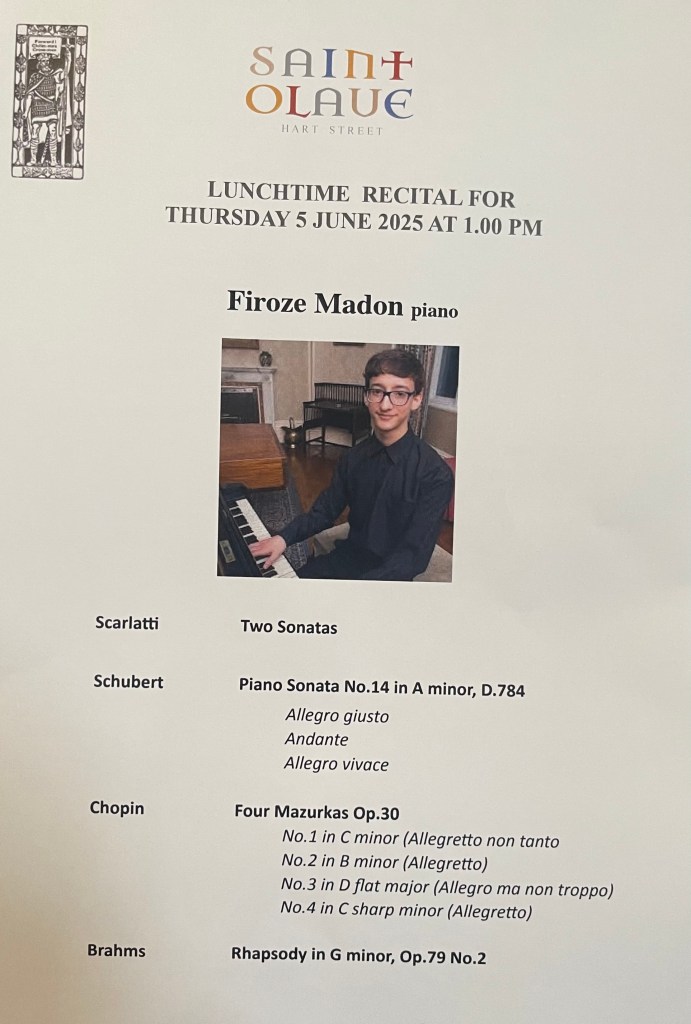
Two Scarlatti sonatas of the refined nobility and scintillating virtuosity of their age. His innate musicianship imbuing these gems with colouring and phrasing of extraordinary sensitivity and respect. The E major K 380 was played in a very measured aristocratic manner not in the traditional way but with a non legato touch and differing levels of sound with some beautifully delicate phrasing. The lesser heard F minor K 519 was a real discovery with its dynamic rhythmic drive and horn like imitations of invigorating energy .
Schubert’s A minor sonata the smaller in length of the other two, but one of the most beautiful creations that he was to write.
I remember Gilels playing it in a half empty Royal Festival Hall with a programme of Schubert and Shostakovich that was evidently not box office even when played by Gilels. The ravishing beauty of that recital was only to be matched by a competitor in the first round of the Leeds called Radu Lupu !
A work all too rarely heard in the concert hall these days where cycles or complete works are the norm.
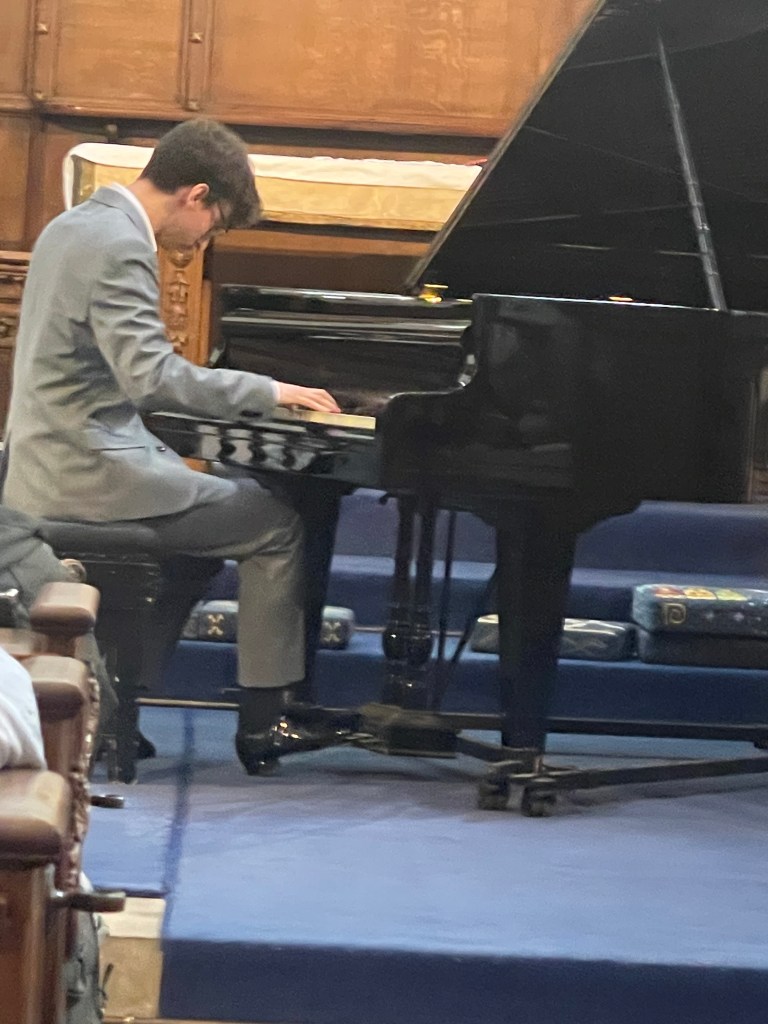
So it was refreshing to be reassured that Firoze was playing this gem.
A gem played on a ‘casserole’ is indeed a challenge for a young artist about to compete in the Clara Haskil competition in Vevey . A competition not for Olympic champions but for imaginative poets as Magdalene Ho, also from the class of Dmitri Alexeev, has demonstrated, taking the world by storm with poetry and imagination instead of muscle and brawn!
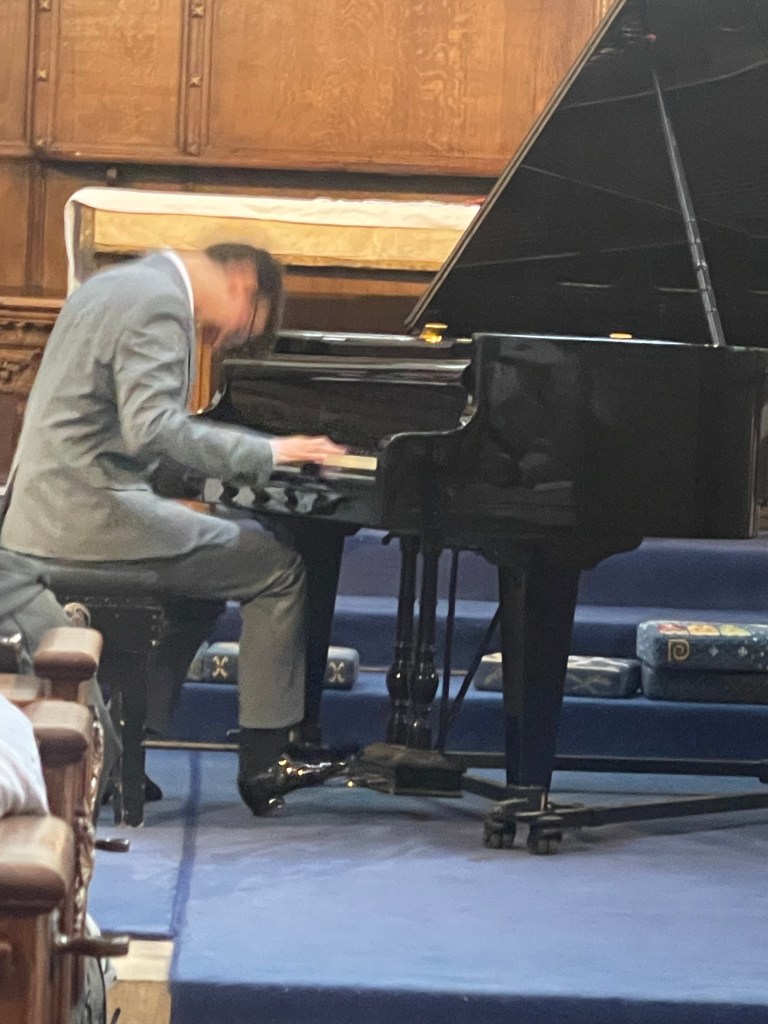
Firoze from the opening notes showed his credentials playing with real weight digging deep into the notes to find the beauty that is hidden within . A poetic understanding but also an architectural one that gave strength to all he did . There was a subtle haunting beauty as Schubert shadows the melodic line with glistening gold. Dramatic outbursts played near the keys that allowed for a sumptuous rich orchestral sound without ever loosing the rhythmic drive.There was a constant yearning to the rhythm of the first movement that captivated our imagination that like a great wave was allowed to flow with such emotional potency. A whispered entry to the development that lead to a passionate outburst that Schubert immediately turns into song . And what a song in Feroze’s delicate hands, with a magic carpet that took us to the recapitulation where Schubert’s sublime mellifluous outpouring could be savoured with ever more poignancy.
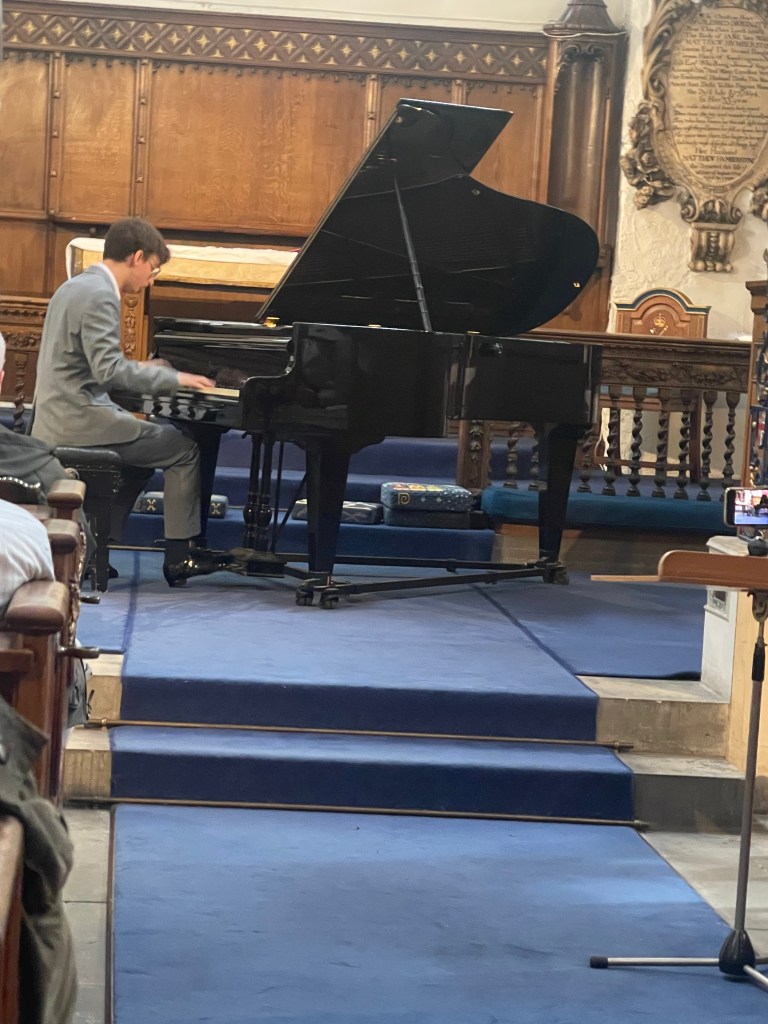
Beautiful long lines to the Andante with it’s ominous interruptions played with such mastery on this not easy piano to control.There was passion too which only added to the sublime celestial sounds that Feroze was able to extract with mastery and poetic imagination .
The Allegro vivace ,Feroze had envisioned like the wind over the graves of Chopins B flat minor Sonata. But here Schubert’s miraculous melodic invention intervened as these graves came to life with a beauty and purity that was indeed of another world . Remarkable technical finesse but always at the service of the music with a sense of architectural line and poetic invention .
The four mazurkas op 30 by Chopin were played with great style and imagination . The first with a freedom and fantasy where the acciaccatura’s were played not as a pianist but as a singer, each time different words or meaning. A great sense of dance to the second with a beguiling rhythmic lilt . The deep tolling bell on the third bursting into sumptuous life as Chopin covered this canon with flowers that Feroze allowed to blossom as an elegant waltz before being reminded that this was so much more meaningful for the enforsed emigré looking on from afar. A beautiful dream of bewilderment opened the last of these four gems played with subtle colouring and an extraordinary poignancy, before bursting into bucolic life, but always tinged with a nostalgia and almost brooding that was to take us to the final whispered descent into the depths of the piano, where Chopin’s heart is left to glow with poetic radiance. It was indeed this final E that touched deeply this small but appreciative audience.
Brahms Rhapsody in G minor finished this lunchtime recital with dynamic drive and rich orchestral sounds. A passionate outpouring of yearning and insistent anguish right to the final whispered notes, like Chopin, except Brahms adds an assertive final two chords as Beethoven would have done and Chopin never !