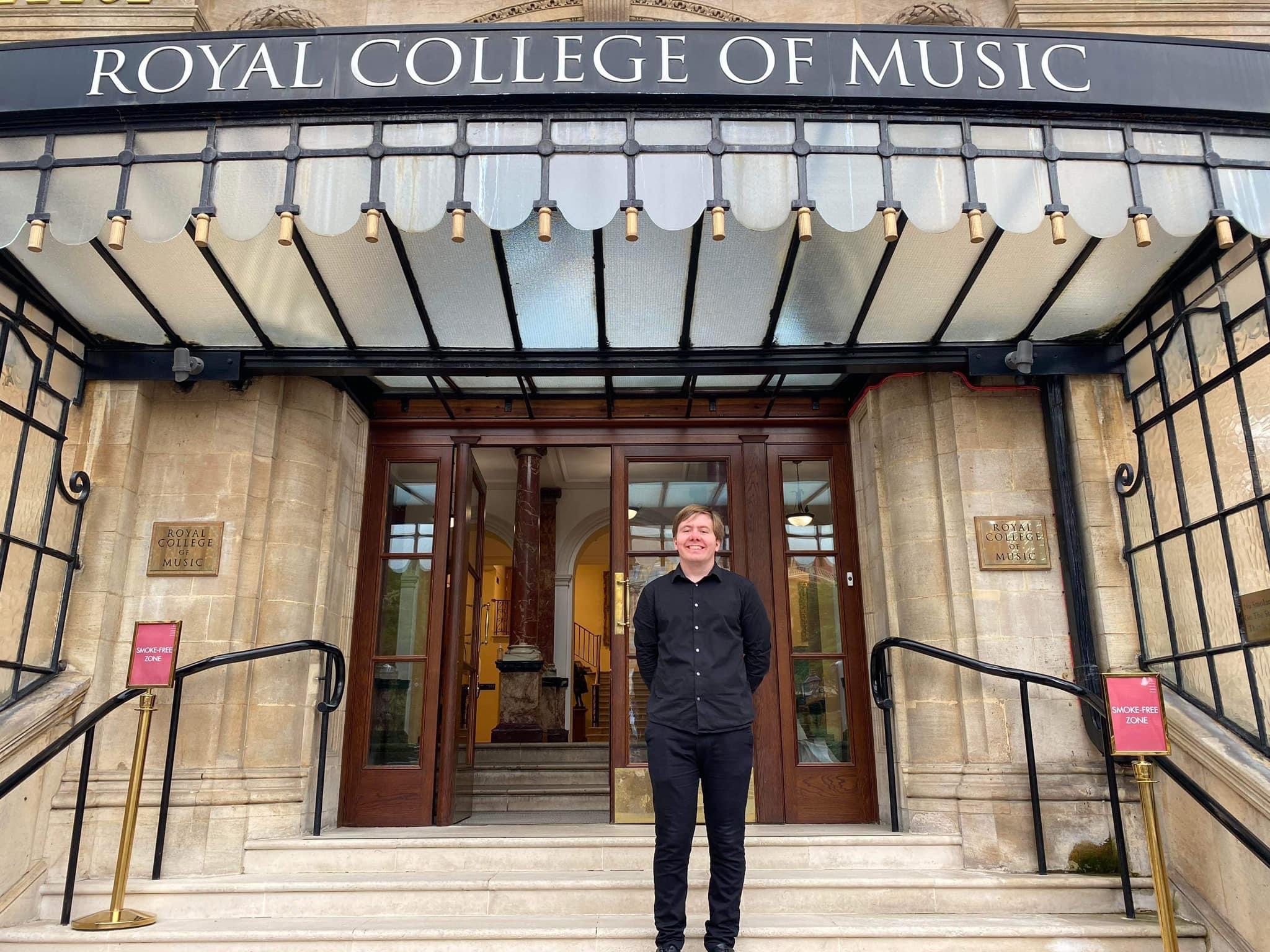
Thomas Kelly takes Florence by storm Music al British
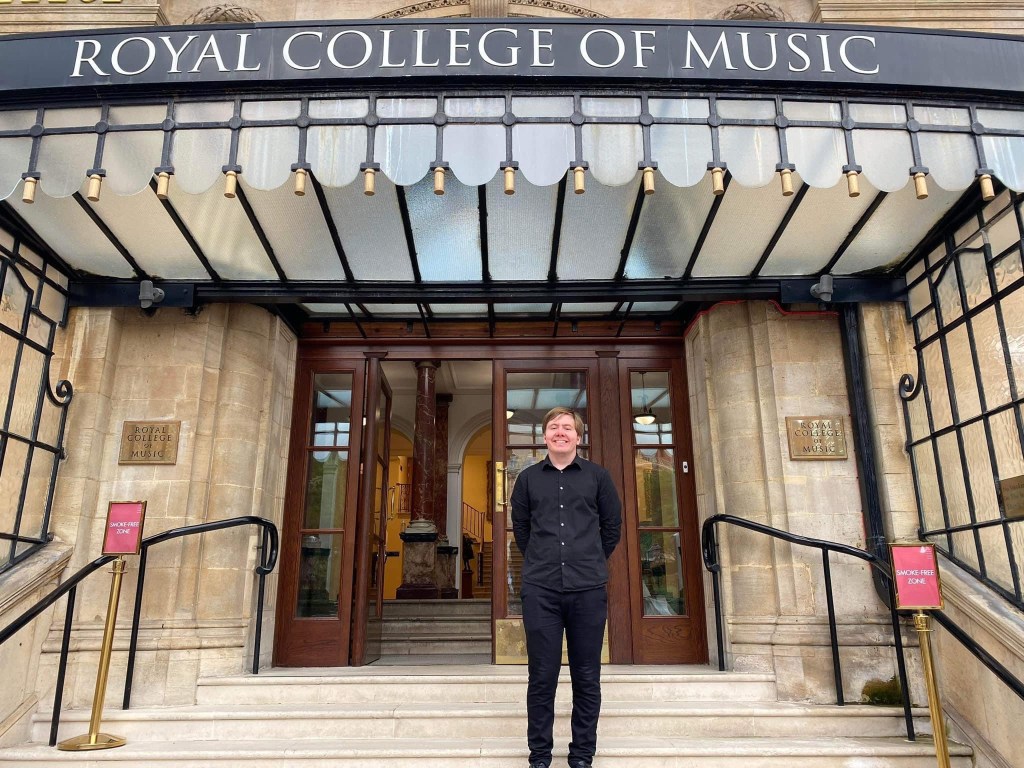
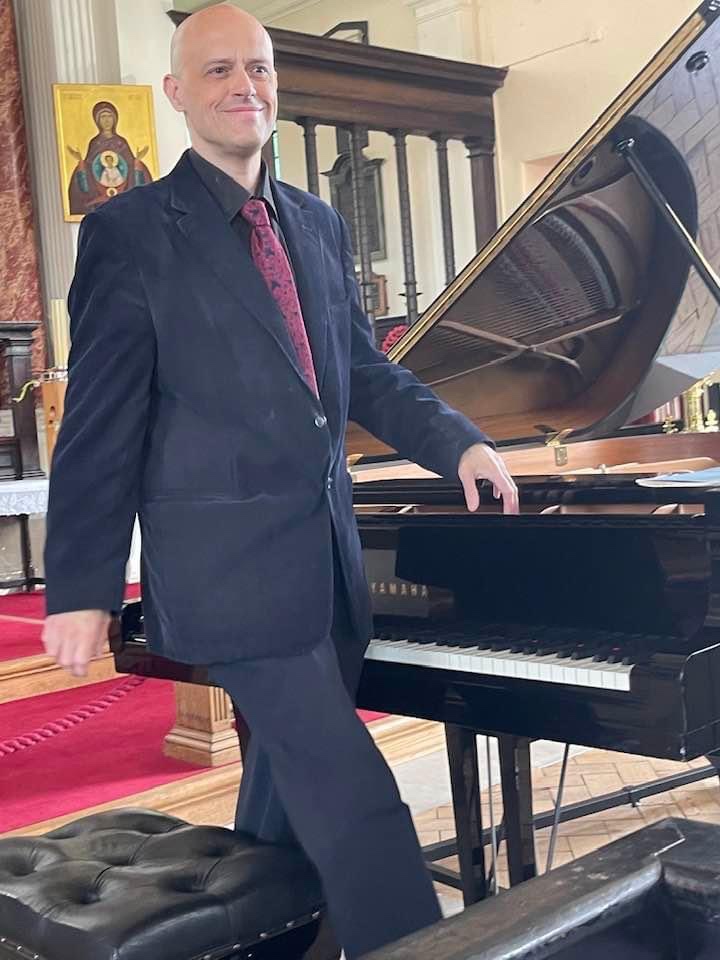
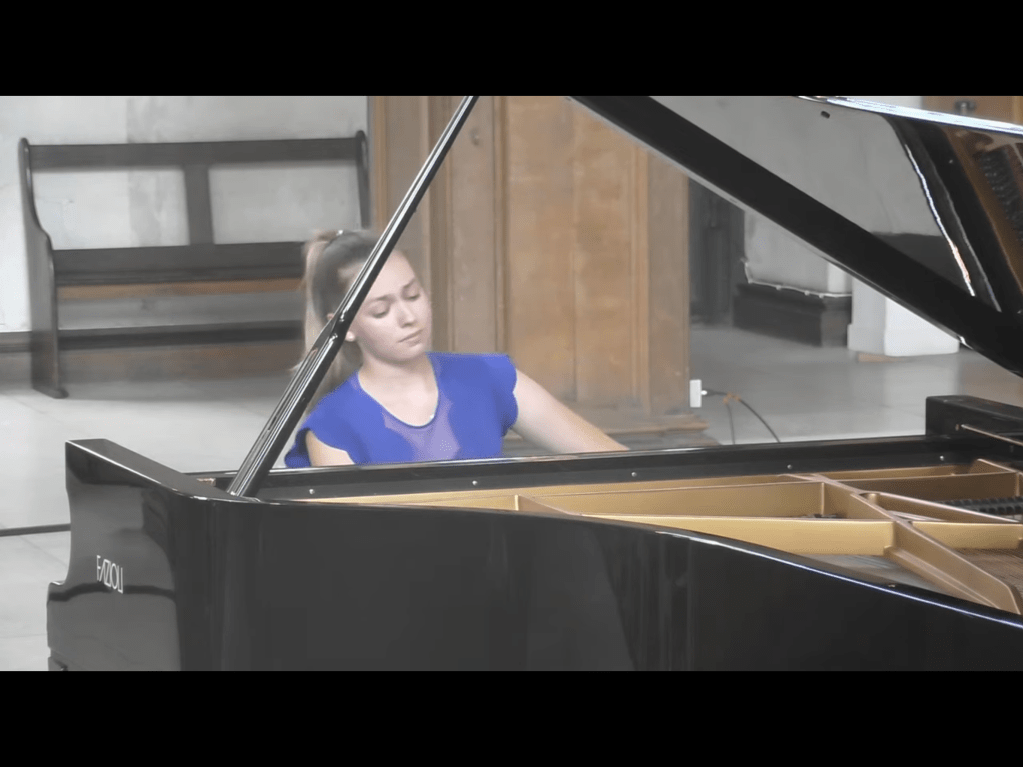
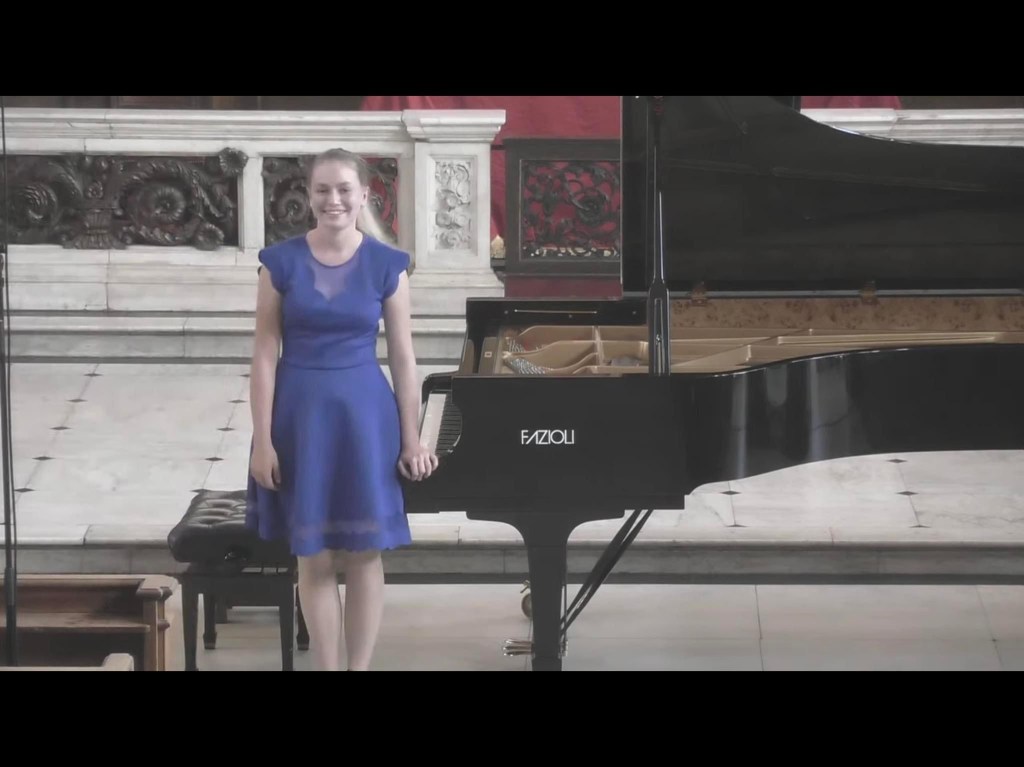
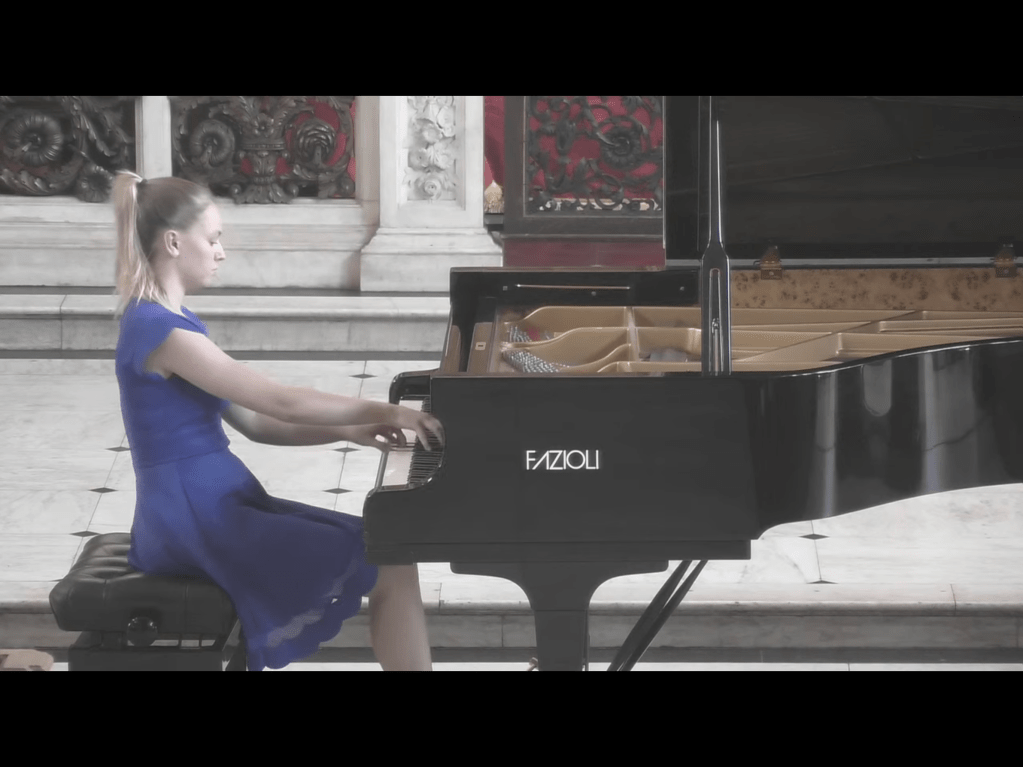
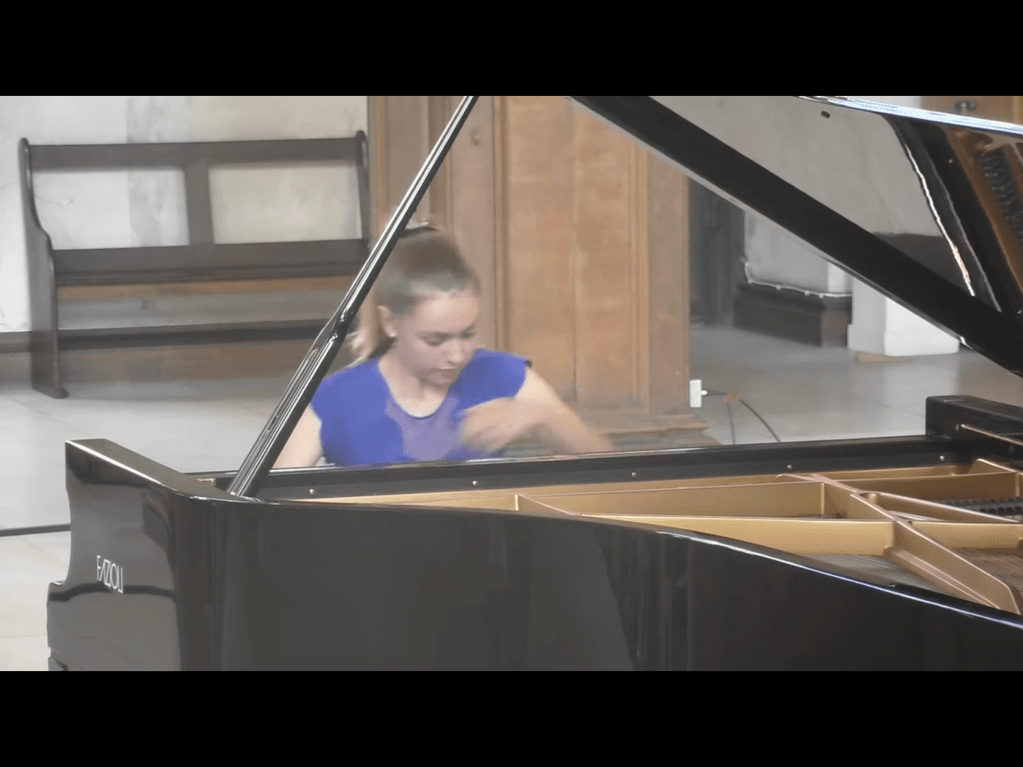
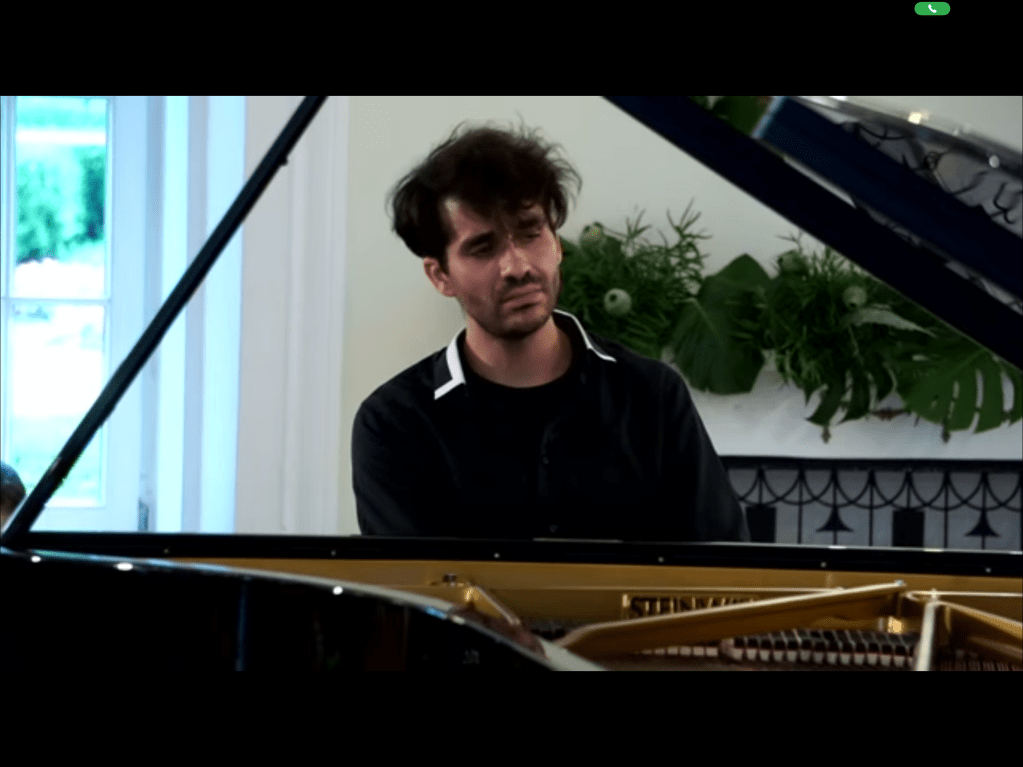
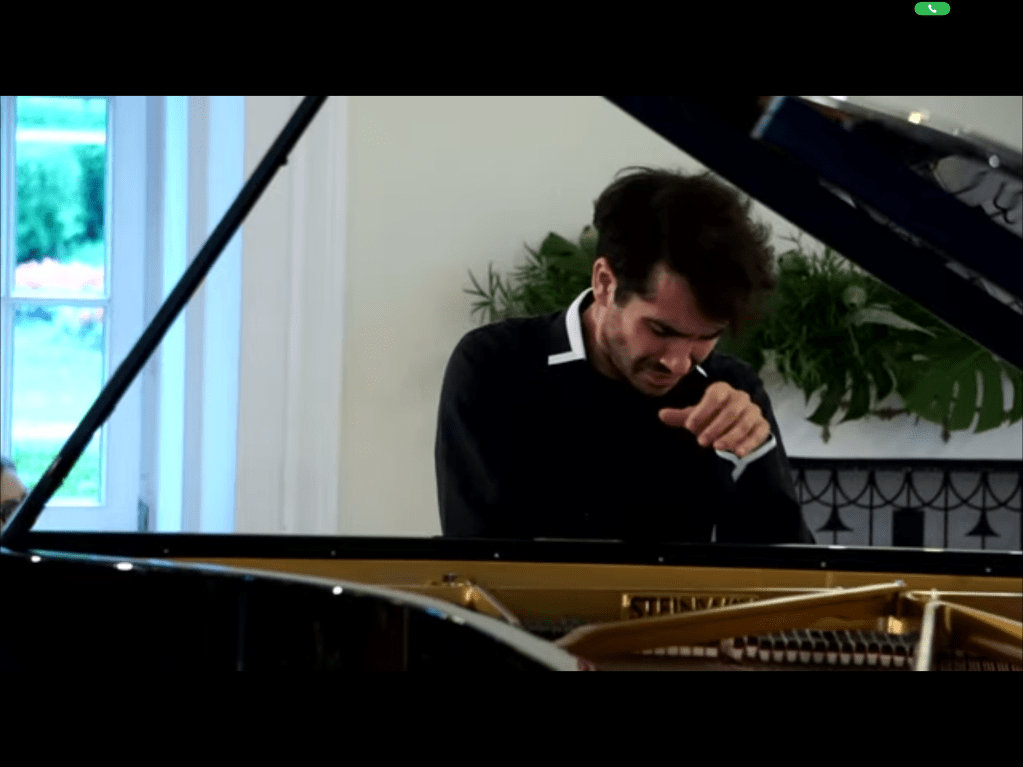
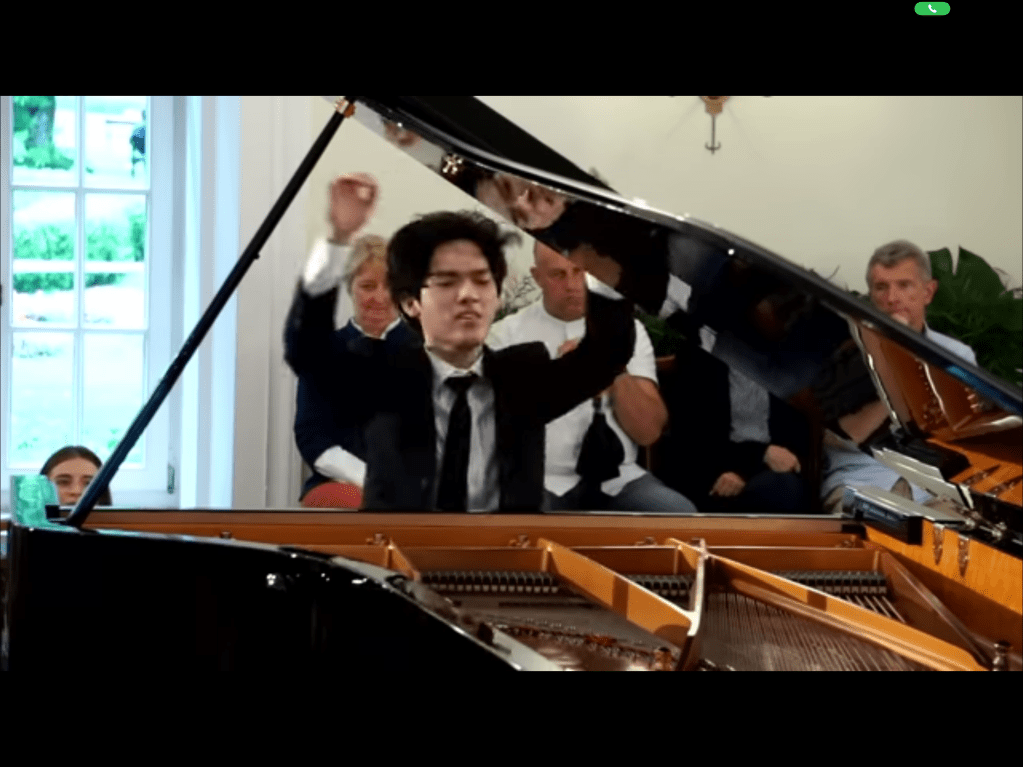
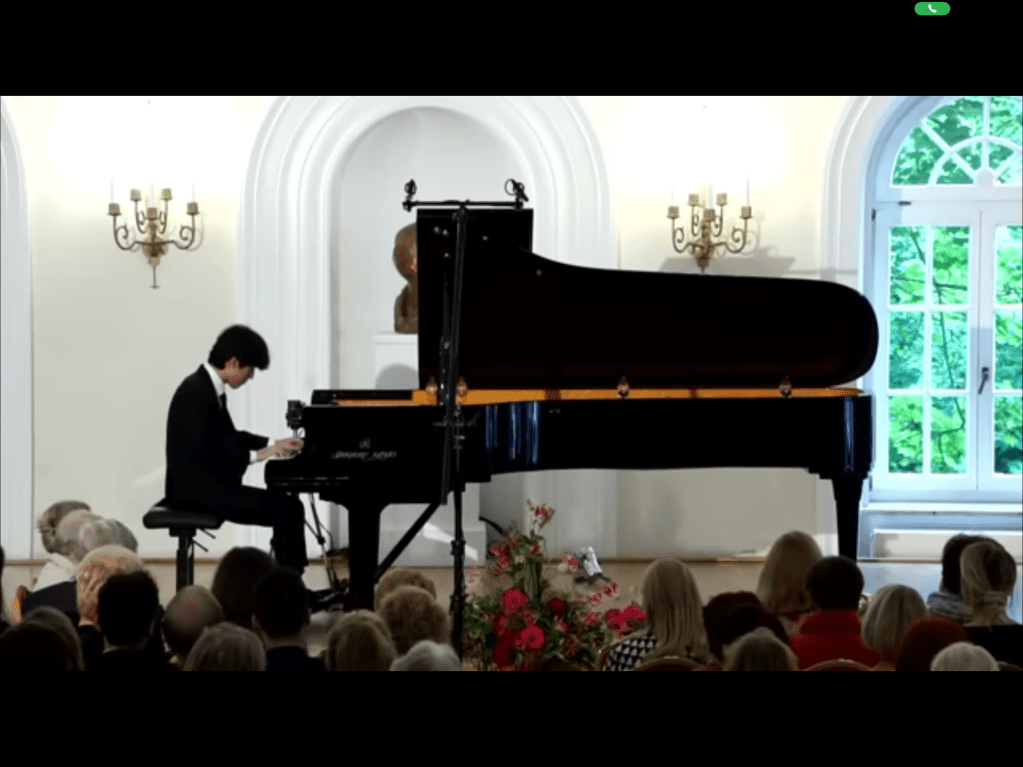
Great success for Thomas Kelly with his end of year Master’s recital that had been postponed from June because of illness .
A sumptuous performance of playing that is at last getting the recognition it deserves.
Beethoven’s Eroica Variations played with a relentless dynamic drive and a kaleidoscopic sense of colour.
If he just missed the grace and charm that Curzon could pinpoint so magnificently he certainly gave the variations a radiance and luminosity allied to a driving undercurrent of surging energy.
A fearless performance of great architectural shape where there were moments of sublime calm in between a storm that only a Serkin could have conjured up.
A Medtner Sonata op 38 played with such clarity and ravishing sounds.The opening so reminiscent of Schumann’s Humoreske but the return of this typically Russian nostalgic melody haunting us to the very end of a journey that had seen such marvels in the hands of a true master.
I have never been convinced by the work of Medtner who when I am asked who he is I can only reply:’Rachmaninov without the tunes!’
Today for the first time he was revealed as a master of colour,melody and architectural shape that kept me totally mesmerised.
The spell was soon broken with the savage attack that Thomas waged on us with the opening of Agosti’s Firebird.
I have heard Thomas play many times from that very first moment five years ago when he unexpectedly ran off with the Chissell Schumann prize.
It was the first occasion that this young student of the late Andrew Ball had emerged as a major talent to keep an eye on.
This today was a pianist of an authority and unique musical personality that had been noted in Leeds and in Hastings but has now matured into a major talent ready to take the world by storm.
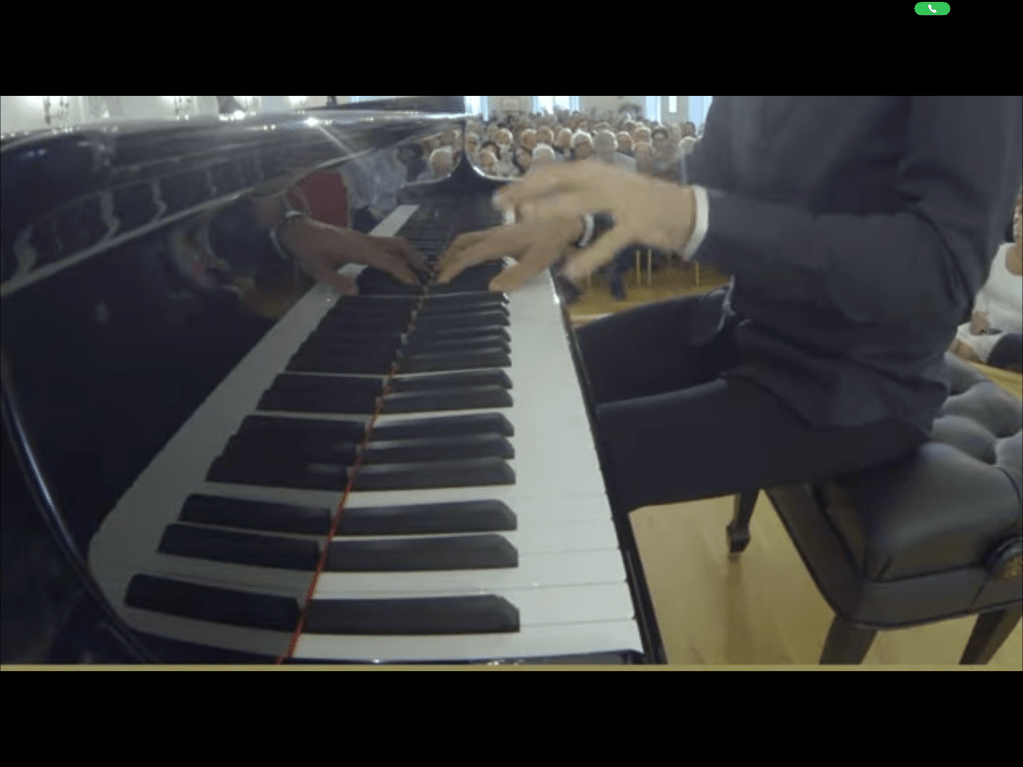
The phenomenal challenges that Agosti placed before us mortals in 1928 with the transcription of Stravinsky’s Firebird were taken by the scruff of the neck and played with a fearless abandon where the melodic line emerged amidst a barrage of technical hurdles.
It was,though,the musical line and overall energy that took us by storm in this very resonant hall .
Perhaps for Beethoven it had been too resonant and could have done with a much sparser use of pedal but here in Stravinsky it created an orchestra of overwhelming power and sumptuous sound .Has the opening of the finale ever sounded more radiant and seductive or the ending more savage?
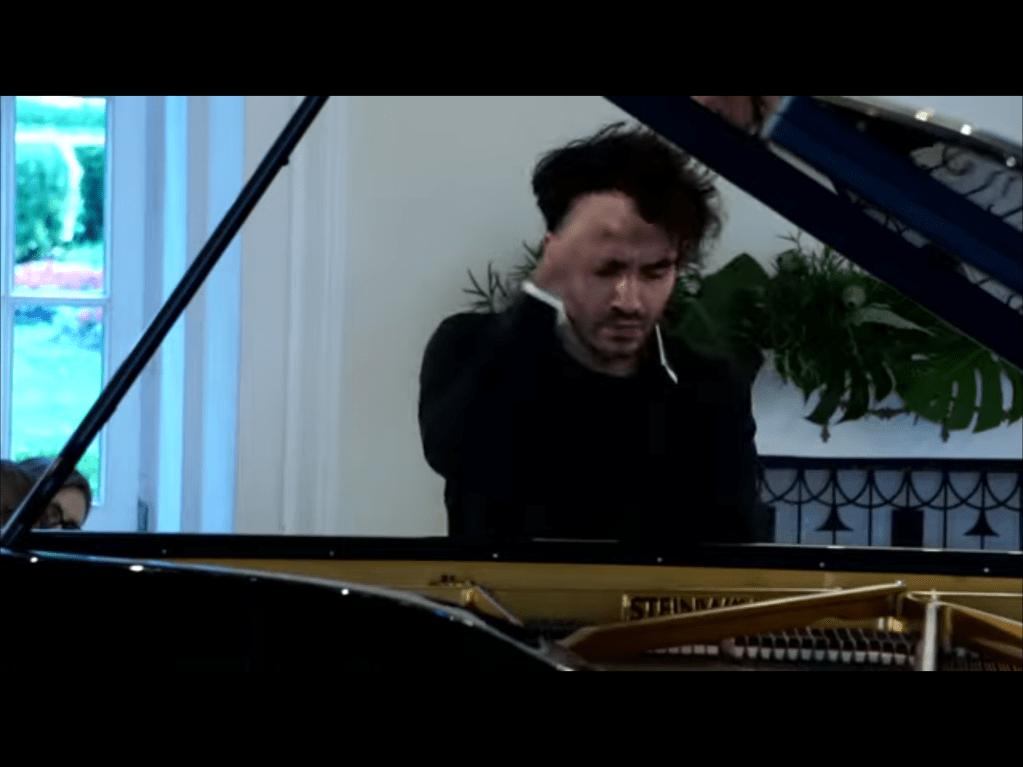
An extraordinary performance of a man possessed and on his way to the heights.
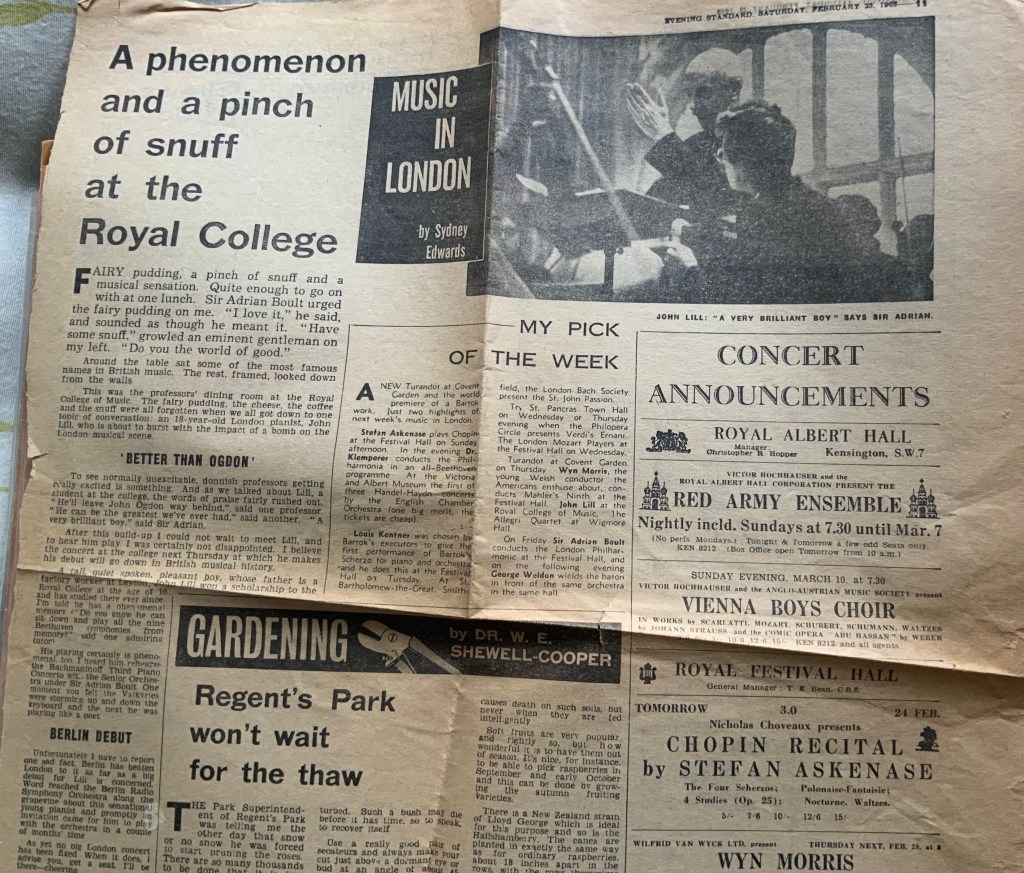
Now studying with Dmitri Alexeev and Vanessa Latarche he will bring the same recognition to the College as the 17 year old John Lill who I heard give a sensational performance of Rachmaninov Third Piano Concerto on this very stage over fifty years ago .


At the outbreak of the Second World War, Medtner’s income from German publishers disappeared, and during this hardship ill-health became an increasing problem.
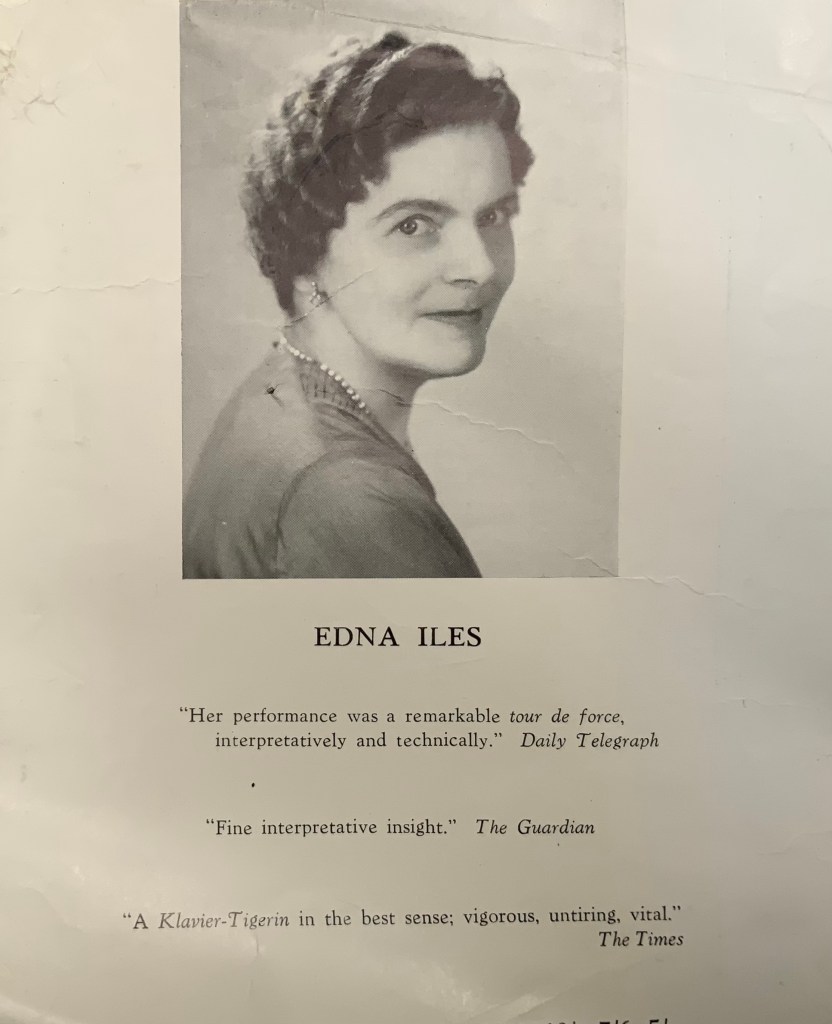
His devoted pupil Edna Iles gave him shelter in Warwickshire where he completed his Third Piano Concerto first performed in 1944 and in gratitude to his patron it is dedicated to the Maharajah of Mysore.
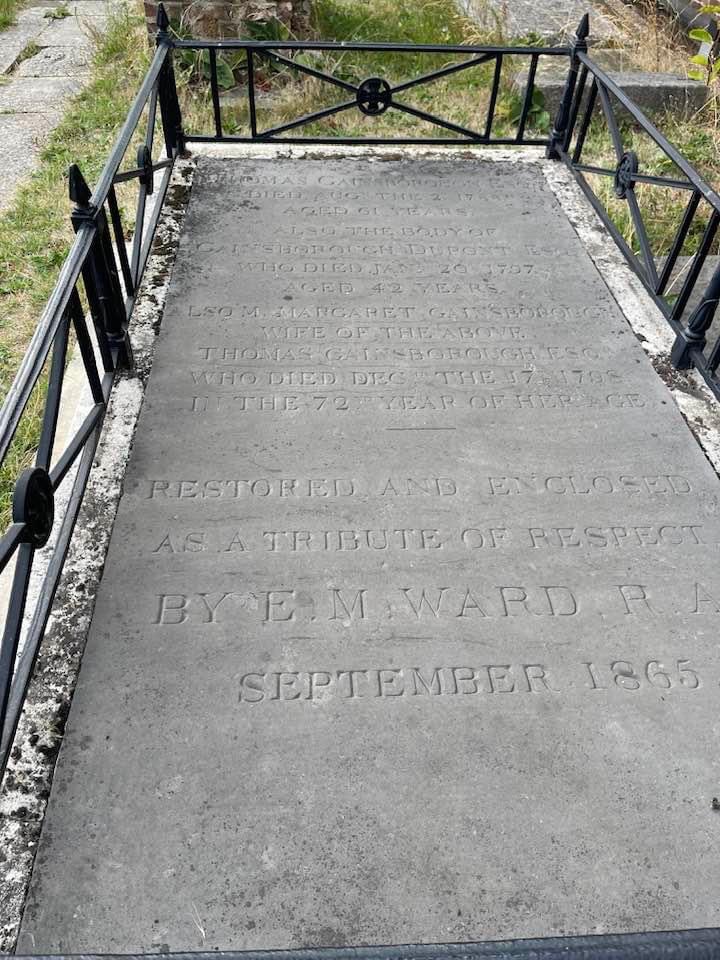
He died at his home in Golders Green in London on 13 November 1951,and is buried alongside his brother Emil in Hendon Cemetery.Anna died in 1965.

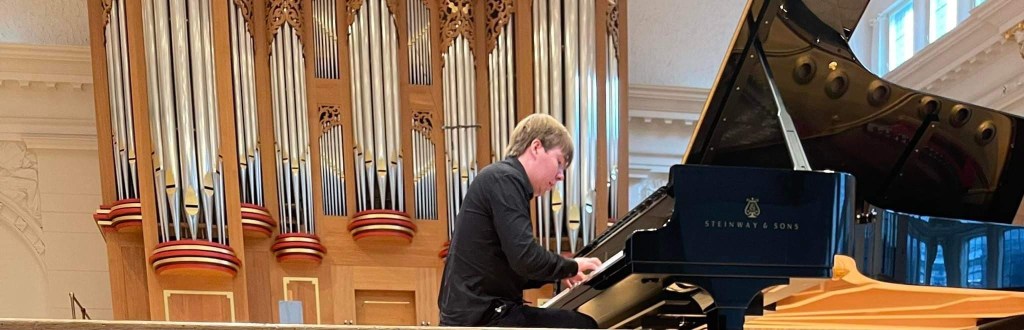
Relief comes in the Berceuse, which presents its own pianistic challenges, mainly those of finely sifting the overtones of vast chord structures surrounding the lonely tune singing out from the middle of the keyboard.
The wedding celebration depicted in the Finale presents Stravinsky’s trademark habit of cycling hypnotically round the pitches enclosed within the interval of a perfect 5th. Just such a melody, swaddled in hushed tremolos, opens this final movement. It is a major challenge for the pianist to imitate the shimmering timbre of the orchestra’s brightest instruments as this theme is given its apotheosis to end the suite in a blaze of sonority that extends across the entire range of the keyboard.
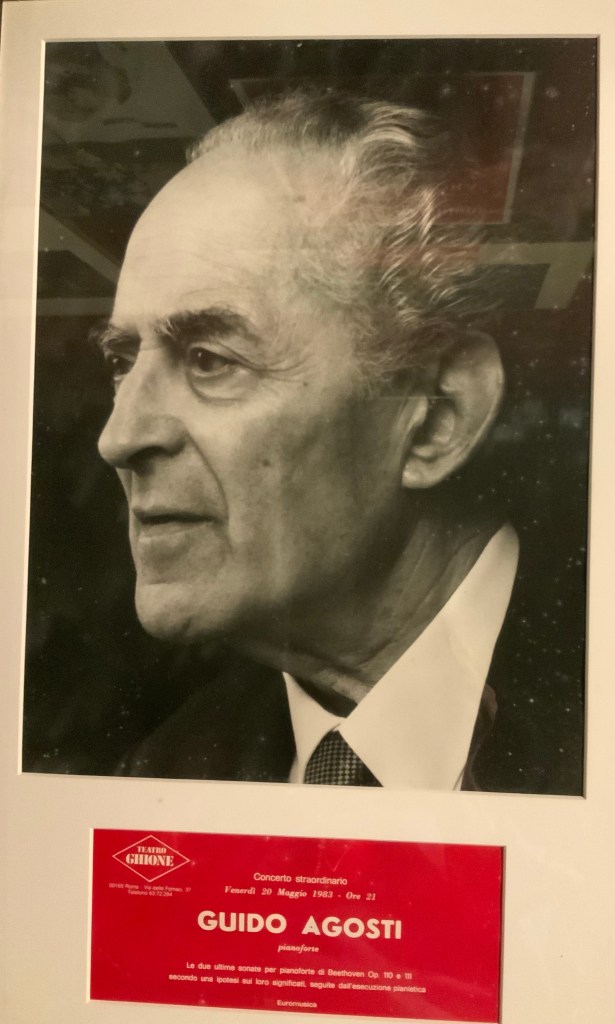
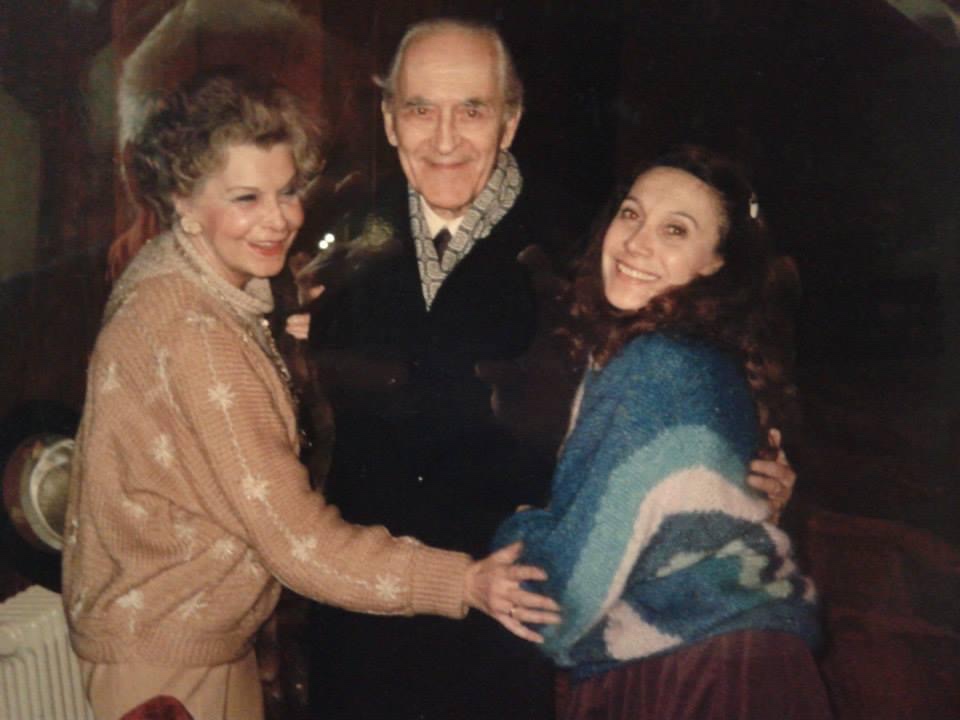
He and his wife were great friends who often stayed with us in Sabaudia …….Our wives would spend the day on the beach whilst the Maestro and I would play Beethoven quartets and symphonies all day long preparing an evening after dinner concert that we were expected to produce for our wives delight!

Thomas Kelly The Golden Age of piano playing shines brightly at St Mary’s

27/28 October RCM 7.30 Adrian Partington conductor
Misha Kaploukhii piano. RCM Concerto Competition Winner plays Liszt’s second and final piano concerto
RCM Symphony Orchestra and Chorus
Mark Biggins chorus director
Liszt Piano Concerto no 2 in A major S 125
Vaughan Williams A Sea Symphony
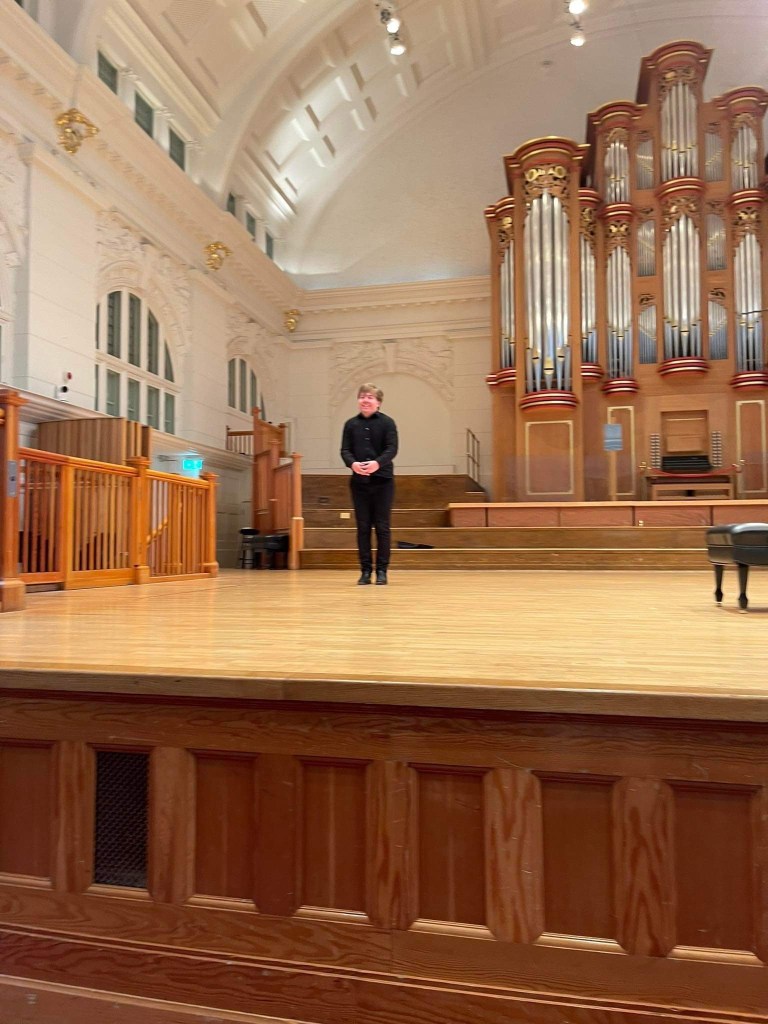
Thomas Kelly at Steinway Hall,London for the Keyboard Trust ‘New Artist’ series
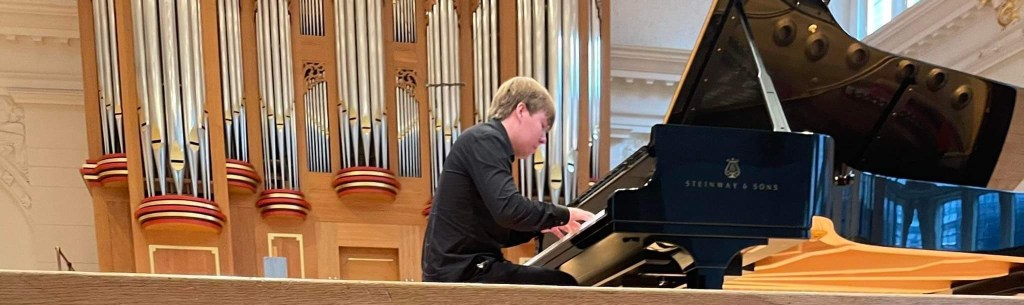
A recent five star review of the same performances a few weeks ago https://www.theguardian.com/music/2022/jul/23/proms-week-1-review-bbc-philharmonic-mena-lawrence-power-sinfonia-of-london-john-wilson-first-night-verdi-requiem-attila-royal-opera-speranza-scappucci-thomas-kelly-pianist-deal-festival?CMP=twt_a-music_b-gdnclassical&fbclid=Iw
13 th October RCM at 7.30 Amarylis Fleming Concert Hall
Sakari Oramo conductor
Thomas Kelly piano
RCM Symphony Orchestra
Beethoven Piano Concerto no 4 in G major op 58
Shostakovich Symphony no 10 in E minor op 93
Sakari Oramo, chief conductor of the BBC Symphony Orchestra, directs an unmissable programme of repertoire played by the RCM Symphony Orchestra.
Rising star and RCM pianist Thomas Kelly takes centre stage for Beethoven’s Piano Concerto no 4 – widely considered the pinnacle of piano concerto repertoire. To add to a number of accolades, Thomas won second prize at the Hastings International Piano Concerto Competition in March and was also a finalist at the 2021 Leeds International Piano Competition. Supported by Her Serene Highness Princess Heidi von Hohenzollern HonRCM





 ChristopherAxworthy-MusicCommentary