Bach Prelude & Fugue in F minor, BWV 881 Beethoven Piano Sonata No. 32 in C minor, Op. 111 Chopin Andante Spianato et Grand Polonaise Brillante in E flat major, Op. 22
‘A performance of noble grace and clarity combined with emotional warmth and celestial lyricism. Bach Prelude and Fugue in F minor- the Prelude was flowing with natural agogics, embellished with passing notes and trills, a gentle rendering with beautiful colouring of parts. A brisk start to the fugue, dry and clear articulation contrasted to the more smoothly sustained prelude. Characterful voice leading and precise articulation together with a fast tempo created a driven character. Beethoven Sonata op 111- the monumental scope of this monolith sonata was evident from the grand opening gestured by Ayane. Powerful virtuosic passages interchanged with atmospheric and well judged pauses and lyrical episodes. Rhythmic drive and clarity of the playing, once again, brought the character to the surface but more appropriately to the style, waves of emotional charge streamed through the playing. The Adagio was as beautifully paced, full of rich well-voiced sonorities with inner voices creating perfect harmony. Noble expression unveiled the rolling narrative passing through moments of perfect celestial stillness and contemplation and through moments of utter determination and emotional intensity. One felt that the sonata was too short in the hands of Ayane- so emotionally harmonious and balanced was her interpretation of this gigantic masterwork. The Chopin Andante Spianato and Grand Polonaise Brillante confirmed Ayane as a brilliant virtuoso as well as stylistically aware interpreter. Flawless passages intermingled with seductive micro rubato and Polonaise pacing to make the audience wish they were able to dance. The great dynamic contrasts threw light and shade onto the piece from powerful octave runs to gentlest harp-like arpeggios of the Andante Spianato.’
It was a most enjoyable recital, which left the audience mesmerised, excited and clear that they had witnessed a real artist at work.Elena Vorotko C/O Artistic Director Keyboard Trust
in discussion with Elena Vorotko
Japanese-American pianist Ayane Nakajima is the prize winner of several international competitions including Young Texas Artists, the International Keyboard Odyssiad and Festival, and YoungArts.
Ayane was born in New York and began studying the piano at the age of three at the Kaufman Music Center. From the age of six until she was eighteen, she studied privately with Dr. Hiromi Fukuda.
Ayane is currently a Royal College of Music Scholar and is studying for her Master’s degree with Danny Driver. She received her Bachelor of Music degree from Rice University’s Shepherd School of Music in Houston, Texas where she studied with Dr. Jon Kimura Parker.
Ayane has given performances at prestigious venues across the United States such as Steinway Hall New York, Scandinavia House, Alice Tully Hall, Rose Studio at the Lincoln Center, Weill Recital Hall at Carnegie Hall and the New World Center. She also participates in summer festivals, most recently at the Académie Internationale d’Eté de Nice, where she studied with pianist Akiko Ebi.
Alongside many top honours, Ayane was selected as a recipient of the 2023 Louis Sudler Prize in the Arts by the Dean of Undergraduates at Rice University, awarded since 1983 to a graduating senior who exhibits ‘promise in the arts’. She was also nominated as a semi-finalist for the 2019 United States Presidential Scholar in the Arts. In 2018, she had her concerto debut performing Rachmaninoff’s Piano Concerto No. 1 with Eugene Muneyoshi Takahashi and the Lucidity Chamberistas.
As a chamber musician, Ayane has won multiple chamber music competitions including the 2019 Young Musicians Competition at the Chamber Music Society of Lincoln Center, performing Faure’s Piano Quartet No. 1 at Alice Tully Hall. She was also invited by euphonist Demondrae Thurman, Chair of the Department of Brass at Indiana University’s Jacobs School of Music, to perform alongside him and other brass musicians in Port Washington, NY. She has worked closely with notable chamber coaches such as Paul Kantor, Desmond Hoebig and Kathleen Winkler, and has participated in masterclasses with distinguished teachers and performers such as Roberto Plano, Jeremy Denk, Logan Skelton, Nina Lelchuk, Akiko Ebi and Marina Lomazov.
Joseph Haydn (1732-1809) Piano Sonata in B minor HXVI/32 (by 1776) I. Allegro moderato • II. Menuet • III. Finale. Presto
Fryderyk Chopin (1810-1849)Etude in E flat minor Op. 10 No. 6 (1830-2) Etude in E Op. 10 No. 3 (1832) Fantasy in F minor Op. 49 (1841)
Modest Mussorgsky (1839-1881)Pictures from an Exhibition (1874) Promenade 1 • The Gnome • Promenade 2 • The Old Castle • Promenade 3 • Tuileries • Bydlo • Promenade 4 • Ballet of the Unhatched Chicks • “Samuel” Goldenberg und “Schmuÿle” • Promenade 5 • The Market Place at Limoges • Catacombs (Sepulchrum Romanum) • Cum mortuis in lingua mortua • The Hut on Fowl’s Legs (Baba-Yaga) • The Great Gate of Kiev
An ovation for Alexander Gavrylyuk after performances that recall Cherkassky for their refined multicoloured tone palette. An exquisite Haydn B minor with such refined phrasing and delicacy of sound.A rare sensibility as he shaped the music with loving beauty allowing it to speak so simply and eloquently.Ravishing beauty of the Minuet where even the contrasting Trio was played with a rare sensibility .The Finale was played with scintillating character and spirit. Chopin’s two most lyrical studies from op 10 were played with the same aristocratic style of Cherkassky (who used to play Godowsky’s left hand version of n.6 in E flat minor too ).A chiselled beauty even rather monumental at times but a whole world in so few pages that was of an inspired artist sharing his thoughts with us.A Fantasy op 49 of dramatic contrasts and the same impetuosity as his temperament was occasionally unleashed by his red hot temperament But it is Mussorgsky ‘Pictures’ that will resound around these walls for long to come with a breathtaking recreation of an old war horse given miraculous new life. The opening promenade I have never heard phrased so beautifully with a wondrous legato and a quite unique sensibility to balance .At times like a cat on a hot tin roof with the astonishing character that he brought to each picture but also harmonies and inner counterpoints that only a magician could find.I doubt ‘Gnomus’ or ‘Bydlo’ have ever been so terrifyingly portrayed as he seemed to wade through the mire like a monster in some devilish quicksand .The frenzy of “Baba Yaga’ that was attacked so violently but then astonished us with sudden changes of colour that took us by surprise.There was the sedate nobility of Goldenberg and the luminosity of Schmuyle and a Limoges Market Place of breathtaking activity .Chicks that just vanished into thin air with a chuckle and Catacombs that would give you nightmares .If the ‘Great Gate’ was rather too fast for the majesty and significance that it especially holds for us today the layers of sound and sense of balance I have only ever heard from Cherkassky.A true master of balance and colour and truly a Cherkassky look alike in so many memorable ways.I remember Shura playing ‘Pictures’ in the vast space of the Albert Hall and playing with such vehemence that he dislodged the soft pedal that made such an unearthly twang but just added another colour to his kaleidoscopic palette. But it was the two encores by enormous insistence that showed his great artistry with a ravishing sense of balance that could allow the ‘Vocalise’ to sing as never before .It was this that I had heard on the radio a few years ago that stopped me in my tracks for its crystalline velvet beauty.The Scriabin Study op 2 was played with the beguiling sense of insinuation and aristocratic nobility of another age when pianist were magicians who could conjure up sounds that shone like jewels glistening on a sumptuous velvet plate .
A plate fit for a King and it was indeed a Prince who had enchanted,seduced and entranced us today as rarely before.
Franz Joseph Haydn 31 March 1732 – 31 May 1809
The 55 Haydn Sonatas are perhaps the least-known treasures of the piano repertoire. In them one can hear Haydn virtually inventing the classical style, from the early, somewhat tentative beginnings, through the bold experiments of the 1770s, to the adventurous late works. As with Beethoven (Haydn’s somewhat recalcitrant student) each sonata is a new exploration, and the element of surprise is ever present. Haydn delights in abrupt transitions, twists and turns, sudden pauses, and apparent non sequiturs; listening to him demands a constant alertness.
The 1770s, when Haydn’s Sonata in B minor was composed, was the age of Sturm und Drang (storm and stress) in German culture, an age when aberrant emotions were all the rage in music; and what better tonal avouring than the minor mode to convey these emotions?
It is also important to note that the 1770s was the period in which the harpsichord was gradually giving way to the new fortepiano, precursor of the modern grand, and there is much in this sonata to suggest that it still lingered eagerly on the harpsichord side of things, at least texturally.
This cross-over period between harpsichord and fortepiano plays out in the nature of the first movement’s two contrasting themes.
In place of a lyrical slow movement, Haydn offers us a minuet and trio which features thematic material as dramatically contrasting as the first and second themes of the first movement. The minuet is in the major mode, set high in the register, sparkling with trills
The trio is daringly in the minor mode, set low, and grinds grimly away in constant 16th-note motion.
Haydn wouldn’t be Haydn if he didn’t send you away with a toe-tapping finale and such a movement ends this sonata. To that end, Haydn’s go-to rhythmic device is repeated notes, and this nale chatters on constantly at an 8th-note patter, interrupted at random, it would seem, by surprising silences and dramatic pauses – as if to allow the performer to turn sideways and wink at his audience.
Pictures at an Exhibition is based on pictures by the artist, architect, and designer Viktor Hartmann. It was probably in 1868 that Mussorgsky first met Hartmann, not long after the latter’s return to Russia from abroad. Both men were devoted to the cause of an intrinsically Russian art and quickly became friends. They met in the home of the influential critic Vladimir Stasov, who followed both of their careers with interest. According to Stasov’s testimony, in 1868, Hartmann gave Mussorgsky two of the pictures that later formed the basis of Pictures at an Exhibition.
The Great Gate of Kiev
PICTURES AT AN EXHIBITION Promenade l The Gnomes Promenade ll The Old Castle Promenade lll The Tuileries: Children’s dispute after play Bydlo Promenade IV Ballet of the unhatched chicks Two Polish Jews: Rich and poor Promenade V The market at Limoges Roman Catacombs – With the dead in a dead language Baba Yaga: The Witch The Heroes Gate at Kiev
Viktor Hartmann
Hartmann’s sudden death on 4 August 1873 from an aneurysm shook Mussorgsky along with others in Russia’s art world. The loss of the artist, aged only 39, plunged the composer into deep despair. Stasov helped to organize a memorial exhibition of over 400 Hartmann works in the Imperial Academy of Arts in Saint Petersburg in February and March 1874. Mussorgsky lent the exhibition the two pictures Hartmann had given him, and viewed the show in person, inspired to compose Pictures at an Exhibition, quickly completing the score in three weeks (2–22 June 1874).Five days after finishing the composition, he wrote on the title page of the manuscript a tribute to Vladimir Stasov, to whom the work is dedicated.The music depicts his tour of the exhibition, with each of the ten numbers of the suite serving as a musical illustration of an individual work by Hartmann.Although composed very rapidly, during June 1874, the work did not appear in print until 1886, five years after the composer’s death, when a not very accurate edition by the composer’s friend and colleague Nikolai Rimsky-Korsakov was published.
A portrait painted by Ilya Repin a few days before the death of Mussorgsky in 1881
Mussorgsky suffered personally from alcoholism, it was also a behavior pattern considered typical for those of Mussorgsky’s generation who wanted to oppose the establishment and protest through extreme forms of behavior.One contemporary notes, “an intense worship of Bacchus was considered to be almost obligatory for a writer of that period.”Mussorgsky spent day and night in a Saint Petersburg tavern of low repute, the Maly Yaroslavets, accompanied by other bohemian dropouts. He and his fellow drinkers idealized their alcoholism, perhaps seeing it as ethical and aesthetic opposition. This bravado, however, led to little more than isolation and eventual self-destruction.
Alexander Gavrylyuk (born 19 August 1984) is a Ukrainian-born Australian pianist whose first concert performance was at the age of nine. He moved to Australia at the age of 13.A stunningly virtuosic pianist, Alexander is internationally recognised for his electrifying and poetic performances. His performance of Rachmaninov Piano Concerto No.3 at the BBC Proms was described as “revelatory” by the Times and “electrifying” by Limelight. For the 23/24 season, Alexander will be Artist in Residence at Wigmore Hall, performing three recitals across the season.
Highlights of the 2023-24 season include debuts with NDR Hannover, Bochum Symphoniker and Amsterdam Sinfonietta, as well as return visits to Sydney Symphony, Adelaide Symphony, Bournemouth Symphony, Aarhus Symphony & Rheinische Philharmonie. Recent highlights also include Detroit Symphony, Dallas Symphony, Polish Baltic Philharmonic, Sao Paolo Symphony & Rhode Island Philharmonic.
Born in Ukraine in 1984 and holding Australian citizenship, Alexander began his piano studies at the age of seven and gave his first concerto performance when he was nine years old. At the age of 13, Alexander moved to Sydney where he lived until 2006. He won First Prize and Gold Medal at the Horowitz International Piano Competition (1999), First Prize at the Hamamatsu International Piano Competition (2000), and Gold Medal at the Arthur Rubinstein International Piano Masters Competition (2005).
He has since gone on to perform with many of the world’s leading orchestras, including: New York, Los Angeles, Czech, Warsaw, Moscow, Seoul, Israel and Rotterdam Philharmonics; NHK, Chicago, Cincinnati and City of Birmingham Symphony orchestras; Royal Concertgebouw Orchestra, Philharmonia, Wiener Symphoniker, Orchestre National de Lille and the Stuttgarter Philharmoniker; collaborating with conductors such as Vladimir Ashkenazy, Alexandre Bloch, Herbert Blomstedt, Andrey Boreyko, Thomas Dausgaard, Valery Gergiev, Neeme Järvi, Vladimir Jurowski, Sebastian Lang-Lessing, Kirill Karabits, Louis Langrée, Cornelius Meister, Vassily Petrenko, Rafael Payare, Alexander Shelley, Yuri Simonov, Vladimir Spivakov, Markus Stenz, Sir Mark Elder, Thomas Søndergård, Gergely Madaras, Mario Venzago, Enrique Mazzola and Osmo Vänska.
Gavrylyuk has appeared at many of the world’s foremost festivals, including the Hollywood Bowl, Bravo! Vail Colorado, Mostly Mozart, the Ruhr Festival, the Kissinger Sommer International Music Festival, the Gergiev Festival in Rotterdam.
As a recitalist Alexander has performed at the Musikverein in Vienna, Tonhalle Zurich, Victoria Hall Geneva, Southbank Centre’s International Piano Series, Wigmore Hall, Concertgebouw Master Pianists Series, Suntory Hall, Tokyo Opera City Hall, Great Hall of Moscow Conservatory, Cologne Philharmonie, Tokyo City Concert Hall, San Francisco, Sydney Recital Hall and Melbourne Recital Centre. Alexander also performs regularly with his recital partner Janine Jansens throughout Europe.
Alexander is Artist in Residence at Chautauqua Institution where he leads the piano program as an artistic advisor. He supports a number of charities including Theme and Variations Foundation which aims to provide support and encouragement to young, aspiring Australian pianists as well as Opportunity Cambodia, which has built a residential educational facility for Cambodian children.
It was the minutes of silence at the end of this momentous journey that said it all.A quite remarkable performance because Milosz did nothing and in so doing allowed Bach’s wondrous work to speak for itself Keeping the tempo constant like a great wave on which these monumental variations could float with authority and purity.
This is Bach’s Monument written in stone.This was the authority of Rosalyn Tureck who was known as the High Priestess of Bach.There are others that play it with the song and the dance in mind like Tatyana Nikolaeva or Angela Hewitt. The wonder of Bach’s Universal Genius is that it can be played in so many different ways and on so many different instruments but the message is always the same.Bach the glorification of the spirit.
There was poignant purity to the long slow 25th variation and Milosz did not fall into the rather conventional habit of adding ornaments but just let the music speak for itself .With the possibility of the piano to sustain notes it makes the performing practices of the harpsichord superfluous.It was the chiselled perfection of Milosz that was like Tureck so extraordinary.Tureck had more variation of sounds as her sense of touch was quite unique and even a speck of dust on the keys could unbalance her. Often she would come on stage and see the lid of the keyboard had been left open and with a smile would take out her handkerchief to clear away any specks of dust that might have appeared while she had been in the green room.
The only evident sense of personal participation from Milosz was actually at the end of this 25th variation when the final notes he played with a pointed finger that gave a just weight to each of the final notes.There was a wonderful rhythmic control to the 29th where so often ( even with Tureck) the virtuoso notes can be like a cat and mouse chasing each others up and down the keyboard .The Quodlibet was played with weight and seriousness that belied the actual words that Bach had set to music:’I have not been with you for so long’ and ‘Cabbages and turnips have driven me away’! The long wait before the return of the aria was beautifully judged by Milosz – it was here that André Tchaikowsky used to hold the final G of the Quodlibet and magically float the aria on it as if suspended in space.
A remarkable performance from this young musician not surprisingly from the class of Norma Fischer I am pleased to note.
I had heard Rosalyn Tureck play the Goldberg Variations in London in the RFH at 6.45 on the harpsichord and at 9 on the piano.I had never forgotten it when I invited her to play in Rome and she decided that she would come out of her enforced retirement to once more take centre stage in her Indian Summer .She became the diva of Italy at the age of 80!I had also invited Tatyana Nikolaeva to play the Goldbergs a month later and got greatly criticised for not varying the programmes in my Euromusica Concert Series.Now the programmes that I promoted are looked at in disbelief that all those great musicians could play in the same hall in the same season .
https://drive.google.com/file/d/1Iqv_bbIqJYEbj97Asf6CHq_iKw3W7gDk/view?usp=drivesdkThe High Priestess became a very close friend and here she is with my wife at our country home at Monte Circeo.I took her to the historic Teatro Olimpico in Vicenza with the scarf that covered the name of the piano that was Radu Lupu’s favourite but unfortunately Rosalyn Tureck only plays Steinway and this was Borgato !Her agent had a nervous breakdown when Rosalyn finally agreed to play it and a string broke in the first piece.My birthday 1996 Rosalyn had decided to give me a recital as a present !
Milosz Sroczynski is a Polish pianist based in Zurich, Switzerland. He completed his education in Hannover, Geneva with Cédric Pescia, Zurich with Konstantin Scherbakov and Christoph Berner, and London, where he obtained the Artist Diploma at the Royal College of Music, as a scholar and student of a legendary British pianist and distinguished teacher Prof. Norma Fisher. Additionally he has worked with Janina Fialkowska, Pierre-Laurent Aimard to name a few. Milosz performed giving solo and chamber music recitals in Switzerland and in many European countries – in Germany, Poland, Sweden, the Netherlands, UK, Italy, France, Spain. His performances had been broadcasted live on Polish Radio where he also made archival recordings. He frequently appeared performing a high-demanding Goldberg Variations by J.S.Bach across Europe in London, Berlin, Hamburg, Gothenburg, Zurich and Warsaw. He is a versatile pianist with a wide-ranging classical repertoire, encompassing Bach, the Viennese Classics, German Romanticism, and Chopin, as well as the works of French modernists. With an enthusiastic embrace of contemporary pieces, he creates interesting crossover concert programs that seamlessly blend classical and modern compositions, captivating audiences with his innovative and dynamic performances. Milosz is a prizewinner of several piano competitions and was awarded prestigious Swiss, Polish, British and Israeli scholarships. He teaches at the Conservatory of Zurich.
Some remarkable playing from Leonardo Pierdomenico who after a week of concerts in London solo and with the distinguished ‘cellist Erica Piccotti was able to produce such a memorable final recital in Perivale.From the very first notes of Respighi’s atmospheric ‘Notturno’ there was a dynamic range of sounds with a wondrous sense of balance.A way of caressing the keys that no matter how intricate or tumultuous ,the sound was never hard but always luminous and fluid .A kaleidoscope of sounds that allowed his remarkable musicianship to delve deep into the scores and reveal secrets that are rarely shared with others.A musicianship that allowed him to make a piano transcription of one of Respighi’s best known works for full orchestra which has never been attempted on the piano before.Respighi was very precise about the multicoloured sounds he wanted from the orchestra and to bring this to a single instrument was a tour de force of musicianly craftsmanship .Just as Agosti in 1928 had miraculously been able to transcribe Stravinsky’s ‘Firebird’ to a single instrument .It has become an important part of the piano repertoire just as this transcription will become for all those that can attempt the gargantuan technical difficulties as Leonardo could with such masterly ease.The ‘Firebird’ too is a showpiece only for the greatest of pianists requiring not only a technical mastery of the instrument but above all a range of sounds and sense of architectural shape that is only for the greatest musicians to contemplate.The build up of sonority in the final piece of the ‘Appian Way’ was done with the same mastery that Agosti brings to his transcription.It is done with a masterly use of pedal and a sense of balance allied to the superhuman dexterity of someone who is a true illusionist and can turn this box of hammers and strings into an orchestra of such overwhelming power.The build up to the final few bars was truly masterly both as transcriber and as performer.
It was an interesting combination with Liszt’s rarely heard ‘A la Chapelle Sixtine’ and ‘Les Jeux d’eau a la Villa d’Este.’Obviously Leonardo had in mind a voyage to Rome with Respighi and Liszt.Rachmaninov was not just a filler as the composer had begun working on the sonata whilst living for a brief period in Rome.A tour de force of playing of transcendental technical mastery allied to a sense of colour and architectural form that was quite remarkable .The clarity he brought to all he played gave a luminosity and glow to the sound whether in the whispered seductive intricacies or passionate outbursts.It was less hysterical than Horowitz but the technical mastery was the same.Like Horowitz ,Leonardo barely moved but was listening carefully to the sounds he was producing as we were able to watch his hands that seemed to squeeze every ounce of sound out of the keys in such a natural way that made it all look so easy.But behind the notes there was also a great artist with a heart that beat with passionate commitment and dynamic energy.Rachmaninov too used to appear on stage as though he had just swallowed a knife but the sounds he made at the piano ,according to Vlado Perlemuter, were the most ravishingly romantic sounds he had ever heard!
Having ravished and seduced us with his multicoloured playing,as an encore he chose a Scarlatti Sonata of refined purity and simplicity.Ornaments that unwound like springs with playing of a clarity and buoyancy of infectious good humour .A driving rhythmic energy that was like rays of light shooting in all directions from a prism.An exhilarating performance that was a breath of fresh air after the sumptuous seductive sounds of Rachmaninov.
There was a magic atmosphere from the very first notes .An extraordinary sense of balance that allowed the melodic line to glow with such luminosity over a shimmering accompaniment .There was a beautiful fluidity with notes of chiselled beauty accompanying the sumptuous melodic line . Shaped with infinite care as the jewel like drops of water playfully accompanied the ever more intense melodic line.A remarkable purity and clarity that brought this miniature tone poem vividly to life.A remarkable transcription as Leonardo brought a whole orchestra to the piano with the opening joyous outpouring and burning insistence of this Nursery melody.There was a chorale of sensuousness after such frivolity with a gently insistent undercurrent of sounds and a remarkable use of the pedal to create such rich sonorities The Chorale becoming more and more insistent with repeated notes of passionate fervour as Leonardo magically built up the rich sonorities in a quite extraordinary exhibition of transcendental mastery.An ending of almost unbearable exhilaration brought this masterly transcription to a remarkable close A rarely heard work full of orchestral colours too but also the virtuosity of Liszt .Notes that shot up and down the keyboard while a deep insistently throbbing bass kept a firm anchor deep in the depths of the keyboard .It contrasted with the disarming simplicity of the ‘Ave Verum Corpus’that was played with chiselled beauty as it gradually built in intensity in an ecstatic declaration of faith which lead to an ending of great poetic beauty Passion,colour and virtuosity combined to produce an electrifying performance.His architectural control gave great form to a work that can so often seem episodic.Poignant beauty of the ‘Non allegro’ as electric shocks flew from one end of the keyboard to the other with dramatic exhilaration and excitement arriving at the passionate climax that was played with great romantic fervour and sumptuous sounds .The coda just shot from Leonardo’s fingers with amazing speed and clarity and was truly a tour de force of technical mastery.
Fun and games on and off stage last night ……but what music ! Thanks again to Hugh Mather and his team Leonardo can still be heard in every corner of the globe via St Mary’s superb streaming Impeccable,dynamic,astonishing were just some of the comments from various parts of the world but above all it was the intelligence and beauty of a complete artist that he shared with us that was so remarkable. E pure semplice e simpatico ……che non guasta!
Winner of the “Raymond E. Buck” Jury Discretionary Award at the 2017 Van Cliburn international piano competition , Leonardo Pierdomenico is described by the critics as “a pianist where highly developed technique and cultivated sound are combined with imagination and thoroughgoing, scrupulous musicality”. He is also the first prize winner, aged 18, of the “Premio Venezia” piano competition, held in Teatro La Fenice: hence the collaboration with orchestras such as the Fort Worth Symphony , Orchestre Royal De Chambre de Wallonie, Teatro La Fenice Symphony Orchestra, LaVerdi Orchestra in Milan, Nordwestdeutsche Philharmonie, Wuhan Philharmonic Orchestra, North Czech Philharmonic and with conductor like Yves Abel, Diego Matheuz and Nicholas McGegan , among the others. In the 2022 season he makes his debut in the chamber music season of the Accademia Nazionale di Santa Cecilia, with the italian premiere of Stravinsky’s Symphony of Psalms in Shostakovic’s arrangement for piano duo and choir. He has already released three albums with the label Piano Classics : his debut album, dedicated to works by Liszt, earned him an Editor’s Choice from Gramophone UK magazine and a nomination for recording of the year at the Preis der DeutschenSchallplattenkritik. Born in Abruzzo, Italy, Leonardo completed the piano master’s degree with honors at the Accademia di S. Cecilia in Rome in the class of M° Benedetto Lupo and then continued his studies at the Foggia Conservatory, under the guidance of M° Alessandro Deljavan . Leonardo is currently a student of William Grant Nabore’ at the Lake Como International Piano Academy
An encore where Erica was one of four star cellist that were covered in Gold at the Royal Academy A beguiling and scintillating performance of Stravinsky’s Suite Italienne ….what a wonderful week of music you have both brought to London ……… arrivederci……. a prestissimo The beautiful Dukes Hall at the Royal Academy of Music ….nice to be back in my old Alma Mater where I was awarded the Gold Medal in 1972 in this very hall !Elton John has donated the handsome organ to his Alma Mater too .
All week in London with Leonardo Pierdomenico – Friday 17th streamed live from Perivale with Fidelio cafe on 14 ;St Mary’s Ywickenham on 15 ; Bob Boas 16;Dukes Hall RAM 19.
https://christopheraxworthymusiccommentary.com/2023/11/05/goldberg-triumphs-in-berlin-dedicated-to-sandu-sandrin-by-his-son-cristian/Leonardo explaining about his transcription for piano solo of Respighi‘s tone poem for orchestra ‘The Pines of Rome’ receiving its English premiere.A duo recital as at the Fidelio Cafe the day before with the distinguished young ‘cellist Erica Piccotti Erica Piccotti and Leonardo Pierdomenico in the sumptuous surrounds of the Boas Salon in London. An English premiere performance of Leonardo’s own transcription of Respighi’s Pines of Rome washed down with Water from the Villa d’Este thanks to Liszt. Champagne was flowing but not before the ravishing performances from a wonderful cello in the hands of a true artist: Erica Piccotti. Castelnuovo-Tedesco and Stravinsky’s Suite Italienne in a suoerb duo with Leonardo. But it was the ravishing beauty of the Chopin Largo op 65 that reverberated around this salon that must have been very similar to the one where Chopin and Franchomme played in Paris only eight months before the composers untimely death at the age of 39.Erica Piccotti and Leonardo Pierdomenico at Fidelio cafe …….sumptuous music and scrumptious food A fatal combination for all real connoisseurs of the good things in life!Fidelio Café : https://www.google.co.uk/url?sa=t&rct=j&q=&esrc=s&source=web&cd=&ved=2ahUKEwjunK6ehs6CAxUVnVwKHTIaDRgQFnoECAYQAQ&url=https%3A%2F%2Ffidelio.cafe%2F&usg=AOvVaw0JoEIzXj6bJCIlKfT3pIqT&opi=89978449The original 1913 edition
Rachmaninov worked on his Second Sonata over several months in 1913, commenced whilst in Rome and later completing it in Russia and including it in his concerts that Autumn prior to its publication the following Spring.Although conceived in three movements (Allegro agitato, non allegro, Allegro molto), the Second Sonata flows as one astonishing piece, its bravura technical demands matched by that dark emotional intensity which runs through so much of Rachmaninov’s music. The movements are bound together by thematic cross-references and transformation; in particular, the opening descending passage pervades all three movements in different guises.The original version is not without its problems however; not only is the scale of the work daunting, so too some of the passage-work makes very significant demands on the performer.
Serghei Rachmaninov
Rachmaninov’s own thoughts were expressed when he himself later wrote:”I look at some of my earlier works and see how much there is that is superfluous. Even in this Sonata so many voices are moving simultaneously, and it is so long. It was no doubt to address these points that Rachmaninov set about revising the Sonata in the summer of 1931, just as he was also composing his final solo piano work, the Corelli Variations.In this revised version Rachmaninov makes significant changes to the piano writing throughout, both giving the piece a cleaner, more transparent texture and at the same time making the piece easier to play. In addition to these changes, he reduced the overall length of the Sonata by some 120 bars, tightening the structure considerably.
The question of whether Rachmaninov really altered the Sonata to its advantage is disputed to the present day among pianists and music critics. While many authors consider the significant cuts as a successful tightening up and elimination of unnecessary virtuoso ballast, the opposing faction criticises this intervention as a mutilation that upsets the Sonata’s formal balance and thematic conception.While the revised version is the one frequently heard, some such as Zoltán Kocsis have advocated a return to the unaltered first version, while many others (notably Horowitz and Van Cliburn) have produced their own composite versions, based on their preferred elements from both.
Liszt in 1858 by Franz Hanfstaengl 22 October 1811 Doborjan,Hungary – 31 July 1886 (aged 74) Bayreuth Germany
Années de pèlerinage ( Years of Pilgrimage) (S.160/161/162/163) is a set of three suites for solo piano by Franz Liszt .Much of it derives from his earlier work, Album d’un voyageur, his first major published piano cycle, which was composed between 1835 and 1838 and published in 1842.The title Années de pèlerinage refers to Goethe’s famous novel of self-realization, Wilhelm Meister’s Apprenticeship, and especially its sequel Wilhelm Meister’s Journeyman Years.Liszt writes: ‘Having recently travelled to many new countries, through different settings and places consecrated by history and poetry; having felt that the phenomena of nature and their attendant sights did not pass before my eyes as pointless images but stirred deep emotions in my soul, and that between us a vague but immediate relationship had established itself, an undefined but real rapport, an inexplicable but undeniable communication, I have tried to portray in music a few of my strongest sensations and most lively impressions.’
“Troisième année” (“Third Year”), S.163, was published 1883; Nos. 1–4 and 7 composed in 1877; No. 5, 1872; No. 6, 1867.Les jeux d’eaux à la Villa d’Este (The Fountains of the Villa d’Este) in F♯ major – Over the music, Liszt placed the inscription, “Sed aqua quam ego dabo ei, fiet in eo fons aquae salientis in vitam aeternam” (“But the water that I shall give him shall become in him a well of water springing up into eternal life,” from the Gospel of John ). This piece, with its advanced harmonies and shimmering textures, is in many ways a precursor of musical Impressionism
Leslie Howard the renowned Liszt expert writes :”A la Chapelle Sixtine is a very unusual work, inspired by Liszt’s hearing two very different motets in the Sistine Chapel: the famous Miserere mei Deus by Gregorio Allegri (1582–1652), and Mozart’s last work of this kind—the Ave verum corpus, K618, of 1791. The story of Allegri’s work is well-known: composed for the papal choir at the time of Urban VIII, the work was not permitted to be published, and it circulated for centuries in a handful of written copies. The fourteen-year-old Mozart copied the piece from memory. Although the original piece is famous for its antiphonal chorus with high Cs, Liszt concentrates on the marvellous harmonies of its beginning, and uses them to generate a passacaglia in G minor whose variations come to a stormy climax before the Mozart piece is revealed in the simplest transcription in B major. By way of one of Liszt’s finest modulatory passages, the variations return, much shortened, before the Mozart reappears, this time in F sharp—incidentally, it is this passage which Tchaikovsky used as the basis for the slow movement of his fourth orchestral Suite, opus 61, ‘Mozartiana’. Liszt extends Mozart’s music to allow a gentle modulation to G major, and the piece finishes with distant hints of the Allegri in the bass. Liszt made an orchestral version of the piece which has, at the time of writing, never been published or performed, a version for piano duet, and a rather more frequently performed version for organ—with the title improved by the adding of the initial word ‘Évocation’.”
Ottorino Respighi Bologna 9 July 1879 – Rome 18 April 1936. He died on 18 April in Rome, aged 56, from complications of blood poisoning. Elsa and several friends were by his side.The funeral was held two days later. His body lay in state at Santa Maria del Popolo until the spring of 1937, when the remains were re-interred at the Certosa di Bologna , next to poet Giosuè Carducci. Inscribed on his tomb are his name and crosses; the dates of his birth and death are not given. Elsa survived her husband for nearly 60 years, unfailingly championing her husband’s works and legacy. A few months after Respighi’s death, Elsa wrote to Guastalla: “I live because I can truly still do something for him. And I shall do it, that is certain, until the day I die.”
The Sei pezzi per pianoforte (“Six pieces for piano”), P.044, is a set of six pieces written between 1903 and 1905. These predominantly salonesque pieces are eclectic drawing influence from music of earlier periods, and demonstrate Respighi’s neoclassical compositional style. A more mature compositional technique brought on from studying abroad with the composers Nikolai Rimsky-Korsakov and Max Bruch is also seen.The set contains various musical forms: waltz,canon,nocturne,minuet,etude and intermezzo and were composed separately between 1903 and 1905, and then published together between 1905 and 1907 in a set under the same title. Although they were published together, Respighi had not composed them as a suite , and therefore did not intend to have uniformity among the pieces; thus, publishing them together was merely an editorial decision
“Valse Caressante” – (“Tempo lento di Valzer.”)
“Canone” – (“Andantino”)
“Notturno” – (“Lento. (. = 50)”)
“Minuetto” – (No tempo marking)
“Studio” – (“Presto”)
“Intermezzo-Serenata” – (“Andante calmo”)
Pines of Rome P. 141, is a tone poem in four movements for orchestra completed in 1924 by Ottorino Respighi . It is the second of his three tone poems about Rome , following Fontane di Roma (1916) and preceding Feste Romane (1928). Each movement depicts a setting in the city with pine trees , specifically those in the Villa Borghese , near a catacomb on the Gianicolo , and along the Appian Way . The premiere was held at the Teatro Augusteo ( cruelly pulled down by Mussolini in the name of archaeologial excavations) in Rome on 14 December 1924, with Bernardino Molinari conducting the Augusteo Orchestra (later renamed S.Cecilia Orchestra ), and the piece was published by Casa Ricordi in 1925.The four movements are :
I pini di Villa Borghese” (“The Pines of the Villa Borghese”) –
“Pini presso una catacomba” (“Pines Near a Catacomb”) – Lento
“I pini del Gianicolo” (“The Pines of the Janiculum”) – Lento
“I pini della via Appia” (“The Pines of the Appian Way”) – Tempo di marcia
I pini di Villa Borghese”
Pine trees in the Villa Borghese gardens
This movement portrays children playing by the pine trees in the Villa Borghese , dancing the Italian equivalent of the nursery rhyme “Ring a Ring o’Roses”and “mimicking marching soldiers and battles; twittering and shrieking like swallows”.The Villa Borghese , a villa located within the grounds, is a monument to the Borghese family , who dominated the city in the early seventeenth century. Respighi’s wife Elsa recalled a moment in late 1920, when Respighi asked her to sing the melodies of songs that she sang while playing in the gardens as a child as he transcribed them, and found he had incorporated the tunes in the first movement.
“Pini presso una catacomba”
In the second movement, the children suddenly disappear and shadows of pine trees that overhang the entrance of a Roman catacomb dominate.It is a majestic dirge, conjuring up the picture of a solitary chapel in the deserted Campagna ; open land, with a few pine trees silhouetted against the sky. A hymn is heard (specifically the Kyrie ad libitum 1, Clemens Rector; and the Sanctus from Mass IX, Cum jubilo), the sound rising and sinking again into some sort of catacomb, the cavern in which the dead are immured. An offstage trumpet plays the Sanctus hymn. Lower orchestral instruments, plus the organ pedal at 16′ and 32′ pitch, suggest the subterranean nature of the catacombs, while the trombones and horns represent priests chanting
I pini del Gianicolo”
The end of the third movement features this recording of the song of a nightingale which Respighi incorporated into the score.
It is a nocturne set on the Janiculum Hill and a full moon shining on the pines that grow on it. Respighi called for the clarinet solo at the beginning to be played “come in sogno” (“As if in a dream”).
The movement is known for the sound of a nightingale that Respighi requested to be played on a phonograph during its ending, which was considered innovative for its time and the first such instance in music. In the original score, Respighi calls for a specific gramophone record to be played–“Il canto dell’Usignolo” (“Song of a Nightingale, No. 2”) from disc No. R. 6105, the Italian pressing of the disc released across Europe by the Gramophone Record label between 1911 and 1913.The original pressing was released in Germany in 1910, and was recorded by Karl Reich and Franz Hampe. It is the first ever commercial recording of a live bird.Respighi also called for the disc to be played on a Brunswick Panatrope record player. There are incorrect claims that Respighi recorded the nightingale himself, or that the nightingale was recorded in the yard of the McKim Building of the American Academy in Rome , (The Medici Palace where Liszt also performed ) also situated on Janiculum hill.
I pini della via Appia”
Pines on the Appian Way
Respighi recalls the past glories of the Roman empire in a representation of dawn on the great military road leading into Rome. The final movement portrays pine trees along the Appian Way in the misty dawn, as a triumphant legion advances along the road in the brilliance of the newly-rising sun. Respighi wanted the ground to tremble under the footsteps of his army and he instructs the organ to play bottom B♭ on the 8′, 16′ and 32′ organ pedals. The score calls for six buccine – ancient circular trumpets that are usually represented by modern flugelhorns, and which are sometimes partially played offstage. Trumpets peal and the consular army rises in triumph to the Capitoline Hill . One day prior to the final rehearsal, Respighi revealed to Elsa that the crescendo of “I Pini della Via Appia” made him feel “‘an I-don’t-know-what’ in the pit of his stomach”, and the first time that a work he had imagined turned out how he wanted it.
Some superb playing from Bridget Yee as one would expect from the class of Christopher Elton at the RAM where she is multi prize scholarship holder.
A concert organised by the indomitable Bobby Chen for his Music Lessons Marylebone Series (www.musiclessonsmarylebone.co.uk).
With her relaxed Malaysian freedom of movement allied to an intellectual control she gave superb performances of Beethoven ,Chopin and Liszt .And just to demonstrate how relaxed she really is Gershwin’s ‘I Got Rhythm’ just shot from her well oiled fingers in a scintillating display of Earl Wildian virtuosity and charm …….Chopin Mazurkas that just flowed from her fingers with elegance and beguiling flexibility as beautifully as any native of Chopin’s homeland.
A Dante Sonata demonically imperious but also heart rendingly seductive where her command of the keyboard was at times breathtaking in its audacity. But it was the Beethoven Sonata op 109 that was played with such understanding of these last thoughts of a Universal genius.The improvised changes in the first movement were held together with real architectural understanding with a controlled freedom that was always with the undercurrent of rhythmic energy present. The ‘Prestissimo’ was played with great clarity and impeccable musicianship always with the larger shape of three movements in mind.The simplicity and beauty she brought to the theme and variations showed her understanding and authority.The weight she brought to this most profound theme was of string quartet quality where every strand had such poignant meaning. Variations that flowed so masterly from her sensitive fingers.I have rarely heard the staccato of the second variation given such an ethereal magic sheen as it dissolved so naturally into a legato that seemed to glow with such ravishing sounds.The third variation was played with the same dynamically controlled drive as the ‘Scherzo Prestissimo’ . The counterpoints of the fourth were of poignant beauty as they lead the way forward to the miraculous fifth variation.Vibrations of sound on which floats the theme transformed as it reaches into the heights with the ‘star’ that is already in view for Beethoven at the end of a tormented existence.Played with great intensity by this young Malaysian pianist who had seen so clearly this great journey that Beethoven had described with such serenity and intensity.
St James Lancaster Gate just a stone’s throw from this oasis of peace and beauty in the centre of London
Russian pianist Sofya Gulyak, has been hailed as “La Grande Dame du Piano” by La Scène. Sofya was the 1st prize-winner of the celebrated Leeds International Piano Competition in 2009, the first woman in the history of the competition to do so.
Since then Sofya has garnered international praise:
‘A Rach Star is Born…’ Washington Post ‘Phenomenal Sofya Gulyak’ Ruck Muzychny ‘Formidable Artist’ The Guardian
Sofya Gulyak Sofya at the Wimbledon festival with playing of a poetic mastery that was a lesson for all.Not only to hear but to see and it is no coincidence that many of her students from the RCM were present today -‘see it,say it sorted ‘ takes on a different meaning now ! Following on from that eclectic master Louis Lortie who played last season in the International piano recital that is reserved each year for the greatest of musicians .
Anthony Wilkinson Founder and Artistic Director of WIMF
A month long festival organised by Anthony Wilkinson which shows his musicianly intent inviting two of the most refined and intelligent musicians on the International scene.Joining an eclectic group of musicians amongst whom this year the Juilliard Quartet.The opening concert had been Handel’s Israel in Egypt which takes on a new and harrowing significance in these troubled times!Wilkinson is obviously a man for all season -Chapeau indeed for his courage in bringing already 15 seasons of great music to Wimbledon…………..
It was interesting to watch Sofya as she played an eclectic programme of rarely played works by great composers -and their wives!A Guinness book of records number of notes if one was to count the black dots on the page but the marvel was that in Sofya’s hands these became streams of sounds of varying intensity.From the seemless ease with which Clara embroiders her husband’s theme that he claimed had been send by the angels.The same theme that Brahms was to use too and it creates a question mark over that triangle of human relationships.Schumann’s Fantasie-stuck op.111 ( that I have not heard since Cherkassky used to play them as an opener to the Liszt Sonata.)A stream of sounds that weave their way to the Schubertian second piece that was played with delicacy and luminosity.
But it was in the Allegro op 8 that one could appreciate the true mastery of Sofya as she literally waded through the enormous amount of notes with an ease and naturalness like someone swimming.She was swimming in a stream of sounds where her natural movements were as beautiful as the sounds she was squeezing out of the keys.Agosti a disciple of Busoni always told his students that you must have fingers of steel but wrists of rubber.Pletnev recently likened the art of touch as if squeezing a strawberry extracting the juice out of every key.Because it is such a natural movement the shape of the arm and hand is the same shape of the music on the page so in a sense it seems as though the music is leading the pianist taking her by the hand into the direction she should go.It all become so natural and seemingly effortless but I know that to arrive at this state there are many many hours of practice needed each day.In this rarely played Allegro there was a scintillating display of jeux perlé as cascades of notes seemed to swarm over they keys that then miraculously would turn into melody.
Her control of sound in the four Brahms pieces op 119 was quite extraordinary with her delicacy and purity of sound with infinite inflections that allowed these intimate confessions to seem as though improvised .The nobility and grandeur of the Rhapsody contrasted with the etherial beauty of the grazioso central episode.
After the interval we had three works by Russian composers in which Sofya made the piano sound like a full orchestra .An extraodinary range of sound in the twenty Corelli variations where beauty and virtuosity combine in a wonderful magic box of colour and imagination .There was a Streichian insistence to the obsessive motif of ‘ Vers la flame’ that Sofya played with enormous control as the music built up in intensity to its final explosion where it burns itself out.
Agosti’s famous transcription of the ‘Firebird’ entered so quietly as it built to a tumultuous climax.There were moments of breathtalking virtuosity mingled with moments of ravishingly whispered sounds.The build up to the end was a tour de force of control and passionate involvement and earned her a spontaneous standing ovation.
Many of her students present covered their adored Professor with flowers.The heartrending ‘Melodie’ from Rachmaninov’s ‘ 5 moreceaux de fantaisie op 3 ‘ was her way of thanking the audience with an even more ravishing kaleidoscopic range of sounds.
A curiosity was the Variations on a Theme of Robert Schumann op 20 by Clara Wieck Schumann. A work from around 1854 and one of the few of her own compositions that she would love to play in her recitals.It is based on the theme from Schumann’s ‘Bunte Blatter’ op 99 n 4. It was dedicated to her husband and was one of the very few compositions that she wrote before Robert was committed to an asylum where he died .Leaving Clara to bring up alone their eight children when in order to survive financially she had to maintain her concert activity to the exclusion of composition. Robert Schumann suffered from a mental disorder that first was manifested in 1833 as severe depression,recurring several times alternating with phases of “exaltation” and increasingly also delusional ideas of being poisoned .After a suicide attempt in 1854, Schumann was admitted at his own request to a mental asylum in Endenich (now Bonn ).Diagnosed with psychotic melancholia he died of pneumonia two years later at the age of 46, without recovering from his mental illness.The Variations on a theme of Schumann op 20 were dedicated to her already sick husband and were completed just in time for his 43 birthday with a dedication :’For my dear husband a renewed and weak attempt to compose from your dear old Clara ‘.It was infact completed just in time as in 1854 Robert attempted suicide and was admitted to an asylum. The theme is from Robert’s own ‘Bunte Blatter’ and it is the same theme that Brahms ,a close family friend ,was to use for his own Variations on a Theme of Schumann op 9.Seven variations from Clara where Brahms had written sixteen that he had dedicated to Clara. There was a great fluidity to Clara’s variations and there was the chordal simplicity of the second alternating with the slow harmonically varied third.Sumptuous beauty in the fourth with the theme in the tenor register surrounded by exquisite embellishments.The great drama in the octave variation with the pompous chordal declamation of the theme dissolved so beautifully into the delicately shadowed mellifluous theme.A ending of arpeggiando chords was spread over the keyboard with ravishing beauty. It was fascinating to hear this rarely performed work.Apparently Brahms had studied Clara’s unpublished score and on his own manuscript he wrote, “Little variations on a theme by him dedicated to her”.
Three Fantasiestücke for piano, Op. 111, composed in 1851, is one of four works by Schumann entitled Fantasiestücke.
Robert Schumann in 1839
8 June 1810 Zwickau,Saxony – 29 July 1856 (aged 46) Bonn
Schumann composed the Op. 111 in 1851, a few months after his appointment as Generalmusikdirektor of the Düsseldorf Orchestra Orchestra and Clara Schumann wrote in her diary: “Robert has composed three piano pieces of a grave and passionate character which I like very much.”They reveal “the composer’s ardour, impetuosity and inner youth, followed by a contemplative and peaceful atmosphere” ,and he is said to have written them as a tribute to Beethoven’s Opus 111, because of his admiration for the last of his 32 Sonatas.In three movements: Sehr rasch, mit leidenschaftlichem Vortrag [Very quickly, with passionate expression] ( Molto vivace et appassionatamente),Ziemlich langsam (Quite slow) (Piuttosto lento);Kräftig und sehr markirt [Powerful and very marked] (Con forza, assai marcato).
Schumann’s Allegro op 8 where a contemporary critic said:’Everywhere only confused combinations of figures, dissonances, passages in short, for us torture’ He only published the opening movement “Allegro di bravura” of what was originally meant to be a sonata the other parts were apparently destroyed. Clara, who was otherwise rather reserved as far as Schumann’s early works were concerned, soon incorporate this piece into her repertoire. Ernestine von Fricken, the dedicatee with whom Schumann was still engaged at its time of composition, often played it after their separation, even if ‘with quite curious expression.’
Brahms in 1889 Born 7 May 1833 Hamburg – 3 April 1897 (aged 63) Vienna
The Four Pieces for Piano Op. 119, were composed in 1893 .The collection is the last composition for solo piano by Brahms. Together with the six pieces op 118 ,Op. 119 was premiered in London in January 1894.
N 1 Intermezzo in B minor n.2 Intermezzo in E minor N.3 Intermezzo in C major (the key is mistakenly identified as A minor) N.4 Rhapsodie in E-flat major
In a letter from May 1893 to Clara Schumann ,Brahms wrote: I am tempted to copy out a small piano piece for you, because I would like to know how you agree with it. It is teeming with dissonances! These may [well] be correct and [can] be explained—but maybe they won’t please your palate, and now I wished, they would be less correct, but more appetizing and agreeable to your taste. The little piece is exceptionally melancholic and ‘to be played very slowly’ is not an understatement. Every bar and every note must sound like a ritard[ando], as if one wanted to suck melancholy out of each and every one, lustily and with pleasure out of these very dissonances! Good Lord, this description will [surely] awaken your desire!
Clara Schumann was enthusiastic and asked him to send the remaining pieces of his new work.
Rachmaninoff in 1921 1 April [o.s.20 March] 1873 -Semyonovo, Russia 28 March 1943 (aged 69) Beverly Hills ,California, U.S.
Variations on a Theme of Corelli op.42, was written in 1931 by the Russian they were composed the variations at his holiday home in Switzerland.
The theme is La Folia , which was not in fact composed by Arcangelo Corelli , but was used by him in 1700 as the basis for 23 variations in his Sonata for violin and continuo in D minor, Op. 5, No. 12. La Folia was popularly used as the basis for variations in Baroque music.Liszt used the same theme in his Spanish Rhapsodie .
Rachmaninoff dedicated the work to his friend, the violinist Fritz Kreisler and he wrote to the composer Nikolai Medtner , on 21 December 1931:
I’ve played the Variations about fifteen times, but of these fifteen performances only one was good. The others were sloppy. I can’t play my own compositions! And it’s so boring! Not once have I played these all in continuity. I was guided by the coughing of the audience. Whenever the coughing would increase, I would skip the next variation. Whenever there was no coughing, I would play them in proper order. In one concert, I don’t remember where – some small town – the coughing was so violent that I played only ten variations (out of 20). My best record was set in New York, where I played 18 variations. However, I hope that you will play all of them, and won’t “cough”.
Rachmaninoff recorded many of his own works, but this piece wasn’t one of them.
The Theme is followed by 20 variations, an Intermezzo between variations 13 and 14, and a Coda to finish. All variations are in D minor except where noted.
Theme. Andante
Variation 1. Poco piu mosso
Variation 2. L’istesso tempo
Variation 3. Tempo di Minuetto
Variation 4. Andante
Variation 5. Allegro (ma non tanto)
Variation 6. L’istesso tempo
Variation 7. Vivace
Variation 8. Adagio misterioso
Variation 9. Un poco piu mosso
Variation 10. Allegro scherzando
Variation 11. Allegro vivace
Variation 12. L’istesso tempo
Variation 13. Agitato
Intermezzo
Variation 14. Andante (come prima) (D♭ major)
Variation 15. L’istesso tempo (D♭ major)
Variation 16. Allegro vivace
Variation 17. Meno mosso
Variation 18. Allegro con brio
Variation 19. Piu mosso. Agitato
Variation 20. Piu mosso
Coda. Andante
Alexander Nikolayevich Scriabin Moscow 25 December 1871 ( 6 January 1872) – 14 April 1915 (aged 43)
Vers la flamme (Toward the flame), Op. 72, is one of Scriabin’s last pieces for piano, written in 1914.
The main motif of the piece consists of descending half steps or whole steps interspersed with impressionistic representations of fire. The piece was originally intended to be Scriabin’s eleventh sonata;however, he had to publish it early because of financial concerns, and hence he labelled it a poem rather than a sonata . Like many of Scriabin’s late works, the piece does not conform to classical harmony and is instead built on the mystic chord and modal transpositions of its tone center. It is notorious for its difficulty, in particular the enormous leaps and long, unusual double-note trills in the final pages.
Horowitz said the piece was inspired by Scriabin’s eccentric conviction that a constant accumulation of heat would ultimately cause the destruction of the world.The piece’s title reflects the earth’s fiery destruction, and the constant emotional buildup and crescendo throughout the piece lead, ultimately, “toward the flame”.It was premiered on 14 March 1915 in Kharkiv , with Scriabin himself at the piano
Igor Stravinsky 17 June 188. Saint Petersburg, Russia – 6 April 1971 (aged 88) New York City, US
Stravinsky’s score for The Firebird was written for Sergei Diaghilev’s Ballets Russes dance company, which premiered the work in Paris in 1910. Based on ancient Russian folk tales, it tells the story of the young Prince Ivan’s quest to find a legendary magic bird with fiery multi-coloured plumage. In the course of his adventures, he falls in love with a beautiful princess but has to fight off the evil sorcerer Katschei to eventually marry her. The suite presents the culminating scenes of the ballet in a piano transcription by the Italian pianist and pedagogue Guido Agosti (1901-1989), who studied with Ferruccio Busoni.
The Danse infernale depicts the brutal swarming and capture of Prince Ivan by Katschei’s monstrous underlings until Prince Ivan uses the magic feather given to him by the Firebird to cast a spell on his captors, making them dance until they drop from exhaustion. The Berceuse is a lullaby depicting the eerie scene of the slumbering assailants, leading to the Finale, a wedding celebration for Prince Ivan and his princess bride.Agosti’s piano transcription, completed in 1928, is a daunting technical challenge for the pianist. Most of the piano writing is laid out on on three staves in order to cover the multi-octave range of the keyboard that the pianist must patrol. The piano comes into its own in this transcription as a percussion instrument, to be played with the wild abandon with which a betrayed lover throws her ex-partner’s possessions off the balcony onto the street below.Judging from the shocking 7-octave-wide chord crash that opens the Dance infernale, Agosti captures well the bruising pace of the action, with off-beat rhythmic jabs standing out from a succession of punchy left-hand ostinati constantly nipping at the heels of the melody line. The accelerating pace as the sorcerer’s ghouls are made to dance ever more frantically is a major aerobic test for the pianist.
Relief comes in the Berceuse, which presents its own pianistic challenges, mainly those of finely sifting the overtones of vast chord structures surrounding the lonely tune singing out from the middle of the keyboard.The wedding celebration depicted in the Finale presents Stravinsky’s trademark habit of cycling hypnotically round the pitches enclosed within the interval of a perfect 5th. Just such a melody, swaddled in hushed tremolos, opens this final movement. It is a major challenge for the pianist to imitate the shimmering timbre of the orchestra’s brightest instruments as this theme is given its apotheosis to end the suite in a blaze of sonority that extends across the entire range of the keyboard.
Guido Agosti (11 August 1901 – 2 June 1989) was an Italian pianist and renowned for his yearly summer course in Siena frequented by all the major musicians of the age.It was on the express wish of Alfredo Casella that Agosti took over his class which he did for the next thirty years.Sounds heard in his studio have never been forgotten.
Guido Agosti being thanked by Ileana Ghione after a memorable concert and masterclasses in the theatre my wife and I had created together in Rome.
Agosti was born in Forli 1901. He studied piano with Ferruccio Busoni Bruno Mugellini and Filippo Ivaldiand earning his diploma at age 13. He studied counterpoint under Benvenuti and literature at Bologna University. He commenced his professional career as a pianist in 1921. Although he never entirely abandoned concert-giving, nerves made it difficult for him to appear on stage,and he concentrated on teaching. He taught piano at the Venice Conservatoire and at the Santa Cecilia Academy in Rome.In 1947 he was appointed Professor of piano at the Accademia Chigiana Siena .He also taught at Weimar and the Sibelius Academy in Helsinki.
In the Ghione Theatre in the early 80’s with Ileana Ghione,’Connie’Channon Douglass Marinsanti ,Lydia Agosti ,Cesare Marinsanti,Guido Agosti.A closely knit family .
His notable students include Maria Tipo,Yonty Solomon Leslie Howard,Hamish Milne,Martin Jones,Ian Munro,Dag Achat,Raymond Lewenthal,Ursula Oppens,Kun- Woo Paik,Peter Bithell.He made very few recordings; there is a recording of op 110 from the Ghione theatre in Rome together with his recording on his 80th birthday concert in Siena of Debussy preludes .
Nicolas Ventura played at St Mary Le Strand, this beautiful church now let out to pasture as the roundabout of roads that until recently encircled it have been trasformed into a pedestrian paradise. Now we can relish the beauty of this church as it echoes to the sounds of great music . A gleaming Steinway piano at the foot of the gold and white cupola is where wondrous sounds can now reverberate freely. And what sounds we heard today!
A young Tuscan pianist who was born in Massa the place that provided Michelangelo with the marble that he transformed into eternal masterpieces. But this young man had come to study music at the Royal Academy and Royal College with two Russian master trainers of great pianists.Tatyana Sarkissova for his Masters at the RAM and Dina Parakhina for his Artists Diploma at the RCM . They have bequeathed him a technical mastery and authority that was evident from the very first notes of Haydn’s ebullient English sonata in C . A rhythmic drive and subtle contrast in dynamics with ornaments that unwound with jewel like precision as they added sparkle to Haydn’s joyously playful Sonata.A real interpreter as he translated Haydn’s music box pedal markings into a magic box of glistening sounds. An Adagio that was grandiloquent as the melodic line was allowed to unfold with purity and simplicity.Elegance and beauty combined with intelligence and charm.And what fun he had as he gave irresistible character to Haydn in truly jocular mood.
Nicolas introducing the programme
This was just a curtain raiser for a masterly performance of Brahms’s epic second sonata.An opening that had revealed the remarkable gifts of this sensitive musician. A work of both orchestral and virtuosistic form with so many changes of character that it is difficult to find a cohesive architectural shape.I have often found these early sonatas rather longwinded and episodic as indeed I had until recently Rachmaninov’s first Sonata. Kantarow was the one who unlocked the mysterious form of Rachmaninov as he had also the First Brahms Sonata – both op.1 of the respective composers.It was this young Tuscan pianist who unlocked today the elusive Sonata op 2 of Brahms.Grandeur and exhilarating virtuosity combined with orchestral colours.The secret of course comes from thinlking always from the bass upwards with a rhythmic drive like riding on a great wave.Moments of subtle ravishing sounds combine with the enormous sonorities of symphonic proportions.All linked together with an overall sound palette that no matter how passionate or exciting was alway sumptuous and full and never hard or brittle.The excitement of the ‘Più mosso’ coda was immediately defused by the two quiet closing chords that opened the gate for the ‘Andante con espressione’.A movement that in this young artists hands was poignant and deeply moving with a wondrous sense of colour as the tenor melodic line became ever more intense with merely whispered comments from on high.The ‘Scherzo’ too entering on the last note of the ‘Andante’. With dynamic contrasts and rhythmic drive very similar but more grandiose that the rarely heard scherzo in E flat minor op 4.The Trio was bathed in pedal as Brahms asks and contrasted so beautifully with the rhythmic precision of the ‘Scherzo’.A beautiful sense of improvisation as Brahms searches for the last movement ‘Allegro non troppo e rubato’.A simple melodic line continually interrupted by ever more dynamic episodes until the final page that is cadenza like and that was played with filigree care and beauty.A sense of improvised freedom but always with the overall view of a true musician.A masterly performance of youthful passion and control that held the audience in his hands as he took them on a wondrous musical journey .
He extensively played throughout Italy, Belgium, Norway, Sweden, the Netherlands, Poland, Hungary, Spain and the UK. His last appearances include such halls as the Jacqueline Du Pré Music Building in Oxford, Duke’s Hall and the Brazilian Embassy in London, Palau de la Music Catalana in Barcelona, Fazioli Concert Hall, Teatro Manzoni in Pistoia, Teatro la Fenice in Venice, the Castle of Kalmar, Florianka Concert Hall in Kraków and Danube Palace in Budapest among many others.
In recent years he received many awards among which the “Sir Reginald Thatchers Prize”, “Franz Simmons Prize”, as well as the “Goetze Bequest Award” and the Diploma of the Royal Academy of Music for and outstanding performance in his final recital. Nicolas regularly performs as soloist and with orchestra, recently he performed works by Beethoven, Liszt and Rachmaninov collaborating with the Orchestra Sinfonica di Chioggia, the Philharmonic Orchestra of Bacau and the Danube Symphony Orchestra. Nicolas is an active chamber musician and transcriber, among his latest activities are his original piano transcription of Prokofiev’s “Scythian Suite” and Copland’s “Lincoln Portrait”.
Nicolas is supported by the Oleg Prokofiev Trust and the following months will see him involved in the production and publication of his first commercial recording entirely devoted to Prokofiev and in a series of recitals in halls including the Impavidi Theatre, the Austrian Cultural Forum, Southwark Cathedral and Wigmore Hall in London.
Born in Tuscany, Nicolas studied with Konstantin Bogino and Tatiana Sarkissova. He is an alumnus of the Conservatorio “Cesare Pollini” of Padua, where he graduated with the highest honours and a special mention, and the Royal Academy of Music in London, graduating with First Class. He has just obtained his Artist Diploma at the Royal College of Music under the guidance of Dina Parakhina. He participated in masterclasses and had important musical influences from such artists as Boris Berman, Benedetto Lupo, Anna Malikova, Håkon Autsbo, Imogen Cooper, Dmitri Alexeev, Marios Papadopoulos, Peter Donohoe, Vanessa Latarche and Federico Colli.
Nicolas is an avid reader and writer about classic literature and philosophy.
Surrounded by admirers after his remarkable performances
I have heard Misha play many times over the past two years since his mentor and teacher at the Royal College of Music Ian Jones asked me to listen to his performance in Cadogan Hall of the Rachmaninov First Piano Concerto.Misha who had recently left his homeland as Ukraine was being invaded and sought refuge in the UK .Ian has become his mentor and in these two years since first listening to him he has grown in stature and is fast becoming a master.His Beethoven op 110 and the Godowsky ‘Fledermaus’ I have written about just a month ago when he played them in the Autumn Festival in Perivale for the Keyboard Trust.
They were remarkable performances then but now even in this short space of time his Beethoven has grown in weight and authority.The simplicity and maturity he brought to op 110 was masterly.An important statement where he had understood the real meaning of an interpreter to transmit the wishes as written in the score to the listener.Beethoven was completely deaf when he wrote these last sonatas but he could obviously hear them in his head and miraculously was able to write down meticulously the sounds that he wanted.Of course it is not only the notes but the meaning behind the notes too that depends on the personality and technical mastery of the performer.So it was quite remarkable how this 21 year old could have played with such mature mastery today.
Godowsky ‘Fledermaus’ too was thrown off with the ease of the great virtuosi of the golden age of piano playing.The age when Godowsky,Lhevine,Rosenthal,Levitski could ravish and seduce their listeners with a range of sounds that only Tobias Matthay could explain.Every note has an infinite number of sounds in it and the real virtuoso is the pianist who can seek out the most sounds ,not he who plays fastest and loudest but he who can play the quietest with what is known as jeux perlé.Encore pieces could be used to excite and seduce their audiences as we have in our time experienced only with Horowitz or Rubinstein.As Joan Chissell remarked in a review of Rubinstein playing Villa Lobos :”Mr Rubinstein turned baubles into gems’.
It was exactly this that Misha did today too.After the intelligence and faithfulness to a masterwork by Beethoven he was able to seduce,beguile,enchant and excite with a piece by Godowsky written especially as a crowd pleaser.Busoni was a pupil of Liszt – the greatest showman after Paganini who ever lived.Noble ladies would be turned into a screaming mob trying to grab any souvenir they could when Liszt played in the aristocratic salons of the day.But Busoni like Liszt was a musical genius too with a mind always pointed to the future.He was able to continue the sound world of late Liszt and bring it to its ultimate conclusion as explained so magnificently by Kirill Gerstein in a recent lecture recital at the Wigmore Hall .
The Elegie that Misha played took me by surprise as I had not heard it since Ogdon used to play it in his recitals.It is a fantasy on Greensleeves just as Busoni had written a Sonatina sopra Carmen better known as the Carmen Fantasy.They are showpieces too but written by an intellectual not a showman.
Misha brought a ravishing beauty to the arpeggiated opening bars of intermingled harmonic changes before bursting into bucolic rhythmic chords out of which emerged the melody that we know as Greensleeves.The melodic line embellished as Liszt or Thalberg might have done and played with a nonchalant ease and old world style. Busoni always ending with a question mark as if to say where are we going to now? A remarkable performance of intelligence and virtuosity added to a sense of style that was absolutely enticing.The Liszt del Petrarca Sonnetto 123 was played in grand style with golden sounds of great beauty.Passion and beauty combined with ravishing glistening sounds and a remarkable sense of elasticity to the melodic line without ever losing the architectural thread that weaves it all together into a sumptuous whole.The Bartok Study op 18 n.2 was a tour de force of virtuosity which again showed Misha’s remarkable musicianship as he managed to find the musical line within the enormous technical demands that Bartok requests from the performer.
An ovation as rarely heard at St James’s greeted this young artist headed for the heights.
Misha I have heard play many times over the past two years and the young teenager I was so impressed with when he played Rachmaninov First Concert at Cadogan Hall is fast turning into a considerable musician of great stature.I also heard him play Liszt Second Concerto as winner of the RCM Concerto Prize but now at the ripe old age of 20 we can judge his playing not only of virtuoso gymnastics but of a true thinking interpreter of the deepest thoughts of the classical composers.It is thanks to the careful help of Ian Jones that this Russian trained pianist from the Gnessin School in Moscow is now delving deep into the scores of the great classics.It is only here that he will learn the real secrets of a true interpreter who thinks more of the composers wishes than his own! It was the very first bars of Beethoven’s penultimate sonata that revealed a profound interpreter of the composers very precise indications.The wonderful way that the opening trill was just a vibration that lead to the opening sublime melodic outpouring.But there were also the cascades of delicate arpeggios played with a clarity and shape that was enthralling.The rising and falling scales that accompany the development section were beautifully realised as was the magic change of key from the E flat to D flat just before, played so simply allowing Beethoven’s genius to speak for itself.The measured tempo of the Allegro molto and the absolute authority of the treacherous Trio was a great contrast to the mellifluous outpouring of the ‘Moderato cantabile molto espressivo’.The ending just disappearing on a cloud of pedal as Beethoven reaches on high to one of his most sublime creations.There was a clarity to the fugue that made the return of the Arioso even more poignant as the fugue returns in a whispered backward turn leading inexorably to the final glorious exultation and the triumphant arrival home on A flat.A performance of great maturity and intelligence allied of course to a superb technical command. There was luminosity and an atmosphere of deep contemplation in Liszt’s magical tone poem of St Francis preaching to the birds.An artist is known by his programmes and Misha’s choice of this Liszt ,in particular,to follow Beethoven’s most mellifluous sonata just showed what an artist we have before us. Now Misha could let his hair down and like the great virtuosi of the Golden Age of piano playing he could show us his beguiling seductive waltz steps of breathtaking virtuosity and subtlety.Godowsky was known as the pianist’s pianist and the performances in his studio were the stuff that legends were made of.A very private man who could play better in his studio than on the stage but left many transcriptions and some original piano works that show what the word virtuoso really means.Not loud and fast but pianissimo and pianississimo with a range of colours that could turn a box of hammers and strings into a box of jewels that could entrance and hypnotise all those that were lucky enough to be caught in it’s spell. Misha has this sense of style allied to a transcendental technical command and it was this wonderful performance that had us clicking our heels and with a smile on our face coming to the end of a piano marathon of ten wonderful pianists over two afternoons wanting even more .
Misha Kaploukhii
Misha Kaploukhii was born in 2002 and is an alumnus of the Moscow Gnessin College of Music. He is currently studying at the Royal College of Music and is an RCM and ABRSM award holder generously supported by the Robert Turnbull Piano Foundation and Talent Unlimited studying for a Bachelor of Music with Prof. Ian Jones.
Misha has gained inspiration from lessons and masterclasses with musicians such as Claudio Martínez Mehner, Dmitri Bashkirov, Jerome Lowenthal and Konstantin Lifschitz. He has performed with orchestras around the world including his recent debut in Cadogan Hall performing Rachmaninov’s First Piano Concerto. His repertoire includes a wide range of solo and chamber music. Recently, Misha won prizes in the RCM Concerto Competition (playing Liszt’s Second Piano Concerto) and in the International Ettlingen Piano Competition.
Birds of a feather they say but at Leighton house tonight it was pure coincidence that Gabrielé Sutkuté chose the same ravishing colour as the bird that sits at the foot of the imposing staircase up to the music room
Changing in the interval into a black lamé dress worthy of Marlene Dietrich her wonderful attire paled into insignificance with playing of such of such mastery.
A star was truly in our midst as was obvious from the moment she was on stage hardly able to wait to tickle the keys in this sumptuous art deco music room.What fun she had looking for the ‘farmers cat’ in Haydn’s hilarious Capriccio before the earth shattering Drums and pipes of Bartok exploded onto the scene.If only our star would smile and show us how much fun she was having.
The Bartok was like an atom bomb as she attacked the piano with very unseemly vehemence.A transcendental control that took us into the bleak night mists where creatures buzzed all around the keyboard in an astonishing display of dynamic fantasy.The ‘Chase’ was now on but,who was chasing whom! No time to stop and question with such exhilaration and driving excitement. Liszt’s delicious memories of Italy were revealed by Gabrielé with subtlety and showmanship.The Italian temperament of warmth and passionate participation for the good things in life brought Liszt’s ‘biondina’ beguilingly to life as a great Italian tenor entered the scene intoning ‘ no greater pain than this ‘ .But it was the ‘Tarantella’ that truly astonished and seduced with scintillating fireworks and mouth watering heart on sleeve sentiments.
After the interval she was transformed into a true Hollywood star with a slinky sparkling gown with the pure Parisian charm and passionate commitment of a Piaf with Debussy’s ‘La plus que lente.’ Birds that sang with such ravishingly sweet tones ,how could they ever be sad?! It was the insinuating waltz of Ravel that astonished though as it crept in almost unobserved , gradually building in frenzied tones to a climax where all hell was let loose as our scintillating star turned into a wild animal of bravura. Scriabin’s ‘Fantasy Sonata’ had been played with passionate involvement and glistening refined sounds never for a moment losing control of the architectural shape and swooping phrases of red hot passion.
Raring to go even at the end of such a ‘tour de force’ of bravura she offered her public,most of whom were by now on their feet to cheer such a star,an even more scintillating ‘Etude Tableau’ by Rachmaninov op 39 n 1 .
A full more detailed review of the programme can be seen here in recent recitals in London :
Lithuanian pianist Gabrielė Sutkutė has already established herself as a musician of strong temperament and “excellent precision and musicality” (Rasa Murauskaitė from 7 days of Art). She has given many concerts and performed in numerous festivals throughout Europe and appeared in famous halls such as the Wigmore Hall, Cadogan Hall, the Steinway Hall UK, the Musikhuset Aarhus and Lithuanian National Philharmonic Hall.
In addition to being a soloist, Gabrielė frequently performs with chamber ensembles and symphony orchestras. This year she performed Grieg’s Piano Concerto with the YMSO at the Cadogan Hall, conducted by James Blair. In 2020, she performed Rachmaninov’s 2nd Piano Concerto with the Grammy-nominated Kaunas Symphony Orchestra, conducted by Markus Huber, and was also invited to play with the renowned Kaunas String Quartet in Lithuania twice.
Gabrielė is a winner of twenty international piano competitions where she also received numerous special awards. She was awarded 1st Prize at the Chappell Medal Piano Competition 2023 and won the 2nd Prize and the Audience Prize at the Birmingham International Piano Competition 2022. For her musical achievements she received Lithuanian Republic Presidents’ certificates of appreciation six times. The pianist is also an artist at Talent Unlimited the Keyboard Trust and is the recipient of the prestigious Mills Williams Junior Fellowship 2022/23.
From 2016-22, she had been studying with Professor Christopher Elton and received her Bachelor of Music Degree (First Class Honours) and Master of Arts Degree with Distinction from the Royal Academy of Music. For the outstanding performance in her Postgraduate Final Recital, she also received a Postgraduate Diploma (DipRAM). Gabrielė was awarded a full scholarship for the Artist Diploma course at the Royal College of Music and began her studies there with Professor Vanessa Latarche and Professor Sofya Gulyak in September 2022 and graduated with honours in 2023.
A recent performance in the Landsdown Club in Mayfair
https://christopheraxworthymusiccommentary.com/2023/09/13/gabriele-sutkute-takes-mayfair-by-storm-passion-and-power-with-impeccable-style/Franz Joseph Haydn 31 March 1732 – 31 May 1809 Born in Rohrau,Austria . On 26 May Haydn played his “Emperor’s Hymn” with unusual gusto three times; the same evening he collapsed and was taken to what proved to be to his deathbed.He died peacefully in his own home at 12:40 a.m. on 31 May 1809, aged 77.On 15 June, a memorial service was held in the Schottenkirche at which Mozart’s Requiem was performed. Haydn’s remains were interred in the local Hundsturm cemetery until 1820, when they were moved to Eisenstadt by Prince Nikolaus. His head took a different journey; it was stolen by phrenologists shortly after burial, and the skull was reunited with the other remains only in 1954, now interred in a tomb in the north tower of the Bergkirche!
Fantasia in C major, Hob XVII/4, “Capriccio“, is based on the Austrian folk song D’ Bäurin hat d’Katz verlor’n (“The farmer’s wife has lost her cat”).
In March 1789,Joseph Haydn wrote to the publishing company Artaria saying, “In a moment of great good humour I have completed a new Capriccio for fortepiano, whose taste, singularity and special construction cannot fail to receive approval from connoisseurs and amateurs alike. In a single movement, rather long, but not particularly difficult.”The fact that Haydn wrote the fantasia “for connoisseurs and amateurs alike” was most likely a nod to C.P.E Bach’s Für Kenner und Liebhaber (“For Connoisseurs and Amateurs”) that he had requested from Artaria the year before.However, the piece was more difficult than Haydn thought it would be, with zany virtuosity and orchestral effects, recalling the last movement of his Sonata No. 48.
Béla Viktor János Bartók 25 March 1881 – 26 September 1945
Out of Doors ,sz.81, BB 89, was written in 1926 and is among the very few instrumental compositions by Bartók with programmatic titles.A suite of five pieces :
“With Drums and Pipes” – Pesante
“Barcarolla” – Andante
“Musettes” – Moderato.
“The Night’s Music” – Lento – (Un poco) più andante
“The Chase” – Presto.
After World War 1 (1914–1918), Bartók was largely prevented from continuing his folk music field research outside Hungary.This increased the development of his own personal style, marked by a sublimation of folk music into art music. Bartók composed Out of Doors in the ‘piano year’ of 1926,together with his Piano Sonata , his First Piano Concerto and Nine Little Pieces.
This particularly fruitful year followed a period of little compositional activity. The main trigger to start composing again was a performance on 15th March 1926 of Stravinsky’s Concerto for piano and wind instruments in Budapest with the composer as pianist. Bartók’s compositions of 1926 are thus marked by the treatment of the piano as a percussion instrument writing early 1927:
‘It seems to me that the inherent nature [of the piano tone] becomes really expressive only by means of the present tendency to use the piano as a percussion instrument.’Written for his new wife, the pianist Ditta Pásztory-Bartók – Bartok ,whom he had married in 1923 shortly after divorcing his first wife, and who had given him his second son in 1924.
Franz Liszt Born 22 October 1811 Doborjan,Kingdom of Hungary,Austrian Empire Died 31 July 1886 (aged 74) Bayreuth ,Kingdom of Bavaria German Empire, Earliest known photograph of Liszt (1843) by Hermann Biow
Venezia e Napoli S.162 was composed in 1859 as a partial revision of an earlier set with the same name composed around 1840. There are three movements :
Gondoliera (Gondolier’s Song) in F♯ major – Based on the song “La biondina in gondoletta” by Giovanni Battista Peruchini.
Canzone (Canzone ) in E♭ minor – Based on the gondolier’s song “Nessun maggior dolore” from Rossini’s Otello
Tarantella in G minor – Uses themes by Guillaume-Louis Cottrau, 1797–1847. It is interesting to note as Leslie Howard has pointed out that Canzone and Tarantella are linked by a very specific pedal indication by the composer.
Published in 1861 as a supplement to the Second Year of Années de pèlerinage which are widely considered as the masterwork and summation of Liszt’s musical style and are in three volumes Liszt wrote ‘Having recently travelled to many new countries, through different settings and places consecrated by history and poetry; having felt that the phenomena of nature and their attendant sights did not pass before my eyes as pointless images but stirred deep emotions in my soul, and that between us a vague but immediate relationship had established itself, an undefined but real rapport, an inexplicable but undeniable communication, I have tried to portray in music a few of my strongest sensations and most lively impressions.’
Jean-Philippe Rameau, by Joseph Aved, 1728
The French Baroque composer Jean – Philippe Rameau wrote three books of Pièces de clavecin for the harpsichord .The first, Premier Livre de Pièces de Clavecin, was published in 1706 ; the second, Pièces de Clavessin, in 1724; and the third, Nouvelles Suites de Pièces de Clavecin, in 1726 or 1727. They were followed in 1741 by Pièces de clave in En concerts, in which the harpsichord can either be accompanied by violin (or flute) and viola da gamba or played alone. An isolated piece, “La Dauphine“, survives from 1747.
The two played tonight are from 1724 and are the first and eighth from his Suite in D : Les Tendres Plaintes – Les Cyclopes
Les Tendres Plaintes. Rondeau .An almost tongue-in-cheek character piece, with a title so hackneyed that Rameau was surely poking a bit of fun: Les tendres plaintes (‘The tender sighs ‘) It is nevertheless a ravishing pearl piece , and Rameau clearly thought enough of it to rework it as a ballet movement in Zoroastre (1749).
Les Niais de Sologne – Premier Double des Niais – Deuxième Double des Niais
Les Soupirs. Tendrement
La Joyeuse. Rondeau
La Follette. Rondeau
L’Entretien des Muses
Les Tourbillons. Rondeau
Les Cyclopes. Rondeau. Is the jewel of the set with a musical description of the mythological smithies who forged Jupiter’s thunderbolts in the deep recesses of the Earth. Here Rameau uses his special technique of ‘batteries’ which he claimed to have invented. As he explains in the preface to the 1724 collection: ‘In one of the batteries the hands make between them the consecutive movement of two drumsticks; and in the other, the left hand passes over the right to play alternately the bass and treble.’ Incidentally, Les cyclopes is believed to be one of the pieces played by the Jesuit Amiot before the Chinese Emperor; sadly, it seems to have not made much of an impression.
Le Lardon. Menuet
La Boiteuse
Alexander Nikolayevich Scriabin Born 25 December 1871 ( 6 January 1872) Moscow Russian Empire Died 14 April 1915 (aged 43) Moscow Russian Empire
Scriabin’s Piano Sonata No. 2 in G-sharp minor,op 19, Sonata-Fantasy took five years for him to write. It was finally published in 1898, at the urging of his publisher.It is the second of ten sonatas plus an early but youthful Sonata published after his death which shows an astonishingly sure hand developing in the fourteen-year-old.
There are two movements, with a style combining Chopin -like Romanticism with an impressionistic touch. Scriabin described the Sonata : “The first section represents the quiet of a southern night on the seashore; the development is the dark agitation of the deep, deep sea. The E major middle section shows caressing moonlight coming up after the first darkness of night. The second movement represents the vast expanse of ocean in stormy agitation.”
Scriabin studied the piano from an early age with Nikolai Zverev, a strict disciplinarian, who was also the teacher of Rachmaninov and other piano prodigies.Scriabin on left seated and Rachmaninov on right behind Zverev1908 (Achille) Claude Debussy 22 August 1862 – 25 March 1918
La plus que lente L.121 was written for solo piano in 1910,shortly after his publication of the Préludes Book 1.It was first played at the New Carlton Hotel in Paris, where it was transcribed for strings and performed by the popular ‘gipsy’ violinist, Léoni, for whom Debussy wrote it (and who was given the manuscript by the composer).”La plus que lente is, in Debussy’s wryly humorous way, the valse lente to outdo all others.”It is marked “Molto rubato con morbidezza” indicating Debussy’s encouragement of a flexible tempo.
During the same year of its composition, an orchestration of the work was conceived, but Debussy opposed the score’s heavy use of percussion and proposed a new one, writing to his publisher:
“Examining the brassy score of La plus que lente, it appears to me to be uselessly ornamented with trombones,kettle drums,triangles , etc., and thus it addresses itself to a sort of de luxe saloon that I am accustomed to ignore!—there are certain clumsinesses that one can easily avoid! So I permitted myself to try another kind of arrangement which seems more practical. And it is impossible to begin the same way in a saloon as in a salon. There absolutely must be a few preparatory measures. But let’s not limit ourselves to beer parlours. Let’s think of the numberless five-o’-clock teas where assemble the beautiful audiences I’ve dreamed of.” Claude Debussy, 25 August 1910
Joseph Maurice Ravel. 7 March 1875 – 28 December 1937.
Photo of Ravel in the French Army in 1916. Ravel finally joined the Thirteenth Artillery Regiment as a lorry driver in March 1915, when he was forty.Stravinsky expressed admiration for his friend’s courage: “at his age and with his name he could have had an easier place, or done nothing”.Some of Ravel’s duties put him in mortal danger, driving munitions at night under heavy German bombardment.
Oiseaux tristes” (“Sad Birds”) is dedicated to Ricardo Vines, and is a lone bird whistling a sad tune, after which others join in. The excited middle section is offset by a cadenza which brings back the melancholy mood of the beginning.Written between 1904 and 1905 and first performed by Vines in 1906, Miroirs contains five movements, each dedicated to a fellow member of the French avant-Garde artist group ‘Les Apaches’.
The idea of La valse began first with the title “Vienne” as early as 1906, where Ravel intended to orchestrate a piece in tribute to the waltz form and to Johann Strauss.As he himself stated:’You know my intense attraction to these wonderful rhythms and that I value the joie de vivre expressed in the dance much more deeply than Franckist puritanism.’Ravel completely reworked his idea of Wien into what became La valse, which was to have been written under commission from Diaghilev as a ballet. However, he never produced the ballet after hearing a two-piano reduction performed by Ravel and Marcelle Meyer saying it was a “masterpiece” but rejected Ravel’s work as “not a ballet. It’s a portrait of ballet”. Ravel, hurt by the comment, ended the relationship and when the two men met again during 1925, Ravel refused to shake Diaghilev’s hand. Diaghilev challenged Ravel to a duel, but friends persuaded Diaghilev to recant. The men never met again.Ravel described La valse with the following preface to the score: ‘Through whirling clouds, waltzing couples may be faintly distinguished. The clouds gradually scatter: one sees at letter A an immense hall peopled with a whirling crowd. The scene is gradually illuminated. The light of the chandeliers bursts forth at the fortissimo letter B. Set in an imperial court, about 1855.’
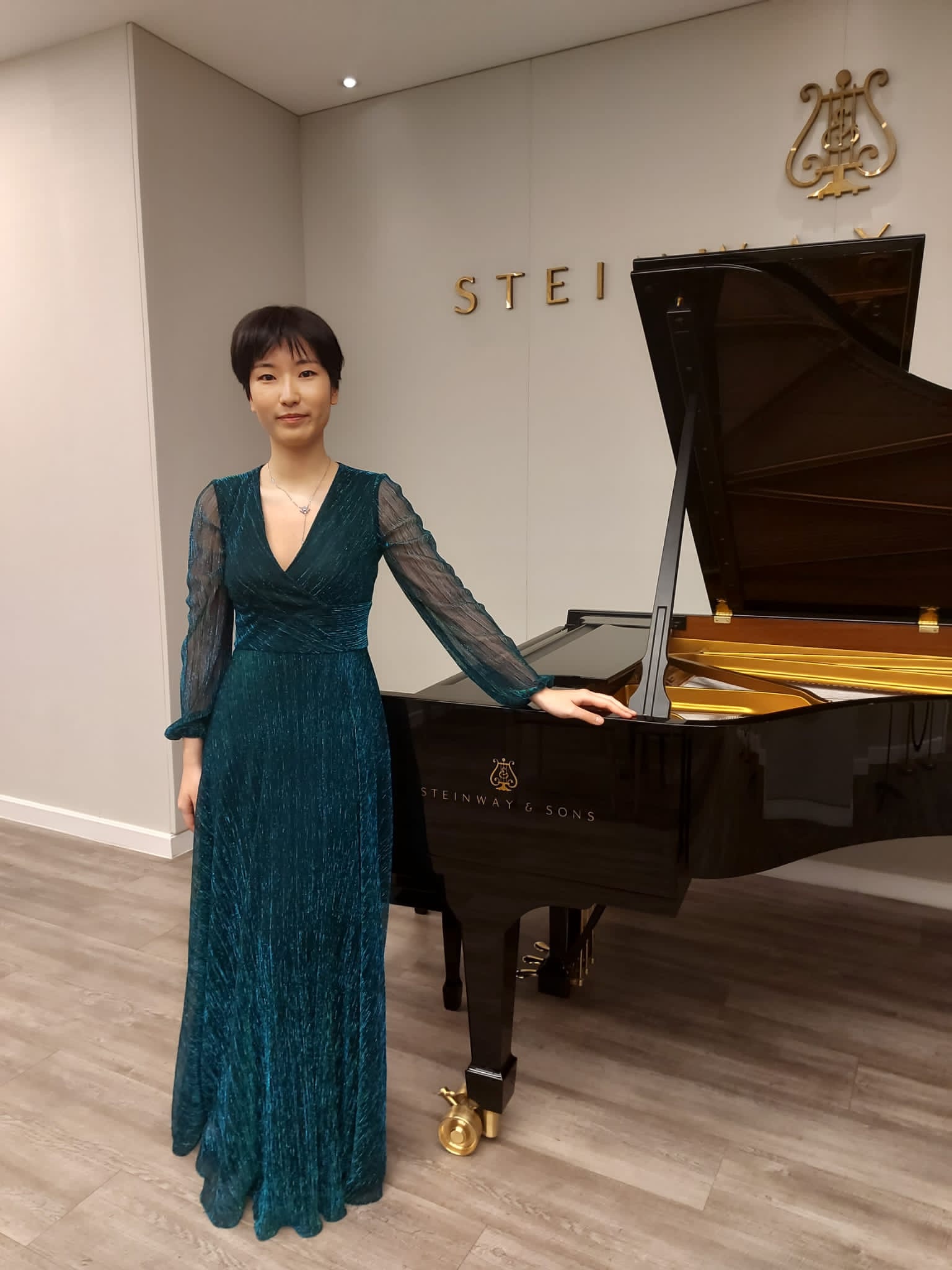
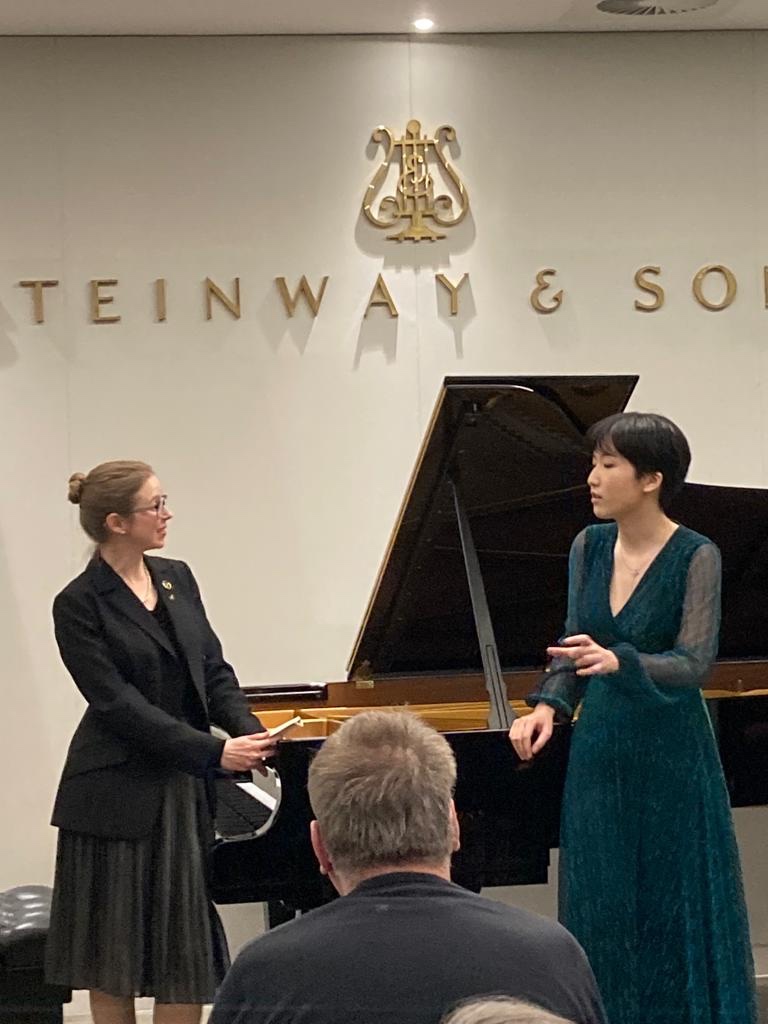
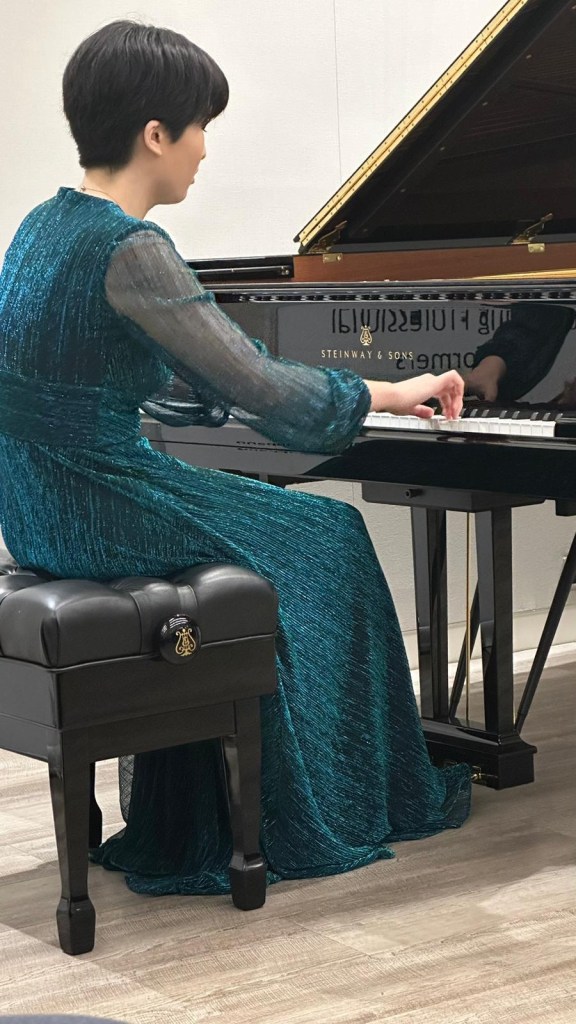
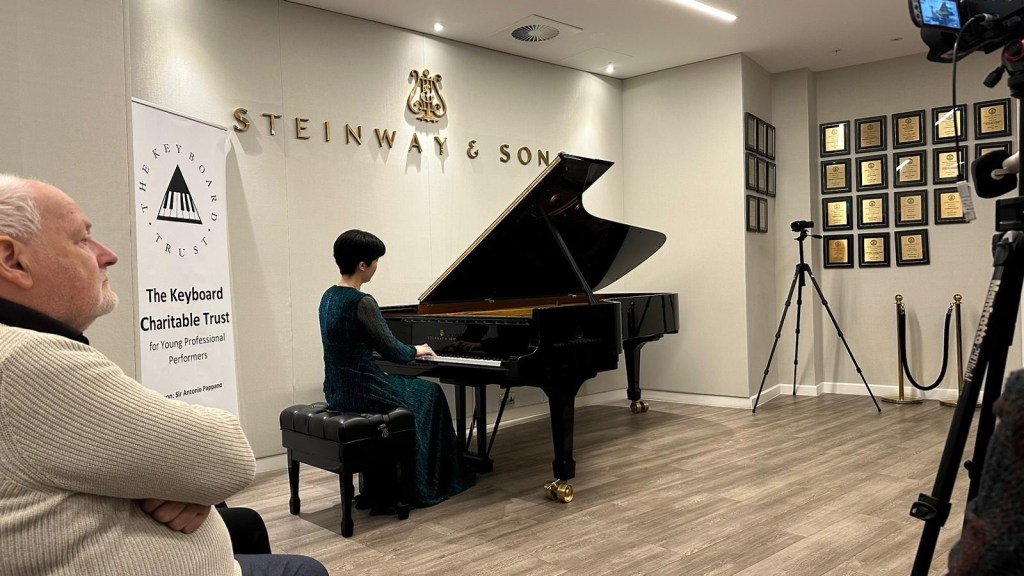
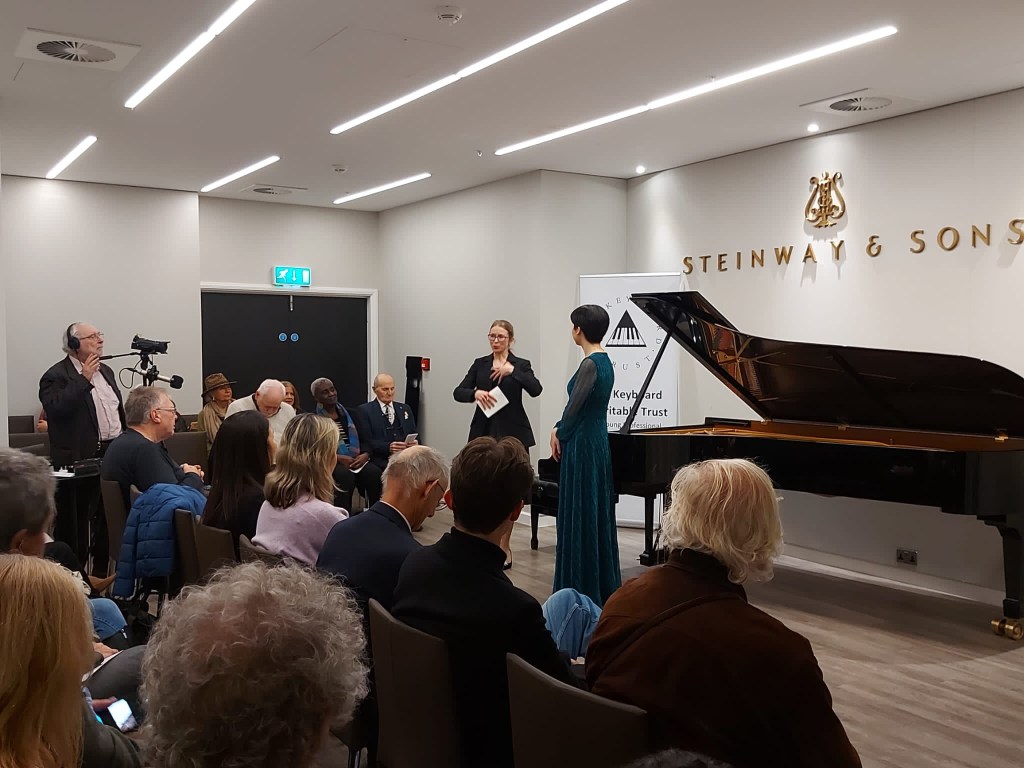
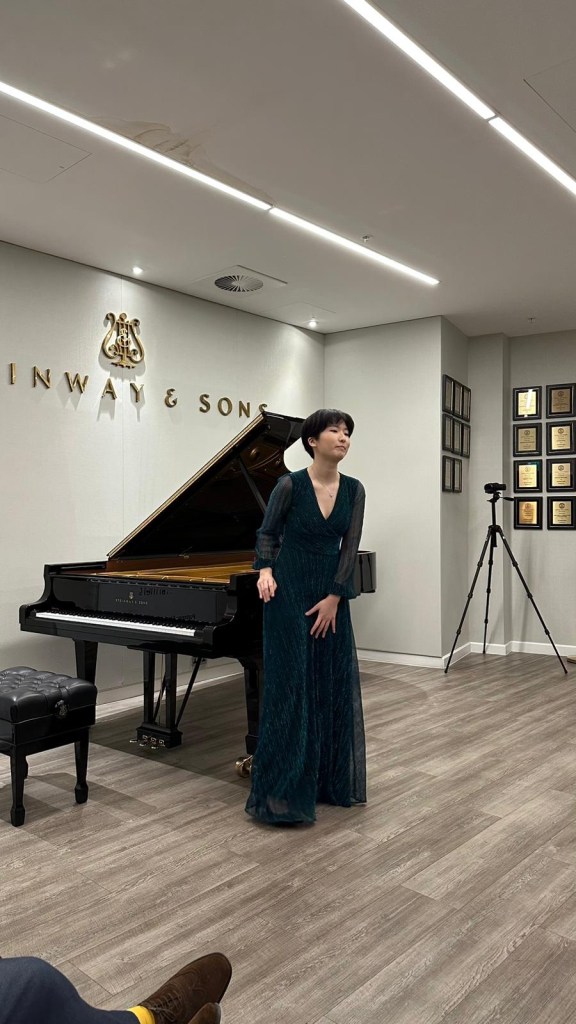

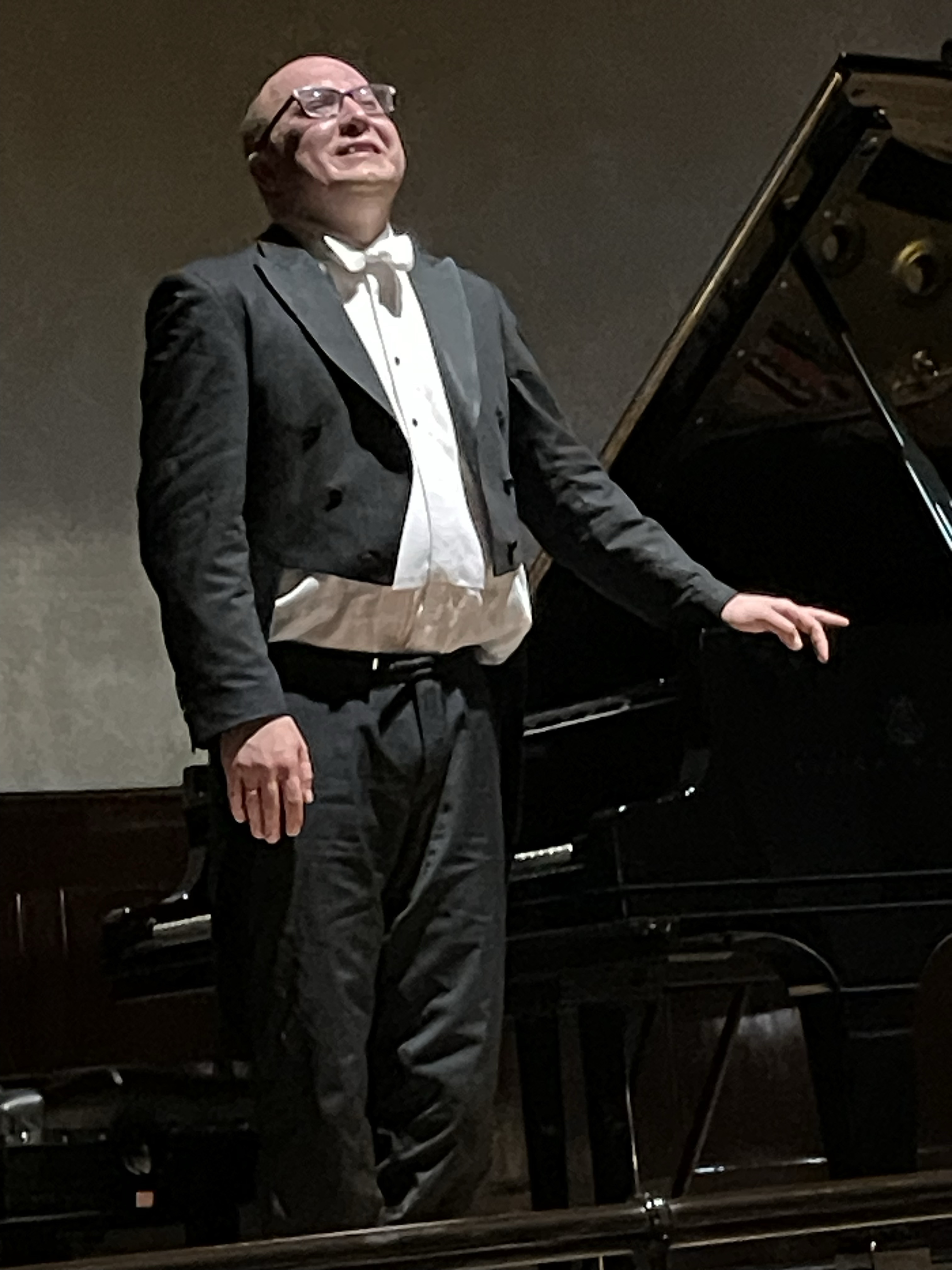
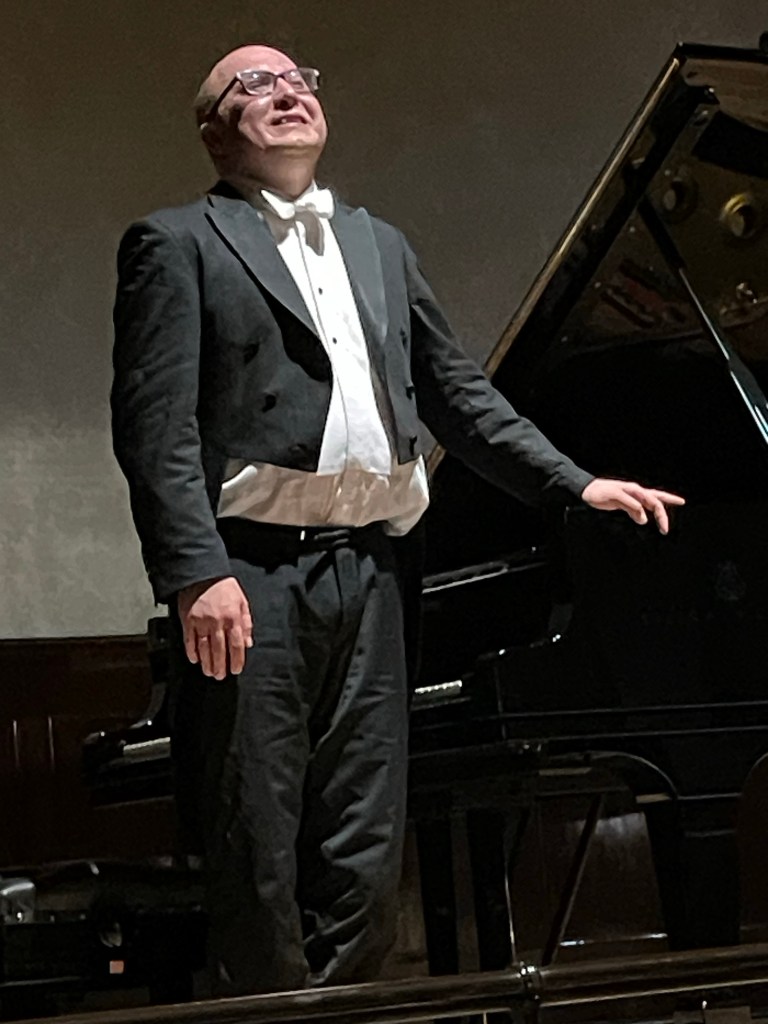
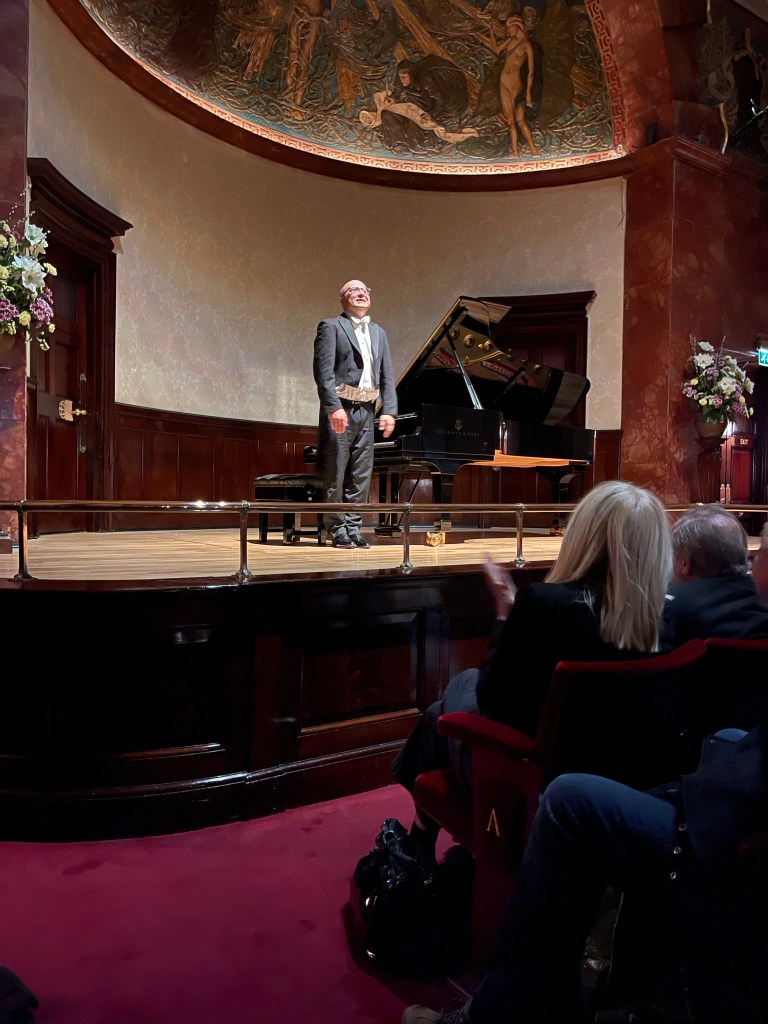
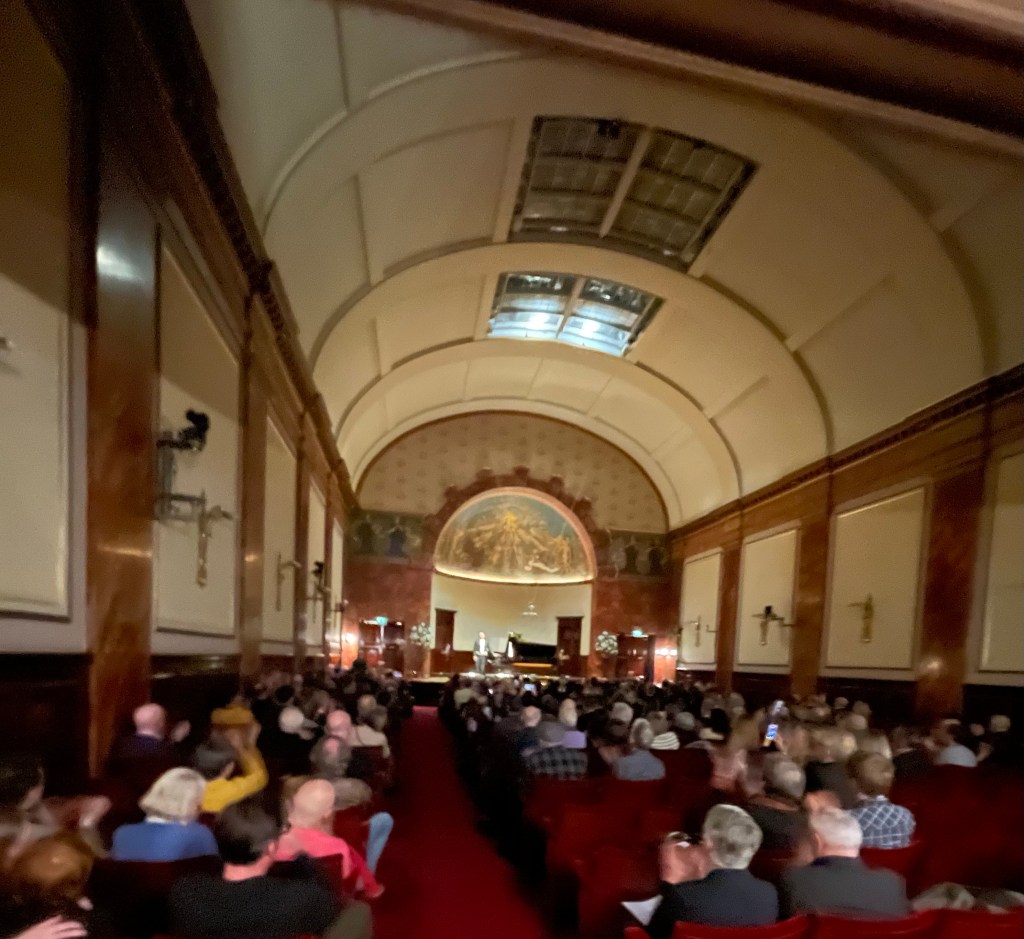
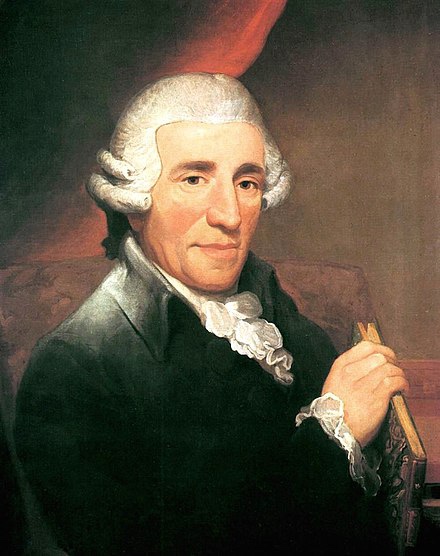
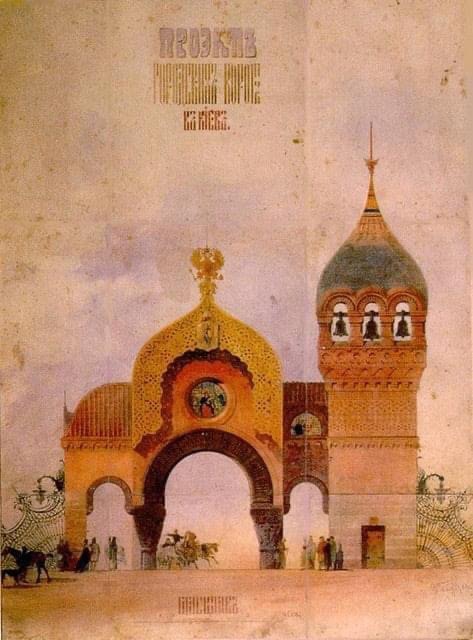
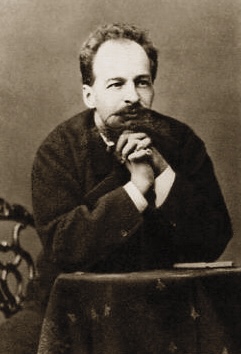
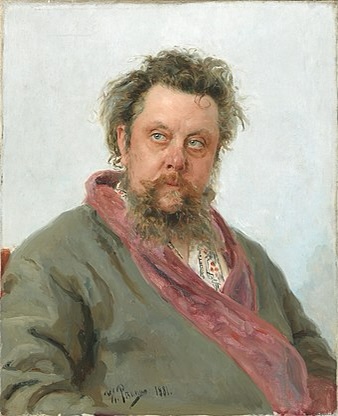
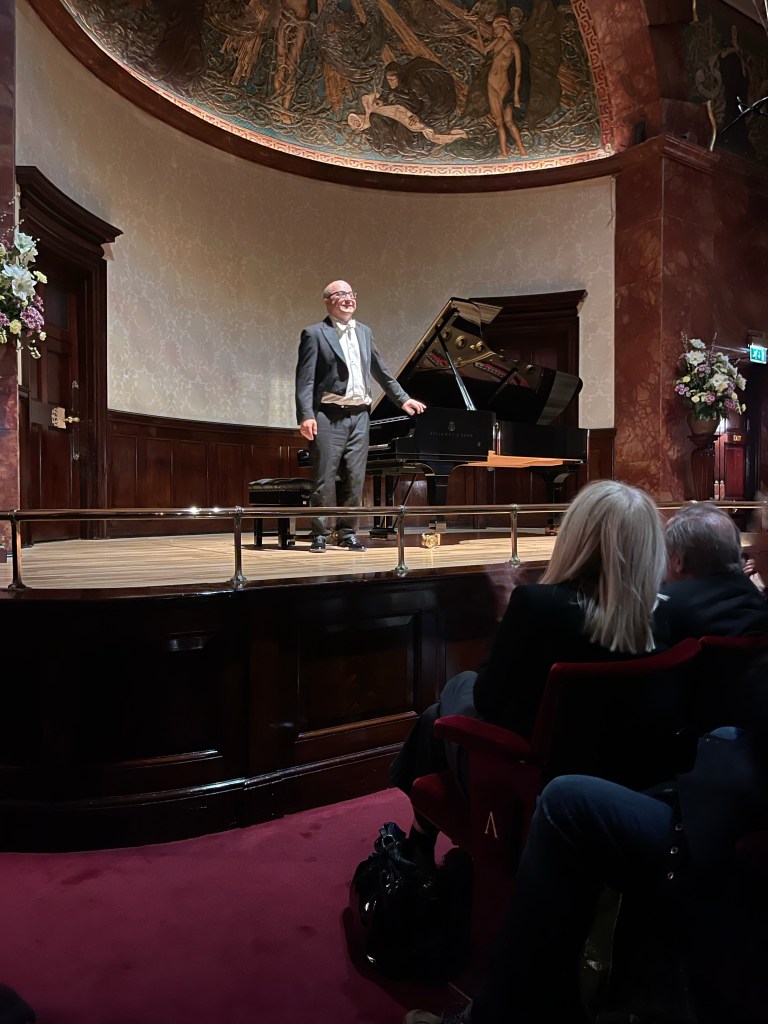
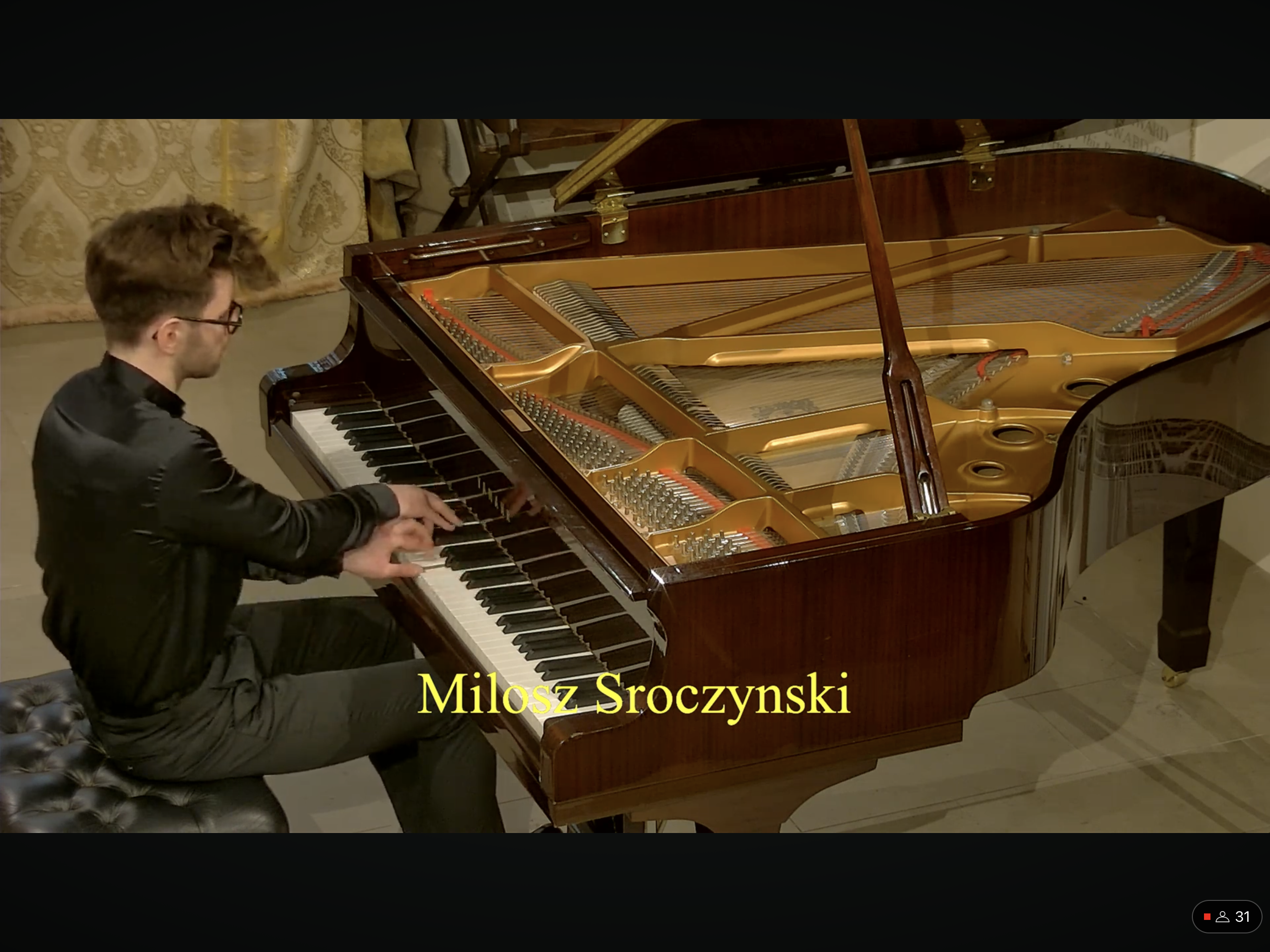
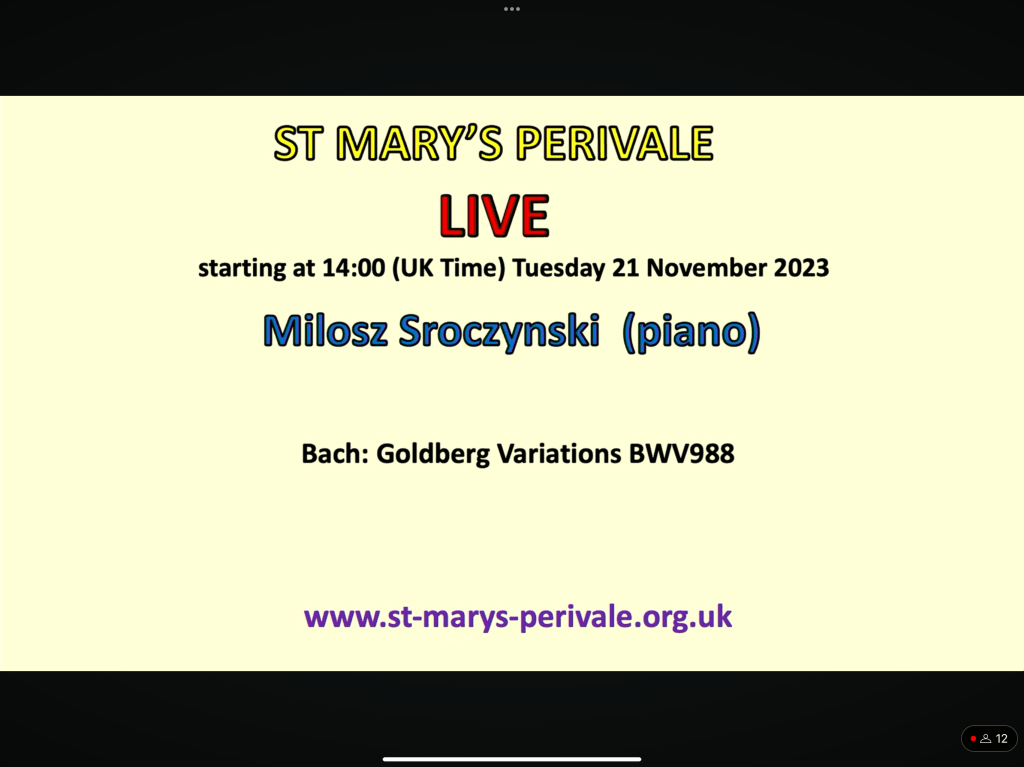
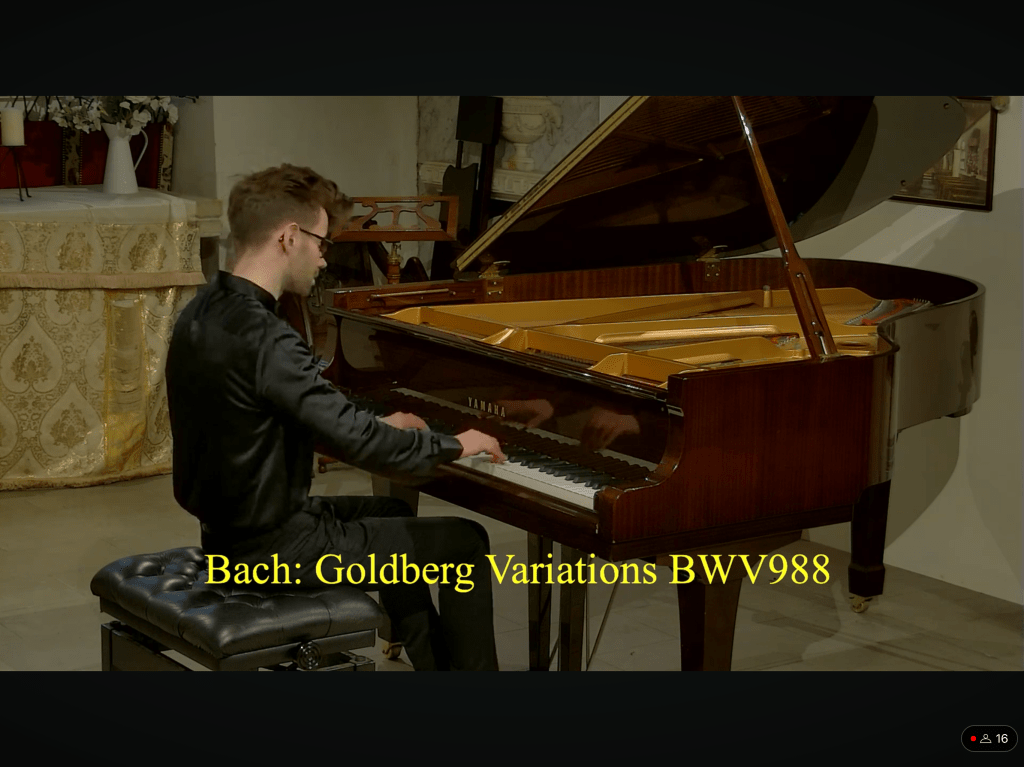
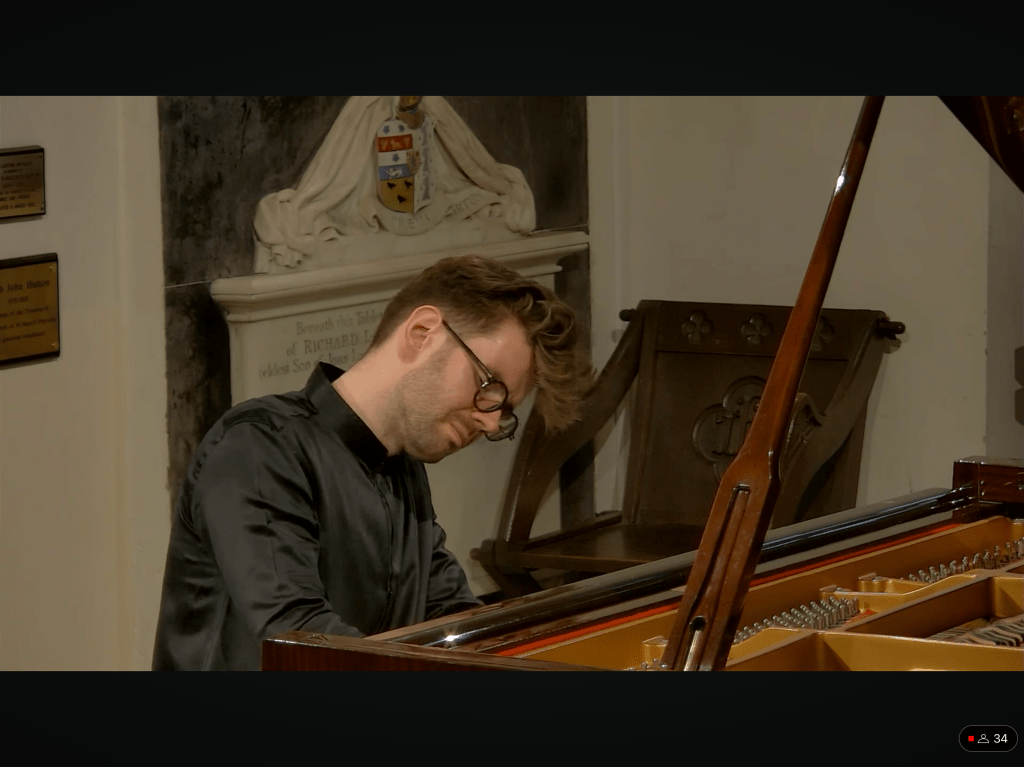
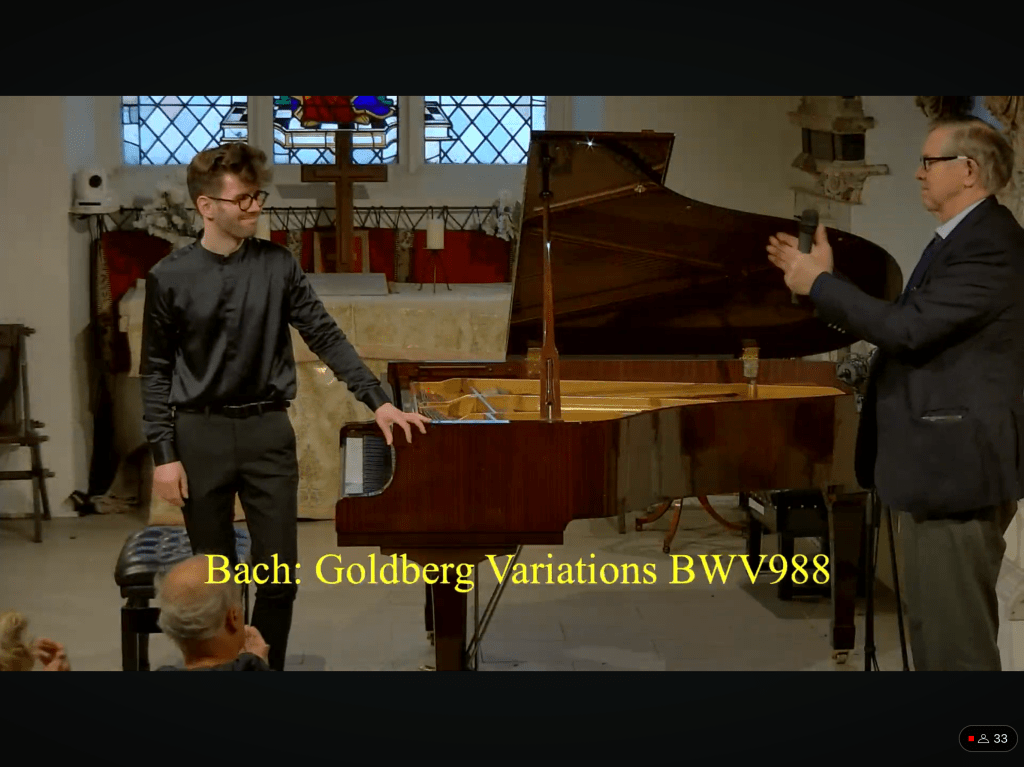
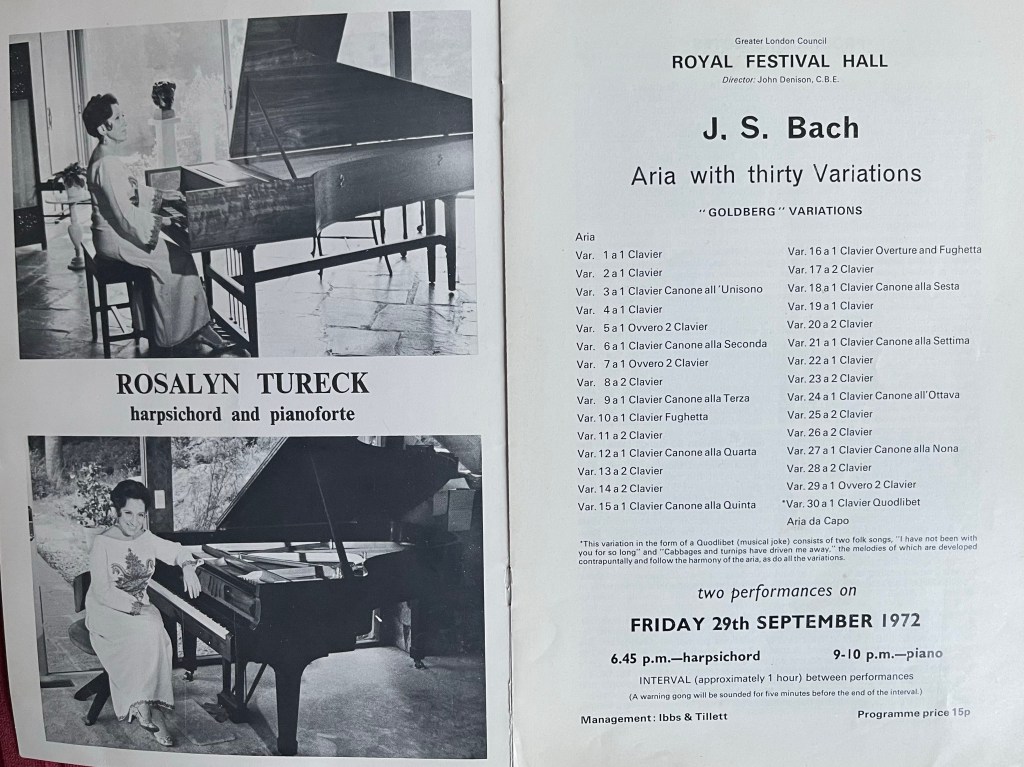
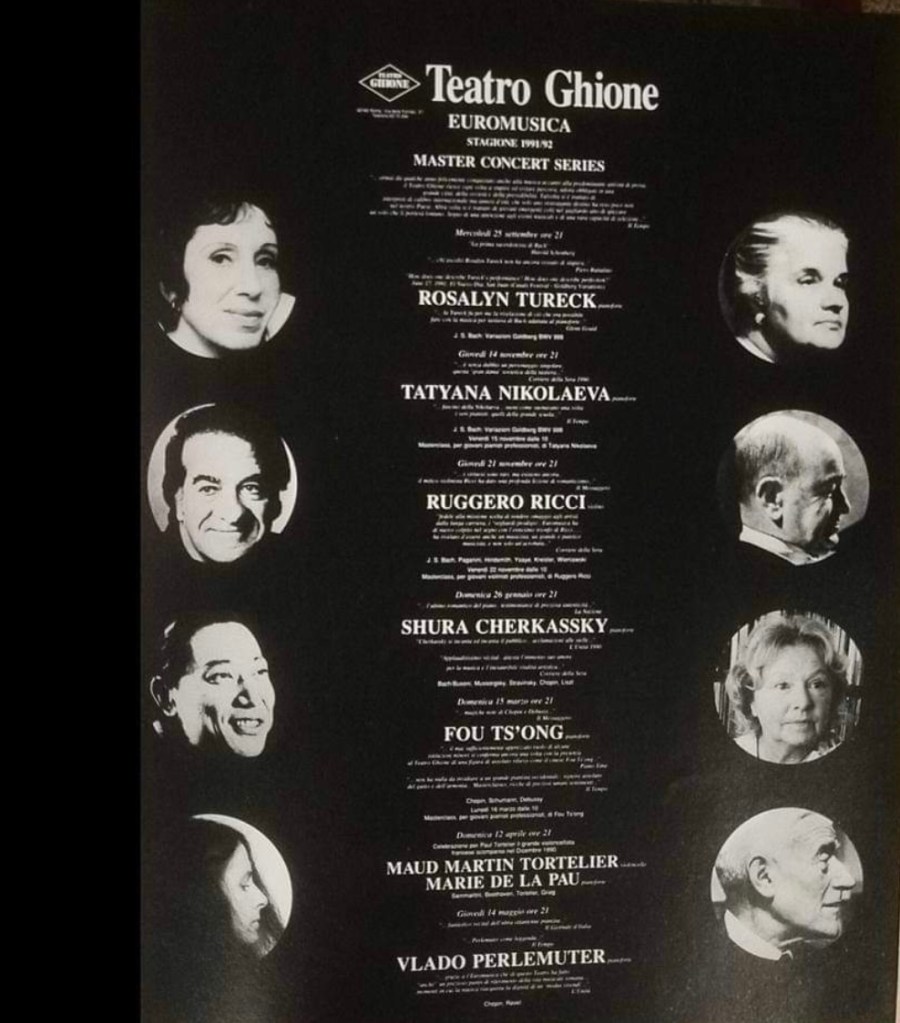
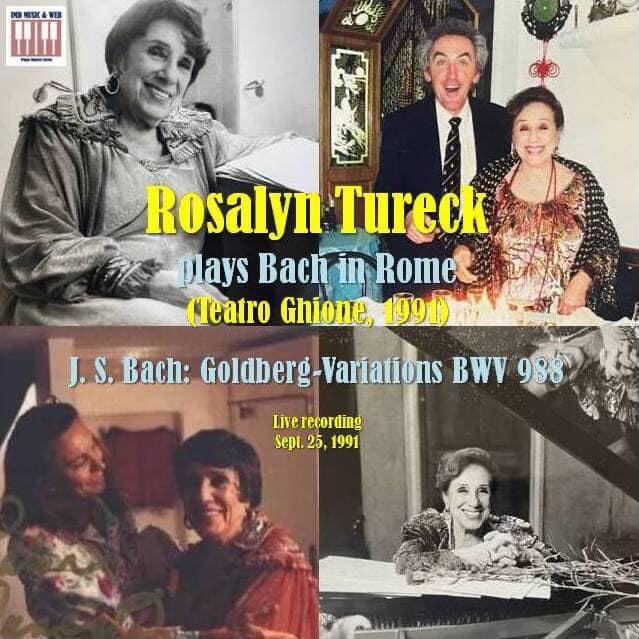
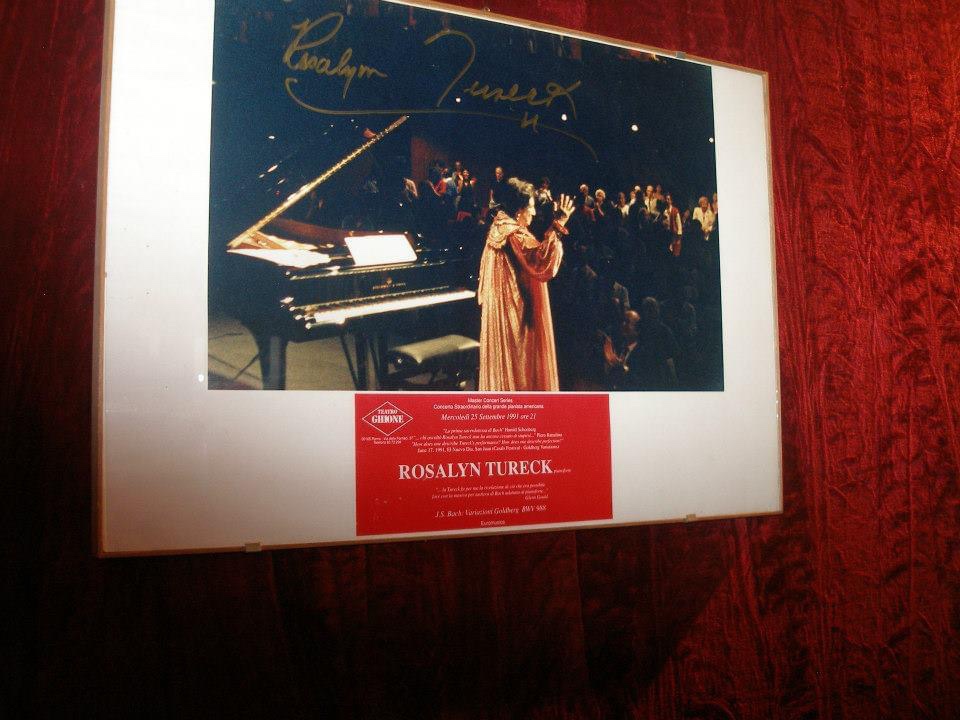
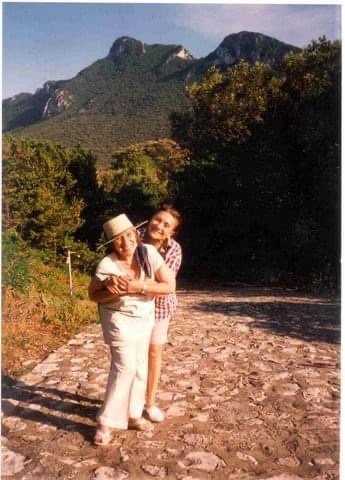
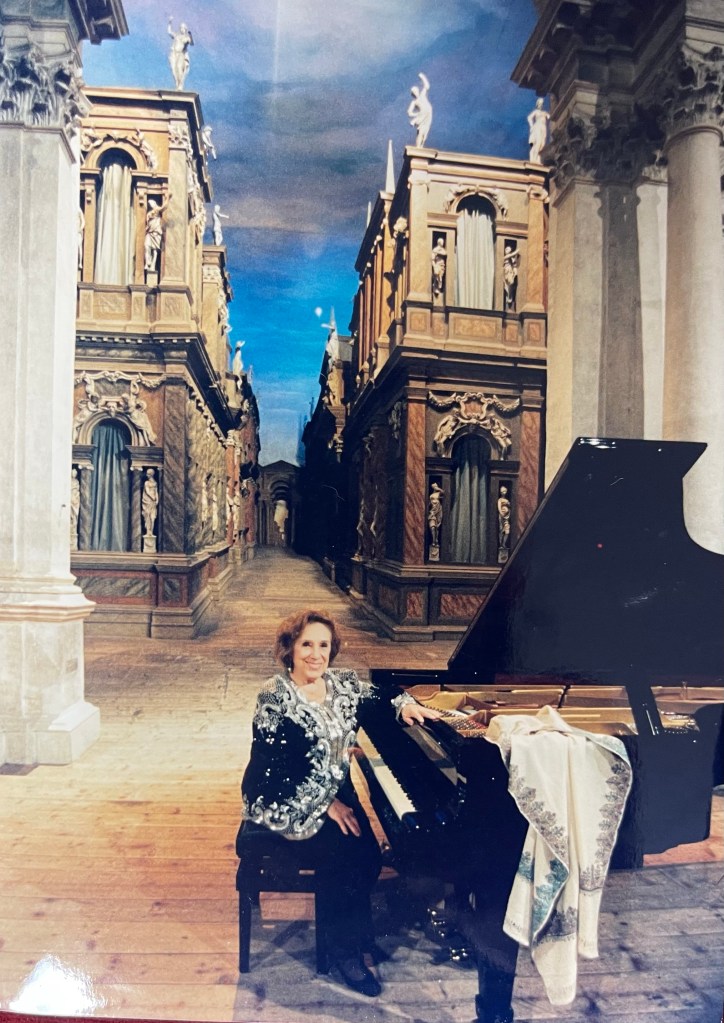
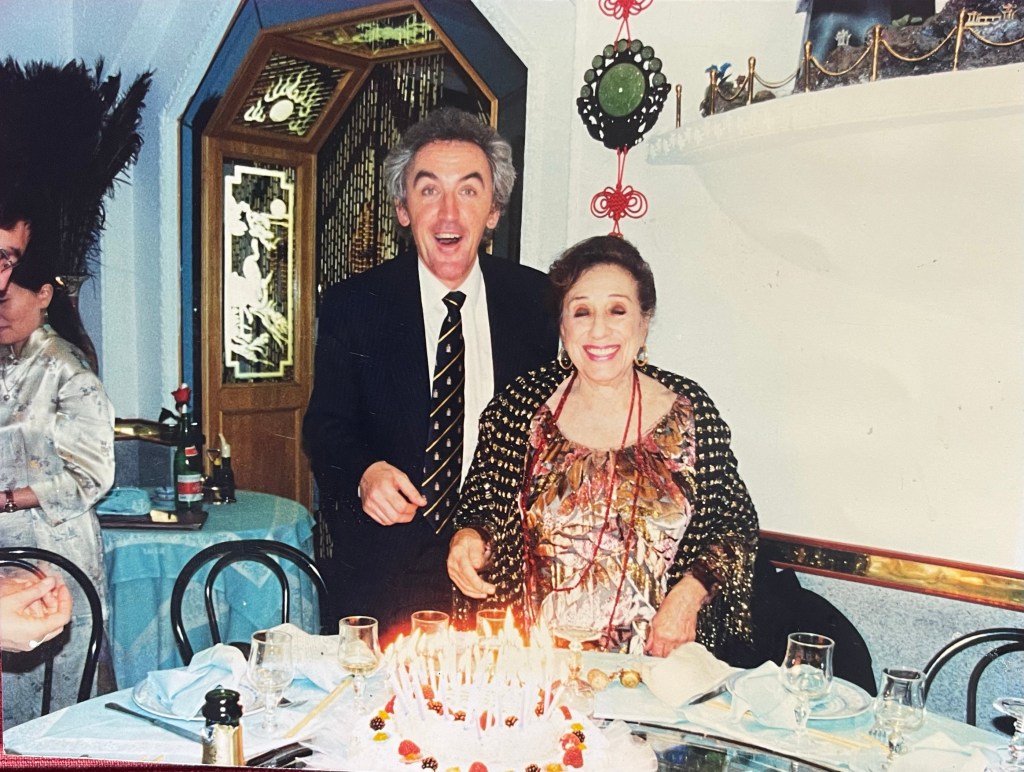
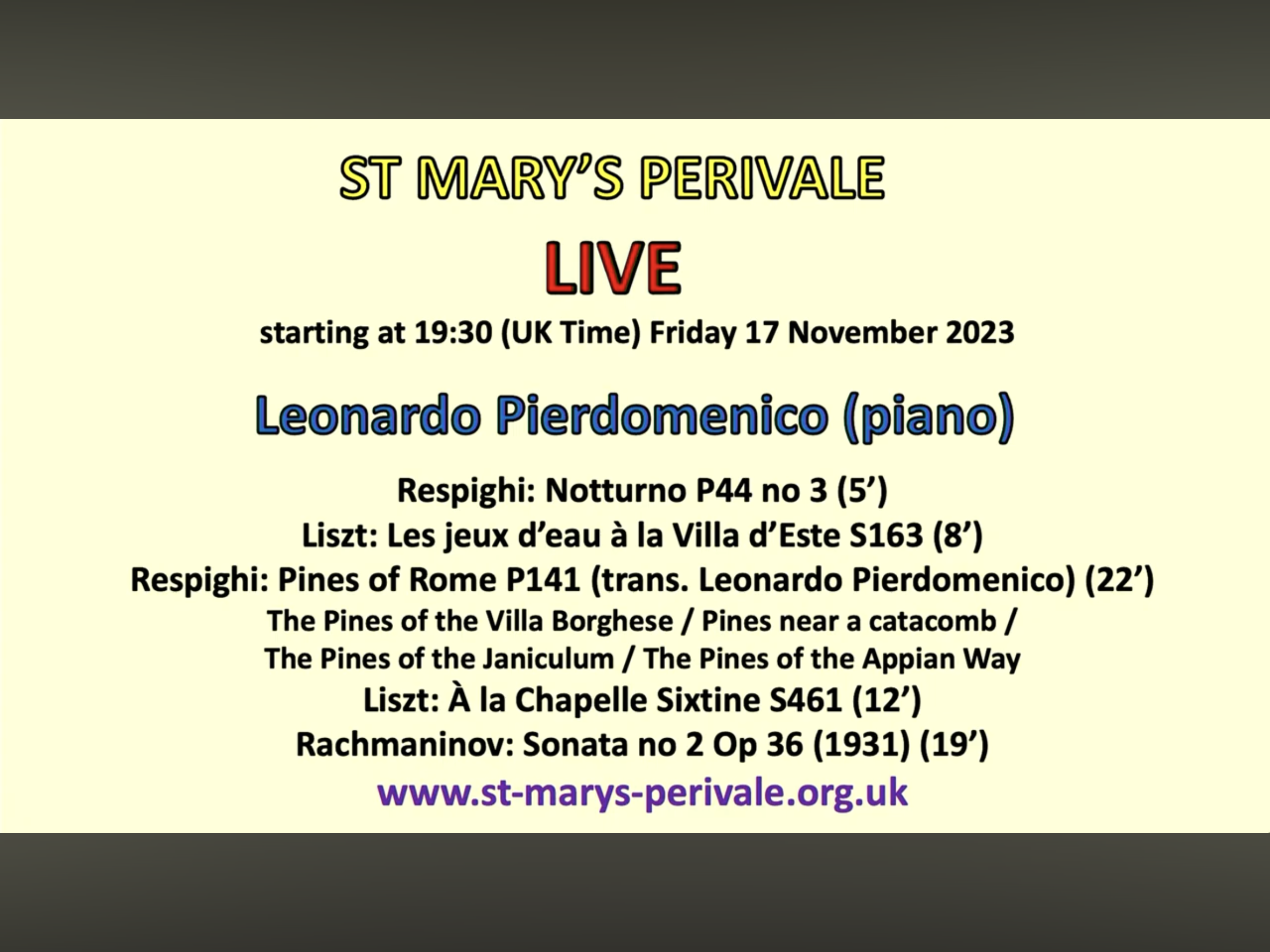
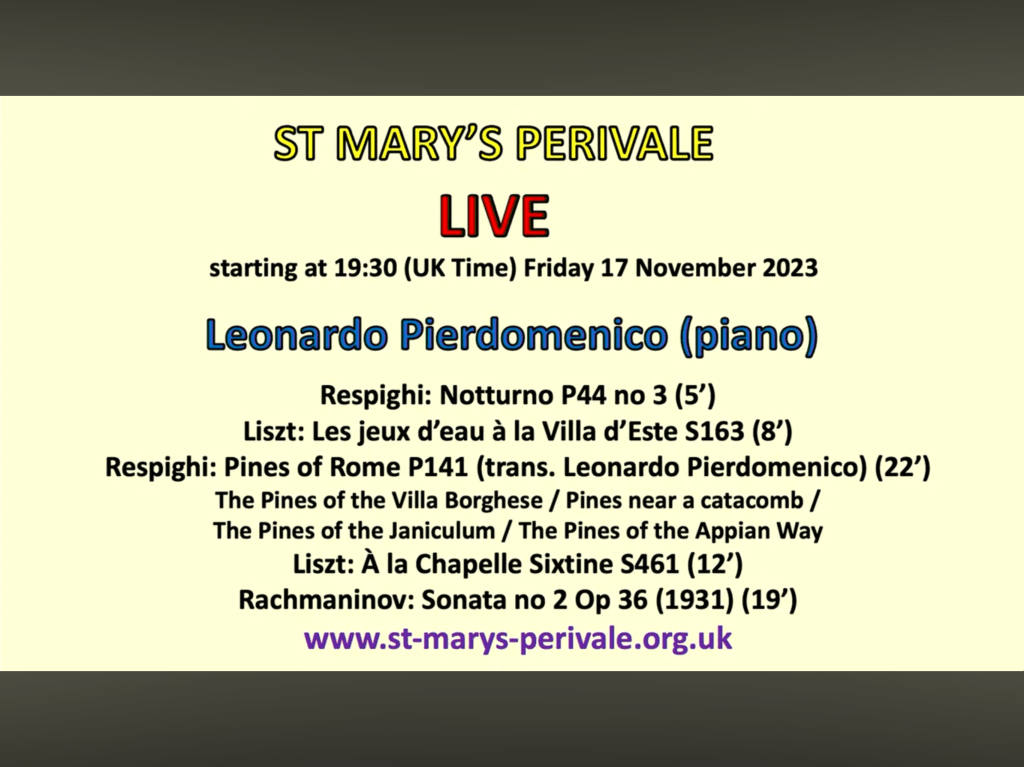
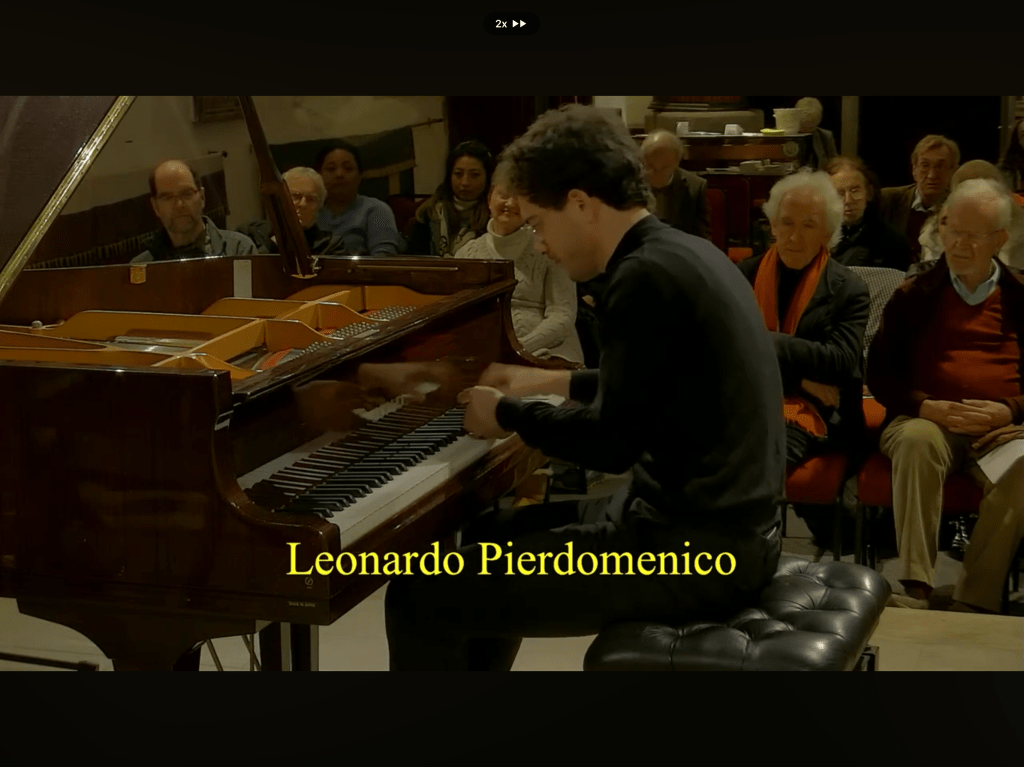
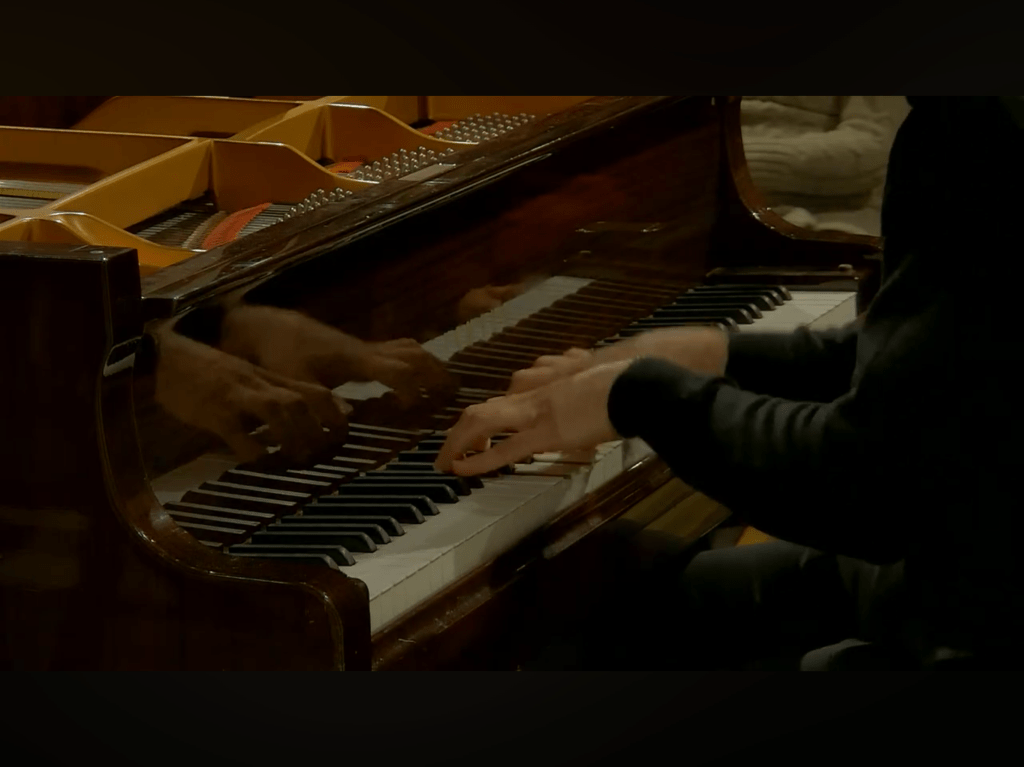
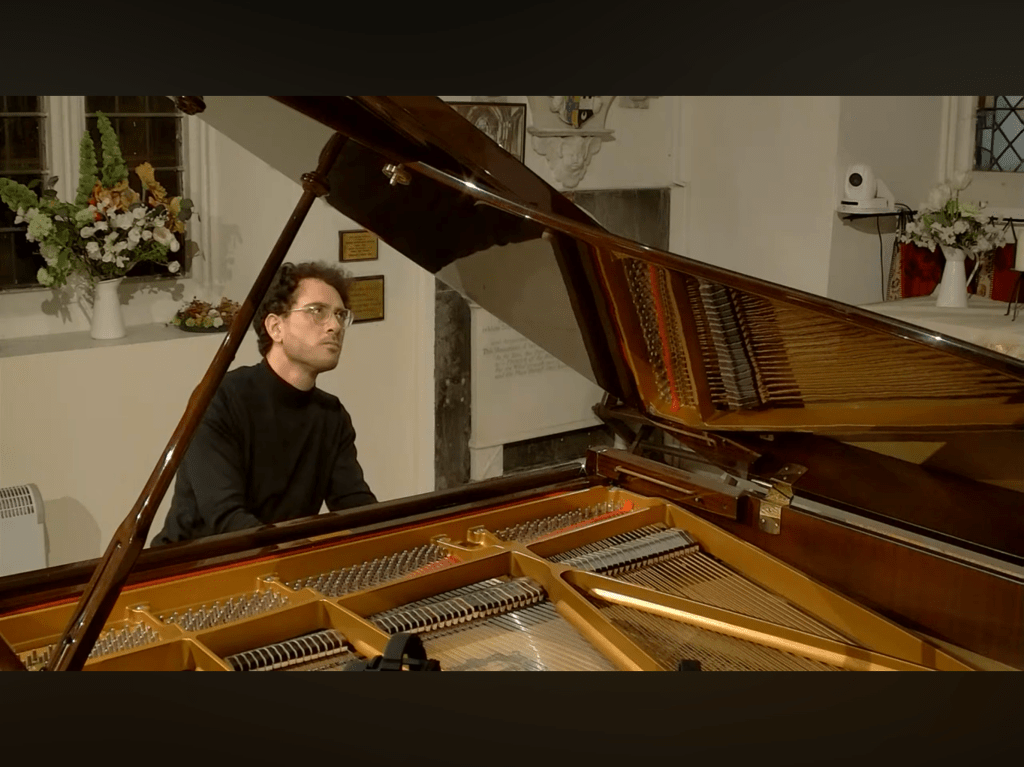
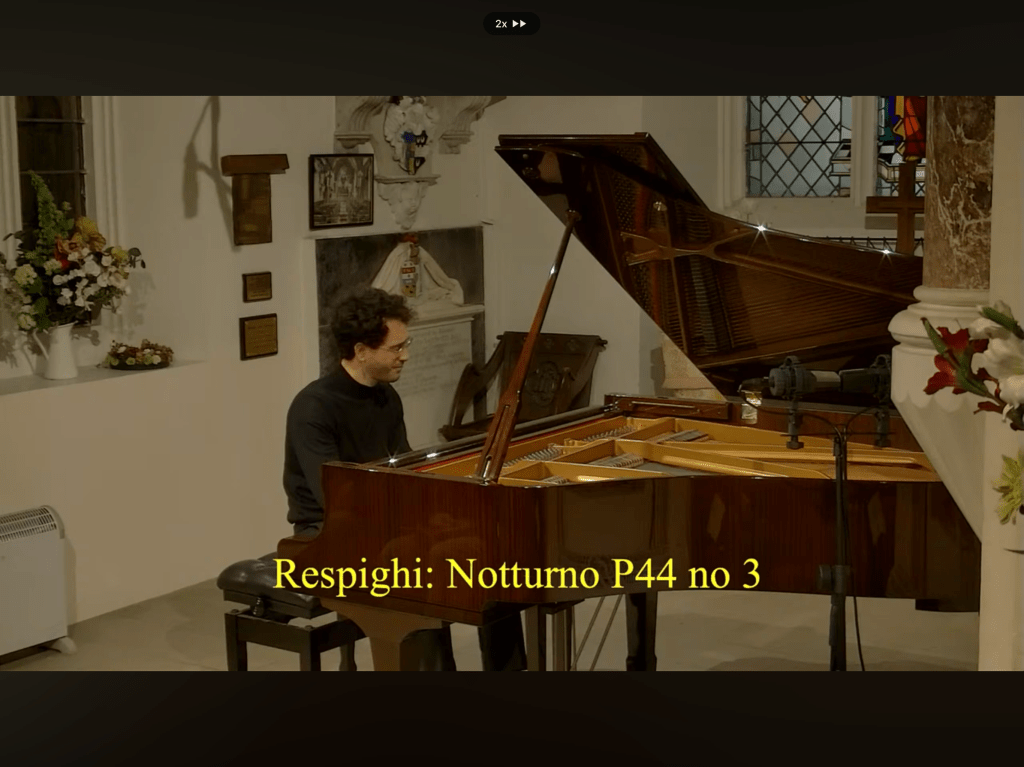
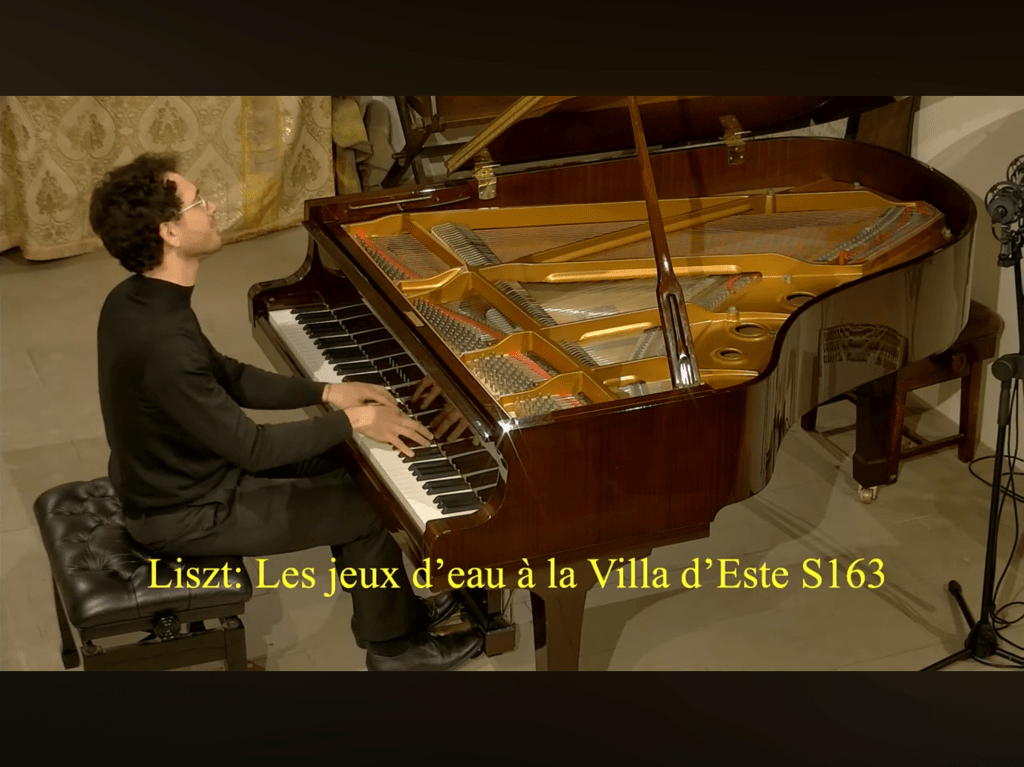
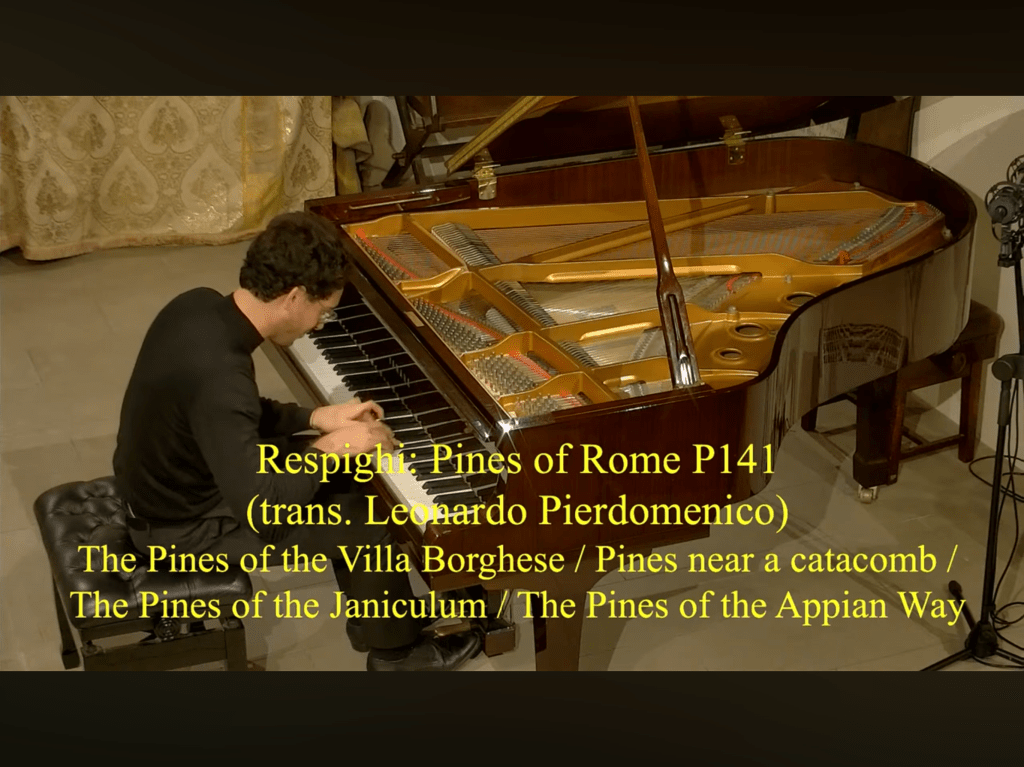
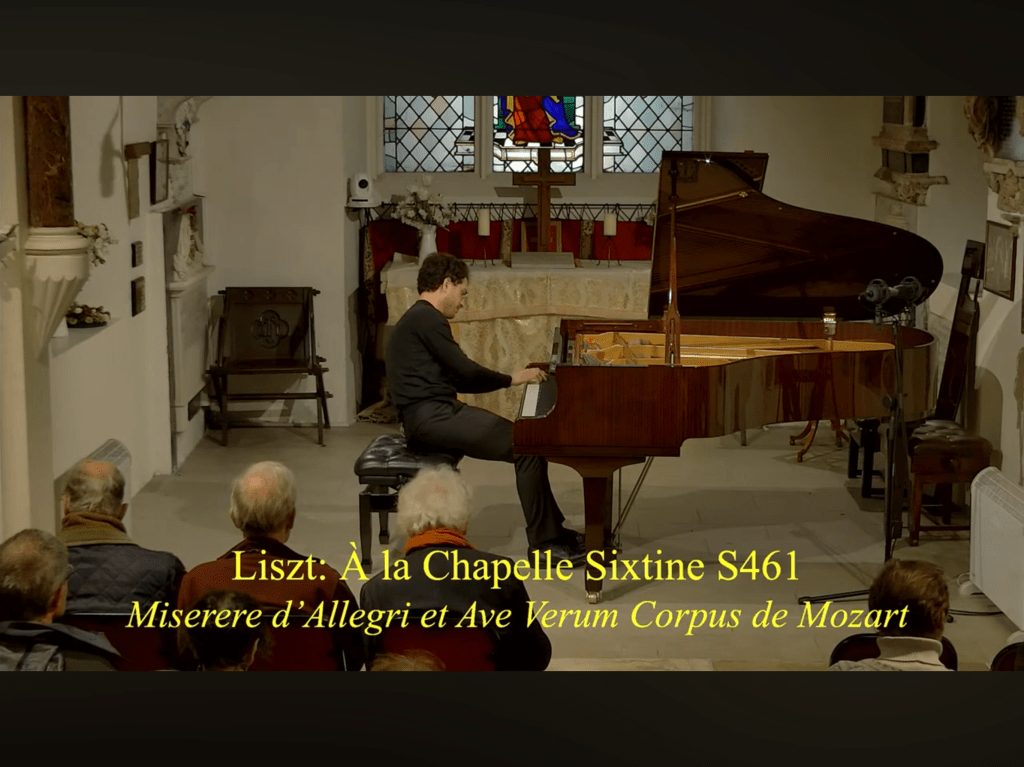
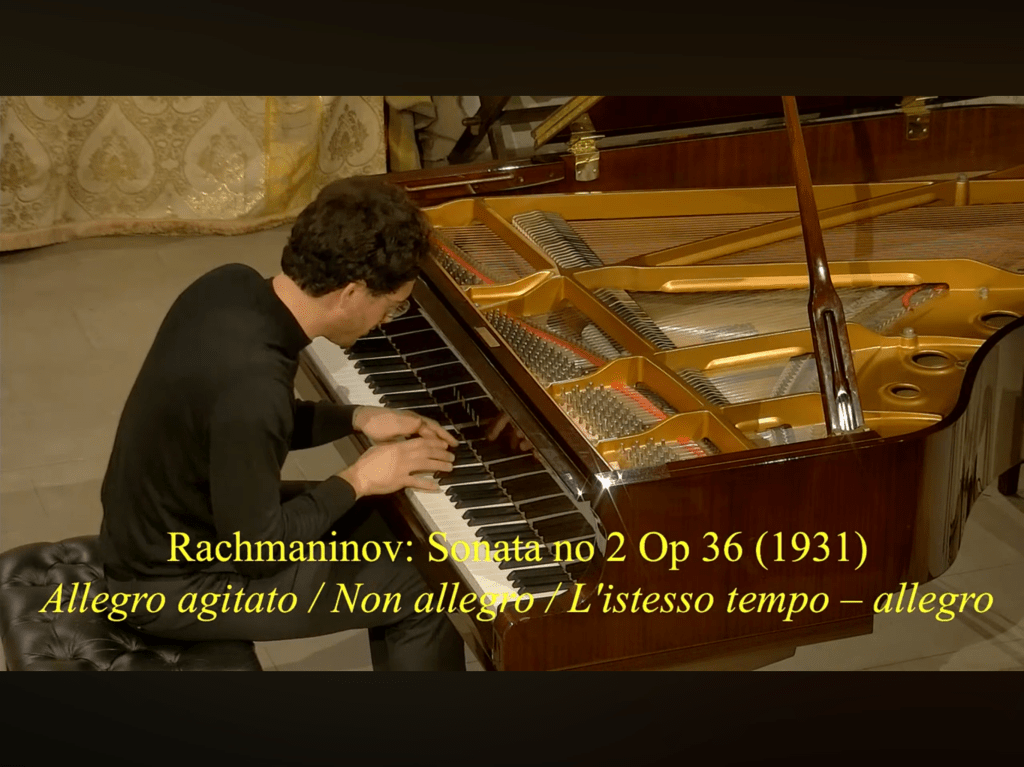
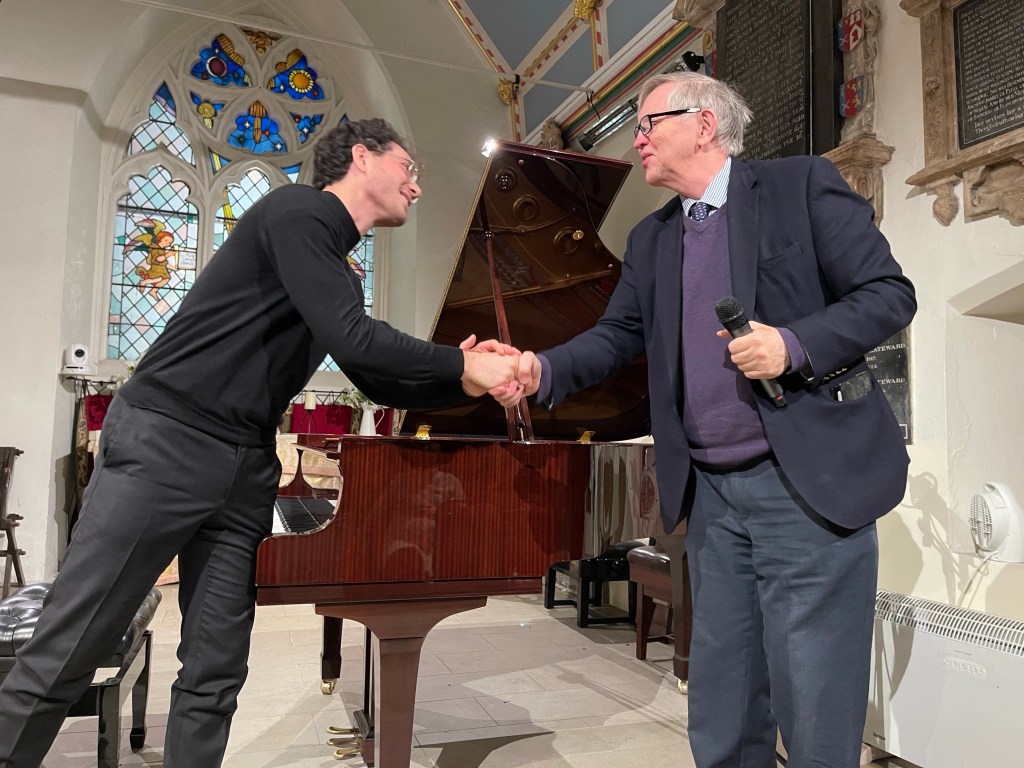
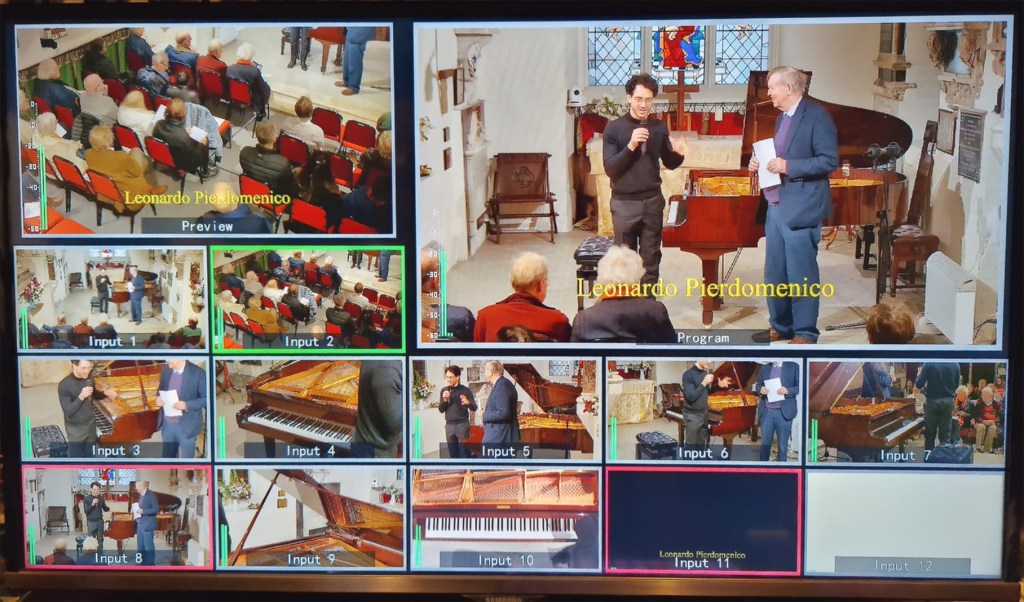
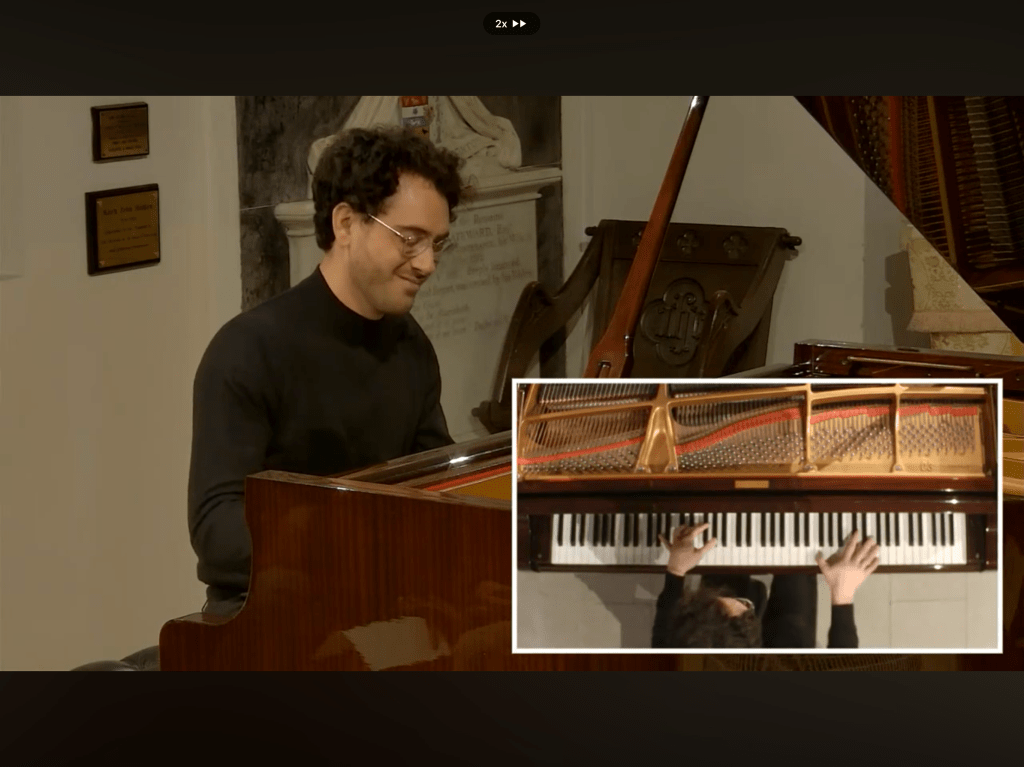
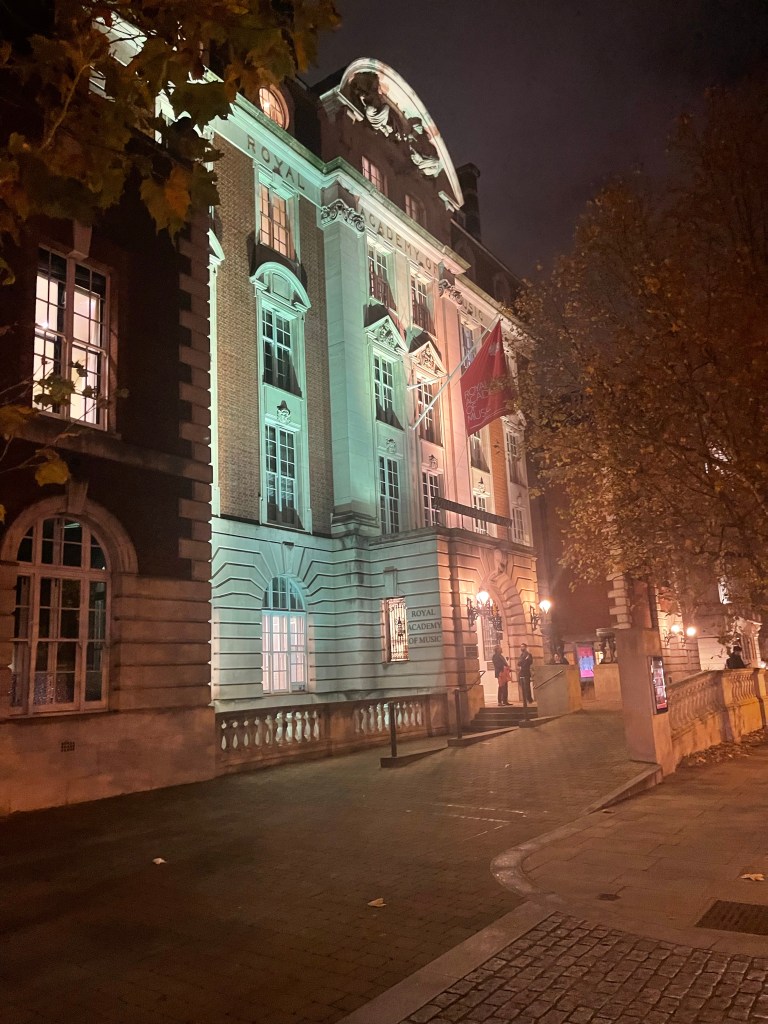
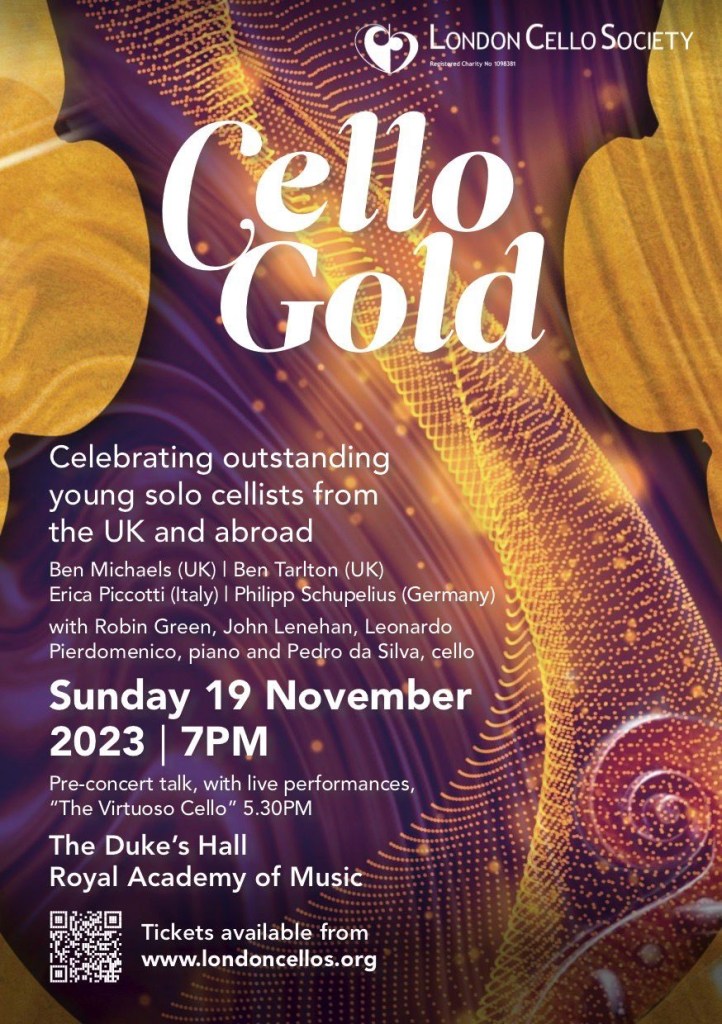
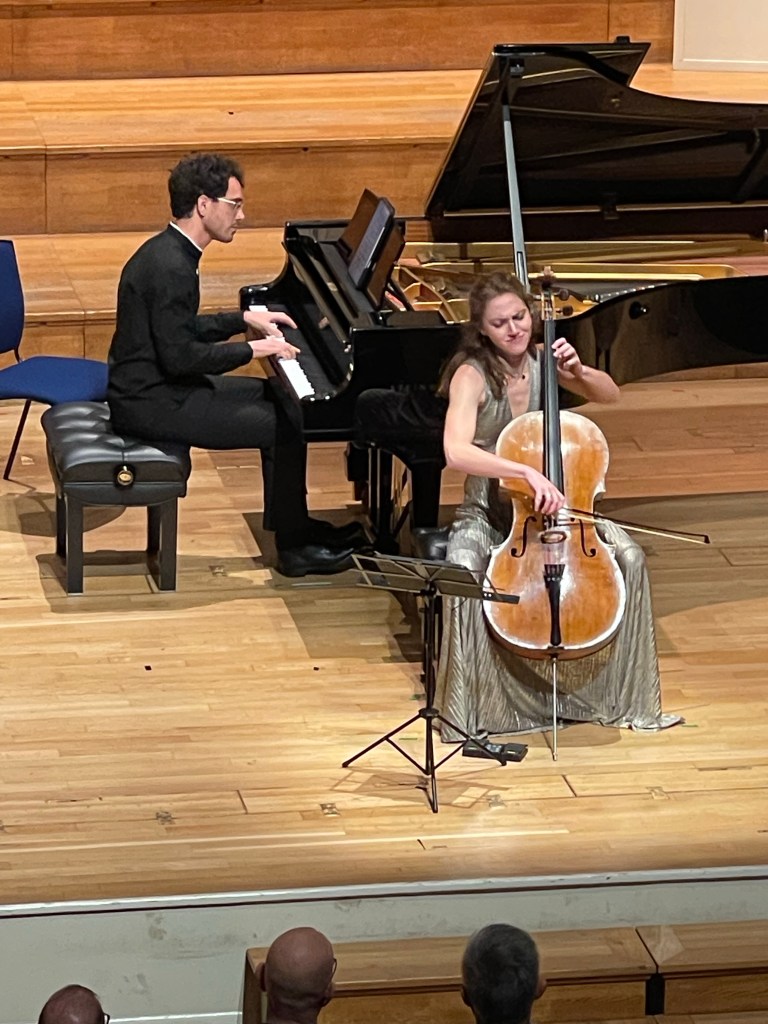
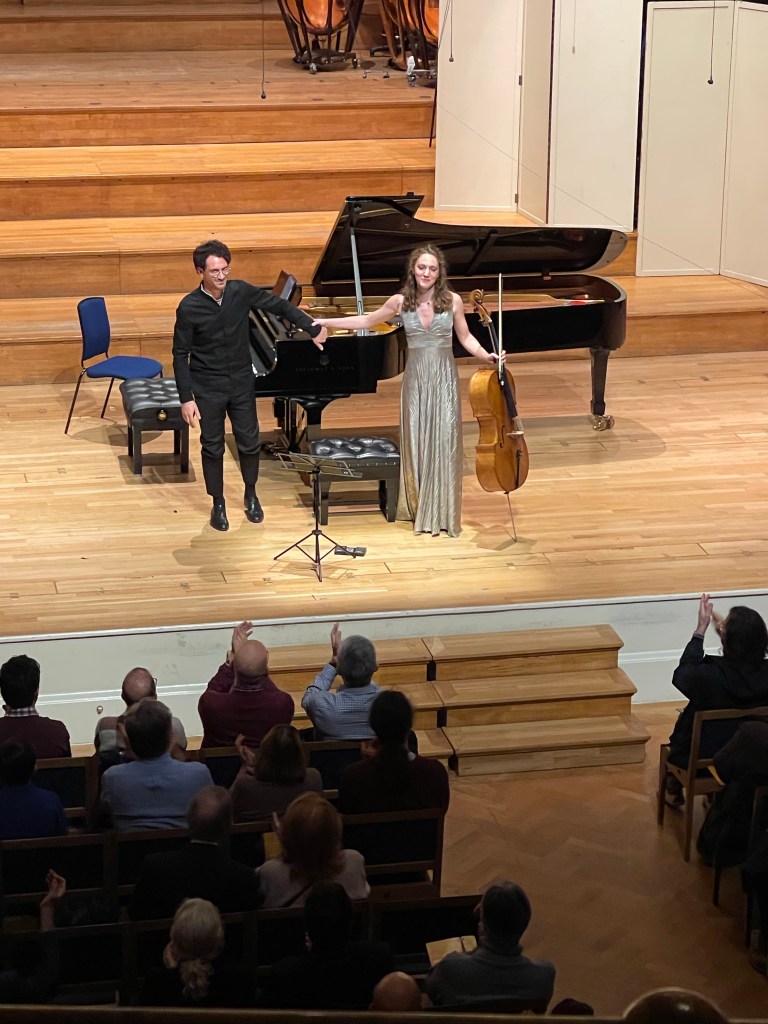
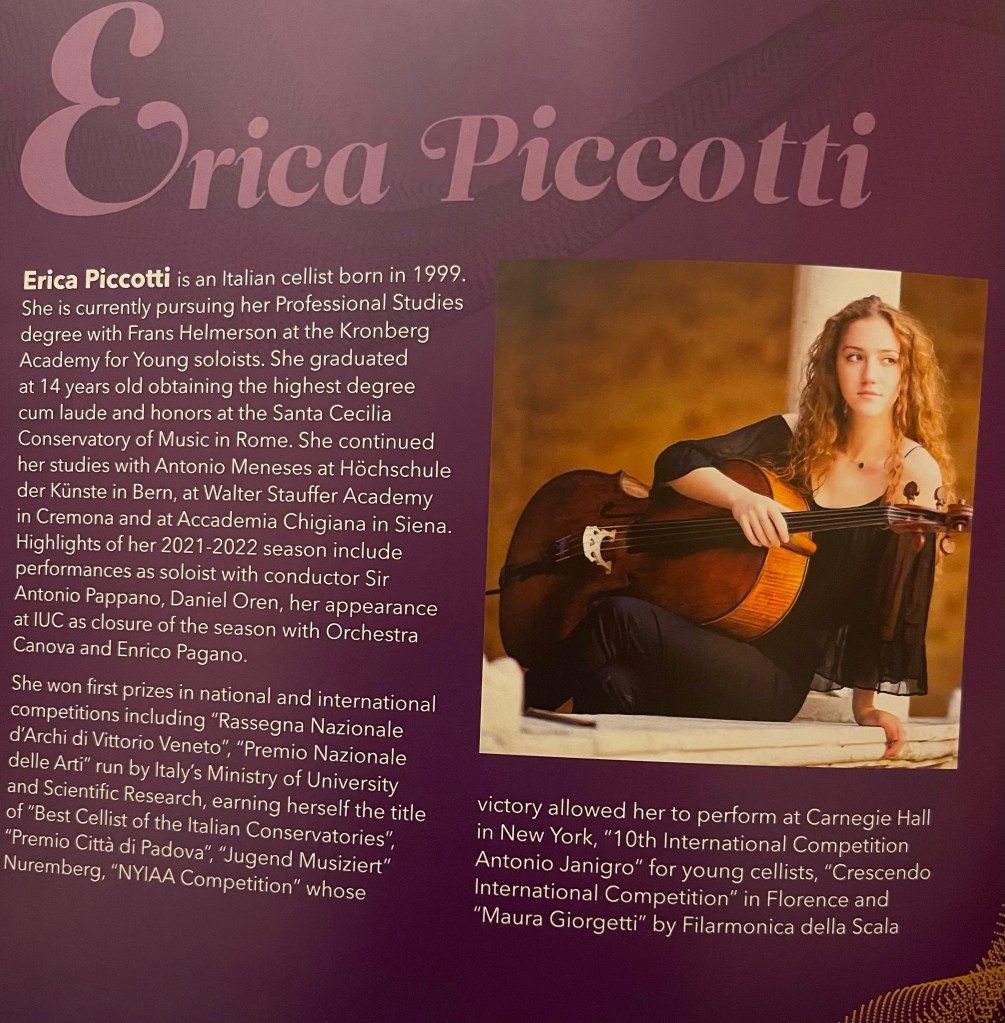
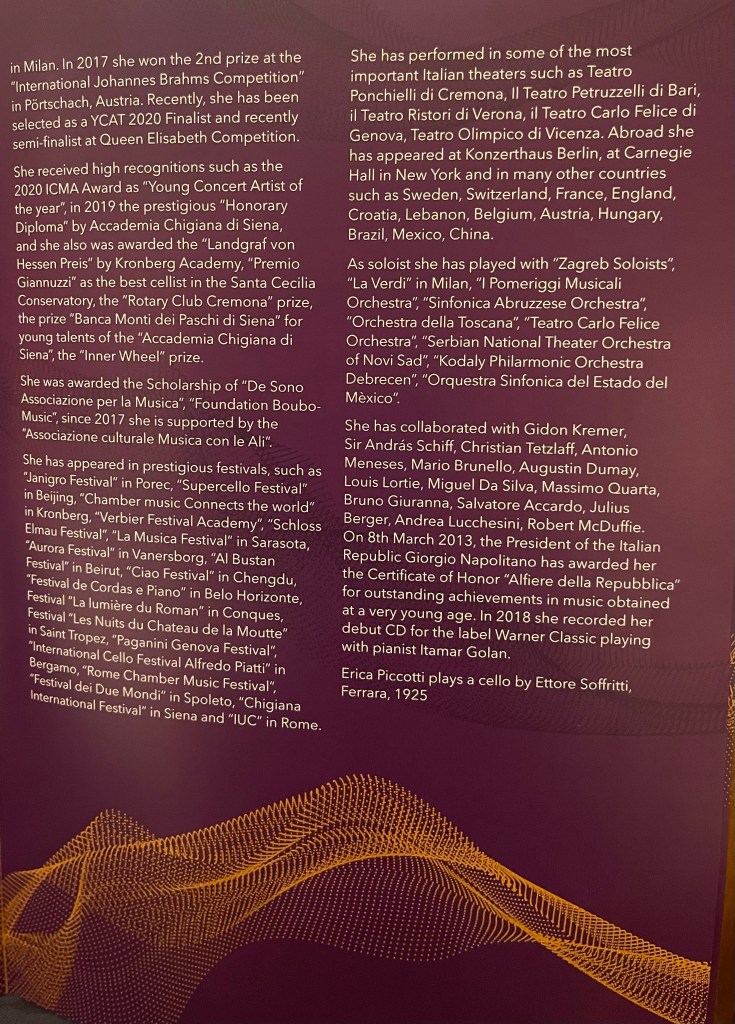
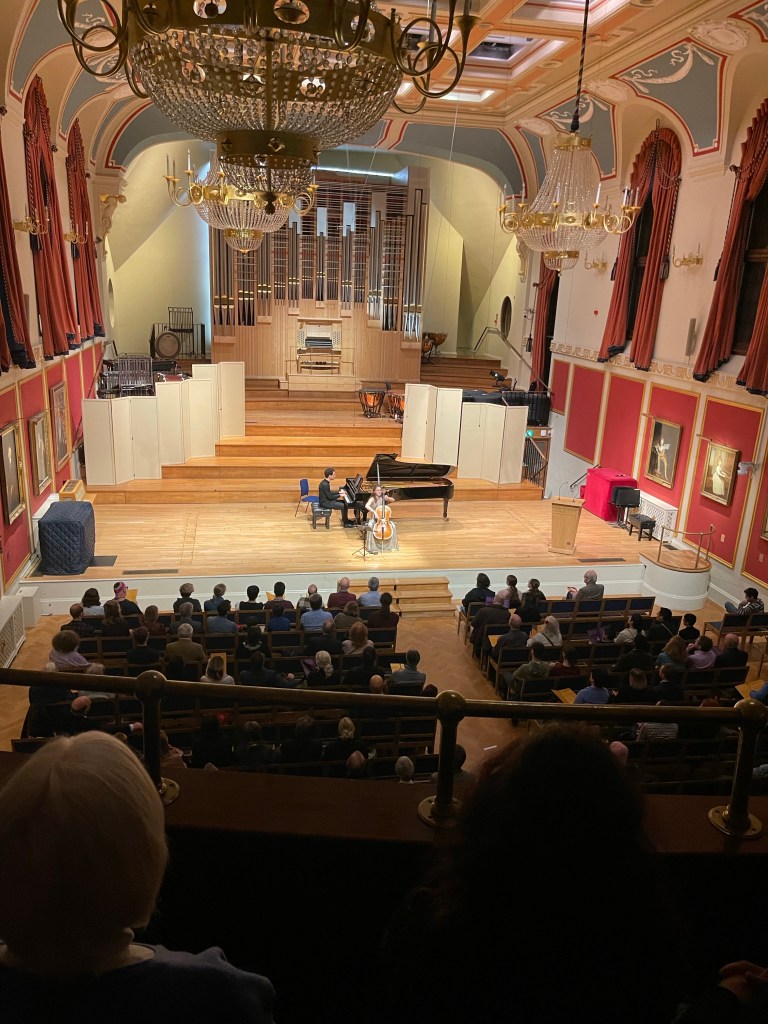
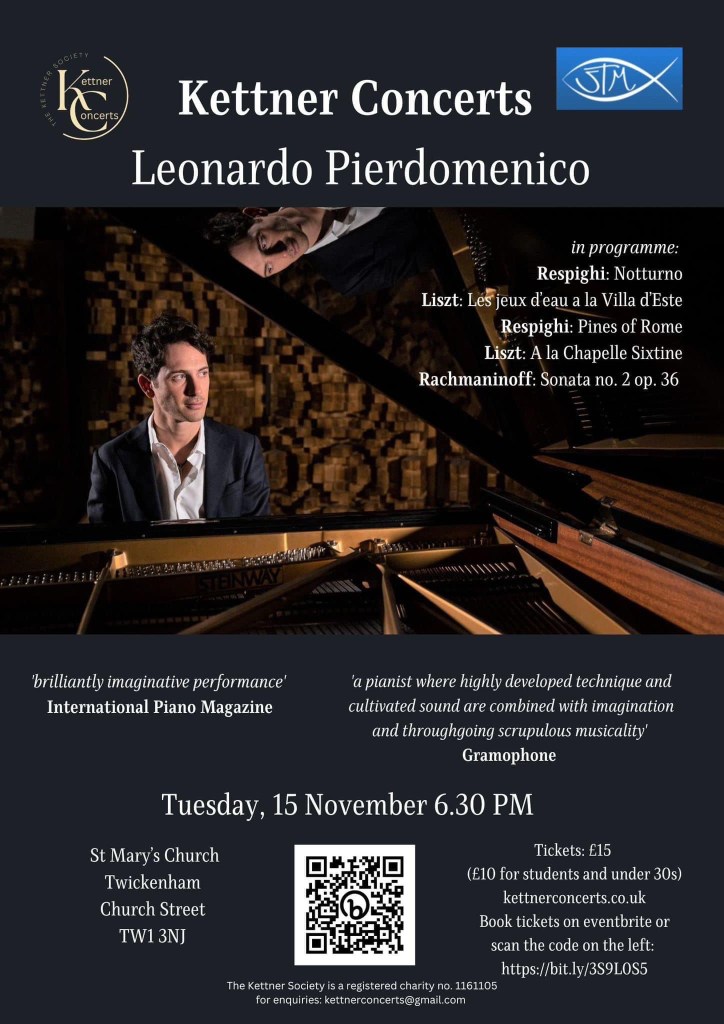
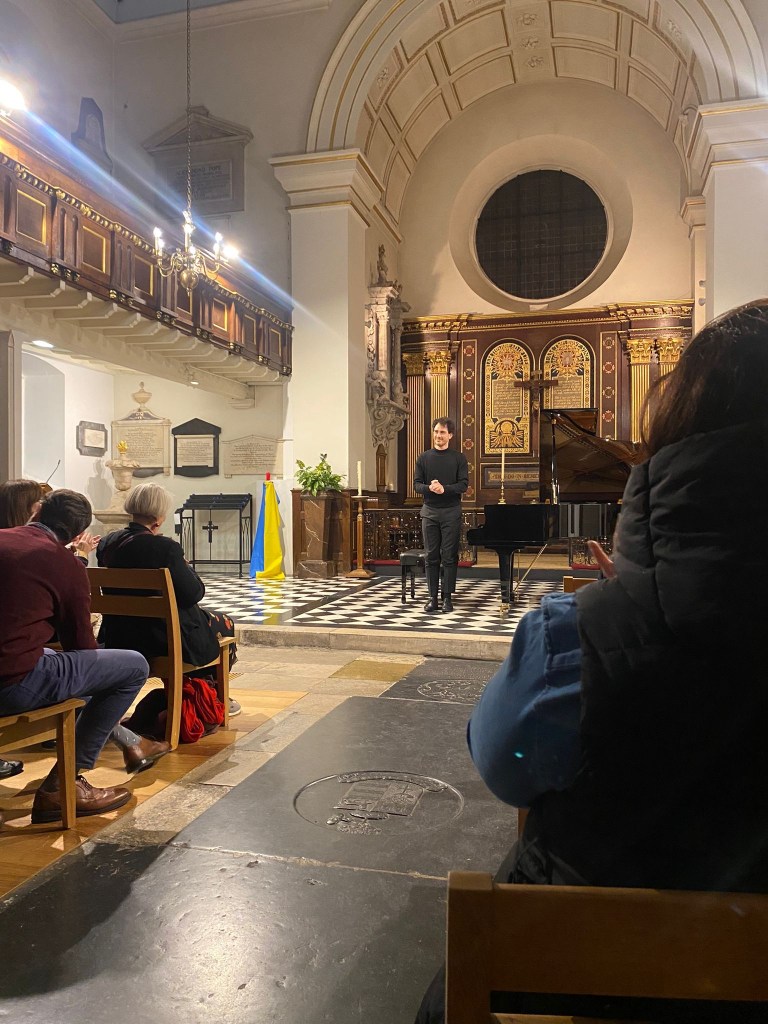
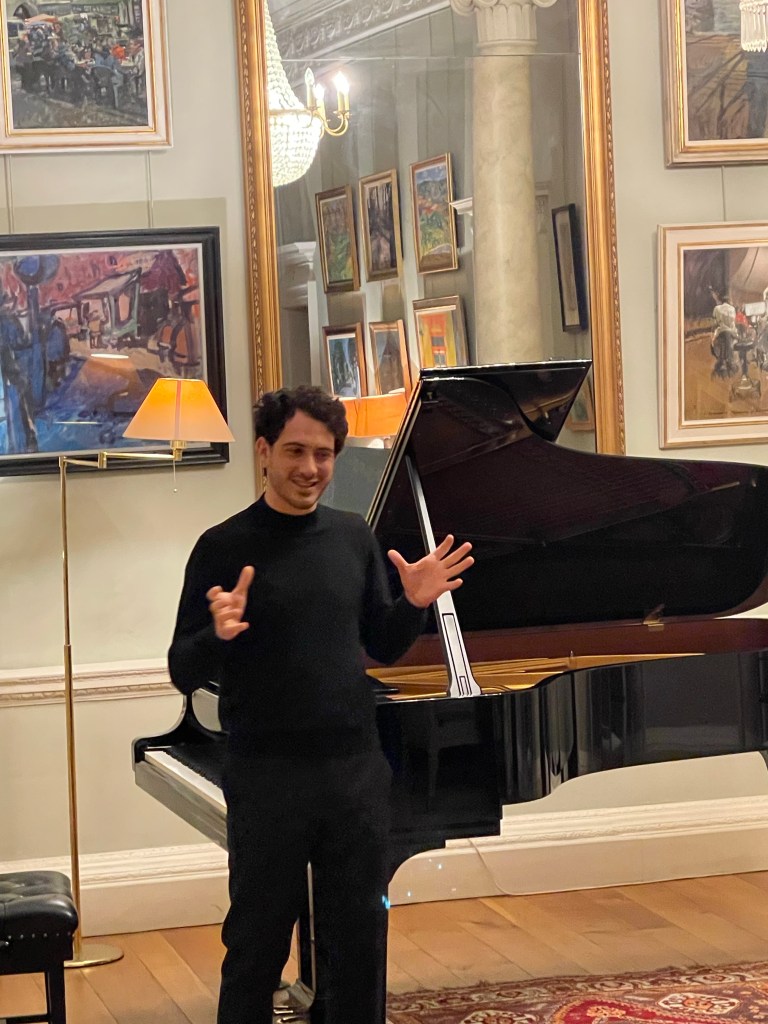
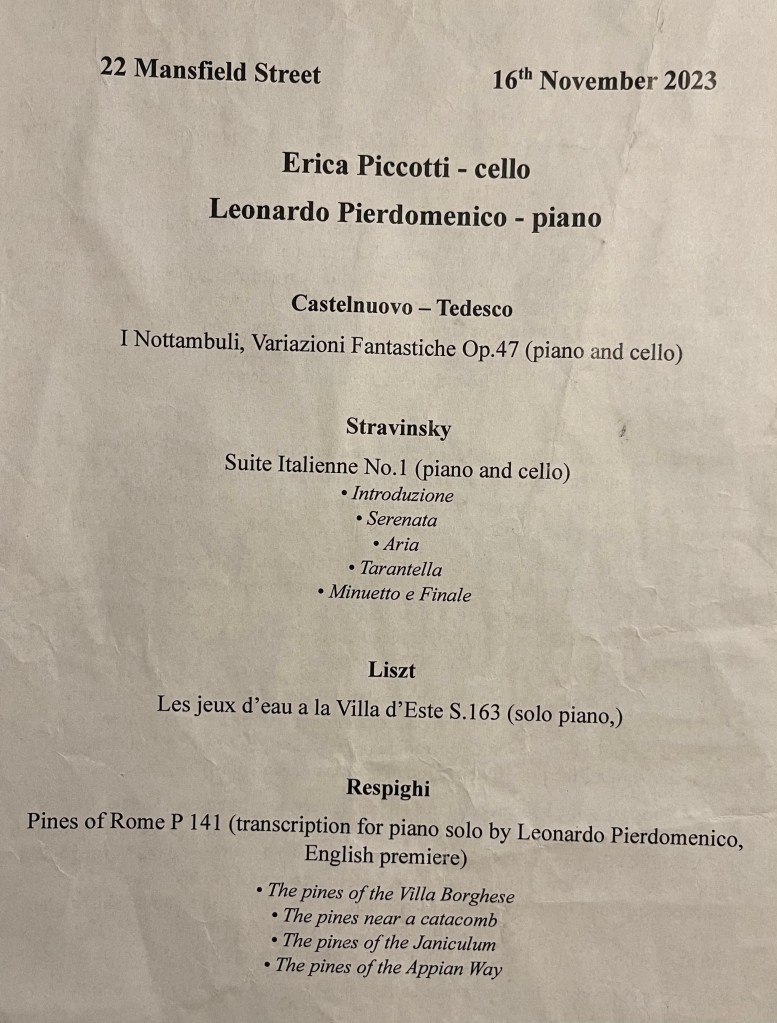
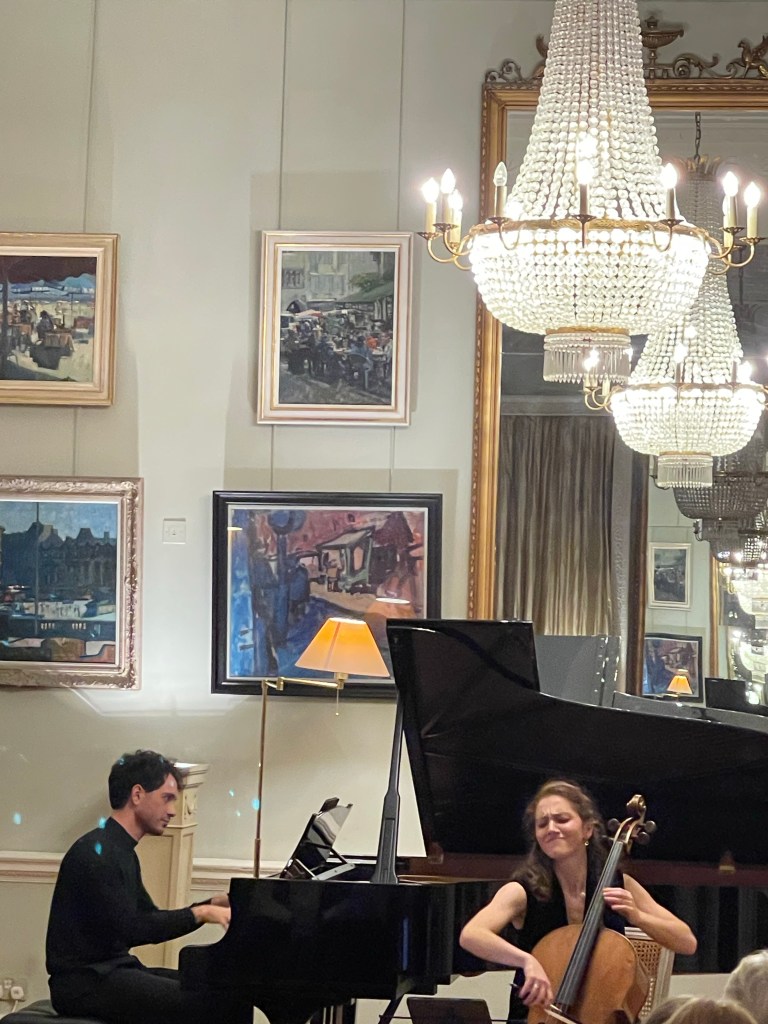
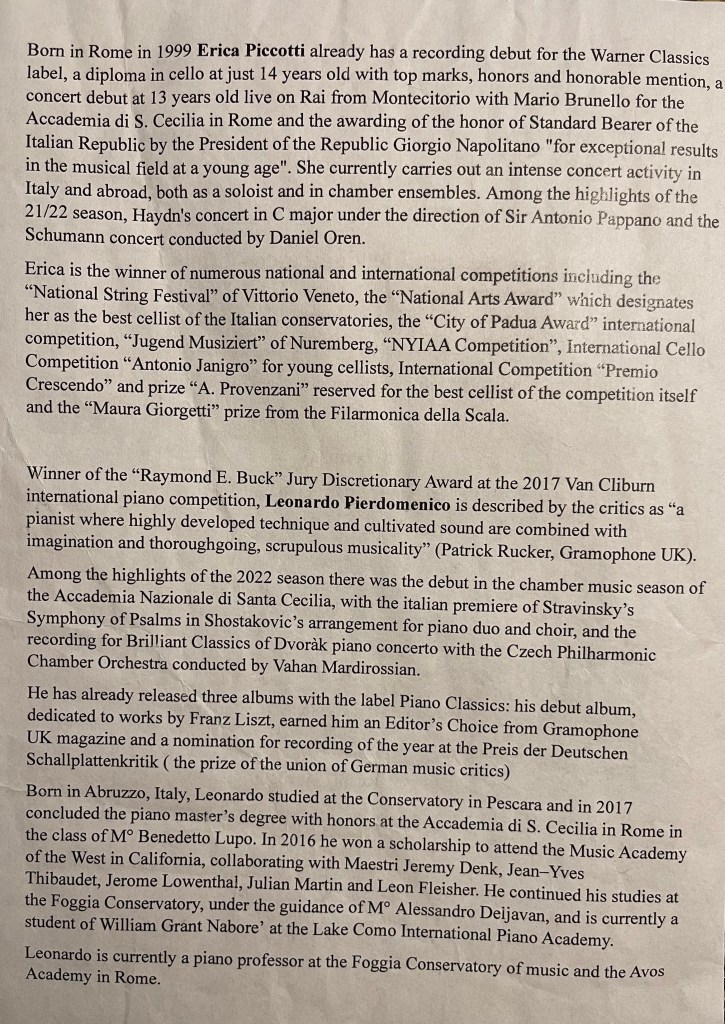
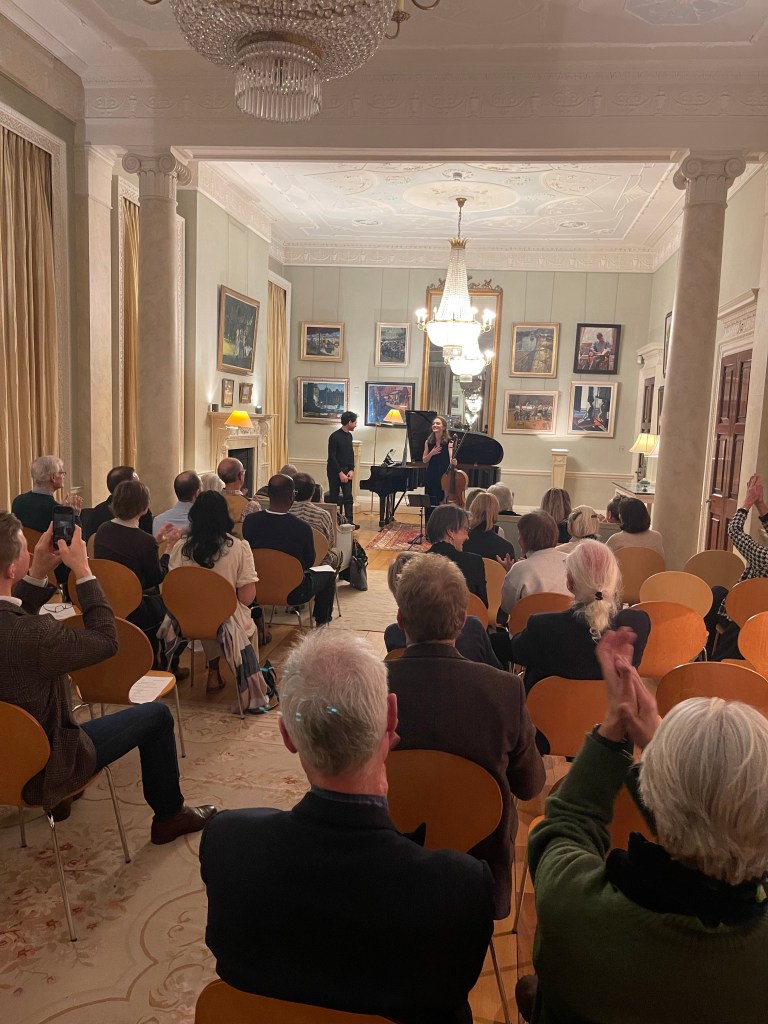
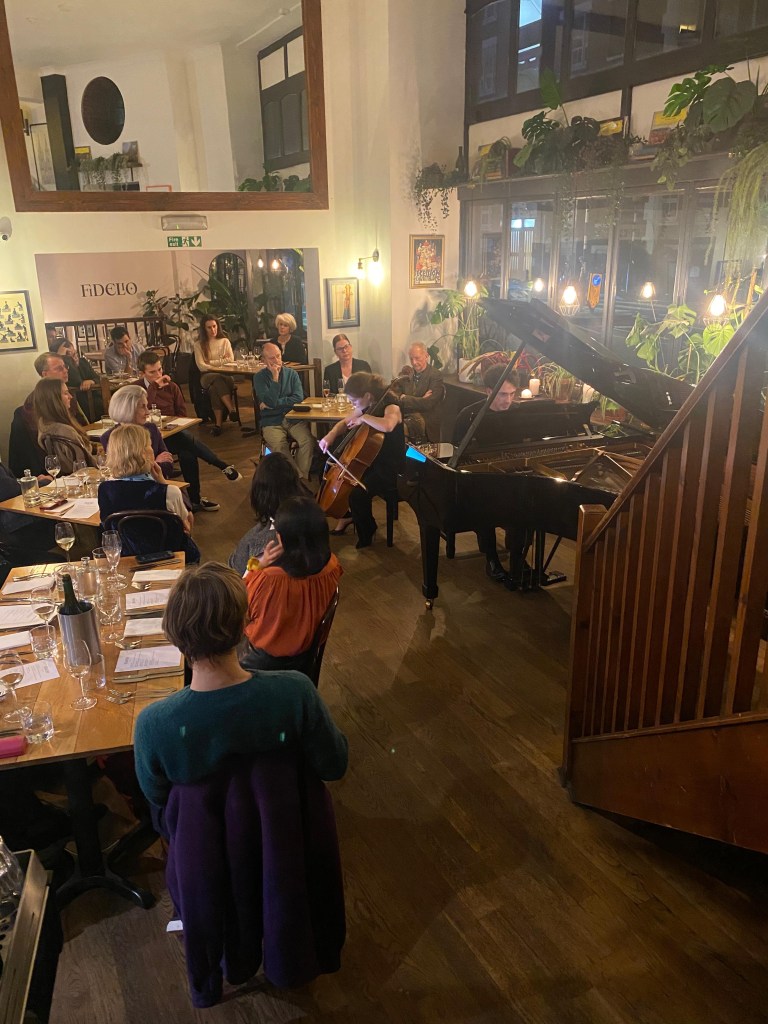
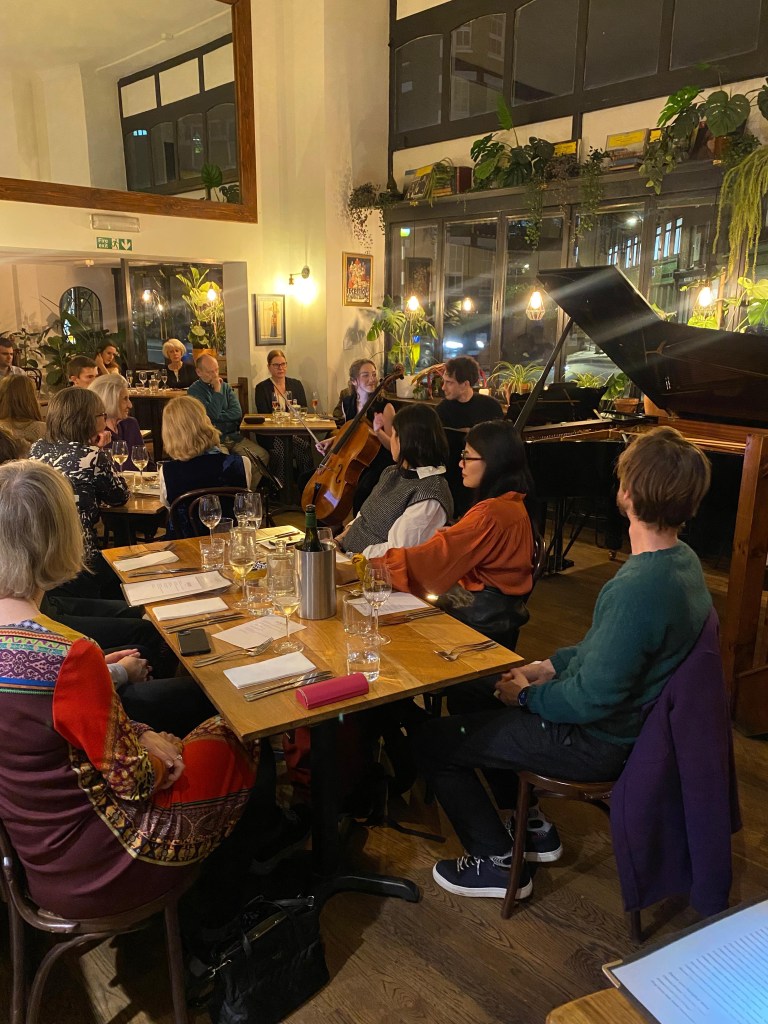
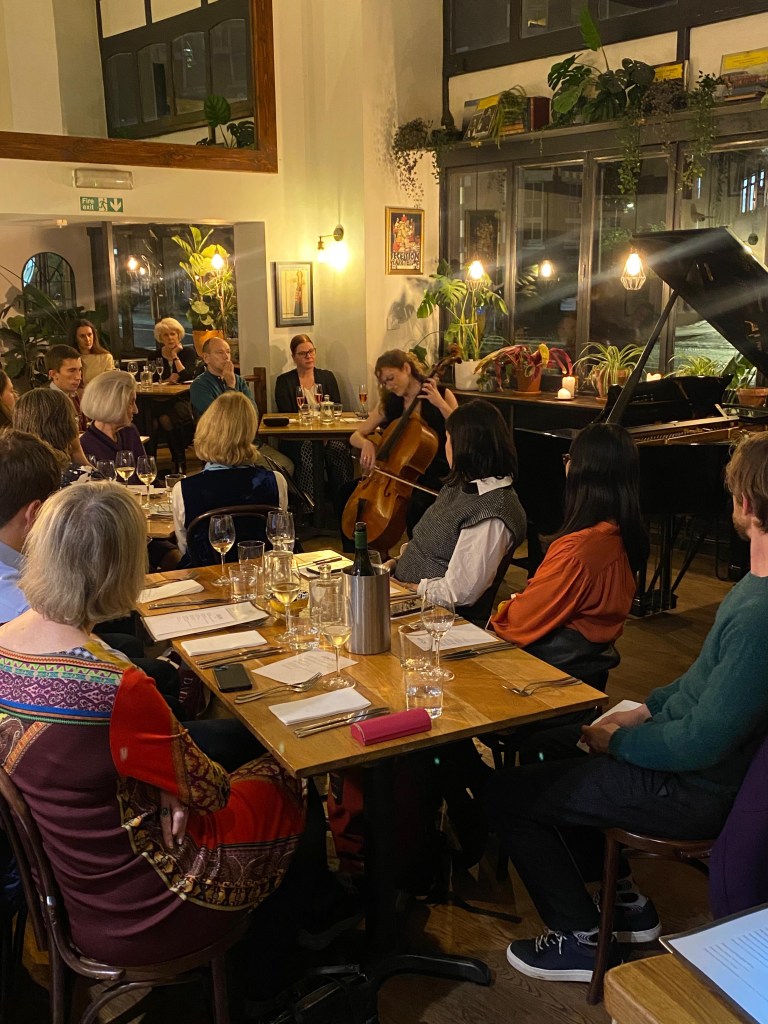
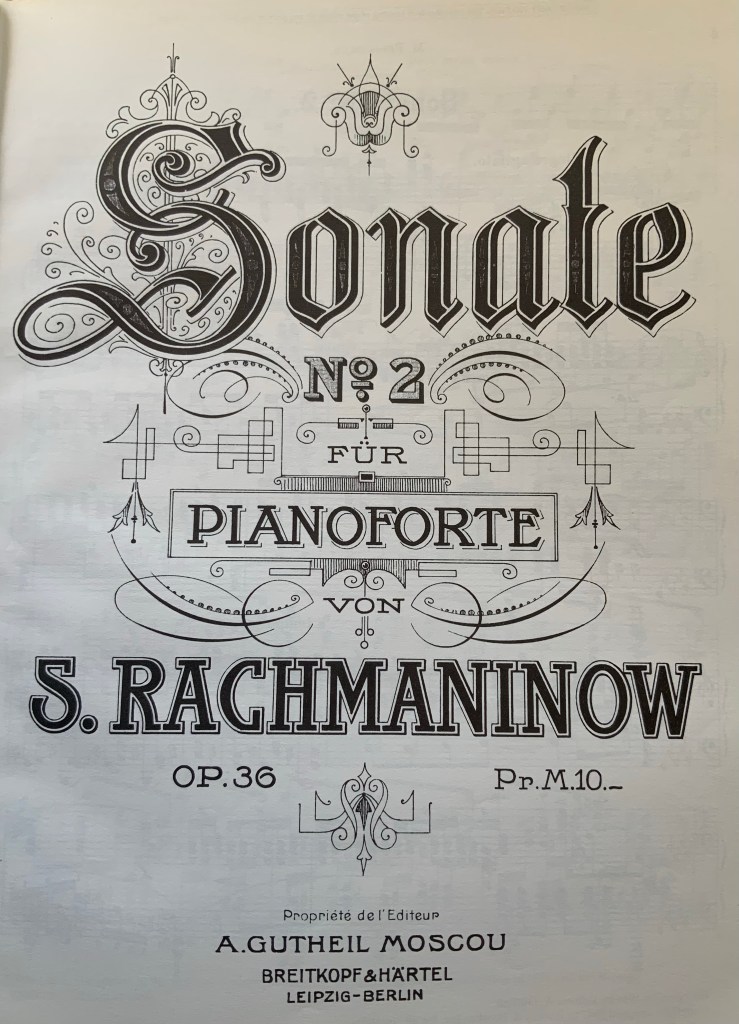
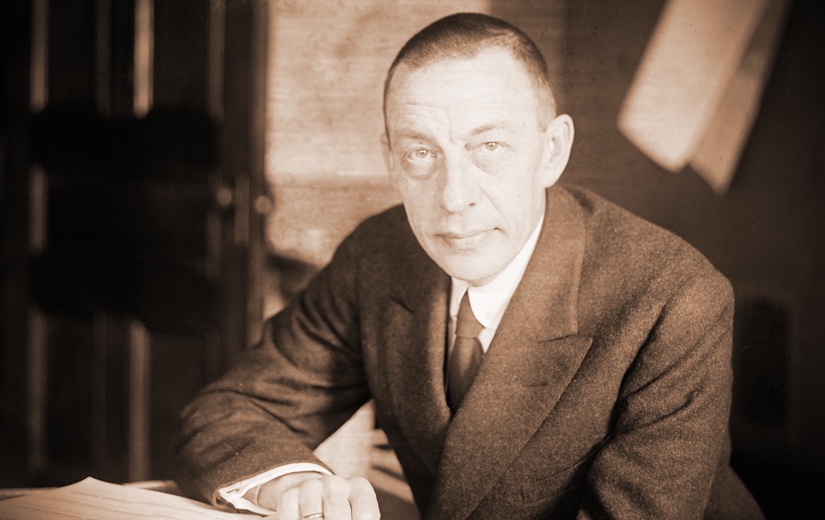
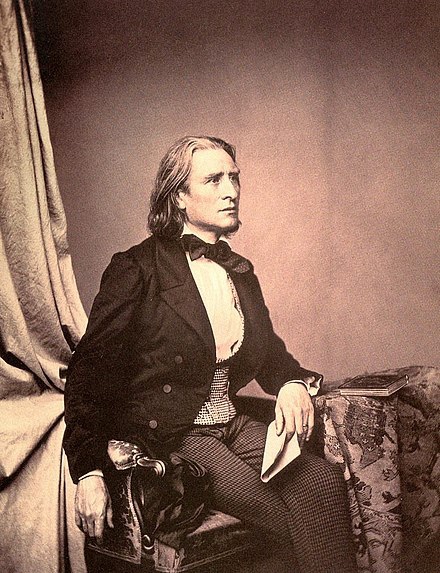
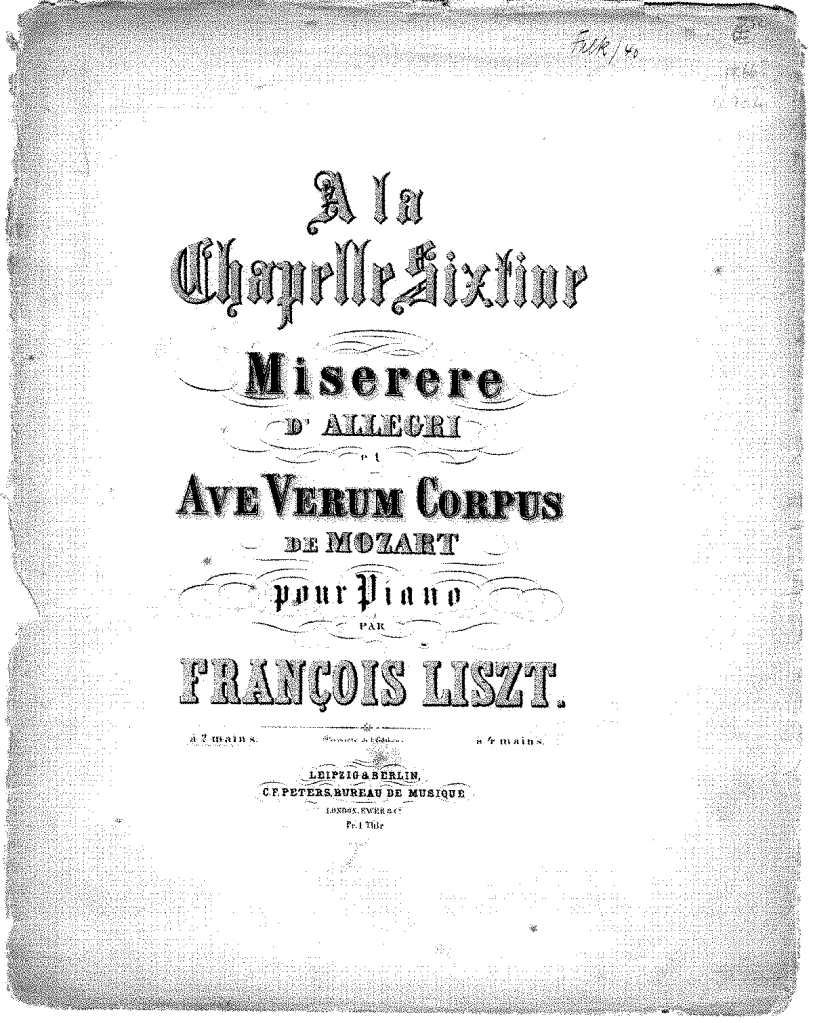
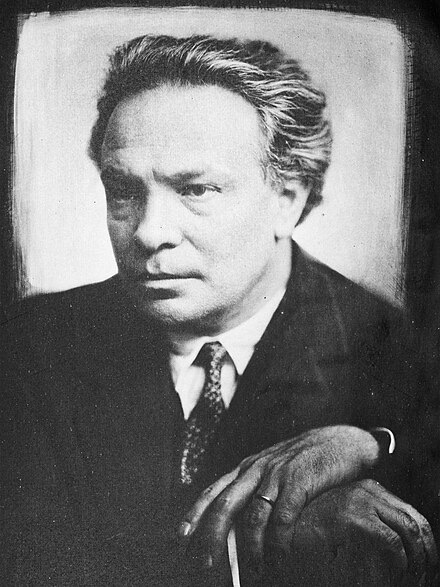


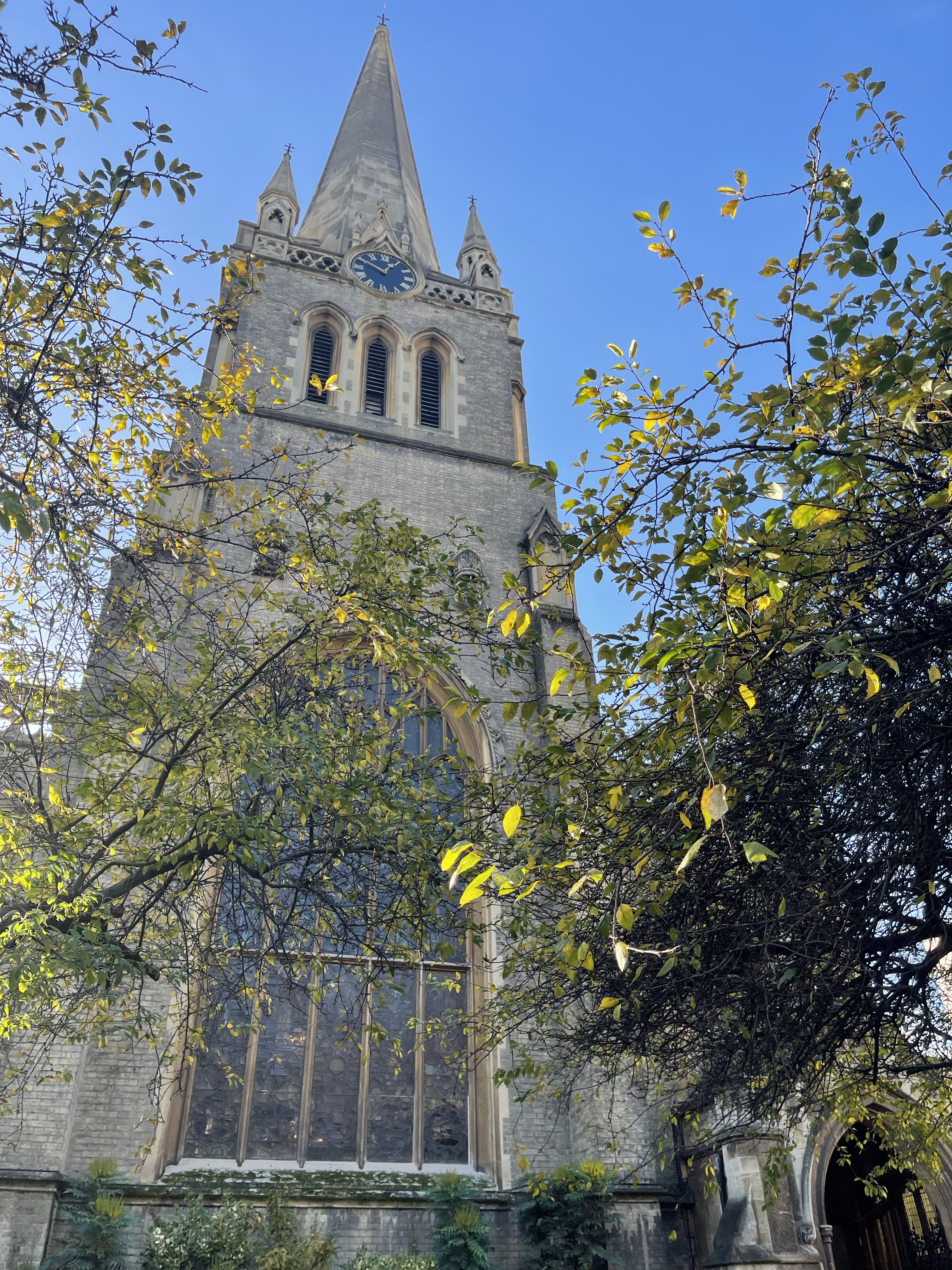
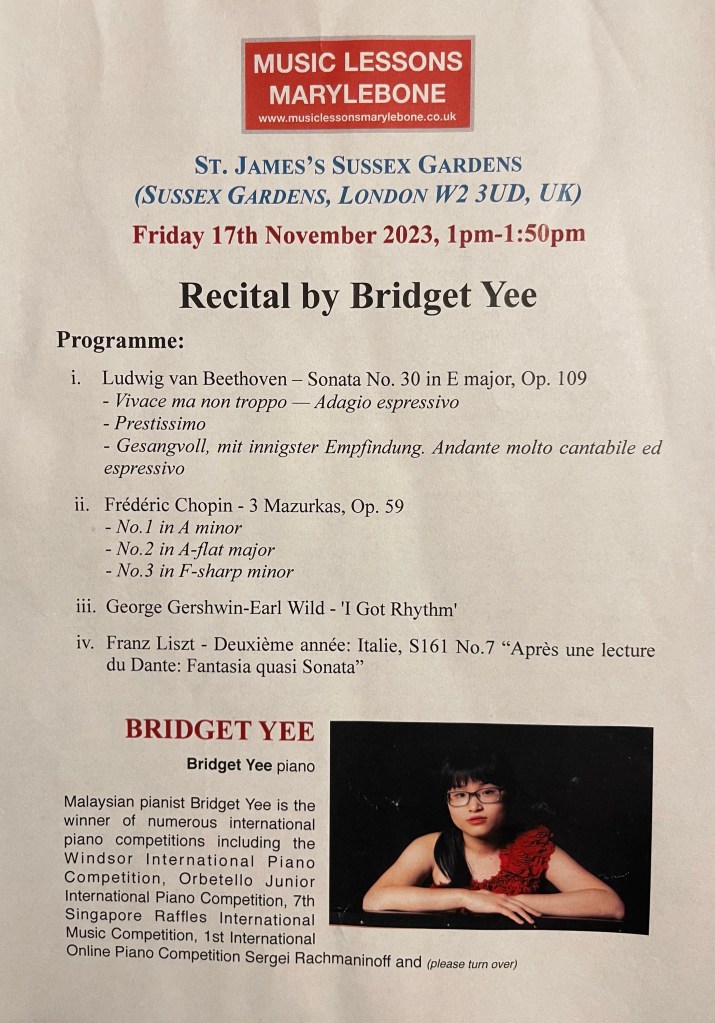
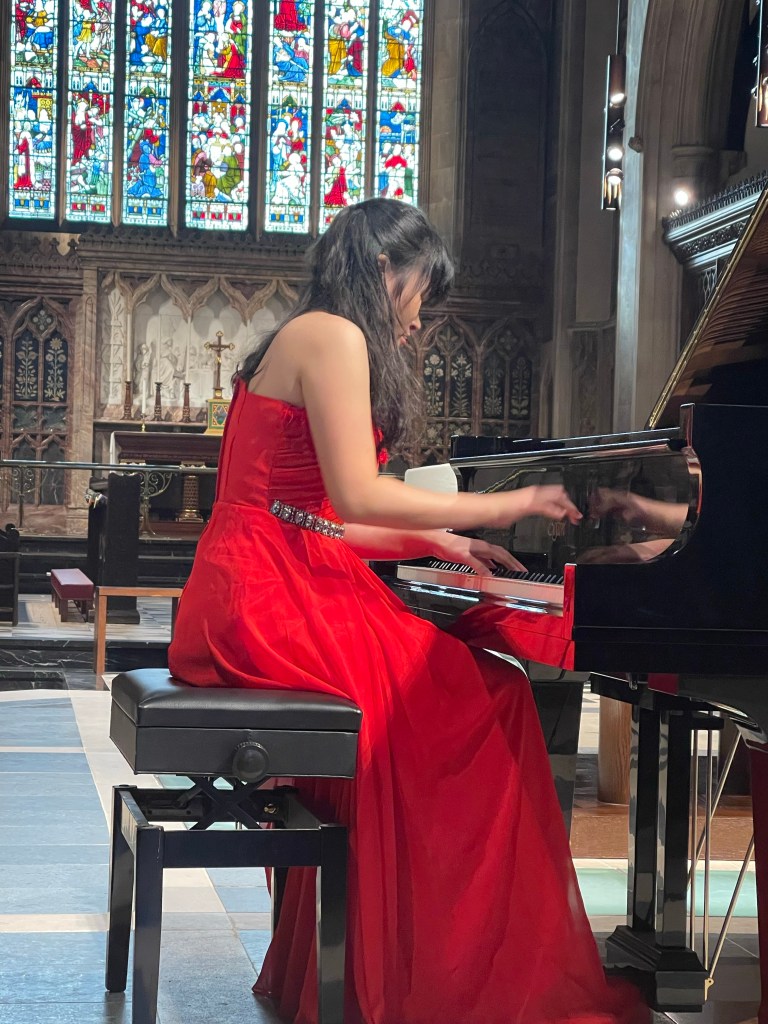
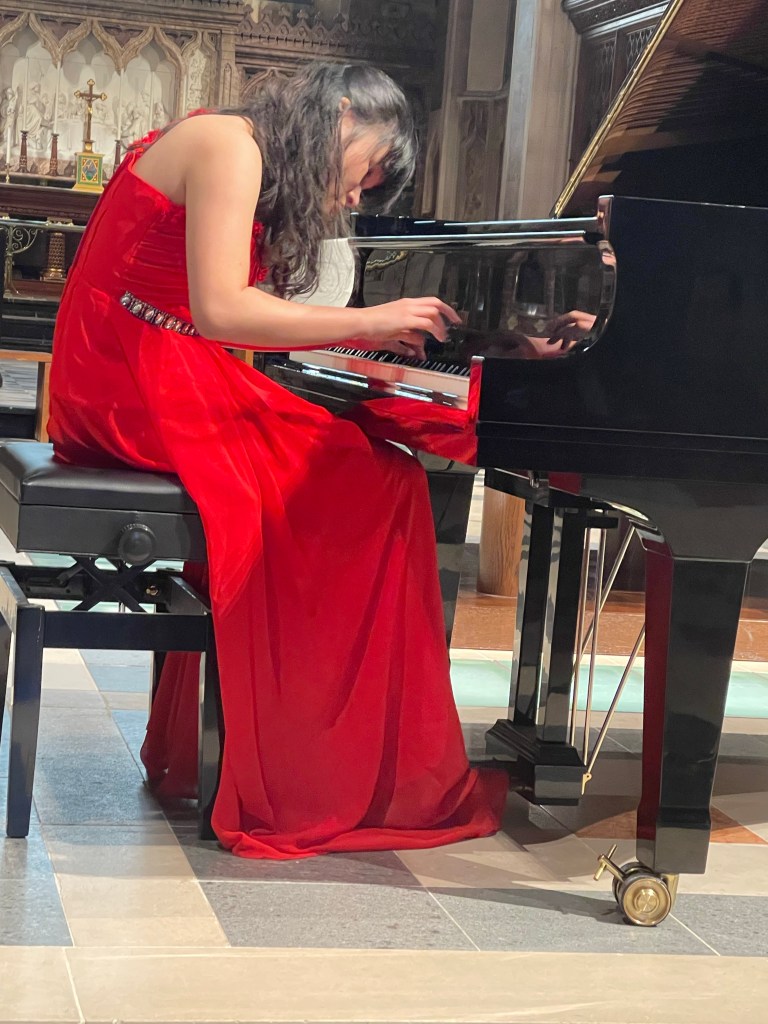
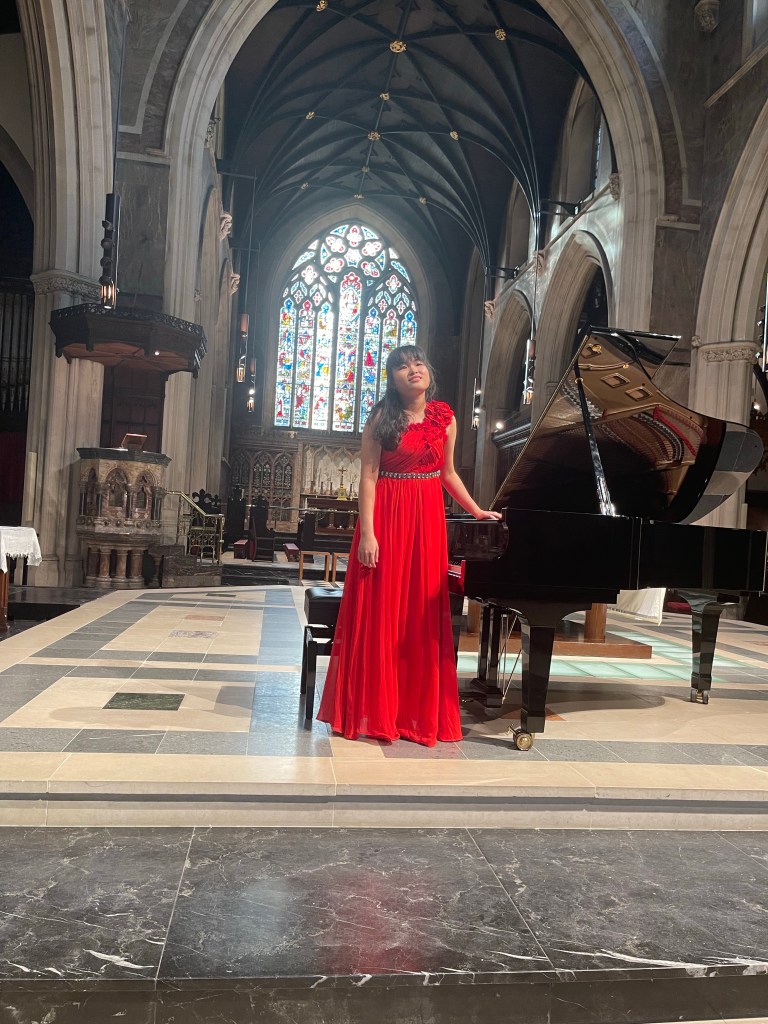
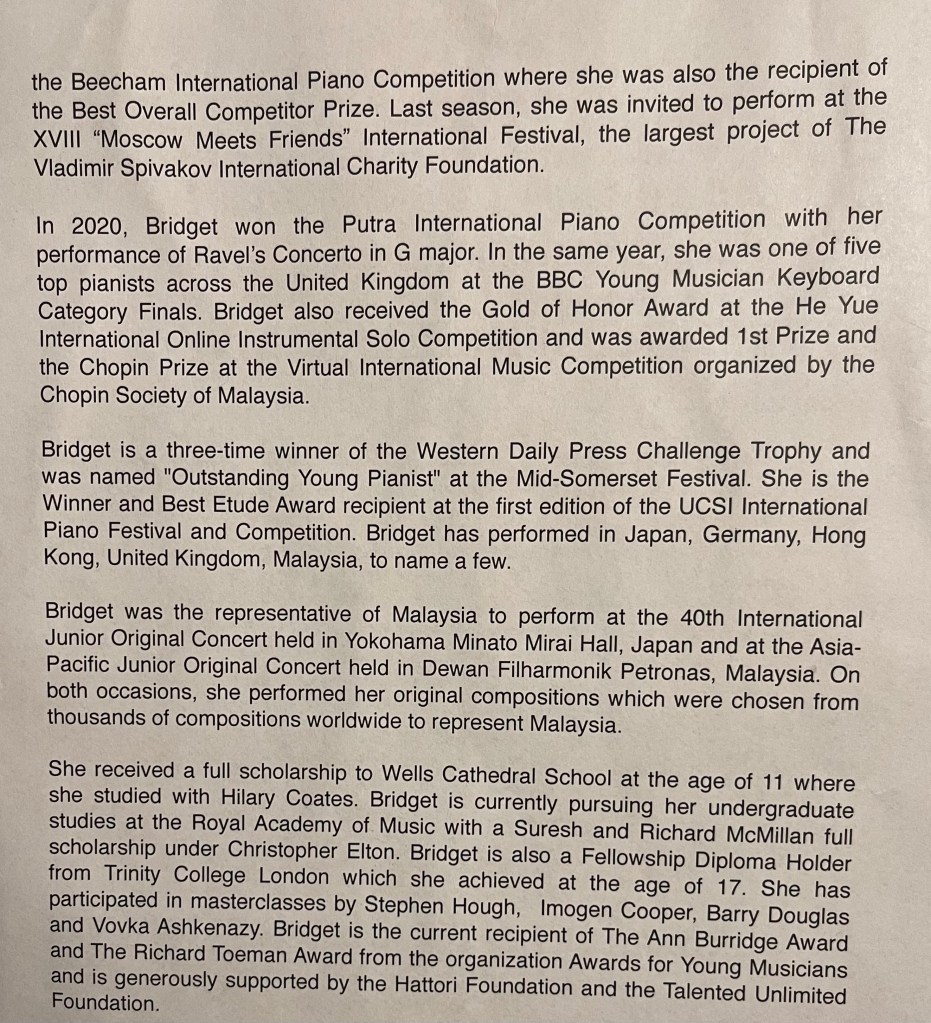
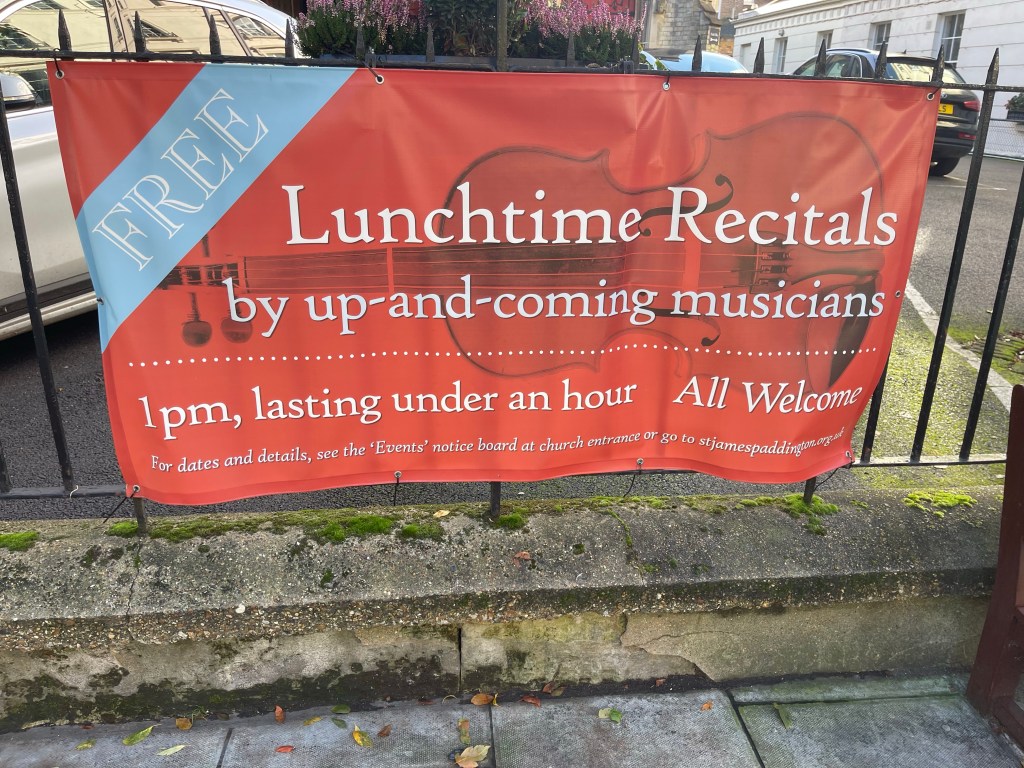
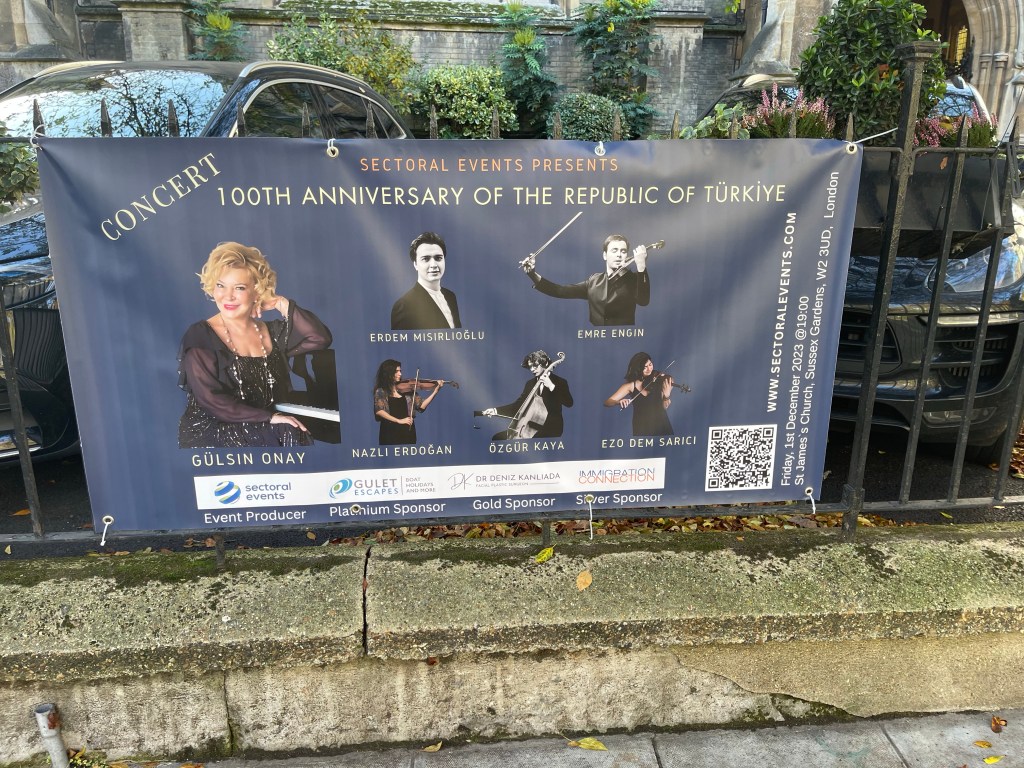
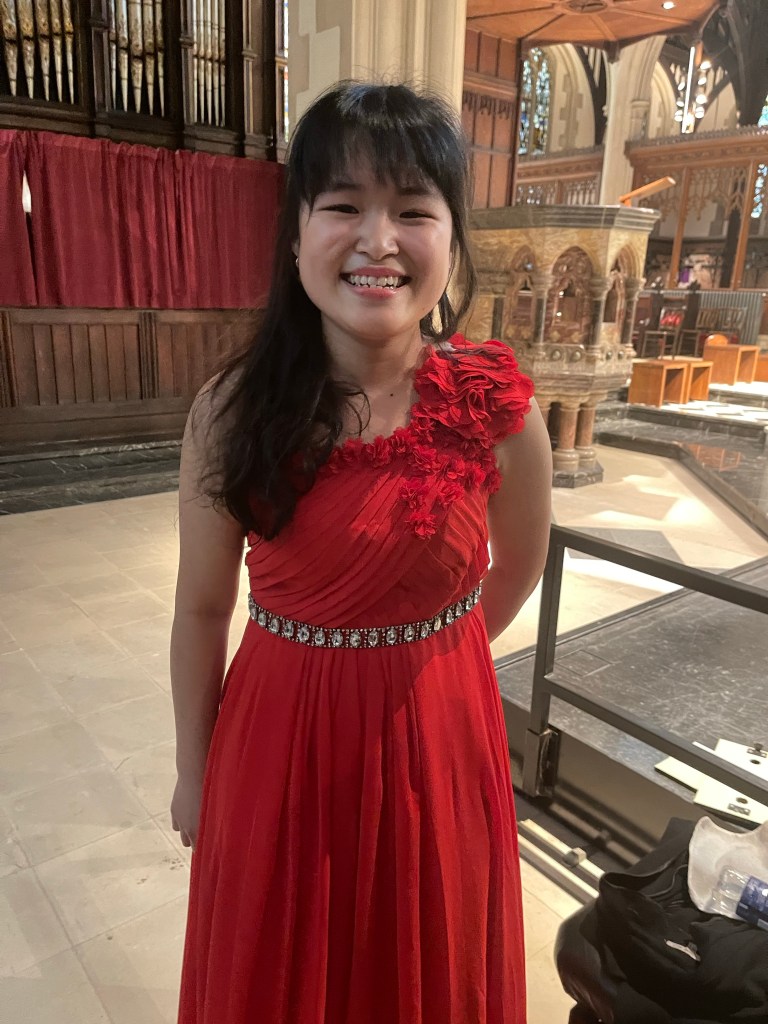
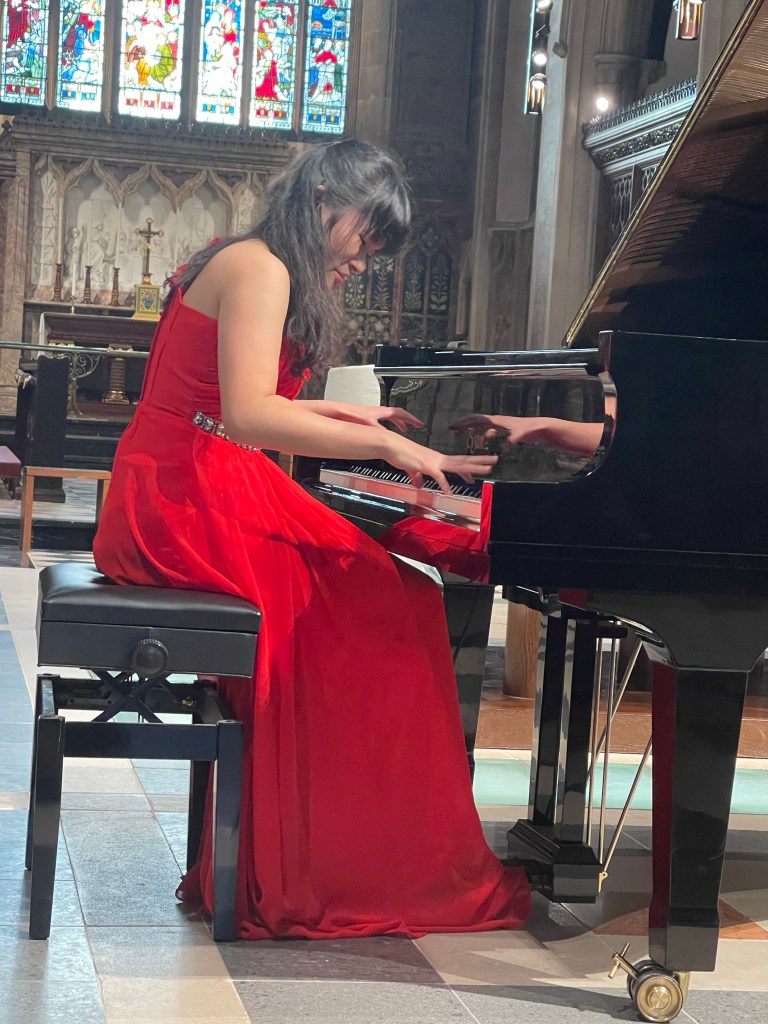
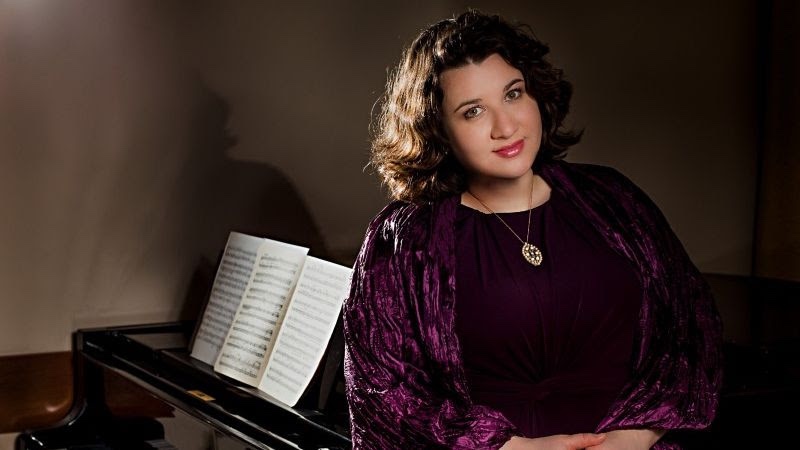

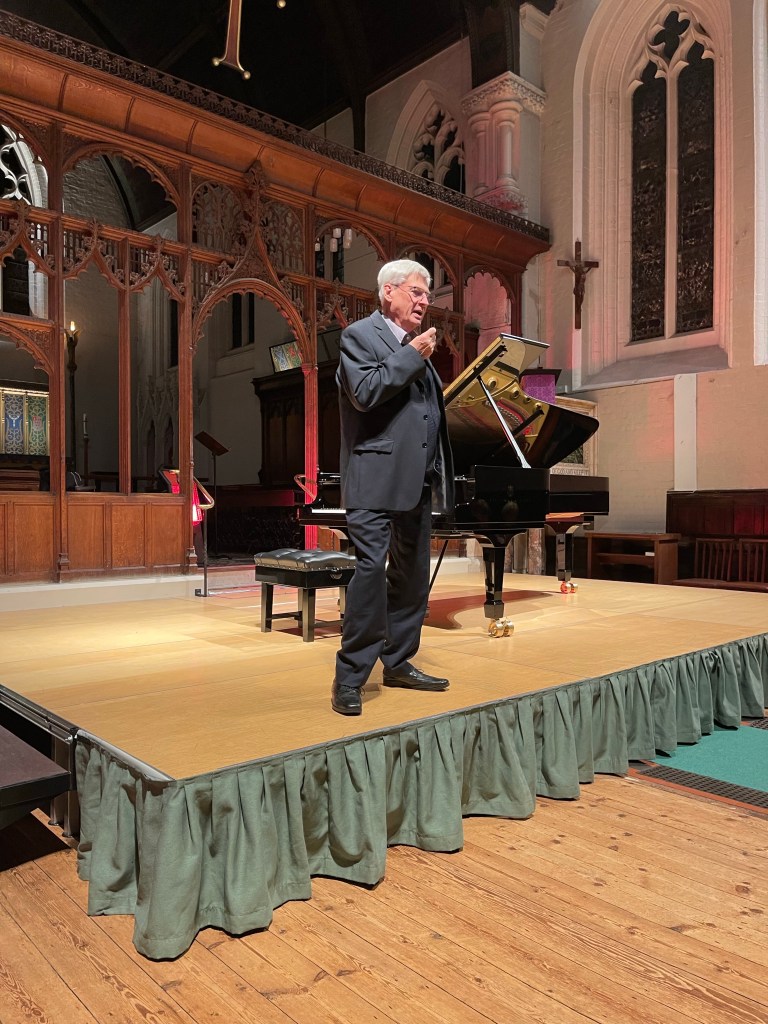
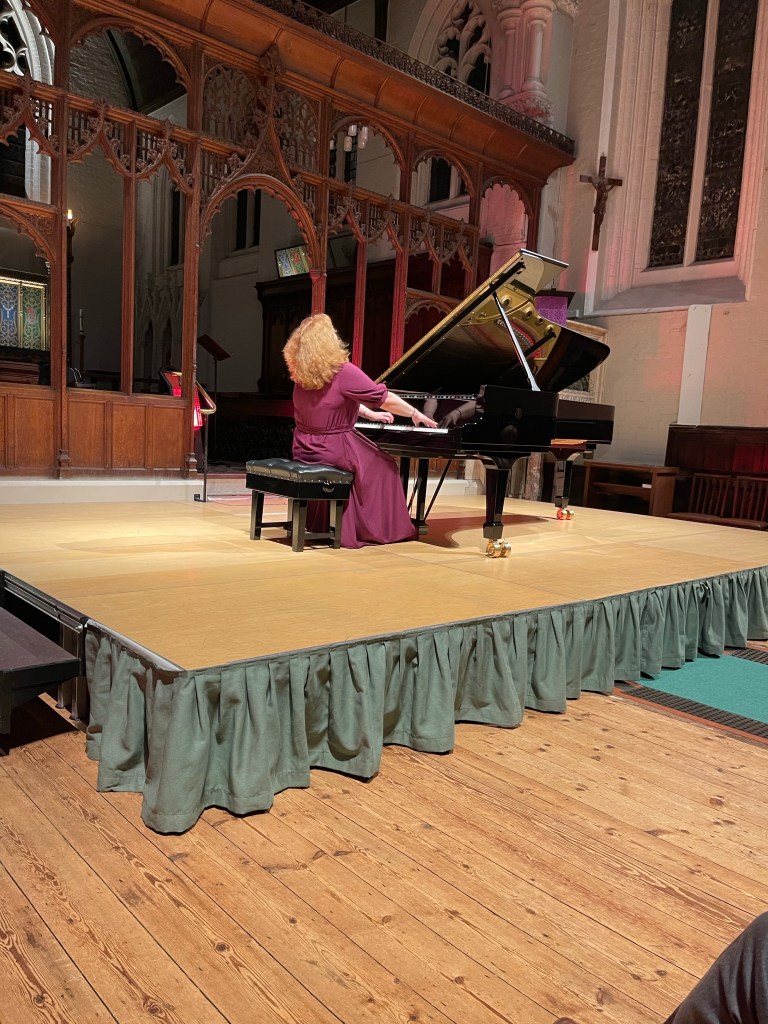
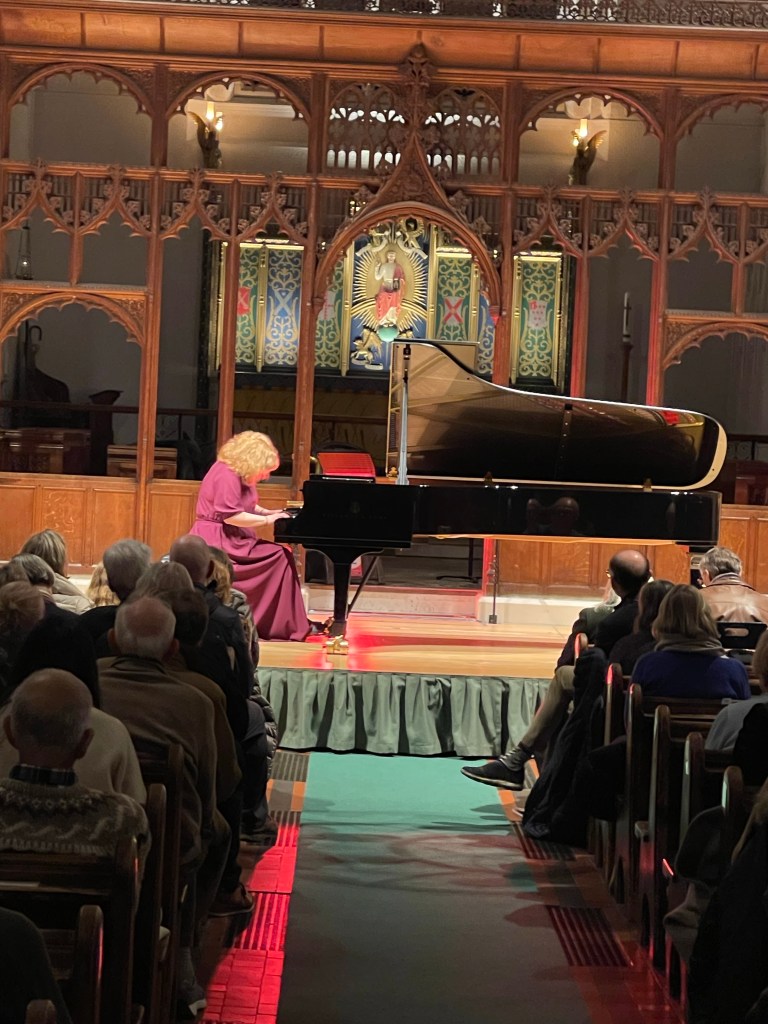

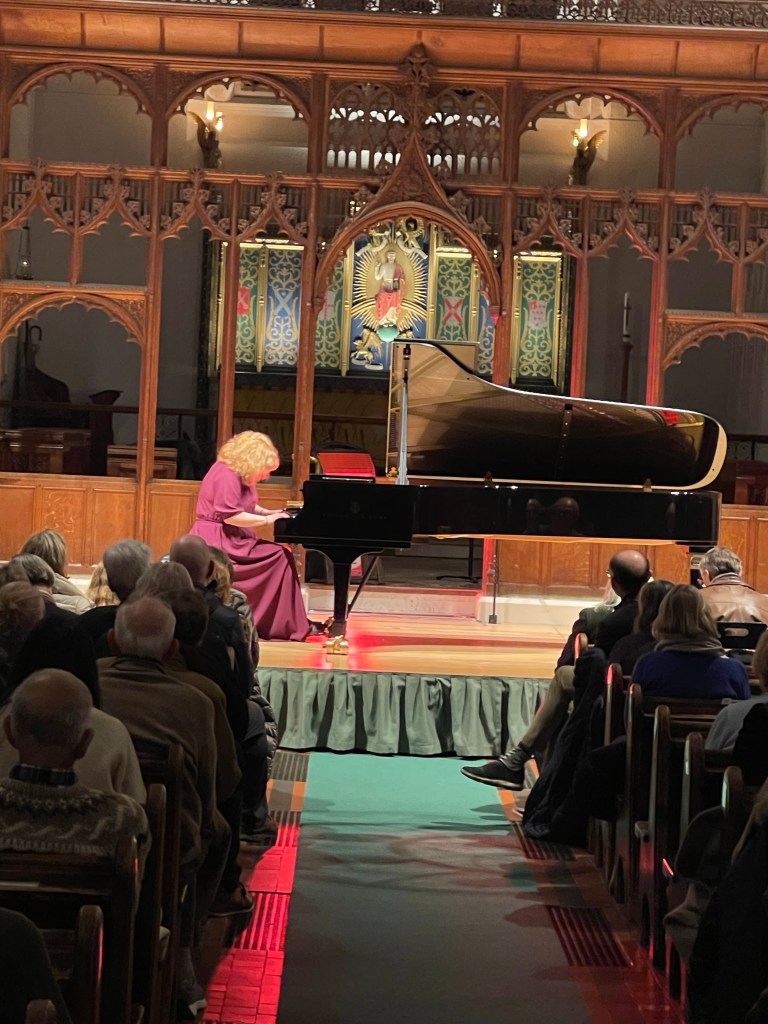
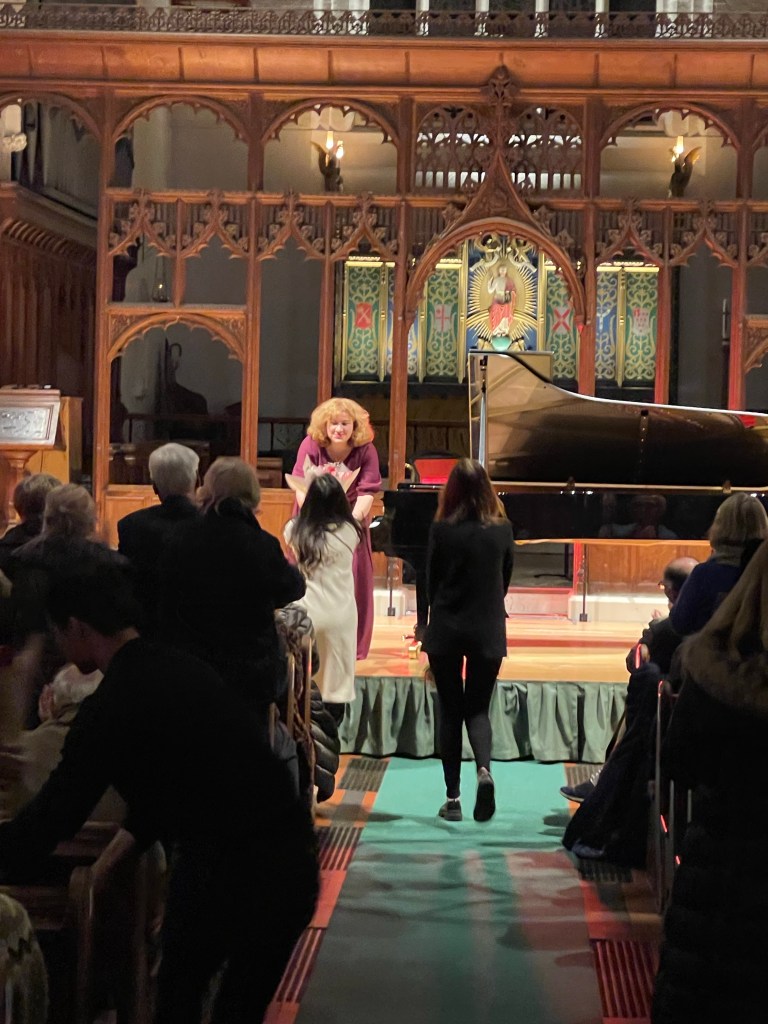
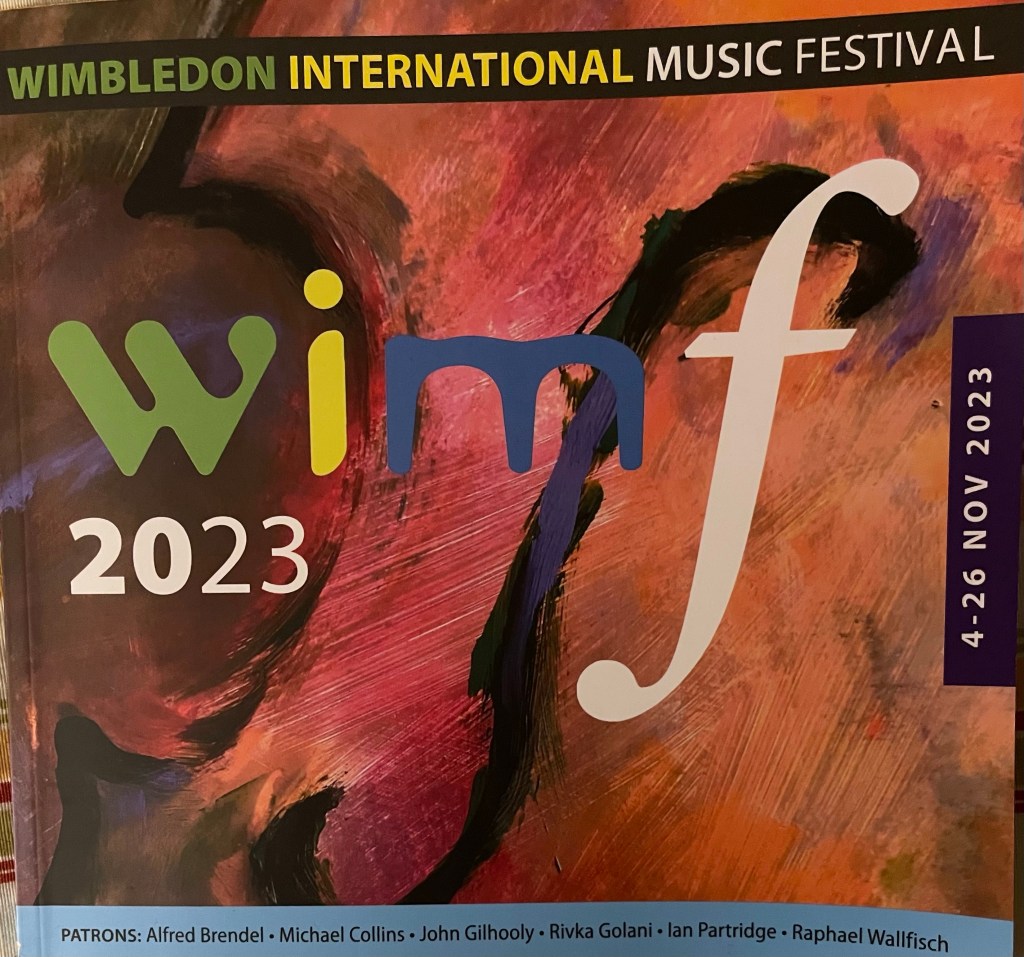
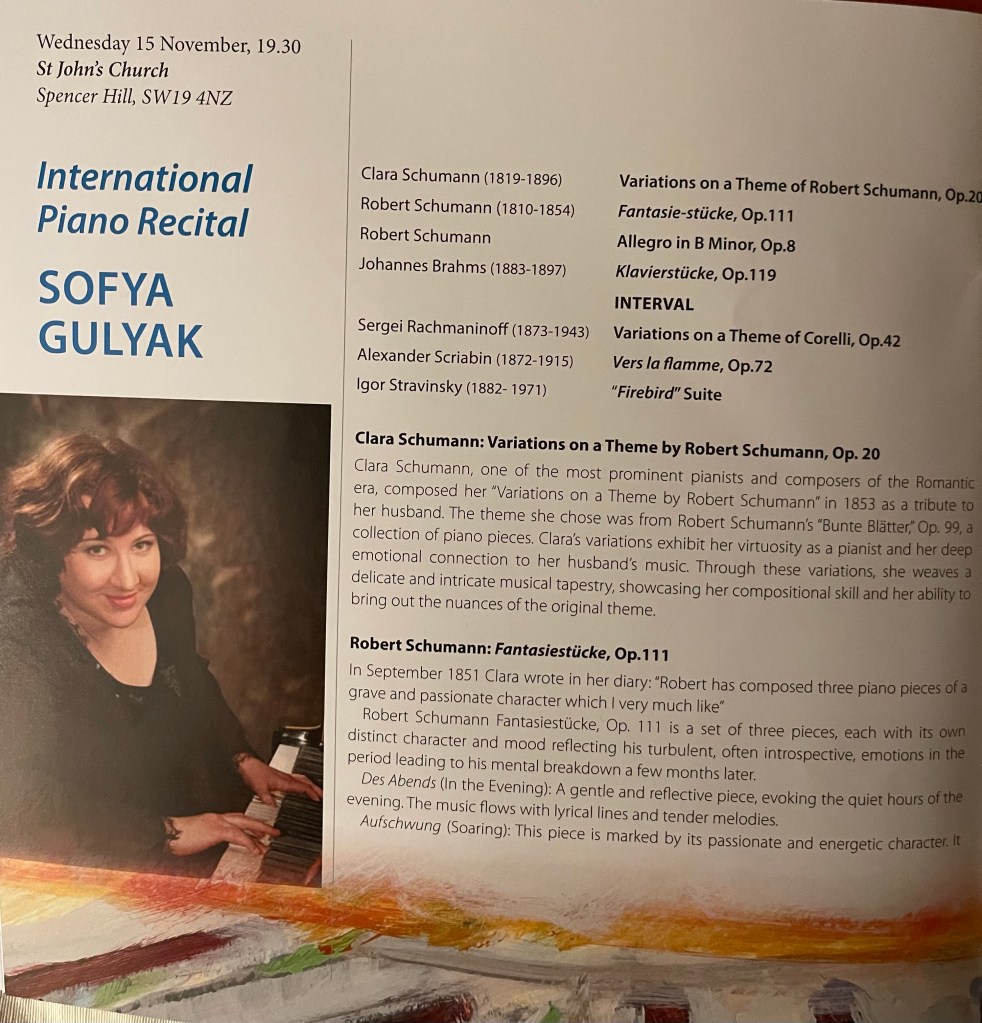

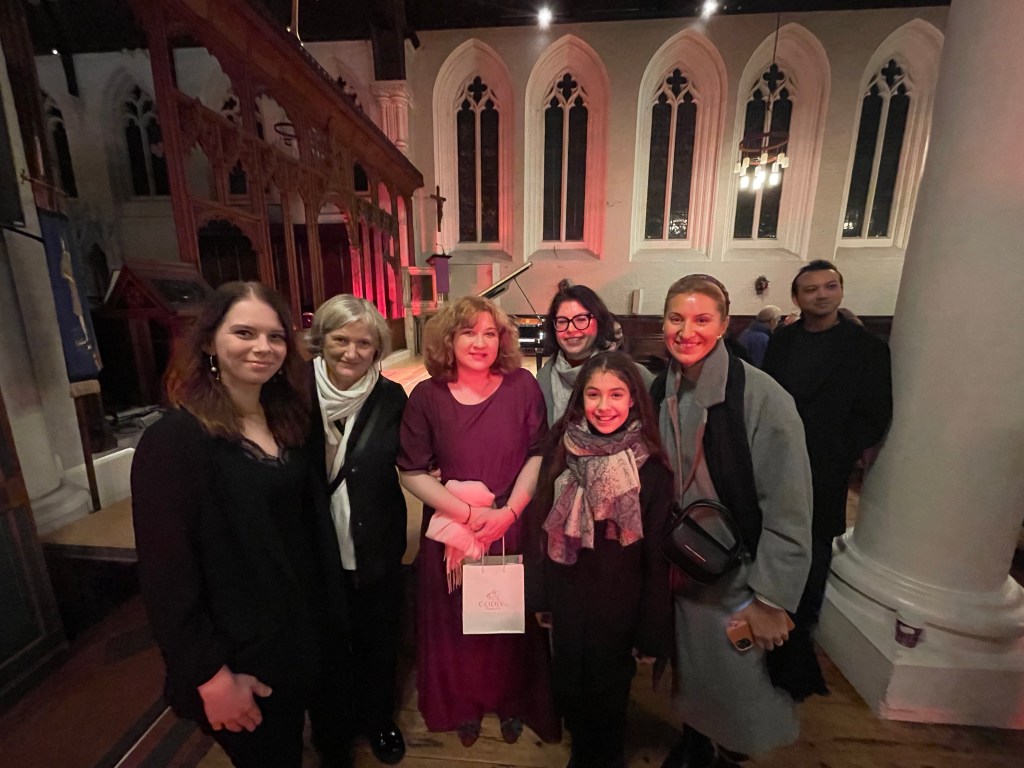
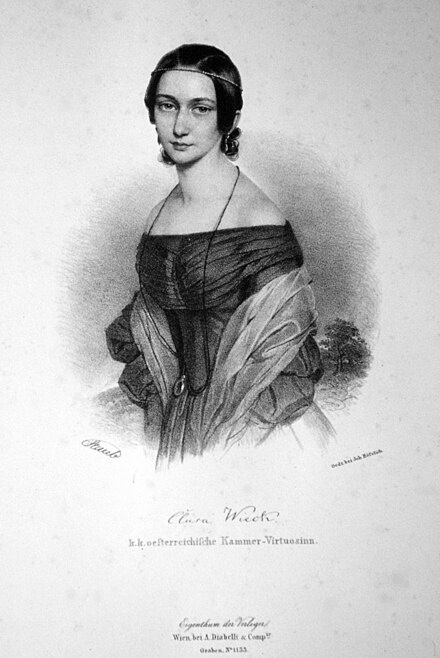
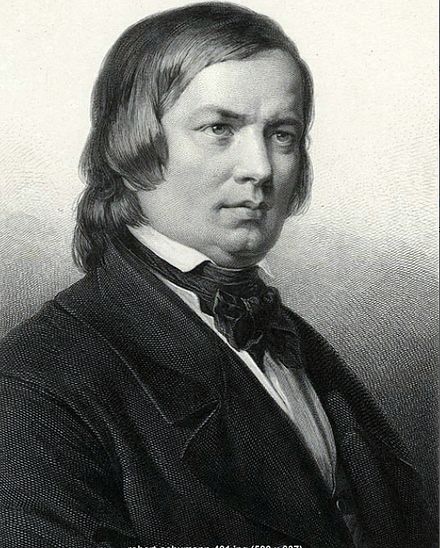
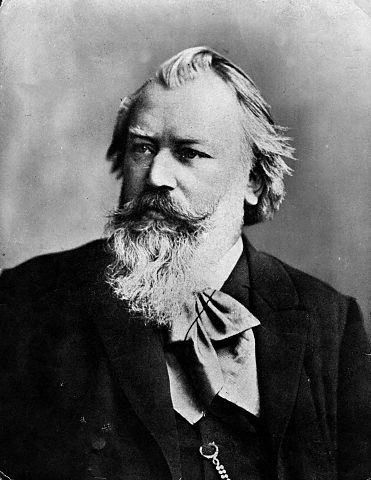
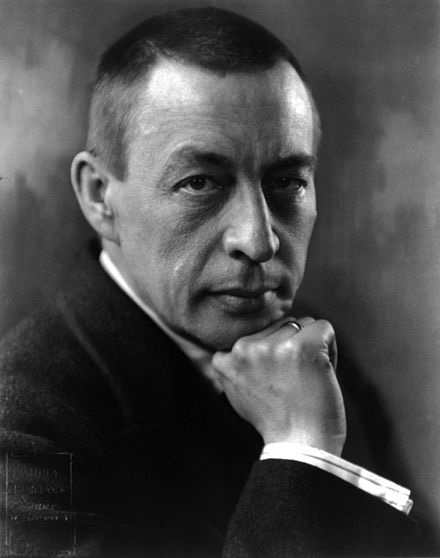
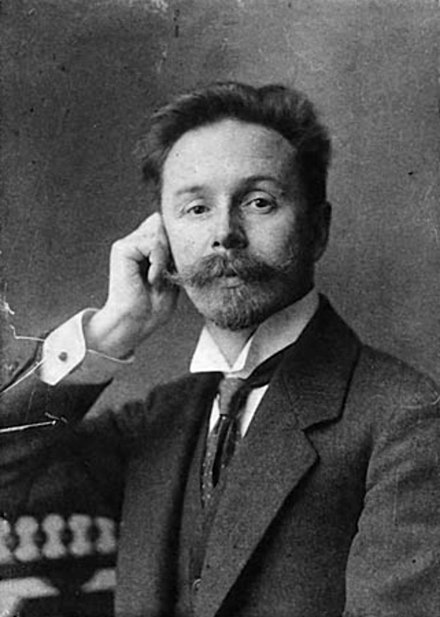
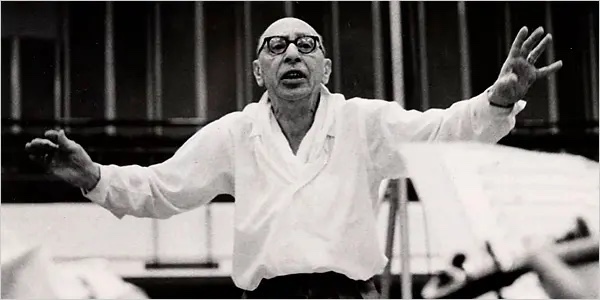
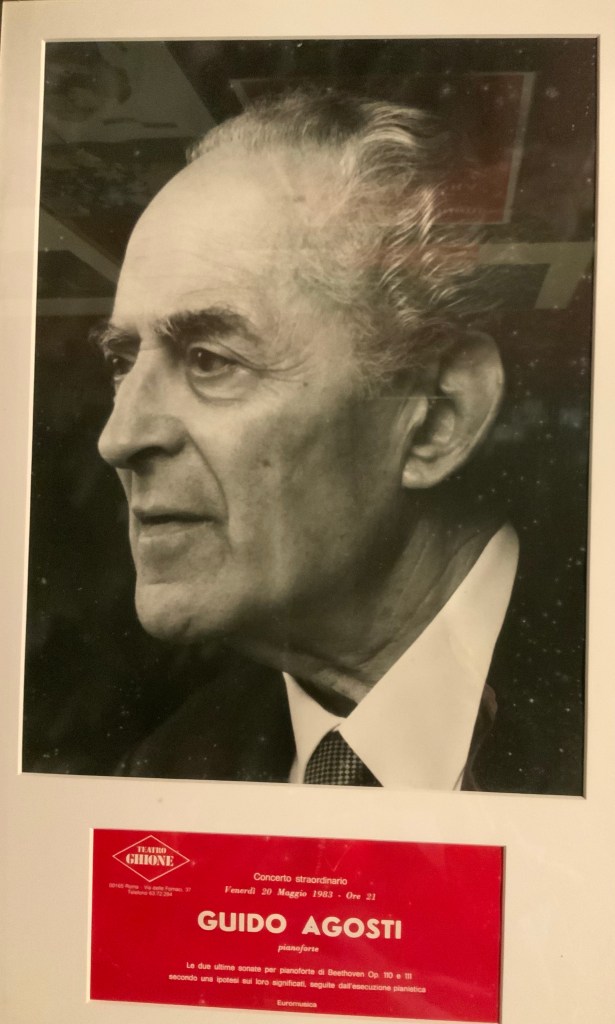


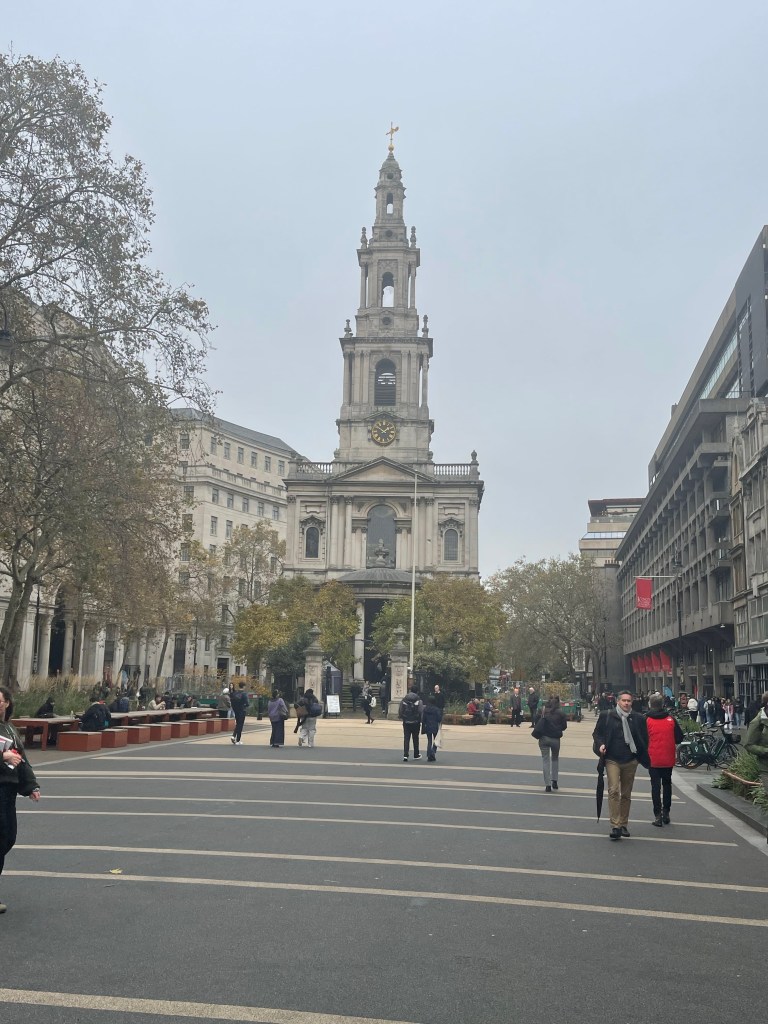
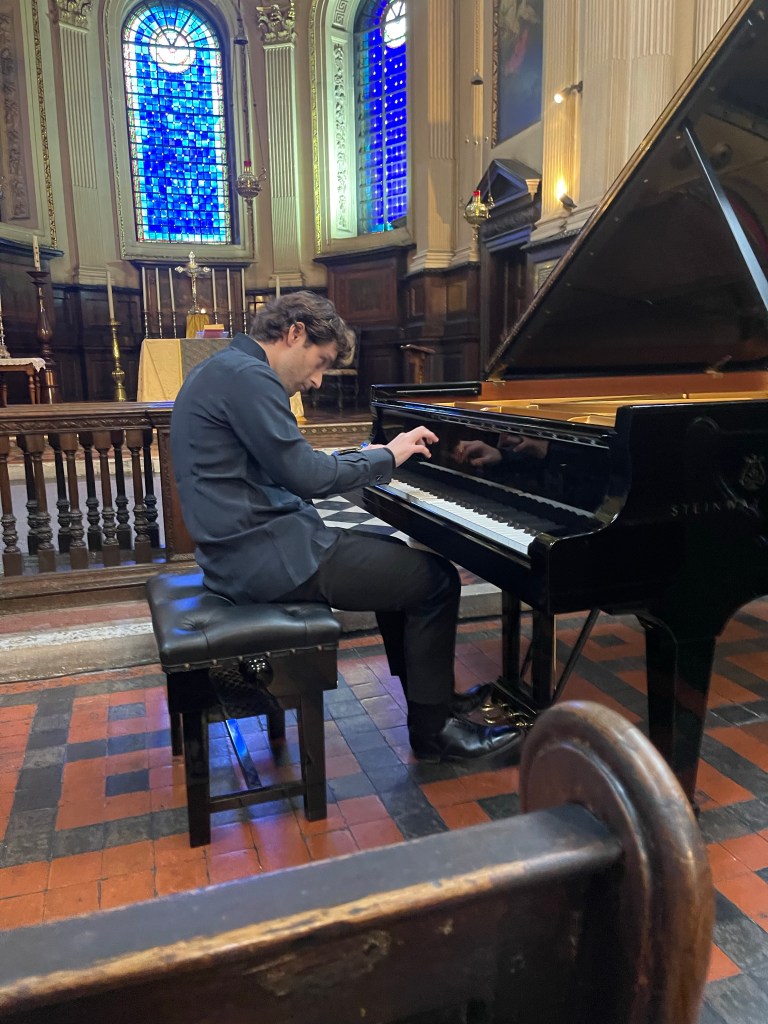
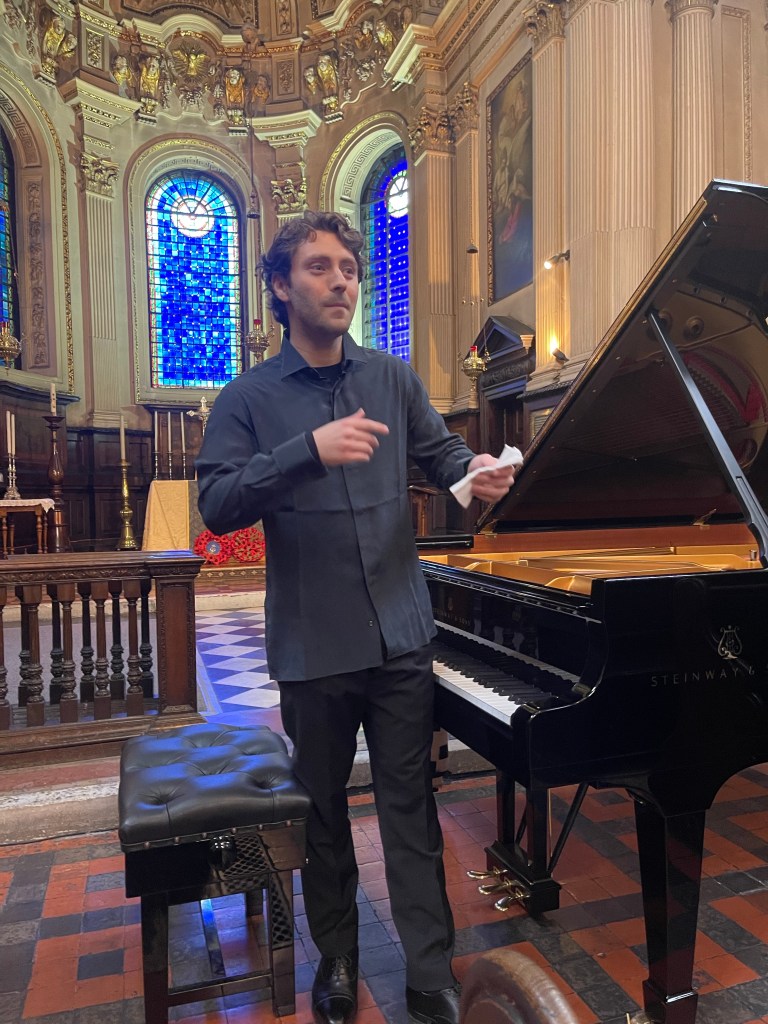
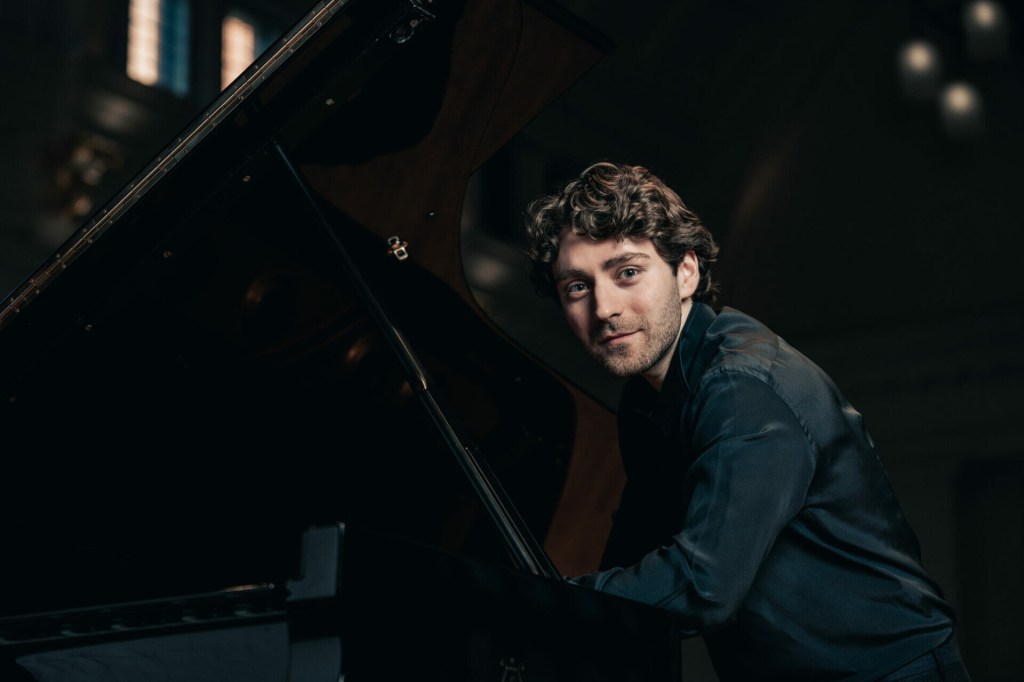
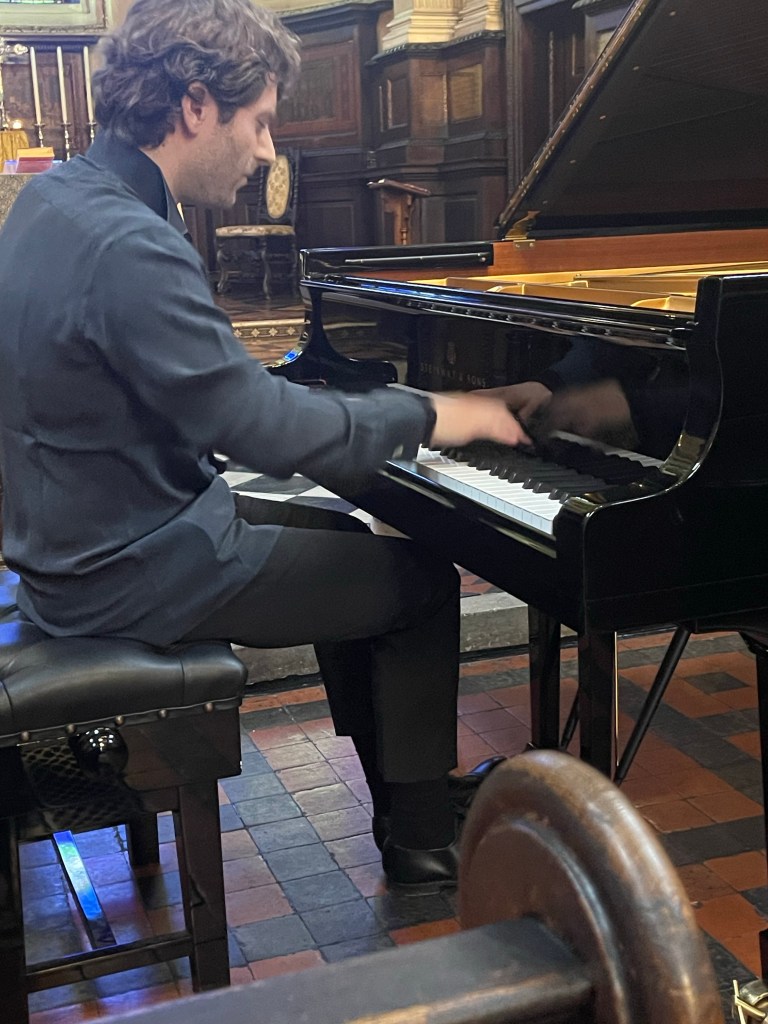
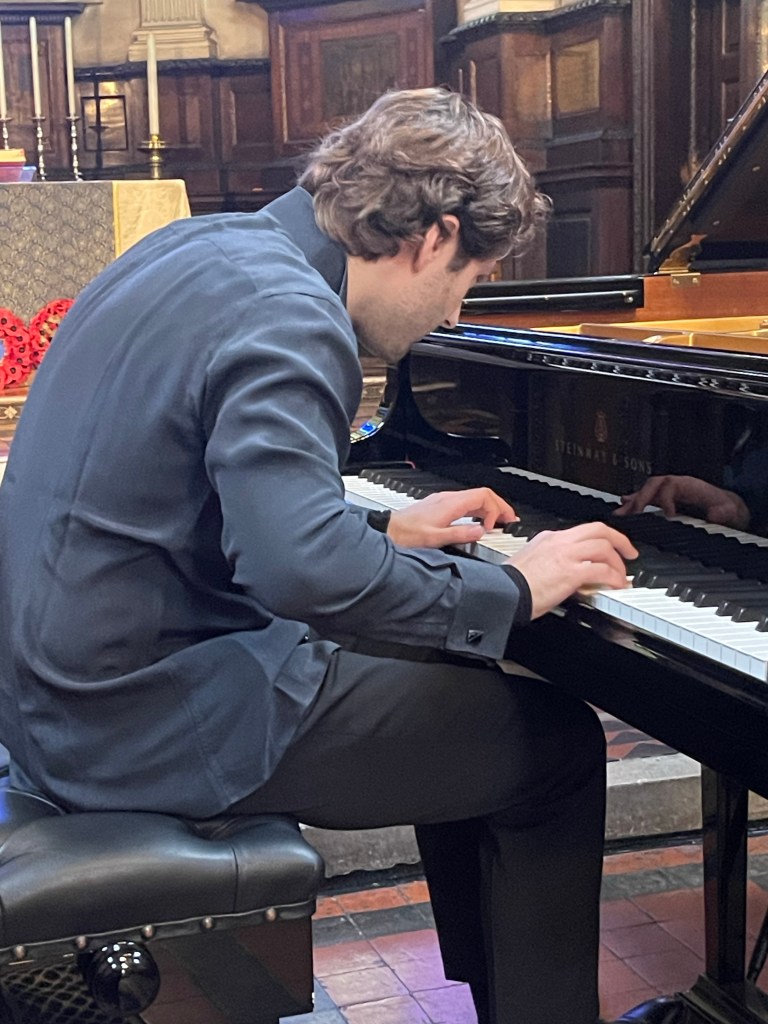

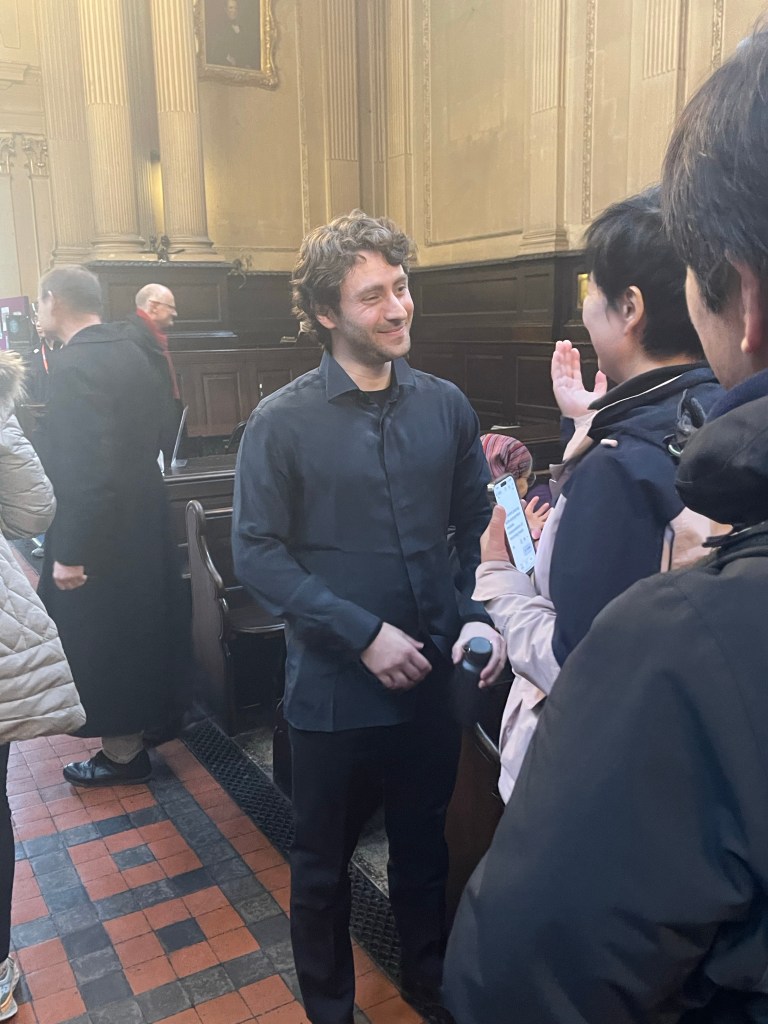
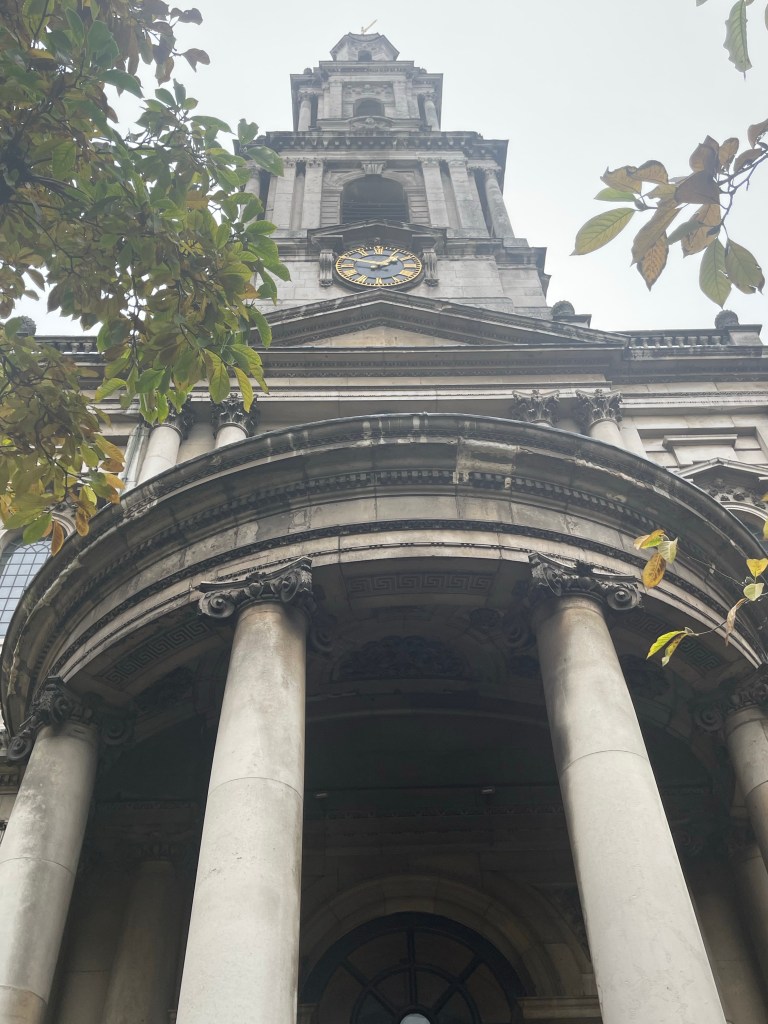
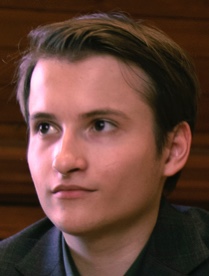



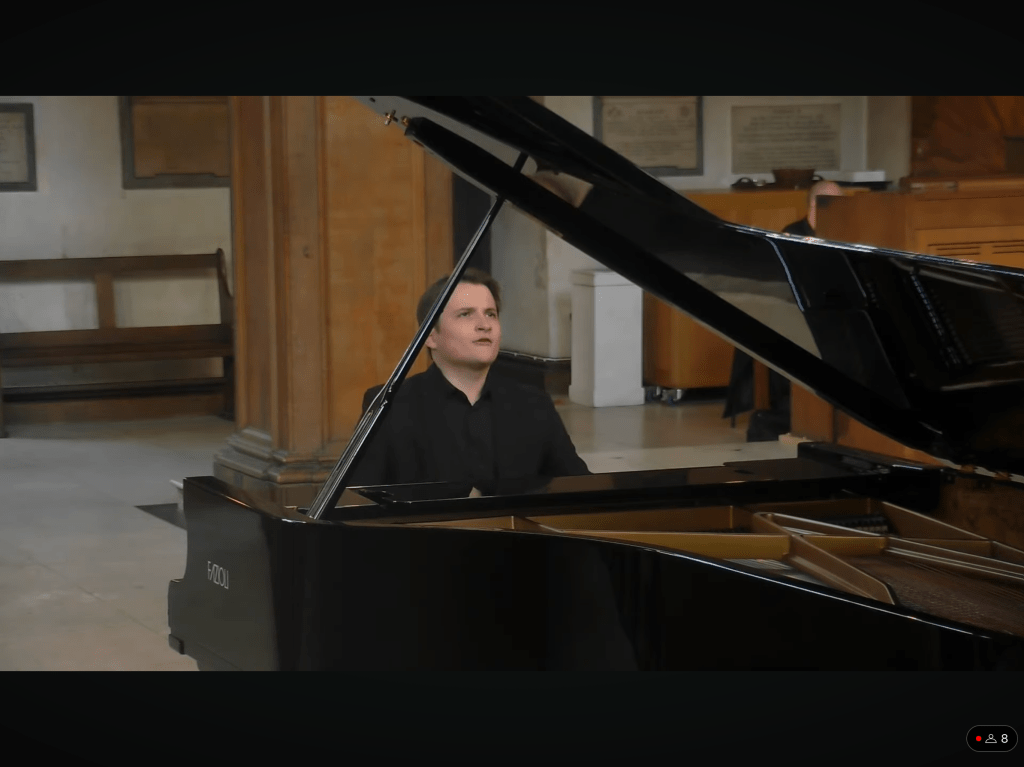


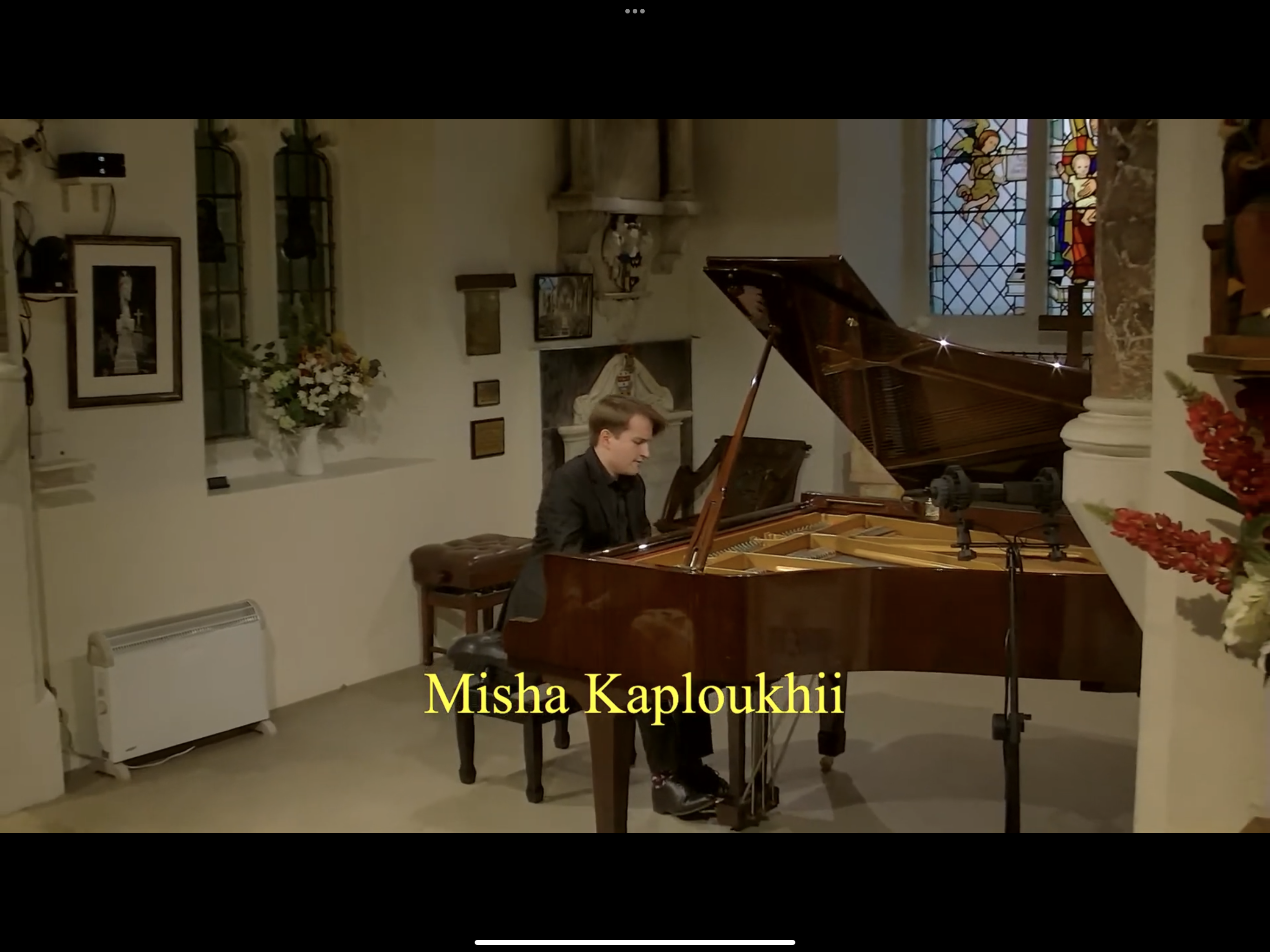
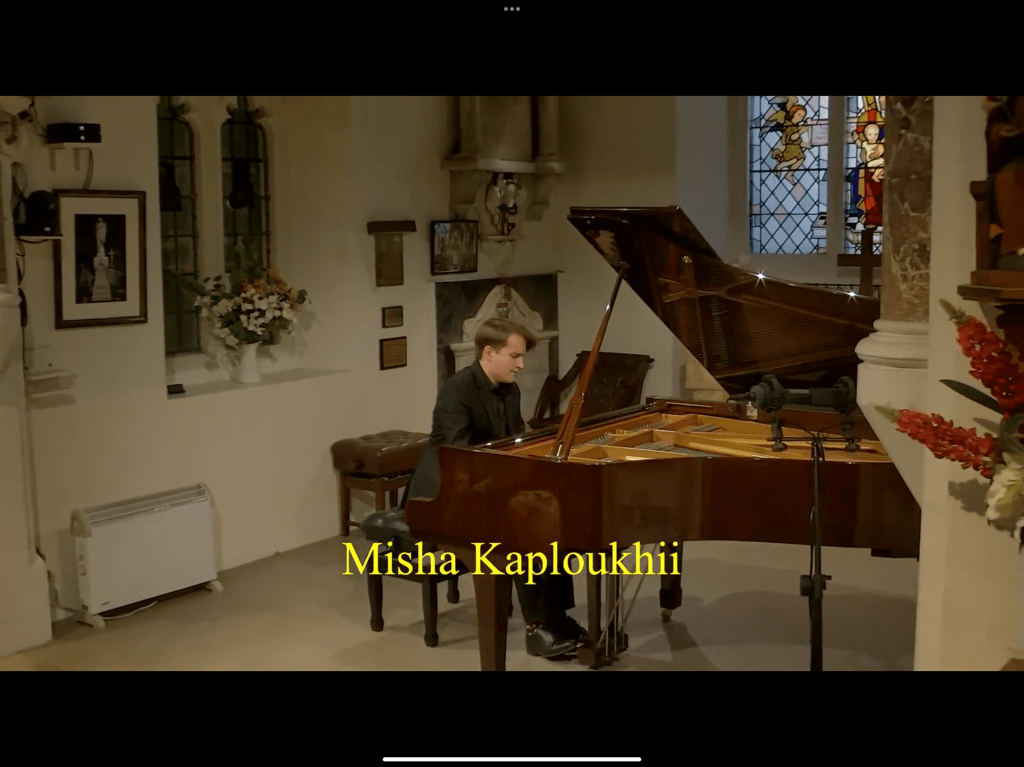


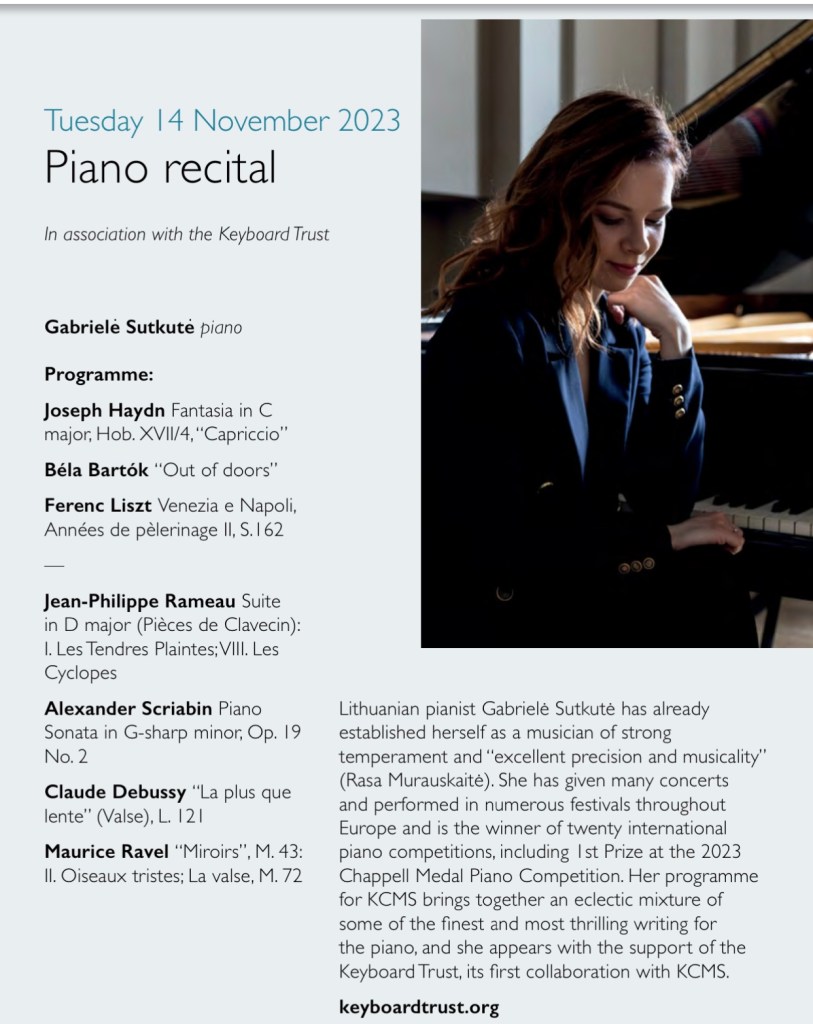
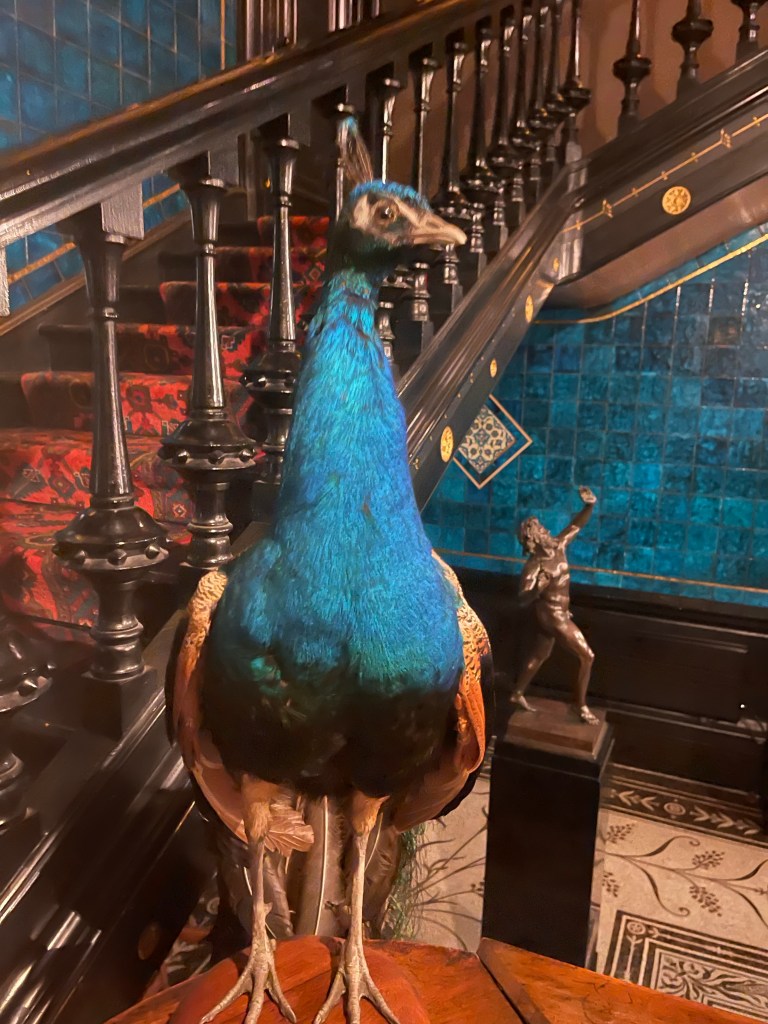
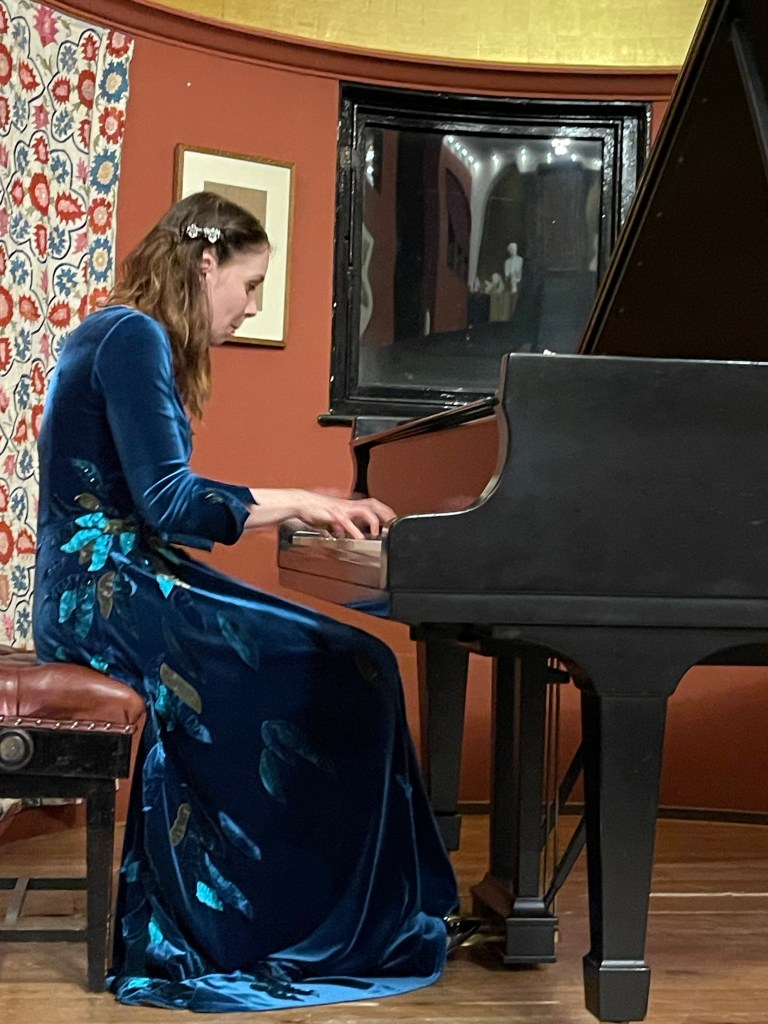
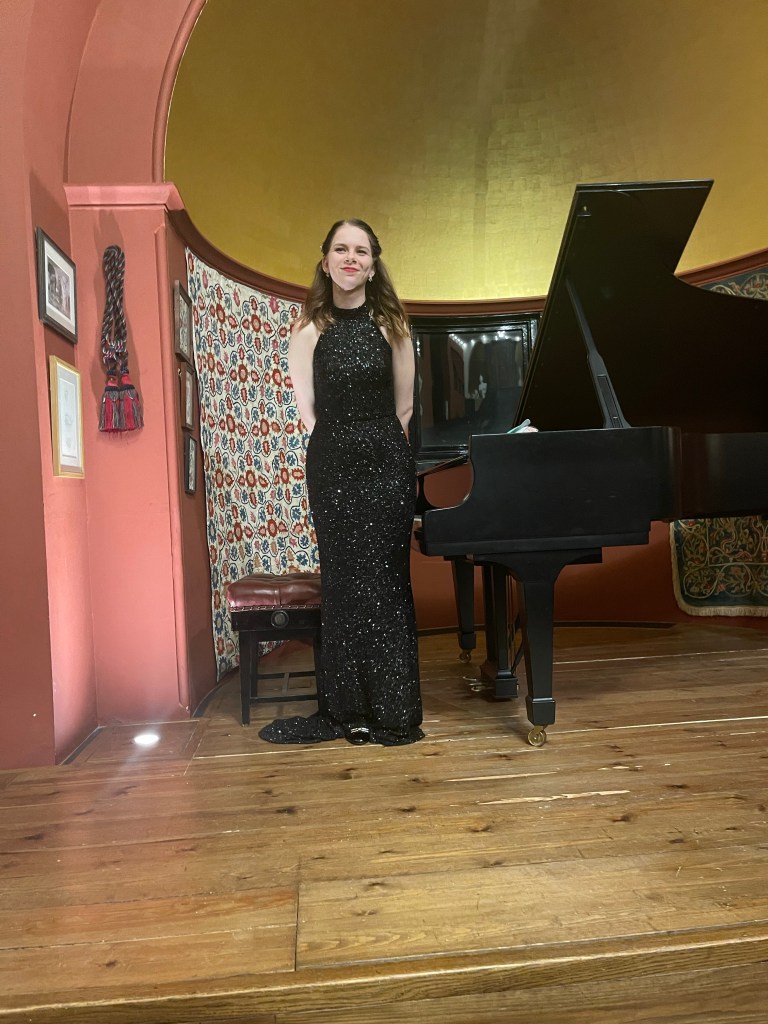
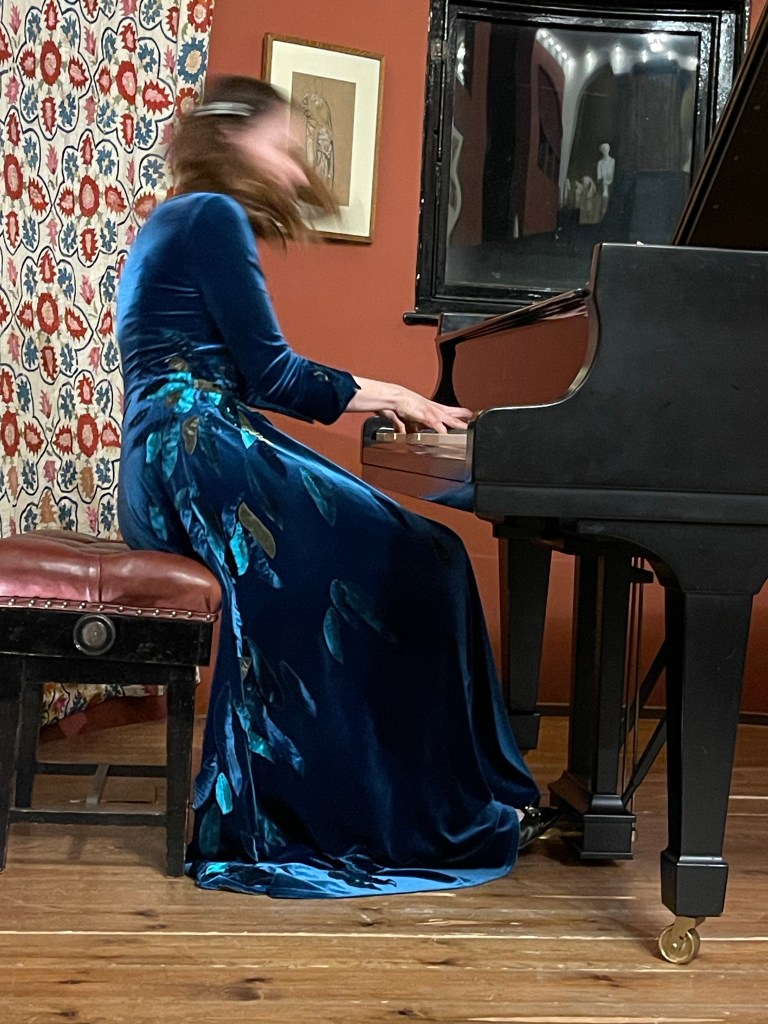

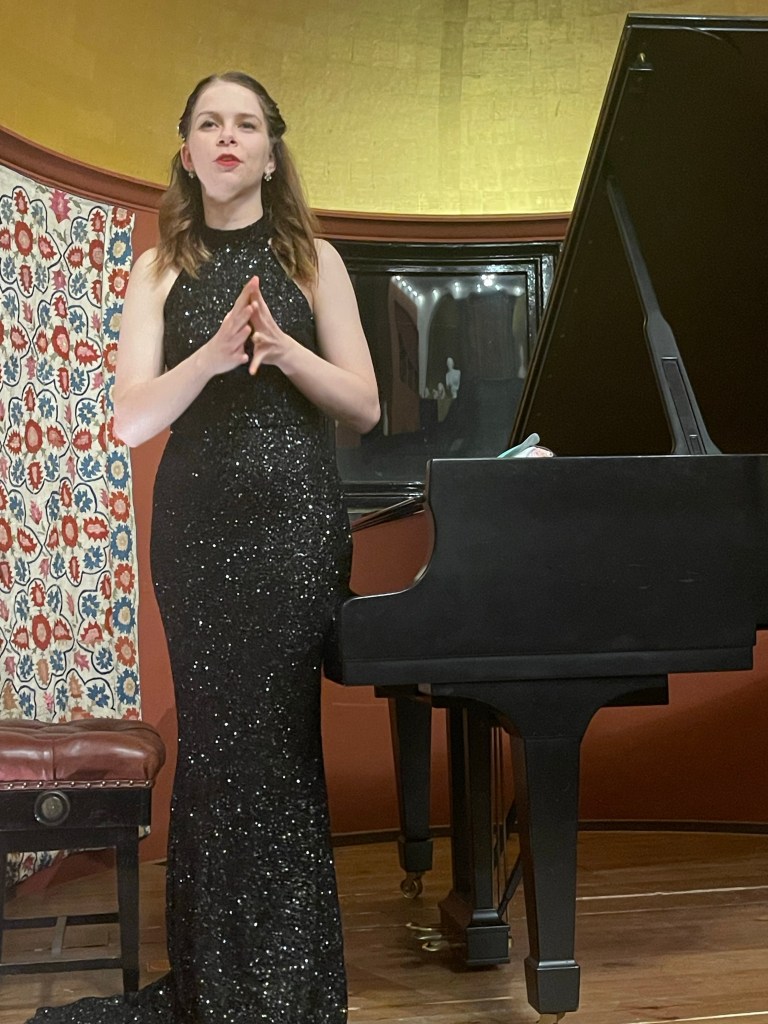
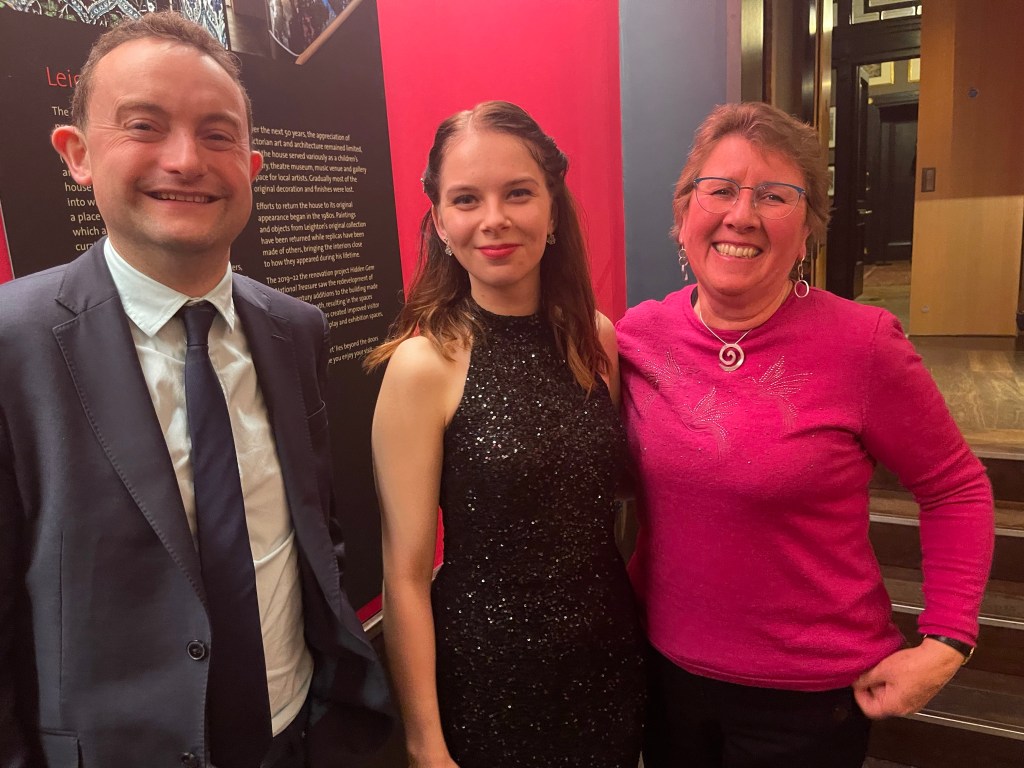

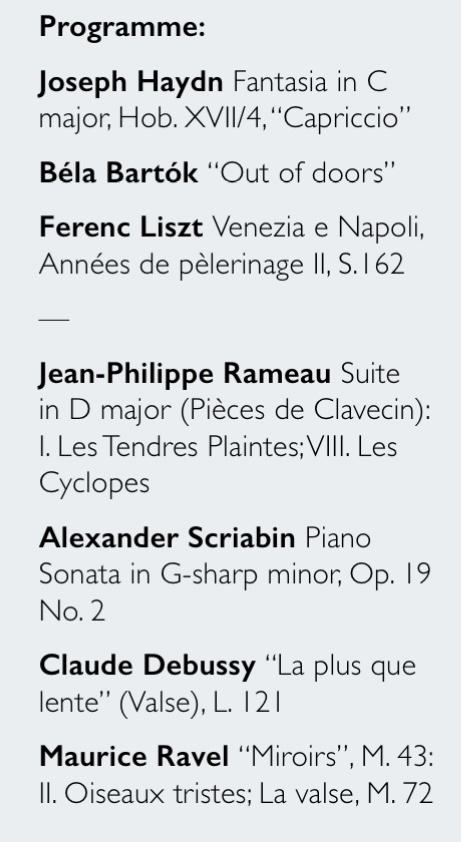
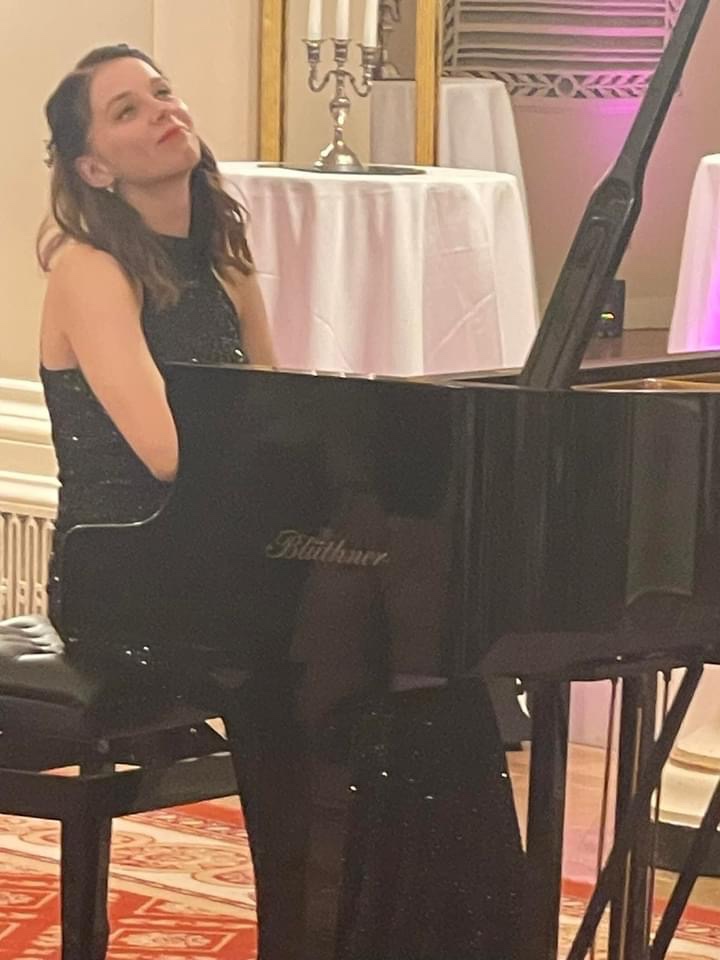


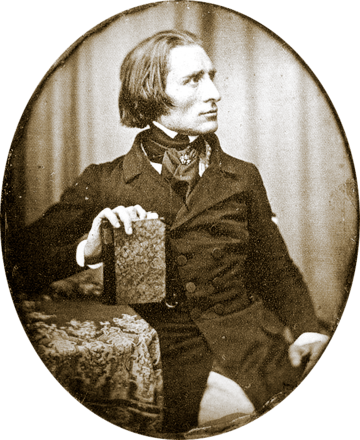
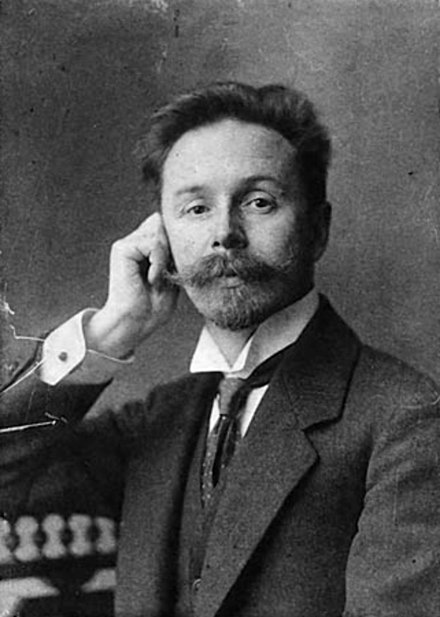
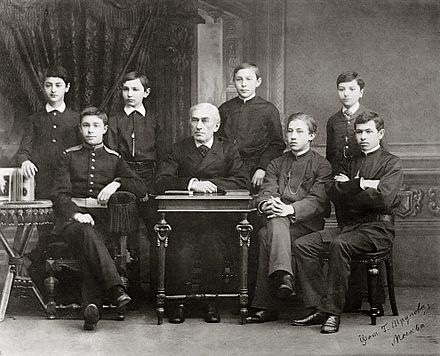
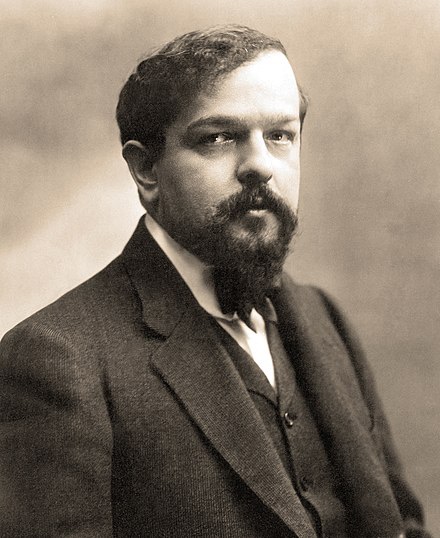
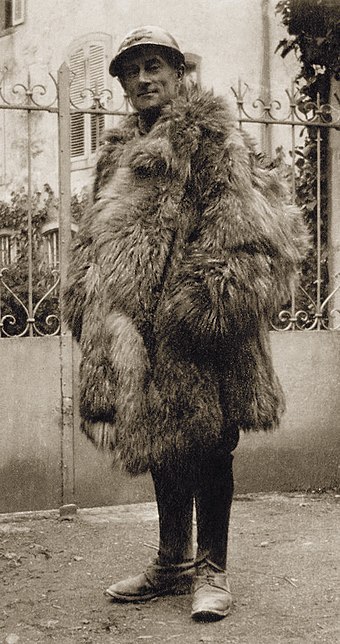
 ChristopherAxworthy-MusicCommentary