Playing of great authority and superb musicianship by Massimiliano Grotto where the elegance and Viennese charm of Schubert’s ‘Valses Nobles’ were answered by the deep meditation of his second ‘Klavierstücke’. Heralding his extraordinary vision, like Beethoven’s final pianistic trilogy, of what he could forsee at the end of an all too brief terrestrial existence.
Massimiliano playing with commanding assurance as the Beethovenian call to arms at the opening of his C minor Sonata was enacted with overwhelming impact.
So many differing emotions that could be conveyed as one complete whole of conviction. There was an extraordinary clarity and demonic rhythmic drive of intensity and profound understanding of this dark place that Schubert was to envisage before the vision of peace and light that he was to find in the final sonata of his trilogy, written in the last year of his 31 years on this earth.
Even the ‘Adagio’ was penned with great strokes of burning intensity and poignant meaning always with the menace looking on from afar. But there was the glorious relief of the gentle return of the opening melody with a barely etched accompaniment. Some playing of masterly control and use of the pedals as the theme was allowed to float with simplicity and innocence leading into the beautifully fluid ‘Menuetto’ and richly textured ‘Trio.’ The Tarantella finale took flight with the same authority and conviction that I remember from Richter many years ago in London. Even the sudden rays of sunlight that Schubert‘s genius could never fully suppress had the same feeling of whirlwind energy.
A remarkable performance from a pianist who is above all a superb musician. One that can see the burning genius of Schubert in an architectural shape with four seemingly diverse movements, transformed into a unified visionary journey of discovery.
The second of the ‘Klavierstücke’ rarely heard just on its own, in Massimiliano’s poetic hands was turned into a tone poem of ravishing beauty and searing intensity. A beautiful mellifluous outpouring with a kaleidoscope of subtle colours allowed to flow so gracefully on not always untroubled waters. There was the dynamic menace to the driving rhythms of the first contrasting episode and the passionate outpouring of the second with a melodic line etched with great intensity. Many interesting bass counterpoints were underlined with refined good taste and brought the music vividly alive as Massimiliano’s masterly musicianship knew that Schubert’s roots were firmly created from the bass upwards.
The twelve ‘Valses Nobles’ were played as a whole with contrasts that ranged from Viennese elegance to rhythmic drive and the delicacy of bel canto. Nobility and majesty too and one in particular that Liszt could not resist turning into his own ‘Soirée de Vienne.’
The Moment Musicaux n 3 in F minor, offered as an encore, was played with beguiling rhythmic insinuation and also a certain freedom to elaborate on Schubert’s own ornamentation.
Jerome Rose, Massimiliano’s mentor in New York, played Schubert in a recital in my series in Rome some years ago and I can only endorse what he has said about Massimiliano : ‘ one of the finest pianists of his generation. You will be hearing more of him in the future.’
Bravo too, Valerio Vicari, and his dedicated team who offer a platform to so many wonderful young players who after years of dedication all they crave is an audience with whom they can share their considerable artistry..
Massimiliano with Laura, a painter and restorer also from their home town of Castelfranco VenetoThe beautiful new Roma 3 University Retorato.Massimiliano’s first recording for Borgato pianos.Recording made on a Borgato piano and produced by Borgato pianos. . Franz Schubert 31 January 1797,Vienna – 19 November 1828 ,Vienna
Schubert wrote about a hundred waltzes for piano solo. Particularly well known among these are two named collections, the 34 Valses Sentimentales (op. 50, D.779) and the 12 Valses Nobles (op 77 Op.D.969).The Valses Sentimentales were written in 1823, and the Valses Nobles are believed to have been written in 1827, the year before Schubert’s death, although the manuscript is undated.
The last three sonatas, D. 958, 959 and 960, are his last major compositions for solo piano. They were written during the last months of his life, between the spring and autumn of 1828, but were not published until about ten years after his death, in 1838–39. Like the rest of Schubert’s piano sonatas, they were mostly neglected in the 19th century. By the late 20th century, however, public and critical opinion had changed, and these sonatas are now considered among the most important of the composer’s mature masterpieces. They are part of the core piano repertoire, appearing regularly on concert programs and recordings.The last year of Schubert’s life was marked by growing public acclaim for the composer’s works, but also by the gradual deterioration of his health. On March 26, 1828, together with other musicians in Vienna, Schubert gave a public concert of his own works, which was a great success and earned him a considerable profit. In addition, two new German publishers took an interest in his works, leading to a short period of financial well-being. However, by the time the summer months arrived, Schubert was again short of money and had to cancel some journeys he had previously planned.
Schubert had been struggling with syphilis since 1822–23, and suffered from weakness, headaches and dizziness. However, he seems to have led a relatively normal life until September 1828, when new symptoms such as effusions of blood appeared. At this stage he moved from the Vienna home of his friend Franz von Schober to his brother Ferdinand’s house in the suburbs, following the advice of his doctor; unfortunately, this may have actually worsened his condition. However, up until the last weeks of his life in November 1828, he continued to compose an extraordinary amount of music, including such masterpieces as the three last sonatas.
Schubert probably began sketching the sonatas sometime around the spring months of 1828; the final versions were written in September. These months also saw the appearance of the Three Piano Pieces D .946, the Mass in E flat D.950, the String Quintet D.956, and the songs published posthumously as the Schwanengesang collection (D. 957 and D. 965A), among others. The final sonata was completed on September 26, and two days later, Schubert played from the sonata trilogy at an evening gathering in Vienna. In a letter to Probst (one of his publishers), dated October 2, 1828, Schubert mentioned the sonatas amongst other works he had recently completed and wished to publish.However, Probst was not interested in the sonatas, and by November 19, Schubert was dead.
In the following year, Schubert’s brother Ferdinand sold the sonatas’ autographs to another publisher, Anton Diabelli , who would only publish them about ten years later, in 1838 or 1839. Schubert had intended the sonatas to be dedicated to Johann Nepomuk Hummel , whom he greatly admired. Hummel was a leading pianist, a pupil of Mozart, and a pioneering composer of the Romantic style (like Schubert himself). However, by the time the sonatas were published in 1839, Hummel was dead, and Diabelli, the new publisher, decided to dedicate them instead to composer Robert Schumann, who had praised many of Schubert’s works in his critical writings.
A piano recital in association with The Keyboard Charitable Trust, supported by the Robert Turnbull Piano Foundation.
‘Emanuil’s recital was absolutely thrilling. He is undeniably one of the finest pianists we have collaborated on, and it was a privilege to present him. Emanuil is on par with any big name out there and he has the qualities for a celebrated career ahead. His technical command is unparalleled, and his introspective sensitivity is rare to encounter. He performs with such natural elegance, free of any pretentiousness or affectation – a true artist. Beyond his remarkable talent, Emanuil is a genuinely wonderful person – humble, grounded, and impressively mature for his age. We’re already looking forward to inviting him for another recital in the future.’ Yvonne Georgiadou, Artistic Director, Pharos Arts Foundation, Cyprus December 2024
William Vann,chair KCMS presenting the concert to a full hall
Ferruccio Busoni (after J. S. Bach) Durch Adams Fall ist ganz verderbt Ludwig van Beethoven Piano Sonata No. 17 in D minor, “The Tempest”
— interval —
Felix Mendelssohn Songs without Words, Op. 30 Charles-Valentin Alkan Symphony for solo piano
Emanuil Ivanov attracted international attention after receiving the First prize at the 2019 Ferruccio Busoni Piano Competition in Italy. This achievement was followed by concert engagements in some of the world’s most prestigious halls including Teatro alla Scala in Milan and Herculessaal in Munich. He recently completed his studies on a full scholarship at the Royal Birmingham Conservatoire under the tutelage of Pascal Nemirovski and Anthony Hewitt, and from September studies under Joanna MacGregor and Christopher Elton at London’s Royal Academy of Music as a recipient of the prestigious Bicentenary Scholarship. His programme for KCMS brings together some of the finest piano writing of the 19th century, with a respectful nod to the Baroque era via Busoni’s famous transcription of Bach.:
Emanuil Ivanov writes
‘A “prelude” is indeed an appropriate opening for a recital programme – yet the notions of mere introductory brevity the term might bring forth cannot undermine the profundity and splendour of J.S. Bach’s Chorale Preludes. Originally for organ, ten of these works were given new shape by Ferruccio Busoni,the transcriptions written around 1898. Under number seven stands “Durch Adams Fall ist ganz verderbt” (“Through Adam’s fall all is lost”) and indeed this title appears twice – as 7a and 7b. Busoni adapts two Bach works based on the same text and gives us the option to either present them separately, or as a unified pair – a prelude and fugue combination, and that is how I’ve chosen to perform them. A work of quiet, yet powerful impact. A stern, sombre sermon; a moving prayer of penitence.
Beethoven’s so-called “Tempest” sonata is one of those workswhere the “subtitle question” can be a source of endless debate. Unlike other, more arbitrarily chosen and not coming from the composer subtitles, the one associated with the op.31 no.2 Sonata could actually be traced to Beethoven himself. It has been said that in a conversation with his associate Anton Schindler, the Master suggested reading Shakespeare’s “The Tempest” as a possible key to unlocking the sonata’s secrets.Whether true or not, the work does share a certain enigmatic quality with the play and it is rather fun trying to link together episodes in the music and in the Bard’s masterpiece. And yet, an even more plausible explanation for its frequent plunges into darkness might be the time it was written in – 1801-1802, the time of increasing despair for Beethoven, on account of his worsening deafness.
The ”song without words” genre is a curious contradiction – song lyrics usually have a vital role in bringing concrete meaning and image – yet the absence of the latter makes the works in this genre even more poignant. Mendelssohn published eight collections of six songs each over his lifetime and the op.30 was written in 1833-34. These are six gems, masterful in form, delicately balanced in texture, and showcasing the composer’s melodic genius. Ranging from sumptuous arias and hushed confessions to vivacious dance and dramatic outpourings, the cycle is concluded with a famous “gondolier’s song”. I shall insert a quote from Mendelssohn himself regarding the non-verbal aspect of his “Lieder ohne Worte”: “What the music I love expresses to me, is not thought too indefinite to put into words, but on the contrary, too definite”
Boldly defying convention and calling upon the instrument’s ability to evoke a full orchestral sonority, Charles-Valentin Alkan titles this work “Symphony for solo piano”. Even more unusually, its four movements are also numbers 4 to 7 in a collection of 12 etudes in all the minor keys (1857). While it might seem superficial, the spirit of duality seems to have a prominent role in the music, navigating between searing drama and lyricism. Starting from a weighty sonata-form movement, at times quite Mendelssohnian (but Mendelssohn “on steroids”!), the work then journeys through a funeral march with a central section of great beauty, and a biting, unstable minuet with a gentle, song-like trio. This all leads to the finale, described by Raymond Lewenthal as “a ride in Hell”. And aptly so, especially for the pianist! Driving forward with extreme ferocity and throat-grabbing relentlessness, this movement is the climax of the work and, demanding every ounce of energy from the performer, it provides a remarkable conclusion to the Symphony.’
Christopher Axworthy writes
A quite remarkable recital by the 2019 Busoni winner,Emanuil Ivanov.
And with recent performances of the Busoni Concerto in England and Bulgaria under his belt he is now turning his attention to Alkan. Even he exclaimed what a monster the Symphony op 39 4/7 is.
Well it almost made the peacock blush and certainly overwhelmed all those lucky enough to be present in Leighton House last night .A finale that does not give you time to breathe, exclaimed our valiant hero.
We were all totally aware of that as the transcendental demands of this mysterious colleague of Chopin and Liszt were not only met but also shaped with intelligence and mastery that was quite breathtakingly exhilarating. Alkan’s Menuet where all the devils were unleashed with a Mendelssohnian fleetness that would have put to shame his elegant Victorian refinement .An amazing Funeral March with Emanuil’s mastery of balance allowing the haunting tenor melody to sing out accompanied by devilish spiky chords.
But it was the first movement that was so remarkable .Opening like the Eroica with no nonsensical preamble but straight down to business with a palpitating agitated melodic germ that was to be varied and repeated in a million different ways in a first movement that Emanuil shaped with architectural courage and with a kaleidoscope of colour that had us on the edge of our seats .
This had been after Mendelssohn’s songs without words op 30. What ravishing beauty he unravelled with aristocratic good taste and beguiling poetry.The second of this book of six little gems was played with that quixotic fleeting lightness that Allkan was to transform into something much more sinister.The simple beauty and elegance of the Venetian Boat Song underlined the shock as the ghostly mysterious presence of Alkan was lain before us.
An encore after the Alkan would be inconceivable for any but the greatest masters and Emanuil took a few minutes to sift through his vast repertoire before calming the infernal atmosphere with Busoni’s Elegie on the most pastoral of all traditional melodies: Greensleeves. Refined jeux perlé and magical glissandi of another era accompanied the melody as never before .
Many admirers backstage
If we had insisted ,Emanuil told be afterwards, we would have been rewarded with his own Gulda inspired Theme and Variations written as an engagement present for Irina. He had played them a year ago in Florence and when I met him again in London a few months ago he introduced me to his wife! How could anyone resist such an extraordinary declaration !
A first half opening with the deep meditative Chorale prelude ‘Through Adam’s fall’ by Bach in a double transcription by Busoni. Emanuil’s eclectic inquisitive mind played the two transcription 7a and 7 b as a unified pair .
Beethoven’s ‘Tempest’ Sonata crept in on the wave of such profound utterings with an opening of truly ghostly proportions .The whispered recitativi barely audible as he followed the composer’s precise instructions with the microscopic intelligence of a true ‘interpreter’ at he service of the composer. It was this selfless mastery that was noted by one of the audience members sure that the Kensington and Chelsea Music Society had been honoured to have such an artist obviously headed for the stars.
The contrast in dynamics in the Beethoven took us all by surprise as the composers irascible temperament was even more schizoid than Schumann’s dual personalities of Florestan and Eusebius. An adagio that was a wash of beautiful sounds spread over the keyboard and the bed for one of Beethoven’s most noble and aristocratic melodic creations.
The final Allegretto was played with a dry lilting simplicity that was quite irresistible.Dramatic outbursts made this beguiling Rondo melody ever more hypnotic until it disappeared completely deep into the depths of the keyboard.
Simone Tavoni and fiancée Agnese Navarro , Emanuil Ivanov,Sarah Biggs CEO of the KT and William Vann,chair of KCMSCharles-Valentin Alkan 30 November 1813 – 29 March 1888 was a French composer and virtuoso pianist. At the height of his fame in the 1830s and 1840s he was, alongside his friends and colleagues Chopin and Liszt, among the leading pianists in Paris, a city in which he spent virtually his entire life.
The Symphony for Solo Piano op 39 4-7,is a large-scale romantic work for piano composed by Charles – Valentin Alkan and published in 1857.
Although it is generally performed as a self-contained work, it comprises études Nos. 4–7 from the Douze études dans tour les tons mineurs (Twelve Studies in All the Minor Keys), Op. 39, each title containing the word Symphonie . The four movements are titled Allegro moderato, Marche funèbre,Menuet and Finale ( described by Raymond Lewenthal as a ride in hell). Much like the Concerto for Solo Piano (Nos. 8–10), the Symphony is written so as to evoke the broad palette of timbres and harmonic textures available to an orchestra. It does not contain the excesses of the Concerto or the Grande Sonate (Op. 33). But, rather like the Sonatine Op. 61, it proves that Alkan was also capable of writing perfectly balanced and almost ‘Classical’ works.”Unlike a standard classical symphony, each movement is in a different key, rising in progressive tonality by a perfect fourth.
The Piano Sonata No. 17 in D minor, op. 31, n. 2, was composed in 1801–02 . ‘With all the tragic power of its first movement the D minor Sonata is, like Prospero , almost as far beyond tragedy as it is beyond mere foul weather. It will do you no harm to think of Miranda at bars 31–38 of the slow movement… but people who want to identify Ariel and Caliban and the castaways, good and villainous, may as well confine their attention to the exploits of Scarlet Pimpernel when the Eroica or the C minor Symphony is being played.’ Donald Tovey .
The sonata is in three movements:
Largo – Allegro
Adagio
Allegretto
Each of the movements is in sonata form , although the second lacks a substantial development section
Portrait from 1846 Born 3 February 1809 Hamburg Died 4 November 1847 (aged 38)Leipzig
Songs Without Words (Lieder ohne Worte) is a series of short lyrical works by Felix Mendelssohn written between 1829 and 1845. His sister, Fanny, and other composers also wrote pieces in the same genre.The eight volumes of Songs Without Words, each consisting of six songs , were written at various points throughout Mendelssohn’s life and published separately. Number 2 was written for his sister Fanny to celebrate the birth of her son in 1830.
Book 2, Op. 30 (1833–34)
Andante espressivo (E♭ major), MWV U 103
Allegro di molto (B♭ minor), MWV U 77
Adagio non troppo (E major), MWV U 104
Agitato e con fuoco (B minor), MWV U 98
Andante grazioso (D major), MWV U 97
Allegretto tranquillo: Venetianisches Gondellied(“Venetian Boat Song No. 2”) (F♯ minor), MWV U 110
Book 2 was dedicated to Elisa von Woringen.
Ferruccio Busoni (1 April 1866 – 27 July 1924) was an Italian composer, pianist , conductor, editor, writer, and teacher. His international career and reputation led him to work closely with many of the leading musicians, artists and literary figures of his time, and he was a sought-after keyboard instructor and a teacher of composition
Alongside the Chaconne for violin, the ten Chorale Preludes for organ are Busoni’s best-known piano transcriptions of works by J. S. Bach. Unlike the Chaconne, which Busoni envisaged for concert performance, he transcribed the Chorale Preludes in “chamber-music style”.
Emanuil Ivanov attracted international attention after receiving the First prize at the 2019 Ferruccio Busoni Piano Competition in Italy. This achievement was followed by concert engagements in some of the world’s most prestigious halls including Teatro alla Scala in Milan and Herculessaal in Munich.
Emanuil Ivanov was born in 1998 in the town of Pazardzhik, Bulgaria. From an early age he demonstrated a keen interest and love for music. He regards the presence of symphonic music, especially that of Gustav Mahler, as tremendously influential in his musical upbringing during his childhood.
He started piano lessons with Galina Daskalova in his hometown around the age of seven. Ivanov studied with renowned bulgarian pianist Atanas Kurtev from 2013 to 2018. Subsequently he studied on a full scholarship at the Royal Birmingham Conservatoire under the tutelage of Pascal Nemirovski and Anthony Hewitt, and currently an Advanced Diploma student at London’s Royal Academy of Music as a recipient of the prestigious Bicentenary Scholarship. He has received artistic guidance from Dmitri Bashkirov, Dmitri Alexeev, Sir Stephen Hough, Vladimir Ovchinnikov, Peter Donohoe, etc.
In February 2021, at the height of the Covid-19 pandemic, Ivanov performed a solo recital in Milan’s famous Teatro alla Scala. The concert was live-streamed online and is a major highlight in the artist’s career.
In 2022, he received the honorary silver medal of the Musician’s Company, London and later in the same year became a recipient of the generous Carnwath Piano Scholarship.
Emanuil Ivanov has given critically acclaimed recitals, concerto performances and tours in japan, France, Italy, Germany, Austria, Bulgaria, Cyprus, South Africa, the United Kingdom and Poland. In the summer of 2023, he recorded an album of Scarlatti sonatas for the renowned Naxos label. Ivanov’s performances have been featured on BBC Radio 3, Italy’s Rai Radio 3 and Japan’s NHK Radio.
Emanuil has continually shown affinity towards some of the more rarely performed works in the repertoire and in 2024 he performed Busoni’s mammoth piano concerto. Apart from playing the piano, he also displays great interest in composition and has composed regularly since childhood.
Playing of remarkable clarity and architectural understanding with an extraordinary technical command of the keyboard that allowed him to play quite fearlessly some of the most demanding works of the piano repertoire.
Immediately the opening Shostakovich Prelude had the resonance of an organ with long held pedal notes giving a very full fluid sound. It contrasted with the complete clarity of the fugue that was played with scintillating energy and remarkable character.
There was clarity too in the Clementi Sonata which flowed so beautifully and was shaped with great finesse. A beautifully poised slow movement was immediately contrasted with the rhythmic drive of the presto finale.
It was the Dante Sonata that showed the real artistry of this twenty one year old pianist. An architectural understanding of a work that can so often seem episodic. A quite remarkable technical command which allowed him to throw off the most demanding passages with clarity and ease. Nowhere more than in the final pages where the treacherous skips were not only mastered but also given a musical shape that is rare indeed. In the slower passages he missed the flow and romantic sweep and his breathtaking pyrotechnics could have had more passionate abandon and sense of colour but it was performance remarkable for it’s absolute clarity and commanding authority.
Hats off to Neo for including six of Liszt’s transcriptions of Schubert Songs (there are over 50 to choose from !). These transcriptions are the meeting of the mellifluous genius of Schubert and the total mastery of the piano of Liszt. A mastery that can turn the piano into an orchestra with a sense of colour and balance by use of the sustaining pedal. In fact it was Anton Rubinstein, a pupil of Liszt ,who called the pedal the soul of the piano. It was Liszt and Thalberg who exploited this newly created device to turn the piano into an instrument that could roar like a lion or sing like the greatest of bel canto singers. Neo played these six beautiful songs rather literally sacrificing the subtle beauty and inflections of Schubert for a quite extraordinary clarity and digital mastery. I wondered whether he had actually listened to the songs and discovered the real meaning of the poetry that had inspired them.
The Scriabin Sonata was played with a quite extraordinary sense of balance where the beautiful first movement was allowed to sing with ravishing beauty and simplicity.The second movement was played with quite remarkable clarity but the ‘star’ could have shone with more timeless passion and sumptuous richness.
The theme and variations from Beethoven’s Sonata op 109 was the encore that Neo so generously offered. It was in fact the finest performance of the recital, with the theme beautifully shaped with poise and delicacy.The variations were allowed to unfold with aristocratic nobility and beauty and the return of the theme hovered over a cloud of sounds with quite extraordinary mastery and poetic understanding.
Neo Hung started his first piano lesson at the age of six in Hong Kong and gave his first solo piano recital at 13. He studied at the Hong Kong Academy for Performing Arts from 2018 to 2021 under Julie Kuok. He currently studies piano with Dina Parakhina at the Royal College of Music with a full scholarship awarded by the HKSAR government. He has been supported by the Keyboard Charitable Trust since 2024, and Talent Unlimited since 2023.
Screenshot
Neo made his concerto debut in Music Fest Perugia with Chopin’s Piano Concerto No.1 under Alessandro Alonzi in 2023. He has also performed internationally in the Amalfi Coast Music Festival, Malaga International Piano Festival, RCM Keyboard Festival, Yale University, Hong Kong City Hall and Hong Kong Cultural Centre. Recently, he has embarked on a tour with solo recitals in a variety of venues across England, such as Bath Abbey, Ely Cathedral, Wakefield Cathedral, St Mary’s Perivale Church, St James’s Piccadilly Church, University Church Oxford and Westminster Music Library, among many other venues. He made his debut as a Keyboard Charitable Trust Artist in September 2024 at Erin Arts Centre on the Isle of Man. In 2023, Neo won prizes in the Liszt Society Piano Competition, chaired by the renowned pianist Leslie Howard. https://christopheraxworthymusiccommentary.com/2023/11/27/liszt-in-perivale-the-universal-genius-the-voyage-of-discovery-continues/
Neo has gained inspiration in masterclasses by artists such as Sofya Gulyak, Niel Immelman, Ian Jones, Juan Lago, Marina Lomazov, Gabriel Kwok, Alexandre Moutouzkine, Jerome Rose, Eleanor Wong and Jerome Lowenthal, who lauded him as “an outstanding pianist”.
On 28th September, Neo Hung, a top prize winner of the Liszt Competition UK, gave a masterclass and concert for the Erin Arts Centre on the Isle of Man for the Keyboard Trust.
‘What a lovely, easy-going young man and such a fantastic pianist. The masterclass was detailed and informative and the recital was absolute dynamite. Everybody was fully engaged throughout the show and all shook his hand afterwards (there were about 60 of them!) and thanked him for coming. Once again thank you to you and the Keyboard Trust for finding ANOTHER exceptional young talent; we’re really happy to help give them a foothold’ – Pip Rolfe, Erin Arts Centre.
And from Neo: ‘I had a most unforgettable experience performing at the wonderful Erin Arts Centre on Isle of Man on 28th September 2024 in addition to presenting my first ever masterclass! First and foremost, I would like to thank the artistic directors of the Keyboard Trust for offering me this unique opportunity which has increased my exposure to a wider audience. I had a most unforgettable time performing for such an enthusiastic and warm audience who reacted positively as I shook hands with one by one post-concert. Thank you to everyone who has come to either or both of my masterclass and recital that day with such attentiveness and passion. It has been an absolutely fantastic day! ‘https://christopheraxworthymusiccommentary.com/2024/12/25/point-and-counterpoint-2024-a-personal-view-by-christopher-axworthy/
Truly masterly playing from Ashley Fripp who I have heard over the years give many recitals both in the UK and in Italy where he came to perfect his studies with Eliso Virsaladze. I remember her telling me about this very good English young man she had in her class in Sermoneta, near to my country home, where she would give masterclasses every year. I later heard him in Florence where he was one of the first to give a recital in the Harold Acton Library of the British Institute. It is thanks to that happy encounter that the Keyboard Trust now give a series of recitals there every year, allowing aspiring young pianists a chance to pay in the city that is acknowledged to be the ‘Museum of the World’. All this to say that Ashley has matured and his playing is of such seeming simplicity, full of profound poetic meaning of overwhelming authority and remarkable musicianship. Two works on the programme with only three years between their composition by Schubert and Beethoven.Two much loved works very often heard in the concert hall but rarely heard played as we heard it today from Ashley’s masterly hands. It was not only his playing that was inspired but his introductions shed such light and insight on these masterpieces and the composers that had penned them. I did not know that the Beethoven Scherzo was based on two popular songs or that he quotes in the last movement from Bach St John’s passion from the moment of Christ dying on the cross. It was this research to discover the true meaning behind the notes and the significance for their creators that came across in interpretations with profound insights and aristocratic authority.
Schubert impromptus that were both measured but also full of poetic meaning with the desolate opening of the C minor and its sudden rays shining a golden light on moments of sublime beauty. The beautifully mellifluous stream of sounds of the E flat impromptu where everything sang with disarming simplicity and beauty. Refined and restrained until the finally few bars of searing excitement with an exhilarating downward scale as an astonishing release of tension.The beautiful sense of balance in the G flat impromptu where the melodic line was played with aristocratic poise of nobility and tenderness.The fourth impromptu like water flowing with cascades of gentle notes taking us to the melodic line that was shaped with architectural understand. There was great control to the central episode played with nobility and refined passion with sudden rays of light lighting up this golden prism of sound of sublime beauty.
Beethoven’s penultimate sonata with Ashley’s introduction about Beethoven’s belief in humanity and how this was demonstrated, made his reading ever more enticing and full of significance. A beautifully sung first movement with flowing sounds of insight and poignant meaning. A ‘scherzo’ that seemed to grow out of the final two chords of the first movement such was the overall architectural shape and meaning that Ashley was able to convey. Of course technical difficulties just did not exist as it was the musical meaning that was uppermost in Ashley’s interpretations. But nevertheless the trio I have never heard played with such limpet like authority and assurance.There was great poise to the ‘Adagio’ where Beethoven’s own pedal enriched and enlightened this improvisatory transition to the etherial ‘Aria’. Beethoven finds a magical mixture of formal fugue and bel canto with a deep pulsating heartbeat that accompanies the ‘Aria’ and takes us to the final exhilaration and passionate acceptance of his faith in mankind.
An extraordinary performance of great significance and mesmerising authority similar to Serkin’s unforgettable performance in the Festival Hall many years ago.
Again Ashely’s spoken eloquence and informative intelligence enlightened his choice of encore by Liszt (who was the first to play Beethoven’s op 110 in public) with one of his transcriptions of Schubert’s song’s. ‘Aufenthalt‘ (Resting Place) derives from a Rellstab poem and is from the posthumous song cycle ‘Schwanengesang’. A bitter and resigned song about rejected love – “Surging river, roaring forest, immovable rock, my resting place.” It was played with sumptuous sound and hypnotic beauty with a kaleidoscope of colours that only the genius of Liszt and Schubert combined could ever have envisaged.
British pianist Ashley Fripp has performed extensively as recitalist, concerto soloist and chamber musician throughout Europe, Asia, North America, Africa and Australia in many of the world’s most prestigious concert halls. Highlights include the Carnegie Hall (New York), Musikverein (Vienna), Concertgebouw (Amsterdam), the Philharmonie halls of Cologne, Paris, Luxembourg and Warsaw, the Bozar (Brussels), the Royal Festival, Barbican and Wigmore Halls (London), the Laeiszhalle (Hamburg), Palace of Arts (Budapest), the Megaron (Athens), Konzerthaus Dortmund, the Gulbenkian Auditorium (Lisbon) and the Konserthus (Stockholm).
He has won prizes at more than a dozen national and international competitions, including at the Hamamatsu (Japan), Birmingham and Leeds International Piano Competitions, the Royal Over-Seas League Competition, the Concours Européen de Piano (France) and the coveted Gold Medal from the Guildhall School of Music & Drama. Ashley was awarded the Worshipful Company of Musicians’ highest award, The Prince’s Prize, and was chosen as a ‘Rising Star’ by the European Concert Hall Organisation (ECHO). He has also performed in the Chipping Campden, Edinburgh, Brighton, Bath, Buxton, City of London, and St. Magnus International Festivals as well as the Oxford International Piano Festival, the Festival Pontino di Musica (Italy) and the Powsin International Piano Festival (Poland). Ashley also gave an open-air Chopin recital beside the world-famous Chopin monument in Warsaw’s Royal Lazienki Park to an audience of 2,500 people.
Ashley Fripp studied at the Guildhall School of Music & Drama with Ronan O’Hora and with Eliso Virsaladze at the Scuola di Musica di Fiesole (Italy). In 2021 he was awarded a doctorate for his research into the piano music of British composer Thomas Adès. Future engagements include his debut at the Mecklenburg-Vorpommern Festival (Germany) and a commercial film production of Rachmaninoff Piano Concertos Nos. 1 & 2 with accompanying concert tours in Germany and the Czech Republic with the Prague International Youth Orchestra.
Stars shining brightly at Rome’s magnificent Parco de la Musica on the eve of the twelfth day of Christmas .
It is the evening of epiphany when by tradition the ‘Befana’ descends to give all good children their presents.
Daniele Cipriani has for many years now given us an evening of stars of the ballet world with an exhibition of pas de deux and solos greeted with stadium like enthusiasm by an audience that fills this vast space of Renzo Piano three times over .
An exhibition of refined elegance where the beauty of the human body is exulted by super human dedication to perfecting every nuance and movement.
Breathtaking athleticism from Renata Shakirova and Kimin Kim were greeted by yells of delight as their jumps became higher and higher and faster and faster.
There was also the very amusing slap stick of Simone Repele and Sasha Riva were art really conceals artistry of quite extraordinary vividness with subtle non stop gymnastics.
There was of course the ravishing beauty of classical ballet with the beauty and poise of the newly appointed star of the Bolshoi Ballet , Elizaveta Kokoreva and her dashingly dynamic partner Dmitry Smilevsky.
Amazing Spanish tap dancing from Sergio Bernal who also could create atmospheres of searing intensity.
And a final non stop exhibition from all the artists one after the other in a breathtaking line up of superhuman athleticism and virtuosity.
A circus of beauty, imagination and the triumph of the human body that can be so expressive with seemingly effortless beauty with it’s only wish to exult the human spirit and poetic imagination.
Some fine duo playing for the first concert in the 2025 season at St Mary’s ,the first of over a hundred already programmed for the future! Ke Ma I have heard many times as a solo pianist but this is the first time as an equal partner to a cellist.Finn a young cellist from Scotland who is now studying in Switzerland and already at 22 shows a maturity and mastery which will grow as his playing gains in even more weight.
Beethoven variations played with a great sense of character with a question and answer between the two players of tenderness and elegance quite apart from their dynamic rhythmic drive.The beautiful piano solo in the minor was answered by the cello with delicacy and nobility.A playful ‘joie de vivre’ between the two instruments with a joyous ending where as always the genius of Beethoven has some surprises up his sleeve that were played with innocent abandon.
The first of the Schumann Fantasiestucke was played tenderly with expression but seemed to lack the sweep and expansive line that is so much part of Schumann’s mellifluous output.It seemed to take flight with the central episode of the second piece that was played with quixotic lightness with a superb sense of ensemble between these two players now totally united in Schumann’s unpredictable changes of mood and character.Straight into the last piece with the treacherous opening played with wild abandon and mastery.Here now they both played with a great sense of architectural line with passionate intensity of great abandon and romantic fervour.
Now completely attuned to each other they gave a performance of the Franck Sonata of passionate intensity and masterly technical control.There was a beautiful fluidity from Ke Ma’s hands answered by the burning intensity of the cello. A dynamic drive to the treacherous second movement that they played with considerable mastery igniting passionate outcries of searing passion but always under control and with impeccable musicianship and mature mastery.They created a beautiful sense of discovery as the recitativo of the third movement evolved into the most passionate and fervent declamations between the two players.The last movement opening like a ray of sunshine after such a stormy journey was played with refreshing simplicity and quite considerable technical mastery with superb ensemble between these two very fine young players playing with exhilaration and excitement..
After such red hot passion ‘Ich liebe dich’ by Beethoven was played as an encore with simplicity and beauty and was an ideal antidote to such raging passions.
Screenshot
Born into an Irish family, cellist Finn Mannion grew up in the Scottish Highlands. He enjoys a richly varied musical life; a passionate chamber musician who is equally comfortable in concerto, duo and unaccompanied repertoire. A laureate of the Pablo Casals, Beatrice Huntington and Royal Philharmonic Society Isserlis Awards, Finn recently won First Prize at the 72nd Royal Over-Seas League Competition in London with his Trio Archai . He gave his Wigmore Hall debut in June 2024. Collaborating regularly with pianist Ke Ma, Finn is a Tunnell Trust award-winner and is on MakingMusic’s PDG-YoungArtist Scheme. He has been Associate Artist of the Aboyne Cello Festival since 2023. Performing extensively across the UK and Switzerland, Finn’s upcoming season will include recitals at St George’s Bristol, Hoylake Concert Society, Swiss Chamber Music Festival and Kelso Music Society to name a few. Born in 2002, Finn learnt with Ruth Beauchamp at St Mary’s Music School in Edinburgh before moving to Switzerland to study with German/Japanese cellist Danjulo Ishizaka at the Musik-Akademie Basel. He also studies Early Music with Petr Skalka at the Schola Cantorum Basilienis after formative lessons with David Watkin at the Royal Conservatoire of Scotland. Finn is grateful for the continued mentorship of Celine Flamen and Gordan Nikolic, and for further cellist encounters with Steven Isserlis, Nicolas Altstaedt, Philip Higham, Bruno Delepelaire and John Myerscough. Finn plays a fine Italian cello by Giulio Cesare Gigli c. 1788, generously on loan from a private individual. Aside from music, Finn is an avid hillwalker, lover of dogs, and passionate street/portrait photographer.
Screenshot
Ke Ma studied at the Royal Academy of Music in London with Christopher Elton, Michael Dussek and Andrew West, graduating with a Masters with distinction (DipRAM) in 2017. She is currently pursuing her Doctoral study at Guildhall School of Music and Drama with Professor Joan Havill, Dr Alexander Soares and Rolf Hind. Ke has won top prizes at international competitions including 1st Prize at the 2016 Concours International de la vie de Maisons-Laffitte and Karoly Mocsari Special Prize (France), 1st Prize at the 2014 Shenzhen Competition (China) and 3rd Prize at the 2012 Ettlingen Competition (Germany). As a soloist, Ke made her debut at Wigmore Hall under the auspices of the Kirckman Concert Society, she has given concerts across the UK, Italy, France, Germany, Poland, Hungary and the US. Highlights have included appearances with the Tapiola Sinfonietta, Shenzhen Symphony Orchestra, Sichuan Symphony Orchestra, Royal Philharmonic Orchestra, Young Musicians Symphony, Suffolk Symphony Orchestra, Royal T unbridge Wells Symphony Orchestra, the Miskolc Symphony Orchestra conducted by Tamás Gál at the Palace of the Arts in Budapest. A committed chamber musician Ke has undertaken a Tunnell Trust Award tour of Scotland, given a recital at Wigmore Hall and recorded music by Vieuxtemps for Champs Hill Records with violist in Timothy Ridout. She has collaborated with cellist Margarita Balanas for The Royal Academy of Music ‘s Bicentenary Series recording. Since 2022, Ke and Finn have collaborated regularly.
Ludwig van Beethoven 17 December 1770 Bonn 26 March 1827 Vienna
The set of variations on the duet ‘Bei Männern, welche Liebe fühlen’ from Die Zauberflöte dates from 1801. Here the music is already laid out in such a way that the two instruments are in essence equal partners. It is especially delightful to follow the dialogue of the duet, with the piano in the role of Pamina and the cello answering it as Papageno.
Robert Schumann[ 8 June 1810 Zwikau – 29 July 1856 Bonn
Fantasiestücke op. 73, were written in 1849 and although they were originally intended for clarinet and piano, Schumann indicated that the clarinet part could be also performed on violin or cello.
Robert Schumann wrote the pieces over just two days in February 1849, and originally entitled them “Soirée Pieces” before settling on the title Fantasiestücke.
The three individual pieces are:
Zart und mit Ausdruck (Tender and with expression)
Lebhaft, leicht (Lively, light)
Rasch und mit Feuer (Quick and with fire)
César Auguste Jean Guillaume Hubert Franck 10 December 1822 Liège Brussels – 8 November 1890 Paris France
The A major Violin Sonata is one of César Franck’s best-known compositions, and is considered one of the finest sonatas for violin and piano ever written. After thorough historical study based on reliable documents, the Jules Delsart arrangement for cello (the piano part remains the same as in the violin sonata) was published by G.Henle Verlag as an Urtext edition. In his biography of Franck, Joël-Marie Fauquet reports on how there came to be a cello version. After a performance of the violin sonata in Paris on 27 December 1887, the cellist Jules Delsart, who was actively participating in this concert as a quartet player, was so enthusiastic that he begged Franck for permission to arrange the violin part for cello. In a letter that Franck wrote his cousin presumably only a little later, he mentioned: “Mr Delsart is now working on a cello arrangement of the sonata.” According to this, the arrangement for cello did not proceed from the publishing house, but from a musician who was a friend of the composer’s (both taught at the Paris Conservatoire). There is also no doubt about Franck’s consenting to this arrangement. Since the piano part remained unchanged, the renowned publishing house Hamelle did not publish the arrangement in an edition all its own (c. 1888), but simply enclosed the cello part with its separate plate number in the score.
Eugène-Auguste Ysaÿe 16 July 1858 – 12 May 1931 the Belgian virtuoso was regarded as “The King of the Violin”, or, as Nathan Milstein put it, the “tsar”.
The Violin Sonata in A was written in 1886, when Franck was 63, as a wedding present for the 28-year-old violinist Eugène Ysaŷe Twenty-eight years earlier, in 1858, Franck had promised a violin sonata for Cosima von Bulow . This never appeared; it has been speculated that whatever work Franck had done on that piece was put aside, and eventually ended up in the sonata he wrote for Ysaÿe in 1886. Franck was not present when Ysaÿe married, but on the morning of the wedding, on 26 September 1886 in Arlon, their mutual friend Charles Bordes presented the work as Franck’s gift to Ysaÿe and his bride Louise Bourdeau de Courtrai. After a hurried rehearsal, Ysaÿe and Bordes’ sister-in-law, the pianist Marie-Léontine Bordes-Pène played the Sonata to the other wedding guests.The Sonata was given its first public concert performance on 16 December of that year, at the Musée Moderne de Peinture in Brussels Ysaÿe and Bordes-Pène were again the performers. The Sonata was the final item in a long program which started at 3pm. When the time arrived for the Sonata, dusk had fallen and the gallery was bathed in gloom, but the museum authorities permitted no artificial light whatsoever. Initially, it seemed the Sonata would have to be abandoned, but Ysaÿe and Bordes-Pène decided to continue regardless. They had to play the last three movements from memory in virtual darkness. When the violinist Armand Parent remarked that Ysaÿe had played the first movement faster than the composer intended, Franck replied that Ysaÿe had made the right decision, saying “from now on there will be no other way to play it”.Vincent d’Indy , who was present, recorded these details of the event.His championing of the Sonata contributed to the public recognition of Franck as a major composer. This recognition was quite belated; Franck died within four years of the Sonata’s public première, and did not have his first unqualified public success until the last year of his life on 19 April 1890, at the Salle Pleyel , where his String Quartet in D was premiered.
During Franck’s lifetime the A major sonata was offered in two (more or less) equal variant settings (piano and violin; piano and cello), with the explicit reference to the arranger (Jules Delsart) of the cello version. César Franck probably had nothing against the title page in that he gave away appropriate copies to friends and acquaintances, including a dedication to the musicologist Adolf Sandberger.Comparing the two solo parts (violin vs. cello) demonstrates that Delsart kept very closely to the original and generally limited himself to transposing the violin part to the lower register. In only a few passages are there exceptions where Delsart adapted the music to the technical playing conditions of the cello.Delsart’s arrangement of Franck’s sonata for piano and cello has been one of the beloved sonatas in the instrument’s repertoire. With the publication of the Urtext edition by G.Henle Verlag in 2013, the integrity of the cello version is justified.(At the heart of G. Henle Verlag’s programme are the so-called Urtext Editions. They are characterized by their correct musical text, drawn up following strict scholarly principles, with an extensive commentary on the sources consulted – covering autographs, copies and early printings – and details regarding the readings.)
On the “oral and written history” that Cesar Franck first conceived the sonata for cello and piano (before the commission from Eugène Ysaŷe arrived), Pablo Casals wrote in 1968, “… what I remember distinctly is that Ysaÿe told me that Franck had told him that the Sonata was intended for violin or cello. That was the reason for my taking it up and playing it so much during my tours.”
Antoine Ysaÿe, Eugène Ysaÿe’s son, expressed in a letter that there is a version in César Franck’s handwriting for cello.
Francesca Dego and Alessandro Taverna creating sparks together that ignited the Wigmore Hall as rarely seen .
An early Strauss Sonata of overwhelming exhilaration and excitement. I have not heard this sonata since by chance I heard Krystian Zimerman with Kyung Wha Chung play in an empty church in Chelsea where there was only Fou Ts’ong and a handful of people in the audience . I have never forgotten that experience but tonight I relived something of the same emotions The superb violin soaring above the streams of golden sounds that AT played with such fluidity and ease .Both playing with red hot passion but also moments of ravishing beauty.The piano lid fully open but with masterly ears that never allowed this big black beast to smother the solo violin.A Stradivarius violin in the hands of a violinist who could weave in and out of Strauss’s sumptuously rich textures with masterly ease.
It was the same in the Schoenberg that opened the programme , written in the last years of his life but with a mastery that could weave such sounds from the solo violin and that the piano could add shape and colour to a dynamic range of rhythmic intricacy and intensity.
But the best was yet to come with a ‘Kreutzer’Sonata played by two masters . Breathtaking rhythmic energy and a dynamic range of kaleidoscopic colour. Has the final chord of the first movement ever sounded so final or the opening so noble ? Sumptuous full sound from the piano in the Andante only to be so teasingly and wondrously varied by these two remarkable artists.A question and answer of extraordinary characterisation before the call to arms of the Finale and the race was on. Breathtaking ensemble as they played as one at breakneck speed with never the slightest doubt that this was a relentless tarantella of devilish proportions .
An even more passionate performance of the Brahms FAE Scherzo, played as an encore , with deep insinuating sounds from the piano that I have never been aware of before and a breathtaking drive from FD who swept all before her.
By great demand a slight morsel by Strauss the only other piece he wrote for violin and a fitting 150th anniversary tribute from two master musicians.
Arnold Schoenberg (1874-1951)
Arnold Schoenberg Vienna 1874 – Los Angeles 1951
Phantasy Op. 47 (1949)
In Arnold Schoenberg’s last instrumental piece, the scale is tipped over to the violin side. Composed in 1949 and dedicated to the memory of violinist Adolph Koldofsky, the Phantasy “for Violin with Piano Accompaniment” is very precisely titled – the violin part was even written first, and the accompaniment added later.The Phantasy is an intense, virtuosic rhapsody in a single movement, but containing within it episodes that clearly recall archetypes of other traditional forms, including a complete little Scherzo and Trio crisply bouncing in 6/8 rhythmic games. Schoenberg is meticulous about dynamic and expressive indications, including romantic markings such as passionato, dolce, cantabile, grazioso, and furioso. Variation is a central principle in composing with 12-tone rows, and there is also a very clear sense of theme-and-variations here, including a tight, dramatic recapitulation.
Richard Strauss (1864-1949)
Richard StraussOct 20 1886
Violin Sonata in E flat Op. 18 (1887)
I. Allegro, ma non troppo • II. Improvisation. Andante cantabile • III. Finale. Andante – Allegro
The Violin Sonata op 18 was written by in 1887 and published in 1888. Although not considered a milestone in violin literature, it is frequently performed and recorded. It is noted for its lyrical beauty and its technical demands made on both violinist and pianist Following the completion of his cello sonata and piano sonata , Strauss composed his Violin Sonata in 1887. It was during this time that Strauss fell in love with Pauline de Ahna, the soprano whom he would later wed, and his amorous feelings can be heard throughout the piece. Like all of his chamber music, Strauss’ sonata follows standard classical form, though it is considered the last of his works to do so.
Interval
Ludwig van Beethoven (1770-1827)
Violin Sonata No. 9 in A Op. 47 ‘Kreutzer’ (1802-3)
I. Adagio sostenuto – Presto • II. Andante con variazioni • III. Finale. Presto
The Violin Sonata No. 9, in A major op.47 was written in 1803 and is notable for its technical difficulty , unusual length and emotional scope. It is commonly known as the Kreutzer Sonata after the violinist Rodolphe Kreutzer , to whom it was ultimately dedicated, but who thoroughly disliked the piece and refused to play it
In the composer’s 1803 sketchbook, the work was titled “Sonata per il Pianoforte ed uno violino obligato in uno stile molto concertante come d’un concerto” The final movement was originally written for the Sonata n.6 op 30 n.1 .
1815 autograph
The sonata was originally dedicated to the violinist George Bridgetower (1778–1860) as “Sonata mulattica composta per il mulatto Brischdauer [Bridgetower], gran pazzo e compositore mulattico” (Mulatto Sonata composed for the mulatto Brischdauer, great madman mulatto composer).Though Beethoven had barely completed the sonata it received its first public performance at a concert in the Augarten on 24 May 1803 at 8:00 am,with Beethoven on piano and Bridgetower on violin. Bridgetower had to read the violin part of the second movement from Beethoven’s copy, over his shoulder.
George Bridgetower a watercolour of 1800
He made a slight amendment to his part, which Beethoven gratefully accepted, jumping up to say “Noch einmal, mein lieber Bursch!” (“Once more, my dear fellow!”). George Bridgetower was born in Poland of a West Indian father described as an African Prince and German mother described as a Polish lady of quality.They were probably both in service!
George showed considerable talent while still a child and gave successful violin concerts in Paris,London,Bath and Bristol in 1789. In 1791, the Prince Regent , the future King George IV, took an interest in him and oversaw his musical education.He performed in the Philharmonic Society of London’s first season in 1813, leading the performance of Beethoven’s Quintet,and subsequently married Mary Leech Leeke in 1816. He later travelled abroad, particularly to Italy , where his daughter lived. He died in 1860 in Peckham , south London and is buried in Kensal Green Cemetery.After the premiere performance, Beethoven and Bridgetower fell out.While the two were drinking, Bridgetower apparently insulted the morals of a woman whom Beethoven cherished. Enraged, Beethoven removed the dedication of the piece, dedicating it instead to Rodolphe Kreutzer , who was considered the finest violinist of the day.After its successful premiere in 1803, the work was published in 1805 as Beethoven’s Op. 47, with its re-dedication to Rudolphe Kreutzer, which gave the composition its nickname. Kreutzer never performed the work, considering it “outrageously unintelligible”. He did not particularly care for any of Beethoven’s music, and they only ever met once, briefly.
In the words of Salvatore Accardo, ‘Francesca is one of the most extraordinary talents I have encountered. She possesses a brilliant and infallible technique and a beautiful, warm and appealing tone. Her musicality is full of imagination and at the same time very faithful to the score’. The Italian-American violinist now enjoys a busy international career founded on – as a Gramophone critic once put it – ‘playing that combines tonal purity, verve, and an evident delight in the unexpected’.
Alessandro Taverna’s “music making stimulates the senses as does a visit to his native Venice”, and gives “rise to a feeling of wonderment”. When he reached the final and performed Chopin’s First Piano Concerto at the 2009 Leeds International Piano Competition, “the world was suddenly suffused with grave beauty: flawless minutes of poetry”, said the newspaper The Independent. Alessandro Taverna established his international career by winning major prizes at Minnesota Piano-e-Competition, London International Piano Competition, Leeds International Piano Competition and Busoni Piano Competition in Bolzano. Since then he has gone to perform in some of the most important concert halls and seasons including Teatro alla Scala Milan, Teatro San Carlo Naples, Teatro Petruzzelli Bari, Teatro Comunale di Bologna, Teatro La Fenice Venice, Musikverein Vienna, Konzerthaus Berlin, Gasteig Munich, Wigmore Hall and Royal Festival Hall in London, Bridgewater Hall Manchester, Salle Cortot in Paris, Philharmonic Hall Liverpool, Musashino Hall in Tokyo, Auditorium Parco della Musica Rome. His success has led to engagements with many prestigious orchestras including Filarmonica della Scala, Münchner Philharmoniker, Dallas Symphony Orchestra, Orchestra Sinfonica Nazionale RAI, Royal Philharmonic Orchestra, Minnesota Orchestra, Royal Liverpool Philharmonic, Bournemouth Symphony, Bucharest Philharmonic, Scottish Chamber, Orchestra of the Accademia Teatro alla Scala, working with conductors including Lorin Maazel, Riccardo Chailly, Fabio Luisi, Myung-Whun Chung, Daniel Harding, Michele Mariotti, Reinhard Goebel, Carlo Boccadoro, Thierry Fischer, Michael Guttman, Claus Peter Flor, Roland Böer, Joshua Weilerstein. The London Keyboard Trust has presented him in recitals in Europe and the United States with Wigmore Hall debut in February 2012.. Born in Venice, Alessandro Taverna studied with Laura Candiago Ferrari at the Santa Cecilia Music Foundation in Portogruaro and with Franco Scala, Leonid Margarius, Boris Petrushansky and Louis Lortie at the Imola International Piano Academy. He later specialised at the Santa Cecilia National Music Academy in Rome with Sergio Perticaroli, at the Hochschule für Musik in Hannover with Arie Vardi, and at the Lake Como Piano Academy. Taverna teaches at Imola International Piano Academy “Incontri col Maestro”, at the Conservatory of Music “Cesare Pollini” in Padova and at Santa Cecilia Music Academy in Portogruaro. For his artistic achievements and his international career, he was awarded the Premio Presidente della Repubblica in 2012.https://christopheraxworthymusiccommentary.com/2024/12/25/point-and-counterpoint-2024-a-personal-view-by-christopher-axworthy/
Mark Bebbington at the Wigmore Hall with a Hommage a Piaf that fast turned into the scintillating unmistakably French circus of Napoli , Poulenc Style.Mephisto Polka the last piece that Liszt was to pen with his energy obviously on the wane after admiring the scintillating fountains of the Villa d’Este or his transcendental paraphrase of Rigoletto all played with loving musicianship and daring.MB’s musicianship shone through all he played and nowhere more than in Cesar Franck’s much loved Prelude Chorale and Fugue
A simple Spanish dance by Granados was MB’s way of thanking his very enthusiastic audience before they could get to the sherry that awaited in the foyer on what must be the coldest day of the year beyond the comforting Wigmore doors
The critical plaudits that have greeted Mark Bebbington’s performances and recordings have singled him out as a British pianist of the rarest refinement and maturity. Internationally recognised as a champion of British music in particular, Mark has recorded extensively for the SOMM ‘New Horizons’ label to unanimous critical acclaim. His last seven releases have been awarded consecutive sets of five-star reviews in BBC Music Magazine and his most recent CD , ‘The Piano Music of Vaughan Williams’ reached No. 3 in the UK Classical Charts where it remained for eight weeks.
Mark’s premiere recordings include Bax’s Piano Concertino coupled with Ireland’s Piano Concerto and Legend, and premieres of Vaughan Williams’s Fantasia and Mathias’s first two Piano Concertos with the Ulster Orchestra.
In addition to concerto recordings, in 2017 Mark completed his Ireland and Bridge solo piano series and released a CD of Alwyn’s piano works. As well as his BBC Music Magazine success, he has won Gramophone magazine’s Editor’s Choice, International Record Review’s ‘Outstanding’ accolade and many others.
Over recent seasons Mark has toured throughout Europe and the USA (both as recitalist and as soloist with some of the world’s leading orchestras), as well as the Far East and North Africa. He recently gave the US premiere of Richard Strauss’s ‘Parergon’ for the Left Hand at Carnegie Hall with the American Symphony Orchestra and Leon Botstein and gave masterclasses and recitals of British music at Bard College. In the UK he has performed concertos with the Royal Philharmonic and Philharmonia orchestras, the London Mozart Players, the Orchestra of the Swan and the BBC Concert Orchestra. He has featured both as soloist and recitalist on BBC television and radio, and on major European television and radio networks.
Mark studied at the Royal College of Music, where he was a recipient of numerous international awards and prizes including a Leverhulme Scholarship, a Winston Churchill Fellowship and the Ivan Sutton Recording Prize – the latter awarded to the one outstanding graduate of the combined London music colleges. He later studied in Paris and Italy with the legendary Aldo Ciccolini.Mark’s programming demonstrates a commitment to the music of our time and he regularly includes contemporary composers as diverse as Toru Takemitsu, Julian Anderson, John McCabe, David Matthews, Pierre Boulez and Elliot Carter in his recital series.Forthcoming projects include continuing releases for the Somm label, appearances in major concert series and festivals both in the UK and throughout Europe and, closer to home, concerto performances with the London Philharmonic and Royal Philharmonic Orchestras. He recently completed a two-week tour with the Czech National Orchestra and Libor Pesek and returned to the USA for concerts with the Buffalo Philharmonic. In July 2017 Mark made his Israel debut tour with the Israel Camerata.
Poulenc with Landowska in 1930. Francis Jean Marcel Poulenc 7 January 1899 – 30 January 1963. The vast majority of the piano works of Poulenc are, in the view of the writer Keith W Daniel, “what might be called ‘miniatures'”. Looking back at his piano music in the 1950s, the composer viewed it critically: “I tolerate the Mouvements perpétuels, my old Suite in C , and the Trois pieces. I like very much my two collections of Improvisations, an Intermezzo in A flat, and certain Nocturnes . I condemn Napoli and the Soirées de Nazelles without reprieve.”
Of the pieces cited with approval by Poulenc, the fifteen Improvisations were composed at intervals between 1932 and 1959. All are brief: the longest lasts a little more than three minutes. They vary from swift and balletic to tender lyricism, old-fashioned march,perpetuum mobile,waltz and a poignant musical portrait of the singer Edith Piaf. Poulenc’s favoured Intermezzo was the last of three. Numbers one and two were composed in August 1934; the A flat followed in March 1943. The commentators Marina and Victor Ledin describe the work as “the embodiment of the word ‘charming’. The music seems simply to roll off the pages, each sound following another in such an honest and natural way, with eloquence and unmistakable Frenchness https://youtu.be/JcQeZZzLpE0?si=1AafQtJ198Ky2DC8 .”The pieces Poulenc found merely tolerable were all early works: Trois mouvements perpétuels dates from 1919, the Suite in C from 1920 and the Trois pièces from 1928. All consist of short sections, the longest being the “Hymne”, the second of the three 1928 pieces, which lasts about four minutes. Of the two works their composer singled out for censure, Napoli (1925) is a three-movement portrait of Italy, and Les Soirées de Nazelles is described by the composer Geoffrey Bush as “the French equivalent of Elgar’s “Enigma Variations” – miniature character sketches of his friends. Despite Poulenc’s scorn for the work, Bush judges it ingenious and witty.
Franz Liszt (1811 – 1886) in 1884
The Mephisto Polka (S. 217) was written in folk-dance style for solo piano by Franz Liszt in 1882–83. The work’s program is the same as that of the same composer’s four Mephistopheles Waltzes , written respectively in 1859–60, 1880–81, 1882 and 1885 and based on the legend of Faust, not by Goethe but by Nikolaus Lenau (1802–50). The following program note, which Liszt took from Lenau, appears in the printed score of the Mephisto Waltz No. 1:
There is a wedding feast in progress in the village inn, with music, dancing, carousing. Mephistopheles and Faust pass by, and Mephistopheles induces Faust to enter and take part in the festivities. Mephistopheles snatches the fiddle from the hands of a lethargic fiddler and draws from it indescribably seductive and intoxicating strains. The amorous Faust whirls about with a full-blooded village beauty in a wild dance; they waltz in mad abandon out of the room, into the open, away into the woods. The sounds of the fiddle grow softer and softer, and the nightingale warbles his love-laden song.
The Mephisto Polka was dedicated to Lina Schmalhausen, one of Liszt’s “inner-circle” piano students. However, she is remembered more as one among the closest and most ardently devoted of Liszt’s followers, frequently attending to and assisting in the many needs of the aged master whose health was in rapid decline.
Franz Liszt’s last work was probably an arrangement for Mozart’s Ave verum corpus -for organ- in the year he died in 1886, but let’s look at his last original composition. Actually, Liszt’s last original composition is not easy to pinpoint, he composed many small pieces in late 1885 and some of his compositions from 1885 were lost and some were undated. However, our information indicates that “En rêve” (“Dreaming”) was likely Liszt’s last original composition. The “Cambridge Companion to Liszt”, one of the most comprehensive books on Liszt, also points to this work as one of Liszt’s last works: “‘En Reve. Nocturne’ one of his last pieces, written in late 1885 for his student August Stradal.” Also, in the chronological listing of Liszt’s works made for Grove Music Online in 2010, En Reve appears as the last original piece.It can be said that this work, En rêve, stands in contrast to all the works of Liszt in his last period. Liszt’s last period is dark and experimental; The identified themes are death, depression, despair and sadness. Nuages gris (grey clouds), Unstern (sinister), Trauervorspiel und Trauermarsch (Funeral prelude and Funeral march), Abschied (farewell), Seven Hungarian Historical Portraits, La lugubre gondola (the lugubrious gondola)… Almost all works composed after 1880 are in similar dark tones. In the early 1880s he said: “I carry with me a deep sadness of the heart which must now and then break out in sound.” His compositions were much simpler than before, he used emptiness and silence like never before. The effective use of silence and simplicity also intensely reflects the “purposelessness” that Liszt felt. These works also pointed to the music of the future.It is quite interesting to compare these works composed in the same period as En Reve. For Liszt, worldly things were depressive and death-related. He composes elegies for important Hungarian figures; gray clouds and gondolas gave it dark connotations. But in En rêve (Dreaming) it’s the opposite, not “joyful” but a poetic and peaceful little nocturnal piece, there is an atmosphere where sweetness and sadness coexist, it is unrelated to all his other works of that period. In addition, it is a composition that does not use emptiness or silence like his other works, and ends in a snap. Liszt is just at peace in his sleep and that’s the only place where dark thoughts don’t surround him. His nightmare was when he awoke and was probably waiting for death, thinking there would be peace.
A born Chopin player where freedom of Bel Canto and imagination is always with the roots firmly placed in the bass. Like Argerich or Freire there is freedom of nobility which denies any of the superficiality of the so called ‘tradition’. Blessed by the Gods they can do no wrong as everything they play lives for that moment of creation depending as much on the audience as on their inborn talent and childhood training. Christmas is with us and all around St James’s were crowds that resembled rush hour in Hong Kong ! Hard to discern any English as so many languages could be heard of people from all Nations congregating in London with joy in their hearts and dollars in their pockets!
Enjoying a festive London lit up and welcoming with Fortnum and Mason taken by siege and sales enjoying this influx of visitors. Keep to the left needs to be translated into multi languages if the natives hope to enter or exit their underground! There are oases however that can be found in the candlelit churches that City Music Promotions fill with much needed favourite classical music. Oft washed down with Champagne to warm even more the cockles of the heart . Both reach places with a universal language where words are superfluous .
Petr has perfected his childhood Russian training in the west with Dmitri Alexeev and Maria João Pires and plays with the mastery that is born in someone where music is their life blood . Despite influenza and much else Petr found solace in music making that kept a very full church spellbound for an hour of peace and good will amidst the hubbub outside the doors .
A Polonaise that was indeed ‘Heroique’ in these circumstances with a freedom that never overstepped good taste . Moments of calm where deep bass notes kept the ship on the road after a ferocious cavalry had taken us by storm. Counterpoints that shone like jewels within a shimmering texture bringing us to the exhilaration and excitement that we always awaited from Rubinstein. Mazurkas are considered to be part of the Polish soul and only understood by the natives. It is ,however,a language that speaks to a soul that has no boundaries.It was this freedom and poetic intimacy that found the ideal common denominator in the Chinese soul of Fou Ts’ong ( who had very surprisingly won the Mazurka prize at one of the first Chopin competitions in Warsaw in the 50’s).It also had found a similar soul in Petr Limonov who covered these canons with ravishing flowers.Three Mazukas op 63 were played with a kaleidoscope of colours and emotions with a beguilingly subtle insinuation of nostalgia and yearning . Whispered confessions of op 63 n3 were the answer to the seductive beauty of Chopin’s unique bel canto of op 63 n 2 in F minor .
Two waltzes op 64, joined by an umbilical, where the final note of the Minute waltz shone like a star as the C sharp minor n 2 was allowed to insinuate itself into such scintillating jeux perlé nonchalant brilliance. The Barcarolle op 60 considered by many to be Chopin’s greatest work for it’s continuous outpouring of song was played with a fluidity and glowing beauty where this very fine Fazioli piano resembled the soft beauty of Chopin’s beloved Pleyel.
The second half was dedicated to Chopin’s B minor Sonata where Petr’s sense of freedom was allied to an architectural shape that gave such nobility to this late masterpiece. Playing the repeat of the first movement as much for his own satisfaction as well as ours, added a good ten minutes to the hour long recital .The Trio of the scherzo was played with a rare sense of fantasy and colour and contrasted with the streams of golden sounds of the Scherzo.A Largo that became a real tone poem before the excitement and exhilaration of the Presto finale The concert may have over run and the Champagne only a distant warming relief but an ovation was reserved for this dashing young Prince from a public hungry for more ……..music!
A Chopin mazurka of even more insinuating beauty sent us out into the evening fray with our souls now fully replenished
Winner of Nikolai Rubinstein Piano Competition, pupil of Maria João Pires and Dmitri Alexeev, award‐winning British pianist Petr Limonov is increasingly sought‐after both as a soloist and a chamber musician worldwide. His notable appearances include La Roque d’Antheron festival (broadcast by radio France Musique), Wigmore Hall, Southbank Centre, Lerici Music Festival, Cadogan Hall, Kings Place, the Great Hall of Moscow Conservatory, a solo recital in The Duke’s Hall for His Majesty King Charles III, iTunes Festival, TV appearances for BBC Proms Extra, Podium Witteman and broadcasts for BBC Radio 3. His arrangement of the Auld Lang Syne (from Nicola Benedetti’s “Homecoming” album, Decca) was performed in the Albert Hall at the BBC Proms. On the 6th of March 2022, Petr conducted an open‐air orchestral concert in Trafalgar Square, London, in protest against the Russian invasion of Ukraine.
Chorale Prelude ‘Nun komm der Heiden Heiland’ BWV659 arranged by Ferruccio Busoni
Chorale Prelude ‘Ich ruf zu dir, Herr Jesu Christ’ BWV639 (1708-17) arranged by Ferruccio Busoni
Ignacy Jan Paderewski (1860-1941)
Miscellanea Op. 16 (1886-96)
Nocturne in B flat No. 4 Légende No. 1 in A flat No. 1
Mélodie in G flat No. 2 Thème varié in A No. 3 LégendeNo.2inANo.5 Un moment musical No. 6 Minuet in A No. 7
Johannes Brahms (1833-1897)
Scherzo in E flat minor Op. 4
Interval
Variations on an Original Theme Op. 21 No. 1 Sergey Rachmaninov (1873-1943)
Piano Sonata No. 2 in B flat minor Op. 36 (1913, rev. 1931)
I. Allegro agitato • II. Non allegro – Lento • III. Allegro molto
Jonathan Plowright at the Wigmore Hall a pianist I have heard a lot about via the magnificent reviews for his Brahms recordings in particular. A chance to hear the pianist that that eclectic authority on pianists ,Bryce Morrison a fellow Yorkshireman, has long been a great admirer of.
From the very first notes it was apparent that we were in the presence of a very fine musician ,an artist who thinks more of the music than any showmanship or demonstrative outward signs that could take away from his intense concentration of transmitting the composers wishes into sounds.
Two chorale preludes by Bach where Busoni’s sumptuous harmonic base was given precedence over any idea of melody and accompaniment showing us how Bach’s magic could emerge from sounds like the birth of a heavenly being.
Paderewski’s little ‘bon bons’ were indeed the jewels that in the great statesman’s hands could be turned into gems that created a sensation as one of the greatest pianist of all time took the US by storm. Jeux perlé, ravishing delicacy and extraordinary virtuosity went hand in hand with a style of another era as JP brought these long forgotten morsels enticingly to light.
Brahms has long been an important part of JP’s recorded legacy and it was with the early Scherzo in E flat minor that he showed us why.
Precision,beauty,fantasy and brilliance came together in this early work where Brahms was thinking more in pianistic terms than orchestral. Or was he ? JP missed the sumptuous full orchestral sounds in the majestic declamations of dynamic drive – it is written staccato but with what instrument in mind? Food for thought indeed and am sure JP has pondered on this very question, however it was played with intelligence, brilliance and exhilaration.
All doubts were dispelled after the interval when the variations on an original theme were miraculously allowed to evolve in a cauldron of molten gold.Sounds emerged into one another as there seemed to be no full stops but like Joyce one long outpouring of magical ethereal beauty.
It was the same intelligence and beauty he brought to Rachmaninov’s much maligned second sonata. No hystrionics but playing what Rachmaninov himself had penned.Some passages remarkably slow compared to some modern day showmen’s performances.Look at the score and all will be revealed and JP showed us a sonata that we could love without heart driven palpitations or circus like entertainment.There were no cat calls ( as I have heard recently for Kantorow or Lisiecki) but a deep satisfaction that we had been present at a very special occasion where the music was allowed to speak for itself.
A little piece by Mompou of barely whispered ravishing sounds played with mastery and beauty was JP’S way of thanking a very large audience of sharing in his journey of musical discovery .
Some pianists like Frank Merrick (the youngest student of Leschetitsky),Albert Ferber (a student of Rachmaninov) and Sergio Fiorentino (the great Neapolitan school) were happier in the recording studio away from the limelight of the concert platform.They are not born with the charisma or showmanship that a public performer must have as indeed Paderewski did as he took the USA by storm.They do have though all the ingredients that make up a great interpreter :Intelligence,technical mastery, poetic artistry and a memory that can absorb music like a sponge and make it their own without any mechanical means to get between them and the music!
Screenshot
Liszt the greatest showman the world has ever known was born with a demonic gift to seduce and ravish anyone that came into his sights he was also of course a musical genius which as he forsook his outward vices came ever more to the fore .Rubinstein in our time lived to create music with an audience that became his life blood.Perlemuter told me of Rachmaninov coming on stage as though he had swallowed a knife but the moment he touched the keys there were sounds that he had never heard from others.
Glenn Gould
Glenn Gould of course was unique as he also had showmanship but something in his make up made him give way to his intellectual curiosity rather than the manic showmanship of Bernstein.
Arture Rubinstein Serghei Rachmaninov
Michael Moran the distinguished critic based in Poland writes
Morning Christopher!’Just to say Johnathan Plowright is highly respected here in Poland as he is intensely concerned with the justified resuscitation of Polish music after the fall of the iron curtain. He gives many recitals here that are booked out’.
Jonathan Plowright was born in Yorkshire in 1959, England. He was educated at Stonyhurst College , in Lancashire . He was a gold medallist at the Royal Academy of Music, London, where his professor was Alexander Kelly . He was also a recipient of a Fulbright Scholarship to study at the Peabody Conservatory in Baltimore with Julio Esteban.He won the Baltimore Symphony Orchestra Award in 1984 and the European Piano Competition in 1989. His USA debut was at Carnegie Hall in 1984 and his UK debut followed in 1985, at Wigmore Hall . Plowright has performed worldwide as recitalist, appeared with leading orchestras and ensembles, made many commercial recordings and appeared on radio and TV broadcasts.He champions neglected music from Polish Romantic composers, including Zygmunt Stojowski, Ignacy Jan Paderewski Juliusz Zarebski,Wladyslaw Želeński,lodomore Różycki,Ignaz Friedman, and Henryk Melcer- Szczawiński, which he has recorded for Hyperion Records and Warner Classics.He gave the world premiere performance of Constant Lambert’s Piano Concerto, and made world premiere recordings of the transcriptions of J.S Bach by Walter Morse Rummel, the ‘Bach Book for Harriet’, the collaborative suite Homage to Paderewski and the “Symphonic Rhapsody” by Stojowski.Between 2012 and 2017 Plowright recorded the complete solo piano works of Johannes Brahms for Bis Records He taught part-time at the Royal Conservatoire of Scotland from 2007 until 2020.
Ignacy Jan Paderewski 18 November 1860 – 29 June 1941) was a Polish pianist, composer and statesman who was a spokesman for Polish independence. In 1919, he was the nation’s prime minister and foreign minister during which time he signed the Treaty of Versailles, which ended World War 1
A favorite of concert audiences around the world, his musical fame gave him access to diplomacy and the media, as well as, possibly, his status as a freemason and the charitable work of his second wife, Helena Paderewska. During World War I, Paderewski advocated for an independent Poland, including by touring the United States, where he met President Woodrow Wilson, who came to support the creation of an independent Poland. Wilson included that aim in his Fourteen Points and argued for it at the 1919 Paris Peace Conference , which drew up the Treaty of Versailles.
Shortly after his resignation from office, Paderewski resumed his concert career to recoup his finances, and rarely visited the politically chaotic Poland thereafter, the last time being in 1924
Nice to remember that this day 29 years ago Shura Cherkassky left us. Could it just be coincidence or something deeper that made me choose this very day to tend his grave in Highgate cemetery unknown that it was a day of celebration.
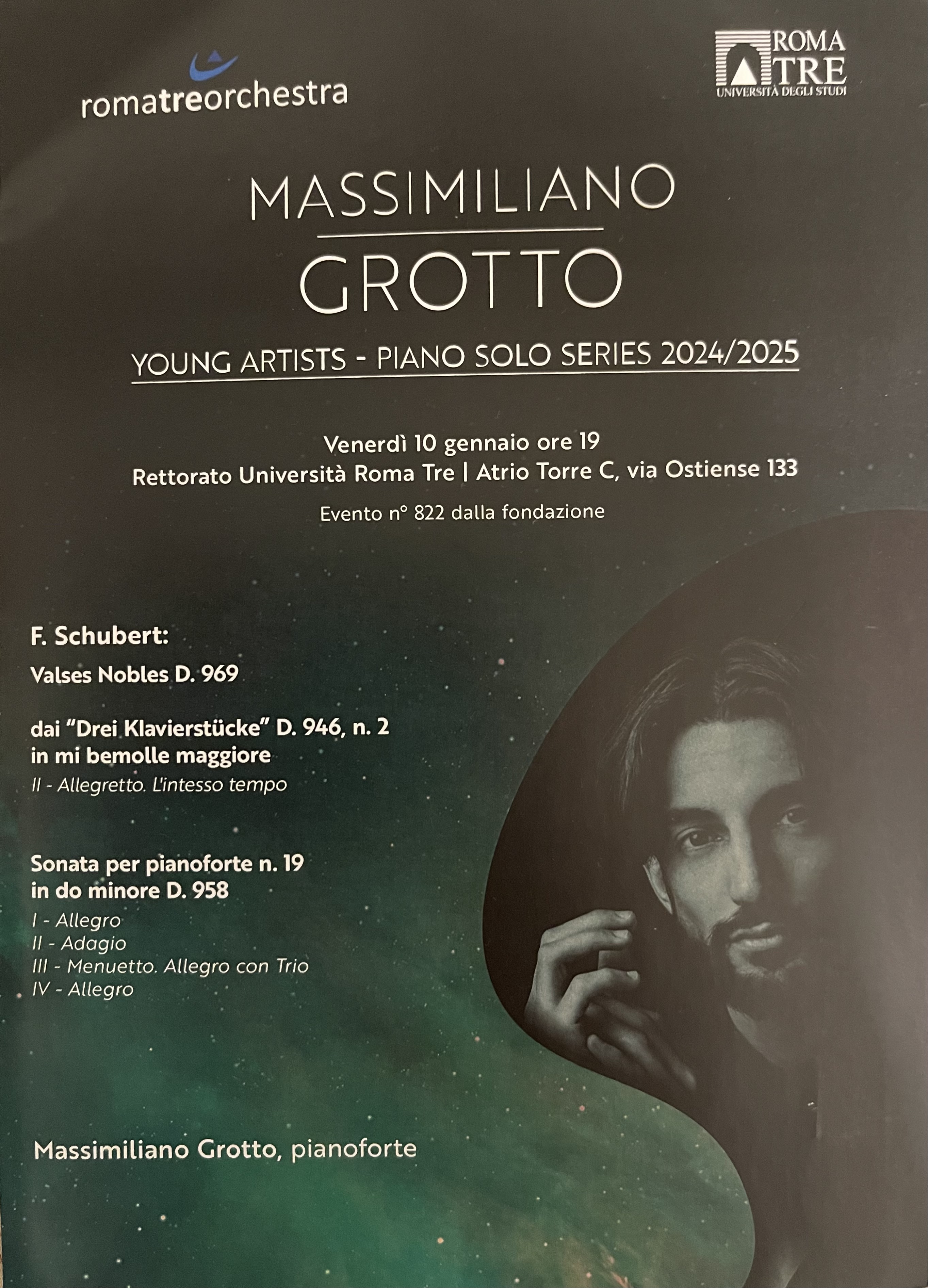
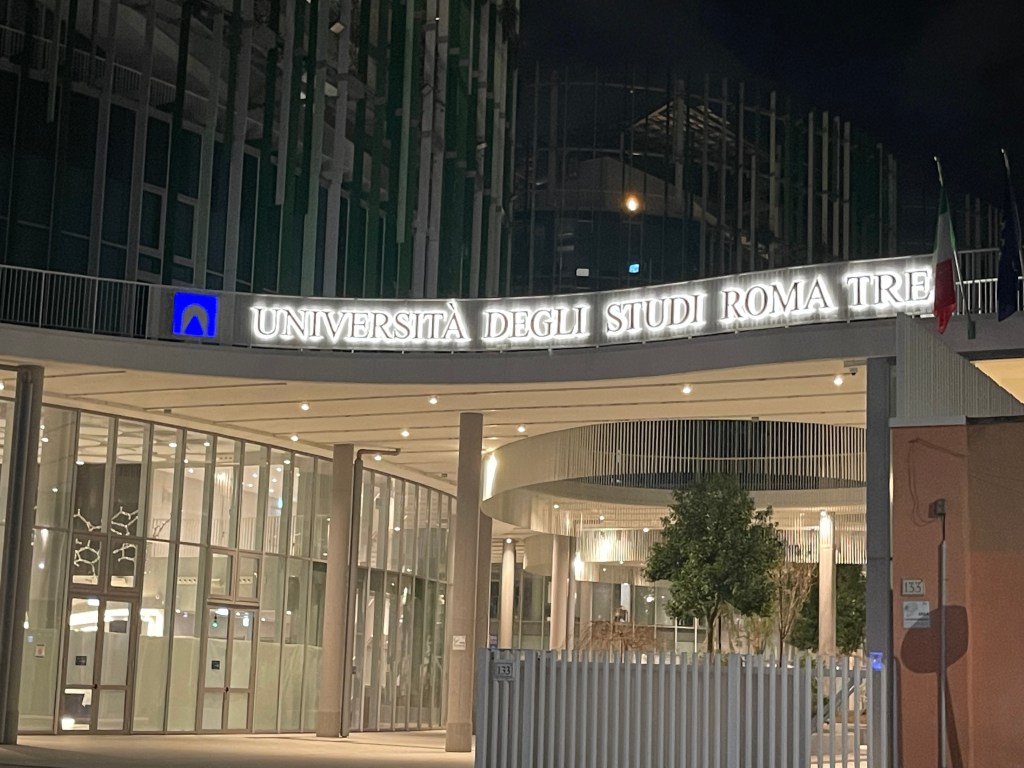
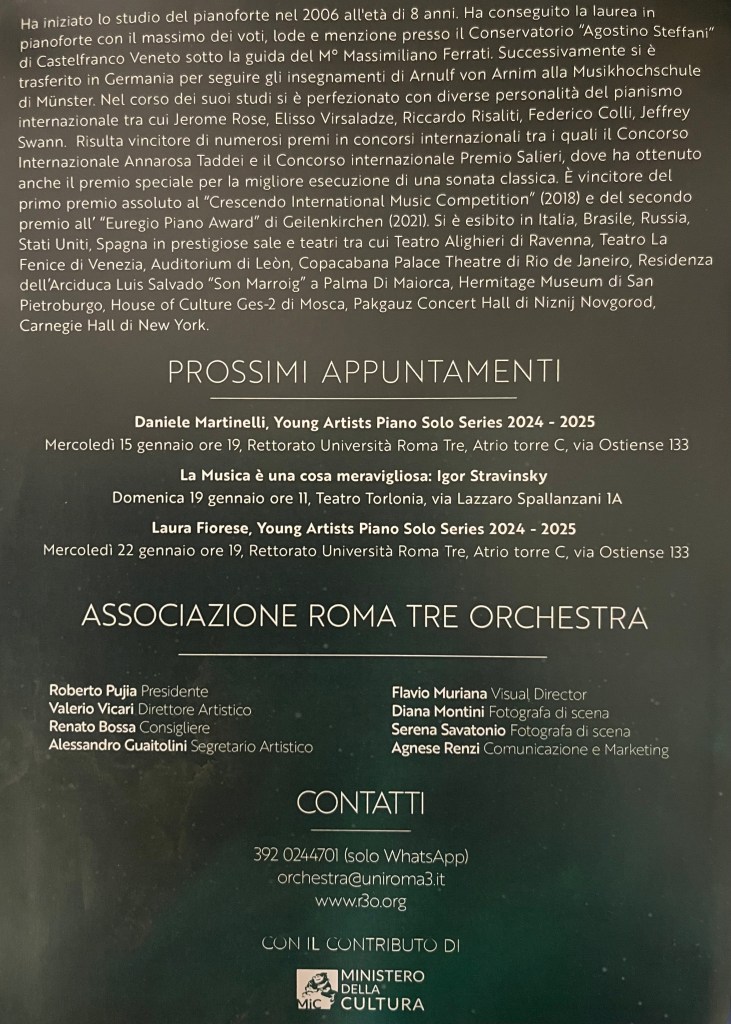
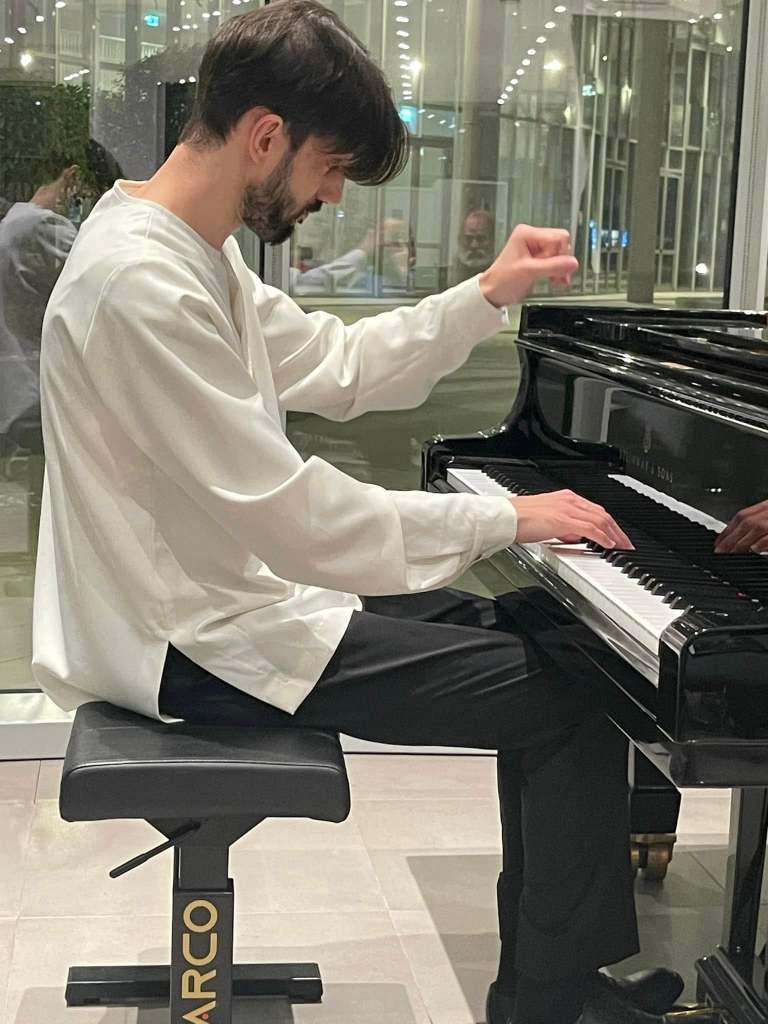
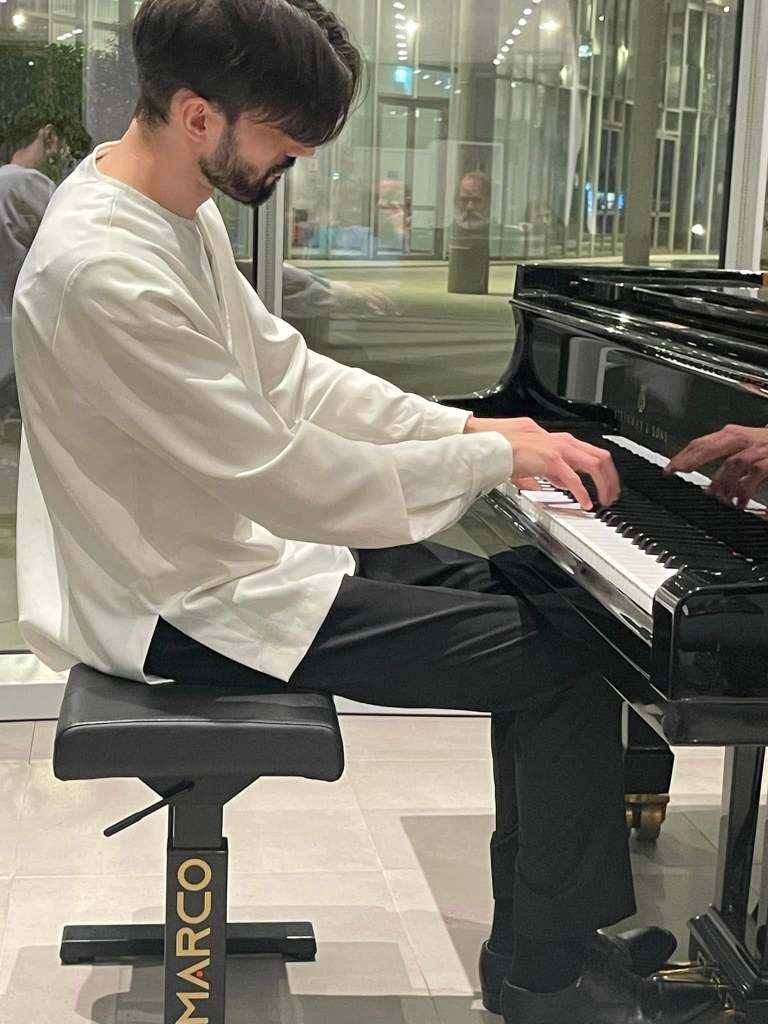
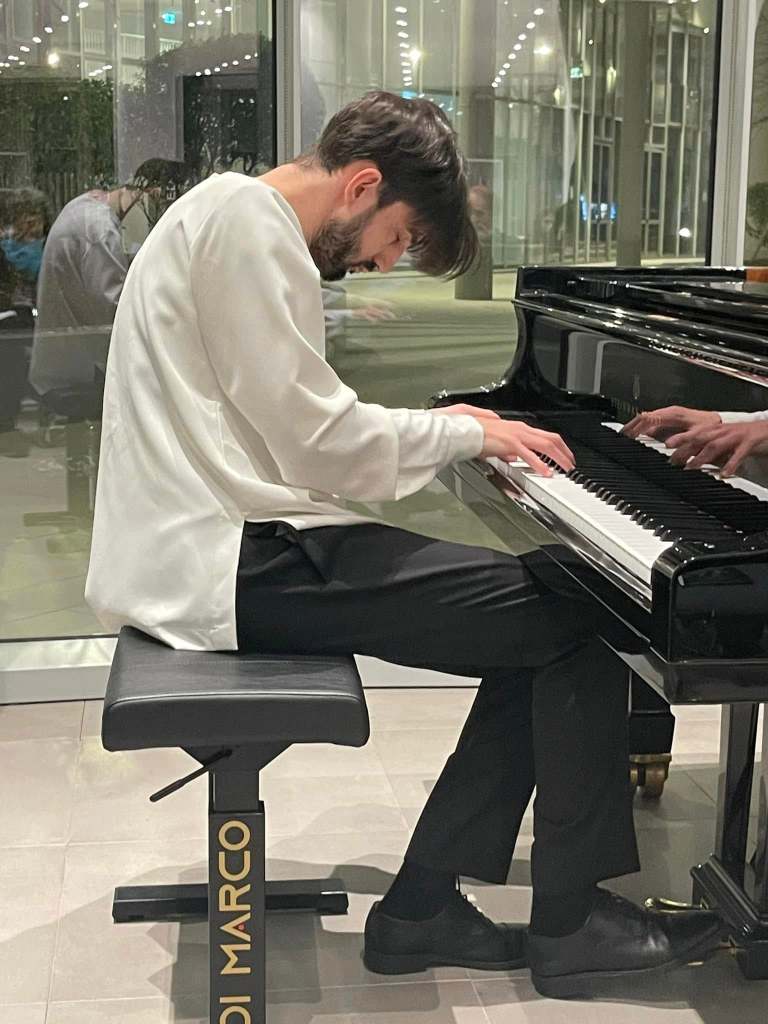
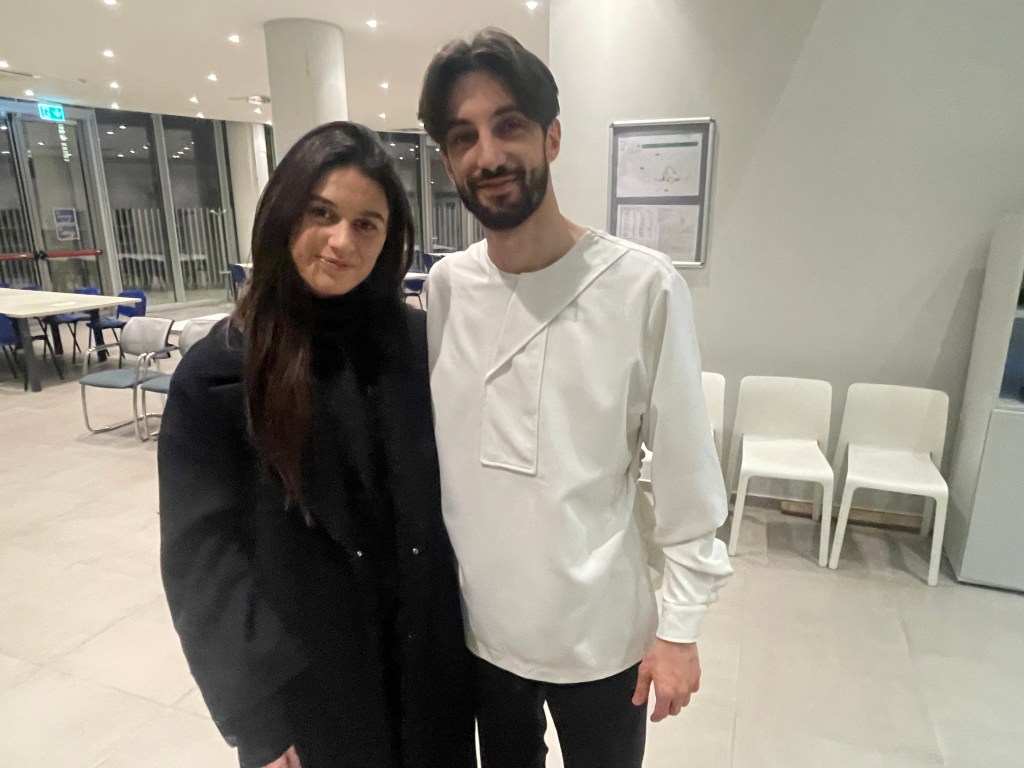
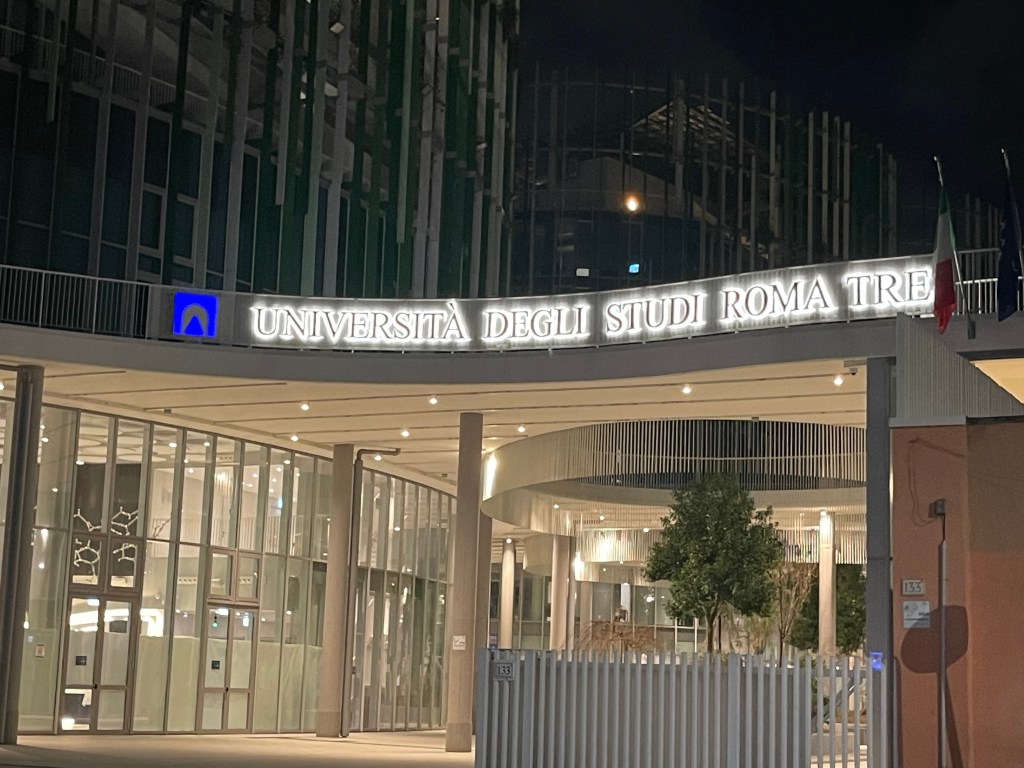
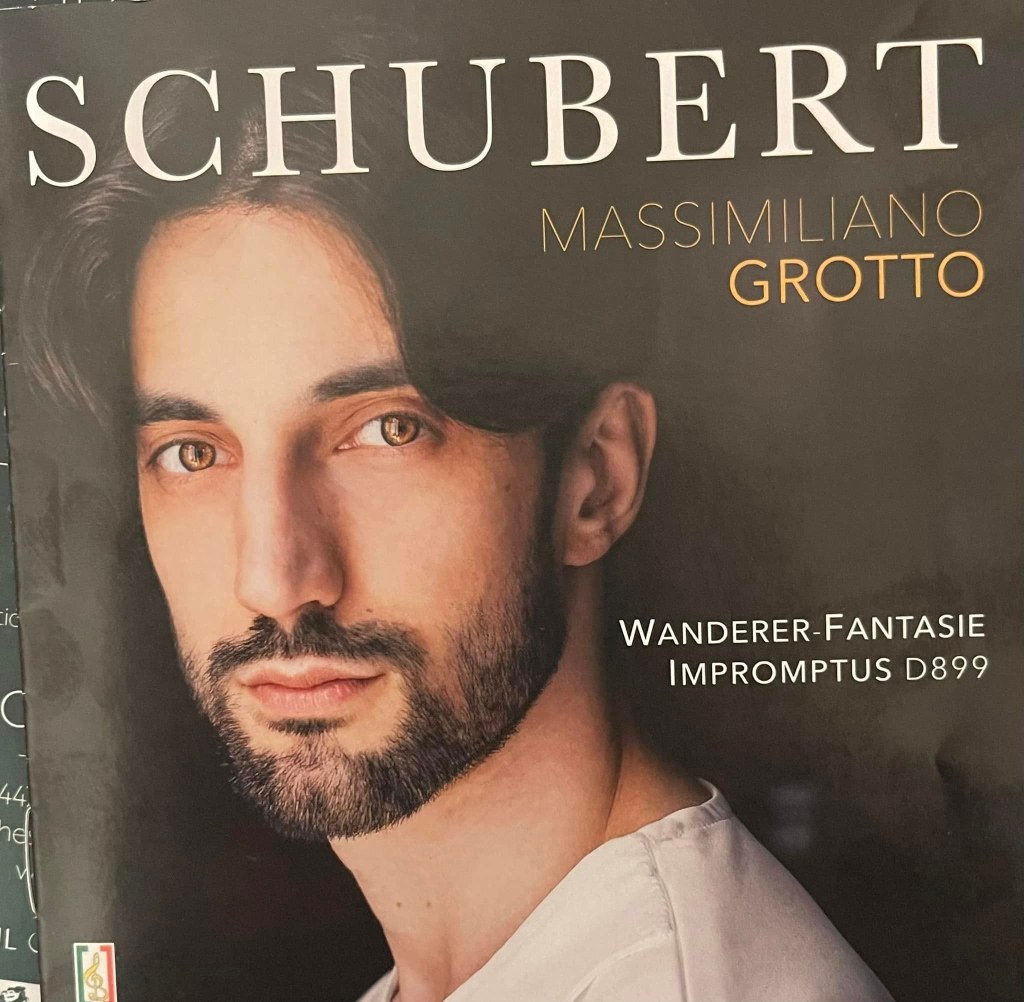
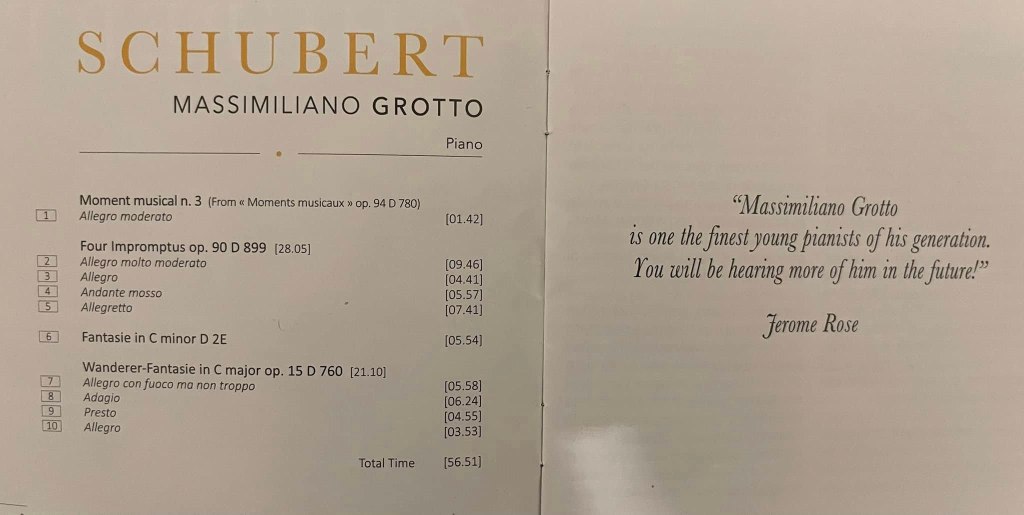
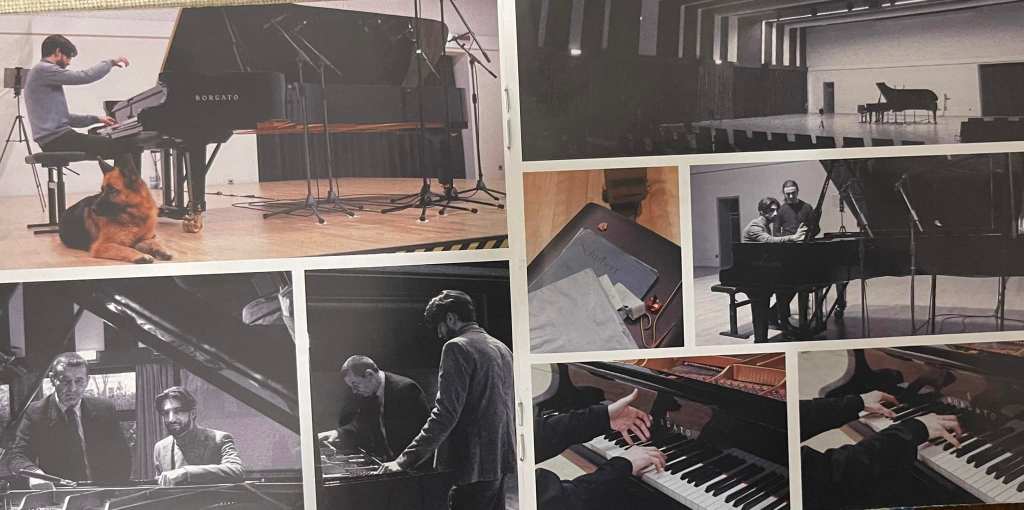
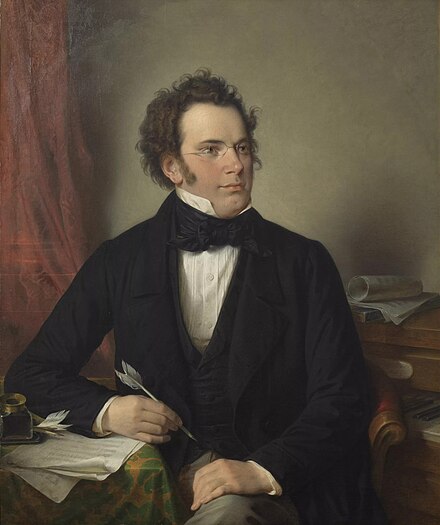
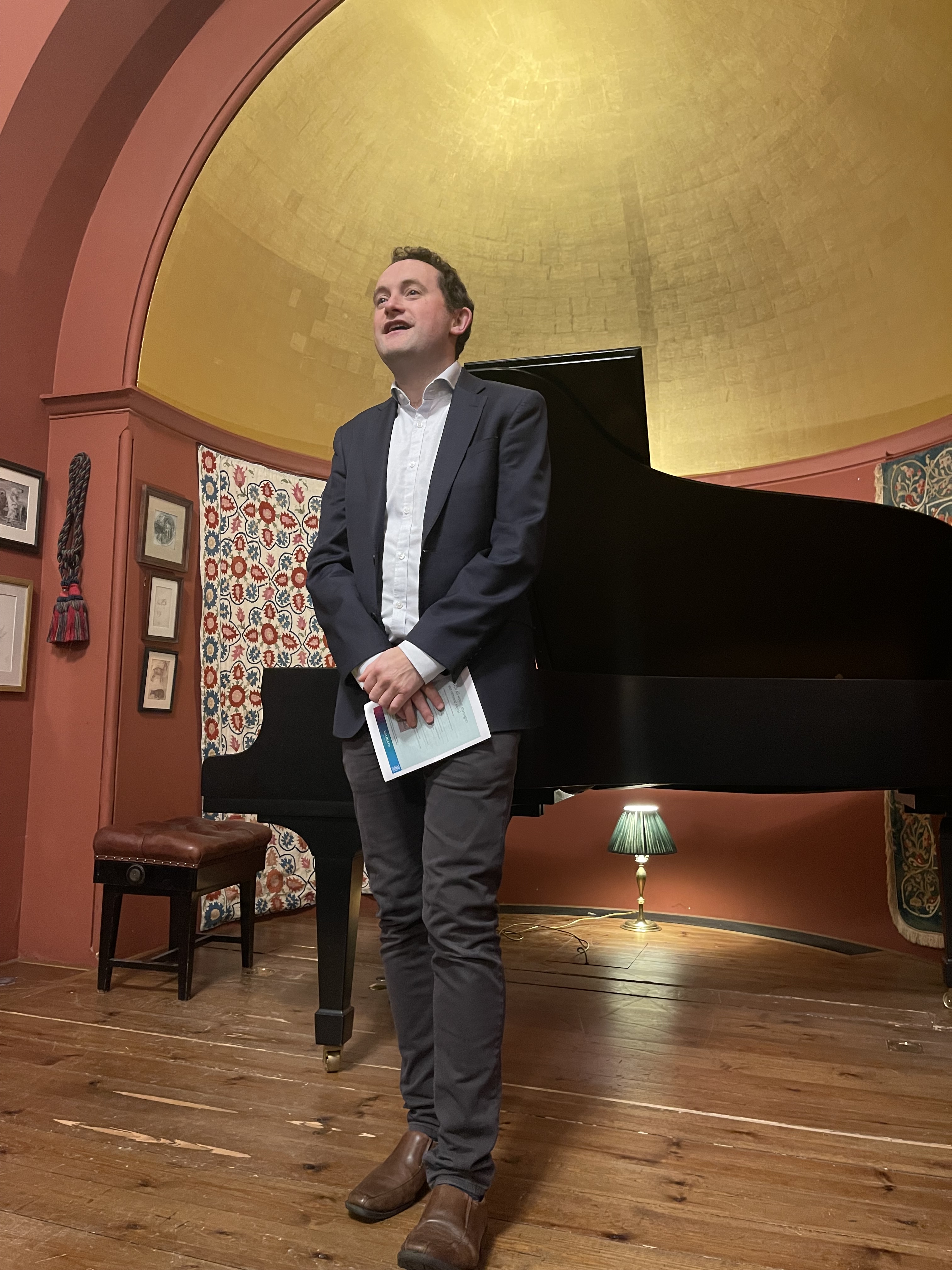


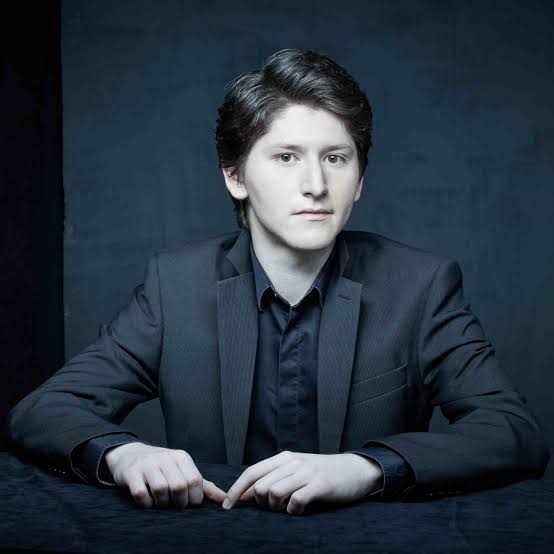
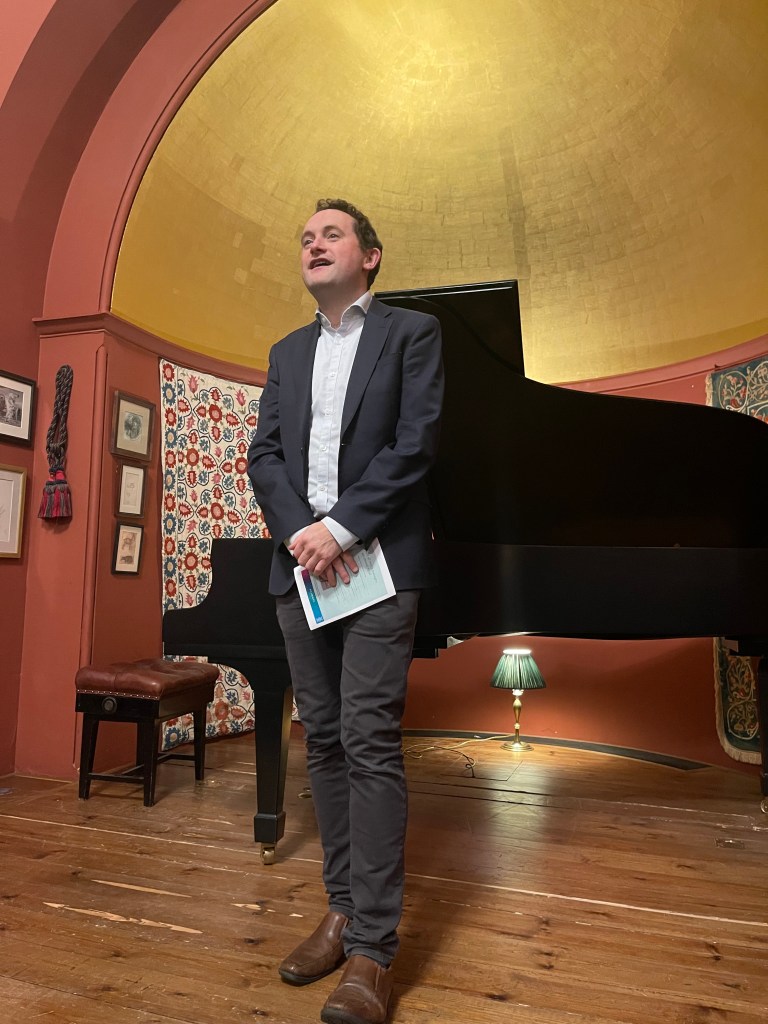
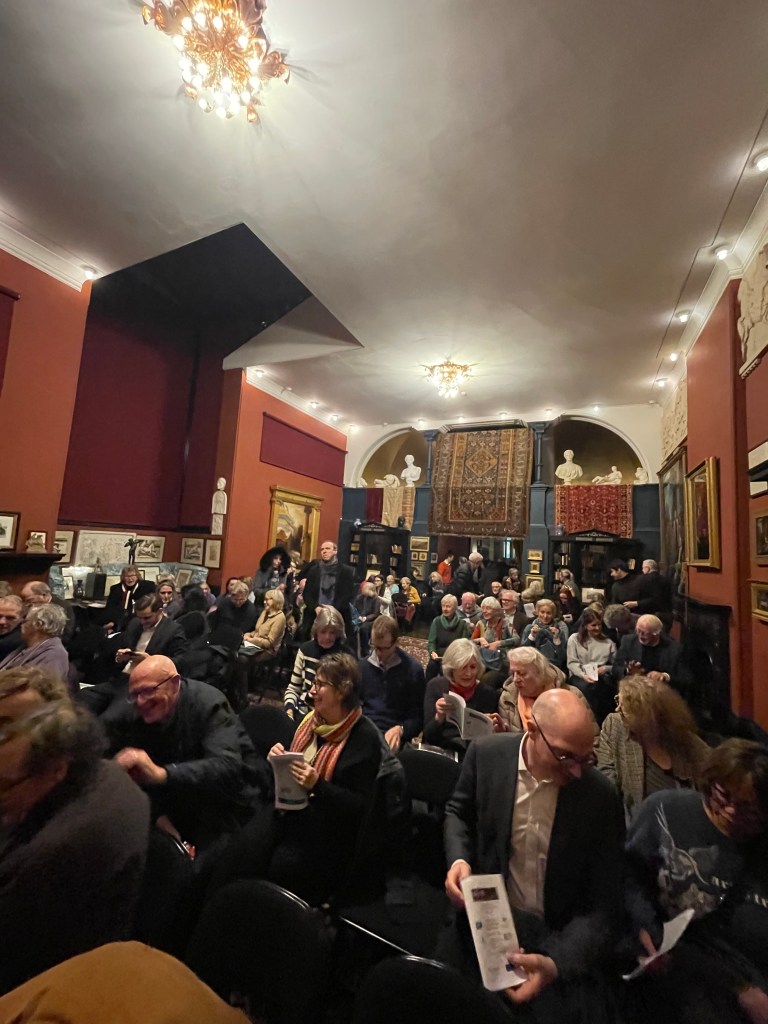
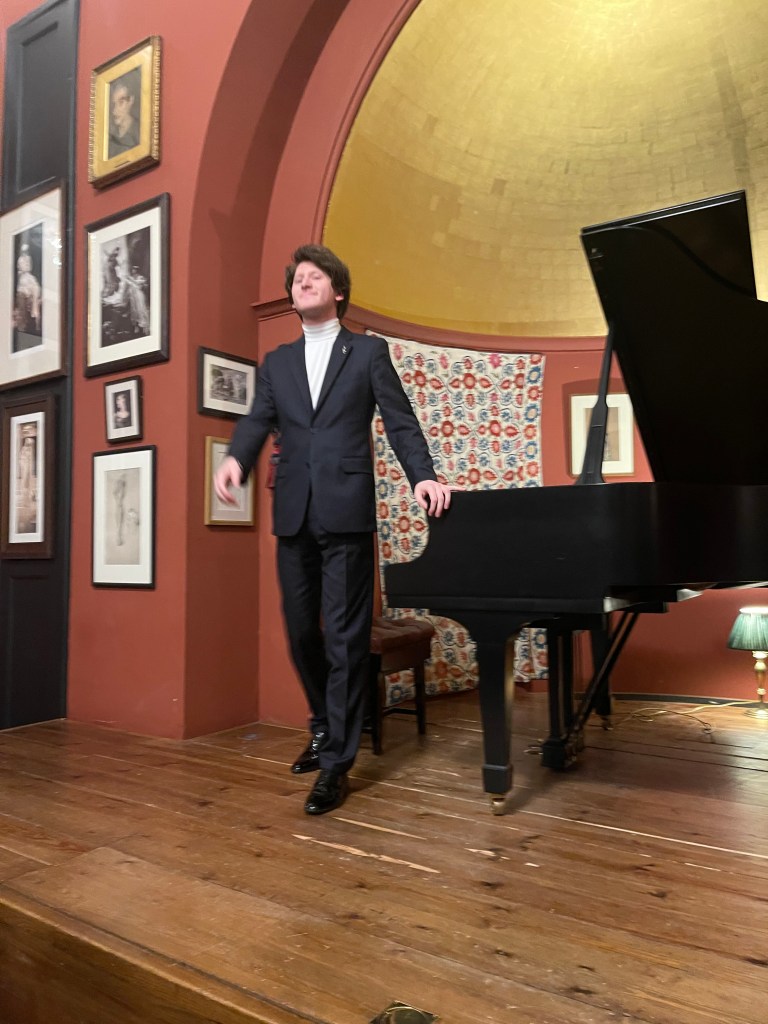
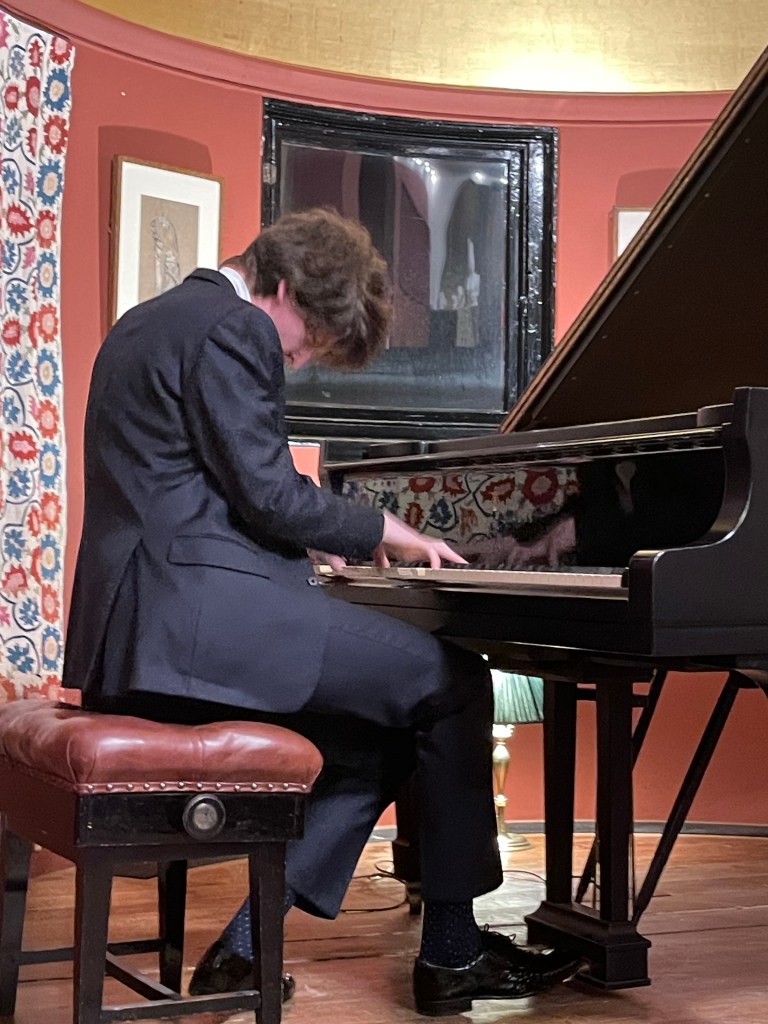
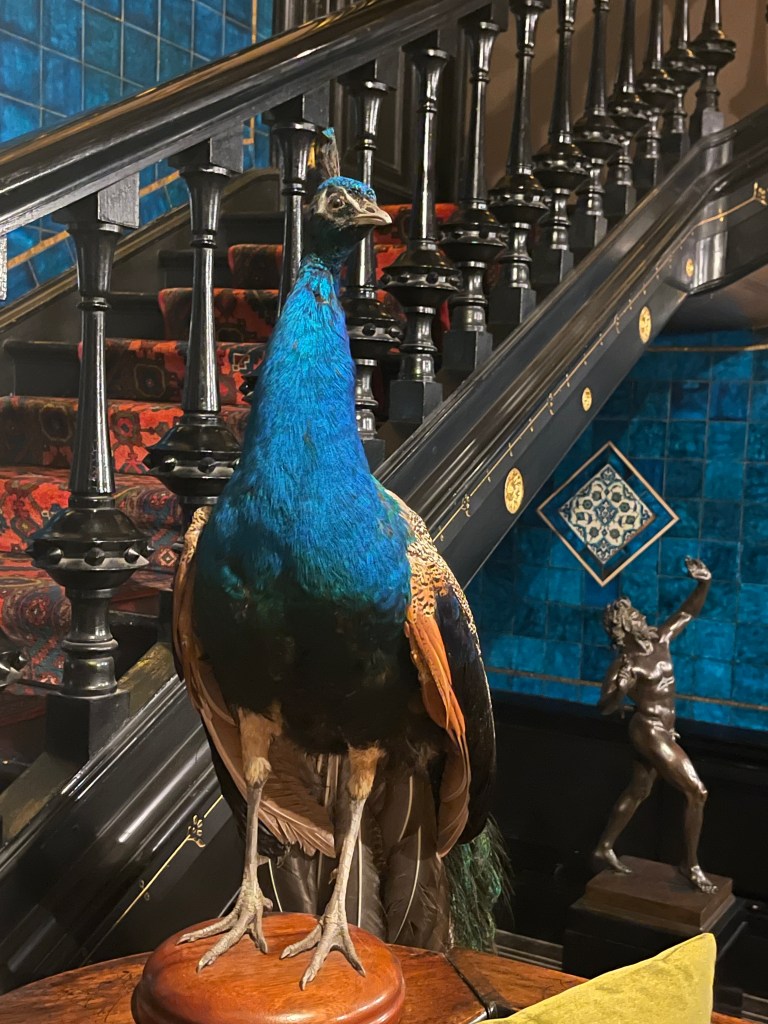
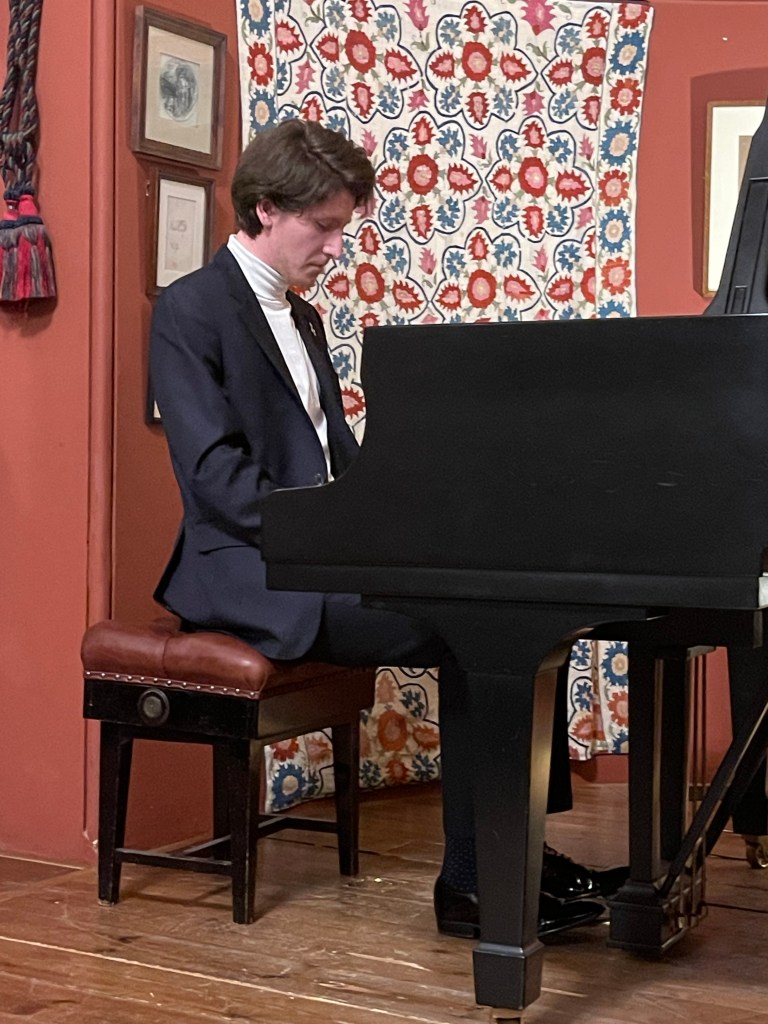
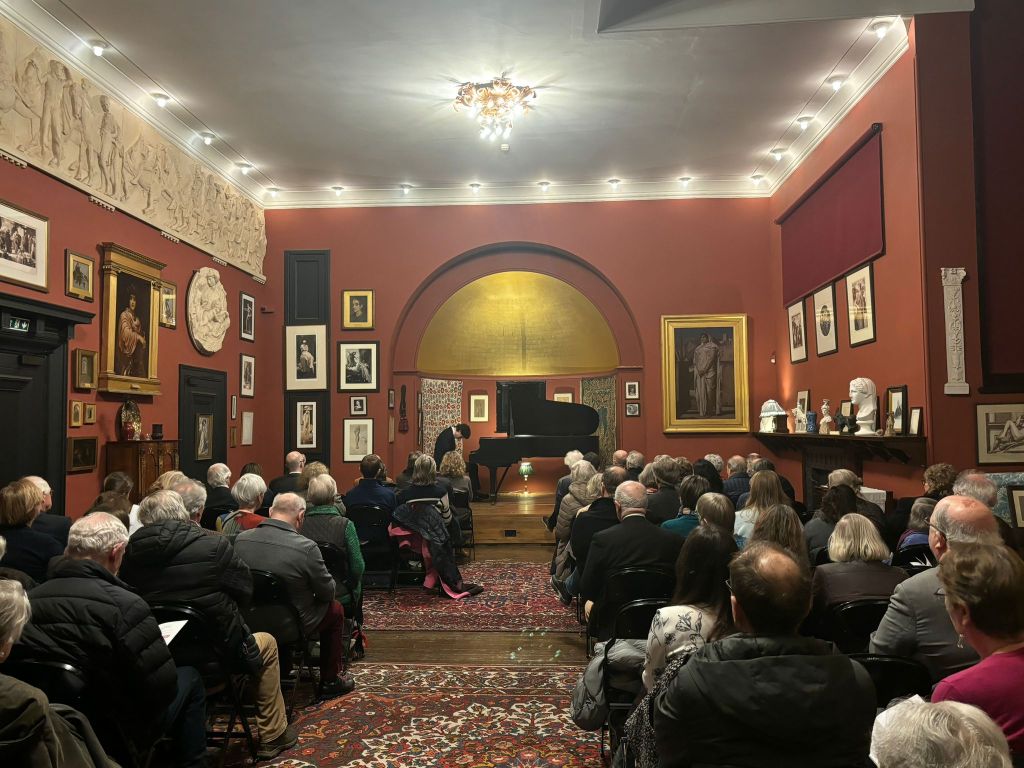
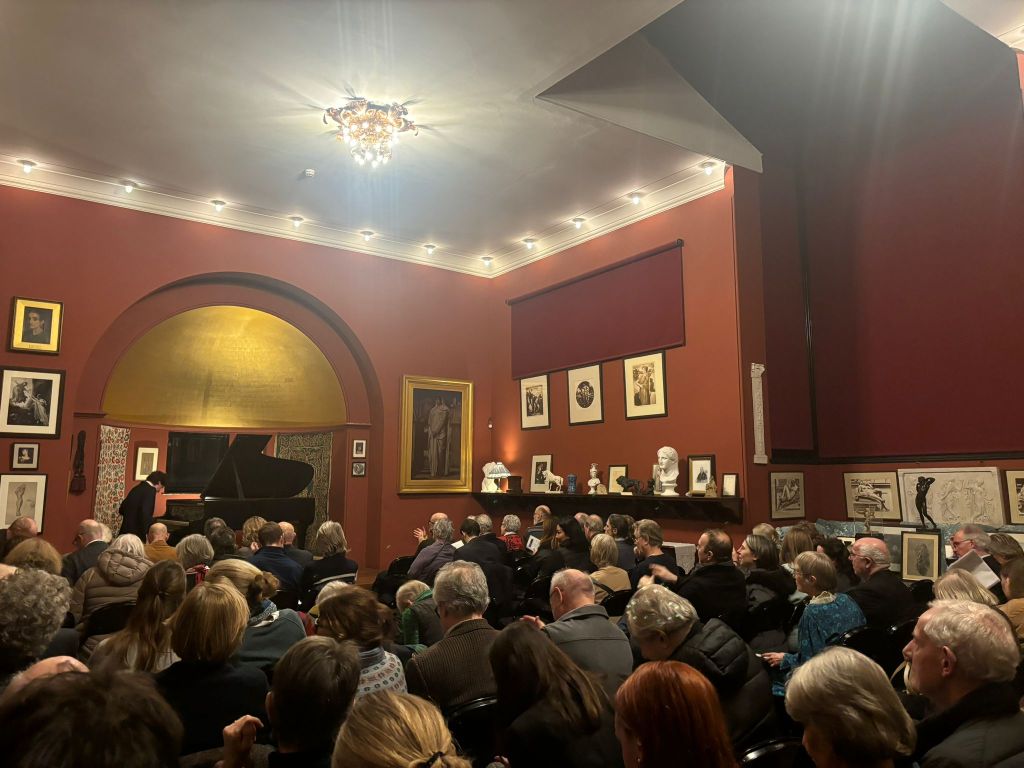
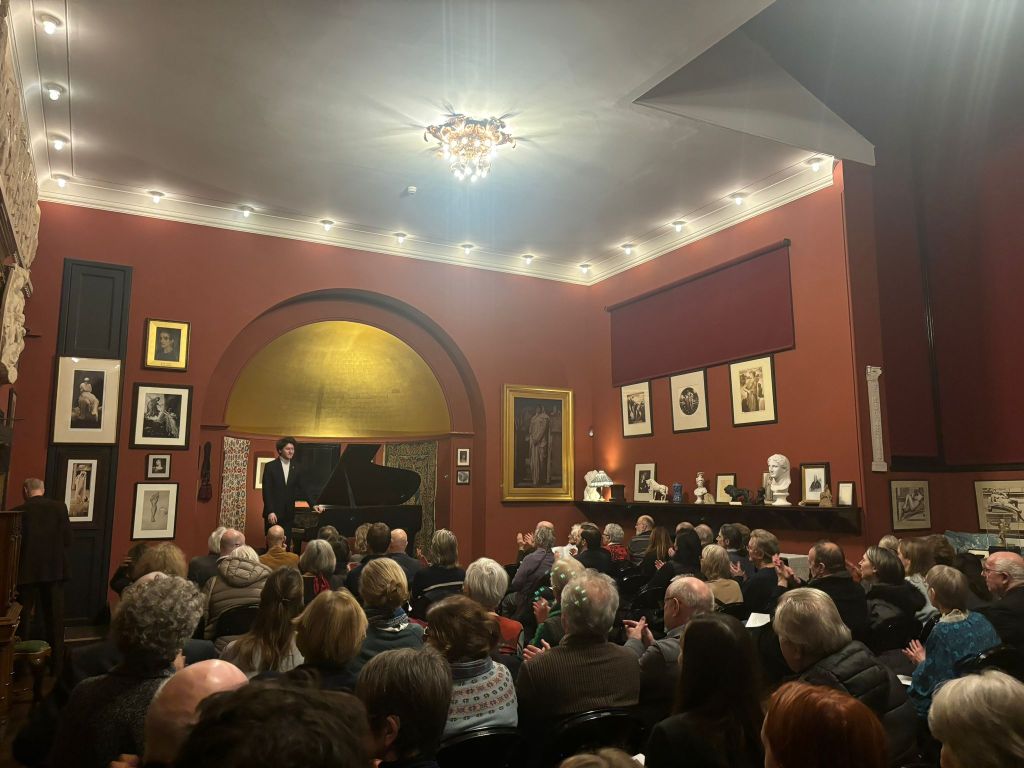
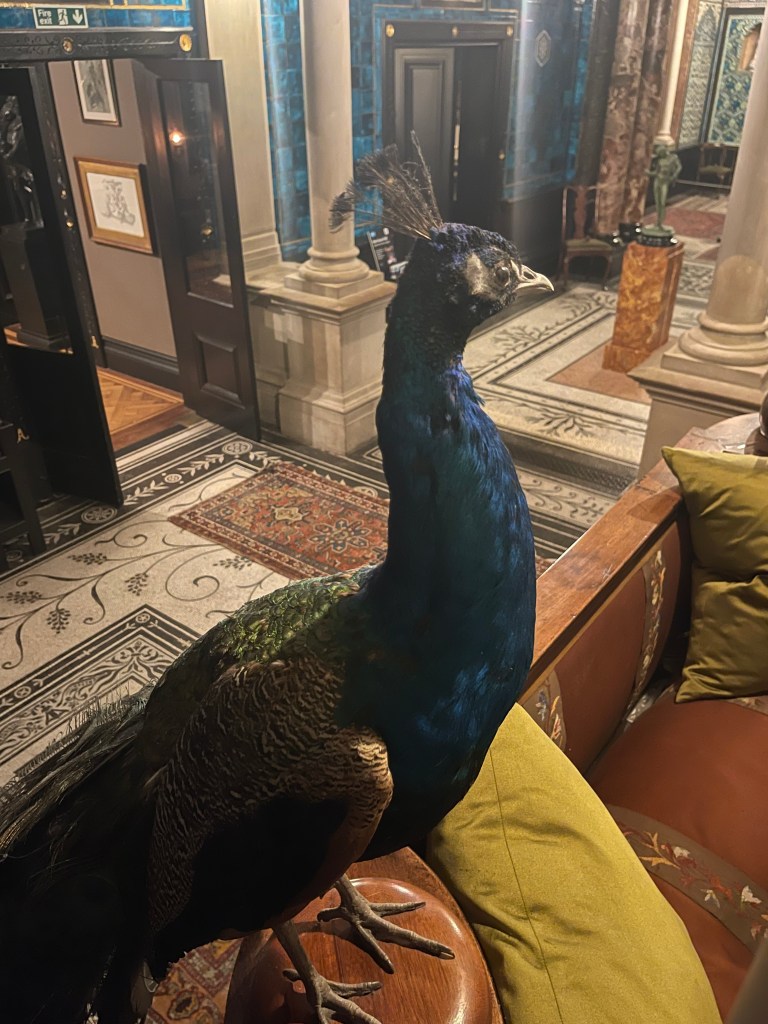
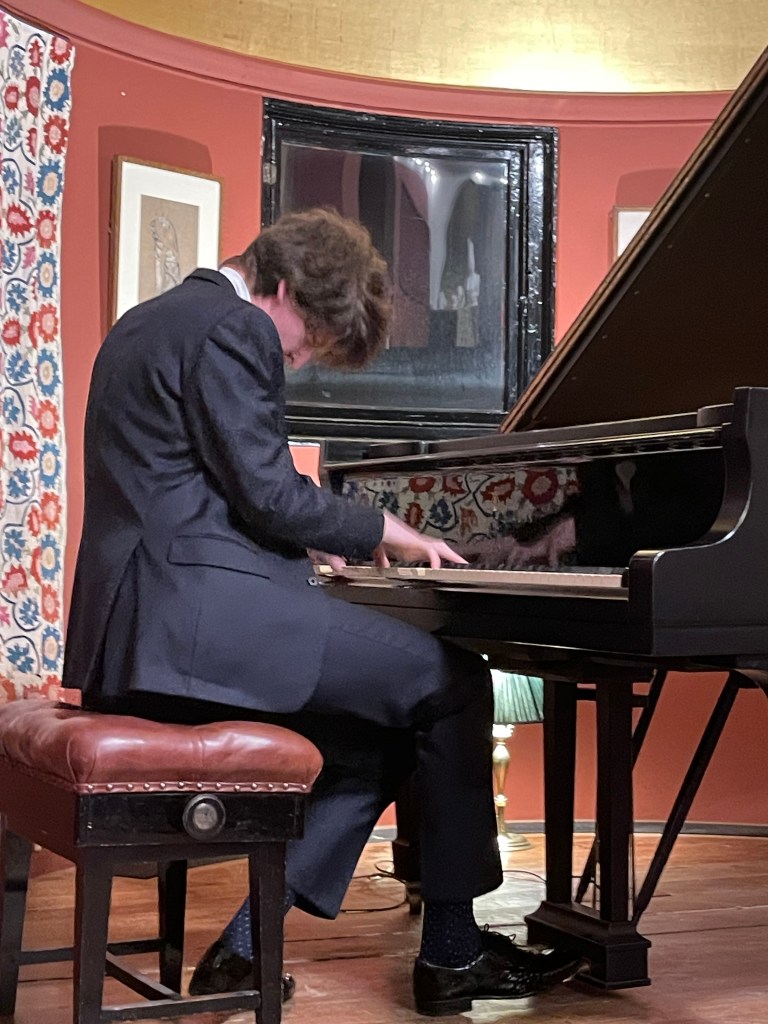
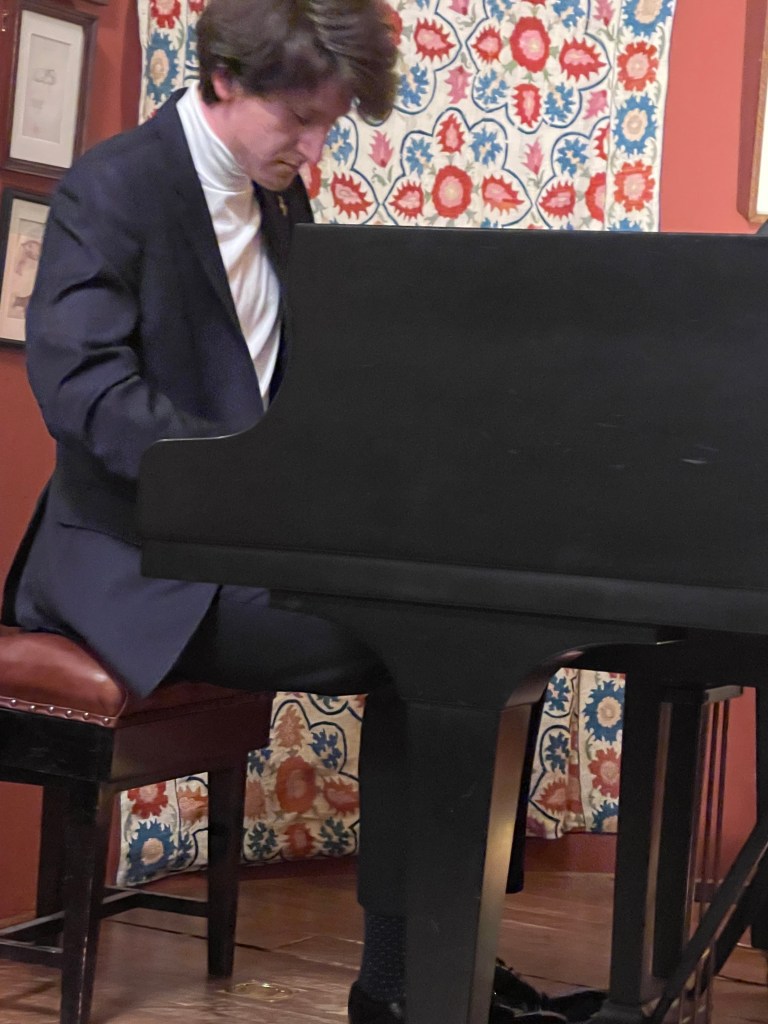
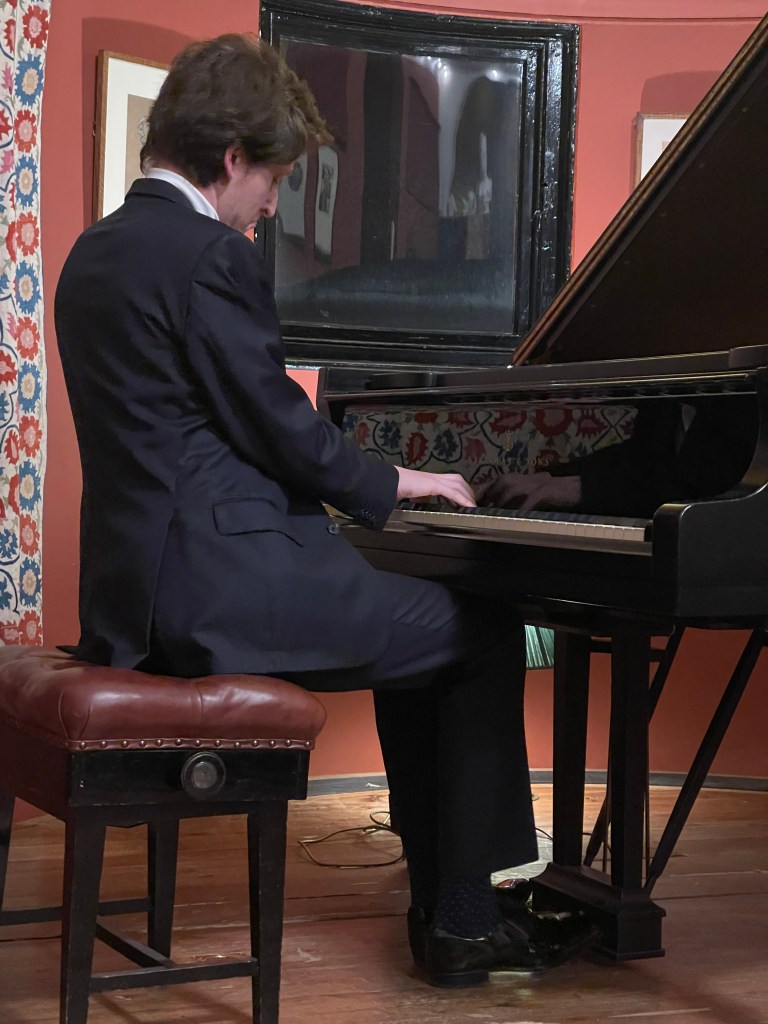
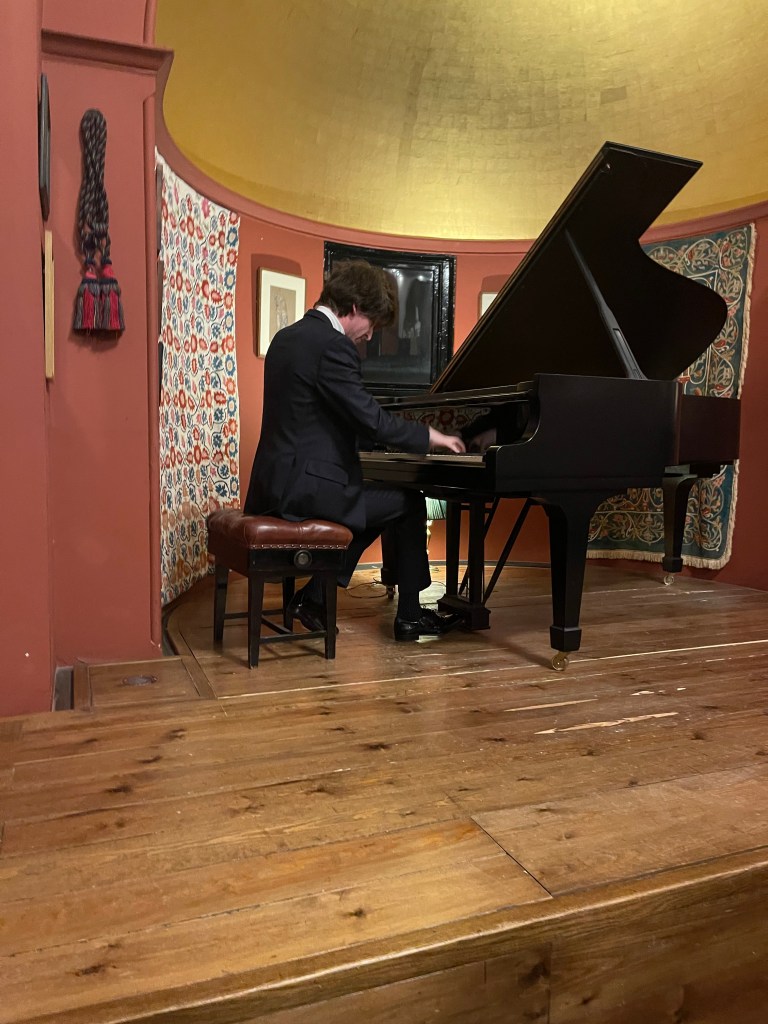
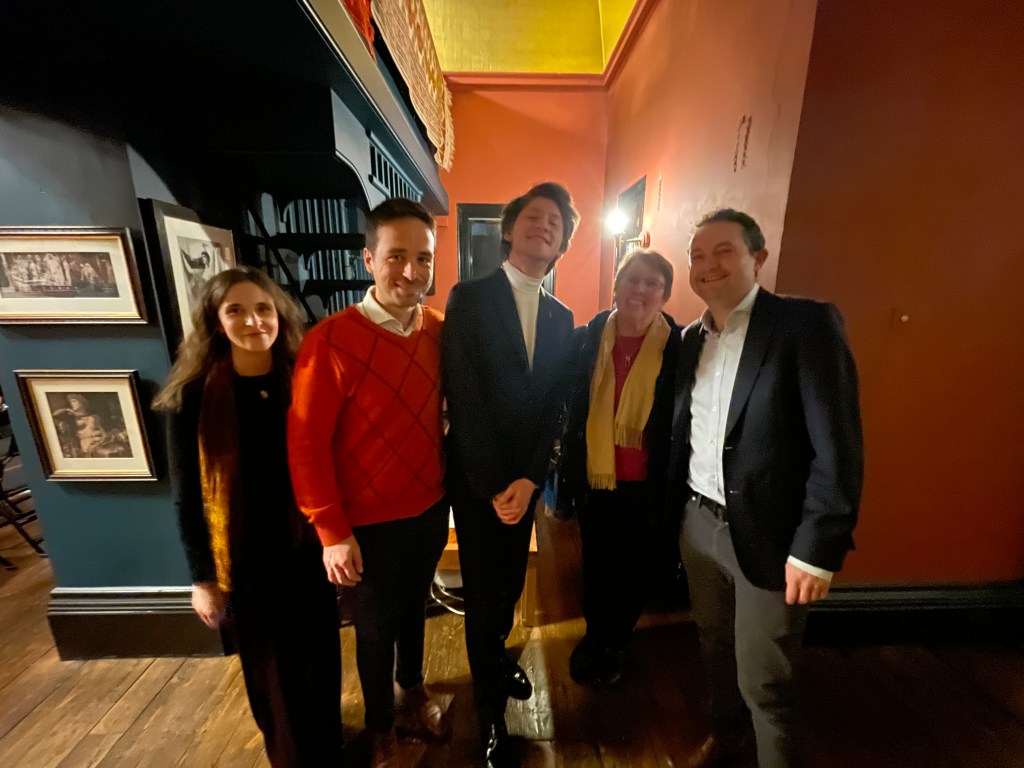
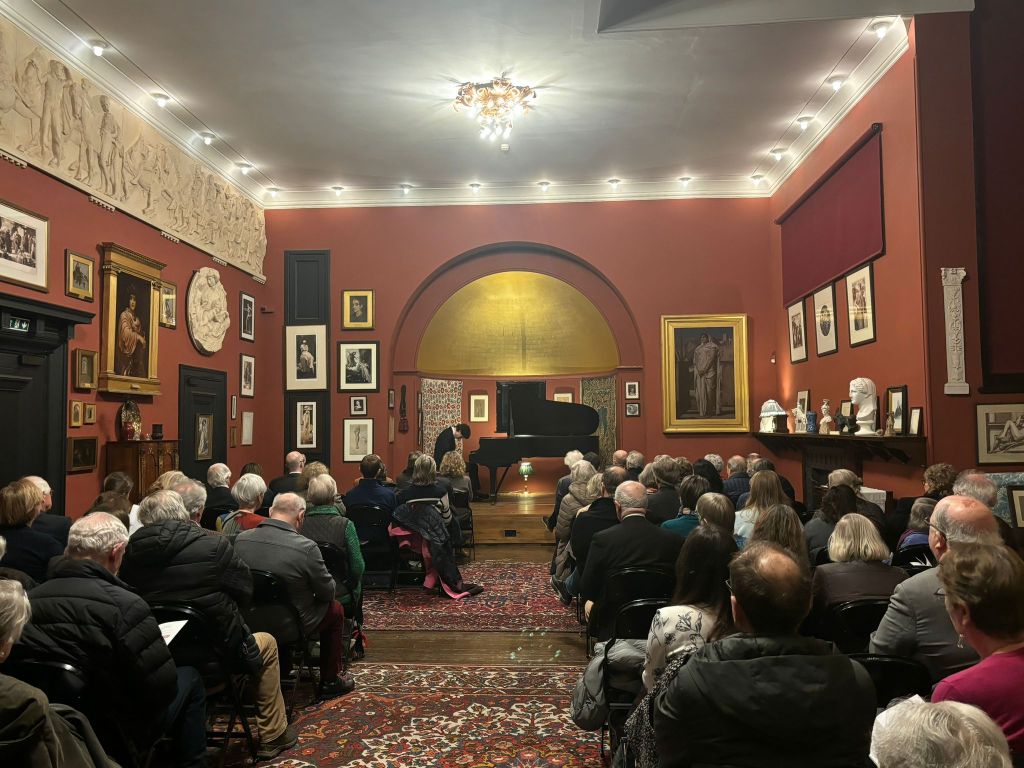
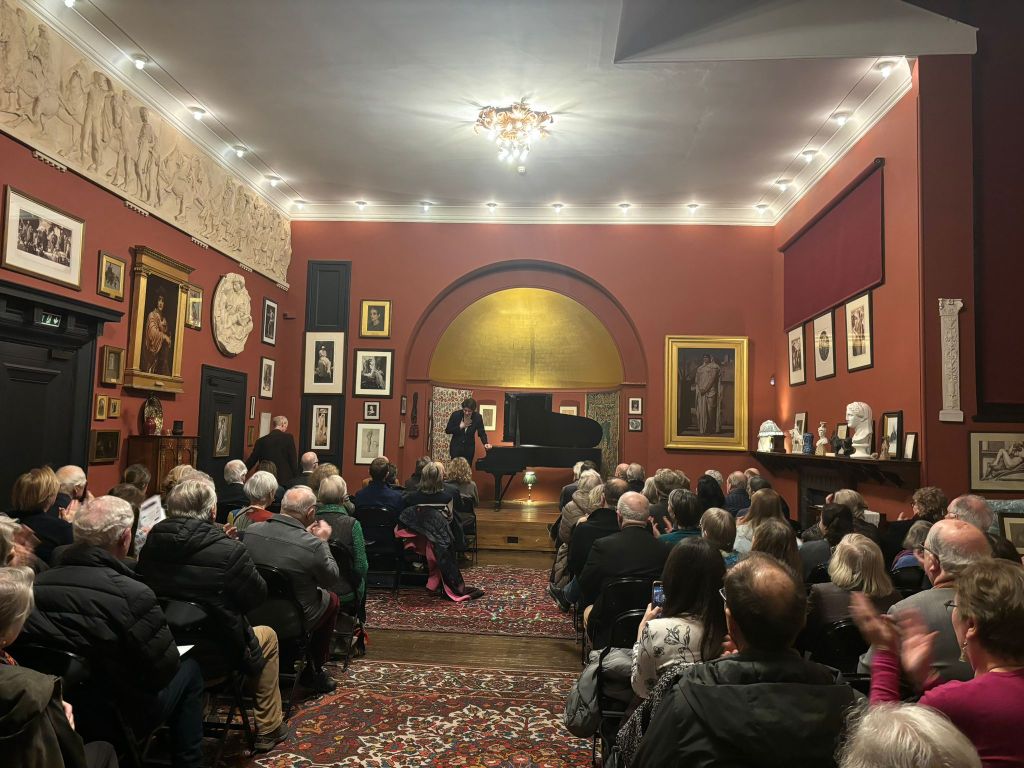
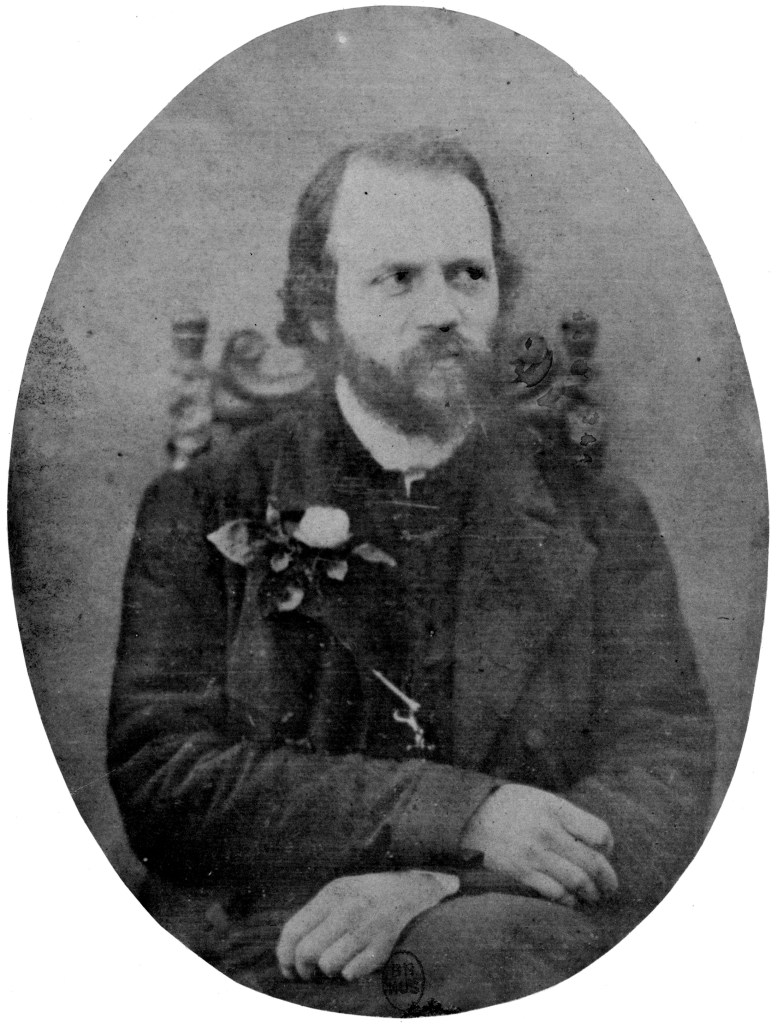
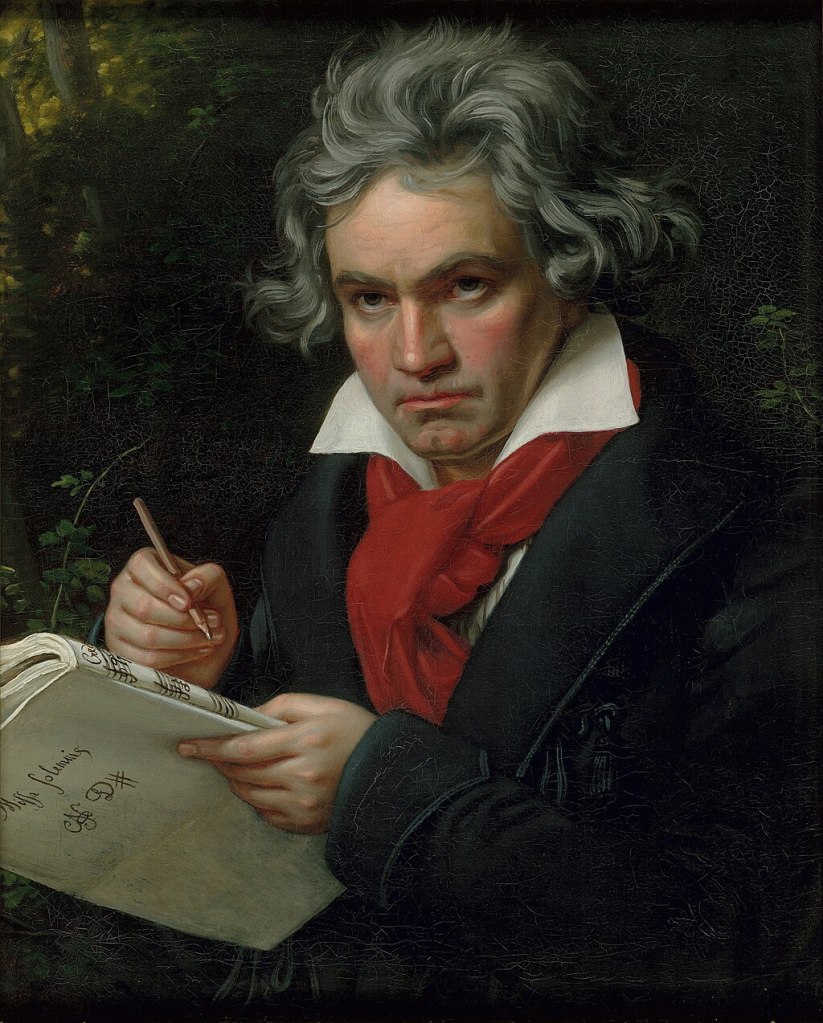
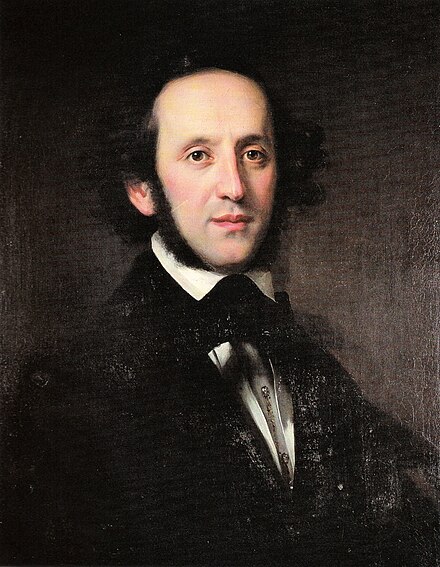



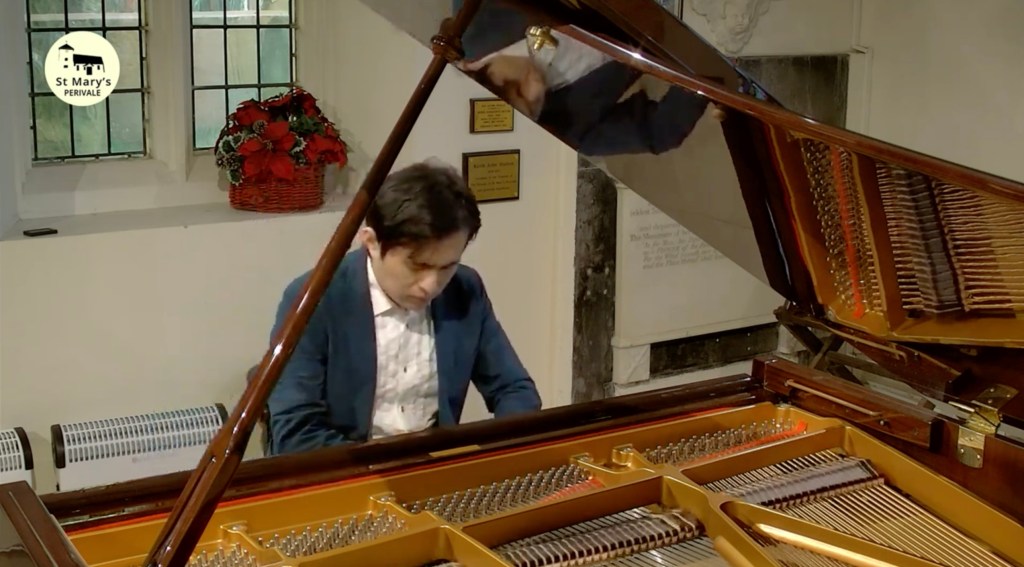
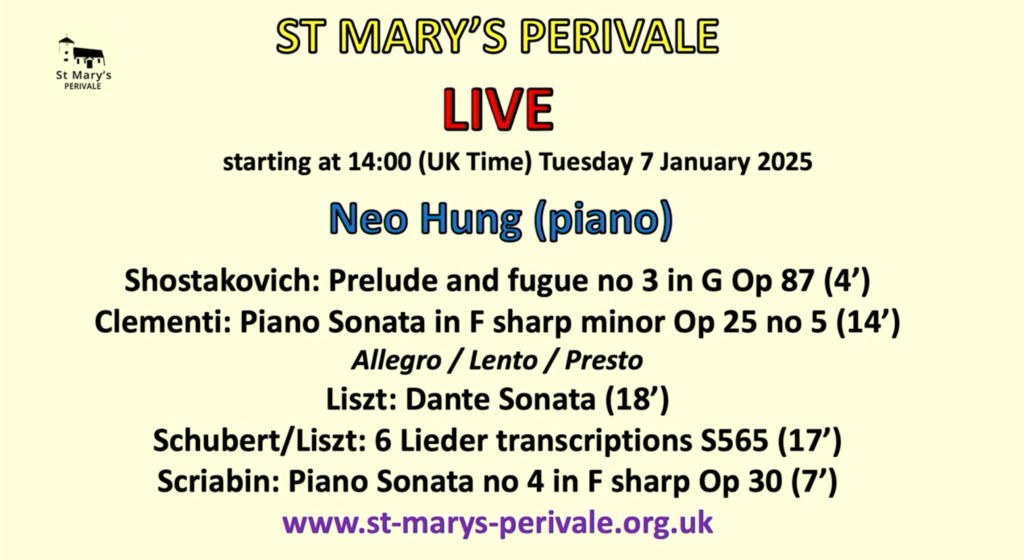
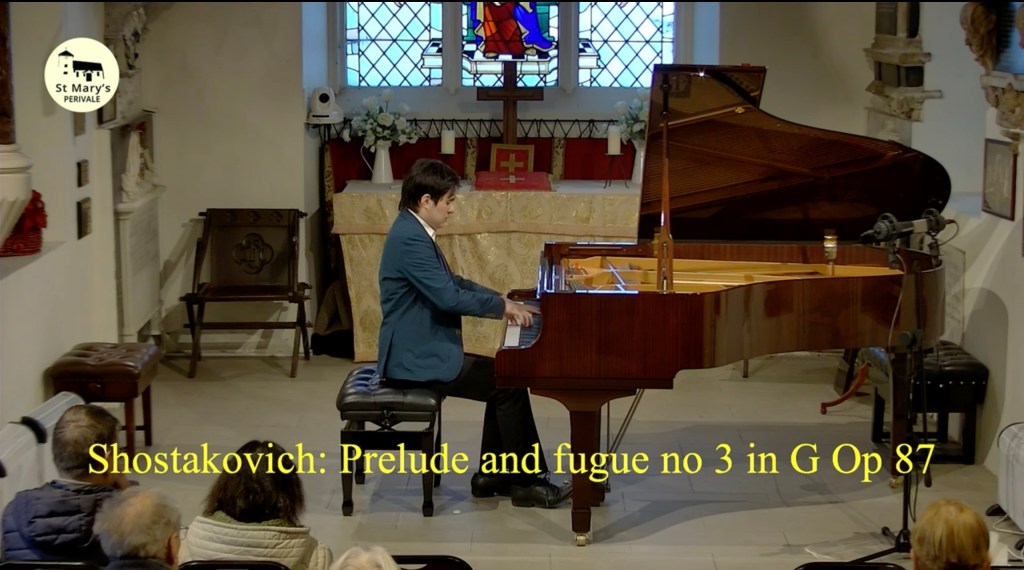
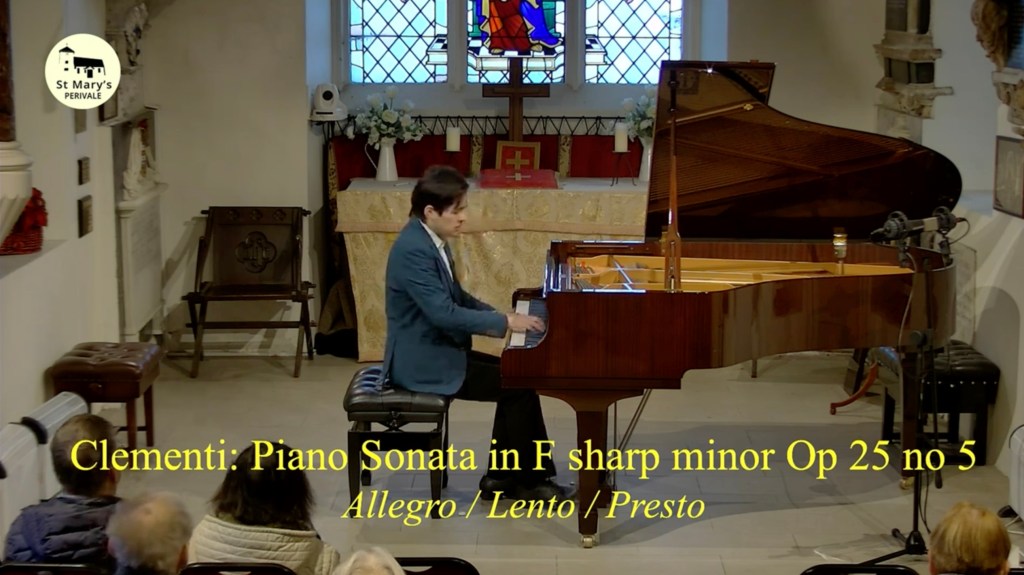
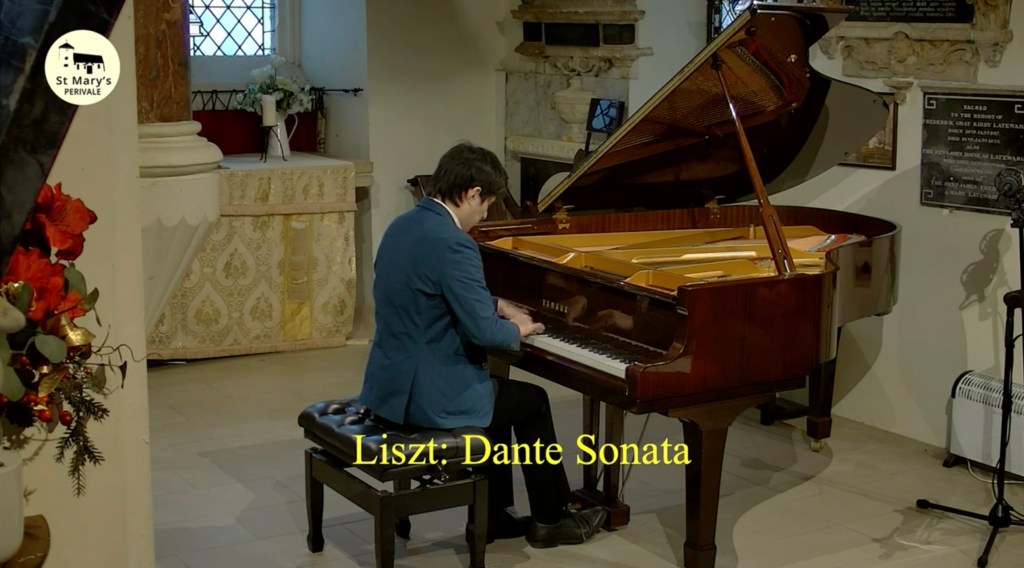
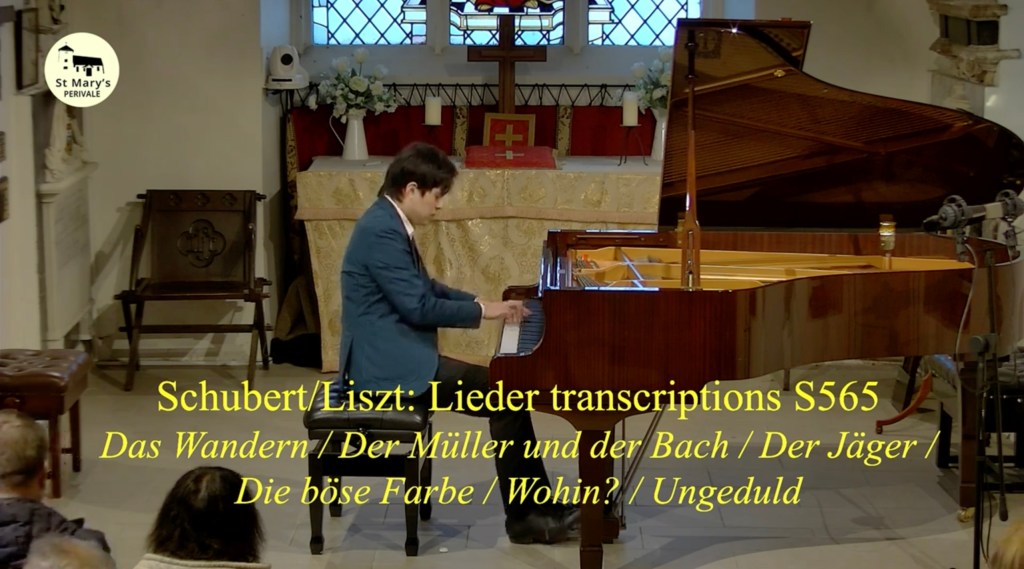

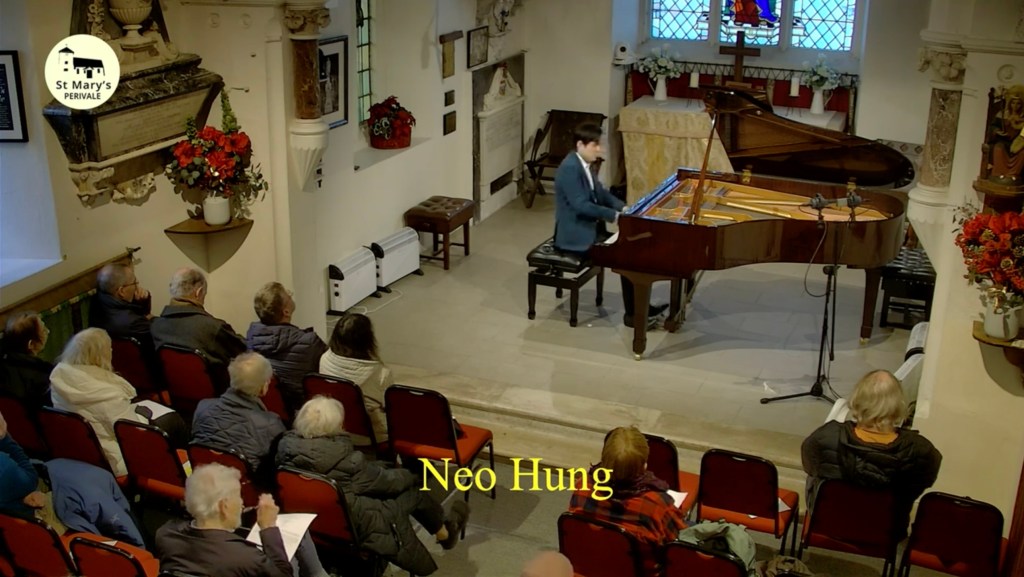
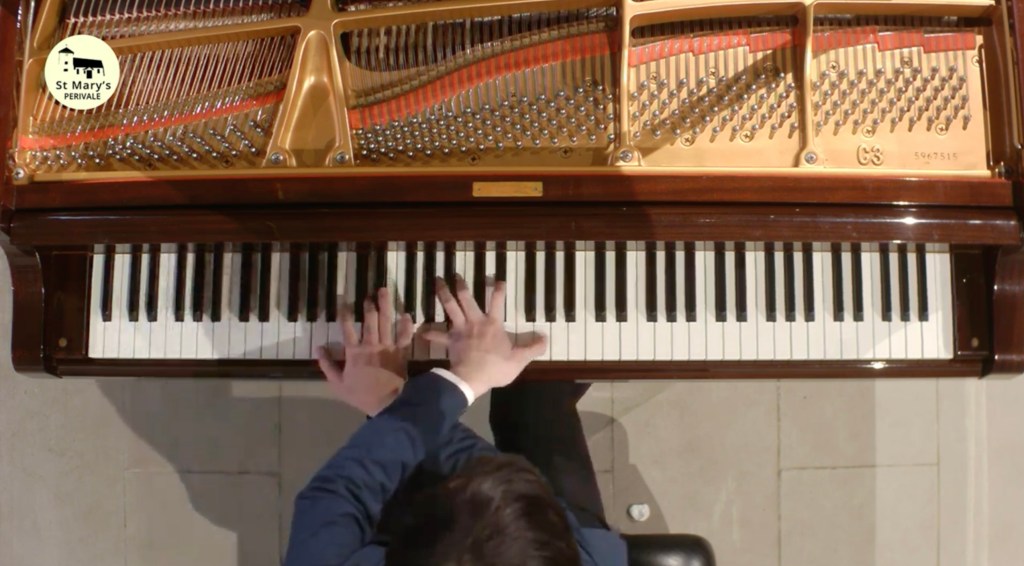
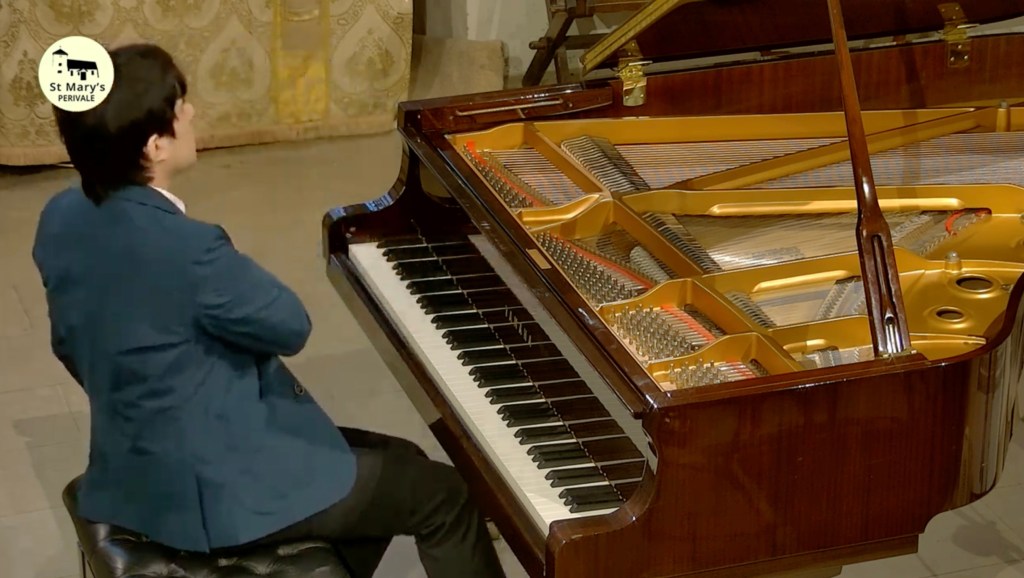
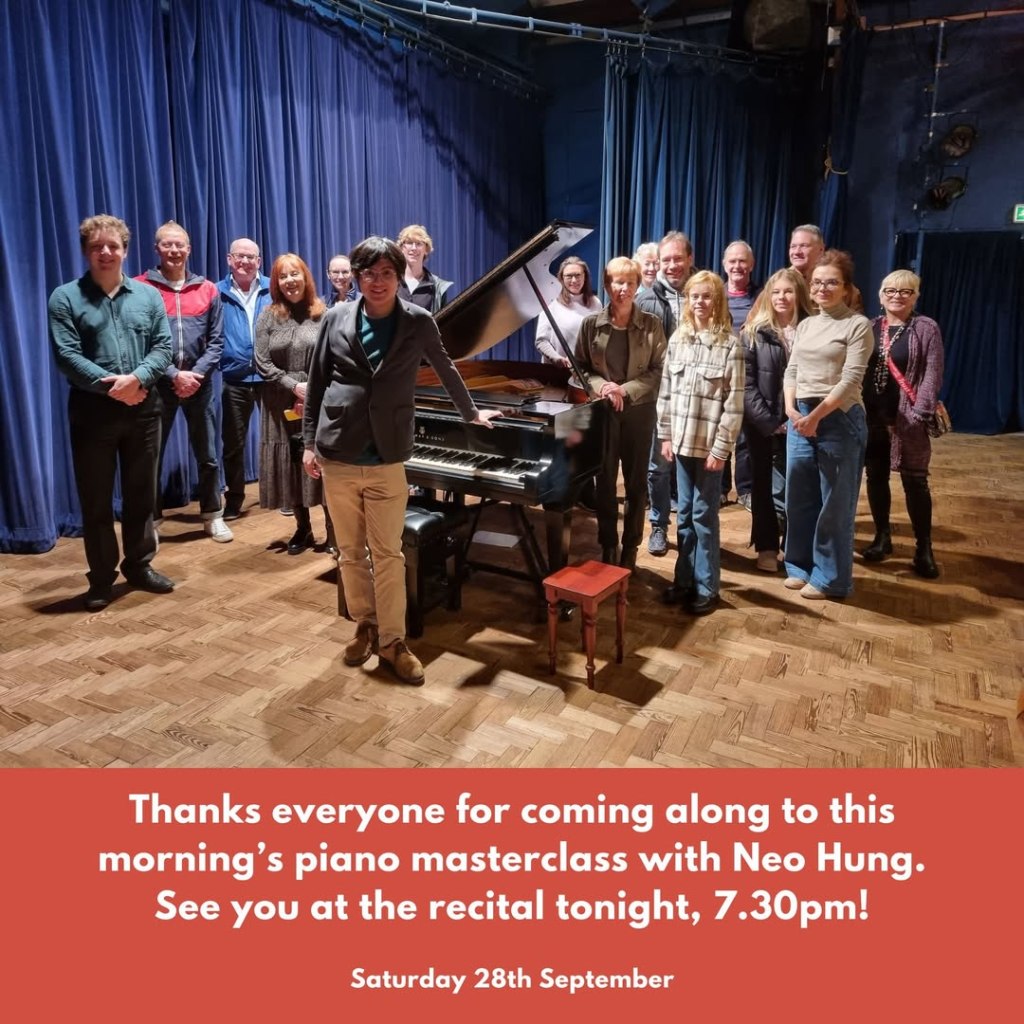
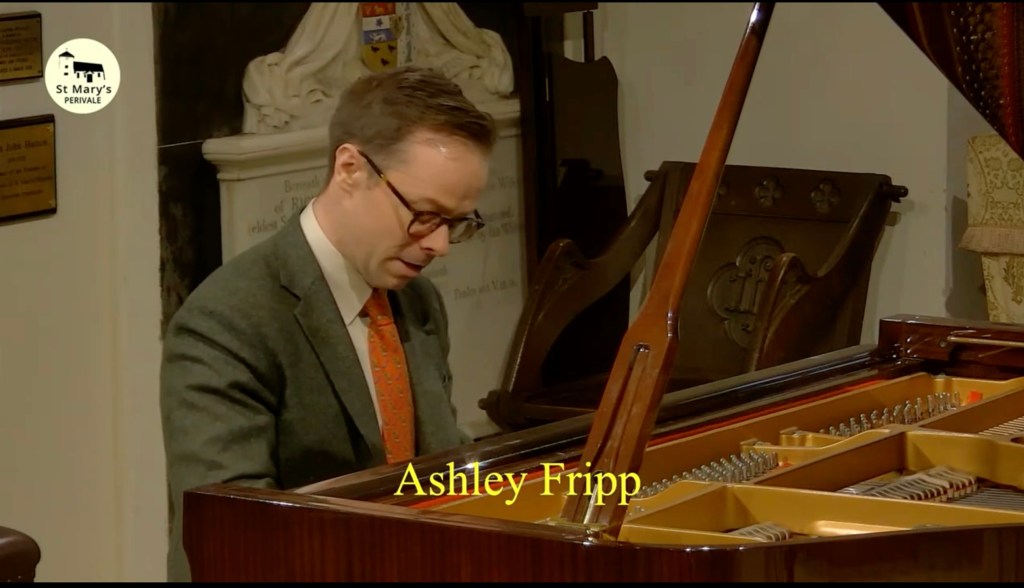
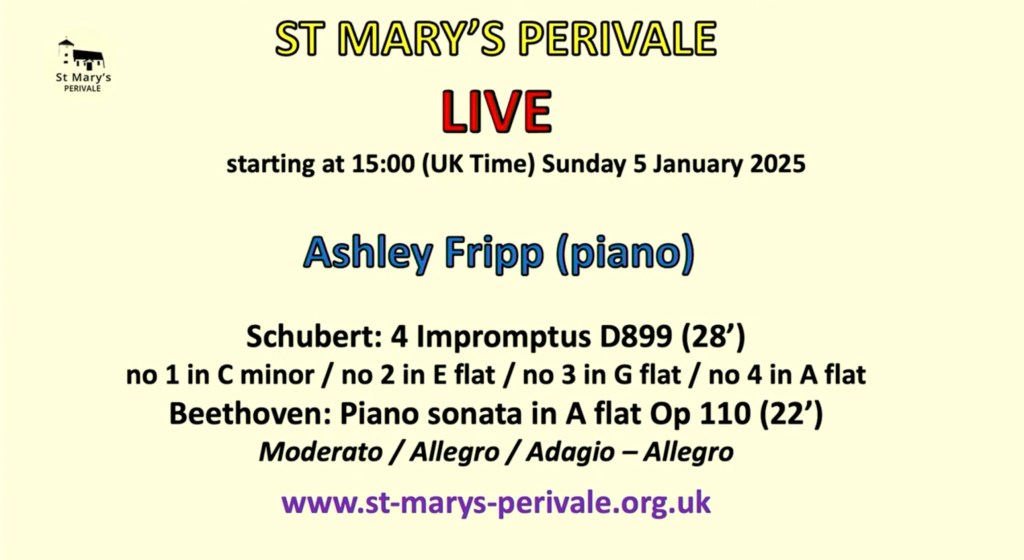
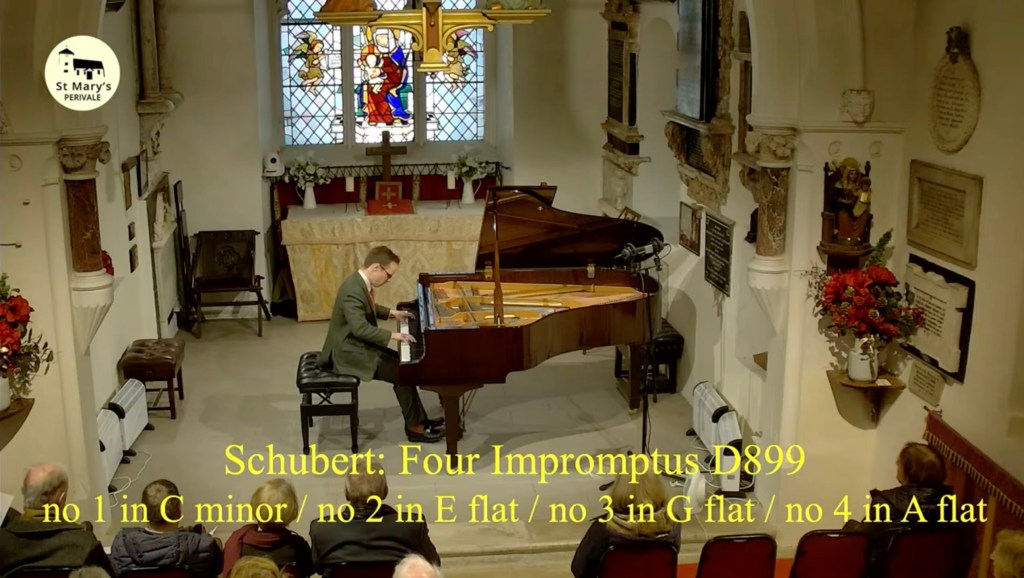
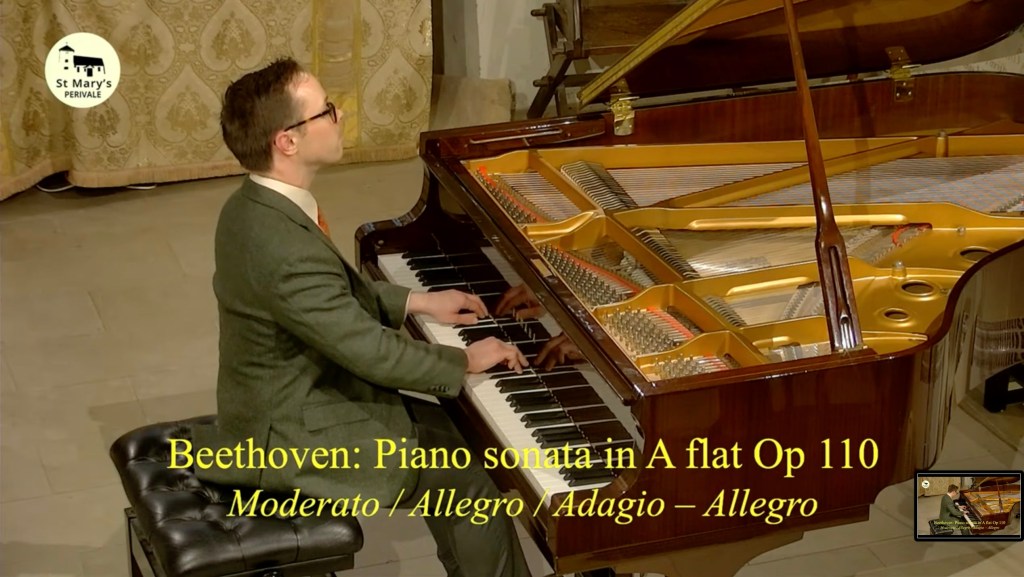
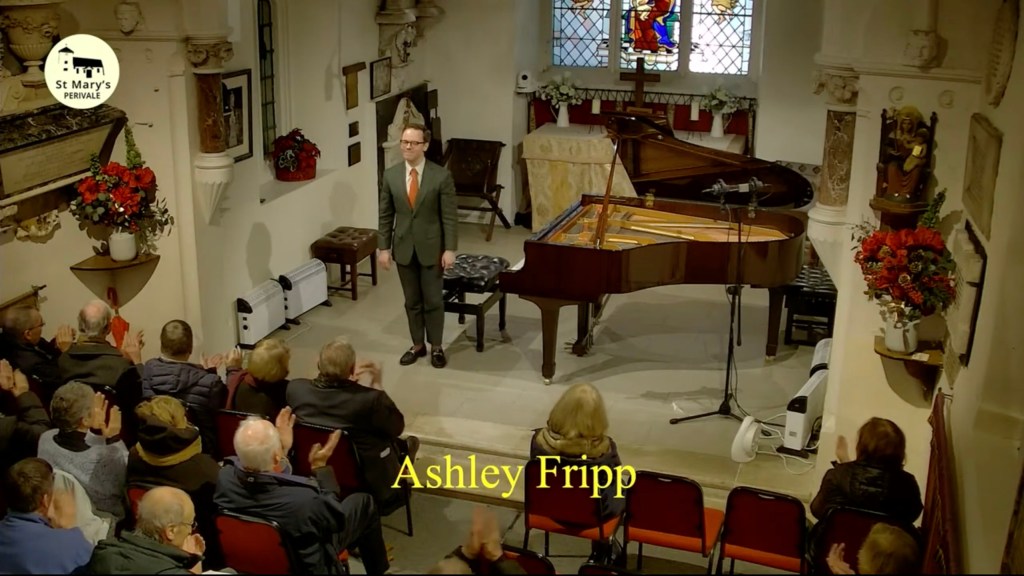
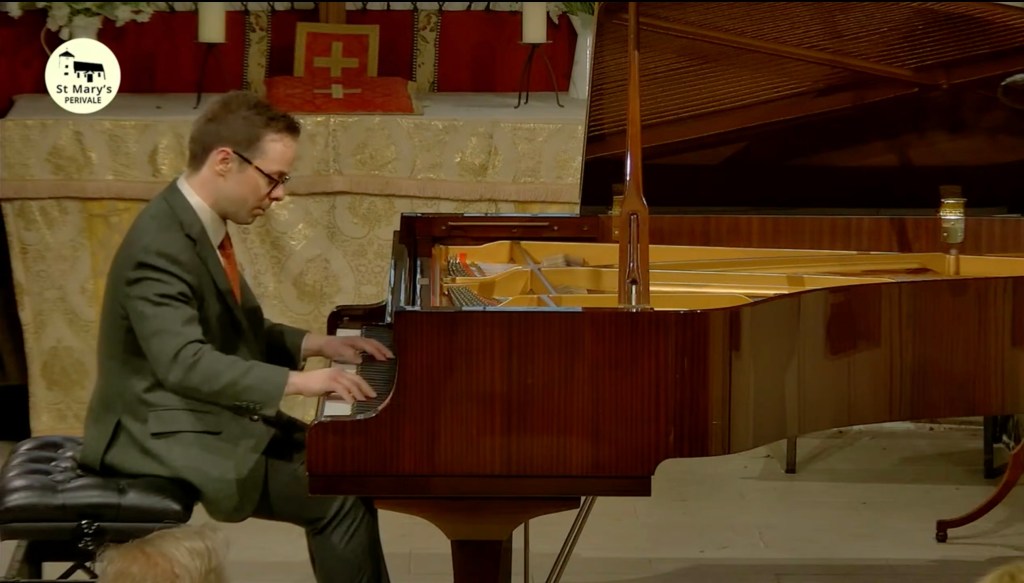
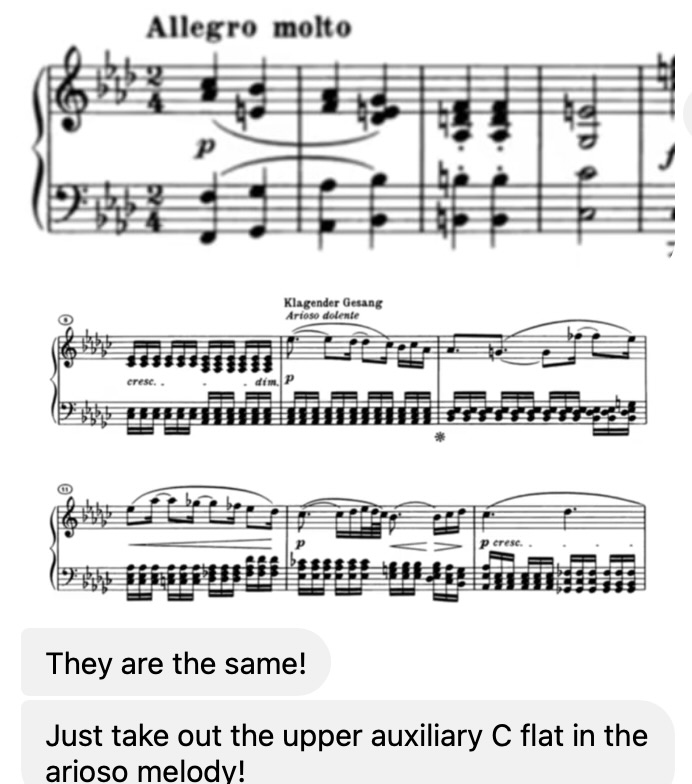
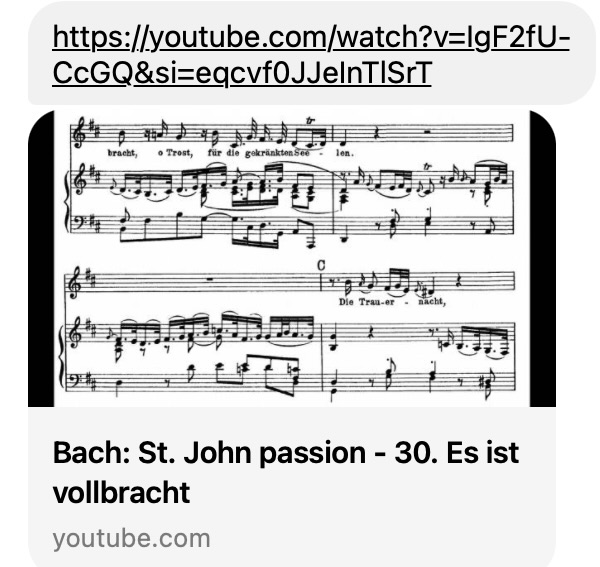
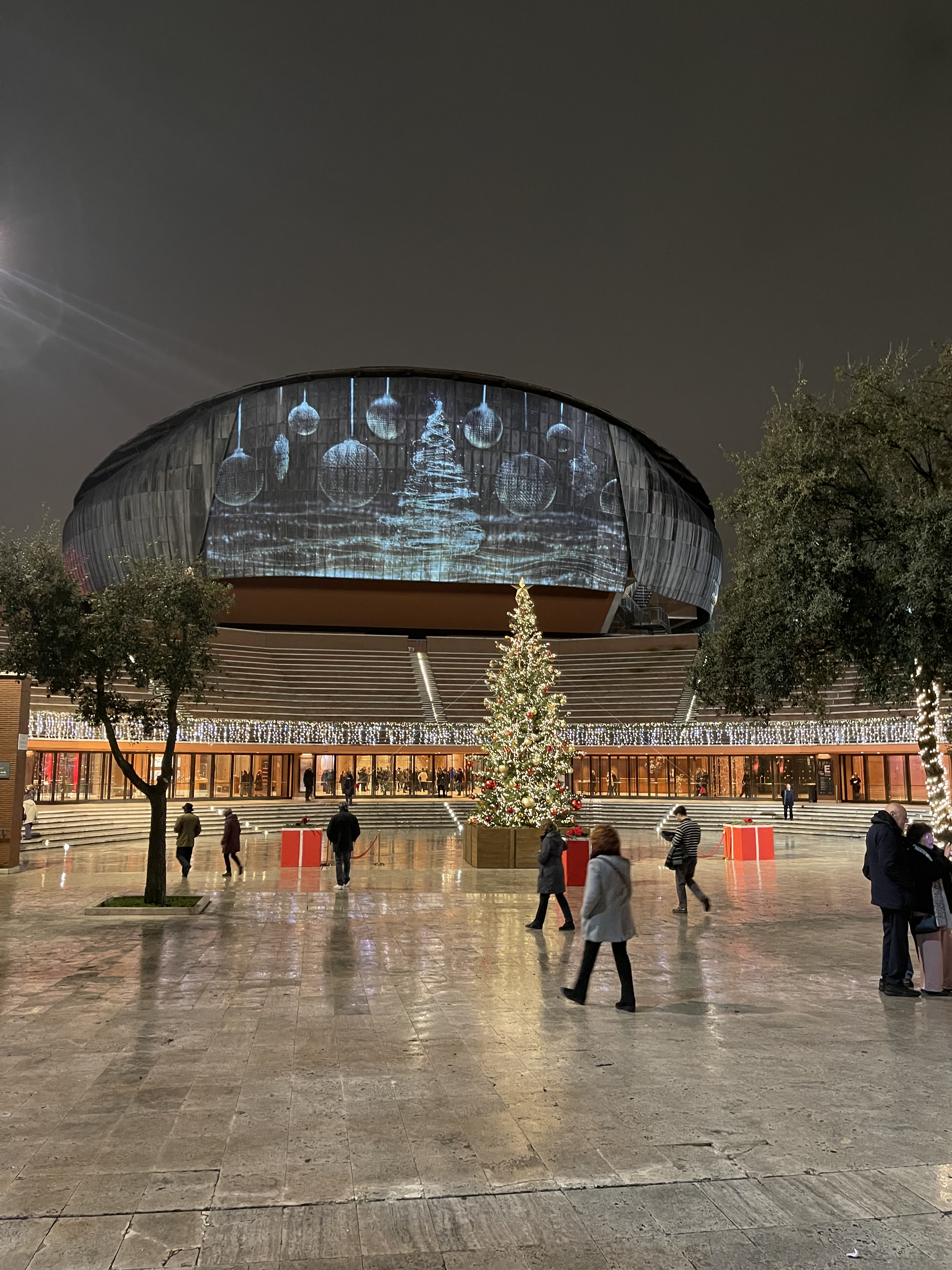
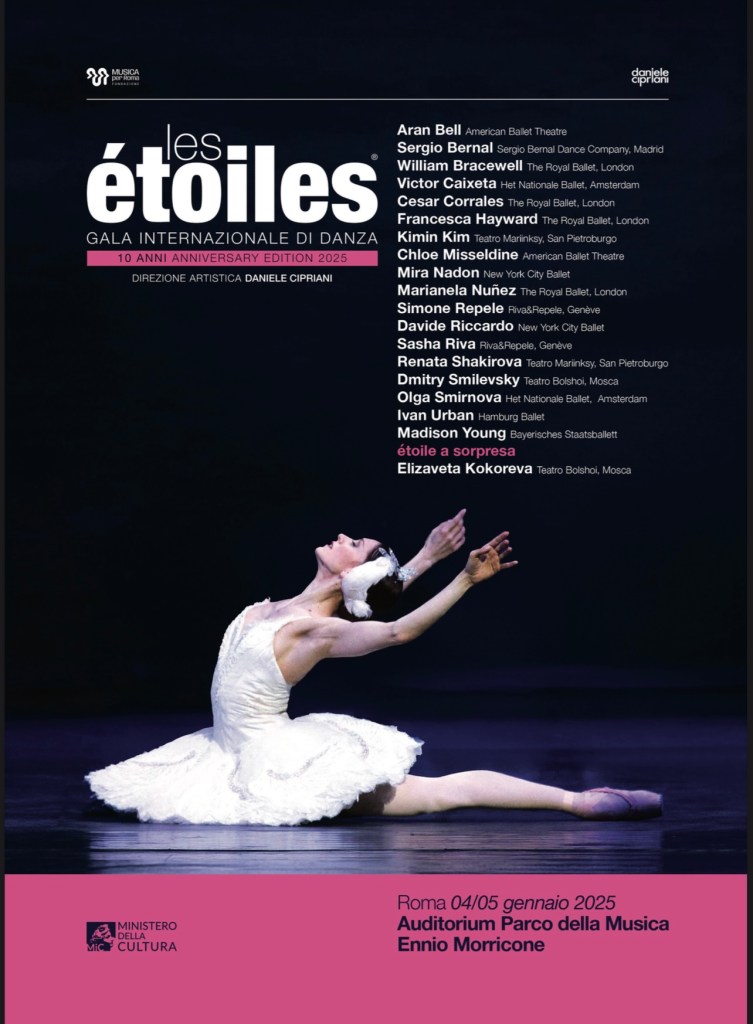
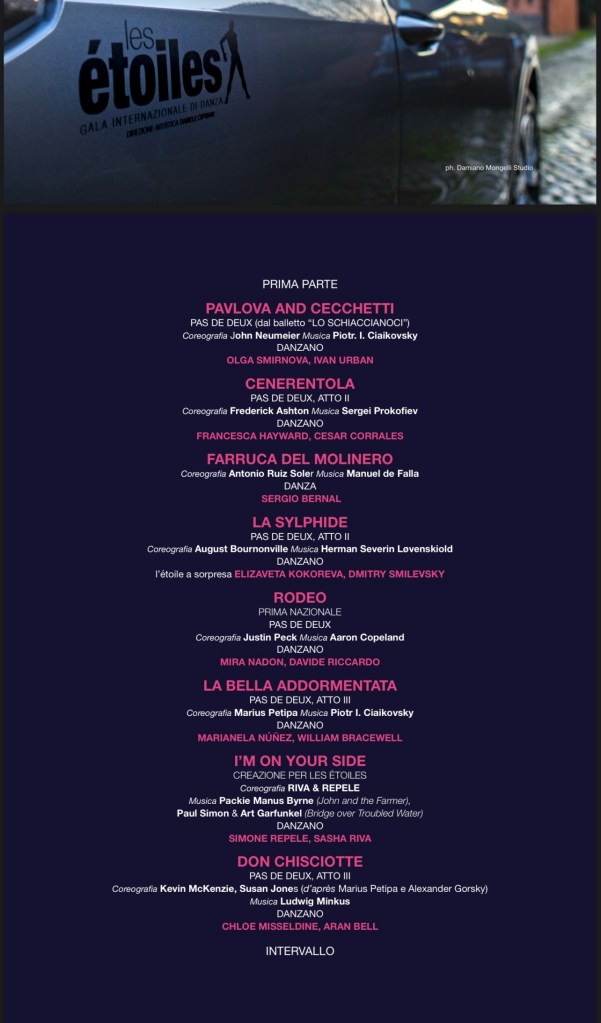
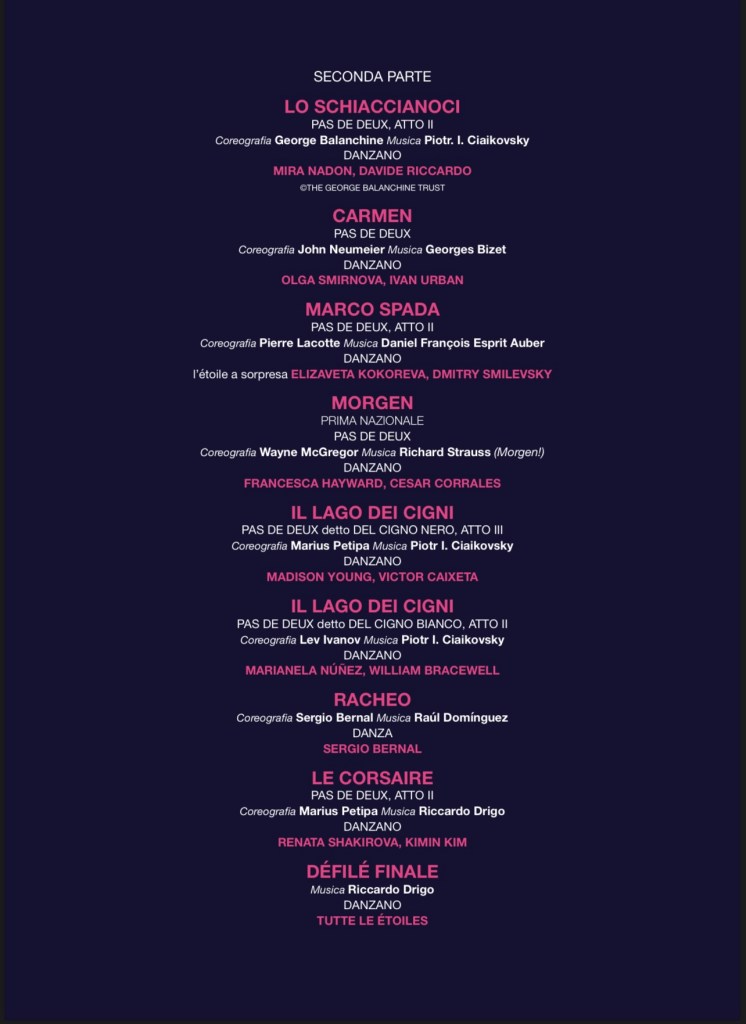
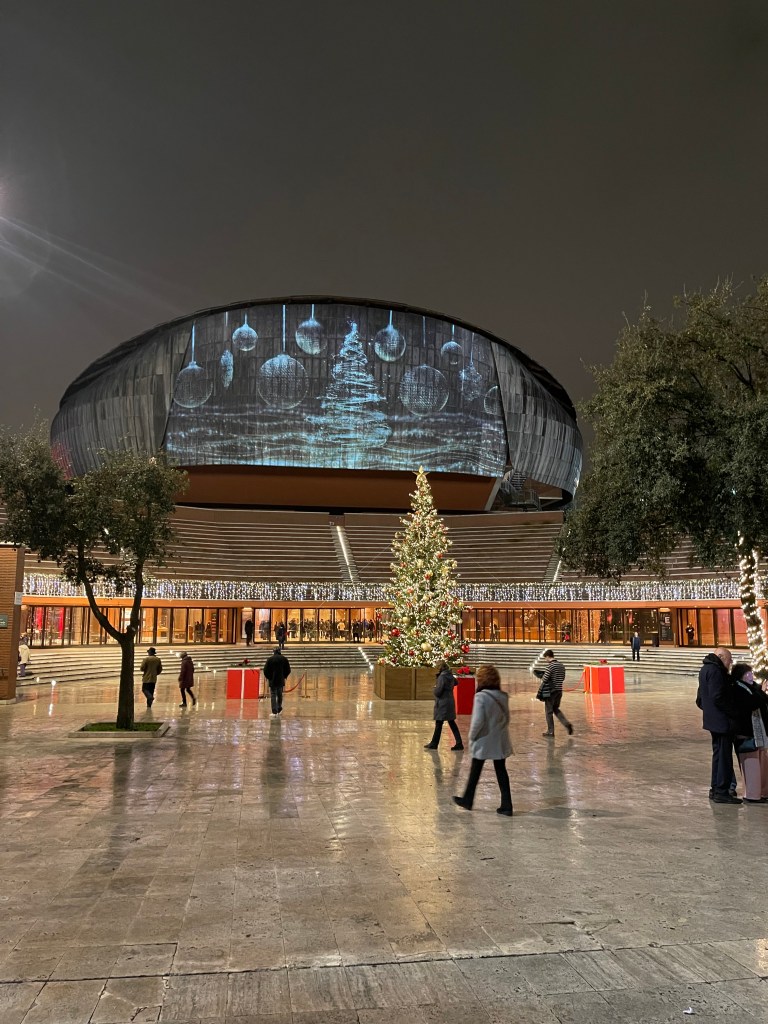
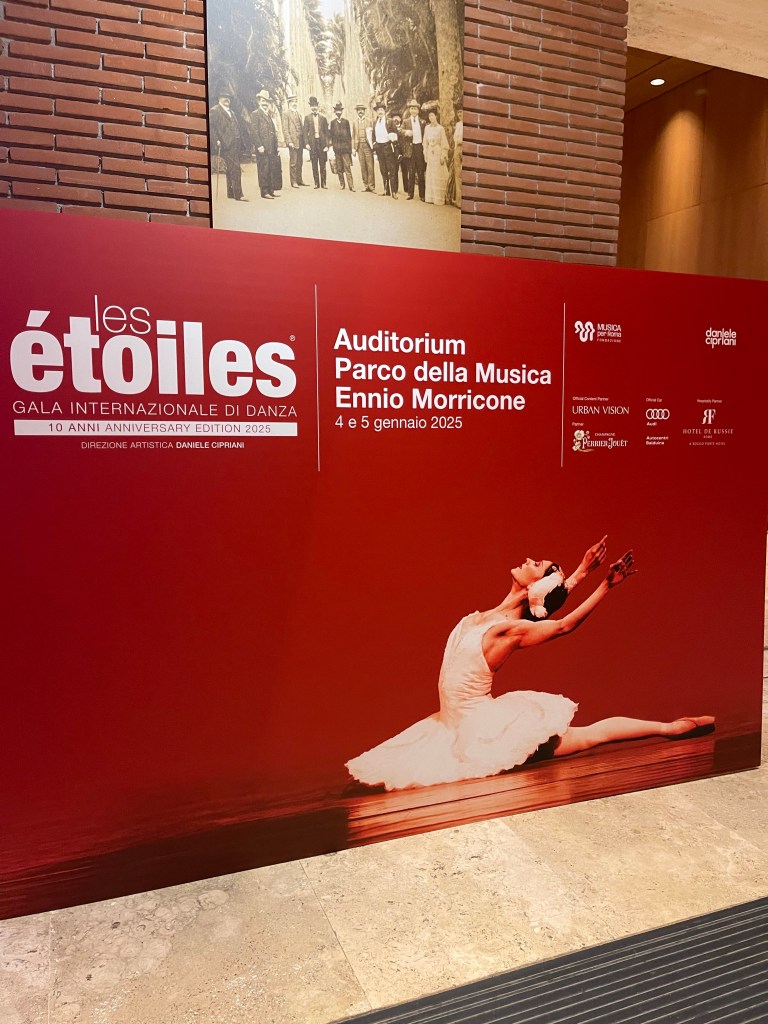







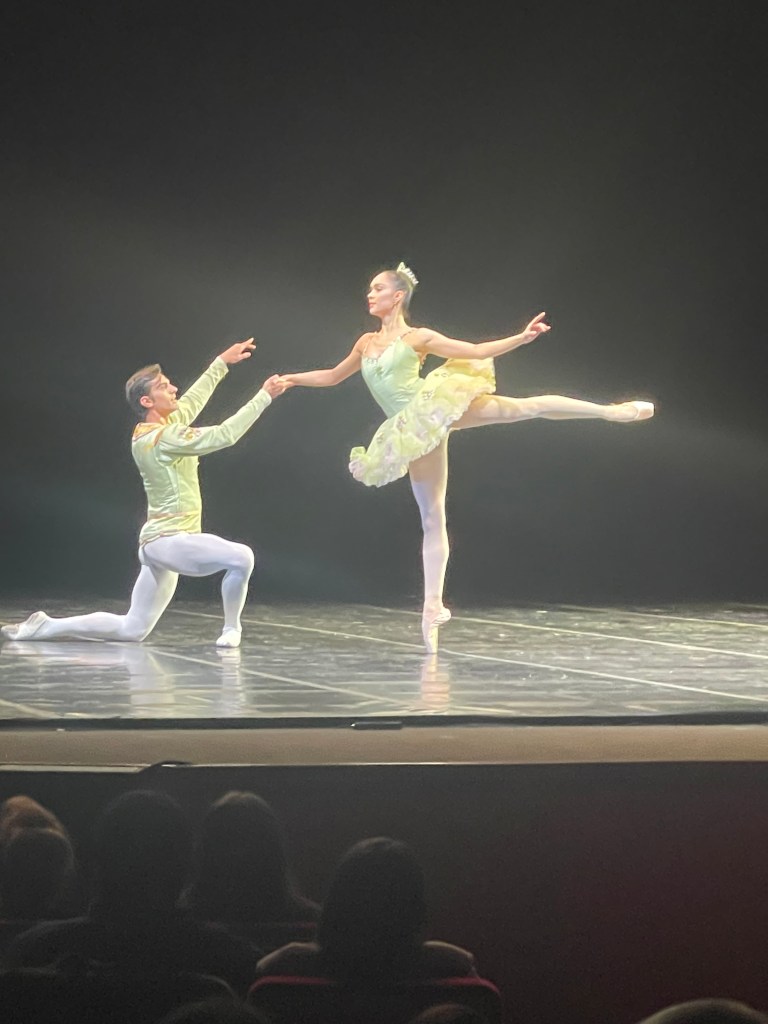


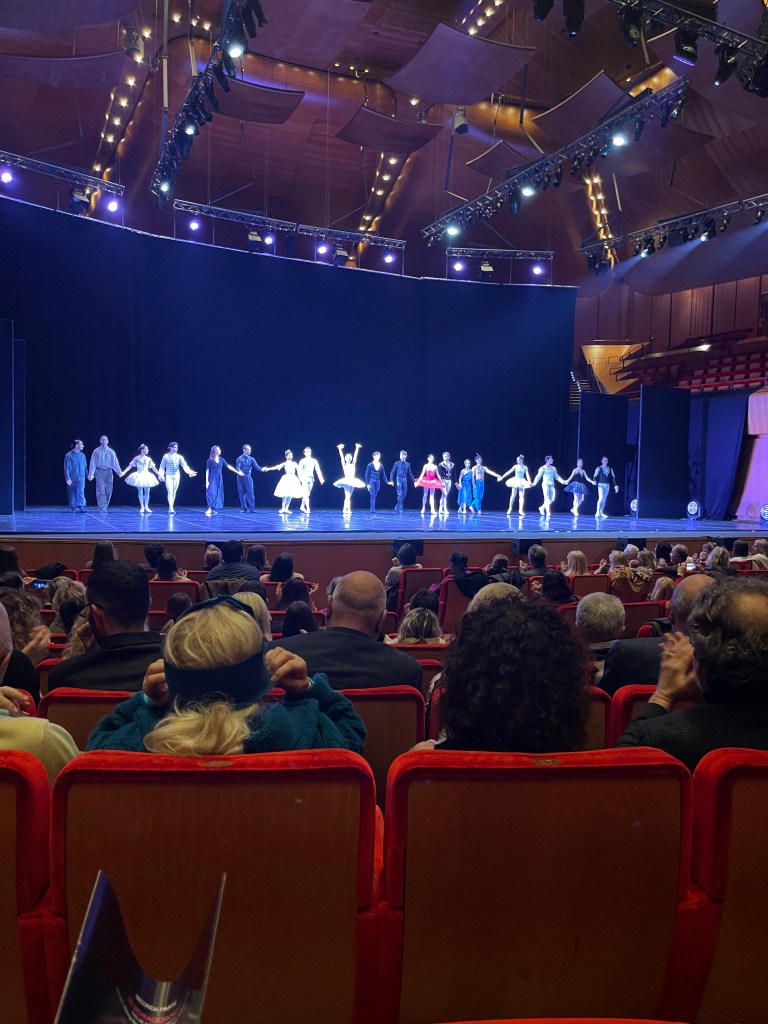
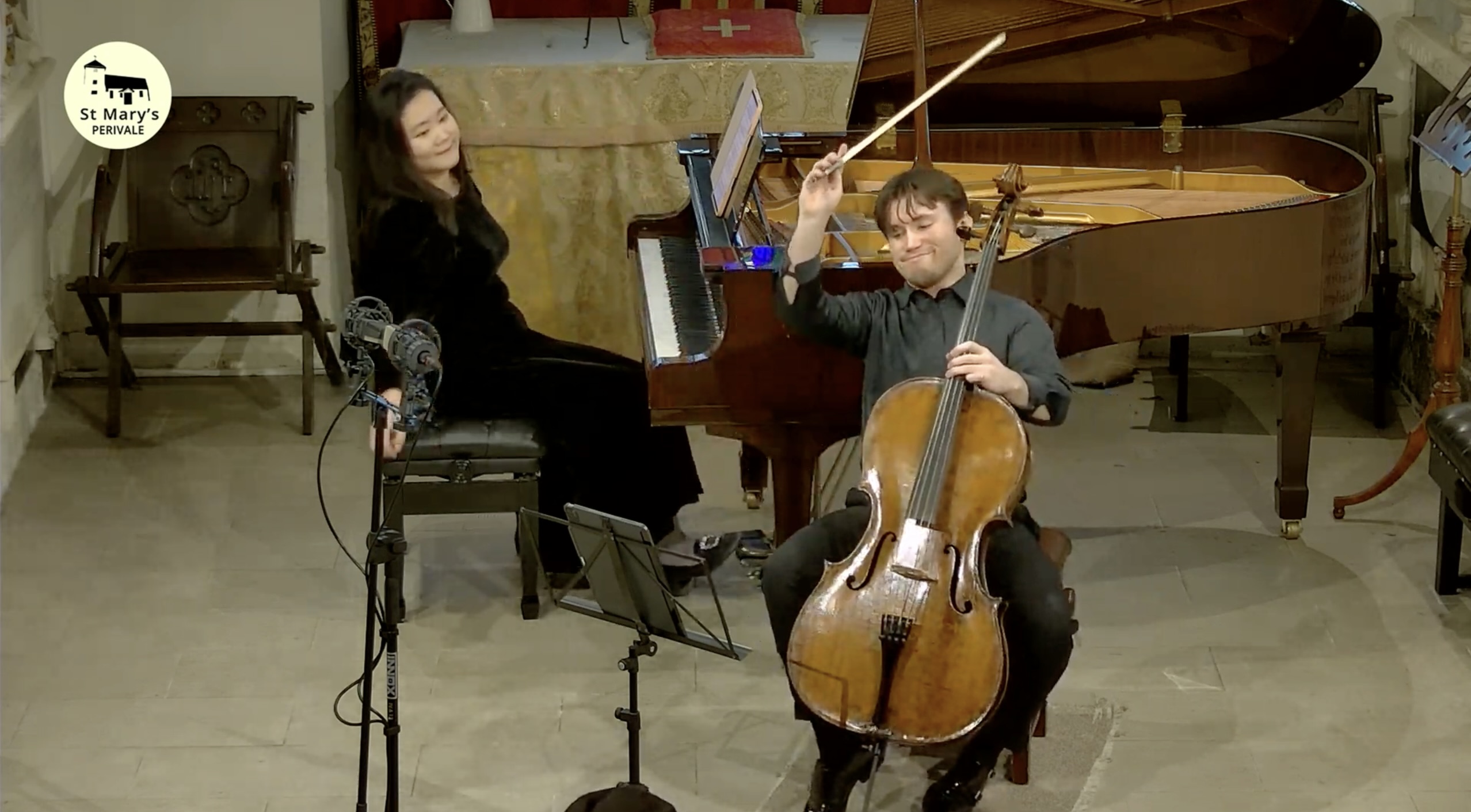
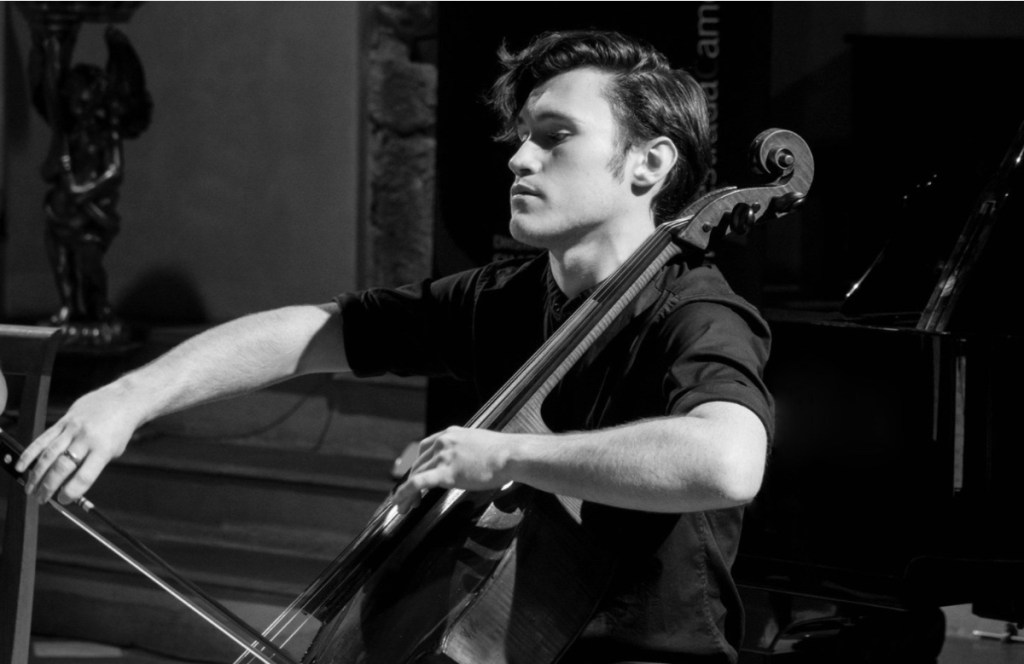
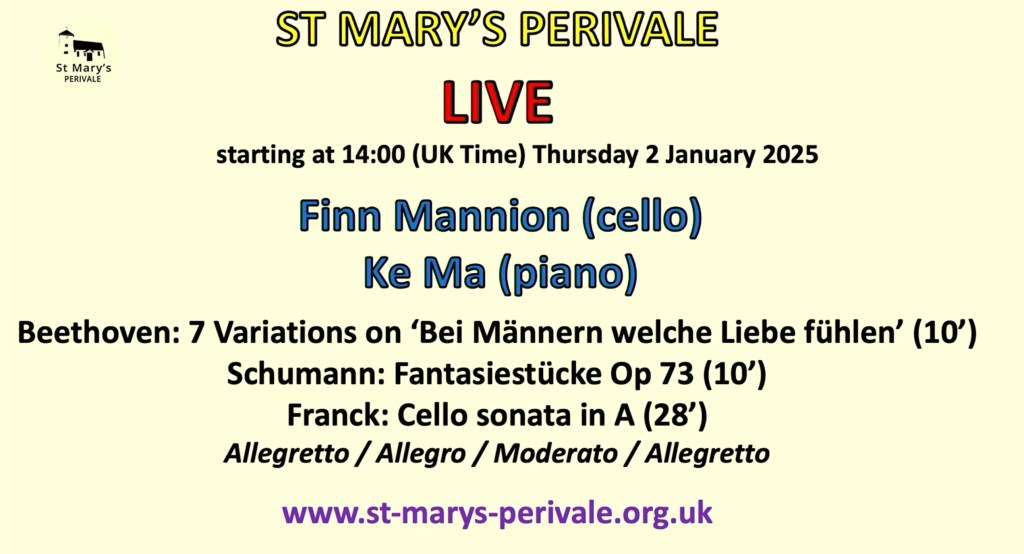
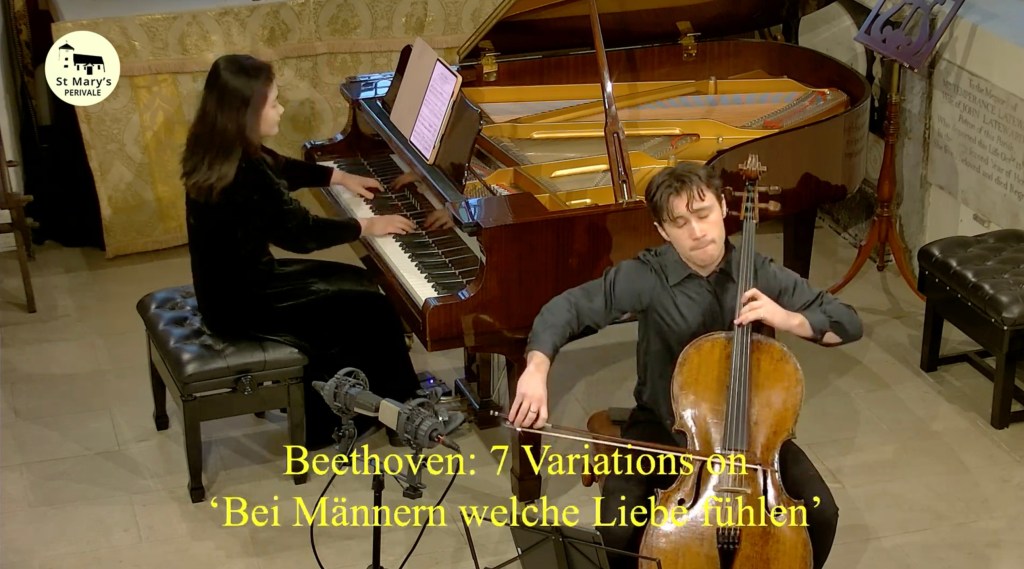
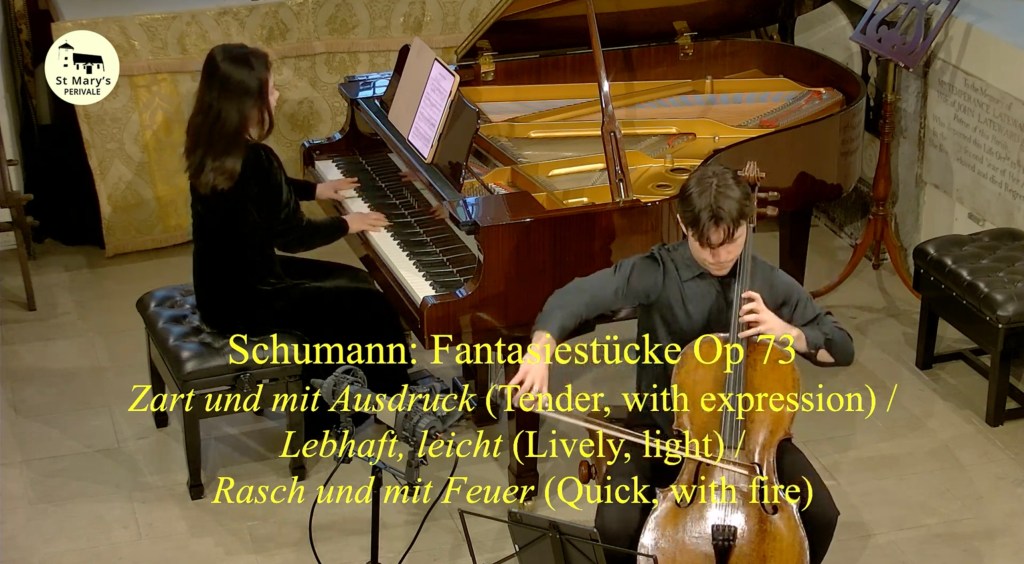
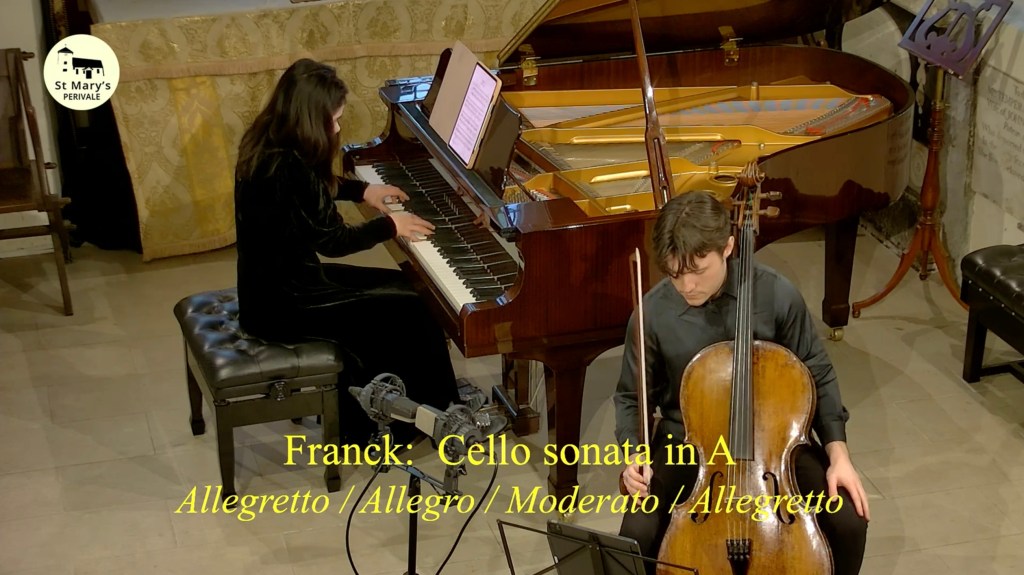
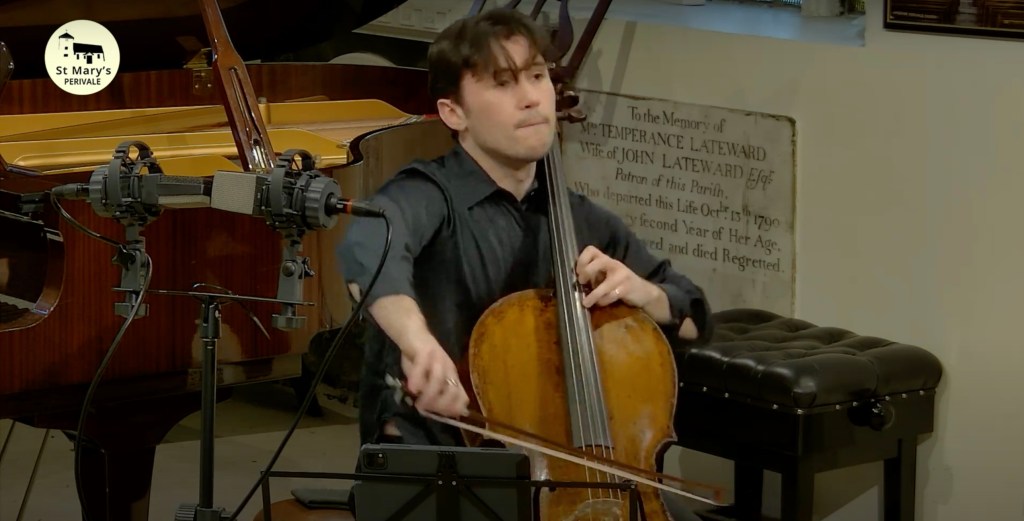
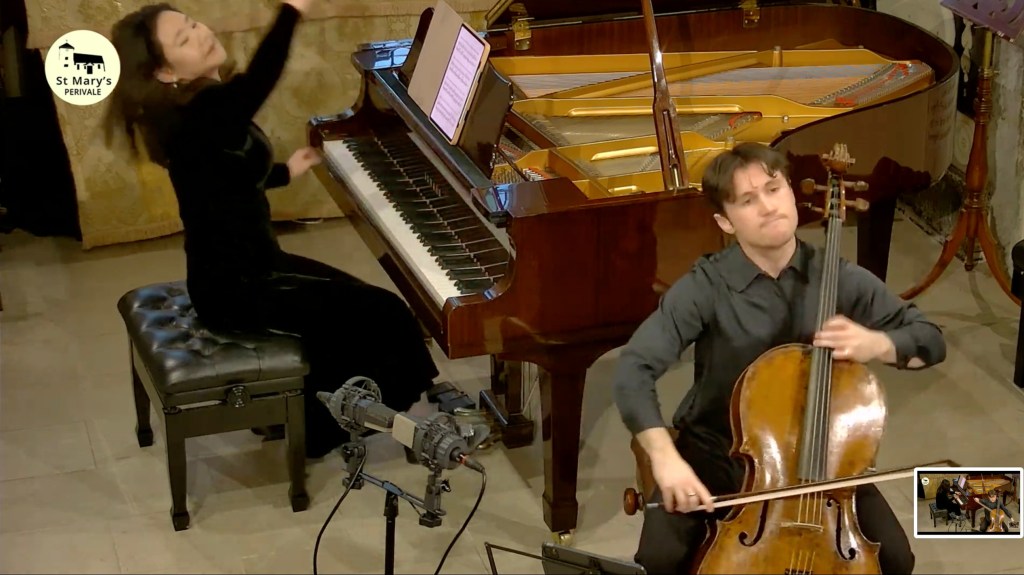
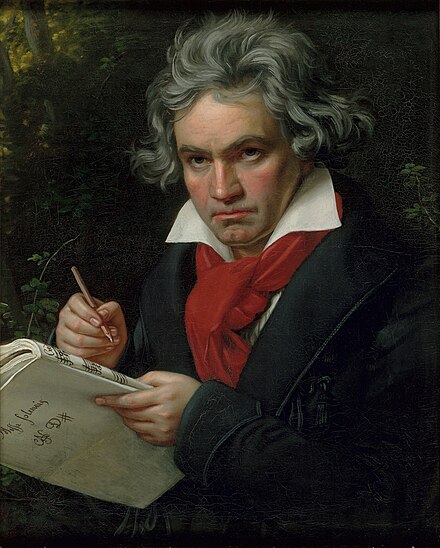
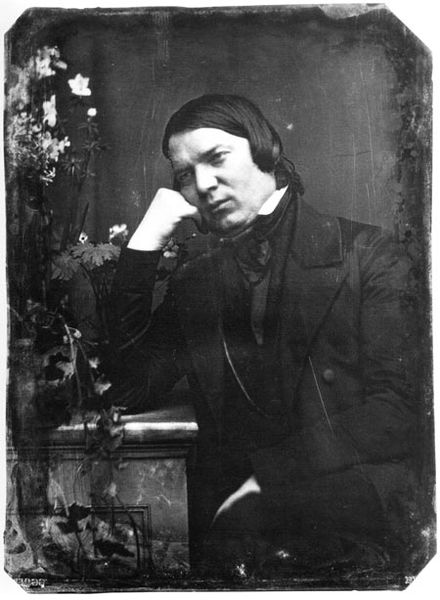
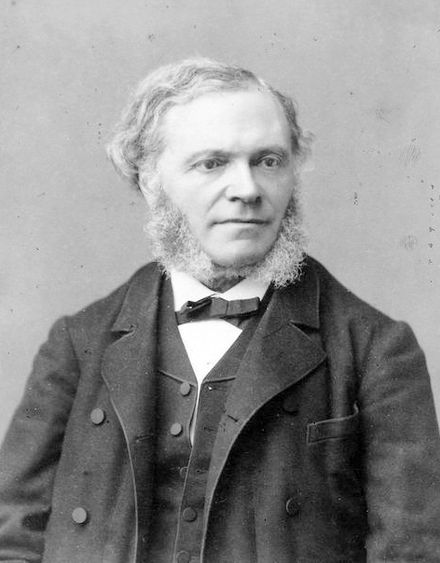
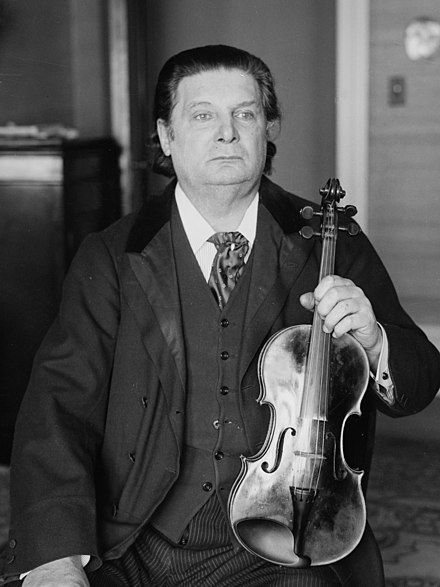
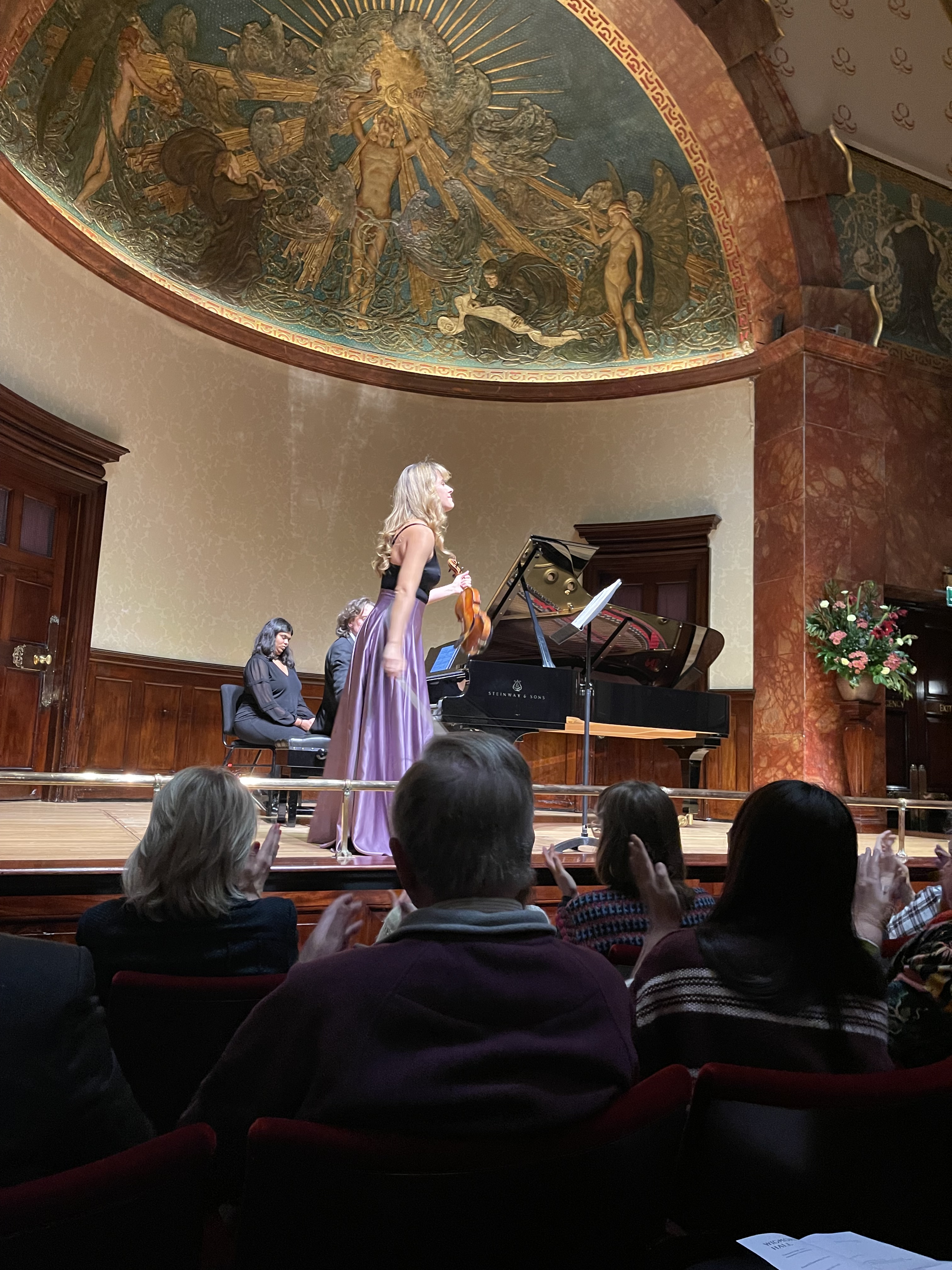

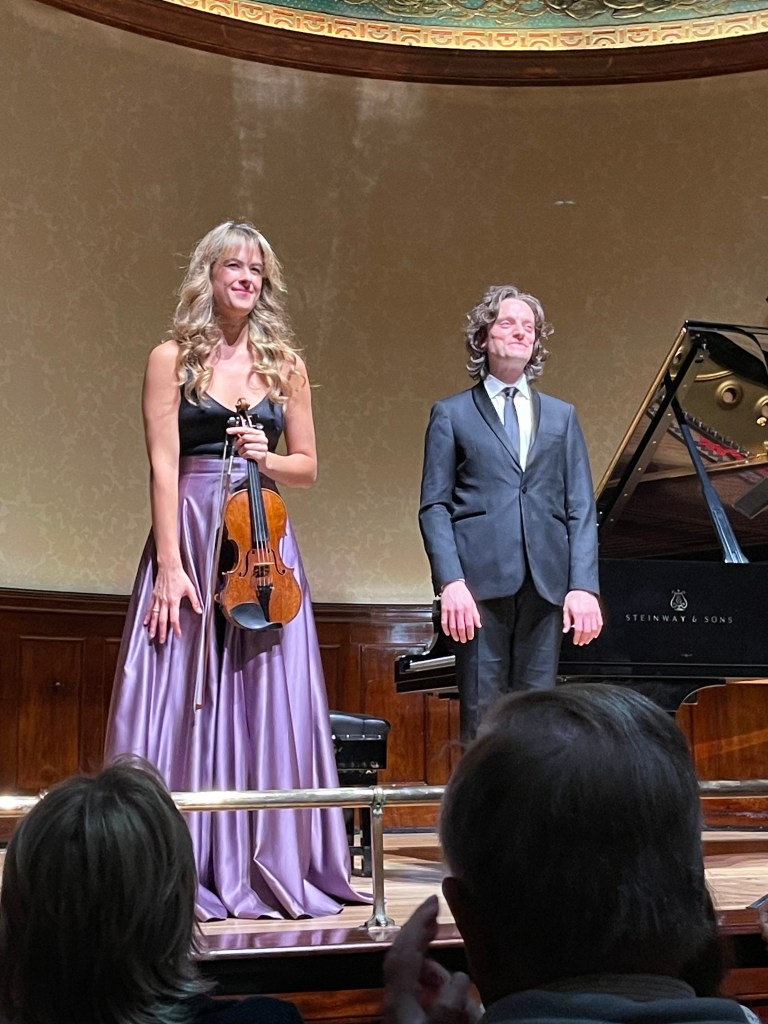

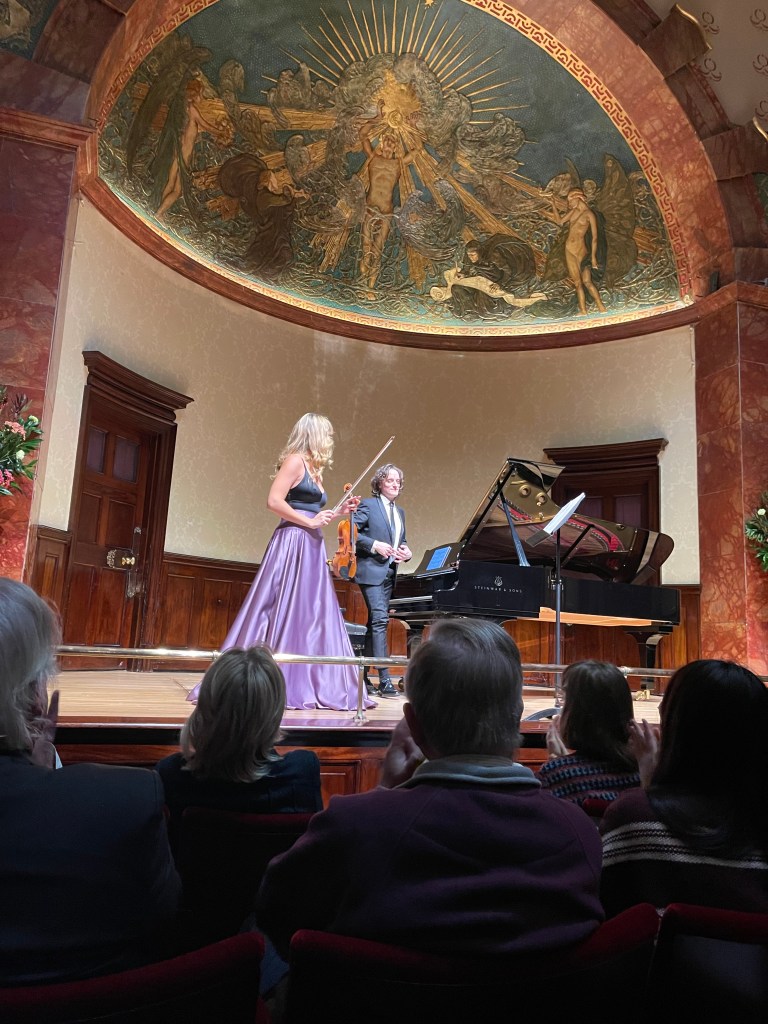
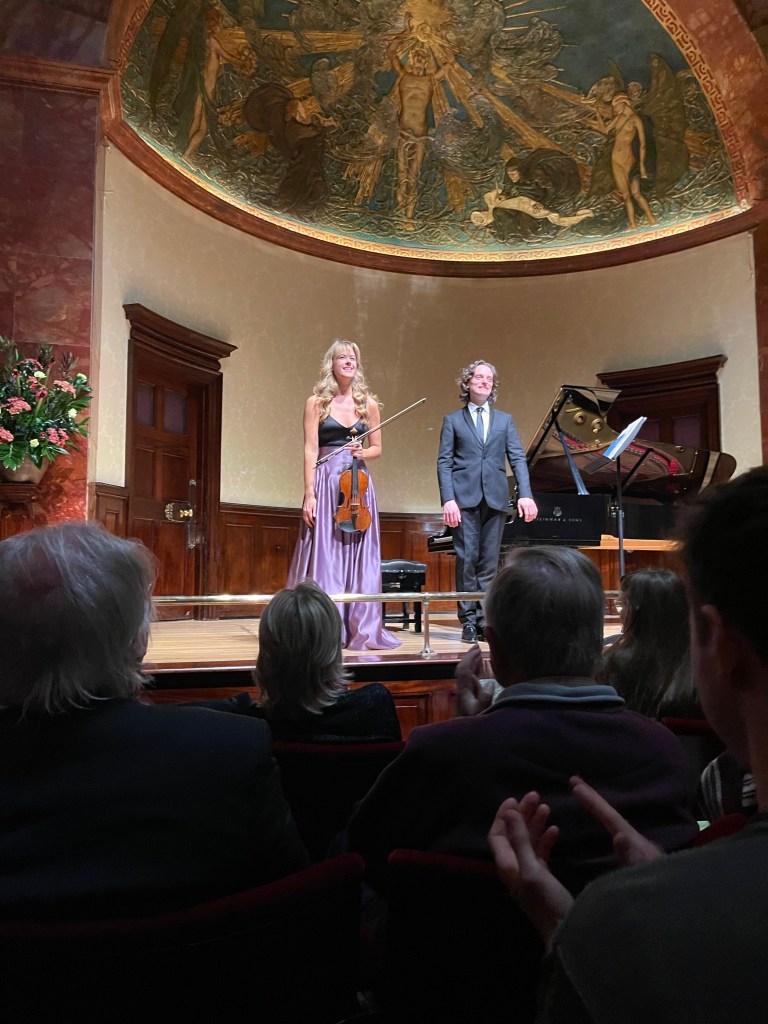
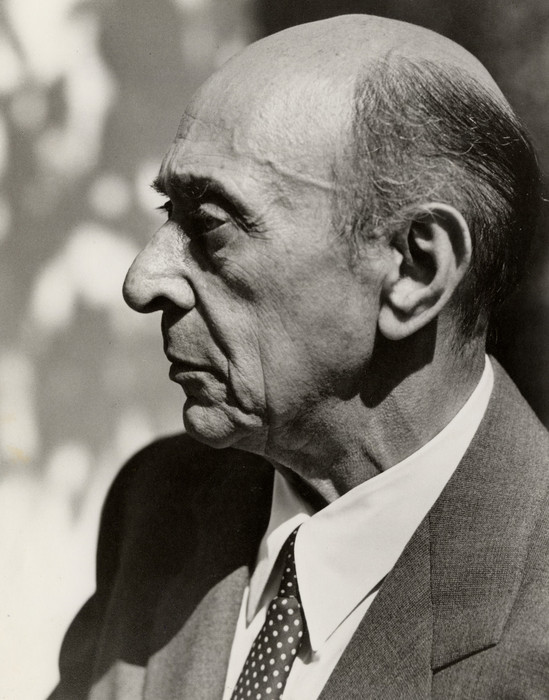
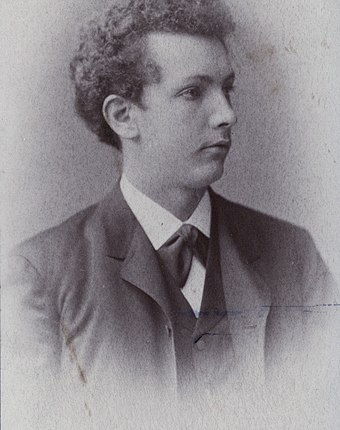


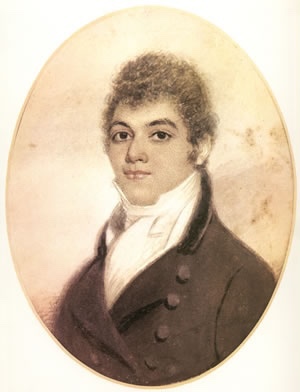


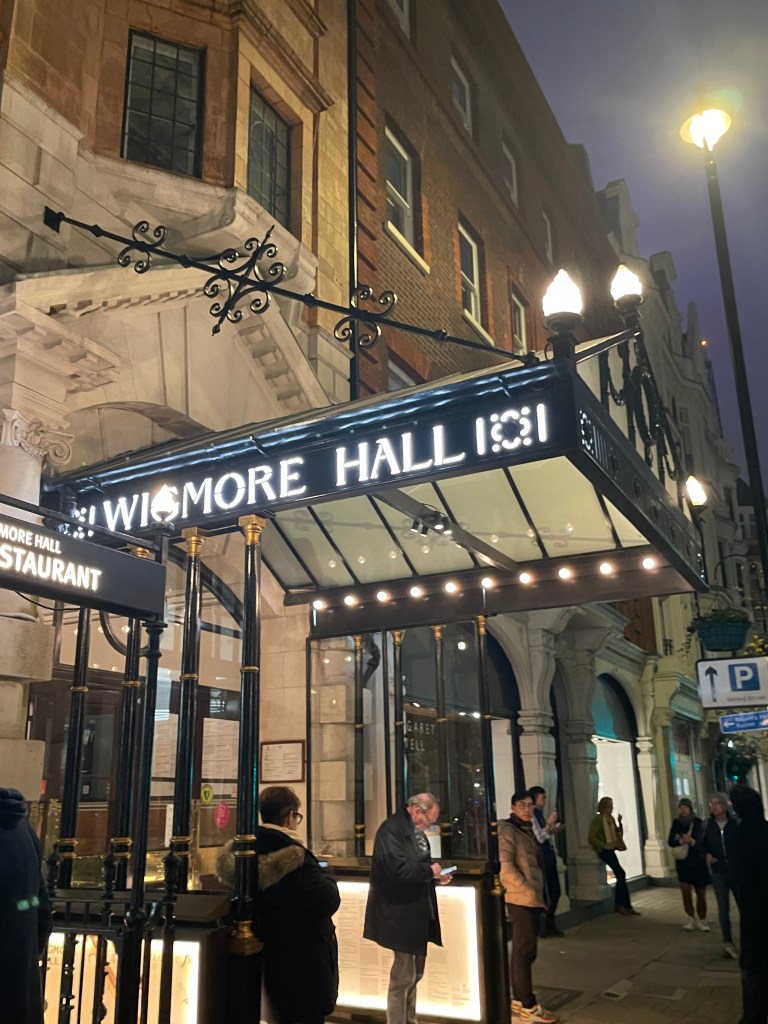


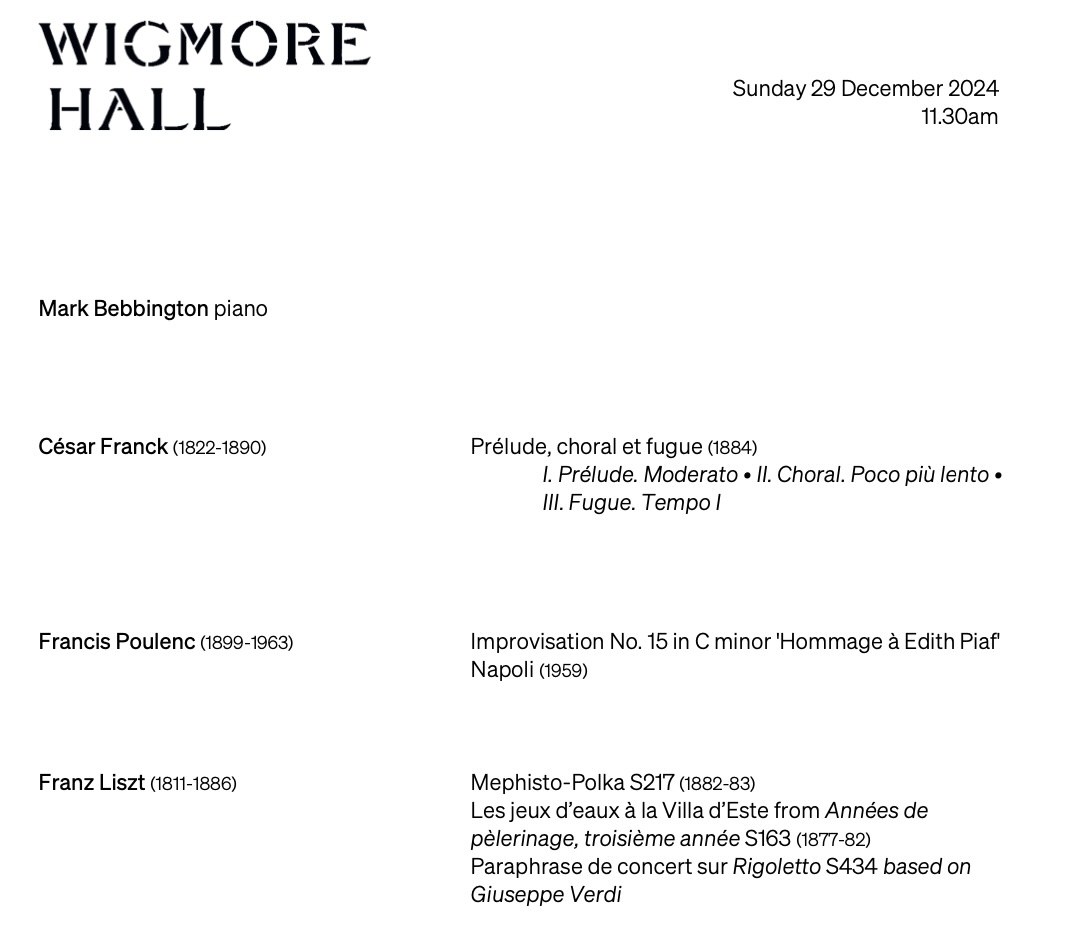
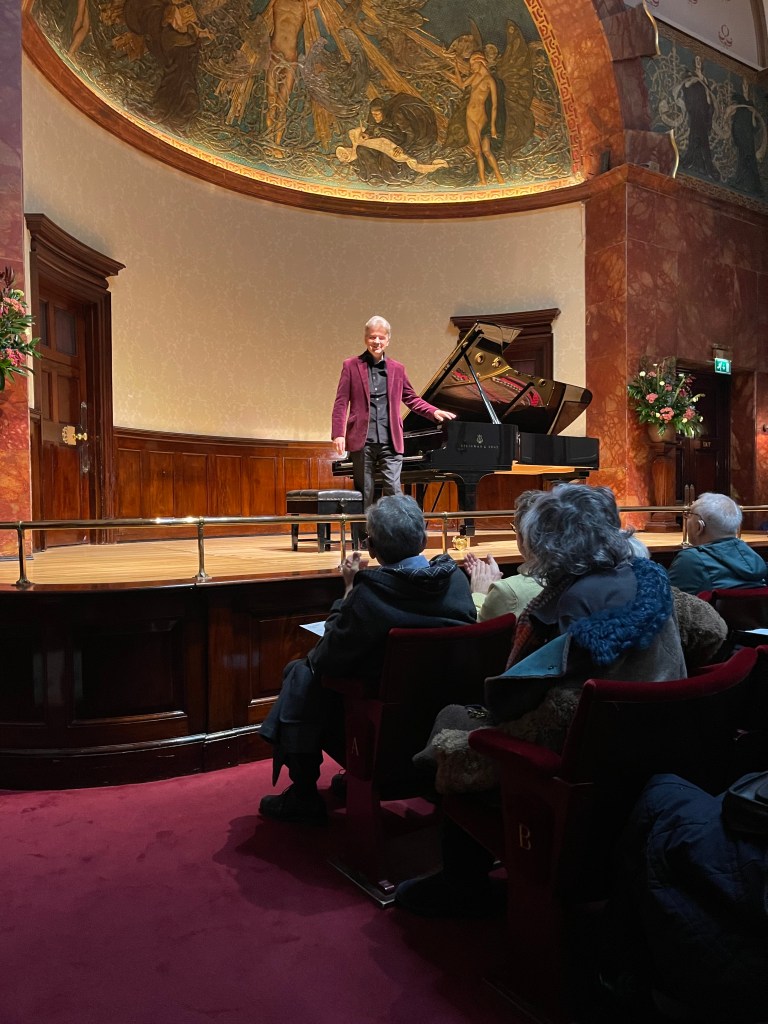
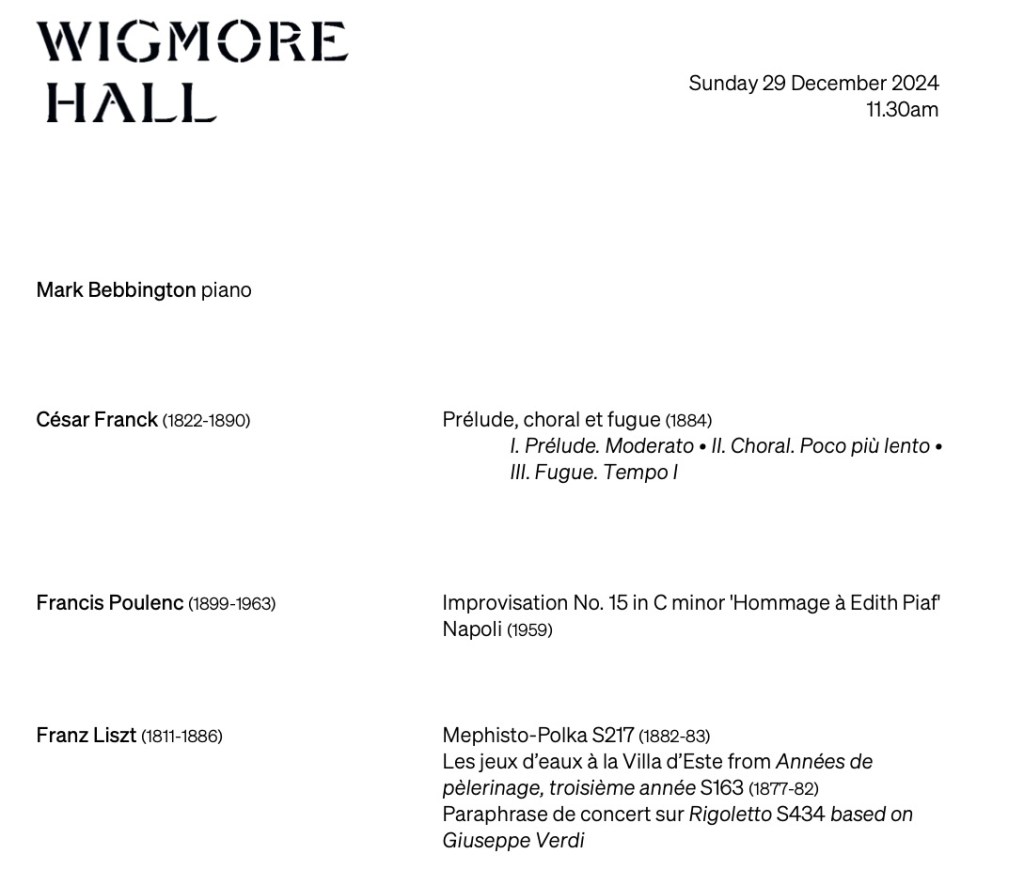


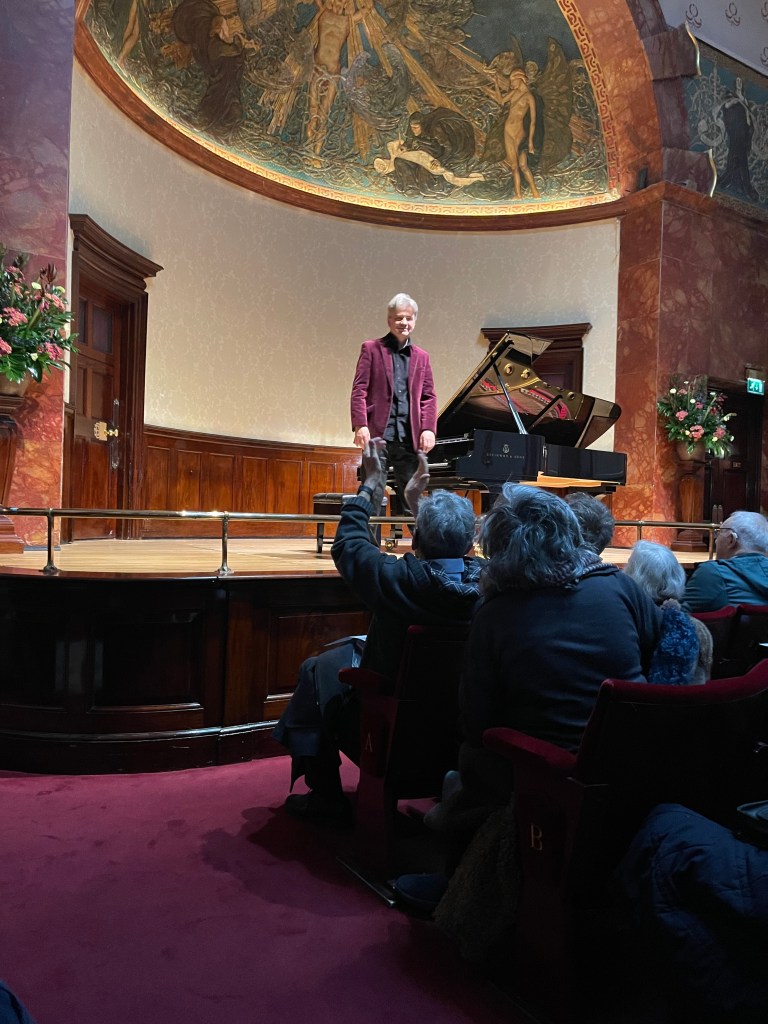


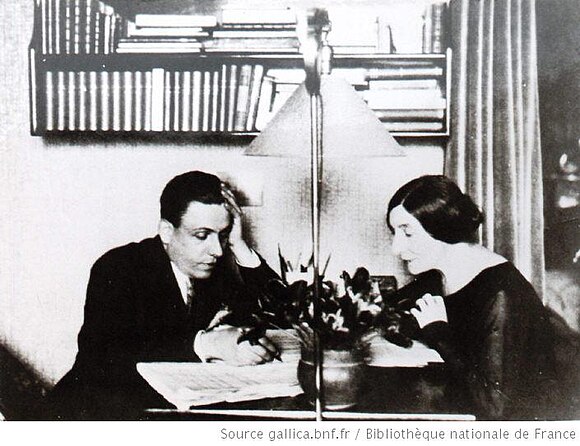
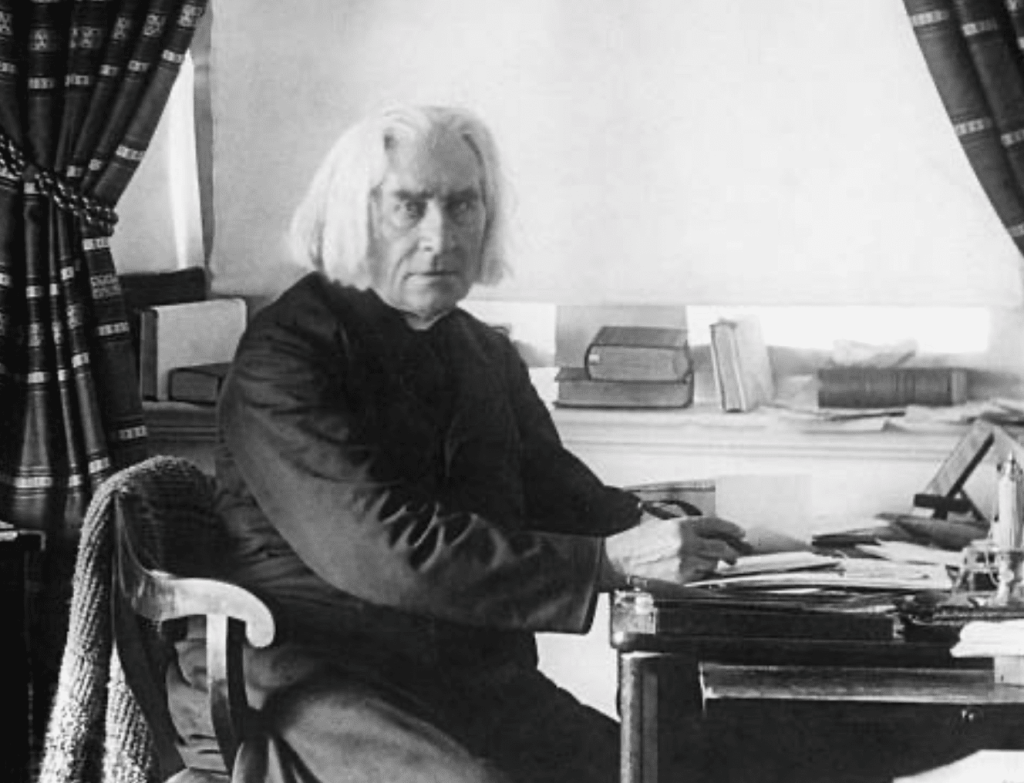


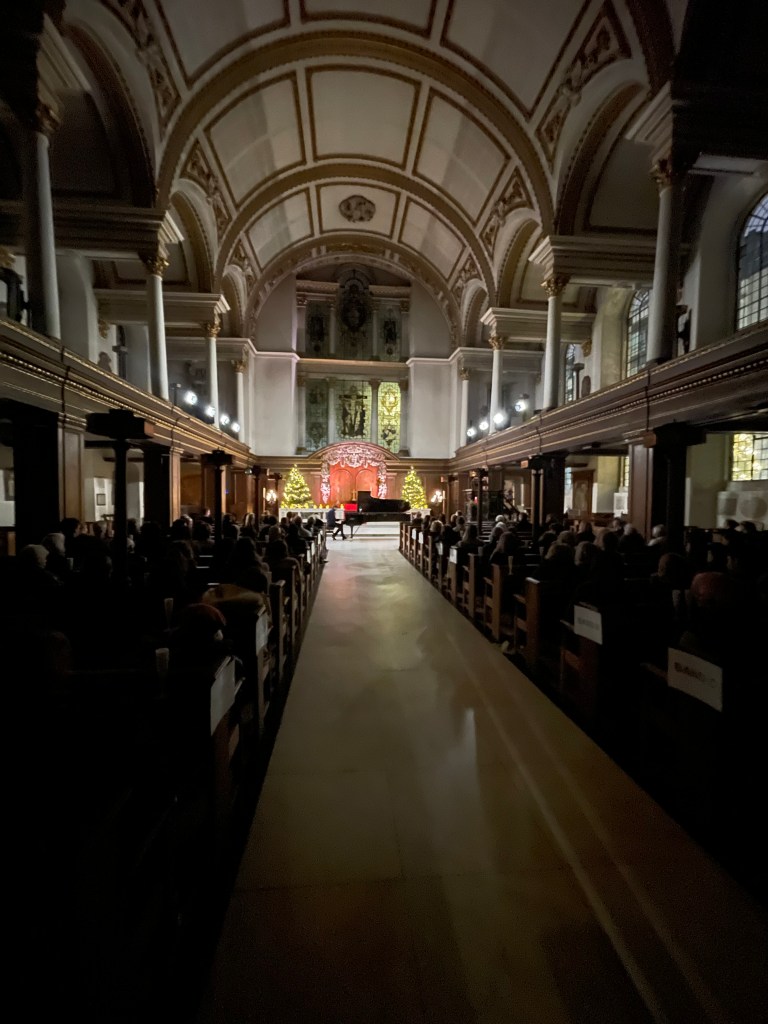

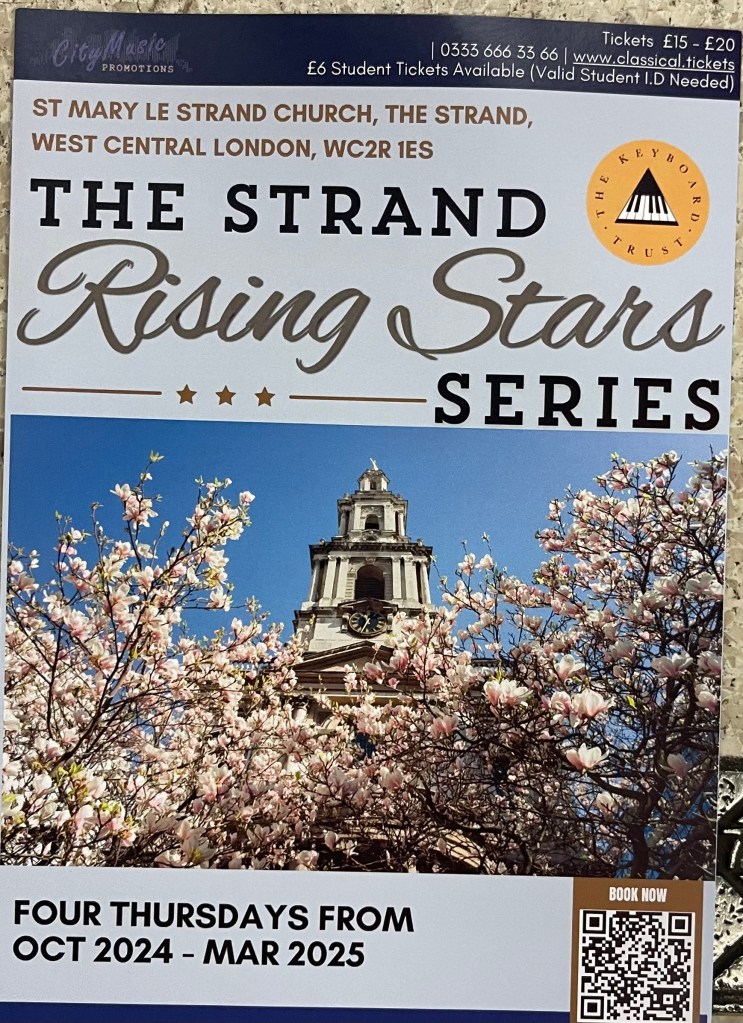




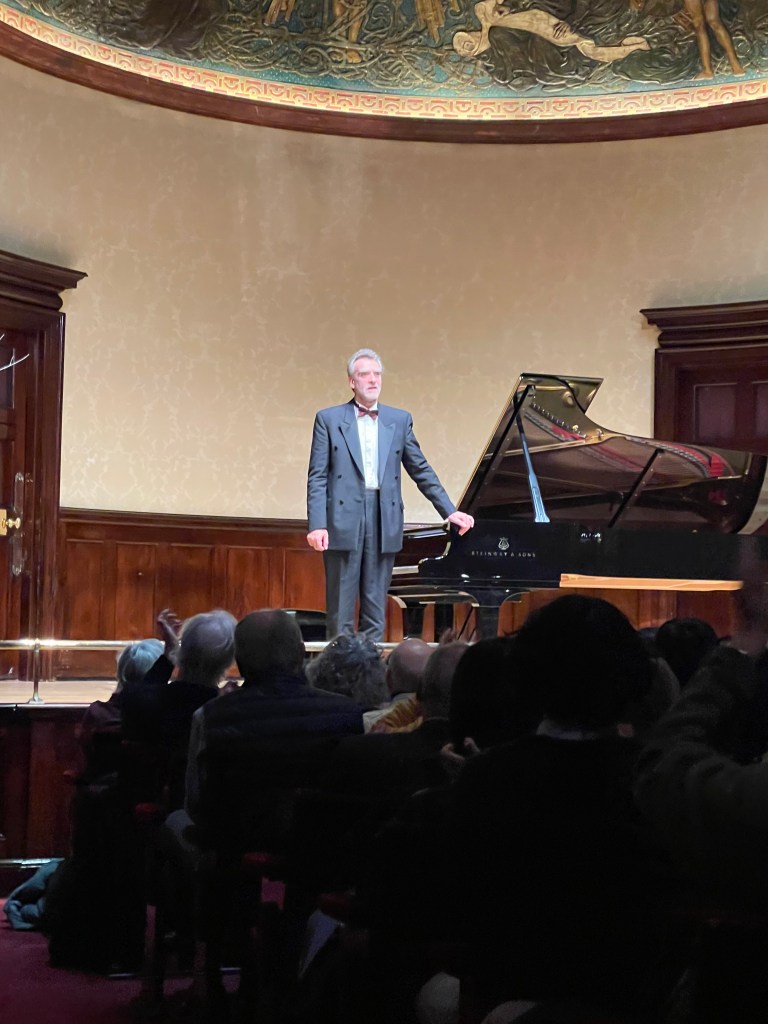
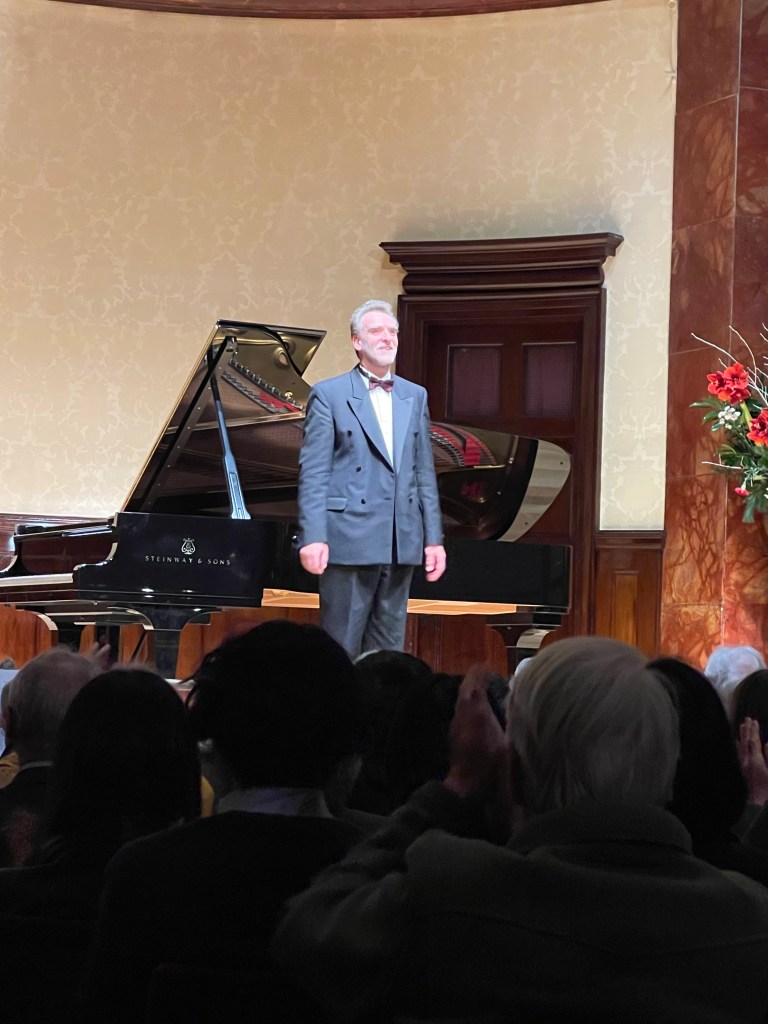
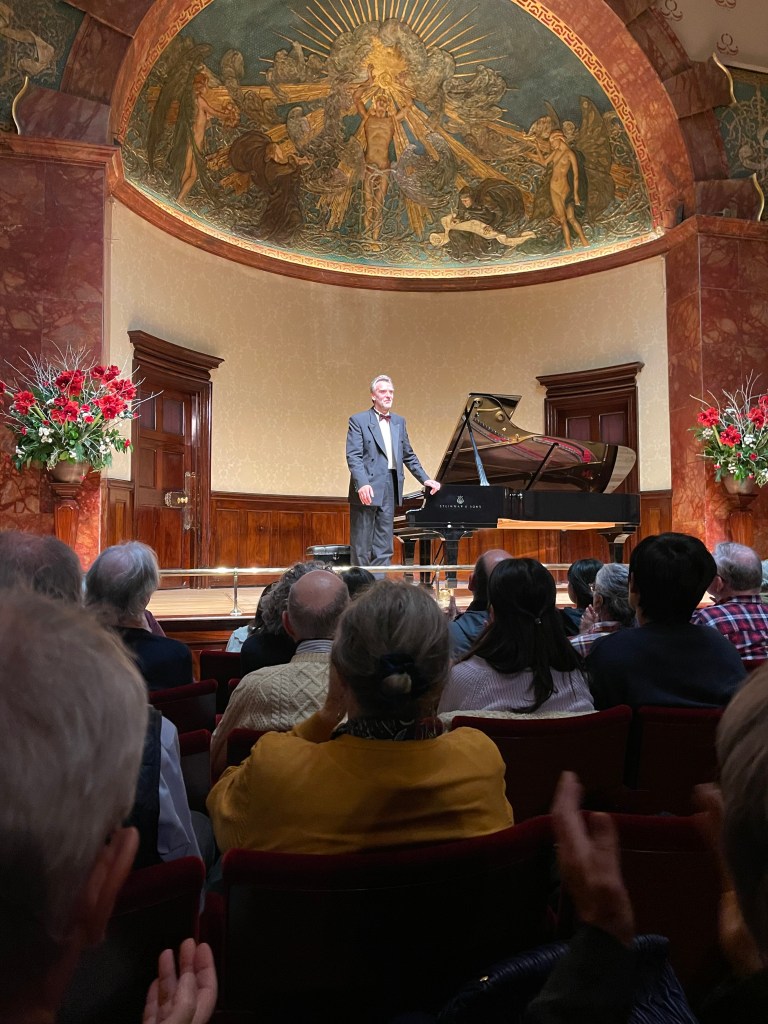




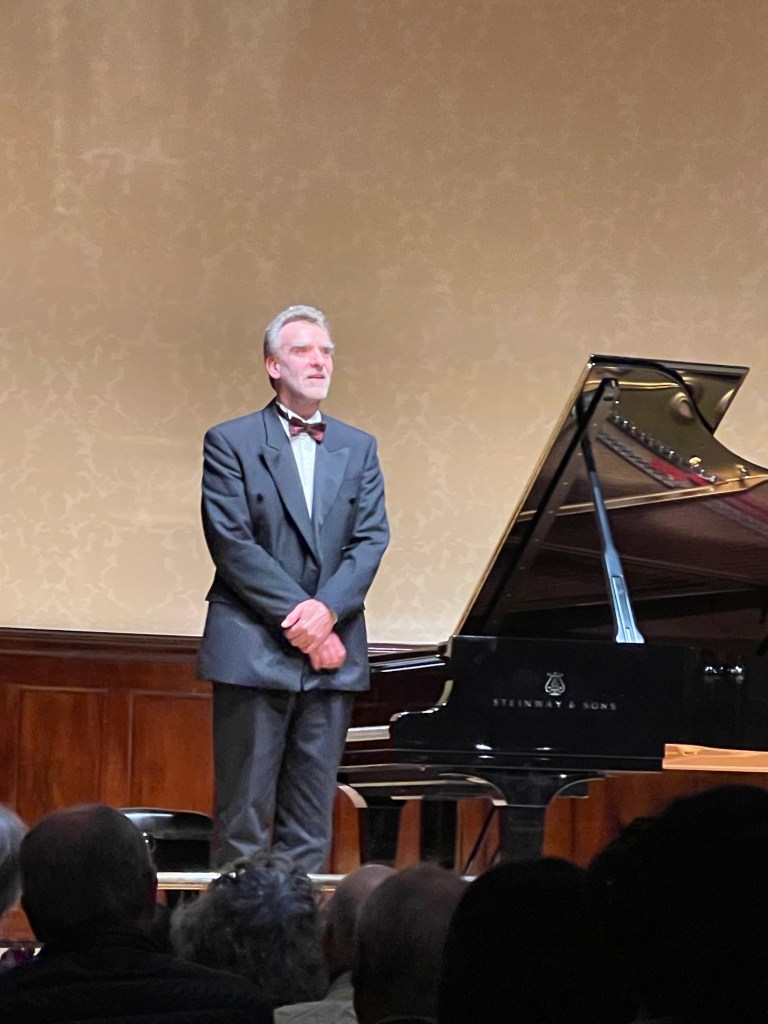
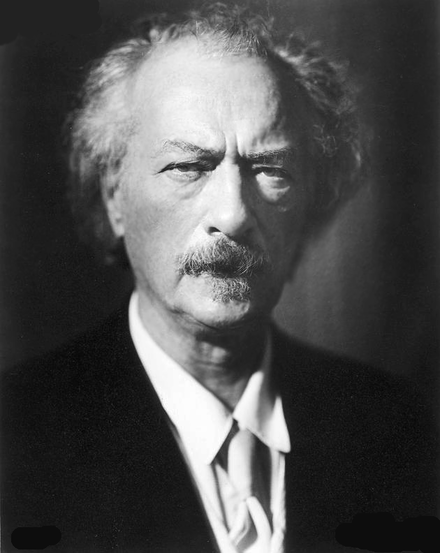
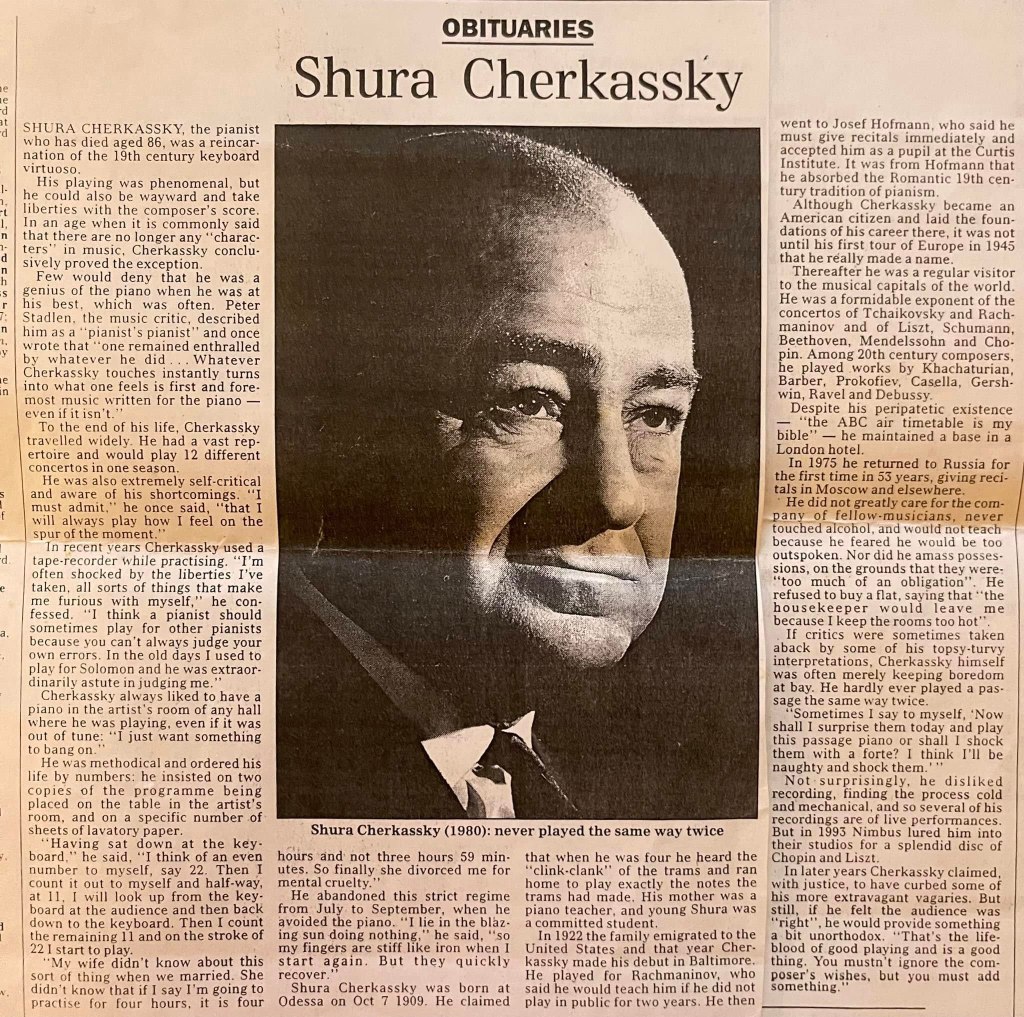


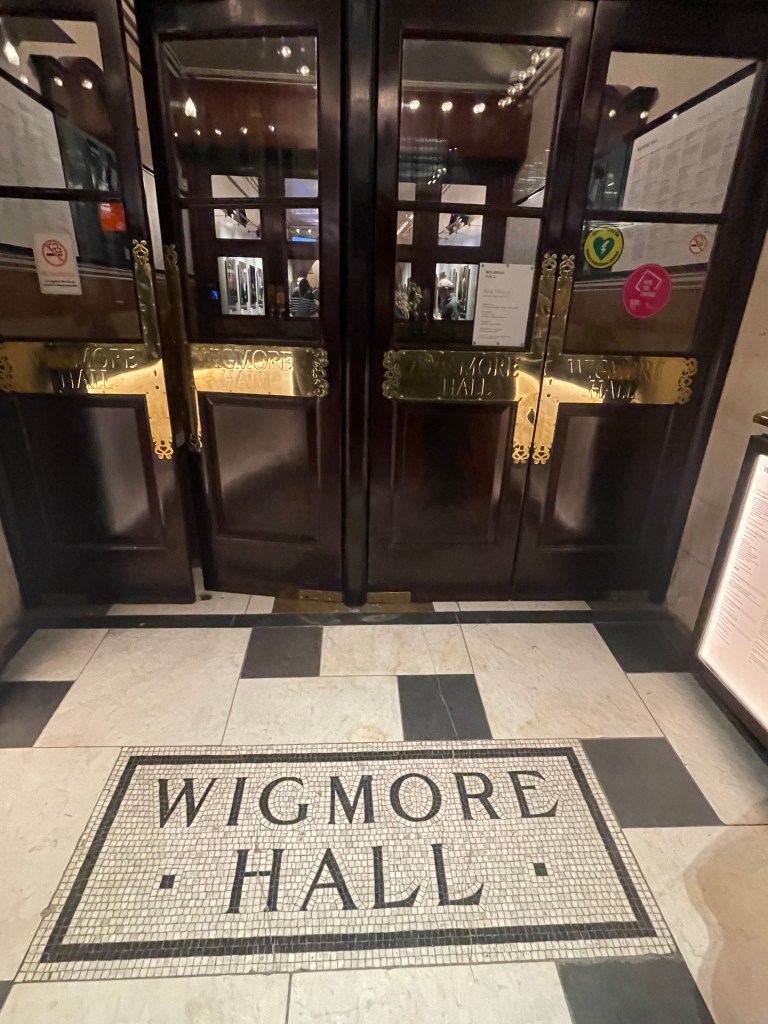
 ChristopherAxworthy-MusicCommentary