The BBC Symphony Orchestra returned to the Proms at the Royal Albert Hall with Josep Pons conducting. Paul Dukas’s ‘La Péri’, Beatrice Rana as the soloist in Rachmaninov’s ‘Rhapsody on a Theme of Paganini’, and Bartók’s ballet ‘The Miraculous Mandarin’ with the BBC Singers.
A standing ovation for Beatrice Rana’s poetic performance of Rach Pag at the Proms
Dinara Klinton Professor of piano at Bloomington University will play the ‘Emperor’ on this very stage on the 20th September with then RPO Dinara not only a great pianist but also a talented photographer
Dinara Klinton and I looked at each other with a twinkle in our eye as Beatrice found hidden jewels in the knotty counterpoints in what is usually an ensemble work .The fifteenth was filled with poetic beauty with the elegance and refined delicacy of the sixteenth that illuminated the score as never before . Beatrice unlocked secrets as she said, ‘because she loves it so much’.The ravishing simple beauty of the ‘Tempo di Minuetto ( XII) was interrupted by the magisterial power of the XIII. A wondrous sense of improvisation to the XI with it’s magic streams of whispered notes of gold and silver sounds.What energy she gave to the VIII of a dynamic drive of overpowering authority and it contrasted with the ravishing unexpected beauty of the VI with its beguiling uncertainty. There was a deep brooding to the XVII of ominous foreboding which made the passing of this cloud and the vision of the delicate ravishing simplicity of the famous XVIII so refreshing . It was played with such delicacy and simplicity that the entry of the orchestra and the mighty passionate outpouring together came as an overwhelming surprise, only defused by the scintillating tip toe of notes over the entire keyboard. Building up now to the tumultuous climax and the muscular virtuosity of the piano writing. A slight release of tension after the tumultuous octave cadenza with the XXIV variation of such intricate ensemble of treacherous knotty twine. Beatrice played with unbelievable clarity as she drove together with the orchestra to the overpowering rhythmic climax only to give us the final cheeky ending of teasing simplicity.
The sugar plum fairy alla Pletnev was just the icing on this delectable cake cooked to perfection with mastery and love
Beatrice and her parents celebrating as we all did this unique occasion
Caught in flagrante on the steps of this wondrous monument , as I penned this chronicle of the wondrous gift received within, just minutes earlier.
A little packet from Linn Rothstein has been doing the rounds of Europe for the past two years but finally Simonetta will place it in Beatrice’s precious hands.
The renowned Italian Ballet Critic Simonetta Allder with the elusive gift After doing the rounds of Europe for two years finally a little present from Linn Rothstein
Hao Yao with Martin Garcia Garcia Hao Yao with Xuanxiang Wu and Samsuwith Xinyuan Wang and Yichen YuGroup photo after the recital by Martin Garcia Garcia at Bechstein Hall
Twenty two year old Yichen Yu heading for Warsaw in what looks to be a gladiators fight to the finish
Playing of refined sensibility and a musical intelligence that like Perahia can see things in the score that lay hidden and are only revealed to the blessed few, those with a musical imagination and a technical mastery that is at the service of the composer.
A young man of the stature of Chopin but like the innovative genius of the modern piano has a heart and soul that when needed can roar as loud as any lion. The Waltz op 18 showing from the first notes a refined elegance of delicacy and buoyancy, allowing the music to speak with the beguiling rubato of ‘Les Sylphides.’ There was a refreshing sense of spontaneity and discovery to the Second Ballade. Passionate outbursts but always with a crystalline clarity and the sense of line of a story being told by a true poet of the keyboard.
A wonderful sense of legato to the three Mazurkas op 50 with the poignant beauty and radiance of the last in C sharp minor.
A beautifully expansive opening to the Polonaise-Fantasy with the final vibration placed with gentle care before the Polonaise erupts with a kaleidoscope of colours. Leading to a deeply expansive and poignant central episode before the subtle build up to the tumultuous climax .
The twenty four preludes were certainly not the twenty four problems which Fou Ts’ong was to describe. A very stylish opening of great sensitivity and extraordinary intelligence with a style that was as though discovering this work for the first time . The third prelude like a continuous stream of water on which the melodic line could float. There was a poignant beauty and refined delicacy to the fourth and what magic he brought to the end of the cello melody of the sixth. A disarming simplicity to the shortest of these twenty four gems was followed by the subtle brilliance and controlled passion of the eighth. The ninth was quite sensational, as I have never known the left hand octaves take on such a major role before. It was followed by the fleeting ‘jeux perlé’ of the tenth and the silky legato of the eleventh. Restrained brilliance to the thirteenth but played with a mastery that allowed the music to move inexorably forward to the final dramatic two octaves. A radiant flowing beauty and magical sense of balance to the thirteenth and after the wind blowing quite gently over the graves, we arrived at the sublime simplicity that only a great pianist can bring to such a well worn tone poem as the ‘Raindrop ‘ prelude . Ravishing beauty where even the ominous central episode was never allowed to overwhelm. The sixteenth, that usually strikes terror into the finest of pianists, was played by Yichen with a musicality and rise and fall of the swirling notes sustained by an unrelenting left hand. It lead to the joyous outpouring of the seventeenth . The nineteenth, one of the technically most difficult, was played with an ease and grace where yet again it was the music that was utmost in this poet’s heart and fingers. The final Prelude was played with a power and passion that belied the stature of this young artist.
It was the same passion and dynamic drive that he brought to the Polonaise ‘Héroique’ that he finished his recital with.
I have never heard the notorious march of the cavalry played with such mastery that the octaves disappeared into the background as the bugle call was what interested our young pianist, playing with a seamless legato and a superb sense of balance.
The encore of Chopin’s study op 25 n 7 was played with delicacy and strength with an intelligence full of poetic insights.
A remarkable artist and a true poet of the keyboard .
Realms of gold for the 3rd concert in this remarkable series of Hao Yao’s Classical D International Piano Festival .
Today an eighteen year old Xuanxiang Wu who plays quite simply with the unforgettable golden sound of Gilels.
The actor’s church in Covent Garden was the favourite venue of Sviatoslav Richter, intimate with a perfect acoustic, just a stone’s throw from the Opera House, but if you approach it from the gardens behind it is an oasis of peace and beauty .
All the garden benches dedicated to famous actors,with poetic inscriptions, one of which caught my eye: ‘We shall never look upon his like again’. In this age of fast communications it is so refreshing to see how so few words can mean so much . ‘A life’s work nobly done ‘ might well have described Richter or Gilels or even Sybil Thorndyke, whose plaque with her husband overlooked the piano today. She was a great actress but also an accomplished pianist.
A Young Chang piano donated to the church was just another coincidence that allowed this wonderful Chinese pianist to create sounds that this noble edifice has certainly not heard since Richter.
A young pianist trained in Shanghai conservatory but for the past four years has been accepted by the Junior Juilliard in New York. Now his studies will begin in earnest with Yoheved Kaplinsky ………he will delve deep into the vast piano repertoire ready for a world that will be waiting with open arms for such a great artist.
After a seamless Schubert Wanderer Fantasy, where none of the awkward joins were allowed to disturb the genial invention of a work that was to lead the way for all those that were to follow Schuberts all too short time on earth. A towering performance of Chopin’s study in C sharp minor op 25 n 7, that was like climbing a mountain to survey the world from on high, before returning to the ethereal beauty on earth. Liszt’s ‘Harmonies du Soir’ barely whispered opening with jewels that started to glisten and gleam in its midst until exploding into unimaginable passion .
Beethoven too, with the simple passionate outpouring to ‘Thérèse’ that some say was his mysterious distant beloved.
It was played with a rhythmic precision without any hard edges or ungrateful sounds. It was a masterly outpouring of Beethoven for his love. It was played with the same love and beauty with which it was penned.
The ‘Don Juan’ Fantasy is a famous ‘tour de force’ that strikes terror into any pianist. Not on this occasion, as such was the mastery of our young pianist that he not only played with phenomenal technical control and overwhelming virtuosity. He imbued all he did with a remarkable sense of balance, with radiance and a sense of character that the actual superhuman feats of dexterity were never even thought of. This was Mozart’s ‘Don Giovanni’ brought to life as probably only Liszt himself could have done. Transforming the sedate ladies of the Parisian Salons into a mob of screaming fans.
But this was nothing compared to the absolute perfection of Ravel’s Ondine offered as an encore .
I have never heard such radiance and beauty with the melodic line of that golden sound of Gilels allowing the water nymph her just voice over the swirling water in which she evolved .
A second encore of Chopin’s ‘Aeolian Harp’ op 25 n. 1, brought to mind Sir Charles Halle’s description of Chopin himself playing it on his last visit to England the year before he died .
What a festival and voyage of discovery is opening up in London in these days
St Paul’s Covent Garden
Yesterday Yichen Yu with silver in his fingertips and an overwhelming love and mastery in his heart, and now Wu inhabiting the Realms of Gold of Gilels
Tomorrow Xinyuan Wang , bronze prize winner at the Leeds in 2018, at 1 in St Marylebone Church opposite Madame Tussaud’s and at 7 Martin Garcia Garcia, prize winner in Warsaw, in the reborn Bechstein Hall – with a masterclass from 4 o clock onwards
The fourth recital in this remarkable festival of Classical D, bringing some extraordinary Chinese pianist to London in August to astonish and amaze those that choose culture rather than the sun.
The passionate maestro Wang explaining his thoughts to maestro Garcia Garcia
After the twenty two Yichen Yu, heading shortly for Warsaw, with the refined sensibility and intelligence of a Perahia.
Xuanxiang Wu Xinyuan Wang Yichen Yu
It was followed by Xuanxiang Wu in St Paul’s Covent Garden. The preferred venue for Richter in later life when he craved anonymity, as he was only the messenger for the Gods that he worshiped.
Not Richter but the Golden sound of Gilels from the hands of this eighteen year old master.
Today it was the turn of Xinyuan Wang , bronze prize winner in Leeds in 2018 , the year Eric Lu won the Gold Medal.
Already a veteran of the Wigmore Hall, but now unjustly neglected in Europe although treated as a God in China .
A musician’s musician that can only be likened to Solomon, Myra Hess or her pupil Stephen Kovacevich.
A programme of Mozart, Schubert and Beethoven with encores of Brahms and Schumann. Only allowing himself a ‘Firebird’ finale where Agosti’s miraculous 1928 transcription, sanctioned by Stravinsky, was added to, by a master musician who had looked at the original score and added many details that Agosti had chosen not to include. ‘Augusti’ indeed as the misprint in the programme underlined !
A pianist who not only thinks up from the bass but more particularly using the tenor register (of the thumb and first finger of the left hand ) to add a depth and sonority that indeed reminded me of his illustrious forbears.
It was Schnabel who commented on his programmes having a second half as boring as the first . Schiff too, has pointed out that he sticks with the classical repertoire because one lifetime is not enough to delve deeply into these masterworks and try to find the spark of genius that had created them.
It was exactly this that we heard today .
A Mozart D minor fantasy played with chiselled purity and the subtle inflections of the human voice leading straight into the early D major Sonata, where Mozart’s mischievous ‘joie de vivre’ was turned into sound. Very subtle ornamentation just added to the colour and ebullience of the Genius of Mozart
Beethoven’s ‘Appassionata’ where it was not only the notes that were etched in stone but rests that became the rock on which the work is conceived. The swirls of notes in the first movement were anchored to a bass that I have never heard played with such authority. After a very deliberate but unrelenting last movement the coda just erupted with the frenzy and almost uncontrolled passion of a Serkin.
The four late Schubert impromptus were played, or more correctly recreated, with a simplicity and subtlety that allowed the music to speak as it only can in the hands of a master musician. Annie Fischer, Pires or Brendel spring to mind, as works we have known and loved for a lifetime suddenly appear as new. No gimmicks or personal distortions but music that spoke a language that is only given to truly inspired and dedicated musicians.
The ‘Firebird’ just erupted with a clarity and total authority that when the actual bird was heard hovering in the intoxicating air above the piano, it was so exhilarating and of overwhelming ravishment that you could hear the tension in the hall, even after more than two hours of music. An audience united as one, an all too rare occasion when the genial inspiration of the composer has been transmitted with humility and mastery.
Brahms A major Intermezzo op 118 n.2 was the encore that this master musician offered as an antidote after such exhilaration . It was with the same sound that I remember from the recordings of Myra Hess, who no doubt was hovering above, in the church which is opposite the studio of Uncle Tobbs at the RAM. It is where her bust sits proudly on the staircase as a reminder of the musical values that we must aspire to for all those that enter such a hallowed edifice.
Dame Myra Hess at the RAM
An audience that could not get enough of the music that was evolving from this remarkable artist, was offered another encore ‘perchance to dream ‘. Schumann’s ‘Traumerei’, a dream performance indeed!
London, look what you have missed for too long !
With the passing of Brendel here is the true heir to continue the message of the musical values and integrity that we were privileged to be reminded of for the past sixty years.
Masterclass of Martin Garcia Garcia at Bechstein Hall
Two master students playing Liszt and Chopin, with the Maestro giving them some indications on how to find more character and colour. From the first important question of what picture does the piece conjure up in your imagination?
Both are master pianists as demonstrated in their own recitals in this remarkable festival of Chinese pianists of Classical D of Hao Yao .
But Martin pointed out that they are afraid of showing their emotions and allowing the music to speak. It was this that Martin tried to show them, with phrasing like a bird in flight that must have a beginning and ending, with phrases of one natural movement. And especially of the relaxed flexibility and beauty of the hand and arm like a painter with strokes of a single line.
What is the pedal for ? What is in your mind as you play? A left hand that should be much more flexible and the anchor on which all evolves.
A fascinating glimpse into what can turn a master craftsman into an artist …….but how to do that ? Martin with patience and passionate involvement helped his two colleagues find a path, that he was to demonstrate with such mastery just an hour later, with his own recital .
And after a two hour masterclass there was just time for Martin Garcia Garcia to catch his breath before embarking on a wondrous journey of Schubert Rachmaninov and Liszt .
Ending with the monumental Sonata in B minor that Liszt had dedicated to Schumann as a thank you for his dedication of the C major Fantasy op 17. It is one of the pinnacles of the piano repertoire but it took time for musicians and public to appreciate the innovative genius of Liszt, who thanks to Schubert had created a new art form from the classical sonata of it’s age. Even Clara Schumann, into whose hands the score was given as her husband was already in an asylum, declared it an ugly noise. Brahms famously fell asleep when Liszt was playing it to an enthusiastic Wagner.
The three main themes at the opening are the characters that pervade the sonata and the ‘leit motif’ that is the the life blood of this romantic art form. It is a work full of emotion and scintillating brilliance of ravishing beauty, but it is wrapped in a form that has an architectural, even monumental shape. Even the tumultuous final climax is followed ( Liszt added as a genial afterthought ) by two pages in which the three main themes literally disintegrate before our very eyes . It is, according to Vladimir Ashkenazy, some of the most remarkable music ever written for the piano . The sonata finishes, as it had begun, with whispered notes deep in the bass and just a final B which closes this wondrous journey.
Martin not only understood the shape of the work but he was able to imbue the characters with a striking personality without ever loosing sight of the overall journey that we were embarked on. Amazing feats of transcendental virtuosity, with the final octaves passing from the right to the left hand with a precision and dynamic drive that is rarely heard in the concert hall.
Ravishing beauty too of the Andante Sostenuto and the quasi adagio, that was continued after the passionate intensity of the central episode, where Martin combined control with romantic fervour.
This was the very demonstration that he had shown Xuanxiang Wu earlier in the masterclass .
He was able to combine control and technical mastery whilst reaching an emotional intensity of passionate conviction . There was magic in the air as the climax dissolved into barely whispered scales marked ‘pianississimo!’
Scintillating ‘jeux perlé’ was contrasted with overwhelming feats of burning energy and drive. Nowhere more than in the development section. which miraculously dissolves into ravishing arabesques . Drama of operatic proportions too, with chords hammered out ‘fortississimo’ and ‘pesante’ only to be answered by the improvised radiance of the recitative. A remarkably mature account from a young man with passion in his blood, but it is a passion tempered with maturity that allows for delicacy and sensitivity. A lasting, cherishing love .
It was the same beauty that had preceded the Sonata, with a discovery of a work unknown to me: ‘Die Zelle in Nonnenwerth’ of mellifluous beauty and startling originality . Martin played it with the same ravishing beauty and sumptuous kaleidoscope of sounds that he had brought to the two (of six) Moments Musicaux by Schubert that had opened the programme.
There was delicacy and fantasy to the A flat ‘moment’, and beguiling elegance to the mischievous F minor. This was followed by the complete Moments Musicaux by Rachmaninov op 16.
A feast of an unashamed romantic outpouring, with streams of notes over the entire keyboard . There was a deep brooding nobility to the B minor ( always such a poignant nostalgic key for Rachmaninov ) and the disarming simplicity and poignant outpouring of the fifth. The fourth and sixth were played with overwhelming passion where the glorious sounds of this Bechstein Concert Grand were allowed full reign from the hands and body of this hot blooded Spanish virtuoso.
Two Chopin encores of the First Impromptu op 29 and the Waltz op 42 showed his remarkable natural musicianship. Personality, mastery and intellect are a diabolical combination for an artist of style from the Golden Age of piano playing .
His overwhelming love and mastery showed an obvious enjoyment that shone through all he did, whether masterclass or concert . He truly inhabits that wonderland of Music
A Masterclass with Martin Garcia Garcia at Muzz Shah’s Grand Passion Piano Salon.
A tour of Pleyel pianos and the difference between Pleyel and Erard or Steinway expertly explained in this oasis of refined elegance that has been created with love, passion and expertise by Muzz Shah in Newman Street
Muzz Shah with Martina Garcia Garcia
Another fascinating glimpse from Maestro Garcia Garcia , into what goes to make up an artist .
Talent of course, but also hard work and serious preparation .
How to articulate with the fingers and how to use your whole arm with relaxed horizontal movements.
Feeling the weight of the keys with bird like movement from below .
And above all sing with a voice of spontaneity and freedom.
An inspiring lesson from a real artist, for those with ears to appreciate it.
Tropical heat in London but in St Marylebone Church there was a different sort of heat generated by ravishingly beautiful piano playing from a great artist. To quote the distinguished pianist Alberto Portugheis : ‘Apart from being a great pianist I find that every pore of his skin and cell of his body breathes music’. It was exactly this that ignited the atmosphere in this church that sits opposite Madame Tussaud’s and the Royal Academy.
A Polonaise-Fantasy of Chopin that was very subdued and more fantasy than polonaise, but of such beauty that from the very opening chords one wanted this curtain opener never to stop. Each note of these reverberations spread over the entire keyboard with a voice that only Caballé could have matched. A distant roll of the drums and the polonaise is born, but this is the genius Chopin at the end of his life where every note of every counterpoint was of radiance and beauty. The throbbing of the polonaise could be heard throughout but it was more the throbbing of the heart than the cavalry of the previous Polonaise Hérioque. A voluptuously luxuriant central episode brought us back to the magic of the opening . This time, though, the paper was ignited that gradually caught fire under Martin’s masterly control until bursting into the glorious final outpouring of exhilaration and nobility. Of course dying away to a whisper where Martin, too, understood the architectural shape of this genial construction as he struck the final chords with velvet gloves, perchance to dream.
One of Chopin’s last and greatest works but Martin had a surprise in store today. Having played the Liszt Sonata and Moments Musicaux by Schubert and Rachmaninov together with a rare work by Liszt ‘Die Zelle in Nonnenwerth’ , to a rapturous reception at the reborn Bechstein Hall. I was astonished to see today’s programme with Chopin’s very early first sonata , that I have never seen on concert programmes before. Followed by Mompou’s Chopin Variations equally rarely heard. Not the bombastic variations by Busoni or Rachmaninov on the C minor prelude but variations on Chopin’s shortest and most graceful prelude in A , not surprisingly used for the Ballet ‘Les Sylphides’ and just right for Mompou to transport us into his wonderland of whispered sonorities.
Three pieces from the fantastic world of Albeniz’s Iberia had us stamping our heels and clicking our fingers as Martin’s infectious Spanish hot blooded passion truly ignited the hall and almost finished our valiant hero off after over two hours of sublime music making.
Chopin’s first sonata op 4 I have only heard once in public fifty years ago just over the road at the Royal Academy. Shura Cherkassky who lived just a stone’s throw away at the White House in Portland Place had been persuaded to play in the morning to the students.It was followed by other great pianists including Magaloff and Perlemuter ! Shura was obviously in taciturn mood as he played all three Chopin Sonatas one after the other, with hardly any pedal and without his kaleidoscope of colours for which he was legendary and that he had left at home that day ! Ashkenazy plays it on his complete Chopin recordings as does Martino Tirimo on his imminent complete Chopin. Martino is and honorary member of the Chopin Society UK where Martin had included it in his all Chopin programme for the official launch of the Chopin Competition 2025. He was very happy to hear it being played in public and was very pleased to discuss it with me . Written in 1828, when Chopin was 18 and a student of Józef Elsner, to whom the sonata is dedicated. Despite being one of his earliest works, the sonata was not published until 1851 by Tobias Haslinger in Vienna, two years after Chopin’s death.The Sonata op 4 compared to the other two masterpieces op 35 and 58 can seem very ungrateful on the written page. Martin proved today how appearances can be deceptive when one is in the hands of a poet of the keyboard with a technical mastery and kaleidoscope of sounds that can turn what seem baubles into gems. We were astonished today to hear such a beautiful outpouring of Bel Canto with Martin steering us through this youthful work and making sense of Chopin’s knotty twine, finding a sense of line with a superb sense of balance and a beguiling rhythmic drive. He even chose to follow Chopin’s repeats where he filled the music with even more sense of style. A development that was even knottier, as Chopin, the student ,was fast overtaking his teacher with the genius that was to shine through all he did. A development where Chopin’s brilliance as a pianist is obvious too, with moments of technical complexity but always under an umbrella of sound that gave such cohesion to seemingly pointless meanderings.
Many pianists in the audience today to learn from such mastery Lin Ye who will play her on the 14th and Xinyuan Wang ,reviewed here and Yiche You ,also reviewed here with Mr Samsu
Martin gave us the same sense of architectural shape that he had brought to his performances recently of Rachmaninov’s early first sonata also much misunderstood. What an extraordinary ending to the first movement, after tumultuous octaves a final nonchalant aside! Chopin’s only Minuet ,they tell me, but what charm and magical sounds of radiance Martin brought to it with jewels shining in the dark. A trio in E flat minor of strangely fragmented music brought us back with relief to the plodding insistence of the minuet. A ‘Larghetto’ played with great concentration and intensity, but which seemed to have all the ingredients of Chopin’s Bel Canto but without that absolute genial inspiration that was to inspire his op 9 Nocturnes and show the voice of absolute genius.A Finale marked Presto, two in a bar , and at 18 pages by far the longest and most intricate of the movements. It was played with quite extraordinary brilliance and dynamic drive. The throbbing melodic line being developed into an intricate web of brilliance, showing the pianistic genius that was about to create a new world for the modern piano of the day with pedals.This was the Chopin who had burst onto the scene in Paris with his op 2 and had inspired Schumann to declare: ‘ Hats off,Gentlemen, a Genius’. Martin showed us too his pianistic genius, that could shape such an outpouring of notes into a cohesive shape with a sense of style and a range of colours that was quite extraordinary. Martin ,in all he does, played with the same love and passion that he does every time he touches the keys, and after such a ‘tour de force’ we were happy to have a break to allow him and us to recover from such a voyage of discovery.
The variations on a Theme by Chopin is a large work imbued with that wondrous sound world that inspired so many miniature atmospheric pieces for the piano. In Martin it has found the ideal interpreter bringing to life a composer much neglected not say even denigrated by some! Guido Agosti ,a prodigy of Busoni, who held court for over thirty years in Siena ,once took the music of a piece by Mompou and put it in the waste paper basket saying to his very fine student ,’Now play me some music’! If only he could have heard Martin today! An improvised beauty with sounds of a fluidity and subtle radiance of playing of horizontal sounds rarely reaching mezzo forte or with ungrateful accents . A magical variation for the left hand and a jeux perlé variation of fleeting brilliance. Martin’s playing of Chopin’s theme alla Mompou will long be remembered as a thing of beauty and a joy forever. Long drawn out variations similar to Fauré were played with intense concentration and extraordinary communication .
La Vega, El Polo and Lavapiés, three pieces from Albeniz’s Iberia played with mysterious fluidity with glistening echos of distant dreams. Melodic lines etched in sumptuous gold with pointed fingers of extraordinary sensitivity and the joyous outpouring of the radiant heat of Spain.
Martin had played with inspired artistry and total commitment for over two hours of intense music making but he still had time to greet the many admirers who wanted to meet the man who had share such a wondrous journey with them
An amazing performance by this legendary 84 year old American born pianist who perfected his art in Italy with Renata Borgatti and Carlo Zecchi. Transferred permanently to Italy for almost sixty years he has created The International Piano Academy, Lake Como, of which the President is his close friend Martha Argerich. Born in the same year, it must have been quite a vintage year, as both Martha and Bill are astonishing and ravishing audiences world wide as never before! A teacher of many of the finest young musicians before the public today he has just returned from China and Korea where he is much sought after for his musical pedigree and insights. He spends most summers in Siena , where he receives privately a few carefully selected talented students in his studio. It was the enlightened Artistic Director of the Chigiana Academy in Siena, Nicola Sani, who had thought to convince William Naboré to play in the prestigious Palace of Count Chigi where many of the greatest musicians have flocked for the Summer months since the 1930’s, to share ideas amongst master musicians. Having just played this recital in Korea ,amazingly without the score , which is his latest CD to be released shortly. I have known ‘Bill’ for the past fifty years and shared many of the artists who played in my Euromusica season in Rome with his Academy in Como. Artists that included Rosalyn Tureck, Moura Lympany, Fou Ts’ong ,Peter Frankl and Steven Kovacevich. He had set up ten years after I had opened a theatre with my wife in Rome where I invited many of the greatest musicians to play in Rome ,some for the first time , having by a strange twist of fate strangely been ignored in Italy. By coincidence my wife, Ileana Ghione, I had met in Siena, when I was helping my teacher’s wife Lydia Stix Agosti with her course ‘Da Schoenberg ad oggi’.
Bill had asked me to listen to the rough proof of this recording which I was very honoured to do. He had recorded it mostly in one take and it was perfect and crystal clear with impeccable musicianship and technical mastery. There was really nothing to edit and I believe this is the recording that will appear in the Autumn.It was obviously the same performance that he gave publicly in the ‘legends’ series in the Chigiana International Music Festival which in his own modest words was an unexpected success :
‘The concert was an amazing success. It was sold out and many came back stage afterwards and said it was a life changing experience!! I have been stopped in the streets by students who were at the concert saying they had never heard similar, especially the SOUND!’
Ciao Bill, Yesterday was truly a wonderful evening, and you gave a memorable concert! Thanks again for your amazing and passionate performance. Un abbraccio , Nicola Sani, Artistic Director of the Chigiana Academy.
Nicola Sani with a portrait by John Singer Sargent of Naboré’s teacher Renata Borgatti
1. Johann Sebastian Bach/Johannes Brahms:
Five Studies Anh. 1a/1. V Chaconne for the left hand (after the violin partita n. 2. in d minor BWV 1004)
2. Johann Sebastian Bach/Rafael Joseffy:
Gavotte en Rondeau transcribed from the Lute Suite in E major BWV 1006a
Carl Reinecke:
Sonata for the pianoforte for the left hand in C minor. Op. 179
3. Allegro moderato
4. Andante lento “Nemenj rozsam a tarlora”
5. Menuetto Moderato
6. Finale Allegro molto
Alexander Scriabine for the left hand
7. Prelude op. 9 n.1
8. Nocturne op. 9 n.2
Leopold Godowsky for the left hand
9. Elegy
10. Prelude on the name of BACH
Photos by Giovanni Vai
Programme notes written by William Naboré for the recording of imminent release:
The absolute masterpiece in this collection of works for the left hand is the work of Brahms based on the Chaconne of Bach. Contrary to what most people surmise, Brahms never described his work as a transcription but as a study for the left hand based on the Chaconne of Bach. In fact, Brahms only discovered the Chaconne of Bach at the age of 44 in 1877. In a letter at the time to Clara Schumann “Brahms wrote:
“The Chaconne is, in my opinion, one of the most wonderful and most incomprehensible pieces of music. Using the technique adapted to a small instrument, the man writes a whole world of the deepest thoughts and most powerful feelings. If I could picture myself writing, or even conceiving such a piece, I am certain that the extreme excitement and emotional tension would have driven me mad. If one has no supremely great violinist at hand, the most exquisite of joys is probably simply to let the Chaconne ring in one’s mind but the piece certainly inspires one to occupy oneself with it somehow… There is only one way in which I can secure undiluted joy from the piece on a small and only appropriate scale, and that is when I play it with the left hand alone.The same difficulty, the nature of the technique, the rendering of the arpeggios everything that conspires to make me feel like a violinist!” Hence the genesis of the Bach/Brahms Chaconne Study for the Left Hand.
However, before going further, a word about the origin of the Chaconne, Bach’s longest single instrumental work. The Chaconne is said to have been imported into Spanish culture in the sixteenth century as a lively dance that originated from Latin America. By the 18th century the Chaconne had become in Europe a slow triple meter instrumental form. Obviously, Bach had not forgotten it was originally a dance. The Chaconne of Bach was composed between 1717 -20, and it is said, in grieving memory of his first wife, Maria Barbara, who died while he was absent on a trip. In this sprawling and monumental work Bach expresses a depth and variety of feelings rarely encountered in music. Brahms’ exuberant embrace of every note of Bach’s score is evident in his masterly study. This is not a transcription but a celebration of the highest order. By transposing the score an octave down, Brahms is able to expand the range of the original while enriching the pianistic possibilities considerably. Brahms also gives interpretive indications in his study that are most astute and effective yet he also respects the Baroque practices that were known in his time. The Chaconne is a series of variations on a repeated series of chords. It is the connection between these variations which make any interpretation of this particular realization of Bach’s Chaconne a supreme challenge.
Leopold Godowsky (1870-1938) was one of the world’s greatest pianists. He was held in the highest esteem in his lifetime by public, critics and public alike. The astonishing thing is that he was largely self-taught. His point of pride, however, was his amazing technique which even his most famous colleagues envied and admired. He was considered the “Buddha” of the piano. Arthur Rubinstein said it would have taken him 500 years to acquire a piano technique like that of Godowsky. He was also an important pedagogue who taught in many of the important institutions around the world (Berlin, Vienna, New York, etc.) but after a particularly nomadic life finally settled down in New York after the First World War. He was also an important and innovative composer, notably for the piano. Ferruccio Busoni said that himself and Godowsky were the only ones to have added anything of significance to keyboard writing since Franz Liszt. Godowsky is best known for his transcriptions and paraphrases of other composers which are of a diabolical difficulty. Even today, only the most intrepid pianists venture to play them. His most famous work in the genre is his 53 Studies on Chopin Etudes. But he is also called the “King of the Left Hand” as he wrote a sizable number of works exclusively for the left hand which include paraphrases of other composers and original works. It is, however, in the original works where Godowsky really shines as a great composer. I have chosen two his pieces of great beauty for this recording. The Elegy for the left hand composed in 1929 is one of the most poignant and moving expressions of grief in music while the Prelude on BACH is one of the most exuberant!
The Gavotte en rondeau for solo violin is the third movement from the third Partita in E major (BWV 1006), the last work in a series of sonatas and partitas (BWV 1001 -1006) Bach composed around 1720. It is one of Bach’s most popular smaller works and has been transposed for innumerable instruments including the marimba! However, Bach himself made a transcription for the Lute as a suite (BWV 1006a) which in itself has spawned countless other transcriptions, notably for the guitar. The modern piano is no exception and probably the most well-known take on the piece is a pastiche of the entire suite by Rachmaninov which is a favorite of some pianists today. However, a transcription for left hand on the piano is a rarity. Rafael Joseffy, a brilliant Hungarian pianist (1852-1915) and pupil of Franz Liszt who settled in the United States made a faithful transcription of the lute transcription of Bach which was published in New York in 1888. This is the transcription used for this recording.
In 1892, at the age of 20, Scriabin damaged his right hand (overuse syndrome) while practicing relentlessly Liszt’s Reminiscences of Don Juan and Islamey by Balakirev in an intense rivalry with his fellow student, Josef Lhevinne at the Moscow Conservatory. He immediately turned to composition to vent his rage and composed his first sonata, op.6 as a “cry against God and fate! He eventually fully recovered the use of his right hand and, although he had a brilliant career as a concert pianist, he was always wary and fretful of his right hand. In 1894, Scriabin made his debut as a concert pianist in St. Petersburg and in the same year composed the Prelude and Nocturne, op. 9 as a result of concentrating his virtuosity on his left hand. It is interesting to note that Scriabin had small hands (he could barely stretch a 9th), but wrote piano works that require a broad span, especially in the left hand as we can witness in the Prelude and Nocturne, op. 9. Scriabin and Rachmaninov (who had huge hands) were classmates at the Moscow Conservatory and had a complex and sometimes contentious relationship with during their careers, and esthetically, even if they didn’t always agree, they were close friends. Rachmaninov was a pallbearer at Scriabin’s funeral and played only Scriabin’s works in concert for one whole year after his death. Scriabin was much closer to Chopin in his early years yet Rachmaninov always venerated Tschaikovsky. The Prelude and Nocturne op. 9 of Scriabin are close to the traditional romantic tradition to which Rachmaninov always adhered. However, the individual voice of Scriabin can be fully heard here. The Prelude and Nocturne are some of the loveliest works of early Scriabin and have always been a concert favorite.
Carl Reinecke (1824-1910) is one of those “forgotten” mid era Romantic composers who was born in Denmark and became one of the most influential musicians of his time. In 1843, he settled in Leipzig where he became part of a group of musicians that included Schumann, Mendelssohn and Friedrich Wieck. Although as a youth, he was a formidable violinist, he later became an equally formidable pianist and became a widely sought after professor of composition and piano at the Leipzig Conservatory. His students included Grieg, Janacek, and Albeniz. He was also a notable interpreter of Mozart piano Concerti of which he wrote several cadenzas. It is a mystery that a composer of such a renown in his lifetime was forgotten so quickly after his death. This is probably due to the fact that his style never evolved over the years and he was composing in 1910 exactly like he did in 1843! That said, his compositional output is enormous and, in all genres, and combinations of instruments and it is not surprising that he even composed a sonata for left hand, op. 179 in 1884. In fact, the left-hand Piano Sonata of Reinecke is one of those hidden gems of the Romantic piano repertoire, and a real masterpiece! The first movement is troubled, mysterious yet forceful with a beguiling second theme. The second movement, based on a Hungarian folksong “My love, do not enter a field that has been harvested” is also a most beautiful work. The third movement, Menuetto, is more of a Valse-Caprice with a charming and lilting Intermezzo. The finale, a fiery, virtuoso tour de force rounds out the sonata in heroic style.
Having heard Aristo Sham and Kevin Chen recently at Duszniki I was fascinated to hear also Boris Giltburg. Maestro Paleczny has such a line up for his festival that unfortunately time to hear them all on their superb streaming is just not possible during the summer months. However I was very interested to hear Boris Giltburg, an established artist and a house favourite at London’s Wigmore Hall, with recordings of Rachmaninov Concerti that have been very highly praised. I recently was at a masterclass for the Beethoven Society at the Reform club in London and was very impressed by his musicianship and simplicity but above all his absolute respect for the score allied to a technical mastery that could find colours and subtle shadings that seemed to elude his young colleagues.
Whilst in the recording studio artists more often than not use the score, which can take away from the thrill and instant communication of Iive recording of public performances, Boris Giltburg chooses to have an I pad ever present as an aide memoire for his live performances. I have heard him in the Wigmore Hall and although there are always highly prepared performances of impeccable musical and technical perfection there is something of a barrier between the music and the listener ! It means that the thrill of live performance, hit and miss you might say , is often missing, together with the magic that can be created by the stimulation of an audience and that can give rise to performances of discovery, reaching heights of inspiration that take even the artist by surprise.
Boris Giltburg had prepared a dream programme for Duszniki, with four of Chopin’s greatest most perfect creations. The Preludes op 28, the Sonata in B flat minor op 35, the Fourth Ballade op 52 ending with the Fourth Scherzo op 54. The I pad placed discreetly in the piano but today there was magic in the air. Chopin was obviously looking on, as Boris never seemed to even glance at the score, but it obviously gave him a reassurance as a simple aide memoire in moments of need. Some artists prepare two programmes a season and a hand full of concerti ( Cherkassky for example you could choose any of the pieces on his two programmes even suggesting a different order. In Rome some years ago Shura came off stage after nearly two hours exclaiming that we had chosen a very long programme, as it was hard for us enthusiasts to exclude any of the works on offer ! He wasn’t complaining as he was our friend ) . Sokolov famously plays his programme all season, having decided that concertos with a bare minimum of preparation are artistically not for him any more. Giltburg has just been playing all the Beethoven Sonatas and much else besides, so one can sympathise with his need to have an aide memoire for the amount of notes he is required to play all season. Today though listening via the live stream I noticed that Giltburg hardly glanced at the score and his performances were of such extraordinary beauty and freshness allied to an impeccable musical intelligence and refined taste that I sat riveted to the screen, sharing this voyage of discovery that Giltburg was today embarked on. Chopin Preludes that Fou Ts’ong described as twenty four problems but for Giltburg were twenty four miniature tone poems of quite extraordinary aristocratic nobility and finesse. The first opened with a sense of improvised freedom only coming into focus with the final few bars. A deeply ponderous second with the long sustained lines over a deeply troubled left hand. The third just glided from his well oiled fingers but it was the melodic line that was always uppermost in his mind with a sense of line and loving shape. A profoundly moving fourth of searing intensity and monumental nobility. The fifth usually so disjointed was here shaped with style and beguiling subtlety.There was a seamless legato to the long melodic line and a simple elegance tinged with nostalgia of the seventh, the shortest of all the preludes. There was a passionate intensity to the eighth but always phrased with poetic contr
ol
Drama and nobility combined in the ninth and the tenth was thrown off with charm and humour.The dramatic intensity of the hard driven twelfth was relieved by the rustic mazurka rhythm that Boris found hidden within. A languid flowing beauty to the thirteenth was answered by the searing momentary intensity of the fourteenth.There was a radiance and lightness to his ‘raindrop’ ,fifteenth, with a brooding troubled intensity to the central episode played with crane like movements of his arms that gave a dramatic rhythmic punch to this extraordinarily evocative Prelude. Almost jumping off the seat for the tumultuous opening flourish of the sixteenth which he went on to dispatch with enviable mastery and breathtaking precision, the phrases swelling as they rose and fell with excitement and exhilaration. The seventeenth entered immediately with its flowing luxuriant beauty with the deep bass notes creating a magical atmosphere on which the melodic line was allowed to sleep walk in this wondrous landscape. A very slow unwinding of the cadenza flourish of the eighteen build up in intensity until the final chiselled notes were driven home with burning vigour deep in the bass. Beauty and radiance of the nineteenth showed no sign of the technical difficulty of this prelude as Boris shaped the melodic line with refined good taste and style. The mighty twentieth in C minor, used by Rachmaninov and Busoni as a basis for variations ,was played very slowly and deliberately with an enviable control of sound.We held our breath as the sounds became ever more whispered. A beautiful radiance to the melodic line of the twenty first was interrupted by the melodic entry of the octaves deep in the bass of the twenty second. A refreshing fluidity of the twenty third was played with great restraint until a pause before the dynamic passionate intensity of the final heroic explosion of transcendental drive leading to the final three inexorable ‘D’s ‘ deep in the bass. This was a quite extraordinary performance of the elusive preludes where Boris was able to give an architectural shape to the whole whilst giving such character to each one.
The opening of the B flat minor Sonata immediately demonstrated the power and nobility that Boris was to imbue to this remarkable work. Like a great opera singer or actor entering the scene with an overwhelming physical presence that immediately caught our attention as the ‘doppio movemento’ unfolded with agitated brilliance. The debate of whether or where to repeat the exposition was dismissed by Boris by entering immediately the development with Chopin’s extraordinary inventive mastery combining the two main themes in a question and answer that was to explode with passionate vehemence. There was the same aristocratic control that I remember from Rubinstein which like him made the exhilarating accelerando towards the final chord even more breathtaking. A ‘Scherzo’ played with fearless abandon and extraordinary mastery only interrupted by the disarming simplicity of the Trio which in the coda was allowed all the time necessary to unwind with the final two bass notes played with a whispered barely audible pizzicato.The scene was set for the desolate stillness of the Funeral March that was played with a rich palette of harmonic sounds with the Trio of a barely whispered radiance glistening over a masterly controlled left hand wave of sounds. ‘The wind over the graves’ of Chopin’s extraordinarily original last movement was played with a clarity and phrased as rarely heard in lesser hands giving such an intense musical line before the final majestic chord.
The Fourth Ballade and Scherzo were given masterly performances. The Ballade, from the whispered radiance of the opening where the variations were allowed to unfold so naturally gradually increasing in intensity and transcendental difficulty. All played with superbly phrased passages but with a forward movement that was to take us to the explosion of undulating waves of sound and dramatic enigmatic chords. A coda that was the romantic outpouring of a disturbed soul and genial master of contrapuntal pianistic flourishes. A quite extraordinary mastery and control was tinged with the burning sense of excitement that only live performance can add.
The Fourth Scherzo too was played with masterly control and ravishing beauty. The jeux perlé thrown off with golden sounds that just embroidered Chopin’s genial melodic invention. A flowing luxuriant beauty to the central episode that was allowed to unfold with radiance and poignant beauty before the exhilaration and excitement of the final glorious pages. I would have expected a spontaneous standing ovation usually lead by Maestro Paleczny but although three glorious encores were requested and shouts of approval were heard from the back of the hall the audience remained stubbornly and surprisingly seated.
Encores that had included Rachmaninov’s ravishingly beguiling Polka to WR, an exquisite Chopin study op 25 n. 5 and an extraordinarily agile Rachmaninov Prelude op 25 n. 5 . All played with the mastery and musical intelligence that had been then hallmark of some of the finest performances of these masterworks that I have ever heard. Could it be, as I had indicated before that the use of the I pad whilst allowing me to enjoy the live stream did not have the same emotional impact in the hall that one would have expected. However ‘Hats off’ to an extraordinary musician who with or without an aide memoire is one of the finest pianists before the public today.
https://www.youtube.com/live/NncQB52zSlE?feature=shared It was a few years ago that a sixteen year old Canadian pianist astounded the music world running off with the first prize at the coveted International Liszt Competition in Budapest. I was following the competition with Peter Frankl as there was a young Italian prodigy of ours who was tipped to win, Giovanni Bertolazzi. Well, when we heard this sixteen year old boy we were so astounded that we gladly accepted second prize for our prodigy, as Genius cannot be beaten or even taken into consideration in the circus arena. Where did he come from ? A student of Marilyn Engle in Canada, who was unknown to us at the time, although both Janina Fialkowska and Linn Hendry said that she was in their class, and was the best of them all, but did not pursue a career on the concert platform. This young man went on two years later to win the Geneva International Piano competition and at 18 took the Gold Medal at the Rubinstein Competition. I have written many articles about the artistic progress of this young man, who has had to grow up in public view. It was only last summer that I heard him in Oxford and that he seemed to have lost something of that very special talent, that is a burning wish to communicate. Being born with talent is a great responsabiliy and also a great burden, as a boy must find his way as a man, and spending hours perfecting his artistry is a great sacrifice, when others his age are mixing with people their own age and discovering the joys and sorrows of life.It is thanks to Maestro Paleczny that we have been able to listen to so many remarkable young musicians that he discovers in International Competitions and invites every year to his Duszniki Festival. The last article I wrote about Kevin I likened his musical perfection to that of Cutner Solomon. But today listening to this young man come of age, smiling and obviously now enjoying himself at the piano. He has come through that ever difficult moment, from prodigy to professional, and his playing is of such musical perfection and mastery it can only, for me, be likened to Dinu Lipatti. Fryderyk CHOPIN (1810–1849) Nocturne in C minor op. 48 n 1 (1841) Beauty and poetry combine with a disarming simplicity and nobility to recreate this miniature tone poem. A discovery of architectural shape, where the genius of Chopin can turn such a simple bel canto melody into a vibrant emotional outpouring, after an overpowering climax, that in Kevin’s hands just grew so naturally out of the seemingly static opening. A crescendo of emotions that were almost unnoticed as it was the clearly etched melodic line that unwound, supported by an ever increasing wave of sounds from below. From this very first work on the programme it was clear that here was a master of sound and balance with a technical control at the service of the music. . Polonaise -Fantasy in A flat op. 61 (1845–1846). The very opening chords were played with a mastery that was at once arresting, but also with sounds within the chords that were of a sumptuous richness and refined poignancy. There was a clarity to the musical line that no matter how intricate, there was a shape and burning sense of direction. A beauty and aristocratic authority to the central episode before the dynamic drive and passionate outpouring of the final exhilarating explosion of romantic fervour. Sonata B minor op. 58 (1844) Allegro maestoso – Scherzo. Molto vivace -Largo- Finale. Presto non tanto. There is a famous recording of Dinu Lipatti playing this work, and it is this that comes to mind, listening to this young man today. A sense of architecture and a sound world like entering a Gothic Cathedral and breathing noble air where everything seems to emanate from a monumental beauty of immutable inevitability. Kevin brought a sense of wonderment too. to the second subject that was played with poignant strength but also ravishing beauty. A radiance that was even more intense in the recapitulation after a development that was kept under the same roof and not allowed to overpower or overstay its welcome. Above all, in all his playing, there was a seamless legato, that like water, flowed with undulating horizontal beauty. Nowhere more than in the jeux perlé of the Scherzo, with a trio given strength because maintaining the same tempo. Strangely Kevin chose to have a silence between the final chords of the Scherzo and the imperious opening of the Largo. It was the disarming simplicity and kaleidoscope of sounds, though, that created a beguiling hypnotic spell before the magical return of the opening melody with the whispered beauty of times passed. The Finale ‘Presto non tanto’ is a tour de force for any pianist, but Kevin managed to keep it under control as the rondò theme became ever more insistent, until exploding into the coda that Kevin played with fearless mastery and exhilaration.Franz Liszt (1811–1886) Ballade n.2 in B minor S. 171 (1853) Kevin’s playing of Liszt is poetic, intelligent, exciting and exhilarating. His extraordinary seamless legato was of a radiant beauty as the story of Hero and Leander was re-enacted in magic sounds. The piano became an orchestra with a kaleidoscope of colours, but allied to an aristocratic control that made everything so clear. There was brilliance and breathtaking cascades of notes but there was also poetic musings of radiance and disarming simplicity. Anneés de pèlerinage. Deuxième année – Italie S. 161 (1849) 5. Sonetto 104 del Petrarca, A burning intensity and radiant beauty as Kevin played with almost improvised freedom and delicacy.Réminiscences de Don Juan, S. 418 (1841). Overwhelming, breathtaking and phenomenal come to mind, trying to describe what we heard today. This was the same pianistic genius that I had heard from this young man at the Liszt Competition. But now it was tempered with maturity and wisdom as he brought a sense of characterisation to the personages of Mozart’s Don Juan . It was also full of coquettish beauty, that contrasted with the diabolical technical feats of pianistic gymnastics that in Liszt’s day turned his refined aristocratic audience into a mob of screaming fans. The audience in Duszniki are much more restrained, but they did offer a spontaneous standing ovation lead by Maestro Paleczny, for a Genius who has come of age. Two encores for an audience becoming ever more insistent, were rewarded with two works by Chopin. The Waltz op 18 played with refined beauty and beguiling technical perfection. This was followed by the Prelude in C minor op 28 n 20 played with an extraordinary control of sound and breathtaking whispered wonderment. This young man will create quite an earthquake when he embarks in Warsaw next October. I can feel the air shaking already ! A standing ovation led by Maestro PalecznyThe concerts will be broadcast on our YouTube channel, but not all of them – with the exception of three: the opening concert, the concert by Piotr Anderszewski and the final concert, due to the lack of consent from the artists. The remaining concerts will be streamed on this YouTube channel: https://www.youtube.com/@fundacjamiedzynarodowychfe7529/featured Kevin Chen at the Oxford Piano Festival A gentle giant of humility and genius Kevin Chen in Warsaw – at only 18 a star of genius shines brightly in our midst. Kevin Chen A gentle giant of humility and geniusDINU LIPATTI – THE PRINCE OF PIANISTS – with Alfred Cortot https://www.google.com/url?sa=t&source=web&rct=j&opi=89978449&url=https://www.thepianofiles.com/dinu-lipatti-prince-of-pianists/&ved=2ahUKEwj9tur6lO-OAxWjlP0HHW1eFeIQFnoECBUQAQ&usg=AOvVaw1sX3asv5u2n8qaLL0qfSuA
Some remarkable playing from a pianist who I have heard many times over the past few years, but the absolute mastery and intellectual authority that he has shown since playing in Fort Worth has astounded me. A very talented young man of an intelligence that allowed him to graduate from some of the finest institutions starting with Harrow in England and finishing at Harvard in America. I had heard him when he played Mozart A major concerto at a school concert in Harrow and later at the Music fair that is held every year in Cremona in preparation, via the Fazioli studio, for International Competitions. Very fine intelligent playing but somehow he could not see the wood for the trees. Chopin Mazurkas that were exquisite but the Sonata in B flat minor was missing an overall sense of architectural shape. Since then he has gone on to study with that magnificent trainer of pianists, Robert McDonald who has liberated all the musical values that have been bestowed on him by his other illustrious teachers ( above all the remarkable Eleanor Wong in early studies in Hong Kong ).McDonald who was the assistant to Leon Fleisher at Curtis that I heard from some of his students about the gruelling training that he insisted on giving them as a basis of authority and keyboard mastery, born of hours of hard work! Curzon exclaimed that playing the piano was 90% hard work and 10% talent – Rubinstein had something famously to say about that too https://youtu.be/gex0sOR7XZ0?feature=shared
Aristo has an impeccable musical pedigree and intelligence, but now he has a towering authority and absolute mastery that allow him to express himself with simplicity and humility.
Johann Sebastian Bach (1685–1750) / Sergei Rachmaninov (1873–1943) Partita in E major from the violin suite BWV 1006 (1720) Preludio , Gavotte and Gigue. There was a crystalline clarity to his playing with a dynamic drive of brilliance and jewel like perfection. The Gavotte was played with charm and elegance but above all the beauty of the melodic line shone out like light shining on a prism. The knotty twine of the Gigue was played with incredible clarity and a rhythmic drive that was within the very notes themselves .An inner energy and forward propulsion allied to a clarity of vision that was to be the hallmark of all he played.
Johann Sebastian Bach (1685–1750) / Ferruccio Busoni (1866–1924) Chaconne from the Partita n 2 in D minor for violin BWV 1004 (1720). The very first time I heard this work was a recording of Michelangeli, whose perfection and sumptuous beauty of sound was an inspiration not only for me but for generations of pianists that followed. I have heard many pianists play it since, including Rubinstein with his inimitable aristocratic nobility and beauty. Today I heard a performance that was of such perfection that it was hard to believe that I was watching a live stream performance. Opening the chaconne with two hands ( something his innate musicianship would not allow him to do in the ‘Hammerklavier’ ) because he was searching for a piercing clarity with a sense of purity and at the same time simplicity. There was a poignant noble beauty that pervaded the whole of this remarkable performance.The octaves entered like a whispered wind that gradually grew in intensity adding an inner tension and a noble sense of exhilaration. There was a relentless sense of line and forward movement no matter what hurdles Busoni throws in the path of Bach. We were caught up in a continual wave of sounds that fearlessly enveloped all in its path. There were moments of absolute stillness and calm with a ravishing kaleidoscope of sounds that strangely were not preceded by silences but rather by masterly changes of colour. This was a true ‘tour de force’ of musicianship and mastery and was a wonderful way to open a concert, declaring so openly his complete dedication to the masters he was serving.
Fryderyk Chopin (1810–1849) Nocturne in C minor op. 48 nr 1 (1841) Ballade F minor op. 52 (1842–1843). Of course in Duszniki Chopin is ‘de rigueur’ and what better than one of the true pinnacles of the pianistic repertoire with the Fourth Ballade and the longest of his twenty one nocturnes. The Nocturne in C minor op 48 is a miniature tone poem and was played by Aristo with the same burning intensity and sense of architectural shape that I remember from Fou Ts’ong, who could give such strength and meaning to Chopin’s extraordinary bel canto. There was a luminosity and fluidity with a superb sense of balance and a subtle shaping of phrases that was so disarmingly simple that it was quite breathtaking in its originality. Passion and beauty combining with poetry and nobility. An intensity to the final outpouring that was quite overwhelming in its impact as this masterpiece was brought to life with such vibrant beauty.
There was no break between these two Chopin works that were an oasis of ravishing colours and a lesson in simplicity and intelligence. A beautiful theme unwound with a flowing tempo of tender poetic beauty with each variation evolving so naturally. Leading to the return of the murmured opening which with ‘un sentiment de regret ‘ was allowed to take flight with a very slow and delicate cadenza.There followed an intricate knotty counterpoint and the passionate build up to the great emotional climax, with its wave of arpeggios sweeping across the keys like a tidal wave of passionate declamations. A coda that just flew from his fingers but with a musical shape and dynamic drive that swept all before it until the final imperious chords. This was Chopin playing of great authority and musicianship but above all of intelligence and humility with no traditional extravagances or personal interventions. This was the rock on which Chopin stood with aristocratic nobility and pride.
Ludwig van Beethoven (1770–1827) Sonata in B flat op. 106 „Hammerklavier” (1817–1818) Allegro – Scherzo. Assai vivace – Adagio sostenuto Introduction . Largo – Fugue: Allegro risoluto. A monumental performance that I remember hearing together with Brahms Second Concerto and Ravel Gaspard at the Cliburn. The ‘Hammerklavier’ gave the impression that it was even more impressive now, but that may just be because taking away the pressure of the circus arena may have allowed me to concentrate more fully on this quite extraordinary performance. It was bursting with energy from the very first imperious declamations that were fearlessly played by a musician who could transmit the burning intensity and irascible impatience of Beethoven, but also the poetic soul hidden deep within the notes of a composer who had suffered such a turbulent life. There was an absolute clarity of thought and execution with a sense of orchestral colour that was of a radiant purity and originality. Even in the Scherzo there was a certain grace but tempered by menace or the demons that were ever present in Beethoven’s world.Suddenly being chased across the keyboard with extraordinary dynamic drive from Artisto, only to be greeted by an impatient full stop before continuing as if nothing had happened at all. The ‘Adagio sostenuto’ was played with remarkable concentration and some truly whispered wonders and if it missed the burning intensity of Serkin it gained in its inner simplicity and deeply felt weight. There was a quiet ravishing beauty to the introduction or transition before a fugue that I have never heard played with such clarity and burning rhythmic drive. I have heard many great pianists play this monumental edifice including Richter, Serkin,Brendel,Pollini and Annie Fischer but rarely have I heard such pianistic perfection or musical intelligence as today from this young man.
The Brahms Intermezzo op 117 n. 1 was a gentle antidote to the searing emotions of Beethoven and was played with a disarming simplicity and once again a simple musicianship of radiance and sensitivity.
Pianist Aristo Sham exudes astounding intellect and a deep emotional resonance; a cultivated sophistication and an immediately engaging presence; a penchant to take on the great monuments of the piano repertoire and a natural, infectious spontaneity. This makeup is fueled by a fascination with the world and its rich cultures: he was an international prodigy, is a voracious student of wide-ranging interests, and currently splits his time between three continents.
At the 2025 Van Cliburn International Piano Competition, Aristo found his breakthrough moment, taking home both the gold medal and the audience award at “one of the most prestigious contests in classical music” (The New York Times, June 2022). And the critics showered him with imaginative praise, calling him “a marvel of deft characterization,” “consistently authoritative,” “a card-carrying risk taker,” “a dapper, aristocratic figure on stage,” “a pianist I look forward to hearing again” (The Dallas Morning News, Gramophone, Texas Classical Voice). In just two months’ time, he was mentioned in more than 800 news articles, and his Cliburn performance videos were streamed 2 million times across 125 countries.
Aristo was featured in the 2009 documentary The World’s Greatest Musical Prodigies on Channel 4 (UK), has performed for royalty including King Charles, and was hailed by The New York Times in 2020 as an artist “whose playing combines clarity, elegance and abundant technique.” He has concertized across Asia, Europe, and the United States, with major highlights including the London Symphony Orchestra under Sir Simon Rattle, Hong Kong Philharmonic Orchestra under Edo de Waart, English Chamber Orchestra under the late Sir Raymond Leppard, Orchestre de Chambre de Lausanne, and Minnesota Orchestra. His 2025–2026 debut season as Cliburn winner includes a major tour of Asia through South Korea and China, and U.S. recitals for Aspen Music Festival, La Jolla Music Society/The Conrad, UCSB Arts and Lectures, and the Skyline Piano Artist Series at Northwestern University.
Recently, he recorded and hosted the complete Brahms solo piano music on RTHK4, Classical Radio in Hong Kong. Upcoming seasons will see the release of two albums on Platoon: a Cliburn live release, as well as his debut studio album.
Aristo Sham’s mother taught piano in their Hong Kong home, so he says: “I was enveloped in the environment of the piano even before I was born.” His parents recall his immense curiosity towards the instrument when he was a toddler and started him in lessons when he was 3. At the age of 10, he began competing and concertizing. But he also went to regular schools, never making the conscious decision to focus solely on the piano or his other studies; this made the dual degree program at Harvard and the New England Conservatory a perfect fit when he went to college. Aristo holds a Bachelors in Economics from Harvard University and a Masters in Piano Performance from New England Conservatory. His principal teachers include Eleanor Wong, Colin Stone, Victor Rosenbaum, and Julia Mustonen-Dahlkvist, and has been mentored by Gabriela Montero. He finished his Bachelor of Arts at Harvard in 2019 and master’s at NEC under Victor Rosenbaum in 2020. He then went to the Ingesund School of Music in Sweden to study with Julia Mustonen-Dahlkvist before returning to the States to earn an artist diploma at The Juilliard School with Robert McDonald and Orli Shaham. In addition to the Cliburn, he’s a laureate of international competitions, with first-prize wins at Young Concert Artists, Ettlingen, Gina Bachauer, and Monte Carlo Music Masters.
https://christopheraxworthymusiccommentary.com/2024/03/20/christopher-axworthy-dip-ram-aram/Important information for Melomaniacs interested in 80s concert broadcasts. Chopinowski Festival in Duszniki-Zdrój ! Radio broadcasts: Polish Radio – 2nd Programme 3.08. 16.00 – Kevin Chen 4.08. 20.00 – Krzysztof Jablonski 6.08. 20.00 – Boris Giltburg 8.08. 20.00 – vocal recital Olga Pasiecznik – soprano Natalia Pasiecznik – piano Almost all invited Artists have agreed to online broadcasts. However, we did not receive permission and therefore there will be no online streaming of the 3 concerts: * 2.08. 2025 – Inaugural Concert Mikhail Pletnev National Philharmonic Orchestra * 7.08. 2025 – Peter Anderszewski * 9.08. 2025 – Final Recital Kate Liu & Eric Lu. The remaining concerts will be streamed on this YouTube channel: https://www.youtube.com/@fundacjamiedzynarodowychfe7529/featured
Bella e brava che non guasta, as we await the most famous concerto ever written from her magic hands ……Costanza Principe is back in town to illuminate the Eternal City with Tchaikowsky. It was with the subtle poetic playing of a true musician who can shape this well worn war horse into a radiance and beauty that it must have had when the ink was still wet on the page. An artist who looks at the score and with a kaleidoscope of colours and technical mastery can shape such well known phrases into a vibrant musical conversation of great originality.
Leaning on the inner notes of chords to give more depth to the sound and with arpeggios stretched to the limit, for which the very attentive conductor was only too happy to wait for the final delicate caress from his dancing partner for the evening. There was a romantic sweep to Tchaikovsky’s long lines in which both piano and orchestra were united under the expert guidance of Maestro Caldi. The second subject of the first movement was played with the same innocence and languid timeless beauty that she was to bring to her Schumann encore -with a scene of childhood that is too easy for children but too elusive for adults. There was a freshness to Costanza’s playing that made one listen with special ears ready to capture moments of rare delicacy or even overwhelming passion. Costanza is a poet but with the muscles of a giant.The great octave passages that abound in this concerto, so scared the life out of Anton Rubinstein that he refused to play it. Hans von Bulow the faithful son in law of Wagner, fearless, like Costanza tonight ,was not afraid of the challenge that Tchaikowsky demands from his soloists whether piano ,violin, cello or even more dance! On occasion the love and need of prolonging beauty can lead to lack of dynamic drive ,nowhere more than in the cadenza, but it is a small price to pay for such ravishment and intimacy compared to the militia who too often present this concerto as a war horse to be conquered!
Caldi started the ‘Andantino’ much too slow but Costanza together with her colleagues Antonio Troncone,flute and Angelo Maria Santisi,cello soon found the perfect tempo and were justly awarded a special applause by the conductor at the end.
The final Allegro con fuoco rang around this beautiful new summer venue with the same glorious impact that I remember as a child hearing resound around the Royal Albert Hall .They were special Tchaikowsky evenings presented by Victor Hochhauser and we were missing tonight only the 1812 Overture with the canons that used to be fired from the gallery overhead. Canons unfortunately getting closer and closer these days and it is good to find an oasis, especially in the Eternal City, where beauty and mutual anticipation still reigns. A very occasional plane straying from its flight path was the only interruption or minor irritation that reminded us of the world that awaits outside these magical gates.
Costanza awarded an ovation, was happy to share with us a timelessly delicate encore from Schumann’s ‘Kinderszenen’. ‘Of foreign lands and peoples’. An encore that she played slowly with beguiling timeless beauty as she stretched the phrases with poetic fantasy and intimate rapture.( It is the preferred encore of another great lady virtuoso Martha Argerich)
Costanza was paired with her equally beautiful and accomplished colleague Maria Andreeva. A first movement of the violin concerto that is a tour de force for a violinist but also a poetic outpouring that Maria played with passionate commitment and subtle beauty. A cadenza that showed off her technical prowess but always with the character and poetry of a true artist. The Canzonetta was played with ravishing beauty and a stillness that created a magic atmosphere that was only interrupted by the Allegro vivacissimo bursting onto the scene with dynamic drive and sumptuous rich sounds.
Unfortunately I was not able to stay for the encore that I am sure the very enthusiastic audience would have demanded from this magnificent young artist.
Two of the most loved concerti by Tchaikovsky in a dream team under the reins of Massimiliano Caldi with Valerio Vicari’s magnificent Roma 3 Orchestra .
What a way to finish this month of sumptuous music making in this oasis of peace and tranquility, whilst all around the Eternal city is taken by siege by visitors wanting to share in the beauty that only Rome can radiate.
Ovation for Costanza Principeand for Maria Andreeva
Magnificent performances of beauty and radiance, visual and audial. A magic carpet of sounds descended on Rome to seduce and ravish an audience too often treated to bombastic amplification. Next week the ‘Emperor’ of Roberto Prosseda awaits for the final concert of this summer season that has shared with Rome eight mono thematic concerts dedicated to Wagner, Bruckner, Mahler, Rachmaninov, Verdi, Schumann,Tchaikowsky and finally Beethoven in Emperor’s clothing!
True secrets are shared with whispered subtlety for those that still have ears able to appreciate the vibrant message of beauty, without confines, that only music can portray.
Valerio Vicari in conversation whilst the piano disappears from viewFoto Flavio Muriana Roberto Pujia -President of Roma Tre OrchestraValerio Vicari not ony artistic director but much else besides
Giovedì 7 agosto 2025 / Venerdì 8 agosto 2025 ore 20.30, Convitto Vittorio Locchi, via Carlo Spinola 11
Ludwig van Beethoven: Concerto per pianoforte n. 5 “Imperatore”; Sinfonia n. 5
Roberto Prosseda, pianoforte
Marco Boni, direttore
The final concert in this series was dedicated to Beethoven – The Emperor Concerto and Fifth Symphony .Sorry to miss this especially as Roberto Prosseda was the soloist
An evening dedicated to pure music making with the final concert of the course of Giovanni Gnocchi .
Eight cellists filling this magnificent twelfth century deconsecrated church with sumptuous music making and spirited introductions from a Giovanni Gnocchi who seems to get younger as the years pass.
His knowledge and playing of course display his mastery and mature musicianship with his generosity in sharing his unbounded love for music with his younger colleagues.
Two performances of the Dvorák concerto, both completely different, but both displaying the genius of a composer and his unbounded love for the lady in his life who had passed away .
Enea Fava Gerardo Scavone
Enea Fava playing with a wide range of sounds etched in sand with youthful sensitivity . Gerardo Scavone playing with more nobility and monumental sounds etched in stone. In both, their musicianship and discipline shone through, helped by an orchestra always ready to support and rejoice with them.
Leonardo SanchezMariano Fusco
It was interesting to hear the two youngest students from the class duetting with one of the many works written for Baryton by Haydn. Mariano Fusco contrasted with Leonardo Sanchez,a real Florestan and Eusebius duo , with the charm of Leonardo and the more down to earth reply of Mariano.
Always interesting to learn about instruments that inspired composers to such heights but are now obsolete.
Would we have ever had Schubert ‘s inspired ‘Arpeggione’ Sonata without an instrument that was just a whistle in the wind? It was a complete performance of this genial outpouring that closed the concert. Joël Geniet,a very youthful looking cellist, who I had noted playing Trios with the masters the other day.
He was here given full reign to show his remarkable sensitivity and artistry with playing of real give and take with his superb partner Alexandra Dicariu.
Beauty and sensitivity from Alexandra Dicariu
Ravishingly sensitive piano sounds just inspired this young man to greater poetic heights .
Alina Holender
But before this we had heard a remarkably profound performance of the Moderato from Shostakovich’s first concerto .Written for Rostropovich who was probably the same age as Alina Holender today, who played it with great weight and searing authority. It is amazing to think that the dedicatee after just one play through, with the ink still wet in the page, could play it from memory with the composer the following day. A very complex sound world that Alina played with conviction and extraordinary concentration
Allegra Britton
This was after Allegra Britton gave a beautiful account of Schumann’s Adagio and Allegro . Initially conceived for horn, but has long become part of the standard cello repertoire.
The long lines of the Adagio were played with poetic beauty and there was remarkable technical finesse to the knotty twine of the Allegro.
Francesco Barosi
The final work on the programme was dedicated to two movements of the most famous work of César Franck . The Sonata in A was a wedding present for Ysaÿe and one that has been shared with the cello ever since.
Francesco Barosi with Alexandra Dicariu Tiziana Cherubini on the prowl ……as always the Deus ex Macchina of the Campus
Francesco Barosi played it with passion and weight with a deeply felt intensity and a real interplay between the piano and cello. Nowhere more than in the notorious second movement with its whirlwind of notes shared between the instruments with dynamic drive and transcendental mastery.
Another exhilarating evening of music making played with mastery and the ‘joie di vivre’ that Maestro Gnocchi injects into his infectious music making with unbounded love and generosity.
Of course pride of place goes to the ‘cello placed here by Joël on the rooftops of the magical town of Sermoneta under the eagle eye of the President Elisa Cerocchi and superb pianist Alexandra Dicariu
Twelve superb musicians each one with his own personality but stamped with the integrity and musicianship of the light that guides them.
Concerto finale dei pianisti del corso di Andrea Lucchesini
The great tradition continues in Sermoneta with the class of Andrea Lucchesini .
From the dynamic drive and searing authority of Alessio Ciprietti who opened this final concert with five Rachmaninov Preludes from op 32
Alessio CipriettiLaura Licinio
to the final breathtaking virtuosity and stylish playing of Liszt’s Tarantella from Laura Licinio , not only brava but also bella , che non guasta as they say over here !
Federica LucciVera Cecino
An incredible clarity and drive to Federica Lucci’s Bach second partita was only matched by Vera Cecino’s magical account of Ravel’s Sonatine.
Federico Pische
A hair raising account of Mendelssohn variations from a simpatico but above all masterly Federico Pische.
Andrea CannataAntonio Cicala
Musicianly playing of great authority and aristocratic poise of two master works by Beethoven (op 109) and Schumann (op 11) was by Antonio Cicala and Andrea Cannata .
Giorgio BolognesiDavide Mancini
Matched by an equally impressive account of the scales and arpeggios of Beethoven’s op 53 ( to quote Delius) played with great intelligence by Giorgio Bolognesi. Irene De Filippo showed off the same poetic artistry as in her Clara Schumann Trio but this time with Debussy Estampes . Davide Mancini brought poetic justice to the most pastoral of Chopin’s four Ballades bringing this third one to a noble and sumptuous climax.
Eleonora LauroIrene De Filippo
Eleonora Lauro was our ‘red riding hood’ with Rachmaninov’s tone poem of op 39 n 6 played with diabolical characterisation and technical mastery .
Davide Conte
But it was Davide Conte who stole the show with a breathtaking ,all or nothing performance,of Liszt’s Wilde Jagd .
Davide Conte
This nineteen year old pianist looked as though he was born at the keyboard such was the total conviction of a remarkable performance that looked and sounded so right.
All the pianists dressed impeccably for this gala concert and each one presenting their performance with exemplary professionality .
Maestro Lucchesini with President Elisa Cerrochi
Under the eagle eye of a great pianist who had known how to unite this happy band into a unified group of dedicated artists of humility and mastery .
Maintaining a tradition that was started with Kempff and continued through the years with amongst others Charles Rosen,Fou Ts’ong and Eliso Virsaladze
Distributing the certificates after the triumphant final concert
Serghei Rachmaninov Preludes op. 32 nn. 1 3 6 7 8 . Playing of great authority with sumptuous sounds and and exhilarating dynamic drive. Beautiful hand position with long spindly fingers that play with delicacy and precision. He brought a subtle beauty and radiance to the slow meditative n 7 in F major after the dark transcendental difficulties of n. 6 in F minor.Ending with quite extraordinary clarity and mastery and a brilliant sense of characterisation of n. 8 in A minor Alessio Ciprietti
Ludwig van Beethoven, first movement of the Sonata in C major op. 53 ( Waldstein -Aurora ), Allegro con brio. Played with precision and rhythmic drive and a sense of architectural shaping that allowed him to maintain the same tempo throughout and gave such strength to this the first of the great sonatas of the composers so called middle period.The second subject flowed well but could have been connected to the opening where more bodily participation would have helped with the natural flow of the music that is in fact made up of scales and arpeggios ( like the ‘Emperor’ concerto ).These are but elements of a master craftsman and was played with respect and intelligence where the joints could have been more well oiled. A very fine performance and a pity there was no time to hear the last movement with its radiant genial introduction. GiorgioBolognesi
Claude Debussy from Estampes La soirée dans Grenade, Jardins sous la pluie. Irene,as with her Clara Schumann Trio, likes to bathe her sounds in sumptuous long pedals that can blur the images but give access to a kaleidoscope of colours. It was the same in her sumptuously atmospheric performance of ‘La soirée dans Grenade’, where her reliance on the pedal seemed to exclude a true finger legato and sense of weight. What a revelation her ‘Jardins’ was, where she allowed the music to flow without blurring the edges and it made for a clarity with the chiselled melodic line allowed to sing out with the simplicity and purity of the two nursery rhymes that Debussy incorporates with such mastery into this evocative score . Irene De Filippo
Frederick Chopin Ballade n. 3 in A flat major op. 47 Beautifully shaped with subtle delicate phrasing for one of Chopin’s most mellifluous Ballades. A continual flow that Davide allowed to grow so naturally, with beautiful subtle decorations played with strength and beauty with the ‘fiortiori’ played on the beat as the music lead inexorably to the final noble climax, played with sumptuous full sounds. The final cascade from the top to the bottom of the keyboard was played like a painter with one stroke on the canvas ( too often divided between the hands for technical reasons ) with the imperious final chords played with aristocratic authority. Davide Mancini
Serghei Rachmaninov Étude-Tableau op. 39 n. 6 . A tour de force of brilliantly characterised playing. The terrifying outbursts of the ‘Red Riding Hood’ Study were played with fearless abandon and masterly control with a dynamic drive of hypnotic persuasion. Eleonora Lauro
Franz Liszt from the Études d’exécution transcendante : n. 8 in C minor, ‘Der Wilde Jagd’ . A young man who truly belongs to the keyboard with playing of mastery and control, producing playing of breathtaking abandon. Ravishing beauty with the minimum of pedal that allowed for such clarity and with beautiful inner voices that just added to the sumptuous Romantic outpouring of overwhelming emotional impact. Davide Conte
J. S. Bach from the Partita n. 2 in C minor BWV 826 Sinfonia e Capriccio. This was really quite masterly Bach playing of extraordinary clarity and a flowing radiance that just made one aware that Bach’s music is based on the song and the dance. A purity and radiance to the melodic line played almost without pedal but with a remarkable finger legato. A ‘fingerfertigkeit’ that created an almost hypnotic rhythmic drive with the energy coming from within the very notes themselves. This is one performance that I would have loved to have heard complete, not just two movements. A musician with a burning fire from within allied to a masterly control of the keyboard Federica Lucci
Maurice Ravel’s Sonatine : Modéré – Mouvement de menuet – Animé This was a pure outpouring of sumptuous music making. Colours that were born from a need to create beauty and ravishment. A range of colours but above all a sound world that created a remarkable musical picture where there was no note out of place. Beauty, passion and intelligence combined in a masterly performance of Ravel’s elusive Sonatine ,where Schnabels famous dictum referring to Mozart is so apposite also here: ‘Too easy for children but too difficult for adults’ Vera risked all because her talent and vision demanded it, and coming from the magnificent school of Maddalena De Facci, who like her brother Elia cannot do any less than allow her talent to flower and speak for itself. As Rubinstein says you cannot teach talent…….but I would add that you can ruin it ! https://youtu.be/gex0sOR7XZ0?si=JPhXDBIy0x5DFnjn
Vera Cecino
Ludwig van Beethoven from the Sonata in E major op. 109 Tema e variazioni .This is the very heart of Beethoven’s last thoughts expressed with simplicity and beauty, only to be equalled by the Arietta and variations of his final sonata op 111. It was played with bold string quartet texture where every note had a role to play as the variations gradually evolved with mellifluous beauty and unusual delicacy. A more horizontal approach would have allowed for even more fluidity but Andrea’s technical and musical mastery was never in doubt. Eliminating a sometimes hard vertical edge to the sound could have made the etherial voyage into paradise of the last variation even more magical. An enviable technical command and intellectual understanding that now needs to be tampered with the poetic inner meaning behind the notes. Andrea Cannata
Felix Mendelssohn-Bartholdy Variations sérieuses op. 54. A tour de force of playing with the refined poetic opening tempered by the ravishing jeux perlé of the variations. An architectural shape to a work of great effect where in lesser hands Mendelssohn’s seemingly endless musical and pianistic invention can seem superficial and just facile note spinning. Federico imbued all he did with masterly musicianship and a humility that defied the exhilaration and excitement that Mendelssohn’s cascade of notes can produce.This was a tone poem of poetic enticement and ravishment from a young man who was obviously listening attentively to the sounds that were pouring from his well oiled fingers and intent of turning what so often can seem like a bauble into a gleaming gem. Federico Pische
Robert Schumann from the Sonata in F sharp minor op. 11 Quasi adagio – Allegro vivace . This is one of the hardest works of Schumann to give an overall architectural shape to. This young pianist opened with the great passionate outpouring of the ‘Quasi adagio’ that he played with almost operatic abandon and freedom . A deeply moving opening statement played with great authority and poetic understanding that burst into the ‘Allegro vivace’ that bubbled over with rhythmic drive alternating with unexpected bursts of melodic beauty. Played with a continual flowing drive and a technical mastery that swept all before it and created a first movement that is quite unique in the Romantic piano repertoire. Antonio Cicala
Franz Liszt from Venezia e Napoli :Tarantella. Liszt asks specifically that the Tarantella should be linked to the aria that preceeds it in the Suite Venezia e Napoli ( the pedal indications make this quite clear). However it is often played by great virtuosi on its own, as it was today (I remember taking Cherkassky to the Amici della Music of Florence, of which Maestro Lucchesini is now artistic director, where he too played it as a solo piece together with Brahms Sonata op 5,Scriabin 4th Sonata and Chopin Ballade op 23 ) It is a piece of great effect and when played as today, with extraordinary clarity and mastery, it can be a breathtaking ending to a recital.The beautiful song of the central episode was played with ravishing beauty and the embellishments played with absolute mastery never allowing the tempo to sag.The final pages were overwhelming and breathtaking and this beautiful young lady reminded me of Martha Argerich who I also remember playing Liszt at La Pergola in Florence and I remember the entire audience cheering this extraordinary young lady as we should have done today! Laura Licinio
diploma time after a triumphant final concert A preconcert pep talk between il Maestro and his young colleagues the cats are happy when it is festival month
The Strand Rising Stars Series – Sebastian-Benedict Flore
July 24 @ 6:00 pm – 7:00 As part of the exciting new Strand Rising Stars Series, in Association with The Keyboard Trust, an exceptional piano recital at the beautiful candlelit venue of St Mary le Strand. A unique opportunity to hear new some of the brightest new stars of the piano world.
Sebastian-Benedict Flore (piano)
Programme
F. Chopin – Scherzo No.3 in C-sharp minor, Op.39
F. Chopin – Berceuse in D-flat major, Op.57
A. Scriabin – Sonata No.1 in F minor, Op.6
J.S. Bach – Ich ruf zu dir, Herr Jesu Christ BWV 639 (transcribed by W. Kempff)
F. Liszt – Zweite Elegie S.197
F. Chopin – Ballade No.3 in A-flat major, Op.47
Sebastian-Benedict Flore, born in Rome, began his piano studies at the age of five. He studied for five years at the Centre for Young Musicians with Francis Reneau and is currently in his final year of study at the Guildhall School of Music and Drama in the studio of Katya Apekisheva. He has won various prizes, including the third prize in the Beethoven Piano Society of Europe’s Junior Intercollegiate Piano Competition and, most recently, first prize in the Liszt Society’s International Piano Competition. In demand as a solo and chamber musician, he has also performed in some of London’s most prestigious venues, including Milton Court, the Barbican Hall and Queen Elizabeth Hall.
This seasons series finishes with Sebastian- Benedict Flore, the winner of the Liszt Society’s International Piano Competition
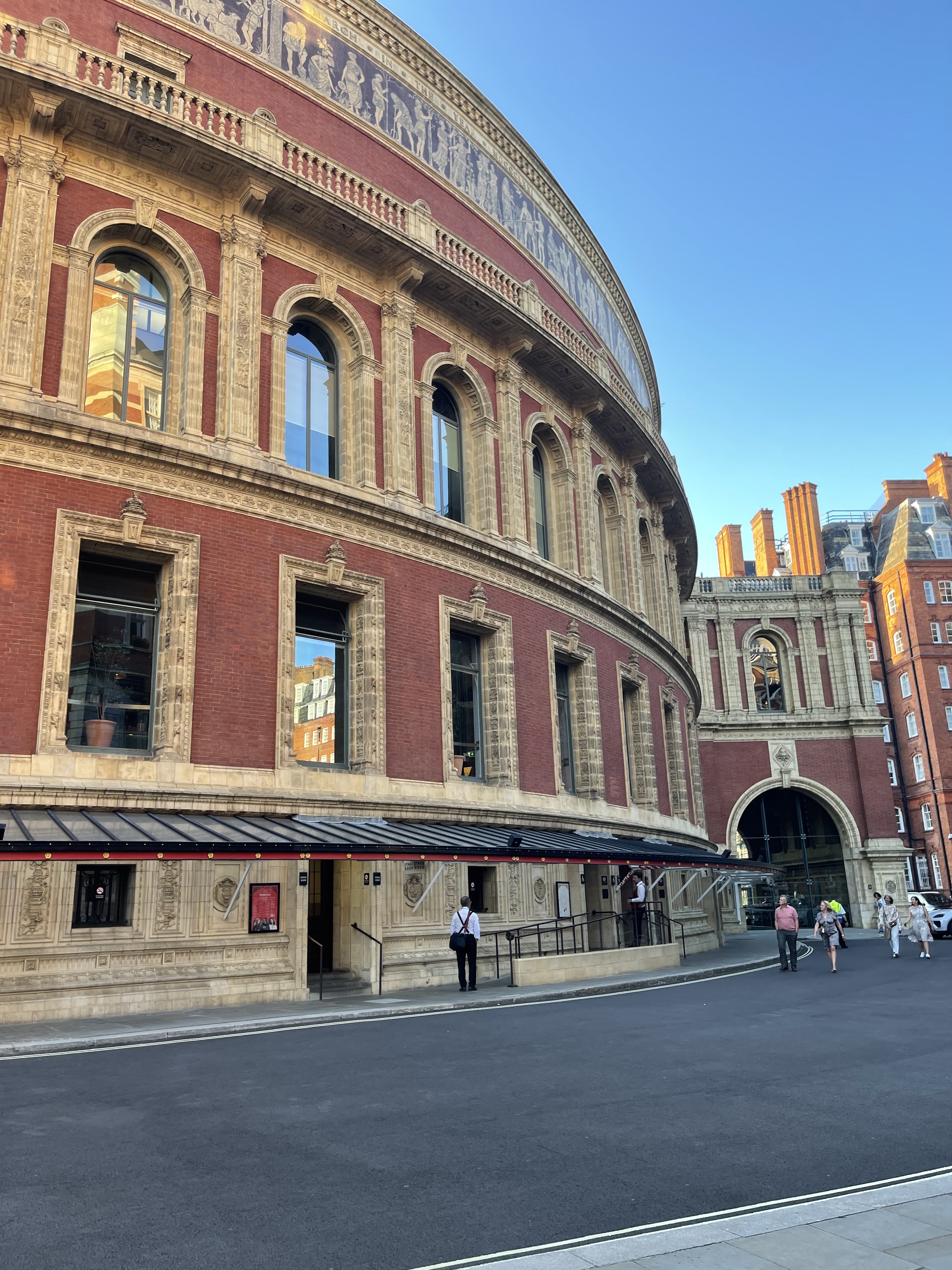

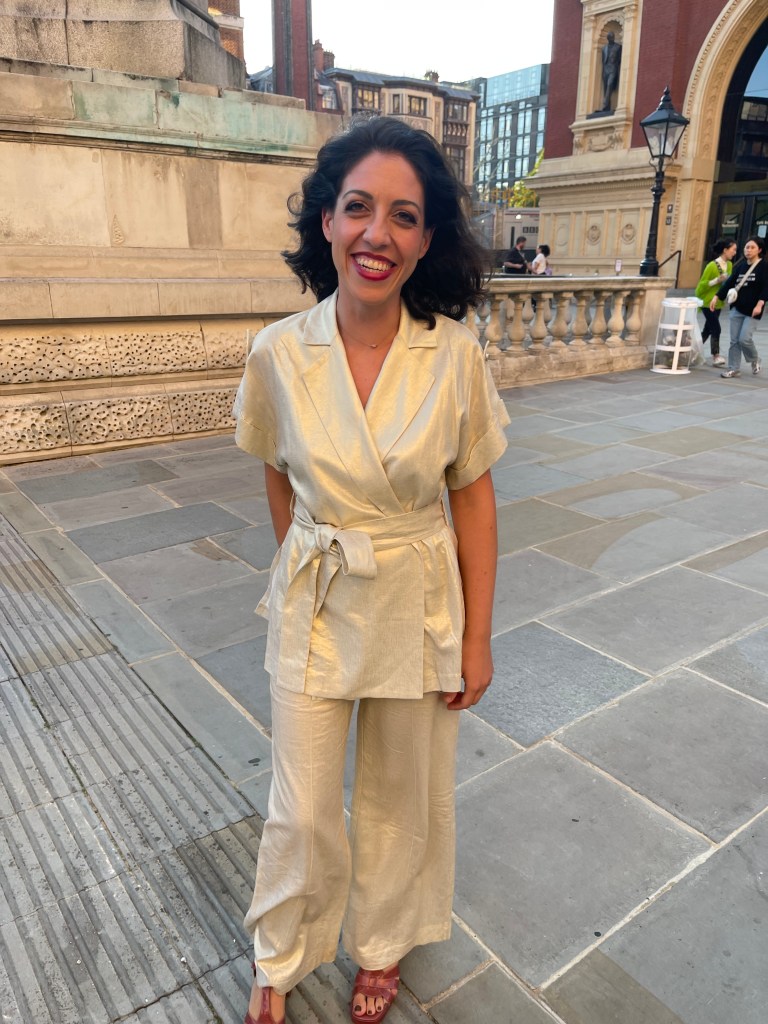


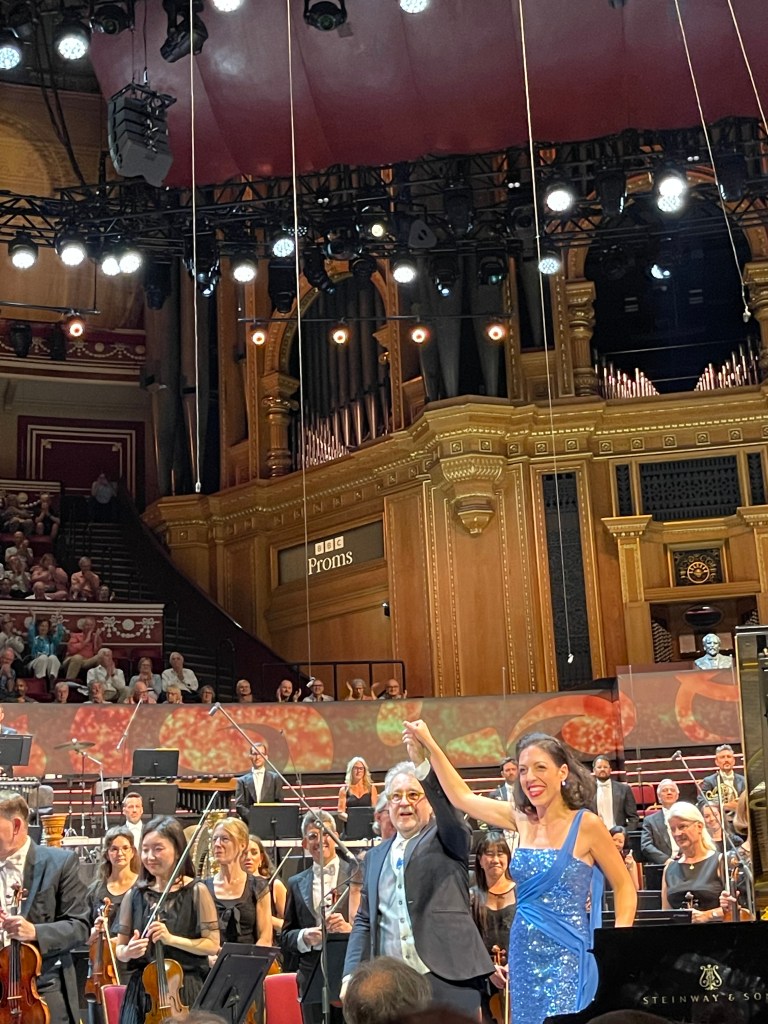


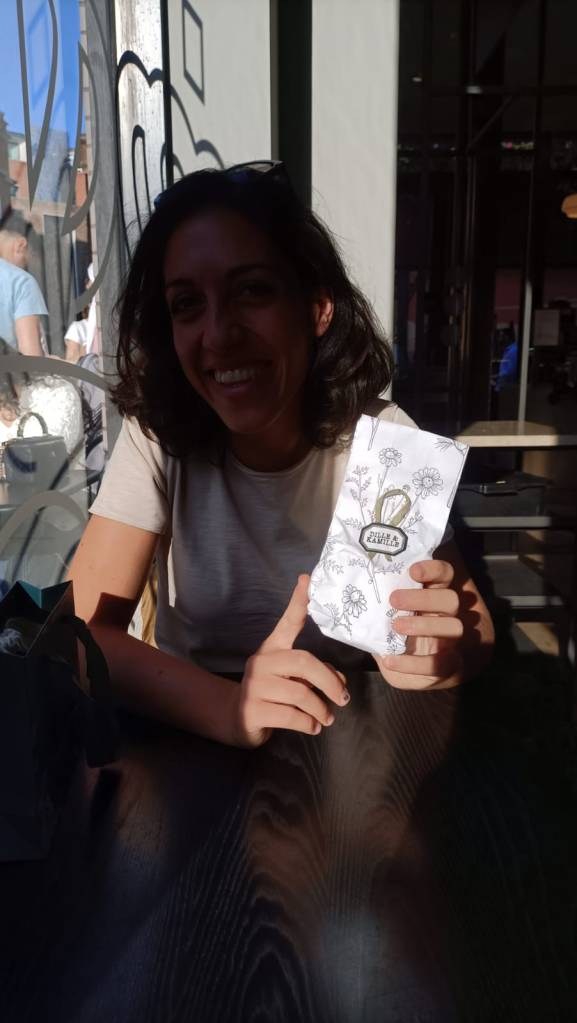

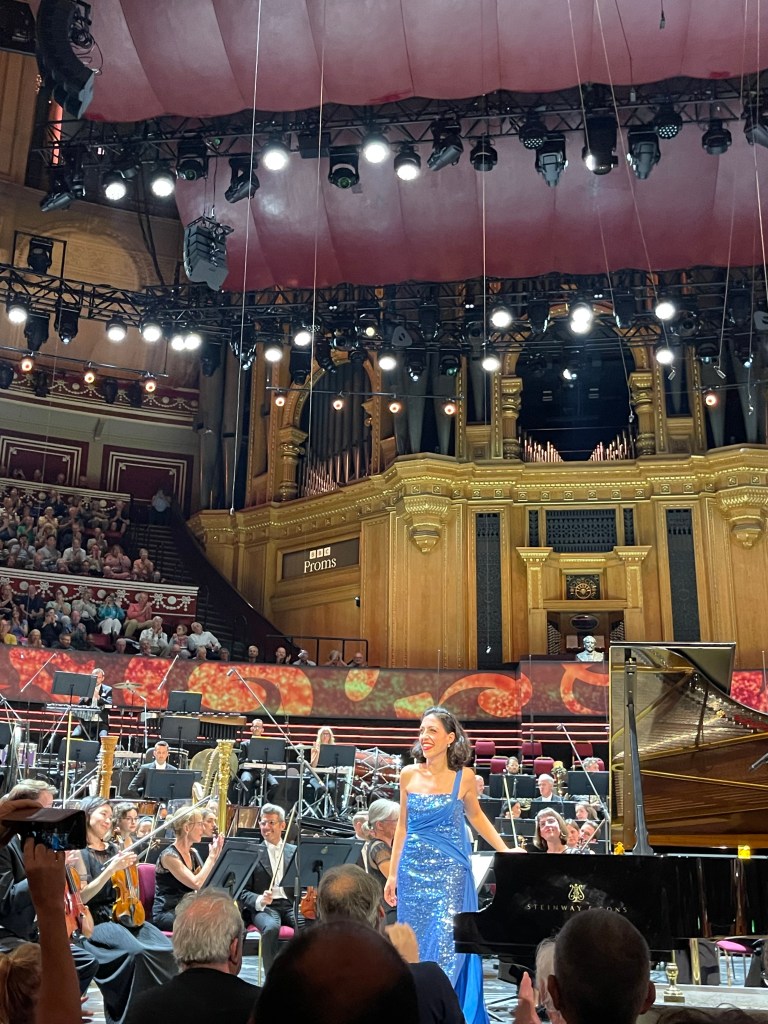
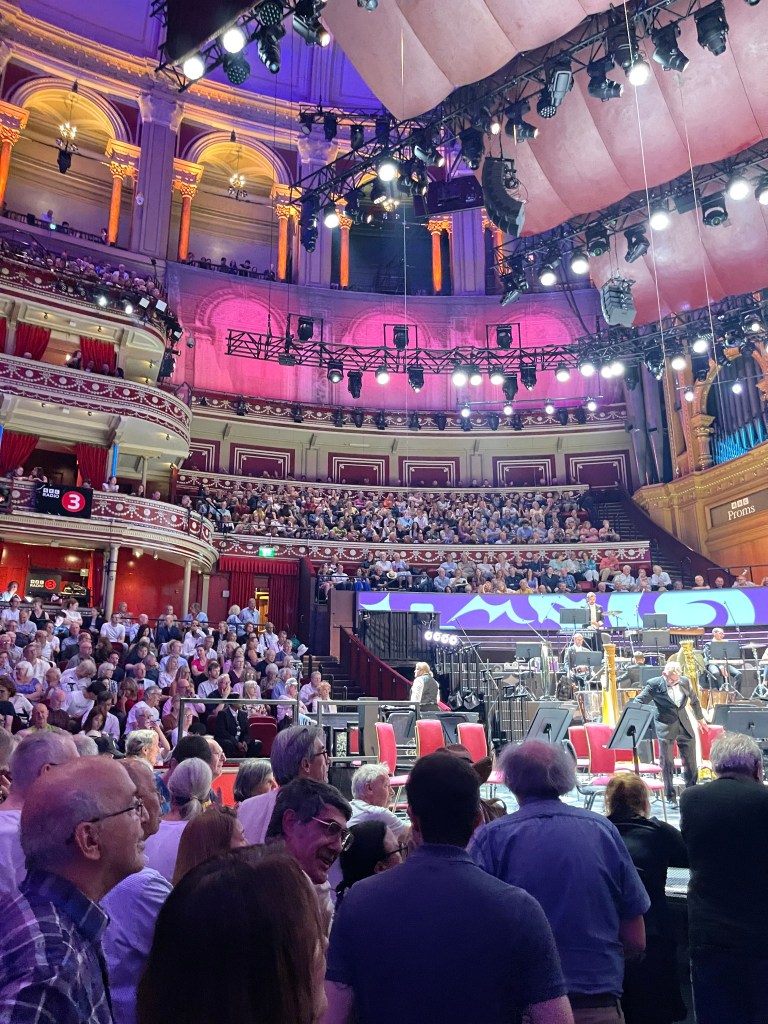
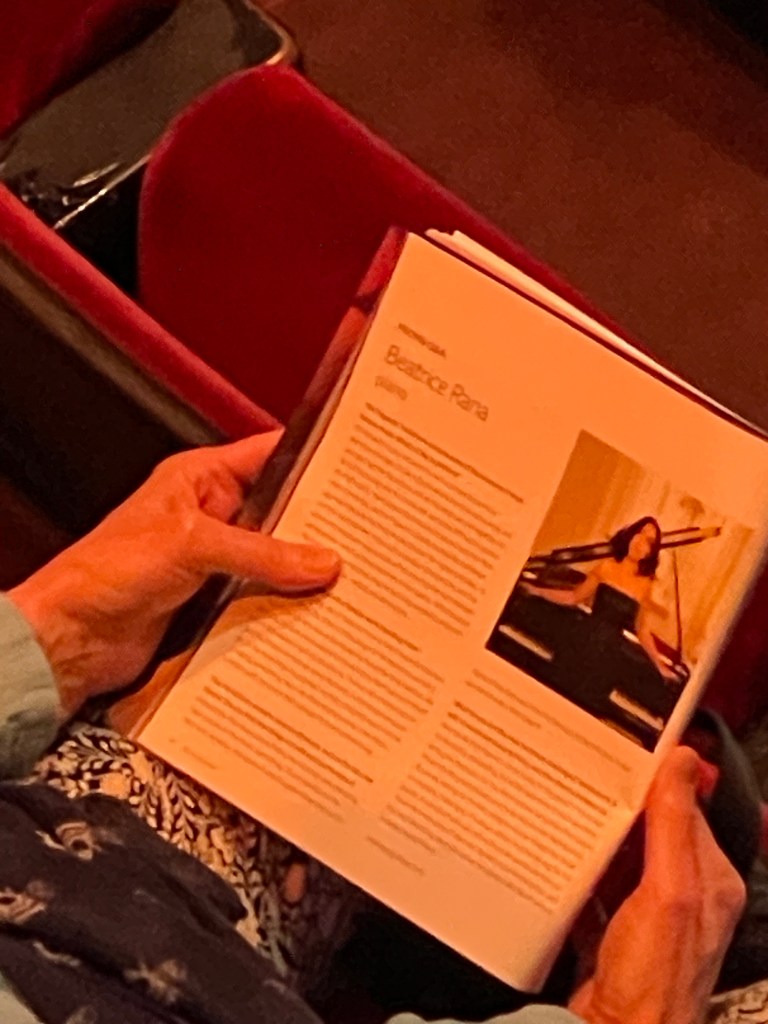


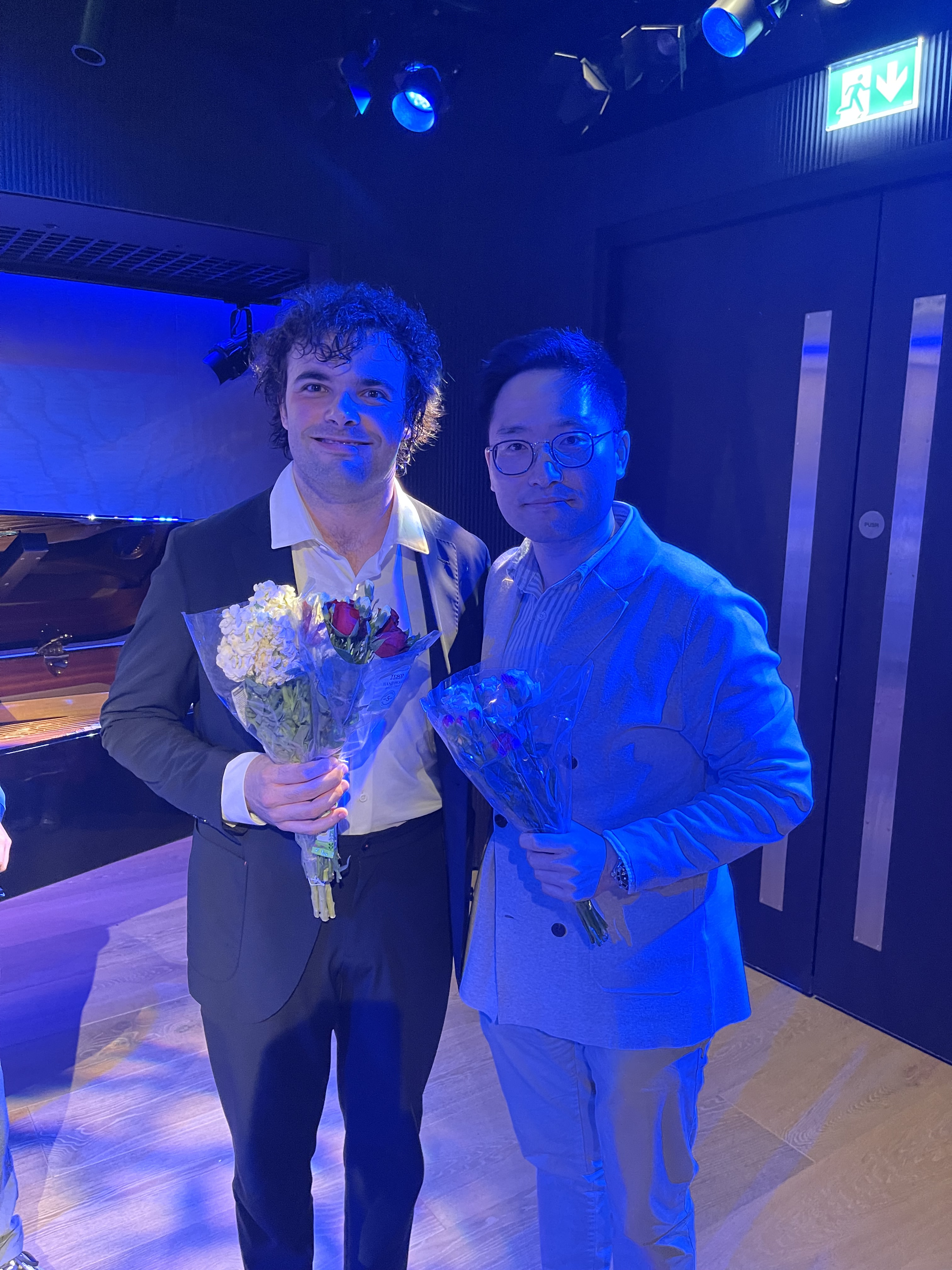
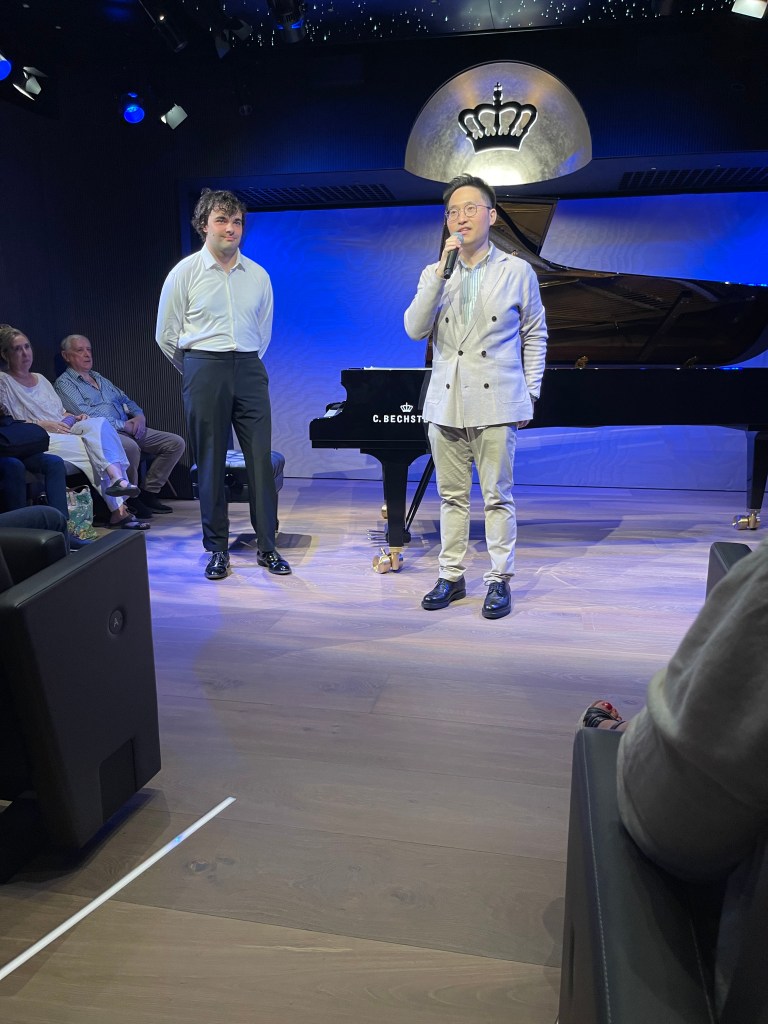


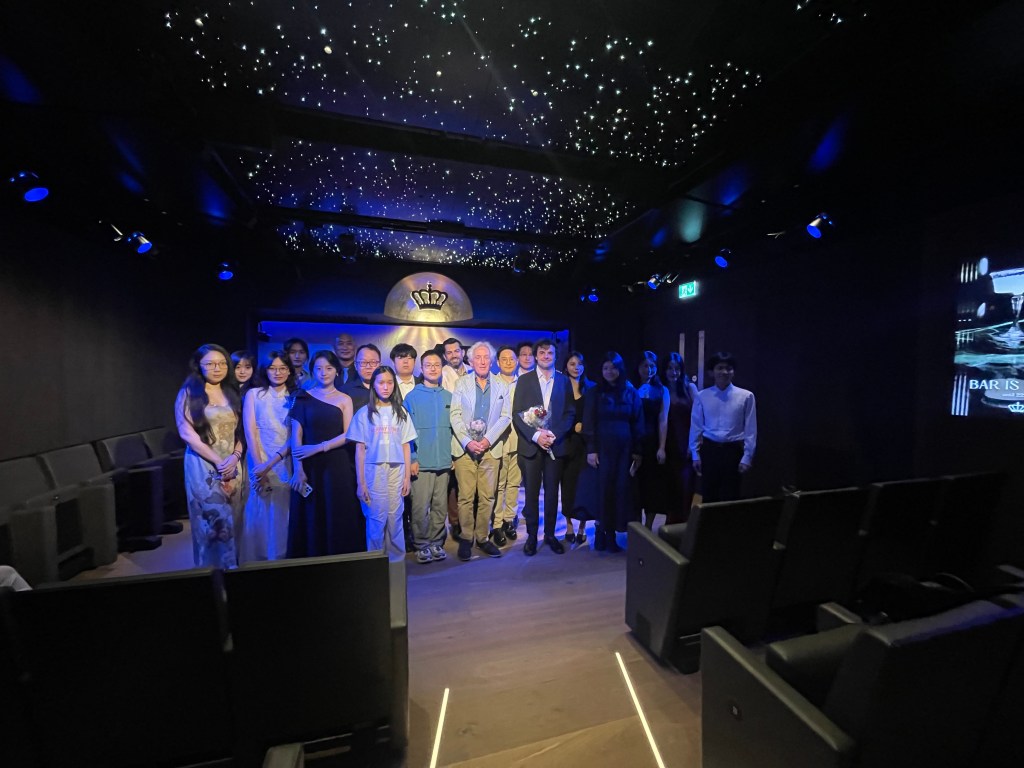


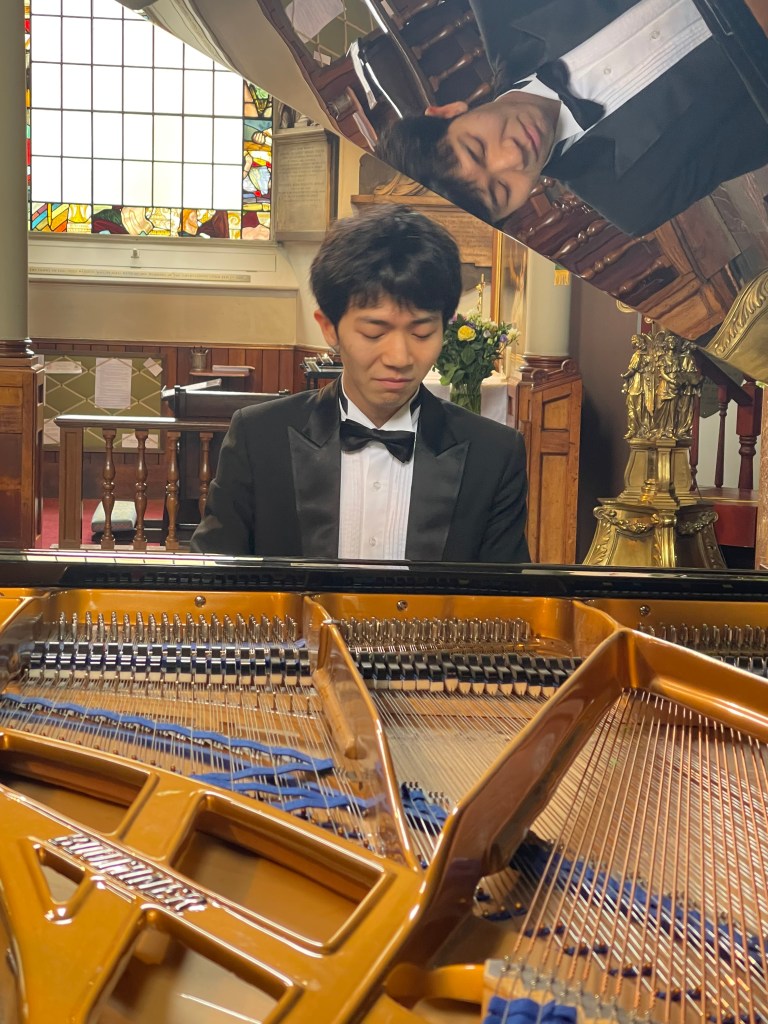


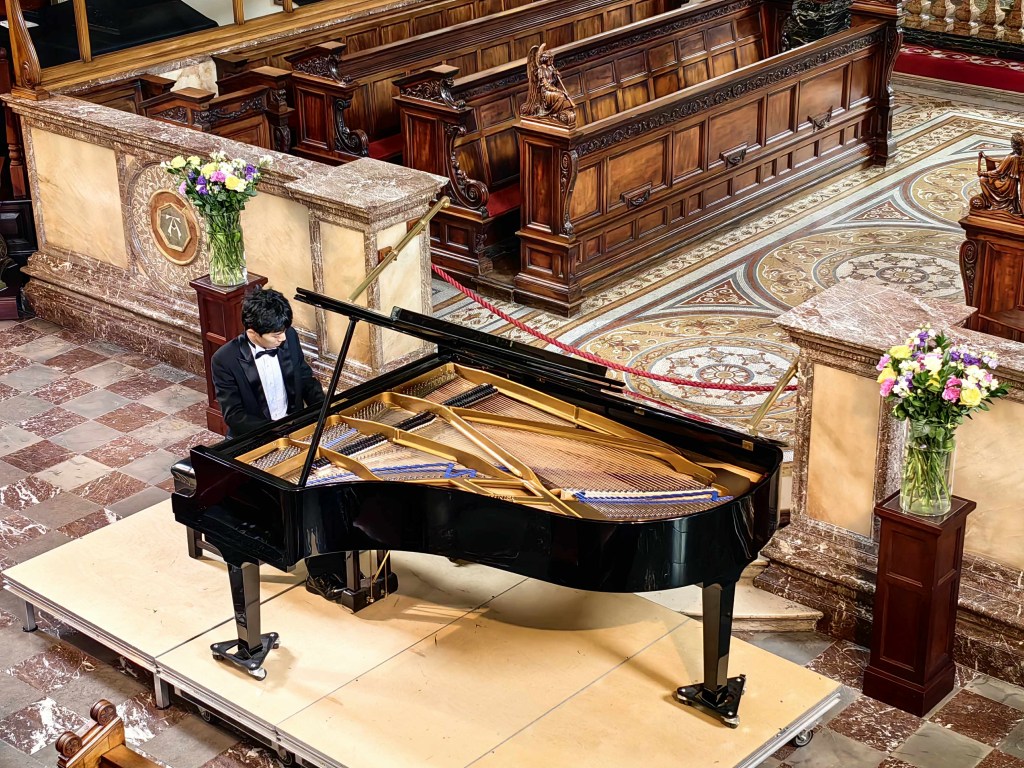


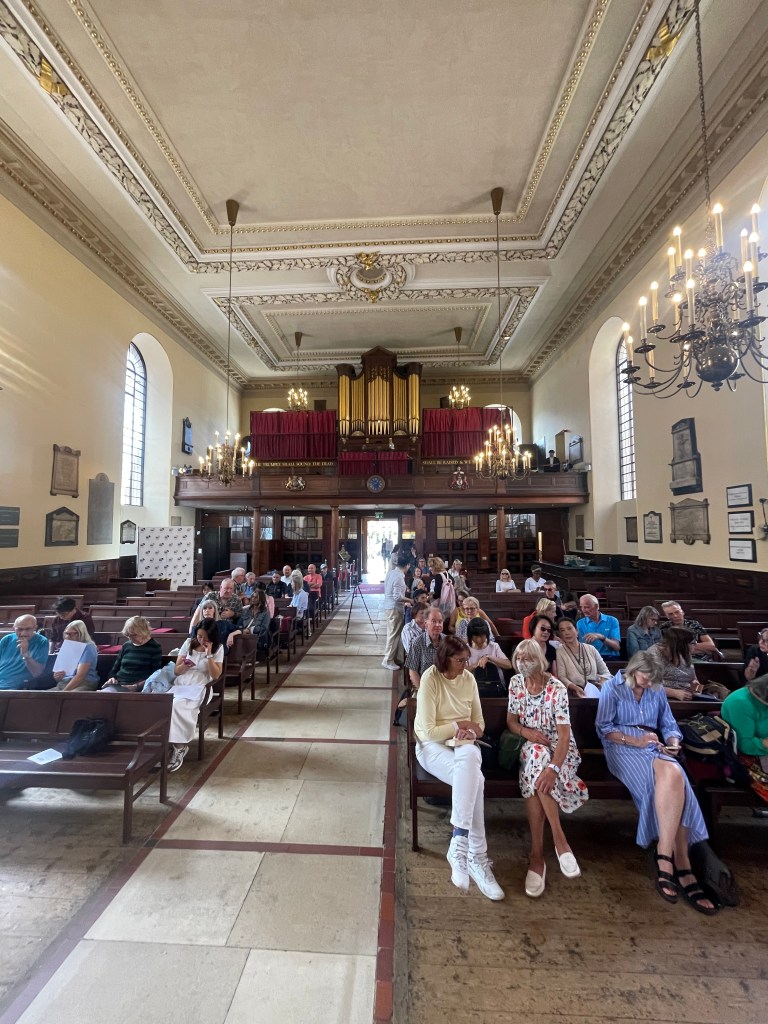


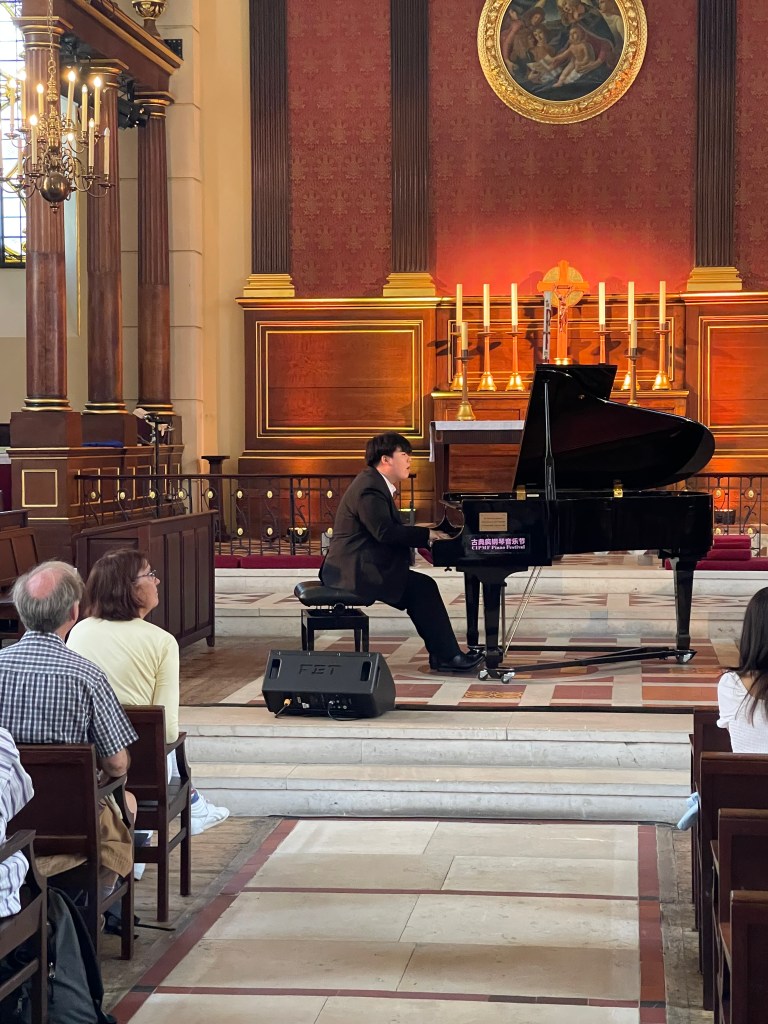


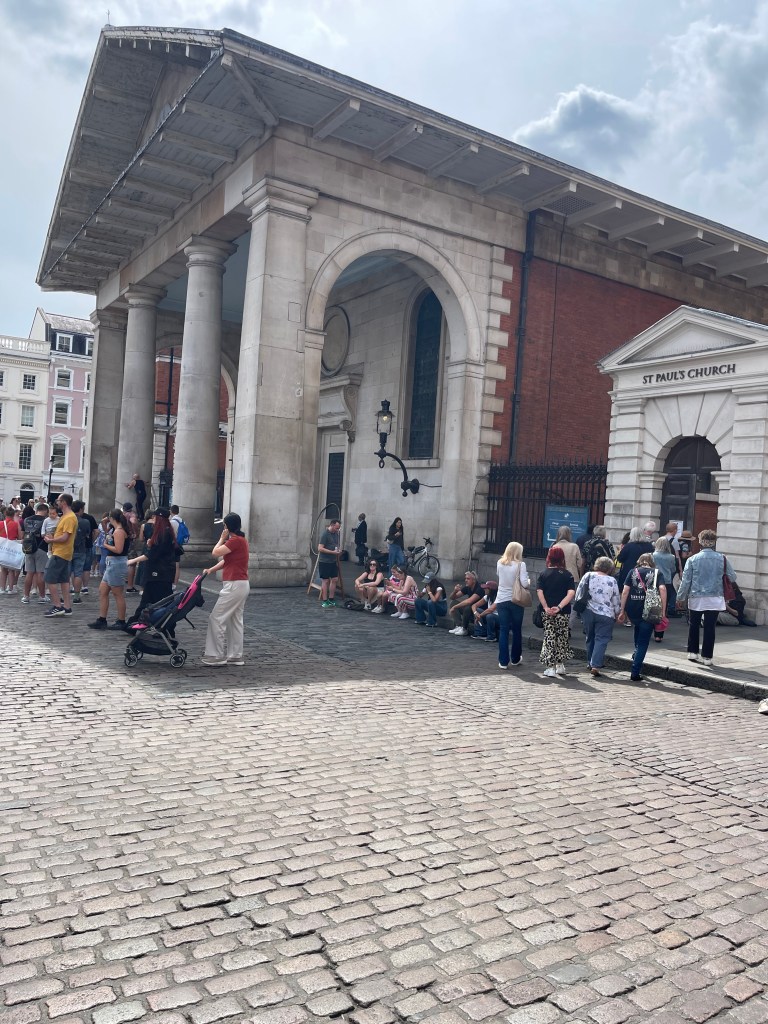
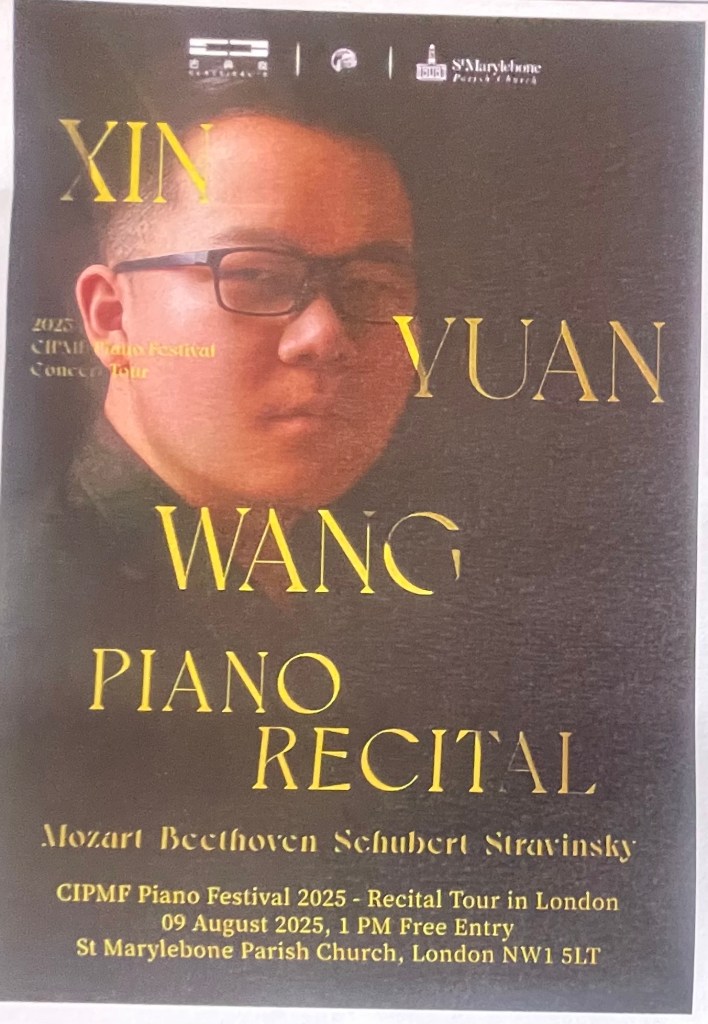

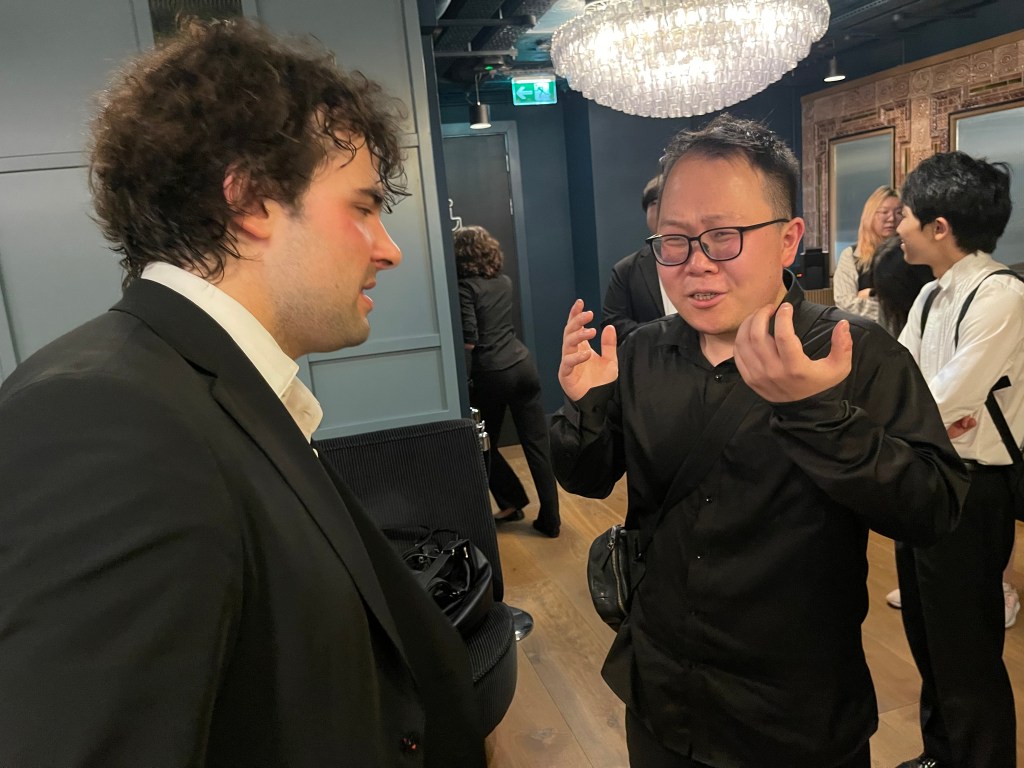


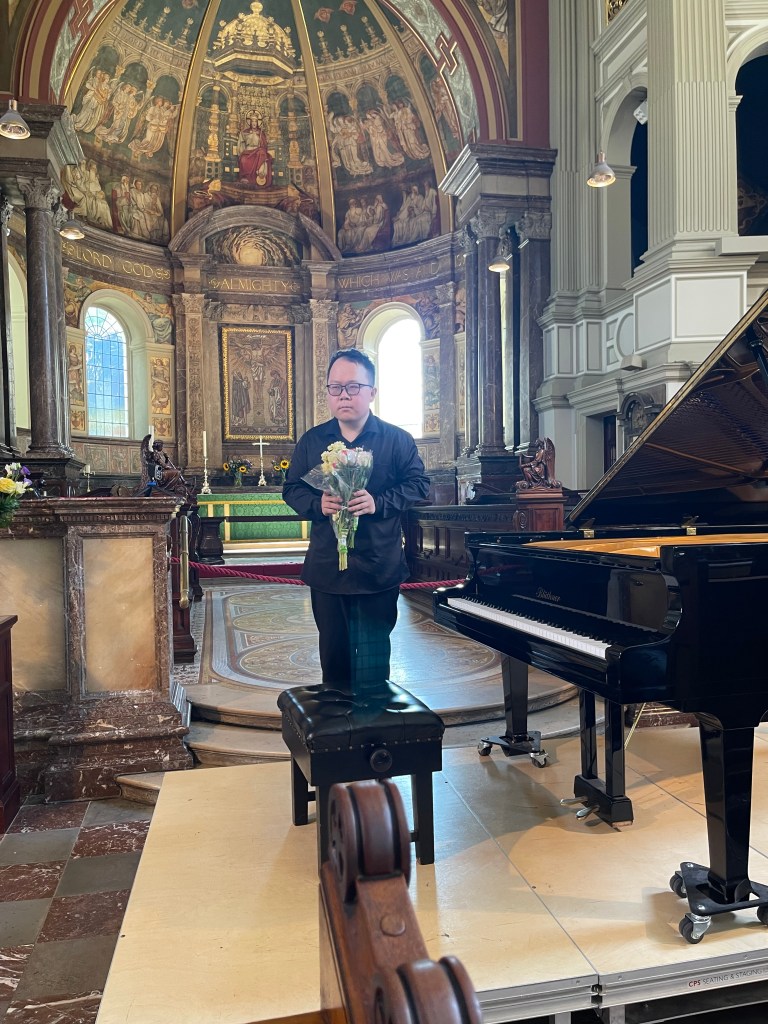

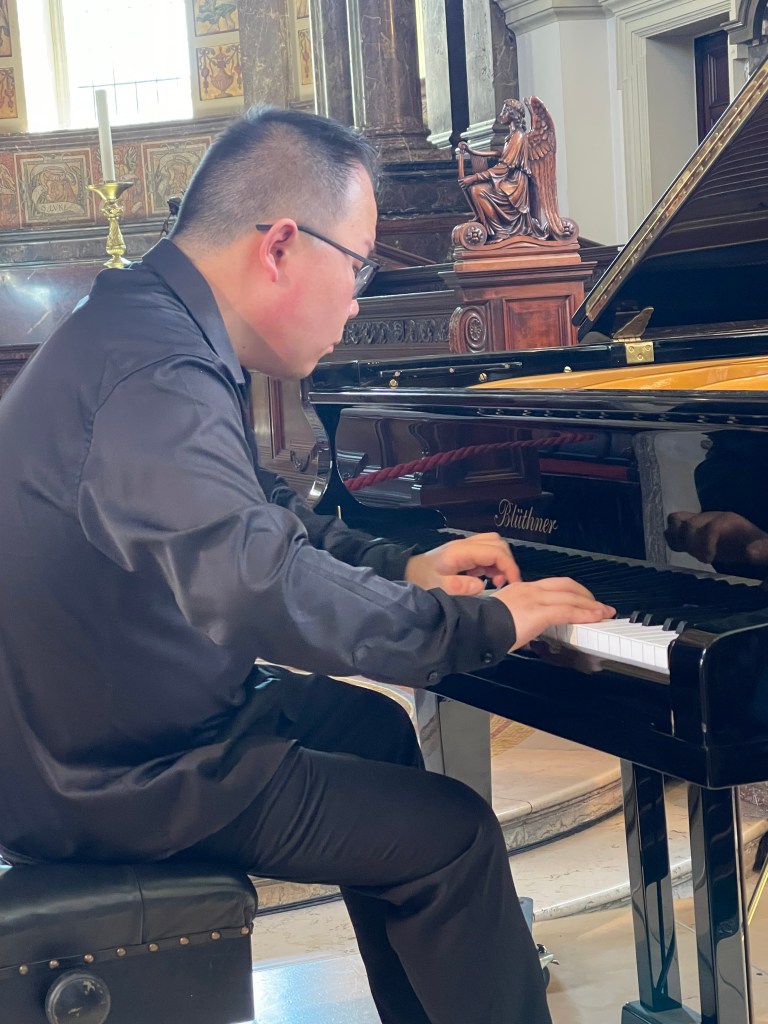


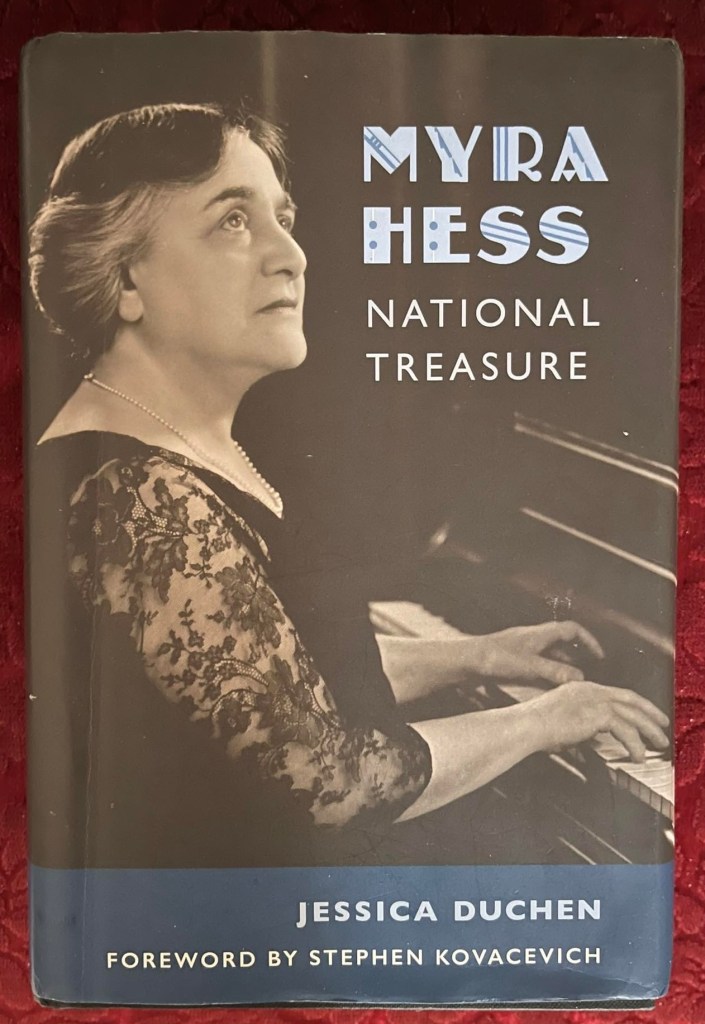
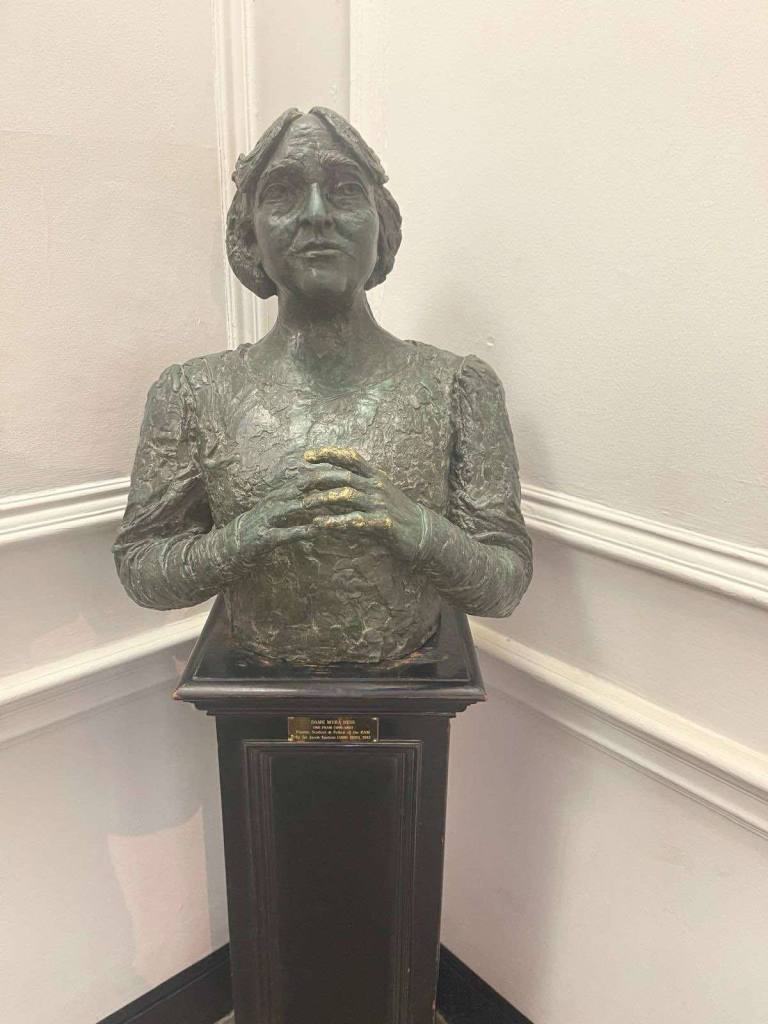


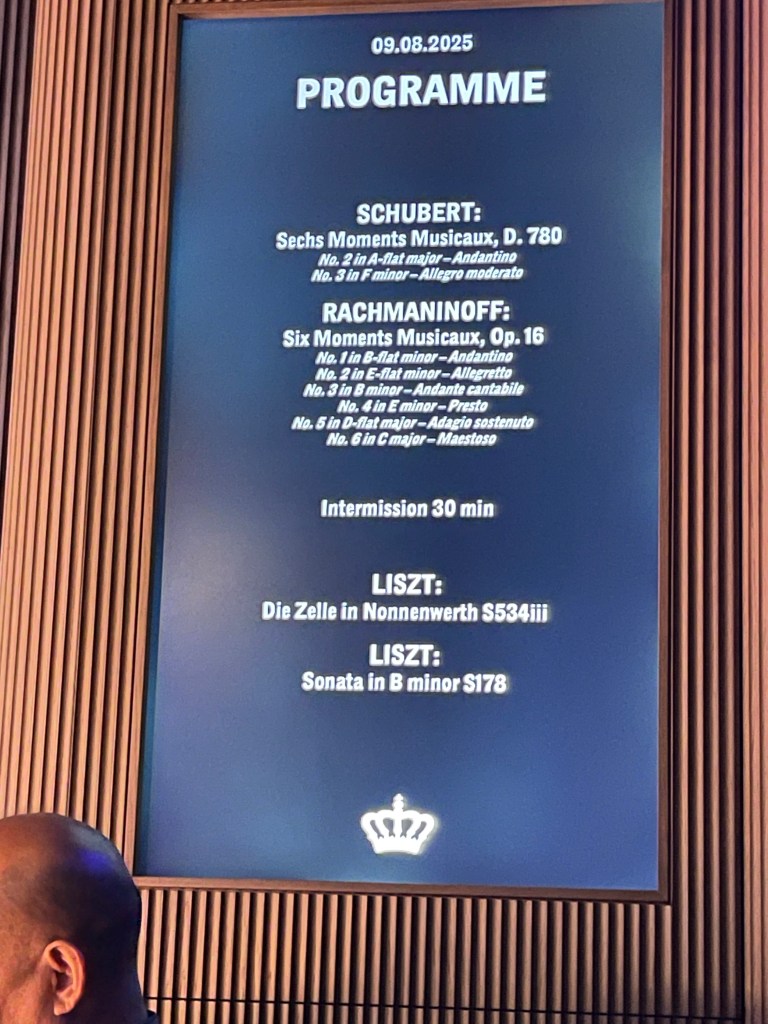


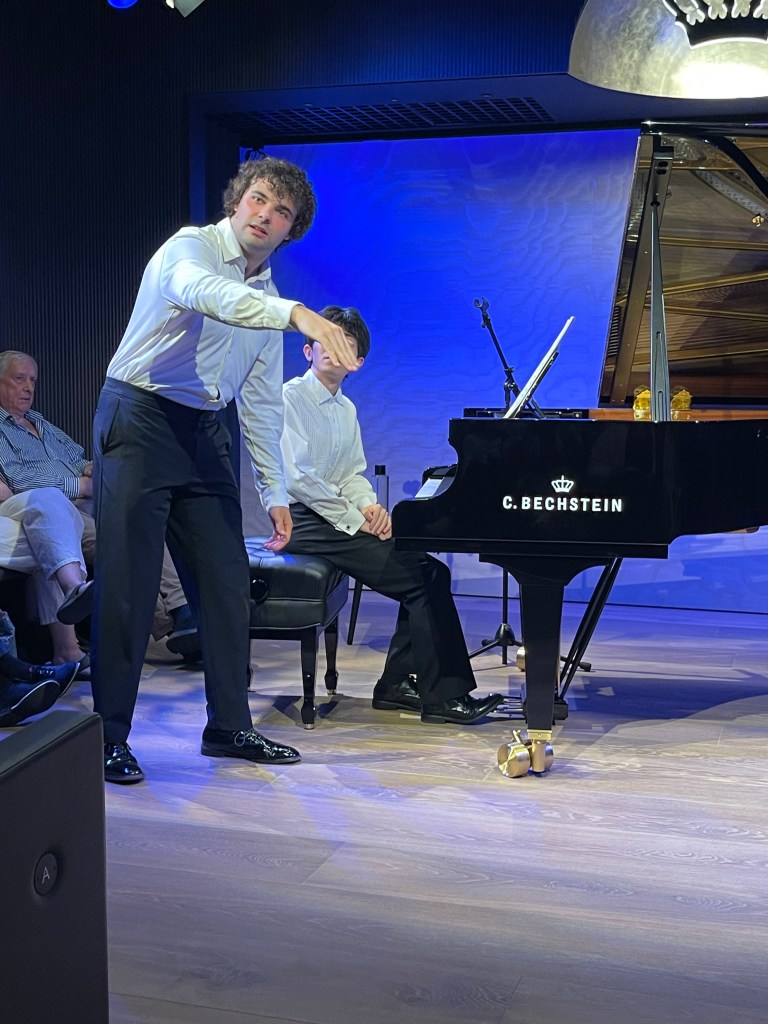
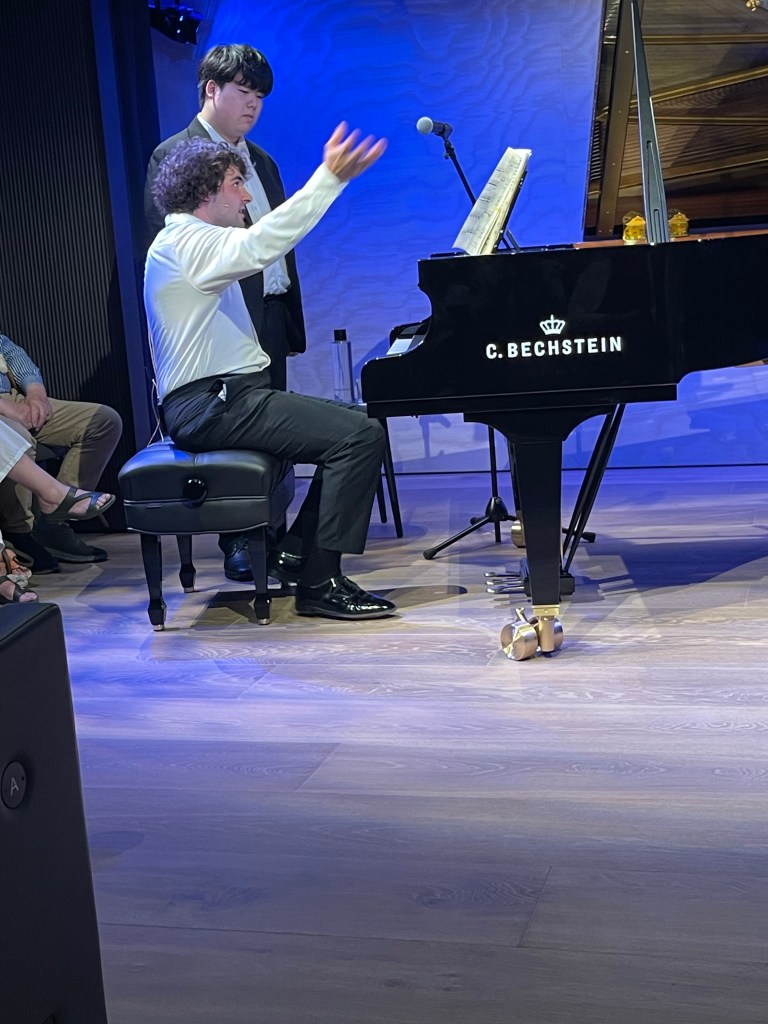
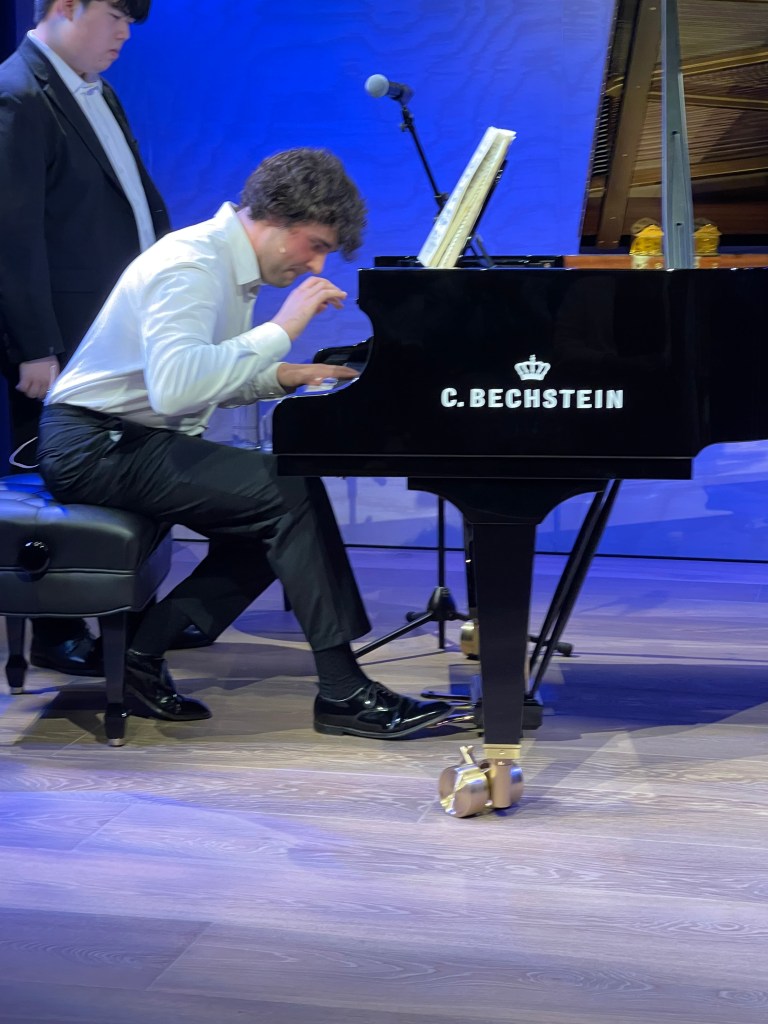
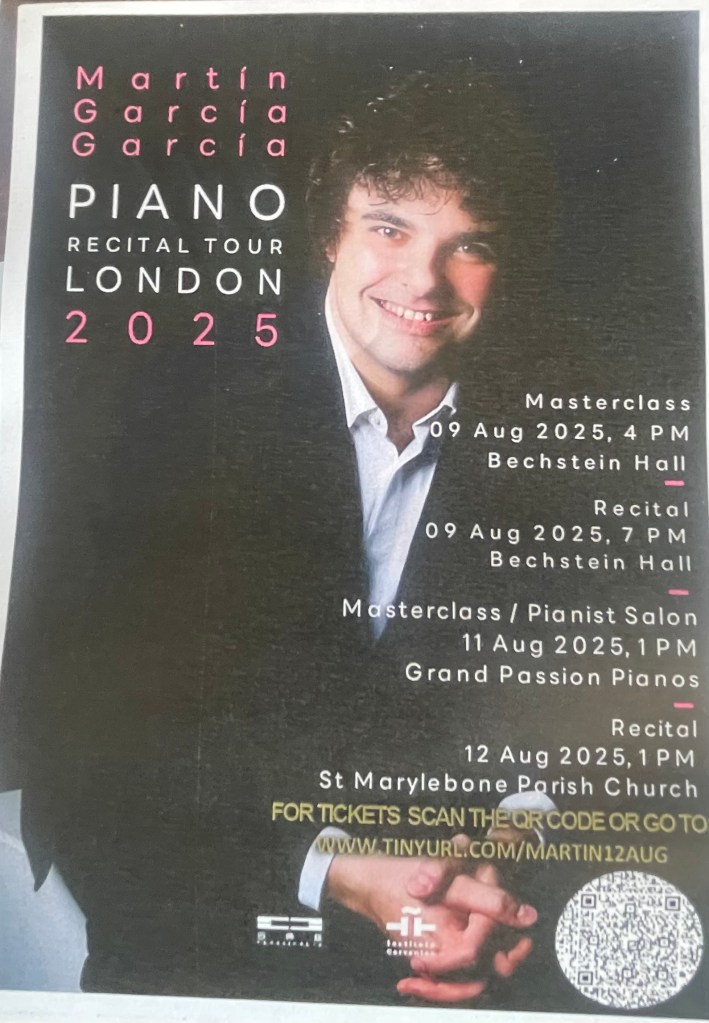

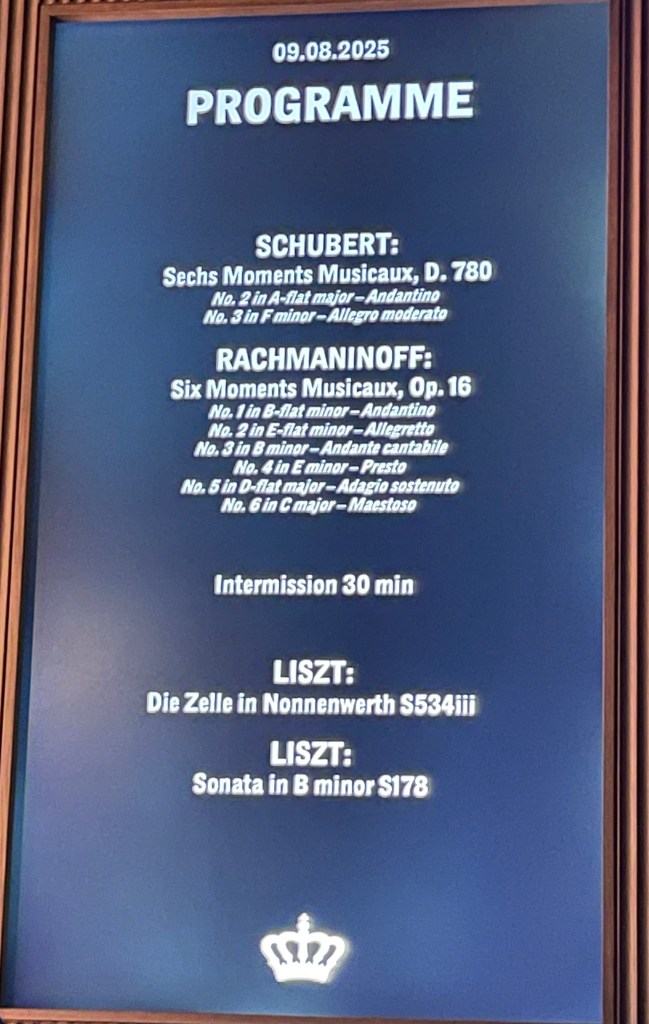

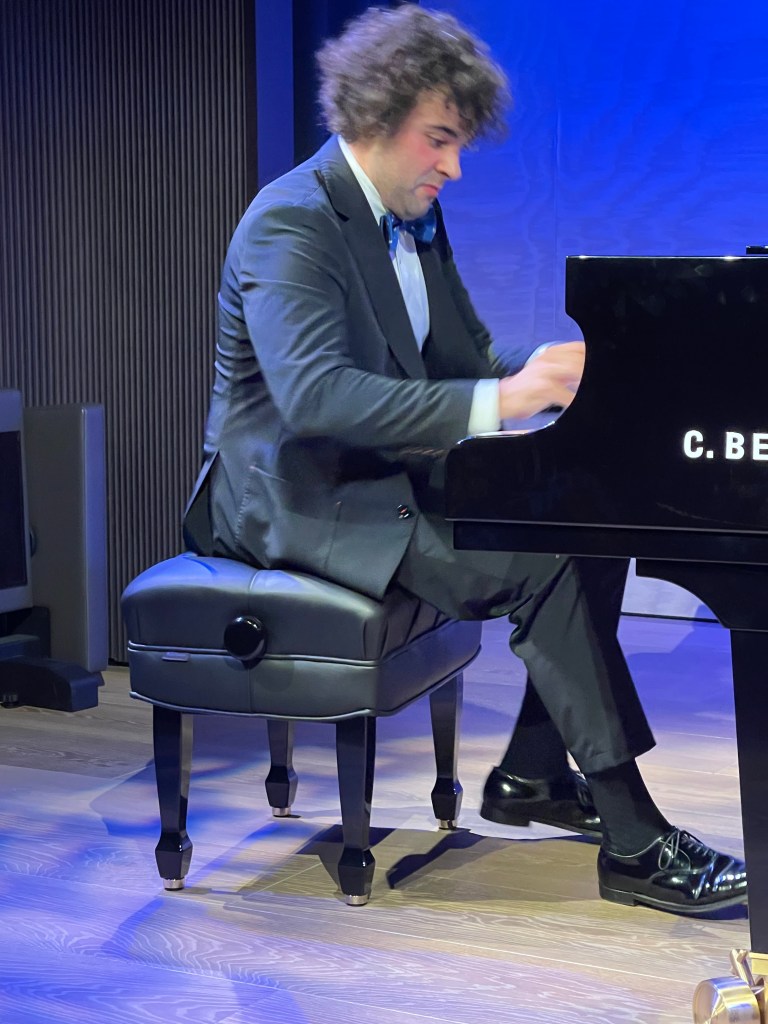


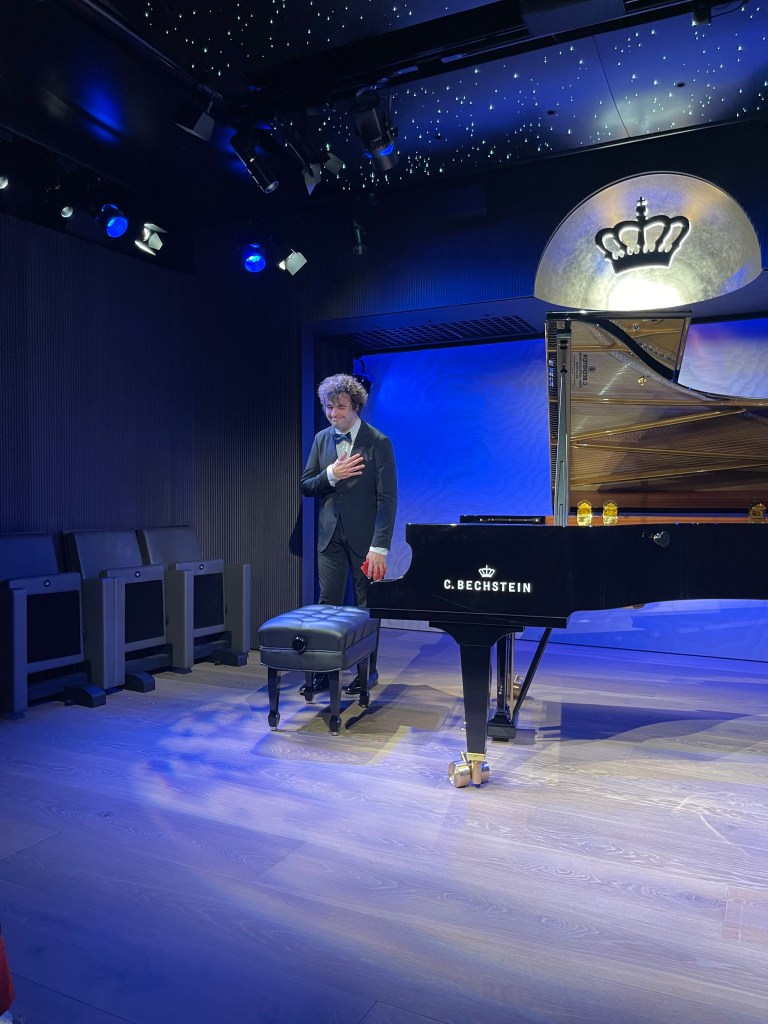
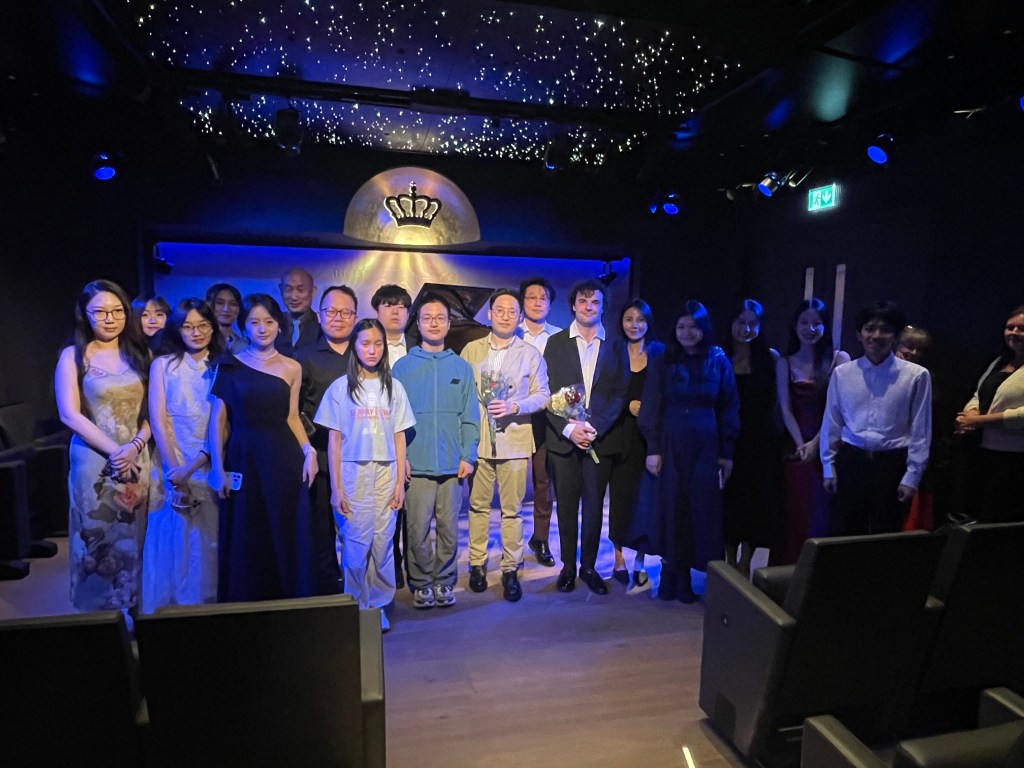
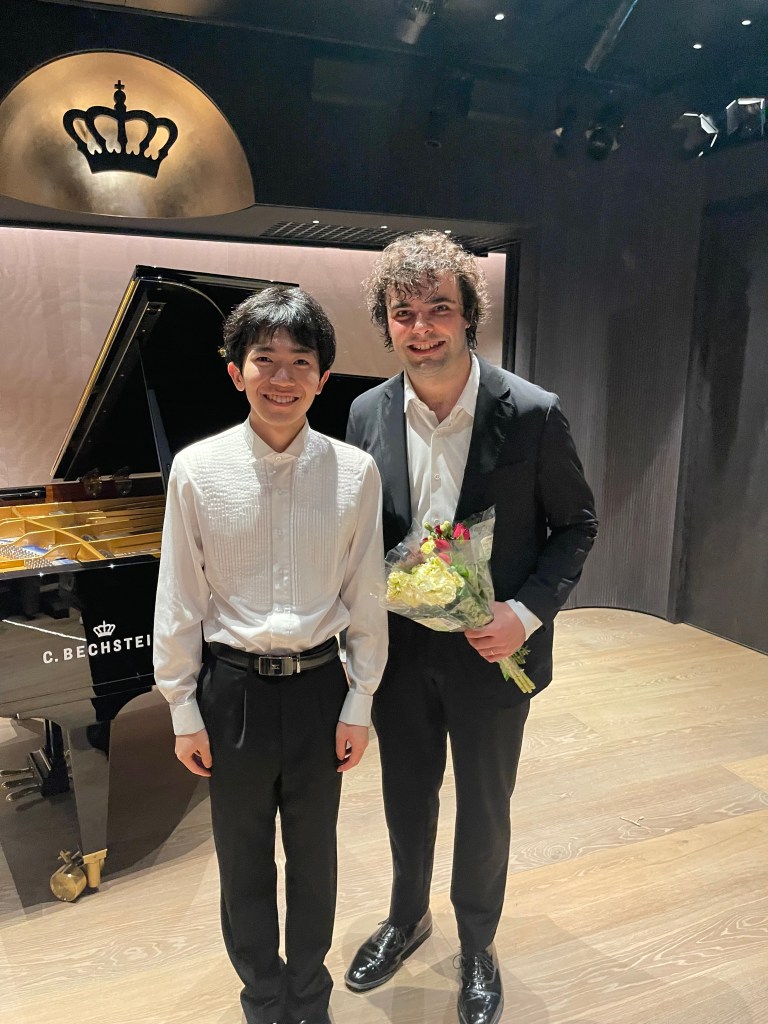


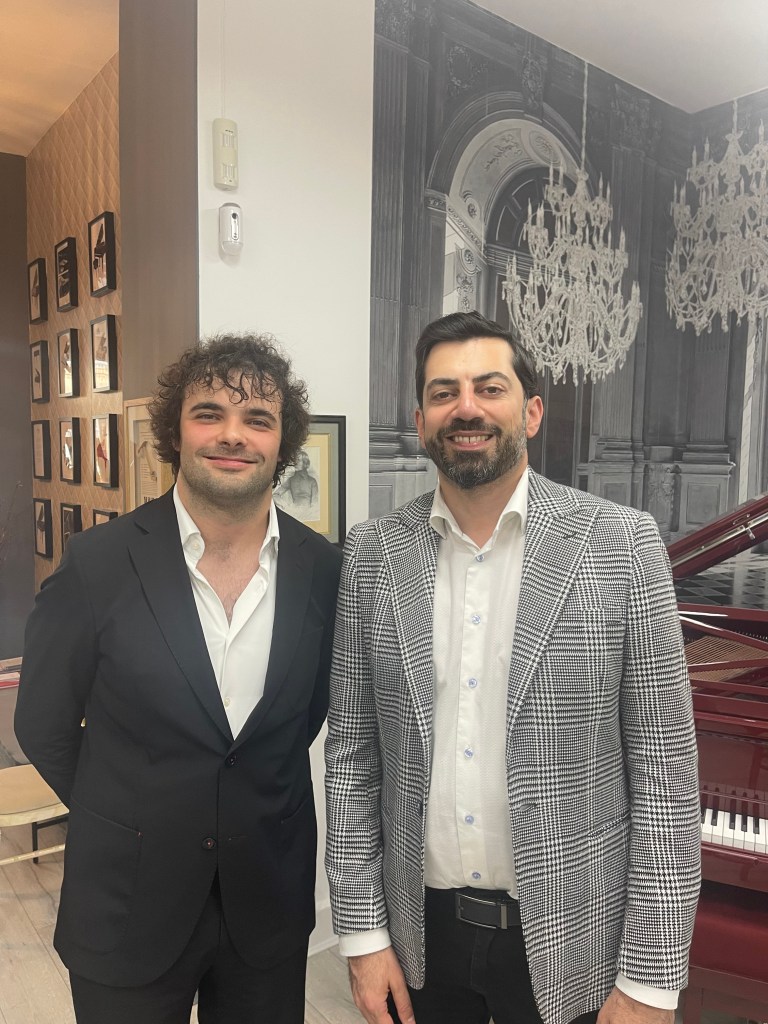
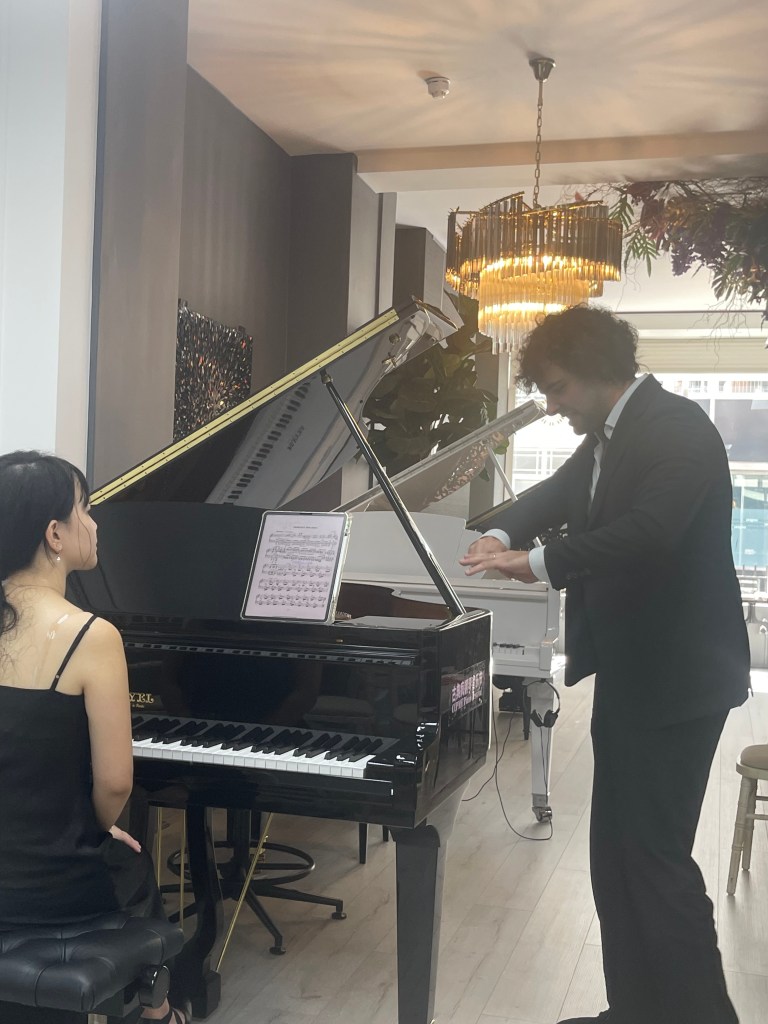
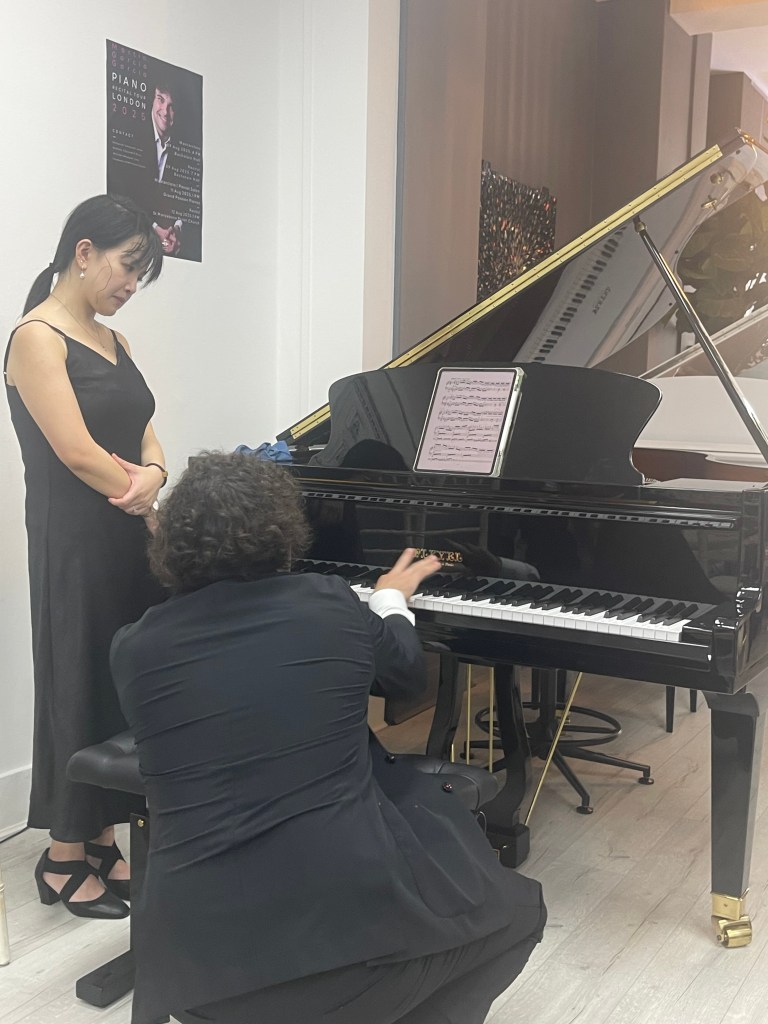


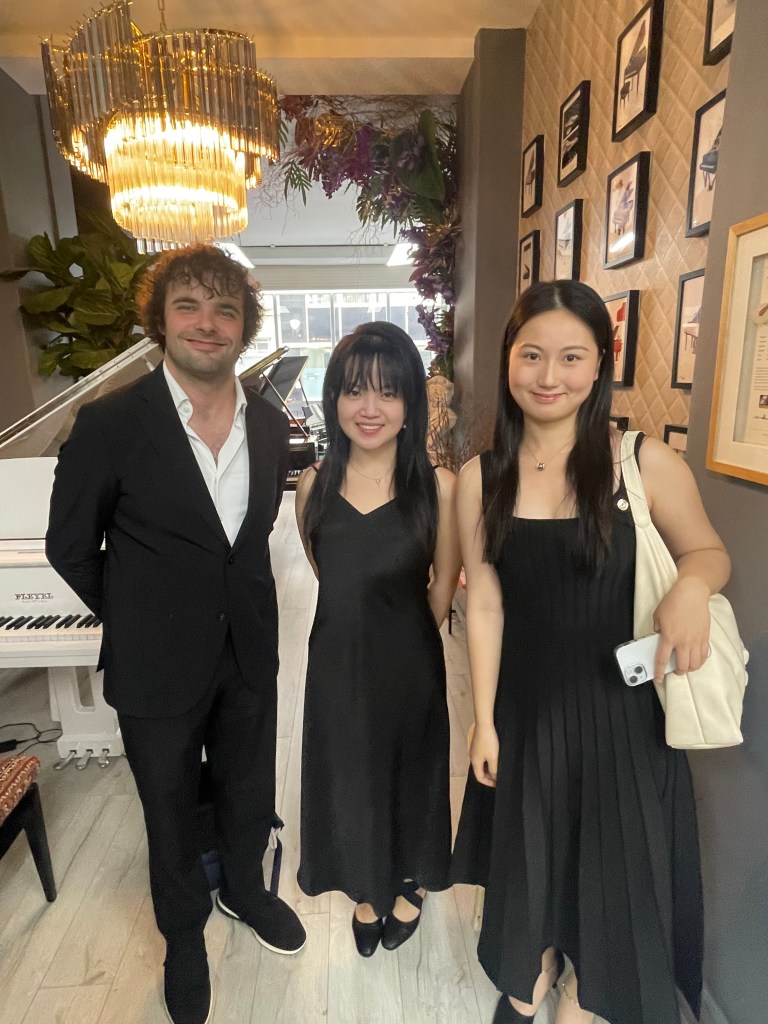


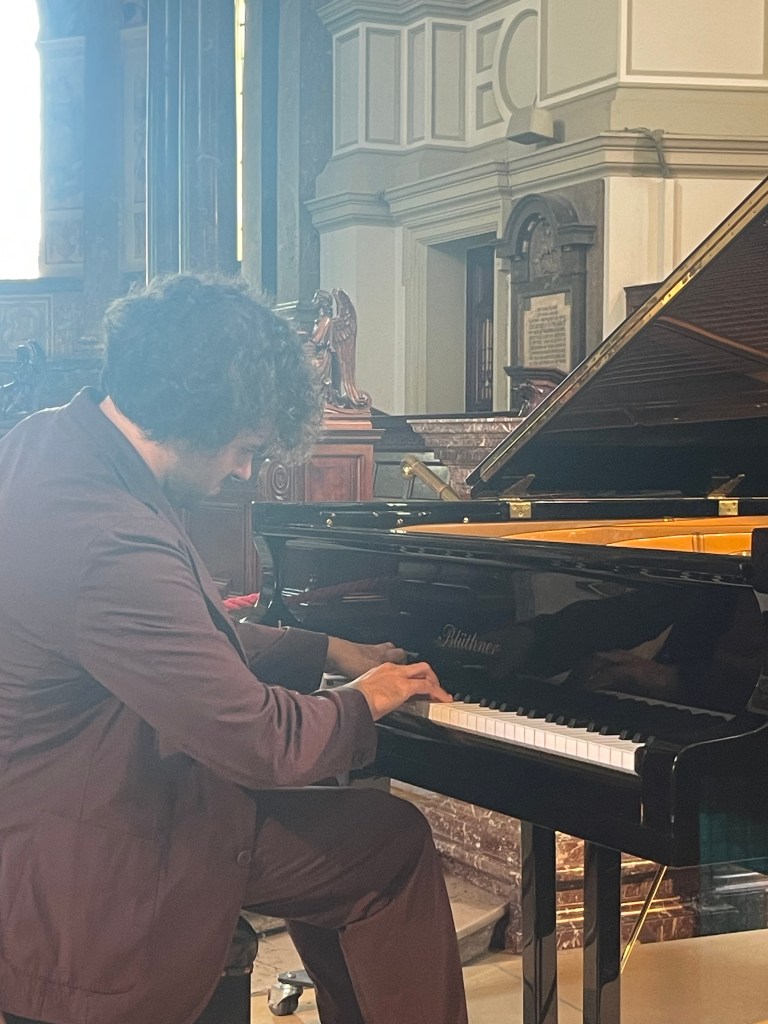

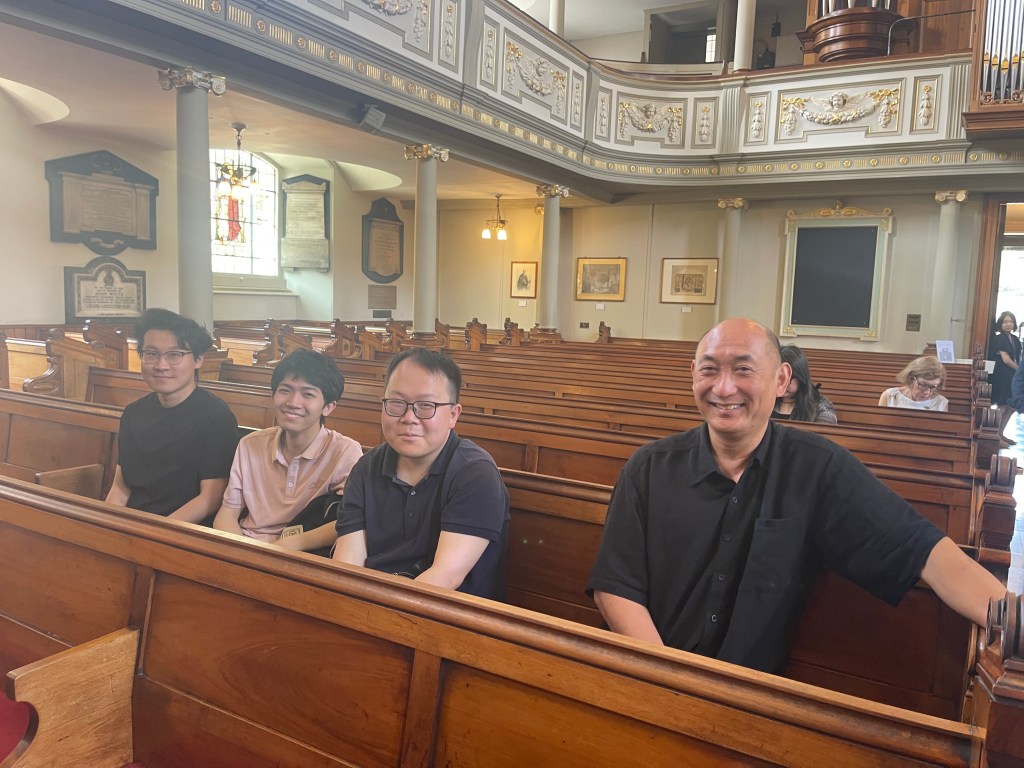


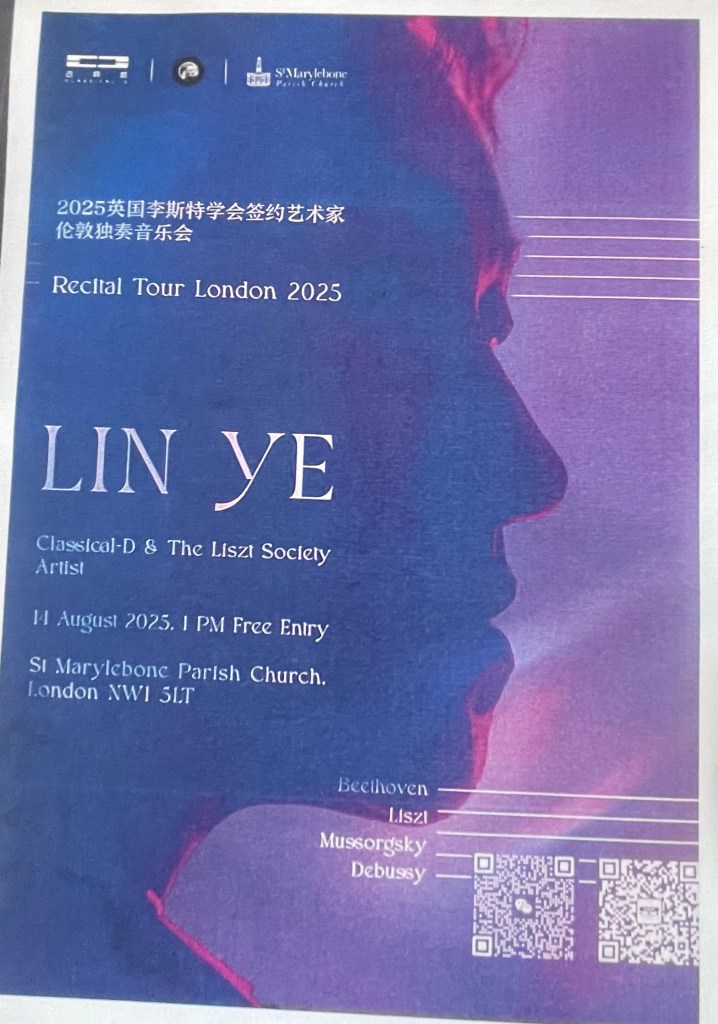

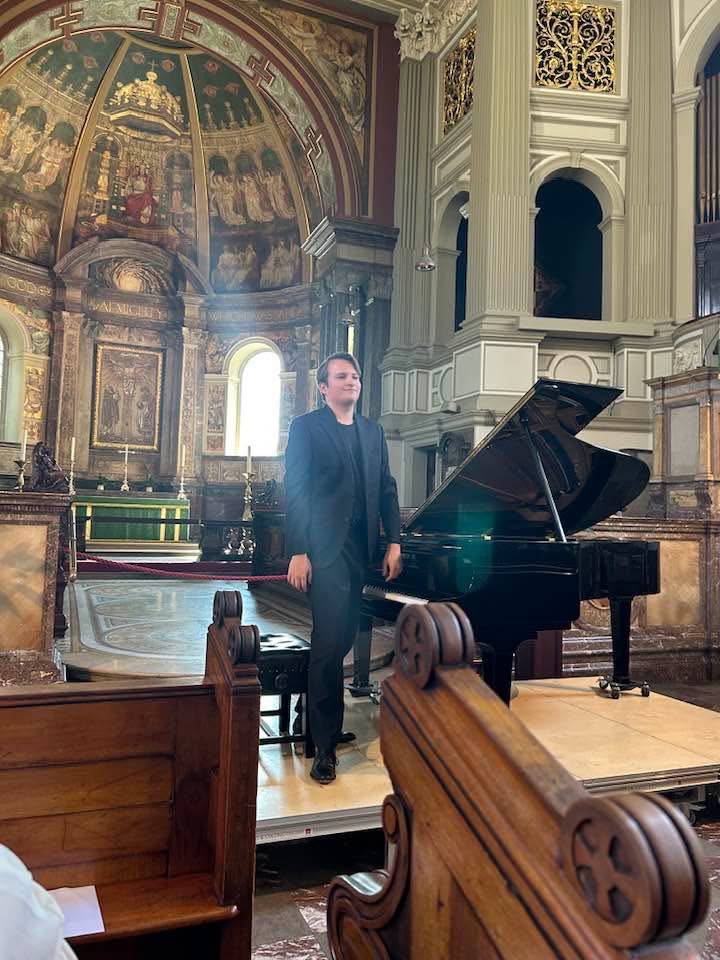

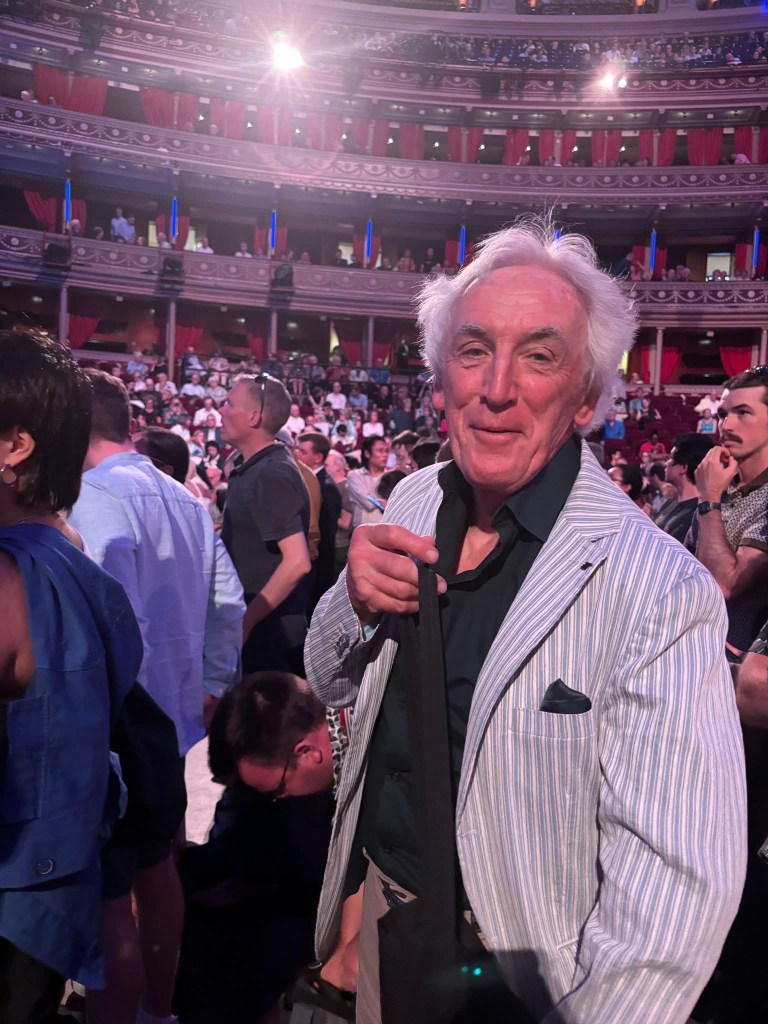




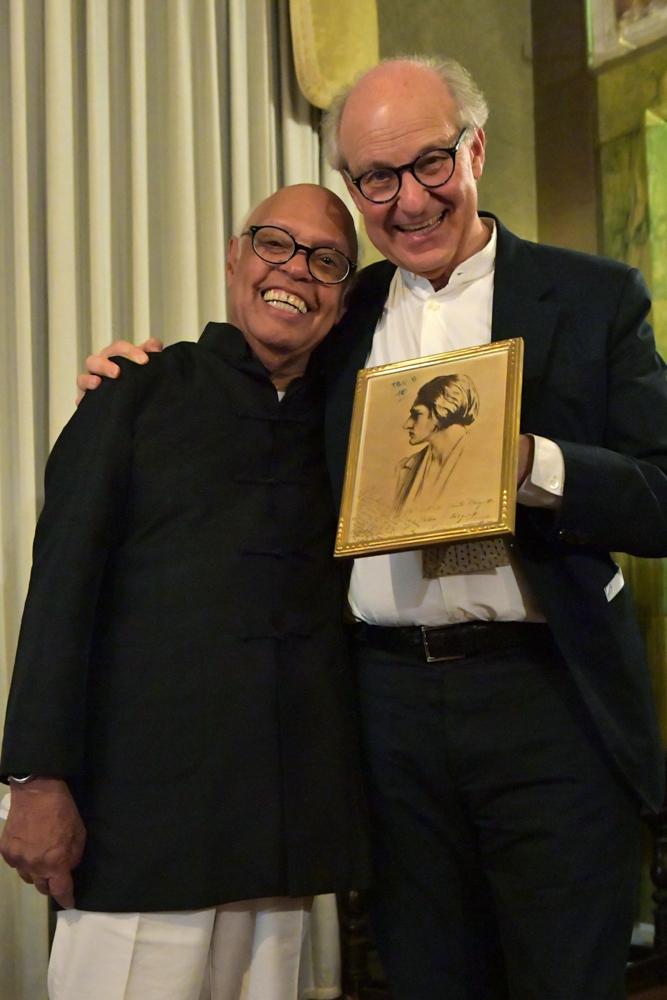


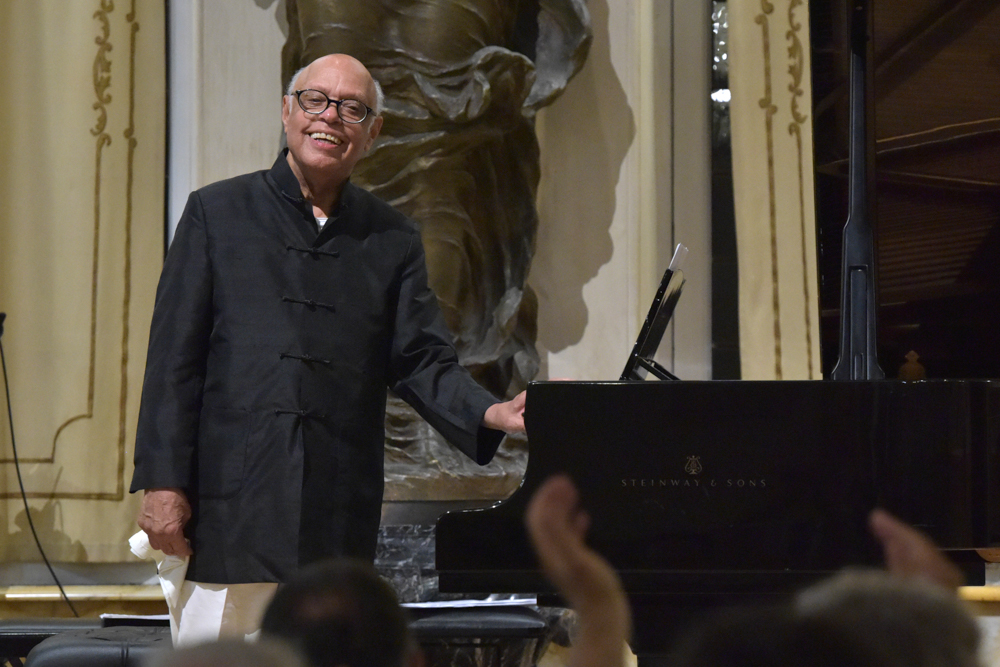

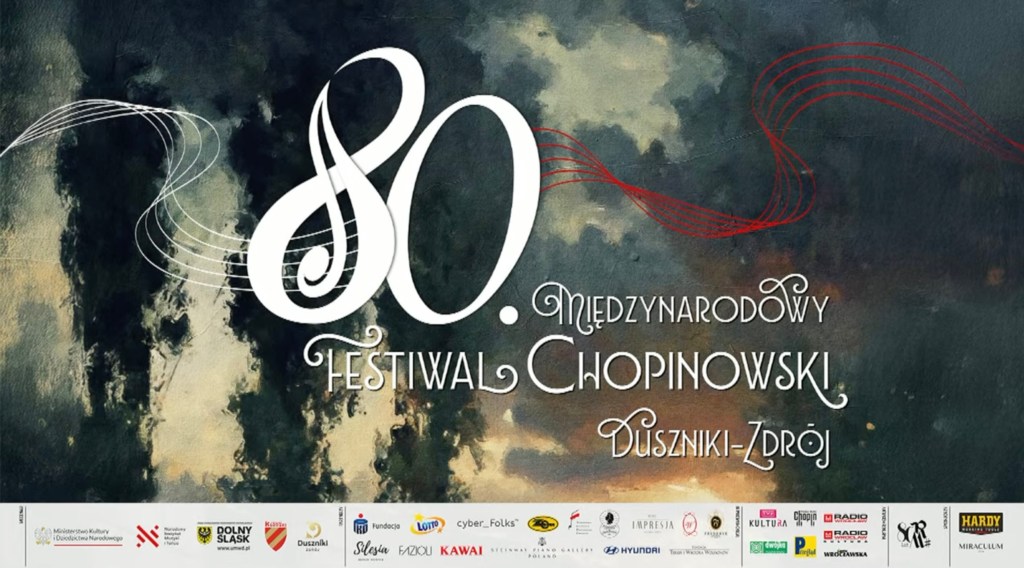


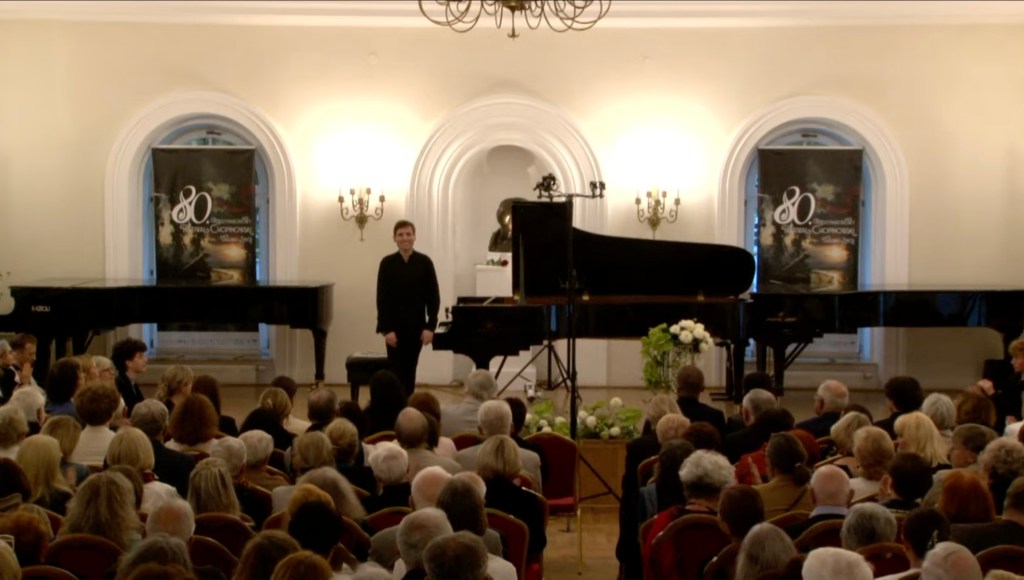

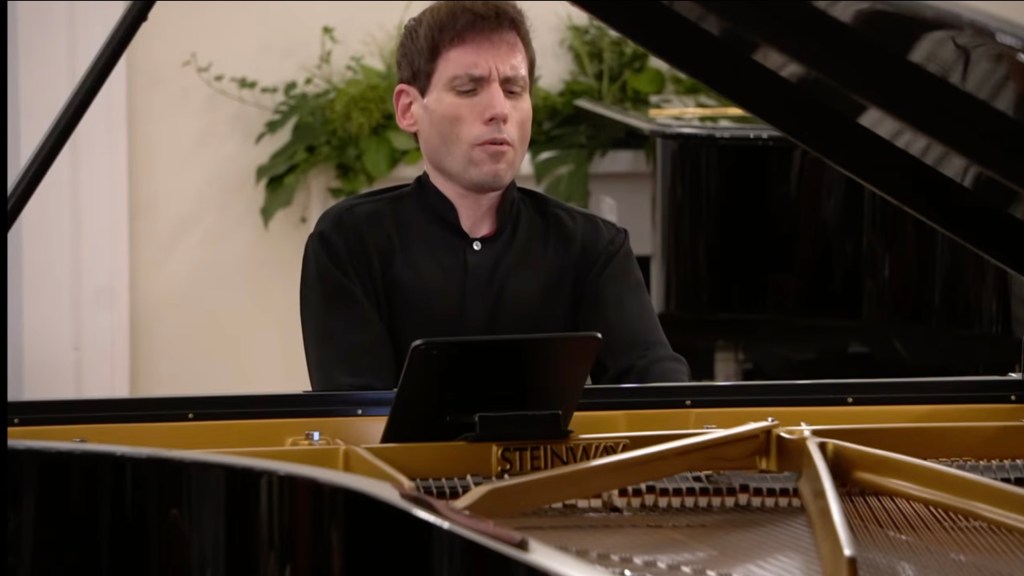


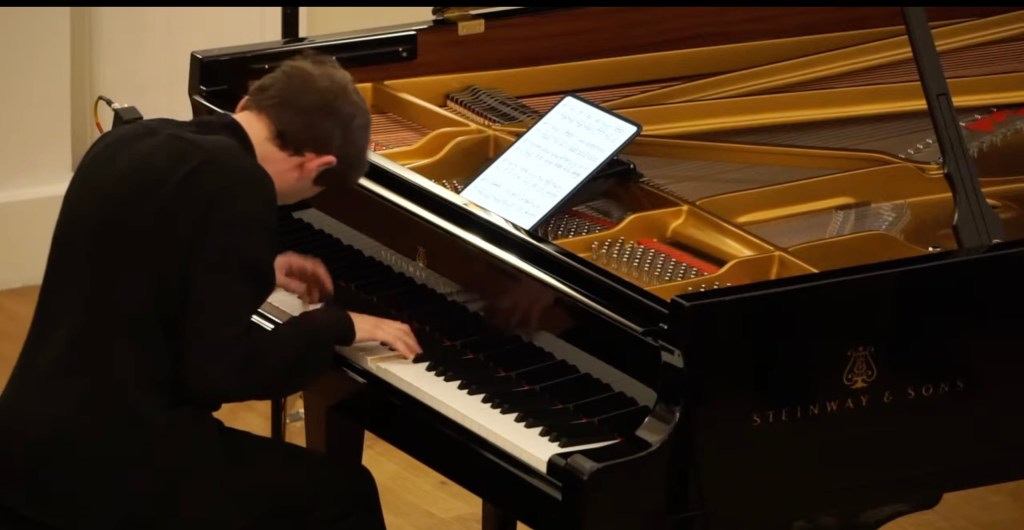

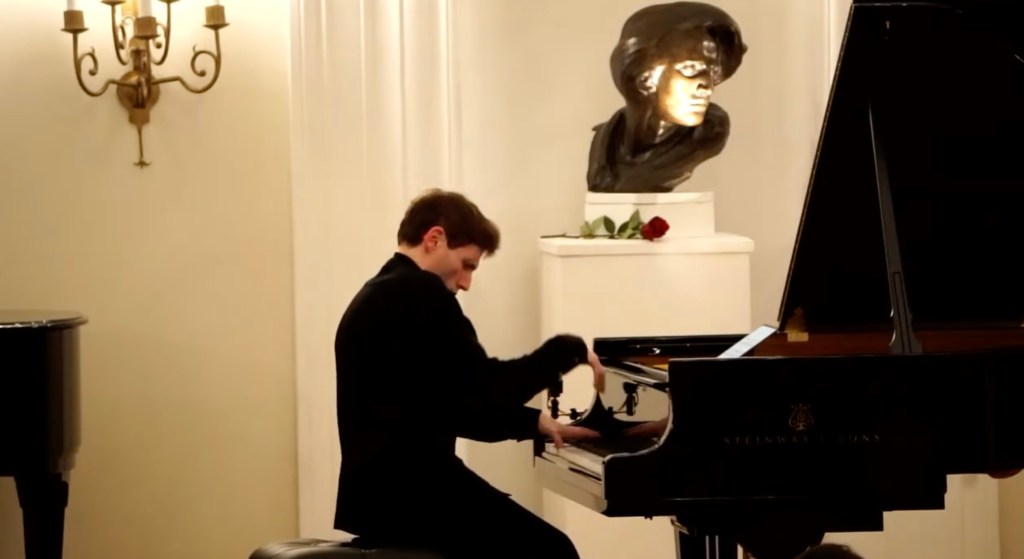


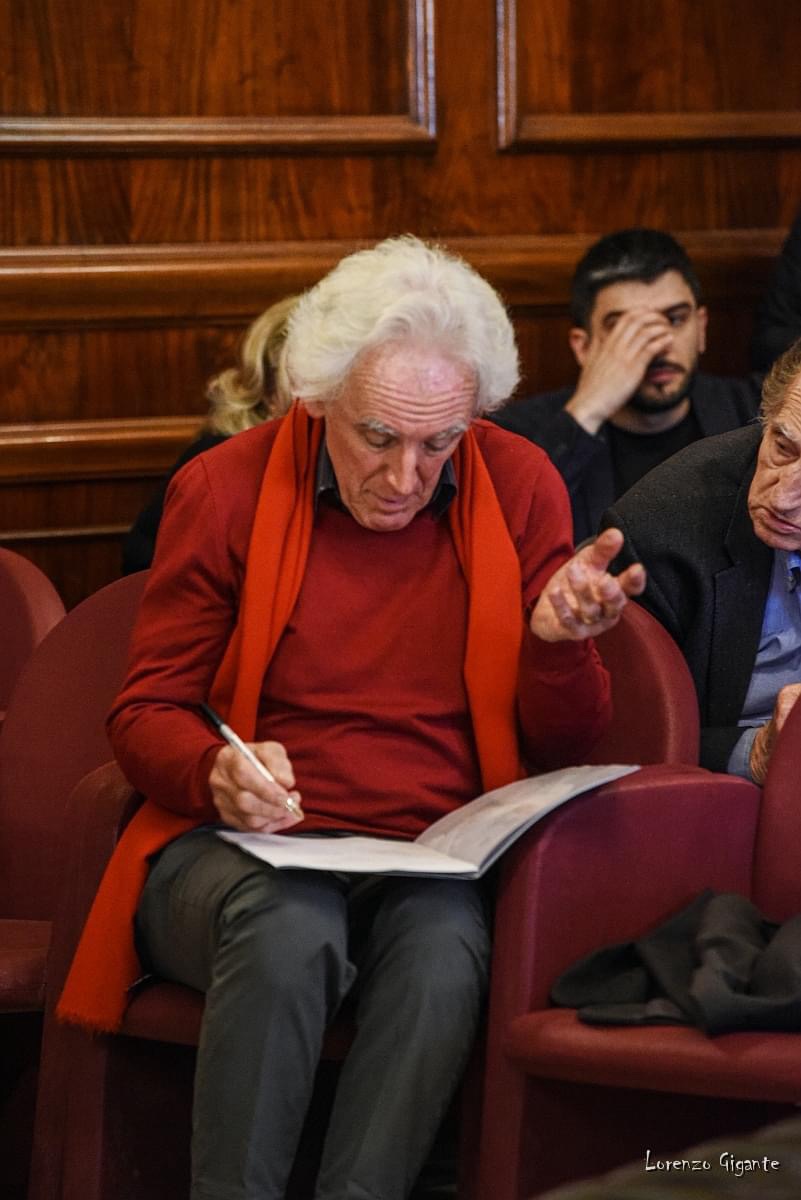


 It is thanks to Maestro Paleczny that we have been able to listen to so many remarkable young musicians that he discovers in International Competitions and invites every year to his Duszniki Festival. The last article I wrote about Kevin I likened his musical perfection to that of Cutner Solomon. But today listening to this young man come of age, smiling and obviously now enjoying himself at the piano. He has come through that ever difficult moment, from prodigy to professional, and his playing is of such musical perfection and mastery it can only, for me, be likened to Dinu Lipatti.


 Franz Liszt (1811–1886) Ballade n.2 in B minor S. 171 (1853)

 Réminiscences de Don Juan, S. 418 (1841).

 A standing ovation led by Maestro Paleczny
 The concerts will be broadcast on our YouTube channel, but not all of them –
 DINU LIPATTI – THE PRINCE OF PIANISTS – with Alfred Cortot
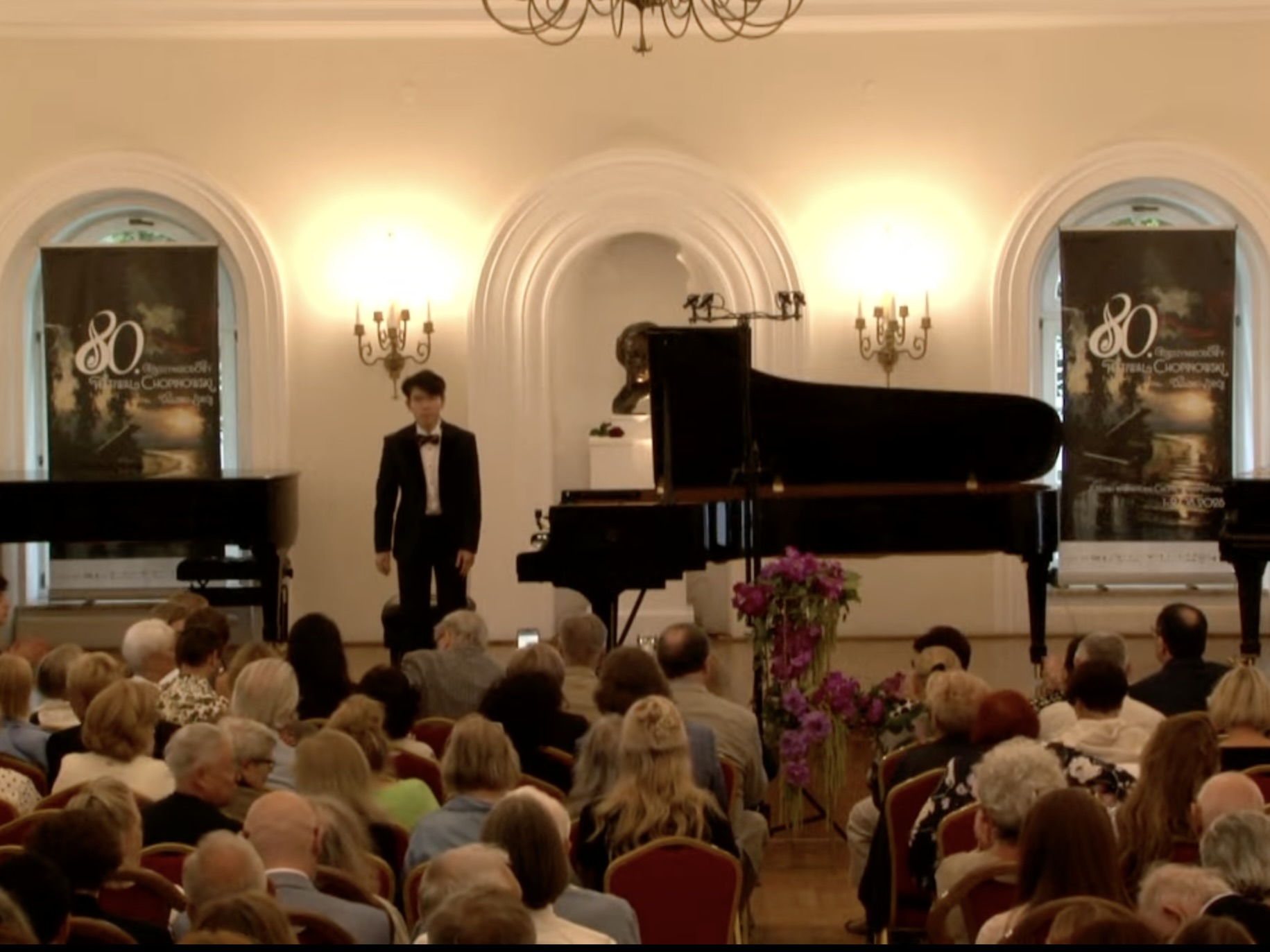

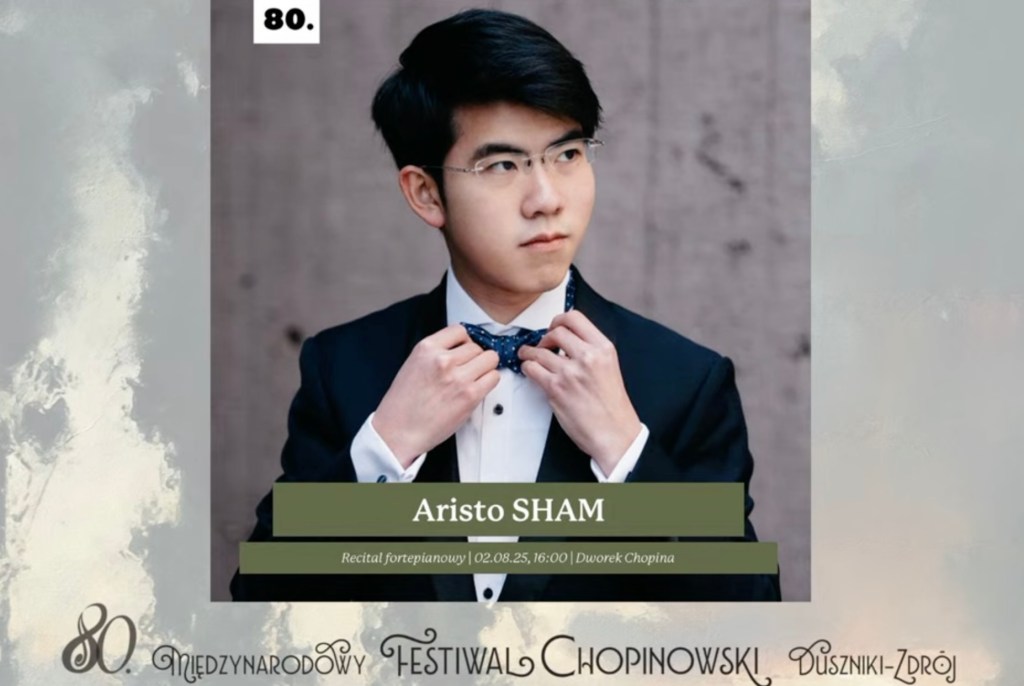
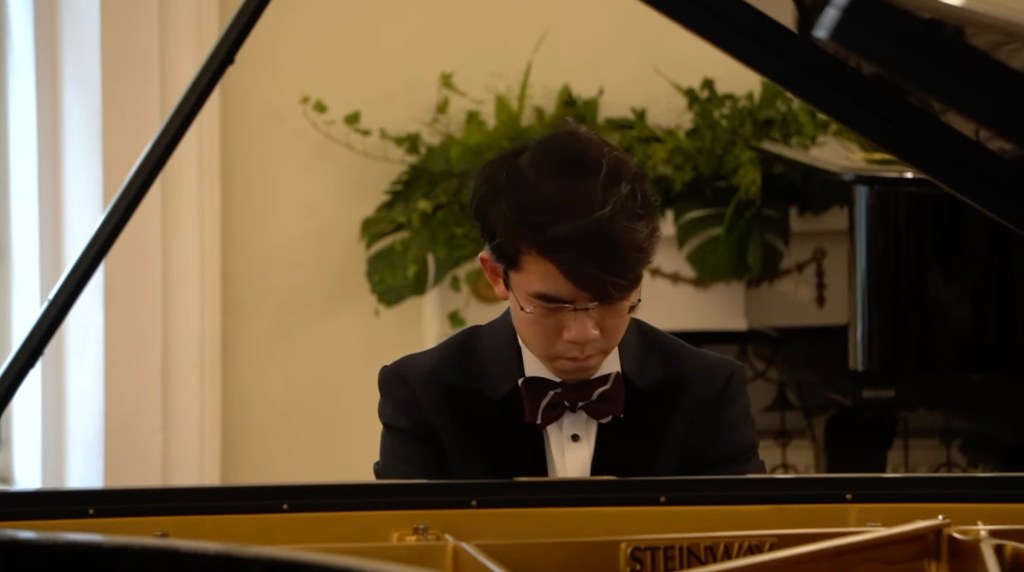

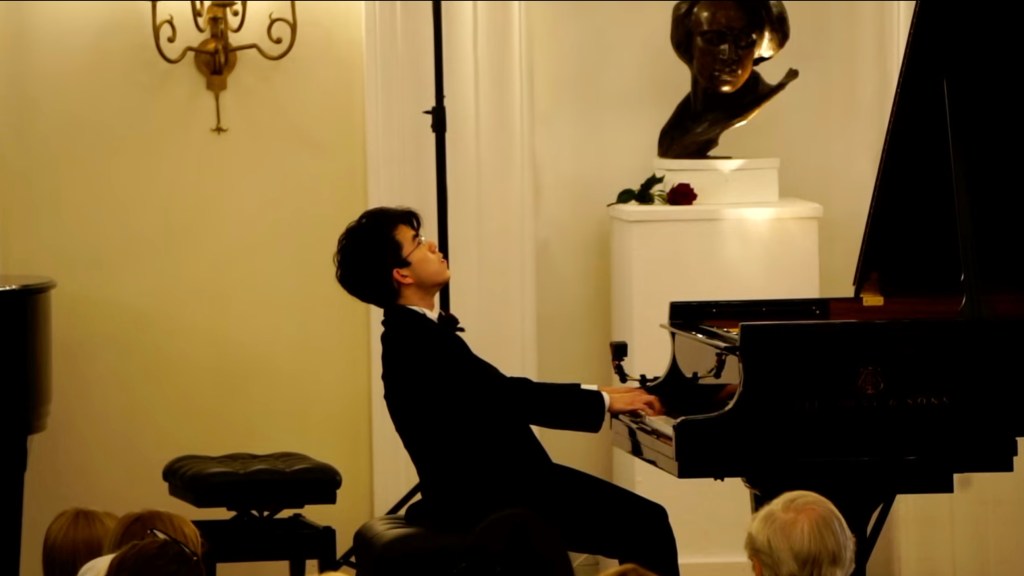
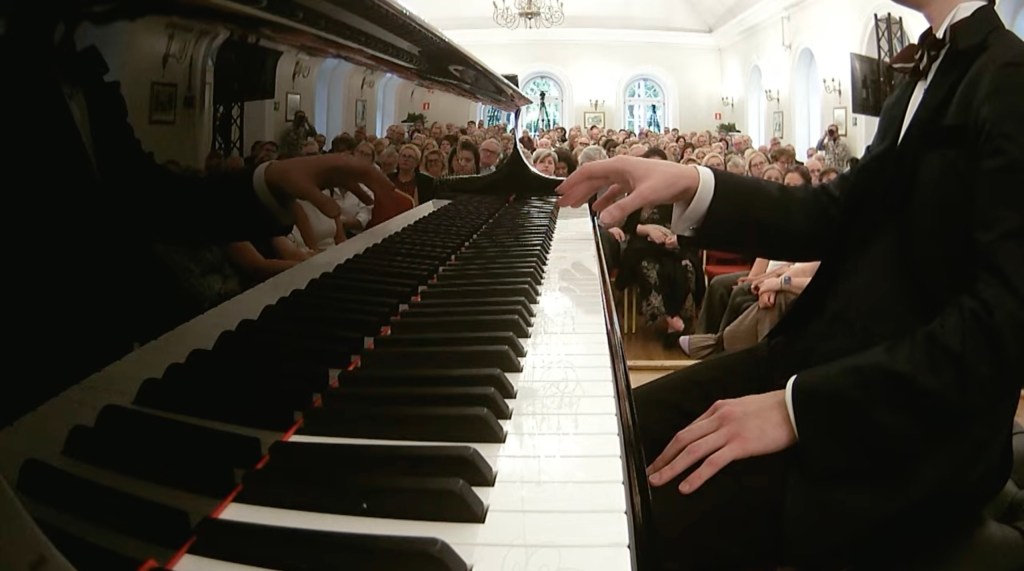


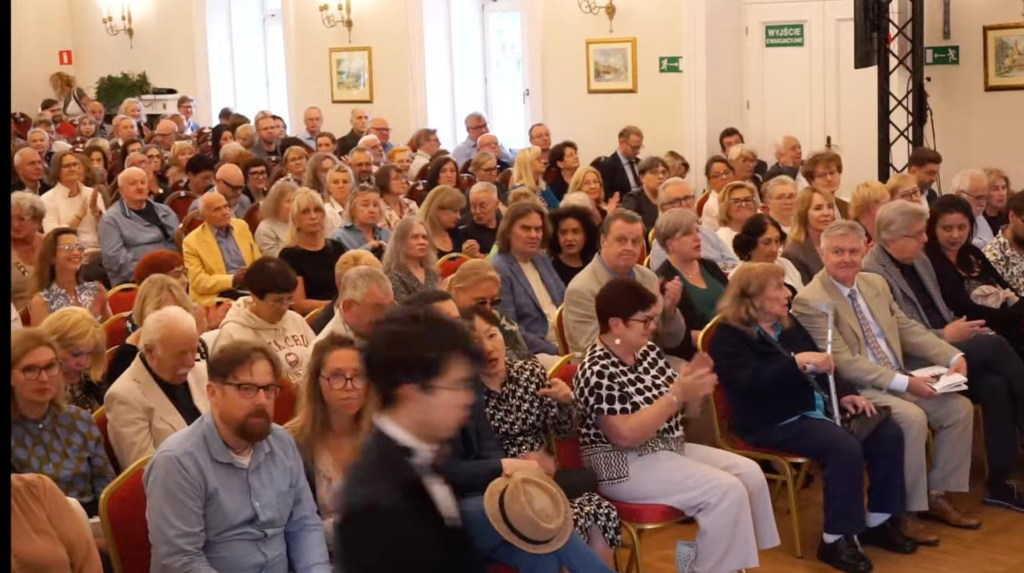
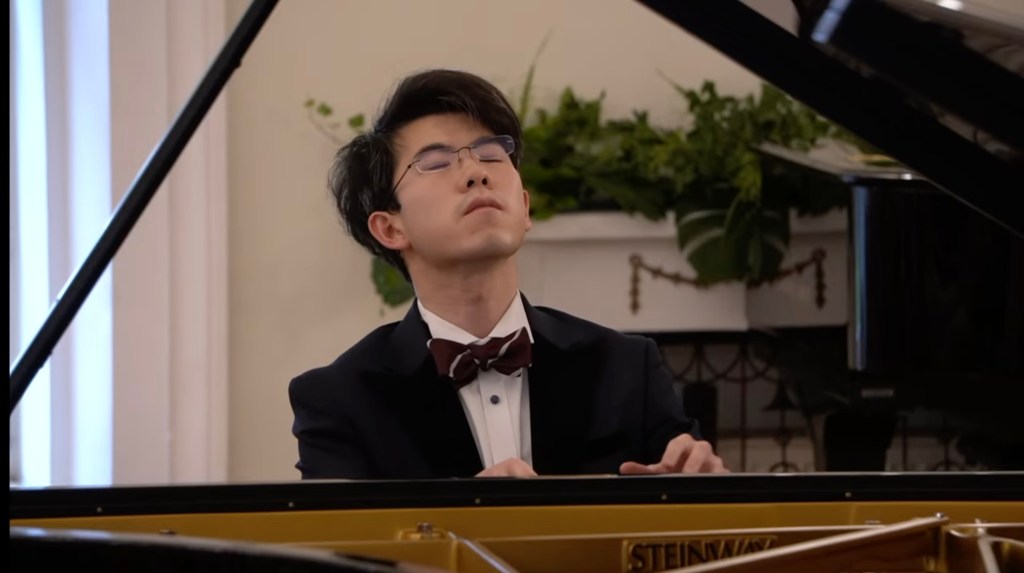

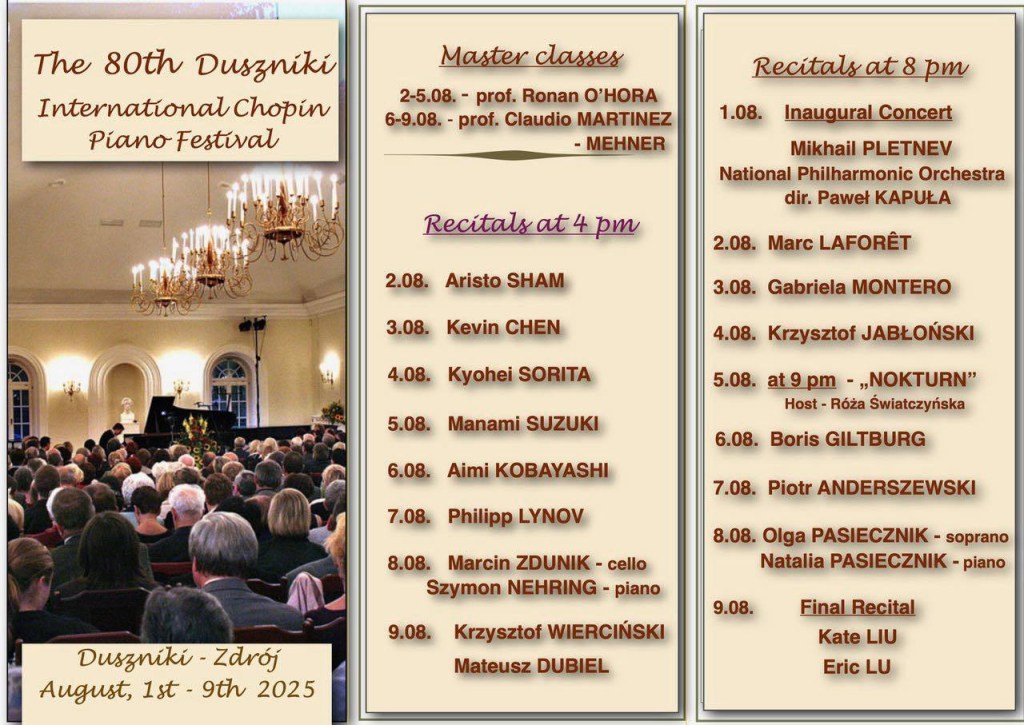
 Radio broadcasts: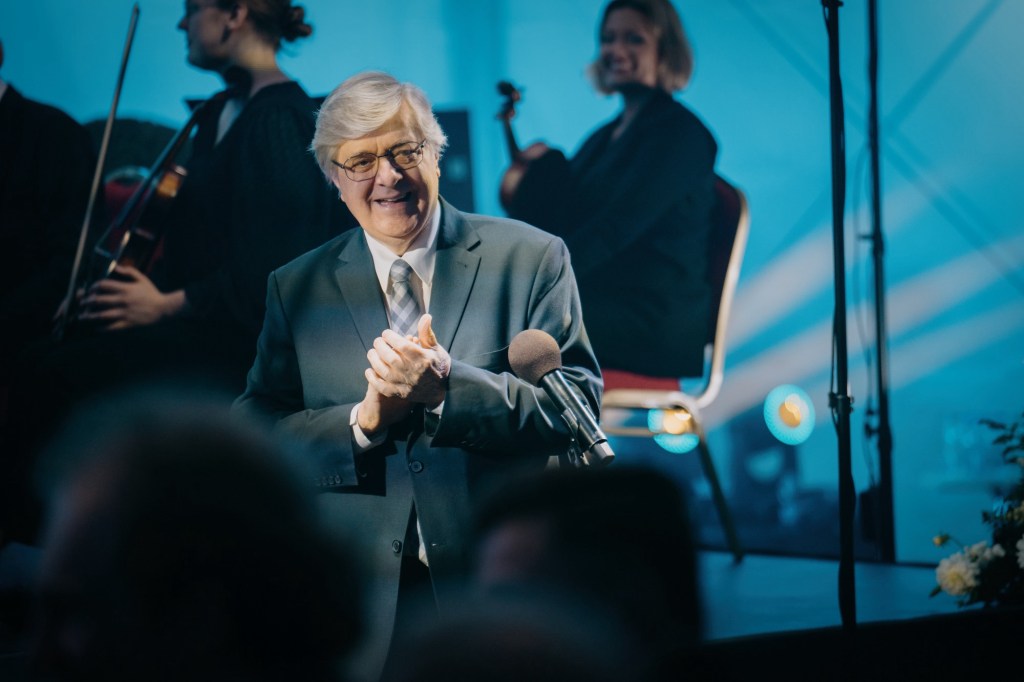

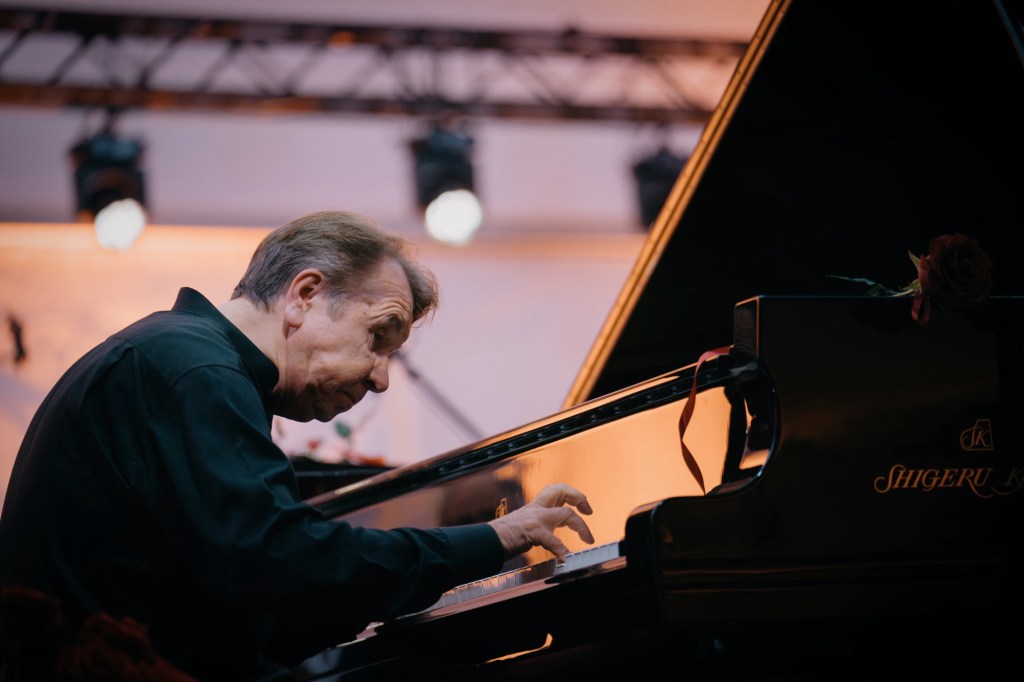



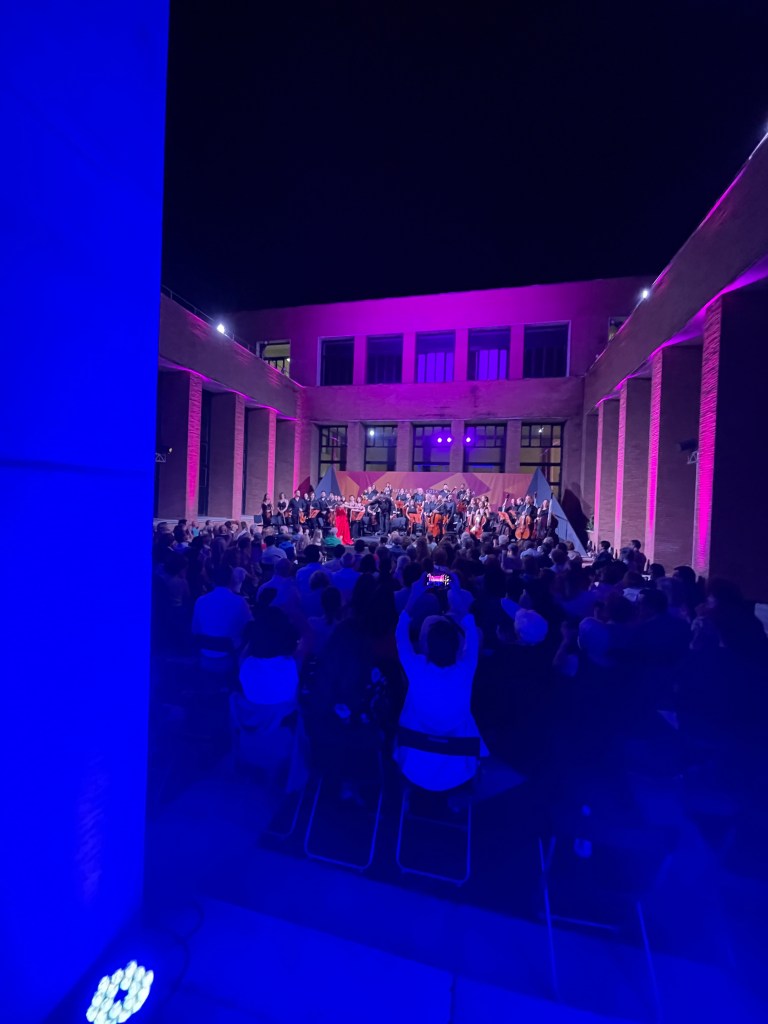
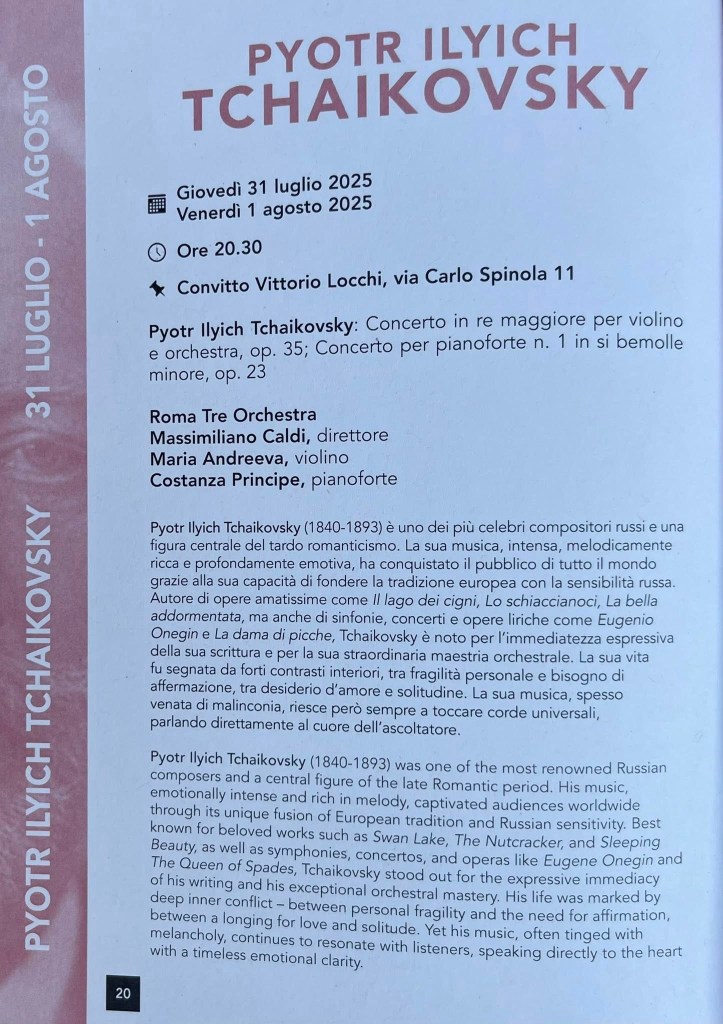
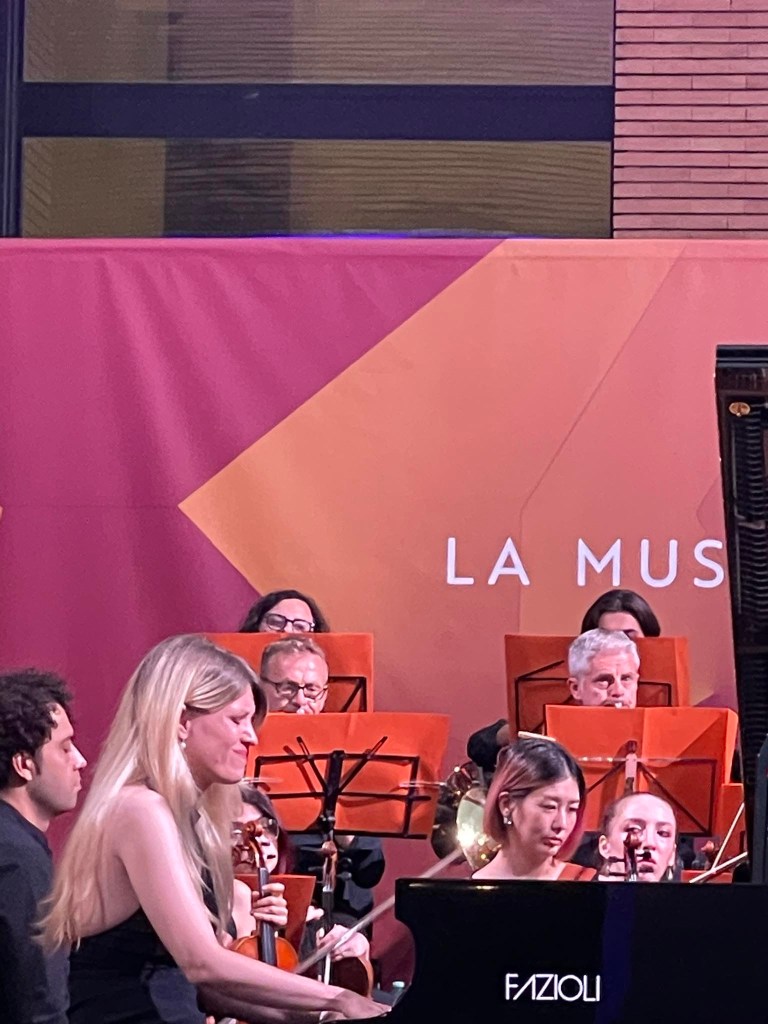
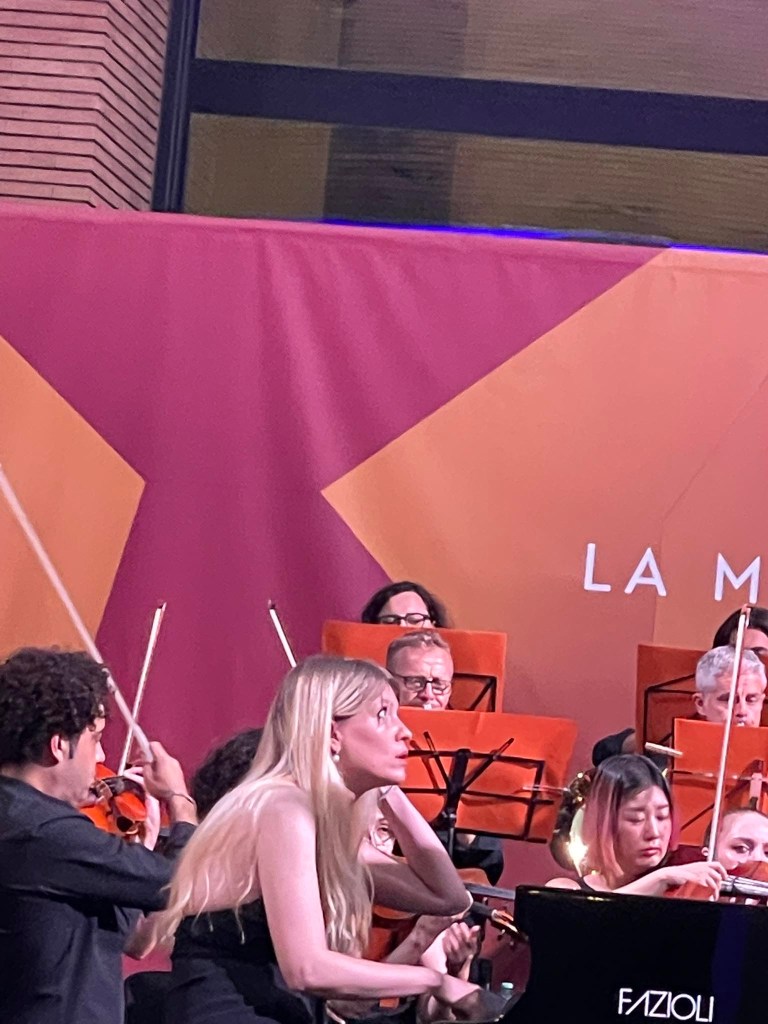

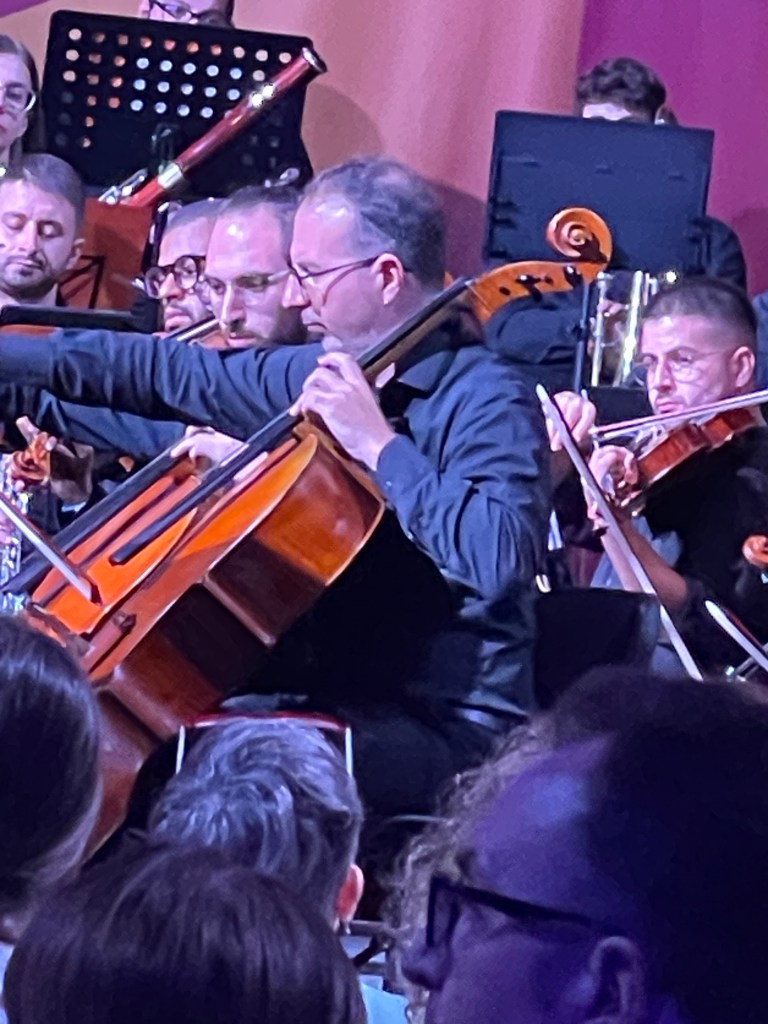

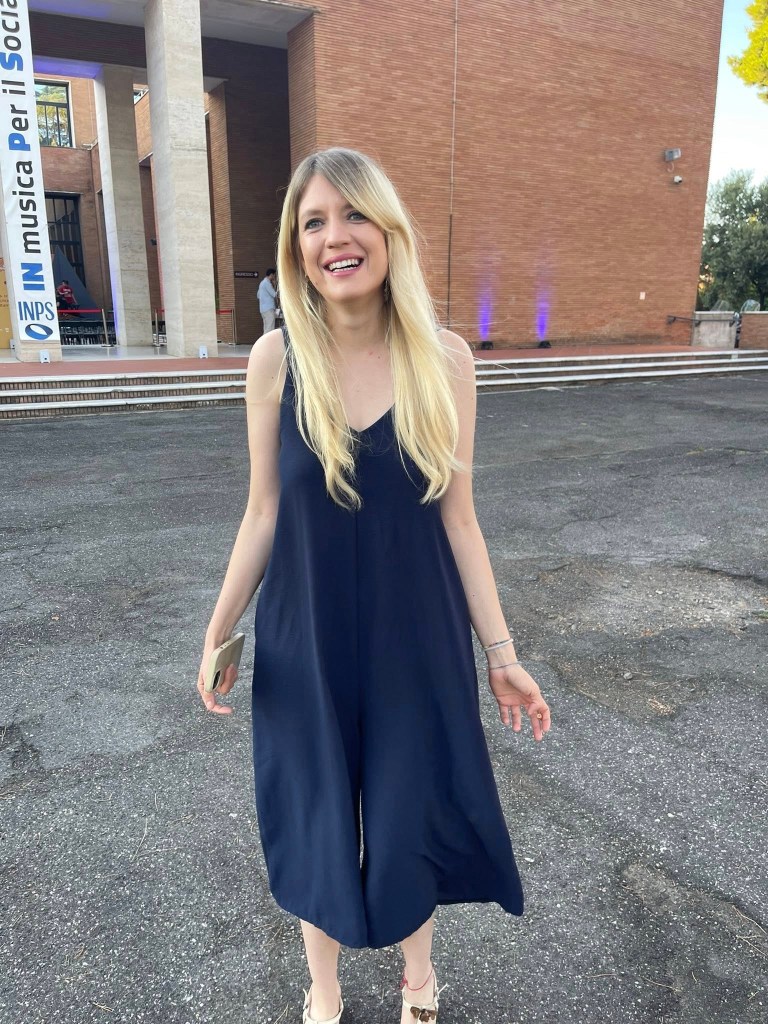

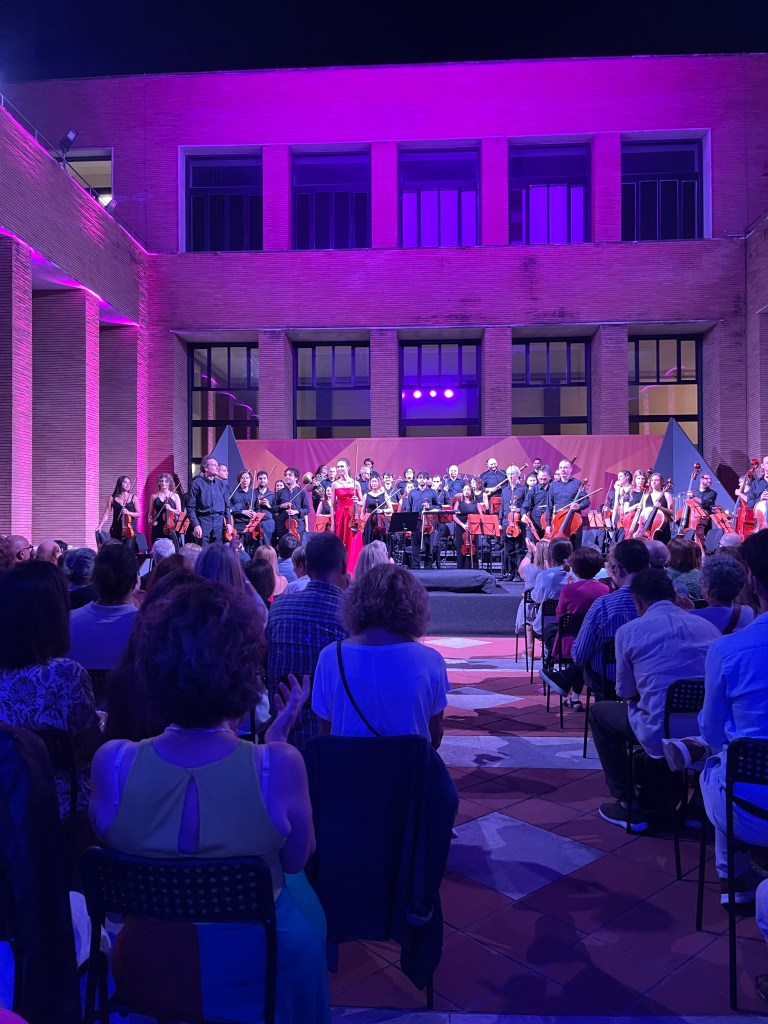

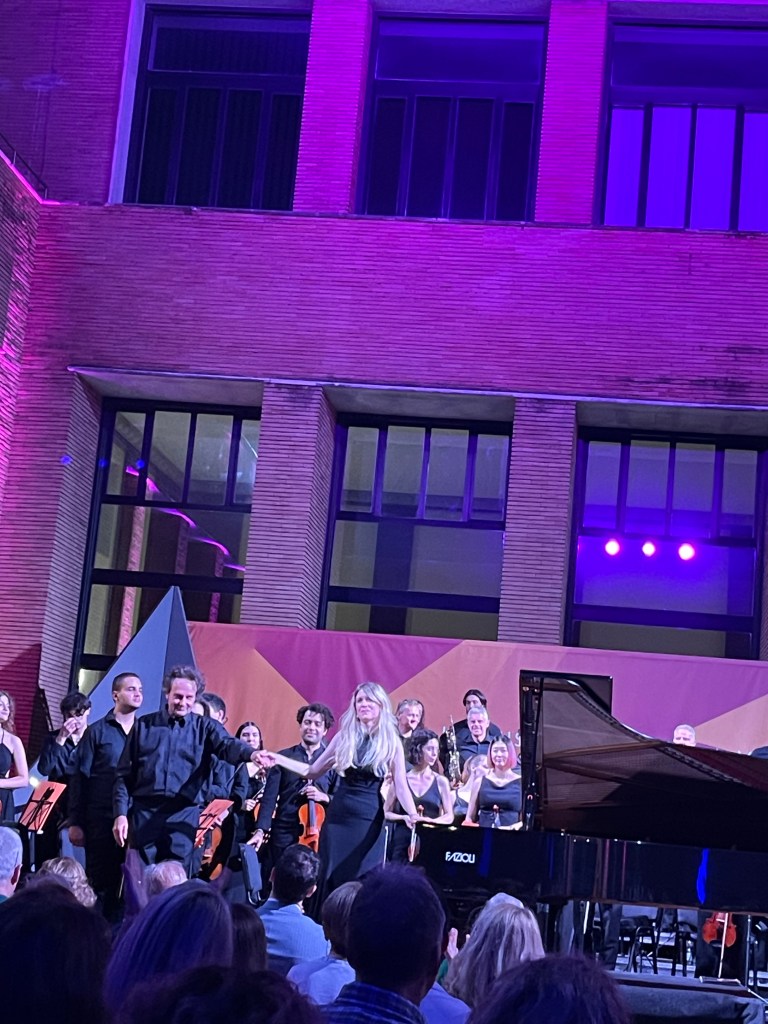


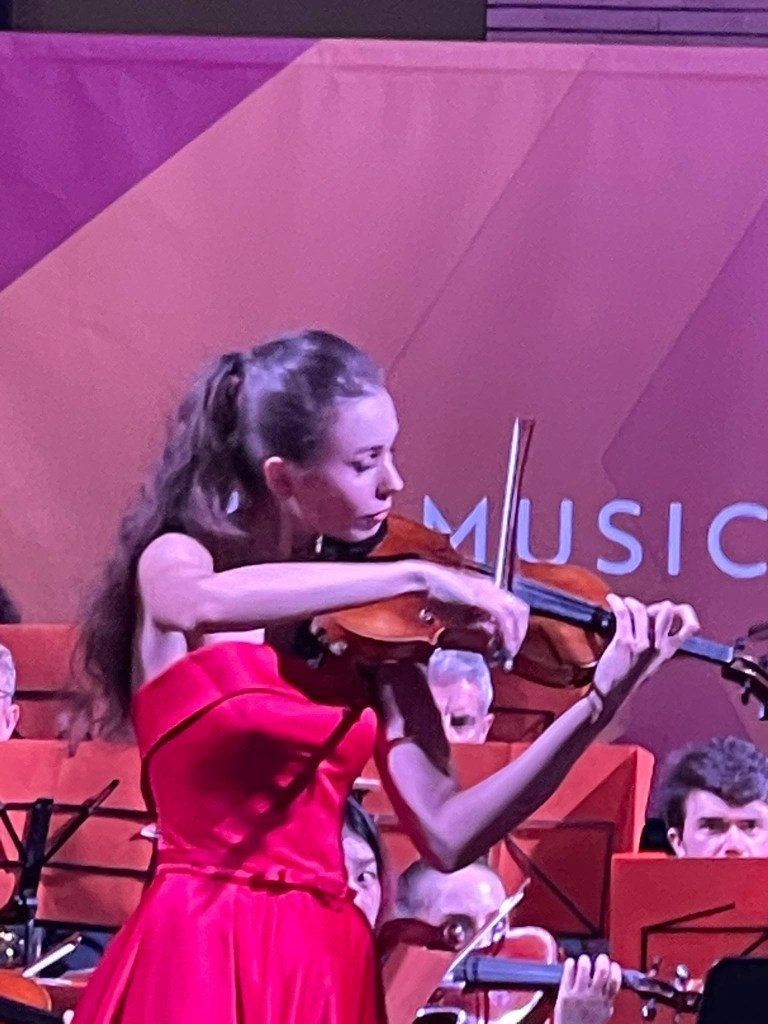
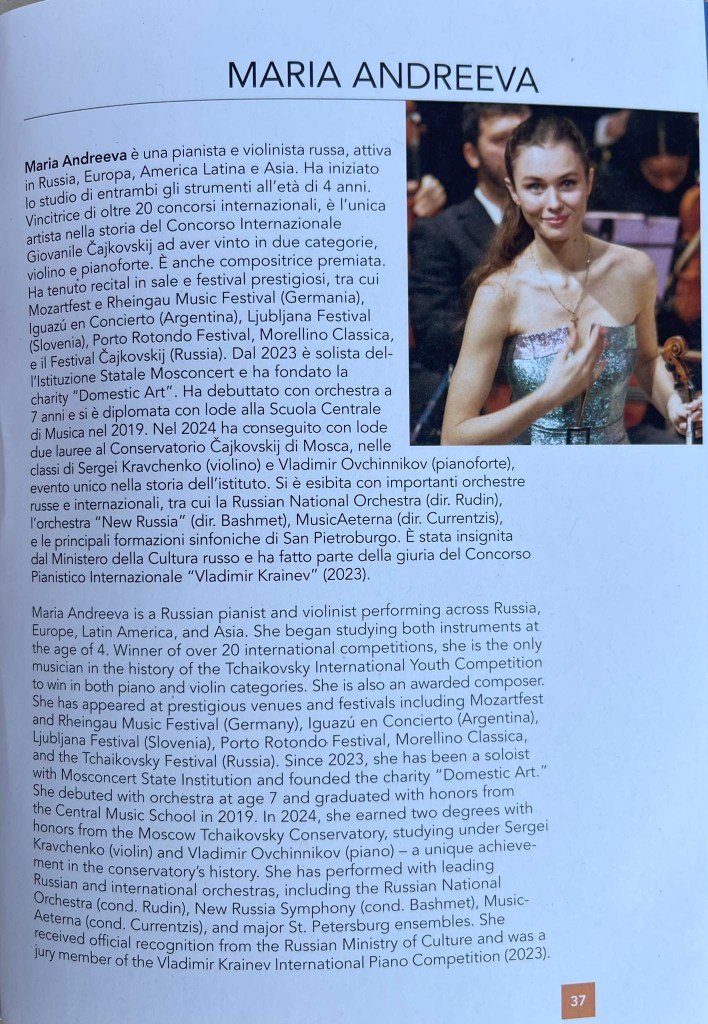


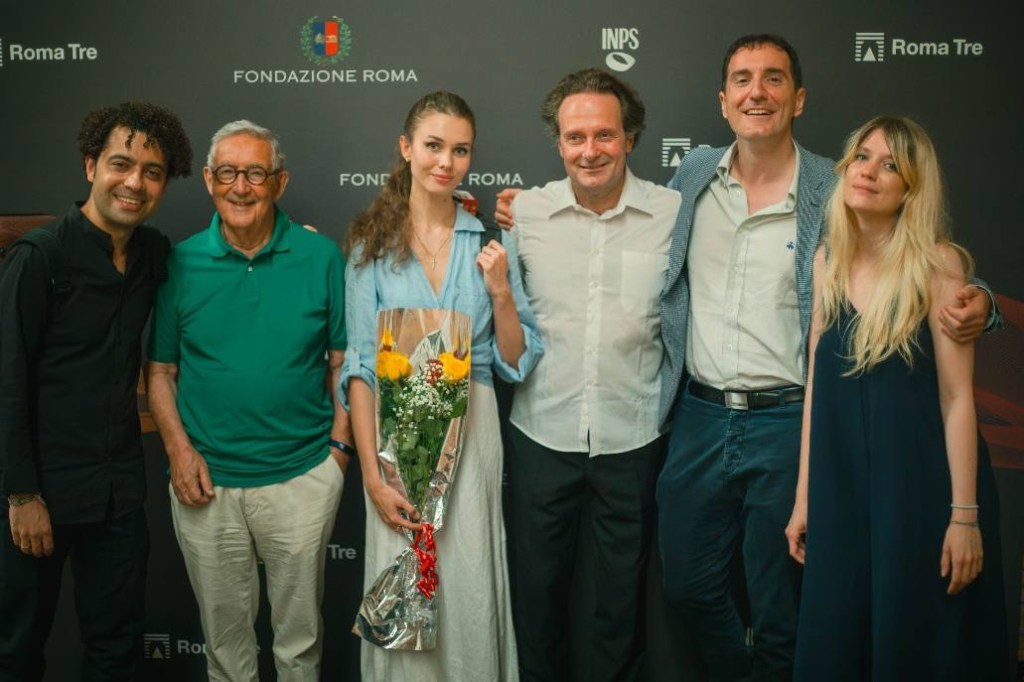


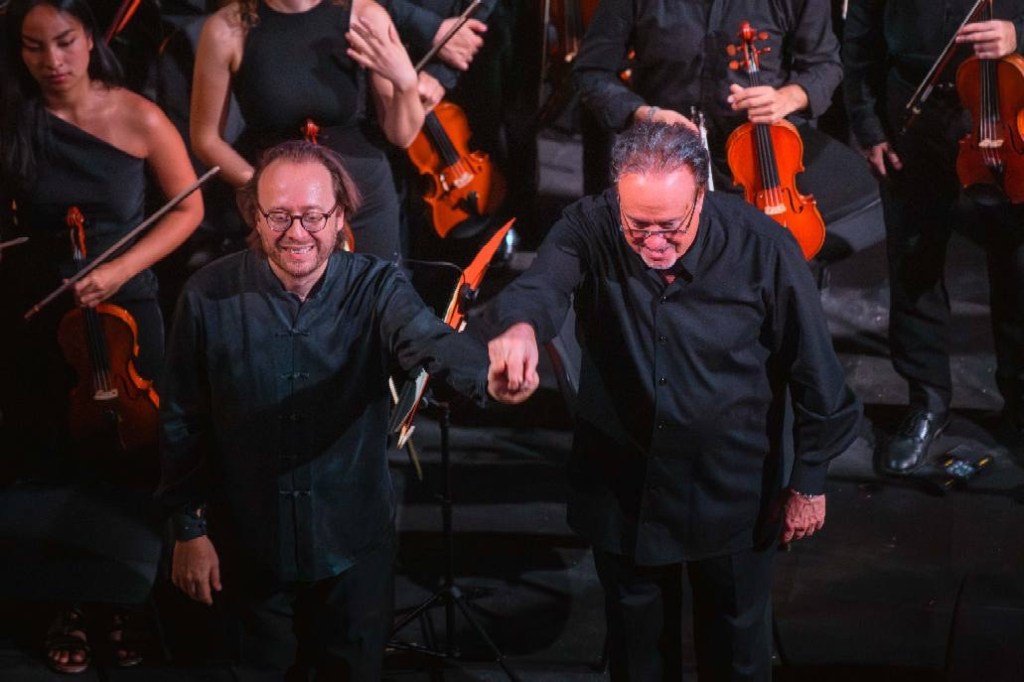

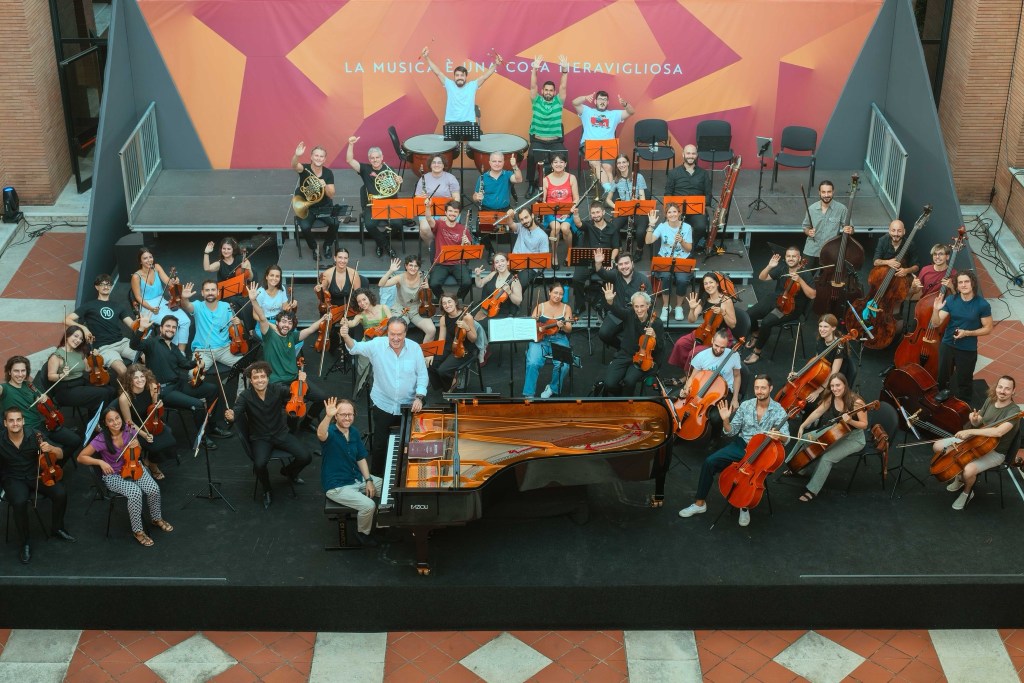

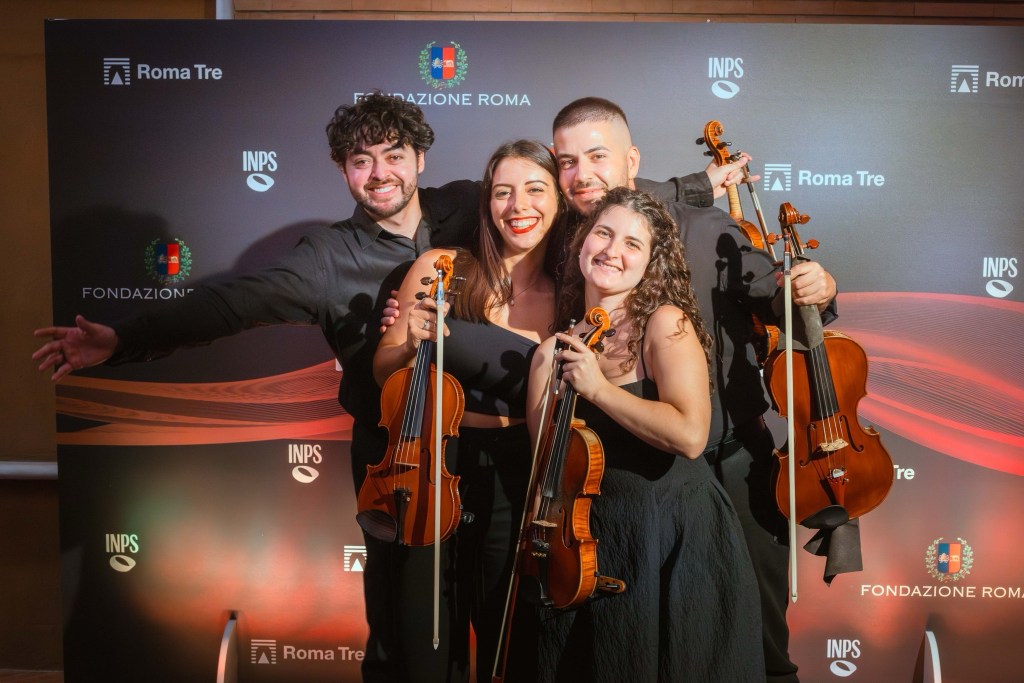


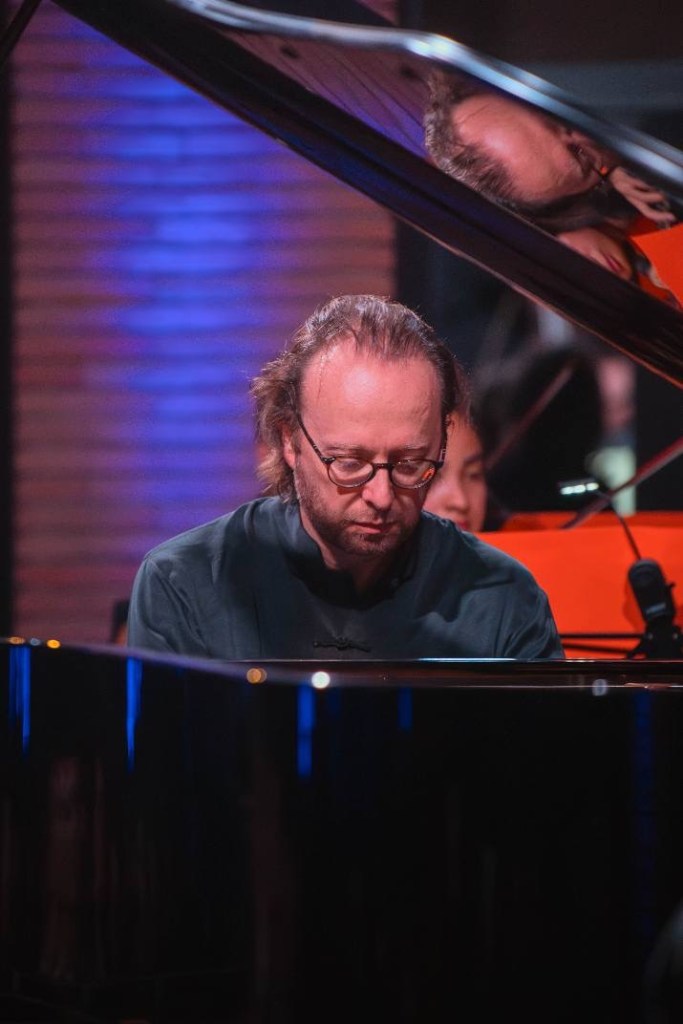
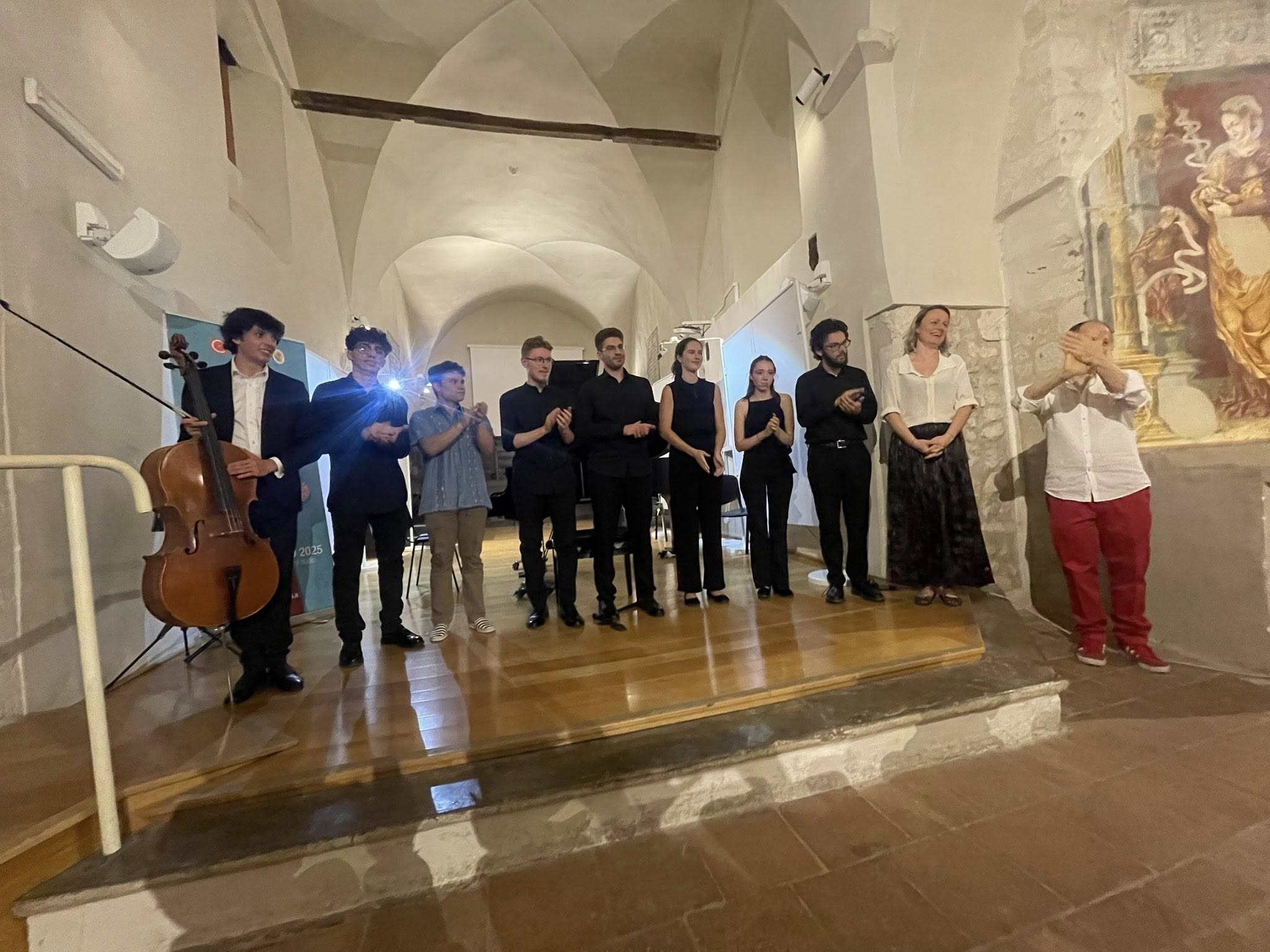
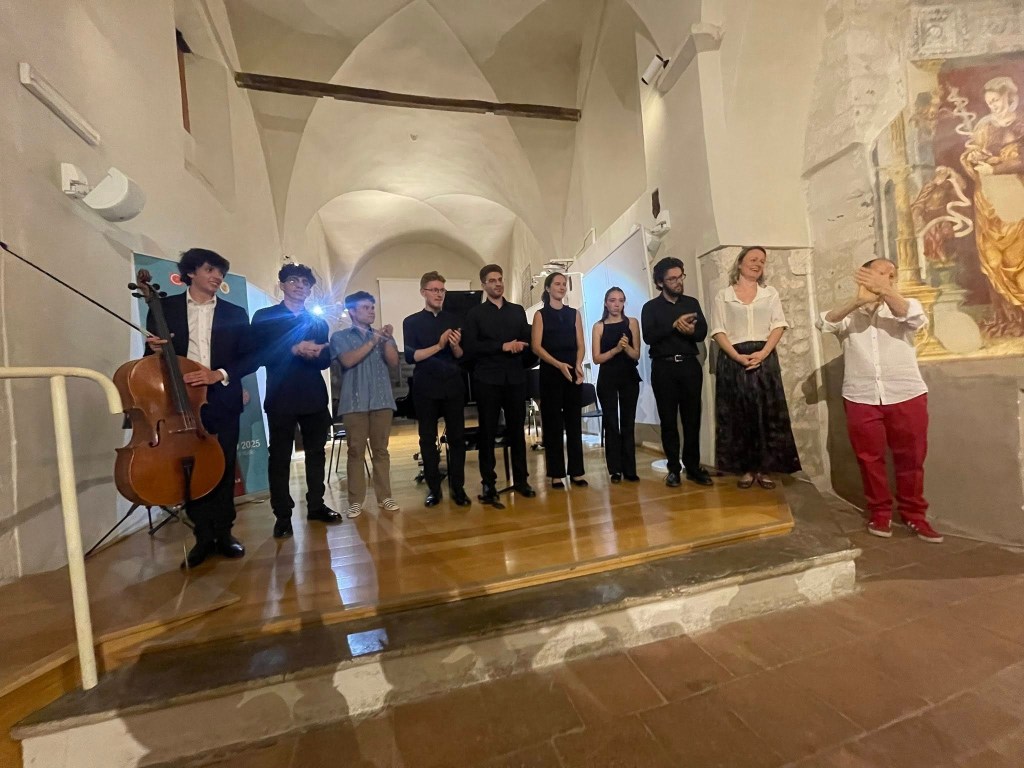
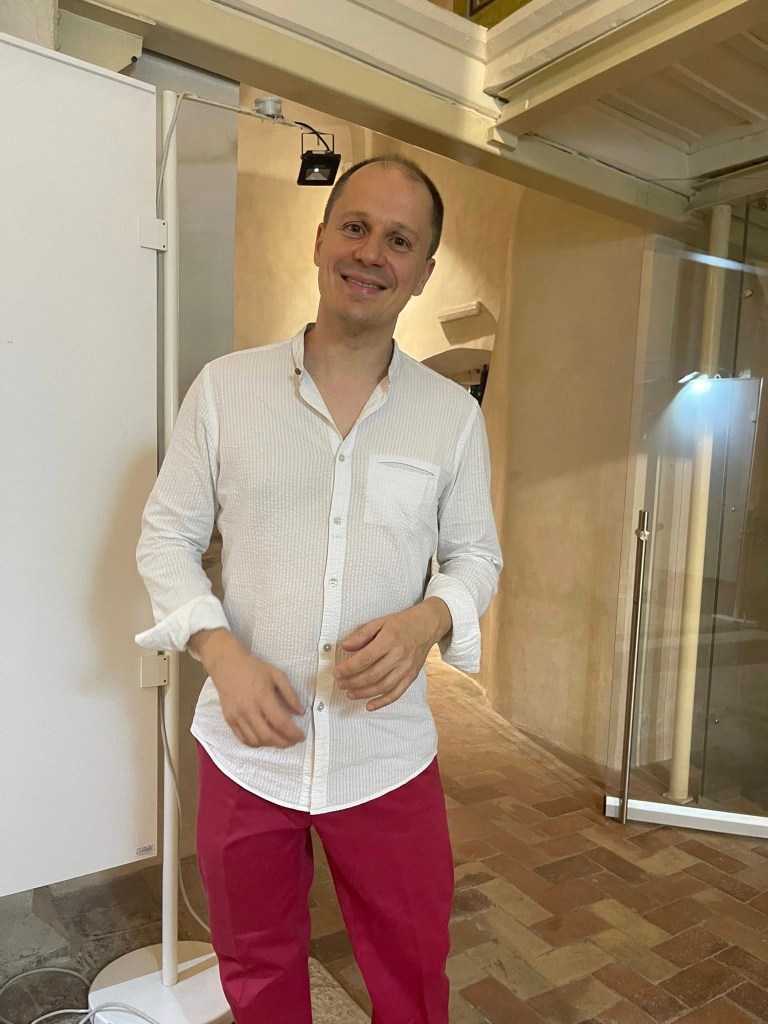
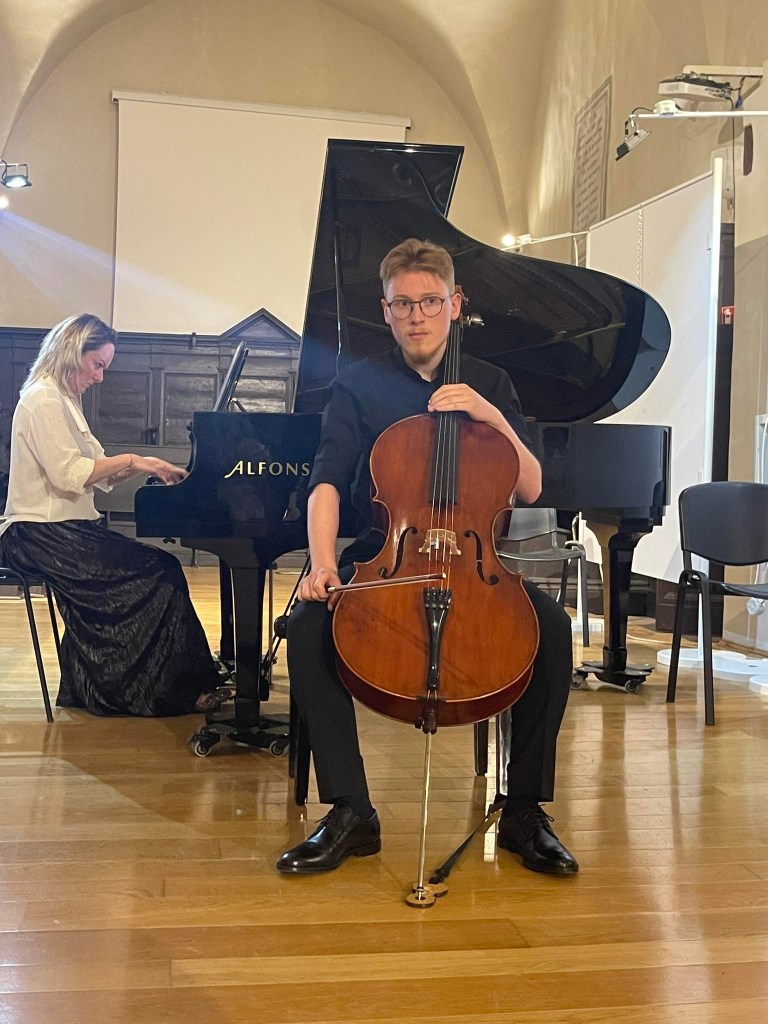
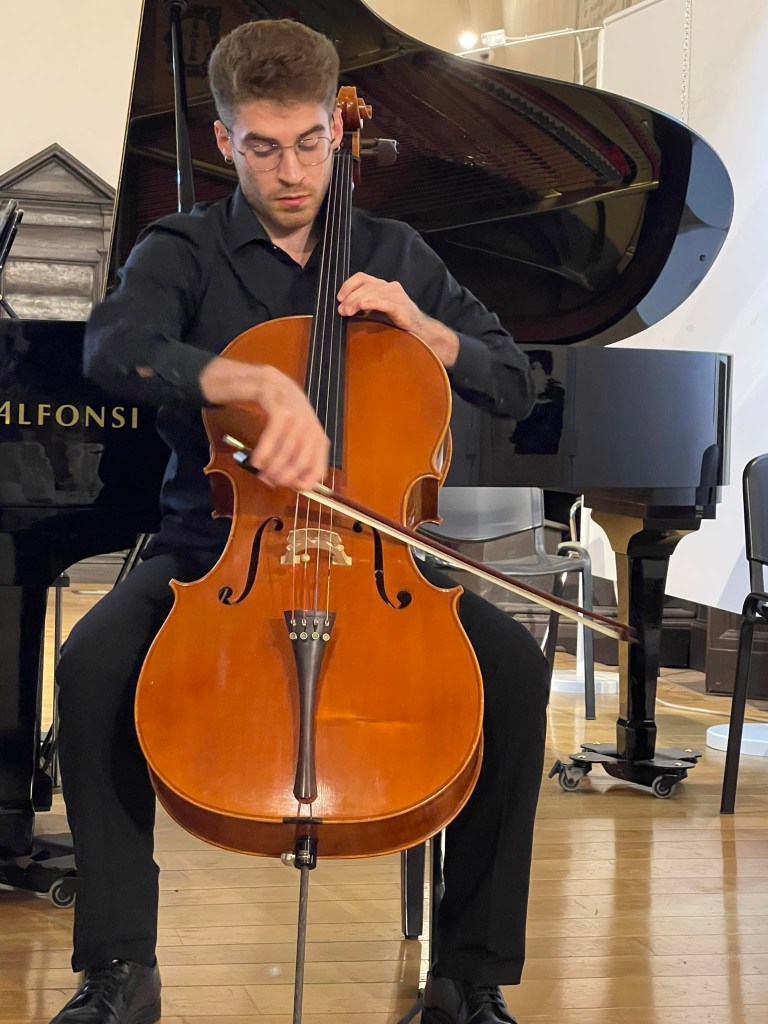
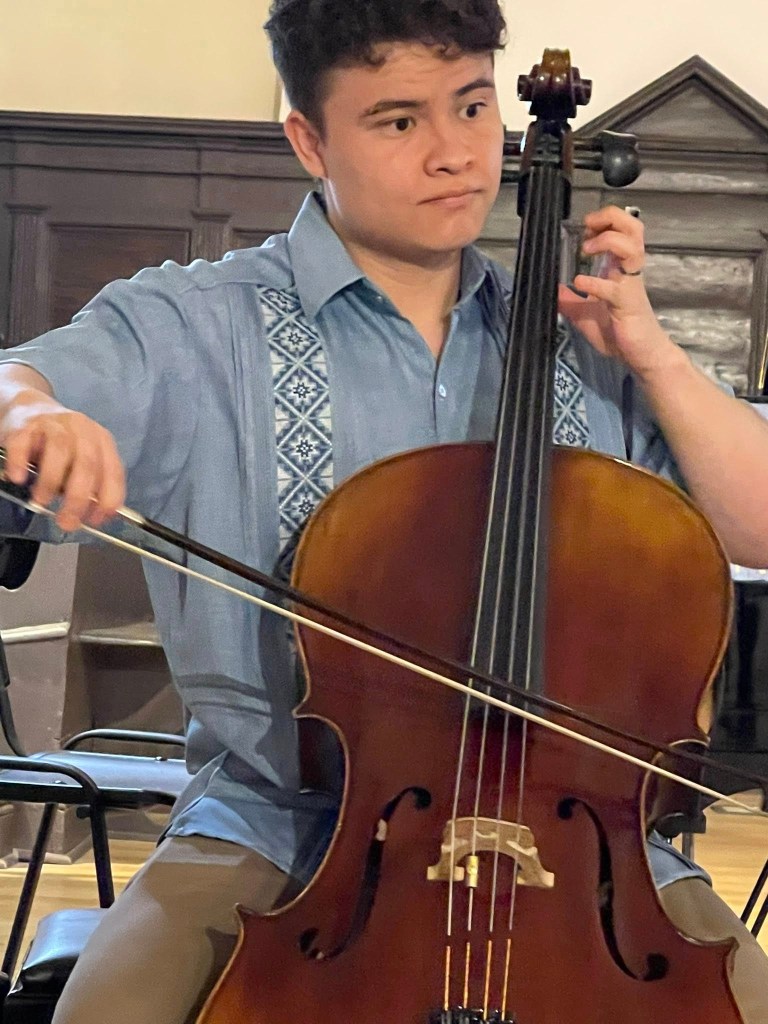
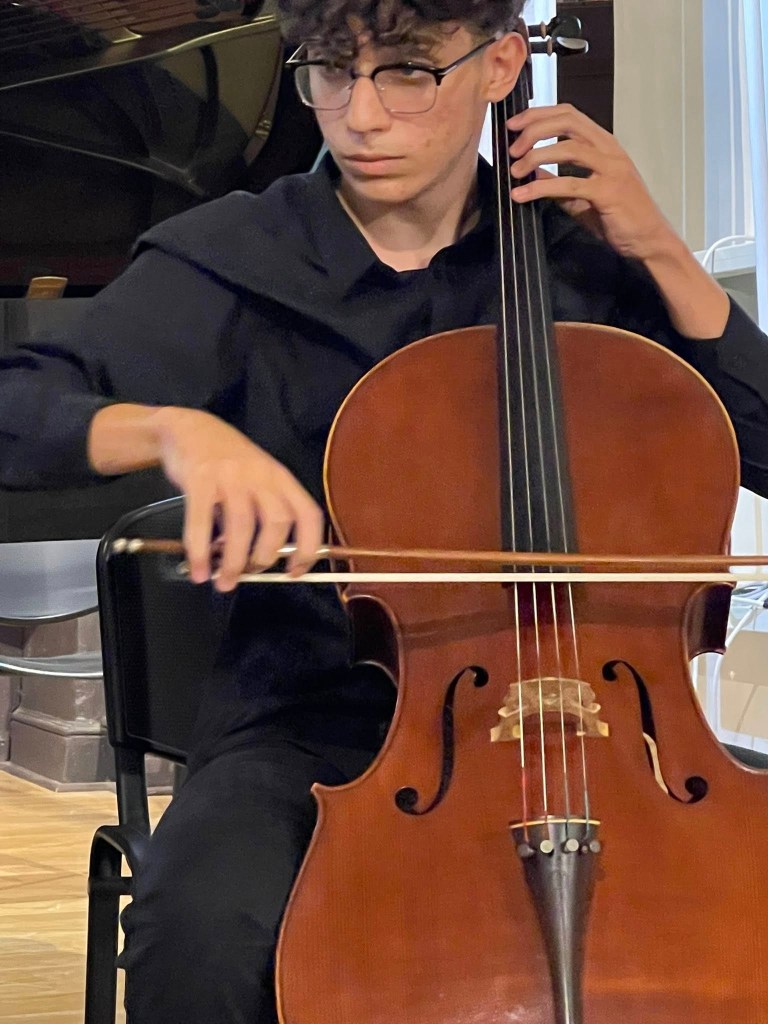
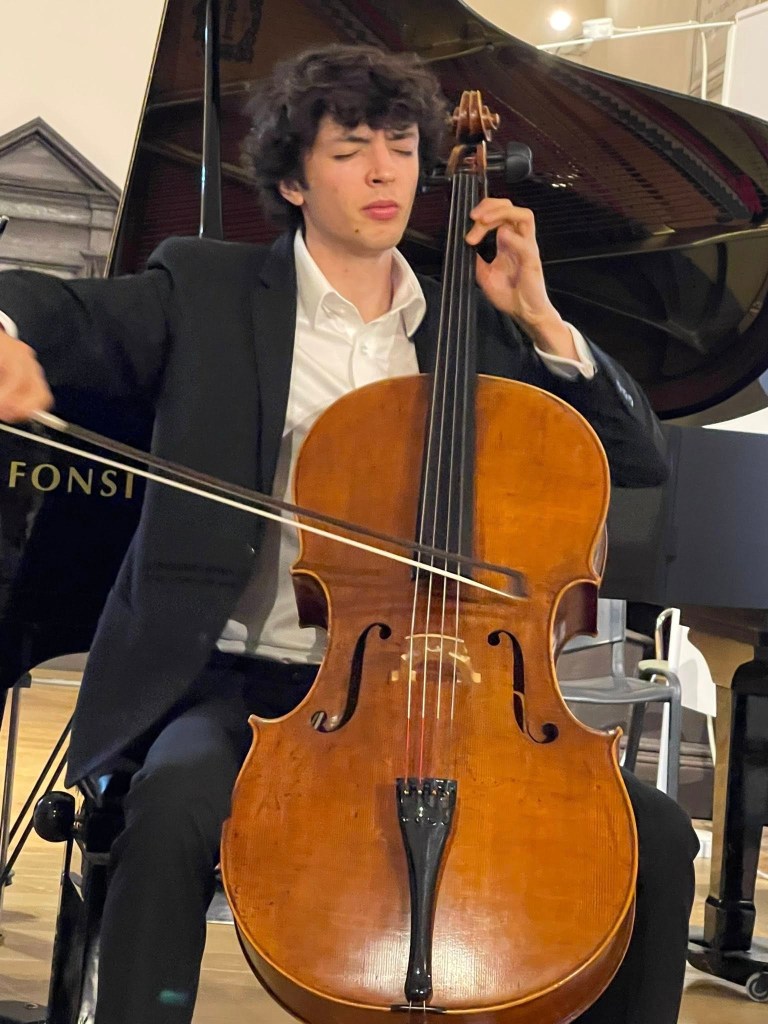
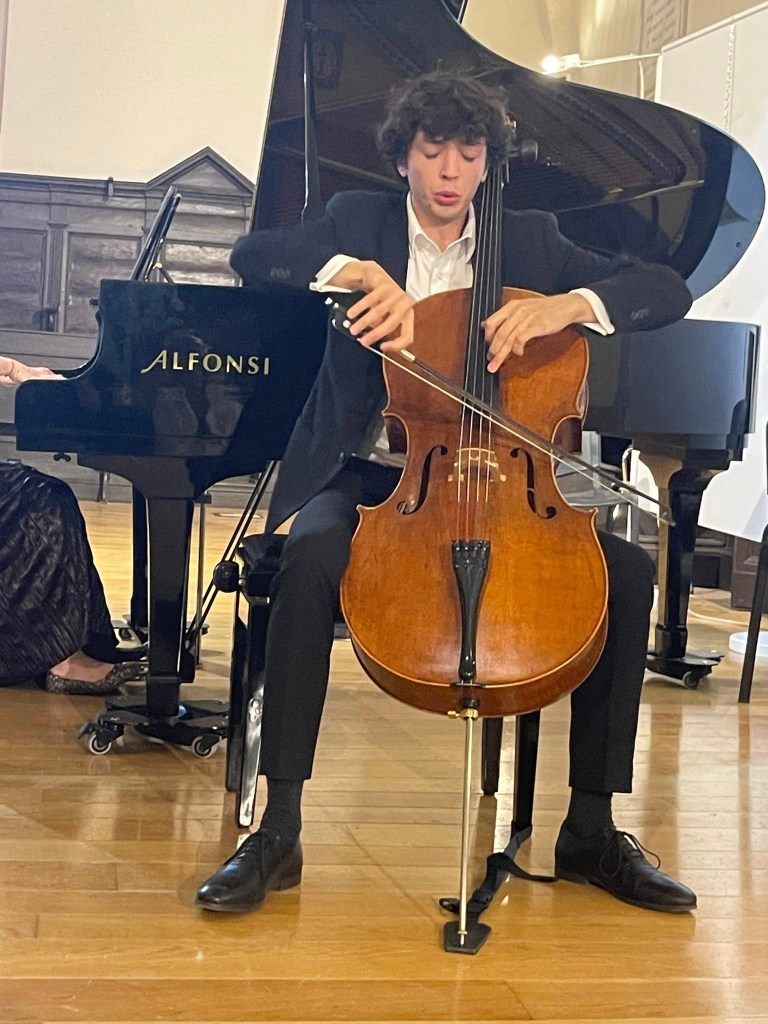
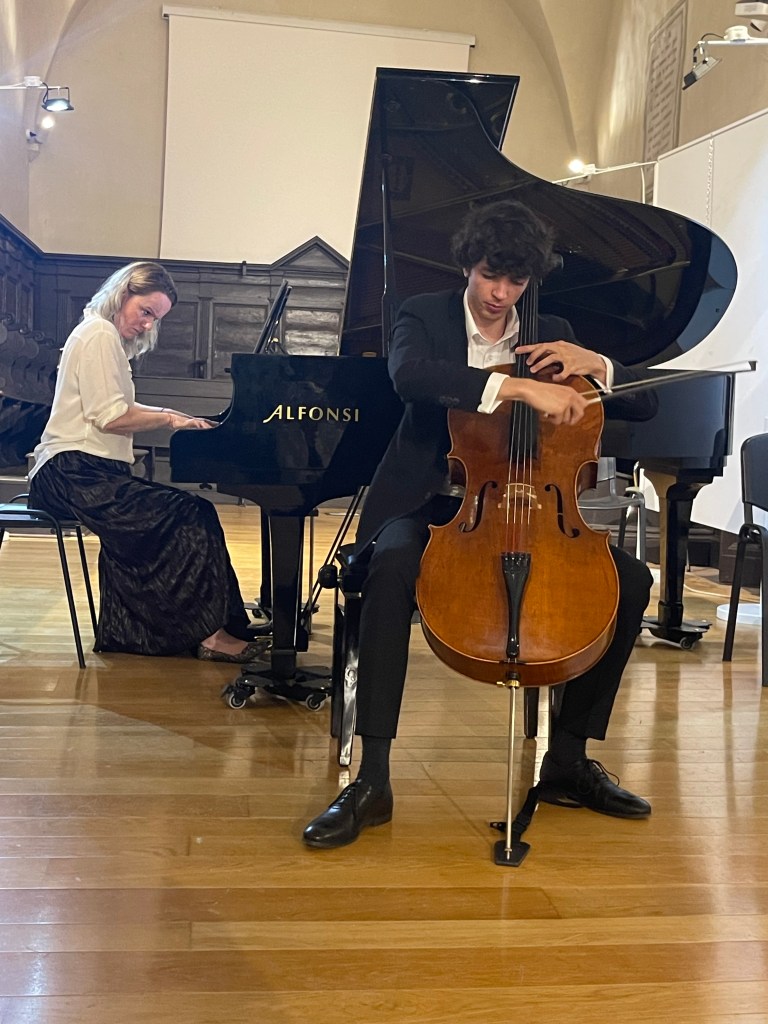
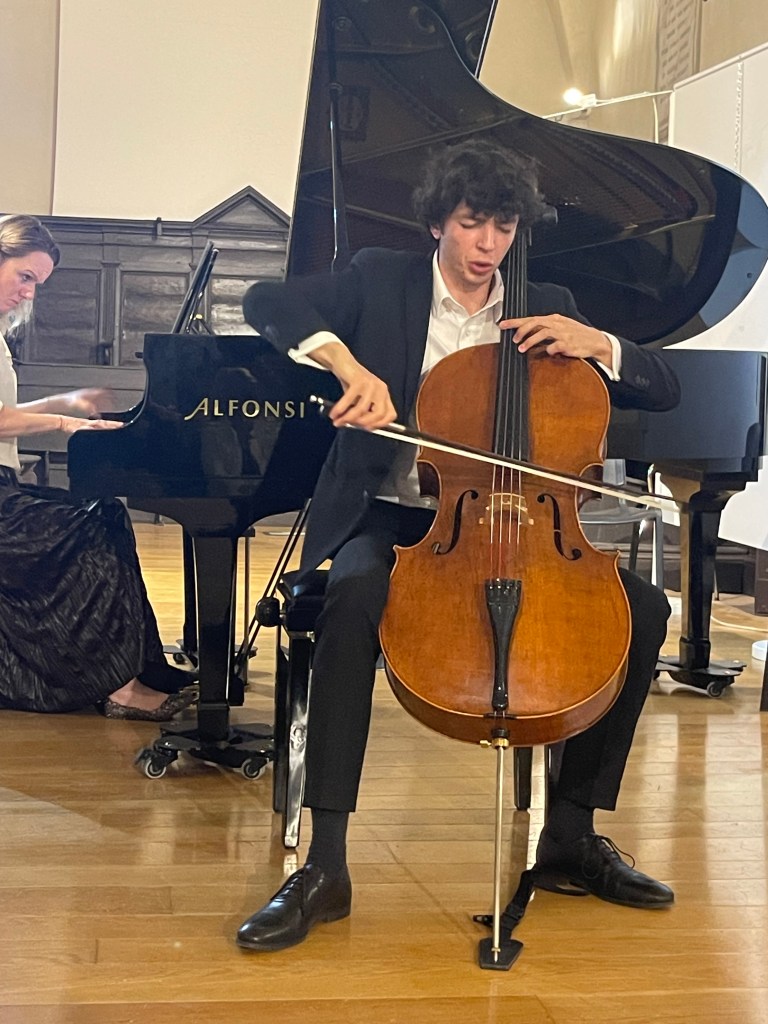
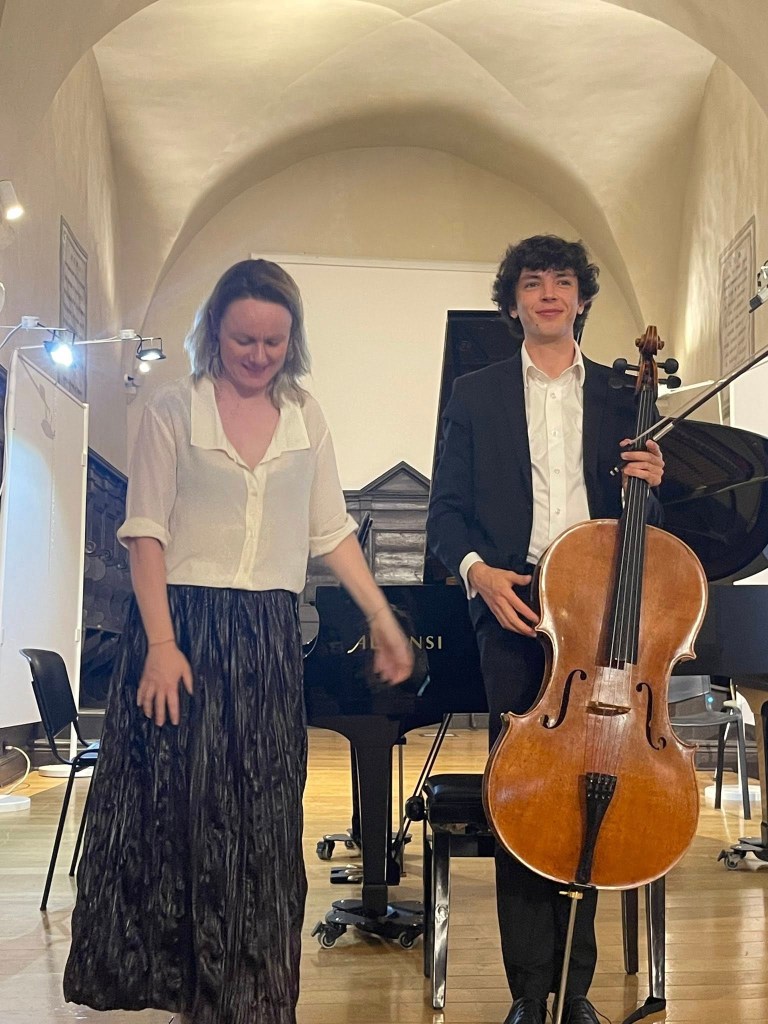
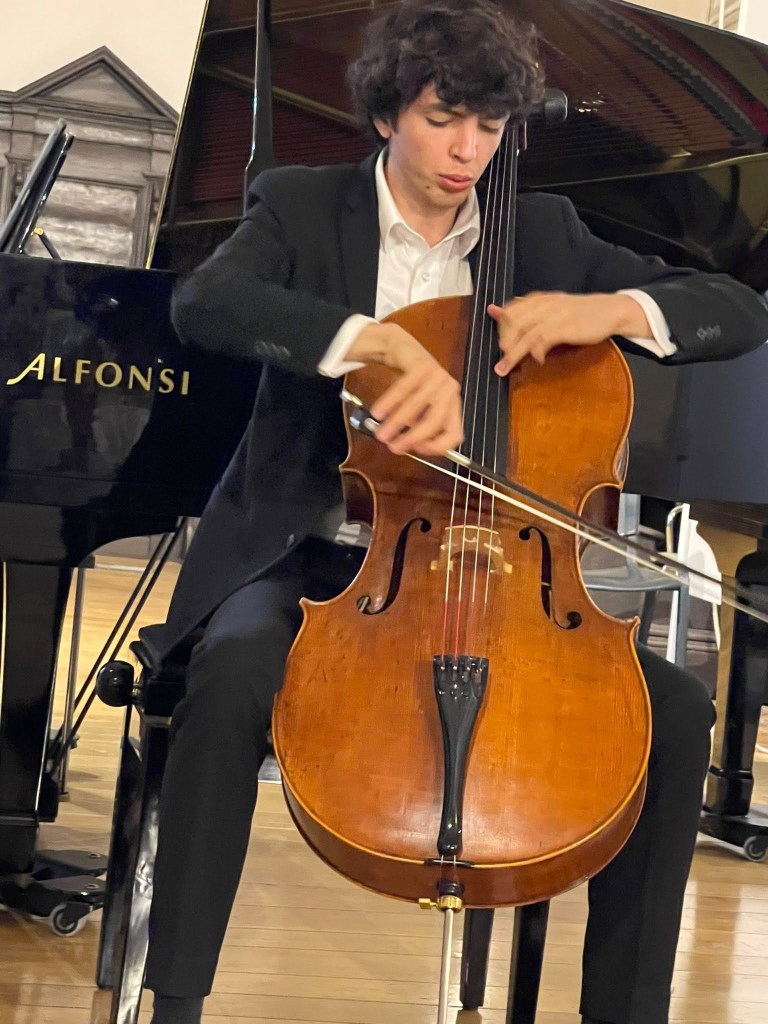
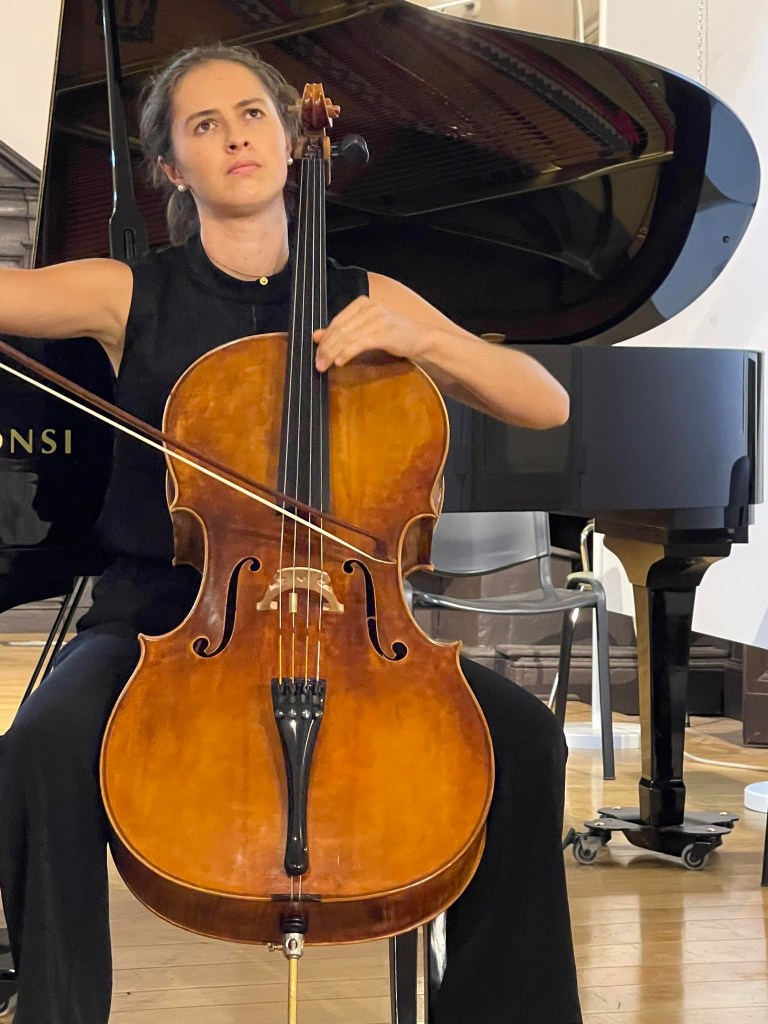
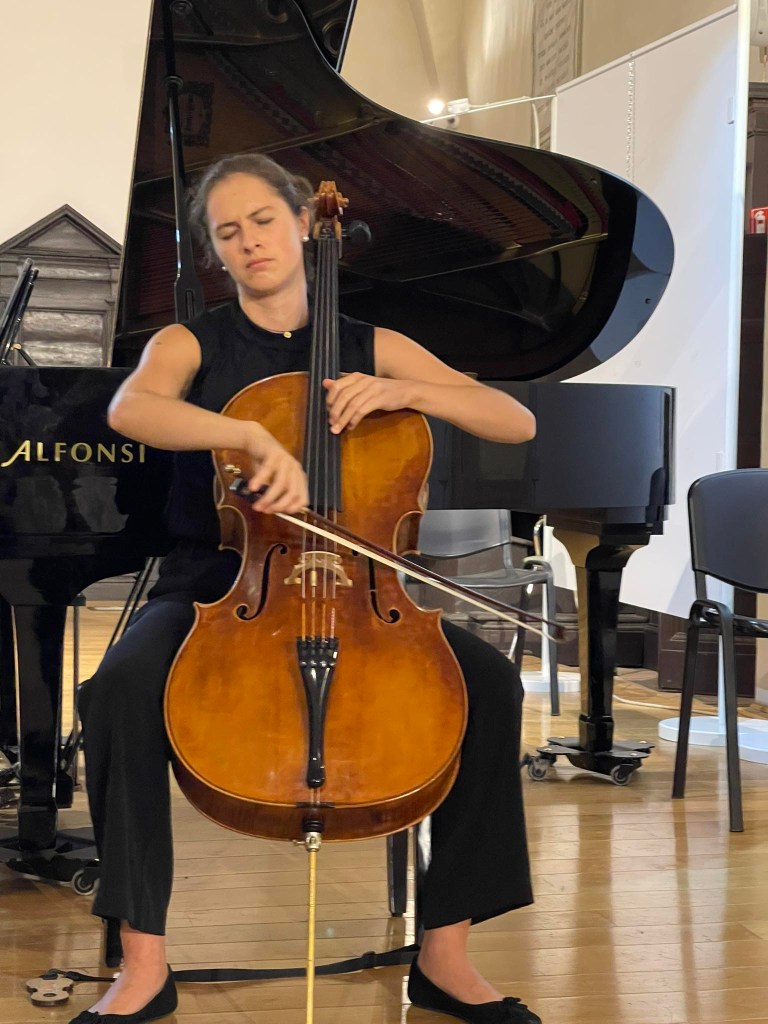
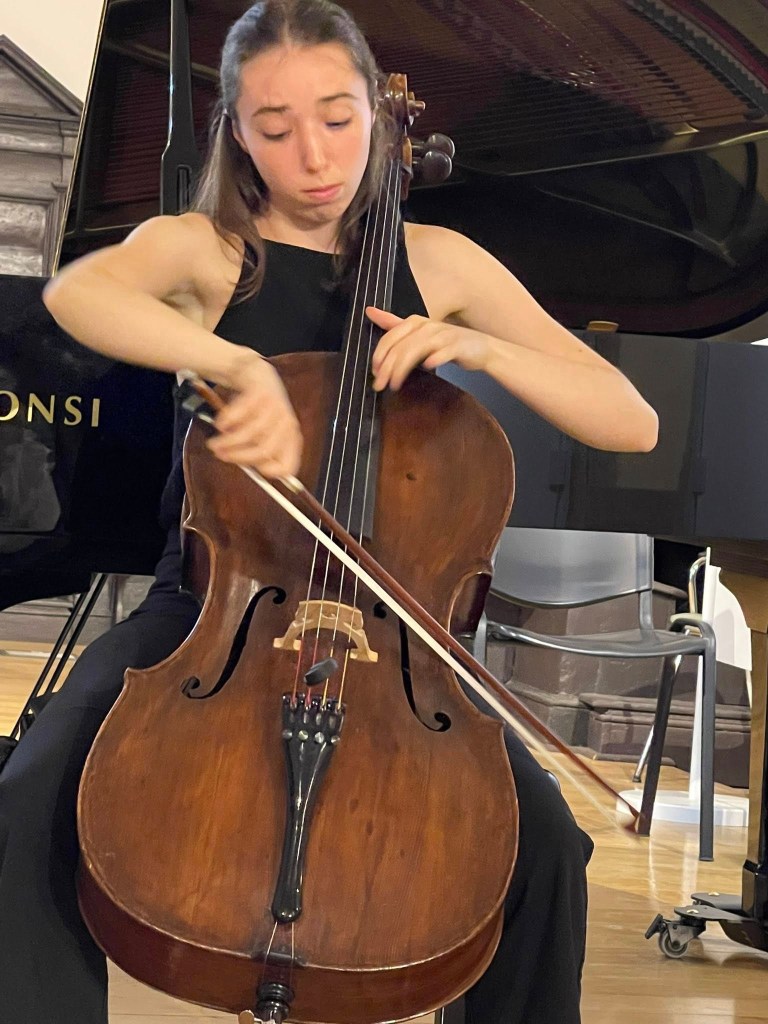
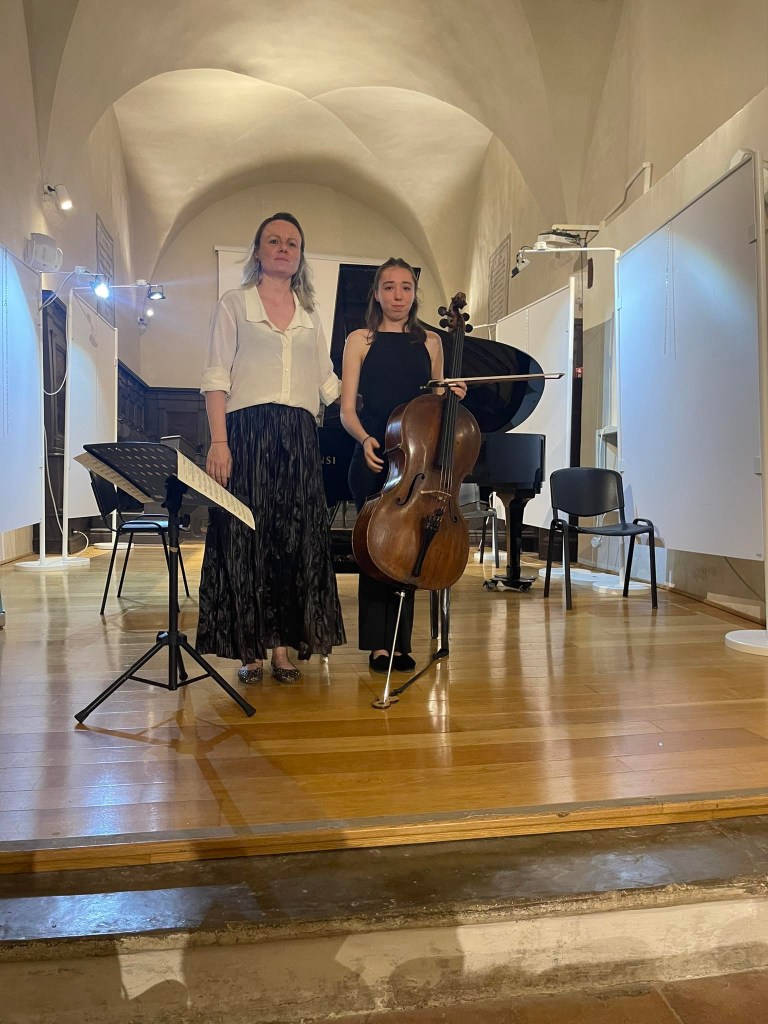
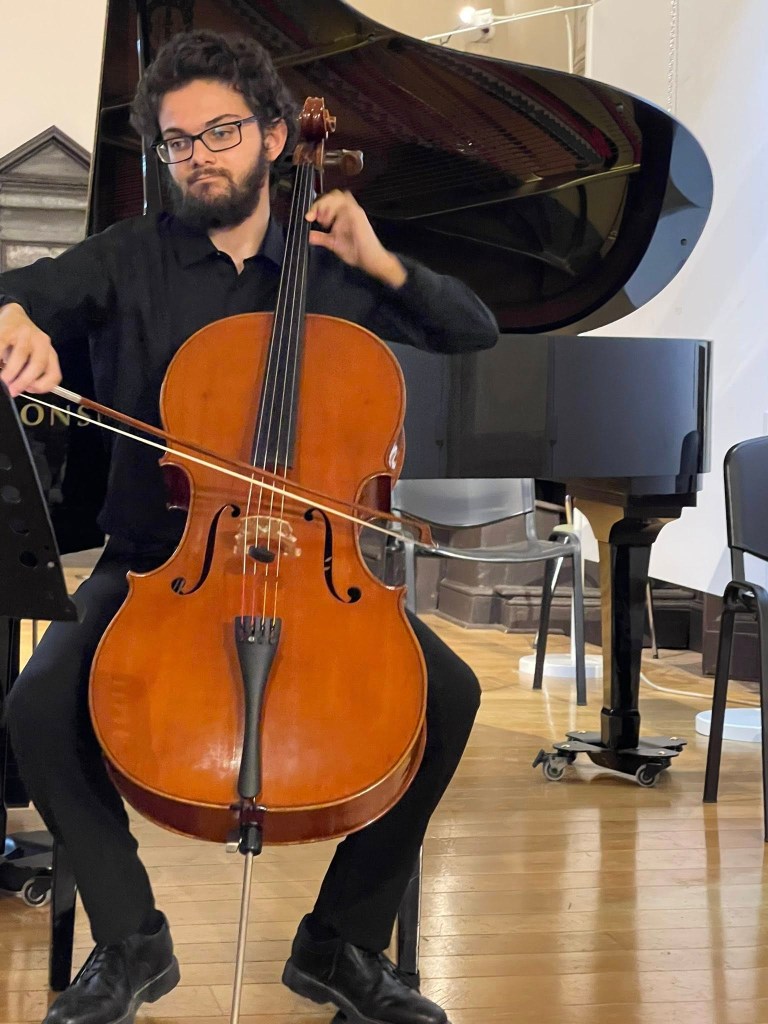
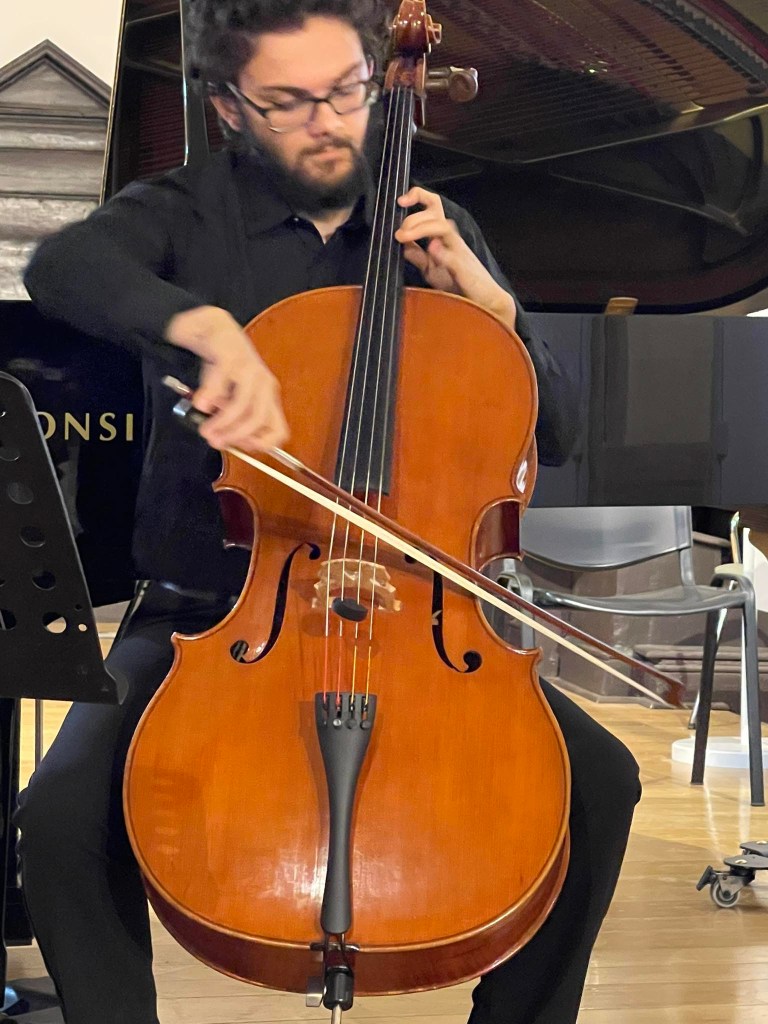
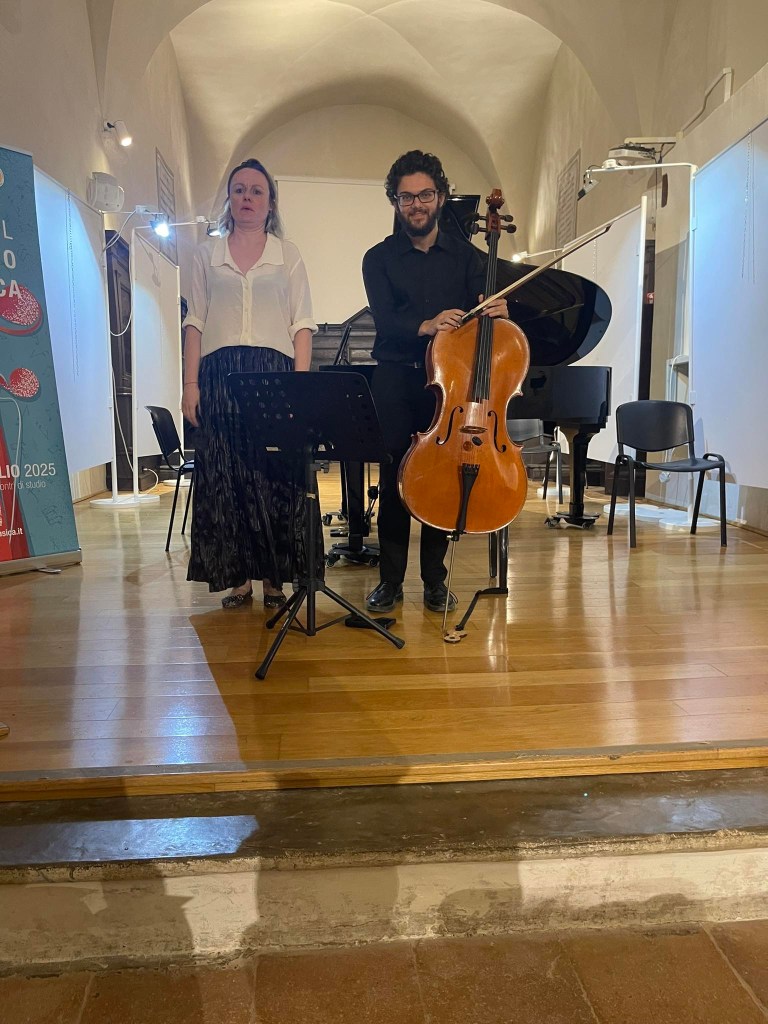
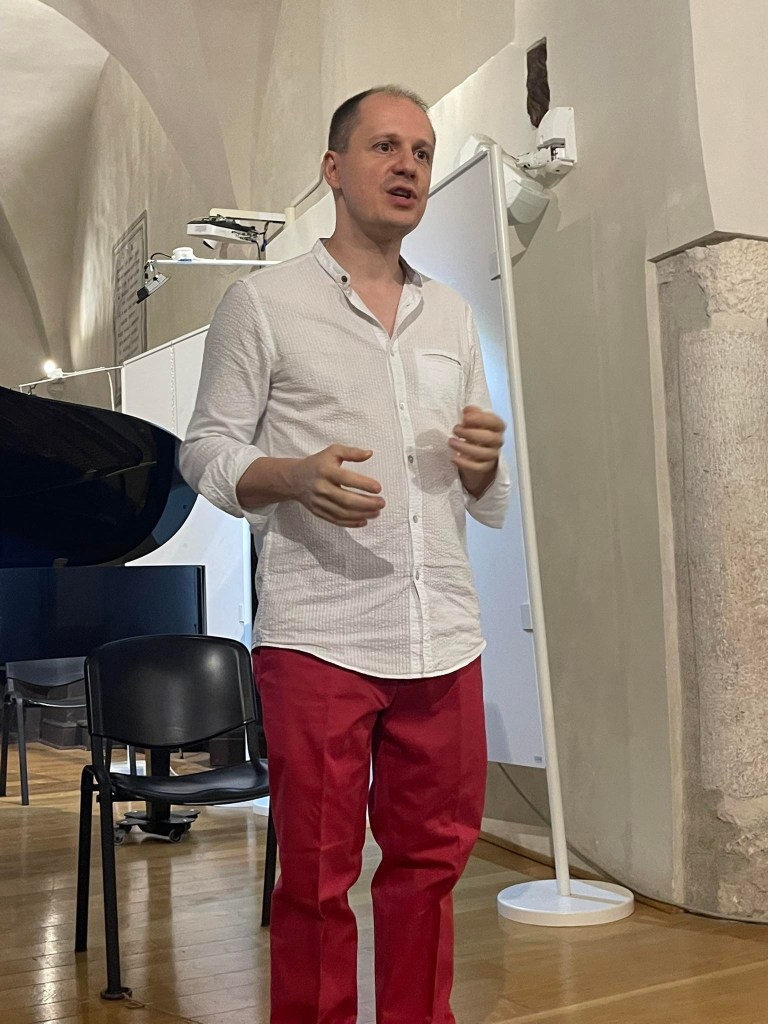
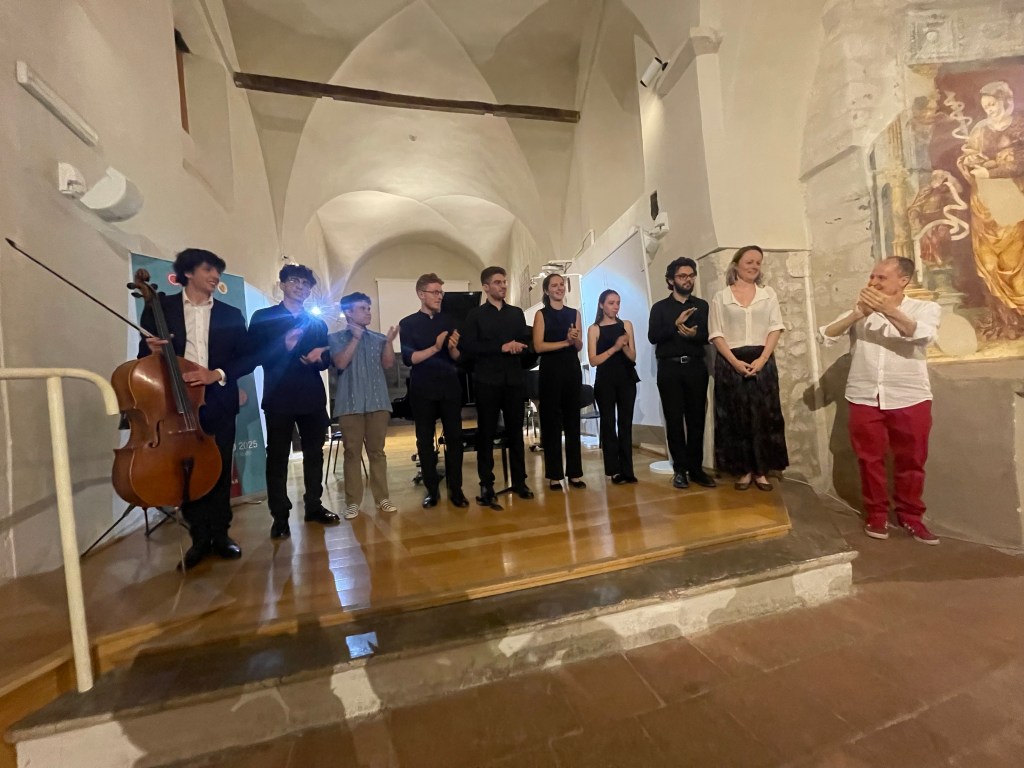
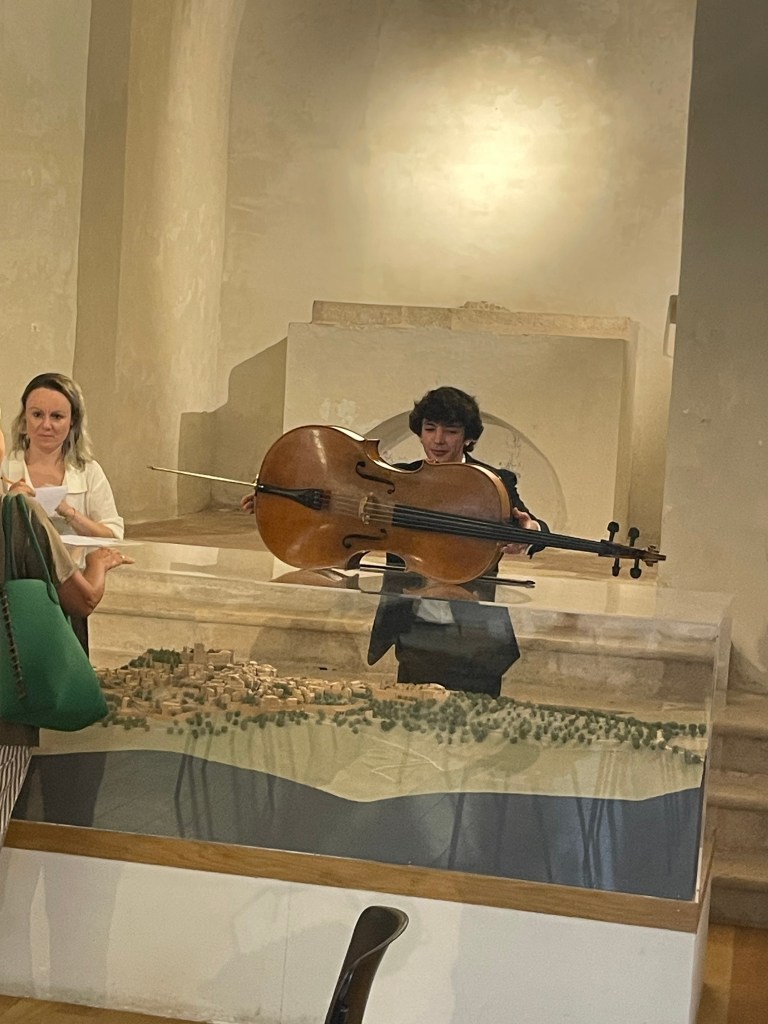
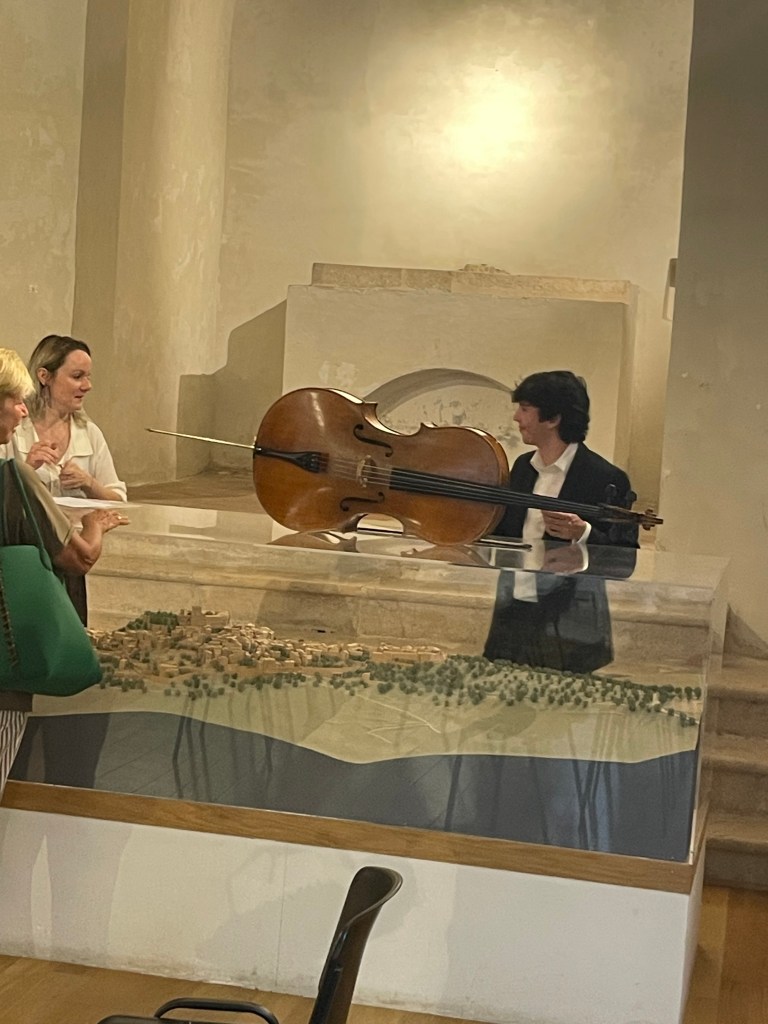
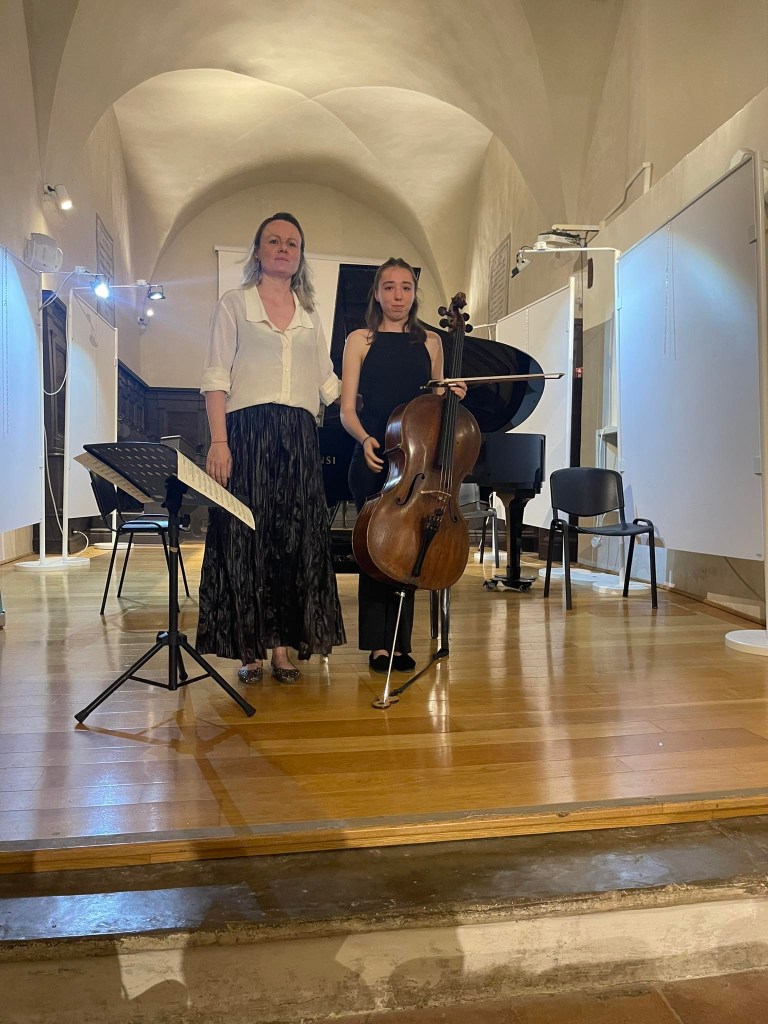
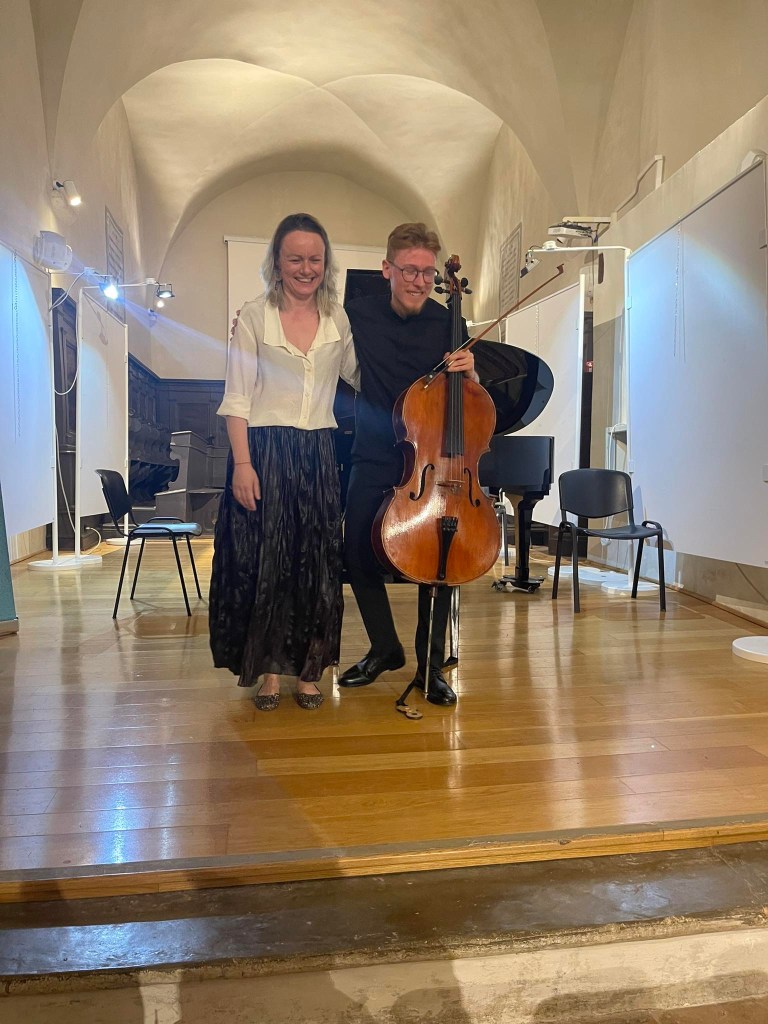
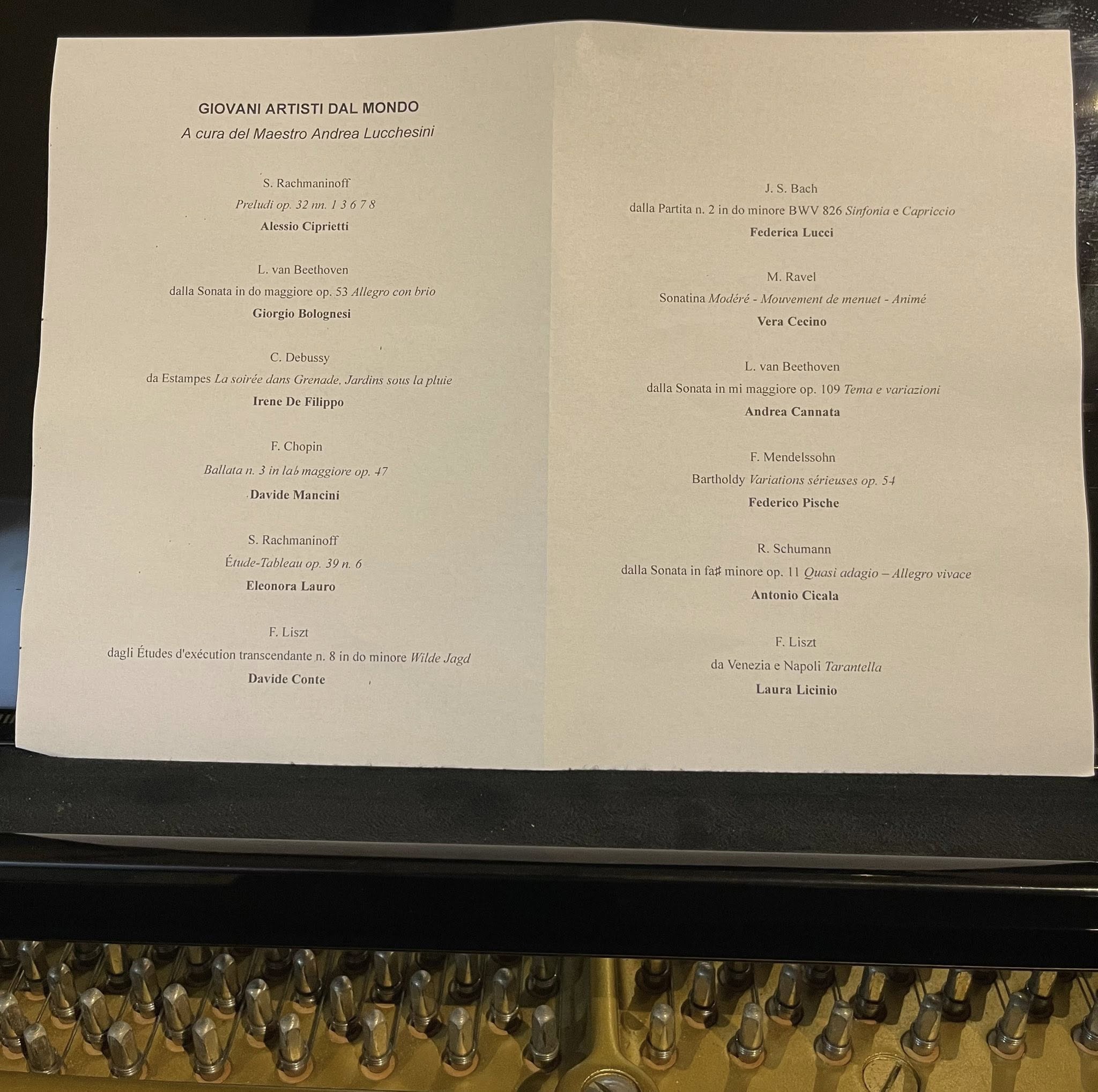
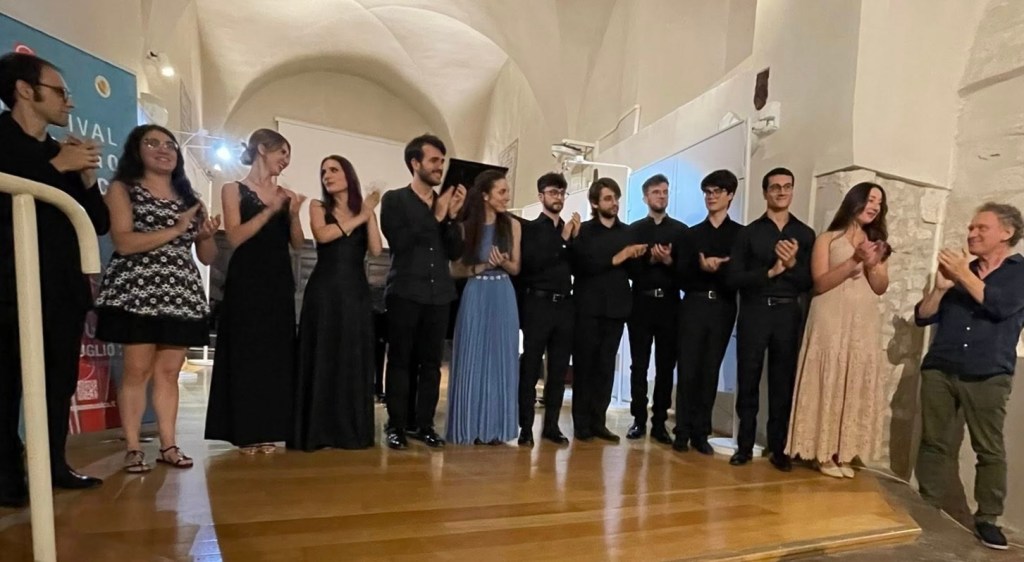
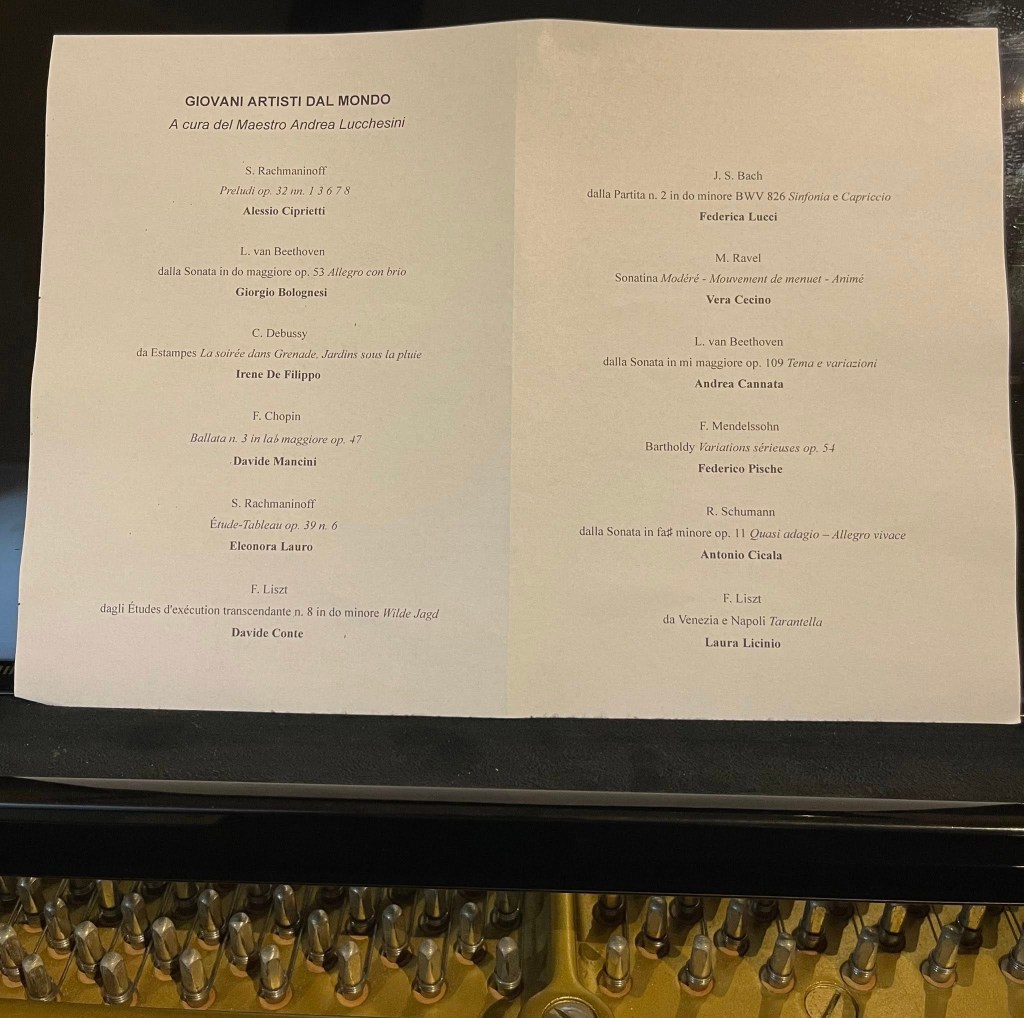
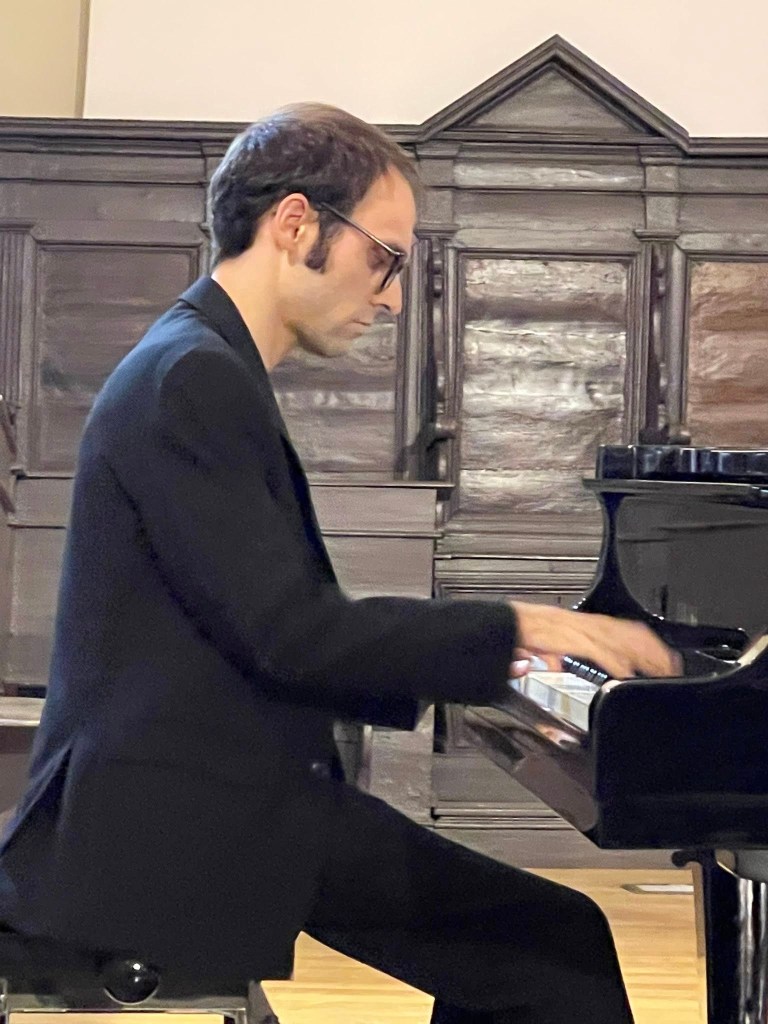
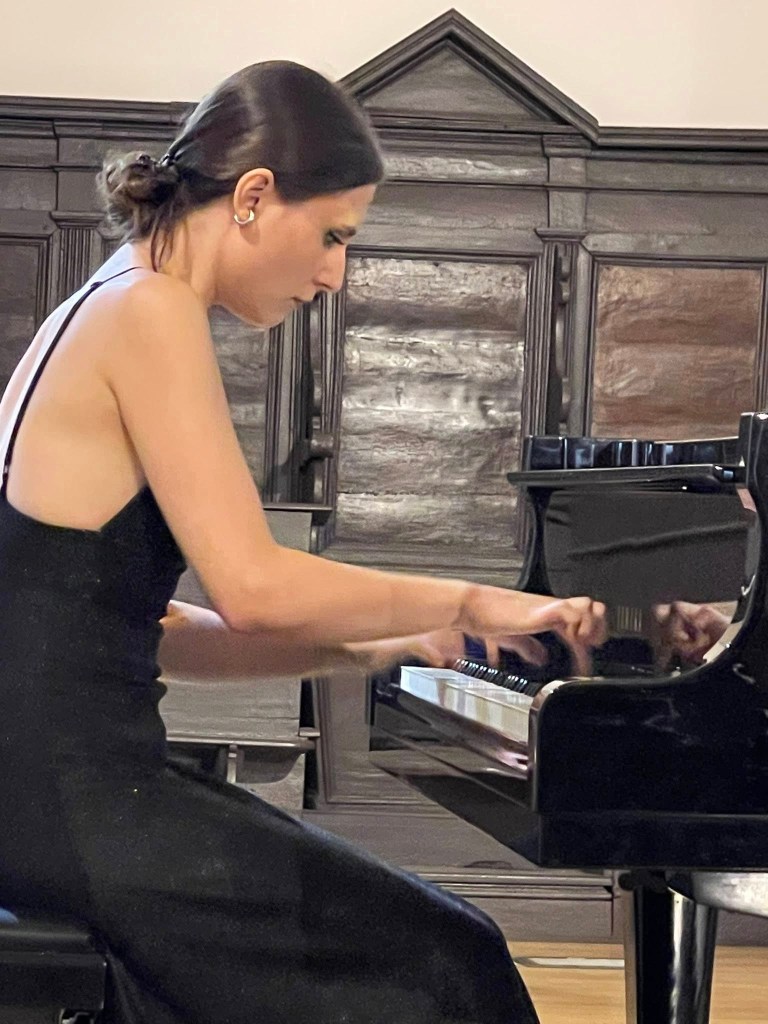
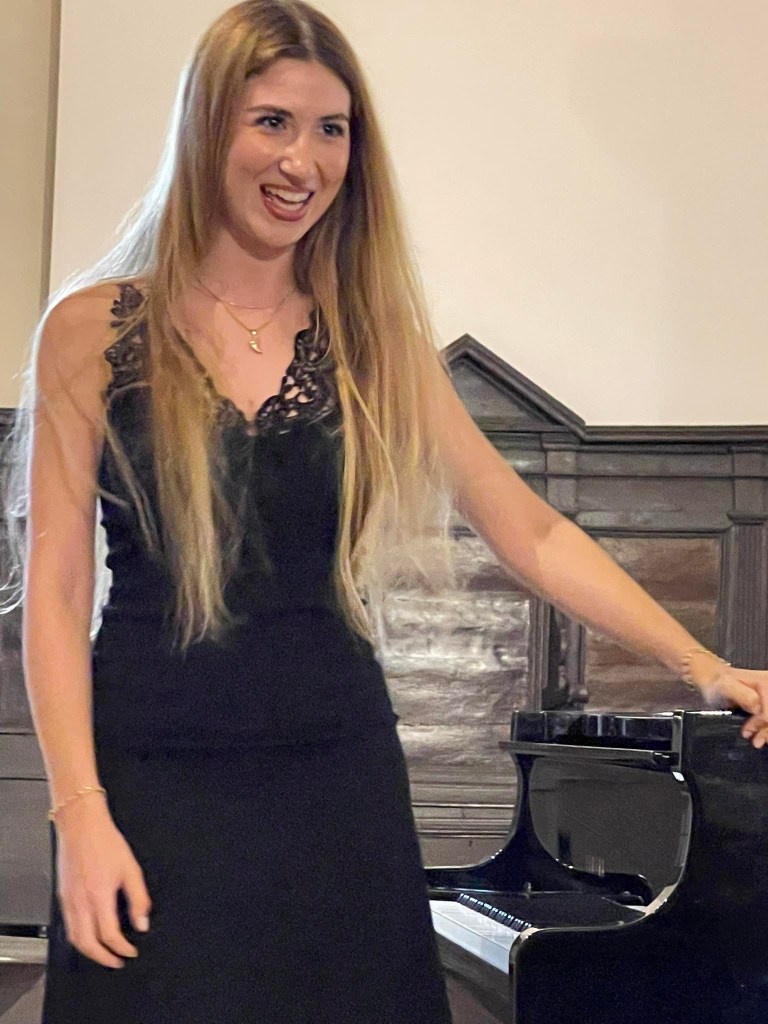
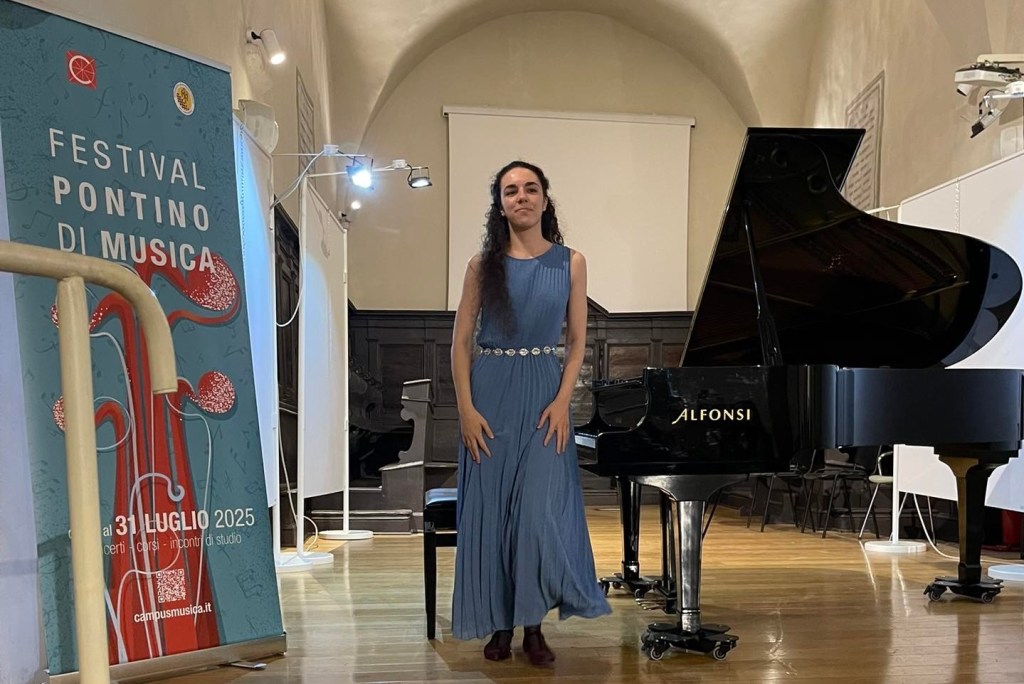
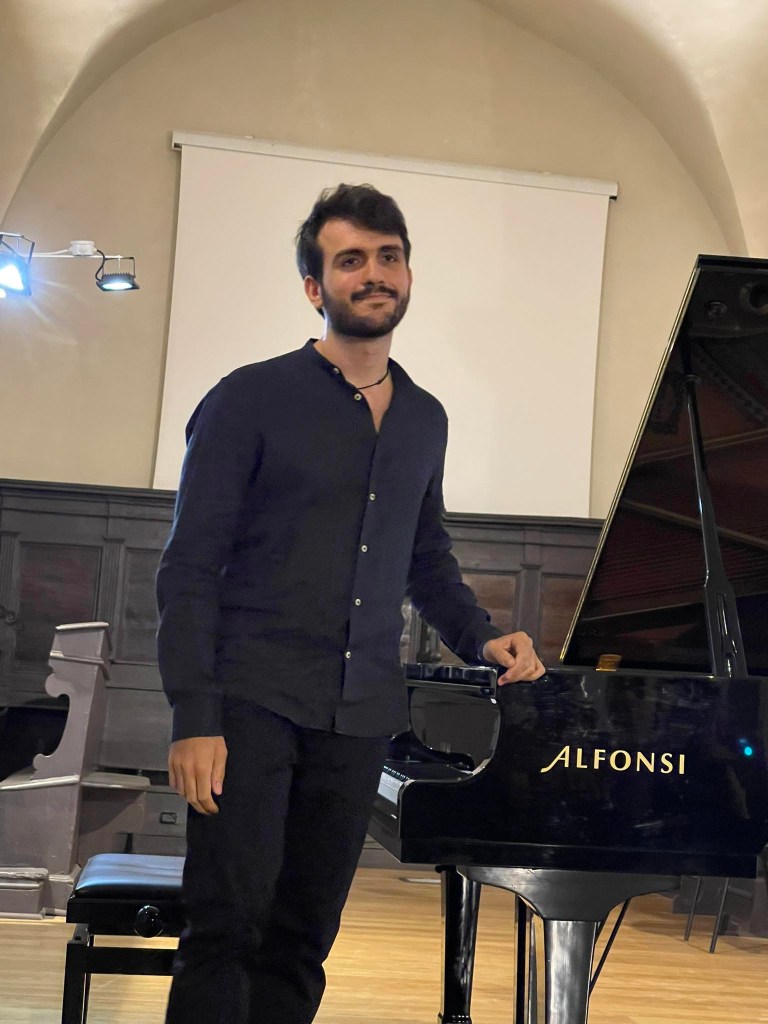
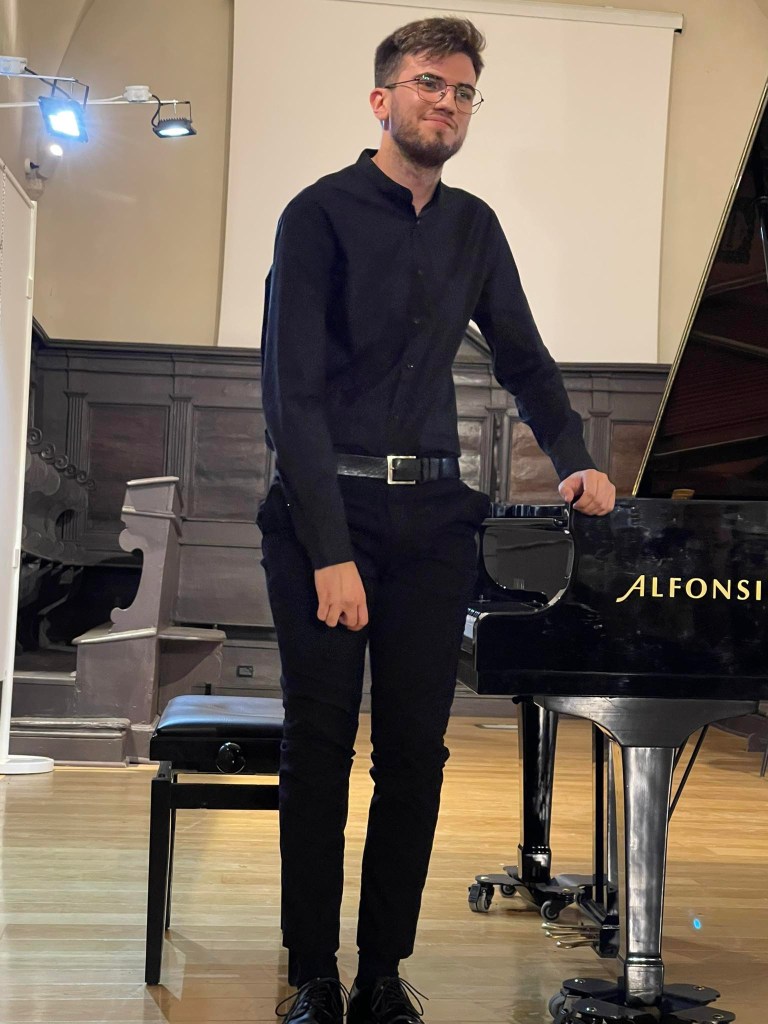
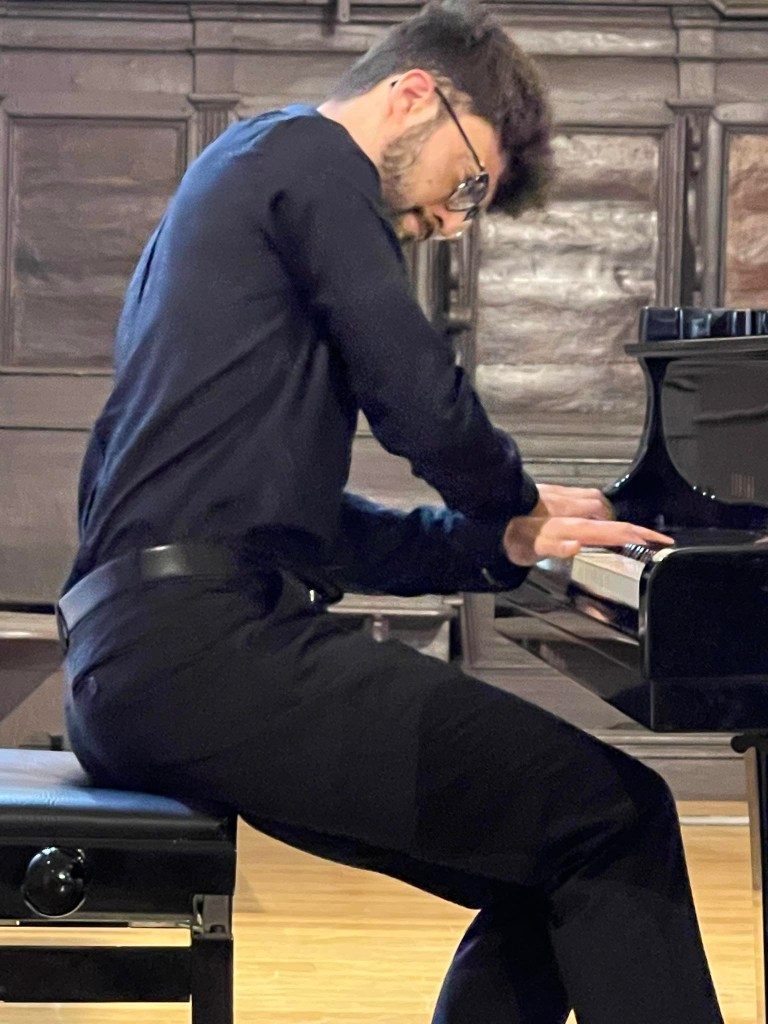
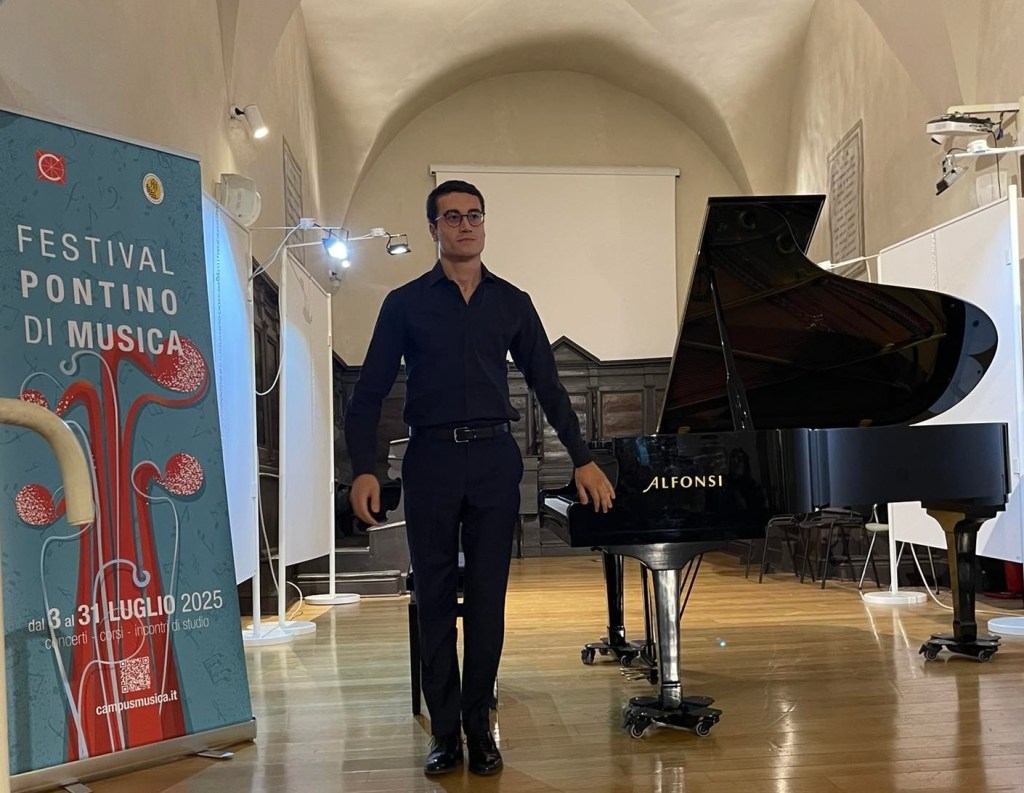
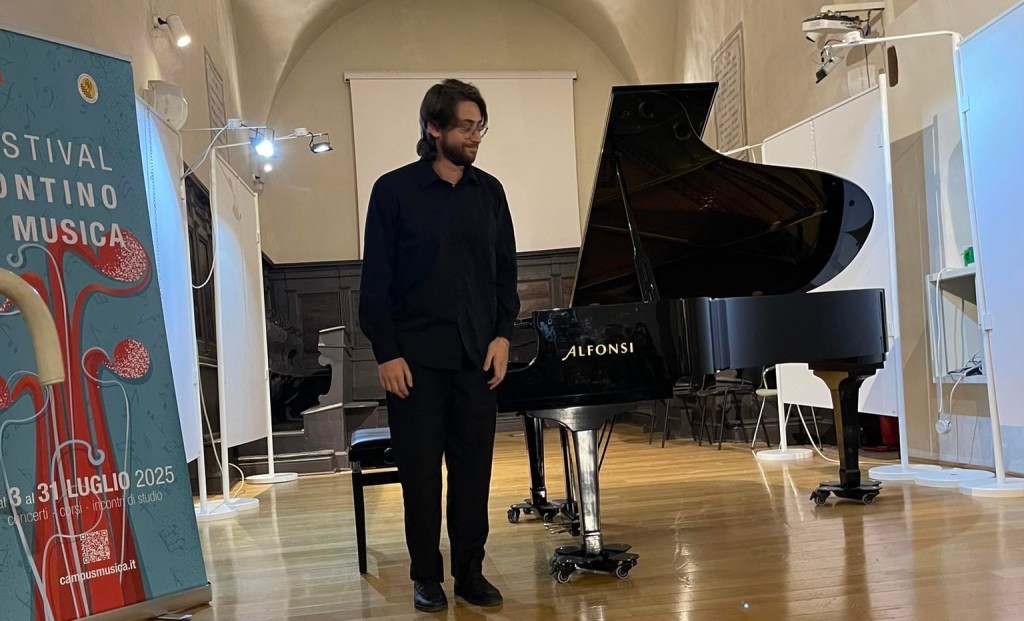
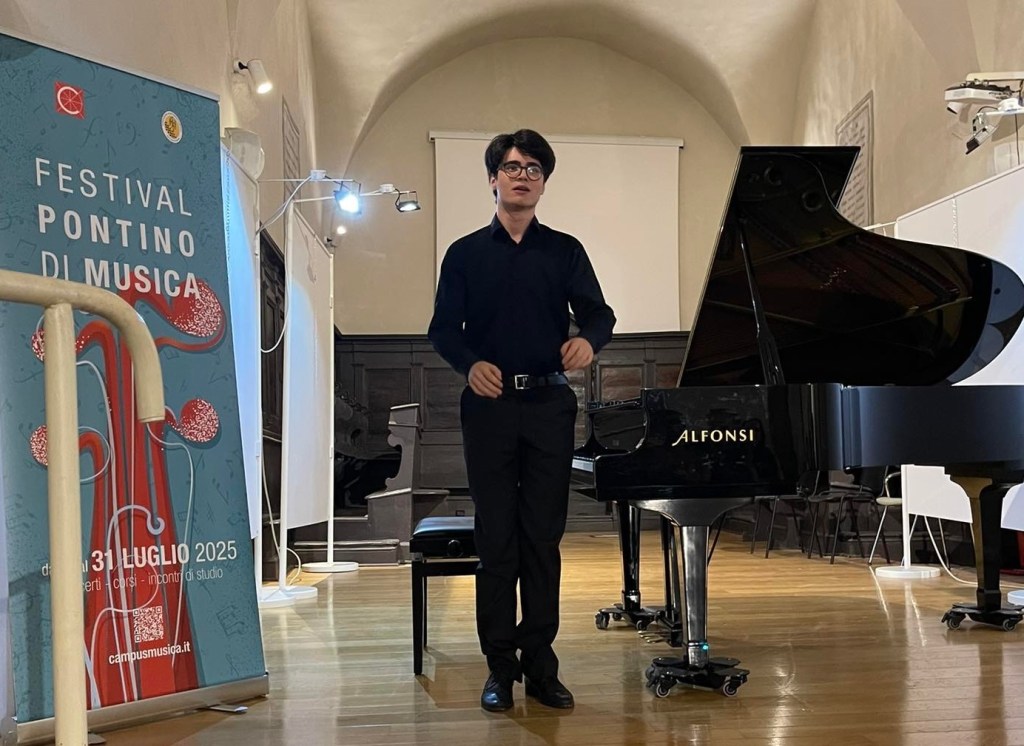
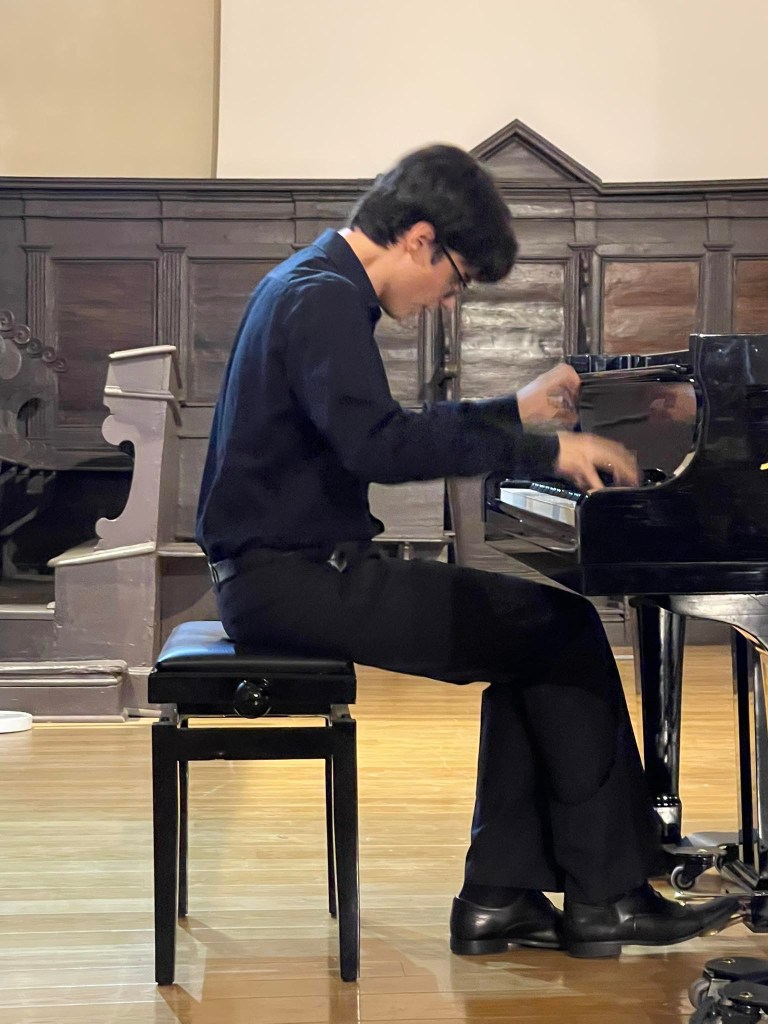
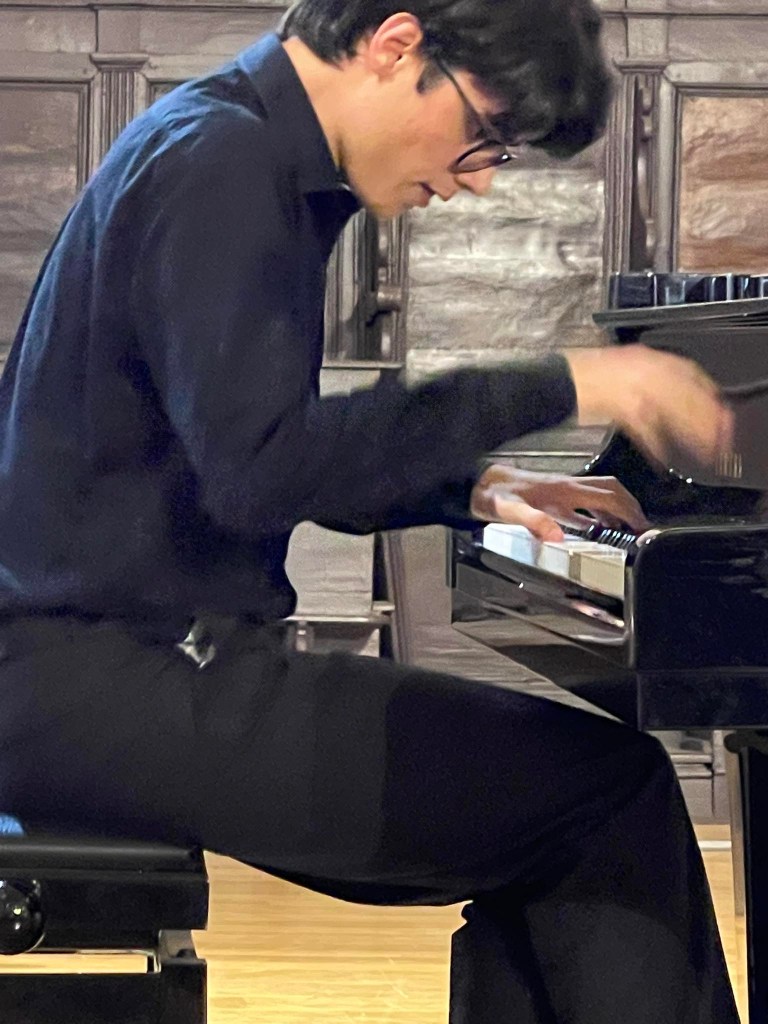
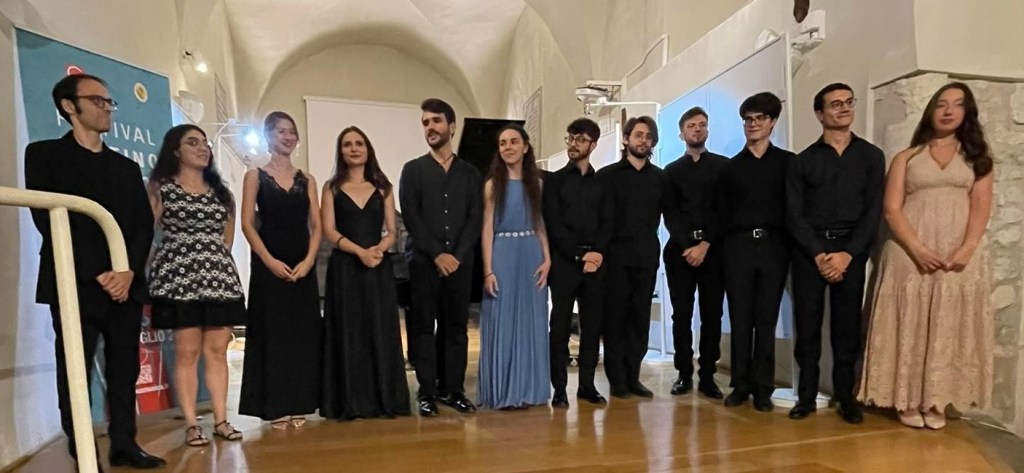
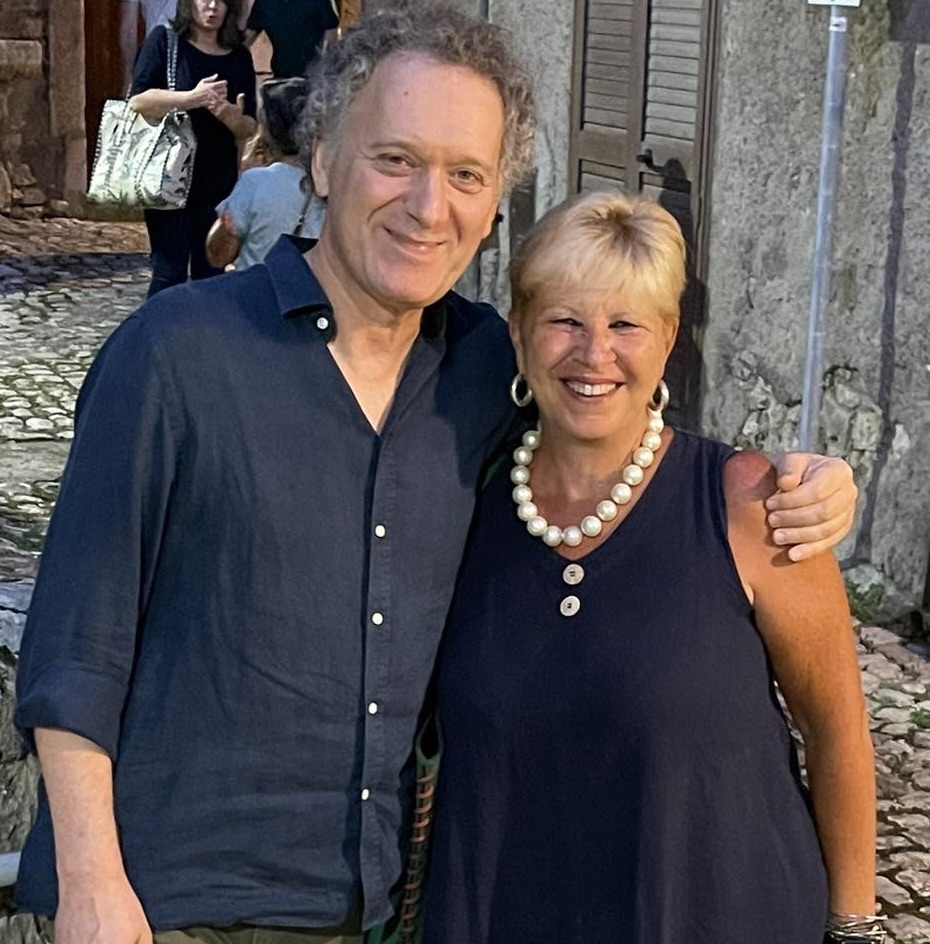
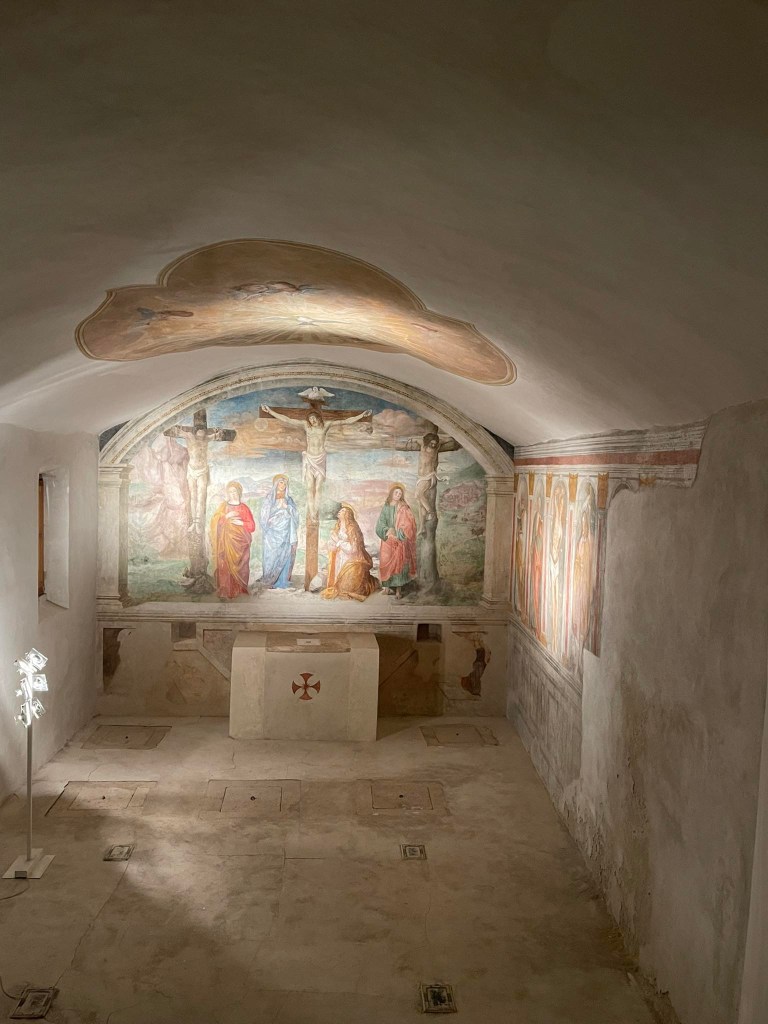
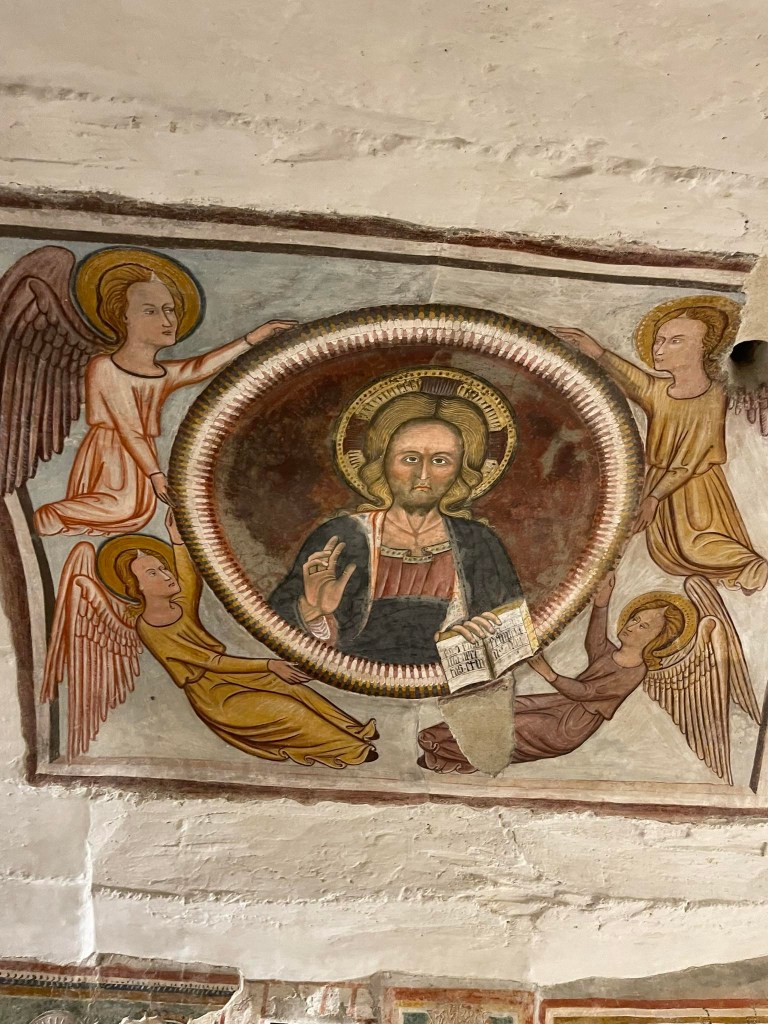
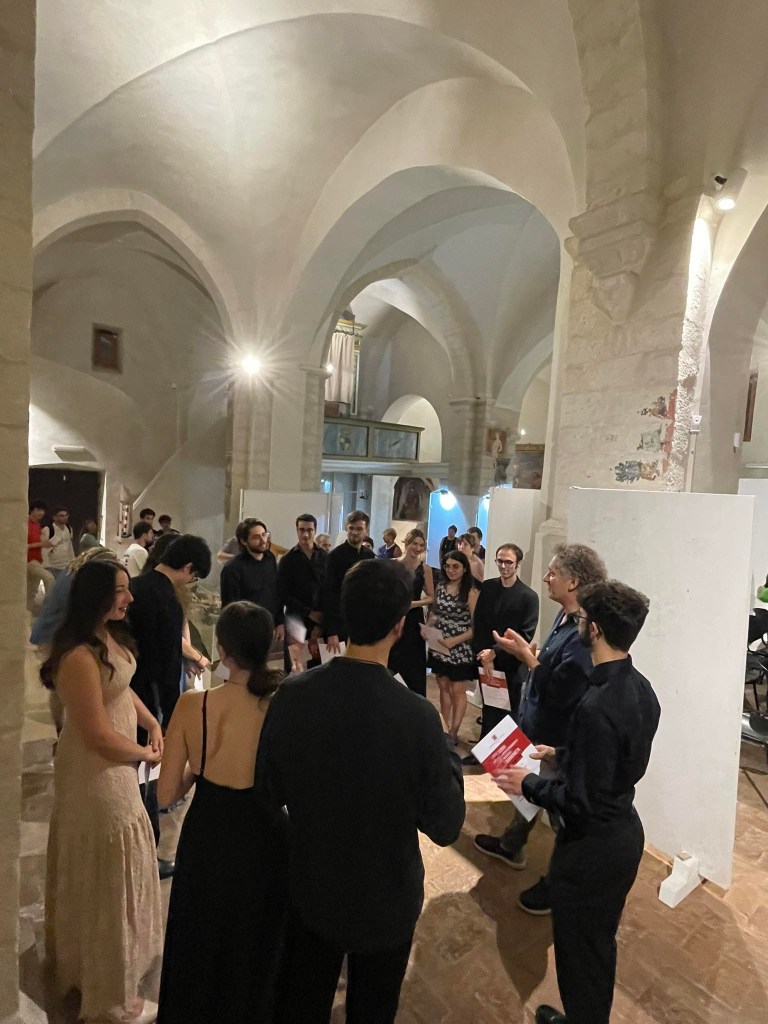
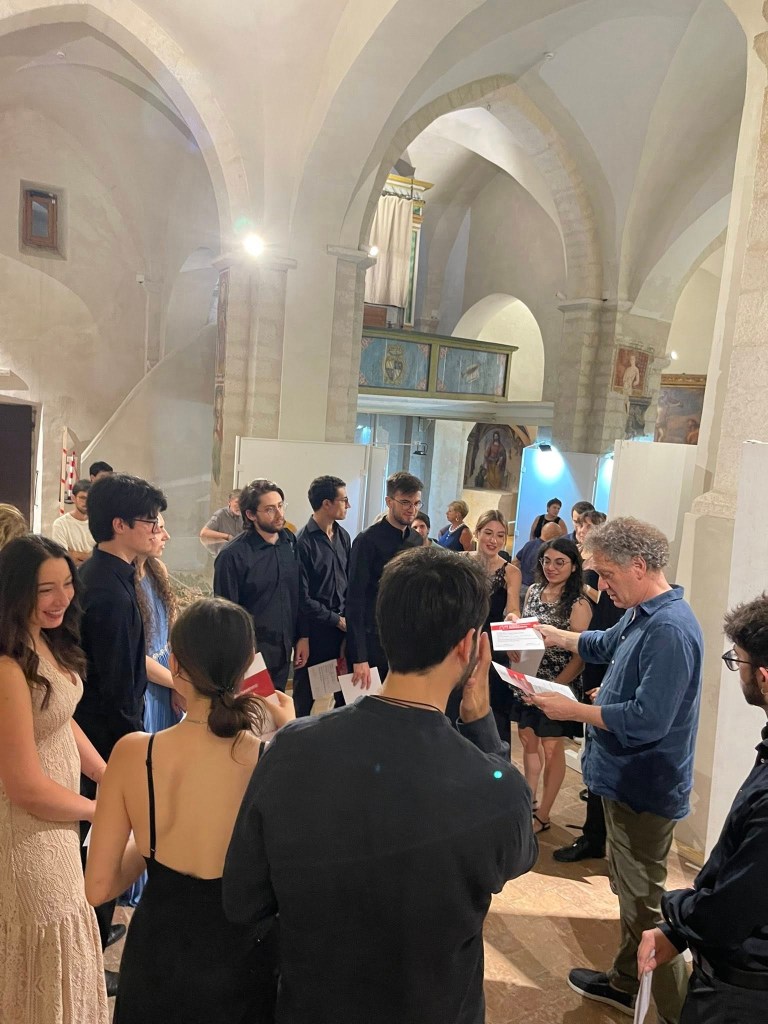
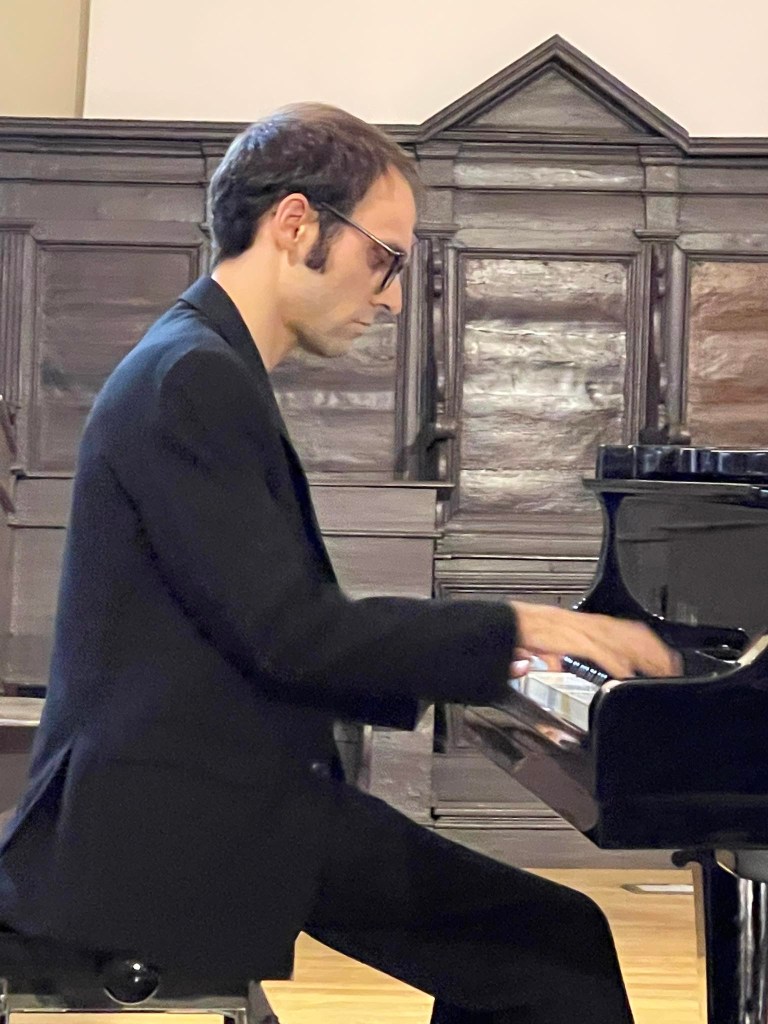
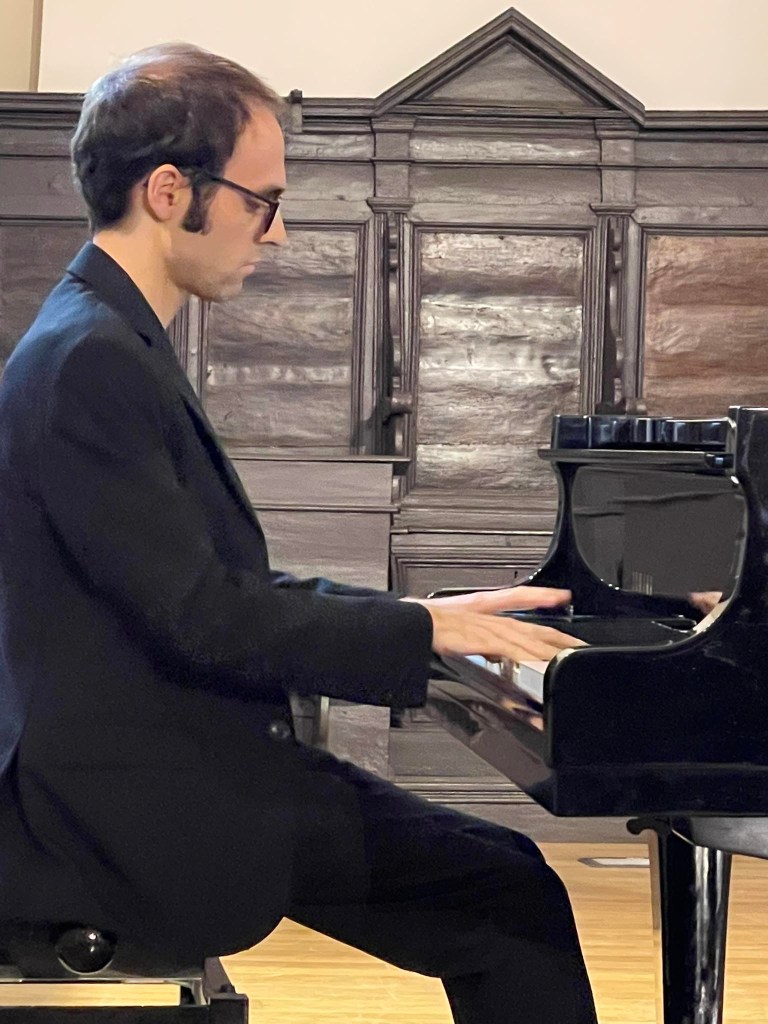
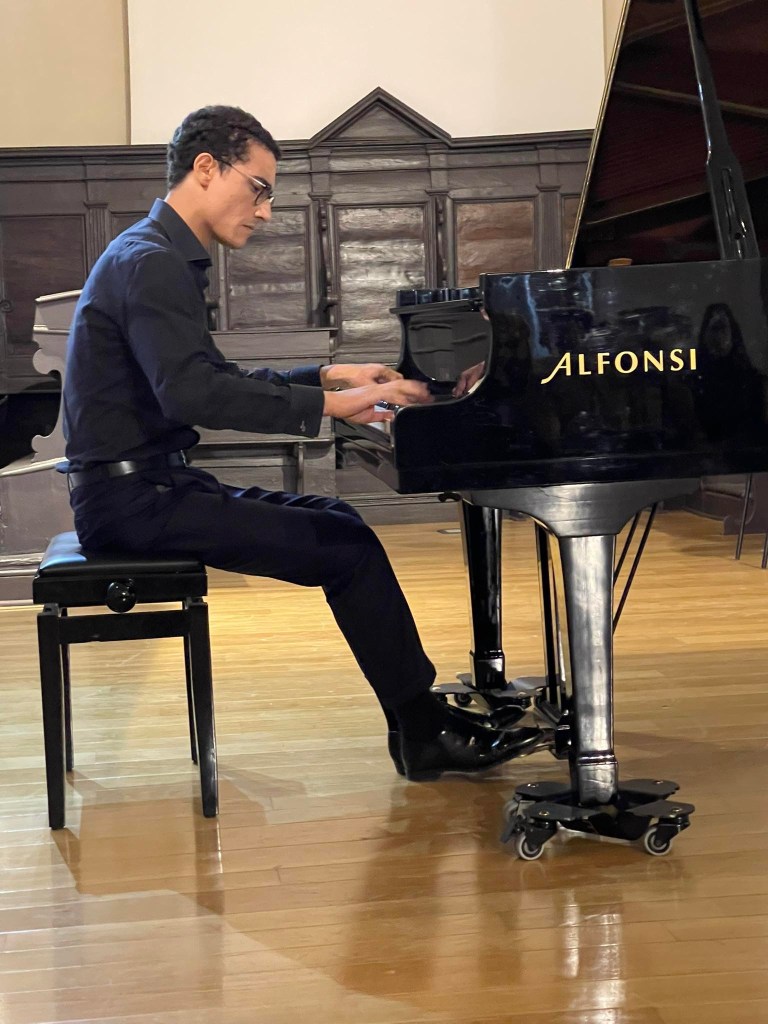
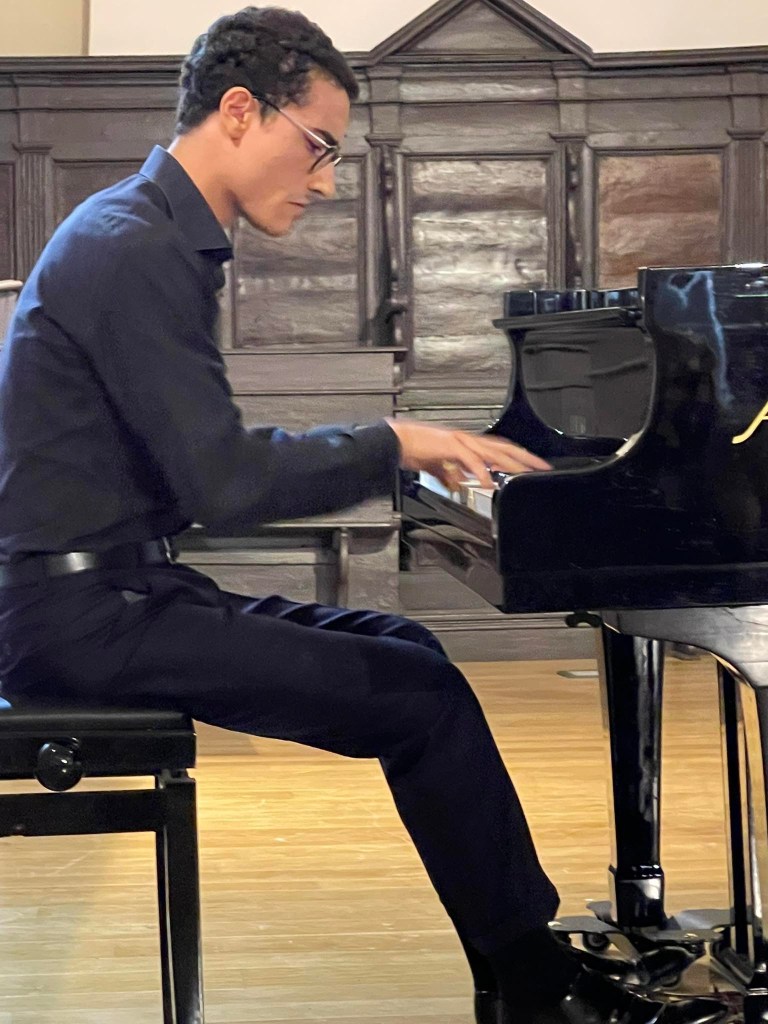
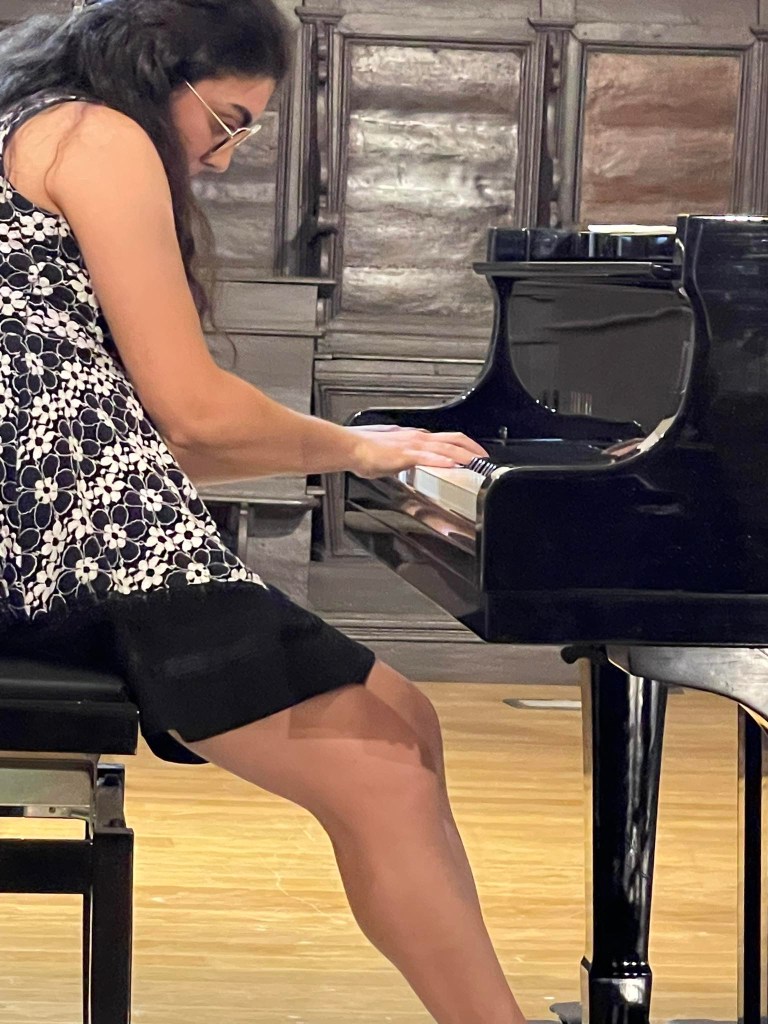
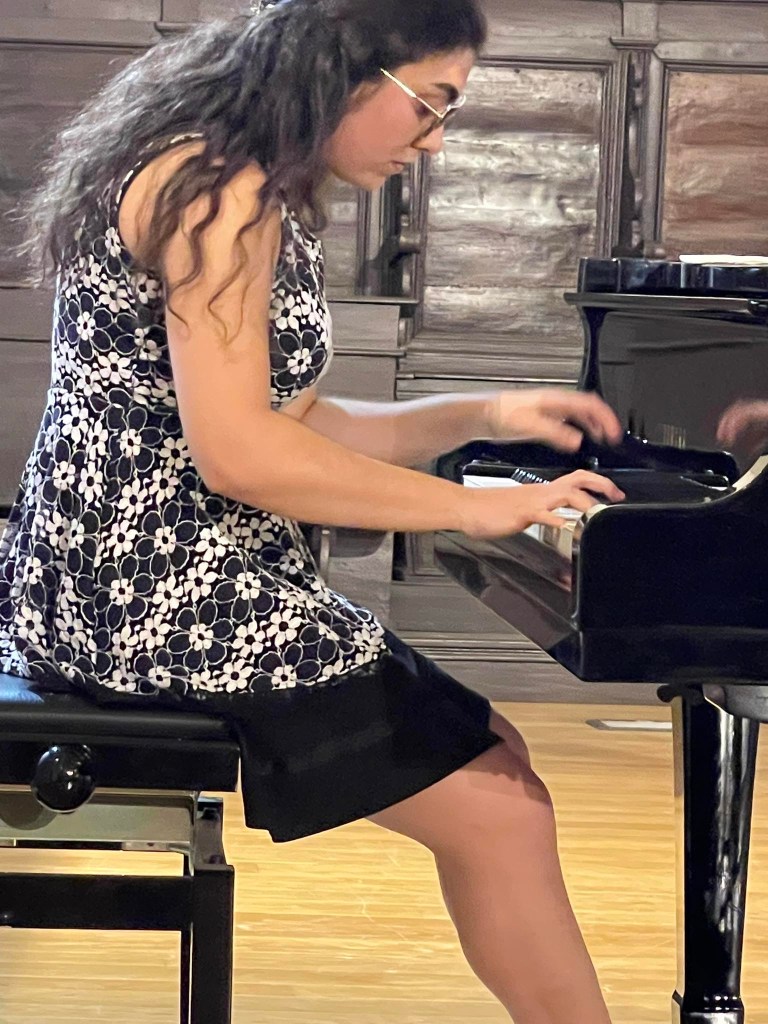
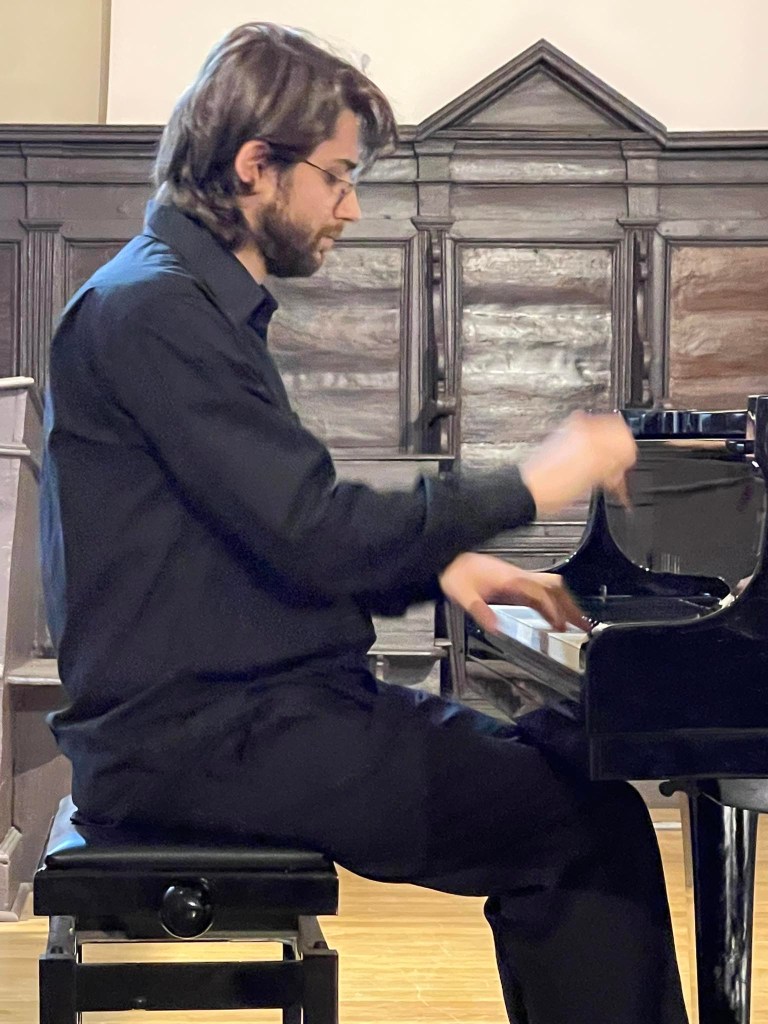
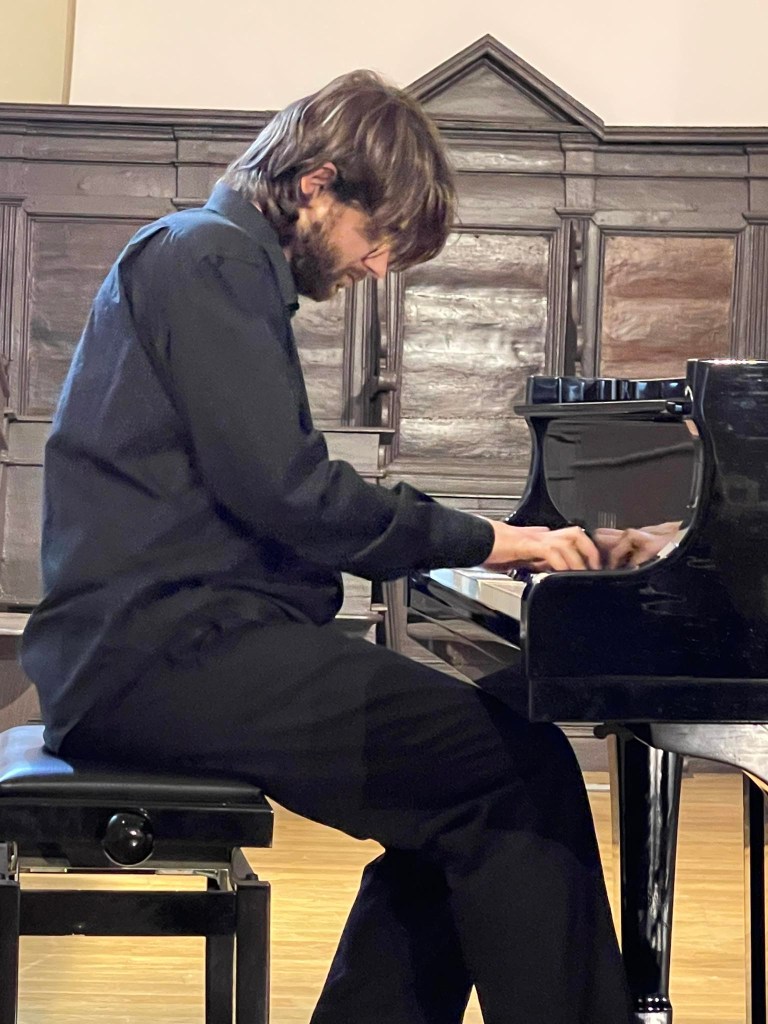
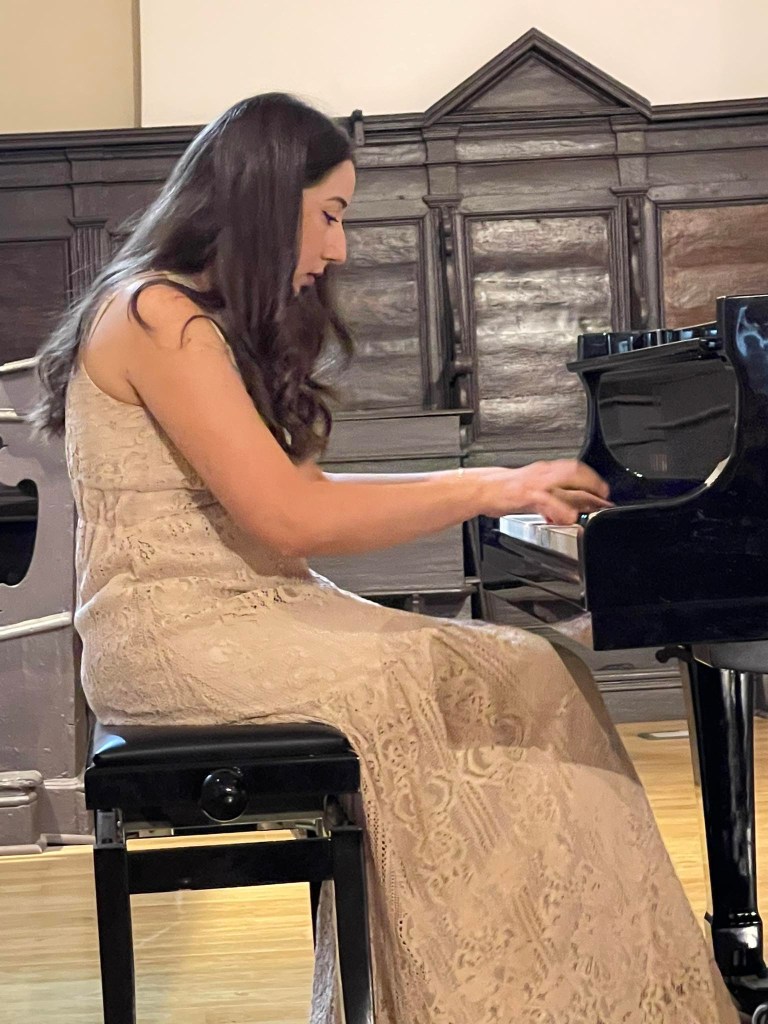
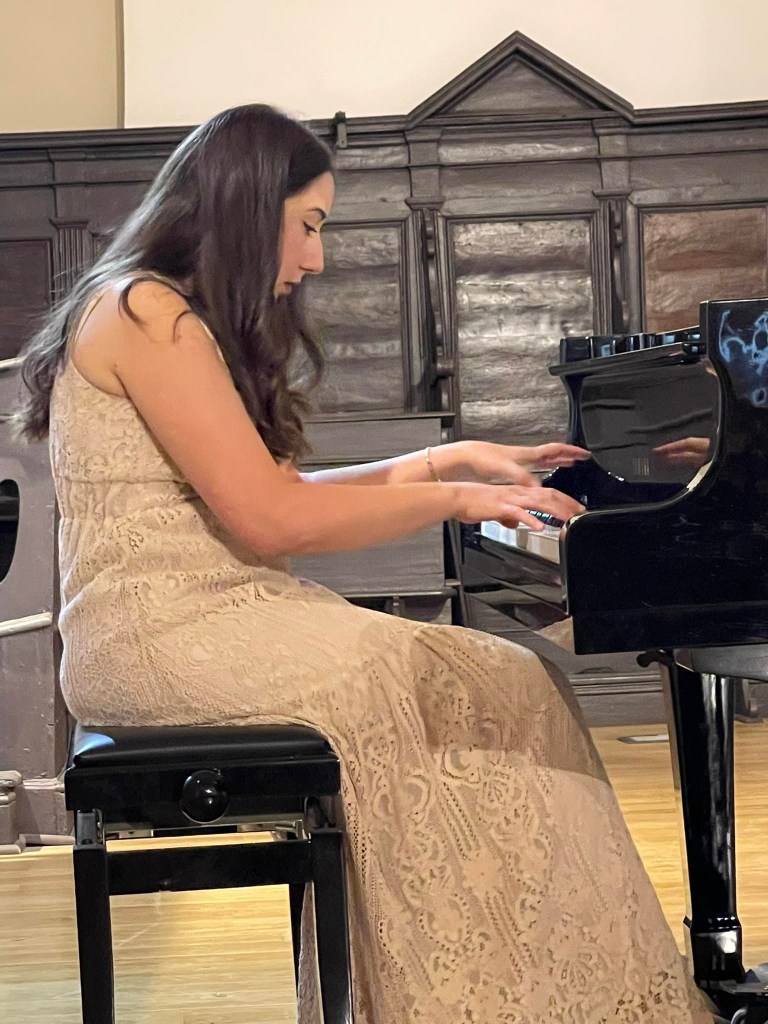
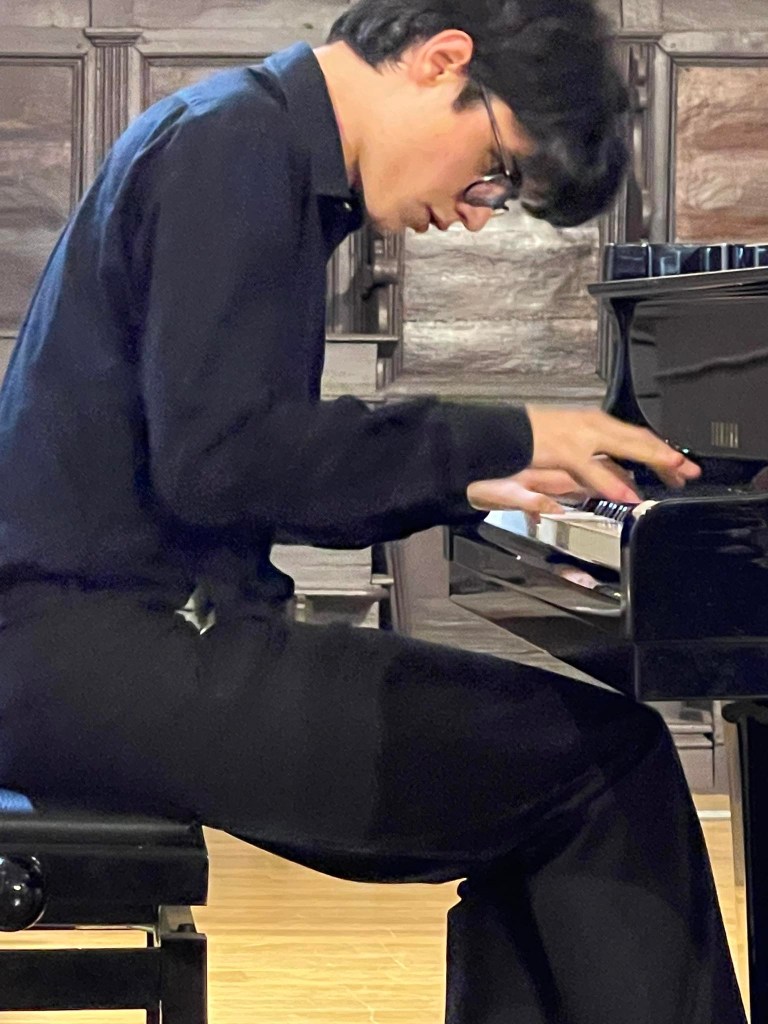
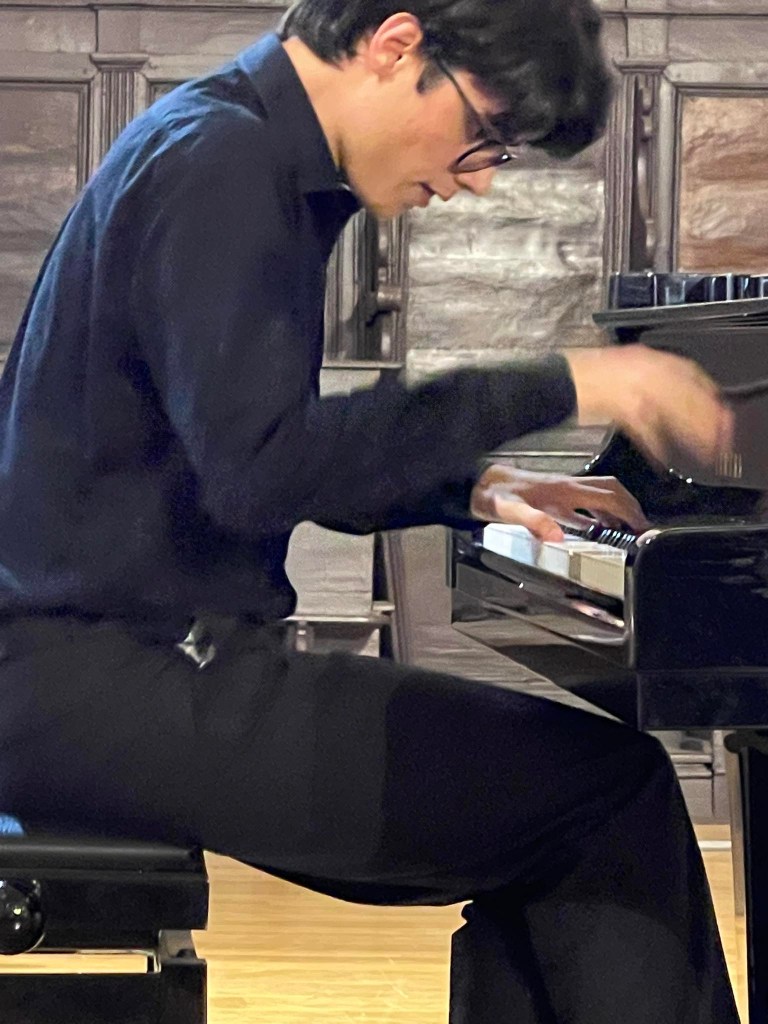
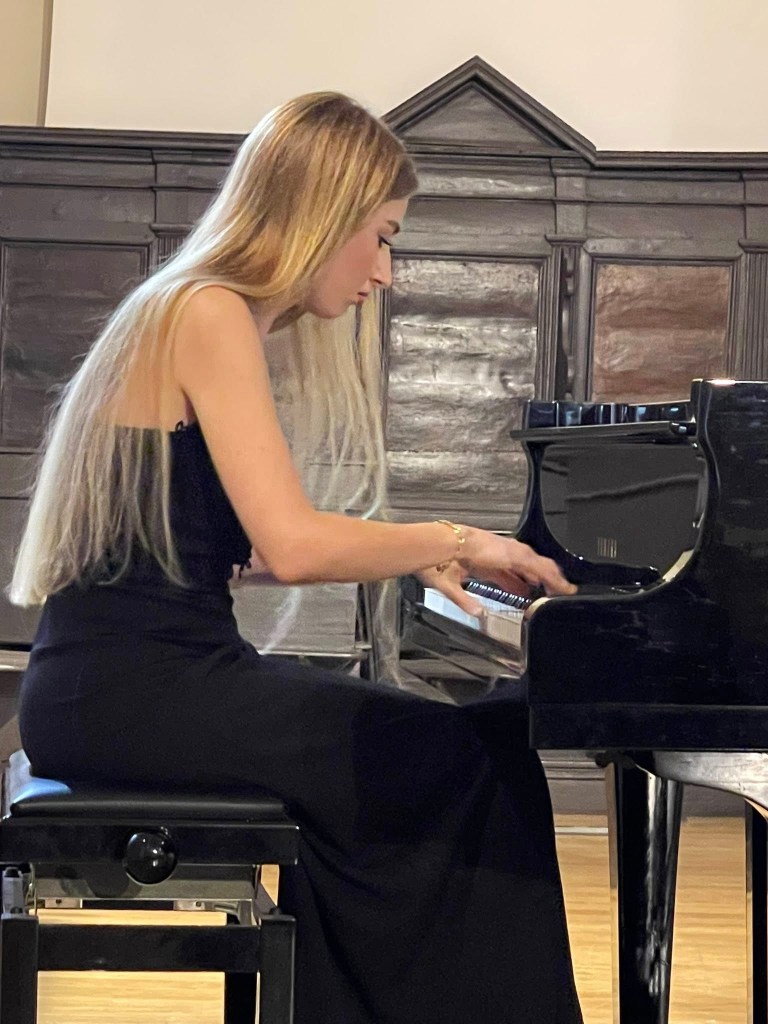
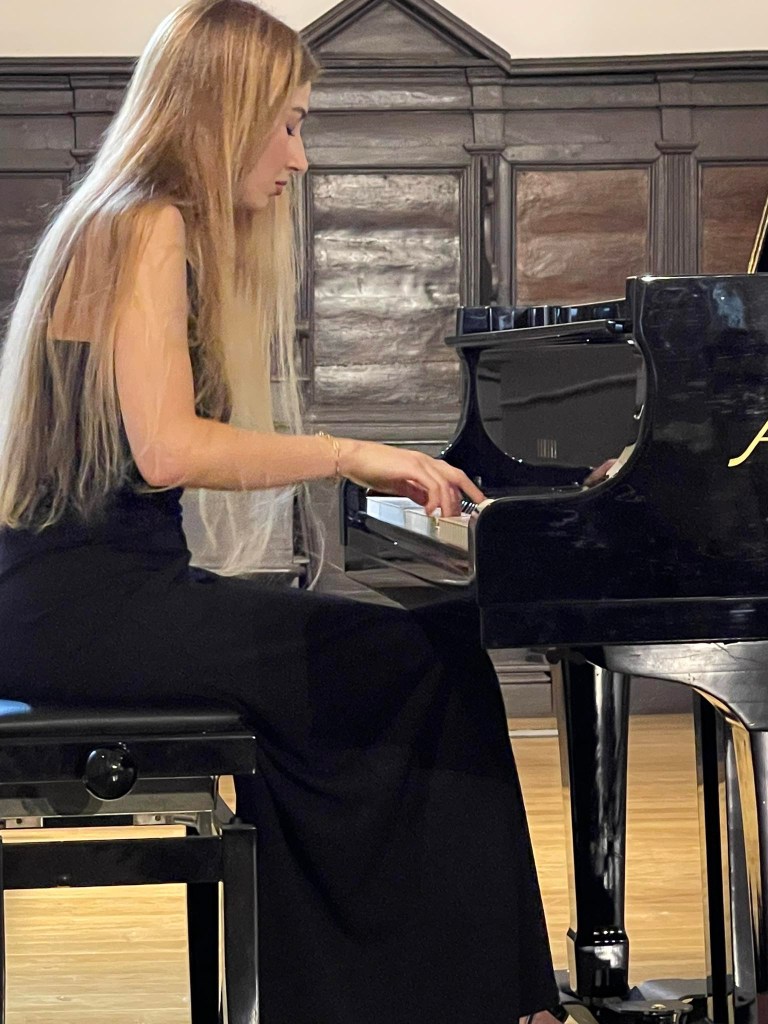
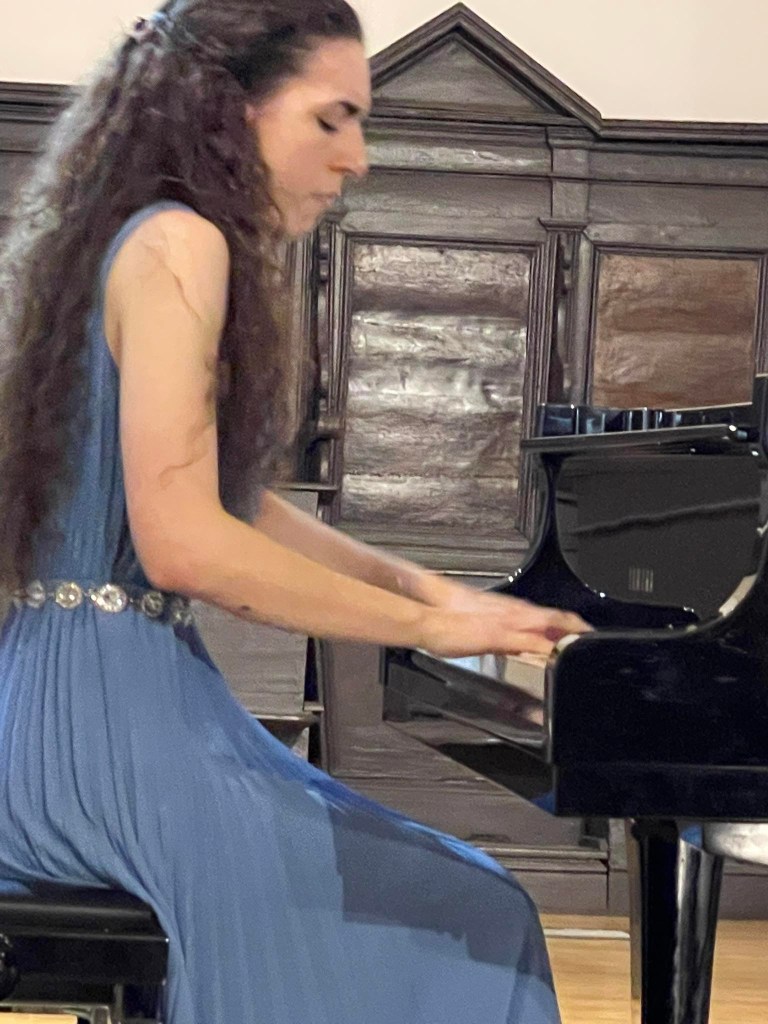
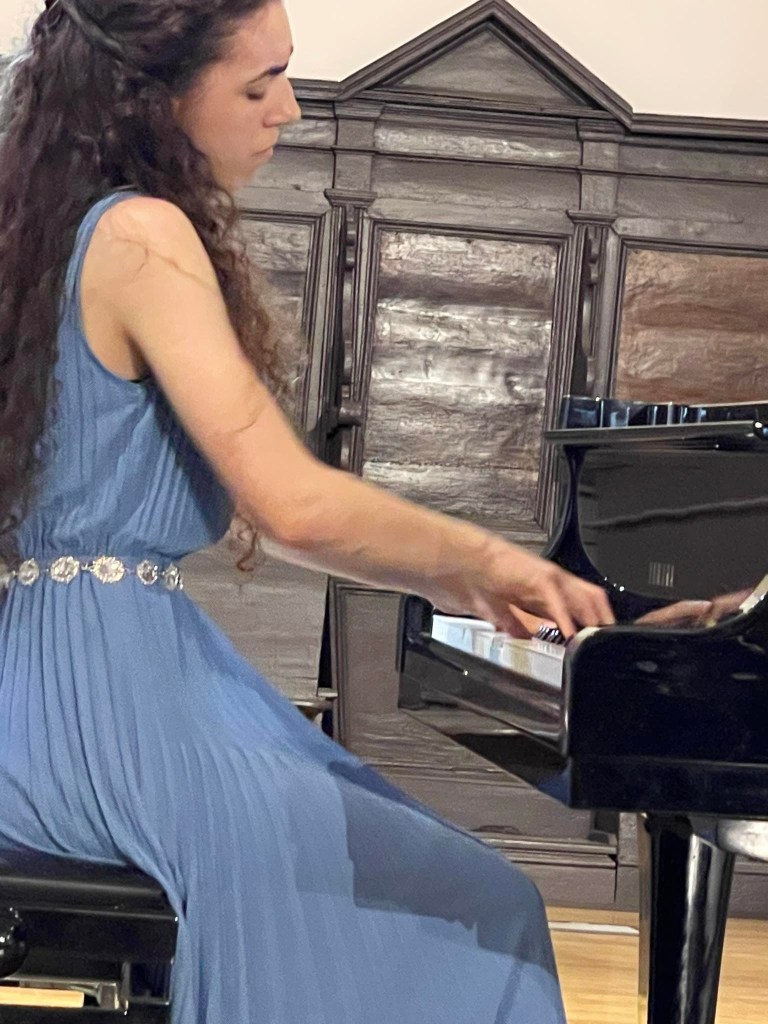
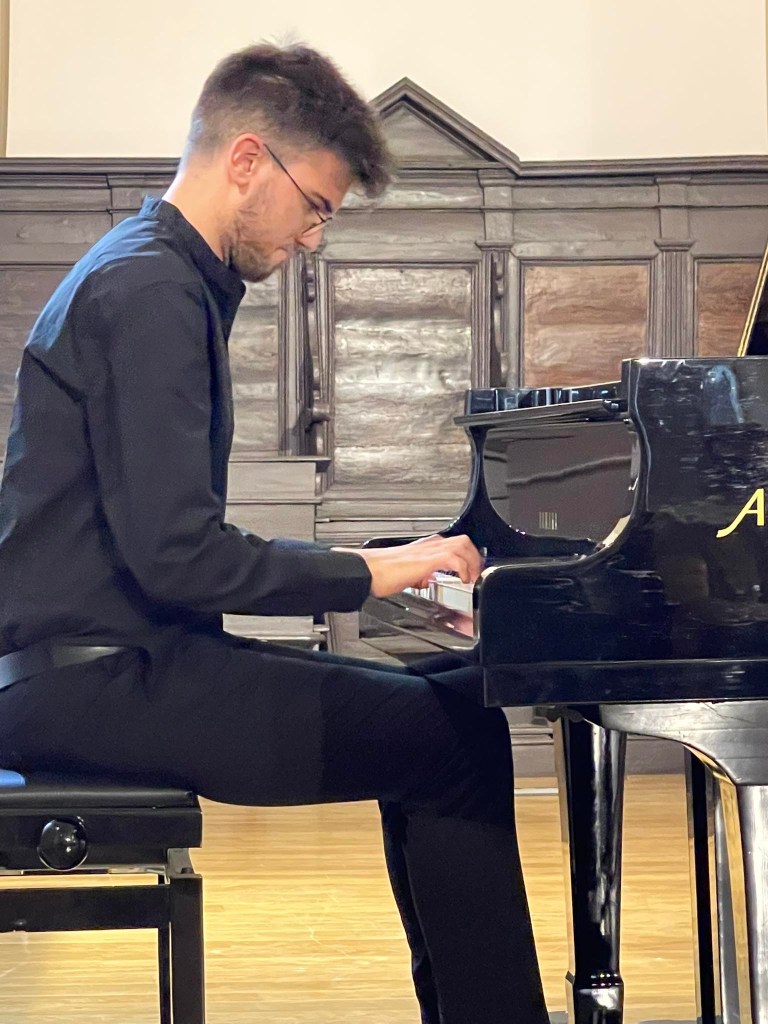
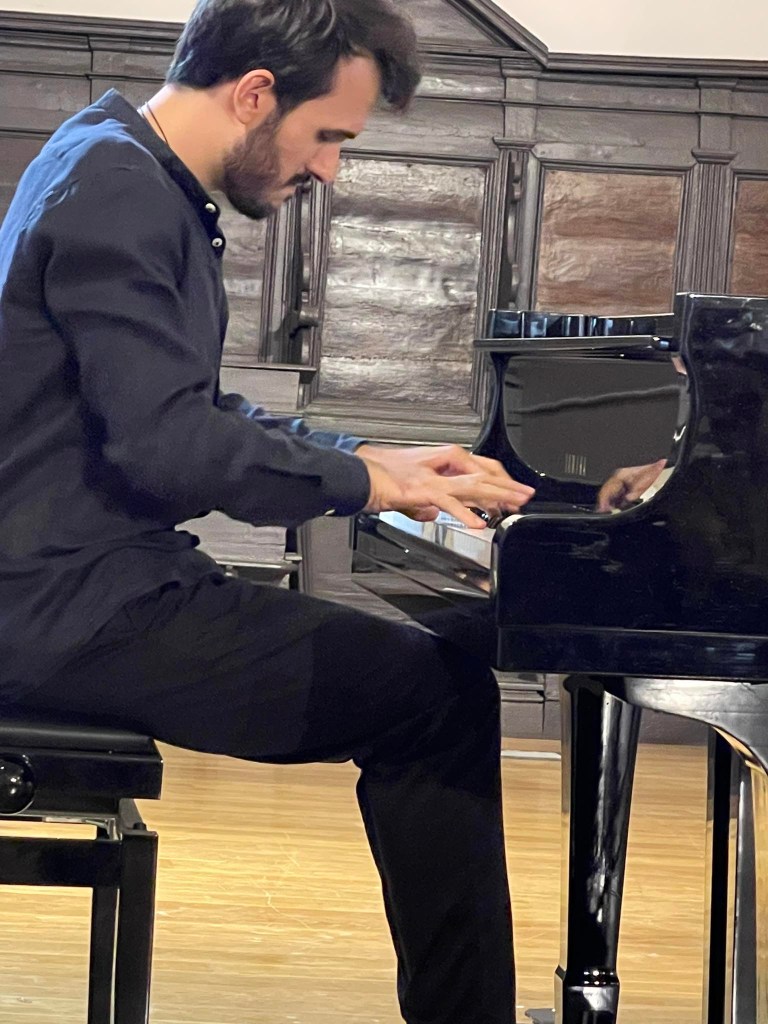
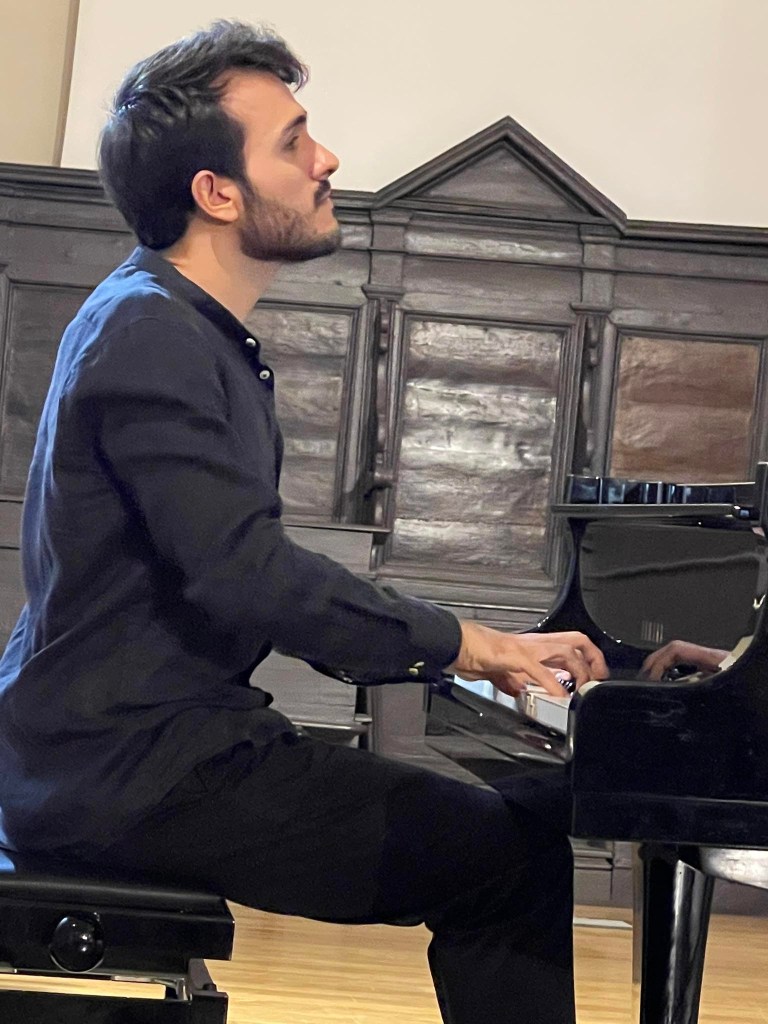
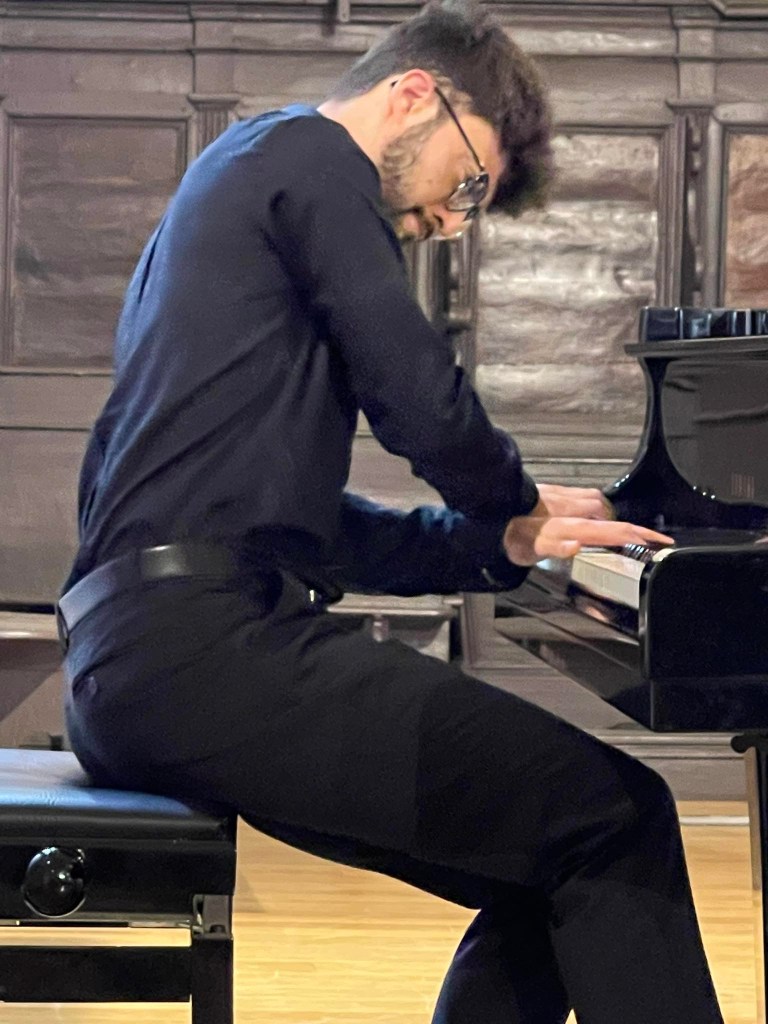
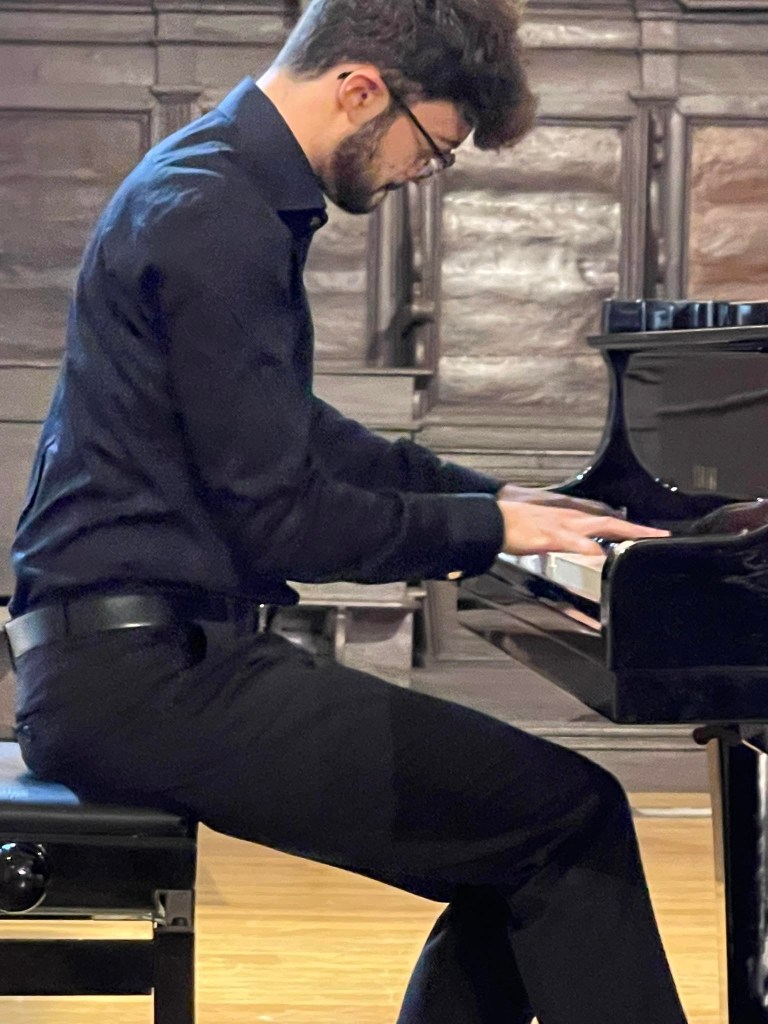
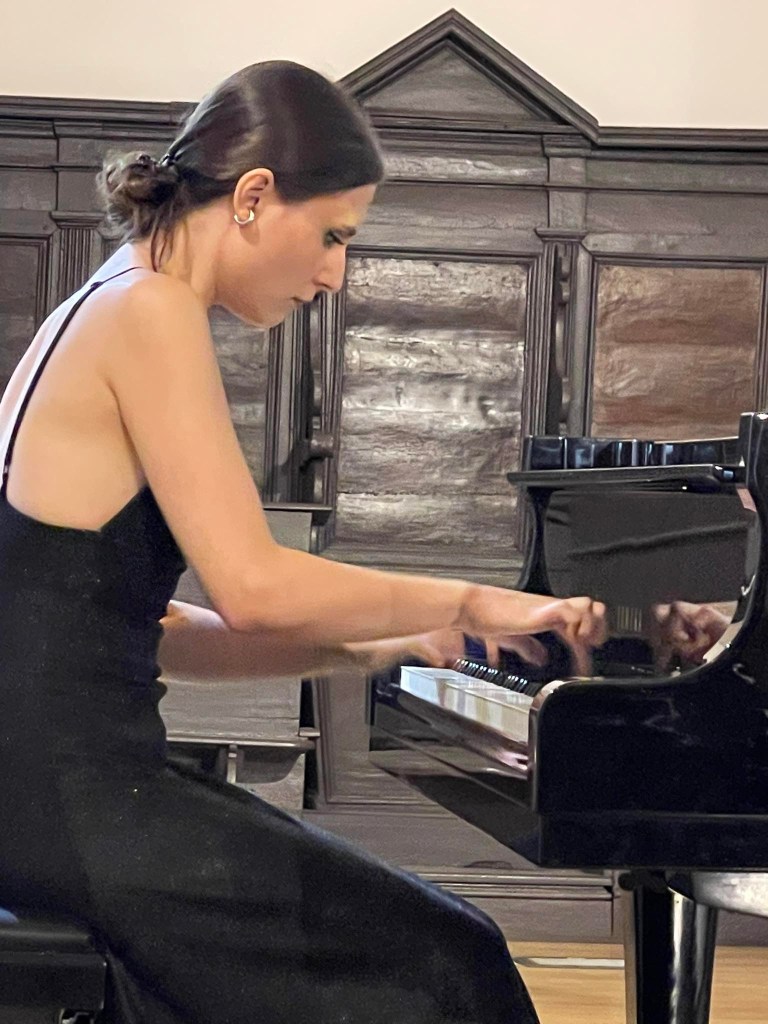
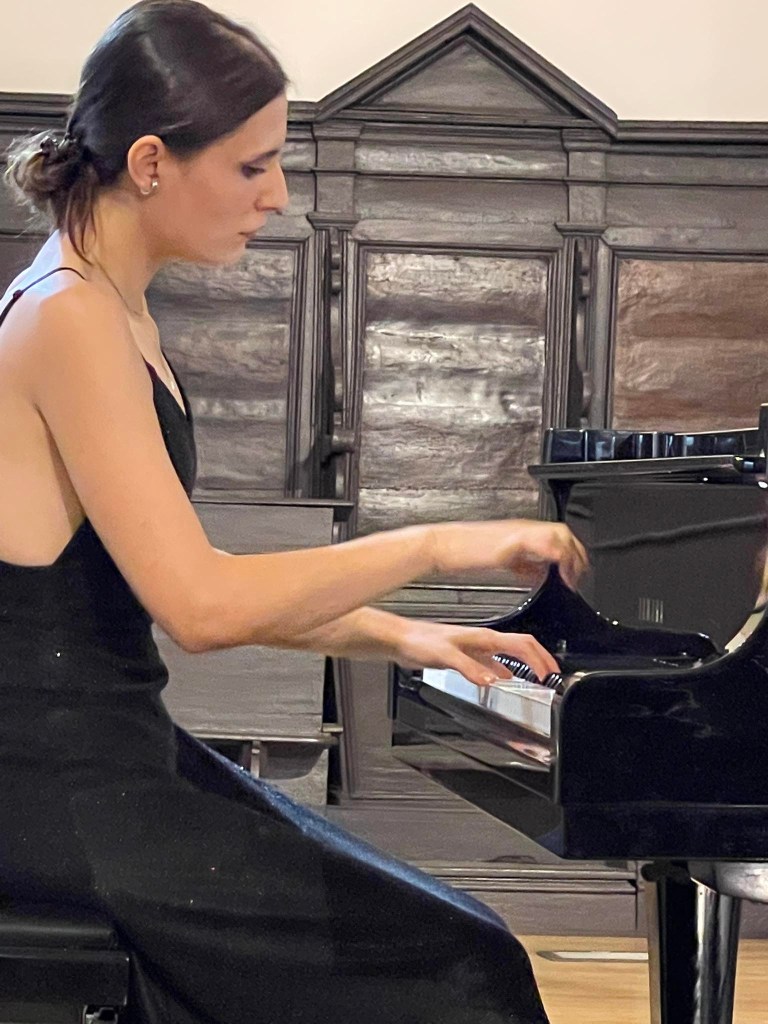
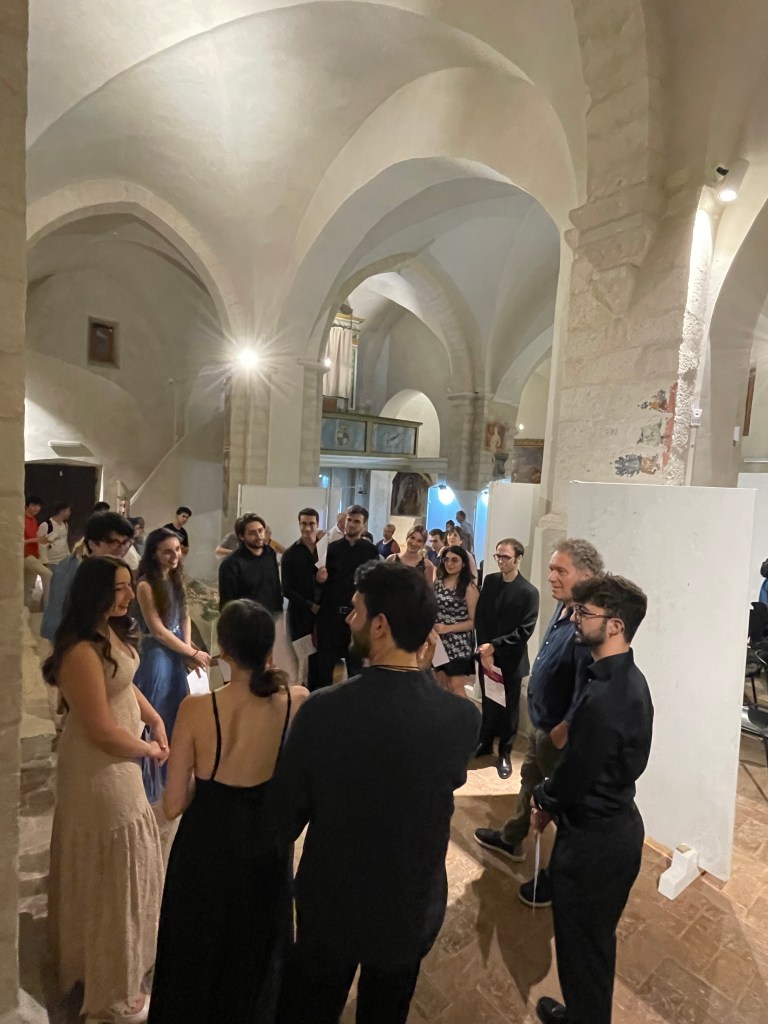
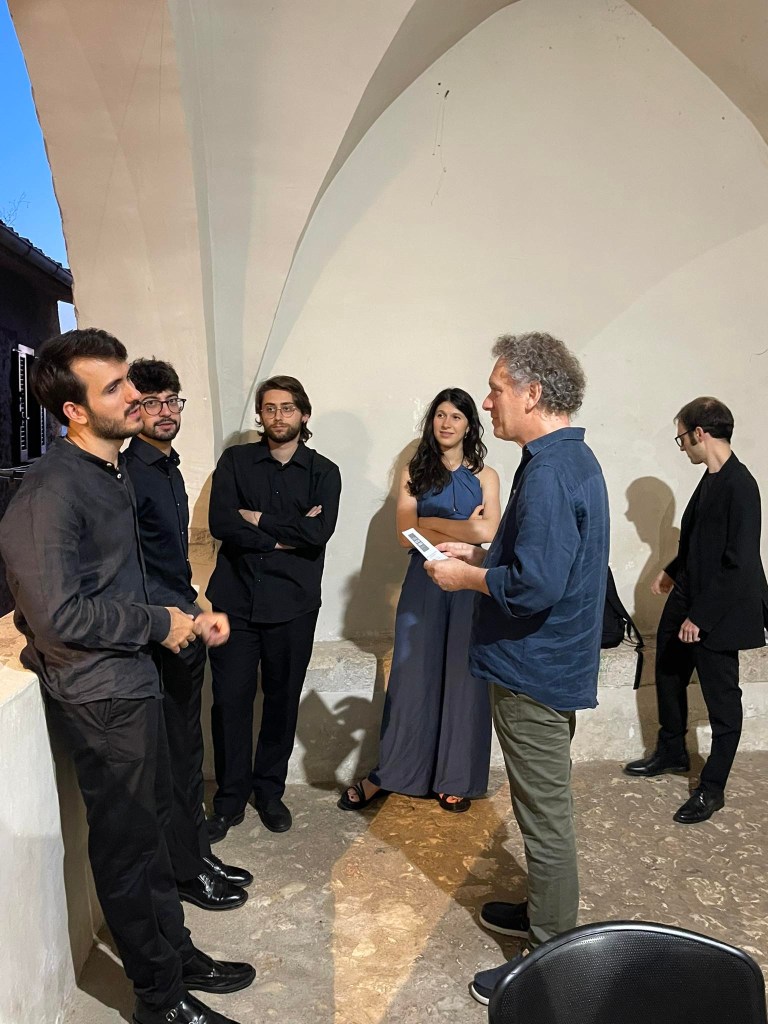
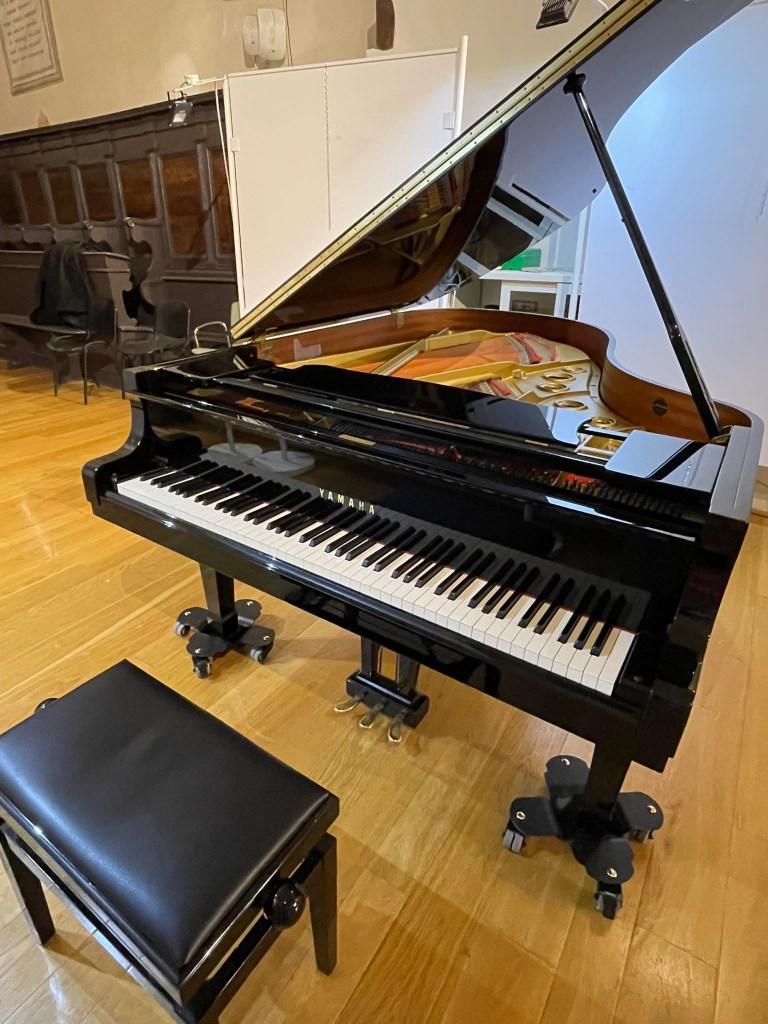
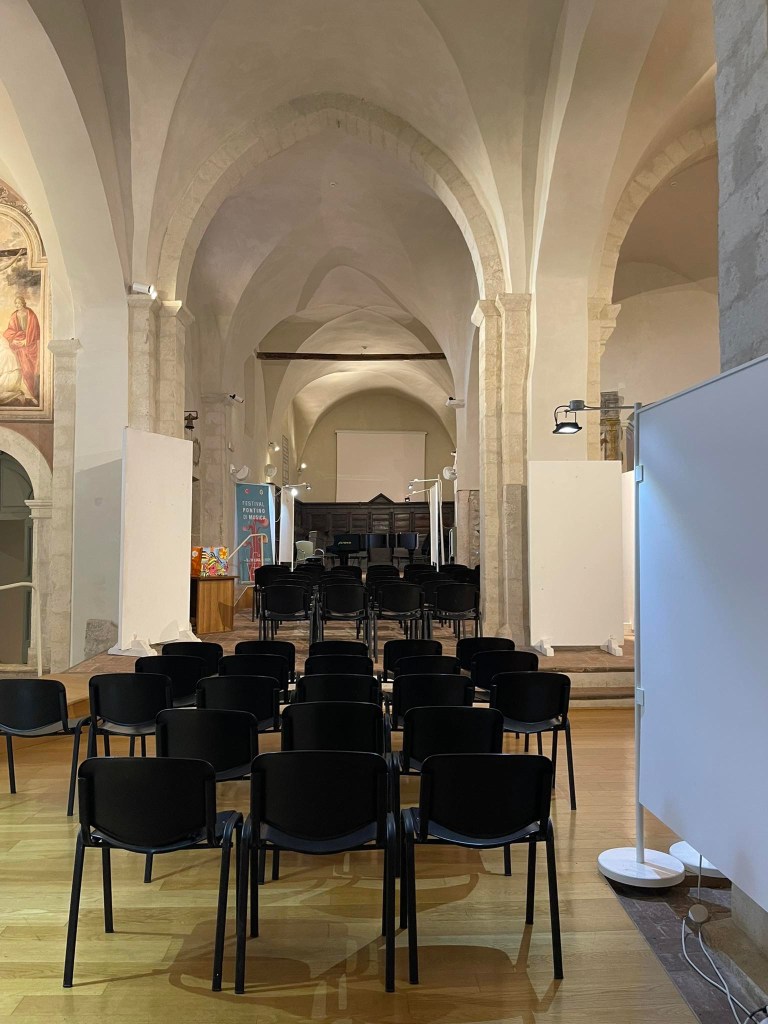
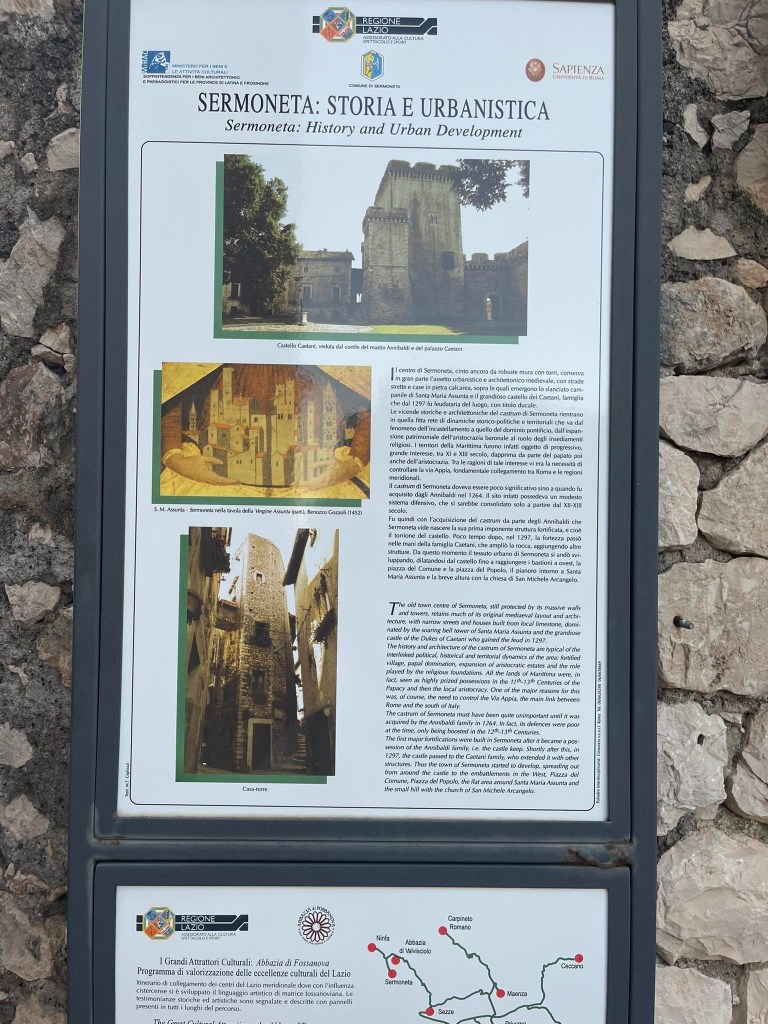
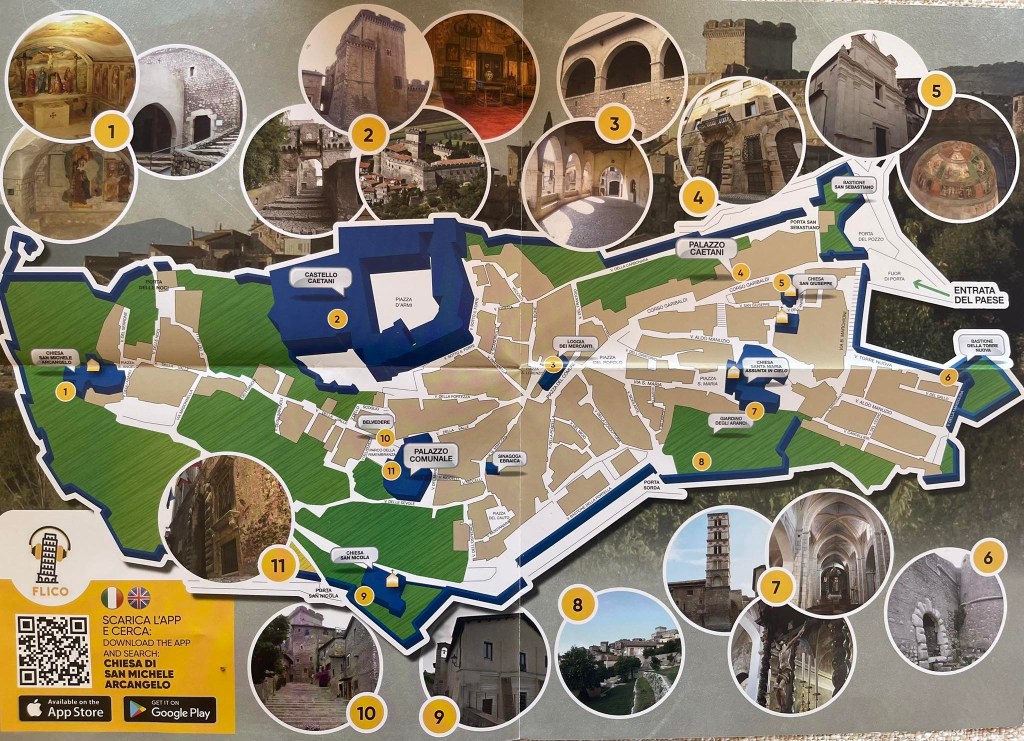
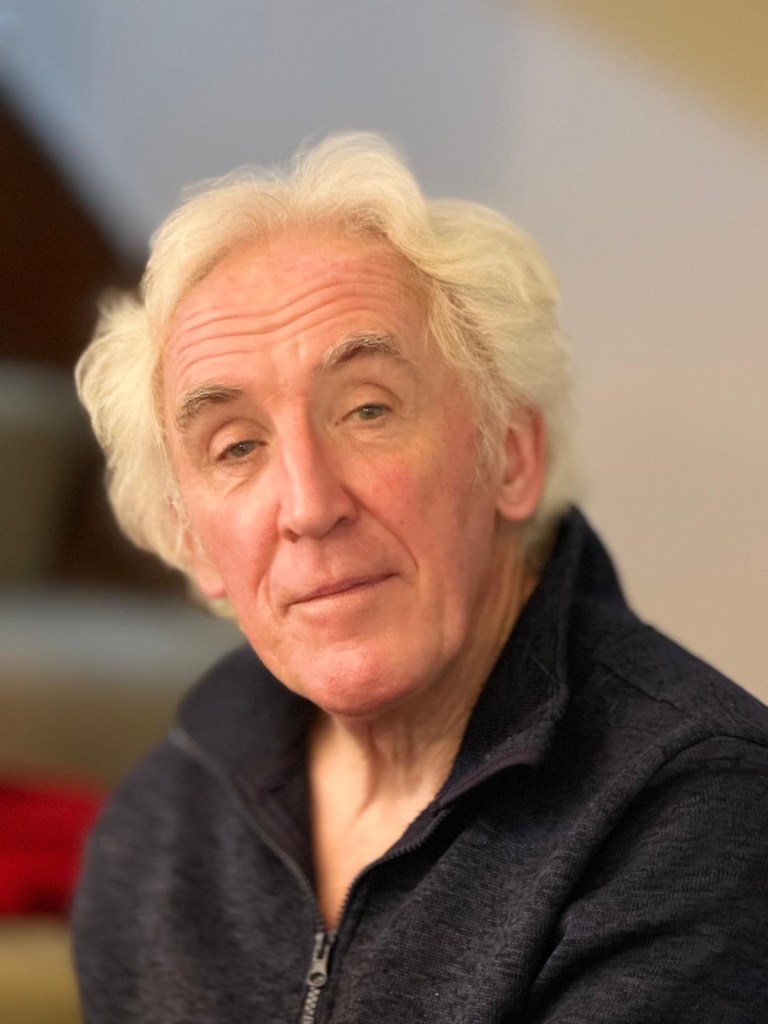
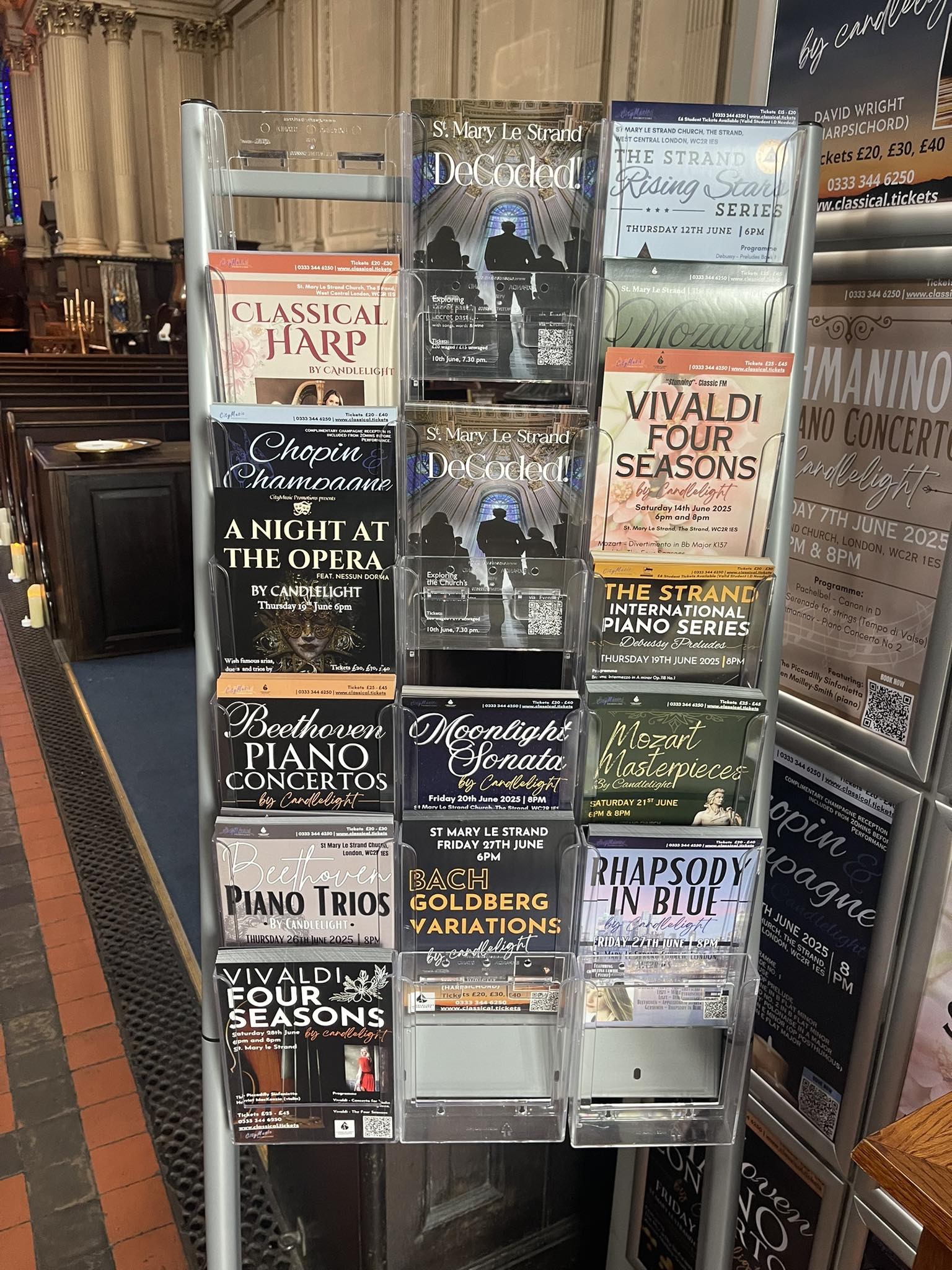
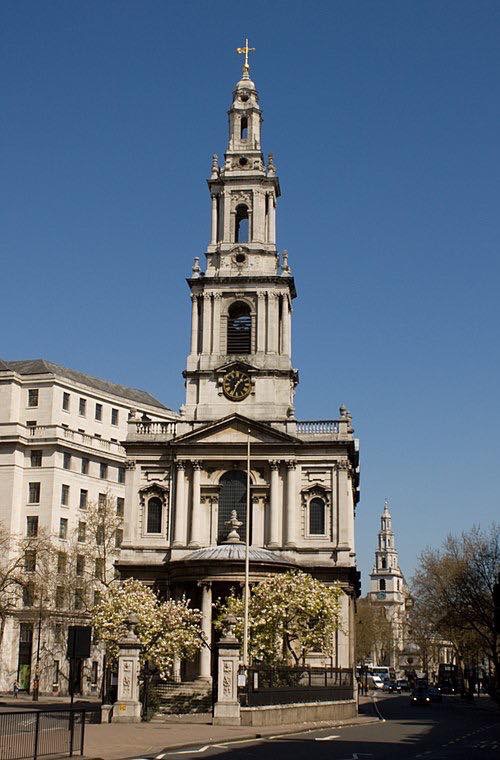
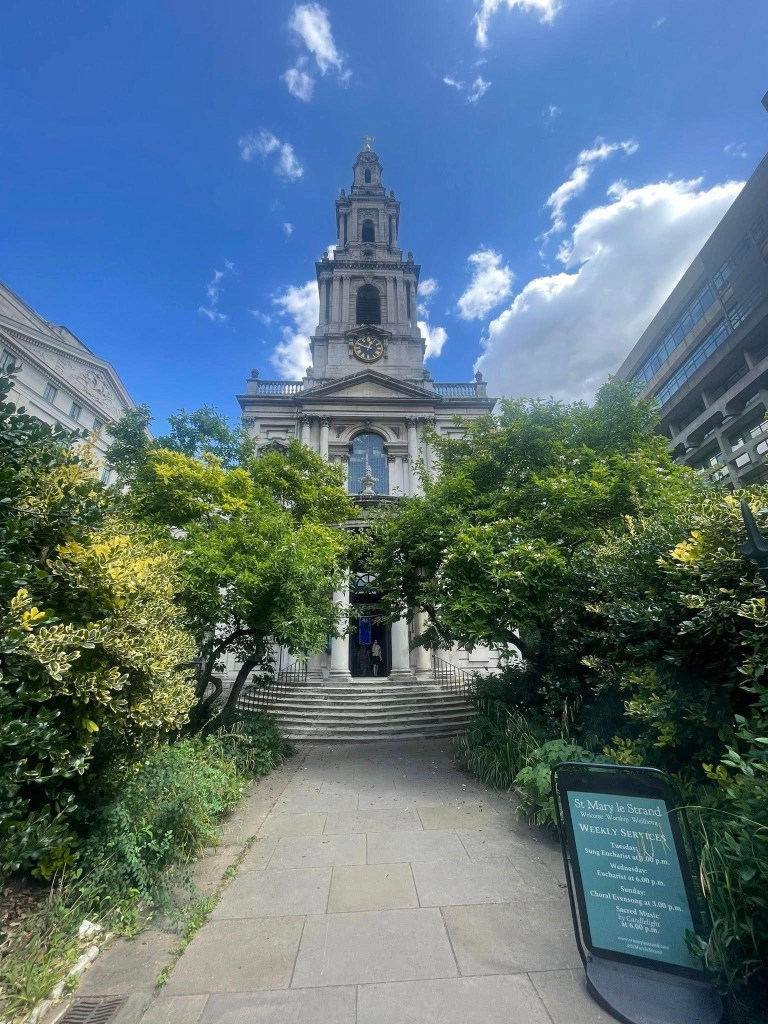
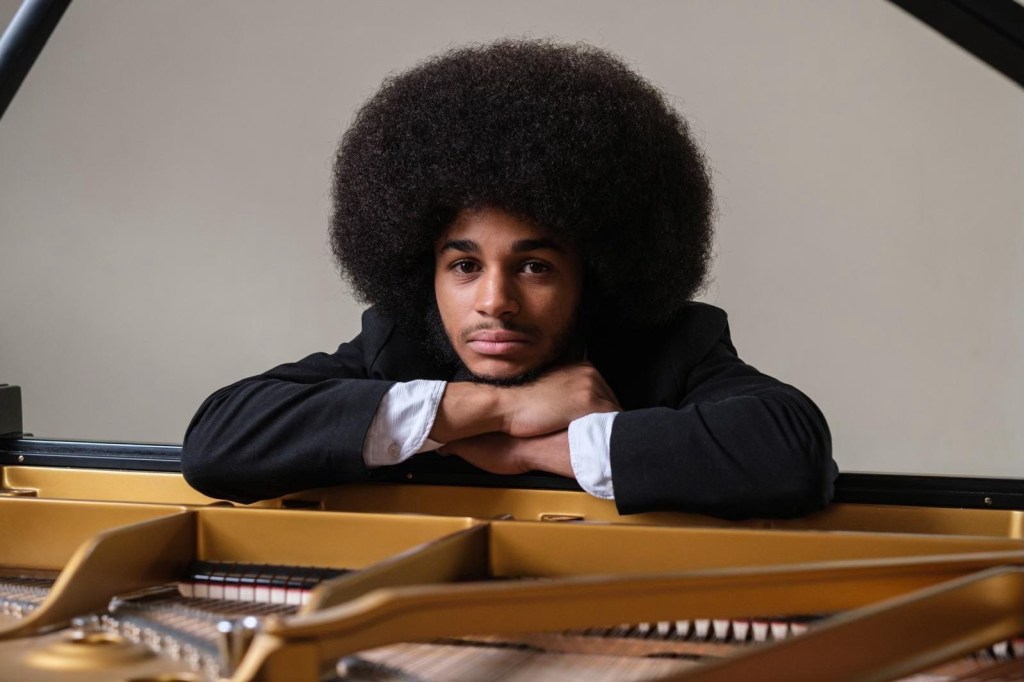
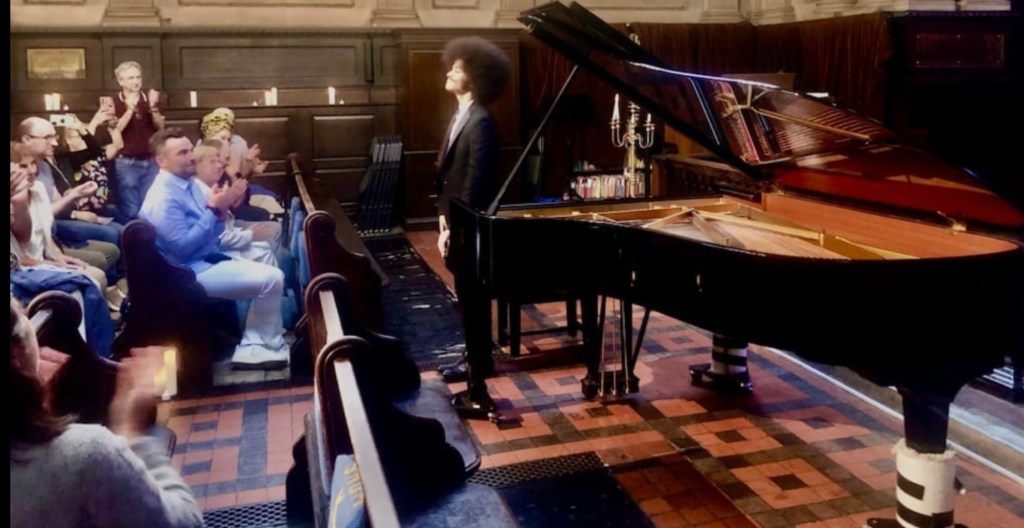
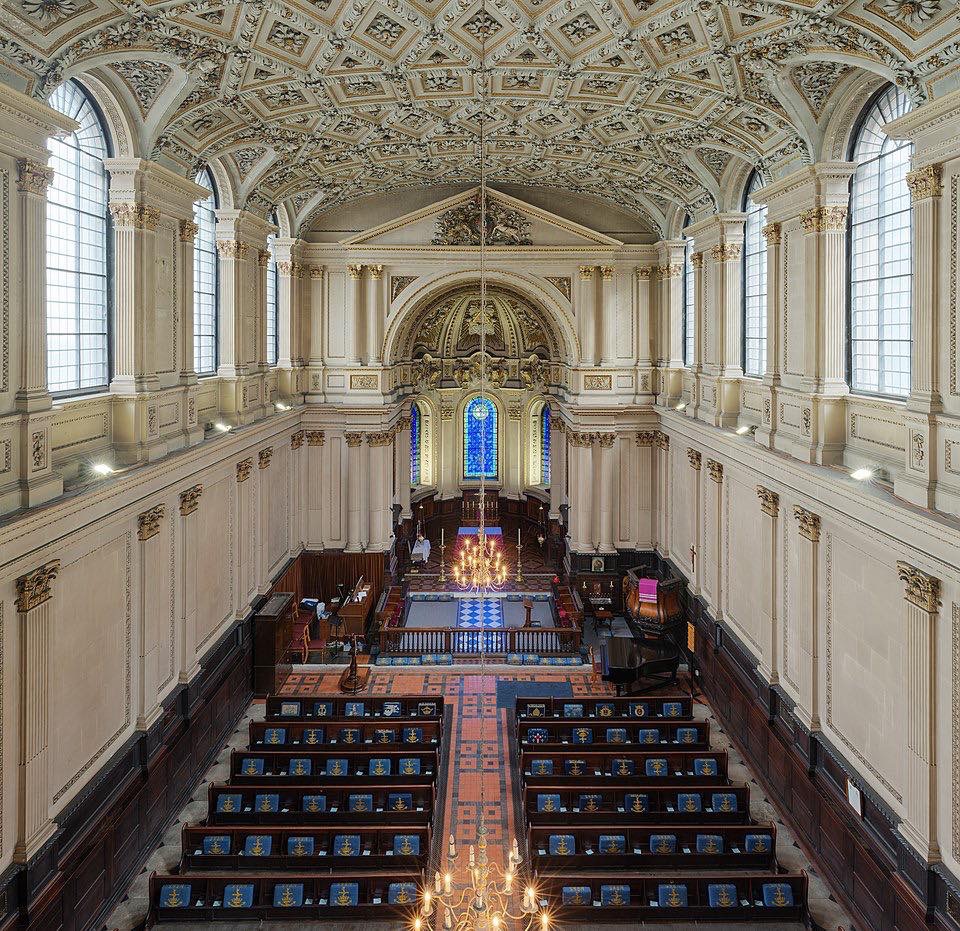
 ChristopherAxworthy-MusicCommentary