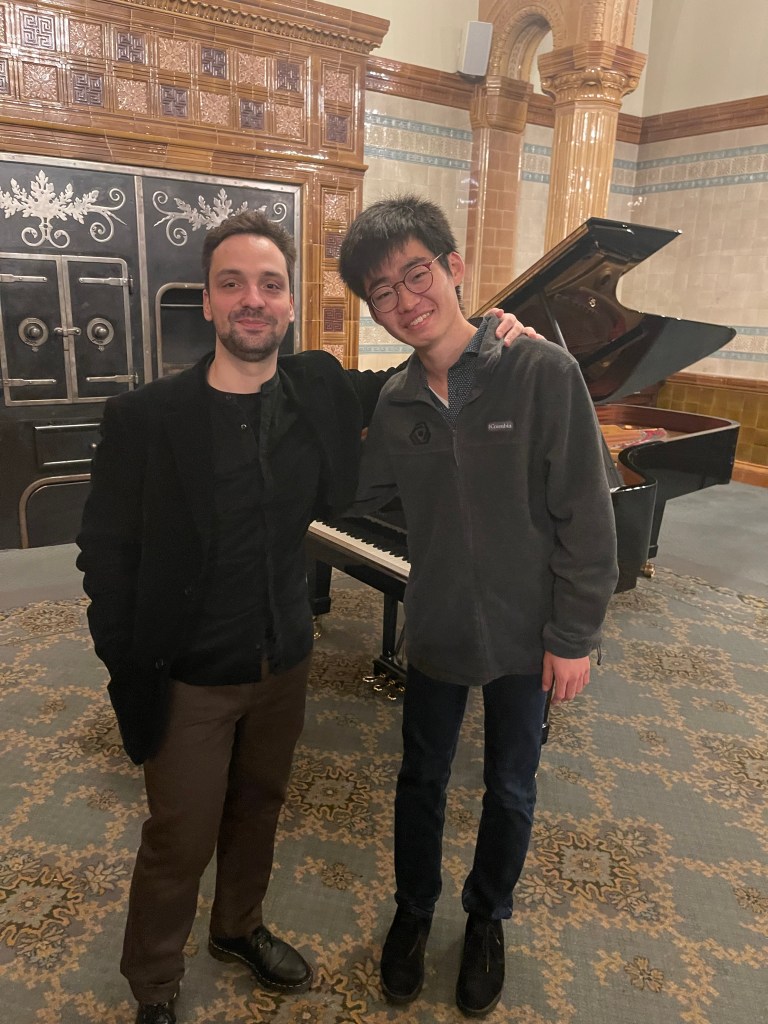
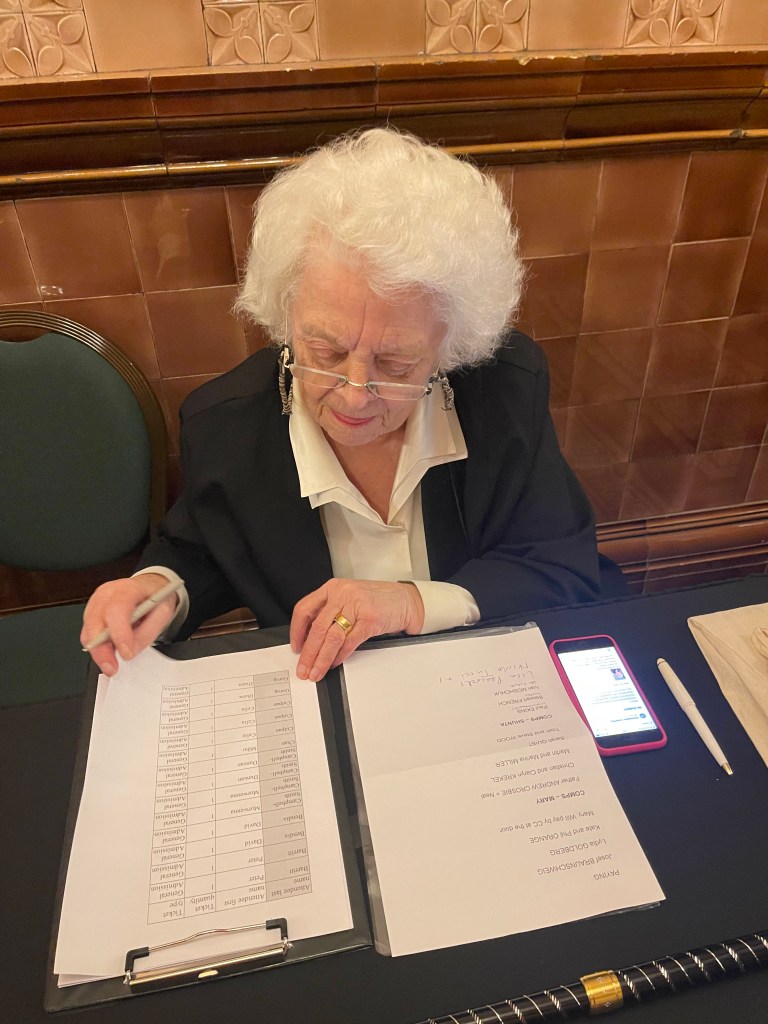
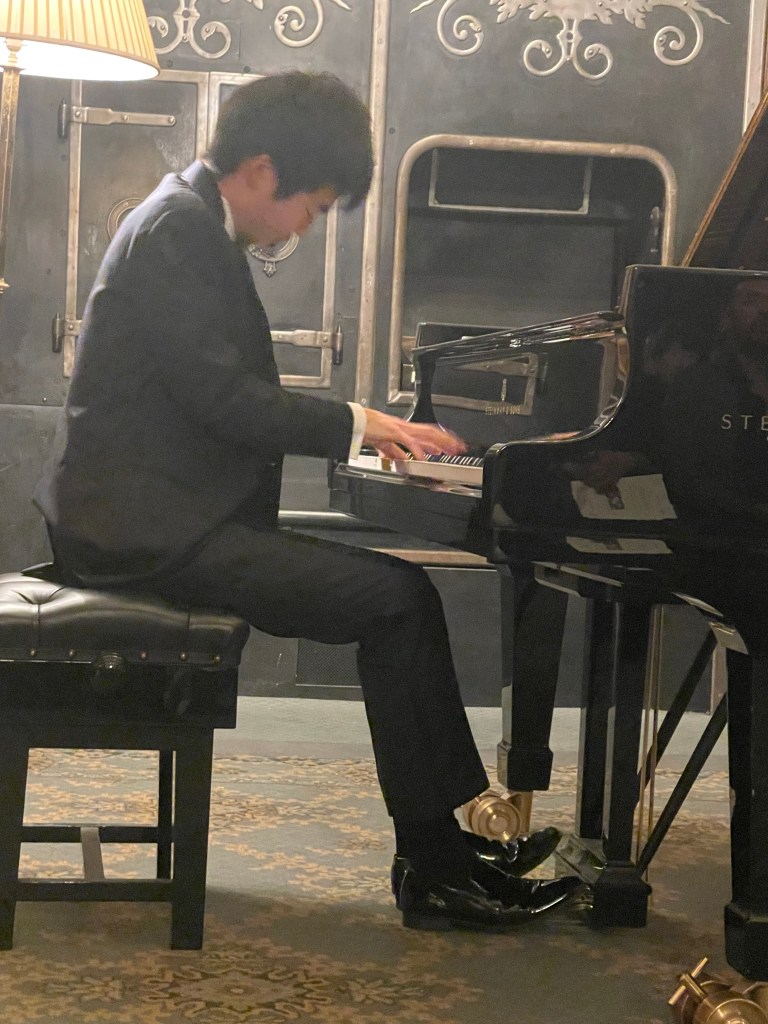
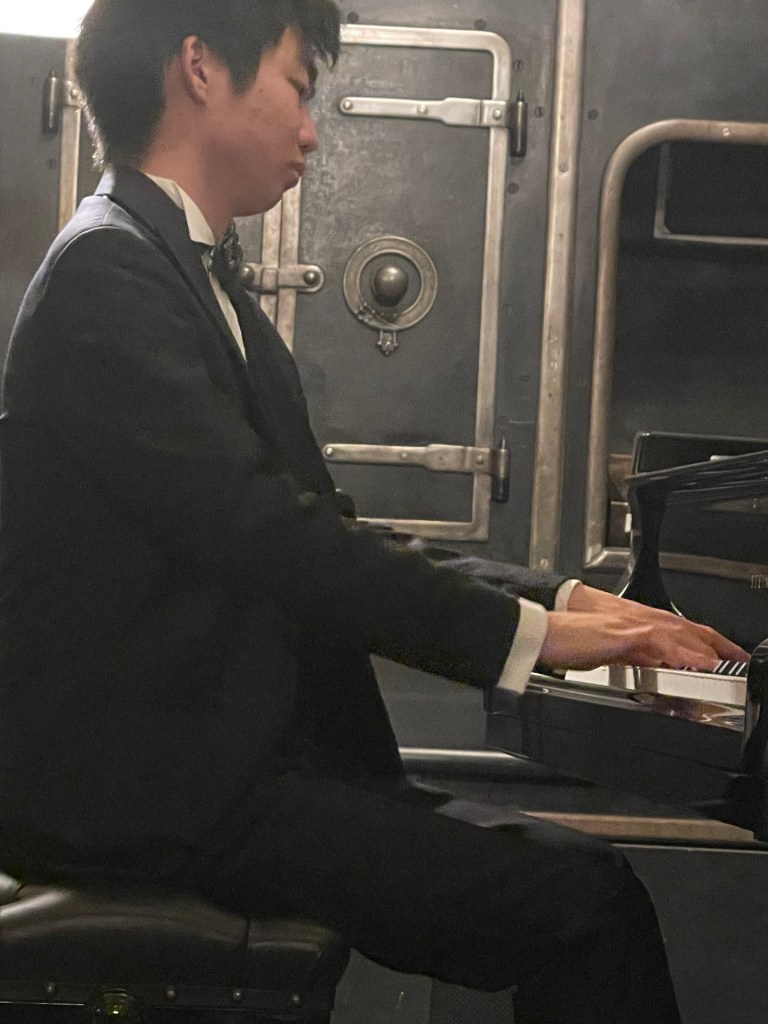
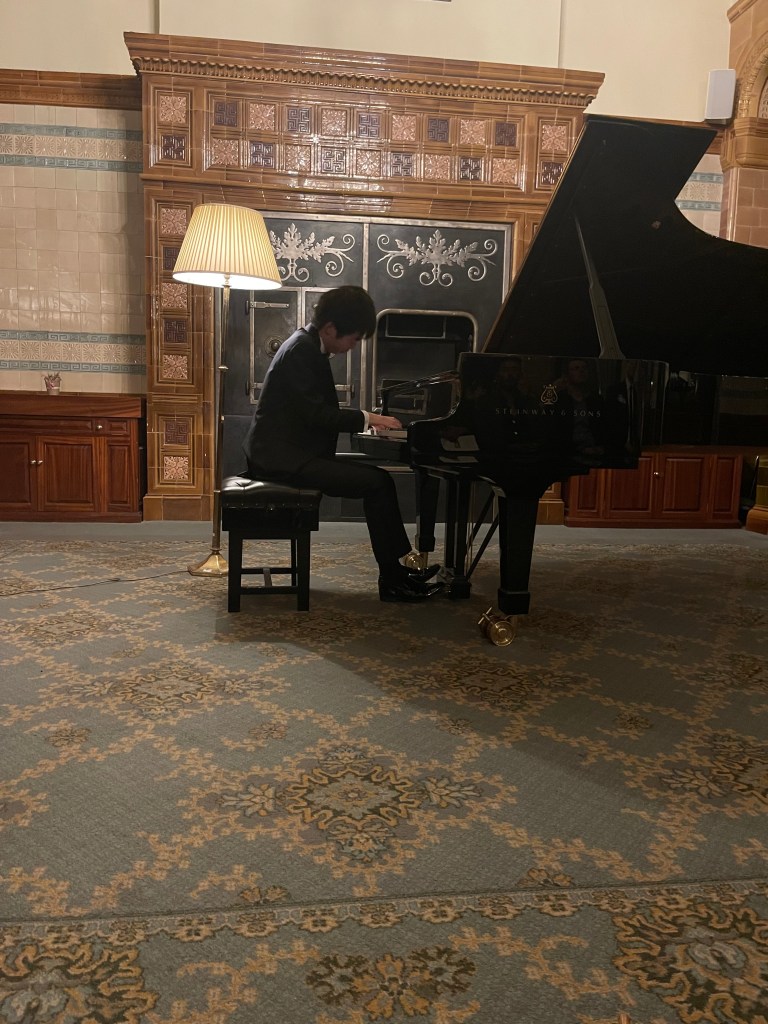
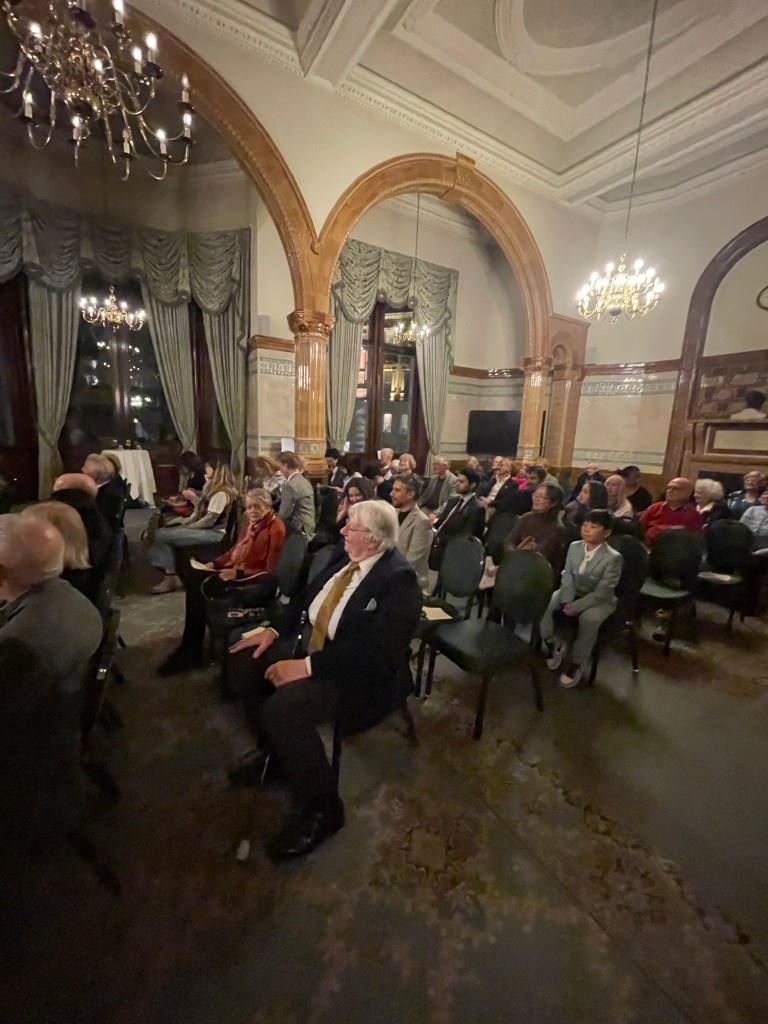
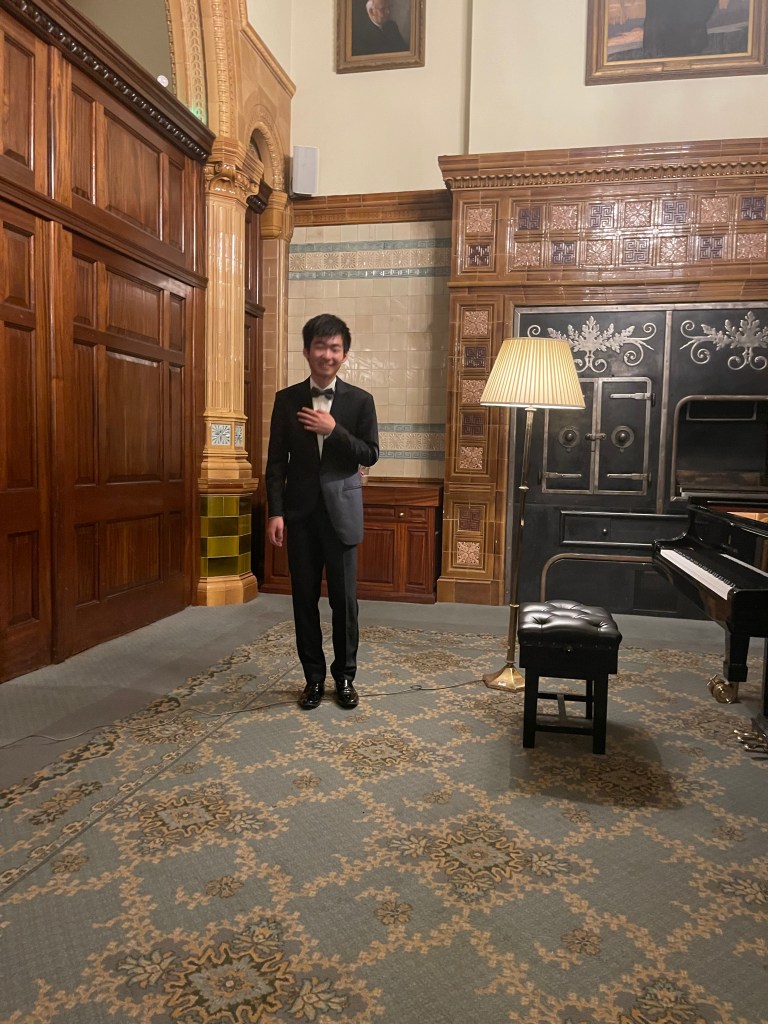
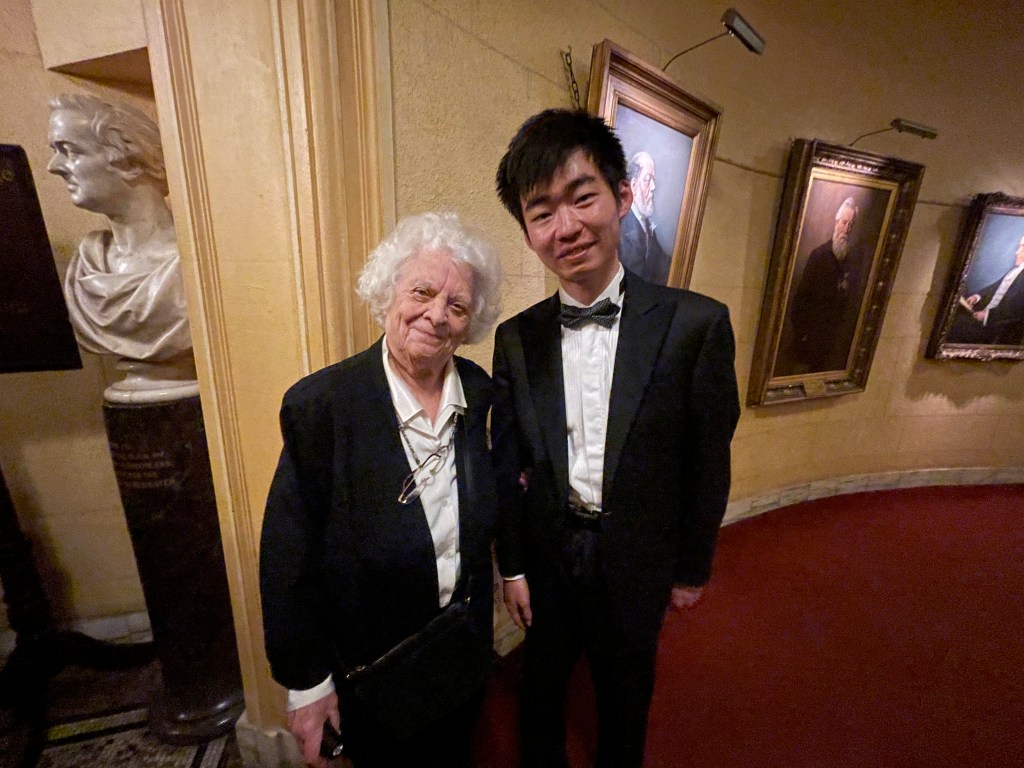
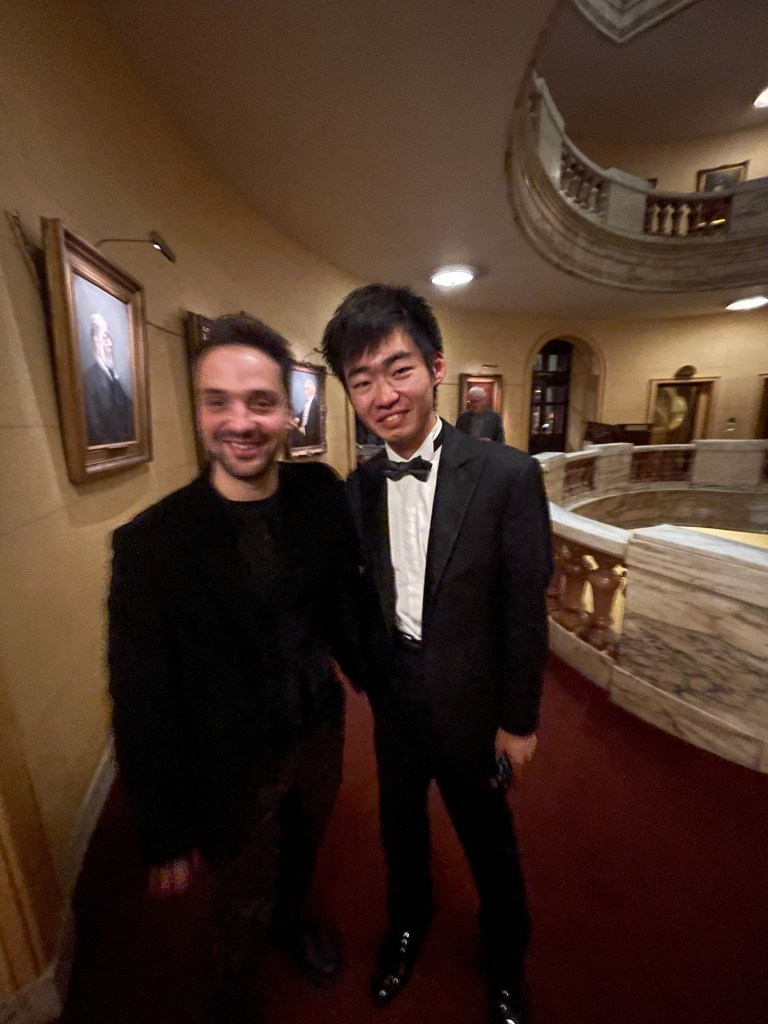
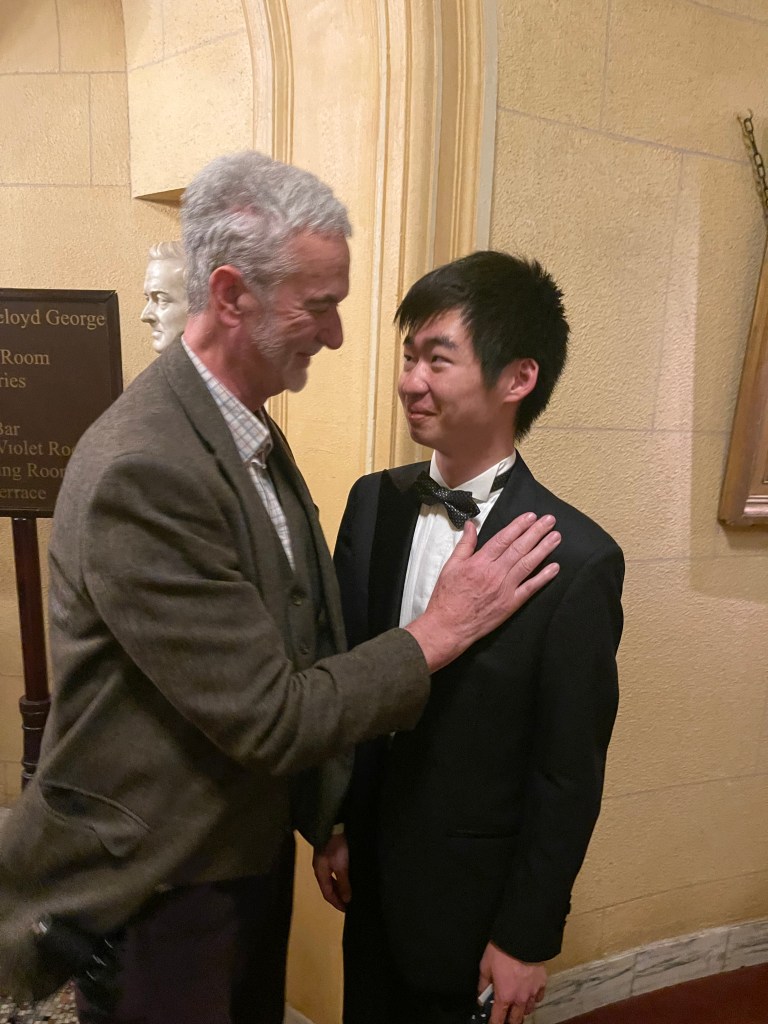
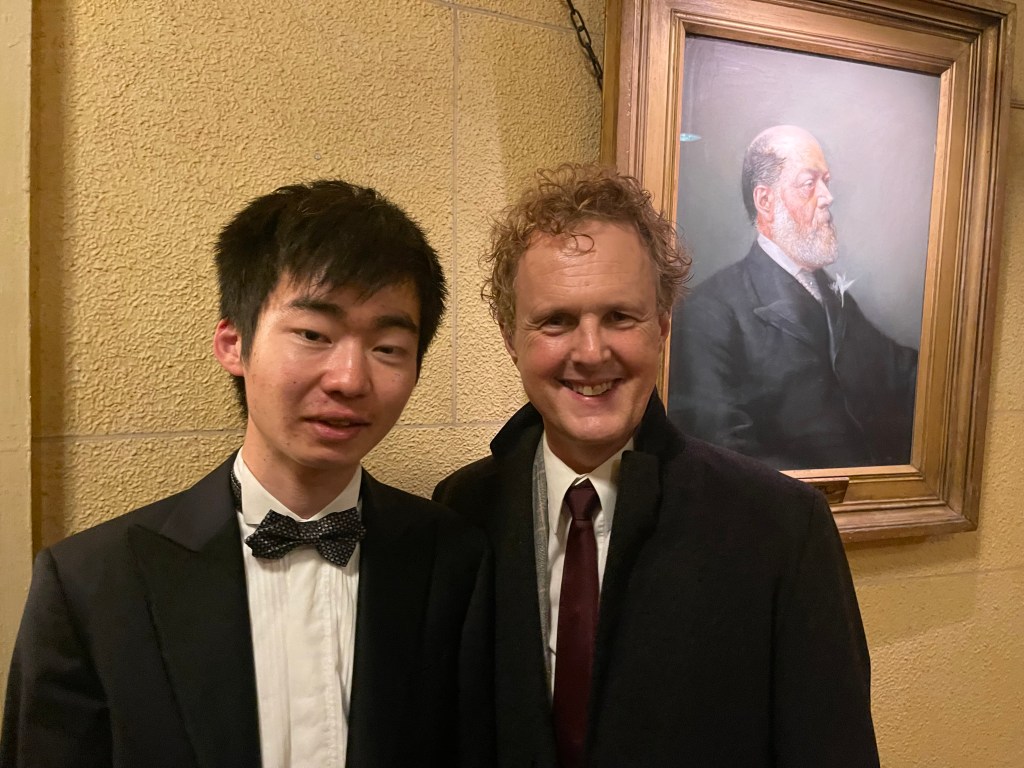
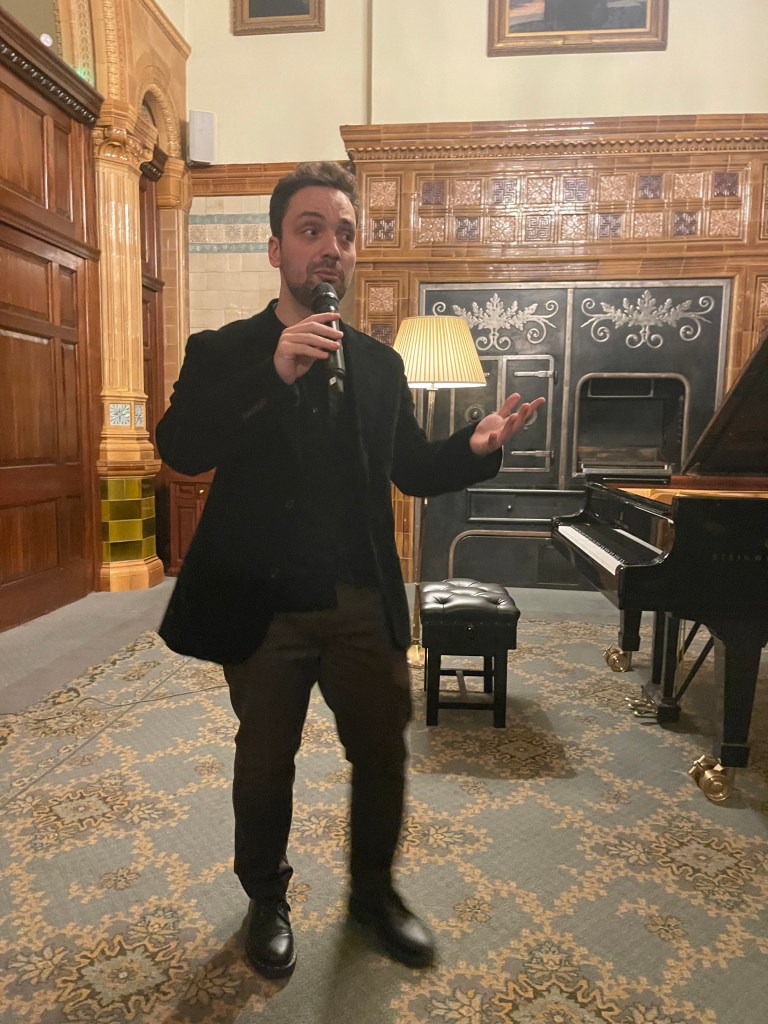
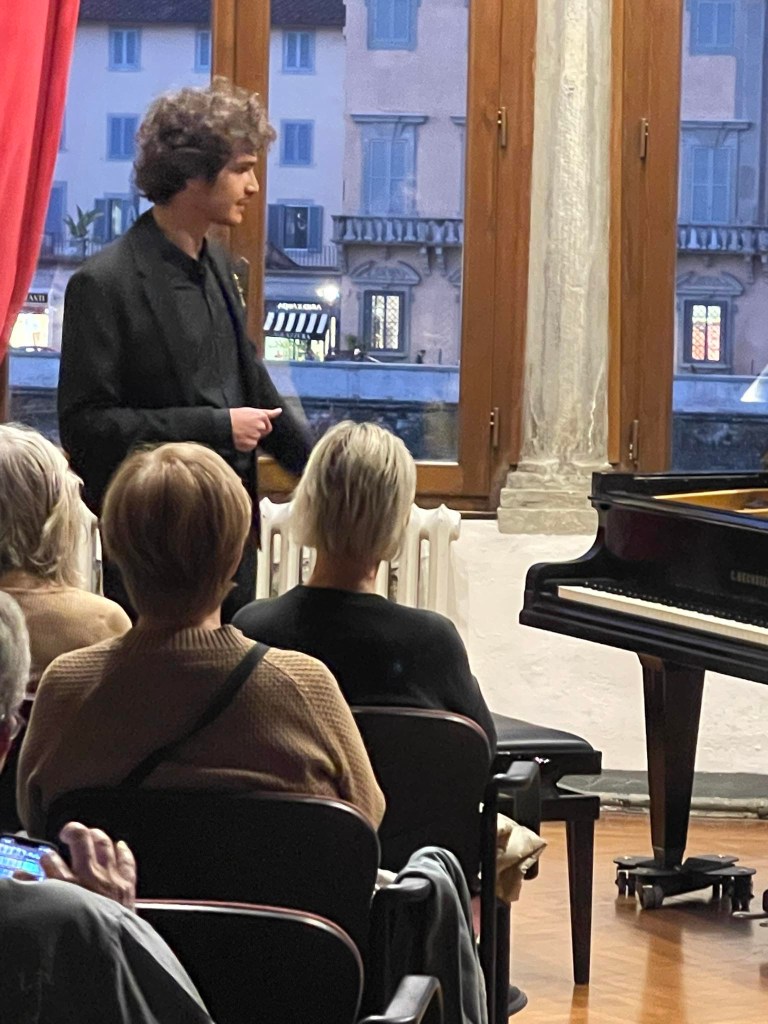
with Cristian Sandrin co Artistic director the indomitable Mary Orr holding the fort having prepared the programme
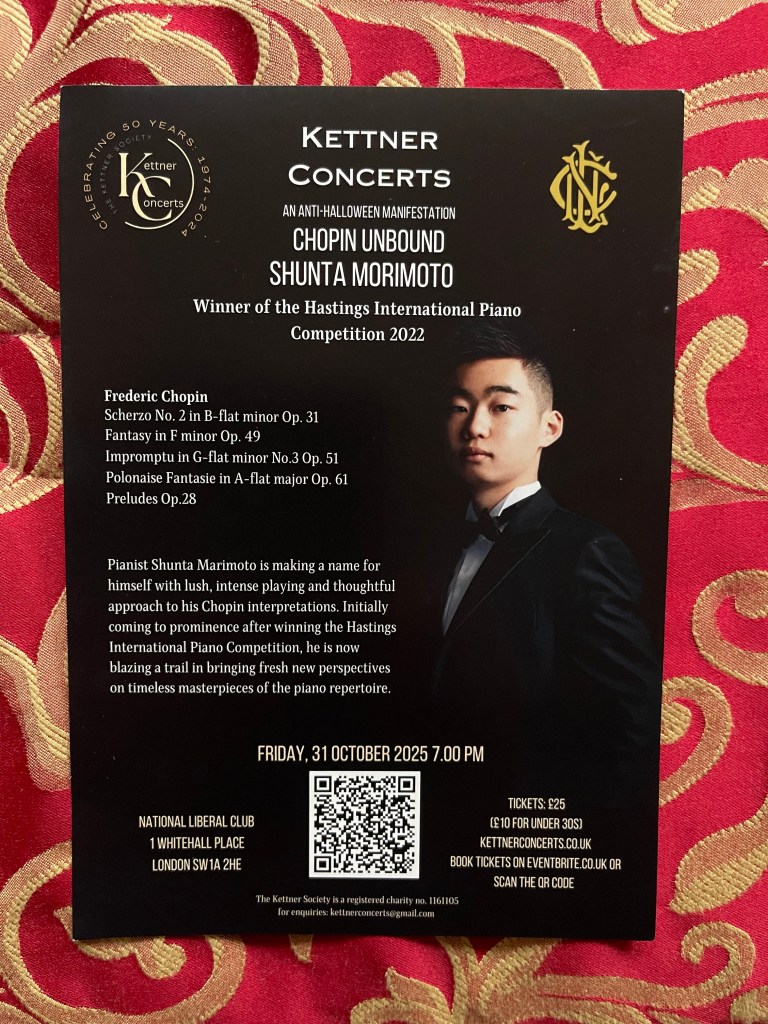
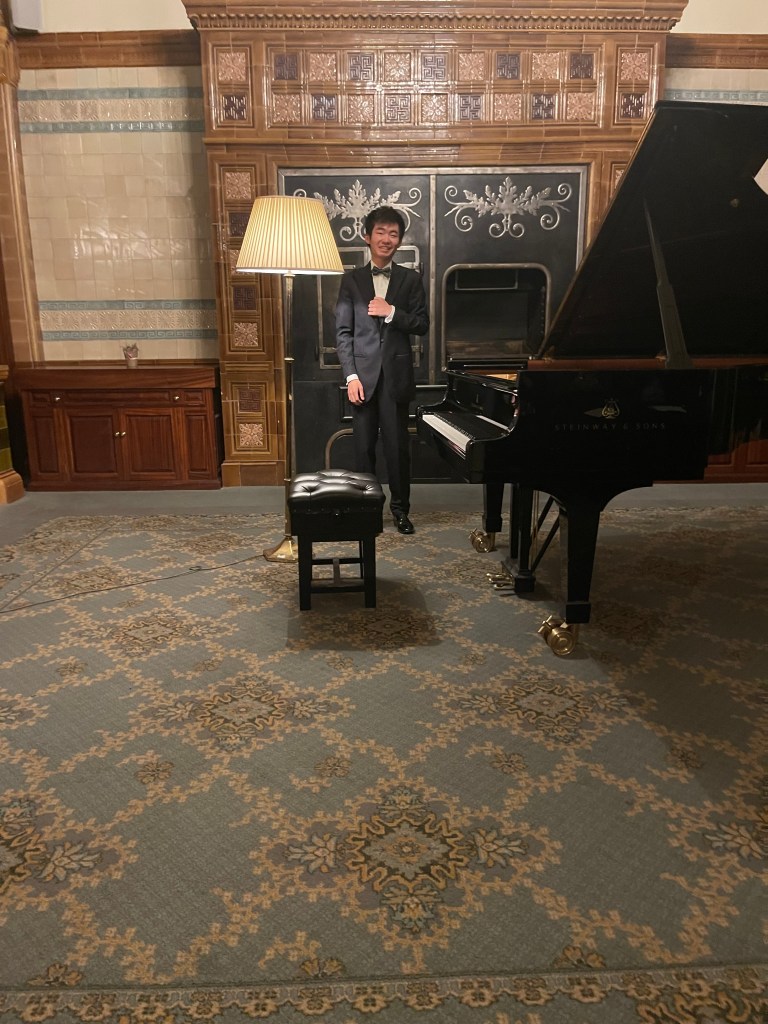
Overwhelmed by Chopin playing that has not moved me so much since we awaited Rubinstein’s yearly recitals in London. Can it really have been 50 years ago because it still remains so vividly etched in my memory.
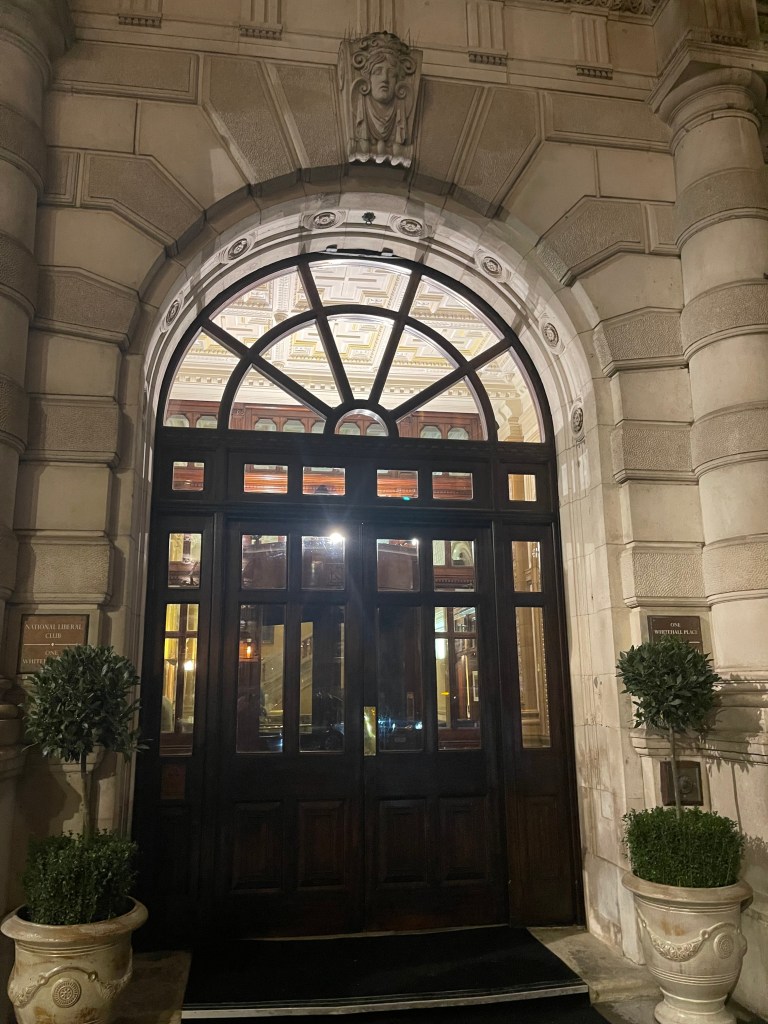
We have heard much Chopin in the past weeks with the competition in Warsaw but nothing comparable to what was heard in the Liberal club last night .
‘Words without thought no more to heaven go’ Nadia Boulanger used to exhort the students that would flock to her studio in Paris . She could not have found a more attentive disciple than Shunta Morimoto as he played with the simplicity and aristocratic mastery of Rubinstein who made the works of Chopin his own, speaking so directly to our heart and soul.
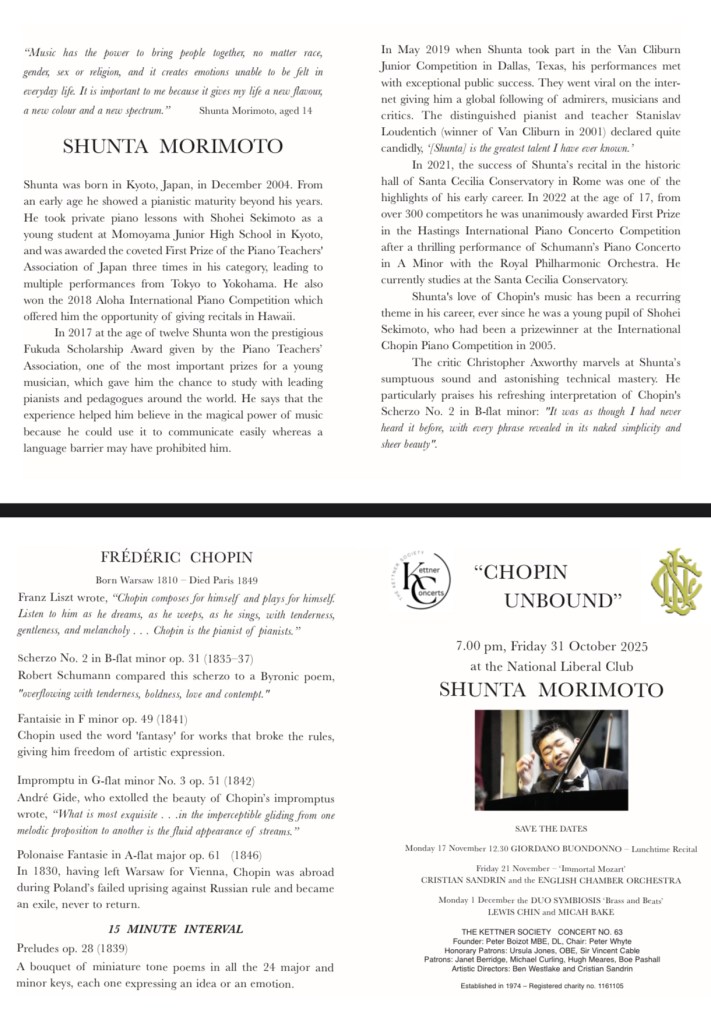
Stanisław Ioudenitch described Shunta Morimoto on awarding the 17 year old boy the Gold Medal in Hastings as the greatest talent he has ever known.
Last night Shunta has come of age and quite simply at 21 he is ready to conquer the hearts and souls of the greatest concert halls worldwide. Much needed in this age of stale CD perfection and as Gilels used to say, live music making is like fresh food compared to the stale canned food perfection of recordings. Public performances are a two way experience where audience and soloist are united in a quasi religious ritual.
Mitsuko Uchida explained in the green room after a memorable concert in Perugia why she was against ‘selfies ‘ or pirate recordings on phones. ‘A performance should remain as a memory that becomes more beautiful with time and not just a printed copy of a moment that will turn brown at the edges with time’. Shunta is no longer part of the circus arena that the International Competition circuit has inevitably become, with its comparative performances between super trained young hero’s. What we heard last night cannot be compared because Shunta takes us with him on a wave of sound and emotion, a voyage of discovery where time stands still as we stop and stare hypnotised by music making that really can speak louder than words…..just as I remember (sic) from Rubinstein.Those present last night will never forget the voyage that this young man shared so generously with us. As Rubinstein so rightly said ‘You cannot teach talent ‘ https://youtu.be/gex0sOR7XZ0?si=WkUGp9eoFYCdkrG1
From the very first notes we were were immediately immersed into a world of drama, fantasy and passionate involvement . The Scherzo in B flat minor was played with an extraordinary range of dynamics which seemed almost like hearing it for the first time. And yet everything was written in the score for those ,like Shunta, who can delve deeply. The ‘sostenuto’ was of whispered beauty ‘sotto voce’ and was played with a stillness and a wondrous sense of discovery. Building to an overwhelming climax that was fearless and breathtaking for its audacity and total conviction.
The Impromptu in G flat was next in his well thought out programme and was played with seductive beauty with an insinuating rubato and the exquisite legato of French elegance. The beautifully expressive tenor melody of the central episode entered as if from afar gradually coming closer with passionate insistence before the magically whispered return of the opening melodic outpouring of elegance and refined good taste. No one dared move as the ominous opening of the Fantaisie was heard in the distance without breaking the spell that had been created. Here was a master story teller where every note had a meaning of extraordinary potency. An explosion of passion and mastery that was at times quite overwhelming. Waves of arpeggios that were mere wafts of sound leading to the carefully placed pianissimi G flat octaves that herald the change of key for the whispered beauty of the ‘Lento sostenuto’. Timeless confessions of extraordinary poetic beauty were suddenly interrupted by a single sharp chord ,as marked quite clearly in the score. An eruption as the first episode returned , but leading this time to a coda and whispered cadenza with an extraordinary pedal effect. William Naboré, Shunta’s mentor for the past five years in Rome, had told me of the effect of holding silently the E flat that allowed the cadenza to reverberate without any pedal and which Shunta played to perfection with ghostly effect. It was the same holding silently of the bass note in the opening of the Polonaise Fantasie that allowed for etherial clarity as the chords were allowed to reverberate over the entire keyboard. A whispered fantasie with the interruption of the Polonaise rhythm but played mezzo forte on a whirlwind of nobility and aristocratic elegance. Coming to a rest with four chords played with golden beauty as the ‘Poco più lento’ opened on a velvet carpet of sumptuous beauty and etherial magic. Trills that became mere vibrations in Shunta’s poetic hands as this extraordinarily original work built to the climax that was played with fearless abandon and mastery.
After a short interval Shunta returned to play the twenty four preludes op 28. Fou Ts’ong may have described them as twenty four problems but Shunta played them with extraordinary poetic mastery. Of course the sixteenth was no problem for Shunta who played this brilliant étude as a searing mass of smouldering energy. It was the fourth and the seventh that was so remarkable, though, where so few notes could mean so much . The deep bass notes of the seventeenth I have never heard played with such depth and meaning just as the twenty fourth was not melody and accompaniment but a whole cauldron of passionate urgency. There was a radiance and simplicity to the ‘Raindrop’ Prelude where his incredible control of sound in the central episode made the return of the melody even more expressive and radiant. A ‘tour de force’ of mastery and poetic understanding combined with an intelligence that could delve deep into the score and find unexpected beauty.It was as though the so-called Chopin tradition had never existed, and it was just Shunta and Chopin recreating the music as if the notes were still wet on the page. Two waltzes op 42 and op 70 n. 3 were offered as encores to a very enthusiastic audience, and were played with impeccable style and beguiling insinuation. A refined palette of colours that could recreate these miniature masterpieces with imagination and aristocratic style.
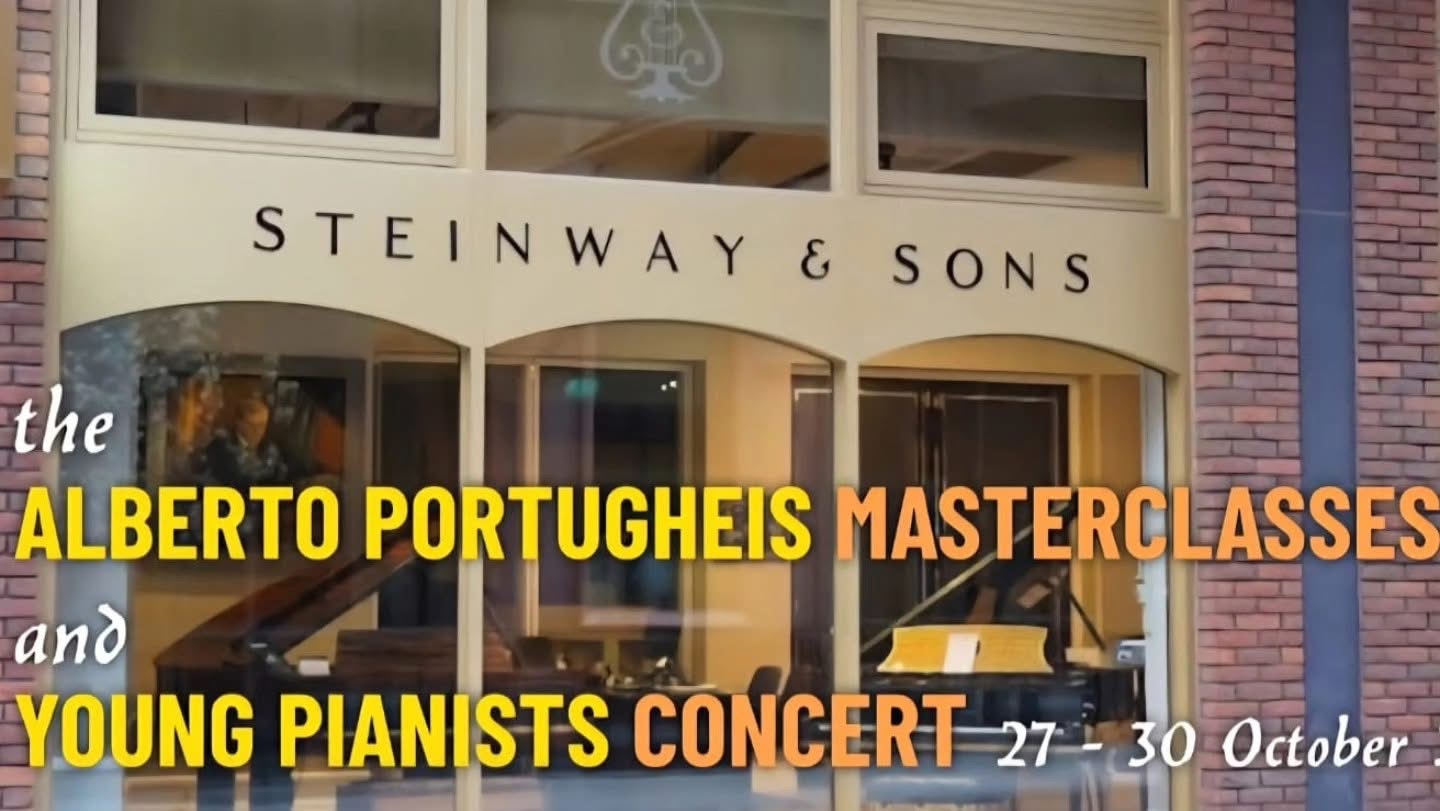
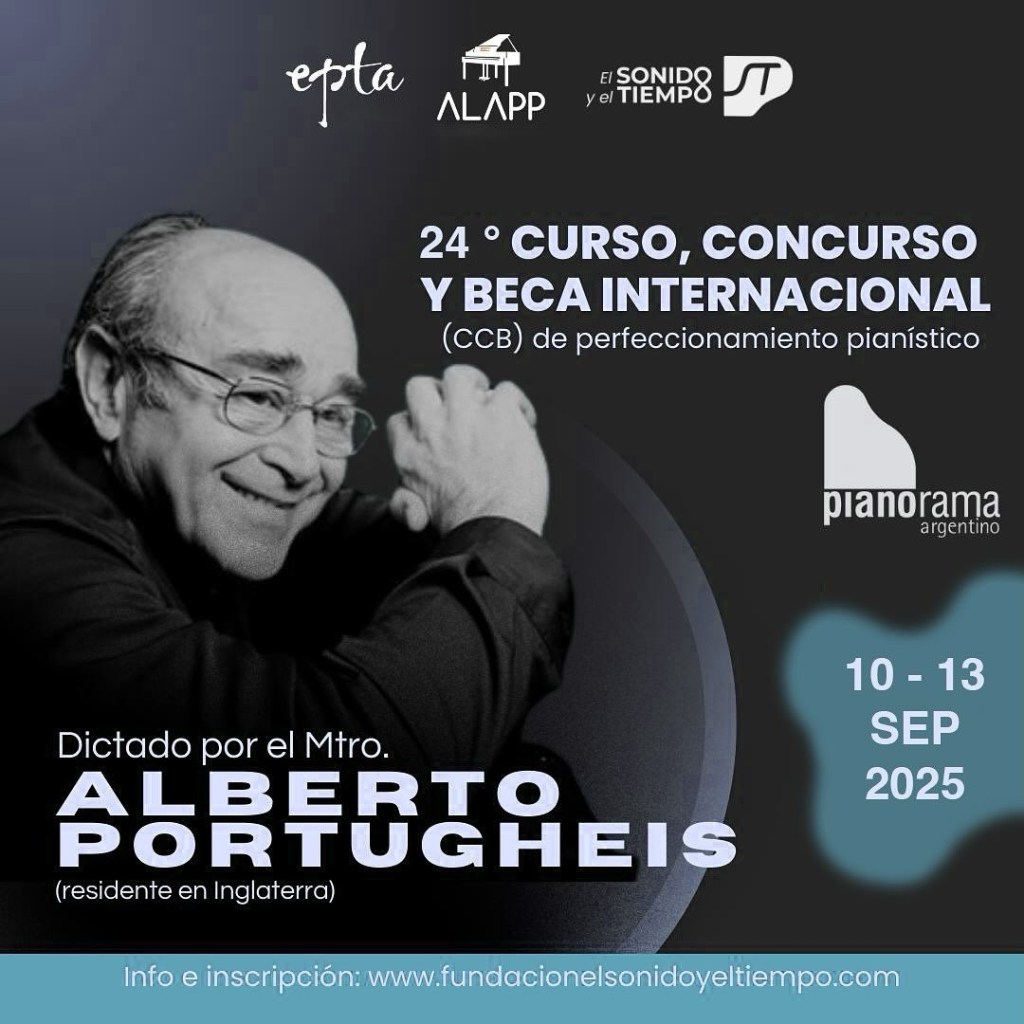
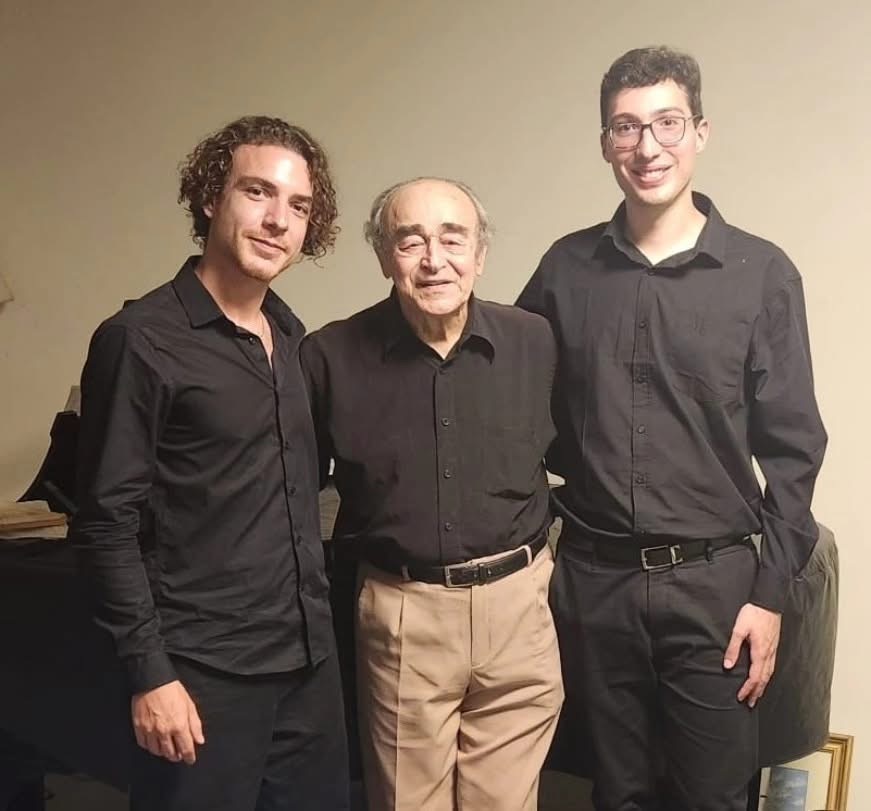
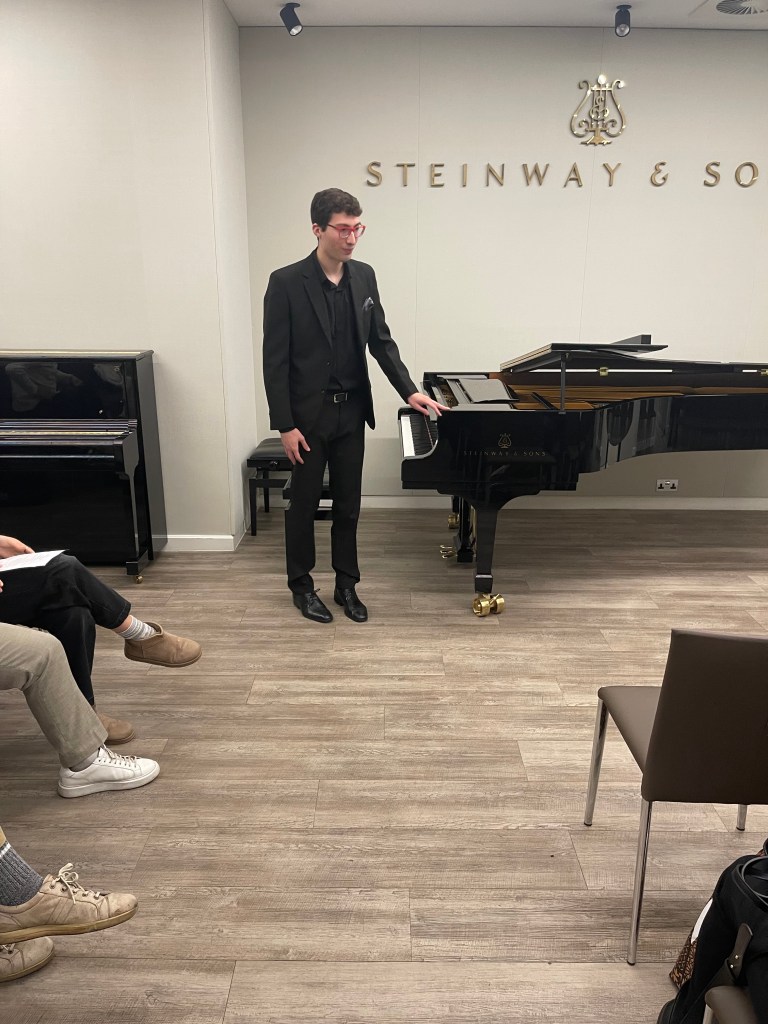
Continuing his annual tradition of Masterclasses at Steinway Hall in London and this year presenting two young EPTA award winning pianists from his annual class in Buenos Aires.
Together with four brilliant pianists based in London, il Maestro of Maestros shared not only his immense knowledge of the musical scores but also the extraordinary humanity that this remarkable renaissance man has been sharing with the world for a lifetime.
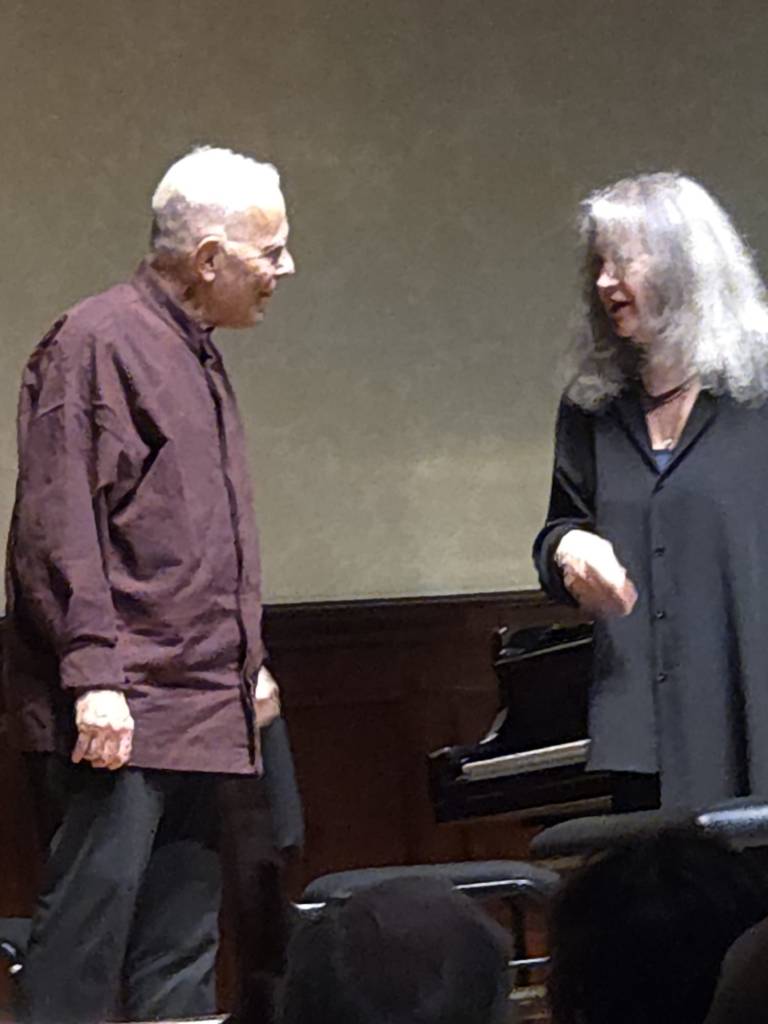
Just a week ago he was celebrating here with his lifelong friend Martha Argerich , gathered thanks to the generosity of Steinways in an after birthday concert reception for the 85 years of their close friend Stephen Kovacevich.
on stage at the Wigmore Hall birthday celebration for Stephen Kovacevich in this photo with Martha Argerich
Next year Alberto and Martha will be celebrating their coming of age too, but in the meantime these eternally youthful musicians are sharing their remarkable musicianship with a world where quantity seems always to take precedence over quality.
Followed by Parvis Hejazi a graduate of Norma Fisher at the RCM playing Haydn’s B minor sonata with refined good taste with a sparkling jeux perlé and ornaments that were highly wound springs glistening like jewels in a prism . Unleashing, on an unsuspecting public, the Prokofiev third sonata with dynamic drive and burning intensity. https://christopheraxworthymusiccommentary.com/2025/07/12/norma-fisher-the-making-of-a-legend/
This was complimented by the exquisite good taste of Roxanna Shini Mehrabzadeh with the poetic refinement of two of Chopin’s most flowered canons . A languid beauty to ‘The Maiden and the Nightingale’ was followed by a Sorrowful springtime song by Rachmaninov alla Earl Wild .
With such a pedigree it came as no surprise what musicianship he brought to Schumann’s teasing twins, whilst trying to unite them in their eighteen dance steps together of Davidsbündler. Giving a strong bass anchor to the proceedings as he managed to create a unified whole of ravishing beauty and extraordinary characterisation.
Another first time visitor to London, the Argentinian Esteban Arámbulo, playing THE prelude by Rachmaninov. A work rarely heard in the concert hall these days , but that Rachmaninov was obliged to offer to his audiences if he wanted them to leave the hall! A majestic performance of aristocratic authority that was preceded by Debussy’s miraculous depiction of ‘Reflections in Water’ that eventually his golden fish would wallow in, during his six ‘images’ etched with ethereal beauty.
Gabrielé Sutkuté closed the concert with three of Beethoven’s early baubles that she truly turned into gems! A masterly performance of Szymanowski’s early Variations where passion and intelligence were united with dynamic drive and searing commitment.
What a celebration of the values that this Renaissance man so generously shares with young musicians every year, thanks to the generosity of Wiebke Greinus ,concert manager of Steinway London.
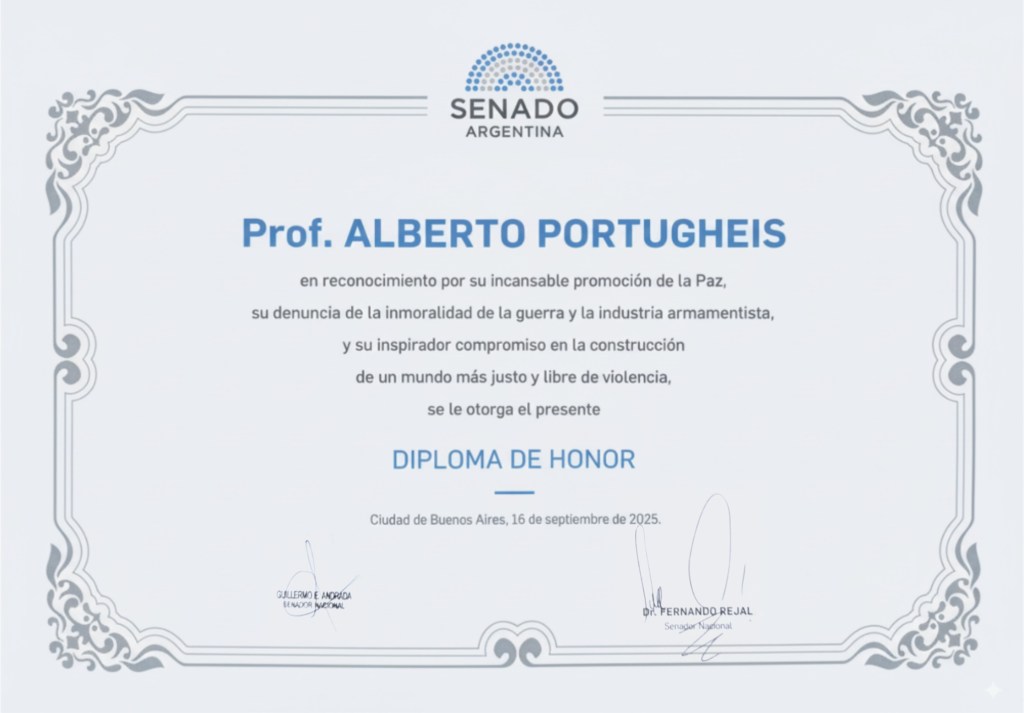
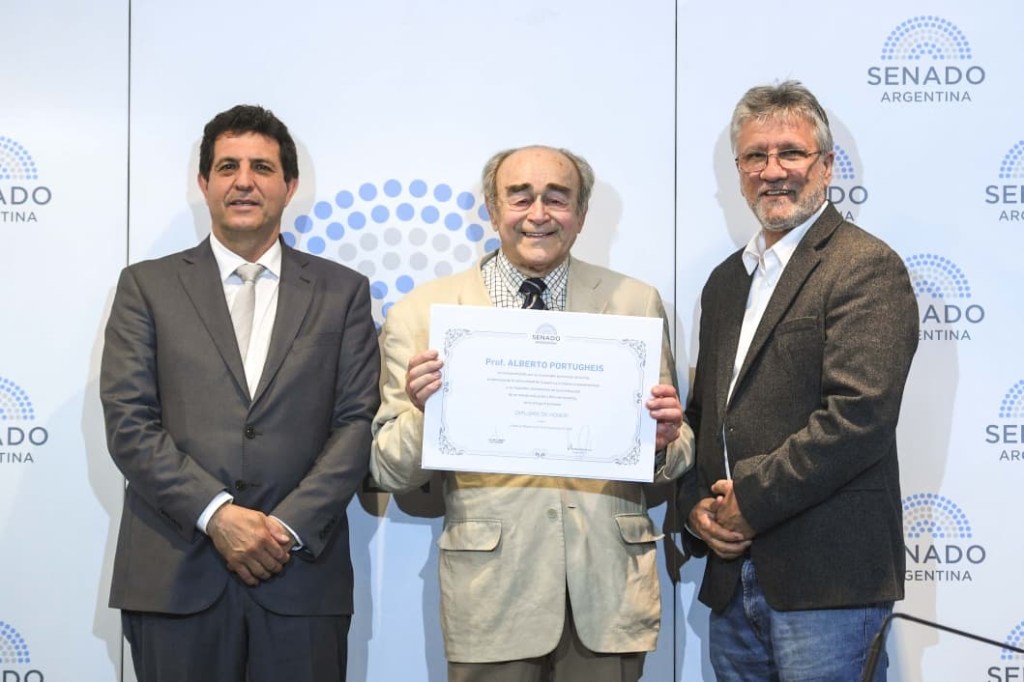
with Bruno Leonardo Gelber at the awards ceremony in ArgentinaI am very happy to have received this Diploma of Honour from the Senate of Argentina in recognition of HUFUD’s work
Steinway & Sons are about to celebrate their 150th anniversary on the 13th November in this very hall where the sound of sumptuous music making from Vinkingur Olafsson and many of his illustrious colleagues will resound to the popping of Champagne corks .
Playing of controlled brilliance and poetic beauty of yet another member of the remarkable McLachlan clan. Murray, Callum, Rose and now Matthew. Mother Katherine Page McLachlan in the wings keeping order when not playing in a duo partnership with Murray! Matthew’s younger brother Alec is on a sports scholarship at New York University , but his father tells me he plays a ‘mean’ Bach Prelude and Fugue when not being a star goal keeper! Matthew ,too, had to make a choice to pursue his boxing or piano skills. As we can appreciate today he made the right choice! Musicianly playing of authority which he has obviously acquired from his studies with Dina Parakhina where also his advocacy of the works of Medtner was born.
A Scarlatti sonata played with clarity and sparkling brilliance with ornaments just adding to the continual outpouring of ‘joie de vivre’. Matthew played it with an infectious rhythmic energy that gave a great sense of dance to this the first of what was to be over five hundred Sonatas.
The three Fairy tales op 9 by Medtner were played with sumptuous rich sounds contrasting so well with the innocent purity of his Scarlatti. Matthew brought a remarkable sense of shape and line to a composer that can, in lesser hands, seem very meandering and over endowed with notes. The first and longest was played with romantic fervour, bursting into a rhythmic central episode deep in the bass before returning to the opening romantic outpouring of even more intensity . The second was of eloquent beauty and was played with a glowing purity. The third was gently rocking and rhapsodic played with golden sounds of etherial beauty.Three remarkable miniatures rarely heard but of which Matthew was a very persuasive advocate even if he had to tell the audience when he had finished! Medtner is gradually making his way into the concert hall thanks to the untiring work of Dina Parakhina and her students.
Pour Le Piano is an early work of Debussy and the opening Prelude had a beautifully etched tenor melody over a flowing accompaniment of almost baroque style seen through a romantic lens. Matthew allowed the music to unfold with atmospheric beauty as it built to a noble climax of aristocratic chords with glissandi embellishments that just added to the exhilaration . Gradually dying away to a rumbled whisper on which chiselled notes were allowed to float with magic and beauty leading to another noble outburst and the sumptuous aristocratically played final chords. Matthew brought a poignant glowing beauty to the Sarabande with the yearning of the gently played leaning appoggiaturas. A beauty and a desolation of noble sentiment ,with playing of refined sensibility. The Toccata was played with controlled brilliance with great clarity and an overall enticing architectural shape.Washes of arpeggios spread over the keyboard as a melody was heard in the tenor register with subtle innuendo with a mass of harmonies spread over the entire keyboard bringing this Toccata to a brilliant finish with a ‘tour de force’ of controlled technical mastery.
The Schubert Wanderer Fantasy I have heard Matthew play recently ( see review below) and it was today another performance of youthful brilliance combined with poetic beauty. A work that had created a new form where classical and romantic invention could live happily together with the transformation of themes like characters in an opera. It was to inspire Liszt and in turn of course his son in law Richard Wagner with the so called ‘leit motif’. An exhilarating opening where Lisztian brilliance is combined with Schubertian lyricism. Sumptuous rich sounds to the Wanderer- Adagio as the variations were allowed to unfold with radiance and beauty. Passion and refined brilliance combined with golden streams of jeux perlé in a long outpouring that was simply the exultation of beauty. Gradually building to a passionate climax leading to a very measured Scherzo that Matthew played with Brahmsian orchestral sounds. Lisztian brilliance combined, of course, with Schubertian elegant lyricism. The final ‘Fugato’ was played with grandiose authority and noble brilliance. A remarkable control, as the excitement rose, which gave great strength to this final outpouring of exhilaration and technical brilliance.
An encore of two movements of a Haydn Sonata showed off Matthew’s refined musicianship and sense of style .
Chetham’s School of Music alumnus Matthew McLachlan was awarded the C. Bechstein scholarship to continue his studies at the Royal College of Music with professor Dina Parakhina. Recipient of numerous awards, Matthew has performed as concerto soloist and recitalist in Poland, Serbia, Italy, Spain, Germany, France and throughout the UK. In July of 2021 Matthew was awarded 1st prize in the Royal College of Music Chappell Medal piano competition and the Esther Fisher prize for best undergraduate performance. In 2023, Matthew was a finalist in the Isidor Bajic International Piano Competition and awarded 1st prize in the Bromsgrove International Musicians Competition.
Some very musicianly playing from this nineteen year old pianist that was immediately clear from his very intelligent playing of Mozart’s C minor fantasy. A sense of measure with playing of crystalline clarity and simplicity but also with a great sense of drama . Some very expressive, deeply felt playing of mature musicianship that was beautifully shaped but with a real sense of style. His well oiled fingers allowed him to play the stormier passages with great control and authority and his sense of architectural shape gave poignant meaning to this improvised masterpiece of Mozart.
There was a crystalline clarity also to his Scarlatti playing of rhythmic energy and character. Ornaments that sprang from his fingers like tightly wound springs but were part of the beautiful shape and slight musical hesitancy that brought this jewel vividly to life.
A good flowing tempo from the beginning of the Chopin Fantasy where the melodic line was allowed to sing with a beautiful legato and inner colours very discreetly underlined. The improvisatory arpeggios were allowed to unwind with poetic fantasy as they gradually lead to the passionate outburst of melodic effusion and octaves that were played with masterly control and passionate brilliance. A very atmospheric diminuendo for the entry into the central episode that was played with simplicity and beauty with a very telling rubato that allowed the music to speak so poignantly. Chopin’s final pedal effect was judged to perfection before a golden web of arpeggios brought this very original work to an ending of aristocratic nobility.
Rachmaninov was played with great sensitivity and a melodic outpouring of glowing purity. As the tension rose there were sumptuous sounds and remarkable technical control as he shaped this Etude- Tableau with knowing poetic understanding .
Schubert too was played with crystalline clarity but with a very expressive melodic line always beautifully phrased .There was a remarkable sense of balance as the passionate central episode was allowed to unfold with simplicity and deeply felt expression.
The early Debussy ‘Pour le piano’ was ideally suited to this young man’s crystalline technical mastery and passionate conviction. The Prelude was allowed to unwind with a poetic shape as it built to the brilliant climax of glissandi and great declamations . There was also a kaleidoscope of sounds as high notes of chiselled beauty were spun over a shimmering agitated accompaniment as the Prelude built to a final triumphant ending. The Sarabande was played with great style and beauty as he created a magic atmosphere with poetic colouring and expressive pedalling. The Toccata was played with masterly control and brilliance.Splashes of colour swept across the keyboard as the tenor melody was heard with insinuating poetic insistence. A passionate outpouring of sumptuous sounds, played with passionate commitment but always with masterly control.
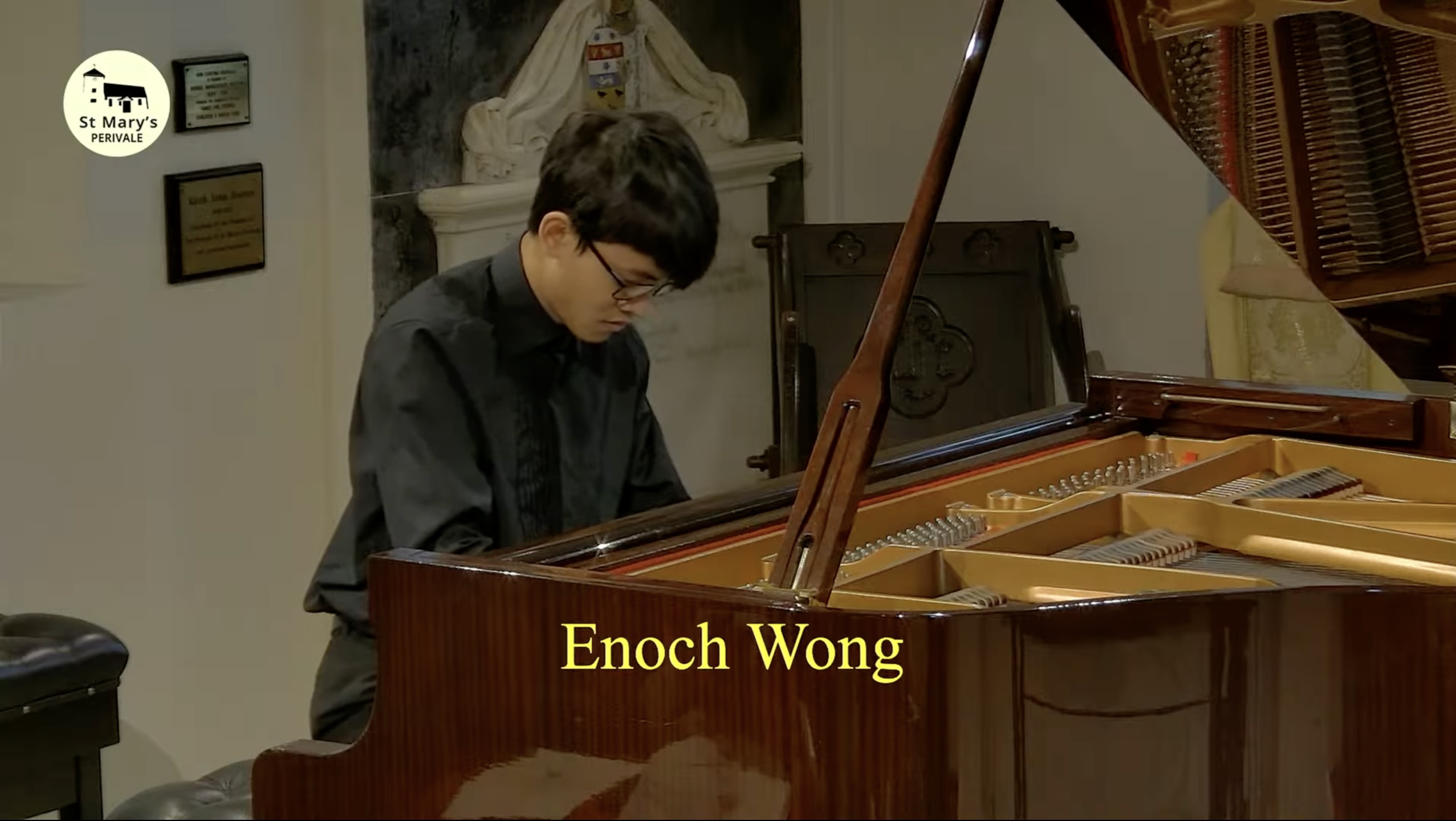
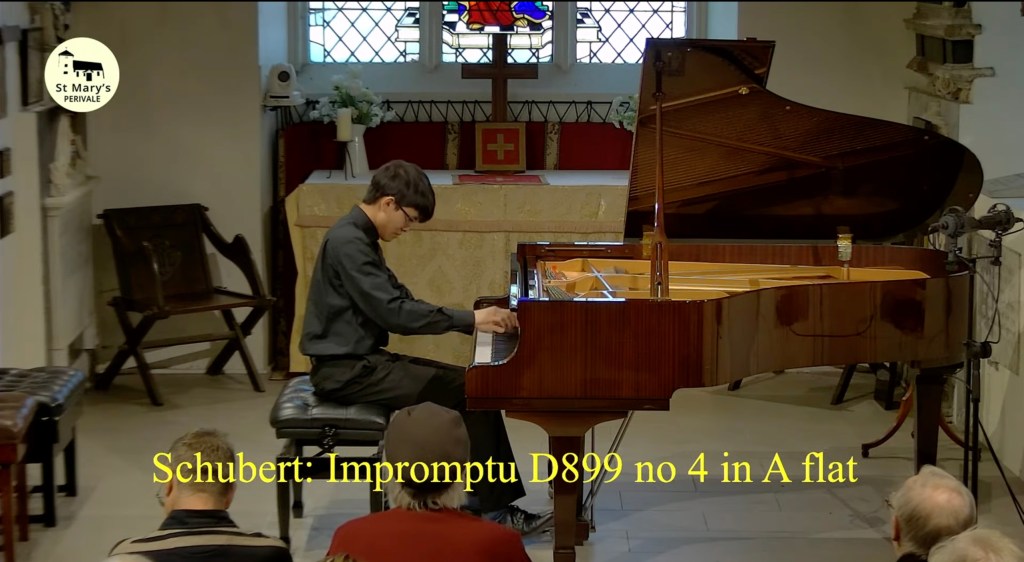
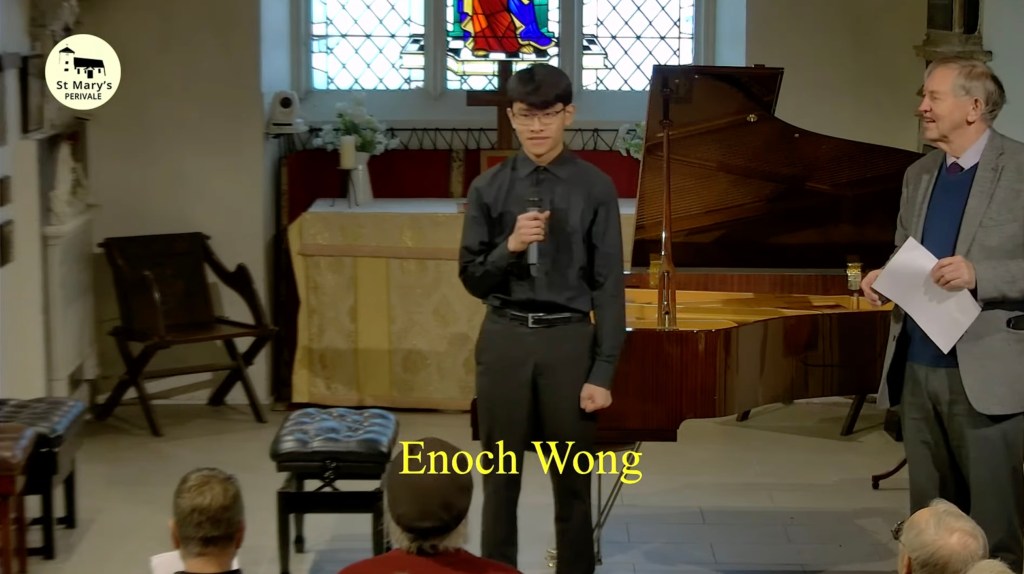
Born in 2006, Enoch Wong studied with Christina Kwok (2014-2020) in Hong Kong. After moving to the UK, he is based in Bristol and studying with Robin Green (since 2021) both privately and at the junior conservatoire of Royal Welsh College of Music and Drama. He has received additional coaching from various pianists such as Julian Jacobson, Prach Boondiskulchok and Ronan O’Hora as well as chamber musicians such as Krysia Osostowitcz, Catherine Manson, Helena Winkelman, Christoph Richter, Robin Ireland, Marie Bitlloch and Ursula Smith.
Enoch is a passionate pianist with a strong love for Haydn, Beethoven, and chamber music. He has gained invaluable chamber music experiences at courses like Music Works and Music Embodied. He made his concerto debut with the orchestra of the junior conservatoire of Royal Welsh College of Music and Drama, performing Rachmaninoff 2, as a result of winning the junior concerto competition at the college.
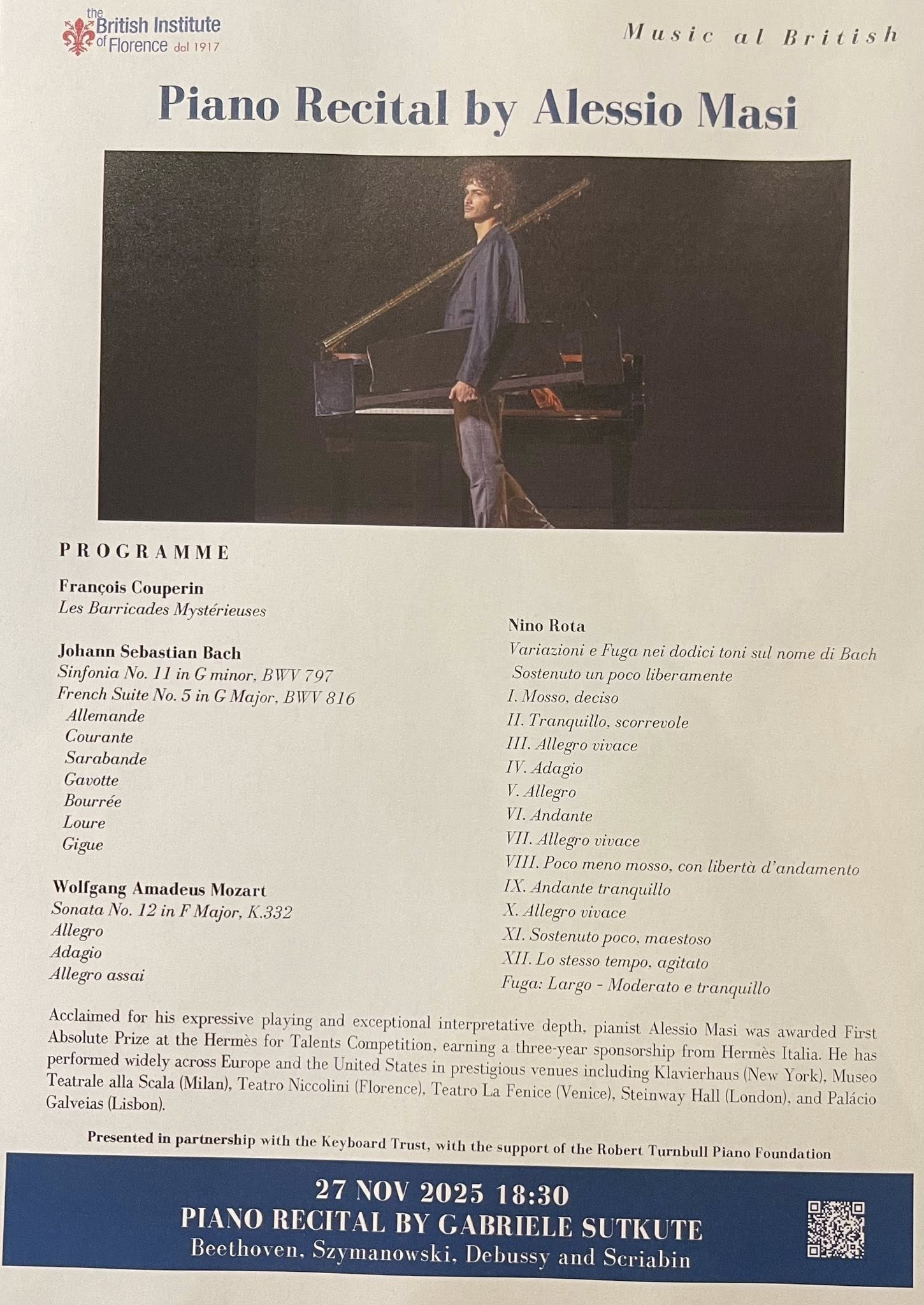
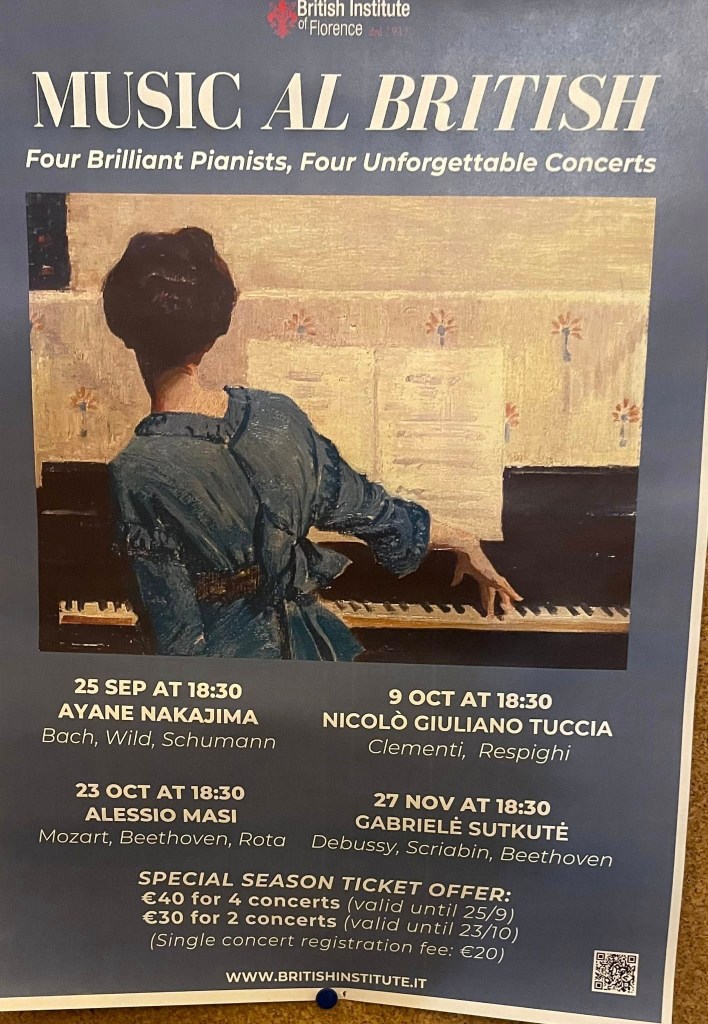
The British Institute are thrilled to present the next rising star from the Keyboard Trust, Sicilian-born Alessio Masi.
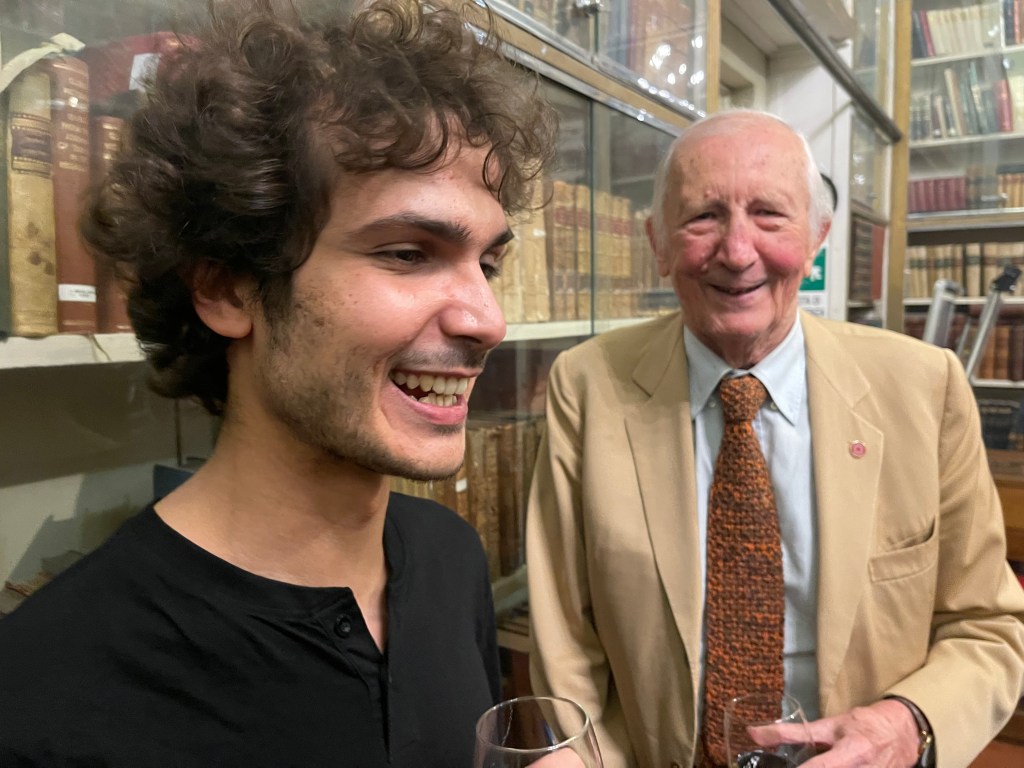
with Simon Gammell OBE director of the British Institute
Programme
François Couperin – Les Barricades Mystérieuses Johann Sebastian Bach
Sinfonia No. 11 in G minor, BWV 797 French Suite No. 5 in G Major, BWV 816
Allemande Courante
Sarabande Gavotte Bourrée Loure
Gigue
Wolfgang Amadeus Mozart – Sonata No. 12 in F Major, K.332 Allegro Adagio Allegro assai
Nino Rota: Variazioni e Fuga nei dodici toni sul nome di Bach Sostenuto un poco liberamente I. Mosso, deciso II. Tranquillo, scorrevole III. Allegro vivace IV. Adagio V. Allegro VI. Andante VII. Allegro vivace VIII. Poco meno mosso, con libertà d’andamento IX. Andante tranquillo X. Allegro vivace XI. Sostenuto poco, maestoso XII. Lo stesso tempo, agitato Fuga: Largo – Moderato e tranquillo
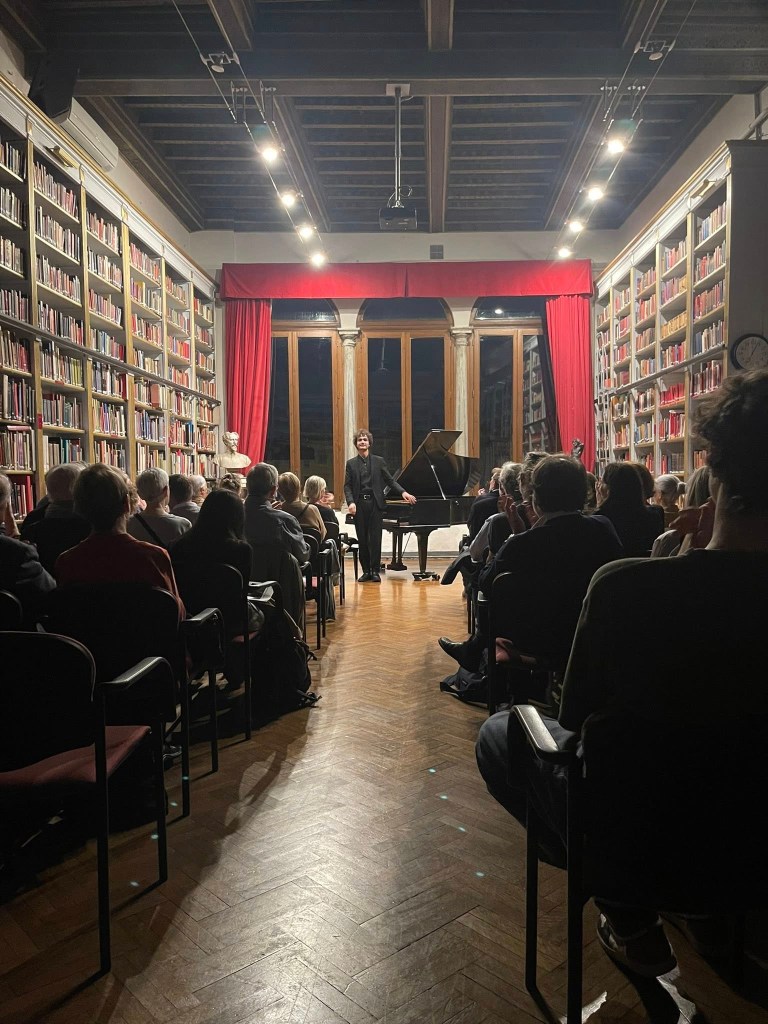
A room with a view that I have rarely seen so full as for the recital by the young Sicilian pianist Alessio Masi. Mentored by Roberto Prosseda, graduating with honours in Italy, he is now completing his studies at the Manhattan School of Music in New York. A flying visit with concerts in Rome and Florence where his passionate advocacy for the works of lesser known Italian composers was very much in evidence. He has been busy recording the original piano works by Nino Rota and his programmes included the rarely heard Variations and Fugue in 12 keys on the name of Bach.
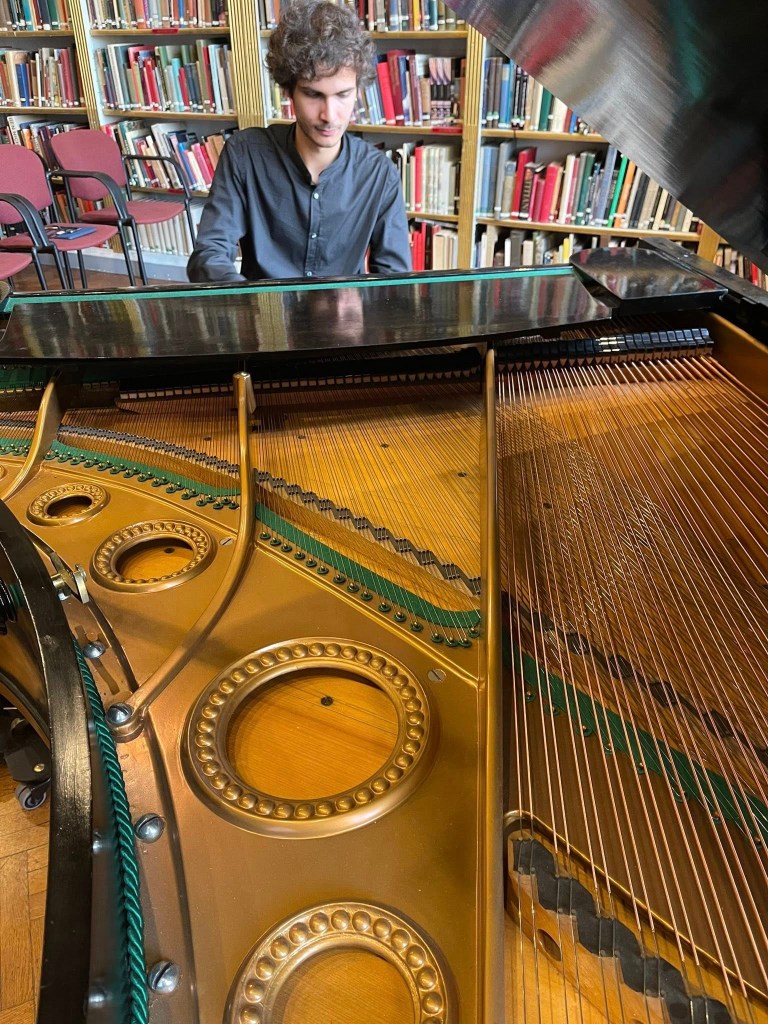
An eclectic thinking musician he even included as an encore two enticing waltzes on the name of Bach from Rota’s Suite Casanova di Fellini . He had played the entire suite in Rome the day before but in Florence he presented a more varied programme that included Couperin, Bach and Mozart . Works that with his intelligent musicianship he could enjoy adding improvised embellishments giving a new lease of life to such well known works. All done with refined good taste of delicacy and elegance that held us spellbound as he revealed a kaleidoscope of colours in this noble 1890 Bechstein that sits in this room with a view (rainy today) surrounded by the books of the Harold Acton library.
Simon Gammell OBE presenting the concert
Beginning with Couperin’s beguiling ‘Barricades Mystérieuses’, a work that has long been part of the encore repertoire of Grigory Sokolov . Today there was the vision of a thinking musician who had taken the ‘mystérieuse’ very much to heart. Instead of the more usual web of intricate sounds and ornaments like tightly wound springs, Alessio played with a whispered elegance with ornaments that did just that, and sparkled like jewels rather than blinding headlights. There was a gentle relaxed flow to the music that was shaped with unusual flexibility and freedom with some wonderful bass notes that I had never until today been aware of. Strands of counterpoints or different voices each one with a life of it’s own combining to create this miniature tone poem. There was the same gentle whispered sounds that this vintage instrument was only too happy to accommodate under such sensitive hands, in the Bach Sinfonia in G minor. Sounds produced with delicacy and subtle shaping with never any brittle hard edges but nevertheless with a strong backbone of poetic authority. Here Alessio defined a refined duet between the voices.
Alessio explaining his choice of works
Not wanting to break this pastoral atmosphere the ‘Fifth French Suite’ entered on the wings of the radiant beauty that had been created. I have a feeling we should not have applauded, even after the Couperin, because this sensitive poet of sounds with these three works wanted to create a single unit before the entry of the operatic marvels of Mozart. Bach’s ‘Fifth French Suite’ is surely one of his most beautiful and like the ‘First Partita’ exudes beauty and simplicity from the very first notes. It was within the same atmosphere that Alessio had created, that the ‘Allemande’ unfolded with its pastoral beauty and with Alessio adding delicate ornamentation with knowing refinement. Suddenly the atmosphere changed and we were immersed in a brilliant ‘Courante’ springing to life using the bass notes as an anchor for this busy web of notes. It contrasted with the simple sublime beauty of the ‘Sarabande’ played with aristocratic finesse and ornaments that shone like jewels. He brought beguiling charm to the ‘Gavotte’ with his spirited joyous ornamentation too . The ‘Bourée’ sprang into life with great rhythmic energy that almost caught Alessio unawares. The strange questioning of the ‘Loure’ was where Alessio’s disarming simplicity and delicacy spoke louder that words. It wove it’s way to the rhythmic refined energy of the Gigue that was given an architectural shape and insinuating inevitability.
Greeted now by applause from a public who he had led into this magic world of elegance and poetic meaning and to an age where reason and measure were of fundamental importance. We were being prepared now for the age of the human voice and stage drama of which Mozart was the guiding genius of his age. The Sonata in F is like an opera with its characters so well defined with their changes of moods and the differing scenes. In Alessio’s sensitive hands we could almost see the characters entering the stage with a multitude of differing personalities. Mozart played with perfect equilibrium where once the scene was set we were in a sound world almost as if we were on stage and everything was in perfect proportion. A sound world that Alessio had found hidden away in this instrument that he certainly would have had difficulty finding on the modern day Fazioli that he had in Rome the night before.
It was Chloe Jiyeong Mun playing all of Schubert’s Impromptus in this hall who declared that it was on this vintage instrument that she felt most at home and able recreate with poetic simplicity the genial outpourings of Schubert.
The Mozart F major sonata K 332 opened with flowing simplicity and very delicate phrasing with feeling for orchestral colour and the tonal palette of a chamber ensemble. Mischievous ornaments were added on the repeats as Alessio was recreating this almost operatic experience and having such fun giving each character a life of its own. The Adagio was beautifully phrased with great delicacy and poignant beauty. The Allegro assai just shot from his well oiled fingers with an infectious ‘joie de vivre’ and Mozart’s little trick false ending did not catch out the learned audience of the British, who were listening to every note with rapt attention.
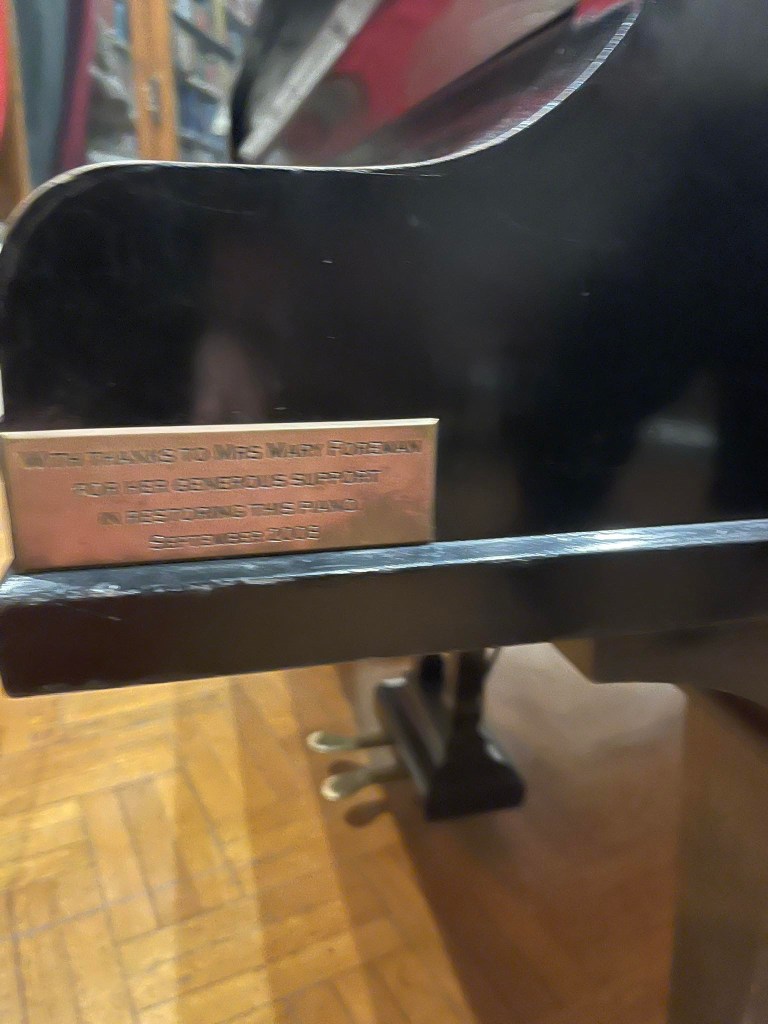
A complete change of mood and colour from the very first flourishes of Rota’s Variations. Playing of absolute authority and burning conviction with a range of sounds that truly illuminated this instrument that had been reconditioned in 2008 by Mrs Mary Foreman, one of the members of the British Institute, with the idea of bringing music to this beautiful ‘Room with a View’.
It has taken time and courage for the genial director and his wife Simon and Jennifer Gammell and their dedicated staff to respect her wishes and establish the Harold Acton Library as the ideal place to enjoy real music making. With not a little help from the Keyboard Trust a chance has opened up for exceptionally talented musicians to perform in the city where the Renaissance was born.
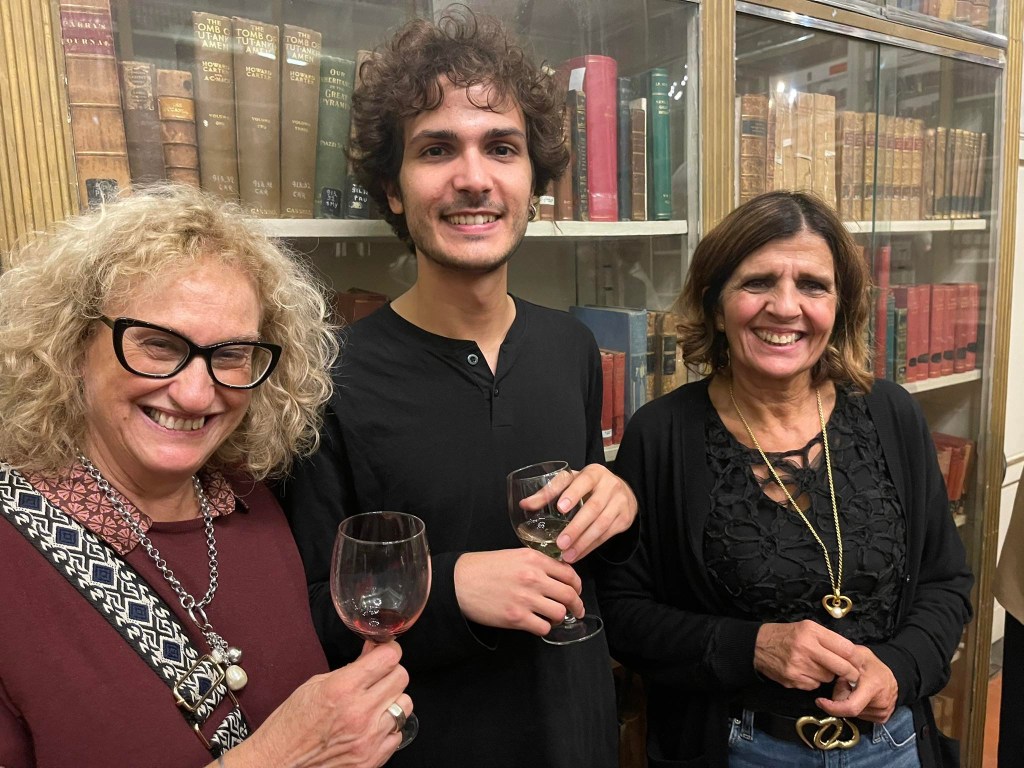
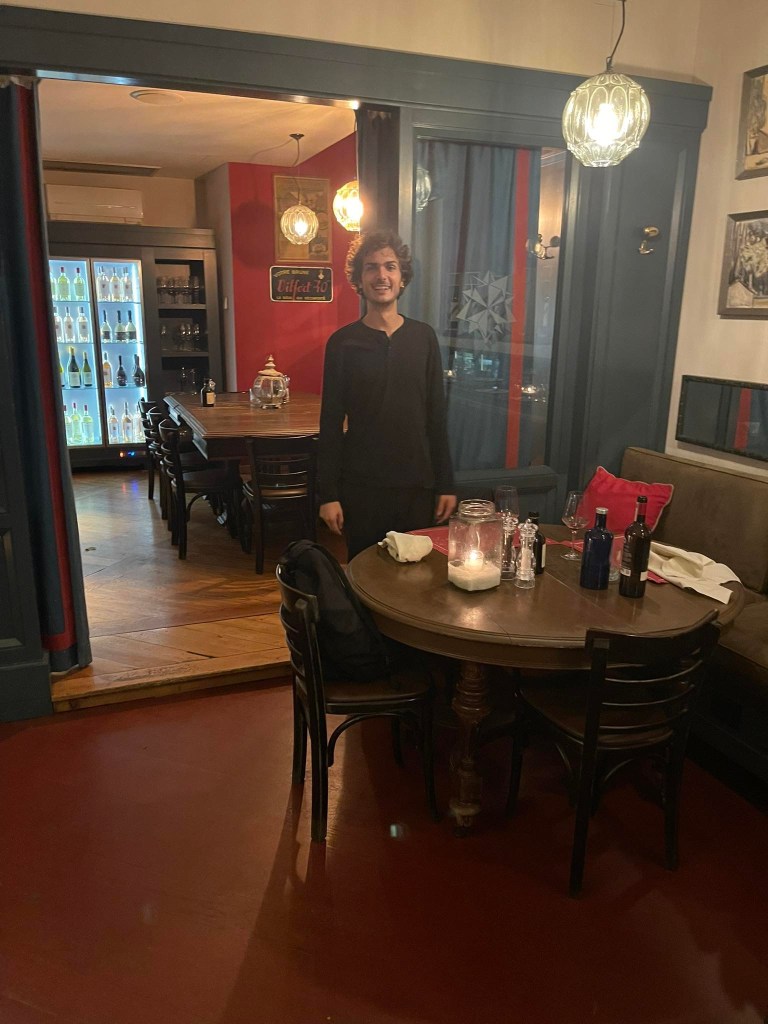
An after concert supper and work conference in the Belguardo Osteria downstairs. Wishing our most fervent admirer Sir David Scholey a quick recovery and return to the music that he has championed so generously for so long.
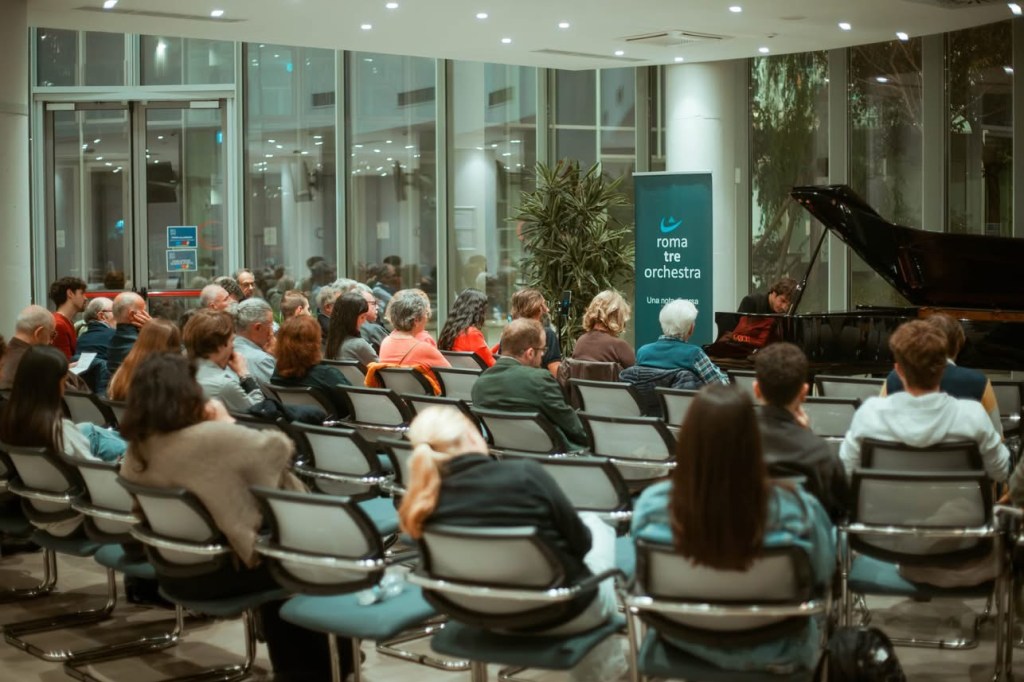
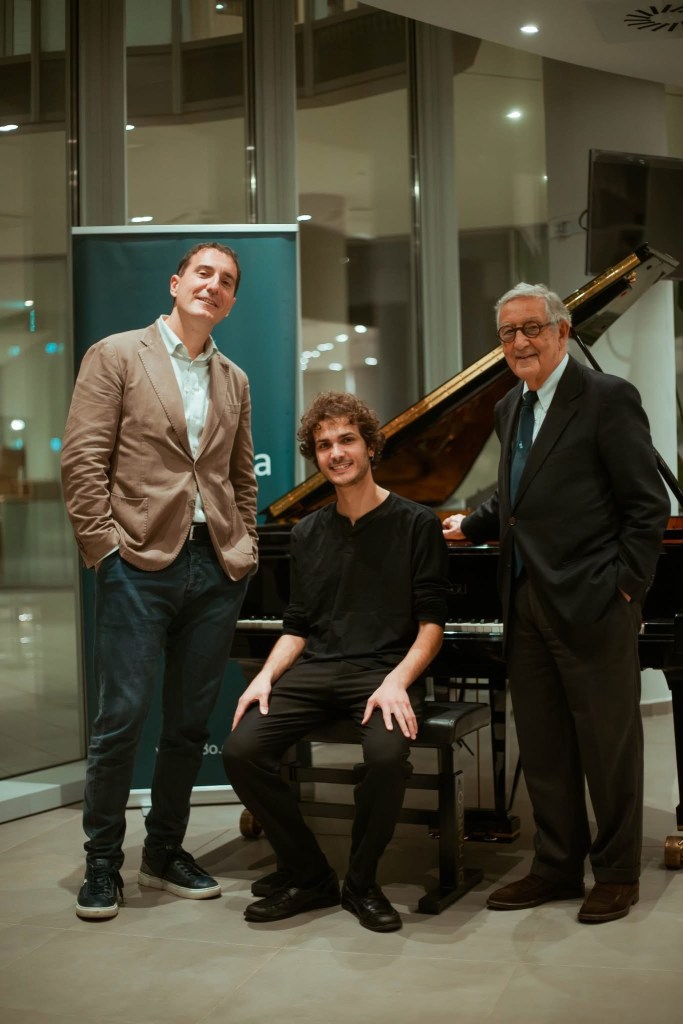
Artistic director and President of Roma 3 Orchestra
Alessio Masi was born in Sicily. In September 2025, he began his Professional Studies course at the Manhattan School of Music in New York, studying with Daniel Epstein. He has been studying piano with Alessandra Ammara and Roberto Prosseda in Italy. Alessio has attended masterclasses with Roland Pöntinen, Inna Faliks, Jed Distler, Maria Narodystka, William G. Naboré, Alexander Malofeev, Andrea Lucchesini, Pietro De Maria, Maurizio Baglini and others. He won First Prize in the Hermès for Talents Competition, which granted him a three-year sponsorship from Hermès Italia and a European tour organized by the H.Y.T.A. project. He also attends the Verbier Festival Academy annually. Alessio was awarded the Second Prize, the Audience Prize, and a Special Mention for the performance of a contemporary work at the Premio Brunelli in 2025. This recognition also marked his début at the Teatro Olimpico in Vicenza where he was the soloist in Beethoven’s Fifth Piano Concerto. Alessio has performed in numerous prestigious venues and theatres in the UK, Portugal, Spain, USA, Germany and Italy, sharing his interests in Italian piano music and the musical legacy of Bach through recitals of music with strong thematic connections. In 2025, his album dedicated to the piano music of Nino Rota will be released on the Brilliant Classics label. Alessio is also active as a composer and will soon release his first album of original piano music.
Composer Nino Rota (1911 – 1979) was born into a family of musicians in Milan. He was initially a student of Giacomo Orefice and Ildebrando Pizzetti until he moved to Rome while still a child and completed his studies under Alfredo Casella at the Conservatory of Santa Cecilia in 1929. In the meantime, he became an enfant prodige, famous as both a composer and a conductor. His first oratorio, L’infanzia di San Giovanni Battista, was performed in Milan and Paris as early as 1923, and his lyrical comedy, Il Principe Porcaro, was composed in 1926.From 1930 to 1932, Rota lived in the U.S.A. He won a scholarship to the Curtis Institute of Philadelphia and studied composition under Rosario Scalero and orchestra under Fritz Reiner.
Rota returned to Italy and earned a degree in literature from the University of Milan. In 1937, he began a teaching career that led to the directorship of the Bari Conservatory, a title he held from 1950 until his death in 1979.After his ‘childhood’ compositions, Rota wrote the following operas: Ariodante (Parma 1942), Torquemada (1943), Il cappello di paglia di Firenze (Palermo 1955), I due timidi (RAI 1950, London 1953), La notte di un neurastenico (Premio Italia 1959, La Scala 1960), Lo scoiattolo in gamba (Venezia 1959), Aladino e la lampada magica (Naples 1968), La visita meravigliosa (Palermo 1970), and Napoli milionaria (Spoleto Festival 1977).
He also wrote the following ballets: La rappresentazione di Adamo ed Eva (Perugia 1957), La Strada (La Scala 1965), Aci e Galatea (Rome 1971), Le Molière Imaginaire (Paris and Brussels 1976) and Amor di poeta (Brussels 1978) for Maurice Bejart.
In addition, countless of Rota works are performed worldwide.
Rota’s work in film dates back to the early forties and his filmography includes virtually all of the noted directors of his time. The first of these is Federico Fellini. Rota wrote the scores for all of Fellini’s films from The White Sheik in 1952 to The Orchestra Rehearsal in 1979.
Rota also collaborated with other directors, including Renato Castellani, Luchino Visconti, Franco Zeffirelli, Mario Monicelli, Francis Ford Coppola (he received the Oscar for Best Original Score for The Godfather II), King Vidor, René Clément, Edward Dmytrik and Eduardo de Filippo. Additionally, he composed the music for many theatre productions by Visconti, Zefirelli and de Filippo .He is best known for his film scores, notably for the films of Federico Fellini and Luchino Visconti. He also composed the music for two of Franco Zeffirelli’s Shakespeare screen adaptations , and for the first two installments of Francis Ford Coppolas’s The Godfather Trilogy , earning the Academy Award for the Best Original Score for The Godfather Part II in 1974
A prolific composer :
Music for pianoforte
1919: Il Mago doppio – Suite per quattro mani
1920: Tre pezzi
1922: Preludio e Fuga per pianoforte a quattro mani (Storia del Mago Doppio)
1924: Illumina Tu, O Fuoco
1924: Io Cesserò il Mio Canto
1924: Ascolta o Cuore June
1925: Il Presàgio
1925: La Figliola Del Re (Un Augello Gorgheggiava)
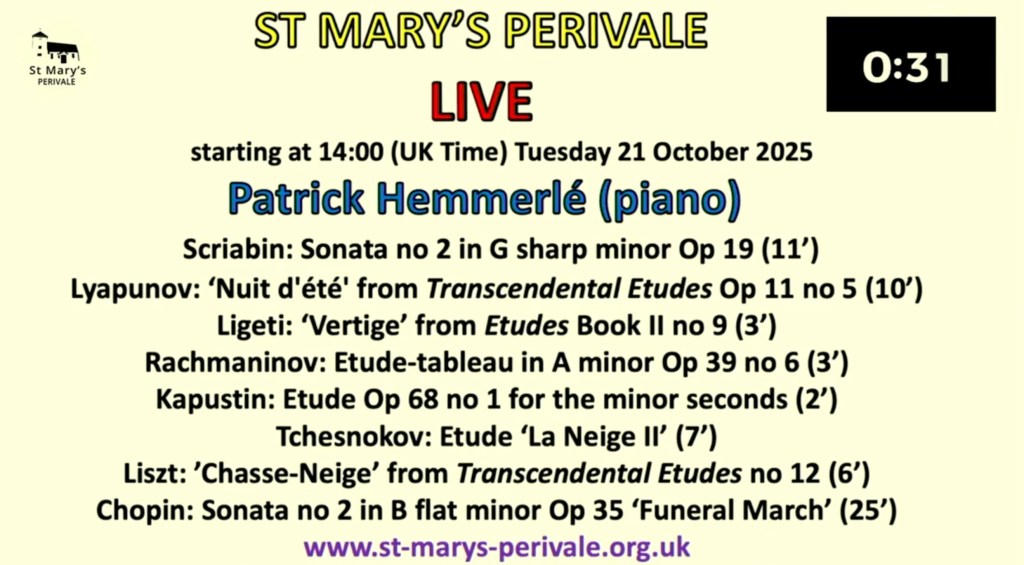
Another fascinating programme from this eclectic master pianist who has shone a light on many neglected works over the past few years and as Semprini used to say playing : ‘Something old,Something new’. A sandwich of two second sonatas by Scriabin and Chopin with a sumptuous filling of six studies . Two Russian , two Hungarian and two Ukrainian . Nothing political but simply a coincidence and what it is.
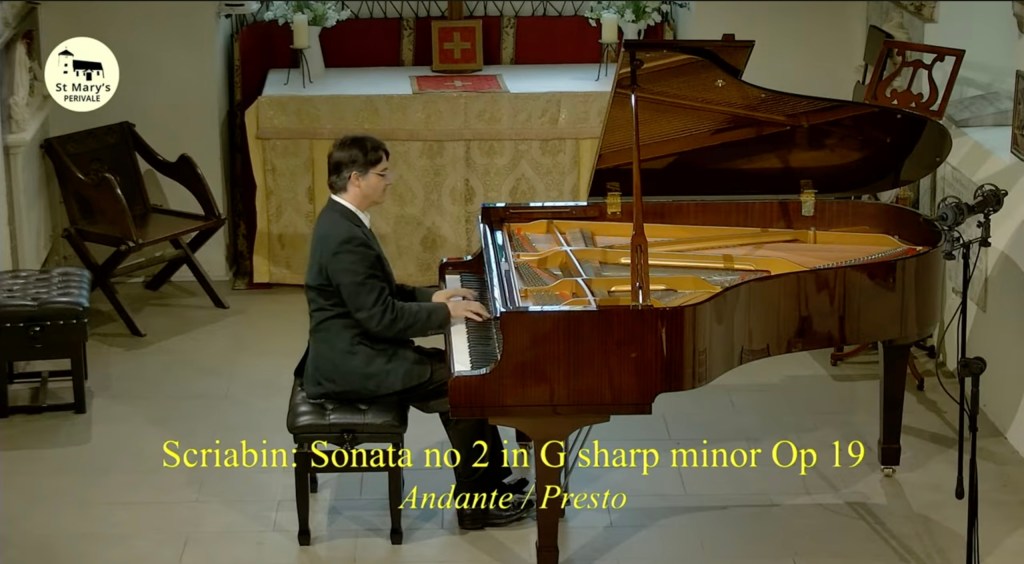
From the very first notes of Scriabin’s ‘Fantasy’ Sonata there was a fluidity of natural hand movements on the keys that conveyed so well the rhapsodic nature of this opening movement . A luminosity to the sound with a luxuriant melodic outpouring of beguiling rubato and timeless beauty. A wondrous sense of balance that allowed the melodic line to pass from one register to another without ever disturbing the flowing golden arabesques in which they were so warmly wrapped. There was a musicianly sense of line to the second movement that in lesser hands can seem like a study. Patrick showed us washes of colour and changing harmonies opening up to one of those sumptuous Tschaikovskian melodies that was very much part of Russian pre revolution opulence and style.
Lyapunov was a study in beautiful glowing cantabile that was played with sumptuous style and gloriously rich sonorities with a featherlight cadenza and ravishing accompaniments.
Ligeti on the other hand was a continual perpetuum mobile stream of notes that Patrick managed to shape into an extraordinarily atmospheric sound world. A technical mastery that allowed him to give a sense of line and shape to these spider webs of notes.
The Etude Tableau by Rachmaninov is often known as the ‘Red Riding Hood’ study because of the terrifying interruptions with gusts of notes. It was played with brilliance and character. There was a remarkable bass melodic line as the temperature rose to fever pitch only to dissolve to one last fearful gasp.
The Kapustin jazz study in thirds showed Patrick’s transcendental mastery as double thirds were shaped into a non stop stream of jazz excitement with breathtaking and breathless brilliance. He was able to throw off the ending with nonchalant ease that brought a smile even to his face.
Tchesnokov’s Etude ‘La Neige II’ is a remarkable tone poem that begins with beautiful suggestive tremolando sounds on which are placed clusters of notes like boulders falling on the keys.It created a desolate atmosphere that built to a tumultuous climax and enormous sonorities that spanned over the entire keyboard. A really original work that deserves to be better known as it even anticipates the hypnotic repetition of bells of Steve Reich .
Liszt Chasse Neige is the last of the transcendental studies and it was very interesting to see it played in this context with that of Tchesnokov. It is a masterpiece of painting a picture in sound – exactly like Rachmaninov’s Etude Tableaux. Patrick played it with a remarkable sense of balance where the melodic line rose above the tremolandos creating an overall kaleidoscope of sounds with a sense of control no matter how passionate and sumptuous the climax.
Chopin’s Second Sonata is one of the composers greatest works even though Schumann at the time described the sonata as ‘four of his maddest children under the same roof.’ Describing the last movement :’ seems more like a mockery than any sort of music’. Patrick played the first movement with aristocratic authority with the ‘doppio movemento’ rather slow and measured but that contrasted so well with the second subject that he allowed to unfold with beauty and style. Adding an occasional bass note to give more depth to the sound as he quite rightly ignored the much debated repeat and went straight into the development that he played with grandeur and masterly control. The ‘Scherzo’ was played very rhythmically and clearly with absolute technical assurance that contrasted with the trio where he allowed himself an unusual freedom with playing of ravishing beauty. A flowing Funeral March of poignant beauty was contrasted with the trio of unusually expressive freedom and passionate intensity. The last movement was played with great clarity as the wind blew over the graves . He phrased the whirlwind of notes in such a musicianly way but that did in the end interrupt the continual flow of this extraordinary movement .
Screenshot
Patrick Hemmerlé is a French pianist based in Cambridge, UK, known for his intellectually rich programming, technical mastery, and commitment to rediscovering overlooked repertoire. Trained at the Conservatoire de Paris, where he won First Prize under Billy Eidi, Hemmerlé went on to study with several distinguished pianists including Joaquín Soriano and Eric Heidsieck, shaping a style that combines French elegance with analytical depth.
Hemmerlé’s performances span major cultural centres across Europe, China, and the United States. As Musician-in-Residence at Clare Hall, University of Cambridge, he curates the Intimate Engagements concert series and regularly gives masterclasses and lecture-recitals. His programming often explores large-scale cycles—such as the 24 Chopin Études or Bach’s Well-Tempered Clavier—and unusual pairings, including Beethoven’s Diabelli Variations alongside Bach’s Goldberg Variations. These innovative formats have earned him praise for both conceptual originality and interpretive insight.
He is a passionate advocate for underrepresented composers such as Novak, Roger-Ducasse, and Tchesnokov, several of whom feature in his discography on labels including Orpheus and Indésens. His 2023 recording project paired Bach with Fischer’s Ariadne Musica, highlighting the deep connections between these two composers.
Alongside his performance career, Patrick Hemmerlé is a dedicated teacher and musical thinker. He gives masterclasses and lecture-recitals in the UK and France, and his academic role at Cambridge allows him to engage students and audiences in discussions about structure, interpretation, and musical context. His concerts often include spoken introductions or in-depth programme notes that reflect his commitment to fostering deeper listening.
Critics have praised Hemmerlé’s performances for their “sheer brilliance and intellectual strength,” often drawing comparisons to pianists like Nelson Freire and Guiomar Novaes. Whether in recital, on disc, or in the lecture hall, he offers audiences an experience that is as thoughtful as it is musically compelling.
“The tour itself, it was a fantastic experience. I cherished discovering new places and meeting so many kind people, and I greatly appreciated the devoted and detailed guidance from the Keyboard Trust both in the months leading up to the tour and throughout it. That reliability is absolutely invaluable on such travels.
Each venue had its own uniqueness. Some pianos indeed allowed me to work particularly well on the repertoire and therefore to enjoy the performance even more – although what will stay with me most is the warmth, support, and heartfelt response of the audiences everywhere. For me, that metaphysical connection with the public is the true essence of performing; their reaction is the only way to know whether what I am each time striving to share has truly reached them.
I hope these reflections are helpful for your article, and I look forward very much to meeting you soon. Thank you again for your immense dedication, and for the honour of performing under the KT banner.
With warmest wishes,
Vladimir “
Vladimir PETROV Laureate and audience prize winner at the 63rd F. Busoni International Piano Competition (Italy, 2021).
Vladimir Petrov has been celebrated as “one of the best pianists of his generation” (Viviana Aubele, «Martin Wullich journal»). Critics have hailed him as “an amazing, highly talented pianist” (Denis Matsuev, Madiazvod) whose playing embodies “rare musicality and inimitable spirit” (Yurii Danilin, Literary Gazette). With roots in Russia, Petrov was raised from the age of three in Mexico, which he affectionately considers his homeland.
In addition to his appearance at the Busoni competition, he has also found success at numerous other international competitions, including first-prize wins at international competitions, such as «Lotar Shevchenko» in Russia; «Ciudad de Vigo» (Spain); «Jose Jacinto Cuevas» – Yamaha (Mexico); «NTD piano competition» (New York, USA), and «Neapolitan Masters Competition» (Italy).
His active concert career has included performances in Spain, Germany, France, South Korea, the United Stated, Holland, Russia, Italy, Hungary, Malta, Cyprus, Switzerland, Canada, Mexico, Belarus, Romania, Italy, Argentina, Colombia, and Chile.His concert activity includes several appearances at the most famous concert halls, such as the «Salle Cortot» in Paris, France, «Salle Frank Martin» in Geneva, Switzerland, Carnegie Hall (Weill Hall) in New York, USA, the Great Hall of the Moscow State Conservatory, Bolshoi and
Mariinsky Theatres in Russia. Vladimir Petrov has performed with major orchestras in Europe, collaborated with many conductors, including Valery Gergiev, Lanfranco Marceletti, Tito Muñoz, Pavel Gerstein, Gleb Skvortsov, among others. Additionally, he has collaborated in concert tours with the great violinists Graf Mourzha and Kristof Barati.
He has released four solo albums, including «Encores» (2021, «Mans» label, Spain), his 2019 release including Schumann’s Symphonic Etudes, was recorded in the famed Great Hall of the Moscow Conservatory. The next album is scheduled for release in 2025, was recorded in New York.
Vladimir Petrov graduated from the Tchaikovsky State Conservatory in Moscow in 2020, where he studied with Valerii Piassetsky, and Elisso Virsaladze (top-graduate student of the year award). He continued his studies at the Hochschüle für Musik F. Liszt in Germany, with Grigory Gruzman.
Currently based in New York, he is pursuing a postgraduate degree at the Manhattan School of Music under the tutelage of Horacio Gutierrez.
USA TOUR: 11-19 OCTOBER 2025.
Vladimir Petrov in Castleton Virginia,
12th October 2025 @ 3:00 pm – 5:00 pm Castleton Festival, Virginia 663 Castleton View Road, Castleton, VA, ( see below for comments and review)
Vladimir Petrov in Washington DC, USA
14th October 2025 @ 6:30 pm – 7:30 pm Arts Club of Washington 2017 I St NW, Washington, DC ( see below for comments)
Vladimir Petrov in Philadelphia
15th October 2025 @ 1:00 pm – 2:00 pm. A private recital at the home of Jane Guerin in Philadelphia.
Vladimir Petrov in Delaware, USA
17th October 2025 @ 7:00 pm – 8:00 pm. Cokesbury Village, USA 726 Loveville Road, Hockessin, DE,
18th October 2025 @ 7:00 pm – 8:00 pm Country House, Delaware, USA 4830 Kennett Pike,, Wilmington,
Janet Jones writes : ‘ Dear Helen, Thank you for arranging this. This was one of the highlights of my classical music experiences. Vladimir Petrov gave an Immaculate performance and made sure that the audience heard every note he played. It was quite wonderful and magical. Thank you for making it possible. Jan J’
Klavierhaus, New York, USA 790 11th Ave, New York, NY,( see below for review by Christopher Axworthy )
PROGRAMMES
CASTLETON, VIRGINIA (90 mins – with interval) Bach/Siloti – Prelude in B minor J. Haydn – Sonata in C major Hob. XVI:50 F. Chopin – Sonata No. 3 in B minor, Op. 58 – interval – M. Ravel – Ondine from Gaspard de la Nuit A. Scriabin – Prelude and Nocturne Op. 9 S. Rachmaninov – Moments musicaux Op. 16 Nos. 3, 4, 5, 6
EVERYWHERE ELSE (60 mins – no interval) Bach/Siloti – Prelude in B minor J. Haydn – Sonata in C major Hob. XVI:50 M. Ravel – Ondine from Gaspard de la Nuit A. Scriabin – Prelude and Nocturne Op. 9 F. Chopin – Scherzo No. 3 in C sharp minor, Op. 39
Castleton-Vladimir_Petrov with Dietlinde Maazel- Wood and in Lorin Maazel’s studio
Much belated thank you for your kind words! I just sent you a detailed report about this magnificent concert – full house – standing ovations – mesmerizing performance!!! And the sweetest house guest one could imagine…
Castleton Vladimir Petrov Lorin Maazel’s music studio Castleton Vladimir Petrov
Thank you for sending Vladimir to us – he was such an enriching experience for our audience, for me personally, and he played so so well!!! Dietlinde Maazel Wood Castleton
Castleton Vladimir Petrov
Petrov’s Transcendent Performance By Paul Reisler • 10-14-25 I think the last time I wrote a music review was back in the 60’s when I reviewed a performance in Washington of The Band’s final tour—the Last Waltz for my college newspaper. My ink well ran dry believing Martin Mull’s declaration that “writing about music is like dancing about architecture.” Somehow, the October 12th concert by pianist Vladimer Petrov at the Castleton Theatre House revived my sleeping pen. Petrov’s meticulously woven Gaspard de la Nuit by Maurice Ravel painted the story of each of the three poems of Aloysius Bertrand that inspired the suite. As a songwriter, I’ve always believed that “the music is in the words, and the words are in the music.” In Petrov’s reading we could hear the poetry–a dark, fantastical vision of medieval Europe drawn from the worlds of Rembrandt and Callot. Petrov’s fingers flew over the keys like butterflies in flight, lovingly caressing each note in a cascade of shimmering arpeggios. After suffering an injury to his right hand, Scriabin wrote Prelude and Nocturne Op.9 for the left hand. With one hand tied figuratively behind his back, Petrov was able to conjure an evocative harmonic richness that sounded as if it were piano for four hands…not one. While the program featured masterful interpretations of Bach’s Prelude in B minor, Haydn’s Sonata in C major, as well as some of the most difficult pieces in the entire repertoire including Chopin’s Sonata No. 3 and Rachmaninov’s Moments Musicaux, it’s not the compositions I want to write about. What had us all hanging over the balcony, what threw us back against our chairs, and what brought us instantly to our feet was the way Petrov imbued meaning into every single phrase. He wasn’t reciting a section or playing through a movement, he was letting us in on an intimate conversation between one phrase and the next. It whispered, it thundered, it touched us deeply. The music was dense—raindrops in a hurricane. Yet, every note rang out with clarity, subtlety and purpose. It’s hard to imagine that after a lifetime of music, I can still hear a concert that I can call one of the best I’ve ever heard. It could only happen at Castleton where the intimacy and acoustic perfection of the hall, the ongoing partnership between Castleton and London’s Keyboard Charitable Trust, and such impeccable artistry blend together to create a transcendent afternoon of musical magic.
Jaimie Treese of country house Delaware writes :” Vladimir was fantastic and our residents had the opportunity to dine with him prior to his performance.”
Experience a night of transcendent sound with acclaimed pianist Vladimir Petrov at the Arts Club of Washington on October 13th. Join us for an unforgettable evening, followed by a meet-the-artist reception. Let’s celebrate music together!
‘Vladimir is MARVELLOUS! We moved the planned salon concert from our upstairs Monroe Parlor to our theatre on the first floor. He performed on our newest Steinway on our historic stage. The turnout was very good. His talent is stellar.’ Jameson Paul Freeman, President, The Arts Club of Washington
Attached are some photos that guests took of the evening. I have a few short videos as well, which we shared over our social media.
Marja Kaisla in Philadelphia writes
Vladimir Petrov’s performance at the Young Musicians Musicales series was extremely well received by the enthusiastic audience, as the music was highly emotionally charged at all times, no matter which composer, combined with the pianist’s extraordinary technical facility. He began with the solemn Bach/Siloti Prelude with exquisitely crafted voicing, followed by the late Haydn C Major Sonata, in which the 2nd movement presented the pianist with an opportunity to treat it as almost an improvisatory romance, sandwiched by quirky outer movements.
While freshly learned, Vladimir was able to bring about a beautiful display of colors washed in ever-changing keys in Ondine from Ravel’s Gaspard de la nuit.
Rachmaninoff’s two Musical Moments had a somewhat mysteriously quality, but together with two additional Preludes, Vladimir was able to show his very impressive command of the instrument and once again bring the music to incredible emotional rollercoaster, for the listener virtually impossible to escape. Vladimir is able to maintain two seemingly opposite qualities in his portrayal of music, especially in “fast and furious” pieces: while well thought out, it also feels interestingly improvisatory.
Scriabin’s Prelude and Nocturne for the left hand were subtle but no less expressive than rest of the program, and for this writer, the Nocturne may have been the highlight of the program, as both the voicing and phrasing were exceedingly well thought out and crafted accordingly.
The program ended with Chopin’s Scherzo C sharp minor op. 39. Vladimir gave his all in his powerful portrayal of the intense drama of the stormy octaves and contrasting angelic arpeggios.
The audience was treated to the delightful Chopin’s Minute Waltz – any audience’s perpetual favourite encore.
Vladimir Petrov livestream from New York – 19th October at 7pm (BST)”It’s hard to imagine that after a lifetime of music, I can still hear a concert that I can call one of the best I’ve ever heard.” PAUL REISLER, Castleton, Virginia.Watch VLADIMIR PETROV, currently on the Keyboard Trust US Tour, live from Klavierhaus in New York this evening – Sunday 19 October – at 7pm (BST). PROGRAMME: Bach/Siloti Prelude in B minor Haydn Sonata in C major Hob. XVI:50 Allegro Adagio Allegro molto Ravel Ondine from Gaspard de la Nuit Rachmaninov Moments Musicaux Nos. 1 & 2 Rachmaninov Preludes Op. 32 Nos. 5 & 12 Scriabin Prelude and Nocturne Op. 9 Chopin Scherzo No. 3 in C sharp minor, Op. 39
with Caroline von Reitzenstein
The refined artistry of a star a review by Christopher Axworthy
A beautiful way to start a concert with Siloti’s transcription of Bach’s Prelude in E minor BWV 855a that has been described as “perhaps Siloti’s most tender and perfect” transcription. It transposes Bach’s original down from the original E minor into B minor, with the steady semiquaver figuration that was originally given by Bach to the left hand being instead assigned to the right hand. Siloti also adds a repeat of the entire work, in order to allow for a change of voicing where the melody in the left hand is emphasized. In the published score, the chords in the left hand are arpeggiated ; however, according to Siloti’s daughter Kyriena (to whom the work was dedicated), he would omit the arpeggiation on the first pass and restore it on the repeat in order to heighten the effect of the left-hand melody. It has been performed by many pianists, most famously Emil Gilels but also by Tatyana Nikolaeva and our own Vitaly Pisarenko . Vitaly played it in a special weekend dedicated to the people of Aquila ,who had recently suffered a devastating earthquake not far from Rome. I remember our founders accompanying pianists of the Keyboard Trust from three different nations : Vitaly Pisarenko ,Pablo Rossi and Me Yi Fu to offer a weekend of hope and beauty to the survivors. A concert hall donated to this devastated city by the city of Trento and inaugurated by Claudio Abbado ( one of the original Trustees and founder member of the KT).The moment that Vitaly played the opening notes of this Prelude on a beautiful Fabbrini Steinway , Noretta and I looked at each other as the celestial sounds wafted around this desolate city and it was a feeling of love and beauty that filled this torrid atmosphere.
Vladimir was playing on a brighter Fazioli piano than the Steinway and brought a crystalline clarity to the opening but also a warmth as his superb sense of balance allowed the tenor melody to sing with chorale like poignancy, as the gentle wave of sounds continued like water flowing gently in a mountain stream. Vladimir’s beautiful long fingers stretched out over they keys with a natural shape just as Chopin would encourage his pupils to caress the keys. This was rather than the claw like precision that had been necessary for keyboard instruments before the invention of the pedals ,which Anton Rubinstein declared were the very soul of the piano.
The Haydn ‘English’ Sonata was written for and dedicated to Therese Jansen Bartolozzi in 1794 who subsequently published the sonata with the title: “A Grand Sonata for the Piano Forte Composed Expressly for and dedicated to Mrs. Bartolozzi by Haydn … Op. 79 … London. Printed for, and to be had of the Proprietor 82 Wells Street and of the Publishers J. and H. Caulfield 36 Picadilly.” Vladimir played it with brilliant rhythmic clarity and Haydn’s genial use of the pedal created a music box effect played by Vladimir with refined delicacy. Vladimir sacrificed charm and elegance in this first movement,though, for classical purity and brilliance . It was to the Adagio that he brought noble beauty and radiance before the exhilarating ‘joie de vivre’ of the Allegro molto that sprang from his well oiled fingers with lightness and dynamic drive.
Of course it was to Rachmaninov that he brought a kaleidoscope of colours and nostalgic beauty. A glowing warmth and beauty to the first Moment musicaux and a remarkable fluidity to the streams of notes of the second that he played with passionate intensity. There was subtle beauty to the Prelude op 32 n.5 in G minor with the beautiful mellifluous flowing left hand on which was floated a melody of timeless nostalgia and delicacy. There was ravishing beauty too, to the tenor melody of op 32 n. 12 with stylish playing of subtle beauty. A natural freedom where the melodic line was allowed to build to a climax of passionate intensity before dissolving to a mere whisper finishing in a puff of smoke.
Scriabin’s Prelude and Nocturne for the left hand alone was played with subtle rubato and a kaleidoscope of ravishing colours.The nocturne taking wing with a glowing whispered fluidity and an etherial cadenza of featherlight fantasy like jewels glistening in the half light of this intoxicating atmosphere.
Chopin’s Third Scherzo was played with the extraordinary contrasts between dynamic octave drive and the magically decorated chorale. A coda of breathtaking brilliance and excitement brought this great work to a masterly conclusion .
Two encores by great request , the last of which was the Minute Waltz played in 99 seconds but with such beguiling beauty and artistry it could have lasted even longer. The first encore was a transcription by Alexis Weissenberg of Trenet’s song ‘En Avril à Paris. It was played with the relaxed mastery of an Oscar Peterson or Art Tatum throwing streams of notes off with nonchalant ease and elegant showmanship .
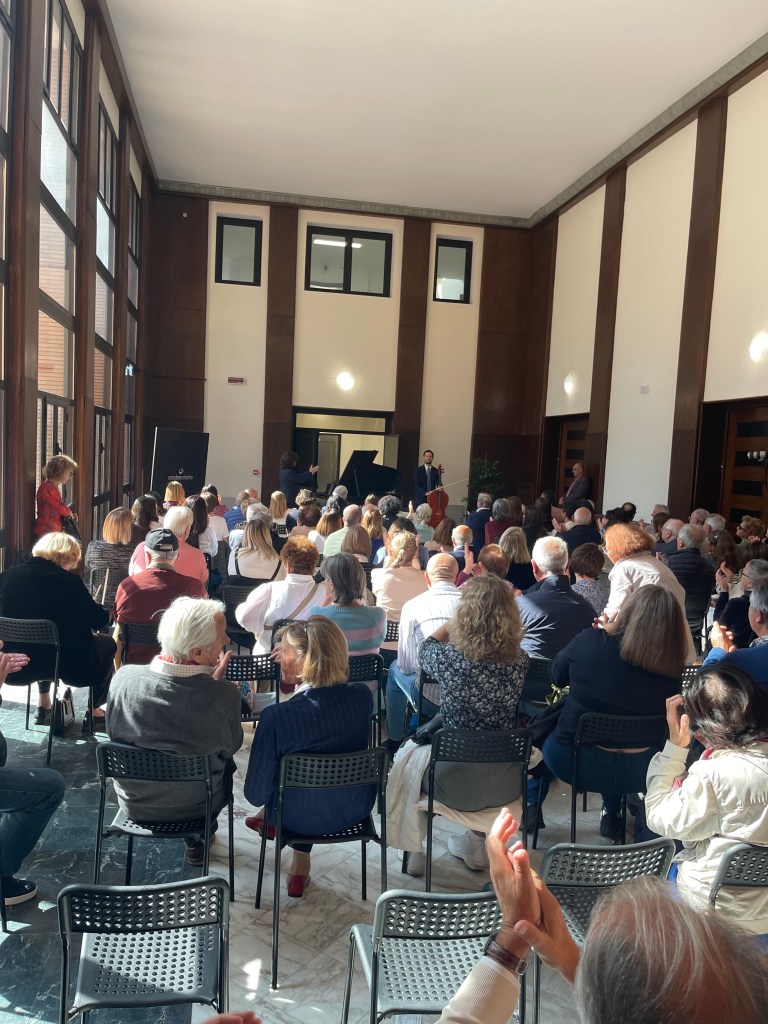
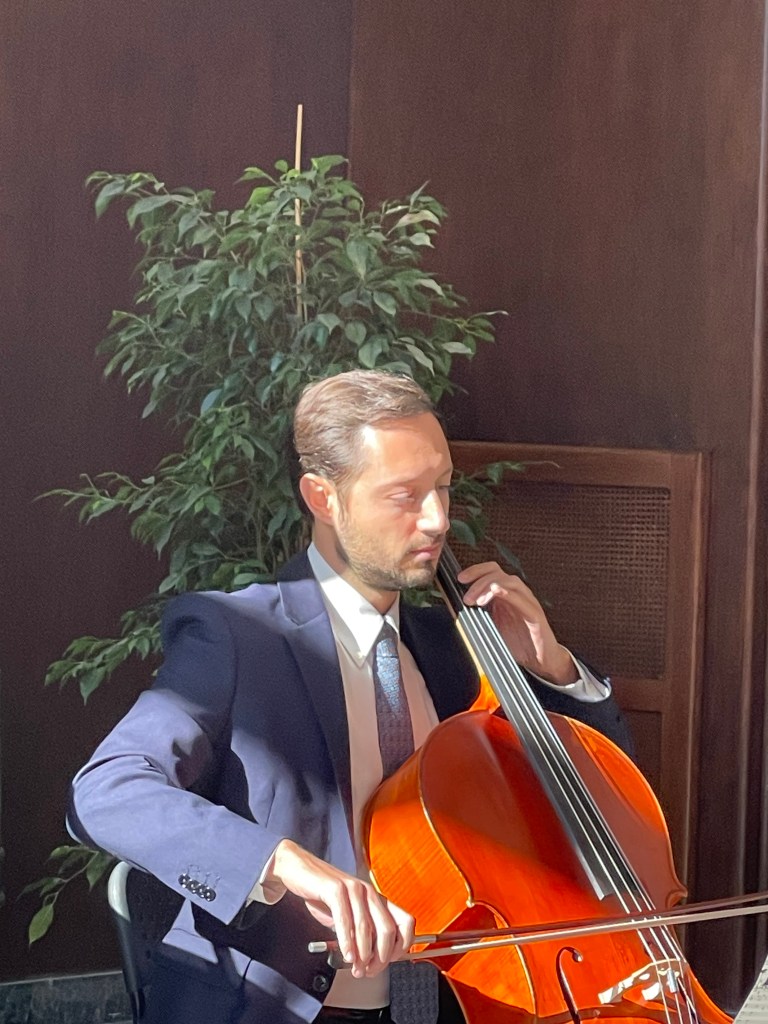
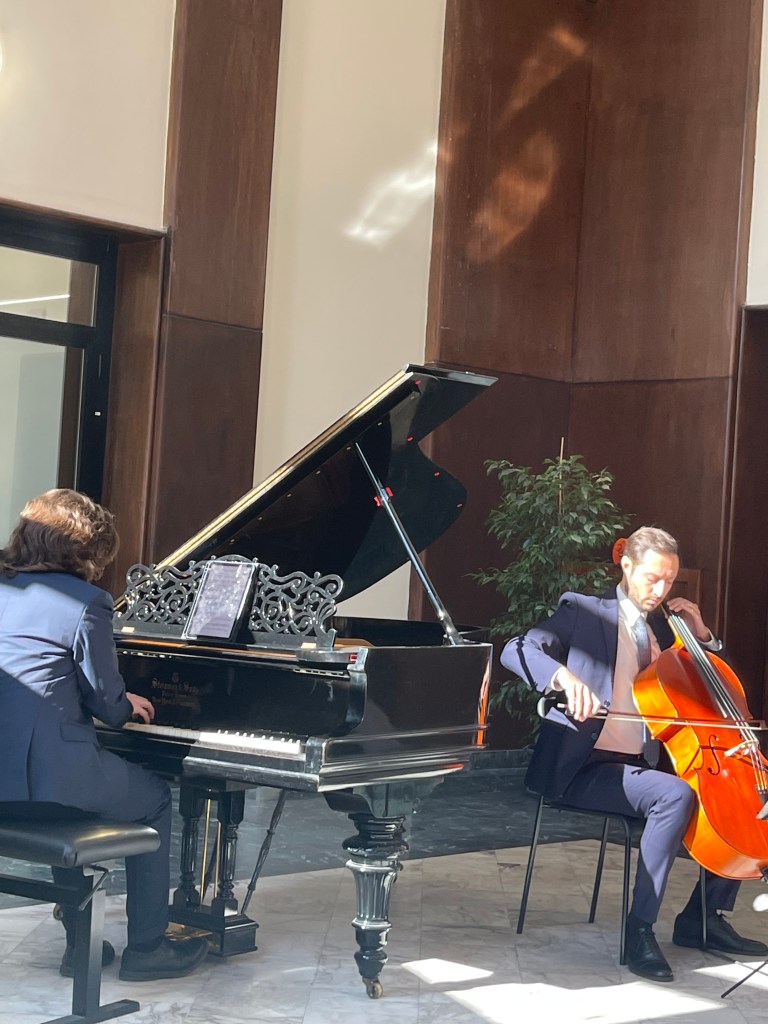
The sumptuous cello of Alessandro Guaitolini reaching deep into the soul of Morricone, the master of creating unforgettable emotions and the very essence of what was on the screen.
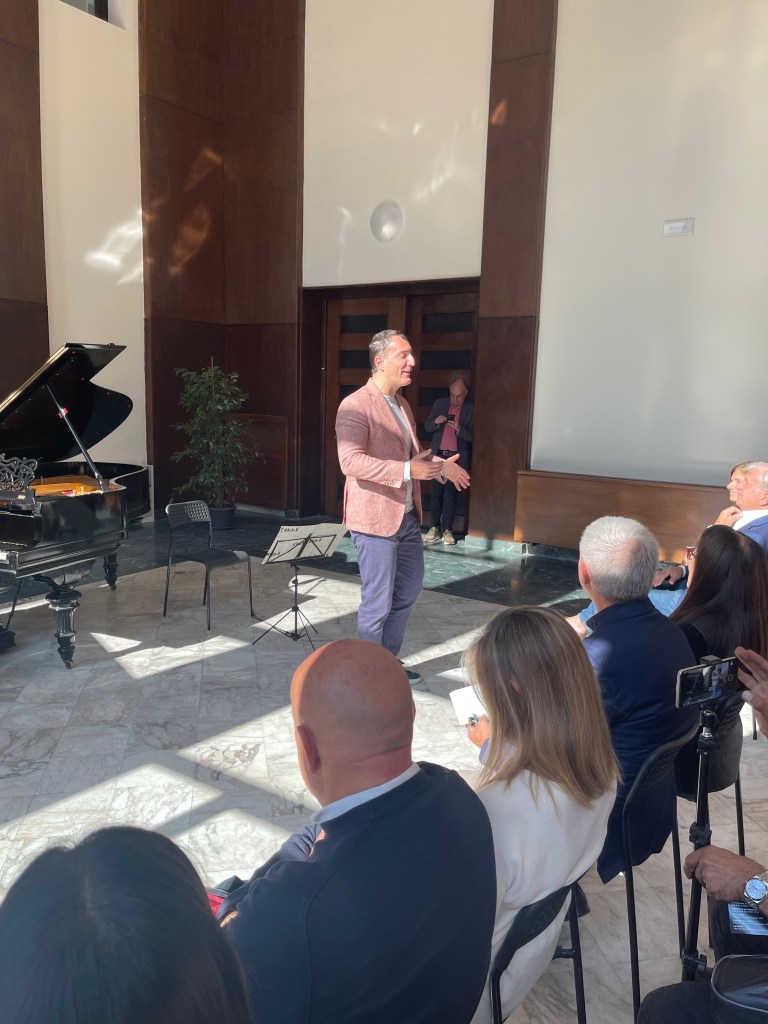
Emanuele Stracchi not only made the arrangements but also knew each film individually as he explained the mastery of Morricone where the music immediately evoked the film.
In fact often it is the music not the film that is so memorable as we were reminded of with such dedicated mastery today
Morricone was born in Rome, the son of Libera Ridolfi and Mario Morricone, a musician. At the time of his birth Italy was under fascist rule. Morricone had four siblings – Adriana, Aldo, Maria, and Franca – and lived in Trastevere in the centre of Rome. His father was a professional trumpeter who performed in light-music orchestras while his mother set up a small textile business. During his early schooldays, Morricone was also a classmate of his later collaborator Sergio Leone.
Goffredo Petrassi photo Ileana Ghione in our home in Circeo
Morricone’s father taught him to read music and to play several instruments. He entered the S.Cecilia Conservatory to take trumpet lessons under the guidance of Umberto Semproni.He formally entered the conservatory in 1940 at age 12, enrolling in a four-year harmony program that he completed within six months. He studied the trumpet, composition, and choral music under the direction of Goffredo Petrassi , to whom Morricone would later dedicate concert pieces.
In 1941 Morricone was chosen among the students of the Saint Cecilia Conservatory to be a part of the Orchestra of the Opera, directed by Carlo Zecchi on the occasion of a tour of the Veneto region. He received his diploma in trumpet in 1946, continuing to work in classical composition and arrangement. Morricone received the Diploma in Instrumentation for Band Arrangement with a mark of 9/10 in 1952. His studies concluded at the Conservatory of Santa Cecilia in 1954 when he obtained a final 9.5/10 in his Diploma in Composition under Petrassi.
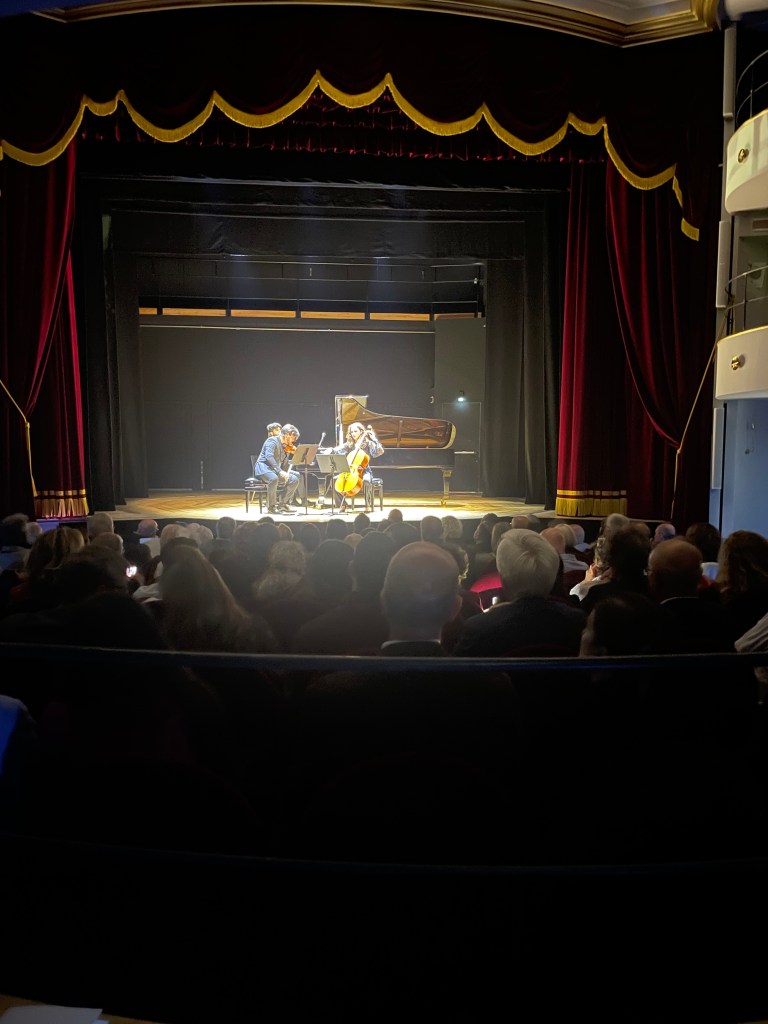
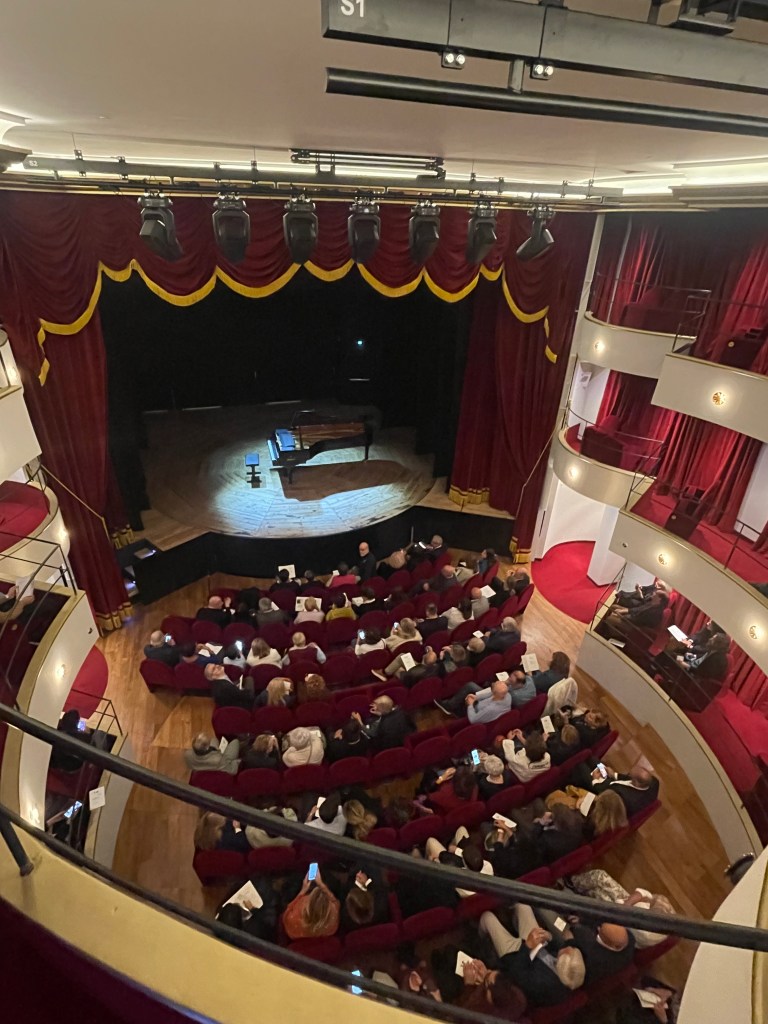
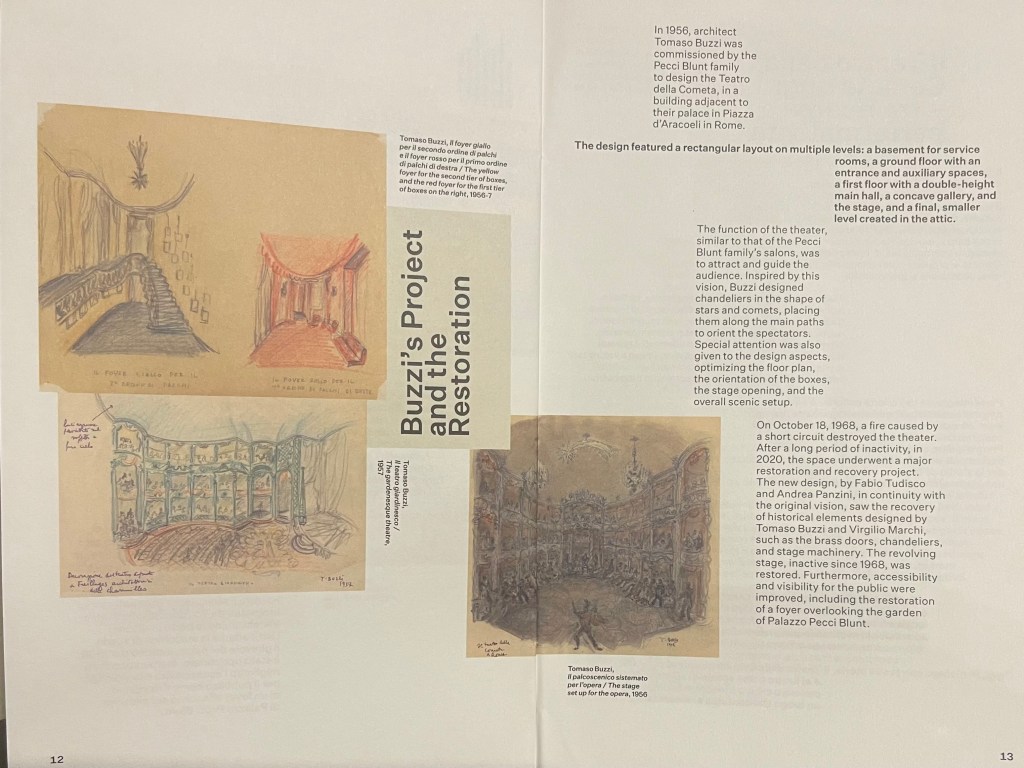
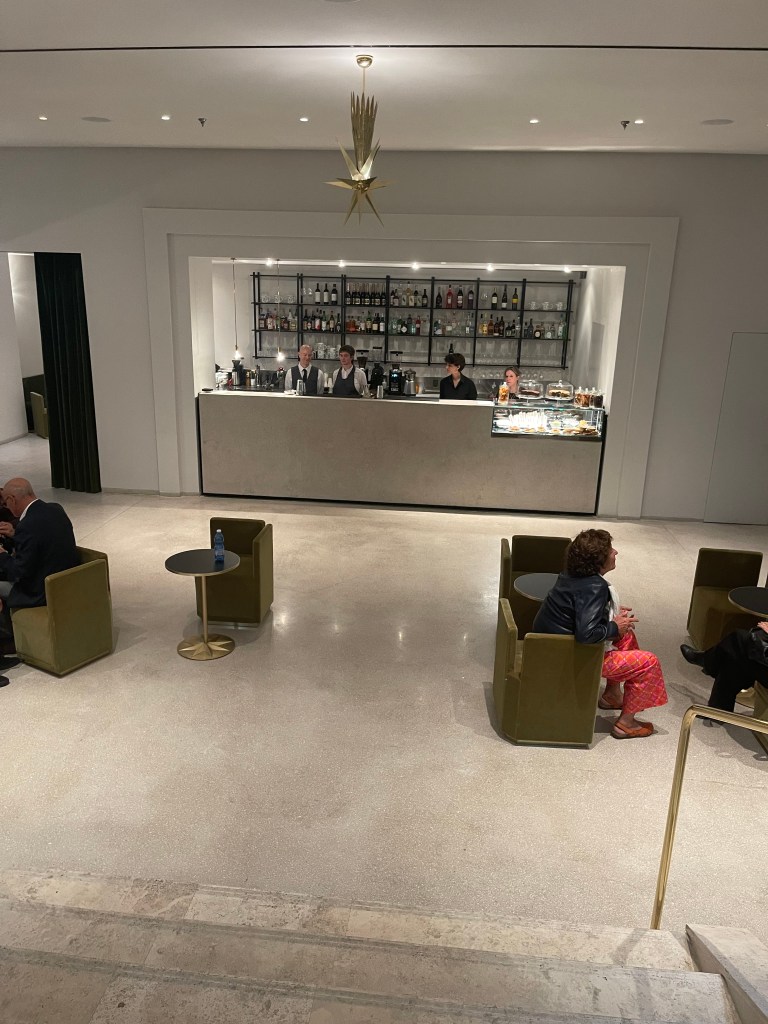
Stars shining brightly in the newly restored Teatro Cometa in the centre of Rome .
Massimo Spada and friends open their new concert series in what has always been known as the Salotto di Roma.
And what friends!
The finest young musicians on the International scene coming together to play chamber music in this wonderful jewel, reborn on wings of song.
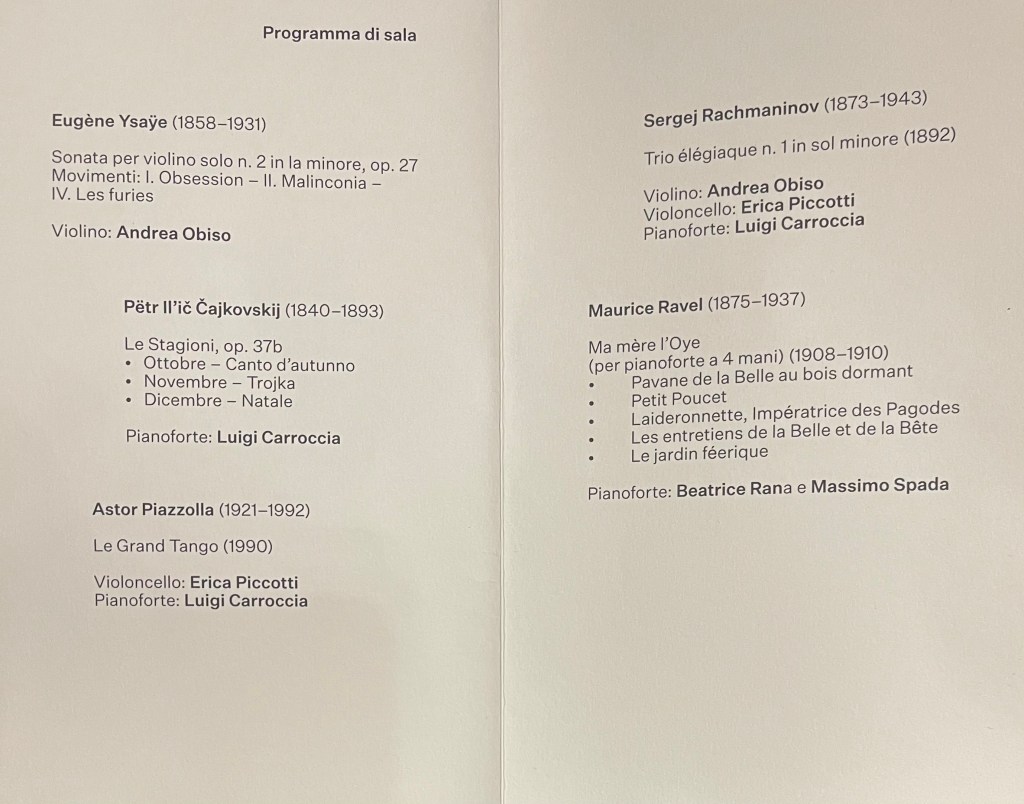
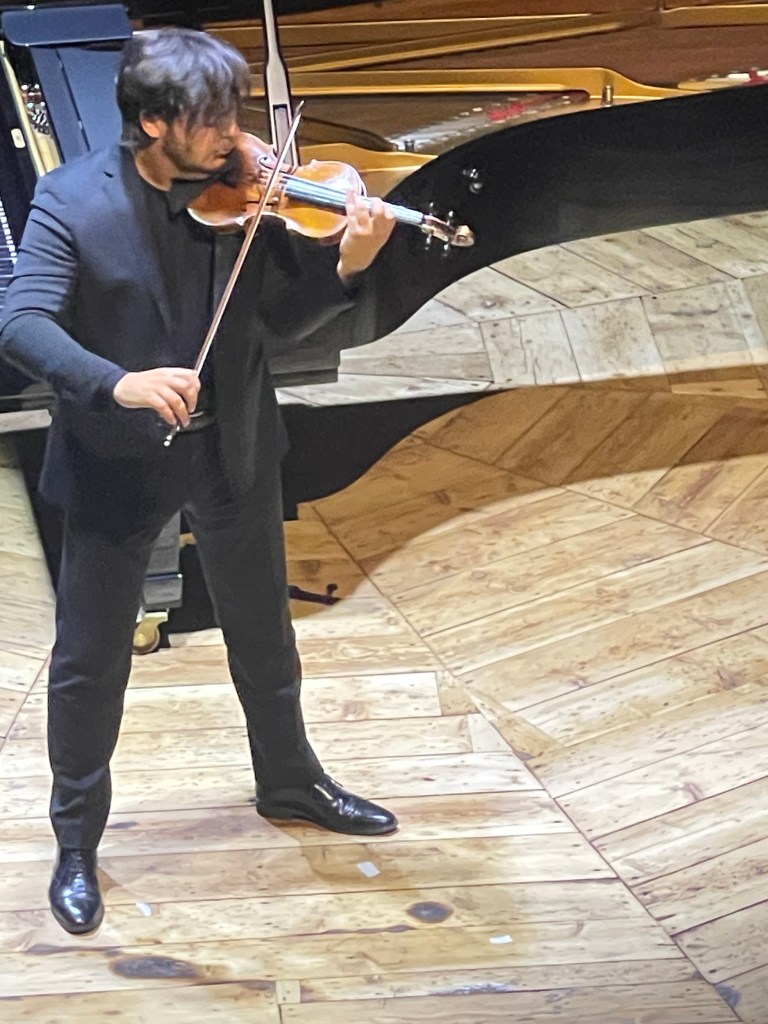
Andrea Obiso, the youngest concert master ever of the S. Cecilia Orchestra, opened with a masterly account of Ysaÿe’s ‘Obsessive’ sonata n 2 for solo violin. A range of sounds and kaleidoscope of emotions that was astonishing and overwhelming in its impact . I have recently noticed the concert master at S. Ceclia – how could you not take your eyes off such passion and mastery as he drives his colleagues into playing with his same total commitment. Pappano has created an orchestra of players who listen to each other and with Luigi Piovano and other wonderful players were all used to playing chamber music with him and learning that a Great orchestra takes on the character of its components.
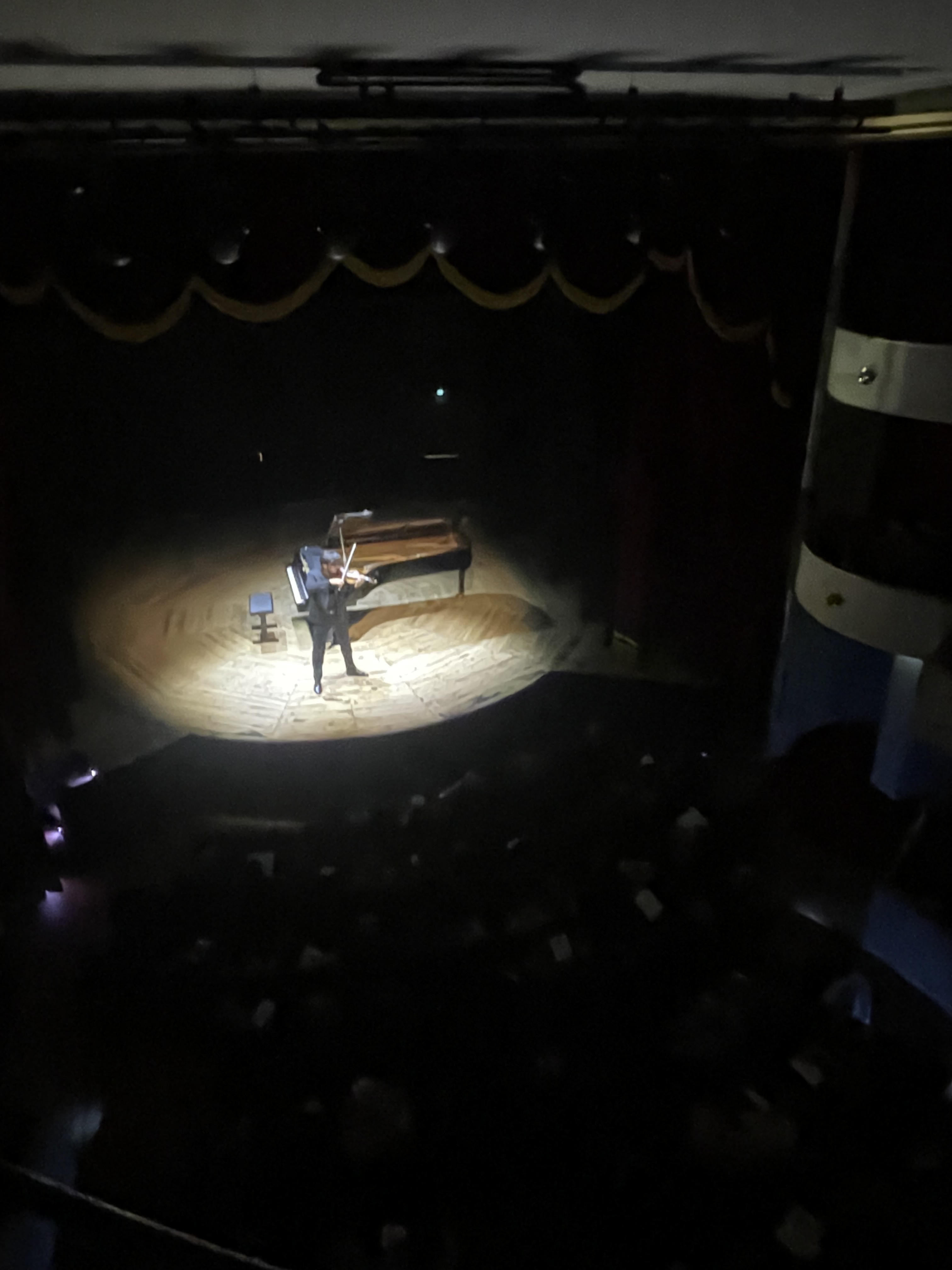
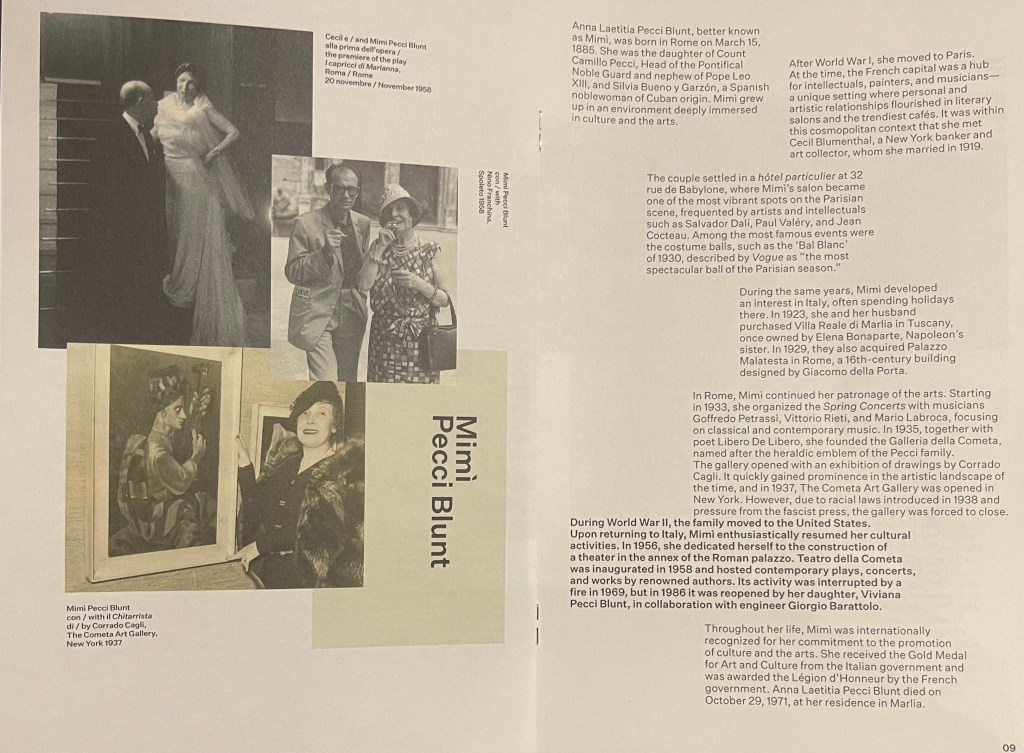
I well remember the artistic director of the time proudly presenting Andrea to the public just before a symphony orchestra concert, as the youngest concert master ever. He gave a short performance playing a solo Bach suite with hypnotic mastery. It was this same hypnotism that immediately ignited the atmosphere in this jewel of a theatre created by Mimi Pecci Blunt, much as Conte Chigi had done in the Chigiana in Siena. A violin that speaks with a human voice and a range of sounds that makes one realise how Paganini could bewitch his refined society ladies and turn them into hysterical fans trying to grab a souvenir from their idol to take back home perchance to dream! Andrea today created an extraordinary atmosphere from the very moment he stepped into the spotlight. Just a man and his violin who could hold us in his hands with playing of almost theatrical character as this sonata by Ysaÿe kept interrupting itself with a revisitation of scenes from the Dies Irae. A tour de force for any violinist who not only needs technical and musical mastery but needs also to be an actor who can enter into this world of make believe and recount the very unique story that is unfolding.
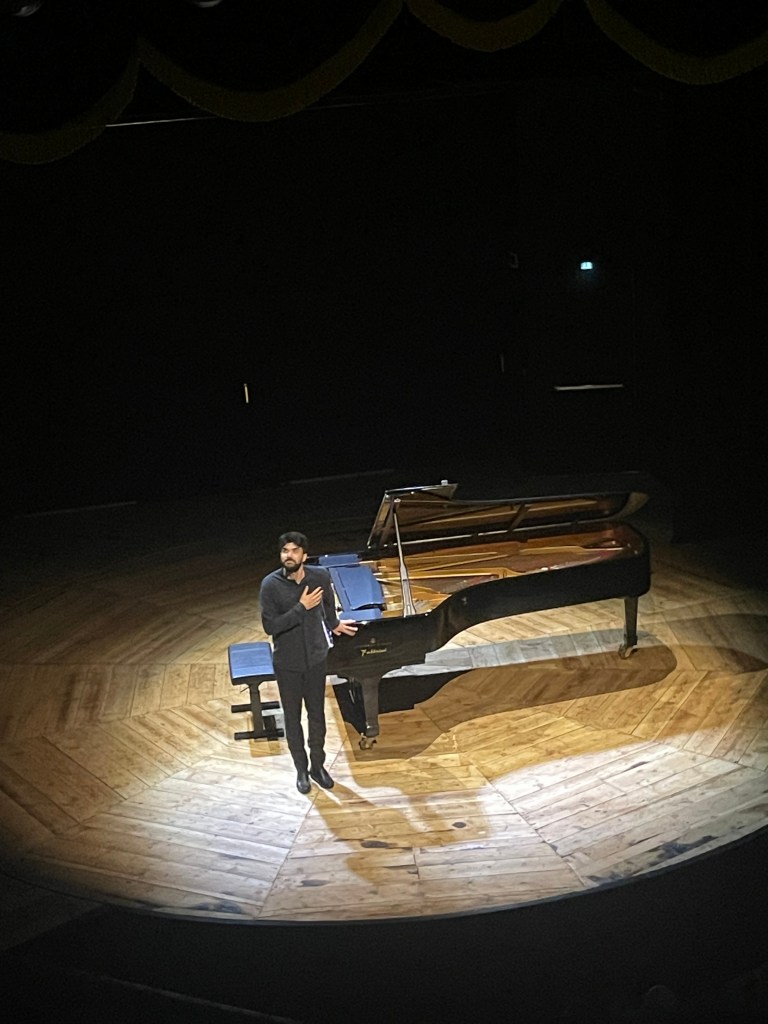
Followed by three of Tchaikovsky’s seasons with Luigi Carrocchia lovingly caressing this magnificent Fabbrini Steinway and delving deep into its soul with poetic beauty. Many pianists these days insist on playing the complete seasons by Tchaikowsky (Lang Lang, Bruce Liu, Trifonov ) but there are those knowing that too much of a good thing can lead to boredom and chose to play in public only October to December. It was Ian Fountain ( winner of Rubinstein in 1989) who told me he plays in public only these three. October was a favourite encore piece of Shura Cherkassky who often used to play in that other much bigger Salotto di Roma that is Teatro Ghione. It needs a pianist of the so called ‘old style’ who can dwell on certain beautiful inner harmonies and make certain notes shine like jewels within this most nostalgic of melodies.
Luigi on this beautiful Fabbrini Steinway played with just such ravishing colour and sense of improvised beauty taking us with him on a voyage of discovery into a wondrous land of sumptuous beauty. The ‘Troika’ is a miniature tone poem ( magically brought to life in a historic recording by Rachmaninov). Luigi played it with the same imaginary vast landscape with the filigree jeux perlé accompaniment over the tenor melody that was worthy of the pianists of the Golden Age of piano playing. A’ joie de vivre’ and brilliance to December concluded this all too short spot from a pianist who like Andrea is above all a poet who can paint pictures in sound.
In fact all through this concert there was the poetic commitment from all the artists, where colour, fantasy and artistic integrity were put before any thought of personal showmanship, even though their searing intensity and virtuosity was allowed to reign with mastery when asked for !
Luigi joined by Erica Piccotti , one of the finest cellists of her generation, whose golden tones reverberated with subtle innuendo around this magnificent space with Piazzolla’s Grand Tango. A true duo performance where Piazzolla’s intricate web of rhythms and insinuating virtuosity combined in a brilliantly played interlude before we could fully appreciate the searing beauty and intensity of Erica’s playing in the Rachmaninov Trio.
They were both joined by Andrea Obiso forming the trio that recreated the heart rending early ‘Trio élégiaque’ by Rachmaninov . This one movement work of whispered haunting beauty was played as one by a trio where each voice communed with the others with searing intensity and ravishing beauty. The gently whispered wave of sound from Andrea and Enrica created a magical atmosphere where Rachmaninov’s glowingly beautiful melody could be heard from a piano that seemed to radiate such delicate beauty from the very first notes. A very early work in one movement that I have never heard played with such architectural shape and meaning. These early works of Rachmaninov can suffer from too much detail that can suffocate the actual musical line ( Kantarow recently has been able to show us the way with the long neglected first sonata ). Three wonderful players who played as one with a give and take of quite extraordinary mutual anticipation ( to quote Menuhin). The searing intensity and golden sound of Enrica’s cello was now allowed to sing out and was taken over by Andrea’s wonderfully intense playing . Luigi playing with the lid fully opened because he knows how to use this great black beast ( as Graham Johnson would say when accompanying singers, not with their book(!), but with the lid fully opened . I am a good driver he would declare, if asked ). The wondrous murmured ending of theatre within theatre, created a unified work of heartrending beauty that I have never realised until this evening what a miniature masterpiece it really is!
What a wonderful voyage of discovery this inaugural concert was turning out to be!
It was now the turn of our host Massimo Spada, who was joined by Beatrice Rana in an intimate performance of Ravel’s ‘Ma mère l’Oye.’ Almost inaudible top notes from Beatrice barely touching the keys would suddenly become a sumptuous projected melody of golden beauty. Elsewhere too Beatrice would search for these contrasting colours just as Massimo would gently allow deep bass notes to open up the sonorities of this black box of hammers and strings, allowing it to be turned into a magic box of sparkling jewels. ‘Abracadabra’ two refined artists ,magicians and musicians , playing together with poetic understanding and beauty.
Extraordinary colours from Beatrice barely touching the keys as she drew us in to listen to such marvels . And Massimo creating the gong for ‘Laideronnette’ deep in the bass as they allowed ‘Le jardin féerique’ to cast its magic spell over us as we await many more marvels in this newly minted season in the months to come .
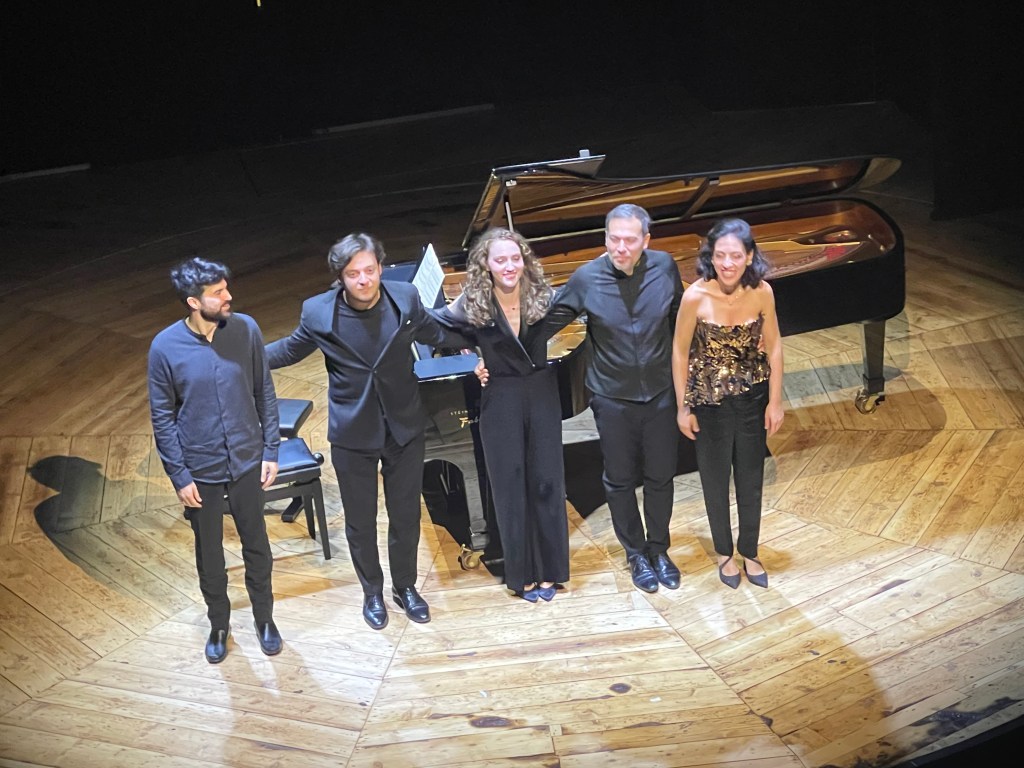
A party atmosphere backstage as these very busy young artists could relax and enjoy each others company taking time off from their busy careers to recreate music together in this beautiful intimate theatre .
As Massimo said,’ while many theatres are closing the reopening of the Cometa gives hope that quality rather than quantity is what our society is missing!’
If music be the food of love …….play on.
Hats off, Gentlemen, a blazing Comet has just landed in Rome……..we could have danced all night ……….
Team mates, accomplices or just remarkable artists – birds of a feather! It reminds me of London in the late 60’s when Jaqueline du Pré ,Daniel Barenboim,Fou Ts’ong, André Tchaikowsky,Radu Lupu,Pinchas Zucherman,Itzak Perleman,Martha Argerich ,Nelson Freire and Vladimir Ashkenazy could be seen regularly at each others concerts playing and supporting each other with real friendship that the speed of life today does not permit ………………unless ……..lets hope this blazing comet can shed a blazing light in the right direction.photo credit Dinara Klinton https://christopheraxworthymusiccommentary.com/2024/03/20/christopher-axworthy-dip-ram-aram/
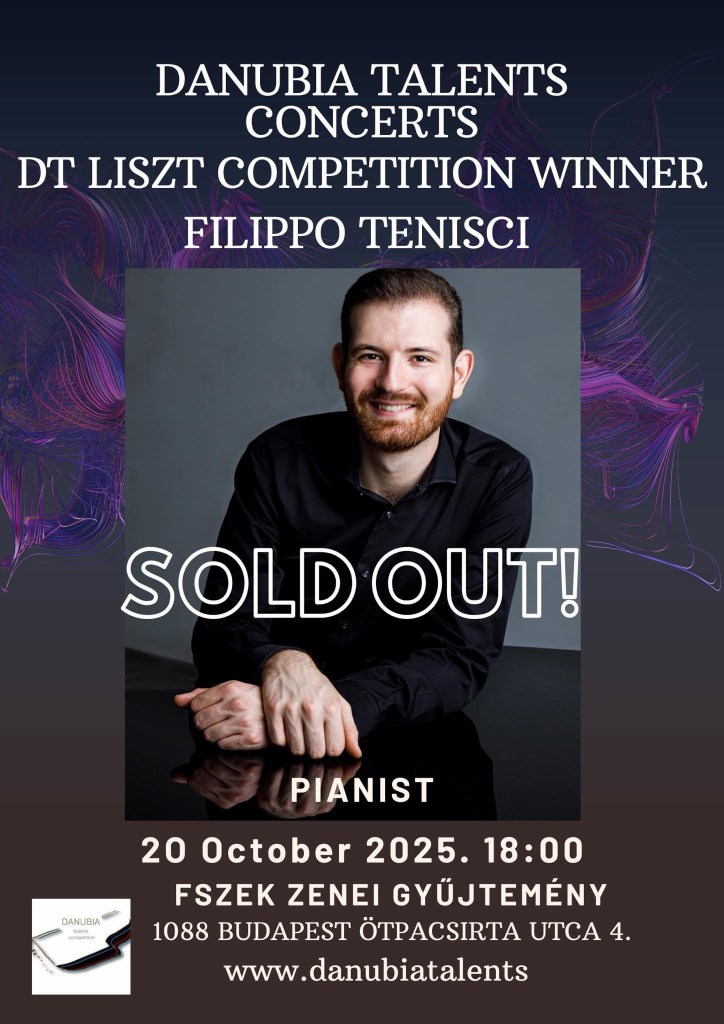
A ‘tour de force’ from Filippo Tenisci who after his heroic dedication to the Liszt Transcriptions of Wagner has now set his sights on rarely if ever heard works of Béla Bartók. A seemingly infallible memory that allowed him to master the intricate rhythms and continual changing character that Bartók uses from the folk idioms of his native Hungary.
His programme had begun, though, with Debussy which immediately showed off his kaleidoscope of sounds allied to a musical intelligence that could always perceive the overall line and architectural shape of works that in lesser hands can loose their noble identity. ‘La Cathédrale Engloutie’ seemingly rather slow at the beginning, with a very particular way of coaxing the sounds out of the piano but creating an atmosphere as the music gradually took wing. The ending too was rather slow but of great contemplation and poignant beauty. It was just the contrast that he found as the great chorale outpouring was allowed to flow with noble richness, the hands always caressing the keys with fluidity and radiance.
It was this glowing fluidity that made the ‘Images’ book two so full of ravishing colours and fleeting lights. Debussy’s magical bells were played with a piercing beauty as the melodic line was allowed to float on a wave of magic sounds. Sounds that became ever more of glistening radiance as the bells became closer. But it was the whispered ending that was played with the beauty of artist who is also a poet of sound. It was the same with the emptiness that he could convey as the moon shone on the imaginary temple.There was a beautiful whispered purity to the plaintive melody that arose above such a ravishing accompaniment. The desolation that sounds could convey from Filippo’s wondrous tonal palette was immediately interrupted by the vision of Debussy’s lacquered Gold fish . There was a seemingly improvised freedom but also a great sense of line that gave architectural shape to the impish devils darting around in Debussy’s imagination until they disappeared into the distance.
Wagner’s or should I say Liszt’s ‘Liebestod’ has long been in Filippo’s repertoire and I imagine it was the work that inspired him to delve deep into the other transcription’s or should I say recreations by Wagner’s son in law. Mastery and authority went hand in hand as the noble opening declaration dissolved into a vibrant interweaving of counterpoints of red hot passion. Finally exploding into the tumultuous climax that Filippo played with overwhelming power and conviction. It was here in the mighty climax that Filippo allowed the bass to give an anchor to the sumptuous sounds that poured from his hands but never hardening or ungrateful but ever more grandiose and all embracing.
These works by Bartók strangely I have never heard before in concert even if György Sándor ,who was a friend of the composer and the first to play his third piano concerto in public, was a regular visitor to my concert seasons in Rome with works other than these.
my wife Ileana Ghione with Sándor after one of his many concerts at Teatro Ghione
There must be a vast amount of Bartók’s works that I am sure Filippo will discover in the archives and bring at long last before the public . Works that he will bring to life as today with his wondrous palette of colour and kaleidoscope of sounds together with a technical mastery that can cope with such complex rhythmic juxtapositions.
Marvellous though it was to hear such revelations Filippo had thought carefully about an eventual encore. Refreshing the air with the purity and simplicity of one of the Bagatelles op 126 that Beethoven had written at the end of his life when he could foresee the vision of paradise that awaited after such a tormented existence on earth.






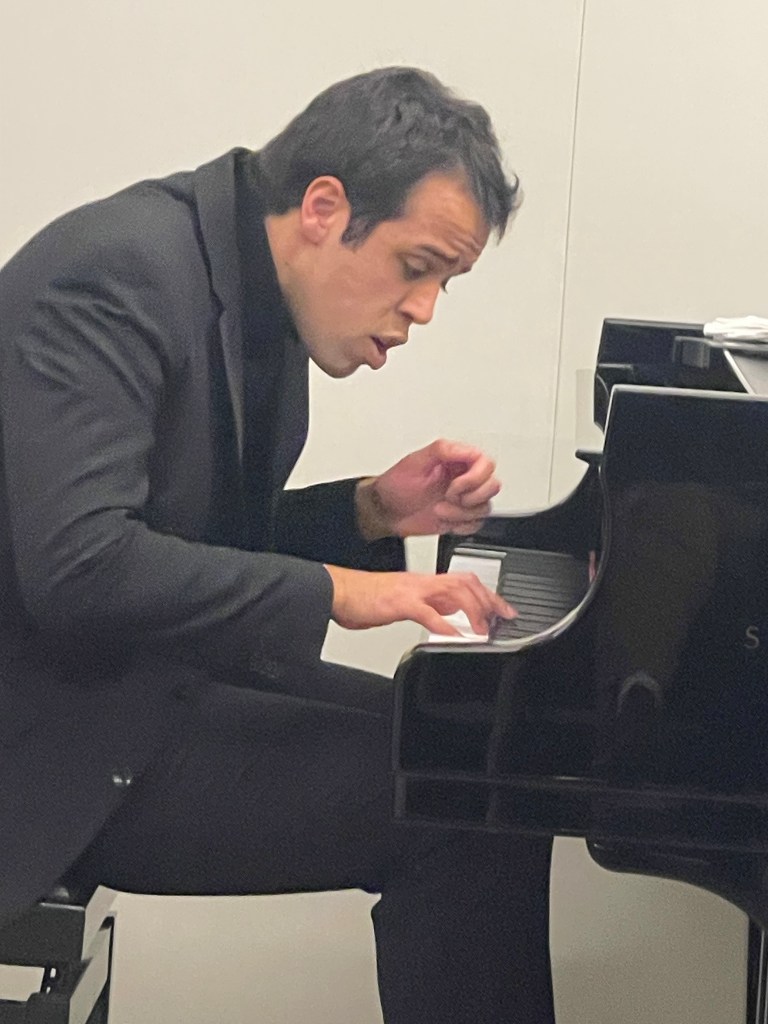

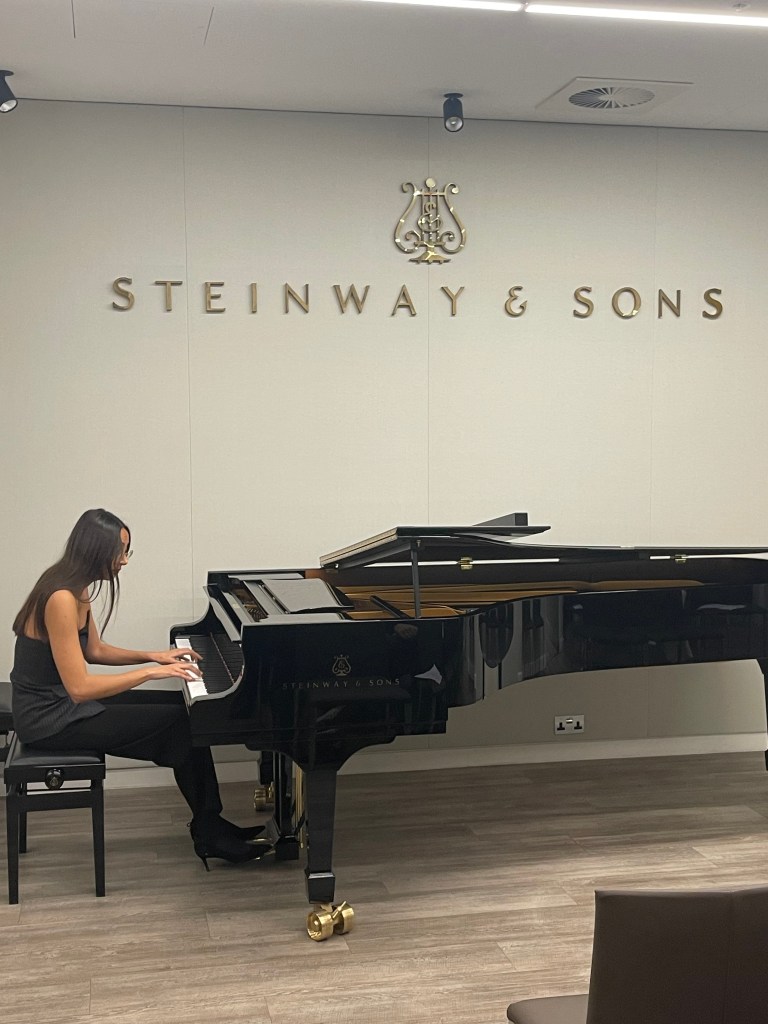

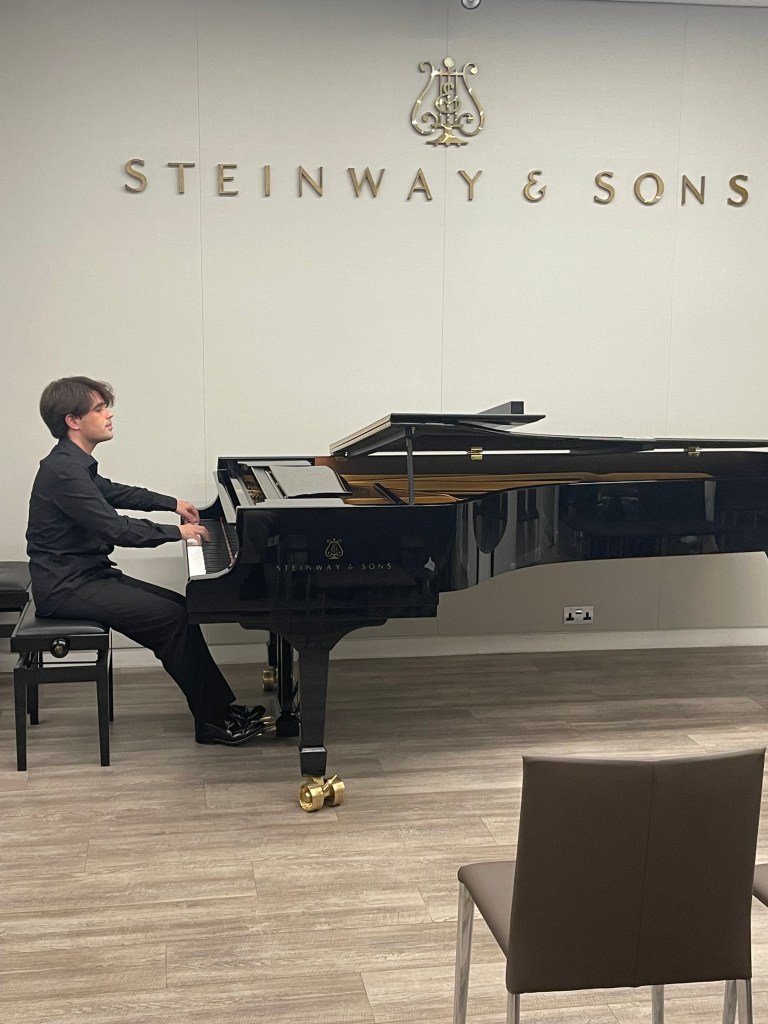
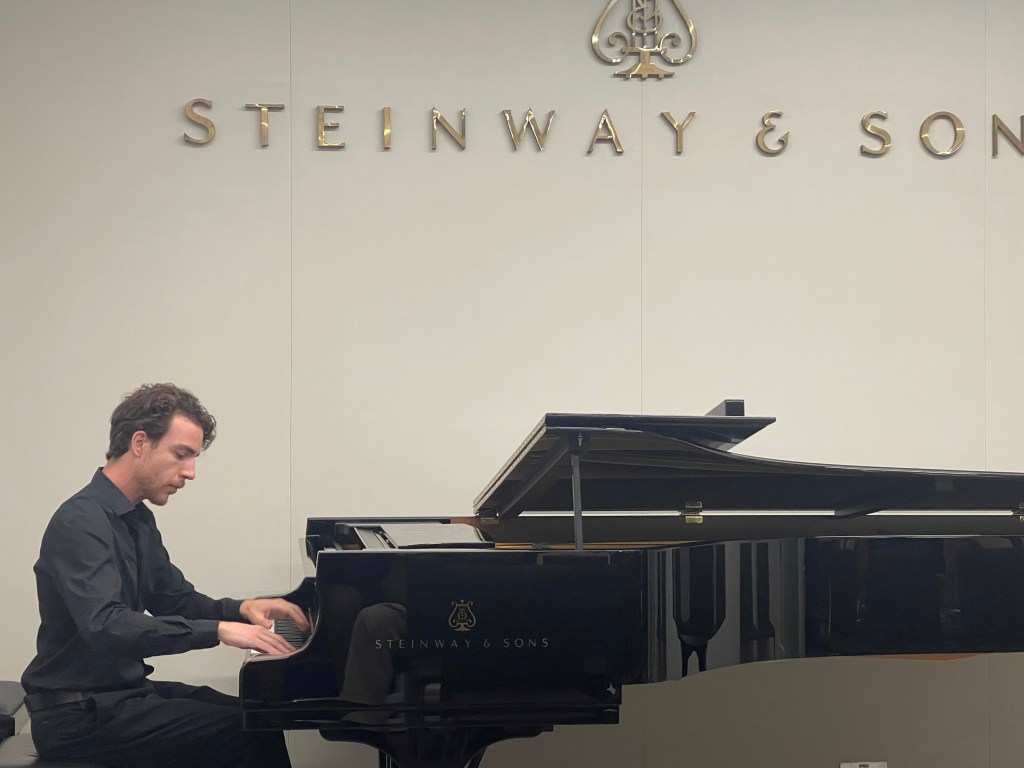











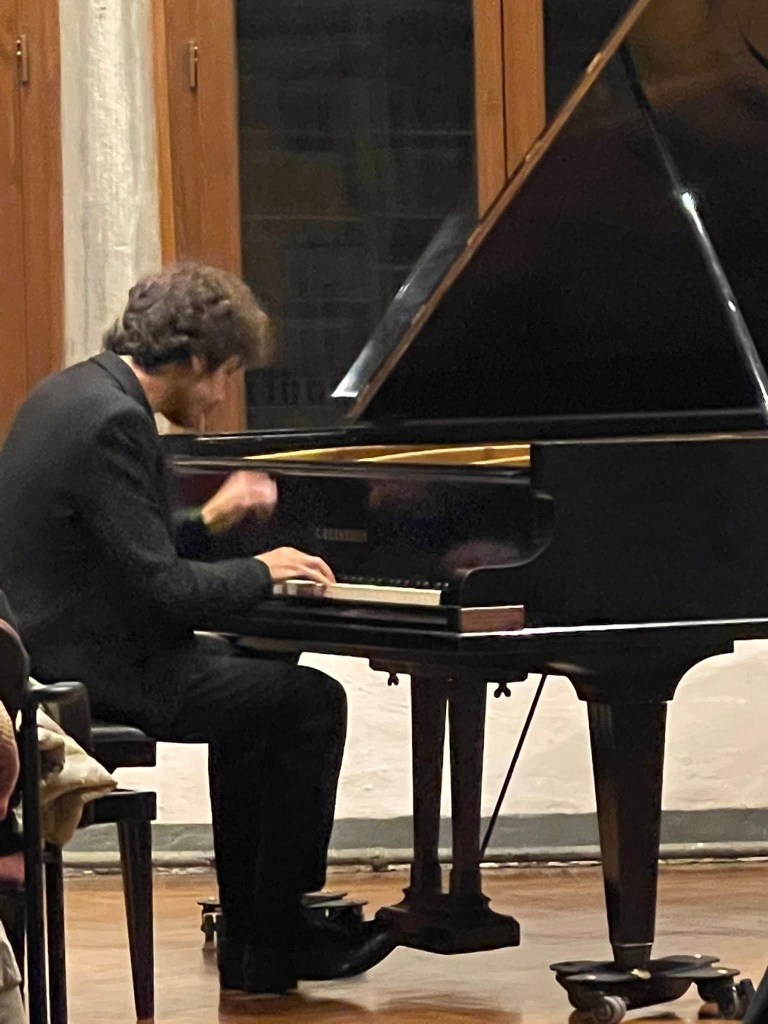


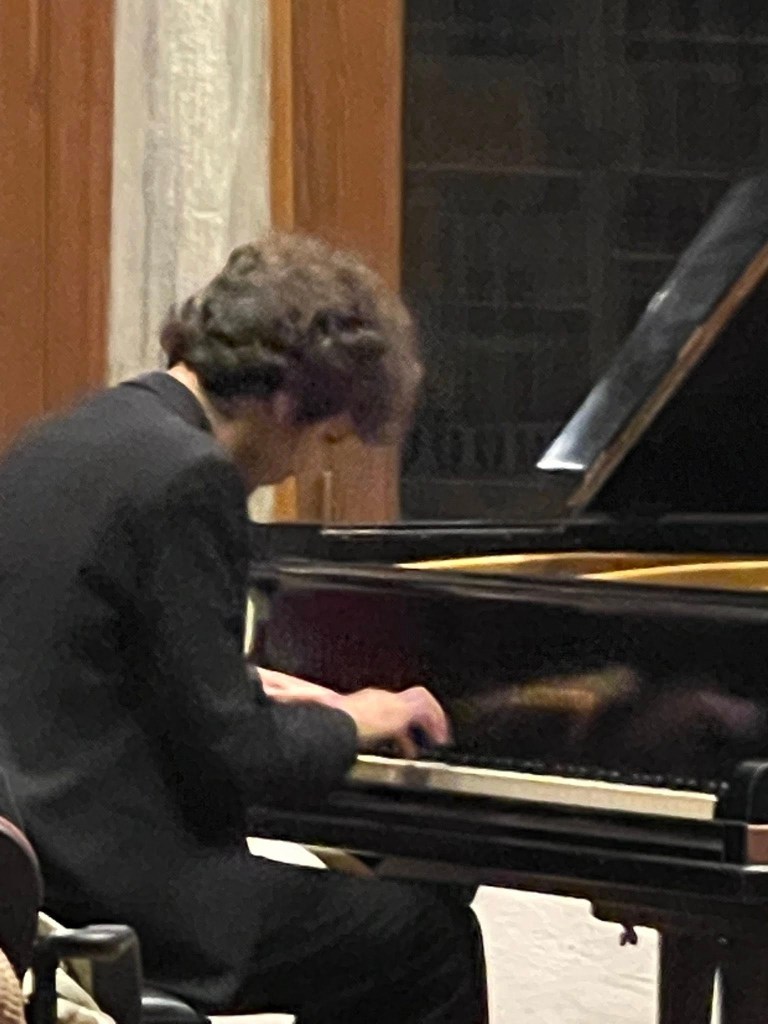














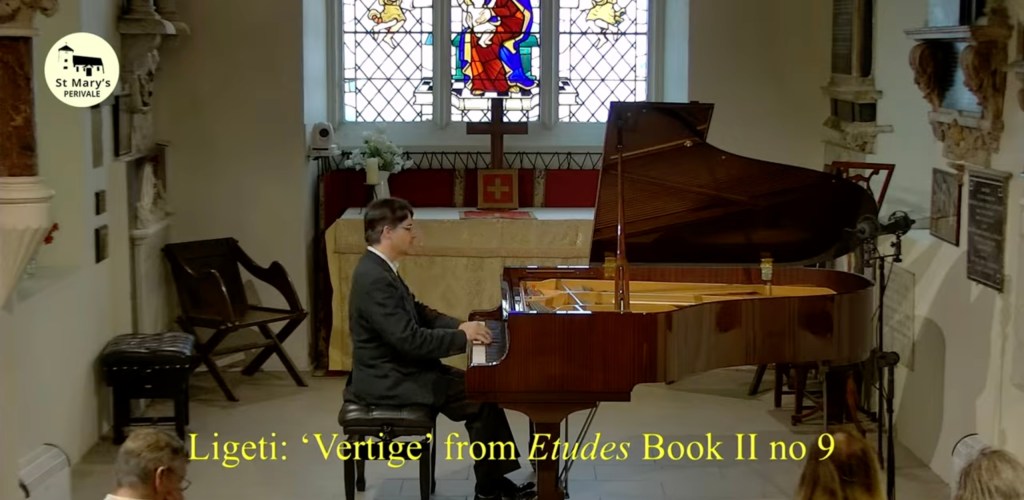


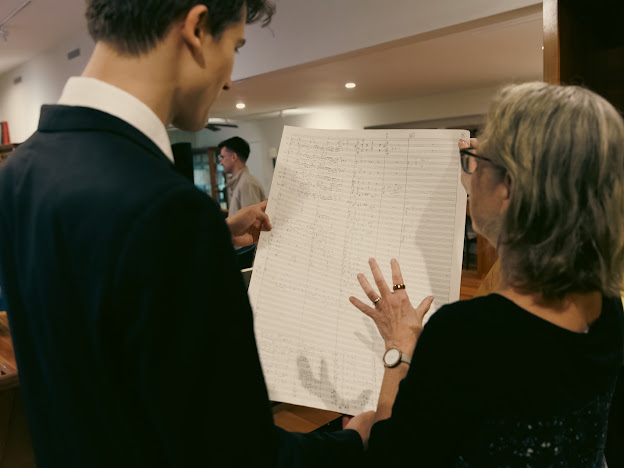
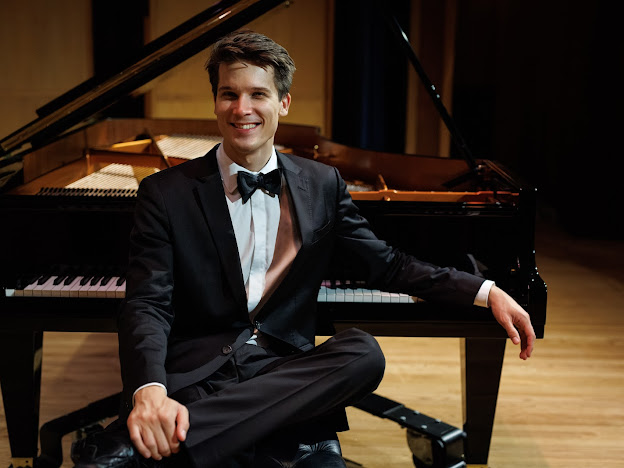


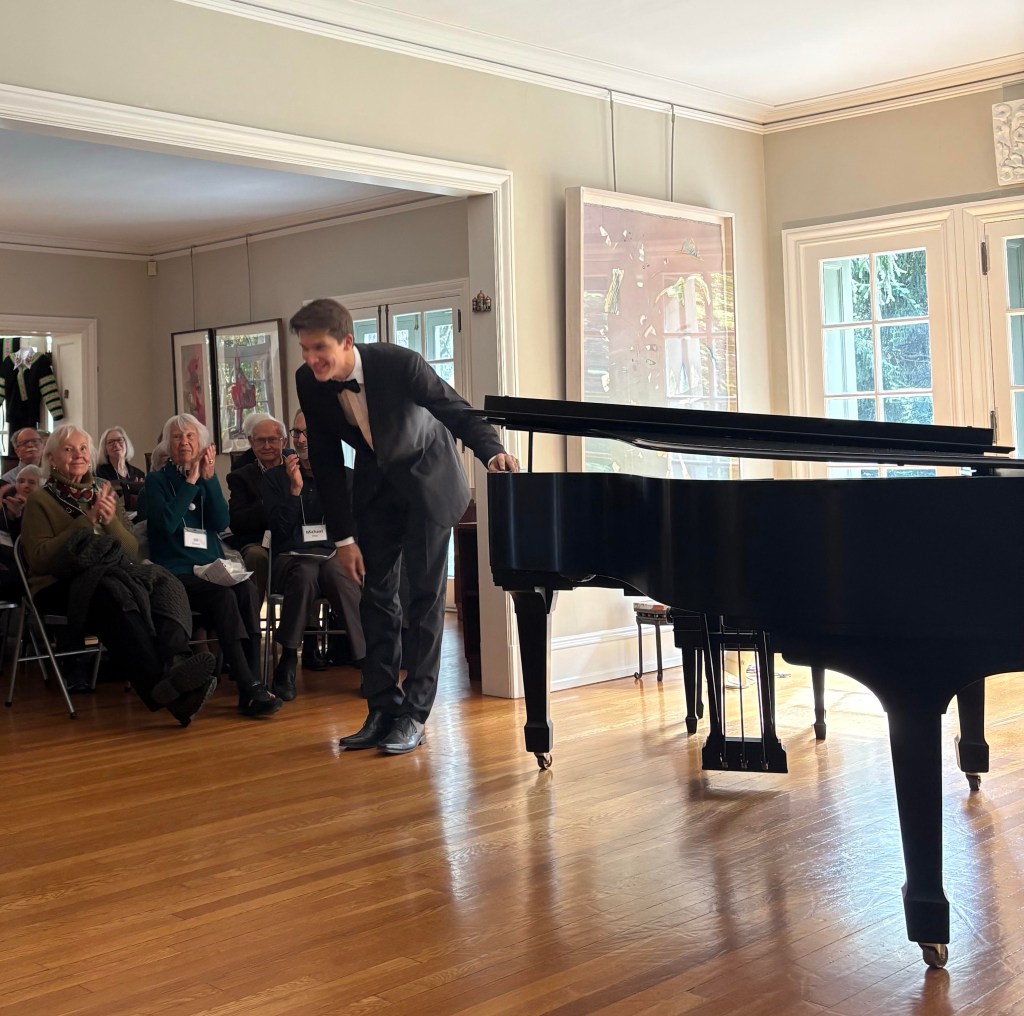
 Watch VLADIMIR PETROV, currently on the Keyboard Trust US Tour, live from Klavierhaus in New York this evening – Sunday 19 October – at 7pm (BST).


































 ChristopherAxworthy-MusicCommentary