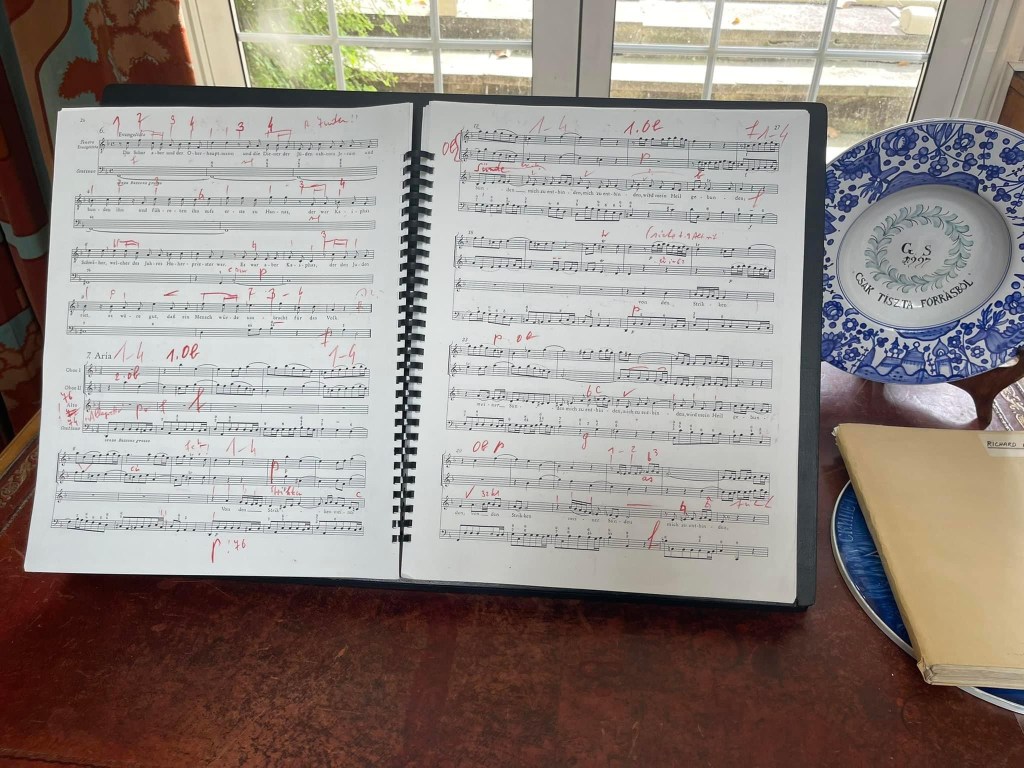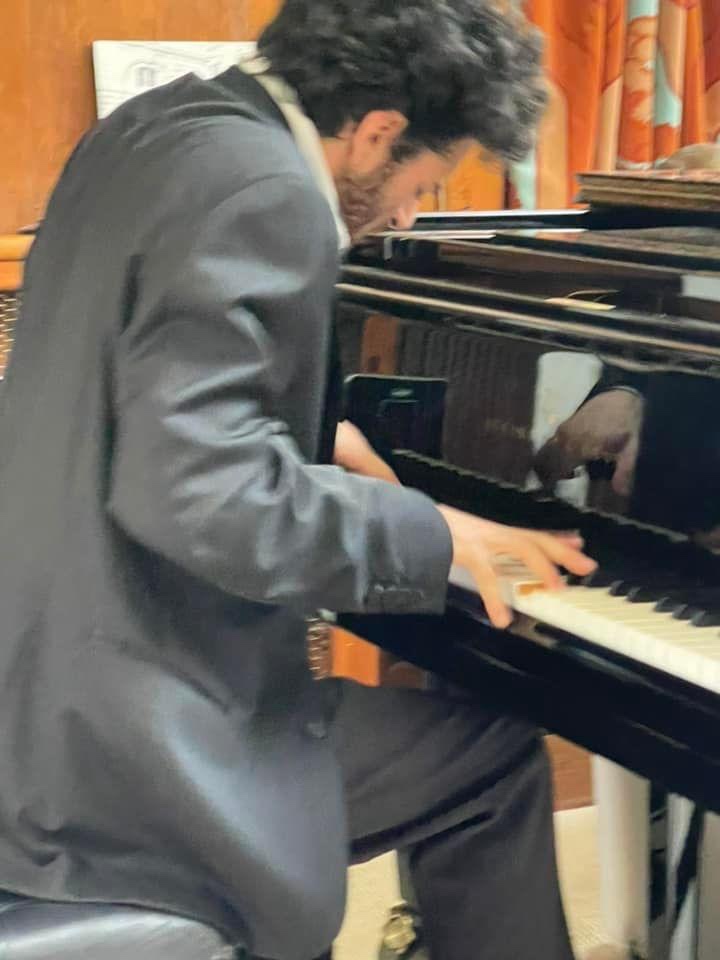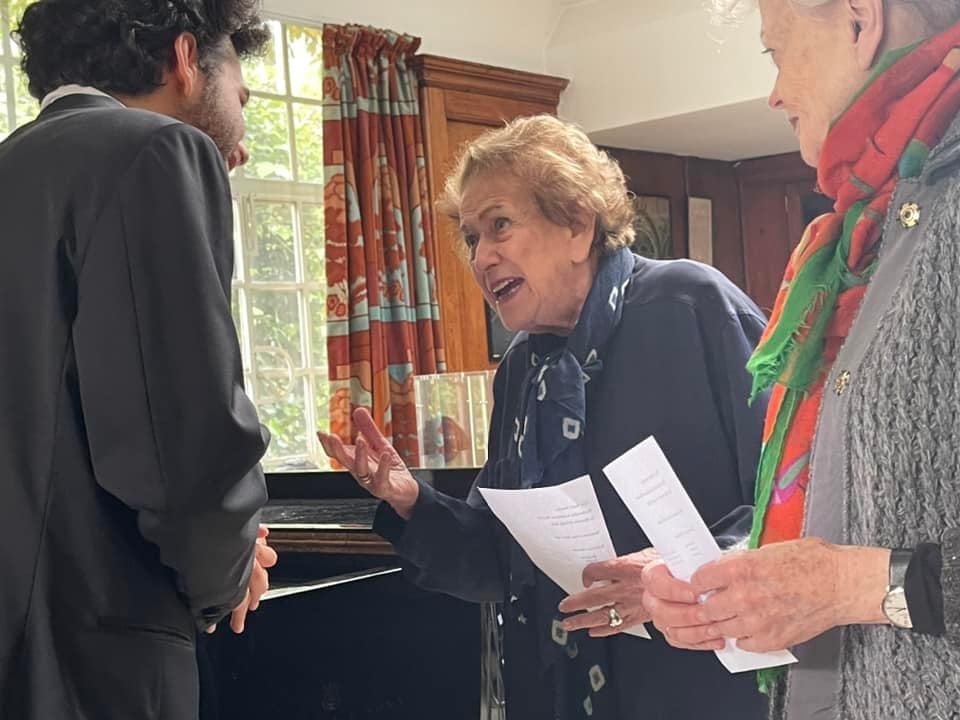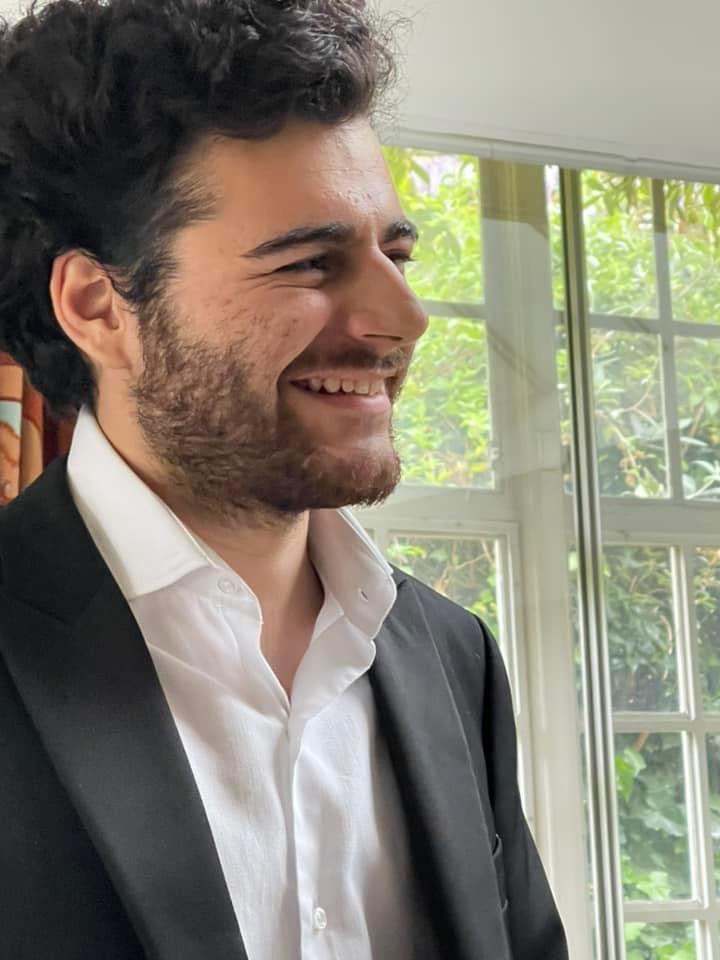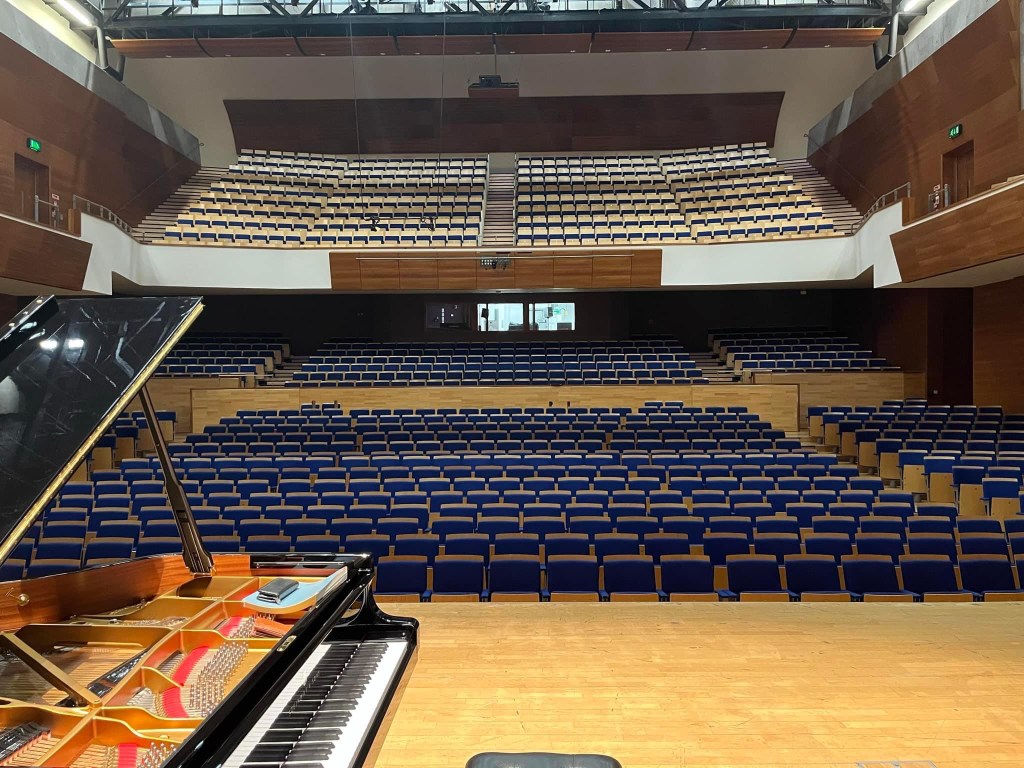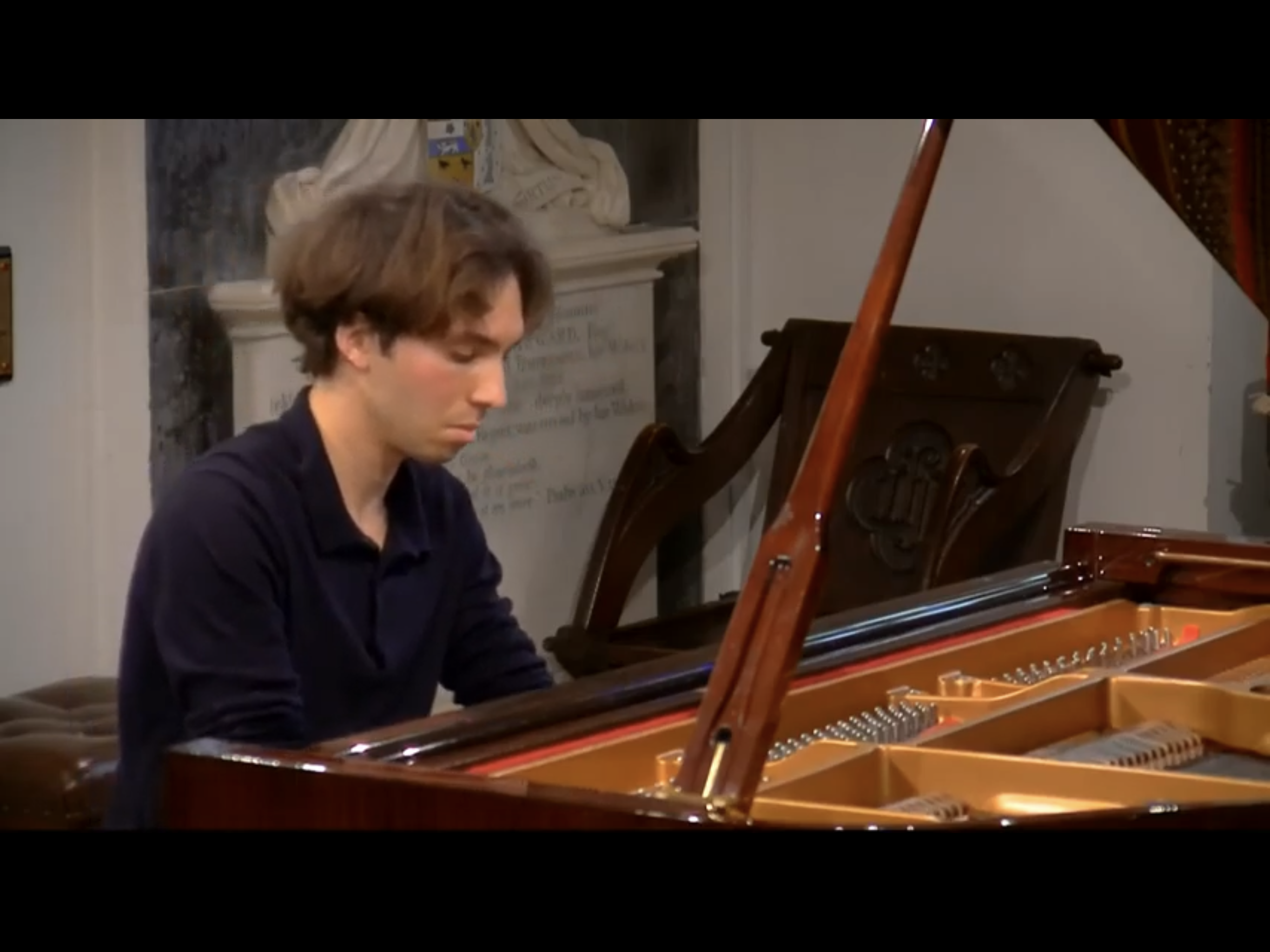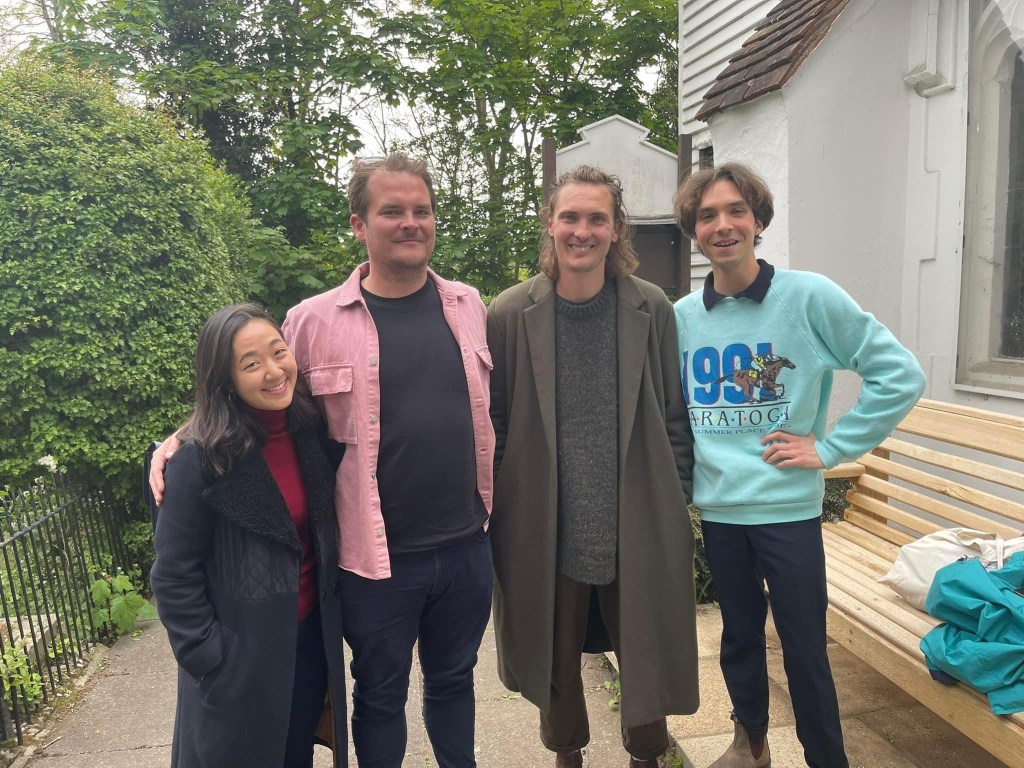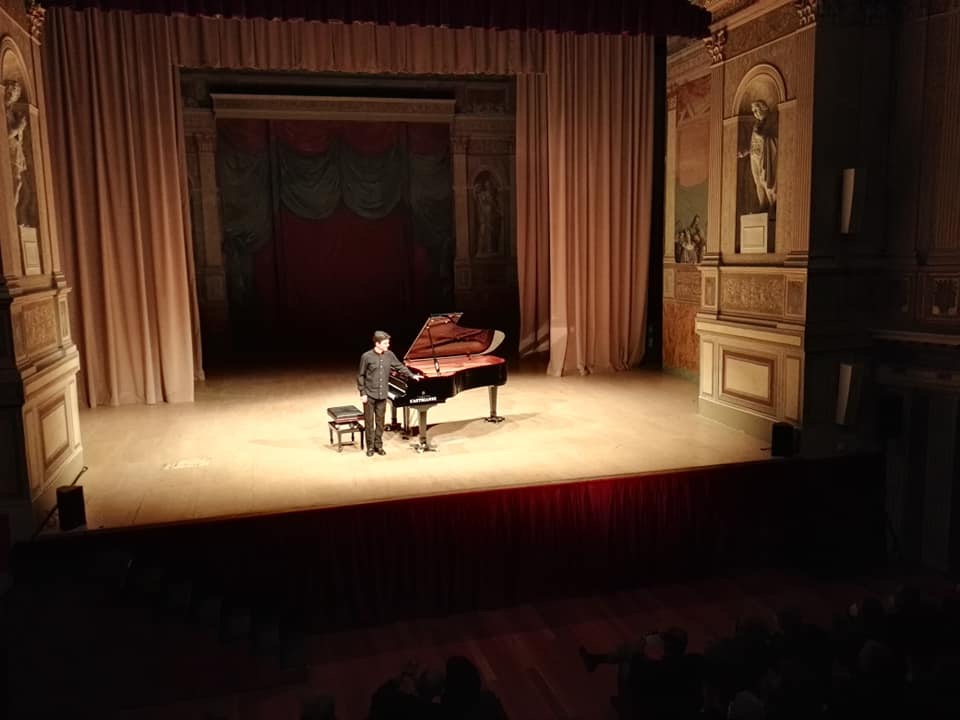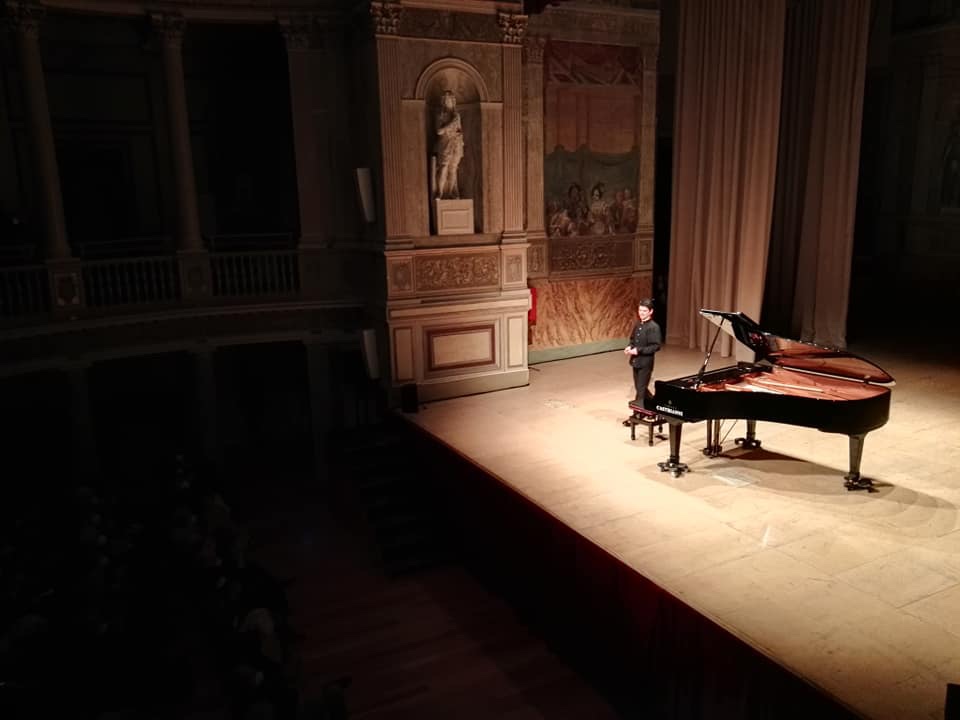
Norma Fisher at Steinway Hall The BBC recordings -On wings of song- the story continues

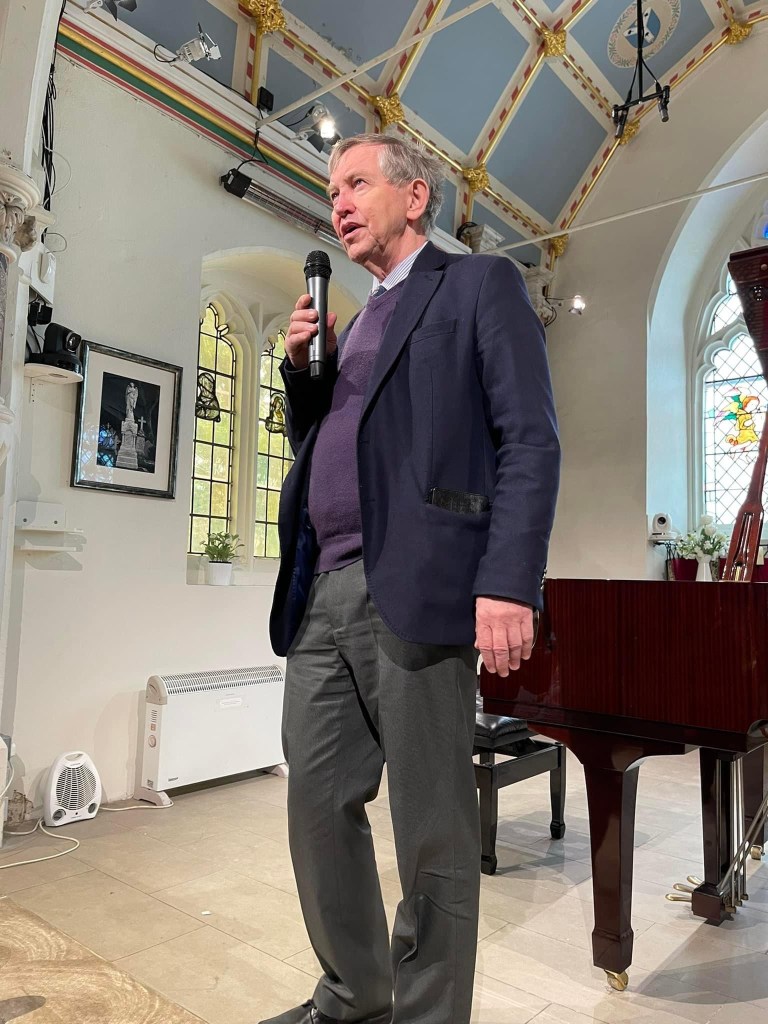
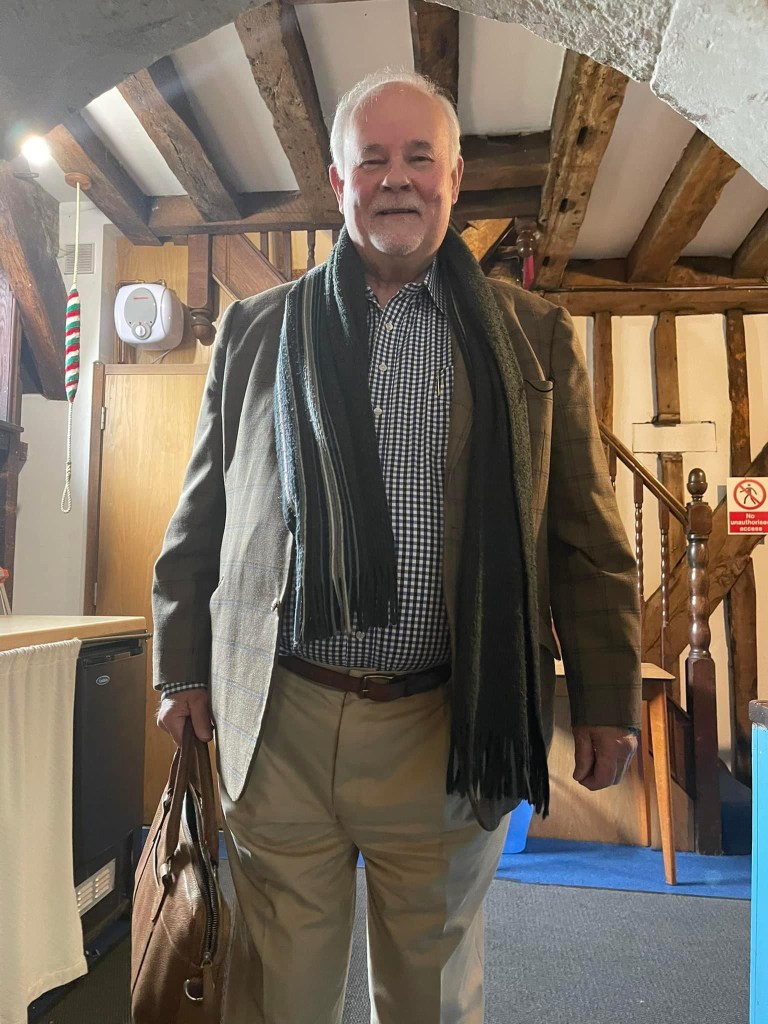
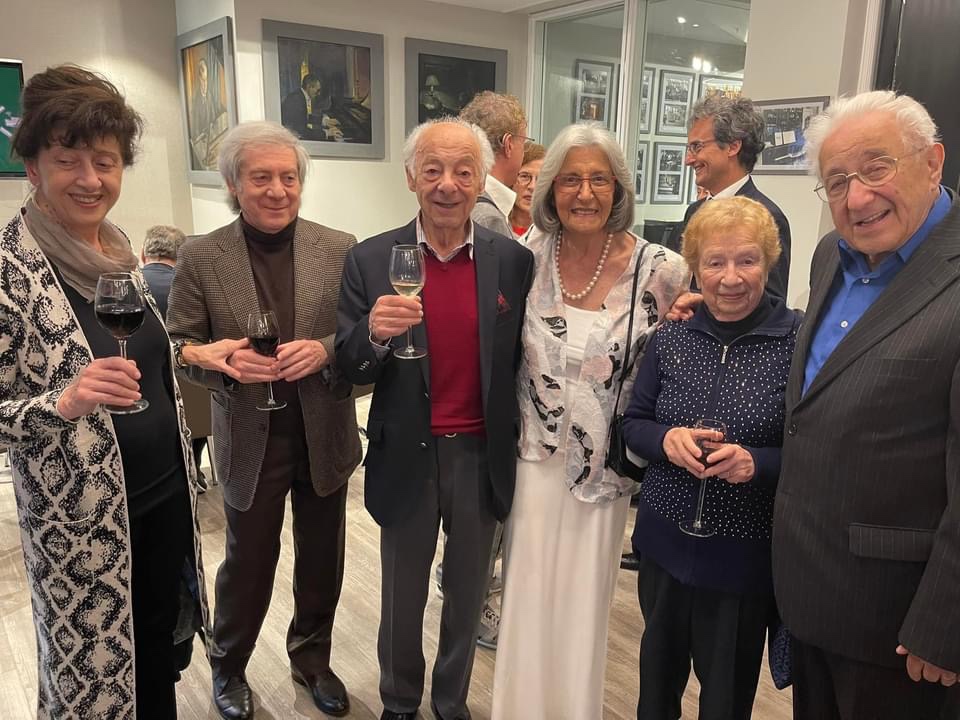
Tatyana Sarkissova-Dmitri Alexeev-Gyorgy Pauk -Annie and Peter Frankl

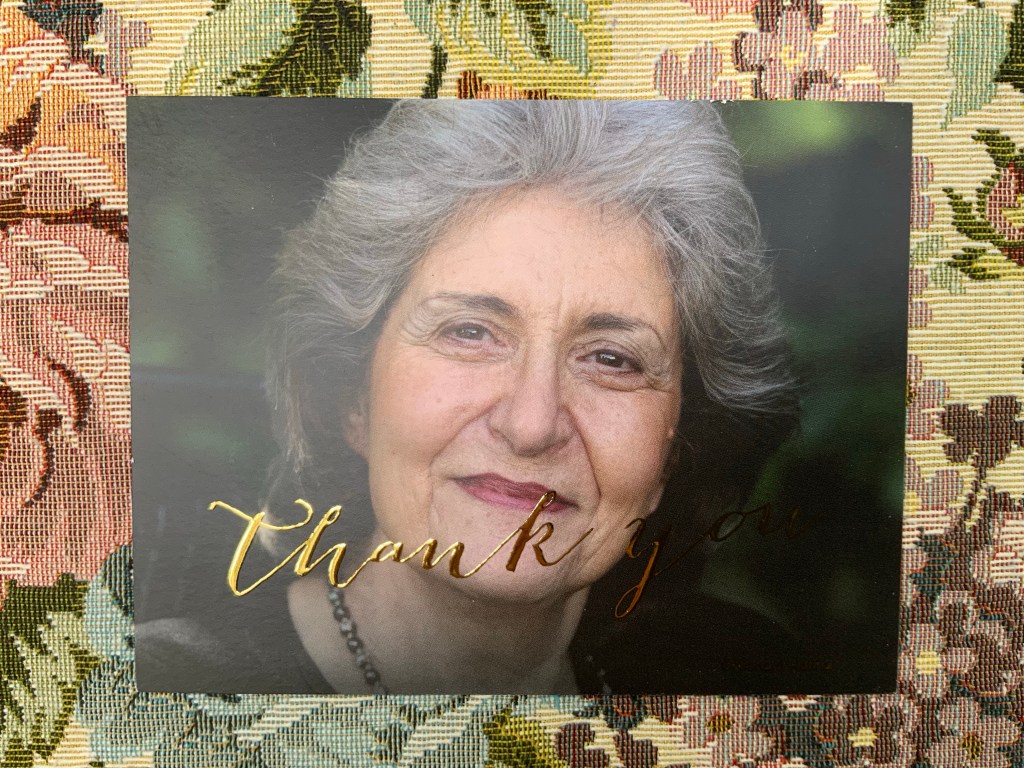
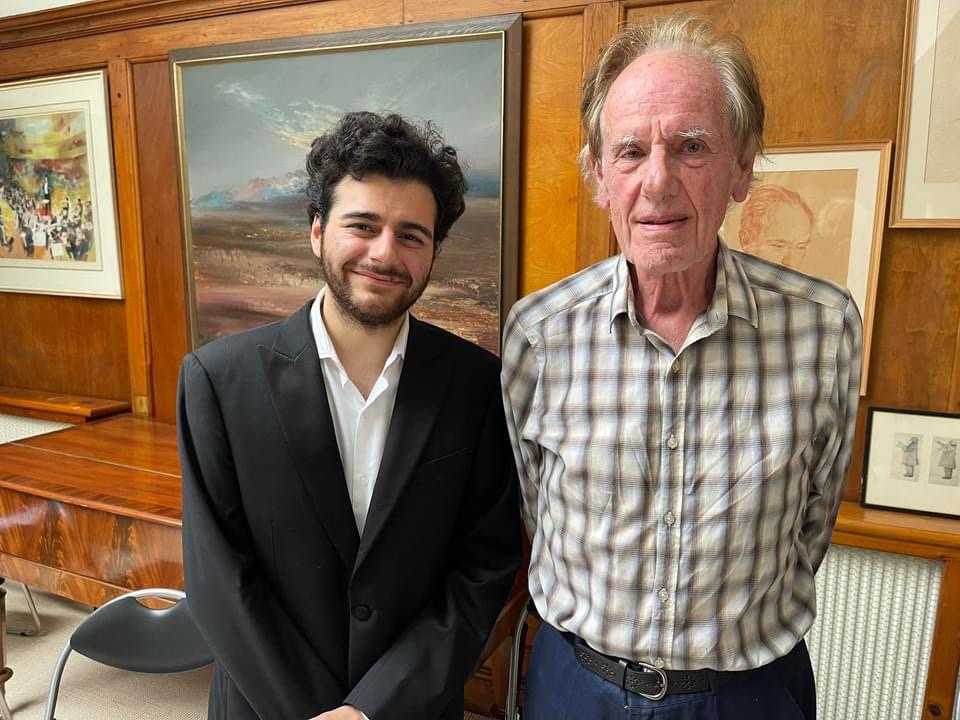
Wonderful occasion for the launch of Norma Fisher’s 3rd CD from her historic BBC recordings ………it was also her birthday so truly a double celebration.Being described as her oldest friend was a surprise and delight as we remembered our piano daddy Sidney Harrison where in his home in Hartington Road our passion for music was born.
On Wings of Song indeed -fifty years have passed and still flying high.

Li Siqian


Let’s not forget your students who ravished us with an astonishing La Valse from Li Siqian https://christopheraxworthymusiccommentary.wordpress.com/2021/07/13/li-siqian-streams-of-ravishing-gold-at-st-marys/
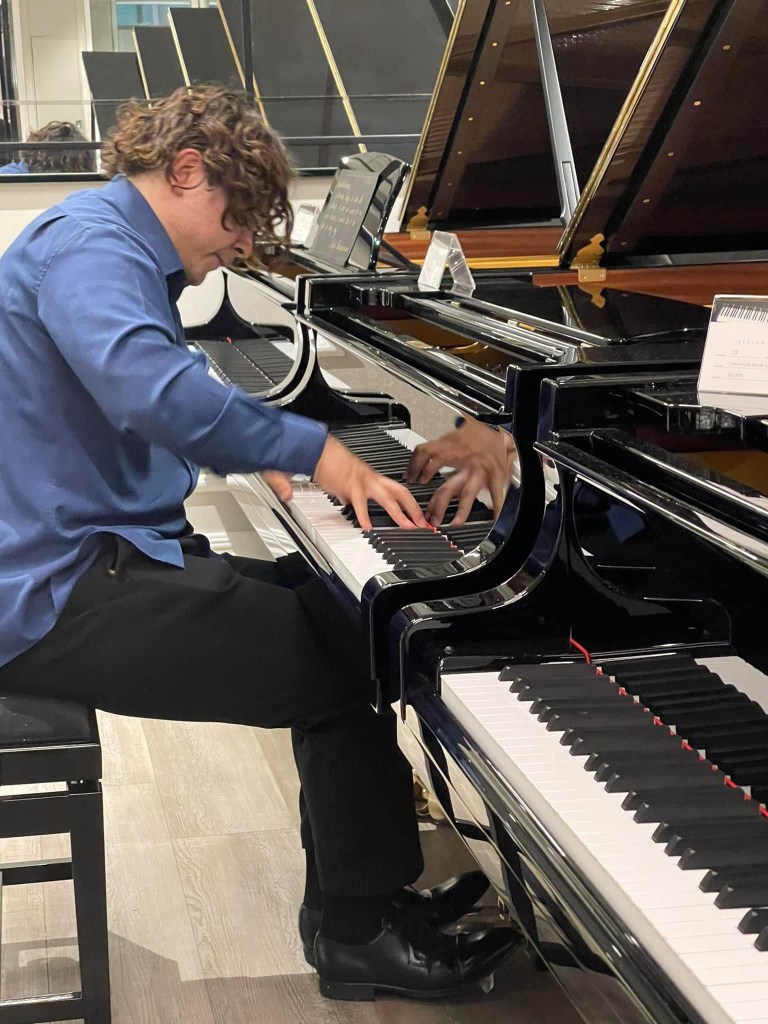
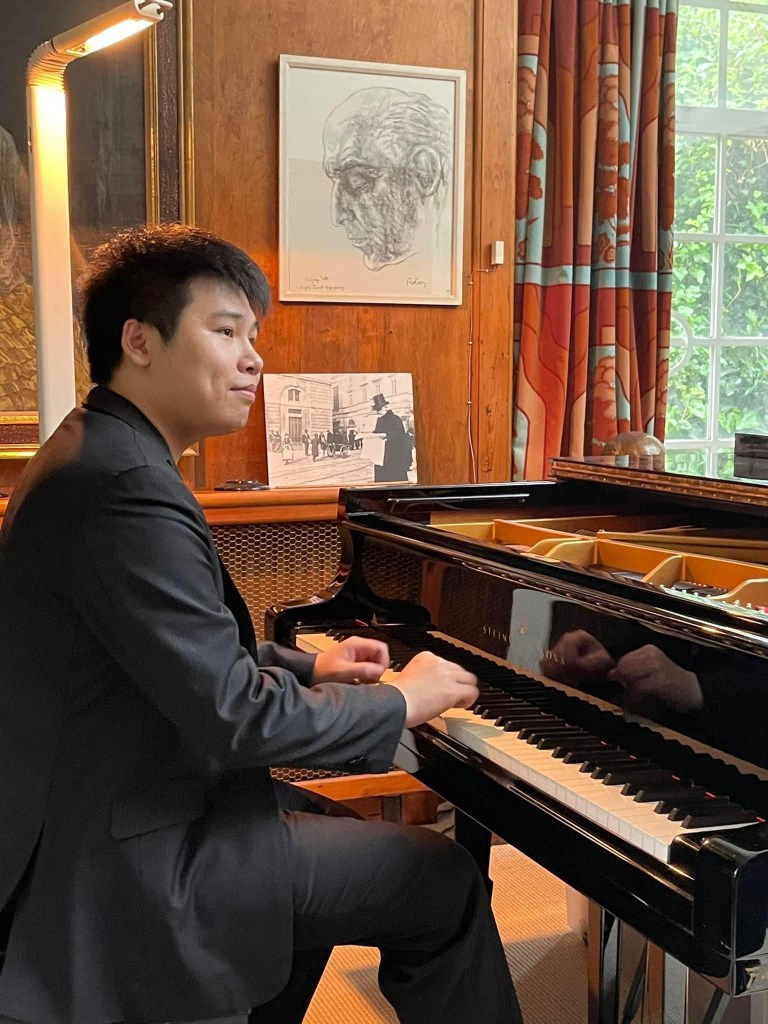
Daniel Hyunwoo


and an improvised happy birthday from Daniel Hyunwoo in party mood after his exquisite Debussy Preludes . https://christopheraxworthymusiccommentary.wordpress.com/2022/04/18/daniel-hyunwoo-at-st-marys-a-wondrous-voyage-of-discovery-with-mastery-and-authority/

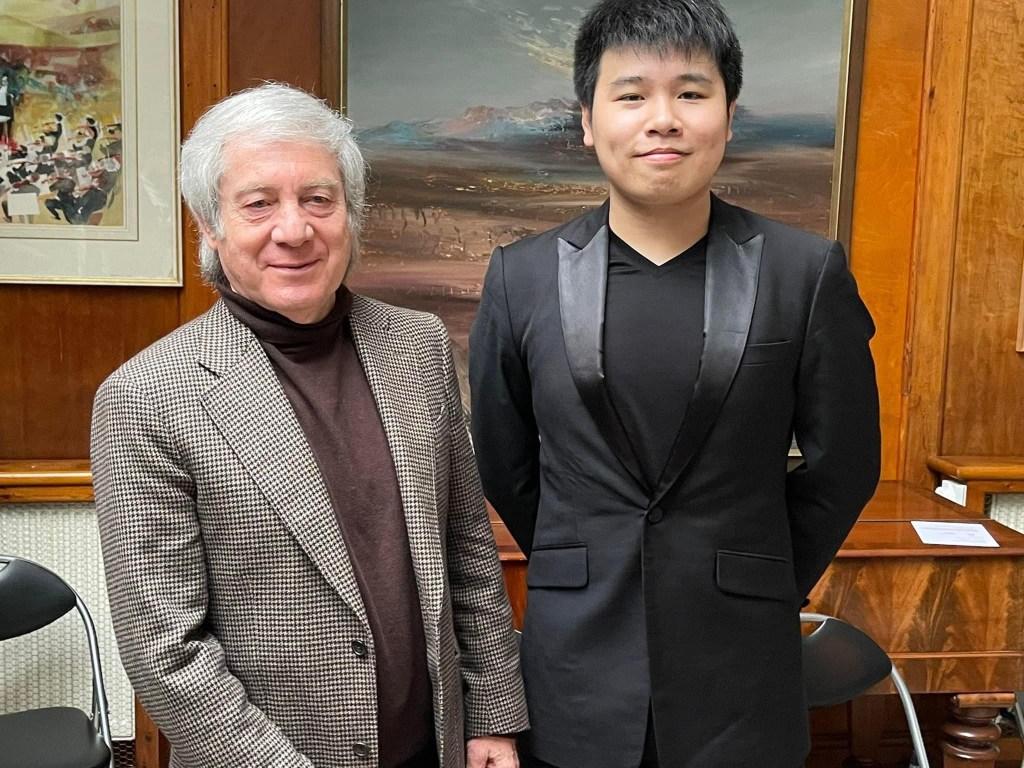
Piers Lane with Dmitri Alexeev


Nice to see two jury members Dmitri Alexeev and Piers Lane fresh from Ferrol International Piano Competition where another of your prodigies Pedro Lopez Salas ravished and seduced with the great artistry that you have nurtured in him. https://christopheraxworthymusiccommentary.wordpress.com/2022/03/18/pedro-lopez-salas-at-st-jamess-seduced-by-the-weight-and-style-of-a-great-artist/

Our hosts at Steinways Craig Terry Managing director and Maura Romano


Steinways our wonderfully generous hosts are being more than repaid for their passion and true love of music with a sold out on the door whilst they await the piano makers to replenish their wonderful new showroom.

Rainer Hersch and wife with Norma


Last but not least the extraordinary Rainer Hersch who when I told you of his wonderful Victor Borge show in a little theatre in the West End you immediately exclaimed :’But he is one of mine’!

Peter and Annie Frankl with Norma Fisher

Mother to all the great artists that you have nurtured and promoted over your many years of enforced retirement from the concert stage.It is born of the same passion deep in us from our own childhood lessons from Sidney Harrison.
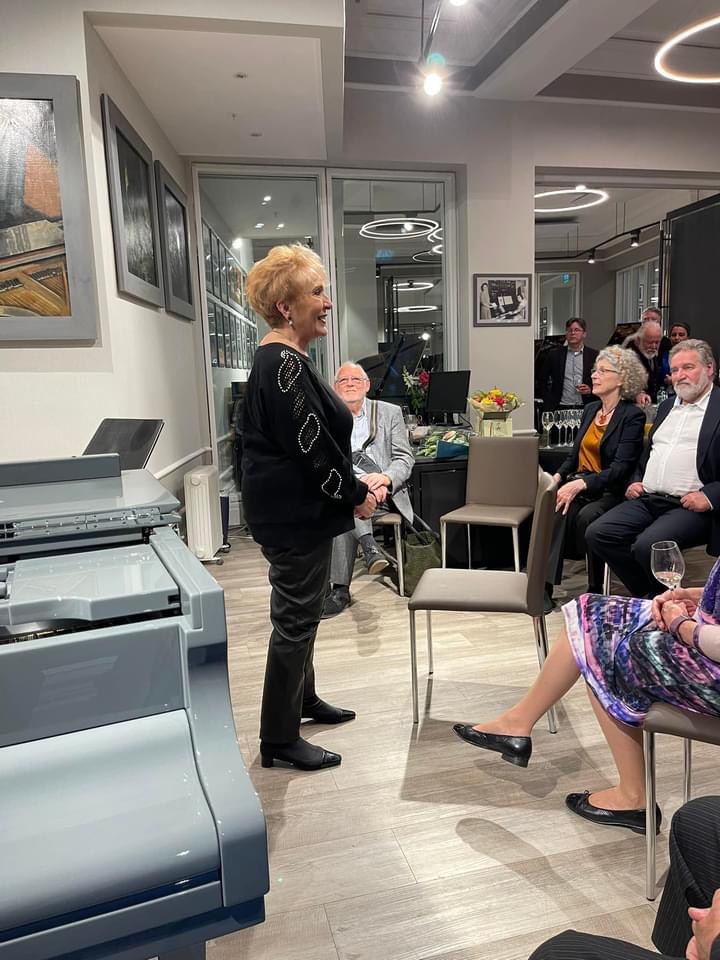
Nelly Miricioiu


Of course the Happy Birthday chorus was led by the incredibly simpatico Sir John Tomlinson and the wonderful Nelly Miricioiu who tells me her final concert in a long and illustrious career will be at the Wigmore Hall on the 28th June for her 70th Birthday celebration.
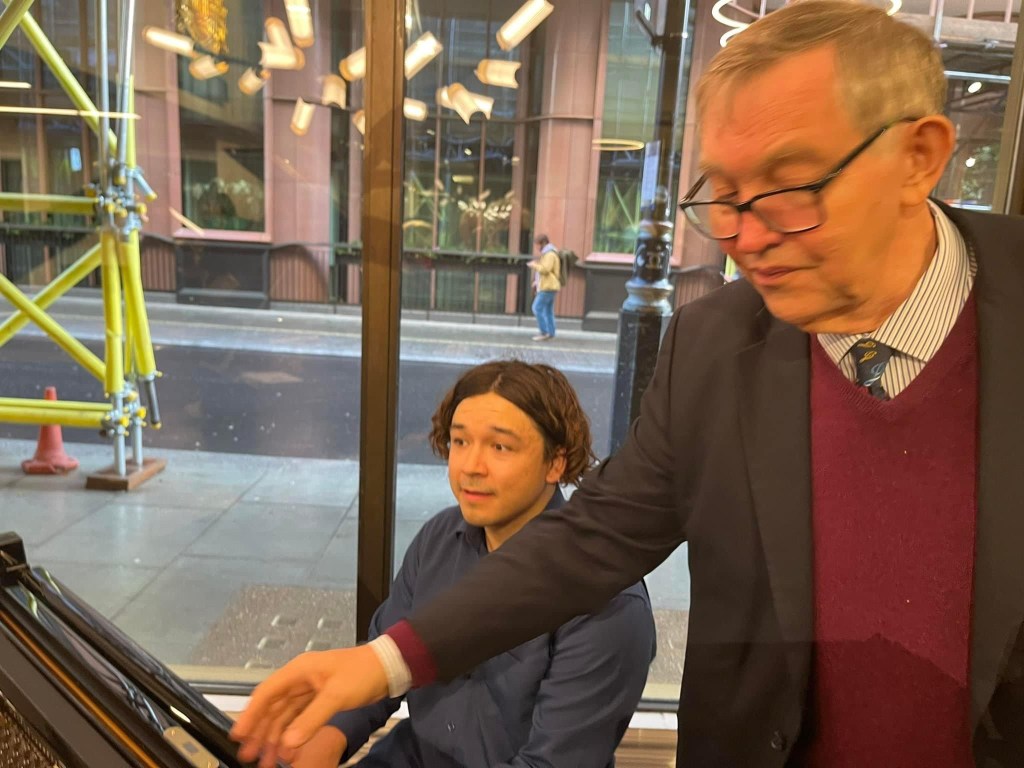
Dr Hugh Mather


Nice to see the guardian of great talent Dr Hugh Mather celebrating his first award from the critic’s circle for the same passion and dedication turned into practical help in the Mecca that he has created at St Mary’s ………he certainly gets our vote for the House of Lords!

Norma Fisher thanking her guests


Selfless dedication and passion combined with warmth,integrity and honesty.All words that have almost disappeared from our daily lives you make them relive for us all.

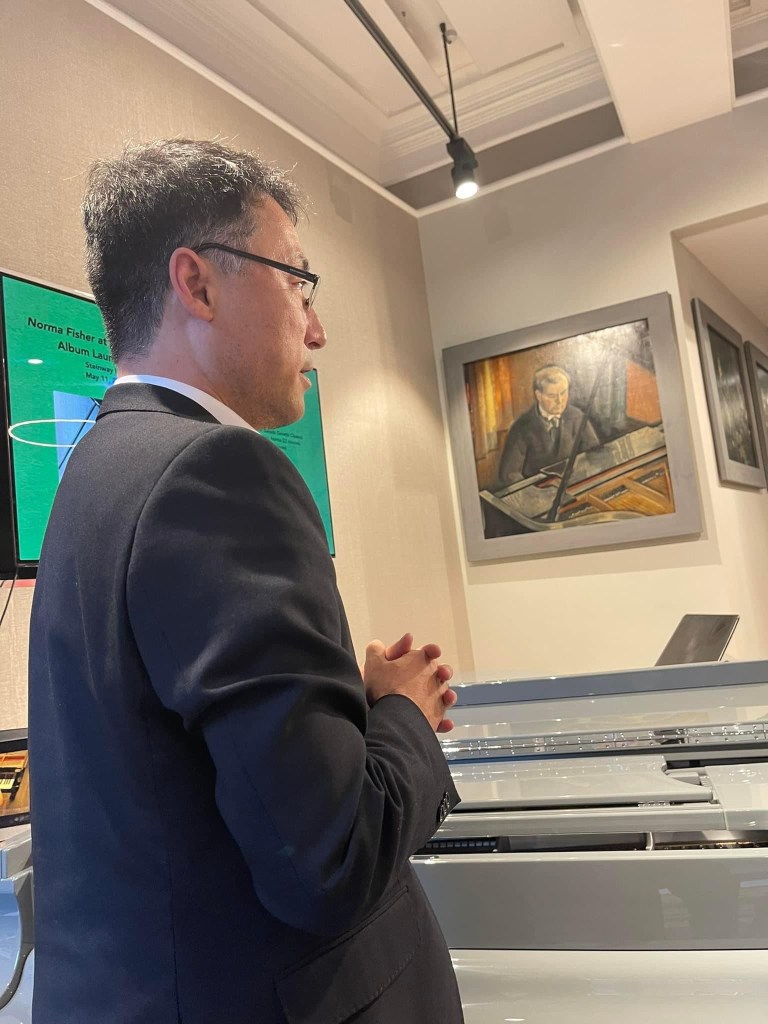
Distinguished guests watching the specially prepared video of Norma Fisher’s life and career

https://christopheraxworthymusiccommentary.wordpress.com/2020/05/18/norma-fisher-a-celebration-in-music/

Tomoyuki Sawado ,PhD – CEO /Producer Sonettò Classics Ltd

Norma Fisher on her early success as a concert pianist, and how a rare neurological condition changed everything

Michelle Assay
Tuesday, June 7, 2022

Piano prodigy turned influential teacher Norma Fisher’s performing prowess is once more being recognised thanks to the series of historic BBC recordings

Norma Fisher (photography: Richard Kalina)

‘Is this really the same Norma Fisher as the famous teacher?’ asked David Fanning (my husband) when I told him that I was about to review a disc of her historic recordings.

For many years she has been known as the great mentor behind a generation of up-and-coming pianists. Now it turns out there was a great pianist behind the mentor.

Before Tomoyuki Sawado, the CEO of Sonetto Classics, approached her, Fisher herself had apparently all but forgotten about that ‘other life’.

One of her students, Chiyan Wong, brought him to a student concert at Fisher’s residence. ‘I adore your playing. I would love to record you,’ Sawado told her.

Astonished, Fisher replied: ‘Oh my God, I don’t play any more. I only teach.’

He insisted that he was ready to be as patient as needed and if necessary to record only one movement a year.

A sleepless night followed for Fisher; and when she consulted family members, her son suggested that her historic BBC recordings be resurrected.

Thus began the ‘Norma Fisher at the BBC’ series, whose first two volumes appeared to unanimous acclaim; the third has just been released.

Norma Fisher at the BBC, Vol 3


Fisher’s 80th birthday having been eclipsed by lockdown, it’s high time to celebrate her and her years of music- and musician-making.

I ask her whether there is any difference in her mind between Fisher the performer and Fisher the teacher.

‘I am one and the same,’ she says. ‘When I am teaching, it is as if I am working with myself. Every suggestion is exactly what I’d do myself.’

She holds up her hands and adds, ‘Of course, I am five foot eight and have huge hands. In that respect I always have to consider that my students may not have that facility, so I have to become the teacher and rethink the whole thing as they would; I have to become them.’

As a pianist with small hands and regularly belittled for that by my teachers in Kyiv, I point out how fortunate her pupils are.

She thinks back to her own teacher, the formidable Ilona Kabos: ‘She was like a sparrow. When I first started studying with her, she would sit at the piano and look up at me towering above her, and say: “Darling, you’re five times my size, but I make five times your sound.”’

‘I always give everything away; I want to share everything. My whole life is about sharing’


Kabos features regularly in our conversation, as does Fisher’s musical ‘mother’, the Greek pianist Gina Bachauer. ‘Both Ilona and Gina were incredibly generous.’

This is a quality she herself emanates: ‘I always give everything away; I want to share everything. My whole life is about sharing.’

Norma Fisher was born in London in 1940 to a Polish-Russian family who had escaped to the UK from the pogroms.

Her love of music came from her mother, and it was she who supported her musical education.

‘My father was musically illiterate. And I actually think he grew to resent the fact that once I started playing and she realised there was a talent, my mother gave her soul to me; he was sidelined, and I think he suffered a lot.’

Even as a child, Fisher would enjoy others’ success and talent, somewhat to her mother’s chagrin.

‘My gift for piano meant the world to her and nobody compared to me … It was strange to me, because I loved complimenting people and it excited me to see others doing well. But my mother would shut me up, telling me, “Don’t you dare tell me about anyone else who plays the piano!”’

Having exhausted the local teachers, the 11-year-old Fisher went to Sidney Harrison at the Guildhall School of Music and Drama.

When Harrison compared her to Bachauer, Fisher encouraged her mother to take her to hear the pianist in London and to meet her afterwards.
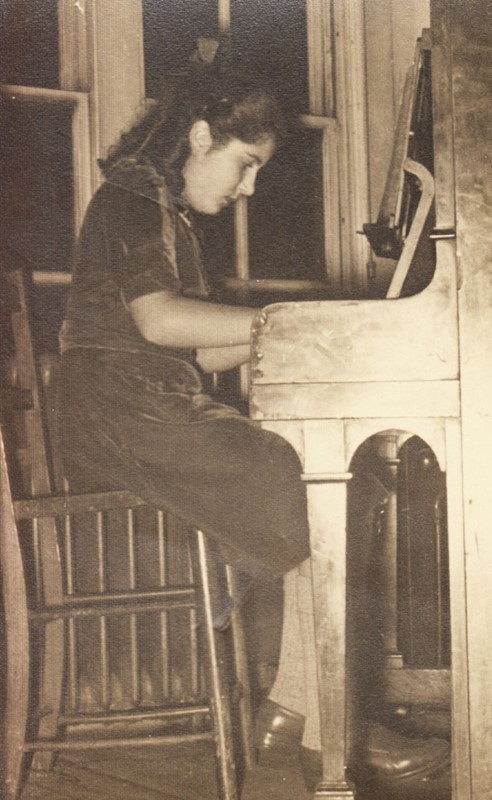
Norma Fisher, her love of music came from her mother


This was an encounter that would shape the rest of Fisher’s musical formative years, most importantly because it led to the arrangement for her to study with the equally legendary Kabos.

‘I had incredible facility but didn’t have an understanding of sound until I met Ilona.’ But it came at a cost. When she first went to Kabos, the Hungarian asked if she was ‘psychologically fit’ to study with her.

‘I was 14 and didn’t have a clue what she was referring to. I simply answered that I wasn’t afraid of working.’

Soon she discovered what she had let herself in for: ‘When I first went for lessons, there was silence outside. I pushed the door open and there was this huge guy sitting at the piano, weeping.’

All subsequent lessons would start with young Fisher walking in on a tearful previous pupil. Then came her turn.

‘I remember exactly where and when she first made me cry.’ It was at a lesson the night before the final round of a piano competition at Wigmore Hall, for which Fisher was playing Brahms’s F minor Sonata.

‘It came to the Scherzo, which I was not happy about anyway. When I finished playing it, I hung my head … She got up out of her chair, put her head near mine and almost spat in my face, “That was horrible, my darling.”’

‘Kabos gave me so much. She taught me how to think about music. I had a sort of animal instinct. I just knew what to do. But that “ knowing what to do” needed training’


Fisher remembers crying bitterly on the way home. The next day she won the competition.

Today she forgives Kabos, ‘because on the other hand she gave me so much. She taught me how to think about music and even to become aware that music was involved. I had a sort of animal instinct. I just knew what to do. But that “knowing what to do” needed training … It was about how to understand what the piano was doing for you and how you could converse with it. And that knocked me sideways for a good couple of years. I went into a terrible depression because I didn’t know how to put one note after the next. And then once I understood what she was getting at, we were able to work on style and to understand what was on the written page. Then it became an absolute joy. Her demands were terrifying. But it was also a constant joy of endless discovery.’

Along the way, Kabos facilitated the next significant encounter: ‘Annie Fischer was doing her debut in London with the Brahms B flat Concerto.’

Fisher was still a teenager but knew the piece well. ‘Ilona told me: “Annie needs your help, darling! You go and play second piano and if anything doesn’t feel right, you tell her.” Can you imagine that? And that is how I met Annie and totally fell in love with her.’

The journey with Kabos lasted 14 years. Kabos left for the States around the same time that Fisher was about to marry Barry Saipe.

‘Ilona would say: “Don’t worry, my darling. You try it [marriage] for six months.”’ Norma and Barry are still happily married.

‘He was a clarinettist and very talented. He would have continued if circumstances had been otherwise. But he had to look after his mother and two sisters … He has a musical understanding bar none. I always said I would never marry a musician, but in his case his critical ability is amazing. It’s been a good partnership, and a huge sacrifice on his part.

‘Those were heady days,’ recalls Fisher with a laugh. ‘Shura Cherkassky was a really good friend. He was such a character. Sérgio Varella-Cid had phenomenal talent but was completely crazy. He destroyed himself and his career, because he was unreliable.’

Norma Fisher has suffered pain, but in her early life she was ‘so lucky – everything fell into place’ (photo: Ronald Julian)


Fisher remembers seeing the young Portuguese pianist learning Chopin’s Fantasy during the interval of the recital for which the piece was programmed. (He would ultimately disappear without a trace in Brazil, widely assumed to have been shot by gangsters.)

‘There were so many friends. They were top young pianists in the world and we all studied with Ilona.’ Many of them (including Fisher, from 1961) also lived together, in a mansion in Finchley, north London, which was bought by Kabos’s close friend Charles Napper for those of her students who didn’t have an appropriate place to live and work.

‘Every room had a Steinway. We had a housemaid. And we played for each other.’

Napper appears in another of Fisher’s friendship stories. She met the Polish-born pianist and composer André Tchaikowsky after a concert at Wigmore Hall in 1962.

‘I ended the recital with Liszt’s “Mazeppa” and then played Schumann’s Toccata as an encore. After the concert, André came backstage to see me and he was literally shaking. He said to me: “I am still trembling; how could you play ‘Mazeppa’ and then immediately Schumann?” I will never forget that. And we became friends and remained friends until the day he died.’

During his final days the ailing composer sent Fisher a letter. By this stage (1982) she had reduced the number of her performances owing to family commitments.

‘It was the sweetest letter. In it he said how much he adored my playing and that we must find a way to get me back on to the stage.’

Following Tchaikowsky’s death, one of the first concerts Fisher gave included the first public performance of his Inventions (composed early 1960s), a series of musical portraits of his friends.

‘It was as if he was there to tell me, “I told you I will get you back to the stage.”’ But there was more to that concert.

‘André had a very difficult character; he was separated from his mother as a child, and that left a mark on him. Throughout his life he had problems connecting to people.’

Napper was the dedicatee of one of the Inventions (No 5a), and following ‘a terrible fall-out’ with him, Tchaikowsky removed that piece from the collection and replaced it with another (No 5b), dedicated to the pianist Patrick Crommelynck.

‘But I was in the possession of that invention [5a] and fell in love with it; apart from that, I knew Charles Napper well.’ So Fisher included the Napper invention in her premiere.

‘That night, when I was playing it at the Queen Elizabeth Hall, I absolutely expected to be hit by a thunderbolt from André with fury for my going against his wishes.’ The complete set is included in the second volume of her BBC recordings.

It was around the age of 17 that Fisher auditioned for the BBC. She was accepted immediately and soon she was also performing on the Continent.

Although she no longer needed to compete, she nevertheless won joint second prize at the Busoni competition in 1961, and in 1963 she shared with Vladimir Ashkenazy the Harriet Cohen International Music Award piano prize.

Our talk turns to her other BBC repertoire. Having been moved to tears by her Scriabin, I ask her about her approach.

‘It was totally intuitive. I didn’t have to think. I could just look at a piece of music, put my hands on the piano and know what to do. In fact, Scriabin was asked of me. I had never played any Scriabin. It was his anniversary and they asked me if I could put a programme together.’

The repertoire closest to her heart, she admits, is that of the German Romantics – Brahms and Schumann in particular.

‘I put my hands on the piano for Brahms and Schumann, and it all comes naturally’


‘Do you know what our original name was? Führer! A year ago, a cousin discovered that the roots of the Fisher family go back to Germany and this awful name.’

However, Fisher believes that her genetic stock accounts for her special musical affinity: ‘I put my hands on the piano for Brahms and Schumann, and it all comes naturally.’

The BBC, however, promoted her as a Lisztian. The second volume of the BBC recordings includes some jaw-dropping Liszt performances.

I ask if she was ever put off by empty virtuosity. ‘Nothing is empty. Even when I think about Liszt.’

She continues: ‘I’m a little bit like that with people. You hear people saying bad things about somebody. I don’t think in my life I’ve been capable of doing that, because I can always see the good in everybody. It’s the same in music; even if it’s something that appears to be trite or unworthy, I always manage to find something that makes me appreciate it.’

I ask her what Fisher the teacher would think of Fisher the performer, specifically in the third volume of her BBC recordings, which includes music by both her favourite composers: Schumann’s Papillons and Brahms’s Op 116 Fantasies.

‘I have to say, I loved the Schumann. It actually makes me cry when I listen to it. The only thing is that I could have waited a little bit longer between some of them; some need a little more pause for thought.’

The juxtaposition of Papillons with Brahms only further highlights the fragility and delicacy of these miniatures: ‘The Brahms is so extreme,’ she says. ‘I played it a lot and I adored doing so.’

She pauses, and adds: ‘I love the recording, but parts of the capriccios for me are a little too headstrong. I would have said somehow that too much body is involved – because you can be as emotional and headstrong while also being physically focused.’

And then there is the Chopin selection, which I find unusually moving, dramatic and poignant, as if coming from a place of pain and struggle.

Fisher admits that Chopin was never a natural language for her. But the pieces on the disc also happen to be part of her last BBC recital, in 1992, when her focal dystonia had already manifested itself and was giving her pain.

‘When I listen to this recording I know exactly at which moments my hand was not feeling right and I was concerned. I can hear it.’

The gradual onset of the condition had a disturbing psychological and emotional impact.

‘I thought I was going mad. It’s like someone tells you to get up and walk, and your legs won’t move … I was running from doctor to doctor. I discussed it with all my pianist friends, and nobody had a clue. It was years into it when I discovered what it was. But it had got worse.’

Then in a back copy (1988) of the American magazine Piano Quarterly she came across an article by the neurologist Frank Wilson entitled ‘Teaching Hands, Treating Hands’.

‘For the first time someone was describing my condition.’ She met up with the author, who had also worked with Leon Fleisher, another sufferer.

Later it became apparent that she was also suffering from laryngeal dystonia.

‘This taught me a lot about dystonia. I can be talking in full flow, but suddenly the vocal cords go into spasm, and you can never know when that will happen. With the hands it was the same. It would take a stronger person than I am to go on stage because you’d never know when it was going to set in.’

It was this unpredictability that eventually convinced her to step away from the stage and from public performance.
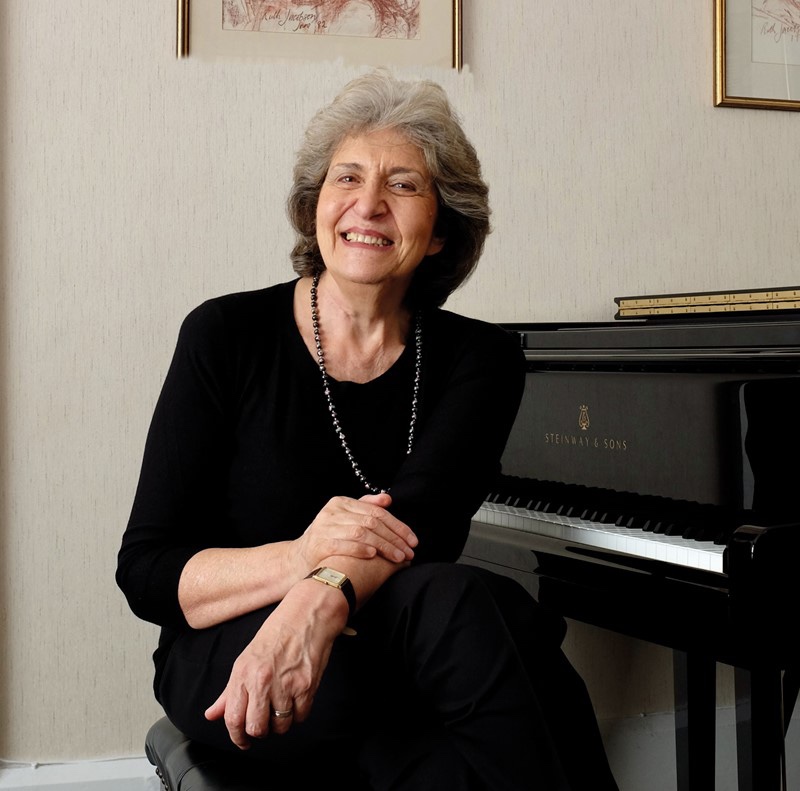
Norma Fisher, ‘agony aunt for pianists’: it is now possible to hear her performing on record (photo: Tomoyuki Sawado) 


She began this process during the 1990s, performing for the last time at the Barbican, London, in June 1999.

‘The final appearance with Brahms Two (of all works!) was because the conductor, David Josefowitz, was a good friend and begged me to play this concerto with him. I simply have memories of fear – not knowing if my hand would “behave” – utterly terrifying!’

Having already enjoyed teaching, she found it natural to transfer to it.

‘If young pianists came to my agent with problems, they would be sent my way. I was a sort of agony aunt for pianists.’

One of her former students, Murray McLachlan, asked her to offer occasional masterclasses at Chetham’s School of Music, Manchester.

The Royal Northern College of Music would soon approach her too (and she currently teaches at the Royal College of Music, London).

By this time she had been regularly visiting Kyiv to offer masterclasses, especially at the Horowitz summer school, ‘So when the opportunity opened at the RNCM, a steady stream of students started to arrive there from Kyiv and Moscow.’

Does she have a teaching method?

‘Well, everybody is different and this is what I love about the job.’

‘I pick up vibes scarily fast. I had healer friends who always accused me of being in the wrong profession. But I feel my teaching is also a case of healing’


Referring back to Kabos, she says: ‘I work similarly to her, but over the years I am adding things that have been helpful for me. On the question of style, I think of her all the time.’

And then there is Fisher’s spirituality, a feature that has brought us close ever since I first contacted her.

‘I pick up vibes scarily fast. I had healer friends who always accused me of being in the wrong profession. But I feel my teaching is also a case of healing.’

And then as if she has picked up on my own vibes, she adds: ‘For the first quarter of my life I was so lucky, I was spoon-fed. Everything fell into place … Every door was open, and I just sailed through. And then when that first door closed it was a shock of the first order. It took a long time [to heal] because I had been so spoilt.’

I admire her positive outlook but ask if she has ever cast herself as victim.

‘It hurt terribly at times, but I never said it’s unfair, because I believe that in life everything happens for a reason and I think we are here to learn from that happening. I went to hell and back with this problem, but I wouldn’t have had it otherwise. It taught me so much; I learnt so much from it. And I feel that actually I can do more with it by helping others than if I was just playing the piano and satisfying myself.’


Vol 3 of Fisher’s BBC recordings is available directly from Sonetto Classics

This interview originally appeared in the May 2022 issue of Gramophone magazine. Never miss an issue – subscribe today
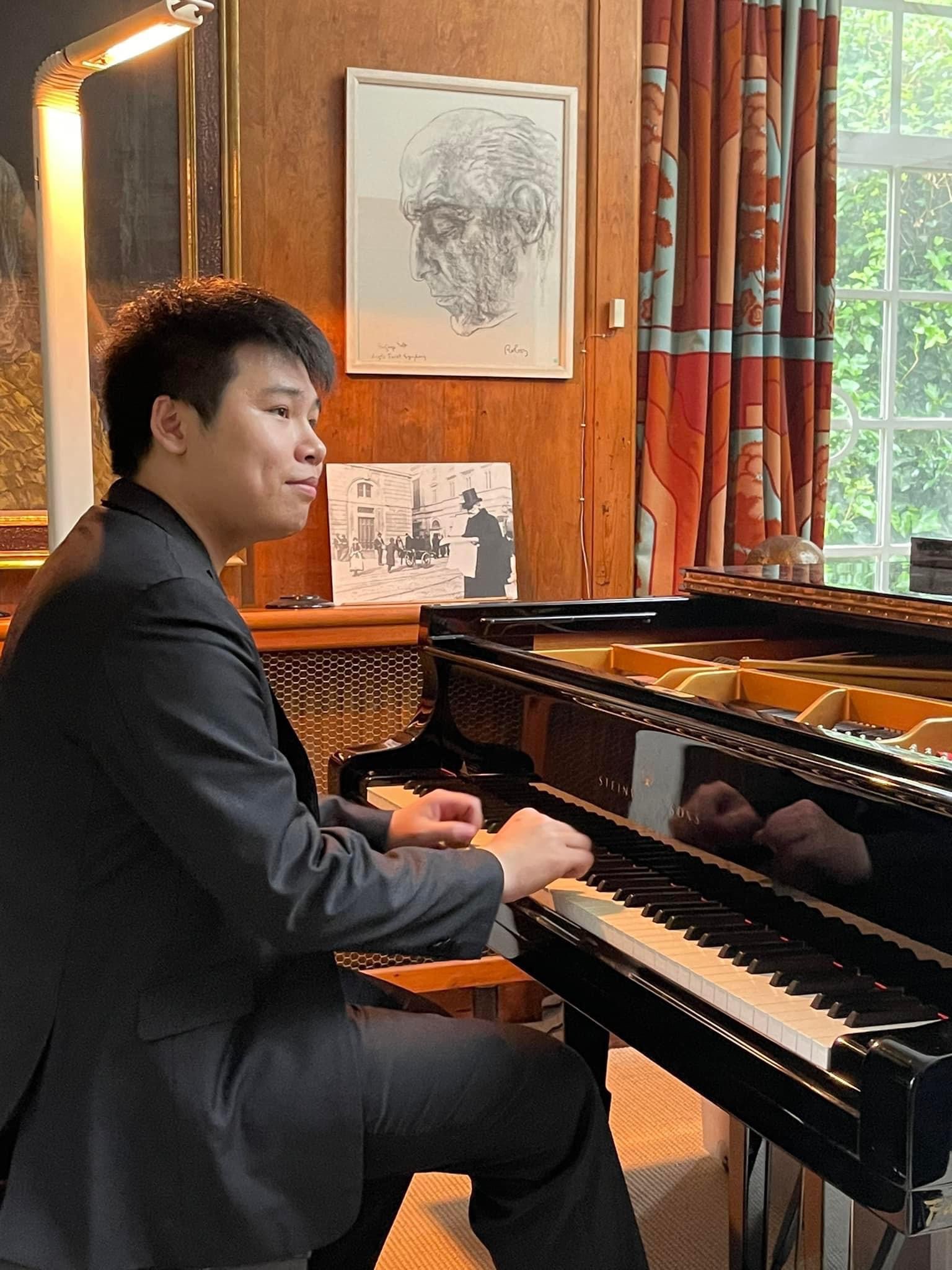
JunLin Wu at the Solti Studio- Savagery and refined elegance of a warrior

https://christopheraxworthymusiccommentary.wordpress.com/2019/03/27/jun-lin-wu-a-star-is-born/

It was nice to hear JunLin again in the same programme I had heard on Elton John’s Red Piano in the Elgar Room of the Royal Albert Hall.Here is a more detailed report on almost the same programme as today:

https://christopheraxworthymusiccommentary.wordpress.com/2022/04/02/jun-lin-wu-upstages-elton-john-in-the-shadow-of-elgar/

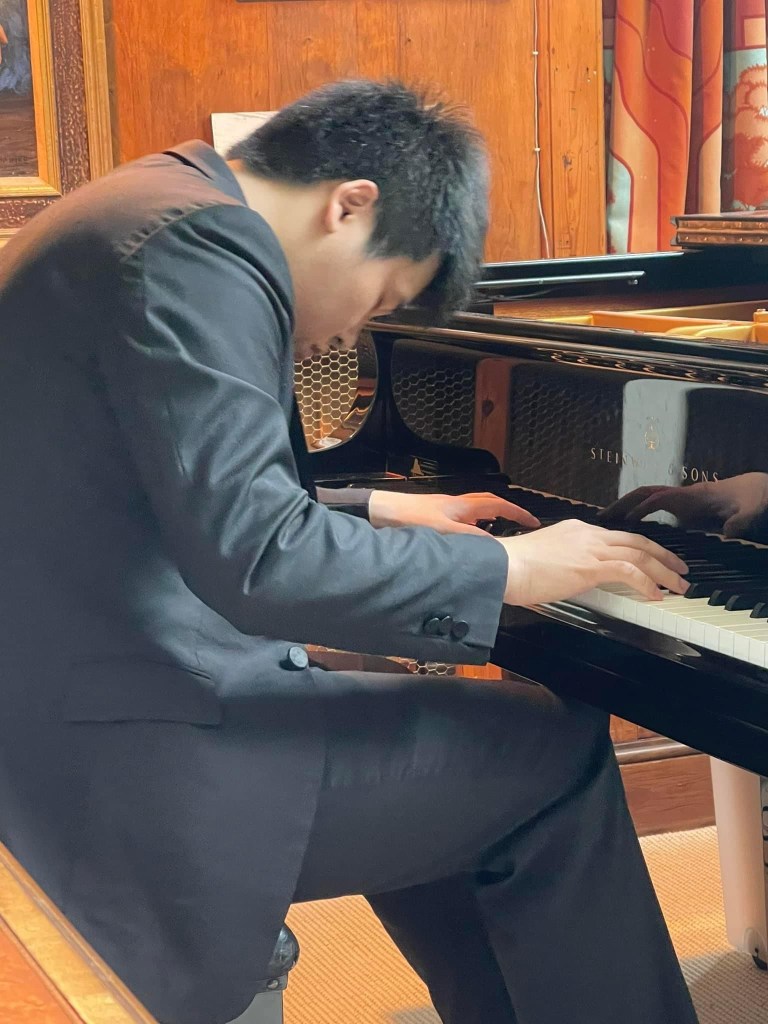
Here on the sumptuous Fabbrini Steinway in Sir George Solti’s private studio I could appreciate even more the extraordinary colours and excitement that Agosti’s 1928 transcription could communicate from the hands of this young virtuoso who seems to know no difficulties.An extraordinary sense of balance allowed him to ravish and astonish just as much as the original full orchestral score.

The sheer animal excitement from the very first notes played without a break after the Scriabin Reverie were like an animal about to pounce.It was,though,the sumptuous beauty of the magical appearance of the Firebird that took our breath away as it gradually built up to its tumultuous conclusion.It brought back great memories of the weekends spent with Agosti playing Beethoven late quartets and Brahms Symphonies together four hands whilst our wives spent the day enjoying the beach!

Guido Agosti on his left his wife Lydia Stix Agosti and on the right my wife Ileana Ghione

Agosti was a very reserved person until you sat him at the piano and as all those that frequented his studio in Siena can testify there were sounds heard in that room in the Chigiana that would never be forgotten.Sounds that he miraculously found in this remarkable transcription.

Dmitri Alexeev with JunLin
https://christopheraxworthymusiccommentary.wordpress.com/2021/11/13/dmitri-alexeev-mastery-and-communication-beyond-all-boundaries/

Listening again to JunLin I could marvel at his intelligence and refined artistry in Chopin that never reached the heights though that he found in the Stravinsky.In the Firebird he was a savage hunter where his whole appearance and approach to the keyboard was of a fearless warrior.In Chopin it was as though he was in awe of this refined aristocratic poetry .In Stravinsky he played horizontally as though spreading the sounds over the keyboard whereas with Chopin he played vertically looking on from above rather that creating from within.

It was remarkable playing nevertheless but I could not understand why the sound world of Stravinsky and Chopin should have appeared so different on the same piano.A much requested encore was rewarded with a delicious rendering of Cordoba by Albeniz with sumptuous subtle sounds of beguiling freedom.

Dmitri Alexeev admiring Solti’s score of the St John Passion

A remarkable series of recitals for young musicians in memory of Lady Solti and organised by the indefatigable Lisa Peacock.This was last week’s recital :https://christopheraxworthymusiccommentary.wordpress.com/2022/05/04/lorenzo-adamo-rhythmic-tension-and-luminosity-at-the-solti-studio/

JunLin with Mrs Alexeev – Tatyana Sarkissova
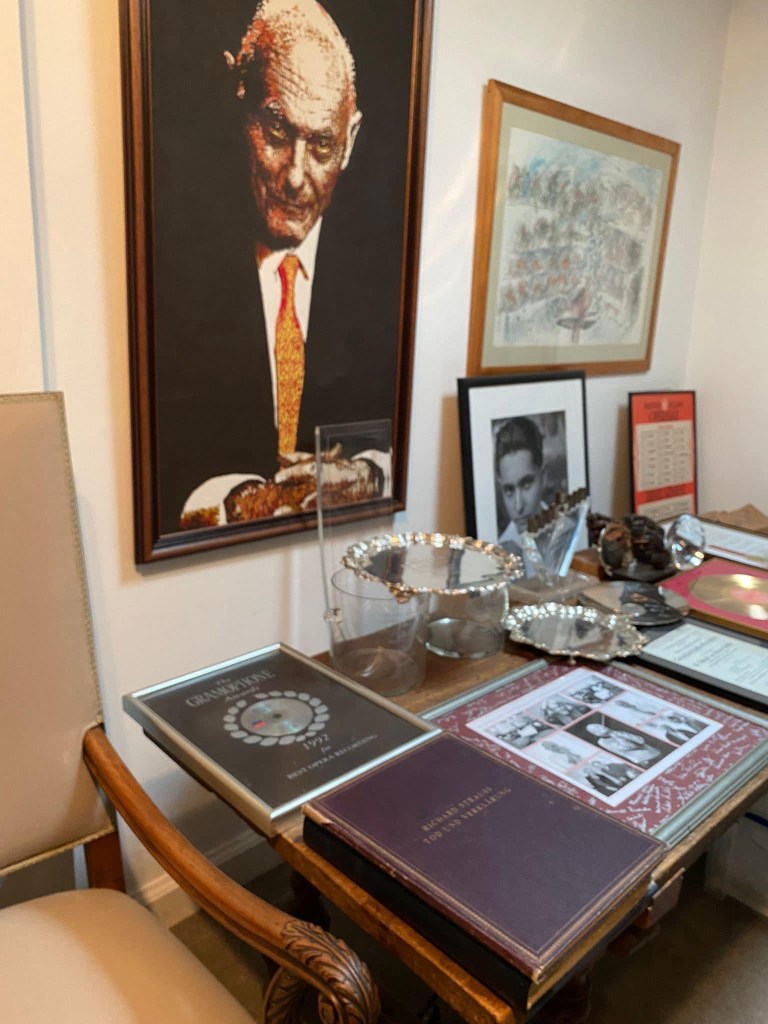
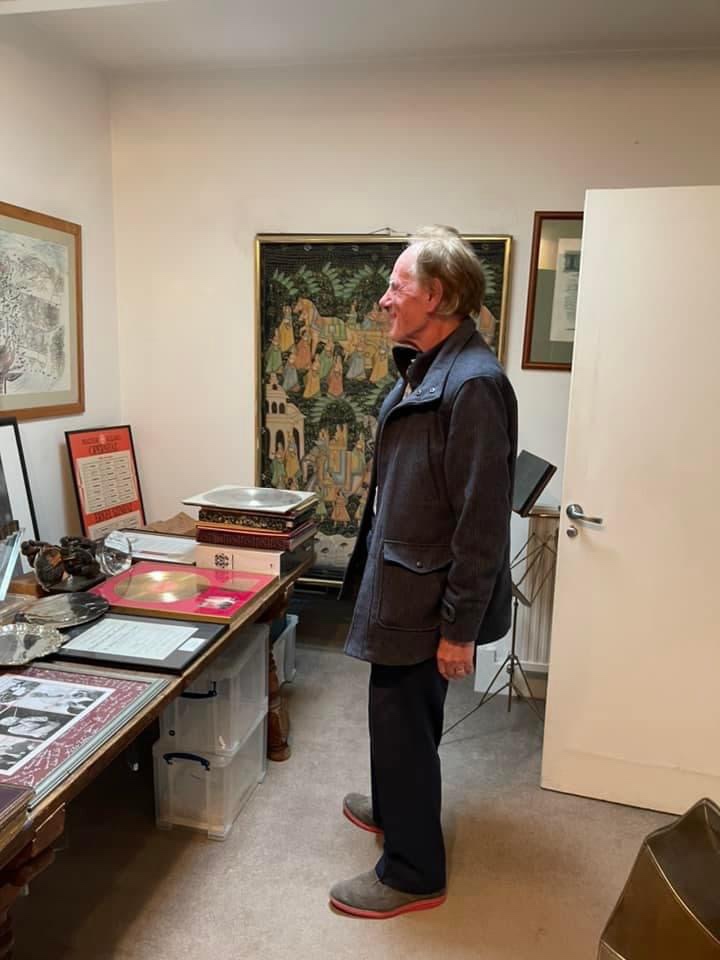
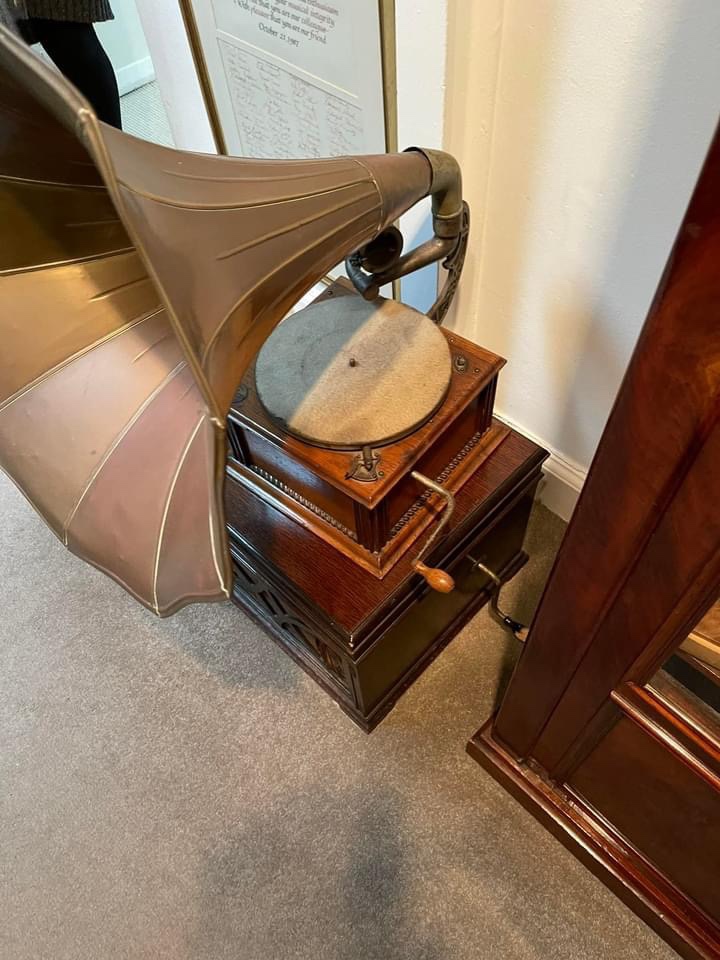
The remarkable Studio of Sir George Solti
Cristian Sandrin in discussion with Dmitri Alexeev with Petar Dimov and Damir Durmanovic in the background – some of the many pianist present to admire the artistry of JunLin
JunLin rushing back to the Wigmore Hall where he was in the middle of a chamber music competition – this recital was his lunch break!
The St John Passion open as Sir George Solti had left it in his studio.

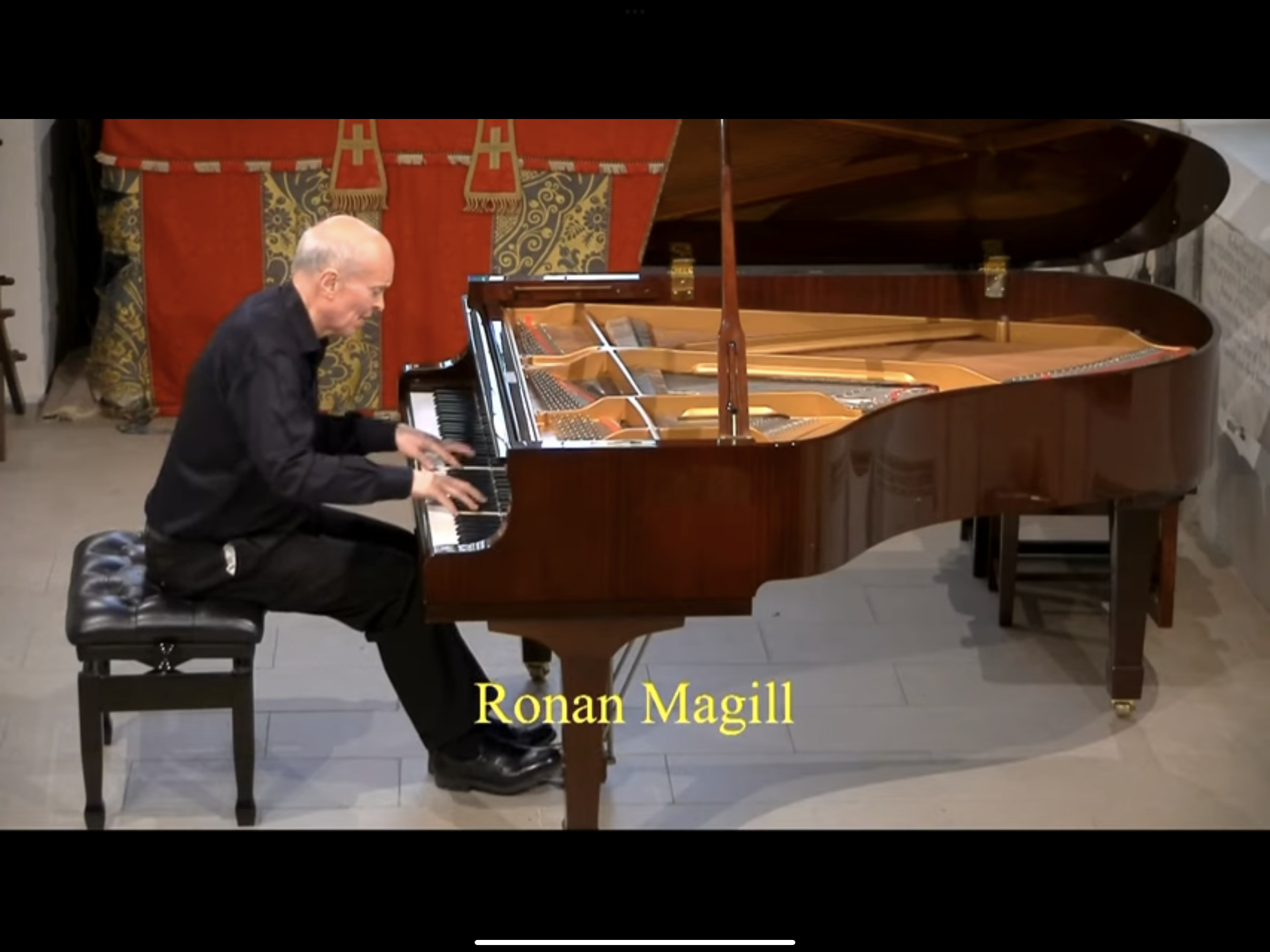
The enigmatic Ronan Magill astonishes again at St Mary’s who are in celebratory mood with the Critic’s circle accolade

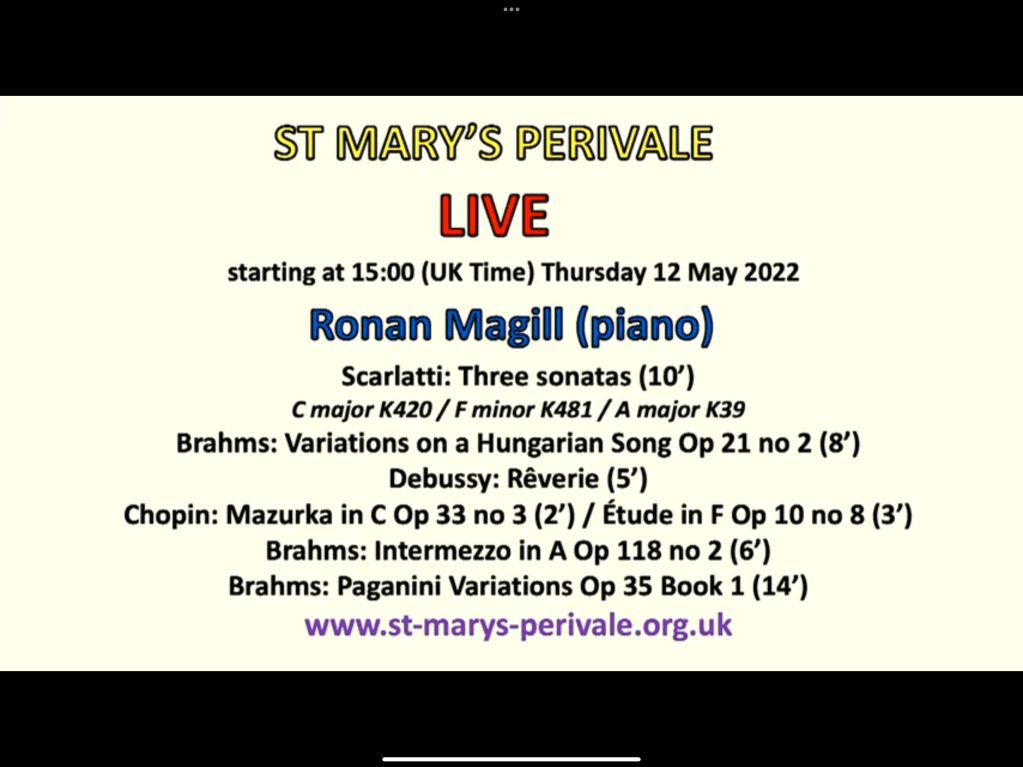
Thursday 12 May 3.00 pm

More magnificent playing from the elusive Ronan Magill with playing of such intelligence and luminosity from scintillating Scarlatti to rarely heard works by Brahms and Debussy.All played with a rare sense of aristocratic style and technical command that makes one wonder why we have not heard more of this master pianist before.
His debut recital at St Mary’s last year was a revelation and today only endorsed that great first impression .
 

https://christopheraxworthymusiccommentary.wordpress.com/2021/05/10/ronan-magill-mature-mastery-at-st-marys/

https://youtube.com/watch?v=b3sGimu5-_c&feature=share
K.420 received a performance of luminosity a precision – beautifully shaped played with high fingers that gave such clarity and a chiselled sound of purity and sparkling brilliance .There was simplicity and beauty in K 481 that was allowed to sing so eloquently and elegantly.The legato right hand with the deliciously delicate left hand staccato was a marvel of refined tone colour.The agility and frantic driving energy of K.39 was electrifying as it was allowed to boil over at 100° with astonishing mastery .
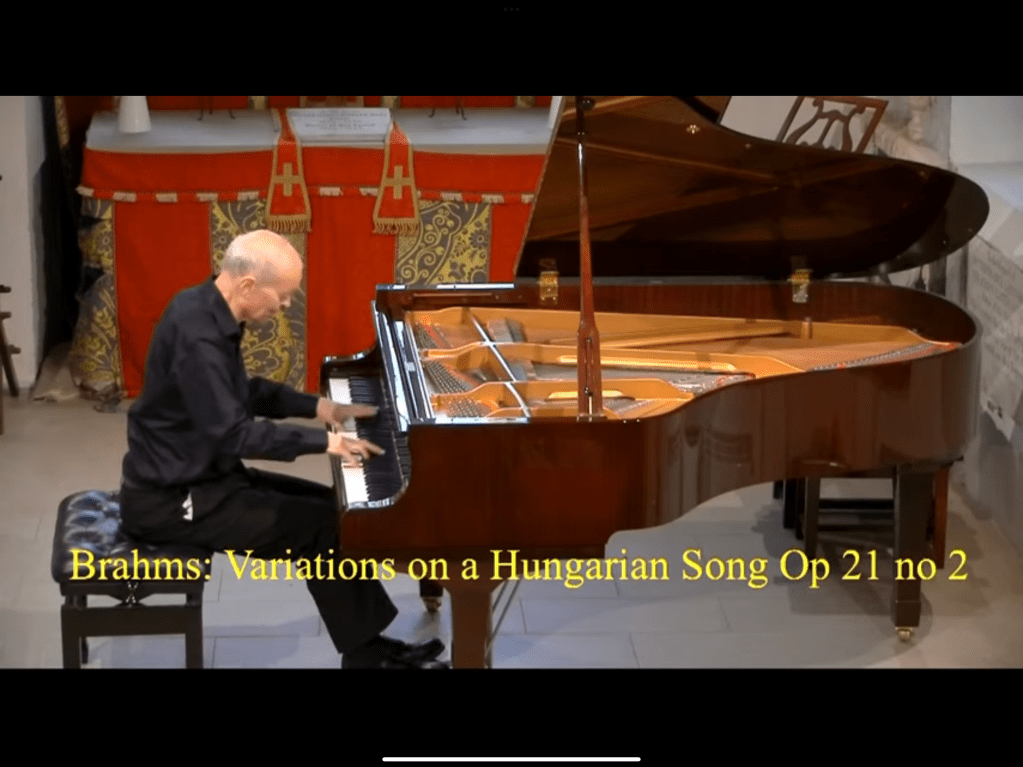
Fascinating to hear these rarely performed variations op 21 n.2 – partner to the better known op 21 n.1 ‘on an original theme’.Ronan explained that he had be drawn to them ever since he heard Richter perform them in Paris in the ‘80’s.Only recently adding them to his repertoire he gave a very persuasive performance of great technical brilliance but also of musicianly style and architectural shape ending in the triumphant last variation played with remarkable clarity and masterly control.

In the years following the composition of his three sonatas in 1851–4, Brahms concentrated his piano output on sets of variations and groups of shorter pieces—and the first representatives of those genres are already powerful indications of his mastery in these smaller forms.Apart from the brief sets of variations on folksongs which constitute the slow movements of his first two piano sonatas, the earliest (and simplest) of Brahms’s existing sets of piano variations is the Variations on a Hungarian Song, Op 21 No 2, composed in 1853 but only published eight years later. The work is based on a rugged eight-bar melody, rhythmically enlivened by its alternating bars of 3/4 and 4/4, which Brahms probably derived from his Hungarian violinist-friend Ede Reményi during their concert tour together in the spring of that year.

Ronan charmingly described the discovery of this very early work that already shows a the personality and unique sound world that Debussy was to demonstrate in his later works.In fact Debussy had sent it to a publisher and not hearing anything had forgotten all about it.Years later,when Debussy had become an accepted master he received an envelope in the post with the published version of his forgotten early Reverie.Another discovery that Ronan shared with us today with it’s gentle rocking left hand ‘barcarolle’ and the luminosity of the melodic line.There were sumptuous sounds ( reminiscent of the first Arabesque written only four years later when Debussy was still in his 20’s) with beautifully shading and a truly magical ending.

Written in 1888, Debussy’s Reverie was one of his first solo piano works to make an impact. Even at this early stage in his career, when he was still working out what kind of composer he wanted to be (he was apparently a fervent debater when it came to Wagnerism), it’s clear to see traits of that signature Debussy sound.However, the young Debussy had not quite developed the style and tricks that would earmark him as one of his generation’s most notable talents. There are no fireworks here, no sudden explosions in texture that would come to characterise his later works – this is more of a meditation, the perfect precursor to exploring those later works.The gently repetitive theme that opens the work feels like a descent into sleepy dream-world (as the title suggests), and as the textures become ever richer the dreams only become more lush and addictive.

Played with a luminous touch and perfect balance allied to a sense of style of melancholic nostalgia
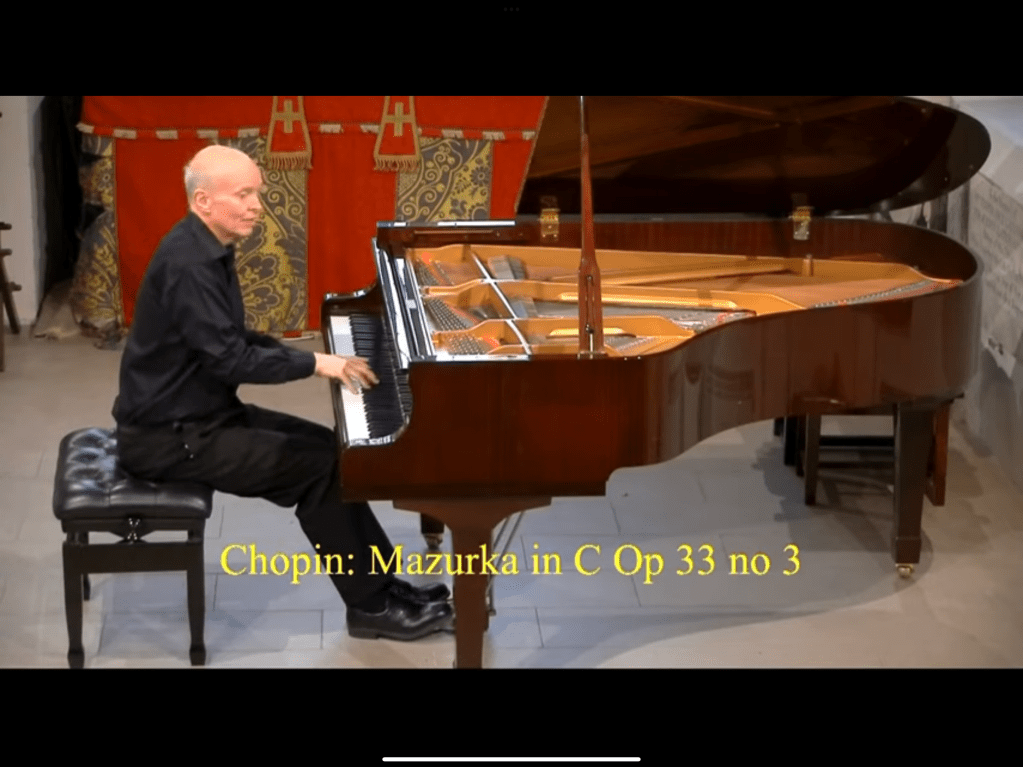
Chopin’s sparkling study with cascades of notes played with remarkable agility and clarity with such subtle shading to the left hand melodic line.A delicious coda was allowed to flow with such timeless phrasing.However the final few chords were a little disappointing not being teasing ( like Horowitz) or authoritative (like Arrau) and without that twinkle in his eye that had given such energy to his remarkable dexterity.
There was aristocratic elegance and beauty of tone where the melodic line was given time to breathe so naturally. A wonderful flowing elegance to the mellifluous central section, the delicate duet was played out between the emerging voices with beguiling subtlety.
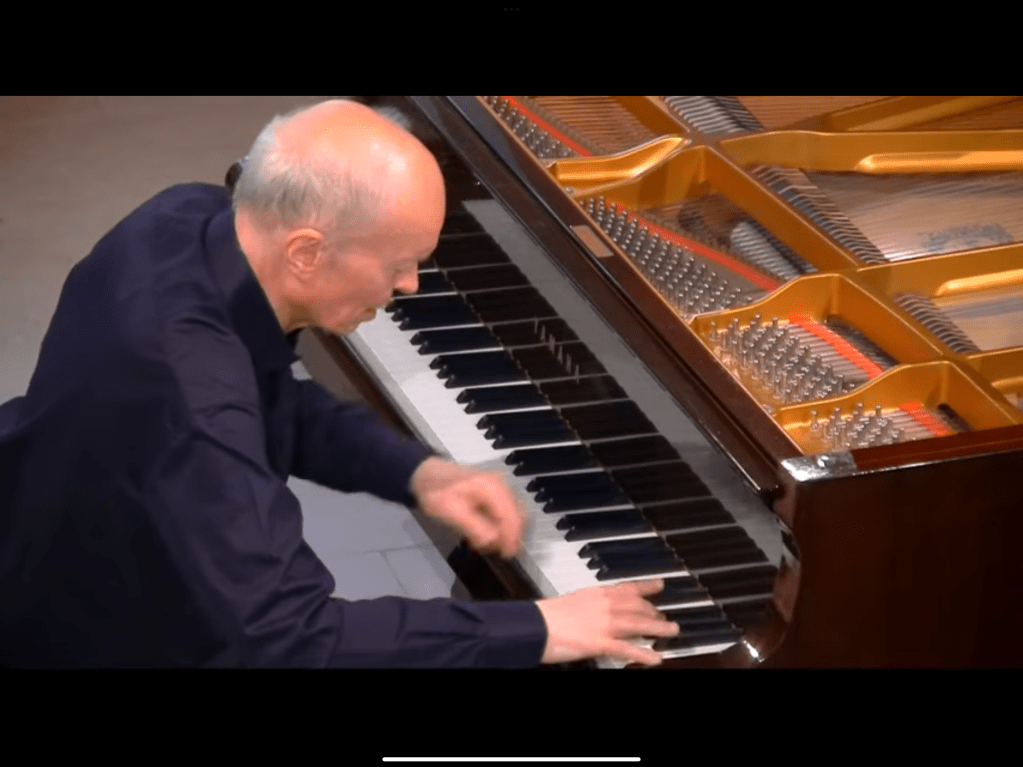
Ronan gave weight and authority to the opening theme before giving a remarkable sense of sweep and shape to the transcendental difficulties that litter Brahms’s score .The subtle cross phrasing between the hands was played with great mastery but it was the beauty he gave to the ‘ music box’ variations n. 11 and 12 that will remain in my memory for its luminosity and aristocratic simplicity.If the glissandi in the 13th did not seem to glide with the elegance and ease that Brahms demands and led to a rather uneasy final variation,it was still kept remarkably under control as it brought this voyage of discovery with the enigmatic Maestro Magill to a stimulating end.

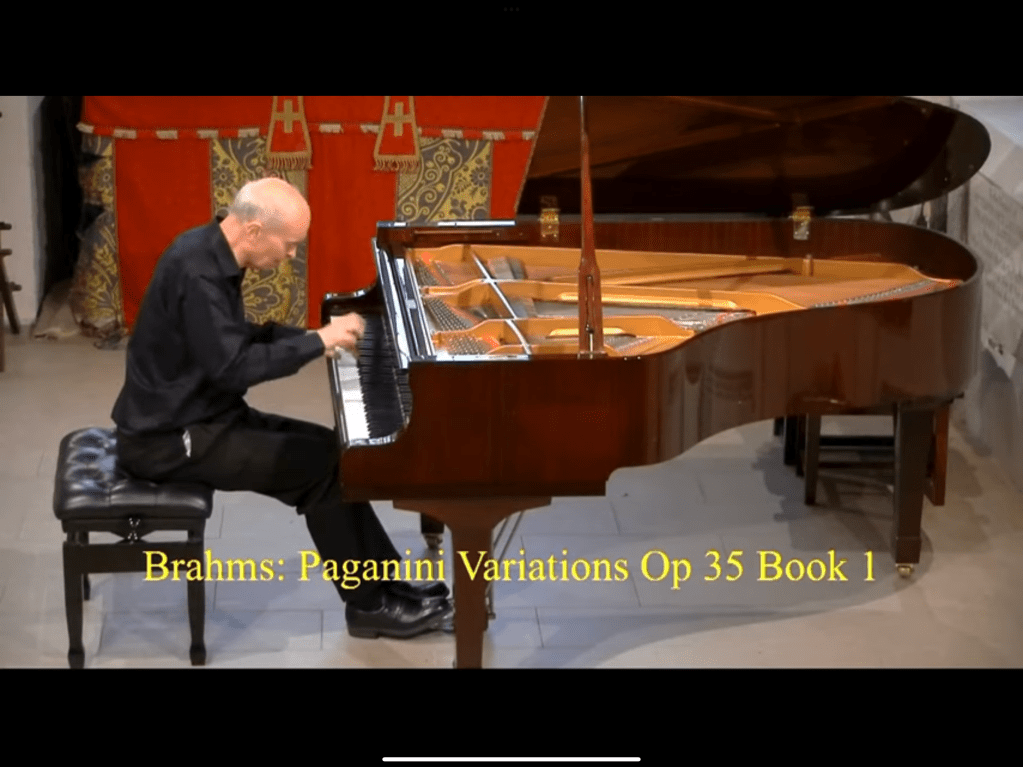
Variations on a Theme of Paganini, Op 35, is a work was composed in 1863 in two books and based on the Caprice n.24 in A minor by Paganini.Brahms intended the work to be more than simply a set of theme and variations ; each variation also has the characteristic of a study. He published it as Studies for Pianoforte: Variations on a Theme of Paganini and was dedicated to the piano virtuoso Carl Tausig It is well known for its harmonic depth and extreme physical difficulty. A particular emphasis of the technical challenges lie on hand independence, with the left hand often mirroring the right hand throughout the piece or having its own set of obstacles.Clara Schumann called it Hexenvariationen(Witch’s Variations) because of its difficulty.

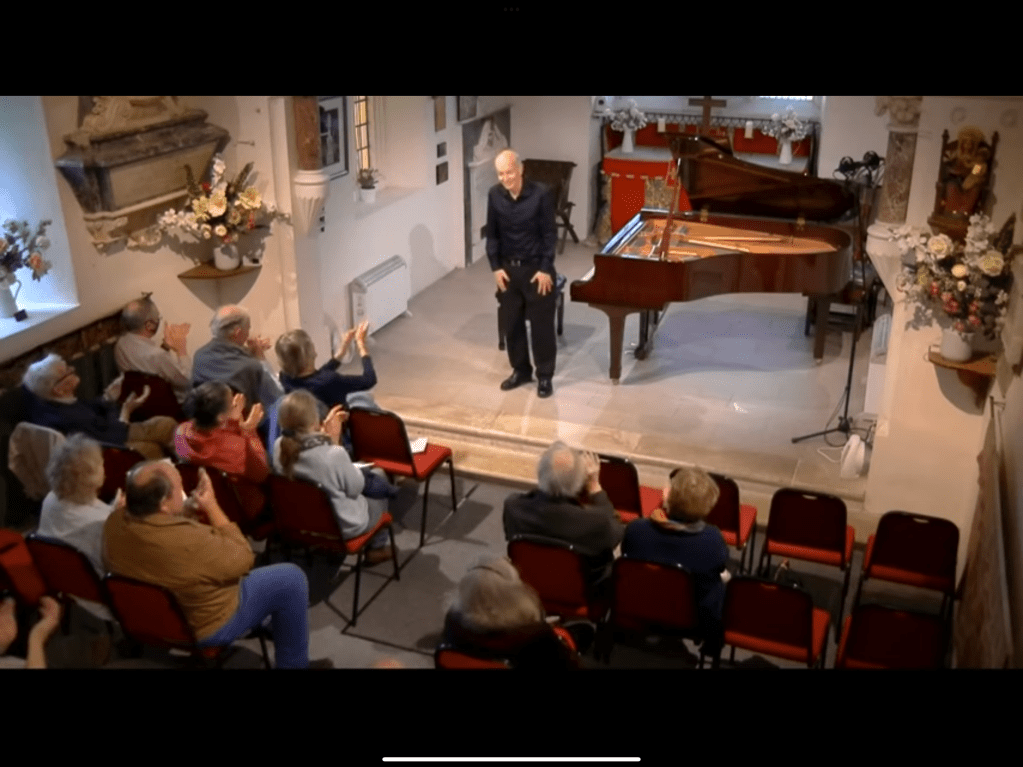
A last minute rethought about an encore allowed us to share in an intimate confession with his own ‘Lament for the sea dead’.How many people the sea has claimed that are never heard of again!This piece was dedicated to a friend whom he admired who was to disappear for good on a distant unknown wave.A remarkable piece that played with suggestive sonorities.Stamping on the sustaining pedal to create mysterious sounds allowing the strings to vibrate as subtle bass murmurs where fragments of melodic line disappeared as fast as they appeared.Visibly moved,as was the audience ,it was an intimate confession that this remarkable musician had decided to share with us.

The pianist and composer RONAN MAGILL (born Sheffield 1954) was, as a nine year old, chosen to be one of the founder pupils of the Yehudi Menuhin School. Later after a period at Ampleforth College, and on the advice of Benjamin Britten, he went to the Royal College of Music working with David Parkhouse and later John Barstow, and winning all the major prizes for piano and composition. After his Wigmore and South Bank debuts (Brahms 2 nd Concerto) in 1974, and again on Britten’s advice, he moved to Paris to study with Yvonne Lefebure at the Conservatoire, and then remained in Paris for a number of years, performing regularly both in concert and on TV and radio, and also receiving advice from Pierre Sancan, and Nikita Magaloff and Arturo Benedetti Michelangeli in Switzerland. In 1985 Magill won ist Prize in the 1 st “Milosz Magin” International Competition for Polish Music, followed by a European tour, and then after returning to the UK , he won the 3rd British Contemporary Piano Competition which a UK tour and concerts on BBC Radio 3. In recent years Magill has been performing in the UK, USA (Rachmaninoff 3 rd Concerto) and most recently in Japan where he has been living since 2013 performing in many cities. He returned to the UK in April 2021 and gave a memorable recital at St Mary’s Perivale last year.

ST MARY’S PERIVALE HAS BEEN AWARDED ‘LOCKDOWN STAR’ PRIZE BY THE CRITICS CIRCLE.

We are delighted with this recognition:St Mary’s, Perivale – a tiny, Grade 1-listed redundant church in west London – has punched far above its weight with the range and quality of its streamed recitals. Dr Hugh Mather and the team – all volunteers – carried on with their three weekly recitals when Covid hit, providing young artists with paid employment and a platform during this hardest of times, raising their own funds, largely through donations, to pay the artists without any public subsidies. Both the quality of the concerts on offer and the diversity of performers and repertoire put the response of many larger, subsidised venues to shame. The concerts were streamed live using very high quality equipment installed by two former BBC engineers, Simon Shute and George Auckland. Live audiences are now back at the free-of-charge concerts, and live streaming continues. St Mary’s broadcast 154 live concerts and 53 recordings during the pandemic, and a full schedule of recitals for the year ahead is already in place.

Dr Hugh Mather

Dear Hugh,Warmest congratulations on this recognition of the pivotal role which you and your remarkable colleagues have played throughout the Pandemic. Not only have you kept up the brisk pace of your St Mary’s Perivale recitals, but the quality of the talent, performance, recording and transmission have reached once unsuspected heights – attaining a pace and now justly recognised star lustre and life. The recognition now given your sustained efforts is more than fully earned.Thank you from Noretta and myself as well as the Keyboard Trust, to so many of whose artists you have given these precious opportunities. With every good wish, John ( Leech -founder of the Keyboard Trust)

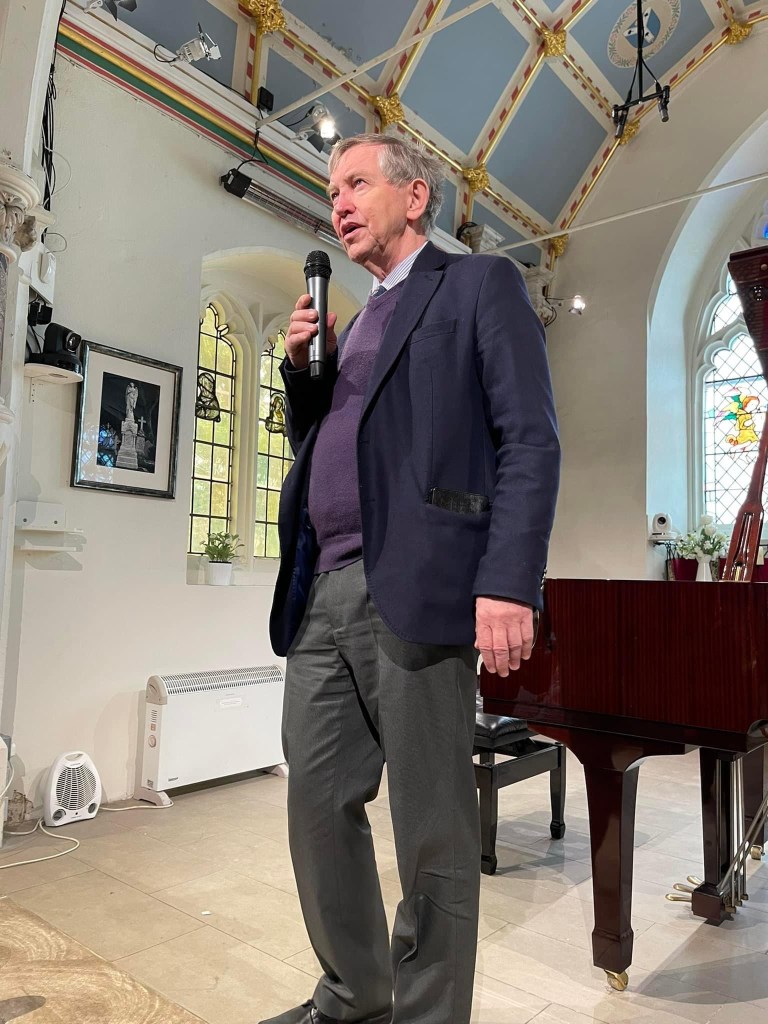
Roger Nellist

Dear John,Thank you very much indeed for your heart-warming email. It is indeed a communal effort with my amazing colleagues, and you and I have similar interests in helping the very best of young pianists to develop their careers. I have huge admiration for your achievements with the Keyboard Charitable Trust, and our two organizations are of course complimentary. Our joint collaborations have worked very well indeed, and indeed we are planning a joint festival for March next year to give a platform to ‘new’ pianists who haven’t played at Perivale before. Thank you once again for your very kind email, which I will copy to my colleagues. With very best wishes to Noretta and yourself. Hugh and everyone at St Mary’s Perivale

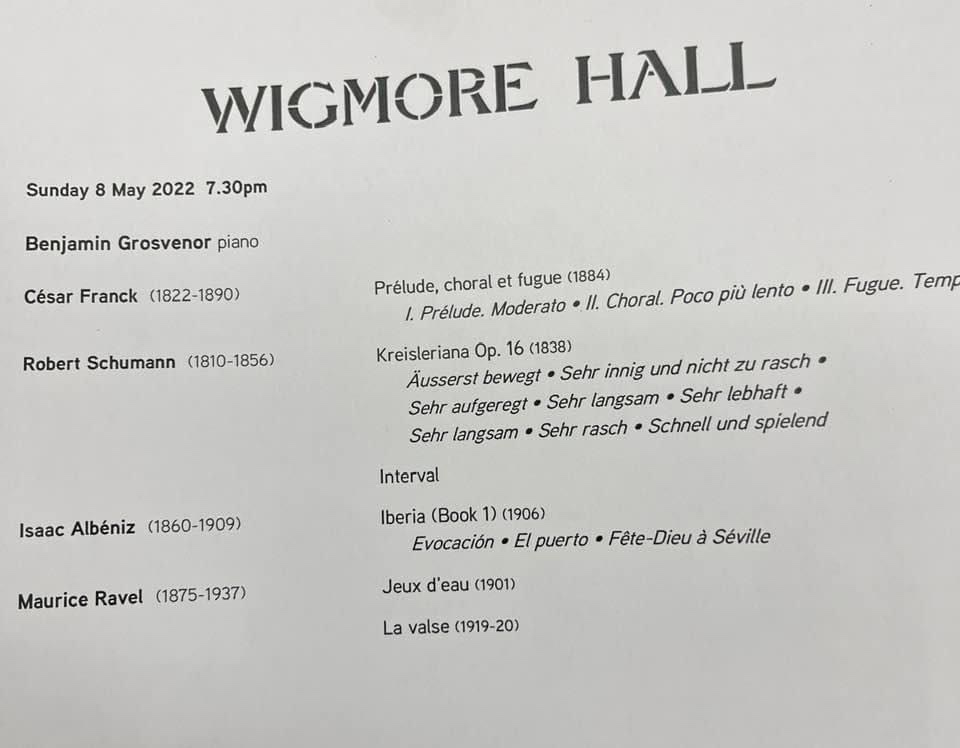
Benjamin Grosvenor at the Wigmore Hall-a voyage of discovery with a seamless stream of golden sounds.

The ravishing sounds of Benjamin Grosvenor’s recreation of seamless rays of gold and silver in Ravel’s Jeux d’eau will be remembered by all those present for a long time.
It is not since Moiseiwitch that we have heard effortless natural sounds of such simple beauty.
It was the same sound that opened the second half of the recital with Albeniz Evocacion followed by the infectious excitement of El Puerto and the hysterical outpouring of exultation in Fete Dieu a Seville.
There were transcendental feats of athleticism and diabolical technical prowess in Ravel’s La Valse- glissandi that spread over the keyboard with breathtaking ease.The sumptuous sounds and relentless devilish dance entranced and mesmerised us as of course Ravel intended.
It was though the disarming simplicity and ravishing sounds of a single magical encore of Ginastera’s Argentinian Dance n. 2 ,whispered with gloriously obsessive insistence,that silenced the audience who instinctively knew quantity had no place here when the quality of perfection had been reached.

San Carlo Naples
https://christopheraxworthymusiccommentary.wordpress.com/2022/04/24/beatrice-rana-at-san-carlo-a-golden-web-of-glorious-sounds/


The recital was the same as the one I would have heard in the San Carlo Opera House in Naples last Thursday .A phone snatch had me racing back to London to replace stolen documents that I should have known better than to take into the jungle with me especially after forty years of regularly frequenting this wonderful city.


The two major works by Franck and Schumann would have benefitted from the distance that is needed to be able to wallow in the romantic sounds reverberating freely around a vast horseshoe shaped opera house.
There were so many wonderful things to admire but there were also moments when one would have longed for a more resonant sumptuous sound without any hard edges.The golden sound that Rachmaninov always had in mind when composing – that of the Philadelphia Orchestra.


The Cesar Franck Prelude,Chorale and Fugue was like embarking on a voyage of discovery.A work I have heard many times ,even this week,and is returning more regularly into the concert repertoire.But today’s performance was different.From the opening notes played with such delicacy it was like a cloud of smoke hovering above the keys until gradually the declamatory chords brought us back to the real world.Some very subtle contrapuntal playing of ravishing sounds but as the tension mounted the sound began to harden and remarkable as it was missed the sumptuous rich sound of the truly grand style.The simple plain chant of the chorale was answered by the celestial chords spread across the keyboard gaining ever more in intensity until the insinuating announcement of the fugue with its fanfare flourishes of bravura and the very sombre ‘largamente’ announcement of the fugue subject.His wonderful sense of balance allowed for such clarity of line with cascades of embellishments as it built to the climax and the release of tension in the cadenza.The return of the opening melody was allowed to shine so beautifully through the magic cloud of sound that he had created and gradually built to the climax where the two main themes are united in a glorious outpouring of sounds ‘con molto fuoco’.There was great excitement too in the quiet build up to the final triumphant explosion.An aristocratic ending to a remarkable performance that in a bigger more resonant hall might have given more weight to Franck’s explosions of the glorious sounds of a true believer.

Kreisleriana is dedicated to Chopin who in return dedicated his second Ballade to Schumann.It’s eight episodes are full of romantic sweep and beauty and it needs a real artist to unite them in a whole.Benjamin Grosvenor gave it a great architectural shape whilst not sacrificing the exquisite details of each of the episodes.The opening was taken rather literally with accents that seemed to distort the natural shape of the music.It was,though,the central episode where his sense of style created a magic web of ravishing sounds.The extreme legato of the second episode was beautifully shaped and the two intermezzi in its midst were played with staccato contrast and romantic sweep.Schumann seems to struggle to find his way back to the main theme and it was played in a superbly improvisatory way before the final magical Adagio chords.Again I found rather too much contrast in the third episode between the clipped rhythmic momentum of the opening and the extreme legato of the intertwining melodic line which was played with a wonderful sense of style.There was great beauty too in the fourth with the languid melodic line of such beauty contrasting with the simplicity of the central ‘bewegter’.There was absolute clarity in the fifth with its quixotic sense of playfulness and with the sumptuous romantic fervour of the central climax.There was magic at the end of the beautifully mellifluous sixth episode as it exploded into the ‘sehr rasch’ of the seventh with its rhythmic energy and driving force.It was in these outbursts though that the sumptuous quieter tones hardened as the passion rose.The passionate outpouring of the central episode of the last piece,in particular,I was missing again the feeling of resonance of a sumptuous full orchestra instead of just the brass blaring in all its glory.The ‘schnell und spielend’ of Mendelssohnian lightness was superbly played and brought the work to a subtle finish as it disappeared into the depths of the keyboard.A remarkable performance where each of the magnificent players in Benjamin’s fingers did not always seem so happy to unite into one glorious whole but were happy to create seamless streams of romantic sounds with the delicacy from the Golden age of piano playing.

https://christopheraxworthymusiccommentary.wordpress.com/2016/10/05/benjamin-grosvenor-at-st-johns-smith-square/

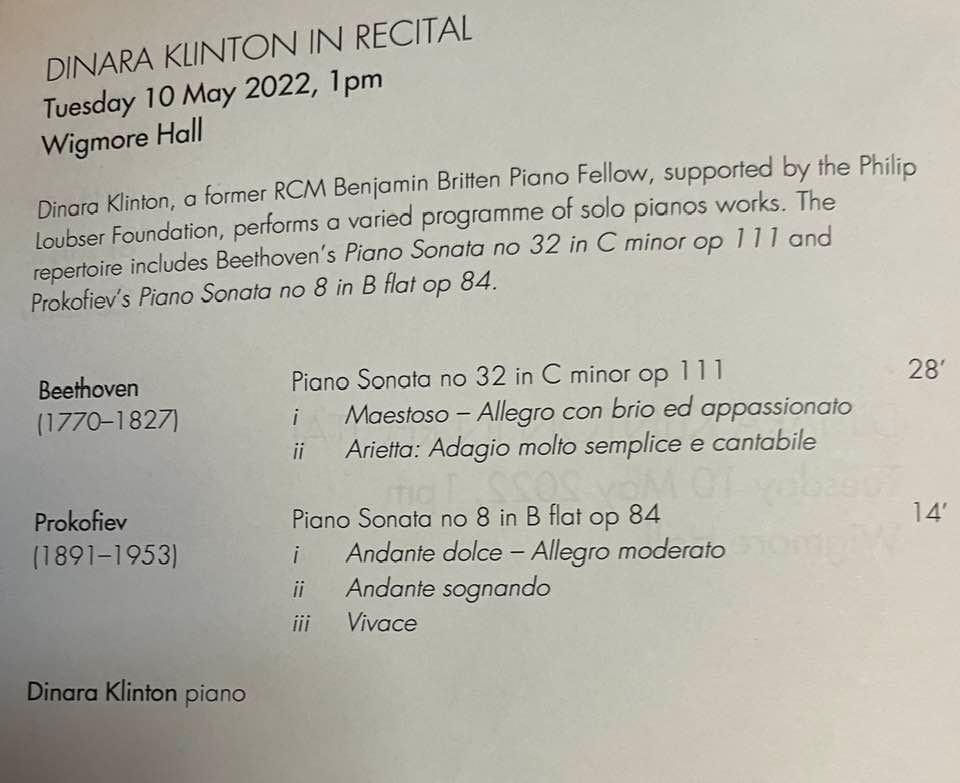
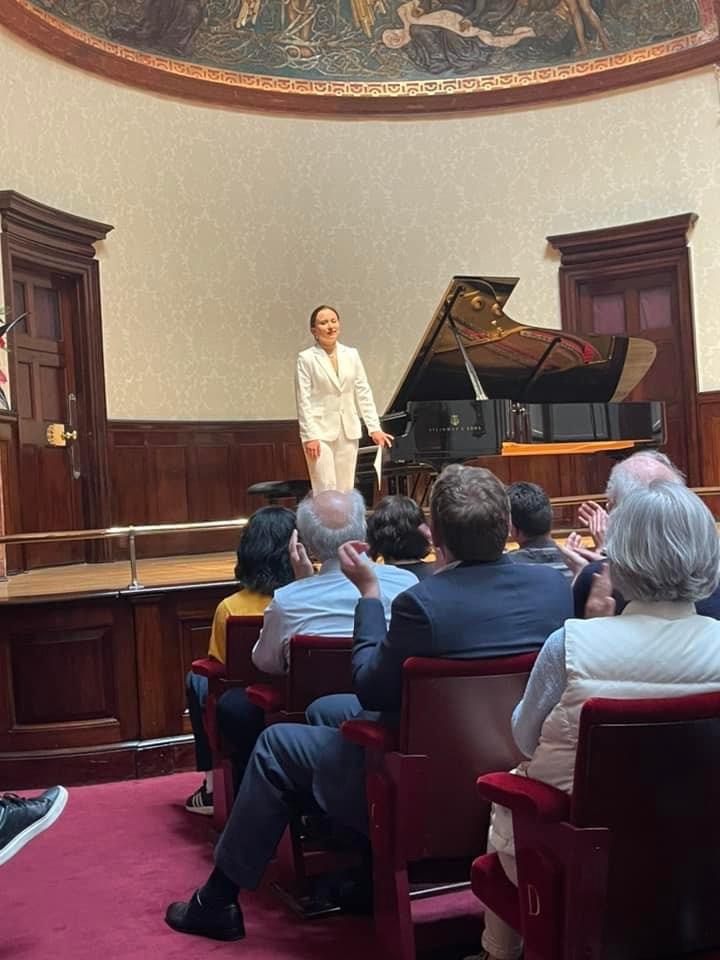
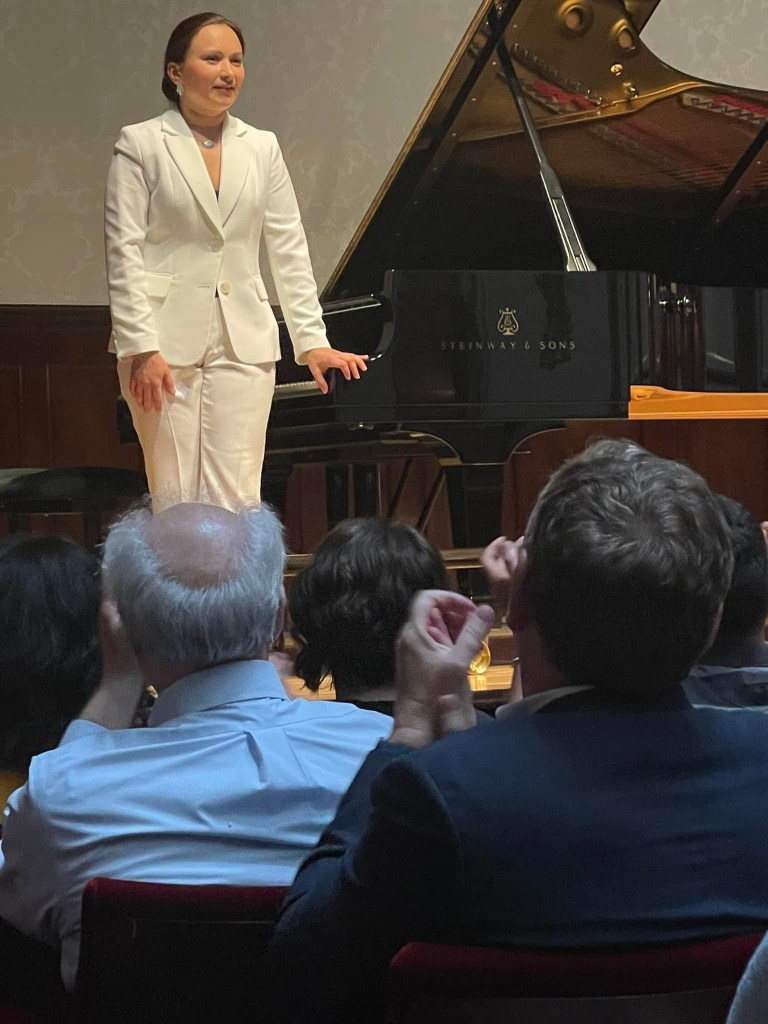
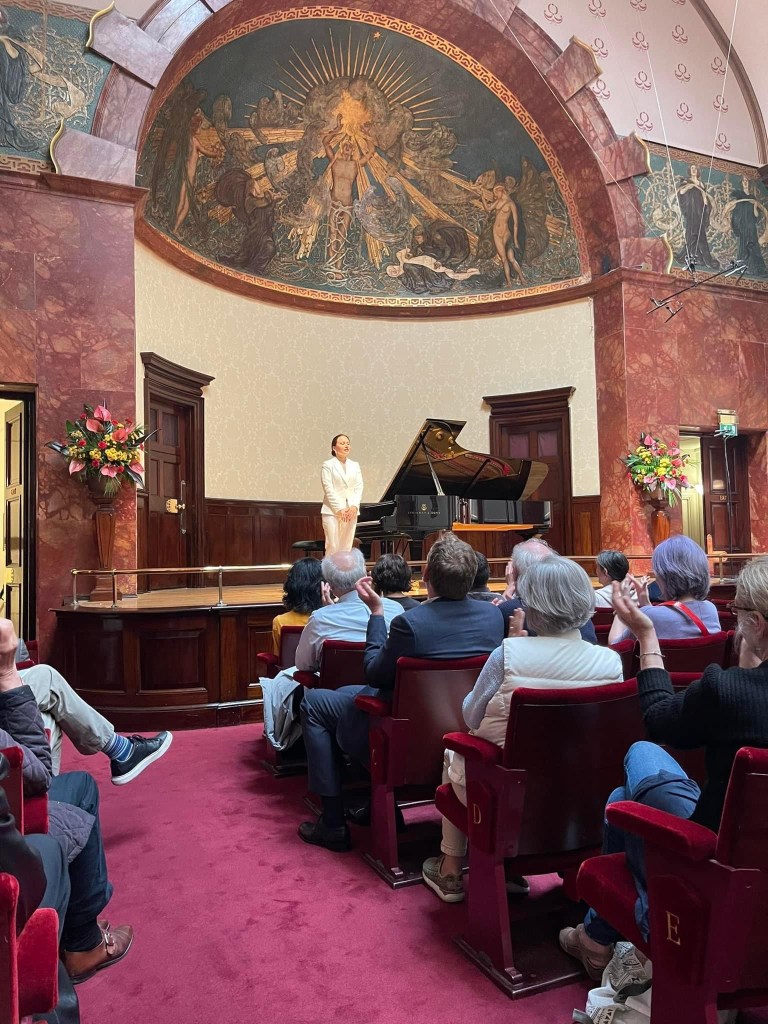
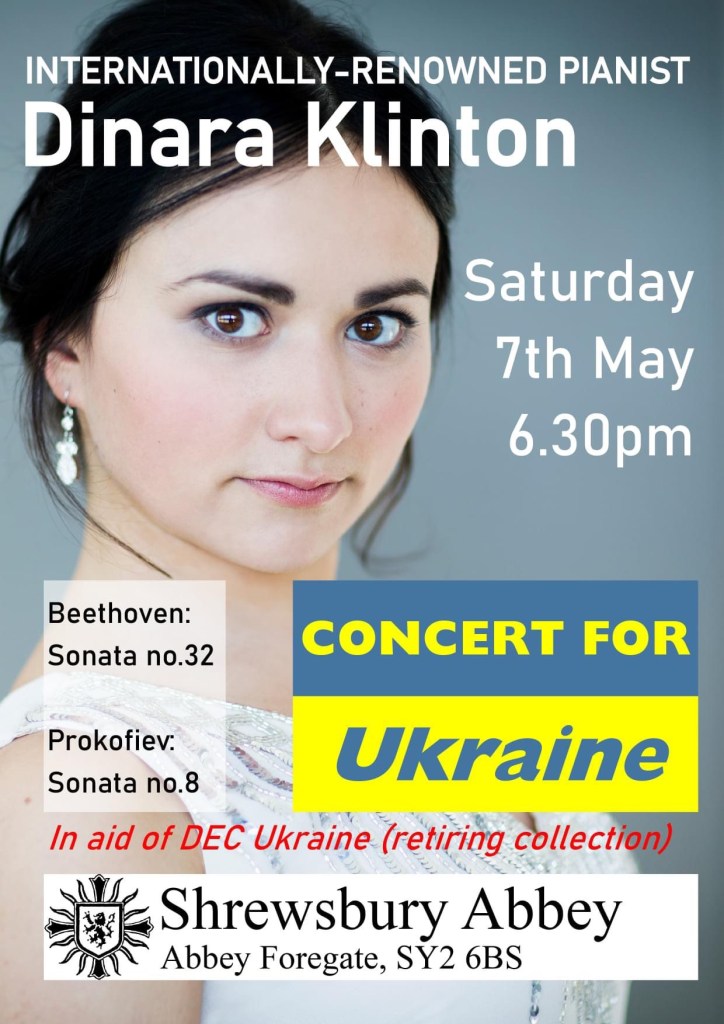
Dinara Klinton at the Wigmore Hall RCM Benjamin Britten Fellow Recital

Superb performances by Dinara Klinton of two masterworks:Beethoven op 111 and Prokofiev’s Eighth ,the last of the ‘War’Sonatas.It was the Rachmaninov Elegie that ,she chose to thank her audience with, that summed up her supreme artistry that had been so apparent in this short but very dense lunchtime recital for the RCM as beneficiary of the Benjamin Britten Piano Fellowship.


Seemless streams of golden sounds that with her extraordinary control and sense of balance made the piano sing as rarely heard these days.
Radu Lupu and Wilhelm Kempff spent their life searching for the secret of a true legato in which the percussive nature of the piano was disguised by a transcendental control of sound that could make the piano sing and breathe as well as any singer.
Dinara joins those ranks where the glorious outpouring of Beethoven’s last Sonata was allowed to glow as the Aria hovered over magic sounds that the master could have only imagined in his private ear.It was on this magic wave that the sumptuous melody of Prokofiev’s 8th Sonata ravished and seduced in a performance of such intensity and beauty that one was not aware of the technical difficulties.A performance where there were streams of golden sounds woven with a mastery I have rarely heard before.Gone were the usual note picking percussive sounds as the radiance and kaleidoscopic colours depicted a landscape similar to Beethoven’s vision of paradise.Even the Andante sognando took on a different significance and if the Vivace came to an irascible tumultuous ending it was only a passionate affirmation of all that had come previously.

Before the final Elegie she had included a ‘song’ by a Levko Revutsky played with such grace and charm to remind us of her roots that are firmly in the Ukraine.In fact the whole of the recital had been a moving testimony of War and Peace a great message that was obviously weighing on her heart today where senseless suffering and distress are being reported daily from her homeland.

https://christopheraxworthymusiccommentary.wordpress.com/2021/06/04/dinara-klinton-in-perivale-and-washington-dancesongtalesflowers-and-romance/

https://christopheraxworthymusiccommentary.wordpress.com/2019/05/05/the-grand-piano-of-dinara-klinton-2/

https://christopheraxworthymusiccommentary.wordpress.com/2020/04/20/dinara-klinton-at-st-marys-2/

https://christopheraxworthymusiccommentary.wordpress.com/2017/04/10/dinara-klinton-at-st-marys/

https://christopheraxworthymusiccommentary.wordpress.com/2016/09/15/dinara-klinton-at-st-lawrence-jewry/

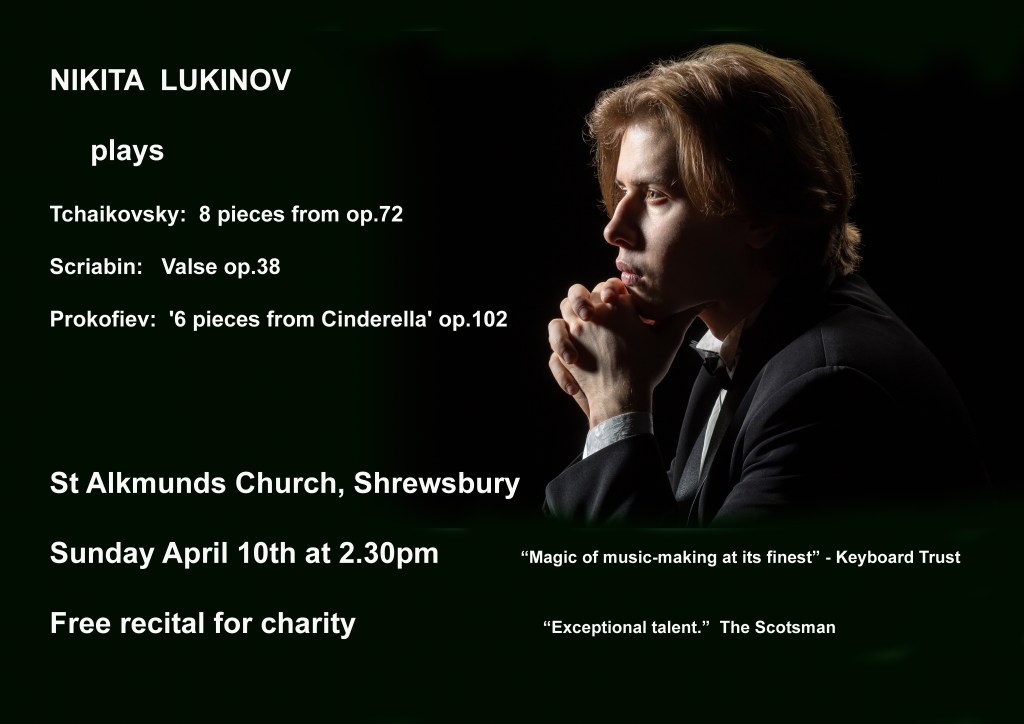
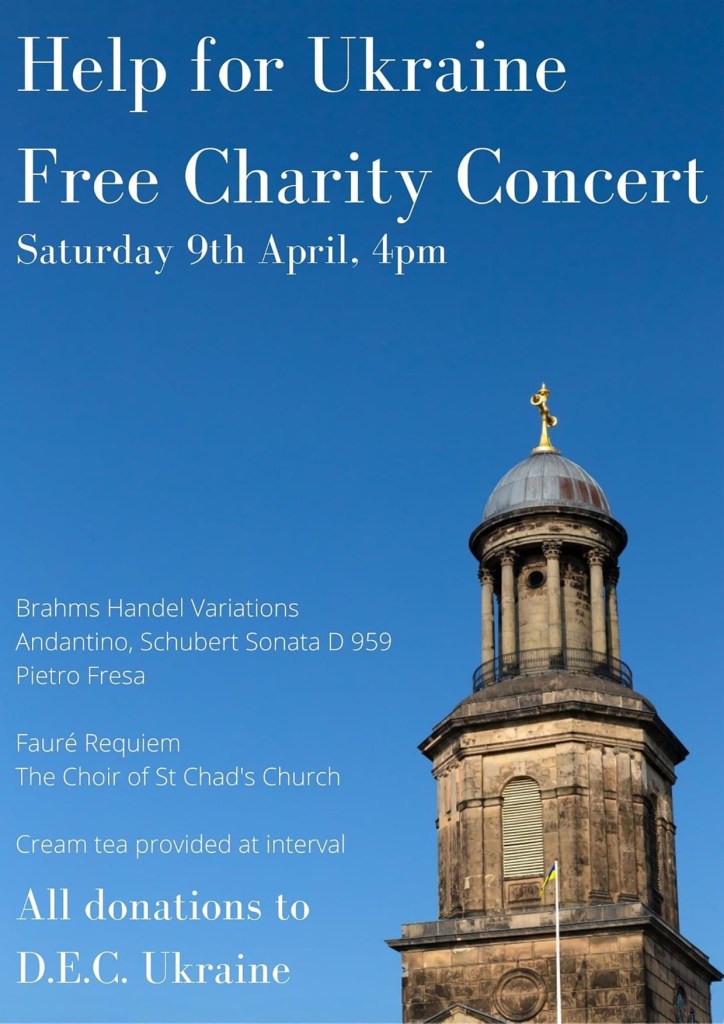
An extraordinary initiative that Dr Peter Barritt has promoted in Shrewsbury .Five recitals of which Dinara gave the closing recital last Saturday ……………..Ever generous he writes:’Thank you so much for your help with the Ukraine fund-raising recitals. We should raise over £10,000 which will be matched by the government. The five recitals would not have happened without your kind support and help and I am very grateful to the KCT.

https://christopheraxworthymusiccommentary.wordpress.com/2022/04/11/nikita-lukinov-at-st-marys-a-masterly-warrior-with-canons-covered-in-flowers/
https://christopheraxworthymusiccommentary.wordpress.com/2022/04/25/pietro-fresa-simplicity-and-beauty-at-st-marys/

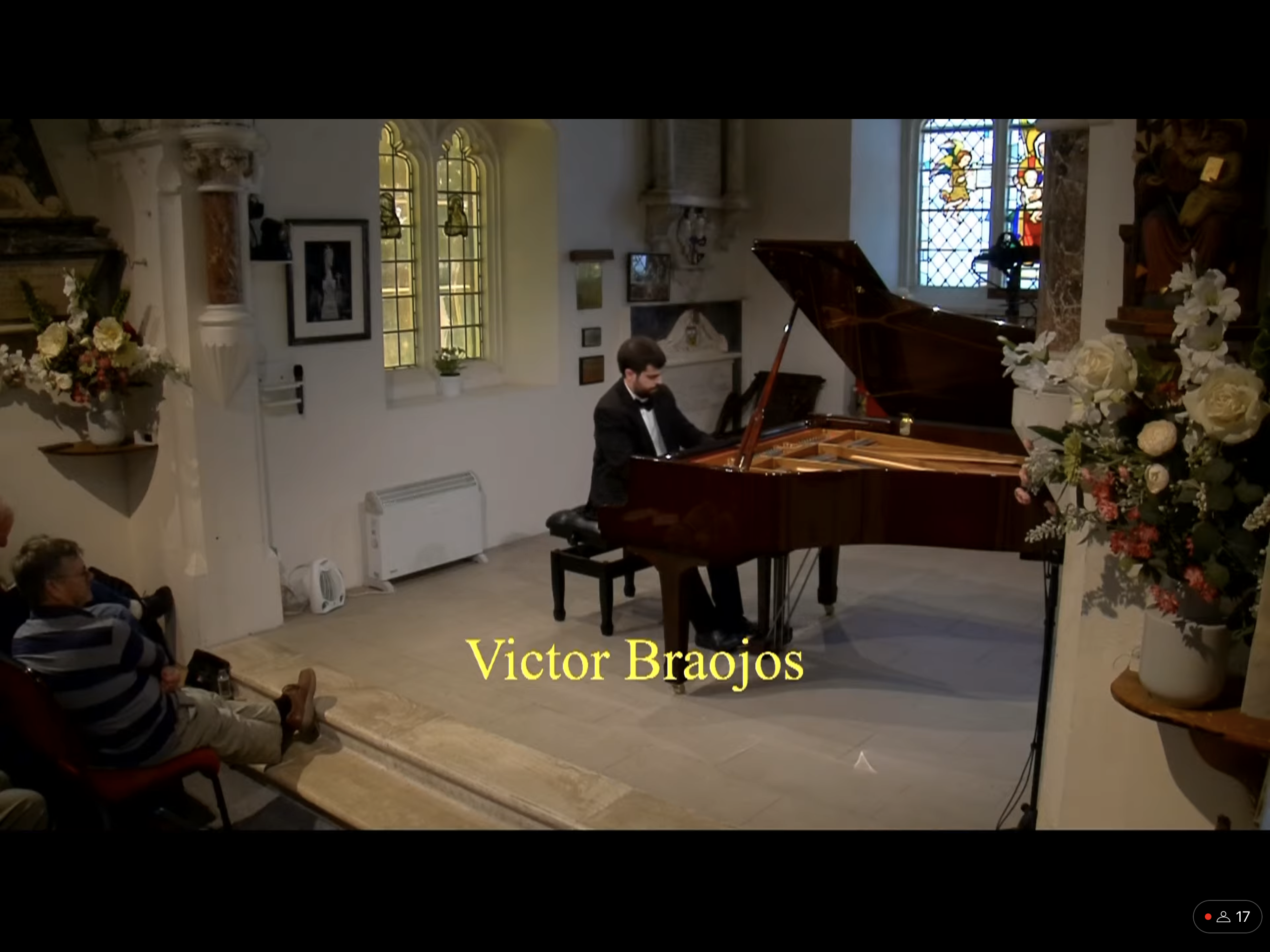
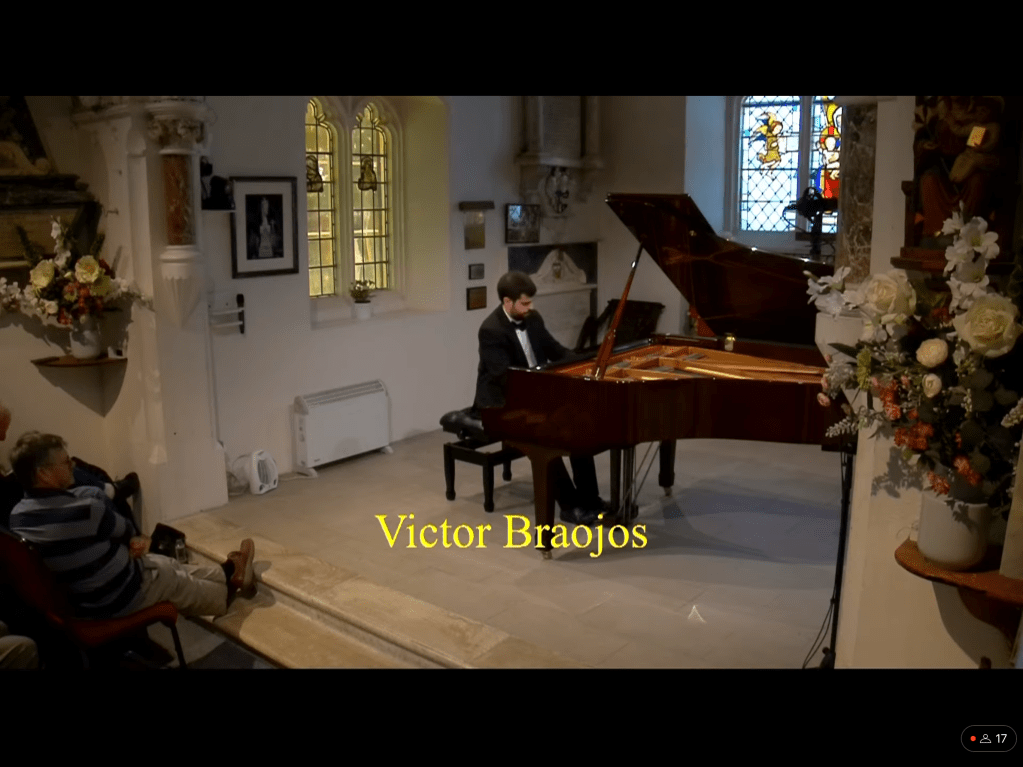
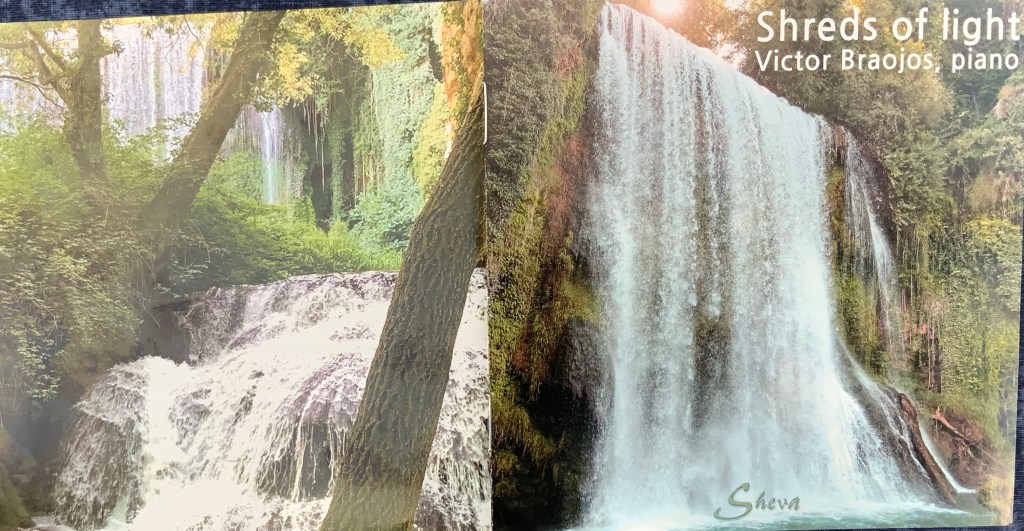
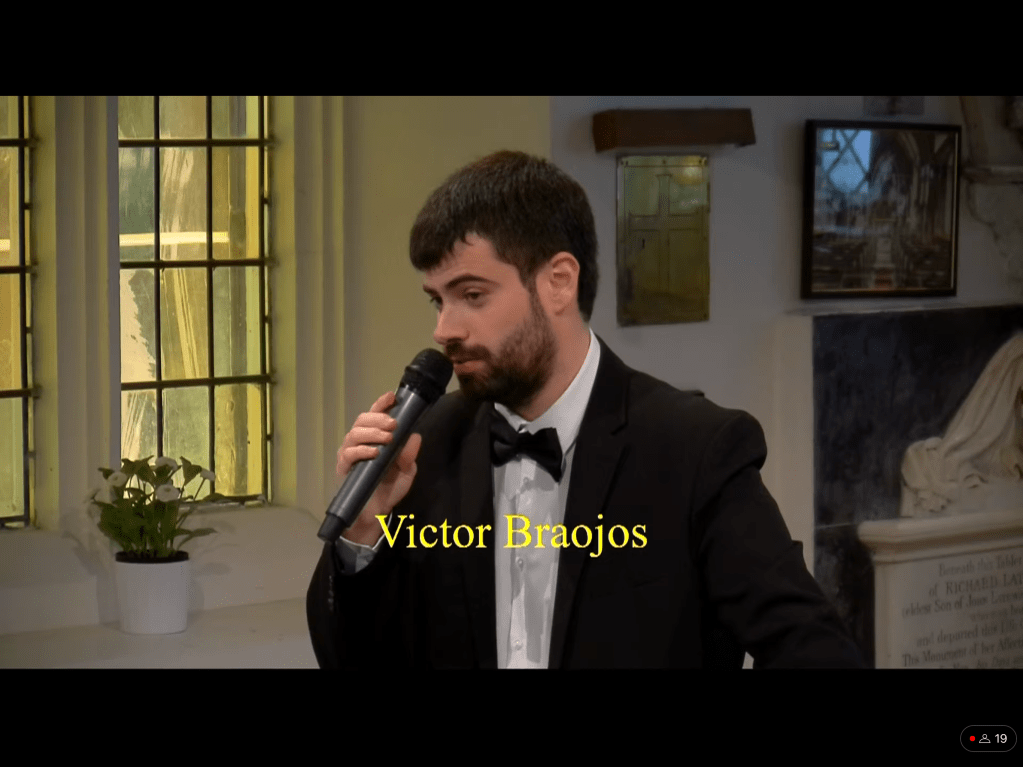
Víctor Braojos at St Mary’s authority and intelligence illuminates ‘Shreds of light’

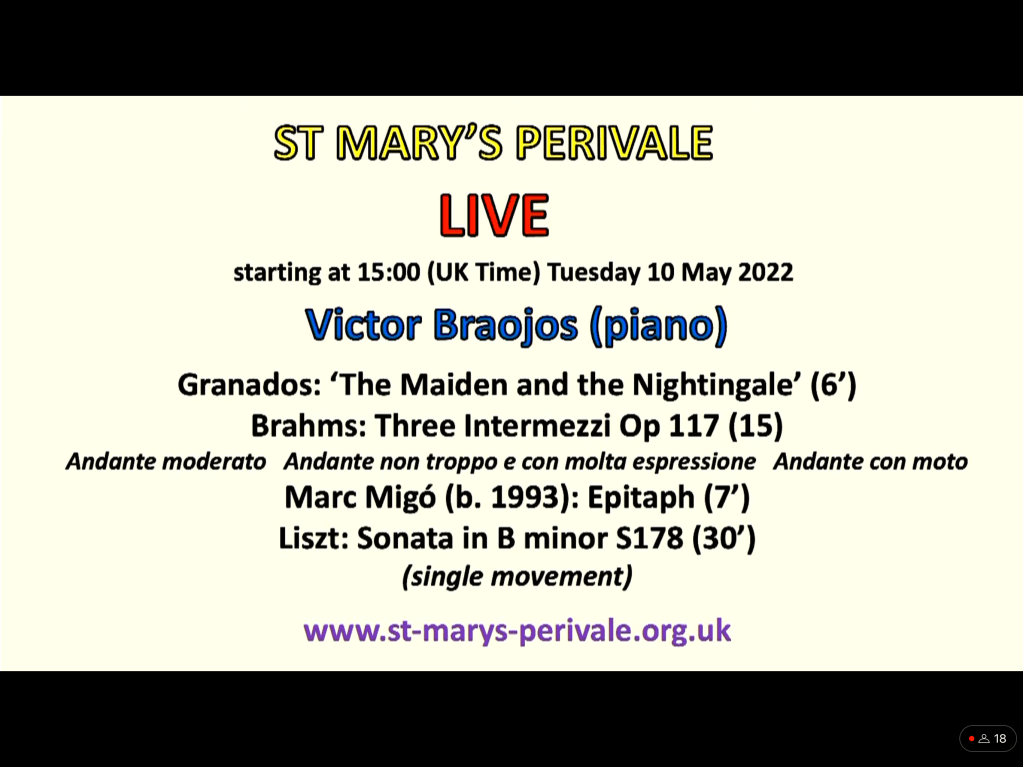
Tuesday 10 May 3.00 pm
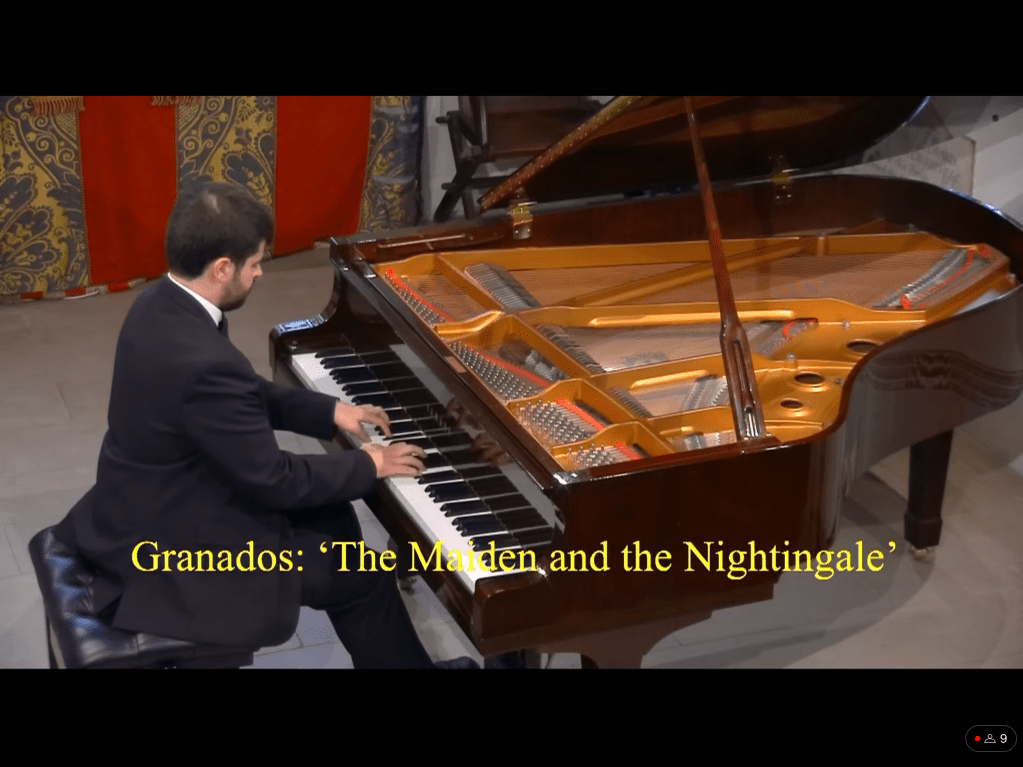
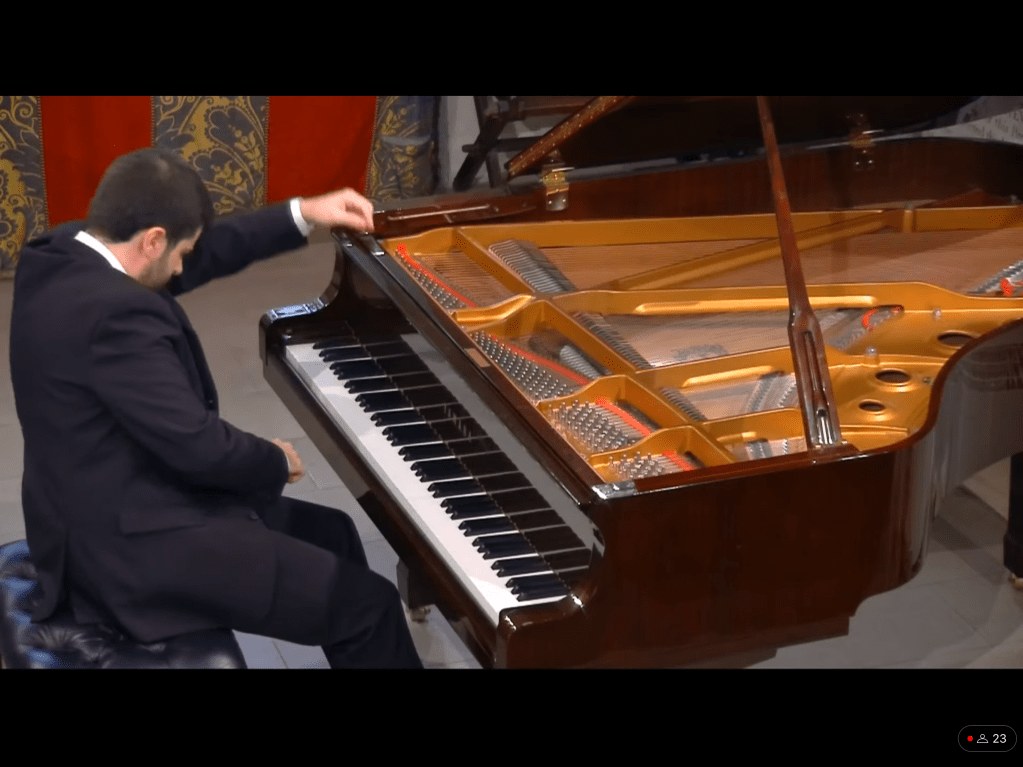
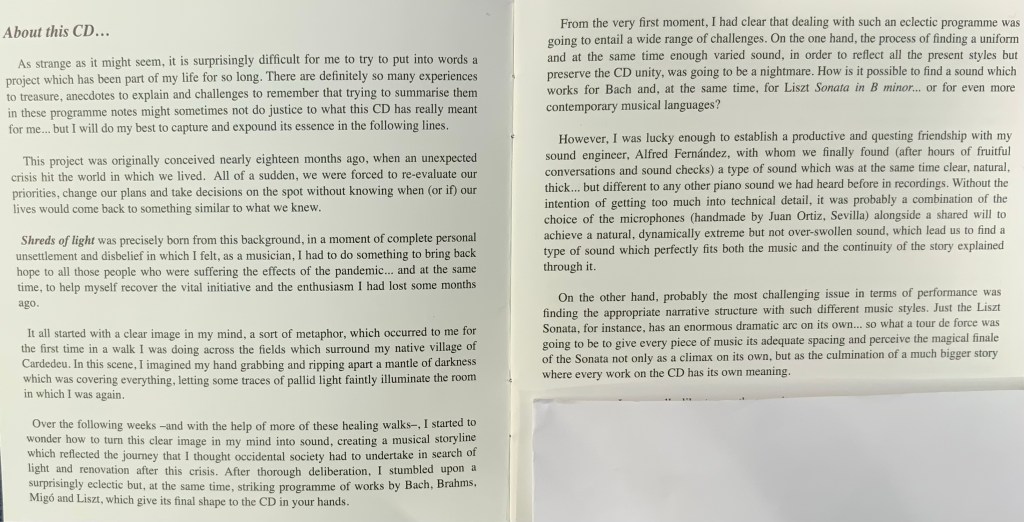
Playing of great authority and musicianship in a programme dedicated to his new CD ‘Shreds of light’ .Victor Braojos illuminated all that he played.From the reflective heartfelt melody of the sun rising in Granados Maiden and the Nightingale through the traces of lightness in Brahms’s mournful Intermezzi .The link with the UK premier of Marc Migò’s Epitaph that took us to a performance of radiance and burning intensity of Liszt’s monumental Sonata in B minor.The simplicity and beauty of the Epilogue from Granados’ Romantic scenes brought us full circle as we were embraced by the luminosity of this young man’s dedication and light to give us hope after the pandemic.

Goyescas op 11, subtitled Los majos enamorados (The Gallants in Love), is a suite of seven pieces written in 1911 by Spanish composer Enrique Granados and was inspired by the work of Goya .The fourth piece in the series (Quejas, ó la maja y el ruiseñorThe Maiden and the Nightingale) is the best known piece and resembles a nocturne but is filled with intricate figuration, inner voices and, near the end, glittering bird-like trills and quicksilver arpeggios.It was played with sumptuous sound and luminosity with a sensual atmosphere that contrasted so well with the clarity of the nightingale figurations that disappeared in a flourish at the end before the final gentle chord that was placed with such loving care.

The Three Intermezzi for piano, Op. 117 were described by the critic Eduard Hanslick as “monologues”… pieces of a “thoroughly personal and subjective character” striking a “pensive, graceful, dreamy, resigned, and elegiac note.” They were composed in 1892.The first intermezzo, in E♭ major, is prefaced in the score by two lines from an old Scottish ballad, Lady Anne Bothwell’s Lament: ‘Balow, my babe, lie still and sleep!It grieves me sore to see thee weep.’It was played with great beauty and shape and a delicacy as the gently shaded accompanying chords were spread over the entire keyboard.The second intermezzo in B flat minor was played with great weight where the musical line was allowed to unravel so simply on a wave of mellifluous sounds.The unison legato chords of the third were played with great freedom and sweep as waves of sumptuous sounds flowed with such exquisite shading in the central section.

Epitafi by the Catalan composer Marc Migò is the link that Victor found that takes us from the mournful nuances of Brahms to the intensity and emotional demanding Liszt Sonata .As Victor says :‘……..without a shadow of doubt this is probably one of the most striking piano pieces I have ever played ……..from the initial static naiveté of a children’s song through more fiery moods to reach a final state of inner piece which does not exclude pain,acceptance and resilience.’It was given a totally convincing performance of both luminosity and rhythmic energy with the composer listening from New York to the UK debut of his work from the hands of such a devout performer.

Marc Migò receiving a Deutsche Grammophon CD collection from his grandfather for his 16th birthday, Marc Migó (1993, Barcelona) became unexpectedly and passionately drawn to its contents. This discovery led him to seek out guidance from pianist Liliana Sainz and composer Xavier Boliart. Three years later, he enrolled at ESMUC (Superior Music School of Catalonia). In 2017, thanks to a scholarship issued by Fundación SGAE, Marc moved to New York in order to continue his musical studies. He pursued his Masters at The Juilliard School, where he was awarded the 2018 Orchestral Composition Prize. In 2019 he received The Pablo Casals Festival Award for his Cello Sonata “Cerdanyenca”, a Morton Gould young composers award by ASCAP and the New Juilliard annual commissioning competition award. He also has been a fellow at the 2020 Minnesota Orchestra Composer’s Institute and a winner of the George Enescu Prize 2020, among other international recognitions. Marc Migó is currently a C.V. Starr fellow at Juilliard, where he is earning a DMA in composition under the mentorship of John Corigliano. He has received commissions from leading institutions, ensembles and performers, such as UrbanArias, the Dutch National Opera, Liceu Opera House, the New Juilliard Ensemble, Festival Pablo Casals in Prades, l’Associació Joan Manén, Fundación Pro Arte Córdoba, and duo Isas-Kwiek, among others.

The Liszt Sonata was dedicated to Schumann in return for Schumann’s dedication of his Fantasie op 17 (published 1839) to Liszt.A copy of the work arrived at Schumann’s house in May 1854, after he had entered Endenich sanatorium.His wife Clara did not perform the Sonata as according to scholar Alan Walker she found it “merely a blind noise”.It was published by Breitkopf & Härtel in 1854 and first performed on January 27, 1857 in Berlin by Hans von Bulow .It was attacked by the critic Eduard Hanslick who said “anyone who has heard it and finds it beautiful is beyond help”.Brahms reputedly fell asleep when Liszt performed the work in 1853.However, the Sonata drew enthusiasm from Wagner following a private performance of the piece by Karl Klindworth on April 5, 1855.Otto Gumprecht of the German newspaper Nationalzeitung referred to it as “an invitation to hissing and stomping”.It took a long time for the Sonata to become accepted into the concert repertoire, because of its technical difficulty and negative initial reception due to its status as “new” music. However by the early stages of the twentieth century, the piece had become established as a pinnacle of the romantic repertoire.

As Victor was right to point out the first page includes the entire ingredients of the sonata where their transformation forms the framework of a new form that was later to be taken up by Wagner and many others.Victor played with remarkable intelligence and sense of architectural shape.Carefully noting Liszt’s very precise dynamic markings of piano,mezzo forte and forte so often overlooked by pianists ready to vent their passion and virtuosity on a work that contains much more than just that.

Page 11 of the original manuscript

Victor’s musicianship was allied to a technical control and kaleidoscopic sense of colour.There were moments of great passion too from this fiery young Spaniard but always with such care of balance that allowed the musical line to be shaped so clearly and not submerged by technical hi jinx as a vehicle to show off lesser pianists ‘virtuosity’ .The ‘quasi adagio’ was played with great sensitivity but allowed to flow so simply as it led to a great passionate outpouring that was played with such architectural understanding.The fugato too was so clearly played as it gradually built up ‘ più crescendo’ and ‘ energico’ leading to the recapitulation and the final tumultuous octaves played with extraordinary command and sumptuous sound.The final remarkable bars were played with a sense of atmosphere as the final three chords disappeared into the distance – even here Liszt marks diminuendo so rarely noted but in Victor’s hands gave such meaning to what Hugh Mather described as a ‘towering’ performance.

https://youtube.com/watch?v=6G4N02A9SvA&feature=share

Usually praised for his highly poetical, intense and original performances, Víctor Braojos studied his BMus (Hons) at Escola Superior de Música de Catalunya (Barcelona), supported by a scholarship by the Anna Riera Foundation. He later moved to London, where he pursued his Master in Piano Performance (Distinction and Concert Recital Diploma) and Artist Diploma at the Guildhall School of Music and Drama, working with Martin Roscoe and thanks to an Excellence Scholarship Award given by this institution. Over these years, he has completed his musical formation working with world-acclaimed performers such as Imogen Cooper DBE, Stephen Hough CBE, Robert Levin or Stephen Kovacevich, being chosen at the same time to join the roster of artists supported by renowned institutions, such as the Imogen Cooper Music Trust, Talent Unlimited and the Keyboard Charitable Trust.
He has won several prizes and awards in National and International Piano Competitions, such as the 1st Prize in the Catalunya Piano Competition (youngest winner in the 50 years of history of this competition), the 1st Prize in the Barcelona Piano Competition, the 1st Prize in the Girona Musical Competition or the 2nd Prize at the prestigious “El Primer Palau Music Competition”.
Along his career he has performed in several venues across Spain, the UK, Italy, France or Russia, among which we could remark concerts at the Palau de la Música Catalana, Palau Maricel de Sitges, the National Auditorium of Barcelona or the London Steinway Hall. Over the season 2021-22 he will make his début recitals at the Ribble Valley International Piano Week, Granollers Auditorium or 30, Pavilion Road Hall, a part from releasing his new CD, named Shreds of light.

https://christopheraxworthymusiccommentary.wordpress.com/2020/11/04/victor-braojas-at-wesleys-chapel-the-passion-and-delicacy-of-a-poet/

Shreds of Light – Victor Braojos new CD The official presentation in London will take place on Monday 13th June 2022, at 7pm (doors open at 6.15pm) at:
Arts Club 1901
7 Exton St.
London
SE18UE
United Kingdom
The event is expected to last approximately 1h and I am delighted to be joined by Martin Roscoe and Dr. Elena Vorotko for an initial conversation which will be followed by a short performance of some of the pieces included in the CD. After this performance, you are more than welcome to join us to share a casual chat with a glass of wine in the wonderful salons of the same venue (located on the first floor).
Really looking forward to see you there,
All best,
Víctor Braojos
http://victorbraojos.weebly.com/

https://christopheraxworthymusiccommentary.wordpress.com/2021/02/03/victor-braojos-at-steinway-hall-new-artists-series-for-the-keyboard-trust/

Lorenzo Adamo – rhythmic tension and luminosity at the Solti Studio

A small but illustrious audience for Lisa Peacock’s series of lunchtime piano recitals in memory of Lady Solti.
Lorenzo Adamo was the pianist entrusted to play in the Solti Studio on the Maestro’s magnificent concert grand.The score of the St John Passion open as the Maestro had left it and his presence could certainly still be felt.

Sir George Solti’s score of the St John Passion


From the class of Norma Fisher and now in his final year of Masters with Alexander Romanovsky.https://christopheraxworthymusiccommentary.wordpress.com/2022/04/13/romanovsky-a-miracle-in-the-eternal-city-the-reincarnation-of-richter-and-rachmaninov/
Lorenzo kept us enthralled with a Waldstein Sonata of such rhythmic tension and extraordinary technical command.I have seen the final octaves played with two hands – Serkin used to lick his fingers before playing glissando but Lorenzo remarkably played them as octaves with one hand!It makes me wonder how he would manage with the first piano concerto!But there was so much to admire in a performance where Beethovens precise indications had been scrupulously observed and incorporated into an interpretation of intelligence and architectural shape.Delius dismissed Beethoven as scales and arpeggios (Bach he described as knotty twine!).It is true that there are unrelenting technical challenges in the first and last movements that are not for the fearless.Lorenzo brought also great dynamic control and dramatic contrasts without altering the continuous rhythmic impetus that is the real key to this sonata.There were ravishing sounds in the Adagio molto that Beethoven calls simply an introduction to the final rondo. The original slow movement -Andante favori – he decided to keep as a separate work.The pedalling in the final rondo was played with an intelligence and understanding that brought a sense of luminosity to the beautiful theme that after many tumultuous interruptions of transcendental difficulty returns on a stream of wondrous sounds before the final excitement that conclude this key Sonata.After this there was the Appassionata as a new world opened up to Beethoven that miraculously he was able to share with posterity because it was a world that only he could hear in his head being by now totally deaf.

The Scriabin fourth Sonata was of a luminosity as it reached for the ‘star’ with passionate intensity and transcendental piano playing of quite athletic agility.This was Gilels’ Sonata with his sumptuous rich sound but Lorenzo too entered the same sound world of a beauty of velvet richness and luminosity added to a transcendental control and passionate intensity that was quite breathtaking in its sweep and drive.
The same qualities of dynamic rhythmic energy that made Solti one of the most revered and feared of conductors after Toscanini.

Mrs Hochhauser congratulating Lorenzo after his sumptuous performance of Prokofiev’s 8th Sonata.

I almost forgot to mention the two encores offered to a very enthusiastic audience.Chopin’s Study op 10.n.8 and Kapustin’s study :Intermezzo op 40 n 7 played with the same relish and mastery that his teacher,Romanovsky had offered in Rome.Much more generous though with eight encores.Lisa Peacock our amiable hostess was looking at the time and no doubt thinking that a lunchtime concert might well last until teatime if she did not pull the plug after such a scintillating performance of Kapustin’s rumbustuous Intermezzo study.


A transcendental performance of Prokofiev’s extraordinarily evocative and overpowering eighth Sonata that even took the breath away from Mrs Hochhauser who remembers only too well the first performances in the west by Gilels and Richter.

Lorenzo Adamo is a pianist from Milan, Italy. He is twenty two years old and and since the age of four he has been passionate about music.His first teacher was Katya Genghini who taught him the basics of the piano and helped him achieve the first results, such as – among others – winning the first prize in the “Musica in luce” Competition in 2009 (with concert at the Teatro dal Verme of Milan), the second prize in the “American Protegé” in 2011 (with concert at the Carnegie Hall of New York) and the first absolute prize in the “Oleggio” Competition in 2012. Recognising his constantly growing passion and devotion to the instrument, in 2013 she encouraged him to apply to the Conservatory “G. Verdi” of Milan, where he got accepted in the class of Professor Silvia Rumi.

With the distinguished critic Bryce Morrison

Five years later, in February 2019, Lorenzo graduated with first class honors, with a dissertation on Franz Schubert and his Piano Sonatas. He has always been particularly interested in receiving a culturally diverse and internationally comprehensive training: in 2018, he and his Trio were selected to represent Italy at the Kyoto International Music Festival in Japan. In 2019, after winning the first prize both in the “Riviera della Versilia” Competition and the first prize in the “Premio Rancati” Competition, he was determined to continue his studies in the multicultural and world-leading Royal College of Music in London. Lorenzo got accepted to study on the Master of Performance course with Professor Norma Fisher in September 2019.

Last year, he also started studying privately with Maestro Alexander Romanovsky, who will now be his Professor at the RCM together with Professor Fisher. In 2020, participating in live and online competitions in different countries, he won the first prize in the “International Krainev Competition”, the semi-finalist prize in the “Virtualoso Competition for young artists”, the second prize in the “W.A. Mozart Competition of Lugano” and the third prize in the “Rising Stars Online Competition of Berlin”.In October 2021, Lorenzo was selected to be the accompanist of the “Stauffer Center for Strings” in Cremona. Since then, he has worked with renowned musicians, such as: Volkhard Steude, Olga Volkova, Julian Rachlin, Sarah McElravy, Avi Avital and Vesko Eschkenazy.Presently, Lorenzo is one of the artists supported by the charity “Talent Unlimited”, that offers financial support and concert opportunities to talented musicians who need help in developing their careers.

The Solti Studio – Wednesday Lunchtime Recital Series -Spring 2022 In Memory of Lady Solti.https://cso.org/experience/article/3528/remembering-lady-solti

Wednesday 27 April at 1pm 

Thomas Kelly, piano

Schubert Sonata D.959 in A Major  

Medtner Fairytale Op.20 No.2 “Campanella” 

Medtner Canzona Mattinata Op.39 No.4  

Medtner Sonata Tragica Op.39 No.5  

Thomas Kelly has won prizes in a number of competitions in Europe and the UK, including Leeds in 2021. Since the pandemic restrictions in 2020, Thomas’ artistic activities include participating in all 3 seasons of the “Echo Chamber” an online concert series curated by Noah Max, and releasing 3 singles under the Ulysses Arts label on digital platforms. https://christopheraxworthymusiccommentary.wordpress.com/2022/04/18/thomas-kelly-takes-florence-by-storm-music-al-british/

Wednesday 4 May at 1pm 

Lorenzo Adamo, piano 

Beethoven Sonata No.21 op.53 “Waldstein” 
Scriabin Sonata No.4 op.30 
Prokofiev Sonata No.8 op.84  

Lorenzo Adamo was born in Italy in February 2000. He recently graduated from the Royal College of Music gaining a Master of Performance with Distinction, where he studied with Professors Norma Fisher and Alexander Romanovsky.  Lorenzo has won numerous competitions. Since 2019, he has been supported by the charity Talent Unlimited. 


Wednesday 11 May at 1pm 

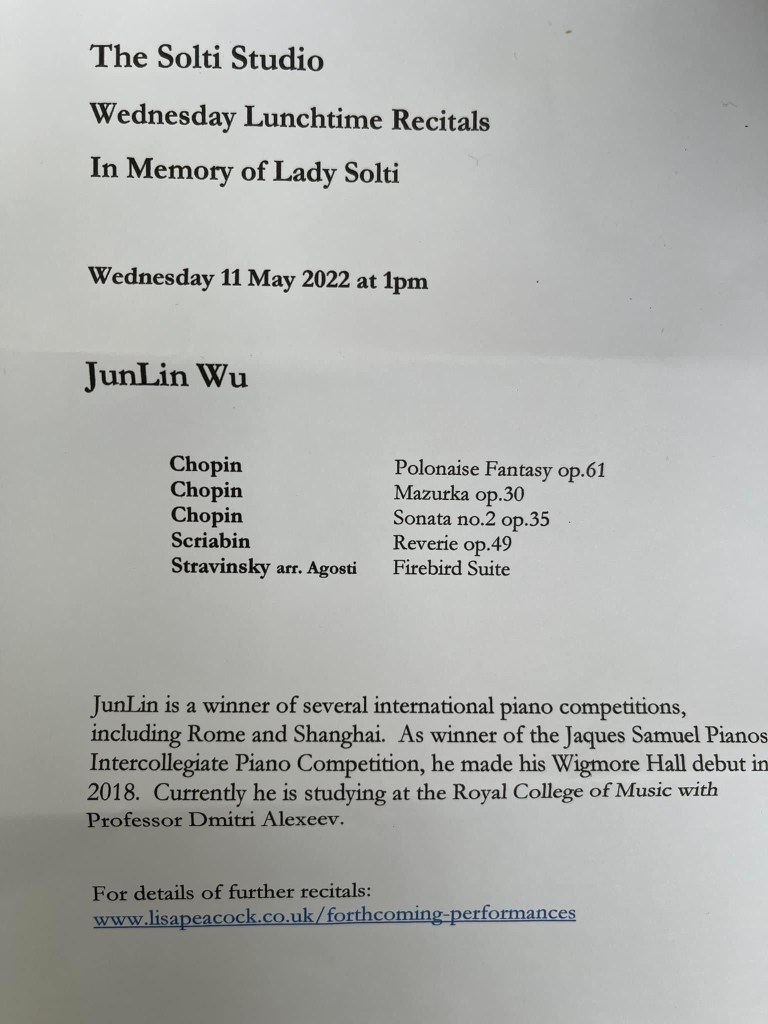
JunLin Wu, piano 

Chopin Polonaise Fantasy op.61 

Chopin Mazurka op.30 

Chopin Sonata no.2 op.35 

Scriabin Reverie op.49 

Stravinsky arr. Agosti Firebird Suite 

JunLin is a winner of several international piano competitions, including Rome and Shanghai. As winner of the Jaques Samuel Pianos Intercollegiate Piano Competition, he made his Wigmore Hall debut in 2018. Currently he is studying at the Royal College of Music with Professor Dmitri Alexeev. https://christopheraxworthymusiccommentary.wordpress.com/2022/04/02/jun-lin-wu-upstages-elton-john-in-the-shadow-of-elgar/


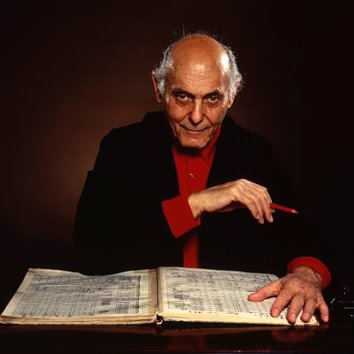
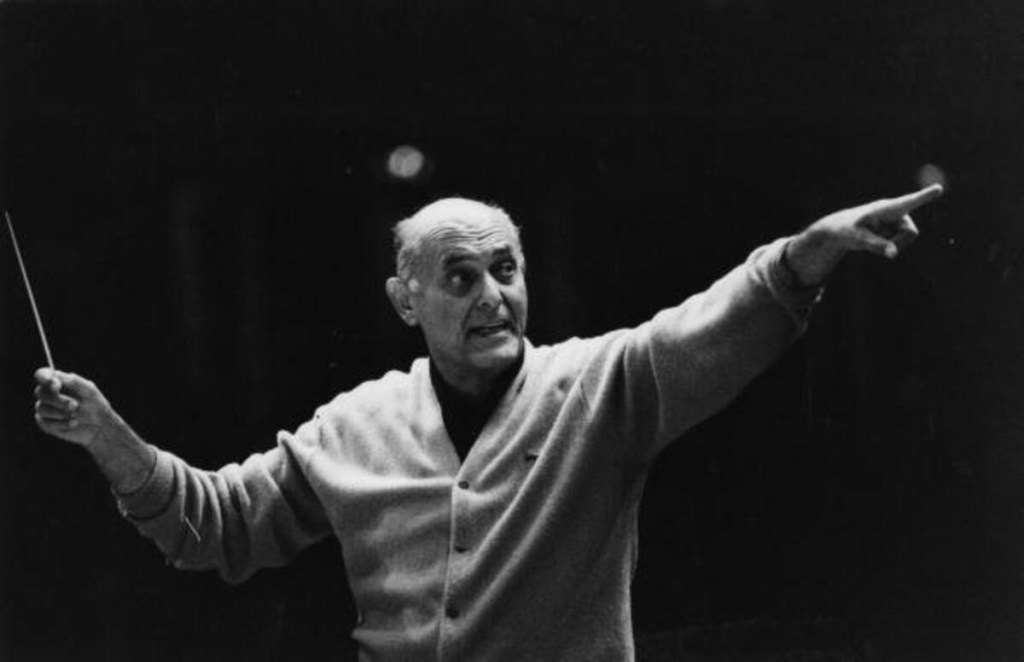
Sir George Solti

Wednesday 18 May at 1pm 

Giordano Buondonno, piano 

Brahms 4 Ballades Op 10 

Ravel Gaspard de la Nuit 

Scriabin Sonata-Fantasy Op. 19 No. 2 

At the age of 19, Italian-born Giordano Buondonno won 1st first prize at the Clara Schumann Competition and 1st prize in the PianoLink Concerto Competition in Milan. He is currently studying for an Artist Diploma under the guidance of Sergio De Simone and Deniz Gelenbe at Trinity Laban.

Wednesday 25 May at 1pm 

Jacky Zhang, piano 

Bach Goldberg Variations 

Liszt Don Juan  

13 year old pianist and composer Jacky Zhang is prize winner of many international competitions, including London Open, Classic Piano Dubai, Vladimir Krainev in Moscow and EPTA Composition Competition. His interests also   include conducting as well as historical performance. Currently he is studying piano with Prof. Dmitri Alexeev and Jianing Kong, and composition with Prof.Kenneth Hesketh  

Wednesday 8 June at 1pm 

Rustem Hayroudinoff, piano 

WF Bach Fantasia in D minor, F19 

JC Bach Sonata in A major op.17 no. 5 

JCF Bach Sonata in E major 

  CPE Bach Sonata in F sharp minor WQ 52/4 

JCF Bach Sonata in E major 

Chopin Andante Spianato & Grande Polonaise Brillante op. 22 

Described by Classic FM Magazine as a “sensationally gifted” musician of “stunning artistry”, Rustem Hayroudinoff has performed to critical acclaim worldwide.  The disc of the Rachmaninov Études-Tableaux was hailed as a ‘benchmark recording’ and became BBC Music’s Instrumental Choice of the Month, as well as being nominated for the Best Instrumental CD of the Year award. It was also selected as the finest existing version of these pieces by BBC Radio 3’s ‘Building a Library’.  


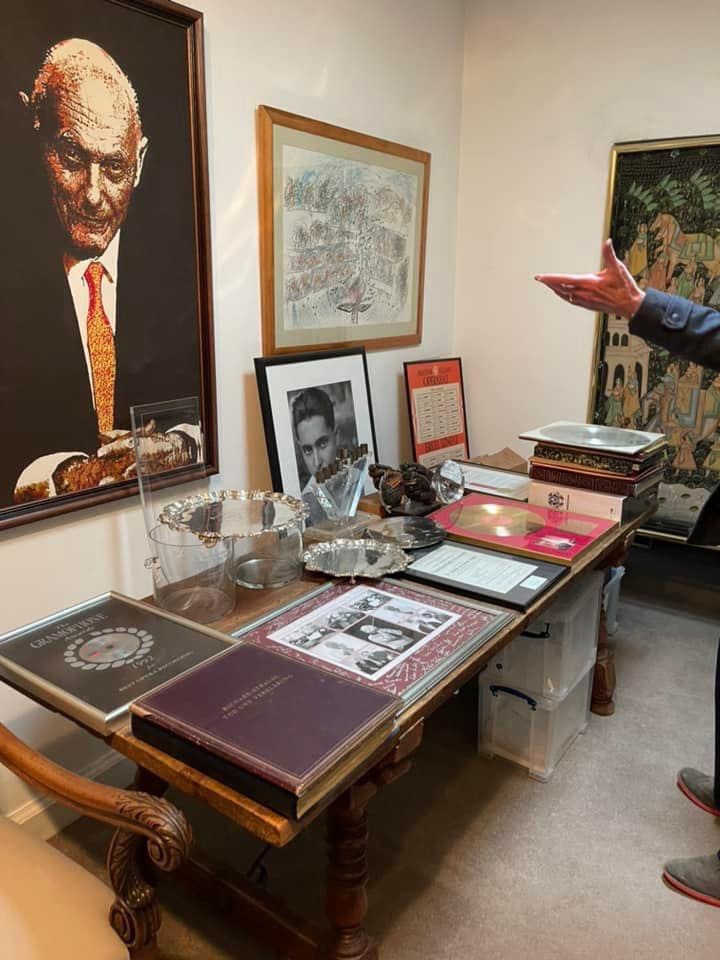
Bryce Morrison the illustrious critic admiring the memorabilia in the Solti Studio

Wednesday 15 June at 1pm 

Emmanuel Bach, violin/Artur Haftmann, piano 

Beethoven Sonata No.7 in C minor, Op.30 No.2 

Ysaÿe Solo Sonata No.6 in E, Op.27 No.6  (Manuel Quiroga) 

Paganini Caprice No.24 

Chopin Nocturne in F sharp Major Op. 15, No. 2 

Chopin Ballade in A flat Major Op. 47 

Tchaikovsky Valse-Scherzo, Op.34 

Emmanuel has been awarded many prizes in international competitions He has performed in London’s major concert halls as well as across the UK and widely in Europe.  His recent third CD ‘Lennox in Paris’ was described by Pizzicato magazine as ‘an intense journey through time’. 

Polish pianist, Artur Haftmann has received numerous awards in international competitions, including 1st prize in the International Music Competition “Musicaclassica” in Moscow. Currently, upcoming concerts include a Grand Tour in China. https://christopheraxworthymusiccommentary.wordpress.com/2020/12/15/artur-haftman-at-st-marys-for-the-glory-of-chopin/

Wednesday 22 June at 1pm 

Alexander Boyd, piano 

Scarlatti 4 Sonatas  

K208 A major N.61; K209 A major N.62;  

K87 B minor N.5; K262 B major N.82 

Soler Fandango R146 D minor 

Chopin Impromptu N.2 Op.36 and N.3 Op.51  

Ballade N.3 Op.47 and Ballade N.4 Op.52 

Barcarolle Op.60  

Alexander Boyd gave his first concert at the age of 11 and has since then performed at many of the world’s leading concert halls. He has been appreciated by audiences for the sensitivity and integrity of his interpretations.  He has also made numerous critically acclaimed recordings. 

Wednesday 29 June at 1pm 

Victor Maslov, piano 

Rachmaninoff 6 Etudes-Tableaux op.33 

Medtner Sonata-Reminiscenza op.38 

Godowsky 3 pieces from “Java Suite”: I. 

 Gamelan, X. In the Kraton, XII. A court pageant in Solo 

Russian pianist Victor Maslov has enjoyed success in international competitions, including the Rachmaninoff Competition in Moscow and the Classic Piano Competition in Dubai. He has performed throughout the UK, in Europe, Russia and at Carnegie Hall. https://christopheraxworthymusiccommentary.wordpress.com/2021/06/05/victor-maslov-the-virtuous-virtuoso-virtually-at-st-jamess-piccadilly-4th-june-2021/

Sir George Solti

Ariel Lanyi the simplicity and poetry of a great musician at St Marys

https://youtube.com/watch?v=qK1ChOKeWXs&feature=share


Bach’s great five part fugue was played with the profound weight of a true believer.After a gloriously flowing prelude of luminous sounds the great bass notes of the fugue subject were intoned with poignant meaning with playing of such clarity and architectural shape.Bach’s thoughts expressing a world of meaning with a mathematical precision of such genius and humanity.Arriving at a startling dissonance where the fugue seems to unravel as it finds such peace and its final resting place.It was the great understanding that Ariel brought to this masterpiece that was remarkable for his maturity .

At 115 measures in length, and in five voices ,written here in Bach’s own hand , this is one of Bach’s longest and most densely-crafted fugues. While it contains three themes,it is not properly structured as a triple fugue because only the first idea receives exposition..The other two themes are more in the nature of countersubjectsThe five voices are heard at the beginning of the fugue in ascending order, starting with the bass. The subject is heard in stretto in m. 55, and again densely so in mm. 94–99.

It was to be the hallmark of the entire recital where every note was pregnant with meaning.Even Schumann’s rarely heard Allegro op 8 seemed to have a ravishing shape of burning intensity.Played with a romantic fervour and technical brilliance but with a sense of line and poetic meaning that I have always missed from lesser performers.

It was originally intended to be the opening movement for a never-completed sonata and was Schumann’s first major attempt at mastering a more expansive form showing the integration of virtuosic material into sonata form. In addition to the many colourful enharmonic modulations throughout the developmental sections, one notable feature of the piece is the transformation from the dark, B minor opening, to the beautiful B major ending.Nearly the entire first decade of Schumann’s output as a composer was dominated exclusively by the piano which he approached from a performer’s standpoint, often composing virtuosic works that demanded superb skills from the performer.The Allegro opens with a powerful cadenza serving as an introduction to the succeeding sonata form with a conclusion of brilliant arpeggios and energetic dotted rhythms.Alternating moments of beauty with feux follet streams of golden sounds of romantic beauty.Ariel played like a man possessed as he threw off the considerable technical challenges with consummate ease and showed us the true architectural line whilst pointing out the many passages of sublime beauty and passionate intensity.


It was the Kinderscenen,though,that was remarkable for its poetic simplicity with a reading of such immediacy and absolute authority.
It was of an originality where all the rhetoric of tradition had been shorn away and the bare bones were exposed as Schumann had intended.Scenes of childhood as seen through the innocent eyes of youth .A timeless reading that left us all breathless at the end with minutes of aching silence after the poet,Schumann,had spoken.It just demonstrated the spell that this exquisitely sensitive young man had cast today.’Of ForeignLands and People’ was played at a more flowing tempo than usual as it made the melodic line so clear and simple ,flowing like the introduction it is A curtain raiser that made one curious as to what was to be revealed next!

Ariel’s beautiful hand movements should be mentioned too as he seemed to paddle in serene waters that were to take us on a magical journey of discovery.’A strange Story’ opening with seemingly rather clipped rhythms but contrasted so well with the mellifluous legato bursts of melody that alternate and that were played with such a delicate sense of line.’Hare and Hounds’ was played with fleeting lightness and sense of ‘joie de vivre’ with a jeux perlé that seemed to pour so naturally from his fingers.’A Pleading Child’ was played with haunting beauty and sense of ravishing shape.There was great sweep to the melodic line with subtle counterpoints in a duet between the voices that was indeed ‘Quite Happy’.It led to ‘An important event’ that had such shape as it came into focus only to disappear as quickly as it had passed us by.Played with sumptuous rich sound but never moving away from the magic cloud of sound on which these miniature gems belong.

‘Dreaming’ was played with ravishing sound and a sense of balance where it’s many mellifluous strands were revealed with such natural beauty.It led to ‘By the Fireside’ where Schumann’s final impatience brings us back to the child’s world of simplicity.He rode ‘The Knight of the Hobby-horse’ with remarkable rhythmic energy and forward propulsion – a wake up call when things seemed to be getting almost too serious!Only momentarily as the beautifully poised melodic line of ‘Rather serious’ took us to the quixotic ‘Frightening’.It was the startling changes of character that Ariel brought to this remarkable piece that contrasted so well with the sublime beauty of his playing in the penultimate :’ The Child Falling Asleep’.The gentle clashing harmonies were played with poignant beauty as Ariel’s fingers seemed to be pointing us to the jewels that were sparkling so radiantly and the magic land that was to take us to the utter simplicity of ‘The Poet speaks’.Here the slow chorale was played with enviable control and a cadenza of such radiance that the final few utterances held us breathless with anticipation.The silences spoke even louder than the magical sounds .Ariel afterwards spoke of his admiration for Alfred Cortot performances of this and the Cesar Franck that was to follow.What could I say :Cortot is Cortot and you are you but a poet is always a poet!


What a surprise to hear Franck’s rather pompous Prelude Aria and Finale played with great authority and total conviction.Whereas the Prelude Chorale and Fugue that we heard two days ago from Jonathan Ferrucci was an exultation of a humble believer. https://christopheraxworthymusiccommentary.wordpress.com/2022/05/02/jonathan-ferrucci-the-essence-of-music-with-aristocratic-intelligence-and-passion-at-st-marys/. The Prelude ,Aria and Finale is a declaration of faith where there is only God on high and not the God who was sent to redeem us.High church rather than the church of the people.Nevertheless a truly remarkable performance played with astonishing technical assurance and an impeccable sense of style but we were more astonished by the nobility and reverence than seduced by any subtle humble persuasion.There was a beautiful sense of balance from the very first notes and the great beauty of the entry of the tenor voice leading to such passionate almost Elgarian vehemence.It was played with overpowering conviction that the gentle prayer of the ‘poco ritenuto’ came as a relief as it built up with great agility to the triumphant March like transformation of the opening theme.The plain chant of the Aria was played with a luminosity of sound and serenity that Ariel conveyed with moving conviction.The sublime ending ‘dolce ma cantabile’seemed to be pointing on high until the rude interruption of the menacing bass rumbling of the finale.Here the triumphant transformation of the Prelude was exhilarating with streams of golden sounds that cascaded around the noble counterpoints that this master craftsman had depicted.There was a sublime change of key as the melody floated dolcissimo on streams of sound with some ravishing playing that almost reached the glorious heights of Franck’s other great masterpiece for the piano.It led to the gradual exultation of the main theme on glorious left hand octaves played with such nobility and grandeur in the greatest of the church chorale tradition but ,of course,alla Busoni or Liszt.The surprise was the gradual whispered finale reaching and almost attaining the heights that it had aspired to.A remarkable performance where the intelligence and musicianship of Ariel almost convinced me that this was undeniably a wrongfully neglected masterpiece.

In 2021, Ariel won third prize at the Leeds International Piano Competition, and was a prize winner in the inaugural Young Classical Artists Trust (London) and Concert Artists Guild (New York) International Auditions. Over the last year Ariel has made his debut at Wigmore Hall and participated in the Marlboro Music Festival in Vermont, alongside renowned artists such as Mitsuko Uchida and Jonathan Biss. His recording of music by Schubert for Linn Records was released, and he gave live concerts (for release online) for the Vancouver Recital Society in Canada and the Banco de la República in Colombia. As soloist he performed Brahms Concerto No.2 with the Israel Philharmonic Orchestra and the Royal Liverpool Philharmonic Orchestra, and Beethoven’s Concerto No.2 at the Royal Academy of Music. This season Ariel returns to give performances in the Miami Piano Festival and at Wigmore Hall, as well as recitals in Rome and across the UK, and performances with orchestras in Israel and in the US, playing concerti by Mozart and Brahms.Ariel has performed widely in Europe, previous highlights including recitals at the deSingel Arts Centre in Antwerp (stepping in for Till Fellner), Salle Cortot in Paris and a performance of Mozart’s Concerto, K.491 with the City of Birmingham Symphony Orchestra. Conductors whom he has in the past collaborated with include Yi-An Xu, Peter Whelan, Andrew Manze, and Trevor Pinnock. He regularly appears in concerts broadcast live on Israeli radio and television and on Radio France. Born in Jerusalem in 1997, in 2021 Ariel completed his studies at the Royal Academy of Music in London with Ian Fountain, having studied with the late Hamish Milne. Prior to this, he studied at the High School and Conservatory of the Jerusalem Academy of Music, first with Lea Agmon, later with Yuval Cohen. Whilst there, he also studied violin and composition.An avid chamber musician, Ariel has collaborated with leading members of the Berliner Philharmoniker and the Concertgebouw Amsterdam, as well as with eminent musicians such as Maria João Pires, Marina Piccinini, Charles Neidich, and Torleif Thedéen. Festival appearances include the Hvide Sande (Denmark), Ravello (Italy), Ausseer Festsommer (Austria), Bosa Antica (Sardinia) and Israel Festivals.Ariel has received extensive tuition from eminent artists such as Robert Levin, Murray Perahia, Imogen Cooper, Leif Ove Andsnes, Steven Osborne, and the late Leon Fleisher and Ivan Moravec. Awards include 1st Prize at the 2018 Grand Prix Animato Competition in Paris and 1st Prize in the Dudley International Piano Competition, as well as a finalist award at the Rubinstein Competition. Ariel is a Countess of Munster Recital Scheme Artist

https://christopheraxworthymusiccommentary.wordpress.com/2021/10/14/ariel-lanyi-imogen-cooper-music-trust-the-trials-and-tribulations-of-a-great-artist/

https://christopheraxworthymusiccommentary.wordpress.com/2020/02/28/the-aristocratic-brahms-of-ariel-lanyi/

https://christopheraxworthymusiccommentary.wordpress.com/2022/03/24/razumovsky-academy-flying-high-with-the-birth-of-the-lanyi-lovell-jones-prodanova-trio/

https://christopheraxworthymusiccommentary.wordpress.com/2021/06/01/ariel-lanyi-flying-high-at-st-marys/

With Stephen Dennison of Cranleigh Arts where Ariel has also performed recently

https://www.bbc.co.uk/programmes/m0017ds9. Please listen you will not regret it

Perth Concert Hall

A monumental performance by Ariel Lanyi of Beethoven’s ‘Hammerklavier’op 106 from Perth Concert Hall.Ravishing sounds combined with vigorous attack and dynamic contrasts.Caught up in the spell he cast with the Adagio Sostenuto I was not expecting the transcendental difficulties of the fugue to be played with such clarity but unexpectedly such beauty.You see Mr Delius knotty twine can be as embracing as a Bernini statue.

I remember Richter not happy with his performance in the Festival Hall sitting down and playing it again as an encore.

Annie Fischer has gone down in legend playing the fugue as an encore after giving a magnificent Beethoven recital standing in at a moments notice for an indisposed Louis Kentner.

André Tchaikowsky was memorable too and his discussions about the order of the movements was as stimulating and provocative as Hans Keller and an integral part of this great thinking musician.

Serkin too was unforgettable not only for the sublime sounds in the Adagio but for the energy and frenzy that seemed to keep him in a trance.He was still shaking,as we all were,on the earth shattering last chord.Lightning does not strike twice….but when it does it certainly leaves its mark!

Listening to Ariel today in the heat of the Mediterranean sun I just realised what a privilege it is to know that this great legacy is being perpetuated with such seriousness and humility by this young virtuoso.A younger generation who too often think that quantity rather than quality counts as they plough through the myriad of notes in yet another Rachmaninov 3 or Prokofiev 2

Probably the same amount of notes but Mr Beethoven puts them in a different order!

https://christopheraxworthymusiccommentary.com/…/ariel…/

Jonathan Ferrucci -The essence of music with aristocratic intelligence and passion at St Mary’s

Tuesday 3 May 3.00 pm

https://youtube.com/watch?v=7yEyi8qQCcE&feature=share

Nice to be back in the Mecca for pianists in West London.
Especially when Jonathan Ferrucci plays Bach.It was the much missed Peter Uppard who had told me about his wondrous Bach at the Jacques Samuel’s piano competition six years ago.


Under the guidance of Angela Hewitt it has matured and he has become an ever more inspired interpreter of the genius of Bach.
Three toccatas ‘a playground of ideas’ to use Jonathan’s own words were played with a hypnotic rhythmic intensity and sense of improvisatory freedom that was quite remarkable.
Every note was given a just meaning of such burning intensity that the all to brief Adagio in B minor by Mozart became a startling contrast where so little could mean so much.
The bare opening notes where Tristan or even Schoenberg sprang to mind.

St Mary’s Perivale


And a Prélude,Chorale and Fugue by Franck that was played with such red hot intensity and overwhelming commitment that even here it could have been Messiaen with the extreme exultation of a true believer.
Every note of the recital was so pregnant with meaning that the mutual concentration and sense of discovery created a tension that made my journey to Perivale an absolute imperative despite the superb streaming facilities that Dr Mather and his team offer with Roger Nellist at the helm today

The Toccatas for Keyboard, BWV 910–916, are seven pieces for clavier and although the pieces were not originally organized into a collection by Bach himself (as were most of his other keyboard works ) the pieces share many similarities, and are frequently grouped and performed together under a collective title.The toccatas represent Bach’s earliest keyboard compositions known under a collective title.The earliest sources of the BWV 910, 911 and 916 toccatas appear in an important collection of keyboard and organ manuscripts of various composers compiled by Johann Christoph Bach between 1707 and 1713. An early version of the BWV 912 (known as the BWV 912a) also exists in another collection compiled by Johann Christoph Bach known as the “Möller manuscript”, from around 1703 to 1707.This indicates that most of these works originated no later than Bach’s early Weimar years, though the early northern-German style indicates possible Arnstadt origin.

  • Toccata in C-minor, BWV 911 (Toccata) Adagio (Fuga) Adagio(Fuga) Adagio / Presto
  • Toccata in G-minor, BWV 915(Toccata)Adagio Allegro Adagio Fuga
  • Toccata in D-major, BWV 912 Presto Allegro Adagio (no tempo indication) Con Discrezione Fuga

The three that Jonathan chose started with the glorious exultation of the C minor Toccata with the final Presto played in a very deliberate unrelenting way.I have never forgotten Martha Argerich opening her recital in Florence followed by the Liszt Sonata with the same unrelenting forward movement and almost chiselled non legato phrasing just as Jonathan today.The G minor Toccata was crystal clear with a continuous question and answer sometimes of great vehemence but full of ‘joie de vivre’.The fanfare opening of the D major Toccata and an unusually virile Adagio and recitativi led to the hypnotic toccata and the scintillating final acrobatics played with absolute clarity and rhythmic drive by Jonathan. The final flourishing chord seemed to come as a complete surprise as Jonathan tried to apply the break on such an exhilarating journey.Thirty minutes of music played in a masterly way with a clarity and an overall architectural shape that was remarkable and made an important opening statement from the very first notes.

The Adagio in minor K 540 Mozart entered it into his Verzeichnis aller meiner Werke (Catalogue of all my Works) on 19 March 1788 just three years before his death in 1791 at the age of 35.It is only 57 bars long plus repeats and the key of B minor is very rare in Mozart’s compositions; it is used in only one other instrumental work, the slow movement from the Flute Quartet n.1 in D major K.285 and as Jonathan said in his introduction that after the radiance of the Bach we were now submersed into a world of ‘sturm und drang’.Drama and tears indeed as the Adagio is a startlingly original work where so few notes could mean so much.Jonathan played them with ravishing tone and impeccable timeless phrasing where the four times repeated three chord call to arms just opened the door for ever more poignant thoughts .Even the question and answer between the bass and the treble was played with such aristocratic sense of style and added an operatic touch to the whispered confessions of meaningful simplicity that makes one wonder whether Mozart had some premonition of his fate just a few years on.

Prélude, Choral et Fugue, FWV 21 was written in 1884 by César Franck with his distinctive use of cyclic form.Franck had huge hands (evinced by the famous photo of him at the Ste-Clotilde organ), wide like the span of emotions he conveys,capable of spanning the interval of a 12th on the keyboard.This allowed him unusual flexibility in voice-leading between internal parts in fugal composition, and in the wide chords and stretches featured in much of his keyboard music Of the famous Violin Sonata’s writing it has been said: “Franck, blissfully apt to forget that not every musician’s hands were as enormous as his own, littered the piano part (the last movement in particular) with major-tenth chords… most mere pianistic mortals ever since have been obligated to spread them in order to play them at all.”

The key to his music may be found in his personality. His friends record that he was “a man of utmost humility, simplicity, reverence and industry.” Louis Vierne a pupil and later organist titulaire of Notre-Dame, wrote in his memoirs that Franck showed a “constant concern for the dignity of his art, for the nobility of his mission, and for the fervent sincerity of his sermon in sound… Joyous or melancholy, solemn or mystic, powerful or ethereal: Franck was all those at Sainte-Clotilde.”In his search to master new organ-playing techniques he was both challenged and stimulated by his third and last change in organ posts. On 22 January 1858, he became organist and maître de chapelle at the newly consecrated Sainte Clotilde (from 1896 the Basilique-Sainte-Clotilde), where he remained until his death. Eleven months later, the parish installed a new three-manual Cavaillé-Coll instrument,whereupon he was made titulaire.The impact of this organ on Franck’s performance and composition cannot be overestimated; together with his early pianistic experience it shaped his music-making for the remainder of his life.

There is a radiance to the Prélude ,Chorale and Fugue that although in B minor I found very little of the promised despair or human suffering in Jonathan’s passionately committed performance.The etherial opening was like a ray of sunlight after the Mozart .The passionate freedom of the following passages marked ‘ a capriccio’,and later the voicing,was of a clarity and poignancy where Franck’s organ texture on the piano was given the same shape and colour that Jonathan had brought to the contrapuntal strands in Bach.The added bass note giving a subtle gentle stop before the rather pompous opening of the chorale which contrasted so well with the feather like arpeggiando chords that followed.Gradually growing with more sumptuous sound as Jonathan gave great prominence to the bass on which the chorale could float so magically.The improvised opening of the fugue was played with astonishing technical brilliance and excitement before the utter simplicity of the fugue subject.Building up with ever more intensity and virtuosity with Jonathan’s final airborne flourish before the passionate intensity that Franck marks ‘come una cadenza’.There was a sublime radiance to the sound as Jonathan allowed the opening motif to float so magically on the wondrous fluid sounds that Franck creates out of his searching cadenza.There was some transcendental playing of great virtuosity in the build up to the final climax until the explosion of joy in the mellifluous coda.The final added bass note B just gave the perfect sense of grandeur to a quite remarkable performance.

Italian-Australian pianist Jonathan Ferrucci has given concerts throughout Europe, Australia, the US and Japan. In London he has performed in Wigmore Hall, Barbican Hall, Milton Court Concert Hall. As winner of the Jaques Samuel Competition in 2016, his Wigmore recital was professionally recorded and he was invited to play at Fazioli Concert Hall in Italy. In 2018 he made his debut at Carnegie Weill Hall as part of the “Guildhall Artists in New York” project and was a winner at the International Bach Competition in Leipzig. In 2019 he was a Rising Star for Portland Piano International and gave a masterclass and recitals throughout Oregon.

Jonathan’s early teacher Giovanni Carmassi whose remarkable thoughts on music are outlined in this ‘Bible’ every bit as important as that of Neuhaus

Jonathan studied at the Conservatory of Music in Florence with Giovanni Carmassi, then in London with Joan Havill at the Guildhall, where he completed a masters degree, Artist Diploma, and Artist Fellowship. His studies have been supported by the Leverhulme Trust, Jessie Wakefield Award, Guildhall School Trust and Tait Memorial Trust.Jonathan’s artistic development has been profoundly influenced by Aldo Ciccolini and Robert Levin, and by his ongoing studies with Angela Hewitt, as well as masterclasses with Murray Perahia, Richard Goode, Peter Frankl and Christian Zacharias. è co-founder of Made in Music, a non-profit, he organized two festivals bringing together musicians from eight countries. He believes that music is a universal language that can unite people from different cultures and backgrounds.Alongside his time at the piano, Jonathan practises Ashtanga yoga and considers it an integral part of his work, and essential in his life.

https://christopheraxworthymusiccommentary.wordpress.com/2022/01/21/jonathan-ferrucci-in-vicenza-je-joueje-sens-je-transmets-a-timeless-search-in-music/

https://christopheraxworthymusiccommentary.wordpress.com/2021/10/27/jonathan-ferrucci-the-return-of-a-warrior-the-goldberg-variations-in-florence/

https://christopheraxworthymusiccommentary.wordpress.com/2021/10/30/mozart-triumphs-at-torlonia-with-jonathan-ferrucci-pietro-fresa-sieva-borzak/

https://christopheraxworthymusiccommentary.wordpress.com/2021/06/30/goldberg-in-the-land-of-perugino-jonathan-ferrucci-in-citta-della-pieve/

https://christopheraxworthymusiccommentary.wordpress.com/2021/03/25/goldberg-ferrucci-at-st-marys-the-start-of-a-glorious-journey-of-discovery/

With pianist Seung-Ju Lee
with friends after the concert
Dr Hugh Mather
Roger Nellist recording engineer for today

Ivan Donchev’s extraordinary recreation of Beethoven’s Pastoral Symphony at Villa Torlonia

Ivan Donchev and Prof Catucci

A quite extraordinary ‘tour de force’ from Ivan Donchev in the series for Roma Tre University in the beautiful Teatro Torlonia .’La Music è una Cosa Meravigliosa’ is a series of five appointments with concerts introduced by illustrious musicians.The series started in January with an all Liszt programme.https://christopheraxworthymusiccommentary.wordpress.com/2022/01/17/giovanni-bertolazzi-in-rome-liszt-is-alive-and-well-at-teatro-di-villa-torlonia/

It has now reach the penultimate concert with Liszt the transcriber of Beethoven .A very interesting short introduction by Prof Stefano Catucci was followed by a remarkable performance by Ivan Donchev.I am indebted to Leslie Howard the renowned Liszt expert for his detailed description of this transcription below and can only add that listening to Ivan’s performance I was totally amazed by how faithful Liszt’s transcription is .Not only,but the magical sounds and tumultuous virtuosity brought the symphony vividly to life .The Thunderstorm showed Ivan’s quite amazing technical prowess but always at the service of the music as it described the drama of the storm so clearly.The gentle lilt to the ‘Scene by the Brook’ was beautifully captured and the birdsong that Leslie Howard describes so well was played with such clarity and colour and showed off Ivan’s quite remarkable technical command.The beauty he brought to the ‘Shepherds song and the Joyful,thankful feelings after the storm ‘ was ravishing in its luminosity and subtle whispered fluidity of tone.

What more could one ask after such a transcendental performance by a pianist who has recently become a father to a son that he has very aptly christened ‘Leo’.A Lion indeed as Ivan astonished and seduced us with a performance of such ravishing colour and style and above all a transcendental command of the piano.I have heard and admired Ivan many times but today his performance was quite overwhelming .It was even more astonishing as it was played without the score, something all too rare in these times of the ever more invasive ‘ I Pad’.
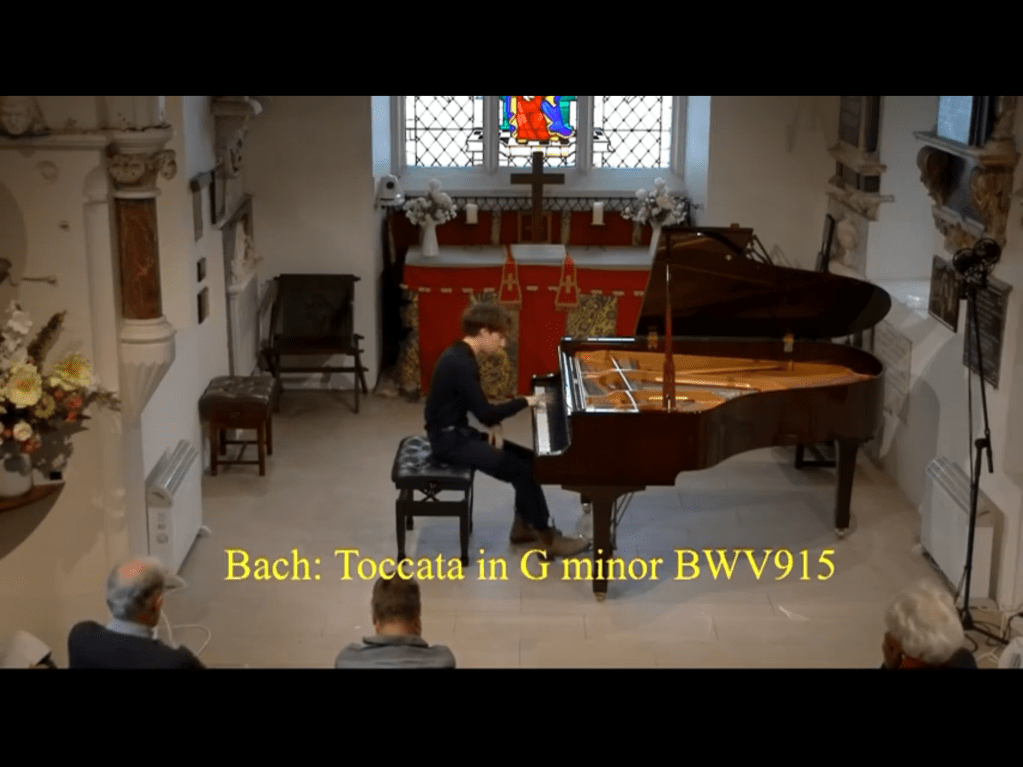
But this was by no means the end of the recital as he had obviously thought very carefully about an eventual encore.And it just shows his great artistry as he sat at the piano and intoned Schumann’s Abschied from Waldscenen op 82 .It was the perfect link that just enhanced Beethoven’s own thanksgiving and created the same magic that Ivan’s mentor Aldo Ciccolini would create at the end of his memorable recitals.It was played with ravishing whispered sounds with the streams of golden counterpoints weaving their way around the beauty of the melodic line.After such a moving experience an ever more insistent public was rewarded with a scintillating performance of Chopin’s ‘Cat’ waltz where Ivan’s sense of style and charm completed a memorable evening.
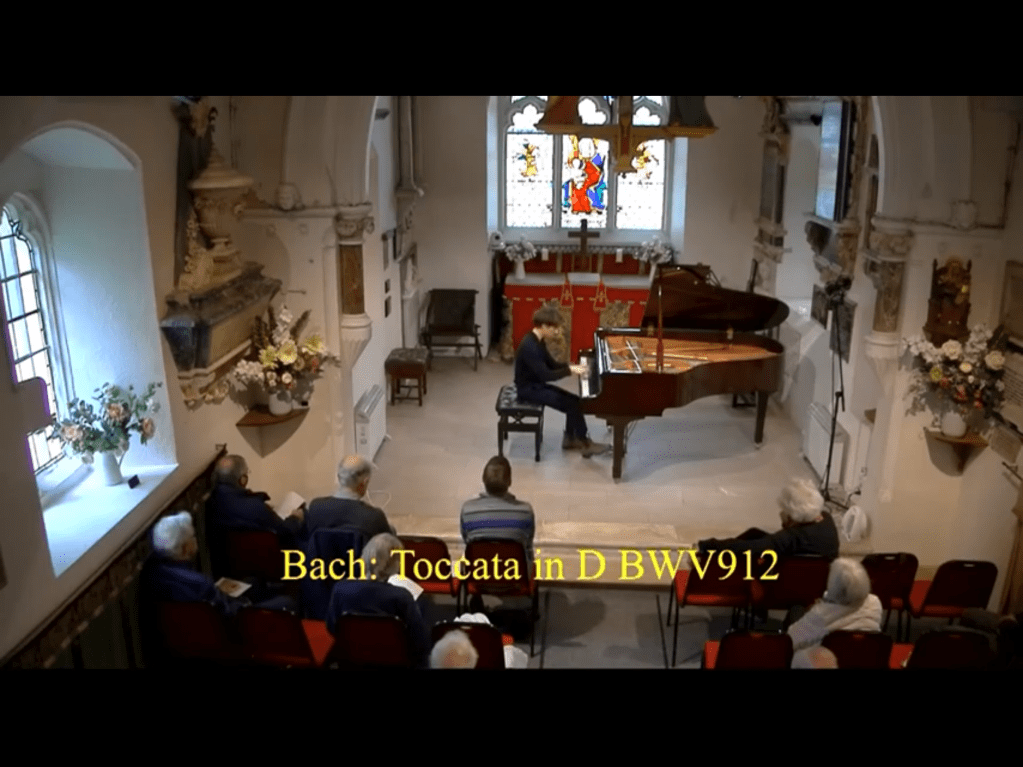
Prof Catucci speaking so eloquently about Beethoven and Liszt

I am indebted to the Liszt expert Leslie Howard who I quote from his learned writings of this transcription of the Sixth Symphony. “Liszt had a great success with the Sixth Symphony from the beginning. It was probably the first of the Beethoven symphonies that he set himself to transcribe, and he played at least the last three movements at many a public concert. Beethoven completed the work at about the same time as the previous symphony, in 1808 and the Sixth remains perhaps the most congenial of all of Liszt’s symphonic transcriptions from a pianistic point of view.In the ‘Awakening of joyful feelings upon arrival in the countryside’ (Liszt gives only French titles in the first version) one revels in the joy of finding all of Beethoven’s textures not a ripple or birdsong is missed in the ‘Scene by the Brook’ – to the extent of some dangerous left-hand stretches simultaneous with combined trills and melodies in the right hand. And tranquil athleticism is the only way to describe the requirements at the recapitulation with its added clarinet and violin arpeggios.Liszt apparently told Berlioz that he played the second eight bars of the ‘Happy gathering of the country folk’ slightly slower because they represented the old peasants – in contrast with the young peasants at the opening and it seems like an excellent idea to have in mind whilst performing the piece. High points of the transcription include the wonderfully mad bit with the fiddle ostinato, the oboe melody and the artless bassoon – quite a challenge at the keyboard – and the whole 2/4 section which imitates the bagpipe and brings the flute counterpoint into much finer prominence than most orchestral balance usually achieves.’The Thunderstorm’ is an inspired piece of virtuoso writing. Just as Beethoven extends the demands on his orchestra in the interest of special effects, so does Liszt mirror them in equivalent pianistic devices, and the relief when the storm subsides is almost tangible in both cases.’Similarly, the ‘Shepherds’ Song. Joyful, thankful feelings after the storm’ finds Liszt at one with Beethoven’s spirit.”

https://christopheraxworthymusiccommentary.wordpress.com/2019/04/29/ivan-donchev-in-search-of-liszt/

https://christopheraxworthymusiccommentary.wordpress.com/2022/02/28/ivan-donchev-in-rome-traditionelegance-and-scholarship-combine-to-seduce/

https://christopheraxworthymusiccommentary.wordpress.com/2021/07/11/ivan-donchev-diabelli-reigns-in-velletri-while-italy-awaits-the-vital-goal/

https://christopheraxworthymusiccommentary.wordpress.com/2020/11/23/ivan-donchev-the-grand-tour-with-beethoven-in-velletri/

https://christopheraxworthymusiccommentary.wordpress.com/2019/11/25/the-hills-of-rome-are-ringing-to-the-sound-of-music-donchev-in-velletri-and-taddei-ciammarughi-in-ariccia/