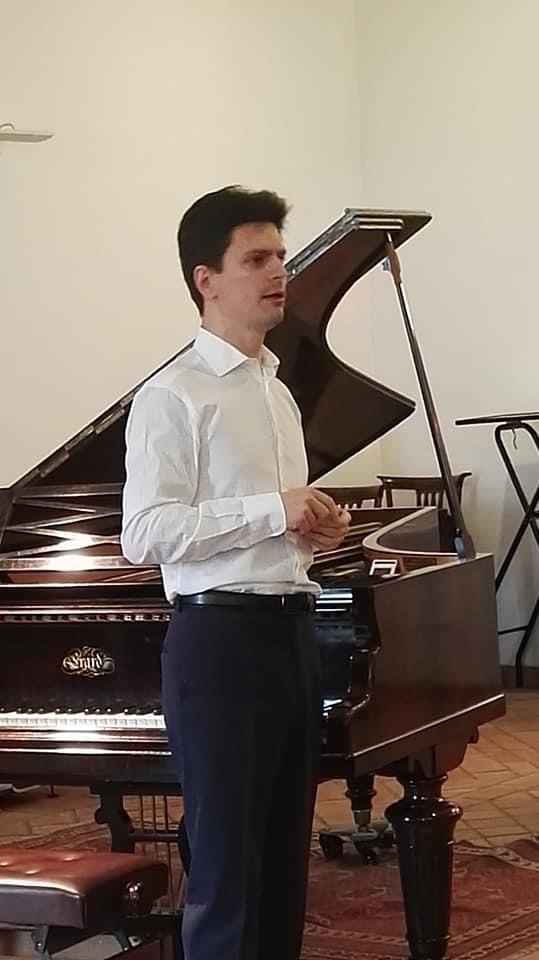
Giulio Potenza: A master speaks Young Artists Piano solo series for Roma Tre University.
Another remarkable concert in the series giving a platform to Young Pianists by the Roma Tre University in the Great Hall in via Ostiense in Rome.
Valerio Vicari,the enlightened artistic director has gathered together some of the finest young talents to demonstate in varied programmes the kaleidoscopic variety of the piano.
A few weeks ago it was “A Journey of Italian Keyboard Music” with Umberto Jacopo Laureti
Today it was the turn of Giulio Potenza with “A journey in the world of the 19th (and 20th!) century piano “
Ending with the mighty Appassionata but starting with some rarely heard works by Janacek,Grieg and Medtner.It was indeed a fascinating journey not least because we had a master guide this time too.
It is also interesting to note that these two Italian trained musicians received their Masters degrees from the Royal Academy and Trinity Laban in London.
So I was not suprised to find in the recital today many of the hallmarks of his illustrious mentors.
Above all a beautiful sound with infinite gradations that never allowed the tone to get hard due to his supreme sense of balance.
A very intelligent choice of programme in which each work seemed to lead into the next.
The sound at the end of the Janacek 1st Sonata(1905) “Smrt “(Death) ,reminiscent of Scriabin second sonata .
A supreme sense of colouring with the doubling of the melody and a very subtle use of the pedals to create a very particular atmosphere .
The opening movement “Predtucha” (Foreboding) where his extreme sense of balance and colour combined with a great sense of line and forward movement created so vividly this visionary atmosphere.
Two beautiful Lyric Pieces by Grieg so rarely played these days although both Rubinstein and Gilels were great admirers of these atmospheric pieces.
The “Notturno” op.54 n.4 was played with a beautifully flexible line and again his superb sense of balance created a magic that was crowned with the atmospheric bird song at the end.
The nostalgia of ”Vanished days op 57 n.1 where from a whisper we were transported to the sumptuous piano world of Rachmaninov which in turn led so beautifully to the “Sonata Reminiscenza in a minore” op 38 n.1 by Medtner.
Giulio Potenza introducing the programme
Medtner was a younger contemporary of Rachmaninov and Scriabin who came to live in London and is buried in Hendon Cemetery.
I remember hearing his pupil Edna Iles play in the Festival Hall in London.
This one movement sonata is one of his most poetic creations.Tinged with Russian nostalgia with such a subtle tenor melody line amidst streams of glistening sounds.
A real kaleidoscope of magical sounds.
After a short break we were taken into the completely different world of Beethoven with his “Appassionata” Sonata op 57.
Here we were immediately plunged into a performance of grandiose nobility.
A full symphonic sound where taught rhythms, clarity of melodic line,relentless sense of direction and scrupulous attention to Beethoven’s very precise markings gave a performance both dramatic and passionate.
Even Beethoven’s most original pedal indications were translated into sound on this modern instrument as a true artist should strive to do.
There was great weight too to the sound and nowhere more evident than in the Andante con moto that Agosti likened to a procession or corteo.Some extraordinarily beautiful sounds in the variations and great sense of always being anchored to the bass that allowed such sumptuous sounds elsewhere on the keyboard.
An Allegro ,ma non troppo taken at such an exciting pace.Maybe a little too fast to contrast fully with the Presto coda but played with such control and contrasts it had us on the edge of our seats until the final tumultuous outburst.
Giulio Potenza with Giancarlo Tammaro artistic director of “Liszt at Villa D’Este”
It was indeed a wildly exciting performance that as Giulio had said was inspired too by an audience that had been so attentive to every nuance.
One encore offered from Schumann’s Kinderscenen (Scenes of Childhood).
What better way to end than a magical performance of “Of Foreign Lands and Peoples.”
It was thanks to Franco Buzzanca that we were able to hear the remarkable 16 year old Talon Smith in Rome.
In the noble surroundings of the Teatro di Villa Torlonia.
The Villa just a stone’s throw from the British Embassy which was the residence of Benito Mussolini until 1944 when after his fall it fell into disrepair and abandon.
Originally land owned by the Pamphilj family that passed into the hands of the banking family of Giovanni Raimondo Torlonia who built this sumptuous villa.
A villa that was the residence of Mussolini during his rise to power in the 1920’s.
Peppercorn rent was paid to the family Torlonia and as fate would have it Mussolini sought refuge during the bombardment of Rome in the jewish catacombs of the 3rd and 4th century that were underneath.
It passed into the hands of the Comune di Roma in 1978 as a public park but the actual villa was not restored until 1990’s.
Teatro di Villa Torlonia
The beautiful theatre that stands in the grounds has become a wonderful venue for music with an extraordinary acoustic.
It has much in common,although on a much smaller scale,with the Teatro Olimpico in Vicenza.
Franco Buzzanca has for many years made the scenery for all the major theatres in Italy creating Scenografia Oggi a symbol for handfinished craftsmanship.
Now retired from the day to day workings of his firm he dedicates himself with his colleagues from the world of art and theatre to organising benefit concerts for the Association “Insieme per Aiutare.”
Franco Buzzanca thanking Talon Smith
And so it was that Franco came to the rescue when Bill Nabore asked me if there was any way that we could give Talon a platform in the three days that he was flying in from California for some coaching before playing in Geneva.
I first heard William Grant Nabore when I was a student in Rome when he gave a very fine performance of the Diabelli Variations in the historic Oratorio of Gonfalone.
He had been a prize student of Carlo Zecchi.I was studying at the time with Guido Agosti.
Bill Nabore with Talon’s mother
40 years on Bill has created the renowned “International Piano Academy- Lake Como” of which the Honorary President is Martha Argerich.
Eventually when I came back to Rome creating the Teatro Ghione with my wife Ileana Ghione ,I used to persuade the great almost unknown artists who played for us to spend a week with Bill’s students in Como living and working together.
Rosalyn Tureck was enthusiastic and full of astonishment at the standard of the students.
Fou Ts’ong soon became a favourite followed by Peter Frankl,Moura Lympany, Stephen Kovacevich,Alicia de Larrocha.
Adding over the years artist such as Murray Perahia,Dmitri Bashkirov,Alfred Brendel etc.
So when Bill said he had a truly phenomenal talent coming to Rome I moved mountains to be allowed to hear him.
100th anniversary celebration for Lya De Barberiis
The Ghione Theatre on that same day was busy with a concert dedicated to the 100th Anniversary of our beloved Lya De Barberiis.
Organised by the indomitable Massimiliano Negri who has done so much to keep alive my duo partner’s memory for so many years.
Our last concert together,Lya and I, was in 2012 for the newly born Circolo Culturale Lya De Barberiis.
Massimiliano has since brought out a book, after her death in 2013, dedicated to keeping her memory and legacy alive.
He even found time to perform Mendelssohn’s Violin and Piano Concerto splendidly on this occasion .
I attended the dress rehearsal and was able to enjoy the extreme sensitivity in Elgar’s Serenade for Strings of the String Orchestra from the Conservatory di Perugia under the guidance of Piero Caraba.
Liliana Bernardi,violino Massimiliano Negri,pianoforte with the string orchestra of the Conservatory di Perugia
The extraordinary playing of the violinist Liliana Bernardi together with Massimiliano Negri.Lya would have been happy to see what musicianship they brought to this rarely heard work of Mendelssohn.
But who is infact Talon Smith:
National & International Award-Winning Pianist & Composer & Distinguished Young Steinway Artist
Bill Nabore con Talon Smith
“Exhibiting an innate, passionate musicality and brilliant technical mastery well beyond his years, sixteen-year-old virtuoso pianist and composer Talon Smith has already won Gold at the Gina Bachauer International Junior Artists Piano Competition.
Talon’s inspiring musical performances display immense beauty and passion engaging his listeners in an unforgettable experience. He shares his feelings and vast musical gifts of authentic depth and rare sensitivity with emotionally touching musical performances that have ignited both tears and laughter with his audiences. He commands the piano with superb tone, remarkable timing, and poetic phrasing layered with amazing contrasts of stunning colors. According to the experts, “This young pianist is extraordinary in many ways – Talon is a passionate musical force with a special and huge talent. He has a distinct voice, a remarkable sense of musical structure, and intense poetry.”
Talon’s career is marked by an abundance of triumphant achievements. He has won many top prizes – 1st place almost exclusively – in numerous solo, concerto, and composition competitions. He continues to perform in many successful solo artist and orchestral concerts in front of sold-out crowds generating enthusiastic standing ovations by extremely inspired audiences.
Besides piano and composing, Talon enjoys spending time with family and friends; delicious food; reading the Bible, the classics, and books on theology and history; playing ultimate Frisbee; participating in choir; school; and spending time with his furry companion of 8 years – Browny – an Australian cattle dog. Talon states that some people have service dogs, but he has a “be served dog”— Browny is pampered. Talon’s ultimate goal in piano playing is to bring glory to God and to be used by Him as a minister of blessing to his audiences. Current Teachers: William Grant Naboré & Rufus Choi.”
From the very first notes of the early Beethoven Sonata op. 2 n.2 it was clear that we were in the hands of an unusually mature musician.
An unrelenting drive to the Allegro vivace was only alleviated by the almost orchestrally conceived interpretation of the Largo appassionato.
Chords that were crystal clear in the first movement suddenly became dense and pregnant with weight and meaning.
Scrupulous attention to detail showed off all the charm and drive of the Scherzo.
The Rondo played with a freedom that is implied in Beethoven’s almost Schubertian writing and was given full reign to contrast with the extraordinary percussive outbursts that were played with an almost obsessive insistence.
Nothing had prepared me though for the sudden change of colour and density of sound that immediatley filled the air with a passionately driven performance of the Allegro Maestoso of the Chopin Sonata in B minor.
Such forward movement and lack of sentimentality gave only greater density to the finesse and nobility that I was certainly not expecting from a sixteen year old.
A crystal clear Scherzo played indeed molto vivace .
Not the usual jeux perle but an incisive precision allied to a flexibility that for once led to a Trio with a shape and form that had grown out of the scherzo.
No break before the majestic opening chords of the Largo.
What a surprise to hear too Chopin’s own subtle pedal effects in a performance that had an architectural solidity allied to fantasy and deeply felt feeling.
Bill had recently told me about the pedal effects in the second Concerto that he is helping Marcos Madrigal master for a performance next week in Los Angeles.
How lucky Talon is to have someone that can point his way to what the composer actually wrote and intended.
Works that are so easily played in a beautiful but traditional way without actually paying heed to the very precise indications of this absolute innovator of the piano.
Interval Ave Maria for Brass filled the interval pause with our superbly interesting presenter Adriano Romano now at the french horn
The Finale certainly played Presto but also with the reserve of “non tanto” that allowed Talon to throw himself into the final pages with an excitement and extraordinary precision.
A quite exemplary performance from someone so young.
Breathing life into an old warhorse as seen through the eyes and ears of a real thinking musician was indeed a refreshing and exilarating experience.
An interval full of extraordinary brass music led beautifully into the second half of Bartok and Prokofiev.
“…The Suite op. 14 has no folk tunes. It is based entirely on original themes of my own invention. When this work was composed I had in mind the refining of piano technique, the changing of piano technique, into a more transparent style. A style more of bone and muscle opposing the heavy chordal style of the late, latter romantic period, that is, unessential ornaments like broken chords and other figures are omitted and it is more a simpler style.”
— Béla Bartók, radio interview with David Levita, July 2, 1944.
That in the words of the composer himself could have easily summed up tonight’s performance from Talon Smith.
The simple clear skeletal sounds driven with an inner energy that seemed to ignite the whole of this second half.
From the bare bones of the Scherzo through the plasmatic movement of the Allegro molto to the bleak isolation of the sostenuto.
It had a mesmerising effect on an audience caught unawares by the sudden chameleon like changes of this young musician.
Little were we expecting the onslaught that awaited with the second of Prokofiev’s War Sonatas.
The seventh Sonata op.83 was written 25 years after the Bartok receiving its first performance in 1943 from Sviatoslav Richter.
Like a man possessed Talon threw himself into the fray with a total abandon that made the few moments of serenity even more terrifying.
A wonderful palette of sounds drawn from this black box that had nothing to envy from a full symphony orchestra.
The subime Andante caloroso was played with an almost understated cantabile that made the climax even more heartrending and colouful.
The savage relentlessness of the Precipitato was breathtaking as it progressed in a seemingly endless crescendo until it’s final disintegration.
A true tour de force that brought an ovation from a public completely overcome by the virtuosity and musicianship of this young star.
Franco Buzzanca with Talon and the sculptor Massimo D’Aiuto
A sumptuous Etude Tableau op.39 n.1 played as an encore filled the hall with the grandest of sounds.
A fullness without ever hardness because of his supreme sense of balance anchored in the bass harmonies.
ù
A public that would not let him go was offered one of his own compositions.
A beautiful Scriabin-Debussy type impressionistic piece with some hypnotic sounds that glistened in the treble whilst hinting at glories that lay in the middle register of the piano just waiting for this seducers caressing hands.
“Hats off” indeed to Bill Nabore for sharing with us in Rome this young musician heading for the stars.
It was nice to be back in my old Alma Mater and be reminded of what a trial the final days can be.
Anna Geniushene`s mentor Christopher Elton was,like me, from the school of our much loved and respected Gordon Green.
I graduated with the MacFarren Gold Medal in 1972 – Christopher a year or two earlier after he had graduated from Cambridge.
No trial though for Anna as she threw herself fearlessly into the fray and gave a truly heroic performance of Prokofiev`s Eighth Sonata,the last of his trilogy of war sonatas.
I had heard her play it in the final of the Busoni Competition and was as astonished then as I was today by the relentless energy and total conviction with which she went to war.
This is the great Russian no nonsense school of Lazar Berman or Denis Matsuev.
Fingers like limpets that search deep into the keys to find the sonorities that Prokofiev demands.
Matthay has no part to play in this world where charm and subtle colours are banished to the horrors of war.
I did miss though the subtle charm and colours that Horowitz or Michelangeli regaled us with in their early discovery of Clementi`s sonatas.
But she brought to it a clarity, precision and control that were remarkable.
Some exquisite cantabile with brilliant interruptions rather than the embellishments of a great bel canto singer.
Debussy`s elusive “Berceuse heroique” was most beautifully shaped with some truly magical moments where her clarity and lack of sentimentality and spare use of pedal had found the ideal interpreter.
In Tchaikowky`s Romance op 51 n.5 she allowed herself to bask a little in subtle,languid sounds before throwing herself full throttle into the Scherzo a la russe as only a Russian can.
All best wishes to Anna for her career that has already taken her to many parts of the globe and also includes her CD of Rachmaninov op 33 and Prokofiev`s 8th Sonata to be issued in July .
It is hard to know where to begin in describing the concert by Hin-Yat Tsang in Perivale today.
I think the one word uttered by our master of ceremonies the philanthropic Dr Mather just about sums it all up:”sensational.”
I just hope that his teacher and my colleague at the RAM almost 50 years ago was listening with pride in Hong Kong.
Eleanor Wong was studying with “Freddy “ Jackson and inherited from him his masterly musicianship, absolute respect for the score and above all the rhythmic impetus that lies within the notes on the printed page.
All these qualities were apparent in a Liszt Sonata that rarely has been heard in such a powerfully projected performance where intelligence and respect for the composer were of paramount importance.
Something that is all too rare in this work that is considered the pinnacle of the Romantic repertoire and so often an excuse for self indulgence and rhetoric.
The Schubert “big” A minor sonata D 845 was played as only a true musician following in the footsteps of Kempff or Brendel could have matched .
An encore of the Second Sonata by Scriabin played with such fantasy and amazing technical prowess that the miracles of sumptuous sound that filled this unique venue belied the mastery that we were witnessing.
Hin-Yat Tsang above all has the abilty/sensibility that allows the music to talk so coherently as though on every note there was a different word in a musical conversation that ranges from the deepest of confessions to the most demonic excesses.
It was the absolute control in the Schubert Sonata that gave this complex work such an architectural shape and sense of direction that for once Schubert’s heavenly length was justified!The rhythmic control from the very outset of the first movement allied to contrasts of character and sound made for a fascinating journey indeed.
The Andante had all the charm of the master of song.The florid variations played with a sense of ease and shape leading to the etherial magic sounds of the distant horn.
The scherzo almost orchestral in sound with very strict rhythmic control.A charming lilt and complete change of colour brought a great contrast to the trio of an almost pastoral nostalgia.
The last movement slipped in almost unnoticed before the trumpet call to arms and wending its way in an ever more transcendental web.
A long pause before embarking on the lonely journey of Liszt’s great Sonata.
Great character to the opening statement of the three main motifs.
From the absolute stillness of the single isolated bass notes and wonderfully shaped mysterious melodic line.
The understatement of the opening octaves and the demonic appearance of the left hand menacing motif.
This made the transition to the first main appearance of the octaves even more powerful and of great grandiloquence.
An almost orchestral diminuendo led to the transformation from Florestan to Eusebius but always with the nagging demonic rhythmic throbbing deep in the bass.
The sublime melodic transformation where the most liquid of sounds revealed his true mastery of the pedal.
Magical sounds from every part of the piano led to overwhelming feats of virtuosity all the more startling for the absolute control and spare use of the pedal.Great dramatic statements were interrupted with recitative type comments of great poetic but virile sounds.Three magical chords heralded the melodic middle section played with almost string quartet type voicing The passionate throbbing at the centre of this middle section where vast sounds were unleashed were very similar to the wonders that I remember from the studio in Siena of Guido Agosti.
A mastery of balance that meant there was never any hardness to the sounds but a sumptuous fullness that was overpowering.
The fugato slipped in and led to the triumphant appearance of the recapitulation and the great climax of double octaves played with great technical command .
It led to an almost aching silence that made the entrance to the magical coda even more memorable.
The silence that greeted the final deep bass note spoke wonders for the total concentration and atmosphere that had been created.
A quite remarkable performance in which this much maligned work was once again placed at the very pinnacle of the innovative genius that was Liszt.
Time had indeed stood still with these remarkable performances and a request for more was gladly accepted with the promise of the first movement of the Fantasy Sonata by Scriabin.
Some wonderfully liquid sounds, a completely different sound world from the Schubert or the Liszt.An atmospheric opening leading to the most sumptuous climax before dissolving to a marvel of subtle liquid sounds.
Such was the total absorption of the artist and public alike it was obvious that the second movement should slip in on the crest of this magnificent wave.
Some startling feats of transcendental virtuosity in the second movement with swirls of subtle sounds on which the melodic line rides with such passionate involvement.A remarkable performance from a true poet of the piano.
Hin-Yat Tsang with Andrew Yiangou
Totally absorbed too was Andrew Yiangou a colleague from when they were both studying at the Royal College in London .A pianist who has played many times in Perivale and was overcome as we all were today by the poetic mastery of this young musician.
I have heard and admired Dinara Klinton many times and am always astonished at the beauty of sound and clarity of thought of this amazing young artist.
Even more so today knowing – only after the concert- that she had shut her finger in the bus door on the way to the concert!
It meant a painful time for her but such is her professionality we were never aware of anything except the sumptuous feast of music that she treated us to today.
Starting this full length afternoon recital at St Mary’s Perivale with a twenty five minute feast of Tchaikowsky.The famous Humoresque op 10 I have heard before but never the Nocturne that precedes it.
From the very first notes there was a magical liquid sound and some very subtle counterpoints to the poignant flexibility of the melodic line in the Nocturne.
Ending in a whisper it paved the way for the famous Humoresque.
With a teasing sense of rhythm and a kaleidoscope of subtle colours and pianissimi of exquisite charm ending in a veritable puff of smoke.
The Valse Sentimentale op 51 n.6 is full of that typical yearning ,nostalgia that is so much part of the Russian spirit.This too was played with a quite irresistible charm.
The deep lament of the Meditation op 72 was played with such subtle colouring.
Great rhetorical sentiment and a quite magical trill to end.
The Andante-Maestoso from the “Nutcracker Suite” in the Pletnev arrangement closed this group of pieces by Tchaikowsky.A great virtuoso transcription in which Dinara with her noble sense of balance and fearless virtuosity swept up and down the keyboard with breathtaking splashes of sound.Her complete control of balance and sumptuous sense of colour brought this group of salon pieces to an astonishing end in the style of the great pianists of a bygone age.
The first half closed with the Sonata n.4 in C minor op 29 by Prokofiev.
The absolute clarity and control from the first sinister bass notes took us so clearly to the final burst of startling mettalic final chords of the first movement .The relentless throbbing of the second movement in which the magical melodic line is allowed to float led to a frenzied climax.The diabolic virtuosity of Prokofiev in the last movement with its scherzo type melody ,so typical of these early sonatas .was played with a drive and startling sense of inevitability.Dinara had guided us through this maze of sounds with an unusual clarity and sense of direction.
Dinara at the end of a memorable recital
Three Scarlatti sonatas followed after the interval.
Such clarity and crystal clear ornaments that glistened in the serenity of K. 11 in C minor.
K 545 in B flat was played with a rhythmic propulsion and such subtle dynamic contrasts.The beating of the drum in the left hand and the playful syncopation gave a great ‘joie de vivre’ to this little gem.K.208 in A was played with a gloriously delicate melodic line.
The Sonata in A op 101 by Beethoven opened in a most pastoral way her great sense of balance allowing the melody to sing but always integrated into the harmonic structure of the whole.The first movement had a great sense of serenity and space due to her very subtle use of pedal and the flexibility of the simple melodic line.The second movement had a relentles rhythmic drive with a great sense of control.Beethoven’s pedal markings meticulously interpreted and integrated into dynamic contrasts to startling effect.The Adagio was allowed to sing so beautifully and the return of the first theme that heralds the finale was pure magic.The Allegro was played with great rhythmic energy like water bubbling in the brook.
A great sense of forward impetus and a startling sense of contrast starting almost inaudibly with an impressive left hand in the fugato that built up gradually to a very convincing climax.A performance in which she had seen the great architectutal shape that Beethoven had intended and her sumptuous sound world allowed her to shape it from the first to the last note so simply.
Two Transcendental studies of Liszt closed the programme.
Dinara has recored all twelve of the transcendental studies that have long been acclaimed by the press.
In n.9 ”Ricordanza”from the very first notes we were taken to the world of the Romantic salons.Seemless scales played with a delicacy that accompanied the elegance of the melodic line.A sense of style that reminded one of the old recordings of Egon Petri or Nikita Magaloff.
The study in F minor n.10 was played with diabolical virtuosity and great sense of passion.
A grandeur that reminded us of how grand the piano can sound in the hands of a master.
No encores possible as she told us the remarkable story of her finger that was injured in the bus just a few minutes before she had to play.
A sensational recital for the City Music Foundation by the impeccable Mr Valuntonis.
In the magnificence of St Bartholomew the Great the scene was set for some remarkable music making from this young Lithuanian born pianist Rokas Valuntonis.
Multi award winning pianist, having studied in his homeland with Alksandra Zvirblyte before venturing to the Sibelius Academy in Finland.
Eugen Indjic followed in Paris and now completing his studies at the Guildhall with Peter Bithell.
A recent winner of the Campillos International Competition and since 2017 an artist singled out by the City Music Foundation.
If the CMF’s mission is to turn ‘talent into success’ judging by this recital last night they certainly succeeded and I suspect exceeded all expectations!
Here is what I wrote when he played in that Mecca for pianists that is St Mary’s Perivale in 2017……….. today he even exceeded that prediction.
The CMF had pulled out all the stops for this young pianist and above all providing a Steinway Concert Grand which they had mounted especially in the middle of this vast and glorious edifice on a special podium.
The seats in a semi circle with special lighting created a uniquely warm atmosphere where the public and pianist alike were united in the glory of this wonderful building.
But then the CMF do not leave any stone unturned in their quest to help these exceptionally talented musicians.
Dinara Klinton,Mihai Ritivoiu are just two others that I know that have benefited from their help and guidance.
The CMF help these young artists by supporting them with a comprehensive career development programme Arranging mentoring,run workshops,provide agency and management,make CDs,videos and websites,commission new music,secure airtime on BBC Radio 3 and promotion through online ,print and social media.Finally the most important part to put on their own recitals and concerts:
A very distinguished gathering for the concert that included three ex students of Gordon Green, that much missed mentor of so many of the finest pianists playing today.
Bryce Morrison that supreme expert on all things to do with the piano and many others that filled so generously this vast space in the centre of London just a stone’s throw from Smithfield Market and the Barbican Centre.
Immediately creating a unique sound world from the first notes of the Dumka by Tchaikowsky that opened this very interesting programme.
A very particular order to the programme that allowed us to enter an unusually magical sound world.
Flowers from an admirer
A similar sound world that Guiomar Novaes created in her famous Schumann recordings that as students we discovered and savoured.
A sumptuous sound in which the colours and variations in dynamics never for a second allowed us to forget the fuller vision of the architectural shape of the works.
Never a hard or brittle sound but a full sound that made this fine piano sound very grand indeed!
Notes that seemed to glisten as they wove their web around the melodic line in the Scriabin Sonata Fantasy op 19 that opened the second half.
The first movement like a dream that gradually unravels leading to the main climax before drifting back to the sublime slumbers with which it had opened.
But even here almost lifted from the seat ( as Rubinstein used to do in crucial moments) in the climax but never for a second leaving the sumptuous sound world that he had created.It was more a rhythmic impetus at just the right moment.
The second movement too, more transcendentally difficult, was spun as a web of sound from which grew inexorably the melody which was in later Scriabin to become his”star”.A “Star” that would gleam brightly and ecstatically as the climax of his fragmented type musical invention.
Rokas presenting his programme
This was followed by three Scarlatti Sonatas.
Showing off the rhythmic sometimes almost savage dance combined with the most intricate finger articulation K.487 and K.79.And in particular in the G minor Sonata K.8 with an almost operatic shaping of the melodic line.
A sense of colour allied to an unrelenting rhythmic pulse that led the way so well to the “Images” as depicted by Debussy.
“Reflets dans l’eau” was just that ,with washes of sound but allied to a clarity and sense of overall direction that gave a great virility to this work that can in lesser hands seem rather pale and opaque.
“Hommage a Rameau” was played with a much more subtle sound palate than the aristocratic french sound that we are used to in the hands of a Rubinstein.
But there was magic in the air and some quite sublime moments of a feeling serenity in between bursts of great grandeur.
Mouvement could have been slightly clearer and more driven at the beginning but when he reached the great climax his reasoning became at once clear.
He had seen the great shape of this technically trying piece and as with the Scriabin had led to the climax before disappearing as it had begun as if from afar.
The devilish virtuosity of Liszt and Horowitz
The programme finished with Liszt’s famous Mephisto Waltz n. 1.
A savage dance indeed that was apparent from the very first appearance of the melody.
Always within the sound world that had been created it carried us along with him in an ever more startling world of transcendental virtuosity that had made of Liszt the “pop” idol of his age .
From the seductive melody of the middle section to the gradual re-awakening of the drunken party.It led to the most exciting playing that almost took our breath away just as I am sure it must have done for Liszt’s audences.
Almost throwing himself from on high at the most dramatic moment it brought this devilish piece to an enthralling end.
leaping for joy at being able to share his music with us.
It was apparent from the very opening of the evening
the enjoyment that he was obviously having from playing to such an attentive audience.
It was the same enjoyment of a given few that live for that moment of sharing their music with others without the slightest outward sign of strain or fear.
Fearless indeed as he offered to a totally won over audience the Carmen Fantasy by Horowtiz.
Thrown off with a fearless charm and enjoyment that the great man himself used to electrify his audiences with.
Just as Liszt himself had done in the salons of the aristocracy reducing the most refined gentry to animal like fervour by his devilish artistry.
Rokas introducing the pieces he was to play explained that he had chosen four early Mazukas op 6 by Chopin before Schumann’s Etudes Symphoniques op 13.
It was Schumann himself that had first recognised the genius of Chopin in his early work ( op 2 to be precise) with his famous “Hats off a genius.”
Having studied n Paris with Eugen Indjic one of the top prize winners of the first Rubinstein Competition in Tel Aviv.Rokas had obviously been made aware of the very unique world of the Chopin Mazukas.
Some of the most subtle and poetic musings of Chopin.But also the most elusive.
Each one is a little tone poem that tells a story and is full of the subtle rhythms of his native dance.It was a world that Rokas has absorbed so well and that gave us the subtle almost musette type sounds of the C sharp minor Mazuka or the spirited almost playful question and answer of the E major.
The sublime melodic line of the F sharp minor in which the sense of elastic rubato was so naturally felt.
The main work in the first half were the Etudes symphoniques op 13 by Schumann.
A work dedicated to William Sterndale Bennett ,who was Principal of the Royal Academy in London and a fine pianist and composer who championed the work in England.
A work that Robert Schumann had advised Clara was not worth playing!
Two students of the great much loved pedagogue Gordon Green.
Peter Bithell in discussion with Ann Shasby
Interesting that the theme was by an amateur musician Baron von Fricken whose daughter Ernestina had been a love of Schumann. She is depicted as Estrella in his Carnaval op 9!
Sterndale Bennett was the teacher of that great pedagogue Tobias Matthay who had in turn created a famous school of piano playing, based on extreme sensitivity of touch.
The “Matthay” school from which were born Dame Myra Hess and Dame Moura Lympany amongst many other very great artists.
A remarkable performance and it was here that I was reminded of that Novaes sound that had impressed me as a student with her recording of Carnaval and Papillons.
The Director presenting the City Music Foundation
A sumptuous rather subdued sound in the little theme of Baron von Fricken that was immediately enlivened with the very precise rhythm of the first variation.
From the sumptuous melodic line in the following variations with alternating butterfly like accompaniment and virtuoso splitting of hands .To the almost Mendelssohn like lightness of great dexterity with all the time a great build up to the 8th variation.
Agosti likened this to the grandeur of a Gothic Cathedral.
It was the supreme the stillness in th central section that created the atmosphere within this variation that was even more moving for being able to evesdrop in this noble building.
The beautiful nocturne like variation n.11 where the counterpoints were so clearly painted by the right hand with only a murmur of sustenence from the left.
A relentless finale of great clarity and sense of balance brought this first half to a close.
Dumka by Tchaikowsky was the opening work that is so rarely heard in the concert hall these days.
It was the work that Rokas so rightly chose to open his recital.
A true gem of a tone poem where every facet of tonal colour and virtuosity was at the service of the story that Tchaikowsky wanted to tell.
It was a piece that immediately created the atmosphere for a memorable evening where surely his great love of performing together with his unique poetry and artistry are the hallmarks of an important career that awaits.
“Chapeau” indeed to the City Music Foundation and their prodigal son, Rokas Valuntonis
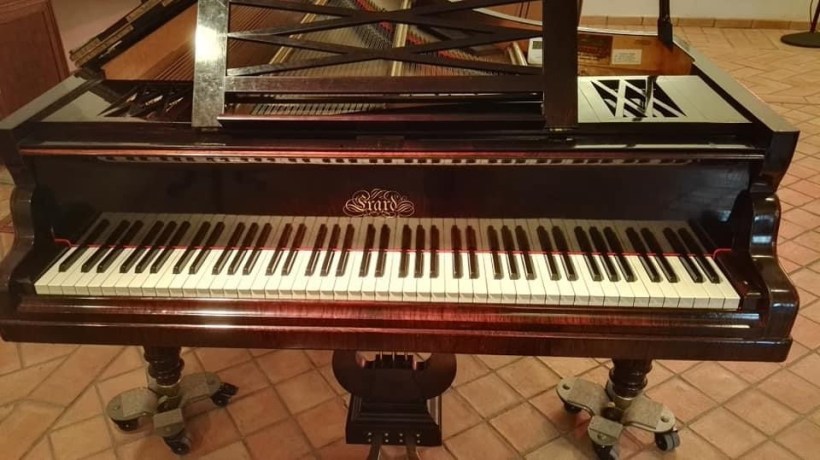
Extraordinary performance by Ivan Donchev in Villa Mondragone,Frascati on a piano similar to Liszt`s famous Erard that was in Villa d`Este.
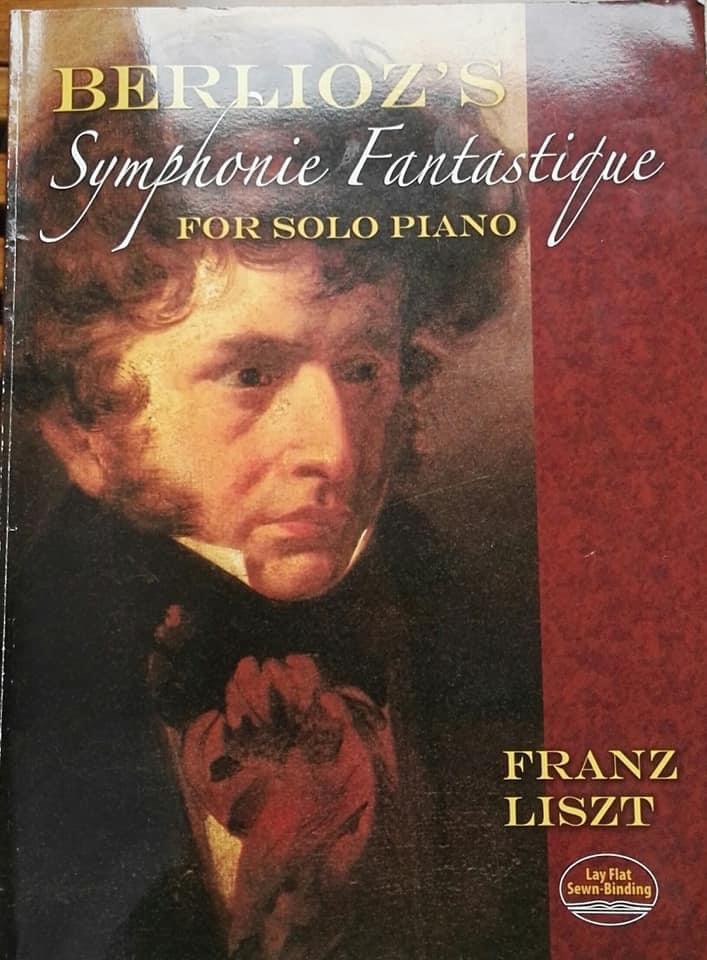
Berlioz Symphonie Fantastique in the transcription by Liszt.
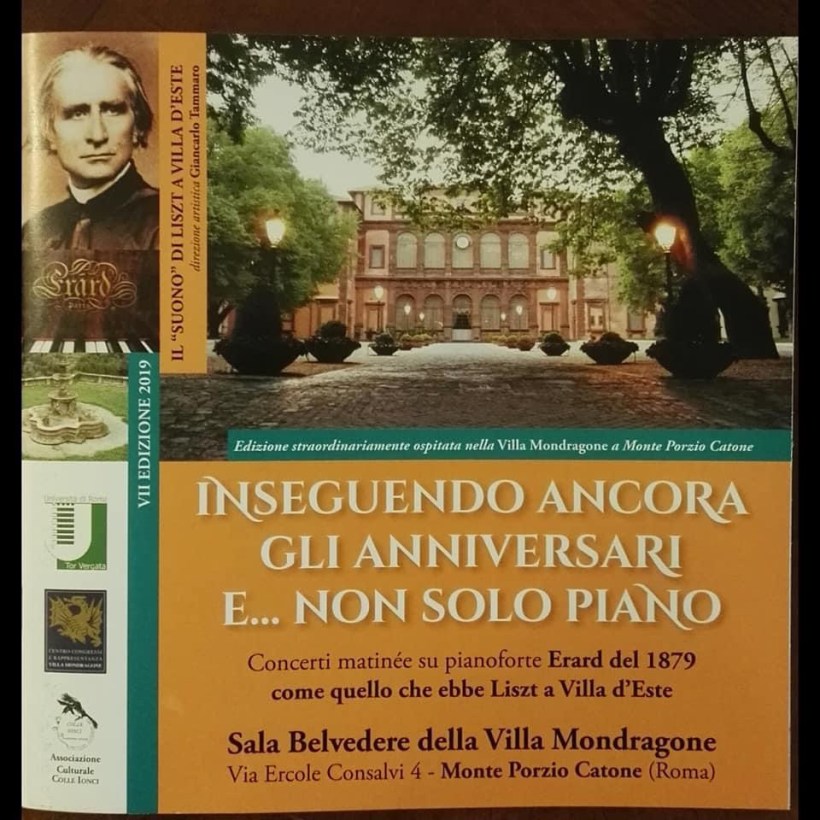
Now in its 7°edition a concert series under the title of “The ‘sound’of Liszt at Villa d`Este” directed by Giancarlo Tammaro the actual owner of this precious Erard piano from 1879 that was found in a Religious Institute in Rome in 1991 and played in public again in 1992.
Although not the original Erard that Liszt played in a famous concert he gave in the Throne Room in Villa d`Este on 30th december 1879,it is very similar to the original Erard that Liszt mentions in a letter to Baronessa von Meyendorff in 1878:
“Thanks to the kindness of Maestro Carlo Ducci who has more than 200 pianos to hire between Florence and Rome I will have a superb Erard at the Villa d`Este and also a fine Kaps in case a “first class”pianist wants to play two pianos with me.”
The original piano was also found in a religious institute in Rome in 1991.They are still the owners having restored it and put on show in the Metropolitan Museum in New York and now resides in Vienna.
Ivan Donchev and Maestro Giancarlo Tammaro
Thanks to the generosity of Giancarlo Tammaro this very similar Erard is housed in the Congress Centre of Villa Mondragone and is on permanent loan to the University Roma 2 on the proviso that it is maintained for public concerts.
Although Liszt changed his abode in Rome many times his country home was always the Villa d`Este that he called his ” El Dorado”.
He would also have frequented the nearby Villa Mondragone ,so it was a happy coincidence that due to the unavailabilty of Villa d`Este this year the concert series has transferred to the equally splendid Mondragone in Frascati.
The hills around Rome abound with great villas that overlook the Eternal city and would have been frequented by nobility on their “grand tour” of Italy.
The splendid Villa Aldobrandini dominates the centre of Frascati and these other great villas surround each other and are now mostly congress centres or Hotels.
Liszt’s frock coat.
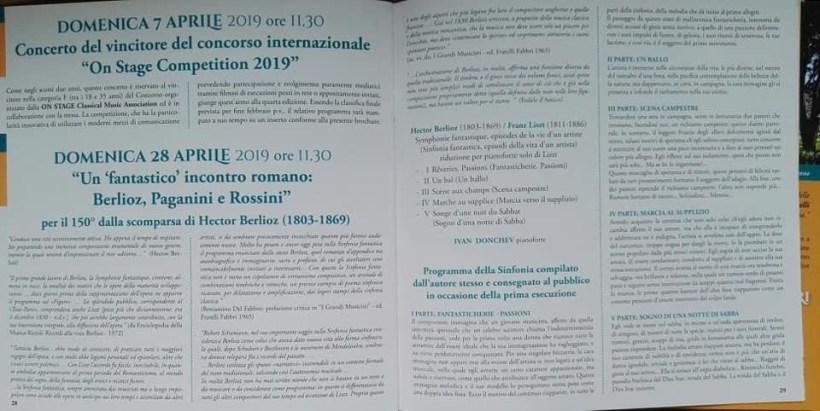
The generosity of M°Tamarro has no limits as he introduced the concert so learnedly and provided an illuminating highly researched programme.
He even had on a stand next to the piano the frock coat that Liszt wore according to a very old lady who had bequeathed it to him saying it had been in turn left to her and that it was used by Liszt when his own had become drenched in the rain.
A rain that was very much in evidence even today!
A page from the 34 page programme
A nice story that may or may not be authentic.
Liszt was somthing of a pop star idol in his day and even cigarette butts were conserved reverently by his adoring lady fans!
However nothing had prepared us for the superb performance that awaited us on this damp Sunday morning.
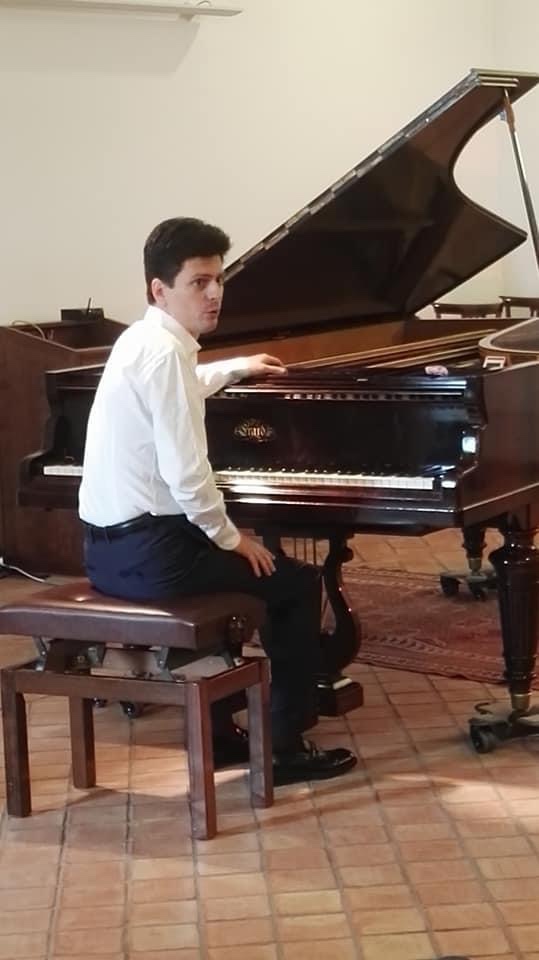
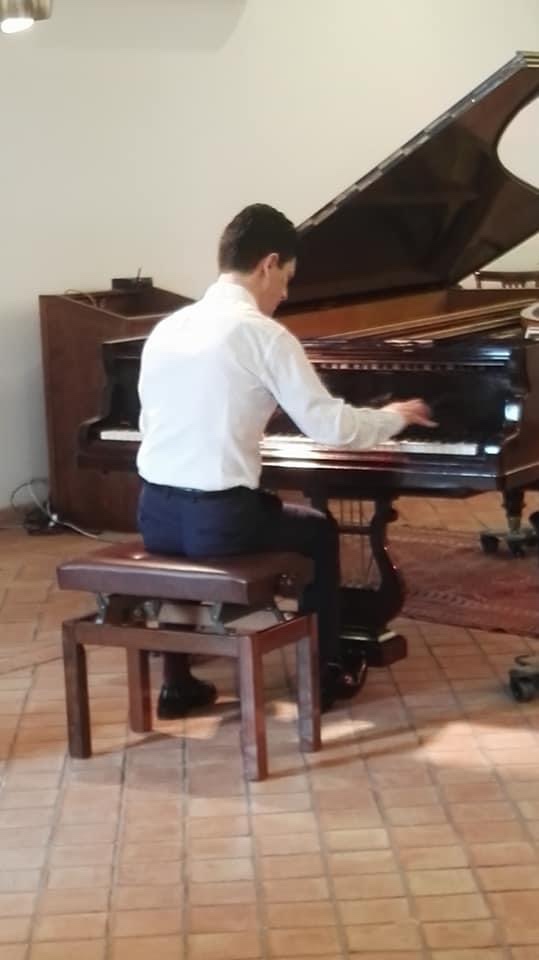
Ivan Donchev illuminating his performance from the keyboard before the complete performance
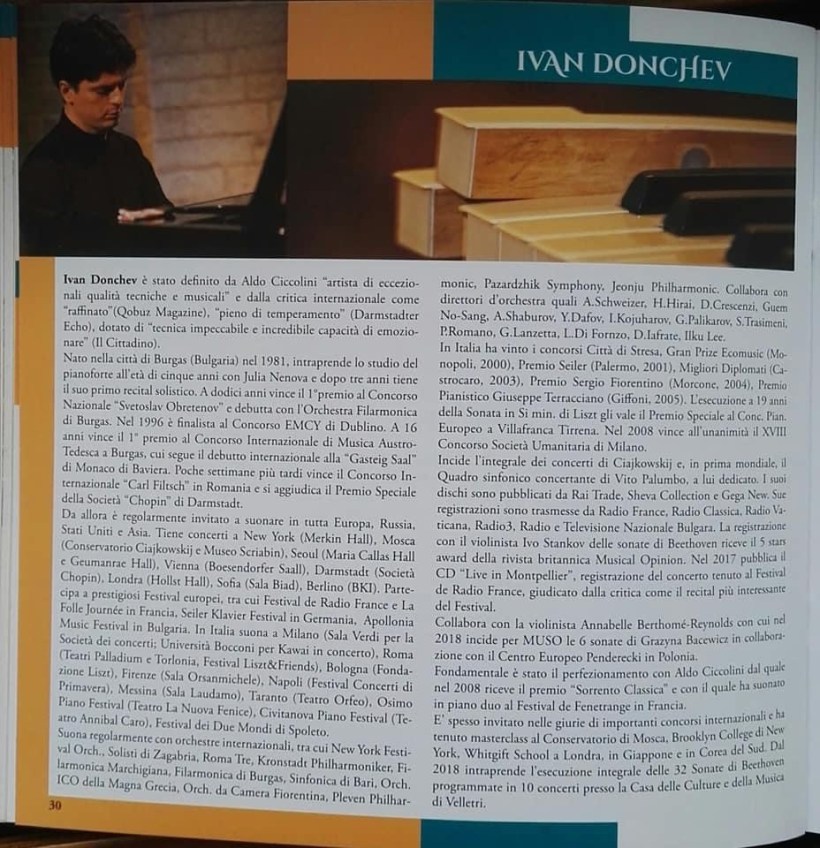
The Bulgarian pianist Ivan Donchev,a prodigy of Aldo Ciccolini had meticulously prepared the 1833 transcription that Liszt had made of Berlioz`s Symphonie Fantastique.
Liszt was a great friend and admirer of Berlioz and had even tried to persuade him not to fall for the Irish actress Harriet Smithson but eventually ended up as testimony at their wedding!She was the inspiration of this monumental work.Two years later became an alcoholic!
More importantly it is thanks to this transcription that Berlioz`s music especially in Germany became known.
As Ivan explained you can either just play the work as so many do these days with the invention of the I pad or you can really delve deeply and immerse yourself totally and in fact fall under the extraordinary spell of this masterpiece.
That was the reasoning that surprised even M°Tamarro when he closed the music stand and proceeded by memory to give us a fascinating spotlight journey through the various trasformations of Berlioz`s ” idee fixe.”
Of course he had absorbed so thoroughly the Symphonie and had come to love it (exactly as Janet Baker had reasoned recently in the moving film “in her own words” when she insisted on giving a world premier at Carnegie Hall without the score ,as she needed to possess it in order to transmit it!)
It was exactly this love and commitment that made the hour long journey so riveting.
So often these “antique” instruments can sound so weak in the vast concert halls of today (I am thinking of Andras Schiff recently with his valiently informed performances in the Festival Hall in London of the Brahms Concertos on a 1860 Bluthner……conducting from the keyboard as he very wittily exclaimed: “it is sometimes good not to have a policeman”)
Here today was the ideal location to be able to appreciate all the qualities that had so impressed Liszt.
curriculum of Ivan in the programme
It will be interesting too to be able to hear the same performance in the theatre of Villa Torlonia (Mussolinis residence in Rome recently restored )next Sunday morning 5th May on a modern Steinway concert grand.
A magnificent performance only hampered by the lack of the vast range of sounds to which our ears are accustomed.But there were also some very interesting things (as there had been with Schiff) which shed light on so many points of balance.
There was a luminosity of sound that in this musicians hands made the idee fixe so clear.
Of course there was a lack of that 6th gear in the more powerful moments as in the March to the Scaffold or in the powerful interruptions at the Ball.But the second movement did though have a wonderful sense of shape and style.
The Witches Sabbath was given a most powerful reading and the great chimes rang out with all the power of the great orchestra for which it was written.
An amazing tour de force.
A transcendental command and total control even in the most taxing episodes.
But also a great sense of style and balance allied to the sensitivity and poetry of a true artist.
Amazingly he still had the energy to offer two encores,much shorter as he pointed out,on the insistence of a very enthusiastic public.
Liszt Paganini study n.4 played with all the aristocratic charm and virtuosity of his mentor Ciccolini.
A second encore of Offenbach or Rossini took us back to the salons of yesteryear.
It brought this sumptuous feast to a close where time seemed to stand still on this Sunday morning in this great and nobile edifice in search of the Abbe` Liszt
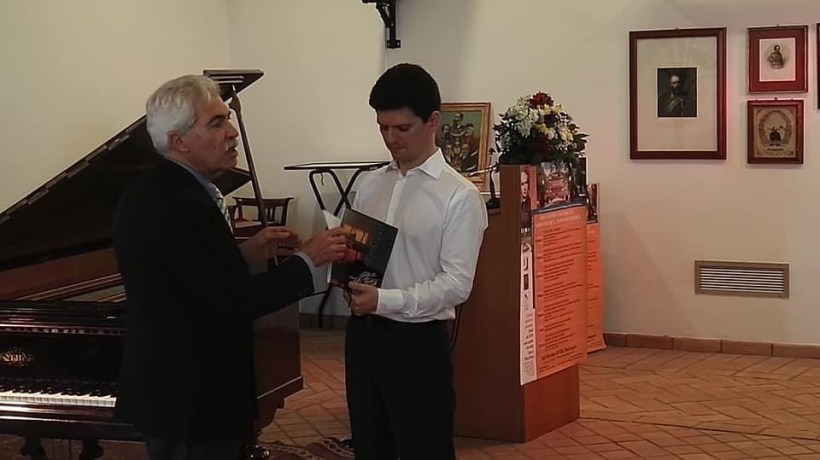
Ivan Donchev receiving a book from the hands of Maestro Tammaro about Villa Mondragone
A beautiful soiree around the log fire in the.depths of the National Park of Circeo.
Even the cats were supremely happy.
Only sad note was when Hugh Mather said the stream was concluded and they were about to have a party to celebrate!
The log fire kept alight by Joan Booth`s bellows that she bequeathed to me when she past away eighteen months ago at the age of almost 105.
Jessica Duchen who was one of the wonderful trio tonight had gone to meet her to ask her opinion about her book “The Ghost Variations” in which her dear friends Jelly d`Aranyi and sister Adila, around whom the story revolves, had also lived in her village of Ewelme and whose god daughter Jane Camilloni was their great niece.
Joan at 102 stayed up all night to read the book for which she gave her blessing.
I suggested to Jessica that she might like to write a book about the great love story in over 300 letters between Vlado Perlemuter and Joan.
Written in beautiful french with the unmistakable turquoise ink of Vlado`s pen.
But it was not to be.
Such a shame because it was so touching to listen to Jessica Duchen`s beautiful story of Odette a celebration of Swan Lake.
Illuminated by some superb performances by Fenella Humphreys and Viv McLean.
From the frenzy of the Danse Macabre to the tear on sleeve of a violin and piano version of Liebestraum.
superb mixing of Viv McLean and Jessica Duchen
A wonderfully spacious Polonaise Fantasie and schmaltzy The Man I Love to the superb virtuosity of the last movement of the Tchaikowsky violin concerto.
Nothing like this has been seen on the TV for years and thank God for Hugh Mather and his superb team (just look at the beautifully artistic camera shots and the mixing of the images).
It is exactly what the BBC used to give us when there was only one chanel and you had to look via a magnifying glass into this wooden box for the few hours that it was available.
People used to tune in each week to see how my teacher Sidney Harrison was getting on with his pupil Peter Croser.
How times have changed not always for the better I must say.
I wonder if we should pay our TV license directly to Dr Mather in future!
After only a few notes listening in my garden in Italy I found myself sending a message to Roger Nellist who was director of streaming asking who was this remarkable young musician.
Alexander Soares winner of the Gold Medal of the Royal Overseas League in 2015 and promoted by the City Music Foundation.
First class honours degree from Clare College Cambridge followed by a Masters at the Guildhall under Ronan o`Hora.
Guidance from Richard Goode,Stephen Kovacevich,Stephen Hough and Steven Osborne.
Rave reviews “huge intensity” Daily Telegraph “diamond clarity and authority”.
What more can I add.
All this was immediately apparent from the opening bars of Bach`s 3rd English Suite BWV 808.
That Bach`s music is based on the song and the dance has never been more apparent than in today`s performance.
Eyes glued to the keyboard but almost dancing on the stool such was the ebulient infectuous rhythmic energy allied to extreme clarity and very telling subtle contrasts.
The ideal tempo was established from the very first note and was not allowed to waver for a second.
Not that it was mechanical,quite the contrary it had a masculine authority that made Bach`s genius even more poignant.
The great Sarabande was even more expressive with a lack of fussyness or hairpin phrasing.
The expression was in his magnificent use of ornamentation where Bach`s great lines could speak far more simply and eloquently
The Gavotte II was an example to be cherished of pure simple expression.
El Puerto from Iberia Bk 1 by Albeniz was very interestingly introduced by this young musician.
Can it ever have been given such a chacterful interpretation?
Almost caressing the keys with such a wonderful sense of colour.
The ending was pure magic.
As Hugh Mather pointed out to his wonderfully loyal public Gaspard de la Nuit by Ravel was written with the intent to create one of the most transcendentally difficult works for the piano.
Of course for our young pianist this was not even mentioned in his introduction to this suite based on rhe poems of Aloysius Bertrand.
The most remarkable technical feat was in Le Gibet where the relentless tolling of the bell never for a moment wavered even with the clouds of sound in the foreground.The plaintive central chant was played with a clarity and simplicity that was heartrending.
If Ondine floundered momentarily in murky waters at the beginning it was soon drowned and forgotten as his supreme musicianship and sense of line took over.
Scrupulously following Ravel`s meticulous indications in Scarbo which is no mean feat.
With all the trascendental difficulties it was his superb legato that was the most remarkable thing.
He plunged into the depths of Scarbo`s dark world and gradually emerged with masterly control and breathtaking relentlessness.
It may sound rather superficial to say that it was in the Chopin Mazurka in A minor op 17 offered as an encore that his true mastery was revealed.
It was the simplicity,noble flexibility and freedom of an artist that dares to climb up onto the tightrope and remain without ever falling off.
A beautiful final counterpoint took me so pleasantly by surprise in a piece I have heard in a million different sauces.
But then that is the secret of a great artist never to waver for a second from trasmitting the great musical line.
The secret that a chosen few are blessed with.
God bless him !
Raymond Wui-Man Yiu at St Mary`s Perivale
Another beautiful concert streamed across the world into my garden today.Haydn,Liszt,Chopin and Schumann played with great conviction.
But it was the little poem op 32 by Scriabin offered as a thank you to us listeners world wide that showed off his true delicate artistry and sense of colour to the full.
Blending in so beautifully with spring that is bursting out all over.
Some really impressive playing of great beauty and technical command.
But one had the sensation that the picture he was painting and the sounds we were listening to were not related and this could lead to some strangely disjointed playing where the architechtural line was not clear.
Fitting in so well with nature in Italy
This was particularly noticeable in the opening of the rarely performed two movement sonata in C by Haydn Hob XVI 48.
The great operatic opening flourishes did not flow as naturally as they could from a great singer.The contrasting movement was played with great energy but maybe the faster notes could have had more time to find their natural voice.
Raymond introducing his programme
Liszt`s great Variations on Bach`s”Weinen,Klagen,Sorgen,Zagen”was given a very interesting spoken introduction followed by a very fine performance with the sombre delicate Bach choral building up to a sumptuous Lisztian climax.
The two late nocturnes op 62 were played with a great sense of style and some ravishing sounds.More weight to the legato would have allowed for even more projection with the almost physical shaping of the melodic line like a great painter before his canvas.
The Schumann novelette op 21 n.8 was given a suitably passionate performance as an outpouring of Schumann`s love for Clara.
The dotted rhythm passages could have had slightly more weight as they probably would have been more cantabile on the pianos of the day (as Andras Schiff showed us in his illuminating performances of the Brahms concertos in London recently where both Raymond and I were present).
Raymond with Hugh Mather
A great sense of rhythmic energy allowed Schumann`s most passionate outpourings to ride on a wave of sumptuous sounds.
Chapeau to all those in Perivale that could give a stage worldwide to this very fine young musician