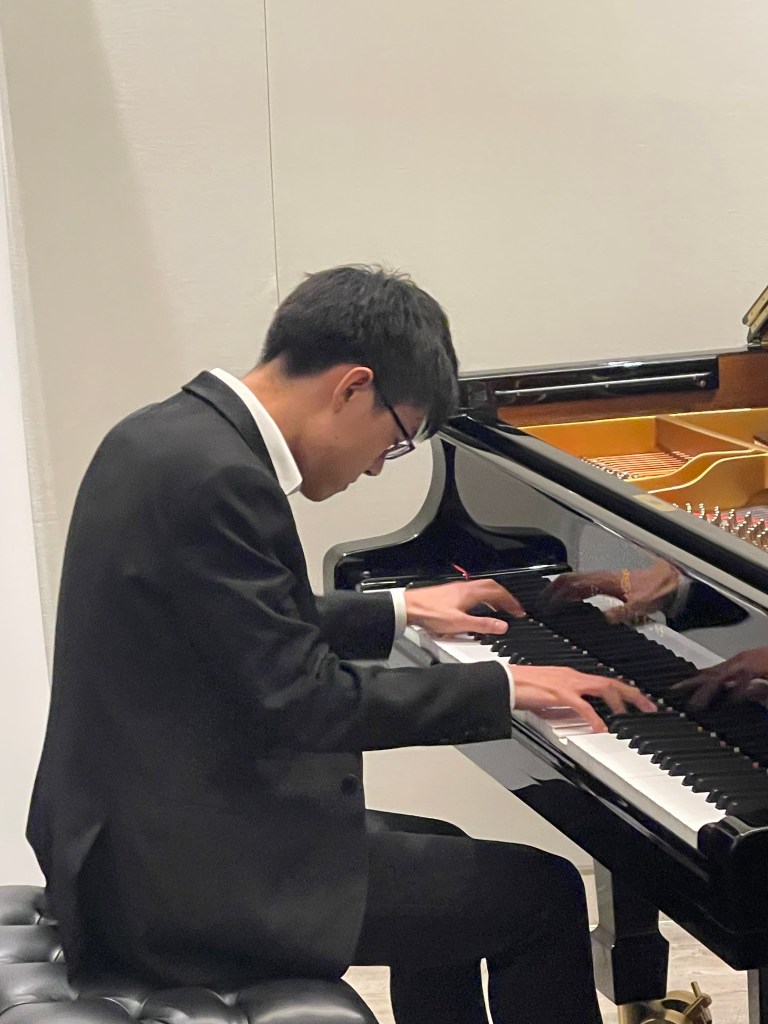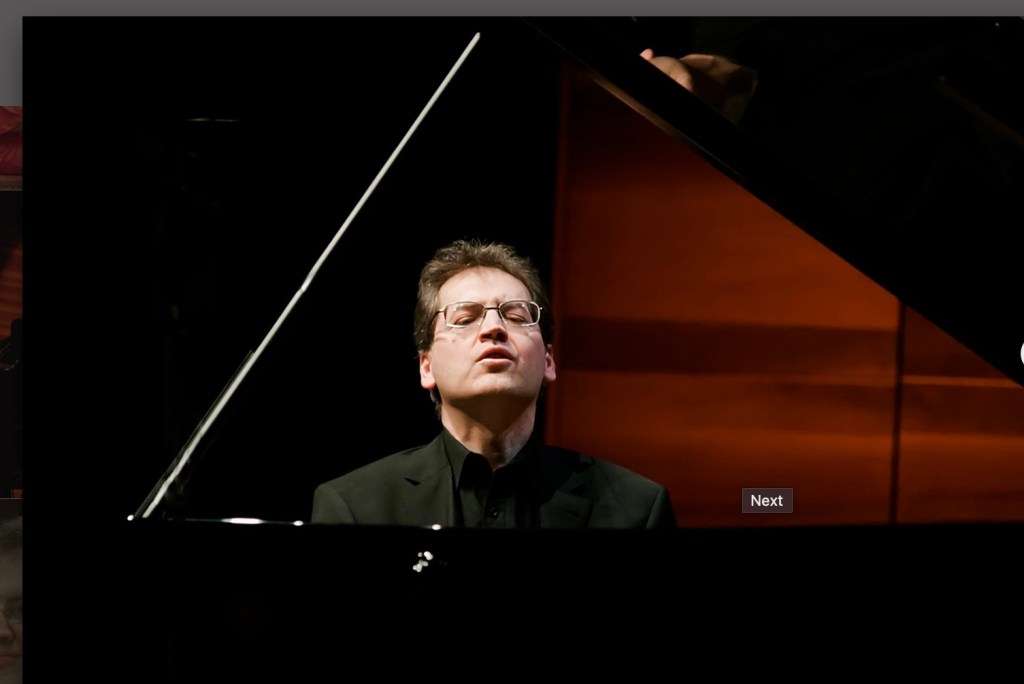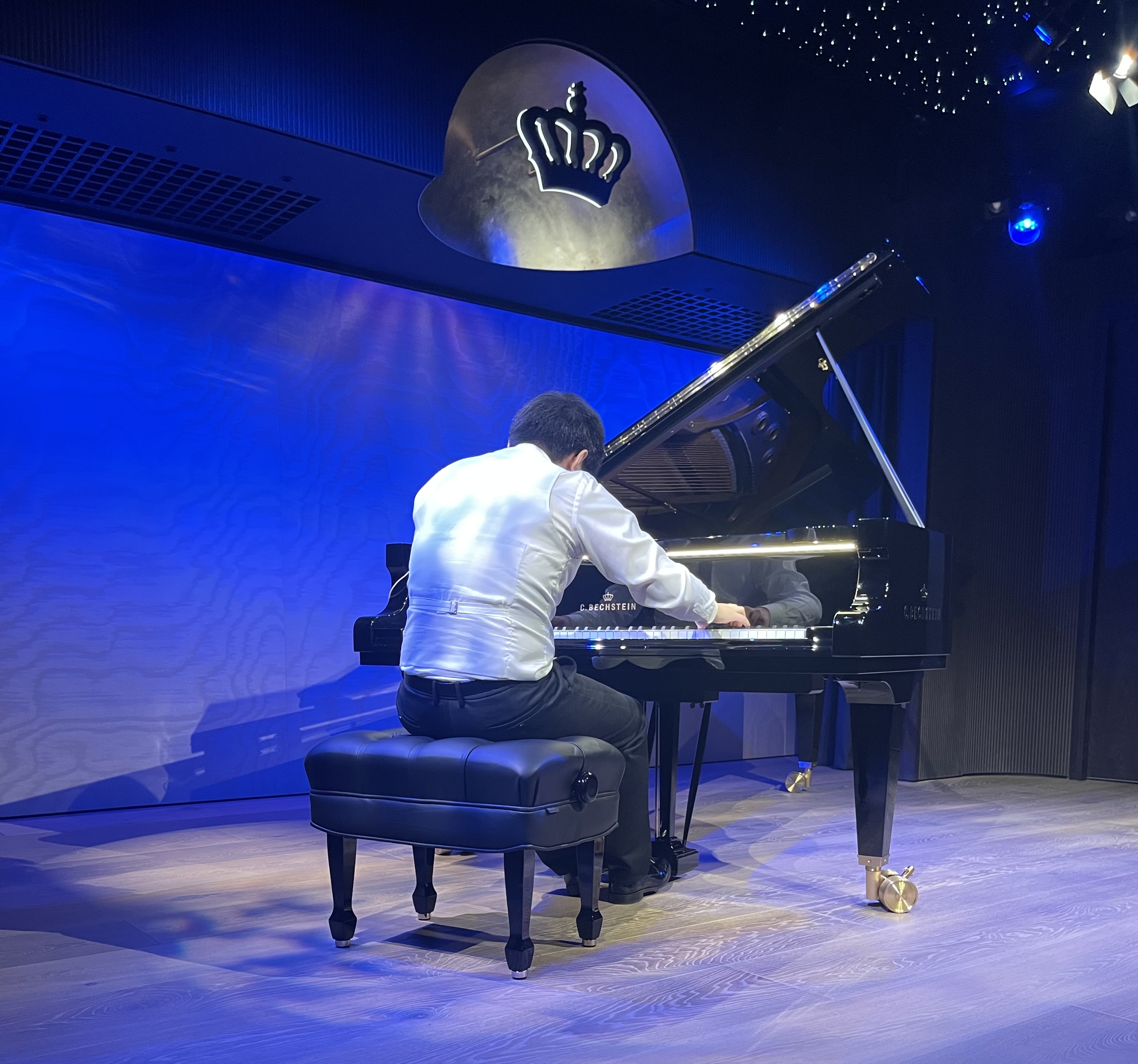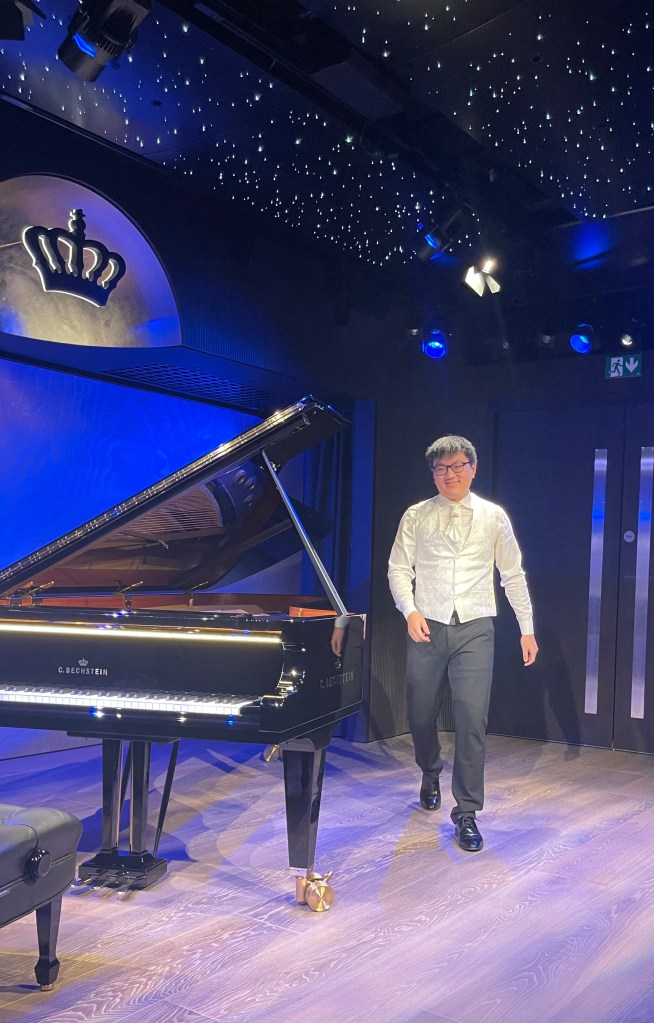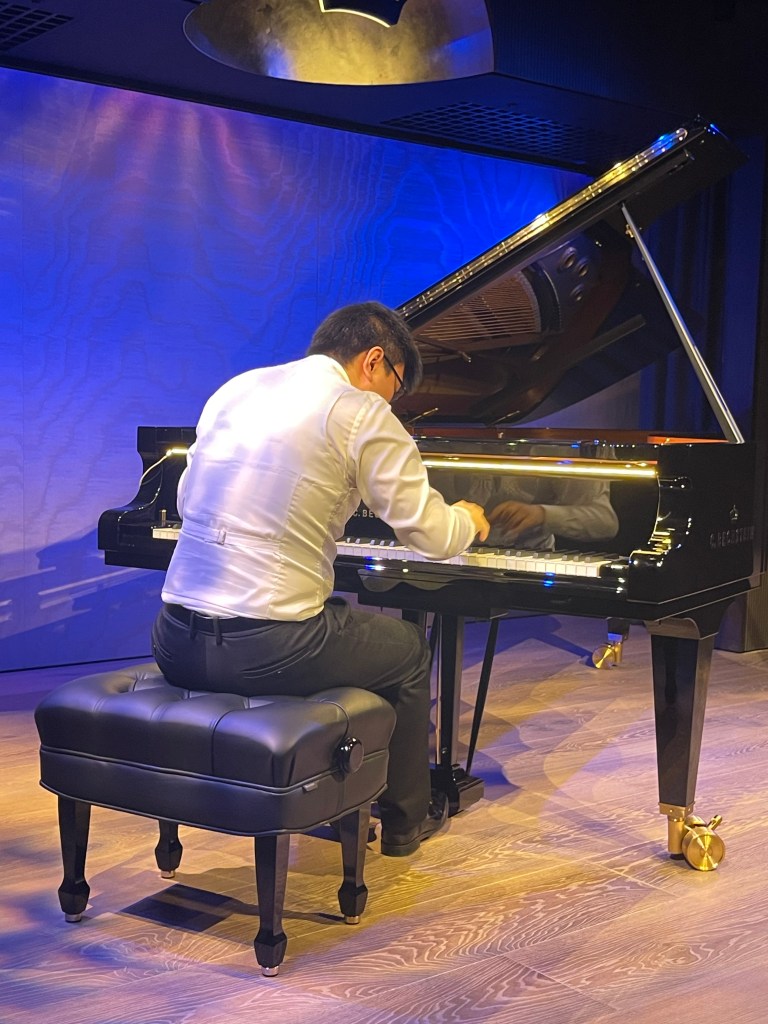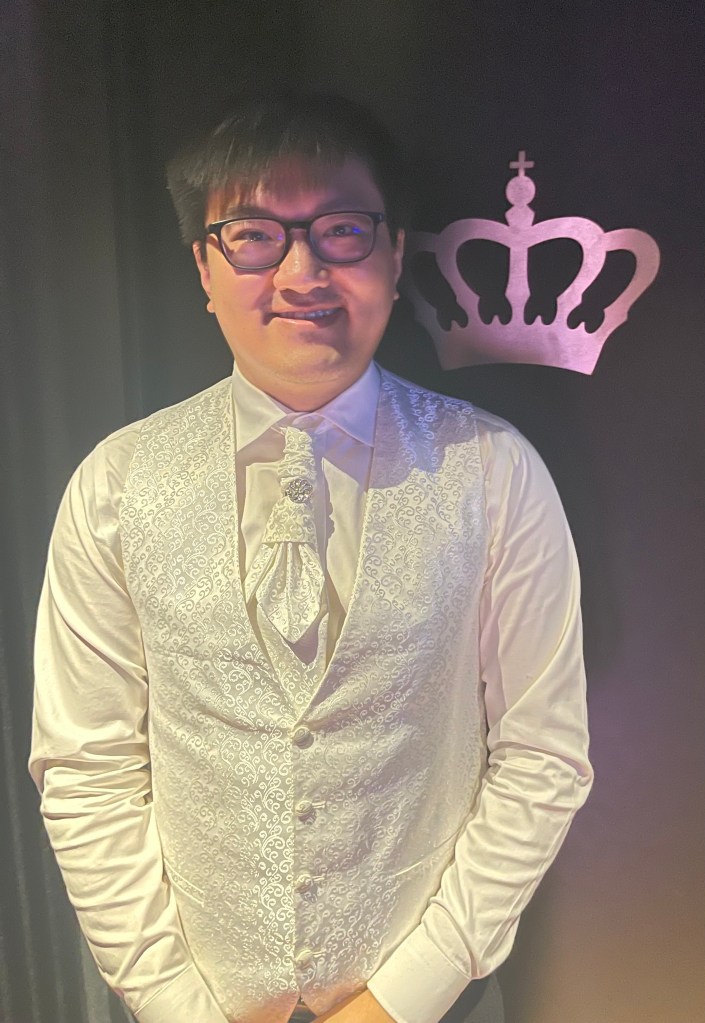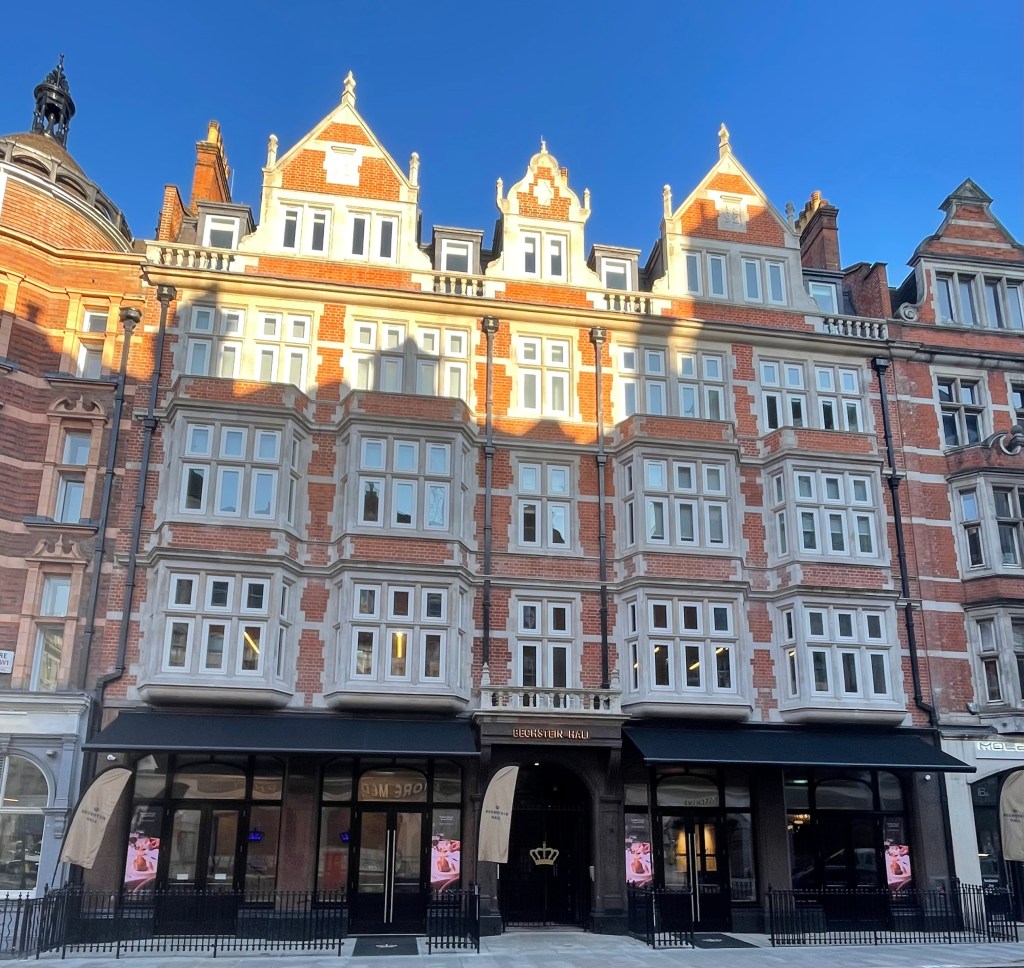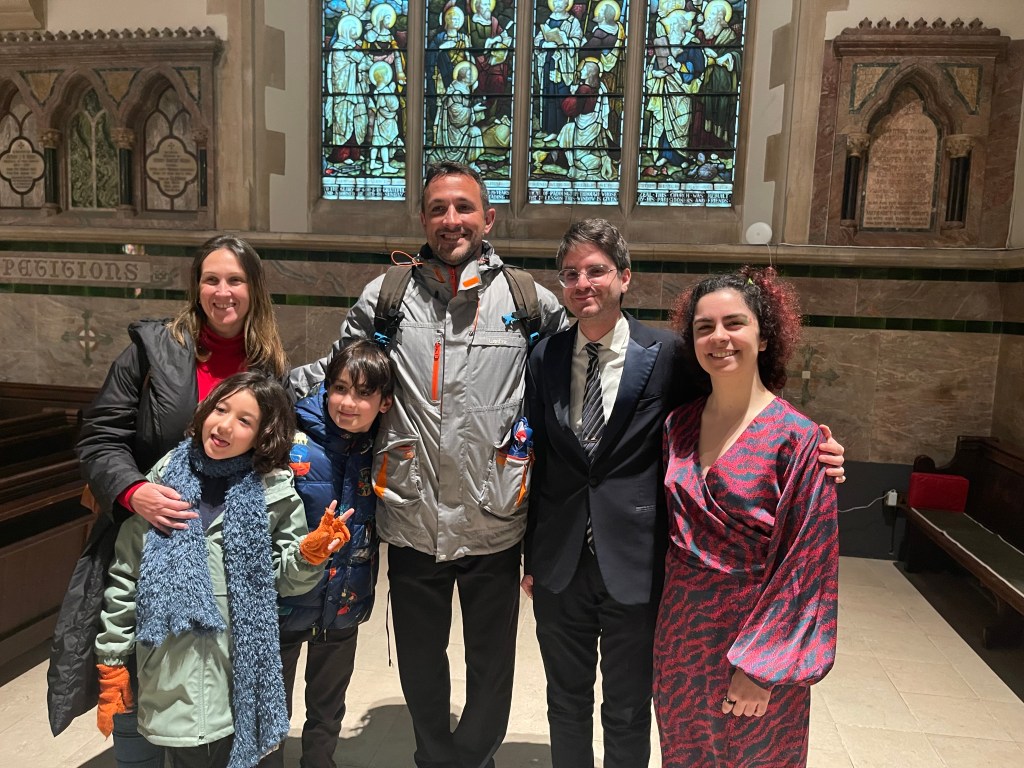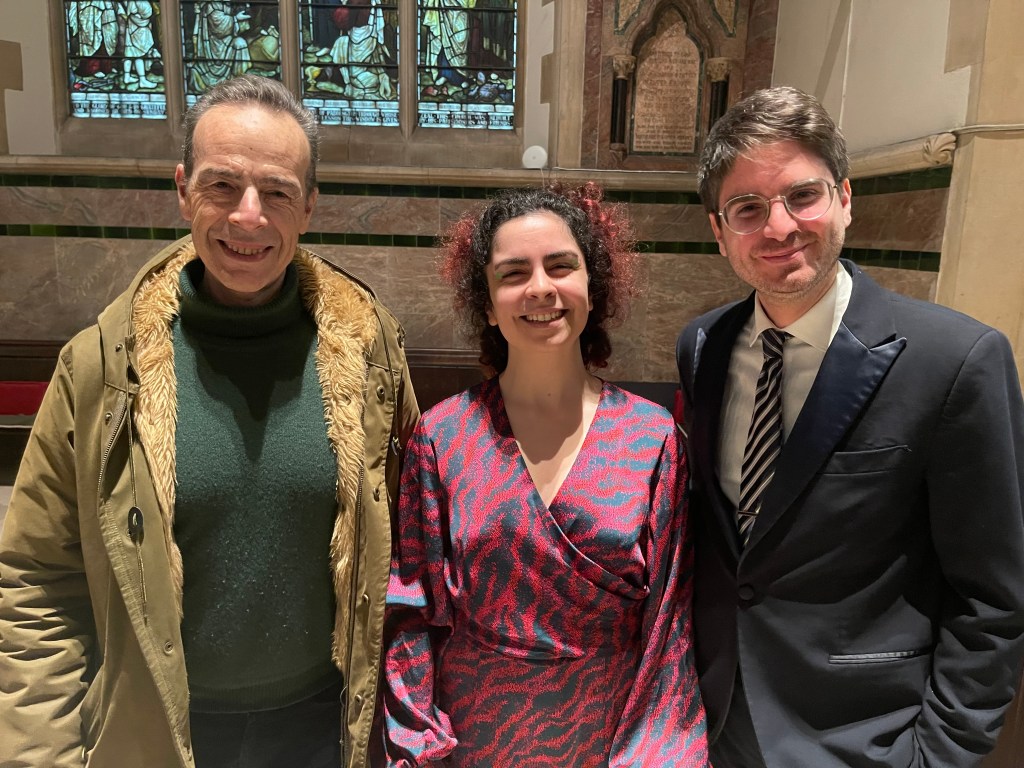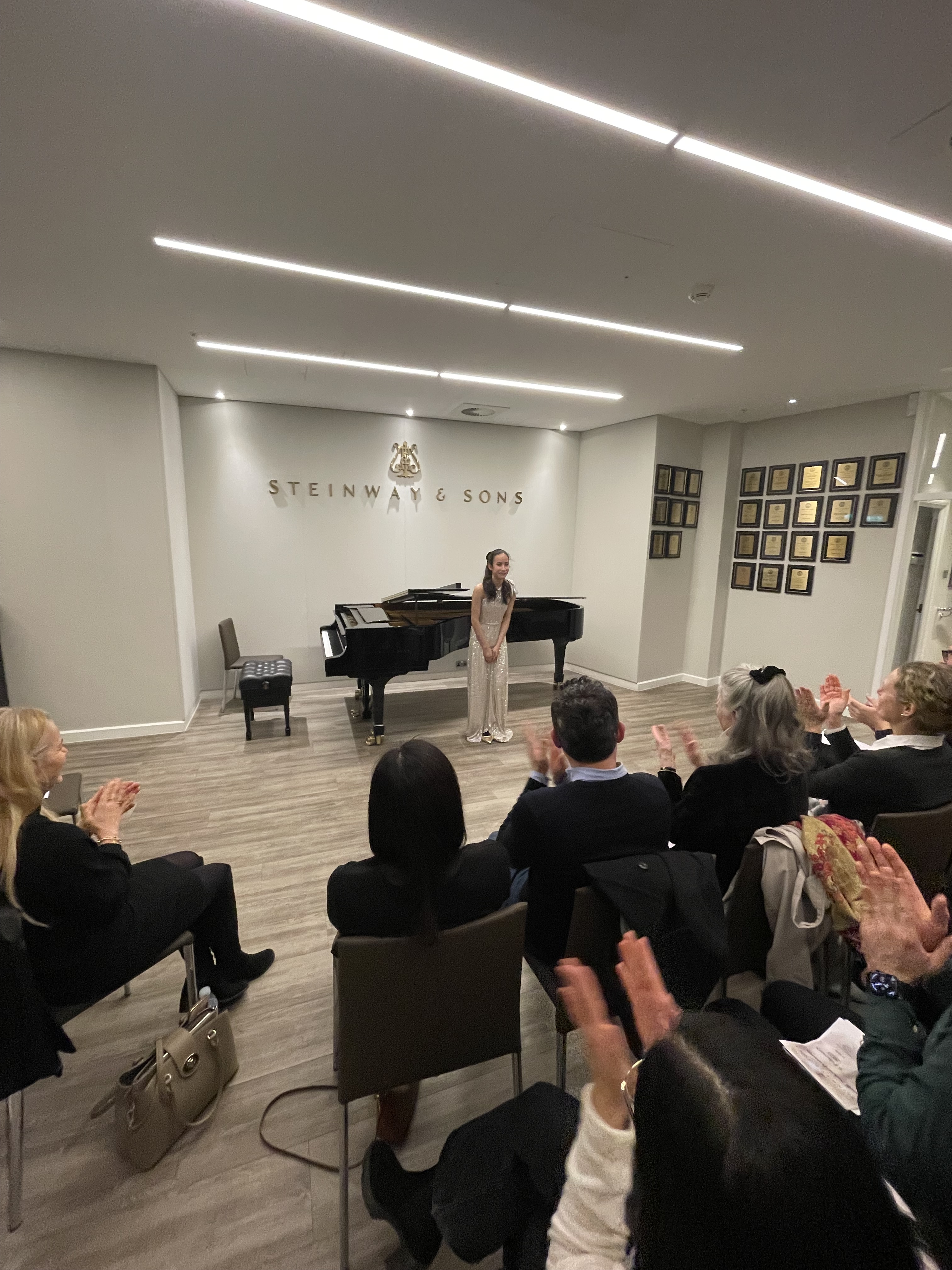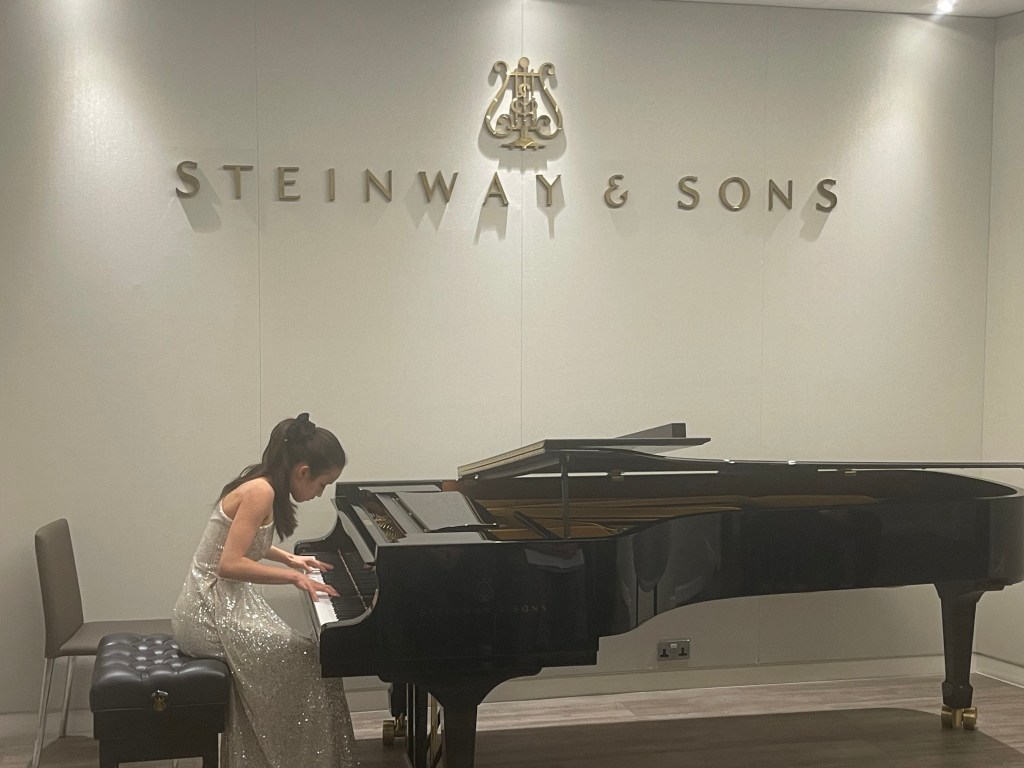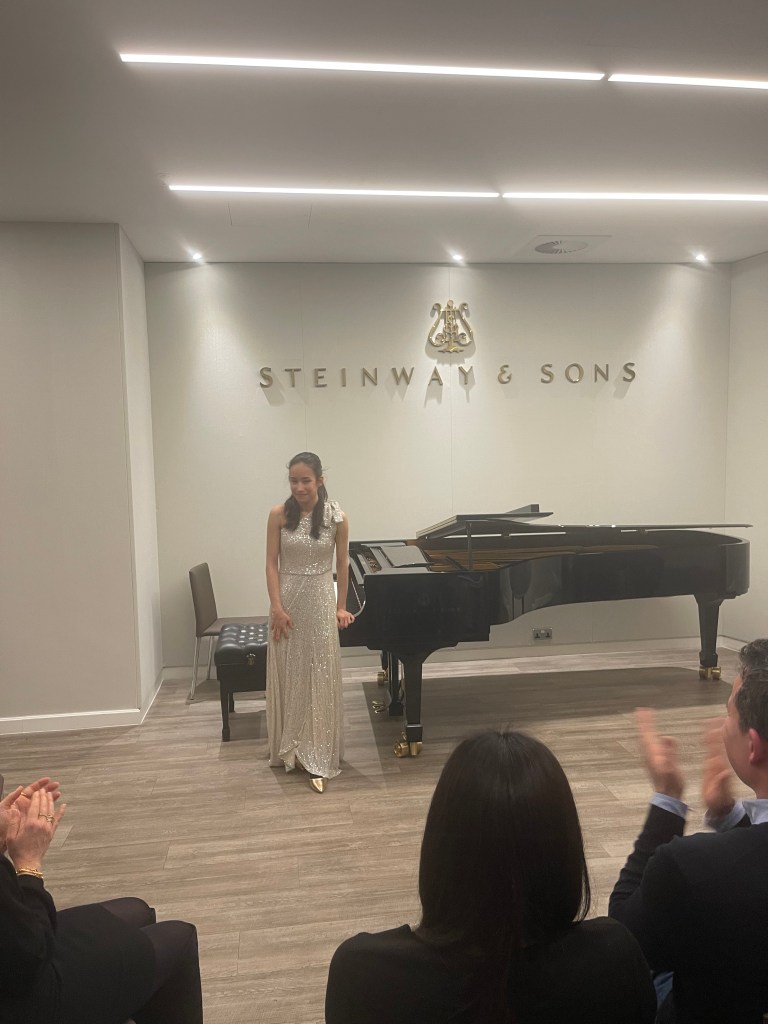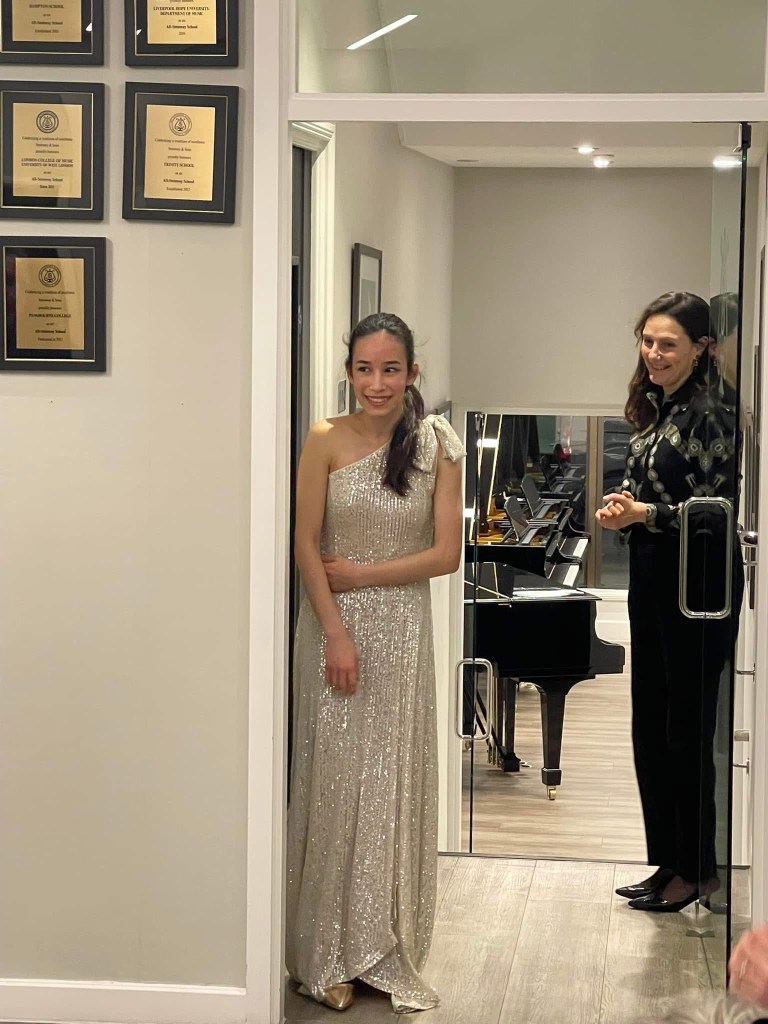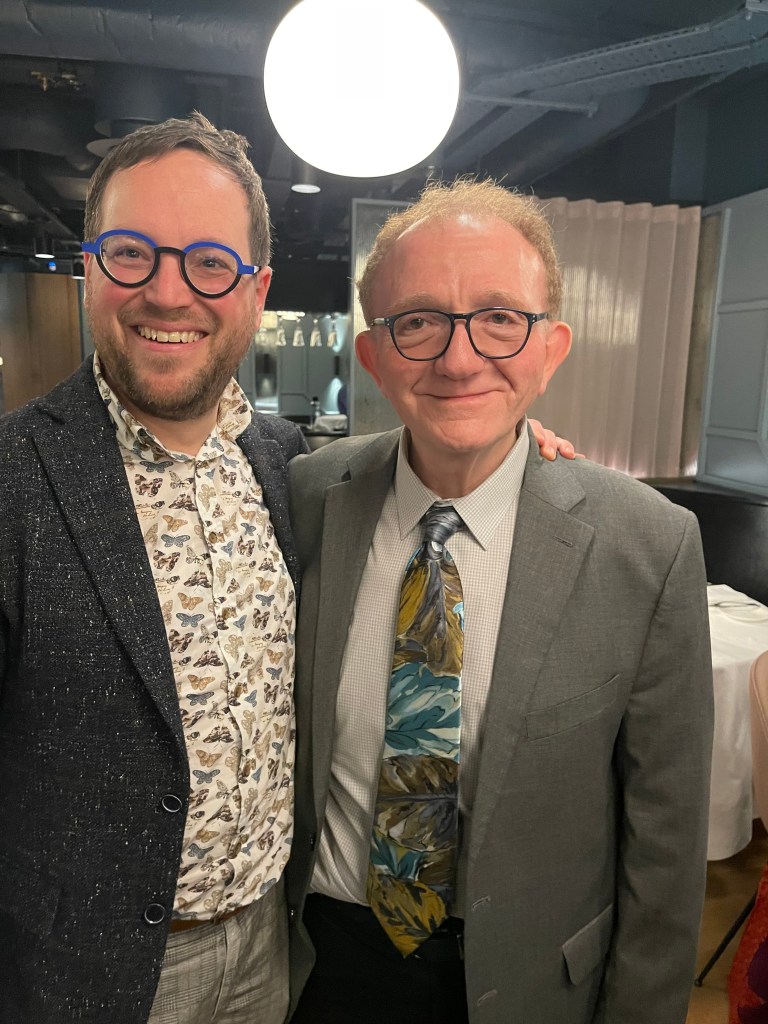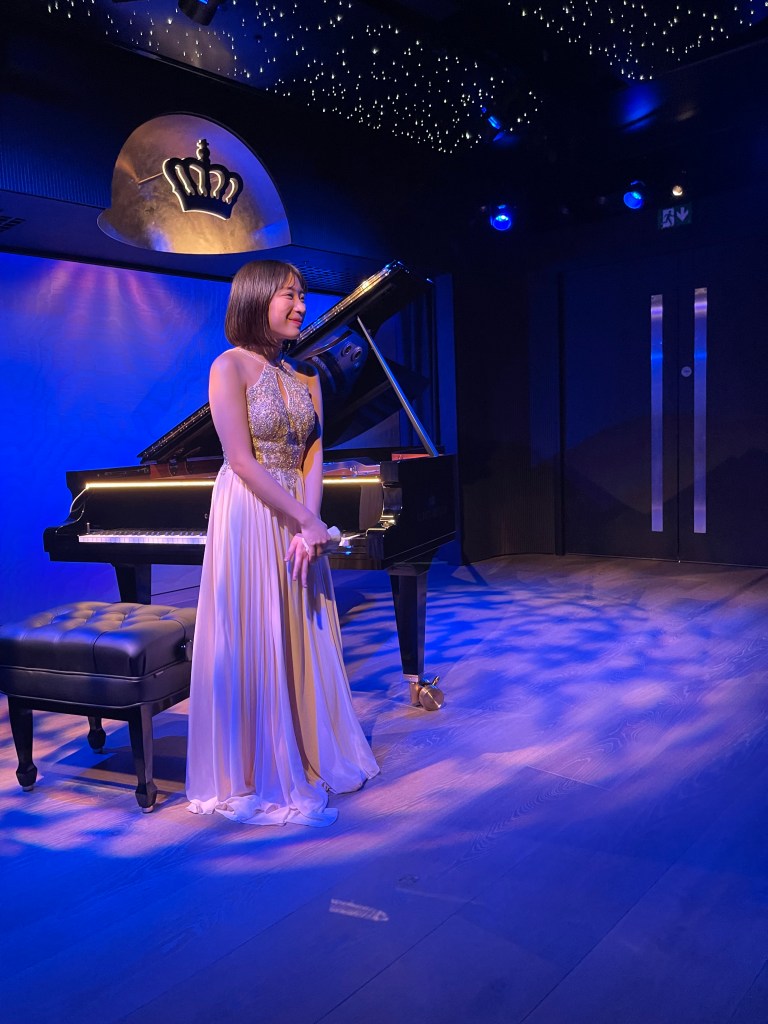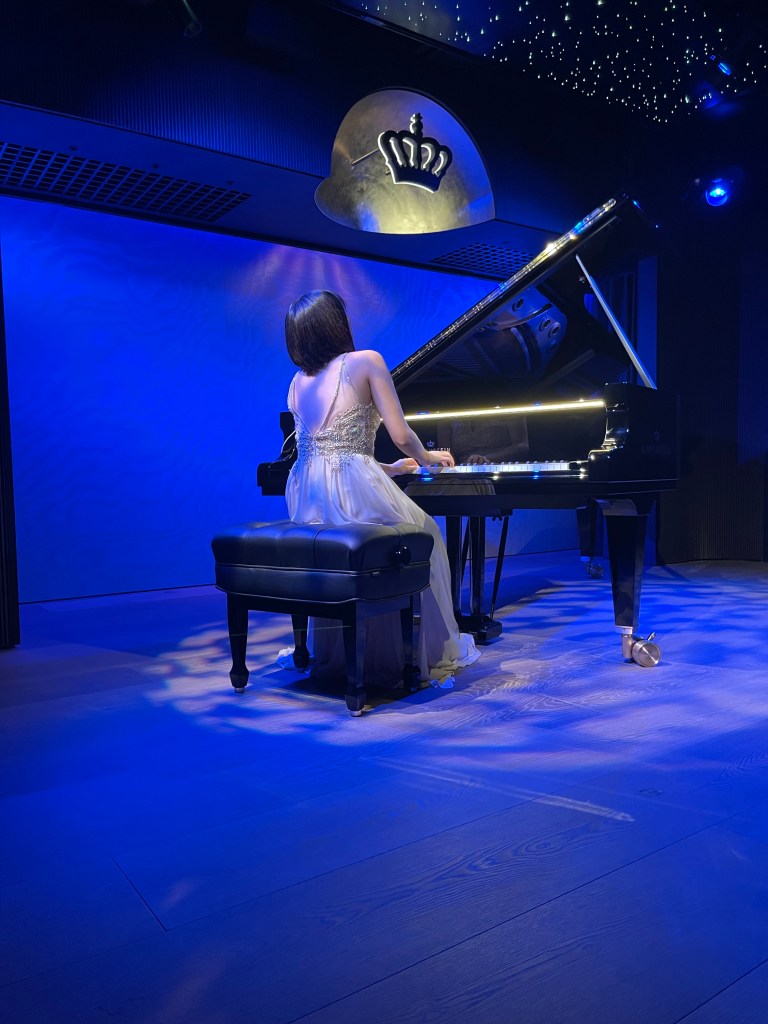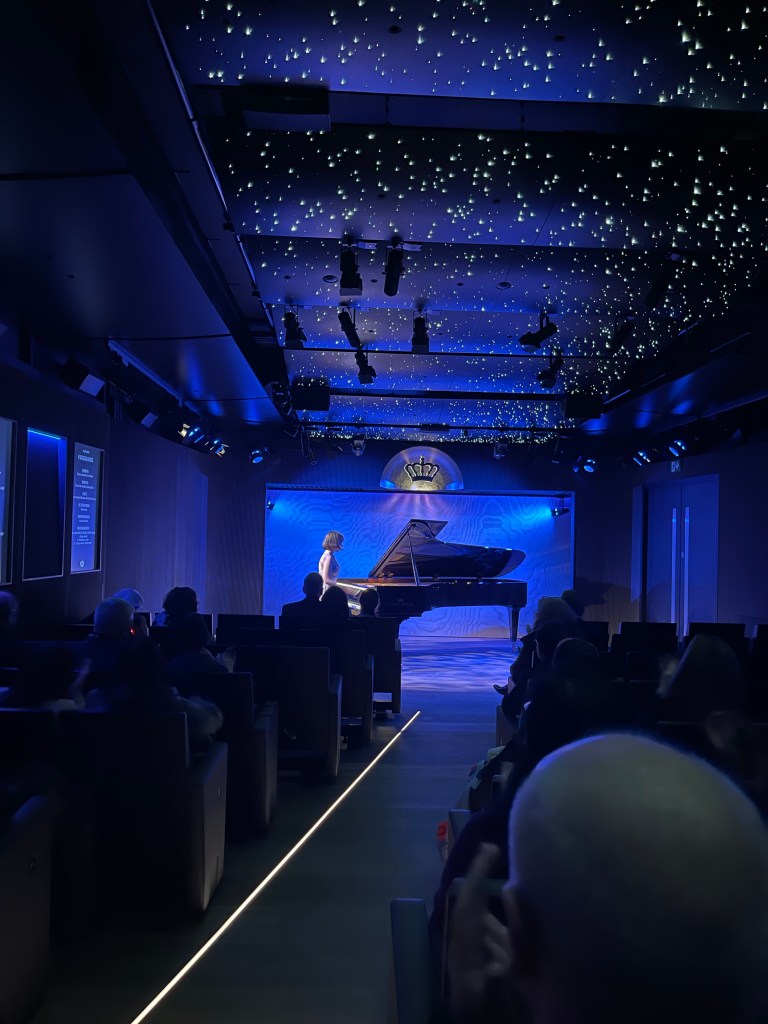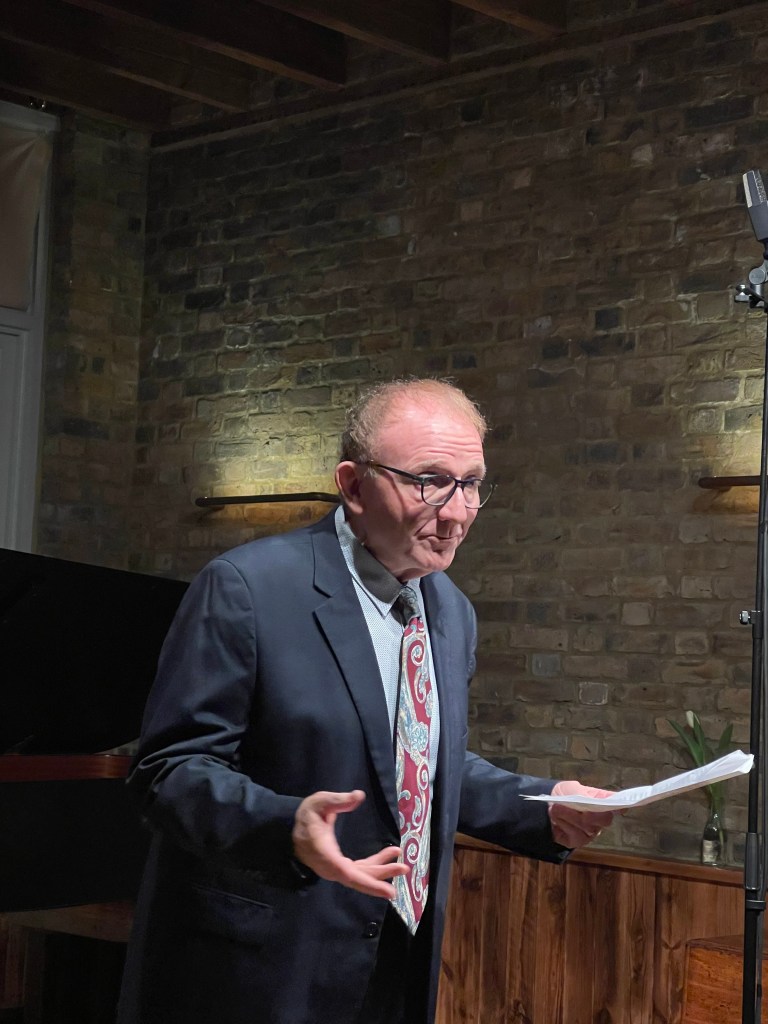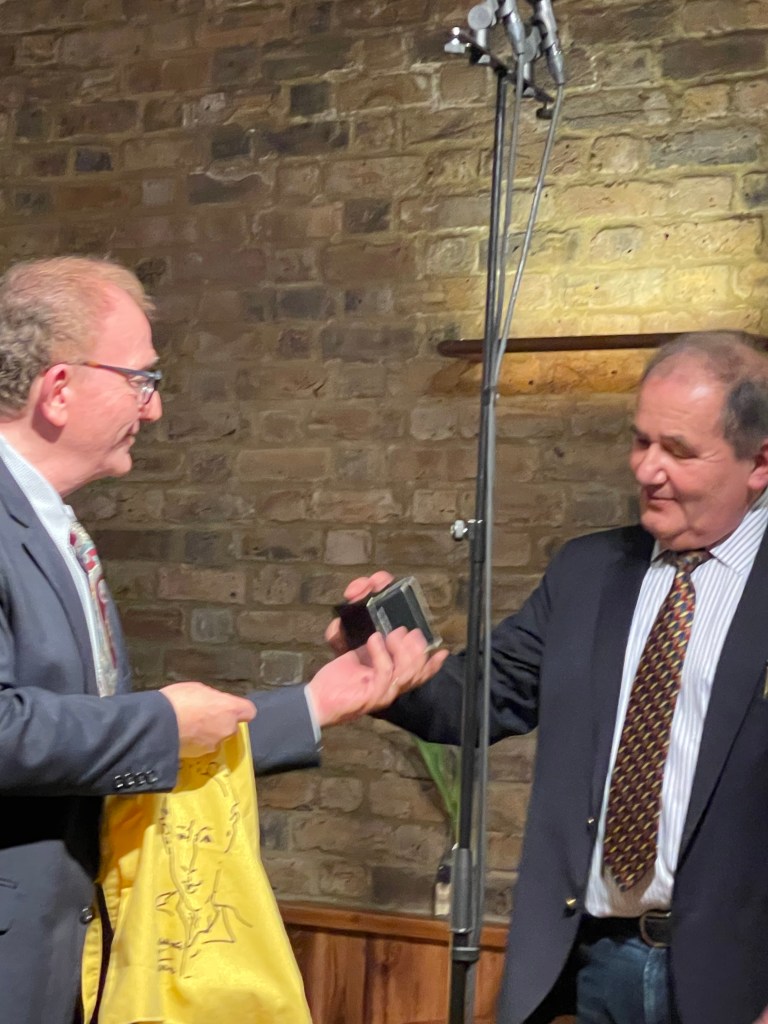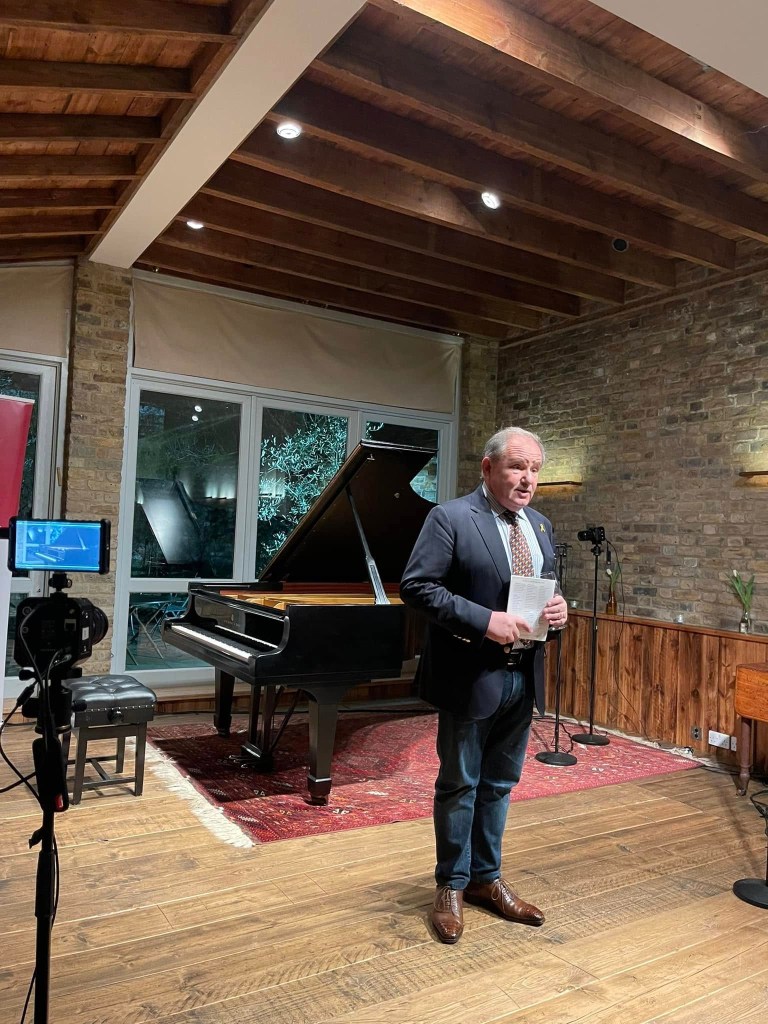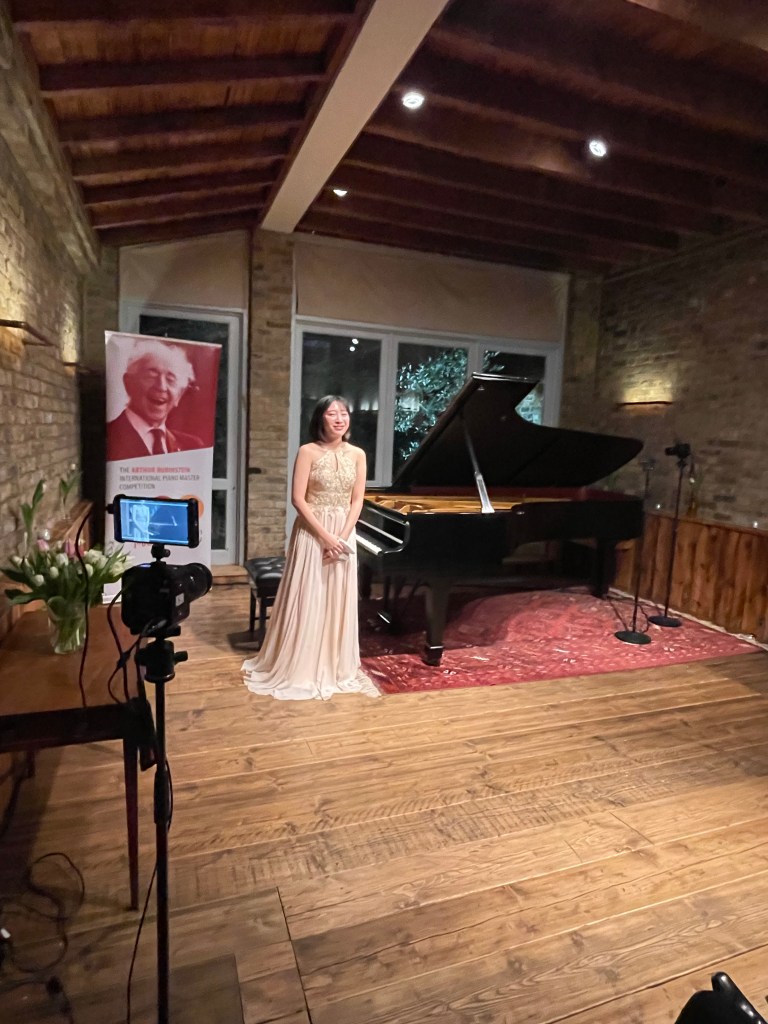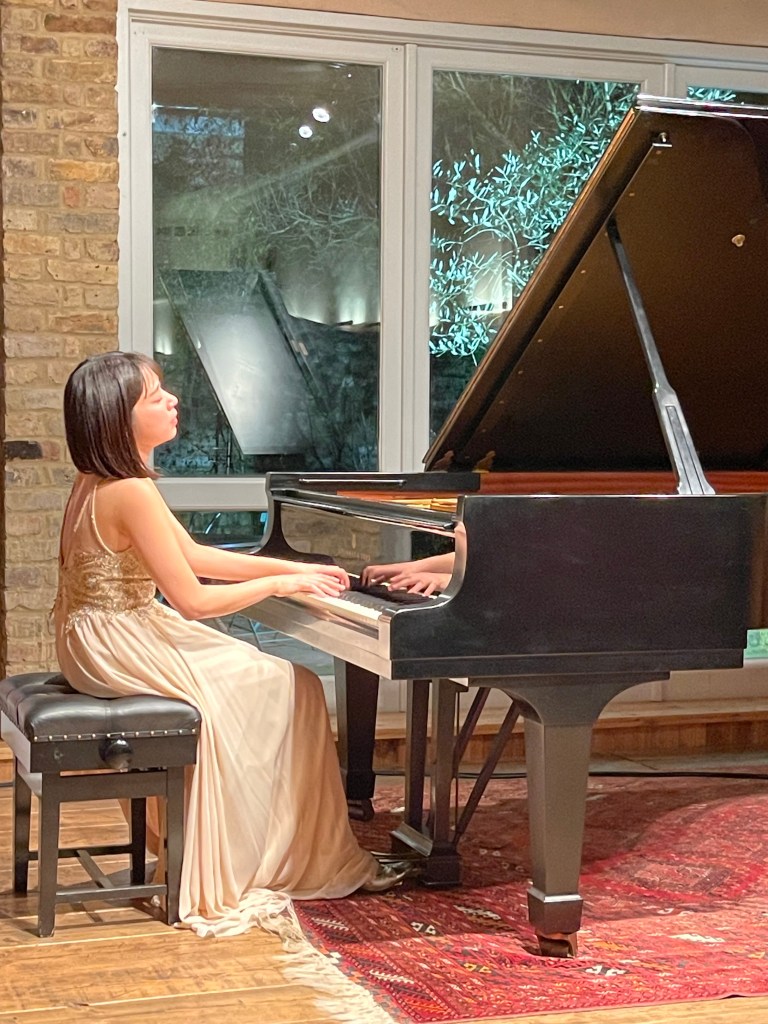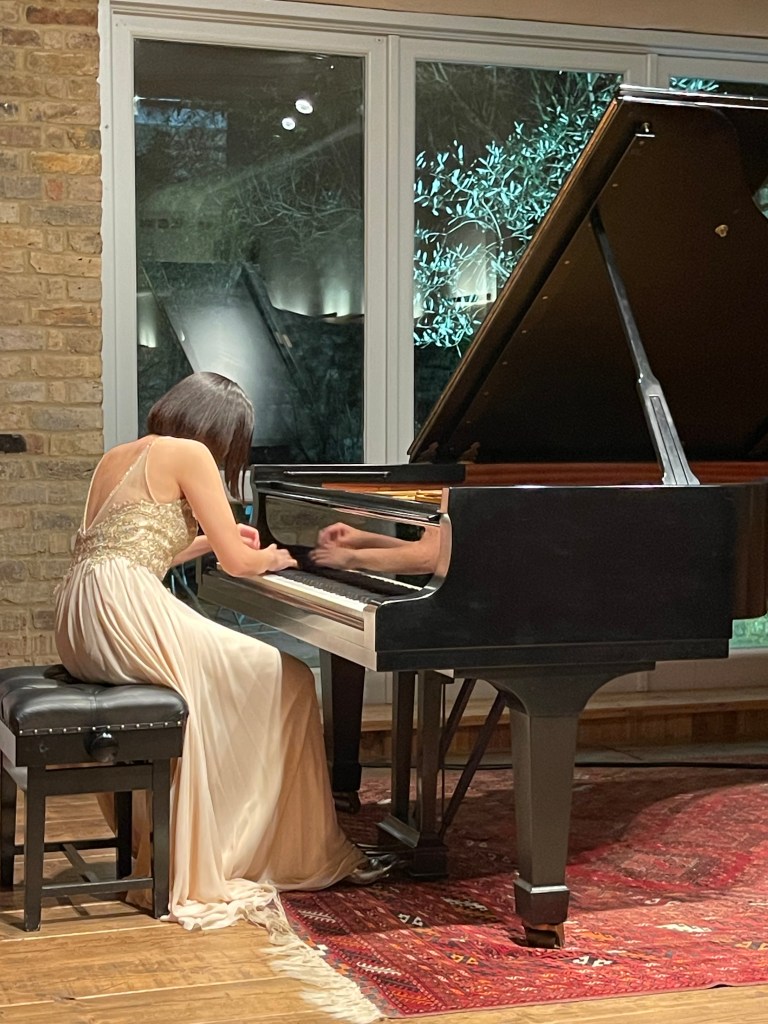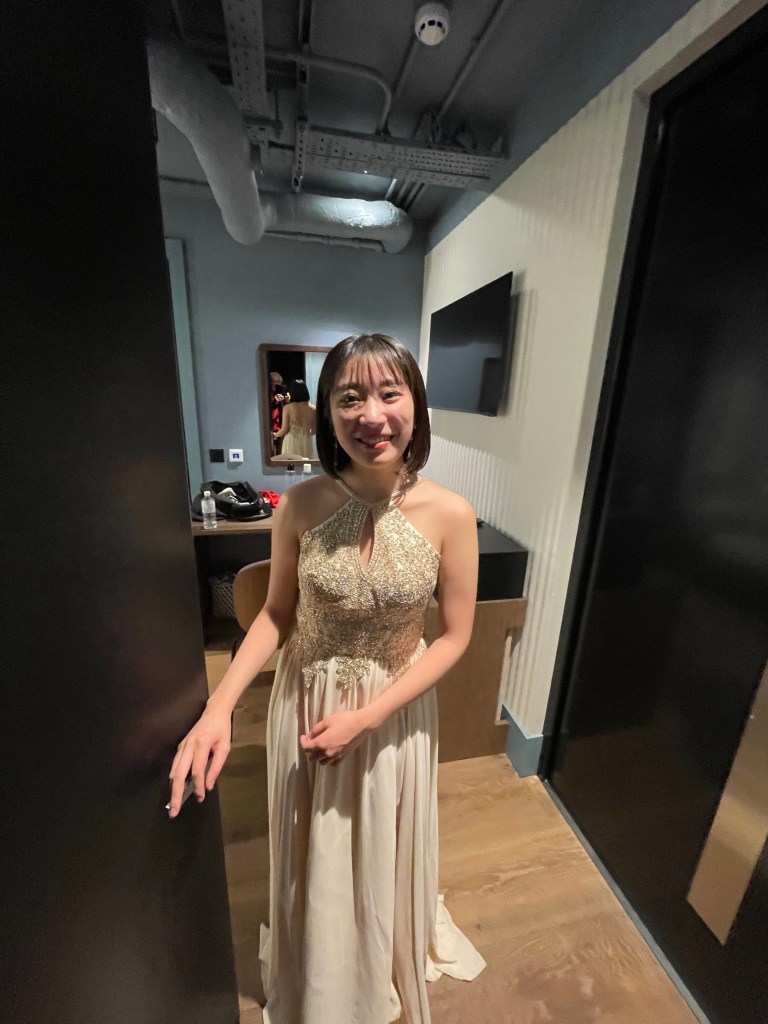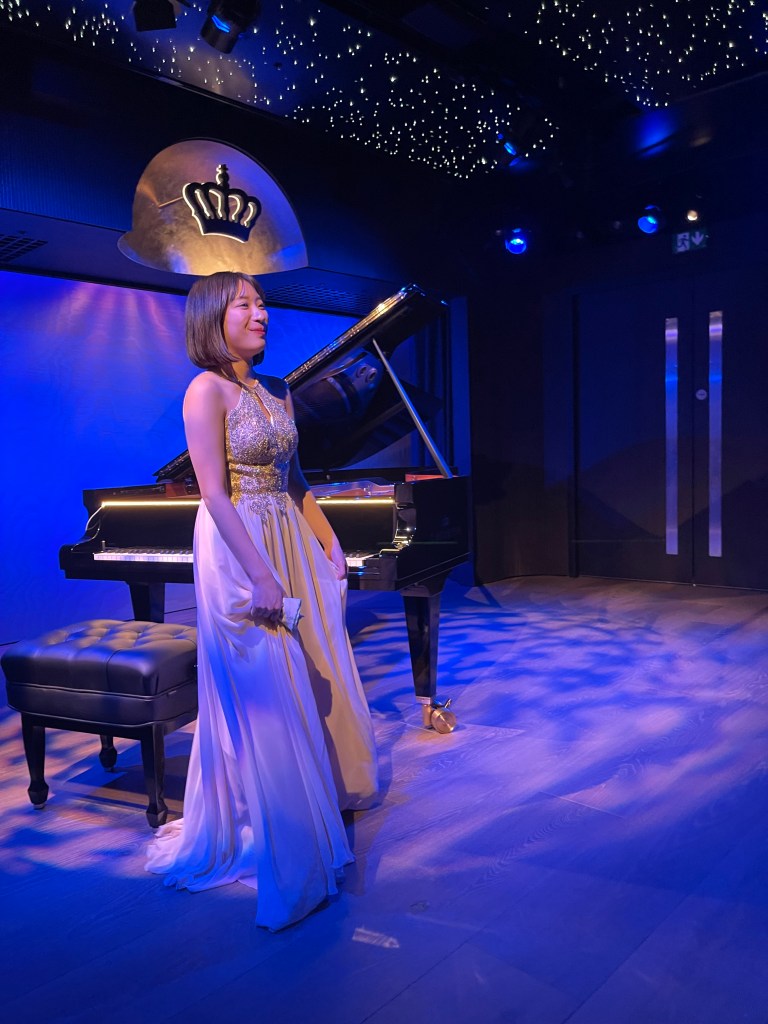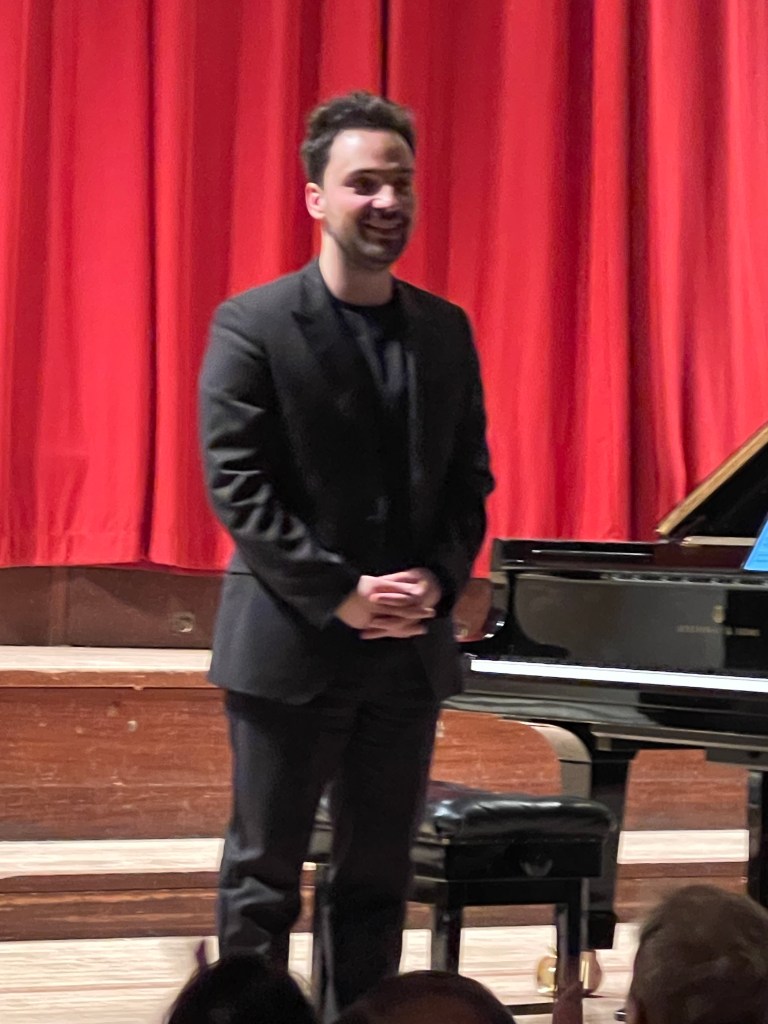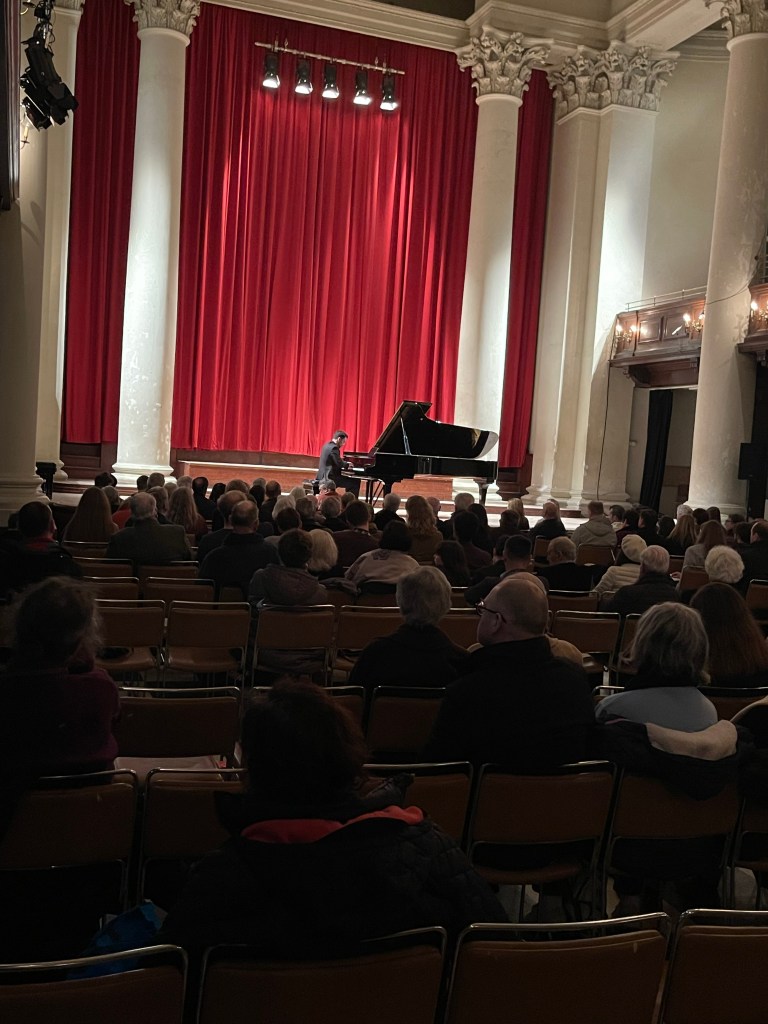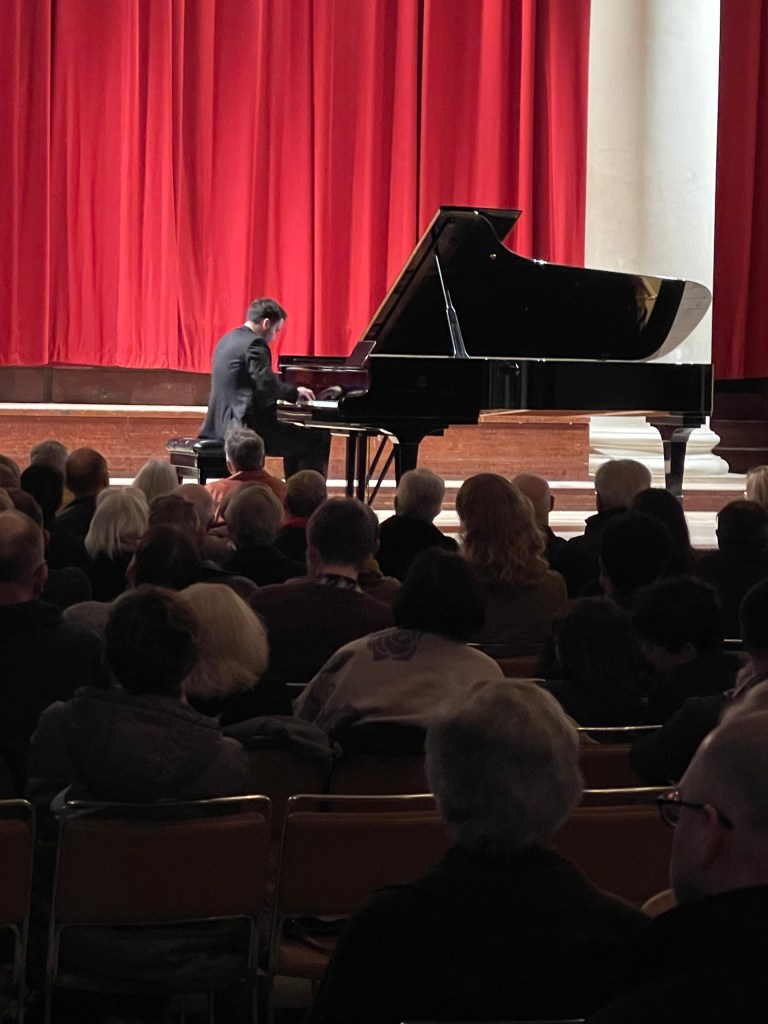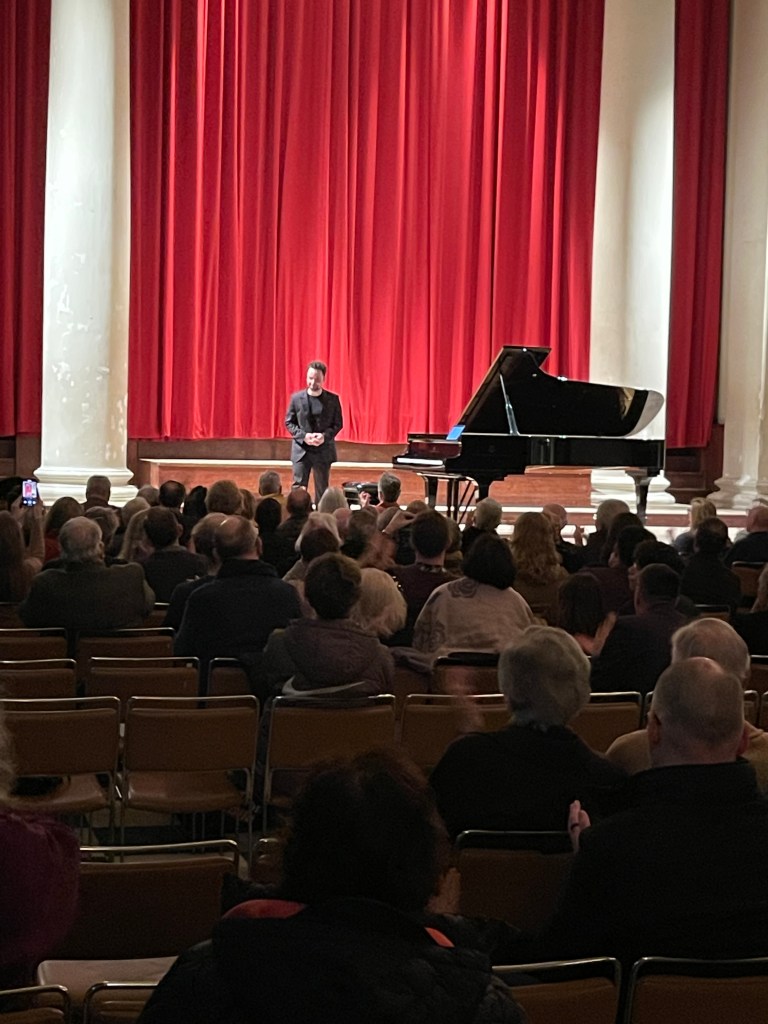
Julian Chan a master at Steinway Hall

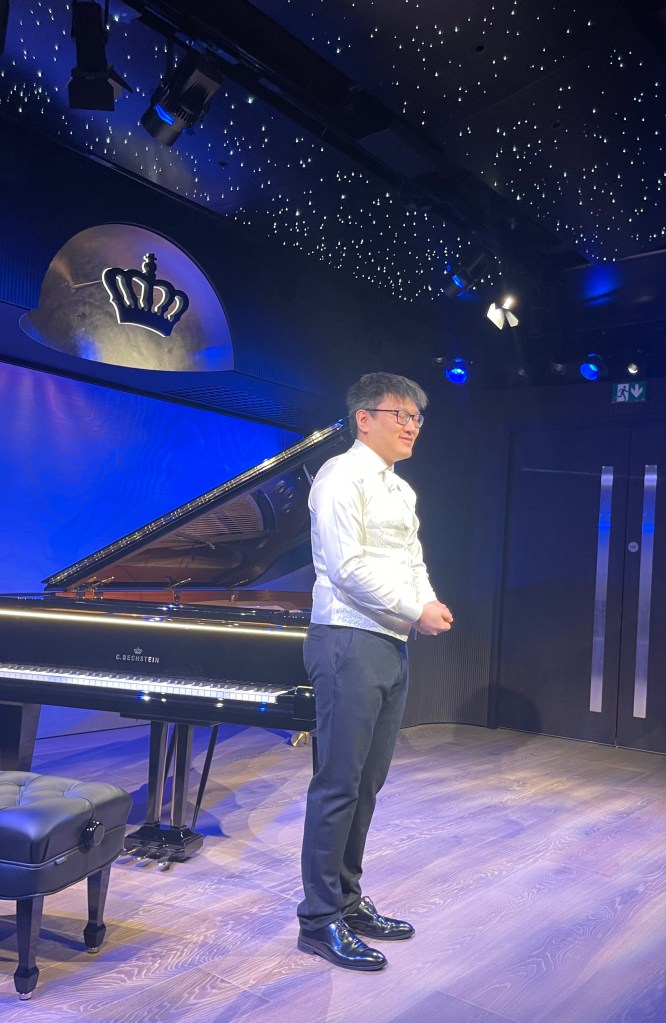
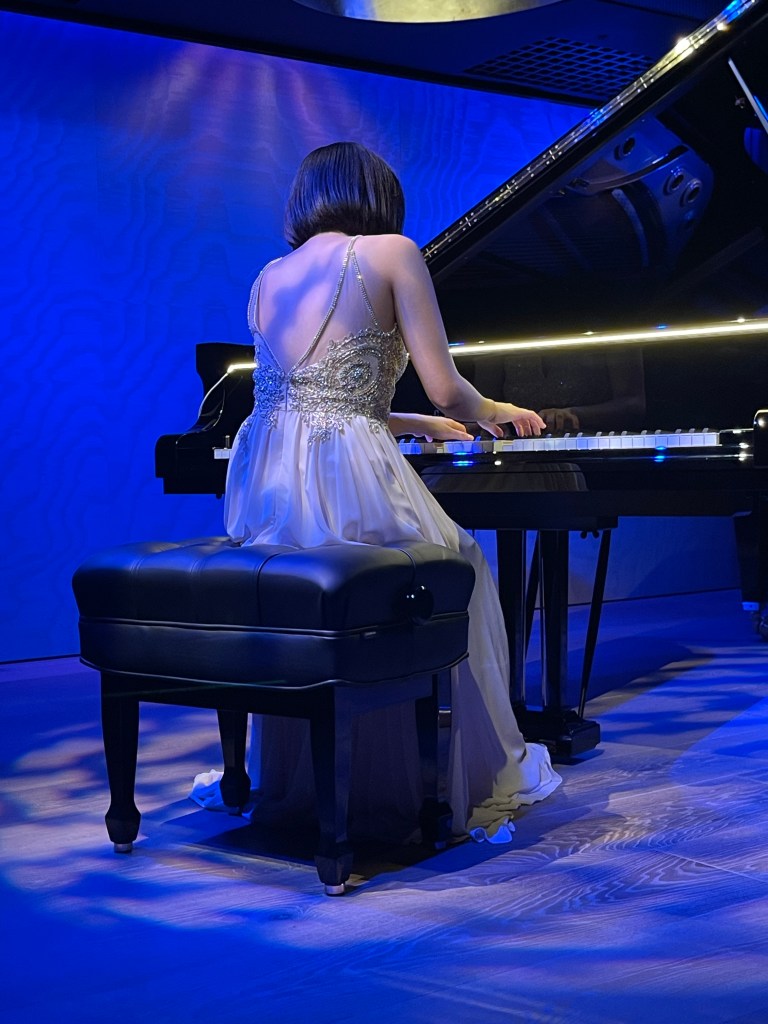
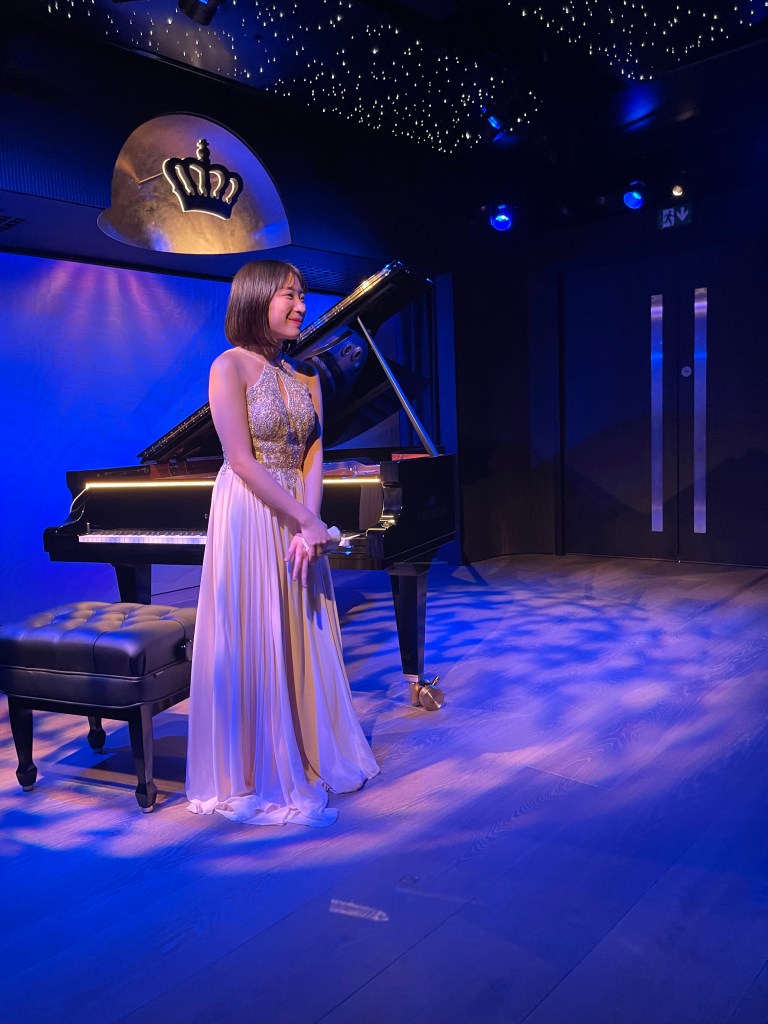
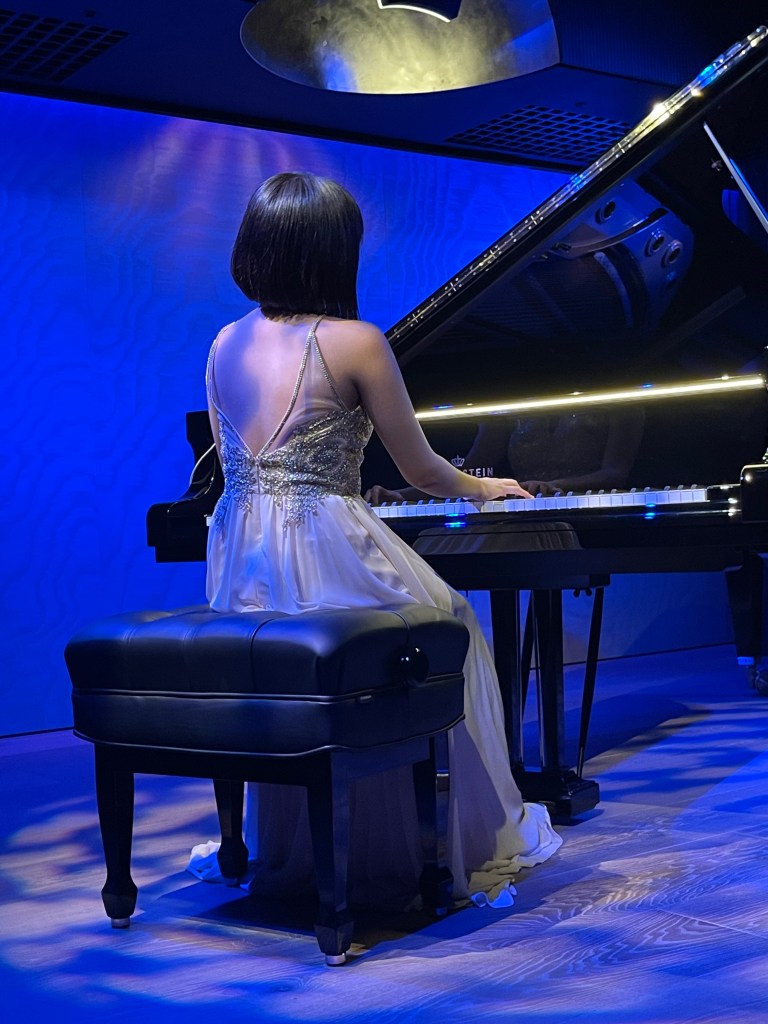
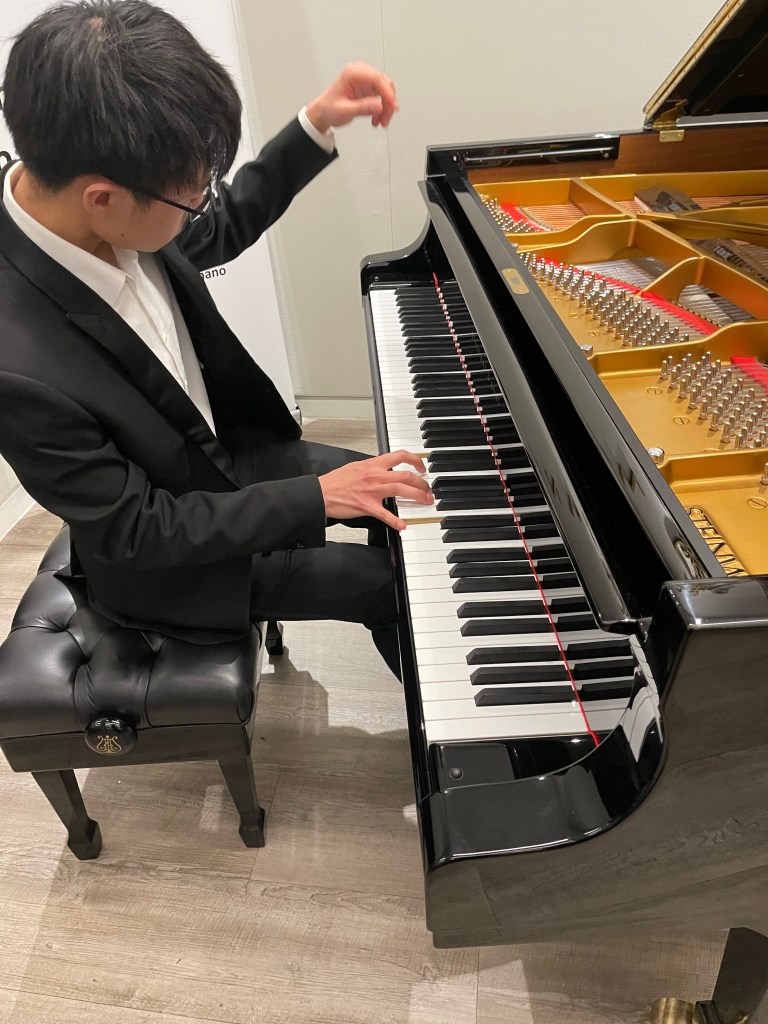
Some extraordinary playing from Julian Chan, a young Malaysian graduate from the class of Ian Fountain at the Royal Academy.

Arriving from Kuala Lumpur at the age of 10 to study with John Bird at Wells Cathedral School followed by six years under Ian Fountain at the RAM ( the only British pianist to have won the Rubinstein Gold medal together with Benjamin Frith much to Dame Fanny’s annoyance).Ian had been trained by Sulamita Aronowsky when at 19 he took the piano world by storm .
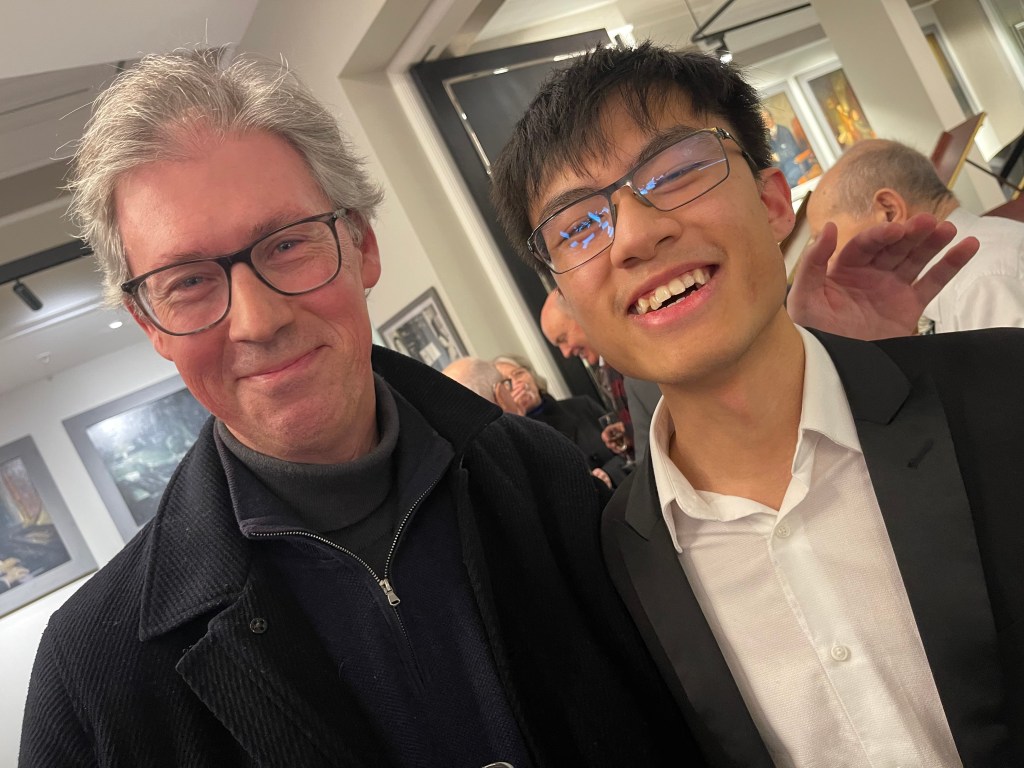
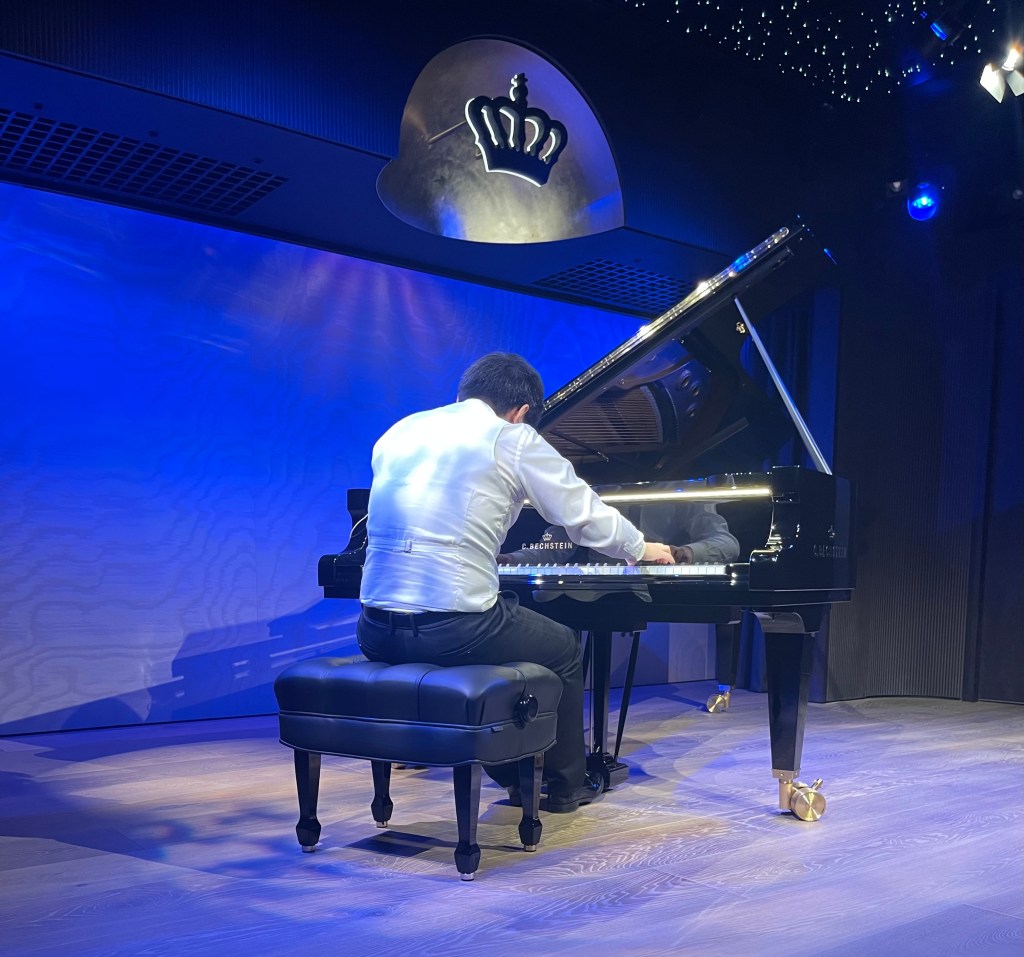
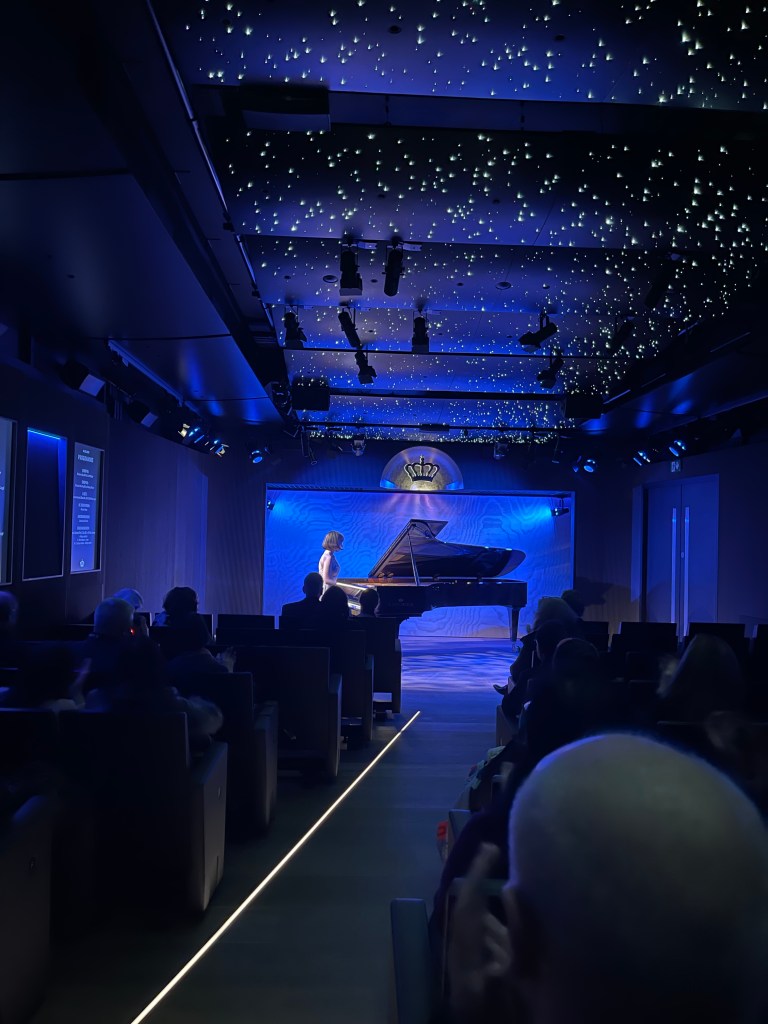
So it was hardly surprising to hear Julian Chan astonish and amaze us last night for his Keyboard Trust showcase recital .
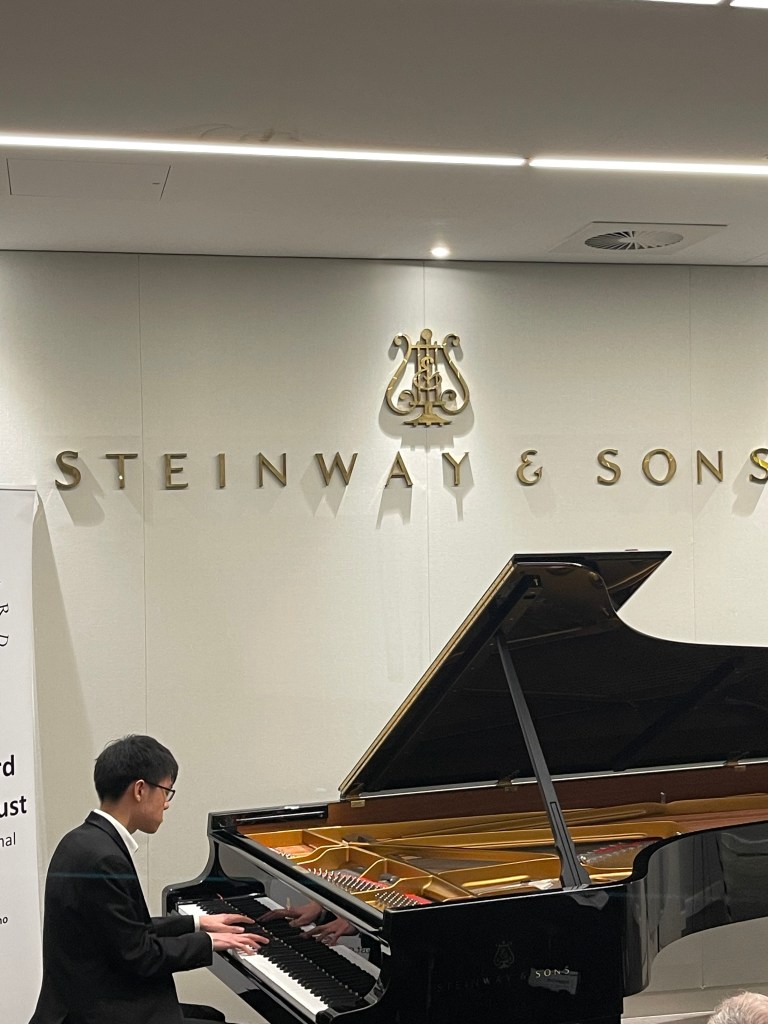
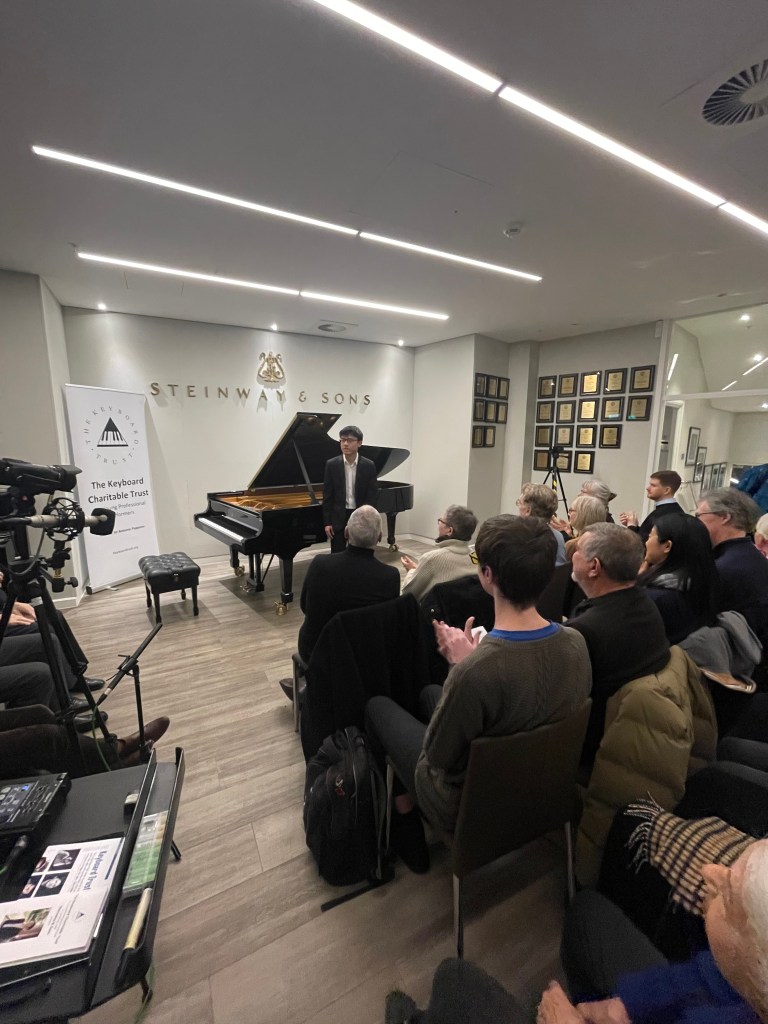
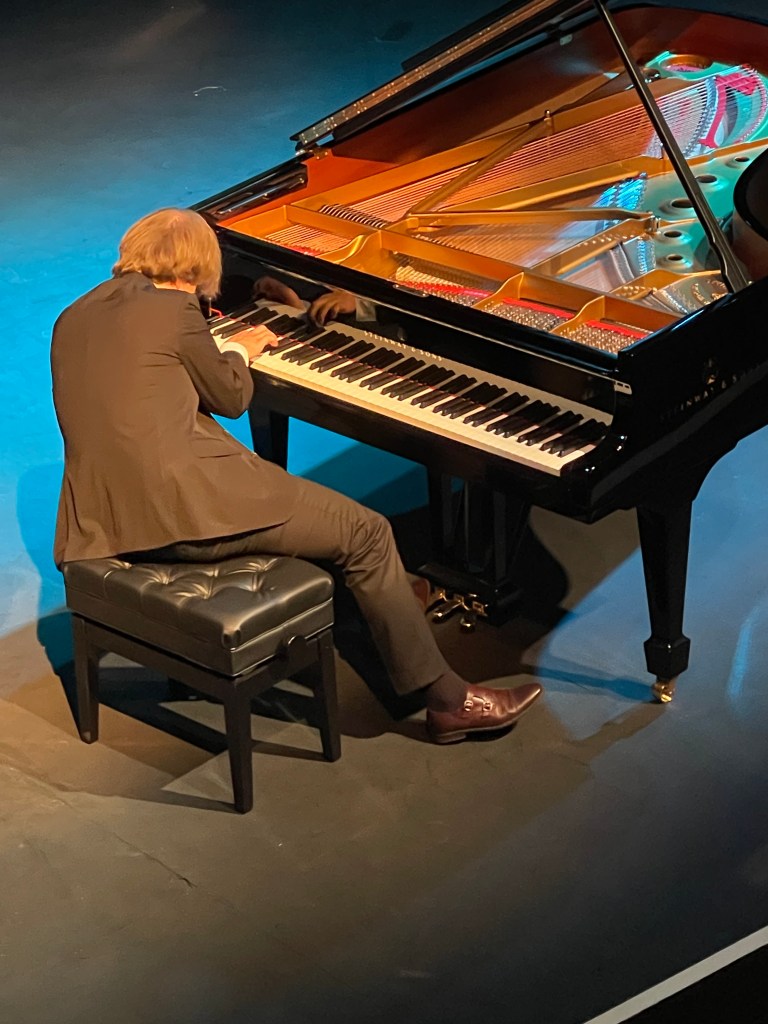
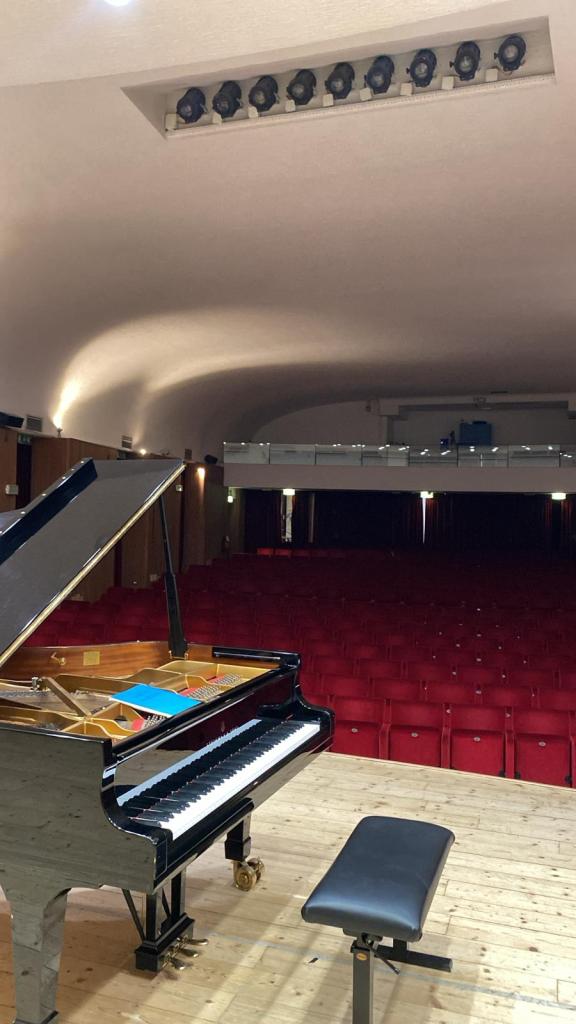
Sounds that have never been heard in this hall before on a magnificent Steinway D often criticised for being too big for this small space .

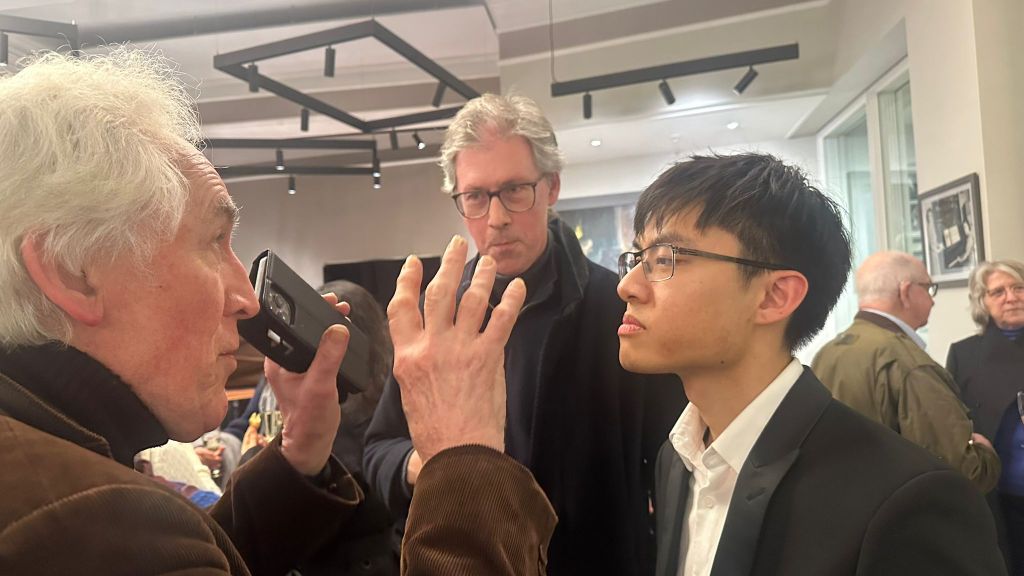
As Julian explained in his brief interview with Elena Vorotoko after his recital, the sounds he makes are those that come from what he hears .

A search for sounds by an intelligent questioning musician who has a transcendental command of the instrument .

When Richter first appeared in the West it was not the fire and passionate abandon that astonished as much as a pianist who could control sound and play more quietly than we had heard before .Not projecting the sound out but drawing the audience in.

Julian taught us today that it is not the size of the piano that counts but the measure of the pianist at the helm of such a powerful instrument .

An all French programme but that chosen by an eclectic master musician.
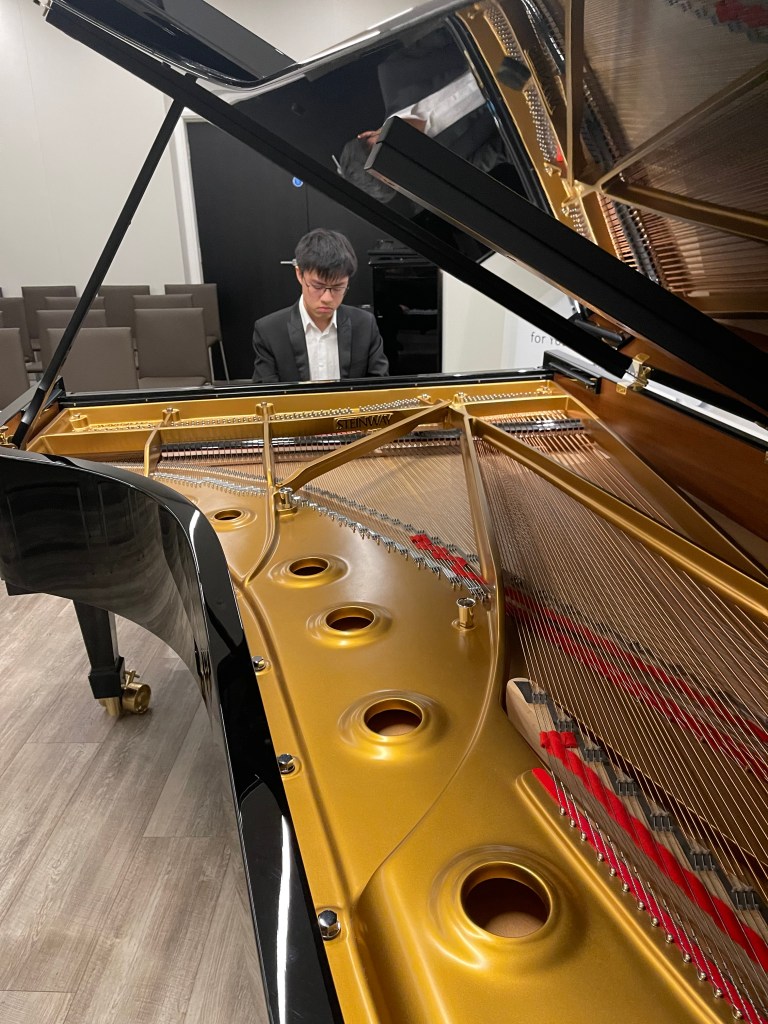
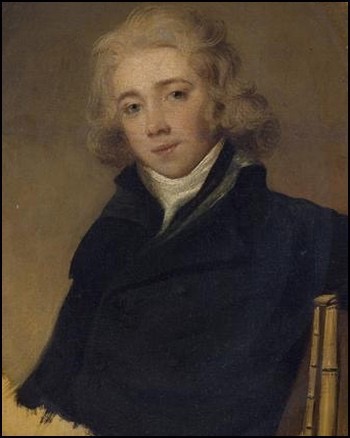
Julian having chosen Poulenc Novelettes and the Alkan Symphony for piano had also made a research for a French ‘classical’ composer. Having played through various scores of mostly unknown composers, as that period in French music is amazingly scarse, he came across the work of Hyacinthe Jadin and was happy to present his Sonata op 4 n 2. A work of elegance and beauty somewhat in the style of Weber but at the age of twenty showed a composer who alas was to survive only to the age of 24 and such early promise was not to be allowed to flower.

Alkan on the other hand was something of a recluse and much admired by Chopin and Liszt . He created, on the newly transformed keyboard instruments, innovative sounds but with music that was considered too difficult for mortals to play. He died a lonely misunderstood broken man but one that Chopin esteemed so highly that on his death bed he gave him his half started treatis on piano for Fetis to finish .

Poulenc too, whose piano music is of such Parisian elegance and style. Rubinstein in Paris in that golden period played him well, but since then it has been unjustly neglected or played with Sancon like cold precision or sugary sweet sounds that just do not suit it or do justice to the music of a refined debonair ‘bon viveur.’

Julian’s playing put all three on the map tonight in an astonishing display of mastery and style

Ravishing beauty of Poulenc, not sentimental but with sentiment. Full of ravishing insinuating colours where Poulenc’s irresistible melodies were allowed to appear and disappear like glimpsing colours gleaming in a prism.The second novelette was treated to the naughty impish sounds that only Poulenc could portray with his improvised mastery of the keyboard. Julian played it like a man possessed and if he slightly missed its wickedly ebullient character he certainly did not miss the bubbling energy.

He brought a refined tone palette of elegance and beauty to the Jadin sonata.There was rare beauty to the inner harmonic structure ( that Elena touched on in her interesting conversation with Julian ). Passion mixed with style and an extraordinary sense of refined colour. A Menuet of unexpected vehemence which contrasted with the simple almost Waldteufelian Trio! The Finale was pure Weber with its insistence and dramatic drive with playing of jeux perlé brilliance mixed with not a little Beethovenian weighty contrasts .
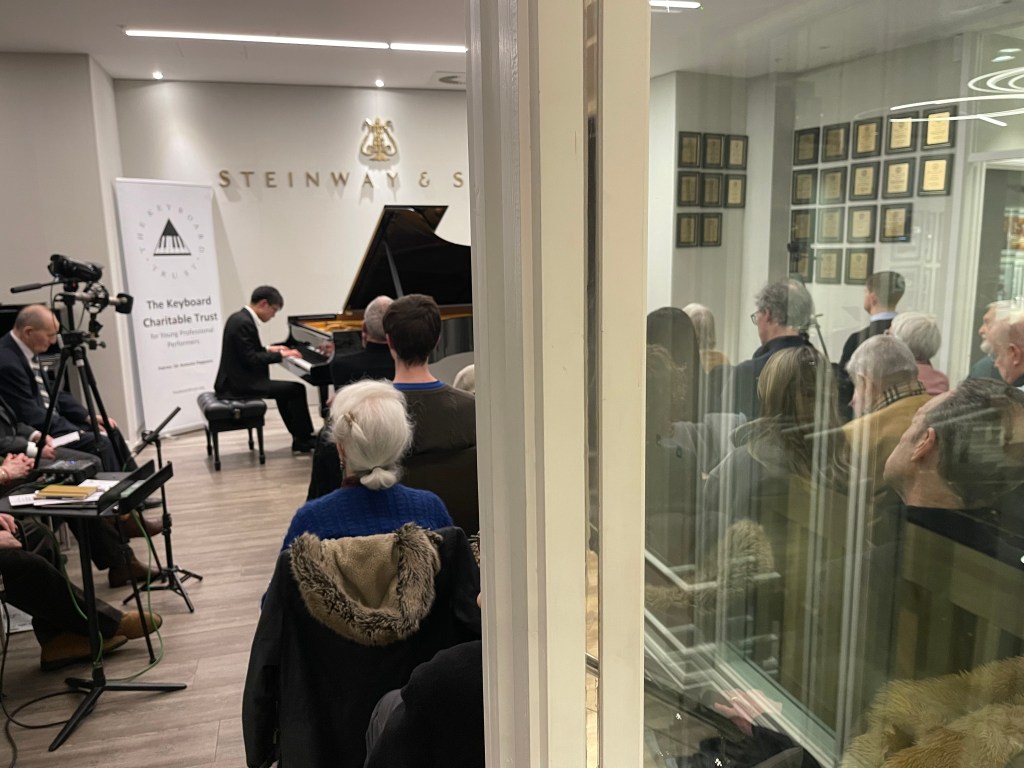
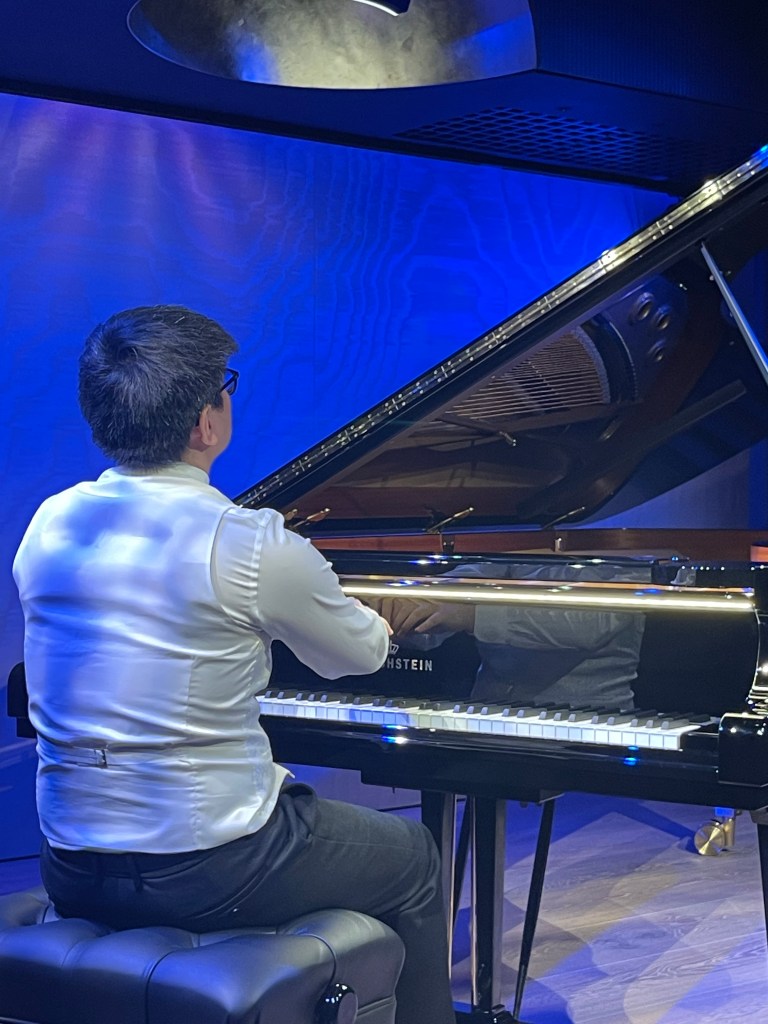
The Alkan Symphony I have heard some brilliant performances recently but nothing like the mastery and architectural understanding of today.Extraordinary orchestral colours played with both power and beauty. There was a richness to his chordal playing that I have not heard since Cherkassky . A sense of balance and measure that at the climax reached an overwhelming peak of sound that was never hard, ungrateful or even overpowering. Here was a master musician listening to the sounds that he was conducting from his agile players with above all a masterly control and true understanding of the pedals. It was this mastery that allowed the genial ‘Marche Funèbre’ to be played with a remarkable sense of control as the tenor melody was allowed to sing with all the subtle colouring of the human voice accompanied by dry dead whispered chords. When suddenly Alkan asks for the pedal to be added, it is like the sun coming out and a glimpse of ravishing, breathtaking beauty with an ending that was far more extraordinary that that of his colleague Chopin!

A ‘Menuet’ that was like the ‘witches sabbath’ but contrasting with a barely whispered trio .The return of the ‘Menuet’ and a triumphant ending was not for the genius of Alkan who interrupts the ‘baccanale’ with a magic glimpse back of the trio which he allows to breathe its last whispered dying sounds to conclude this extraordinary movement .

The finale was played with breathtaking pyrotechnics but above all a musical shape and architectural whole that was quite remarkable for its breadth and power.

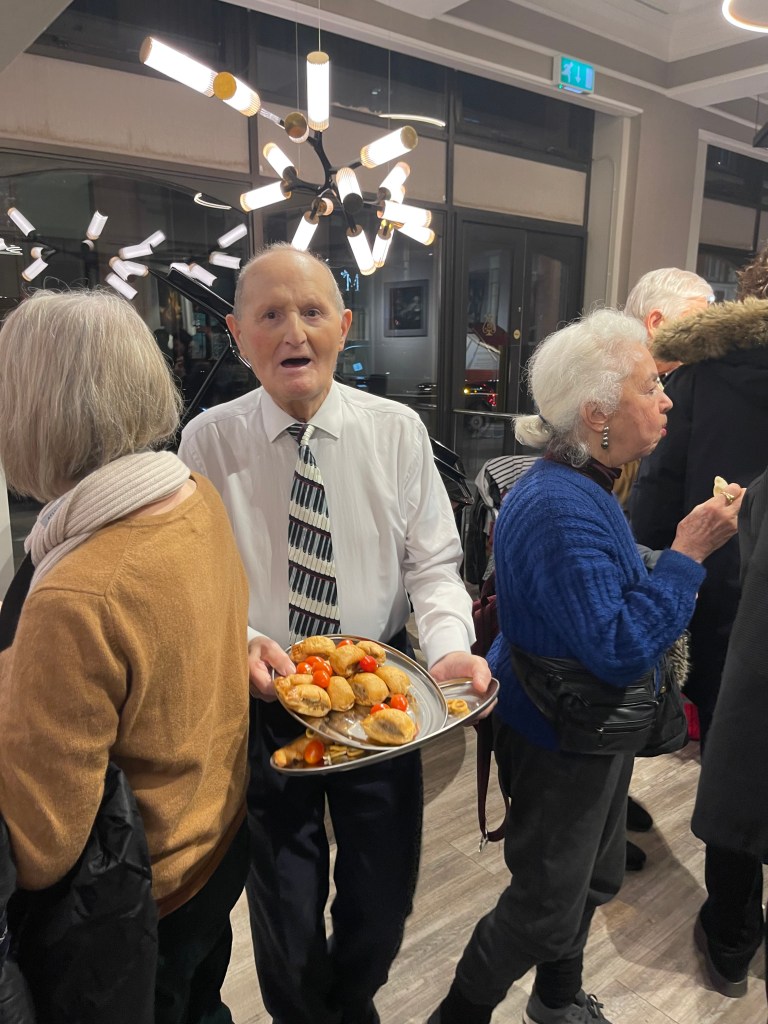
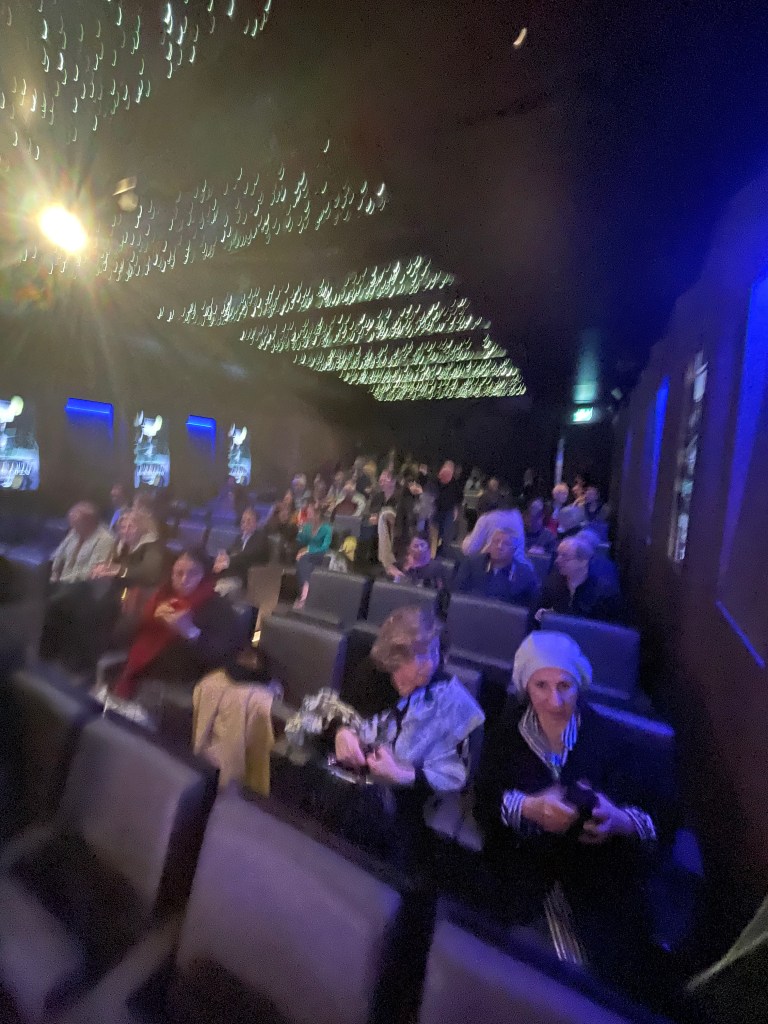
An ovation as rarely experienced in a hall full of distinguished guests wanting more.

Julian was just happy to share a beguiling whispered prelude by Alkan showing us the other more introvert side of a misunderstood genius who this young man is fast putting on the map
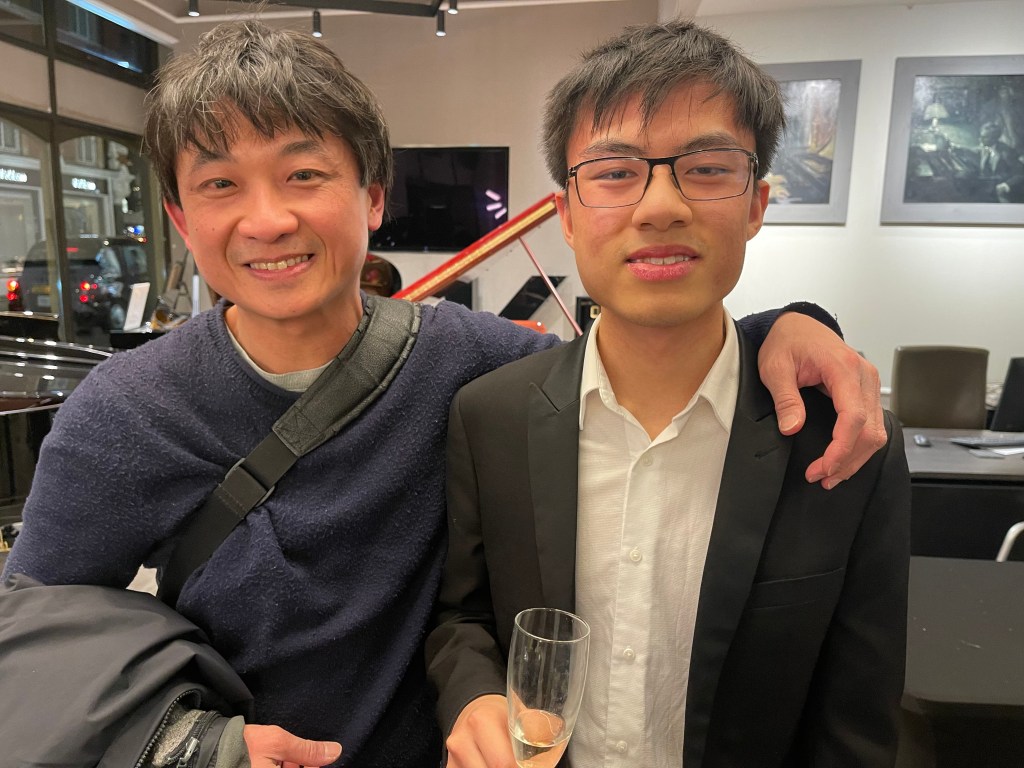
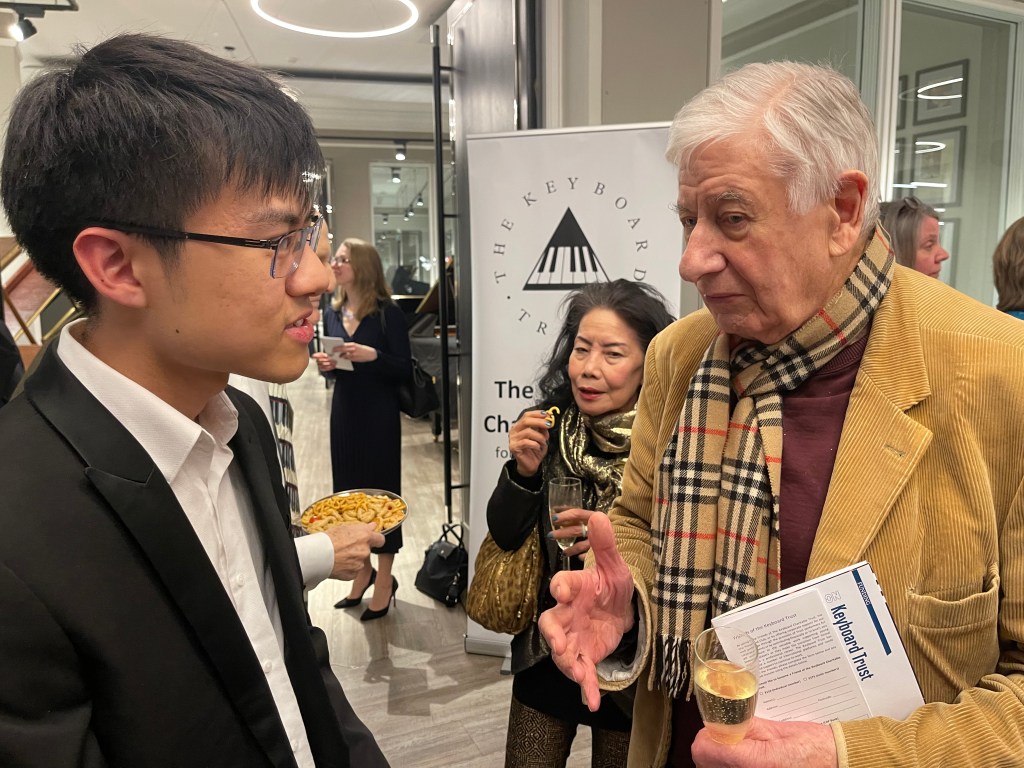
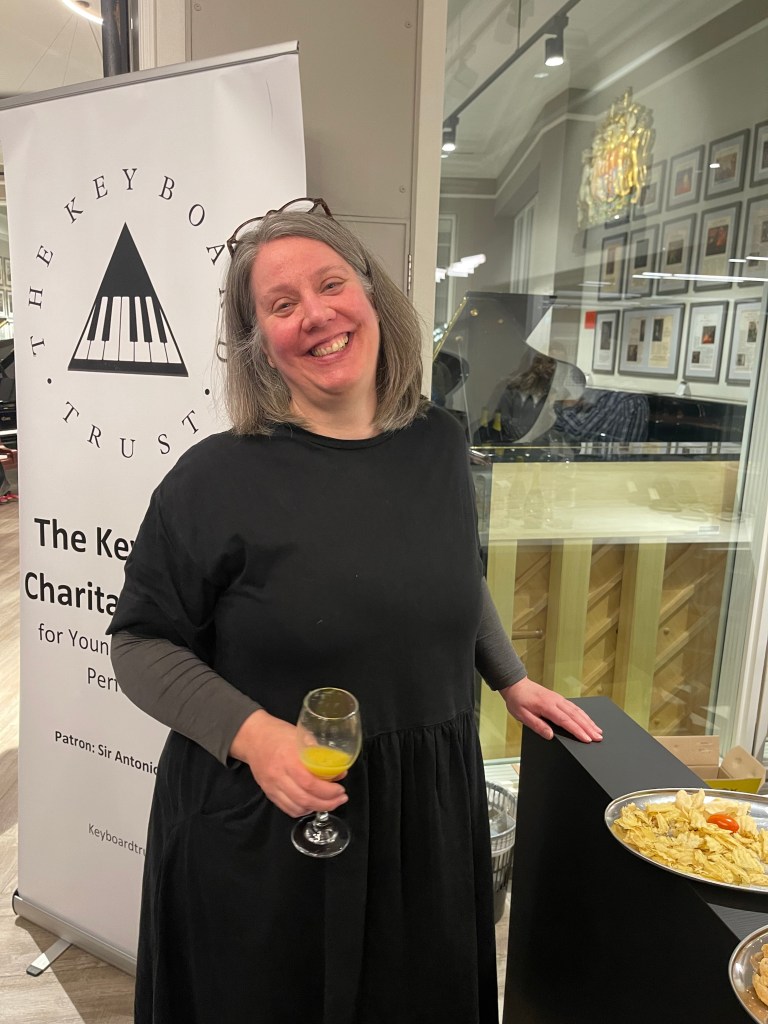
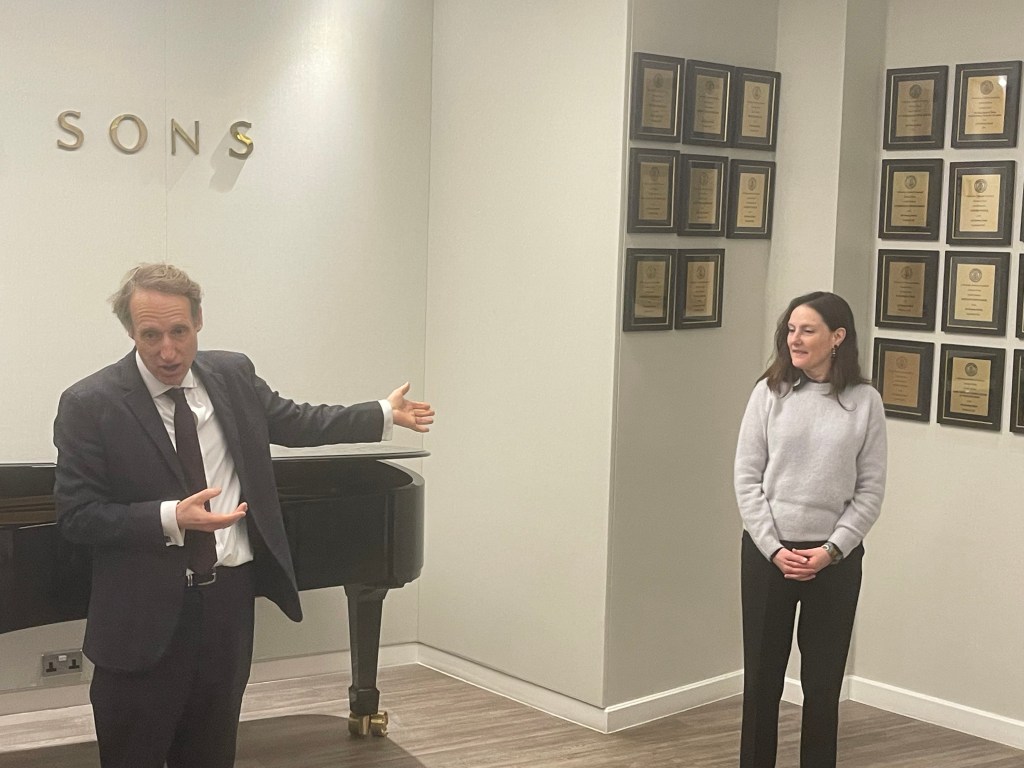
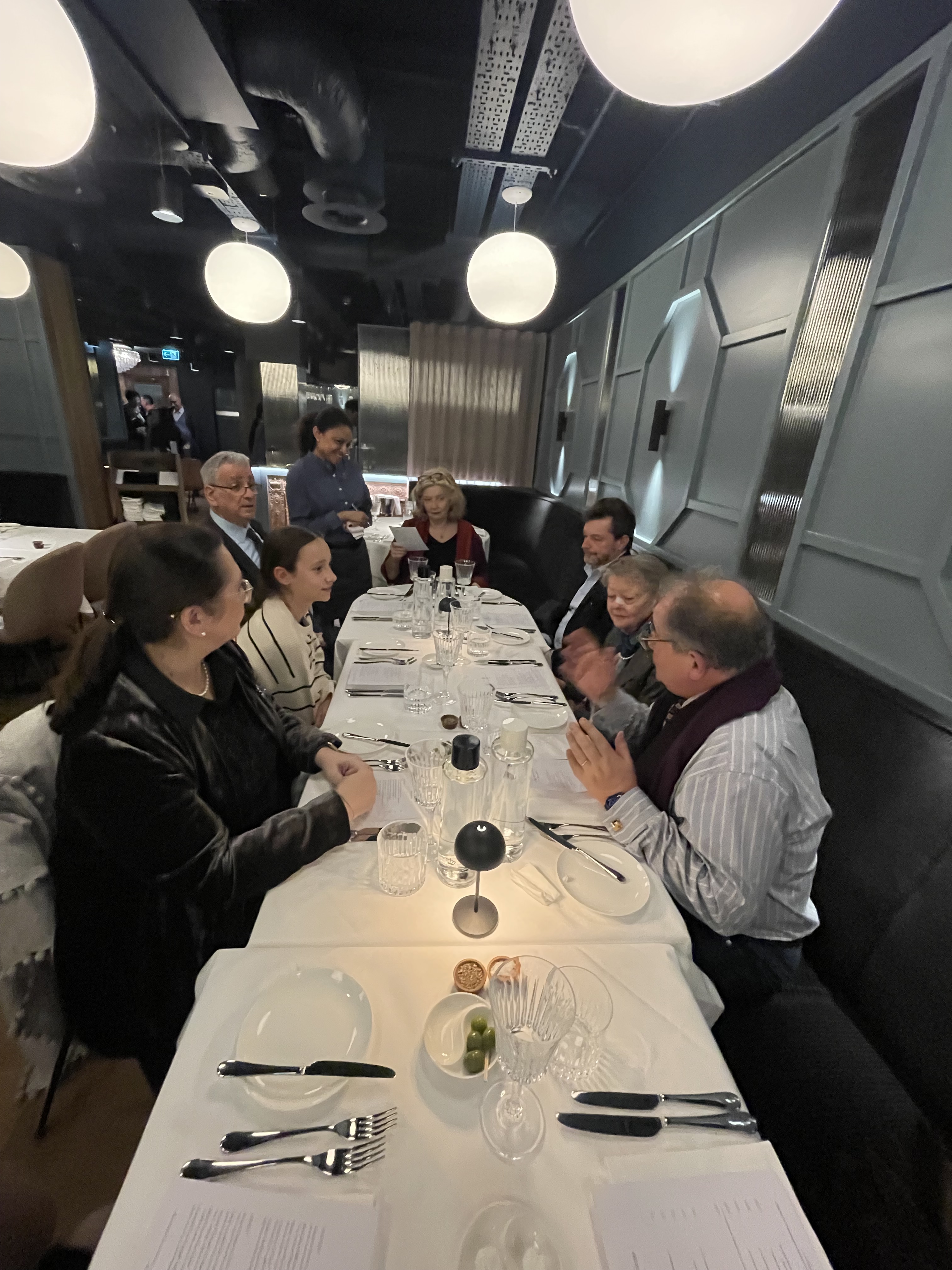
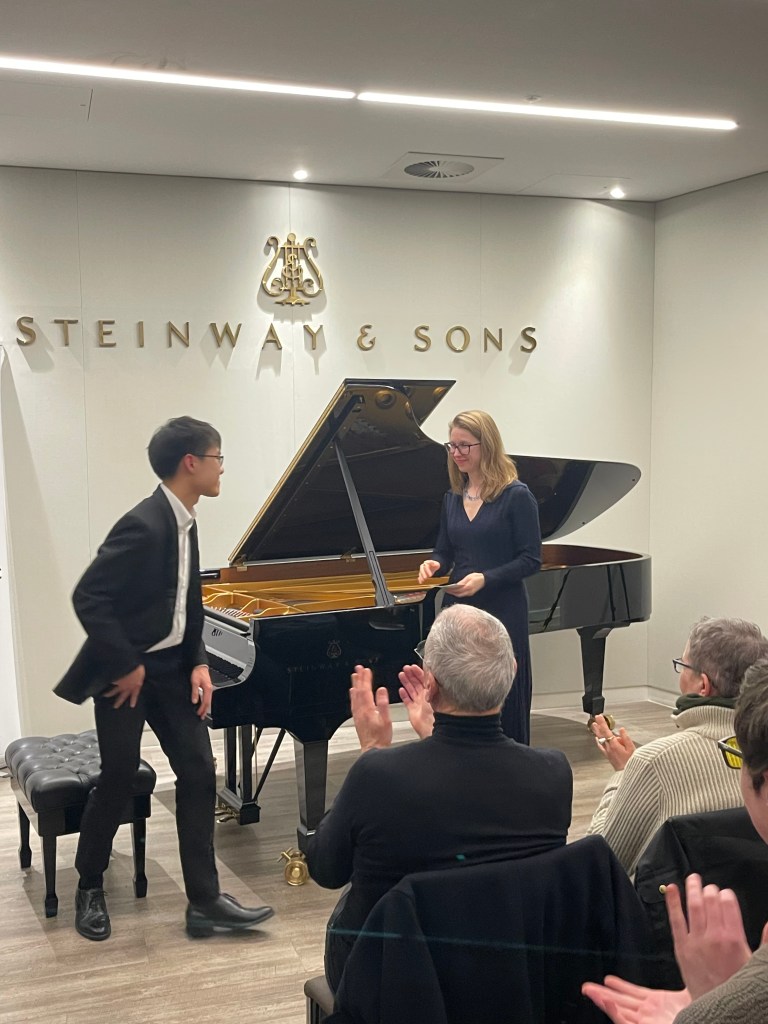
Such a joyous welcome from Wiebke Greinus – Concert and Artists manager of Steinway & Sons
Hyacinthe Jadin (27 April 1776 – 27 September 1800) was a French composer who came from a musical family. His uncle Georges Jadin was a composer in Versailles and Paris, along with his father Jean Jadin, who had played bassoon for the French Royal Orchestra. He was one of five musical brothers, the best known of whom was Louis – Emmanuel Jadin.

Jadin was born in Versailles . At the age of 9, Jadin’s first composition, a Rondo for piano, was published in the Journal de Clavecin. By the age of thirteen, Jadin had premiered his first work with the Concertt Spirituel.Jadin took a job in 1792 as assistant rehearsal pianist (Rezizativbegleiter) at the Theatre Feydeau. In this year he composed the Marche du siège de Lille (“March of the Siege of Lille”), commemorating the successful resistance of the citizens of Lille when besieged by Austrian forces.. 

In 1794, Jadin published an overture for 13 wind instruments entitled Hymn to 21 January. The piece commemorated the one-year anniversary of the execution of Citizen Capet (the name given to Louis XVI during his trial for treason). In 1795, he began teaching a female piano class at the Paris Conservatoire.From 1795 until his death Jadin suffered from tuberculosis. At the time of his death, he was impoverished.

While chamber music formed a large part of Jadin’s creative career, he is most well known for his progressive style of piano composition. Jadin’s works anticipated the music of Franz Schubert; his piano sonatas in particular display a proto-Romanticism, which in parts both rejected and extended the heritage of his Classicall predecessors.

Orchestra

  • Piano Concerto  No. 1 (1796–97)
    1. Allegro brillante
    2. Adagio
    3. Rondeau – Allegretto
  • Piano Concerto No. 2 in D minor (1796), accompanied  by 2 violins,viola,double bass ,flutes,oboes,bassoons and horns
    1. Allegro moderato
    2. Adagio
    3. Rondo – Allegro
  • Piano Concerto No. 3 in A (1798), accompanied by 2 violins, viola, double bass, 2 flutes, 2 bassoons, and 2 horns
    1. Allegro moderato
    2. Rondo – Allegro
  • Ouverture pour instruments à vent (c. 1795)
  • Wind band with chorus
  • Hymne du vingt-un janvier (1794), based on text by Charles Le Brun
  • Chanson pour la fête de l’agriculture (1796), based on text by Ange Etienne Xavier Poisson de Lachabeaussière
  • Hymne du dix germinal, based on text by Théodore Désorgues
  • Stage
  • Le testament mal-entendu (1793),comédie mêlée d’ariettes in 2 acts, libretto  by François Guillaume Ducray-Duminil
  • Cange ou Le commissionnaire de Lazare (1794), fait historique in 1 act, libretto by André-Pépin Bellement.
  • Piano
  • Rondo (1785)
  • Piano ( or Harpsichord )  No. 1 in D (1794), accompanied by violin
    1. Allegro
    2. Andantino un poco allegretto
    3. Menuet: Allegro
    4. Final: Presto
  • Piano (or Harpsichord) Sonata No. 2 in B-flat (1794), accompanied by violin
    1. Allegro fieramente
    2. Rondo: Allegretto non tropo
  • Piano (or Harpsichord) Sonata No. 3 in F minor (1794), accompanied by violin
    1. Allegretto poco agitato
    2. Adagio
    3. Menuet: Allegro
    4. Rondo: Allegro non tropo
  • Piano Sonatas, op. 3 nos. 1-3 (1795)
  • Piano Sonata in B-flat, op. 4 no. 1 (1795)
    1. Allegro
    2. Andante
    3. Finale: Presto
  • Piano Sonata in F-sharp minor, op. 4 no. 2 (1795)
    1. Allegro motto
    2. Menuet – Trio
    3. Finale: Allegro
  • Piano Sonata in C-sharp minor, op. 4 no. 3 (1795)
    1. Allegro moderato
    2. Adagio
    3. Rondeau: Allegretto
  • Piano Sonata in F minor, op. 5 no. 1 (1795)
    1. Allegro moderato
    2. Adagio
    3. Final: Allegro
  • Piano Sonata in D, op. 5 no. 2 (1795)
    1. Allegro
    2. Andante
    3. Final: Presto
  • Piano Sonata in C minor, op. 5 no. 3 (1795)
    1. Allegro maestoso
    2. Andante
    3. Allegro
  • Duo in F (1796), for four hands
    1. Allegro brillante
    2. Andante
    3. Rondo: Allegro
  • Piano Sonata in C minor, op. 6 no. 1 (1800)
    1. Allegro moderato
    2. Andante sostenuto
    3. Final: Allegro
  • Piano Sonata in A, op. 6 no. 2 (1800)
    1. Andante
    2. Rondeau: Allegretto
  • Piano Sonata in F, op. 6 no. 3 (1800)
    1. Allegro moderato
    2. Adagio
    3. Allegro assai
  • Chamber
  • String Quartets for 2 violins, viola, and violoncello
    • B-flat, op. 1 no. 1 (1795)
      1. Largo – Allegro non troppo
      2. Adagio
      3. Menuet – Trio
      4. Finale – Allegro
    • A, op. 1 no. 2 (1795)
      1. Allegro
      2. Menuet – Trio
      3. Pastoral Andante
      4. Finale
    • F minor, op. 1 no. 3 (1795)
      1. Allegro moderato
      2. Menuet
      3. Adagio
      4. Polonaise
    • E-flat, op. 2 no. 1 (1796)
      1. Largo – allegro moderato
      2. Adagio
      3. Menuetto
      4. Allegro Finale
    • B minor, op. 2 no. 2 (1796)
      1. Allegro
      2. Menuetto
      3. Adagio non troppo
      4. Allegro Finale
    • C, op. 2 no. 3 (1796)
      1. Allegro
      2. Andante
      3. Menuetto
      4. Presto Finale
    • C, op. 3 no. 1 (1797)
      1. Allegro moderato
      2. Adagio
      3. Menuette – Andante
      4. Presto Finale
    • E, op. 3 no. 2 (1797)
      1. Allegro moderato
      2. Menuet
      3. Adagio
      4. Allegro
    • A minor, op. 3 no. 3 (1797)
      1. Allegro moderato
      2. Adagio
      3. Menuet
      4. Finale
    • G, op. 4 no. 1 (1798)
      1. Allegro moderato
      2. Rondo Allegro
    • F, op. 4 no. 2 (1798)
      1. Allegro non troppo
      2. Minuetto Trio
      3. Adagio molto
      4. Allegro assai
    • D, op. 4 no. 3 (1798)
      1. Largo – Allegro moderato
      2. Minuetto
      3. Andante
      4. Finale Allegro
  • String Trios books 1 & 2 for violin, viola, and violoncello.
    • Opus 2, 1797 dedicated ‘a son ami Kreutzer’ for ‘Violon, Alto et Basse’:
      • E flat major, op. 2 no. 1
        1. Allegro moderato
        2. Menuet
        3. Siciliane
        4. Finale: Allegro
      • G major, op. 2 no. 2
        1. Allegro
        2. Menuet
        3. Finale: Allegro
      • F major, op. 2 no. 3
        1. Allegro
        2. Menuet: Andante/ Trio: Allegro
        3. Adagio
        4. Rondeau: Allegro
  • IMSLP also lists a set of three string trios, Opus 1a -First Published 1790, dedicated to ‘Son ami Montbeillard’ for the combination of 2 violins & bass.
  • Vocal
  • Marche du siège de Lille (1792) for voice and piano (or harp)
  • Romance à la lune (1796) for voice and piano (or harp)
  • Le tombeau de Sophie (1796) for voice and harpsichord  (or harp)
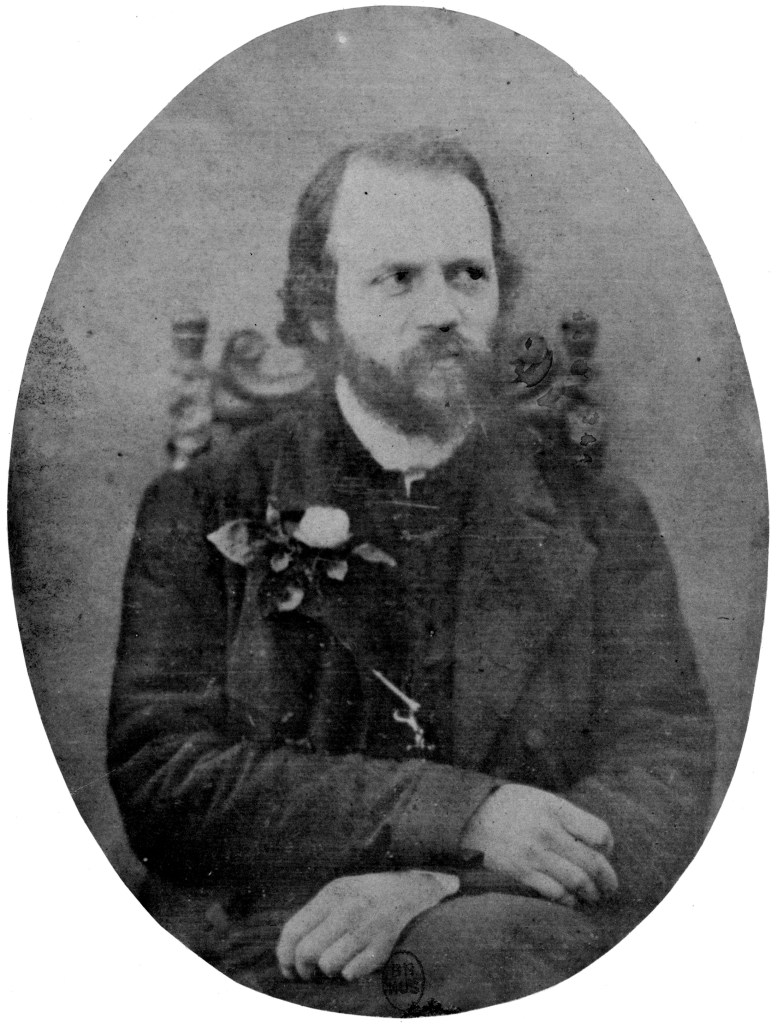
Charles-Valentin Alkan 30 November 1813 – 29 March 1888 was a French composer and virtuoso pianist. At the height of his fame in the 1830s and 1840s he was, alongside his friends and colleagues Chopin  and Liszt, among the leading pianists in Paris, a city in which he spent virtually his entire life.

The Symphony for Solo Piano op 39 4-7,is a large-scale romantic work for piano composed by Charles – Valentin Alkan and published in 1857.

Although it is generally performed as a self-contained work, it comprises études Nos. 4–7 from the Douze études dans tour les tons mineurs (Twelve Studies in All the Minor Keys), Op. 39, each title containing the word Symphonie . The four movements are titled Allegro moderato, Marche funèbre,Menuet and Finale ( described by Raymond Lewenthal as a ride in hell). Much like the Concerto for Solo Piano  (Nos. 8–10), the Symphony is written so as to evoke the broad palette of timbres and harmonic textures available to an orchestra. It does not contain the excesses of the Concerto or the Grande Sonate (Op. 33). But, rather like the Sonatine Op. 61, it proves that Alkan was also capable of writing perfectly balanced and almost ‘Classical’ works.”Unlike a standard classical symphony, each movement is in a different key, rising in progressive tonality by a perfect fourth.

Point and Counterpoint 2024 A personal view by Christopher Axworthy
https://christopheraxworthymusiccommentary.com/2024/12/25/point-and-counterpoint-2024-a-personal-view-by-christopher-axworthy/
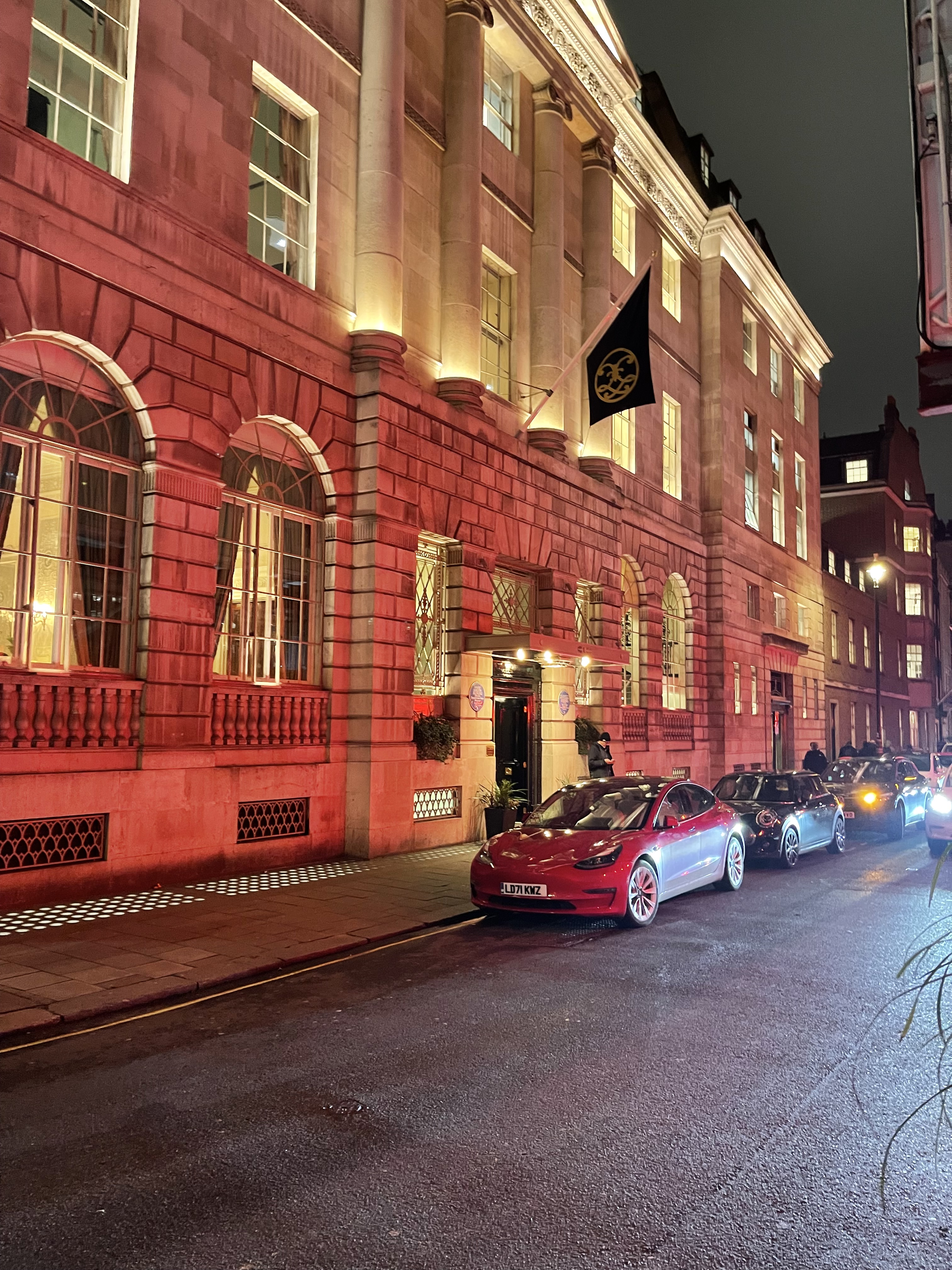
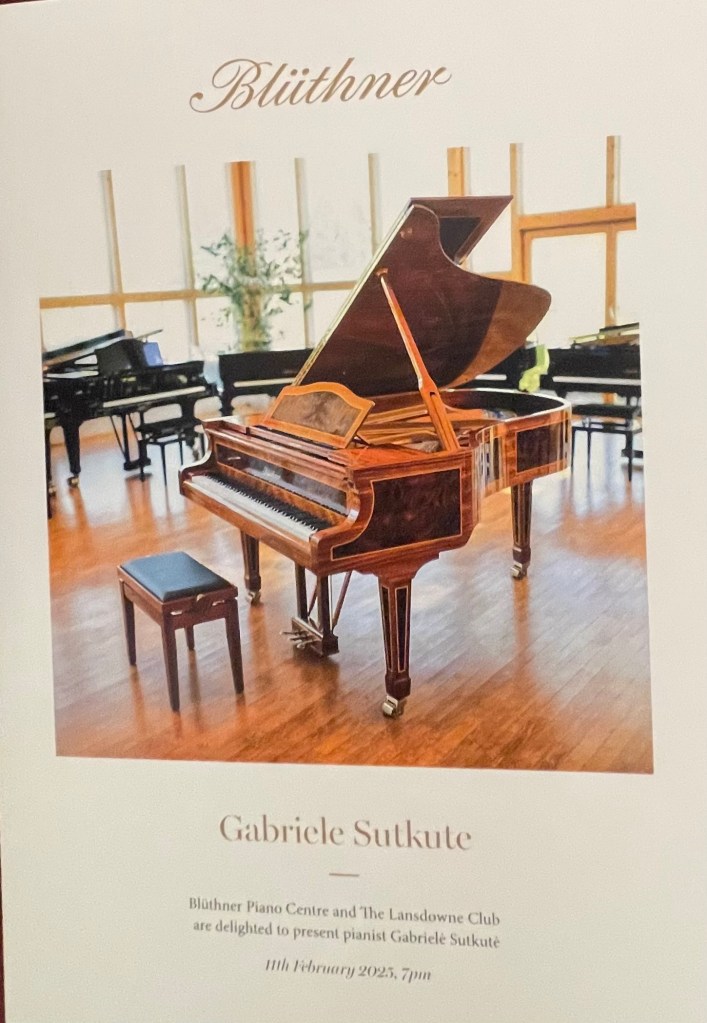
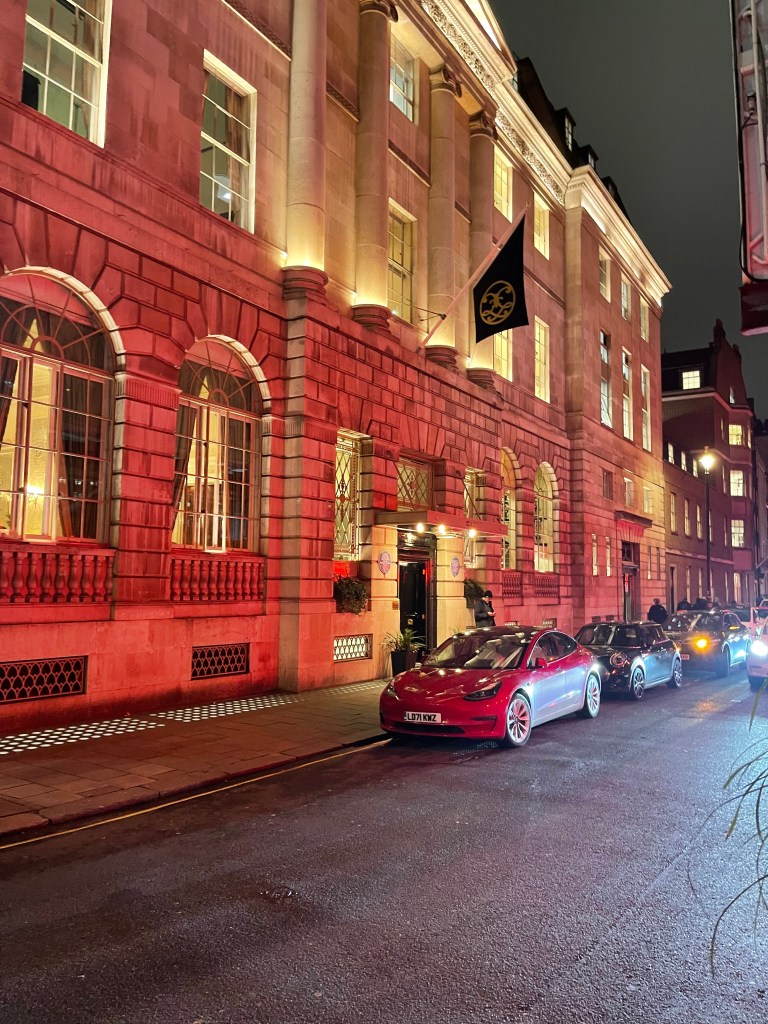
Gabrielé Sutkuté at Lansdowne Club ‘A star in Mayfair shining ever brighter’

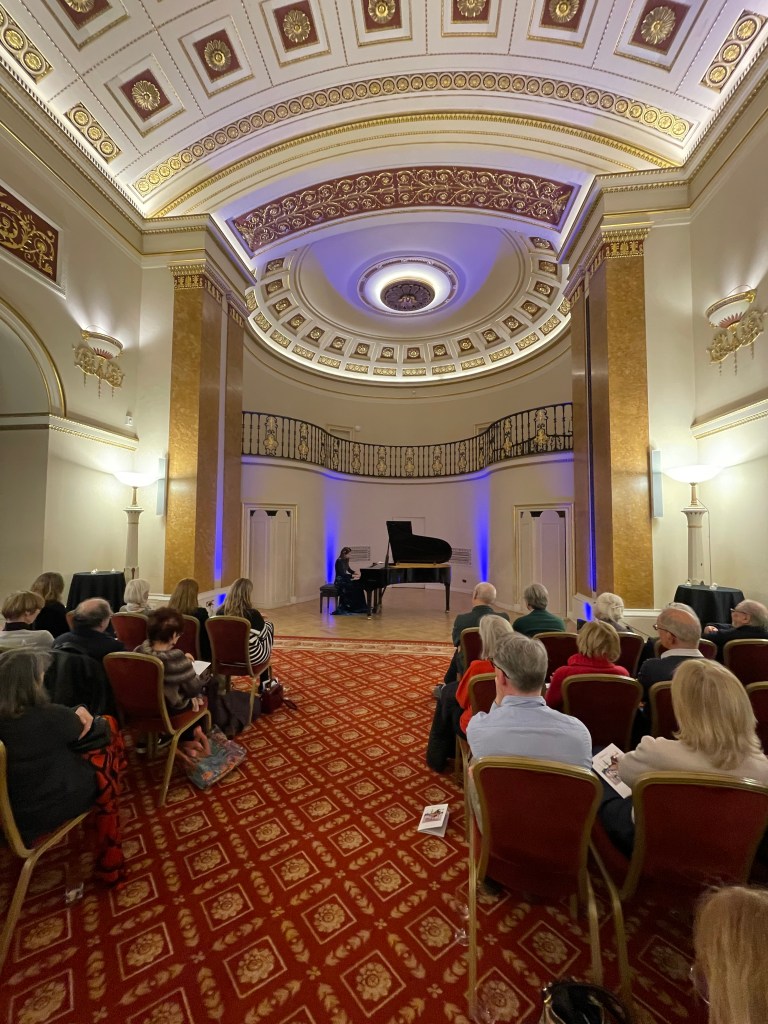
Gabrielé Sutkuté at the Lansdowne Club for her second recital for Bluthner Concerts. Following on from her superb recital eighteen months ago she was invited to fill this magnificent hall again with her supreme artistry

Gabrielé Sutkuté takes Mayfair by Storm ‘passion and power with impeccable style’
https://christopheraxworthymusiccommentary.com/2023/09/13/gabriele-sutkute-takes-mayfair-by-storm-passion-and-power-with-impeccable-style.

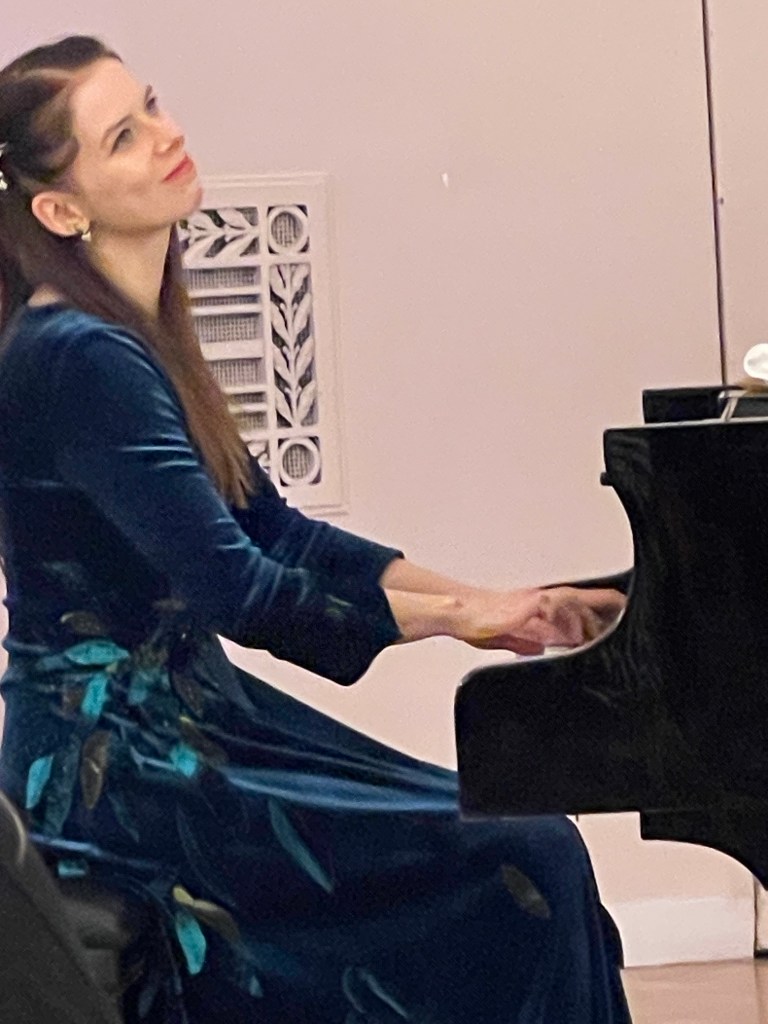
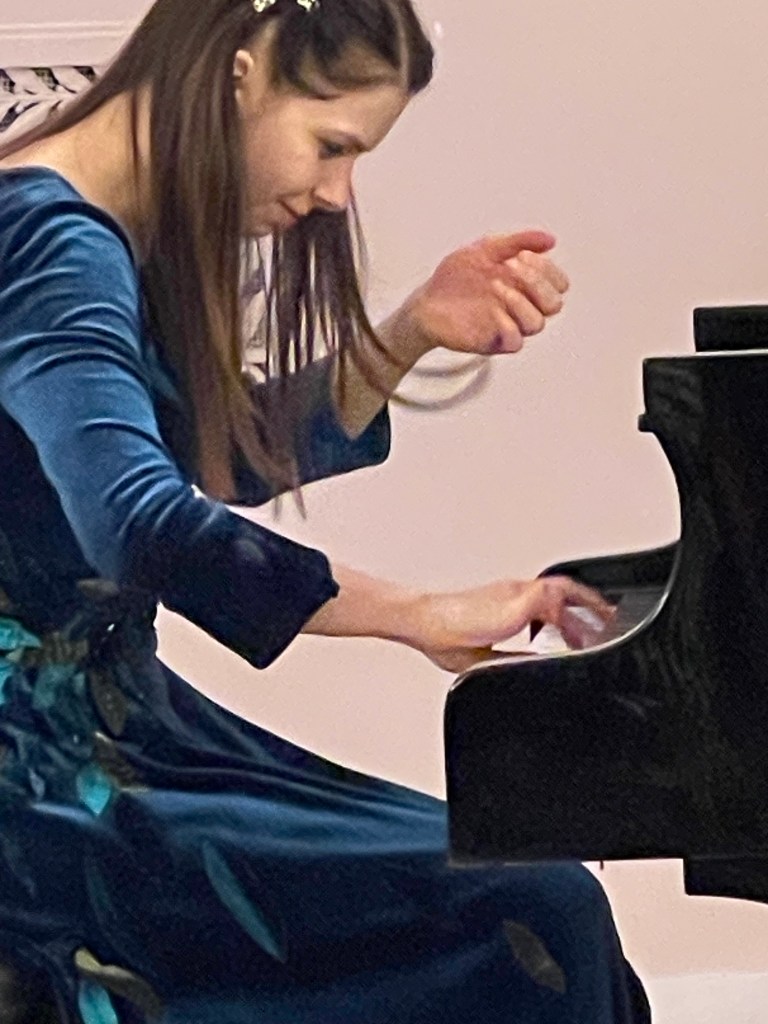
Playing of astonishing energy and dynamic drive but also charm and ravishing delicacy in this short showcase recital. A programme that ranged from the trifles of a youthful Beethoven, through the sumptuous rich orchestral sounds of Brahms, the refined simplicity of Rameau but above all the astonishing brilliance of Liszt.

An extraordinary display of transcendental piano playing but above all of a musicianship that could give such differing character to all she did.

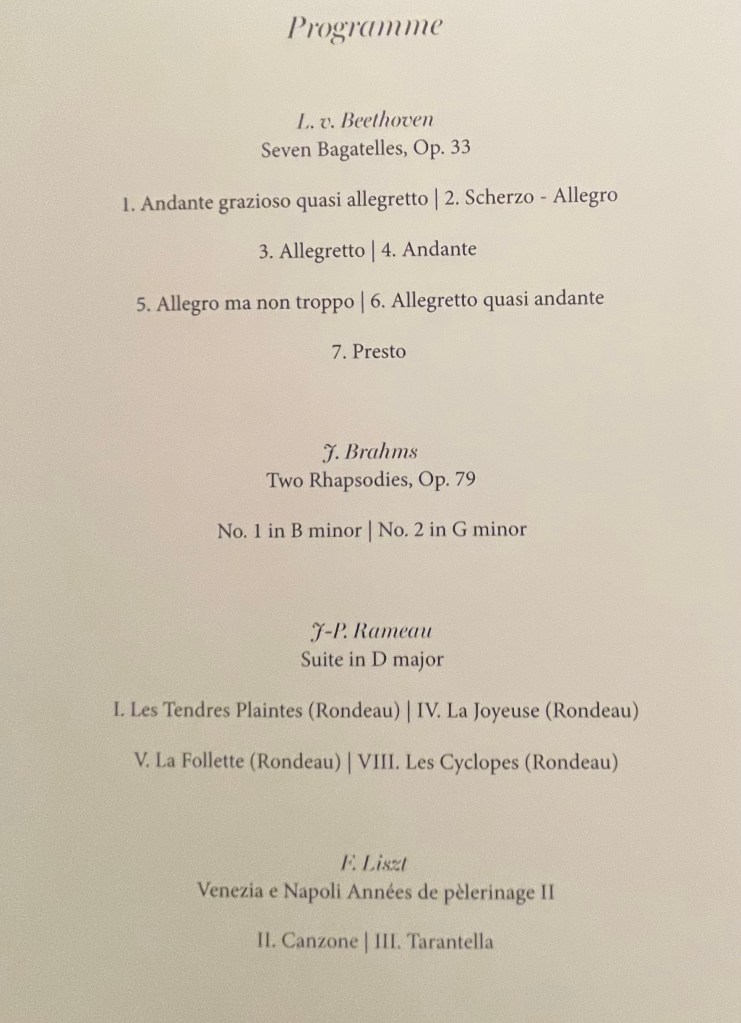
There was charm and humour from the very first notes of Beethoven’s seven bagatelles op. 33 which opened the programme. She was living and relishing each note, whether it be a slight twitch of her nose or a glance of recognition, that were just part of the extraordinary vibrant sounds that she was producing at the keyboard. It was Brendel who was sometimes criticised for affectations such as these, but as he said I do not grunt or groan like Glenn Gould but just make grimaces . He tried unsuccessfully to cure himself with a mirror placed strategically in his practice studio, alas to no avail because his love and self recognition with the music were far too strong for such personal trivia ! The second Bagatelle marked ‘Scherzo’ was played with dynamic contrasts and a driving intensity as Beethoven’s spirited humour burst into effervescence. This was followed by the beautiful Schubertian outpouring of radiance and sunshine as one could see and hear what fun she was having. A simple ‘ländler’ followed, interrupted by contrasting brooding harmonic progressions before the return of the opening disarming earthly simplicity. Cascades of notes of the fifth were played with teasing brilliance with a passing cloud and dark change of character for the central episode. It was with simple grace and charm that the sixth was allowed to unfold before the frenzy and hysterical impatience of the final seventh. Long held pedals allowed streams of misty harmonies to interrupt this hurricane of Beethoven at his most impatient – A rage indeed – but with spirited good humour and simply a masterly storm in a teacup!

The two Brahms rhapsodies that followed were played with orchestral sounds of grandeur and potency. Gabrielé’s instinctive driving passion and energy allowed the two overpowering masterworks to ravish and seduce. Such rich sonorities from this very fine Blüthner piano and it was on the vibrations of such intensity that a radiant star was allowed to appear pianissimo with glowing beauty. Dynamic dramatic scales were played with electric energy as Gabrielé landed on the bass chords with terrifying power. There was also the disarming simplicity of the central ‘ländler’ that was allowed to unfold under the gentle sound of a distant bagpipe. There was magic in the air as Gabrielé allowed the music to rest exhausted and contemplate with golden whispered sounds the story that had been told.

The second rhapsody was bathed in pedal with its ponderous march allowed to wend its way forward with timeless insistence .It was the juxtaposition of these two elements that ignited with romantic colours a sumptuous world of orchestral sounds and majesty.

Four pieces from Rameau’s suite in D showed off a world of refined elegance and simplicity with ornaments that were like well oiled springs just adding a sparkling colour to this more formal world of elegance and style. Ravishing beguiling beauty of ‘Les Tendres Plaintes’ was followed by the crystal clear articulation and the dynamic contrasts of its time of ‘La Joyeuse’. The simplicity of ‘La Follette’ was followed by the rhythmic energy and teasing enticement of ‘Les Cyclopes’. Showing another side of the technical and stylistic perfection of Gabrielé which was like a breath of fresh air inbetween the boiling cauldron of Brahms and Liszt.

And it was Liszt that concluded this short but substantial ‘Concerto aperitivo’. Gabrielé bursting on to the scene like in all Rossini’s great operatic works with the great baritone aria from Otello. Drama and arresting rhythms immediately caught our attention as the great aria is allowed to pour from the very soul of the piano with Gabrielé’s total conviction and passionate adhesion. Waves of glorious sounds just enhance the opening of the curtain on such a rhetorical outpouring. The Tarantella entering on the final breath with stealth and cunning. Astonishing pianistic pyrotechnics played by this super charged young Lithuanian artist with clarity precision and overwhelming dynamic drive. To contrast was the ravishing beauty of the Neapolitan song that sings its heart out with unashamed abandon and seductive innuendo. Gabrielé played it with the ravishment and seduction it merits having a well earned rest bathed in the Neapolitan sun. That was before the kiss of the ‘Tarantella’ that ignited a bombshell in this delicate looking young artist who suddenly showed us how appearances can be deceptive.You have been warned!

with the distinguished classical guitarist Conçalo Maia Caetano

After such a bombshell she needed much persuasion before finally relenting and offering us the civilised refined beauty of the Minuet and Trio of Haydn’s B minor Sonata n. 47 Hob XVI 32.

Now headed for Kaunas where she will perform the Grieg Piano Concerto with the State Symphony Orchestra at the weekend. A hall she tells me that is already sold out. It does not surprise me in the slightest knowing the growing reputation of this young Lithuanian artist.

Gabrielé Sutkuté plays Grieg with the YMSO under James Blair at Cadogan Hall
https://christopheraxworthymusiccommentary.com/2023/03/22/gabriele-sutkute-plays-grieg-with-the-ymso-under-james-blair-at-cadogan-hall/

Gabrielé Sutkuté at Leighton House ‘a star is born’
https://christopheraxworthymusiccommentary.com/2023/11/15/25295/

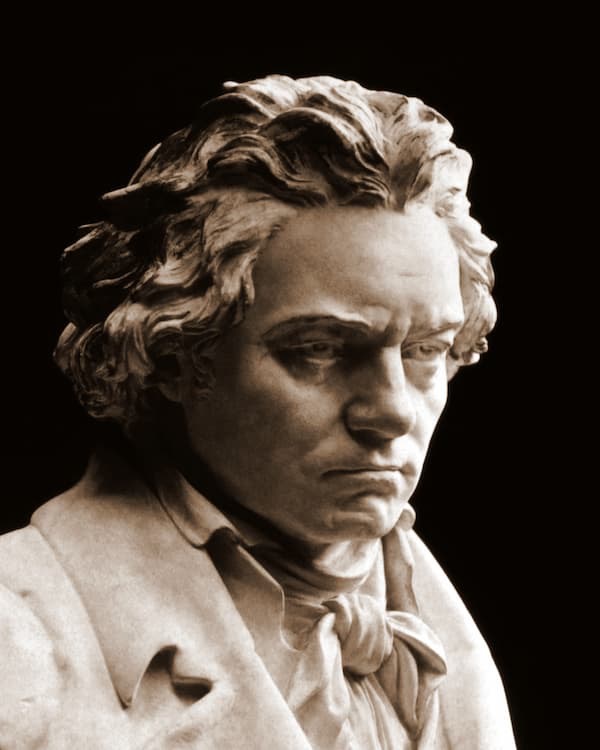
Ludwig van Beethoven 1770- 1827

 The Bagatelles reflect Beethoven’s diverse compositional cosmos in miniature and span almost his entire oeuvre from 1801/02 to 1824/25.  In terms of playing technique, they range from moderate dexterity to demanding virtuosity.

In addition to the well-known collections Opp.33, 119 and 126, ten more pieces were found after Beethoven’s death in an envelope labelled “Bagatelles”.  These included the revised version of “Für Elise” as well as two further revisions of bagatelles which appear here in print for the first time.  For a long time it was assumed that Beethoven reworked seven older pieces for his op. 33, published in 1803. But in the meantime it has been determined that all the surviving sketches came into being in 1801/02, and that the autograph dates from 1802. The fact that the composer wrote such bagatelles for amateurs in temporal proximity to the demanding Piano Sonatas op. 31 may at first glance be unsettling. But the pieces, in simple dance and song forms, display remarkable refinement. The collection, which already appeared in innumerable editions during Beethoven’s lifetime, enjoys great popularity to the present day, not least because – apart from the technically more demanding no. 5 – all the pieces are of medium difficulty, and thus are also accessible to proficient amateurs.Ludwig van Beethoven (1770-1827), the builder of imposing monuments for the keyboard required compositional diversions, needed to work from modest rather than mammoth blueprints. Apart from the several sonatas in which a relaxation of supreme striving is apparent, there are those pieces that are determinedly “small,” little things, or as Beethoven called them, Bagatelles, or Kleinigkeiten. An early set of the composer’s “little bits,” seven in number, were published in 1803 as Op. 33. Eleven pieces, Op. 119, came out in 1820, and the six of Op. 126, the last of his Bagatelles, were composed around 1823, the year he was finishing the Ninth Symphony, the Missa solemnis, and the Diabelli Variations for piano.

In regard to the Bagatelles, Eric Blom (1888-1959), the distinguished English writer on music and a Beethoven scholar, says that, in spite of their modest size [or perhaps because of it], the Bagatelles “reveal [Beethoven’s] character more intimately than anything else he ever wrote. They are,” he continues, “if anything in music can be, self-portraits, whereas his larger compositions express not so much personal moods as ideal conceptions requiring sustained thought and an unchanging emotional disposition for many day or weeks – indeed in Beethoven’s case sometimes years. But these short pieces could be dashed off by the composer, whatever he felt like at the moment, while the fit was on him. No doubt,” Blom concedes [and well he should], “there is an element of exaggeration in this theory of a difference between composition on a large and small scale, but the fact remains that in the Bagatelles we have some perfect and almost graphically vivid sketches of Beethoven in his changeable daily moods, tender or gently humorous one morning and full of fury, rude buffoonery or ill-temper the next. Not even his letters, in which we may find all these turns of mind too, reveal him more clearly than that.”

Beethoven thoroughly revised his Bagatelles op 33 shortly before publication. At the same time, however, he was incredibly busy and worked on his Piano Concerto No. 3, the Symphony No. 2 and the oratorio “Christ on the Mount of Olives.” In the light of Beethoven’s rising fame, he may have felt that he needed to satisfy a growing demand from students and amateurs for easy pieces from his pen.

We find a simple and innocent tune in No. 1, garnished with plenty of ornamentation and light-hearted transitions. No. 2 has the character of a scherzo that humorously manipulates rhythm and accents, while No. 3 appears folk-like in its melody and features a delicious change of key in the second phrase. The A-Major Bagatelle No. 4 is essentially a parody of a musette with a stationary bass pedal, and the minor-mode central section offers harmonic variety.

Beethoven provides some musical humour in No. 5 as this playful piece is a parody of dull passagework. In a really funny moment, the music gets stuck on a single note repeated over and over, like Beethoven can’t decide what to do next. In the end, he decides to repeat what he has already written before. In No. 6, we find a tune of conflicting characters, with the first phrase being lyrical and the second phrase being tuneful. The beginning of No. 7 almost suggests Beethoven’s Waldstein Sonata.

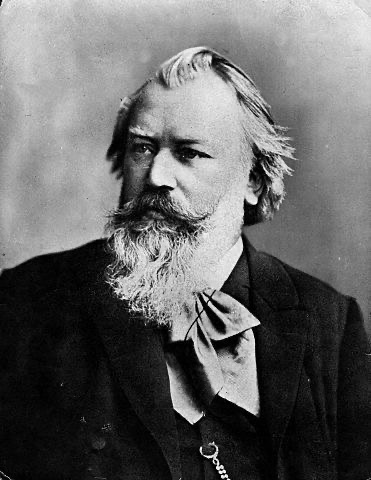
Johannes Brahms  7 May 1833 – 3 April 1897

The Rhapsodies, Op. 79, for piano were written by Brahms in 1879 during his summer stay in Portschach, when he had reached the maturity of his career. They were inscribed to his friend, the musician and composer Elisabeth von Herzogenberg. At the suggestion of the dedicatee, Brahms reluctantly renamed the sophisticated compositions from “Klavierstücke” (piano pieces) to “rhapsodies”.

No. 1 in B minor.  Agitato is the more extensive piece, with outer sections in sonata form enclosing a lyrical, nocturne-like central section in B major and with a coda ending in that key.

No. 2 in G minor.  Molto passionato, ma non troppo allegro is a more compact piece in a more conventional sonata form

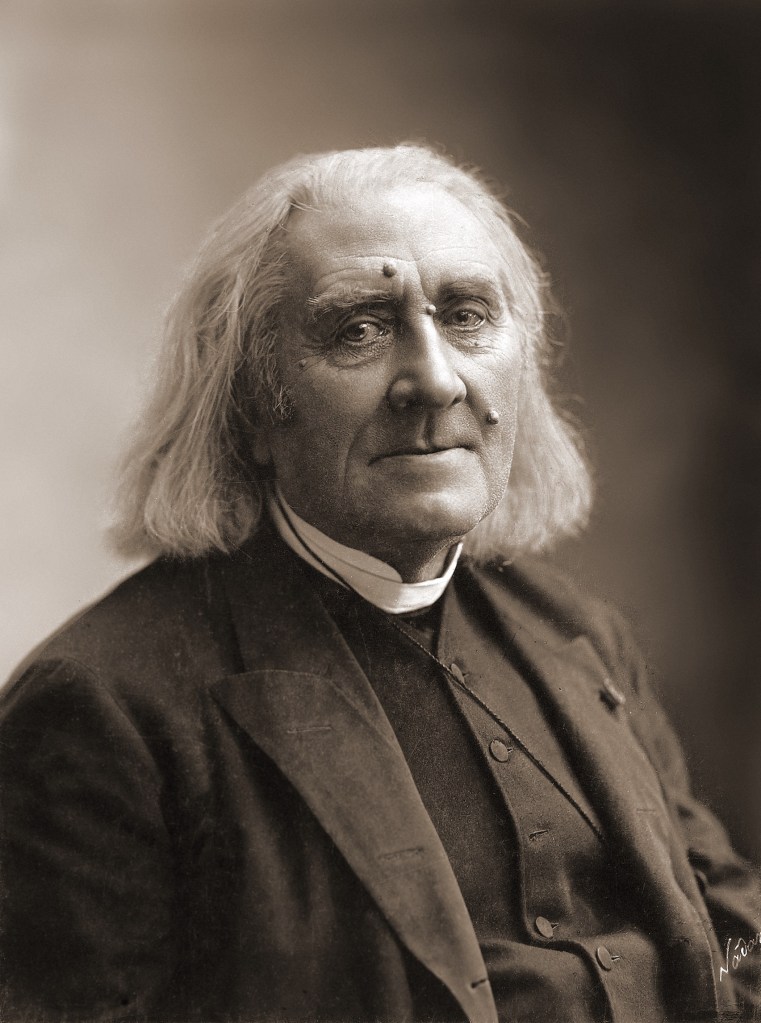
Franz Liszt 22 October 1811 – 31 July 1886


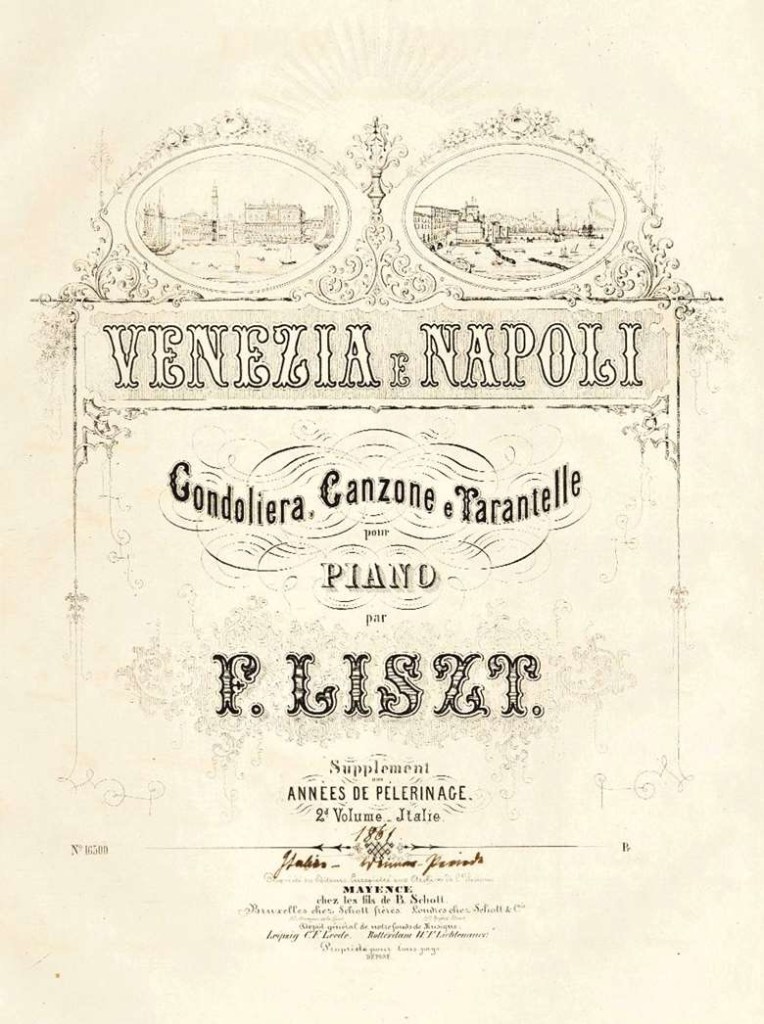
Venezia e Napoli  are three pieces based on what was familiar material in the streets of Italy at the time.Gondoliera ,Canzone and Tarantella. Gabrielé played the last two which Liszt indicates in the score with a very specific pedal indication that they are to played as a pair.

Gondoliera is described by Liszt in the score as La biondina in gondoletta—Canzone di Cavaliere Peruchini (Beethoven’s setting of it, WoO157/12, for voice and piano trio just describes it as a Venetian folk-song). This is followed by a dark musing upon Rossini’s Canzone del Gondoliere—‘Nessùn maggior dolore’ (Otello) which itself recalls Dante’s Inferno (‘There is no greater sorrow than to remember past happiness in time of misery’); and the Tarantella—incorporating themes by Guillaume Louis Cottrau (1797–1847)—emerges from the depths, ultimately triumphantly boisterous. The ominous hemidemisemiquaver tremolos, quotes from Act 3 of Rossini’s opera – Dante’s ‘There is no greater sorrow than to recall in misery the time when we were happy’ (Inferno, Canto V). The Tarantella’s arabesque-variations elaborate two canzoni of the day by the Frenchman Guillaume Louis Cottrau (1797-1847), included in his Passatempi musicali (‘Musical Pastimes’), printed in Naples in 1824: ‘Lu milo muzzicato’, generating the theme, key and D flat shifts of the opening third, and ‘Fenesta vascia’ – the ‘Canzona napolitana’ of the middle section, familiar (in varied form, its first bar scalic/diatonic rather than gapped/chromaticised) from Thalberg’s 1853 L’art du chant appliqué au piano (No 24).

Point and Counterpoint 2024 A personal view by Christopher Axworthy
https://christopheraxworthymusiccommentary.com/2024/12/25/point-and-counterpoint-2024-a-personal-view-by-christopher-axworthy/
Grieg’s Piano Concerto with the Kauno miesto simfoninis orkestras and Maestro Markus Huber on Valentine’s Day!

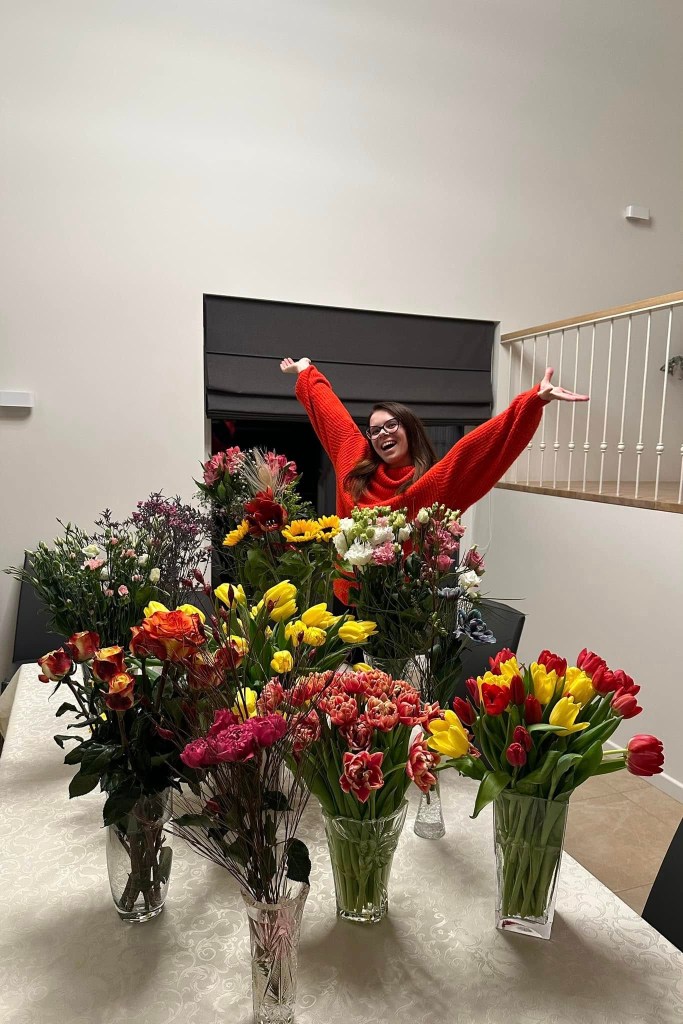
What a wonderful reunion with this incredible Orchestra and Conductor after 4 years. Receiving a full standing ovation in a sold out Kauno valstybinė filharmonija was something I have been dreaming of for years 🥹❤️

Also, I think it is fair to say that my support team is THE BEST! ❤️ Thank you to my family, friends, teachers and all the people who came to my performance with the KMSO last Friday. The amount of love (and flowers!) I received was absolutely incredible! AČIŪ!!! ❤️💐

Šis koncertas buvo skirtas Jums, teta Stefa ❤️

https://www.facebook.com/share/p/158KN8SuJ9/

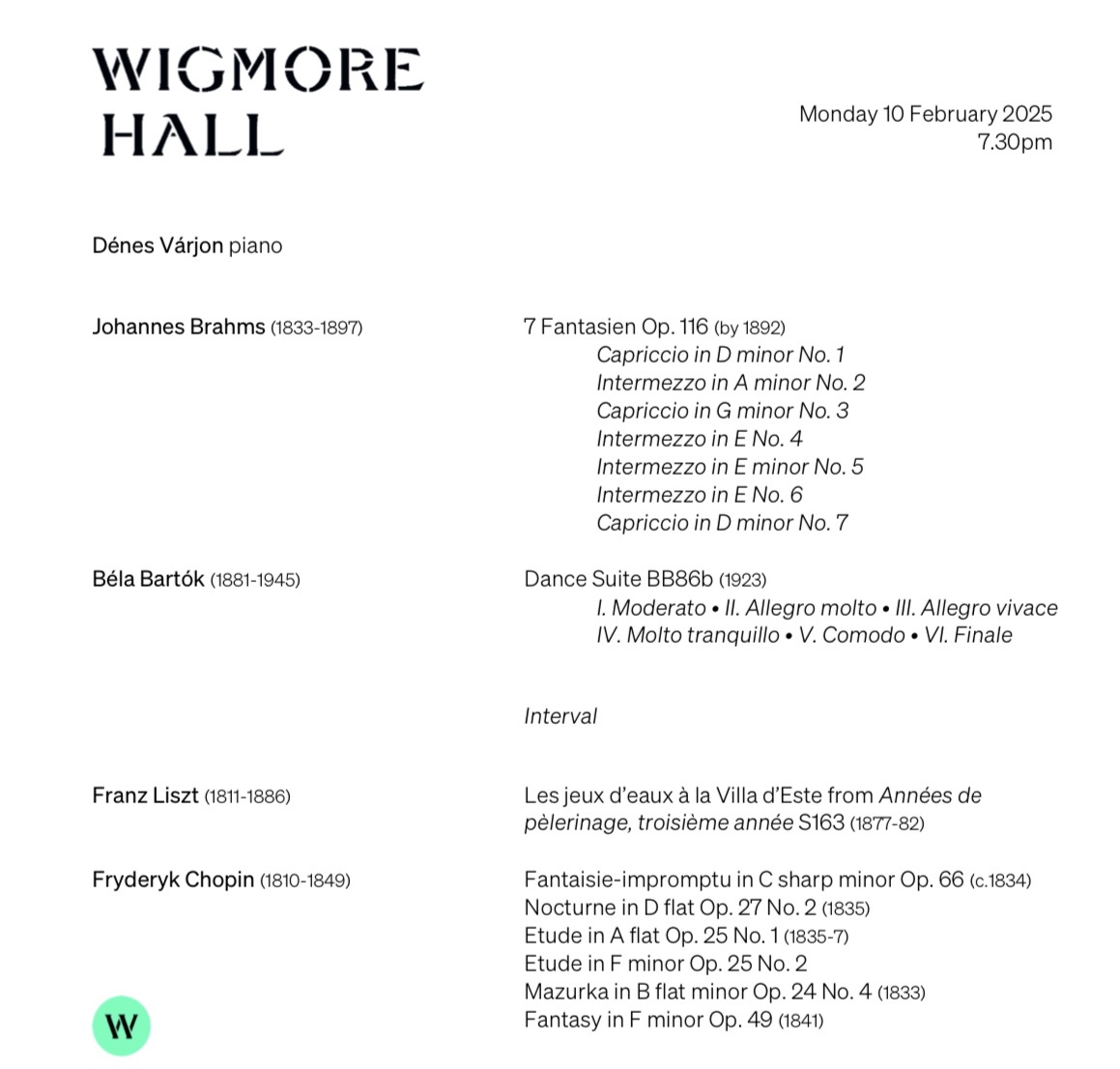
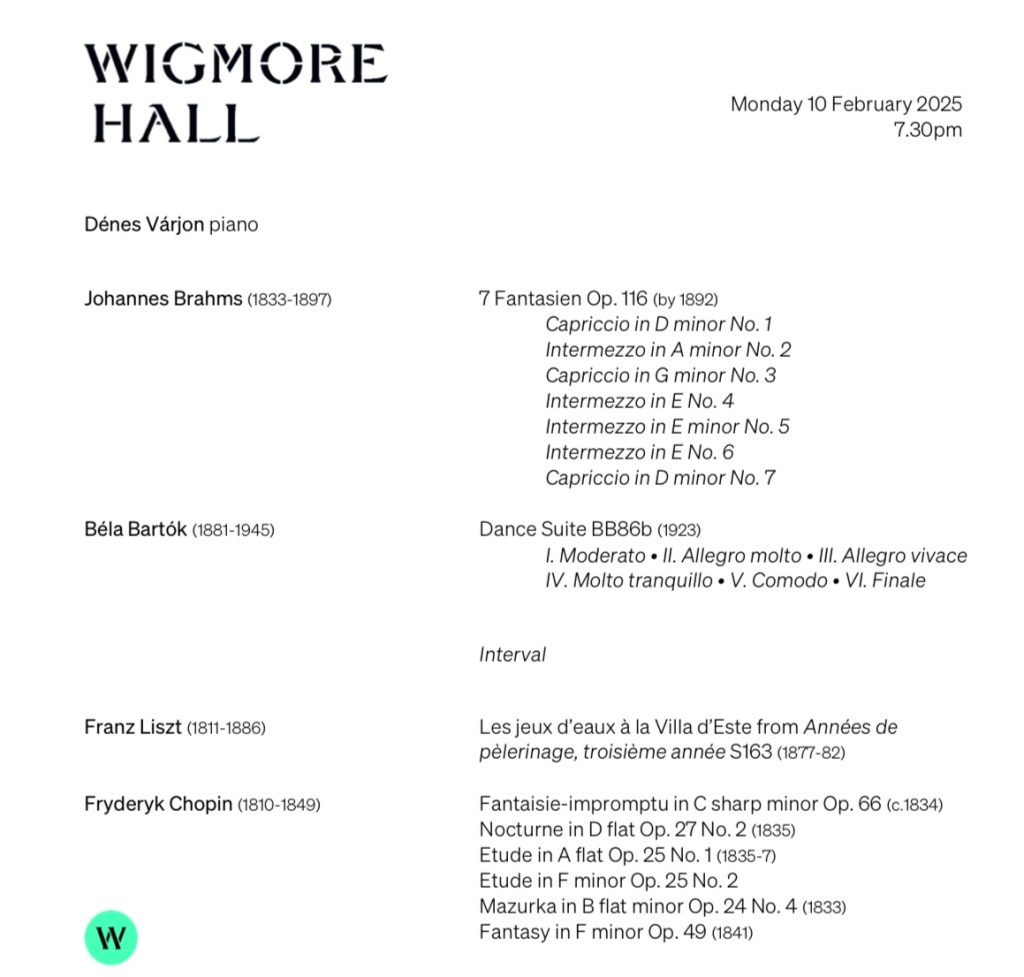
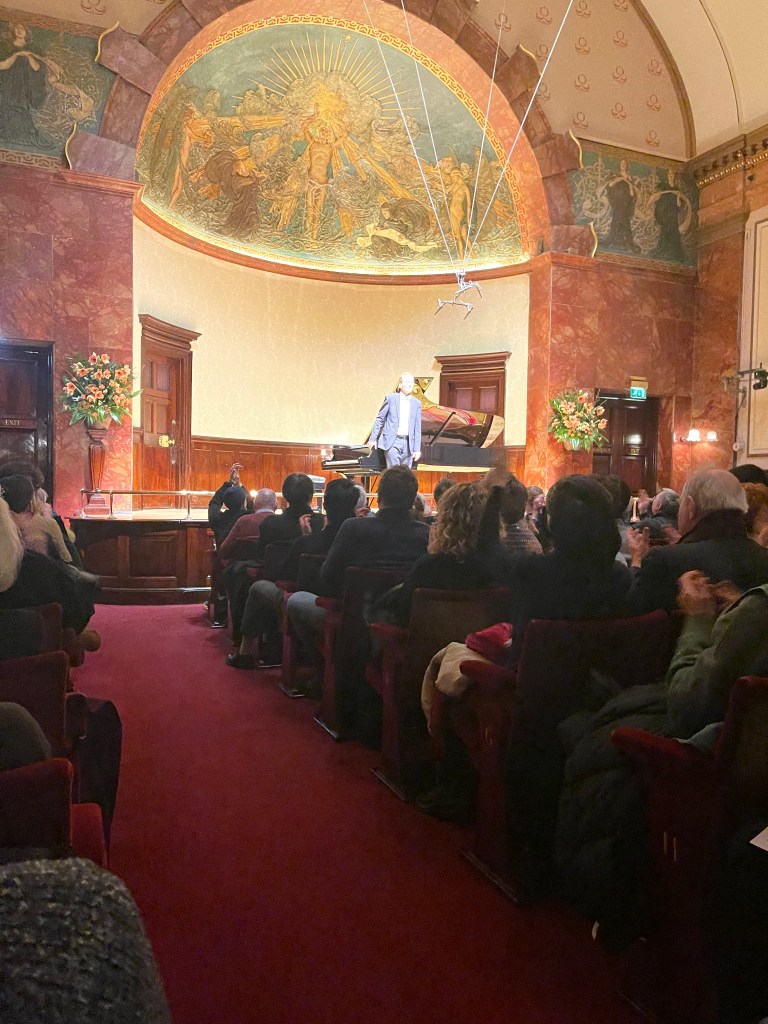
Kapellmeister Dénes Várjon ignites the Wigmore Hall

From the very first notes of Dénes Várjon’s solo recital it was clear that here was a representative of the great Hungarian school of piano playing . The school of Dohnányi epitomised by the fluidity of sound as exemplified by Geza Anda but also that influenced the unmistakable sound of György Sándor, Peter Frankl ,Tamas Vasary,Andor Foldes and Andras Schiff.

A sound of such clarity and luminosity that one can only marvel at the completely relaxed and masterly musicianship that pours naturally from their body.

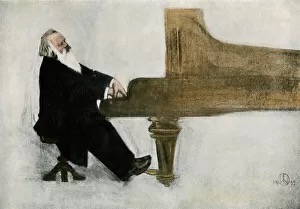
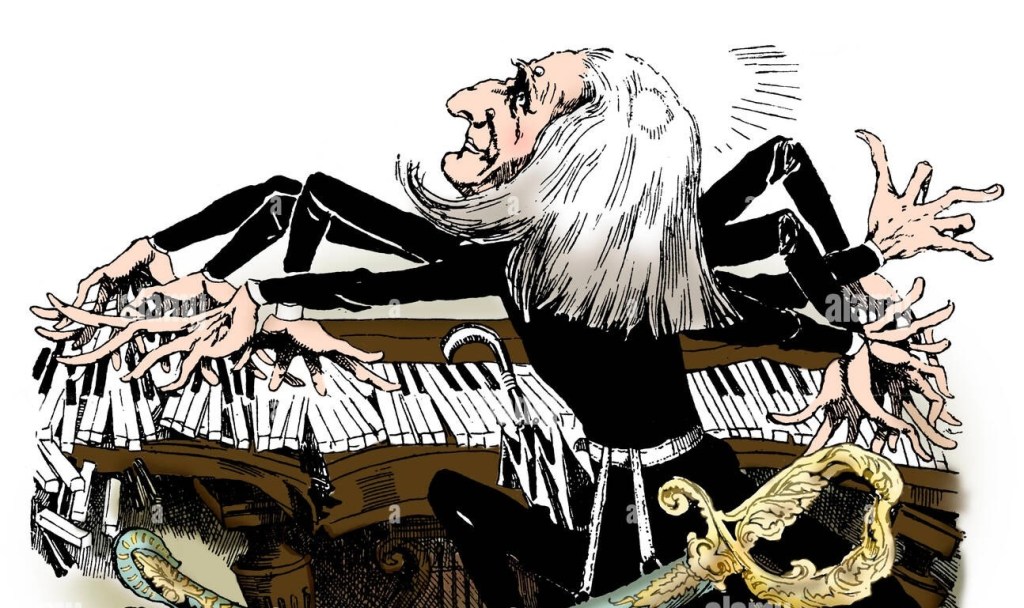
If I had not seen Alfred Brendel in the audience I would have sworn that this was his reincarnation on stage of the era when pianists were kapellmeisters. When Kempff with his long arms outstretched like we see in the caricature of Brahms, a musician who had digested the music for a lifetime and would arrive in the recording studio asking what they would like him to play!

And it was Brahms that opened the concert tonight by a musician we are more often used to seeing in partnership with other remarkable Hungarian musicians like Miklos Perenyi than on his own.

‘Presto energico’ Brahms writes and it was with this hurricane of energy that Dénis Várjon immediately started his recital .A wave of beautiful glowing resonant sounds almost orchestral in its concept. A grandeur sweeping all before it and immediately establishing his credentials as a master musician fearless in the face of sharing the message of the music entrusted to his wonderfully well oiled technical mastery. The sweeping left hand octaves were like great waves of sound ,never hard but always with a flowing fluidity like gasps of astonishment. It contrasted with the crystal clear resonance he brought to the Intermezzo in A minor. The crystalline clarity and delicacy he brought to the central episode was quite breathtaking and was like opening a window in a sultry atmosphere and letting fresh air in. The Capriccio in G minor was a whirlwind of sounds of passion and drive with the sumptuous full string orchestral sound of ‘un poco meno Allegro’, before the breathtaking depth and astonishing exhilaration of the final pages. There was a naked beauty to the Intermezzo in E with inner emotions revealed of innocence and desolate beauty. An etherial central episode of quite ravishing beauty before the questioning and searching of the Intermezzo in E minor. Finding solace in the mellifluous outpouring ‘dolce’ Brahms marks, and so his final questioning was ever more whispered ‘dolcissimo’.The Intermezzo in E that follows was a deeply melancholic outpouring as beauty is suddenly seen on the horizon, revealed with unashamed romantic abandon. And a wild abandon in the final Capriccio that was a cauldron of red hot emotions and an intricate web of sounds that flew from the pianist’s hands with silf like perfection. An astonishing performance that I have not heard played in public with the simplicity and mastery that we were treated to today since Kempff and Brendel’s unforgettable performances.

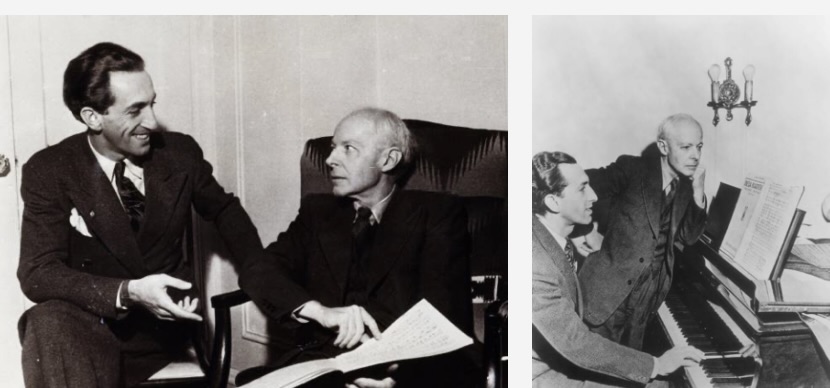
Gyórgy Sándor with Bela Bartók

The Bartók dance suite followed that brought back memories of the many recitals that Sándor gave for us in Rome. The clarity and rhythmic precision with a kaleidoscope of colours and rhythmic variations that brought so vividly to life the Hungarian Dance idioms. Dénes Várjon played it with extraordinary conviction and energy with a breathtaking tour de force of mastery.There were music box sounds ,the mysterious drone of the bagpipes and the simple melodic lines doubled at the octave adding extraordinary flavour to music that is rarely heard in the concert hall.

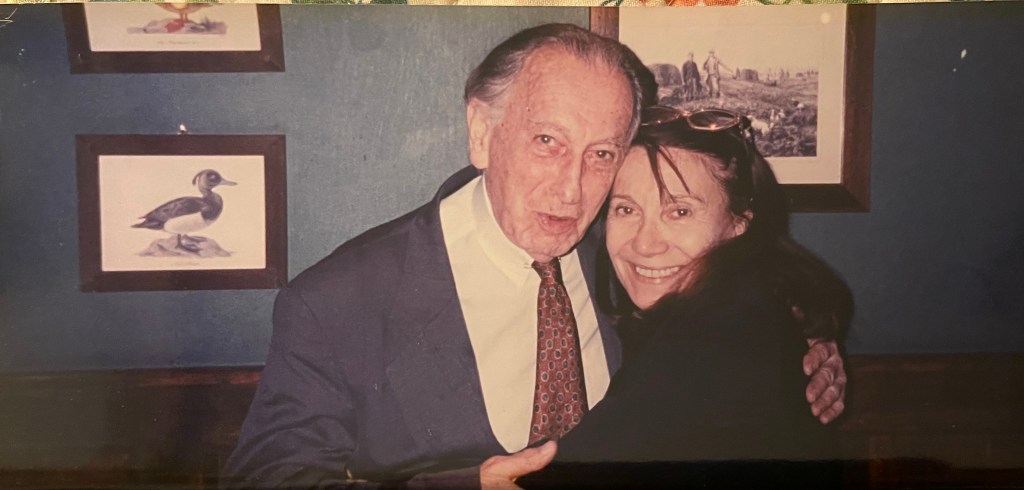
with Ileana Ghione after one of his many concerts and masterclasses in her theatre in Rome

The second half of the programme was dedicated to some of the most popular works from the romantic piano repertoire. Liszt ‘Les jeux d’eau à la Villa d’Este’ was played with a refined tonal palette of radiance and beauty that brought to life the imagery that Liszt can so miraculously depict. The gentle sprays of water played with whispered glistening delicacy just as the great monumental fountains brought forth sumptuous rich sounds of magnificence and grandeur.

Six of Chopin’s most loved pieces followed and were played with simplicity and a musicianship that was refreshing for its lack of rhetoric as the music was allowed to unfold so naturally. The Fantasie- Impromptu flowed with the same grace and beauty he had brought to Liszt, with a jeux perlé of undulating grace and passion.The final entry of the melody in the tenor register with the undulating accompaniment above was quite memorable as was the simple glowing beauty of the D flat nocturne that followed. A sense of balance that allowed the bel canto to sing with disarming simplicity as the embellishments were merely whispered streams of sounds of magical beauty. The two studies op 25 n. 1 and 2 were played with a refined sensibility where in the A flat study the melodic line just floated an a carpet of magical sounds. And it was these same sounds that spun a golden web around the second study.The Mazurka in B flat minor was played with the same robust dance character that he had brought to Bartók but there was also a sense of mystery and fantasy that made one realise why Schumann had described the Mazurkas as ‘canons covered in flowers’. The Fantasy in F minor suffered from a fluctuation of tempo and his holding up before the climax of the octave embellishments was rather disturbing, but of course there were many beautiful things not least the ravishing beauty of the central episode or the magic he brought to the final page with the long pedals allowing Chopin’s final thoughts to resonate with whispered simplicity.

It was curious though that whilst Dénis Várjon’s Brahms and Bartók had been so overwhelming I found the Liszt and Chopin lacking in the aristocratic weight and variety of sounds. Whilst his wonderfully fluid sound had created remarkable orchestral sounds suited to the two B’s but had belied the velvet rich beauty of the refined aristocratic world of Chopin.

Two encores by Bartók showed us where this pianist’s heart really lies and were truly breathtaking and exhilarating performances rarely heard in the concert hall.

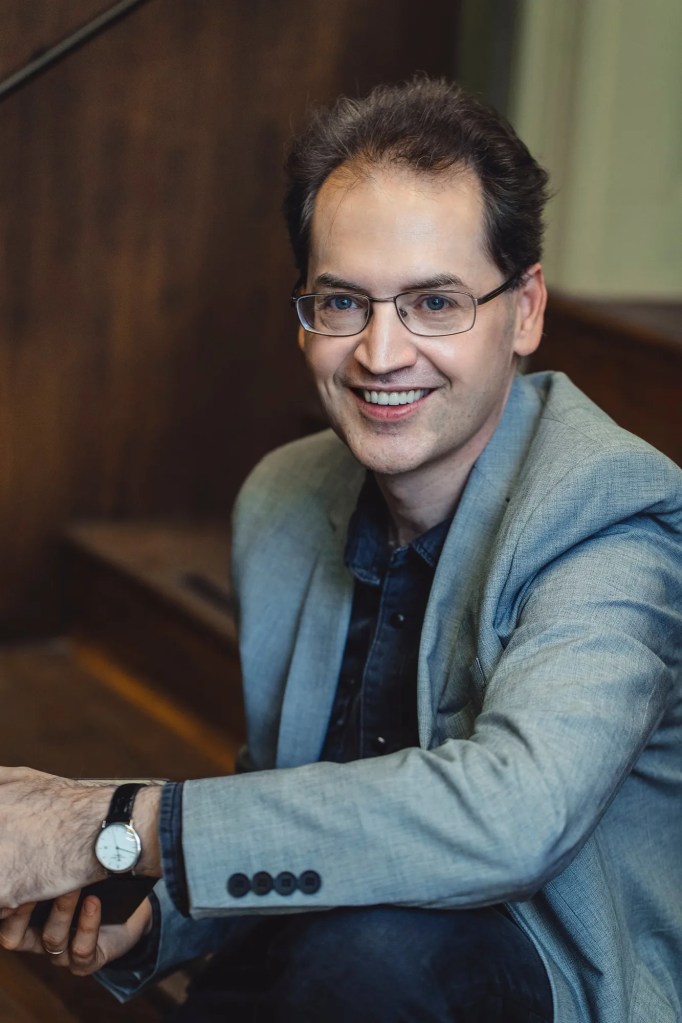
Dénes Várjon

His sensational technique, deep musicality, wide range of interest have made Dénes Várjon one of the most exciting and highly regarded participants of international musical life. He is a universal musician: excellent soloist, first-class chamber musician, artistic leader of festivals, highly sought–after piano pedagogue. Widely considered as one of the greatest chamber musicians, he works regularly with preeminent partners such as Steven Isserlis, Tabea Zimmermann, Kim Kashkashian, Jörg Widmann, Leonidas Kavakos, András Schiff , Heinz Holliger, Miklós Perényi, Joshua Bell. As a soloist he is a welcome guest at major concert series, from New York’s Hall to Vienna’s Konzerthaus and London’s Wigmore Hall. He is frequently invited to work with many of the world’s leading symphony orchestras (Budapest Festival Orchestra, Tonhalle Orchestra, Berlin Radio Symphony Orchestra, St. Petersburg Philharmonic Orchestra, Chamber Orchestra of Europe, Russian National Orchestra, Kremerata Baltica, Academy of St. Martin in the Fields). Among the conductors he has worked with we find Sir Georg Solti, Sándor Végh, Iván Fischer, Ádám Fischer, Heinz Holliger, Horst Stein, Leopold Hager, Zoltán Kocsis. He appears regularly at leading international festivals from Marlboro to Salzburg and Edinburgh. He also performs frequently with his wife Izabella Simon playing four hands and two pianos recitals together. In the past decade they organized and led several chamber music festivals, the most recent one being „kamara.hu” at the Franz Liszt Music Academy in Budapest. In recent years Mr. Várjon has built a close cooperation with Alfred Brendel: their joint Liszt project was presented, among others, in the UK and Italy. He has recorded for the Naxos, Capriccio and Hungaroton labels with critical acclaim. Teldec released his CD with Sándor Veress’s “Hommage à Paul Klee” (performed with András Schiff, Heinz Holliger and the Budapest Festival Orchestra). His recording “Hommage à Géza Anda”, (PAN-Classics Switzerland) has received very important international echoes. His solo CD with pieces of Berg, Janáček and Liszt was released in 2012 by ECM. In 2015 he recorded the Schumann piano concerto with the WDR Symphonieorchester and Heinz 1 Holliger, and all five Beethoven piano concertos with Concerto Budapest and András Keller.

Dénes Várjon graduated from the Franz Liszt Music Academy in 1991, where his professors included Sándor Falvai, György Kurtág and Ferenc Rados. Parallel to his studies he was regular participant at international master classes with András Schiff. Dénes Várjon won first prize at the Piano Competition of Hungarian Radio, at the Leó Weiner Chamber Music Competition in Budapest and at the Géza Anda Competition in Zurich. He was awarded with the Liszt, the Sándor Veress and the Bartók-Pásztory Prize. In 2020 he received Hungary’s supreme award in culture, the Kossuth Prize. Mr. Várjon works also for Henle’s Urtext Editions. 


Johannes Brahms 7 May 1833 Hamburg 3 April 1897 (aged 63)Vienna

After an early focus on works for solo piano, including the three sonatas that Robert Schumann described as “veiled symphonies,” Brahms tended to employ his chosen instrument, the piano, in collaborative works, producing a variety of duo sonatas (with violin, cello, and clarinet), piano trios, piano quartets, and one piano quintet, as well as two more trios (one with horn and one with clarinet). His final efforts for solo keyboard were published in four sets of shorter works (Opp. 116-119), which appeared between 1891 and 1893.

These four sets of late solo piano pieces are all in effect abstract instrumental songs, though unfailingly idiomatic. (So much so, that he abandoned his attempt to orchestrate the immediately popular Intermezzo, Op. 117, No. 1.) All are in the A-B-A song form typical of character pieces and are as highly concentrated as his greatest songs.

Only the first of these groups (Op. 116) has a continuity that argues for continuous performance. The other sets range widely in tone and temperament, by turns reflective and pensive, then agitated and restless. The individual pieces carry different titles, but more than half are designated cryptically as intermezzos, including all three of Op. 117, all but two of the six in Op. 118, and three of the four in Op. 119. These intimate works are the offspring of a composer whose greatest love was music itself. Johannes Brahms presumably wrote the Fantasies op. 116 at the same time as the Intermezzi op. 117 in the summer of 1892 in Bad Ischl. His sojourn in the Salzkammergut obviously inspired Brahms to write music for solo piano, as a year later he worked on other cycles when he was there. Amongst these late melancholy piano pieces, op. 116 is in particular characterised by opposites. Four “dreamy” – according to Clara Schumann – intermezzi are juxtaposed with three “deeply passionate” capricci.Composed in 1892-93, Brahms’s piano pieces opp. 116 to 119 are the last collections that he wrote for the instrument. Particularly noteworthy is his use of ‘small forms’ accompanied by a further increase in musical expression compared to his earlier works. In November 1892 Clara Schumann, probably the secret dedicatee of these pieces, confided to her diary that they were ‘a true source of enjoyment, everything, poetry, passion, rapture, intimacy, full of the most marvellous effects […]. In these pieces I at last feel musical life re-enter my soul, and I play once more with true devotion.’
The Fantasies, op. 116, were composed in the Austrian resort of Bad Ischl in summer 1892. Clara described them ecstatically as ‘wonderfully original piano pieces’, four ‘dreamlike’ intermezzos and three ‘deeply passionate’ capriccios. The former are moderately difficult to play, while the capriccios require considerable virtuosity.


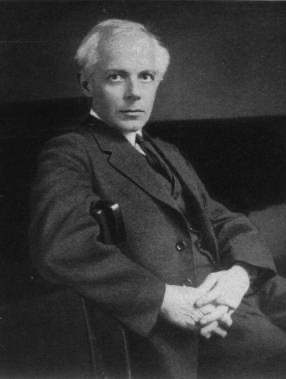
Béla Viktor János Bartók. 25 March 1881 Nagyszentmiklós,Hungary

26 September 1945 (aged 64) New York

In 1923, the Budapest city council threw a vast party to celebrate the 50th anniversary of the merging of the towns of Buda and Pest: two rather distinct although neighboring — on opposite banks of the Danube — entities: Buda, the old city, with its imperial traditions and aristocratic residences; Pest, the commercial hub and abode of both the middle class and the working class. The resultant city instantly became one of Europe’s major metropolitan areas. The commemoration of this marriage of convenience also represented a return to life for the entire nation of Hungary three years after the Treaty of Trianon, which dismembered the Austro-Hungarian Empire after its defeat in the First World War, divesting Hungary of half of its land, virtually all of its natural resources, and most of the ethnic minorities that made it the most diverse of European cultures. To cap the celebration the city fathers staged, among other events, a grand concert for which the country’s leading composers. Ernö Dohnányi, Béla Bartók, and Zoltán Kodály were each commissioned to contribute a score, all to be performed by the orchestra of the Budapest Philharmonic Society under Dohnányi’s baton. The concert, on November 19, 1923, was a partial success. Bartók’s contribution, the present Dance Suite, suffered the dread, proverbial “mixed reception,” which means it wasn’t much liked, but not disliked sufficiently to create a career-enhancing scandal. “My Dance Suite was so badly performed that it could not achieve any significant success,” Bartók wrote. “In spite of its simplicity there are a few difficult places, and our Philharmonic musicians were not sufficiently adult for them. Rehearsal time was, as usual, much too short, so the performance sounded like a sight-reading, and a poor one at that.” Two years later, however, the Suite was heard again, in the context of the International Society for Contemporary Music Festival in Prague, in a performance by the Czech Philharmonic under Václav Talich, and was rapturously received — with performances throughout Europe following. It did more for Bartók’s reputation, in the positive sense, than all his previous works combined. The work was frequently heard, but ill-used, during the post-World War II communist era in Hungary and elsewhere in Eastern Europe. While it may likely express its composer’s nostalgia for a Hungary that was, with its extraordinary ethnic mix, the post-World War II communist interpreters of history turned it into a “hymn of brotherhood of nations and people” — Hungarian, Romanian, Slovak, gypsy, and Arab. But the composer had earlier stated, simply, that “the Dance Suite was the result of my researches and love for folk music,” which he had been studying and recording since 1905. Nowhere did he suggest its possible function as a “hymn” to anything. 

The five-part suite, in which all the tunes are Bartók’s own inventions rather than actual folk melodies, prominently — but not exclusively — employs Hungarian rhythms (2/4 and 4/4 abound). Finally after its great success, the director of Universal Edition ,Emil Hertzka , commissioned from him an arrangement for piano, which was published in 1925. However, he never publicly performed this arrangement, and it was premiered in March 1945, a few months before his death, by his friend György Sándor

This suite has six movements, even though some recordings conceive it as one single full-length movement. A typical performance of the whole work would last approximately fifteen minutes.

Moderato

Allegro molto

Allegro vivace

Molto tranquillo

Comodo

Finale Allegro

Donglai Shi at Bechstein Hall ‘Young Artists Series’ with playing of clarity and purity of a true musician

The second artist in a new series that the director Terry Lewis has very much at heart.

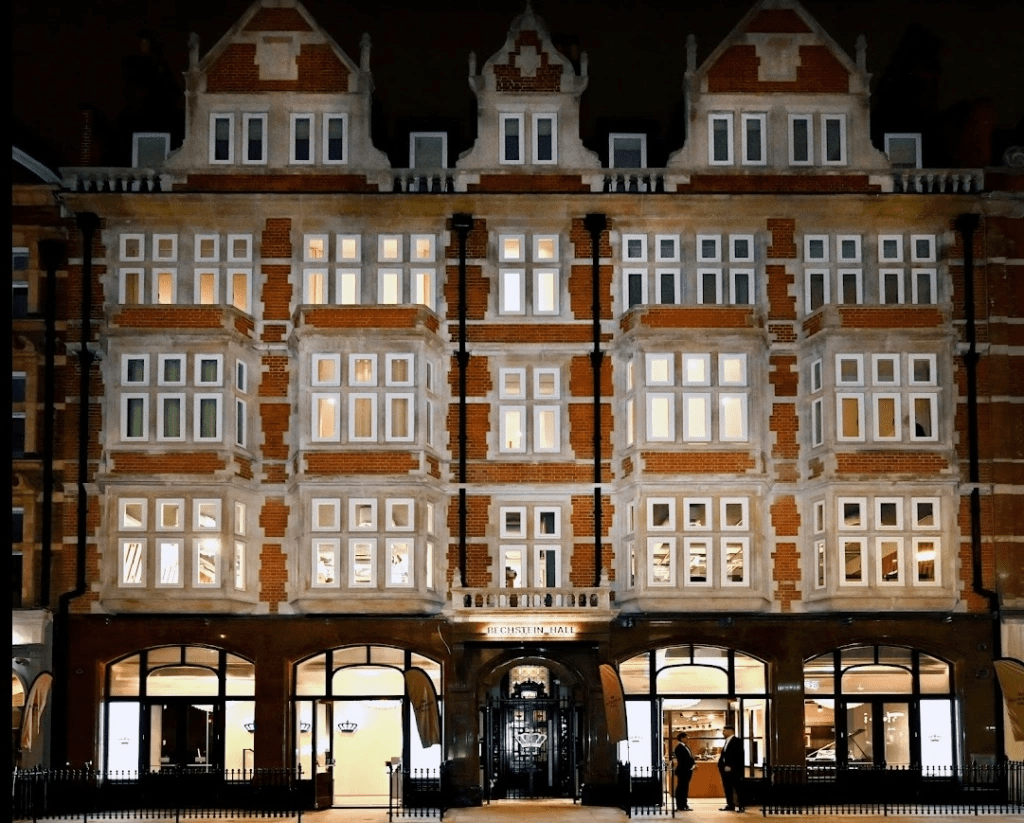
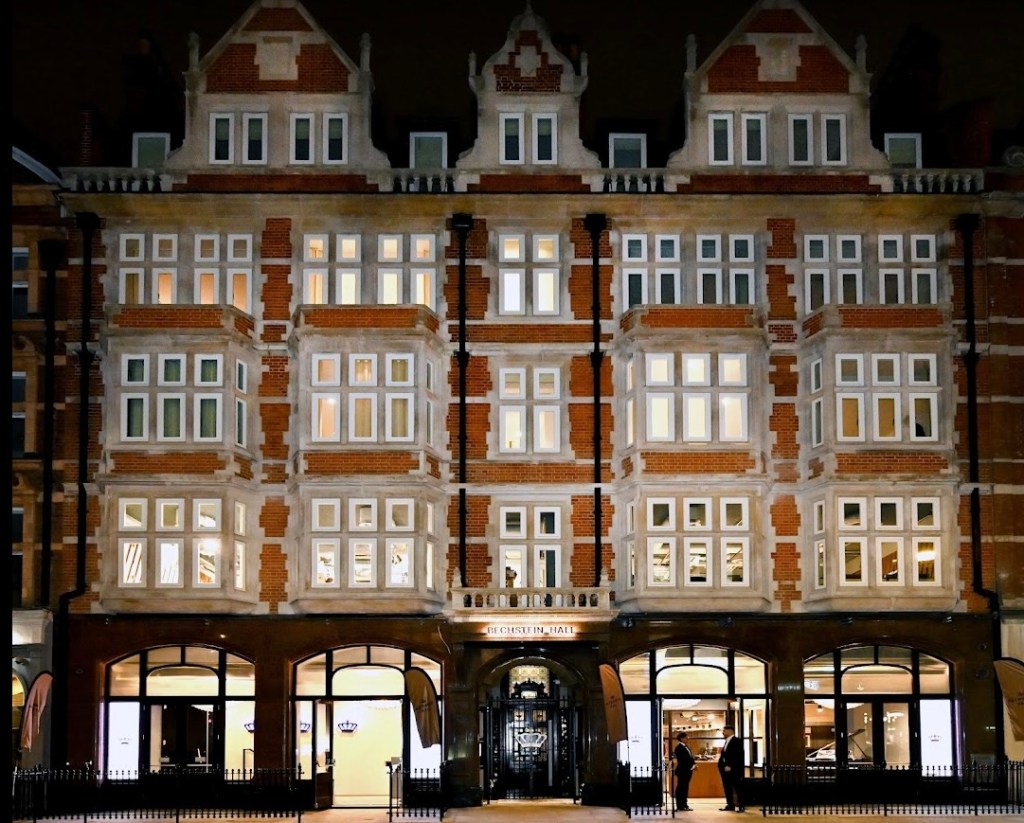
The New Bechstein Hall after its initial launching is now accessible to all with a Sunday morning Young Artists Series at only five pounds, with as much coffee as you need at 10.30am!
Thomas Masciaga opened the Bechstein Young Artists Series with canons covered in flowers
https://christopheraxworthymusiccommentary.com/2025/02/02/thomas-masciaga-opens-the-bechstein-young-artists-series-with-canons-covered-in-flowers/
Evening concerts starting from 18 pounds and a sumptuous restaurant that is also opening for luncheon.
A beautiful new hall that is just complimenting the magnificence of the Wigmore Hall and the sumptuous salon of Bob Boas.Providing a much need space for the enormous amount of talent that London,the undisputed capital of classical music,must surely try to accommodate 

An important space where remarkable young musicians can share their music making with an appreciative audience. These young musicians dedicating their youth to art and having acquired a mastery, are in need of an audience, as it is only with public performance that their art can grow and mature.

Donglai a composer and pianist in his second year of Masters at the Guildhall perfecting his playing under the guidance of the distinguished musicians Carole Presland and Ronan O’Hora .

It was no surprise that this young musician should present a single masterwork from the final year of Schubert’s short life.

The four late Impromptus D 935 are one of the great monuments of the piano literature and are only for real musicians who can penetrate the subtle seemingly simple mellifluous outpouring of Schubert’s final thoughts.

Donglai understood the great architectural shape not only of each piece but also as a whole like a Sonata of four movements.

It is the third Impromptu that found an ideal interpreter as the variations unfolded with sounds of undulating beauty. Great drama and sumptuous full sounds were soon dispelled with the fleeting lightness of a jeux perlé where cascades of delicate sounds just flew from this young artists fingers with a delicacy and beauty that strangely had escaped him in the opening Impromptu.The first Impromptu had opened with clarity and purity of sound but with very little pedal that instead of the grandiose opening that Schubert envisaged it sounded rather more like an imperious march. It was soon dispelled as Donglai added the pedal for the beautiful second subject which is a duet between the soprano and tenor voices on a wave of undulating sounds. Some beautiful playing but it seemed as though the tenor had lost his voice as something of the deeply felt duet was lost. It was in the second Impromptu that the true magic of Schubert was felt as the simple melody was allowed to unfold with poise and delicacy.The wave of sound in the central ( trio) episode was played very beautifully and shaped like a true musician but something of the balance was lost, as in the first Impromptu, and the wonderful lieder element of Schubert of song and accompaniment was slightly sacrificed for clarity of articulation.

The final Impromptu is a wild dance that Donglai seemed to take a little too seriously but the central episode he played with a lightness and style that contrasted with his earlier lack of dance shoes.

Forty minutes that unfolded with exemplary musicianship as you would expect from the ‘Presland/ O’Hora School’ and will mature and take flight as he learns to live and share his performances so generously with his audience, with simplicity and humility, as he did today.


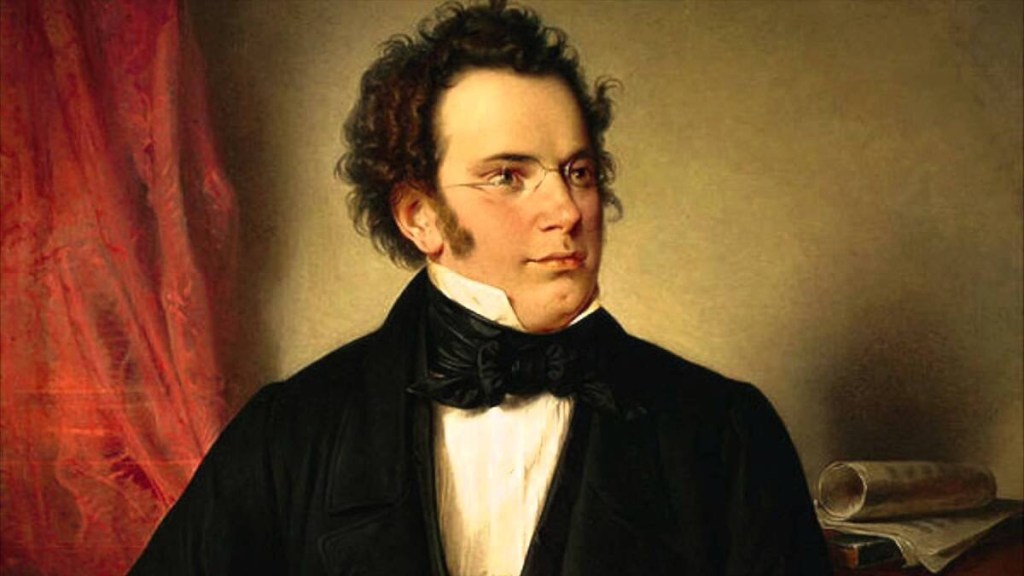
Franz Schubert 31 January 1797 Vienna 19 November 1828 (aged 31) Vienna

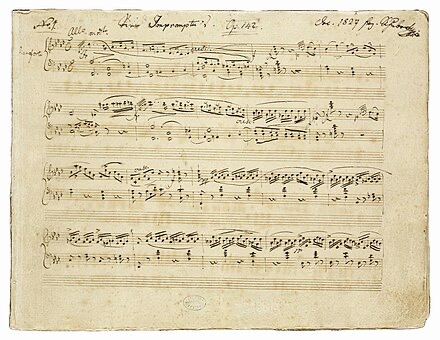
The title of ‘Impromptu’ was not initially Schubert’s own: it was the Viennese publisher Tobias Haslinger who labelled the first two pieces from Schubert’s first set, D899, as such when he issued them in December 1827. Haslinger may have had in mind the Impromptus of the Bohemian composer Jan Václav Voříšek which had become popular in the early 1820s. Schubert must have known Voříšek’s pieces, and he was happy enough to use the same title when he composed his second set, D935, which he offered to the Mainz firm of Schott & Co in February 1828 as ‘Four Impromptus which can appear singly or all four together’. Schott, however, declined to publish them, and they did not appear in print until more than ten years after Schubert’s death, when Anton Diabelli issued them with a dedication to Liszt. It was Schumann who confidently asserted that Schubert’s second set of Impromptus was really a sonata in disguise. ‘The first impromptu is so obviously the first movement of a sonata, so completely worked out and self-contained’, declared Schumann, ‘that there can be no doubt about it.’ It is true that the first and last of the pieces are in the same key of F minor, but neither is in sonata form.

Donglai Shi Age: 25

He studied piano under Prof. Gregory Chaverdian (2013-2016, private lessons)- Entered Marianopolis College in the Music Program (piano), under the tutorship of Prof. Kyoko Hashimoto (2016-2018)- Entered the Schulich School of Music, continuing piano with Prof. Hashimoto (2018-2022), composition with Prof. Denys Bouliane (2019-2022) and orchestral conducting with Prof. Alexis Hauser (2020-2022)- Member of the Schulich Singers as baritone (2018-2019)- Member of the McGill Symphony Orchestra (2019, 2021-2022)- Member of the McGill Contemporary Music Ensemble (2020)- Graduated from the Schulich School of Music (2022) with an Outstanding Achievement in Music Composition

Studying in M Perf Advanced Keyboard Studies at Guildhall School of Music and Drama, London, England – BMus Piano Performance + Composition with Minor in Orchestral Conducting (Graduated in June 2022) from Schulich School of Music, McGill University, Montréal, Québec, Canada.

– Currently studying piano with Prof. Carole Presland and Prof. Ronan O’Hora at the Guildhall School

Prizes and Awards:

– Full Scholarship from International Music Workshop and Festival (2024, 2019)- Guildhall School General Financial Awards (2023)- World Classical Music Awards S3, Silver Prize in B2 Category (Piano) (2022)- National Finalist, Steppingstones of Canadian Music Competition (2022)- Anna P Gertler Scholarship of Schulich School of Music (2021-2022)- Nominee of Developing Artist Grant of The Hnatyshyn Foundation (2021) Full Scholarship from Orford Music Academy (2020)- Student Excellence Award of Schulich School of Music (2018-2021)- 2nd Place, CÉGEPs en concert (2018)- Gerald Wheeler Award of Marianopolis College (2018)- 1st Place, Prix d’expression musicale of Marianopolis College (2018)- 4th Prize, Golden Key Composition Competition, Senior Category (2017)- 3rd Prize, Burgos International Music Competition (2015)- National Finalist, Canadian Music Competition (2014, 2015)

Significant Performances:

– Solo concert at the Northwestern Reform Synagogue, London (November 2024)- Concerts of the Guildhall Conductors’ Orchestra as conductor(May, October 2024)- J. Brahms, Horn Trio (Ivan Sutton Chamber Prize Final, May 2024)- Solo recital in Hawkesbury, Ontario, Canada (April, 2023)- “La forteresse des rossignols”, “Chants d’automne”, public recitals with singer Maxence Ferland (Montreal) (May, October, November 2022)- F. Mendelssohn, Piano Trio no.2 (McGill Chamber Music Competition Final, December 2021)- F. Chopin, Piano Concerto no.1 (McGill Concerto Competition Final, October 2021)- C. Franck, Piano Quintet (McGill Chamber Music Competition Final, Montreal, December 2019)- Musical Theatre “Mama mia”, with NUVO — Musical Theatre (Montreal, November 2018)

Significant Compositions:

– Piano Sonata (2022-2023)

– Orchestral suite “The Seasons” (2021-2023)

– Fantasia (for violin and piano, 2020-2021)

– “Within the Child” (for woodwind quintet, 2020)

– Miniatures (for two pianos, 2019-2020)

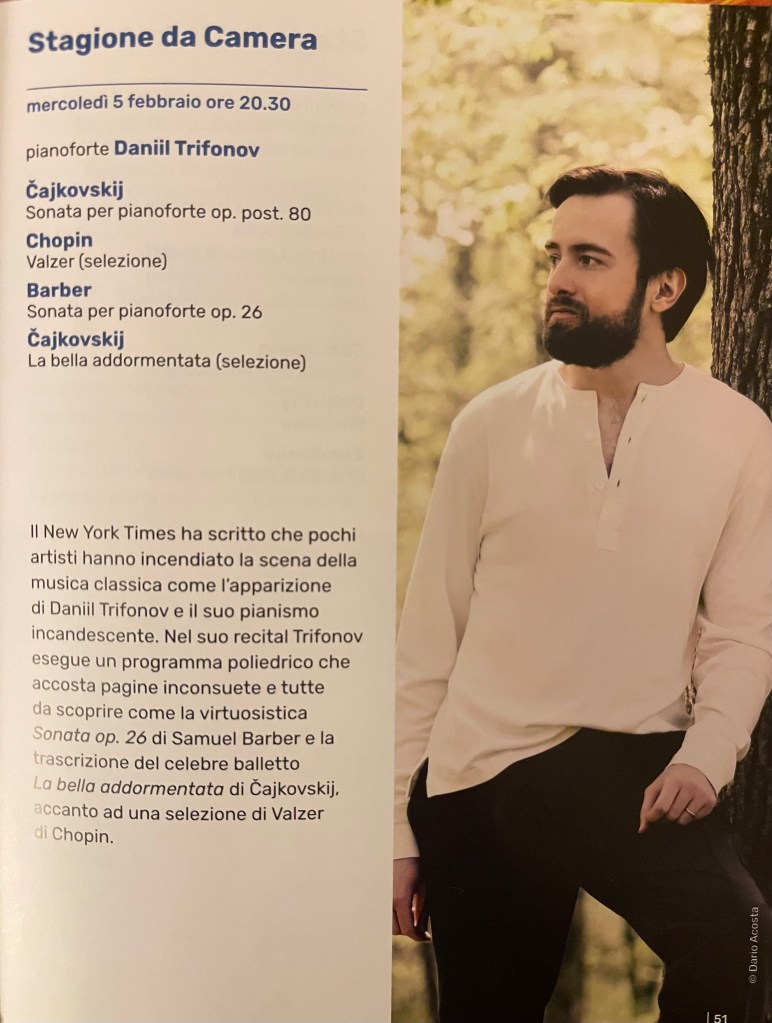
Trifonov in Rome and his ascent to Olympus

https://www.raiplaysound.it/audio/2025/02/Radio3-Suite—Il-Cartellone-del-05022025-8e0a4158-485e-40a2-a1e6-9ac438bb6b60.html

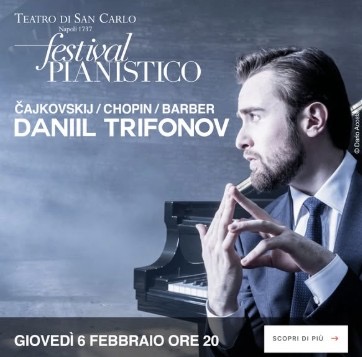
Trifonov was sensational in Rome yesterday with playing like Martha Argerich. They both love music so much and it shows. I can only quote Rubinstein as always. The wonder of music is that it is not a printed picture. With a real artist like Martha and now Trifonov it is a vibrant living thing forever changing

What I heard from Trifonov playing today was so ravishingly beautiful that it is obvious that the genius we know and have always admired has found the key to Olympus which only Gods have.

TRIFONOV and that piano.
https://christopheraxworthymusiccommentary.com/2015/05/26/trifonov-and-that-piano/

The Price of Genius- Trifonov at the Barbican London
https://christopheraxworthymusiccommentary.com/2019/06/11/the-price-of-genius-trifonov-at-the-barbican-london/

The Genius of Trifonov
https://christopheraxworthymusiccommentary.com/2017/01/22/the-genius-of-trifonov-2/

The genius of Trifonov
https://christopheraxworthymusiccommentary.com/2016/09/08/the-genius-of-trifonov/

https://youtu.be/gex0sOR7XZ0?feature=shared

The Piano Sonata in C sharp minor , op. posth. 80, was written by Russian composer  in 1865, his last year as a student at the st Petersburg Conservatory. In its original form was not published in Tchaikovsky’s lifetime; it was published in 1900 by P.Jurgenson, and given the posthumous opus number 80.

Tchaikovsky transposed, adapted and orchestrated the third movement of the sonata to create the scherzo of his Symphony n.1 in G minor op,13. The four movements are :

  1. Allegro con fuoco 
  2. Andante 
  3. Allegro vivo 
  4. Allegro vivo 

Much of Tchaikovsky’s music that remained in manuscript at his death was subsequently seen through the press by the Russian composer and pedagogue Sergey Taneyev (who also completed a number of unfinished works, notably the remaining two movements of the hastily issued third piano concerto—the Andante and Finale—which was published as Tchaikovsky’s Op 79). This accounts for the apparently late opus number of the C sharp minor Piano Sonata which, nonetheless, antedates his Op 1. Whilst it would not do to make exaggerated claims for this work, it is certainly better than its critics frequently allow: the bold gestures at the opening of the first movement, a transition passage which is echoed in Eugene Onegin, a typically yearning second subject, and a codetta suggestive of Romeo and Juliet all command notice.

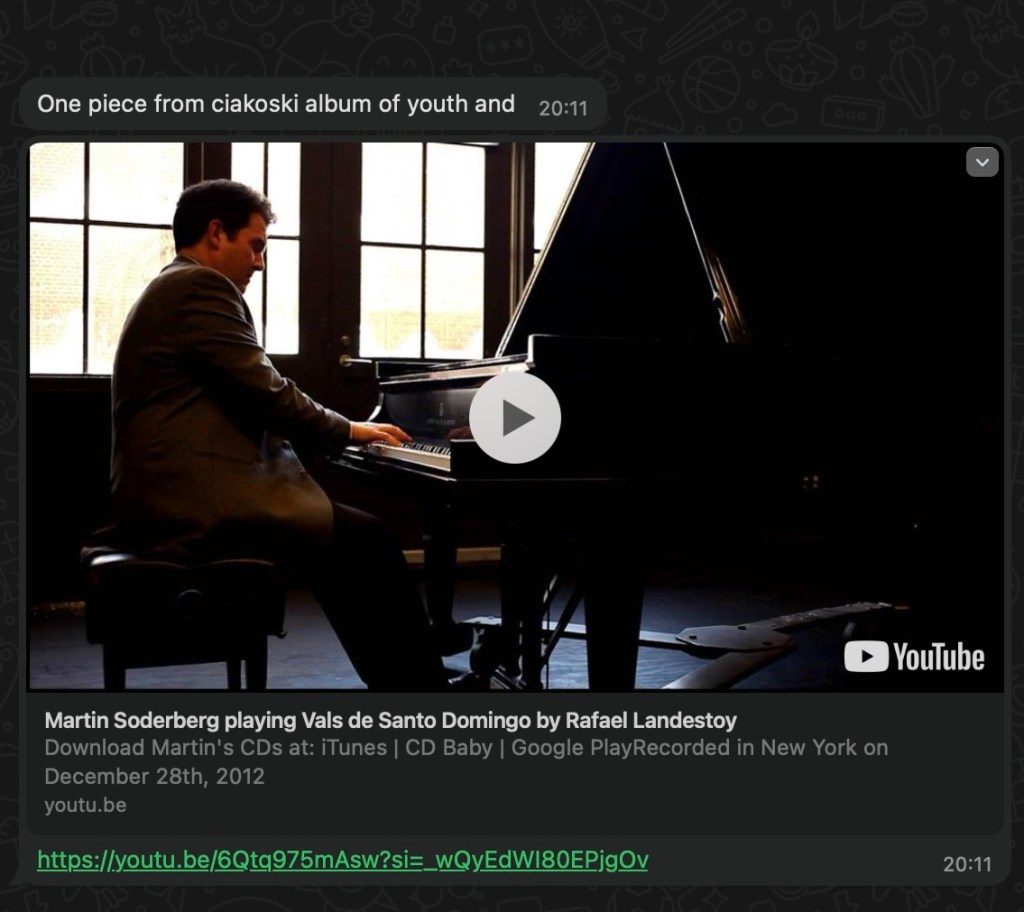
https://youtu.be/6Qtq975mAsw?si=_wQyEdWI80EPjgOv

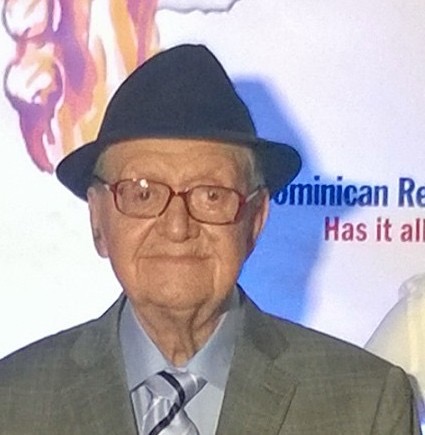
Pedro Rafael Landestoy Duluc, known as Bullumba Landestoy(August 16, 1925 – July 17, 2018) was a Dominican  pianist and composer internationally known for his compositions for piano and guitar. He has written numerous popular songs.He has composed most of his piano and guitar pieces at the San Anotio Abad Monastery in Humacao, Puerto Rico, where he began a spiritual journey in 1962. At the monastery, which is also a university, he taught piano, guitar Classical and composition
The encore that Trifonov played together with a small piece by Tchaikowsky.
Trifonov transformed, though, a bauble into a gem with playing of such subtle colours and seeming improvised abandon as he is a master illusionist who can transform this old box of hammers and strings into an orchestra of miraculous sounds.
Lhevine,Rosenthal and Godowsky not to forget Horowitz were of an era when the piano could still reveal secrets of beauty and wonder in the hands of such transcendental mastery of balance and style.
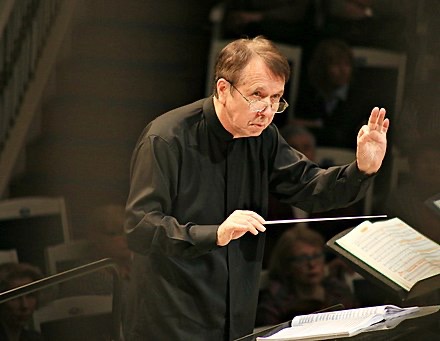
Pletnev was born into a musical family in Arkhangelsk in 1957, then part of the Soviet Union . His father played and taught the bayan, and his mother was a pianist. He studied with Kira ShashkinaKira  for six years at the Special Music School of the Kazan Conservatory, before entering the Moscow Central Music School at the age of 13, where he studied under Evgeny Timakin. Also in the class was fellow pianist Ivo Pogorelich , with whom he formed a lasting friendship. In 1974, he entered the Moscow Conservatory, studying under Yakov Flier  and Lev Vlassenko. At age 21, he won the Gold Medal at the VI International Tchaikowsky Competition  in 1978, which earned him international recognition and drew great attention worldwide. The following year he made his debut in the United States. He also taught at the Moscow Conservatory. Pletnev has acknowledged Rachmaninov  as a particularly notable influence on him as a musician.

Tchaikovsky arr. Pletnev : The Sleeping Beauty Op. 66 (1888-89), selections arranged for solo piano

I. Introduction (Prologue) II. Danse des pages (Act I) III. La vision (Act II) IV. Andante (Act II) V. La féé d’argent (Act III) VI. Le chat (Act III) VII. Gavotte (Act II) VIII. Le canarie (Prologue) IX. Le chaperon (Act III) X. Adagio (Act III) XI. Le fin (Act III)

The PR boys have given up nd have left Trifonov’s masterly playing to speak for itself

Samuel Barber March 9, 1910 West Chester Pennsylvania US
January 23, 1981 (aged 70) New York

The Piano Sonata in E-flat minor, op 26, by Samuel Barber , was commissioned for the twenty-fifth anniversary of the League of Composers by American songwriters Irving Berlin  and Richard Rodgers . Composed from 1947 to 1949, the sonata is in four movements and was first performed by Vladimir Horowitz  in December 1949 in Havana, Cuba, followed by performances in Washington D.C  and New York City in January 1950 In September 1947, the American songwriters mentioned above on the League of Composers’ recommendation, announced a commission for a piano sonata by Barber to mark the 25th anniversary of the League. Berlin and Rodgers provided funding for the commission.[2] Barber began writing the sonata that month, completing the first movement by December 1947.

However, Barber’s progress on the sonata was interrupted by a hectic schedule that demanded his focus, including rehearsals for his ballet Medea and plans for Knoxville :Summer of 1915. Barber planned to complete his sonata during his stay at the American Academy in Rome, initially planned from February to July. The composer was wary of the academy’s crowded conditions and disgruntled atmosphere but hoped to work in isolation. However, once in Rome, he found it hard to focus, with the change of scenery and the charm of Italy’s culture and people distracting. Barber was distracted by the postwar social and political scene, engaging with intellectuals, Vatican insiders, and historical interests like an excavation near Cosa. Despite attending inspiring concerts, including programs of newly discovered Vivaldi  pieces, Barber struggled to accomplish much during his stay.

Barber returned to the United States early in the summer, sooner than planned, and finished the second movement in mid-August of 1948. Upon completing the first two movements, Barber initially planned that a slow movement would conclude the piece, and played the completed movements for Vladimir Horowitz, who later premiered the work, at Horowitz’s house. Horowitz then suggested Barber include a “very flashy last movement, but with content”; Barber added a fugue after the slow movement in response to this request.

The composer finished the sonata in June 1949, and Vladimir Horowitz began to prepare it for performance, spending five hours a day practicing it. Barber later commented that Horowitz had been playing it “with a surprising emotional rapprochement which I had not expected”. Horowitz premiered the sonata in Havana, Cuba, on December 9, 1949. This was followed by a private performance in New York at the former G.Shirmer  headquarters on January 4, 1950. Gian Carlo Menotti ,Virgil Thomson,Douglas Moore,William Schuman,Thomas Schippers,Aaron Copland,Lukas foss,Myra Hess and Samuel Chotzinoff all attended. The official United States premiere was in Washington, D.C., on January 11, 1950, at Constitution Hall ; Horowitz then publicly played the work in New York on January 23, 1950 at Carnegie Hall.  It received ubiquitous praise from music critics. By April 1950, plans were in place for Horowitz to record the sonata for a Christmas release that year; Horowitz made the recording in May, for RCA Victor. This recording remained Barber’s preferred version for at least a decade.The sonata is in four movements:

Fuga: Allegro con spirito

Allegro energico

Allegro vivace  e leggero

Adagio  mesto

Grammy Award-winning pianist Daniil Trifonov has made a spectacular ascent of the classical music world, as a solo artist, champion of the concerto repertoire, chamber and vocal collaborator, and composer. Combining consummate technique with rare sensitivity and depth, his performances are a perpetual source of awe. “He has everything and more, … tenderness and also the demonic element. I never heard anything like that,” marveled pianist Martha Argerich. With Transcendental, the Liszt collection that marked his third title as an exclusive Deutsche Grammophon artist, Trifonov won the Grammy Award for Best Instrumental Solo Album of 2018. Named Gramophone’s 2016 Artist of the Year and Musical America’s 2019 Artist of the Year, he was made a “Chevalier de l’Ordre des Arts et des Lettres” by the French government in 2021. As The Times of London notes, he is “without question the most astounding pianist of our age.”

Trifonov undertakes season-long artistic residencies with both the Chicago Symphony Orchestra and Czech Philharmonic in 2024-25. A highlight of his Chicago residency is Brahms’s Second Piano Concerto with Klaus Mäkelä, and his Czech tenure features Dvořák’s Piano Concerto with Semyon Bychkov, first at season-opening concerts in Prague and then on tour in Toronto and at New York’s Carnegie Hall. Trifonov also opens the Leipzig Gewandhaus Orchestra’s season with Mozart’s 25th Piano Concerto under Andris Nelsons; performs Prokofiev’s Second with the San Francisco Symphony and Esa-Pekka Salonen; reprises Dvořák’s concerto for a European tour with Jakub Hrůša and the Bamberg Symphony; plays Ravel’s G-major Concerto with Hamburg’s NDR Elbphilharmonie Orchestra and Alan Gilbert; and joins Rafael Payare and the Montreal Symphony for concertos by Schumann and Beethoven on a major European tour of London, Amsterdam, Luxembourg, Paris, Hamburg, Berlin, Munich, and Vienna. In recital, Trifonov appears twice more at Carnegie Hall, first on a solo tour that also takes in Chicago and Philadelphia, and then with violinist Leonidas Kavakos, with whom he also appears in Chicago, Boston, Kansas City, and Washington, DC. Fall 2024 brings the release of My American Story, the pianist’s new Deutsche Grammophon double album, which pairs solo pieces with concertos by Gershwin and Mason Bates. Bates’s concerto is dedicated to Trifonov and both orchestral works were captured live with Yannick Nézet-Séguin and the Philadelphia Orchestra, who previously partnered with the pianist on his award-winning Destination Rachmaninov series.

Last season, Trifonov performed Brahms concertos with the Cleveland Orchestra, Los Angeles Philharmonic, Atlanta Symphony, and Toronto Symphony; Schumann’s with the New York Philharmonic; Mozart’s “Jeunehomme” at Carnegie Hall, the Kennedy Center, and other U.S. venues with the Rotterdam Philharmonic; Chopin with the Orchestre de Paris; Bates’s Concerto with the Chicago Symphony, Orchestra dell’Accademia Nazionale di Santa Cecilia, and Deutsches Symphonie-Orchester Berlin; and Gershwin and Rachmaninov with the Philadelphia Orchestra, at home and on a European tour. In recital, he joined cellist Gautier Capuçon for dates in Europe and toured a new solo program to such musical hotspots as Vienna, Munich, Barcelona, Madrid, Venice, Milan, Boston, San Francisco, Dallas, and New York, at Carnegie Hall.

In fall 2022, Trifonov headlined the season-opening galas of Washington’s National Symphony Orchestra and New York’s Carnegie Hall, where his Opening Night concert with the Philadelphia Orchestra marked the first of his four appearances at the venue in 2022-23. Other recent highlights include a multi-faceted, season-long tenure as 2019-20 Artist-in-Residence of the New York Philharmonic, featuring the New York premiere of his own Piano Quintet; a season-long Carnegie Hall “Perspectives” series; the world premiere performances of Bates’s Piano Concerto with ensembles including the co-commissioning Philadelphia Orchestra and San Francisco Symphony; playing Tchaikovsky’s First under Riccardo Muti in the historic gala finale of the Chicago Symphony’s 125th-anniversary celebrations; launching the New York Philharmonic’s 2018-19 season; headlining complete Rachmaninov concerto cycles at the New York Philharmonic’s Rachmaninov Festival and with London’s Philharmonia Orchestra and the Munich Philharmonic; undertaking season-long residencies with the Berlin Philharmonic, Rotterdam Philharmonic, Radio France, and at Vienna’s Musikverein, where he appeared with the Vienna Philharmonic and gave the Austrian premiere of his own Piano Concerto; and headlining the Berlin Philharmonic’s famous New Year’s Eve concert under Sir Simon Rattle.

Since making solo recital debuts at Carnegie Hall, London’s Wigmore Hall, Vienna’s Musikverein, Japan’s Suntory Hall, and Paris’s Salle Pleyel in 2012-13, Trifonov has given solo recitals at venues including the Kennedy Center in Washington DC; Boston’s Celebrity Series; London’s Barbican, Royal Festival, and Queen Elizabeth Halls; Amsterdam’s Concertgebouw (Master Piano Series); Berlin’s Philharmonie; Munich’s Herkulessaal; Bavaria’s Schloss Elmau; Zurich’s Tonhalle; the Lucerne Piano Festival; the Palais des Beaux-Arts in Brussels; the Théâtre des Champs Élysées and Auditorium du Louvre in Paris; Barcelona’s Palau de la Música; Tokyo’s Opera City; the Seoul Arts Center; and Melbourne’s Recital Centre.

Last season, Deutsche Grammophon released a deluxe CD & Blu-Ray edition of the pianist’s best-selling 2021 album Bach: The Art of Life. Featuring Bach’s masterpiece The Art of Fugue, as completed by Trifonov himself, the recording scored the pianist his sixth Grammy nomination, while an accompanying music video was recognized with the 2022 Opus Klassik Public Award. Trifonov also received Opus Klassik’s 2021 Instrumentalist of the Year/Piano award for Silver Age, his album of Russian solo and orchestral piano music by Scriabin, Prokofiev, and Stravinsky. Released in fall 2020, this followed 2019’s Destination Rachmaninov: Arrival, for which the pianist received a 2021 Grammy nomination. Presenting the composer’s First and Third Concertos, Arrival represents the third volume of the DG series Trifonov recorded with the Philadelphia Orchestra and Nézet-Séguin, following Destination Rachmaninov: Departure, named BBC Music’s 2019 Concerto Recording of the Year, and Rachmaninov: Variations, a 2015 Grammy nominee. DG has also issued Chopin Evocations, which pairs the composer’s works with those by the 20th-century composers he influenced, and Trifonov: The Carnegie Recital, the pianist’s first recording as an exclusive DG artist, which captured his sold-out 2013 Carnegie Hall recital debut live and secured him his first Grammy nomination.

It was during the 2010-11 season that Trifonov won medals at three of the music world’s most prestigious competitions, taking Third Prize in Warsaw’s Chopin Competition, First Prize in Tel Aviv’s Rubinstein Competition, and both First Prize and Grand Prix – an additional honor bestowed on the best overall competitor in any category – in Moscow’s Tchaikovsky Competition. In 2013 he was awarded the prestigious Franco Abbiati Prize for Best Instrumental Soloist by Italy’s foremost music critics.

Born in Nizhny Novgorod in 1991, Trifonov began his musical training at the age of five, and went on to attend Moscow’s Gnessin School of Music as a student of Tatiana Zelikman, before pursuing his piano studies with Sergei Babayan at the Cleveland Institute of Music. He has also studied composition, and continues to write for piano, chamber ensemble, and orchestra. When he premiered his own Piano Concerto, the Cleveland Plain Dealer marveled: “Even having seen it, one cannot quite believe it. Such is the artistry of pianist-composer Daniil Trifonov.”


https://www.google.com/url?sa=t&source=web&rct=j&opi=89978449&url=https://en.wikipedia.org/wiki/Daniil_Trifonov&ved=2ahUKEwjvlavMm7SLAxVWUEEAHTjcA-AQFnoECEAQAQ&usg=AOvVaw2AX40bFB8cq_7B1ya1C62p

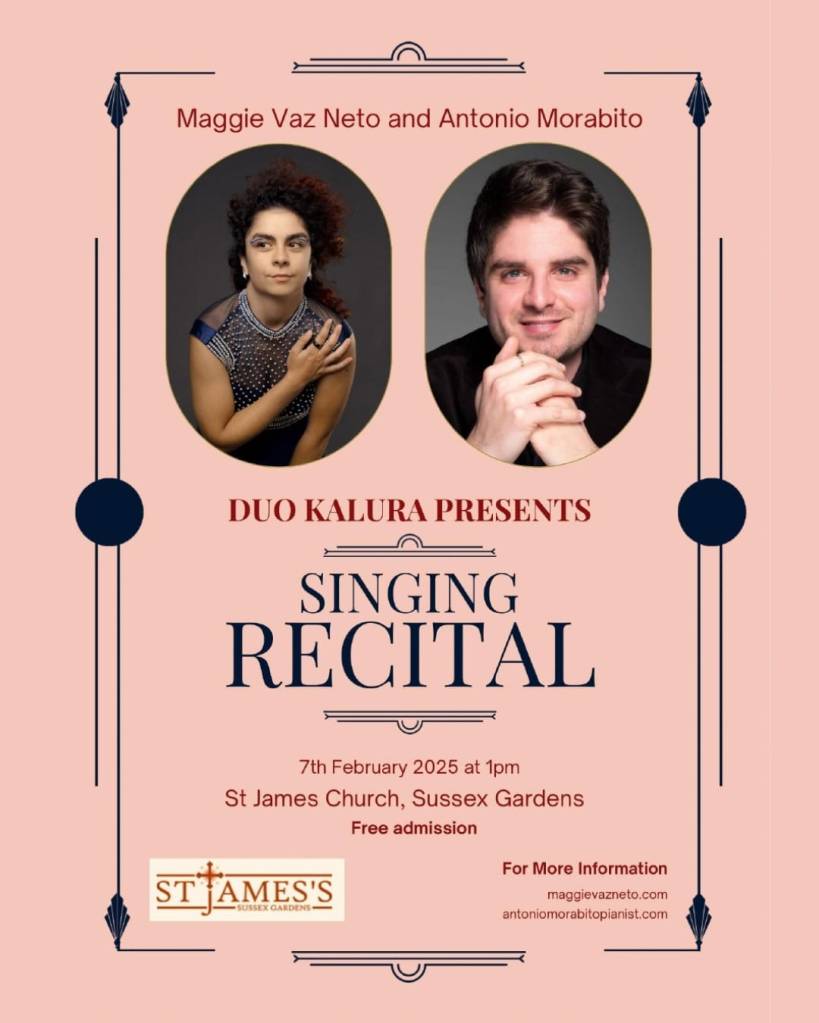
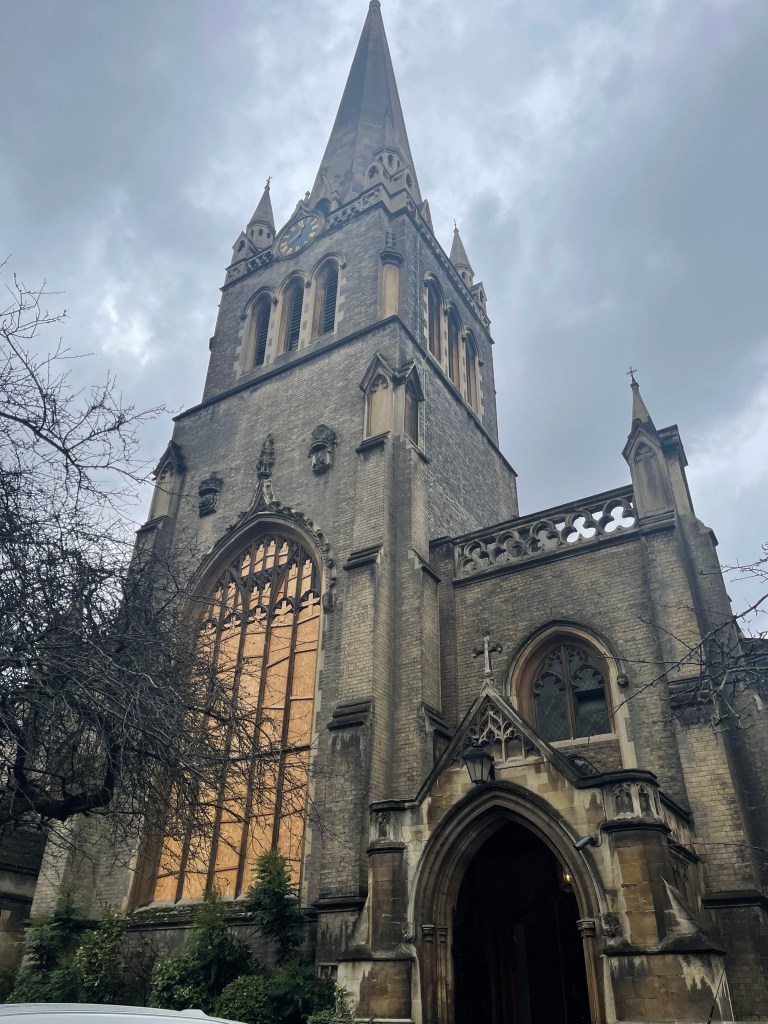
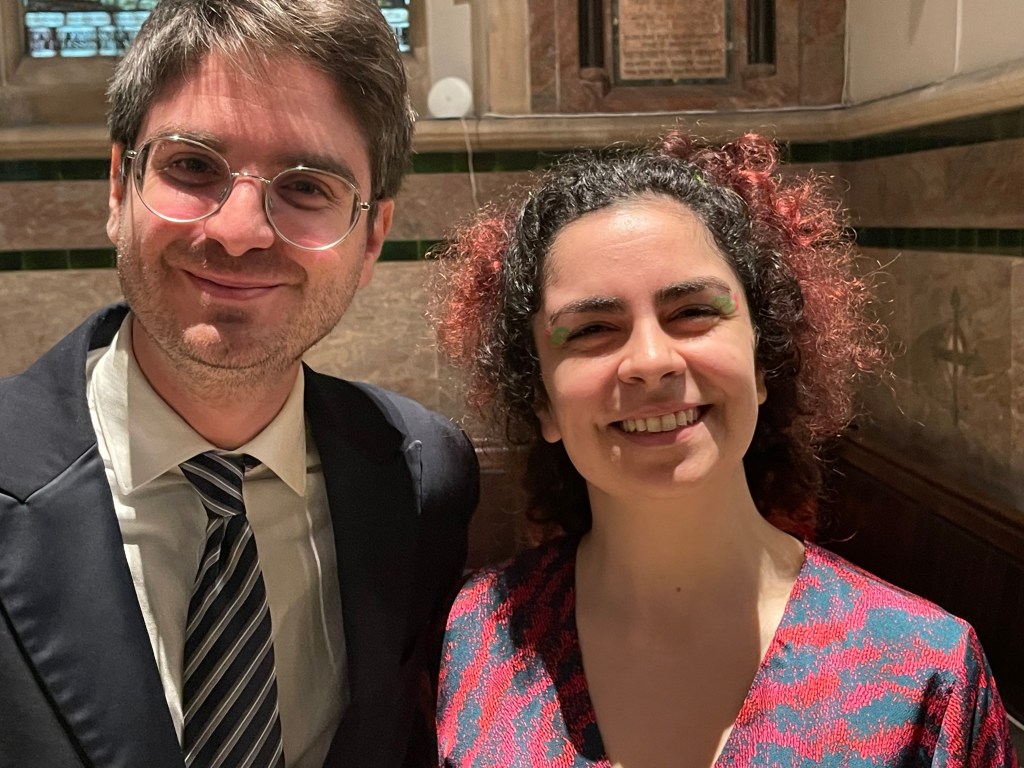
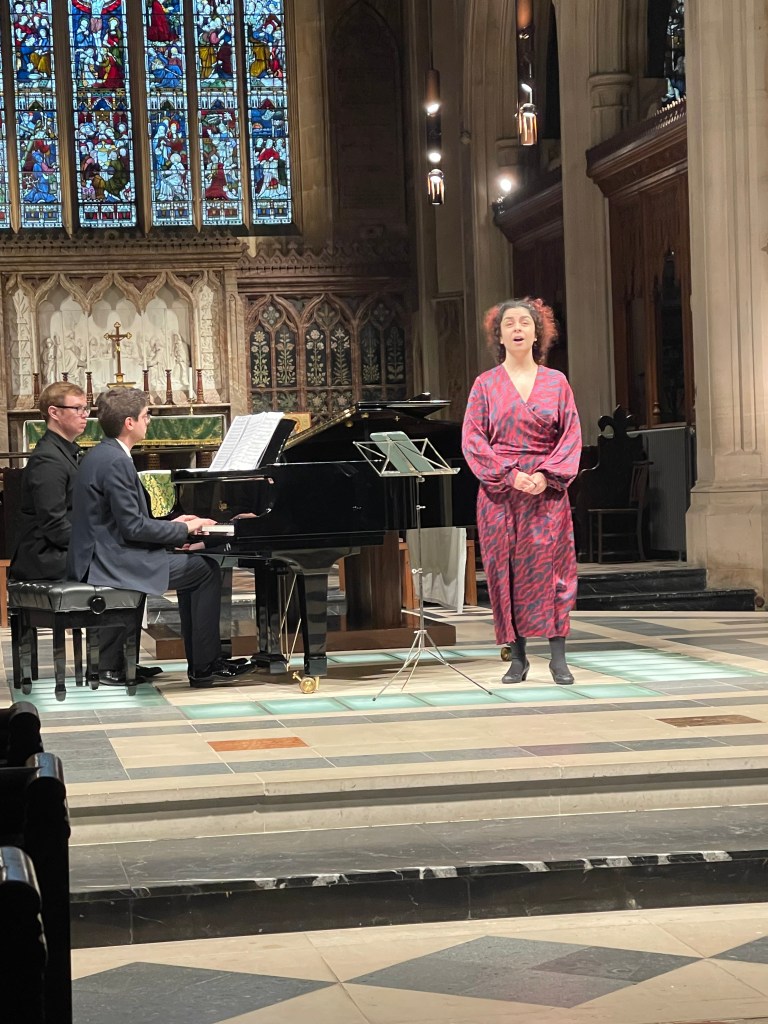
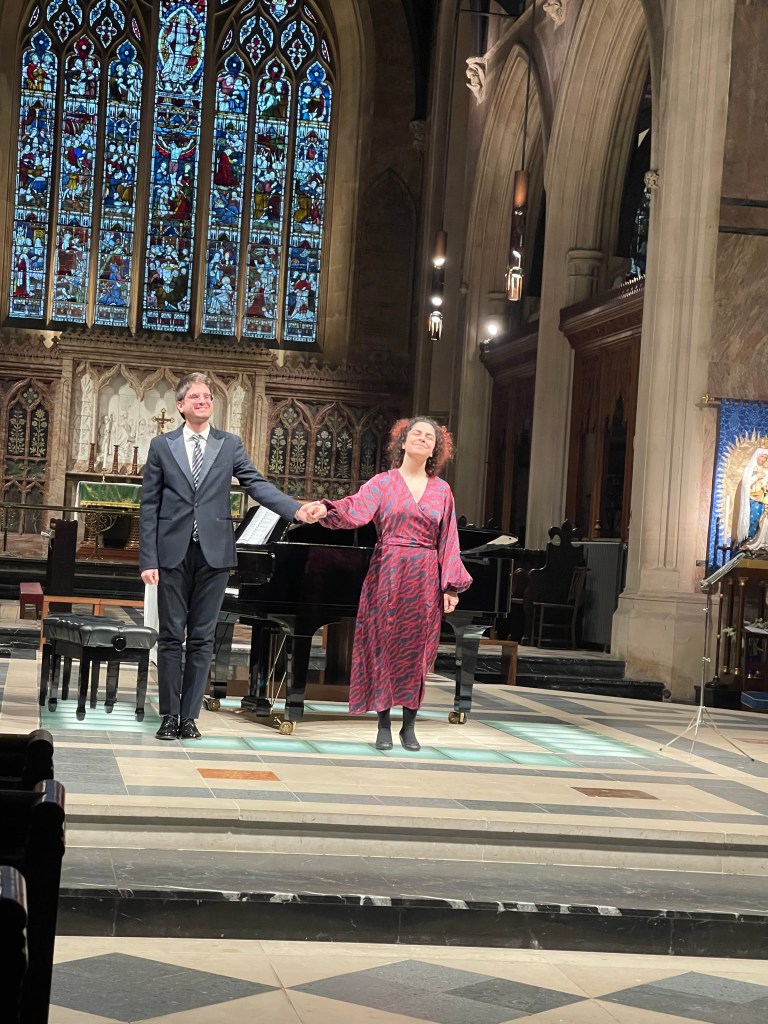
Maggie Vaz Neto warms St James’s with her sumptuous refined voice of power and beauty

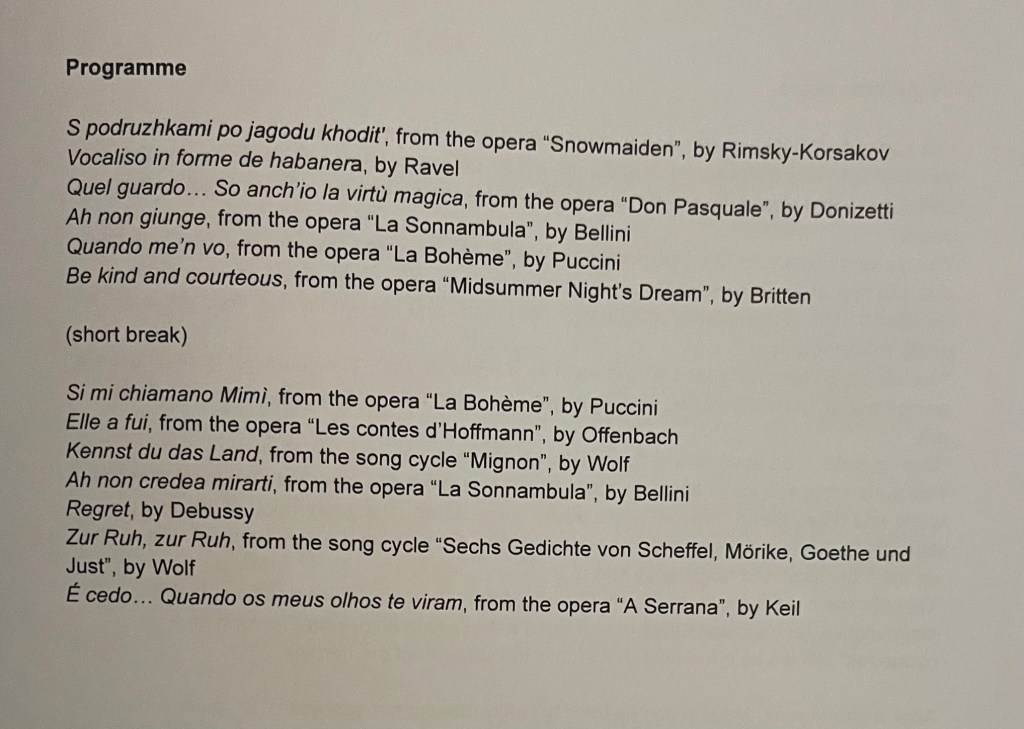
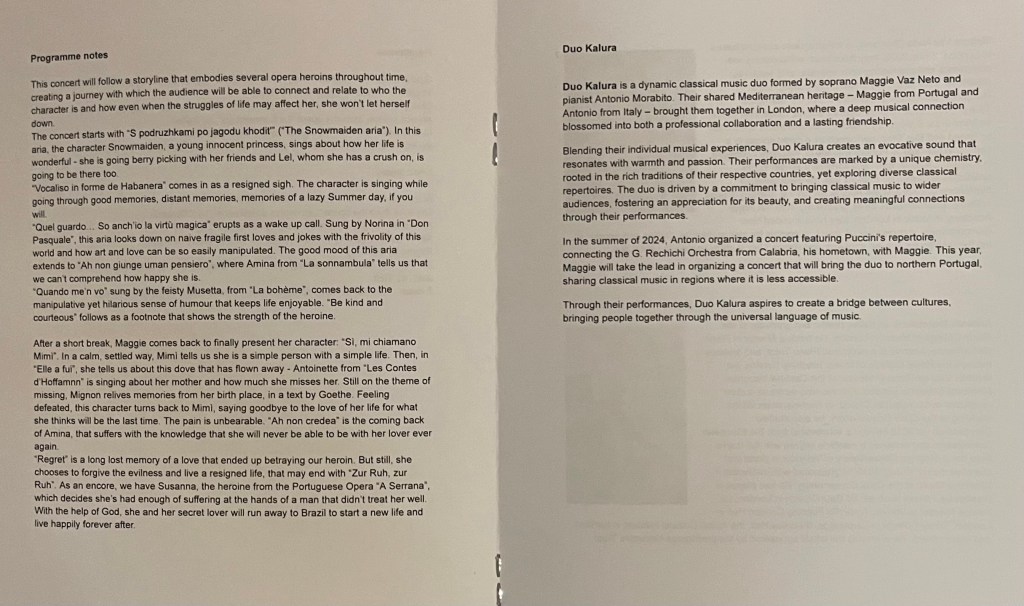
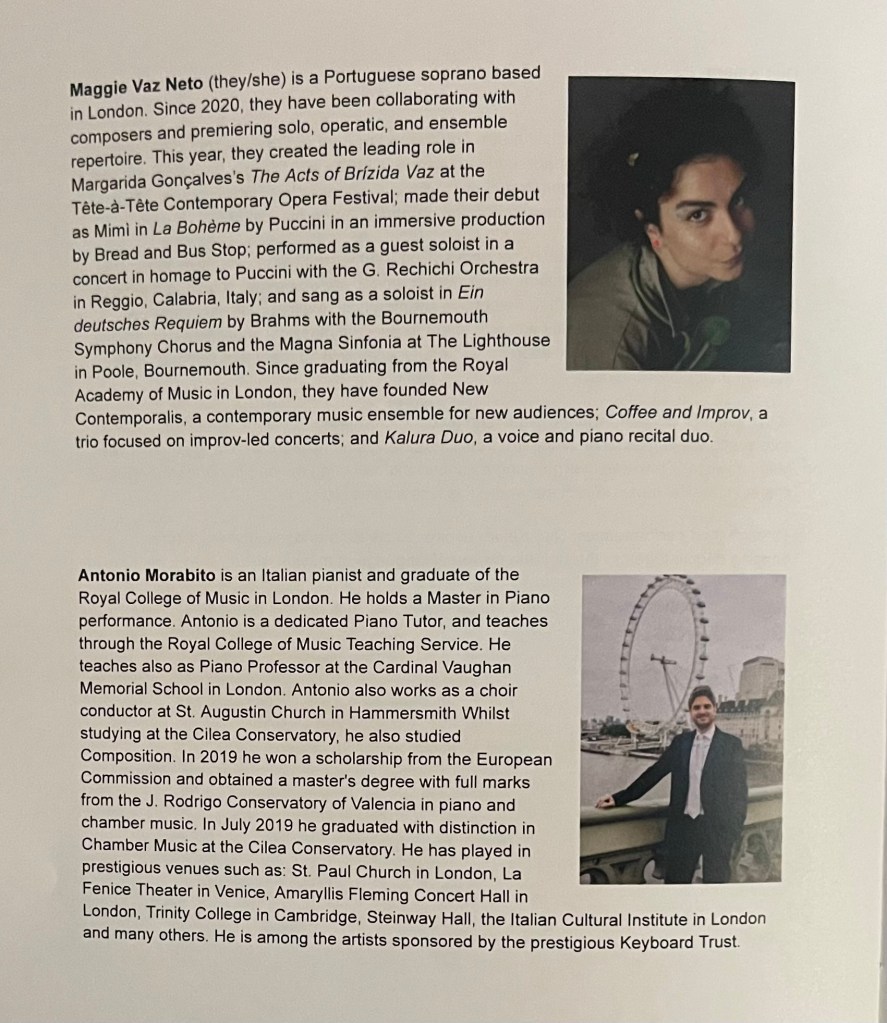
A very varied recital for the sumptuous voice of Maggie Vaz Neto with the refined playing of Antonio Morabito. An eclectic programme ranging from the great operatic arias by Puccini to the voluptuous beauty of Ravel’s Habanera. Hugo Wolff’s refined tone poems were placed next to Bellini’s astonishing bel canto. A sumptuous Rimsky Korsakov and a surprisingly sumptuous Debussy was contrasted with a composer I did not know until today, with an aria from ‘A Serranda’ by Keil. A deep rich soprano voice of radiance, beauty and quite considerable power was accompanied by Antonio Morabito with nobility and restraint. A small but distinguished audience, on one of the coldest days of the year, were rewarded and warmed by a feast of music that resounded around this noble edifice with radiance and beauty.

Ameli Sakai-Ivanova at Steinway Hall ‘A kitten on the keys playing with maturity and mastery’

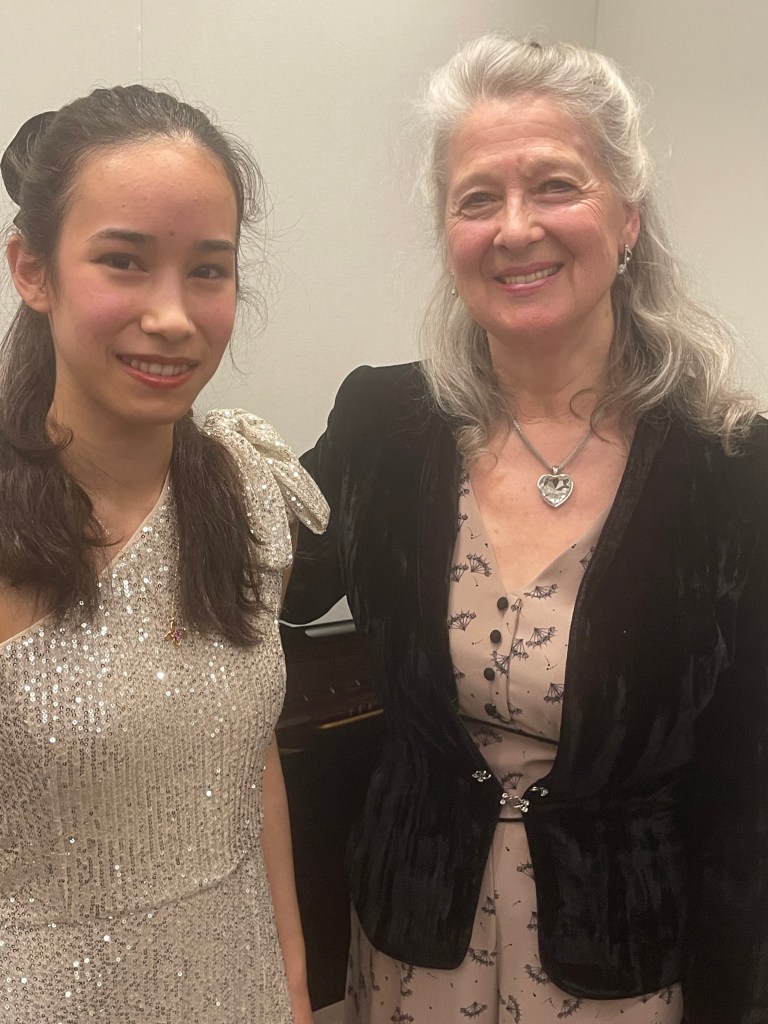
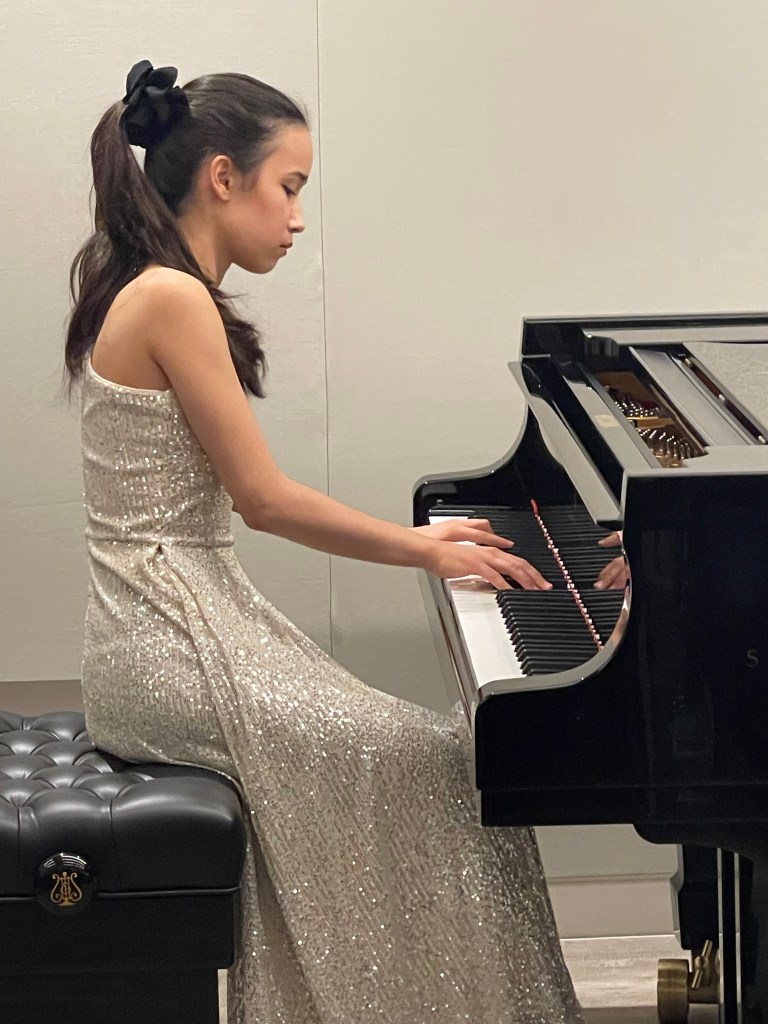
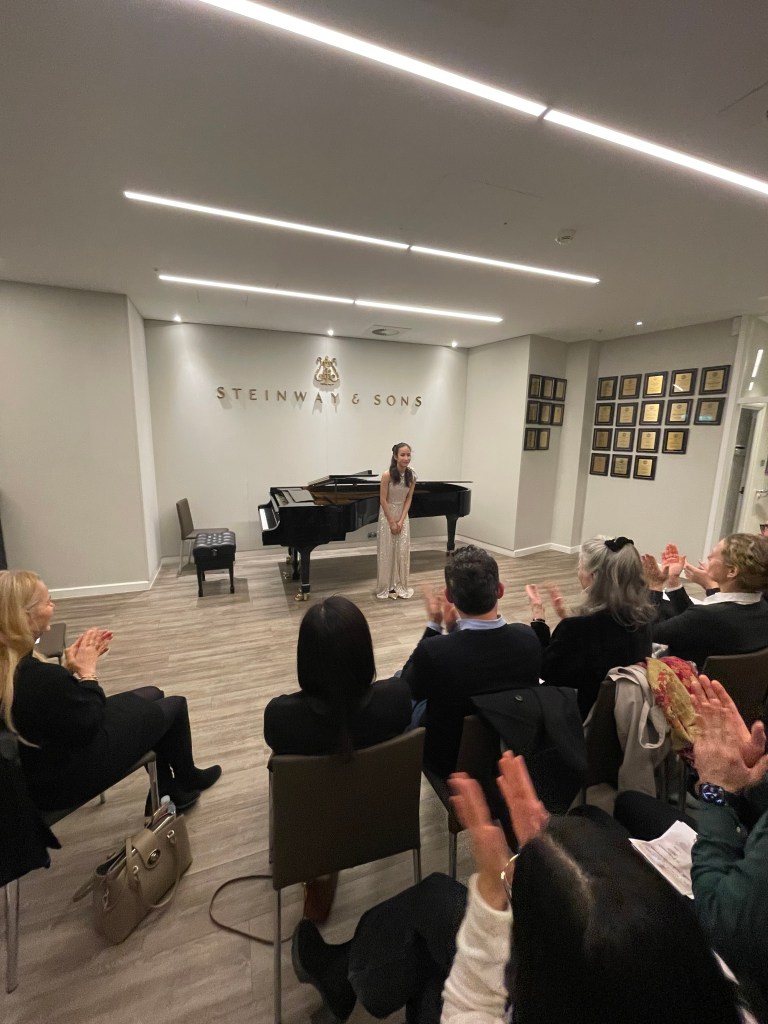
Thanks to Steinway & Sons we were able to hear the 16 year old Ameli Sakai – Ivanova, student of the eclectic multi talented Nancy Litten, performing on a magnificent concert grand to a select audience .

With Nancy Litten

Already at such a tender age she has won great recognition and given public performances of concertos by Chopin and Mozart.

A very solid preparation both technically and musically as you might expect from the student of a graduate of the Royal Academy and a fellow colleague of mine in the early 70’s.

There are some things that cannot be taught but can be allowed to flower naturally. They are the passion and natural musicianship that can ignite and inspire young musicians to great heights under the right musicianly guidance.

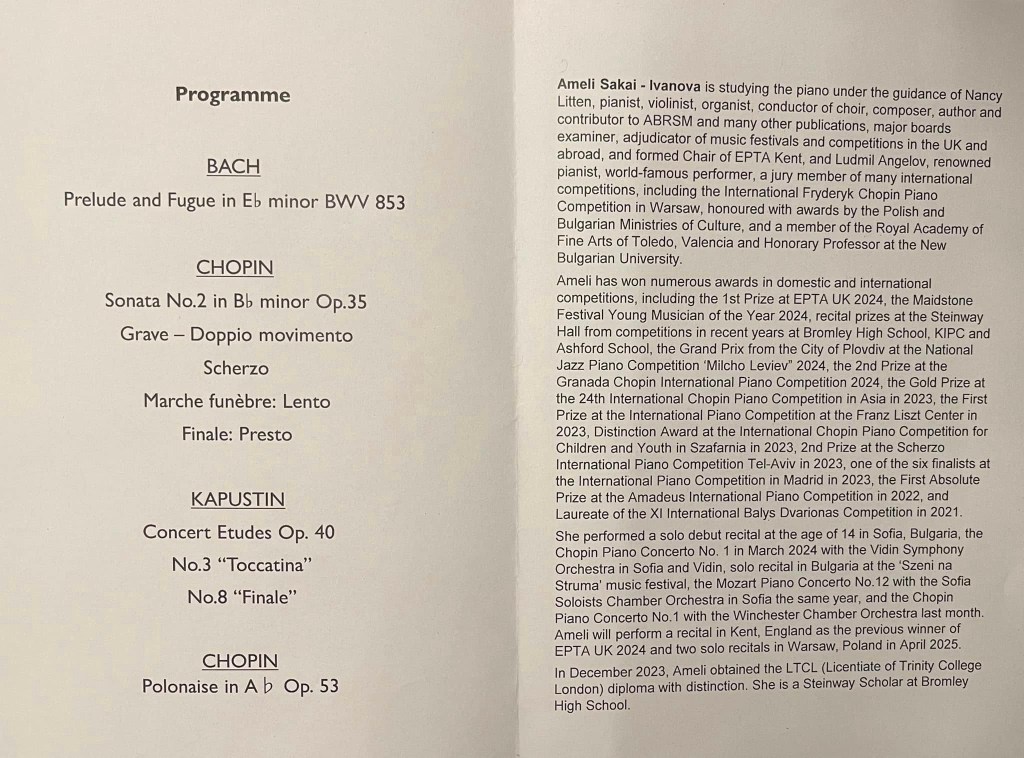
It is this passion that shone through her performance of Chopin’s ‘Héroique’ Polonaise that closed this short programme. A performance of passionate conviction and robust technical perfection with a maturity that belies her youthful appearance. It was though in the more lyrical passages that she allowed her natural musicianship to guide her with refined musical taste and beauty. A young pianist playing with all the joy of someone who could conquer such a pianistic hurdle but in the louder passages her exhilaration and mastery belied the fact that the Polonaise is above all a dance. There are also various degrees of ‘forte’, as there are ‘piano’, that can help her shape the louder passages with more refinement, that will come naturally with the maturity of time. The treacherous ride of the cavalry was played with superb lightweight octaves on which they could ride fearlessly onto the battlefield. Building the sound with technical mastery and listening very careful to the balance, defusing the tension with the beauty of the undulating melodic outpouring, before the exhilaration and excitement she brought to the final pages of this truly ‘héroique’ performance.

Her technical preparation allowed her to give fearless performances of two of Kapustin‘s notoriously knotty Jazz Studies. She played them with a dynamic drive and extraordinary dexterity as she unraveled with clarity and mastery Kapustin’s dizzying maze of notes that were breathtaking in their audacity. .

But it was the Chopin B flat minor Sonata that revealed her extraordinary maturity, as she could carve an architectural line in the first movement that allowed her to play the second subject with poetic poise without having to slow the tempo or loose control of her aristocratic vision. Some very beautiful pointing of harmonies in the tenor register gave great depth and beauty and it was particularly noticeable in the beauty she brought also to the ‘Trio’ of the ‘Scherzo’. A movement she had opened with fearless abandon and technical mastery shaping the notes into the dance it truly is, playing with an unrelenting forward drive. Beautifully linked without a pause to the ‘Marche Funèbre’ that she allowed to flow from her fingers with nobility and simplicity. A beautiful rich sound to the ‘Trio’ gave great strength to Chopin’s beautiful bel canto, with playing of great poignancy but no sentimentality. More care of the balance between the hands would have allowed her to give more fluidity and glowing sound adding even more magic to one of Chopin’s most miraculous creations.

The ‘wind over the graves’ of one of Chopin’s ‘wildest children’ (to quote Schumann) showed off Ameli’s quite extraordinary ‘fingerfertigkeit’ and allowed her to play with such clarity Chopin’s quite astonishingly original finale. This was a very mature and in many ways masterly account of one of the greatest works of Chopin. 

The Bach Prelude and Fugue in E flat minor Book 1 is a work new to Ameli’s repertoire and although I found the prelude rather slow it was played with weight and beauty .The Fugue showed a great musical personality as she played Bach’s ‘knotty twine’ ( to quote Delius) with extraordinary clarity and rhythmic drive.

A teenage schoolgirl with remarkable musical gifts that she will with time refine and be able to ride on a more horizontal wave of sound that will give her even more freedom to conquer the great works that will lay before her. It is wondrous voyage of discovery that awaits.

It is nice to know that another lady pianist was playing next door. Martha Argerich, too, had started her musical journey at the age of sixteen. Now at 83 that glorious voyage is continuing in the pursuit of perfection and beauty that has given so much to so many over a lifetime’s dedication to music.

Maura Romano of the Steinway flagship in Milan,in London by chance, was able to hear Ameli today and offer her a recital next season.

She, like George Soole and Wiebke Greinus in London have created an important platform for young musicians that gives these exceptionally talented artists one of the first important steps at the start of the long ladder in a career in music.

Steinway & Sons Milan ‘we could have danced all night’ Christmas is a comin’
https://christopheraxworthymusiccommentary.com/2024/12/13/steinway-sons-milan-we-could-have-danced-all-night-christmas-is-a-comin/

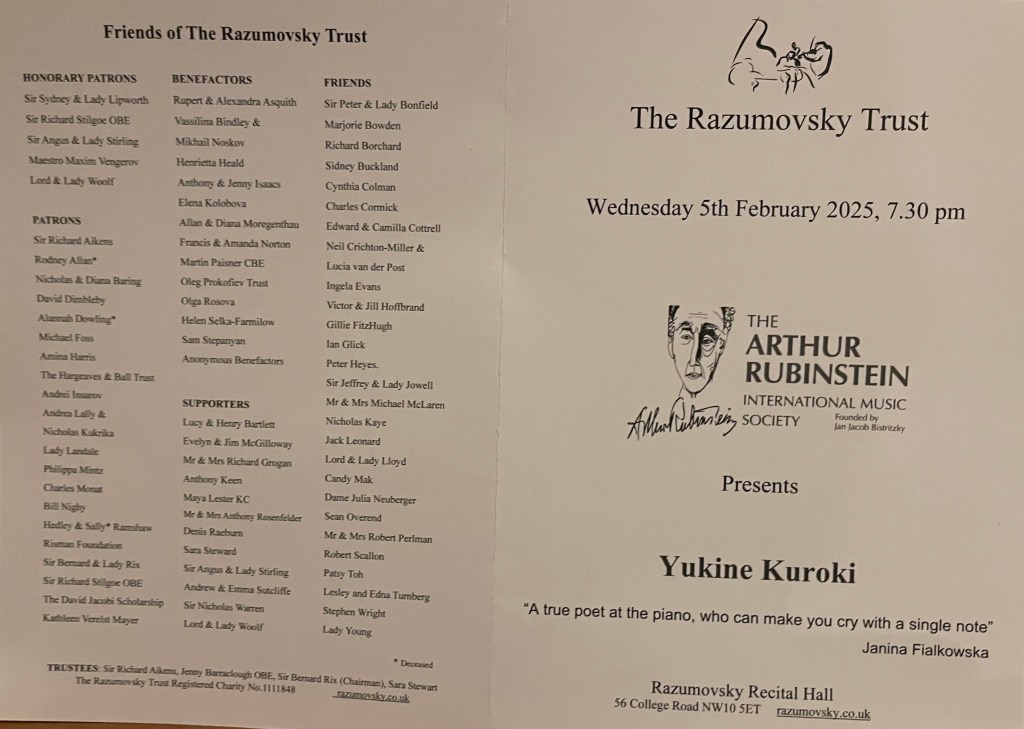
Yukine Kuroki at Bechstein Hall ‘A star shining brightly with genial poetic mastery’

The New Bechstein Hall after its initial launching is now accessible to all with a Sunday morning Young Artists Series at only five pounds, with as much coffee as you need at 10.30am!
Thomas Masciaga opens the Bechstein Young Artists Series with canons covered in flowers
https://christopheraxworthymusiccommentary.com/2025/02/02/thomas-masciaga-opens-the-bechstein-young-artists-series-with-canons-covered-in-flowers/
Evening concerts starting from 18 pounds and a sumptuous restaurant that is also opening for luncheon.
A beautiful new hall that is just complimenting the magnificence of the Wigmore Hall and the sumptuous salon of Bob Boas.Providing a much need space for the enormous amount of talent that London,the undisputed capital of classical music,must surely try to accommodate .

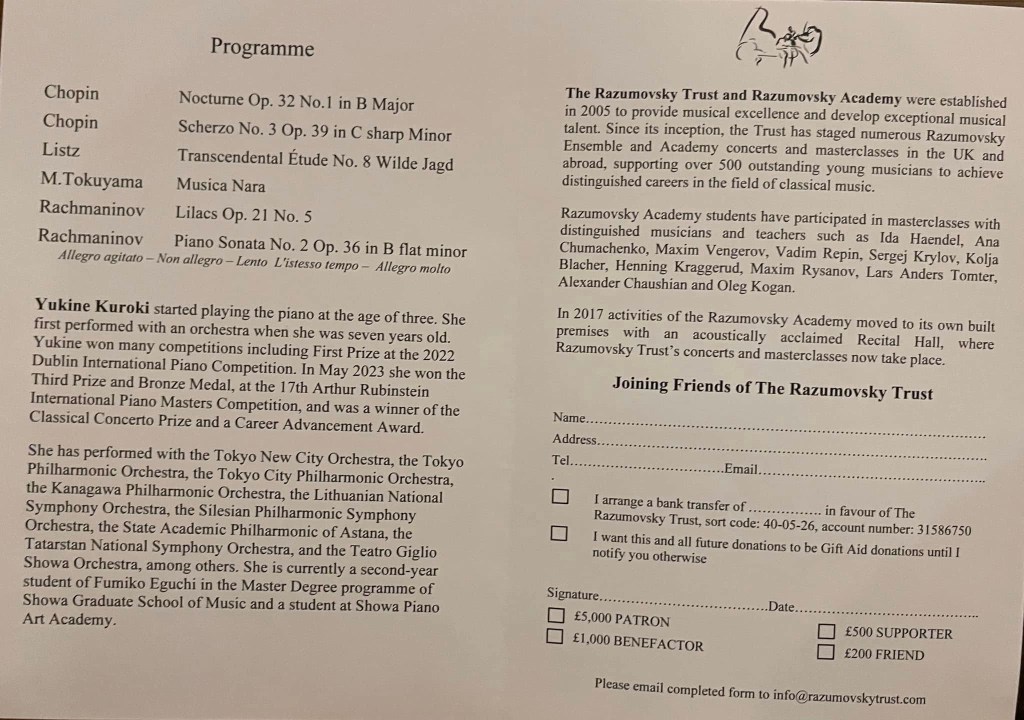
“A true poet at the piano, who can make you cry with a single note” – Janina Fialkowska

A multi competition winner including laureate of the Rubinstein International, First Prize at the Dublin and First Prize at The Utrecht Liszt which led to her sold out debut at Amsterdam’s Concertgebouw.

CHOPIN: Nocturne Op.32 No.1 in B Major 

CHOPIN: Scherzo No.3 Op.39 in C sharp Minor 

LISZT: Transcendental Étude No. 8 S. 139 Wilde Jagd 

M.TOKUYAMA: Musica Nara 

RACHMANINOV: Lilacs Op.21 No.5 

RACHMANINOV: Piano Sonata No.2 Op.36 in B flat minor 

I. Allegro agitato 

II. Non allegro – Lento 

III. L’istesso tempo – Allegro molto 

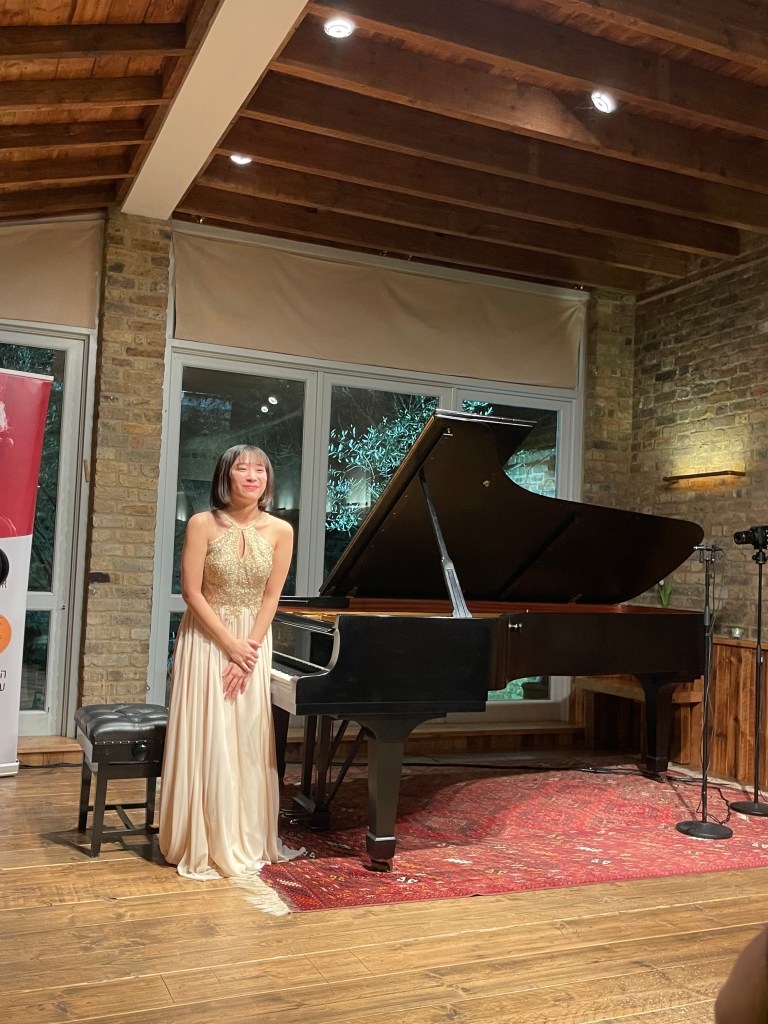
The London debut of Yukine Kuroki in the sumptuous new Bechstein Hall. The directors of both Rubinstein and Utrecht International Piano Competitions had flown in especially to applaud their latest star.

And a star was certainly shining brightly as Janina Fialkowska’s words were brought vividly to life: ‘ A true poet at the piano who can make you cry with a single note ‘

Was it not Rubinstein at his very first competition, nearly 50 years ago, who had said the same of Janina as she played a monumental Liszt Sonata that brought tears to his eyes?

Chopin’s Nocturne op 32 n 1 in B, not one of the most often heard, was given a glowing tone of fluidity and delicacy where the bel canto was allowed to unfold with an ease that allowed the music to breathe so eloquently. Brought to a barely whispered halt as a startling cadenza appeared and was played with arresting nobility and authority. Yukine had perceived this seemingly simple nocturne as a tone poem with a story to tell of great poetic originality. It was her dedication to what the composer had written but seen through a different lense. One that could see things that only a genial poet of the piano could perceive with a palette of colours on a canvas like the greatest pointillist painters.

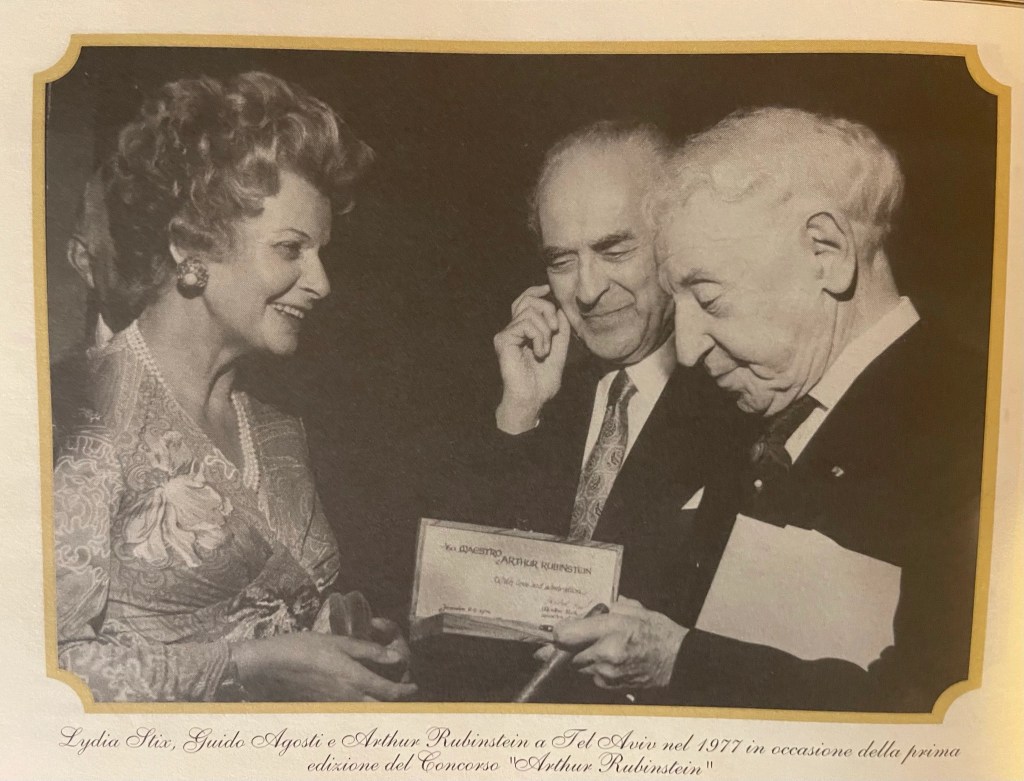
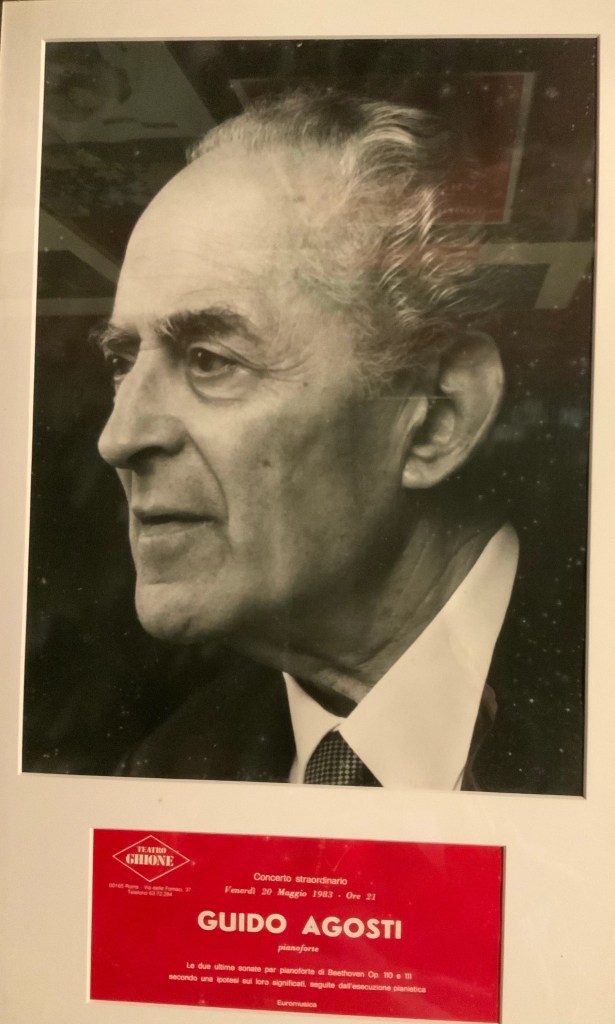
It was the same voyage of discovery that she brought to the third Scherzo. The words ringing in my ears of my teacher and friend Guido Agosti ( one of the jury members of the first Rubinstein competition ) as he listened in his studio in Siena to aspiring young virtuosi.

Pianists would flock to this Mecca to hear sounds that would never be forgotten. ‘All that banging’ he would admonish so many young ‘virtuosi’ as he ,one of the last students of Busoni who in turn had been a student of Liszt,knew the real secrets that were hidden within that box of hammers and strings ! The piano should be played horizontally not vertically and as Anton Rubinstein, another disciple of Liszt , exclaimed ‘ the pedals are the real soul of the piano.’ The three handed pianism of Thalberg and Liszt were the ultimate trick of supreme illusionists.

All this came to mind as Yukine opened the third scherzo with a range of colour and an architectural shape that returned this much maligned masterpiece to its original poetic inspiration. Like with so many recitals by Murray Perahia it had me rushing to the score to see where this poetic invention had come from . Because everything Yukine did is there in the score but it takes a poetic sensibility and a magician of sound to turn it into the wondrous originality that was obviously in the composers hands at the moment of creation. The gentle opening gradually leading up to the first ‘fortissimo’ and the real opening of the scherzo: ‘Presto con fuoco’. Here the tumultuous octaves were give a shape and colour and a sense of direction with a definite architectural design. Explosive sounds too, at the moments of maximum culmination of passion, but dying away to the chorale central episode where Yukine’s sense of line and colour were only commented on by the streams of filigree sounds that cascaded like water with shimmering beauty. Each return of the chorale was ever more emphatic with the intervening deep bass just allowing the notes to fly from her fingers like streams of golden sounds of etherial magic.The final return of the chorale ‘sotto voce’,Chopin writes, but could he have ever imagined the mystery and timeless beauty that Yukine could imbue from those words? There was magic in the air on this magnificent Bechstein piano as the gentle heart beat deep in the bass became ever more insistent, reaching for the tumultuous outpouring of octaves and a coda that just sprang from her well lubricated fingers. Even in this coda, that is a tour de force of transcendental piano playing, Yukine could find the real meaning that was the culmination of all that had been created before. Exhilaration and excitement were kept masterfully under control as she reached for the final three chords. An epic journey that rarely have I heard revealed with such poetic mastery.

‘Der Wilde Jagd’ unleashed a hurricane of sounds from the very first notes. A superb sense of balance and colour were complimented by an extraordinarily original musicianship.This was Liszt ,no longer the barnstorming virtuoso, but the poet of the piano, as Yukine demonstrated with playing of refined crystalline beauty. A finesse that one is not used to hearing in these transcendental studies. Each one is a miniature tone poem with a story to tell of breathtaking scope and searing beauty. Transcendental mastery of course, but within all these pianistic gymnastics there was the poetic fantasy of a genius. There was unexpected charm to the march played as if in the distance, as it led into a melodious outpouring worthy of Schubert with its sudden ray of light that seemed to appear so out of the blue. An explosion of passion and ravishing beauty that Yukine played with great intensity. The final bars were a cry from the heart of passion and unrestrained beauty. Breathtaking pianistic gymnastics too played like the supreme artist that had won her the Gold medal in Utrecht International Liszt Competition.

Musica Nara by Minako Tokuyama was like a breath of fresh air after such intense romantic outpouring. A beautifully expressive atmospheric work with a kaleidoscope of sounds of undisputed Japanese tradition. Etherial sounds of delicacy cascading like the gentlest of playful water that Liszt depicts at the Villa d’Este. This time Tokayama depicts a pastoral Japanese landscape that was soon interrupted by the dynamic animal drive of true Jazz style, where Yukine had led us into a dive of Gulda proportions. This was short lived as the gentle return to the idyllic opening landscape allowed this remarkable picture in music to disappear into the heavenly distance.

Lilacs, Op. 21, No. 5 was a song written in 1902, and adapted into a solo piano transcription around 1913 by Rachmaninov himself who often used to play it as an encore in his recitals. It is a languid outpouring of ravishingly beautiful sounds and was played with sumptuous beauty before the explosion of the Second sonata.

The sonata, in the revised 1931 version, was a real ‘tour de force’ of fearless transcendental playing. Cascades of notes this time like streaks of lightning, and a pulsating satanic drive were complimented with playing of the simple nostalgic beauty that imbues so much of Rachmaninov’s works. A leit motif ,like in the first sonata, that links the three movements into an architectural whole. There was total commitment as Yukine, a person bewitched and possessed, as we looked on astonished at the demonic goings on. Ravished by the sumptuous sounds of extreme filigree delicacy contrasting with passionate outpourings of breathtaking romanticism.The final declaration and triumphant radiance of the main melody was played with a Philadelphian richness of sound and quite exhilarating streams of notes of breathtaking daring.

This is the work that Horowitz reintroduced to a new generation and from total neglect it has become the most played piece of aspiring young virtuosi in music academies around the world.(The first sonata, thanks to Kantarow, is fast taking its place!) Yukine showed us a sonata with her intelligent musicianship and sensibility, where the virtuosistic demands were always following the composers very precise indications. Her sense of architectural shape gave great strength to a work that has been much misunderstood and manhandled since the magnificence of the reincarnation that Horowitz offered to the world during his miraculous Indian Summer.

A Jazz study by Kapustin was the exhilarating encore that Yukine offered to a very enthusiastic public.

Letting her hair down with a performance of a true jazz musician, that of an Art Tatum who even Horowitz used to go and admire in the dives of New York.Virtuosity and unashamed showmanship played with the swing and style of its time.

Oleg Kogan the distinguished cellist and creator with his wife Polina of the Razumovsky Academy with Hila Mizrahi ,of the Rubinstein Competition

Francois-Frédéric Guy ignites the soul of Fou Ts’ong’s piano at the Razumovsky Academy.
https://christopheraxworthymusiccommentary.com/2022/05/15/francois-frederic-guy-ignites-the-soul-of-fou-tsongs-piano-at-the-razumovsky-academy/
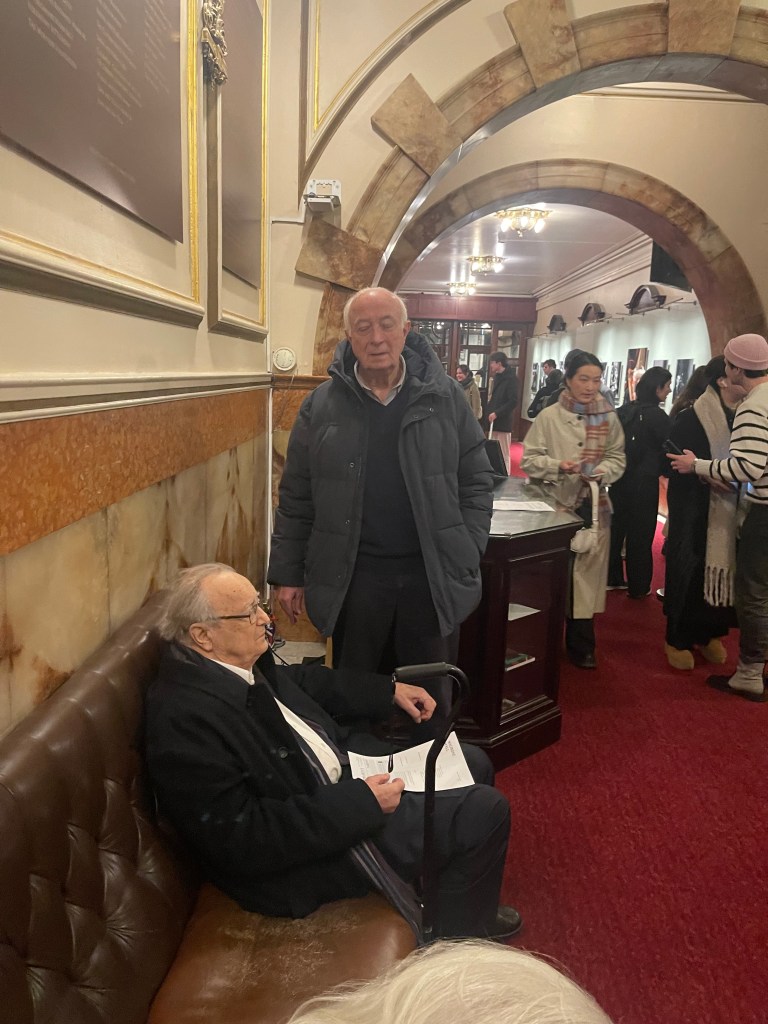
And tomorrow in the refined space of the Razumovsky Academy of Oleg Kogan. She will play on Fou Ts’ong’s Steinway concert grand that now sits proudly in this much loved hall.

On 29 September 2022 Kuroki was awarded the first prize of Liszt Utrecht after an exhilirating performance with the Netherlands Radio Philharmonic Orchestra. On 2 October she performed her debut at the Concertgebouw Amsterdam in a sold-out main hall. 
Kuroki started playing the piano at the age of three. She first performed with an orchestra when she was seven years old. She has won many competitions including first award at the Dublin Piano Competition (2022).
She has performed with the Tokyo New City Orchestra, the Tokyo Philharmonic Orchestra, the Tokyo City Philharmonic Orchestra, the Kanagawa Philharmonic Orchestra, the Lithuanian National Symphony Orchestra, the Silesian Philharmonic Symphony Orchestra, the State Academic Philharmonic of Astana, the Tatarstan National Symphony Orchestra, and the Teatro Giglio Showa Orchestra, among others. She is currently a second-year student in the master’s program of Showa Graduate School of Music and a student at Showa Piano Art Academy. She is studying under Fumiko Eguchi.

For her last of three recitals on this short tour for the Arthur Rubinstein I.M.C.such was the warmth created with a full hall that Yukine added yet another encore. Encouraged and emboldened by our genial host ( and constructor of this unique hall ) the cellist Oleg Kogan, Yukine ,after a moments thought, played Schubert’s ‘Ave Maria’ ravishingly elaborated by Franz Liszt. A performance that showed off Yukine’s gifts of communicating love and beauty to all she does. What better way to finish these few days than playing on Fou Ts’ongs much loved piano in a hall that has been created especially for ‘hausmusik’ by the Kogan family. As Lady Annabelle Weidenfeld so rightly said a unique hall that exudes the warmth and loving care that is so often missing in our music making these days.

Oleg Kogan presenting the concert in the hall that he built with his own hands

Piano Sonata No. 2 in B flat minor ,op 36 was composed  in 1913, who revised it in 1931, with the note, “The new version, revised and reduced by author.” Three years after his third concerto  was finished, Rachmaninoff moved with his family to a house in Rome that Tchaikowsky  had used. It was during this time in Rome that Rachmaninov started working on his second piano sonata. However, because both of his daughters contracted typhoid fever, he was unable to finish the composition in Rome. Instead, he moved his family on to Berlin in order to consult with doctors.

Ivanovka was the ideal location for Rachmaninoff to compose., their private country estate near,Tambov, to which the composer would return many times until 1917

 When the girls were well enough, Rachmaninoff travelled with his family back to his Ivanovka  country estate, where he finished the second piano sonata. Its premiere took place in Kursk on 18 October 1913

The sonata is in three interrelated movements:

  1. Allegro agitato
  2. Non allegro—Lento
  3. Allegro molto

It is unified by two Non allegro bridges between the movements. The outer movements follow sonata form.

When Rachmaninov performed the piece at its premiere in Moscow, it was well received.However, he was not satisfied with the work and felt that too much in the piece was superfluous. Thus, in 1931, he commenced work on a revision. Major cuts were made to the middle sections of the second and third movements and all three sections of the first movement, and some technically difficult passages were simplified.

A performance of the original version lasts approximately 25 minutes while a performance of the revised version lasts approximately 19 minutes.

In 1940, with the composer’s consent, Vladimir Horowitz created his own edition which combined elements of both the original and revised versions. His edition used more original material than revised throughout all three movements. A performance of the Horowitz revision lasts approximately 22 minutes.

Minako TokuyamaBorn in Osaka in l958, Tokuyama Minoko received degrees from both the Tokyo University ot Fine Arts and Music and the Universitat der Kunste Be studied composing under lkenouchi Tomoiiro, Yashiro Akio, Noda Teruyuki and lsang Yung. In 1984 she was bestowed the JSCM’s First New Artist award, and in l990 she represented japan at the First Pacific Composers Conference at the Pacific Music Festival as well as earning a diploma at the Valentino Bucchi International Competition in Composition in Italy. She was invited to compose Spring Festival at Contemporary Music, Seattle consecutively in 1991 and 1992, and in i992 she took the First prize in the 5th Prix de Fukui de Musique Harpe. She was invited to judge that same contest in 1995. In October of i997 her piece commemorating the Namihaya Japan Sports Association was first performed by the Century Orchestra Osaka, and she also won first place that year in the International Wiener Komposition as well. The piece she wrote tor that competition, “Mement Mori”, was performed tor the on stage at the Wien Modern Festival by the Winer Staatsopernballett in November 1997. She has been judging Composition in the japan Music Competition since 2003.

Andrzej Wierciński ‘The birth of a great artist’

The birth of a great artist yesterday at the POSK theatre in Ravenscourt Park,London.

A young pianist of exceptional talent where the more talented you are the more you are disturbed by the impossible task of seeking perfection.

Andrzej Wiercinski I have been listening to for some years ever since his first appearances over ten years ago in that Mecca for all aspiring young musicians. St Mary’s Perivale is where Dr Mather and his team offer a concert and recording to artists that have dedicated their youth to art and just need an audience to continue their voyage of discovery with.

I even took him to play at La Mortella – Andrzej Wiercinski at La Mortella Ischia The William Walton Foundation – Refined artistry and musical intelligence in Paradise
https://christopheraxworthymusiccommentary.com/2023/05/11/andrzej-wiercinski-at-la-mortella-ischia-the-william-walton-foundation-refined-artistry-and-musical-intelligence-in-paradise/
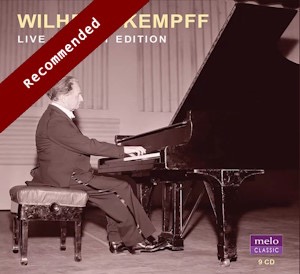
But today I heard a pianist who was at one with the music with performances of great personality but totally at the service of the composer.

His Kreisleriana seemed as an improvisation such was his extraordinary palette of sounds allied to a scrupulous attention to the score. A fleetingly chameleonic change of character from the passionate opening to the sublime intimate flights of fantasy. A breathtaking performance where he had us sitting on the edge of our seats in anticipation of the secrets that this Poet of the piano would reveal in what is quite the greatest interpretation I have ever heard.

It is a work in eight episodes that is not easy to shape into one unified whole. Andrzej found the key in the sumptuous bass sounds that was the common denominator that pervaded the entire work. A bass that could allow for the piano to open up its sonorities and create sounds of full richness and passionate intensity as it could allow for the most exquisite sounds of barely murmured sentiments. The opening was a hurricane of passion where the intricate weaving strands in the right hand of quite considerable virtuosity were sustained by the rich full bass and masterly use of the pedal.The central episode was allowed to ride on this sumptuous rich wave of sound without having to slow down as it grew out of what came before and was to come after.Ravishing playing of such subtle shaping and delicacy before the hurricane regained its energy with even more passionate energy. There was extraordinary beauty to the legato of the second episode with the deep bass melody just hinted at as was the melodic line in the right hand all incorporated into this one long outpouring of song. Interrupted by the first Intermezzo that was played with clockwork precision and drive and contrasted so well with the continual wave of song that was forever present.The second Intermezzo was remarkable for its sense of line, and the prominence given to the bass in the final few bars was indeed a master stroke. It was the clarity of line and sumptuous sounds bathed in pedal that made the central part of the third episode quite memorable, with one melodic strand overlapping the other in a duet of sumptuous beauty. Again it contrasted with the spiky rhythmic drive of the outer episodes.The coda ‘Noch schneller’ was breathtaking for it’s animal excitement and enormous sonorities that were never hard but always with a sense of line and overall shape. A tour de force of control of sound quite apart from the extraordinary precision and finger dexterity. There was a simplicity to the disarming ‘sehr langsam’ of the fourth episode played with poignant intensity, the tension released with the gentle song of the ‘Bewegter’. Within all the capricious rhythmic elements of the fifth episode, Andrzej managed to find the musical line that in turn was linked with the mellifluous central episode, where even here one seemed to grow so naturally out of the other. A wonderfully passionate outpouring to this central episode that was a true explosion of romantic fervour. A whispered beauty to the melodic line in the sixth episode where out of nothing there seemed to be born new life, in one of those magic moments that only the poet Schumann could envisage.The ‘sehr rash’ of the seventh was played with a brilliance and animal fervour that was overwhelming in its dynamic drive and digital perfection. Even in these transcendentally difficult passages Andrzej could steer us through a maze of notes giving them an architectural, expressive shape and meaning. Wonderful to hear the non legato chords in the coda that suddenly become legato as they come to rest on a cloud of beauty.The last episode is probably the most difficult to hold together and it was here that Andrzej showed a complete understanding of Schumann’s chameleonic change of character. There was the beautiful bass melody allowed to flow so gracefully in the first episode and the wondrous use of the pedal and the deep bass notes in the second that allowed a build up of sonority without any hardness or exaggeration. The gently rhythmic outer episodes were sustained by deep bass notes as the work finished with whispered notes deep in the bottom of the keyboard.

The young talented teenager now on the edge of thirty has become a very great artist.

Chosen to present the newly acquired manuscript of Chopin’s Fourth Ballade for the Polish Institute in Warsaw, he changed the announced programme of the third Ballade to the fourth.

A press conference was held to present the manuscript of the Ballade in F minor, Op. 52, composed in 1842. My participation was the presentation of the national version and the version from the manuscript so as to highlight the differences. Such a wonderful experience. You can watch the entire conference at the link below.: https://www.youtube.com/live/QHk1LbWTYWE?si=ad_uKXvFSJVjxBER

But it was the opening Nocturnes op 55 and the Mazukas op 50 that immediately revealed his great artistry. A freedom that had in its midst a burning energy that carried him on a wave of sound where the music just seemed to pour out of him.

Of course the B minor Sonata and the F minor Ballade showed his architectural understanding not only of the structure but what true Bel Canto can mean.

Hats off to Norma Fisher, and Roger Nellist of Perivale, who have been monitoring and helping him in these past few years where his seemingly unattainable vision was so close but yet so far.

‘Je sens, je joue, je trasmet’ was used to describe Cherkassky many years ago and with Andrzej today has never been more actual

Andrzej Wiercinski in Ruislip A great artist free to conquer the world
https://christopheraxworthymusiccommentary.com/2024/06/26/andrzej-wiercinski-in-ruislip-a-great-artist-free-to-conquer-the-world/

Andrzej Wiercinski at St Mary’s Perivale Beauty and style combine with aristocratic poise and poetry
https://christopheraxworthymusiccommentary.com/2024/09/08/andrzej-wiercinski-at-st-marys-perivale-beauty-and-style-combine-with-aristocratic-poise-and-poetry/

Cox – A celebration The Wiercinski brothers amaze delight and rejoice
https://christopheraxworthymusiccommentary.com/2023/06/21/geoff-cox-a-celebration-the-wiercinski-brothers-amaze-delight-and-rejoice/
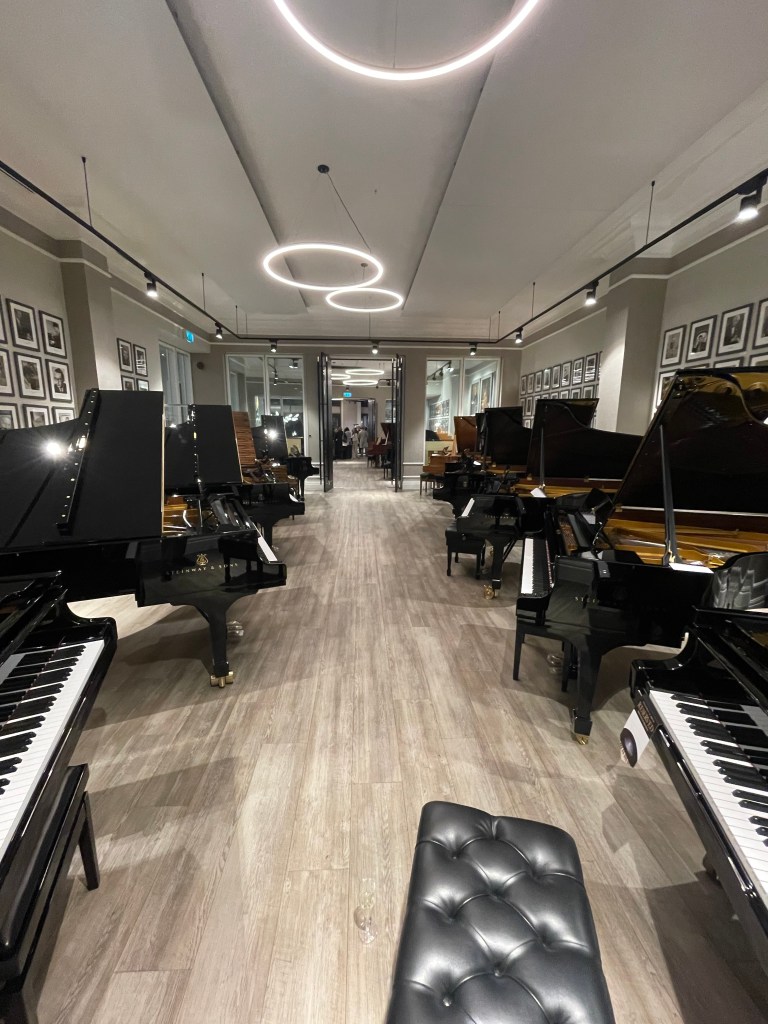
Cristian Sandrin’s New Goldbergs ravish and astonish Perchance to Dream

Unfortunately Bach could not make it on stage at the end of a ravishingly beautiful performance of his Goldbergs by Cristian Sandrin last night .

His presence was felt strongly, though, in this most beautiful of London Concert Halls.

These were not the monumental variations that the High Priestess of Bach would offer in a quasi religious seance. These were seen through another prism, one that had inspired three young composers,commissioned by this eclectic musician, to enhance the aspect of beauty and ravishment that Bach had been commissioned to write to inspire the dreams of an insomniac. Perchance to dream indeed !

Nearly two hours of music as our genial host like all serious musicians played all Bach’s repeats, bar one, adding discretely with the use of an I pad the three where the ink was still wet on the page .

Not content with a truly astonishing tour de force of memory and stamina Cristian seemed elated.

Bach’s work seemed to have on him quite the opposite effect from its commission as he extracted the three new variations and allowed them to shine on their own with ravishing beauty around this magnificent edifice. Encore took on a new meaning just as the title the ‘New Goldberg Variations’ had promised.

A triumph and a refreshingly original performance of one of the greatest creations of all keyboard works. Lucky Milan who will get seconds on Friday for Hans Fazzari’s Serate Musicali !

Cristian Sandrin plays Goldberg Variations the start of a lifetime journey of discovery from Perivale to Bucharest
https://christopheraxworthymusiccommentary.com/2022/05/17/cristian-sandrin-plays-goldberg-variations-the-start-of-a-lifetime-journey-of-discovery/

Goldberg triumphs in Berlin dedicated to Sandu Sandrin by his son Cristian
https://christopheraxworthymusiccommentary.com/2023/11/05/goldberg-triumphs-in-berlin-dedicated-to-sandu-sandrin-by-his-son-cristian/

Screenshot