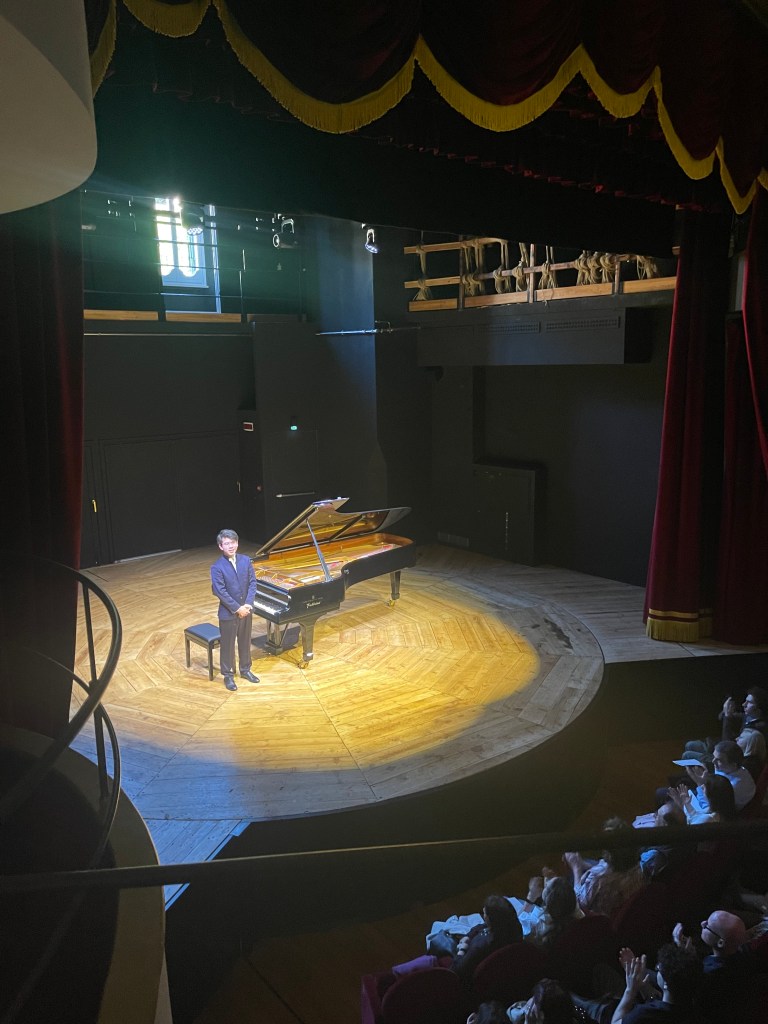
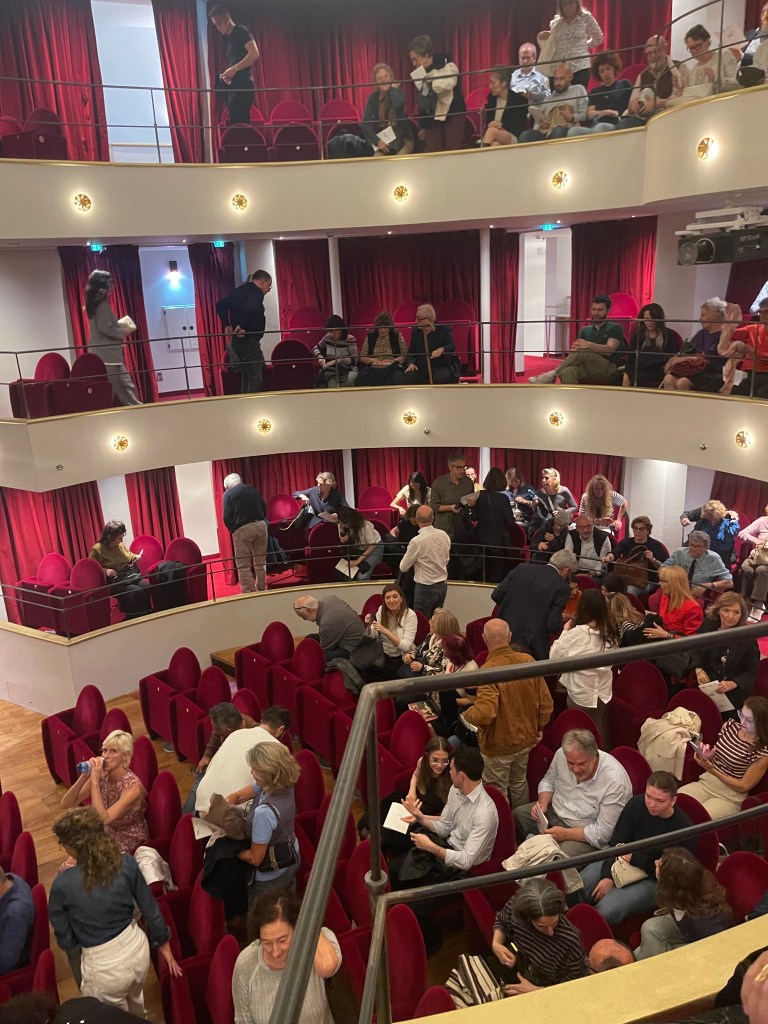
Rome embraces the birth of great pianist and a star shining brightly at the historic Cometa theatre in the heart of Rome
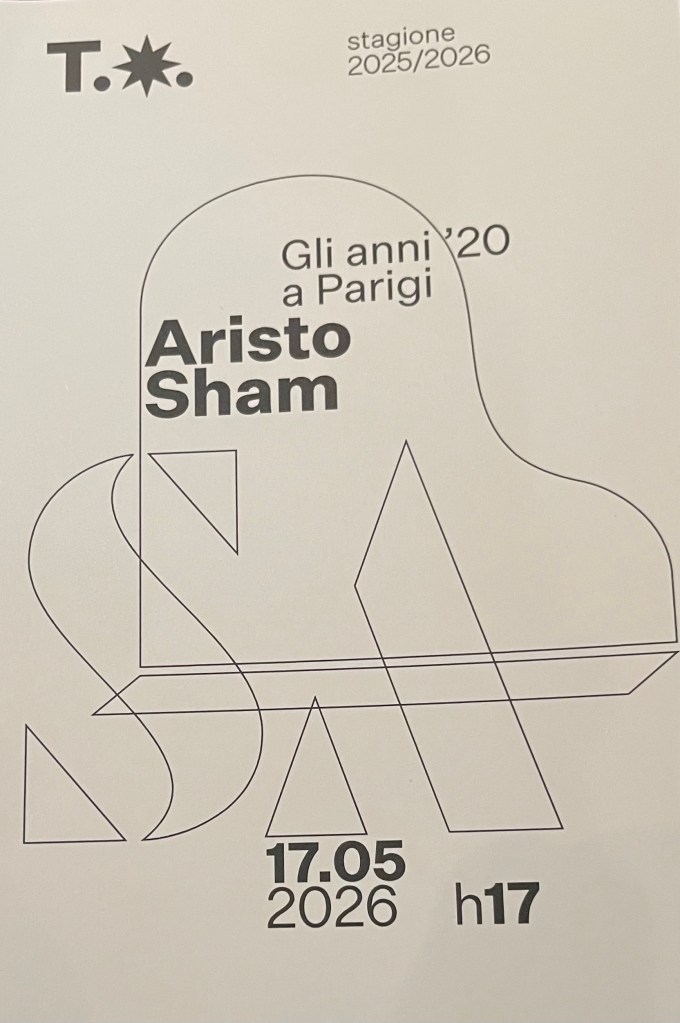
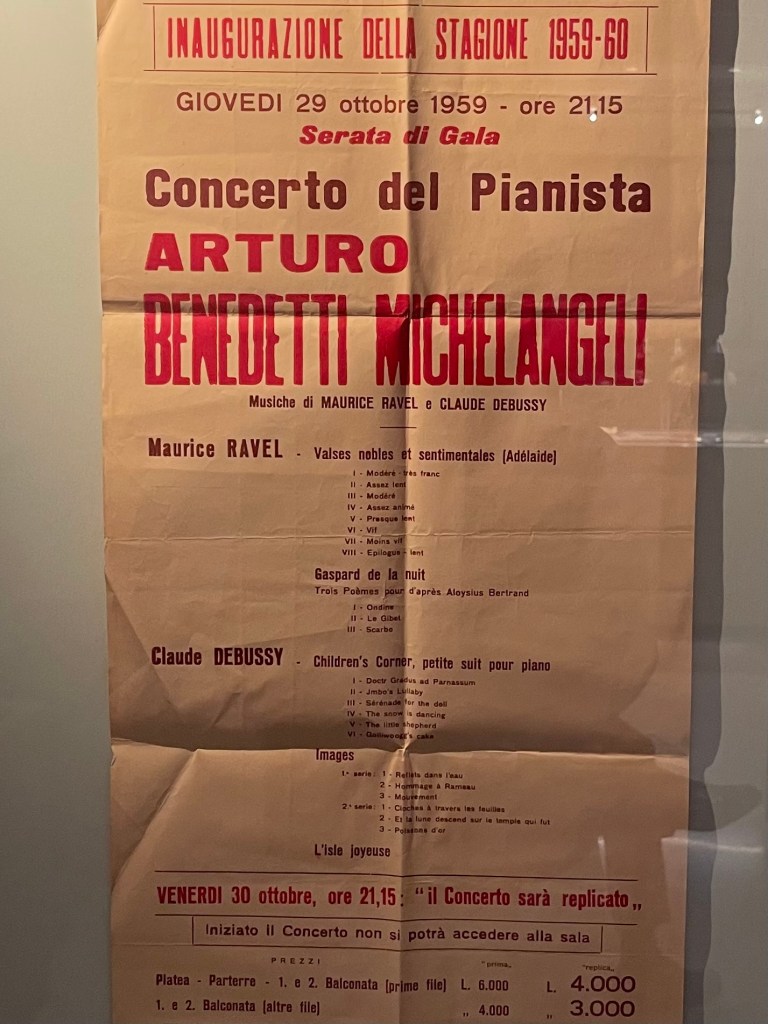
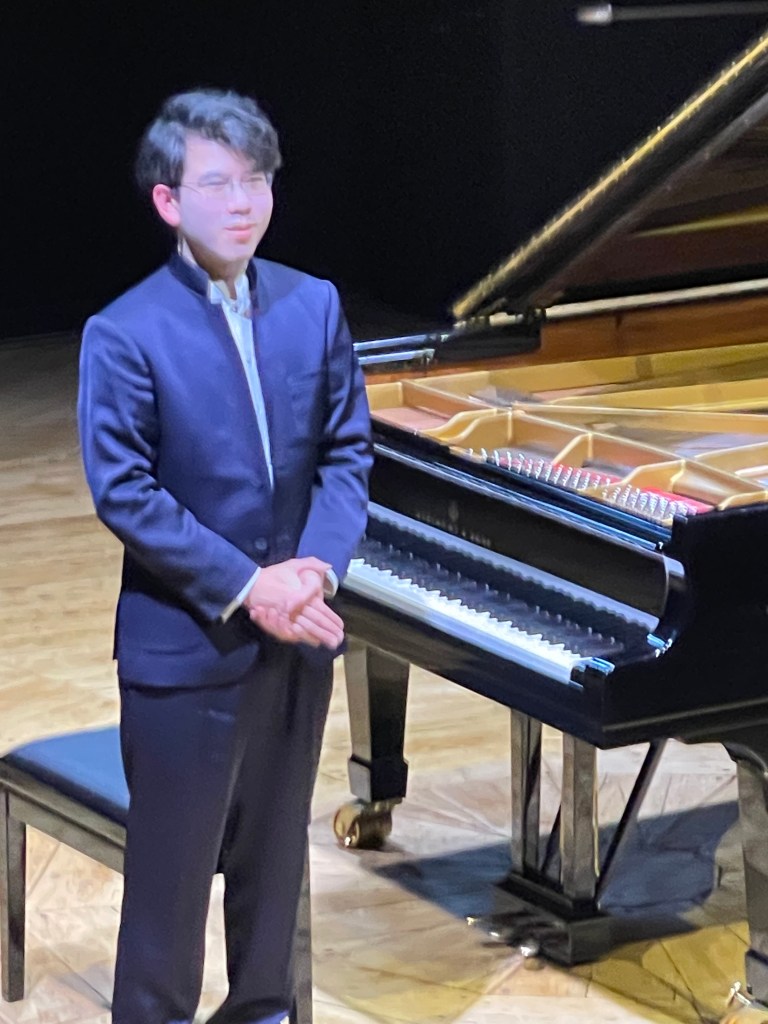
Aristo Sham took the Eternal City by storm with the same jewel like perfection as Michelangeli who inaugurated this theatre in the late fifties .
The pinnacle of pianistic and musical perfection and having gained in authority since being awarded the Gold Medal in Fort Worth is now a worthy successor to Sokolov.
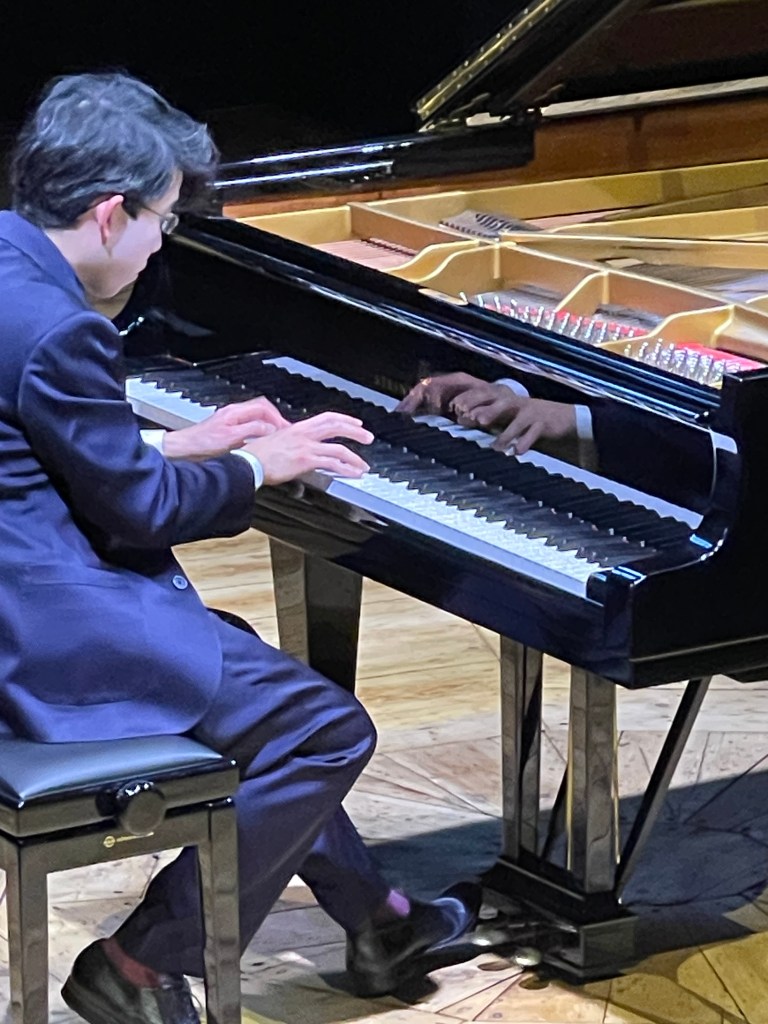
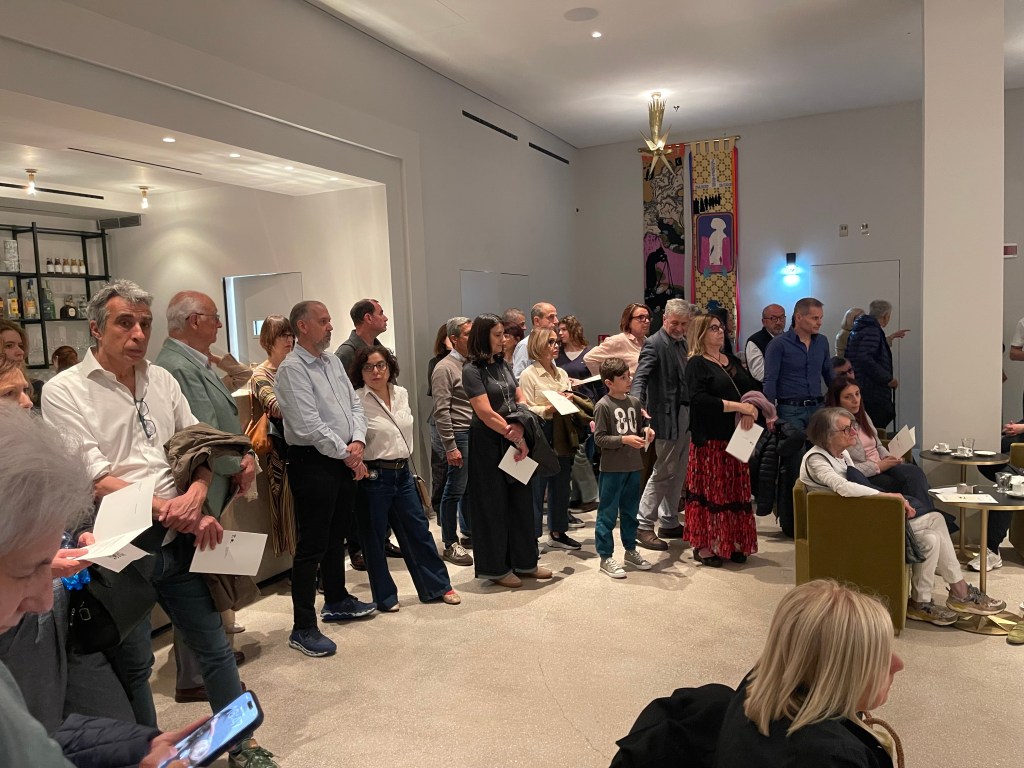
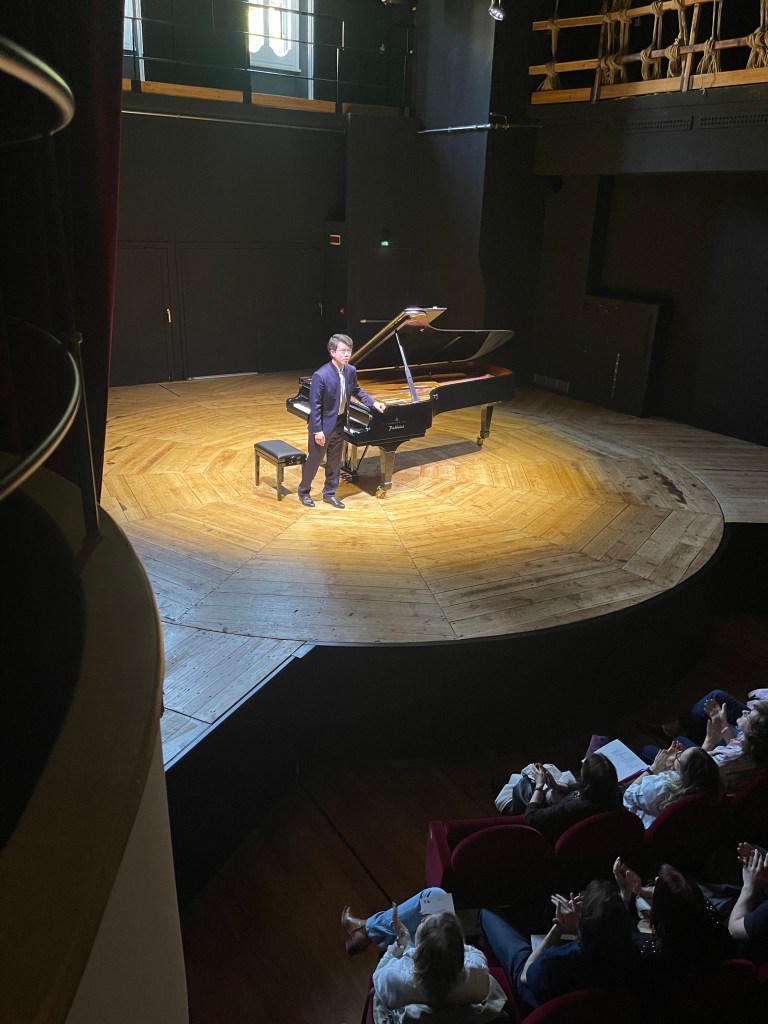
Aristo Sham the Van Cliburn gold medal winner closing the season in the newly reborn Teatro Cometa in the centre of the Eternal City. A wonderful Fabbrini Steinway and the shadow of Arturo Benedetti Michelangeli who had inaugurated this jewel in the fifties.
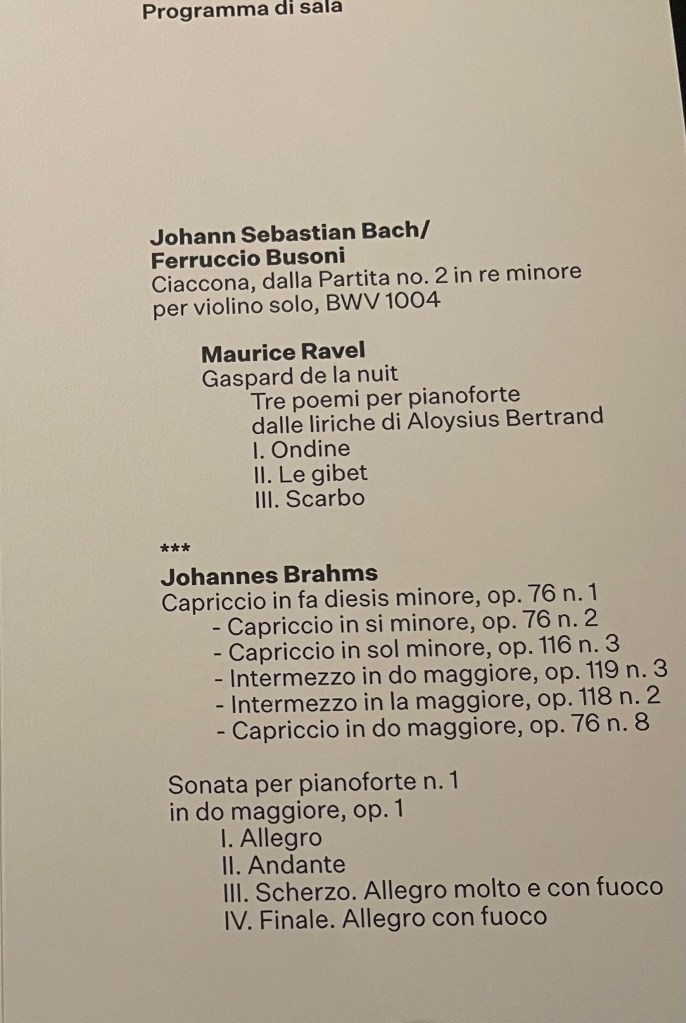
Aristo choosing to open with two works particularly associated with the legendary Italian master.
The Bach Chaconne in the Busoni reworking, that while maintaining the masterly construction of one of the longest works for solo violin it incorporates all the colour and volume of the grandest of pianos. Aristo immediately showing his masterly musicianship allied to a quite extraordinary sense of balance and a kaleidoscope of colours.
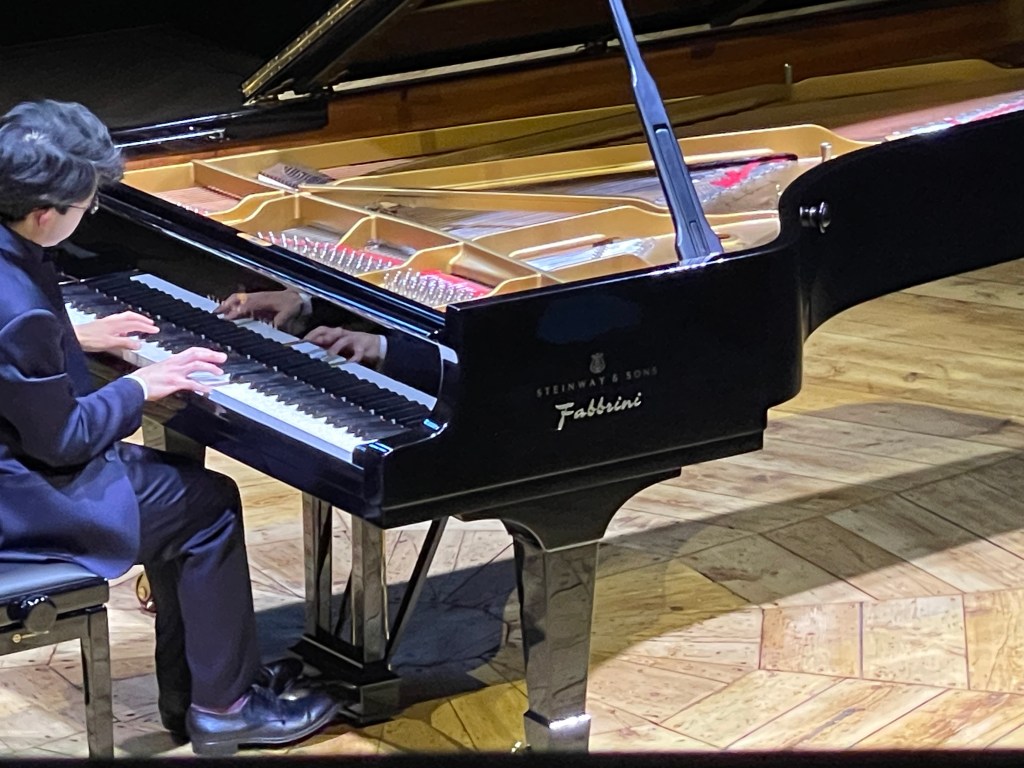
Nobility and technical mastery go hand in hand as Aristo could construct the same journey that Bach had envisaged for solo violin. An opening with a nobility and control, a beauty of sound similar to that which I remember from Michelangeli on listening to his famous recording when I was a student. There was a sense of balance where he never had to force the sound but the musical line was revealed rather than being projected. There was a natural beauty to the sound exulted of course by the superb Fabbrini piano. Let us not forget that Michelangeli was the Godfather to Angelo Fabbrini’s children.
A wonderful sumptuous sound from the deep bass notes that were the anchor on which Aristo could sow a web of wondrous sounds. An aristocratic sense of timelessness allowed Bach’s genial invention to be revealed in layers. The magic of the solo violin on one string was contrasted with the organ like sonorities that Bach could envisage on a single instrument and that Busoni could transmit to the newly evolved concert grand piano. Busoni has recreated the work of Bach with respect and attention to the architectural mastery that Bach could convey on one instrument. While Brahms is more of a transcription Busoni is certainly a recreation. It was this sense of recreation that Aristo could convey with astonishing mastery and maturity.
I have long admired Aristo from when he was at Harrow school to when I heard him in the Fazioli studio in Cremona playing Chopin with remarkable intelligence and superb musicianship. But today after perfecting his studies with Robert McDonald at the Juilliard School, he is ready to take the world by storm with artistry and supreme mastery.
Nowhere more was this obvious than in ‘Gaspard de la Nuit’ by Ravel. A work that Michelangeli made very much his own and which I heard from the master’s hands in the Sala Nervi many years ago when Michelangeli refused to play in Italy but would accept to play for the Red Cross in the Vatican City. I had queued up many times for tickets for Michelangeli in London, as I did for Rubinstein,Gilels or Richter, to no avail because he always cancelled the concerts due to adverse weather conditions that might affect his piano. He relied on Angelo Fabbrini to fine tune the piano as Michelangeli would do with his racing cars, technical perfection was a must if his artistry was to be allowed full reign.
Today Aristo had a wonderful instrument that could allow his artistry to seduce and astonish all those present. The wonderful wooden floor of this newly reborn stage helped project the sound into the hall where previously it tended to get absorbed by too many embellishments, so I am told. There was a liquidity and fluidity to the wondrous sounds that could evoke the water that Ravel’s magical nymph could dart in and out of. A sense of balance allowed this water maiden to sing with a voice rarely heard from lesser hands. Technical demands were absorbed into a poetic outpouring of wondrous sounds. A perfect stillness to the glissandi played with closed fist mastery on the white keys and amazingly only his fingers on the black keys. A tumultuous climax that grew so naturally out of the sounds he was creating ,where Ravel’s technical demands were absorbed into a fluidity of sumptuous beauty. A scrupulous attention to the composers markings meant that the long held pedal in which the water nymph was left breathless and stranded was where Aristo played with extraordinary sensitivity before she plunged back into the water and wafted away on waves of golden sounds. I have rarely heard ‘Le gibet’ played so quietly but with a luminosity and control of sound that was remarkable. A glowing radiance to the solo voice allowed to resonate so magically in this desolate atmosphere that Ravel could create with such sultry intensity. ‘Scarbo’ had been written by the composer trying to out do Balakirev’s Islamey for technical difficulty, and he certainly succeeded. The demonic vibrations of sound at the beginning were played with one finger with astonishingly relaxed wrists and this was only the opening for a series of demonic passages played with breathtaking audacity as the devilish imp dashed from one end of the keyboard to the other. Slowing down the tempo gradually for the central episode that was full of astonishing whispered sounds of diabolical screeching and growling of radiance and mystery. Taking wing as Aristo allowed himself to play with even more passionate intensity. But it was the burning poetic meaning and beauty of the coda that will remain in my memory as one of the most evocative moments of this remarkable recital.
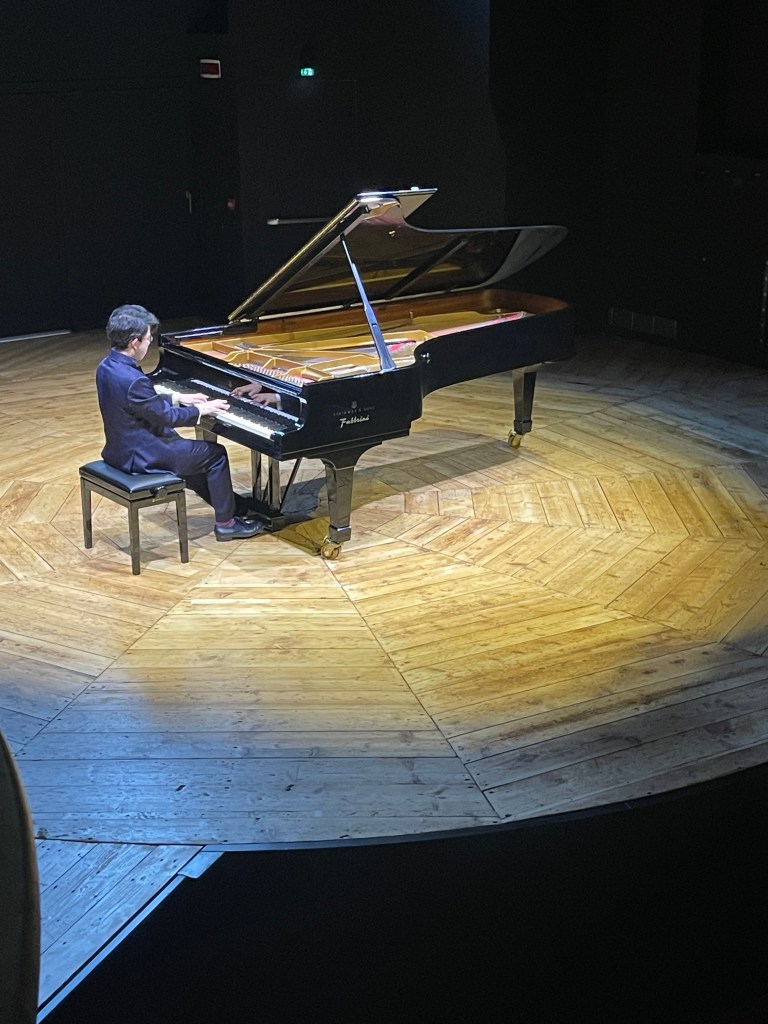
It was the sumptuous bass sounds in Brahms that made one think more of Bösendorfer than Steinway. This was because Aristo’s Brahms was born in the bass and the sumptuous beauty and radiance were anchored with loving care and monumental orchestral attention to colour and detail. A series of Capriccios and Intermezzi chosen to complement each other and create a flowing introduction to the monumental First Sonata. In fact it was the final of these six short tone poems that was full of variety and a ravishing outpouring of sounds out of which erupted the first of Brahms’ s ‘Veiled Symphonies’ , opening with dramatic insistence and dynamic drive.
The Capriccio op 76 n. 1 was played with a flowing radiance of sumptuous rich sounds contrasting with the beguiling capriccio op 76 n. 2 full of charm and subtle beauty. The capriccio op 116 n. 3 was a passionate outpouring leading to the subtle charm of the Intermezzo op 119 n. 3 with its coquettish flights of fancy and brilliant ending thrown off with jeu perlé glee. The intermezzo op 118 n.2 was played with ravishing beauty with sounds of subtle nostalgia gently allowed to melt into a central outpouring taking wing with wonderful mellow sounds. The final Capriccio op 76 n 8 was that which took us straight into the Sonata op 1 ,with which Aristo closed his recital.
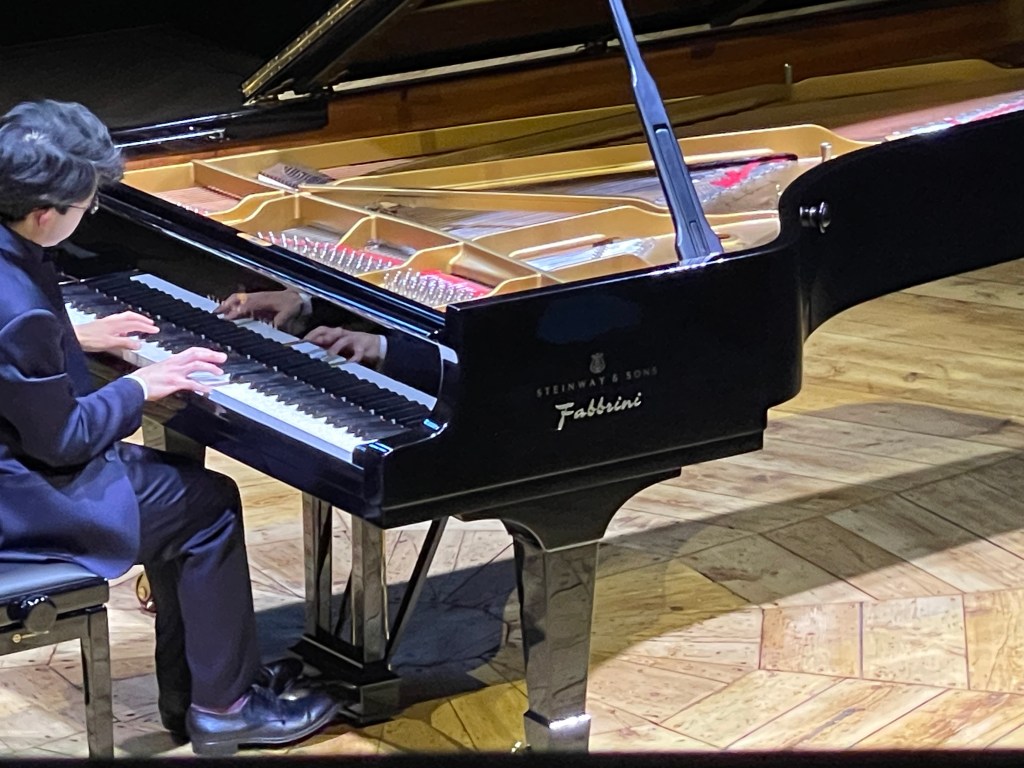
A selection of miniature masterpieces so often heard as complete collections but as Aristo showed us today, a careful selection from each of the collections can create a more satisfying whole, as Clifford Curzon used to do. We live in an era of complete collections and urtext reality but these little pieces by Brahms vary from ‘lullabies of grief’ and ravishing seduction, to cries of joy and exultation. Aristo showed his sensitive musicianship and intelligence in playing just a very careful chosen selection. The First Sonata op 1 is the first of three early sonatas op 1 ,op 2 and op 5 that Schumann described as ‘veiled synphonies’ . They are indeed monumental works and very much written with the orchestra in mind. Aristo opened with imperious authority and the aristocratic monumentality that was so much part of Arrau with its rock like solidity and timeless beauty. After such an arresting opening Aristo could change colour completely as the second subject was of breathtaking beauty before taking wing again. There was an extraordinary sense of desolation to the Andante followed by the Scherzo of presumptuous dynamism that dissolved into a Trio of gossamer beauty .The Finale was played burning energy and drive as it moved forward with exhilaration and excitement.
A ovation from an audience who had been kept in a spell by this extraordinary musician who played with simplicity but with a poetic intensity that illuminated all he did.
Schumann’s ‘Traumerei’ was calming balm indeed after the passionate outpouring of Brahms. ‘Embraceable you’ was the final encore of Gershwin in Earl Wild’s evocative transcription. Played with sounds that wafter around this beautiful theatre as Gershwin’s famous melody was allowed to sing with the radiance and beauty of a great artist of refined good taste.
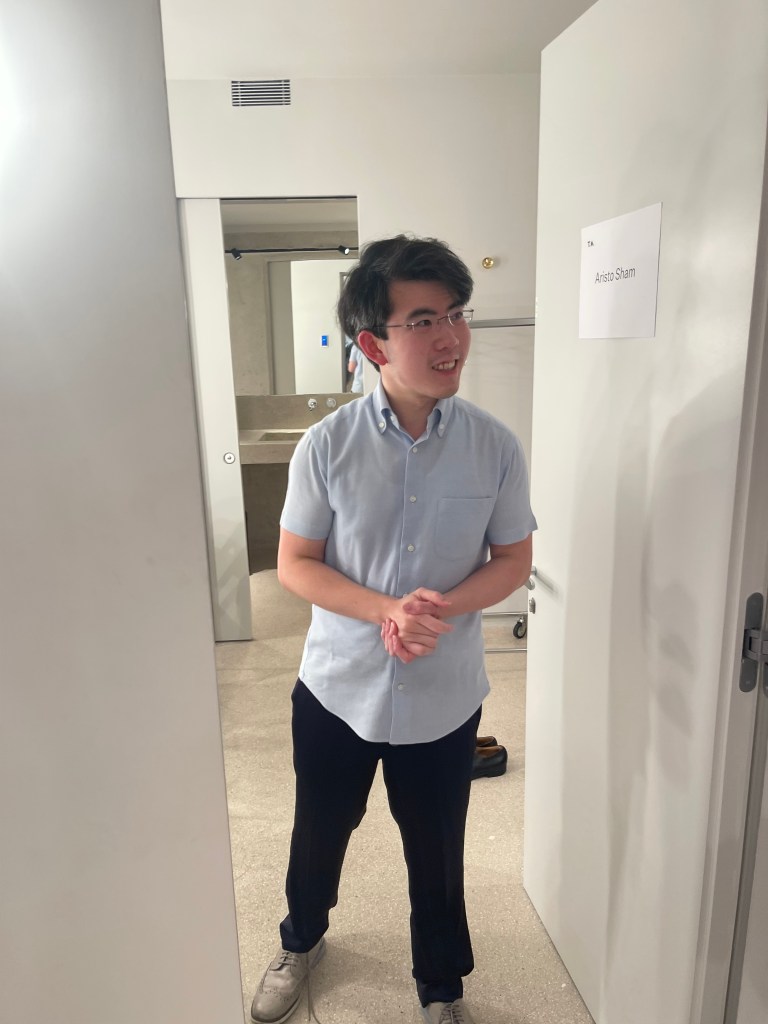
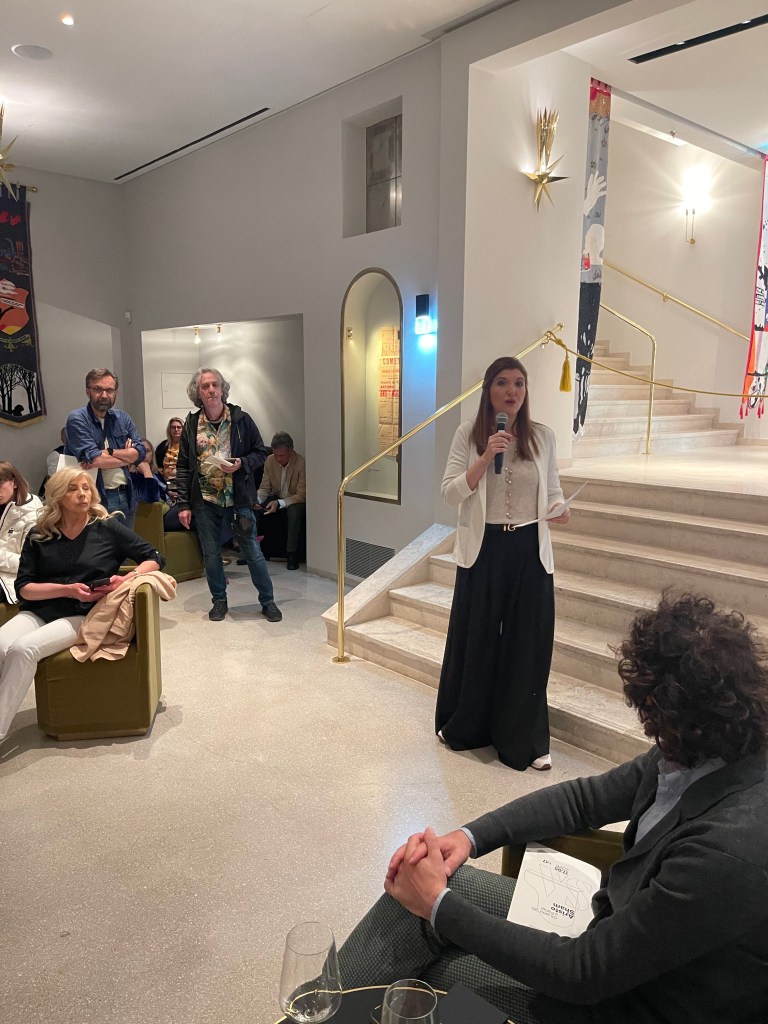
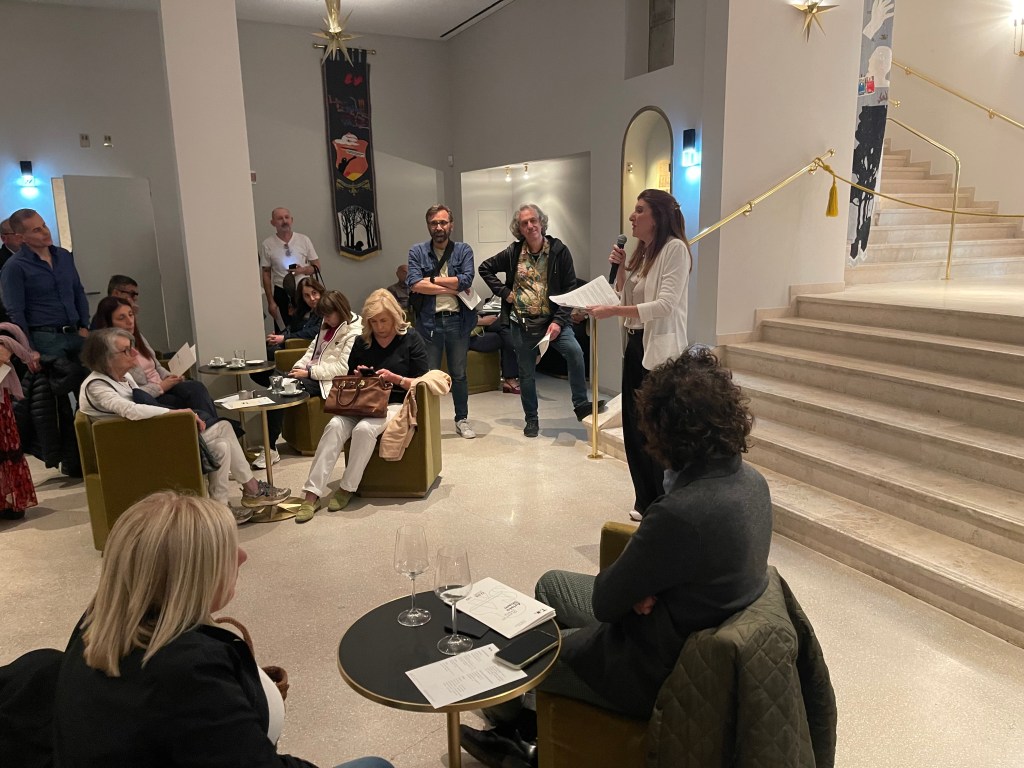
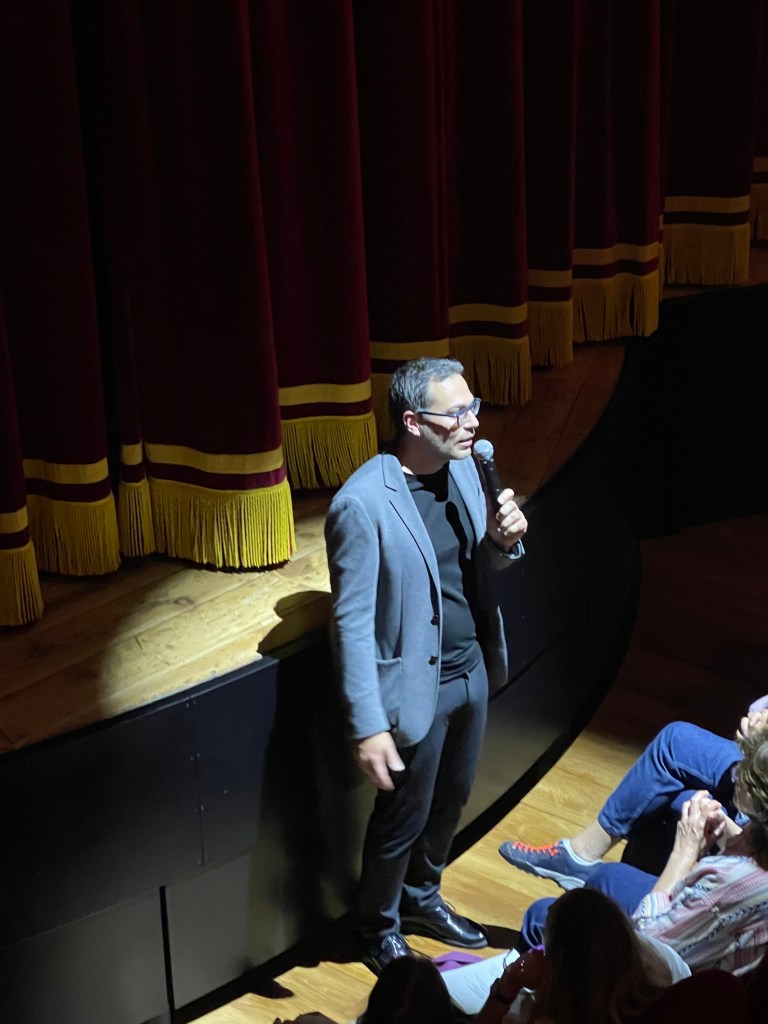
Hats off to Massimo Spada, the artistic director of this first concert season at the Cometa, who has been able to bring such remarkable artists to the Eternal City. A preconcert introduction by Gaia Vazzoler was a precious addition to a remarkable concert experience