
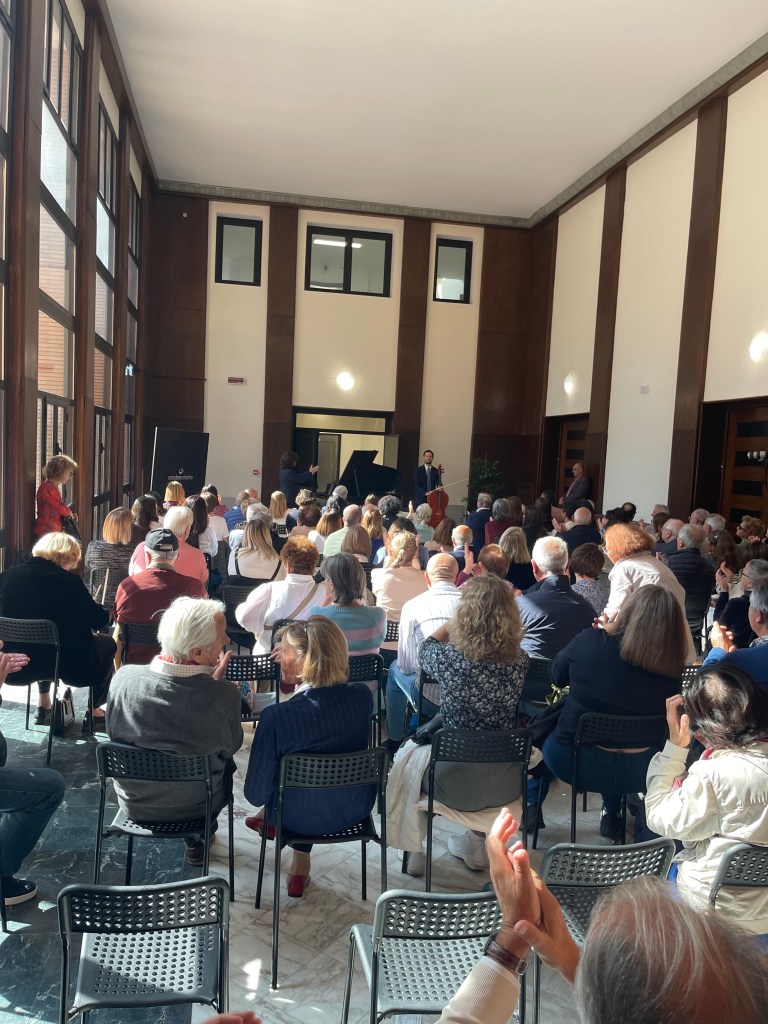


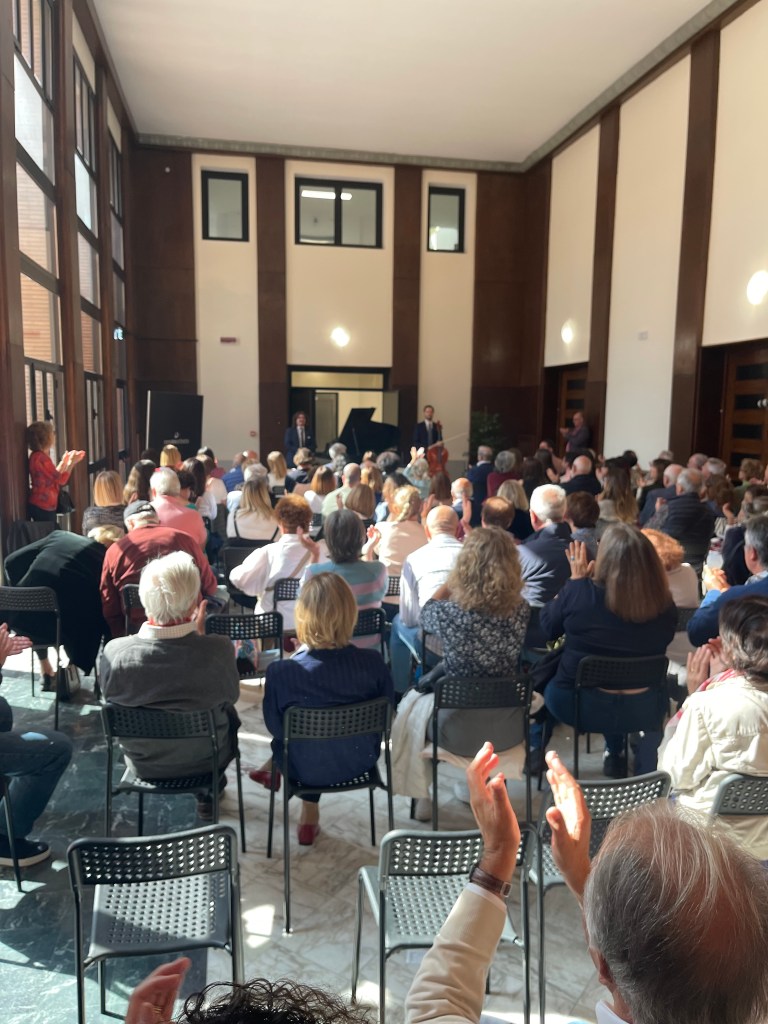
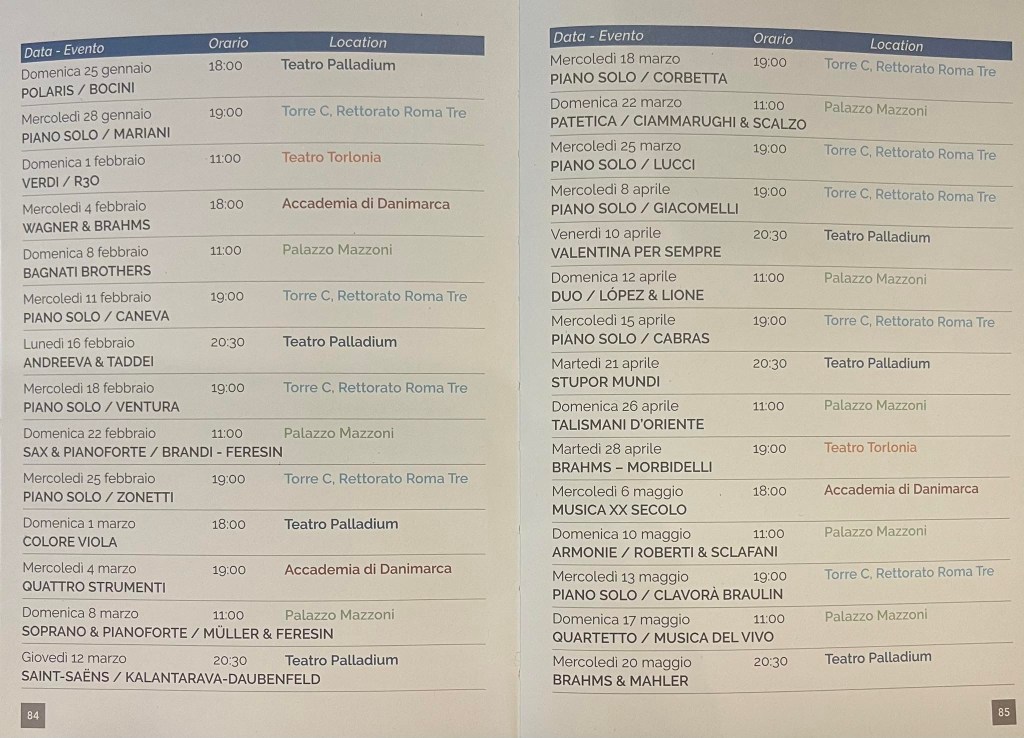
Morricone was the star shining brightly at Roma 3 this morning .
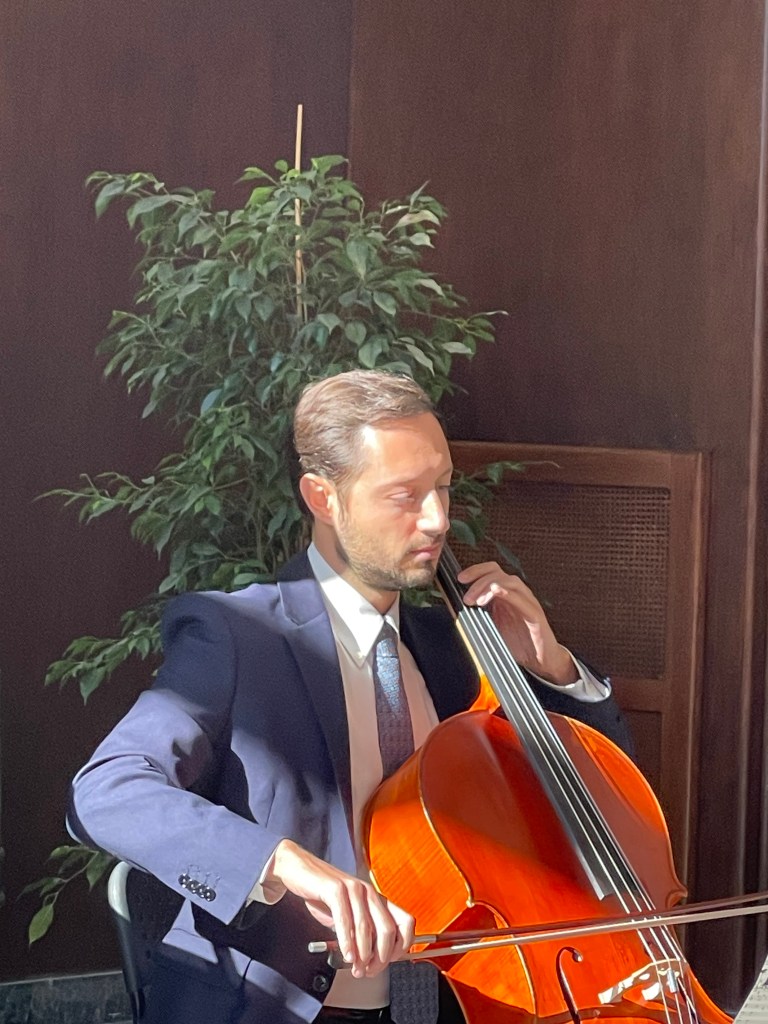
The sumptuous cello of Alessandro Guaitolini reaching deep into the soul of Morricone, the master of creating unforgettable emotions and the very essence of what was on the screen.

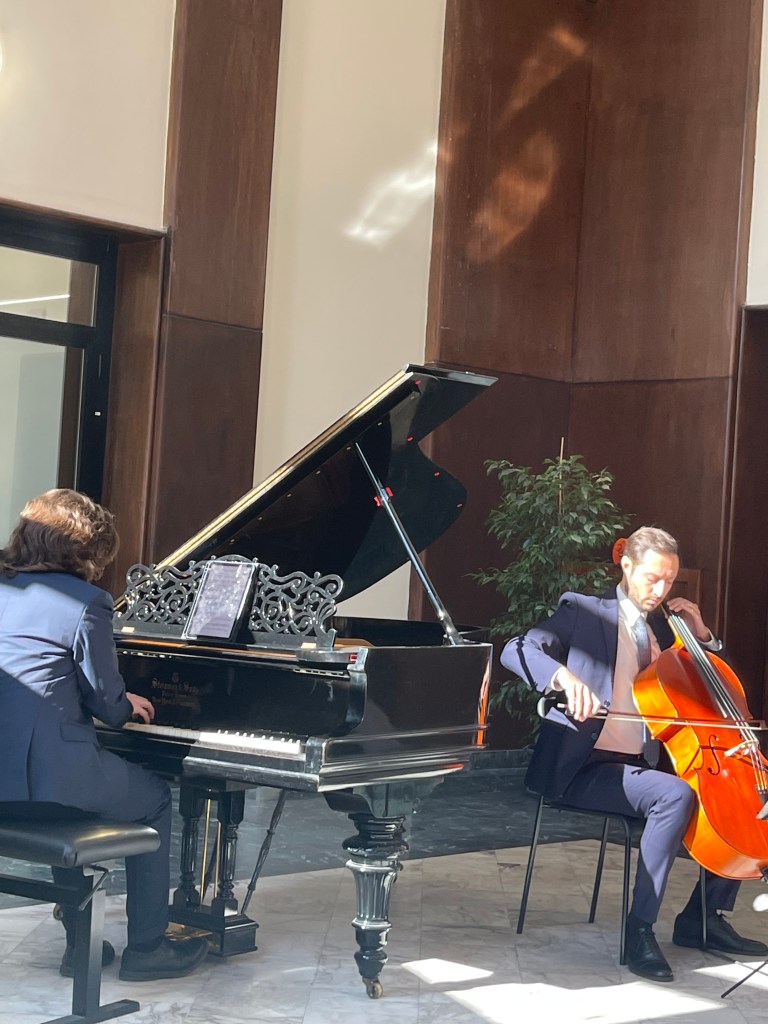
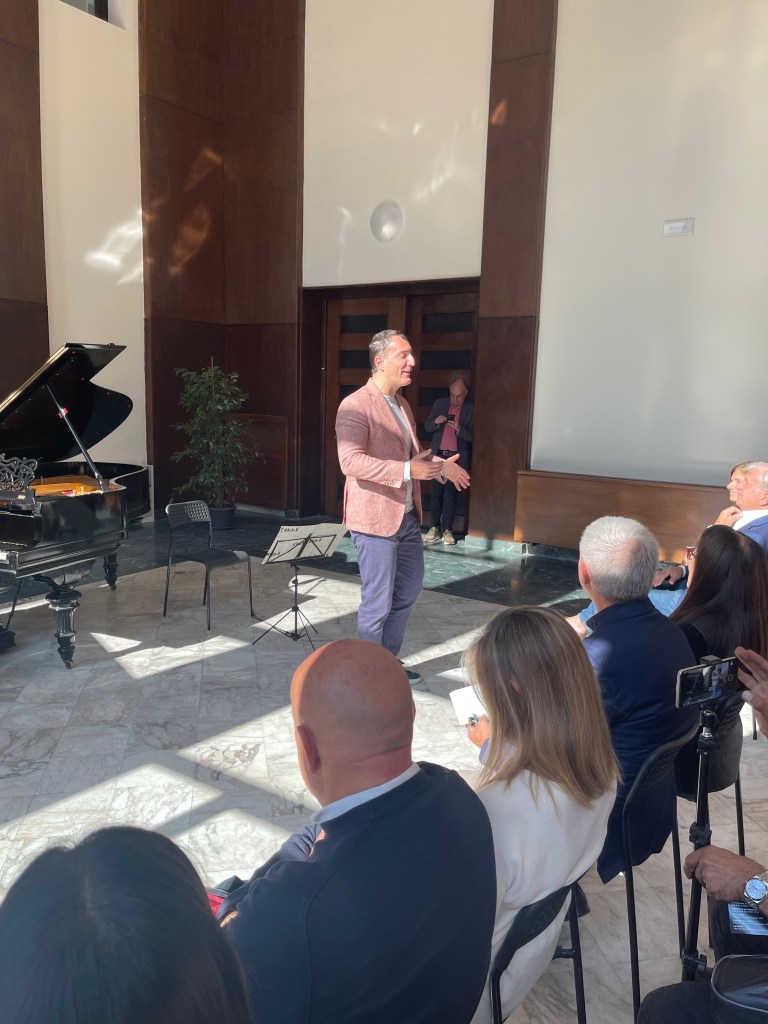
Emanuele Stracchi not only made the arrangements but also knew each film individually as he explained the mastery of Morricone where the music immediately evoked the film.

In fact often it is the music not the film that is so memorable as we were reminded of with such dedicated mastery today



Ennio Morricone. 10 November 1928. Rome – 6 July 2020 (aged 91) Rome, Italy composer, orchestrator, conductor, trumpeter, and pianist who wrote music in a wide range of styles. With more than 400 scores for cinema and television, as well as more than 100 classical works, Morricone is widely considered one of the most prolific and greatest film composersof all time.[2][3] He received numerous accolades including two Academy Awards, three Grammy Awards, three Golden Globes, six BAFTAs, ten David di Donatello, eleven Nastro d’Argento, two European Film Awards, the Golden Lion Honorary Award, and the Polar Music Prize in 2010.
His filmography includes more than 70 award-winning films, all of Sergio Leone‘s films since A Fistful of Dollars, all of Giuseppe Tornatore‘s films since Cinema Paradiso, Dario Argento‘s Animal Trilogy, as well as The Battle of Algiers (1966), 1900 (1976), La Cage aux Folles (1978), Le Professionnel (1981), The Thing(1982), The Key (1983) by Tinto Brassand Tie Me Up! Tie Me Down! (1989). He received the Academy Award for Best Original Score nominations for Days of Heaven (1978), The Mission (1986), The Untouchables (1987), Bugsy (1991), Lolita(1997), Malèna (2000) and The Hateful Eight (2015), winning for the last.[4] He won the Academy Honorary Award in 2007.[5] His score to The Good, the Bad and the Ugly (1966) is regarded as one of the most recognizable soundtracks in history.[6] It was inducted into the Grammy Hall of Fame in 2008.[7]
Morricone was born in Rome, the son of Libera Ridolfi and Mario Morricone, a musician. At the time of his birth Italy was under fascist rule. Morricone had four siblings – Adriana, Aldo, Maria, and Franca – and lived in Trastevere in the centre of Rome. His father was a professional trumpeter who performed in light-music orchestras while his mother set up a small textile business. During his early schooldays, Morricone was also a classmate of his later collaborator Sergio Leone.

Morricone’s father taught him to read music and to play several instruments. He entered the S.Cecilia Conservatory to take trumpet lessons under the guidance of Umberto Semproni.He formally entered the conservatory in 1940 at age 12, enrolling in a four-year harmony program that he completed within six months. He studied the trumpet, composition, and choral music under the direction of Goffredo Petrassi , to whom Morricone would later dedicate concert pieces.
In 1941 Morricone was chosen among the students of the Saint Cecilia Conservatory to be a part of the Orchestra of the Opera, directed by Carlo Zecchi on the occasion of a tour of the Veneto region. He received his diploma in trumpet in 1946, continuing to work in classical composition and arrangement. Morricone received the Diploma in Instrumentation for Band Arrangement with a mark of 9/10 in 1952. His studies concluded at the Conservatory of Santa Cecilia in 1954 when he obtained a final 9.5/10 in his Diploma in Composition under Petrassi.

 ChristopherAxworthy-MusicCommentary