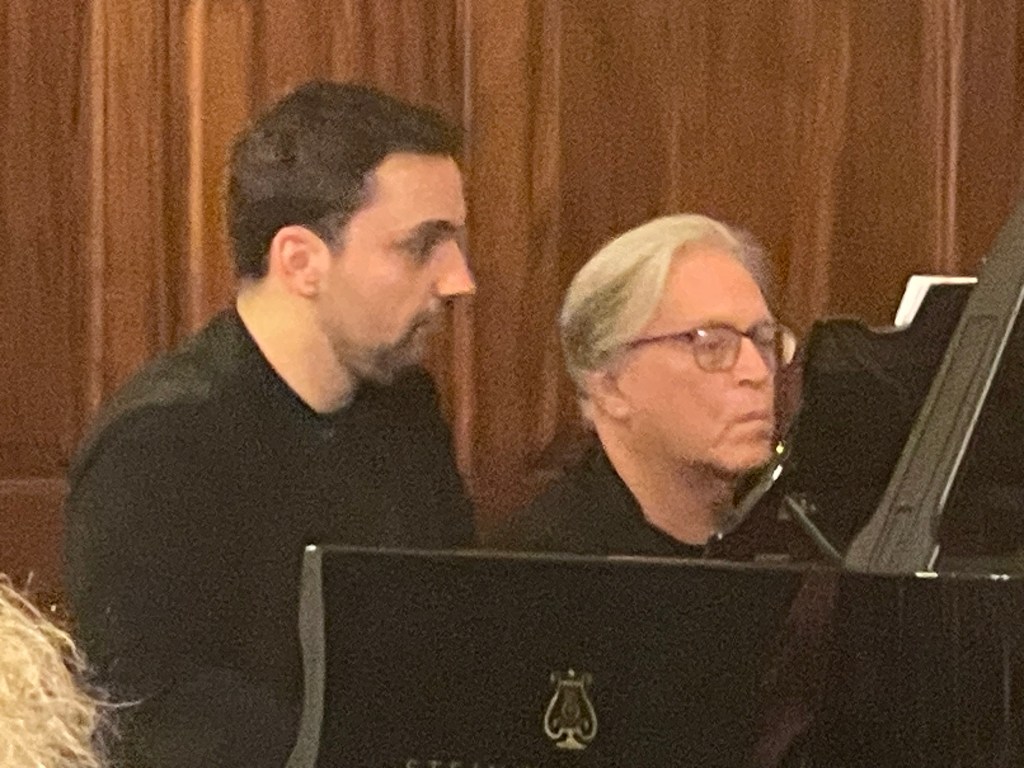
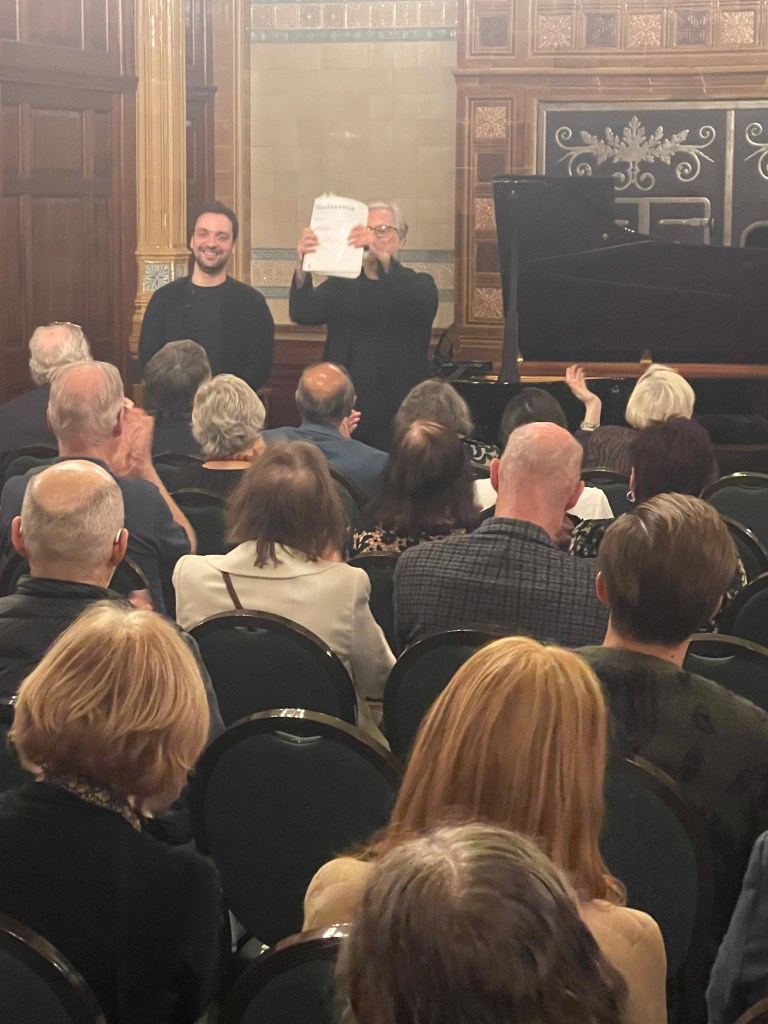
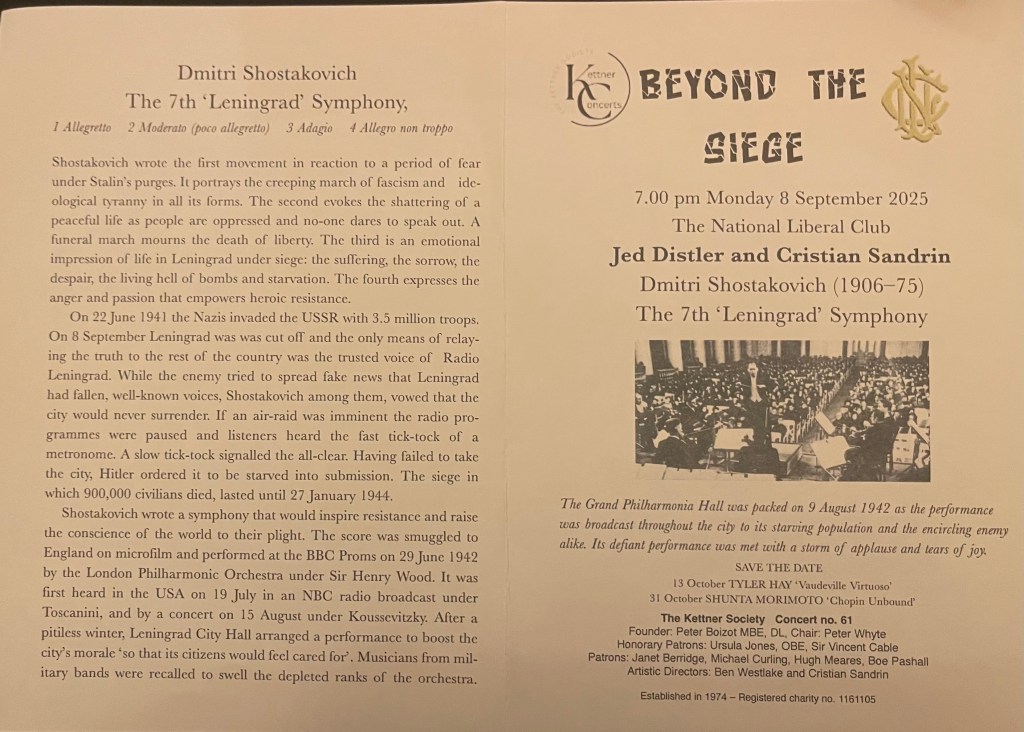
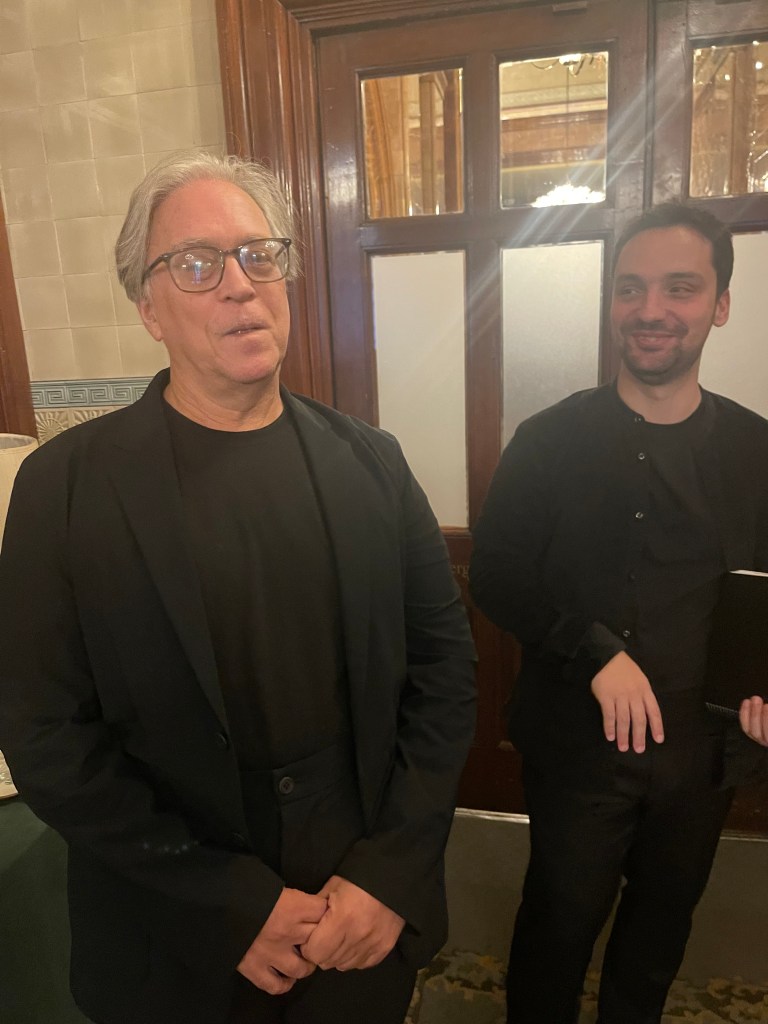
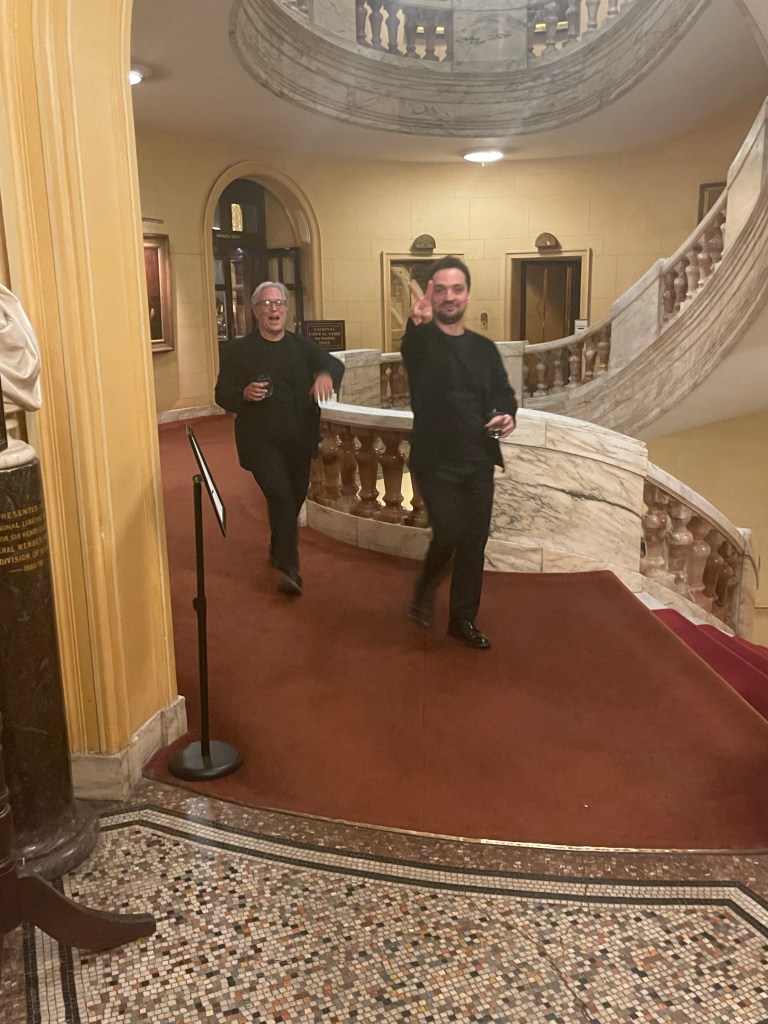
The National Liberal Club taken by siege with Jed Distler and Cristian Sandrin as they recount the harrowing tale of Shostakovich’s Leningrad Symphony.
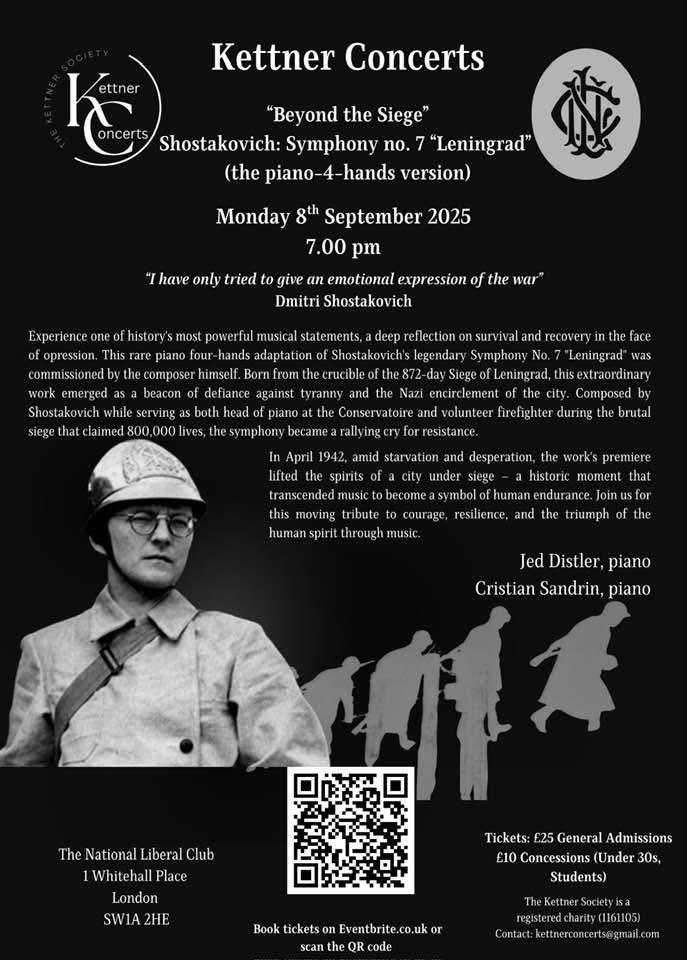
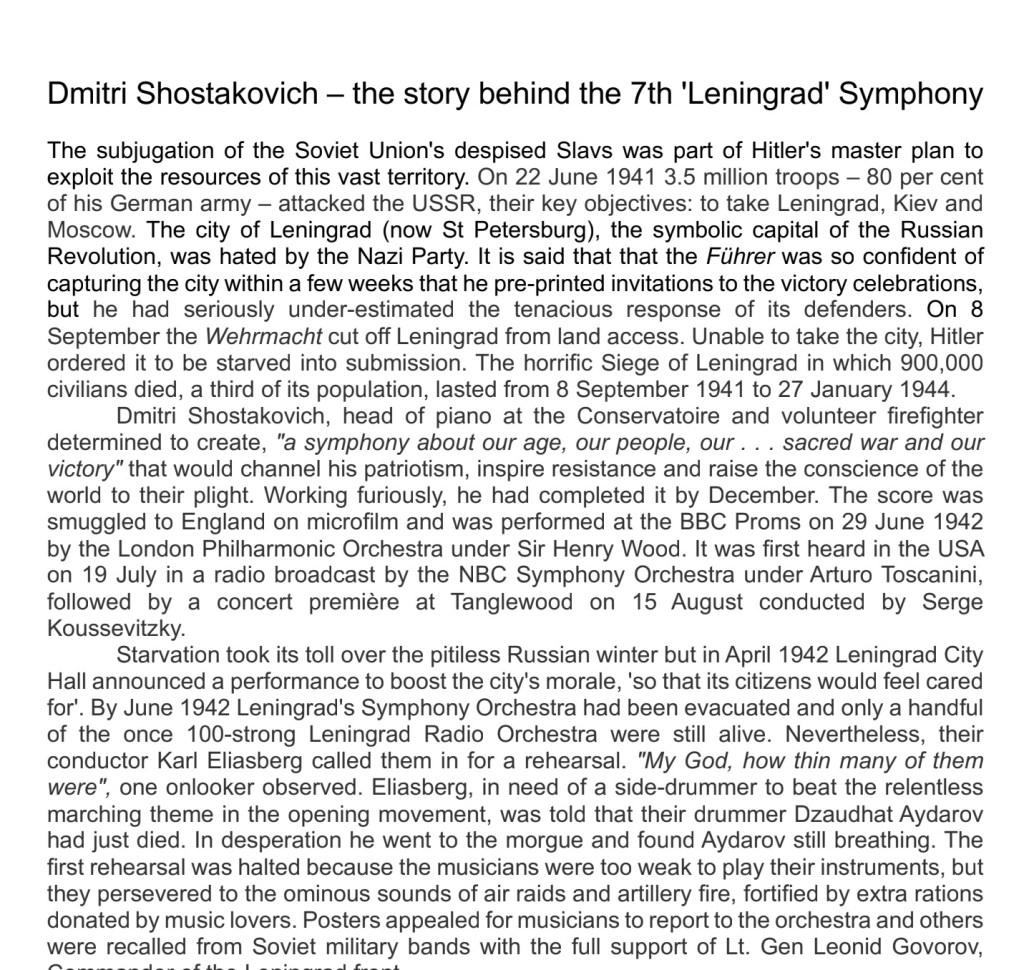
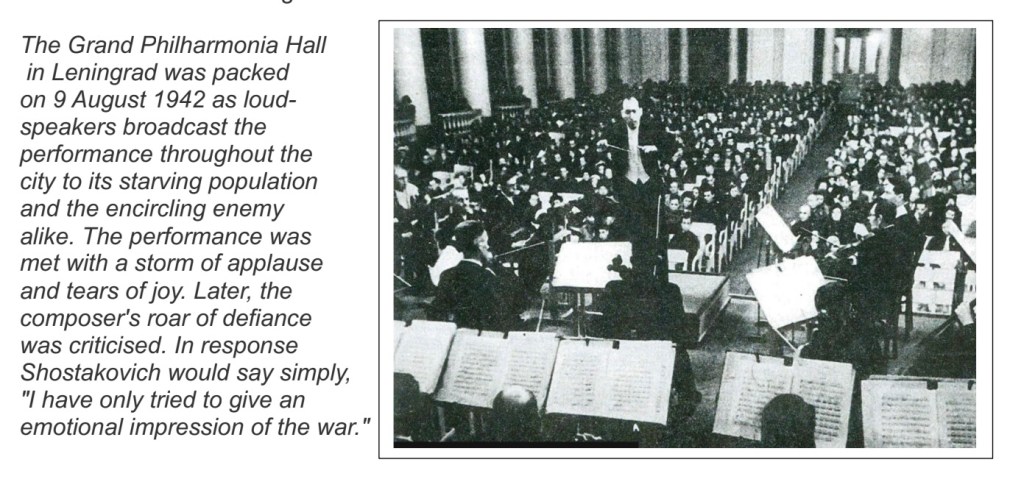
A Symphony on its first performance in 1942 playing to a population starved and encircled by Hitler. A story of defiance and courage and a performance in the Grand Philharmonic Hall also broadcast live to the whole of the USSR , via Radio Leningrad, that was met by applause and tears of joy.
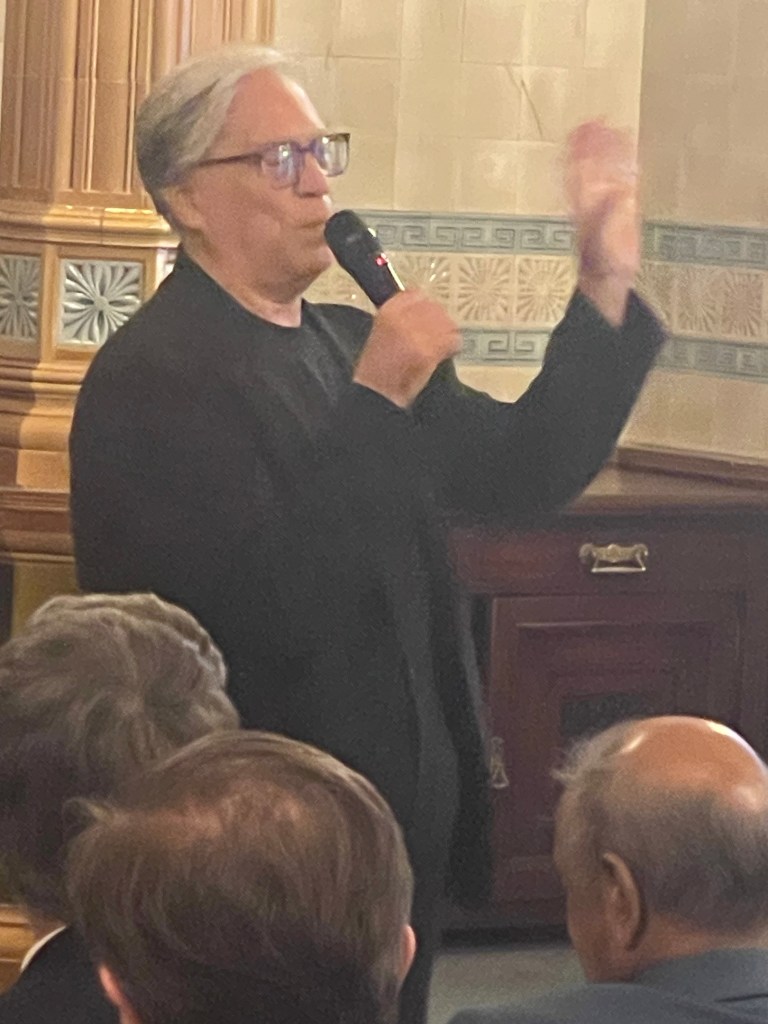
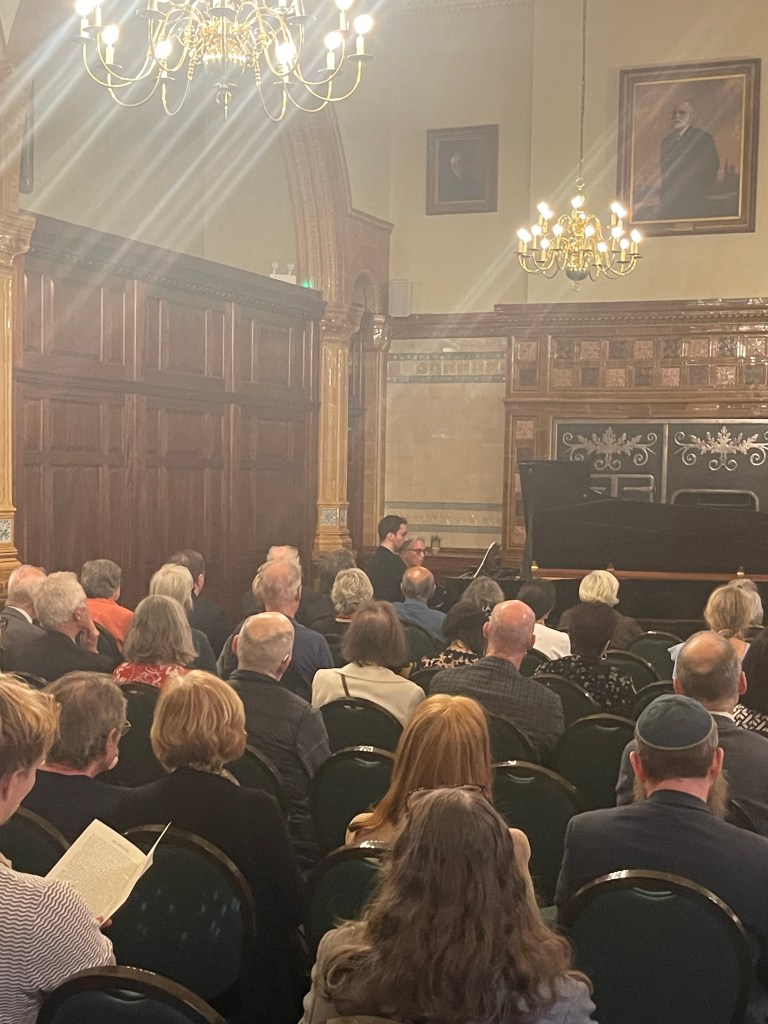
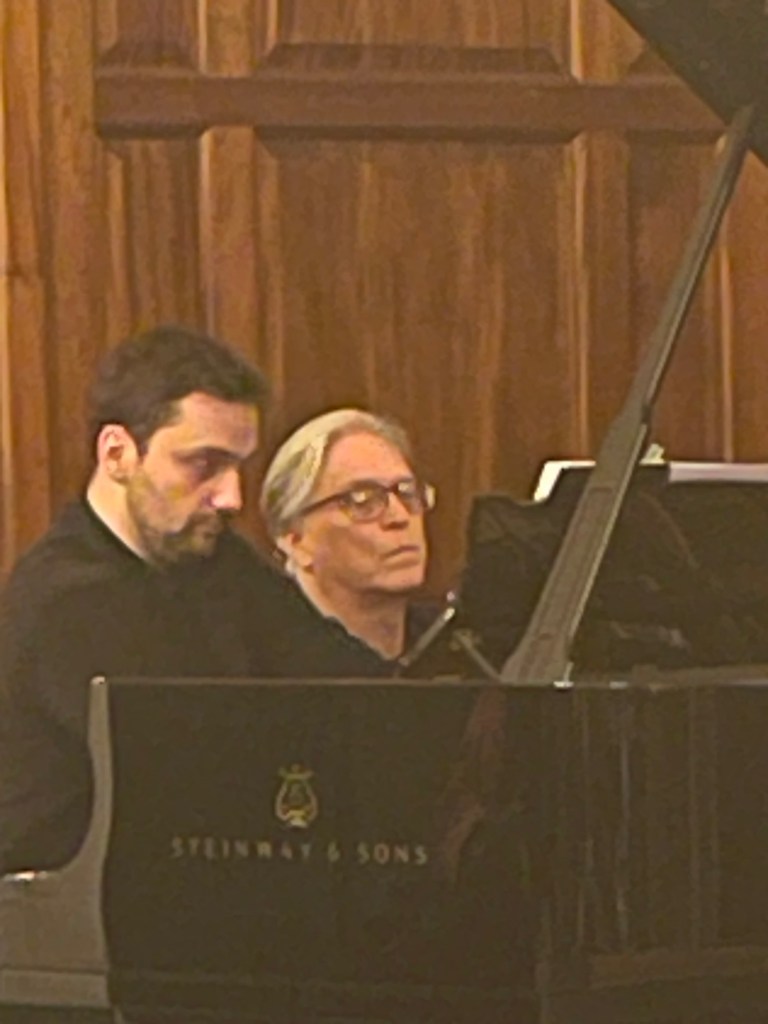
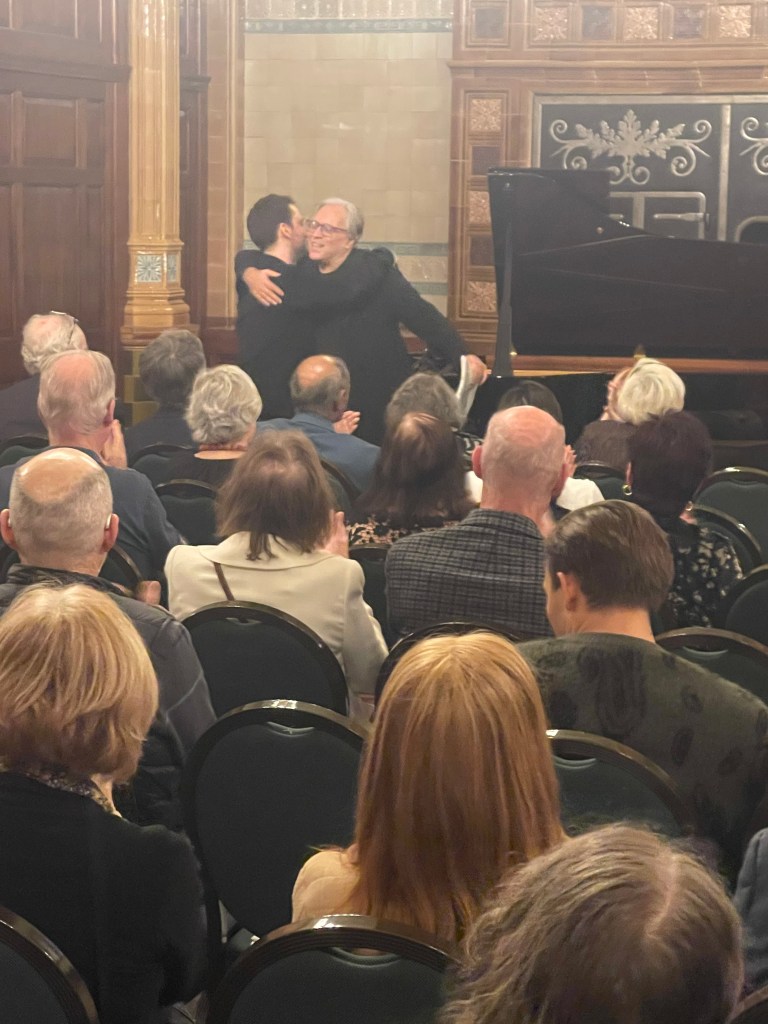
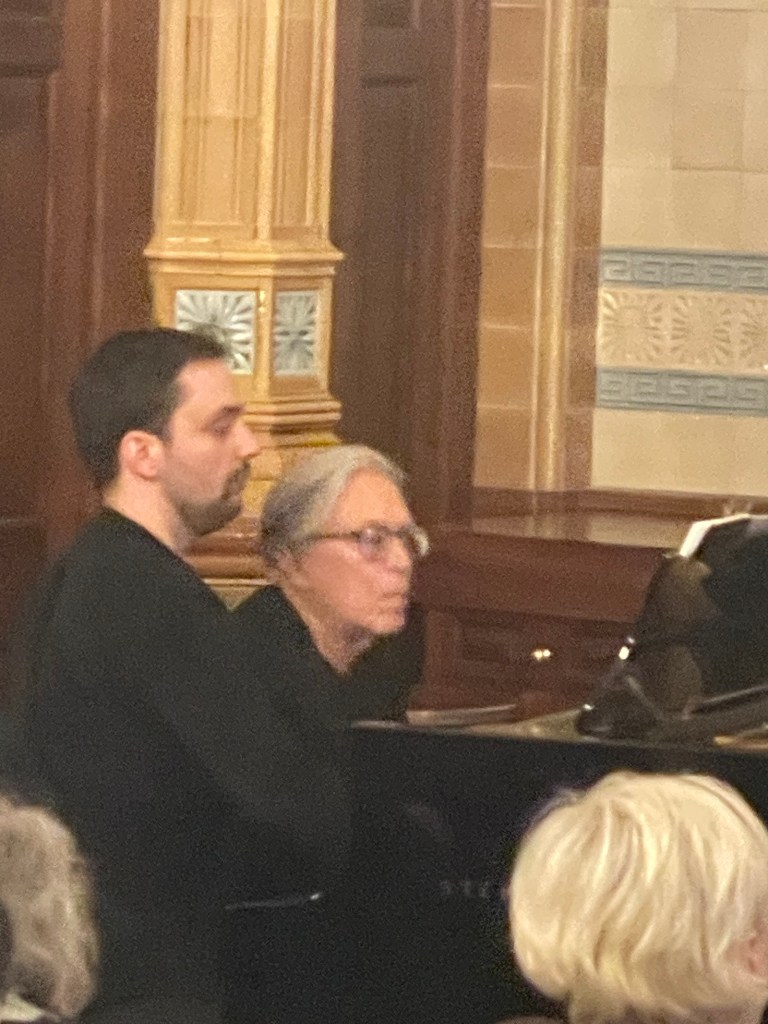
Two remarkable musicians on one piano mesmerised a packed hall with their mastery and total conviction of a story that must never be forgotten. Playing as one for 75 minutes ,delving deep and finding subtle hidden secrets in the score in this original version for four hands, secrets that are not always apparent with the potency of a full symphony orchestra .
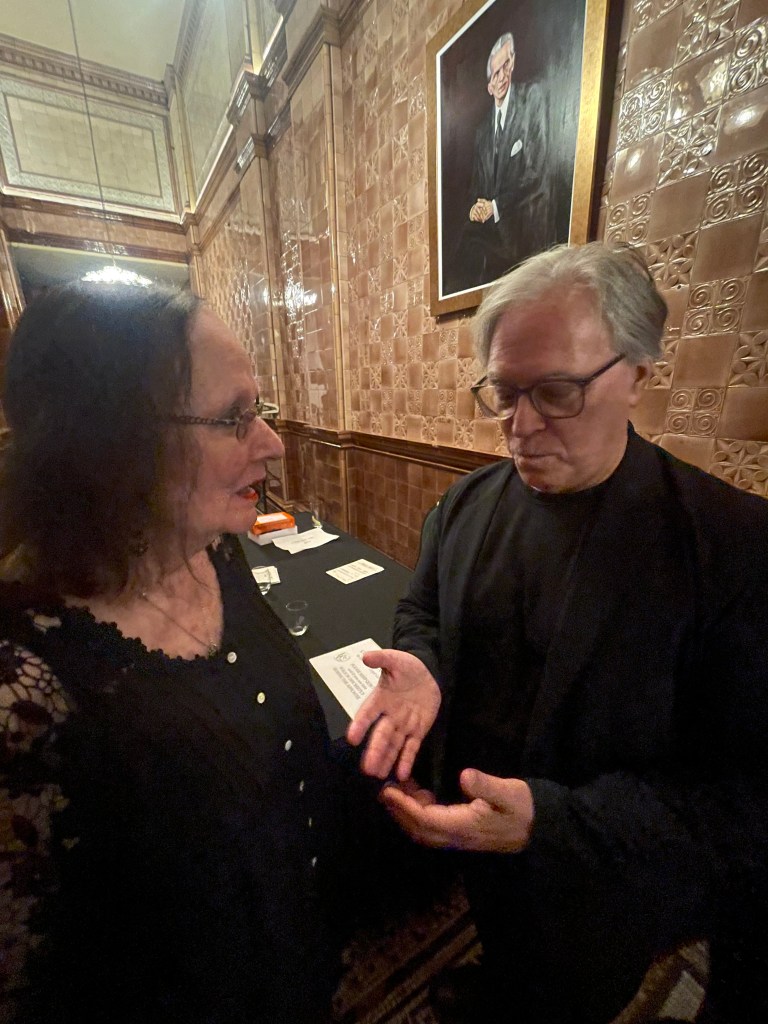
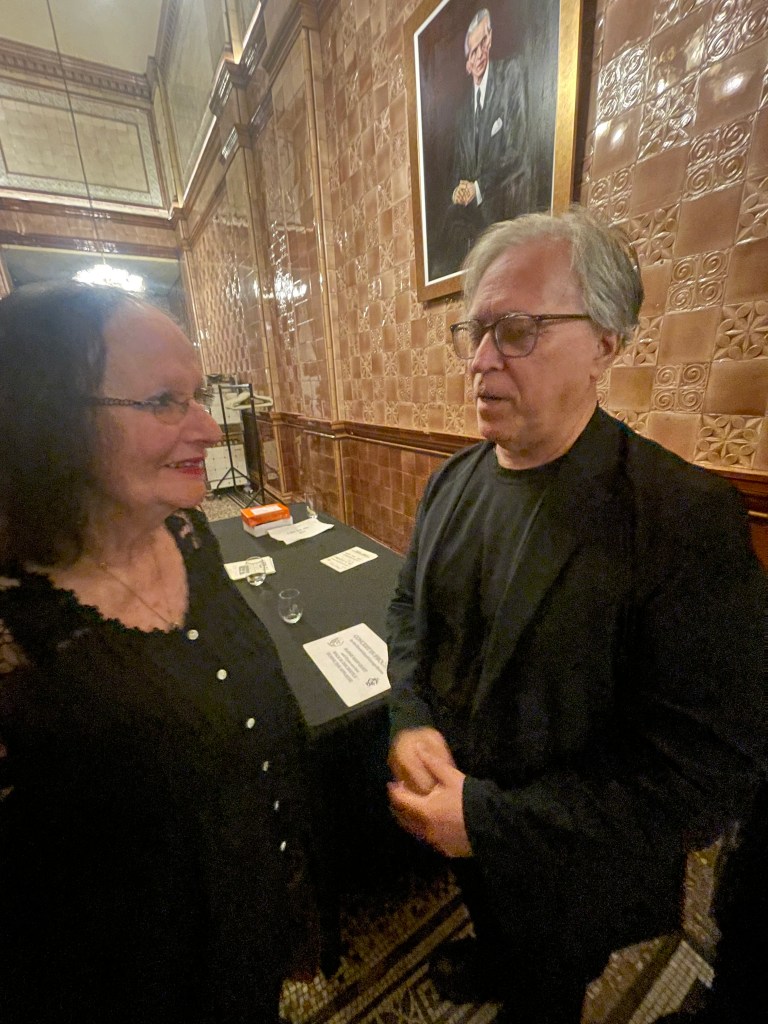
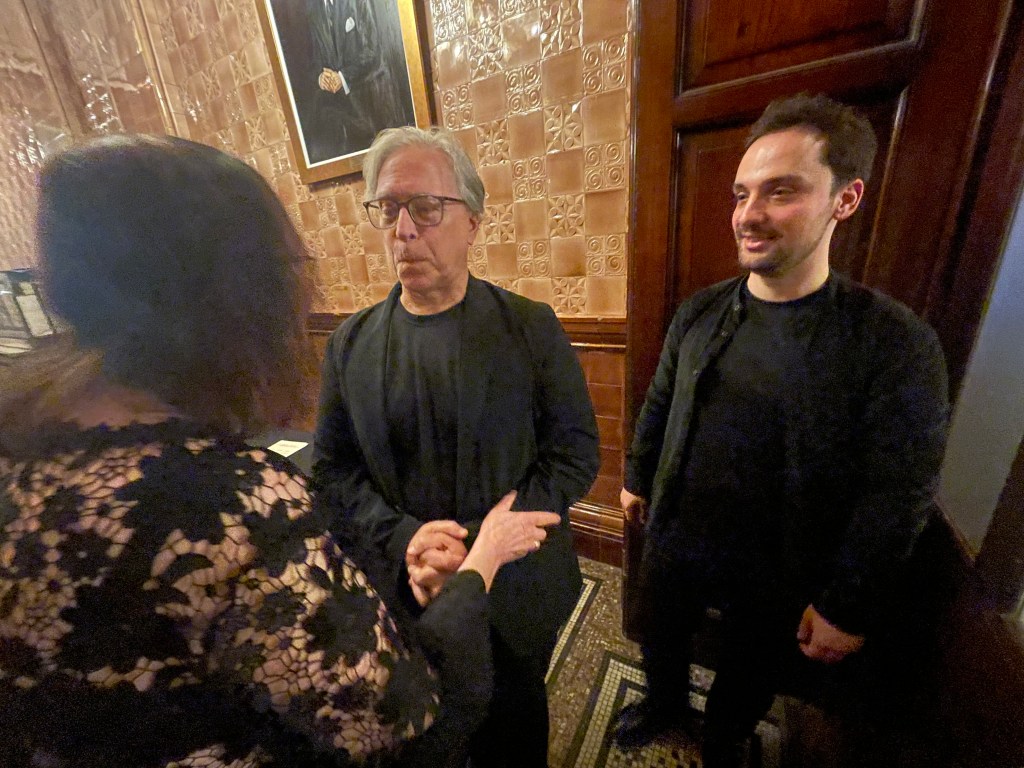
Tessa Uys ,whose very distinguished partnership with Ben Shoeman I have reviewed many times, walked all the way from Camden, due to the ‘Tube ‘ strike, to listen to her colleagues play this monumental work
https://christopheraxworthymusiccommentary.com/2025/03/29/mary-orr-bringing-the-magic-of-music-to-matthiesen-gallery-with-khongkaslinsandrin-trio/

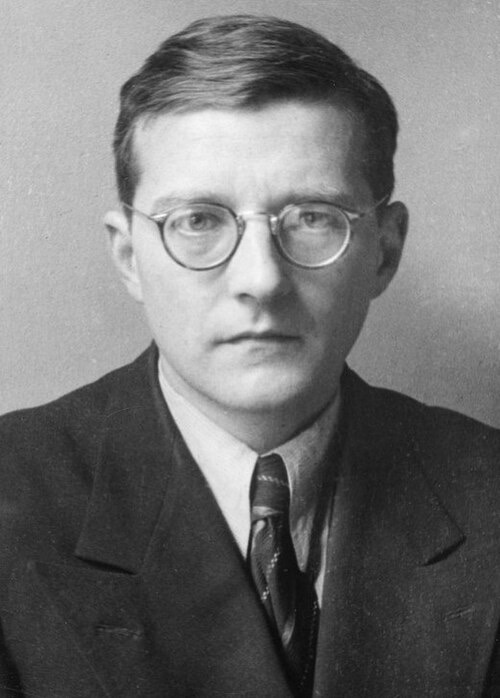
Symphony No. 7 in C major, op. 60, nicknamed the Leningrad Symphony, was begun in Leningrad, completed in the city of Samara (then known as Kuybyshev) in December 1941, and premiered in that city on March 5, 1942. At first dedicated to Lenin , it was eventually submitted in honour of the besieged city of Leningrad , where it was first played under dire circumstances on August 9, 1942, nearly a year into the siege by German forces.
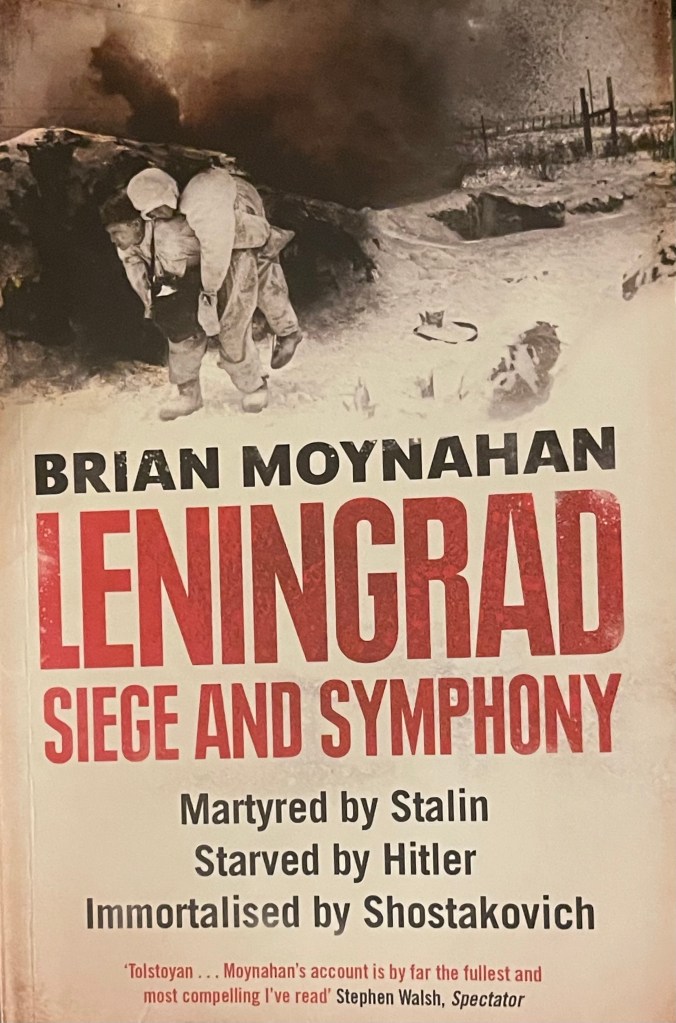
The performance was broadcast by loudspeaker throughout the city and to the German forces in a show of resilience and defiance. The Leningrad soon became popular in both the Soviet Union and the West as a symbol of resistance to fascism and totalitarianism, thanks in part to the composer’s microfilming of the score in Samara and its clandestine delivery, via Tehran and Cairo, to New York , where Toscanini conducted the NBC Symphony Orchestra in a broadcast performance on July 19,1942, and Time magazine placed Shostakovich on its cover. That popularity faded somewhat after 1945, but the work is still regarded as a major musical testament to the 27 million Soviet people who lost their lives in World War II , and it is often played at Leningrad Cemetery, where half a million victims of the 900-day Siege of Leningrad are buried. Shostakovich at first gave the four movements titles”War”, “Reminiscence”, “Home Expanses”, and “Victory”—but he soon withdrew these and left the movements with their tempo markings alone.
Shostakovich said : “I think slowly but I write fast.” In practice this meant that Shostakovich usually had a work completed in his head before he began writing it down. Soviet music critic Lev Lebedinsky, a friend of the composer’s for years, confirmed after the dawn of glasnost under Mikhail Gorbachev that Shostakovich had conceived the Seventh Symphony before Hitler invaded Russia:
The famous theme in the first movement Shostakovich had first as the Stalin theme (which close friends of the composer knew). Right after the war started, the composer called it the anti-Hitler theme. Later Shostakovich referred to that “German” theme as the “theme of evil,” which was absolutely true, since the theme was just as much anti-Hitler as it was anti-Stalin, even though the world music community fixed on only the first of the two definitions.
Another important witness was the daughter-in-law of Maxim Litvinov , the man who served as Soviet foreign minister before the war, then was dismissed by Stalin. She heard Shostakovich play the Seventh Symphony on the piano in a private home during the war. The guests later discussed the music:
And then Shostakovich said meditatively: of course, it’s about fascism, but music, real music is never literally tied to a theme. Fascism is not simply National Socialism, and this is music about terror, slavery, and oppression of the spirit. Later, when Shostakovich got used to me and came to trust me, he said openly that the Seventh (and the Fifth as well) was not only about fascism but about our country and generally about all tyranny and totalitarianism.