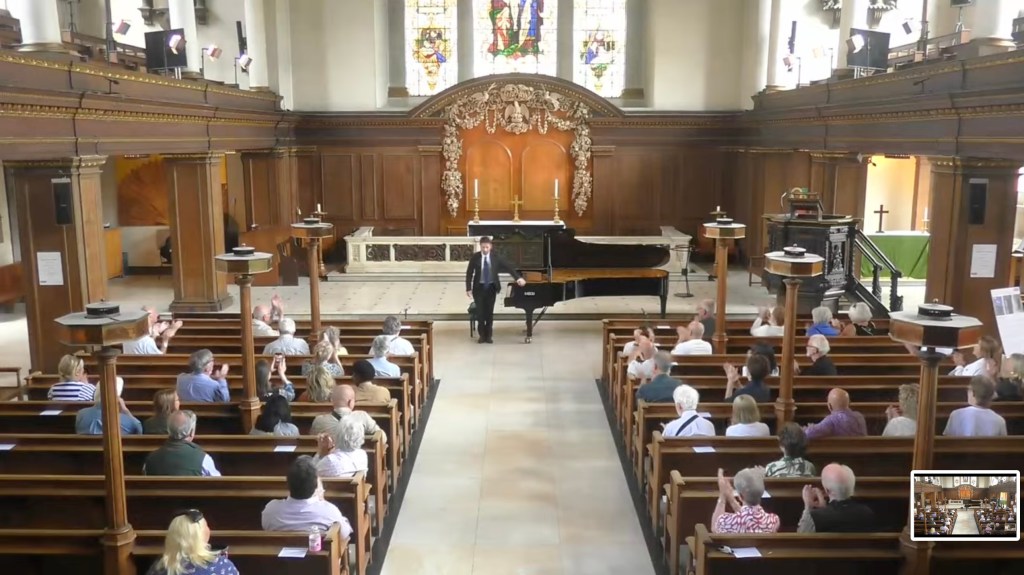
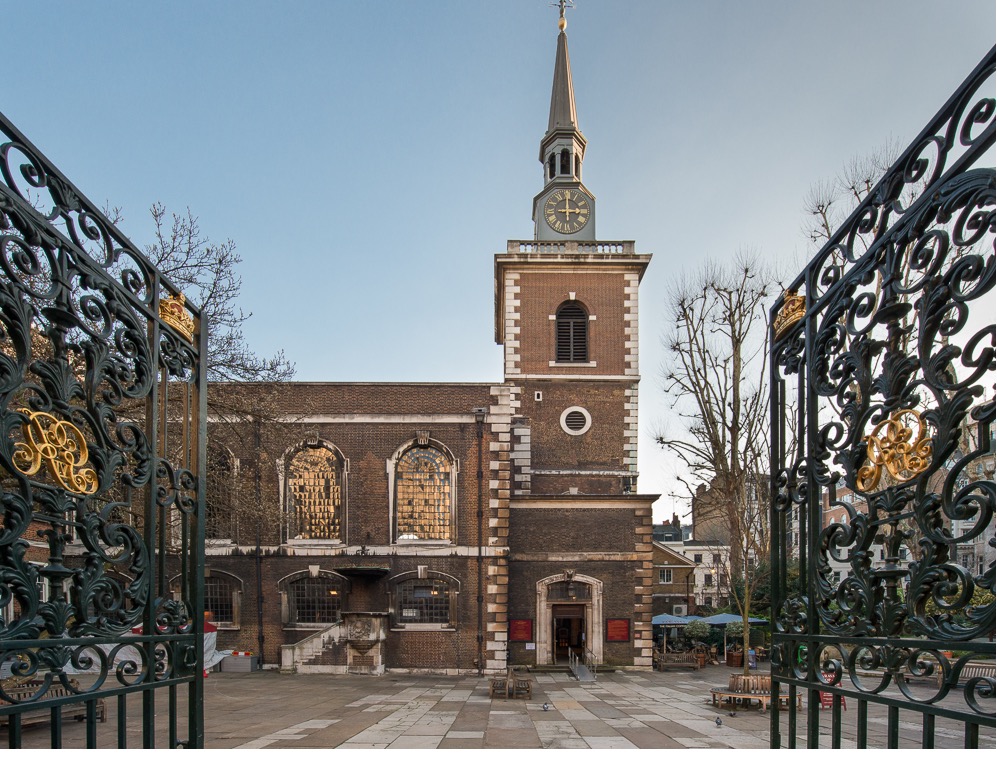
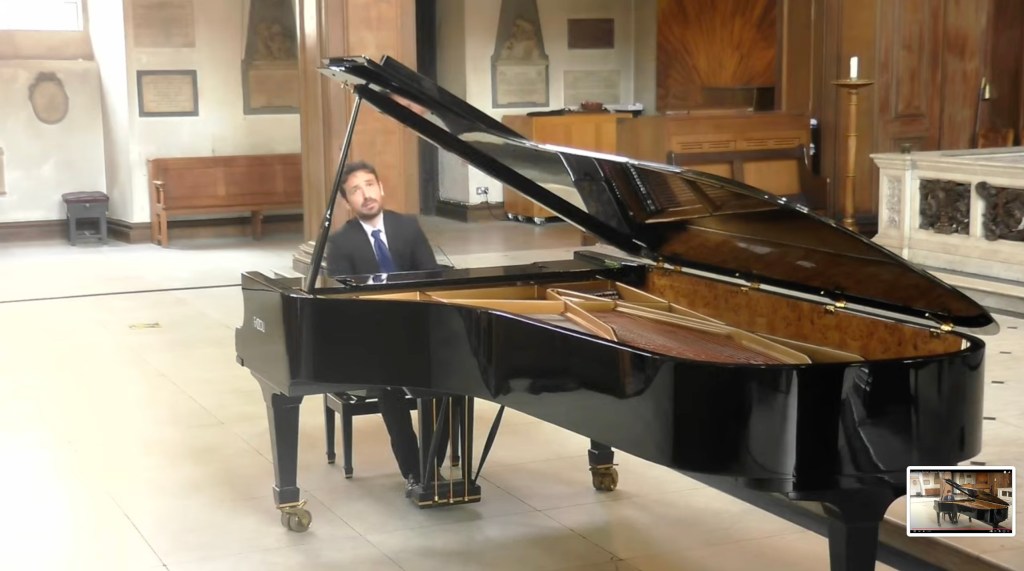
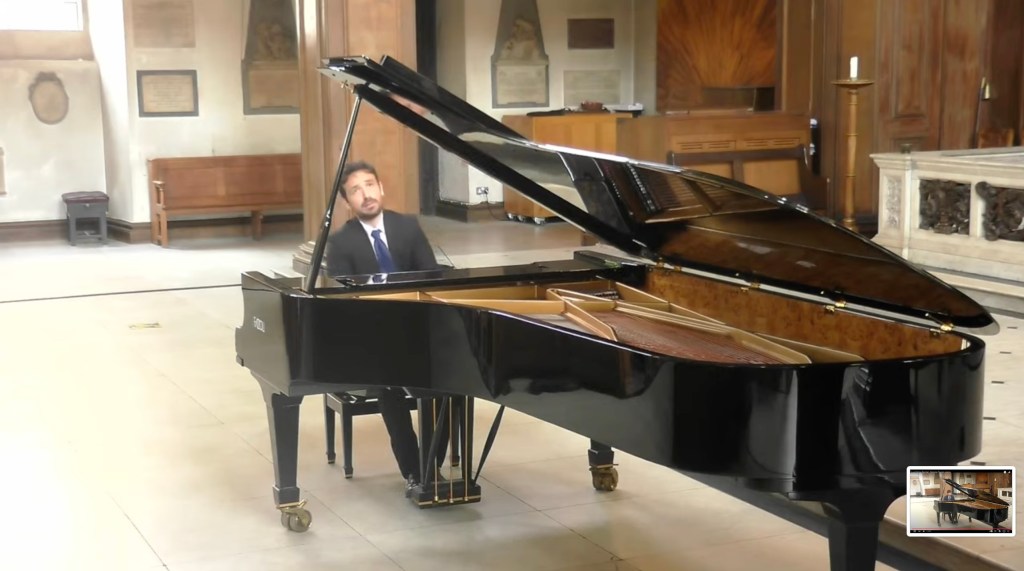
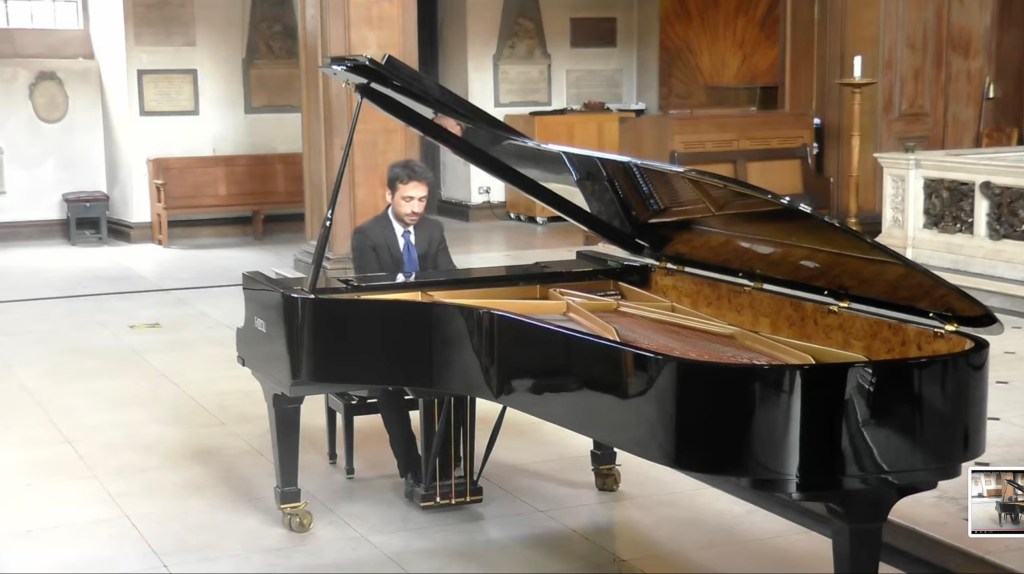
Simone Tavoni in the church where Sigismund Thalberg was married to Francesca Lablache in July 1843. https://christopheraxworthymusiccommentary.com/2020/01/04/a-la-recherche-de-thalberg/
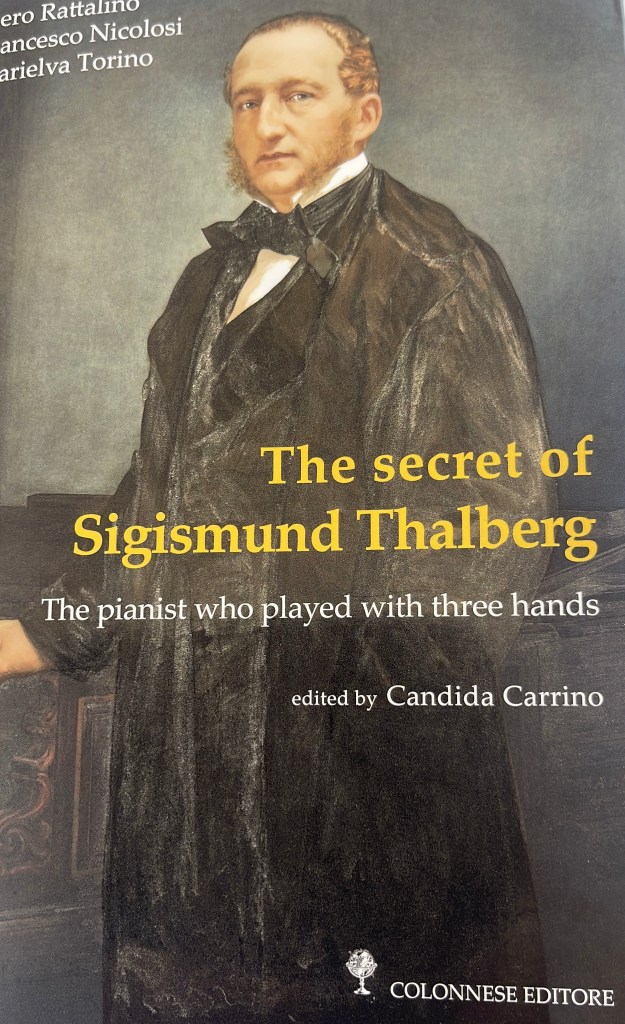
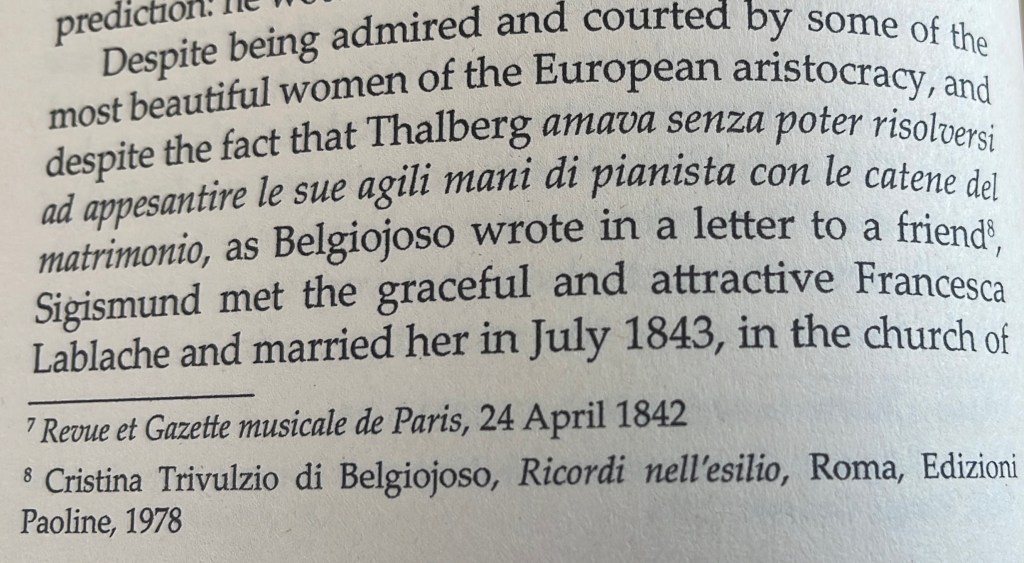
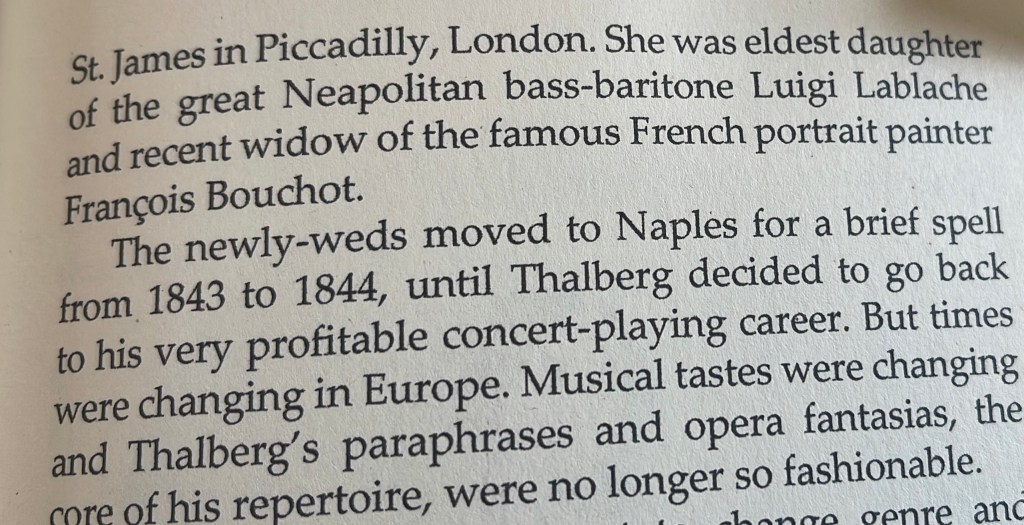
St James’s Piccadilly just a stones throw from the Circus and the statue of Eros.
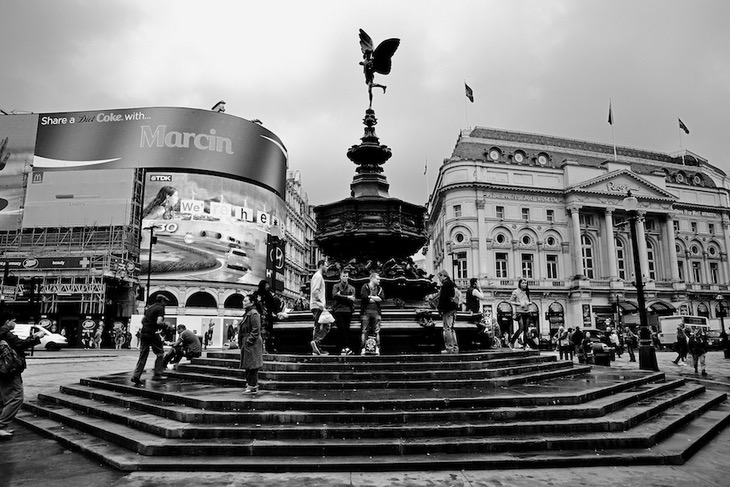
For five years Gilbert considered various ideas to celebrate the charitable life of the Earl. He eventually decided on a fountain, topped with the winged figure of Anteros, the ancient Greek symbol of Selfless Love.
Gilbert described Anteros as portraying “reflective and mature love, as opposed to Eros or Cupid, the frivolous tyrant.”
But the English, with our unhelpfully generic singular word for ‘love’, whether its love for your grandma, your hot new boyfriend or your baby niece, struggled with this idea. The boy with the bow and arrow was Eros, and neither explanations nor rebranding exercises were going to change that. It’s modelled on a 15-year-old from Shepherd’s Bush
The model for Anteros was Gilbert’s diminutive Anglo-Italian studio assistant, Angelo Colarossi.
According to the 1881 census, the large Colarossi family lived at 14 Masboro Road West, in Shepherd’s Bush.
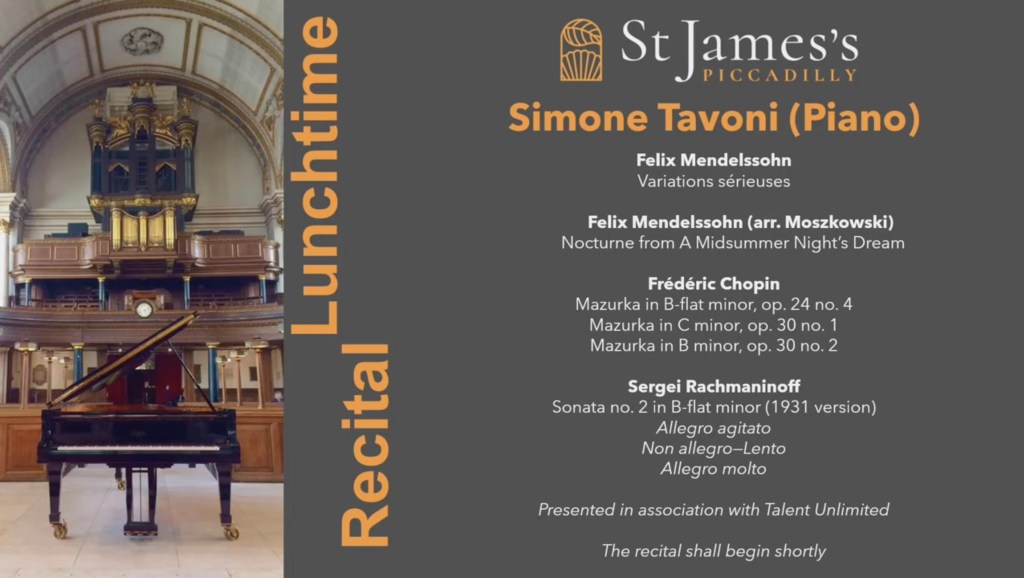
An oasis of peace in its own grounds slightly set back from the hustle and bustle all around. Simone Tavoni giving a lunchtime recital for the Talent Unlimited organisation of Canan Maxton.
Mendelssohn, the favourite at the court of Queen Victoria, opened the concert with his ‘Variations Sérieuses’ and the Nocturne from ‘A Midsummer Night’s Dream’ in the arrangement by Moszkowski. There was a continual forward movement to the Variations following the theme that Simone played with subtle delicacy and exquisite phrasing. Variations propelled forward by an inner force of a dynamic drive of ease and extraordinary invention. A coda that just exploded with energy and scintillating brilliance before dying to a mere whisper.
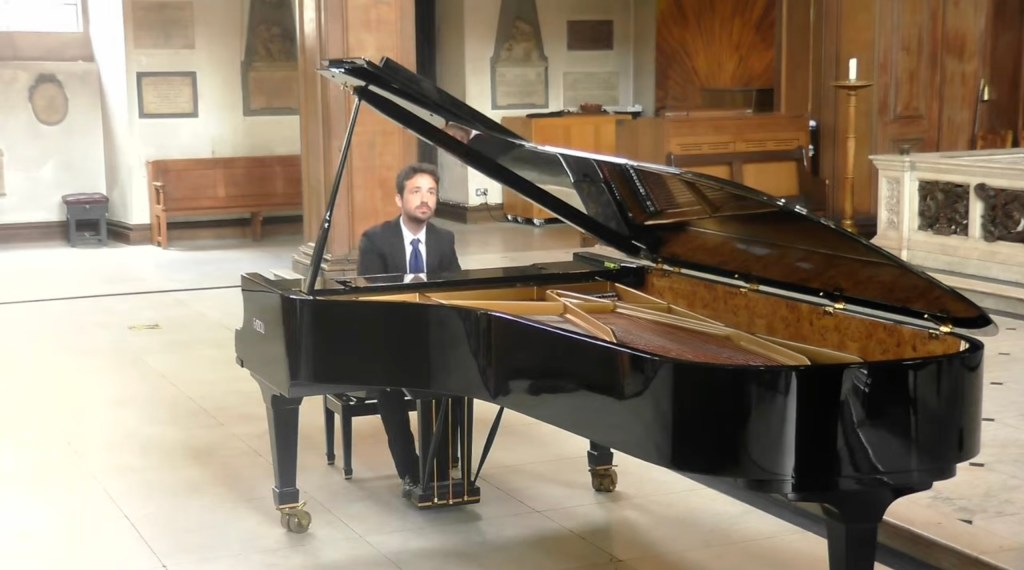
It was on this peaceful note that the beauty of the Midsummer Nocturne was allowed to unfold with beguiling natural beauty.
Three mazurkas by Chopin were played without a break and were a lesson in style and subtle flexibility where the dance was always present. Surrounded by the nostalgia that Chopin was to carry in his heart until at the age of only 39 when it was brought back to rest in his homeland where it truly always belonged. Schumann quite rightly described these 52 short tone poems as ‘canons covered in flowers’.
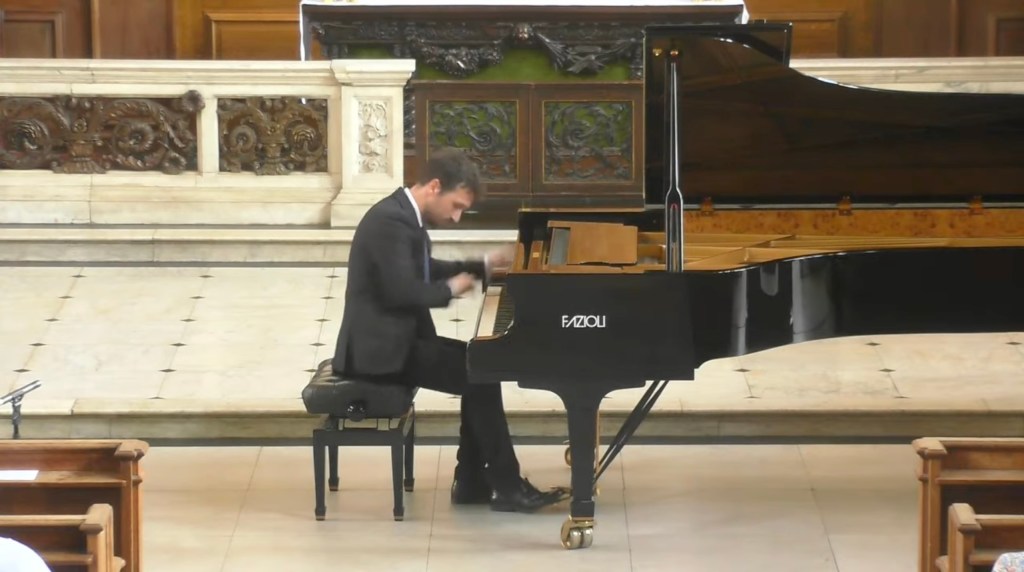
Rachmaninov’s Second sonata has become a concert favourite since Horowitz reminded us of it in his Indian Summer concerts in the 70’s and early 80’s. He had been persuaded to return to the concert platform to remind a distracted world that he was still the greatest pianist alive or dead!
Simone played the original 1931 version that Rachmaninov had sanctioned and decided to leave the souped up Horowitz version to the undisputed pianistic genius that Horowitz was until the very end.
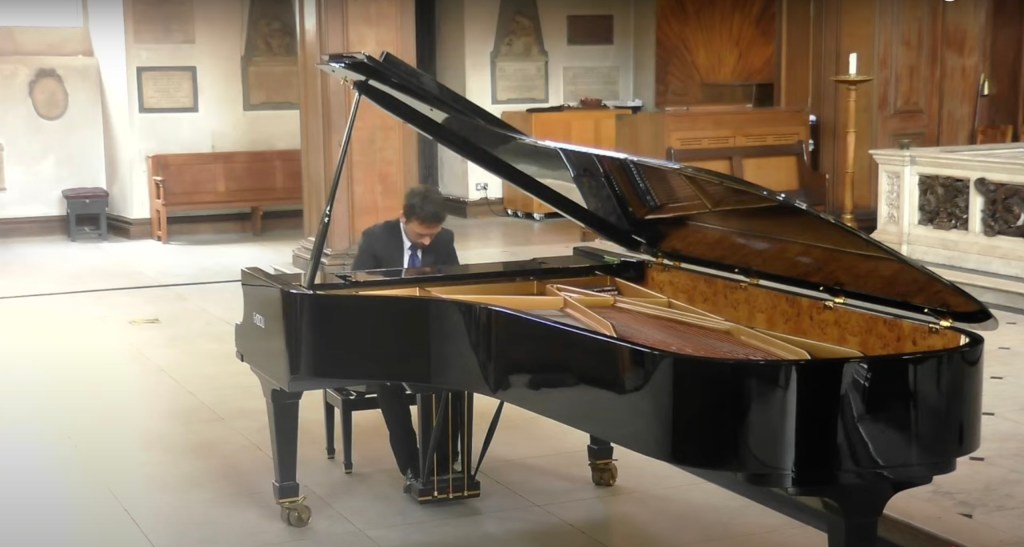
It is a work that played as today by a true musician can stand on its own merits and not rely on just empty showmanship. Simone played with passion and brilliance but there was a beguiling subtle beauty to the slow movement before the exhilaration and excitement of the Allegro molto.
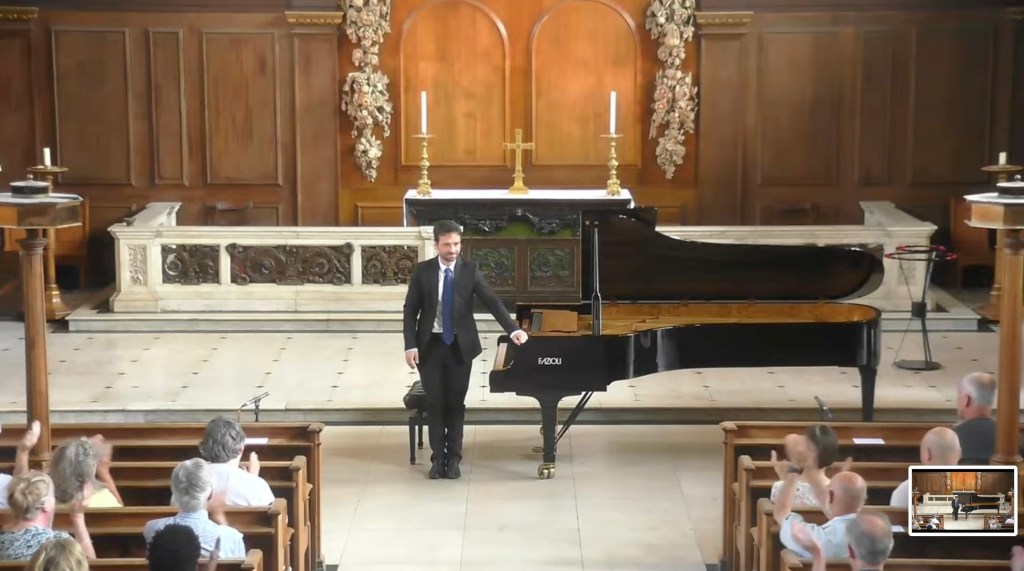
An ovation from a very attentive audience was rewarded with a glistening Mazurka that this time could well have been by Scriabin ?
 ChristopherAxworthy-MusicCommentary