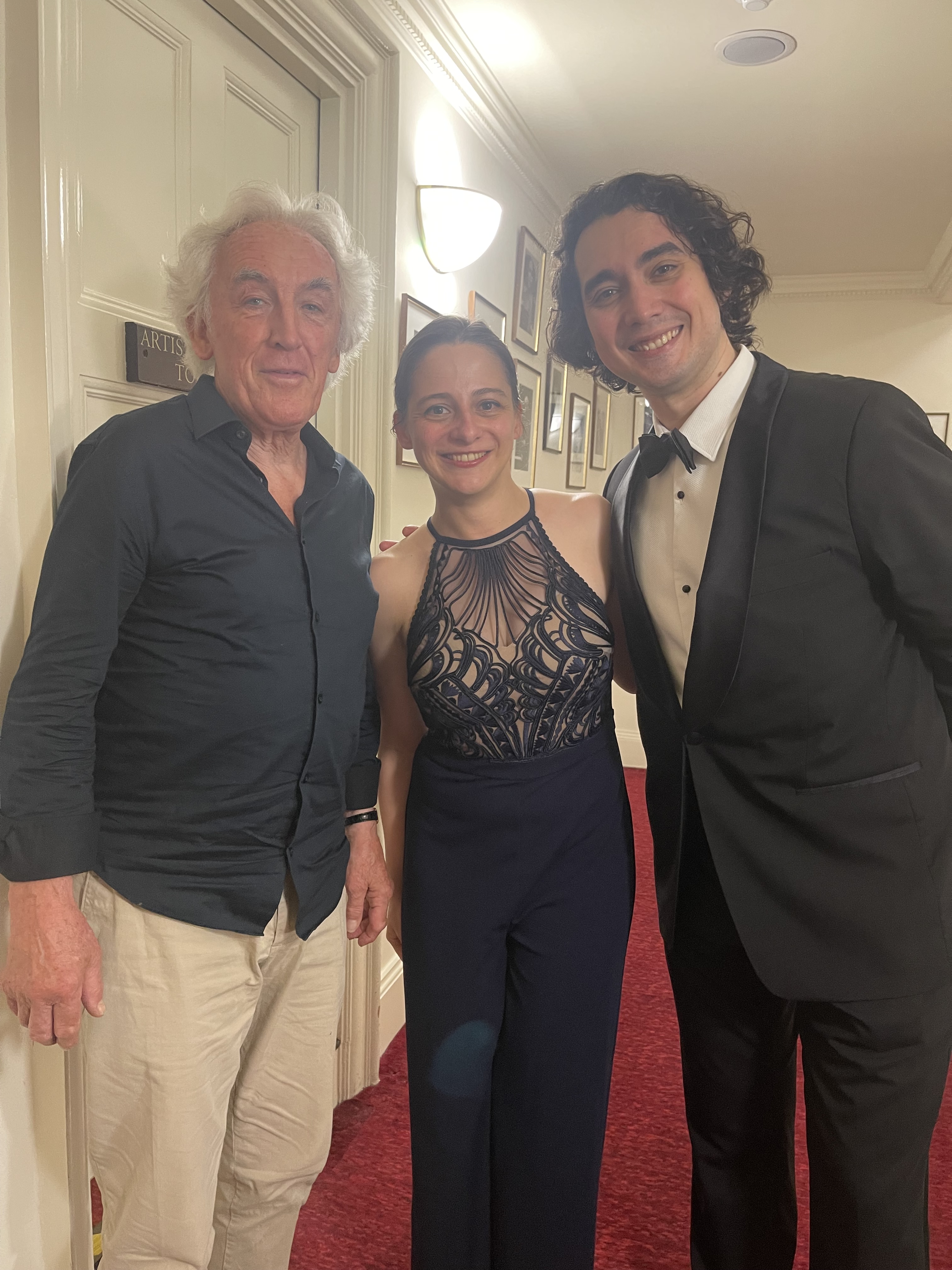
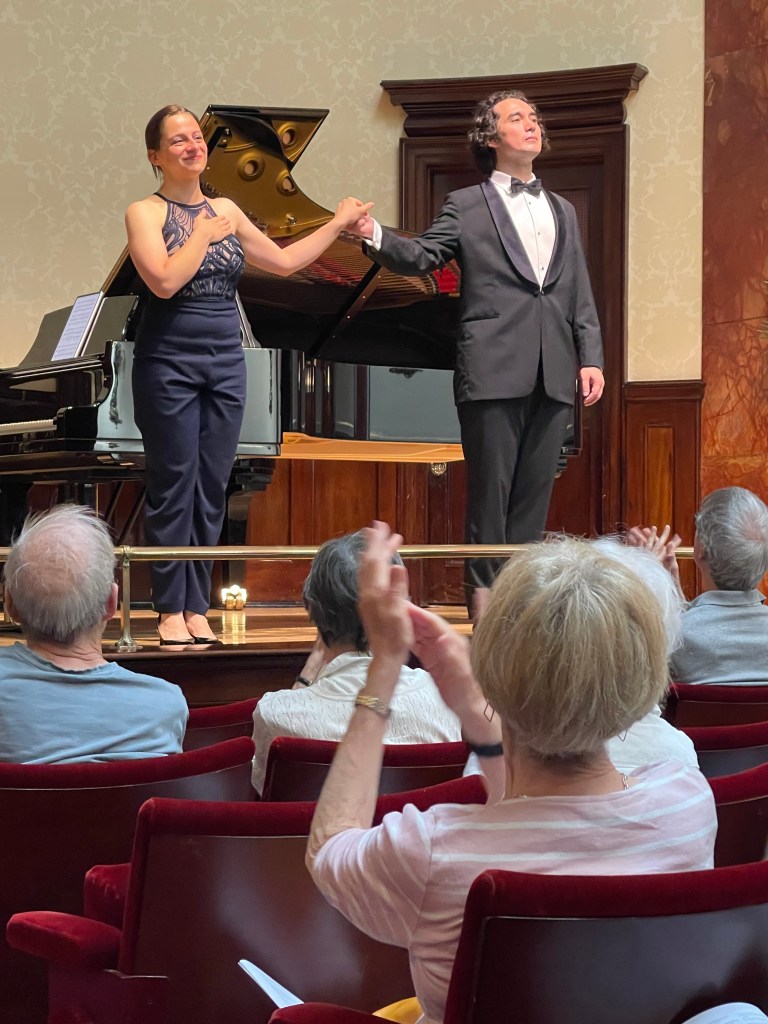
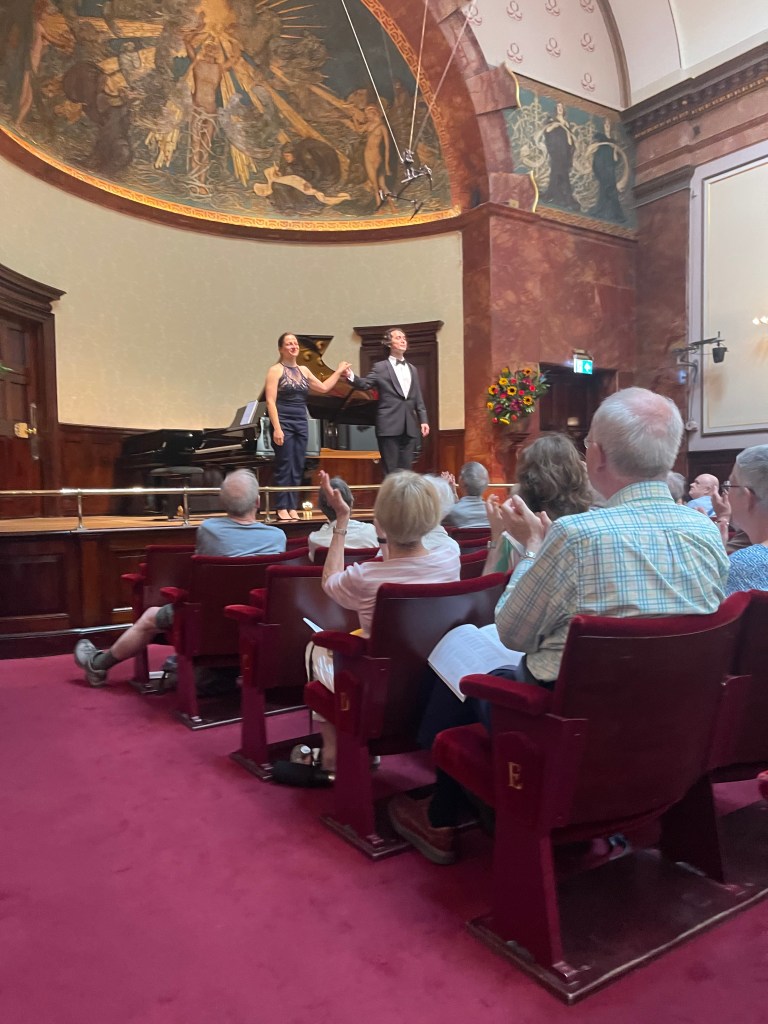
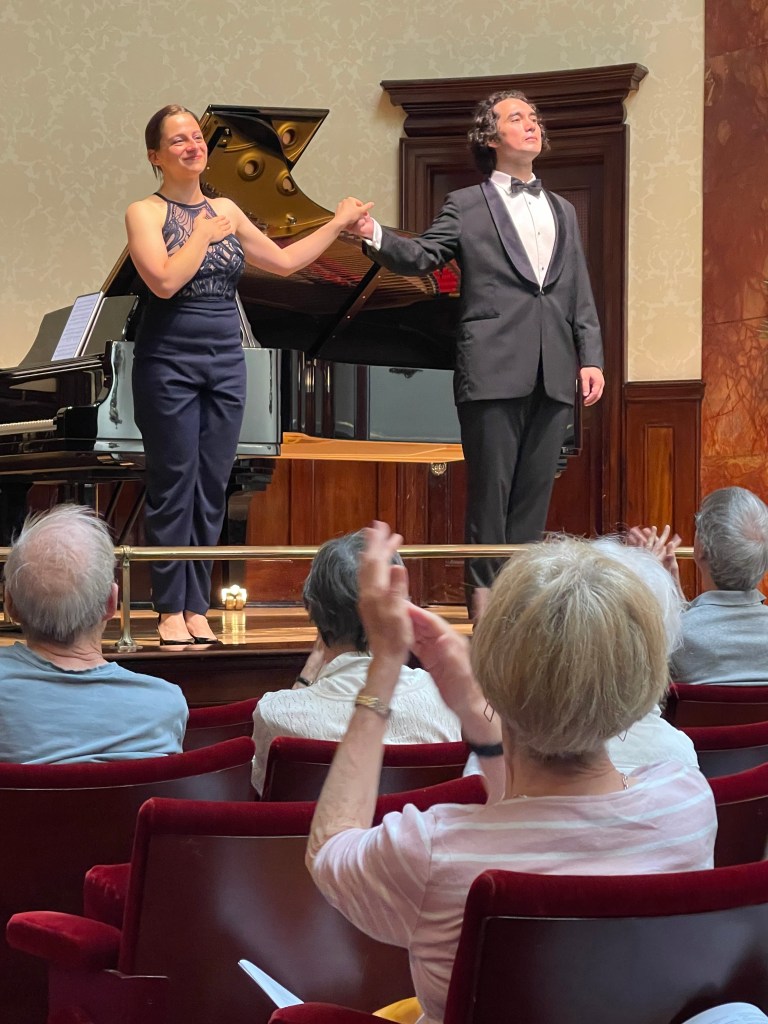
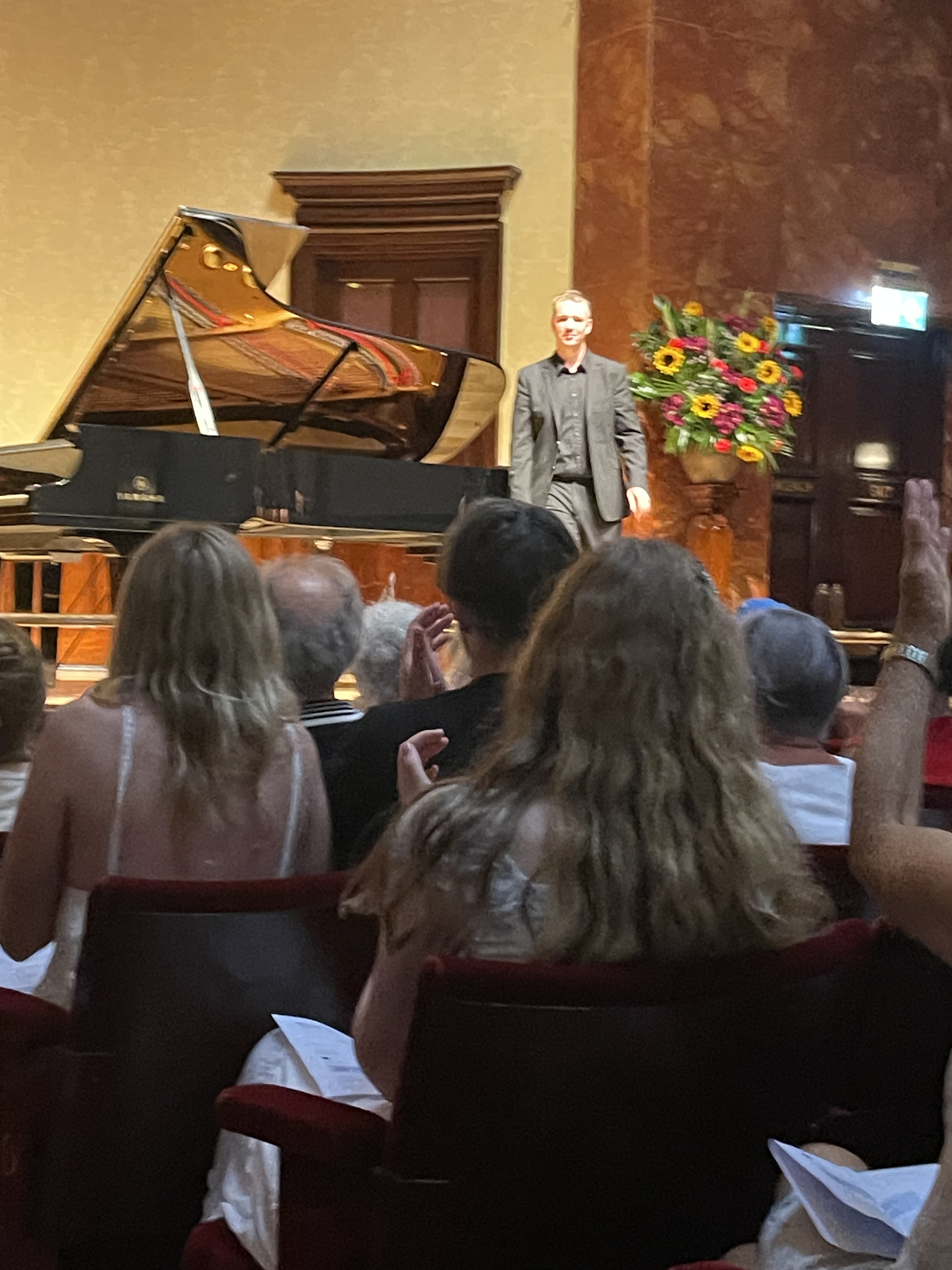
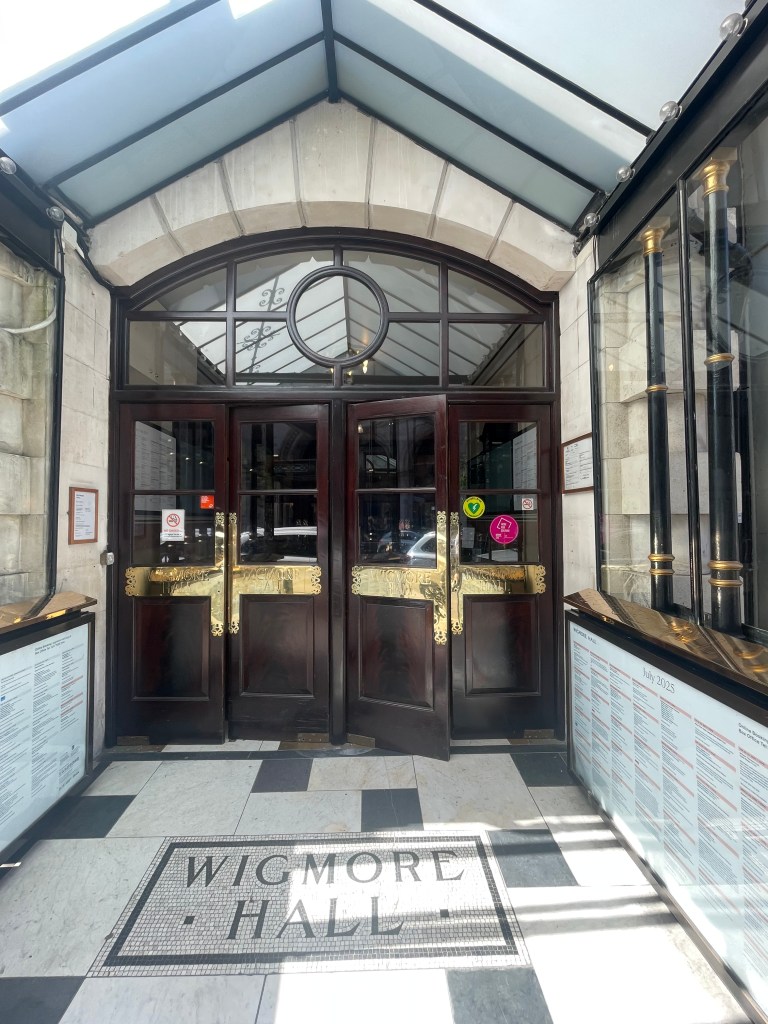
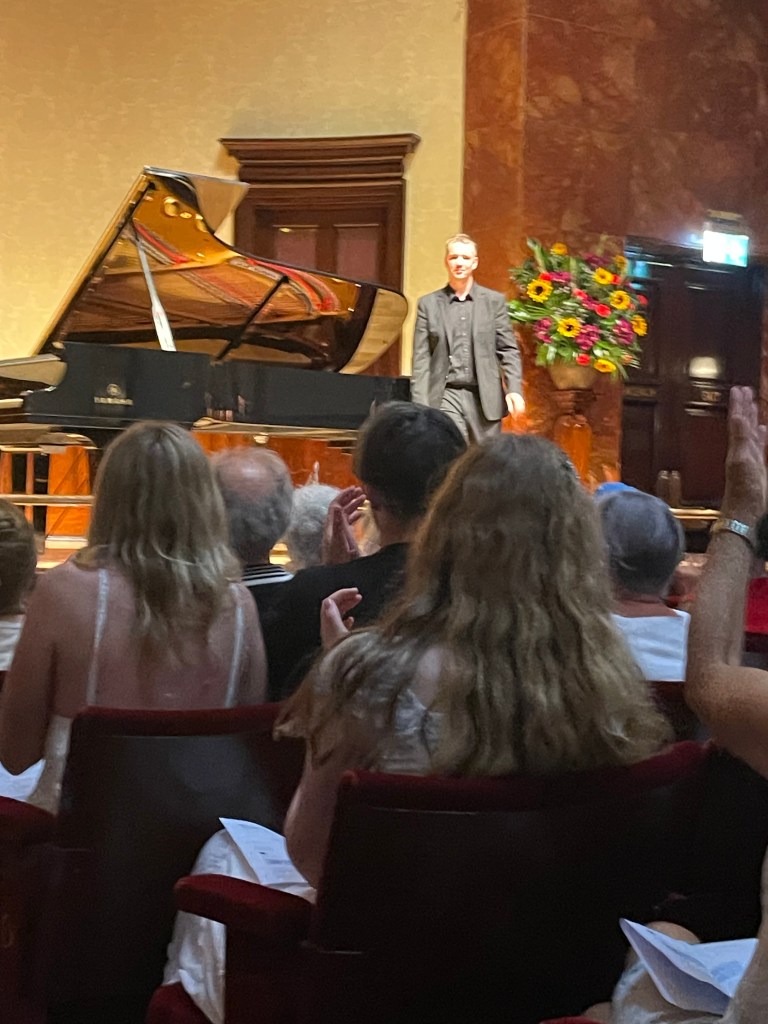
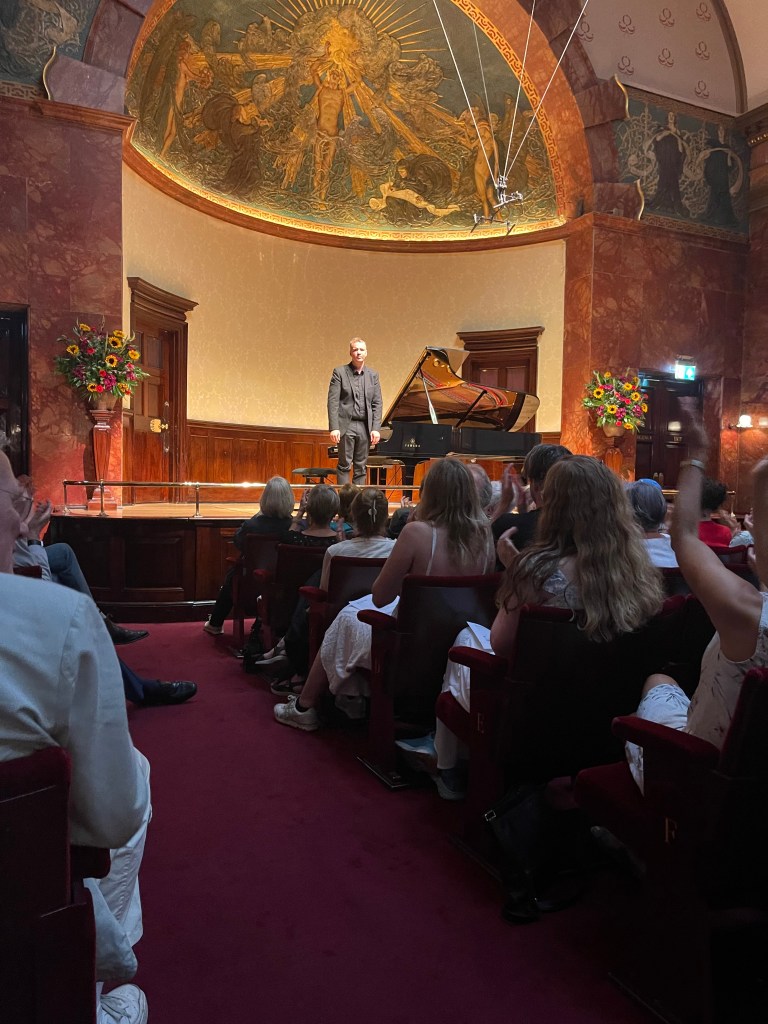
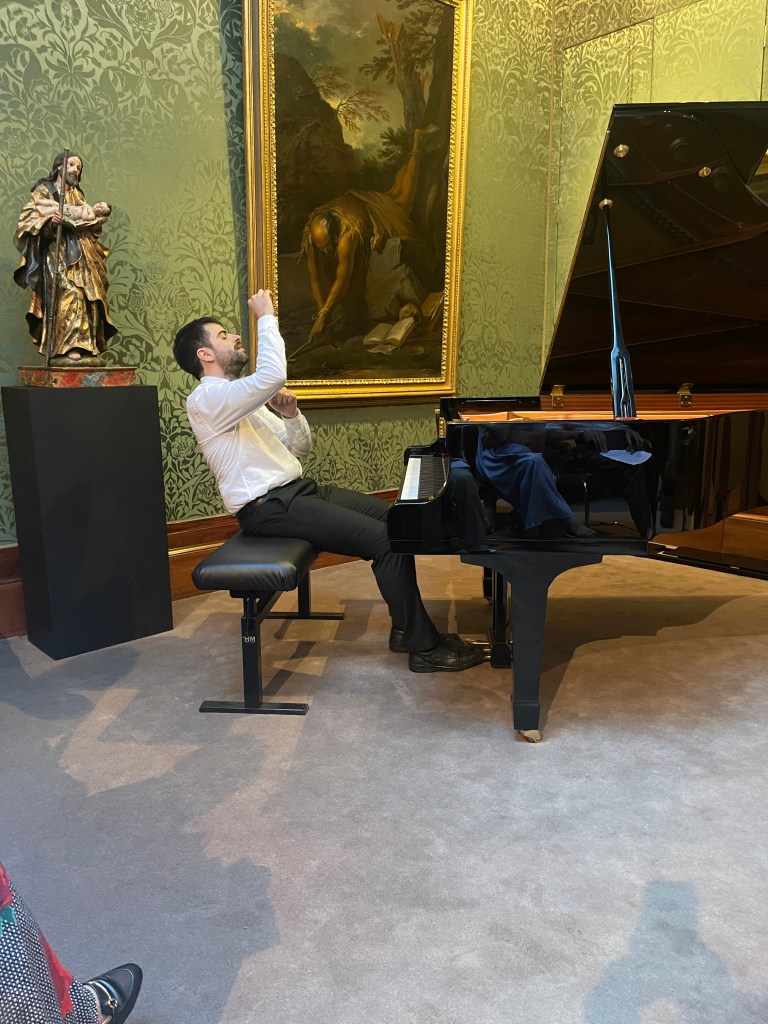
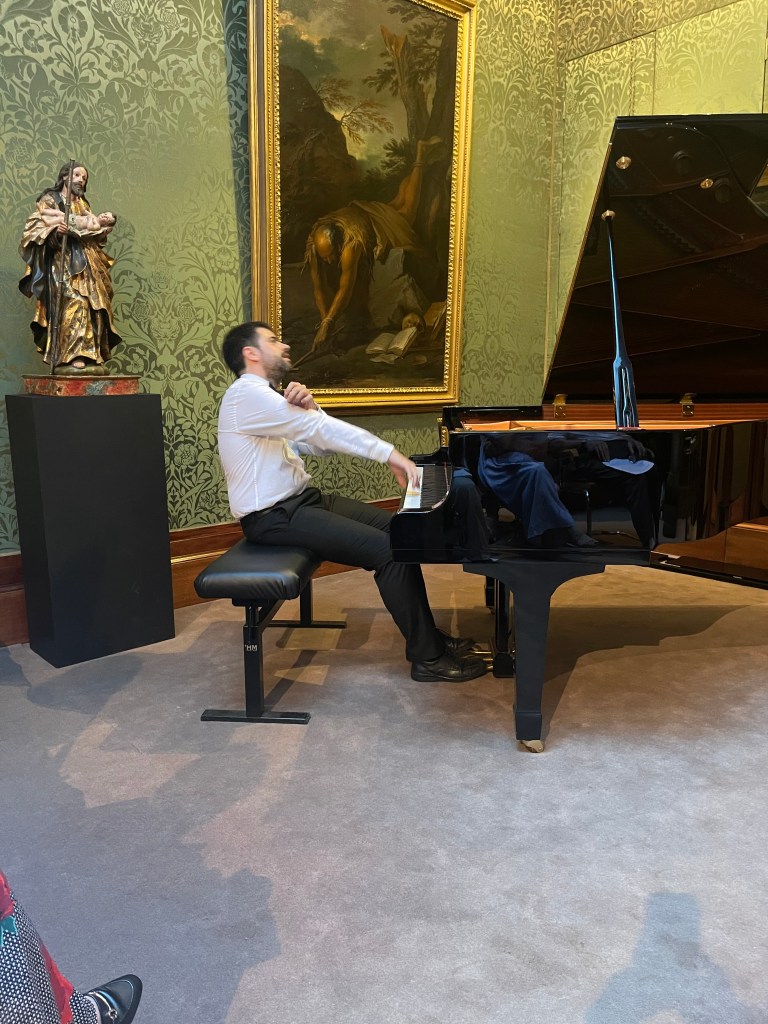
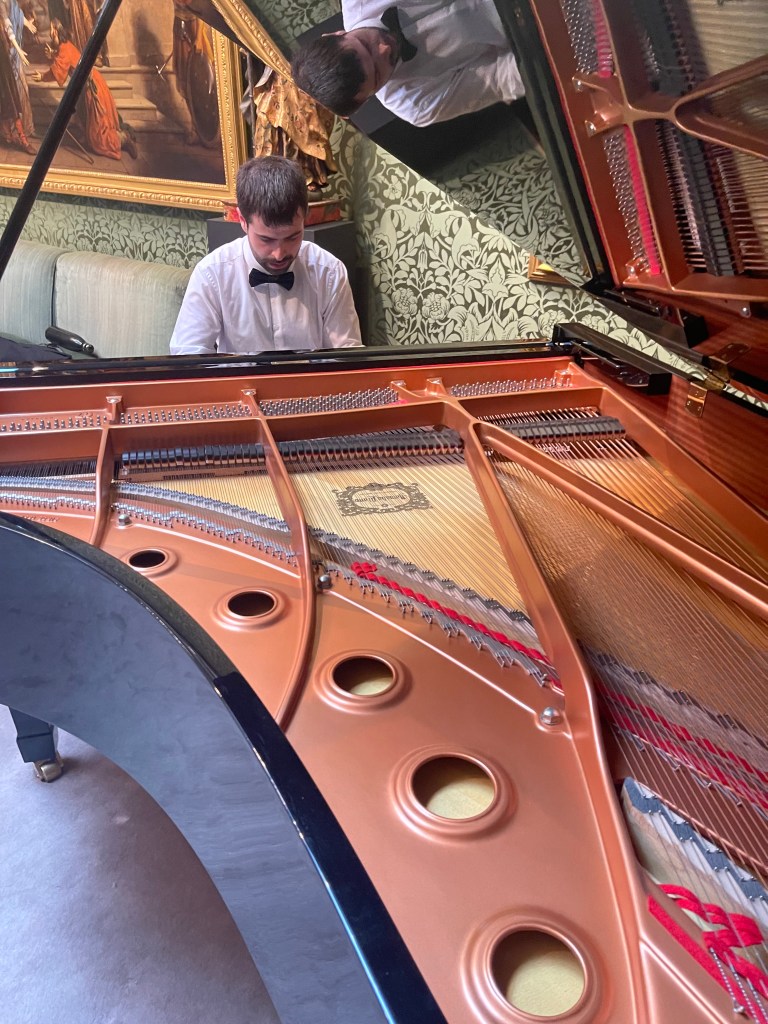
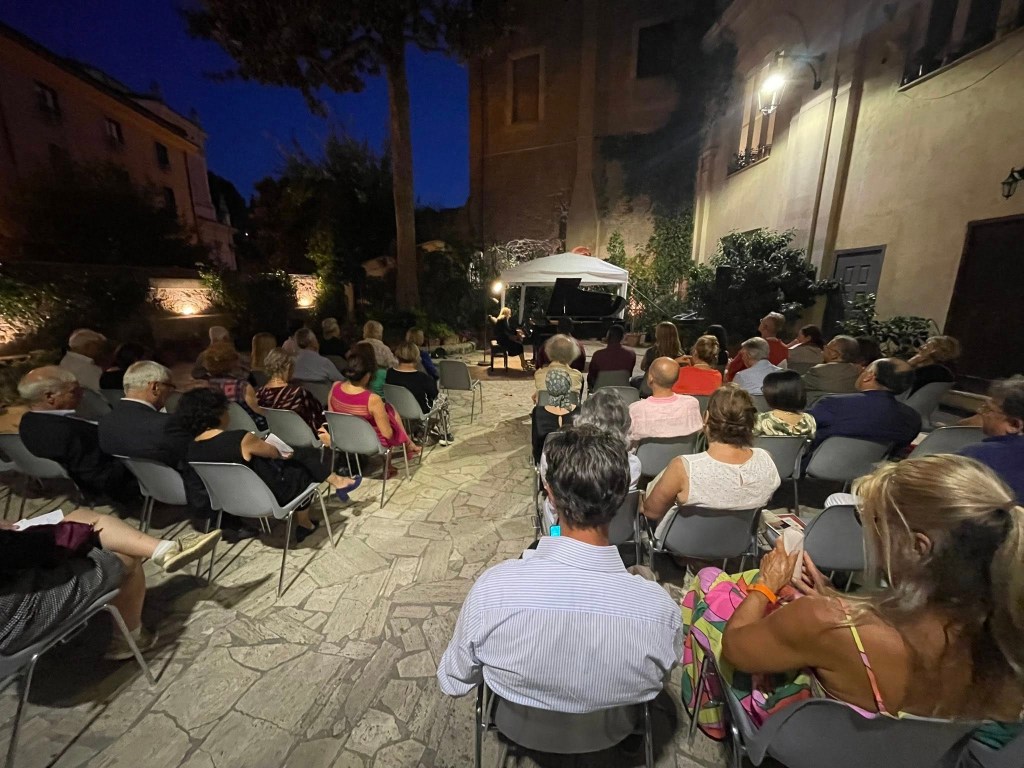
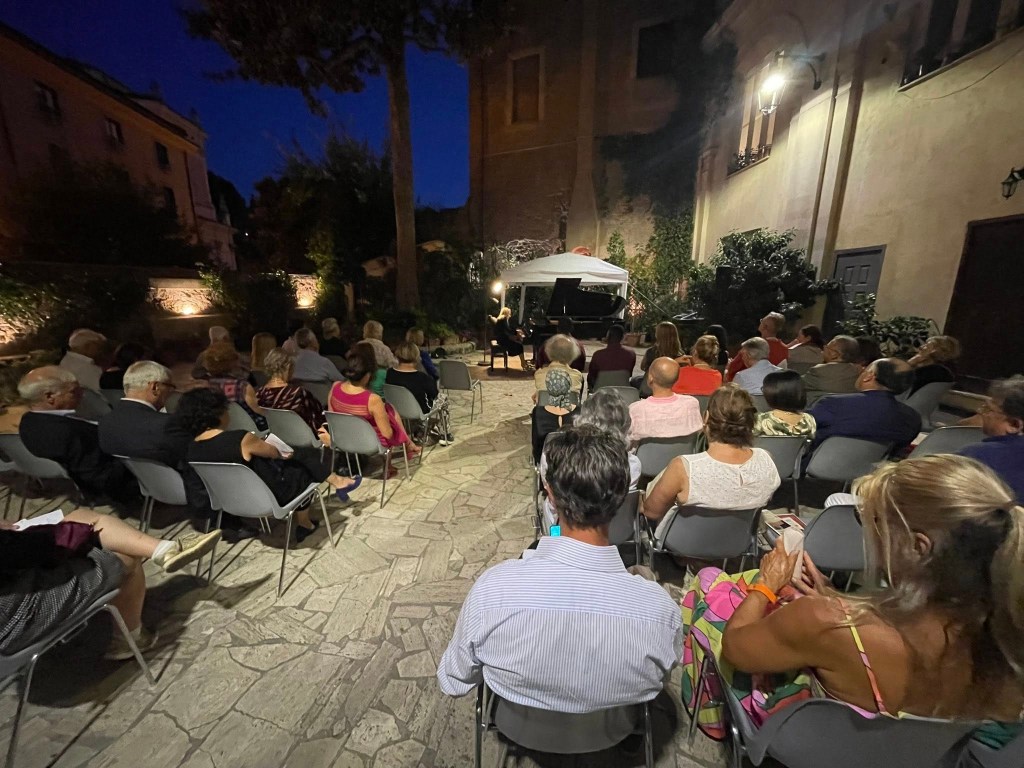
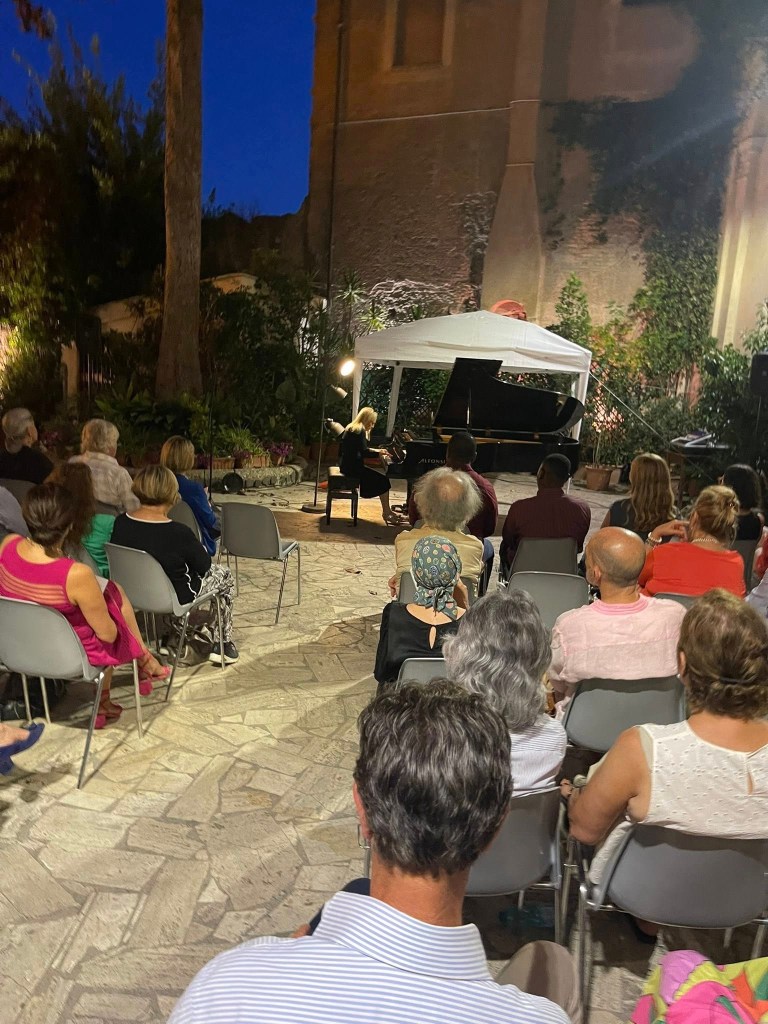
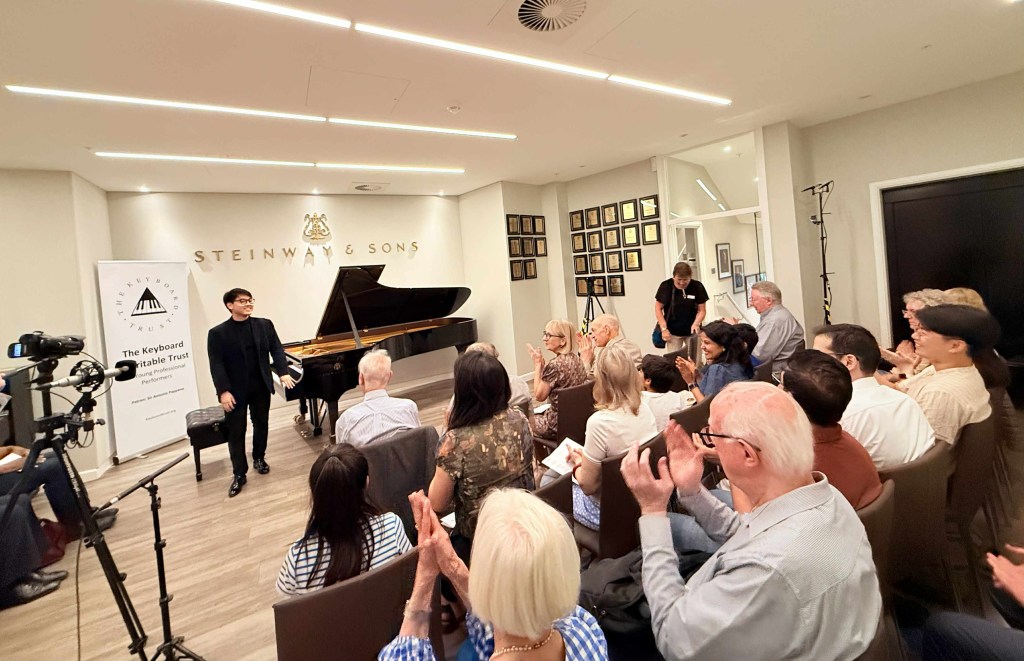
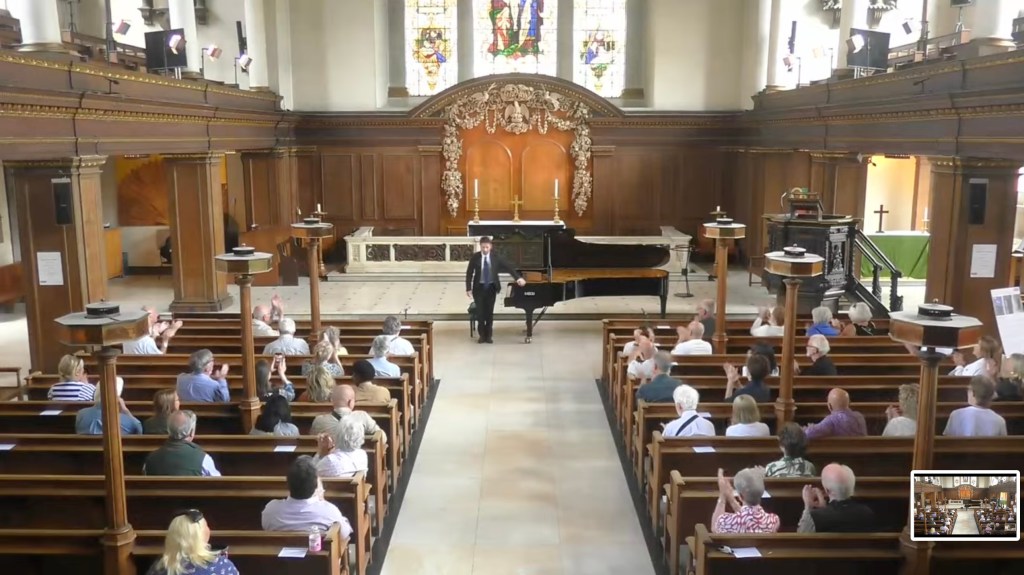
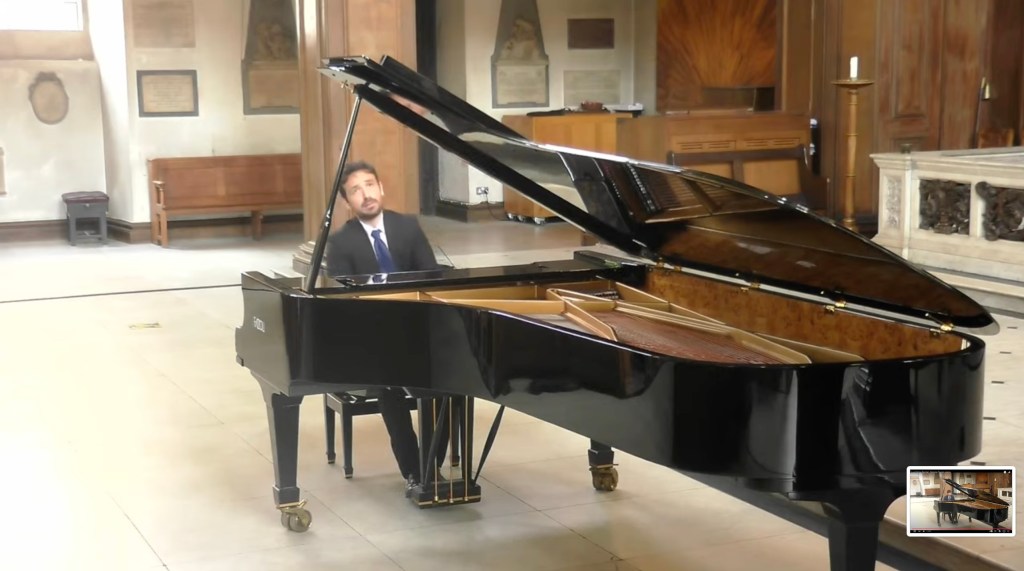
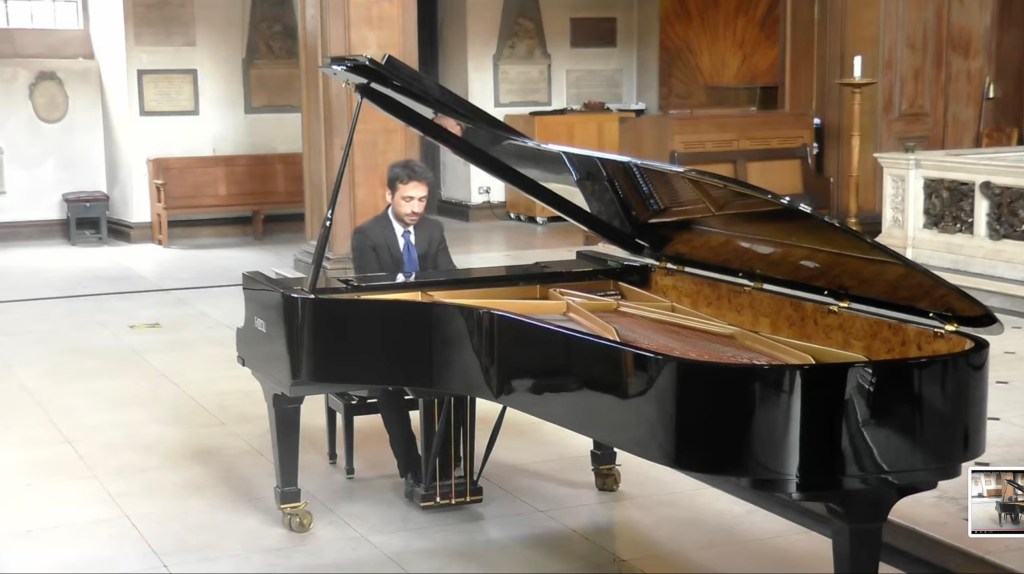
What a relief to shelter from the sweltering heat and spend an hour with music of such radiance and beauty from a husband and wife dream team . A moving mixture of Schubert ‘Winterreise’ and Vaughan Williams ‘Songs of Travel’ .
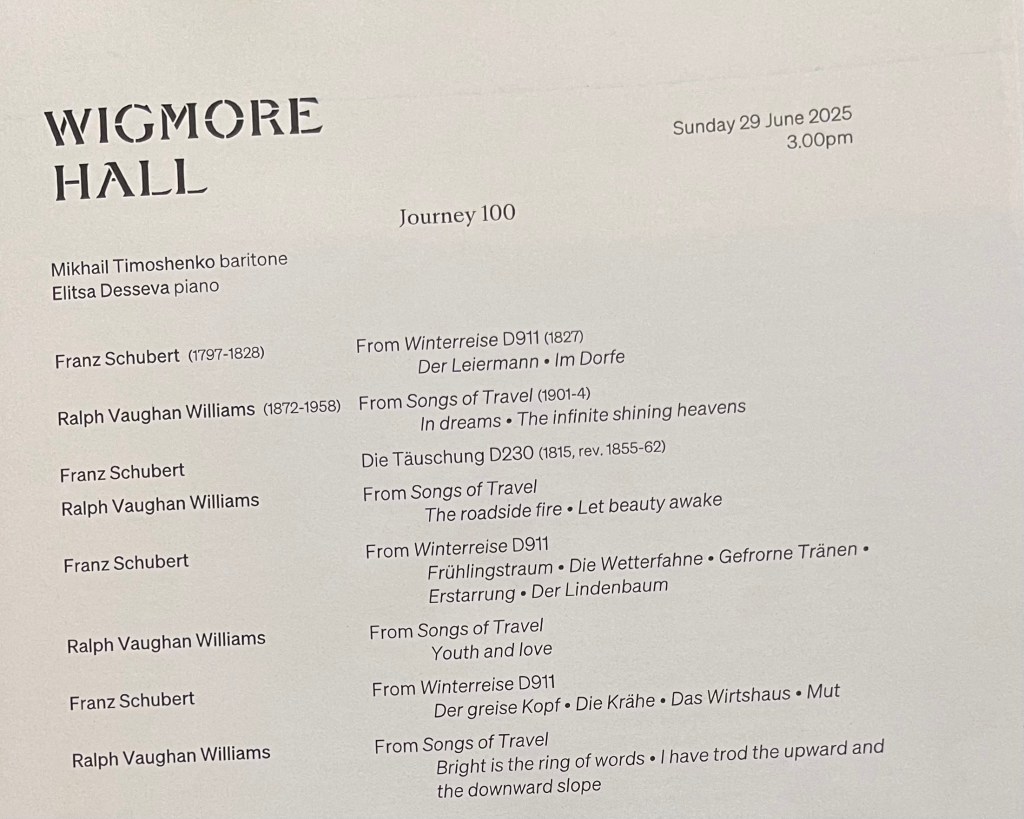
The programme is titled ‘Journey 100’, commemorating the 100thy anniversary of the birth of the German baritone Dietrich Fischer- Dieskau (1925- 2012) who was an enormously influential artist and for many ,his voice epitomises a refined lyrical ,articulate manner of performance through which the poetry shines.
The programme’s journey visits two major,and very different, landmarks of music of music history’s large corpus of ‘wayfaring’ or ‘wandering’ songs.The splitting of cycles and the rapid moves between Schubert and Vaughan Williams encourage us to consider various things beyond their musical and poetic differences – the nature of song programming and performance norms over time, for instance, and the interventions made by composers, authors,performers,publishers and others that trouble perceptions of cycles solely as linear wholes.That this concert begins with ‘Der Leiermann’ uproots any preconceptions that the journey might be linear: the song’s status as the stark ending of Winterise is iconic, and placing it at the start allows us to encounter its eerie, repetitive sound-world without then weight of the 23 preceding songs, and without context for the protagonist’s unsettling questions.
A beauty of diction that made the song sheet superfluous especially when the pianist could highlight and illuminate even the tinkle from a stray mobile!
John Humphreys comments : ‘I had a mobile going off in ‘Der Leiermann’ once…stopped playing, silence, started again, same mobile ringing. To be fair the offender apologised afterwards and said she was phoning to see if someone could offer the organ grinder a bed for the night…!’
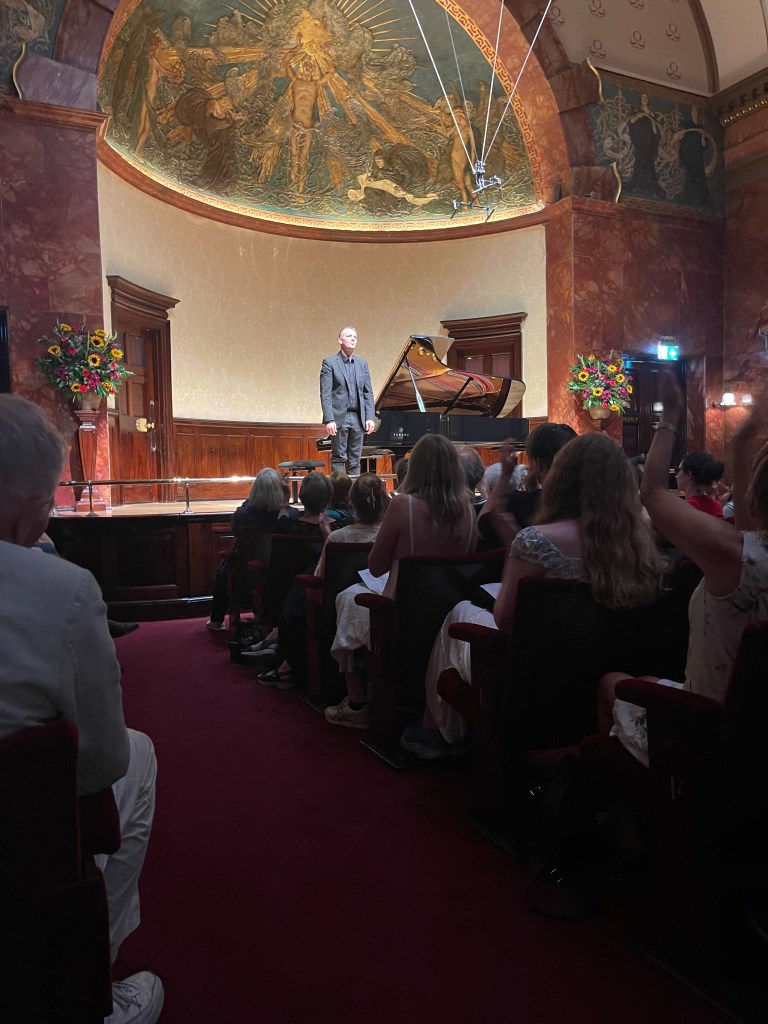
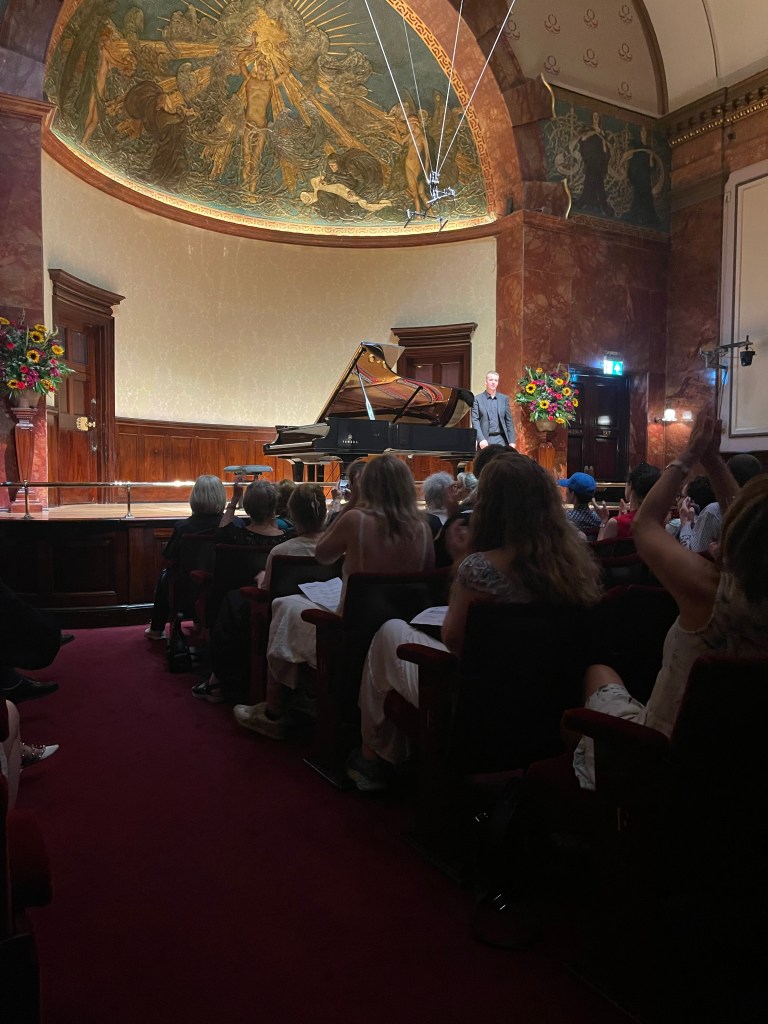
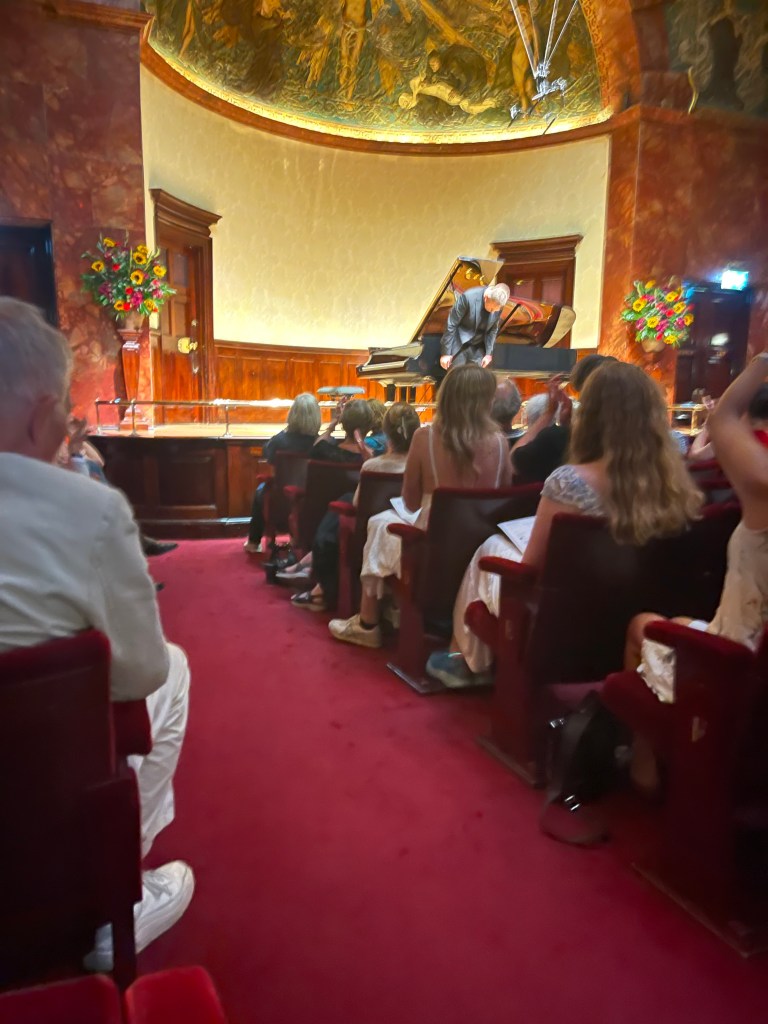
Wonderfully cool oasis of civilised culture whilst London seethes with scantily clad tourists intent on drinking the city dry !
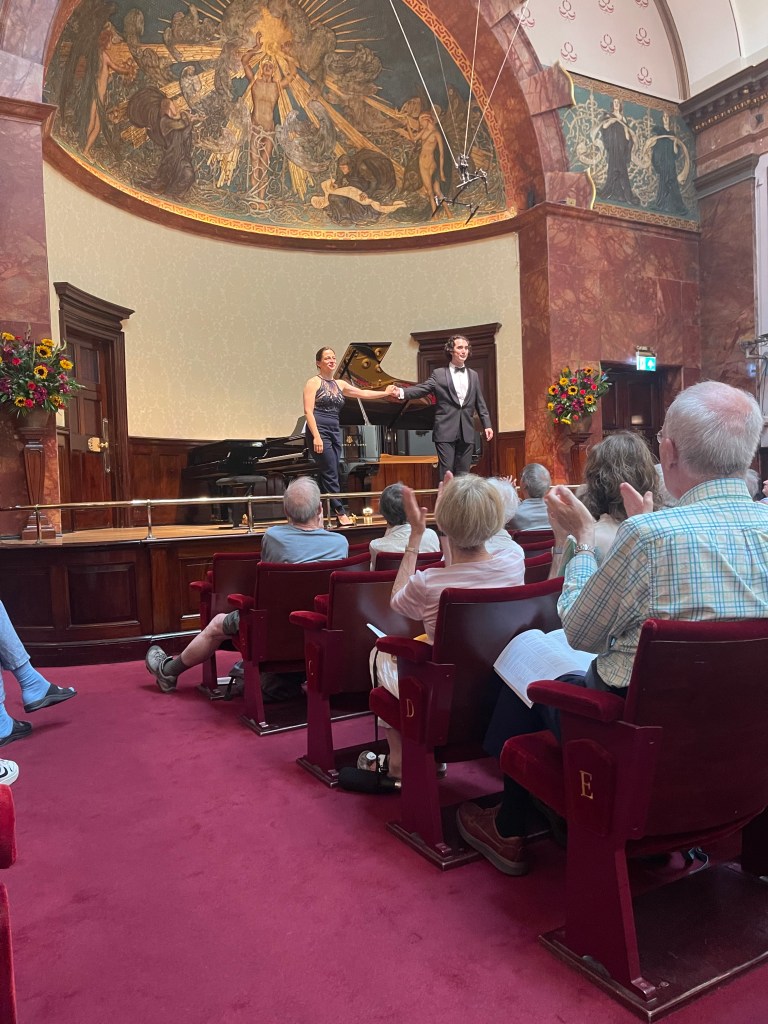
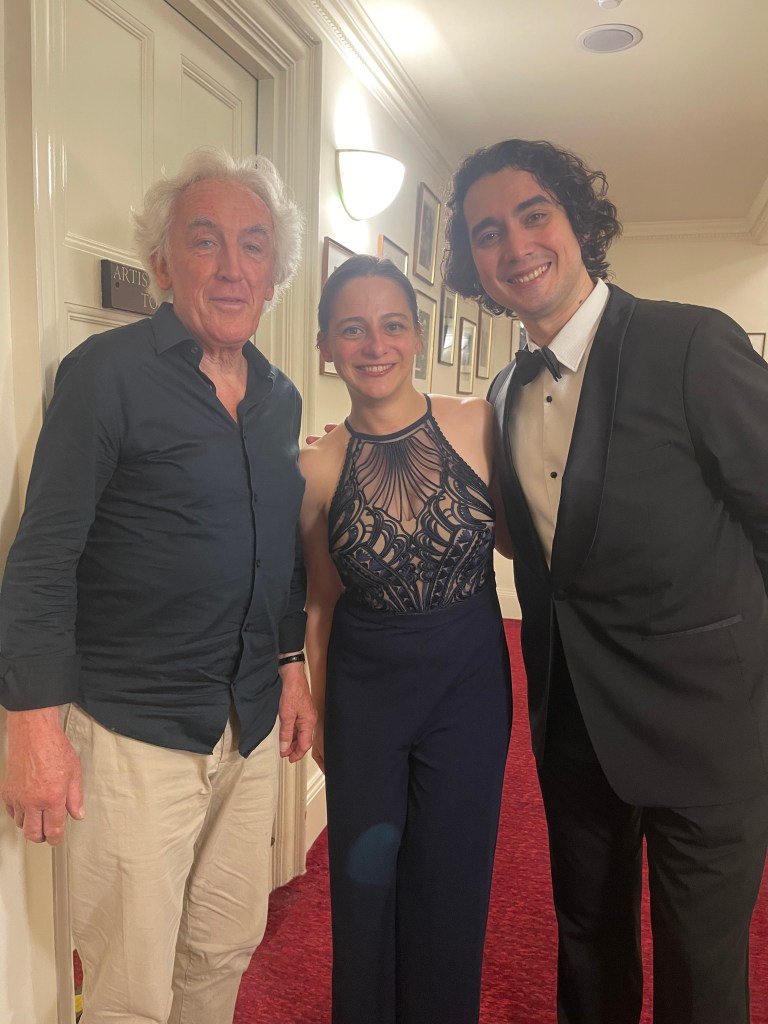
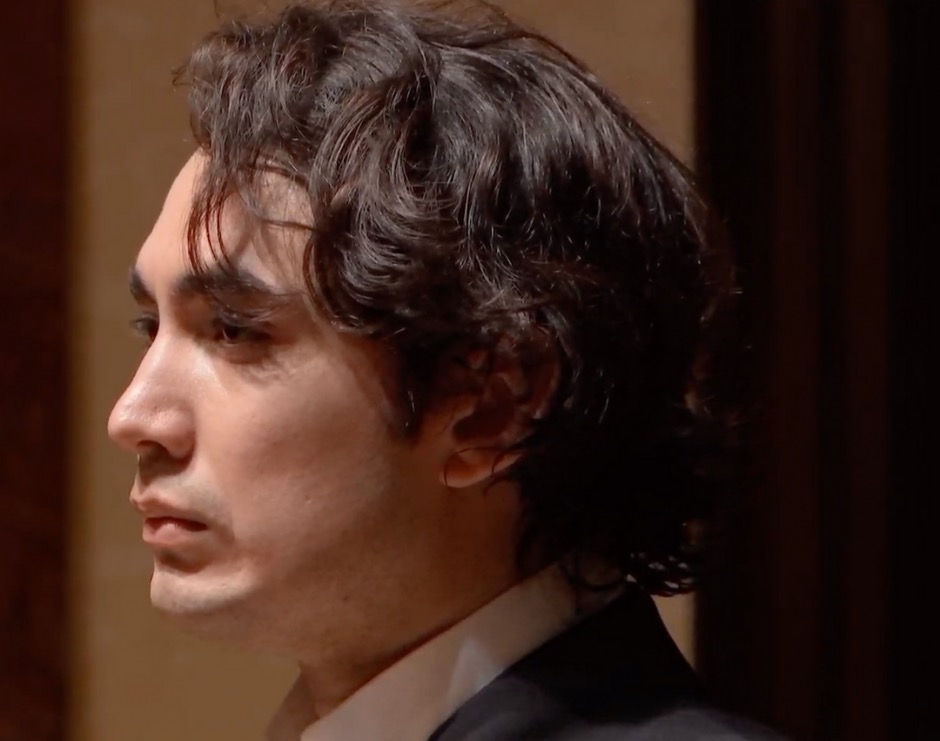
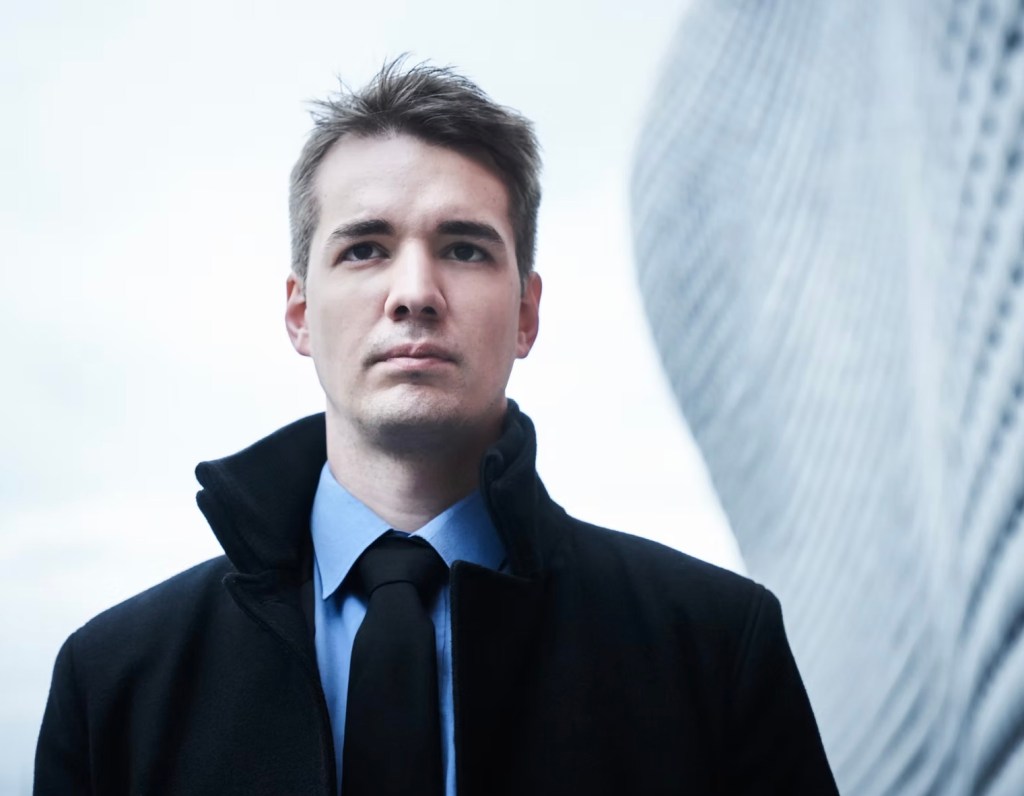
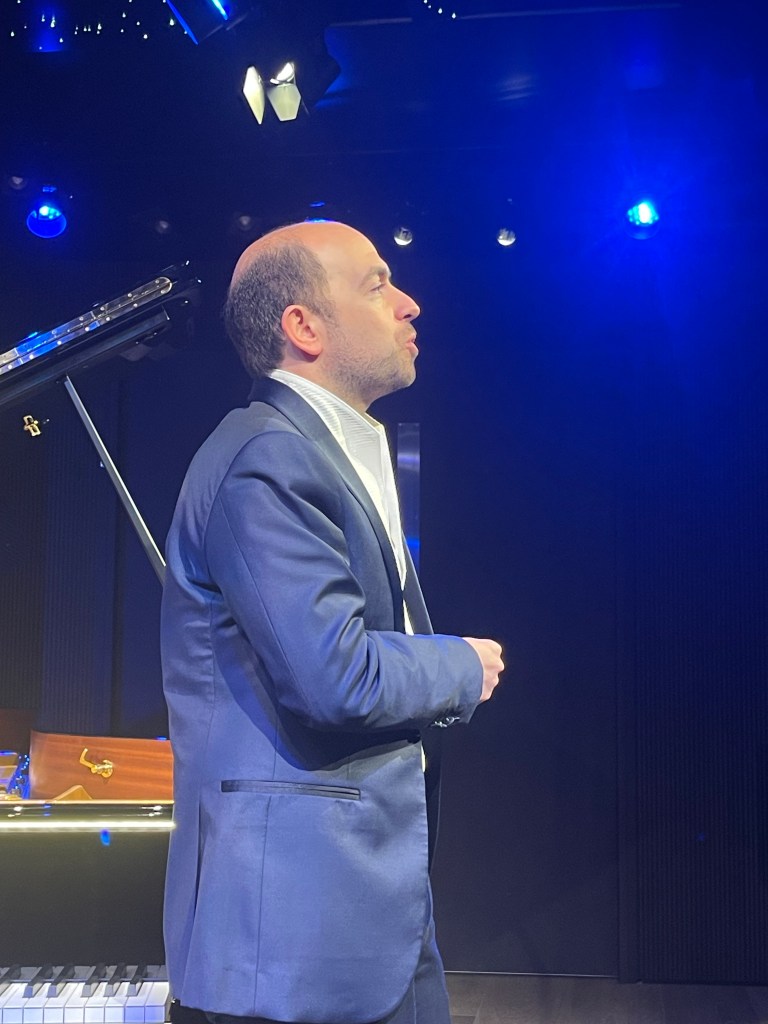
Mikhail Timoshenko
Baritone
Known for his “rare sound beauty, powerful and balsamic at the same
time” (Tagesspiegel), baritone Mikhail Timoshenko is a sought-after guest on international opera and concert stages.
Highlights of his first professional seasons include the premiere of the chamber opera En Silence by Alexandre Desplat at the Théâtre des Bouffes du Nord in Paris, Figaro in Le nozze di Figaro at the Opéra national de Lorraine in Nancy, Ottokar in Der Freischütz at the Konzerthaus Berlin, Albert in Werther at the Opéra de Lausanne,
Marcello in La bohème at the Opéra National du Capitole de Toulouse, and Papageno in Die Zauberflöte in Montpellier.
His future highlights include Chtchelkalov (Boris Godunov) in Paris/Théâtre des Champs-Elysées, Le Tribut de Zamora (Ch. Gounod) in St. Etienne, Marcello at the Royal Opera House Covent Garden and in the Festival de Sanxay, Papageno at Paris-
Bastille, as well as concerts with Elitsa Desseva in Linz, Boswil, Paris.
Mikhail is a recipient of numerous awards, including the 1st Prize at the I Concours International de Chant des Châteaux en Médoc-Bordeaux and the Siemens Opera Contest France, the Prix Lyrique du Cercle Carpeaux and the Prix de l’AROP of the Opera national de Paris, and the Maria Callas International Grand Prix in Athens. In
duo with pianist Elitsa Desseva, he won first prizes at the International Chamber Music Competition “Franz Schubert and Modern Music” in Graz, the International Competition for Song Art of the Hugo Wolf Academy in Stuttgart, and the Wigmore Hall/Independant Opera Song Competition in London, among other prizes at the International Schubert Lied-Duo Competition in Dortmund and the Concours
International de Musique de chambre in Lyon.
As a concert singer, he has worked with conductors such as Teodor Currentzis, Manfred Honeck, Philippe Herreweghe, Markus Poschner, and Emmanuelle Haim.
His performances as a song interpreter together with Elitsa Desseva have captivated the demanding audiences in London, Berlin, Paris, Moscow, Stuttgart, Vienna, and many other major stages across Europe.
He began his artistic training in Mednogorsk (Russia) in the vocal class of Tatiana Mayorova and, after studying in Weimar and Berlin with Michail Lanskoi, joined the Academy of the Opéra National de Paris in 2015. He played the lead role in the documentary film “L’Opéra” by Jean-Stéphane Bron.
Philanthropy is a cause close to Mikhail’s heart. Since 2009, he has been giving charity concerts for children with mental disorders in Russia. In collaboration with the NGO “Touch” in Orenburg and the Center for Social Adaptation “Majak” in Orsk,
he supports several boarding schools for mentally disabled children.

”From the first note we are captivated by Elitsa Desseva’s playing and will remain so until the end of the concert.”
“Elitsa Desseva finds in these scores the means to showcase beautiful sensitivity, delivering performance where voices of such rich texture are seldom heard.”
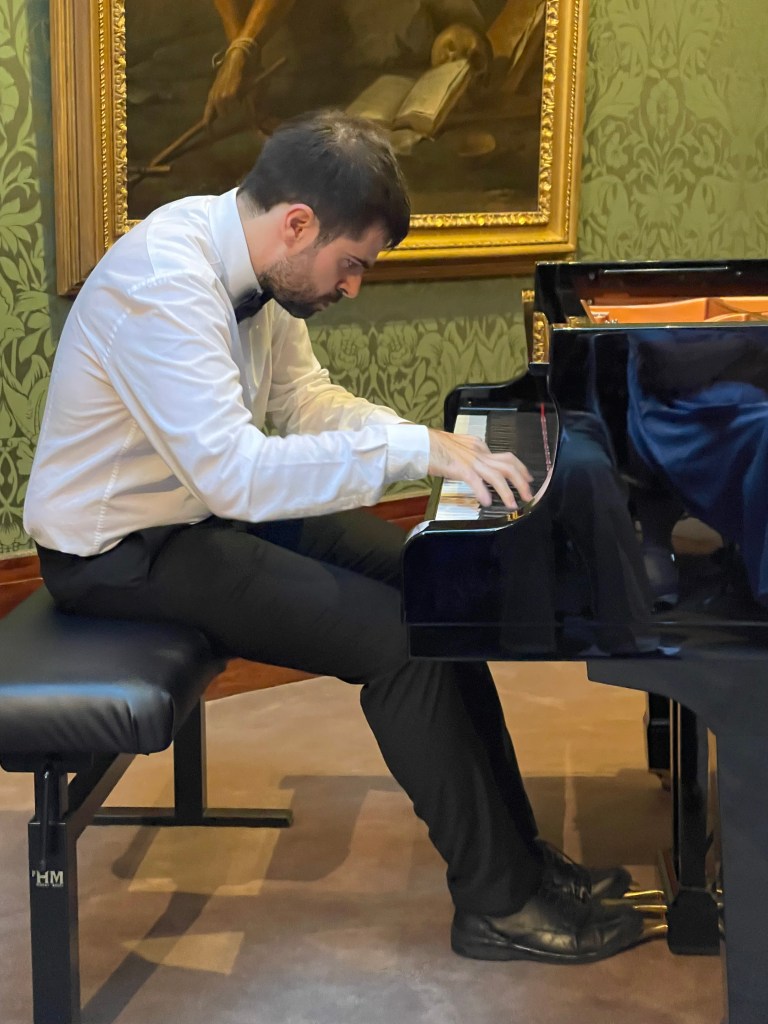
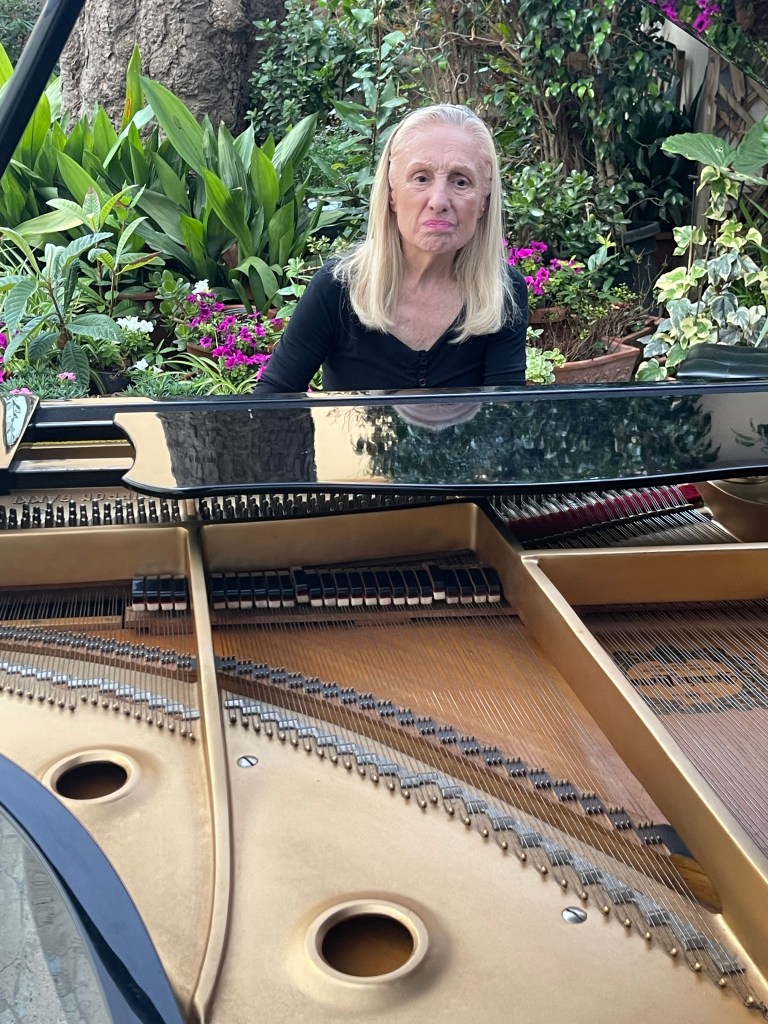
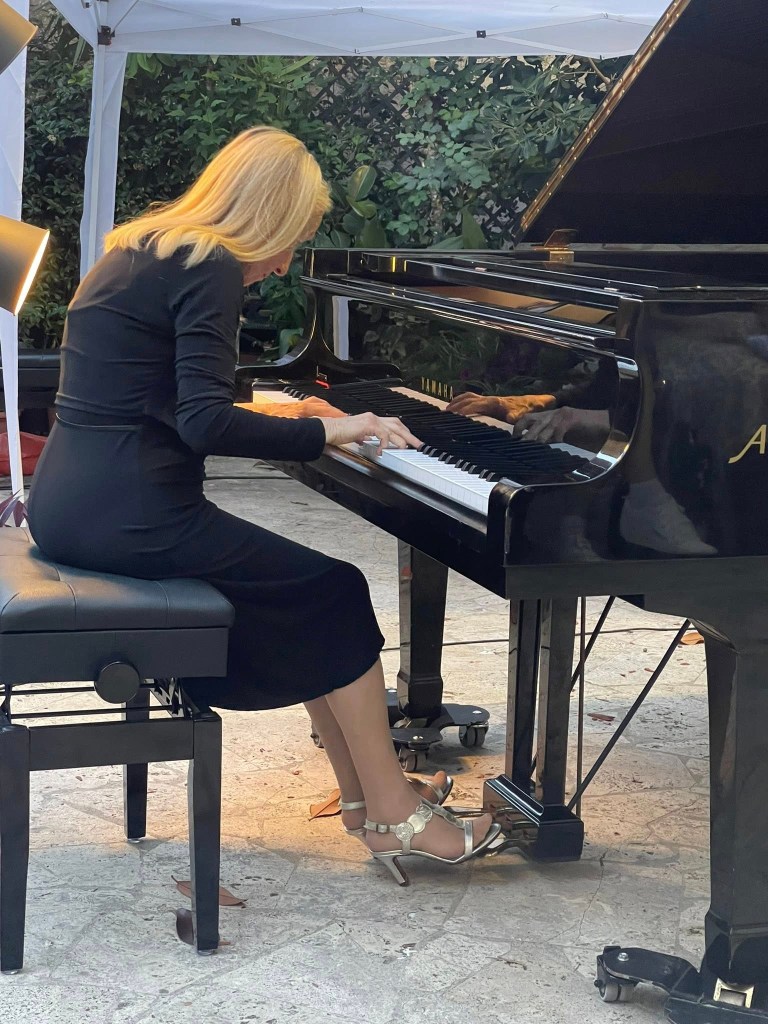
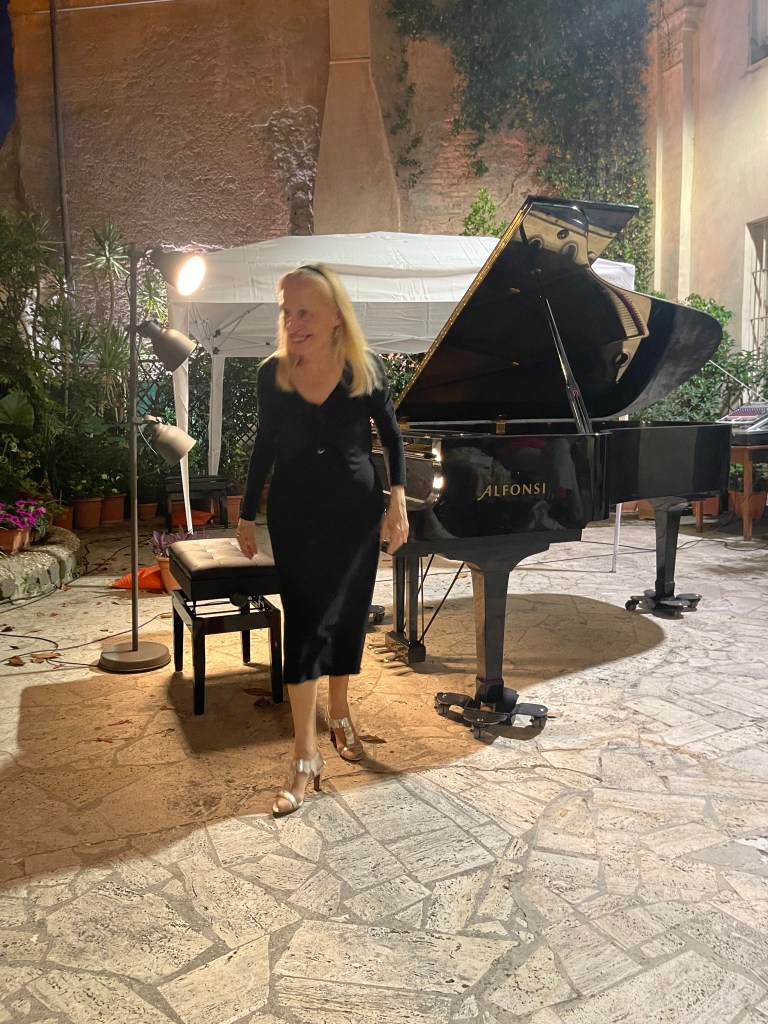
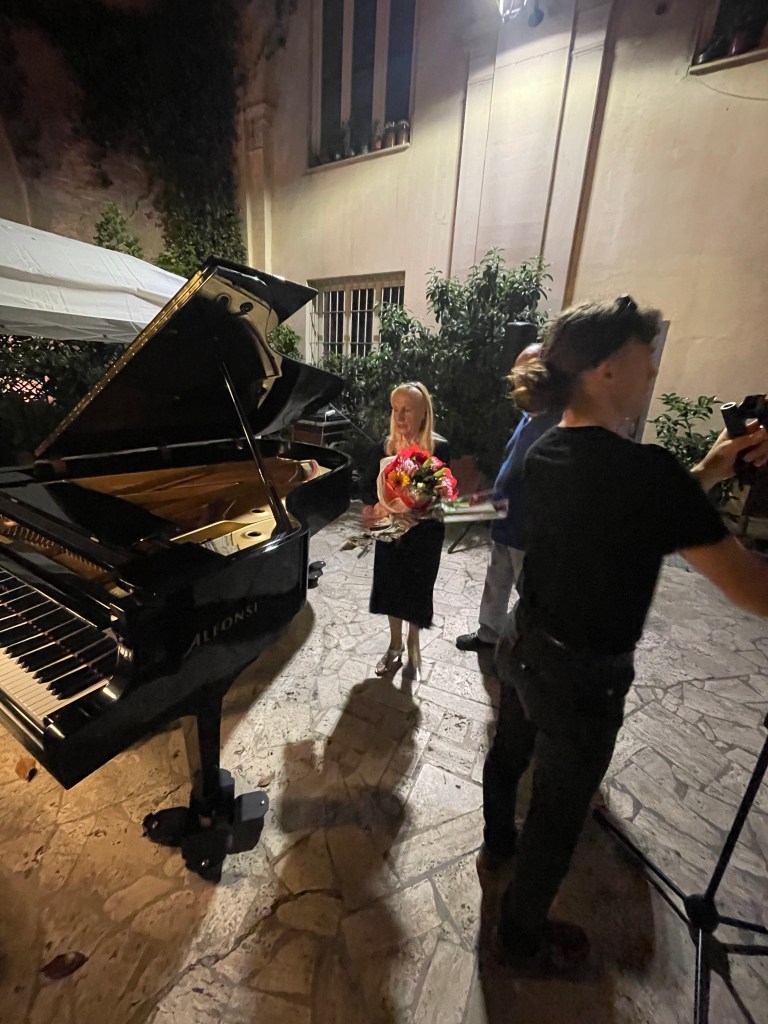
Praised by critics for the “ecstatic creative power” of her performance (ONLINE MERKER), Bulgarian pianist Elitsa Desseva specialises in the collaboration with singers and is recognised as a leading song pianist of her generation. Elitsa attracted international attention after winning some of the world’s most renowned Lied competitions in just two years. In a duo with her regular partner baritone Mikhail Timoshenko, she reached the final of the Wigmore Hall/Independent Opera Song Competition (United Kingdom), where Mikhail was awarded 1st prize. Furthermore duo Timoshenko-Desseva received 1st prize at the International Art Song Competition Stuttgart (Germany), 1st prize at the Franz Schubert and Modern Music International Competition in Graz (Austria), 2nd prize and Audience Award at the International Schubert Competition Dortmund (Germany), 3rd prize and Audience Award at the Concours International de Musique de Chambre de Lyon (France) and the 18. Nordfriesischer Liedpreis des Ministeriums für Bildung, Wissenschaft und Kultur des Landes Schleswig-Holstein. In the early stages of her international career, alongside mezzo-soprano Polina Artsis Elitsa won 1st prizes at both the International Student Lied Duo Competition in Groningen (Netherlands) and the Internationaler Karl-Adler-Jugendmusikwettbewerb in Stuttgart (Germany). As a soloist Elitsa received several awards including the Bela Bartok Prize at the Ile-de-France International Piano Competition in Paris (France), the 1st Prize at the Liszt-Bartok Piano Competition in Sofia (Bulgaria), DAAD Prize and Deutschland-Stipendium. Receiving the Foundation Yordan Kamdzhalov prize culminated in her performance of Liszt’s Piano Concerto No. 2 at the International Festival ‘Balabanov’s House Music Days’ in Plovdiv. In 2024, Elitsa Desseva, together with baritone Mikhail Timoshenko, released a critically acclaimed CD with Hänssler Classic (Eduard Erdmann: Lieder), featuring world premieres of songs by Eduard and Irene Erdmann as well as songs by Philipp Jarnach. Their dedication to exploring unknown and captivating composers is further highlighted by their recording of Jacques Ibert’s “Quatre chansons de Don Quichotte” for B-Records (Aimer a loisir). Elitsa has also premiered works by Isabel Mundry, Bec Plexus (Brechtje) and Sehyung Kim. Passionate about programming and concert design, Elitsa strives to break the barrier between audience and performers, forging new, emotionally charged, and authentic connections that attract younger and wider audiences to song recitals. Together with Mikhail Timoshenko, she curated a series of concerts for the Académie Orsay-Royaumont in dialogue with the collection of the Musée d’Orsay Paris in 2021. For Jorg Widmann’s milestone birthday, commissioned by the Heidelberger Frühling Liedfestival, they created the recital “Alaverdi” in 2023, transforming the stage into a Georgian birthday celebration where performers and audience members exchanged toasts in poetry and songs. Curious to explore the depth of the Lied genre through the lens of a composer, Elitsa presented her composition “Gift”, a song based on a poem by Barbara Kennedy, together with baritone David Kennedy at the LiedBasel Festival in 2024. This piece, an experiment in contemporary song, “captivated audiences with its unusual piano sounds” (DAS OPERNMAGAZIN). Elitsa has collaborated with numerous distinguished musicians, performing alongside celebrated singers such as Angelika Kirchschlager, Thomas Hampson, and her regular partner, baritone Mikhail Timoshenko. Elitsa regularly appears at major music centers and festivals worldwide, including Wigmore Hall in London, Musée d’Orsay in Paris, Concertgebouw in Amsterdam, Pierre Boulez Saal in Berlin, Musikverein in Vienna, Théâtre du Capitole in Toulouse, Brucknerhaus in Linz, France Musique in Paris, Festival Heidelberger Frühling, Sommerliche Musiktage Hitzacker, Grachten Festival in Amsterdam, Festival Young Artists in Bayreuth, Festival Boswiller Frühling, and the Seiji Ozawa Matsumoto Festival in Japan. Her performances have been broadcast on prestigious platforms like BBC Radio 3, Radio France, NDR, Südtirol Radio, SWR, Bulgarian National Radio, Dutch Radio 4, and NHK World Japan. Invited by Thomas Hampson in 2022, Elitsa now serves as the study directorand academy pianist at the prestigious Heidelberg Liedakademie, becoming the first female song accompanist to hold this position. In this role, she accompanies masterclasses led by Thomas Hampson and other distinguished musicians. Additionally, she provides coaching in concert programming and design, guiding the scholars of the Liedakademie to discover their unique artistic voices. As a result, they create Lied recitals showcased at the Schubert-Week in Pierre Boulez Saal Berlin and the Heidelberger Frühling Liedfestival. Elitsa has further enhanced her skills through a practicum at the Opera Studio of the Vienna Staatsoper and developed a strong professional bond with voice teacher KS Angelika Kirchschlager, actively participating in her singing lessons at the mdw – Universität für Musik und darstellende Kunst Wien. Committed to making Lied concerts more engaging, Elitsa will conduct workshops on programming Lied in a concert (Lied.GESTALTUNG) at the Franz Schubert und Musik der Moderne Competition in Graz in 2025. Born in Bulgaria, Elitsa Desseva began her musical journey at the age of four, singing in choirs and touring the country as a soloist. Her passion for music led her to the piano at the age of six in her hometown of Sofia, where she made her debut at ten with the Sofia Sinfonietta Orchestra. This early immersion in vocal music naturally evolved into a profound dedication to the piano, ultimately leading her to become a song accompanist.Elitsa continued her studies in piano, chamber music, and Lied with Balázs Szokolay and Thomas Steinhöfel at the Hochschule für Musik in Weimar. She then pursued her Master’s Degree in song interpretation at the Universität für Musik und darstellende Kunst in Vienna under Charles Spencer and Markus Hadulla. Throughout her education, Elitsa received notable mentorship from distinguished musicians such as singers Thomas Hampson, Mitsuko Shirai, Véronique Gens, Angelika Kirchschlager, Brigitte Fassbaender, Ian Bostridge, and pianists Hartmut Höll, Piotr Anderszewski, Dalton Baldwin, Graham Johnson, Susan Manoff, Julius Drake, Malcolm Martineau, and Helmut Deutsch.She is a former scholar of the Heidelberg Lied Academy, Academy LiedBASEL, and Académie Orsay-Royaumont. Additionally, Elitsa is a Britten Pears Young Artistand a Yehudi Menuhin LIFE Music Now artist. She has received the Anny Felbermayer Preis and is a member of the International Hugo Wolf Academy.
Elitsa is currently based in Vienna.
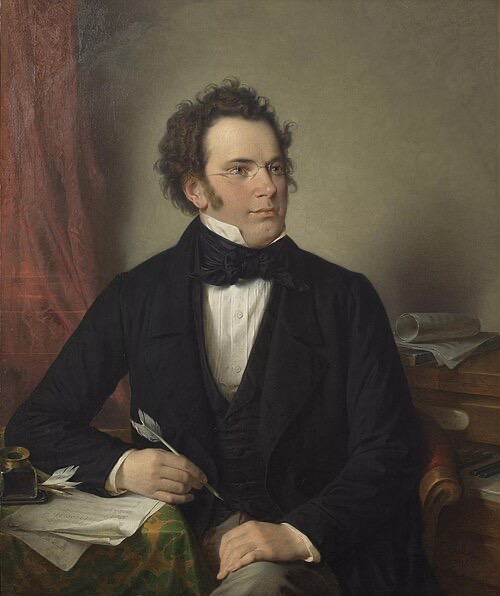
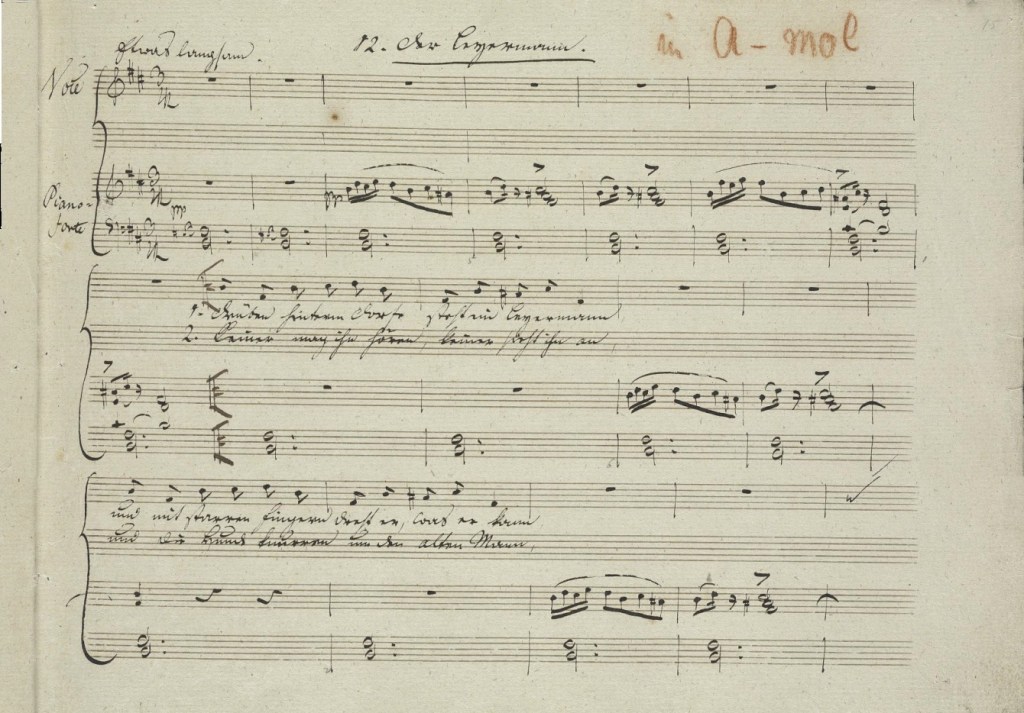
Winterreise by Franz Schubert D.911, published as op. 89 in 1828), a setting of 24 poems by German poet Wilhelm Müller. It is the second of Schubert’s two song cycles on Müller’s poems, the earlier being Die schöne Müllerin (D. 795, Op. 25, 1823). It consists of a monodrama from the point of view of the wandering protagonist, in which concrete plot is somewhat ambiguous. After his beloved falls for another, the grief-stricken young man steals away from town at night and follows the river and steep ways to a charcoal burner’s hut, where he rests before moving on. He comes across a village, passes a crossroads, and arrives at a cemetery. Here being denied even the death on which he has become fixated, he defiantly renounces faith before reaching a point of resignation. Finally he encounters a derelict street musician, the only instance in the cycle in which another character is present. The mysterious and ominous nature of the musician, along with the question posed in the last lines, leave the fate of the wanderer open to interpretation.
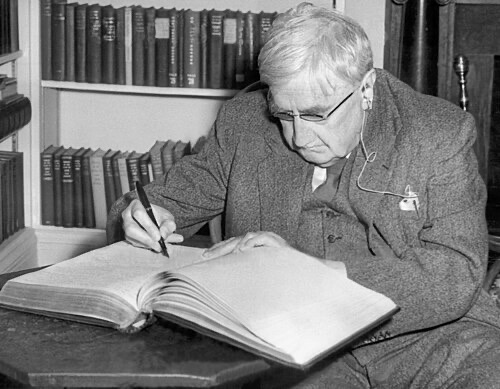
Songs of Travel is a song cycle of nine songs originally written for baritone voice composed by Ralph Vaughan Williams , with poems drawn from the Robert Louis Stevenson collection Songs of Travel and Other Verses . A complete performance of the entire cycle lasts between 20 and 24 minutes.
They were originally written for voice and piano. Vaughan Williams orchestrated the first, third, and eighth songs, and his assistant Roy Douglas later orchestrated the remaining songs using the same instrumentation. The orchestral version has often been recorded but not always with Douglas acknowledged as its co-orchestrator.







 ChristopherAxworthy-MusicCommentary