
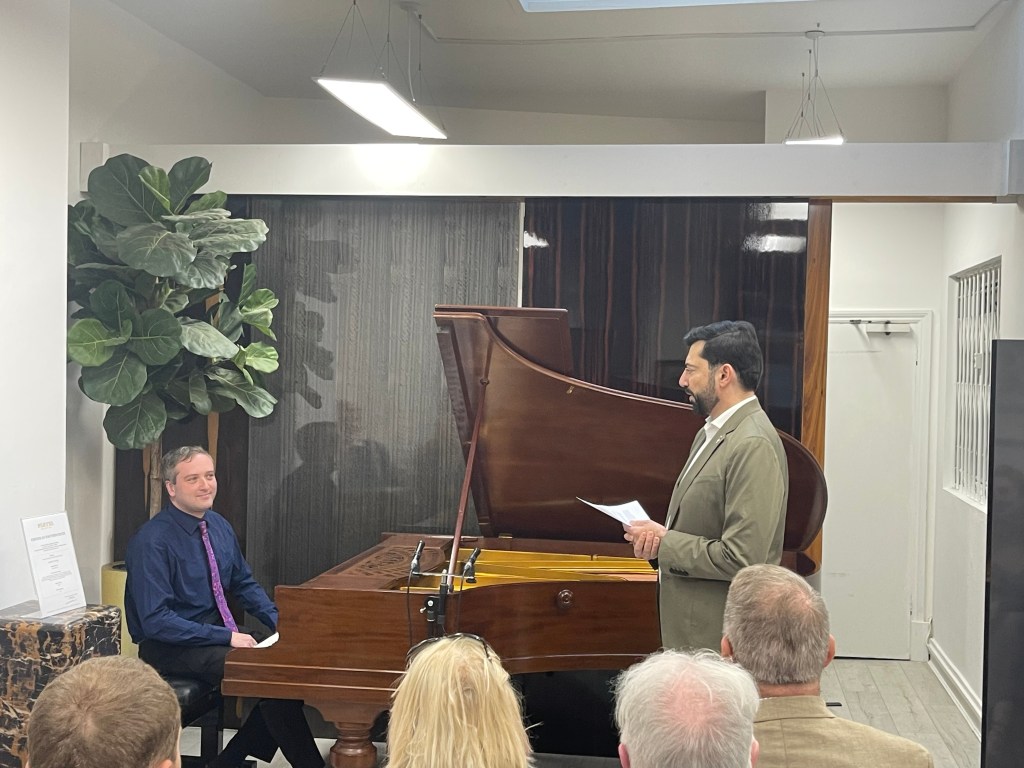
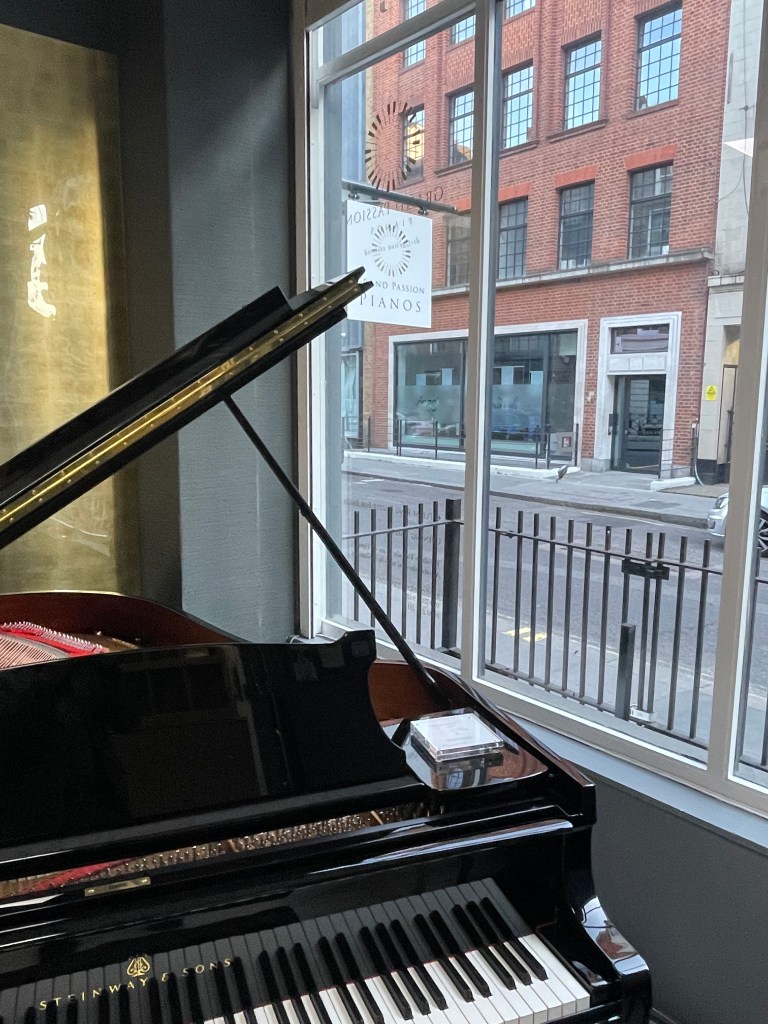
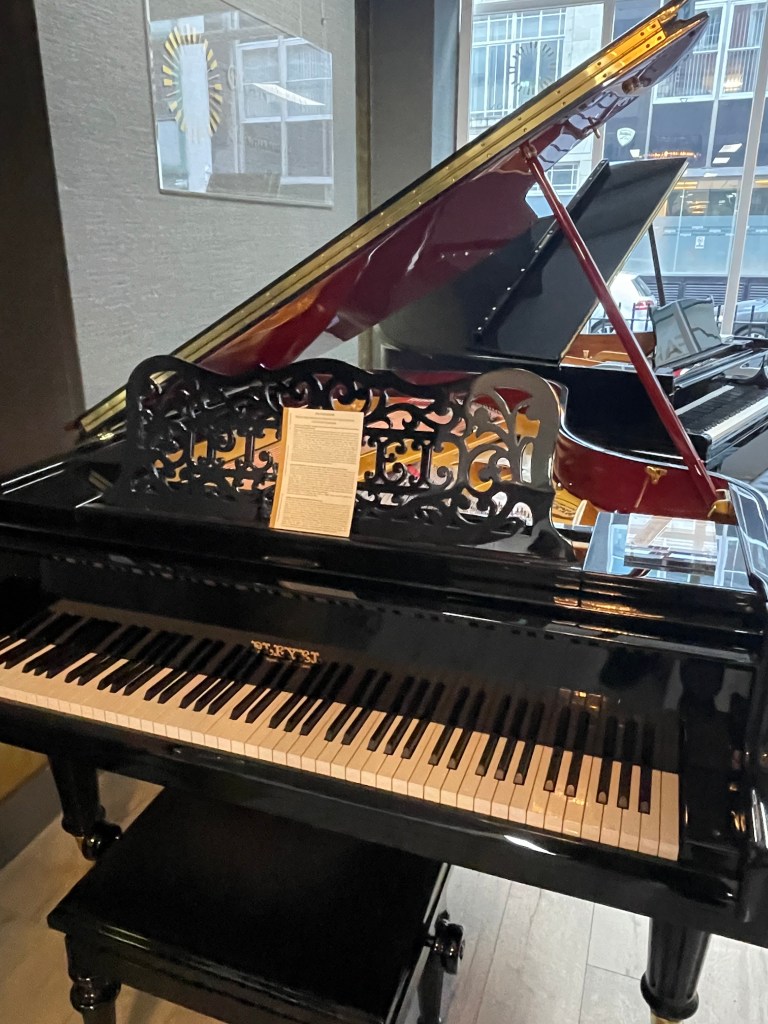
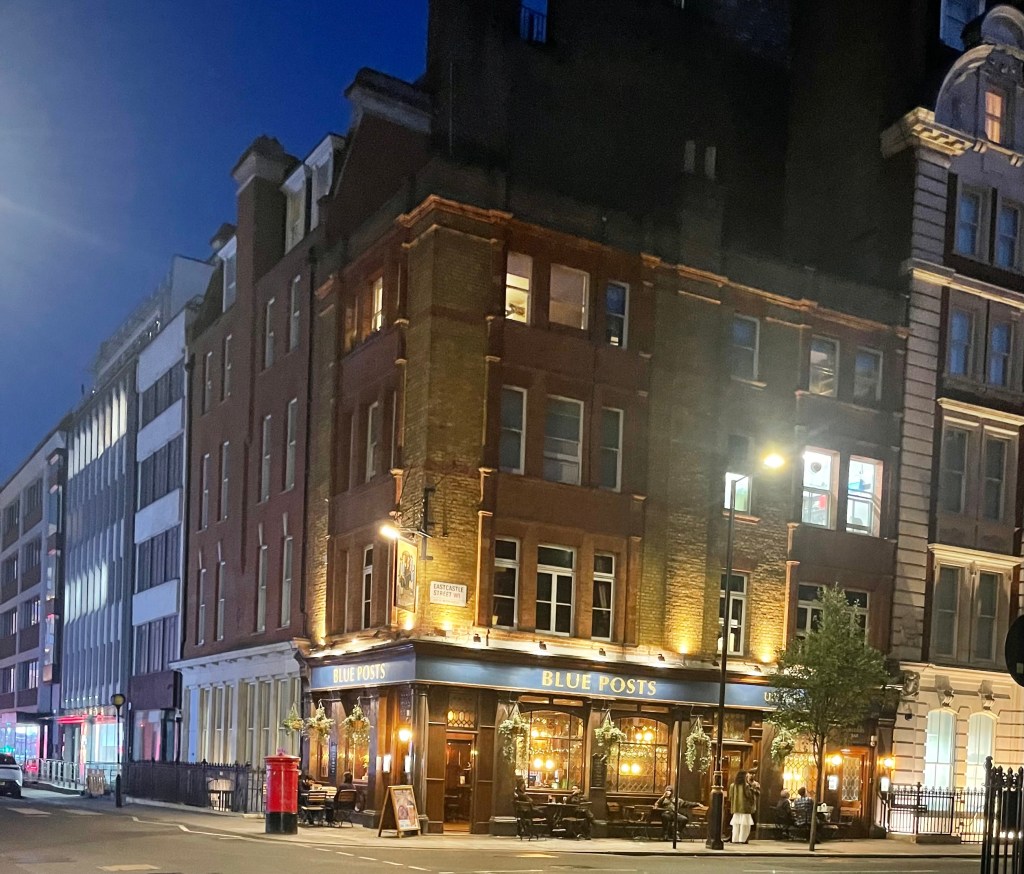
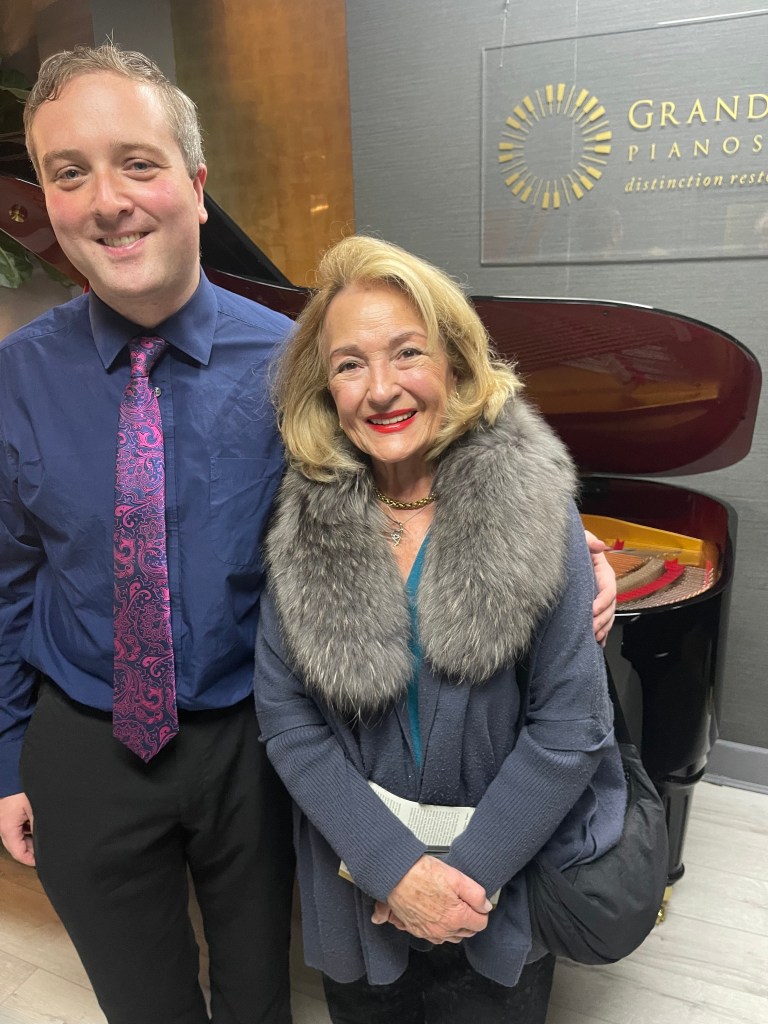
‘Giants of Nineteenth Century Pianism’ presented by Tyler Hay in Muzz Shah’s sumptuous Grand Passion Pianos salon. An oasis of civilised culture where all around there is the confusion of Saturday night fever in central London .

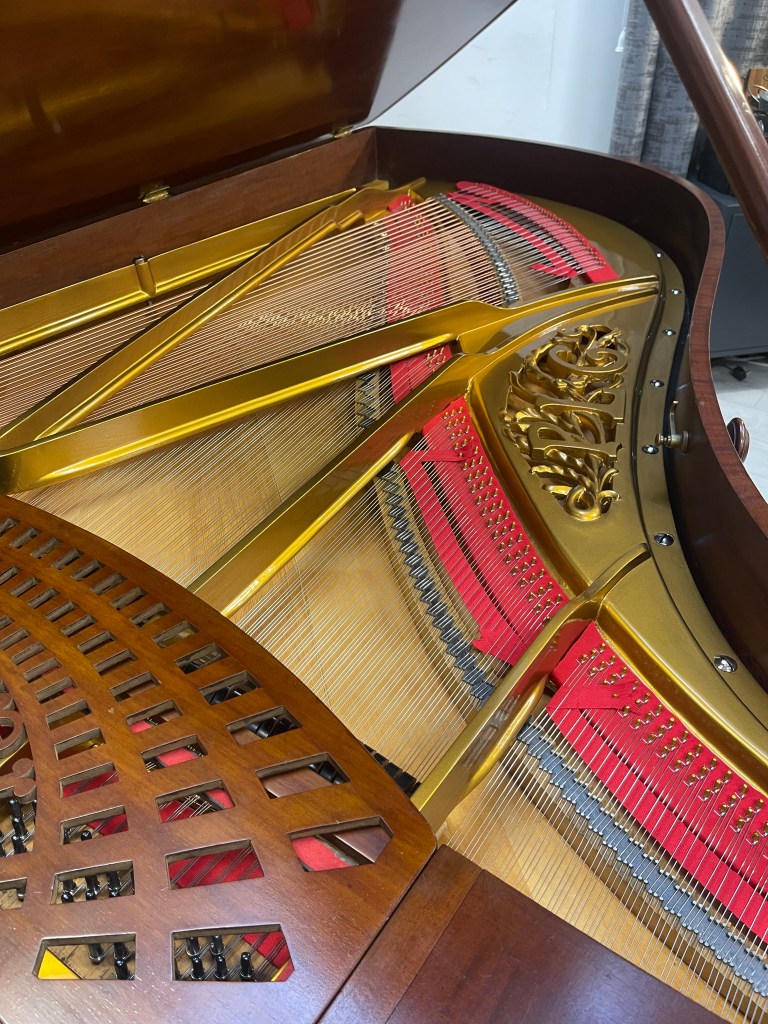
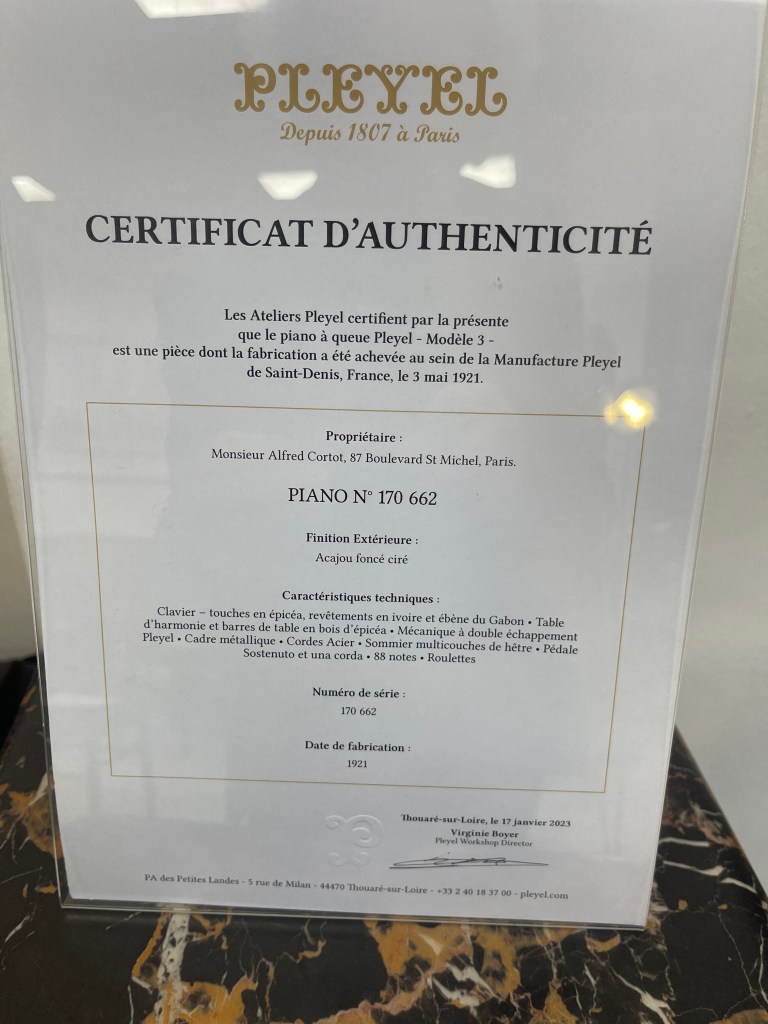
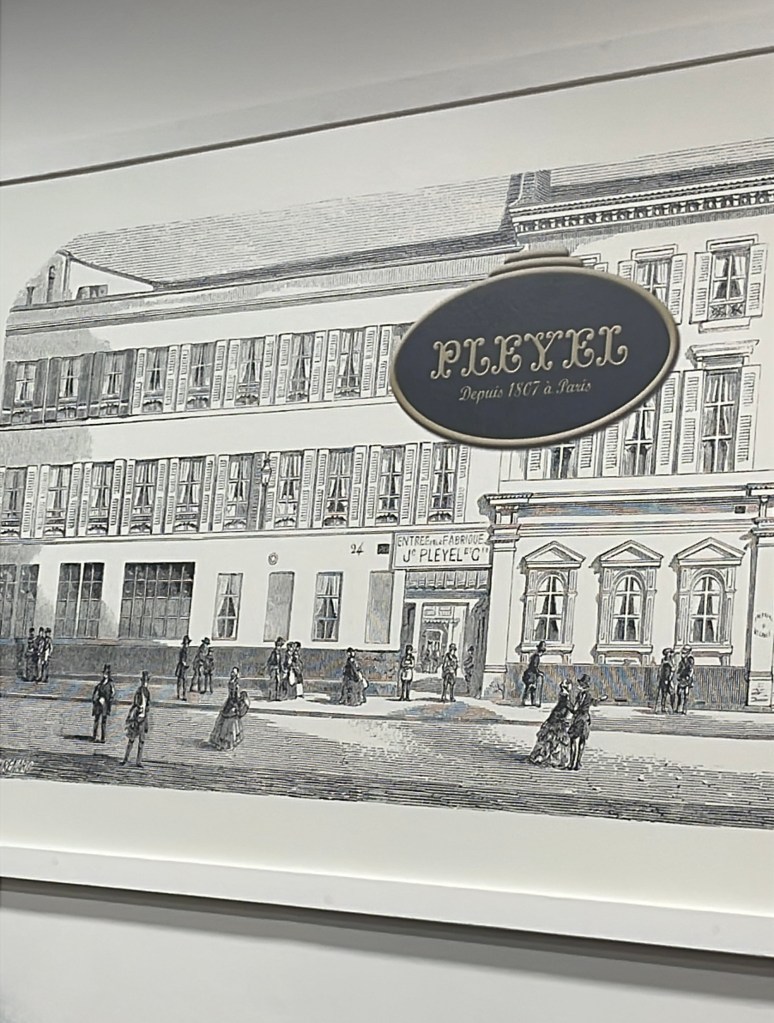
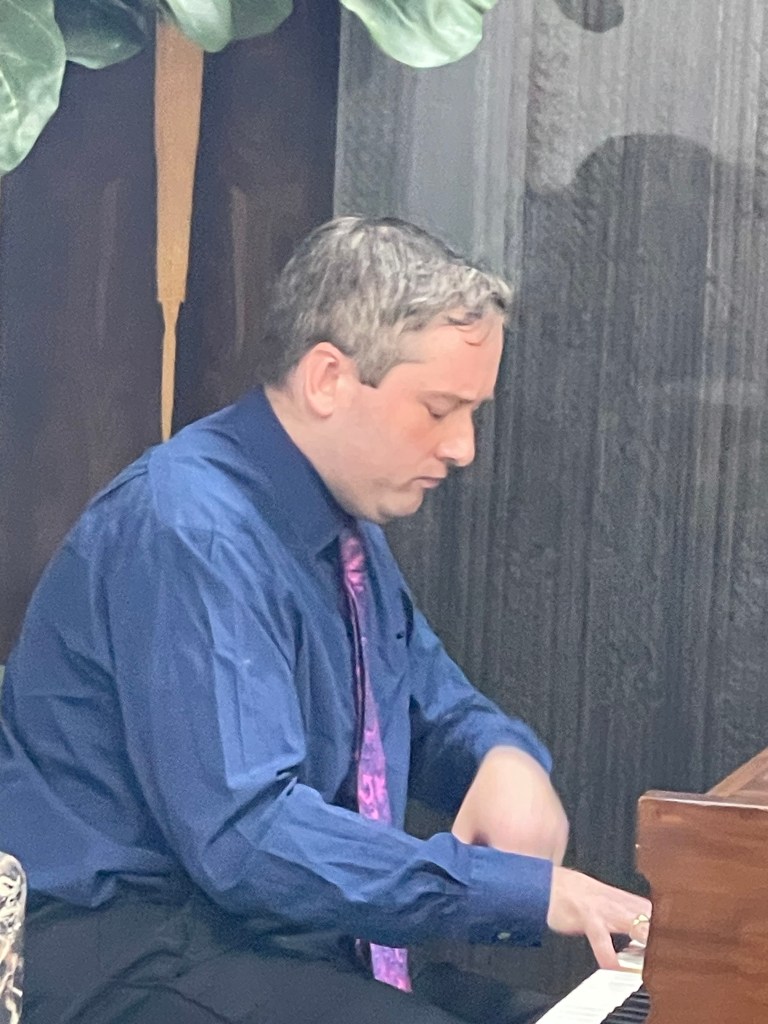
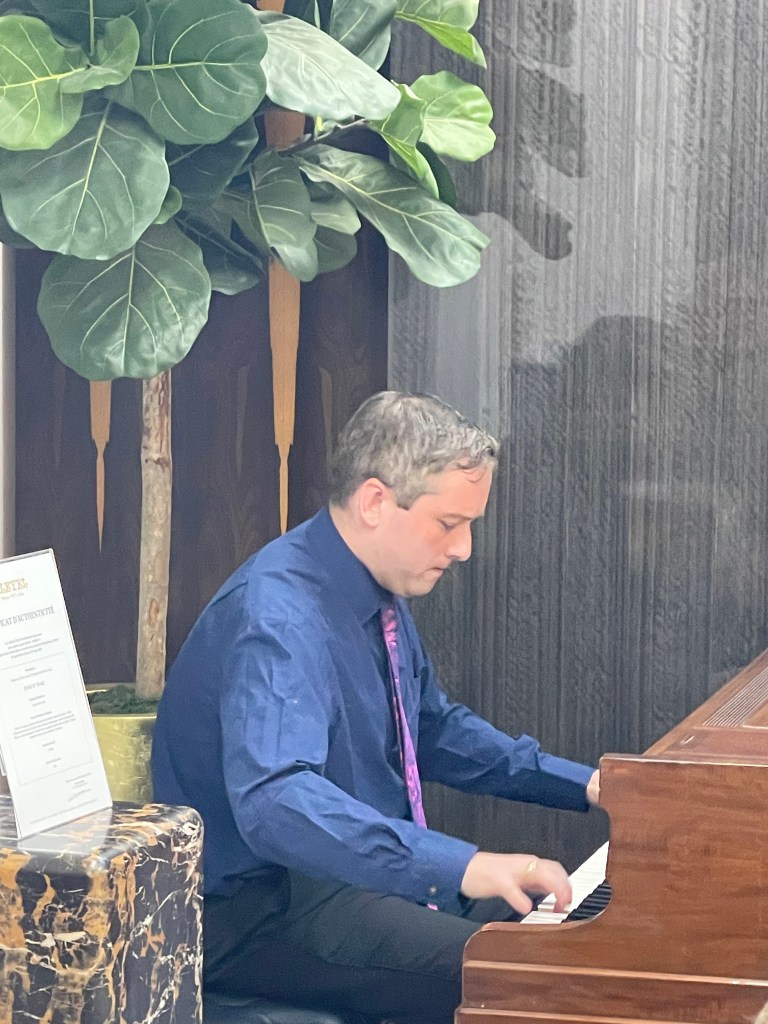
Here on Alfred Cortot’s newly restored Pleyel piano Tyler Hay kept us spellbound with transcendental performances of some of the most spectacularly difficult piano works ever written. From Czerny variations ,two nocturnes by Field, three Henselt Études a Tarantella by Thalberg and even a Symphony by Alkan, there was no stopping Tyler. An extraordinary ray of lightning immediately ignited this noble instrument ,that had once belonged to Alfred Cortot the poet of the piano. https://youtu.be/rNUNNNNj_Qw?feature=shared
A stroke of lightning from Czerny , played with extraordinary ease and ‘fingerfertigkeit’. But a sense of style as the variations became ever more astonishing, with feats of piano playing that made even Tyler wonder how he dared open a programme with such transcendental wizardry. Czerny, the teacher of Liszt and pupil of Beethoven was a prolific composer of over 15000 works for the piano!

There was a chiselled beauty to two of John Field’s eighteen nocturnes. It was his genre that had inspired Chopin who also wrote 18 nocturnes but more of miniature tone poems of Bel Canto rather than the simple moonlit pieces of the Russianised Irish pianist.

I have often marvelled as a student at Rachmaninov playing of ‘Si oiseaux j’etais ‘ on piano rolls in the Piano Museum in Brentford and often wondered what other works there might be by Henselt .https://youtu.be/_5hCX-Eik8M?feature=shared
Well Tyler showed us another two today, all played with the beautiful fluidity that we hear more often in Mendelssohn’s much technically simpler ‘Songs without Words’. Tyler showed us that there are still so many works that have lain on dusty shelves in the archives that can illuminate a historic moment in the piano’s evolution. With the addition of the sustaining pedal described by Anton Rubinstein, a pupil of Liszt, as the ‘soul’ of the piano, leading to the consequent Liszt and Thalberg so called three handed piano technique.Tyler with his charmingly assured manner on stage and in life, reveals the soul and depth of his poetic understanding the moment he touches the keyboard. It was this poetic beauty that he brought not only to the Field Nocturnes but also these three studies by Henselt. They are salon pieces but in a masters hands such baubles can be turned into gems. Alkan’s Symphony for Piano is certainly not a salon piece but an extraordinarily masterly work that thanks to Raymond Lewenthal and Rodney Smith was rediscovered fifty years ago. Alkan’s works are not for the fearless or the living room parlour, they are works that need massive technical and physical resources. Mark Viner like Tyler Hay is an ex student of Tessa Nicholson at the Purcell School. It was they that needed to acquire a piano technique that could do justice to the enormous amount of works that had been gathering dust in the archives since the nineteenth century. It was Tyler who encouraged Mark to embark on a journey to record all of Alkan’s works and to date I believe he has made ten CD’s all rapturously received by the critics.
The Symphony which makes up just four of his twelve studies in all the minor keys, was played by Tyler with searing passion and a kaleidoscope of colour .The pulsating opening .like Beethoven’s Eroica, so noble but so unsettling. The extraordinary mastery of touch needed to play the second movement with its legato melody and staccato accompaniment .The last movement Raymond Lewenthal described as ‘a gallop though hell ‘ and it certainly left even Tyler exhausted, as our young hero certainly never plays safe, but throws himself fearlessly and with spotless precision into all that he plays.
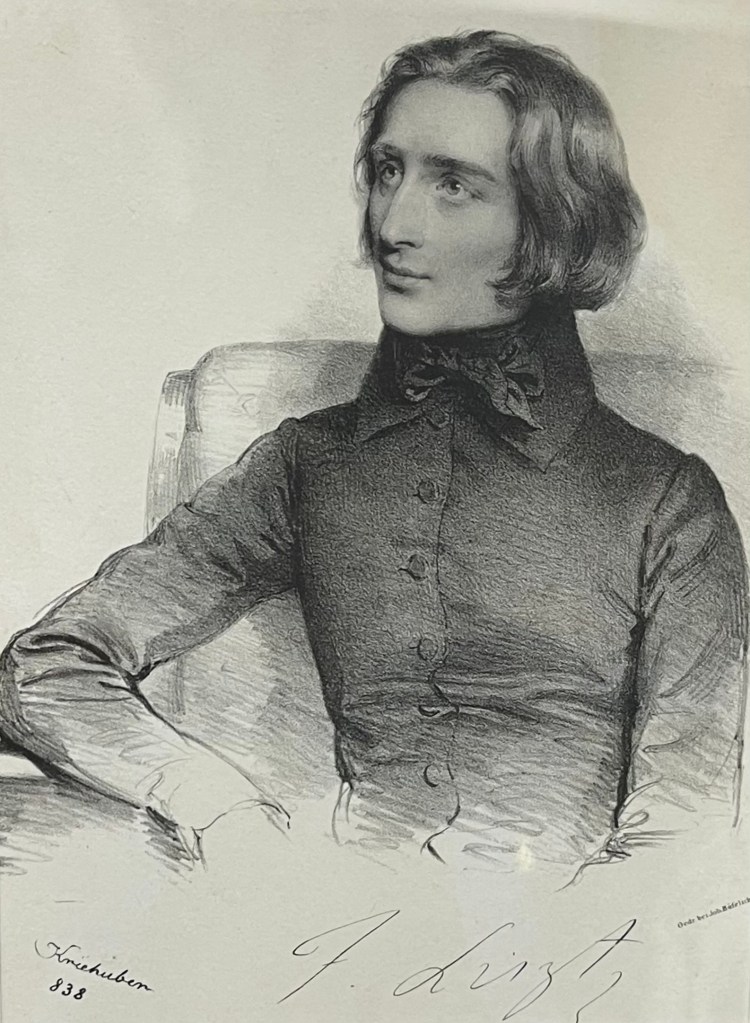
After almost ninety minutes of pyrotechnics he saved the best for last with the monumental variations of Liszt on the chorale from Bach’s cantata : ‘Weinen, Sagen, Sorgen, Zagen. ‘

A performance of emotional and physical endurance with Tyler visibly moved at the thought of Liszt fleeing the funeral of his beloved daughter,Blandine, after playing this very chorale .

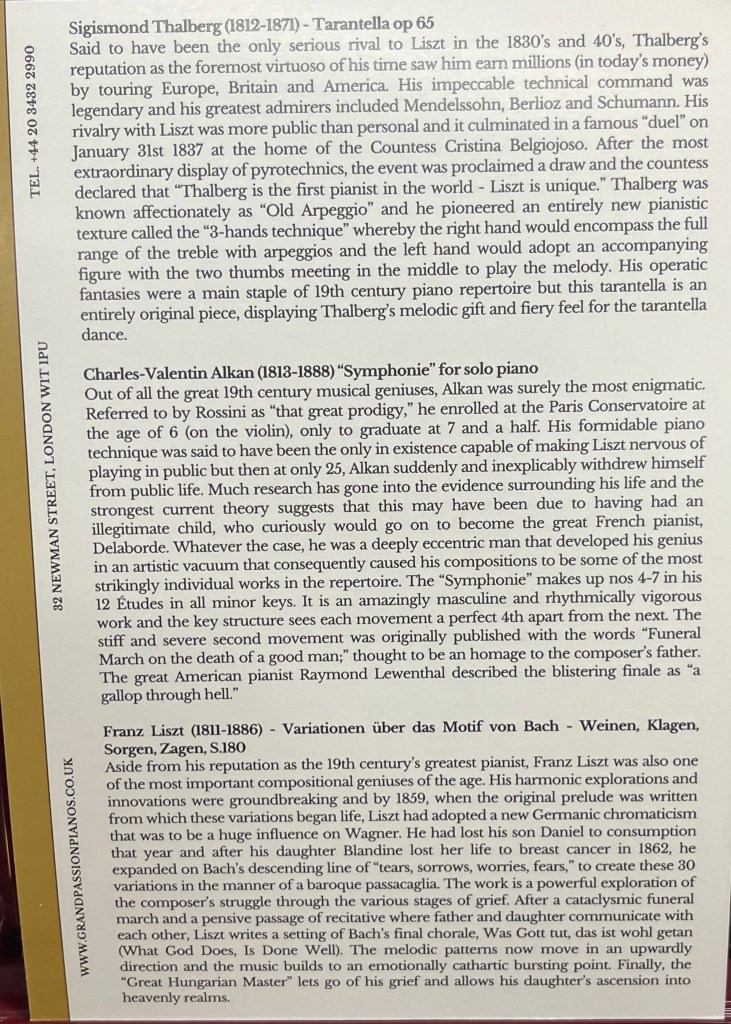
A tour de force of technical mastery but there was much more than just empty note spinning. The sacking of Thalberg’s tomb in Naples a few years ago had Tyler searching the archives for original works by the most famous pianist of his day – the Lang Lang of the nineteenth century. Obviously grave robbers had done their homework thinking of the riches that might have accompanied this pianistic genius on his journey to heaven! One of the pieces Tyler found was the Tarantella op 65.You can read all about the duel between Liszt and his only real rival Thalberg in Tyler’s very interesting programme notes. And here was an original composition of beguiling exhilaration played with dynamic drive and charm with the nonchalant ease that makes this music still so enticing. https://christopheraxworthymusiccommentary.com/2020/01/04/a-la-recherche-de-thalberg/
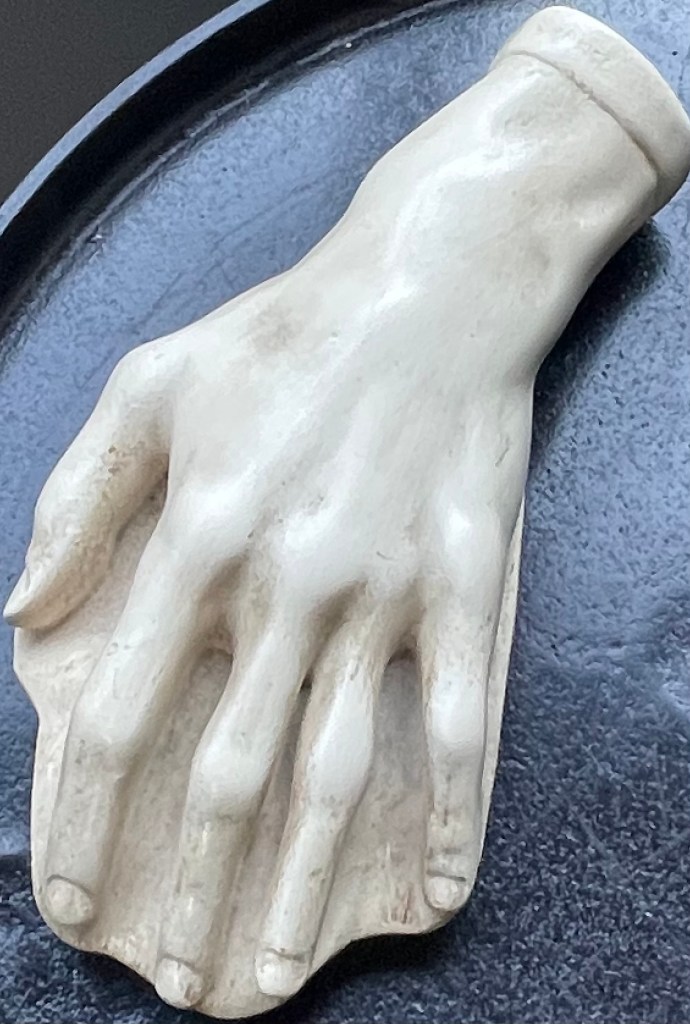
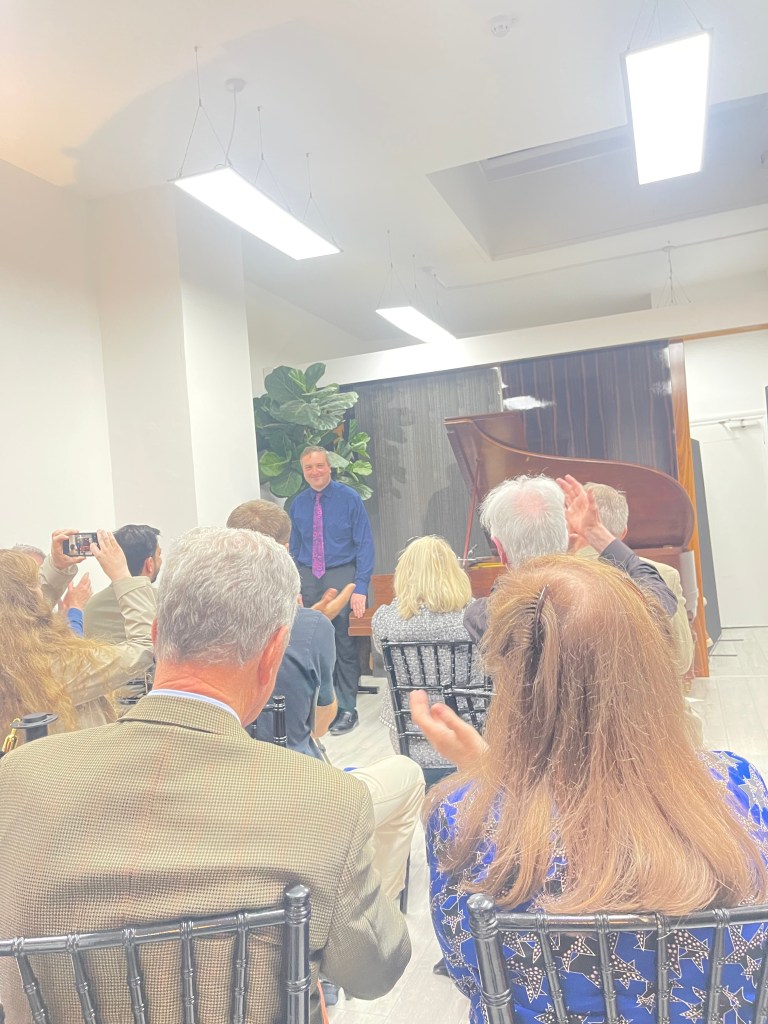
Everything Tyler did or said was imbued with the poetic passion of a true disciple of the great period of the birth of the modern day piano. Grand Piano Passions was indeed the place to be
Anyone interested in the Golden Age of piano playing should not miss the Musical Museum in Brentford founded by Frank Holland. My piano ‘Daddy’, Sidney Harrison was president and responsible for getting the BBC to record many of the legendary pianists immortalised on piano rolls that Frank used to keep in his damp garage. https://christopheraxworthymusiccommentary.com/2018/04/02/the-piano-museum-of-frank-holland/

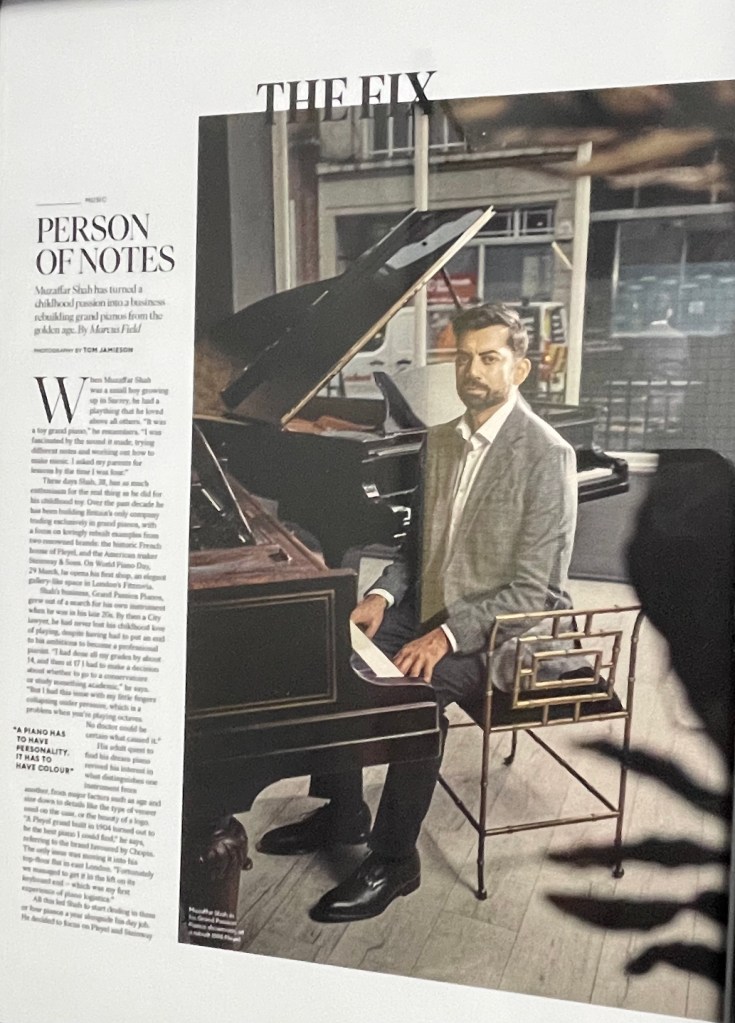
“A Piano has to have personality, It has to have colour”
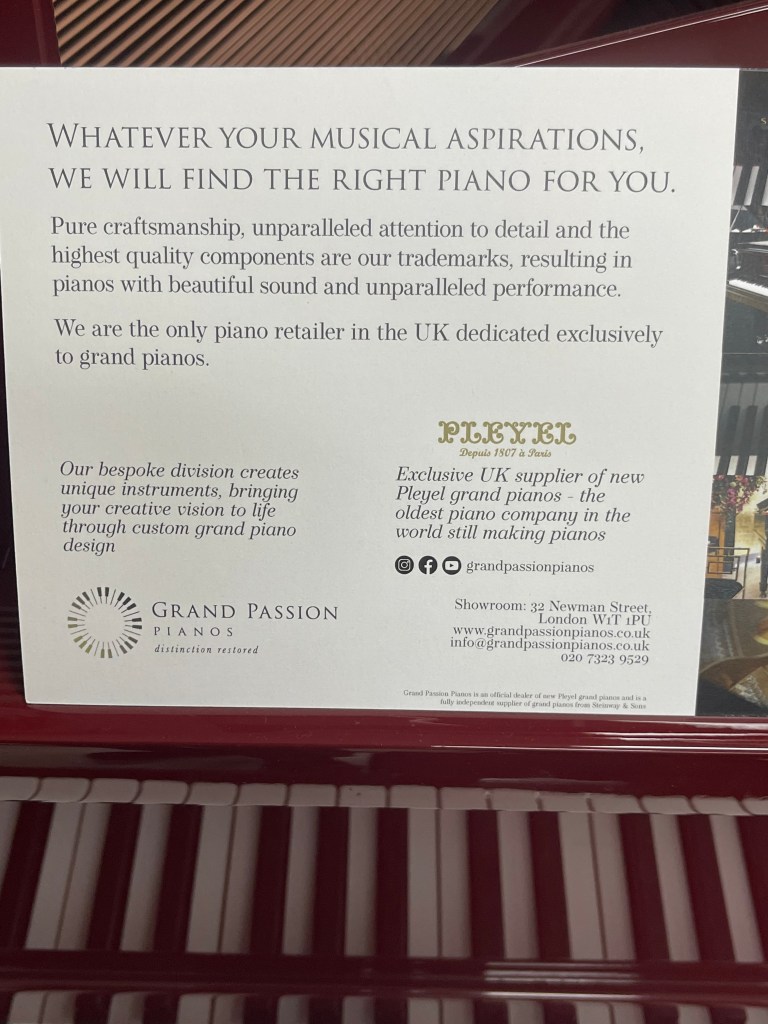
Described by the Financial Times as a “person of note”, Muzz Shah leads Grand Passion Pianos with an uncompromising dedication to quality and innovation. It was Muzz that determined that Steinway and Pleyel are perfect counterparts and together offer compelling alternatives for almost every pianist looking for a top-quality instrument.
As a modern polymath, Muzz is a qualified lawyer and worked for many years in the City of London whilst researching piano construction methodologies, the physics of piano sound generation and the history and innovations of the houses of Steinway and Pleyel. He has written for International Piano magazine and Pianist magazines on the topics of piano technology and the remarkable history of the Maison Pleyel.
His work at Grand Passion Pianos has been profiled by the Financial Times, Country Life, Whispers and the Mayfair Times.






https://www.grandpassionpianos.co.uk/single-post/conversations-at-the-keybo
 ChristopherAxworthy-MusicCommentary