Francesca Dego and Alessandro Taverna creating sparks together that ignited the Wigmore Hall as rarely seen .
An early Strauss Sonata of overwhelming exhilaration and excitement. I have not heard this sonata since by chance I heard Krystian Zimerman with Kyung Wha Chung play in an empty church in Chelsea where there was only Fou Ts’ong and a handful of people in the audience . I have never forgotten that experience but tonight I relived something of the same emotions The superb violin soaring above the streams of golden sounds that AT played with such fluidity and ease .Both playing with red hot passion but also moments of ravishing beauty.The piano lid fully open but with masterly ears that never allowed this big black beast to smother the solo violin.A Stradivarius violin in the hands of a violinist who could weave in and out of Strauss’s sumptuously rich textures with masterly ease.
It was the same in the Schoenberg that opened the programme , written in the last years of his life but with a mastery that could weave such sounds from the solo violin and that the piano could add shape and colour to a dynamic range of rhythmic intricacy and intensity.
But the best was yet to come with a ‘Kreutzer’Sonata played by two masters . Breathtaking rhythmic energy and a dynamic range of kaleidoscopic colour. Has the final chord of the first movement ever sounded so final or the opening so noble ? Sumptuous full sound from the piano in the Andante only to be so teasingly and wondrously varied by these two remarkable artists.A question and answer of extraordinary characterisation before the call to arms of the Finale and the race was on. Breathtaking ensemble as they played as one at breakneck speed with never the slightest doubt that this was a relentless tarantella of devilish proportions .
An even more passionate performance of the Brahms FAE Scherzo, played as an encore , with deep insinuating sounds from the piano that I have never been aware of before and a breathtaking drive from FD who swept all before her.
By great demand a slight morsel by Strauss the only other piece he wrote for violin and a fitting 150th anniversary tribute from two master musicians.
Arnold Schoenberg (1874-1951)
Arnold Schoenberg Vienna 1874 – Los Angeles 1951
Phantasy Op. 47 (1949)
In Arnold Schoenberg’s last instrumental piece, the scale is tipped over to the violin side. Composed in 1949 and dedicated to the memory of violinist Adolph Koldofsky, the Phantasy “for Violin with Piano Accompaniment” is very precisely titled – the violin part was even written first, and the accompaniment added later.The Phantasy is an intense, virtuosic rhapsody in a single movement, but containing within it episodes that clearly recall archetypes of other traditional forms, including a complete little Scherzo and Trio crisply bouncing in 6/8 rhythmic games. Schoenberg is meticulous about dynamic and expressive indications, including romantic markings such as passionato, dolce, cantabile, grazioso, and furioso. Variation is a central principle in composing with 12-tone rows, and there is also a very clear sense of theme-and-variations here, including a tight, dramatic recapitulation.
Richard Strauss (1864-1949)
Richard StraussOct 20 1886
Violin Sonata in E flat Op. 18 (1887)
I. Allegro, ma non troppo • II. Improvisation. Andante cantabile • III. Finale. Andante – Allegro
The Violin Sonata op 18 was written by in 1887 and published in 1888. Although not considered a milestone in violin literature, it is frequently performed and recorded. It is noted for its lyrical beauty and its technical demands made on both violinist and pianist Following the completion of his cello sonata and piano sonata , Strauss composed his Violin Sonata in 1887. It was during this time that Strauss fell in love with Pauline de Ahna, the soprano whom he would later wed, and his amorous feelings can be heard throughout the piece. Like all of his chamber music, Strauss’ sonata follows standard classical form, though it is considered the last of his works to do so.
Interval
Ludwig van Beethoven (1770-1827)
Violin Sonata No. 9 in A Op. 47 ‘Kreutzer’ (1802-3)
I. Adagio sostenuto – Presto • II. Andante con variazioni • III. Finale. Presto
The Violin Sonata No. 9, in A major op.47 was written in 1803 and is notable for its technical difficulty , unusual length and emotional scope. It is commonly known as the Kreutzer Sonata after the violinist Rodolphe Kreutzer , to whom it was ultimately dedicated, but who thoroughly disliked the piece and refused to play it
In the composer’s 1803 sketchbook, the work was titled “Sonata per il Pianoforte ed uno violino obligato in uno stile molto concertante come d’un concerto” The final movement was originally written for the Sonata n.6 op 30 n.1 .
1815 autograph
The sonata was originally dedicated to the violinist George Bridgetower (1778–1860) as “Sonata mulattica composta per il mulatto Brischdauer [Bridgetower], gran pazzo e compositore mulattico” (Mulatto Sonata composed for the mulatto Brischdauer, great madman mulatto composer).Though Beethoven had barely completed the sonata it received its first public performance at a concert in the Augarten on 24 May 1803 at 8:00 am,with Beethoven on piano and Bridgetower on violin. Bridgetower had to read the violin part of the second movement from Beethoven’s copy, over his shoulder.
George Bridgetower a watercolour of 1800
He made a slight amendment to his part, which Beethoven gratefully accepted, jumping up to say “Noch einmal, mein lieber Bursch!” (“Once more, my dear fellow!”). George Bridgetower was born in Poland of a West Indian father described as an African Prince and German mother described as a Polish lady of quality.They were probably both in service!
George showed considerable talent while still a child and gave successful violin concerts in Paris,London,Bath and Bristol in 1789. In 1791, the Prince Regent , the future King George IV, took an interest in him and oversaw his musical education.He performed in the Philharmonic Society of London’s first season in 1813, leading the performance of Beethoven’s Quintet,and subsequently married Mary Leech Leeke in 1816. He later travelled abroad, particularly to Italy , where his daughter lived. He died in 1860 in Peckham , south London and is buried in Kensal Green Cemetery.After the premiere performance, Beethoven and Bridgetower fell out.While the two were drinking, Bridgetower apparently insulted the morals of a woman whom Beethoven cherished. Enraged, Beethoven removed the dedication of the piece, dedicating it instead to Rodolphe Kreutzer , who was considered the finest violinist of the day.After its successful premiere in 1803, the work was published in 1805 as Beethoven’s Op. 47, with its re-dedication to Rudolphe Kreutzer, which gave the composition its nickname. Kreutzer never performed the work, considering it “outrageously unintelligible”. He did not particularly care for any of Beethoven’s music, and they only ever met once, briefly.
In the words of Salvatore Accardo, ‘Francesca is one of the most extraordinary talents I have encountered. She possesses a brilliant and infallible technique and a beautiful, warm and appealing tone. Her musicality is full of imagination and at the same time very faithful to the score’. The Italian-American violinist now enjoys a busy international career founded on – as a Gramophone critic once put it – ‘playing that combines tonal purity, verve, and an evident delight in the unexpected’.
Alessandro Taverna’s “music making stimulates the senses as does a visit to his native Venice”, and gives “rise to a feeling of wonderment”. When he reached the final and performed Chopin’s First Piano Concerto at the 2009 Leeds International Piano Competition, “the world was suddenly suffused with grave beauty: flawless minutes of poetry”, said the newspaper The Independent. Alessandro Taverna established his international career by winning major prizes at Minnesota Piano-e-Competition, London International Piano Competition, Leeds International Piano Competition and Busoni Piano Competition in Bolzano. Since then he has gone to perform in some of the most important concert halls and seasons including Teatro alla Scala Milan, Teatro San Carlo Naples, Teatro Petruzzelli Bari, Teatro Comunale di Bologna, Teatro La Fenice Venice, Musikverein Vienna, Konzerthaus Berlin, Gasteig Munich, Wigmore Hall and Royal Festival Hall in London, Bridgewater Hall Manchester, Salle Cortot in Paris, Philharmonic Hall Liverpool, Musashino Hall in Tokyo, Auditorium Parco della Musica Rome. His success has led to engagements with many prestigious orchestras including Filarmonica della Scala, Münchner Philharmoniker, Dallas Symphony Orchestra, Orchestra Sinfonica Nazionale RAI, Royal Philharmonic Orchestra, Minnesota Orchestra, Royal Liverpool Philharmonic, Bournemouth Symphony, Bucharest Philharmonic, Scottish Chamber, Orchestra of the Accademia Teatro alla Scala, working with conductors including Lorin Maazel, Riccardo Chailly, Fabio Luisi, Myung-Whun Chung, Daniel Harding, Michele Mariotti, Reinhard Goebel, Carlo Boccadoro, Thierry Fischer, Michael Guttman, Claus Peter Flor, Roland Böer, Joshua Weilerstein. The London Keyboard Trust has presented him in recitals in Europe and the United States with Wigmore Hall debut in February 2012.. Born in Venice, Alessandro Taverna studied with Laura Candiago Ferrari at the Santa Cecilia Music Foundation in Portogruaro and with Franco Scala, Leonid Margarius, Boris Petrushansky and Louis Lortie at the Imola International Piano Academy. He later specialised at the Santa Cecilia National Music Academy in Rome with Sergio Perticaroli, at the Hochschule für Musik in Hannover with Arie Vardi, and at the Lake Como Piano Academy. Taverna teaches at Imola International Piano Academy “Incontri col Maestro”, at the Conservatory of Music “Cesare Pollini” in Padova and at Santa Cecilia Music Academy in Portogruaro. For his artistic achievements and his international career, he was awarded the Premio Presidente della Repubblica in 2012.https://christopheraxworthymusiccommentary.com/2024/12/25/point-and-counterpoint-2024-a-personal-view-by-christopher-axworthy/
Mark Bebbington at the Wigmore Hall with a Hommage a Piaf that fast turned into the scintillating unmistakably French circus of Napoli , Poulenc Style.Mephisto Polka the last piece that Liszt was to pen with his energy obviously on the wane after admiring the scintillating fountains of the Villa d’Este or his transcendental paraphrase of Rigoletto all played with loving musicianship and daring.MB’s musicianship shone through all he played and nowhere more than in Cesar Franck’s much loved Prelude Chorale and Fugue
A simple Spanish dance by Granados was MB’s way of thanking his very enthusiastic audience before they could get to the sherry that awaited in the foyer on what must be the coldest day of the year beyond the comforting Wigmore doors
The critical plaudits that have greeted Mark Bebbington’s performances and recordings have singled him out as a British pianist of the rarest refinement and maturity. Internationally recognised as a champion of British music in particular, Mark has recorded extensively for the SOMM ‘New Horizons’ label to unanimous critical acclaim. His last seven releases have been awarded consecutive sets of five-star reviews in BBC Music Magazine and his most recent CD , ‘The Piano Music of Vaughan Williams’ reached No. 3 in the UK Classical Charts where it remained for eight weeks.
Mark’s premiere recordings include Bax’s Piano Concertino coupled with Ireland’s Piano Concerto and Legend, and premieres of Vaughan Williams’s Fantasia and Mathias’s first two Piano Concertos with the Ulster Orchestra.
In addition to concerto recordings, in 2017 Mark completed his Ireland and Bridge solo piano series and released a CD of Alwyn’s piano works. As well as his BBC Music Magazine success, he has won Gramophone magazine’s Editor’s Choice, International Record Review’s ‘Outstanding’ accolade and many others.
Over recent seasons Mark has toured throughout Europe and the USA (both as recitalist and as soloist with some of the world’s leading orchestras), as well as the Far East and North Africa. He recently gave the US premiere of Richard Strauss’s ‘Parergon’ for the Left Hand at Carnegie Hall with the American Symphony Orchestra and Leon Botstein and gave masterclasses and recitals of British music at Bard College. In the UK he has performed concertos with the Royal Philharmonic and Philharmonia orchestras, the London Mozart Players, the Orchestra of the Swan and the BBC Concert Orchestra. He has featured both as soloist and recitalist on BBC television and radio, and on major European television and radio networks.
Mark studied at the Royal College of Music, where he was a recipient of numerous international awards and prizes including a Leverhulme Scholarship, a Winston Churchill Fellowship and the Ivan Sutton Recording Prize – the latter awarded to the one outstanding graduate of the combined London music colleges. He later studied in Paris and Italy with the legendary Aldo Ciccolini.Mark’s programming demonstrates a commitment to the music of our time and he regularly includes contemporary composers as diverse as Toru Takemitsu, Julian Anderson, John McCabe, David Matthews, Pierre Boulez and Elliot Carter in his recital series.Forthcoming projects include continuing releases for the Somm label, appearances in major concert series and festivals both in the UK and throughout Europe and, closer to home, concerto performances with the London Philharmonic and Royal Philharmonic Orchestras. He recently completed a two-week tour with the Czech National Orchestra and Libor Pesek and returned to the USA for concerts with the Buffalo Philharmonic. In July 2017 Mark made his Israel debut tour with the Israel Camerata.
Poulenc with Landowska in 1930. Francis Jean Marcel Poulenc 7 January 1899 – 30 January 1963. The vast majority of the piano works of Poulenc are, in the view of the writer Keith W Daniel, “what might be called ‘miniatures'”. Looking back at his piano music in the 1950s, the composer viewed it critically: “I tolerate the Mouvements perpétuels, my old Suite in C , and the Trois pieces. I like very much my two collections of Improvisations, an Intermezzo in A flat, and certain Nocturnes . I condemn Napoli and the Soirées de Nazelles without reprieve.”
Of the pieces cited with approval by Poulenc, the fifteen Improvisations were composed at intervals between 1932 and 1959. All are brief: the longest lasts a little more than three minutes. They vary from swift and balletic to tender lyricism, old-fashioned march,perpetuum mobile,waltz and a poignant musical portrait of the singer Edith Piaf. Poulenc’s favoured Intermezzo was the last of three. Numbers one and two were composed in August 1934; the A flat followed in March 1943. The commentators Marina and Victor Ledin describe the work as “the embodiment of the word ‘charming’. The music seems simply to roll off the pages, each sound following another in such an honest and natural way, with eloquence and unmistakable Frenchness https://youtu.be/JcQeZZzLpE0?si=1AafQtJ198Ky2DC8 .”The pieces Poulenc found merely tolerable were all early works: Trois mouvements perpétuels dates from 1919, the Suite in C from 1920 and the Trois pièces from 1928. All consist of short sections, the longest being the “Hymne”, the second of the three 1928 pieces, which lasts about four minutes. Of the two works their composer singled out for censure, Napoli (1925) is a three-movement portrait of Italy, and Les Soirées de Nazelles is described by the composer Geoffrey Bush as “the French equivalent of Elgar’s “Enigma Variations” – miniature character sketches of his friends. Despite Poulenc’s scorn for the work, Bush judges it ingenious and witty.
Franz Liszt (1811 – 1886) in 1884
The Mephisto Polka (S. 217) was written in folk-dance style for solo piano by Franz Liszt in 1882–83. The work’s program is the same as that of the same composer’s four Mephistopheles Waltzes , written respectively in 1859–60, 1880–81, 1882 and 1885 and based on the legend of Faust, not by Goethe but by Nikolaus Lenau (1802–50). The following program note, which Liszt took from Lenau, appears in the printed score of the Mephisto Waltz No. 1:
There is a wedding feast in progress in the village inn, with music, dancing, carousing. Mephistopheles and Faust pass by, and Mephistopheles induces Faust to enter and take part in the festivities. Mephistopheles snatches the fiddle from the hands of a lethargic fiddler and draws from it indescribably seductive and intoxicating strains. The amorous Faust whirls about with a full-blooded village beauty in a wild dance; they waltz in mad abandon out of the room, into the open, away into the woods. The sounds of the fiddle grow softer and softer, and the nightingale warbles his love-laden song.
The Mephisto Polka was dedicated to Lina Schmalhausen, one of Liszt’s “inner-circle” piano students. However, she is remembered more as one among the closest and most ardently devoted of Liszt’s followers, frequently attending to and assisting in the many needs of the aged master whose health was in rapid decline.
Franz Liszt’s last work was probably an arrangement for Mozart’s Ave verum corpus -for organ- in the year he died in 1886, but let’s look at his last original composition. Actually, Liszt’s last original composition is not easy to pinpoint, he composed many small pieces in late 1885 and some of his compositions from 1885 were lost and some were undated. However, our information indicates that “En rêve” (“Dreaming”) was likely Liszt’s last original composition. The “Cambridge Companion to Liszt”, one of the most comprehensive books on Liszt, also points to this work as one of Liszt’s last works: “‘En Reve. Nocturne’ one of his last pieces, written in late 1885 for his student August Stradal.” Also, in the chronological listing of Liszt’s works made for Grove Music Online in 2010, En Reve appears as the last original piece.It can be said that this work, En rêve, stands in contrast to all the works of Liszt in his last period. Liszt’s last period is dark and experimental; The identified themes are death, depression, despair and sadness. Nuages gris (grey clouds), Unstern (sinister), Trauervorspiel und Trauermarsch (Funeral prelude and Funeral march), Abschied (farewell), Seven Hungarian Historical Portraits, La lugubre gondola (the lugubrious gondola)… Almost all works composed after 1880 are in similar dark tones. In the early 1880s he said: “I carry with me a deep sadness of the heart which must now and then break out in sound.” His compositions were much simpler than before, he used emptiness and silence like never before. The effective use of silence and simplicity also intensely reflects the “purposelessness” that Liszt felt. These works also pointed to the music of the future.It is quite interesting to compare these works composed in the same period as En Reve. For Liszt, worldly things were depressive and death-related. He composes elegies for important Hungarian figures; gray clouds and gondolas gave it dark connotations. But in En rêve (Dreaming) it’s the opposite, not “joyful” but a poetic and peaceful little nocturnal piece, there is an atmosphere where sweetness and sadness coexist, it is unrelated to all his other works of that period. In addition, it is a composition that does not use emptiness or silence like his other works, and ends in a snap. Liszt is just at peace in his sleep and that’s the only place where dark thoughts don’t surround him. His nightmare was when he awoke and was probably waiting for death, thinking there would be peace.
A born Chopin player where freedom of Bel Canto and imagination is always with the roots firmly placed in the bass. Like Argerich or Freire there is freedom of nobility which denies any of the superficiality of the so called ‘tradition’. Blessed by the Gods they can do no wrong as everything they play lives for that moment of creation depending as much on the audience as on their inborn talent and childhood training. Christmas is with us and all around St James’s were crowds that resembled rush hour in Hong Kong ! Hard to discern any English as so many languages could be heard of people from all Nations congregating in London with joy in their hearts and dollars in their pockets!
Enjoying a festive London lit up and welcoming with Fortnum and Mason taken by siege and sales enjoying this influx of visitors. Keep to the left needs to be translated into multi languages if the natives hope to enter or exit their underground! There are oases however that can be found in the candlelit churches that City Music Promotions fill with much needed favourite classical music. Oft washed down with Champagne to warm even more the cockles of the heart . Both reach places with a universal language where words are superfluous .
Petr has perfected his childhood Russian training in the west with Dmitri Alexeev and Maria João Pires and plays with the mastery that is born in someone where music is their life blood . Despite influenza and much else Petr found solace in music making that kept a very full church spellbound for an hour of peace and good will amidst the hubbub outside the doors .
A Polonaise that was indeed ‘Heroique’ in these circumstances with a freedom that never overstepped good taste . Moments of calm where deep bass notes kept the ship on the road after a ferocious cavalry had taken us by storm. Counterpoints that shone like jewels within a shimmering texture bringing us to the exhilaration and excitement that we always awaited from Rubinstein. Mazurkas are considered to be part of the Polish soul and only understood by the natives. It is ,however,a language that speaks to a soul that has no boundaries.It was this freedom and poetic intimacy that found the ideal common denominator in the Chinese soul of Fou Ts’ong ( who had very surprisingly won the Mazurka prize at one of the first Chopin competitions in Warsaw in the 50’s).It also had found a similar soul in Petr Limonov who covered these canons with ravishing flowers.Three Mazukas op 63 were played with a kaleidoscope of colours and emotions with a beguilingly subtle insinuation of nostalgia and yearning . Whispered confessions of op 63 n3 were the answer to the seductive beauty of Chopin’s unique bel canto of op 63 n 2 in F minor .
Two waltzes op 64, joined by an umbilical, where the final note of the Minute waltz shone like a star as the C sharp minor n 2 was allowed to insinuate itself into such scintillating jeux perlé nonchalant brilliance. The Barcarolle op 60 considered by many to be Chopin’s greatest work for it’s continuous outpouring of song was played with a fluidity and glowing beauty where this very fine Fazioli piano resembled the soft beauty of Chopin’s beloved Pleyel.
The second half was dedicated to Chopin’s B minor Sonata where Petr’s sense of freedom was allied to an architectural shape that gave such nobility to this late masterpiece. Playing the repeat of the first movement as much for his own satisfaction as well as ours, added a good ten minutes to the hour long recital .The Trio of the scherzo was played with a rare sense of fantasy and colour and contrasted with the streams of golden sounds of the Scherzo.A Largo that became a real tone poem before the excitement and exhilaration of the Presto finale The concert may have over run and the Champagne only a distant warming relief but an ovation was reserved for this dashing young Prince from a public hungry for more ……..music!
A Chopin mazurka of even more insinuating beauty sent us out into the evening fray with our souls now fully replenished
Winner of Nikolai Rubinstein Piano Competition, pupil of Maria João Pires and Dmitri Alexeev, award‐winning British pianist Petr Limonov is increasingly sought‐after both as a soloist and a chamber musician worldwide. His notable appearances include La Roque d’Antheron festival (broadcast by radio France Musique), Wigmore Hall, Southbank Centre, Lerici Music Festival, Cadogan Hall, Kings Place, the Great Hall of Moscow Conservatory, a solo recital in The Duke’s Hall for His Majesty King Charles III, iTunes Festival, TV appearances for BBC Proms Extra, Podium Witteman and broadcasts for BBC Radio 3. His arrangement of the Auld Lang Syne (from Nicola Benedetti’s “Homecoming” album, Decca) was performed in the Albert Hall at the BBC Proms. On the 6th of March 2022, Petr conducted an open‐air orchestral concert in Trafalgar Square, London, in protest against the Russian invasion of Ukraine.
Chorale Prelude ‘Nun komm der Heiden Heiland’ BWV659 arranged by Ferruccio Busoni
Chorale Prelude ‘Ich ruf zu dir, Herr Jesu Christ’ BWV639 (1708-17) arranged by Ferruccio Busoni
Ignacy Jan Paderewski (1860-1941)
Miscellanea Op. 16 (1886-96)
Nocturne in B flat No. 4 Légende No. 1 in A flat No. 1
Mélodie in G flat No. 2 Thème varié in A No. 3 LégendeNo.2inANo.5 Un moment musical No. 6 Minuet in A No. 7
Johannes Brahms (1833-1897)
Scherzo in E flat minor Op. 4
Interval
Variations on an Original Theme Op. 21 No. 1 Sergey Rachmaninov (1873-1943)
Piano Sonata No. 2 in B flat minor Op. 36 (1913, rev. 1931)
I. Allegro agitato • II. Non allegro – Lento • III. Allegro molto
Jonathan Plowright at the Wigmore Hall a pianist I have heard a lot about via the magnificent reviews for his Brahms recordings in particular. A chance to hear the pianist that that eclectic authority on pianists ,Bryce Morrison a fellow Yorkshireman, has long been a great admirer of.
From the very first notes it was apparent that we were in the presence of a very fine musician ,an artist who thinks more of the music than any showmanship or demonstrative outward signs that could take away from his intense concentration of transmitting the composers wishes into sounds.
Two chorale preludes by Bach where Busoni’s sumptuous harmonic base was given precedence over any idea of melody and accompaniment showing us how Bach’s magic could emerge from sounds like the birth of a heavenly being.
Paderewski’s little ‘bon bons’ were indeed the jewels that in the great statesman’s hands could be turned into gems that created a sensation as one of the greatest pianist of all time took the US by storm. Jeux perlé, ravishing delicacy and extraordinary virtuosity went hand in hand with a style of another era as JP brought these long forgotten morsels enticingly to light.
Brahms has long been an important part of JP’s recorded legacy and it was with the early Scherzo in E flat minor that he showed us why.
Precision,beauty,fantasy and brilliance came together in this early work where Brahms was thinking more in pianistic terms than orchestral. Or was he ? JP missed the sumptuous full orchestral sounds in the majestic declamations of dynamic drive – it is written staccato but with what instrument in mind? Food for thought indeed and am sure JP has pondered on this very question, however it was played with intelligence, brilliance and exhilaration.
All doubts were dispelled after the interval when the variations on an original theme were miraculously allowed to evolve in a cauldron of molten gold.Sounds emerged into one another as there seemed to be no full stops but like Joyce one long outpouring of magical ethereal beauty.
It was the same intelligence and beauty he brought to Rachmaninov’s much maligned second sonata. No hystrionics but playing what Rachmaninov himself had penned.Some passages remarkably slow compared to some modern day showmen’s performances.Look at the score and all will be revealed and JP showed us a sonata that we could love without heart driven palpitations or circus like entertainment.There were no cat calls ( as I have heard recently for Kantorow or Lisiecki) but a deep satisfaction that we had been present at a very special occasion where the music was allowed to speak for itself.
A little piece by Mompou of barely whispered ravishing sounds played with mastery and beauty was JP’S way of thanking a very large audience of sharing in his journey of musical discovery .
Some pianists like Frank Merrick (the youngest student of Leschetitsky),Albert Ferber (a student of Rachmaninov) and Sergio Fiorentino (the great Neapolitan school) were happier in the recording studio away from the limelight of the concert platform.They are not born with the charisma or showmanship that a public performer must have as indeed Paderewski did as he took the USA by storm.They do have though all the ingredients that make up a great interpreter :Intelligence,technical mastery, poetic artistry and a memory that can absorb music like a sponge and make it their own without any mechanical means to get between them and the music!
Screenshot
Liszt the greatest showman the world has ever known was born with a demonic gift to seduce and ravish anyone that came into his sights he was also of course a musical genius which as he forsook his outward vices came ever more to the fore .Rubinstein in our time lived to create music with an audience that became his life blood.Perlemuter told me of Rachmaninov coming on stage as though he had swallowed a knife but the moment he touched the keys there were sounds that he had never heard from others.
Glenn Gould
Glenn Gould of course was unique as he also had showmanship but something in his make up made him give way to his intellectual curiosity rather than the manic showmanship of Bernstein.
Arture Rubinstein Serghei Rachmaninov
Michael Moran the distinguished critic based in Poland writes
Morning Christopher!’Just to say Johnathan Plowright is highly respected here in Poland as he is intensely concerned with the justified resuscitation of Polish music after the fall of the iron curtain. He gives many recitals here that are booked out’.
Jonathan Plowright was born in Yorkshire in 1959, England. He was educated at Stonyhurst College , in Lancashire . He was a gold medallist at the Royal Academy of Music, London, where his professor was Alexander Kelly . He was also a recipient of a Fulbright Scholarship to study at the Peabody Conservatory in Baltimore with Julio Esteban.He won the Baltimore Symphony Orchestra Award in 1984 and the European Piano Competition in 1989. His USA debut was at Carnegie Hall in 1984 and his UK debut followed in 1985, at Wigmore Hall . Plowright has performed worldwide as recitalist, appeared with leading orchestras and ensembles, made many commercial recordings and appeared on radio and TV broadcasts.He champions neglected music from Polish Romantic composers, including Zygmunt Stojowski, Ignacy Jan Paderewski Juliusz Zarebski,Wladyslaw Želeński,lodomore Różycki,Ignaz Friedman, and Henryk Melcer- Szczawiński, which he has recorded for Hyperion Records and Warner Classics.He gave the world premiere performance of Constant Lambert’s Piano Concerto, and made world premiere recordings of the transcriptions of J.S Bach by Walter Morse Rummel, the ‘Bach Book for Harriet’, the collaborative suite Homage to Paderewski and the “Symphonic Rhapsody” by Stojowski.Between 2012 and 2017 Plowright recorded the complete solo piano works of Johannes Brahms for Bis Records He taught part-time at the Royal Conservatoire of Scotland from 2007 until 2020.
Ignacy Jan Paderewski 18 November 1860 – 29 June 1941) was a Polish pianist, composer and statesman who was a spokesman for Polish independence. In 1919, he was the nation’s prime minister and foreign minister during which time he signed the Treaty of Versailles, which ended World War 1
A favorite of concert audiences around the world, his musical fame gave him access to diplomacy and the media, as well as, possibly, his status as a freemason and the charitable work of his second wife, Helena Paderewska. During World War I, Paderewski advocated for an independent Poland, including by touring the United States, where he met President Woodrow Wilson, who came to support the creation of an independent Poland. Wilson included that aim in his Fourteen Points and argued for it at the 1919 Paris Peace Conference , which drew up the Treaty of Versailles.
Shortly after his resignation from office, Paderewski resumed his concert career to recoup his finances, and rarely visited the politically chaotic Poland thereafter, the last time being in 1924
Nice to remember that this day 29 years ago Shura Cherkassky left us. Could it just be coincidence or something deeper that made me choose this very day to tend his grave in Highgate cemetery unknown that it was a day of celebration.
It is wonderful to note that this year, John’s 100th, was with a record of recitals worldwide of young artists selected by the Keyboard Trust, all receiving ecstatic praise and just recognition. John’s legacy will live on from a life extraordinarily well lived with his adored Noretta always by his side. The season had begun with the Italian tour that John and Noretta had organised many years ago in Venice,Padua,Abano and Vicenza and is now flourishing with stars such as Nikita Lukinov, a pianist whom Noretta admires enormously and who played for John and Noretta at their home last summer.
The year had finished on 14th December in the historic Laeiszhalle in Hamburg with a recital by the quite extraordinary Magdalene Ho (Weir Award holder), winner last year at the age of 19, of the Clara Haskil International Piano Competition in Vevey. A few months later she also won the Chappell Gold Medal, the most prestigious accolade of the RCM. https://christopheraxworthymusiccommentary.com/2024/02/17/hats-off-the-chappell-gold-medal-has-uncovered-a-genius/
Just a few weeks before Moritz von Bredow (KT Trustee and Concert Manager in Germany) had organised a tour in Germany for Giovanni Bertolazzi with three concerts in Hamburg (New Living Home, Augustinum and Bechstein Centre) and one in the Bechstein Centre in Cologne. A report on these concerts will follow shortly but this was Giovanni opening the season at the Maggio Musicale in Florence last September:
An amazing success in Germany and a recording of the encore of the concert in Hamburg on the 2Ist was relayed to John in hospital who passed away peacefully on St.Cecilia’s day, the patron saint of music.
A gift of music indeed and what a poetic ending to a beautiful, selfless life.
Peace on Earth and Goodwill to all men ………….is that too much to ask ………music might be the solution ………..play on says the Bard.
This is just a personal view and there are many concerts that time and space could not accommodate here, but many others can be found on my music commentary website: christopheraxworthymusic commentary.com.
Pip Rolfe, Music Director at the Erin Arts Centre on the Isle of Man writes: ‘A huge thank you to Nikita Lukinov for an incredible recital on Saturday evening, plus a fascinating masterclass in the morning which introduced the audience to his programme and particularly to his favourite composer Mussorgsky. We’re glad the weather finally let you get home!’
In the meantime, Filip Michalak had been playing in our series in the Harold Acton Library in Florence and at the Tuscia University in Viterbo
Nicolò Giuliano Tuccia in conversation with Leslie Howard
Nicolò Giuliano Tuccia had given the first of the six debut recitals that we hold at Steinway Hall in London thanks to the generosity of Wiebke Greinus and Craig Terry. Giuliano is from Forlì in Italy where Guido Agosti (Leslie’s and my mentor) was born.
Giuliano has created a music festival dedicated to Forlì’s illustrious but much neglected citizen, Guido Agosti. It was nice to see Agosti united with his wife in the cemetery there. Lydia Stix Agosti died ten years after her beloved husband whom she had married late but brought much excitement into a life spent almost exclusively at the keyboard.
Ileana Ghione,my future wife, with Guido Agosti in Siena in 1978
Magdalene Ho played in our series of complementary concerts in Florence (27/2 ) and Milan ( 29/2). Magdalene, still only 20, was formed by Patsy Toh, the widow of Fou Ts’ong who passed away during the covid pandemic. Magdalene is currently studying with Dmitri Alexeev at the RCM.
Patsy Fou with Dmitri Alexeev, the mentors of the genius of Magdalene HoFou Ts’ong
Ts’ong used to play and give masterclasses every year in my Euromusica series in Rome. Patsy used to thank me for being so faithful, but it is we who should be grateful to have known a genius who has touched so many people’s lives, above all Patsy’s! Magdalene is the living proof of the energy people emanate during their lives and remains long after they are no longer on this earth.
In March, Pedro Lopez Salas gave a recital in our prestigious series at the National Liberal Club thanks to the generosity of the Robert Turnbull Piano Foundation and Yisha Xue’s NLC Asia Circle
On 13th March there were two concerts on the same day. The first at Temple Church with an organ recital by Godfrey Leung and the second at Steinway Hall with the eclectic Mikhail Bouzine.
Mark Viner gave one of several recitals in Bedford Park. Mark, a tireless promoter of the much-neglected world of Alkan, Blumenthal, Chaminade and many others, has a string of CDs to his name (at least 10 at the last count), all received with rapturous reviews by the critics.
Sherri Lun played in the third in our series at Steinway Hall in London and she also visited John and Noretta together with Elias Ackerley (Weir Award holder). Both played to them at n.8 much to the delight of our founders, and are promoted by the Keyboard Trust.
Elias Ackerley gave six highly acclaimed recitals in the USA in October 2024, as part of the KT’s annual US Tour. Venues included Lorin and Dietlinde Maazel’s private theatre in Castleton,Virginia, the Arts Club of Washington, Klavierhaus in New York and several venues in Philadelphia and Delaware.
The theatre on the Maazels’ estate in Castleton ,Virginia
The fourth in our series of debut recitals at Steinways was with the brilliant Israeli pianist Tom Zalmanov, currently studying with Ian Fountain at the RAM .
We were very pleased to see his mentor Murray Perahia present with Lady Weidenfeld and his current teacher at the RAM, Ian Fountain (the only British winner of the Rubinstein Competition who tied with another British pianist – Benjamin Frith – in 1989)
The KT is delighted to be able to showcase some of its top artists in the ‘Music al British’ Series, at the British Institute in Florence, managed by Director, Simon Gammell. Past performers have included four Busoni Competition winners.
Sasha Grynyuk, an emeritus KT artist, performed at the Institute for Sir David Scholey in Florence and at Steinway in Milan, managed by new Manager, Maura Romano, in May.
An enthusiastic and much loved supporter of ‘Music al British’ as exemplified by the series the KT have been invited to offer including four of the past Busoni winners.
Sir David Scholey with Katya Gorbatiouk and Sasha Grynyuk
For several years, we have been very happy to be part of ‘Proms at St Jude’s’ in Hampstead Garden Suburb. This year George Todica was chosen to play on the 25th June to a very enthusiastic full house.
Victor Maslov played for Peter Barritt’s series at St Alkmund’s in Shrewsbury on the 25th June.
St Alkmund’s, Shrewsbury
In July, Victor Maslov was invited to play in the prestigious Michelangeli Festival in Rabbi in Italy. The festival, held every year in the north of Italy, was particularly loved by the great Italian pianist whose Assistant for over fifteen years was our Founder, Noretta Conci Leech who also lives in that area.
Stefan Biosa writes: ‘14th edition of the International Festival“Omaggio all’Arte pianistica di Arturo Benedetti Michelangeli”. As has been the tradition since the first edition (2012, recital of Vitaly Pisarenko) also this year we plan to invite various artists from the Keyboard Trust, both young and very young (2024 Edition): Lilit Grigoryan, Victor Maslov, Alexander Ullman, Vitaly Pisarenko, Emanuil Ivanov, Gala Chistiakova, Evelyne Berezovsky, Chloe Mun and Arsenii Mun.’
Victor Maslov was invited to play at the Wingham Festival in Kent on 4th August ( via an introduction by Sir Geoffrey Nice, Trustee and founder member of the KT). Ben Bevan, Festival Director, commented: ‘Victor was a sensation. People were openly weeping during his concert. A true Tour de Force.’
Nicholas Fairbank writes :’It was a privilege to listen to the talented Victor Maslov perform at the Wingham International Concert Series this afternoon. His musicality shone through as he displayed total mastery of some of Sergei Rachmaninoff’s most ambitious works – a selection of the Études-Tableaux (Op. 33 and 39) and the colossal Piano Sonata no. 1 (Op.28). The Études-Tableaux, or ‘study pictures’, are tone poems for the piano that present a range of rhythmical and harmonic progressions whilst haunting melodic lines pass between the voices, often within full chord structures as is characteristic of Rachmaninoff. Composed as individual studies, there is a flow to the two suites which seems quite natural in Maslov’s hands. Asymmetrical rhythms abound – from the outset with Op. 33 no. 1 and present throughout the works. I particularly enjoyed the percussive accelerando of Op. 39 no 9 leading up to its formidable presto, all balanced by delicate, almost ethereal, melodies, for example in Op. 33 nos. 2 and 7. ‘Mere’ virtuosic technique is only the minimum prerequisite for a successful performance of these miniature musical masterpieces. Maslov presented a masterclass.By contrast, Piano Sonata no. 1 is a mountain of a piece. At some 35 minutes it demands much of the performer both physically and mentally. After the scene-setting allegro moderato first movement, particularly enchanting was Maslov’s interpretation of the tuneful slow movement, the calm before the storm of the final movement which was a veritable tour de force.Maslov dedicated his closing words to the memory of his pianist colleague Pavel Kushnir who died of starvation just two weeks ago in a Russian prison. His ‘crime’? Daring to speak out against the war in Ukraine. A most moving epilogue to] an outstanding afternoon of music.’ Nicholas Fairbank 4th August 2024.
Arsenii Mun, the charismatic winner of the Busoni Competition and prestigious Michelangeli Award, played for us at Steinway Hall in London on the 26th June.
On 9th July, Milda Daunoraite (another Lithuanian pianist) was invited to play at the En Blanc et Noir Festival at Lagrasse in France. Milda writes: ‘I think it went well! Everyone seemed very positive, some said it was the best concert for them out of the whole festival, and someone said they weren’t a fan of Liszt and I have almost changed their mind.
Noretta and John’s beloved Leslie Howard gave his annual recital at Wigmore Hall and, despite health problems, gave the recital of his life with a typically eclectic programme of forgotten masterpieces from the Russian repertoire.
On 23rd and 24th August, Zala and Val Kravos, and Ellis Thomas, gave concerts both late at night in the open air and in the Orangerie for the French Festival ‘Un Piano sous les Arbres’ at Lunel-Viel near Montpellier.
On 28th September, Neo Hung, winner of the Liszt Competition UK, gave a masterclass and concert for the Erin Arts Centre on the Isle of Man.
‘What a lovely, easy-going young man and such a fantastic pianist. The masterclass was detailed and informative and the recital was absolute dynamite. Everybody was fully engaged throughout the show and all shook his hand afterwards (there were about 60 of them!) and thanked him for coming. Once again thank you to you and the Keyboard Trust for finding ANOTHER exceptional young talent; we’re really happy to help give them a foothold’ – Pip Rolfe, Erin Arts Centre.
And from Neo: ‘I had a most unforgettable experience performing at the wonderful Erin Arts Centre on Isle of Man on 28th September 2024 in addition to presenting my first ever masterclass! First and foremost, I would like to thank the artistic directors of the Keyboard Trust for offering me this unique opportunity which has increased my exposure to a wider audience. I had a most unforgettable time performing for such an enthusiastic and warm audience who reacted positively as I shook hands with one by one post-concert. Thank you to everyone who has come to either or both of my masterclass and recital that day with such attentiveness and passion. It has been an absolutely fantastic day! ‘
George X. Fu, another KT emeritus pianist, gave a stunning performance at the Pharos Arts Centre in Cyprus of Messiaen’s Vingt Regards Sur l’Enfant Jésus including a masterclass. George writes: ‘I had a wonderful trip to Cyprus to perform the entire cycle of Messiaen’s Vingt Regards sur l’Enfant Jésus. From the moment I arrived, I was looked after warmly by Garo and befriended many new people affiliated with the festival. On the day of the concert, I gave a morning educational lecture-recital with students from a local music school, playing excerpts from the Messiaen while answering questions about my life and career. Afterwards, Saskia conducted a brilliant, challenging interview of me on the radio ranging on many topics, from the work that I was to perform to philosophies on education and the arts. Finally, I performed the recital to a wonderfully appreciative audience who I dined with afterwards. On the following day I visited a gem of a bookshop, called the Mouffalla, run by someone who attended the recital — Ruth, who very graciously gifted me several books on Cyprus and various other interesting topics. I leave the country with many wonderful new friends and memories.’
‘The exquisite pianist George X. Fu, gave a dynamic but at the same time heartbreaking interpretation of the monumental Vingt Regards sur l’Enfant Jésus by Messiaen’ – Yvonne Georgiadou, Artistic Director, Pharos Arts.
On 13th October, Ivelina Krasteva played in a festival of women composers ‘L’Une, Elles in Lunel’, France. She performed: Clara Schumann – 3 Romances, op. 11; Mel Bonis – Desdemona op.109, Ophélie op. 165 and Barcarolle op. 71; Pauline Viardot – Two pieces for piano ; Teresa Carreño – Mi Teresita (Petite Valse) ; and Clara Schumann – Sonata in G minor.
Le matin, il faudra se rendre à l’orangerie du parc de la Ville de Lunel- Viel pour écouter la pianiste Ivelina Krasteva qui interprètera des compositrices du 20e siècle.
On 18th October, Tyler Hay played at the North Fylde Music Circle – with thanks to the Robert Turnbull Foundation for its support. Apparently, it went super well and the piano was ‘gorgeous’. The only spanner in the works was our lovely train system with two cancellations in two days – but hero Tyler made it there and back with only a dry comment that only one of the 30+ trains he had travelled on recently had run ‘on time’. He had one night at home, after 5 weeks away, and is now in France. The life of a travelling pianist!! https://mail.google.com/mail/u/0?ui=2&ik=e365e67791&attid=0.1&permmsgid=msg-f:1813709325067314547&th=192b97058e736573&view=att&zw&disp=safe
On 5th November, Paul Lewis, one of the very first to be helped by the Keyboard Trust in 1992, gave a masterclass at Milton Court for the Guildhall School of Music and Drama.
Ronan O’Hora, Head of Keyboard introducing Paul Lewis
Emanuil Ivanov gave two more concerts for us: one on 9th November at the Erin Arts Centre on the Isle of Man with a masterclass and recital.
And the other at the Pharos Arts Foundation Cyprus on 28th November where Garo Keheyan, in presenting Emanuil Ivanov, announced the very sad loss of his close friend, John Leech.
‘An extraordinary Pharos Arts Foundation evening for those fortunate enough to attend last night’s piano recital with the remarkable young pianist Emanuil Ivanov at The Shoe Factory – the most recognised venue in Cyprus for chamber music and recitals. A tempestuous tour de force that included Beethoven’s Sonata No. 17 in D minor, Shostakovich Preludes and Fugues Op. 87 and Rachmaninov Etudes-Tableaux, Op.39.
Ivanov delivered thunderous fortissimos that were full of depth and emotion, seamlessly morphing into the most delicate and nuanced pianissimo, all within coherent, well thought out architectural infrastructures.’ Yvonne Georgiadou adds: ‘ As I mentioned on Pharos’ Facebook page, Emanuil’s recital was absolutely thrilling. He is undeniably one of the finest pianists we have collaborated on, and it was a privilege to present him. Emanuil is on par with any big name out there and he has the qualities for a celebrated career ahead. His technical command is unparalleled, and his introspective sensitivity is rare to encounter. He performs with such natural elegance, free of any pretentiousness or affectation – a true artist.
Beyond his remarkable talent, Emanuil is a genuinely wonderful person – humble, grounded, and impressively mature for his age. We’re already looking forward to inviting him for another recital in the future.’
On Thursday, 20th October Sherri Lun opened our Rising Stars Series in collaboration with City Music Promotions at St Mary Le Strand ( see above). The second concert in the series was with Kyle Hutchings on 20th November.
And another candlelight concert in the church where I was married !
On Sunday, 10th November, Giovanni Bertolazzi gave a sensational recital in Rome for the Roma 3 Orchestra series, to evaluate the lesser- known museum heritage, including the complete paraphrases of Verdi operas by Liszt. Shortly after this, Giovanni gave four recitals in Germany in Hamburg and Cologne ( see above).
And a few days later at the National Liberal Club he played the second Chopin Concerto with a Chamber Ensemble. Magdalene Ho played the first Chopin Concerto.
Misha Kaploukhii also played Brahms’ 2nd Concerto with the London Rehearsal Orchestra at Bishopsgate Institute on the Bechstein Concert Grand that had belonged to Myra Hess. He will play Brahms’ 2nd Concerto again at Cadogan Hall on 19th February.
Axel Trolese came to the UK from Italy to give two concerts. One in Shrewsbury in Peter Barritt’s series on 26th November and one in the newly opened Bechstein Hall in London on 24th.
‘The Italian pianist Axel Trolese visited Shrewsbury on Tuesday 26th November 2024 to perform for the first time in Shropshire, arriving hot-foot from playing his debut recital in London at the new Bechstein Hall. This recital in the Tuesday lunchtime St Alkmund series was the first recital sponsored by The Keyboard Trust and the Robert Turnbull Piano Foundation, who plan to support two Shrewsbury International Piano Recitals per year, in recognition of the welcome given to young international pianists by the town. Axel comes highly recommended from his homeland, where he is a regular recitalist and esteemed teacher. His programme was influenced by his recent achievement of reaching the second round of the Ferruccio Busoni International Piano Competition. Axel explained to the audience that his programme demonstrated how the piano has been used to illustrate different genres of music. He started with J.S. Bach’s Italian Concerto, with the piano acting in orchestral fashion. As the first movement got underway, it was obvious that we were listening to a master of his craft, with immaculate technique, light pedalling and melodies singing from both hands. Repeats were adorned with intricate and subtle ornaments and variations in dynamics that seemed effortless and added to the freshness of his interpretation. The slow movement was achingly beautiful, played in a manner faithful to the period yet full of colour and interest. No surprise, then, to learn that Axel is a keen student of period instruments such as the fortepiano and harpsicord. The final movement was played with infectious enthusiasm, full of joy. What future pleasures await us as Axel delves into the vast treasure trove of Bach’s music for keyboard! Next up, from the baroque we moved to the watery depths of romantic repertoire of Franz Liszt, exploring the beautiful fountains and gardens of the 16th Century Villa D’Este in Tivoli near Rome. There were handfuls of notes pouring out of the piano in cascades of sound, soaking the audience in torrents of notes. Those of us lucky enough to have visited the Villa were reminded of the sculptural beauty of the gardens and fountains, which Liszt visited on three occasions. Axel then switched from the heavenly to the demonic Transcendental study in F minor which he played with seemingly effortless bravado.In my limited experience, it is rare to find a young pianist equally at home with Bach and Rachmaninov but it was the breadth and complexity of Axel’s repertoire that was so impressive in his recital. With technical challenges seemingly brushed aside, he could concentrate on the essence of the music, taking the audience with him on an exhilarating adventure. Rachmaninov Etude-Tableau? No problem.Axel has a deep love of French and Spanish music. He has recorded the complete Iberia by Albéniz and he played a composition based on the life of a busy fishing port, busy with sounds of a fish market and a young girl singing. Why an Italian feels so grounded in the dance and passion of Spanish music is a mystery, but Axel relishes their music and passion. St Alkmund’s was not only full of an enthusiastic audience but characteristically bathed in winter sunshine. It was something of a jump of faith to get into the mood of the gothic world of sinking mermaids, hangmen and the night terrors of Ravel’s Gaspard de la Nuit. Ravel is Axel’s favourite composer and he relished disappearing into this spooky sound world, full of foreboding. Finally the recital ended with the flourish of De Falla’s Ritual Fire Dance, played with customary panache and passion. The Shrewsbury audience was on its feet, having enjoyed a world-class performer at the top of his game. The audience has no intention of letting Axel go without an encore and we heard the hauntingly beautiful Canción y danza no 6 by Federico Mompou. The simple beauty of the piece was a perfect end to an outstanding performance from a musician bound for greatness. Thank you Keyboard Trust and Robert Turnbull Piano Foundation for sending such a treasure for Shrewsbury to enjoy.’ https://petebarritt.wixsite.com/shrewsbury-internati
Kasparas Mikužis with Christopher EltonChristopher Elton with Ian McKellen
And on 21st December, in Villa Borghese, for Roma 3 Orchestra, a recital of Liszt’s Années de Pèlerinage Italie by Maurizio Baglini, a KT emeritus artist from 1996.
What greater tribute could there be to our founder than a concert for Ukrainian Medical Charity in the Lansdowne Club where John’s family and a few intimate friends had gathered shortly before to say a sad farewell to a friend and father figure to us all.
Sasha Grynyuk and Katya Gorbatiouk, who have been closest to Noretta and John over the past few years, know better than any the poignant significance of this concert on this very special day.
Liszt: Années de pèlerinage -Deuxième Année -Italie, S161 no 5: Sonetto 104 del Petrarca
Liszt: Années de pèlerinage-Troisième Année- Italie, S163 no 4: Les jeux d’eaux à la Villa d’Este (9′)
Liszt: Rapsodie espagnole – Folies d’Espagne et Jota aragonesa, S254 (13′)
Chopin (1810-1849) Nocturne in B major, opus 62 no.1
Liszt: Grandes Études de Paganini, S141 No. 3 La campanella
Letian Yu, at the age of 15, became the first Chinese winner of the Liszt Society International Piano Competition, having been brought to London by the redoubtable CIPMF piano festival director Hao Yao. He has returned to Perivale give this prizewinner’s recital. He was born in Shanghai, China in May 2008. He started learning piano at the age of 5. In 2020, he went to study at the Special Piano Department of the Genius Class of the Affiliated High School of Tchaikovsky Academy in Russia. He has successively studied under teachers Hongyi Fu, Xiaoou Qiu, Ye Feng, Ying Cai, Maxim Kazitskii, Professor Nianqiu Liu, Qingxia Pu, Professor Natalia Trull and Daniil Tsvetkov. He has also received careful guidance from Kate Liu and Xinyuan Wang, and since 2023, has also been in Leslie Howard’s masterclasses.
During his years of piano study, Letian Yu has won more than 20 honours in domestic and international competitions. He has won the gold medal in the Shanghai Student Art Individual Competition many times, the first prize in the 28th Chopin International Youth Competition in Shanghai, the first prize in the Gloria Factum and “Friendship Cup” International Piano Competition held in Moscow, the first prize in the adult category of the St. Petersburg International Young Pianist Bartolomeo Cristofori Competition, the first prize in the American Youth Musician International Piano Competition held in the United States, the first prize in the professional category of the 28th Japan PIARA International Piano Award China Division, the first prize in the Clara Schumann International Piano Competition held in Germany, and he won the Young Euregio Piano Award 2024.
2.0 pm Lunch break
3.0 pm The Liszt Society International Piano Competition Final 2024
Sebastian-Benedict Flore (Italy and United Kingdom) (b. 2002) Großes Konzertsolo S176 (21′)
Catherine Chang (New Zealand) (b. 2002) Deuxième Ballade S171 (15′) Deux Légendes, S175: (17′) 1 St François d’Assise: La prédication aux oiseaux 2 St François de Paule marchant sur les flots
Michele Taraborrelli (Italy) (b. 1999) Venezia e Napoli – Supplément aux Années de pèlerinage 2 d volume, S162 1 Gondoliera; 2 Canzone; 3 Tarantella (17′) A la chapelle Sixtine – Miserere d’Allegri et Ave verum corpus de Mozart, S462ii (13′)
Shiv Yajnik (United States of America) (b. 2002) Großes Konzertsolo, S176 (21′) Dritter Mephisto-Walzer, S215 (8′)
Xuanxiang Wu (People’s Republic of China) (b. 2007) Douze Études d’exécution transcendante, S139: No. 11 in D-flat major Harmonies du soir (9′) Réminiscences de Don Juan (Mozart Don Giovanni ) S418 (17′)
The adjudication by jurors Melvyn Cooper, Mark Viner and Leslie Howard should take place at around 5.30pm.
Some very fine musicianly playing of clarity and authority. Beethoven’s penultimate sonata was played with great architectural shape and a simplicity that allowed the music to seemingly speak for itself. A pastoral serenity to the first movement of sublime simplicity with a glowing fluidity. An Allegro scherzo of exemplary legato that made the treacherous trio a continuous stream of mellifluous sounds where technical difficulties were absorbed so naturally into an architectural shape of mellifluous forward movement .Dissolving to a whisper as the ‘Adagio’ was intoned with religious intensity.The pulsating left hand like a heartbeat on which Beethoven floats an aria of celestial beauty.The fugue that evolved with the same serenity as the aria returned with ever more glowing beauty. A whispered return of the fugue delicately inverted as it reached for the heights with the passionate conviction of a composer tired of the struggles he had suffered and is ready to exult and embrace his future.
The Medtner Sonata was given an exemplary performance where Amit’s musicianship and technical mastery allowed him to steer through the composers sometimes foggy textures with an architectural line that allowed us to appreciate the trees in an overcrowded wood .
It was the same musicianship that he brought to Chopin’s B minor Sonata where he managed to maintain the same pulse in the ‘Maestoso’ first movement that gave such nobility and strength to the radiant beauty of the bel canto of the second subject .A scintillating ‘Scherzo’ of refined jeux perle and a ‘Trio’ with a sense of line given to the intricate counterpoints of knotty twine that Chopin weaves into the texture.The noble opening of the ‘Largo’ grew out of the exhilaration of the Scherzo. A bel canto played with ravishing beauty and whispered intimacy which dissolved into a web of golden pulsating sounds where Amit’s intelligent musicianship could weave his way with such mellifluous clarity. A Presto finale played with ever more excitement exhilaration and remarkable technical control restoring this much maligned masterpiece to the pinnacle of the Romantic repertoire.
It was however in the scintillating encore of Gershwin, Earl Wilde style that Amit let himself go with all the improvised mastery of a born jazz player . His intellectual reticence given second place with an animal like freedom pouncing like a true ‘Kitten on the Keys’ .
Multi-award-winning pianist Amit Yahav is much in demand as a recitalist, chamber musician and concerto soloist, having earned his reputation for interpretations that grip and move audiences with passion and intellectual insight. His interpretations of the music of Chopin and Schumann in particular have received high praise. In 2018, he earned a Doctor of Music degree from the Royal College of Music for his thesis investigating interpretation in the music of Chopin. Amongst Amit’s success are the Anthony Lindsay Piano Prize and the György Solti Award for Professional Development. Amit also won the 1st International Israeli Music Competition in London and consequently performed Israeli composer Zvi Avni’s On the Verge of Time in London’s Southbank Centre in the presence of the composer. In 2014, Amit attracted much positive attention with his CD “Amit Yahav Plays Chopin“, containing the four Ballades. This release followed Amit’s tour showcasing the four Ballades in an explained recital, which was also selected by the Royal College of Music as part of their Insight Series of soirees offered to their donors. Most recently, his newest disc featuring Romantic piano fantasies by Mendelssohn, Schumann and Chopin appeared on the GENUIN label.
Surrounded by a collection of De Chirico paintings Maurizio Baglini shared with us the divine sounds that Liszt had captured in music during his Years of Travel in Italy.
The Raffaello ‘Sposalizio’ was played with the same radiance and kaleidoscope of colours that Genius could inspire.His masterly use of the pedal – the soul of the piano- allowed him to create etherial sounds of sublime poetic beauty .Here poetry and sumptuous regality were united in a tone poem of searing fluidity . The morbose sounds of pure marble as sculptured by Michelangelo were captured with the same deep intensity as his ‘Thinker.’ Deep moving bass notes were of overpowering potency. A jaunty interval with the countrified simplicity of the Canzonetta del Salvatore Rosa with its infectious lilting jig like dance was followed by subtle whispered confessions of the poetic inspirations of Petrarch. A very subtle sense of balance and architectural shape made these three tone poems into works of intimate confessions and searing emotions.And finally the call to arms of Dante with his demonic sonata of heroism and submission.A masterly control and aristocratic sense of style of timeless beauty with an extraordinary range of emotions. His understanding of the meaning behind the notes allowed him to play fearlessly with breathtaking power and technical mastery.Even the treacherous octaves at the end were thrown off with the ease of someone who had something important to say where problems simply dissolved in the face of the message he had to transmit.
Playing of aristocratic control and masterly poetic understanding with a range of colours on an old ‘casserole’ that had never been aware that it was capable of such cordon bleu mastery until it was placed in the inspired hands of Maurizio Baglini.
‘Widmung’ by Schumann transcribed by Liszt was an encore that summed up the artistry that we had been witness to in this short Sunday morning recital. A wonderful sense of balance that allowed the melodic line to sing with fluidity and beauty full of the same subtle inflections as the human voice. A technical mastery that allowed him to embellish Schumann’s outpouring of love for Clara with fearless abandon just as he was able to share with us Schumann’s whispered and most intimate thoughts.
Années de pèlerinage (S.160,161,162,163) is a set of three suites for solo piano by Franz Liszt. Much of it derives from his earlier work, Album d’un voyageur, his first major published piano cycle, which was composed between 1835 and 1838 and published in 1842. Années de pèlerinage is widely considered as the masterwork and summation of Liszt’s musical style.Surrounded by beauty with an inspired and inspiring recital by Maurizio Baglini in the Bilotti museum in the sumptuous park of Villa Borghese.
Maurizio Baglini with Roberto Pujia, President of Roma Tre Orchestra
The title Années de pèlerinage refers to Goethe’s famous novel of self-realization, Wilhelm Meister’s Apprenticeship, and especially its sequel Wilhelm Meister’s journeyman Years (whose original title Wilhelm Meisters Wanderjahre meant Years of Wandering or Years of Pilgrimage, the latter being used for its first French translation). Liszt clearly places these compositions in line with the Romantic literature of his time, prefacing most pieces with a literary passage from writers such as Schiller,Byron or Senancour, and, in an introduction to the entire work, writing:
‘Having recently travelled to many new countries, through different settings and places consecrated by history and poetry; having felt that the phenomena of nature and their attendant sights did not pass before my eyes as pointless images but stirred deep emotions in my soul, and that between us a vague but immediate relationship had established itself, an undefined but real rapport, an inexplicable but undeniable communication, I have tried to portray in music a few of my strongest sensations and most lively impressions.’
Deuxième année: Italie
“Deuxième année: Italie” (“Second Year: Italy”), S.161, was composed between 1837 and 1849 and published in 1858 by Schott. Nos. 4 to 6 are revisions of Tre sonetti del Petrarca , which was composed around 1839–1846 and published in 1846.
Sposalizio (Marriage of the Virgina by Raphael) in E major
Il penseroso (The Thinker, a statue by Michelangelo)
Canzonetta del Salvator Rosa ( this song “Vado ben spesso cangiando loco” was in fact written by Giovanni Bononcini )
Sonetto 47 del Petrarca
Sonetto 104 del Petrarca
Sonetto 123 del Petrarca (Petrarch’s Sonnet 123)
Après une lecture du Dante:Fantasia Quasi Sonata
Leslie Howard writes :’There are many similarities in the genesis of the first and second books of Liszt’s Années de Pèlerinage: most of the pieces in both books were conceived in the 1830s during his travels to and from Switzerland and Italy with Marie d’Agoult, a time which saw the birth of the couple’s three children, Blandine, Cosima and Daniel, and for Liszt a period of intense compositional activity, punctuated by a good many concerts. The two books were eventually prepared for publication in their final form by the early 1850s, in Liszt’s busiest period as a composer/conductor at the court of Weimar. Their story is also paralleled by that of the Transcendental Etudes and the Hungarian Rhapsodies, which achieved their final form at about the same time. In the case of the Swiss volume, Liszt had selected all but one of the pieces from the previously published Album d’un Voyageur; with the Italian set only three of the pieces had appeared in print in earlier versions—the Petrarch Sonnets—although all but one of the remaining pieces had been drafted in the late 1830s. The supplementary volume Venezia e Napoli had been ready for publication in about 1840, but was withdrawn by Liszt at the proof stage. The later set of pieces with the same title discarded two of the earlier set, revised two, and added a new piece between them. The important difference between the two books lies in the source of inspiration: although various literary references lie in the background to the Swiss volume, the principal imaginative spring is the landscape of Switzerland itself; the second Année draws entirely upon Italian art and literature.
The Marriage of the Virgin, also known as Lo Sposalizio, by Raphael was completed in 1504 for the San Francesco church in Città downtown Castello it depicts a marriage ceremony between Mary and Joseph and since 1806 it is housed in the Pinacoteca di Brera in Milan Sposalizio is the title of the first piece in Liszt’s Deuxième Annie de Pèlerinage :Italie (Second Year of Pilgrimage: Italy), published in 1858. The composition starts out with a simple pentatonic melody, described as a “bell-like motif”,turning into a complex musical architecture. The melody then changes to a type of wedding march, continually embellished leading to the grand climax before ending quietly.
Sposalizio was first written in 1838 or 1839, and the manuscript shows at least two levels of revision before the version finally published. Liszt composed the work in homage to Raphael’s eponymous painting of the betrothal of Our Lady and St Joseph (which may be seen in the Brera Chapel in Milan). We know from Liszt’s later use of the second theme (G major, Lento) in the work for voices and organ called Zur Trauung (‘At the betrothal’) and otherwise catalogued as Ave Maria III that this melody honours Mary, but Liszt offers no further clues to the musical characterization. The uncanny presentiment in the closing phrases of Debussy’s First Arabesque has often been noted.
From the first edition of Liszt ‘Il Penseroso’ that was inspired by Michelangelo’s sculpture of the same name. There is also the poem by Michelangelo on the front page of the first edition The statue is actually part of a tombstone made for the Lorenzo de Medici, Duke of Urbino. Michelangelo shows Lorenzo as a man deep in thought. Liszt must have interpreted these thoughts as a dark place, as if he were receding into the shadows. Matching this depiction, Il penseroso is a very dark piece. There is not much movement, and it is confined to the the lower registers of the piano, with many slow chords.
Michelangelo’s sculpture Il penseroso may be seen on the tomb of Lorenzo de’ Medici in the church of San Lorenzo in Florence. The music is amongst the simplest and most stark of Liszt’s early mature works, and appears to have been incorporated as it was originally written in 1838/9. The work was later revised and extended to form the second of the Trois Odes funèbres: ‘La notte’ (in Volume 3), and both works bear Michelangelo’s quatrain:
Grato m’è il sonno, e più l’esser di sasso. Mentre che il danno e la vergogna dura. Non veder, non sentir m’è gran ventura Però non mi destar, deh’—parla basso!
Sleep, nay, being made of rock, makes me happy whilst harm and shame endure. It is a great adventure neither to see nor to hear. However, disturb me not, pray—lower your voice!
Of course, Salvator Rosa (1615–1673) was primarily a painter, but he was also an actor, a poet, a satirist and a musician. Nonetheless, the saucy little Canzonetta del Salvator Rosa is not his music, although the text may be by or about him. The work (originally for voice and basso continuo) is listed in The New Grove amongst the cantatas for solo voice of the once greatly celebrated Giovanni Battista Bononcini (1670–1747)—under the title of its opening line ‘Vado ben spesso’, and unaccountably described as unpublished. Liszt’s version, undated, but at any rate completed by 1849, ranks as one of his lightest and happiest numbers, and exemplifies a catholicity of taste which does not differentiate between wholly original music and music based upon existing source material. The original text is laid out above the music:
Vado ben spesso cangiando loco, Ma non so mai cangiar desio. Sempre l’istesso sarà il mio fuoco, E sarò sempre l’istesso anch’io.
I very often go about to various places, but I never know how to vary my desire. My fire shall always remain unchanged, and so (therefore) shall I.
In adapting the Tre Sonetti di Petrarca for their final piano versions Liszt changed the order from the first publication, reversing the first two, so that Sonetto 47 happily takes up the chord with which the Canzonetta finished. The long introduction to Sonetto 104 is replaced with a passage almost identical to that in the first published vocal setting. The three pieces are intense love-songs rich in passionate harmonies, and generous in their melodic flight, and they have long been amongst Liszt’s most beloved works.
‘Pace non trovo’ Sonetto n. 47
Pace non trovo, e non ho da far guerra,
E temo, e spero, ed ardo, e son un ghiaccio:
E volo sopra 'l cielo, e giaccio in terra;
E nulla stringo, e tutto 'l mondo abbraccio.

Tal m'ha in priggion, che non m'apre, nè serra,
Nè per suo mi ritien, nè scioglie il laccio
E non m'ancide Amor, e non mi sferra;
Nè mi vuol vivo, nè mi trahe d'impaccio.

Veggio senz'occhi; e non ho lingua e grido;
E bramo di perir, e cheggio aita;
Ed ho in odio me stesso, ed amo altrui.

Pascomi di dolor, piangendo rido,
Egualmente mi spiace morte e vita,
In questo stato son, Donna, per Voi.
I find no peace, and yet I make no war:
and fear, and hope: and burn, and I am ice:
and fly above the sky, and fall to earth,
and clutch at nothing, and embrace the world.

One imprisons me, who neither frees nor jails me,
nor keeps me to herself nor slips the noose:
and Love does not destroy me, and does not loose me,
wishes me not to live, but does not remove my bar.

I see without eyes, and have no tongue, but cry:
and long to perish, yet I beg for aid:
and hold myself in hate, and love another.

I feed on sadness, laughing weep:
death and life displease me equally:
and I am in this state, lady, because of you.
Sonetto n. 104 ‘Benedetto sia ‘l giorno’
Benedetto sia 'l giorno, e 'l mese, e l'anno,
E la stagione, e 'l tempo, e l'ora, e 'l punto
E 'l bel paese e 'l loco, ov'io fui giunto
Da'duo begli occhi che legato m'ànno;

E benedetto il primo dolce affanno
Ch'i' ebbi ad esser con Amor congiunto,
E l'arco e la saette ond' i' fui punto,
E le piaghe, ch'infino al cor mi vanno.

Benedette le voci tante, ch'io
Chiamando il nome di Laura ho sparte,
E i sospiri e le lagrime e 'l desio.

E benedette sian tutte le carte
Ov'io fama le acquisto, e il pensier mio,
Ch'è sol di lei, si ch'altra non v'ha parte.
Blessed be the day, and the month, and the year,
and the season, and the time, and the hour, and the moment,
and the beautiful country, and the place where I was joined
to the two beautiful eyes that have bound me:

and blessed be the first sweet suffering
that I felt in being conjoined with Love,
and the bow, and the shafts with which I was pierced,
and the wounds that run to the depths of my heart.

Blessed be all those verses I scattered
calling out the name of my lady,
and the sighs, and the tears, and the passion:

and blessed be all the sheets
where I acquire fame, and my thoughts,
that are only of her, that no one else has part of.
Sonetto n.123. ‘I’ vidi in terra angelici costumi’
I' vidi in terra angelici costumi,
E celesti bellezze al mondo sole;
Tal che di rimembrar mi giova, e dole:
Che quant'io miro, par sogni, ombre, e fumi.

E vidi lagrimar que' duo bei lumi,
Ch'han fatto mille volte invidia al sole;
Ed udì' sospirando dir parole
Che farian gir i monti, e stare i fiumi.

Amor! senno! valor, pietate, e doglia
Facean piangendo un più dolce concento
D'ogni altro, che nel mondo udir si soglia.

Ed era 'l cielo all'armonia s'intento
Che non si vedea in ramo mover foglia.
Tanta dolcezza avea pien l'aer e 'l vento.
I saw angelic virtue on earth
and heavenly beauty on terrestrial soil,
so I am sad and joyful at the memory,
and what I see seems dream, shadows, smoke:

and I saw two lovely eyes that wept,
that made the sun a thousand times jealous:
and I heard words emerge among sighs
that made the mountains move, and halted rivers.

Love, Judgement, Pity, Worth and Grief,
made a sweeter chorus of weeping
than any other heard beneath the moon:

and heaven so intent upon the harmony
no leaf was seen to move on the boughs,
so filled with sweetness were the wind and air.
The casserole that Maurizio managed to seduce
Just as there is inconsistency between the title page and music head titles of the sonnets—in one place ‘di’ and the other ‘del’ Petrarca—the work commonly called the ‘Dante Sonata’ is described both as ‘une lecture de’ on the title page and ‘une lecture du’ at the head of the music and in the amended title on the manuscript. The original title of the piece was Paralipomènes à la Divina Commedia—Fantaisie symphonique pour piano, and the first version (which is in two parts) is probably what Liszt first played in 1839. A first layer of revision in the principal manuscript may well belong to the second projected title Prolégomènes (still in two parts), and Liszt seems to have performed a version of this work under the title Fantasia quasi sonata (Prolégomènes zu Dantes Göttlicher Comödie). A further, much more extensive layer of revision carries the final title and one-movement structure, but a good many final corrections and alterations were made at the proof stage to produce the present work.
The principal manuscript with its revisions in Liszt’s hand is actually in a copyist’s hand and contains several errors which went uncorrected by Liszt through the various stages of revision. Problem bars include: 65 (first left-hand group may be incorrect—the second left-hand chord should perhaps have a B flat instead of an A); 102 (second harmony should surely have E sharp—MS has a (redundant) natural sign); 255 (first left-hand chord should probably have an F sharp instead of an E); 262–3 (almost certainly B flats and hence E flat major—otherwise the augmented triad is the only such chord in the work in all versions, and it is a chord to which Liszt normally grants particular importance in a musical structure—furthermore, this theme is always extended elsewhere by common triads); and 297 (the right hand should certainly have G sharps on the third crotchet, as in the earlier version—the lack of them in the rewriting, which otherwise preserves exactly the same progression, is clearly a slip of the pen).
Many commentators have essayed a description of the particular reading of Dante which Liszt has chosen to represent, although he himself gave no specific clues. (The case of the Dante Symphony is quite another matter: each movement represents Liszt’s reaction to Inferno and Purgatorio, with a hint of Paradiso in the concluding Magnificat, and the musical text is laid out upon occasion to fit various quotations of Dante’s work.) Clearly, the diabolus in musica tritone—heard at the outset, and at all the important structural junctions—suggests Inferno, and suggestions have been made concerning the Francesca da Rimini episode. But calling the reprise of what amounts to the second subject (10 bars of ethereal tremolo at bar 290) a representation of Paradiso as some commentators have done is surely wide of the mark, and the piece as a whole is much less celestial or purgatorial than it is relentlessly infernal. Formally, the structure is a much tighter sonata-form than the epithet Fantasia might suggest, and the musical form outweighs any attempt there might have been to convey a poetic narrative rather than just a general reaction to Dante’s work. Leslie Howard Hyperion Complete Liszt recordings
Dudamel and the Nutcracker a potent mix for the Christmas festivities in Rome . With the ballet at the opera house too ,Tchaikowsky reigns in the Eternal city.
The very first time I heard Dudamel was many years ago on this very stage with his Bolivar Orchestra from Venezuela and Abreu’s El Sistema that Claudio Abbado had discovered and brought to Europe . An infectious joy of making music and turning concerts into an exhilarating party experience showing the power of music to conquer even the most desperate situations. Gustavo had been first violin of that orchestra when Abreu took the kids off the most desperately poor streets and got them making music together. And what music it was when the lights were lowered at the end and suddenly all the youthful players donned their multicoloured jackets and intoned their native music throwing their instruments into the air while they played with an infectious ‘joie de vivre’ that gradually conquered all the capitals of Europe and the world .
Dudamel has learnt the ropes with his friends as did Rattle in Birmingham or Pappano in Rome and like his illustrious colleagues he too now conducts the greatest orchestras in the most hallowed halls worldwide . In London Dudamel signifies a queue for tickets as we used only to do for Rubinstein or Klemperer.
And Dudamel at the helm of the magnificent Santa Cecilia Orchestra had sparks flying in all directions .Dancing on the podium ,just as the ballet dancers are at the Costanzi Opera House ,with the music deep in his heart as he brought a scintillating Nutcracker to the magnificent Parco della Musica. S.Cecilia’s youngest ever leader Andrea Obiso like Dudamel when he was leading the Bolivar Orchestra looking his colleagues in the eye as his spontaneous music making ignited his whole being.
Andrea Obiso greeting friends in the party atmosphere created by Gustavo and he together
Even the children’s choir magnificently prepared by Claudia Morelli came marching on just before the interval to join in the fun. Dudamel like a father to each and every one that he saluted as he encouraged them to sing their youthful hearts out .
Claudia Morelli director of the children’s choir
A reception for our friend Gustavo that was worthy of a football stadium,with stamping of feet and cheering not only from the audience but also from an orchestra that has rarely had such an exhilarating and uplifting experience.
Renzo Piano’s magnificent Parco della Musica in Rome Joelle Partner flown in especially with her husband Davide Sagliocca Davide Sagliocca and Joelle Partner flown in especially from London for this Christmas treat
Some quite extraordinary playing of radiance and clarity. A technical command of such natural fluidity that makes all he plays sound so natural and effortless.A precision and brilliance that makes his playing in particular of the Sonatas by Scarlatti so scintillating and brilliant.It was indeed only as an encore that we could admire his quite extraordinary dexterity with ornaments that like tightly wound springs seemed to glisten and glow with an inner life of their own.
But it is not only Scarlatti that this young man excels in because the clarity and his superb simple musicianship illuminate all that he does.He has recently recorded an all Beethoven CD with the ‘Hammerklavier’ op 106 and as a fill up the ‘Grosse Fuga!’ greeted by the press with five star reviews.
An opening with grandiose flourishes but also where everything he played sang with such fluidity.A sense of style as you would expect from his mentor Willian Grant Naboré but allied to an architectural shape that gave a sense of grandeur to this opening ‘Allegro’ of regal importance.I found the left hand of the ‘Largo’ rather sparse where I have always thought of the deep bass notes as marcato not staccato but it did allow Bach’s bel canto to sing with extraordinary flexibility and glowing beauty.There was an infectious ‘joie de vivre’ of the final ‘Presto’ with a clarity to the part playing that I have rarely heard played with such conversant musicality.
Beethoven’s little F sharp Sonata op 78 often known as ‘A Therese’ because of its opening movement with it’s beautiful simple ‘Adagio’ opening up to a florid ‘Allegro’ with a continuous outpouring of song.The ‘Allegro’ second movement was played with dynamic drive and superb phrasing which gave it a continuous forward movement of bucolic drive.
There was radiance and fluidity in Debussy’s ‘Pagodes’ with subtle colouring building up to a climax that burst into streams of notes that Andrea spun with ease as the golden sounds he created filled the perfumed air. A whispered ‘Soirée dans Grenade’ of great atmosphere was followed by the sparkling clarity of ‘Jardins sous la Pluie’.
Leslie Howard had indicated to Andrea this work which he considers to be one of Liszt’s best but most neglected of all his paraphrases. A work that needs a fearless champion with a technical mastery that can allow Bellini’s bel canto to sing above the most transcendental pyrotechnics.Andrea could play with featherlight clarity as he could also play with orchestral fullness but never loosing sight off the melodic line that weaves it’s way in and out of such demonic pianistic elaborations. Missing a little of the sumptuous Philadelphian fullness of sound Andrea made up for it with a dynamic drive and clarity that was breathtaking in its fearless abandon. In Andrea’s hands,as those of his mentor Leslie Howard, it is obviously a work that deserves to be better known and put side by side with the much played Norma Fantasy.
An exciting young Italian piano talent, the 26-year-old Andrea Molteni is building his international profile with performances in the US, Italy, France, Germany, Austria, Switzerland, Eastern Europe, and Asia. Three albums, recently released on Brilliant Classics and broadcast on France Musique, Germany’s MDR Kultur and Radio Classica in Italy, have received international praise: the complete piano works of Petrassi and Dallapiccola, a selection of Scarlatti sonatas, and Beethoven: Con alcune licenze, featuring Hammerklavier, Op. 110 and The Grosse Fuge, never before recorded in a piano solo version. Andrea Molteni enjoys the artistic guidance of William Grant Naboré and Stanislav Ioudenitch. He has also participated in master classes with Andras Schiff, Elisabeth Leonskaja, Pavel Gililov, Dang Thai Son, and Vladimir Feltsman.
Mr. Molteni began his career at the age of 15, when he participated at the Bayreuth Festival celebrating Wagner’s 200th anniversary and performed in France and Monte Carlo. Since then he has played at Mozarteum University in Salzburg, Scriabin Museum in Moscow, Esplanade in Singapore, Forbidden City Concert Hall in Beijing, Sydney Conservatorium of Music, National Opera Center and DiMenna Center in New York, Chopin Music University in Warsaw, Cincinnati Conservatory of Music, among other venues. The pianist regularly performs with orchestras, such as Orchestra Antonio Vivaldi, Orchestra Filarmonica Mihail Johra di Bacau in Romania, and Orchestra of the Costa Rica University. In the coming season he will give 25 concerts on three continents, including tours in China and Australia and recitals in Milan, Bergamo, Cremona and other Italian cities.
(Achille) Claude Debussy 22 August 1862 – 25 March 1918) was a French composer. Vigorously rejecting the term ‘Impressionist ‘ was among the most influential composers of the late 19th and early 20th centuries.
Estampes (Prints),L. 100, was finished in 1903 and the first performance of the work was given by Ricardo Viñes at the Salle Érard in Paris on 9 January 1904.
This suite with 3 movements is one of a number of piano works by Debussy which are often described as impressionistic , a term borrowed from painting. Pioneered by Ravel in Jeux d’eau written in 1901, was soon adopted by Debussy (for example in the earlier numbers of Images), but Debussy did not himself identify as an impressionist.The three movements Pagodes, La soirée dans Grenade (An evening in Granada) and Jardins sous la pluie (Gardens in the rain) create a poetic world of landscapes and distant lands. Written in the summer 1903 while he was staying in Bichain in the north of Burgundy. As he wrote in a letter at the time: “If one cannot afford to travel, one substitutes the imagination.”
Franz Liszt 22 October 1811 – 31 July 1886
Leslie Howard writes: ‘Discounting the first publication of Liszt’s Sonnambula fantasy, which differs from the second by having virtually no dynamics or performance indications, there are three versions of the work, which first appeared in 1839, and then shortly afterwards with a few alterations, and finally in 1874, with a German rather than the original French title, ‘Grosse Concert Fantasie S 393.’ This last ignores the middle version and was clearly made by altering a copy of the 1839 version (all the errors missed in proof-reading are to be found in the passages which remain identical to both texts). Unusually in a late Liszt revision, the changes make the piece more rather than less difficult to perform. The work is constructed about five themes from Bellini’s opera, and really presents the drama in miniature by concentrating upon the principal story-line of the sleep-walking Amina who is presumed to be unfaithful to her betrothed Elvino, her rejection by him, her narrow escape from death by drowning whilst sleep-walking, her vindication, and the lovers’ reconciliation. Liszt captures the whole spirit of the piece in what amounts to a three-movements-in-one form whose last section, based on the triumphant ‘Ah! non giunge’, deftly draws all the elements together. It is altogether one of his best fantasies and long overdue for revival in the concert hall.’
‘A major revelation of nineteenth-century ideas and techniques. There is musical nourishment here as well as entertainment’ (Gramophone)
An appreciation from a long standing member off the public for the oasis that Dr Mather and his team have created and so generously share with the world either at St Mary’s or streamed live to many parts of the globe via their highly professional streaming system.Mr Eric bearing gifts for Hugh but as he said the greatest gift is the pleasure their concerts give not only to the public but also to the young musicians who just need to share their music making with an appreciative audience.
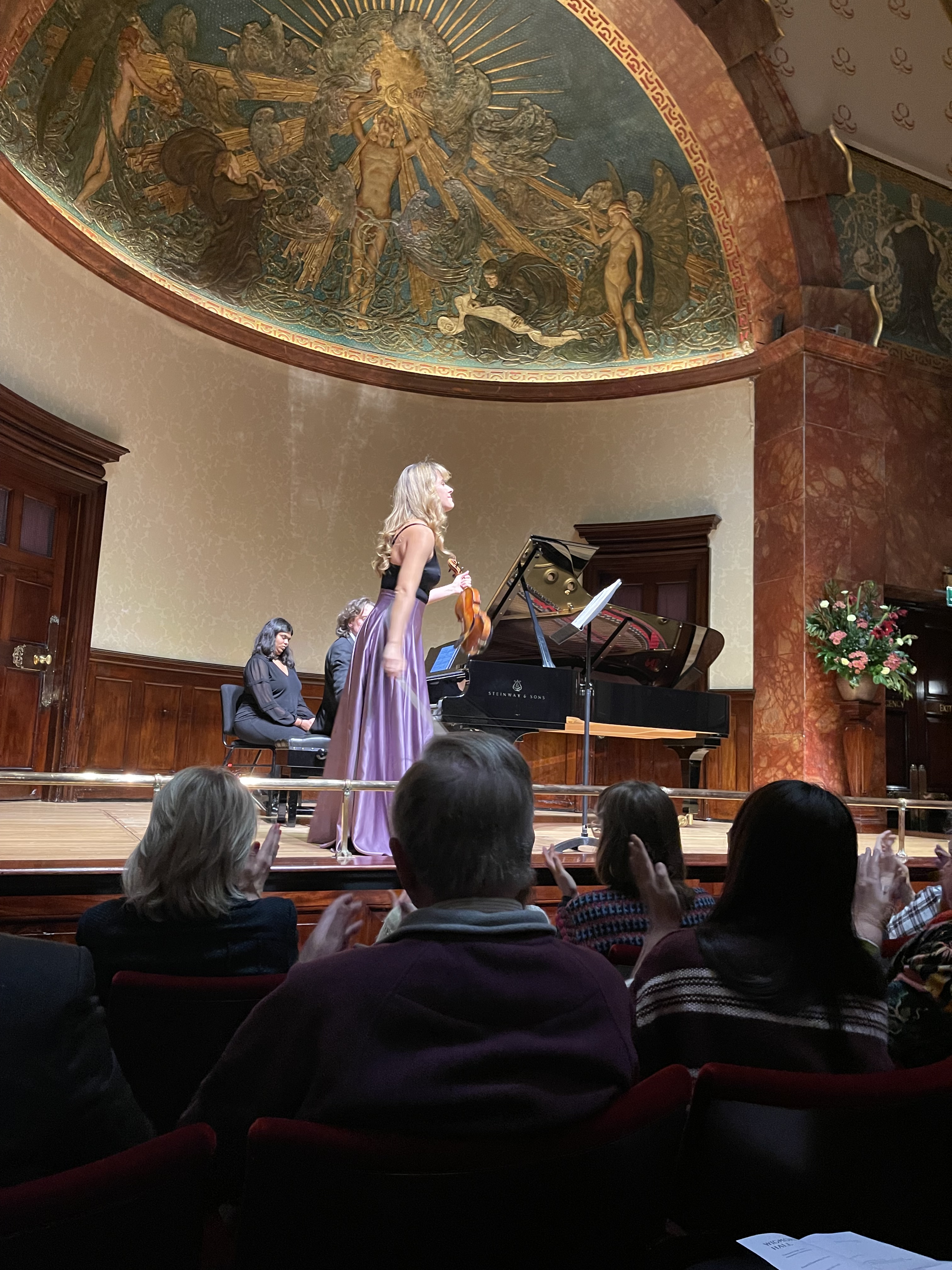

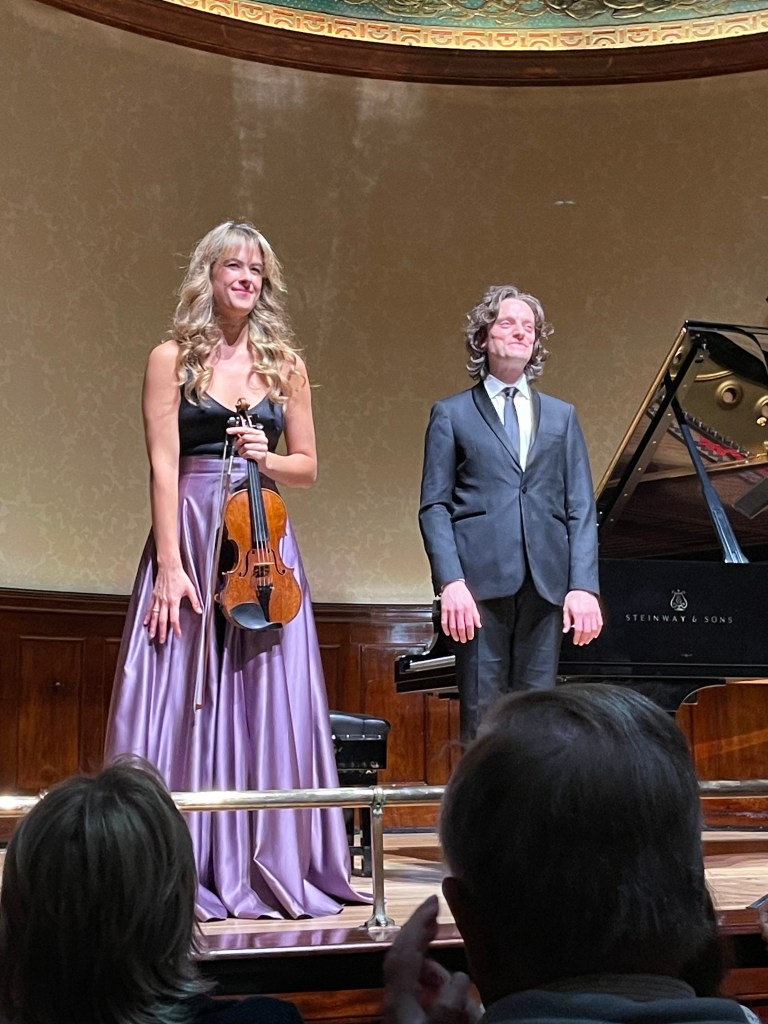

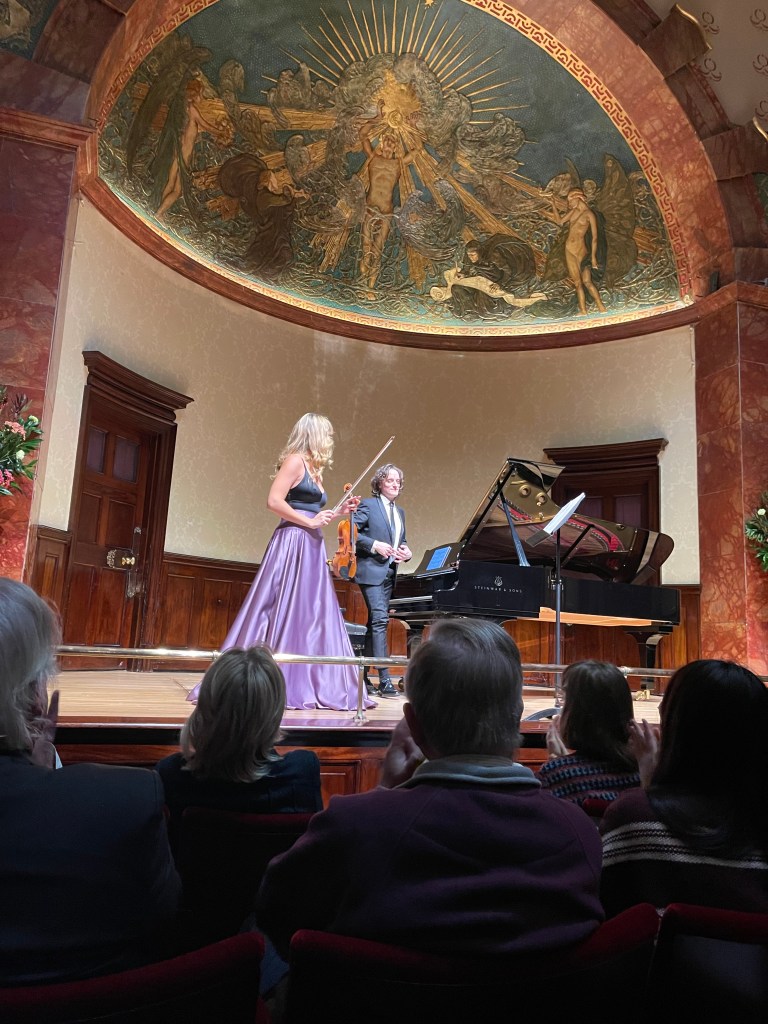
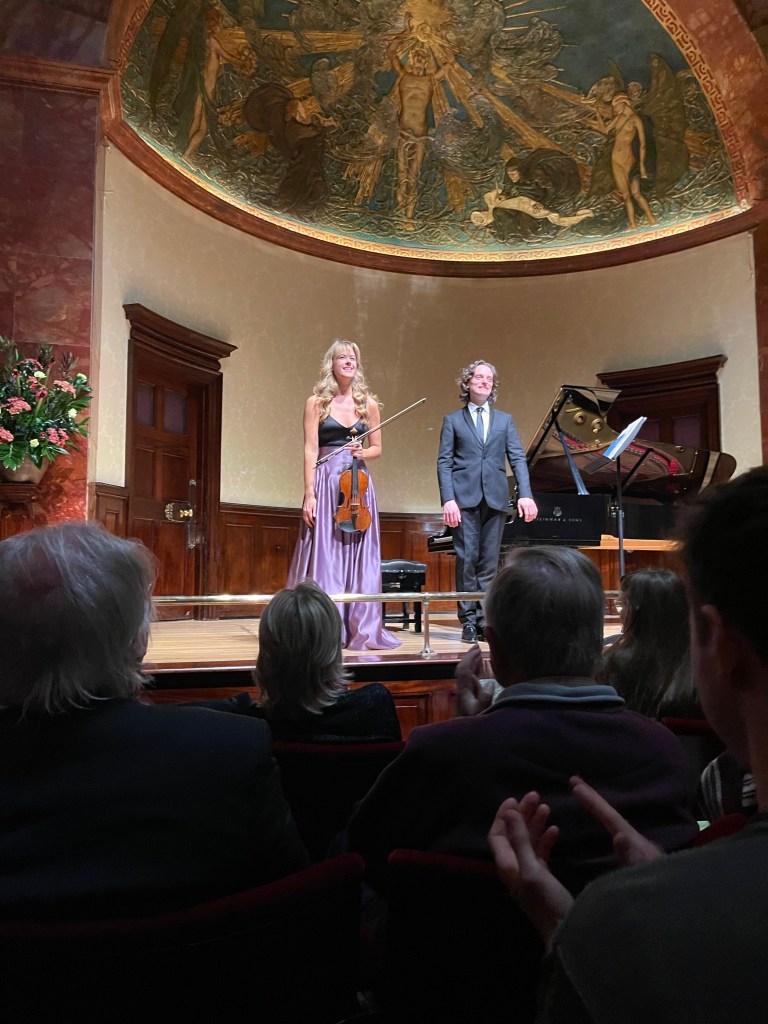
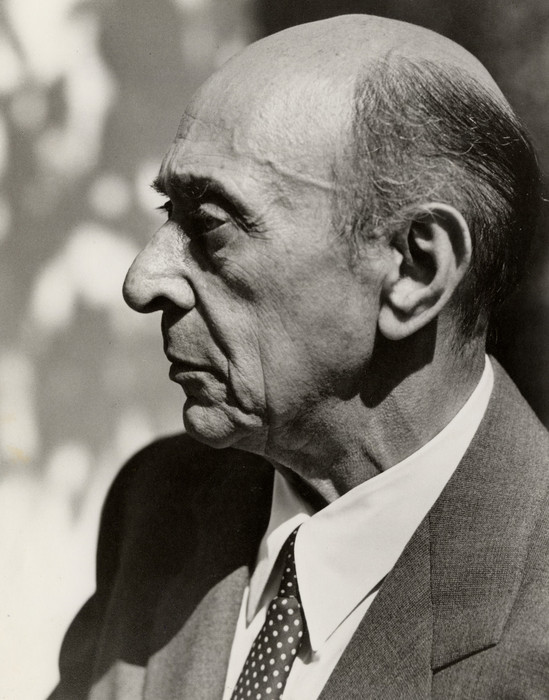
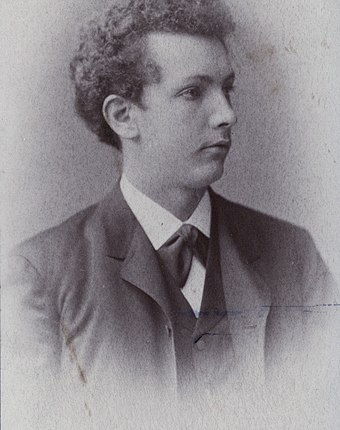


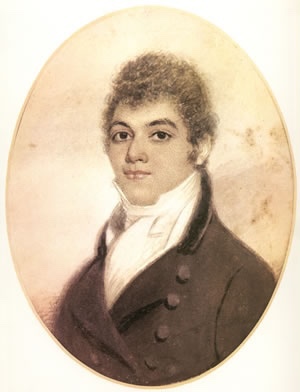


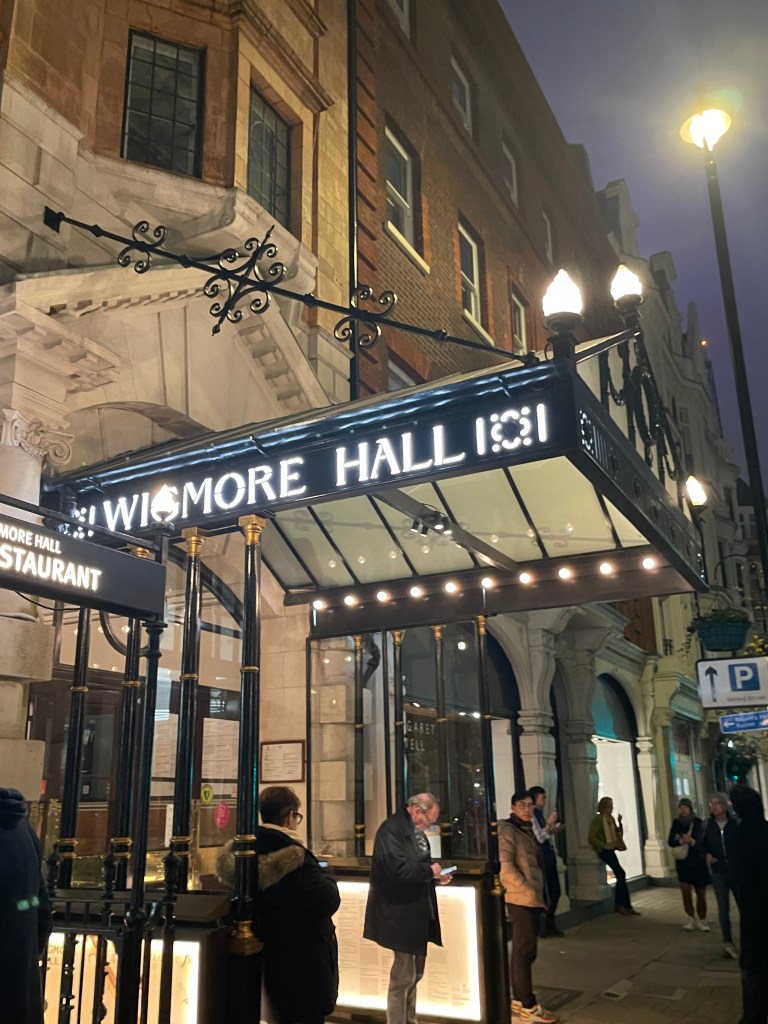


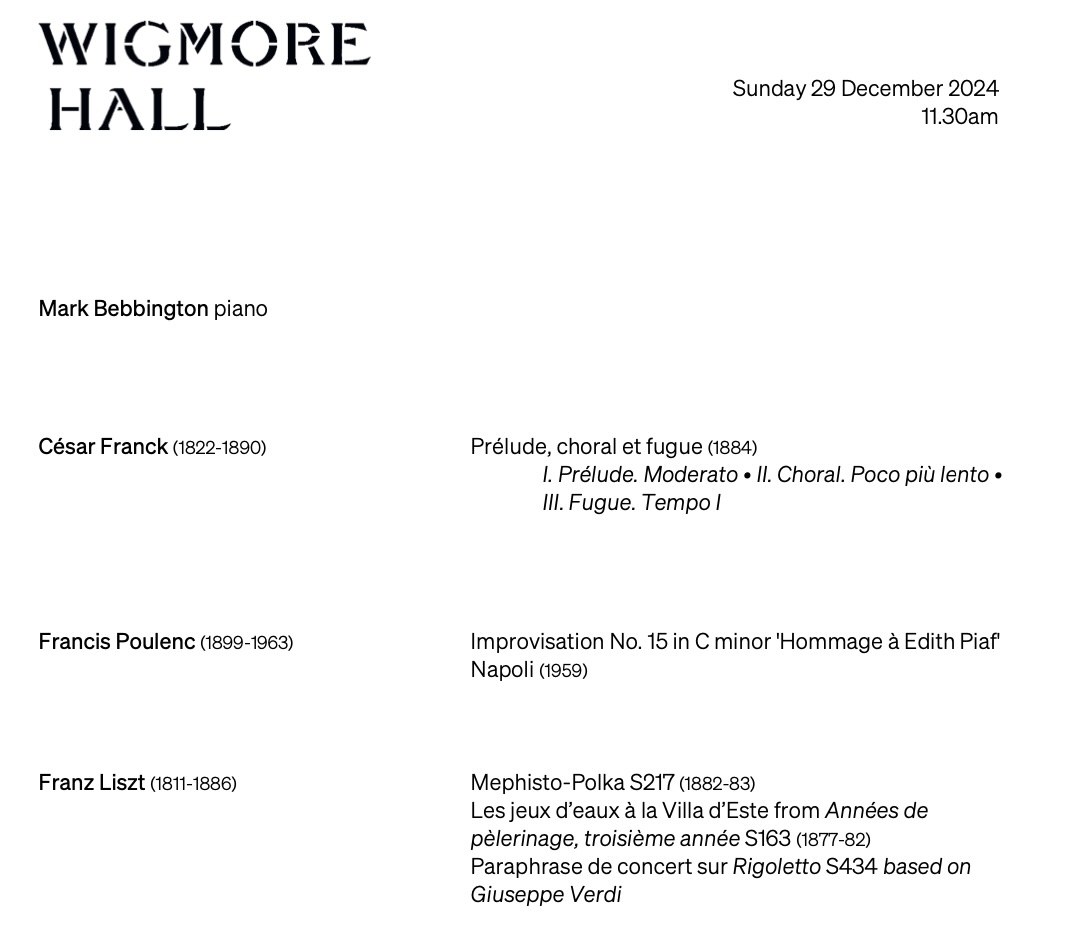
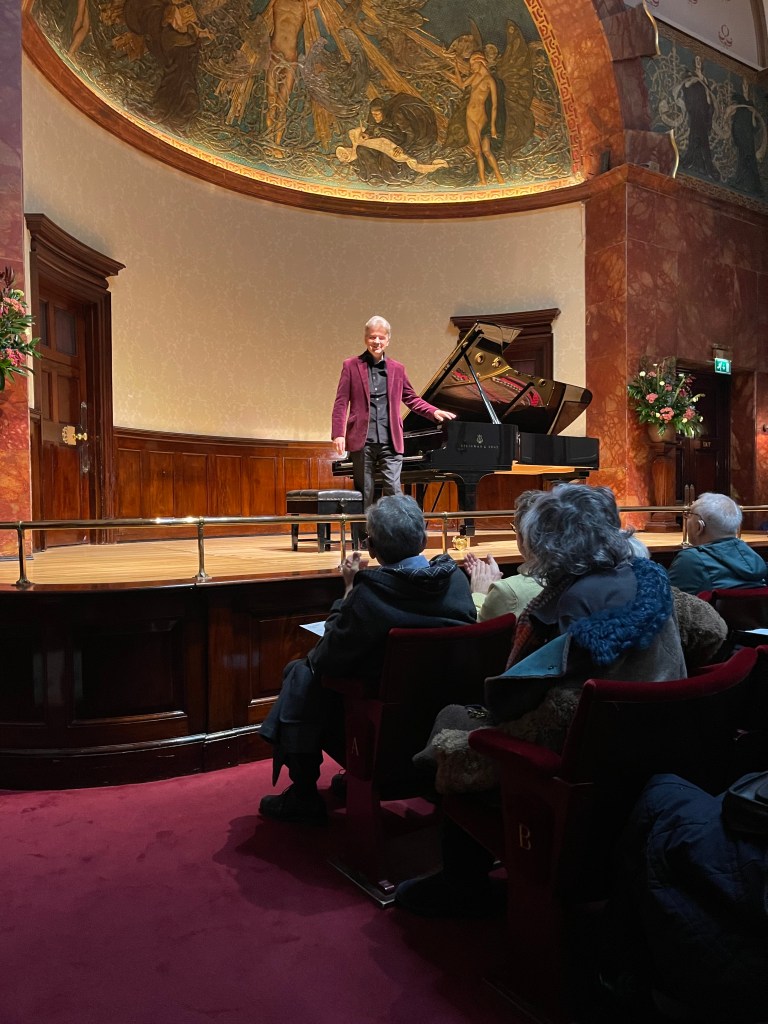


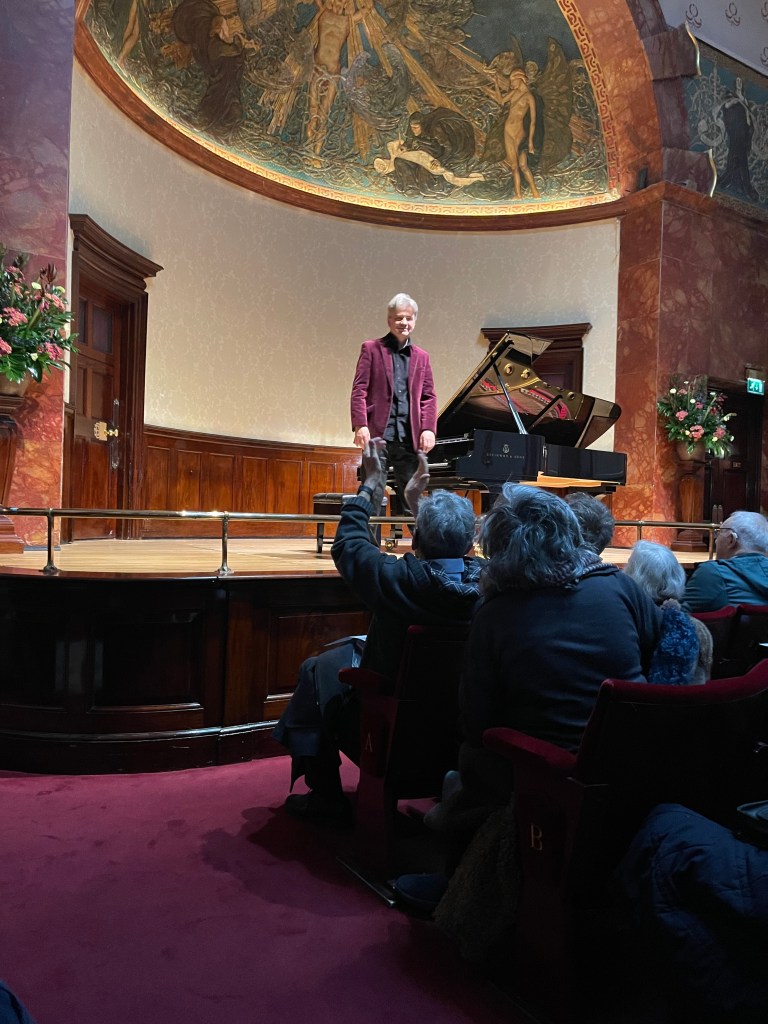
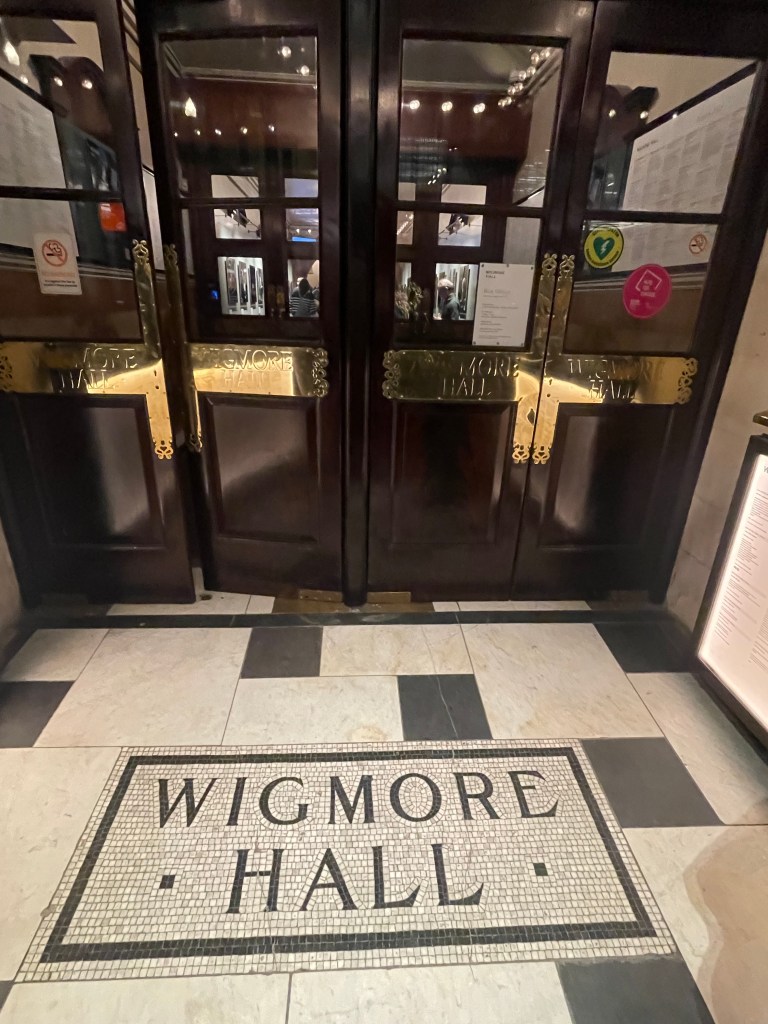


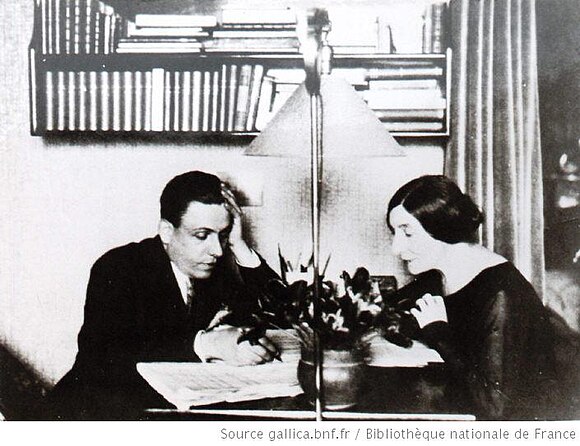
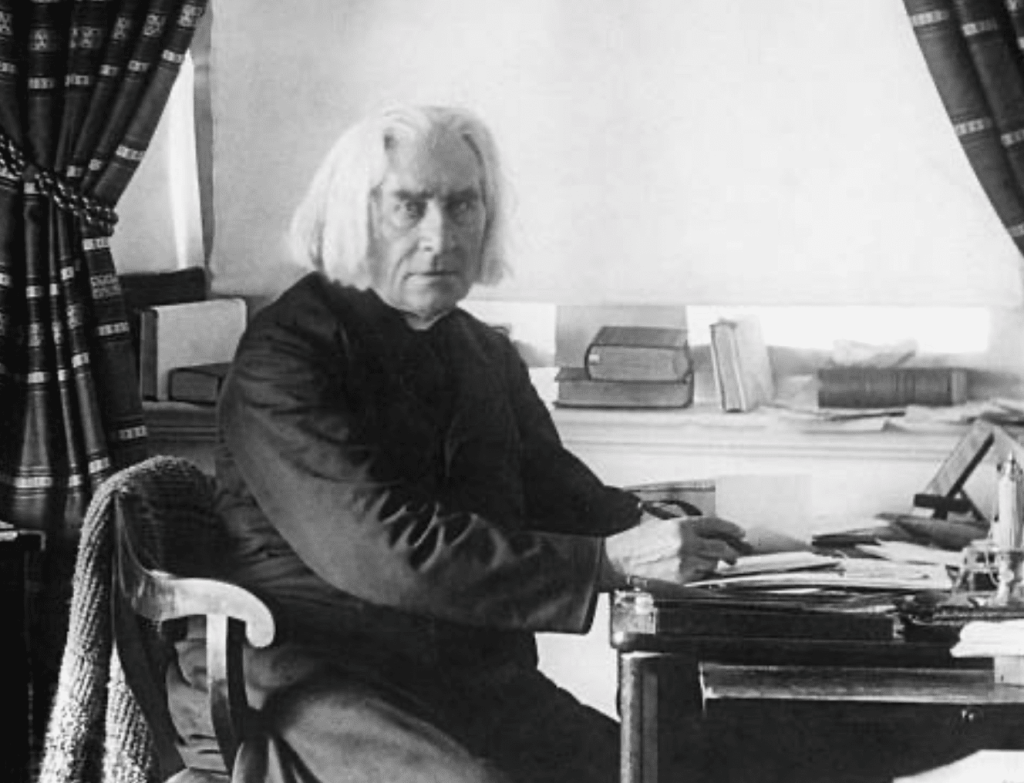


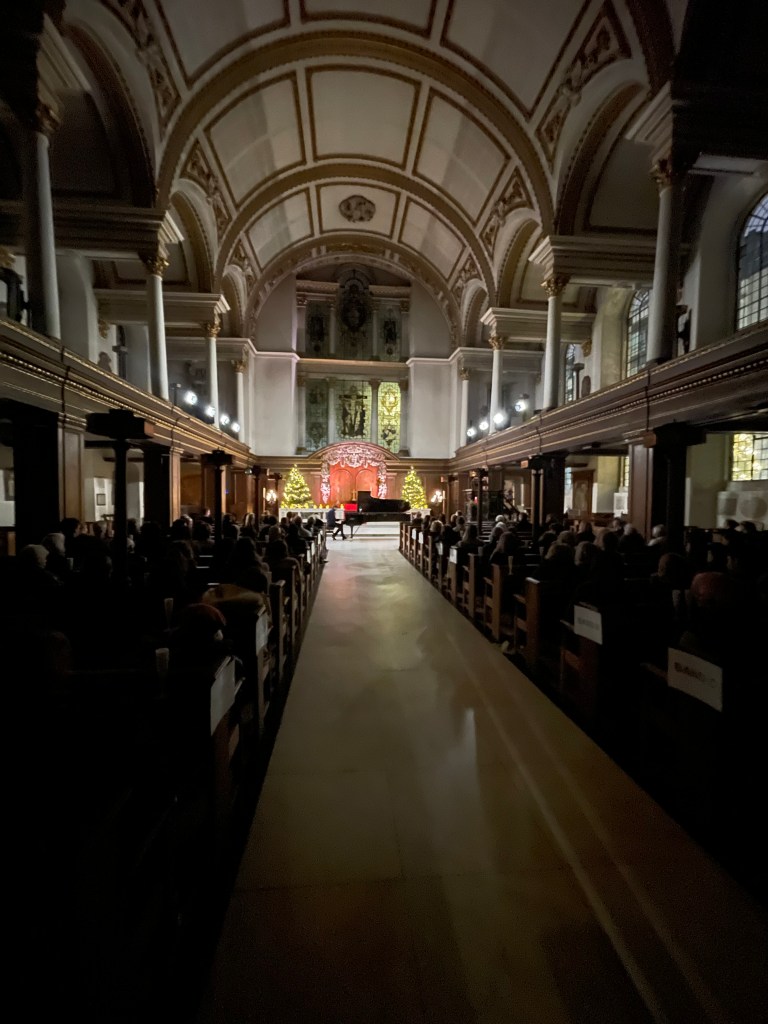

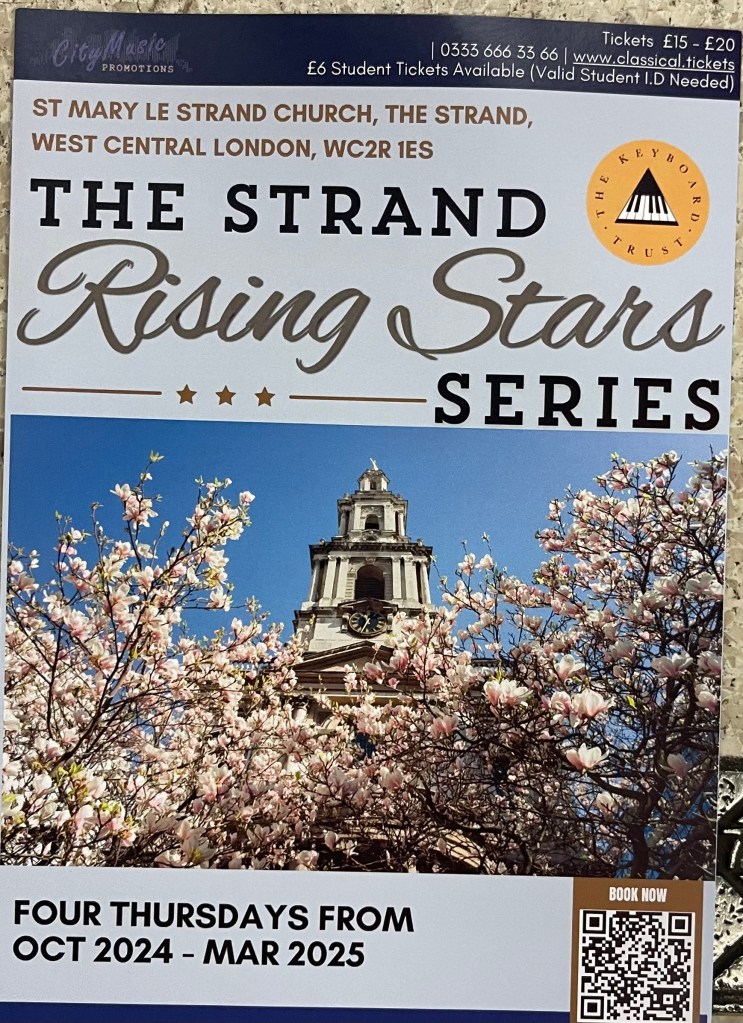




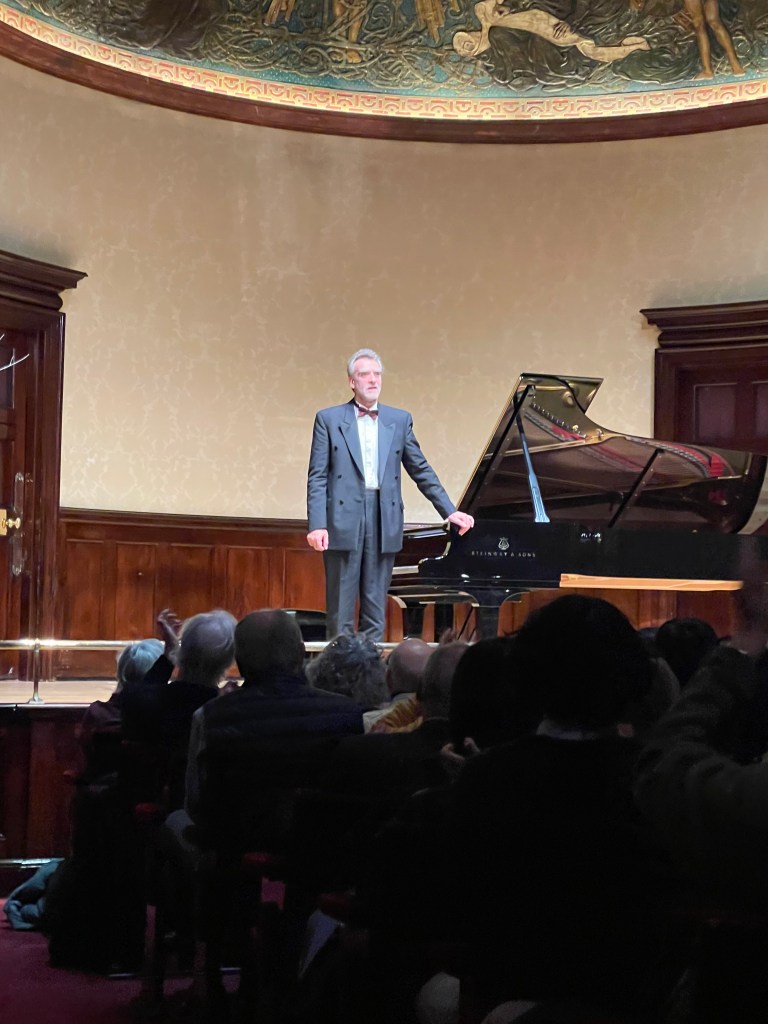
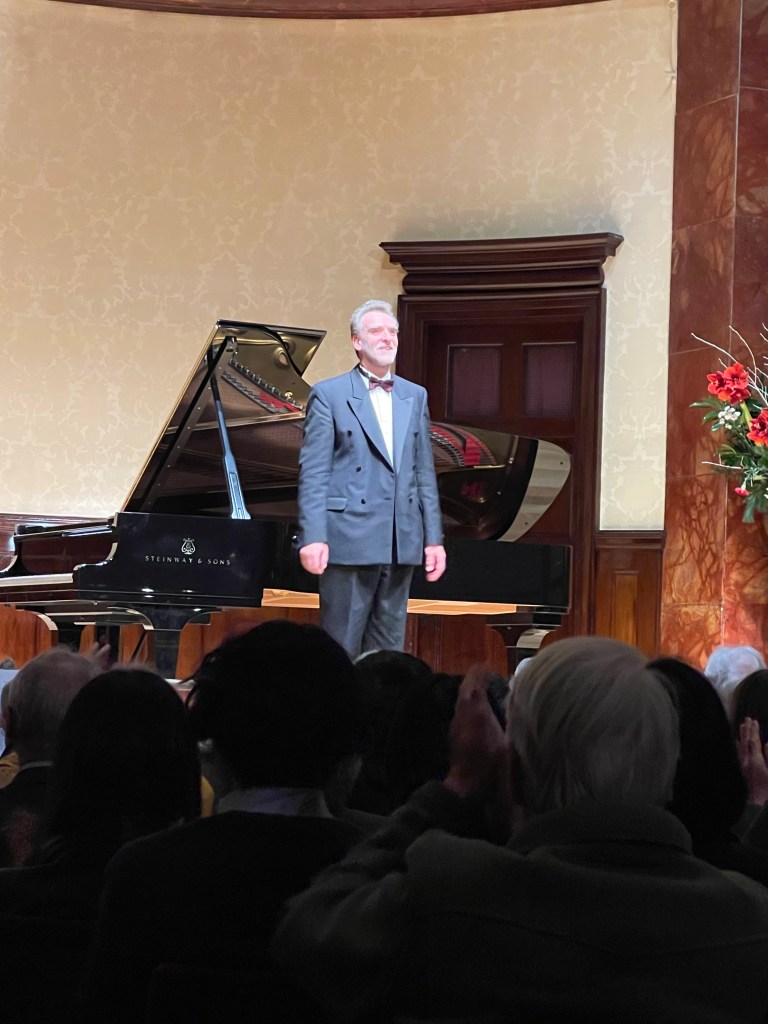
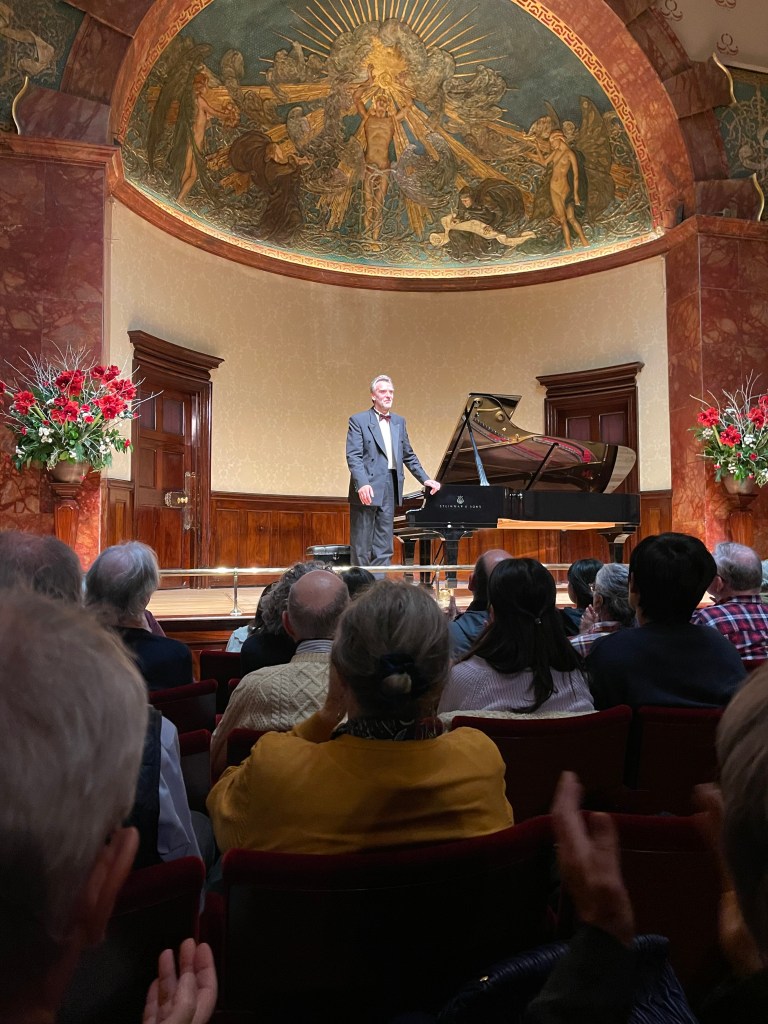


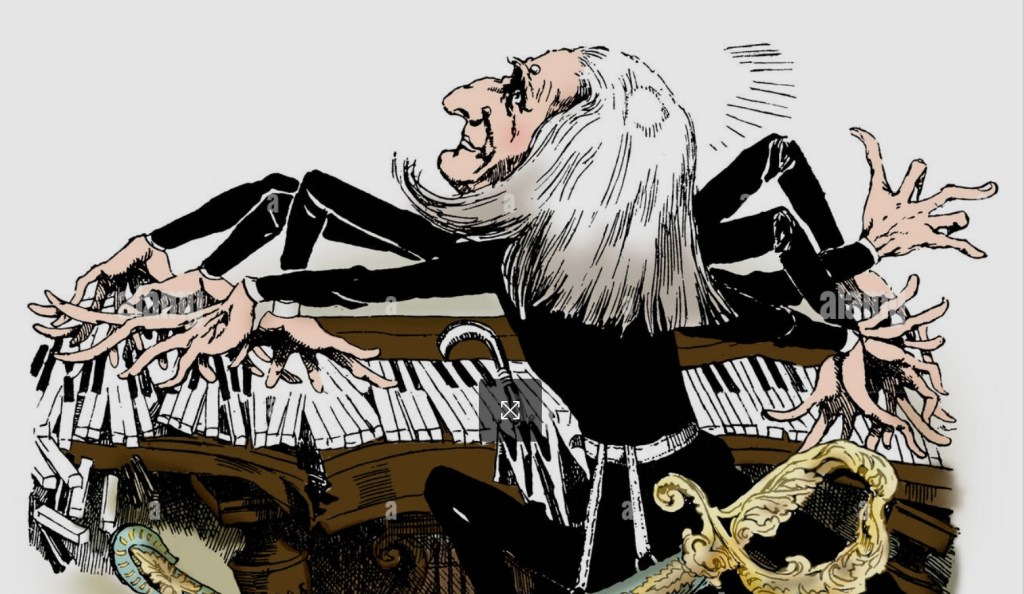


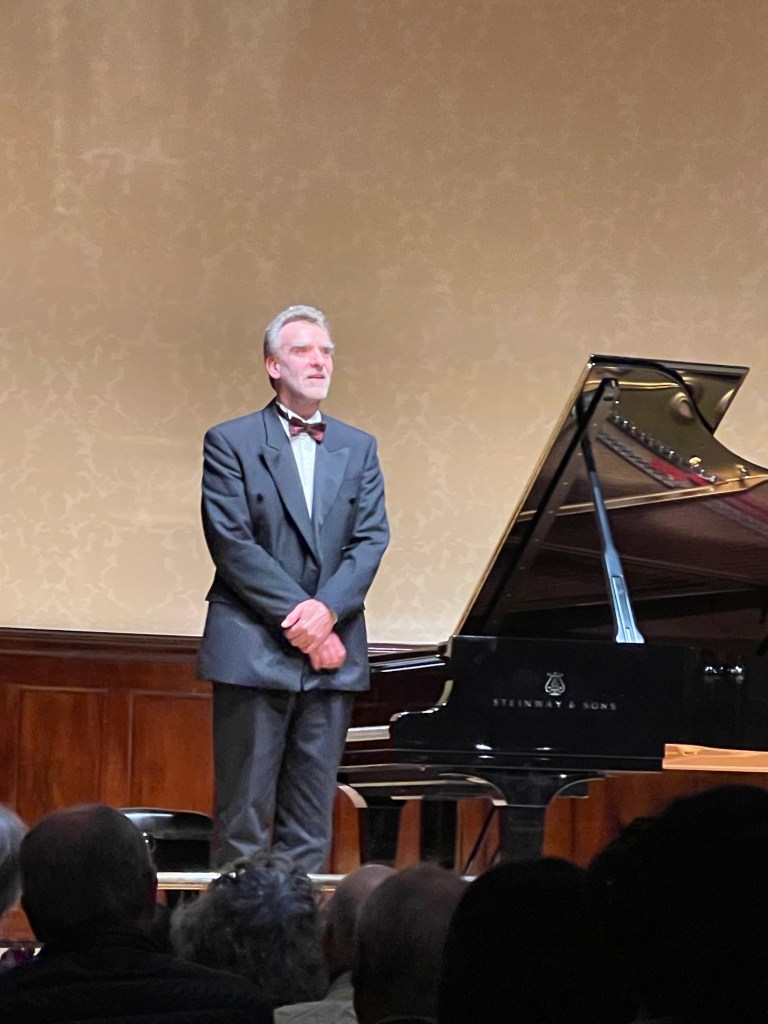
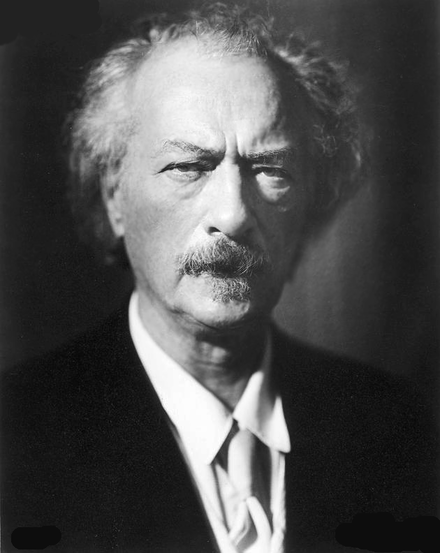
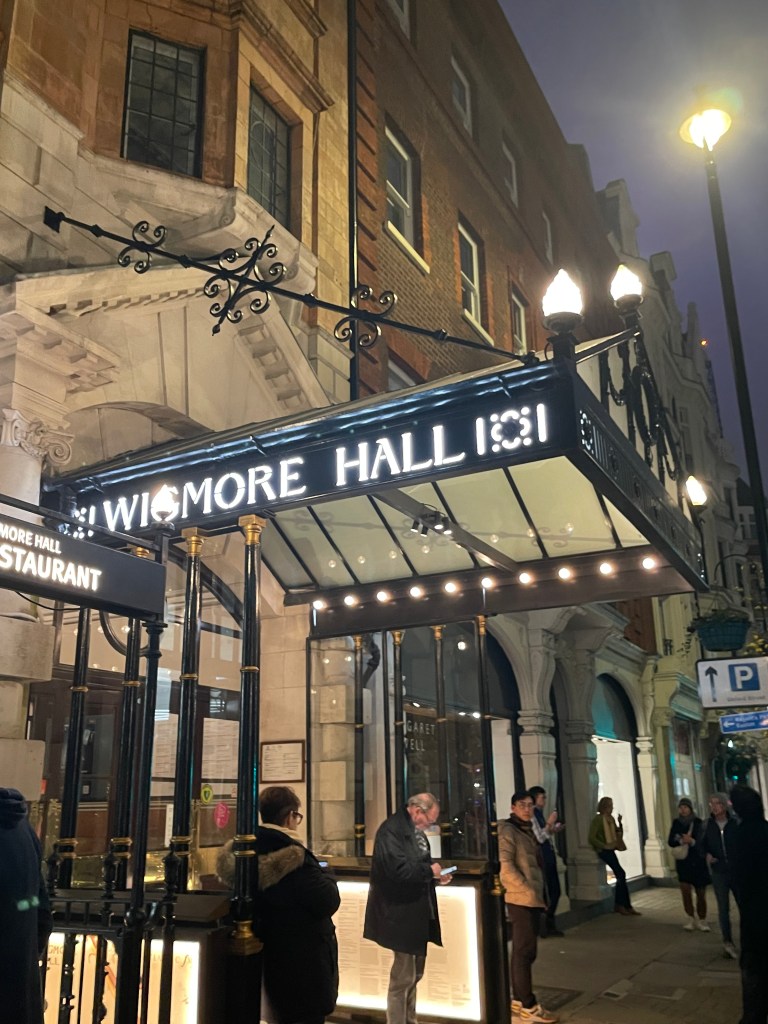
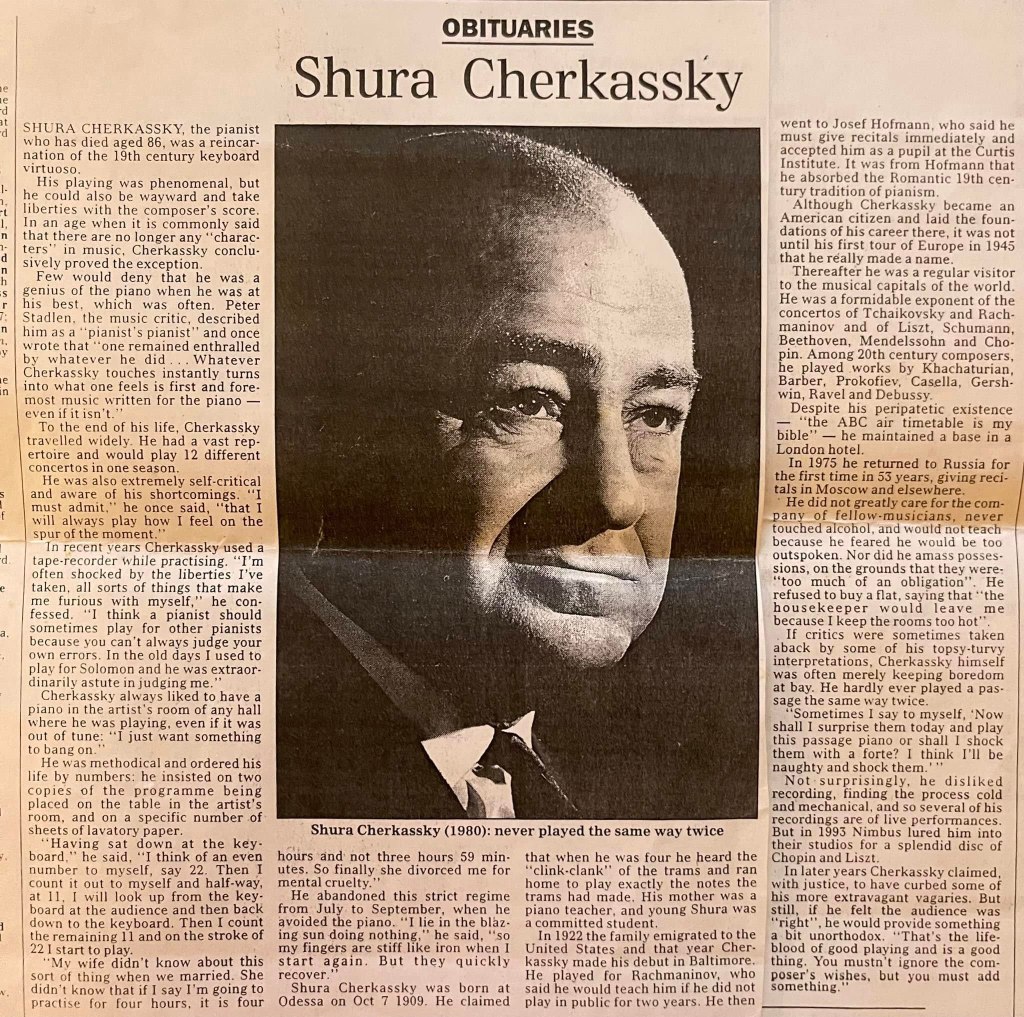
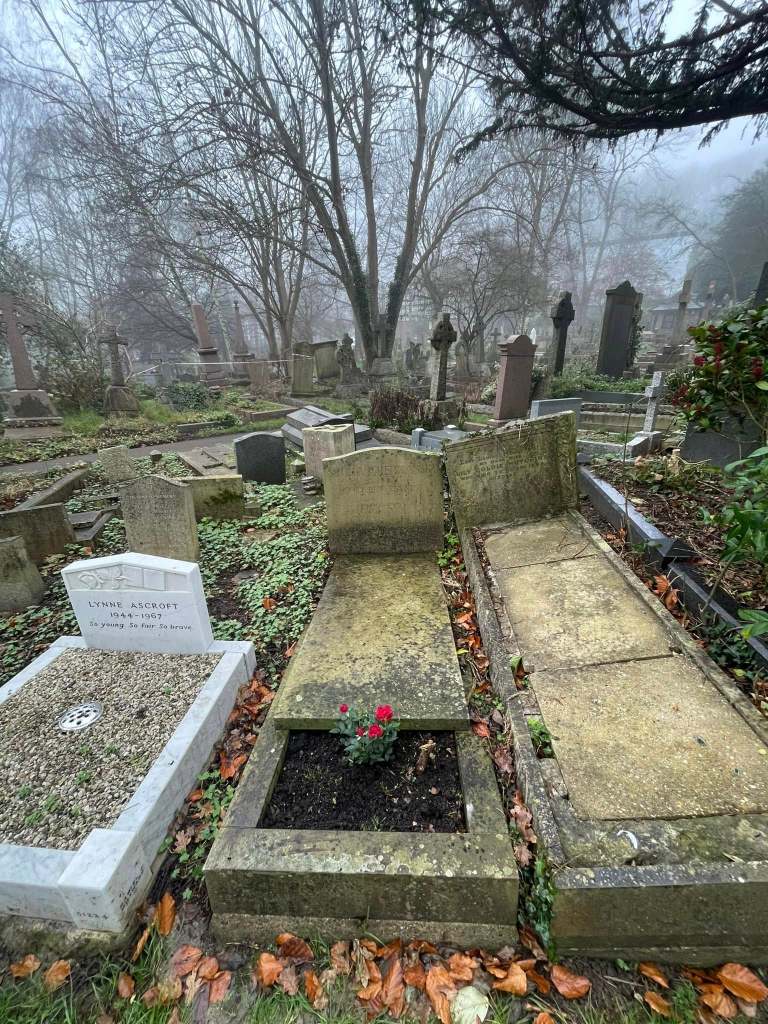

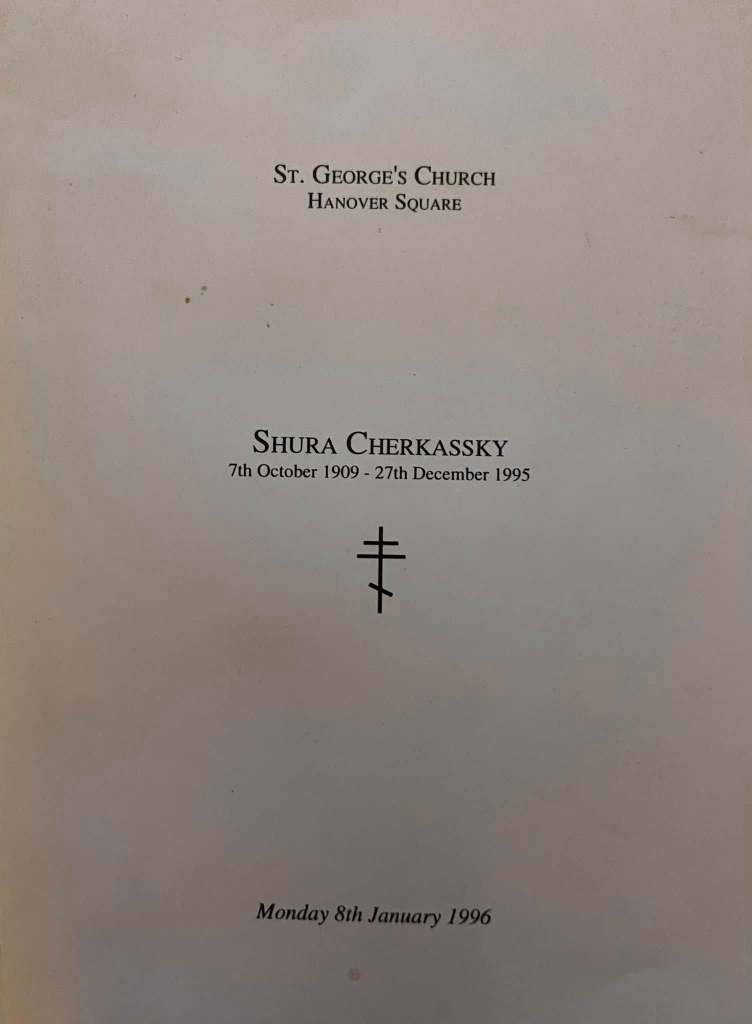

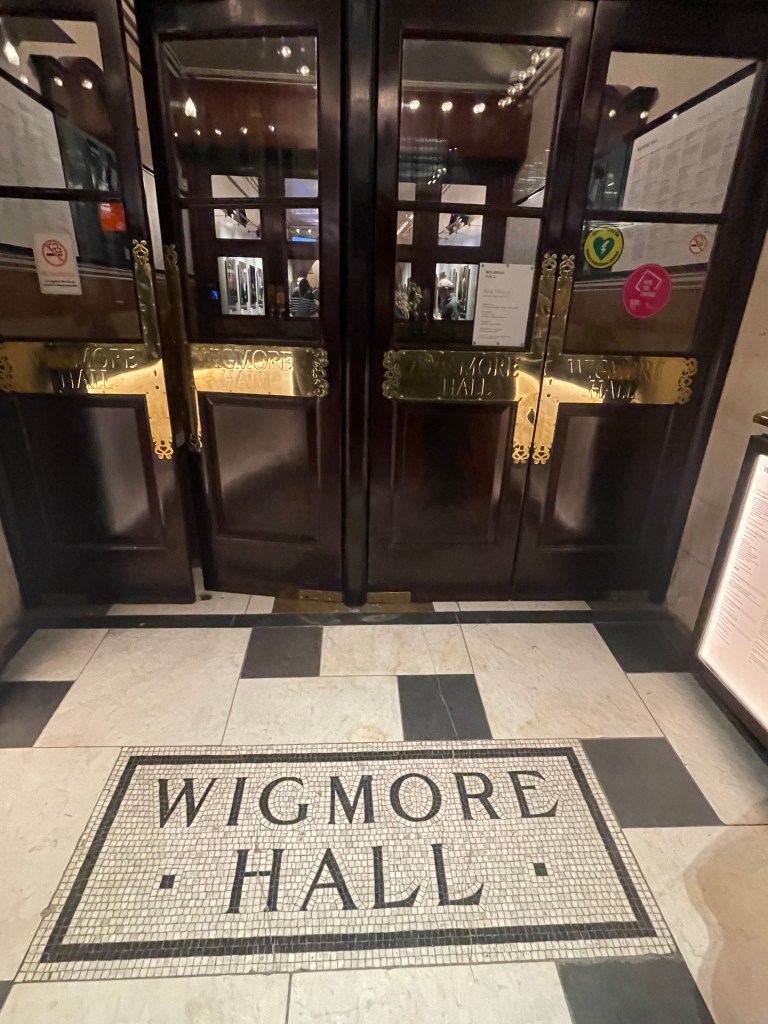


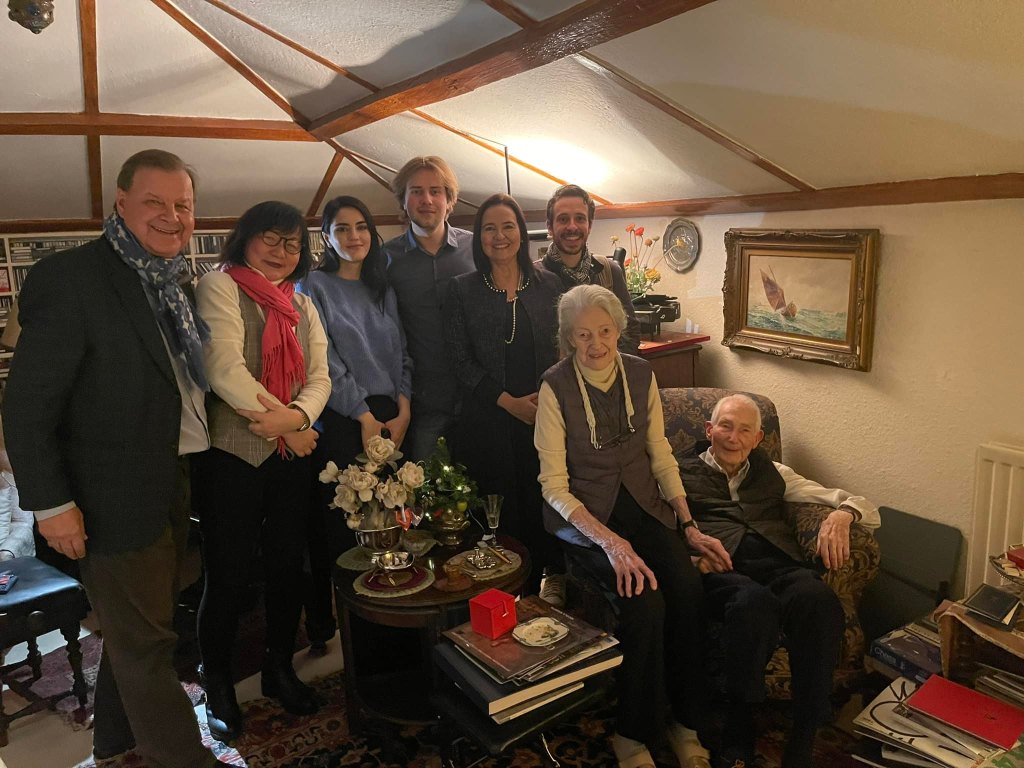



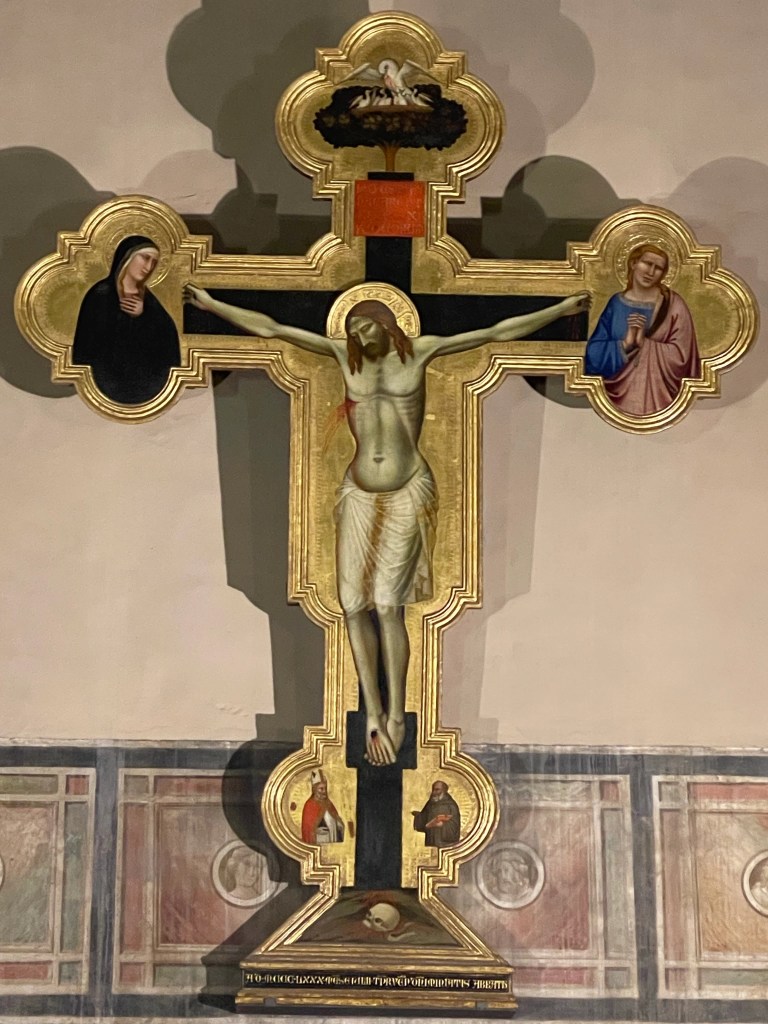
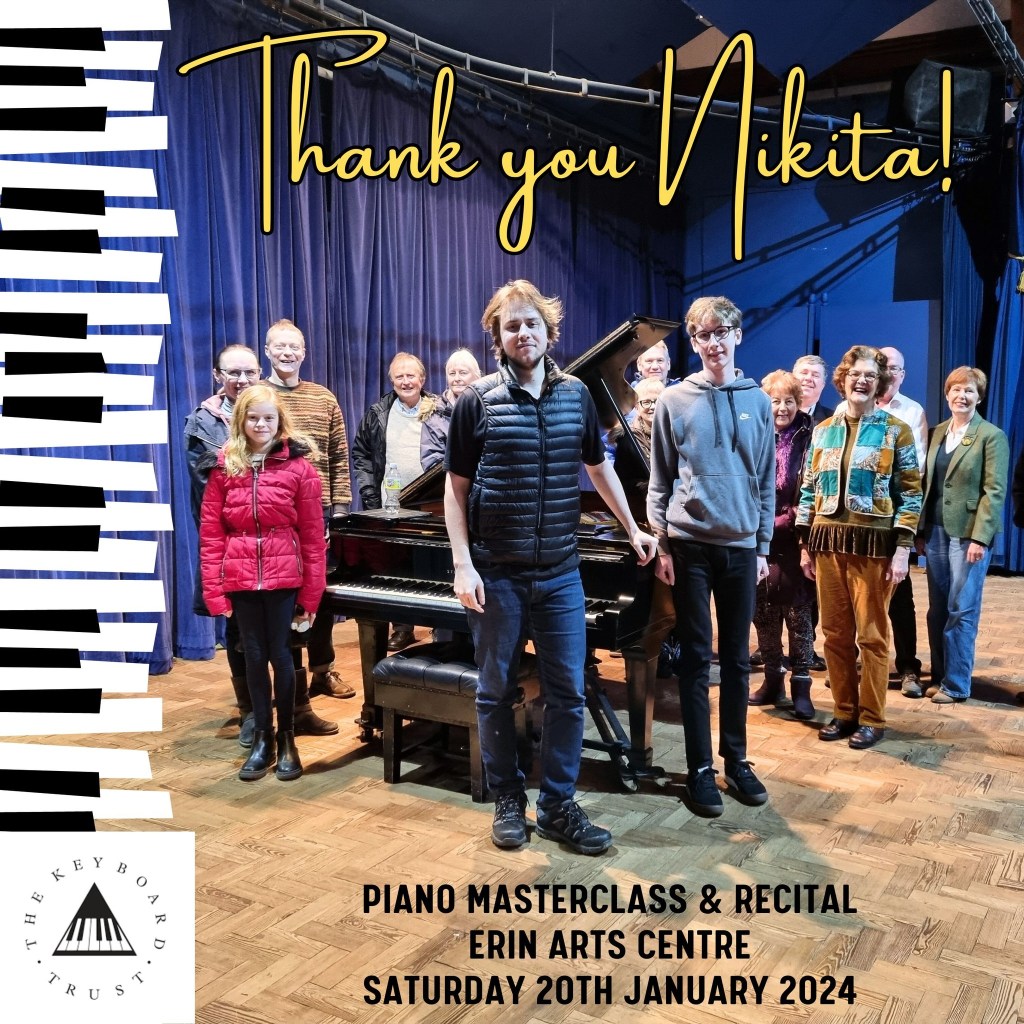
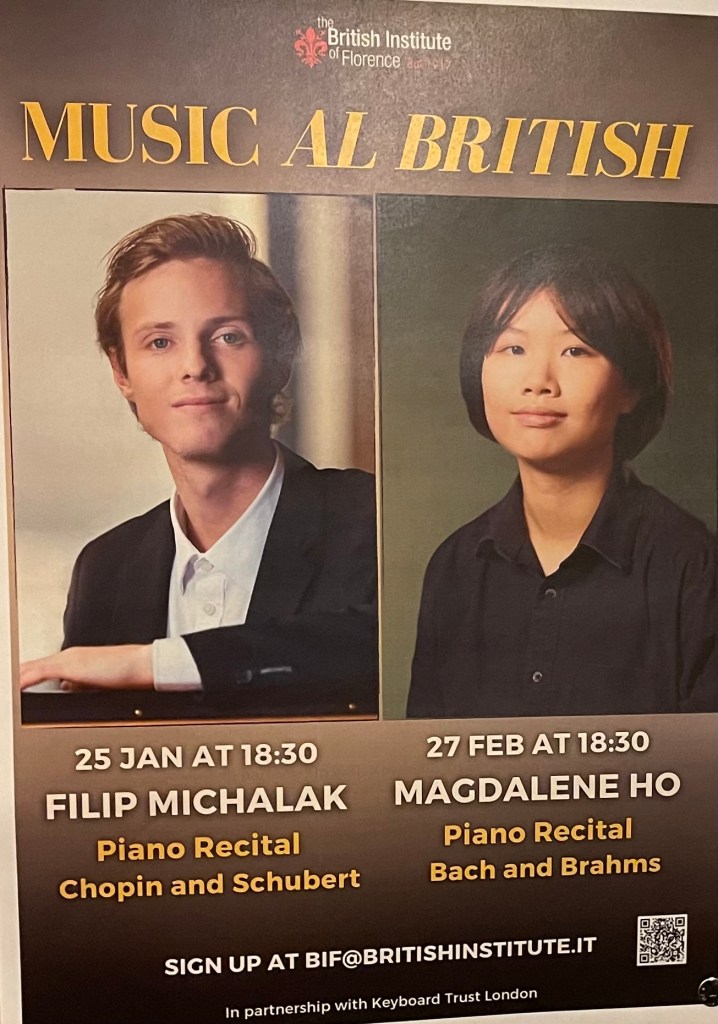

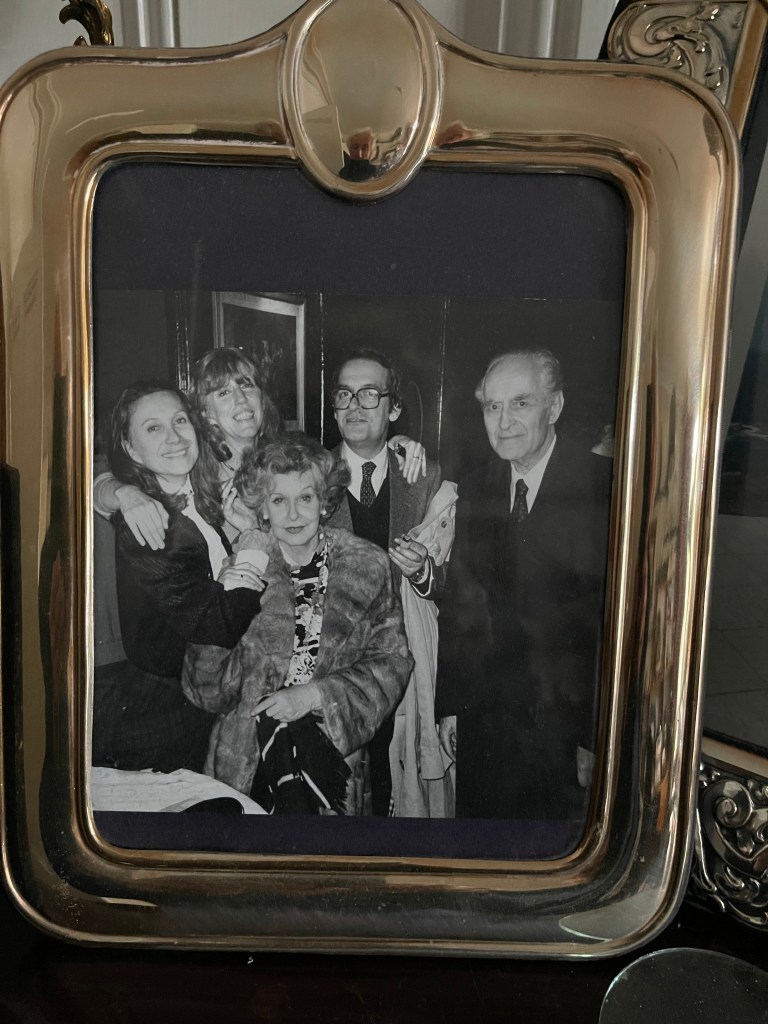


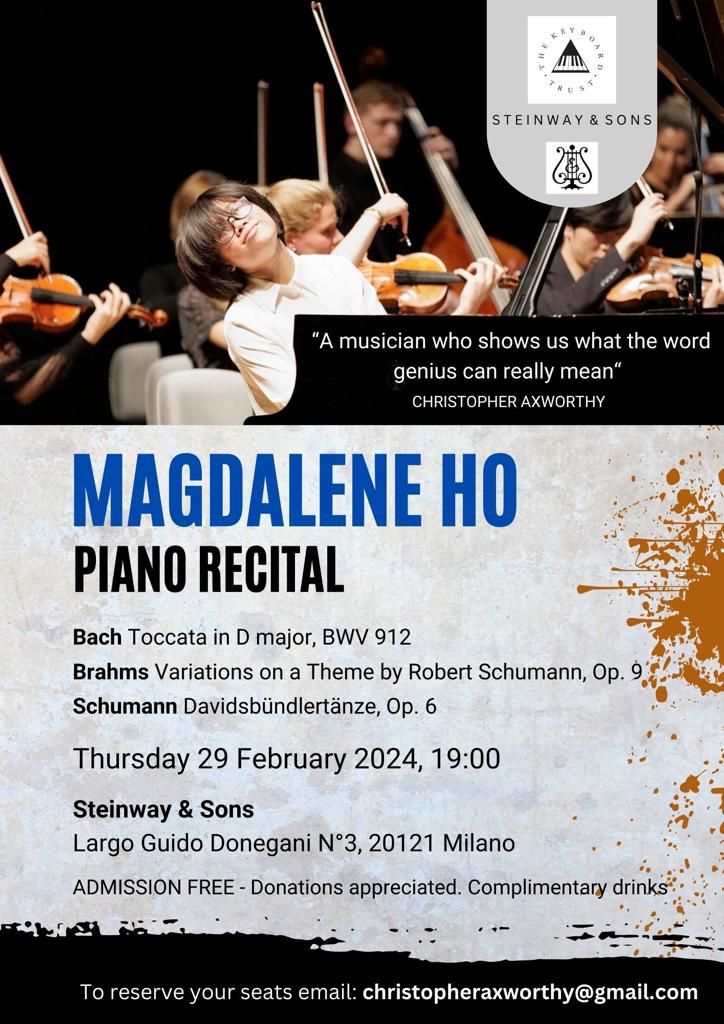


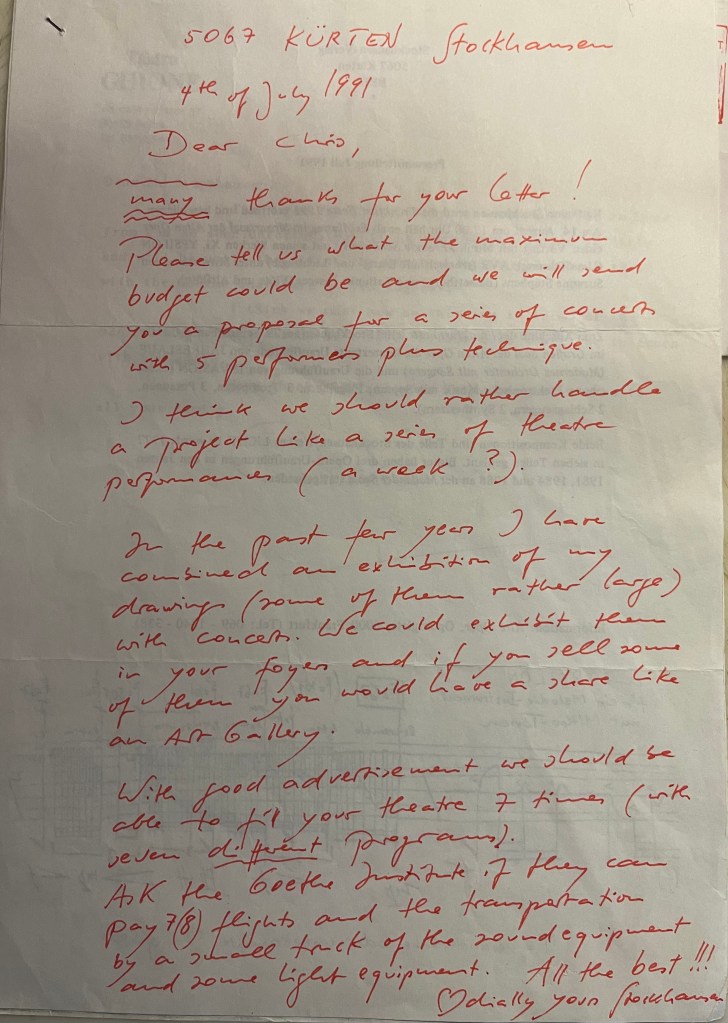


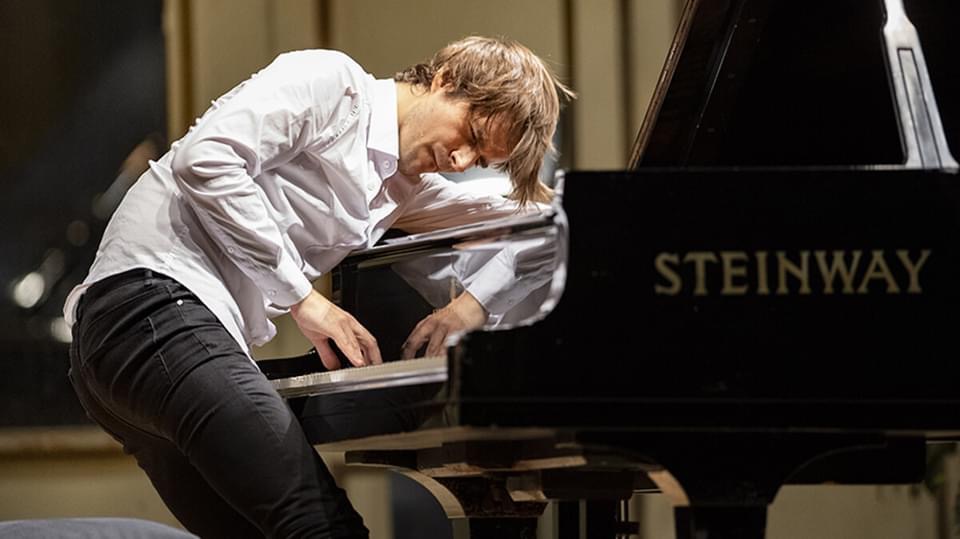
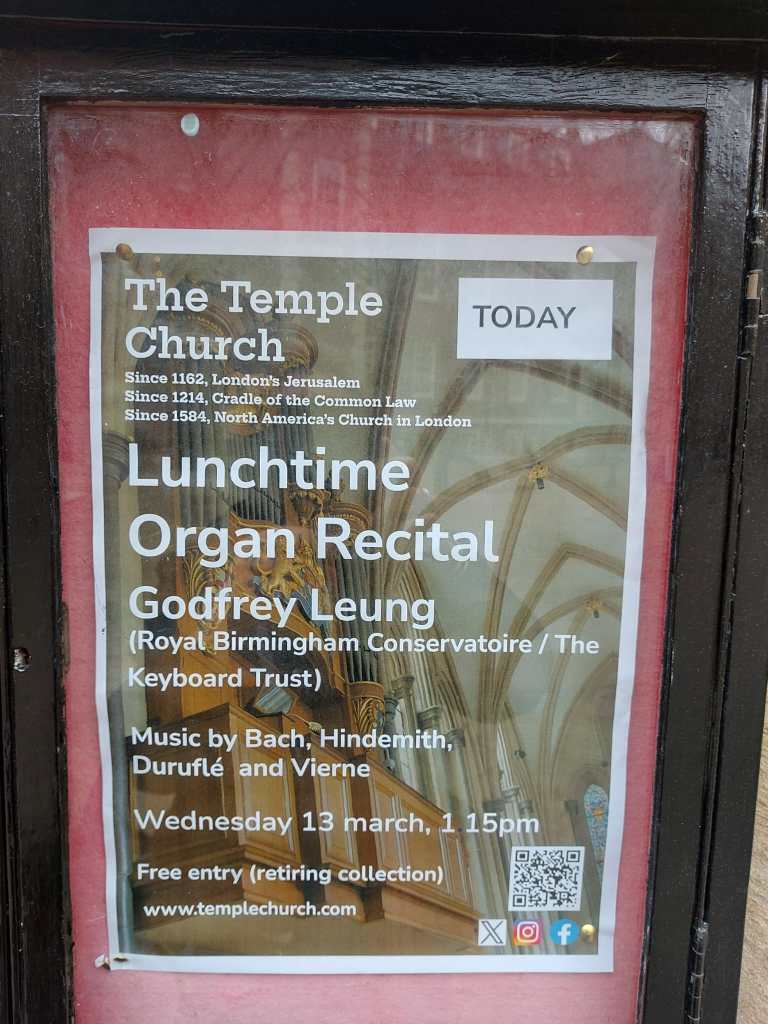
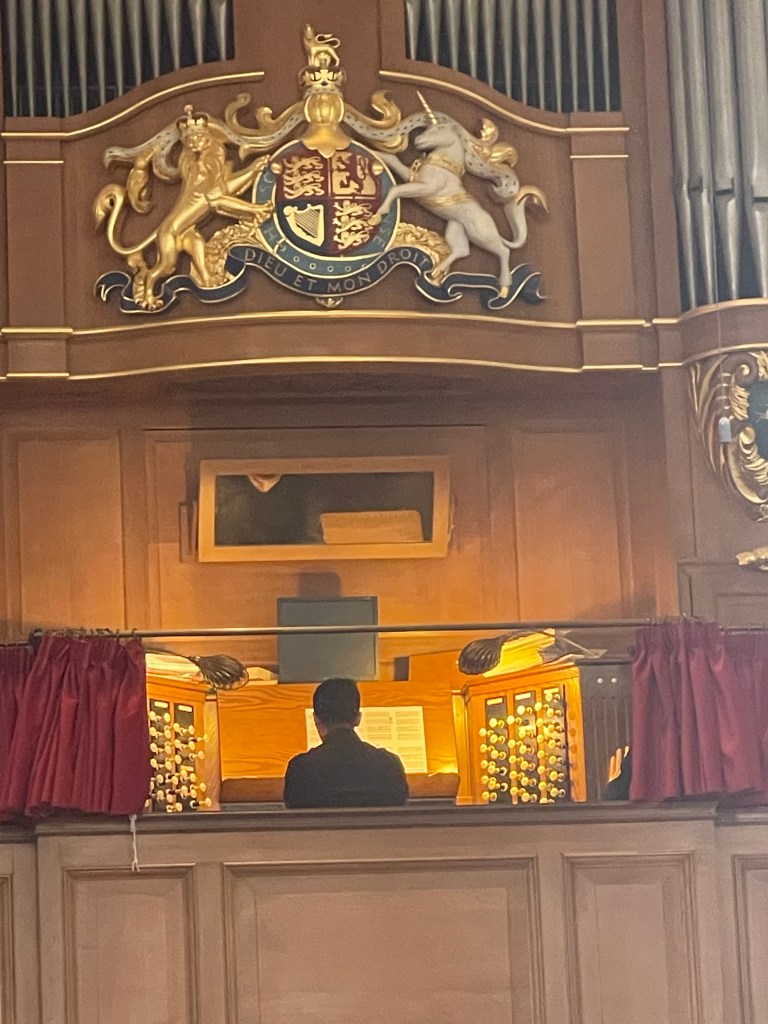

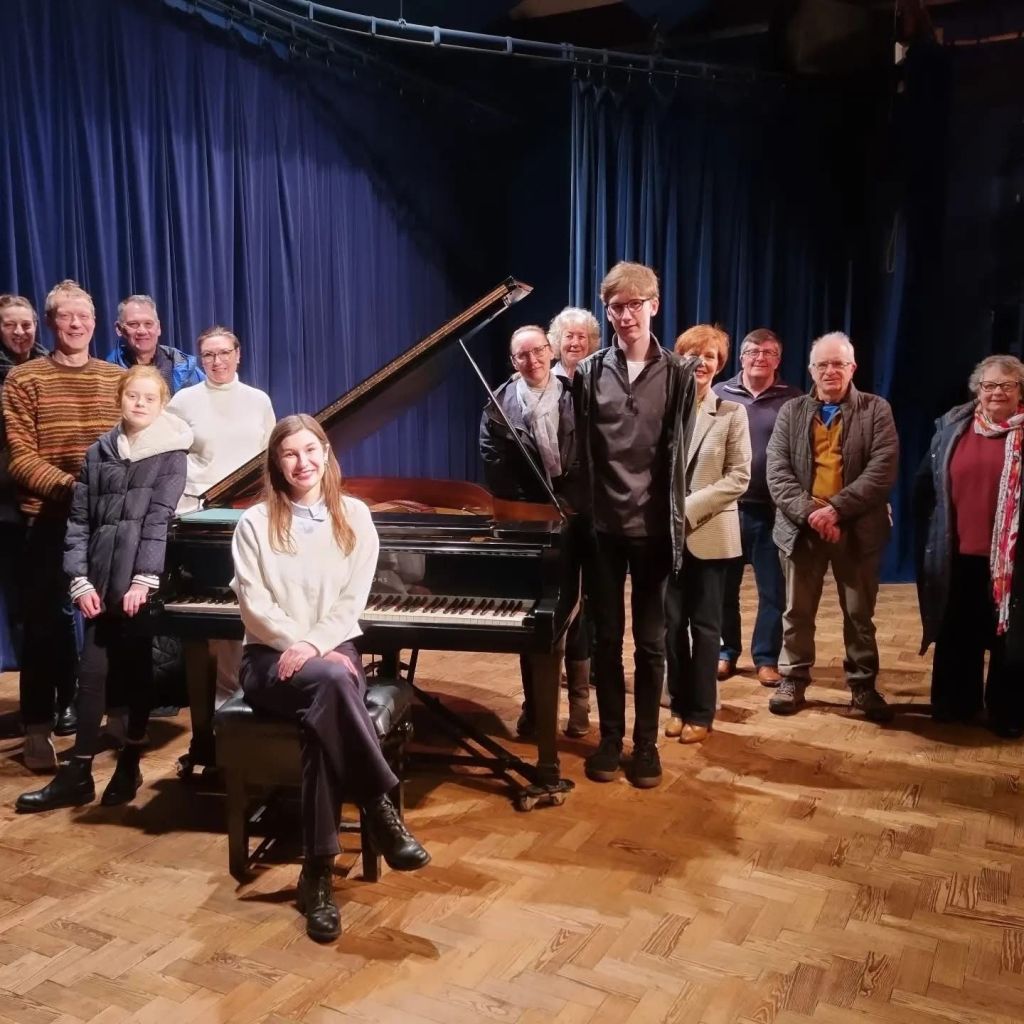


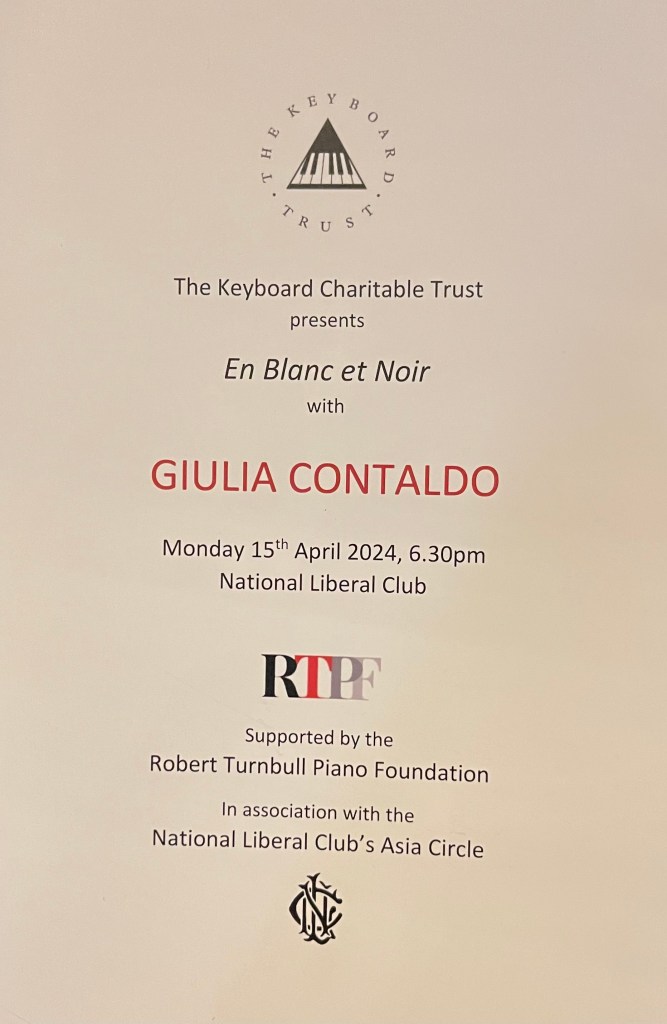


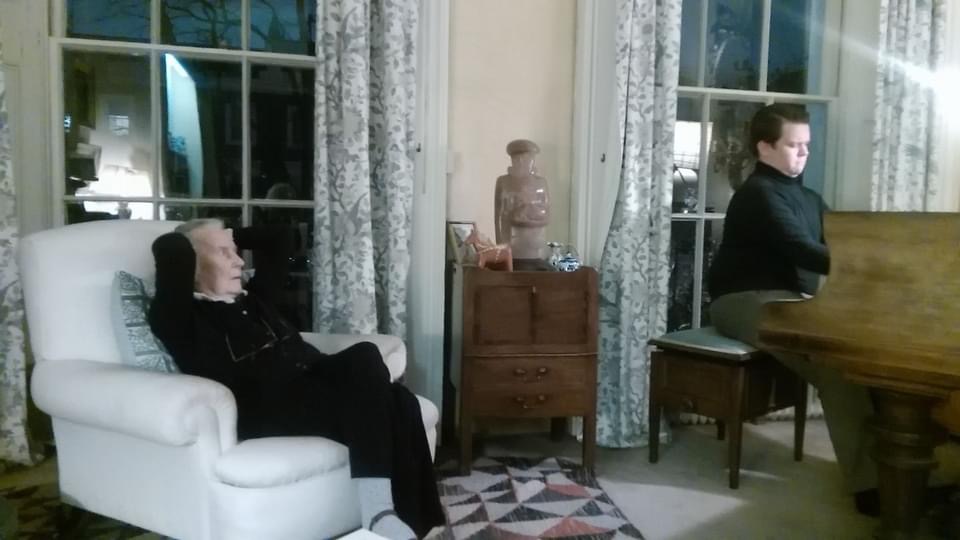
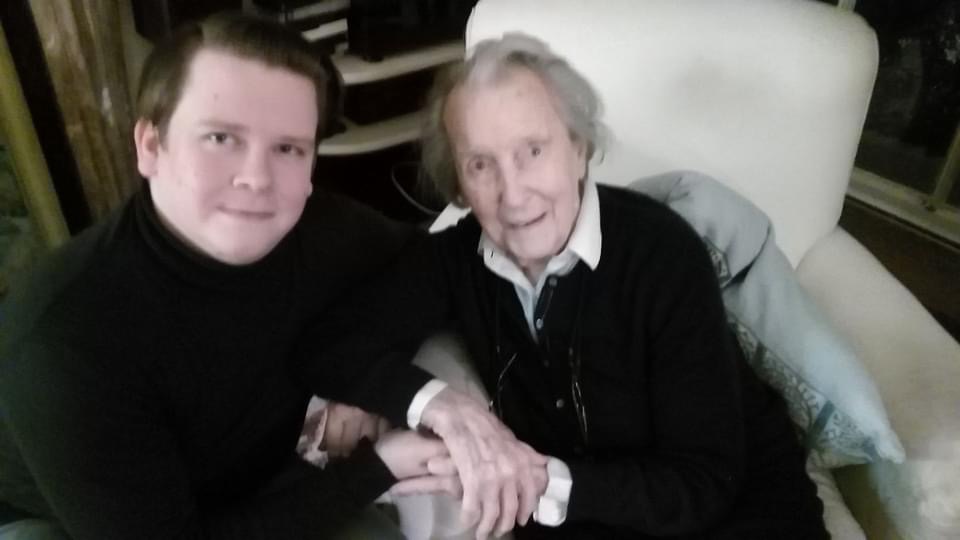
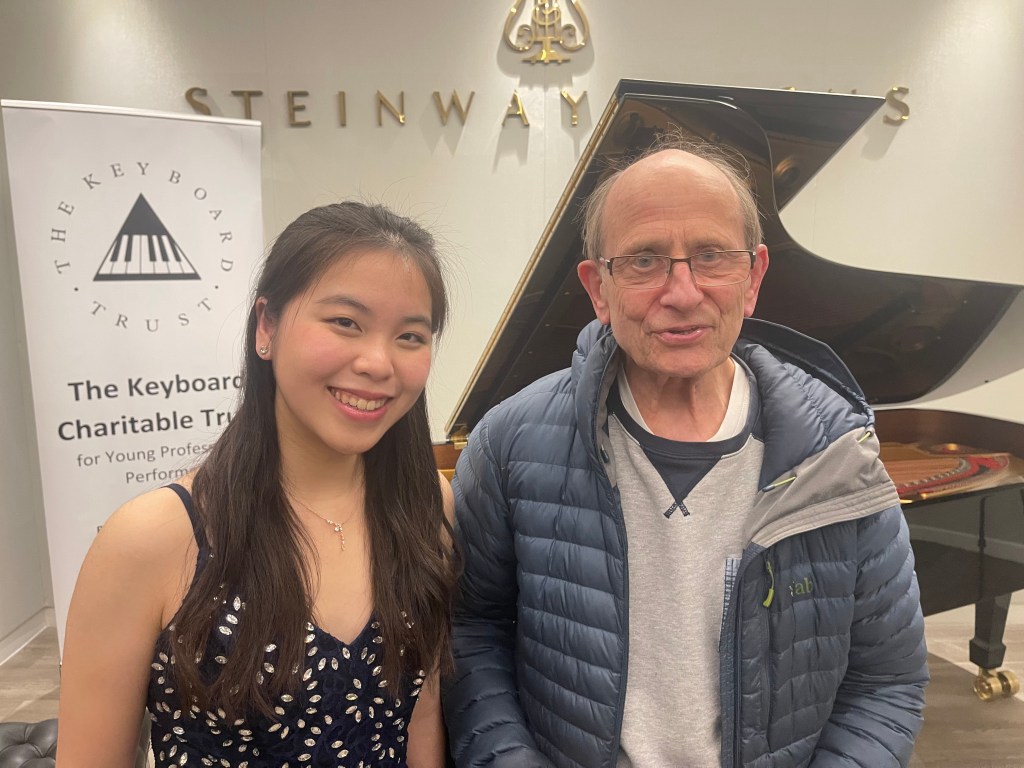

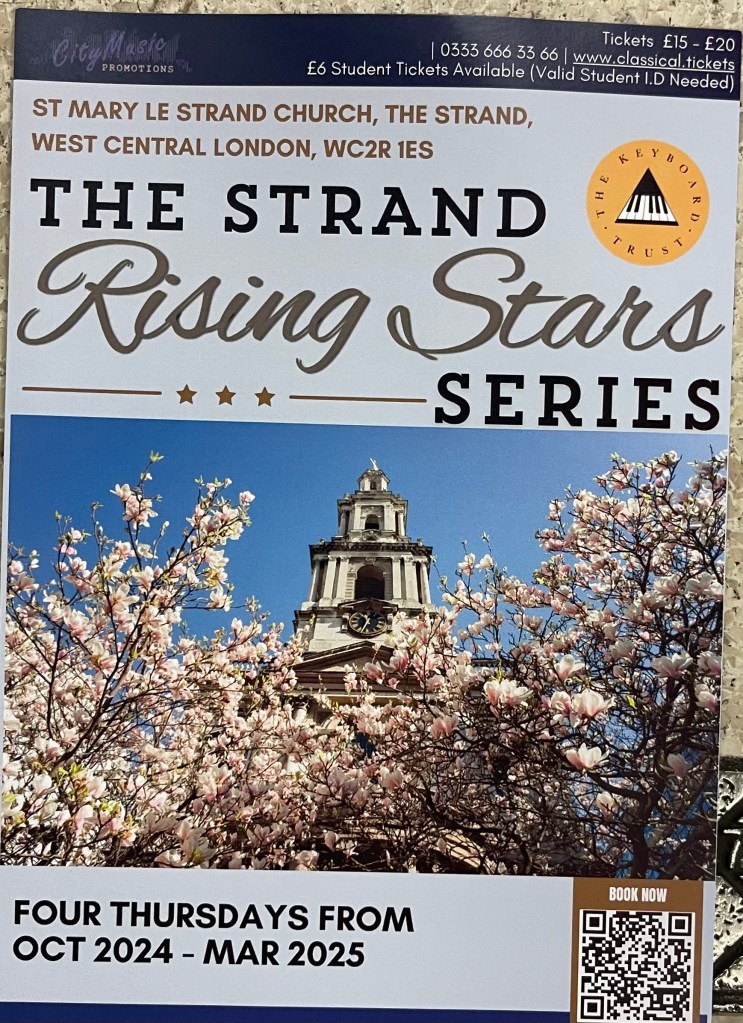
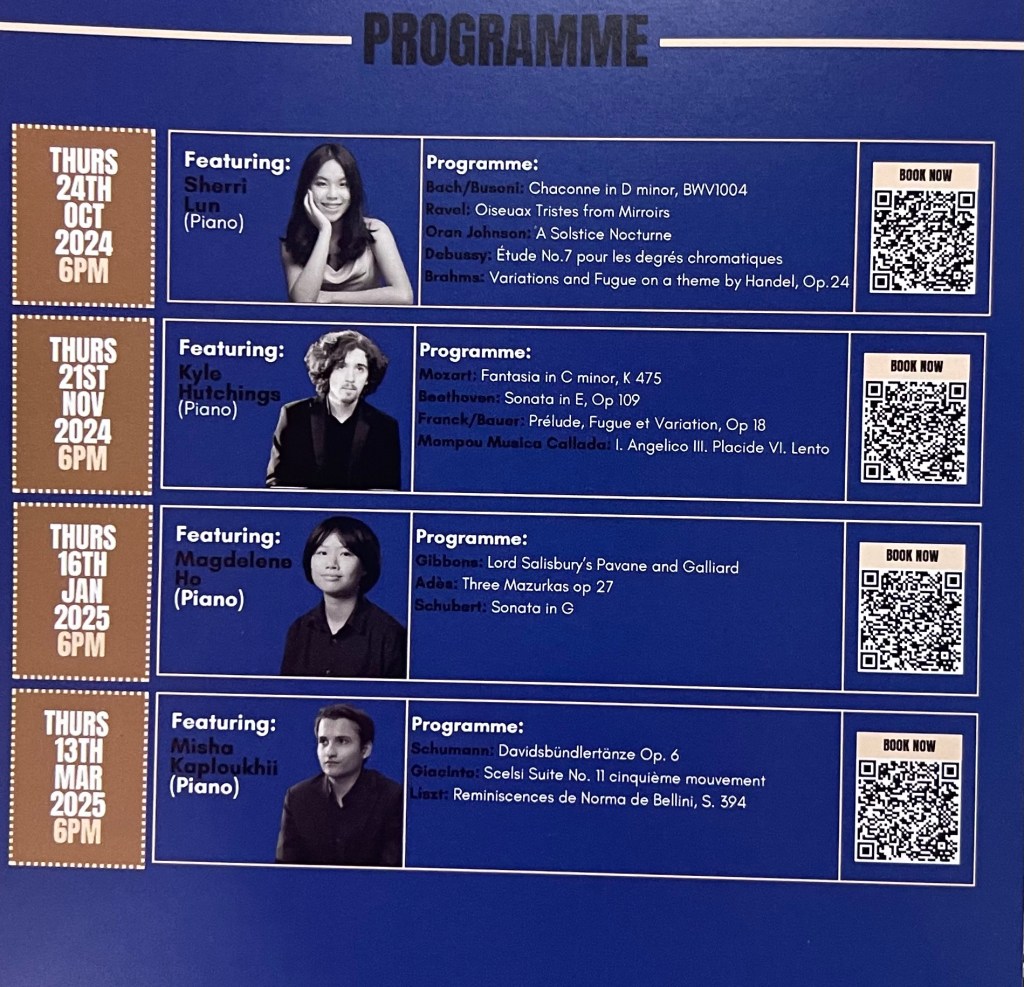


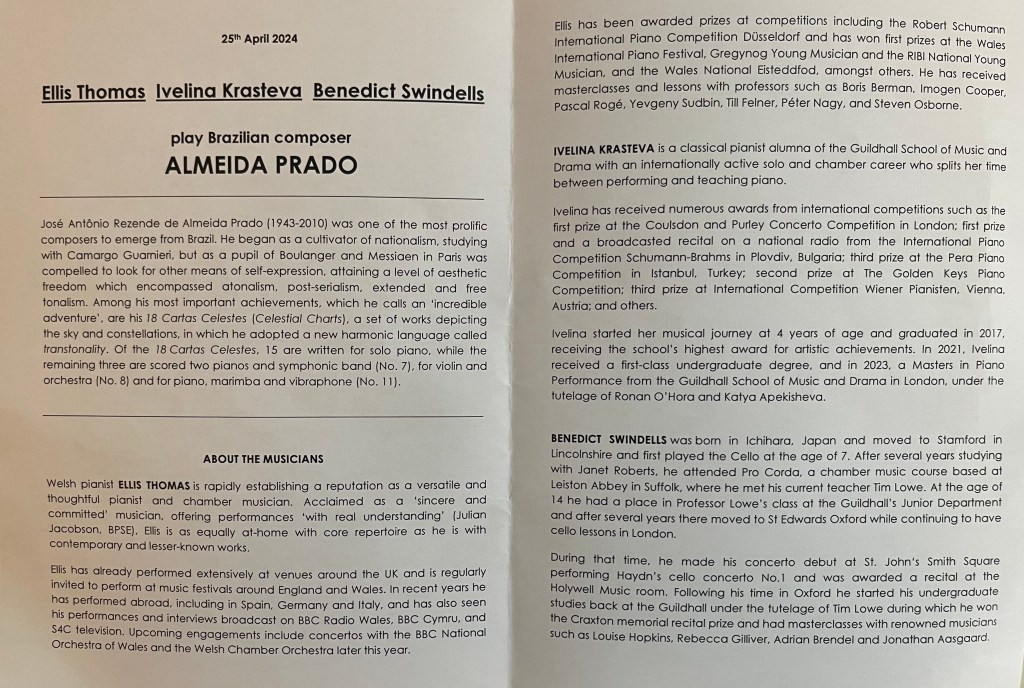


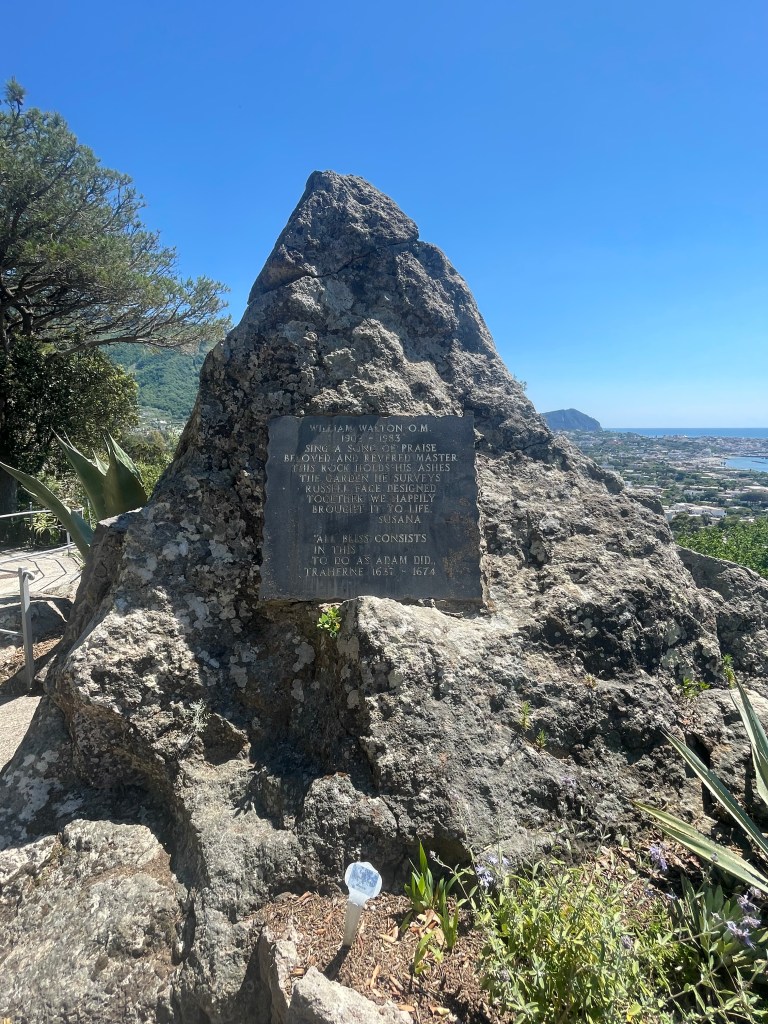



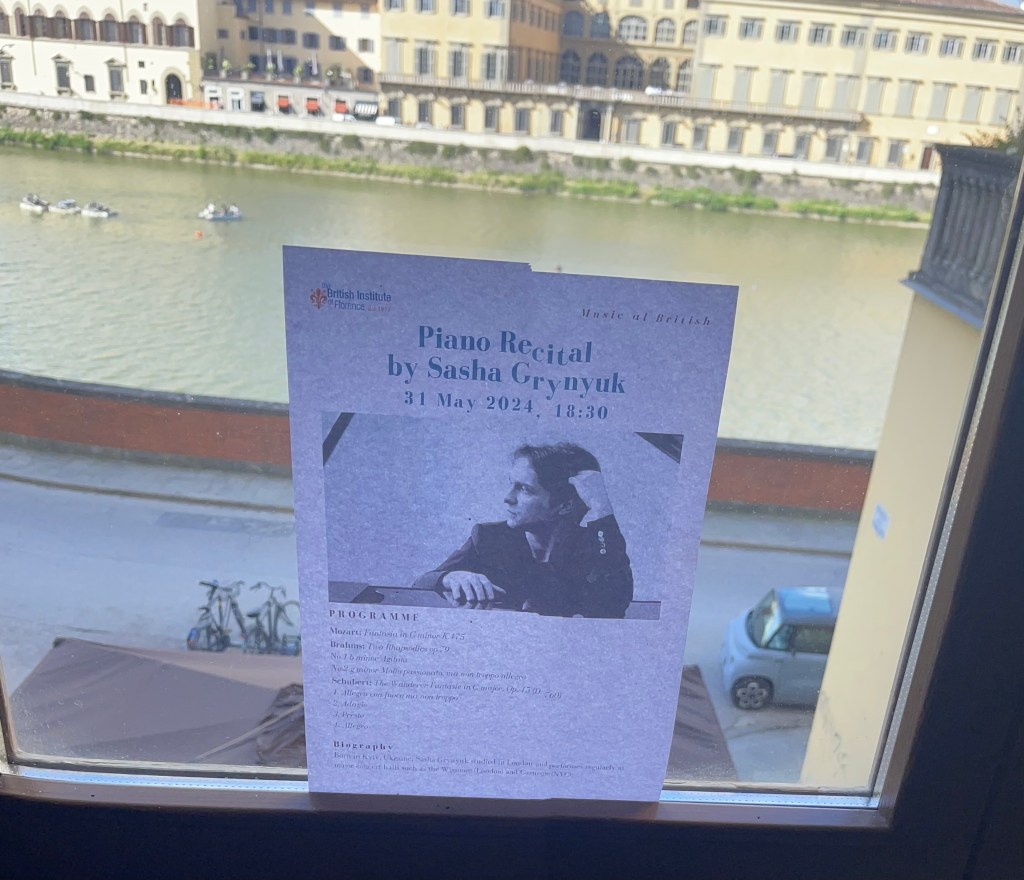
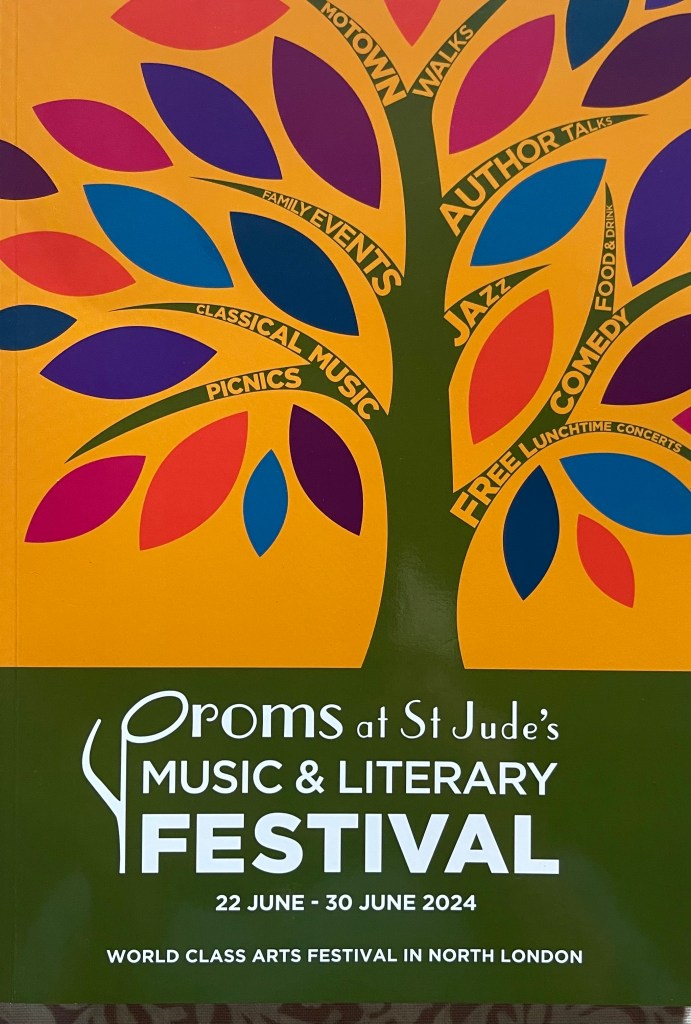


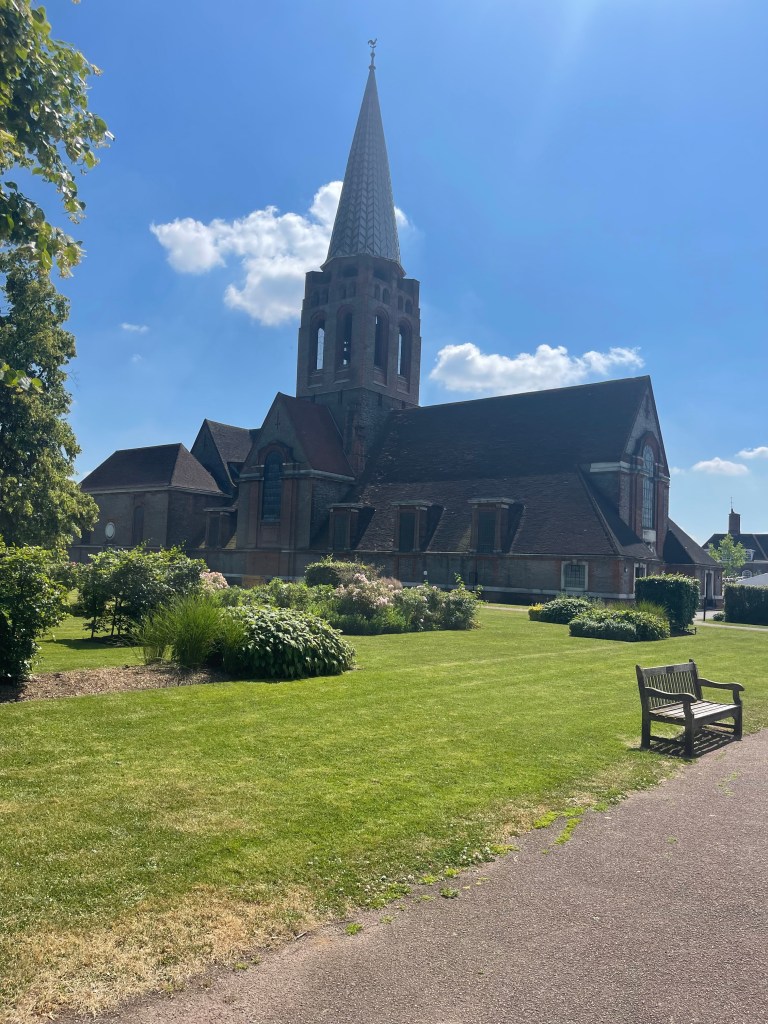

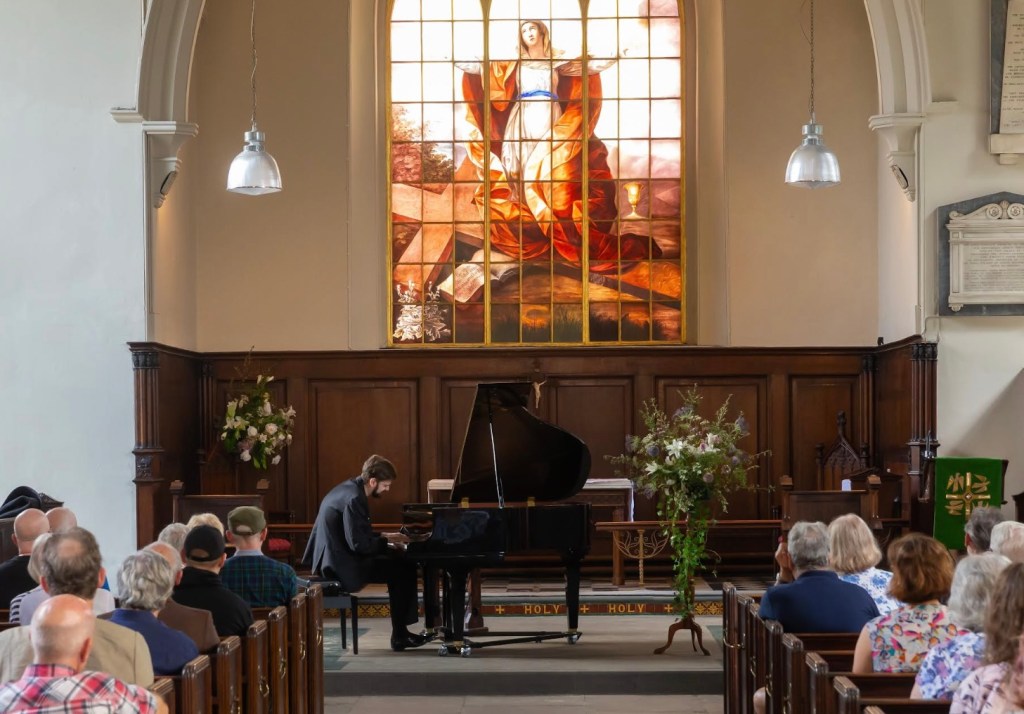

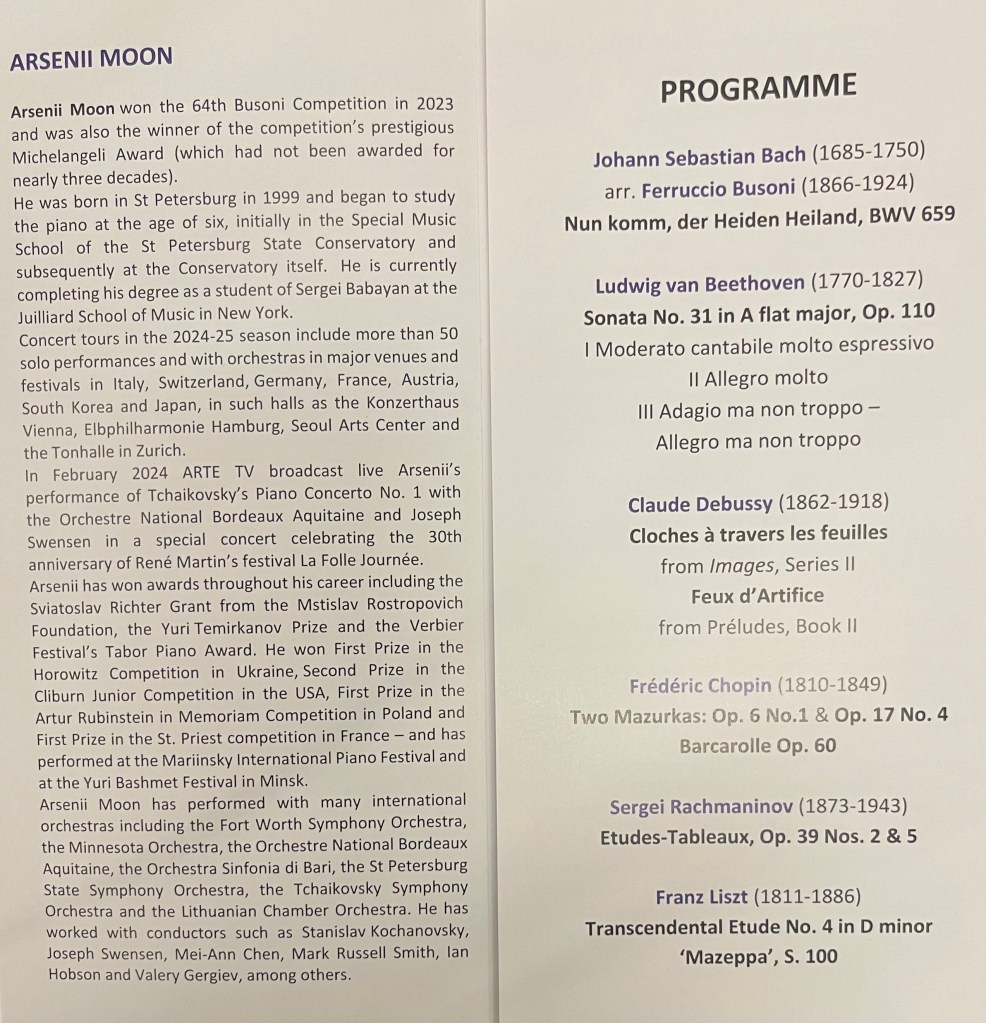
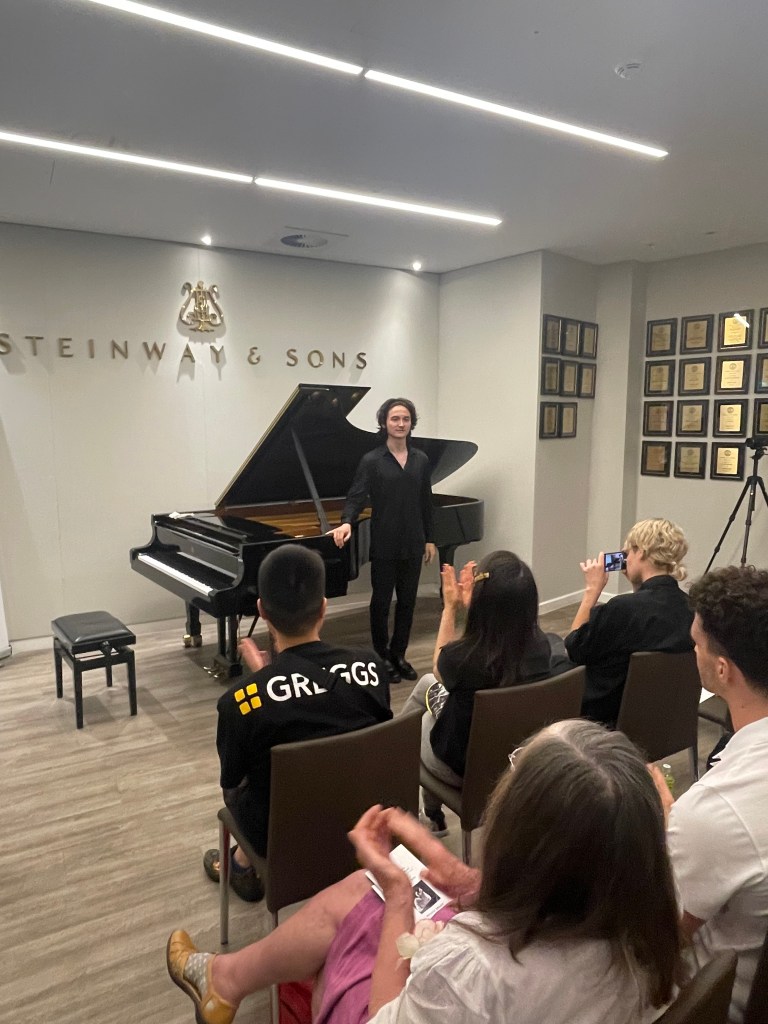




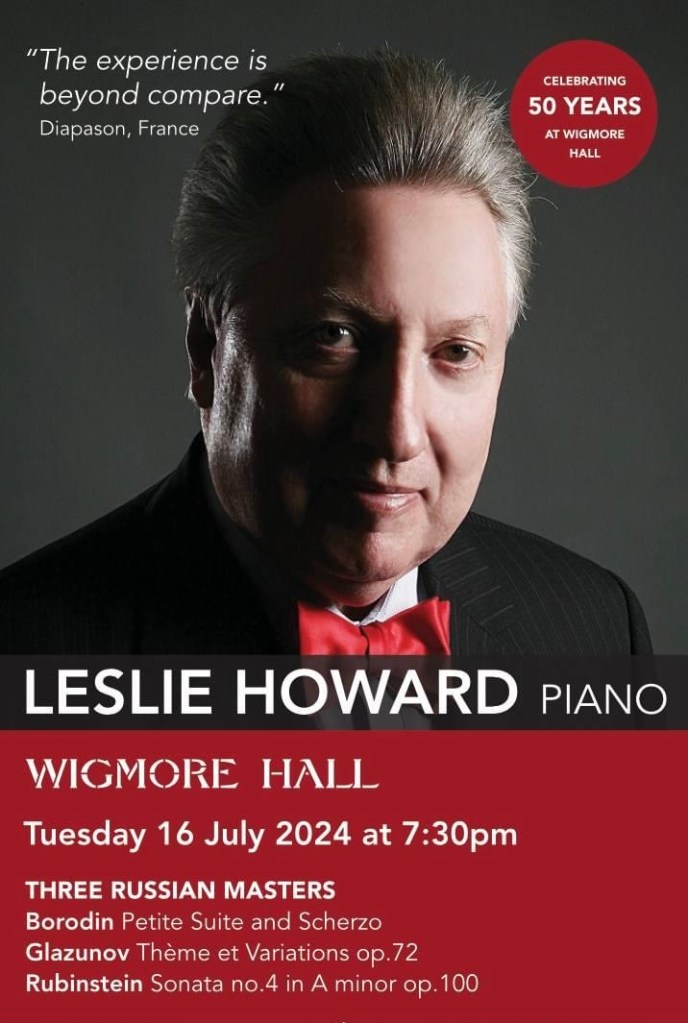
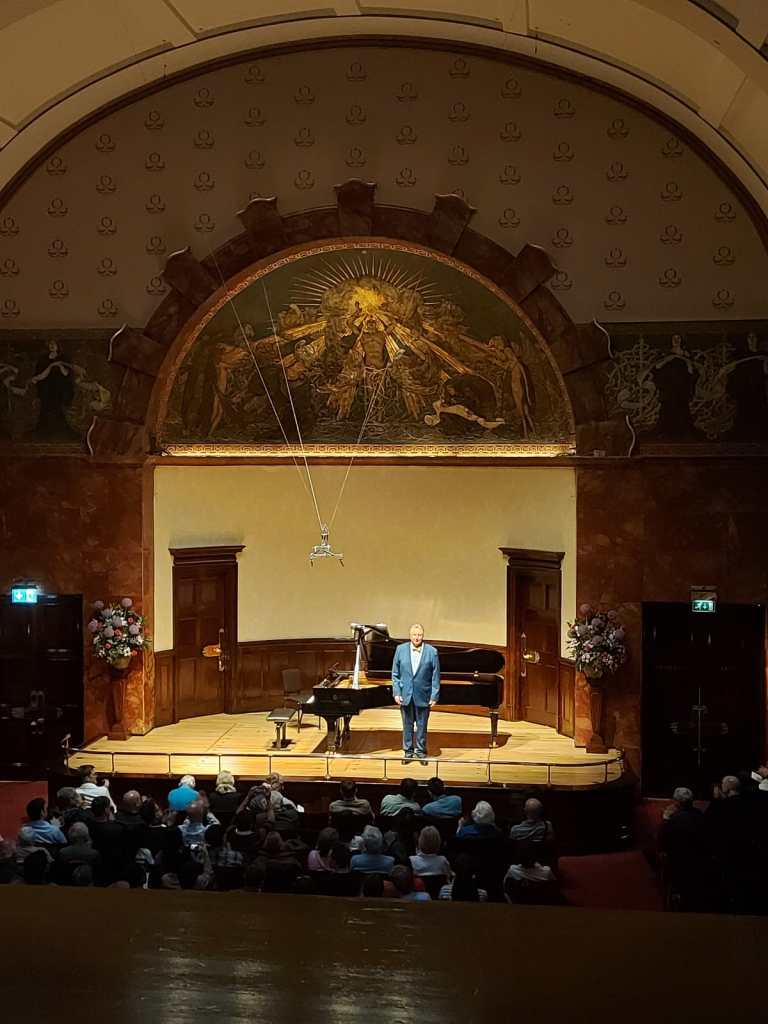


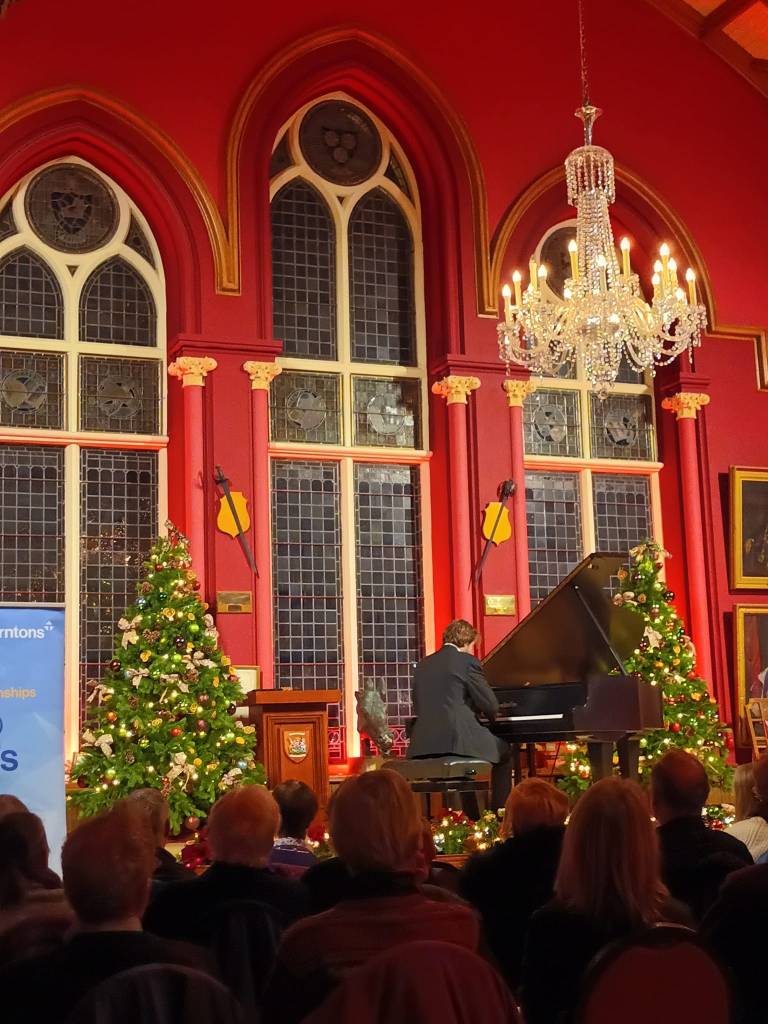


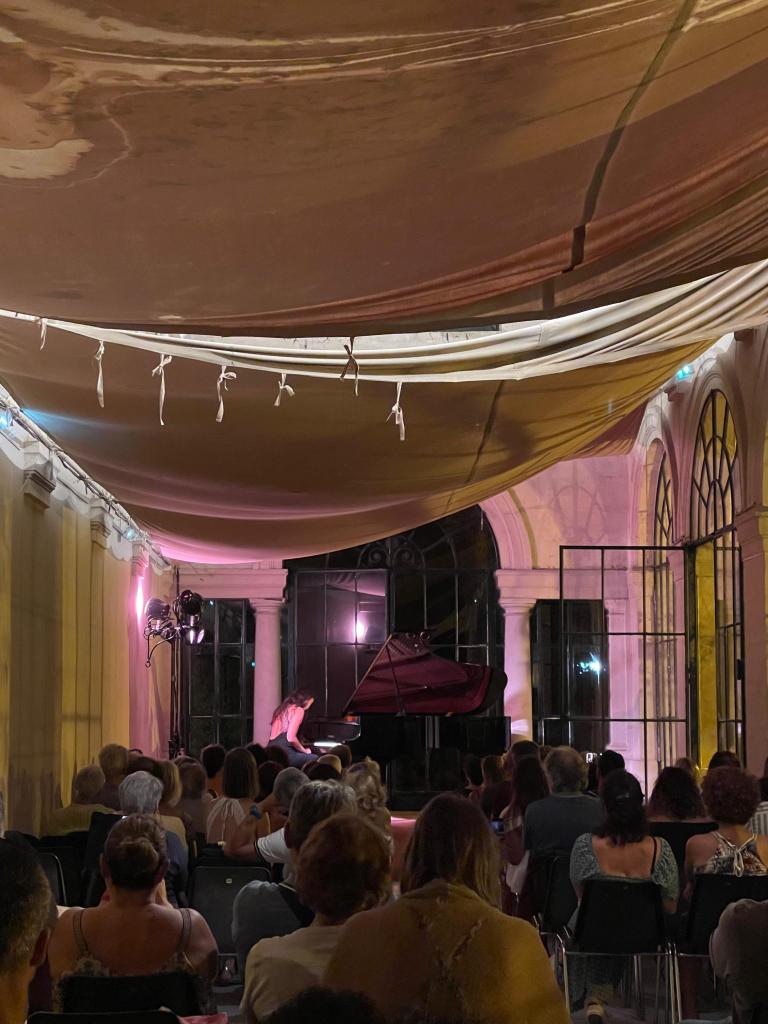



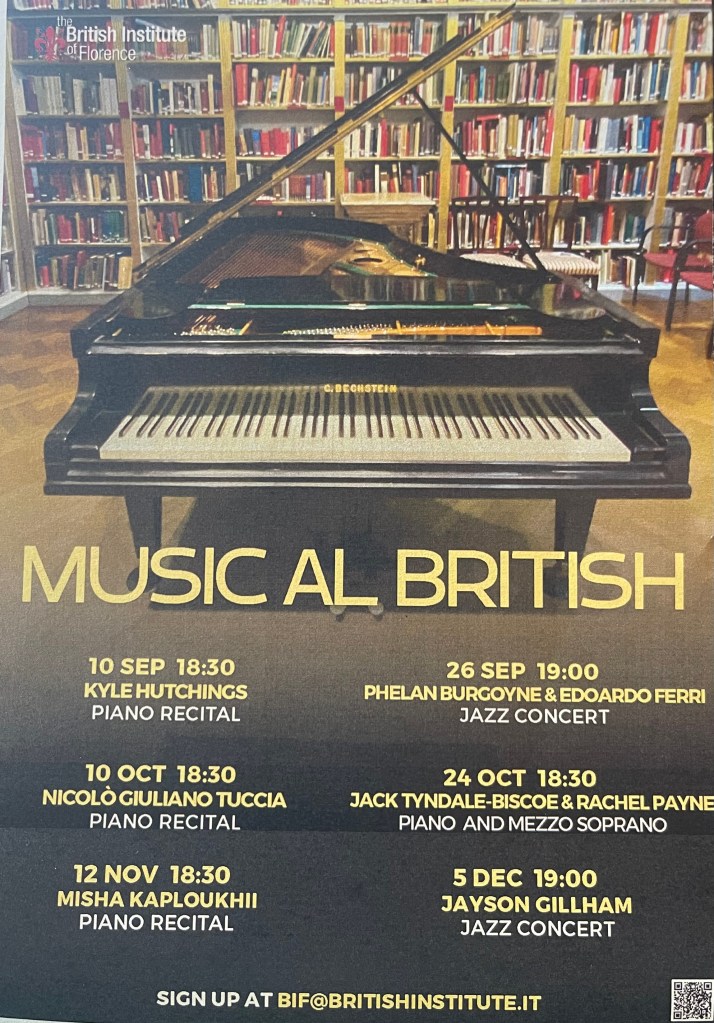


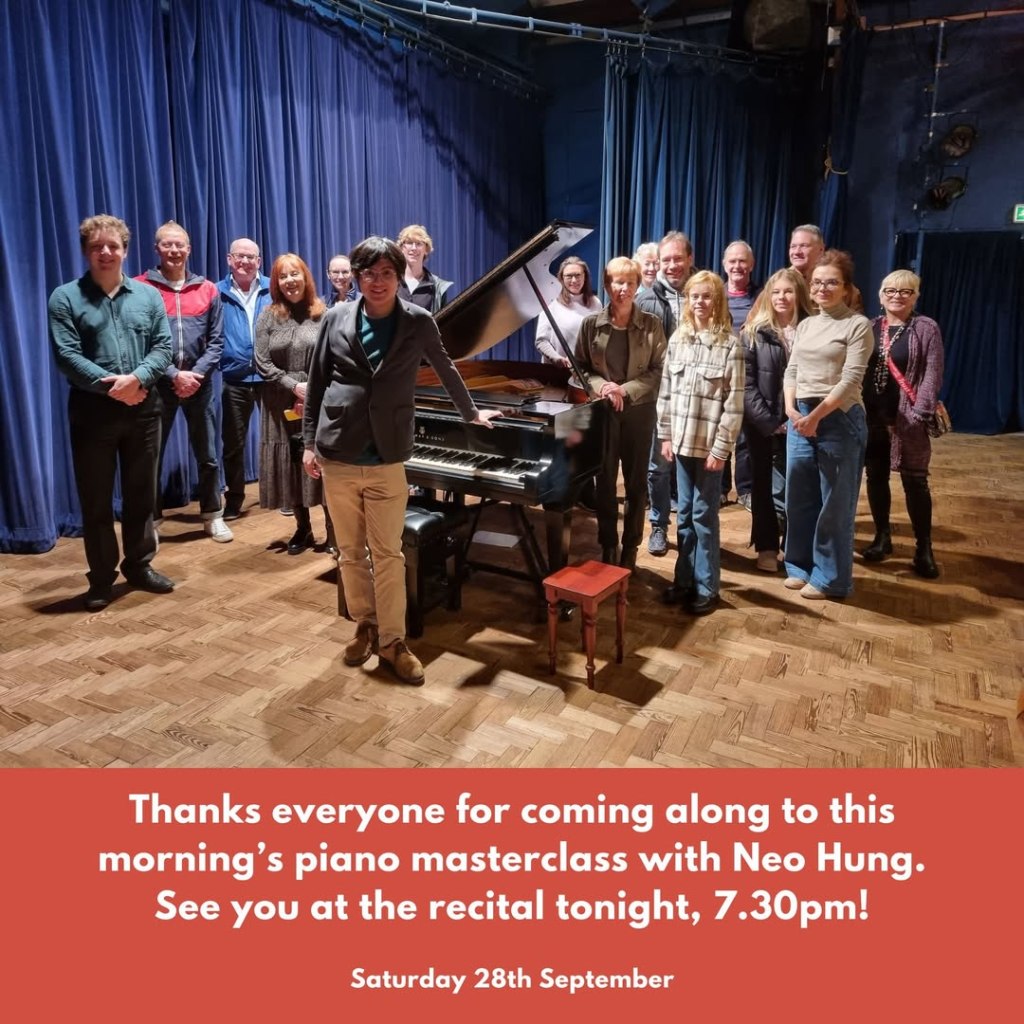

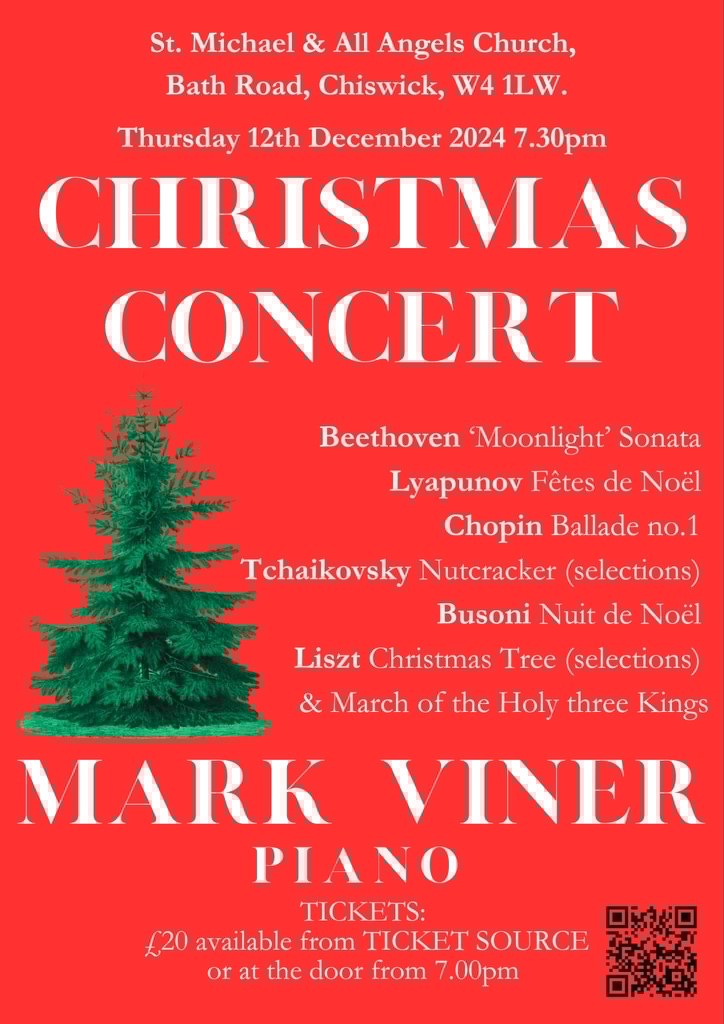
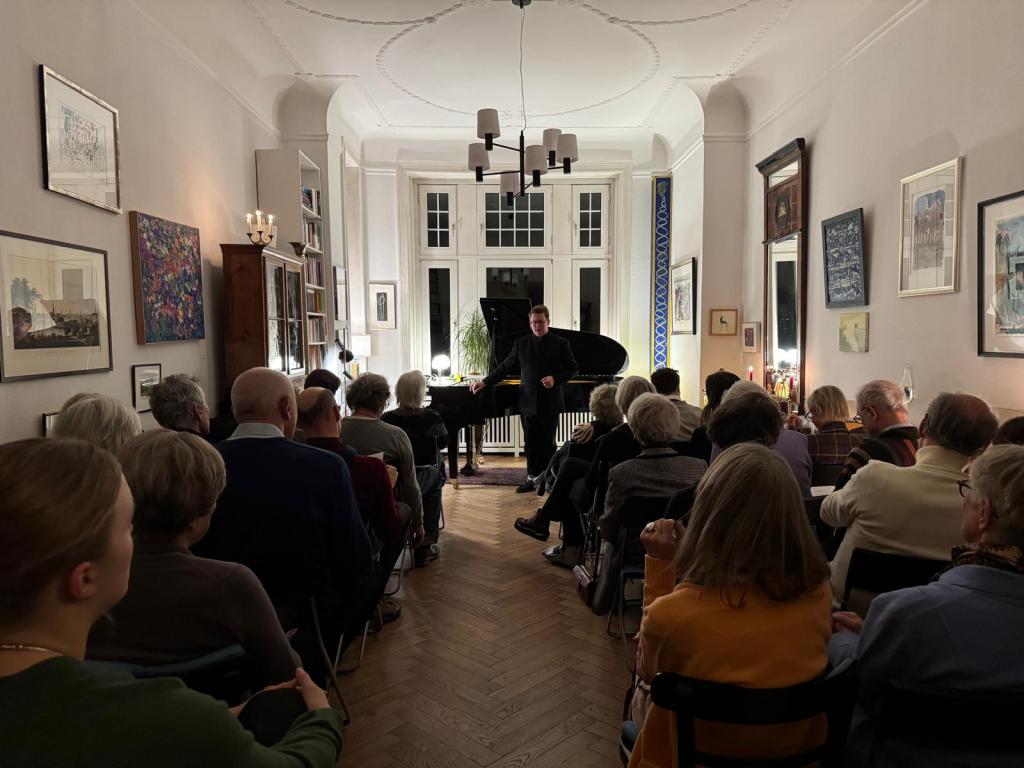

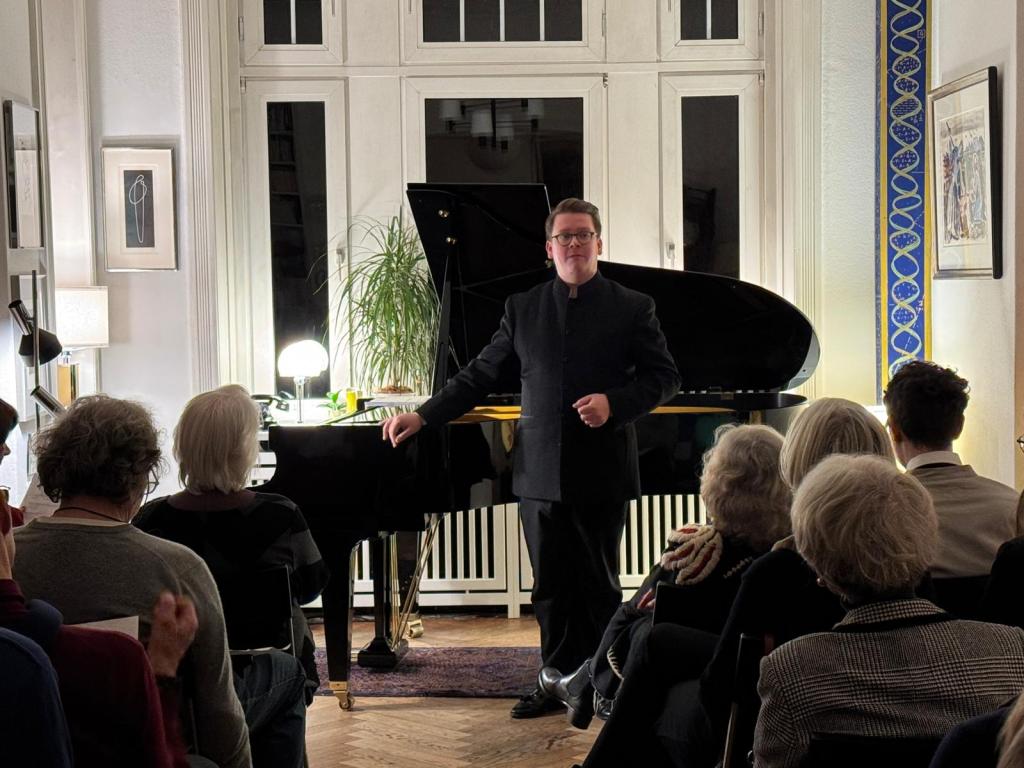
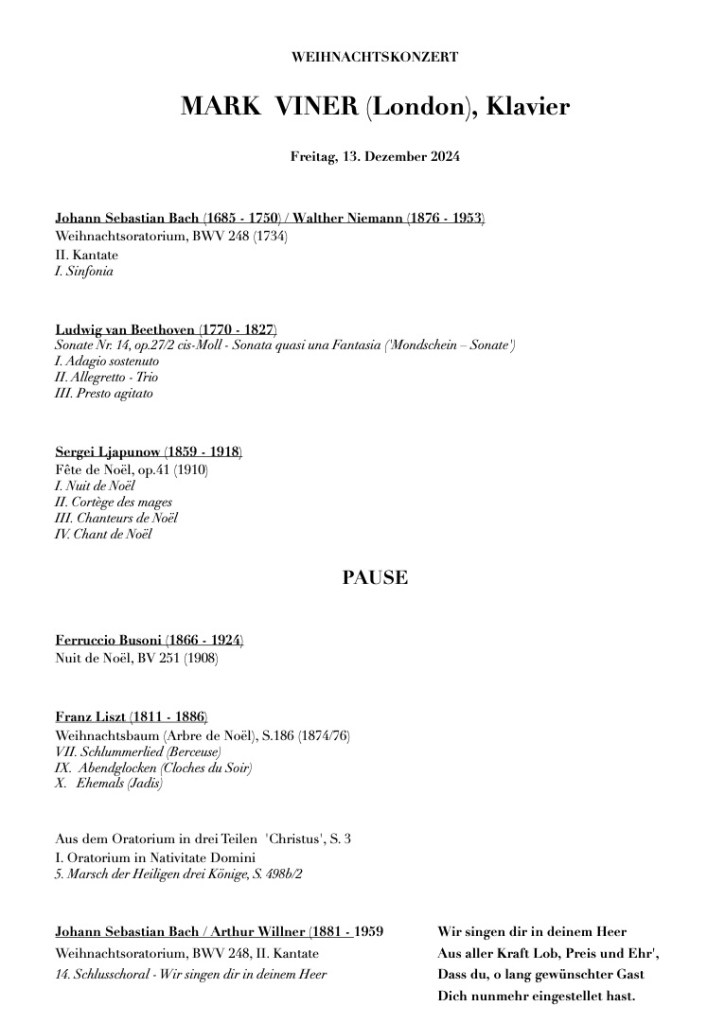

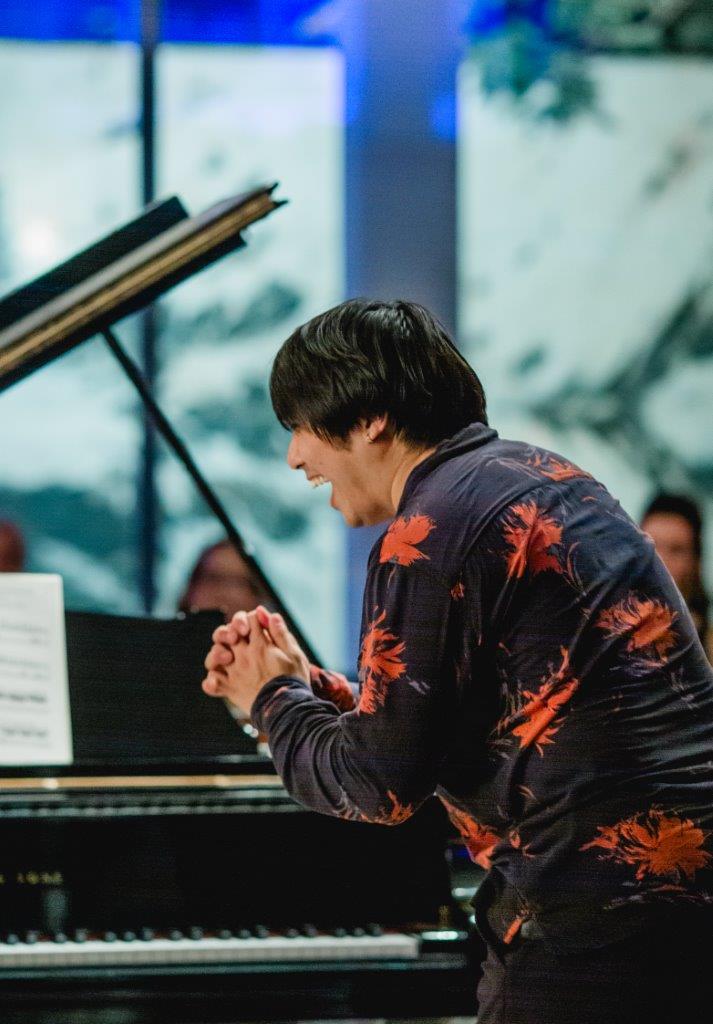

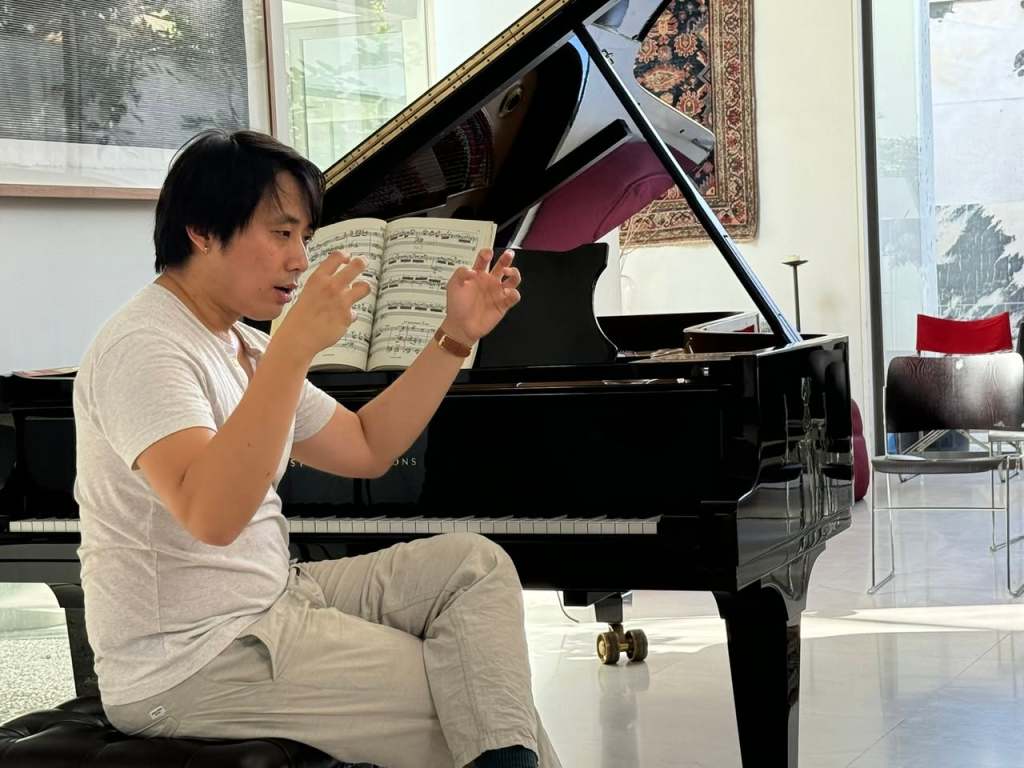

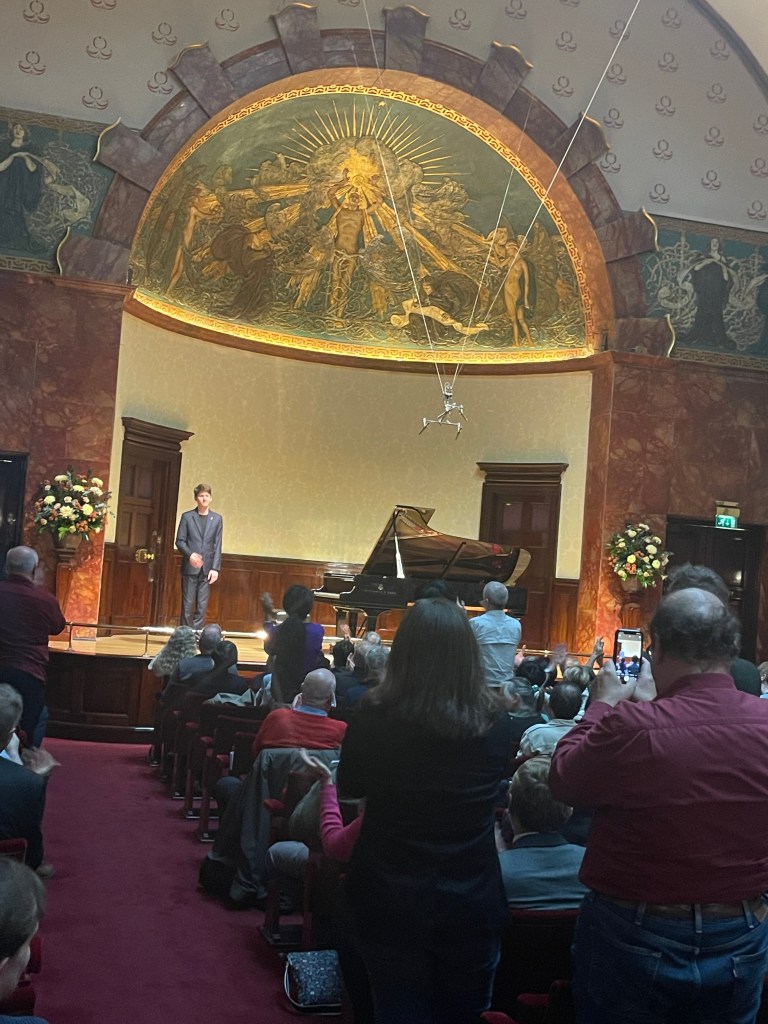

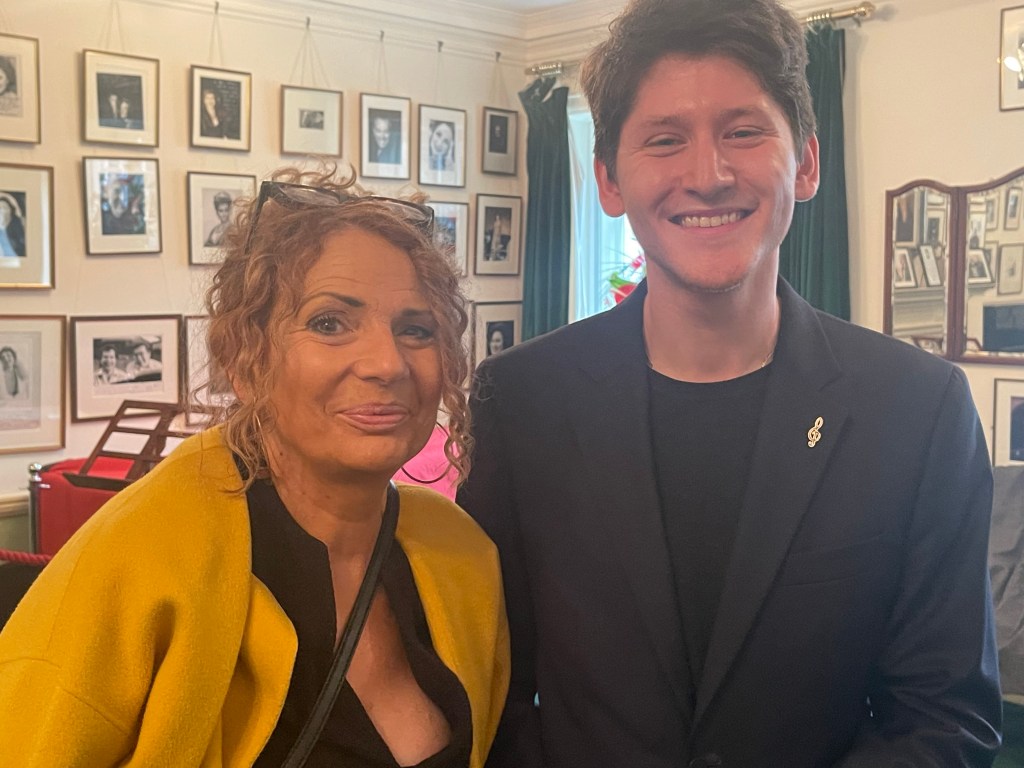
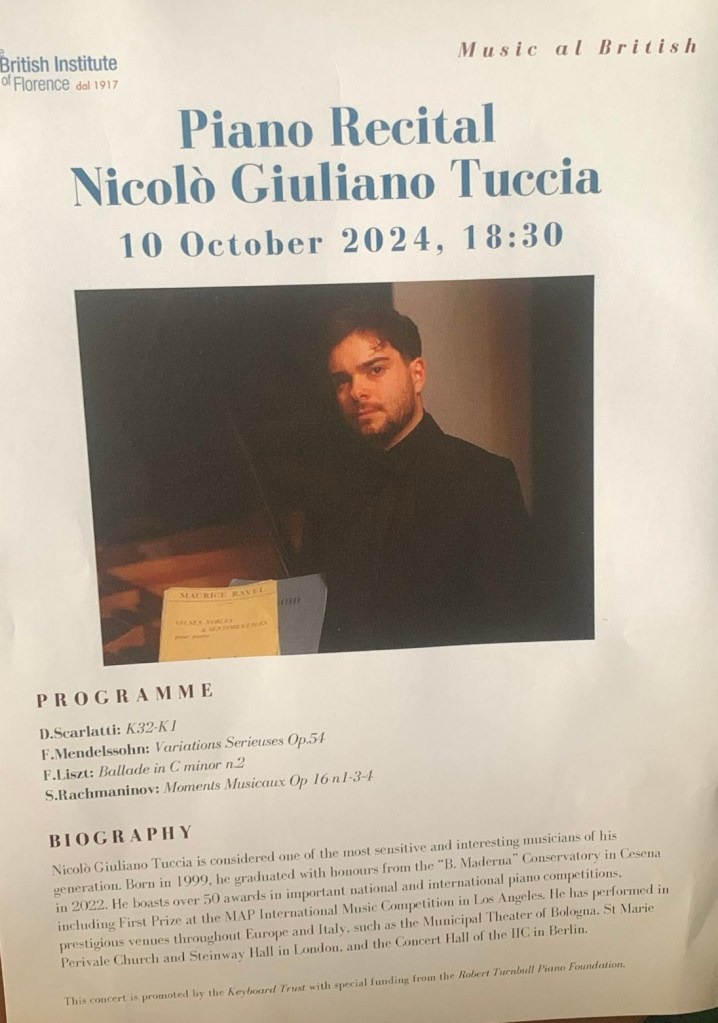
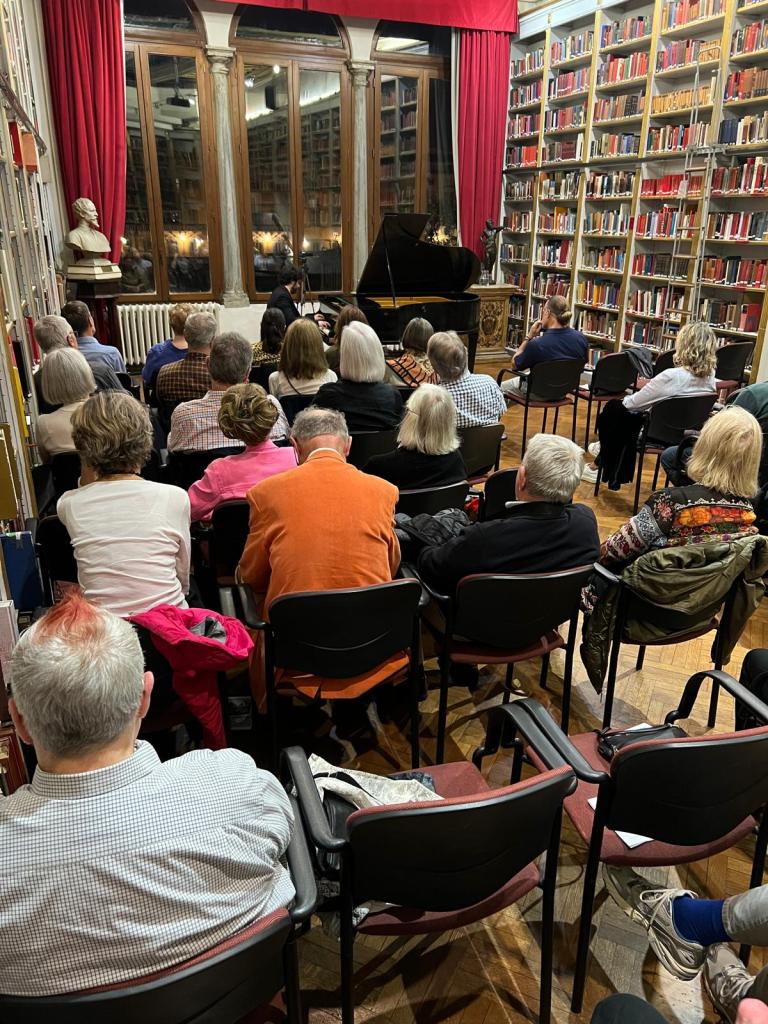





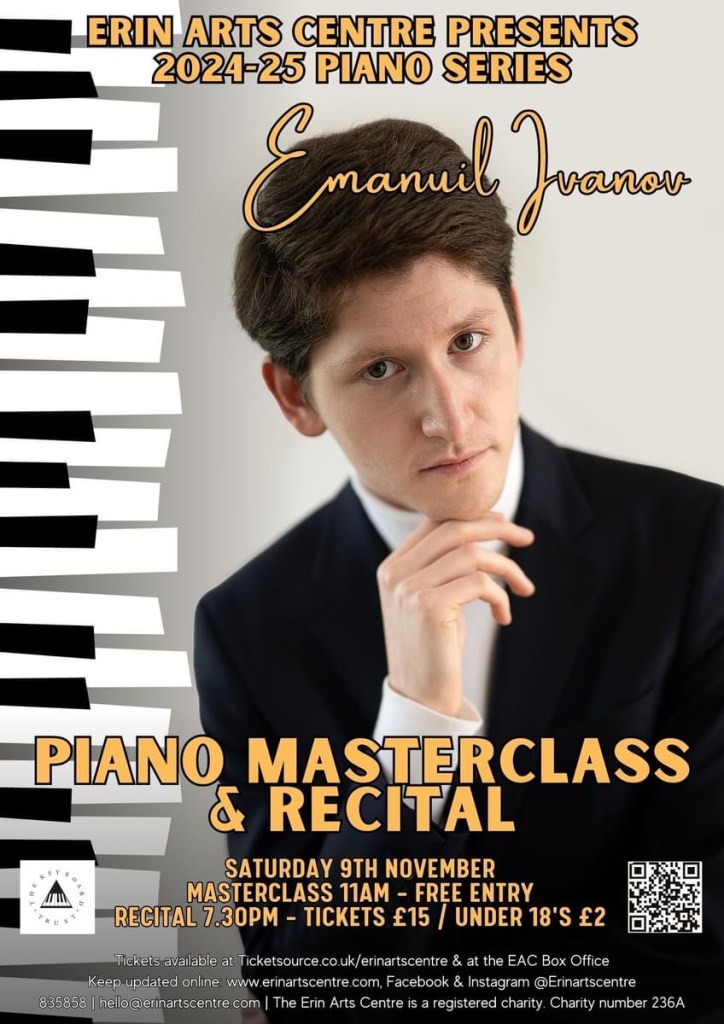


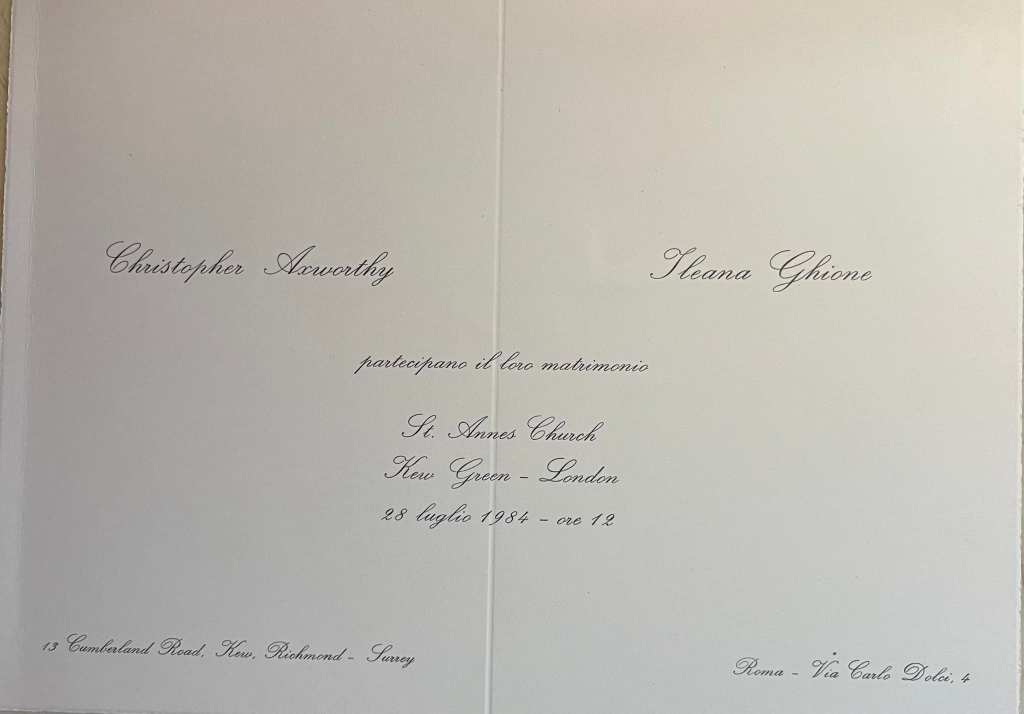
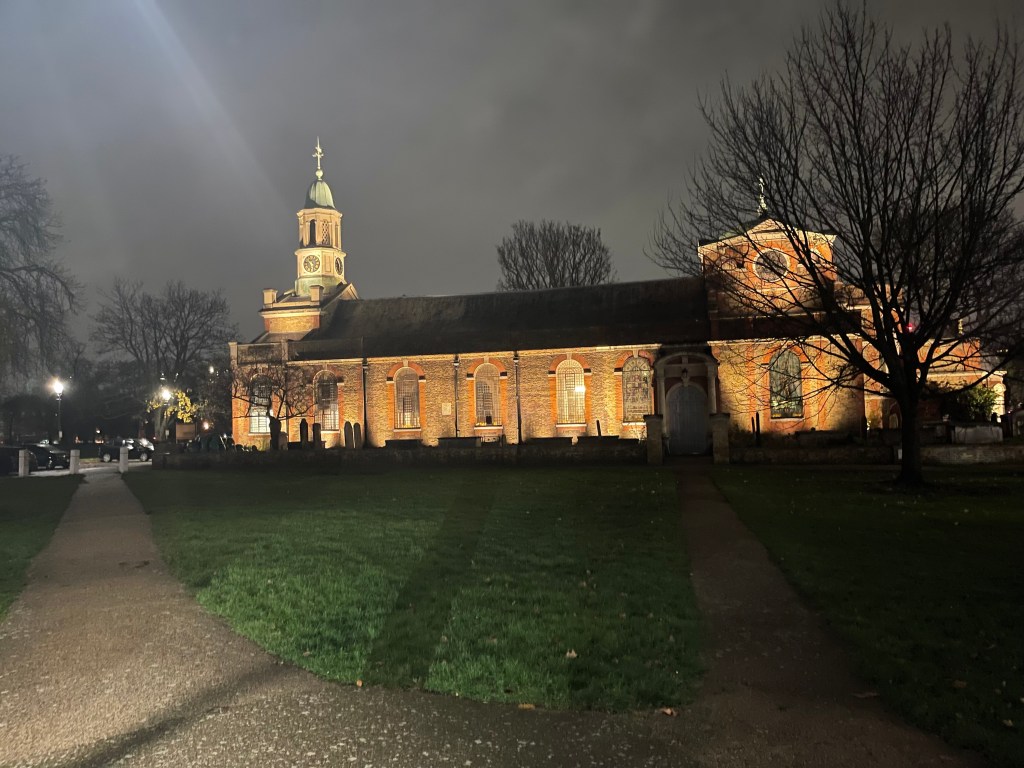

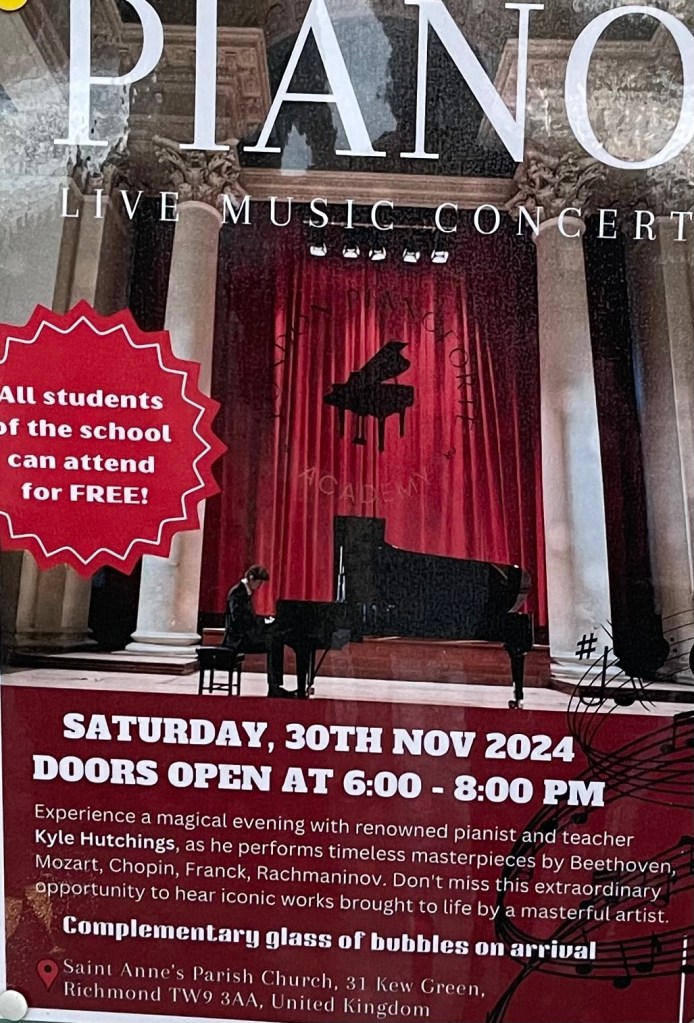
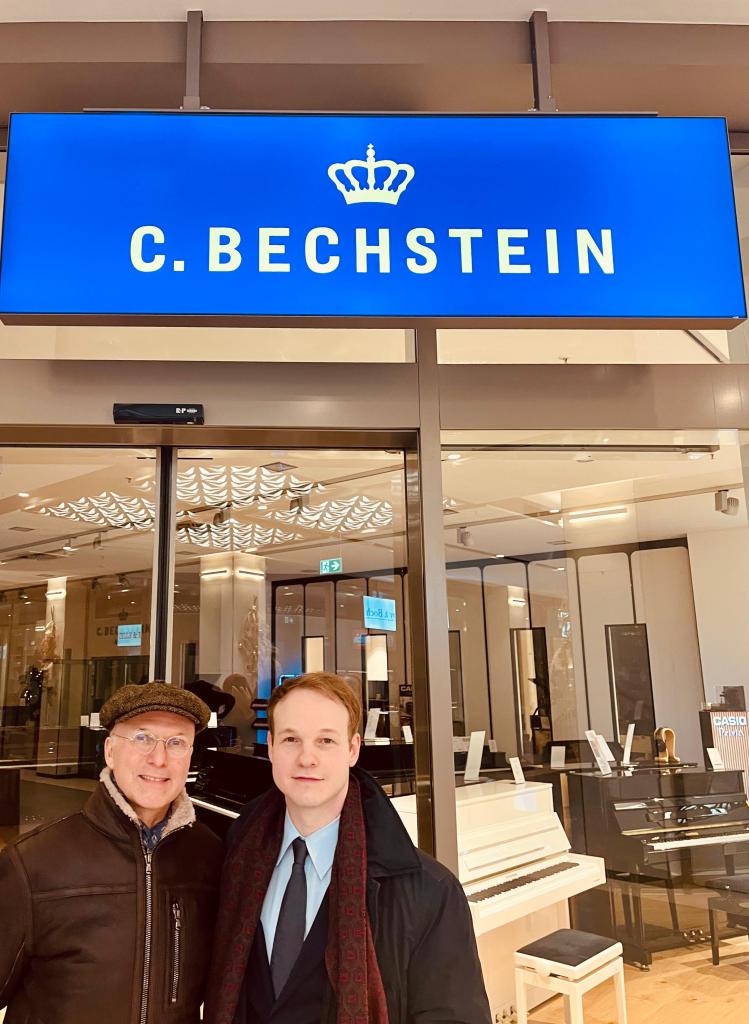
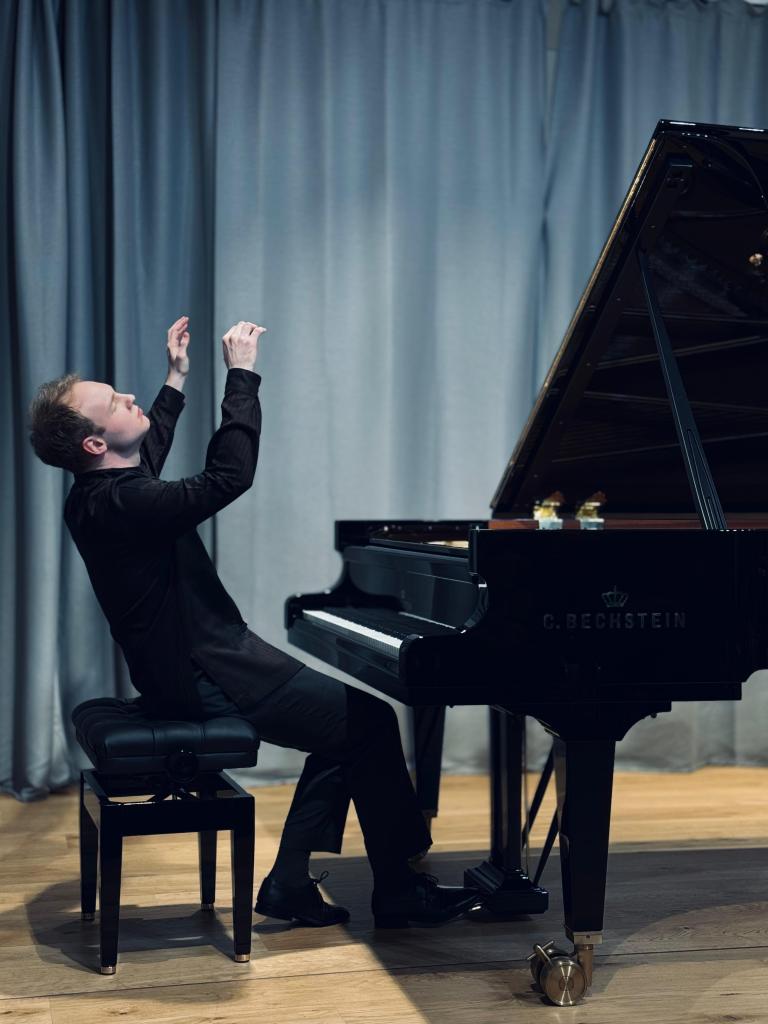


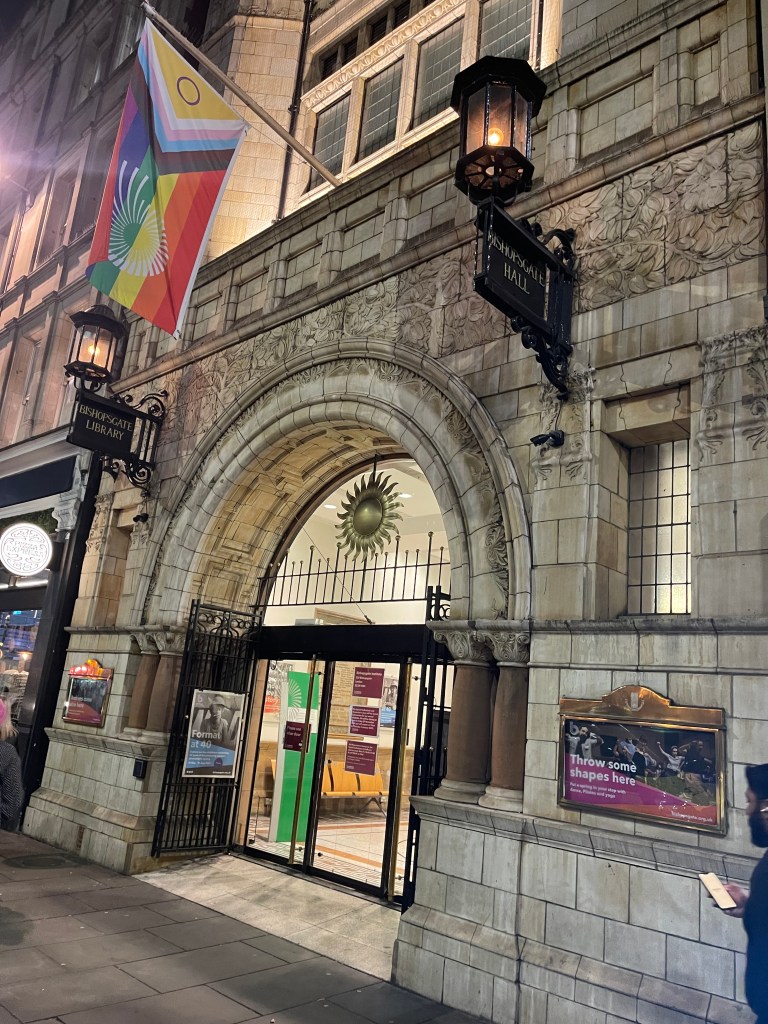


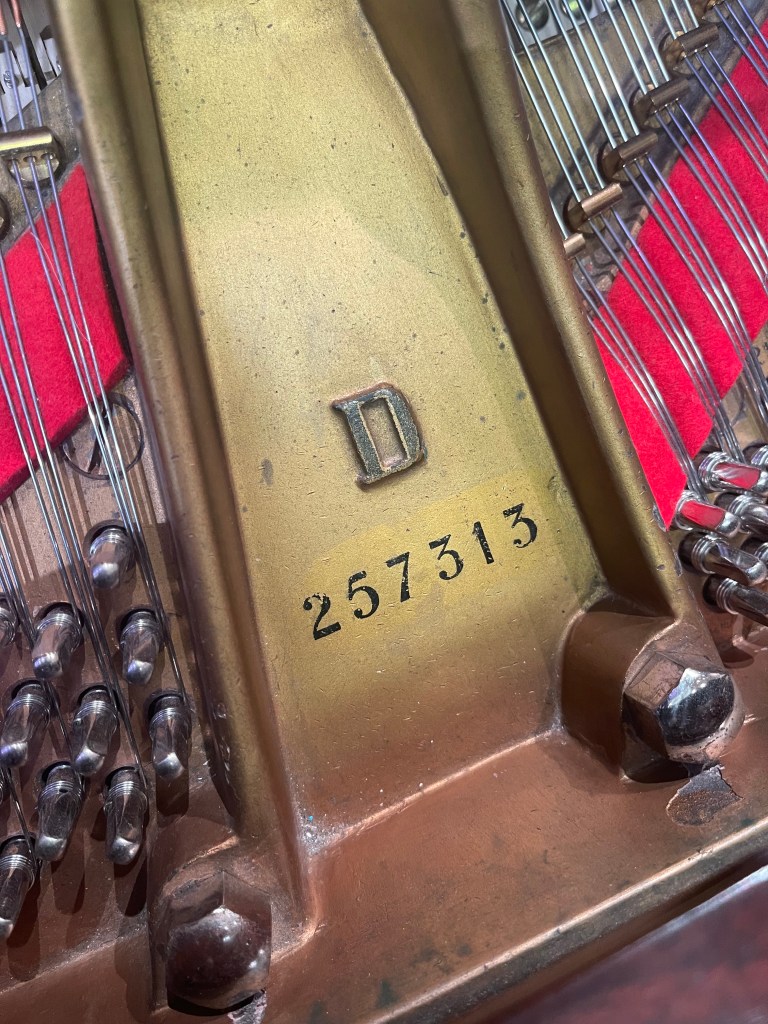

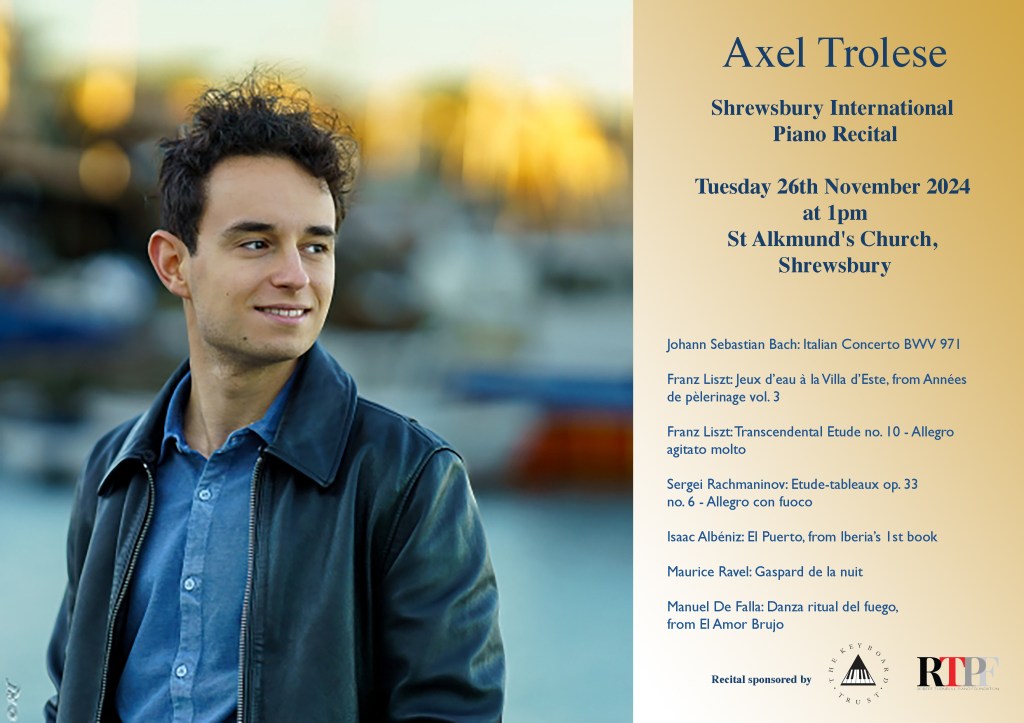
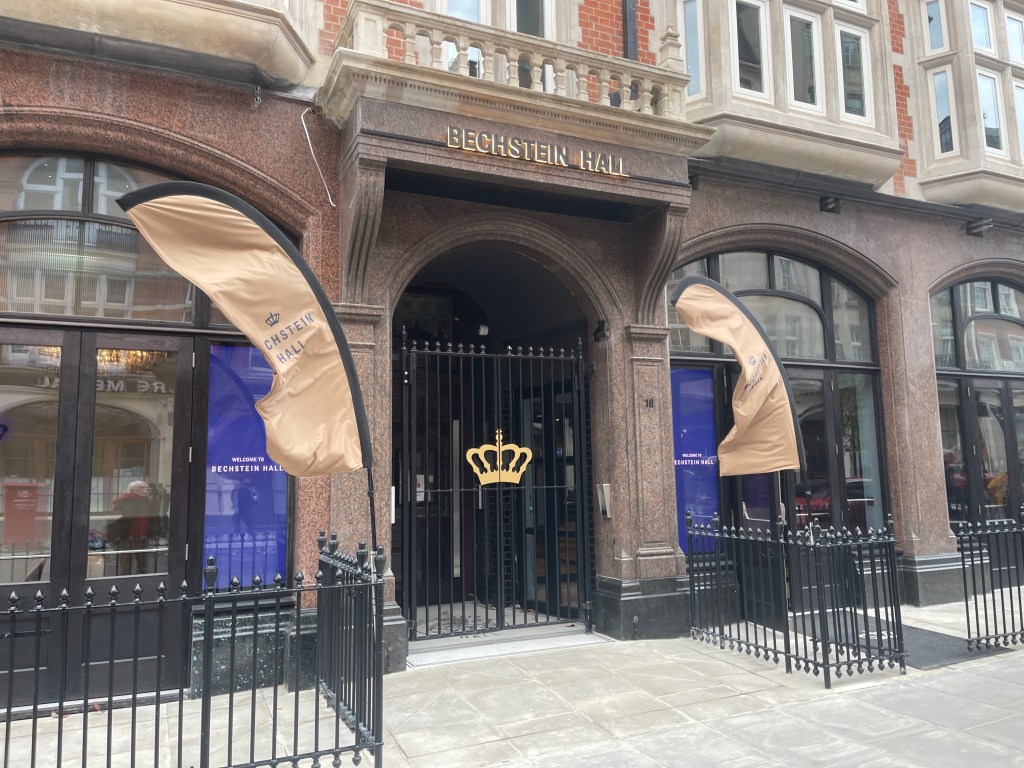
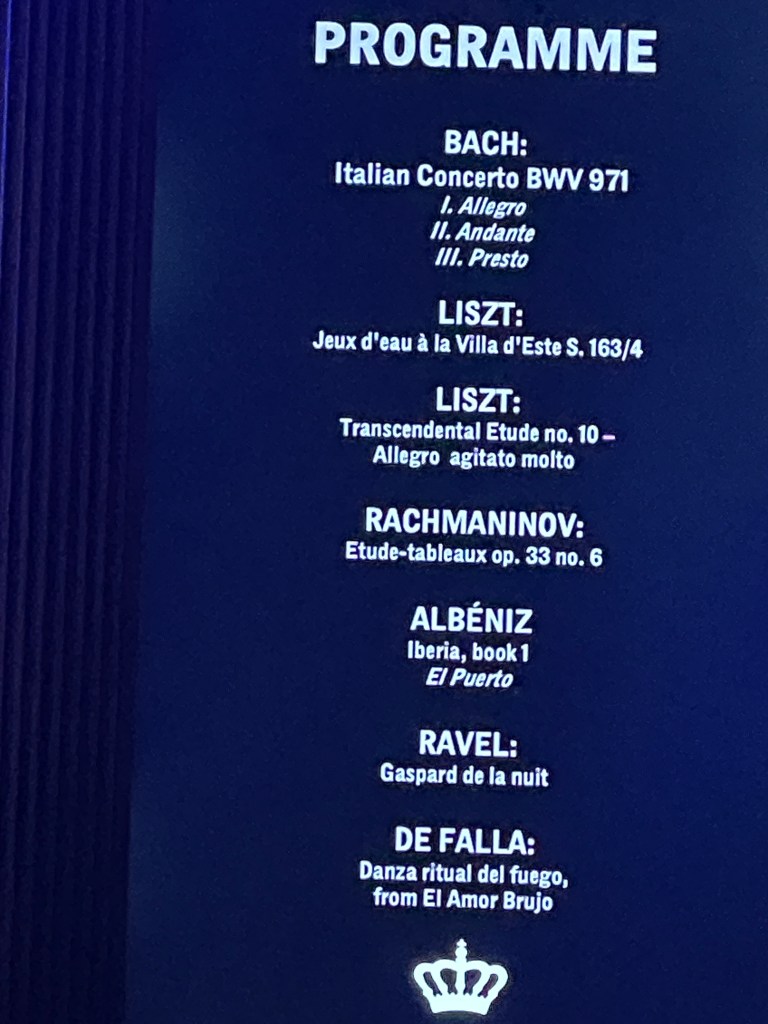
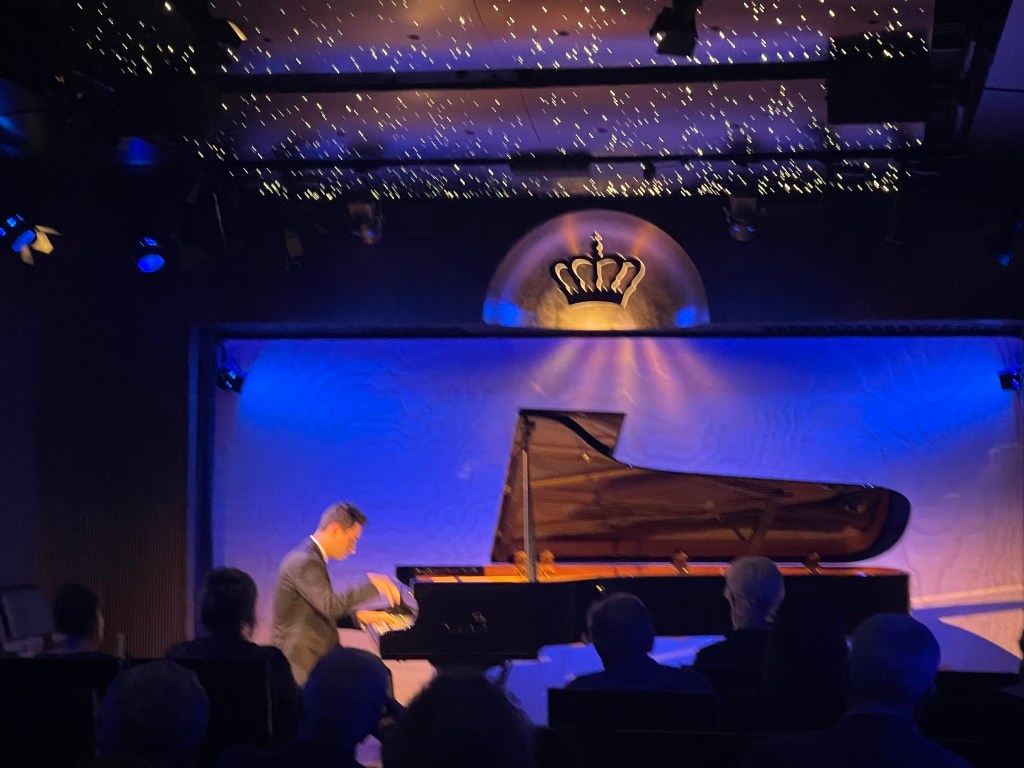
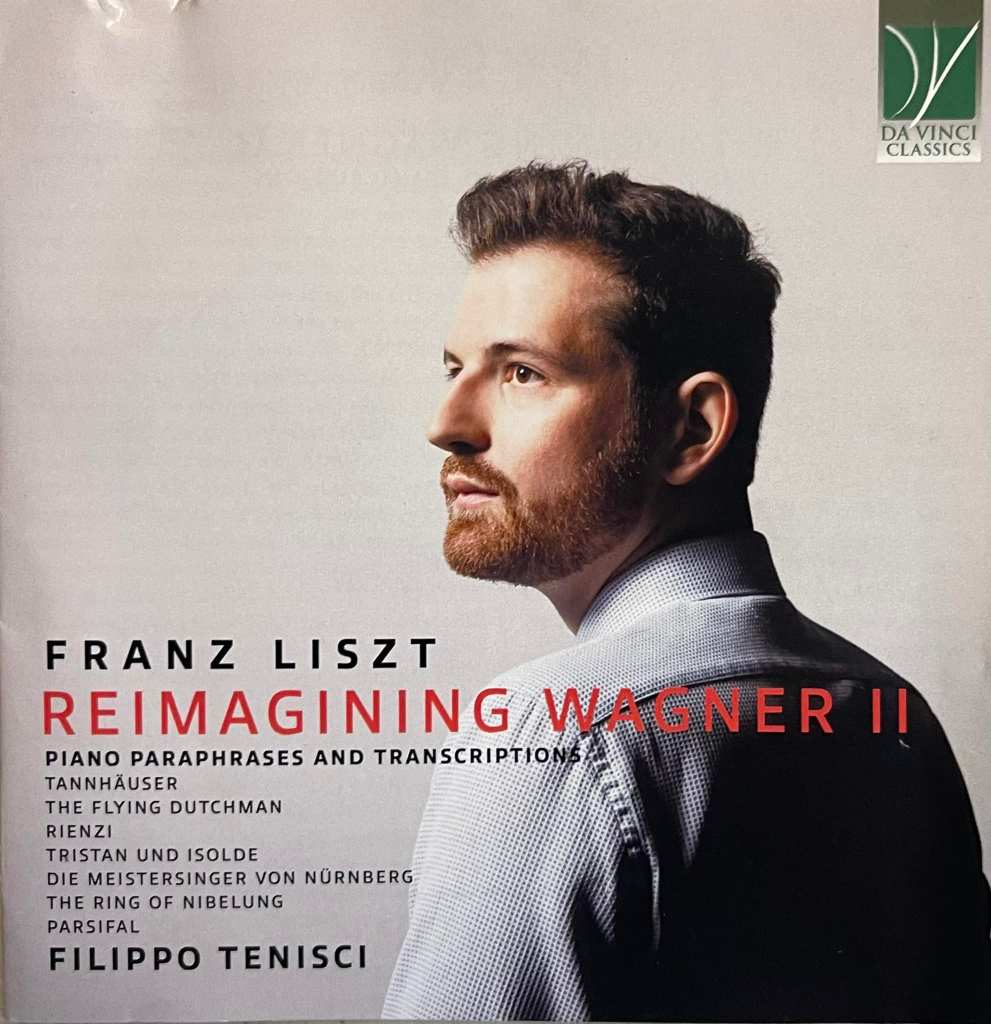
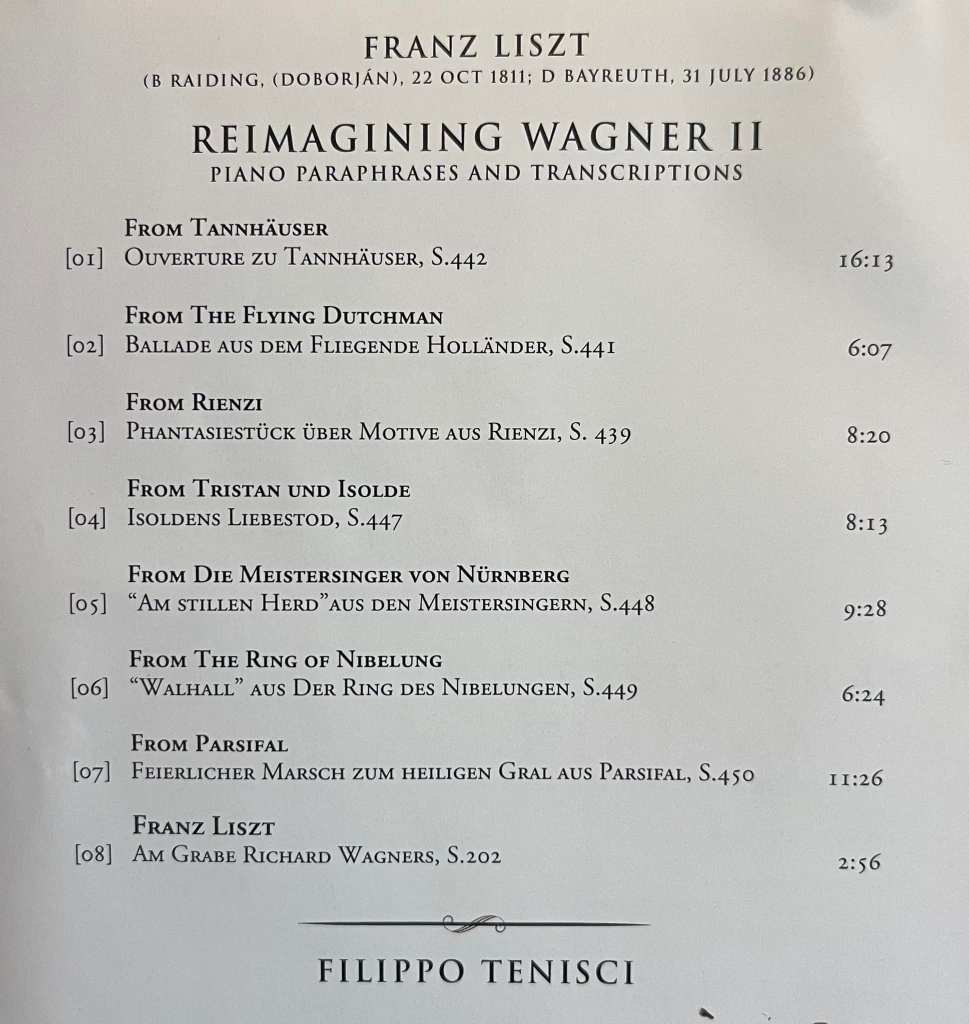
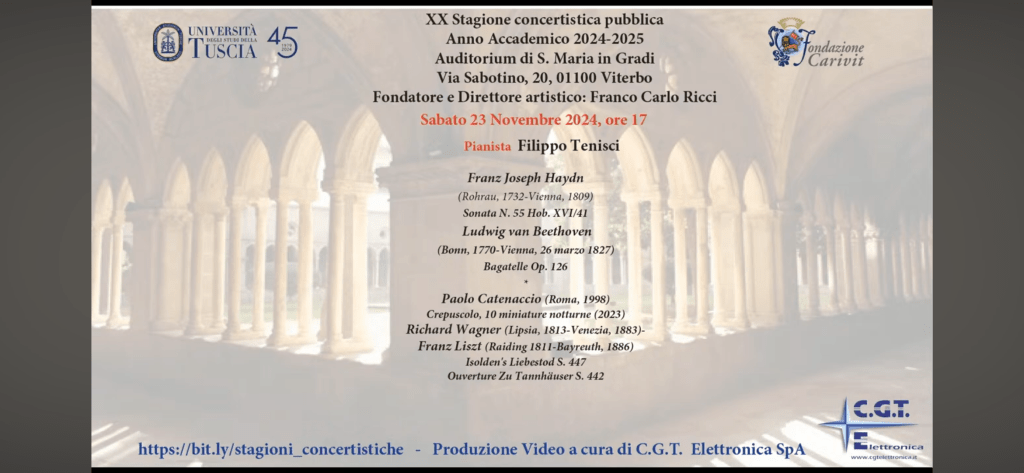
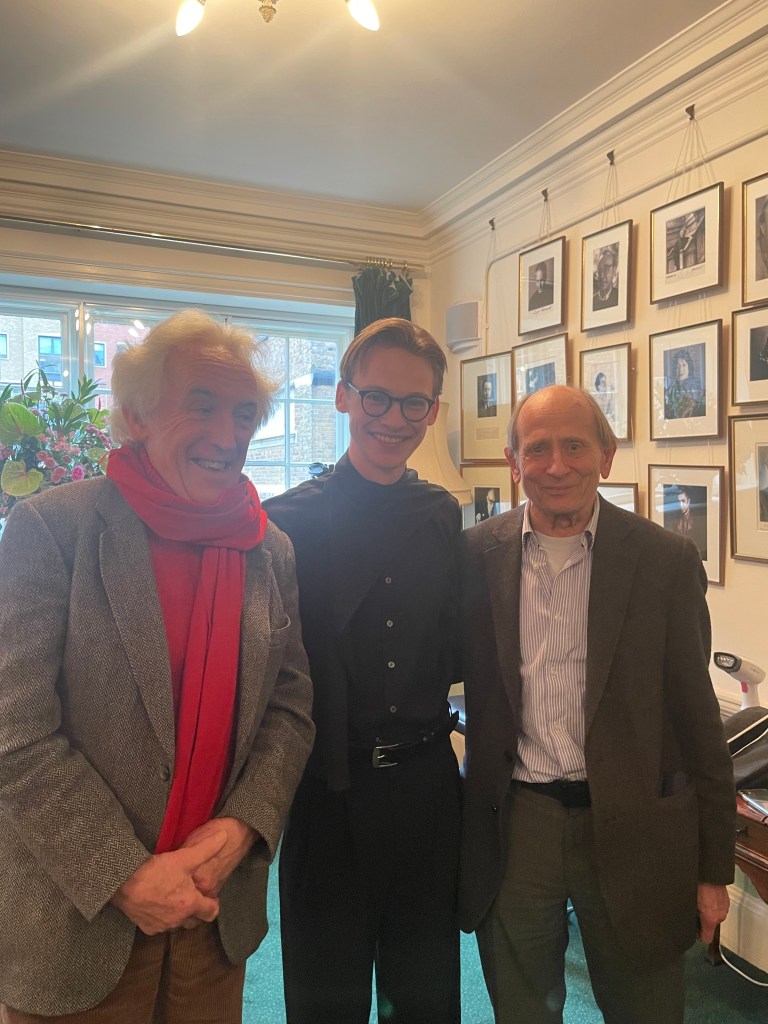
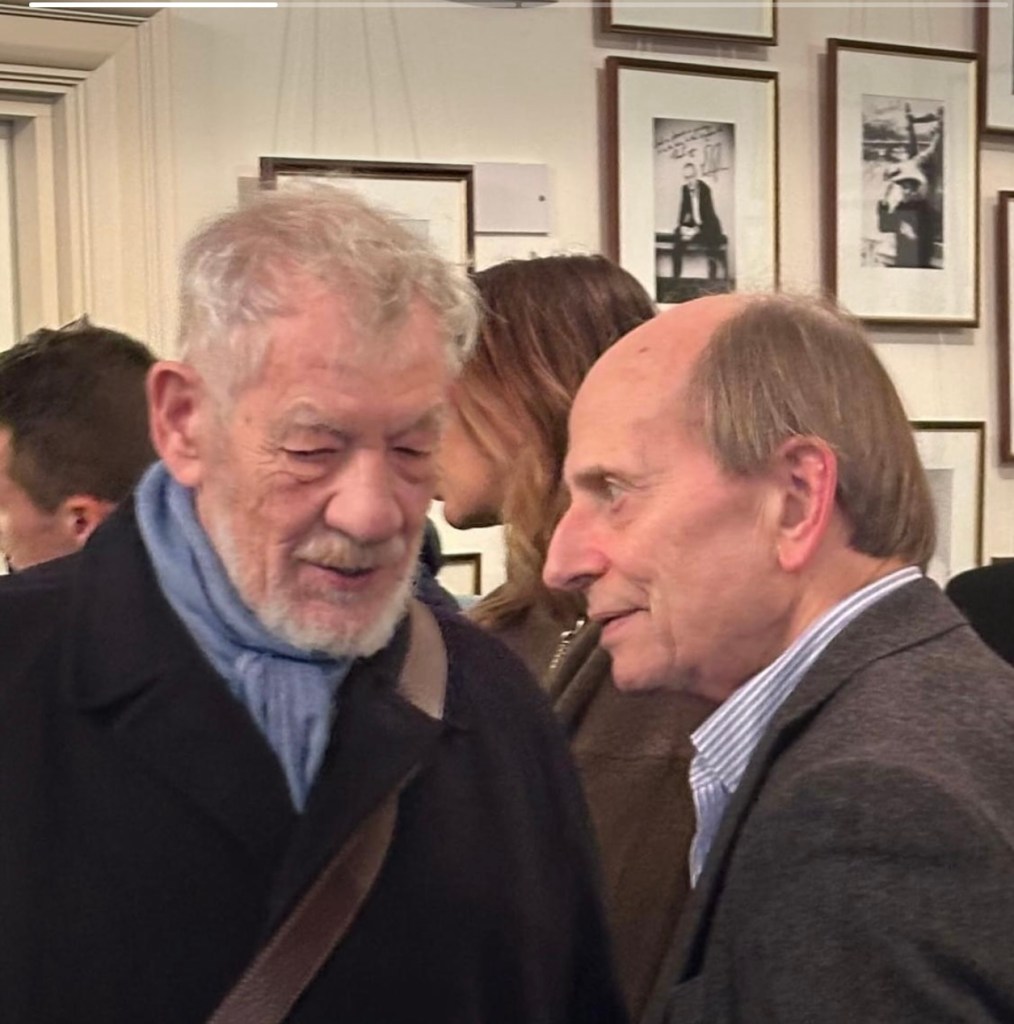
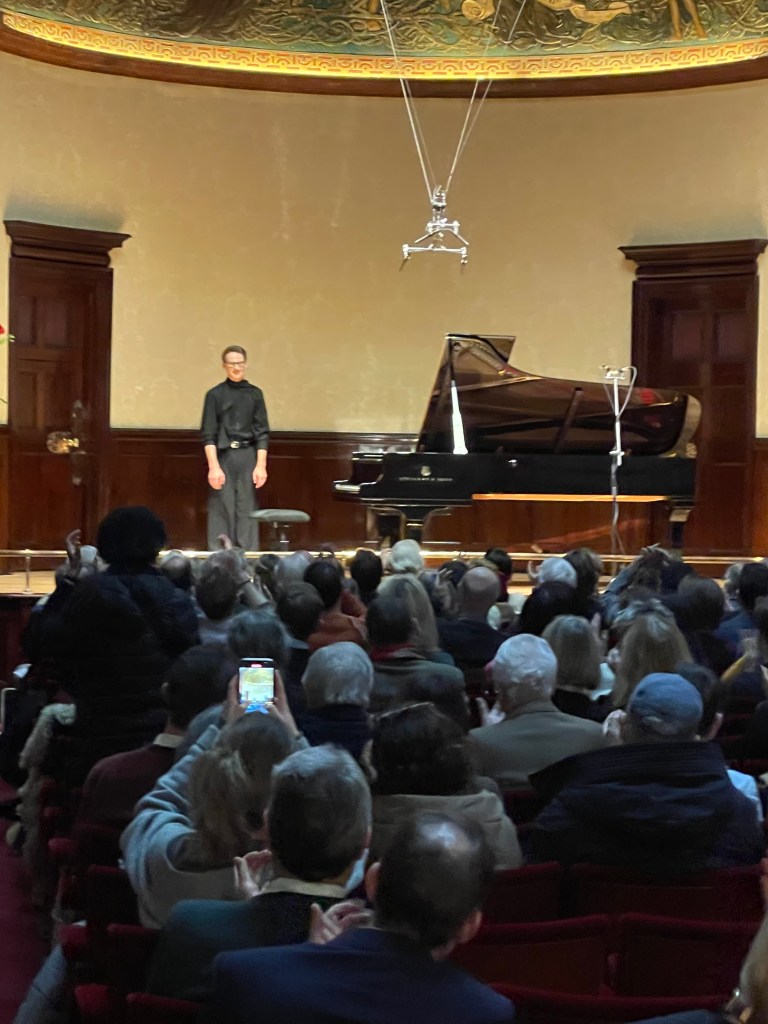

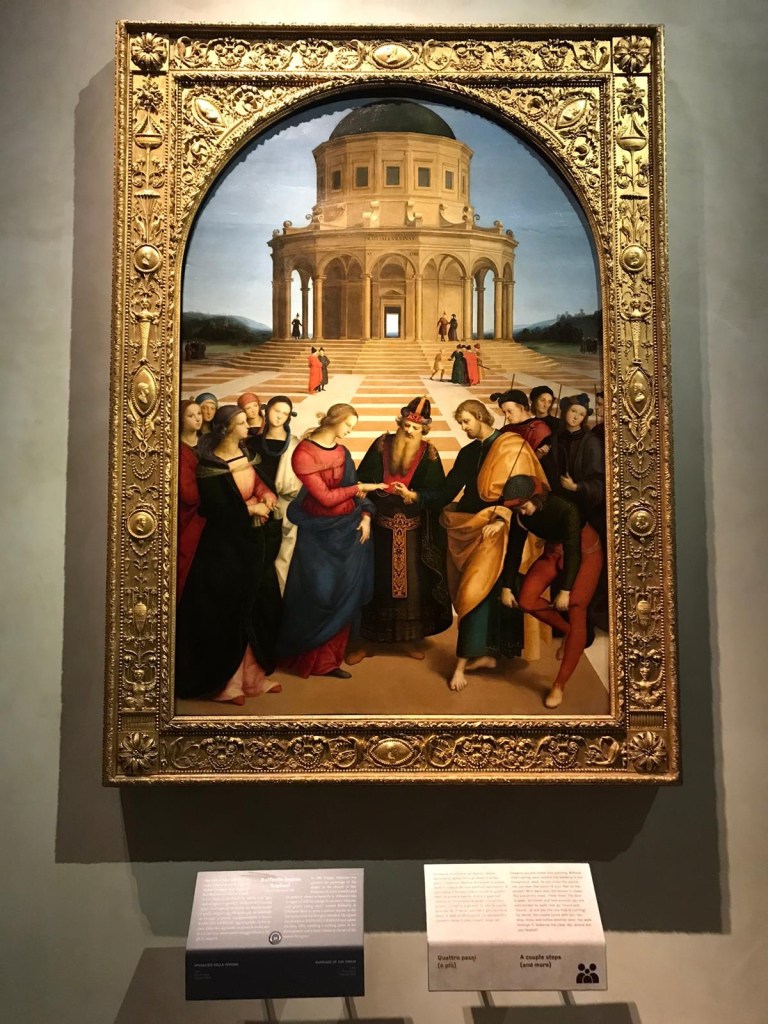



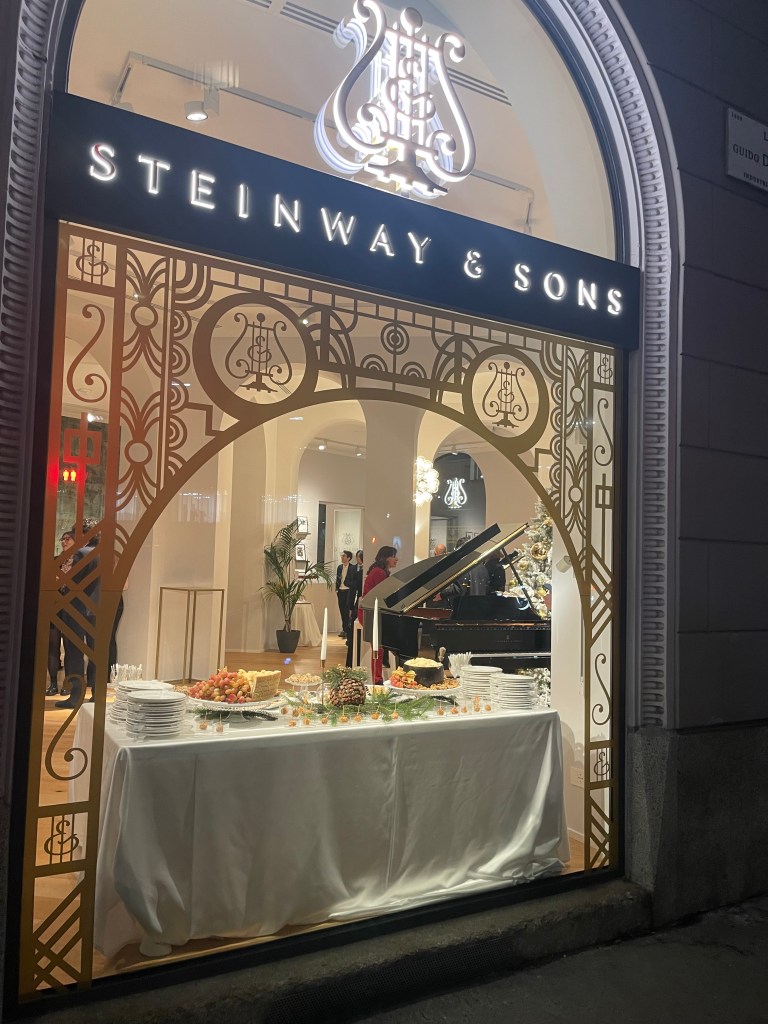





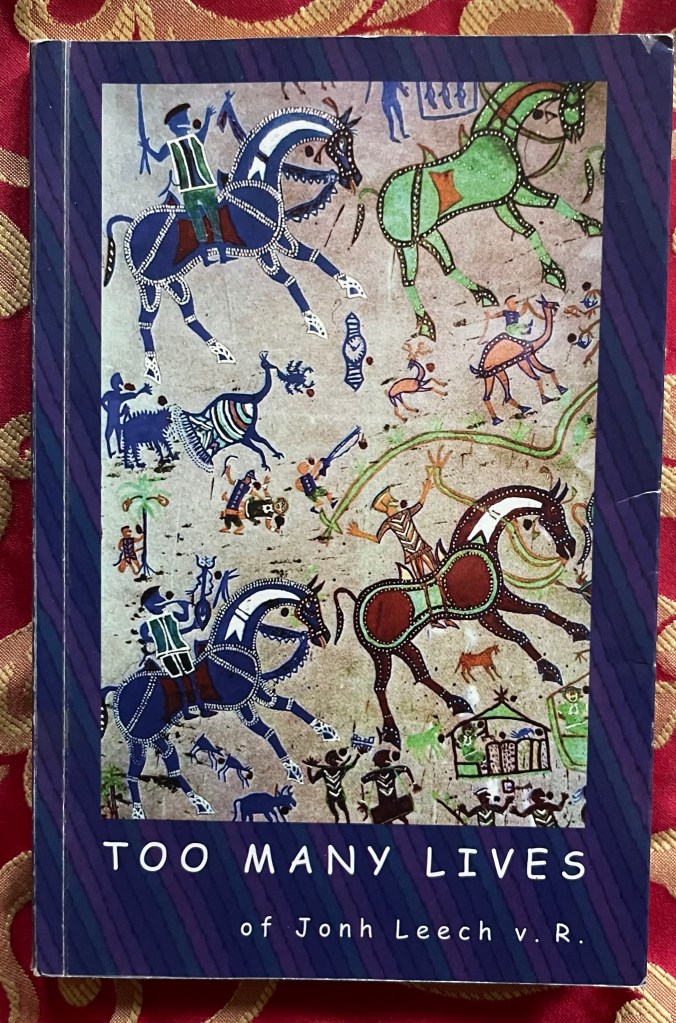

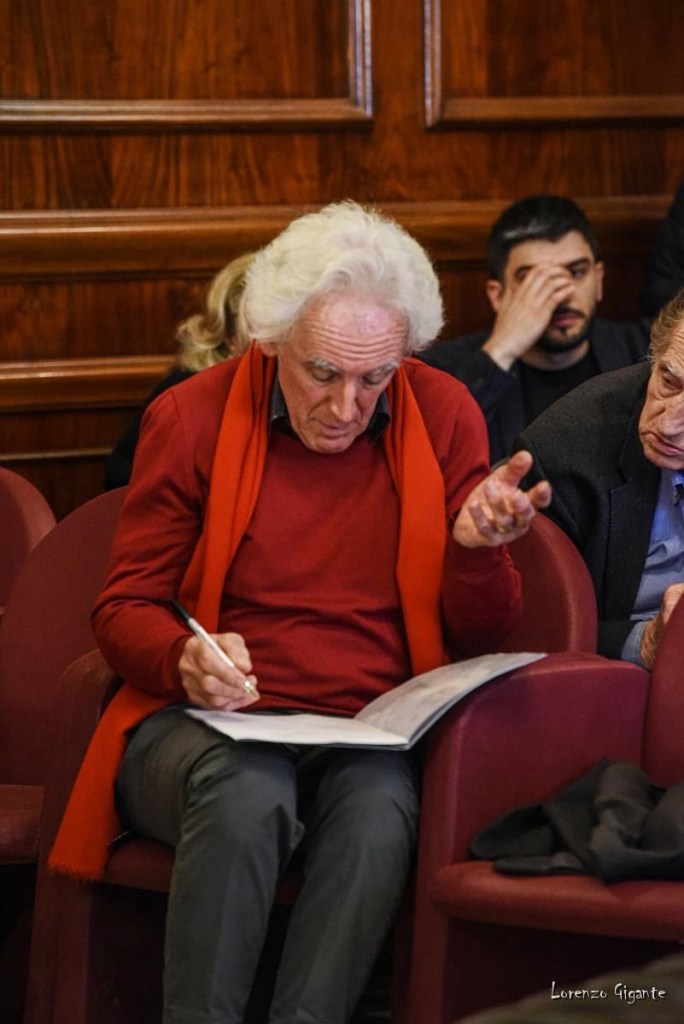

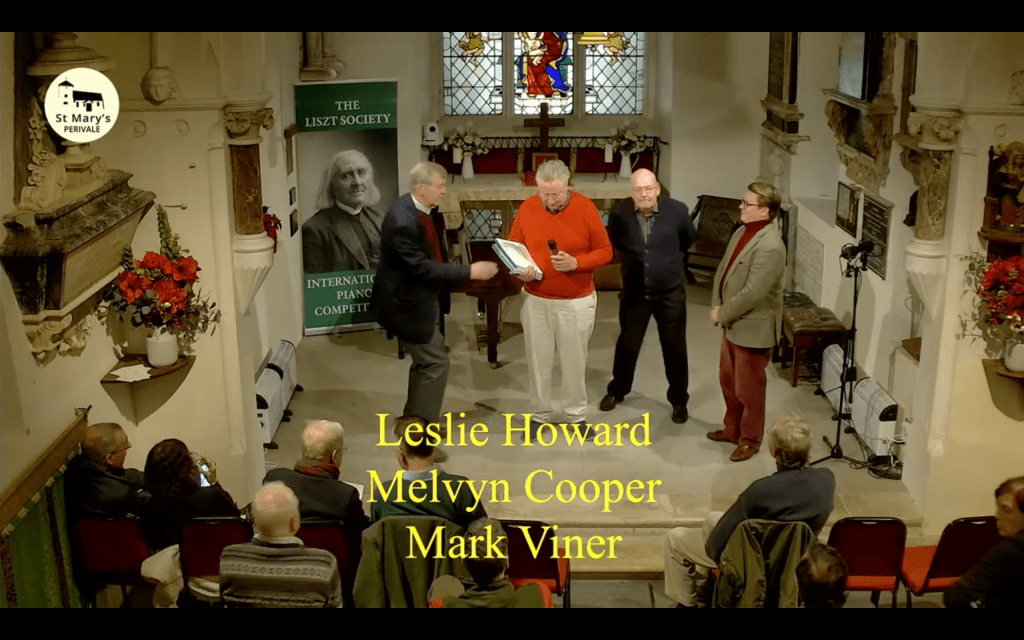
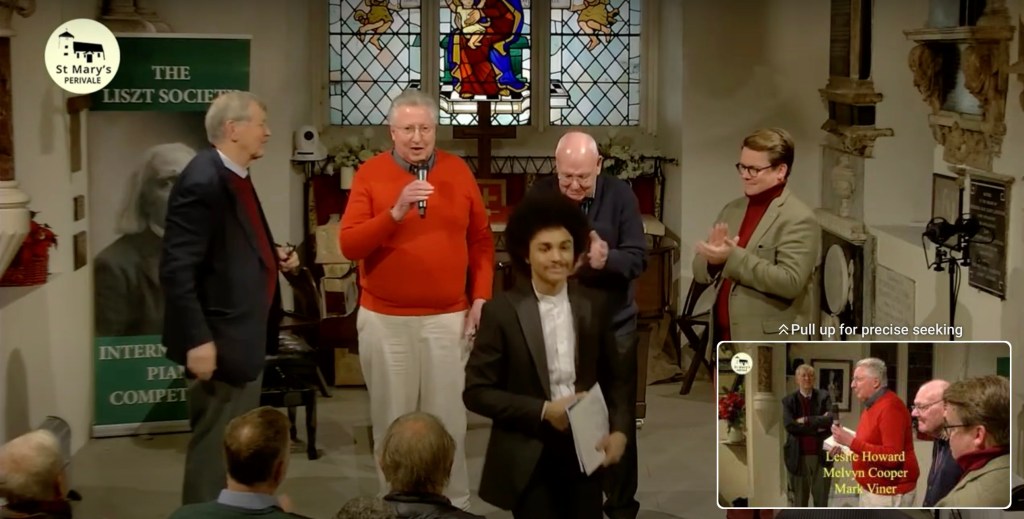
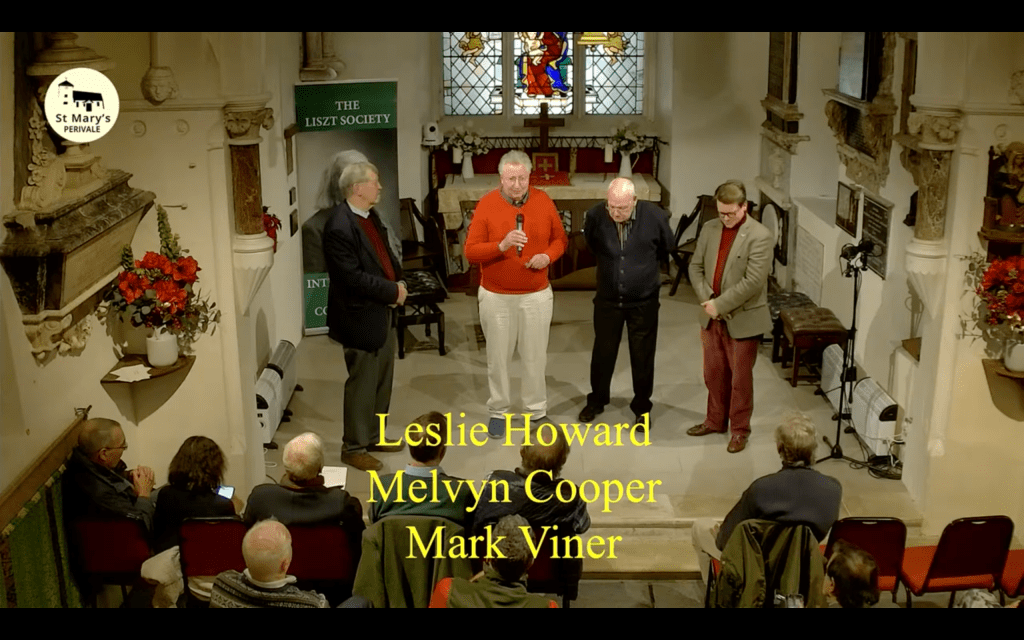

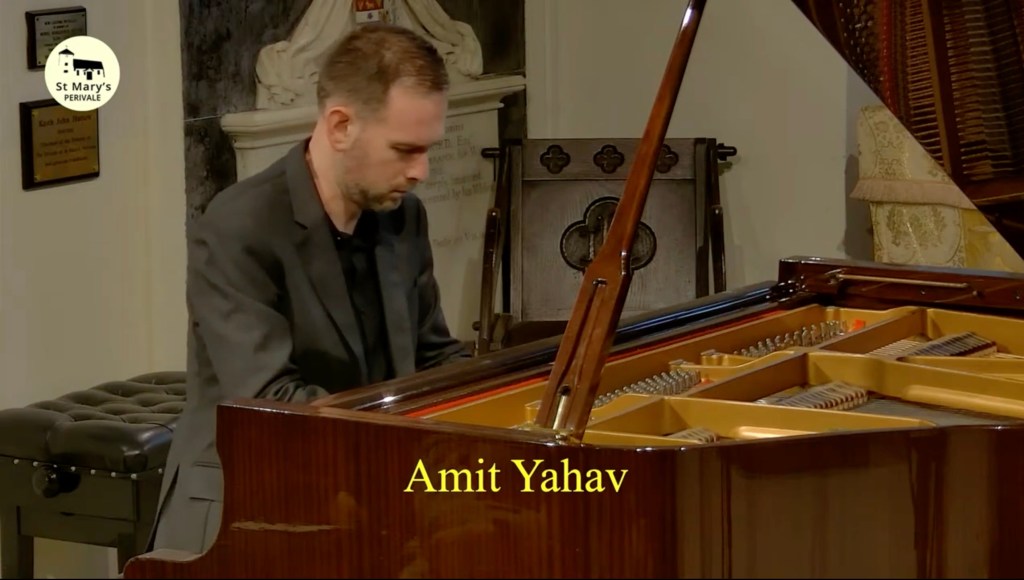
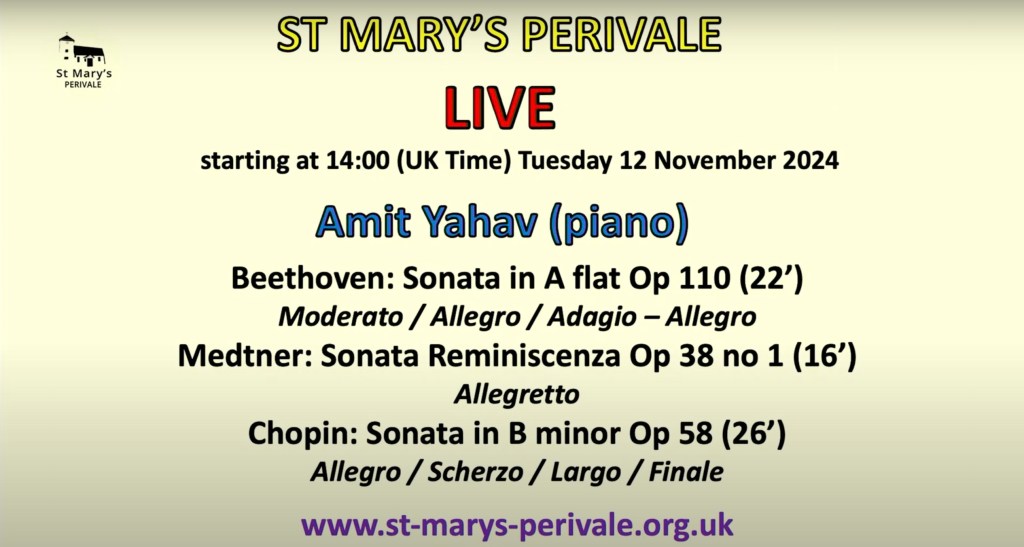
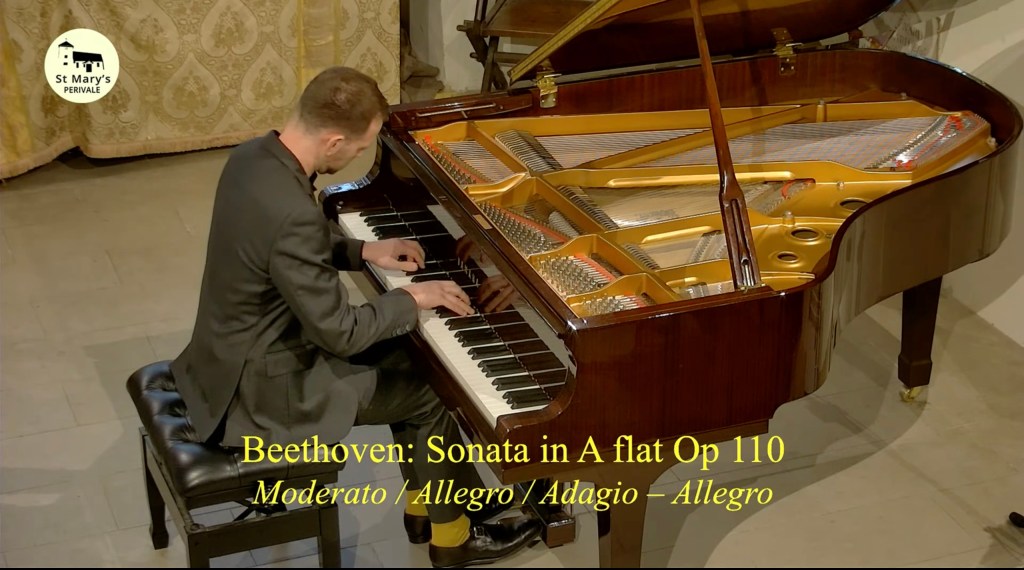
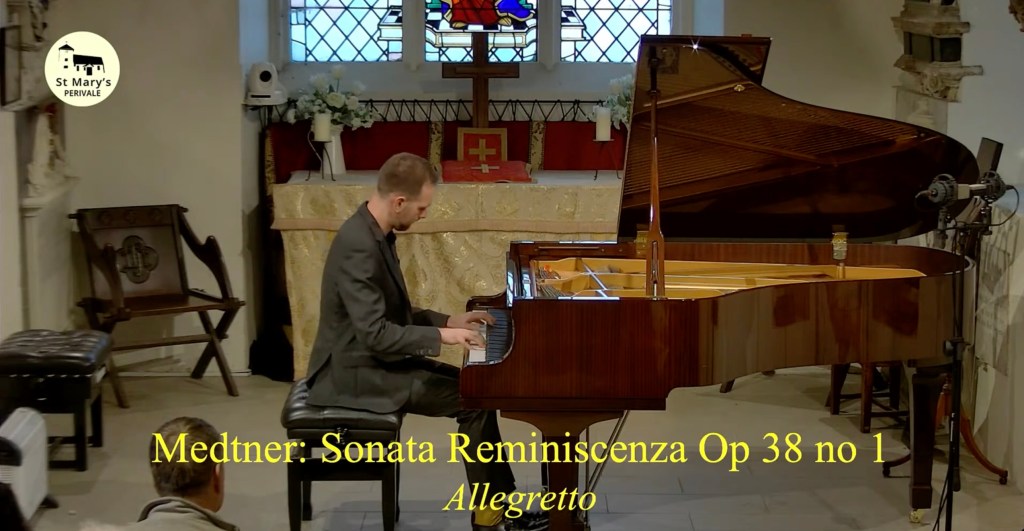
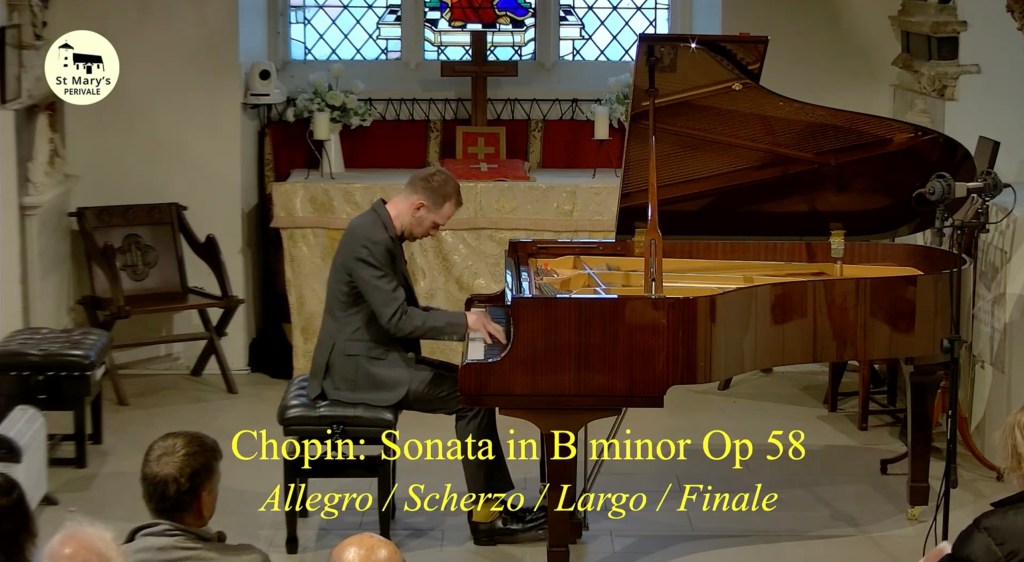
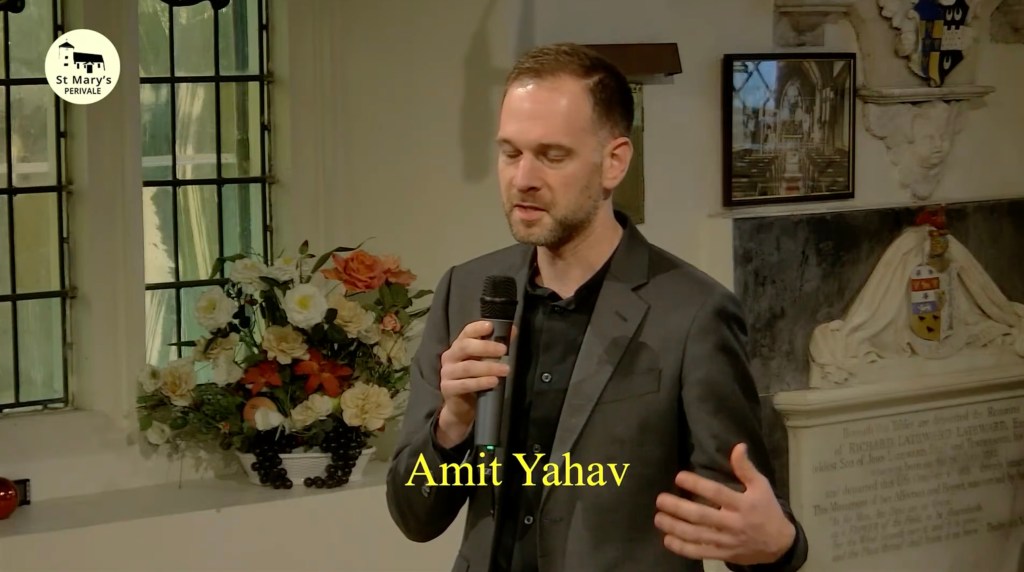

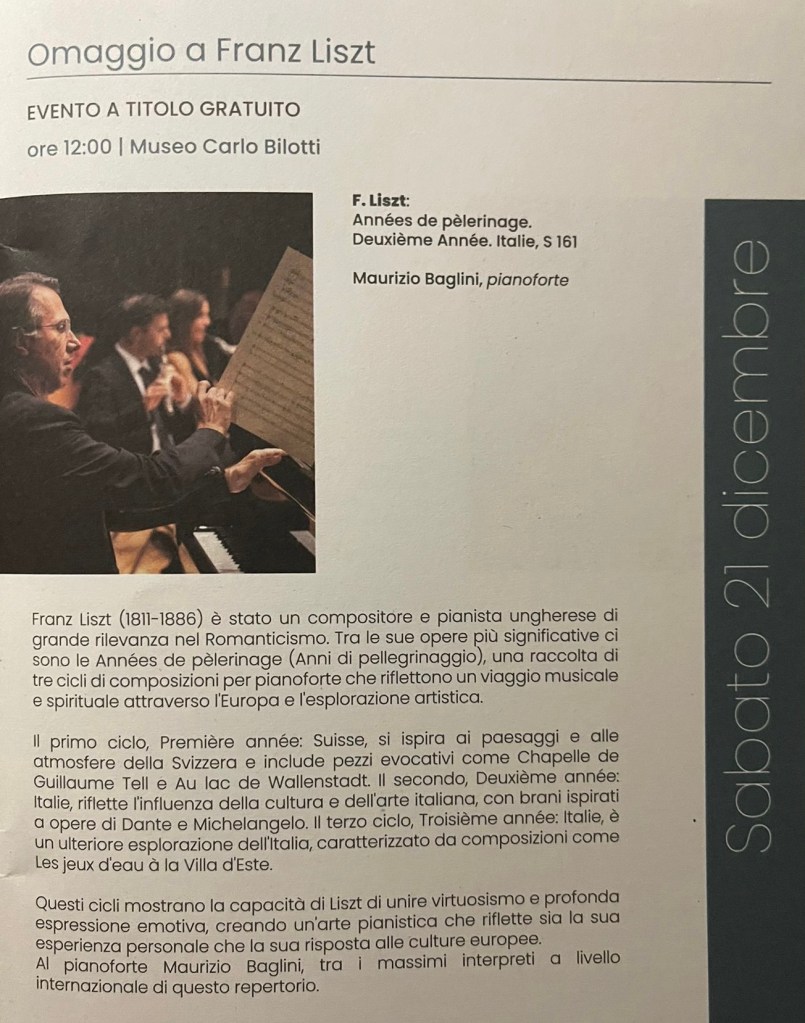
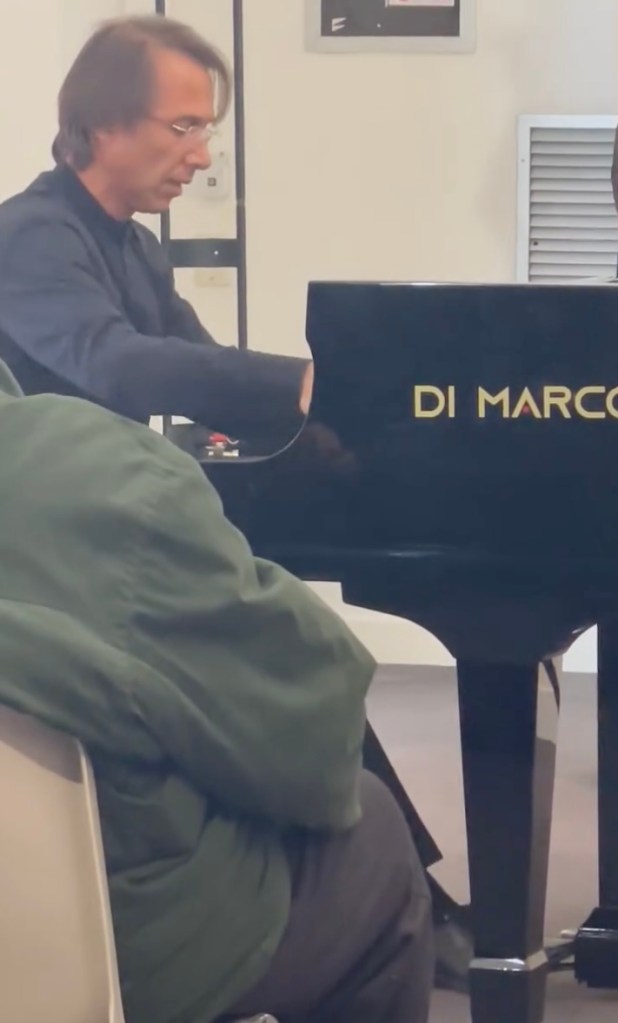


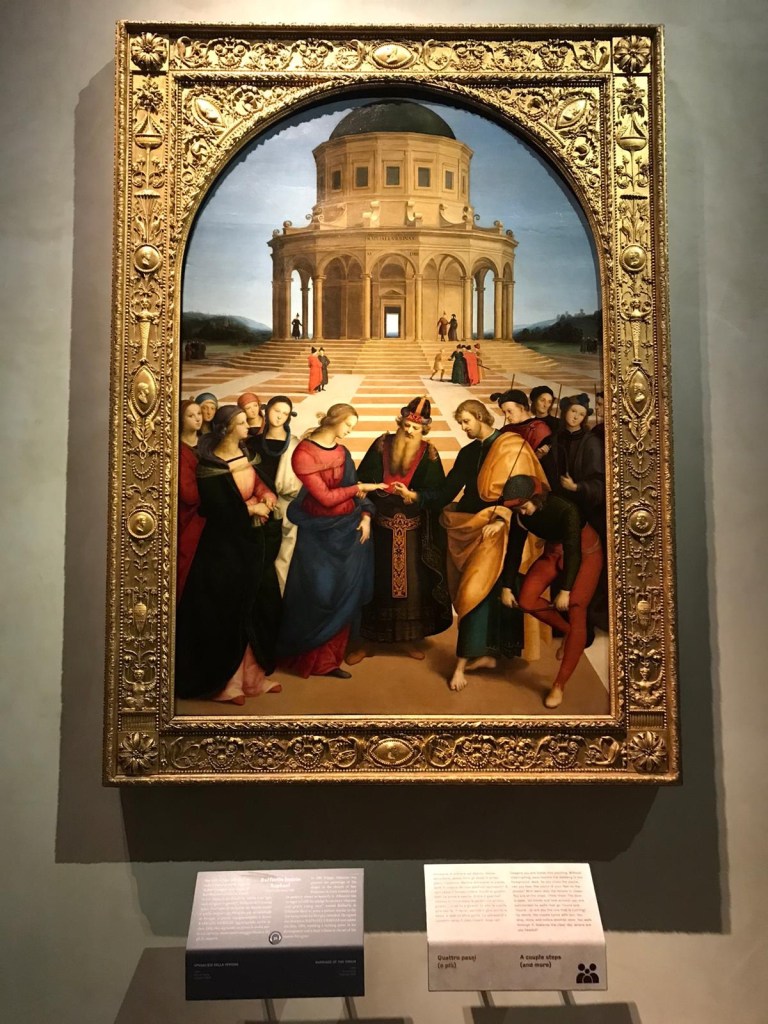
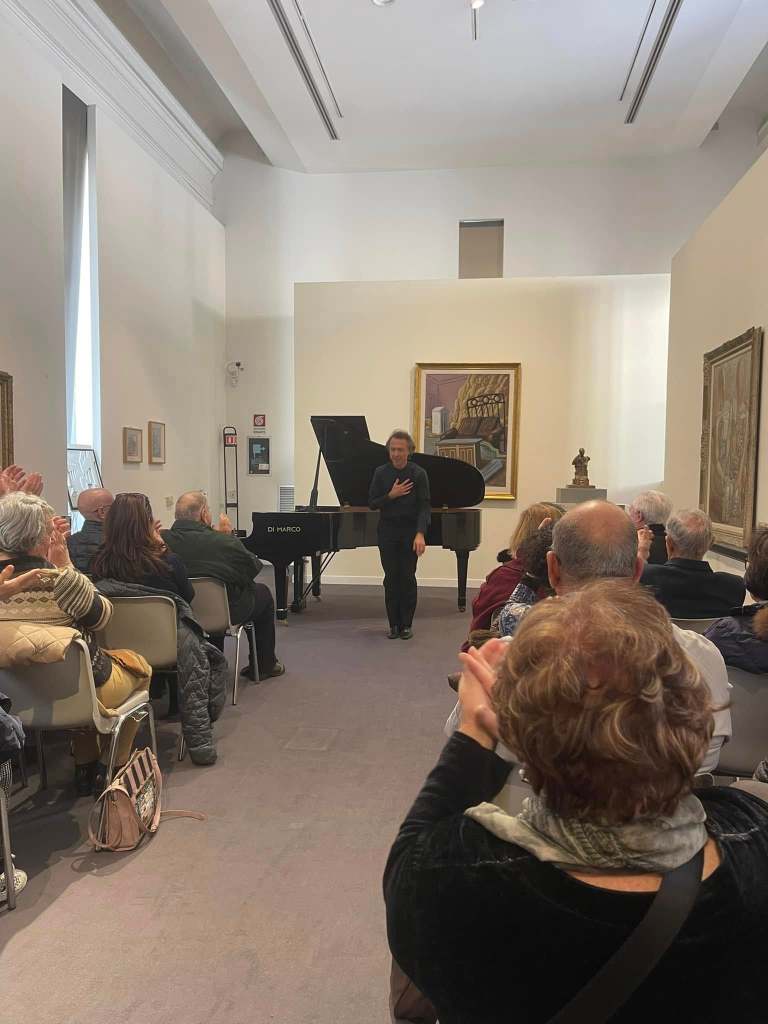

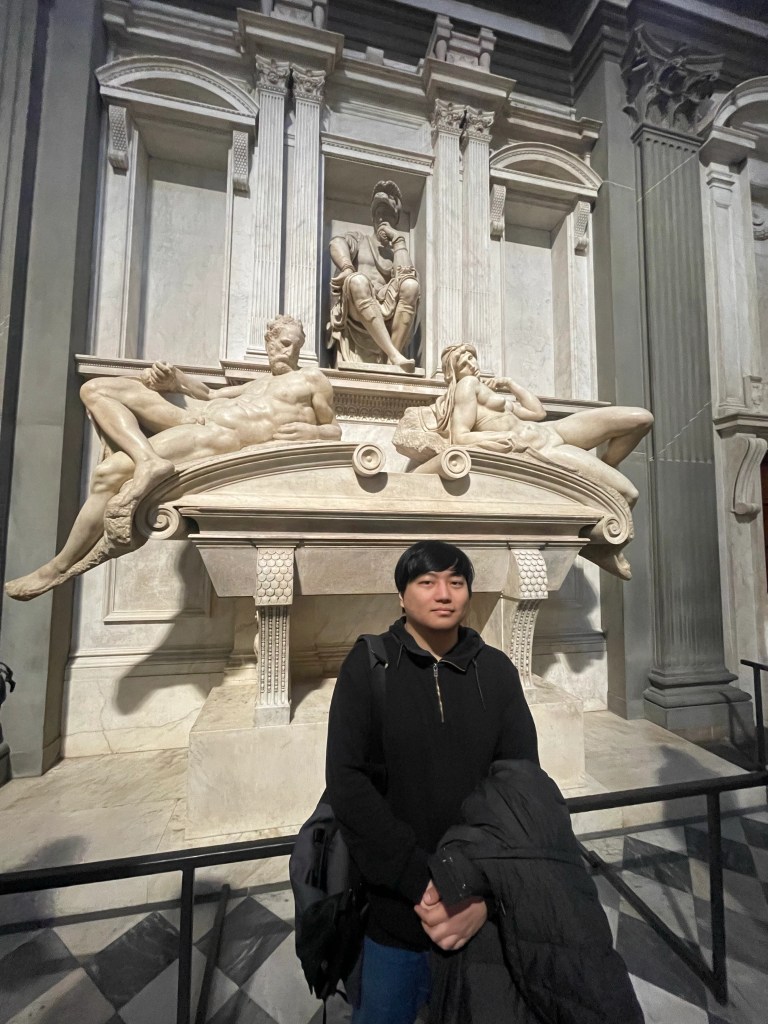

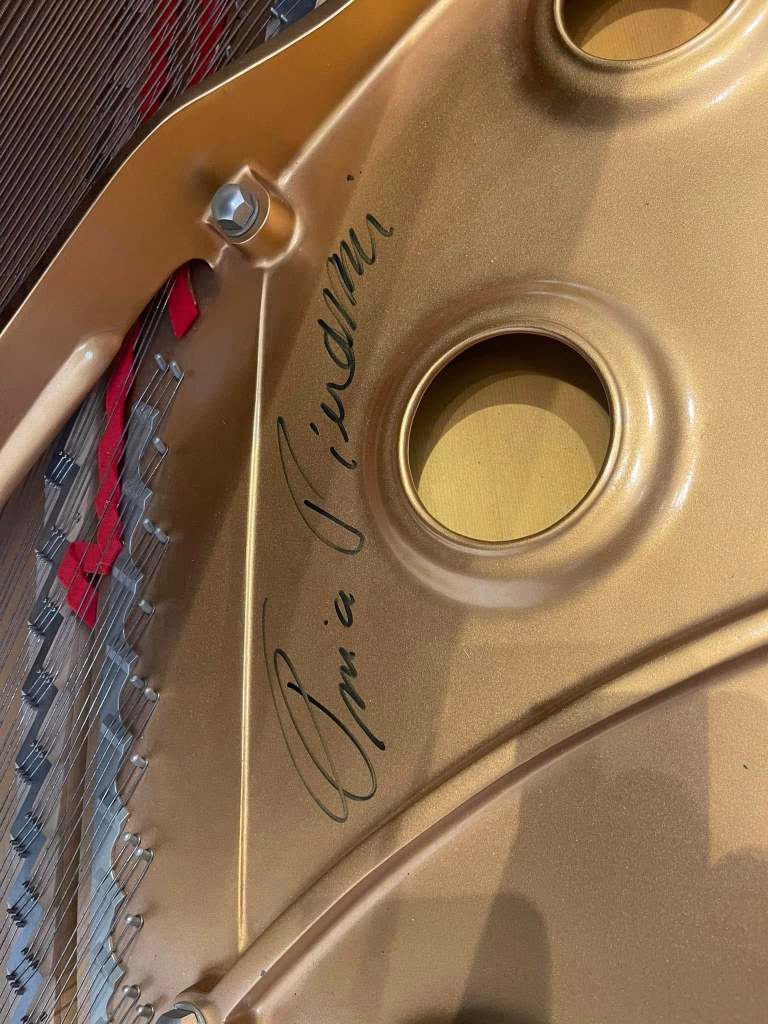


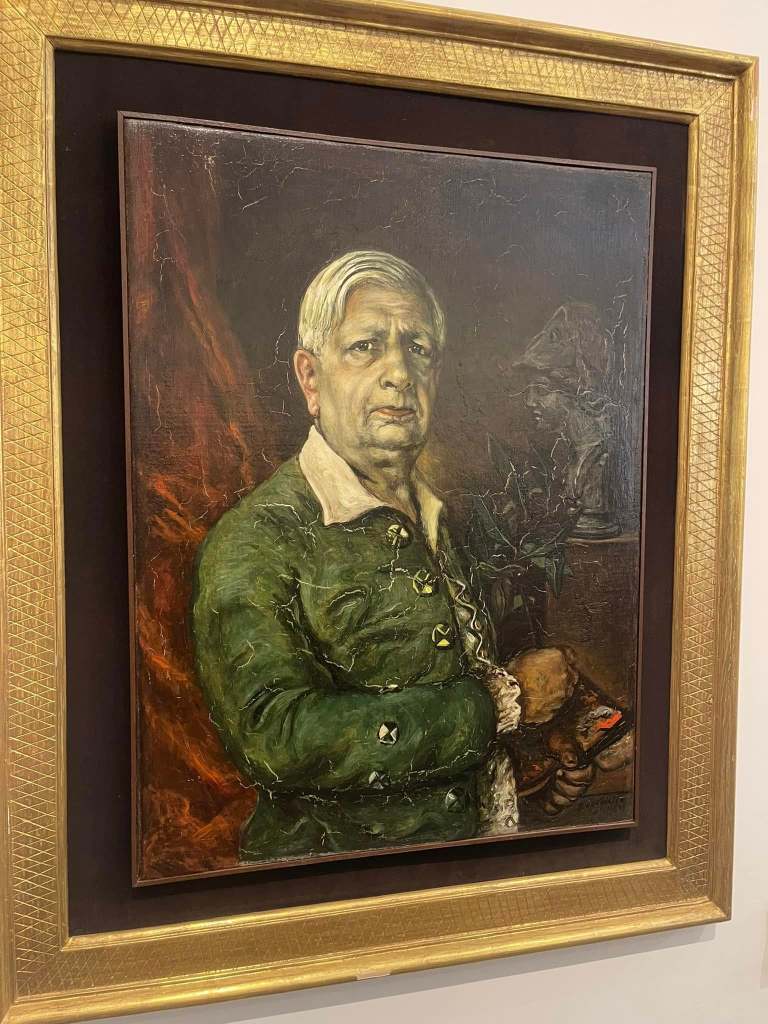
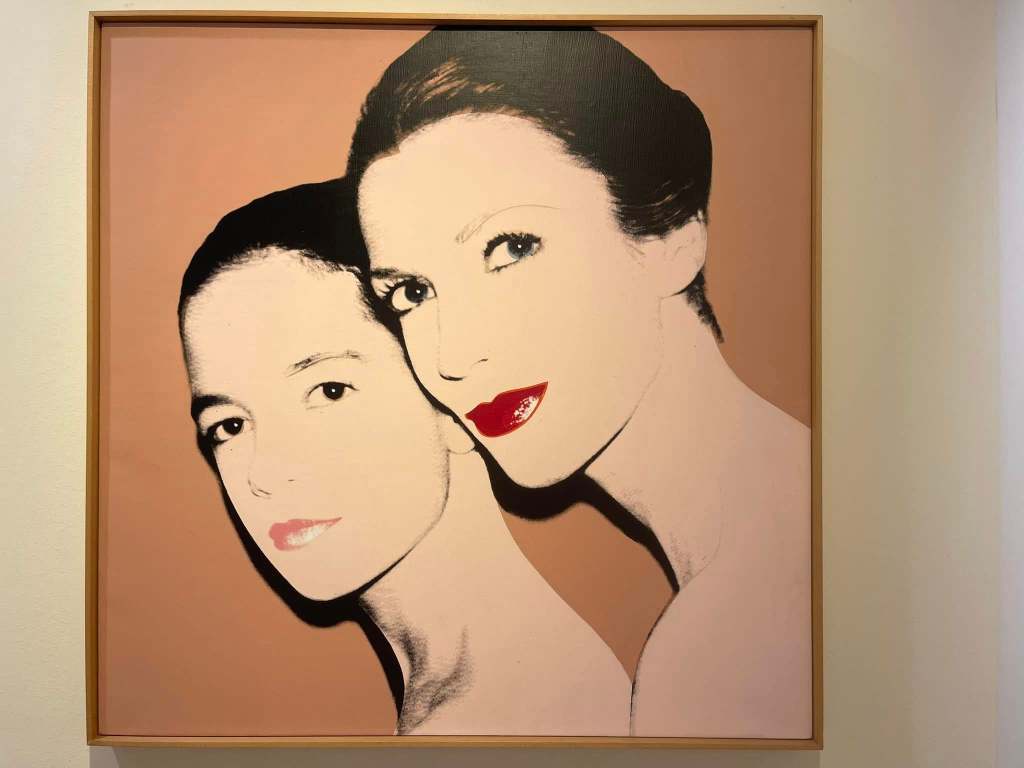

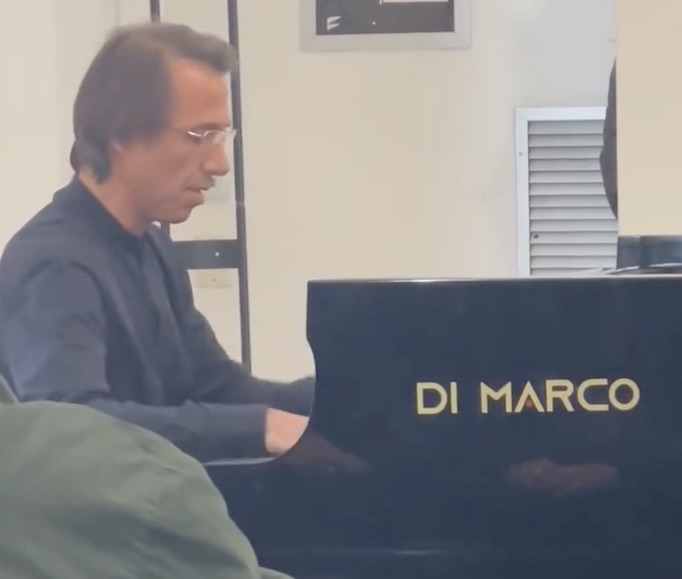


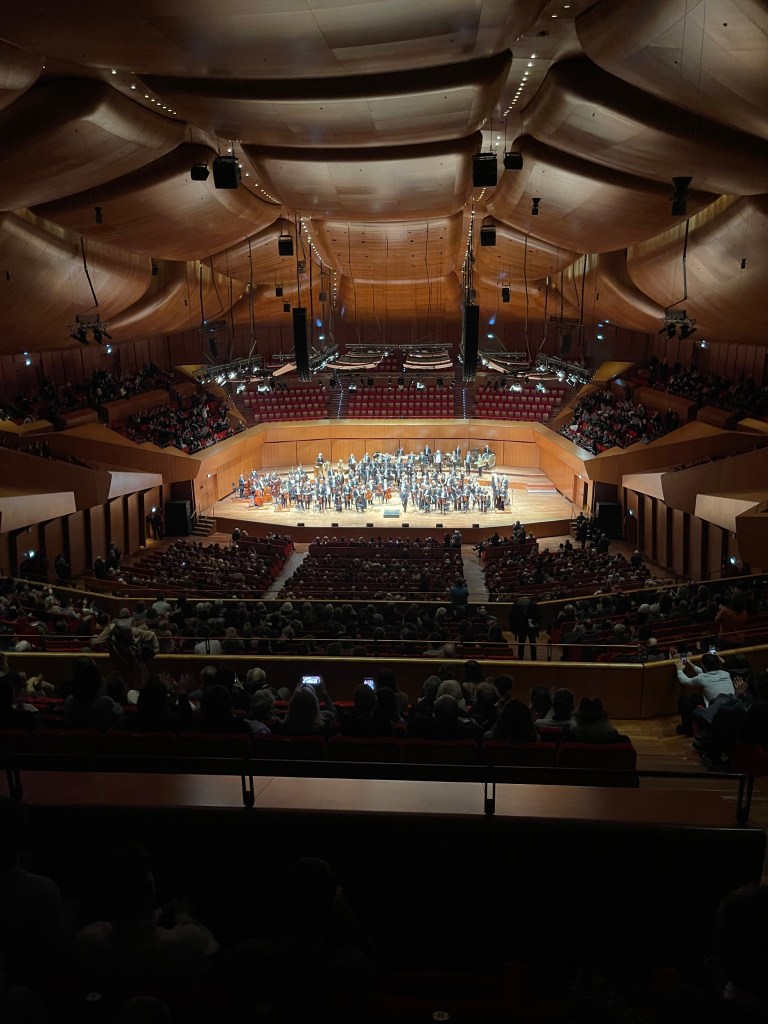

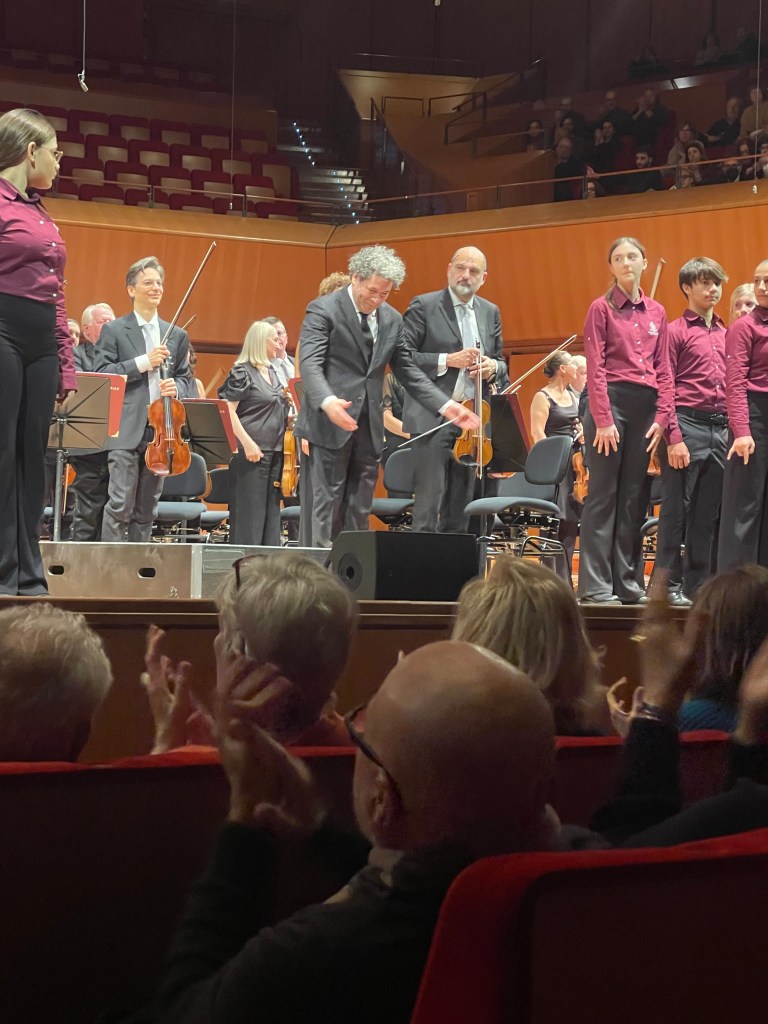
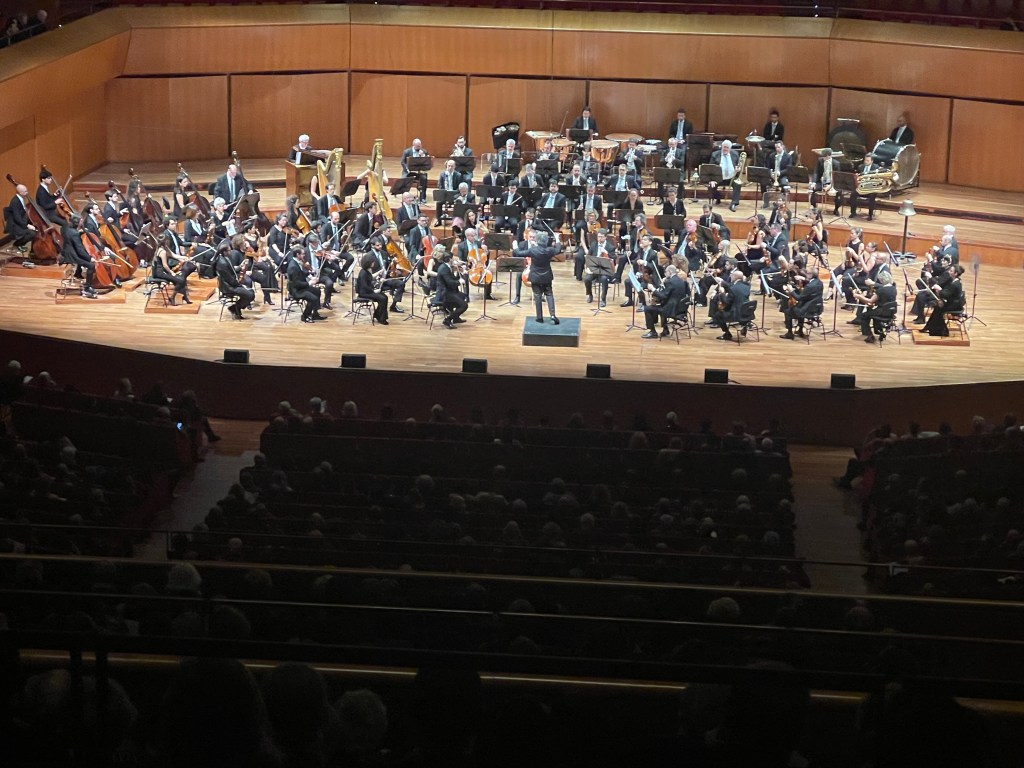


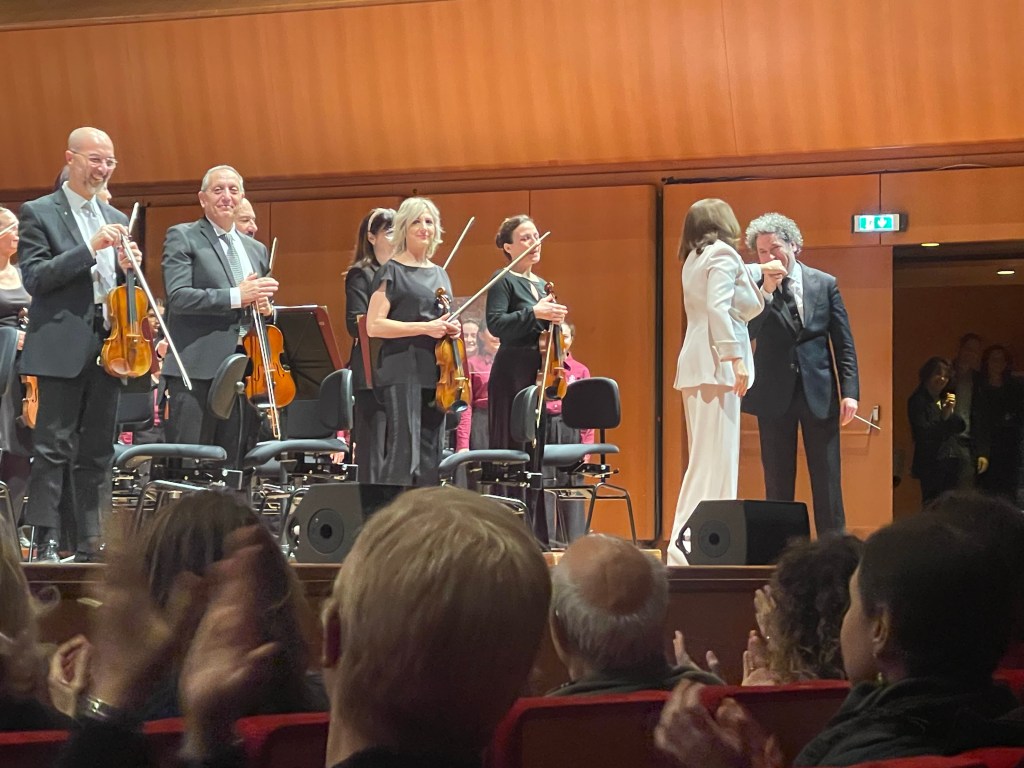





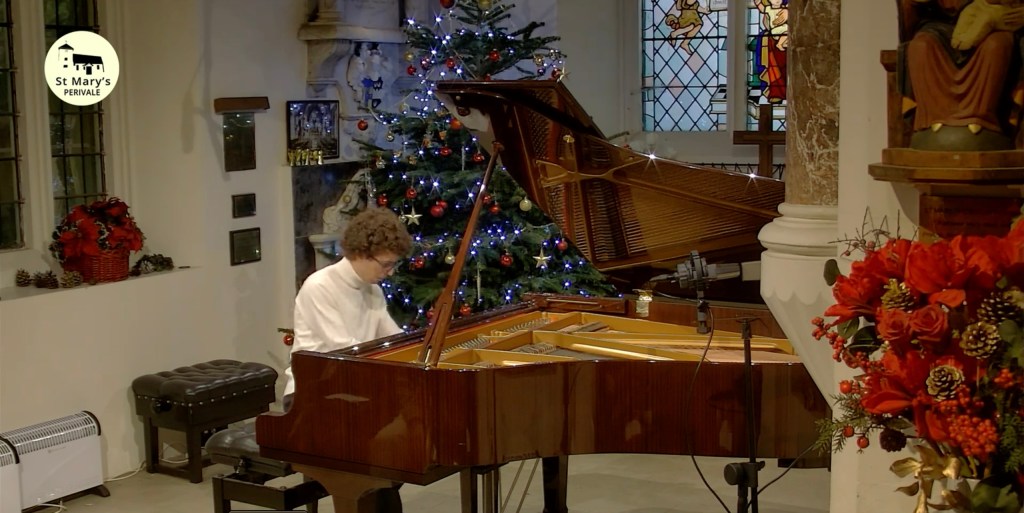
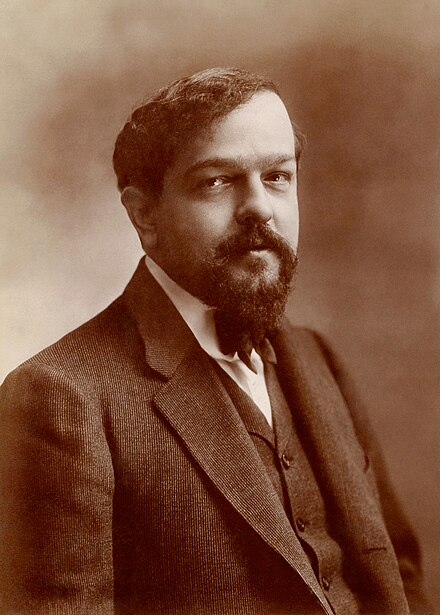
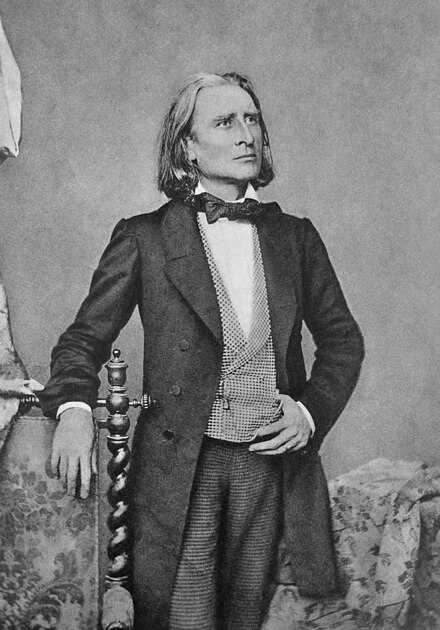
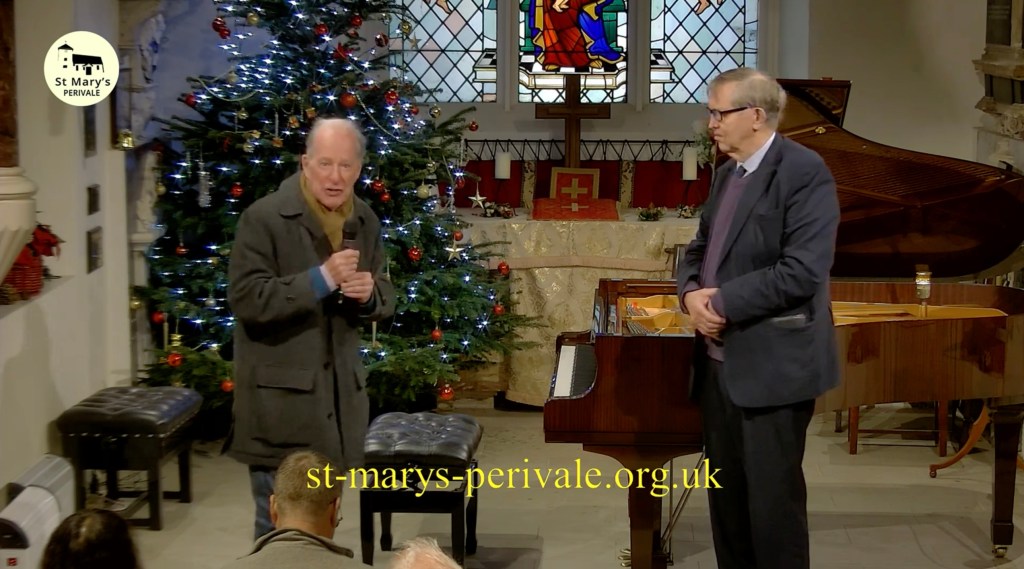


 ChristopherAxworthy-MusicCommentary