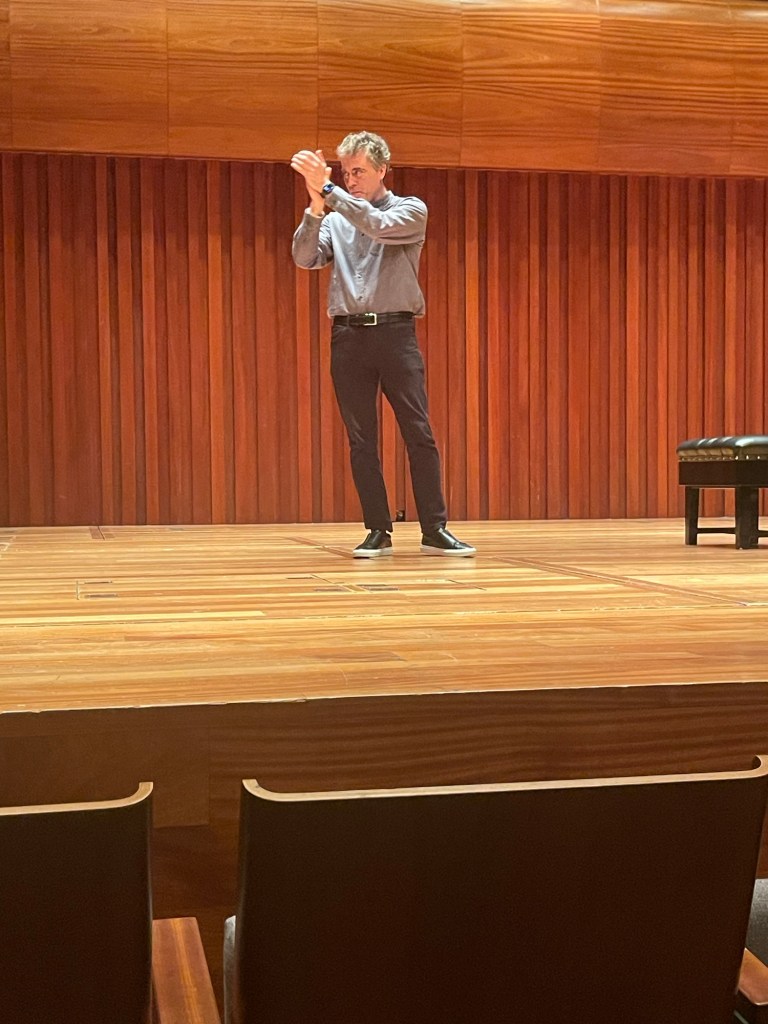
An inspired and inspiring afternoon in the company of Schubert.
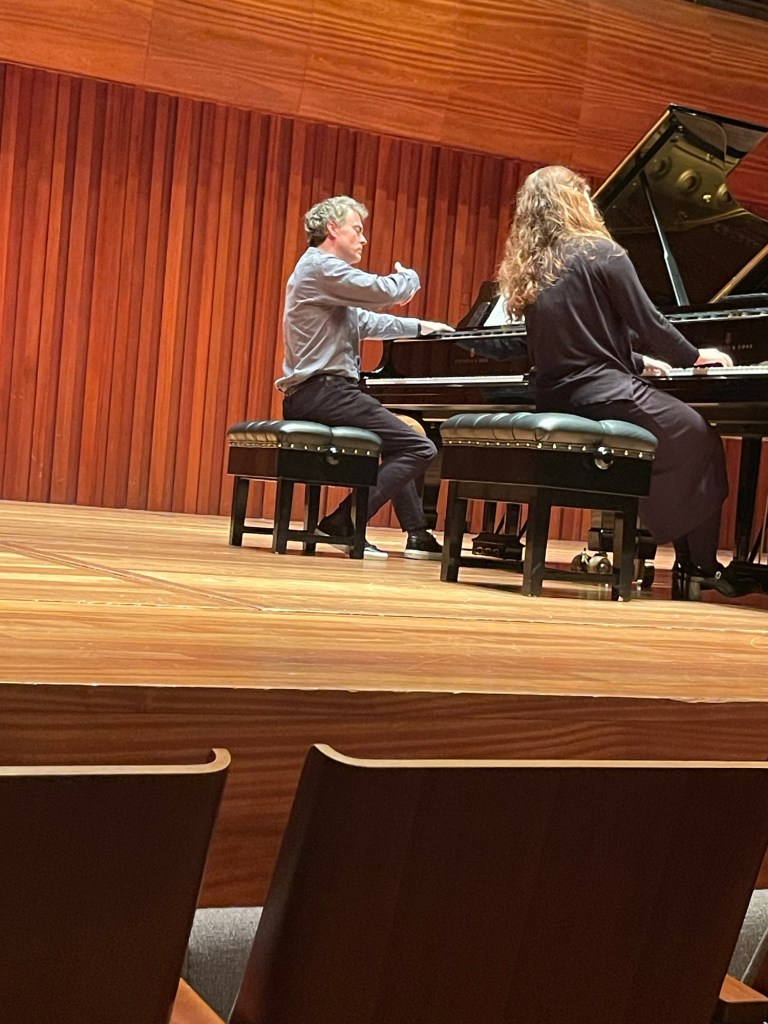
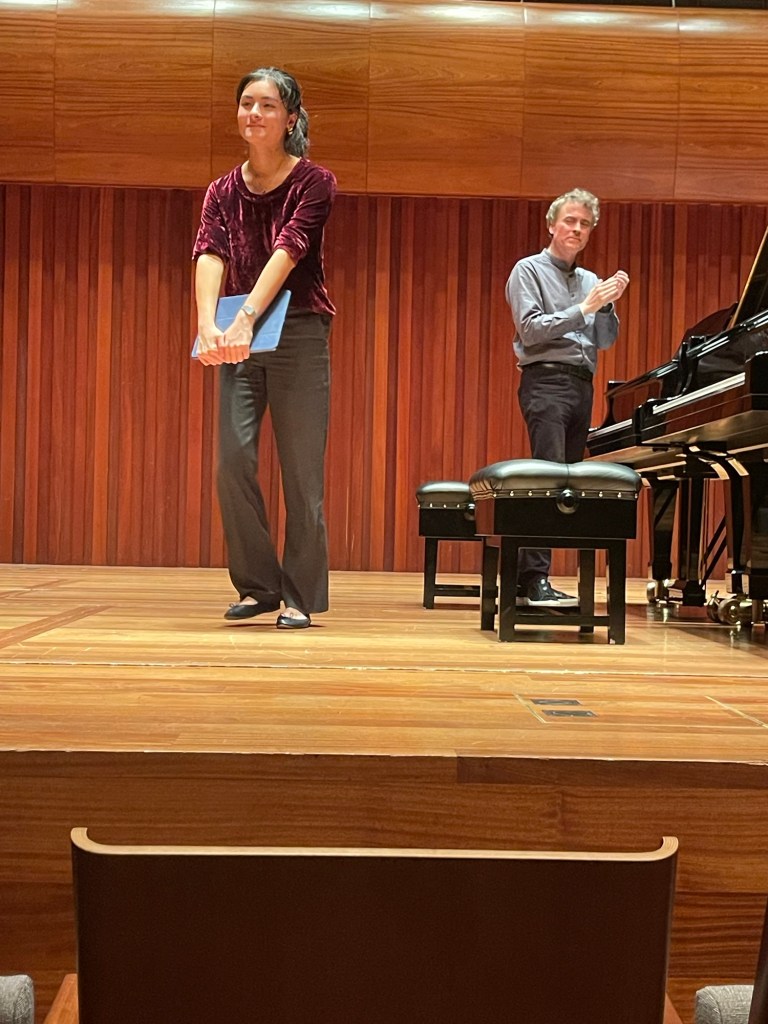
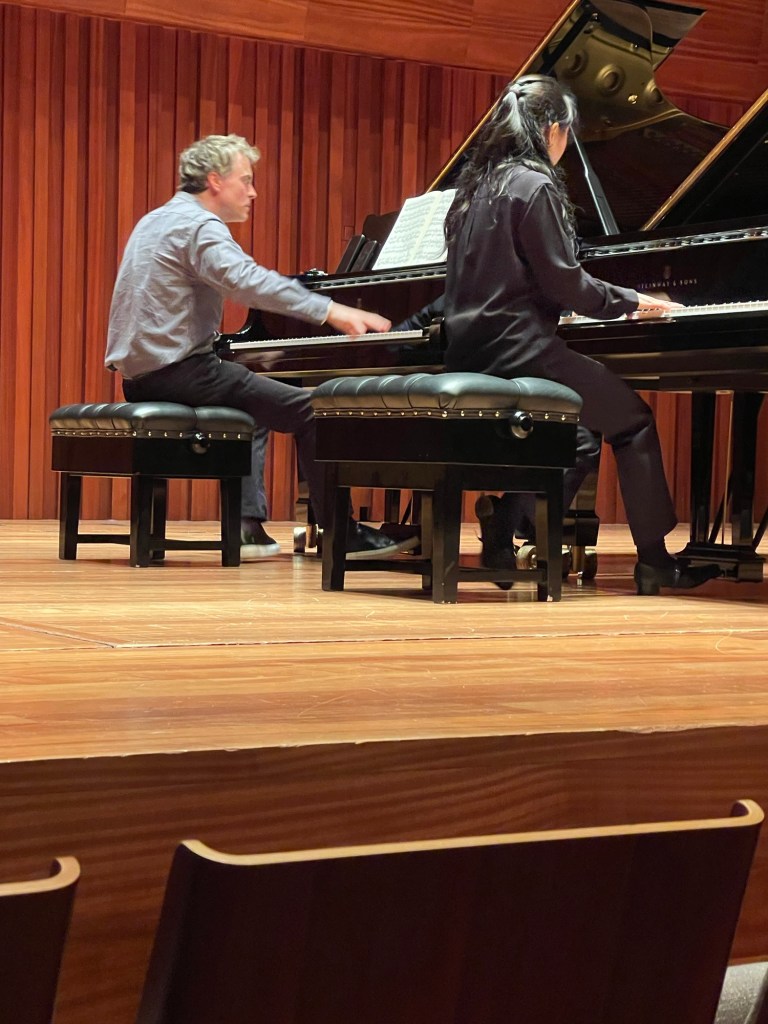
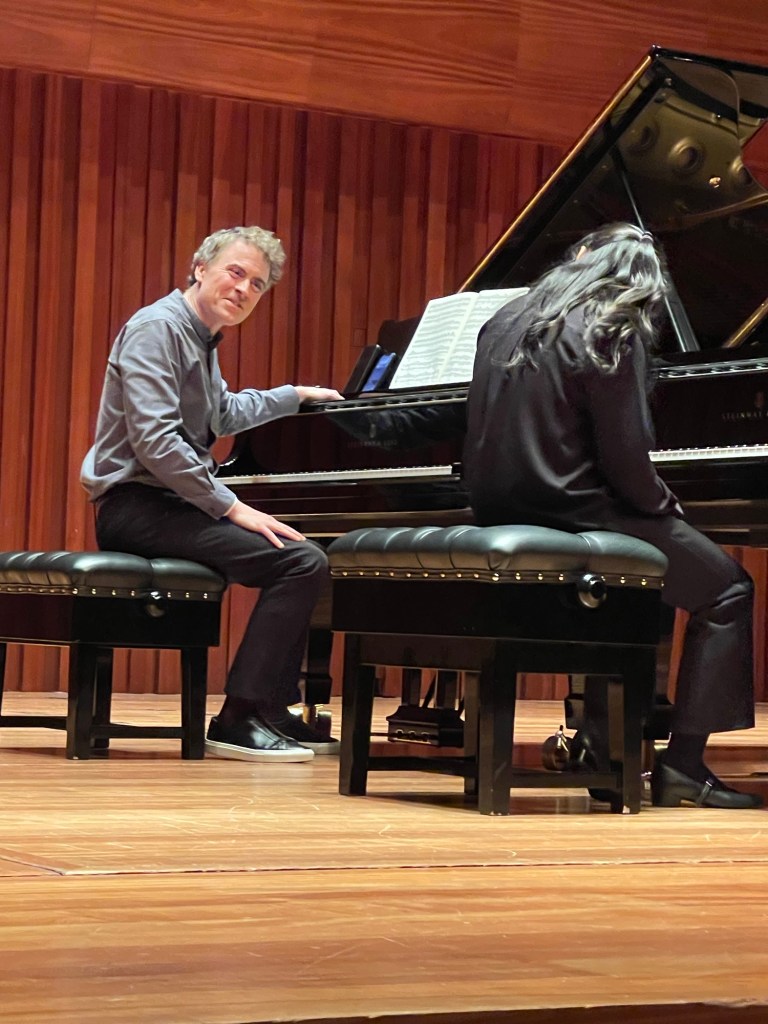
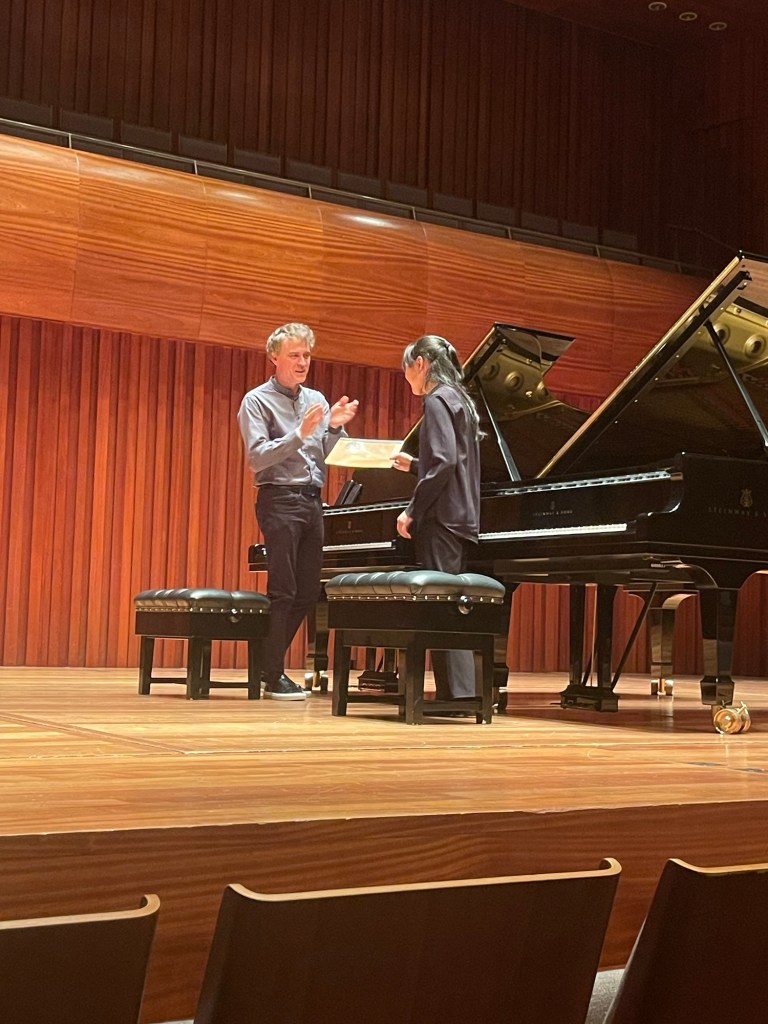
Three pianists with a refined musical palette playing to one of the great musicians of our time Paul Lewis
A former student of Joan Havill at the Guildhall , taken under the wing of Alfred Brendel as he has scaled the musical heights to reach almost the last rung ………only paradise awaits now
Inspiring three superb young musicians to reach out for those heights too and I suspect are students of Ronan O’Hora whose musical pedigree is second to none.
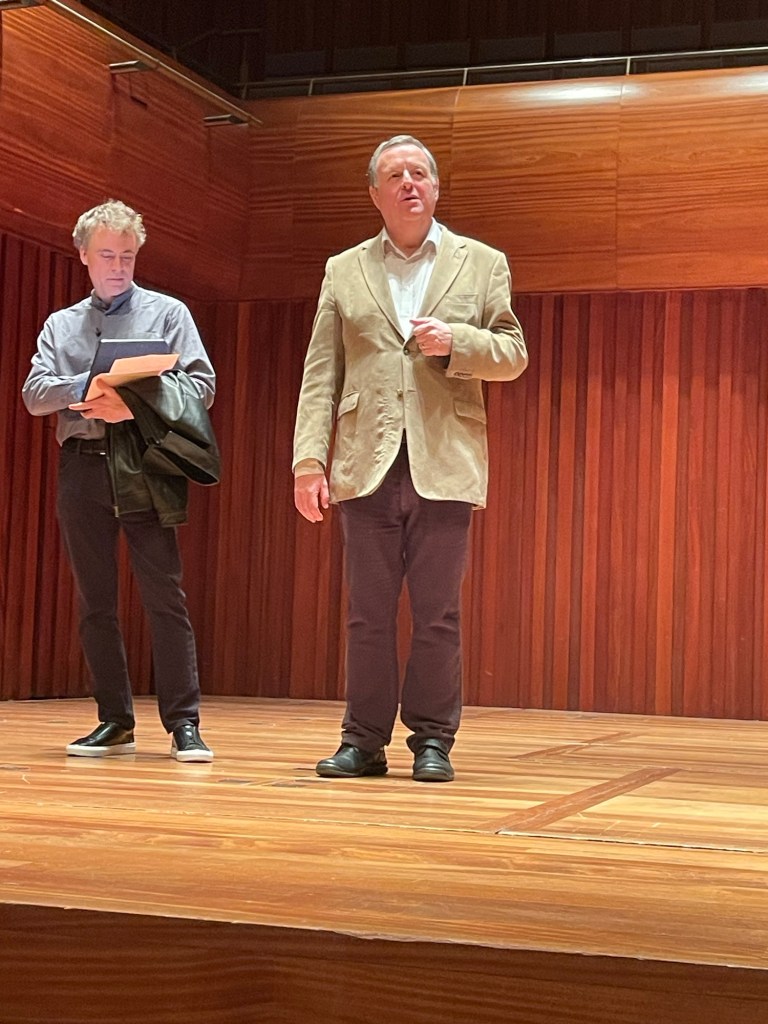
With humility and mastery they enjoyed a journey of discovery together in which in every key there were an infinite variety of sounds .
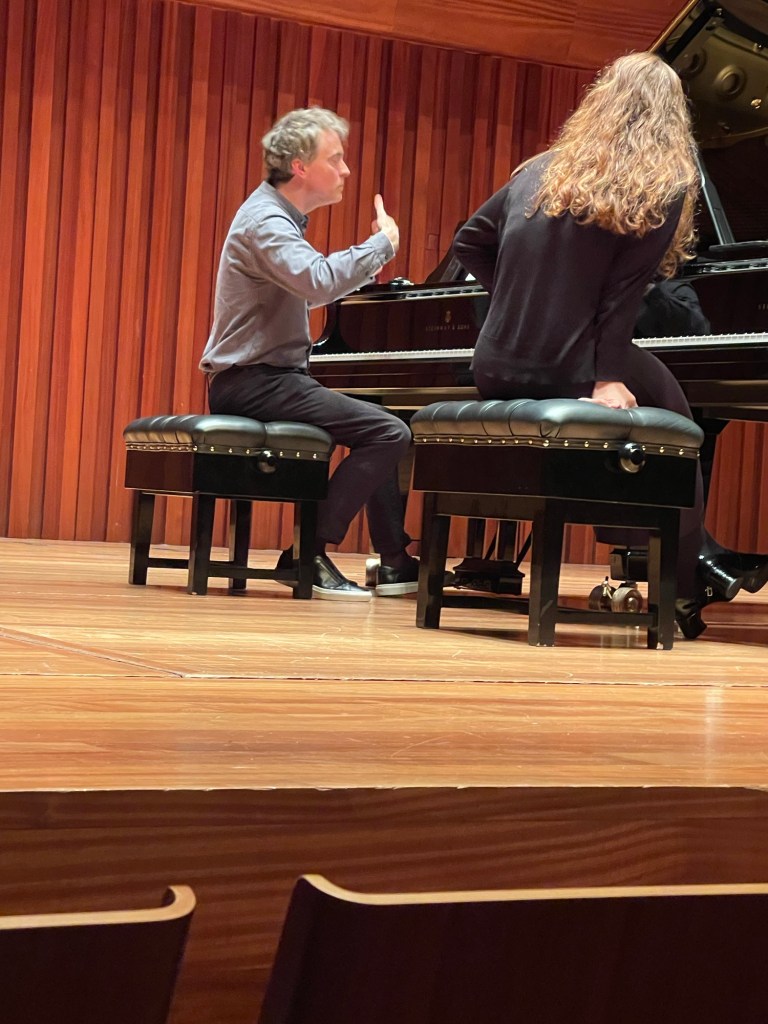
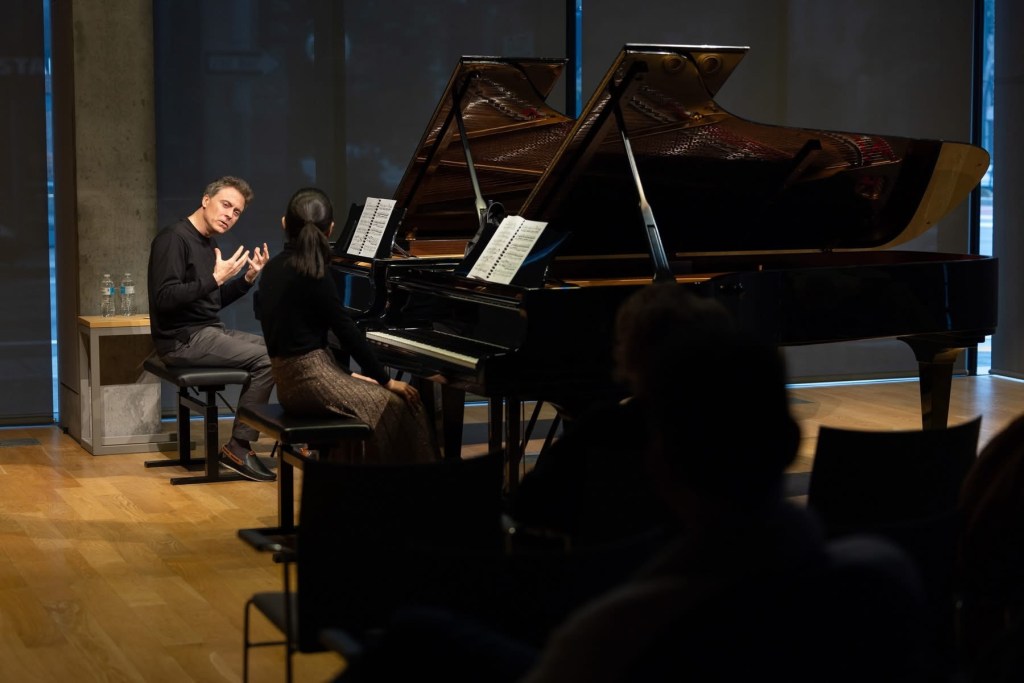
Cantabile but what sort of cantabile? Don’t project the sound but draw the audience in to you! What character does this piece have? Just listen to the charm of the left hand in the second impromptu op 90 or the ethereal beauty of the first moment musicaux there is no need to underline it Schubert has already thought of that !
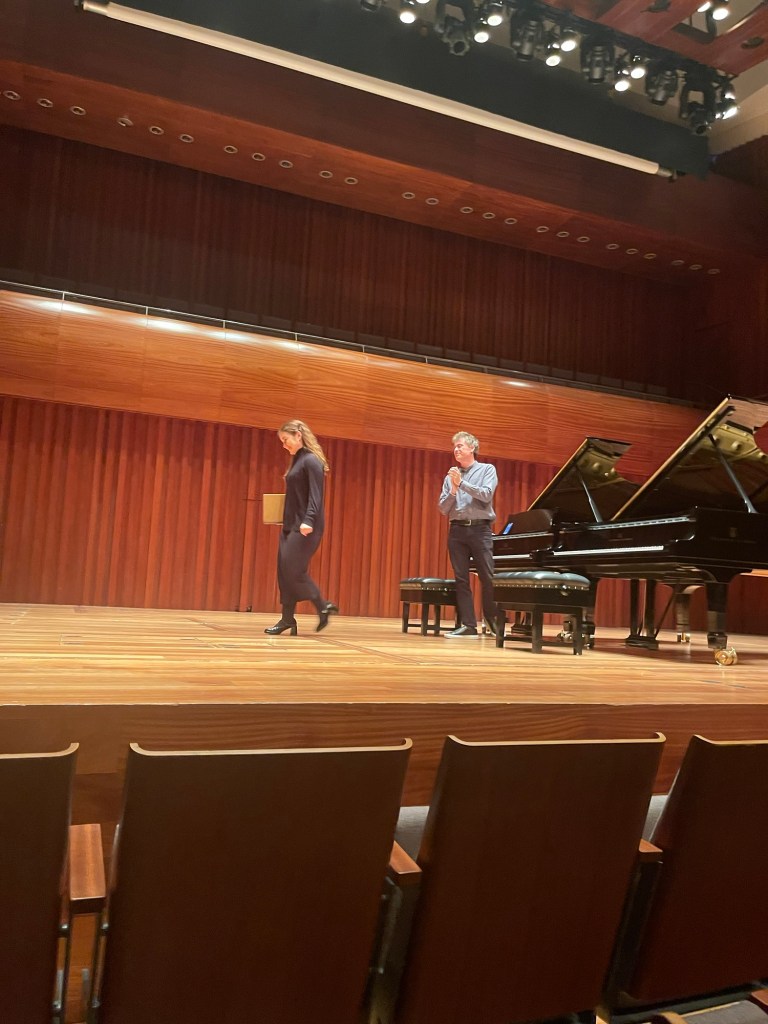
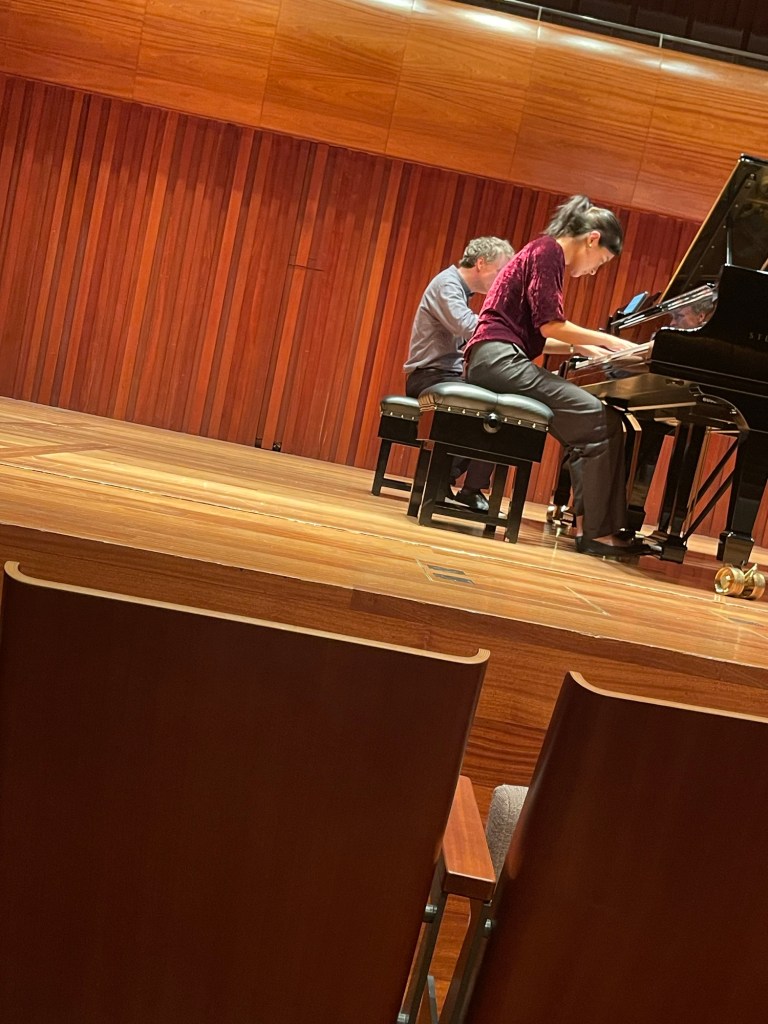
Overwhelming display of passion and extraordinary facility in the Wanderer Fantasy that the maestro dared not interrupt but lead to an inspired exchange of views in which we were all involved and so privileged to overhear such wonderful confessions between musicians on a wondrous journey of discovery
Programme
2pm Berniya Hamie
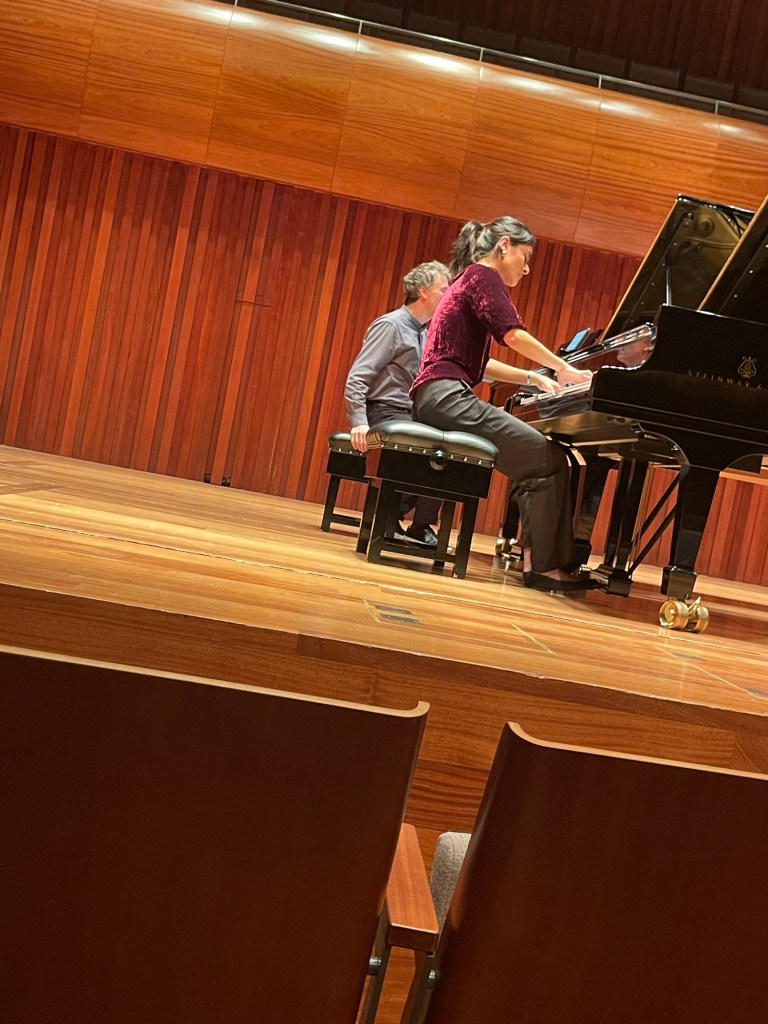
Schubert 4 Impromptus, D899
I. Allegro molto moderato
II. Allegro
III. Andante
(IV. Allegretto)
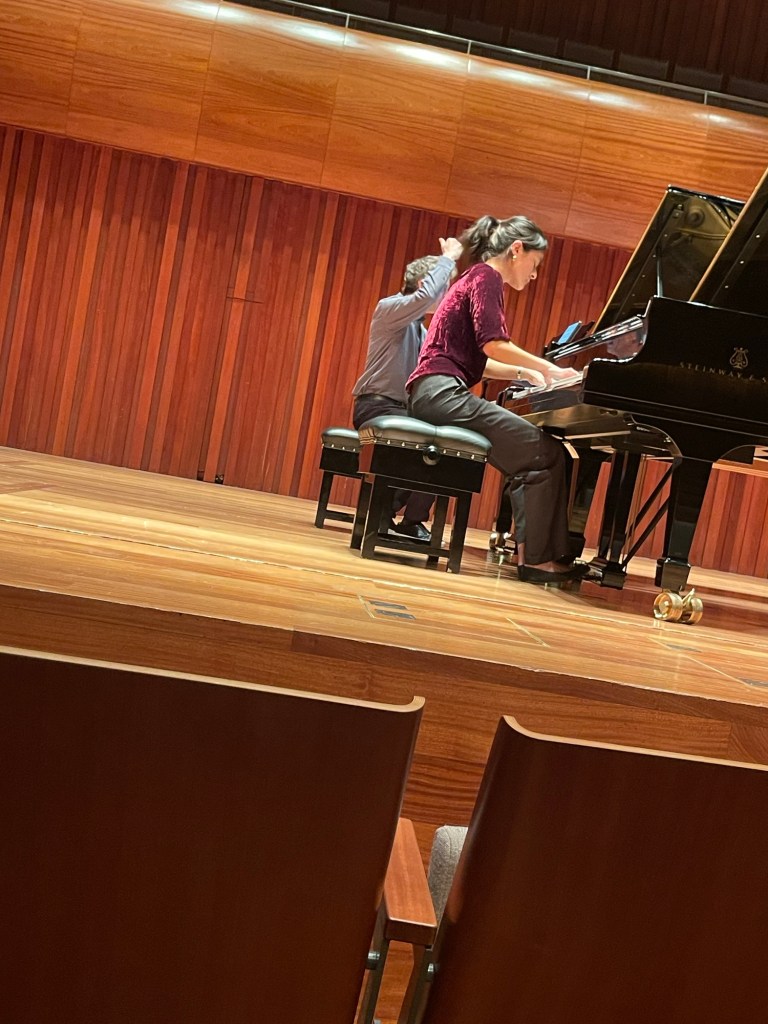
3pm Chloé Dumoulin
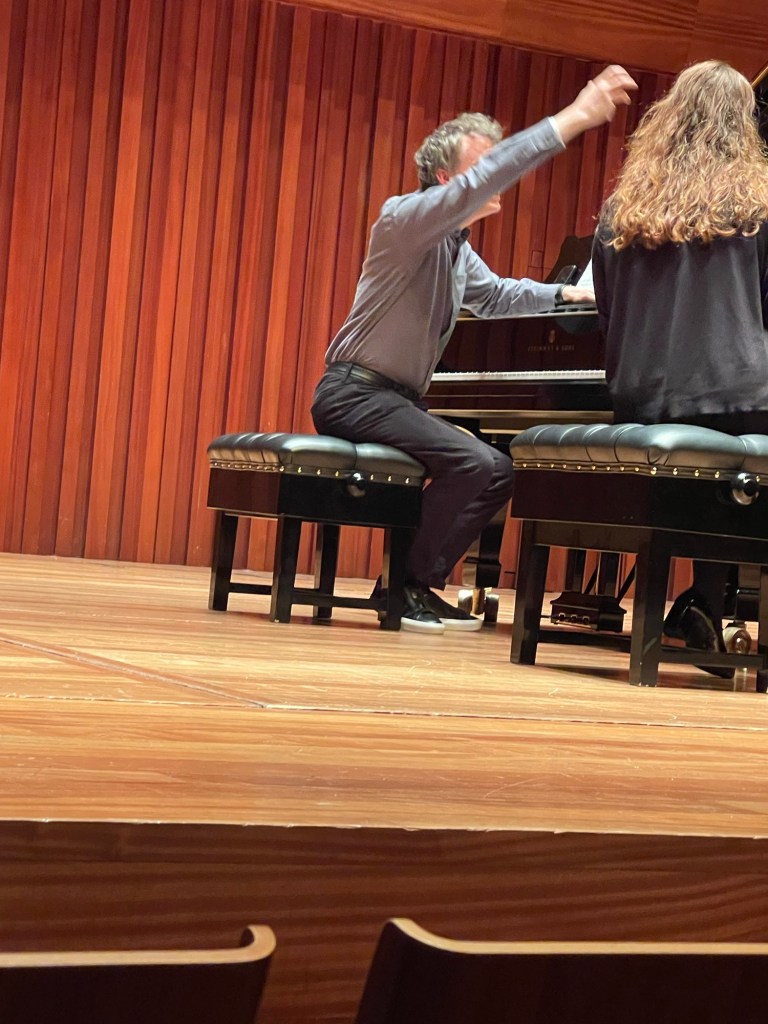
Schubert 6 Moments Musicaux, D780
I. Moderato
II. Andantino
III. Allegro moderato
III. Andante
IV. Moderato
(V. Allegro vivace
VI. Allegretto )
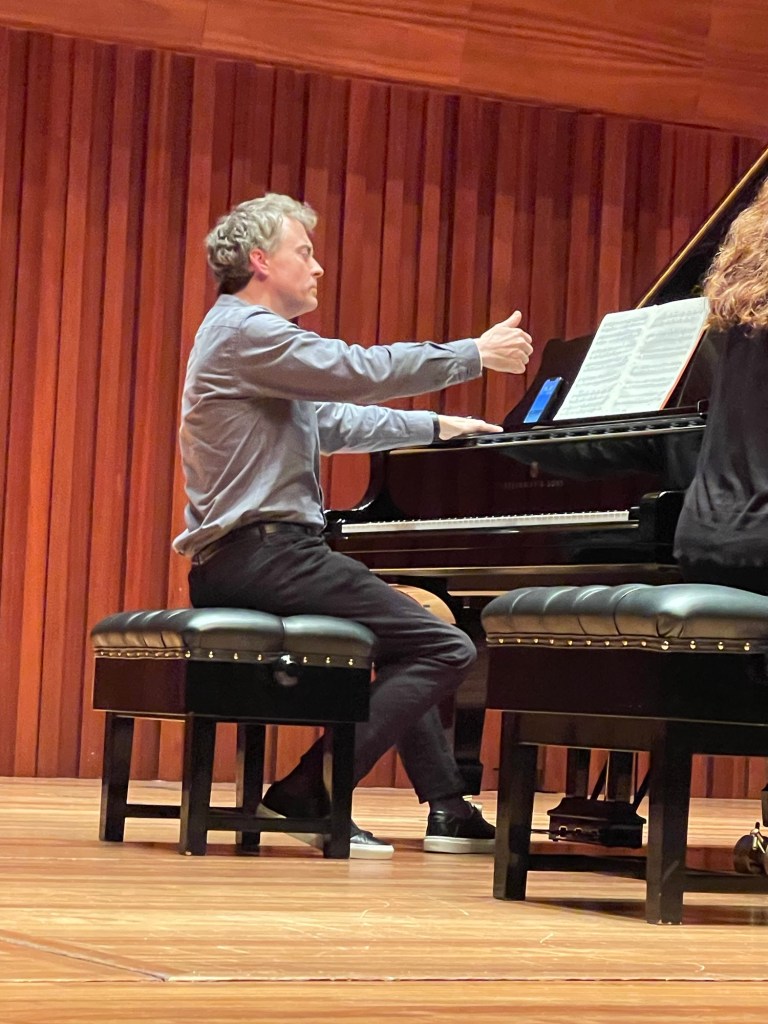
4pm Elisabeth Tsai
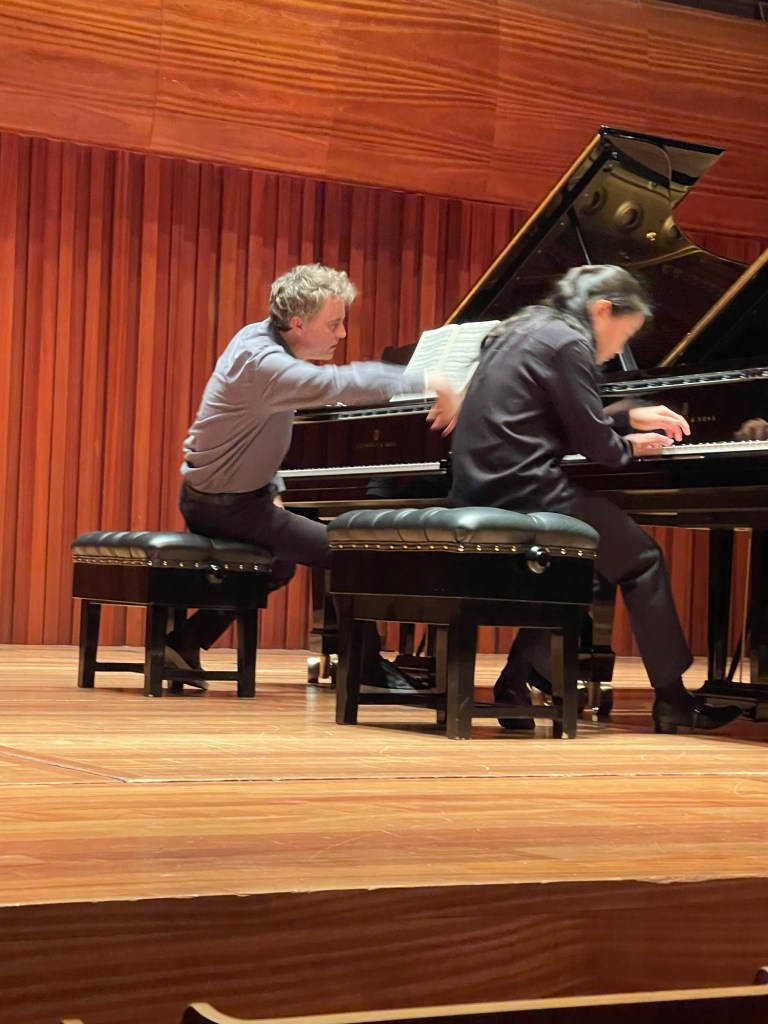
Schubert Fantasie in C major, D760 ‘Wanderer Fantasy’
I. Allegro con fuoco ma non troppo
II. Adagio
III. Presto
IV. Allegro
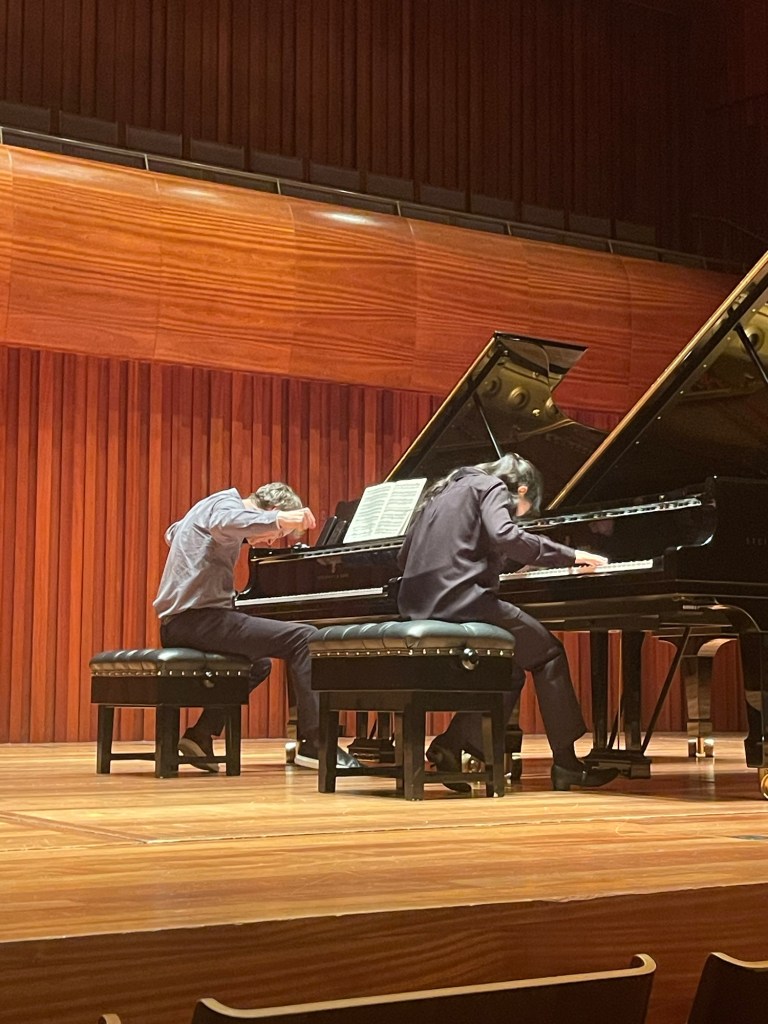
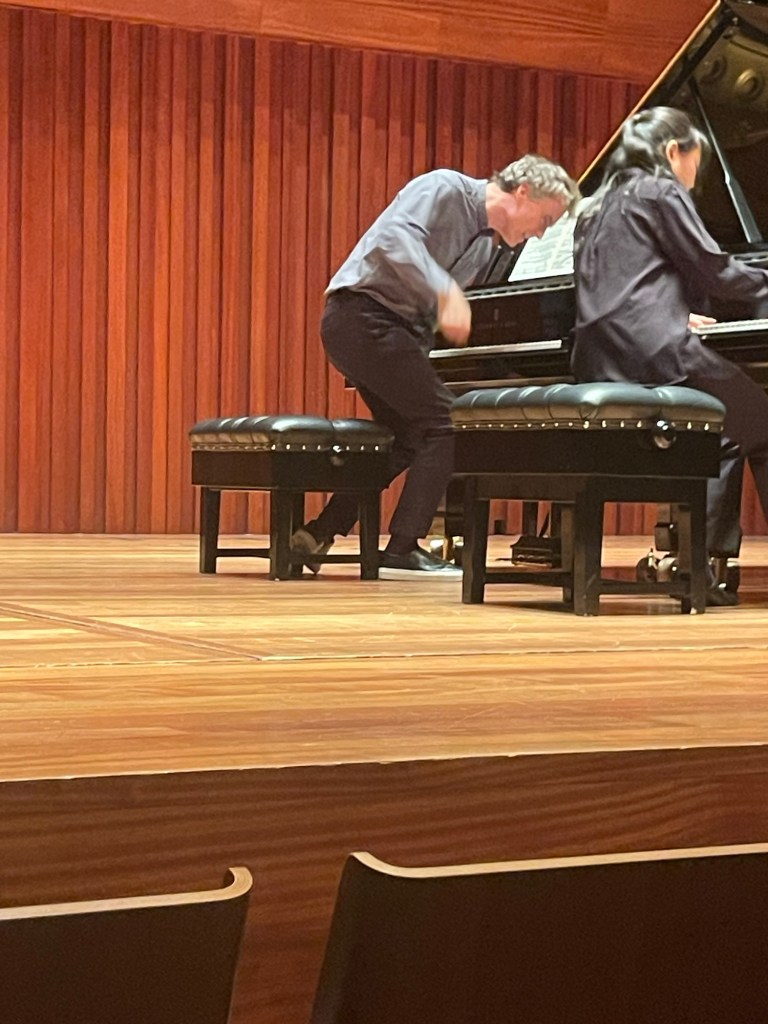
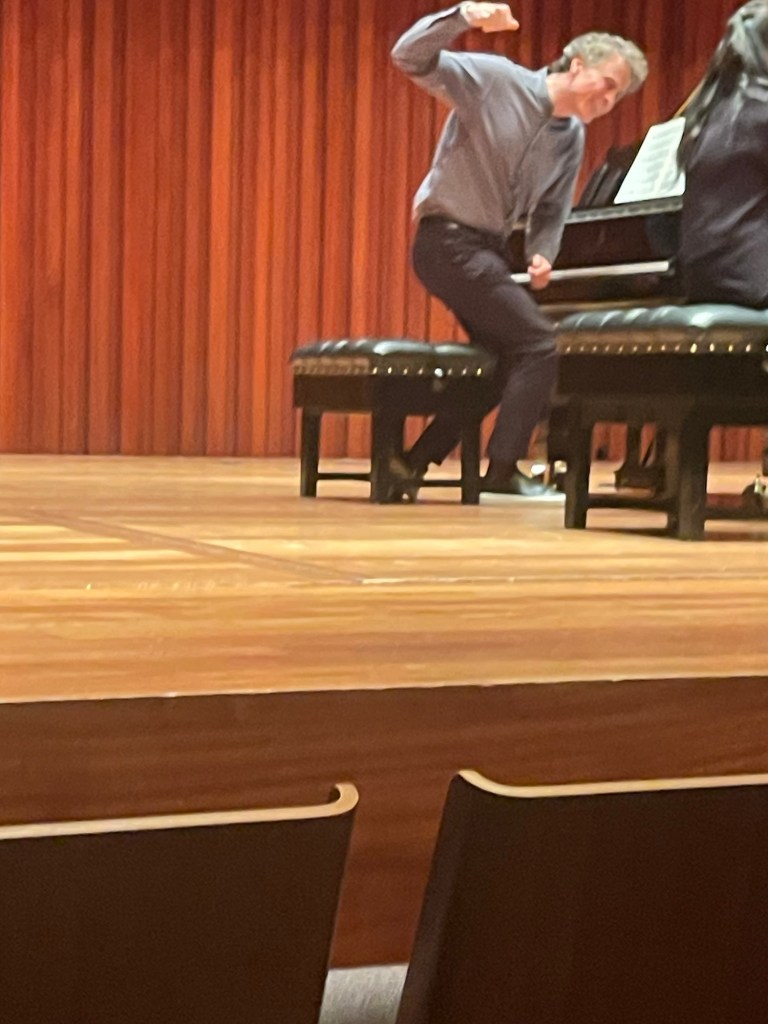
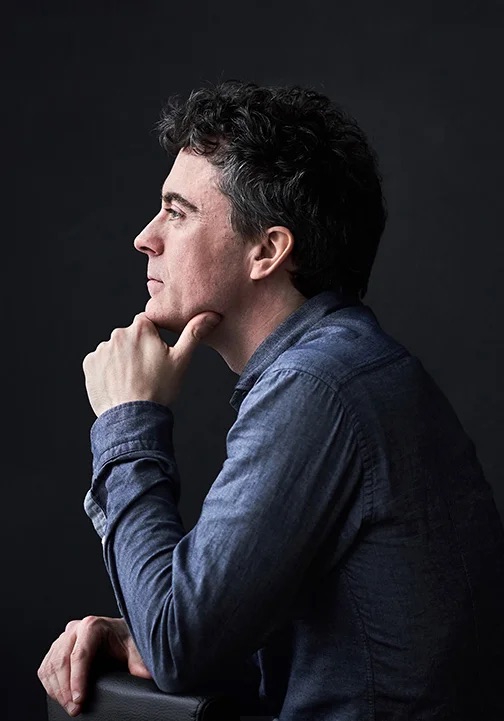
Paul Lewis is internationally regarded as one of the leading musicians of his generation. His cycles of core piano works by Beethoven and Schubert have received unanimous critical and public acclaim worldwide, and consolidated his reputation as one of the world’s foremost interpreters of the central European classical repertoire. His numerous awards have included the Royal Philharmonic Society’s Instrumentalist of the Year, two Edison awards, three Gramophone awards, the Diapason D’or de l’Annee, the Preis Der Deutschen Schallplattenkritik, the Premio Internazionale Accademia Musicale Chigiana, and the South Bank Show Classical Music award. He holds honorary degrees from Liverpool, Edge Hill, and Southampton Universities, and was appointed Commander of the Order of the British Empire (CBE) in the 2016 Queen’s Birthday Honours.
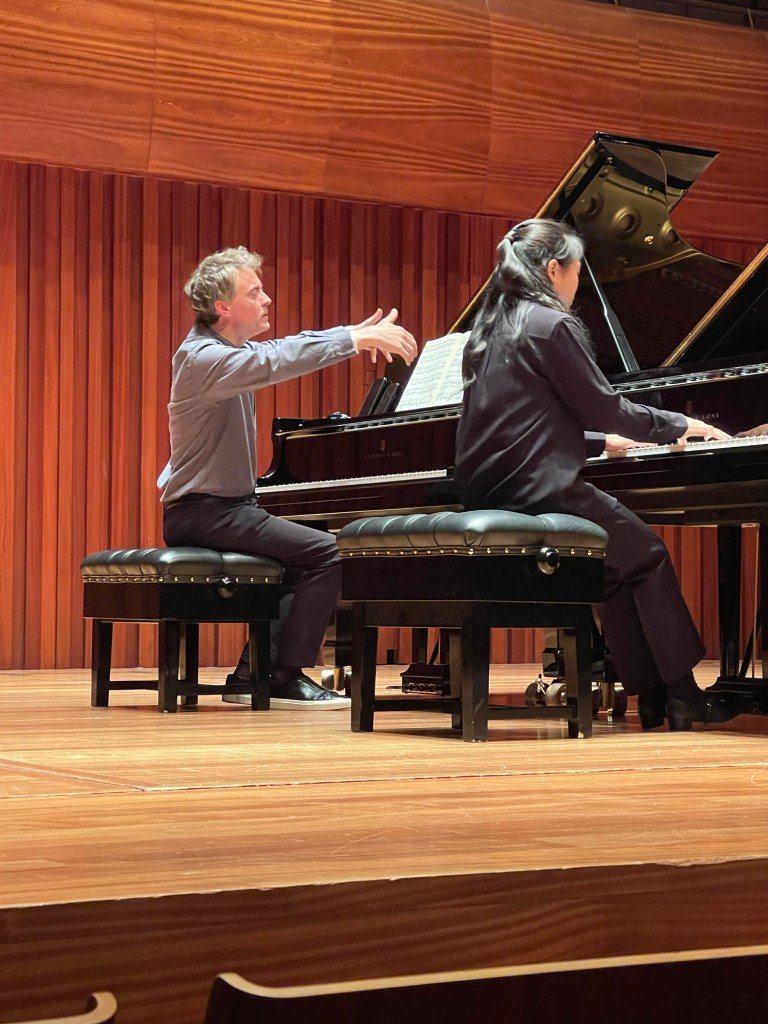
He works regularly as soloist with the world’s great orchestras, including the Berlin Philharmonic, Boston Symphony, Chicago Symphony, London Symphony, London Philharmonic, Bavarian Radio Symphony, NHK Symphony, New York Philharmonic, LA Philharmonic, and the Royal Concertgebouw, Cleveland, Tonhalle Zurich, Leipzig Gewandhaus, Philharmonia, and Mahler Chamber Orchestras.The 2017/18 season saw the start of a two year recital series, exploring connections between the sonatas of Haydn, the late piano works of Brahms, and Beethoven’s Bagatelles and Diabelli Variations, as well as appearances with the WDR Sinfonieorchester, Orchestra Mozart di Bologna, Boston Symphony, San Francisco Symphony, and the Bavarian Radio Symphony Orchestra. The Haydn, Beethoven, Brahms series continues through the 18/19 season, alongside appearances with the Orchestre Symphonique de Montreal and Kent Nagano, the Berlin Philharmonic and Chicago Symphony with Bernard Haitink, the Orchestra dell’Accademia Nazionale di Santa Cecilia with Manfred Honeck, and the Tonhalle Orchestra Zurich with Francois-Xavier Roth.Paul Lewis’s recital career takes him to venues such as London’s Royal Festival Hall, Alice Tully and Carnegie Hall in New York, the Musikverein and Konzerthaus in Vienna, the Theatre des Champs Elysees in Paris, the Concertgebouw in Amsterdam, and the Berlin Philharmonie and Konzerthaus. He is also a frequent guest at the some of the world’s most prestigious festivals, including Tanglewood, Ravinia, Schubertiade, Edinburgh, Salzburg, Lucerne, and the BBC Proms where in 2010 he became the first person to play a complete Beethoven piano concerto cycle in a single season.His multi-award winning discography for Harmonia Mundi includes the complete Beethoven piano sonatas, concertos, and the Diabelli Variations, Liszt’s B minor sonata and other late works, all of Schubert’s major piano works from the last six years of his life including the 3 song cycles with tenor Mark Padmore, solo works by Schumann and Mussorgsky, and the Brahms D minor piano concerto with the Swedish Radio Symphony Orchestra and Daniel Harding. Future recording plans include a multi-CD series of Haydn sonatas, Beethoven’s bagatelles, and works by Bach.Paul Lewis studied with Joan Havill at Guildhall School of Music and Drama in London before going on to study privately with Alfred Brendel. He is co-Artistic Director of Midsummer Music, an annual chamber music festival held in Buckinghamshire, UK.
Paul Lewis at 50 …….celebration of a Poet and Musician
Paul Lewis crowns Beethoven 250 at the Wigmore Hall
The sublime fantasy of Paul Lewis live at the Wigmore Hall
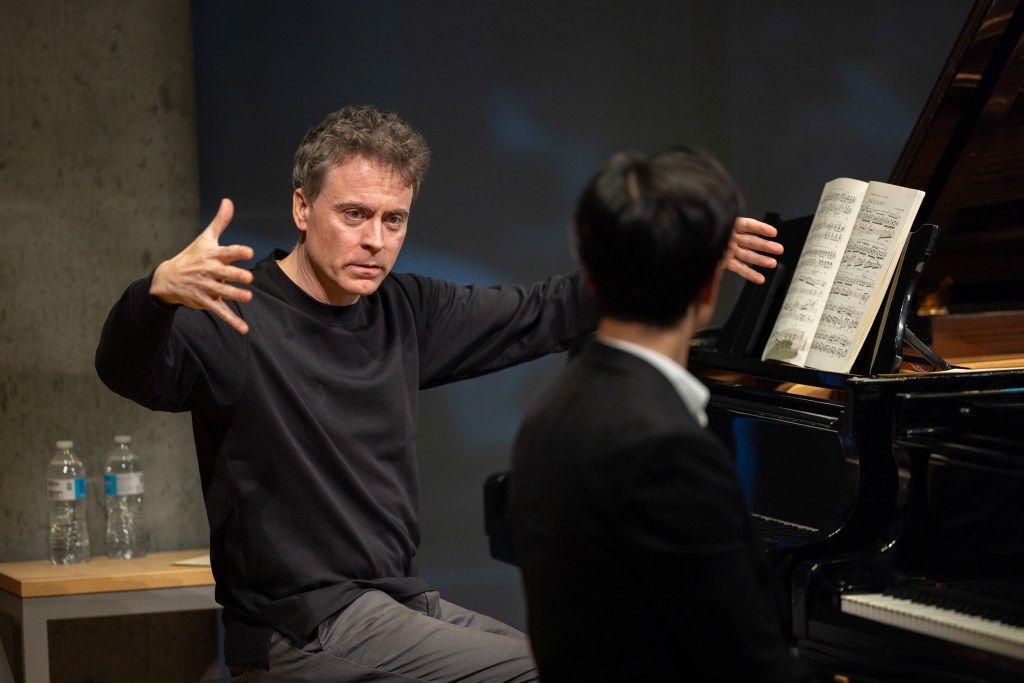
Trills, Beethoven, and the secret of Chopin: Read quotes from Paul Lewis’ piano masterclass at SFCM ⬇San Francisco Conservatory
1: “Almost always, think of trills as part of the melody. The melody note comes first, then the trill, not too fast; you want each note in the trill somehow connected to the melody.”
2: “What Beethoven’s so good at is leading us to believe something and then doing something completely different.”
3: “This uses the whole keyboard: Give us more of a sense of that, just take a bit of time for us to feel the distance there. Because it felt normal, expected, like it was easy for you to play. Give us the feeling that this is taking some effort.”
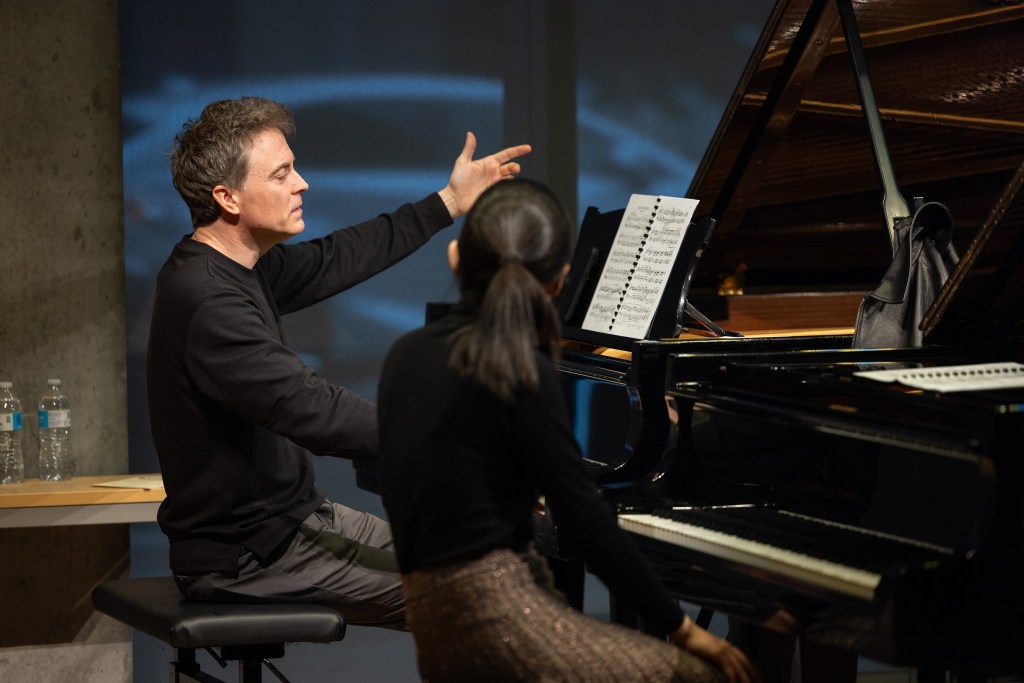
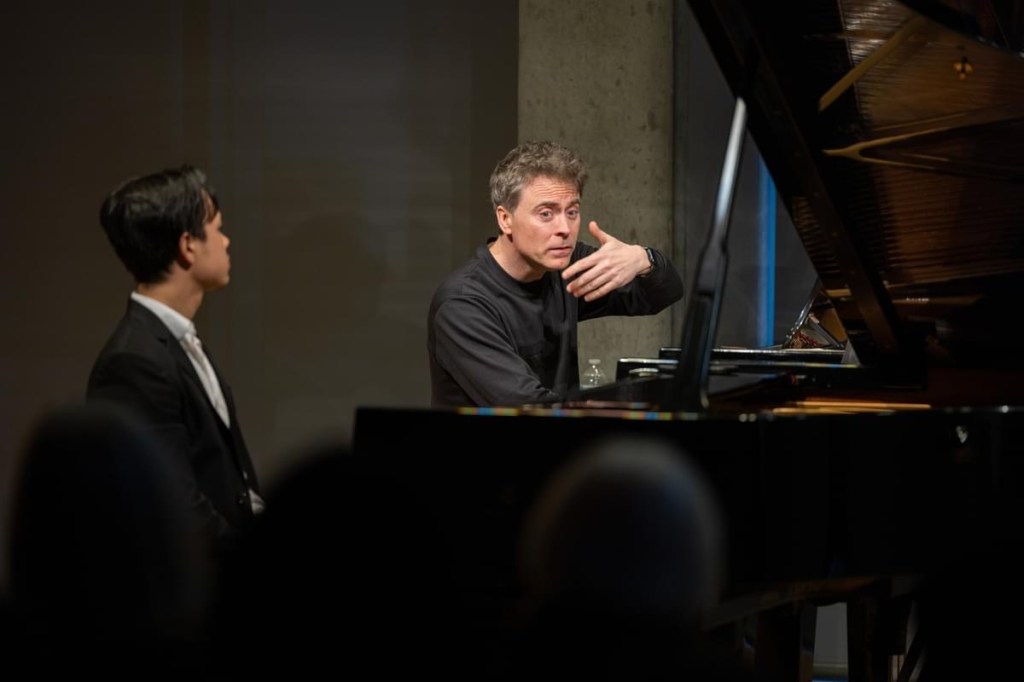
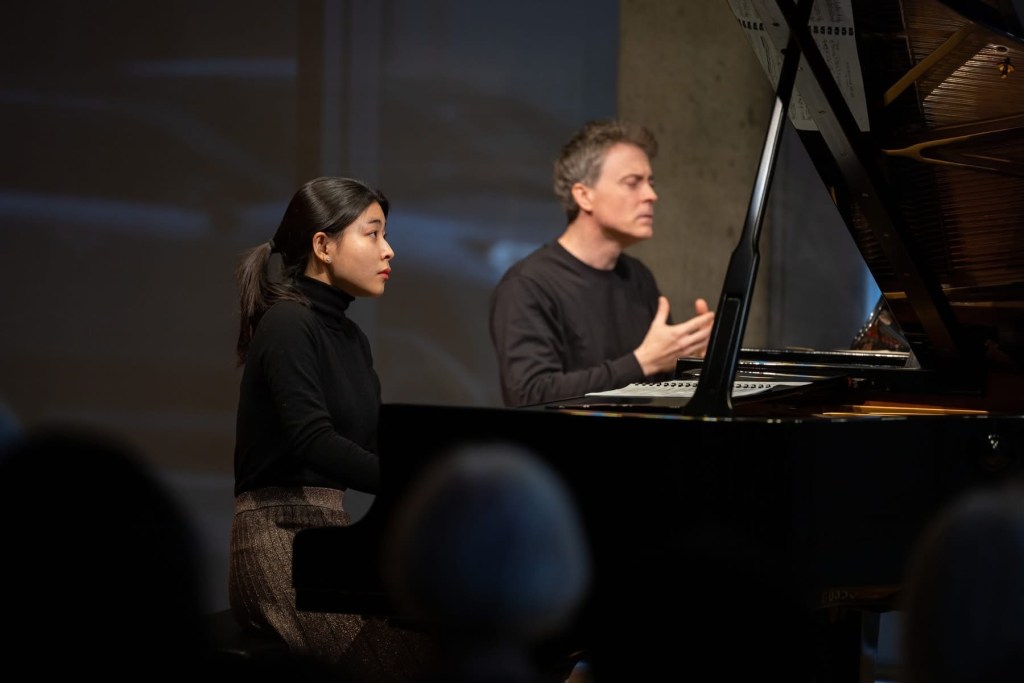
4: “A feature of Beethoven’s music is humor, but the way he uses humor is often quite brutal.”
5: “[Ballade No. 4 in F Minor, Op. 52] is, I think, the closest Chopin gets to this idea of endless melody. There’s no real end. There’s no resolution. If you come to the end of the phrase, it’s only to go on to something else.”
6: “Beethoven writes orchestral music for the piano, Schubert writes vocal music for the piano. But Chopin writes piano music for the piano, which is occasionally vocal.”
7: “The secret about Chopin is that nothing he wrote is difficult. Everything he wrote works wonderfully well if you’re just relaxed and free enough to do it. But we get in the way of that ourselves, so if you’re feeling restricted in some way then you’re only restricted by yourself.”
8: “Don’t let your fingers do too much. Don’t do too much on each individual key and don’t lean in and try too hard; just let it happen. These instruments are built to project to 2,000-plus seats.”
9: “Listen to your sound. If you think you can hear it getting a little bit tight, just take a step back from it, and don’t try so hard.”
10: “When we get into ‘pianist mode,’ we want certain things to be pronounced or heard more. But keep in mind the sort of bell-like quality we can draw from the piano; don’t listen so much in pianist mode.”
Read more: https://bit.ly/4g6bk8m
📸 Matthew Washburn
 ChristopherAxworthy-MusicCommentary