Thomas Kelly at St James’s Piccadilly musicianship and mastery mark the return of a Golden Age but of the thinking virtuoso.

Thomas Kelly at the National Liberal Club The ‘outrageous’ virtuoso with a heart of pure gold.
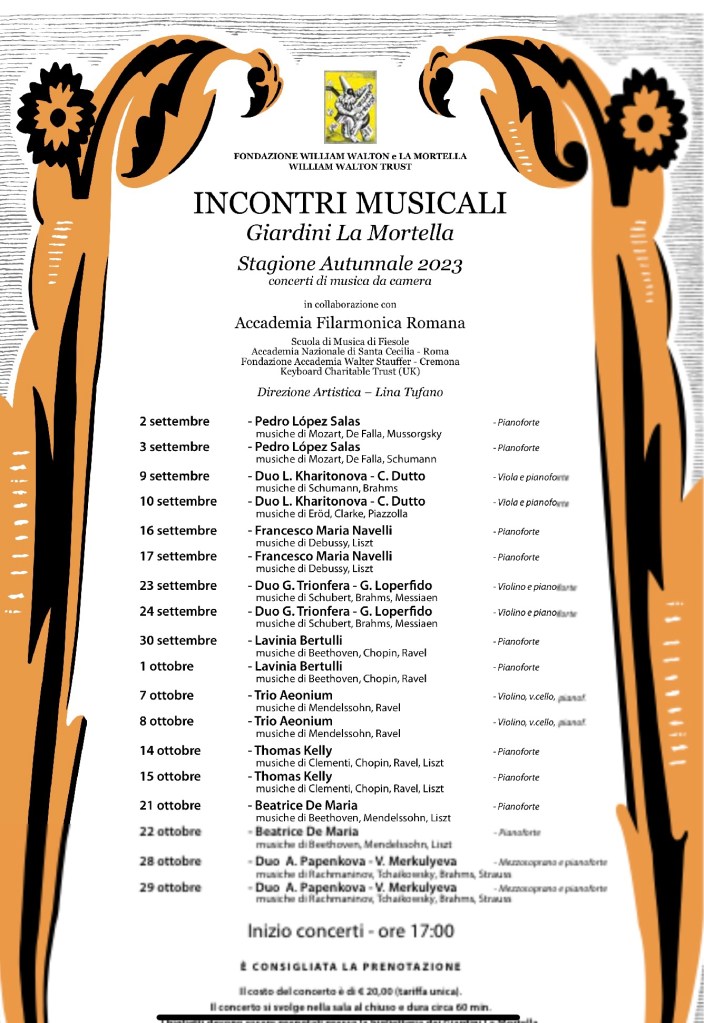
https://christopheraxworthymusiccommentary.com/2023/09/05/pedro-lopez-salas-in-paradise-a-standing-ovation-at-la-mortella-the-walton-foundation/
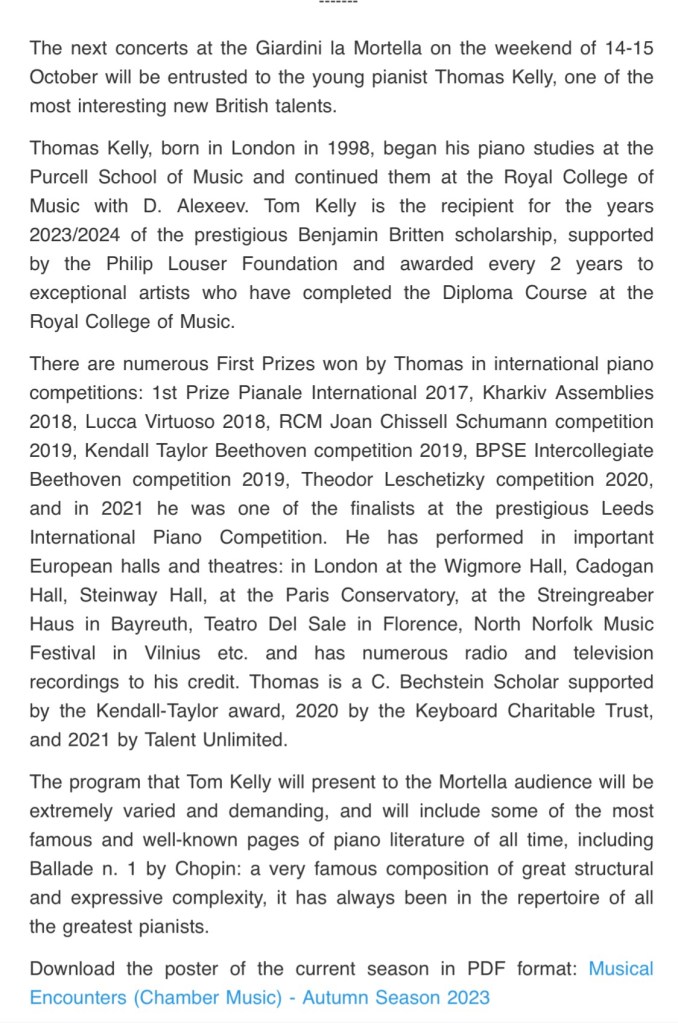
There is the story in Susana’s biography of her husband in which he tells of turning BB’s picture to the wall tired of seeing him promoted in all the record and music shops after the war.
Peter Grimes had brought this much younger composer unexpectedly to the fore and a certain rivalry grew up between two of the finest British composers of their age.There are many stories affectionately told in Susan’s wonderfully spicy biography.
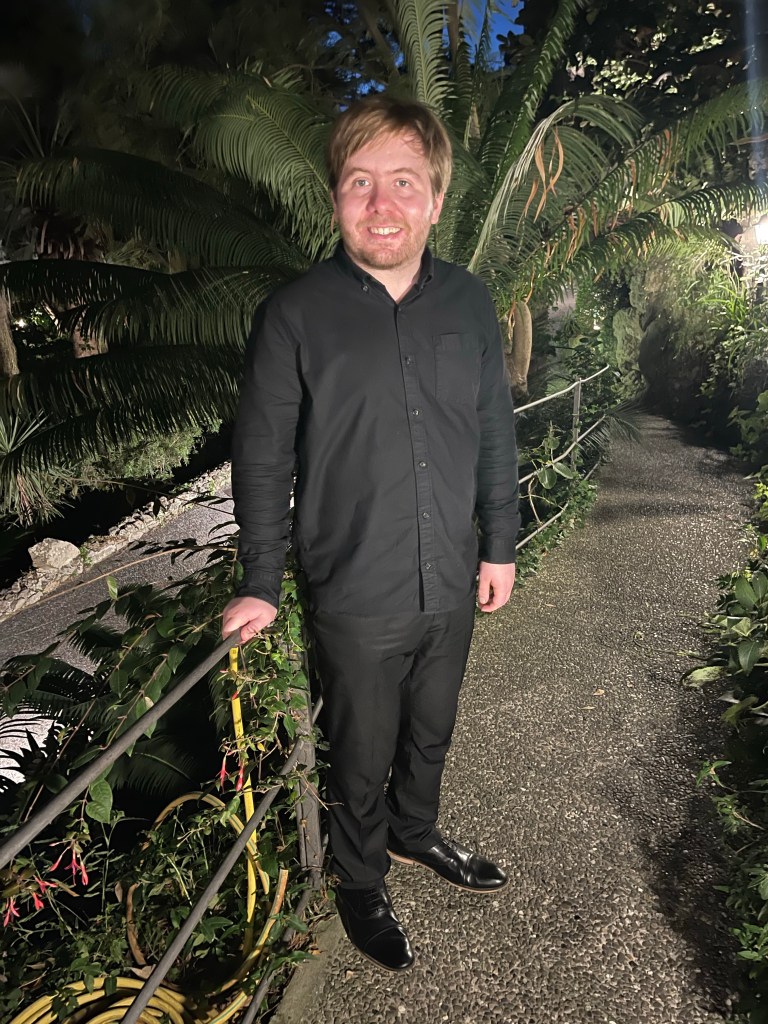
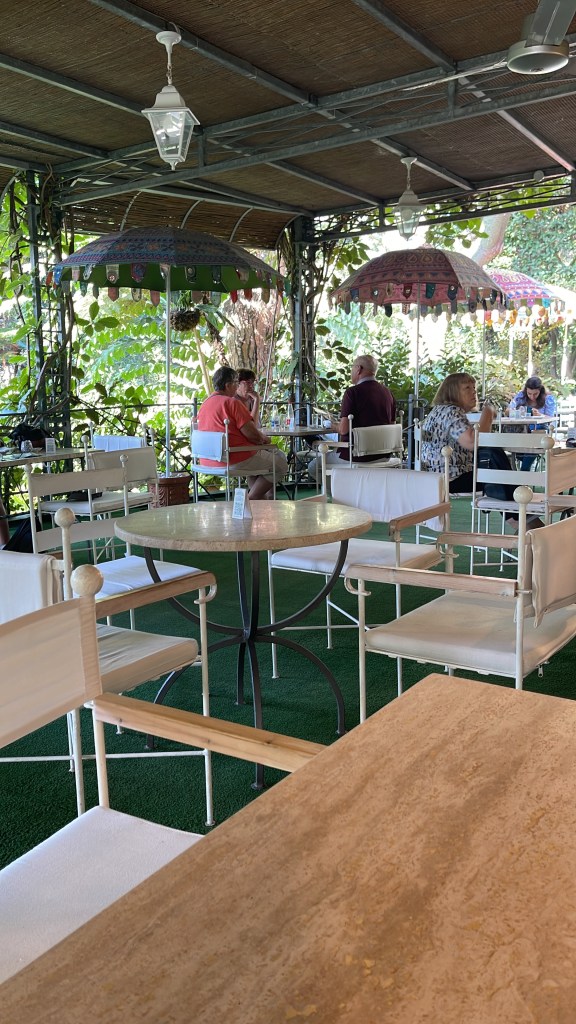
A standing ovation for playing that was just made for paradise.
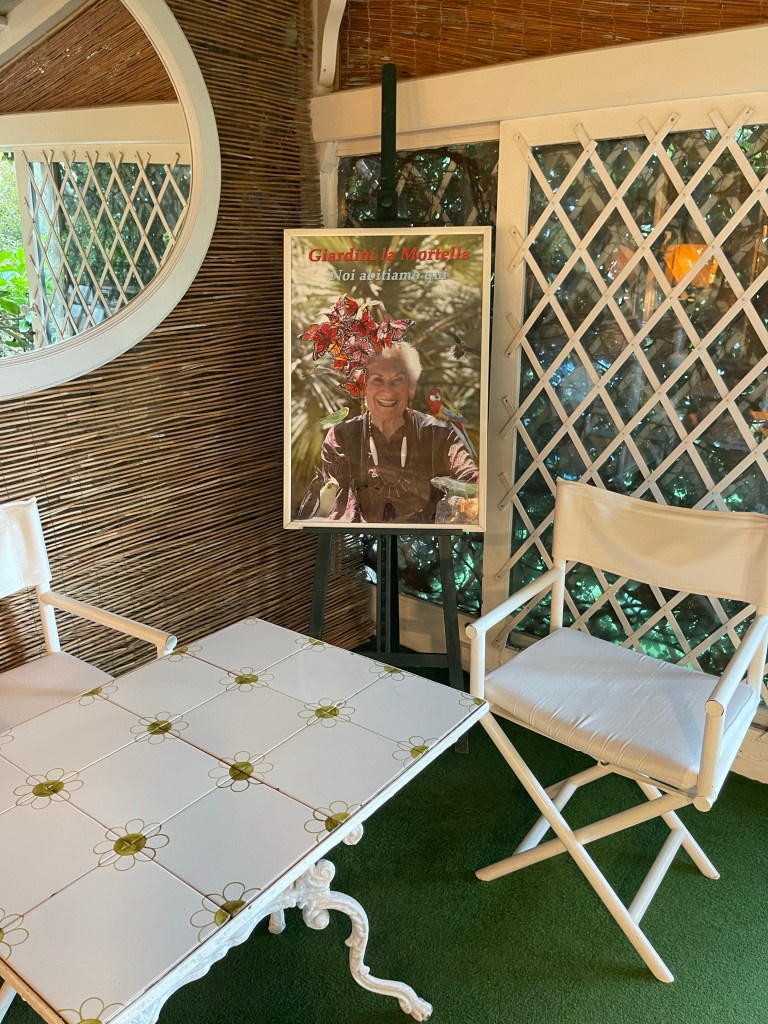
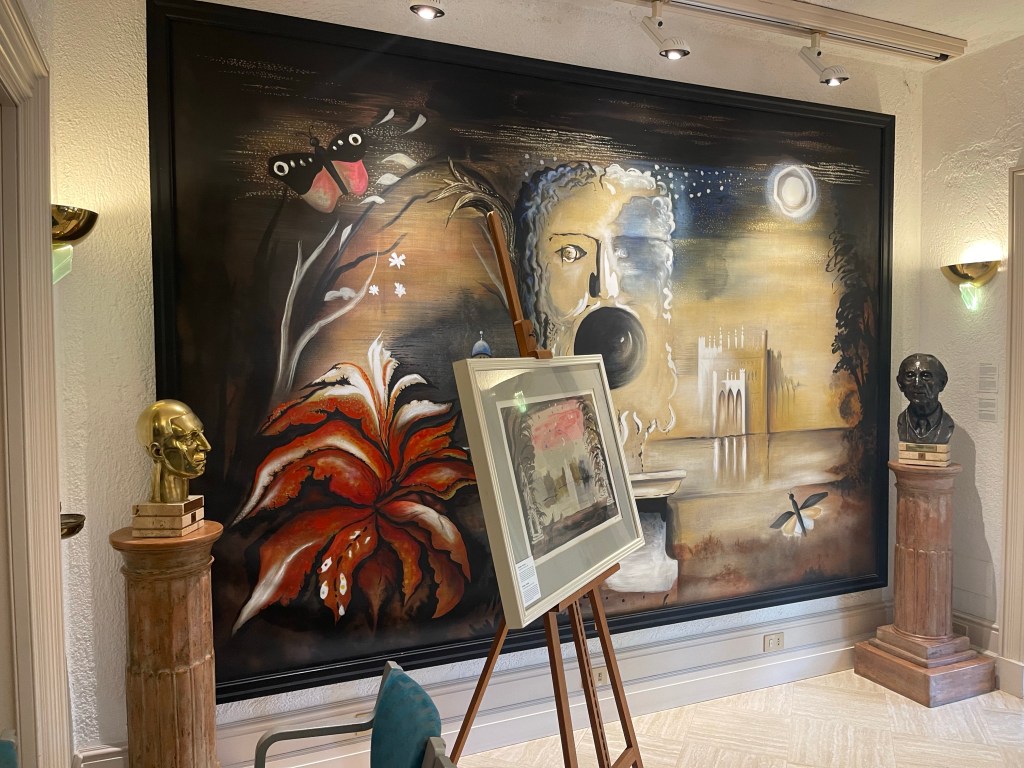
The paradise that Susana created to turn her husband’s dreams into reality.
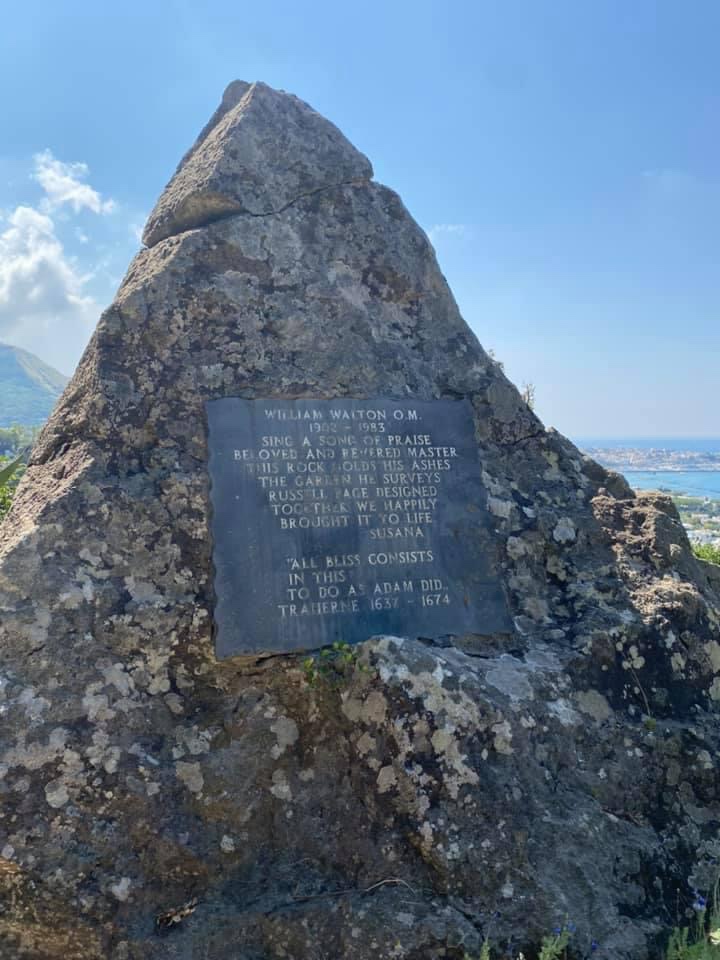
Sir William and Susana resting now overlooking their child that was born of the love of beauty that they shared together for over fifty years .
Ogdon ,Richter ,Bream,Tortelier and many others all used to rent Lady Walton’s cottages that surrounded the estate of La Mortella.The cottages have now been sacrificed to set up a trust fund so the Walton Foundation can live on forever as was Sir William’s wish.
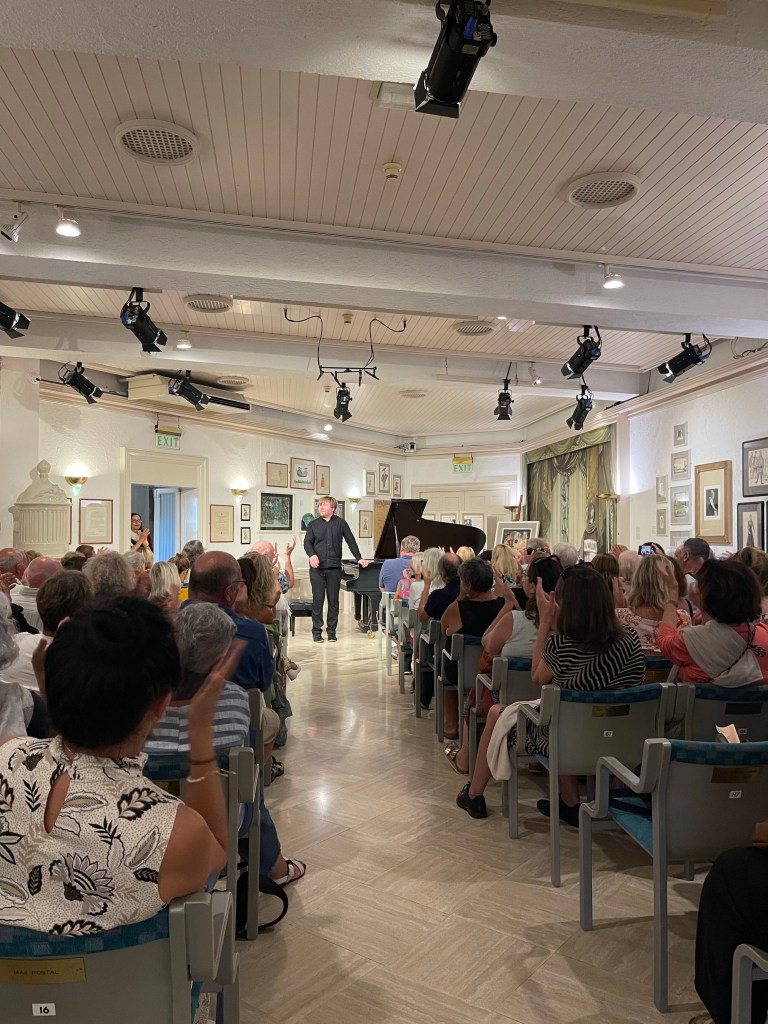
I doubt that La Mortella has ever heard such sounds as Thomas Kelly conjured from the piano tonight.
A refined palette of golden sounds allied to superb musicianship but above all the magic of an occasion that allowed us to wallow in sumptuous sounds with an impassioned demonic technical mastery that was both exhilaration, exciting and most definitely X certificate.
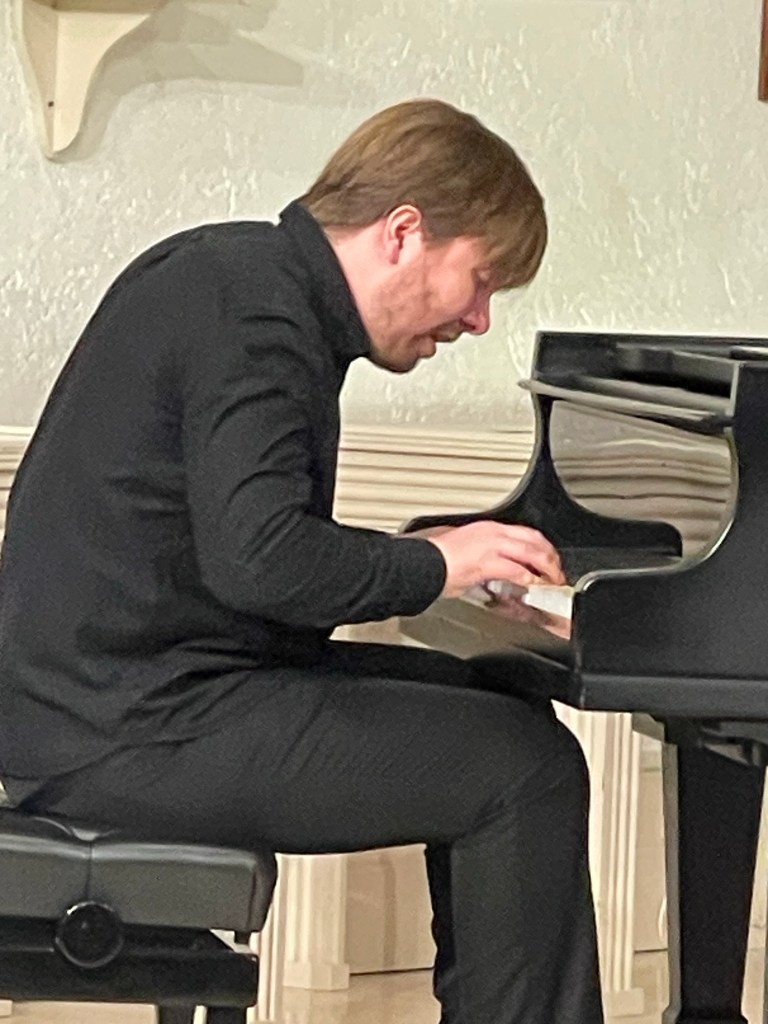
Looking like Rachmaninov as though he had swallowed a knife but then producing ,like Vlado Perlemuter use to tell me,the most romantic sumptuous sounds from the piano.
Horowitz too,head down just a twitch of his lips but some of the most obscenely decadent sounds that are only to be found by those who have truly made a pact with the devil.
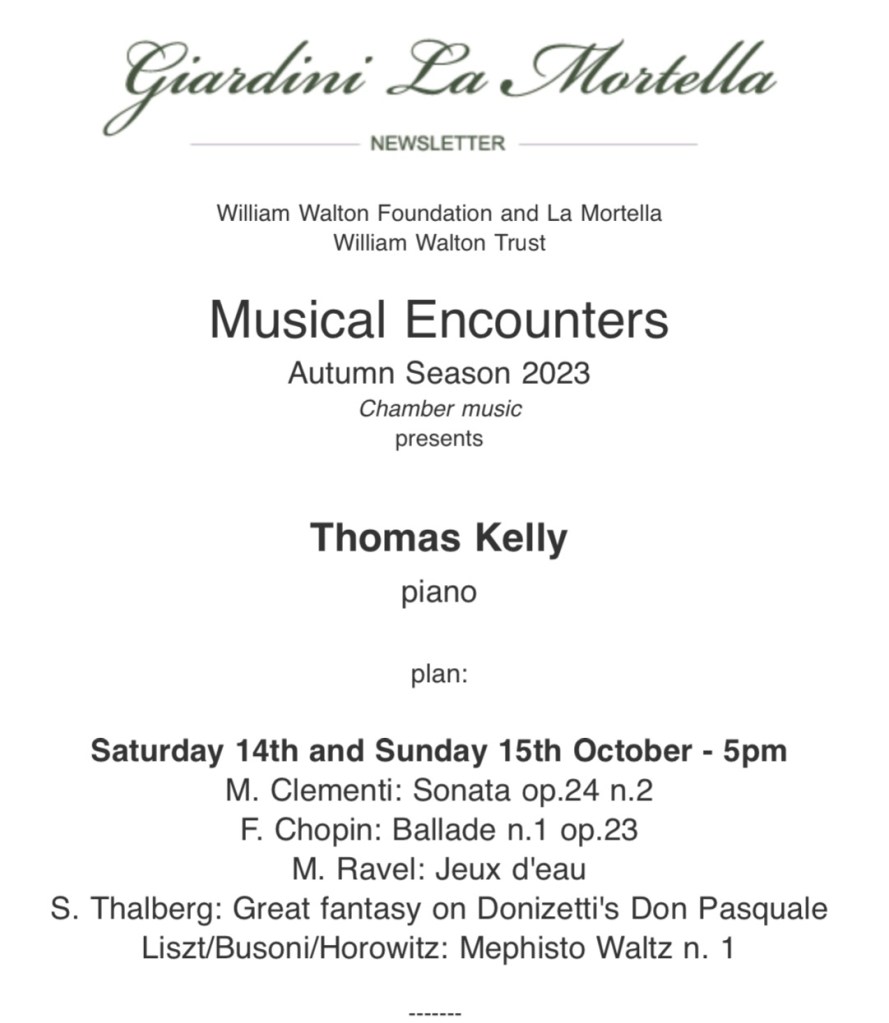
There was the most extraordinary display of Thalberg’s one upmanship on Liszt with his Don Pasquale Grande Fantaisie.Followed by the demonic throbbing of Mephisto that was heard in the distance as it came closer and closer and ever more insistent.The additions of Busoni and Horowitz added even more hair raising virtuosity and brilliance in a breathtaking display of playing that we have only heard recounted of the long past generation of a Golden era.

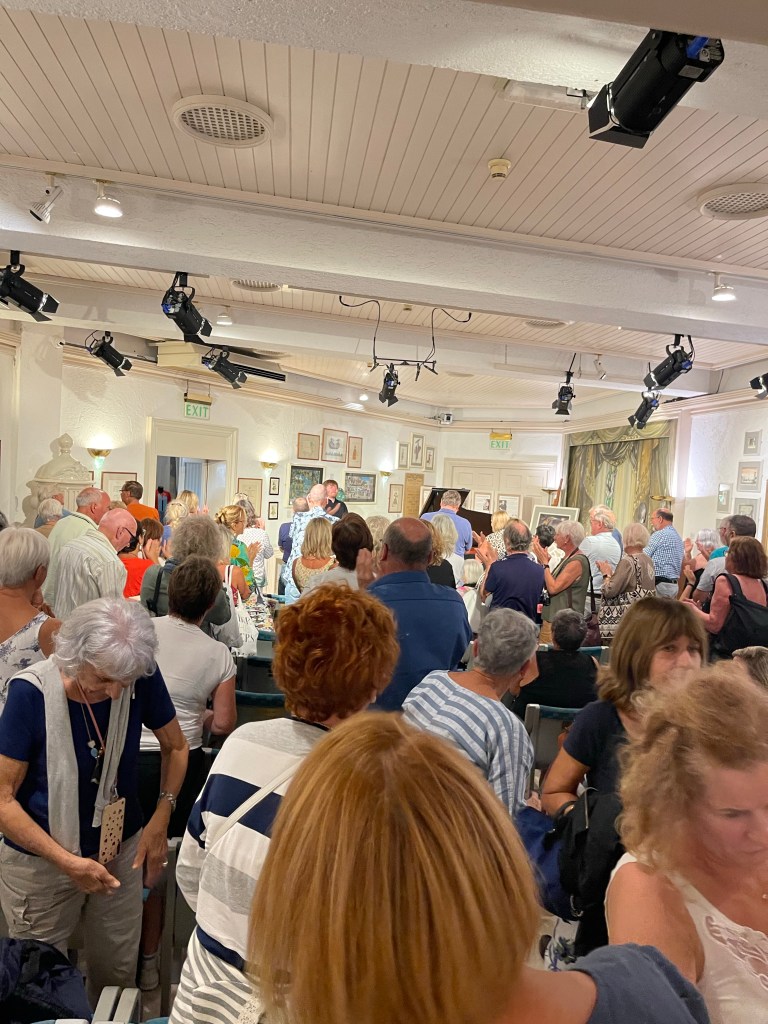
A standing ovation from an audience who had come to admire the botanical gardens but found themselves almost devoured by the devil.
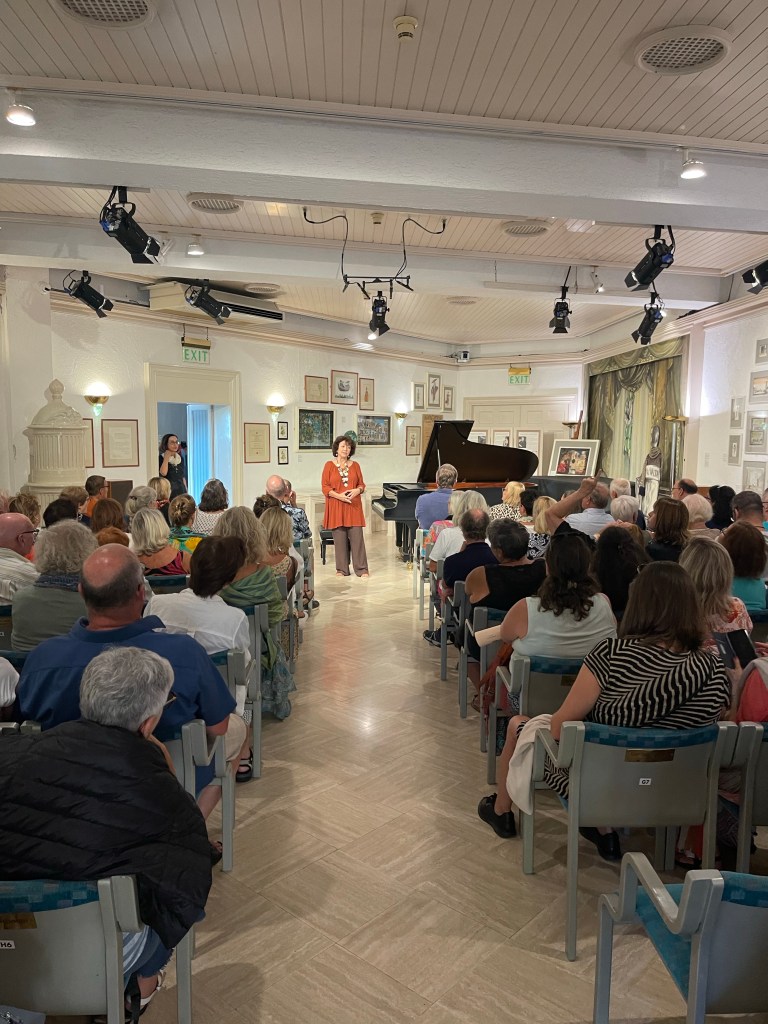
Pushed on stage by Lina Tufano , the artistic director of the Incontri Musicali, demanding an encore.
Reluctantly and visibly exhausted Tom pulled out of his top hat a Campanella by Liszt and Busoni that was so astonishing the cheering at end was probably heard in Naples .
Little could they have known that the evening before Tom had played a completely different programme including a monumental performance of Rachmaninov’s first sonata -up until now the poor relation of the second.
This was just a break from Brahms 2 a week ago and Schumann A minor next week.
Of course I forgot to mention that he plays here in Ischia on Monday Cesar Franck’s notoriously complex Piano Quintet .
All this and Tom tells me he too will have a birthday soon.
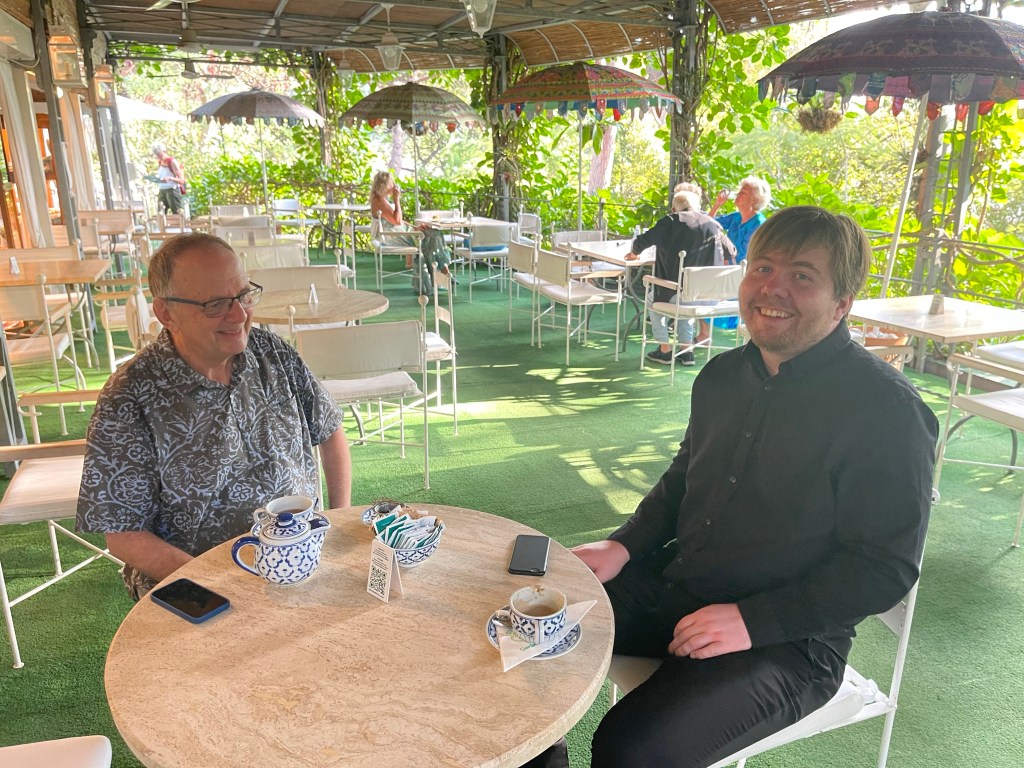
My 75th is tomorrow and what better way
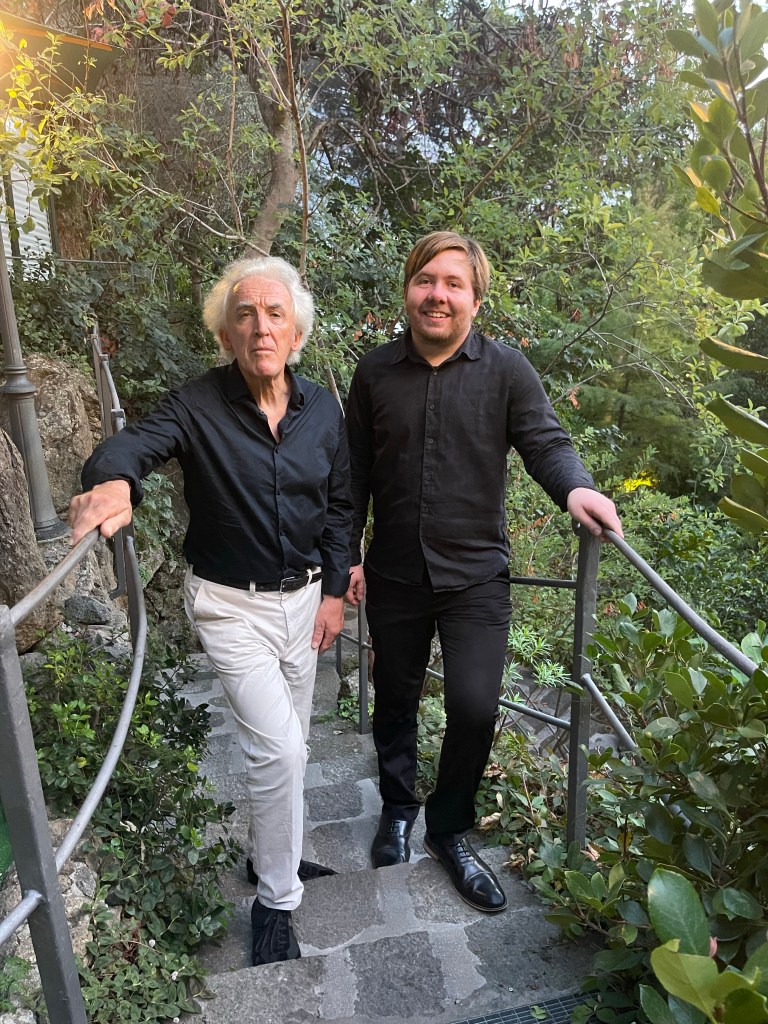
to celebrate than the birth of one of the greatest talents I have known.Amazingly Tom celebrates his 25th at the end of the month too .I am Libra but of course he is Scorpio!Fifty years may separate us but it is his music that unites us all in the end.

To say we are in the hands of a piano genius is to put it mildly!
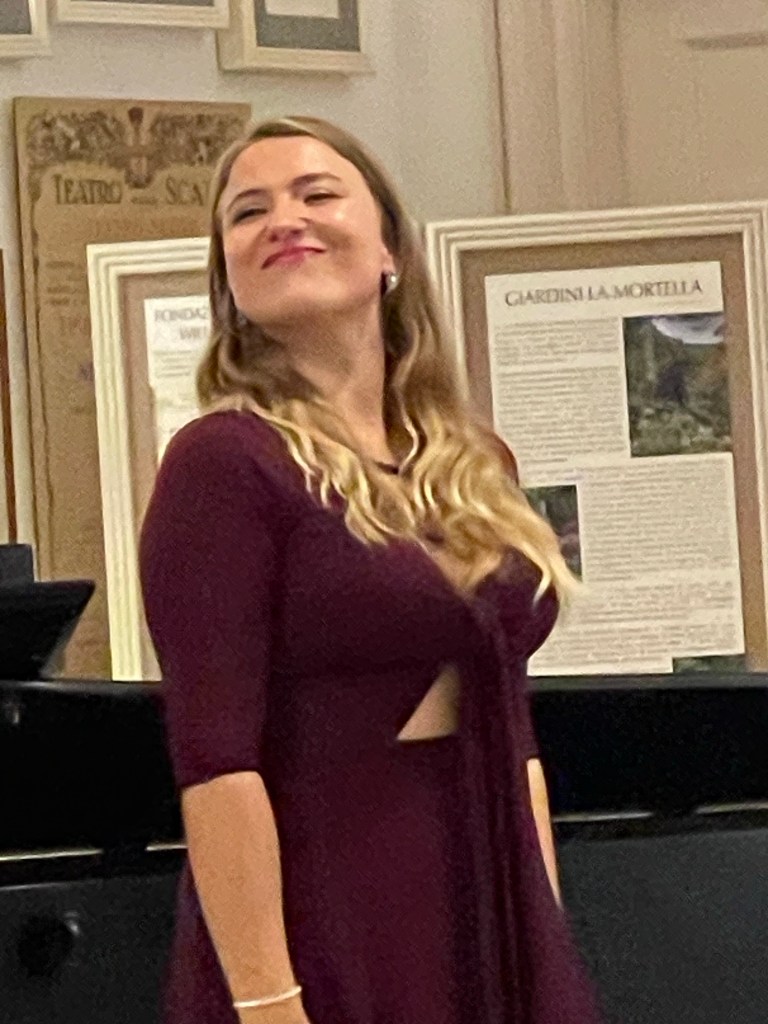
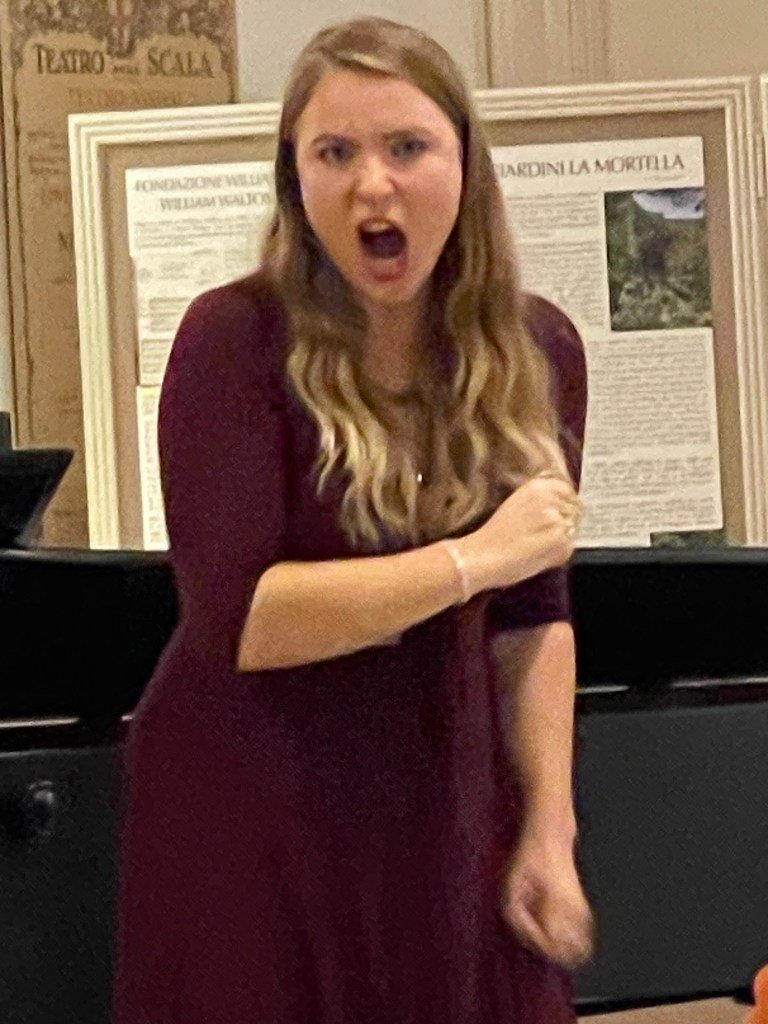
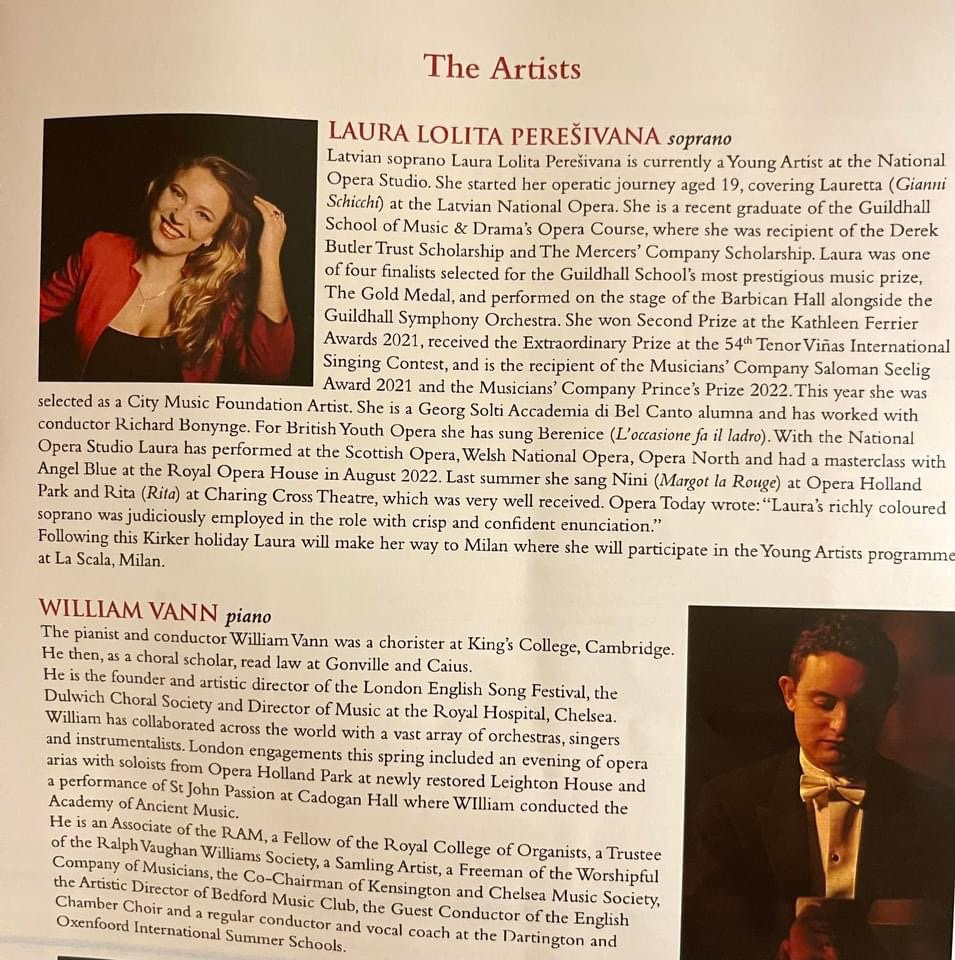
The perfect balm after such decadence was to eavesdrop on a private performance of Mozart’s C major Quintet .
The Maxwell Quartet giving an intimate performance as might have been when it was first penned.
There was a complicity between musicians with the same souls playing with charm,elegance and grace but with a beguiling musicianship that allowed the superb cellist,Duncan Strachan,to be visibly encouraging his colleagues to indulge and enjoy even more the genius that is Mozart.
Simon Rowland-Jones was the fifth partner in crime and it is he who for nineteen years has been bringing the Kirker Music Festival to La Mortella under the very discerning eye of Susana Lady Walton ….if music be the food of love ….play on ……with the Walton’s united again and looking on admiringly from their resting places next to each other on high.



It was played not only with the rhythmic brilliance of Clementi’s seemingly endless stream of notes but above all there was the elegance and sense of style of an inquisitive musical mind,with the same kaleidoscopic change of colour of looking through a prism.A grandiose opening of the ‘Andante’ that was indeed quasi ‘Allegretto’ with cascades of notes that were jewels glistening as they were shaped with a beguiling sense of elegance and style.The tongue in cheek after thought of the coda was thrown off with disarming nonchalance
There was a remarkable ease with which notes became just streams of brilliant sounds in the Rondo ‘Assai Allegro’ ‘They could not be called jeux perlé because they were imbued with a driving energy that brought this much neglected sonata to a brilliant conclusion.

A coda shaped like the true musician that Tom is but also played with the excitement and exhilaration of a Horowitz who like Liszt was also the greatest showman on earth too.
Floristan and Eusebius are nothing compared to this ‘Devil and the deep blue sea’ approach from artists of such diabolical temperament.

Great drama and fantastic contrasts between legato and staccato with Thalberg – Liszt’s only true rival – showing us that the piano was also the greatest orchestra on earth capable of all the colours and sounds of the grandest of ensembles .Beguiling sounds seemingly appearing in every corner of the keyboard via a transcendental display of piano trickery of a different age.An age when technical mastery meant a chameleonic sense of colour each note containing a hundred gradations of sound and not just breaking the speed limit!
Unbelievable the tumbling octave accompaniment over the entire keyboard whilst the melodic line was so perfectly shaped in the central most beautiful register of the piano.
No wonder people of the day thought that Thalberg like Liszt and Paganini had made a pact with the devil to be given another couple of arms and hands.An amazing display of virtuosity in the true meaning of the word ,that of a complete mastery.
It is Art that conceals Art as sumptuous sounds were allowed to erupt from this box of mere hammers and strings.
Of course as Anton Rubinstein pointed out the pedal,a relatively new invention in their day ,is the real soul of the piano, and it is this that allows the illusion that a percussive instrument of hammers that hit the strings can appear to sing better than any Bel Canto nightingale of the day.
Horowitz,described on his first appearance in Paris,as the greatest pianist alive or dead,just added more colour and hysteria with the occasional added bass notes and padding out of chords.A filling out of embellishments too and adding double notes to Liszt’s already impossible antics.
Bursting into red hot flames at the end where the showman Horowitz added octaves and all sorts of trickery that I am sure Liszt himself might have done given the evolution of the Steinway as opposed to its predecessor the Erard that was Liszt’s preferred instrument of the day.
A spontaneous standing ovation reminded me of the stories in history books of aristocratic ladies in the Paris salons turning into hysterical animals trying to get as near as they dare to their conquering hero.
A much more refined audience at La Mortella but they did manage to persuade Tom to play just one little piece before retiring.
La Campanella by Liszt and his pupil Busoni produced even more phenomenal feats of subtle virtuosity that were breathtaking in their daring and refined beauty.Turning a pianistic showpiece into the tone poem that the Poet Liszt had intended with the same funabulistic virtuosity of Paganini translated by a Genius into a ravishingly beguiling show piece that like Paganini was only fit for a King.


Daphne
Through Gilded Trellises
Old Sir Faulk


Born
Muzio Filippo Vincenzo Francesco Saverio Clementi
23 January 1752 Rome
Died
10 March 1832 (aged 80)Evesham United Kingdom
Muzio Filippo Vincenzo Francesco Saverio Clementi (23 January 1752 – 10 March 1832) was an Italian-British composer,virtuoso pianist, pedagogue,conductor , music publisher, editor, and piano manufacturer, who was mostly active in England.
Encouraged to study music by his father, he was sponsored as a young composer by Sir Peter Beckford who took him to England to advance his studies. Later, he toured Europe numerous times from his long-standing base in London. It was on one of these occasions, in 1781, that he engaged in a piano competition with Mozart.Clementi also produced and promoted his own brand of pianos and was a notable music publisher.Because of this activity many compositions by Clementi’s contemporaries and earlier artists have stayed in the repertoire. Though the reputation of Clementi was exceeded only by Haydn, Mozart, Beethoven, and Rossini in his day, his popularity languished for much of the 19th and 20th centuries.
As a composer of classical piano sonatas, Clementi was among the first to create keyboard works expressly for the capabilities of the piano. He has been called “Father of the Piano”.Clementi composed almost 110 piano sonatas ,some of the earlier and easier ones were later classified as sonatinas after the success of his Sonatinas Op. 36. Satie would later parody these sonatinas (specifically the Sonatina Op. 36, No. 1) in his Sonatine bureaucratique. However, most of Clementi’s sonatas are more difficult to play than those of Mozart, who wrote in a letter to his sister that he would prefer her not to play Clementi’s sonatas due to their jumped runs, and wide stretches and chords, which he thought might ruin the natural lightness of her hand.
Of Clementi’s playing in his youth, Moscheles wrote that it was “marked by a most beautiful legato, a supple touch in lively passages, and a most unfailing technique.” Domenico Scarlatti may be said to have closed the old and Clementi to have founded the newer school of technique on the piano.
Clementi visited Vienna in December 1781, playing the B flat Sonata from Op 24 before an audience that included Joseph II and Mozart. He ‘plays well, so far as execution with the right hand goes’, Mozart reported to his father (12 January 1782). ‘His greatest strength lies in his passages in thirds. Apart from this, he has not a pennyworth of taste or feeling—in short he is simply a mechanicus.’ (Clementi was more generous to his famous rival, publicly acknowledging his ‘singing touch and exquisite taste’.) Comprising a terse sonata Allegro (launched by an idea Mozart was to recollect/steal years later for his Magic Flute Overture), an expressive slow movement in the dominant, and a brilliantly ‘running’ Rondo finale, the B flat Sonata was first published by Storace of Howland Street, Rathbone Place, London, as part of a ‘Collection of Original Harpsichord Music’ (entered Stationers’ Hall, 23 July 1788).

Born
Fryderyk Franciszek Chopin
1 March 1810 Zelazowa Wola ,Poland
Died
17 October 1849 (aged 39)
Paris, France
The Ballade No. 1 in G minor, Op. 23, was completed in 1835 in Paris.In 1836, Schumann wrote: “I have a new Ballade by Chopin. It seems to me to be the work closest to his genius (though not the most brilliant). I even told him that it is my favourite of all of all his works. After a long, reflective pause he told me emphatically: ‘I am glad, because I too like it the best, it is my dearest work.’”
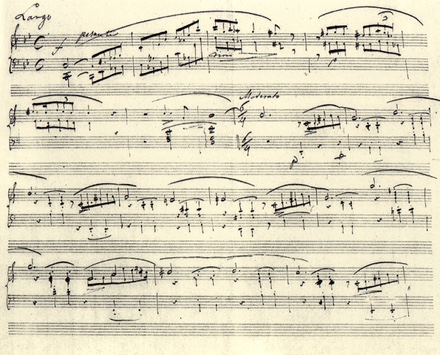
The term ballade was used by Chopin in the sense of a balletic interlude or dance-piece, equivalent to the old Italian ballata, but the term may also have connotations of the medieval heroic ballad, a narrative minstrel-song, often of a fantastical character. There are dramatic and dance-like elements in Chopin’s use of the genre, and he may be said to be a pioneer of the ballade as an abstract musical form. The four ballades are said to have been inspired by a friend of Chopin’s, poet Adam Mickiewicz.The exact inspiration for each individual ballade, however, is unclear and disputed.Though the ballades do not conform exactly to sonata form the “ballade form” created by Chopin for his four ballades is a variant of sonata form with specific discrepancies, such as the mirror reprise (presenting the two expositional themes in reverse order during the recapitulation The ballades have directly influenced composers such as Liszt and Brahms who, after Chopin, wrote ballades of their own.Besides sharing the title, the four ballades are entities distinct from each other. Each one differs entirely from the others, and they have but one thing in common – their romantic working out and the nobility of their motifs.
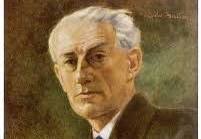
Jeux d’eau was composed in 1901 , at the age of 19 and is dedicated to his teacher Gabriel Fauré and premiered on April 5th 1902 by Ricardo Vines. The score bears as an epigraph a quote from Henri de Règnier : “Fluvial God laughing at the water which tickles him
Les Jeux d’eau, published in 1901, are at the origin of all the new pianistic innovations that people have wanted to notice in my work. This piece, inspired by the sound of water and the musical sounds of jets of water, waterfalls and streams, is based on two motifs in the style of the first part of a sonata, without however being subject to on a classic tonal level. » (Maurice Ravel, autobiographical sketch , 1928)
Fauré held the Jeux d’eau in great esteem, but Saint-Saens only saw this avant-garde piece as a “cacophony”. However, the work quickly enjoyed great success, definitively affirmed Ravel’s musical personality and had an influence on several of his contemporaries including Debussy ( Préludes , Études ). Its brevity and sweetness make it a popular page for concerts.Although Ravel’s reputation as a Debussyist and Impressionist dates from the Jeux d’eau , it was with Liszt ( Au bord d’une source , 1855 and Jeux d’Eau à la villa d’Este ,1883 ) that you have to look for the composer’s sources.

The Mephisto Waltzes (German: Mephisto-Walzer) are four waltzes composed from 1859 to 1862, from 1880 to 1881, and in 1883 and 1885. Nos. 1 and 2 were composed for orchestra, and later arranged for piano, piano duet and two pianos, whereas nos. 3 and 4 were written for piano only. Of the four, the first is the most popular and has been frequently performed in concert and recorded.
The first Mephisto Waltz is a typical example of programme music taking for its programme an episode from Nikolaus Lenau’s 1836 verse drama Faust ,not from Goethe. The following programme note, which Liszt took from Lenau, appears in the printed score:
There is a wedding feast in progress in the village inn, with music, dancing, carousing. Mephistopheles and Faust pass by, and Mephistopheles induces Faust to enter and take part in the festivities. Mephistopheles snatches the fiddle from the hands of a lethargic fiddler and draws from it indescribably seductive and intoxicating strains. The amorous Faust whirls about with a full-blooded village beauty in a wild dance; they waltz in mad abandon out of the room, into the open, away into the woods. The sounds of the fiddle grow softer and softer, and the nightingale warbles his love-laden song.
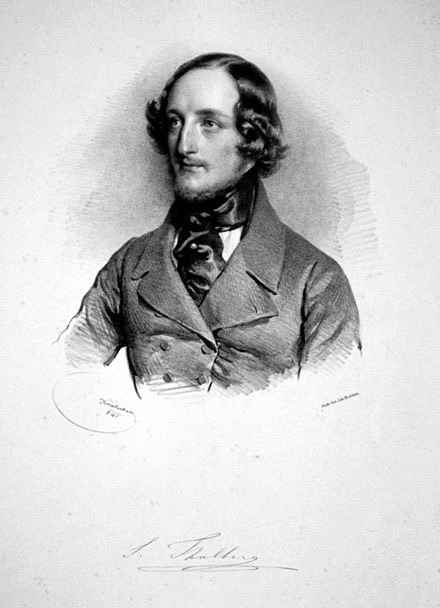
Born
8 January 1812
Pâquis, Switzerland
Died
27 April 1871
Naples Italy
In 1843 Thalberg had married in Paris the daughter of the famous bass Luigi Lablache, widow of the painter Boucher. Attempts at operatic composition proved unsuccessful, with Florinda, staged in London in 1851 and Cristina di Suezia in Vienna four years later. His career as a virtuoso continued until 1863, when he retired to Posilippo, near Naples, to occupy himself for his remaining years with his vineyards. He died in Posilippo in 1871.
Some mystery surrounds the birth and parentage of the virtuoso pianist Sigismond Thalberg, popularly supposed to have been the illegitimate son of Count Moritz Dietrichstein and the Baroness von Wetzlar, born at Pâquis near Geneva in 1812. His birth certificate, however, provides him with different and relatively legitimate parentage, the son of a citizen of Frankfurt, Joseph Thalberg. There seems no particular reason, therefore, to suppose the name Thalberg an invention. Legend, however, provides the story of the Baroness proclaiming him a valley (“Thal”) that would one day rise to the heights of a mountain (“Berg”). Thalberg’s schooling took him to Vienna, where his fellow-pupil the Duke of Reichstadt, the son of Napoleon, almost persuaded him to a military career. Musical interests triumphed and he was able to study with Simon Sechler and with Mozart’s pupil Hummel. In Vienna he performed at private parties, making a particular impression when, as a fourteen-year-old, he played at the house of Prince Metternich. By 1828 he had started the series of compositions that were to prove important and necessary to his career as a virtuoso. In 1830 he undertook his first concert tour abroad, to England, where he had lessons from Moscheles. In 1834 he was appointed Kammervirtuos to the Emperor in Vienna and the following year appeared in Paris, where he had lessons from Kalkbrenner and Pixis.
Paris in the 1830s was a city of pianists. The Conservatoire was full of them, while salons and the showrooms of the chief piano-manufacturers Erard and Pleyel resounded with the virtuosity of Kalkbrenner, Pixis, Herz, and, of course, Liszt. The rivalry between Thalberg and Liszt was largely fomented by the press. Berlioz became the champion of the latter, while Fétis trumpeted the achievements of Thalberg. Liszt, at the time of Thalberg’s arrival in Paris, was in Switzerland, where he had retired with his mistress, the Comtesse Marie d’Agoult. It was she who wrote, under Liszt’s name, a disparaging attack on Thalberg, to which Fétis replied in equally offensive terms. The so-called “revolutionary princess”, Princess Belgiojoso, achieved a remarkable social coup when she persuaded the two virtuosi to play at her salon, in a concert in aid of Italian refugees. As in other such contests victory was tactfully shared between the two. Thalberg played his Moses fantasy, and Liszt answered with his new paraphrase from Pacini’s opera Niobe. The Princess declared Thalberg the first pianist in the world, while Liszt was unique. She went on to commission a series of variations on a patriotic theme from Bellini’s I Puritani from the six leading pianists in Paris, to which Liszt, Thalberg, Chopin, Pixis, Herz and Czerny contributed. This composite work, Hexaméron, remained in Liszt’s concert repertoire.The first of these operas of Donizetti was written in the winter of 1842 and performed early in January the following year in Paris. The elderly Don Pasquale attempts late marriage, with the purpose of siring children and thus disinheriting his nephew Ernesto. He is induced to see reason by what he supposes to be a real marriage to his nephew’s betrothed, disguised and behaving as an untamed shrew. All ends happily, when Don Pasquale agrees, with relief, to allow his nephew to marry the girl. Thalberg’s fantasy captures something of the spirit, humour and romance of its source
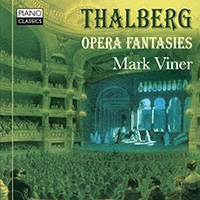
https://christopheraxworthymusiccommentary.com/2015/12/29/thalberg-goes-to-the-opera-with-mark-viner/
Mark Viner another great English virtuoso dedicated to bringing a forgotten world back to life with mastery and artistry .A swashbuckling extravaganza of nineteenth century pianism and a veritable contribution to Romantic Revivalism. This, Mark Viner’s début recording, presents the operatic paraphrases of the neglected pianist‐composer Sigismond Thalberg, aristocratic rival of Liszt and innovator of the so‐called ‘three‐hand effect’. Here are some of the very finest of his works – a music of opulent grandeur which draws upon all the heady romantic rhetoric and dramatic narrative of the opera house whilst being sumptuously conceived for the piano. A tour de force of virtuosity and an evocation of an era. Mark Viner is one of the most exciting young British pianists of his generation. 1st prize winner of the 2012 Alkan‐Zimmerman Competition in Athens, he is also the Chairman of the Alkan Society and is steadily gaining a reputation for his bold championing of unfamiliar pianistic terrain.Another pianist from the Keyboard Trust.





 ChristopherAxworthy-MusicCommentary