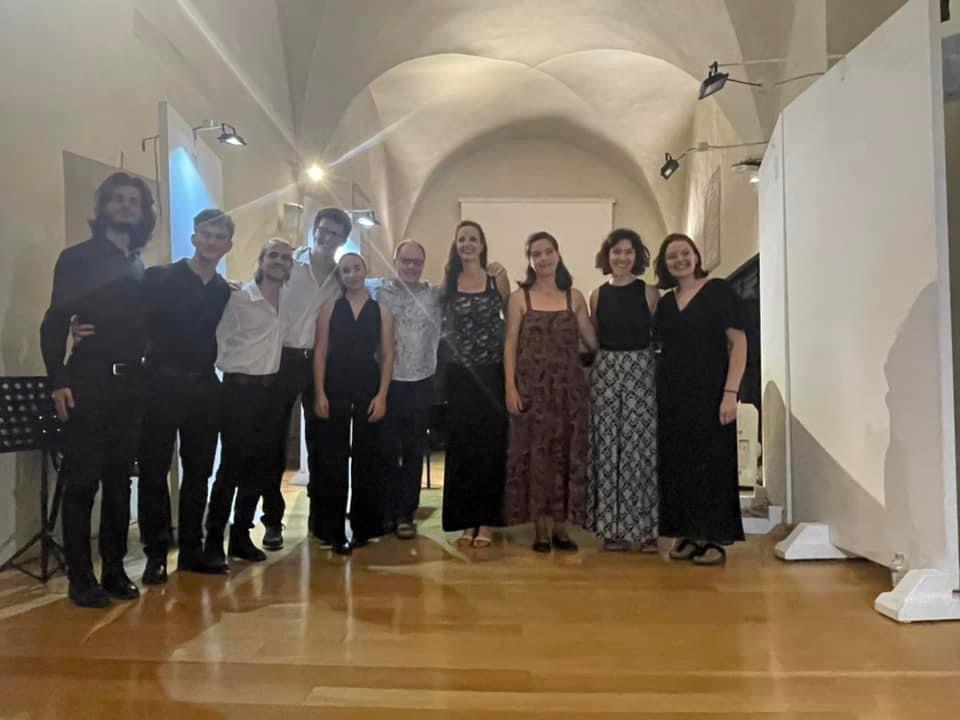
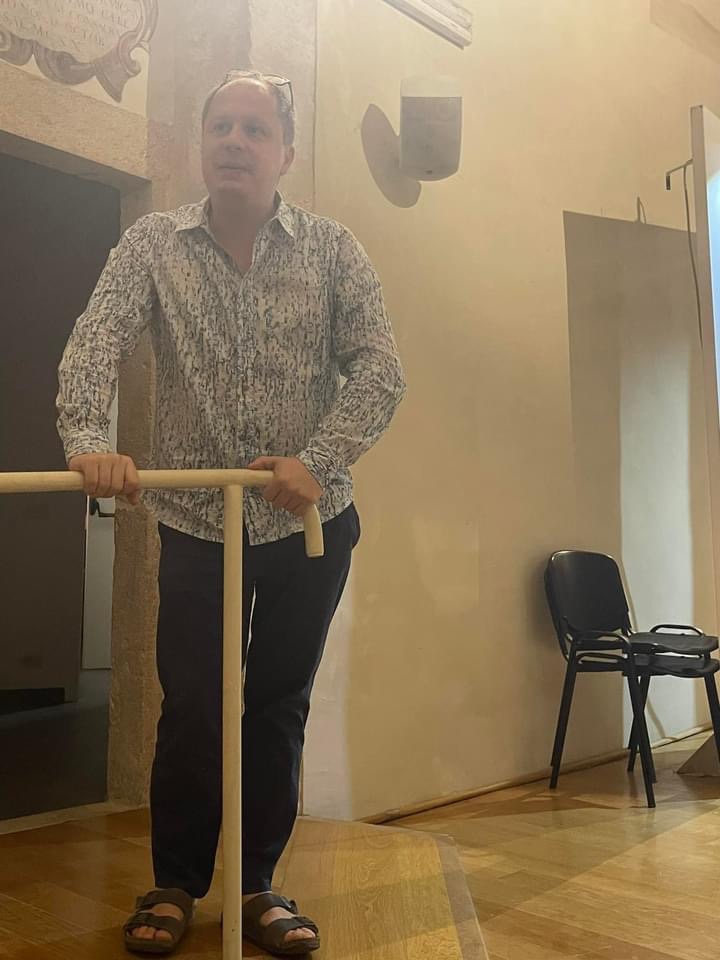
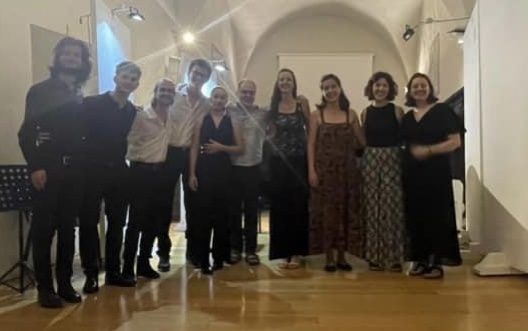
Some superb playing as you would expect from students from the class of Giovanni Gnocchi.I have heard Maestro Giovanni Gnocchi many times since that very first time when he was invited to take over the class of Rocco Filippini.
https://christopheraxworthymusiccommentary.com/2021/07/18/ferschtman-gnocchi-lucchesini-trio-glorious-tribute-to-rocco-filippini-in-sermoneta/
Sermoneta always noted for its musical honesty and integrity from its birth in the ‘60’s during the Howard,- Caetani Dynasty with Menuhin,Szigeti and Alberto Lysy and has now found a superb musician to continue this great tradition.
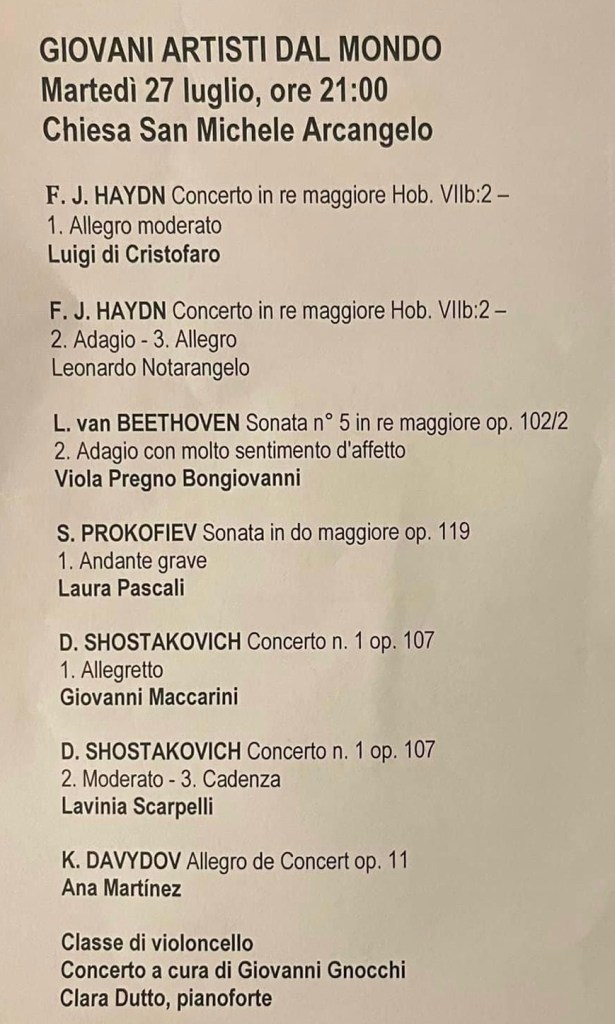
It was nice of Giovanni to include a work by Davydov because Jaqueline Du Pre who as a teenager came to Sermoneta inherited the Davydov cello- it was rumoured that it was a present from the Queen Mother.
Navarra who also used to teach and play in Sermoneta would give this Allegro de concert to all his students.
I well remember Andre Navarra with a cigar in his mouth demonstrating with such aristocratic simplicity a phrase that his student had perhaps spent hours trying to perfect!
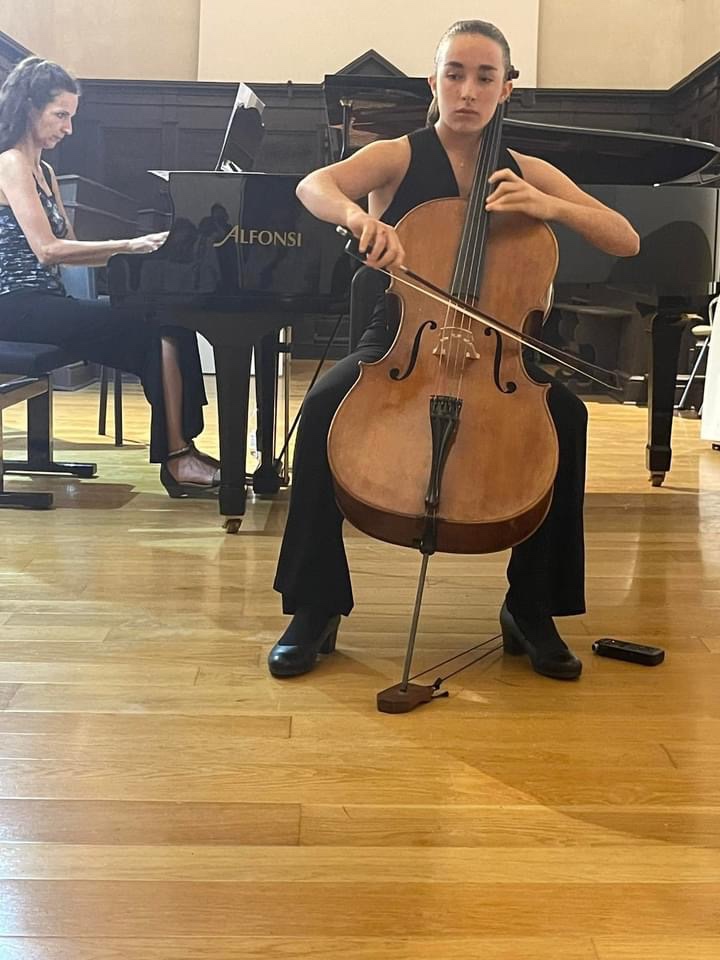
Today this very piece was played with mastery by Ana Martinez with a musical freedom and sense of colour that indeed one was reminded of how the young Jaqueline Du Pre might have played it on this very spot fifty years ago!
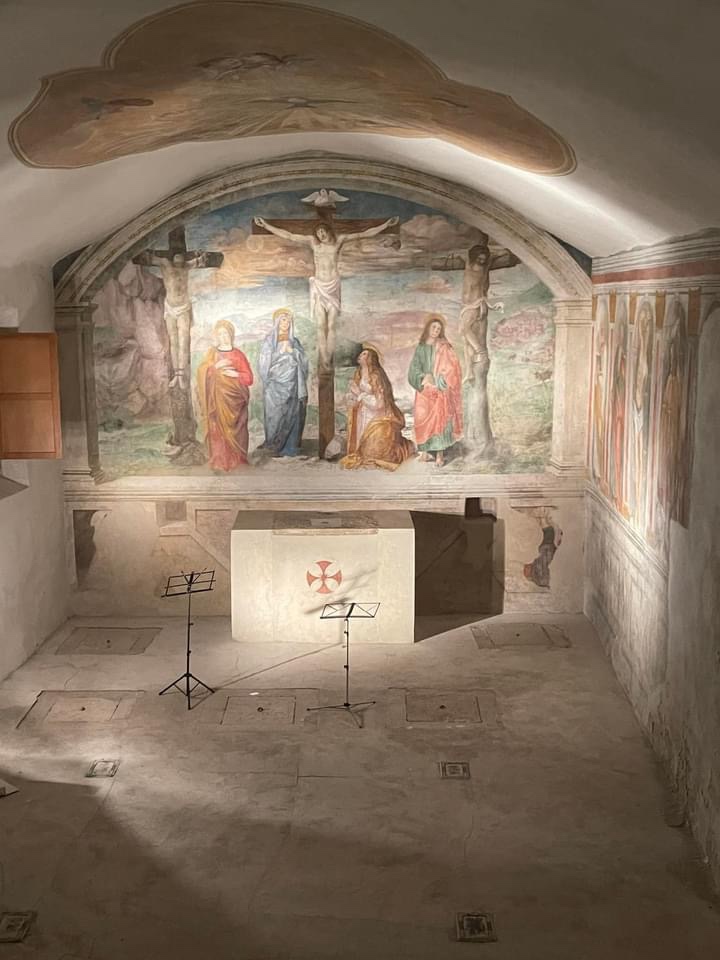
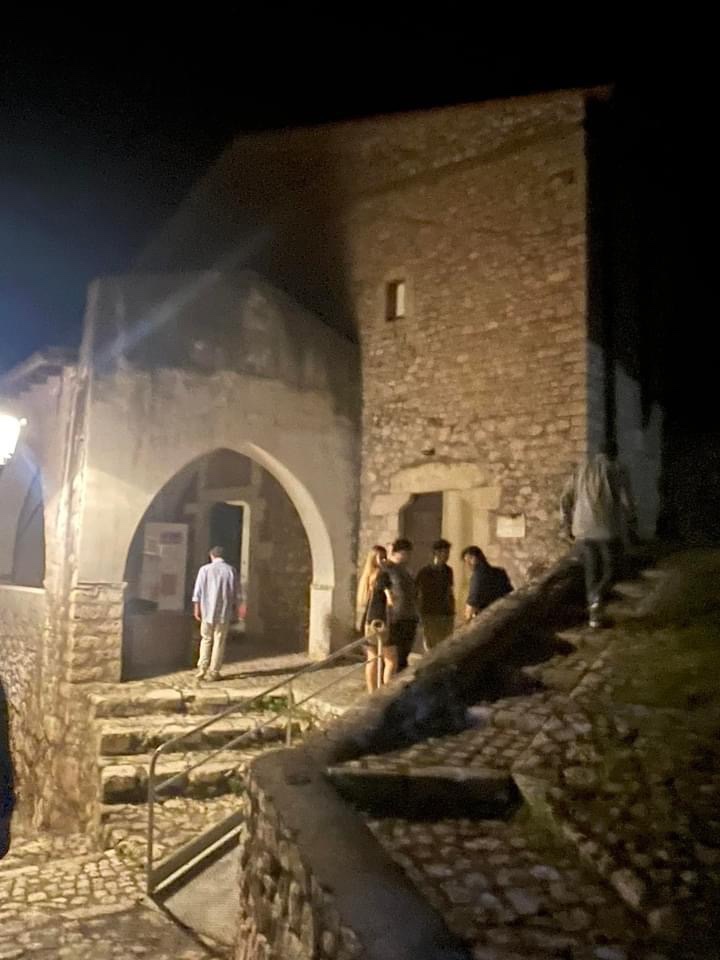
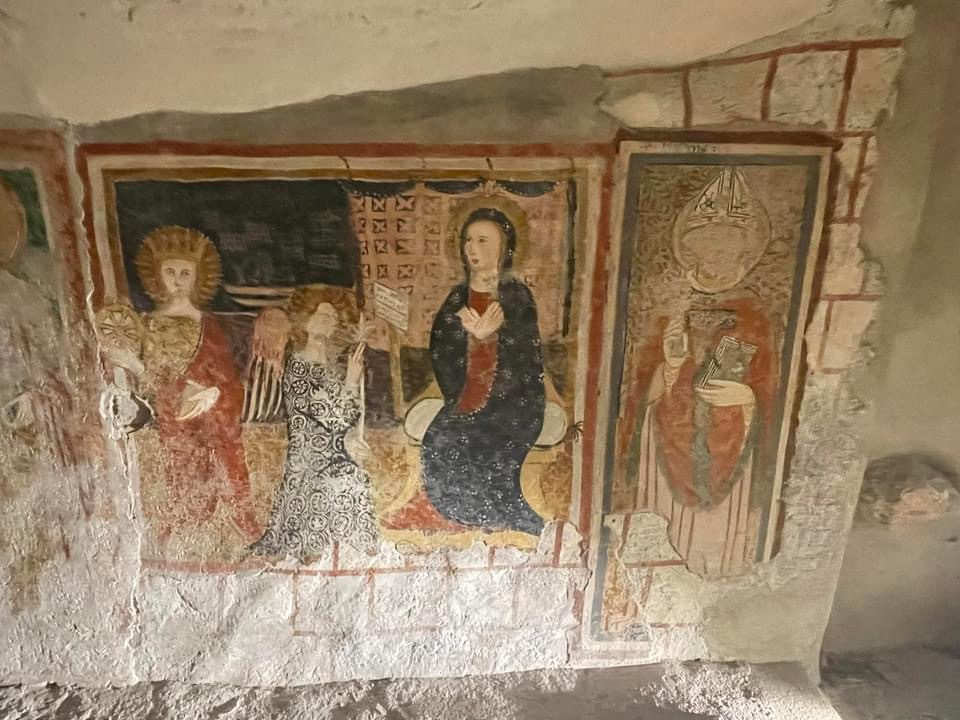
It was the last piece in ‘Giovanni Artisti dal Mondo’concert in a church hidden amongst the steps in a corner of this historic town.A place of worship of such simple beauty adorned with frescos and now resounding to the sound of music.It is just one of those marvels that had Rostropovich declare that Italy was the ‘museum of the world’.
Giovanni Gnocchi had mentioned Rostropovich too as three of his students were to perform movements from the Sonata op 119 by Prokofiev and the First Concerto op 107 by Shostakovich both works that the 22 year old Slava had given the premier of .In 1949 Prokofiev wrote his Cello Sonata in C, Op. 119, for the 22-year-old Rostropovich, who gave the first performance in 1950, with Sviatoslav Richter.
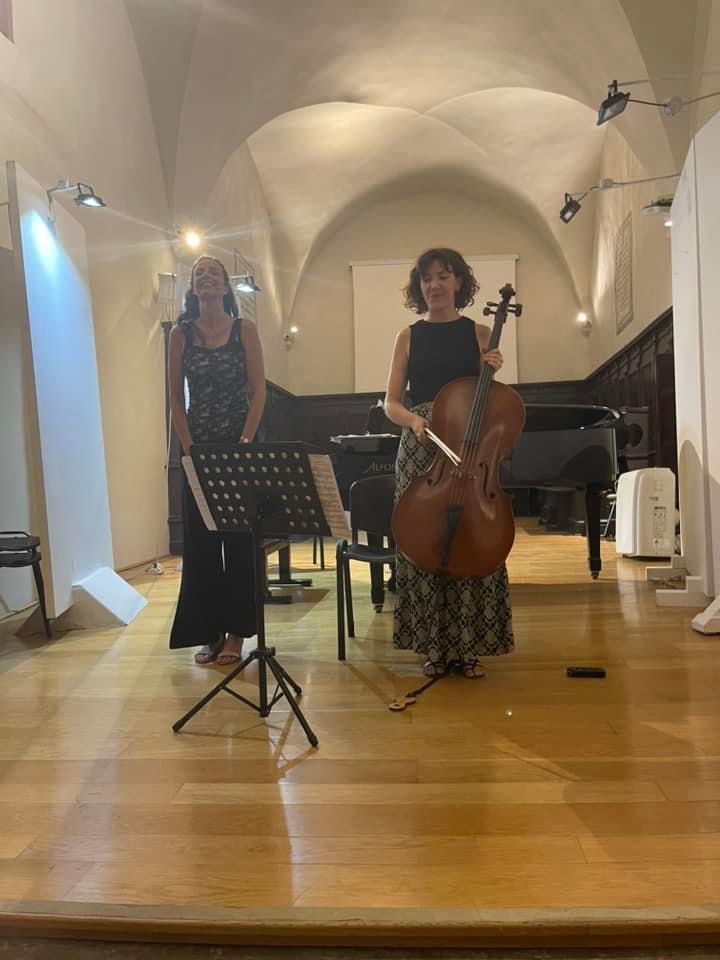
Laura Pascali played the ‘Andante grave’ from the Prokofiev with searing intensity, dynamic drive with beautiful long lines and contrasting dynamics.She should now have the courage to put the score to one side and let the music pour more freely from her beautiful cello.
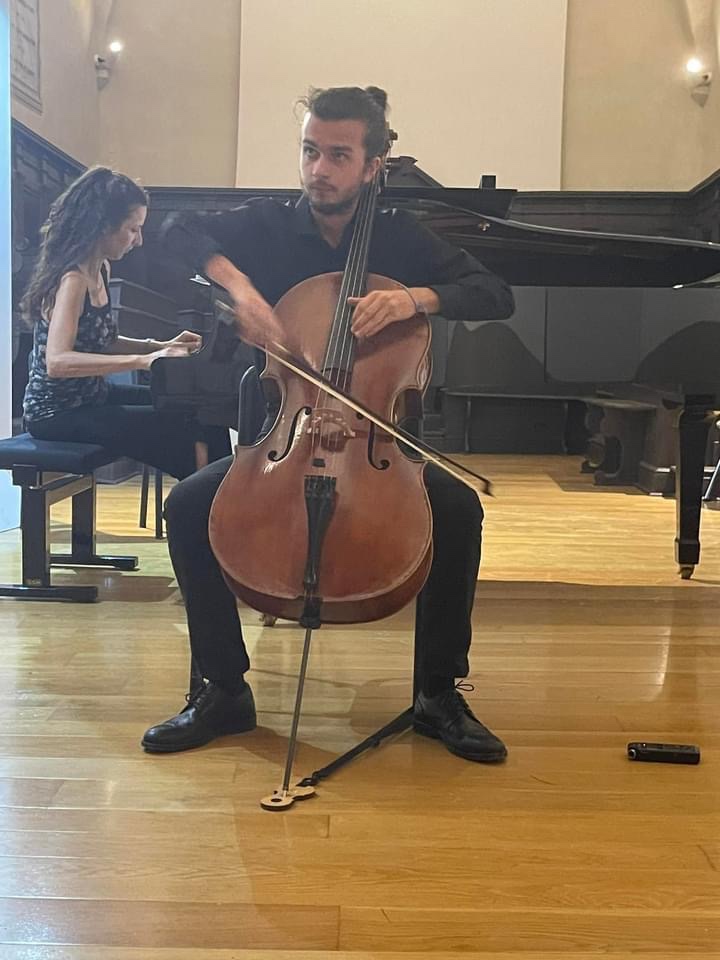
Giovanni Maccarini impressed from the very first notes of the Shostakovich which he played with burning intensity ,infectious rhythm and full mellifluous sound.No score in sight allowed him the freedom to move with the music as it took hold of him and that he was able to transmit with such immediacy to his audience.Just as I remember Rostropovich who started playing before he had even sat down in a festival in London of a marathon of thirty works for cello and orchestra ,many written especially for him.The Concerto was composed in 1959 for his friend Mstislav Rostropovich, who committed it to memory in four days. He premiered it on October 4, 1959, at the Large Hall of the Leningrad Conservatory with the Leningrad Philharmonic conducted by Yevgeny Mravinsky.
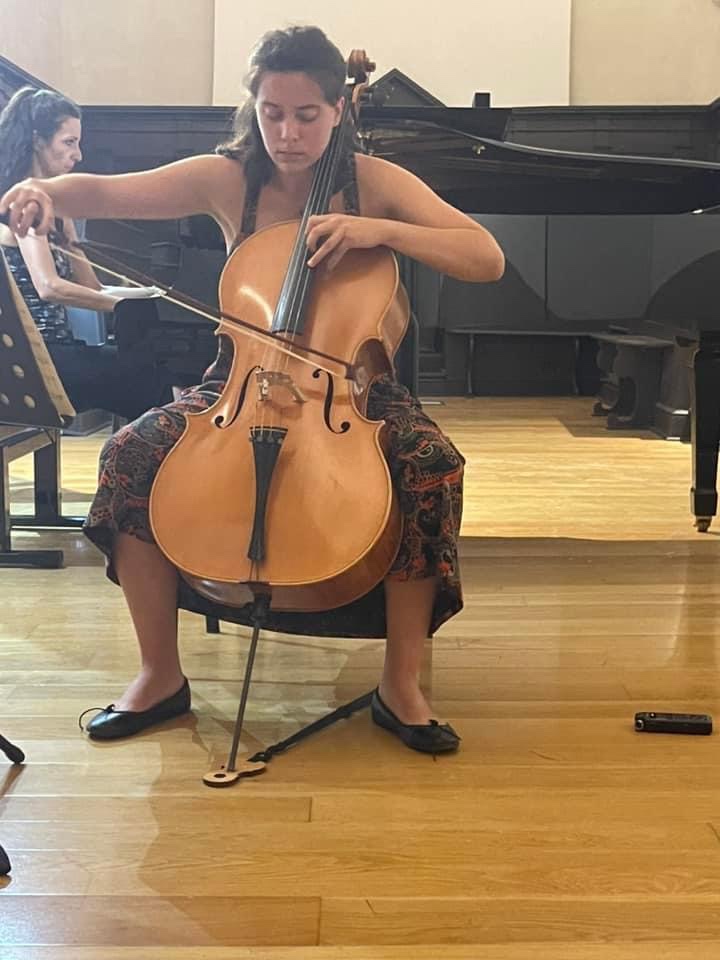
Lavinia Scarpelli played the second movement with a clarity and purity of sound with long lines impressively sustained.
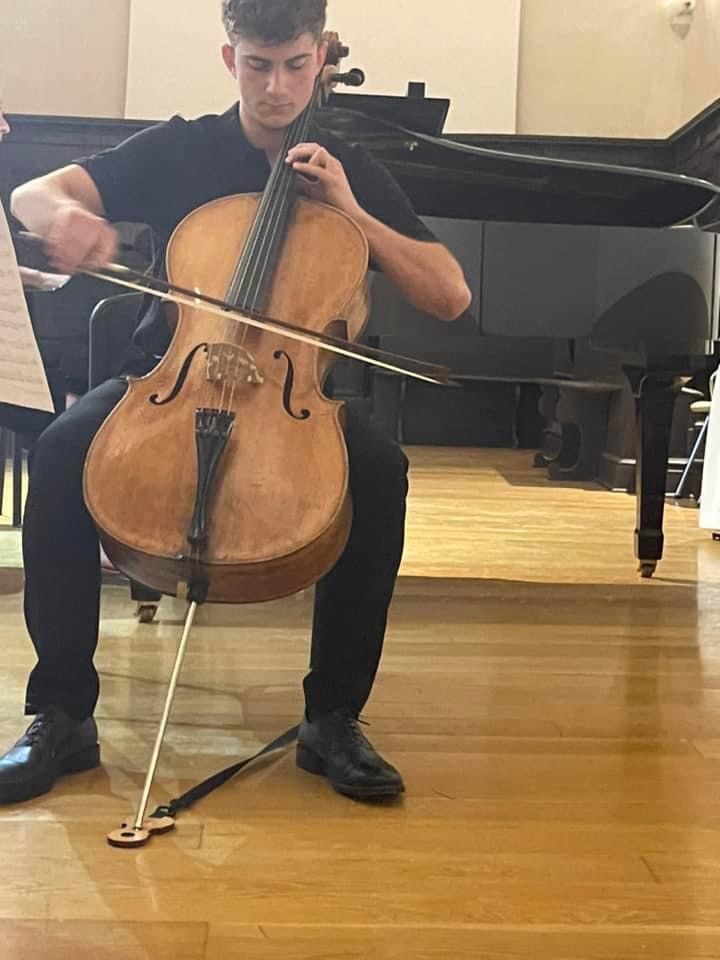
The concert had begun with Luigi di Cristofaro giving a stylish if not always impeccable account of the Allegro moderato from Haydn’s Concerto in D.It is never easy to begin a concert especially with friends colleagues and teacher in the hall .Luigi gradually gained in authority to give a very commanding performance where he could now leave the score off stage and take full possession of the instrument and his audience.
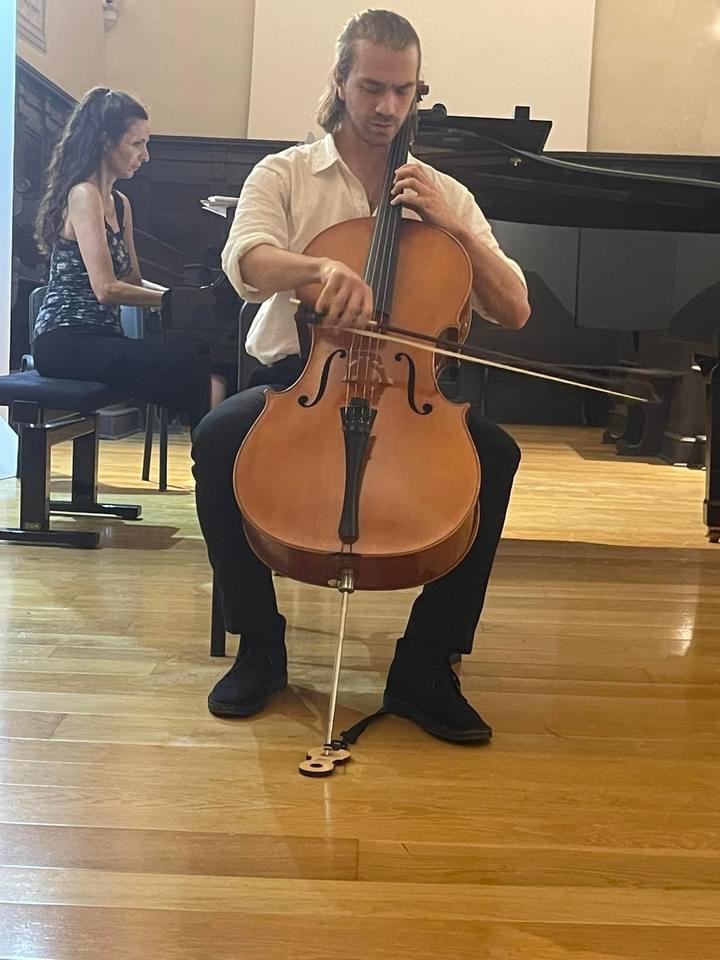
Leonardo Notarangelo did just that as he threw himself into the fray with the other two movements having had the ‘ice’ broken by Luigi.Fluidity and flexibility played with a ‘joie de vivre ‘ in the Allegro of brilliant very assured playing.
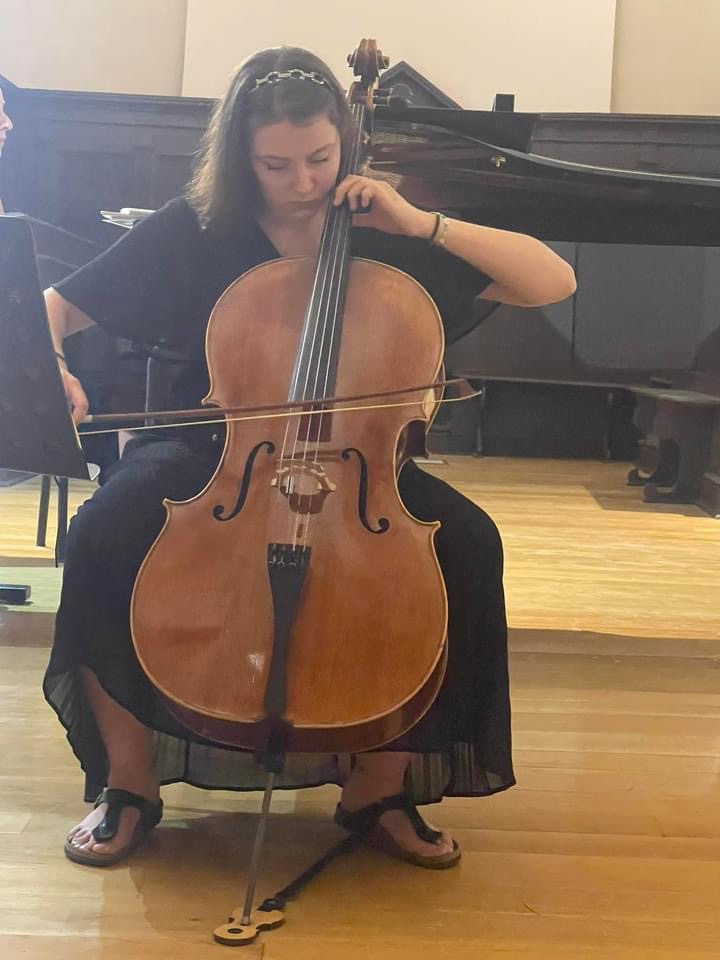
Viola Pregno Bongiovanni gave a performance of great intensity of Beethoven’s Adagio from his Sonata in D op 102 n.2 .Beautifully sharing these final thoughts of Beethoven with the pianist Clara Dutto as they comuned together in a true dialogue with moments of heartrending intensity from a composer who could see the paradise that was awaiting after a life of such overwhelming struggle and difficulty .
https://christopheraxworthymusiccommentary.com/2021/03/22/giovanni-gnocchi-at-teatro-rossini-with-haydn-the-father-of-the-symphony/
Gnocchi – Stella in Rome ‘On wings of song’
THE CHURCH OF SAN MICHAEL THE ARCHANGEL
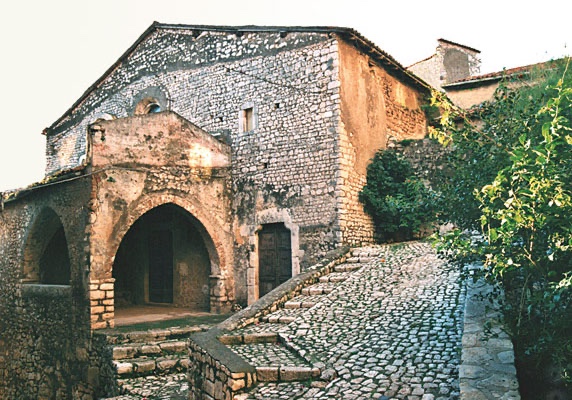
San Michele Arcangelo is one of the oldest churches in the city, probably built at the beginning of the 11th century and dedicated, as the name suggests, to the Archangel Michael. The building seems to have been built over the ruins of an ancient pagan temple dedicated to the goddess Maia.
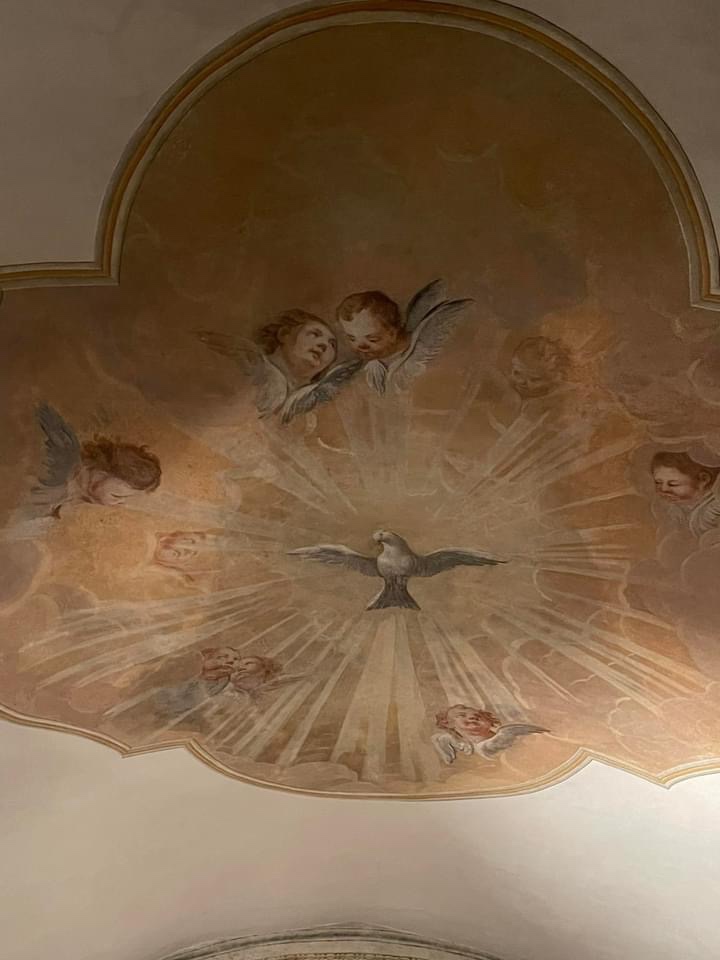
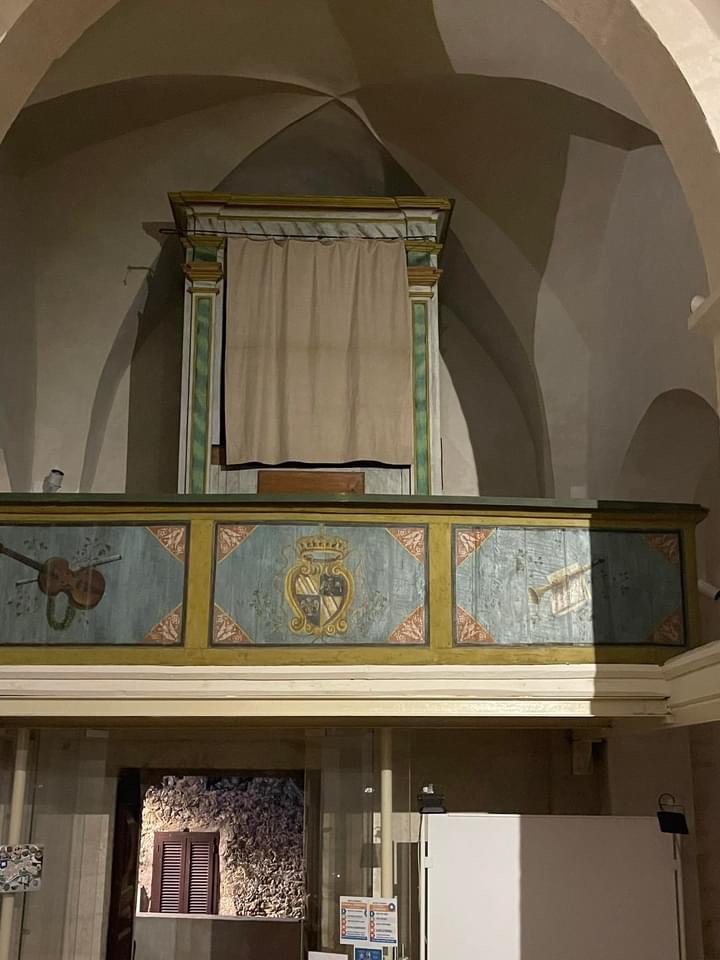
The complex has an irregular plan, perhaps due to the existence of a building prior to its foundation. The architectural structure has some older Romanesque forms and others of clear Gothic derivation, the result of changes made over the centuries.
The bell tower also shows an overlapping of construction phases belonging to different eras and the structure, as it appears today, is the result of a partial seventeenth-century reconstruction, due to a collapse. The original bell tower was built in the thirteenth century, with a typically Romanesque style attributable to the models of Rome, even if a purely Gothic construction phase was now underway in the entire region.
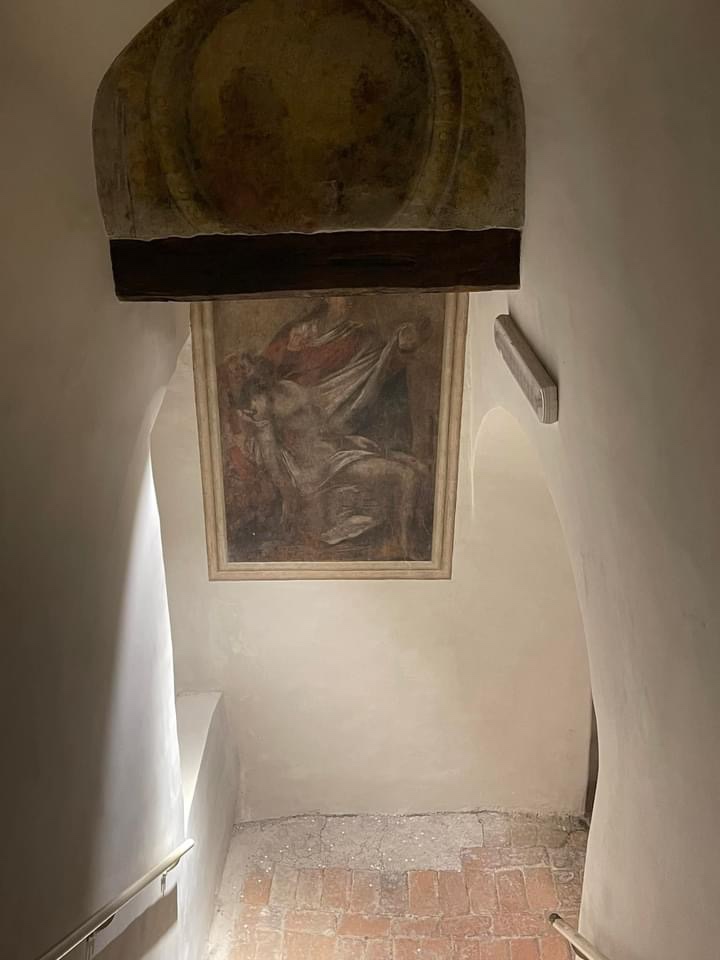
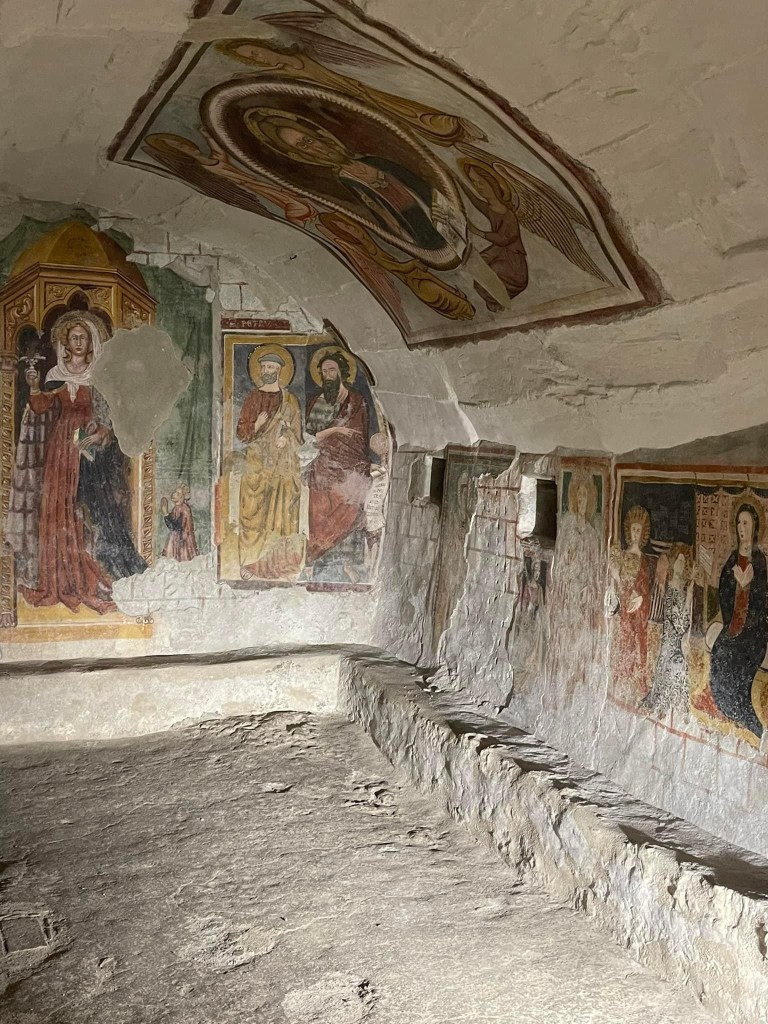
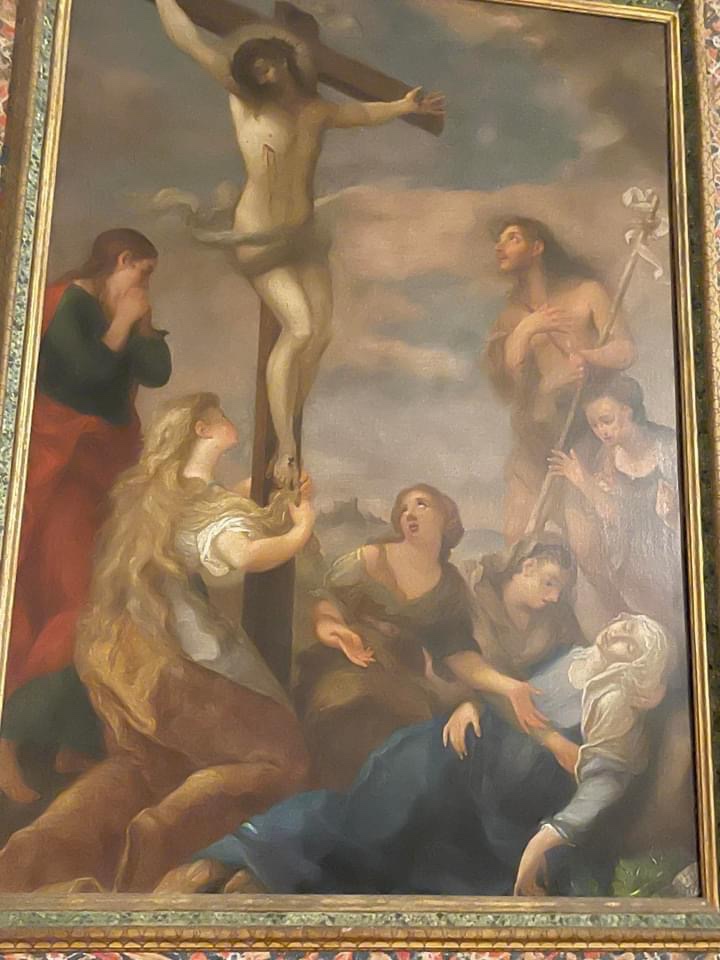
The interior of the church and the underlying crypt have various frescoes, especially from the fifteenth century. Finally, other frescoes are found in a basement of the building, in the room where the confraternity of the ‘battenti’ met.
 ChristopherAxworthy-MusicCommentary