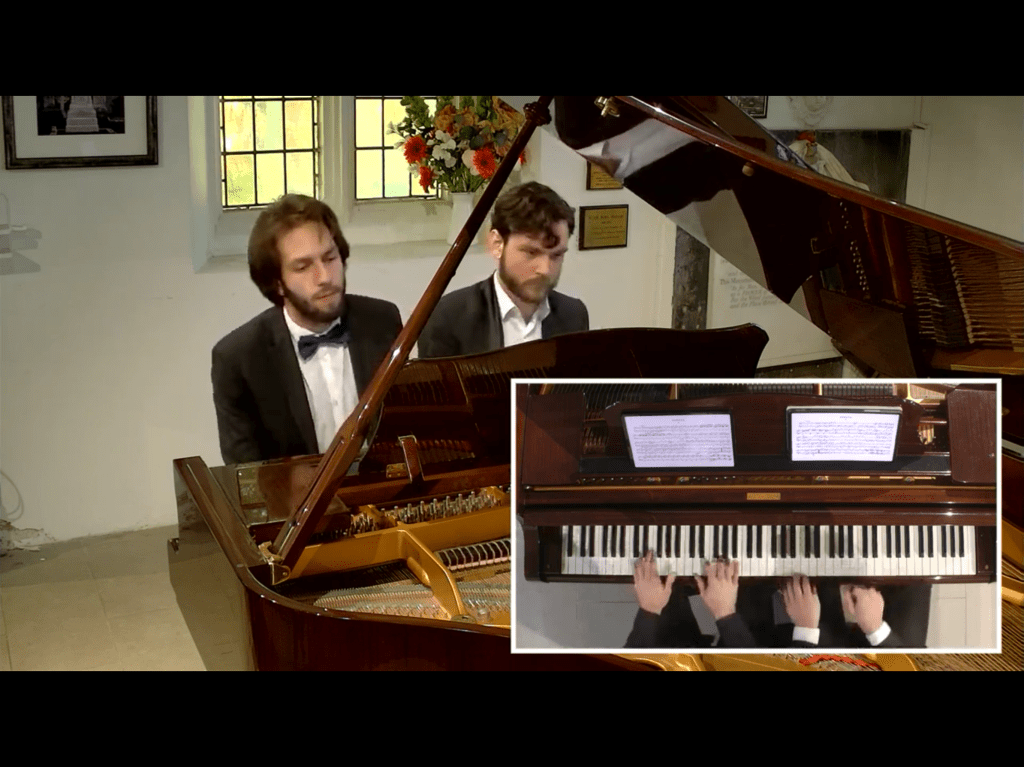
When two superb musicians decide to team up to make music together sparks begin to fly even in Acton on a balmy summer Sunday afternoon.

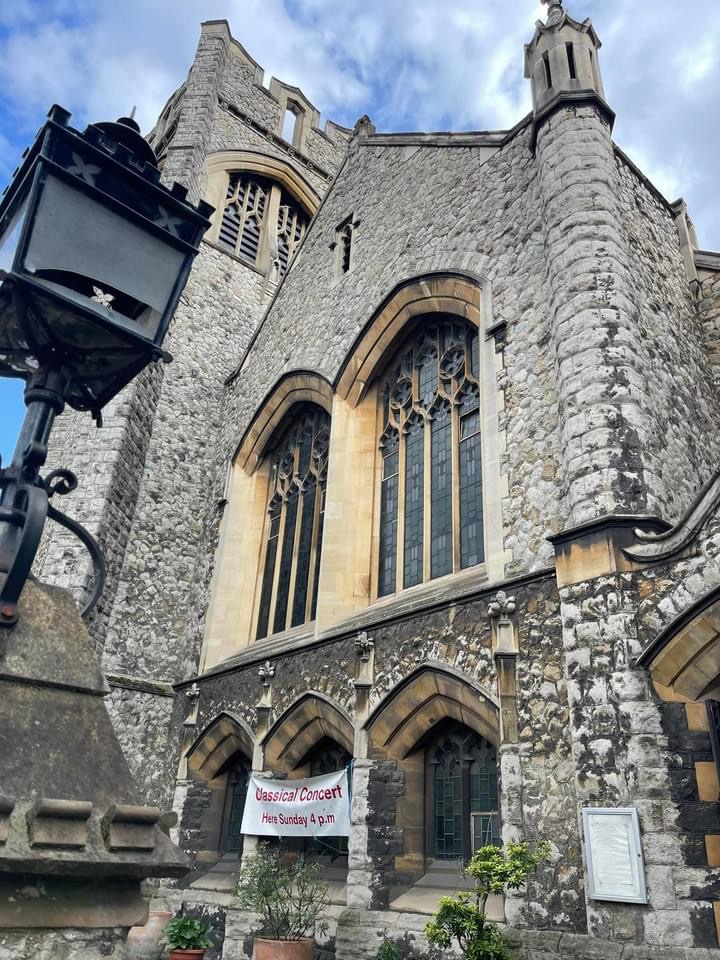
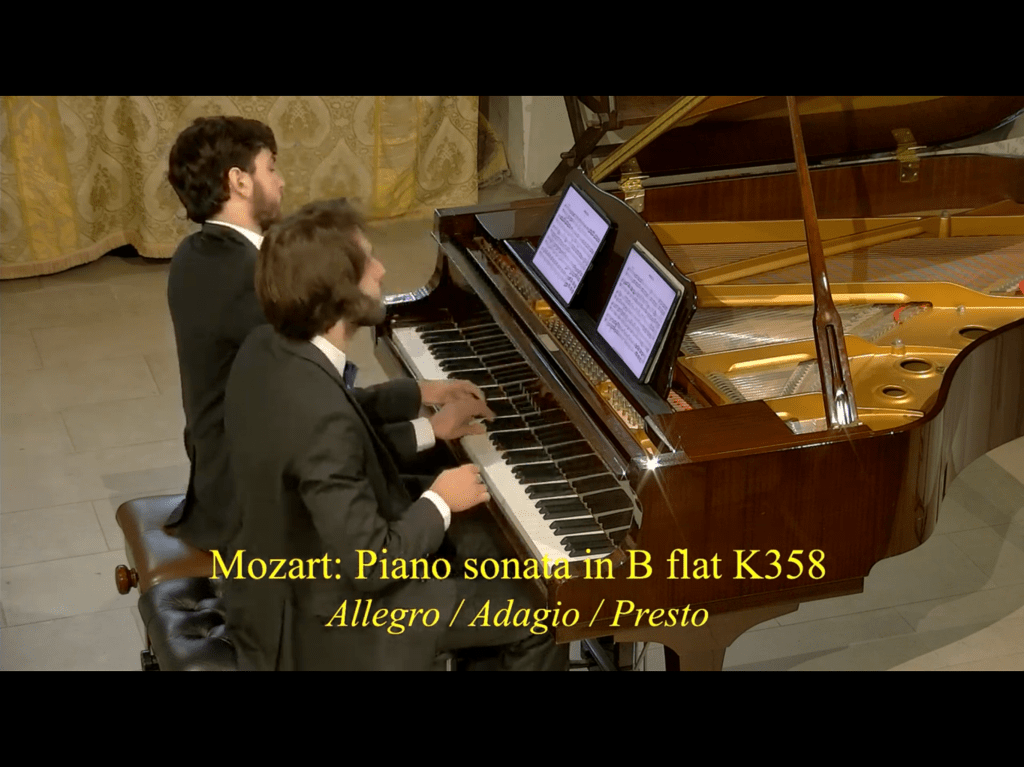
From the first notes of Mozart’s B flat Sonata with its driving energy and perfect sense of balance where four hands played as two.A musical shape where the added ornamentation added an extra colour to the question and answer that passed between their hands.
An Adagio of simple beauty and a molto presto strangely deliberately played with a beguiling non legato touch of great effect .Obviously enjoying their intelligent liberty of ornamentation but occasionally exaggerating in their zeal to inject the music with charm sometimes at the expense of the overall architectural shape .
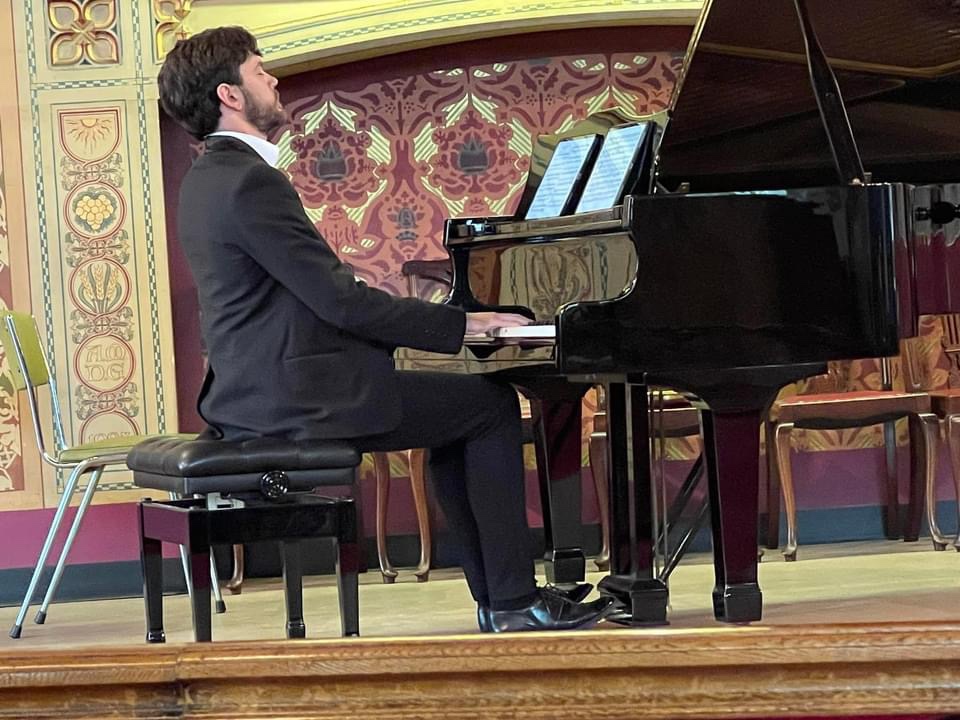
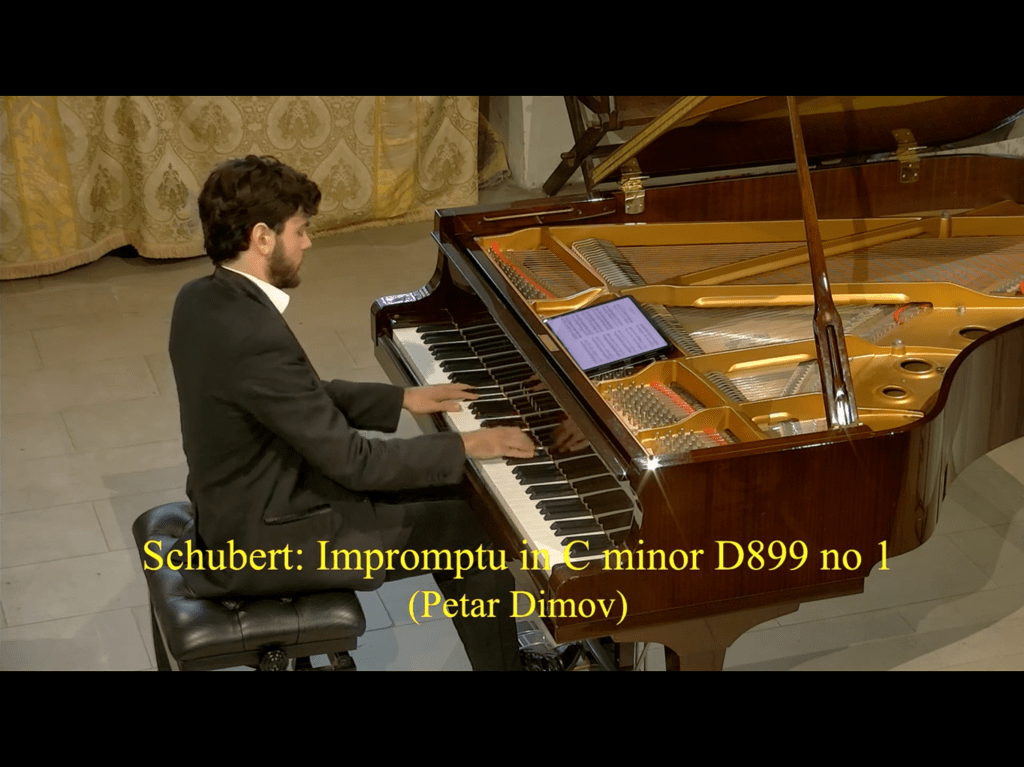
Petar Dimov offered a solo of the first desolate Impromptu from Schubert’s op 90.A long sustained opening note out of which could be overheard a distant ethereal march.A large range of colours from passionate outpourings to beseeching beauty of this remarkable tone poem with its whispered ending of disarming simplicity.
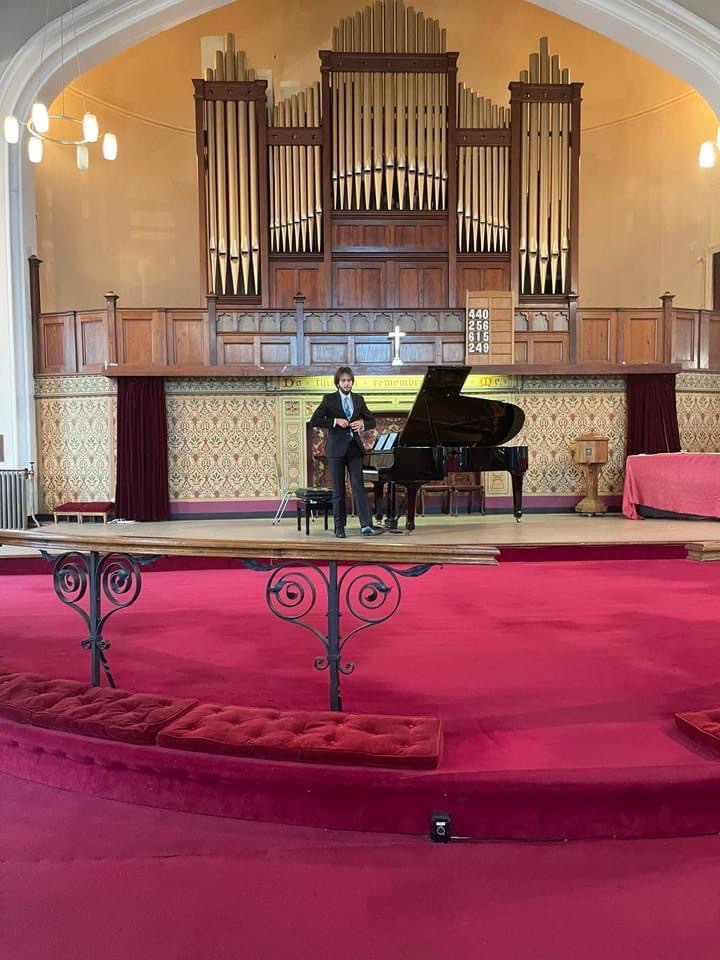
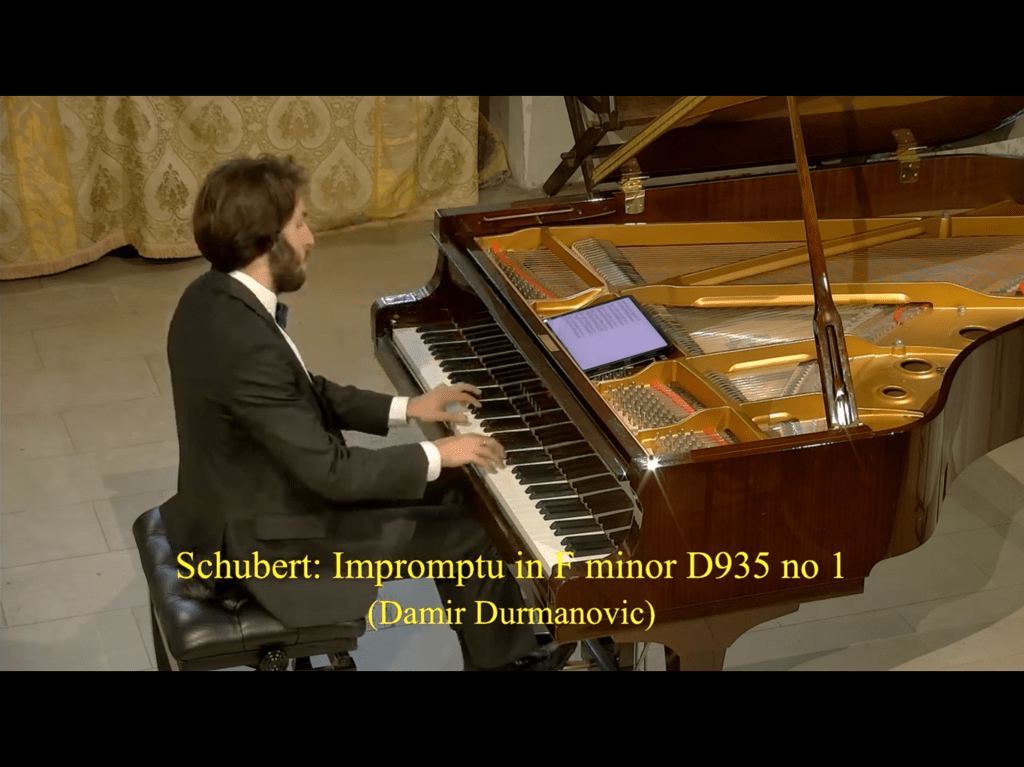
Damir Durmanovic played the first impromptu from the second set op 142.A fluidity and beauty with whispered utterings of sublime mellifluous invention.Time stood still as the tenor and soprano voices communed over a murmuring flood of sound.
A performance of extraordinary communication and a musicality that allowed the music to pour from his fingers with a poetic simplicity as Schubert reached for the sublime heights in the short time still left to him on this earth.
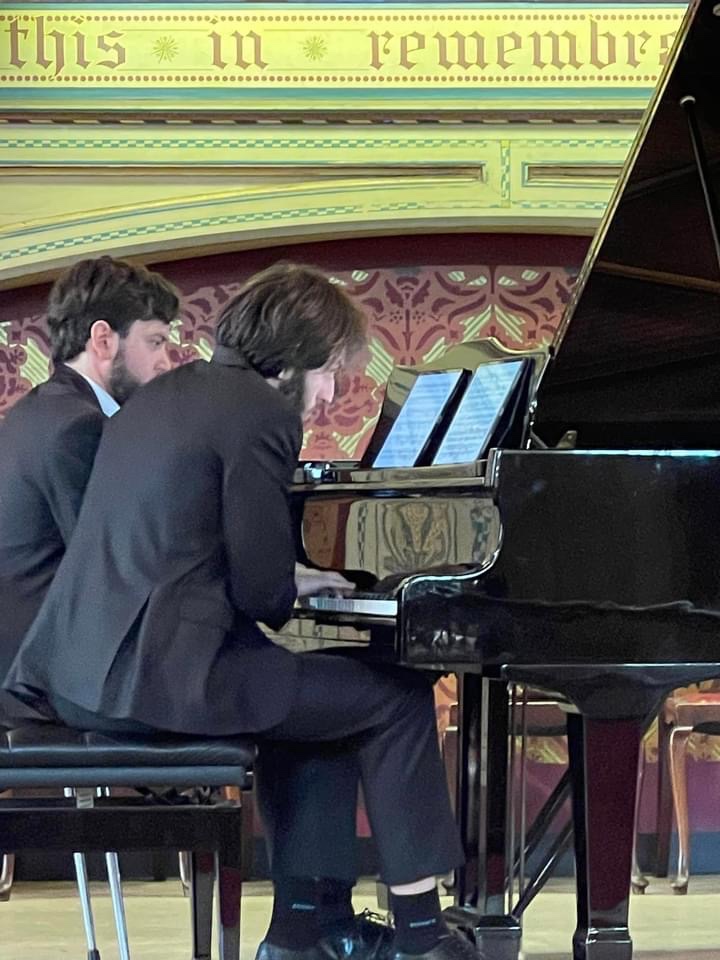
It was in the F minor Fantasy that the supreme artistry of these two young artist allowed Schubert’s sublime creation to shine with ravishing beauty and nobility.The magic created by Petar who barely touching the keys created a layer of sound on which Damir could allow the simple magic of one of Schubert’s most sublime creations to unfold with subtle poetry and sensitivity.There was great nobility to the dotted rhythms of the Largo and a wonderful fluidity to the Minuet and Trio.The fugue was brought to a monumental climax before the beseeching calm of the return of the opening creating the magic but also tragic atmosphere of the final noble ending to this sublime masterpiece .
A superb sense of balance between the two pianists who played as one with the unity and musicianship of a partnership of kindred spirits.
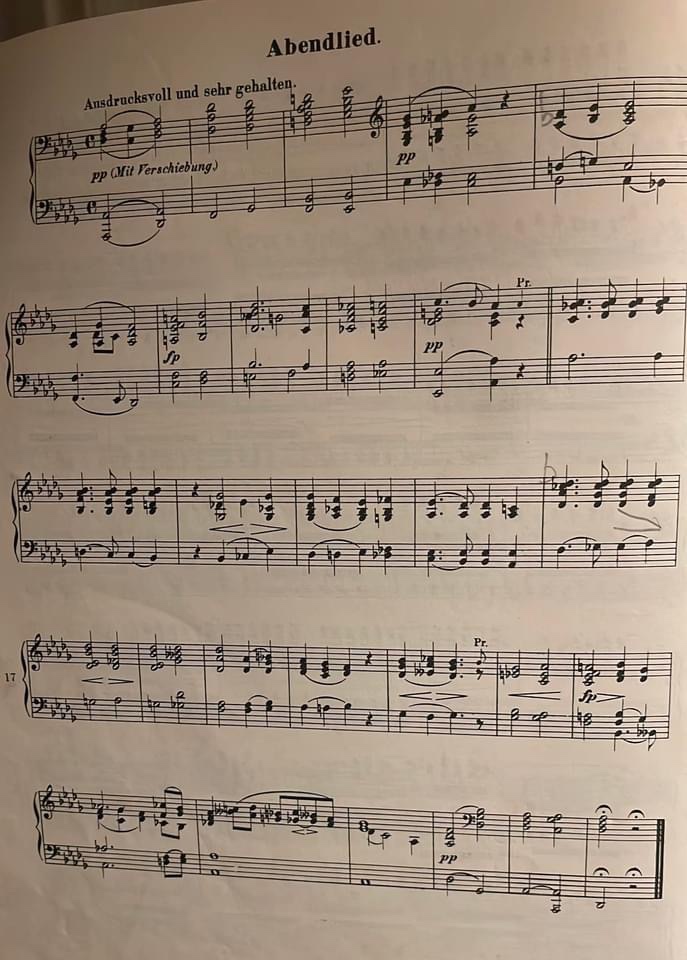
A mix up of parts in the beautiful page by Schumann of his Abendlied op 85 n 12 ,offered as an encore, meant that Damir had to completely improvise the simple chordal accompaniment to one of Schumann’s most poetic outpourings.
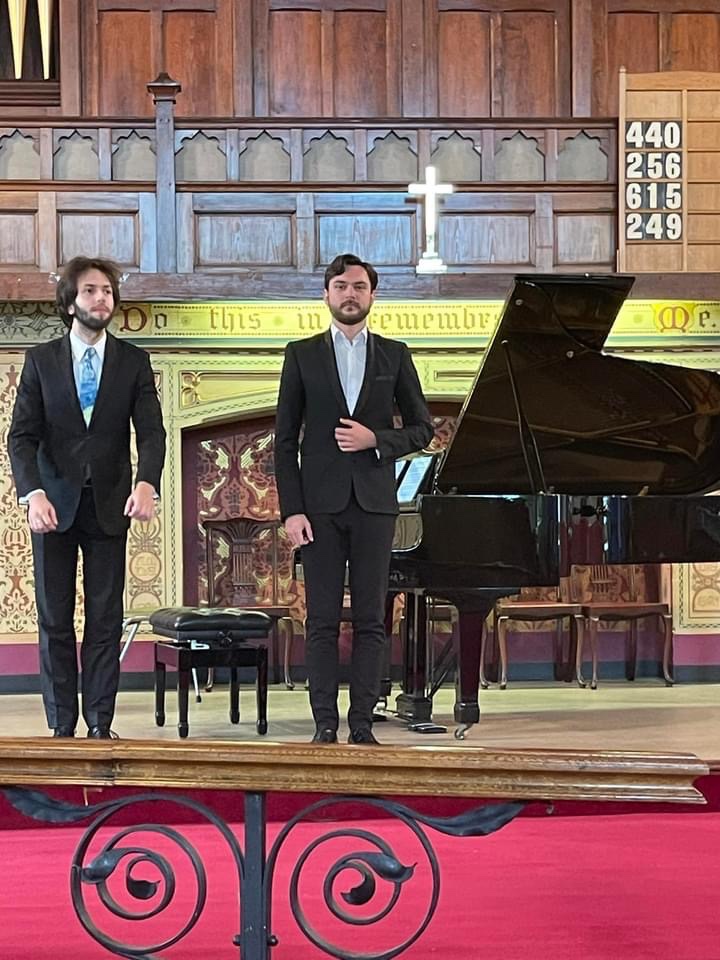
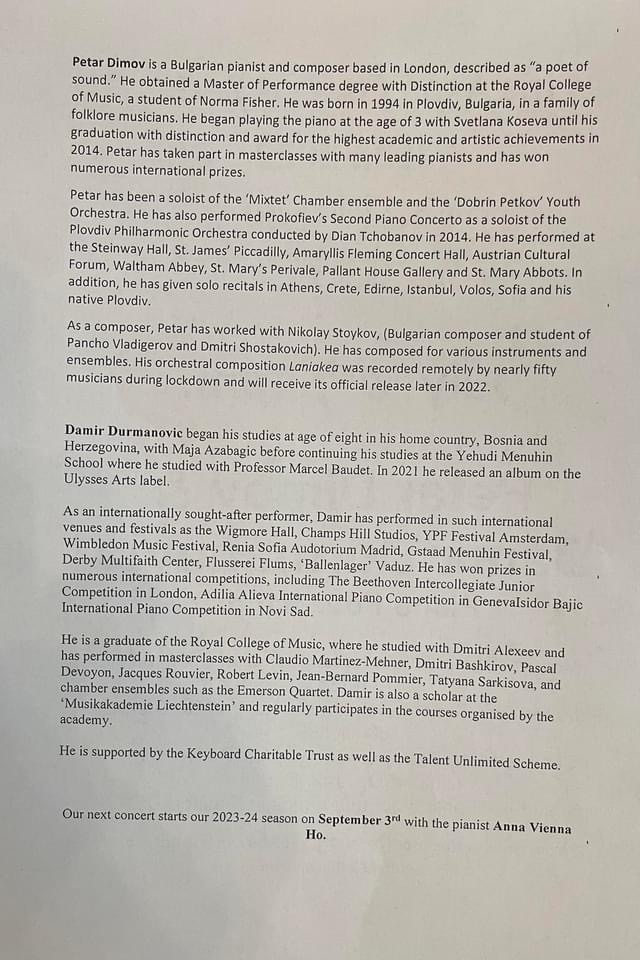
Trained from an early age at the Menuhin school this was part of Damir being a complete musician and his further training from Dimitri Alexeev at the RCM just complimented Petar’s musicianly training from Norma Fisher where he had been awarded his Masters degree at the Royal College of Music.

Damir Durmanovic in Cyprus
Petar Dimov a voyage of discovery of sumptuous beauty
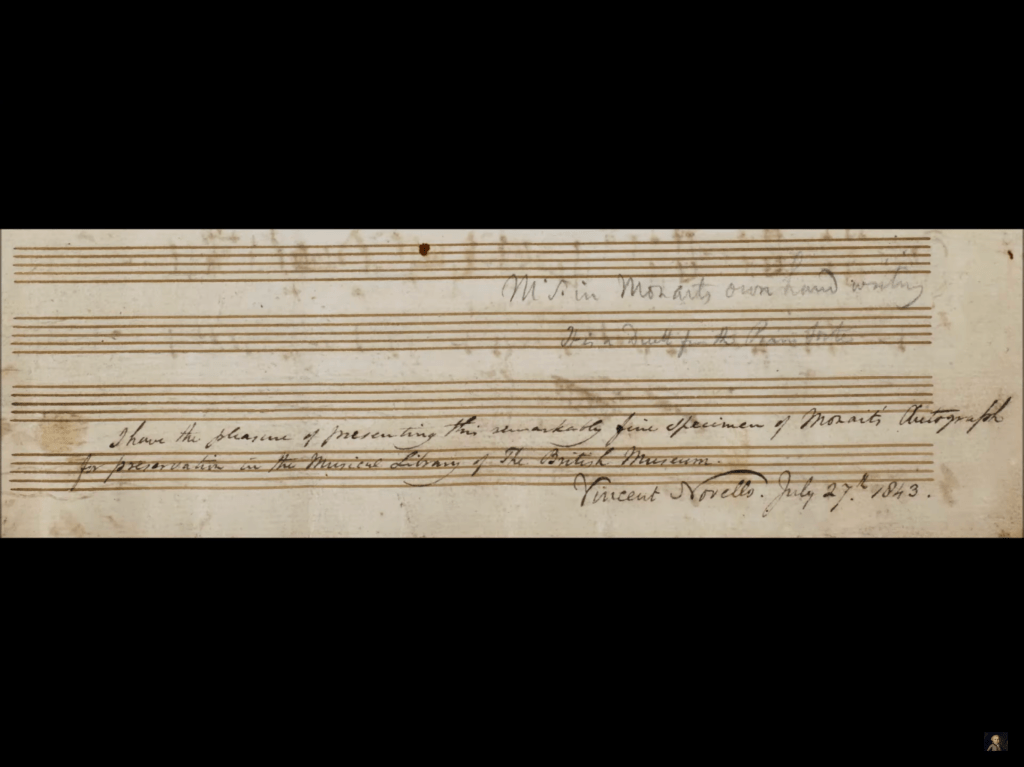
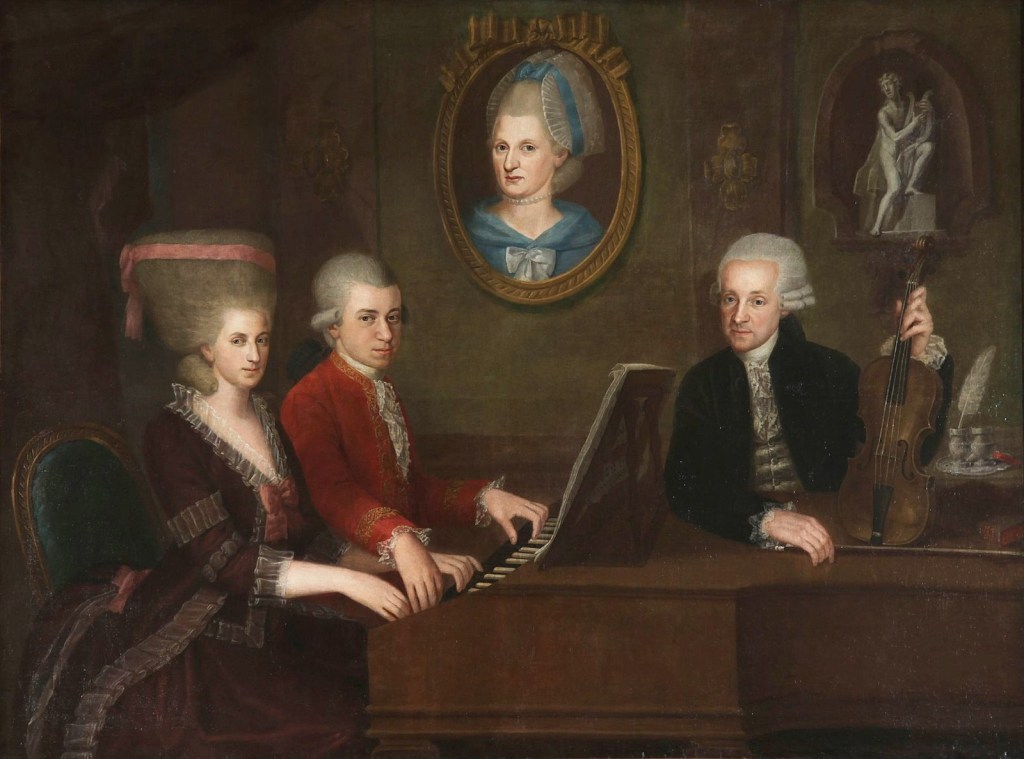
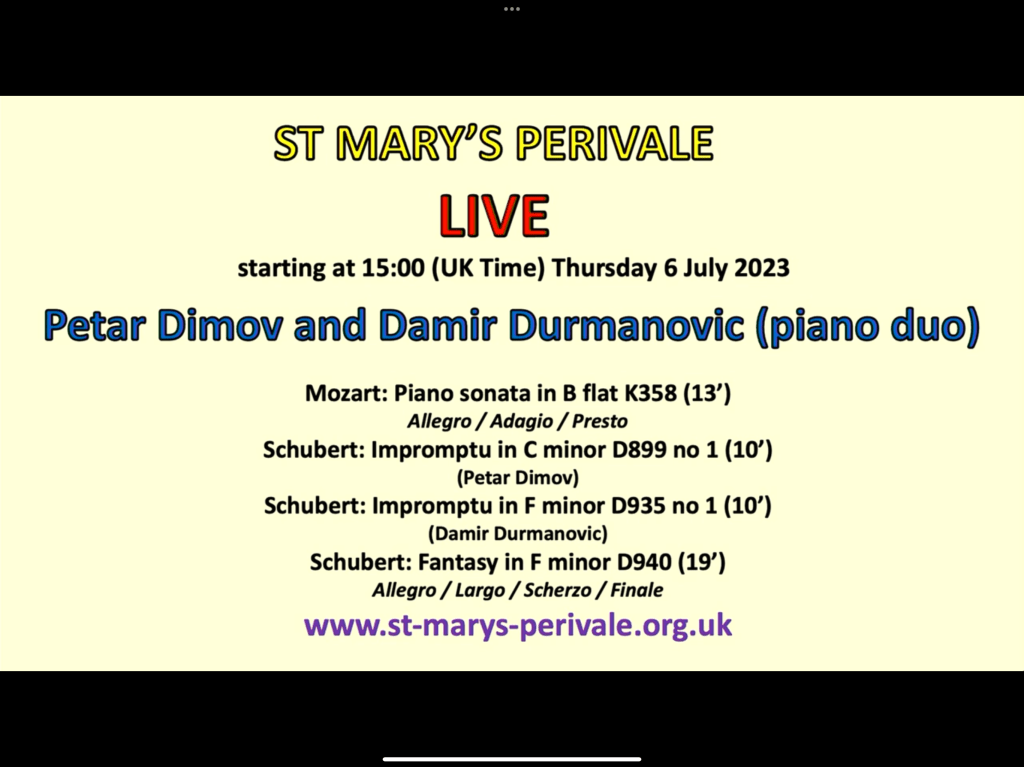
Mozart composed his Sonata for piano duet in B flat major, K. 358, in Salzburg some time in 1773 or 1774 for his sister Nanerl and himself to perform in Paris and Vienna. A three-movement work, the first two without tempo markings, but self-evidently an Allegro and an Adagio, and a finale marked Molto presto,The Sonata in B flat is full of virtuoso fingerwork and lightly lyrical melodies, and its finale is especially brilliant and was published in 1783.Mozart is one of the pioneers of works for piano four-hands; he was undoubtedly encouraged to do so through his music-making on the harpsichord with his sister, as depicted in the famous family portrait by della Croce (1780/81).

Schubert began writing the Fantasia in January 1828 in Vienna and it was completed in March of that year, and first performed in May. Schubert’s friend Eduard von Bauernfeld recorded in his diary on May 9 that a memorable duet was played, by Schubert and Franz Lachner and was dedicated to Caroline Esterházy, with whom Schubert was in (unrequited) love.

Schubert died in November 1828. After his death, his friends and family undertook to have a number of his works published. This work is one of those pieces and was published by Anton Diabelli in March 1829.
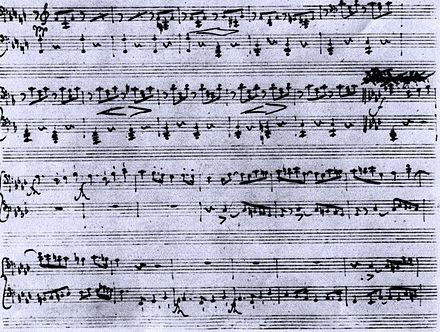
The Fantasia is divided into four movements, that are interconnected and played without pause.
- Allegro molto moderato
- Largo
- Scherzo. Allegro vivace
- Finale. Allegro molto moderato
The basic idea of a fantasia with four connected movements also appears in Schubert’s Wanderer Fantasy and represents a stylistic bridge between the traditional sonata form and the essentially free-form tone-poem.The basic structure of the two fantasies is essentially the same: allegro, slow movement, scherzo, allegro with fugue.The form of this work, with its relatively tight structure (more so than the fantasias of Beethoven and Mozart was influential on the work of Franz Liszt who arranged the Wanderer Fantasy for piano and orchestra among other transcriptions he made of Schubert’s music.

Clive Pinkham gave his first piano recital at the age of eight and went on to win the prestigious August Holmes scholarship to the London College of Music. He has given recitals at the Purcell Room of the Royal Festival Hall, at the Wigmore Hall and has appeared on American and British television.
“My philosophy is a total commitment to quality and customer satisfaction. For me it is important for my pianos to of the very best as it is my name that is on the front of each piano, and I know myself first hand how much pleasure can be given by a piano that is a dream to play.”
clive.pinkham@pinkhampianos.com


 ChristopherAxworthy-MusicCommentary