Pedro on his way to Warsaw was invited to play some of the works that he will present in the 19th International Chopin Competition next week. The main works being two of the greatest masterpieces ever written for the piano. The Barcarolle op 60 and the Sonata in B flat minor op 35, surrounded by miniature masterpieces : Nocturne op 62 n. 2 ,Waltz op 34 n.1, Étude op 25 n. 11 ( Octave ) and finishing ( officially) with the youthful Andante Spianato e Grande Polonaise Brillante op 22. Unofficially we were rewarded with the Polonaise Héoique op 53 that I have not heard played with the same aristocratic authority and exhilaration since Rubinstein.
The Nocturne was played with refined elegance but also a passionate outpouring from a soul full of ravishing sensitivity. Pedro’s playing needs no projection as his palette of colour and supreme sensitivity to the harmonic layers of sound draw the public in to him ,enticed like the Pied Piper by such opulant beauty. The opening of the Waltz ( another favourite of Rubinstein) was played with elegance and style rather than a brash declamation. Jeux perlé just poured from Pedro’s fingers with enticingly embracing streams of multicoloured sounds where the sudden contrast in dynamics was of a pianist from the Golden Age when technical perfection meant a supreme Bel Canto as was Chopin’s inspiration.
The Barcarolle op 60 surely ,Chopin’s most perfect creations, which is a song from beginning to end. Chopin’s ‘Lied von der Erde’, from the opening C sharp that just illuminates the sounds that will follow and close this marvel with the four final chords. Inbetween Pedro played with delicacy and poetic beauty that did not exclude passion and seduction, but all in the shadow of the Venice that was in Chopin’s imagination. Magic sounds played with superb clarity and subtle beauty with Pedro’s masterly use of the pedals, that was to be admired throughout the recital. A kaleidoscope of unexpected colours of delicacy and simplicity created this extraordinary sound world with so many different layers that it was like a flower opening and blossoming before closing. The Étude op 25 n. 11 was conceived as waves of horizontal sounds rather than the more mundane verticality we usually suffer! Maybe a little too much pedal but strangely enough Pedro played the central episode with such refined pedalling that it went unnoticed, such was the musically inspired perfection, that contrasted so well with the outer more dramatic episodes. I have never heard this central episode sound so beautiful and instead of waiting for the re-entry of the octaves I wanted this marvel to continue for much longer! Re creation can be so stimulating from the hands of a true poet!
Ing Paolo Fazioli embracing Pedro for illuminating his magnificent piano with such poetry
The Sonata in B flat minor that Schumann described as one of Chopin’s craziest children was given a masterly performance . The much discussed repeat ,like all great pianists, was just ignored as the opening motif was allowed to be developed as only the genius of Chopin could contemplate with such originality.There was again whispered beauty in the second episode of the ‘Scherzo’ where Pedro drew us in to hear harmonic marvels unfolding beneath the beauty of bel canto. A sombre ‘seemingly’ expressionless ‘Funeral March’ with its barely whispered Trio where Pedro suddenly allowed the cloud to pass and we got a momentary glimpse of the paradise that was awaiting to finish this remarkable movement. The ‘wind over the graves’ was played with superb control and above all masterly pedalling that made these washes of sound have the personality of the ‘mad children’ that Schumann had mentioned. Schumann not having realised to what heights the Genius he had recognised from Chopin’s first appearance could lead to! The Andante Spianato was played with masterly control and the refined subtle beauty that we had experienced throughout this recital .There was subtle phrasing to the mazurka episode that I have never heard played so convincingly . Passion and energy too from this young Spaniard with fire in his veins , but even in the most exhilarating passages it was the poetic content that shone like a golden star and illuminated all he did. A much requested encore – not least from Ing.Paolo Fazioli was treated to a performance of ‘the’ Polonaise op 53 where even the wondrous cavalry were given a sense of direction and a voice of Patriotic revelation not only revolution !
Some superb playing from Francesco Carletti to open the piano concert season at Cremona Music which will end on Sunday with the prize ‘A Life in Music ‘ being awarded by Angelo Fabbrini to Bruno Canino . Stefano Golinelli one of many forgotten Italian composers being celebrated this year in this extraordinary round up organised by Roberto Prosseda, whose class in Rovigo attracts the finest talents of the day ,many of whom are being rediscovered here in Cremona this weekend.
Stefano Golinelli (26 October 1818 Bologna – 3 July 1891 Bologna) was an Italian piano virtuoso and composer. In 1840 he was appointed
by Gioachino Rossini , then an Honorary Councillor of the Liceo Musicale di Bologna, professor for piano at the Liceo (now the Conservatorio ), a post he held until 1871. He composed a large number of works for the piano, especially noteworthy 3 Sonatas, and 2 collections of 24 Preludios, op. 23 and 69. He is buried at the Certosa cemetery in his hometown. At his death, he left his Érard piano to the Accademia Filarmonica di Bologna.
Pedro on his way to Warsaw was invited to play some of the works that he will present in the 19th International Chopin Competition next week. The main works being two of the greatest masterpieces ever written for the piano. The Barcarolle op 60 and the Sonata in B flat minor op 35, surrounded by miniature masterpieces : Nocturne op 62 n. 2 ,Waltz op 34 n.1, Étude op 25 n. 11 ( Octave ) and finishing ( officially) with the youthful Andante Spianato e Grande Polonaise Brillante op 22. Unofficially we were rewarded with the Polonaise Héoique op 53 that I have not heard played with the same aristocratic authority and exhilaration since Rubinstein.
The Nocturne was played with refined elegance but also a passionate outpouring from a soul full of ravishing sensitivity. Pedro’s playing needs no projection as his palette of colour and supreme sensitivity to the harmonic layers of sound draw the public in to him ,enticed like the Pied Piper of such opulent beauty. The opening of the Waltz ( another favourite of Rubinstein) was played with elegance and style rather than a brash declamation. Jeux perlé just poured from Pedro’s fingers with enticingly embracing streams of multicoloured sounds where the sudden contrast in dynamics was of a pianist from the Golden Age when technical perfection meant a supreme Bel Canto as was Chopin’s inspiration.
The Barcarolle op 60 surely ,Chopin’s most perfect creations, which is a song from beginning to end. Chopin’s ‘Lied von der Erde’, from the opening C sharp that just illuminates the sounds that will follow and close this marvel with the four final chords. Inbetween Pedro played with delicacy and poetic beauty that did not exclude passion and seduction but all in the shadow of the Venice that was in Chopin’s imagination. Magic sounds played with superb clarity and subtle beauty with Pedro’s masterly use of the pedals, that was to be admired throughout the recital. A kaleidoscope of unexpected colours of delicacy and simplicity created this extraordinary sound world with so many different layers that it was like a flower opening and blossoming before closing. The Étude op 25 n. 11 was conceived as waves of horizontal sounds rather than the more mundane verticality we usually suffer! Maybe a little too much pedal but strangely enough Pedro played the central episode with such refined pedalling that it went unnoticed, such was the musically inspired perfection, that contrasted so well with the outer more dramatic episodes. I have never heard this central episode sound so beautiful and instead of waiting for the re-entry of the octaves I wanted this marvel to continue for much longer! Re creation can be so stimulating from the hands of a true poet!
The Sonata in B flat minor that Schumann described as one of Chopin’s craziest children was given a masterly performance . The much discussed repeat ,like all great pianists, was just ignored as the opening motif was allowed to be developed as only the genius of Chopin could contemplate with such originality.There was again whispered beauty in the second episode of the ‘Scherzo’ where Pedro drew us in to hear harmonic marvels unfolding beneath the beauty of bel canto. A sombre ‘seemingly’ expressionless ‘Funeral March’ with it’s barely whispered Trio where Pedro suddenly allowed the cloud to pass and we got a momentary glimpse of the paradise that was awaiting to finish this remarkable movement. The ‘wind over the graves’ was played with superb control and above all masterly pedalling that made these washes of sound have the personality of the ‘mad children’ that Schumann had mentioned. Schumann not having realised to what heights the Genius he had recognised,from Chopin’s first appearance, could lead to! The Andante Spianato was played with masterly control and the refined subtle beauty that we had experienced throughout this recital .There was subtle phrasing to the mazurka episode that I have never heard played so convincingly . Passion and energy too from this young Spaniard with fire in his veins , but even in the most exhilarating passages it was the poetic content that shone like a golden star and illuminated all he did. A much requested encore, not least from Ing.Paolo Fazioli, was treated to a performance of ‘the’ Polonaise op 53 where even the wondrous cavalry were given a sense of direction and a voice of Patriotic revelation not only revolution !
Elia Cecino ,one of the finest pianist of his generation who has appeared many times in Cremona was just on a flying visit to promote his new CD which has received rave reviews since its recent release
And on the way there were many other delights that would deserve much more time to give more than a passing glance
And on the way to a round table discussion, streamed live with that legendary giant, Bruno Monsaingeon ( director of historic videos of Richter and Glenn Gould). ‘The present and future of Cultural Programming on Television Channels ‘ with fascinating comments from Francesca Nesler of RAI TV and M. Belluzzo and C.Prakken . A discussion chaired by our indomitable host Roberto Prosseda.
And the next three appointments in the Monteverdi Hall with its superb Yamaha piano . After Nicolò Giuliano Tuccia his friend and colleague from the Rovigo Academy, Filippo Tenisci, with his inspired and inspiring ‘Reimagining Wagner’
Nicolò Giuliano Tuccia Filippo Tenisci and Pasquale Evangelista illuminating the Monteverdi Hall with superb playing
Star students from the Cremona Conservatory where I heard a superb ‘Trio elegiaco’ by Rachmaninov with Pasquale Evangelista at the helm with a superb Stefano Stancic on violin and Cosmaola Nitti on the cello.
Getting my breath back, who should pass by but Midori on her way to receive Cremona’s finest award for one of the great violinists of our time.
Insisting I look at his superb Bechstein piano that Marcos Madrigal and Alessandro Stella will play on Saturday with their piano duo of works by Pizzetti and Montemezzi .
And finally the prize given to Midori ,one of the greatest violinist of our age and much more besides as the citation most eloquently outlines : Dettagli dell’evento
‘Midori is a visionary artist, activist, and educator who explores and builds connections between music and the human experience. In the four decades since her debut with the New York Philharmonic at age 11, the “simply magical” (Houston Chronicle) violinist has performed with many of the world’s most prestigious orchestras and collaborated with world-renowned musicians including Leonard Bernstein, Yo-Yo Ma, and many others. Midori is the Artistic Director of the Piano and Strings Program at the Ravinia Steans Music Institute; summer 2024 will be her first year in this role.
This season, she will debut Spirituals, a new work written for her by Che Buford, in a recital with pianist Özgür Aydin, at the Edinburgh Festival, New York’s 92nd Street Y, Boston’s Celebrity Series, San Francisco Performances, and the Colburn Celebrity Series. Other highlights of Midori’s 2024-25 season include performances with the Boston Symphony Orchestra, Los Angeles Philharmonic, Louisville Orchestra, Seattle Symphony, and Oklahoma City Philharmonic.
Outside the United States, he performs with the Vienna Philharmonic under Andris Nelsons in Vienna and on tour in Japan and Korea (Prokofiev’s First Violin Concerto); he will perform twice in spring 2025 at the Berlin Philharmonic, with the Deutsche National Youth Orchestra in May, performing Glanert’s Second Violin Concerto, and with the Deutsches Symphonie-Orchester Berlin (DSO) in June, performing Dvořák’s Violin Concerto. He will also join the Orchestre de la Suisse Romande under Jonathan Nott, performing the Sibelius Violin Concerto on a tour of Spain, and will give concerts in Geneva, Cologne, and Nuremberg, as well as in Mumbai, Istanbul, İzmir, and Colombo.
Deeply committed to promoting humanitarian and educational goals, Midori has founded several nonprofit organizations: Midori & Friends, based in New York, and MUSIC SHARING, based in Japan, both of which have been active for over thirty years. For the Orchestra Residencies Program (ORP), which supports youth orchestras, Midori commissioned a new work by composer Derek Bermel, Spring Cadenzas, which premiered virtually during the COVID-19 lockdown and continues to be performed; this season, she is working on creating a video recording of the work, to accompany a tutorial. The ORP also recently collaborated with the Afghan Youth Orchestra, which relocated to Portugal to continue its operations. Midori’s Partners in Performance (PiP) program helps bring chamber music to smaller communities across the United States. In recognition of her work as an artist and humanitarian, she is a United Nations Messenger of Peace and was named a 2021 Kennedy Center Honoree.
Born in Osaka in 1971, she began studying violin with her mother, Setsu Goto, at an early age. In 1982, conductor Zubin Mehta invited the then eleven-year-old Midori to perform with the New York Philharmonic in the orchestra’s annual New Year’s Eve concert, laying the foundation for her subsequent career. Midori holds the Dorothy Richard Starling Chair in Violin Studies at the Curtis Institute of Music in Philadelphia. She has received honorary degrees from Smith College, Yale University, the Longy School of Music, and Shenandoah University, and in 2023 she received the Brandeis Creative Arts Award from Brandeis University.
She plays the 1734 ‘ex-Huberman’ Guarneri del Gesù and uses four bows: two by Dominique Peccatte, one by François Peccatte and one by Paul Siefried.’ P.S. I can add that this was the legendary violin of Huberman that had been stolen from the green room in Carnegie Hall.On it’s recovery it belonged to Ruggieri Ricci who used to play for us at Teatro Ghione for many years in his Indian Summer . One concert he was on his own, as Julia his wife could not accompany him but knew with us he was in good hands. Having given a solo violin concert trying to hide the fact that he had packed two different shoes, one foot balanced on the other, and after an after concert supper next to the theatre ,I accompanied him home to the Santa Anna Hotel the other side off St Peter’s Square.No one had told us that at night the square was closed. No problem for Ruggiero as he climbed over the barrier and we crossed the square but chased by the police , as we ran away with the priceless violin under Ruggiero’s arm.
The day was almost over but the best was kept to last …….a masterclass with Midori at the beautiful Stauffer Academy with a prize student of Salvatore Accardo ,whose 84 birthday was yesterday. Sofia Catalano, the youngest student at the academy, played Wieniawski and Sarasate ………..wonderful,playing but the finesse of listening more carefully was the precious message passed between these two ‘gals’ . The voice of a master to a violinist on the crest of a great career.
And walking down the street passing Stradivari’s house , who should pop out but an old friend and master violinist , Fabrizio Von Arx , who is artistic director of the Fondazione Casa Stradivari .
…………If music be the food of love …….please play on …..perchance to dream!
Ayane Nakajima in a room with a view. Finishing her recital on this rainy day in Florence with Earl Wild’s ‘Embraceable You’ played with ravishing insinuating beauty. Irresistible indeed !
A C.P.E Bach played with brilliance and clarity where the rapid changes of character had nothing on Schumann. Washes of sound of rapid lightweight embellishments between the intervals of melodic recitativi Languid beauty of the second movement played with delicacy and poignant nobility and a surprise final movement all halting elegance and lilting charm.
Ayane has an extraordinary palette of sounds that with her searching musicianship could bring Tsontakis’ ‘Sarabesque’ inquisitively to life and even combine his world of gentle floating sounds with those of another dreamer, Mompou.
In Tsontakis there was a fluidity of sounds spread over the keyboard with luminosity and beguiling atmospheres. Gently floating sounds of glissandi and pulsating notes on high gradually building in intensity only to disappear into the magic world from where it had been born.
An unexpectedly dramatic entry of Mompou out of which emerged a song etched always in Spanish idiom. Lonely isolated melodies heard from afar with a hypnotic repetition of great suggestion.Bursting into a wave of sounds over the entire keyboard. All played with Ayane’s extraordinary kaleidoscope of sounds of poetic sensitivity.
A performance of Schumann’s Études Symphoniques found an ideal interpreter where the subtle beauty of her playing was contrasted with the dynamic drive of a Florestan of quite considerable technical mastery.The opening theme played with delicate beauty as the variations unfolded with ever more poetic poignancy. Gradually the architectural shape took her to great flights of dynamic drive with the great ‘Gothic Cathedral ‘ variation unfolding with majestic nobility. A finale after the most Chopinesque of variations sprung from her fingers with dynamic drive and brilliance. Like with Schubert there was always a song ready to burst into bloom and Ayane allowed these moments the time of aristocratic freedom in-between the energy that took us to the triumphant conclusion .
‘I Got Rhythm’ at twilight was a performance of poetic fantasy and subtle half lights not the usual brash honky tonk but a poetic revisitation.
‘Embraceable You ‘ floated on a magic carpet of irresistible sounds of poetic beauty.
What to play after such a sumptuous varied feast of music? Bach ,of course , with the Allemande from the Second English suite
played with the subtle beauty and stylistic intelligence of a real musician.
CPE Bach Sonata in F sharp minor H.37 Tsontakis “Sarabesque” Mompou Cants Mágics Earl Wild Virtuoso Etude No.6 based on Gershwin’s song ‘I Got Rhythm’ Schumann Études Symphoniques (1853 edition) Earl Wild Virtuoso Etude No.4 based on Gershwin’s song ‘Embraceable You
Japanese-American pianist Ayane Nakajima has garnered recognition for her “emotional warmth and celestial lyricism” (Elena Vorotko, Keyboard Charitable Trust) as a soloist and chamber musician. Active across the United States and Europe, she has appeared in major venues such as Wigmore Hall, Carnegie Hall, Alice Tully Hall, New World Center, and both Steinway Hall New York and London. She will make her German and Italian recital debut in the 2025/26 season with performances in Florence, Bayreuth, and Fulda.
She is a celebrated prize winner of the Pianale, YoungArts, International Keyboard Odyssiad, and Young Texas Artists competitions, and is a member of Talent Unlimited and the Keyboard Charitable Trust. Among numerous accolades, she was nominated as a 2019 U.S. Presidential Scholar, awarded the 2023 Louis Sudler Prize in the Arts from Rice University, and named the winner of the 2024 Royal College of Music Concerto Competition. Additionally, she has participated in masterclasses with renowned artists such as Jeremy Denk, Dina Yoffe, Akiko Ebi, Uta Weyand, Ronan O’Hora, Caroline Hong, Elena Levit, and Marina Lomazov. A devoted song pianist and chamber musician, she has won the top prize at the Young Musicians’ Chamber Music Society of Lincoln Center competition, as well as the pianist prizes at the AESS Patricia Routledge National English Song Competition and the RCM Brooks Van der Pump English Song Competition. She has received coachings from Malcolm Martineau, Radu Bildar, Simon Lepper, Audrey Hyland, Kathleen Winkler, and Desmond Hoebig.
Growing up in New York City, Ayane began her piano journey at the age of three under the mentorship of Chaim Freiberg at the Kaufman Music Center. From ages six to seventeen, she studied with Dr. Hiromi Fukuda and graduated from Fiorello H. LaGuardia High School of Music & Art and Performing Arts. She received her Bachelor of Music from Rice University’s Shepherd School of Music in Houston, Texas, under Dr. Jon Kimura Parker, and completed her Master’s degree at the Royal College of Music in London, under the guidance of Danny Driver. She is now perfecting her studies at the Guildhall with Ronan O’Hora.
Carl Philipp Emanuel Bach (8 March 1714 Weimar – 14 December 1788 Hamburg ), also formerly spelled Karl Philipp Emmanuel Bach, and commonly abbreviated C. P. E. Bach, was a German composer and musician of the Baroque and Classical eras. He was the fifth child and second surviving son of Johann Sebastian Bach and Maria Barbara Bach . Bach was an influential composer working at a time of transition between his father’s Baroque style and the Classical style that followed it. He was the principal representative of the empfindsamer Stil or ‘sensitive style’. The qualities of his keyboard music are forerunners of the expressiveness of Romantic music , in deliberate contrast to the statuesque forms of Baroque music. His organ sonatas mainly come from the galant style. To distinguish him from his brother Johann Christian , the “London Bach”, who at this time was music master to Queen Charlotte of Great Britain . Bach was known as the “Berlin Bach” during his residence in that city, and later as the “Hamburg Bach” when he succeeded Telemann as Kapellmeister there.To his contemporaries, he was known simply as Emanuel. His second name was in honour of his godfather Georg Philipp Telemann a friend of his father J. S. Bach.Through the later half of the 18th century, the reputation of Carl Philipp Emanuel Bach stood very high,surpassing that of his father.Haydn, Mozart and Beethoven admired him and “avidly” collected his music. Mozart said of him, “Bach is the father, we are the children.”[ His work has been described as “sincere in thought” and “polished and felicitous in phrase”. His keyboard sonatas, for example, “mark an important epoch in the history of musical form”. “Lucid in style, delicate and tender in expression, they are even more notable for the freedom and variety of their structural design”; they break away altogether from the hardened conventions of the Italian school
Sonata in F sharp minor, H37 Wq52/4 Allegro- Poco Andante – Allegro assai
Carl Philipp Emanuel Bach (1714-17880
The sonata in F sharp minor H37 (Wq52/4) dates from 1744. The most remarkable movement is the opening Allegro, built on a contrast between fantasia and lyric passages. The movement opens with rapid passagework in semiquaver triplets. After the first four bars, which are grounded by irregularly spaced accented notes in the bass, Bach confuses the rhythm through metric displacement of the lowest notes within rising scalic or arpeggiated passages. Rather than reinforcing the beat, these low notes are often placed on the second semiquaver of a triplet. The result is rhythmic instability, resolved only by the ultimate arrival on a long note at the end of the phrase. Bach follows this fanciful opening with a contrasting galant theme accompanied by steady repeated quavers. Although the movement as a whole is in a standard rounded binary form, within each section the fantasia and lyrical elements alternate, sometimes in short fragmentary phrases.
In comparison to this unusual opening movement, the following Poco andante, in D major, is a study in restrained elegance. Here Bach evokes a trio sonata, with two treble voices in imitative texture set over a steady bass in quavers. The finale is again in binary form featuring dotted rhythms and occasional sudden rests setting off dramatic harmonic progressions. In one case, the rest lasts for an entire bar, placing in relief a diminished third in the bass, soon followed by still another silence preceding a diminished triad. More restrained than some of his other early finales, this movement balances continuity with rhetorical irregularities.
Carl Philipp Emanuel Bach composed over 300 works for solo keyboard, with the majority being sonatas, and also composed numerous other pieces including over 200 symphonies, 21 settings of the Passion, about 70 cantatas, motets, and liturgical pieces, along with various other concertos, secular cantatas, and chamber works
His works have been catalogued in different ways. The first comprehensive catalogue was that by Alfred Wotquenne first published in 1905, and this led to Wq. numbers being used. In 1989, E. Eugene Helm produced a revised catalogue, and H numbers are now also used.
Robert Schumann Portrait, c. 1839. 8 June 1810 Zwickau,Saxony – 29 July 1856 (aged 46) Bonn
Schumann’s Op 13 is one of a number of his piano works—others include the Impromptus, Op 5, and Davidsbündlertänze, Op 6—that exist in two distinct published versions, the first dating from the 1830s and the second a consequence of a process of revision undertaken in the early 1850s. In the case of Op 13, the original composition took place between December 1834 and January 1835, and the resulting publication of 1837 was entitled XII Etudes symphoniques; the revision, issued by a different publisher in 1852, bore the title Etudes en forme de Variations; it is this version, from which the third and ninth pieces of the original sequence are omitted, and other revisions made, that is recorded here.
Each of the two titles both reveals and suppresses information about the music. The 1852 version acknowledges that the work effectively belongs to the genre of theme and variations, each ‘study’ being a relatively strict variation on the sixteen-bar theme heard at the outset. (Moreover, the individual variations are identified as such, whereas in the 1837 edition the term ‘étude’ is employed, consistent with the overall title.) On the other hand, the reference to ‘symphonic’ quality in the 1837 version acknowledges the frankly orchestral conception of much of the writing, which demands real pianistic virtuosity; to this extent, the designation ‘étude’ is appropriate, in that each étude/variation explores a particular pianistic figuration and thus fulfils Schumann’s demand that an étude should ‘develop technique or lead to the mastery of some particular difficulty’.
An even earlier idea for the title is more revealing still: ‘Etüden im Orchestercharakter … von Florestan und Eusebius’ not only reinforces the understanding of symphonique noted above, but offers a means of understanding the ‘poetic’ content of the music. Evidently Schumann meant to express the contrasting aspects of his own character through the fictive personalities of his two ‘best friends’, as he called them: the active, dynamic Florestan, and the more passive, introspective Eusebius. Whether he initially intended to sign each of the études ‘F’ or ‘E’, as in the first edition of Davidsbündlertänze, is unclear; in any case, neither in 1837 nor in 1852 did Eusebius feature very prominently, despite the ostensibly Eusebian nature of the theme itself, marked ‘Andante’. (That there was originally more of Eusebius in the work is suggested by five further études, omitted from both versions and published posthumously in an edition by Brahms.)
Schumann claimed that the sixteen-bar theme was composed by the Baron von Fricken, father of Ernestine, with whom Schumann had fallen in love during 1834 (the family lived in Asch, the musical translation of the letters of which name provided Schumann with the ‘Sphinxes’ which underpin the music of his Carnaval, Op 9). The études/variations which follow tend to hold fast to the harmonic and melodic structure of the theme, though not to the suppression of all inventiveness: in Variation II, for example, the original melody becomes the bass underpinning of a new soprano line; and Variation VI substitutes E major for C sharp minor, the key of the theme and all other variations except the extended finale, which provides a triumphant major-mode ending and incorporates in its main theme a quotation from the (then) well-known Romance ‘Du stolzes England, freue dich’, from Marschner’s Der Templer und die Jüdin: a subtle homage, perhaps, to the nationality of the dedicatee, Schumann’s friend and fellow-composer William Sterndale Bennett. Prior to the finale, fugato and canonic writing are prominent in Variations I, III, and IV, while Variation VII alludes to the stylistic world of the Baroque, and specifically the French overture.
In his sketches for the first version, Schumann completed five further variations and the majority of a sixth further variation. These are sometimes incorporated into and played with the set.
Douze Études symphoniques (1837)
Études en forme de variations (1852)
Thème
Thema
Étude I
Variation I
Étude II
Variation II
Étude III
–
Étude IV
Variation III
Étude V
Variation IV
Étude VI
Variation V
Étude VII
Variation VI
Étude VIII
Variation VII
Étude IX
–
Étude X
Variation VIII
Étude XI
Variation IX
Étude XII
Finale
Frederic Mompou is probably the most universal Catalan composer of our time. Born in Barcelona the 16th of April 1893 and died in the same city on the 30th of June 1987. While studying with the well-known professor Pere Serra he discovered the music in vogue at the time in a concert in the Sala Mozart in Barcelona where Gabriel Fauré presented his latest compositions, the event inspired Mompou to compose. Two years would go by before he found his own chord: the metallic chord that reminded him of the familiar ring of the bells from his grandfathers Dencausse factory, that is how he started his creative work. He traveled to Paris for the first time in October 1911, and stayed there the academic year. He worked with Ferdinand Motte-Lacroix (who would later become his principal promoter and interpreter giving world premieres of his music). Mompou returned to Paris the following years but was forced to return to Barcelona because of the First World War. In Barcelona he composed Impressions Intimes, Pessebres, Scènes d’Enfants, Suburbis, Cants Màgics…Mompou was a quiet, timid and introverted man, with many communication problems and the arrival on the scene of new music, especially the second school of Vienna, provoked a creative crisis in 1933. Once again he returns to Barcelona in 1941, fleeing from war (he would remain in Barcelona until his death). In Barcelona he met the young pianist Carmen Bravo, who would later become his wife. He began to compose again, beginning a long period of creativity that lasted until 1979, when health problems stopped him from composing permanently.The musical world of Mompou is full of color, sounds and images, all a mark of the Catalonia that surrounded him. An easy going man, a great observer, he searched for ways to express the profound feelings that were hidden deep inside of him. Timid and soft spoken, his music reflects the thought and ideas that represent the man that he was His first published work, Cants magics, came to fruition in 1920, encouraged by his friend Augustín Quintas. This early work showcased what would become one of Mompou’s musical signatures, the use of bell-like sonorities. The publication of this work garnered an enthusiastic response from critics.Reception of his music later in his career was infrequently negative, with most writers recognizing his unique and authentic musical personality. Socially and professionally, he was relatively well-connected despite his shyness, maintaining friendships with notable musical figures such as Francis Poulenc and the painter Joan Miró. Earl Wild (November 26, 1915 – January 23, 2010) was an American pianist known for his transcriptions of jazz and classical music .
Royland Earl Wild was born in Pittsburgh Pennsylvania , in 1915. Wild was a musically precocious child and studied under Selmar Janson at the Carnegie Institute of Technology there, and later with Marguerite Long, Egon Petri, and Helene Barere (the wife of Simon Barere), among others. As a teenager, he started making transcriptions of romantic music and composition.
A musical giant of the 20th century is the pianist Earl Wild (1915-2010). His name might not be all that familiar, but he was one of the last of the great Romantic pianists in a long line of great virtuoso pianists/composers. In fact, he was called a super virtuoso. He was the first pianist to perform a recital on U.S. television in 1939 and the first to stream a performance over the internet in 1997.Wild had immensely large hands, absolute pitch, a graceful stage presence, and an uncanny facility as a sight-reader and improviser. Already as a teenager, Wild started to produce devilish difficult transcriptions of romantic music.Every great virtuoso Romantic pianist was a master of composing piano transcriptions, just think of Franz Liszt . Earl Wild is a direct descendant of that golden age of piano transcriptions, and he was called “the finest transcriber of our time.” And it is not surprising that Wild would turn his attention to the music of George Gershwin.
Gershwin’s songs are miniature masterpieces, full of enduring charm, melodic appeal, and twinkling wit. Earl Wild’s arrangements are an affectionate tribute from one American virtuoso to another. As Wild writes, “Out of respect for Gershwin’s original notation, I have not changed one rhythmic value of the melodies in my transcriptions of the Seven Virtuoso Études.” Wild started work on his virtuoso Gershwin etudes in the late 1950s, but he revised the set and added another song in 1976. They are all based on some of Gershwin’s most popular songs and are strictly treated as études or studies. And this kind of treatment is closely associated with the Chopin’s Études to highlight some particular technical difficulty.
Already, the Chopin etudes go far beyond mere technical exercises, and the same is true of Wild’s handling of the seven Gershwin songs as they transcend any mere technical achievement. That does not mean that the virtuosic demands are out of this world, as they address almost every piano technique known to the best players. However, once the focus falls on the music, they are delicious pieces to savour.It has been said that Earl Wild managed to pack more notes per square inch than anyone else to produce etudes of obscene difficulty. Once you have all the notes down, however, how do you not make it sound too square and too classical? The solution to that problem is given by Wild’s arrangements.
They are not mere literal translations of Gershwin’s song but use the original melodies simply as a springboard for something far more elaborate and interesting. Wild always colours the tunes with exotic harmonies and complex counterpoint. The combination of Gershwin’s tunes and Wild’s harmonies and lines is a winning combination.
George Tsontakis is an American composer and conductor.. Born, October 24, 1951. Astoria, Queens, New York City. Nationality, American Tsontakis has been the recipient of the two richest prizes awarded in all of classical music; the international Grawemeyer Award, in 2005, for his Second Violin Concerto and the 2007 Ives Living, awarded every three years by the American Academy of Arts and Letters. He studied with Roger Sessions at Juilliard and, in Rome, with Franco Donatoni. Born in Astoria, New York, into a strongly Cretan heritage, he has, in recent years, become an important figure in the music of Greece, and his music is increasingly performed abroad, with dozens of performances in Europe every season. Most of his music, including eleven major orchestral works and four concertos have been recorded by Hyperion and Koch, leading to two Grammy Nominations for Best Classical Composition, in 2009 and 1999. He is Distinguished Composer in Residence at Bard and artist-faculty emeritus with the Aspen Music Festival, where he was founding director of the Aspen Contemporary Ensemble from 1991 to 1999. He served three years as composer in residence with the Oxford (England) Philomusica; was the featured composer in residence with the Chamber Music Society of Lincoln Center for the 2008-09 season; and is continuing a six-year Music Alive residency with the Albany Symphony. He lives in New York State’s Catskill Mountains, in Shokan.
“Sarabesque” is a six minute solo piano work written in 2003 for his friend ,pianist Sarah Rothenberg . It was first recorded by Rothenberg and later included on the 2005 CD Man of Sorrows, which featured Stephen Hough performing Tsontakis’s tone poem for piano and orchestra alongside the solo piano work. Described as a “delicate bagatelle” and a “bijou,” the piece is a short but evocative work that showcases the composer’s strengths in creating a resonant musical soundscape.
Simon Gammell OBE Director
Dear All,
As you have probably seen, we have lined up an exceptional series of piano recitals in the Library this autumn. As someone who has enjoyed our Music al British concerts, I do hope that we will have you with us for some of the concerts by these brilliant young pianists:
25 September Ayane Nakajima performs music by Bach, Wild and Schumann 09 October Nicolò Giuliano Tuccia performs Clementi and Respighi 23 October – Alessio Masi performs Mozart, Beethoven and Rota 27 November – Gabrielé Sutkuté performs Debussy, Scriabin and Beethoven
These remarkable talents have been brought to us by our friends at the Keyboard Trust, whose mission it is to identify the finest young pianists in the world and give them vital experience of professional concert making. We are so fortunate to have them come to play in our glorious Library with its perfect acoustics and magical view!
Hope to see you there!
With my very best wishes,
Simon
Simon Gammell OBE Director
The British Institute of Florence
Palazzo Lanfredini, Lungarno Guicciardini, 9, 50125 Firenze
I first heard Ryan Wang four years ago in Florence when as a fourteen year old boy he played Chopin Preludes with such artistry that he won first prize at the final of the Montecatini Competition.
I later heard him several times at Eton where he held a music scholarship . Recently he also won the BBC young musician of the year award with a prize winning performance of the Rachmaninov Second Concerto broadcast on television.
Now as an eighteen year old artist he was playing a Chopin recital in the sumptuous salon of the Boas . Little were we aware that Ryan had played Chopin’s First Concerto in Paris last night.
So at 18 he is already a consummate artist on his way to Harvard to complete a NEC Dual Degree Programme under Wha Kyung Byun.
Before crossing the Atlantic there is a small matter of having been selected to take part in the International Chopin Competition in Warsaw. Hence today’s concert with the ever generous Boas promoting a try out recital for Ryan before he steps into the Circus arena where many of the finest young pianists of their generation are preparing to fight it out like Gladiators in Roman times .
Ryan playing a long programme including such masterpieces as the Fourth Ballade op 52, the Polonaise – Fantaisie op 61, together with the Waltz op 34 n 1 , the Nocturne op 62 n.1, the Winter Wind Étude and the Mazukas op 59 . Not forgetting the Polonaise Héroique op 53 . But it was the Variations on ‘La ci darem la mano’ that Chopin had played at the same age as Ryan today, on his arrival in exile, that brought forth the finest playing of the evening. Schumann had written ‘Hats of Gentleman , a Genius’ and it was exactly the same words that could follow Ryan’s inspired performance. A performance that showed all Ryan’s youthful exuberance but allied to a masterly control and breathtaking technical mastery. A scintillating jeux perlé played with teasing brilliance and even a glimpse of the Bel Canto that already gave a taste of the genius who was to create new art forms on a piano that now had a ‘soul’.
The concert had begun with Chopin’s late Nocturne in B that was played with nobility and delicacy giving an architectural shape to this most eloquent of tone poems. There was magic in the air as trills unfolded with vibrations of extraordinary poignancy.
A passionate fearless ‘Winter Wind’ from a young man with fire in his veins. If it had moments when the strain of this ‘tour de force’ that Ryan is attempting in these days leading up to Warsaw, it has the making of something very special full of breathtaking exhilaration and excitement .
The Waltz op 34 n 1 lept from Ryan’s fingers with youthful brilliance but he could now have more fun and playful delight. Aristocratic charm and beguiling subtlety mark Chopin’s waltzes as jewels that can be made to sparkle with refined brilliance.
The Ballade op 52 is one of the pinnacles of the romantic piano repertoire and Ryan played it with masterly control and understanding . Allowing the variations to unfold with ever more intricacy until the final passionate outpouring and dramatic chords . Five gentle chords followed after such a tempestuous full stop, and they were played with beautiful shape until the explosion of technical bravura of the coda.
If sometimes Ryan played with too much vehemence and his forte was too uniformly passionate it is because this young man has a God given talent and an urgency to express what is in his fiery heart.
The opening of the Polonaise- Fantaisie was played with masterly control and a palette of sounds that until now he had not fully revealed. An architectural shape to this masterpiece where Chopin combines a fantasy world with the dance of his homeland that was always in his heart.
It was in the Mazurkas that the poetic mastery of this young man was revealed and where these ‘canons covered in flowers ‘ to quote Schumann again, were given a palette of colour allied to a beguiling freedom that was really the highlight of the recital. Gone was the temptation to throw himself into the fray, as here was a young artist listening to every note that he was conjuring from his poetic fingers . This was an oasis of beauty and calm after a truly tempestuous Polonaise Héroique, where the military in the central episode have rarely been heard to March with such speedy perfection .
Ryan may have been exhausted after the strain of concerts in these past days but after such an exhilarating performance of Chopin’s youthful variations he could now let his hair down and treat us to a ‘Für Elise’ that became a true jam session of scintillating jazz . Ryan said he had picked it up off a performance he had heard on YouTube and obviously he relished every minute of it as we certainly did .
Surpringly a second encore was offered with the last of Chopin’s Preludes played with the breathtaking exhilaration and passion that this young man had demonstrated all evening .
A remarkable evening from a young man on the crest of a wave and the admiration and good wishes of every one present tonight will follow him to Warsaw next month.
The American musician, Jed Distler is one of the most influential figures in the piano world. He is a very well-known as an authoritative pianist, critic, composer, reviewer and broadcaster. He is a Steinway artist, and contributes reviews and articles to Gramophone and Classicstoday.com, has written numerous CD booklet notes for Sony/BMG and Universal Classics. and will be a television commentator during the 19th International Chopin Competition in October 2025. This will be a fascinating and different afternoon. https://www.youtube.com/live/6-1F6DjlXRA?si=QQksxt7f_ga5EL3c
A concert with a difference as Hugh Mather announced it . The eclectic Jed Distler ,composer, writer,critic ,jazz and classical pianist ,improviser and compère .
In London these past weeks playing Mahler Leningrad Symphony with Cristian Sandrin at the Liberal and Reform Clubs. Flying high, fearlessly with Thelonius Monk in St Pancras clock tower before flying to Finland to play Mahler 9th and give masterclasses.
Next month sees him compèring with Ben Laude of Tonebase fame , the television coverage of the Chopin International Piano Competition in Warsaw. In his spare time – in my guest room – he has been writing reviews for Gramophone and International Piano Magazines as well as recording his programmes for his radio broadcasts in New York entitled : ‘Between the Keys’ .Apart from this he has been supporting young musicians in London listening to their concerts and offering to share views with them. Humility and generosity is the name of the game for Jed and a vitality that he injects into all he does.
Today in Perivale he sat at the piano and played Schumann Arabesque with a freshness and the same sense of discovery that he was to share in the more complex works that followed. Just last night Jed and Damir Duramovic had been sharing views on the Arabesque and today I could see that the ideas they shared were being added to his Schumann in a voyage of discovery that illuminates all he does.
In fact we heard a concert by a Evelyne Beresovsky , who often plays in Perivale ,and plays with a freedom and emotional generosity ,with a daring that can be stimulating as it can be dangerous.Live dangerously and you will never be bored ….you might even be inspired !!!! Leaving the concert he declared that she had inspired him to be free and easy and constantly search deeply into the world of sound.
In fact we heard today a multi coloured Schumann played with the improvised freedom of a true musician, with subtle inner colours and tenor doublings. Bass notes that seemed to appear spontaneously as they illuminated a work that can sound so repetitive in less inquisitive hands. His own work taking up half of the recital was a work written thirty years ago when Jed was much influenced by Tippett’s fourth Piano Sonata. Very amusingly he described the piece as being like the offspring of Michael Tippett and Keith Jarrett ! One of the rare pieces by Jed’s teacher who mainly wrote for wind bands was a Piano Song by David Maslanka, that he followed with a Fantasy on John Lennon’s ‘ Give peace a Chance ‘ by his friend Frederic Rzewski .
‘In an interview Rzewski mentioned that he was commisioned to write a piece based on a song from The Beatles and then Rzewski did pick this song but it got several problems on publication sadly, mostly due of copyright issues but he was aware that Lennon actually took a theme from the finale of Brahms Symphony No.1 to make his song which he found kinda unfair (anyway Brahms is on public domain so it is not a big deal for that Lennon’s composition)… but anyway as you may notice the structure is quite reminiscent like as a North American Ballad from himself also, only with a different tune and not American also, such a nice piece, and have in mind that this performance contains several Improvisation by the composer himself, you can feel free to include these improvisations on the same passages or decide to not.’
Jed’s own transcription of a piece by Bill Evans concluded this fascinating unique afternoon. A sound world that is in continuous evolution, the same improvised freedom that a jazz player can have and that could inspire classical interpreters to recreate rather than reproduce. In fact to become a true kapellmeister as Karajan insisted on being described. As Dr Mather said what an honour to have Jed in our midst and not a note of Chopin in the air !
Composer/pianist and Steinway Artist Jed Distler gained acclaim early in his career for transcribing jazz piano solos by Art Tatum and Bill Evans. As a pianist championing new music, his recitals have offered premiers of works by Virgil Thomson, Richard Rodney Bennett, Frederic Rzewski, Alvin Curran, Lois V Vierk and many more. His master classes, lecture/demonstrations and work as a sought-after adjudicator have taken him across the United States and throughout Europe. Distler’s presenting organization ComposersCollaborative, Inc earned a Guinness Record for world’s largest keyboard ensemble, featuring his works for 175 electronic keyboards. In 2021 Distler embarked on a multi-year project performing all of Mahler’s Symphonies in four-hand arrangements with pianists around the globe. He currently is composing 1, 827 Bagatelles for the 2027 Beethoven anniversary year. Distler has recorded prolifically for the highresolution Steinway Spirio player piano, while TNC Music released Distler’s solo piano CD “Fearless Monk.” (available from Bandcamp). His 2025 fall tour includes recitals and master classes in the UK, Finland, Poland and Italy.
As Artist-in-Residence for WWFM.Org the Classical Network, Distler is the creator, host and producer of the 2017 ASCAP Deems Taylor Virgil Thomson Award radio program Between the Keys. He also hosts The Piano Maven, a friendly podcast guide to piano recordings, and will be a television commentator during the 19th International Chopin Competition in October 2025. Distler contributes reviews and articles to Gramophone and Classicstoday.com and has written numerous CD booklet notes for Sony/BMG and Universal Classics.
The headmaster’s cottage next to the school in Exton Street
Amit Yahav at the 1901 Arts Club with three works by Medtner, Mozart and Chopin . They may all be of the same duration but of such differing content that Amit played with masterly control and commanding authority
A rarely played Sonata by Medtner quite rightly named ‘Minacciosa’ with a tumultuous outpouring of notes played with remarkable technical mastery but also with a musicianship that could carve it’s way through a maze of notes, playing with an architectural understanding of what many would describe as Rachmaninov without the tunes! Amit carved out the opening motif, that like Rachmaninov’s First Sonata is the leit motif that binds this continuous stream of notes together.A whirlwind of notes played with remarkable conviction and dynamic drive. Even Liszt’s fugato seemed to put in an appearance . Great drama and streams of notes brought this great virtuoso piece to a breathtaking finish. I doubt I could hum or sing anything from the sonata but it was mightily impressive in an empty sort of way .Musical sludge? Some had suggested, but that would not be fair. I think it is us that have to get attuned to a very unique sound world and wade through the massive amount of notes to find the very backbone of a composer who chose to finish his days in Hendon !
An enormous outpouring of notes too in Chopin’s ‘La ci darem ‘ variations that was heralded by Schumann with the arrival of a genius in their midst . Chopin, though, had Mozart to guide his virtuosity and of course his Bel Canto is already glimpsed in the distance too.Originally written for piano and orchestra ,it is more often played as a solo piece which brought luck to Bruce Liu in the last Chopin competition but which was really the reign of Magaloff or Cherkassky. Amit tells me he is making an arrangement for string quartet/quintet that like the concertos can be played in a Chamber music context. A very long introduction where Chopin’s beautiful Bel Canto is glimpsed inbetween a sparkling jeux perlé all played with scintillating bravura by Amit, where his solid musicianship could be tainted with more moments of magic lightness and subtlety. In this piece there is an element of showmanship and teasing almost improvised fantasy where the old world sense of style ( the so called Chopin tradition) was born. Amit’s masterly control was never more evident than in the treacherous leaps of the fourth variation. ‘Con bravura’ Chopin writes and Amit certainly played with that, in a breathtaking exhibition of precision and control. The second variation too had been one long stream of perfectly played notes that Amit shaped with sterling musicianship but he did not show us what fun he should have been having too .Drama and beauty of the fifth showed Amit’s aristocratic nobility and it lead into the final polonaise that was a non stop outpouring of exhilaration and brilliance. A remarkable performance greeted by an ovation where Amit’s brilliance and musical integrity won the day. I could not help thinking, though, that this was modern day playing whereas this early showpiece belongs to the Golden Age of a Rosenthal or Lhevine with a palette of sounds that glistened like jewels that would titivated and energise the senses.
Amit played this show piece with extraordinary dexterity and mastery and the final Polonaise reached dizzying heights of scintillating brilliance. Leaps played with fearless abandon and precision and bubbling elaborations passing with ease from one hand to the other with astonishing brilliance.
But it was the genius of Mozart where many less notes could say so much more . The A minor Sonata written shortly after the death of his mother and together with the C minor Sonata are the only two of his eighteen sonatas that are in the minor key.
Amit played with a poignant simplicity and extraordinary clarity with a driving rhythmic urgency to the outer movements. But it was the Andante that Amit played with a burning intensity and beauty that revealed the genius of Mozart. Amir chose a classical palette of sounds that gave great weight and importance to this masterpiece
It was though the final piece in the recital played as an encore that ignited Amit’s imagination as he discovered magical sounds out of which Glinka’s ‘Lark’ was given golden wings by Balakirev . Magic was in the air as Amit allowed the music to take flight with ravishing beauty and sounds of another age, that his masterly musicianship had chosen not to use until this glorious farewell.
Amit Yahav returns to the 1901 Arts Club with a recital of music by Medtner, Mozart and Chopin. Turmoil and tension are at the heart of this music. Medtner’s Sonata Minacciosa – the menacing sonata – was composed in 1930, and is very much inspired by the political turbulence of the time. This rarely performed work is one of the finest examples of the capabilities of this slightly less known composer. Mozart’s Sonata in A minor occupies a special place in his oeuvre, written around the time of his mother’s sudden illness and death in Paris. Its themes presage the music he will go on to write at some of the most difficult moments in his life. Finally, the work that brought Chopin to fame and inspired Schumann to exclaim: “Hats off, gentlemen, a genius!”. Chopin took one of the best music from Mozart’s Don Giovanni, and turned it into a virtuosic feast of variations, imbuing it with emotions ranging from utter despair, to boundless joy. Come and experience this special programme under the hands of a Chopin specialist.
Programme N. Medtner Sonata “Minacciosa,” Op.53 No.2 W. A. Mozart Piano Sonata in A minor, K.310 F. Chopin Variations on “Là ci darem la mano,” Op.2
“A musician’s musician of considerable charm…” – Janina Fialkowska
A refreshingly varied programme in this beautiful church just a stone’s throw from Marble Arch . A cavernous edifice with a remarkable acoustic that is particularly suited to chamber music ensembles. It is this that Sasha Grynyuk and his wife Katya Gorbatiouk have dedicated their concert series, elaborating the evening with distinguished speakers linking music to a much bigger world .
Just as Rosalyn Tureck used to do with her Bach Institute ‘Symposiums’ in Oxford, where scientists and mathematicians would share their knowledge with musicologists and instrumentalists with many sides to a prism that shone rays in so many different directions.
Today the star of the concert was Rachmaninov. Following a performance of Chopin’s First Ballade that Sasha Grynyuk recreated with delicacy and poetic understanding .
Chopin’s often much abused score, where the composers very precise instructions were interpreted by a real musician today and not just turned into a showpiece for traditional virtuosi for self gratification .
Sasha managed to play with a disarming simplicity keeping the music always moving forward on an architectural wave of undulating beauty . There were of course explosions of passion and brilliance but always under the roof of a vigilant musician.
A short provocative and highly amusing talk by Professor Yang-Hui He, a distinguished mathematician from Princeton and Cambridge and now a fellow at Oxford .
He often gives talks at the Royal Institution where Rosalyn had been very happy to talk about Bach and Mathematics and to enjoy the stimulus of an exchange of views amongst intelligent experts of their various fields.
The main part of the evening was dedicated to the cello of Sandra Lied Haga and her wonderful 1730 Guidantus instrument ( Italian- Bologna) There is a growing tradition of wonderful Norwegian cellists appearing ever more regularly in concerts around the globe .
Sandra allowed this ravishing score to unite as one with Sasha, in a performance of beauty and passionate involvement . Listening to Sandra playing by heart, but also with heart, with an intelligence that could unite with Sasha’s committed playing . What a wonderful acoustic that belies the cavernous enormity of this church , as the sounds mingled together with sumptuous beauty and intimate vibrancy. It was Fou Ts’ong who told me he found it easier to play intimately in a big space than a smaller one . This was indeed a performance of intimacy and it made me think that this must surely be Rachmaninov’s finest work. It reminded me of Schubert in the way that intricate webs of sound would suddenly reveal so unexpectedly a mellifluous outpouring of beauty . Like a cloud suddenly passing and the radiance of the sun suddenly revealed . There was a burning intensity to their playing where the luminosity of the piano was matched by the sumptuous beauty of the cello . A duo of miraculous ‘mutual anticipation’, where we were on a wondrous voyage of discovery together and we,the public, were just as responsible for the destination as the musicians.
A Scherzo of menacing rhythmic drive where even here, like in Schubert, the composer has a song in his heart bursting to share.
And of course the most wondrous song was to be revealed in the aching beauty of the ‘Andante’, as the cello and piano vibrated together with Rachmaninov’s heart full of wondrous beauty. After this the brilliance and excitement of the ‘Allegro mosso’ was a glorious release to such poignant emotions .
The ‘Vocalise’ op 34 , a wondrous song without words, was the only way that such emotions could be reconciled after their masterly performance by the same composer of the Sonata op 19 .
Sonata in G minor for Cello and Piano, op. 19 was completed in November 1901 and published a year later.
Rachmaninoff regarded the role of the piano as not just an accompaniment but equal to the cello. Most of the themes are introduced by the piano, while they are embellished and expanded in the cello’s part.
Rachmaninoff dedicated the work to Anatoliy Brandukov, who gave the first performance in Moscow with the composer at the piano, on 2 December 1901. Rachmaninoff seems to have made some last-minute alterations after the premiere, as he wrote the date “12 December 1901” on the score.
Vocalise” is a song by Rachmaninov , composed and published in 1915 as the last of his 14 Songs or 14 Romances, op. 34.] Written for high voice (soprano or tenor ) with piano accompaniment, it contains no words, but is sung using only one vowel of the singer’s choosing . It was dedicated to soprano singer Antonina Nexhdanova and is performed in various instrumental arrangements more frequently than in the original vocal version.
Although the original publication stipulates that the song may be sung by either soprano or tenor voice, it is usually performed by a soprano. Though the original composition is in the key signature of C-sharp minor, it is sometimes transposed into a variety of keys, allowing a performer to choose a vocal range more suitable to the natural voice, so that artists who may not have the higher vocal range of a soprano can perform the song.For solo instrument and piano.
Transcriptions abound but of course the ‘cello is the nearest to the heart strings ………
It’s not every day that Jed Distler is inspired by such piano playing as he was at the reborn Bechstein Hall yesterday for Evelyne Berezovsky’s recital
Riding high on wings of song as Jed said ‘ an emotional generosity playing dangerously and always in the present’. Quite simply the best young pianist he has heard since arriving in London almost a month ago .
With Evie’s mentor Leonskaya playing next door in the ‘old’ Bechstein Hall a programme of Mozart, Shostakovich and Schubert, here was our Evie persuaded by Jed to play as an encore his arrangement of Art Tatum’s ‘Tea for Two’ which he exclaimed, much to Evie’s delight and astonishment , that she plays even faster than Tatum! But not before a scintillating dose of Rachmaninov and Debussy all wrapped up in ‘X’ certificate Ravel. La Valse ‘ The most decadent I have ever heard and I loved e very minute of it ‘ exclaimed Jed and some remarkable new works by Tatiana Svetlova that he just adored as Evie brought them to life with exquisite commanding authority. Evie cast a magic spell over us all as her almost improvised freedom and mastery reminded me of another great ‘natural’ Martha Argerich. Earl Wild’s ‘The man I love ‘ was Evie’s parting shot looking us straight in the eyes alla Gulda ( whose only pupil was Argerich ).
Love at first sight directed at each one of us …….irresistible you !
Rachmaninov opened the concert with ‘Lilacs’ and ‘Daisies’ covered in insinuating rubato of another age .Wisps of sound that were miraculously made of streams of gold and silver. Four preludes followed,opening with the most beguiling op 23 n. 4 and n. 6. The fourth in D major was played with robust sound and a sense of balance that allowed the melodic line to shine through all the accompaniment that Evelyne imbued with luxuriant sumptuous sound. Not the usual whispered sound world of Richter but her own overpowering emotionally seductive Philadelphian world of golden velvet. The E flat prelude followed with an emotional drive that was to be mirrored only in La Valse that was still on the horizon. The G major op 32 n. 5 had a liquid fluidity of fragile beauty suddenly caught in a breeze as free as the wind that was blowing by now in these parts , before the insinuating chattering of the ending. Op 23 n. 8 was a mellifluous outpouring just unfolding with notes that were but moving sounds of shifting harmonies of heartrending nostalgia.
Jed with fellow jazz pianist and composer Beatrice Nicholas
What better way to finish this Rachmaninov opener than with the transcriptions of Rachmaninov’s violin partner Fritz Kreisler. Beguiling charm and insinuating beauty thrown off in such style and with consummate ease and an extraordinary sense of improvised freedom – Love was in the air indeed. Interrupted only by the imperious opening of Liebesfreud dissolving into intricate teasing jeux perlé. What beauty Evie brought to the central outburst of melody before setting off again adding her own improvised cut at the end. Jed told me Rachmaninov had made some cuts in his second historic recording where this rather overlong transcription had to fit on one side of a 78 rpm disc.
Alexei Grynuk adding a helping hand with Tatiana Svetlova’ s beautiful music still wet on the page
A youthful romantic outpouring of Debussy that Jed found a little too similar to the sound world of Rachmaninov, but this was Evie’s warm generous heart sharing her love for music with us . As Barbirolli famously said of a rather over efusive Jaqueline Du Pré ‘If you don’t play with passion when you are young ,what do you pare off in old age?’ Luckily Jaqueline had Barenboim at her side who could help channel her temperament. The old age she was destined never to know but maturity she certainly reached before the age of 28 when her career was so cruelly curtailed. ‘L’Isle Joyeuse’ of course suited Evie’s mood with the improvised freedom of nobility and passion, virtuosity and subtlety combining to exhilarating effect. I must take a closer look at Jersey when I am next in Eastbourne !
Jed in discussion with Evie’s mother in the interval
Two works by Tatiana Svetlova were a real revelation for Jed and myself. I could hear distant references to the Bach Chaconne in a traditional but original sound world of great beauty. Evie playing with the same total conviction of someone who truly loves this music. https://youtu.be/gex0sOR7XZ0?si=rE3RdFq5ANeynE_O
It was Rubinstein who said you should only play music that you truly love and that speaks to you . He went on to say that you must be born with talent, you cannot teach it ! Evie is a living example of that!
This went through my mind as I listened to Evie in the same way I listen to Martha or Maria João .With a sense of discovery where anything could happen and is the very reason why live music making is so essential in this A.I. world that sits gloating in the distance.
Ravel ‘Valses’ just poured from Evie’s hand and heart . ‘Nobles’ played with a freedom that would have had Perlemuter turning in his grave but that Evie played with such originality and a freedom that she saw from the very first Modéré played with heroic nobility. The same she was to find in the 7th and after the bubbling fun of the 6th leading eventually to the whispered magic of the ‘Epilogue’. It was here that Evie imbued the air with magic. Ravel remembering ,’avec un sentiment de regret’ a story that never ends but just drifts into oblivion. It was in this atmosphere that the bubbling cauldron of red-hot passion was allowed to explode with breathtaking decadence. This was a world in which Evie entered with fearless abandon of double glissandi and much else, filling this magnificent Bechstein with sounds it has never known before. The sumptuous night club atmosphere of this very intimate hall just added to the overwhelming emotions that were being banded about before our very eyes.
No escape for Jed ……….
I had told Jed that Evie was playing ‘Tea for Two’ in the original programme that had been modified. But Jed wanted his tea and certainly only for two! Evie thought for a second before throwing herself into a teatime where cups were being thrown about with masterly indifference.
What a night …..it took a whole chicken and lashes of wine to calm us down after that and allow us to sleep …….perchance to dream !
Described by the French press as a pianist with “a huge temperament, dazzling technique and a heart to match”, Evelyne Berezovsky is one of the most sought-after young musicians of today. She has performed concertos with the Tokyo Mozart Players under Xavier Roth, Musica Viva under Alexander Rudin, Latvian National Symphony Orchestra under Andris Poga, Thailand Symphony Orchestra and North Czech Philharmonic under Gudni Emilsson, Hulencourt Soloists Chamber Orchestra under Giuseppe Montesano and Ben Ellin and the Enschede Symphony Orchestra under Jaap wan Zweden amongst others.
Presenting a unique pianistic style, she has been invited to perform at major venues such as the Wigmore Hall and Southbank Centre (London), Moscow Philharmonic Hall, Elbphilharmonie (Hamburg) and festivals like La Roque D’antheron (France), Les folles journées du Japon (Japan), Fêtes d’Olympia (France), Lorin Maazel’s Festival (UK) as well as being a regular guest at Pianos Folies de Touquet (France).
Born in Moscow in 1991 Evelyne started playing the piano at the age of 5 and appeared with an orchestra for the first time at the age of 11 playing Mozart’s Concerto K415. She has studied with the renowned professors Hamish Milne (London), Elisso Virssaladze (Italy), Rena Shereshevskaya (Paris) and recently has been working with Maria João Pires in Portugal. Evelyne is a Grand Prix winner at the Goergy Cziffra International Competition (2019) in Paris, France.
Programme
RACHMANINOV: Lilacs, Op. 21 No. 5
RACHMANINOV: Daisies, Op. 38 No. 3
RACHMANINOV: Selection of Preludes
RACHMANINOV: Liebesleid in A minor
RACHMANINOV: Liebesfreud in E-flat major
DEBUSSY: Valse Romantique
DEBUSSY: L’isle joyeuse, L.106
Intermission 30 minutes
TATIANA SVETLOVA: “Sonnet No. 5 on the theme of Bach’s Chaconne”
TATIANA SVETLOVA: “Gold Leaf of Gustav Klimt ”
RAVEL: Valse nobles et sentimentales
RAVEL: La Valse
ART TATUM/ JED DISTLER : Tea for Two
(transcription)
EARL WILD: Virtuoso Etudes based on Gershwin’s songs:
Monk at Minton’s Playhouse , New York, 1947 Thelonious Monk Jr. October 10, 1917 Rocky Mount North Carolina,U.S February 17, 1982 (aged 64) Englewood ,New Jersey,U.S.
Thelonious Sphere Monk was an American jazz pianist and composer. He had a unique improvisational style and made numerous contributions to the standard jazz repertoire, including ‘Round Midnight ‘,’Blue Monk’,’Straight,No Chaser’,’Ruby,My Dear’,’In Walked Bud’, and ‘Well .You Needn’t’. Monk is the second-most-recorded jazz composer after Duke Ellington Monk’s compositions and improvisations feature dissonances and angular melodic twists, often using flat ninths, flat fifths, unexpected chromatic notes together, low bass notes and stride, and fast whole tones , runs, combining a highly percussive attack with abrupt, dramatic use of switched key releases, silences, and hesitations. Monk’s distinct look included suits, hats, and sunglasses. He also had an idiosyncratic habit during performances: while other musicians continued playing, Monk would stop, stand up, and dance for a few moments before returning to the piano. Monk is one of five jazz musicians to have been featured on the cover of Time (the others being Louis Armstrong ,Dave Brubeck,Duke Ellington and Wynton Marsalis.
Monk once said, “The piano ain’t got no wrong notes.”[ According to Bebop: The Music and Its Players author Thomas Owens: Monk’s usual piano touch was harsh and percussive, even in ballads. He often attacked the keyboard anew for each note, rather than striving for any semblance of legato. Often seemingly unintentional seconds embellish his melodic lines, giving the effect of someone playing while wearing work gloves. … He hit the keys with fingers held flat rather than in a natural curve, and held his free fingers high above the keys. … Sometimes he hit a single key with more than one finger, and divided single-line melodies between the two hands. In contrast with this unorthodox approach to playing, he could play runs and arpeggios with great speed and accuracy. He also had good finger independence, allowing him to play a melodic line and a trill simultaneously in his right hand. According to jazz pianist, educator and broadcaster Billy Taylor , “Monk could really play like Tatum. He really had all the technique and he could really play like Art.” Monk’s style was not universally appreciated: for example, the poet and jazz critic Philip Larkin described him as “the elephant on the keyboard”.Steve Lacy ,jazz saxophonist, said ‘Monk’s music has profound humanity, disciplined economy, balanced virility, dramatic nobility, and innocently exuberant wit.’ Monk had a particular proclivity for the key of B flat. All of his many blues compositions, including “Blue Monk”, “Misterioso”, “Blues Five Spot”, and “Functional”, were composed in B flat; in addition, his signature theme, “Thelonious”, largely consists of an incessantly repeated B-flat tone.photo credit Dinara Klinton https://christopheraxworthymusiccommentary.com/2024/03/20/christopher-axworthy-dip-ram-aram/
Jacky Zhang at Leighton House and Chopin fever is upon us.
Just this week four other competitors for the circus arena next month in Warsaw .
Andrzej Wierciński, Diana Cooper, Pedro Salas and Ryan Wang all playing superbly as they prepare for the gladiatorial contest.
A fight between giants, but who is already the winner is us the public with young musicians being pushed to superhuman flights where Chopin’s glorious music is being rediscovered,as these young musicians delve deeply into well worn scores and ignite them with their youthful mastery and innocence.
The biggest surprise for me was in the evening under the eagle eye of the ‘Peacocks’ that abound in these parts , with five superb performances of Chopin from the seventeen year old Jacky Zhang .
Could it have been the presence of his mentors, the Alexeev’s ( just returned from a recital in Chopin’s house that was such a marvel that as I listened on Maidenhead Station I was so inspired that I missed my train connection ! The Alexeevs have a lot to answer for ! )
Jacky with his mentor and teacher for the past years Dmitri Alexeev
Here today there was a young man who I had heard play the Goldberg at 14 , Diabelli at 15 and a gladiatorial BBC contest with Etonian, Ryan Wang both playing Rachmaninov’s second concerto televised live )
Jack in the box indeed as our Jacky having given a good Chopin recital in Perivale just ten days ago now produced performances of other works of Chopin that were blessed by the Gods.
A transformation that from the very first notes of the B minor Scherzo held me mesmerised as I had been with his mentor on Maidenhead station just three days ago.
Power and technical mastery went hand in hand in a passionate outpouring of poetic drive. Simple beauty of the Christmas song that Chopin incorporates in his inimitable way, playing with whispered confessions of the deep nostalgia for his homeland that is born into the very fabric of the refined Parisian suit that the impeccable Chopin chose to wear.
An explosion of playing as Jacky let rip with exhilaration and brilliance and a breathtaking coda where he had no need to add the double octaves of lesser showmen !
Four early Mazurkas where Jacky brought his youthful mastery to bear with beguiling beauty and subtle colouring . A luminosity and teasing sense of rhythmic flexibility bursting into a dance of nostalgia and captivating beauty . The B minor played as a true tone poem with a sense of haunting nostalgia leading to such a refined final farewell .
No wonder Schumann described these jewels as ‘canons covered in flowers ‘.
But if these are the canons how are we to describe the Polonaises? Full of brilliance, contrasting with Chopin’s inimitable bel canto just waiting to take over from the dynamic drive and breathtaking exuberance. The very first of Chopin’s published Polonaises was probably written at the age that Jacky is now. It was this self identification with Chopin’s world that was so captivating,with the bursts of ravishing bel canto of great improvised freedom and beauty . Jacky has an enormous palette of sounds as he could pass from whispered asides to great sumptuous outbursts.
The mystery he brought to the E flat minor Polonaise showed the Genius of Chopin who could take this traditional form and imbue it with poetic poignancy and significance . It was remarkable too how Jacky played this mysterious element without pedal revealing a stark skeleton deep in Chopin’s heart uncovering wonderful mysteries igniting the imagination of this young artist .
Chopin’s Second Ballade was played with remarkable contrasts as this young man could pass from poetic lilting beauty to the dynamic chiselled precision of virtuosistic mastery .Throwing himself into the coda with controlled mastery but with uncontrolled passion where we could all feel with him the burning intensity of the final flourish. But even with burnt fingers finding solace in gently looking back without anger or rancour .
Having heard in the afternoon a great performance of the B minor Sonata I was not expecting to be swept off my feet by Jacky’s B flat minor Sonata in the evening .
Eric Lu , another in this gladiatorial contest, played both together in the same programme in the great theatre in Warsaw as part of their Chopin and Europe Festival . Not being streamed I was unable to comment but I feel that although it may not be too much for a fine musician, it may certainly be too much for the public. I remember a very fine pianist having to give two performances of the final concert in his Beethoven Series, such was the public demand . A monumental Trilogy that would be impossible for an Arrau or Serkin to repeat. As a renowned critic confided, not only were they totally spent after such an experience but the audience was too , and an immediate repeat after a quick cup of tea would have been unthinkable !
Jacky like Wierciński gave these two masterworks the space they need at the end of a programme, because after this , silence is needed in order to be able to digest such genial mastery.
Both Jacky and Wierciński chose to play the same encore of the Waltz op 18
Coincidence? Or are they truly so immersed in Chopin’s world that it was not their decision but decided by that mysterious aura that can sometimes pervade the altar that the hallowed concert hall can become?
Jacky gave a masterly performance of the B flat minor sonata ( neither artist risking pointless discussions about first movement repeats)
Jacky opening with explosive authority as the incessant pulsating of the ‘doppio movimento’ brought us to the aristocratic nobility of the development ( something of the same unsettling menace of the E flat minor Polonaise revealed here too ) And if he slightly overplayed the final few bars it was because he is a young man passionately committed, and as Barbirolli said of Jaqueline Dupré : ” If you don’t play with passion at that age what do you pare off later?”
A scherzo played with fearless mastery and a sweeping beauty to the central episode played with great lines of architectural authority usually associated with the vintage of a Perlemuter or Tagliaferro.
Dmitri Alexeev deep in conversation with Jed Distler ………’Do you want me to be polite or would you like my real opinion?’ Discussions between serious dedicated musicians.
A Funeral March played with simple mastery and unbending rhythmic precision imbued with intense significance . Jed Distler, the renowned NY critic and competition commentator , whispered his admiration to me as the music was allowed to unfold with unusual controlled musicianship .
‘The wind over the graves’ may be as Cortot described the last movement of ‘ Chopin’s craziest children’ but Jacky played it with subtle colouring and a shape that made the final monumental cadence so inevitably right.
Lisa Peacock selfless presenter of young Discoveries Canan Maxton another heroic figure presenting young musicians in her Talent Unlimited Series
A party afterwards hosted by the most beautiful of Peacocks in the sumptuous surrounds of a reborn Leighton House just waiting for more of Lisa’s youthful discoveries .
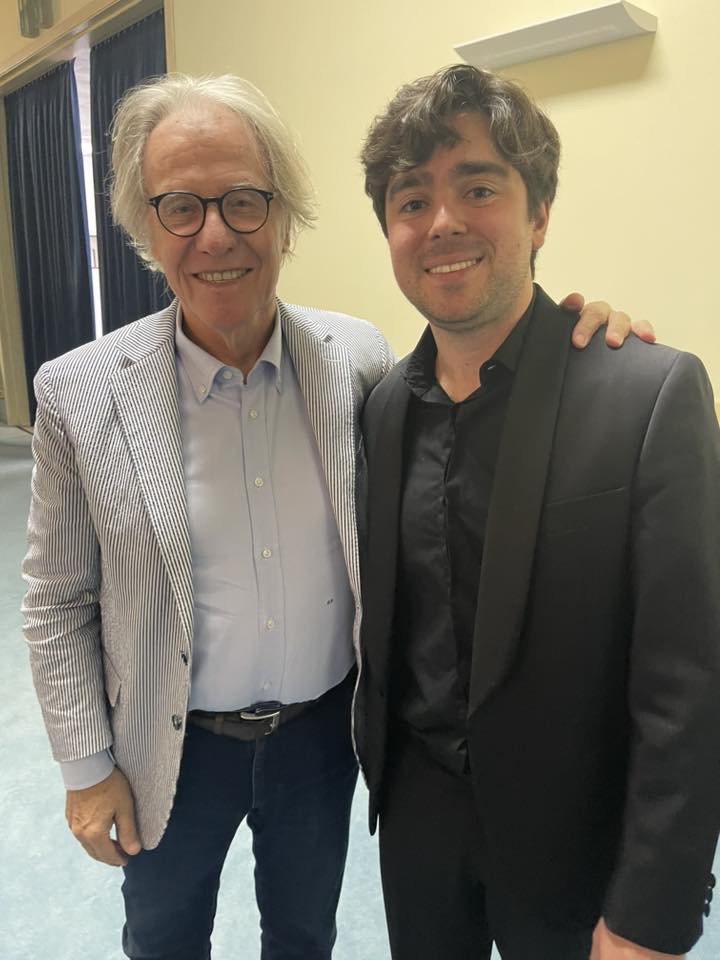
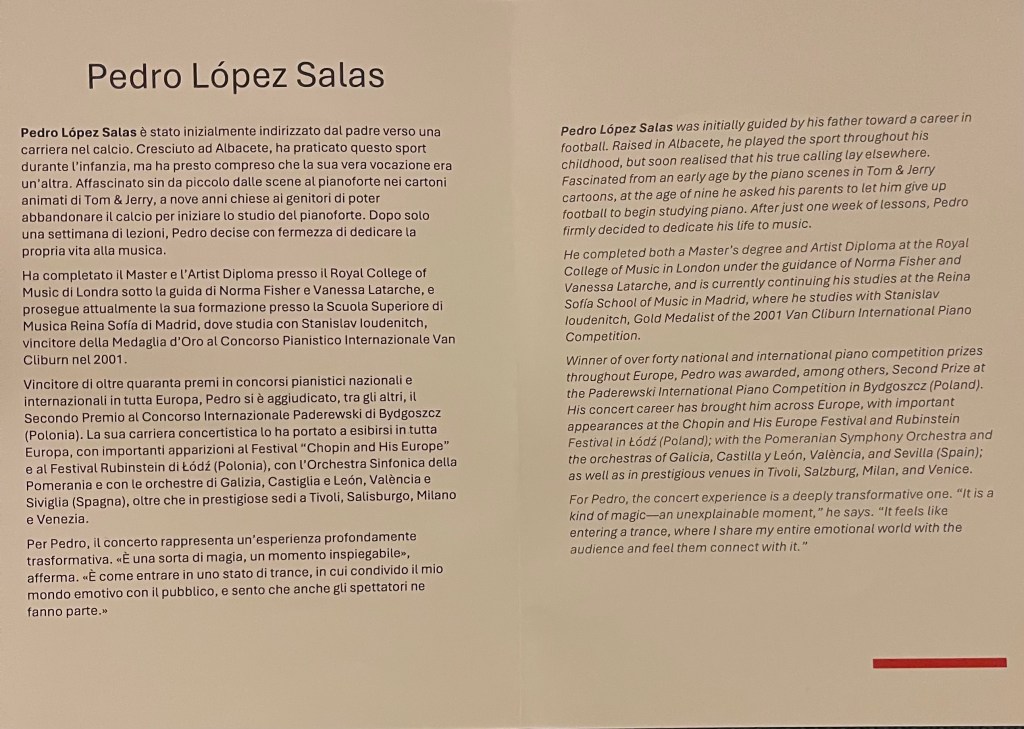
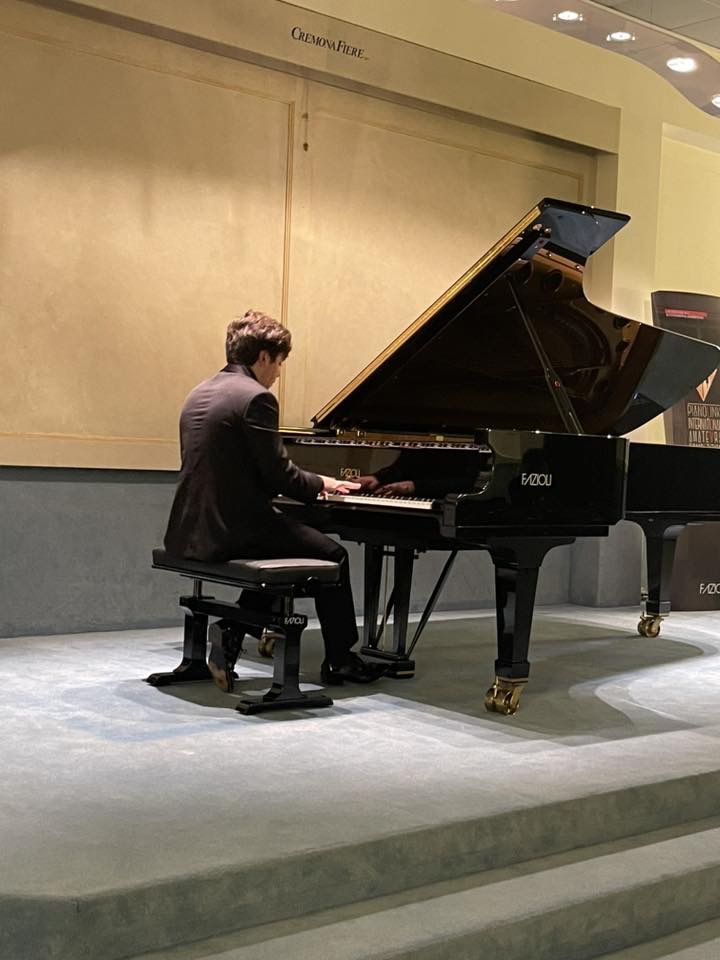
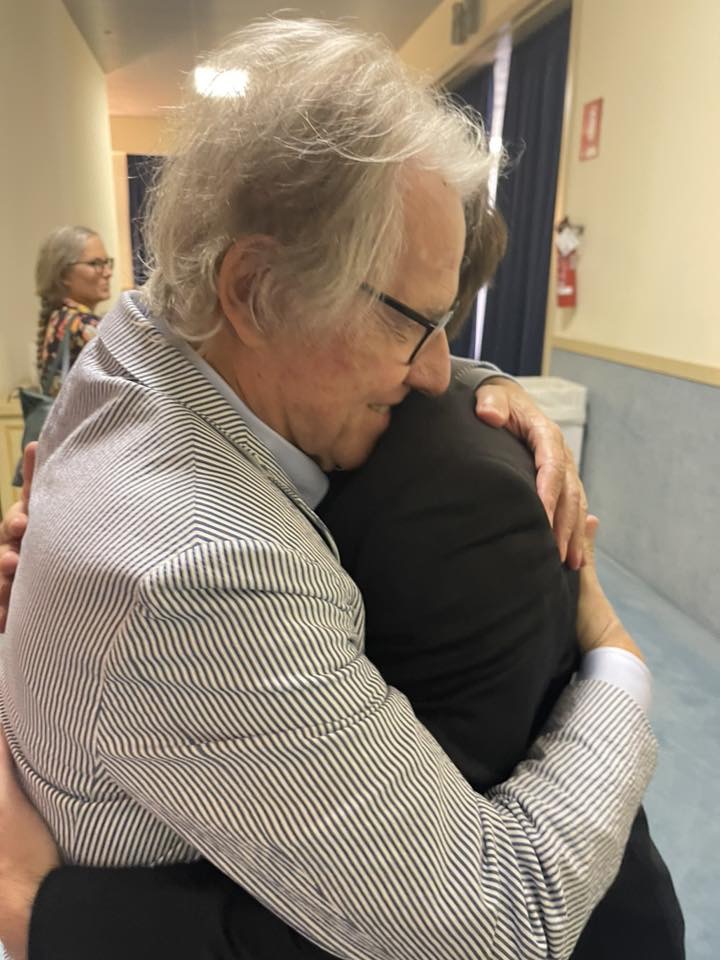
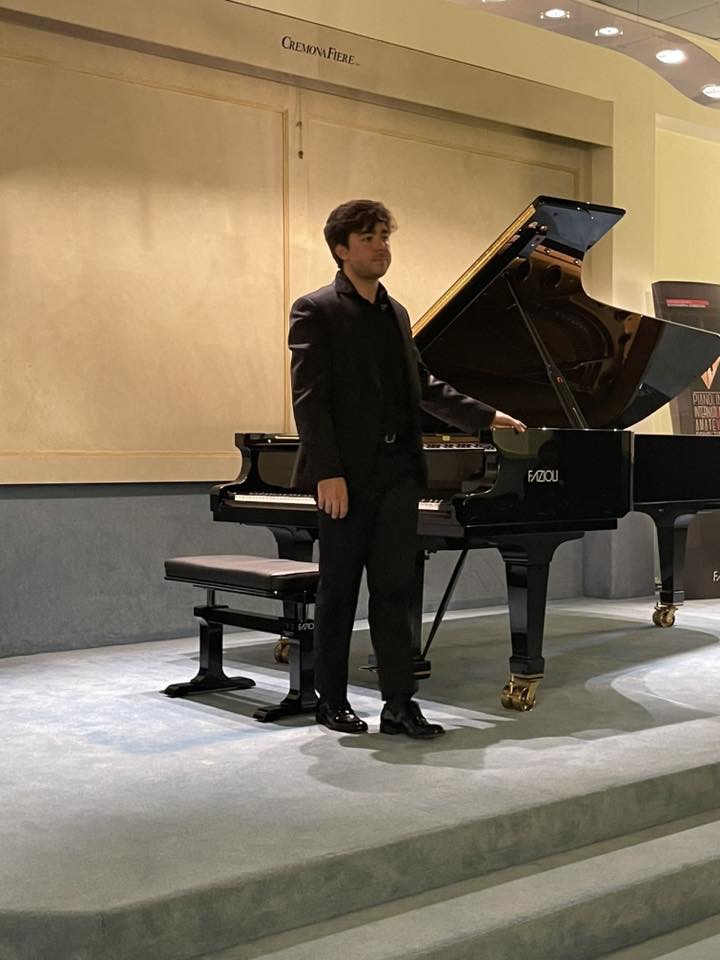
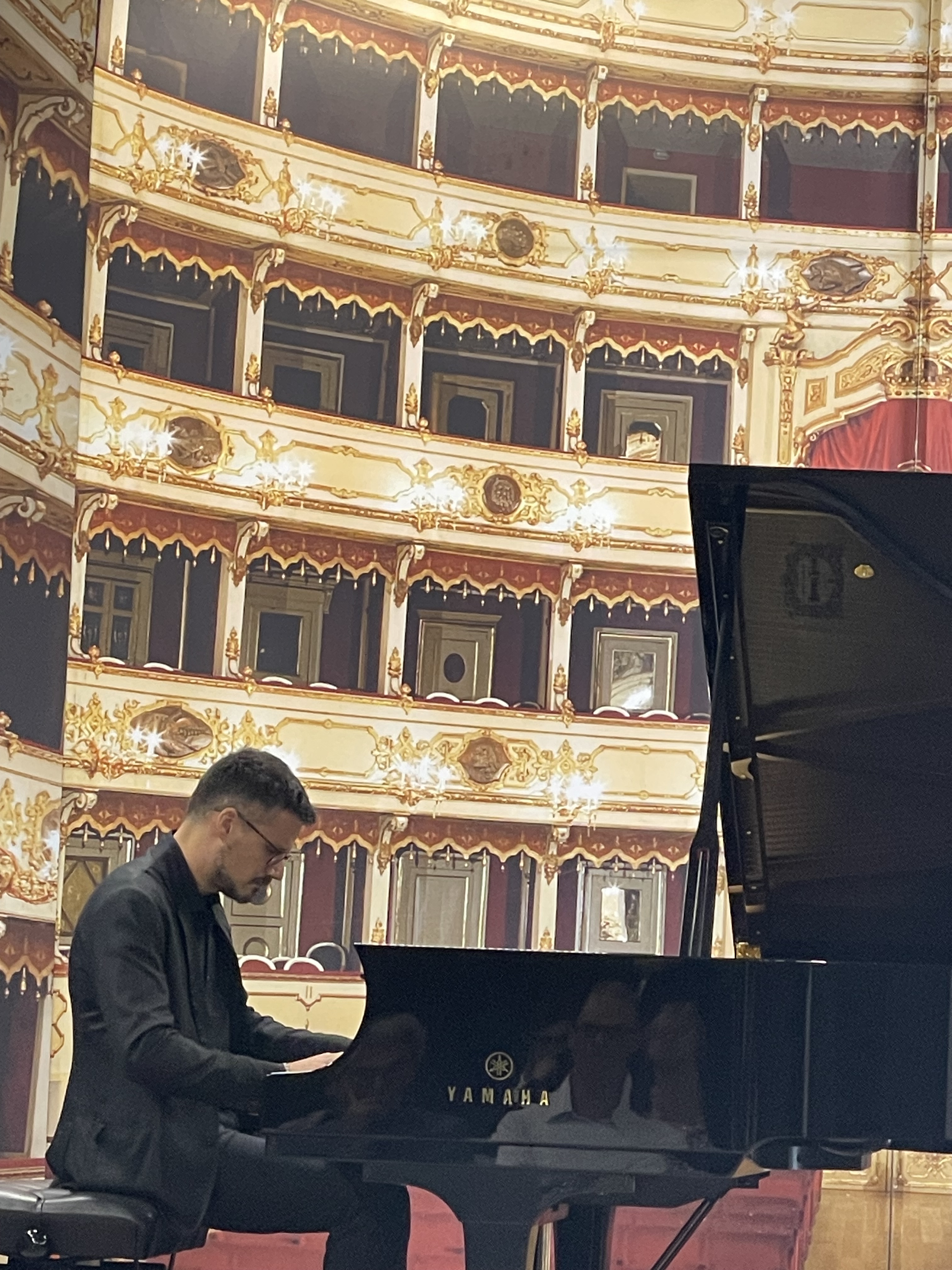
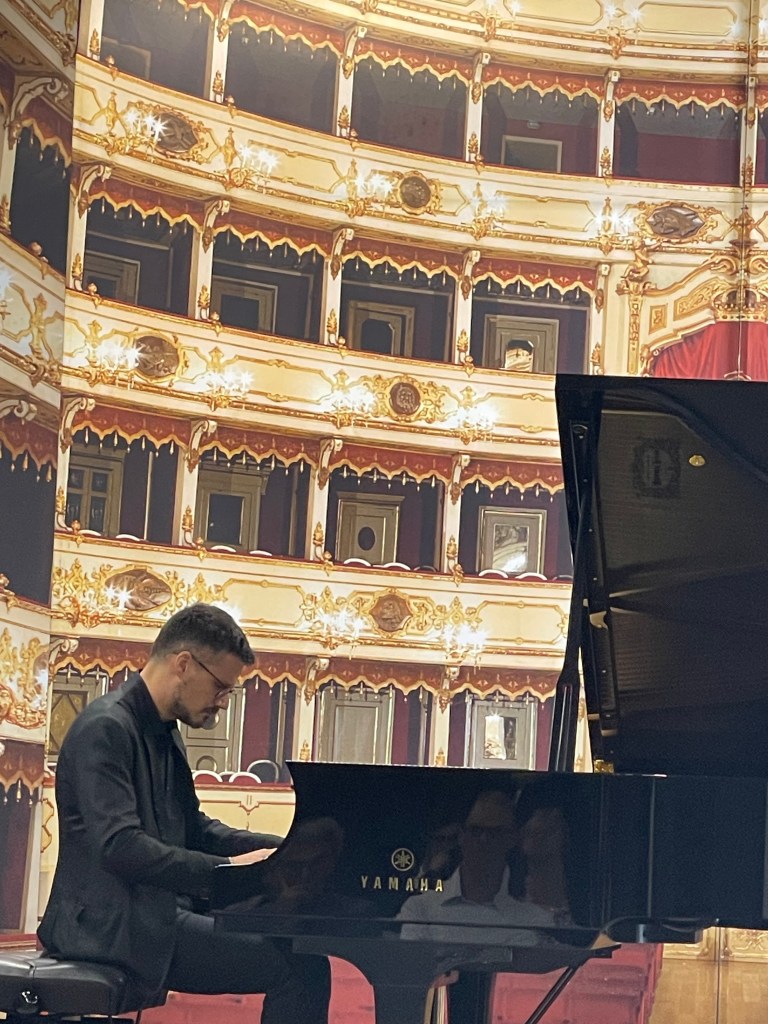
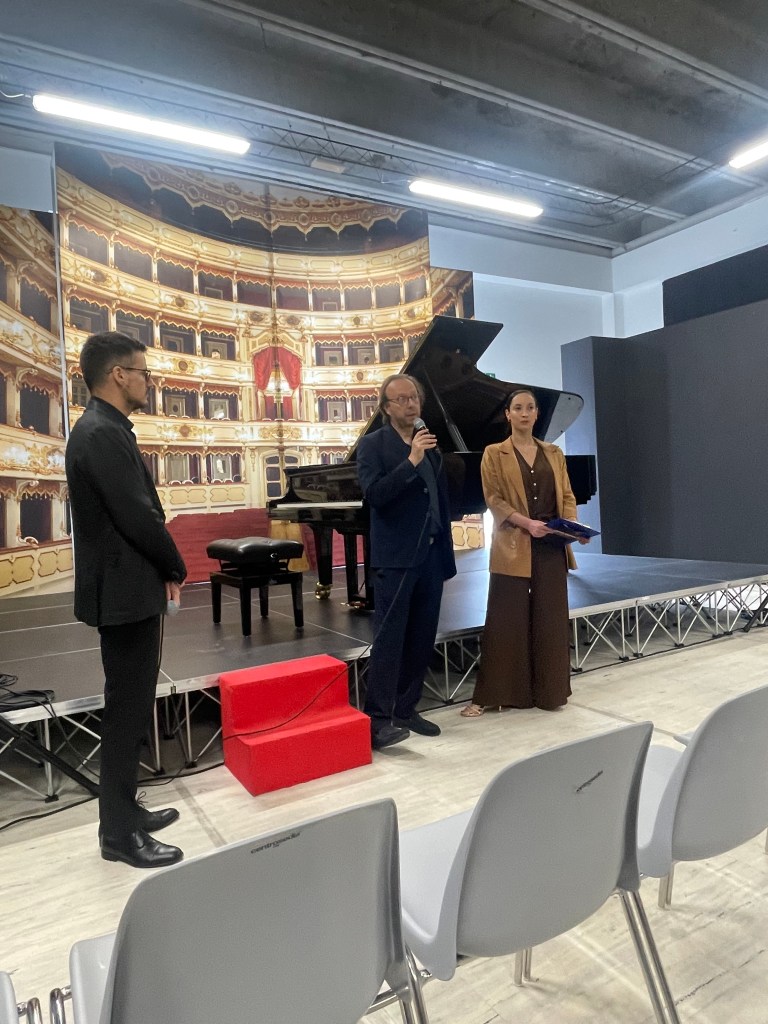
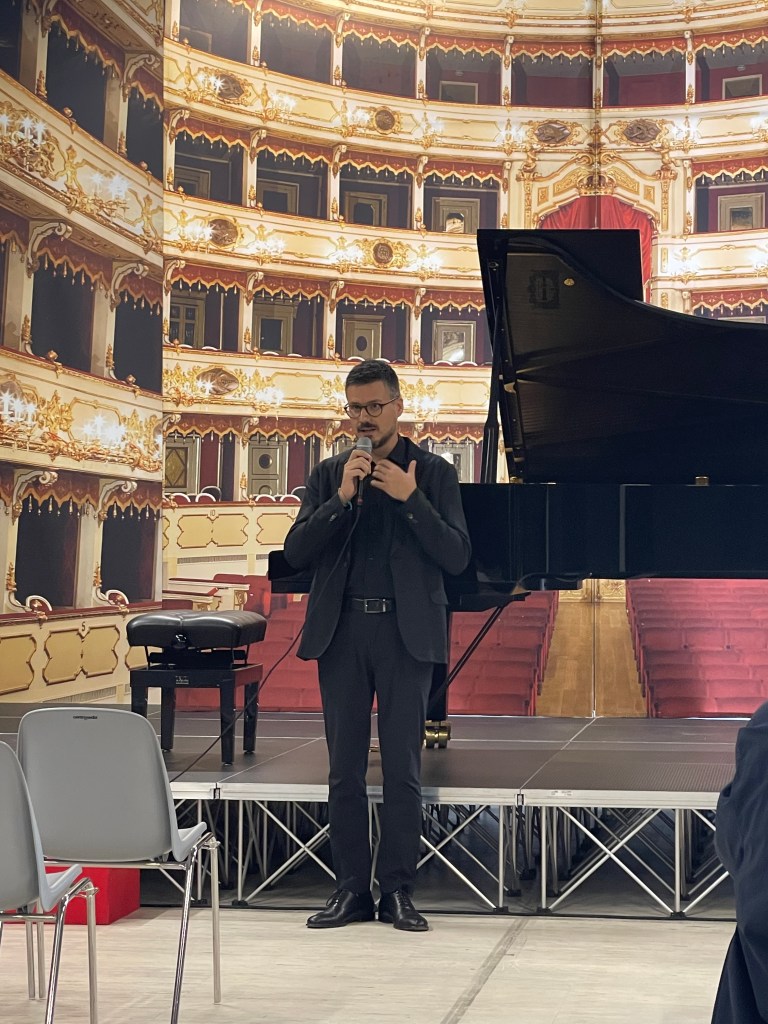
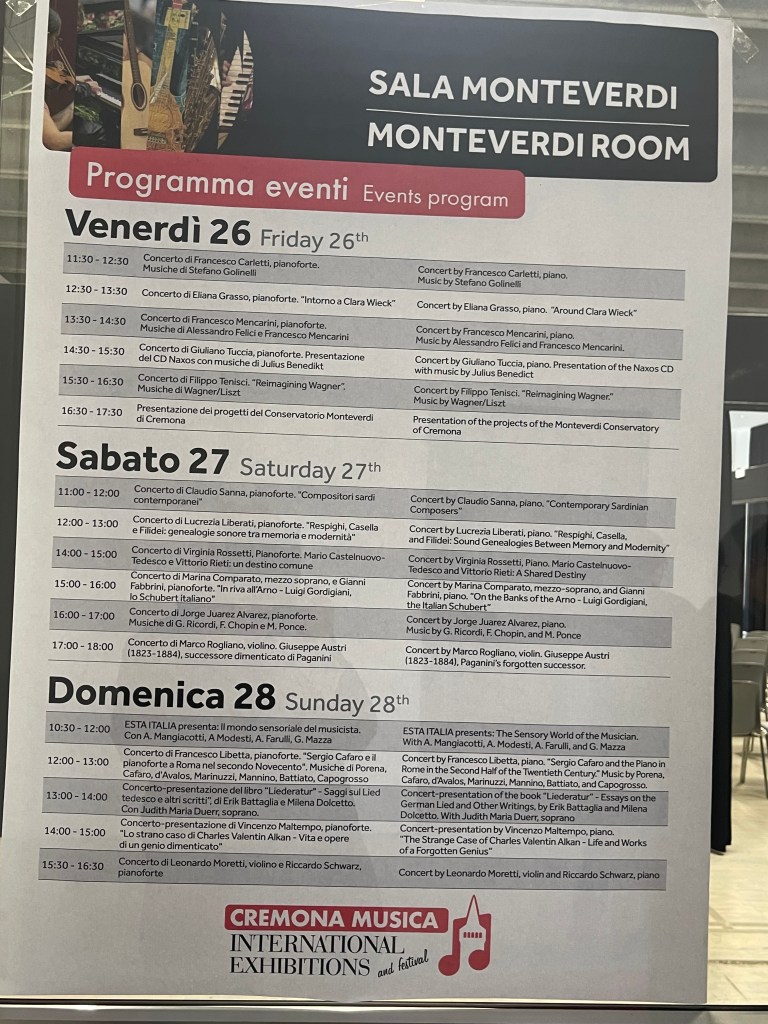

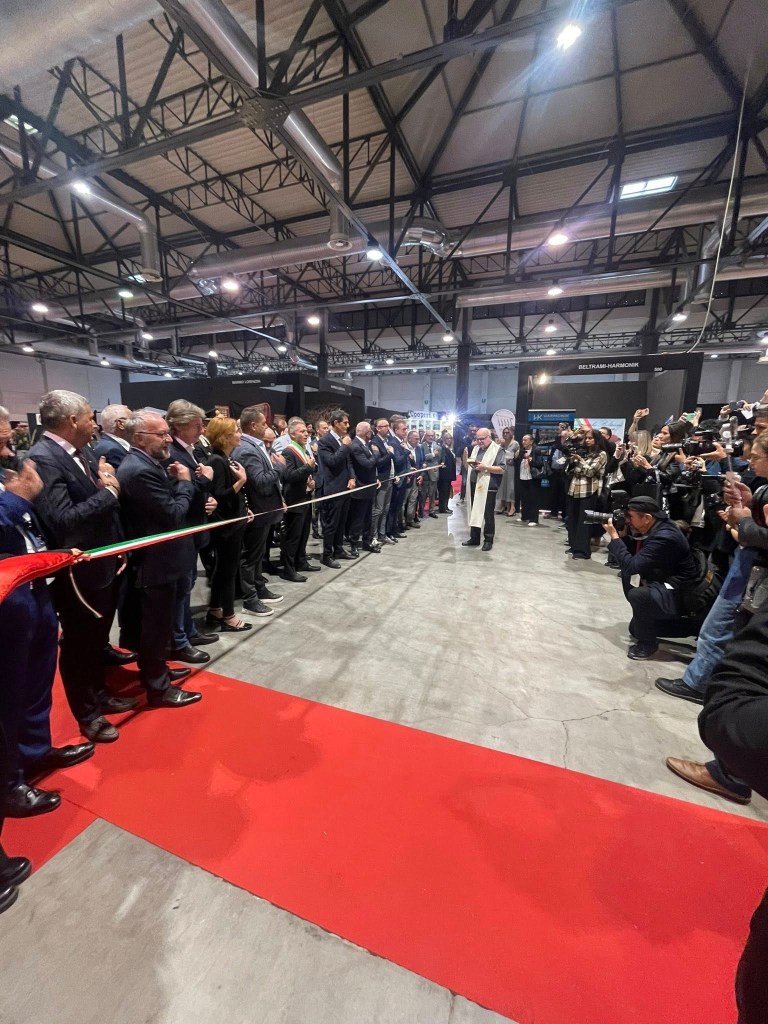
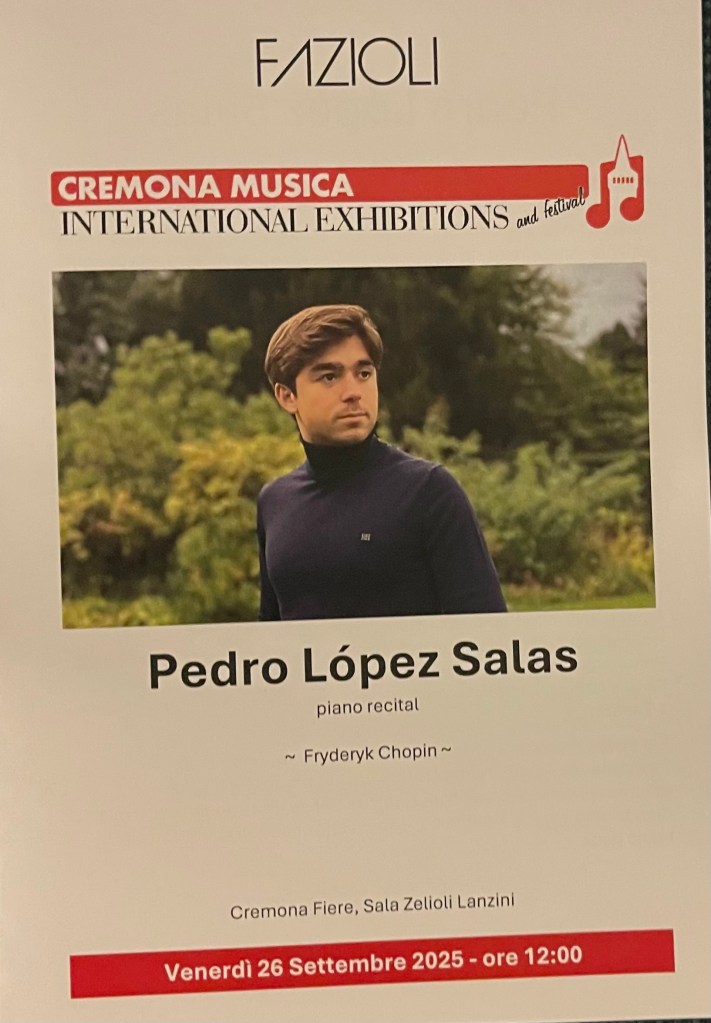
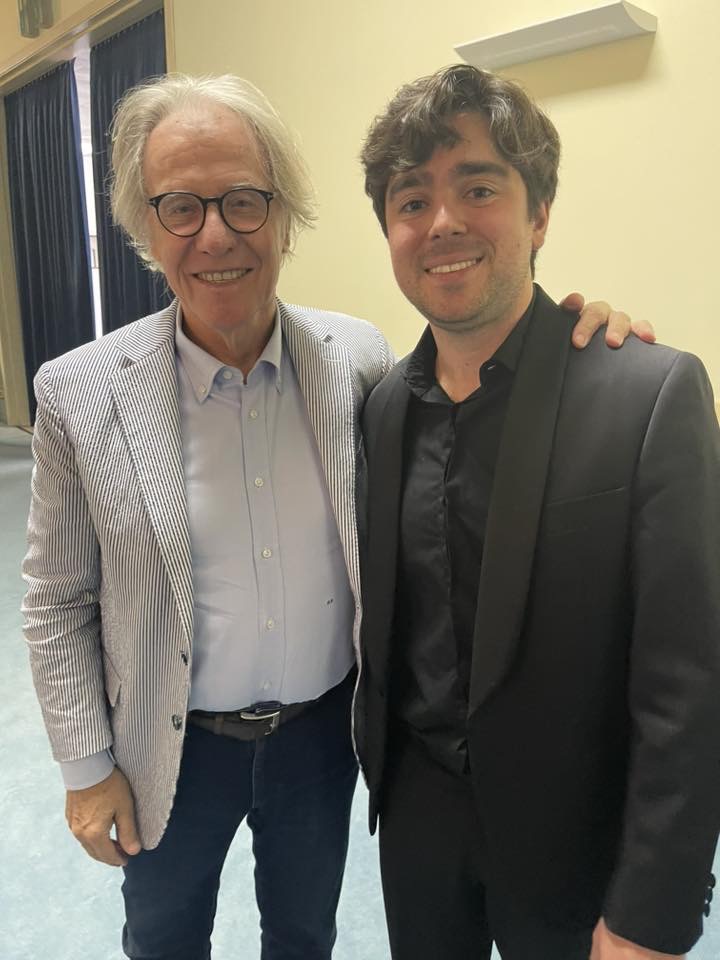
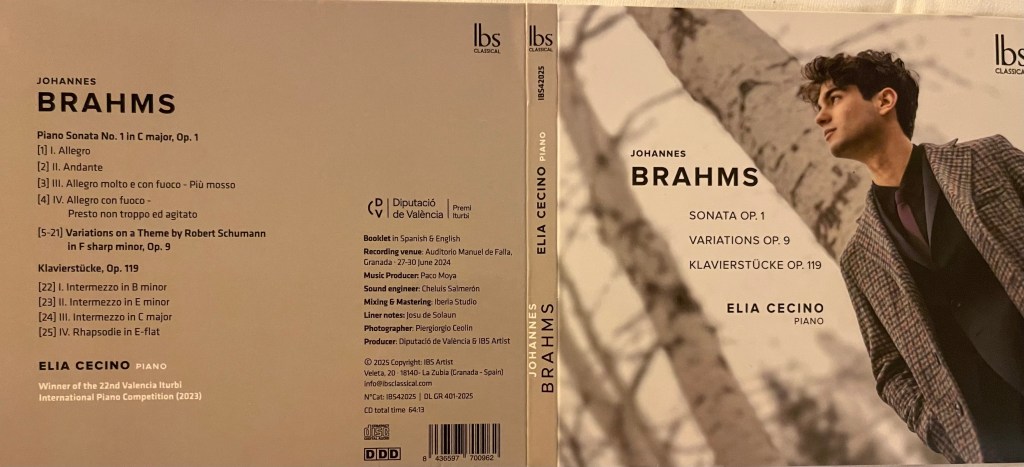
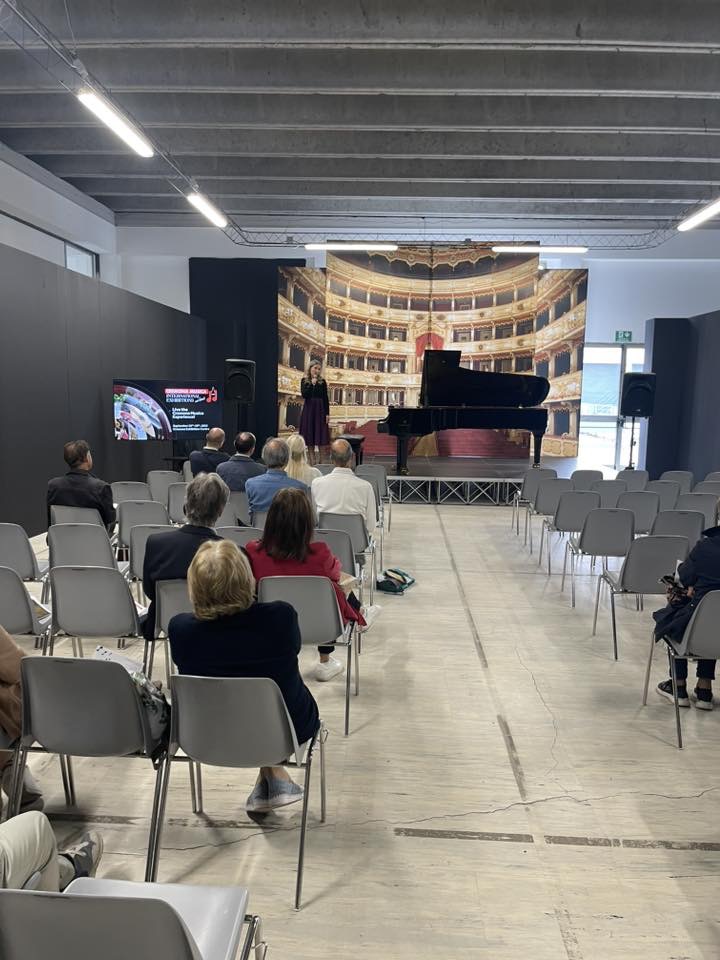
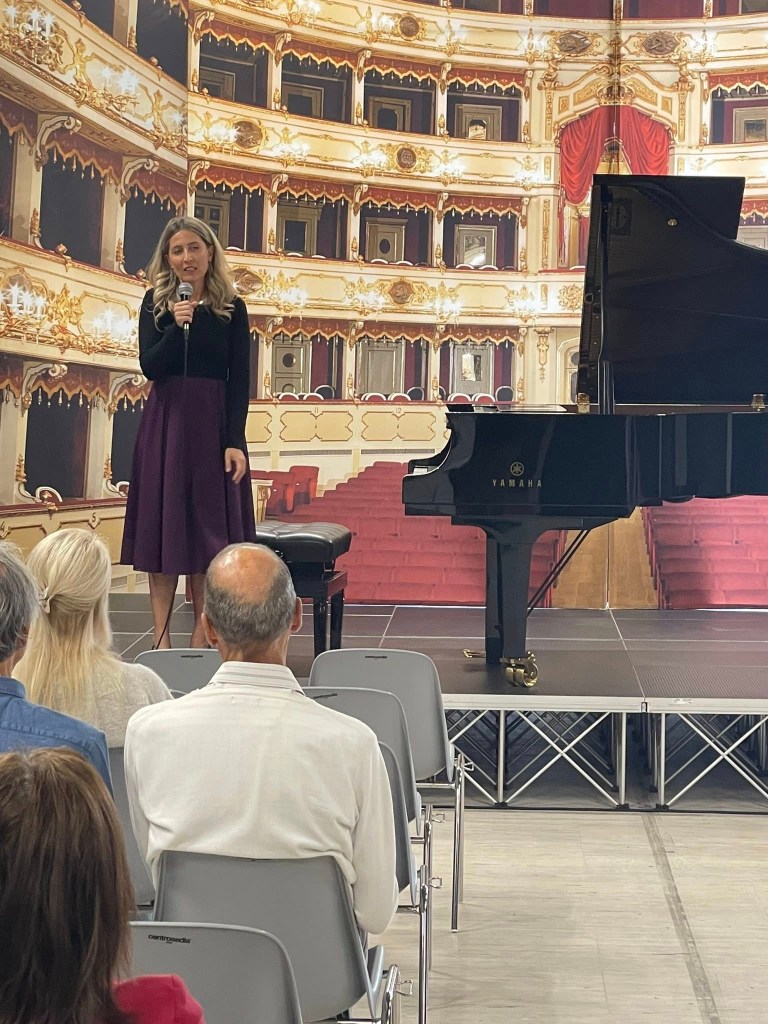
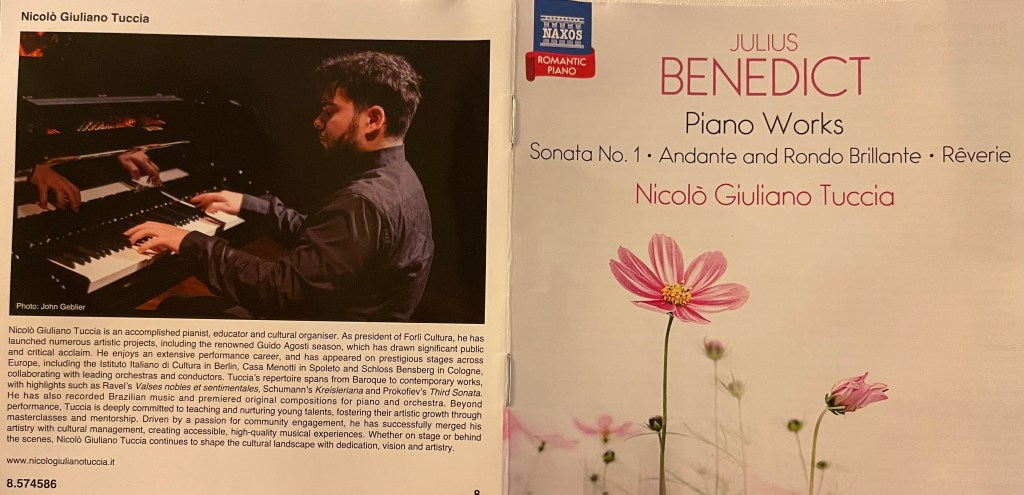
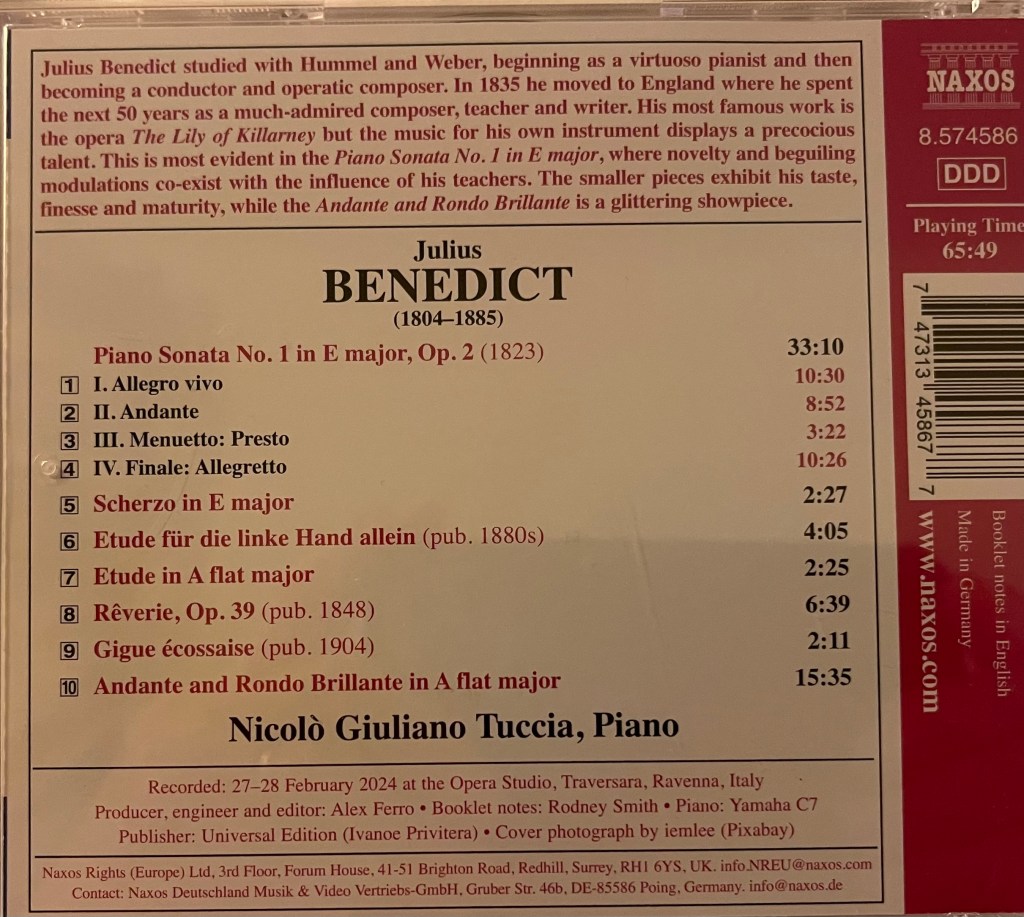
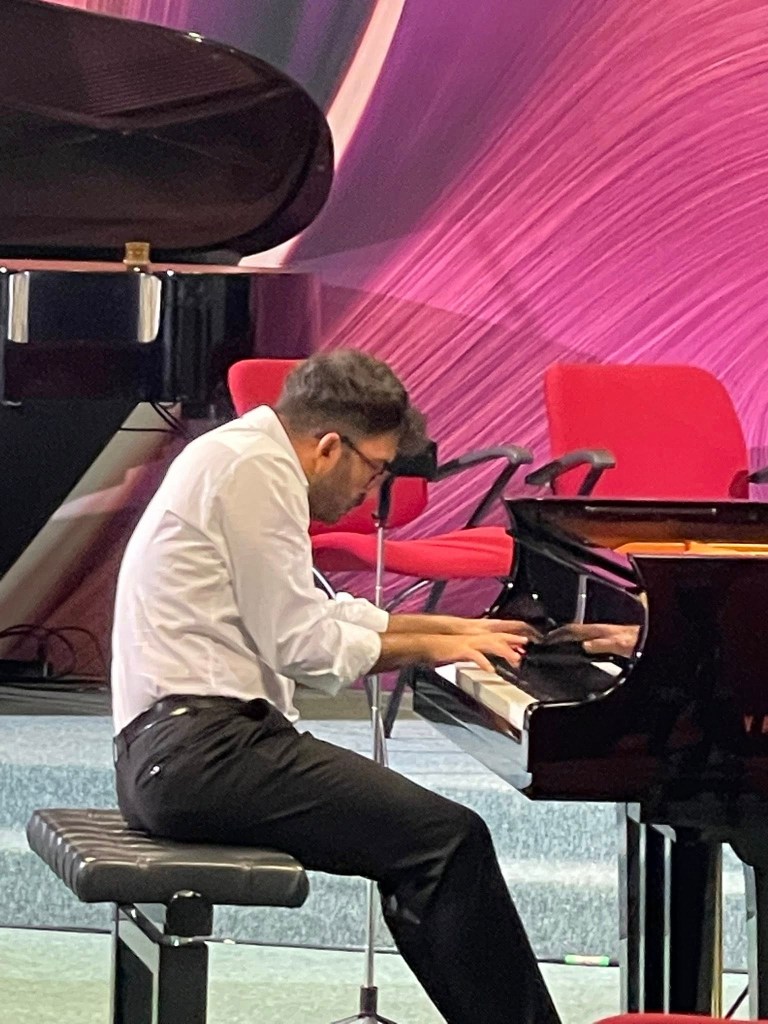
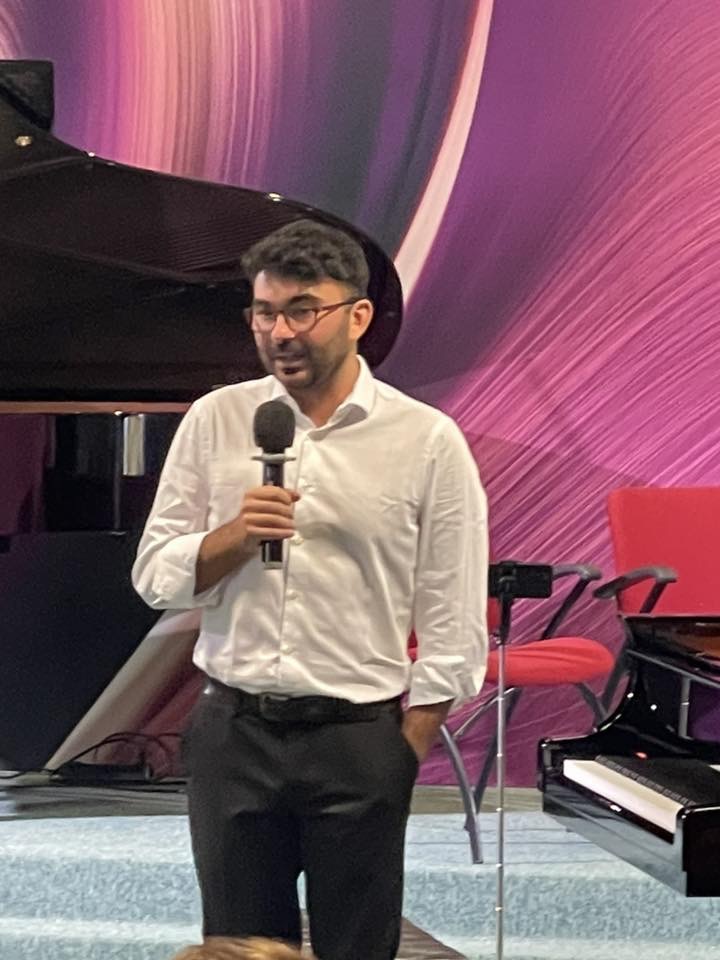
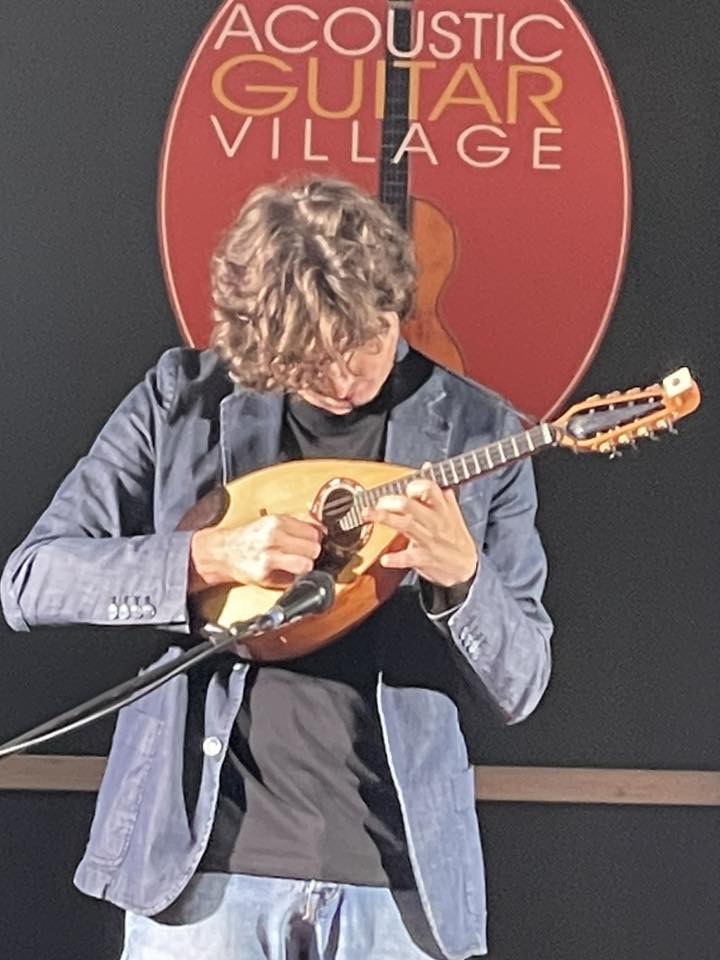
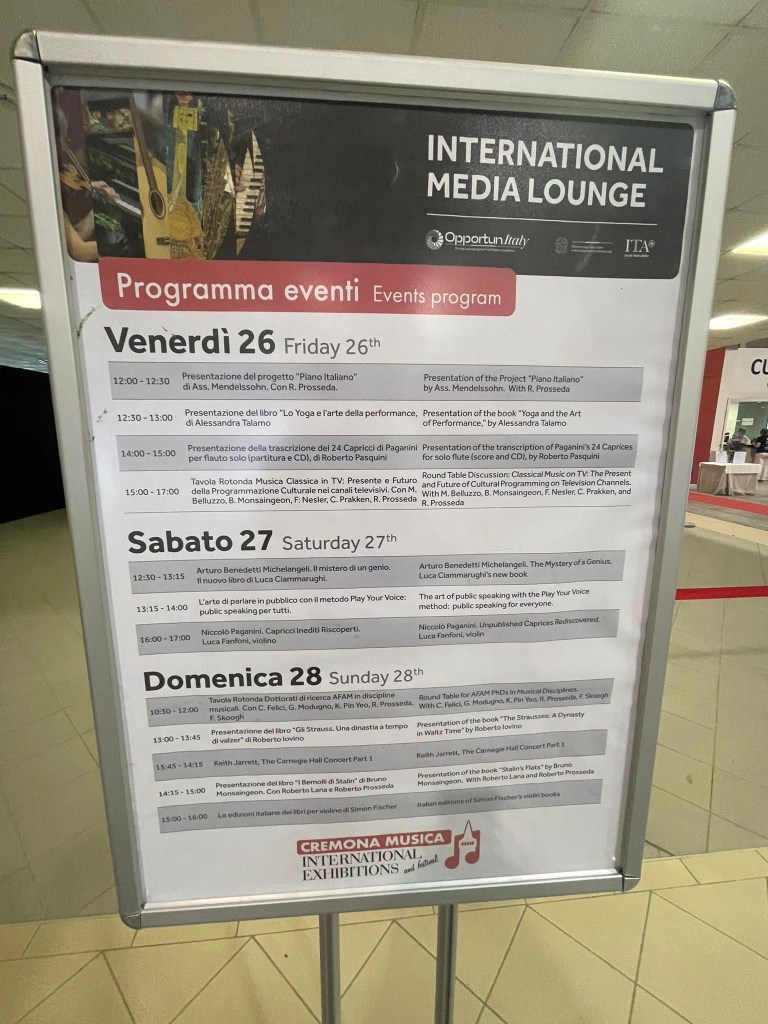
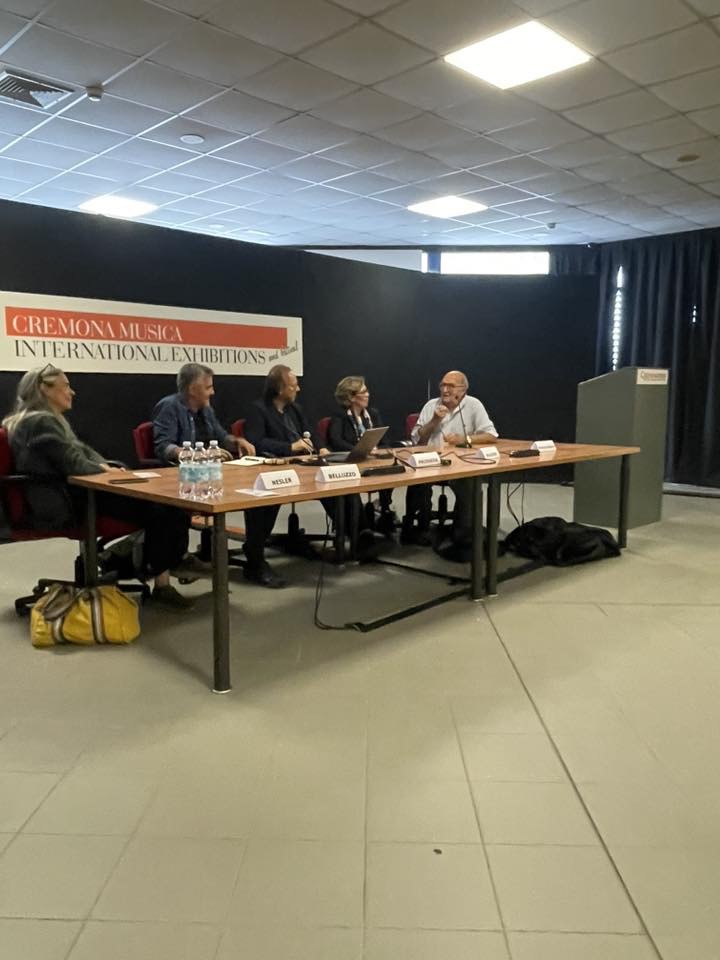
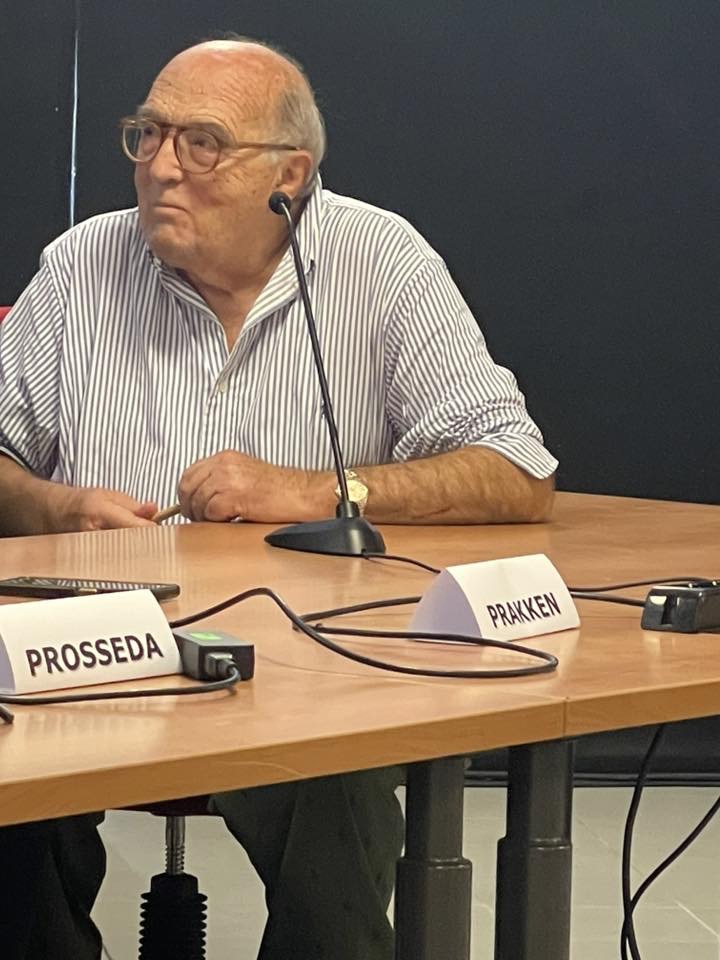
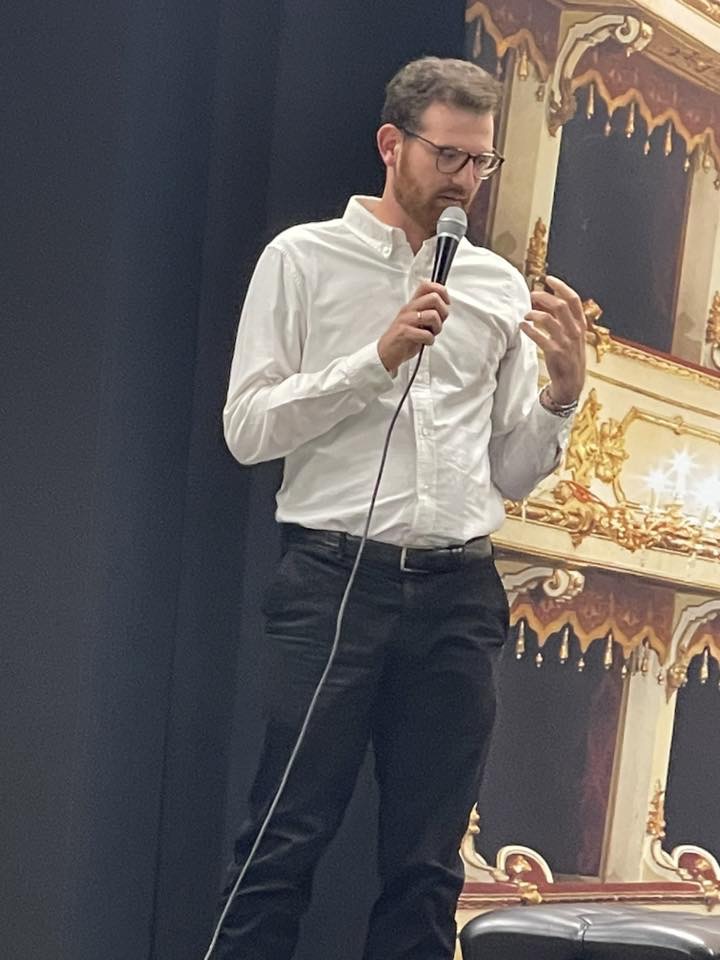
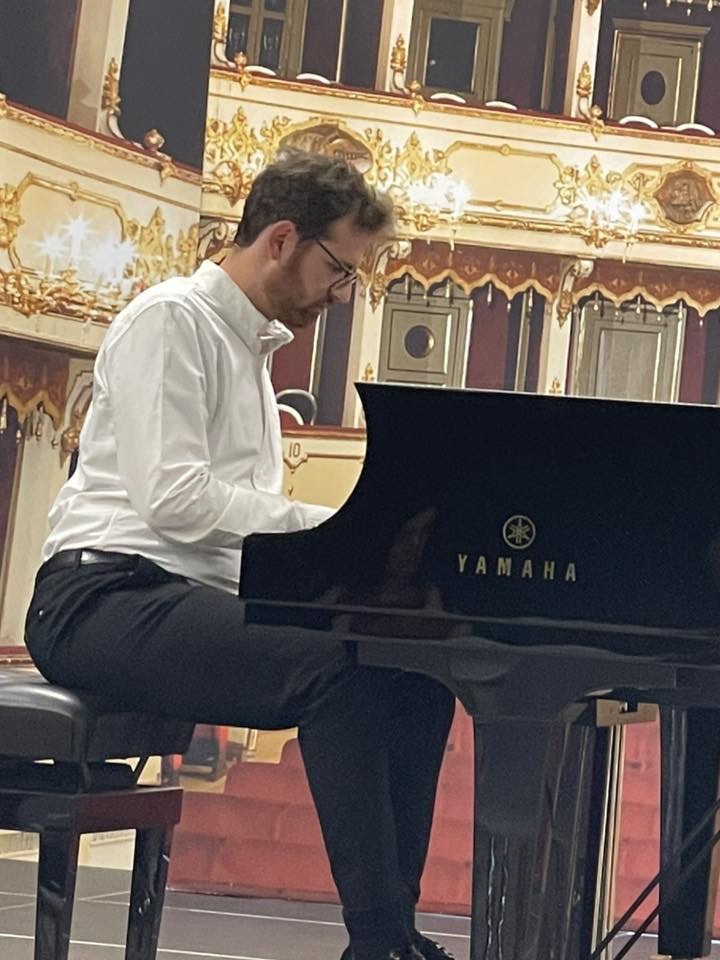
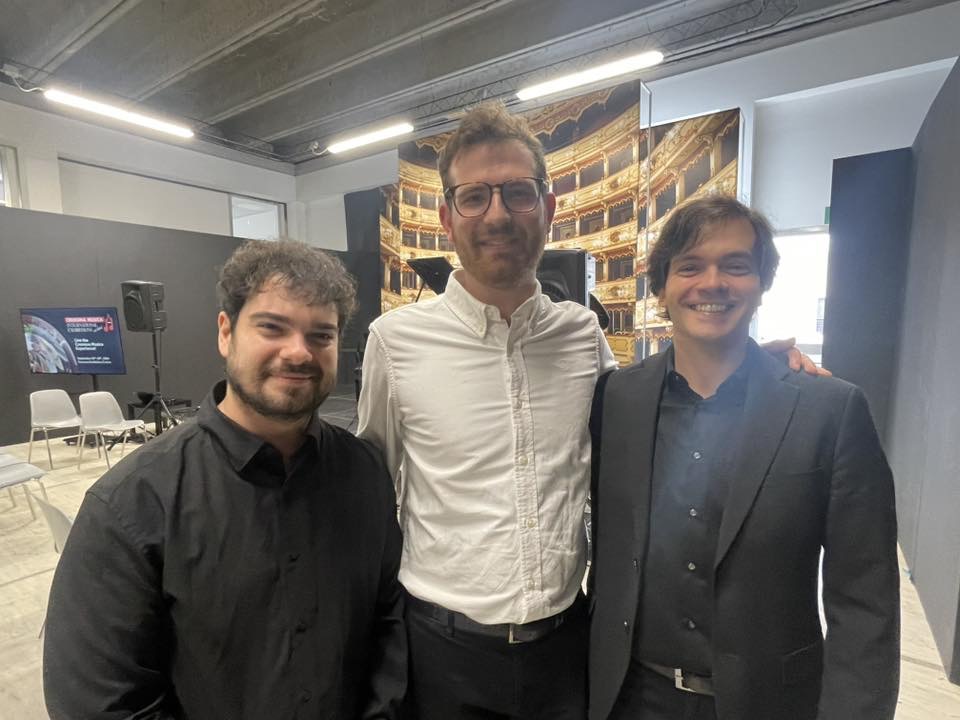
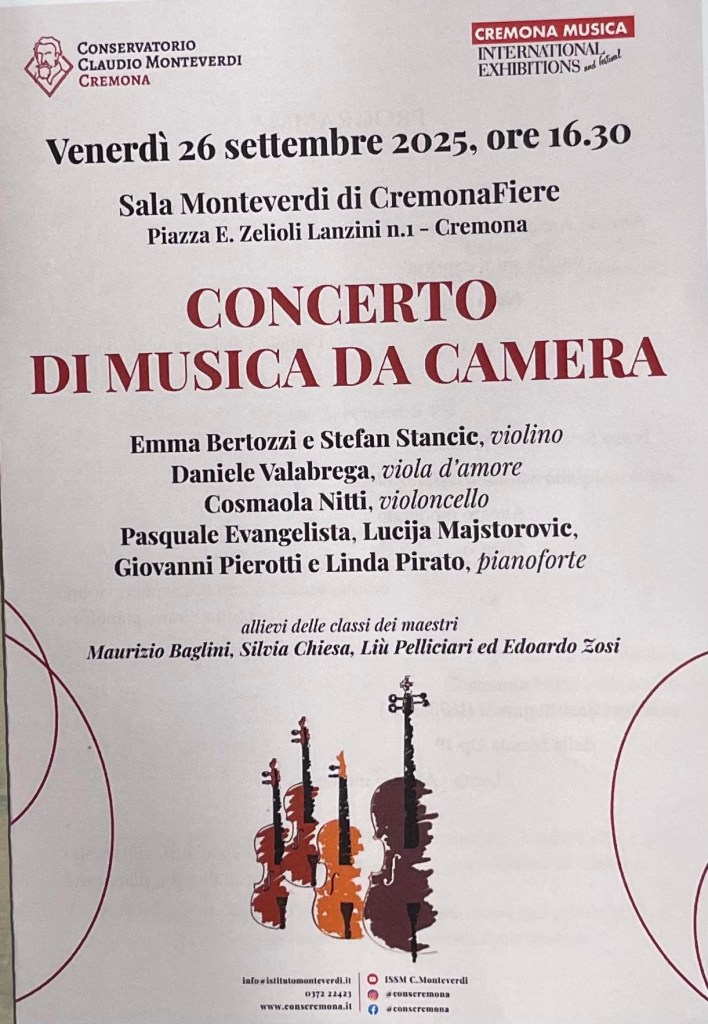
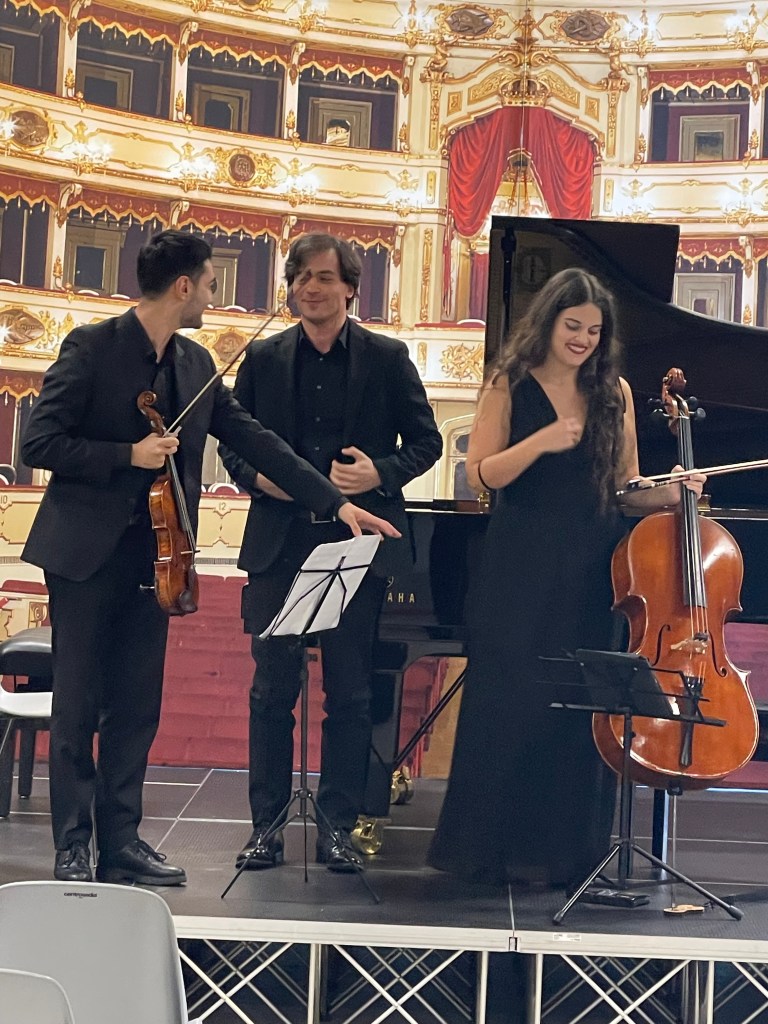
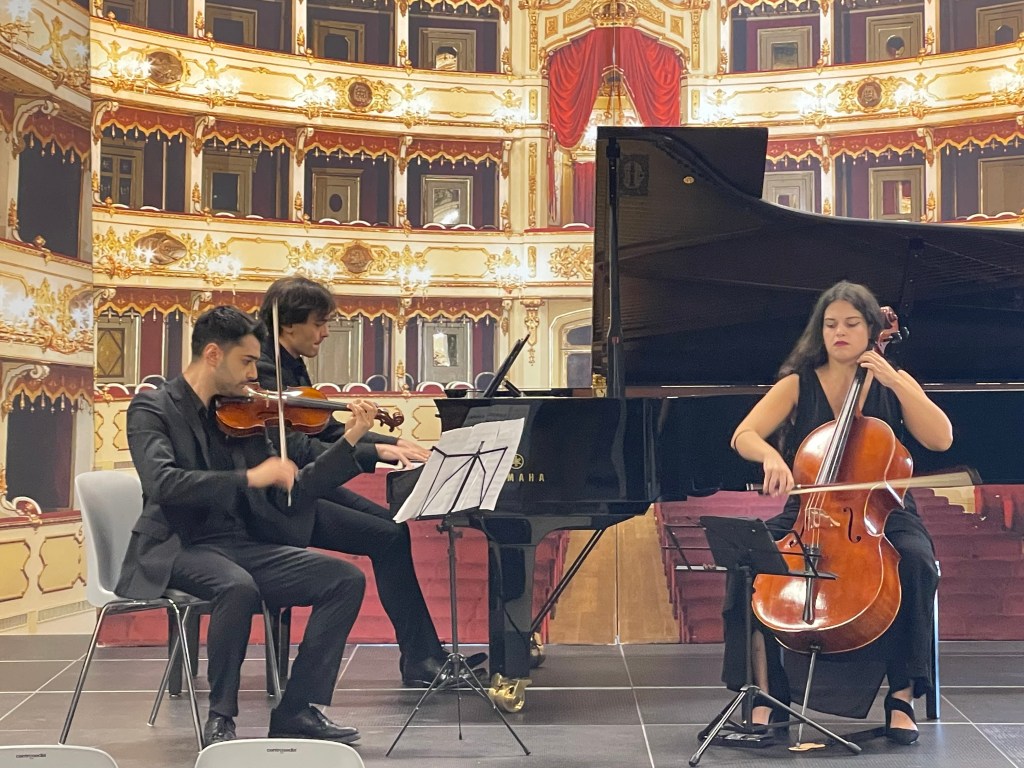
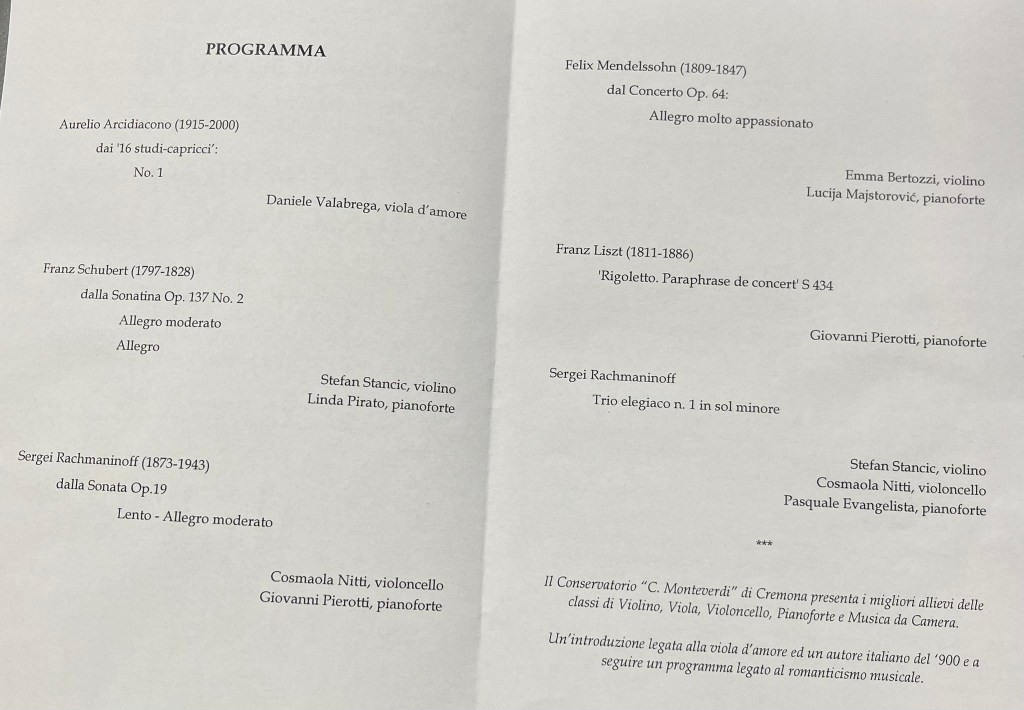
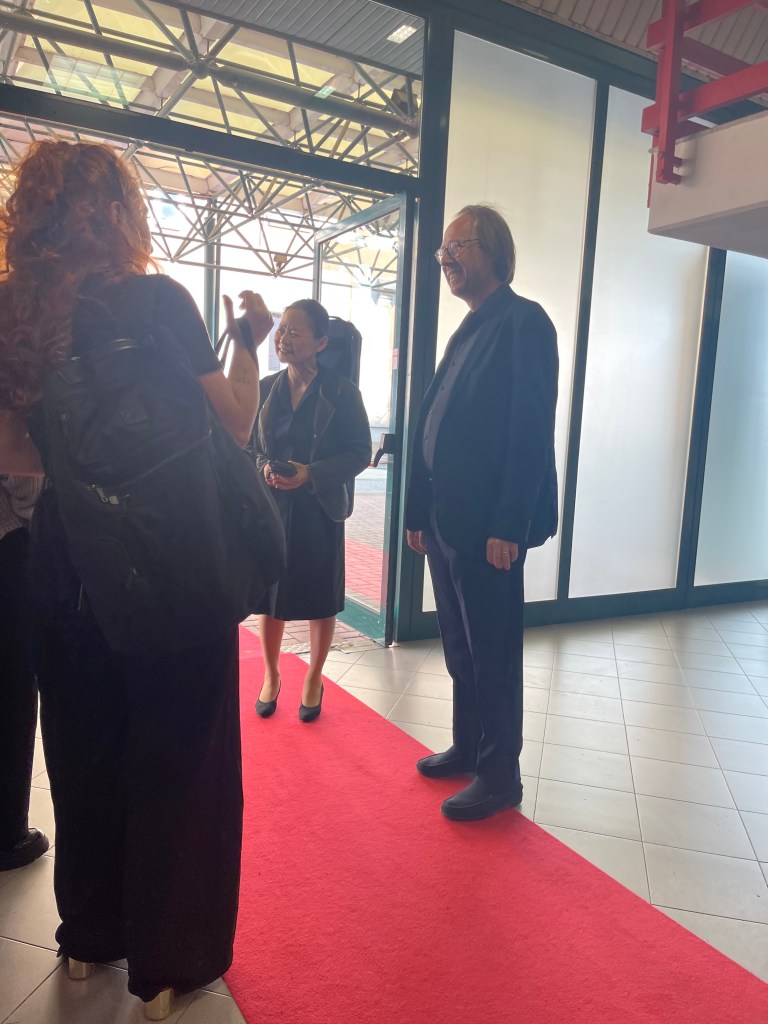
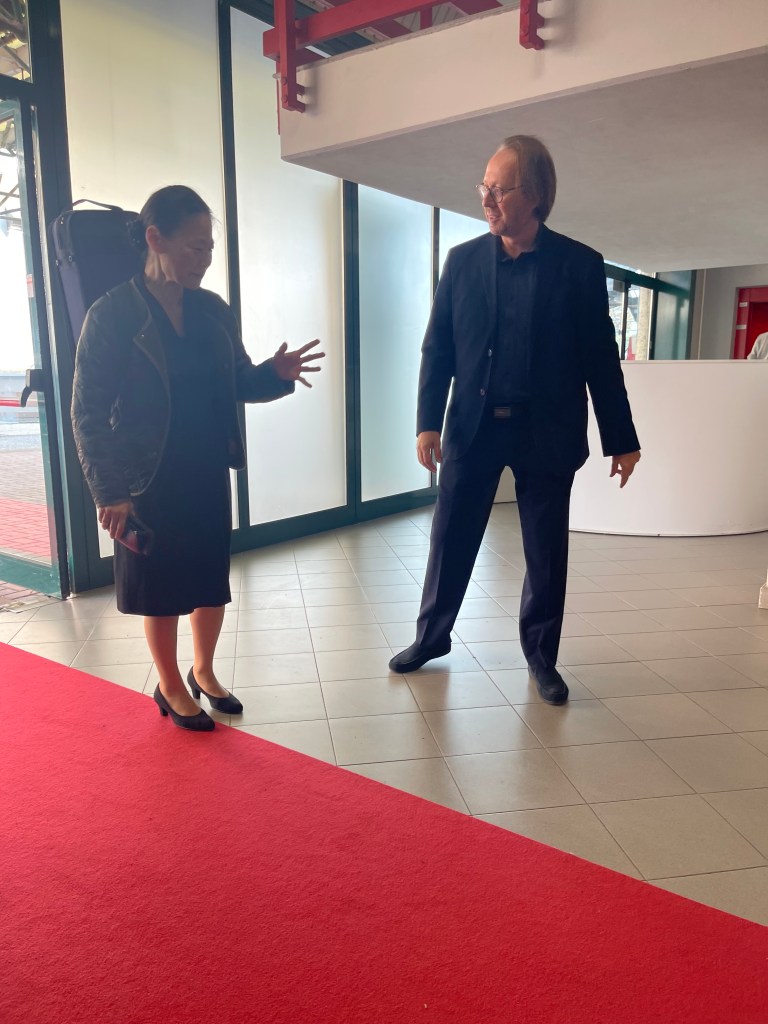
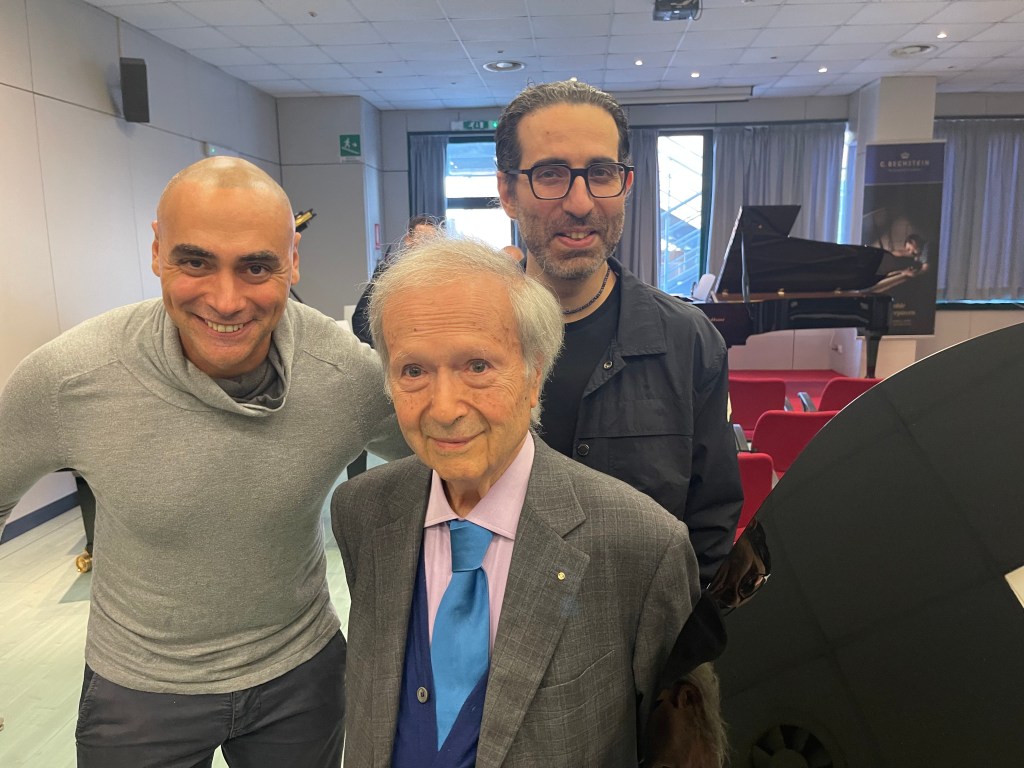
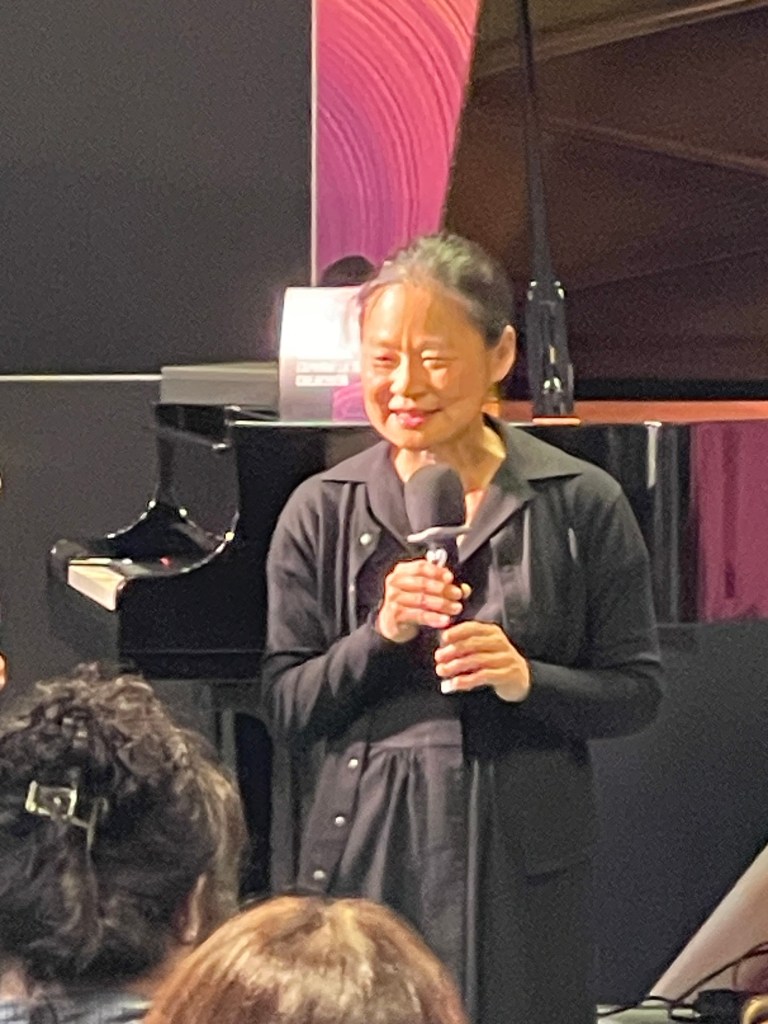
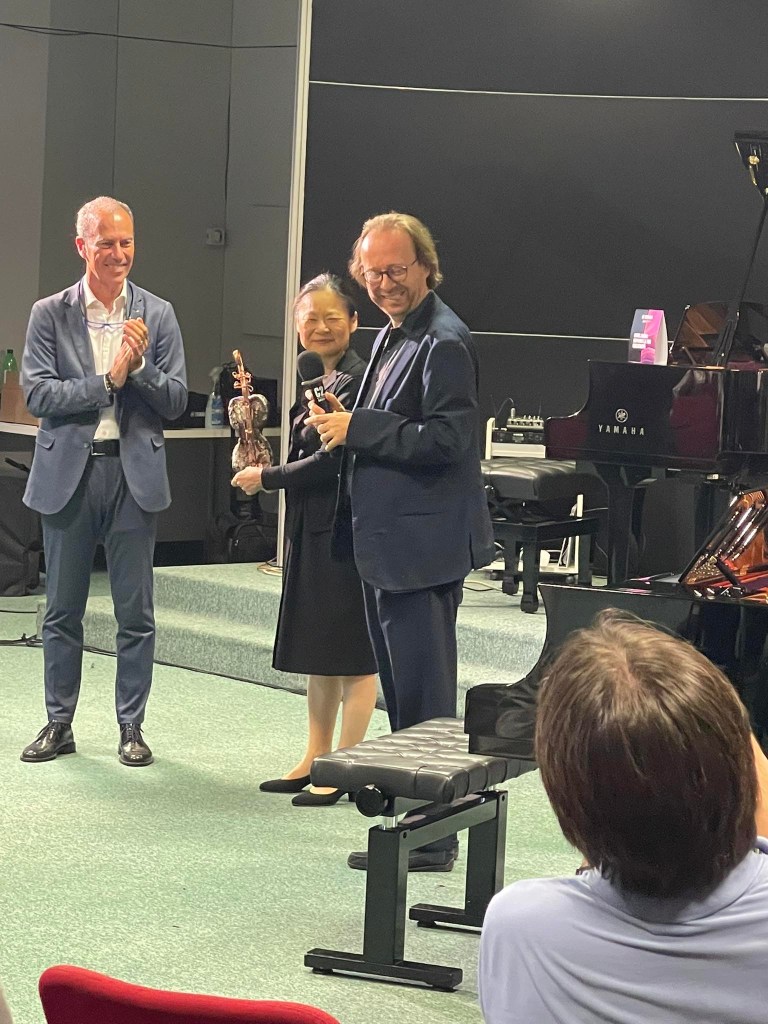
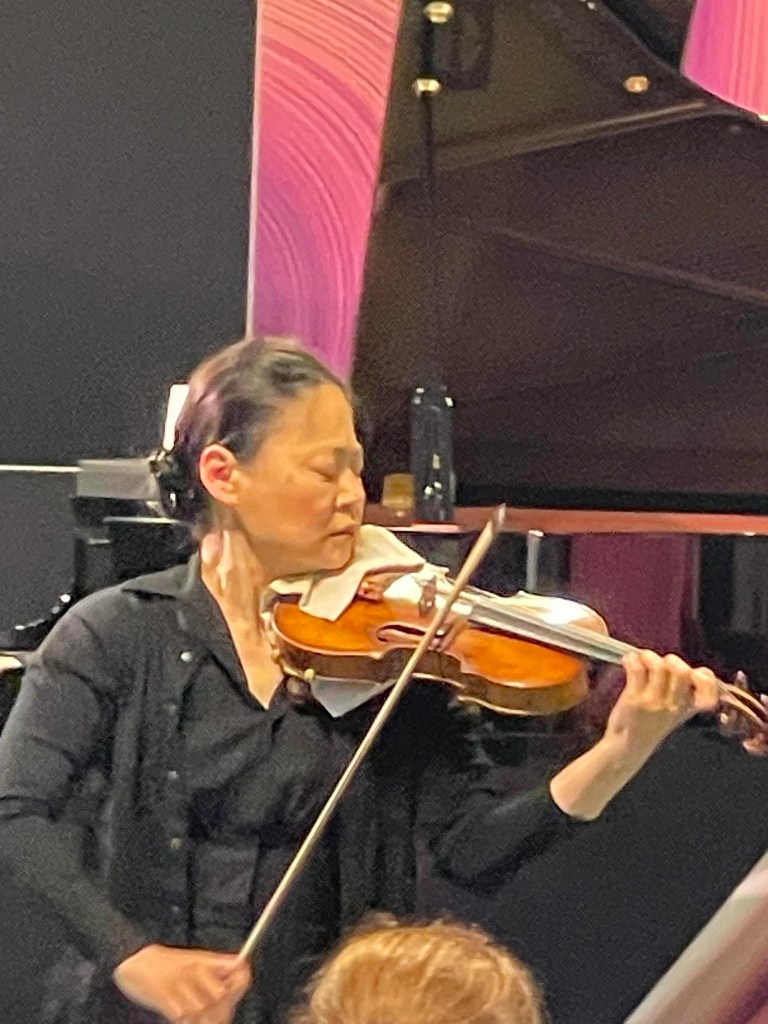
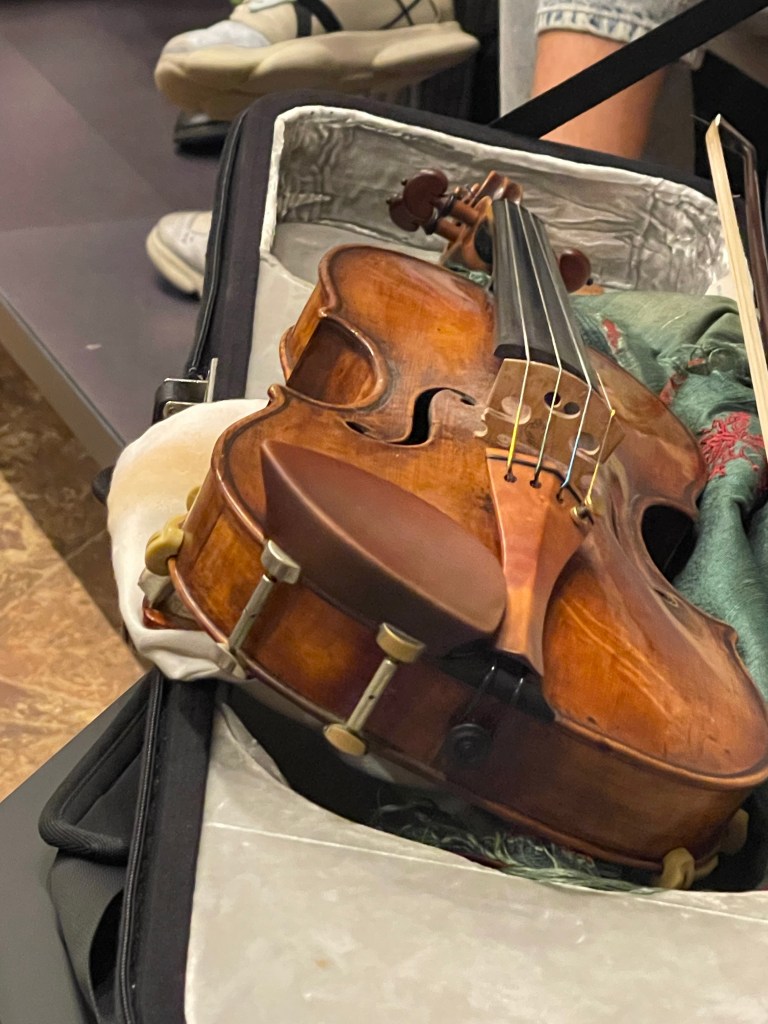
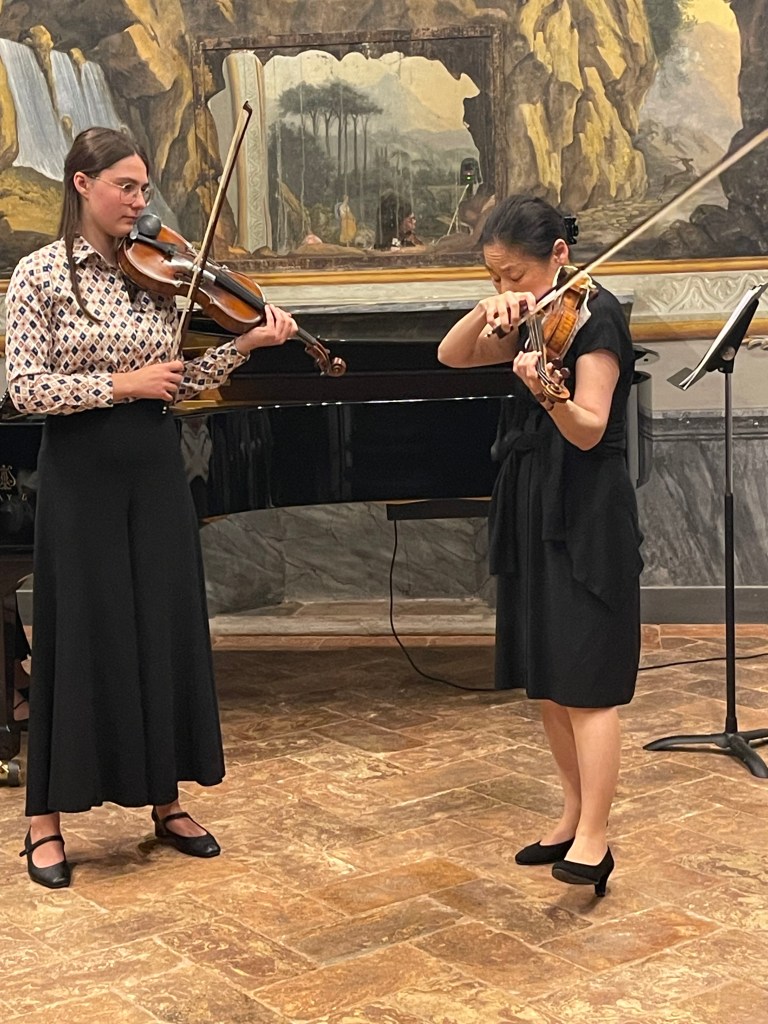
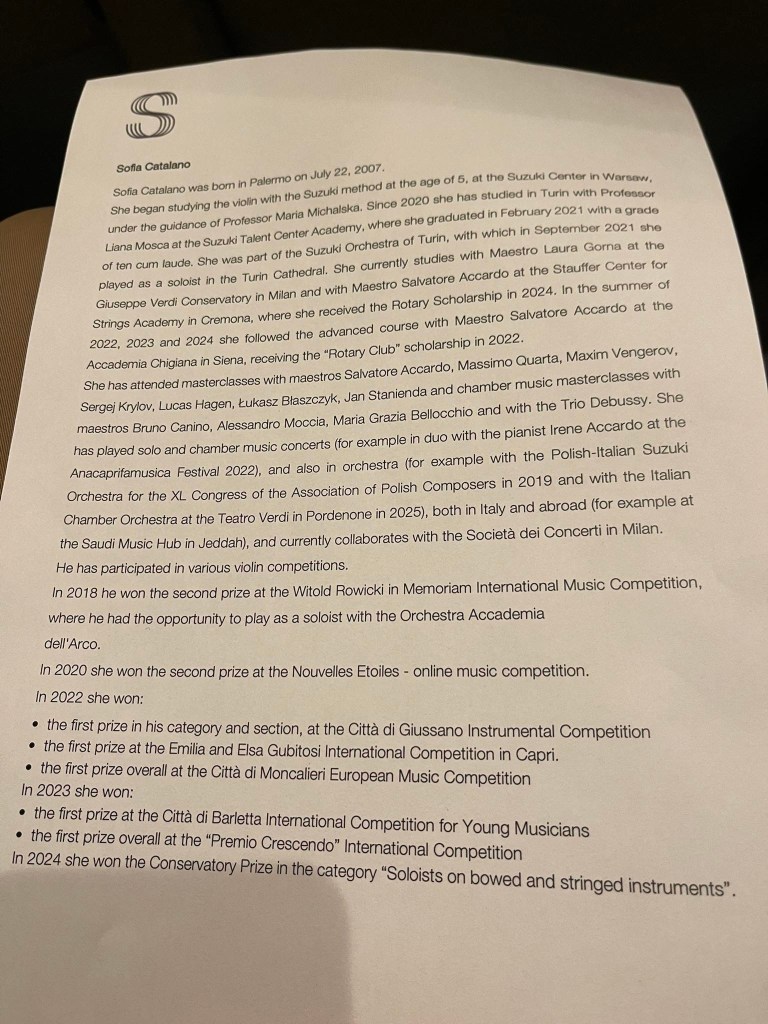
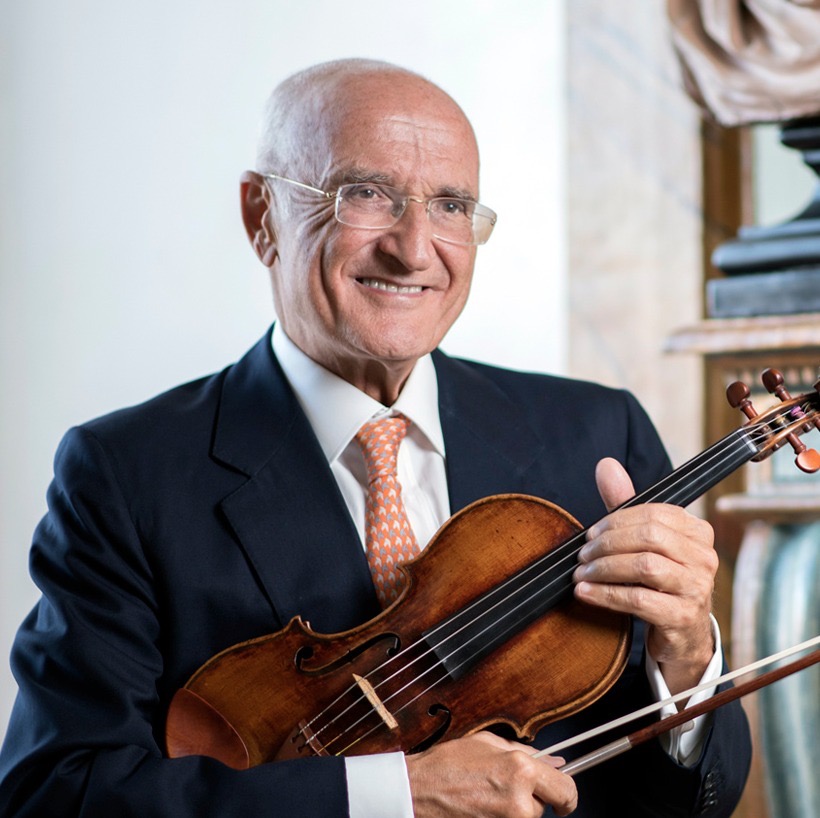
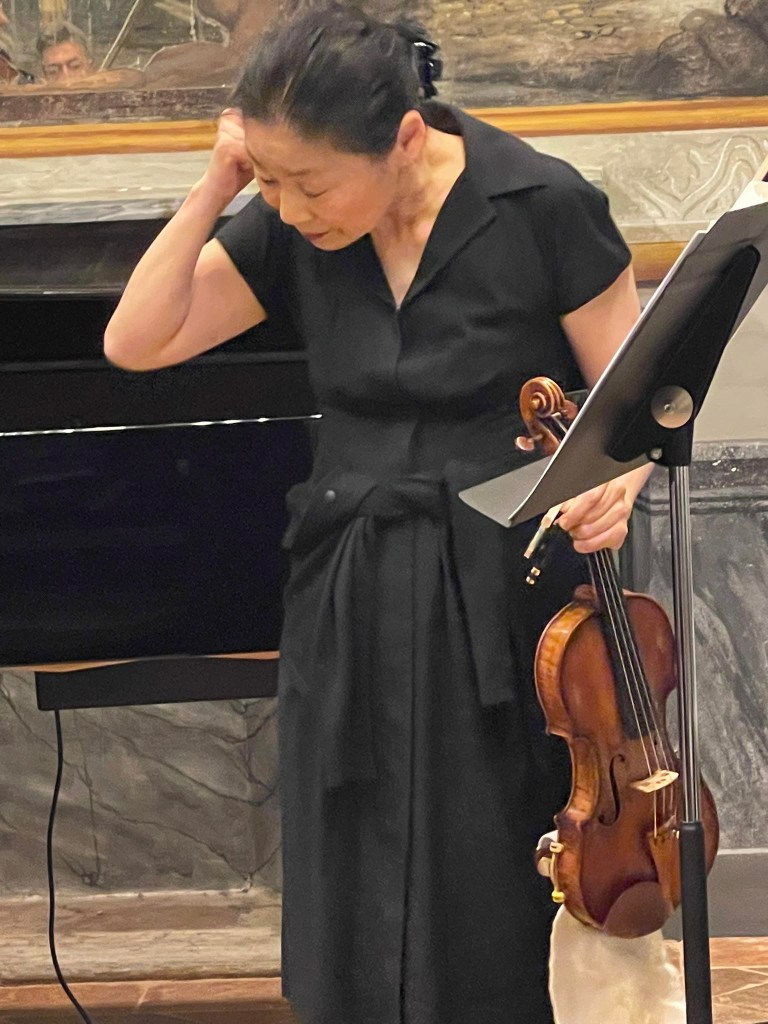
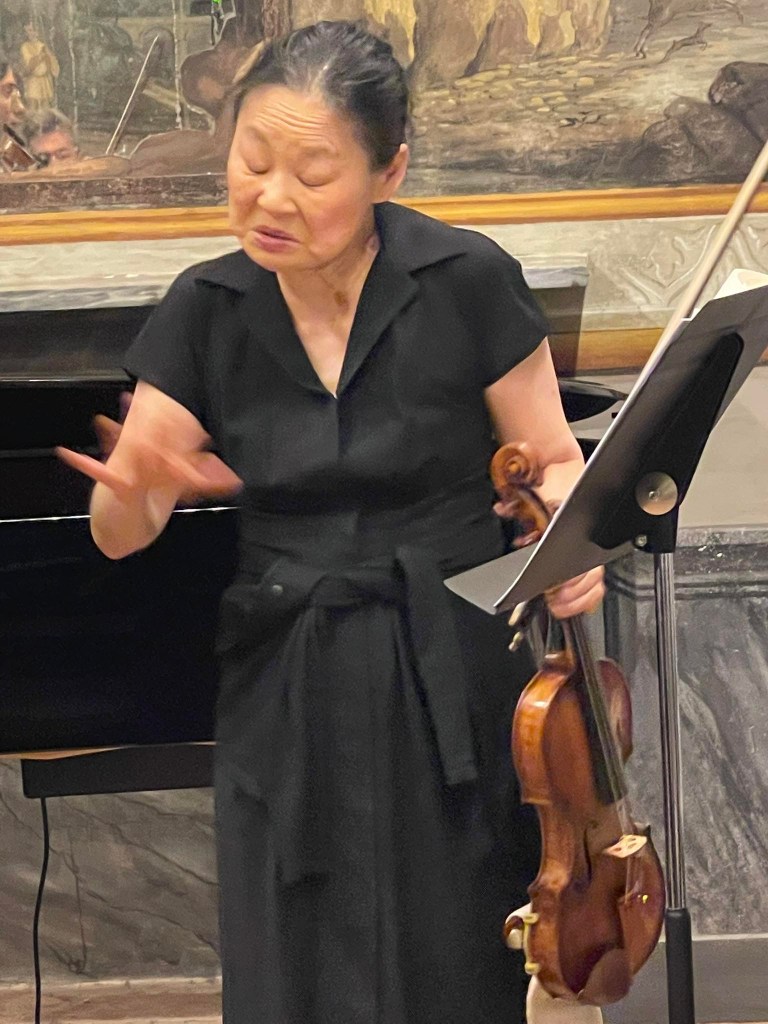
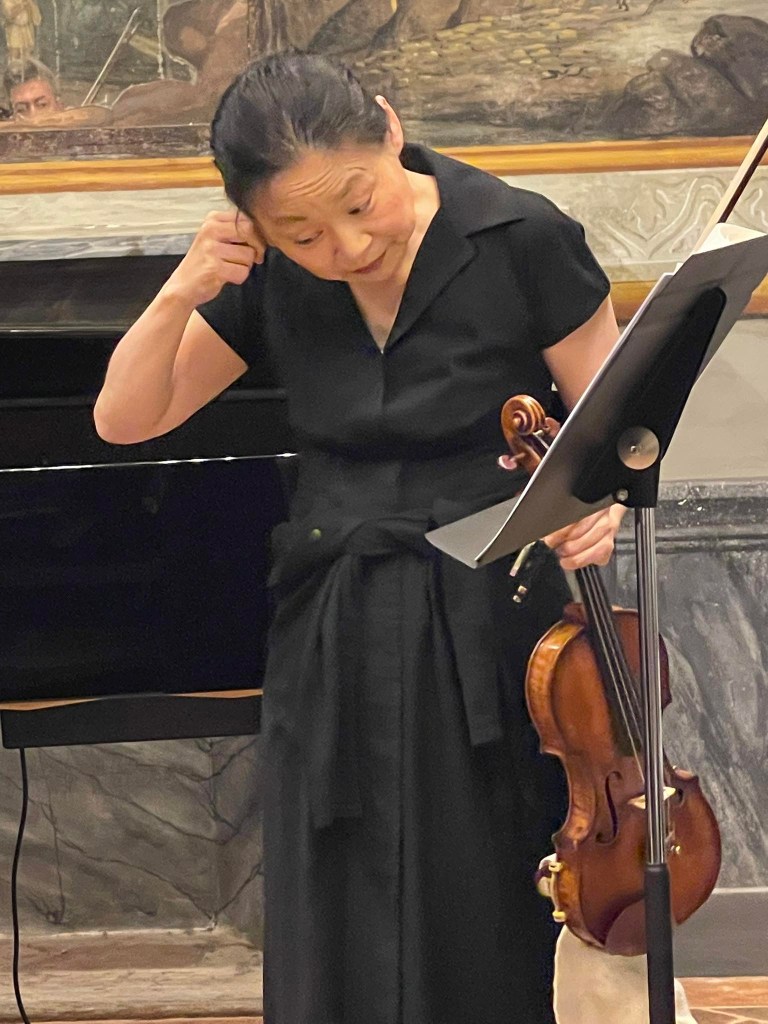
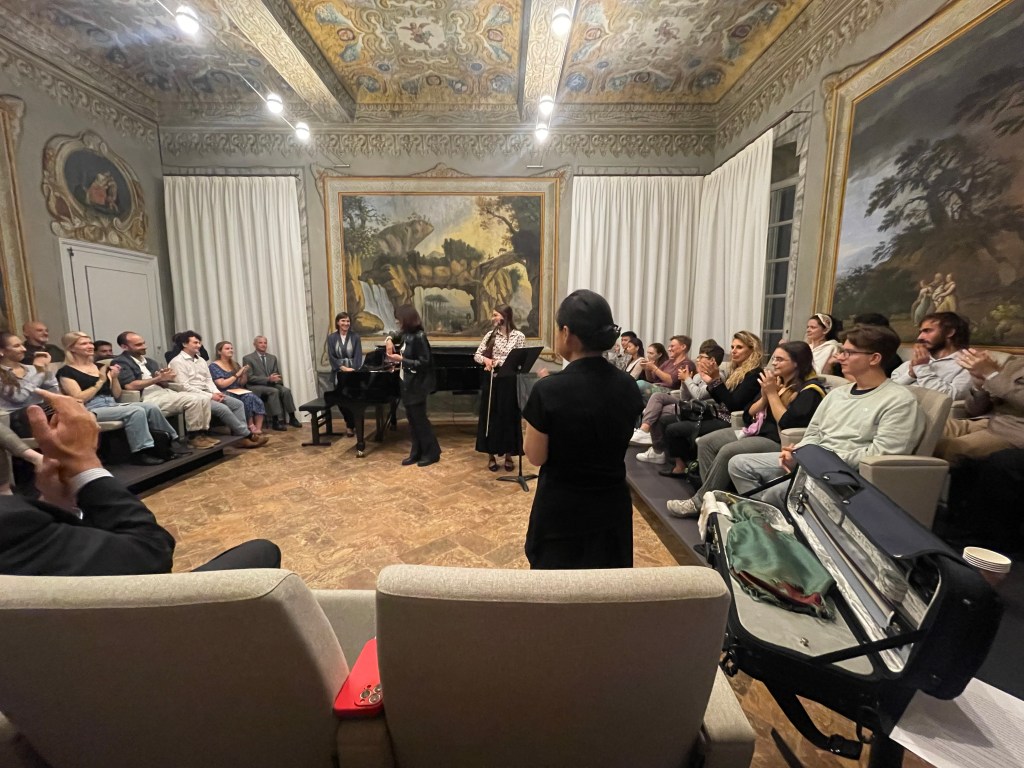
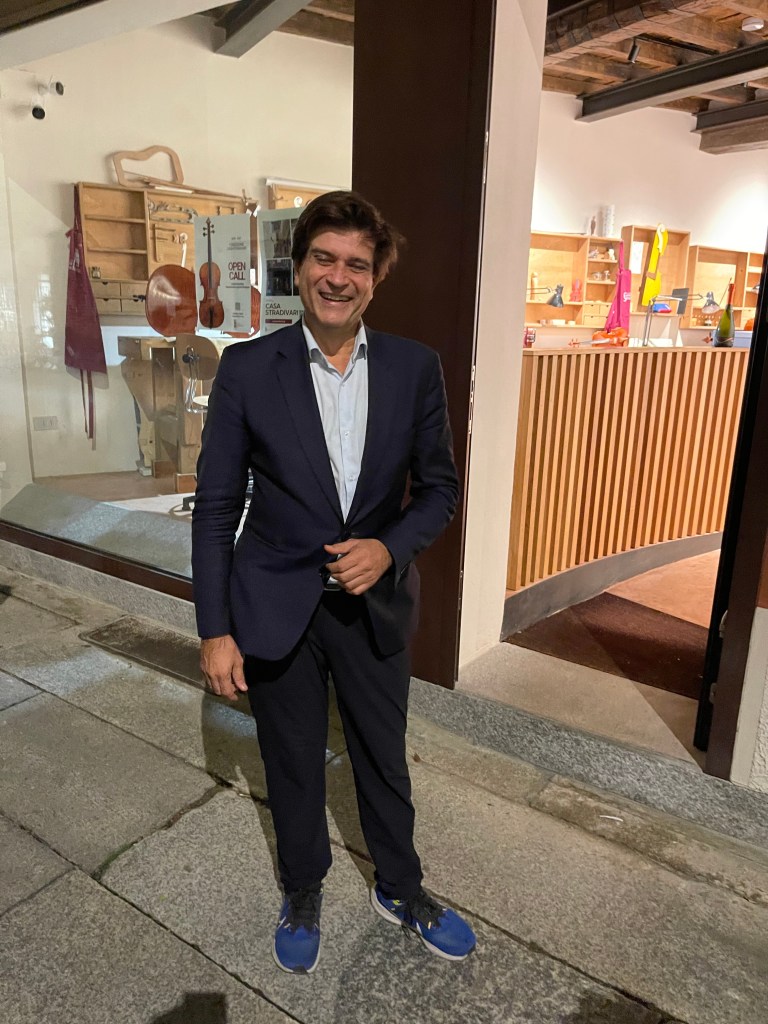
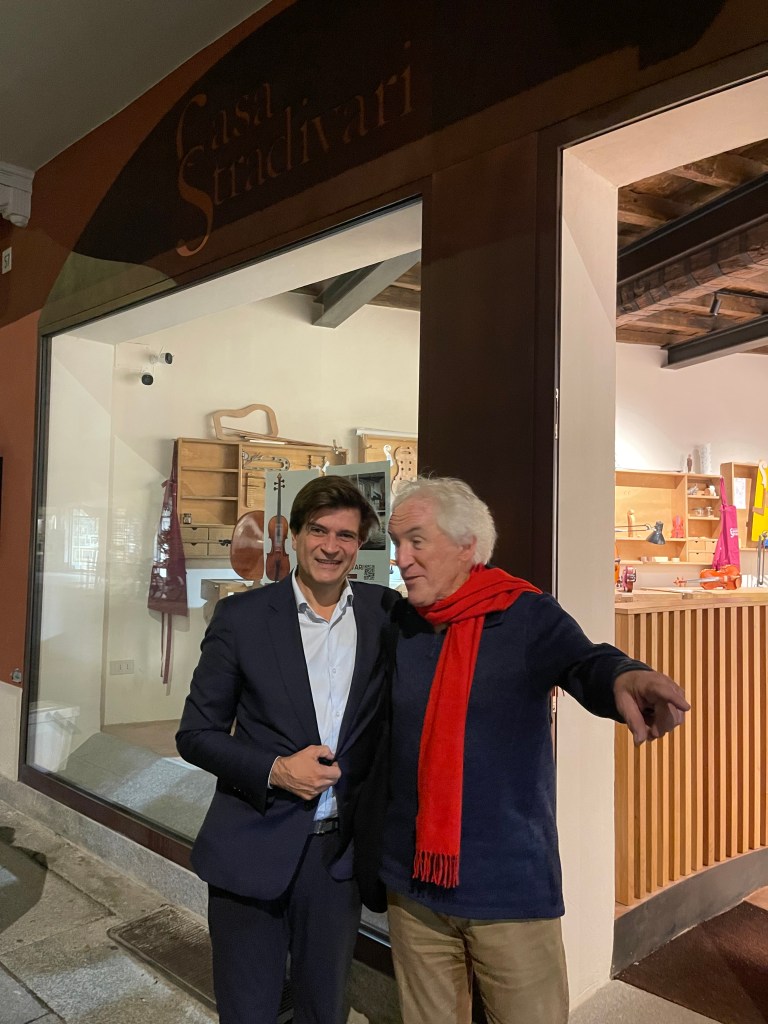
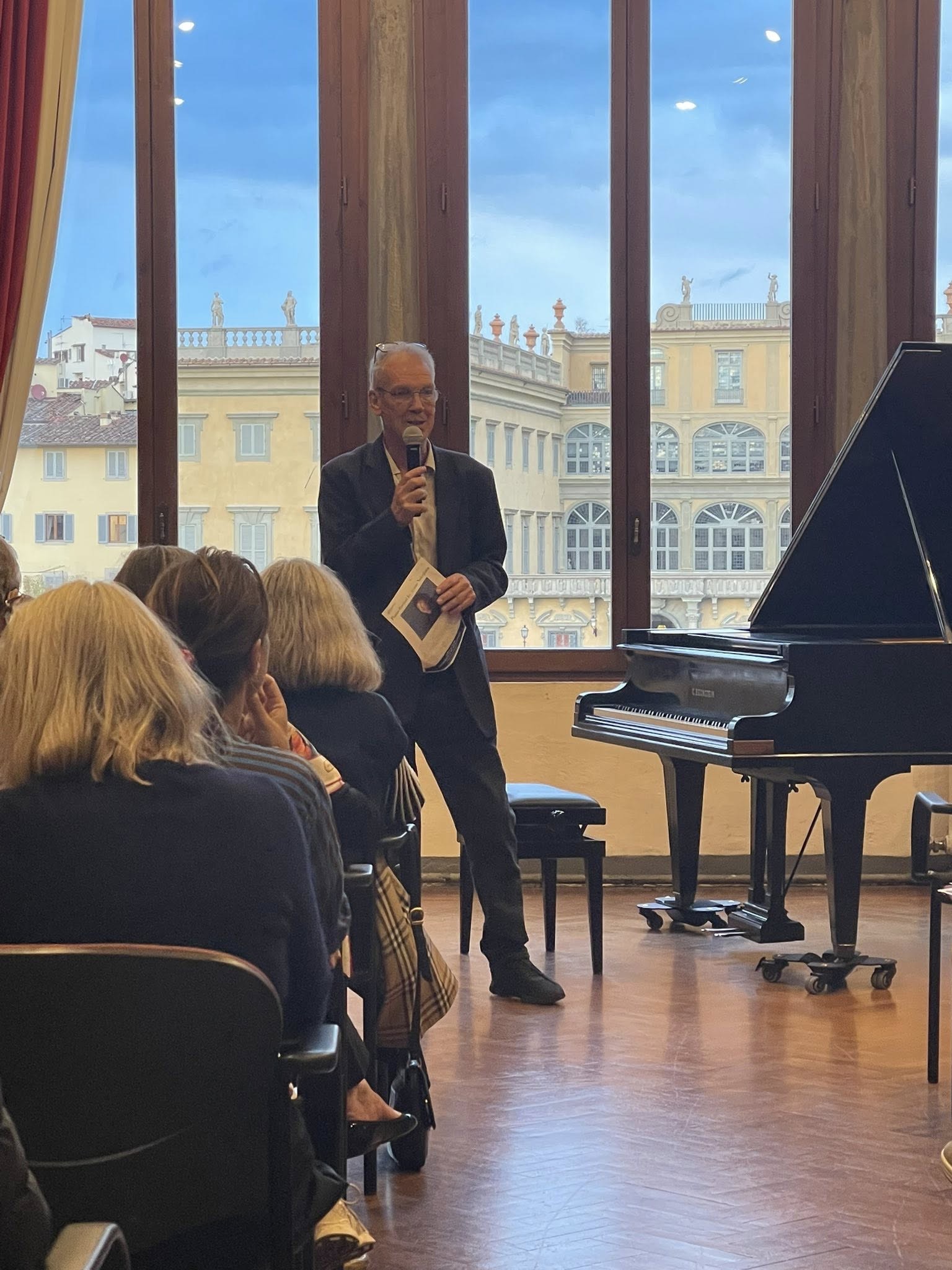
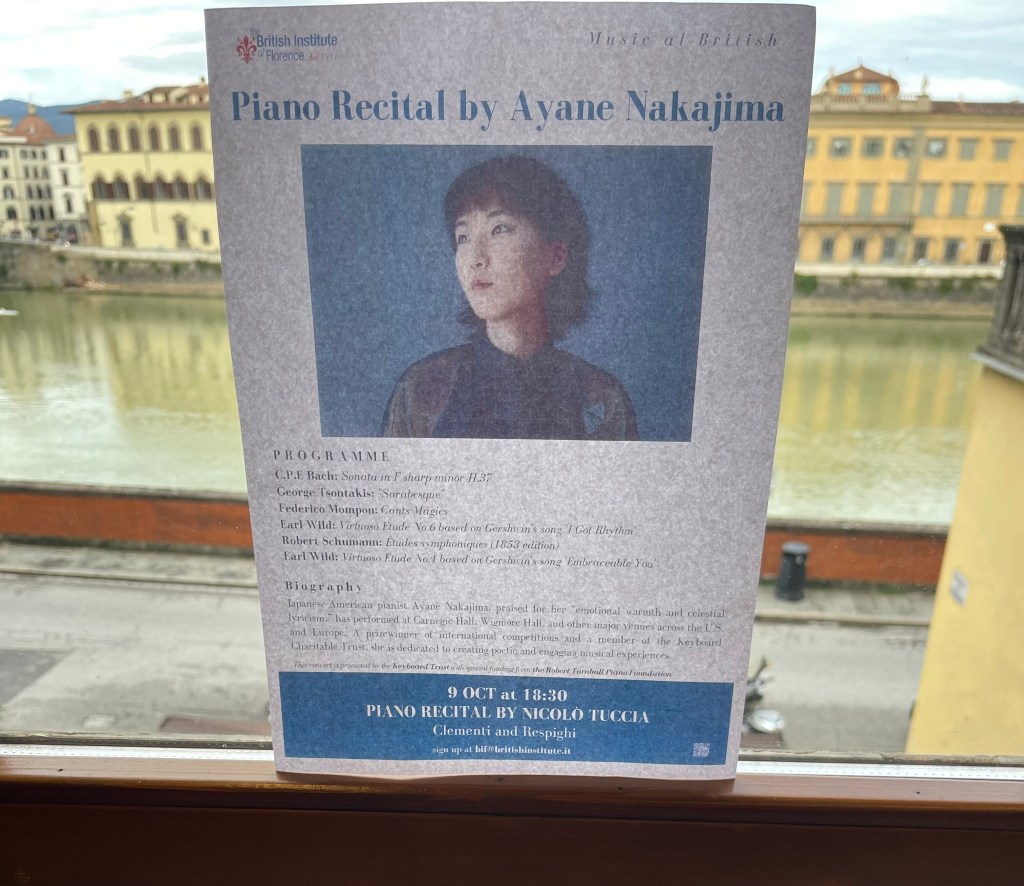
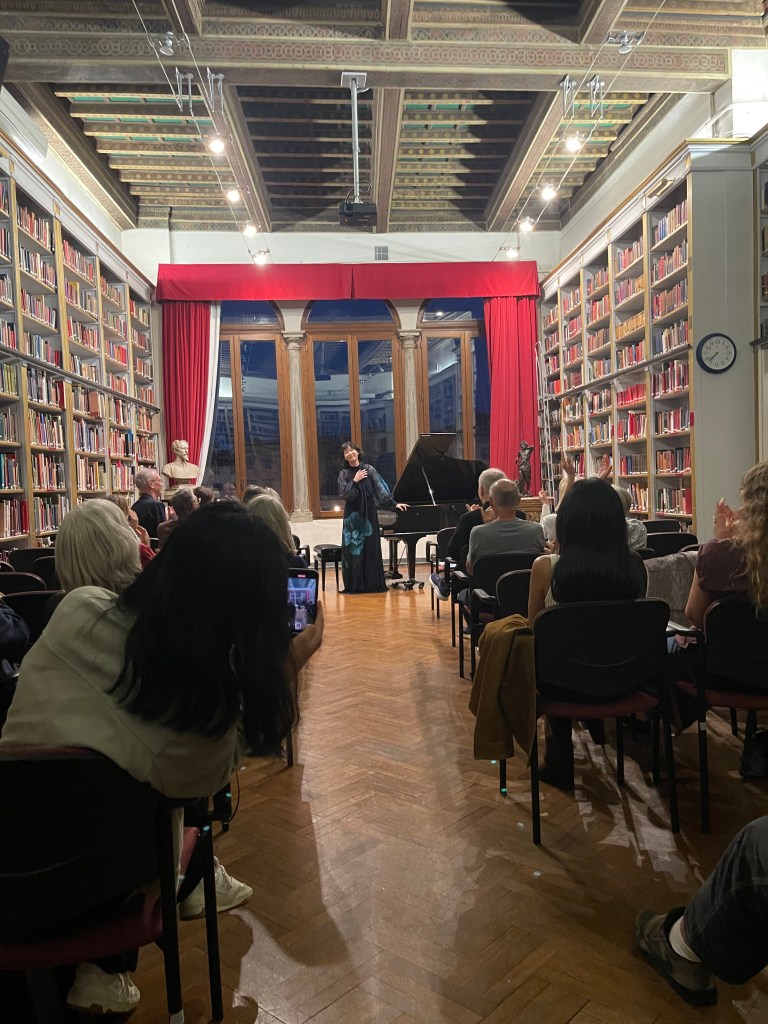
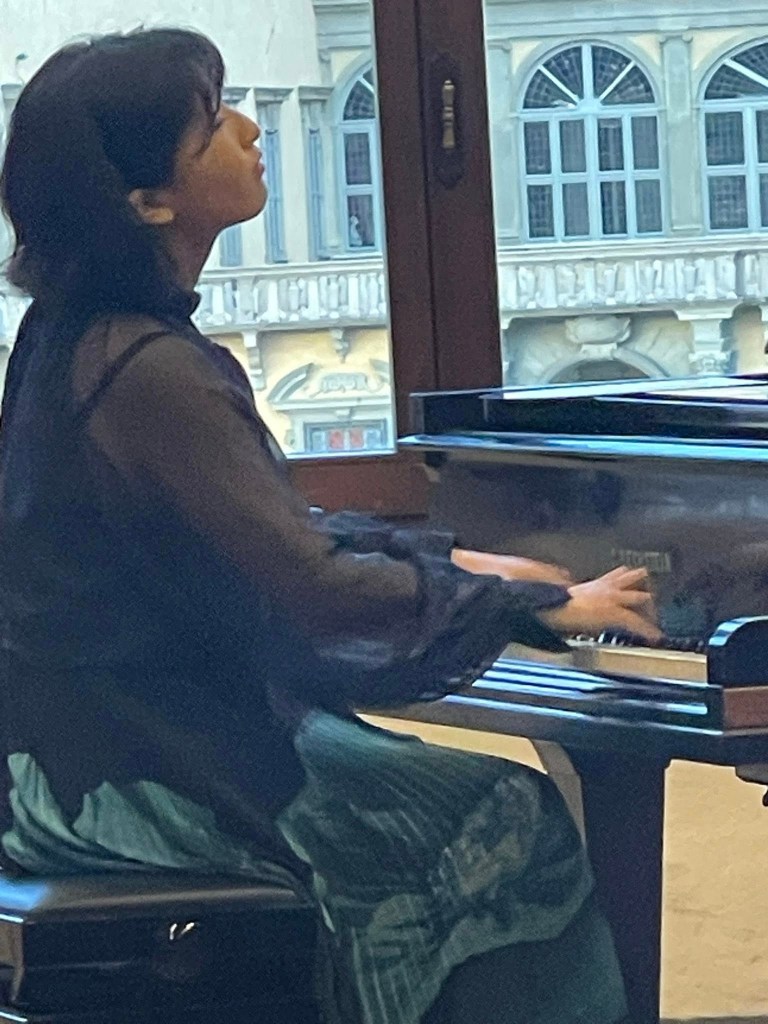
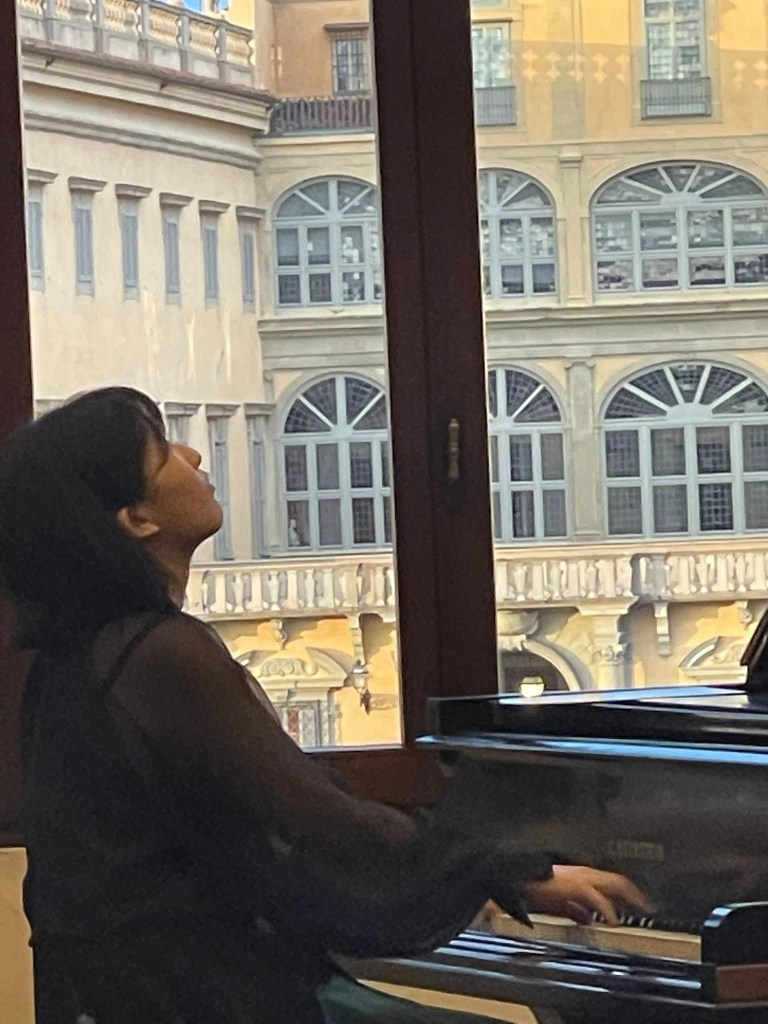
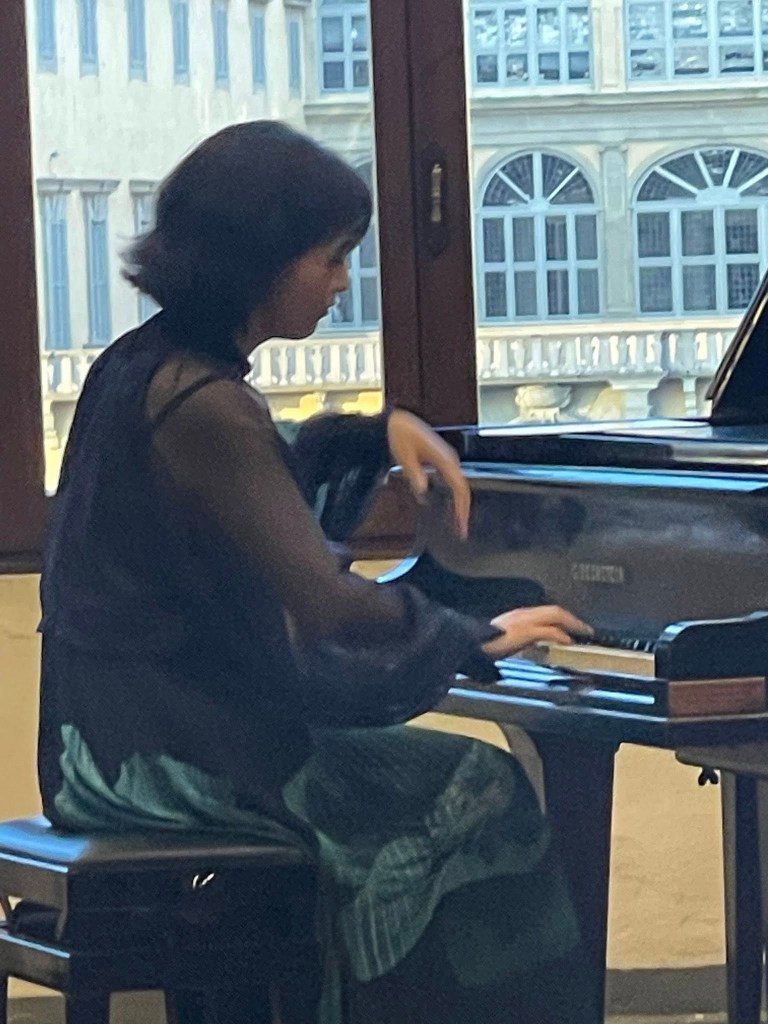
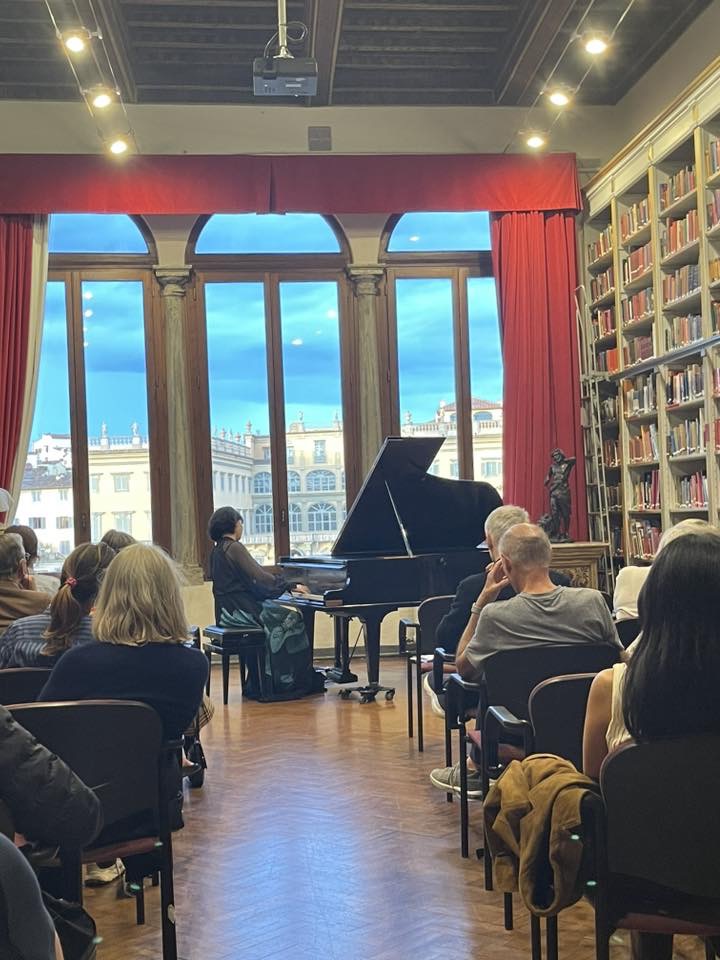
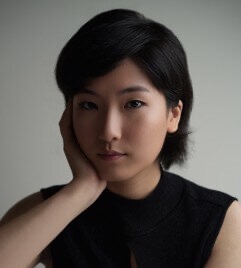
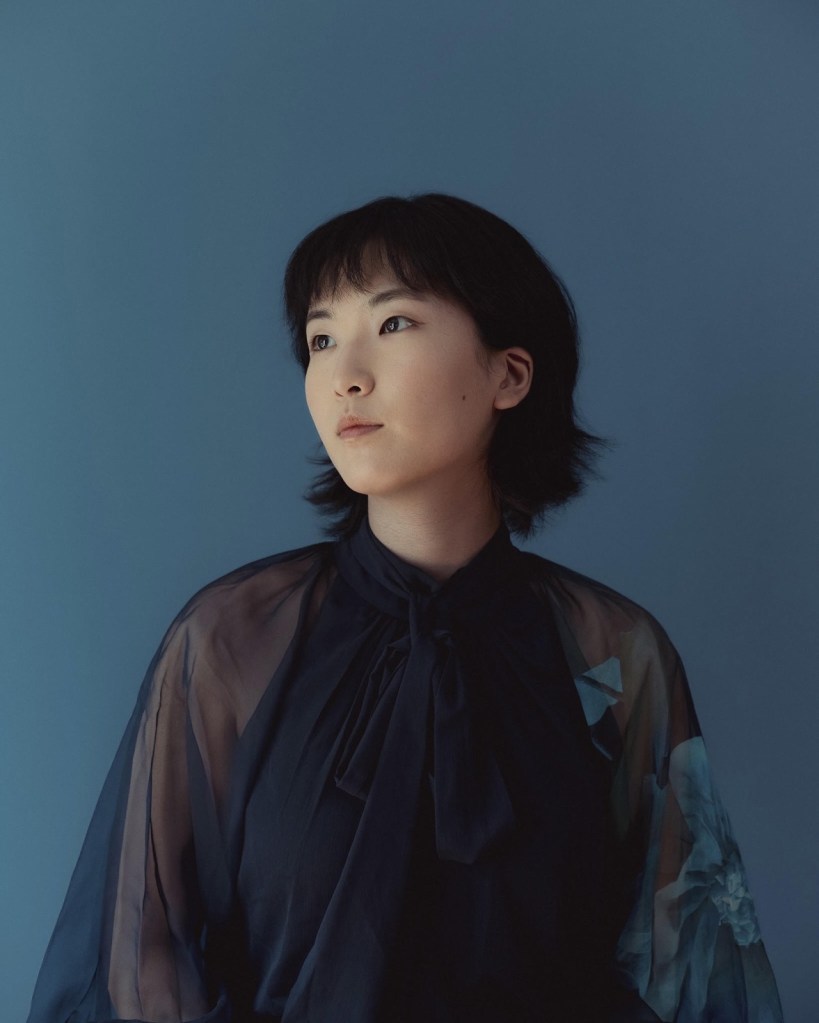
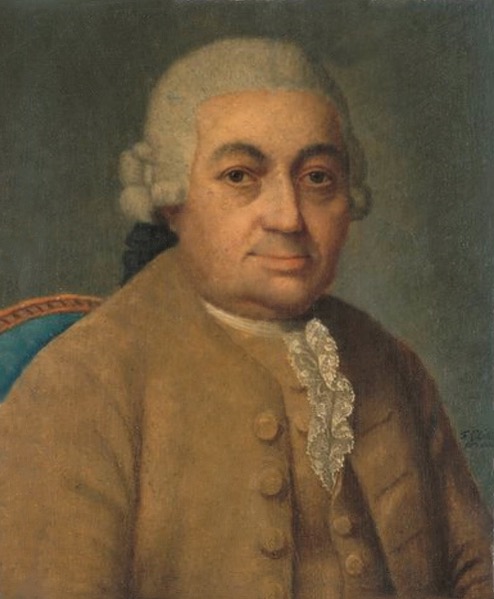
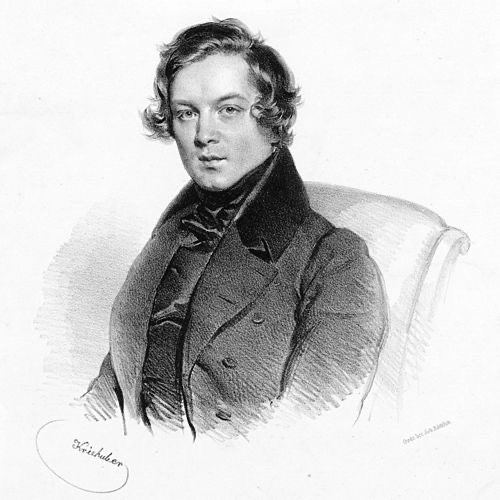

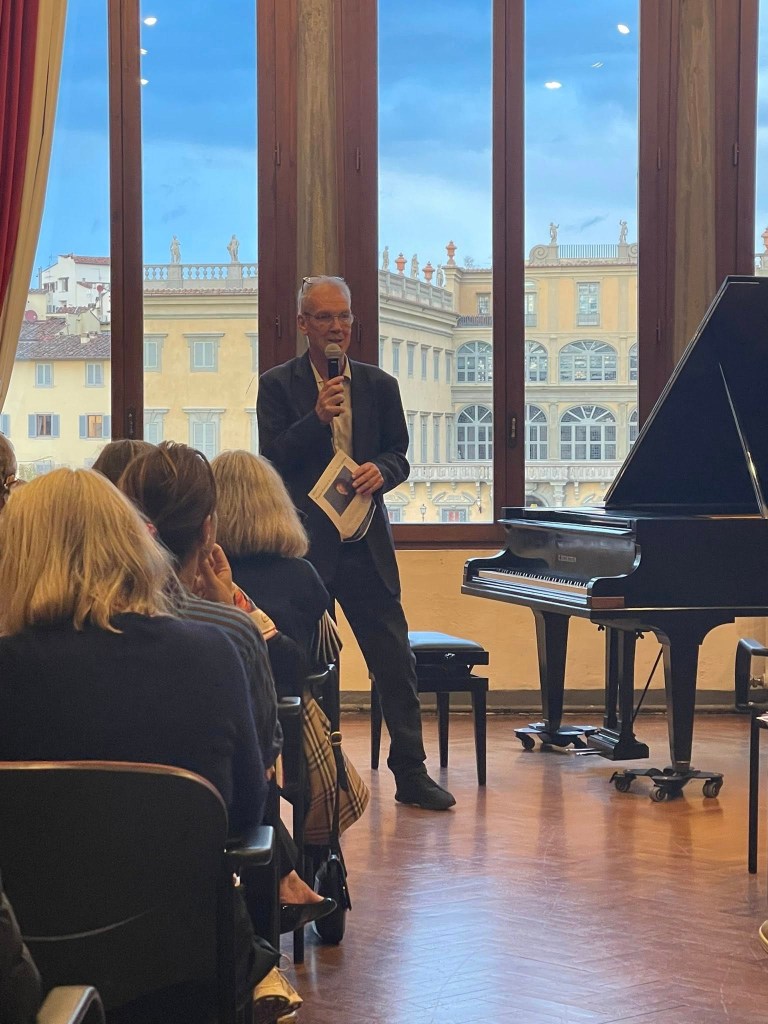
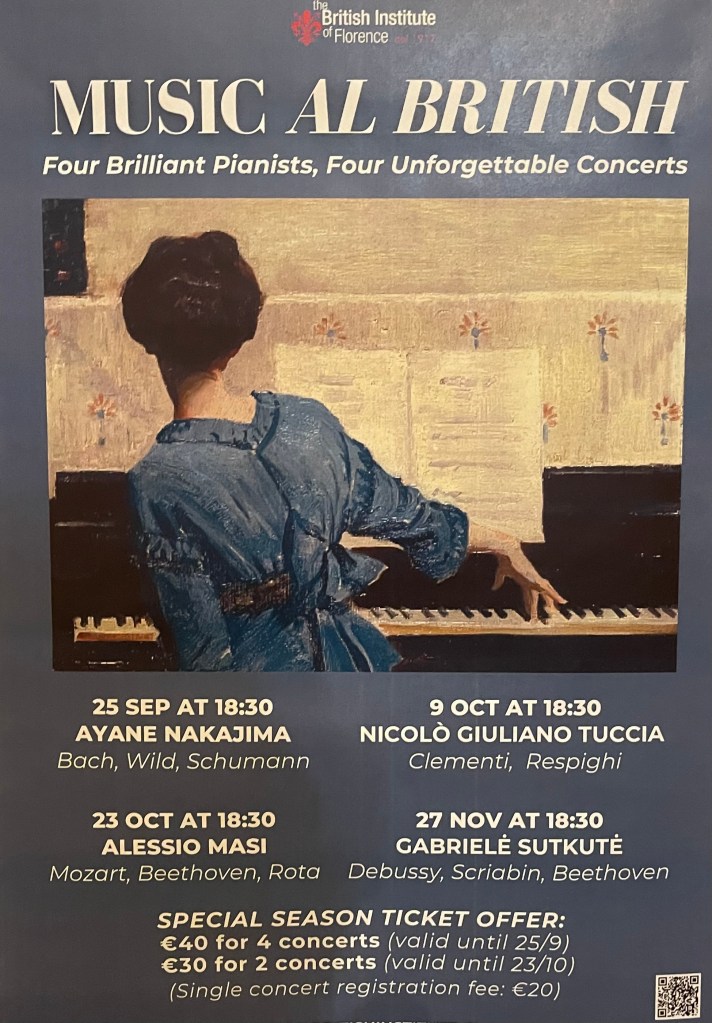
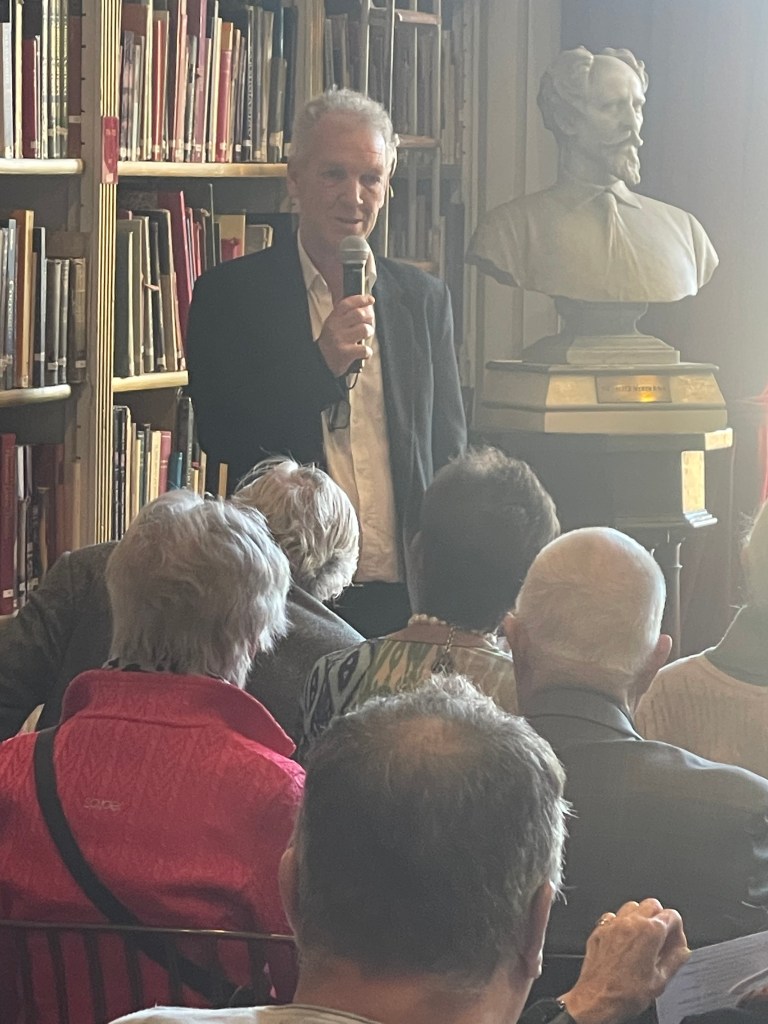
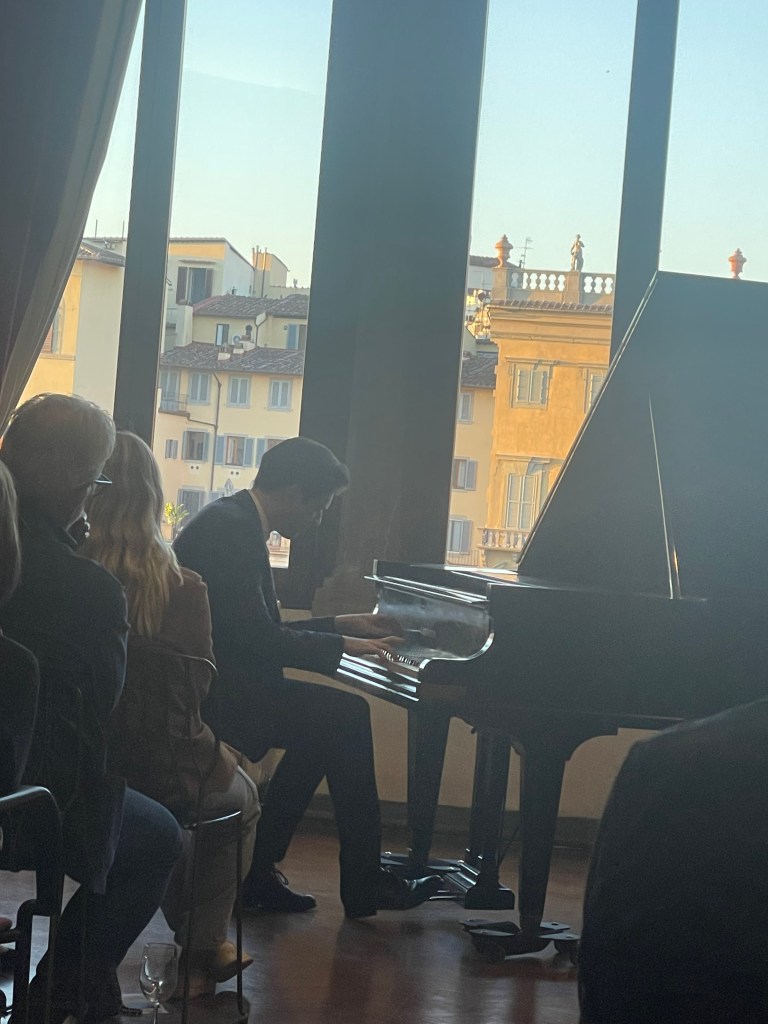
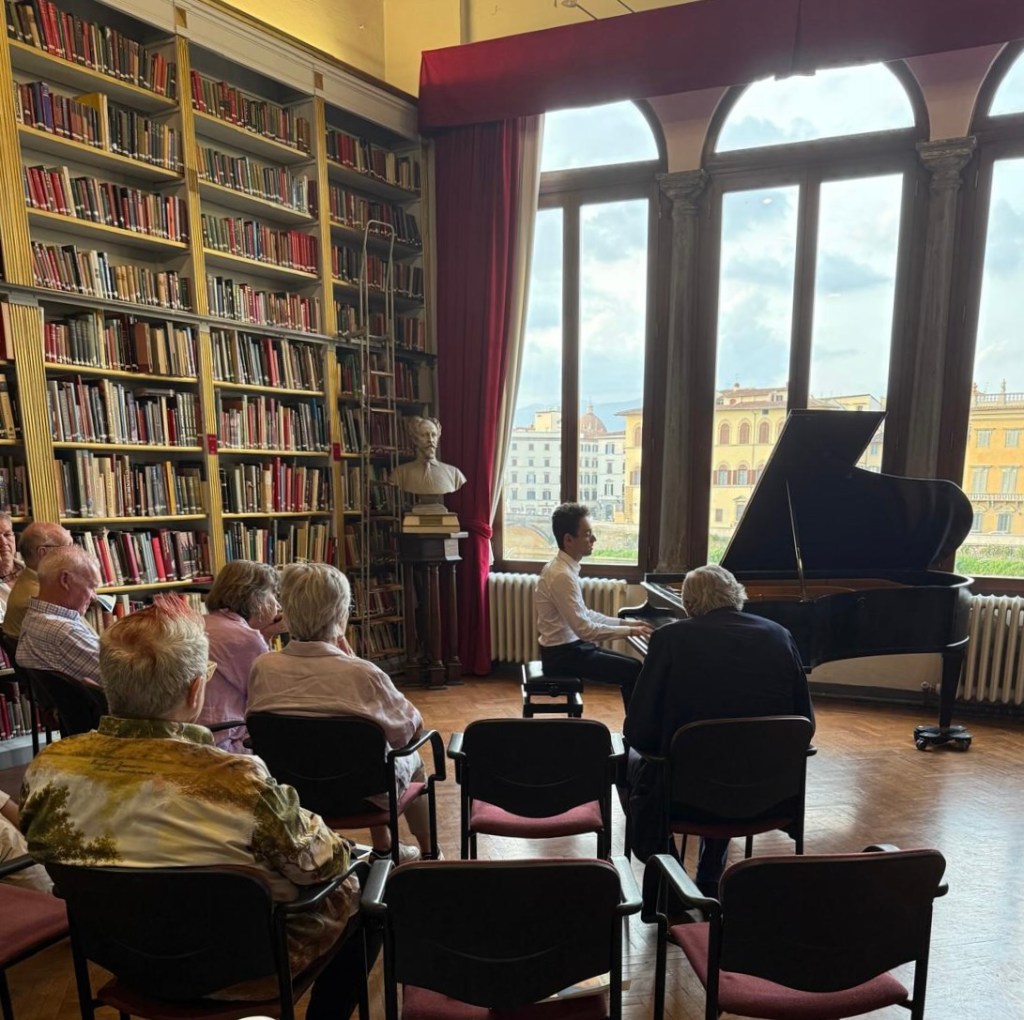

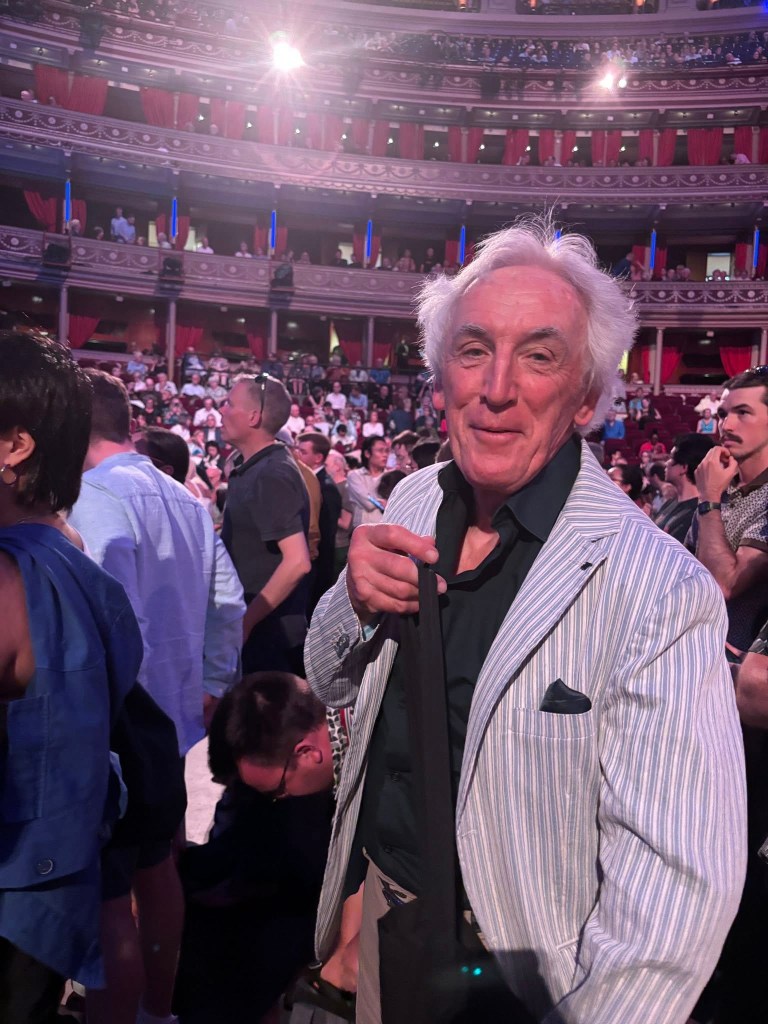
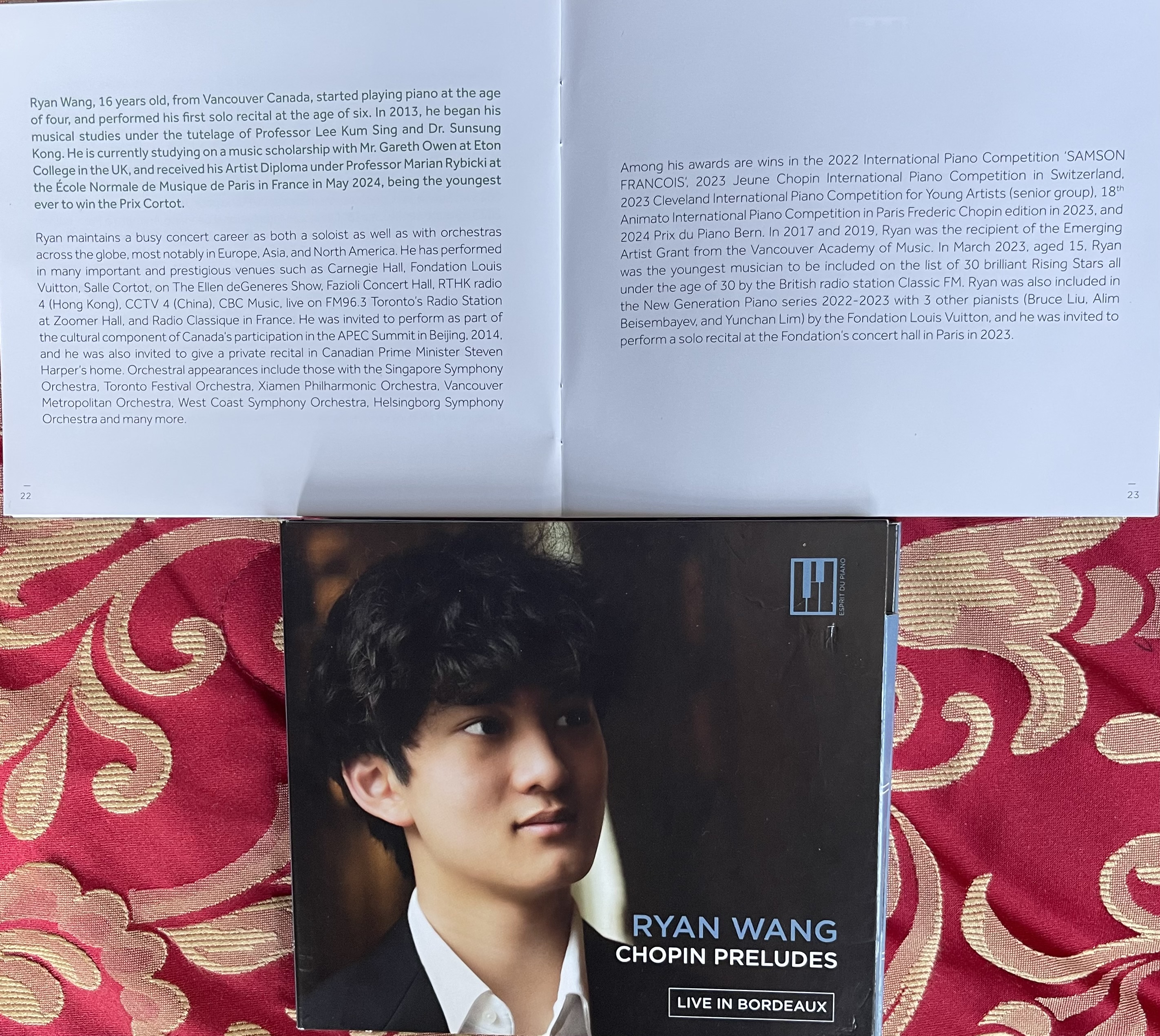
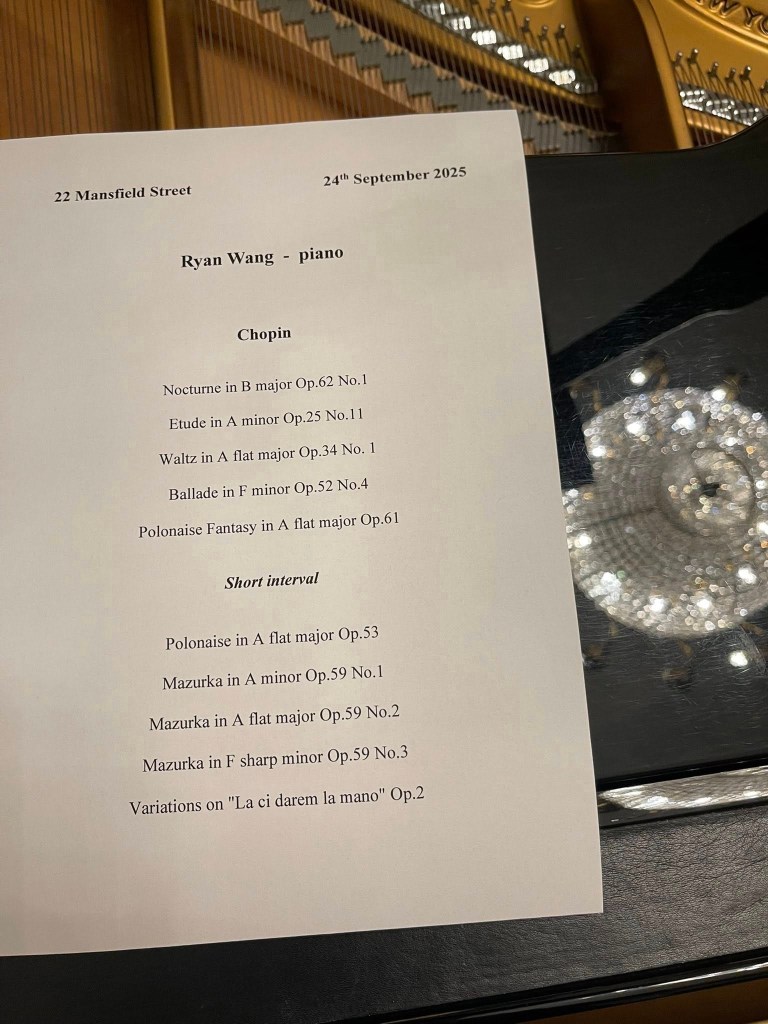
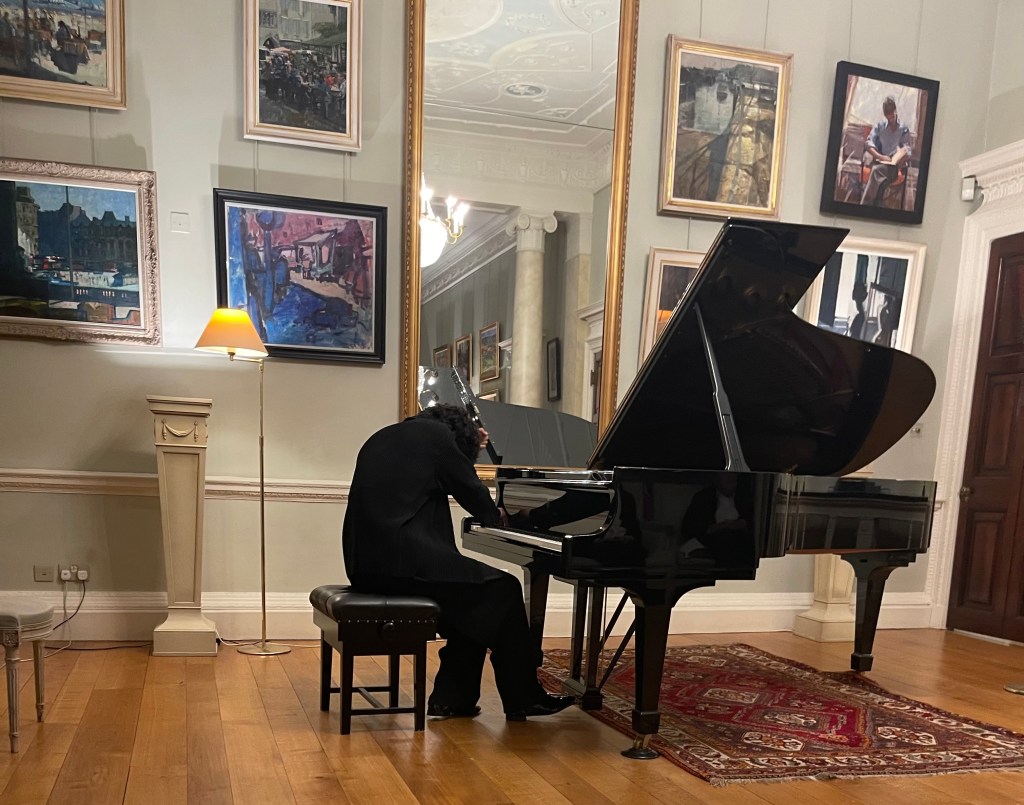
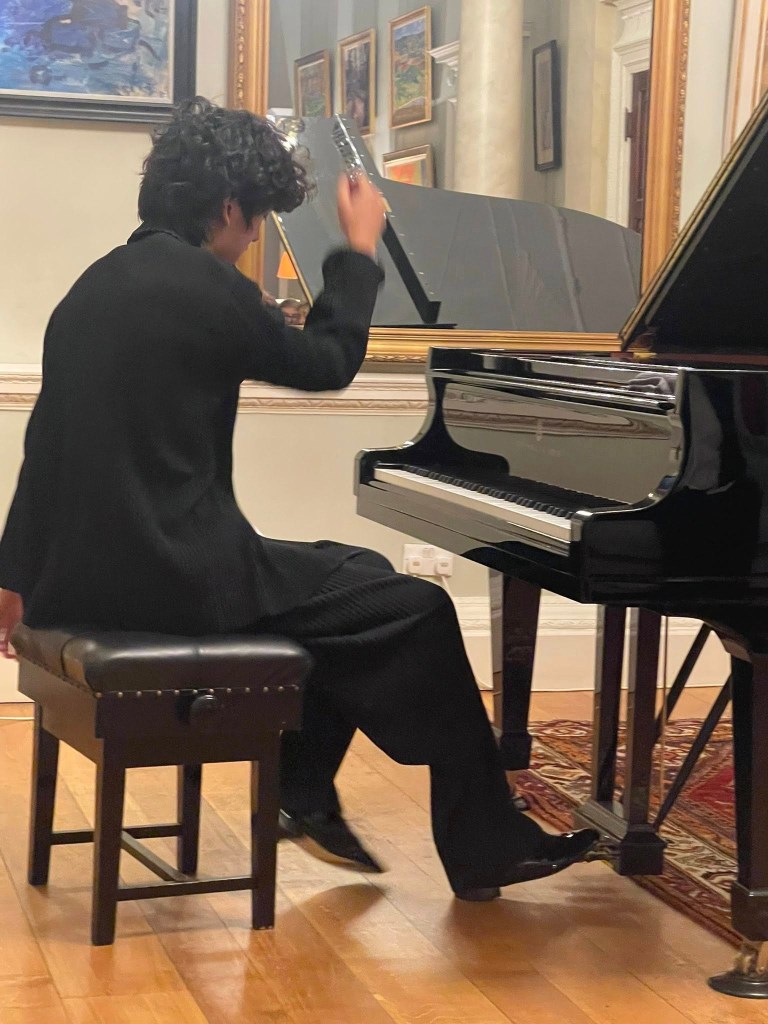
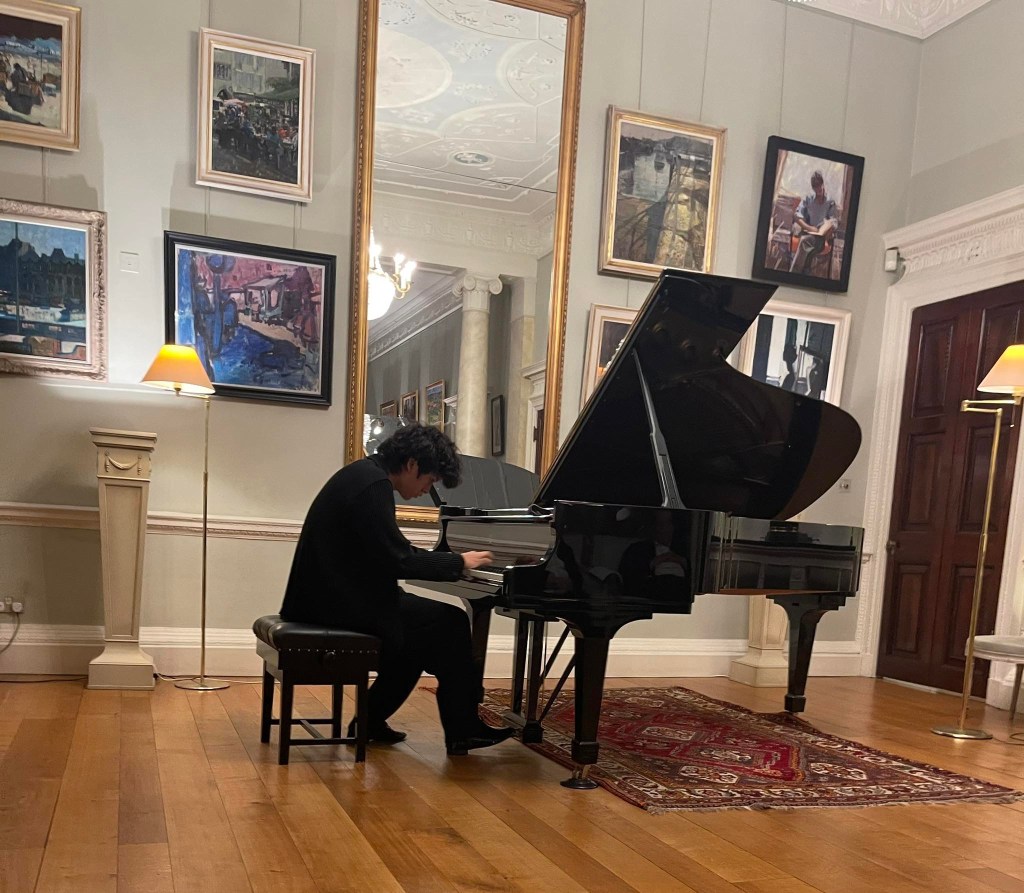
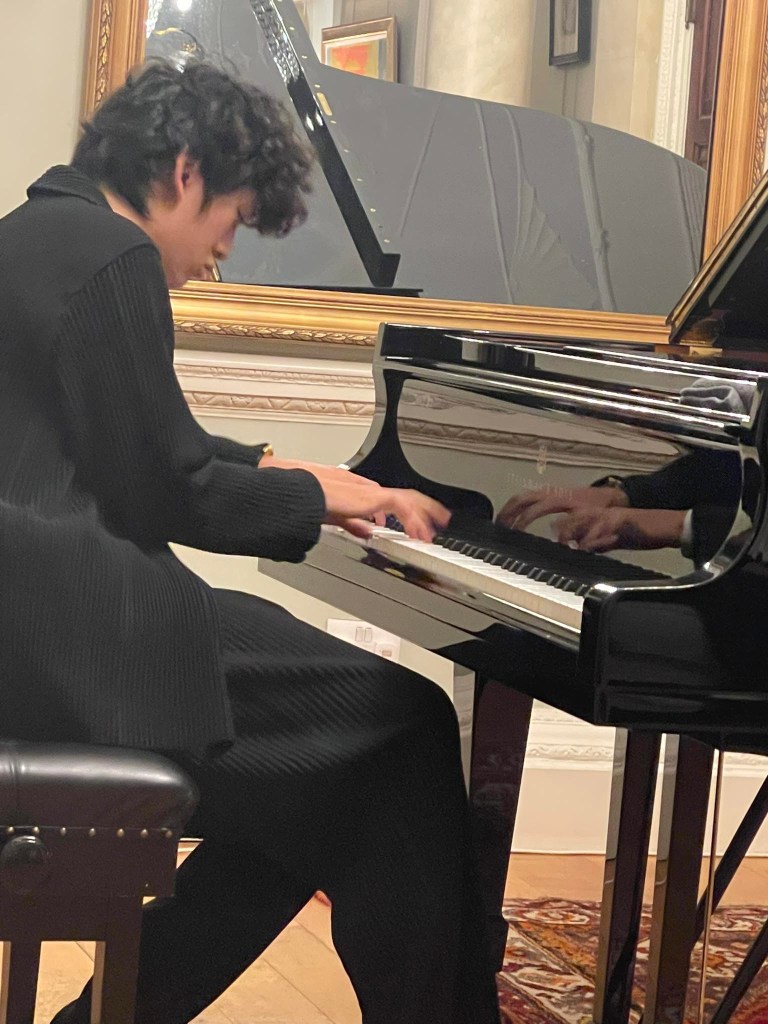
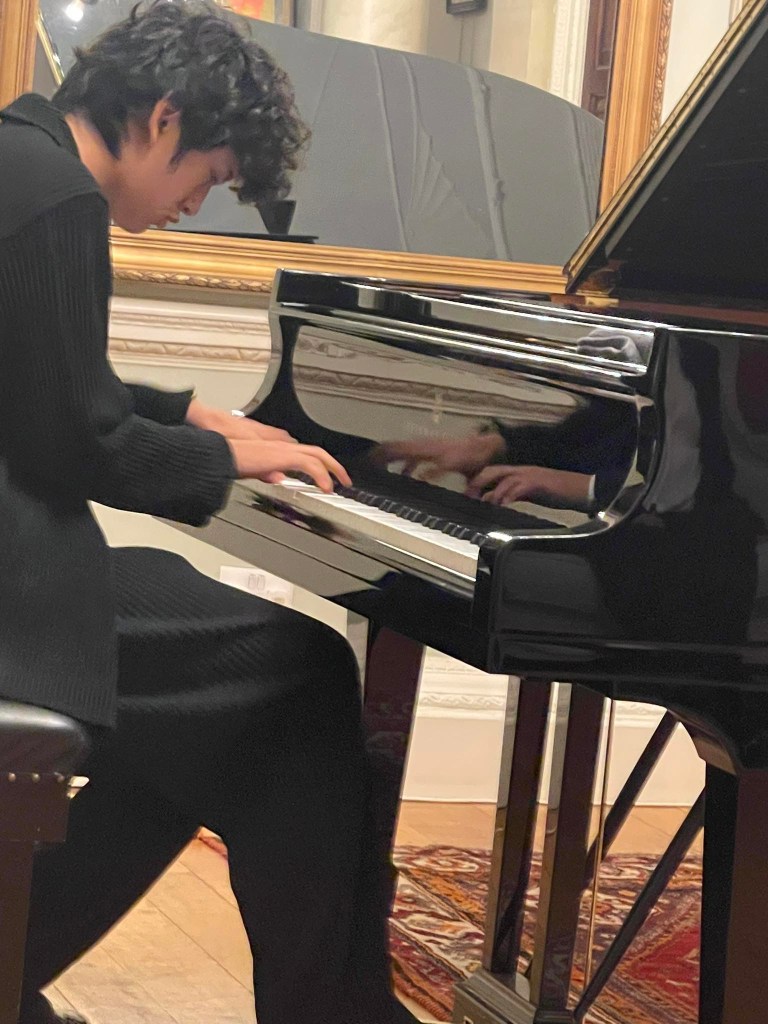
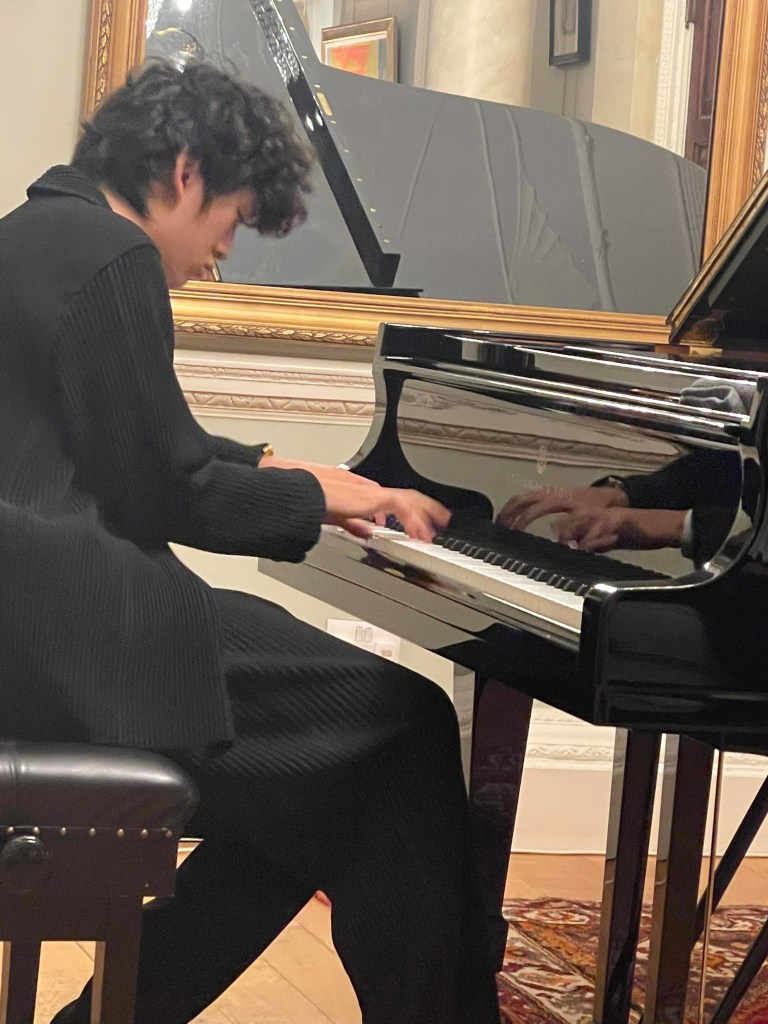
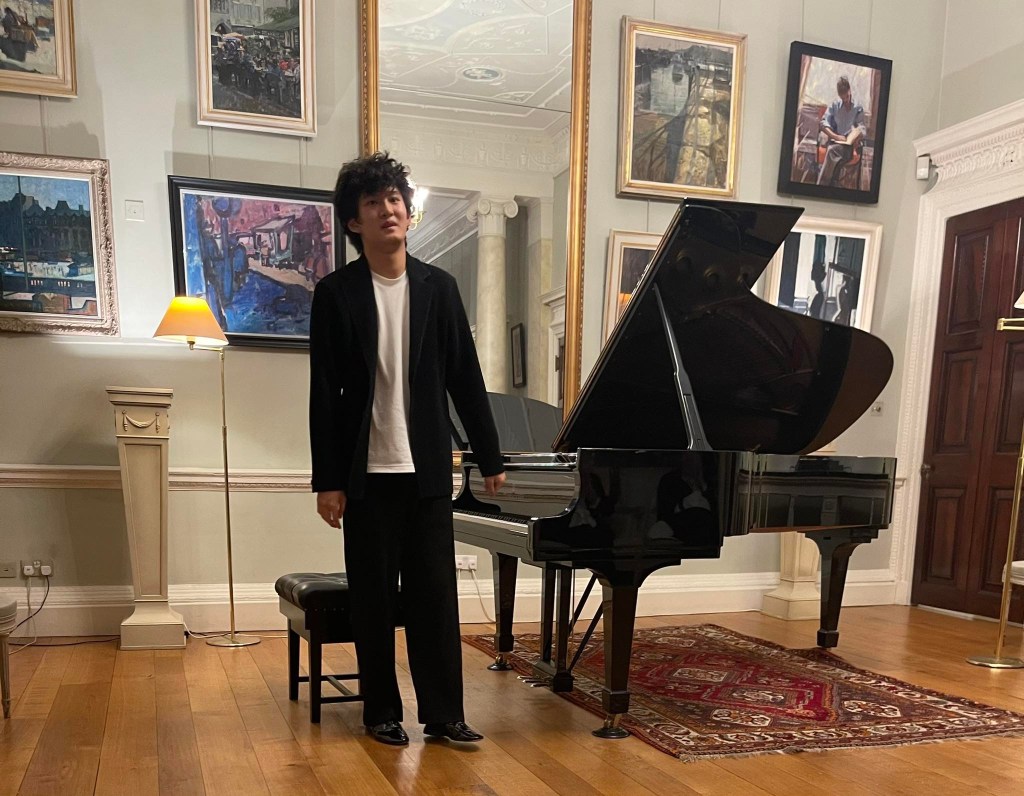
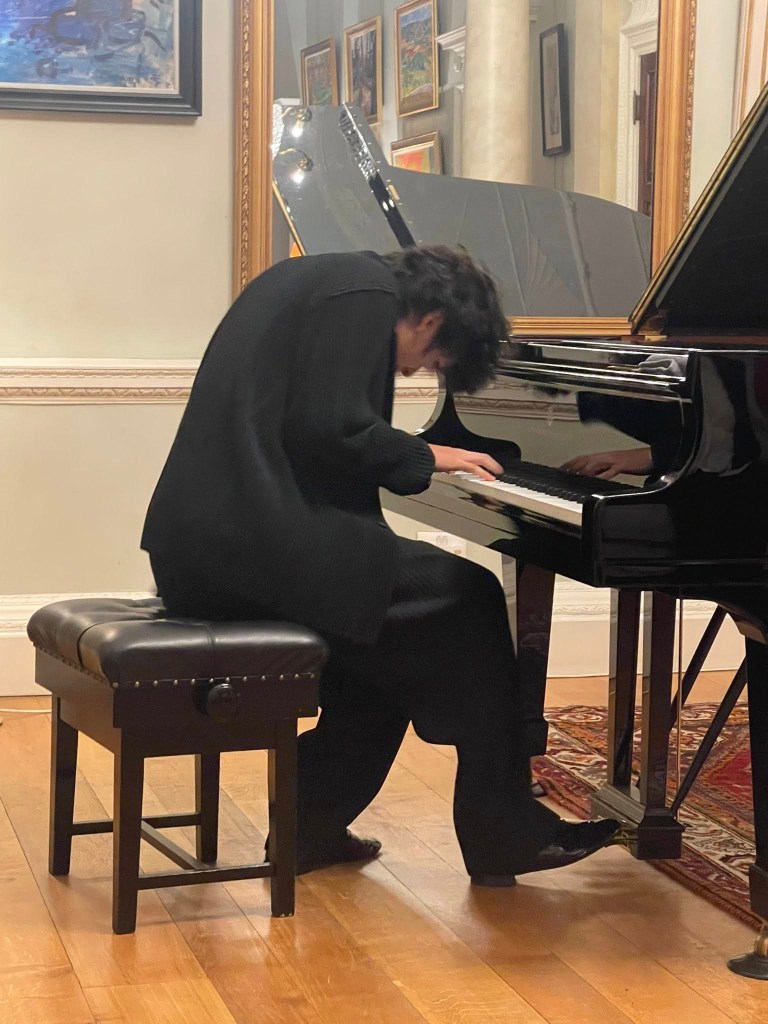
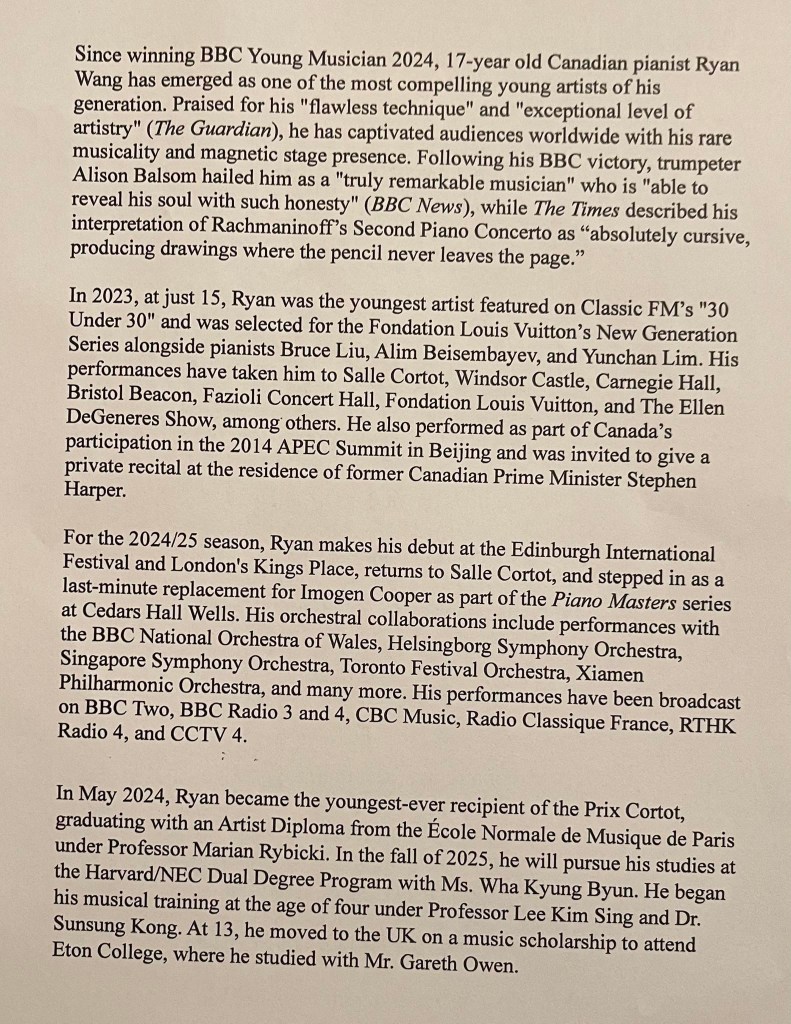
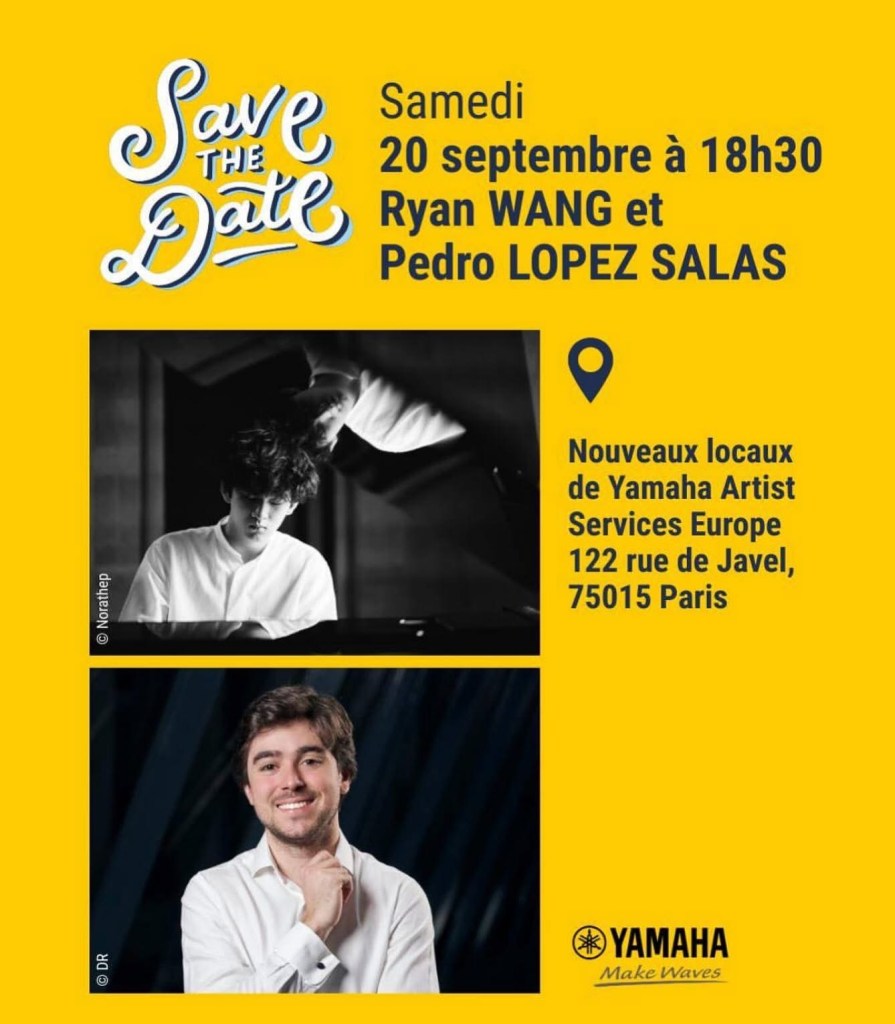
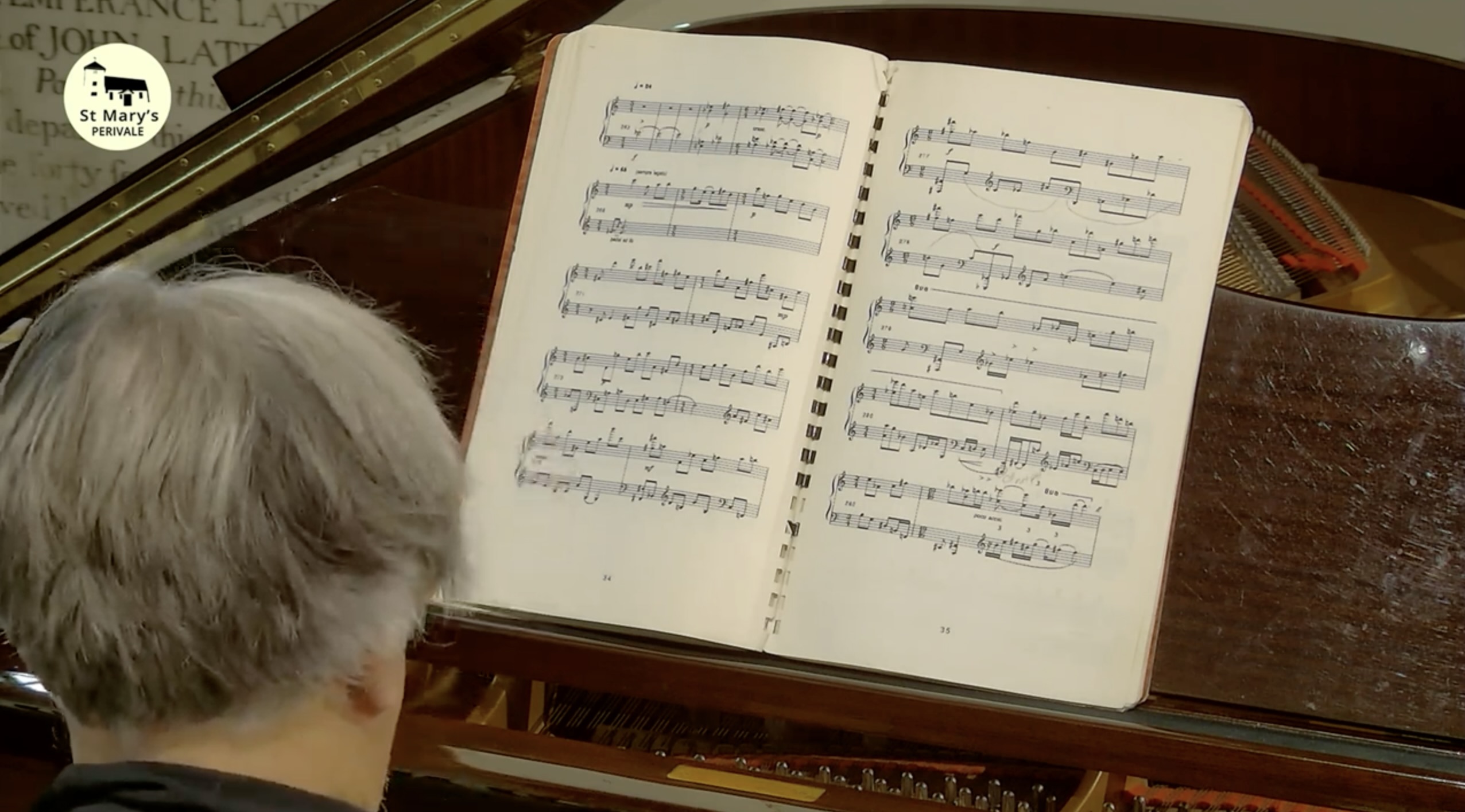
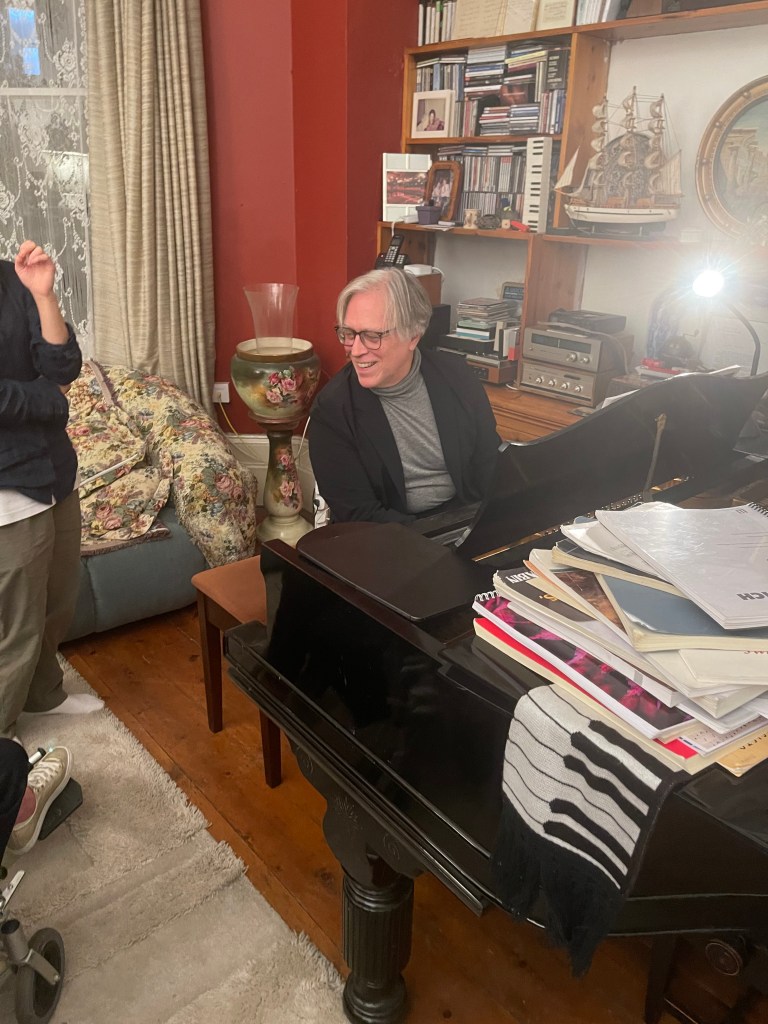
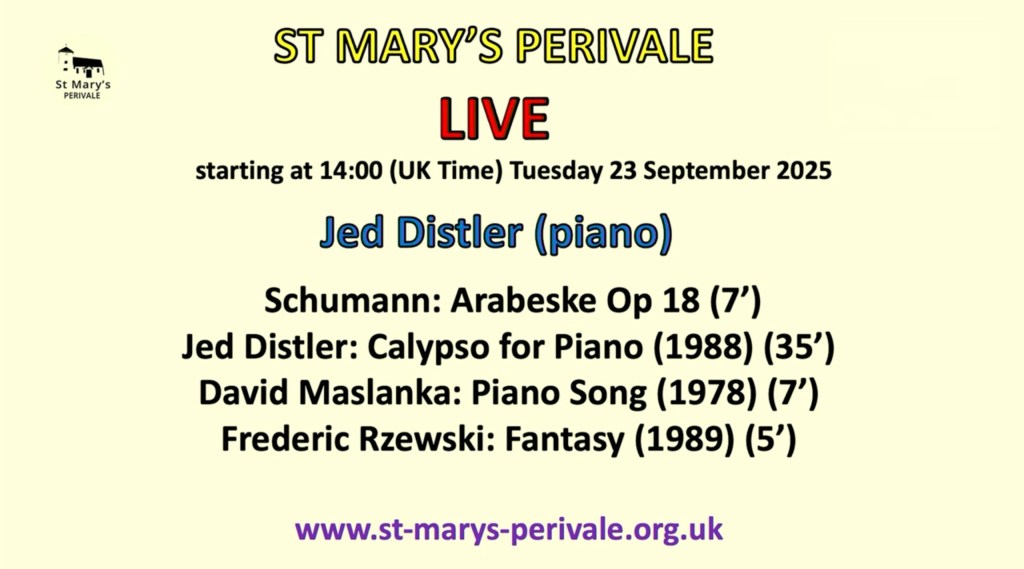
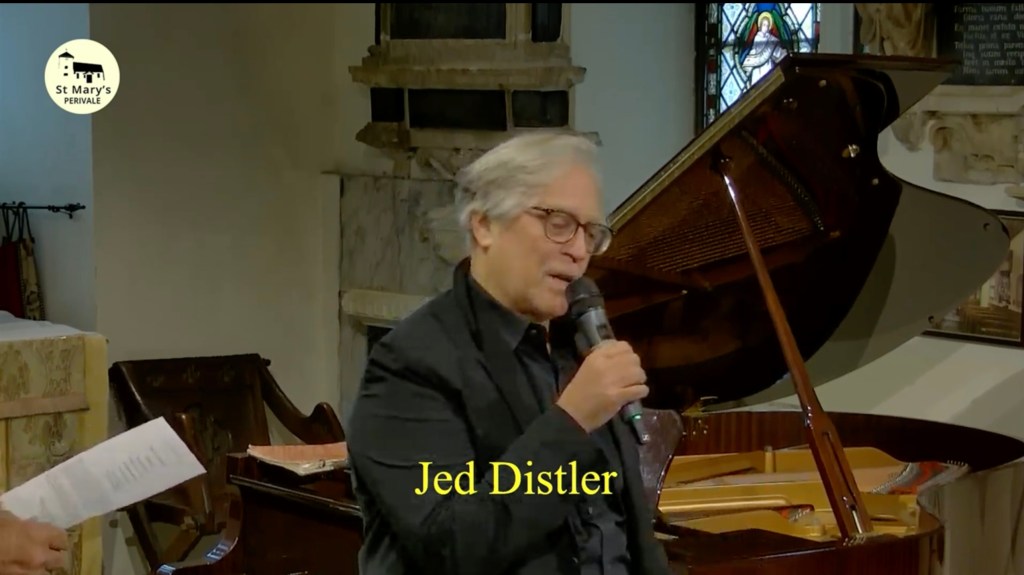
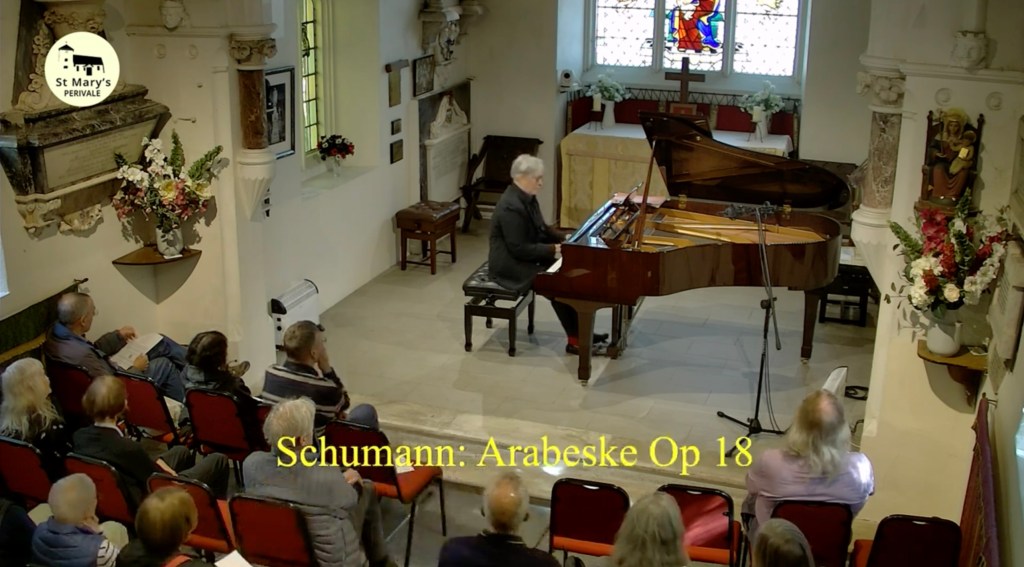
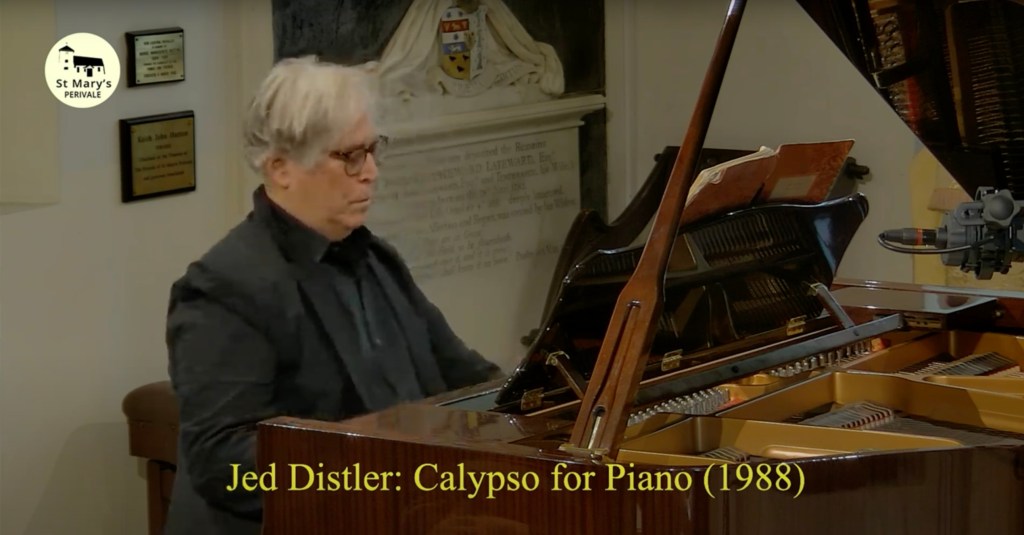
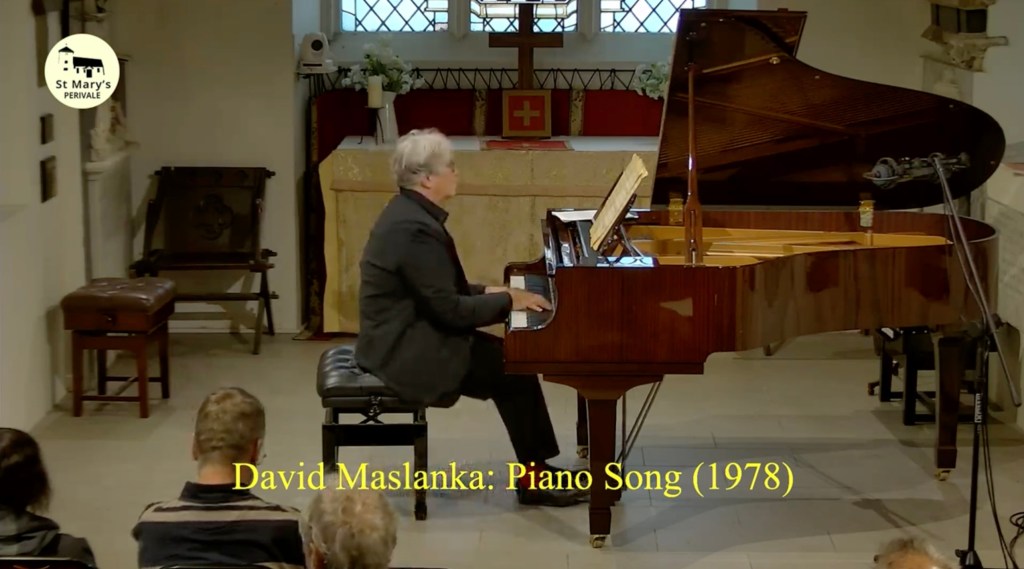
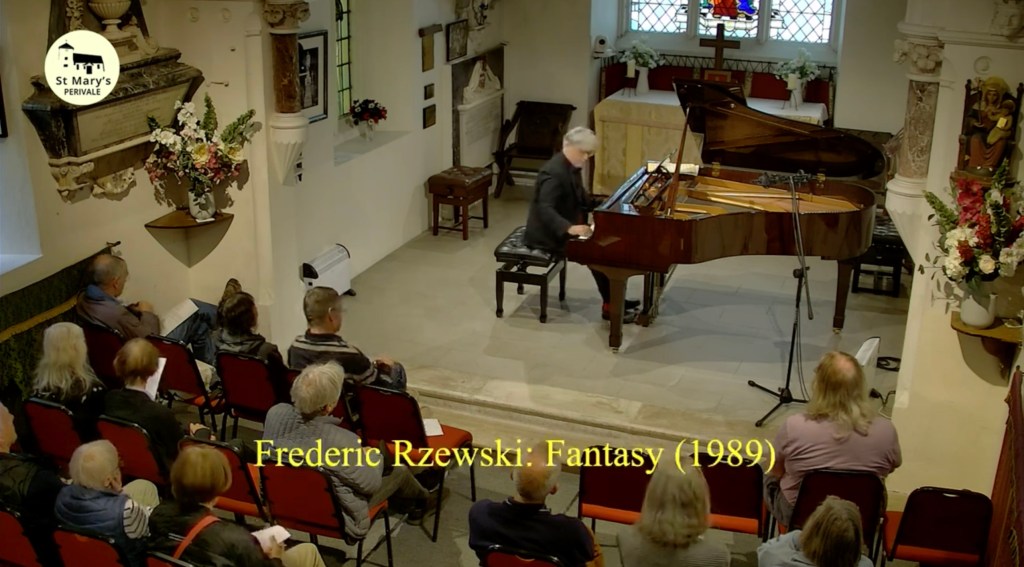
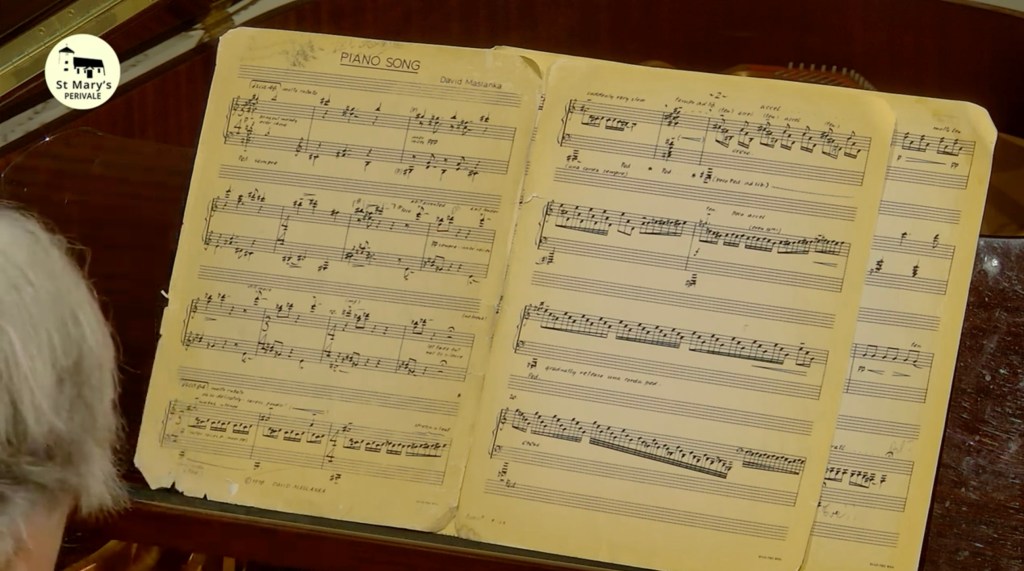
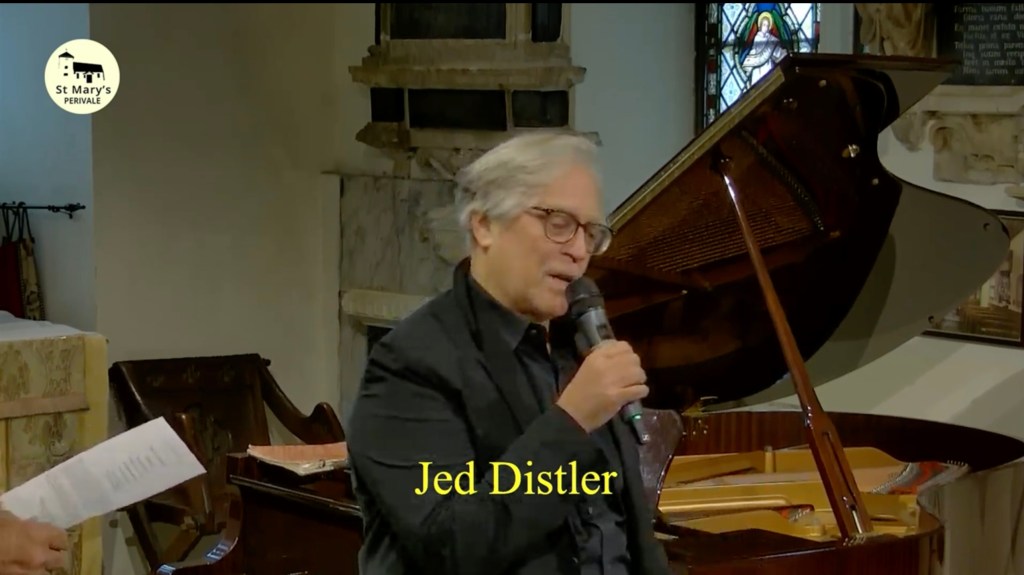
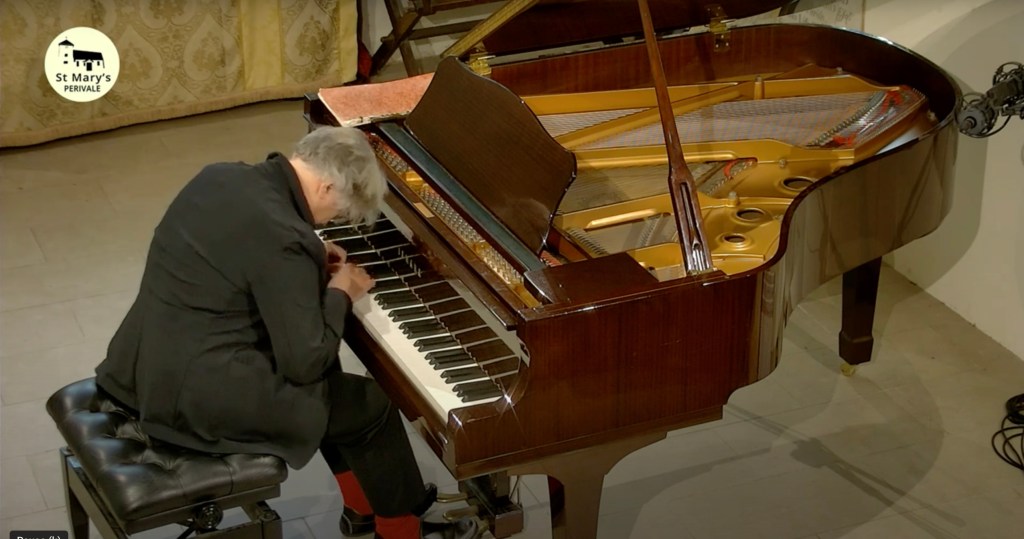
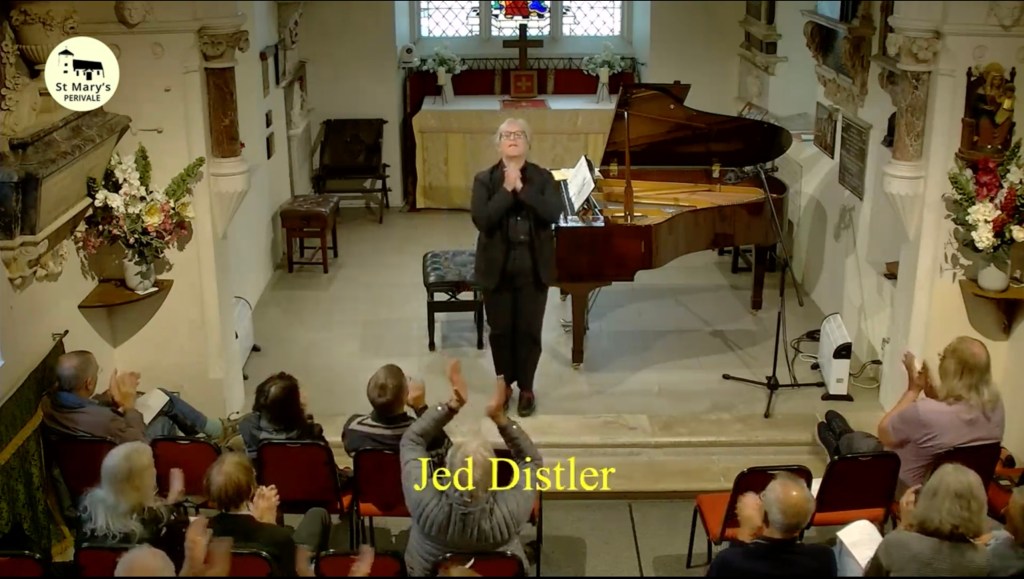
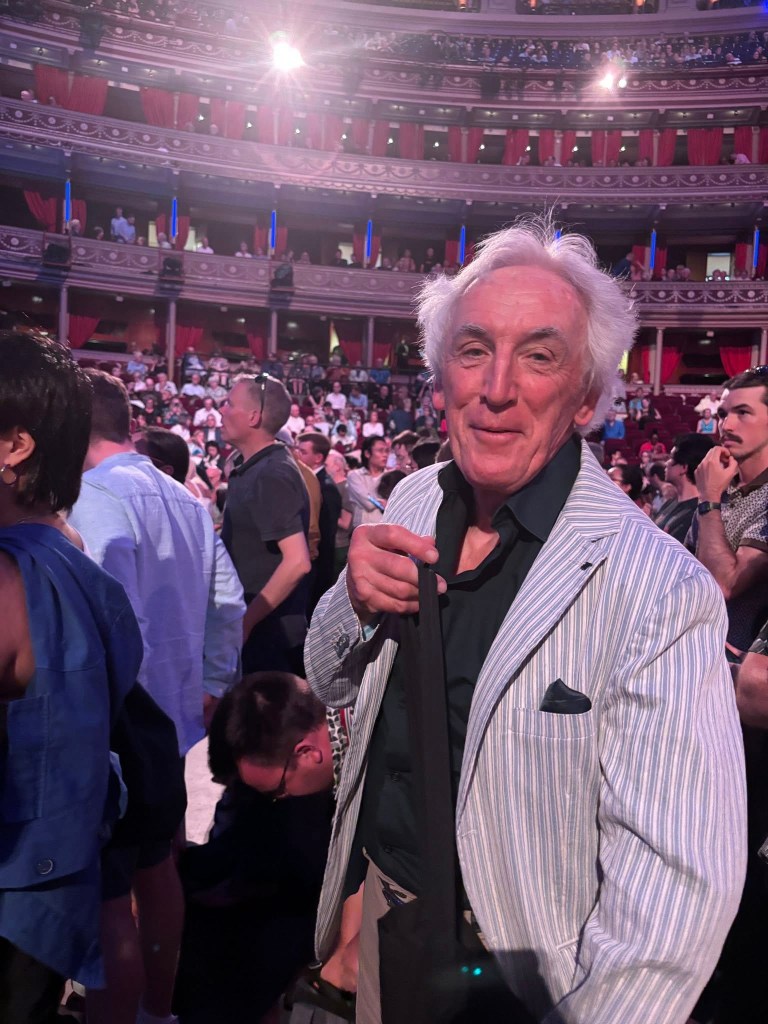
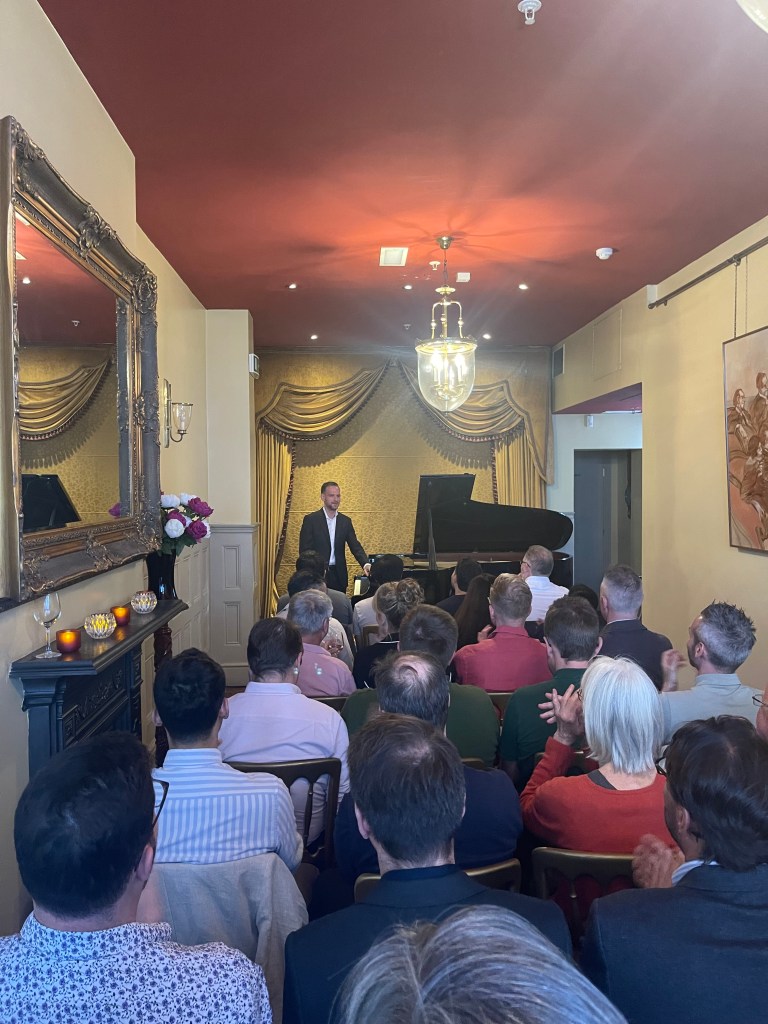
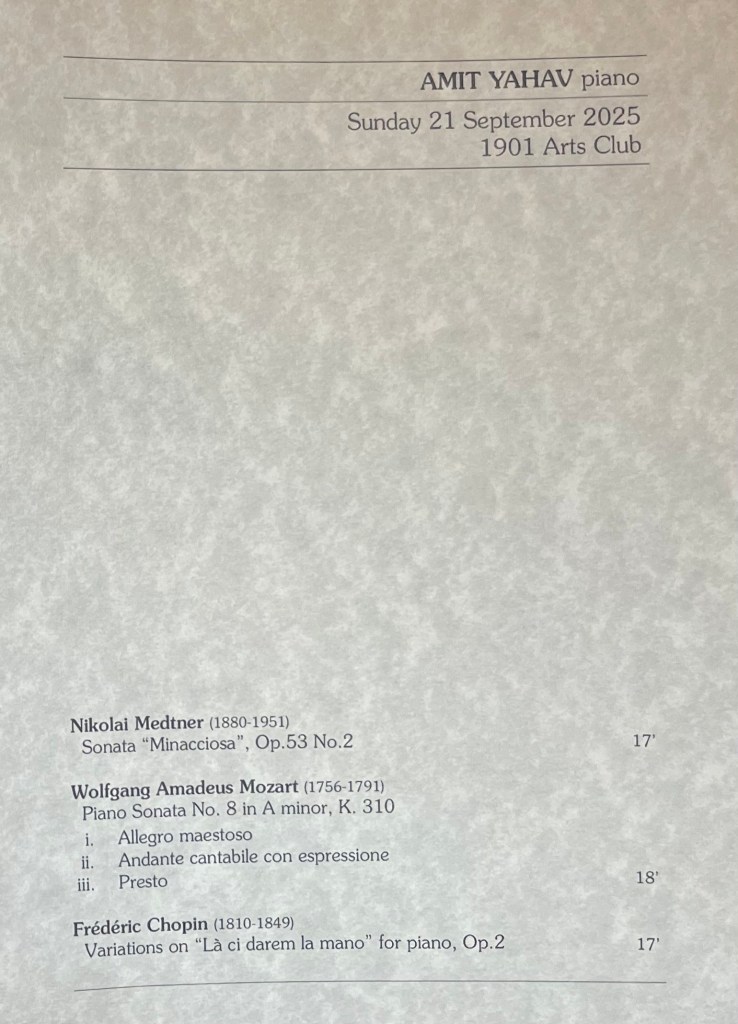
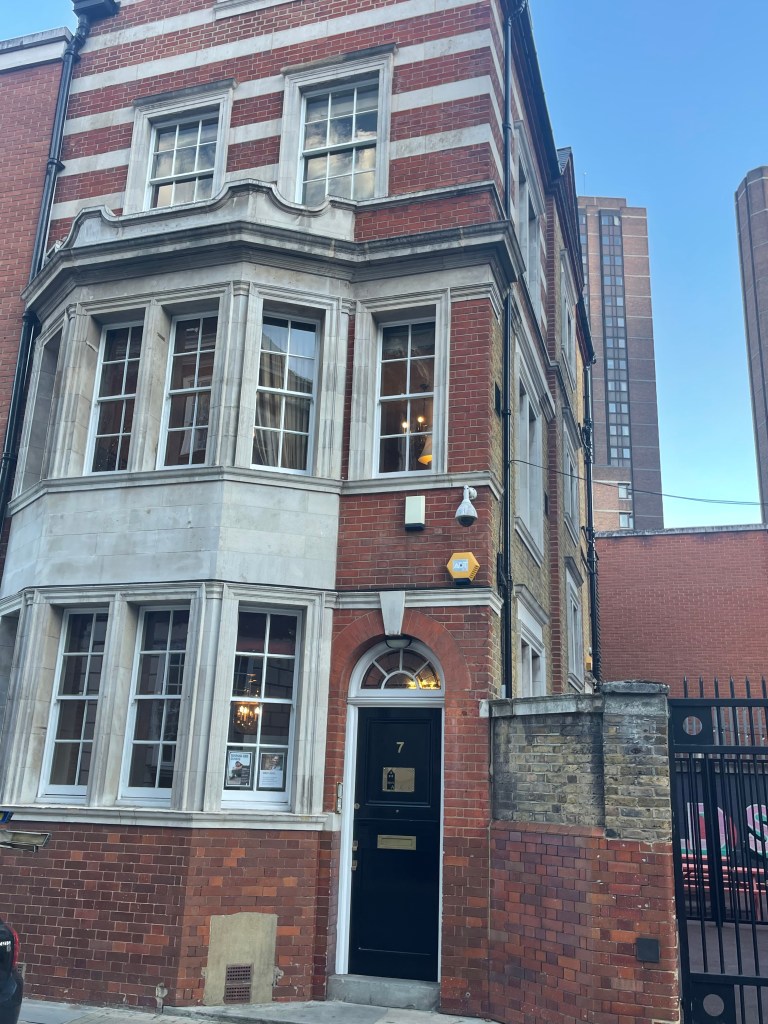
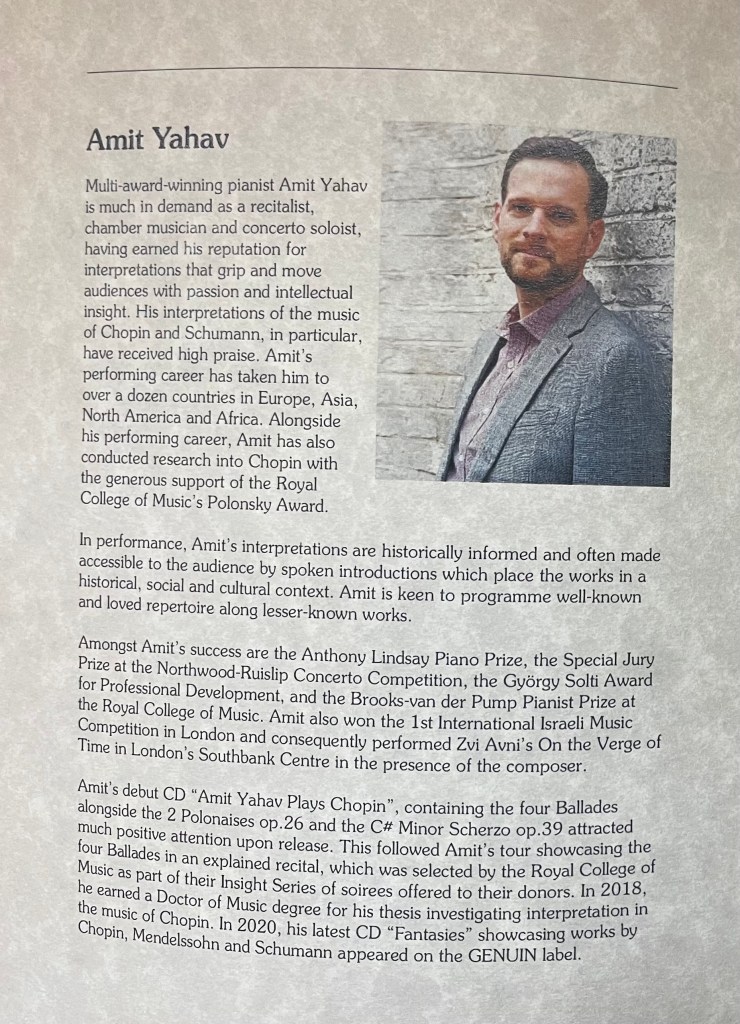
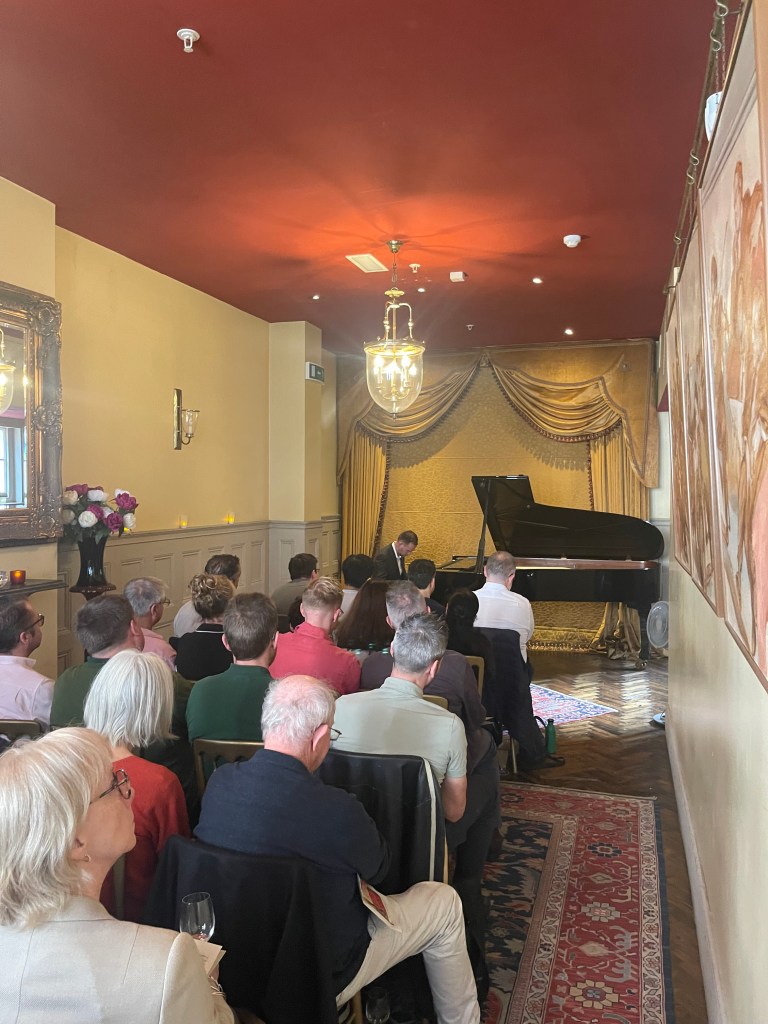
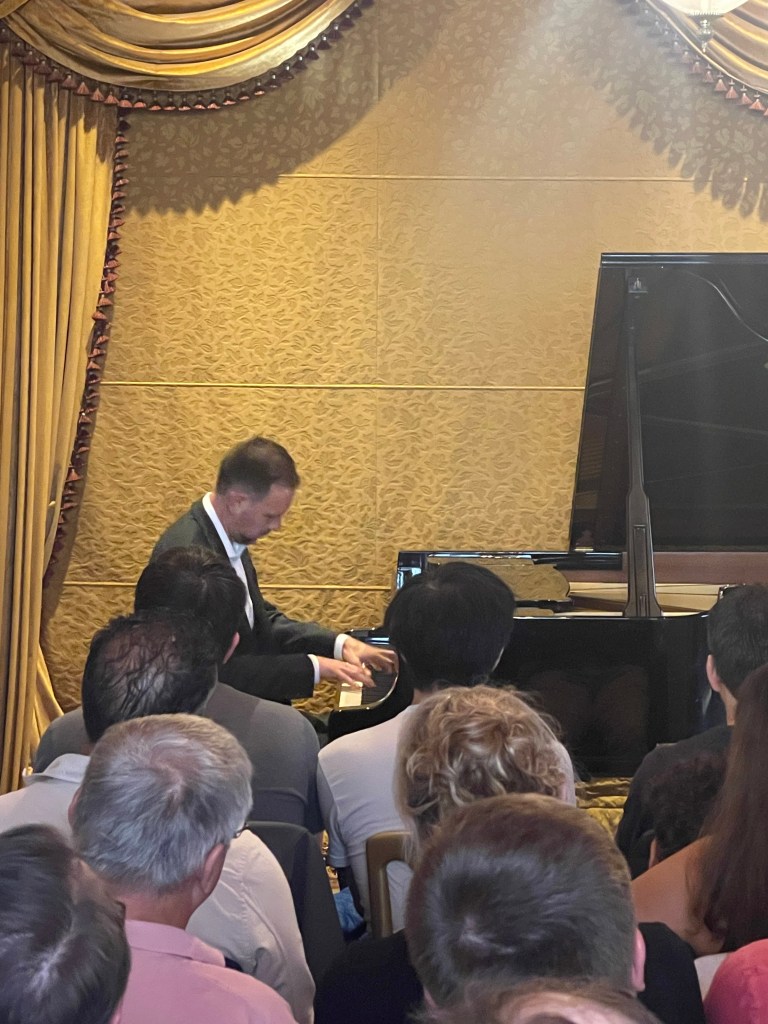
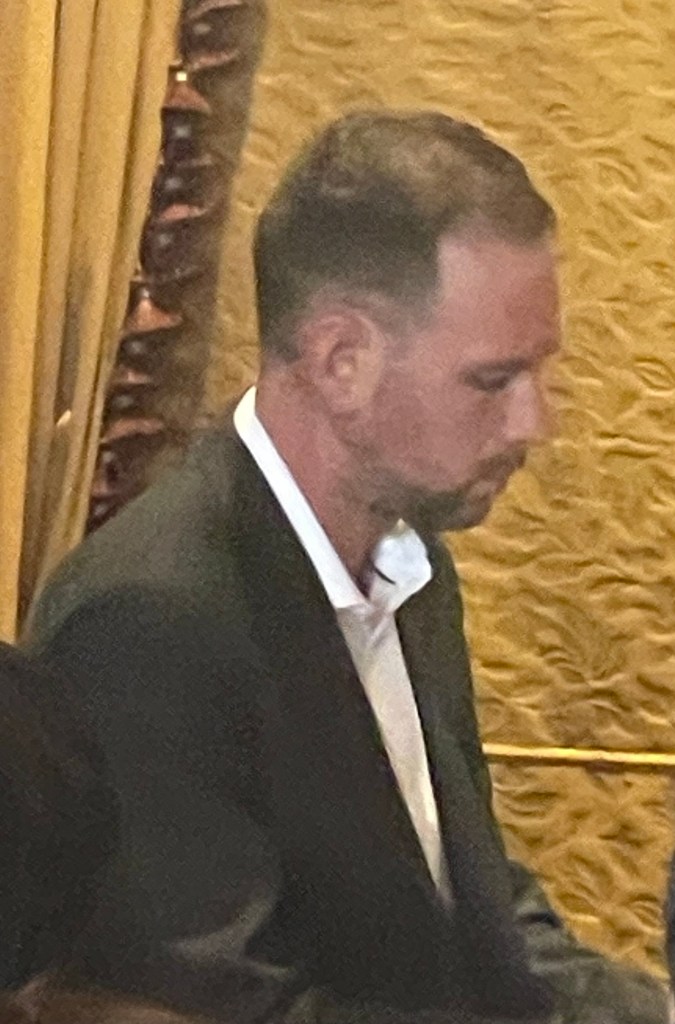
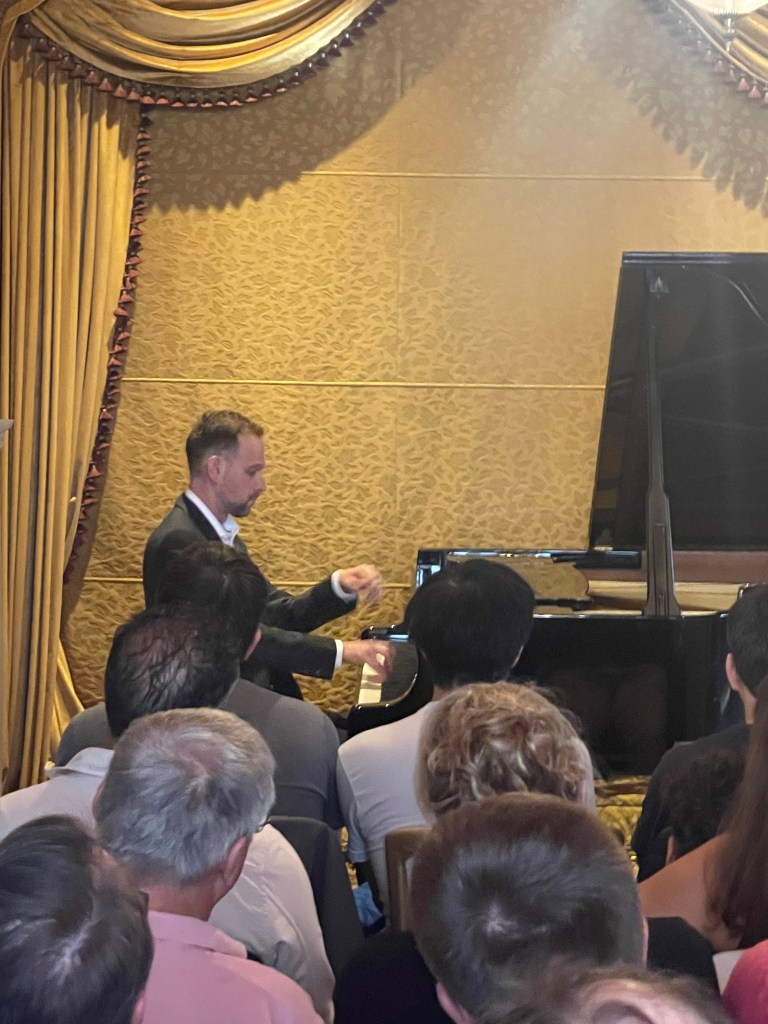
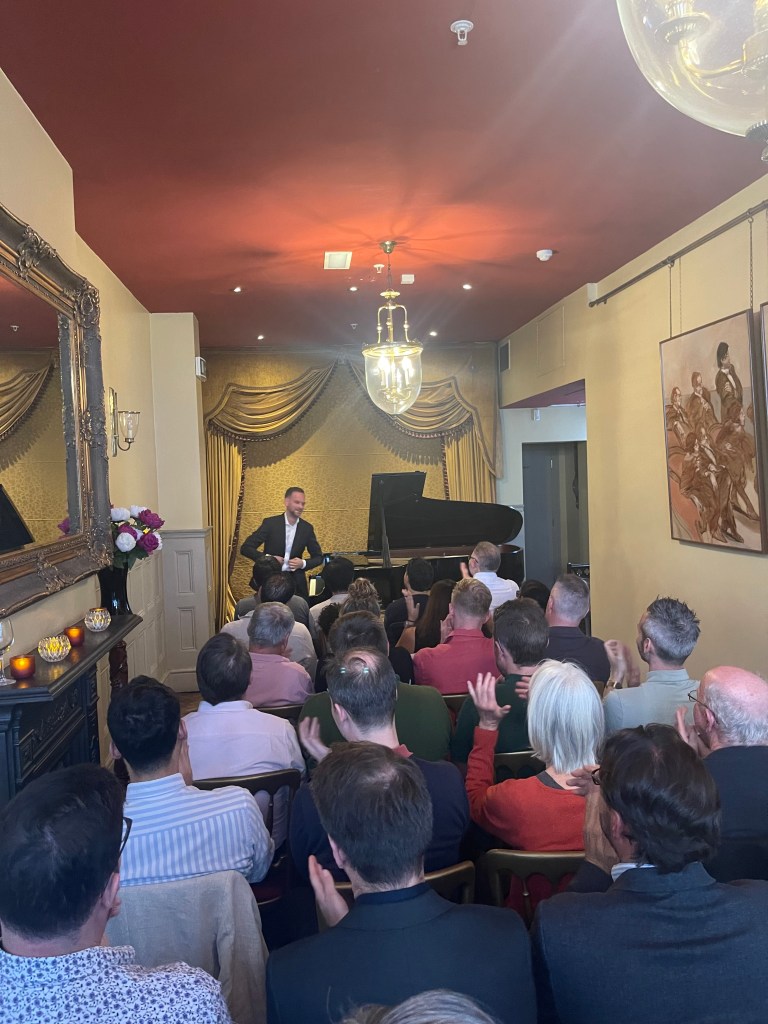
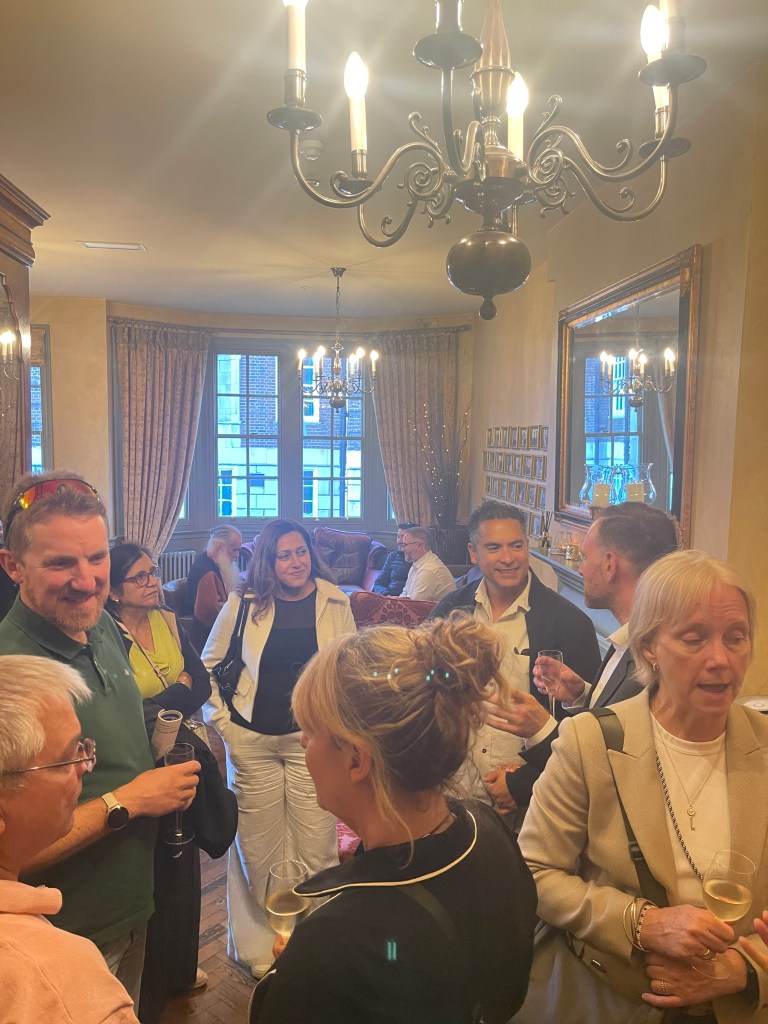
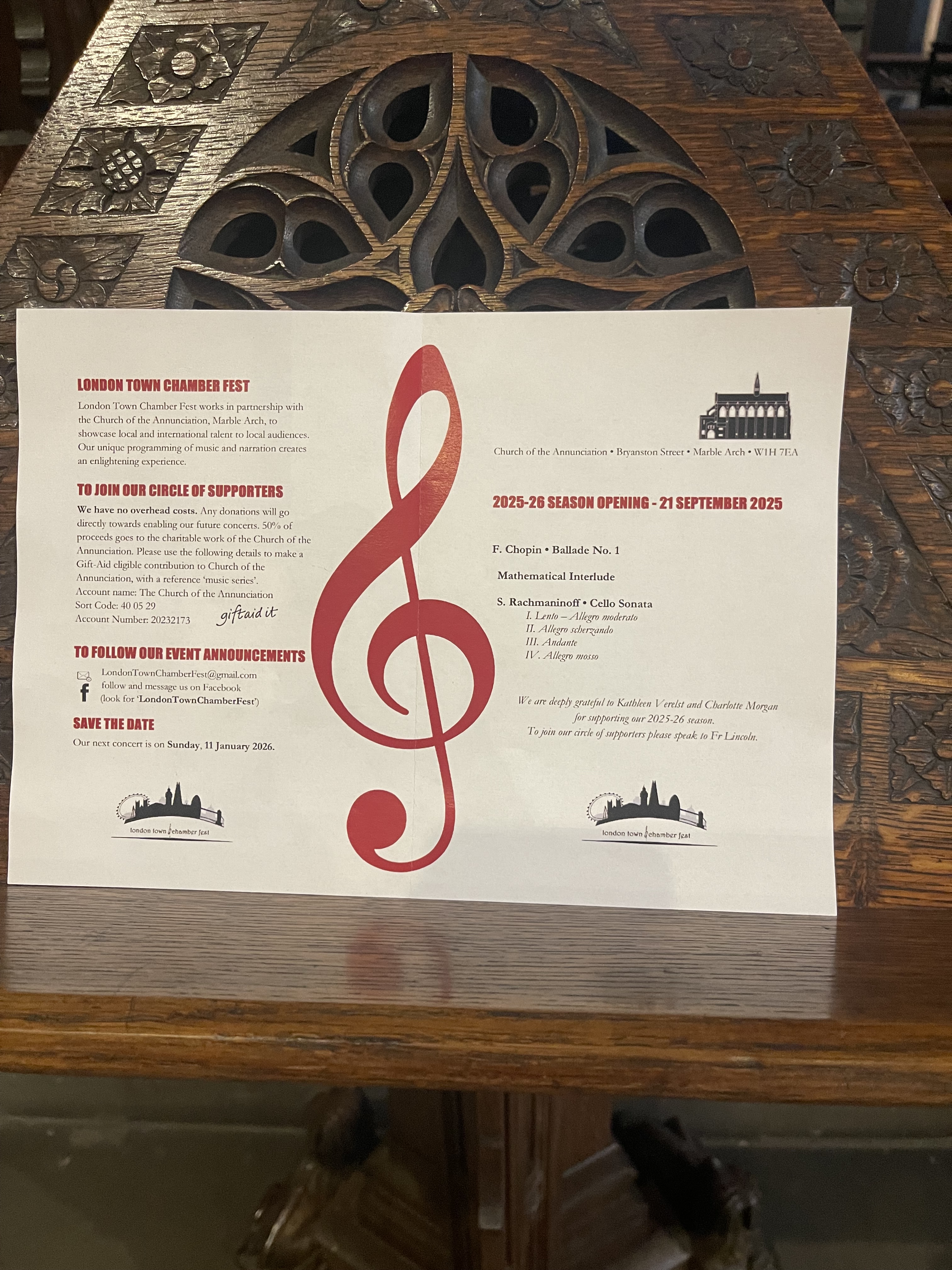
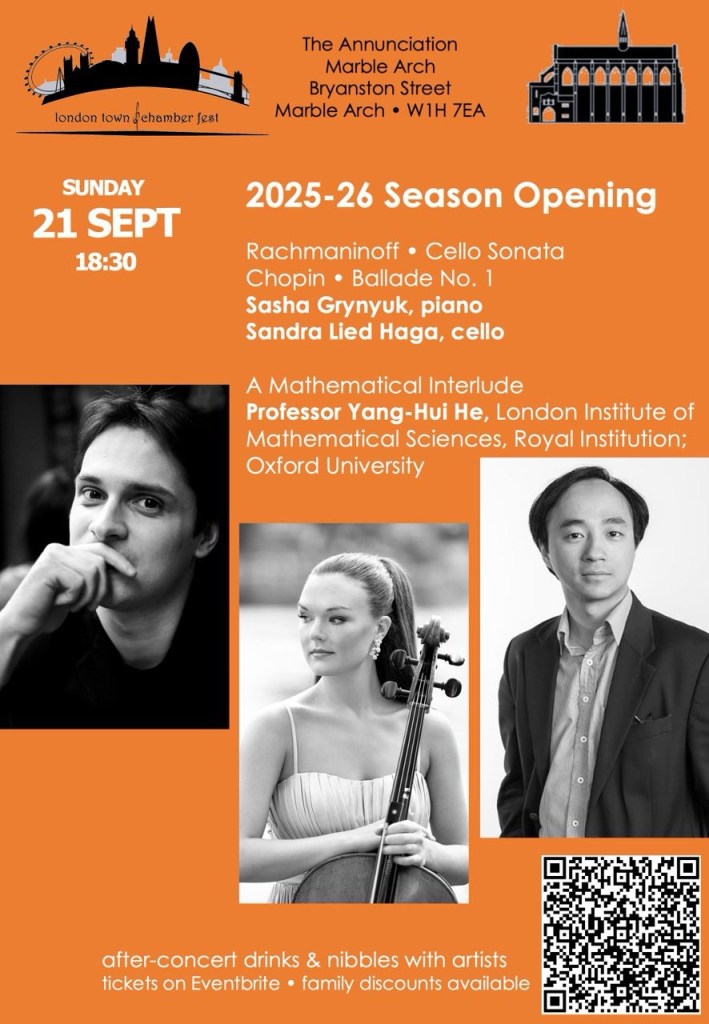
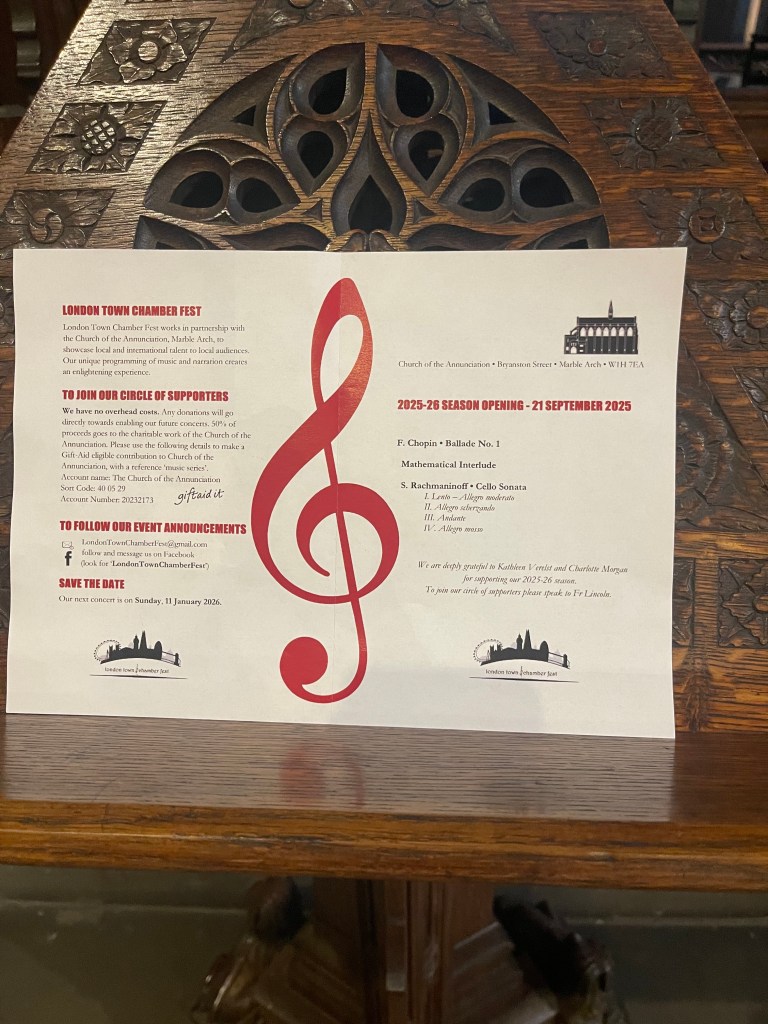
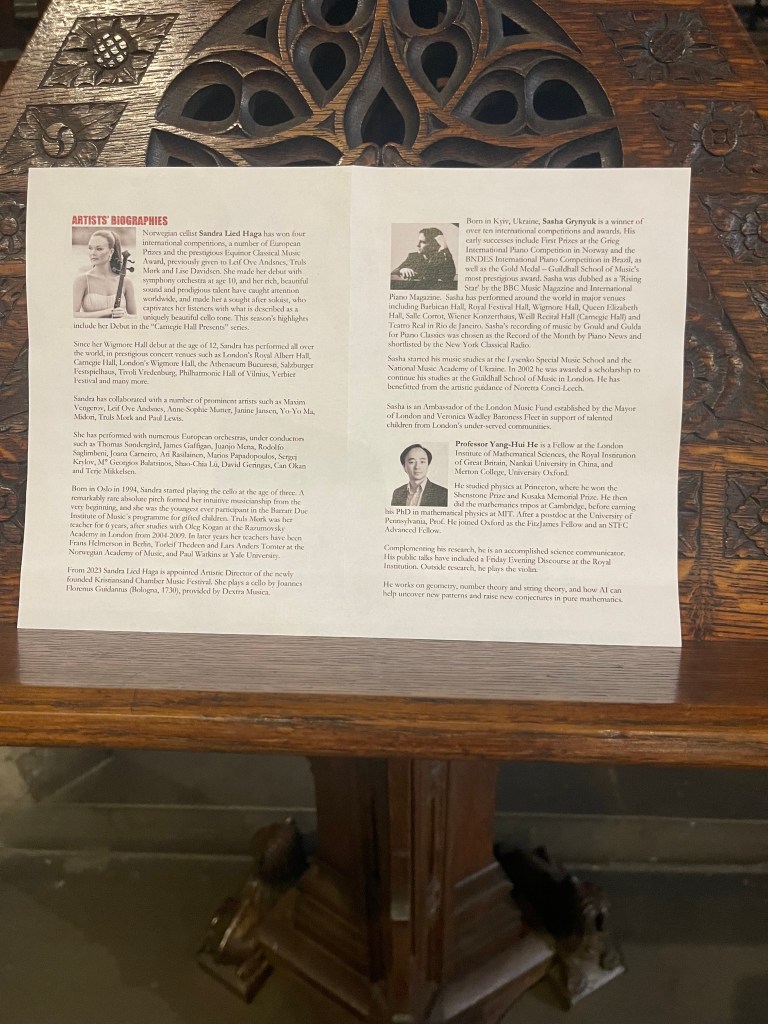
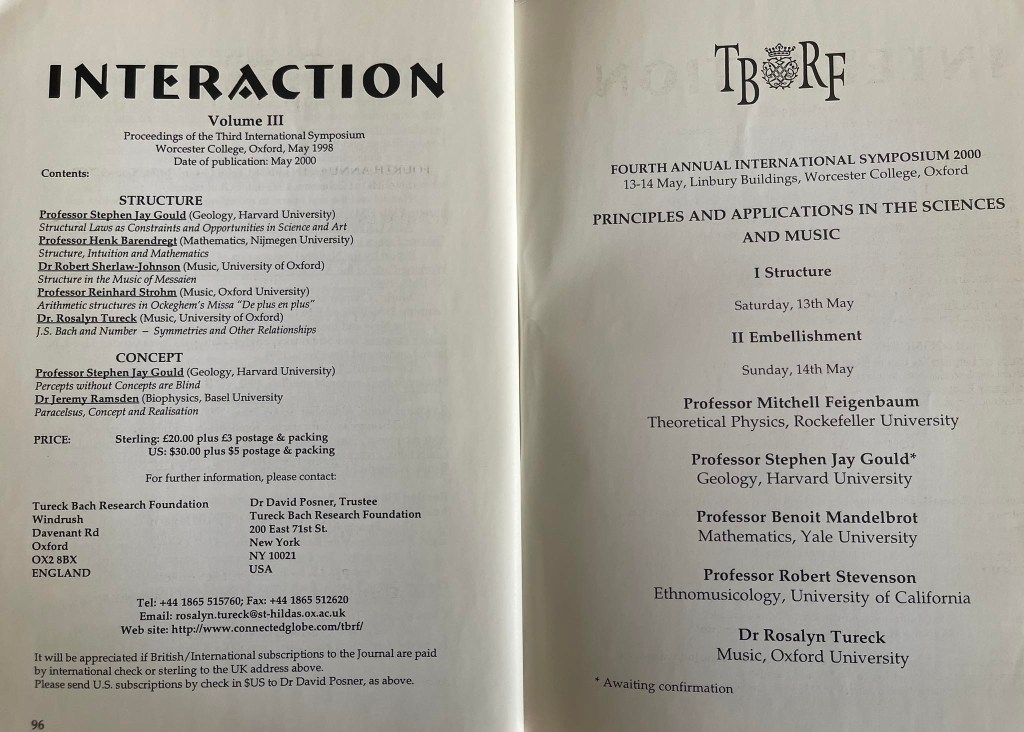
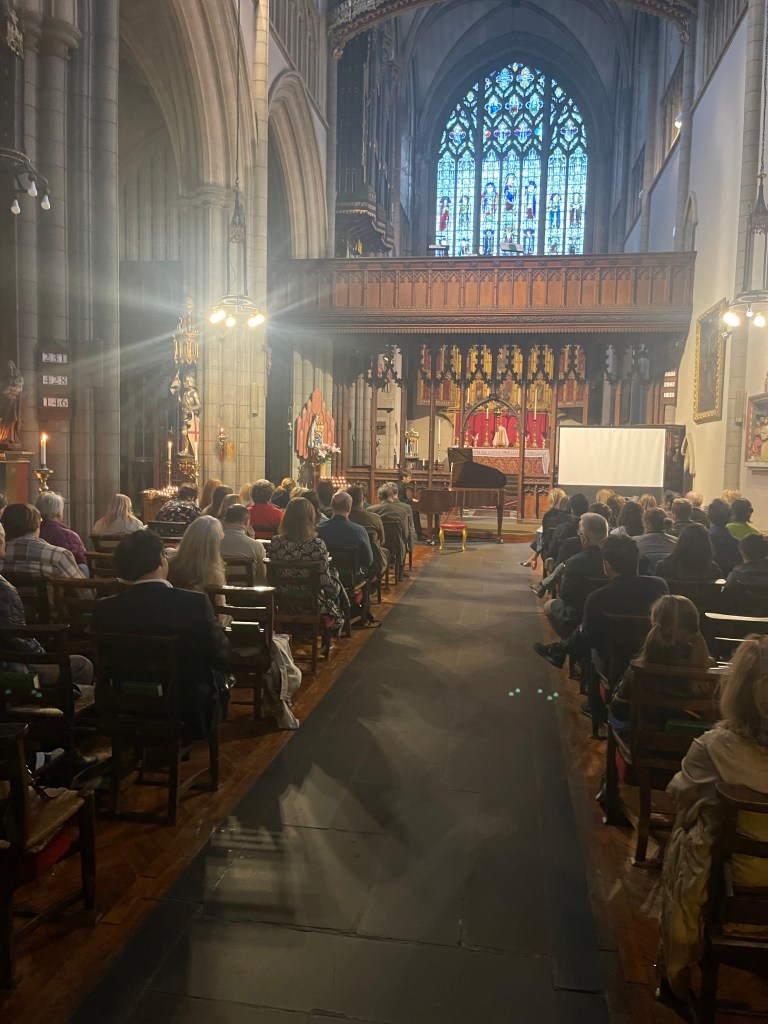
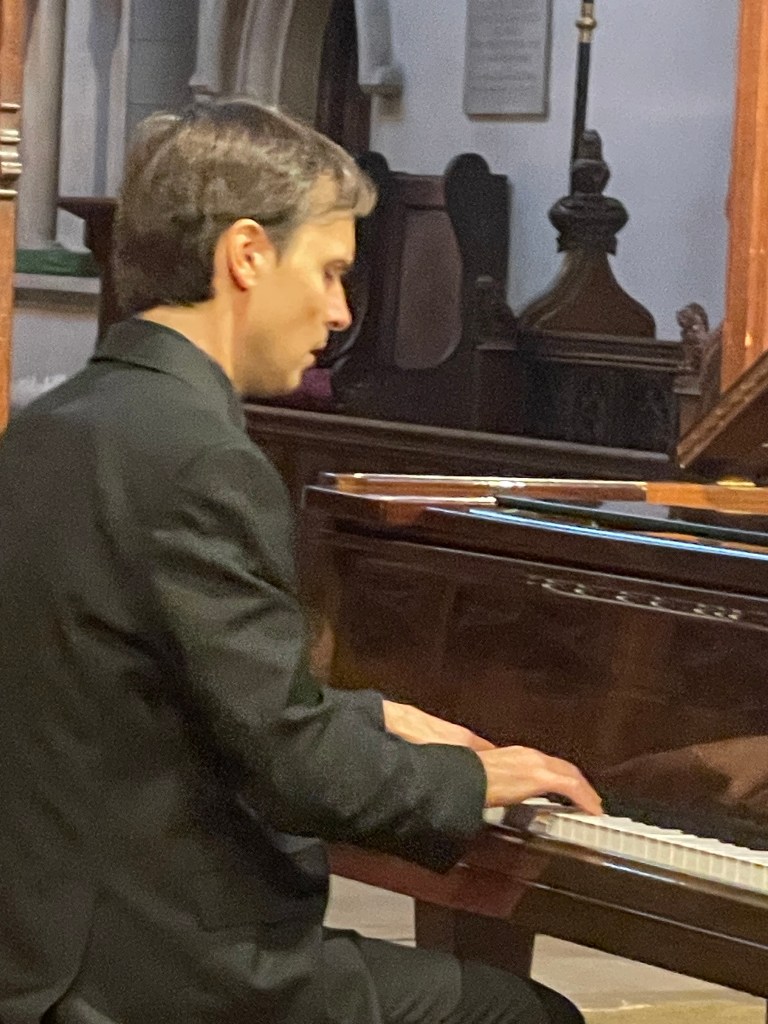
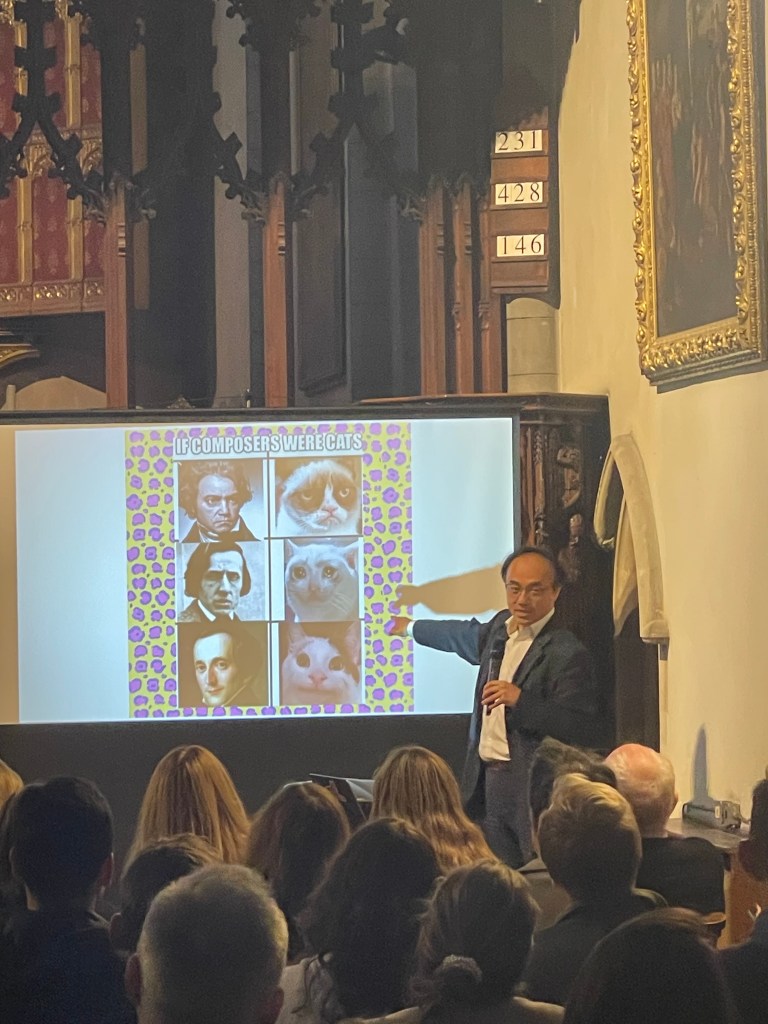
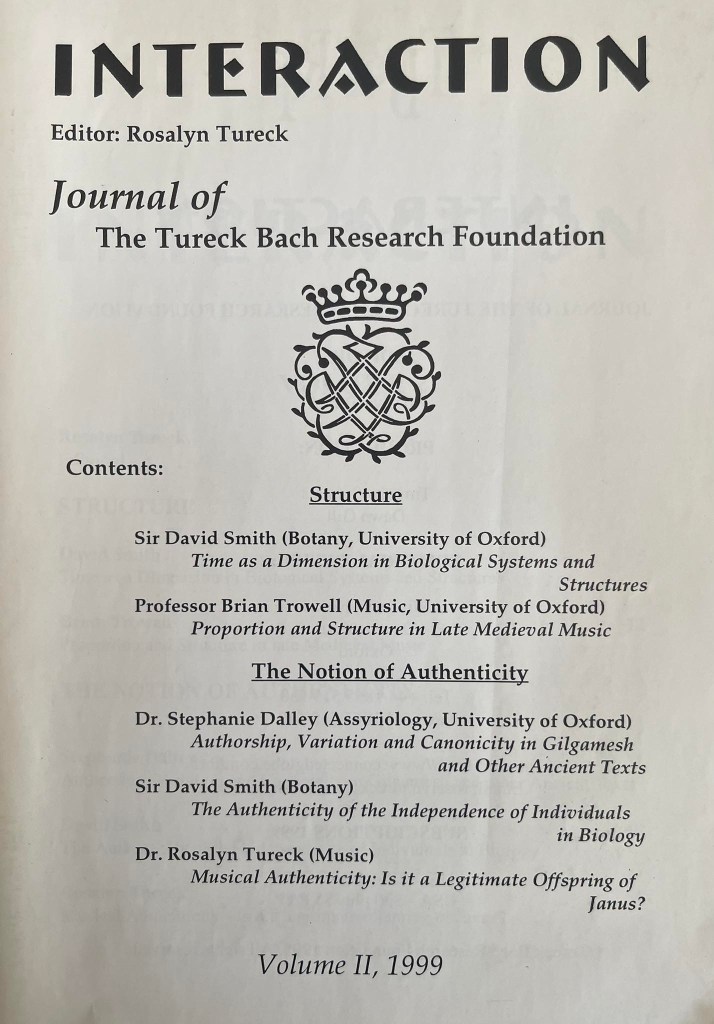
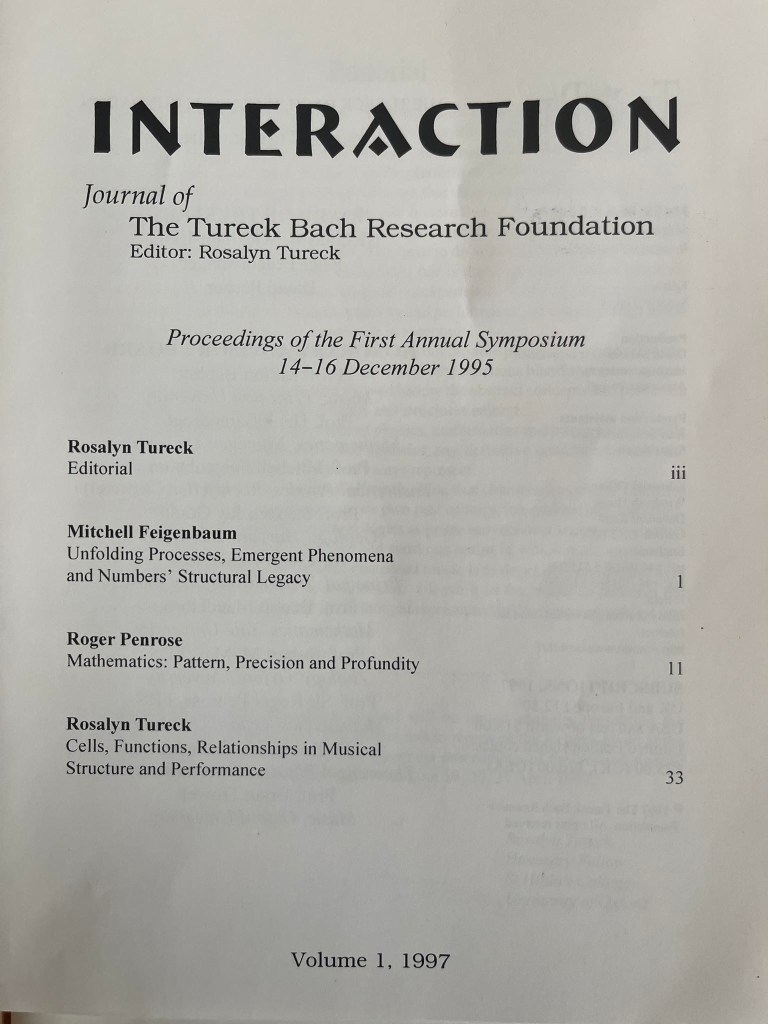
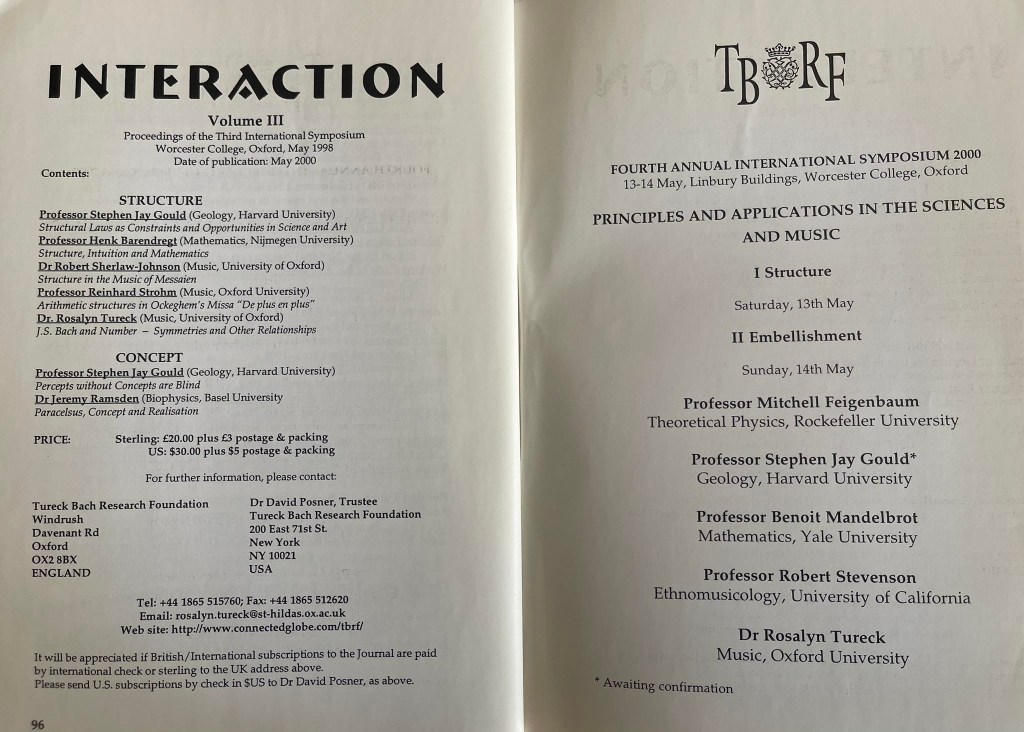
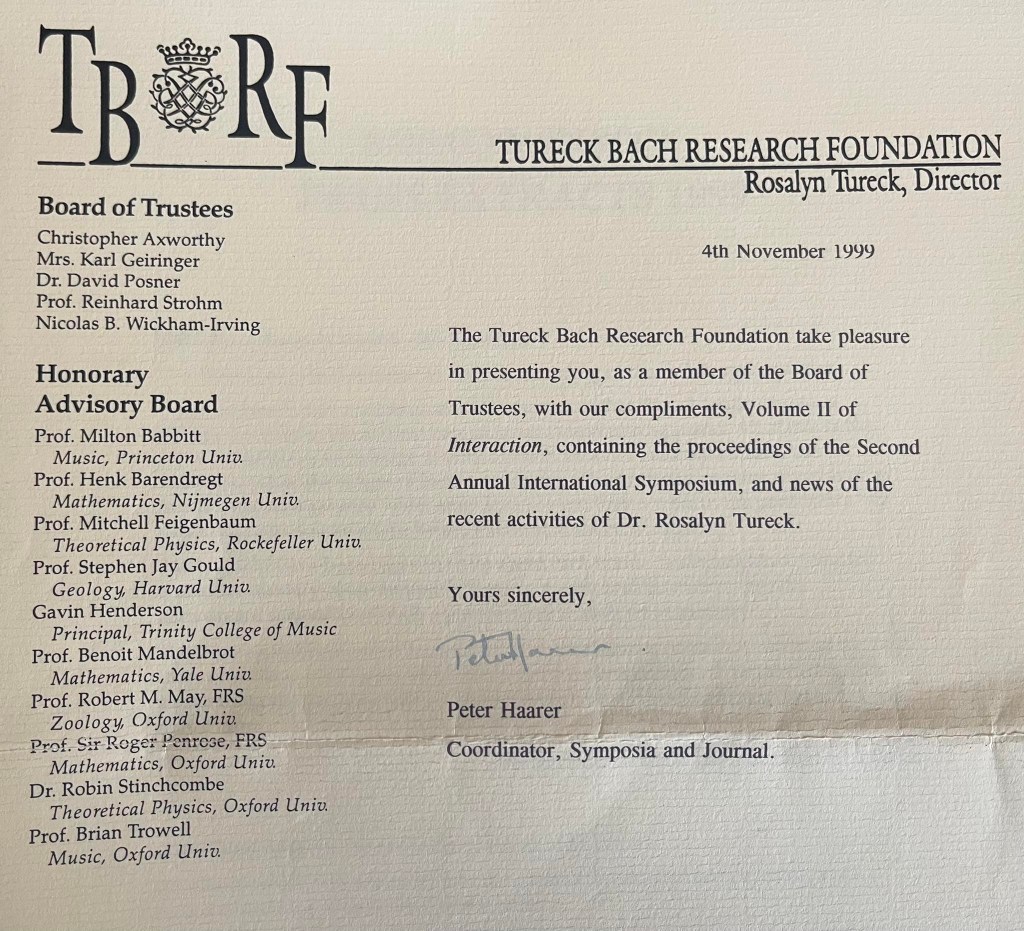
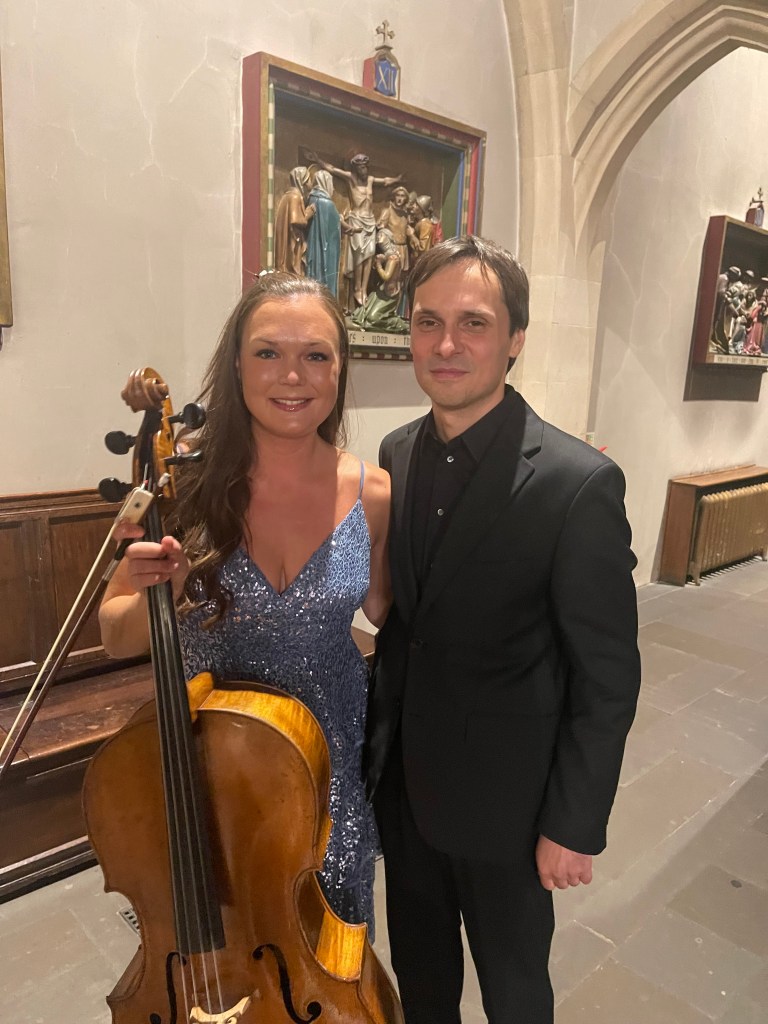
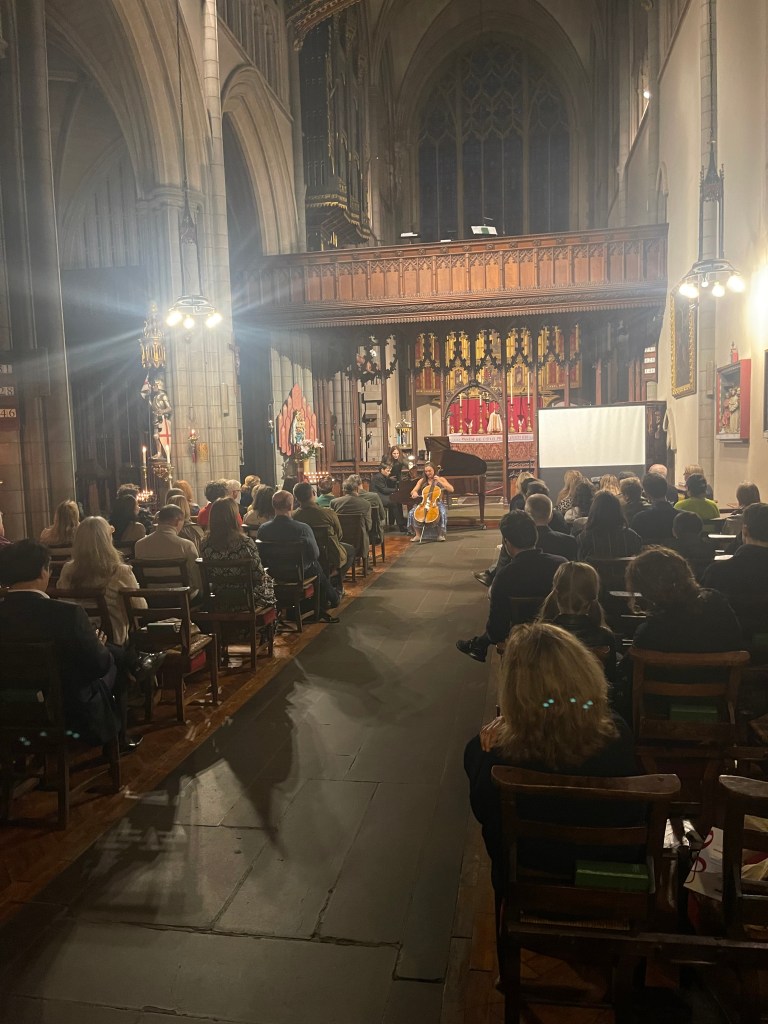
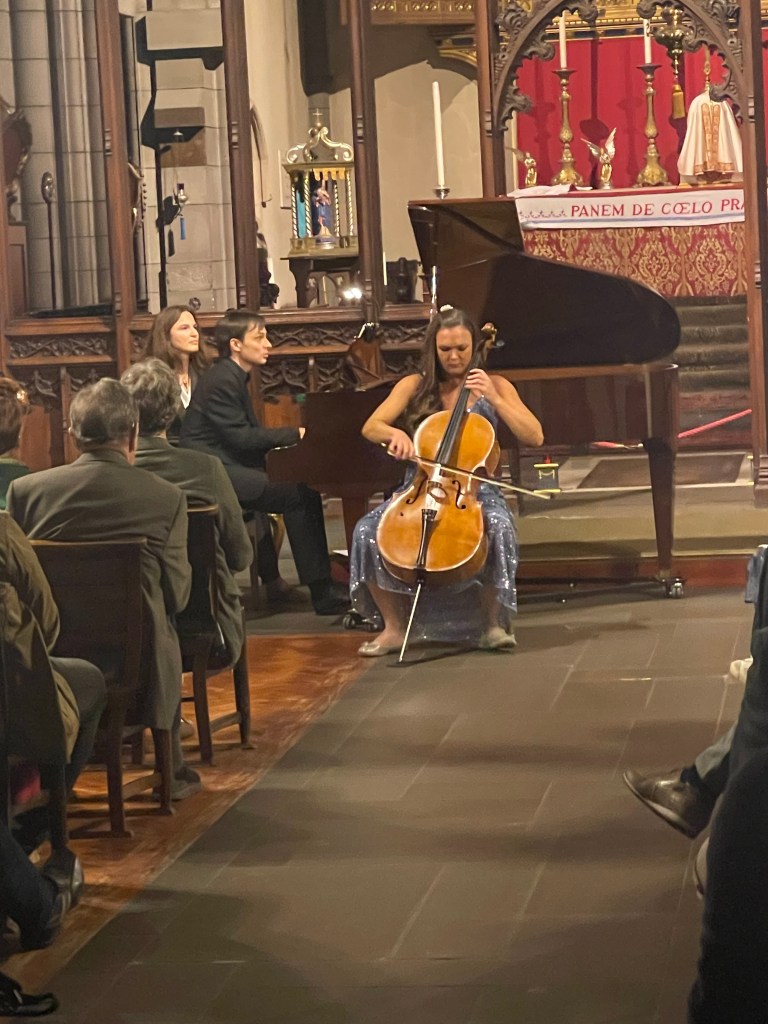
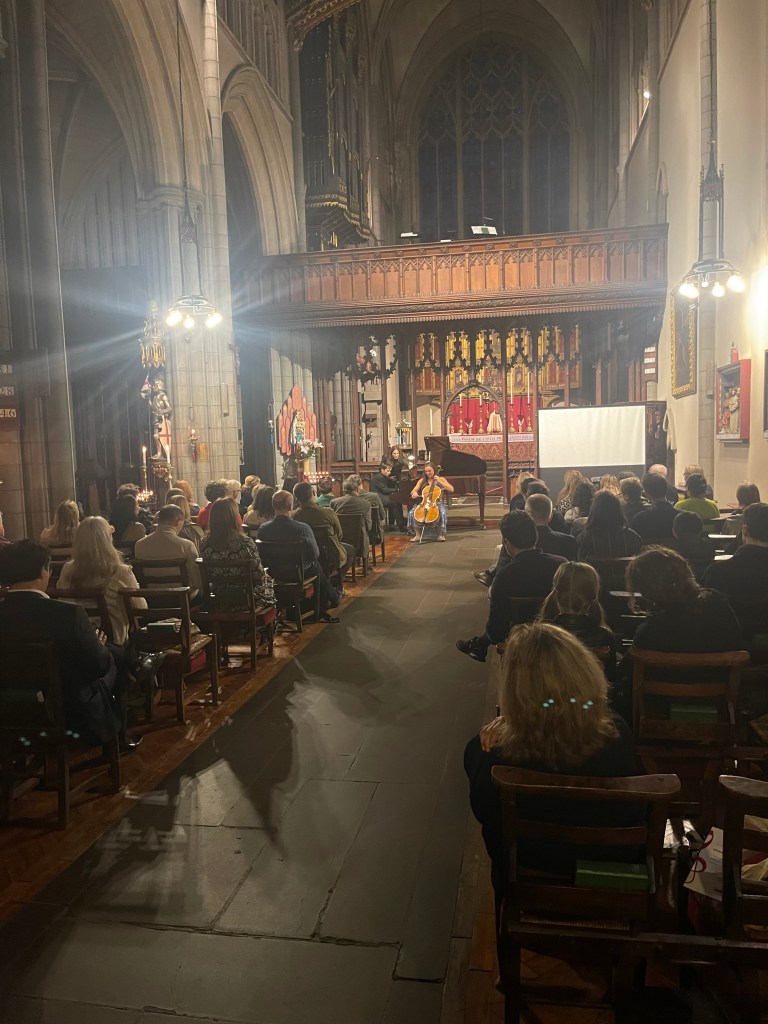
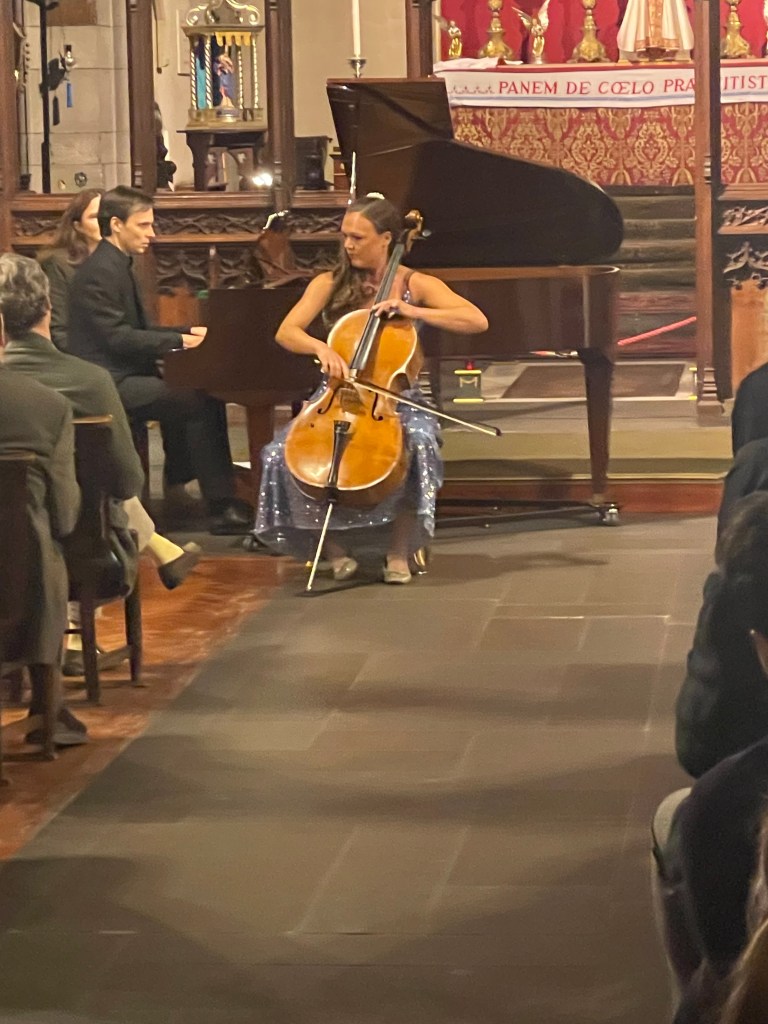
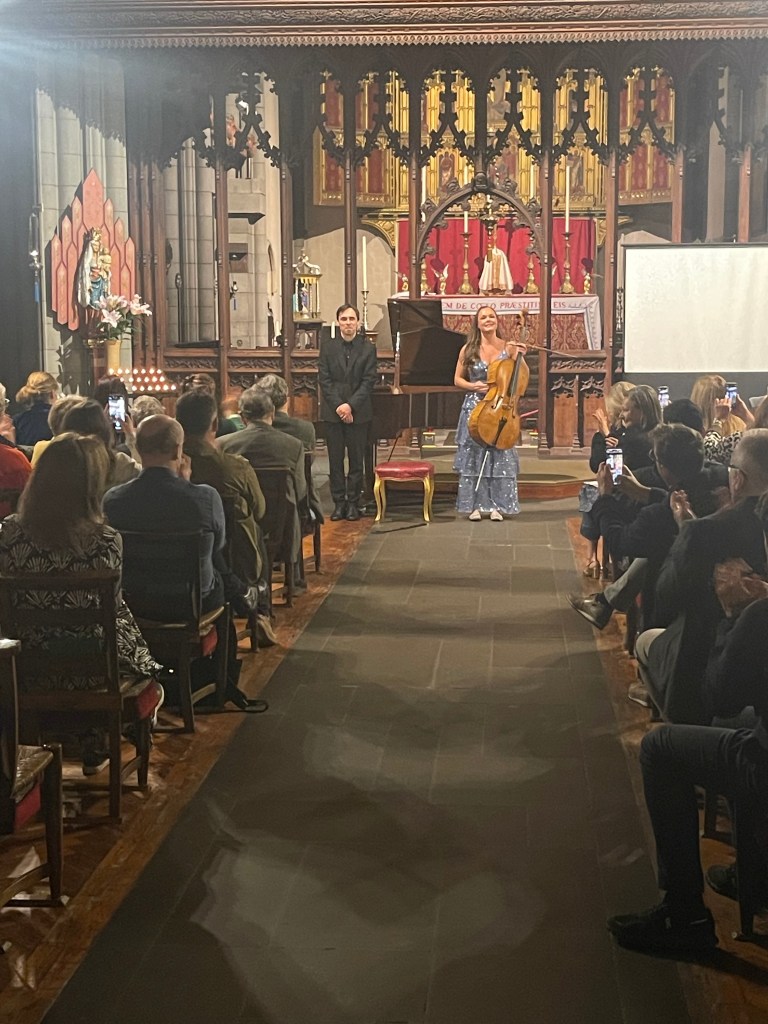
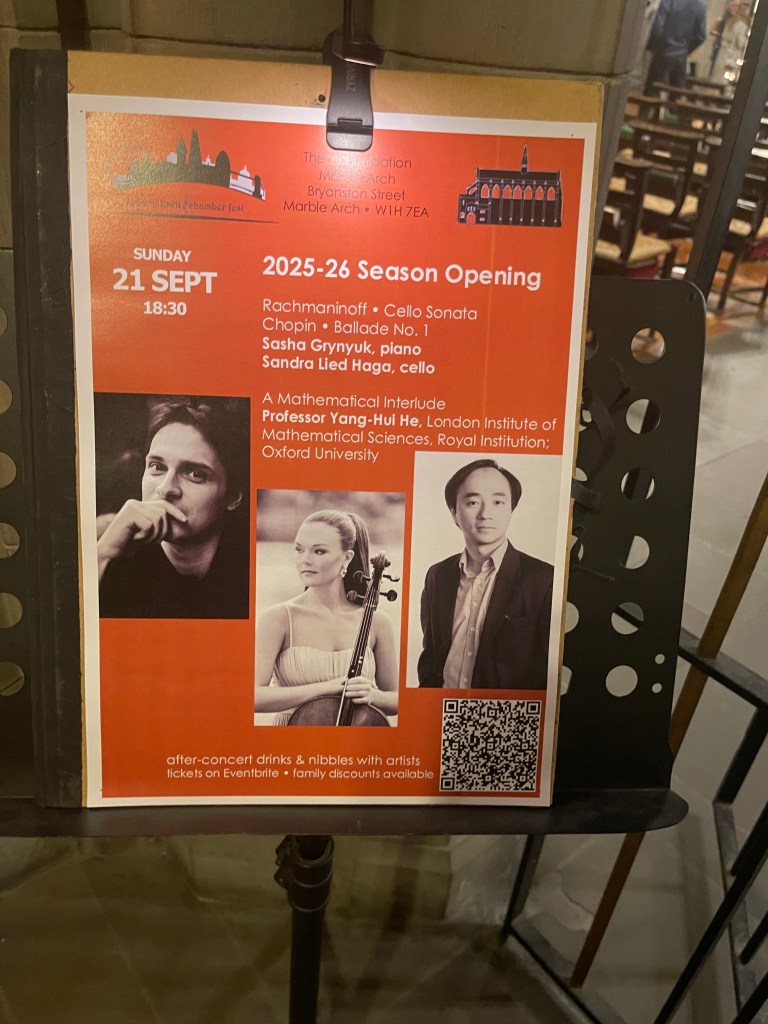
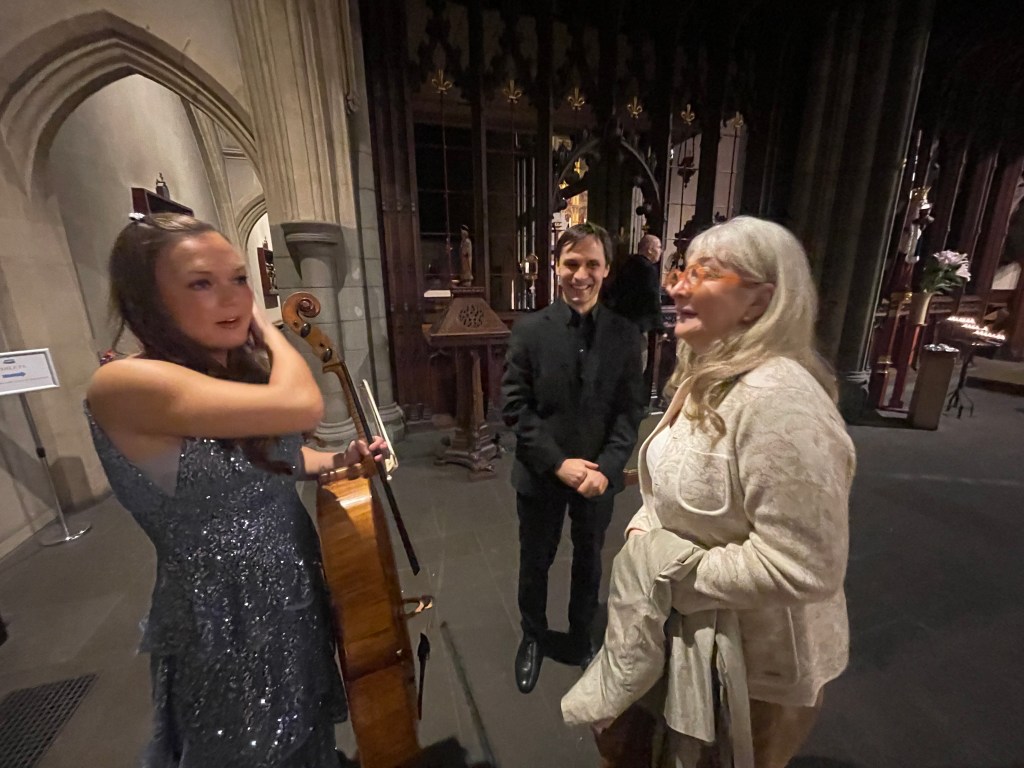
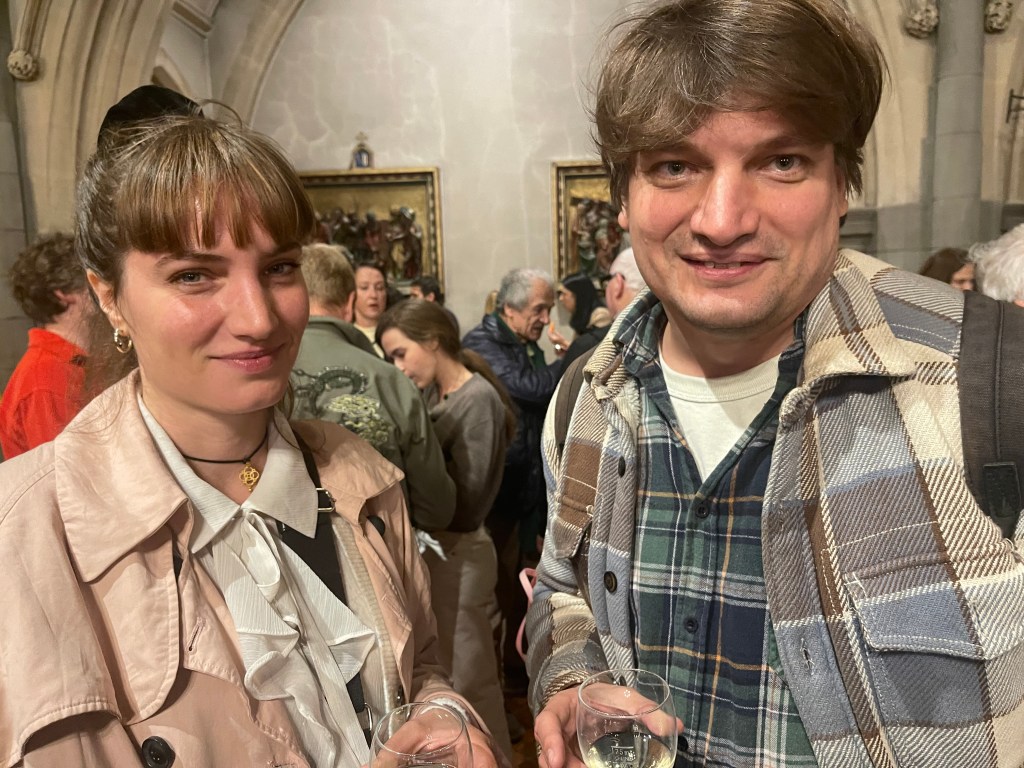
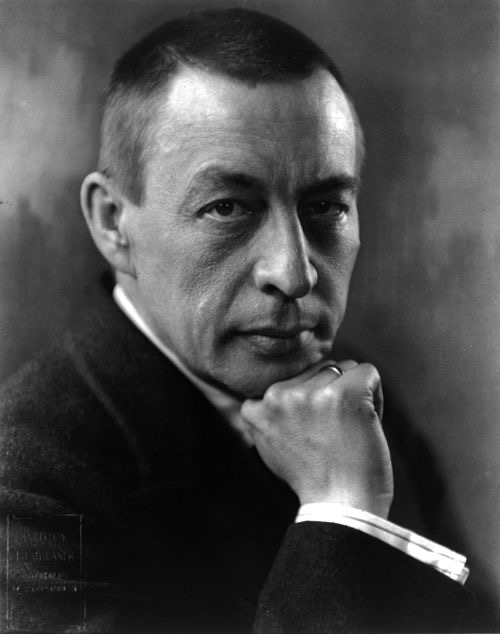
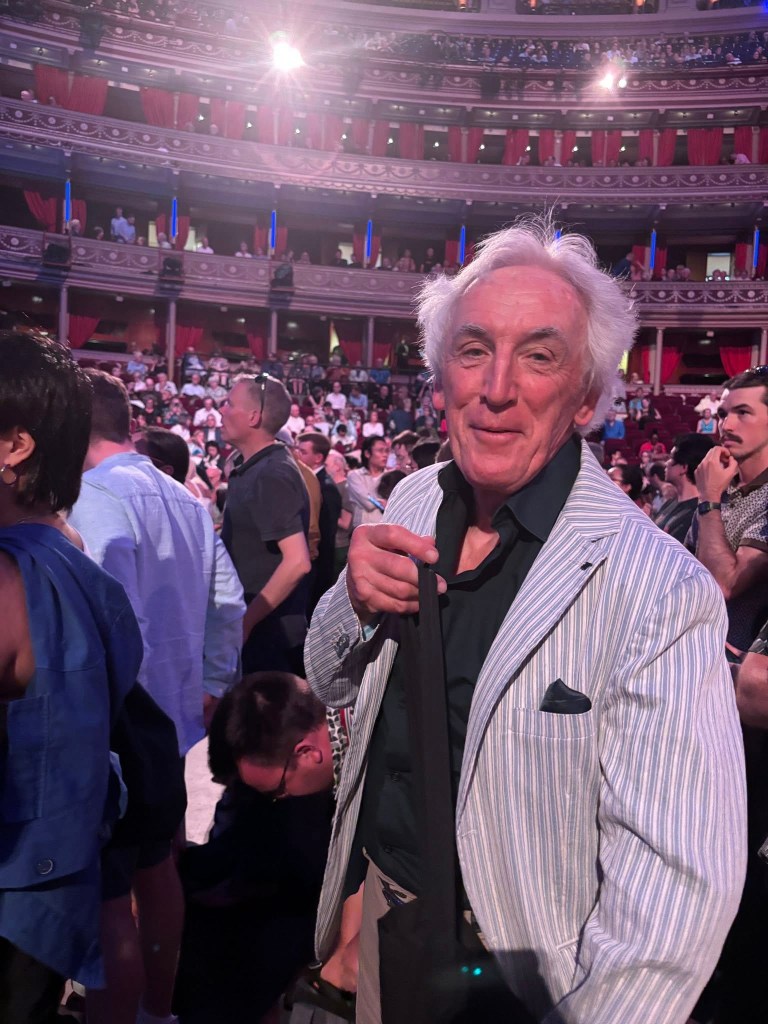
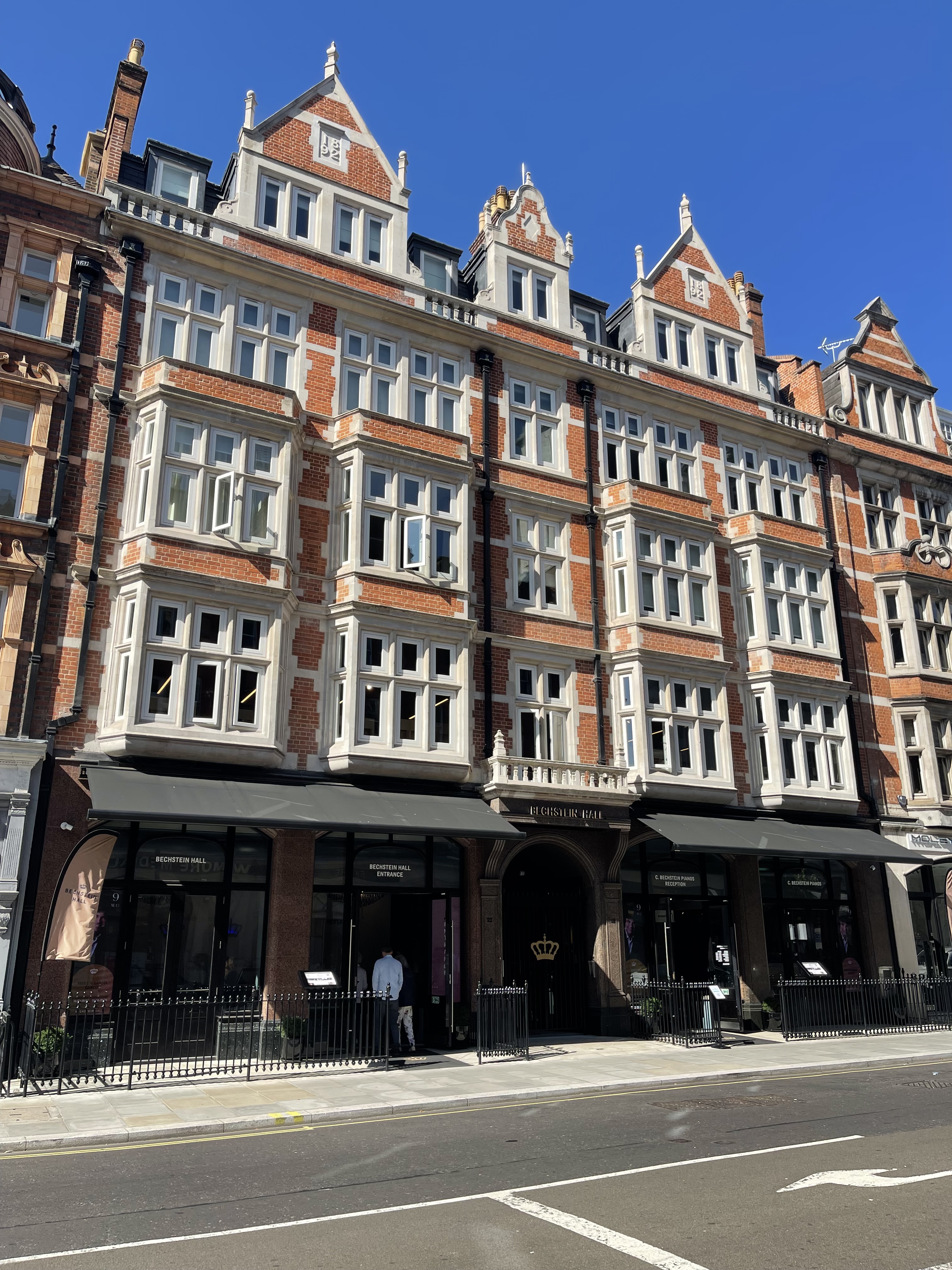
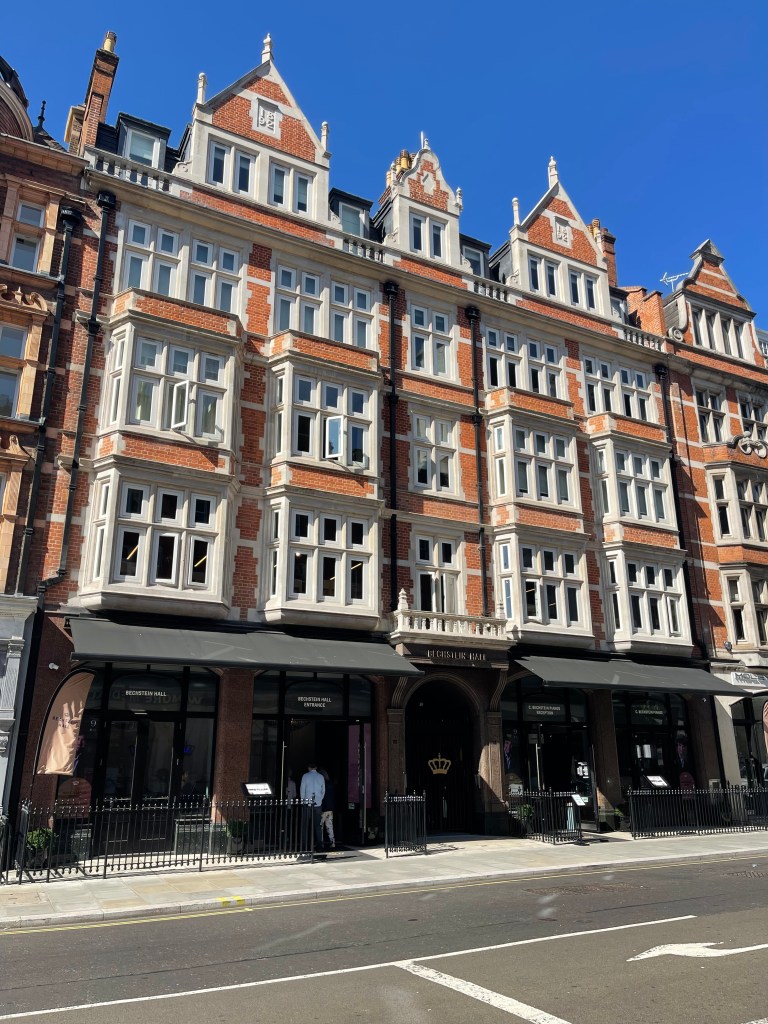
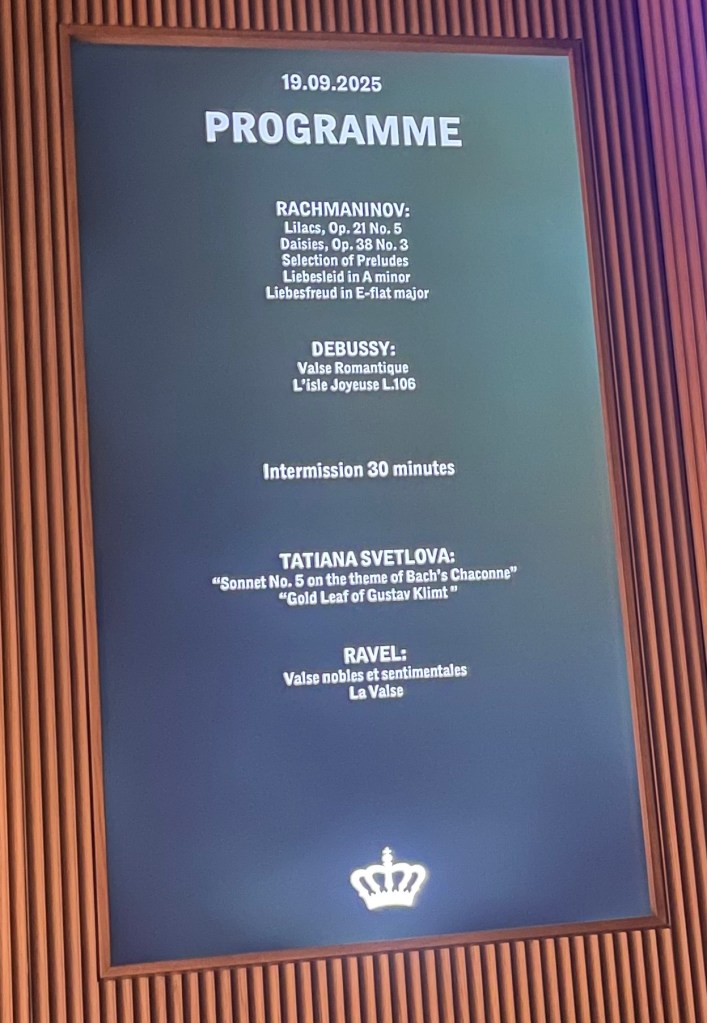
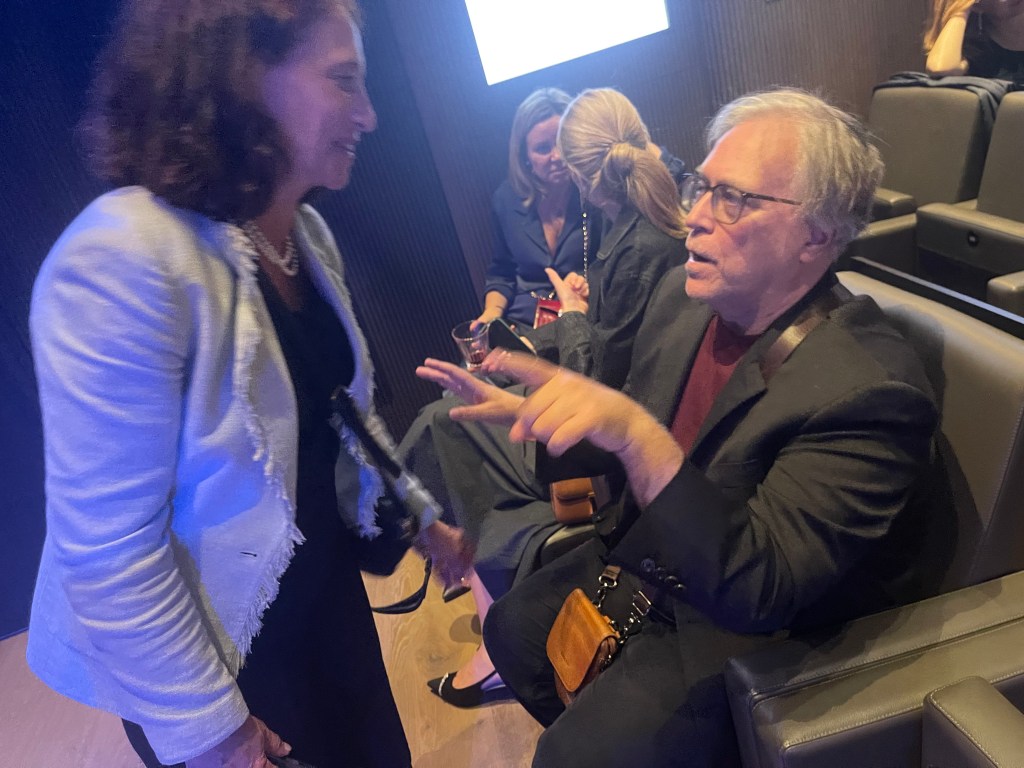
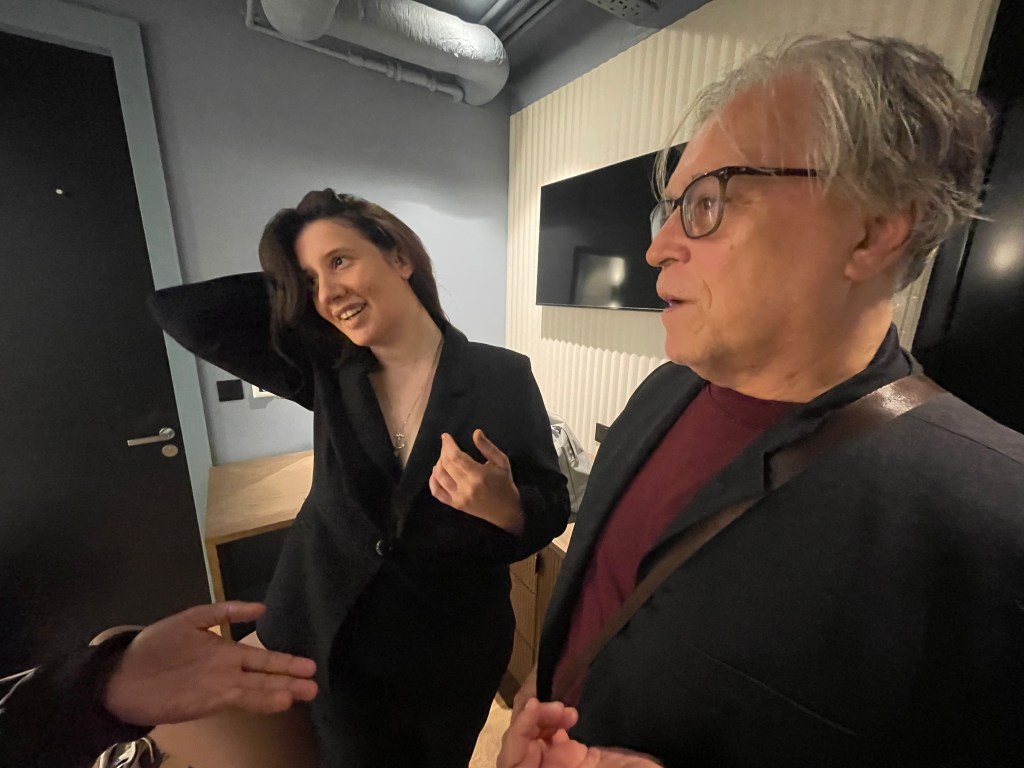
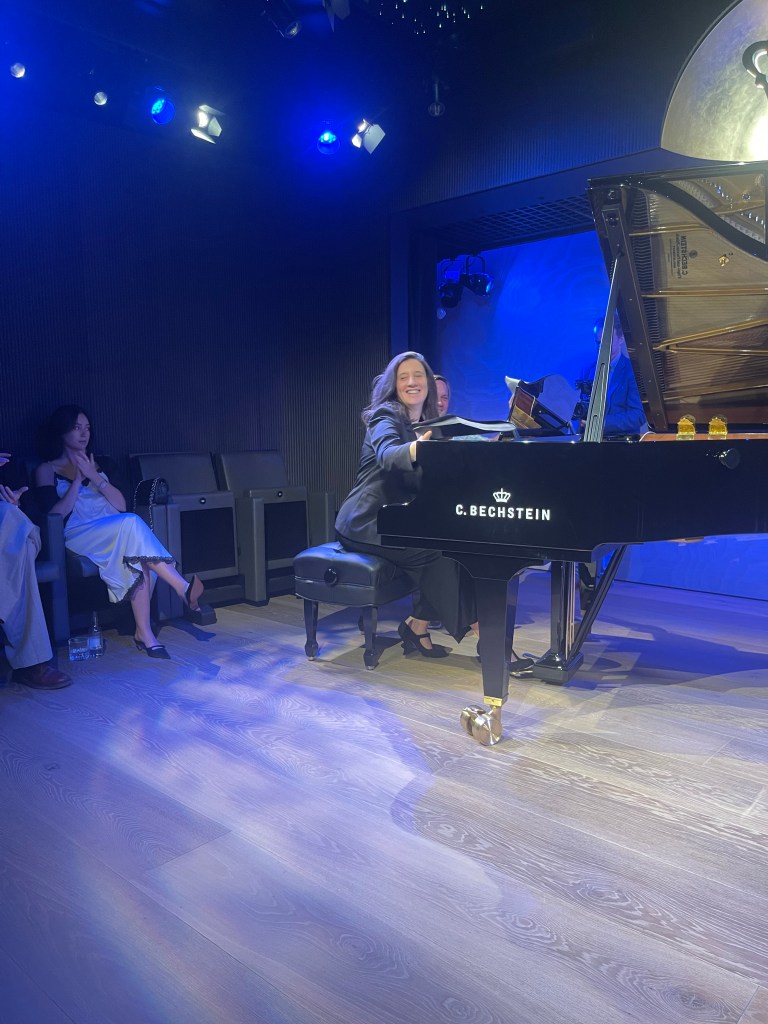
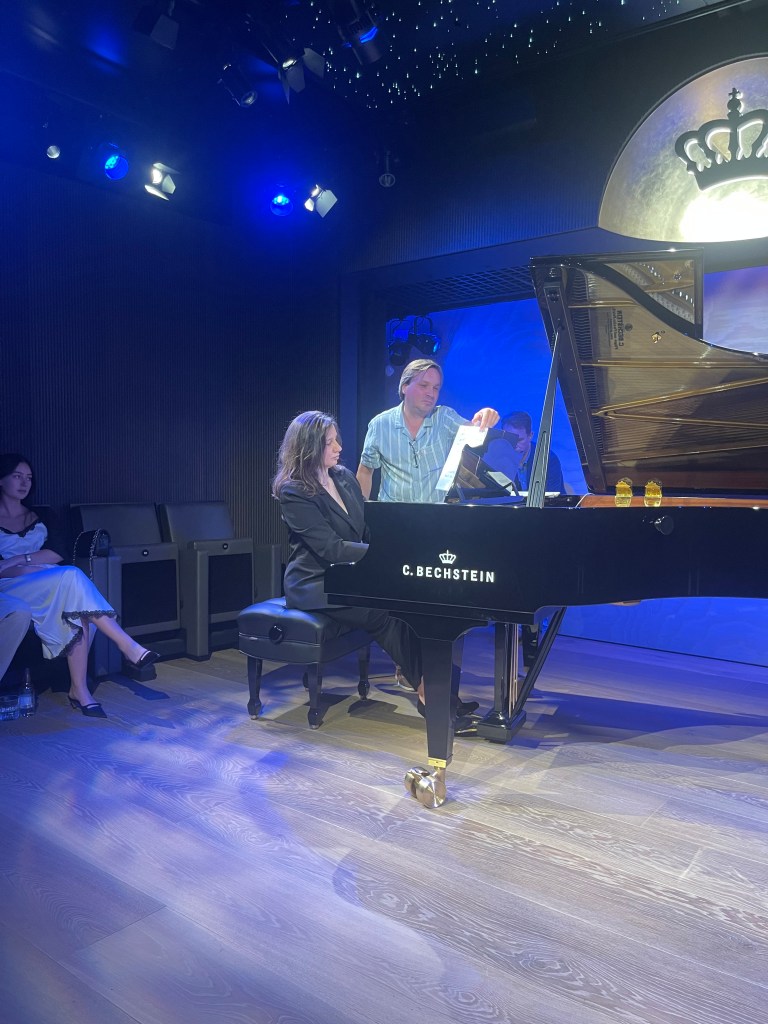
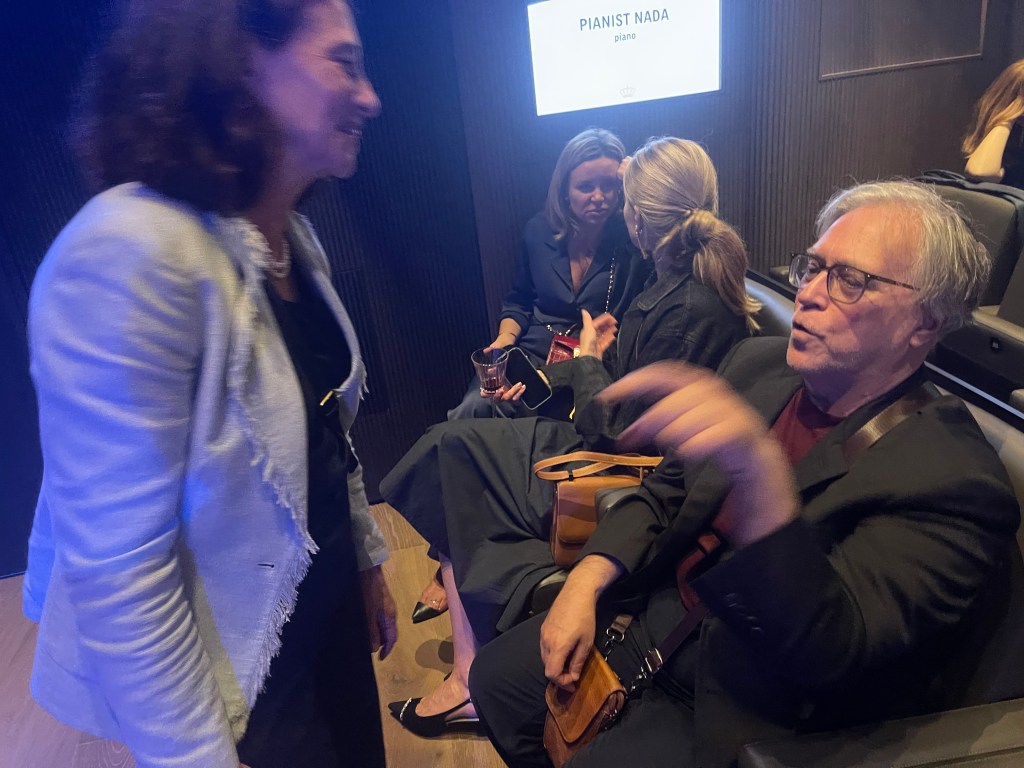
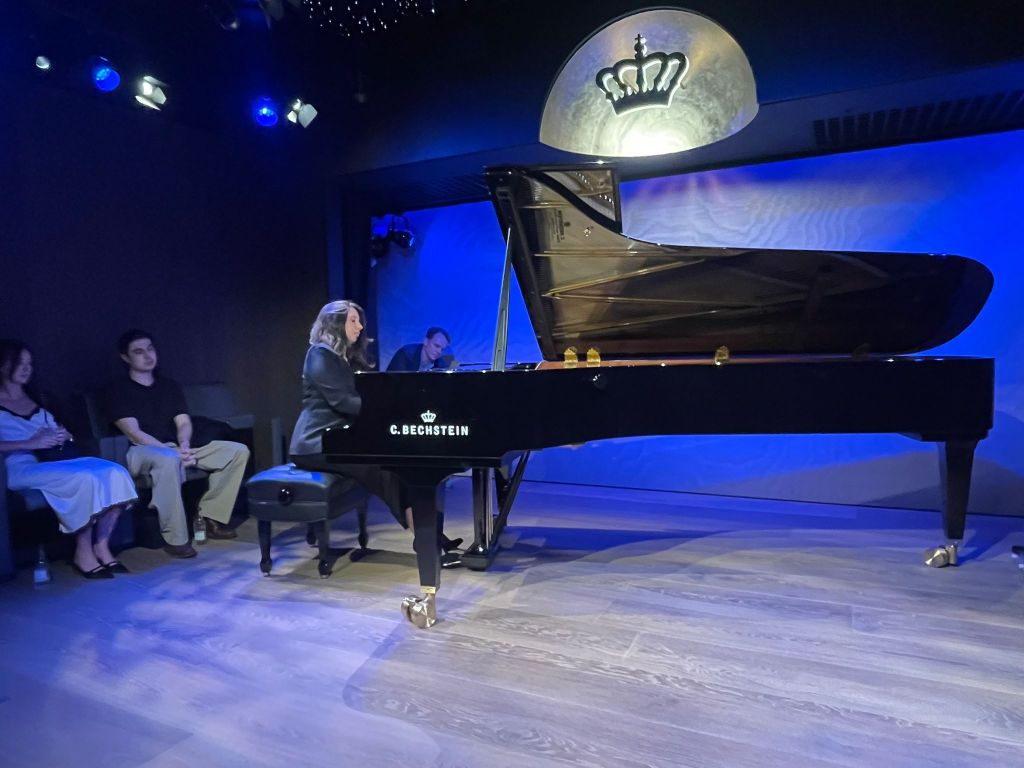
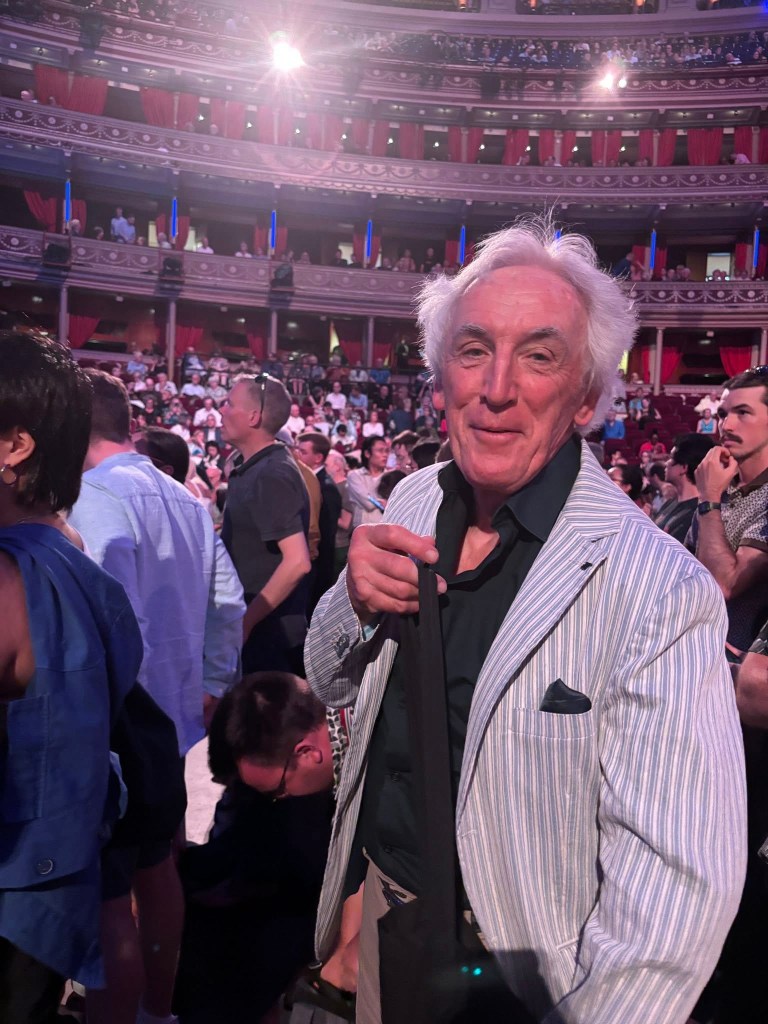
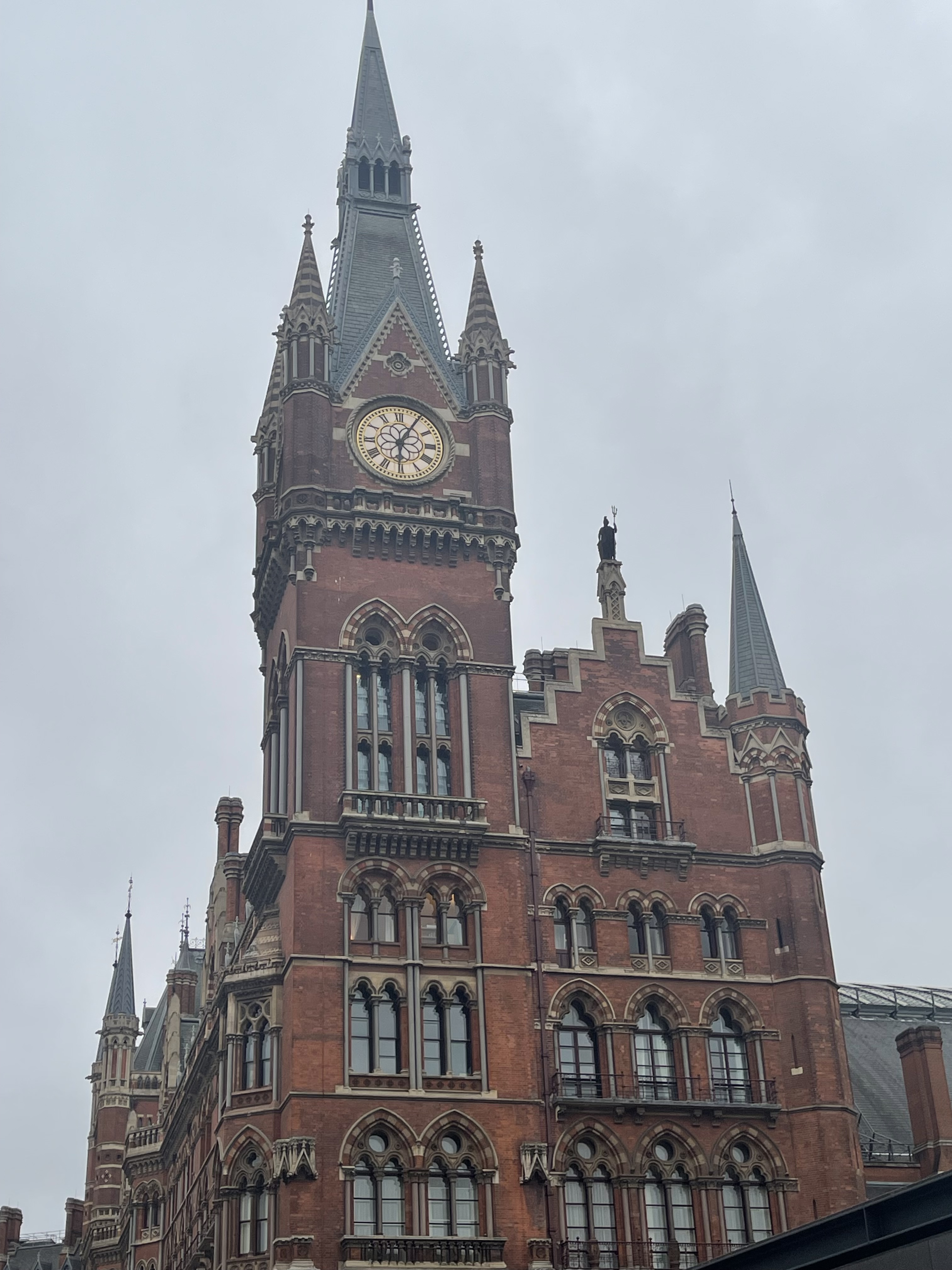
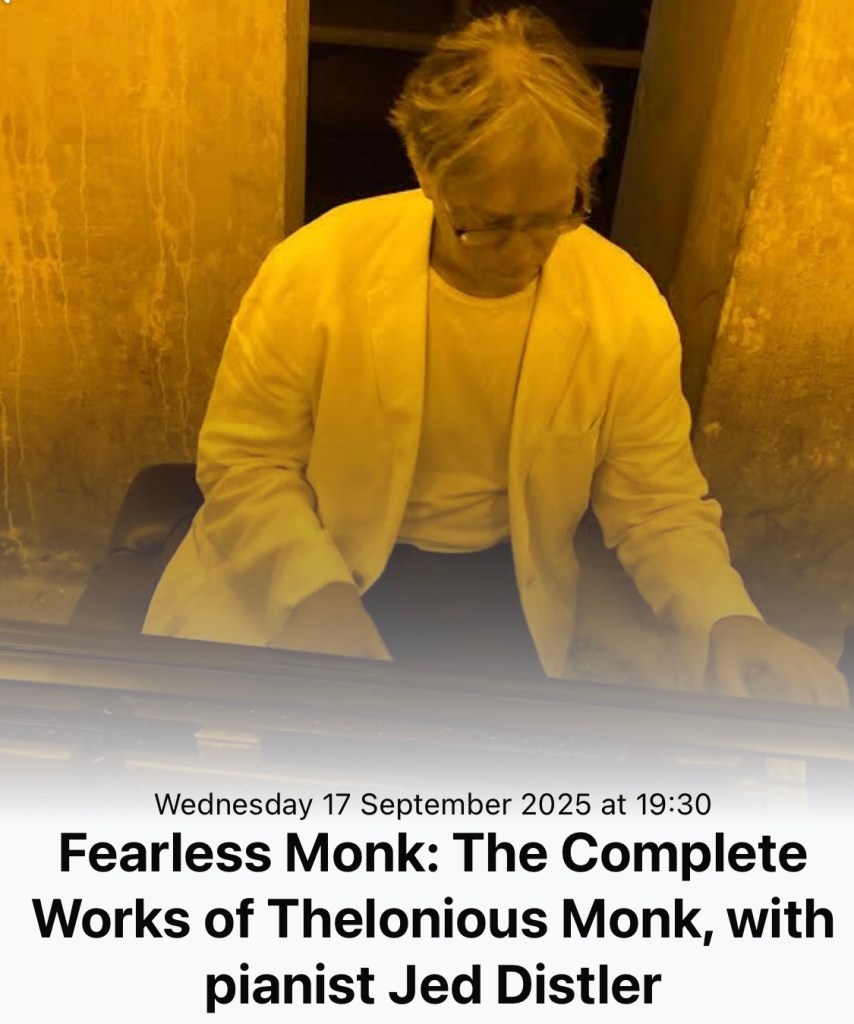
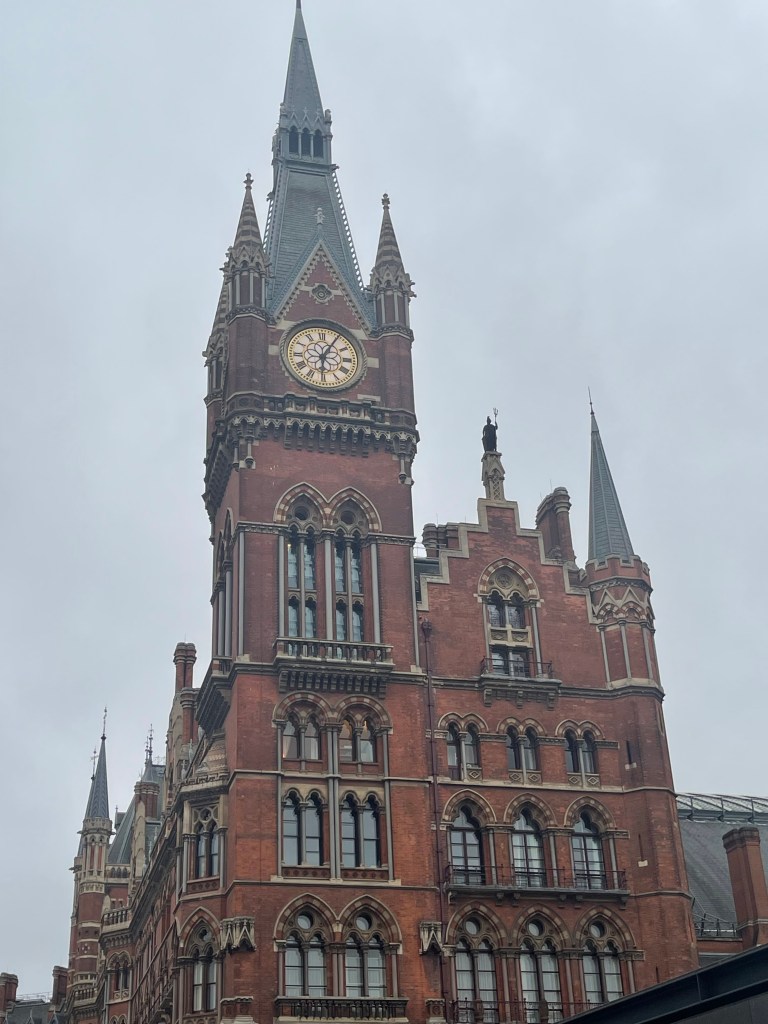
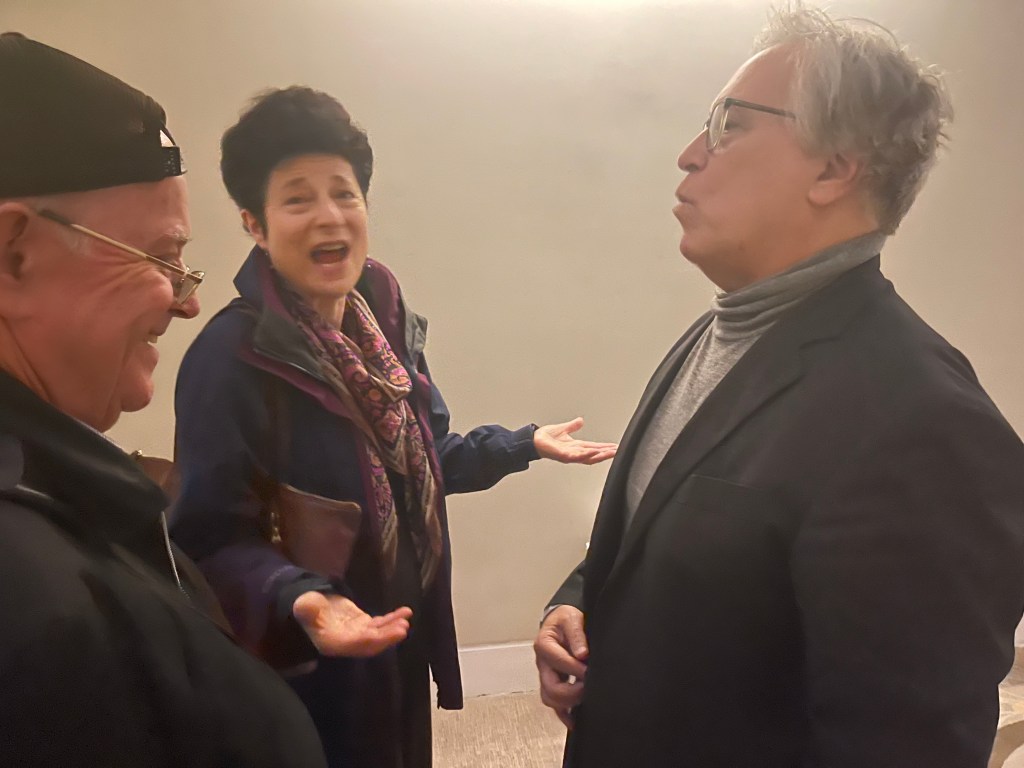
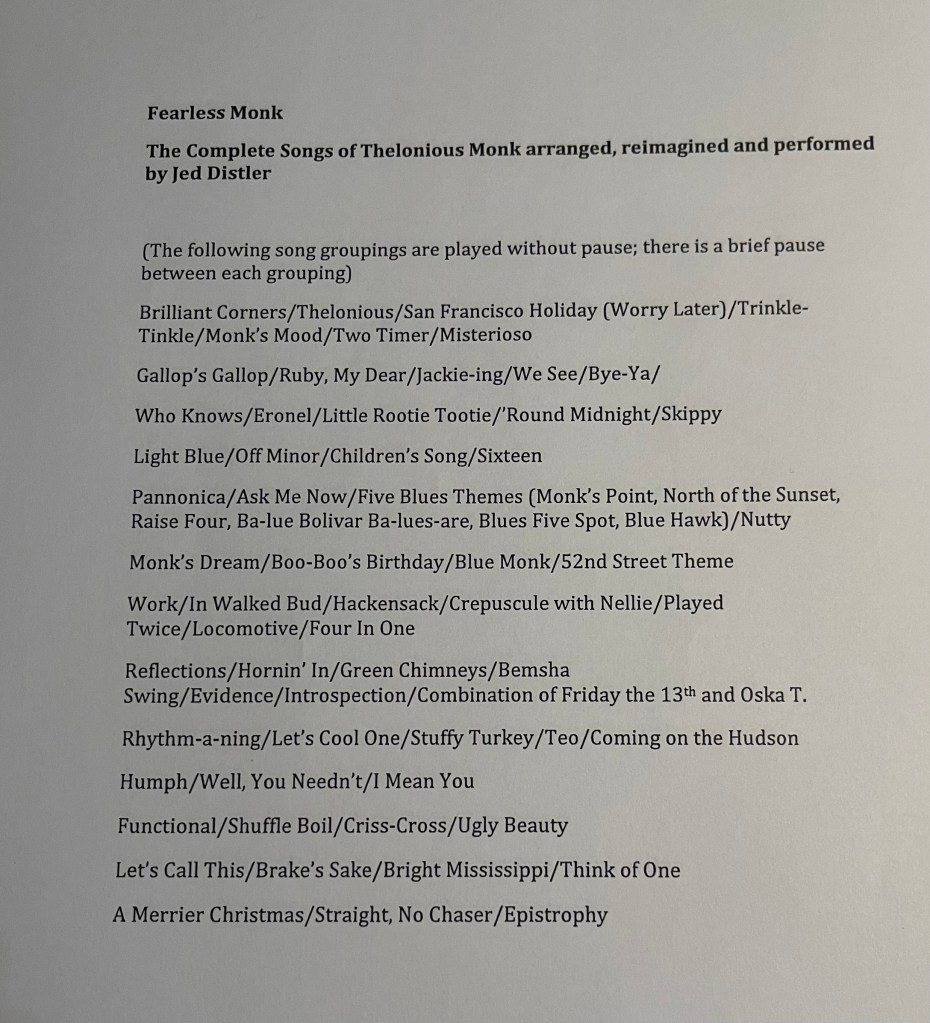
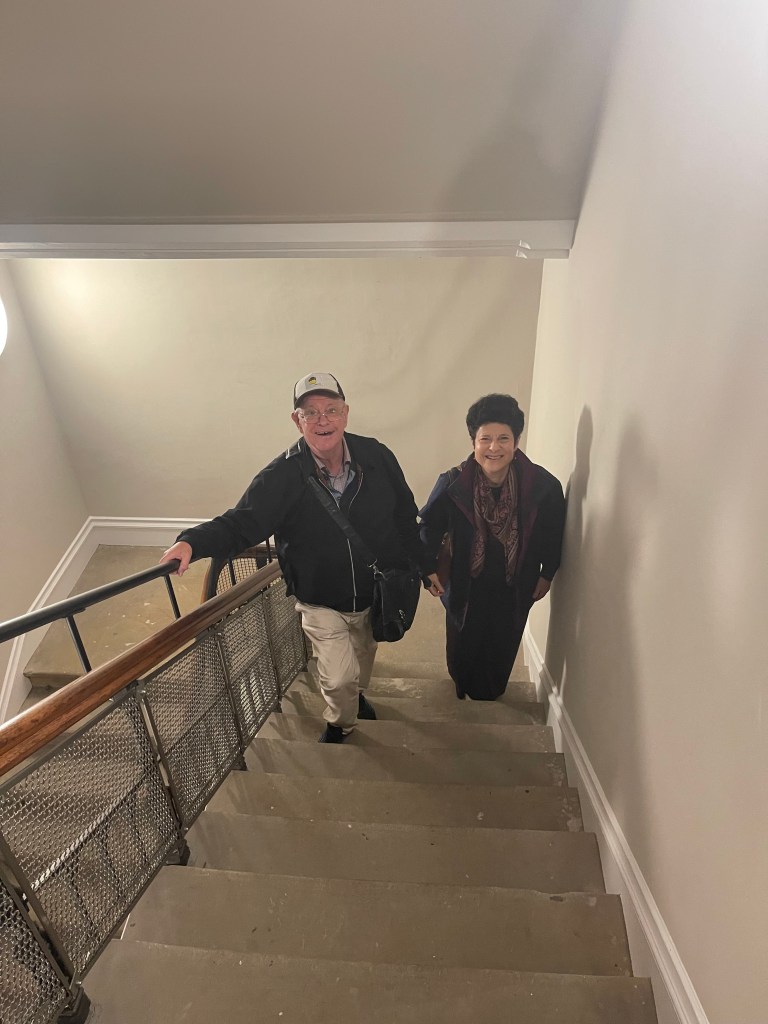
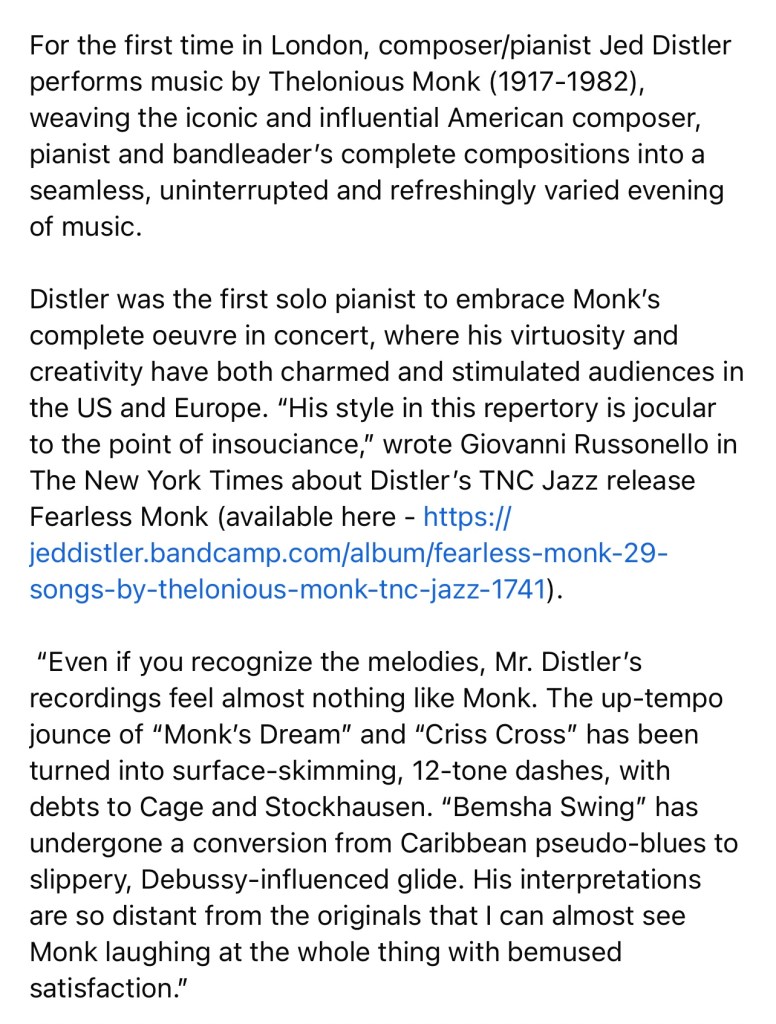
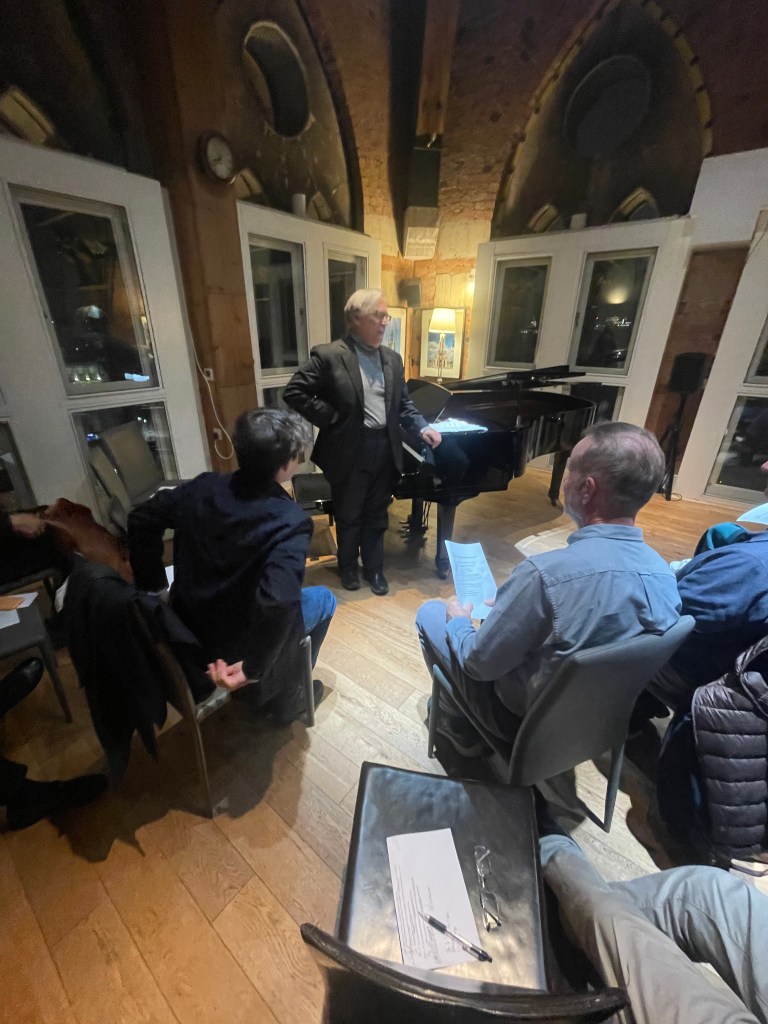
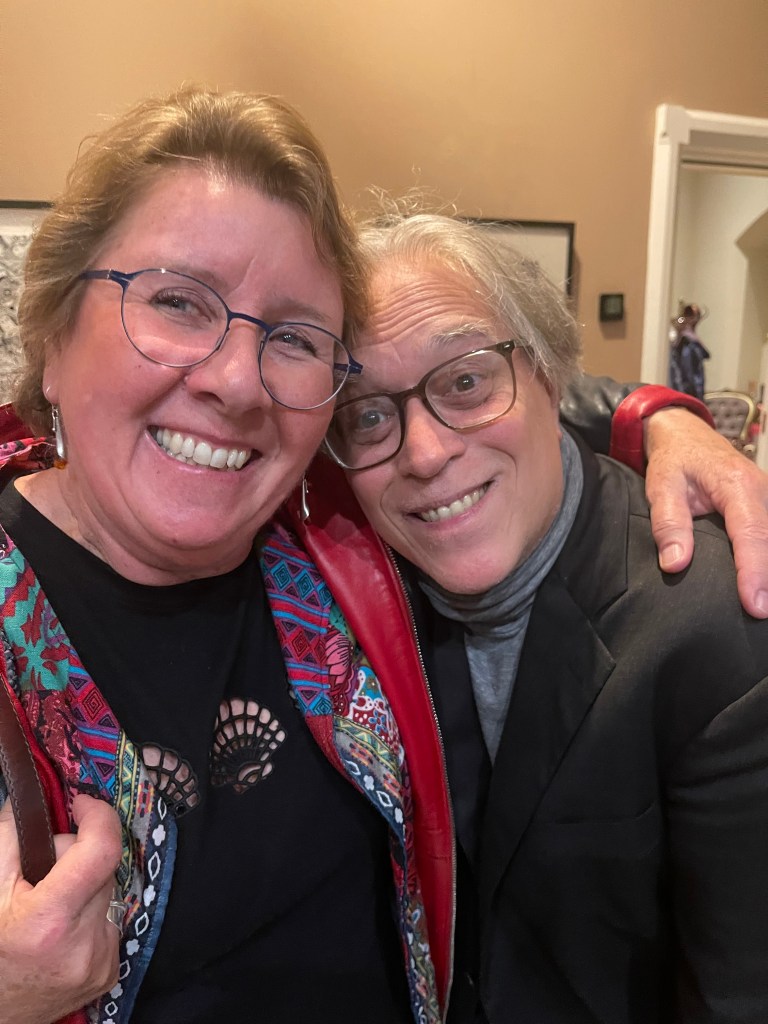
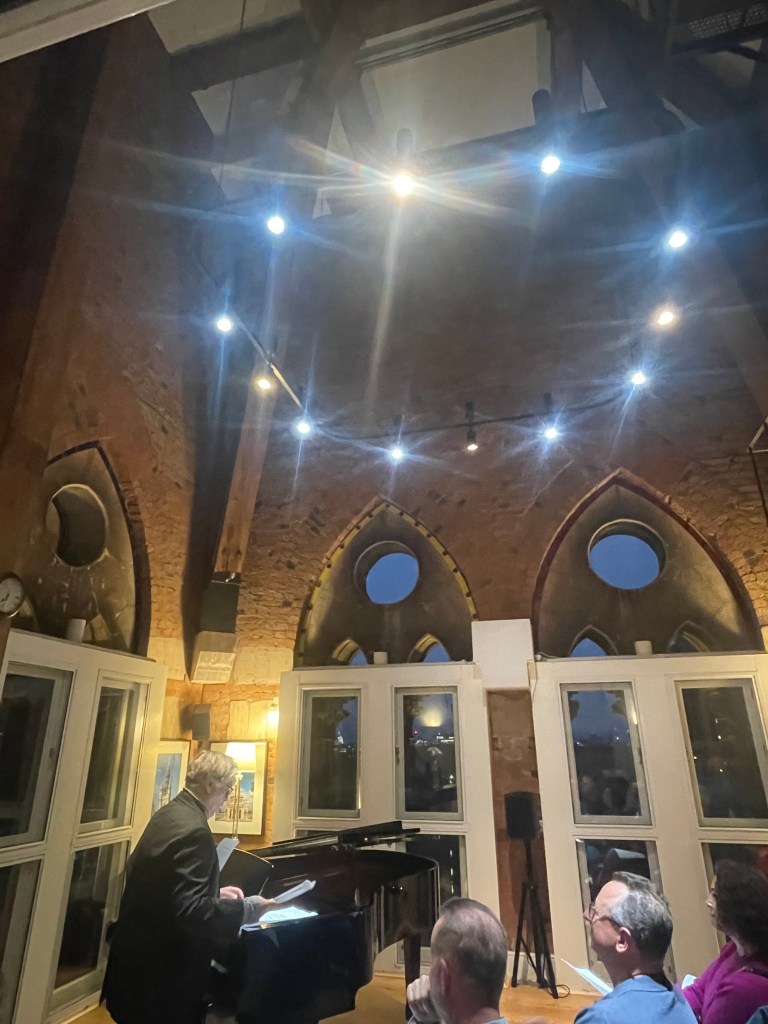
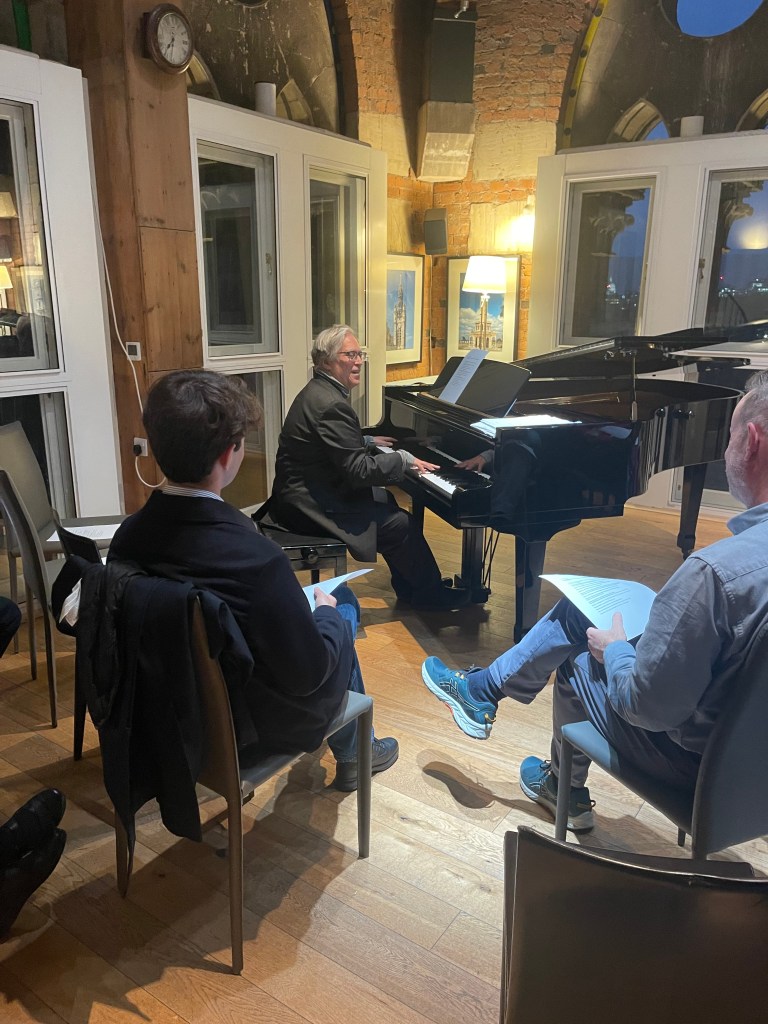
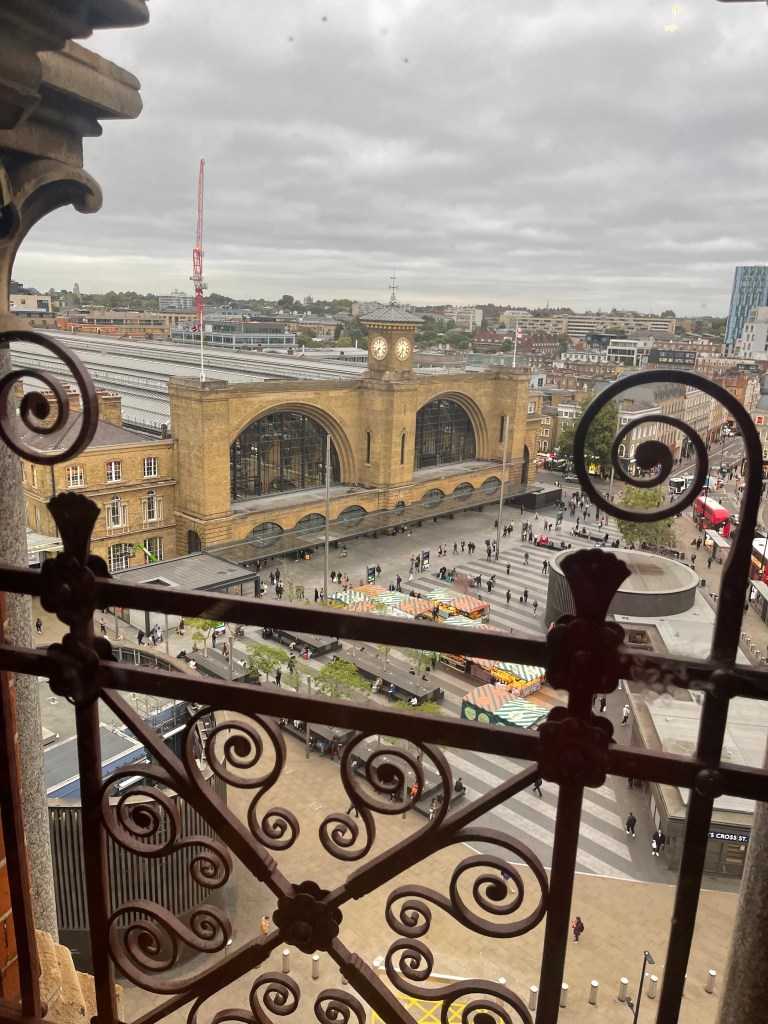
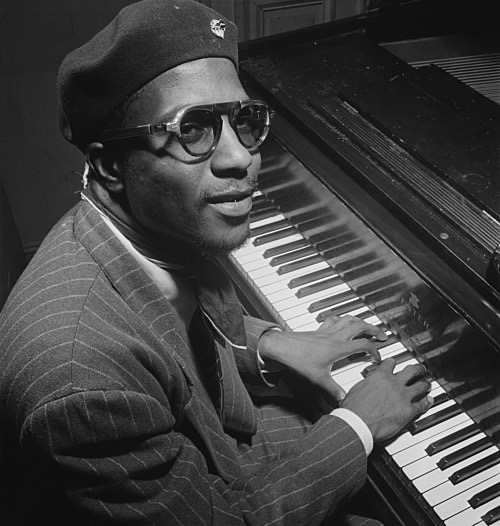
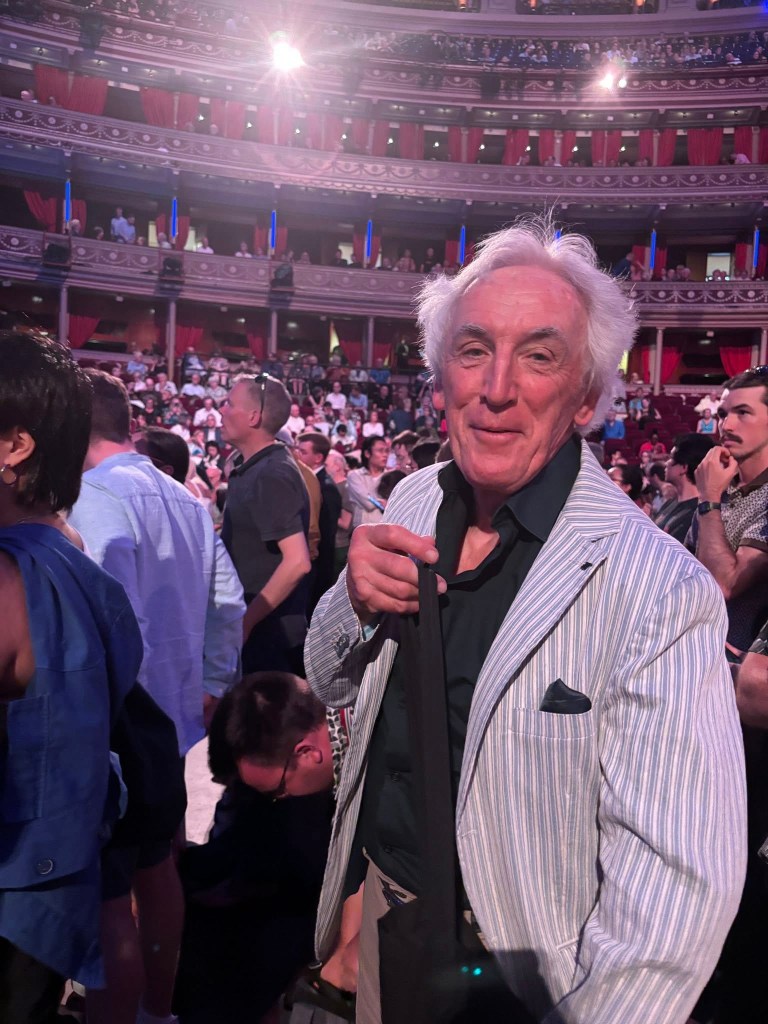
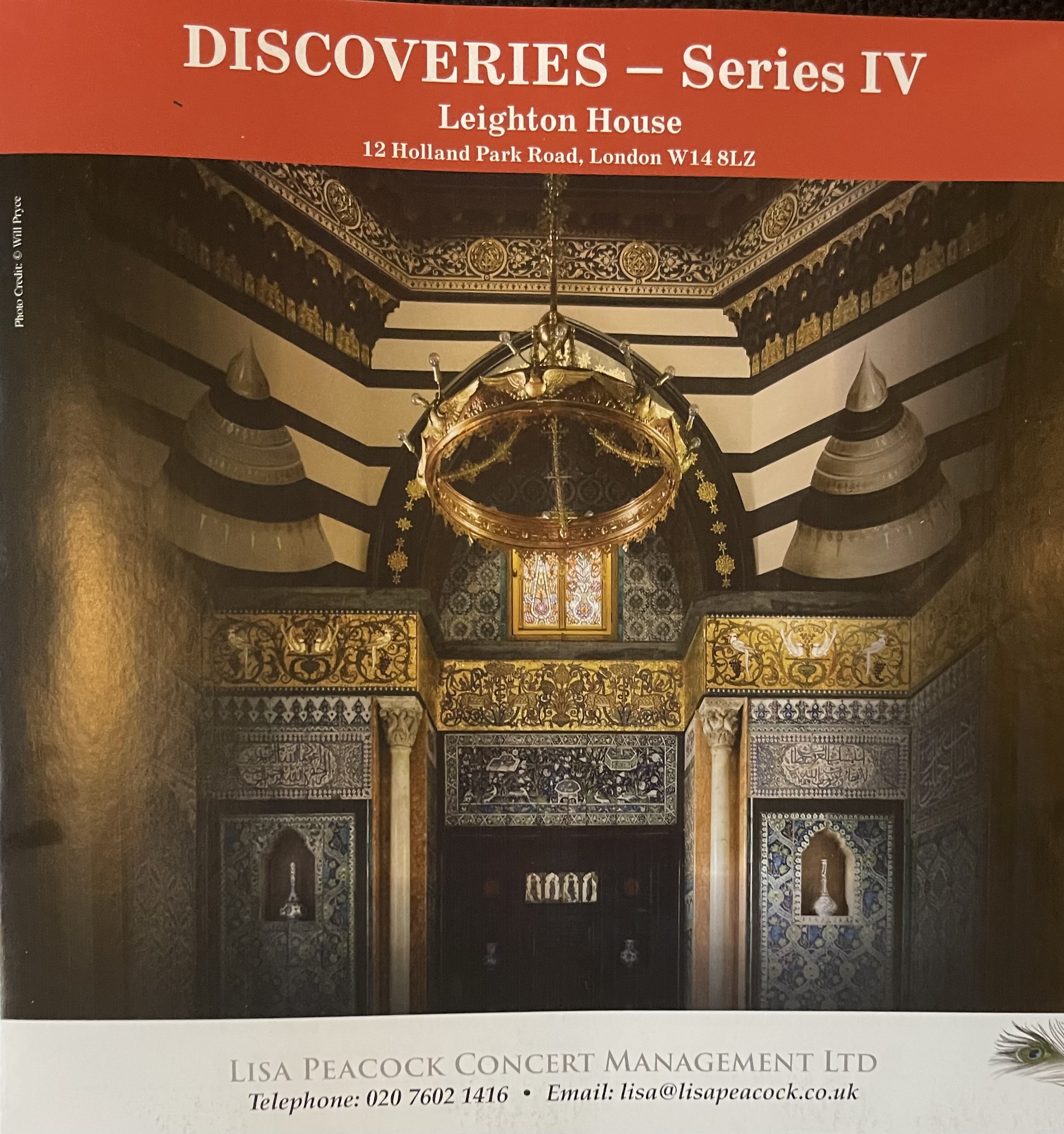
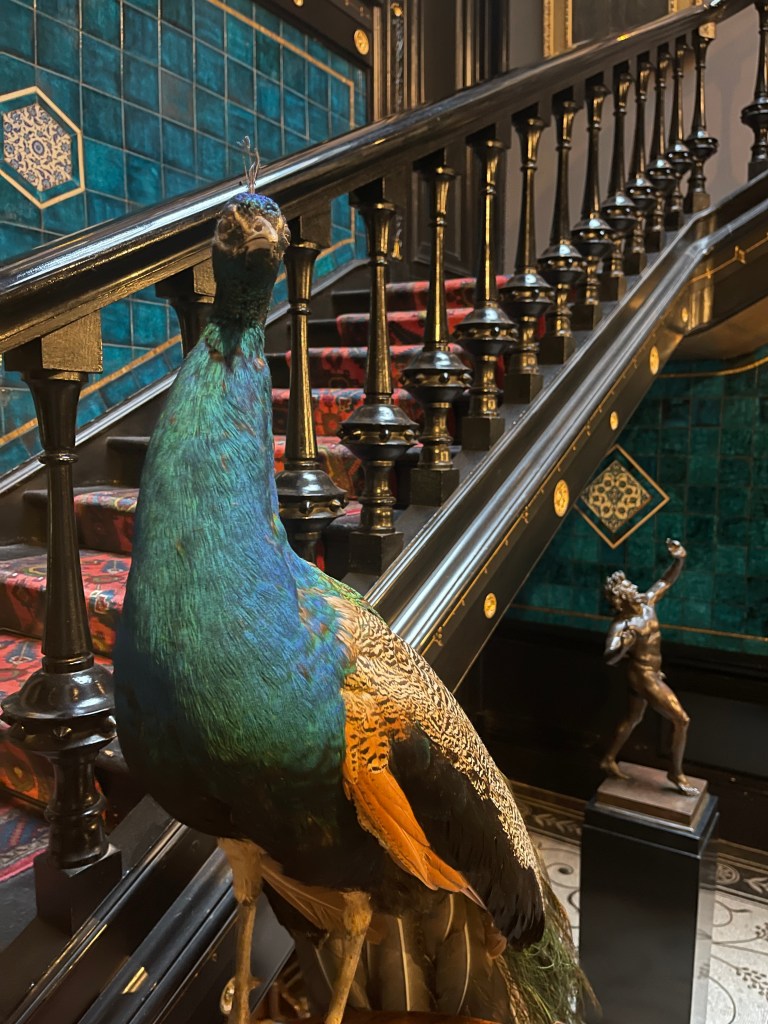
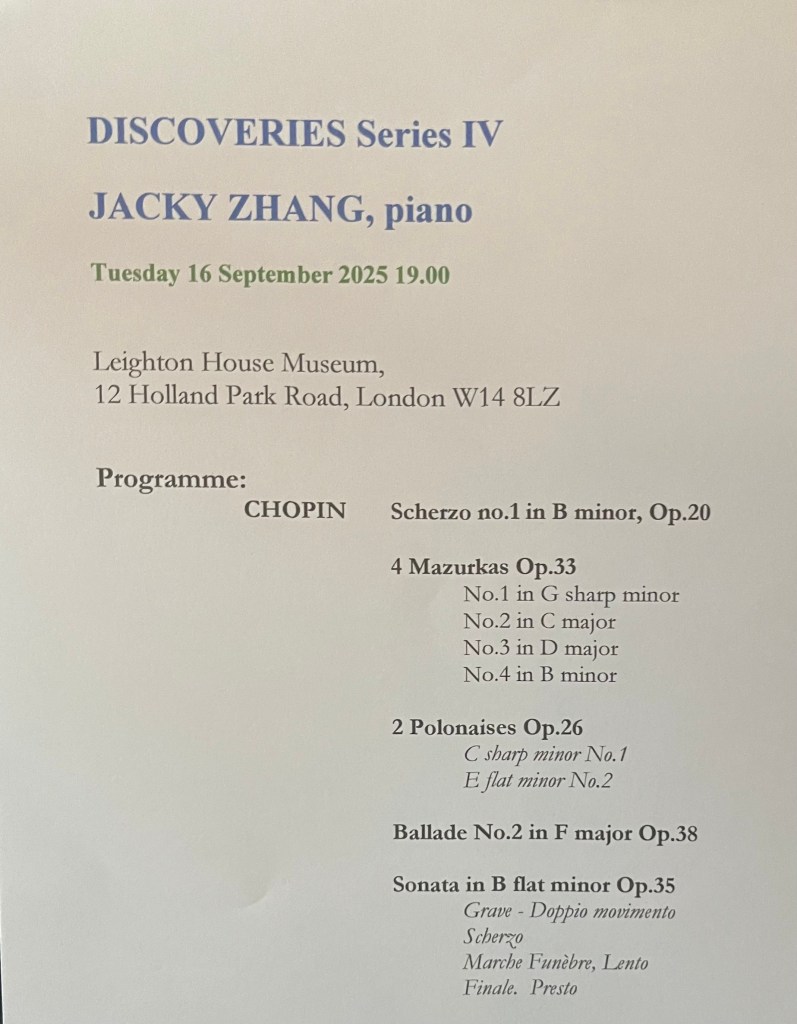
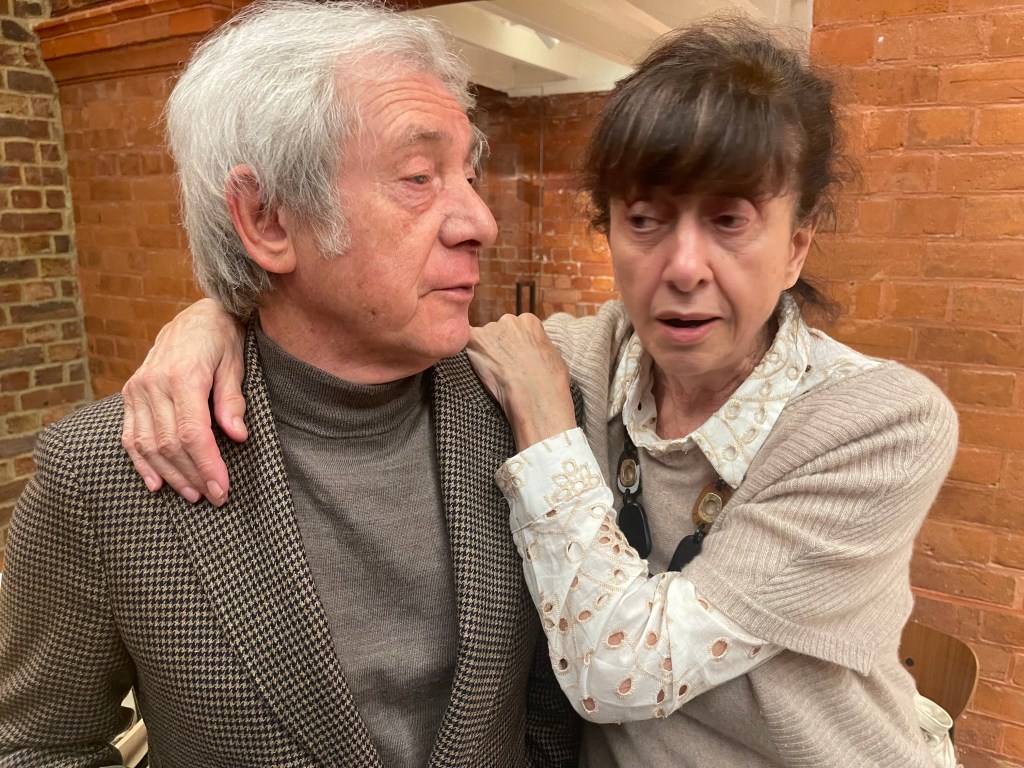
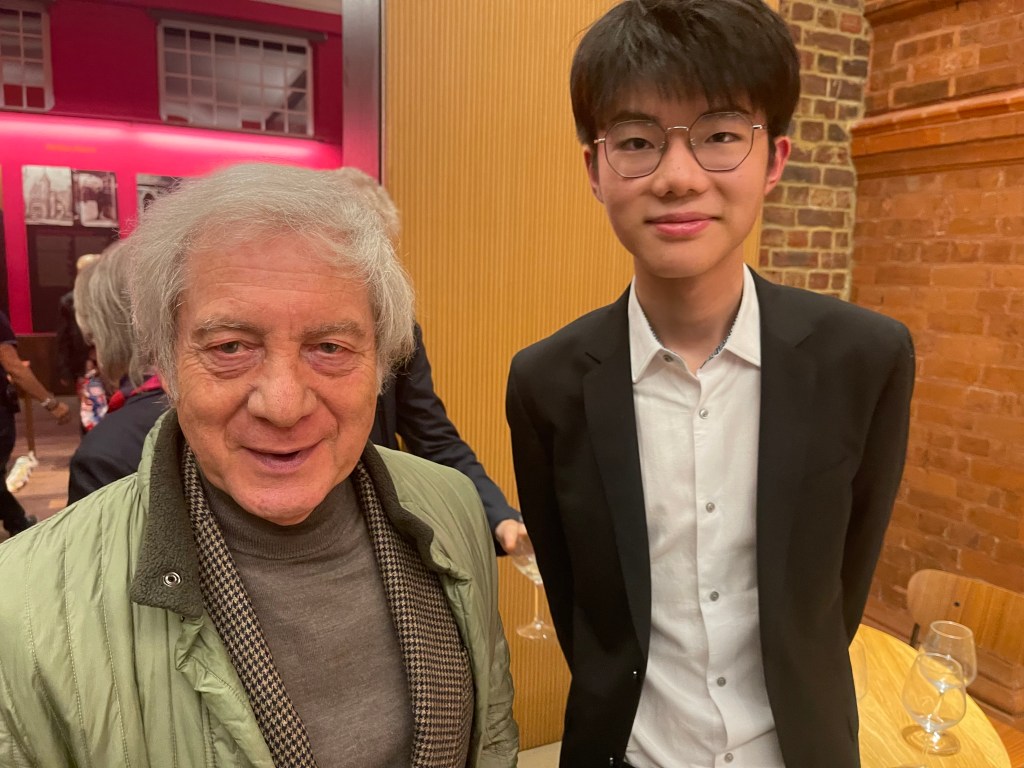
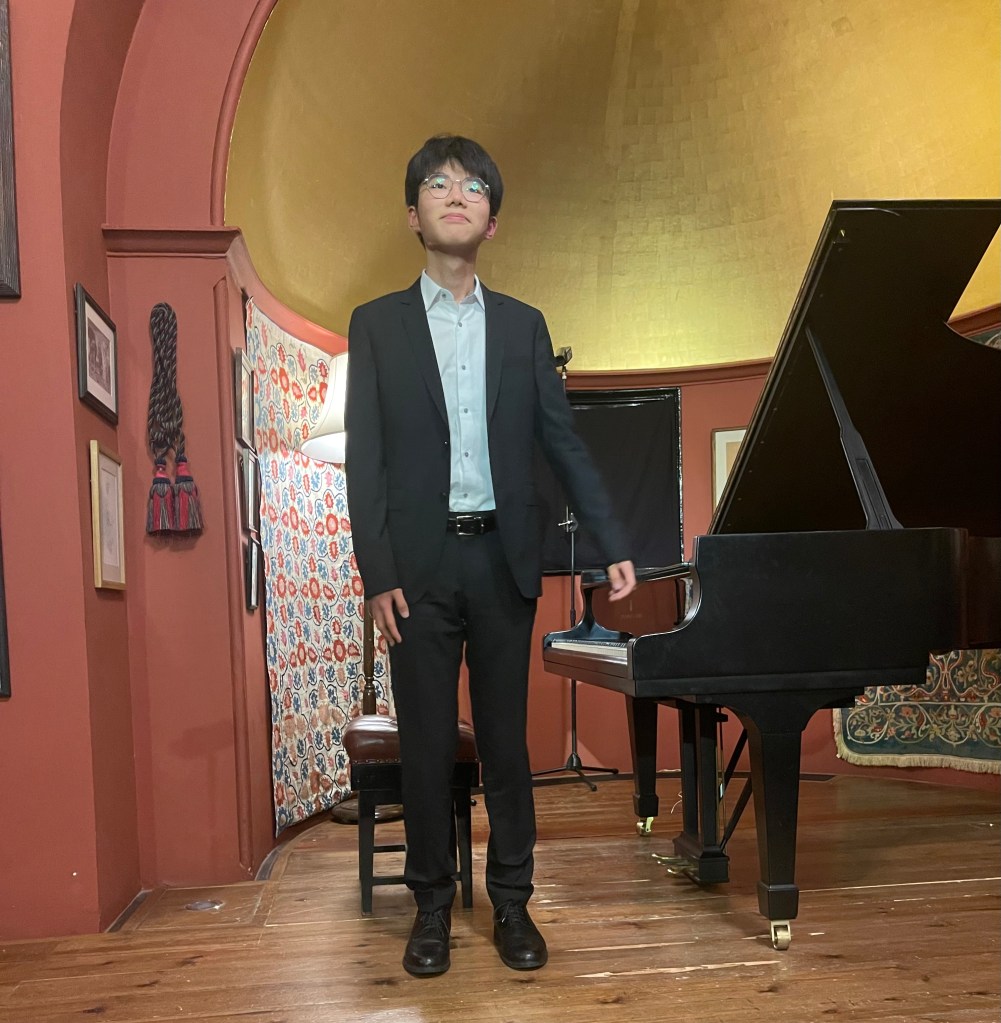
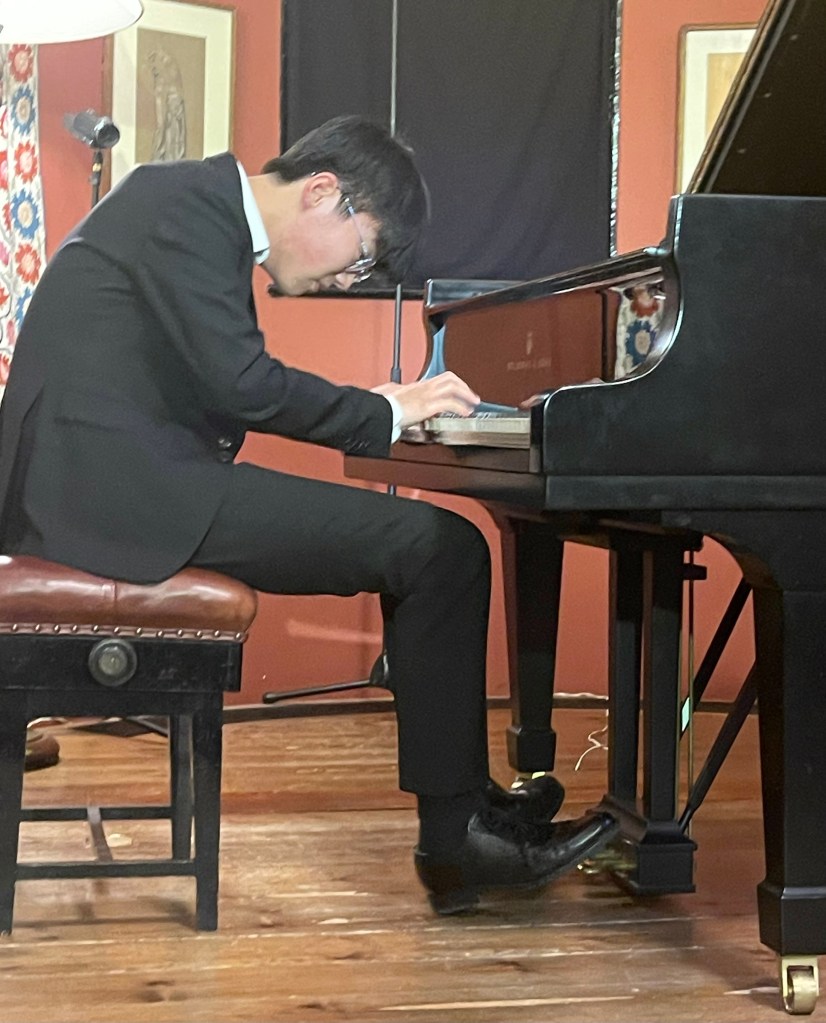
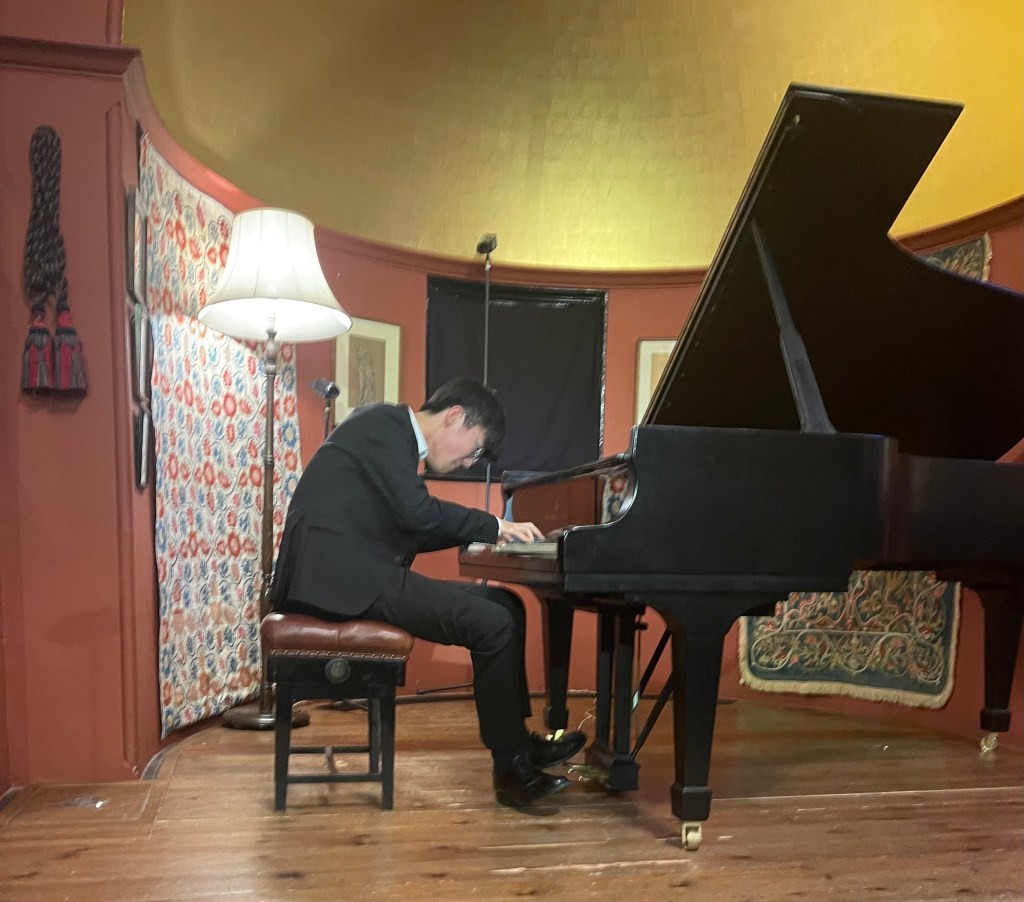
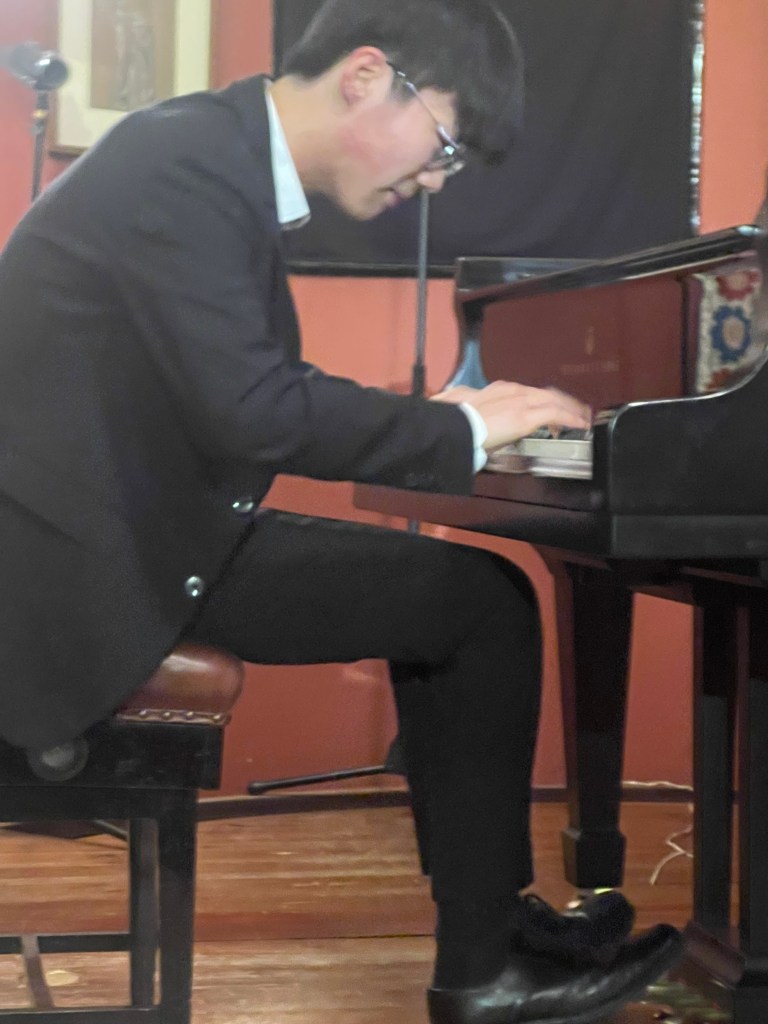
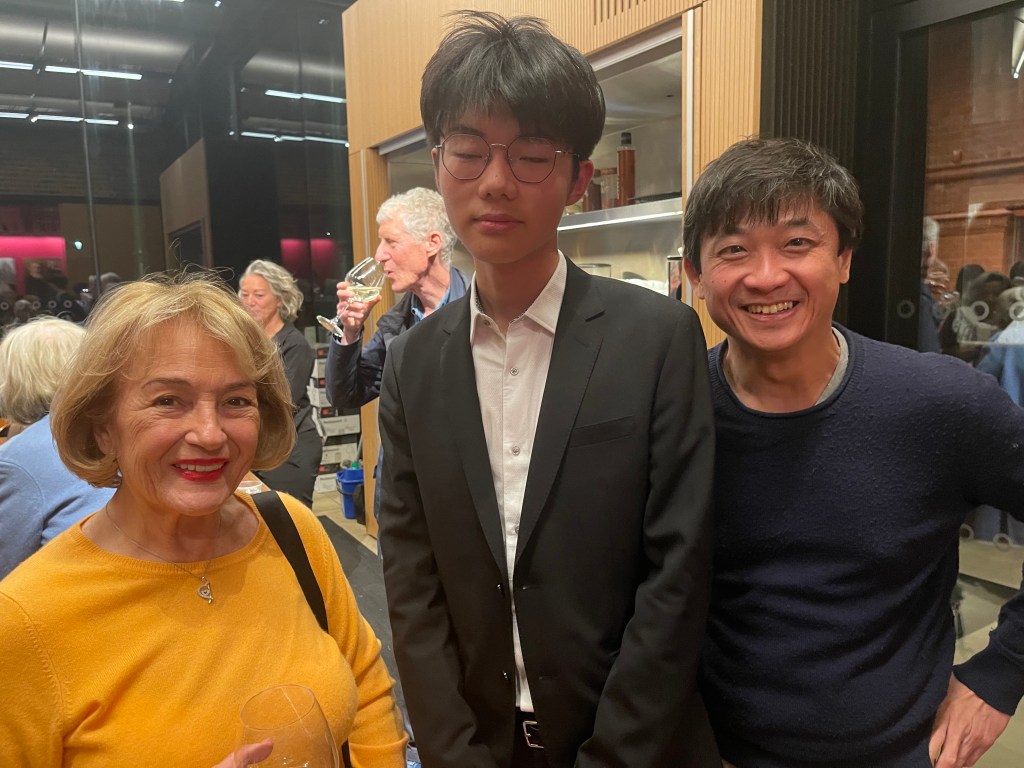
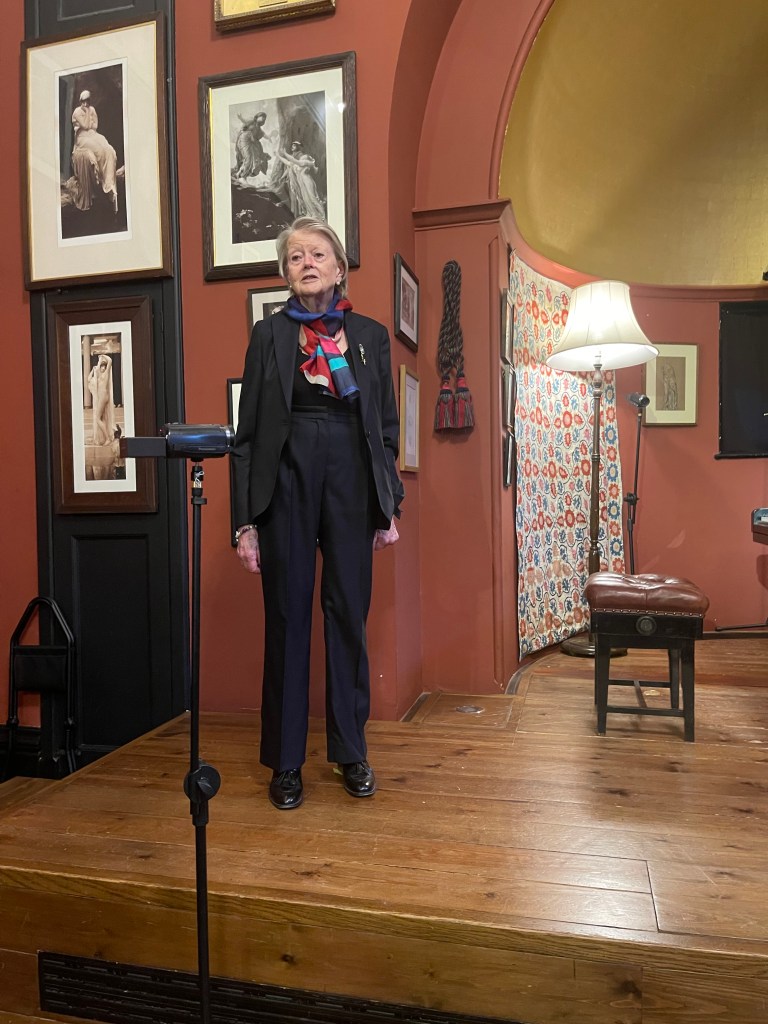
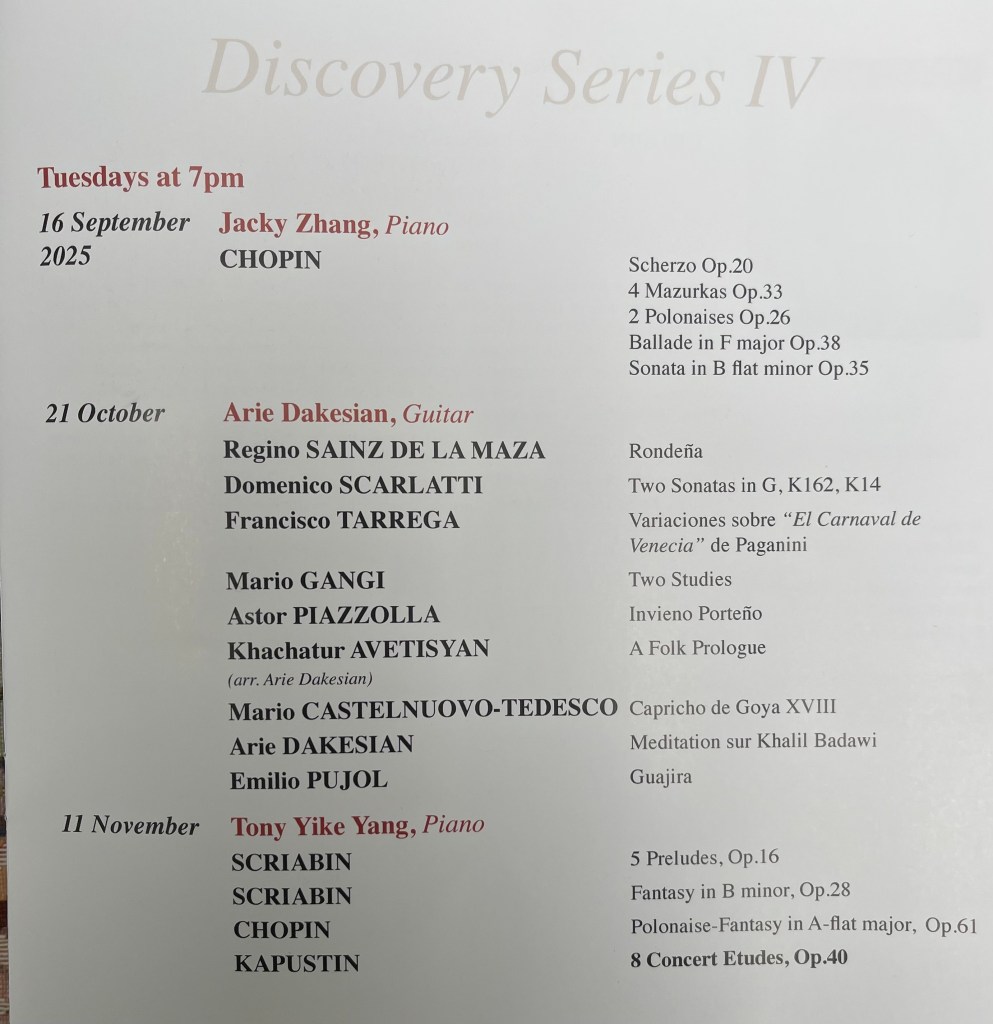
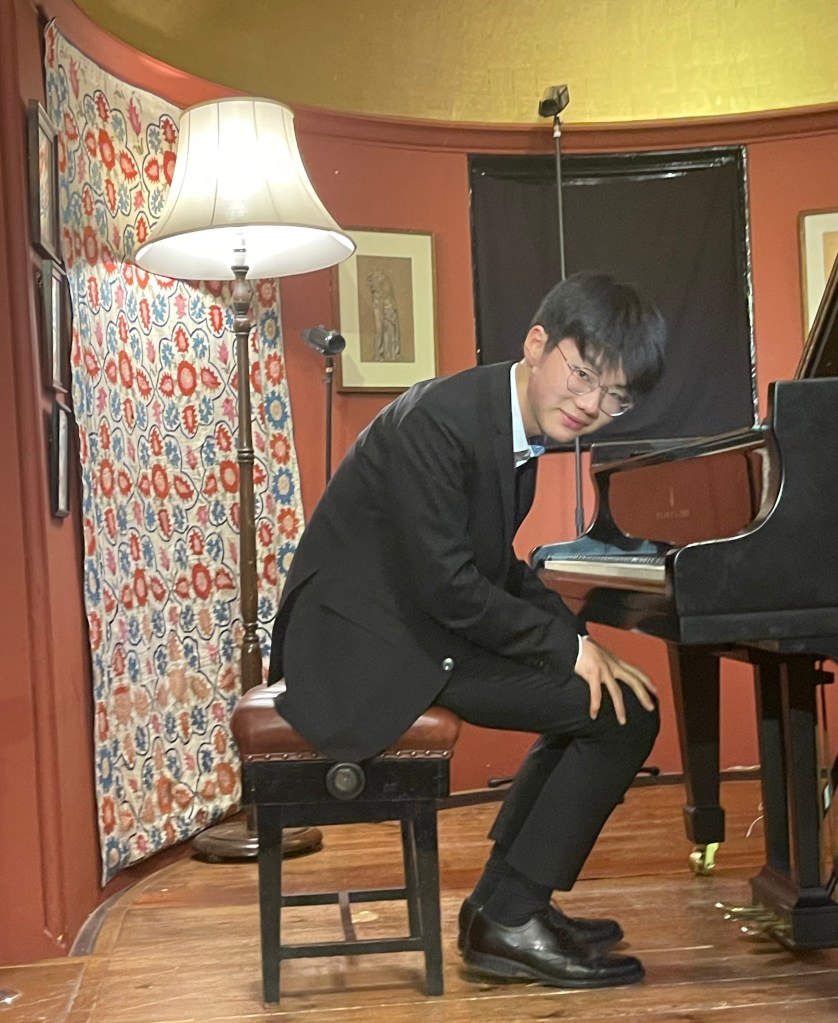
 ChristopherAxworthy-MusicCommentary